



Someone you care about is going through something hard, and you want to give them something that genuinely helps. That's a kind thing to want, and you're in the right place.
If you're also a little worried about getting it wrong, that worry comes from caring, and it's a good instinct. It's also easier to get right than you might think. Below you'll find three gifts made for exactly this moment, help choosing between them, and the words to write in the card if you're not sure what to say.
What to give someone going through a hard time
Something gentle, that they can come to in their own time. The best gifts right now are the ones that offer comfort without asking anything back: nothing to keep up with, nothing to reply to, and nothing that expects them to feel better by a certain date.
All three of these were created for this exact moment, built on self-compassion research and reviewed by clinical psychologists.
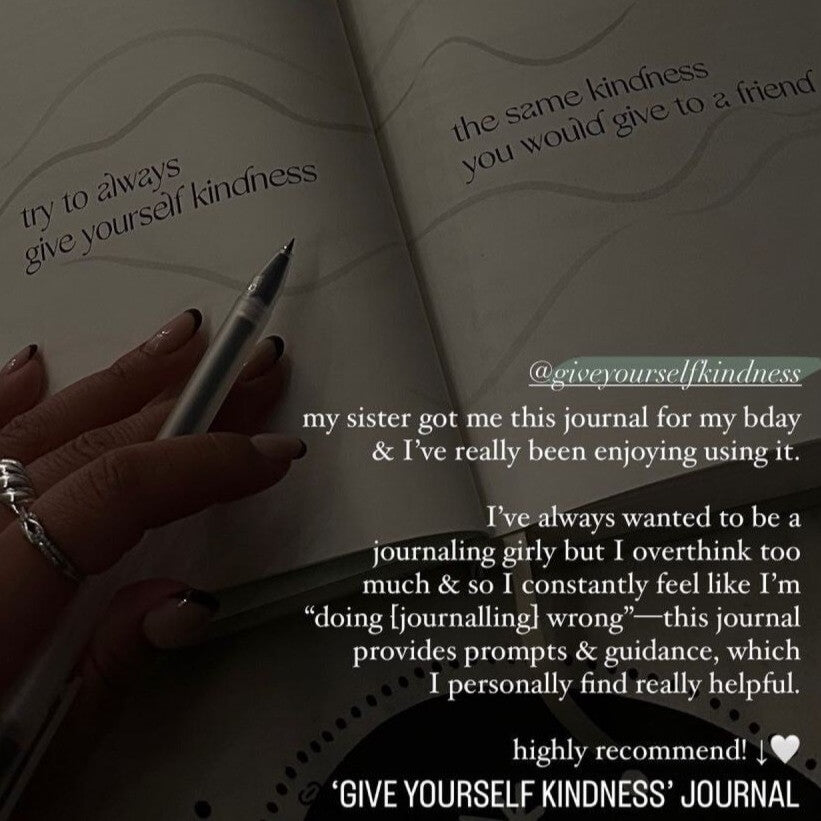
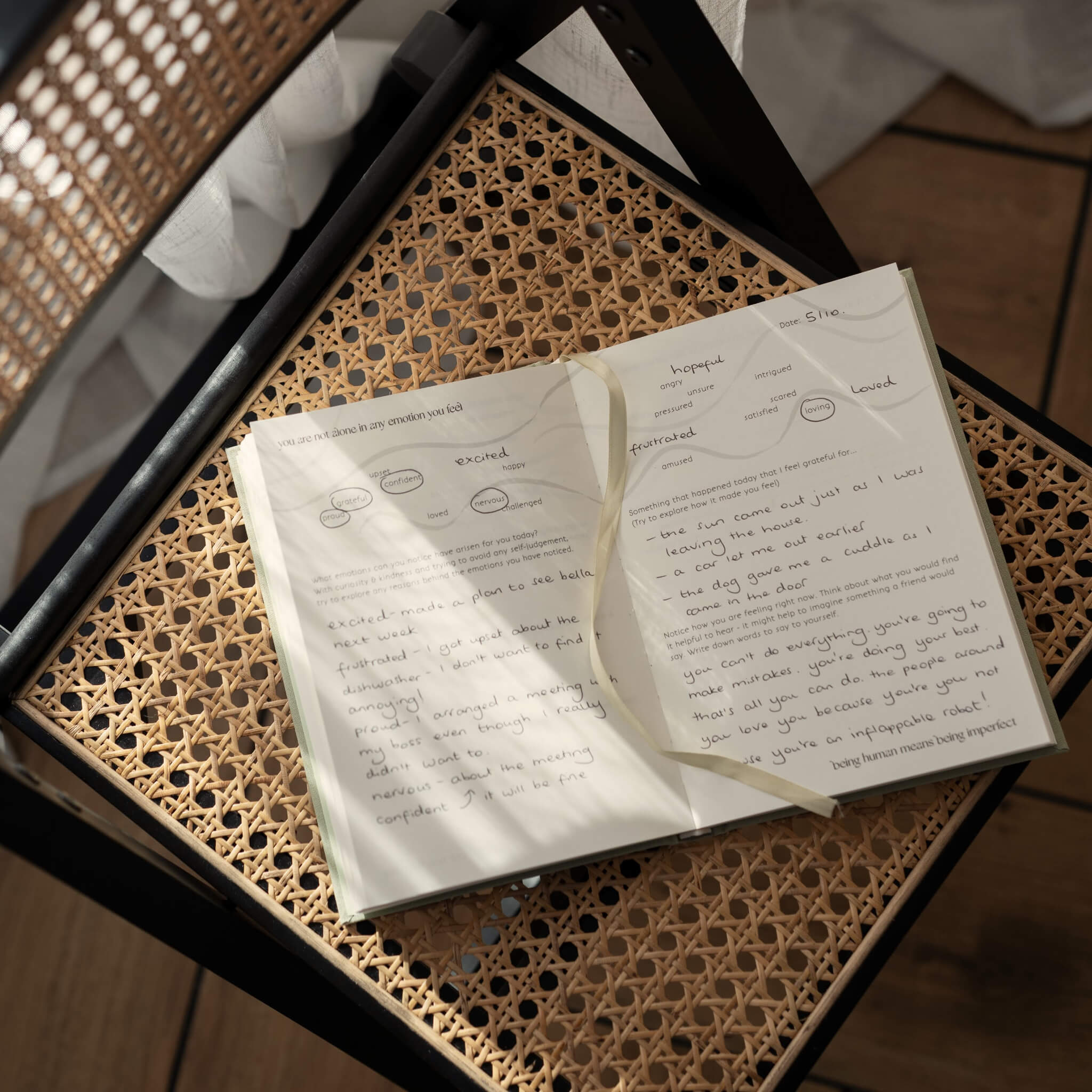
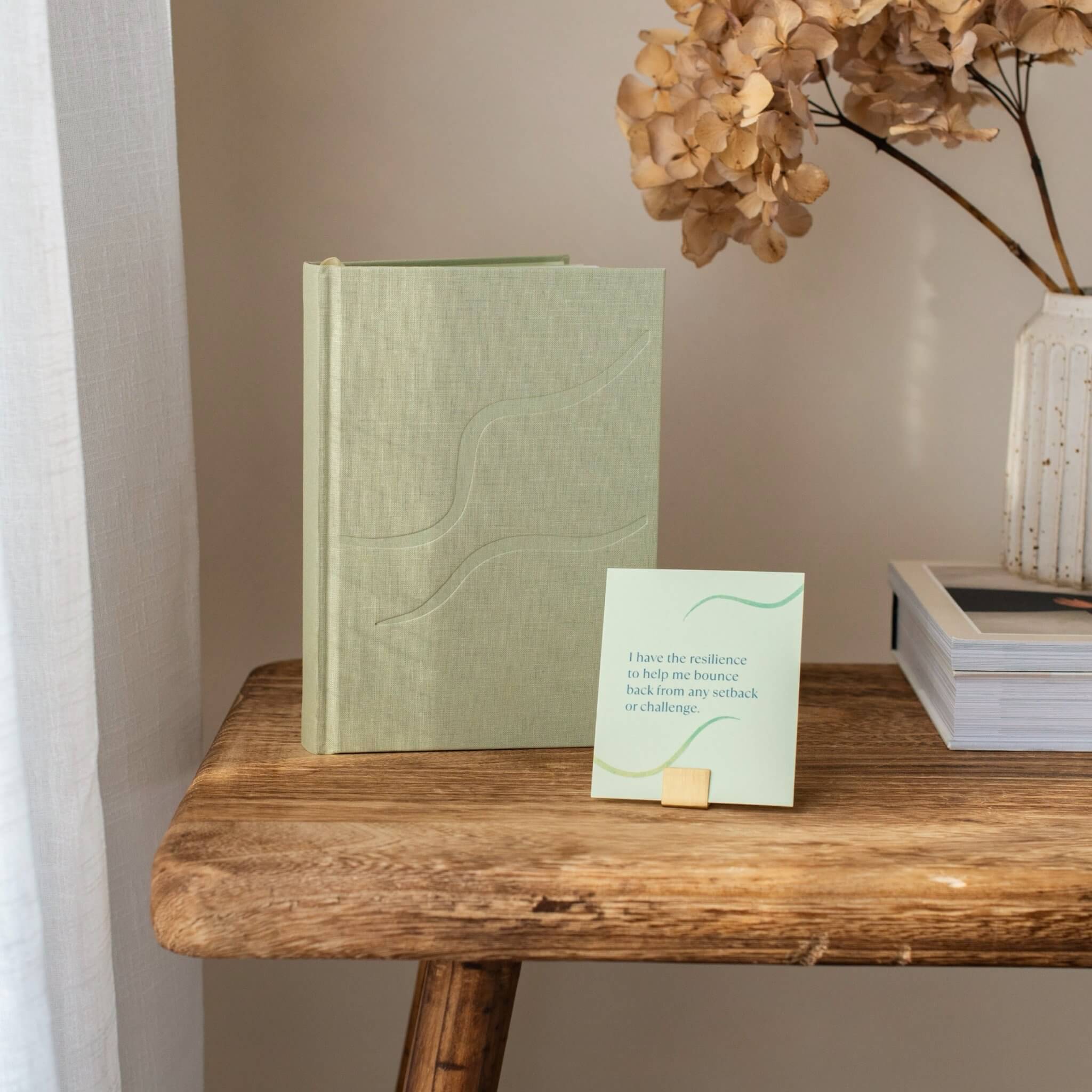
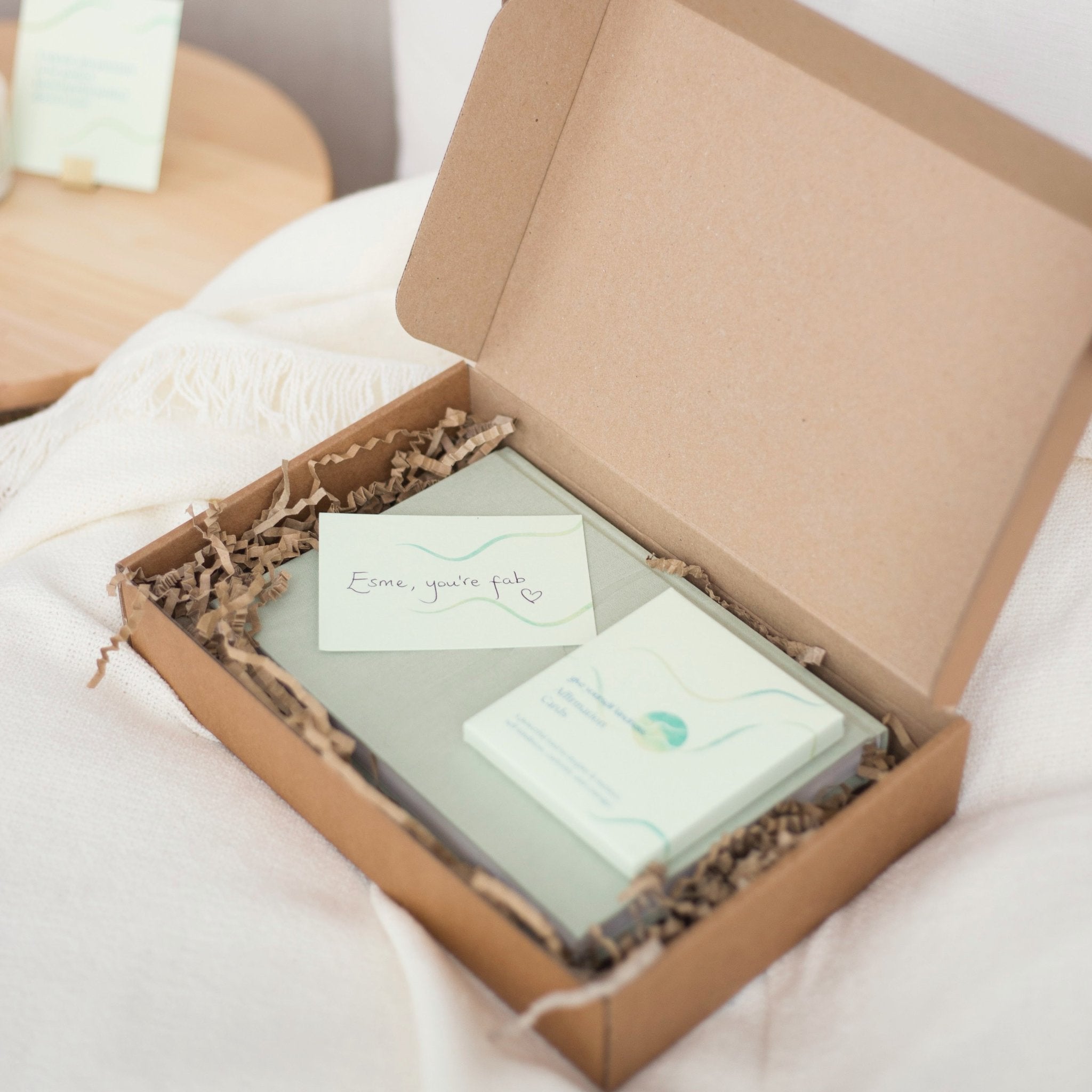
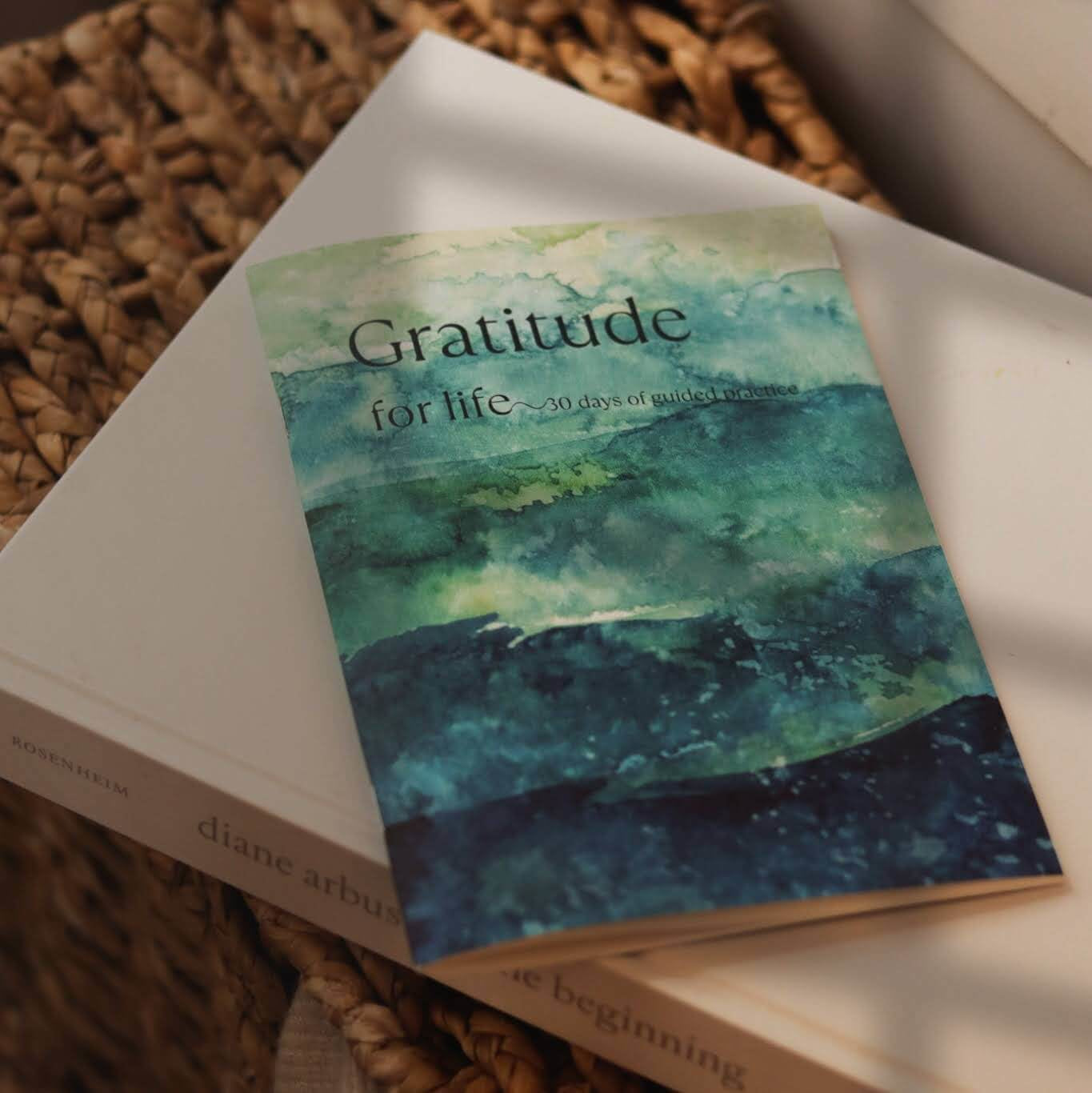
- The Give Yourself Kindness Journal (£28.95), a private place to put everything down
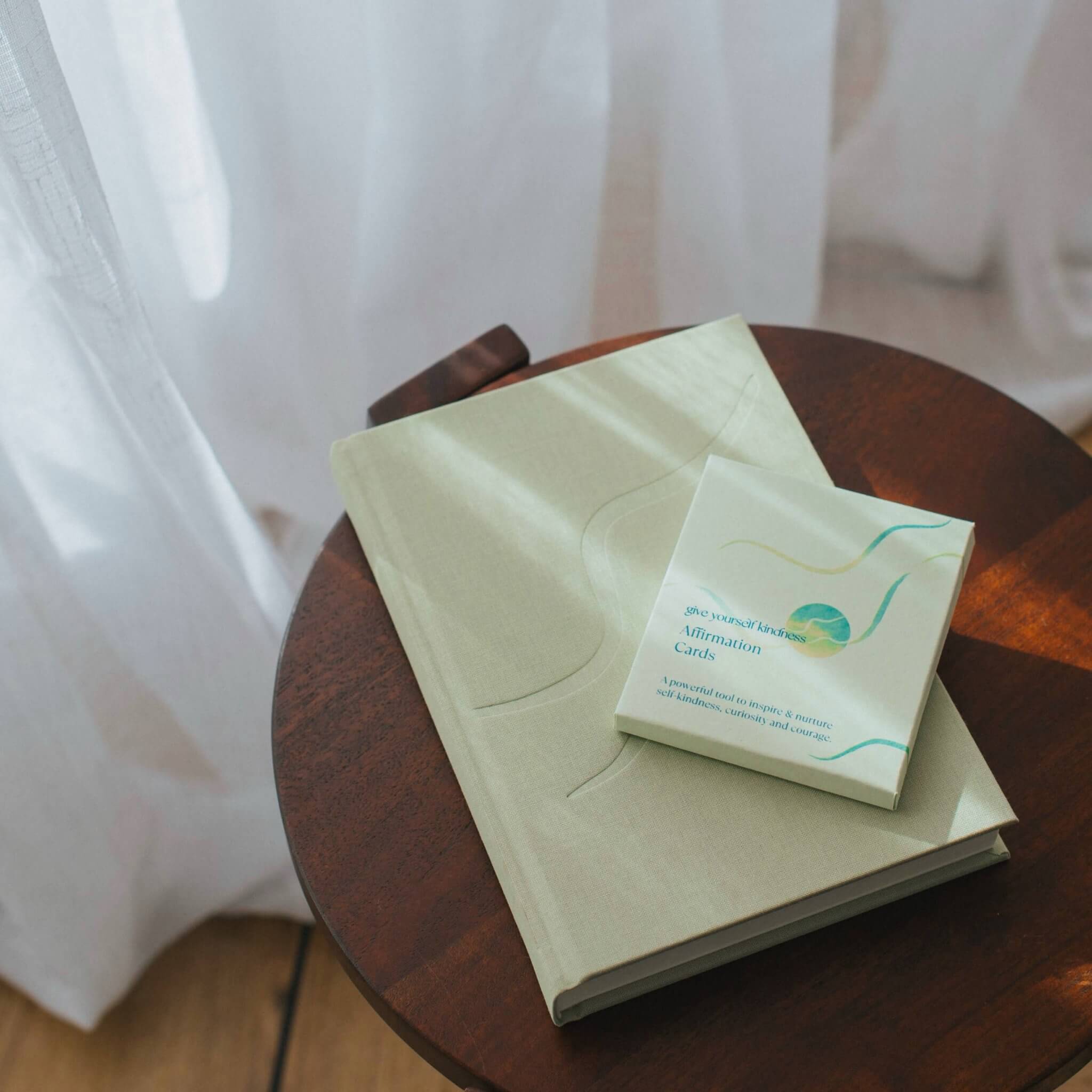
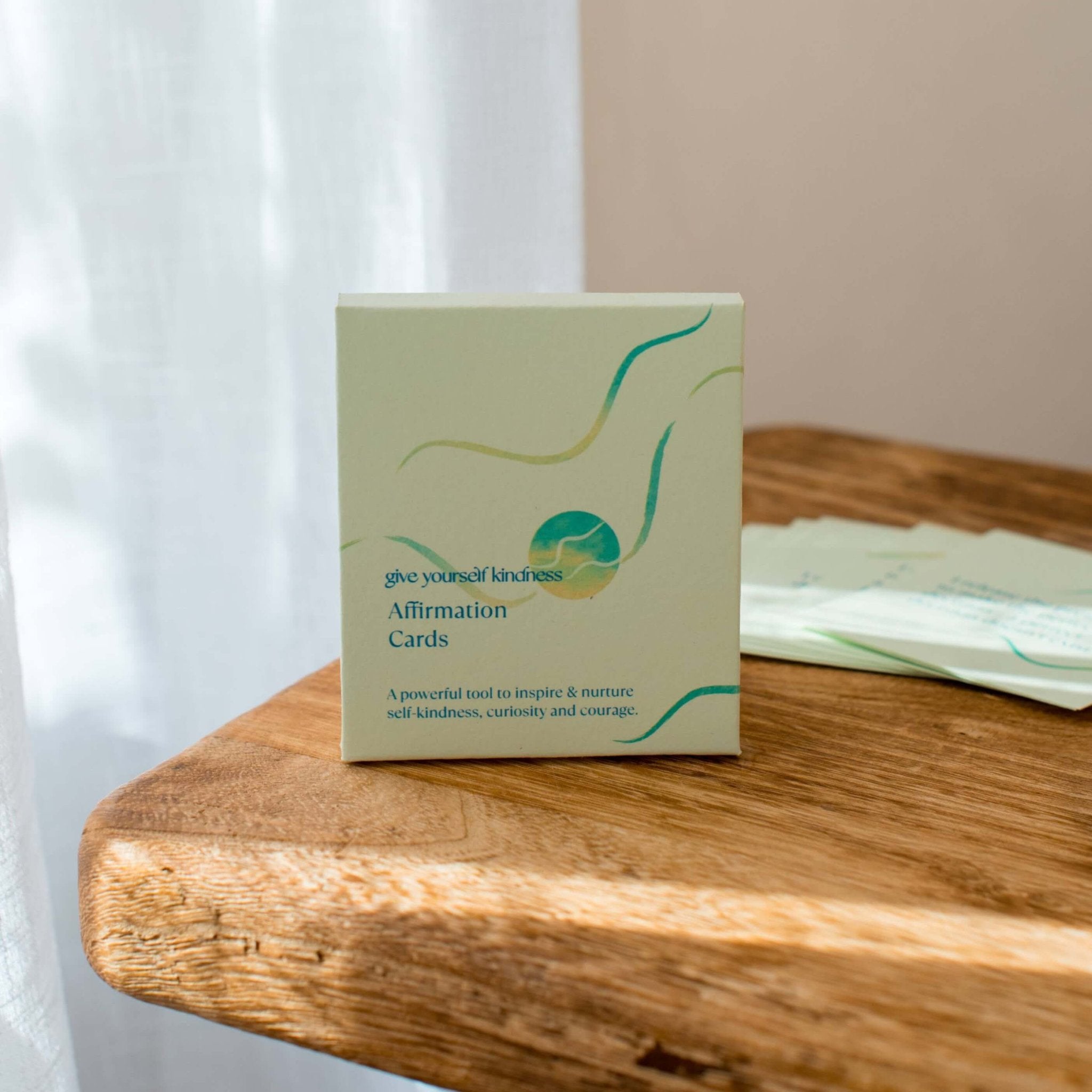
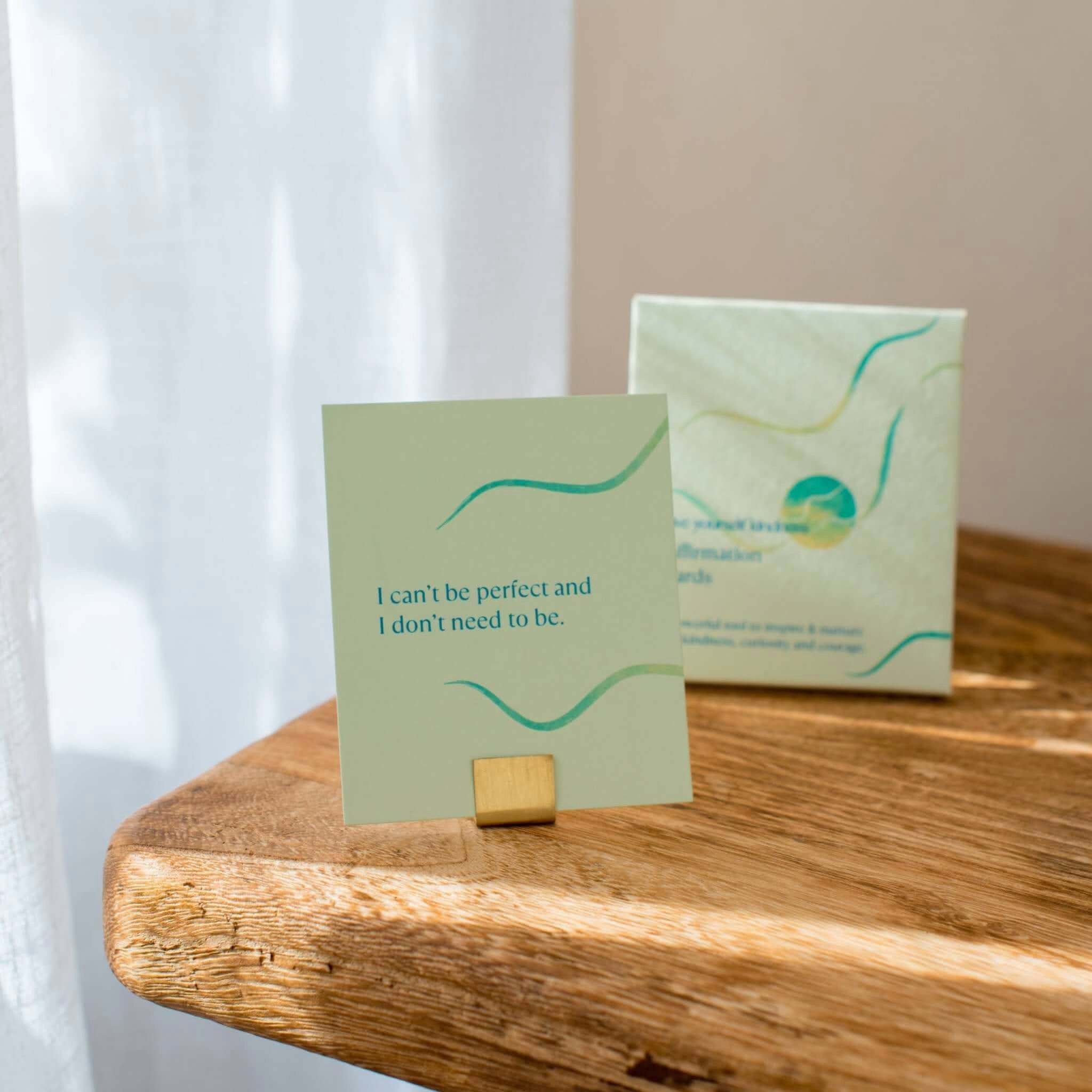
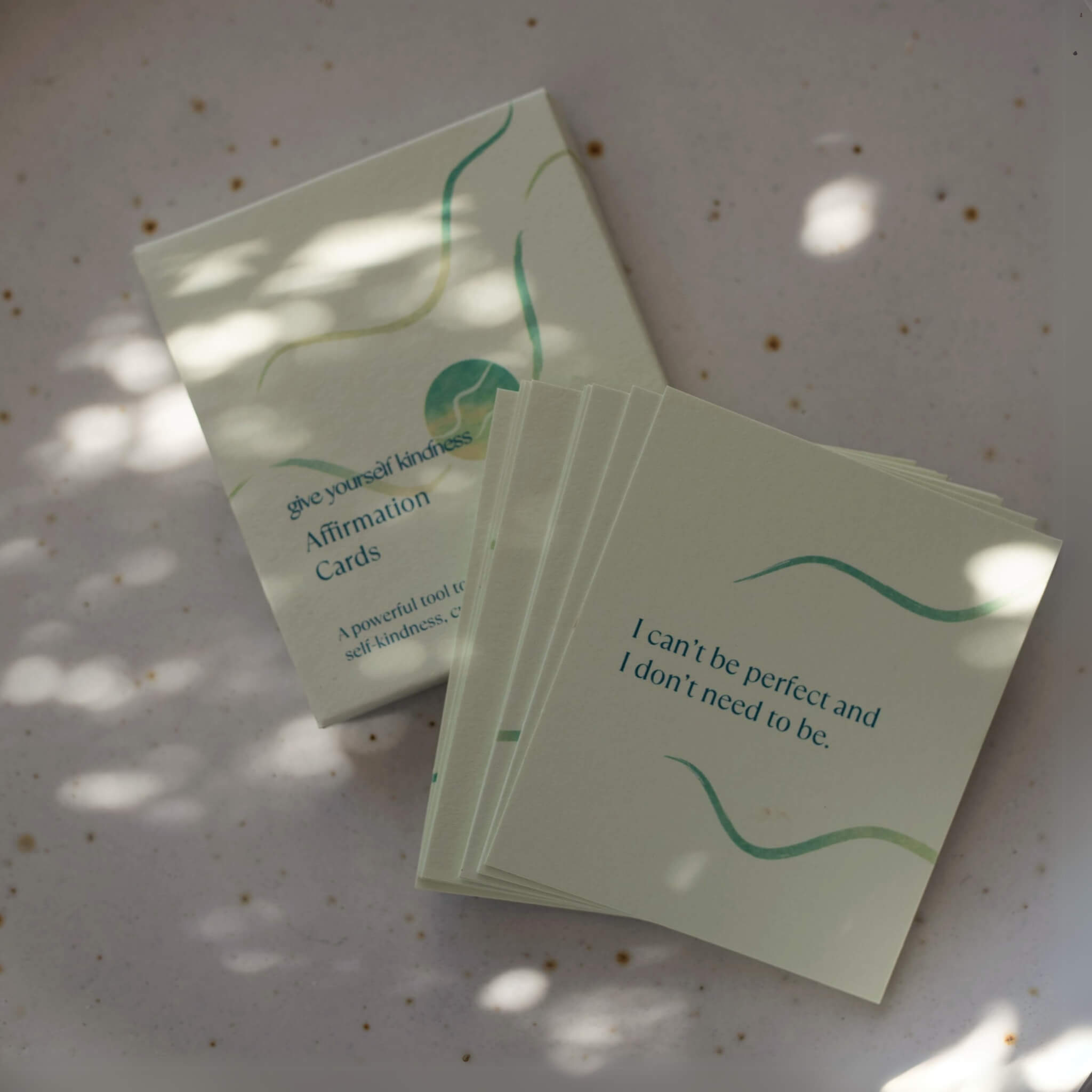
- The Affirmation Cards (from £13.95), sixty small kindnesses to keep in sight
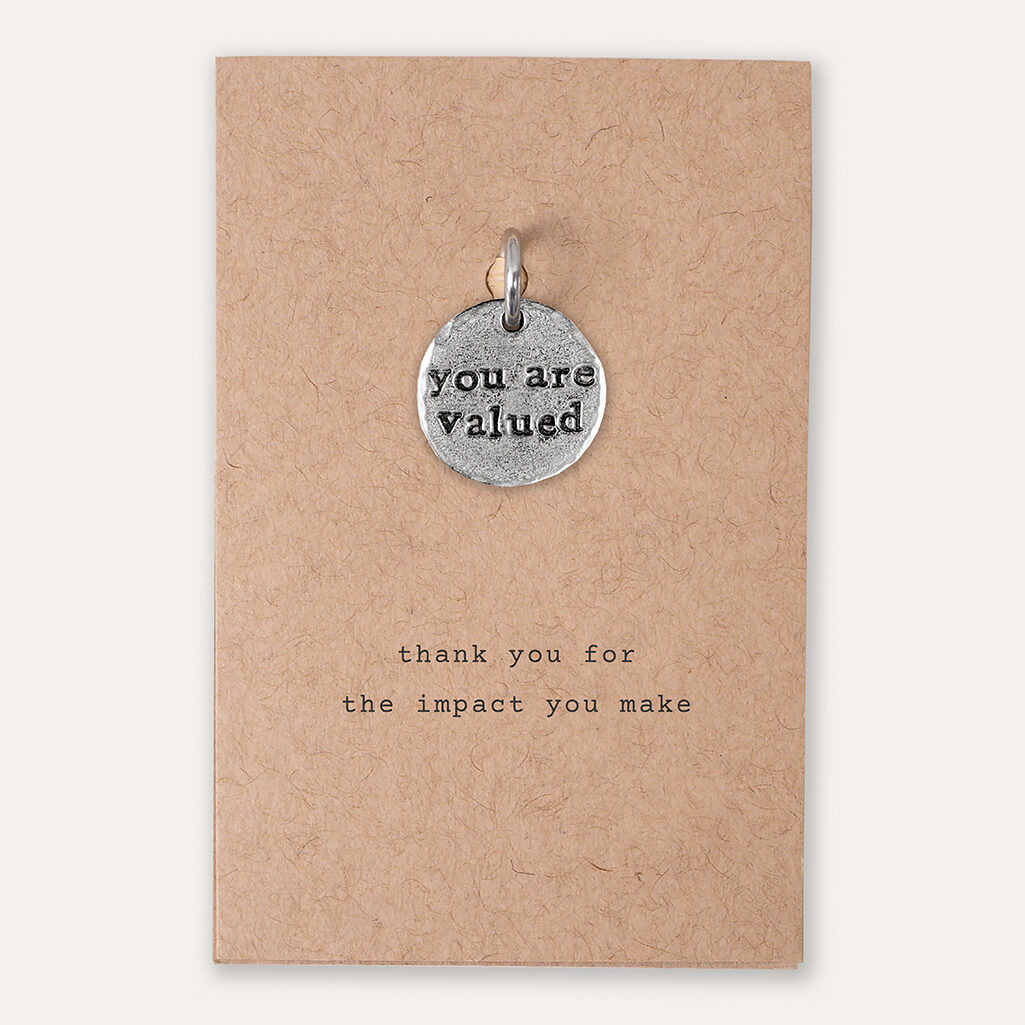
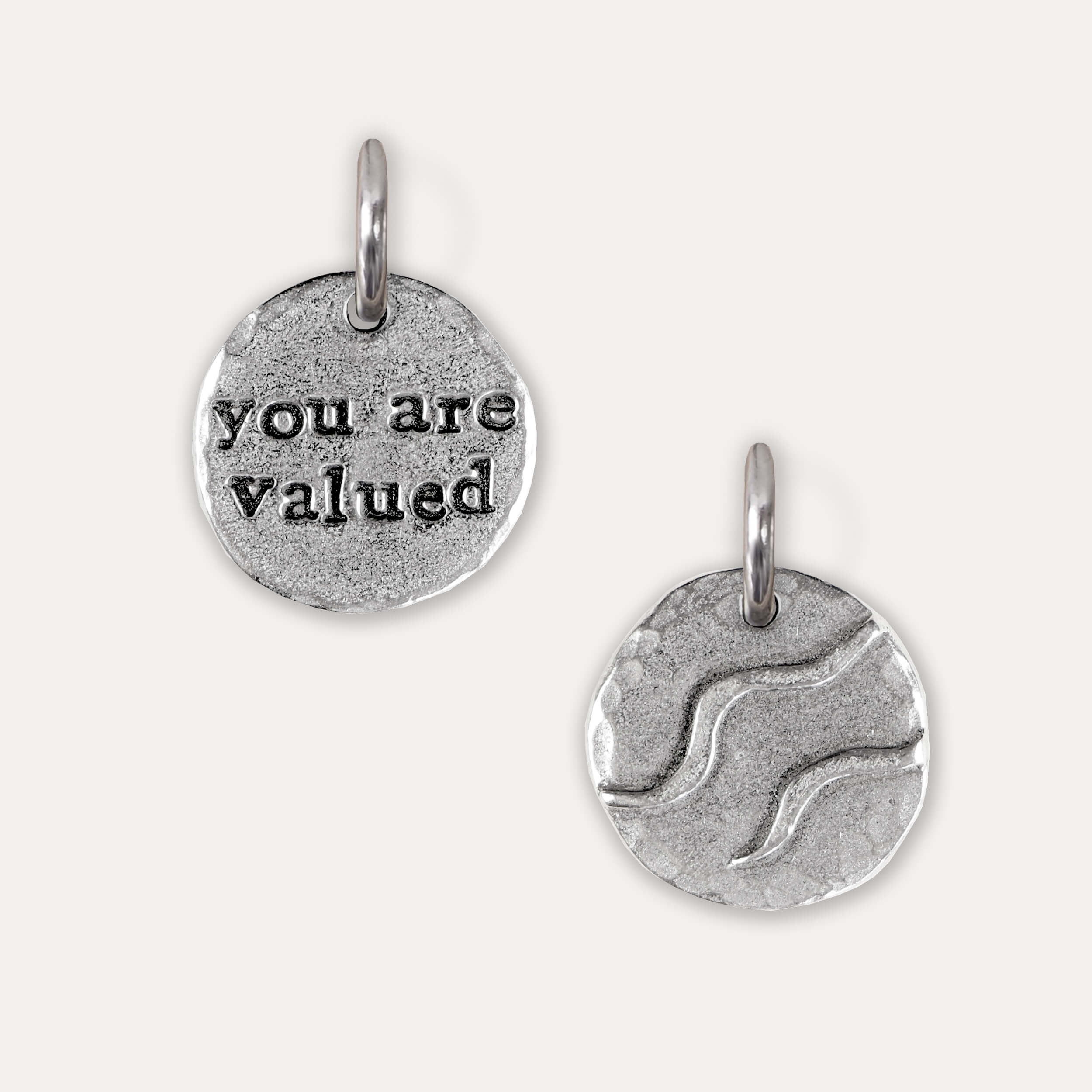
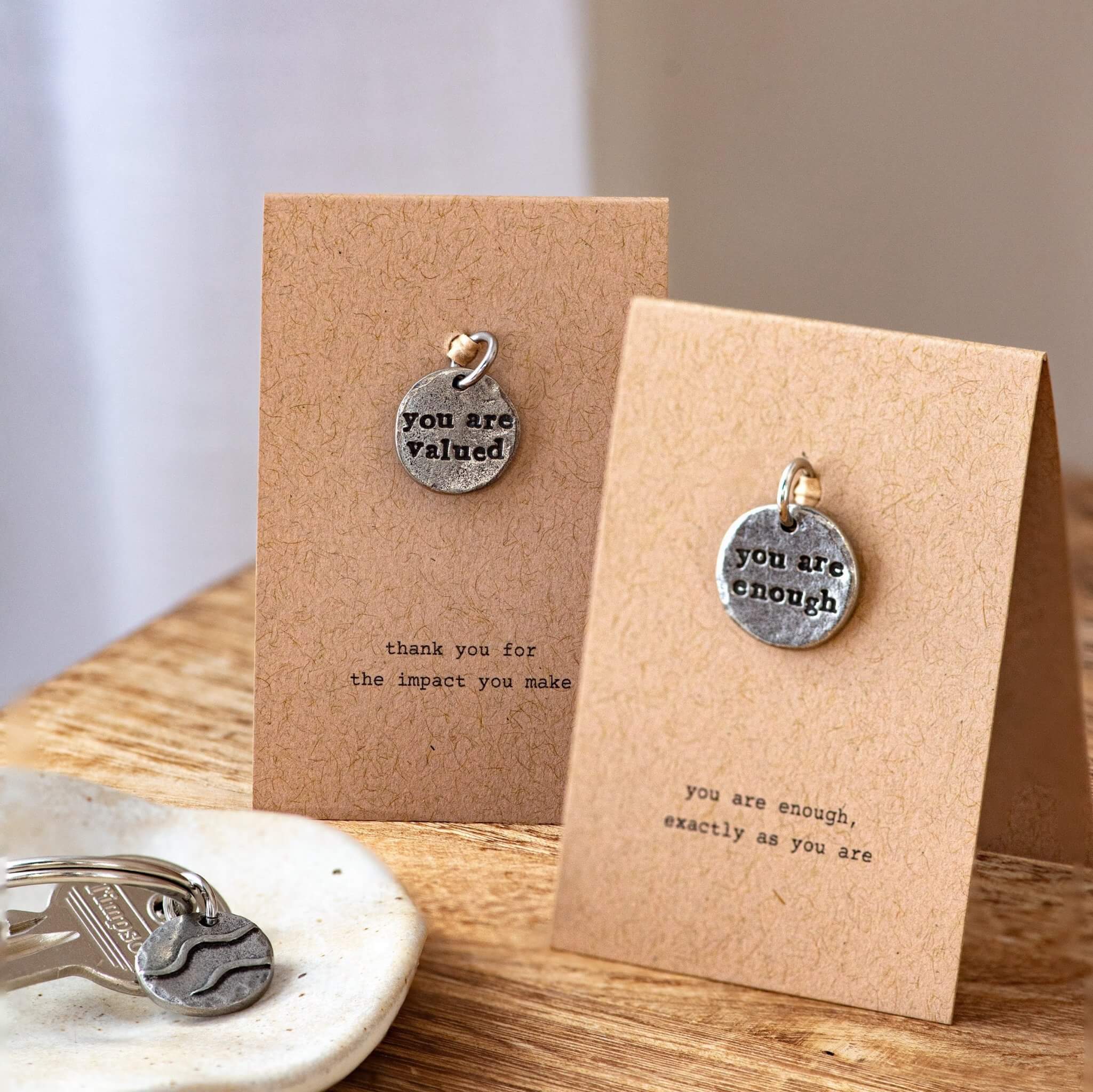
- The You Are Enough Charm (£8.95), something they can carry with them
Not sure which? There's a short guide to choosing just below, and four lines you can copy for the card.

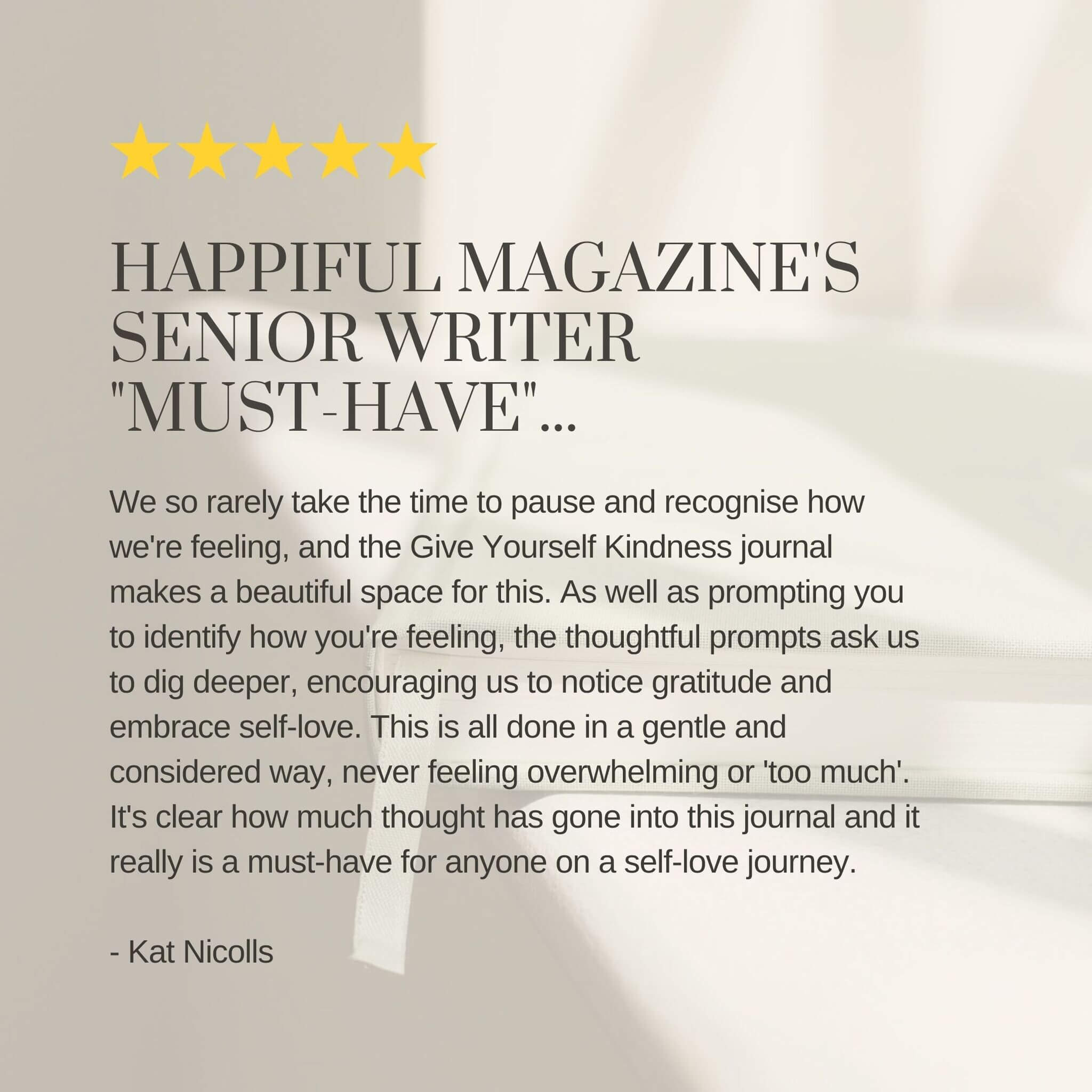
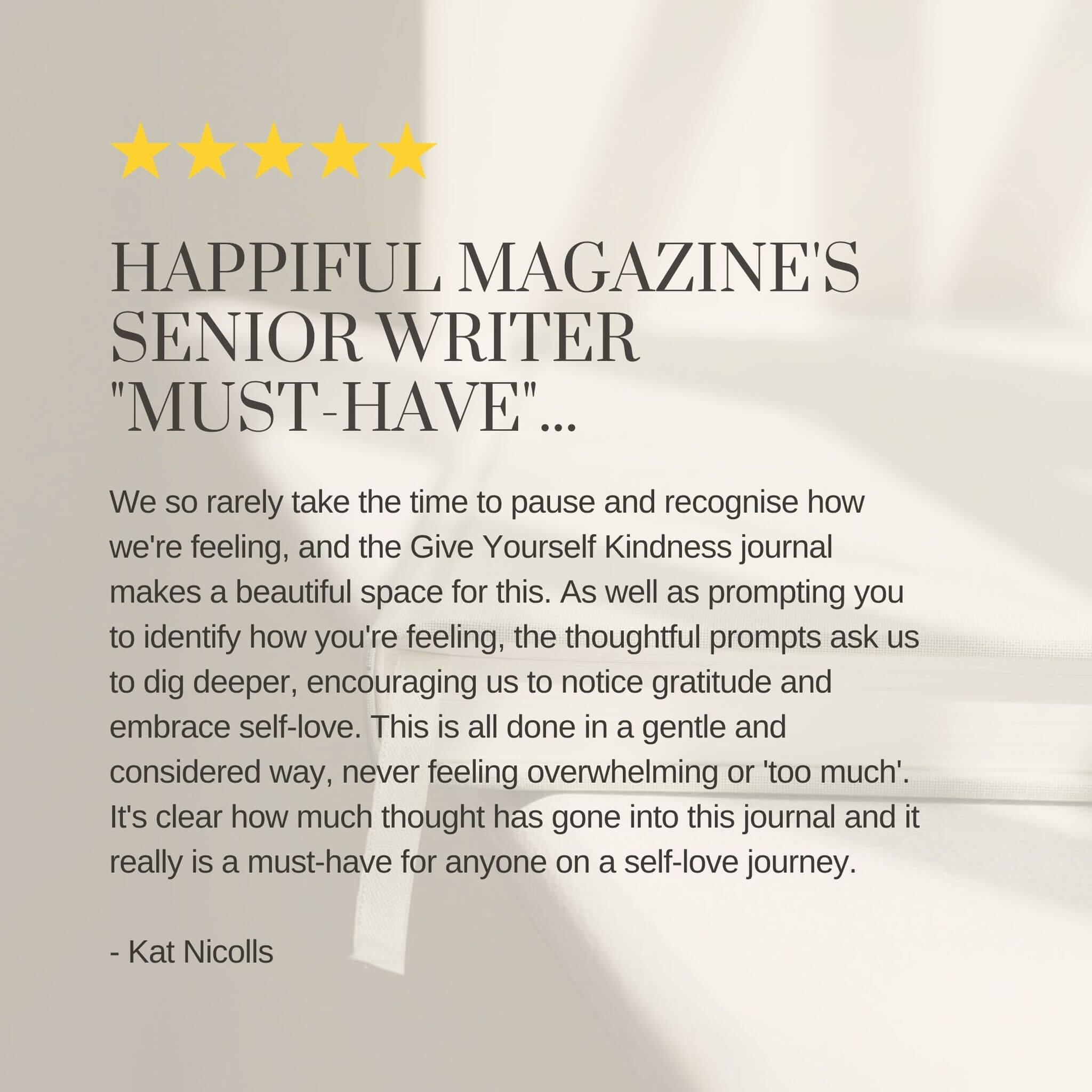
Quick answer: the Give Yourself Kindness Journal. It gives them somewhere private and gentle to put down everything they're carrying, with three months of undated prompts that meet them exactly where they are. Reviewed by clinical psychologists at Harvard and Oxford, and loved by 58 people so far.
Added to your basket. View basket →
Three gifts made for this moment
Each one offers something a little different, and there's no wrong choice here. Every one is undated, needs nothing set up, and will wait quietly until they're ready for it.

The Give Yourself Kindness Journal
Gives them a private place to put everything down
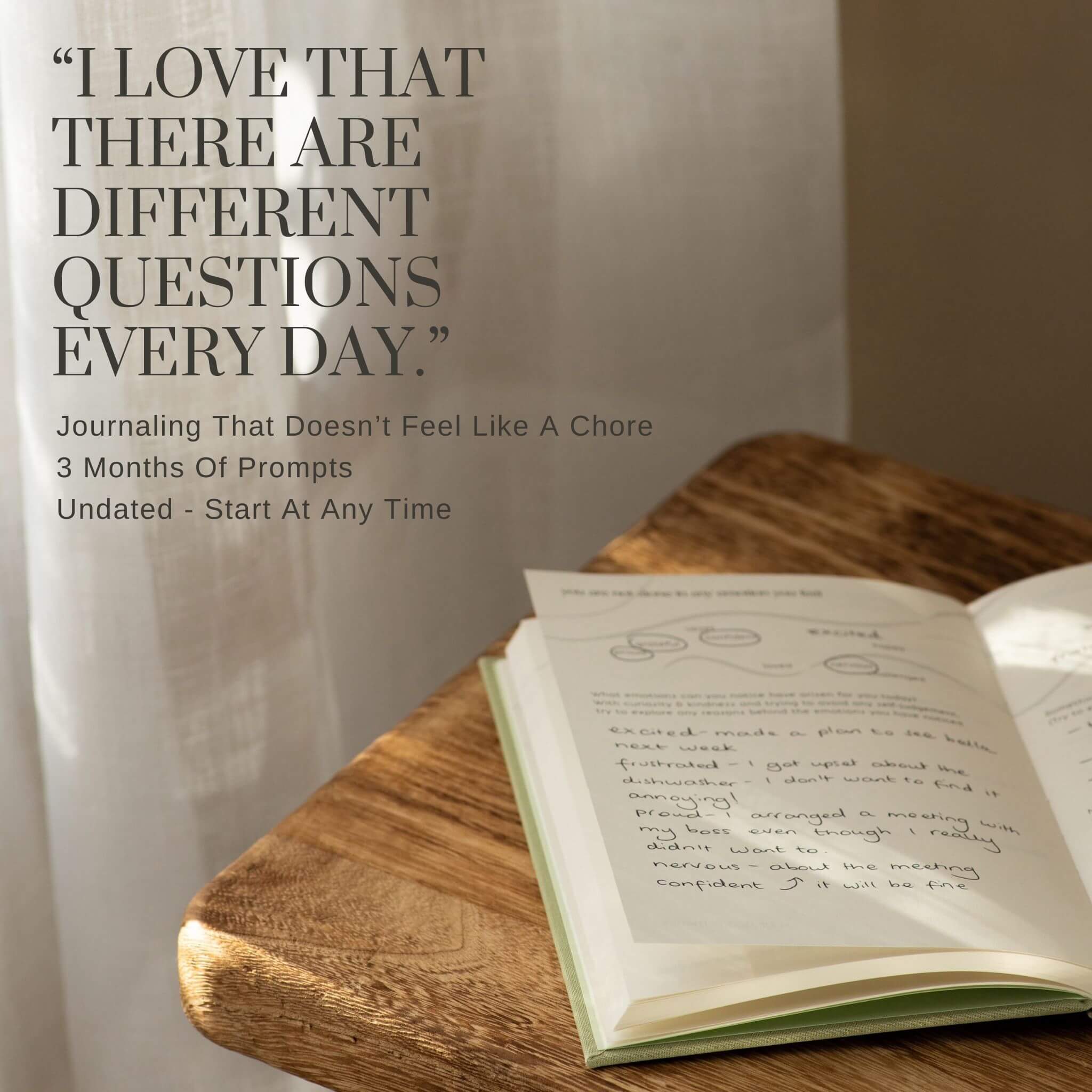
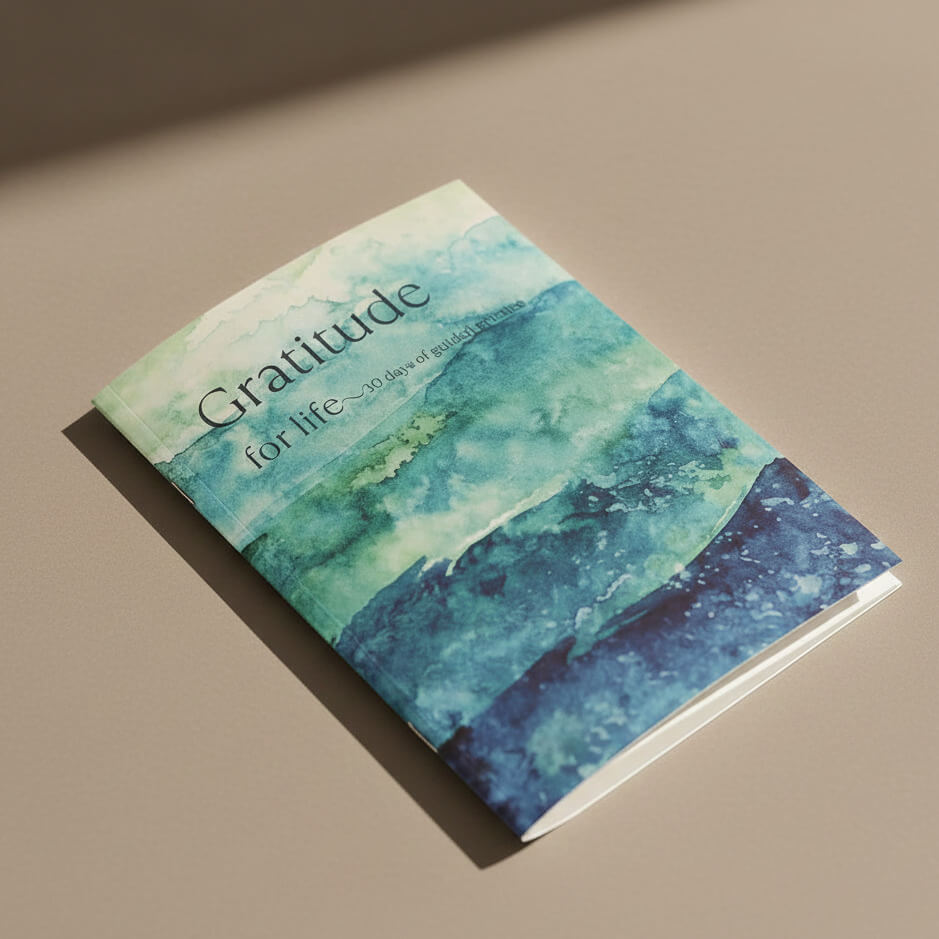
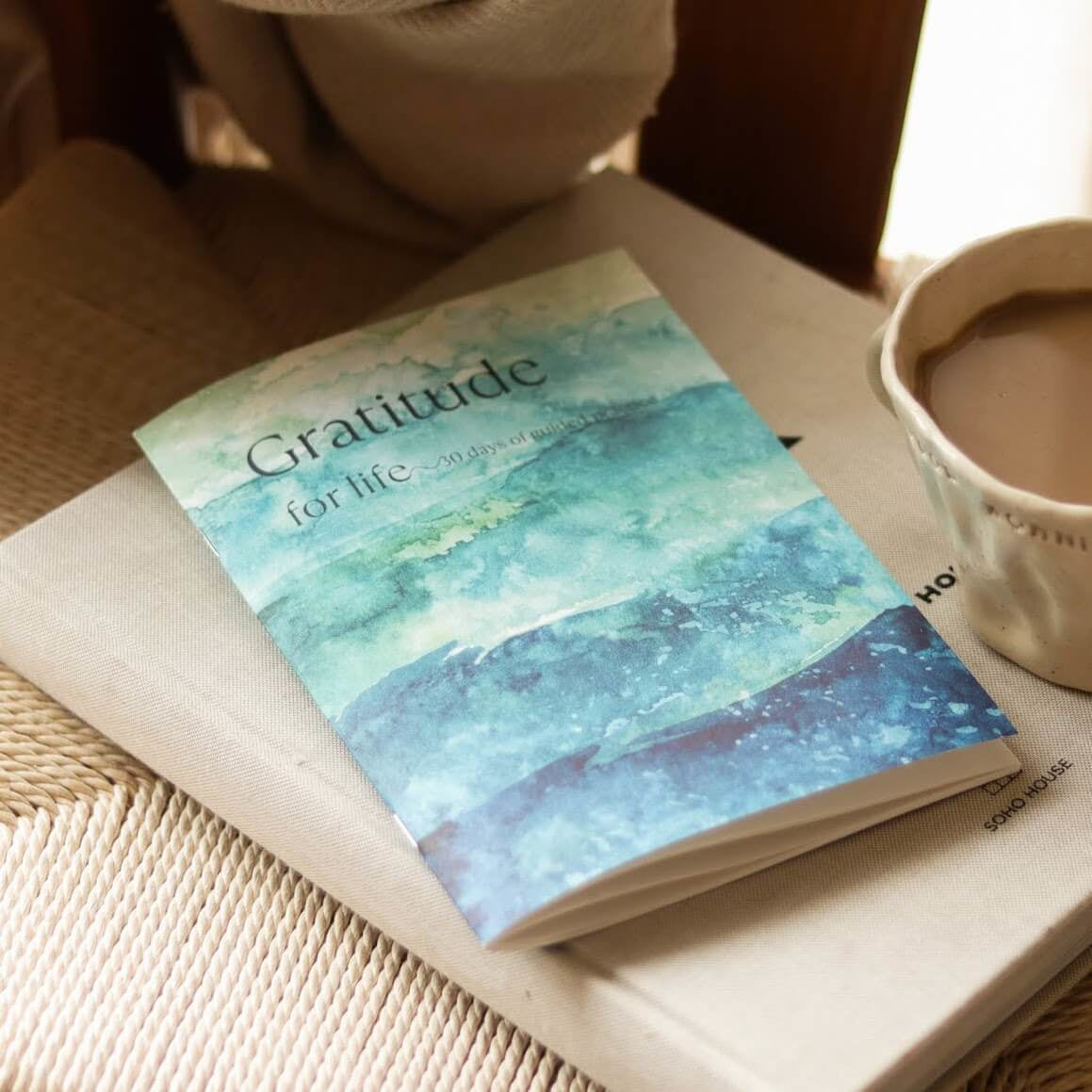
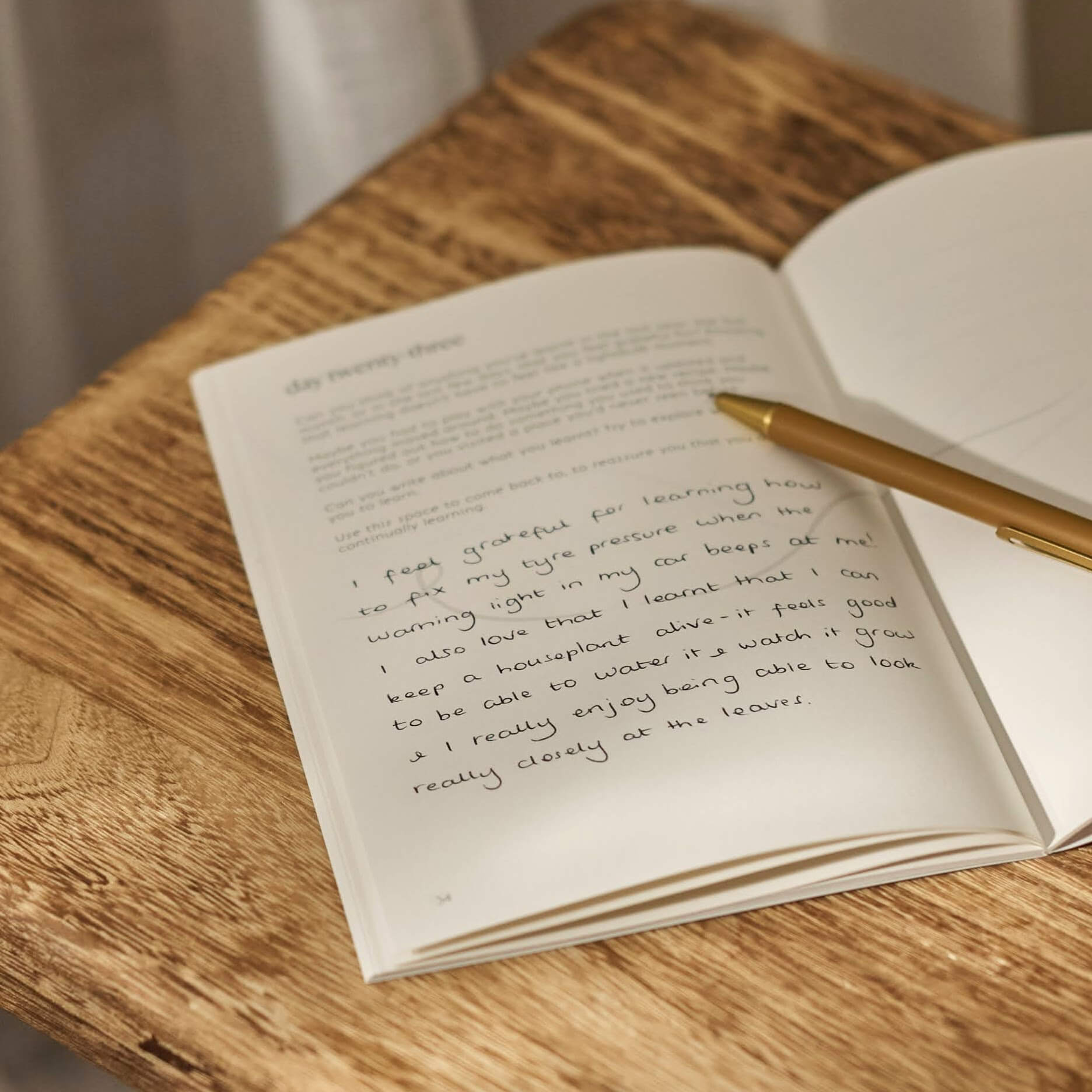
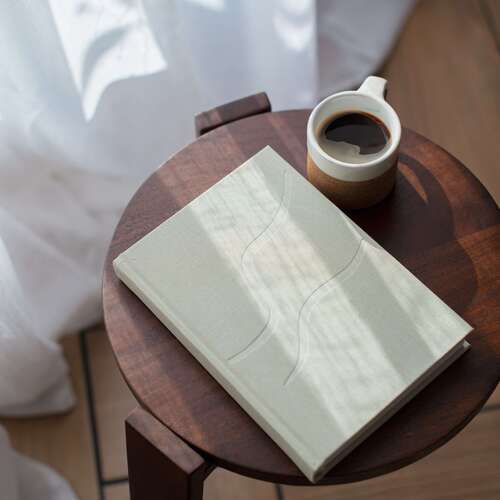
When someone is carrying a lot, having somewhere to set it down matters. This journal holds three months of gentle prompts across 224 pages, and every page is different, so they never face a blank page and wonder where to start.
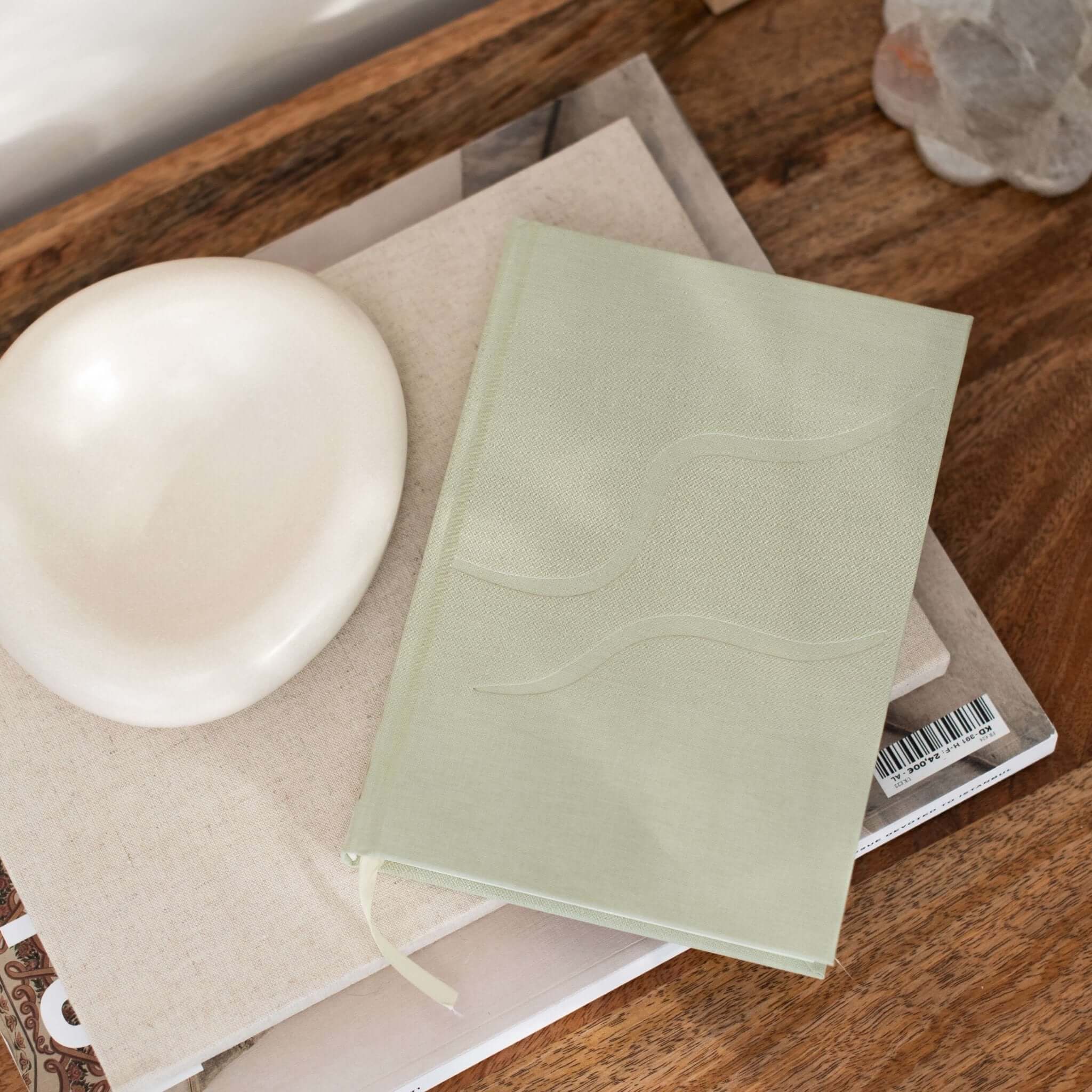
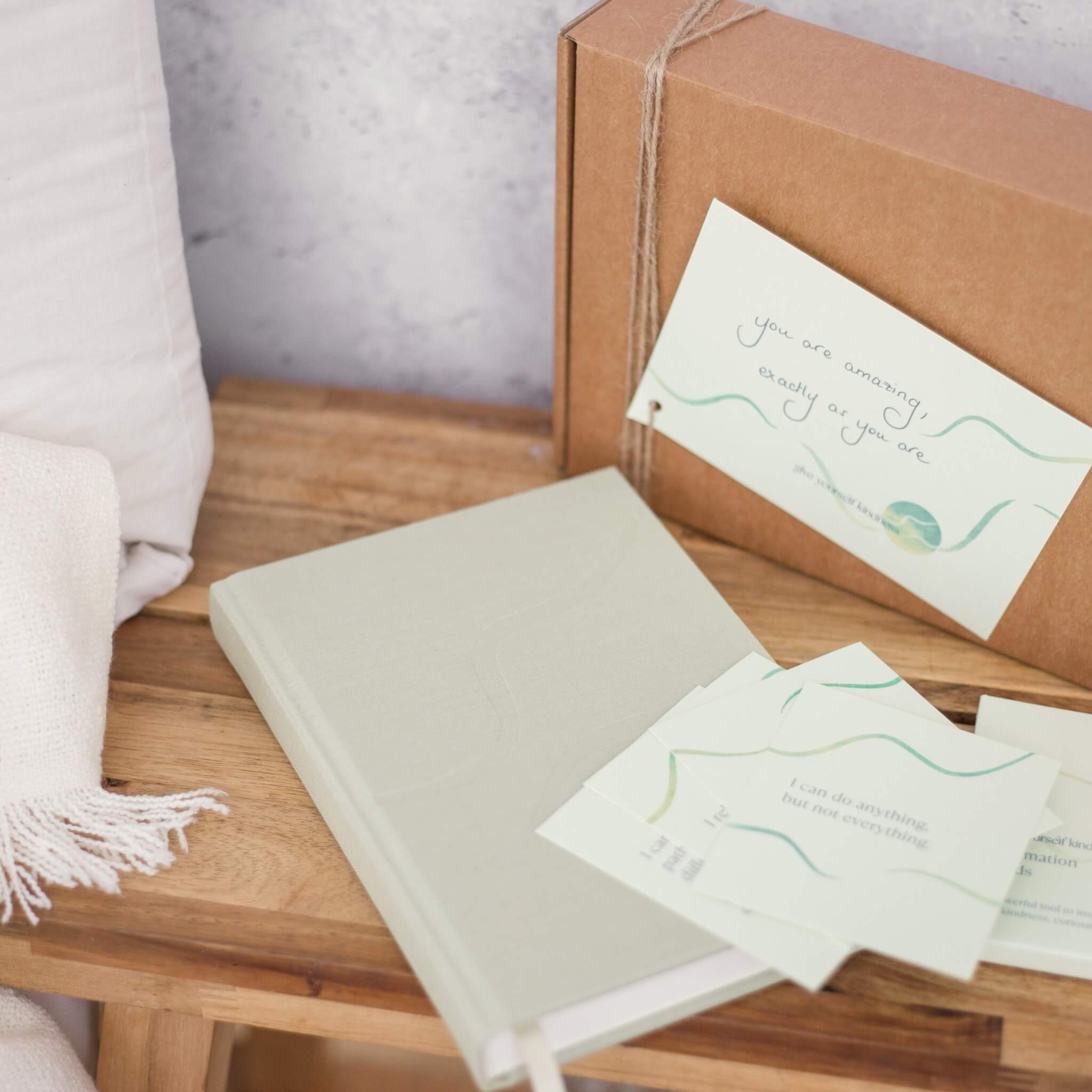
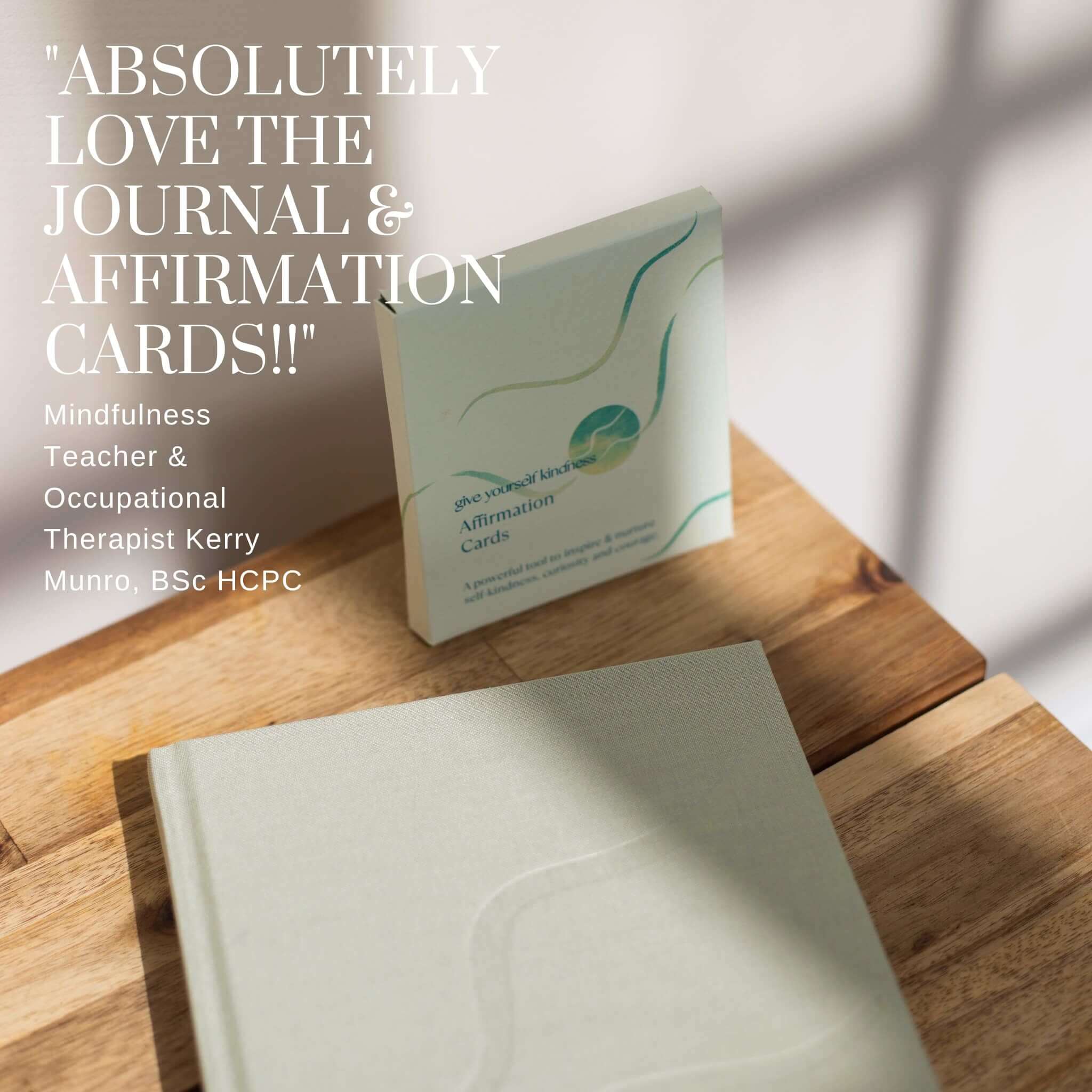
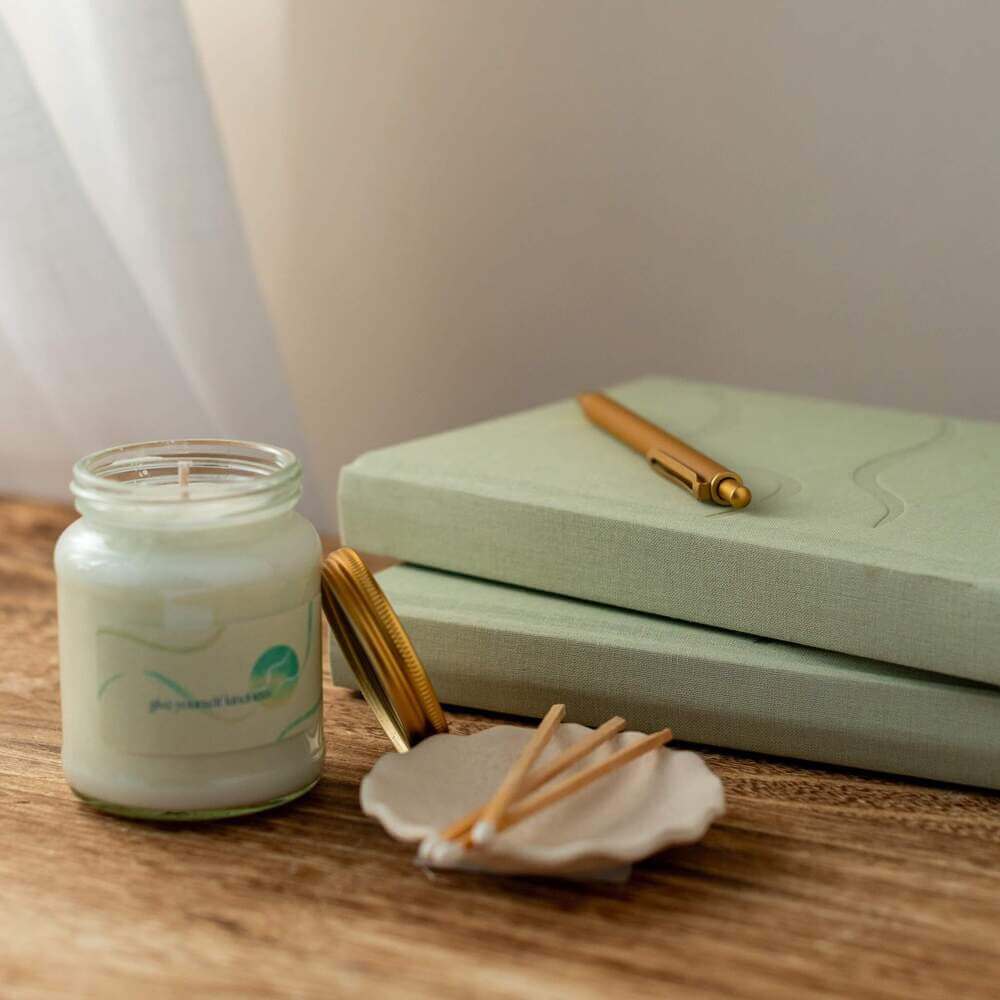
It's a beautiful object as well as a useful one: 120gsm paper from FSC-certified forests, a luxury pistachio green cloth cover, and it arrives wrapped in bespoke tissue paper.
Why it helps right now: every page meets them where they are. It prompts rather than directs, and there's no sense that difficult feelings are unwelcome. Reviewed by clinical psychologists at Harvard Medical School and the University of Oxford.
Added to your basket. View basket →
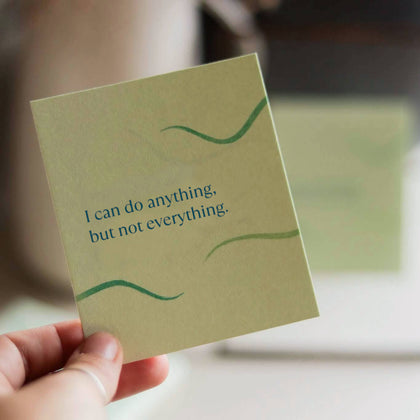
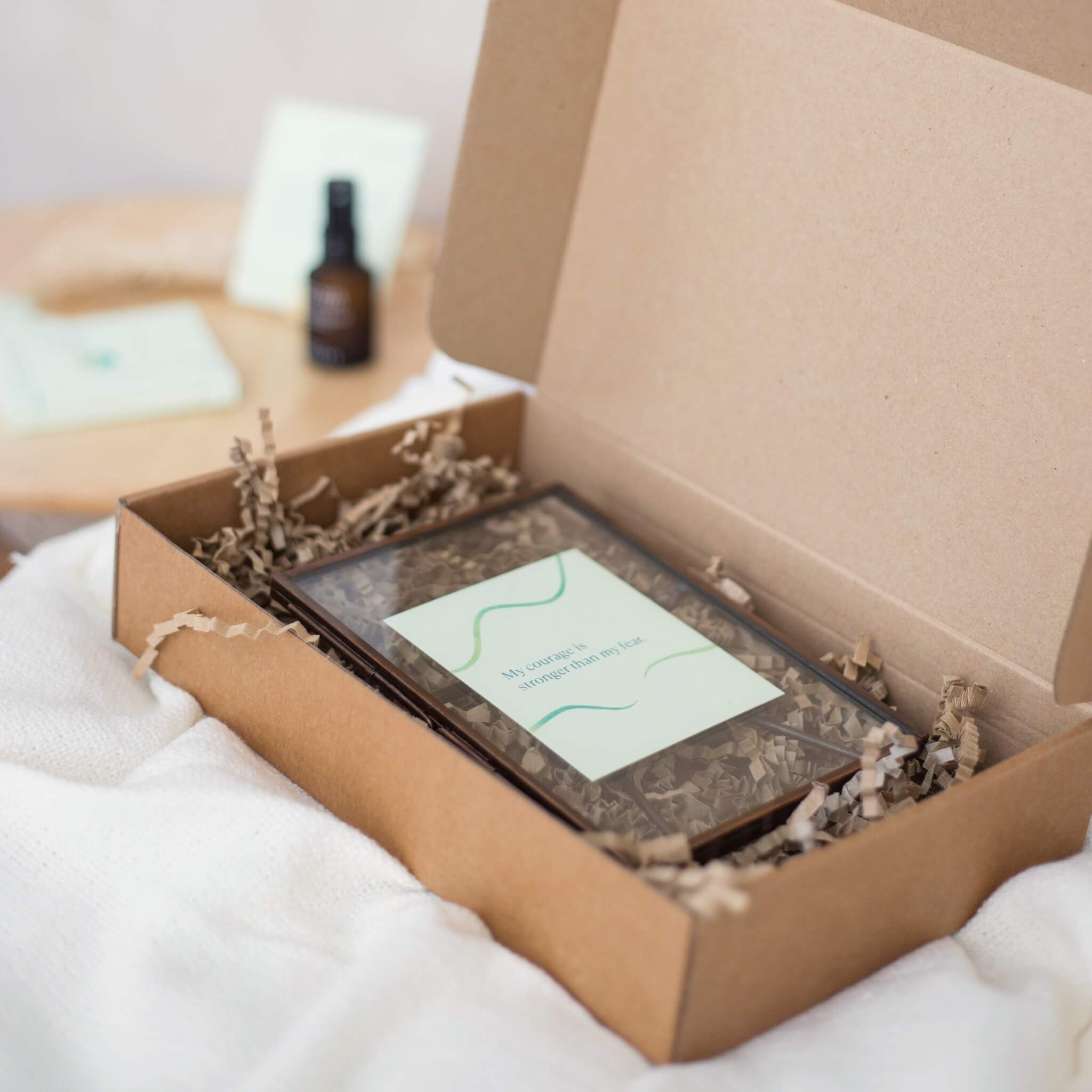
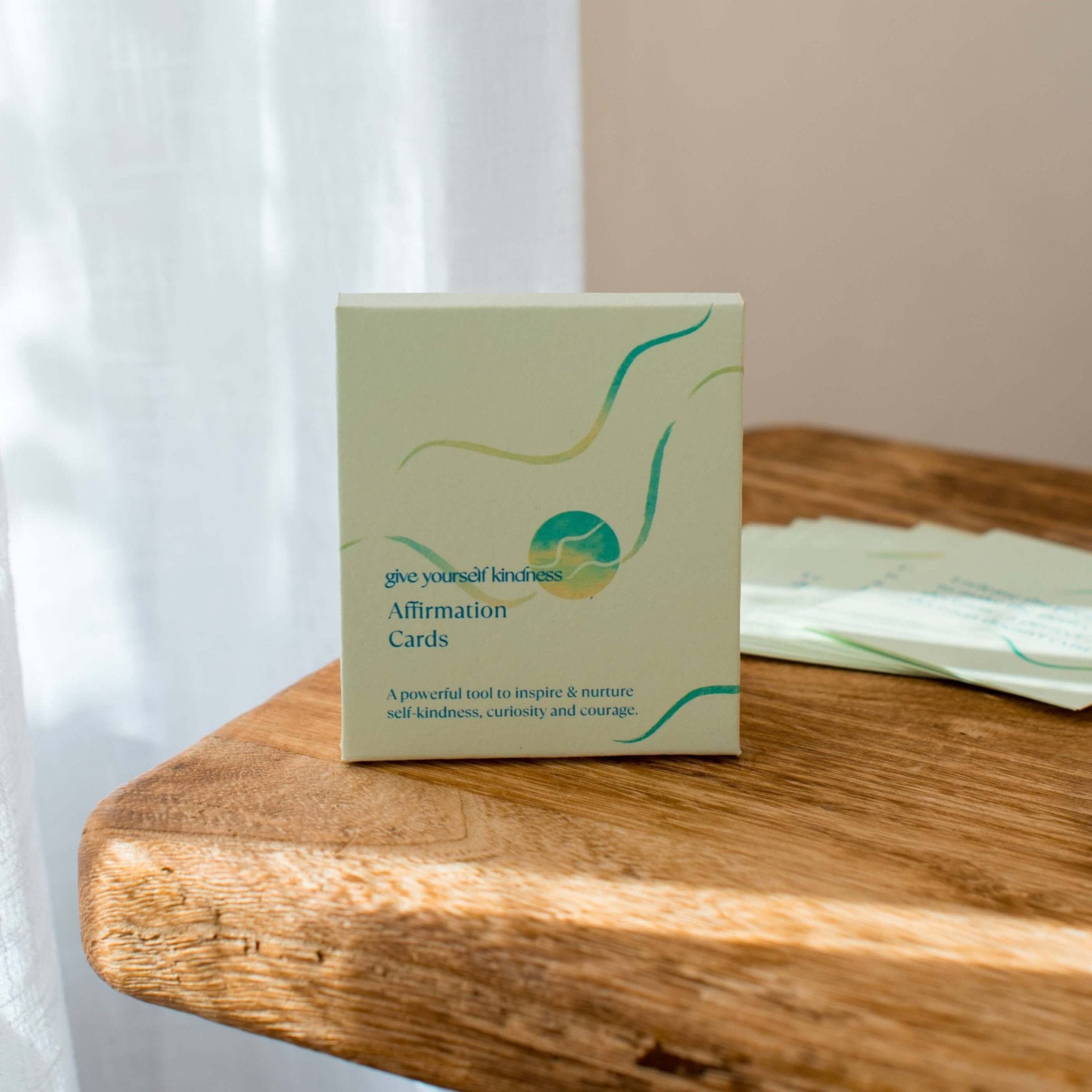
The Give Yourself Kindness Affirmation Cards
Gives them a moment of calm they can reach for any time
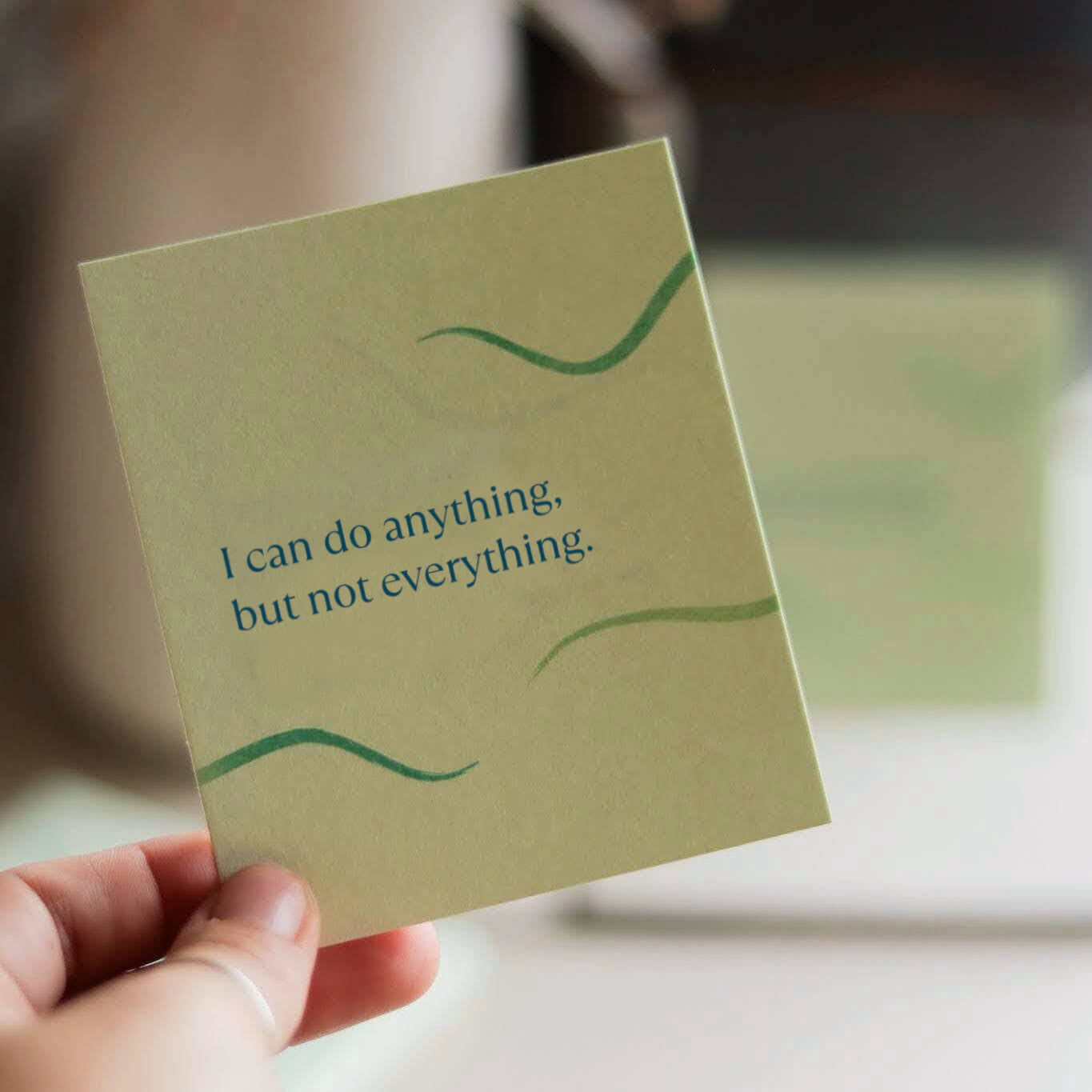
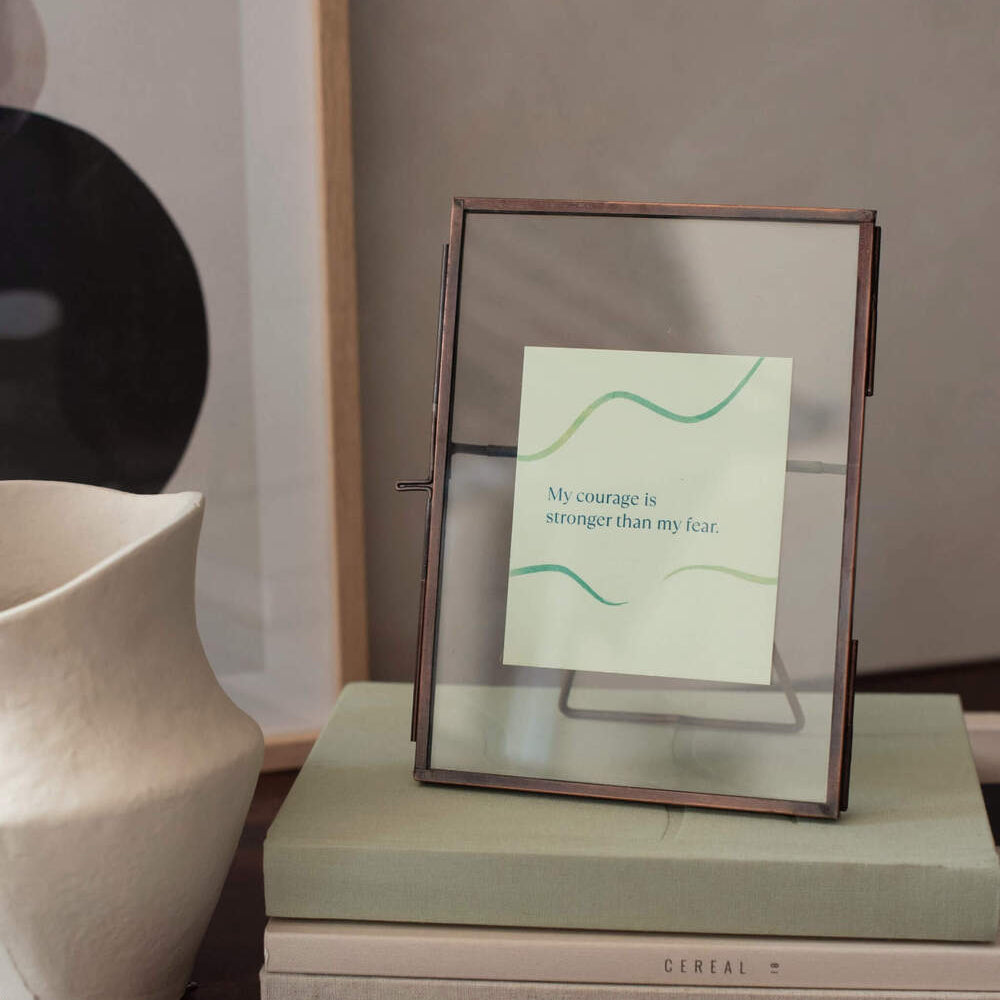
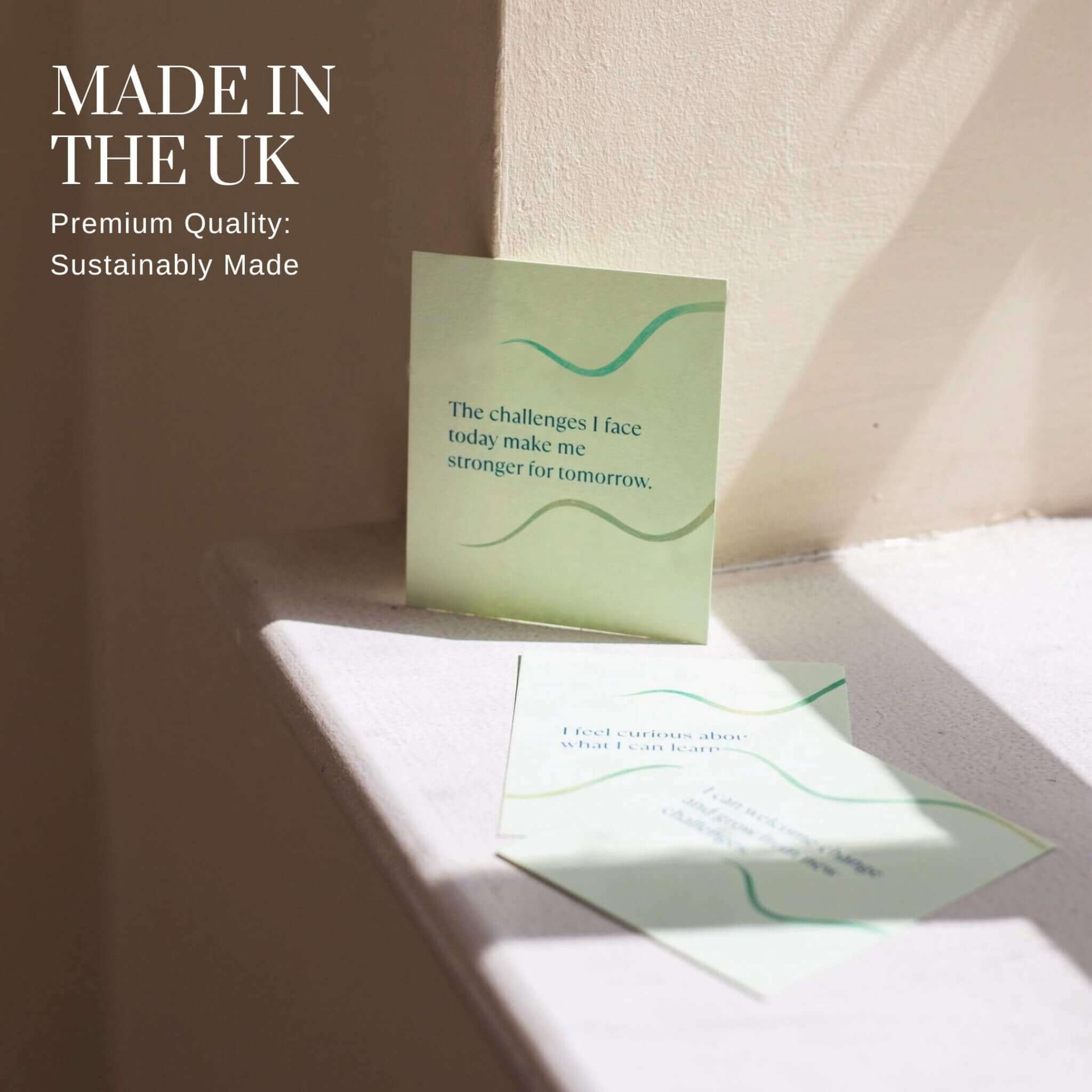
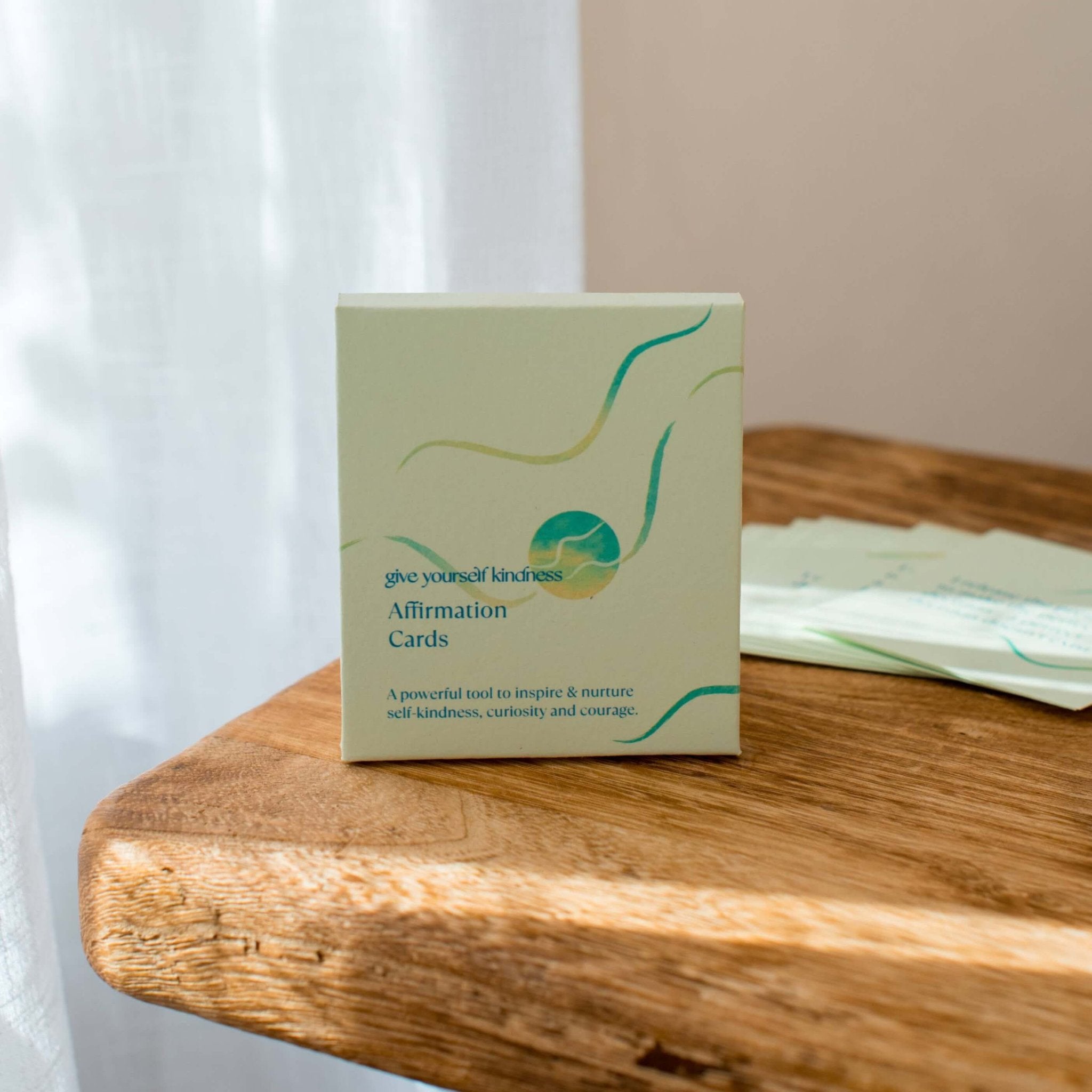
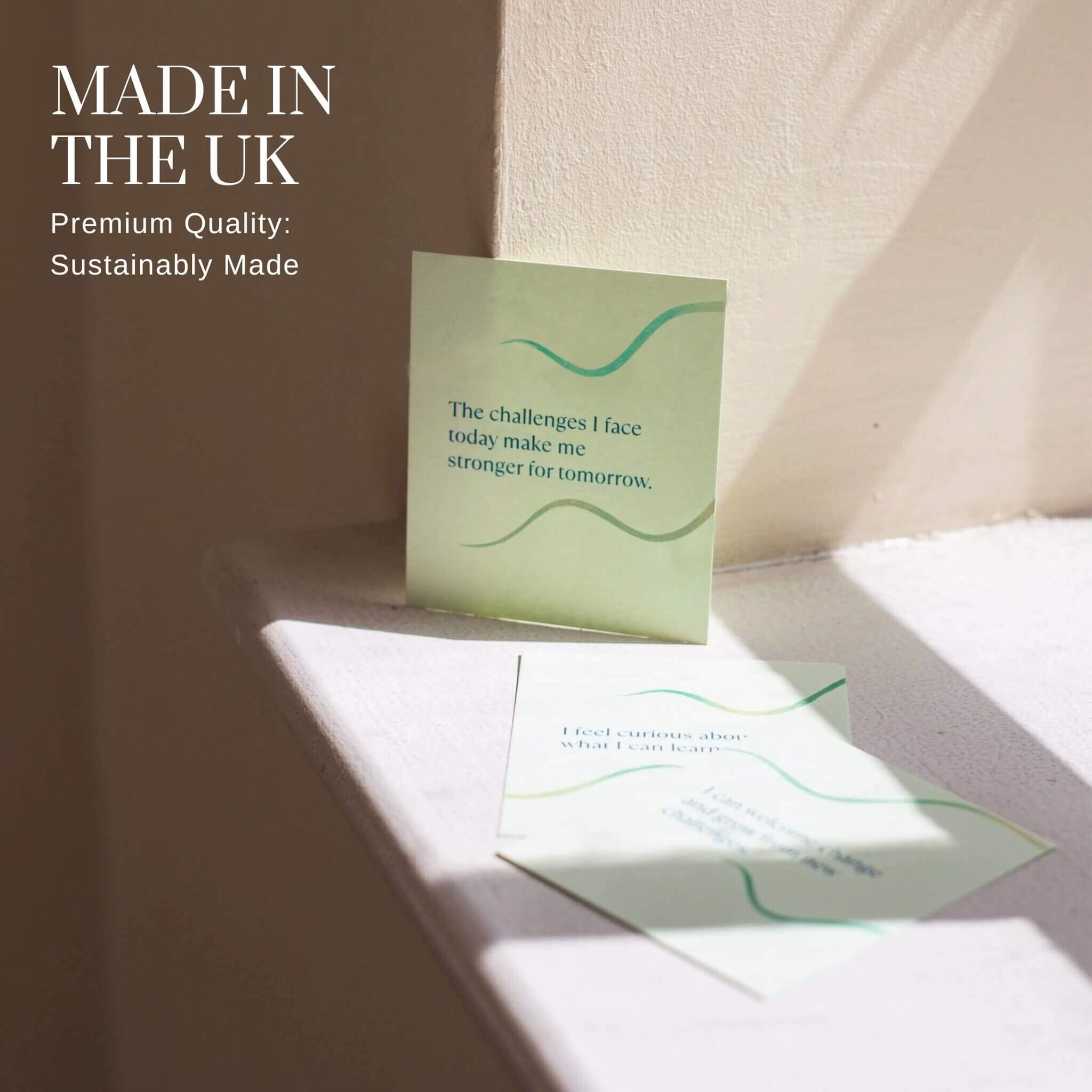
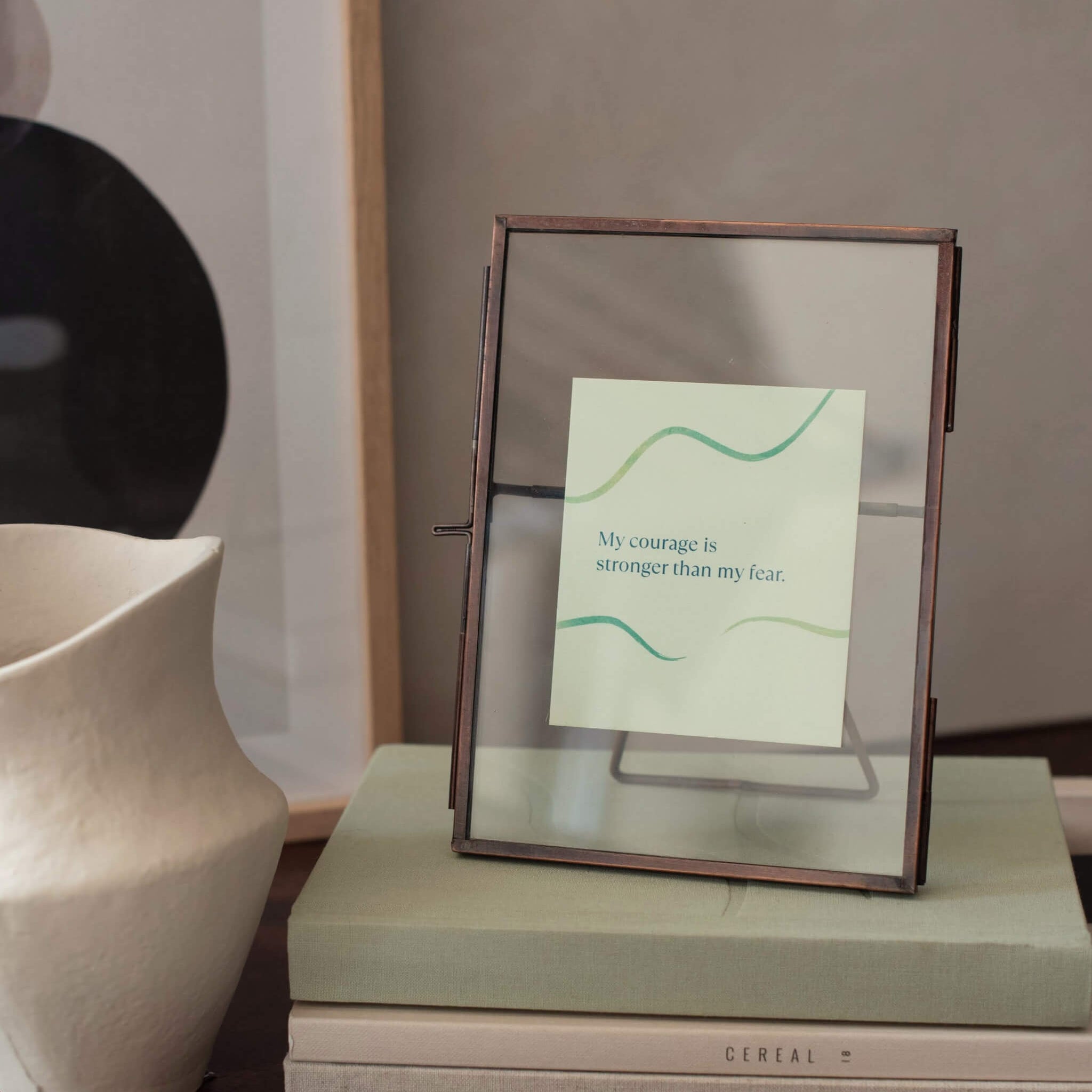
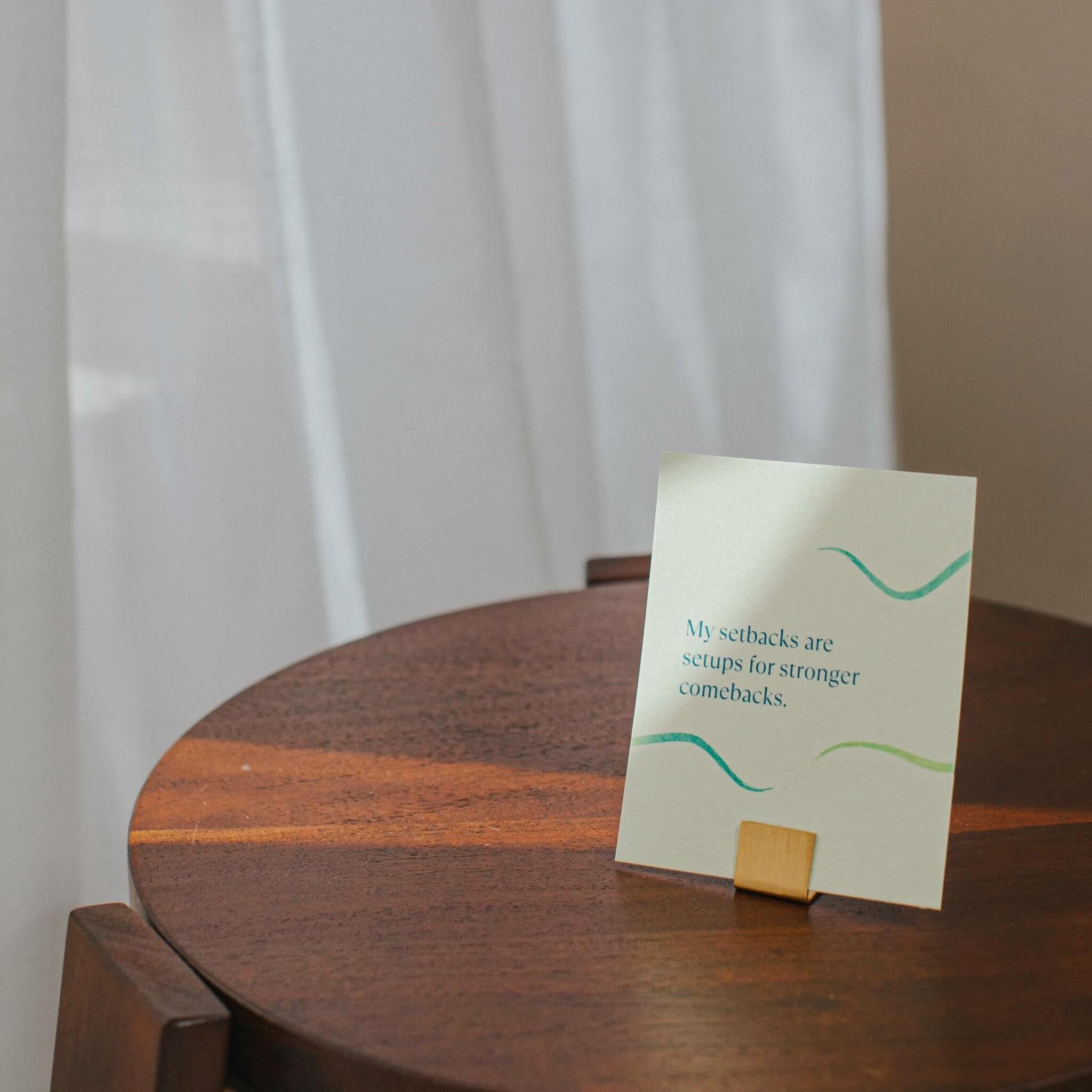
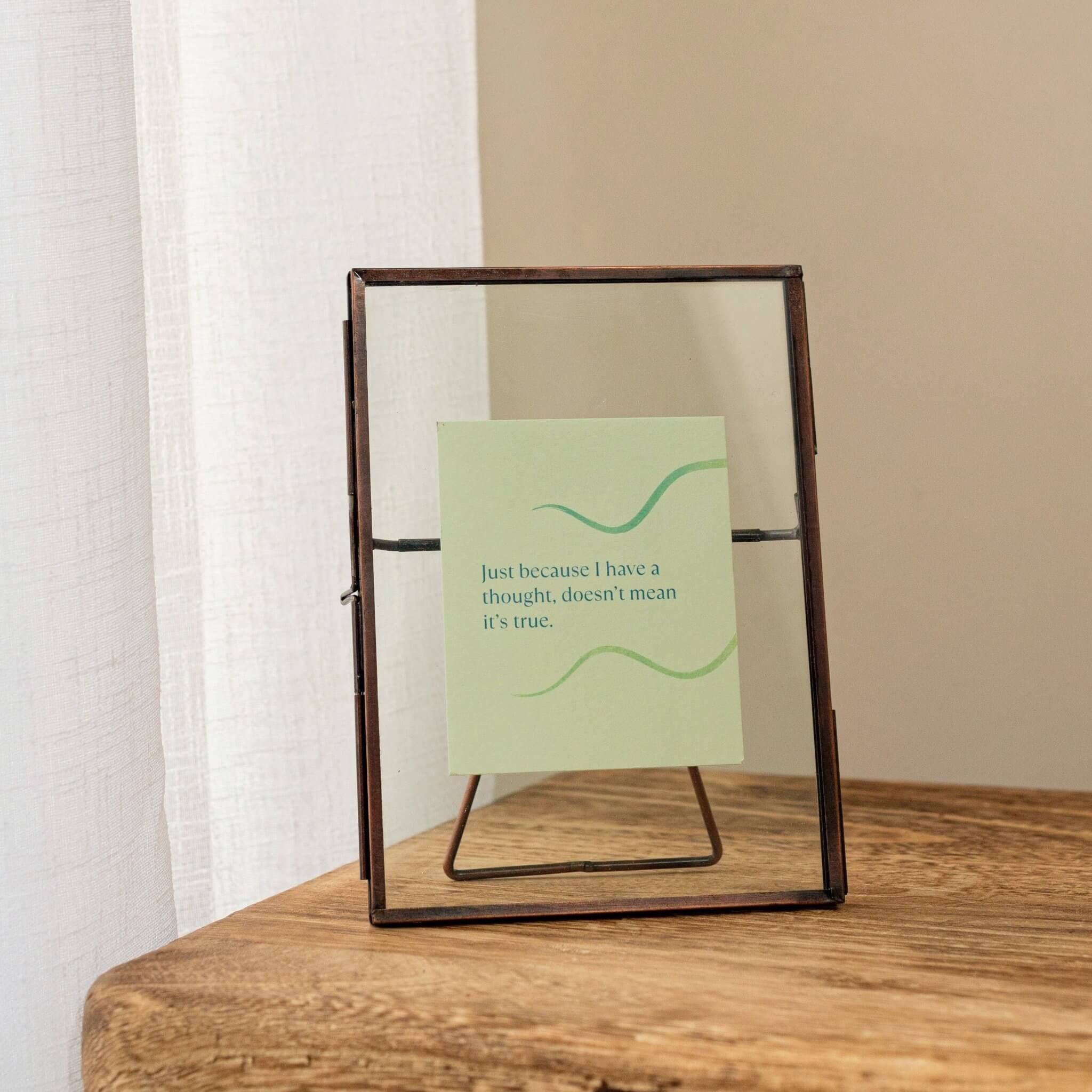
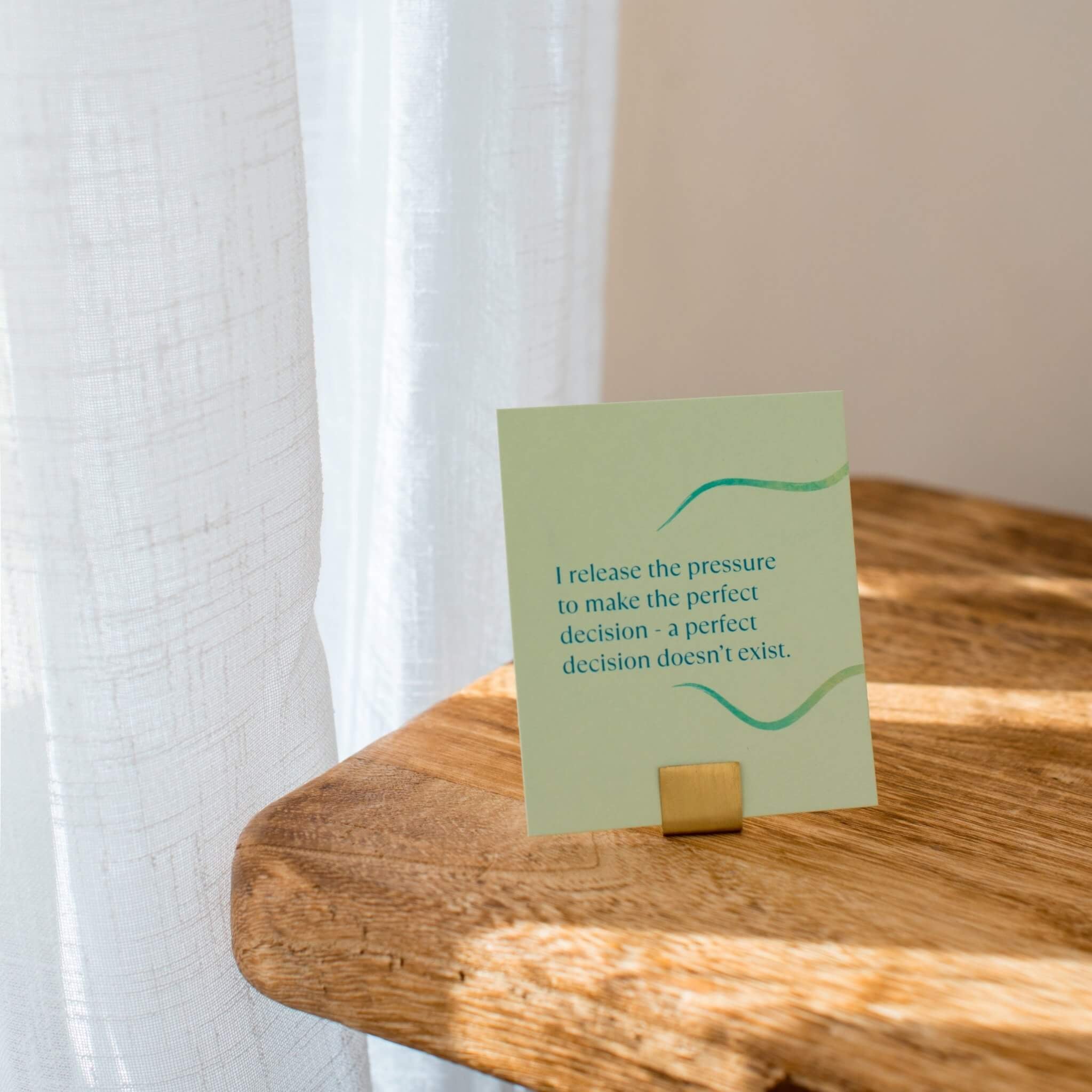
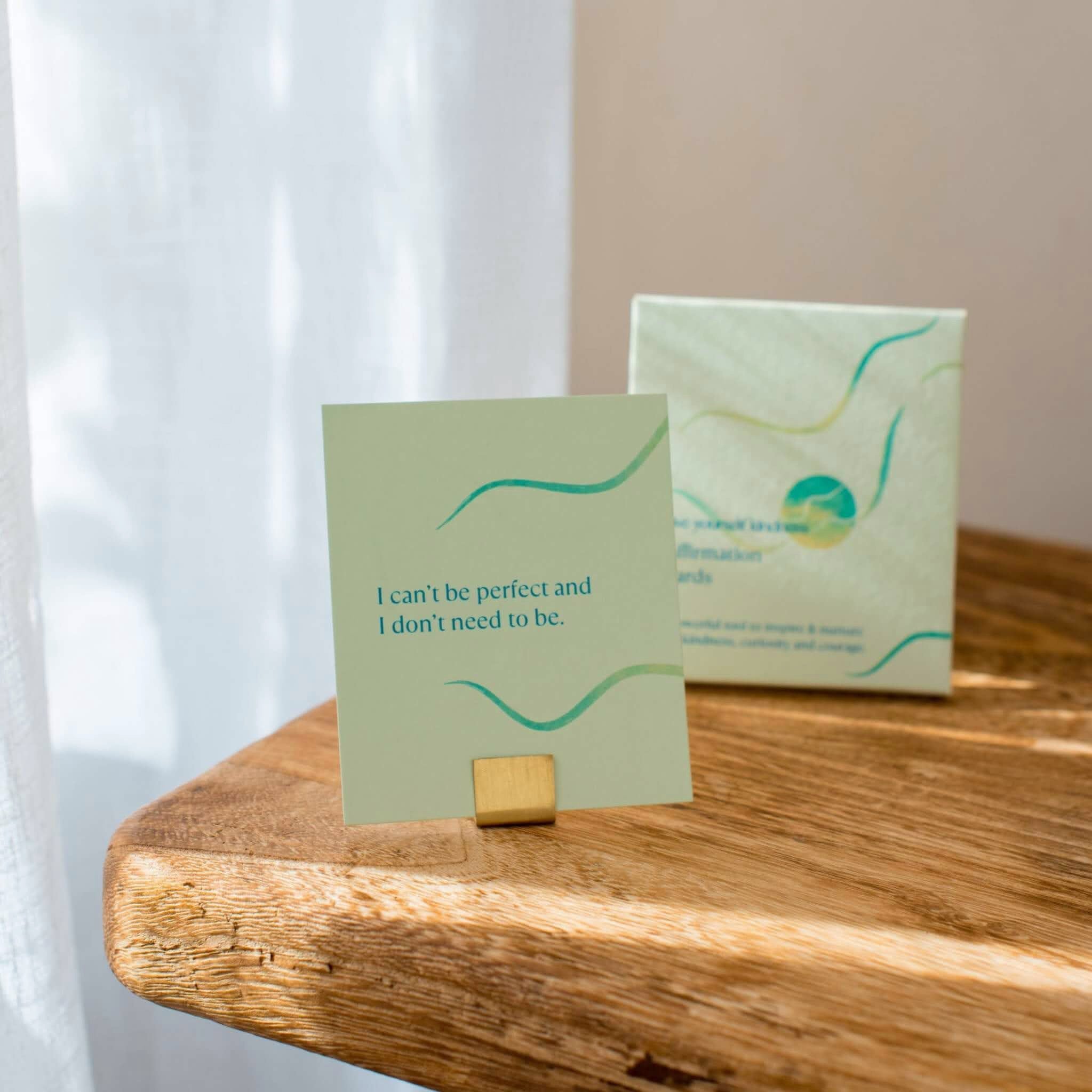
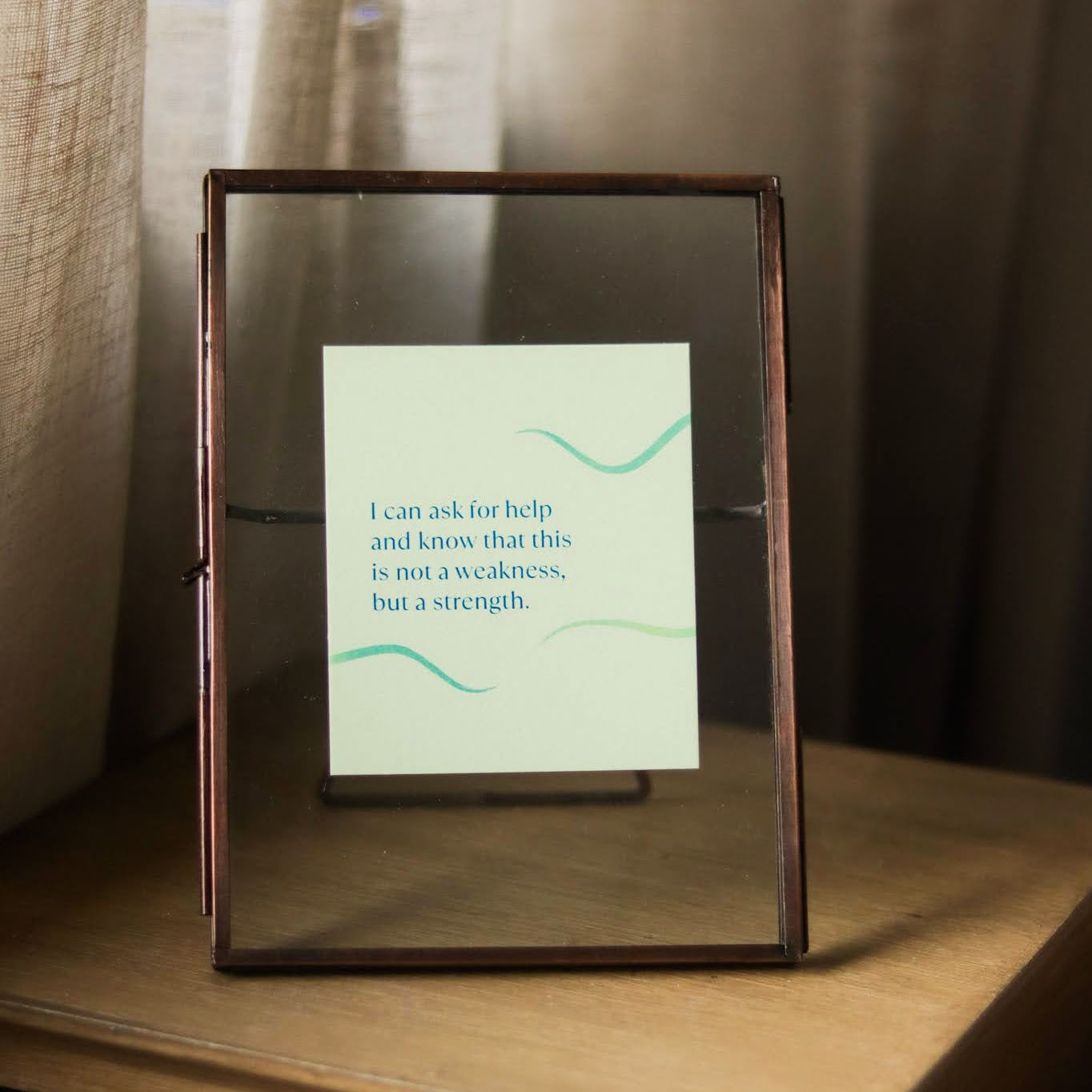
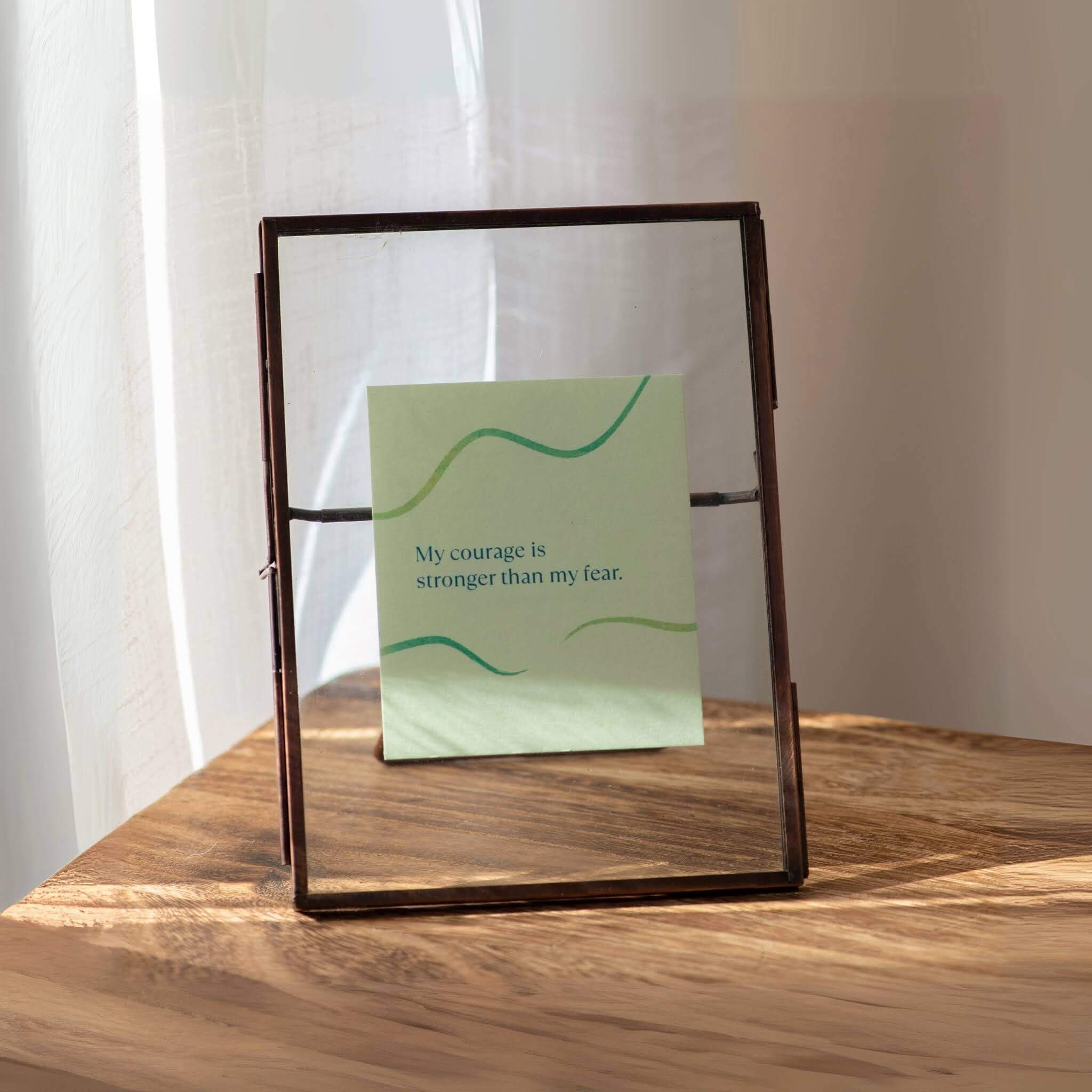
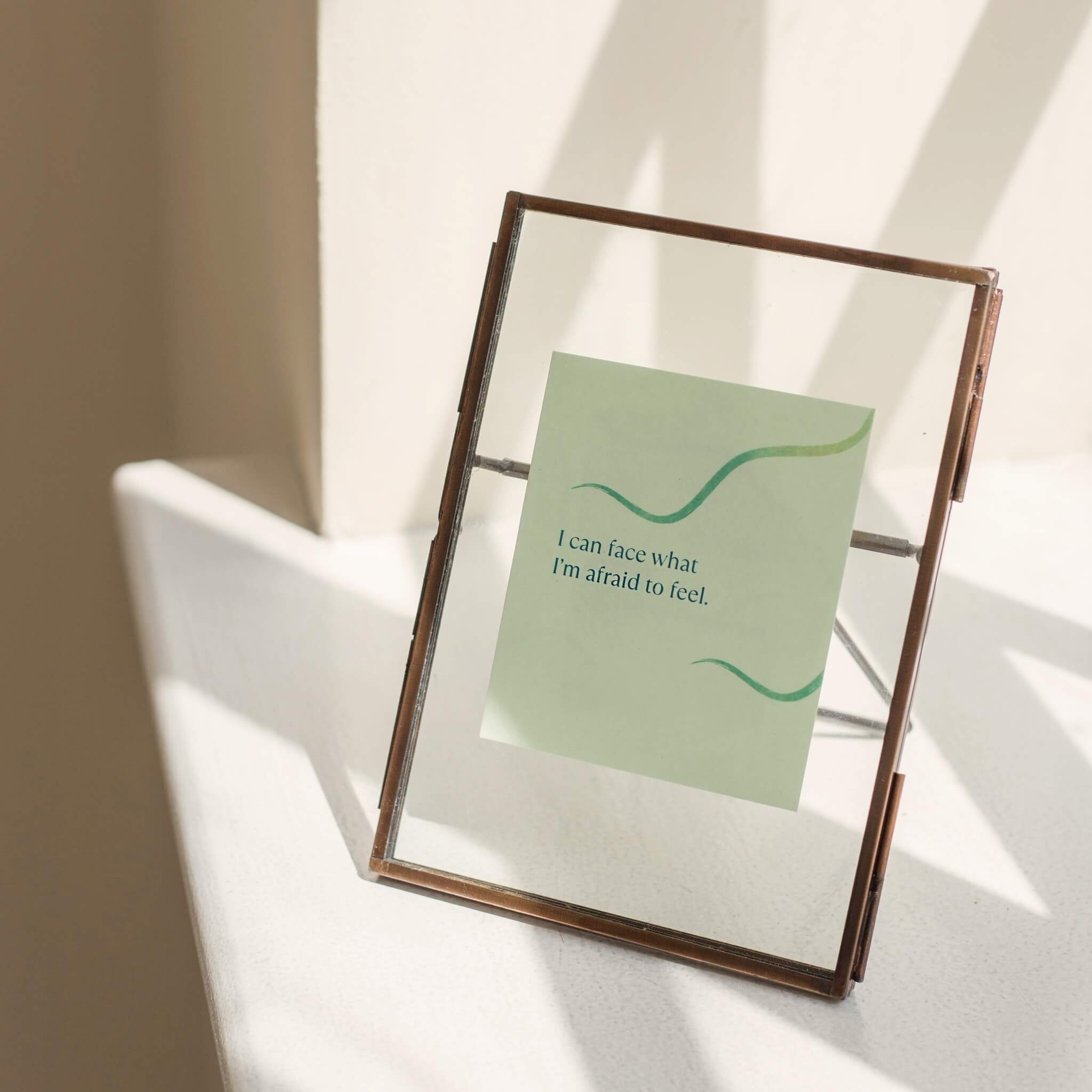
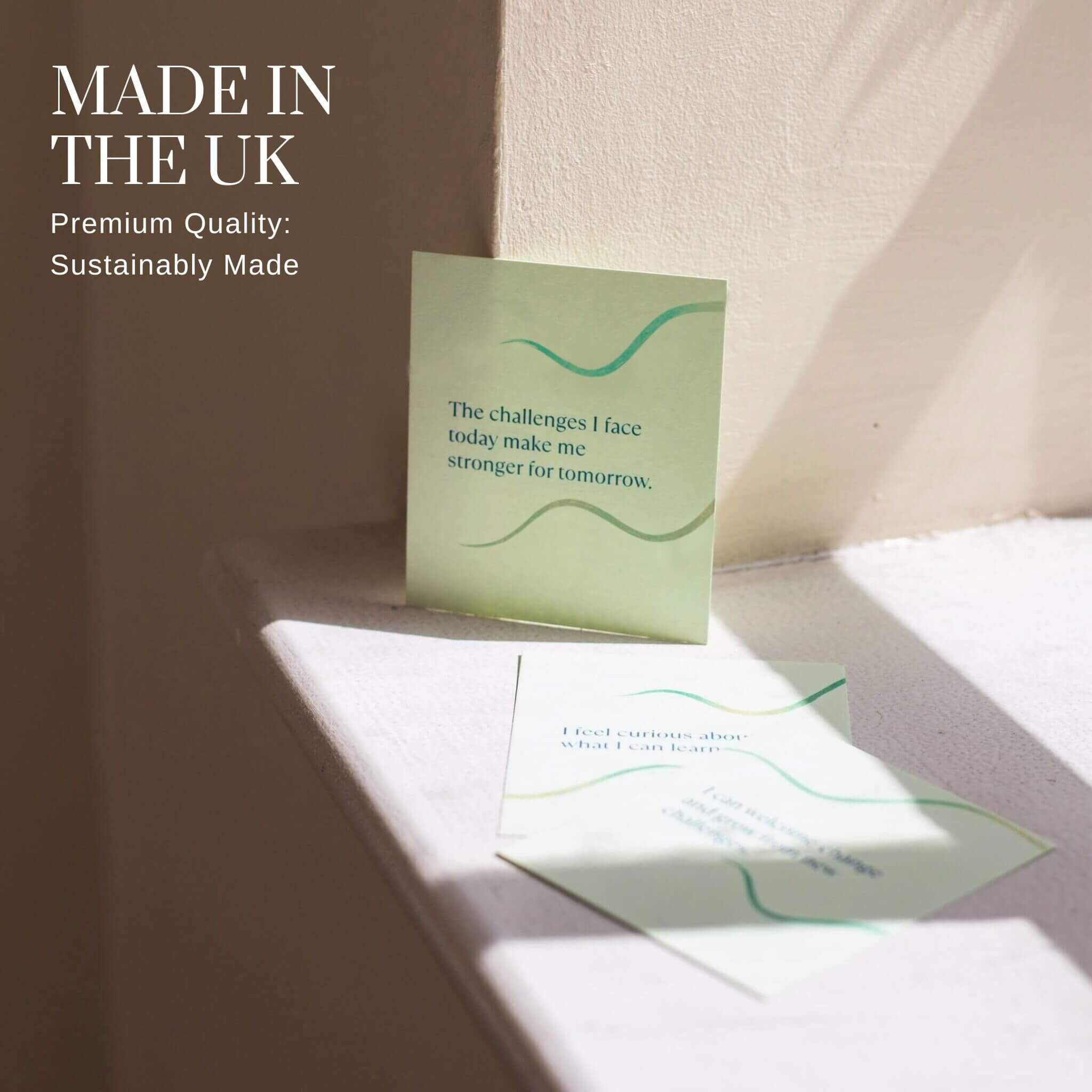
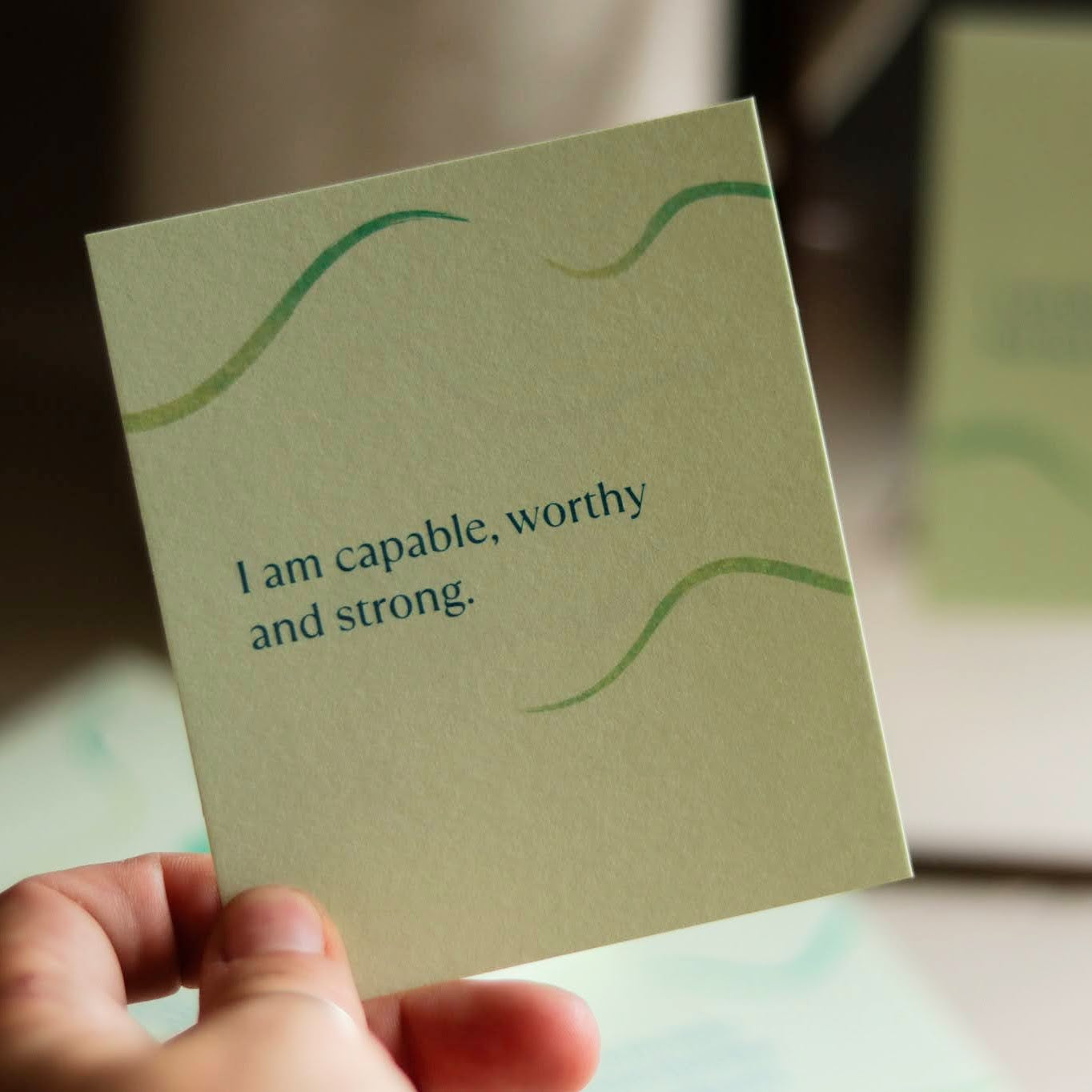
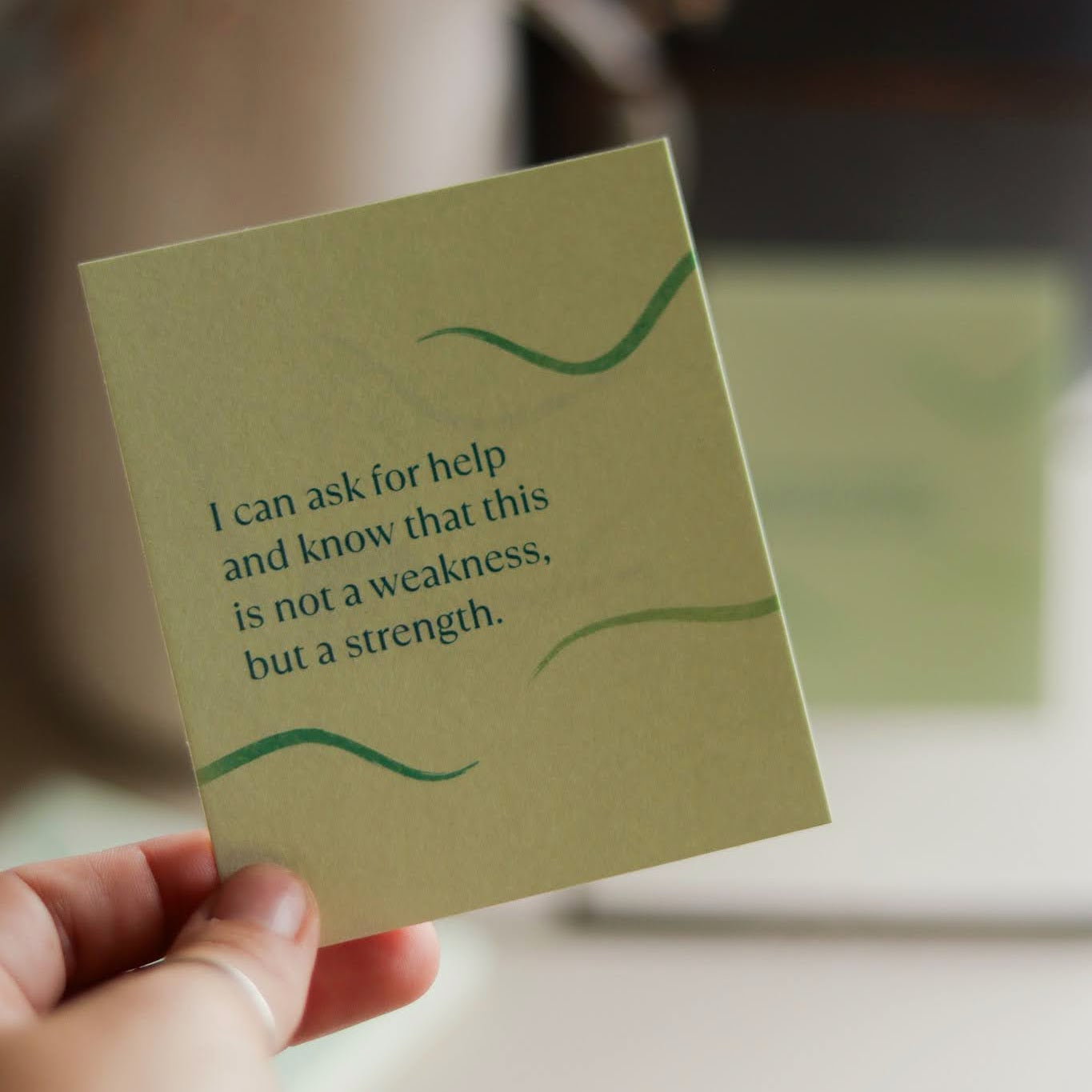
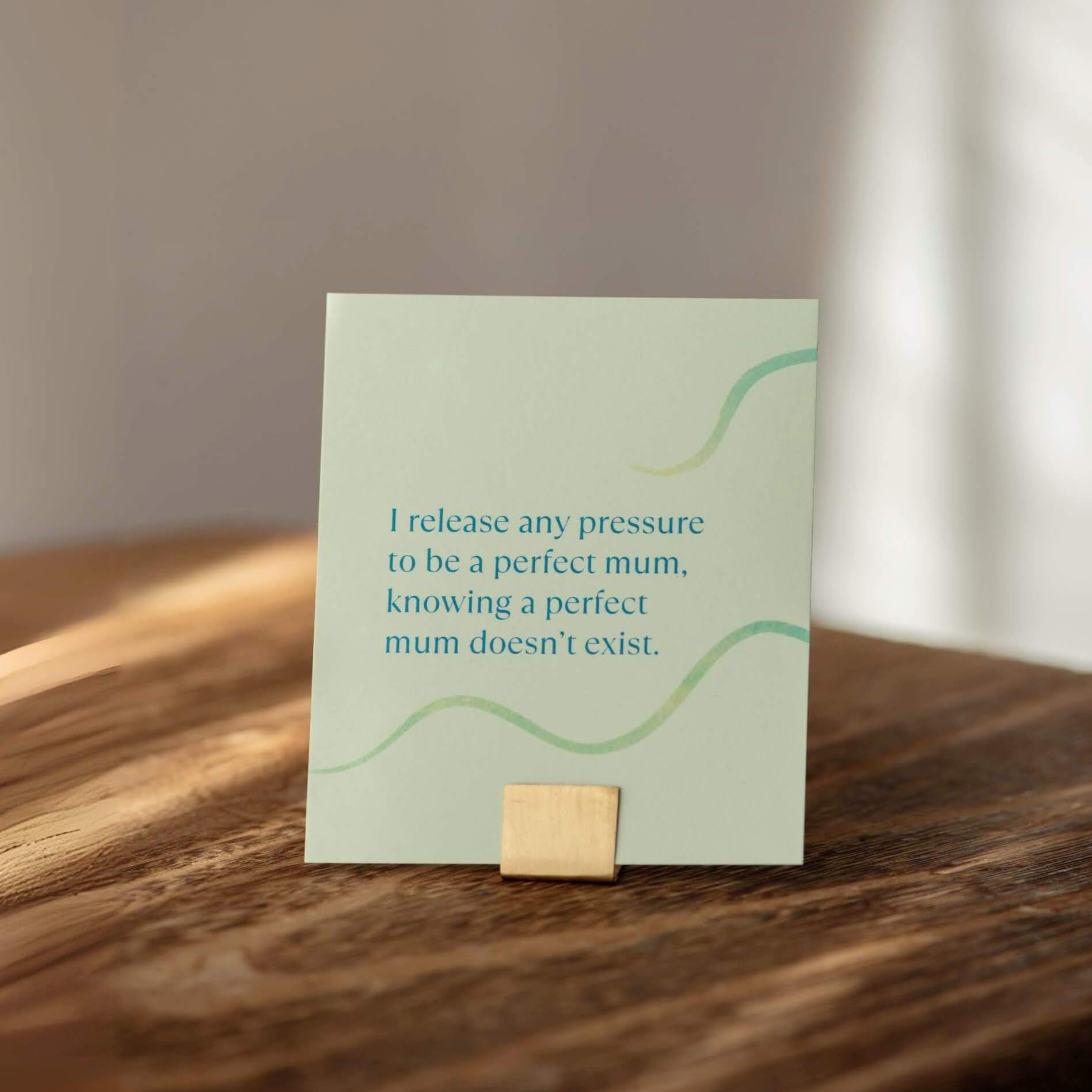
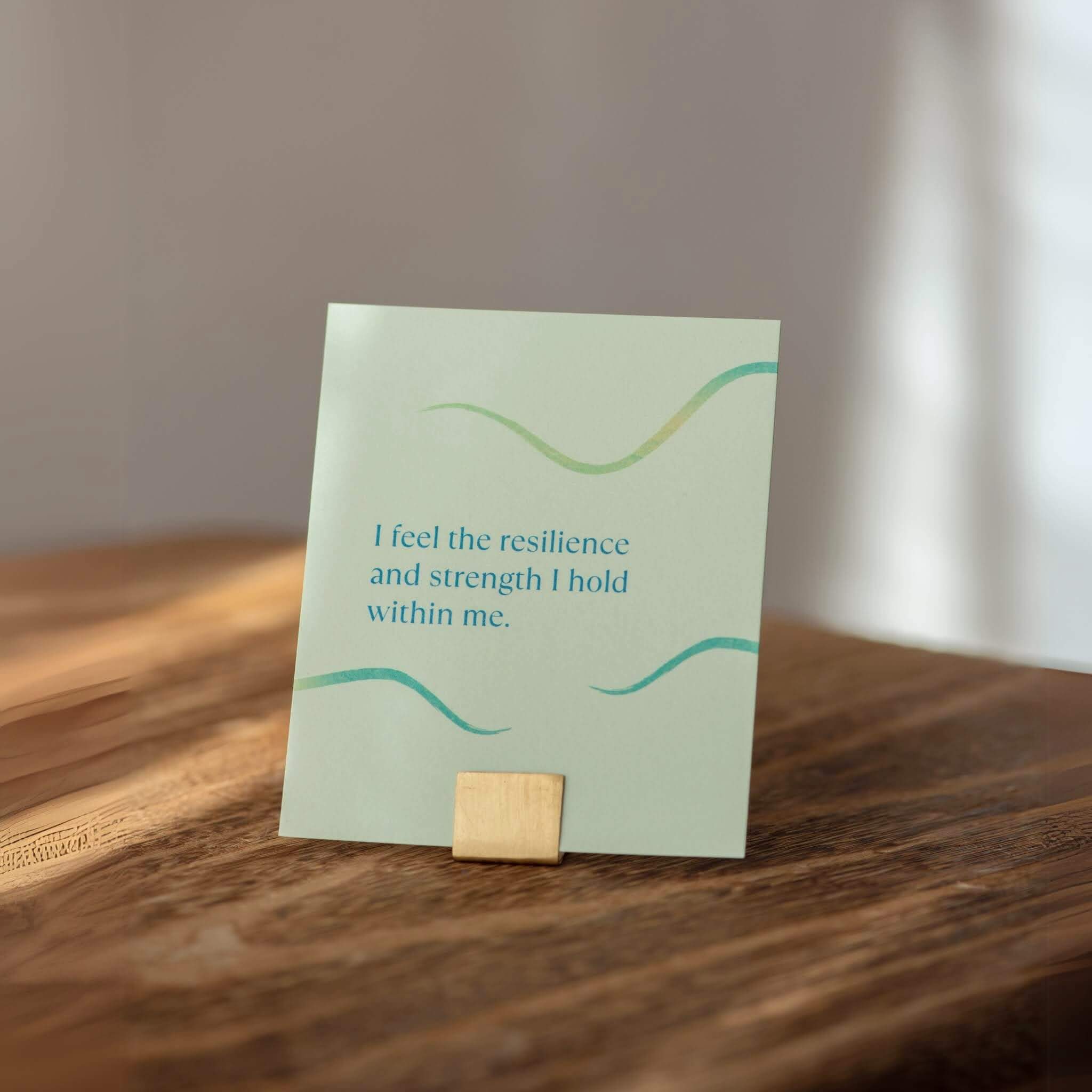
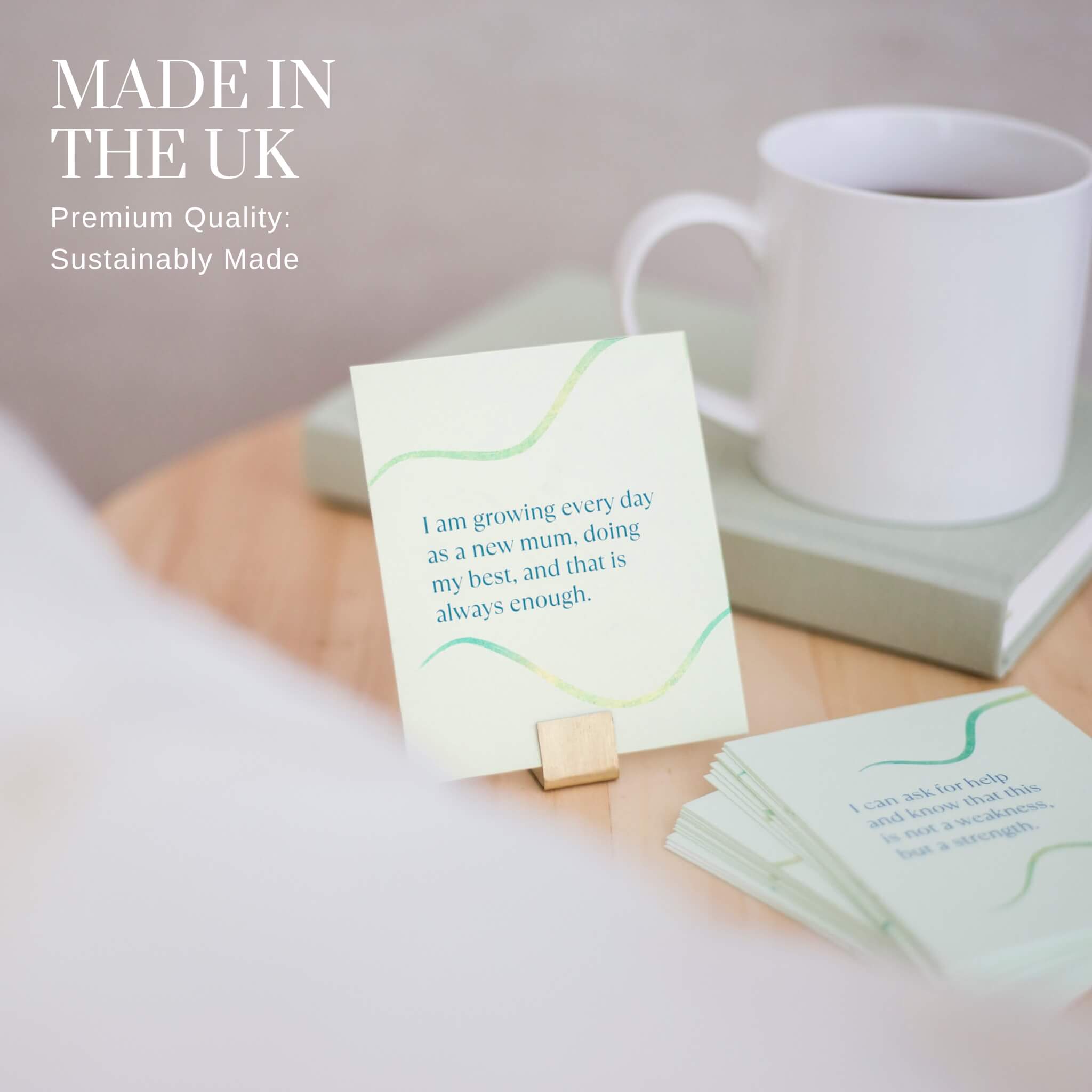
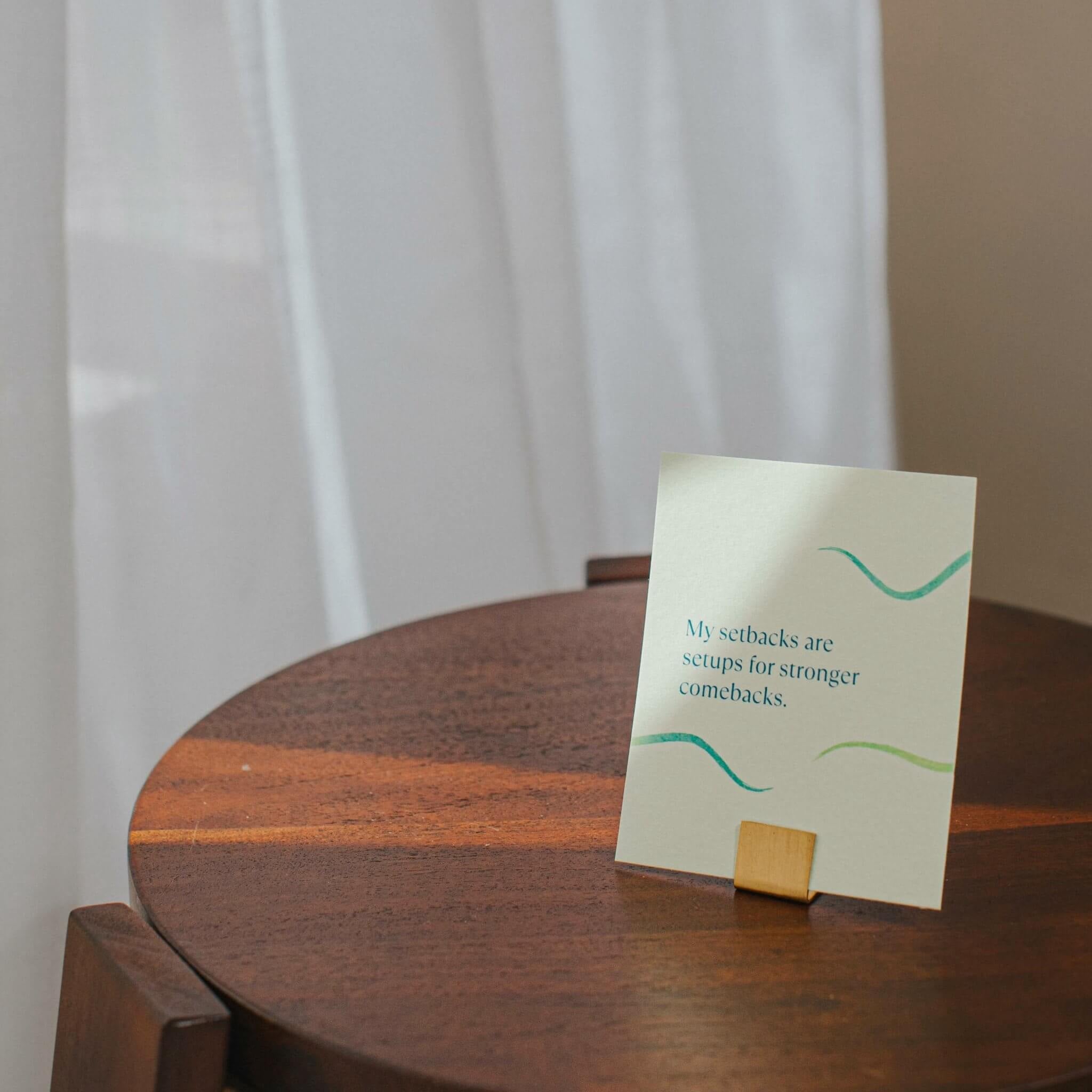
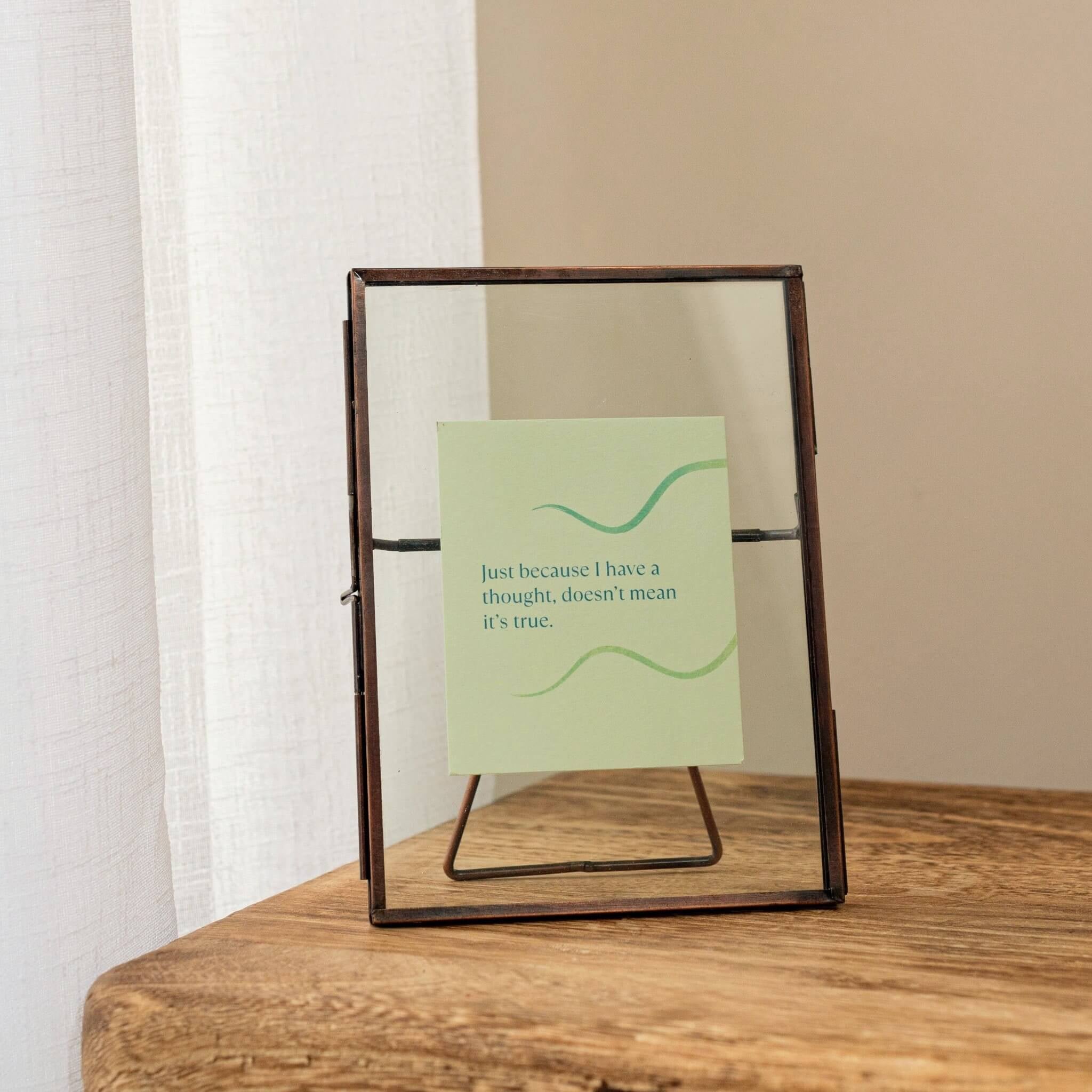
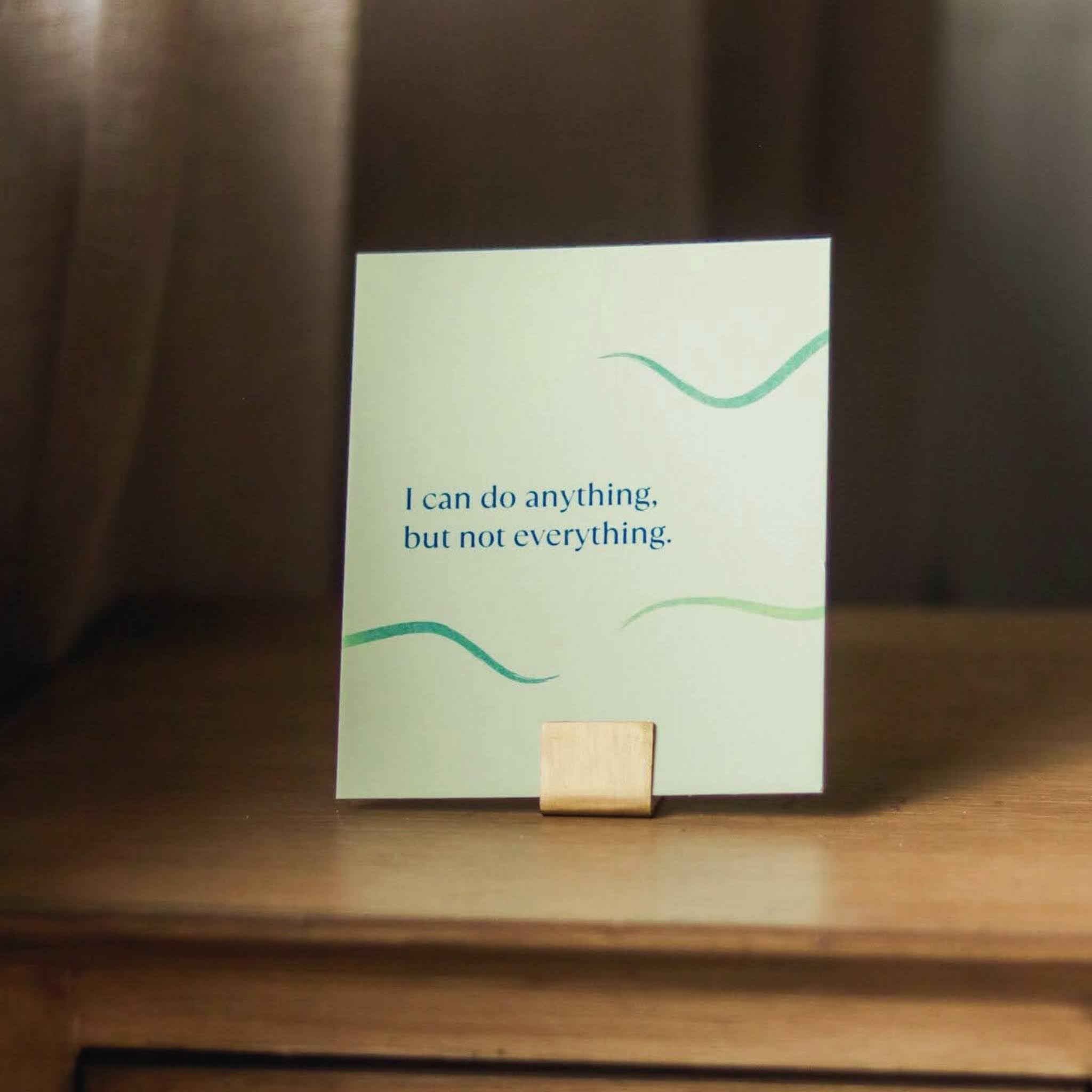
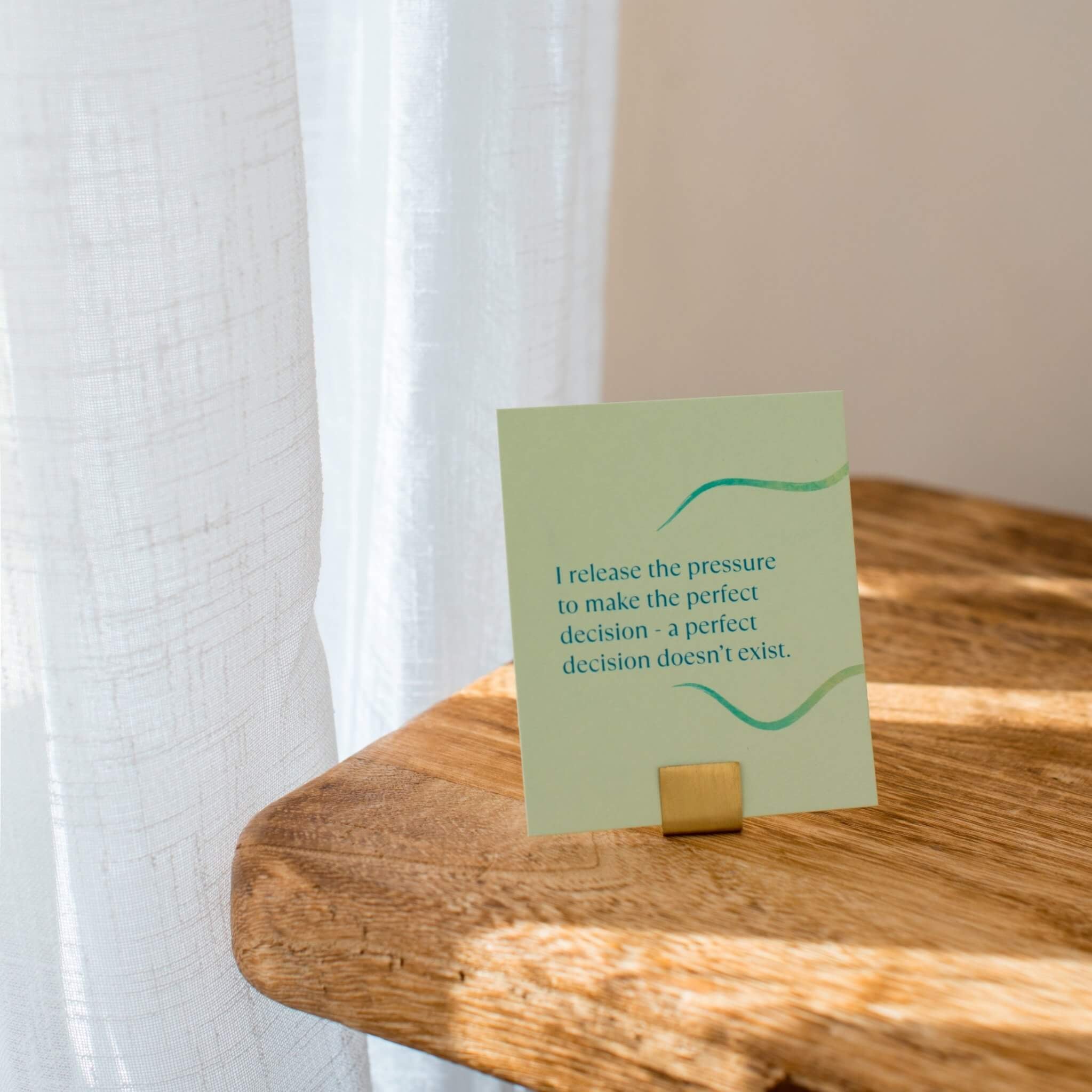
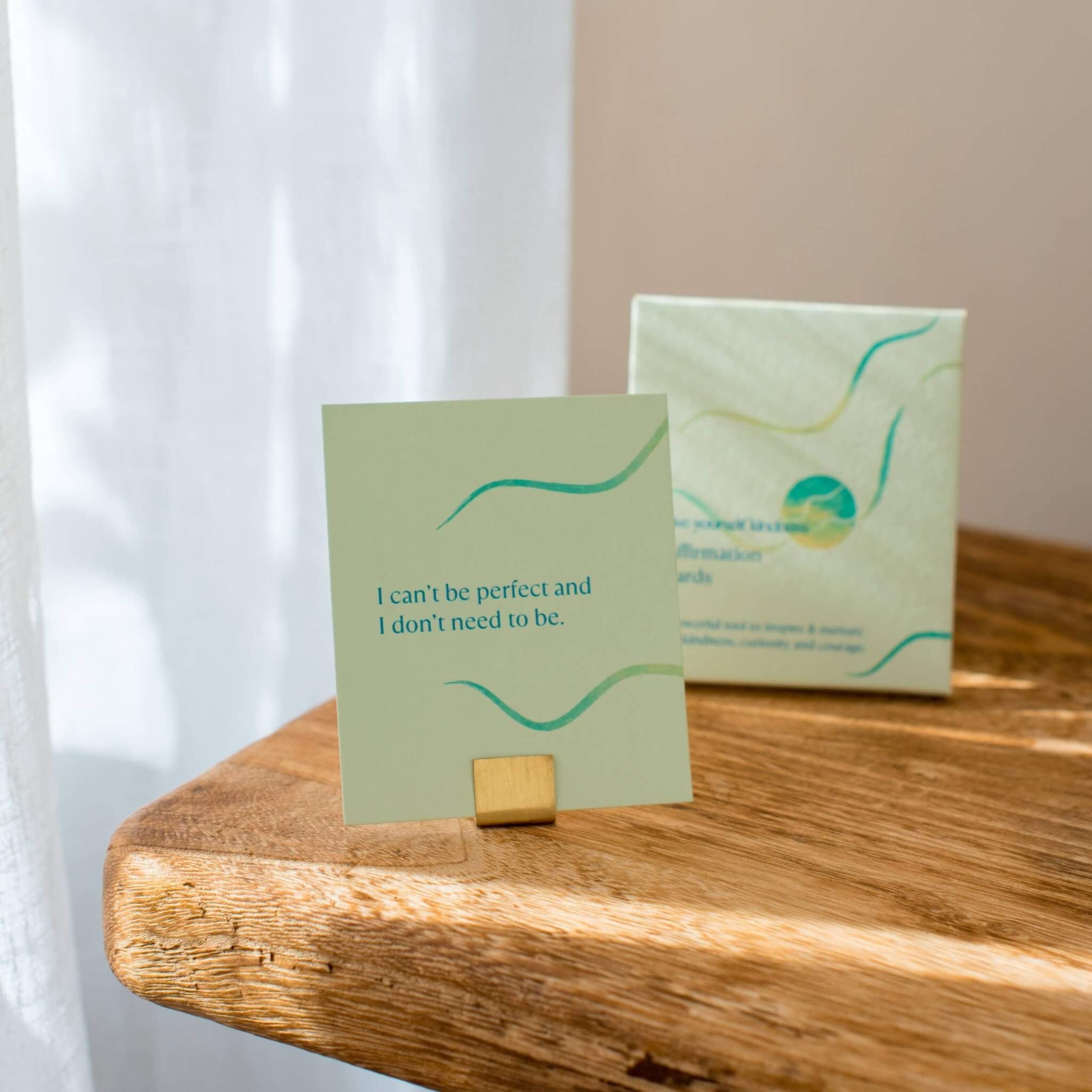
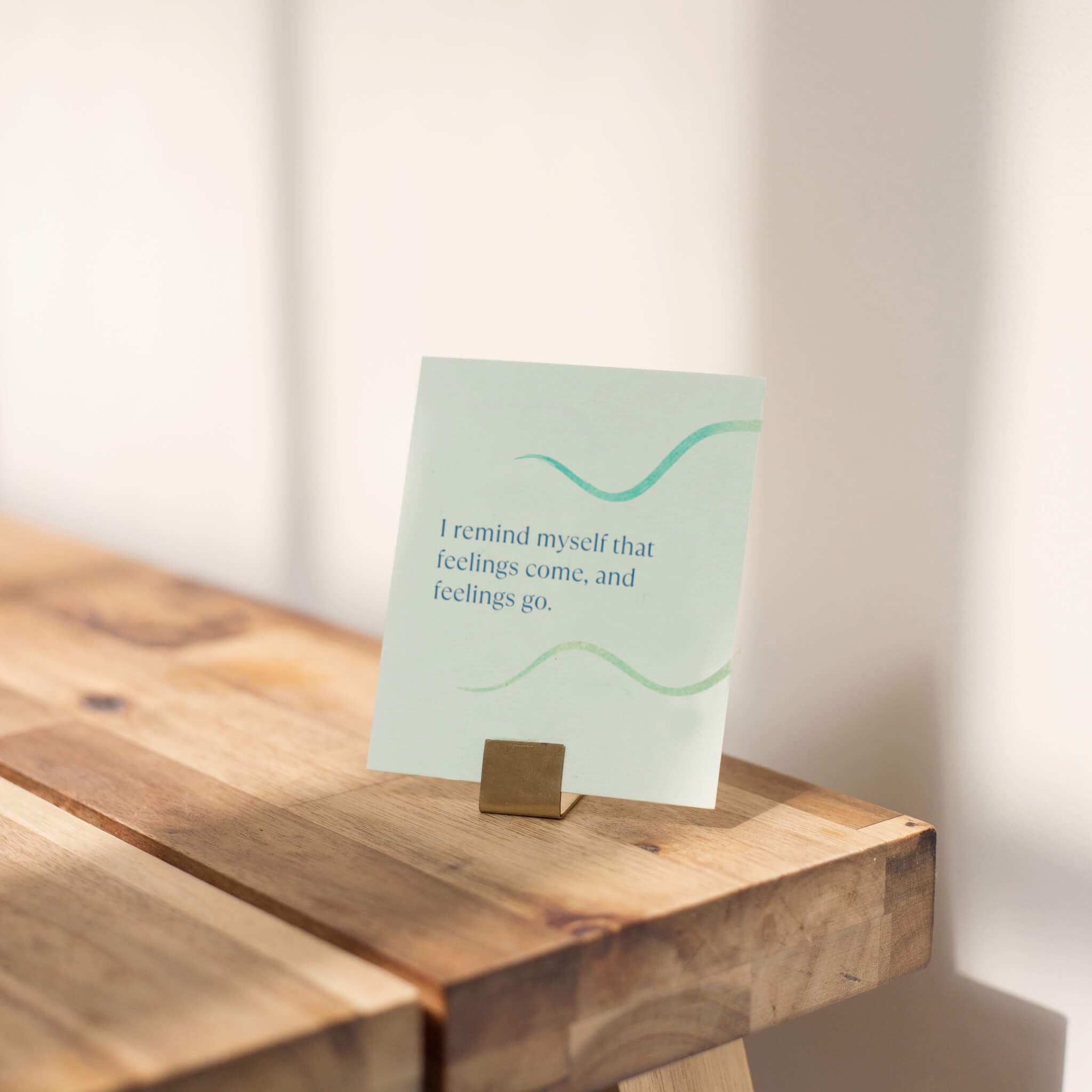
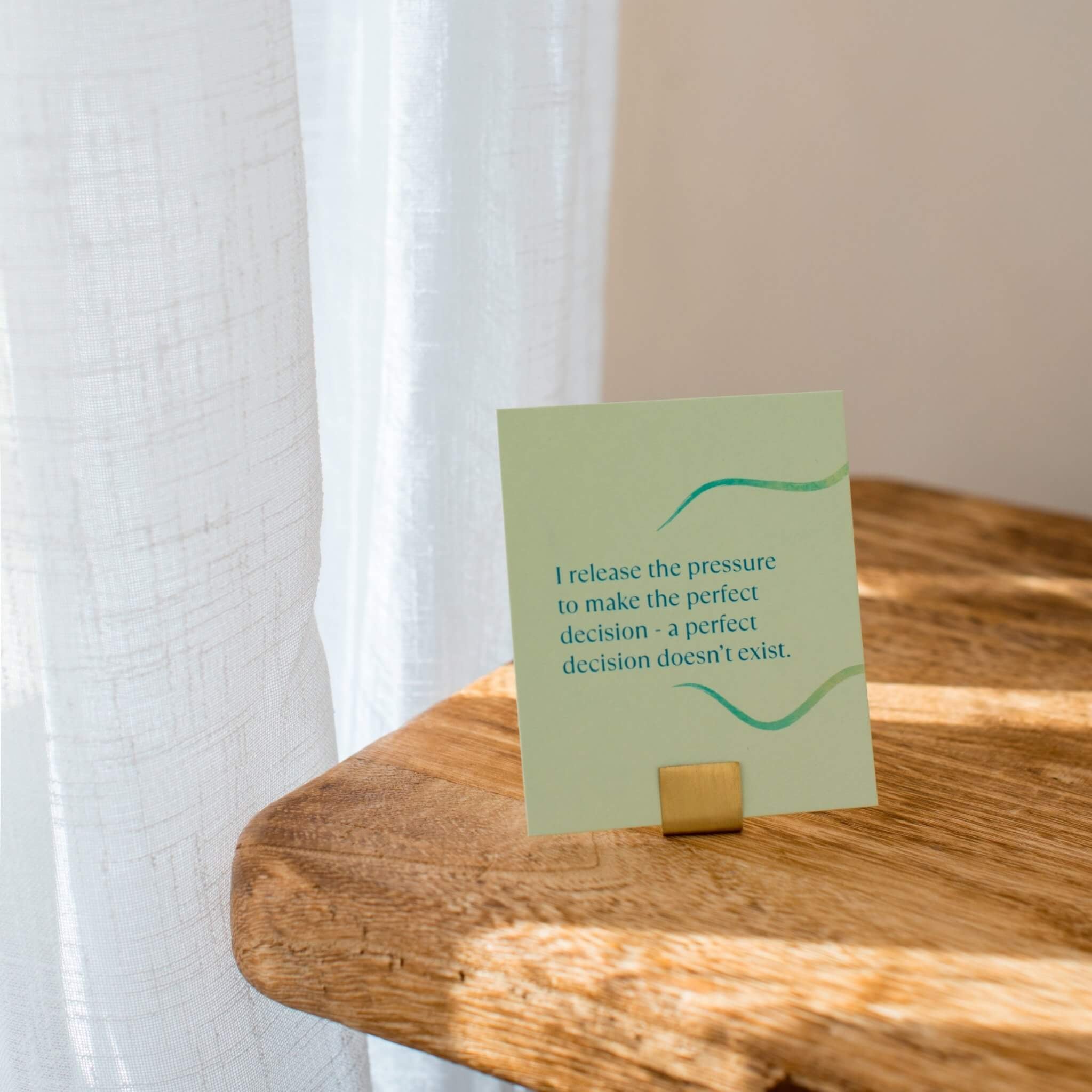
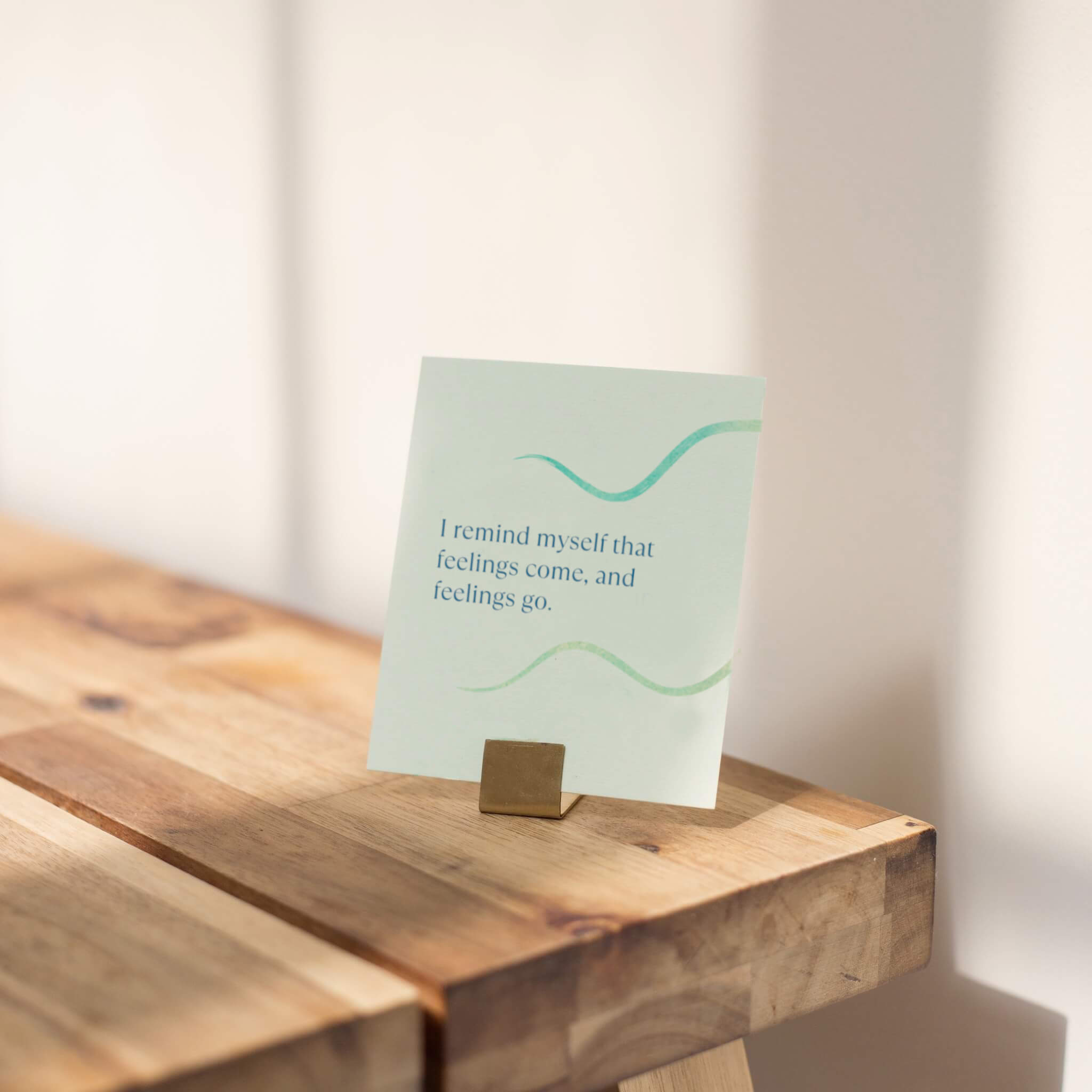
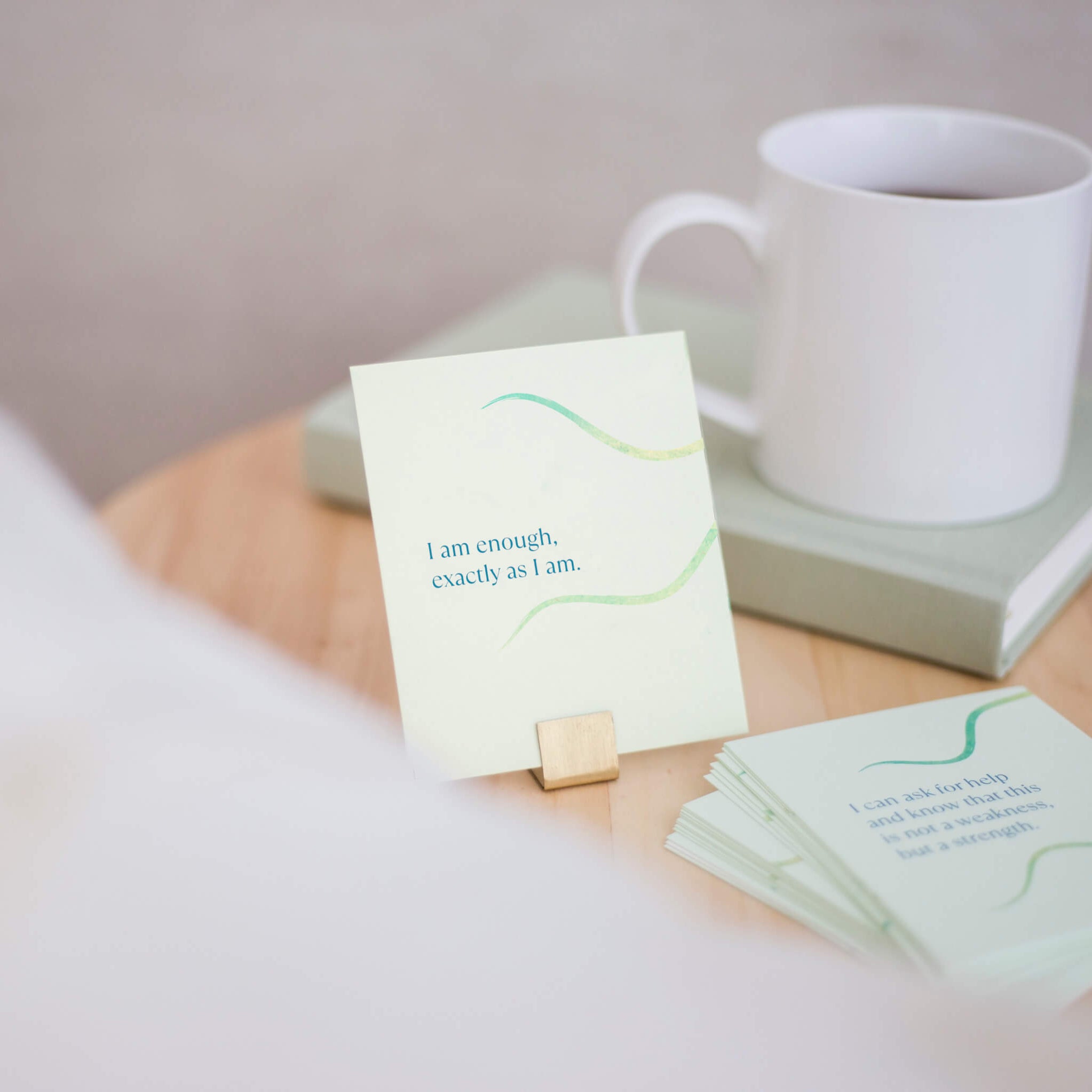
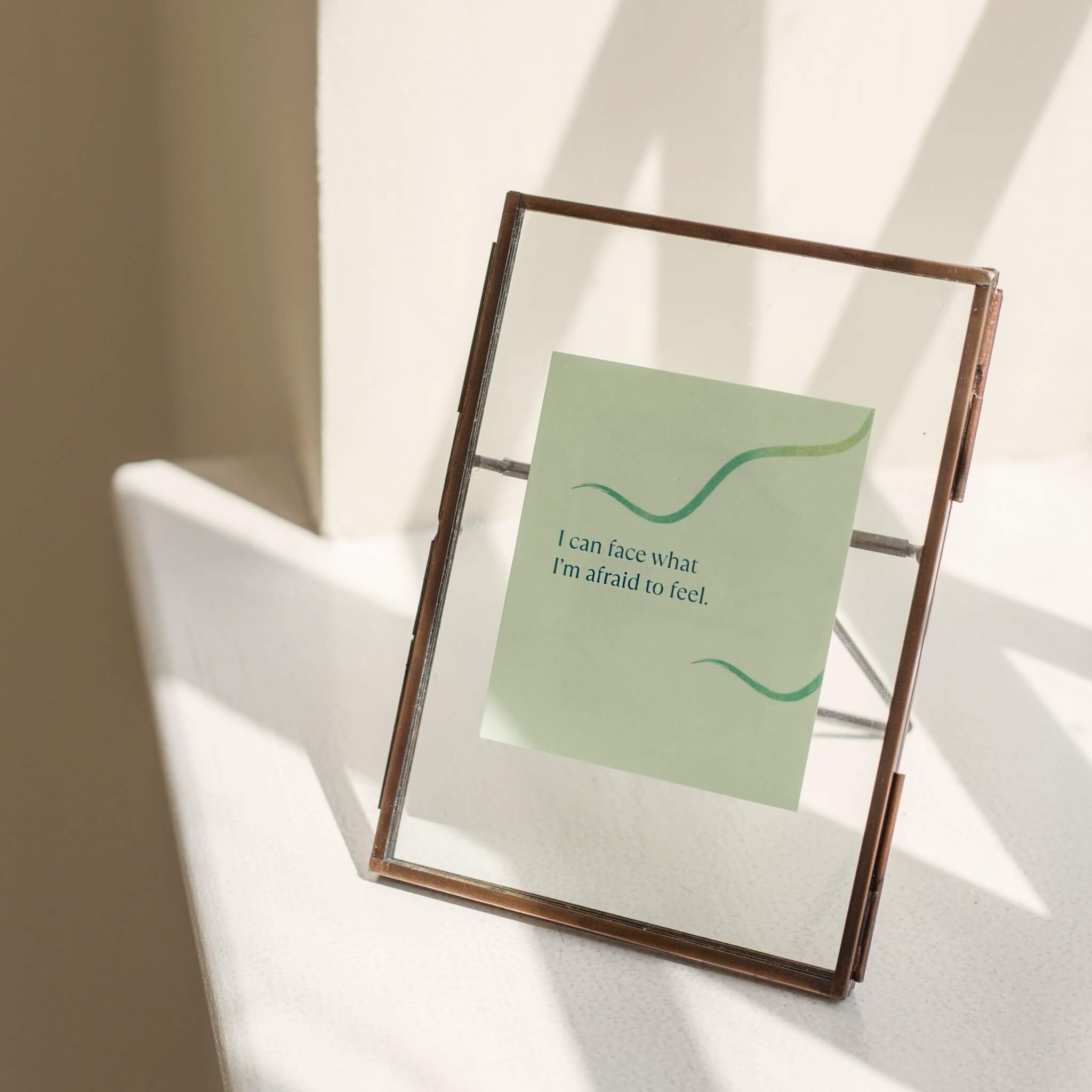
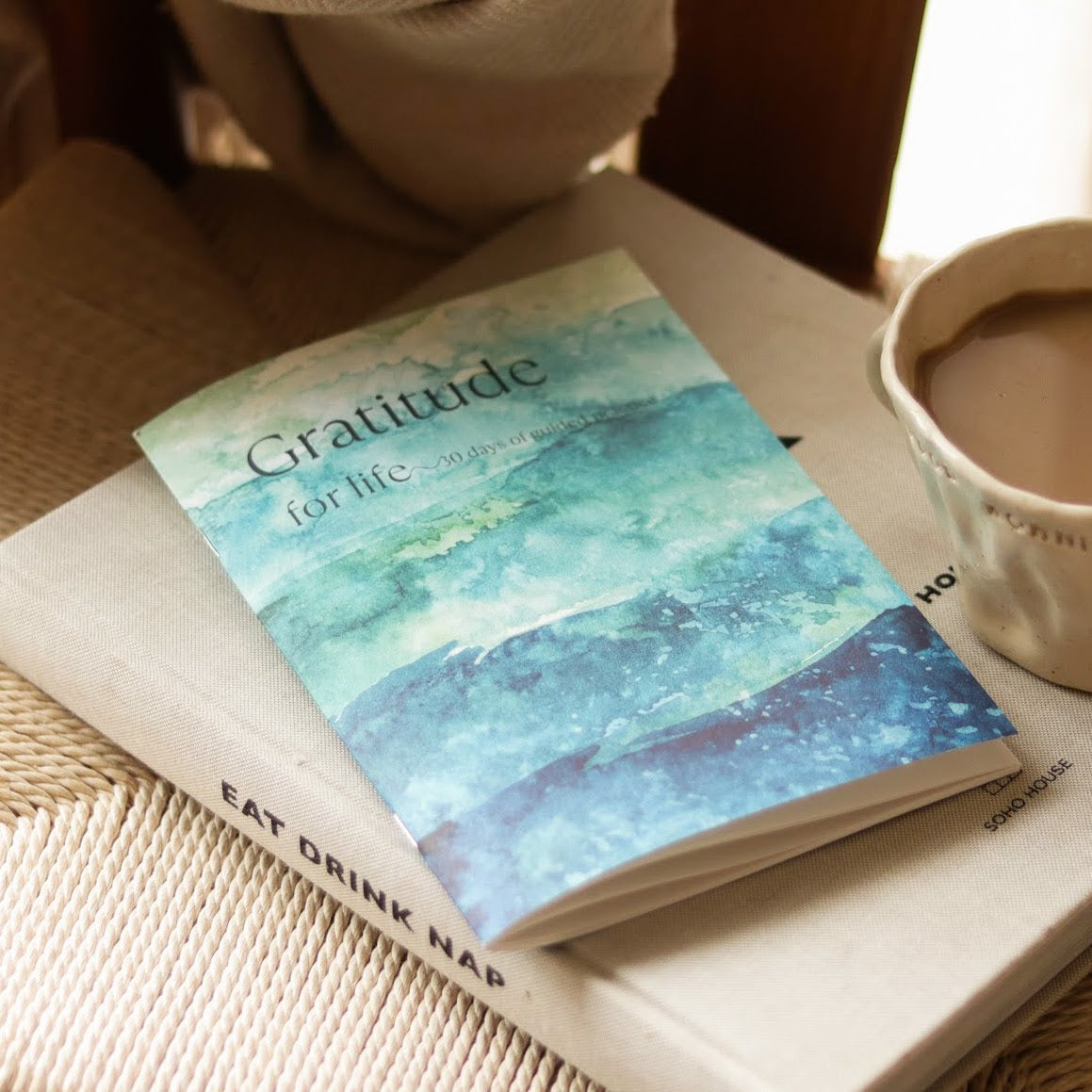
Sixty affirmations across three boxed sets of twenty, so nothing ever repeats. Cards they can stand on a desk, a windowsill or a bedside table, where a kind word finds them without them having to go looking for it.
They're beautifully made, printed in the UK on luxury 270gsm card, small enough to keep close, and there's nothing to finish or keep up with.
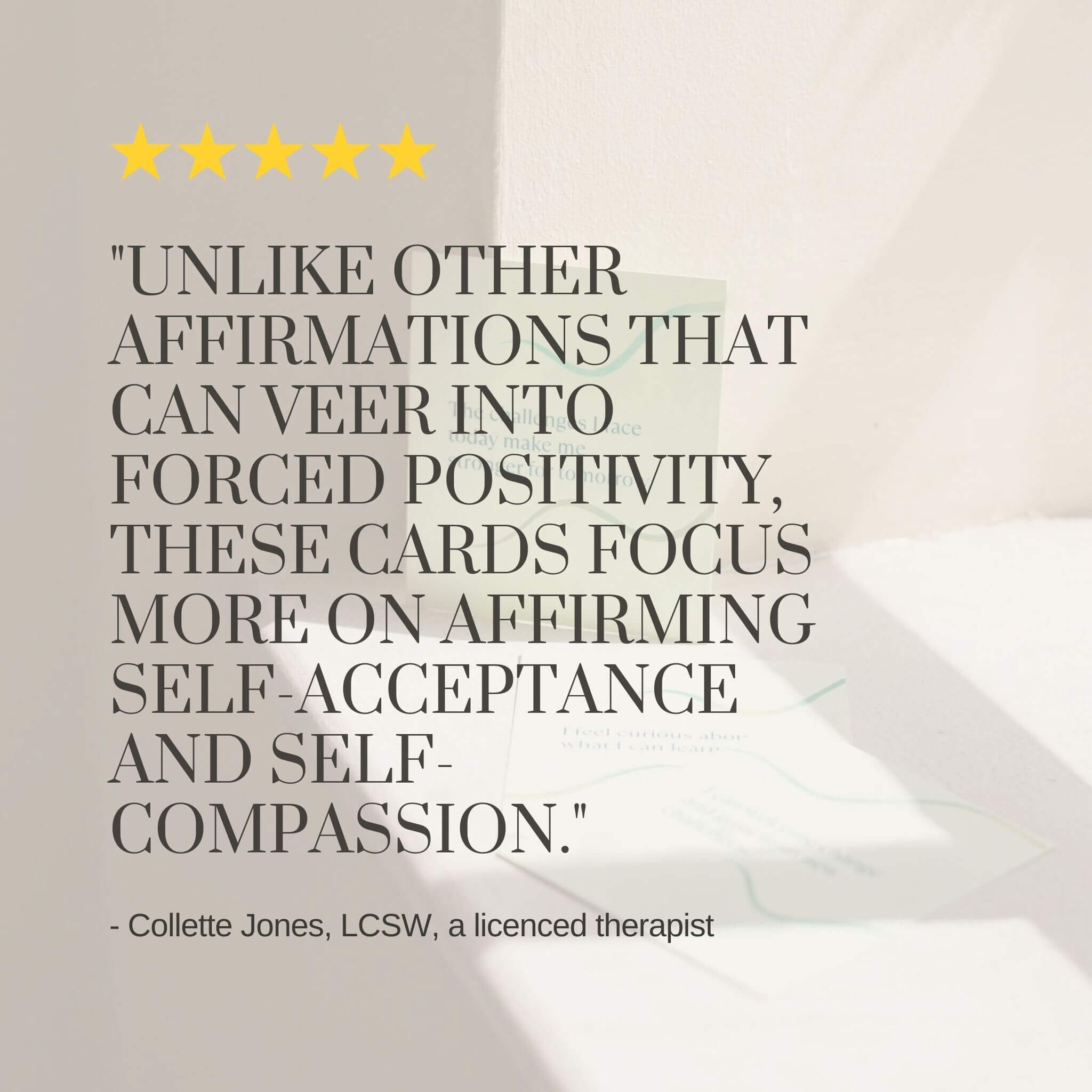
Why it helps right now: the words are gentle and true rather than relentlessly upbeat, with lines like "I can't be perfect and I don't need to be." Licensed therapists use them with their own clients for exactly this reason.
Added to your basket. View basket →
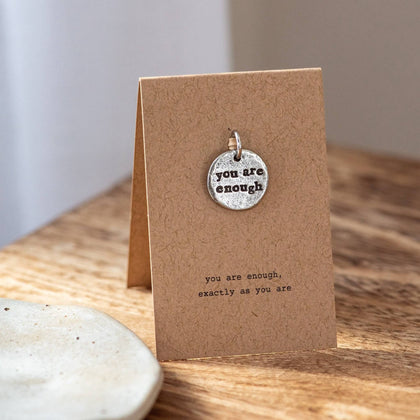
The You Are Enough Charm
Gives them something to carry with them, wherever they are
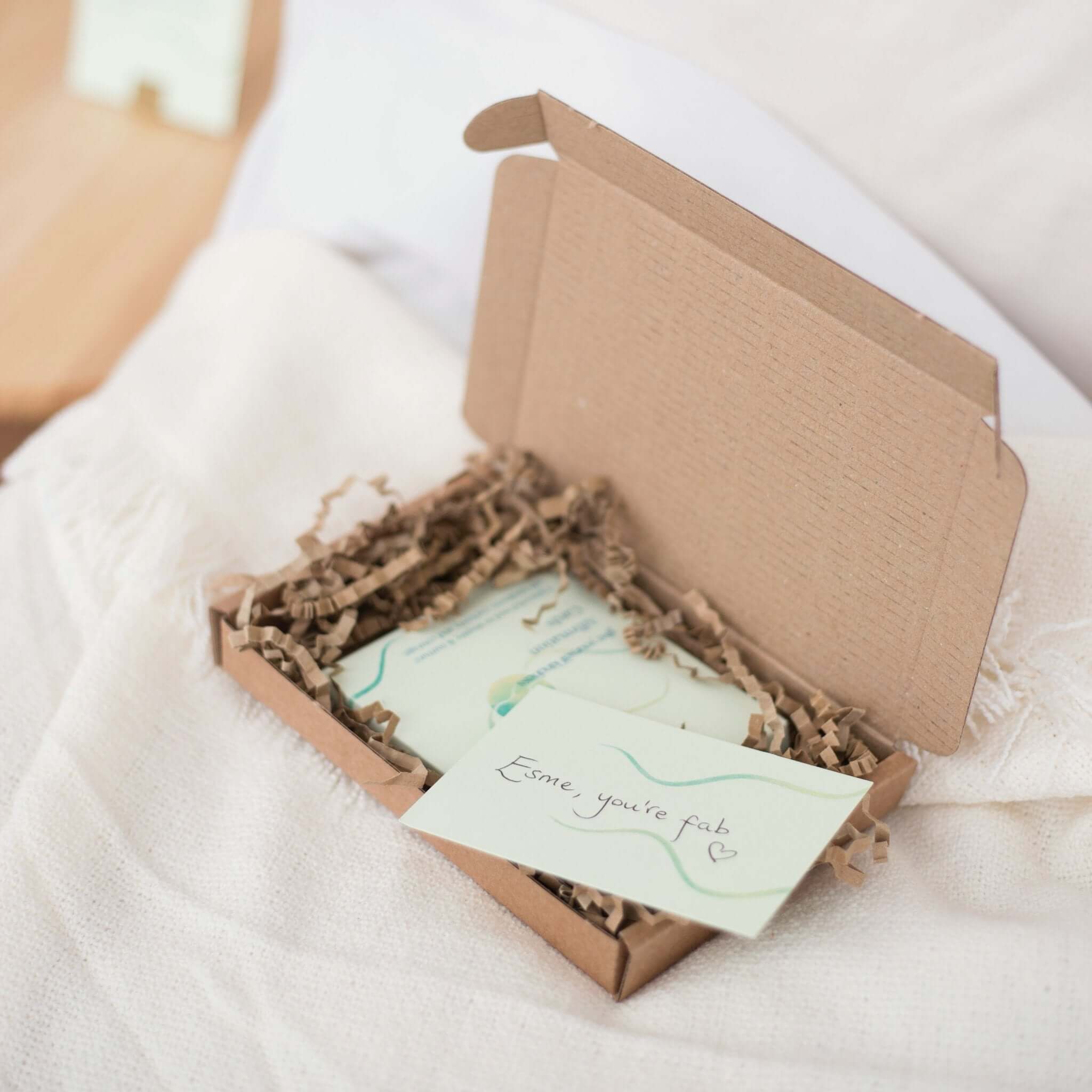
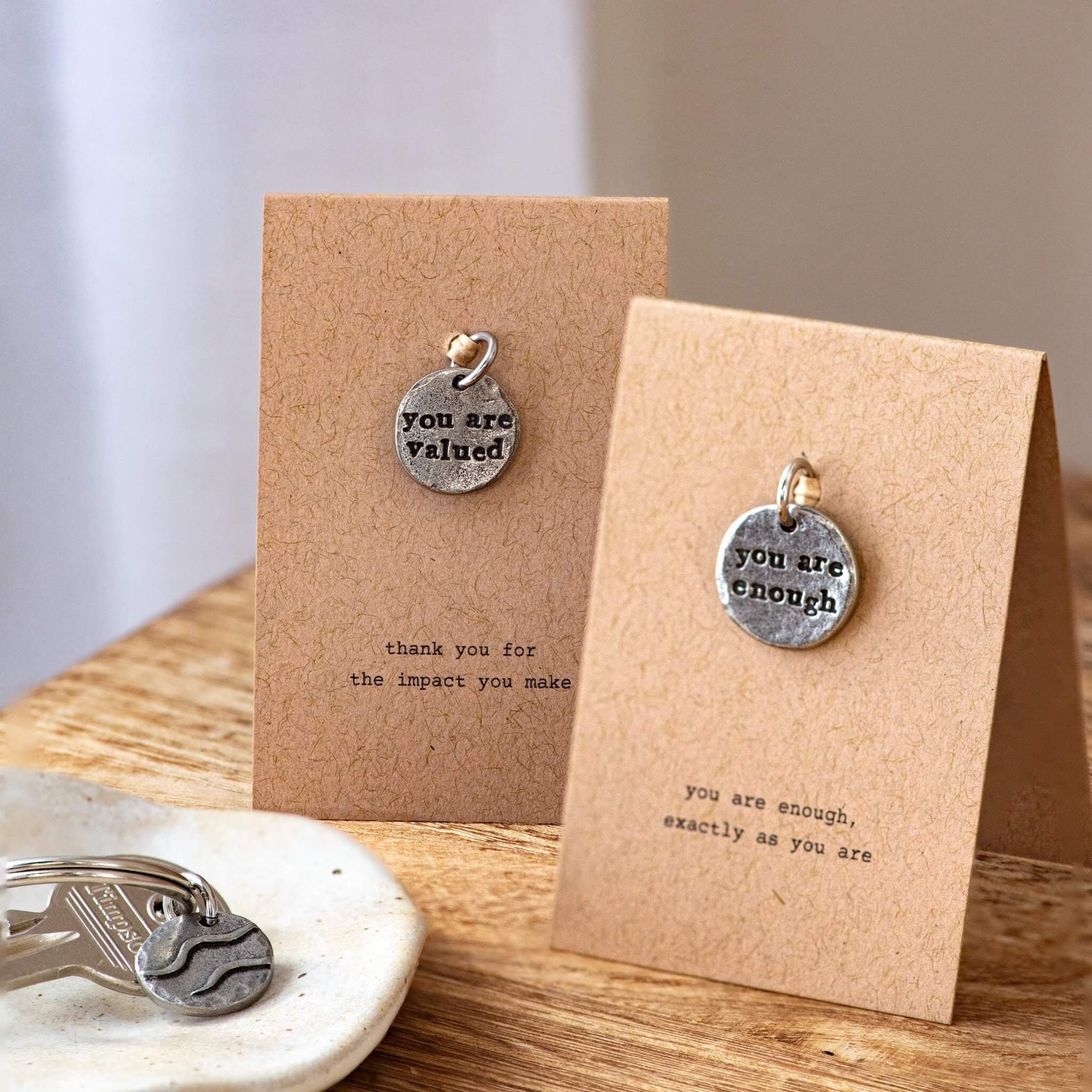
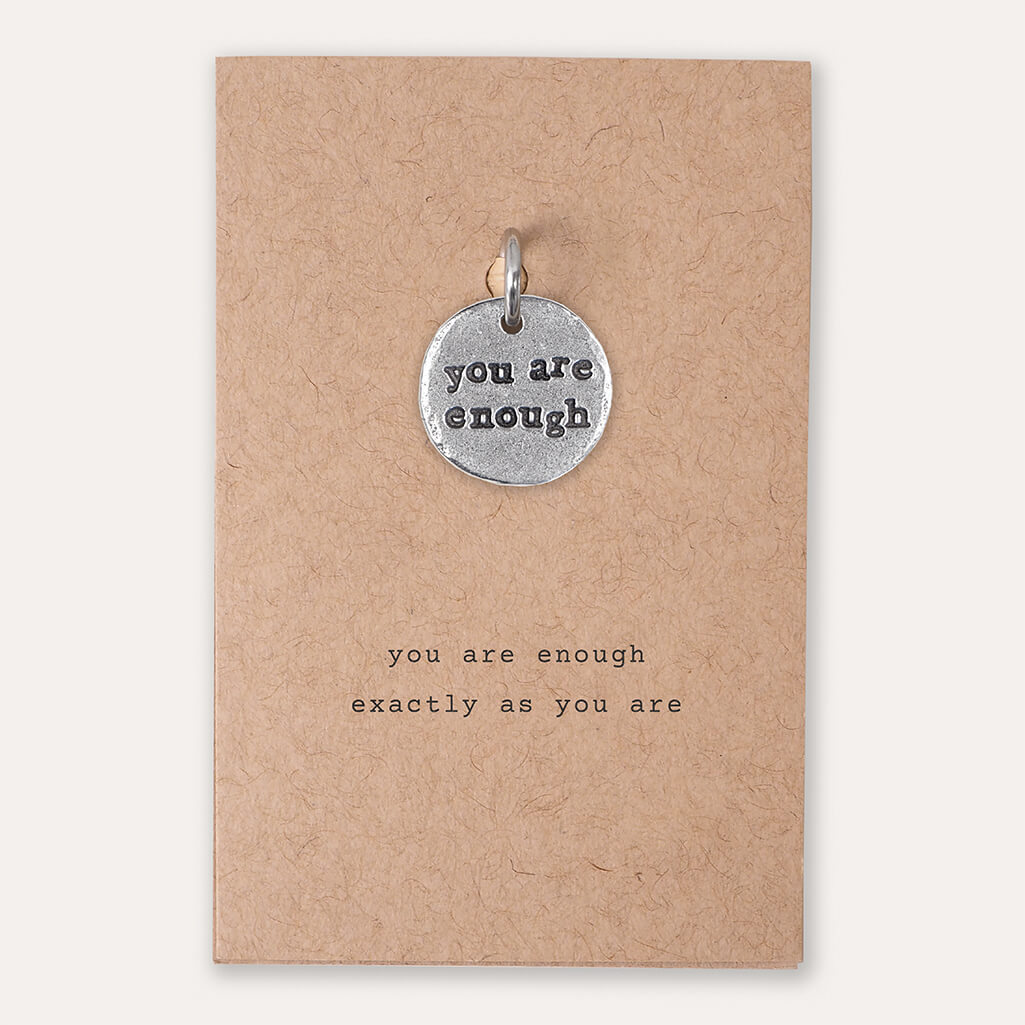
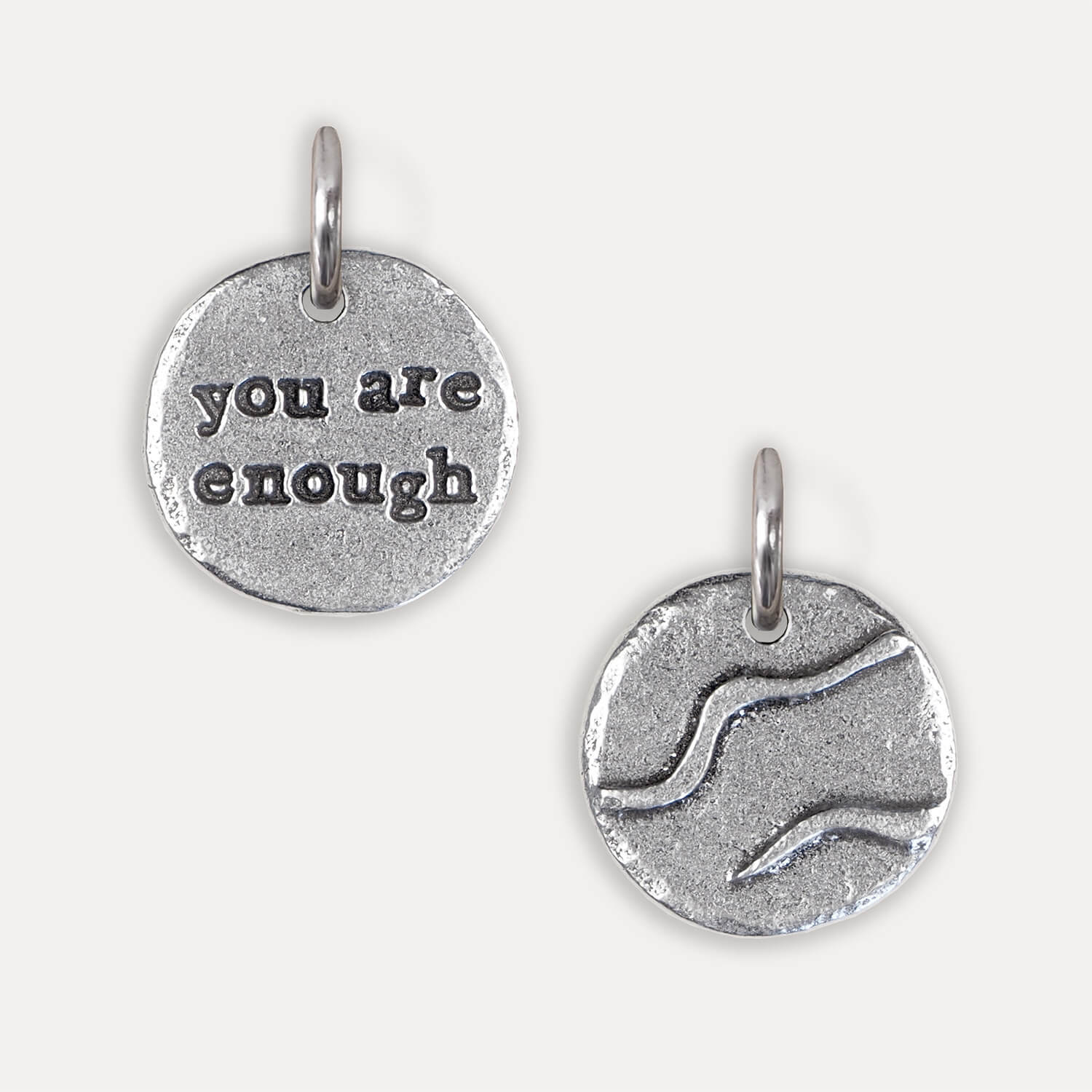
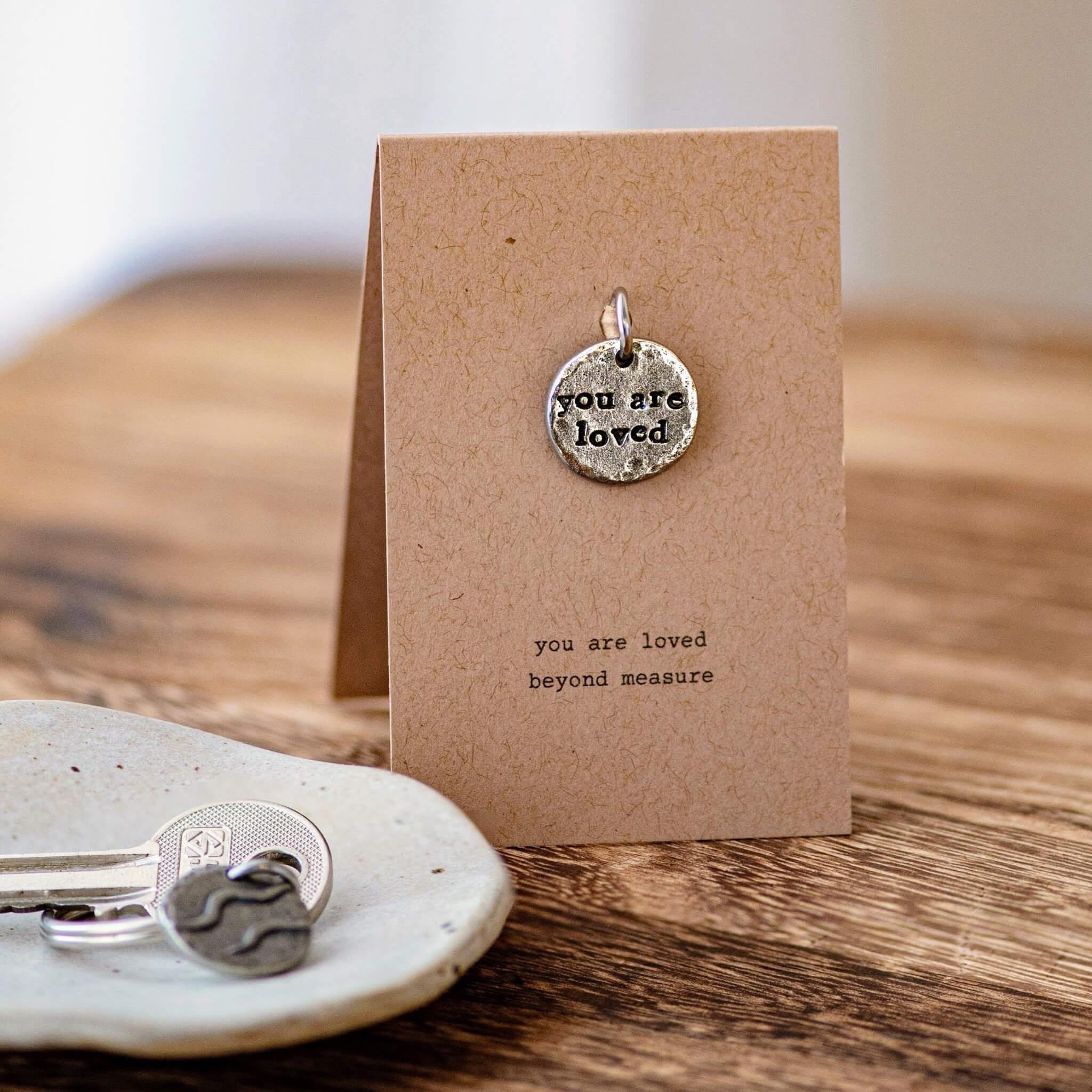
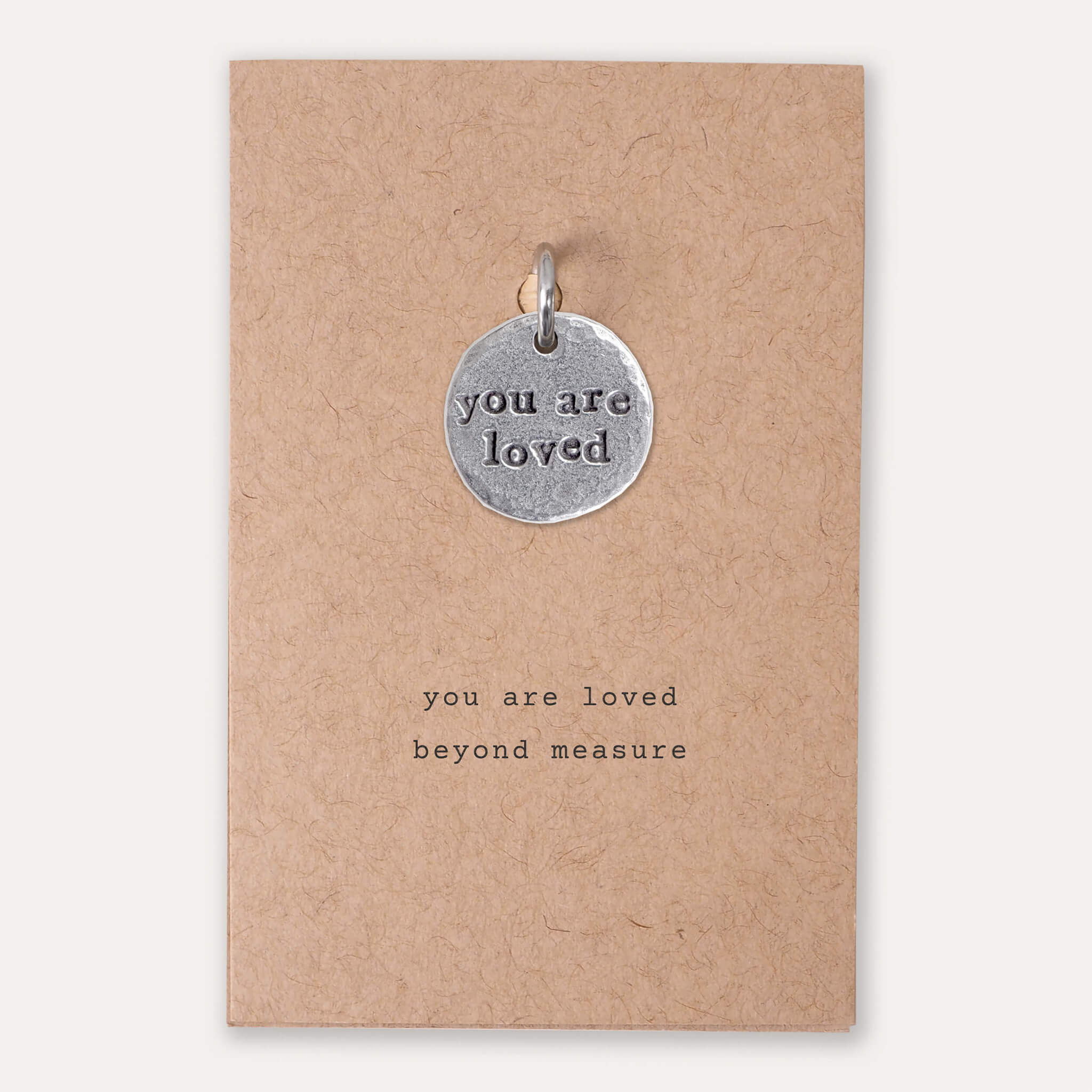
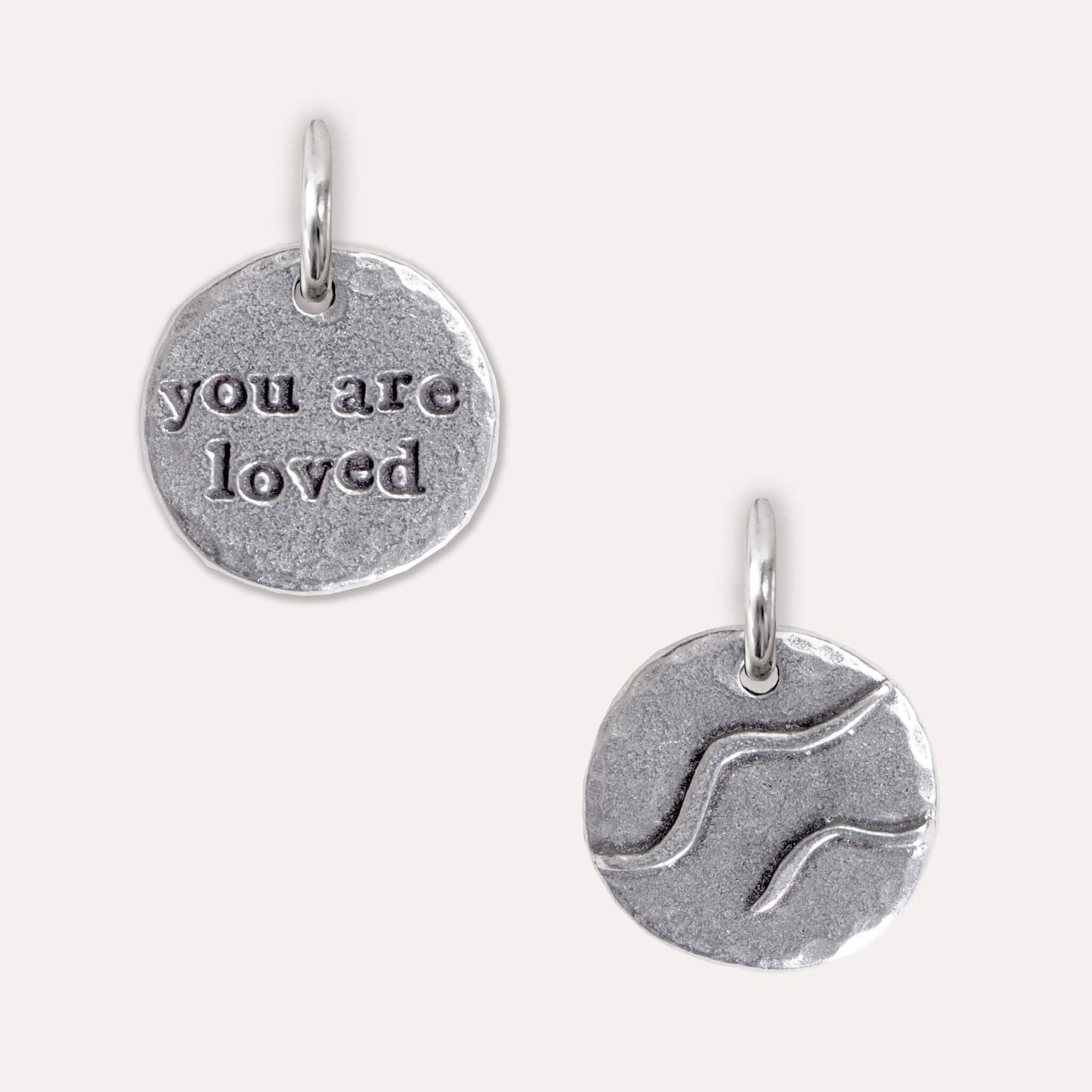
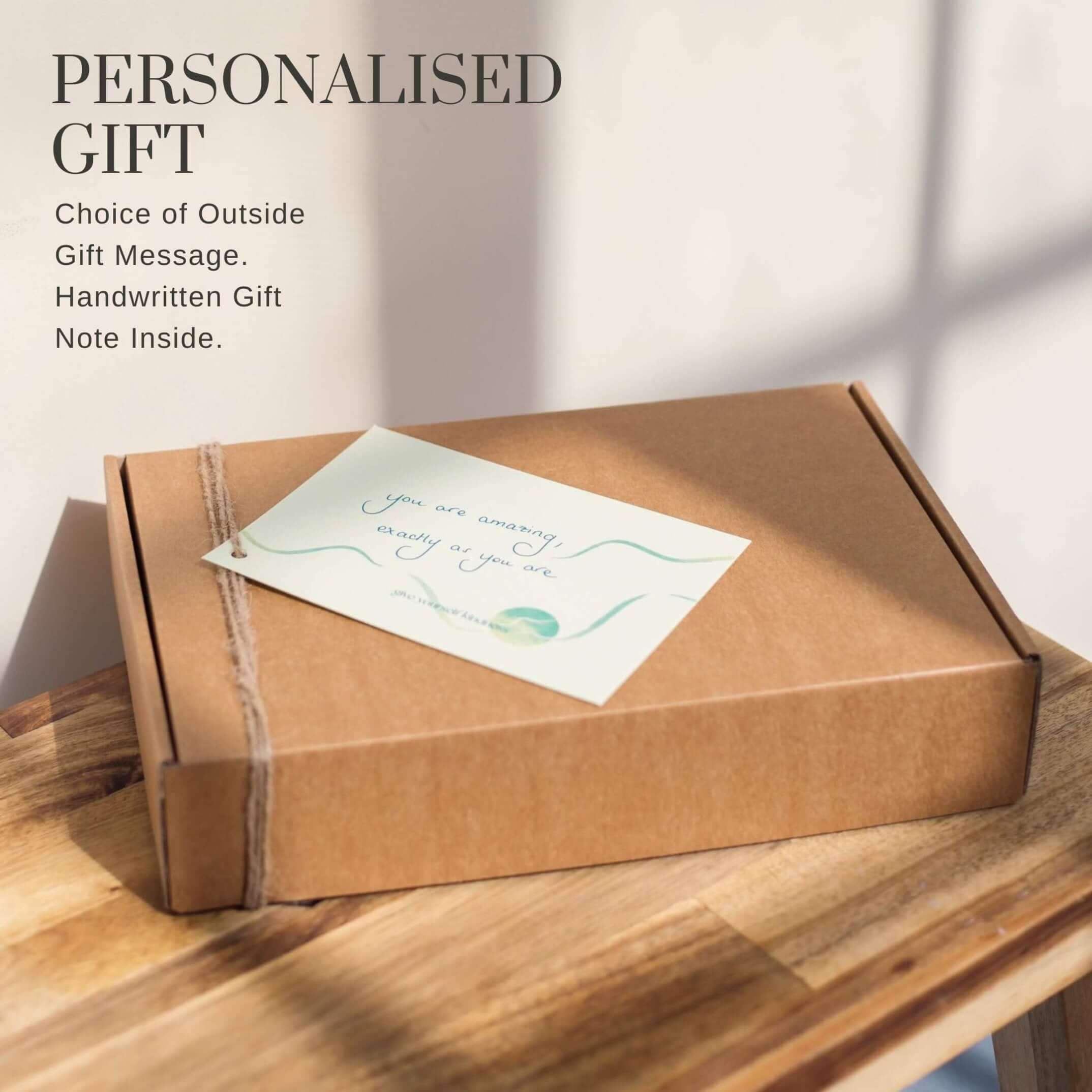
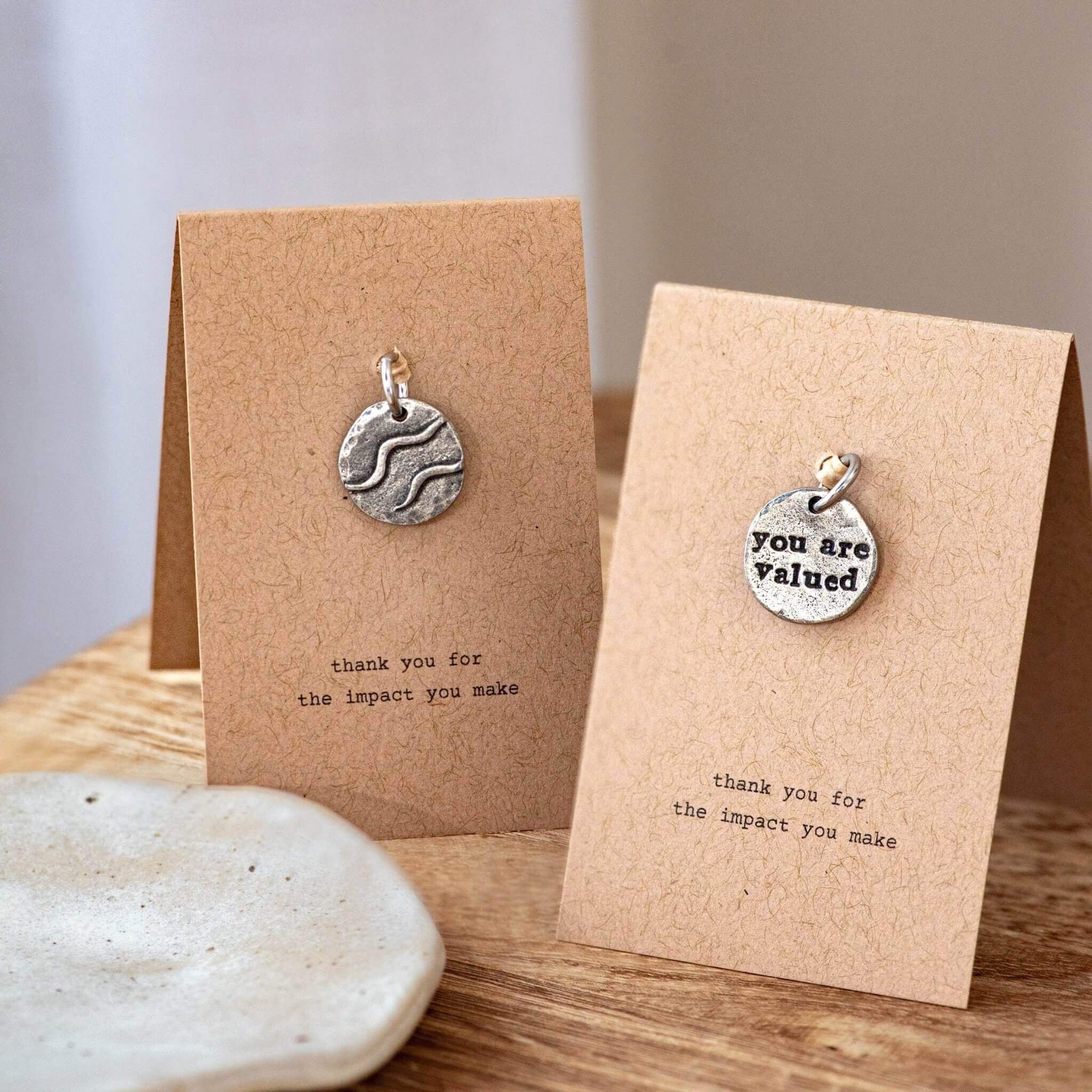
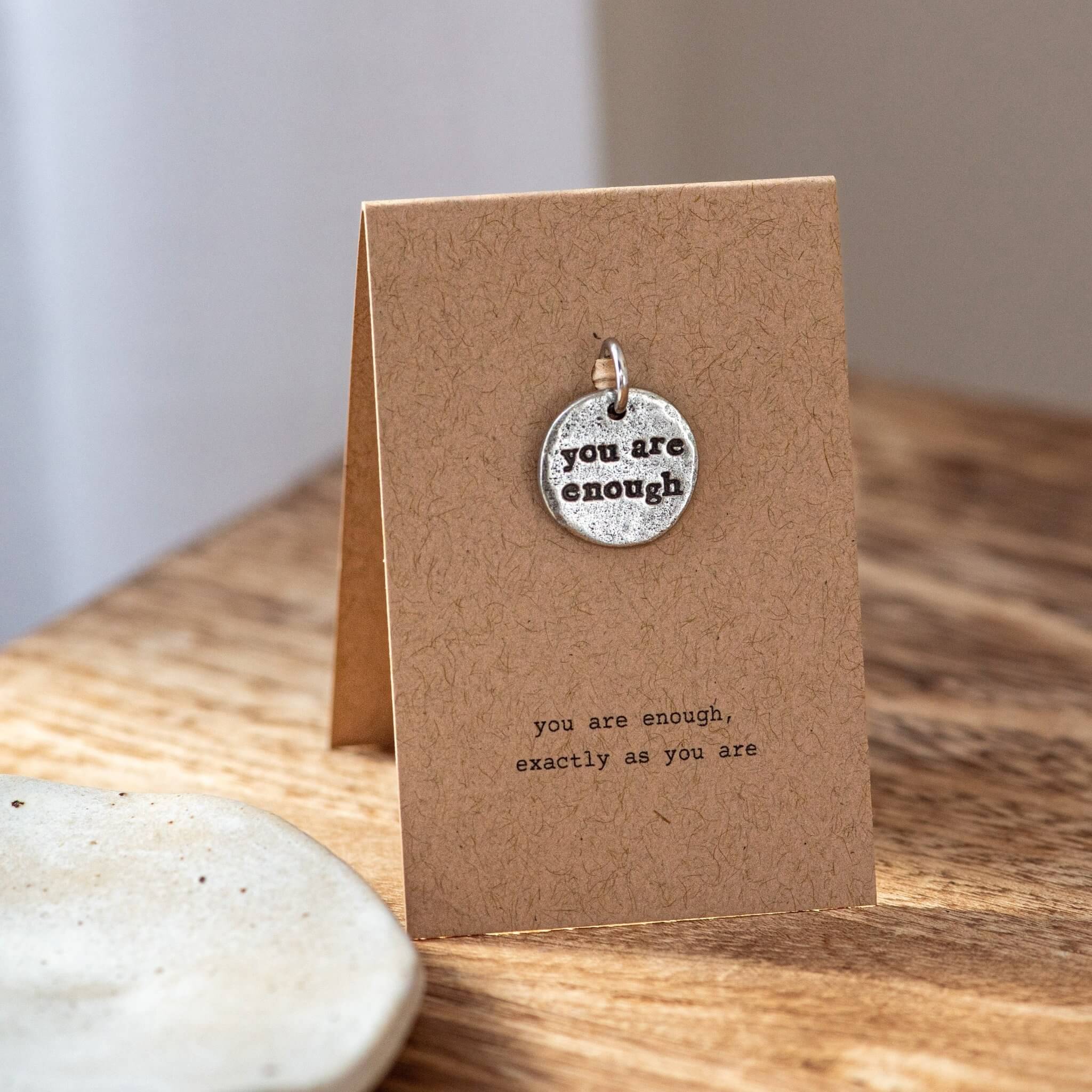
A small double-sided charm, 1.5cm across, made in the UK from pewter and stainless steel. One side is imprinted with "you are enough", the other carries a raised Give Yourself Kindness design, and it arrives on a folded card printed "you are enough, exactly as you are", with space inside for you to write something yourself.
It's small enough to keep with them, which means it can be there in the moments that need it most: the car park before a difficult appointment, the walk home, the middle of an ordinary Tuesday.
Why it helps right now: it's private. Nobody else needs to know what it means, so it comforts without inviting questions on the days they'd rather not talk.
Added to your basket. View basket →
Help me choose
All three are lovely gifts. It's really a question of what you'd most like to give them.
"I'd like to give them space to process it"
The journal. It's the most personal of the three, and the one that gives them somewhere to put the things they might not say out loud.
"I'd like them to see something kind every day"
The affirmation cards. Left on a desk or windowsill, they do their work quietly, without anyone needing to remember anything.
"I'd like them to have something with them"
The charm. Small, private and portable, so it's there in the moments you can't be.
"I'd like it to feel like a proper gift"
Pair the journal with the charm. Something to sit with at home, and something to carry when they're out. You can add both to your basket from this page.
"They're far away and I can't be there"
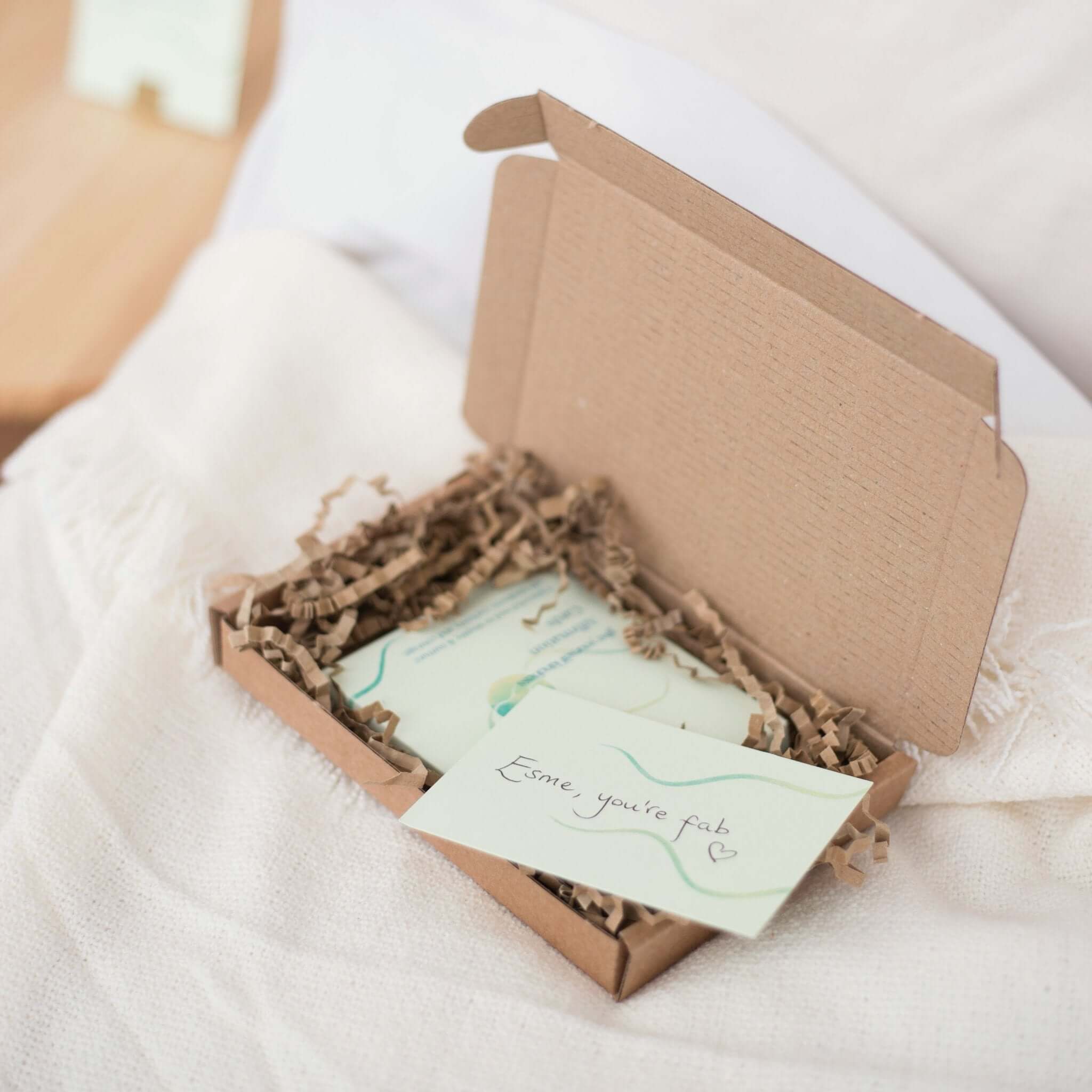
Any of the three, with a handwritten note. A parcel does something a message can't, especially when you can't get to them yourself.
Whoever you're buying for
A friend: the cards or the charm are warm without being too personal, and neither assumes you know the whole story. Your daughter: the cards, especially at a distance, so there's something on her desk on the days you can't be there. Your mum: the journal, because mothers are often the ones holding everyone else together and getting nothing back. A colleague: the charm, small enough to be kind without being weighty at work.
What to write in the note
This is the part people worry about most, and it's genuinely simpler than it feels. You don't need to say anything profound. The kindest notes are short, and they take the pressure off rather than adding to it.
Four lines you're welcome to copy exactly:
"I don't have anything clever to say. I'm just thinking about you, and I'm not going anywhere."
"No need to reply to this. I just wanted you to have something from me."
"I know things are hard right now. I'm here when you want company, and just as much when you don't."
"Thinking of you. There's nothing you need to do with this, it's just yours."
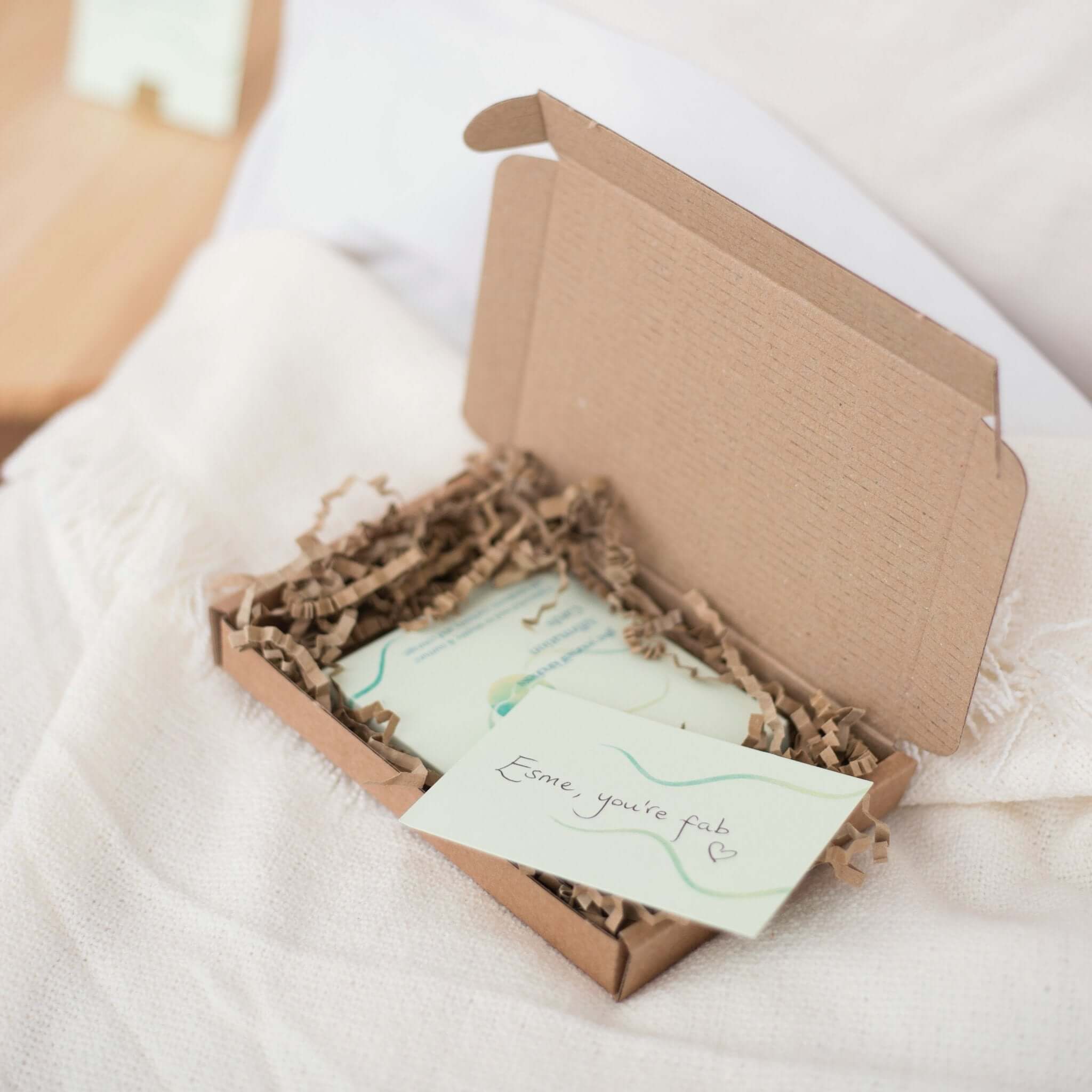
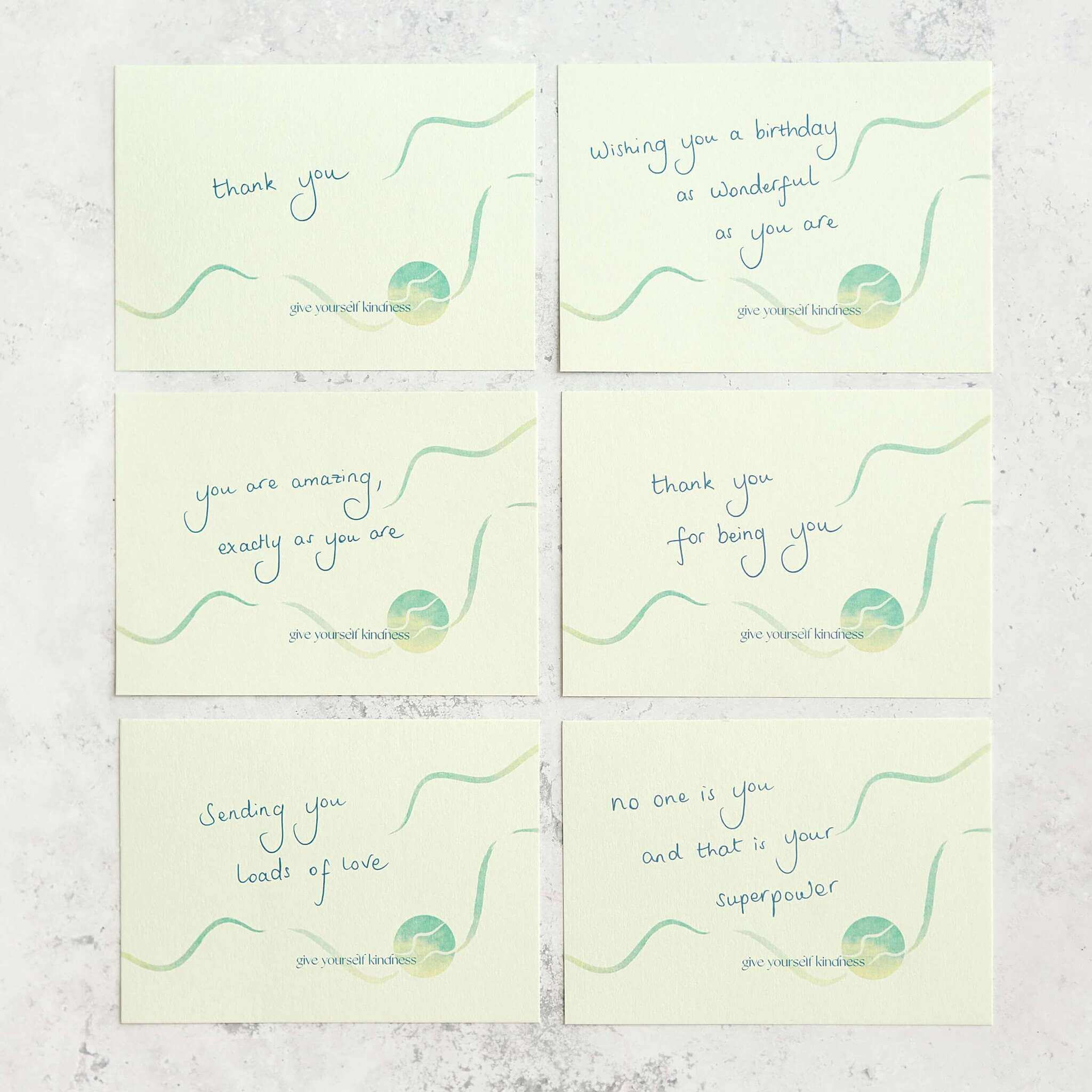
What these have in common is that none of them asks a question or expects an answer. That's what makes them easy to receive on a day when replying feels like too much. You can add a handwritten gift note at checkout and we'll write yours out by hand, so it arrives as a real message rather than a printed line.
Lovely things to say
- "I'm here." Short, warm, and asks nothing.
- "This is really hard and I'm sorry." Naming it plainly is a relief.
- "I'll drop food round on Thursday, no need to answer." A specific offer you've already decided.
- "No pressure to use this." Lifts the small obligation any gift creates.
Gently worth avoiding
- "Everything happens for a reason." Asks them to find meaning in something painful.
- "Stay strong." Can suggest they'd be failing if they fell apart.
- "Let me know if you need anything." Kindly meant, but leaves them the work of asking.
- "At least..." Almost nothing helpful follows those two words.
There's no wrong time to send it
If you've been meaning to send something for a while and feel awkward that time has passed, please don't. Arriving later is often better, not worse.
When something happens, support tends to arrive all at once. Cards, messages, food, people checking in. Then around the third week it thins out. Everyone returns to their own lives, and the person in the middle of it is still exactly where they were.
A parcel that turns up in week four or five says something the first wave couldn't: I haven't forgotten, and I know this isn't over. If there's an anniversary or a difficult date coming up, that's often harder than the event itself, and something arriving then is rarely unwelcome.
A few gifts worth thinking twice about
Not because they're bad gifts, but because they can ask something of someone who hasn't got much to give right now.
- Anything celebratory. Champagne, balloons, confetti. Lovely in other circumstances, but they can put someone in the position of performing a mood they don't have.
- Anything that needs looking after. Plants and cut flowers are beautiful, but something that wilts on the side can quietly become one more thing they feel they've failed at.
- Anything with a timeline in the wording. "Bounce back", "new chapter", "your comeback". Warmly meant, but it can suggest a deadline for how long they're allowed to feel like this.
- Self-improvement or productivity books. These can land as though the problem is that they aren't trying hard enough, which is rarely the case.
- Anything that needs a thank-you or a photo. A gift that requires a response becomes an item on a list they can't face.
The simple test: does it ask anything of them? If not, it's a rest rather than a request, and that's exactly what you're going for.
If what they’re carrying is their mental health specifically, I’ve written a fuller guide to gifts for someone struggling — with what tends to make things worse, and why expert backing matters.
Why these gifts help
It's worth knowing what a gift like this can and can't do, because that's what lets you give it with confidence.
It won't undo what's happened. What it can do is make the difficult feelings less lonely to sit with, and that is genuinely worth something when the alternative is sitting with them alone. Dr Kristin Neff, the researcher who first defined and measured self-compassion, describes the shift these tools are designed to support.

Dr Kristin Neff, PhD
Associate Professor and the pioneering researcher who first defined and measured self-compassion
"There are a number of techniques to help us 'be with' difficult emotions in a tender manner without resisting or being overtaken by them. These practices aren't strategies to get rid of difficult emotions; they just allow us to establish a new relationship to them."
That's what every gift on this page is designed to offer: not a way out of the feeling, but a kinder way to be with it. It's also why none of them ask the person to cheer up.
Read: Being with difficult emotions, by Dr Kristin Neff →Your instinct to do something is the right one
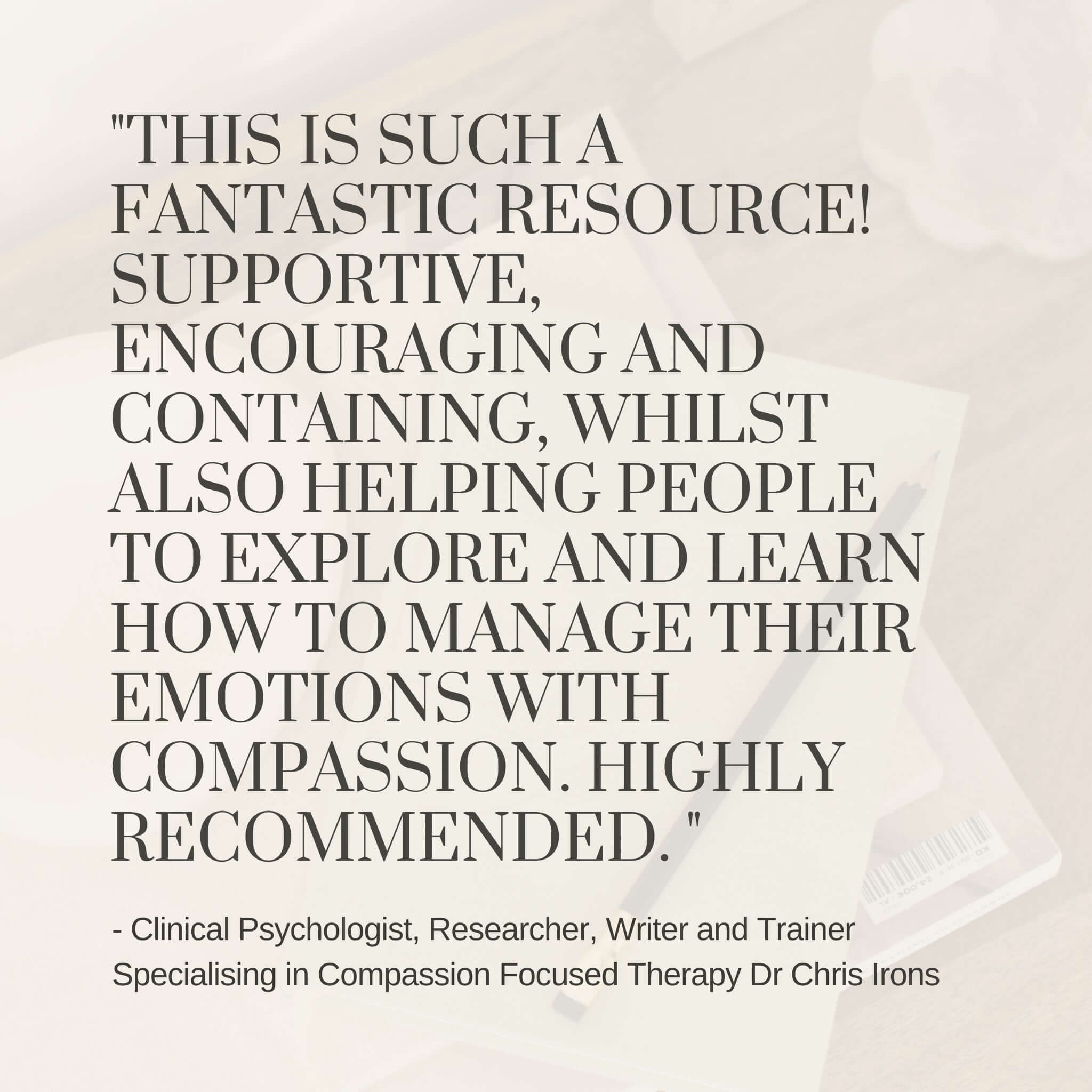
If part of you is wondering whether you should just leave them be, it's worth knowing that what you're doing has a name. Dr Chris Irons, one of the world's leading researchers in Compassion Focused Therapy, defines compassion in two parts.

Dr Chris Irons
Clinical Psychologist, and one of the world's leading researchers, trainers and practitioners of Compassion Focused Therapy
"a sensitivity to the suffering of self and others, with a commitment to relieve and prevent it"
The first part is noticing, and you've already done that, which is why you're here. The second is acting on it in a way that helps. Something quiet, that asks nothing and waits until they're ready, is exactly that.
Read: The fears of self-compassion, by Dr Chris Irons →Common questions
What do you get someone going through a hard time?
Something gentle that asks nothing of them. The kindest options are undated, need no setting up, can't wilt or expire, and don't need a reply. A journal, a set of affirmation cards, or a small charm they can keep with them all work beautifully for that reason, and each one waits patiently until they're ready for it.
Which of the three should I choose?
It depends on what you'd most like to give them. The journal offers space to process things privately, the cards offer something kind in sight every day, and the charm goes with them wherever they are. If you'd like it to feel more substantial, the journal and charm together make a lovely pair, and there's a short guide to choosing further up the page.
What should I write in the card?
Something short that doesn't ask a question. "I don't have anything clever to say. I'm just thinking about you, and I'm not going anywhere" works beautifully, as does "No need to reply to this." There are four lines you can copy exactly, and we'll write yours by hand at no extra cost.
Is it too late to send something?
Almost certainly not, and later is often better. Support tends to arrive all at once and then thin out after a few weeks, while the person is still in the middle of it. Something arriving then says you haven't forgotten, which is its own kind of comfort.
What if we're not especially close?
The cards or the charm are both warm without being too personal, and neither assumes you know the whole story. Keep the note to a line, and it will be received exactly as you meant it.
What if they don't use it?
That's completely fine, and it isn't a measure of whether the gift worked. Plenty of people set something aside for months and come back to it at the moment they're ready. Nothing here is dated, so there's no such thing as too late. What they'll remember is that you thought of them.
Do they need to thank me?
Not at all, and it's worth saying so in the note. One line, "no need to reply to this", takes away the small obligation a gift can create and costs you nothing.
Is a gift enough?
A gift is a lovely way of saying "I'm thinking of you", and what tends to matter most alongside it is simply staying in touch: a message with no question in it, food left on a doorstep, an offer you've already decided so they don't have to choose. Think of the gift as the opening of that conversation rather than all of it.
Something gentle, that waits until they're ready
Free handwritten gift note at checkout, so your message arrives in your words. From £8.95.
See the three gifts →