

Last updated: October 9, 2025 | By Rachel Smith, DipBSoM
Quick Answer
The most meaningful gift for someone with anxiety isn't just calming them down—it's giving them tools to manage anxiety with self-compassion. Clinical psychologists recommend self-compassion practices over distraction techniques for lasting anxiety relief.
Our recommendations:
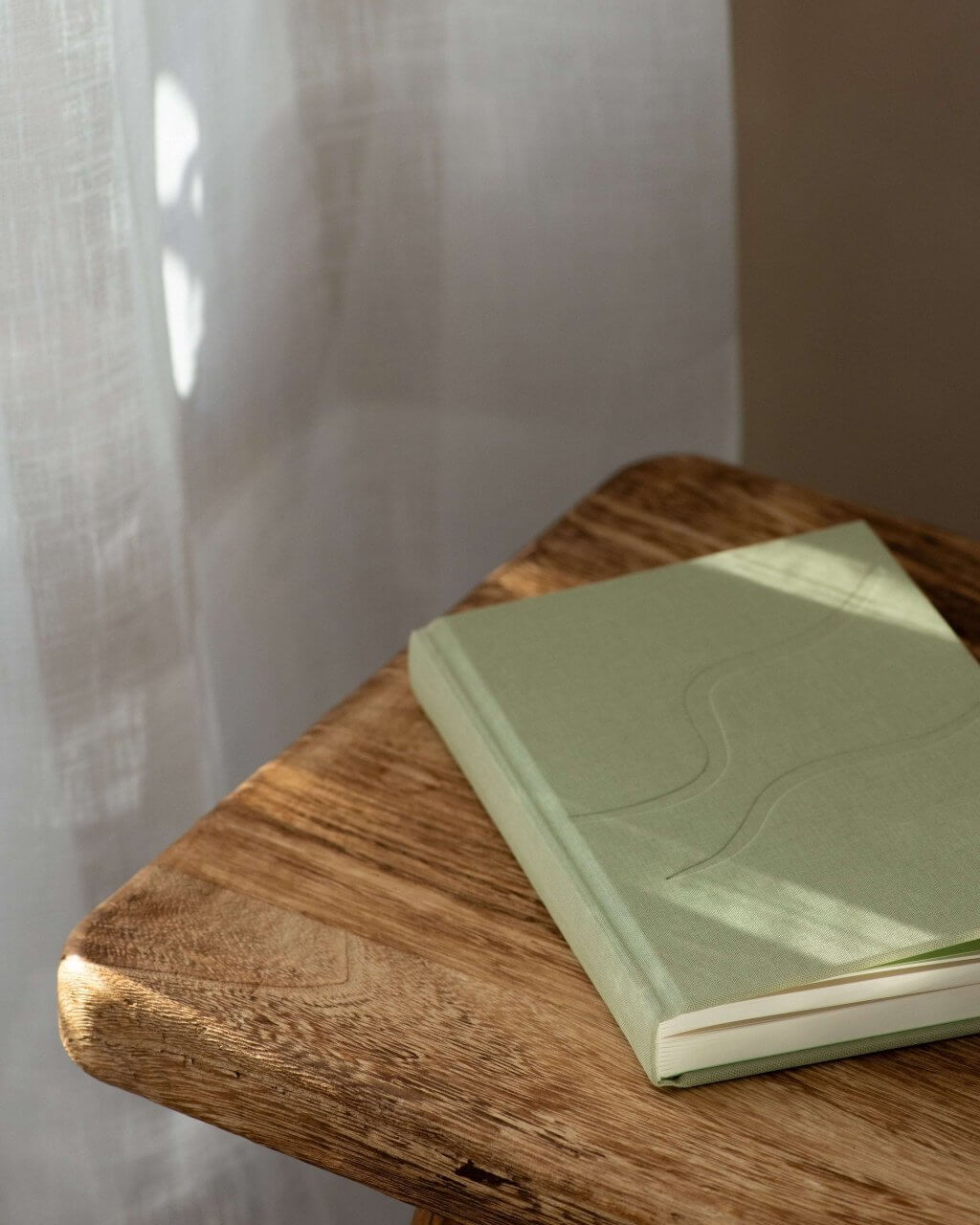
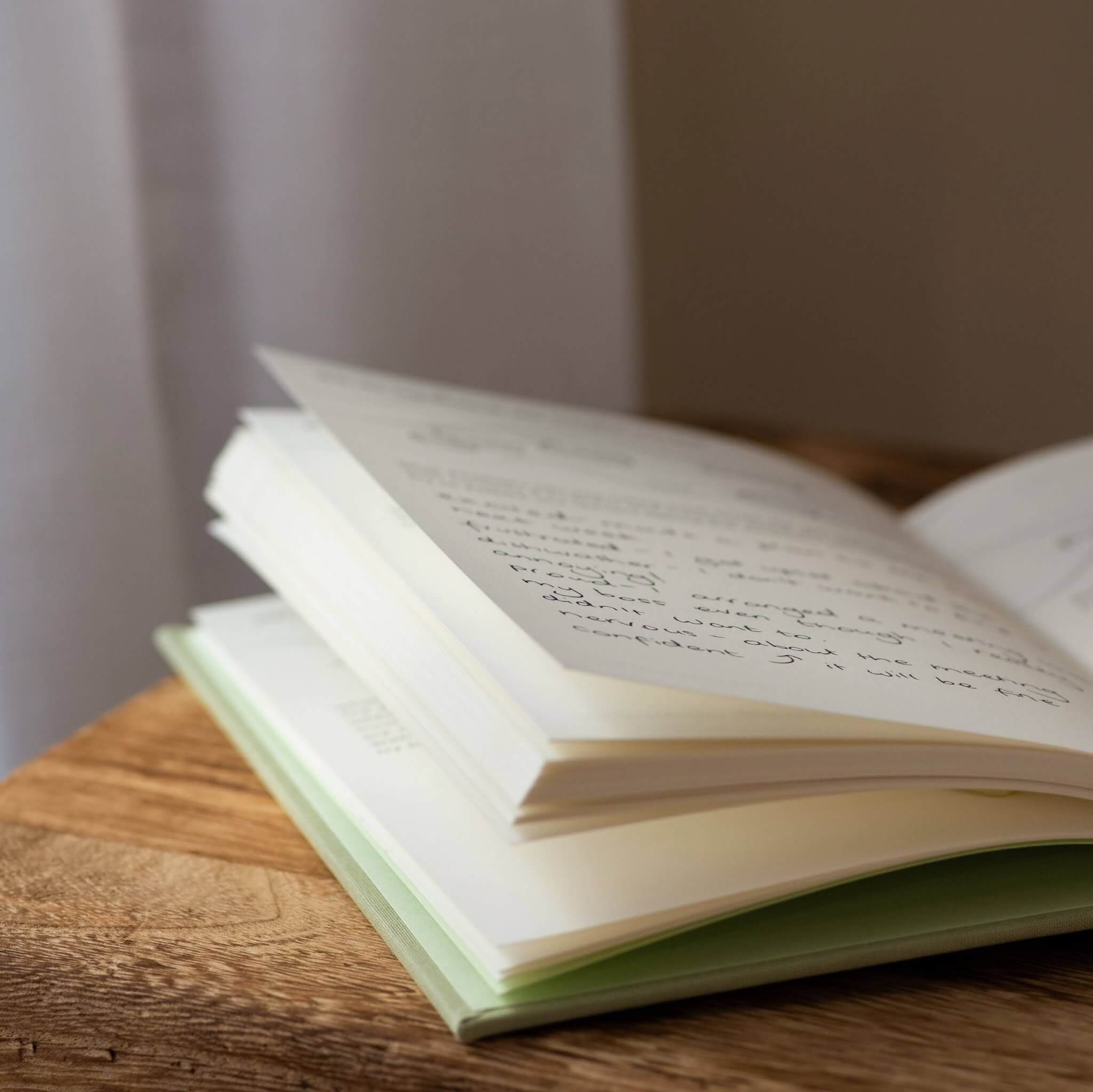
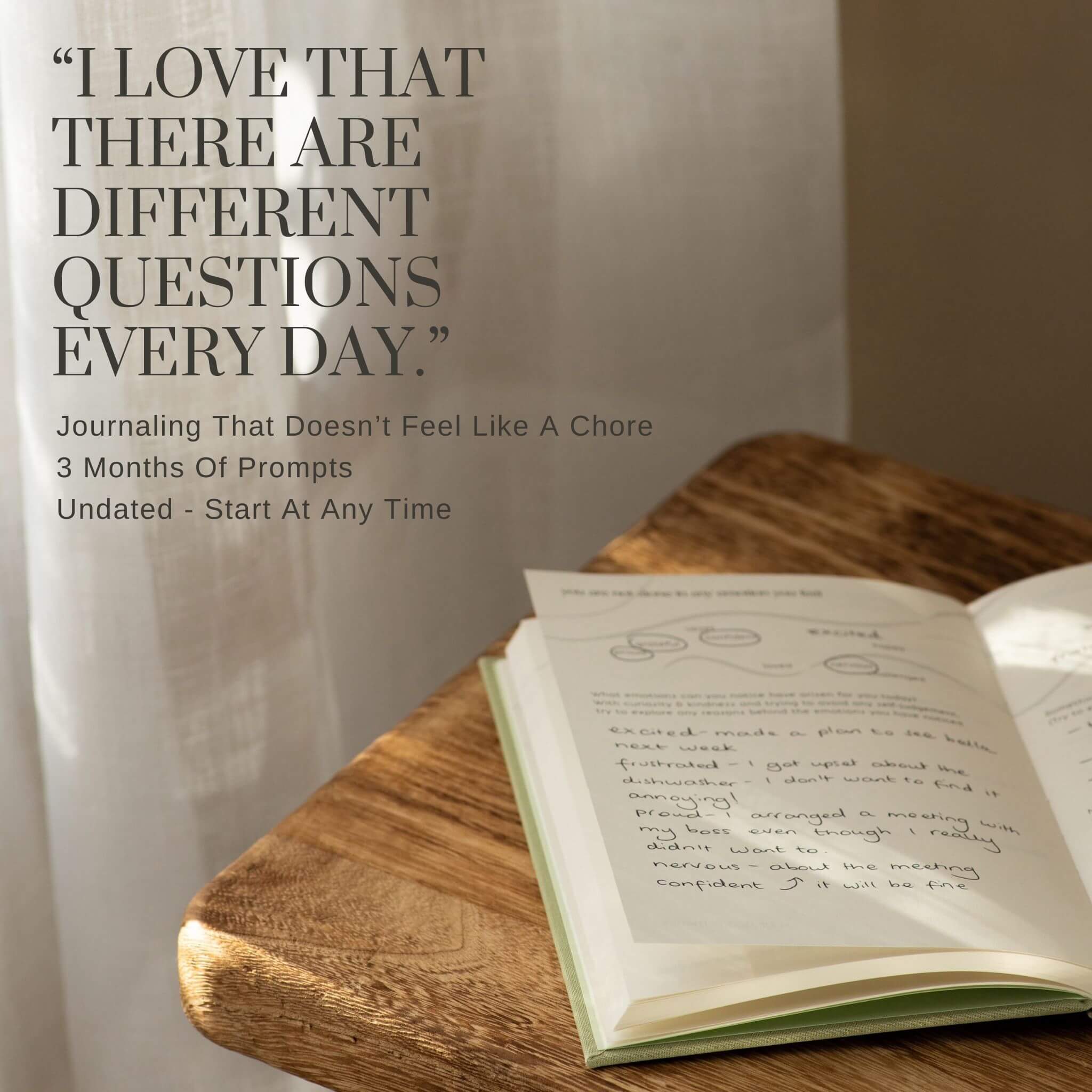
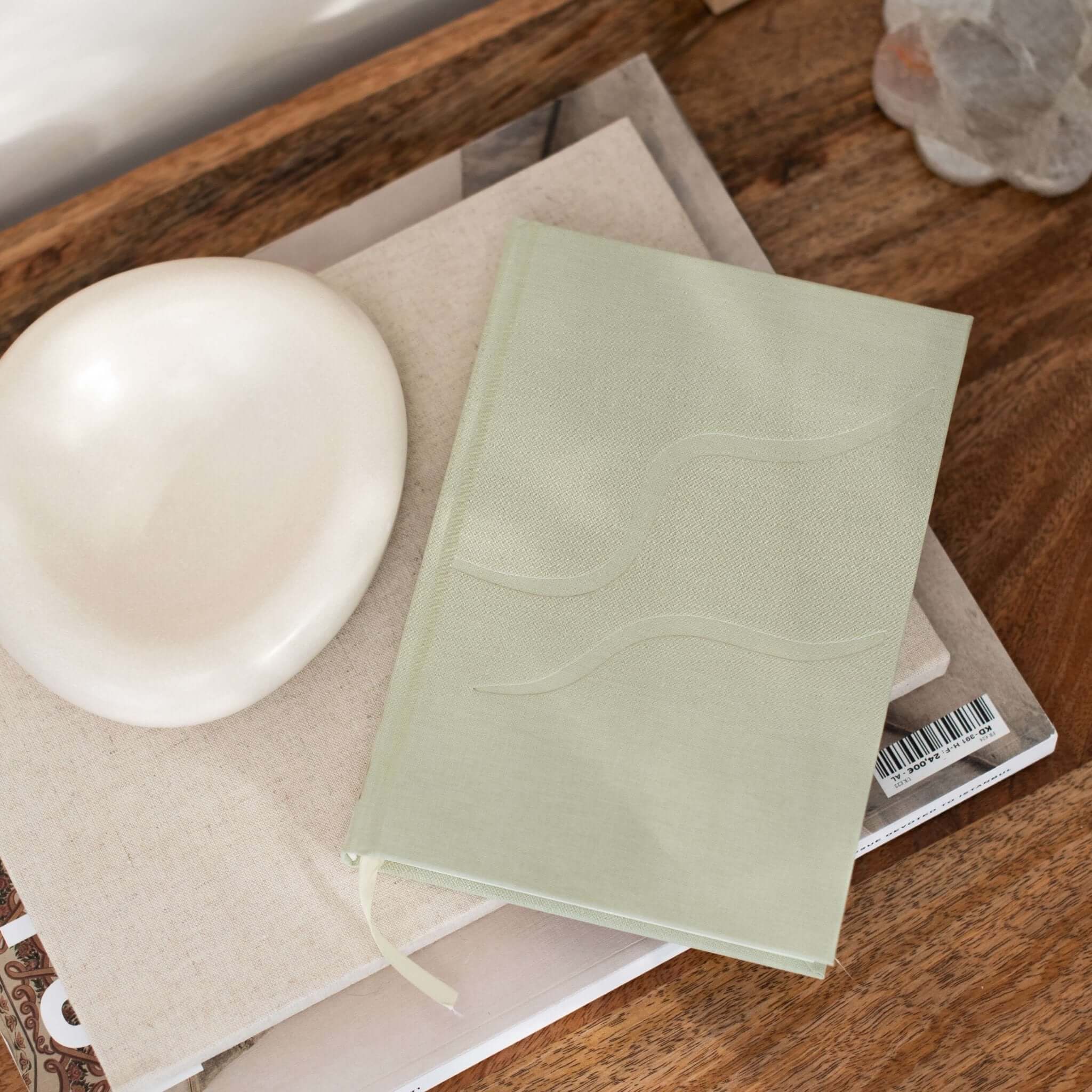
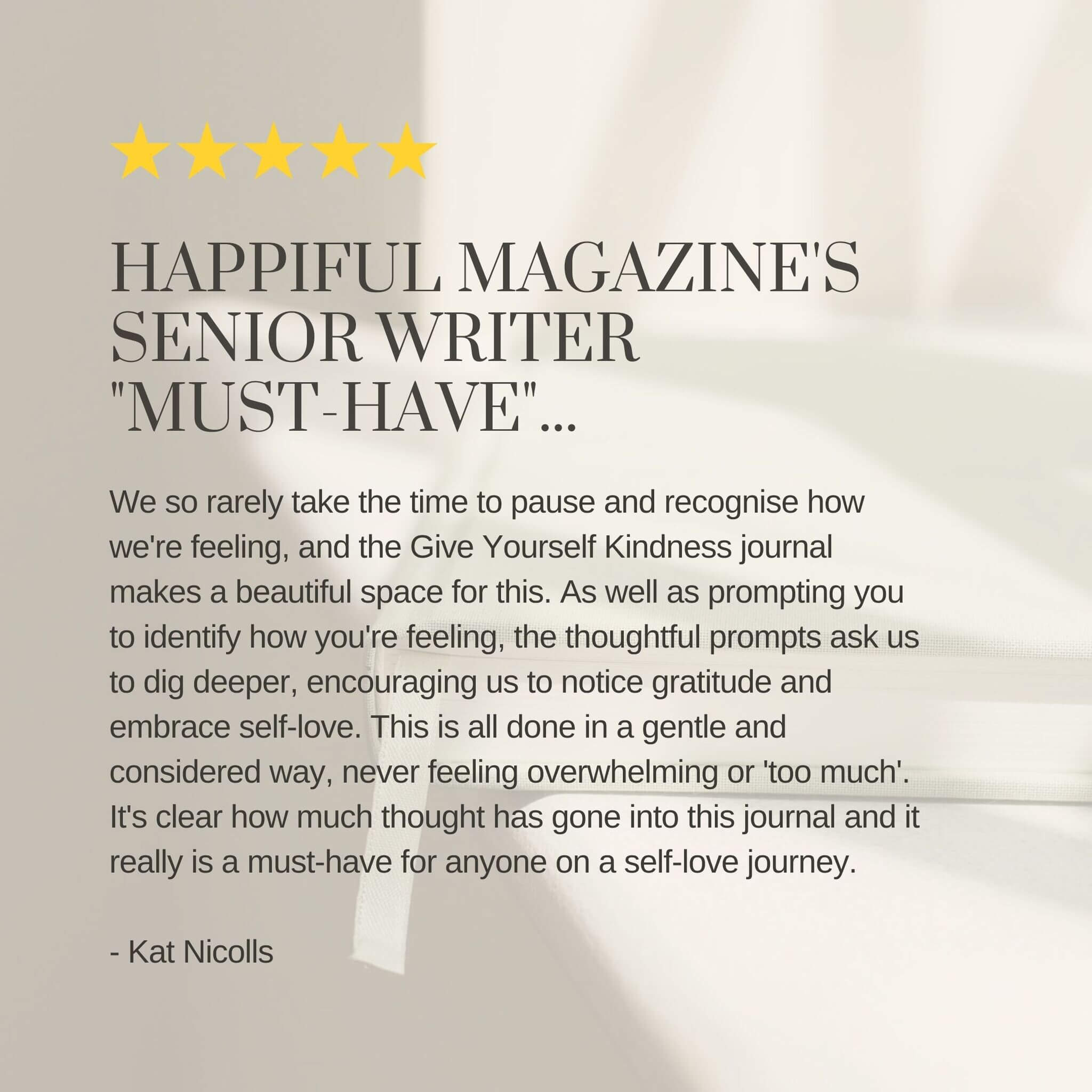
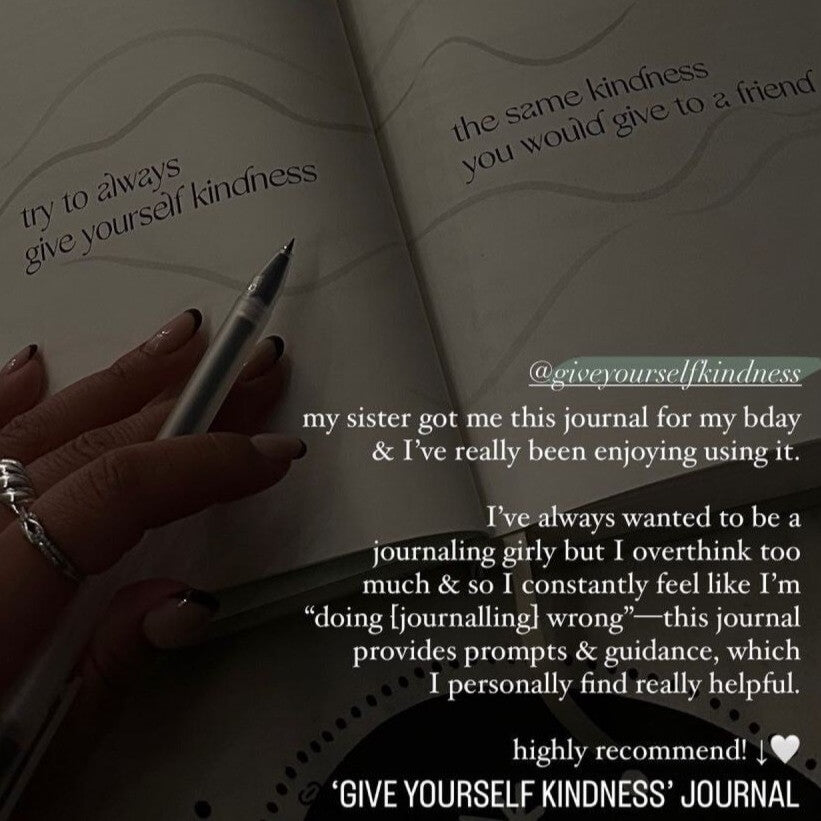
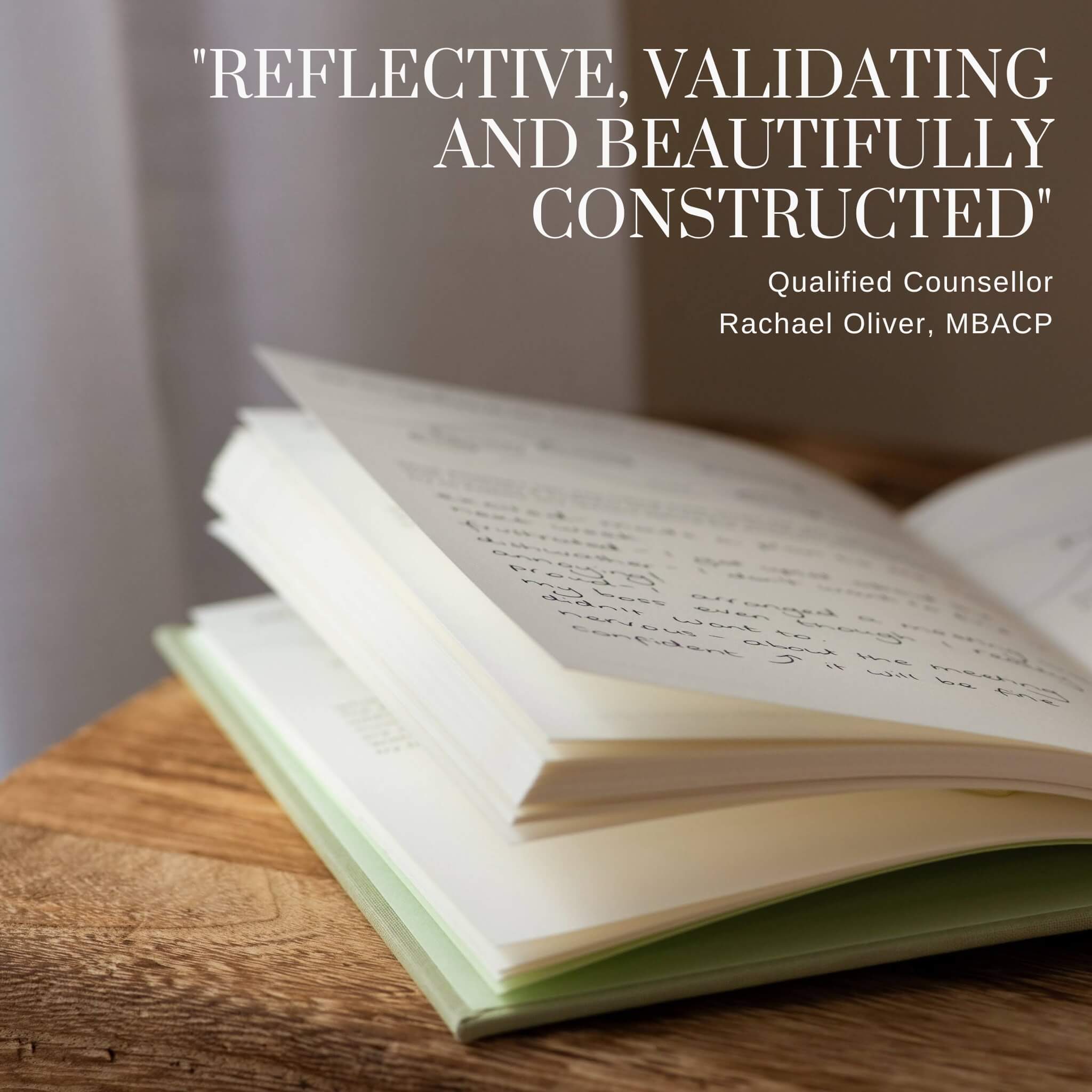
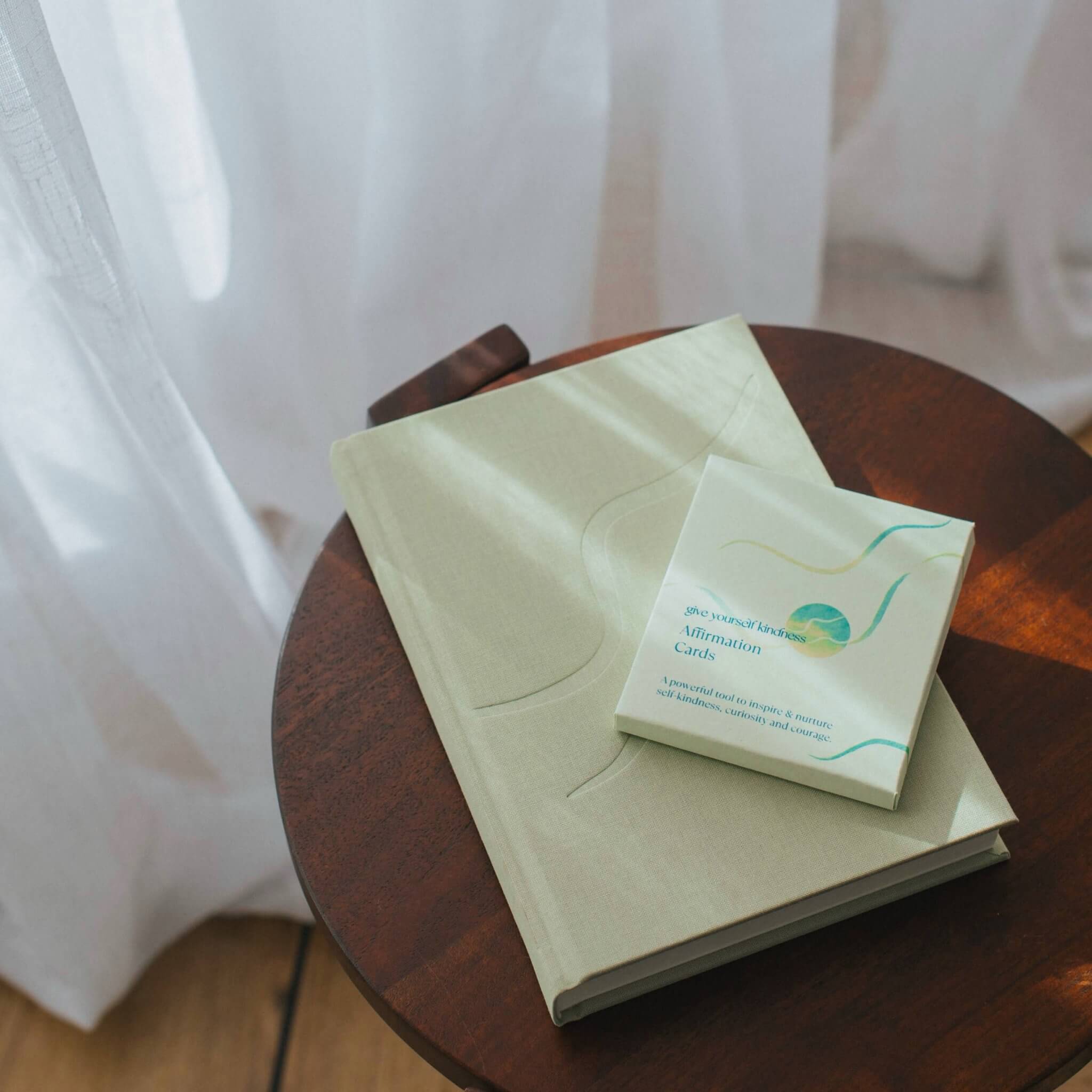
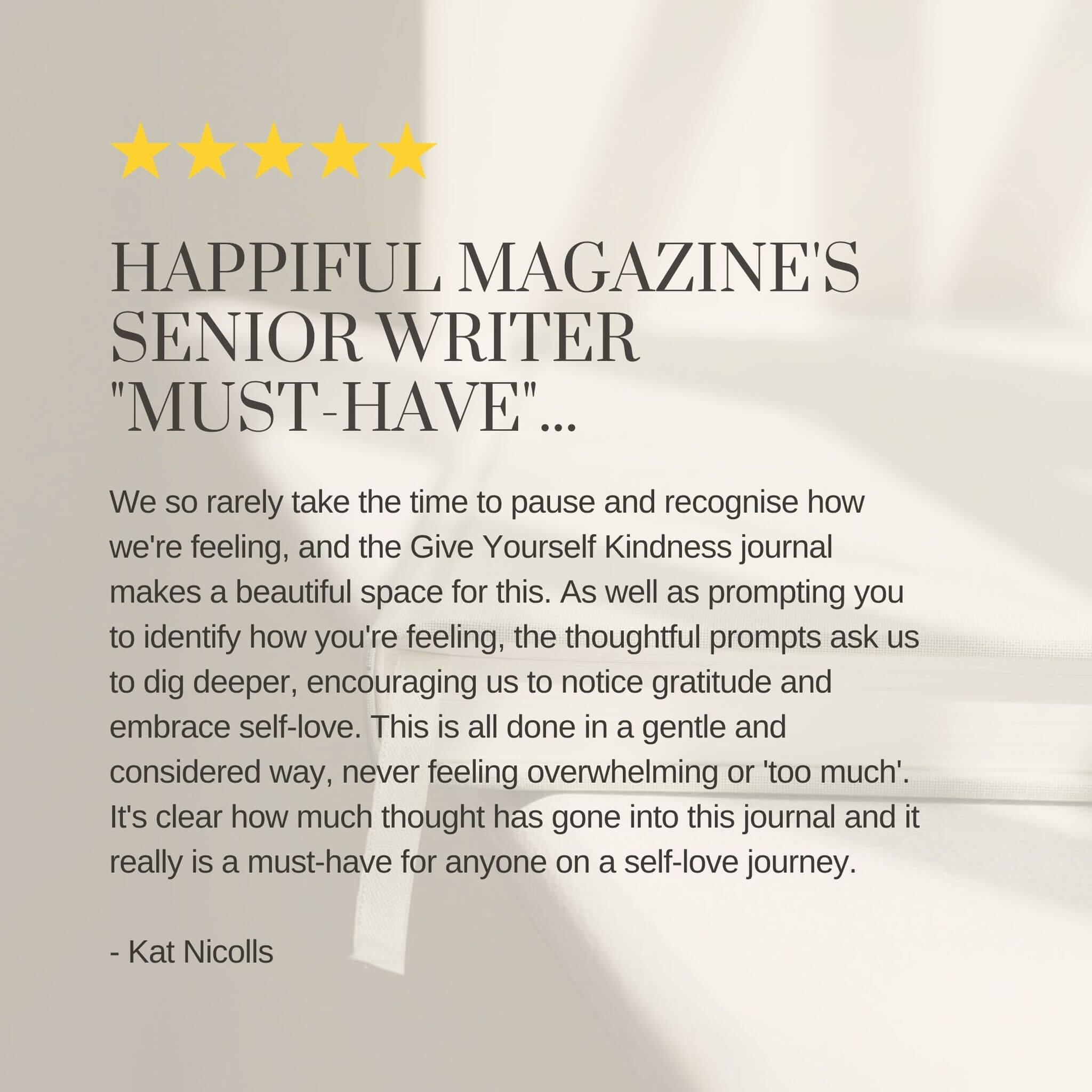
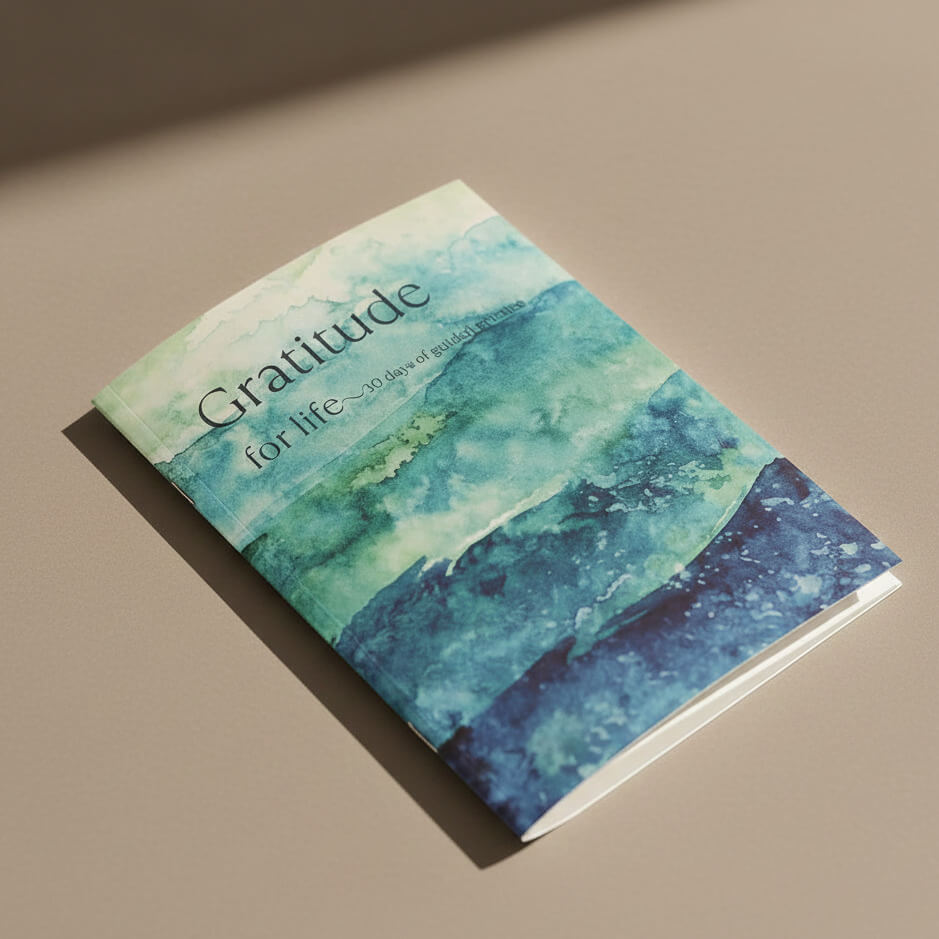
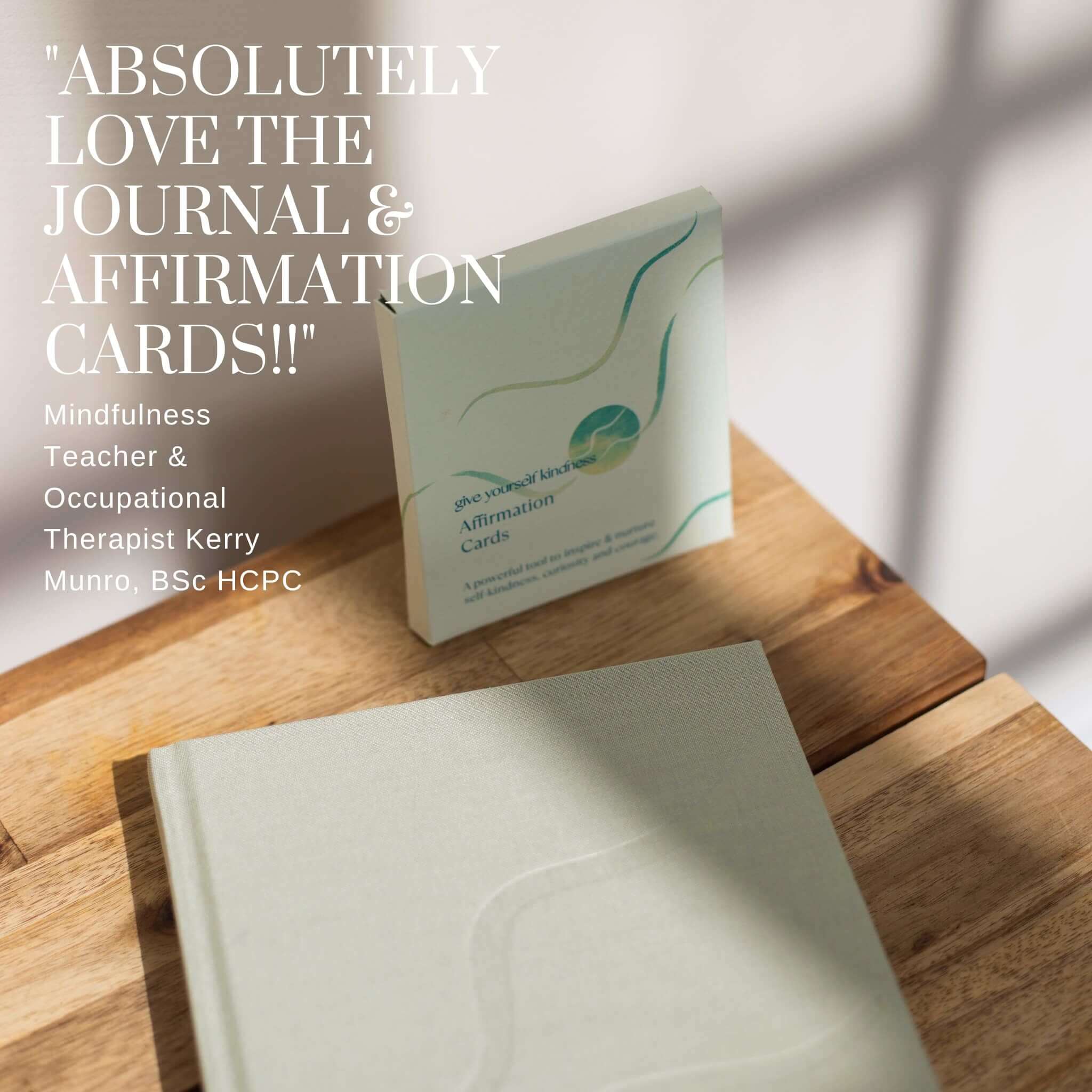
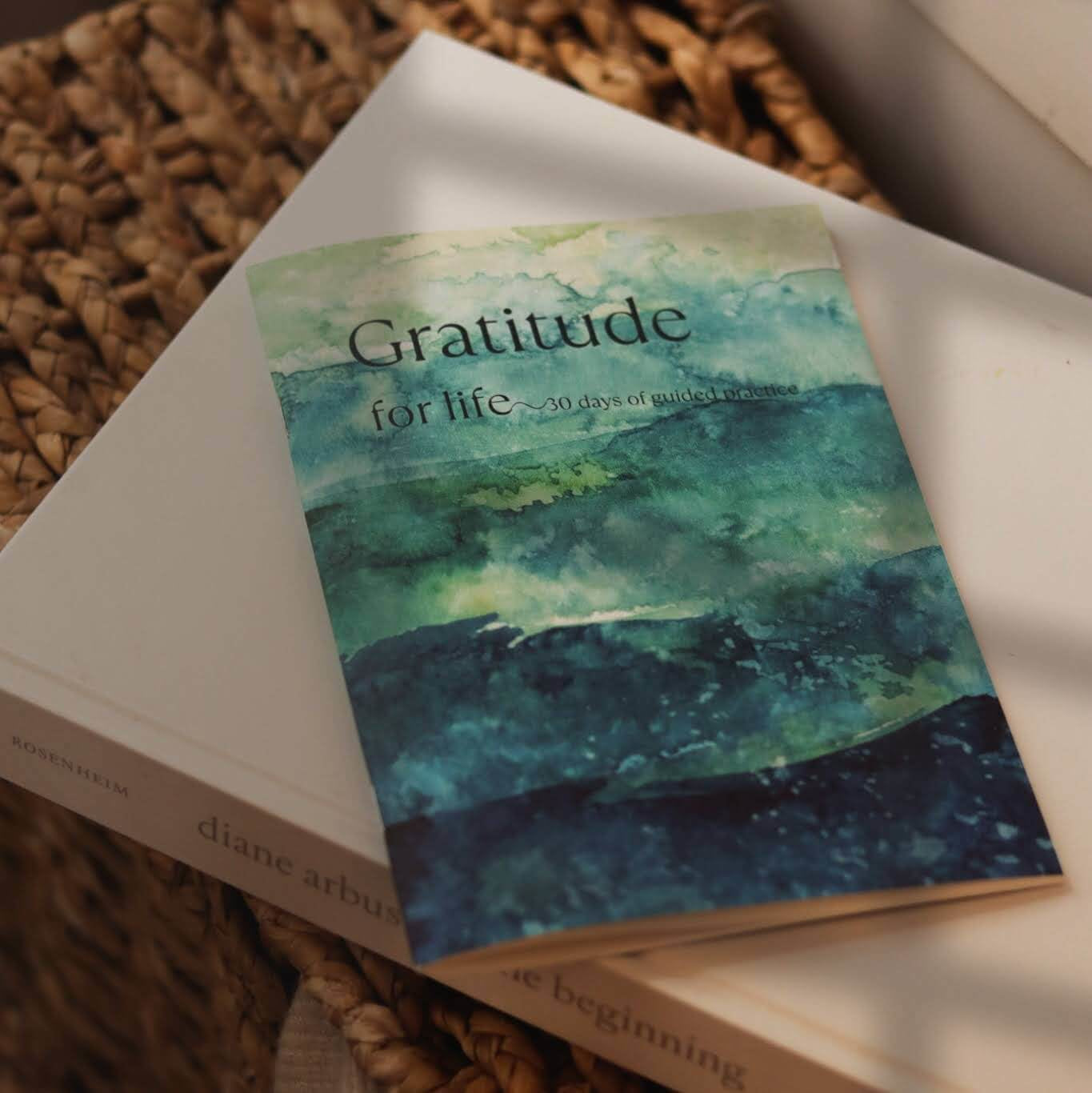
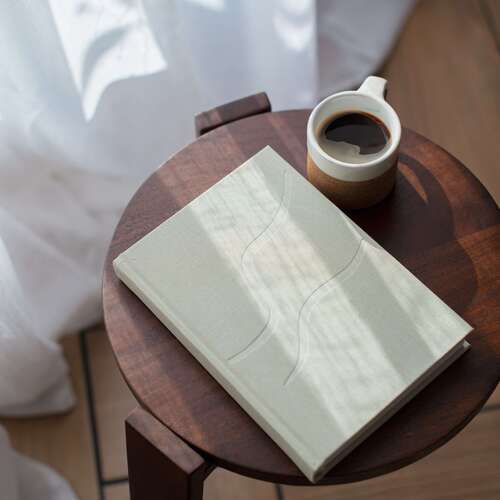
- The Give Yourself Kindness Journal - Unique daily prompts recommended and used by mental health professionals (£28.95)
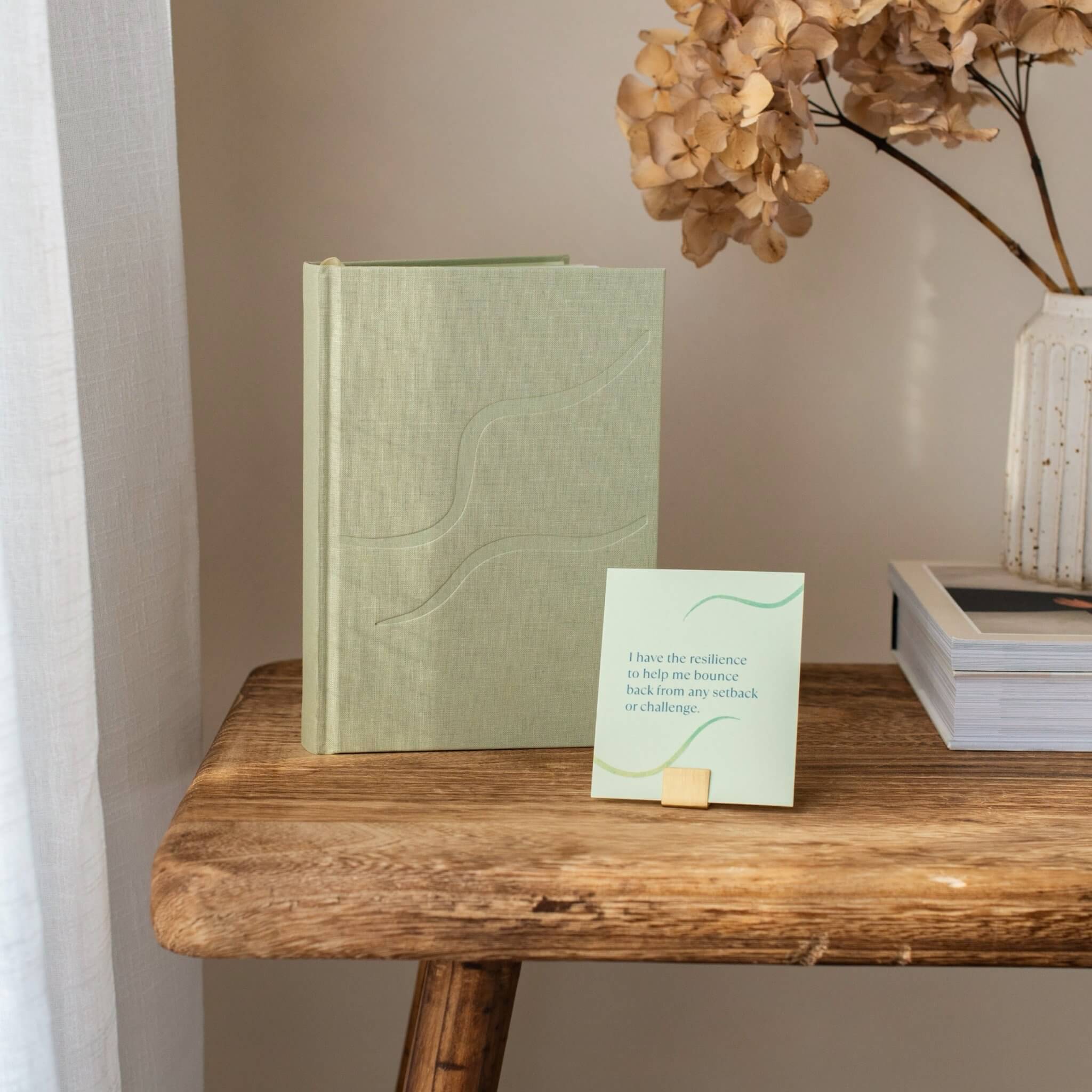
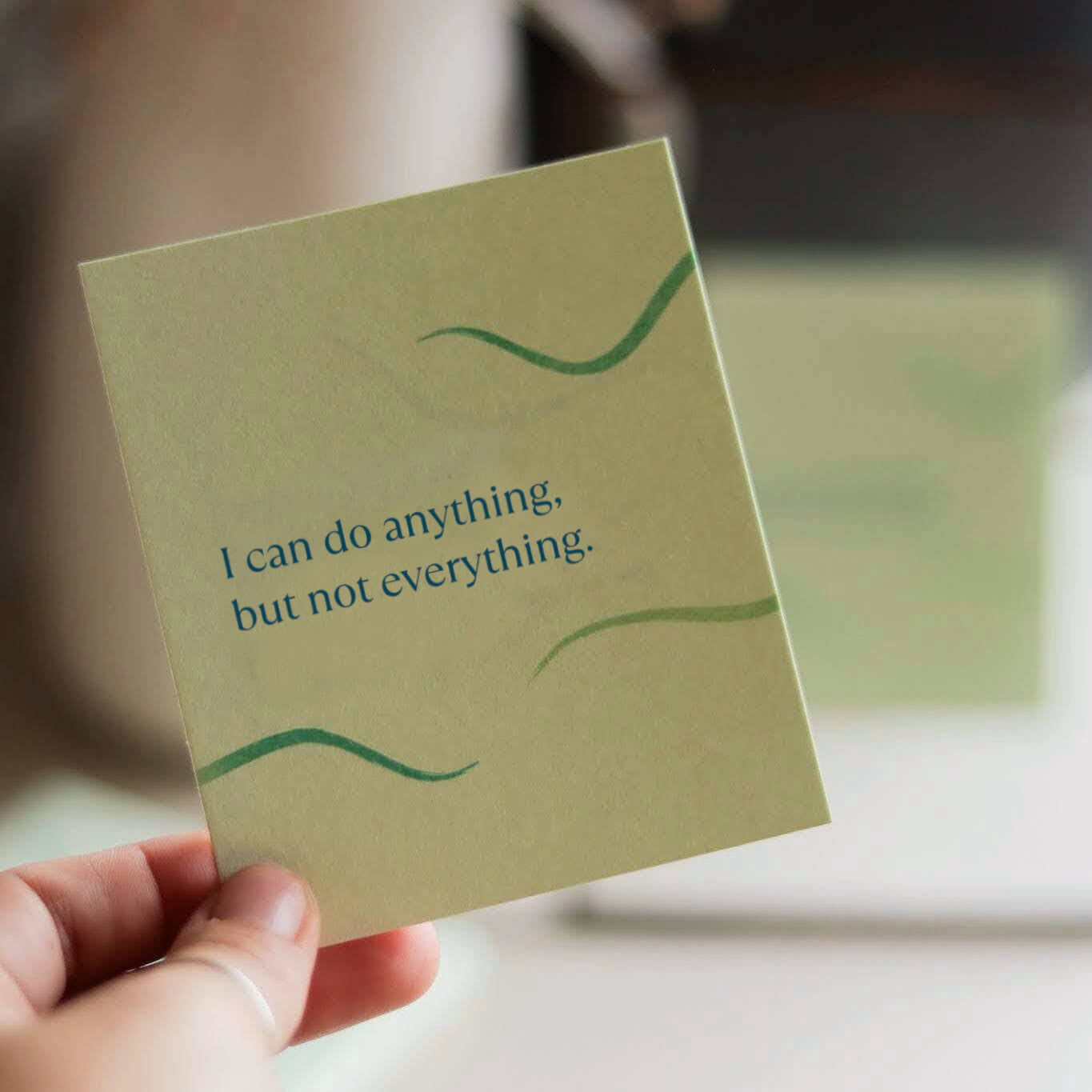
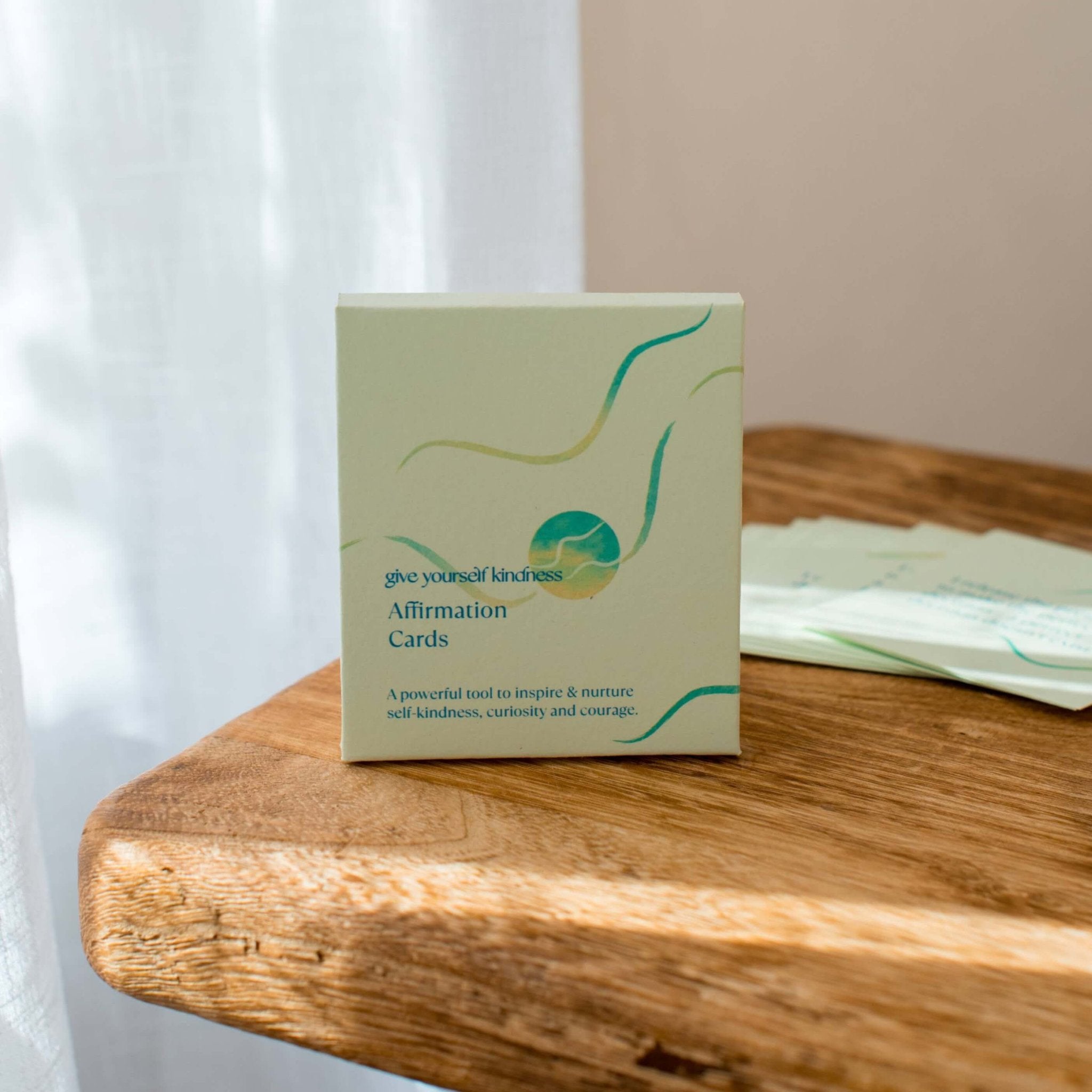
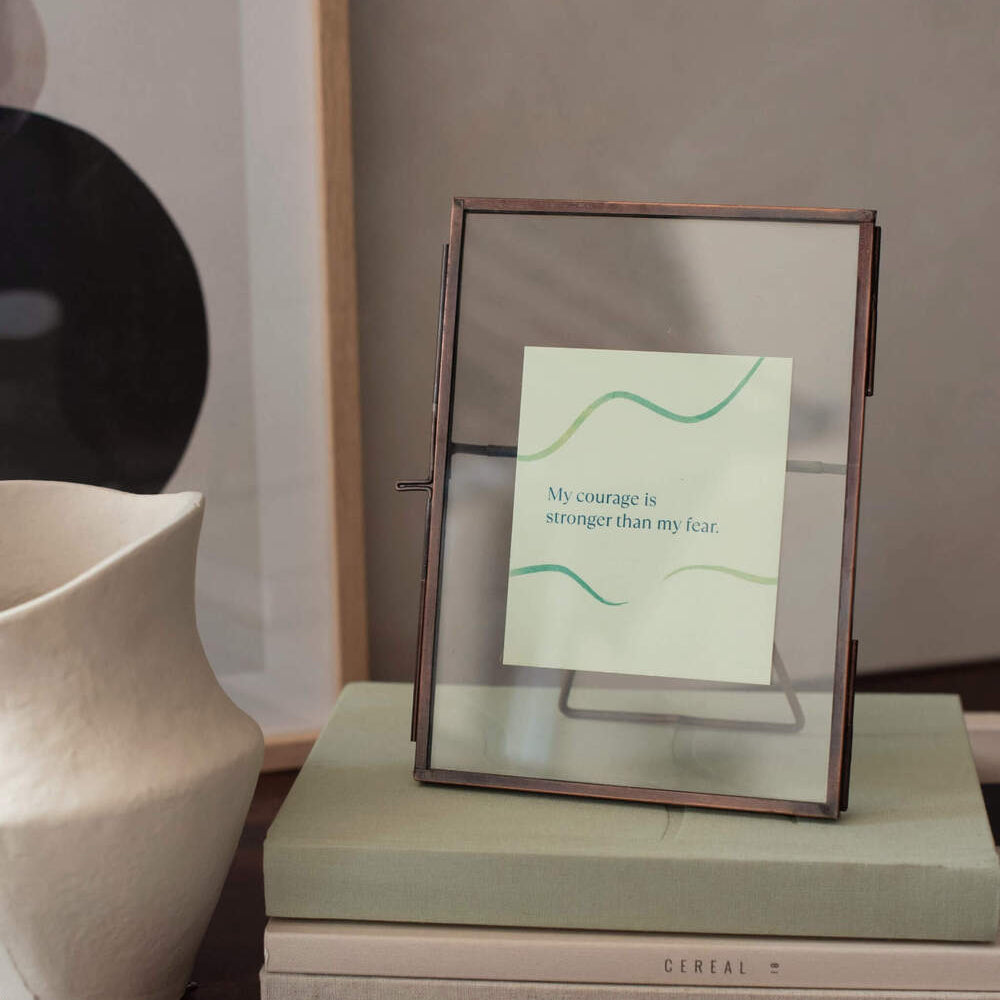
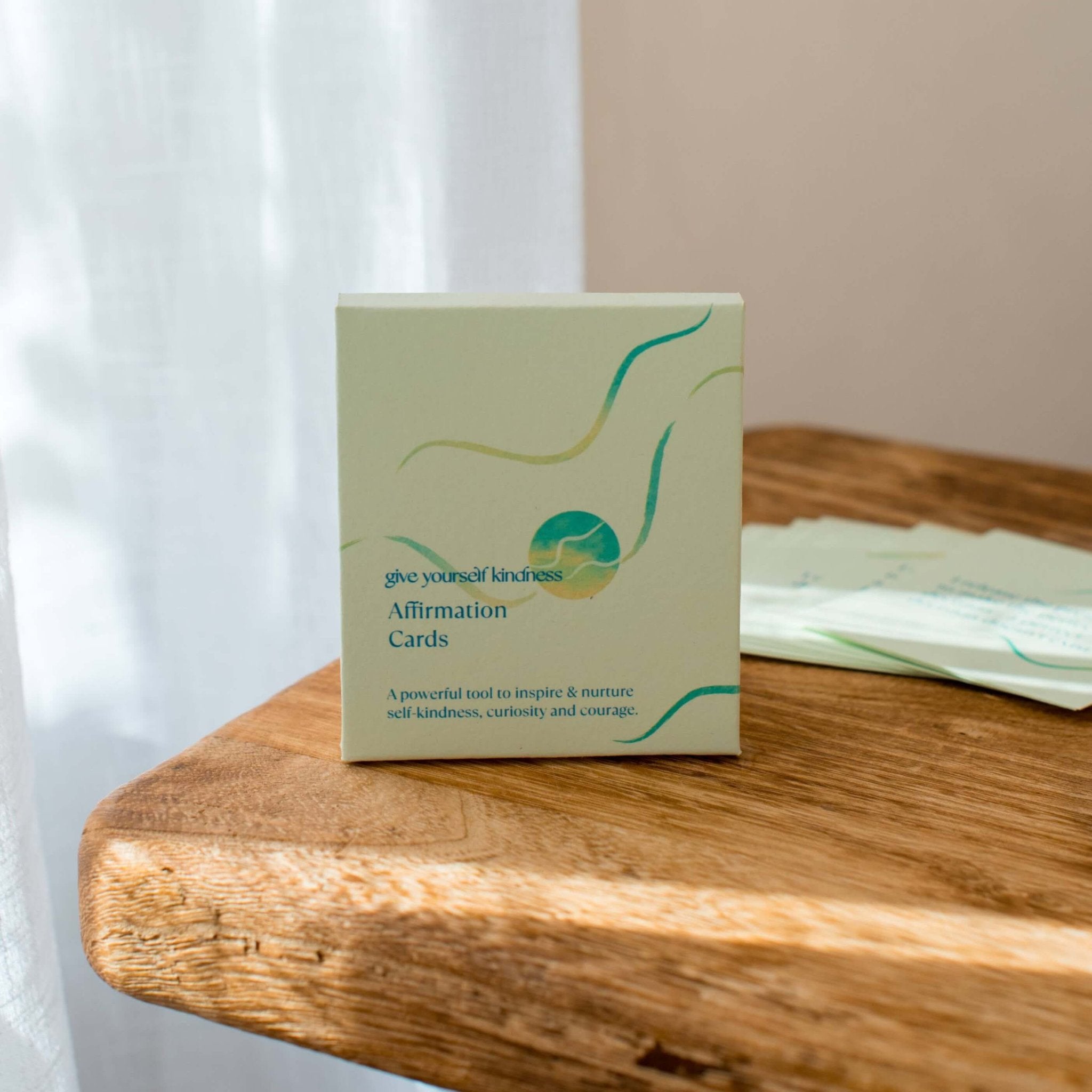
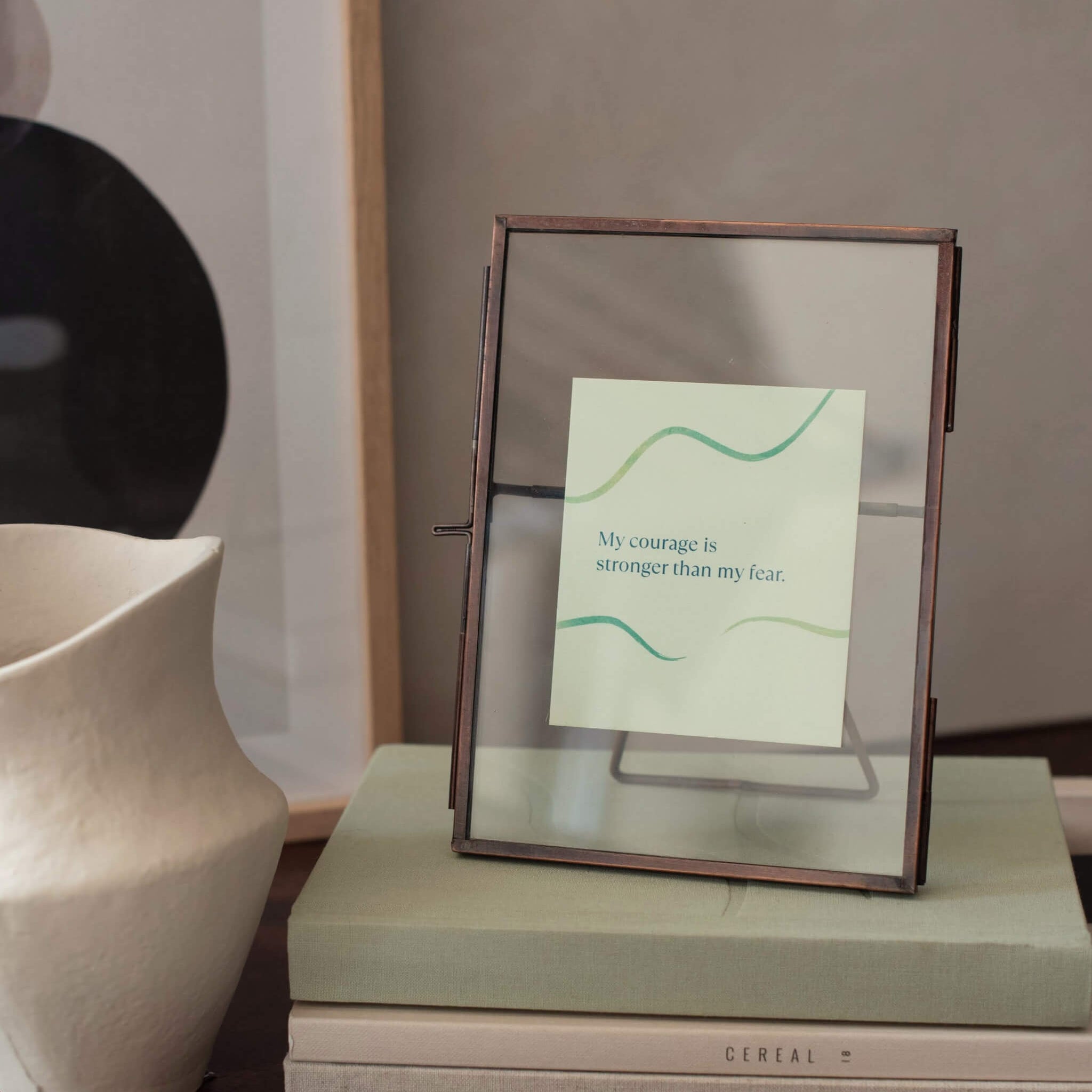
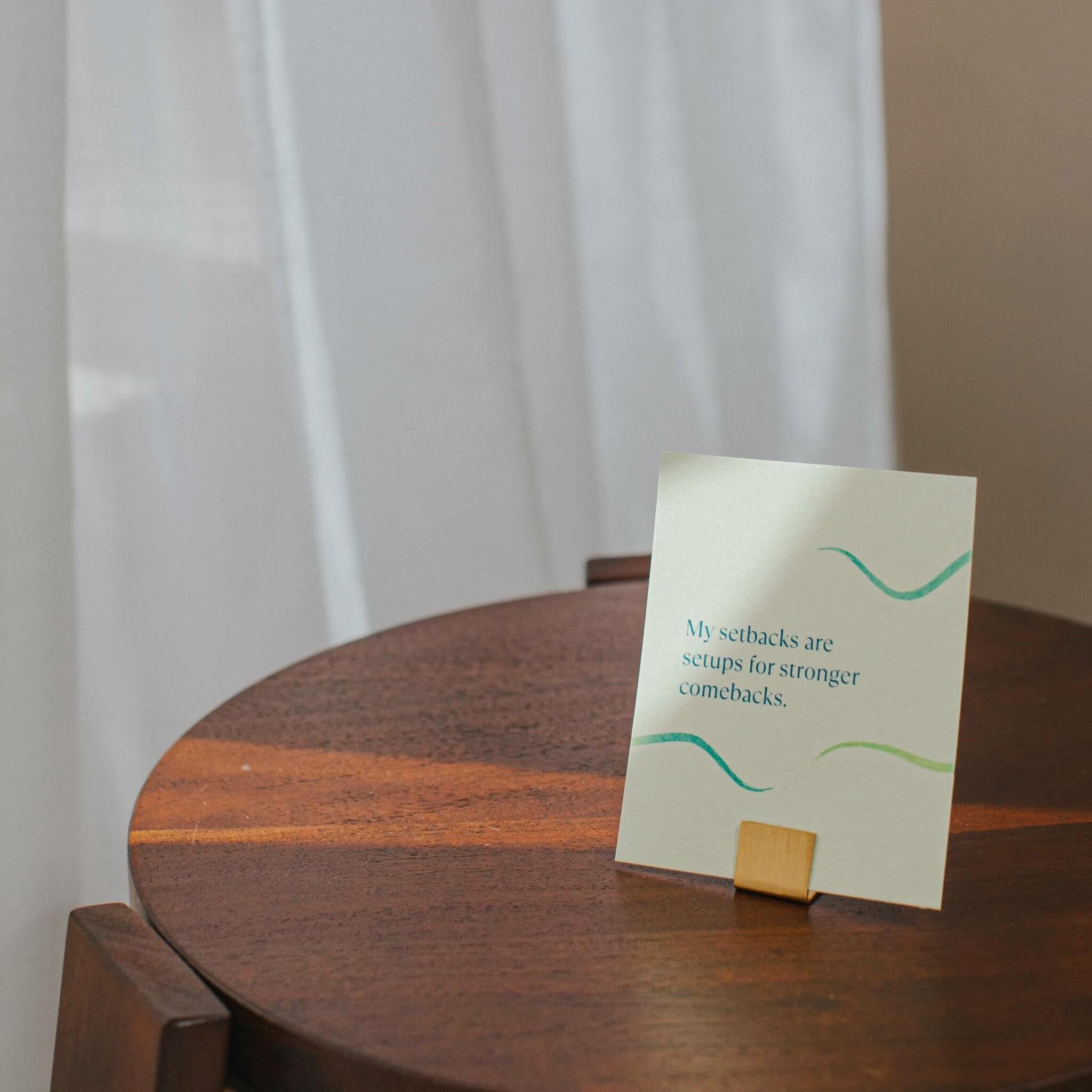
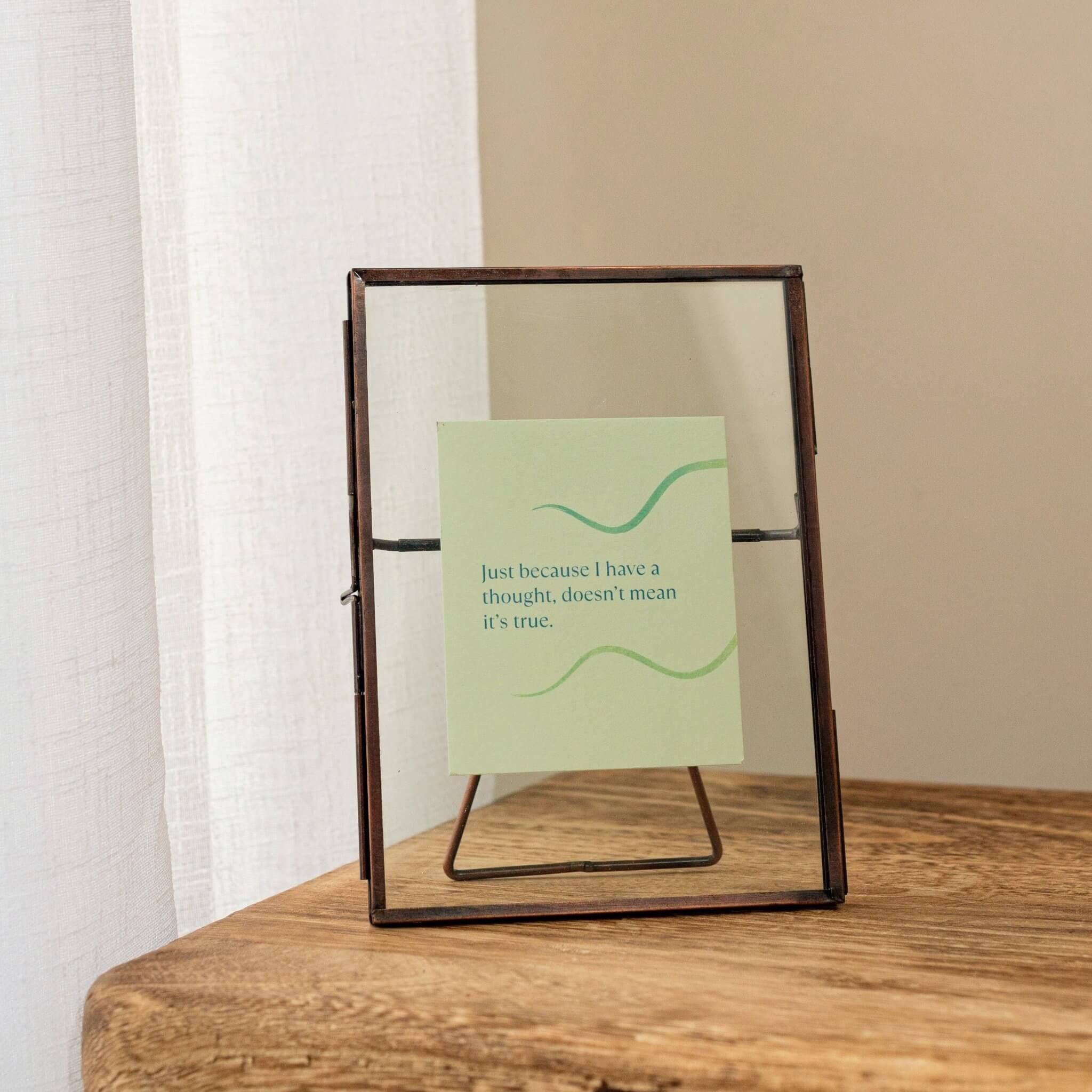
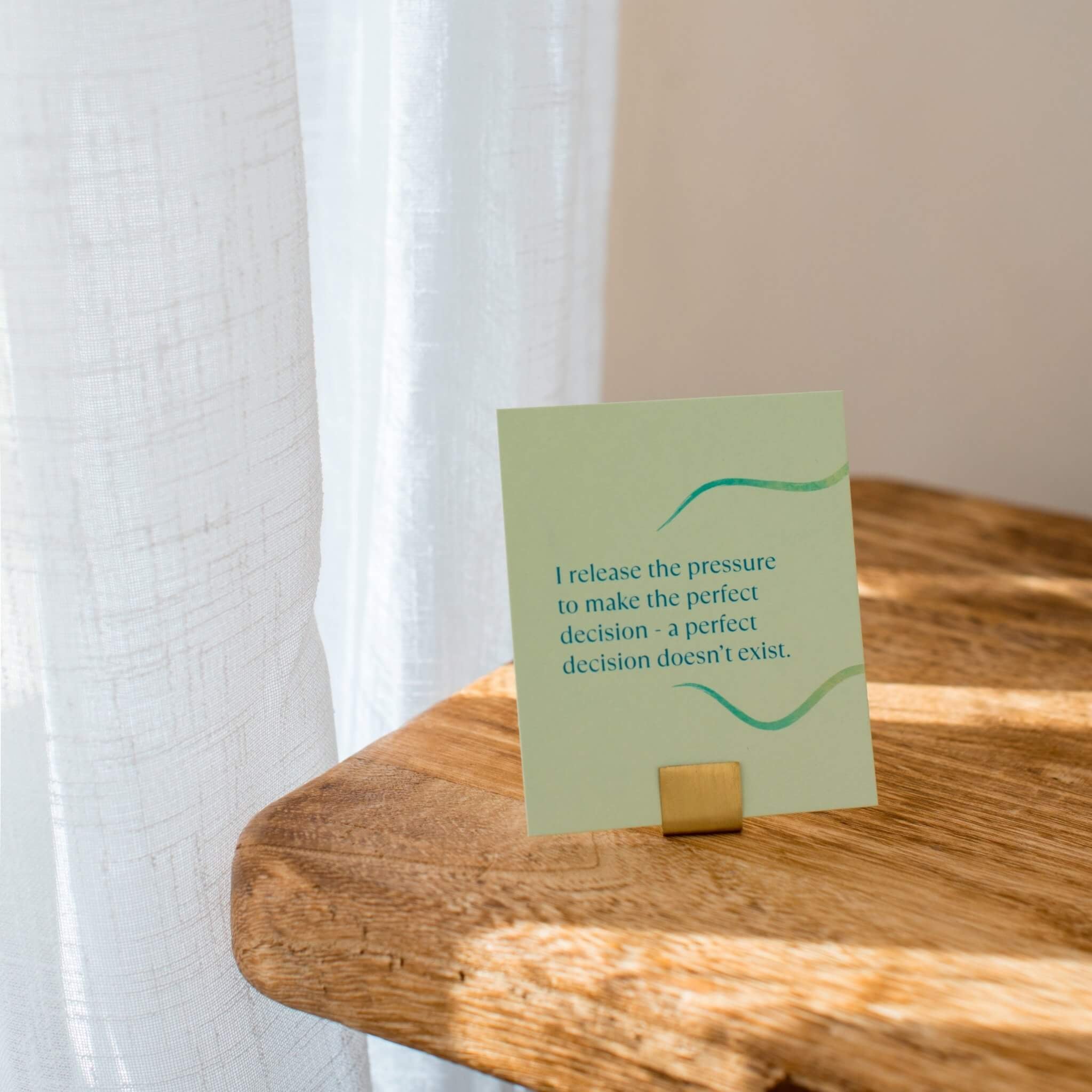
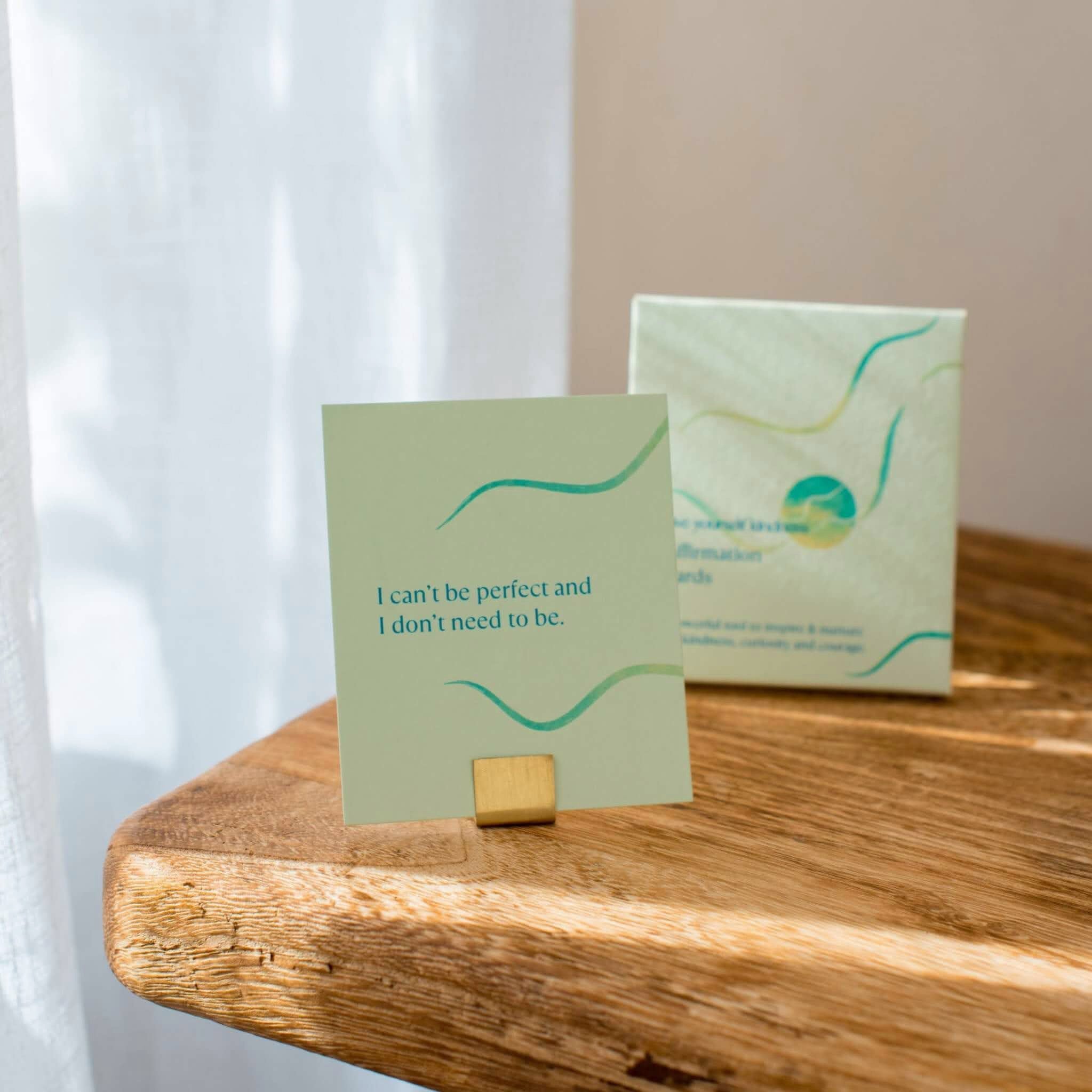
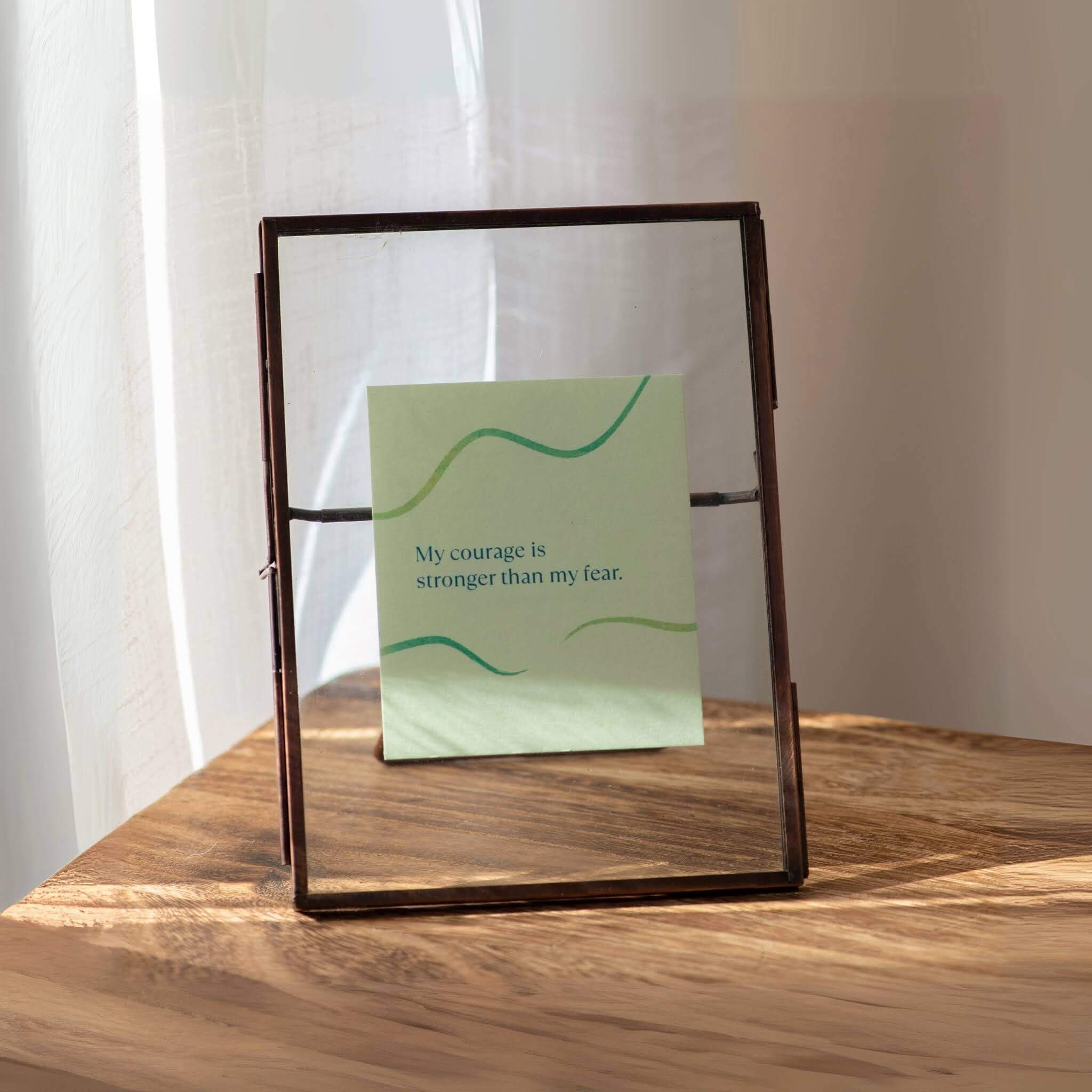
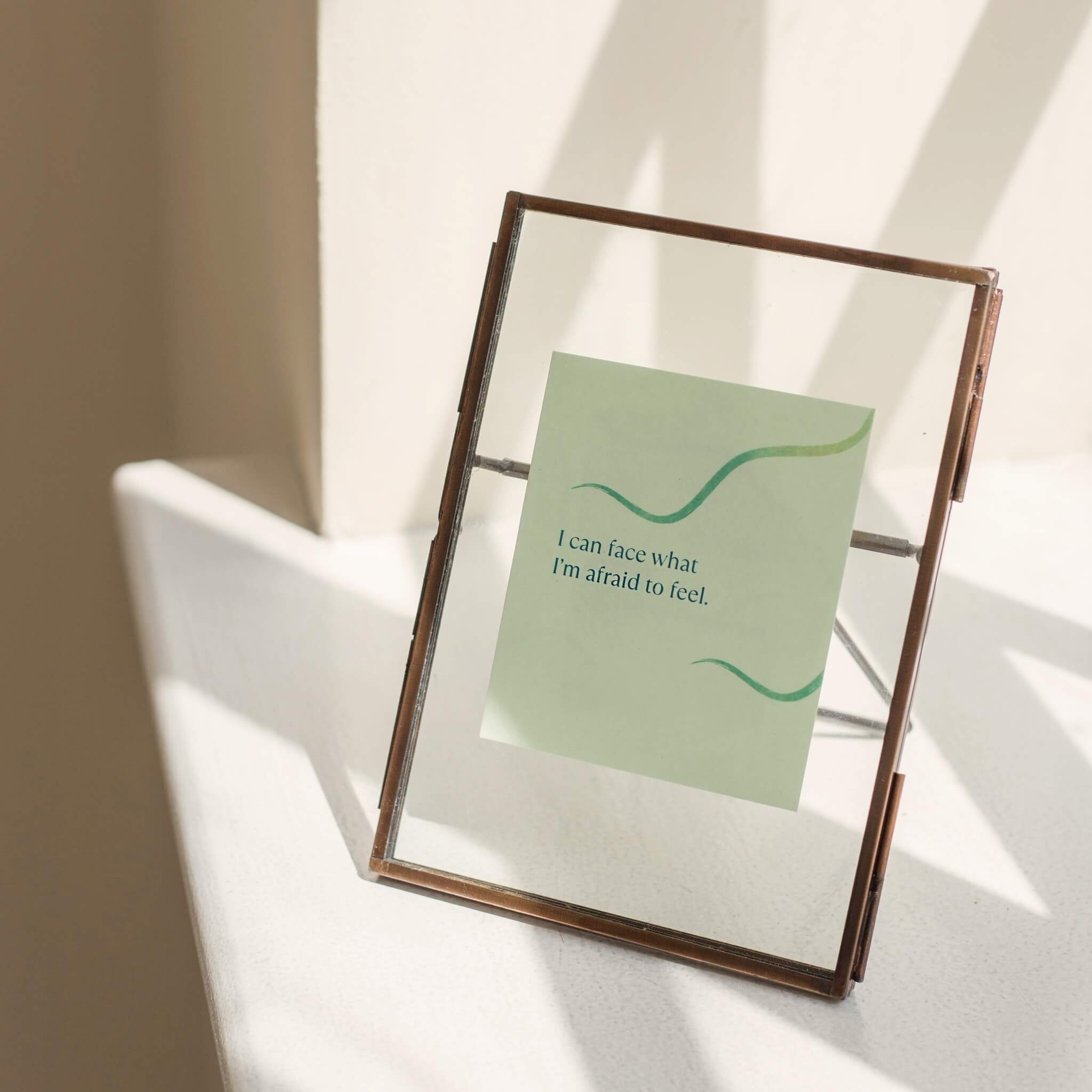
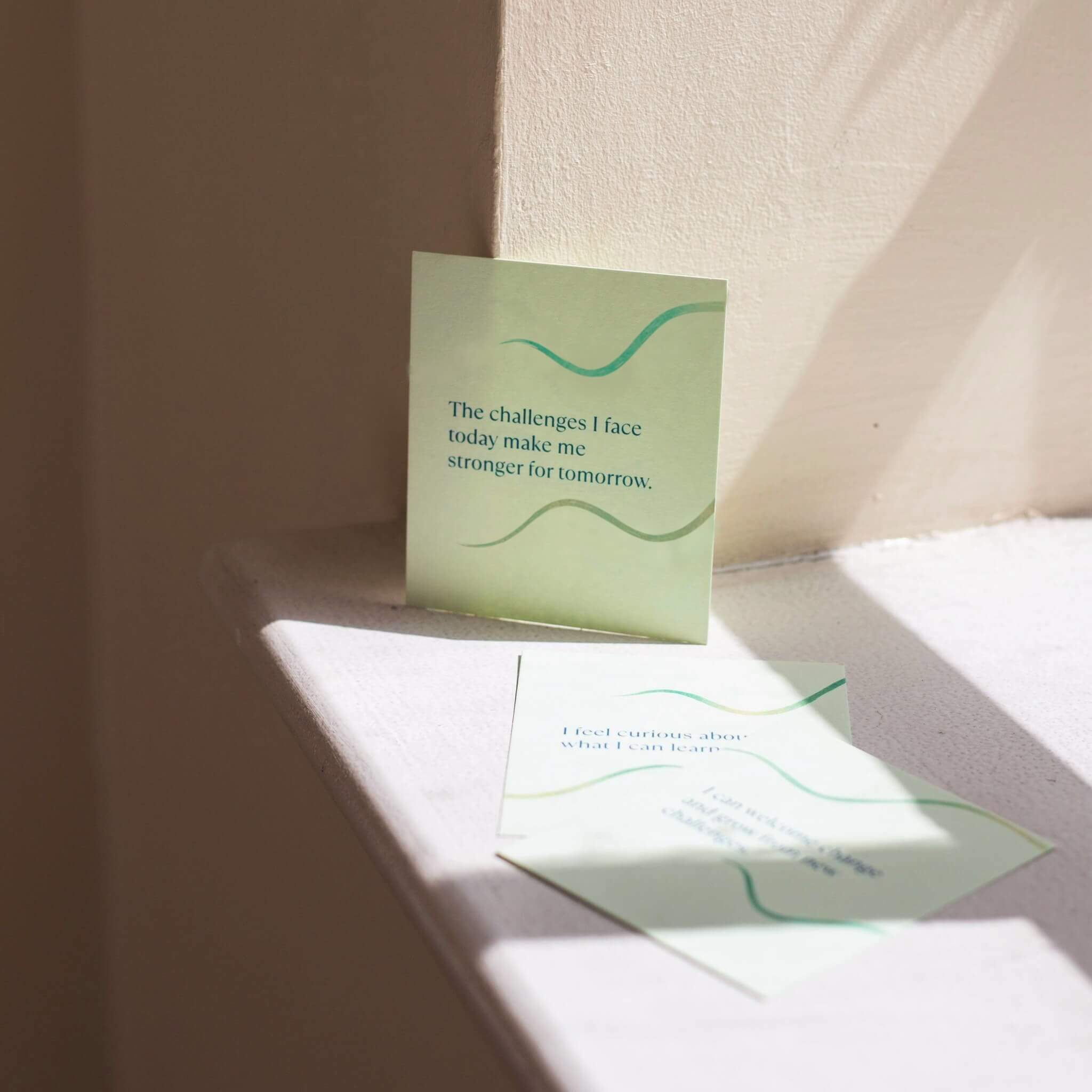
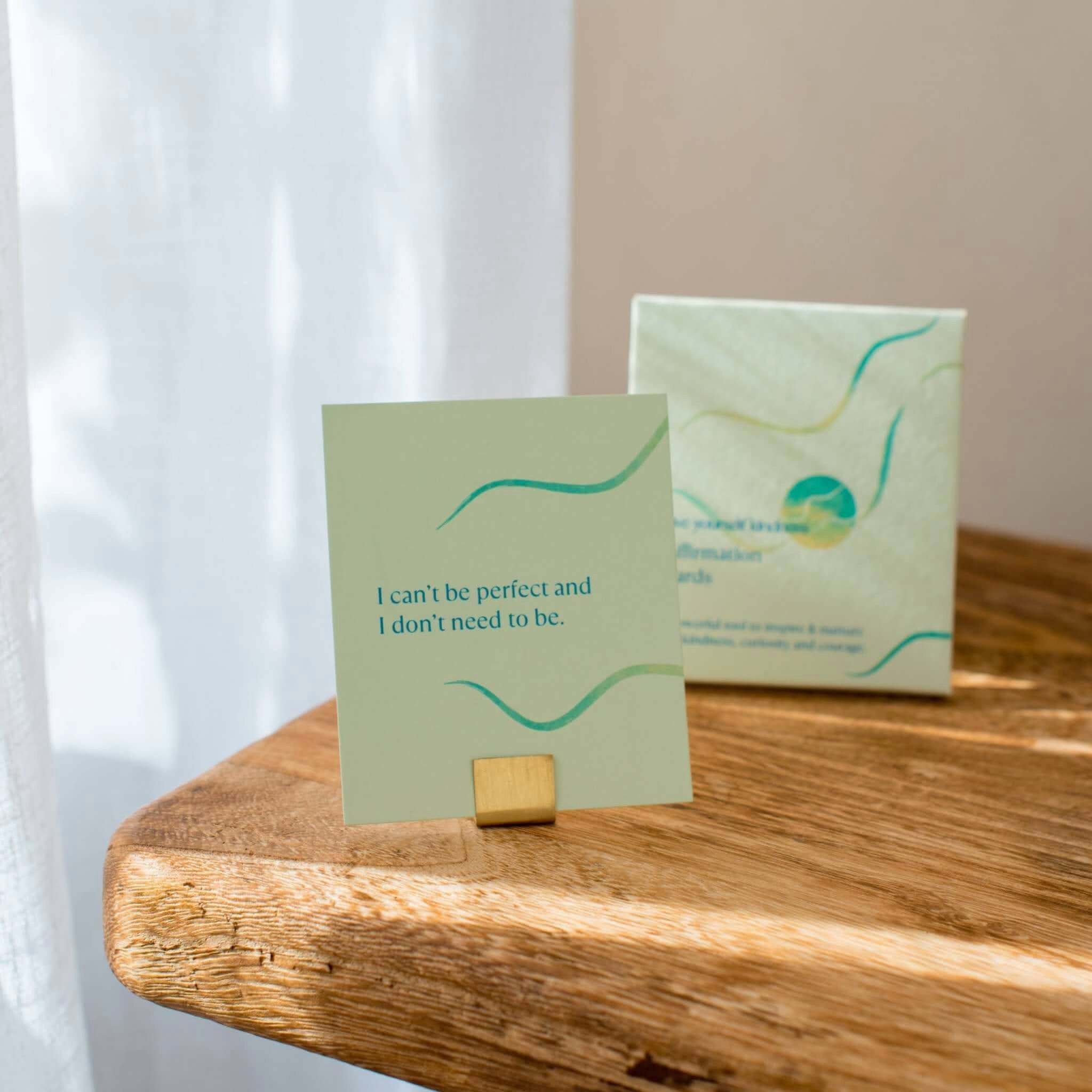
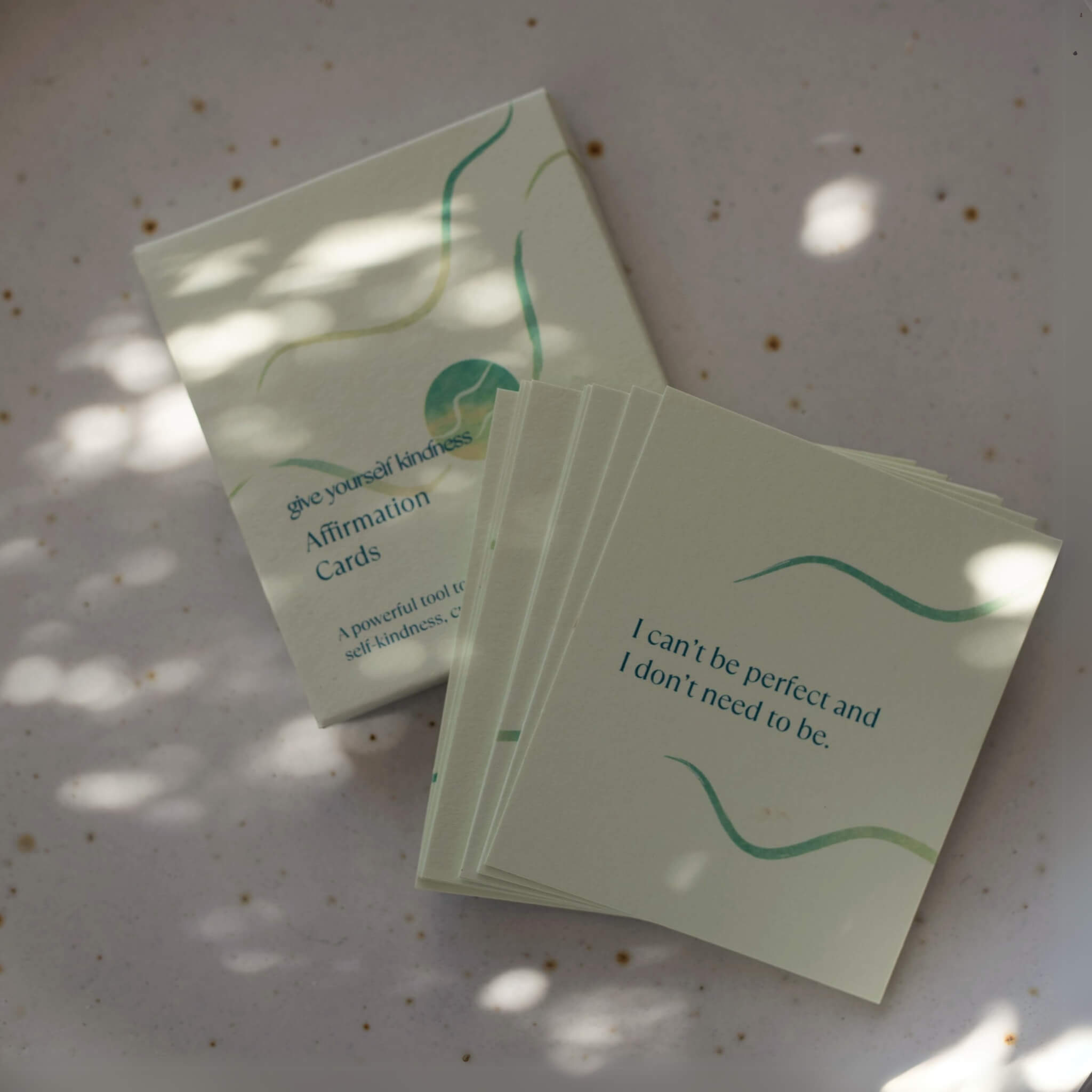
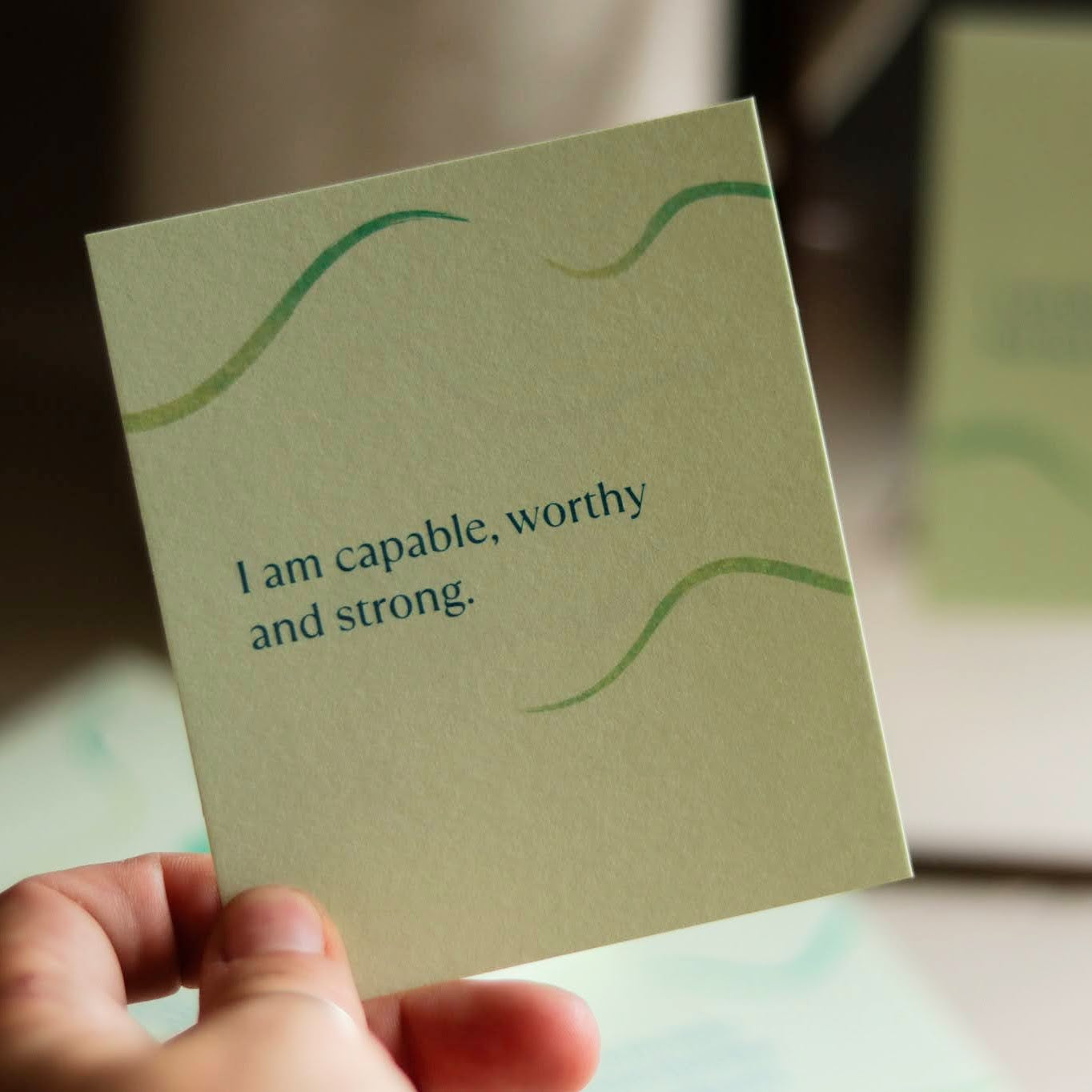
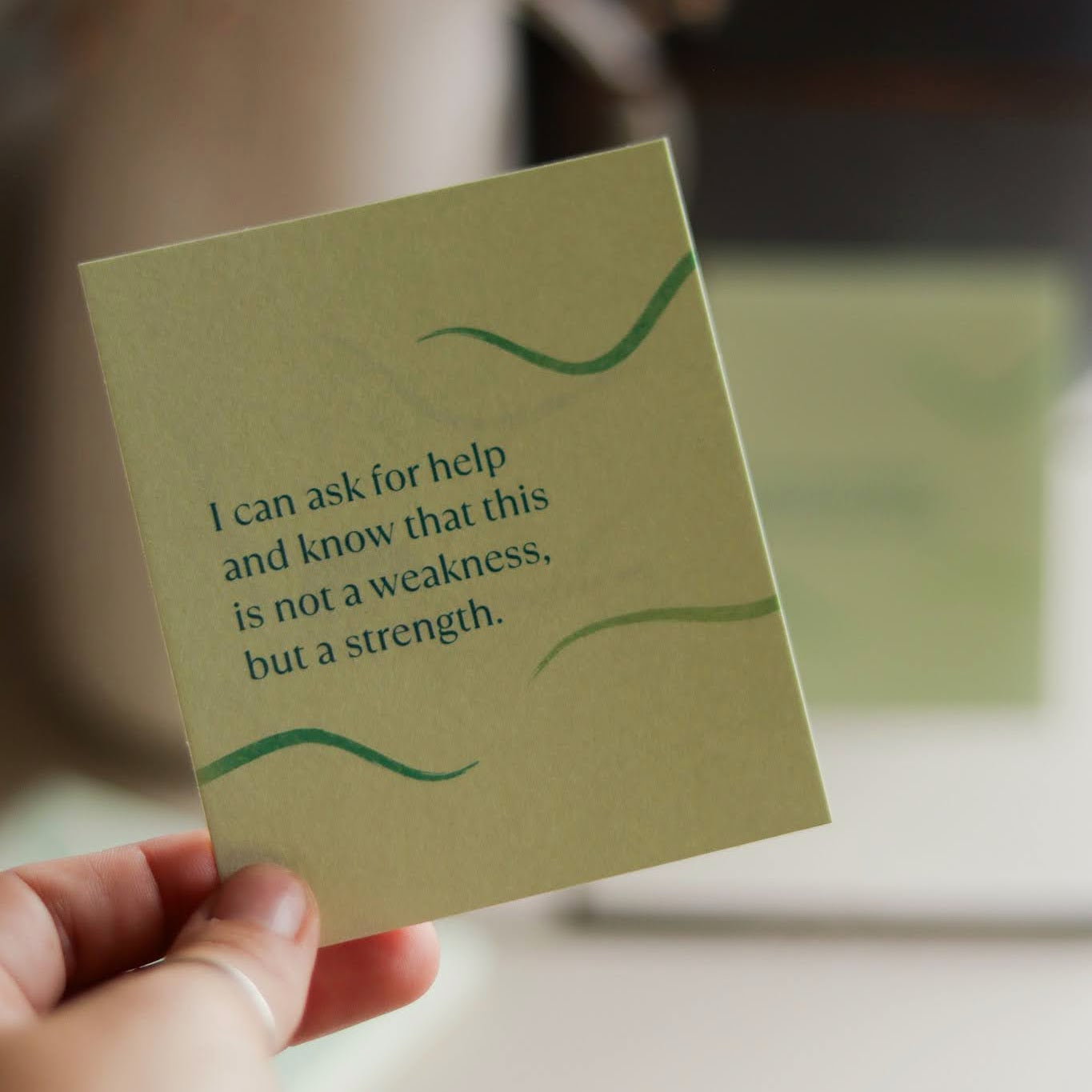
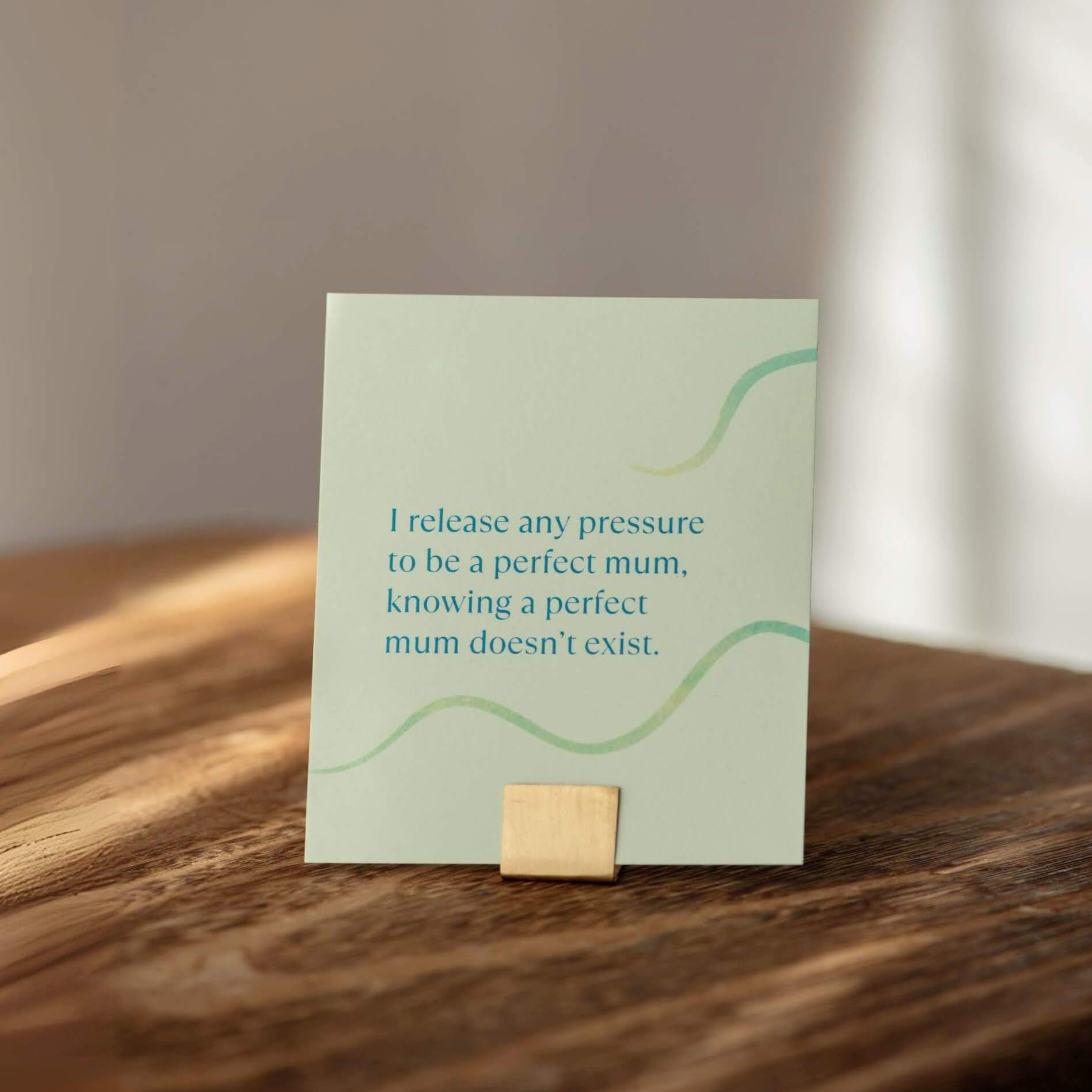
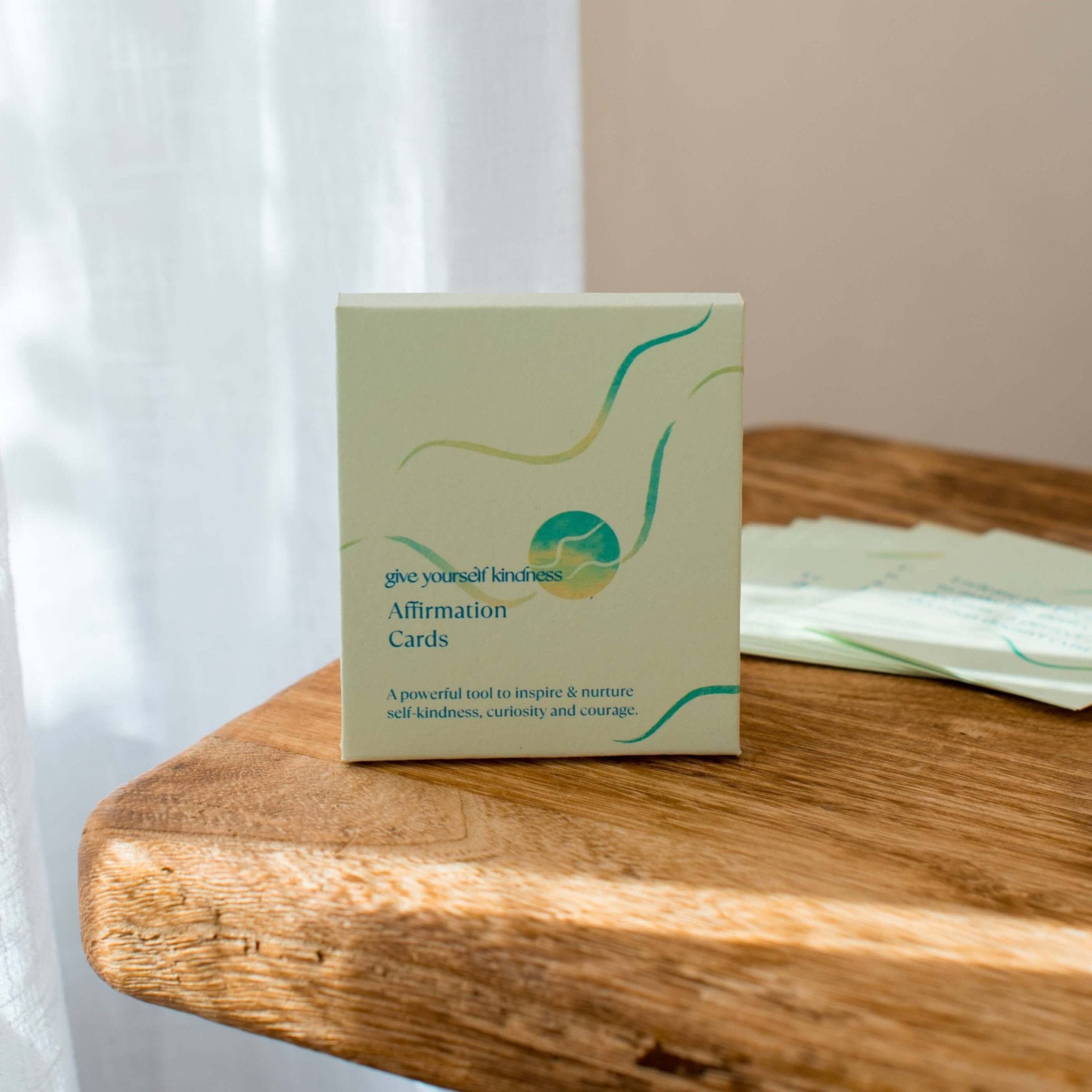
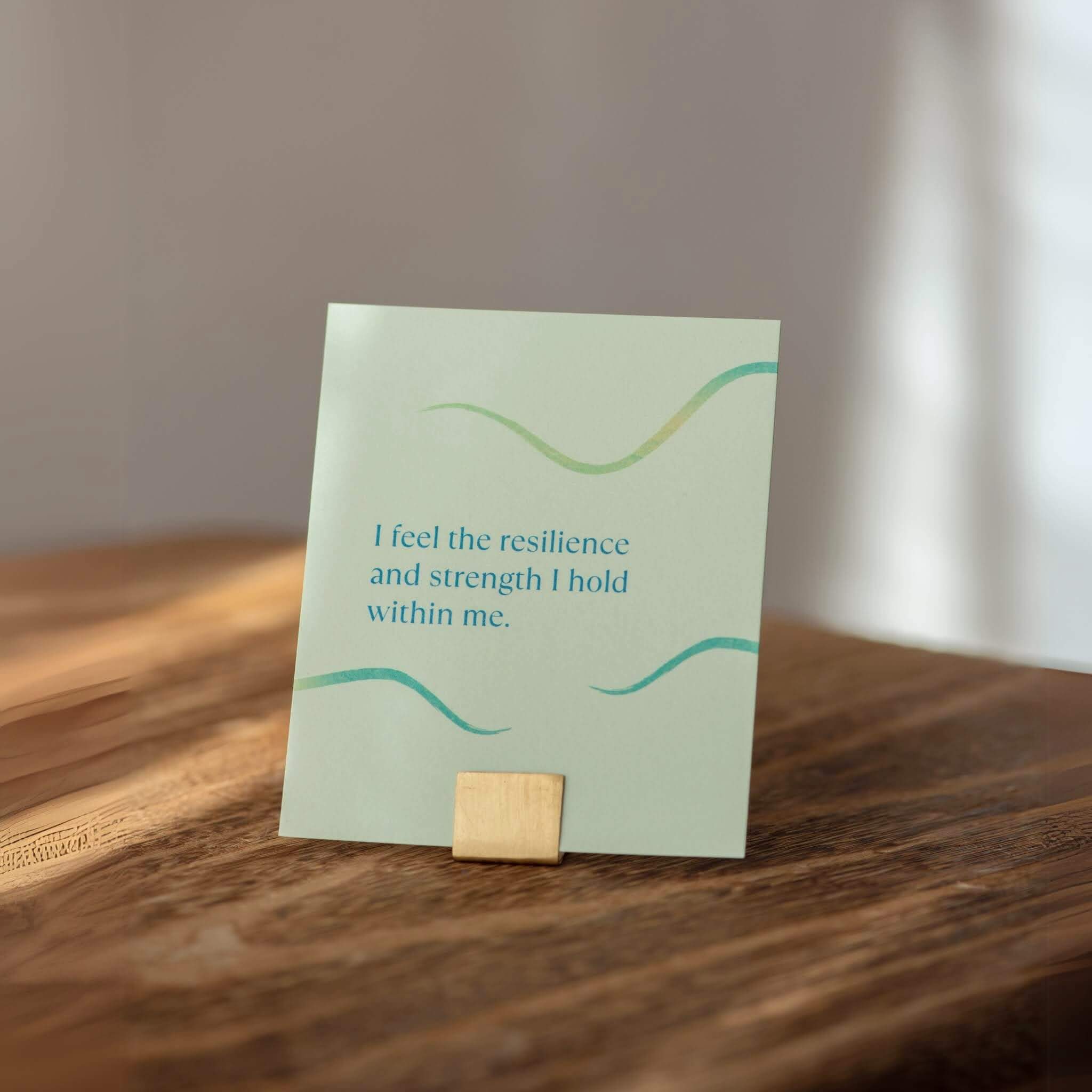
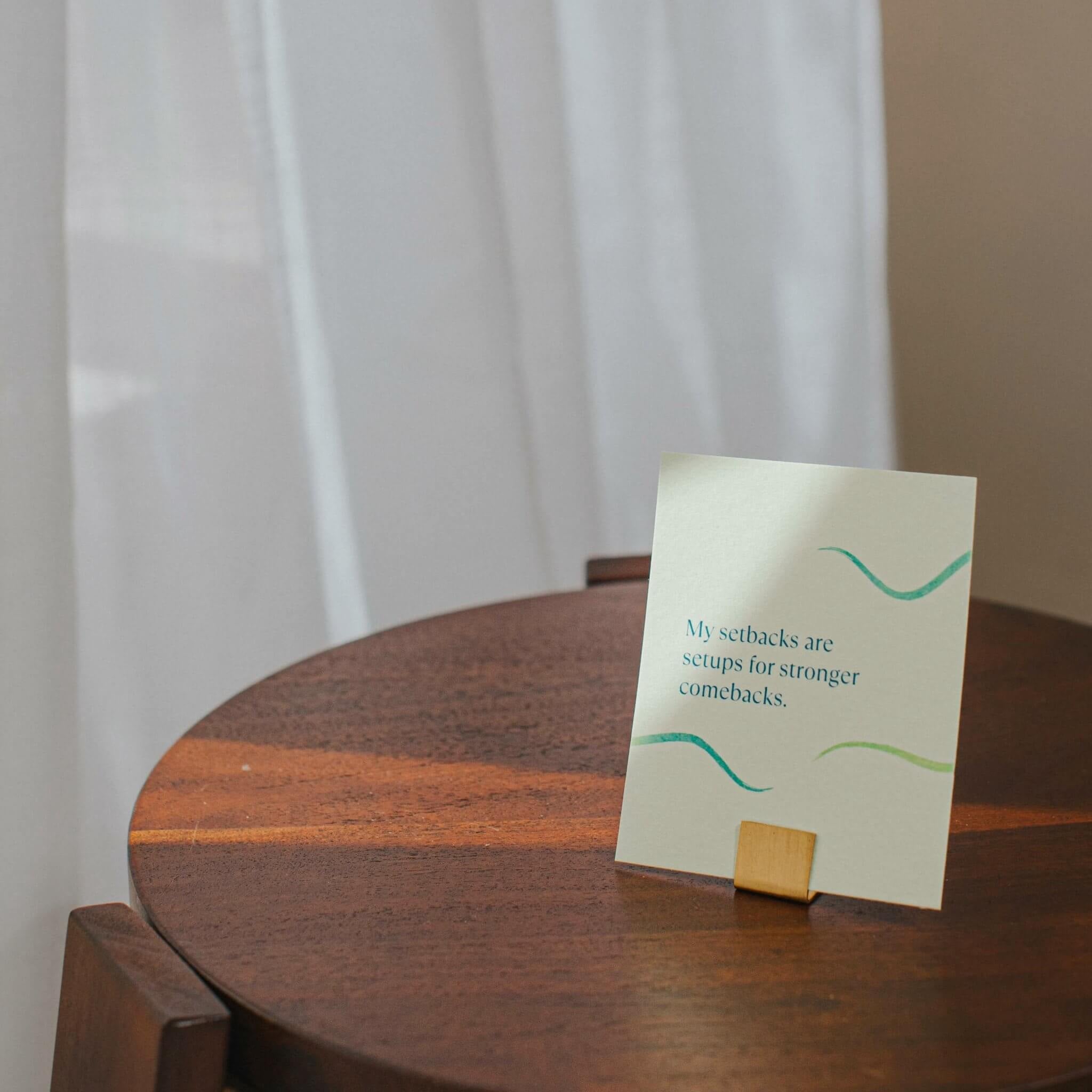
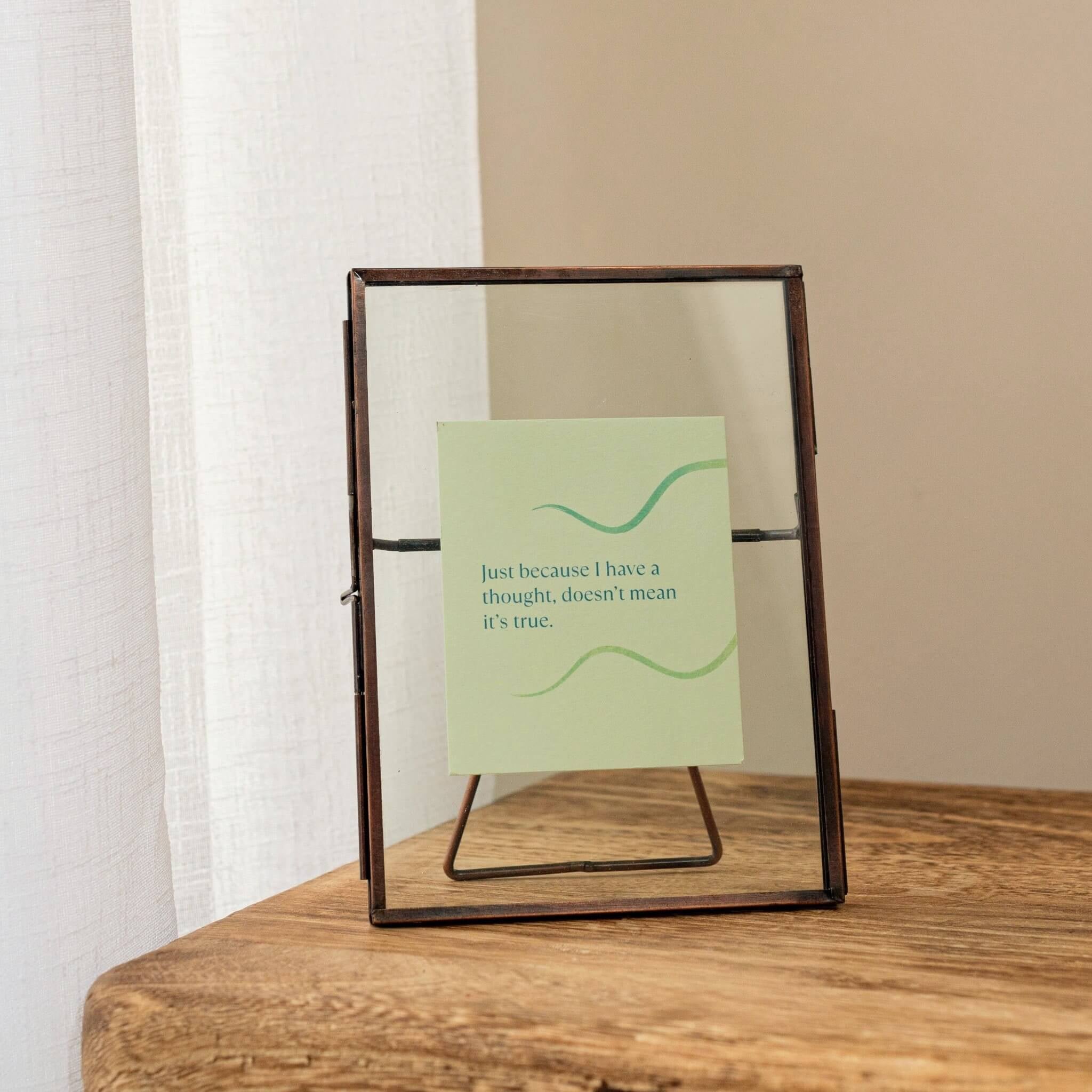
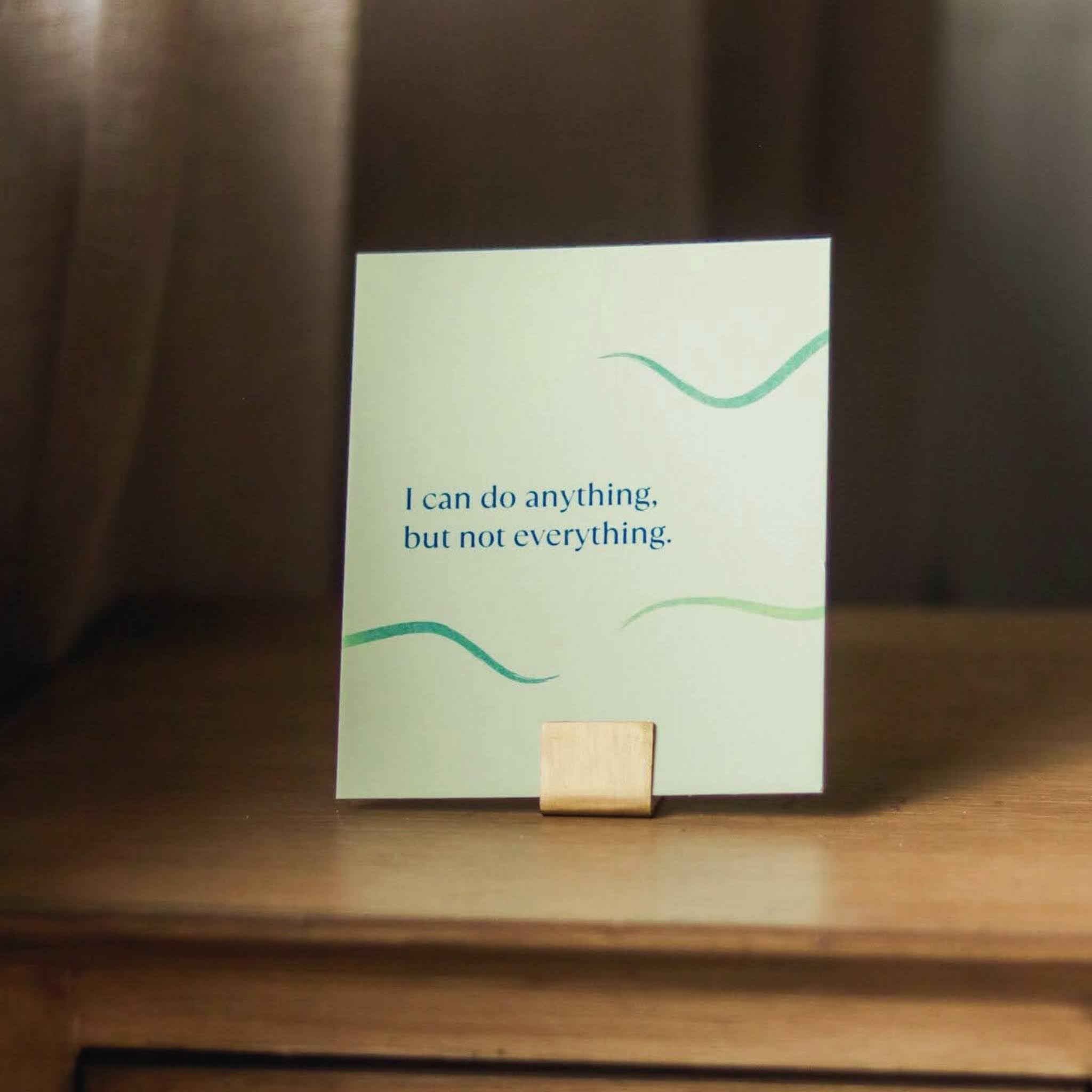
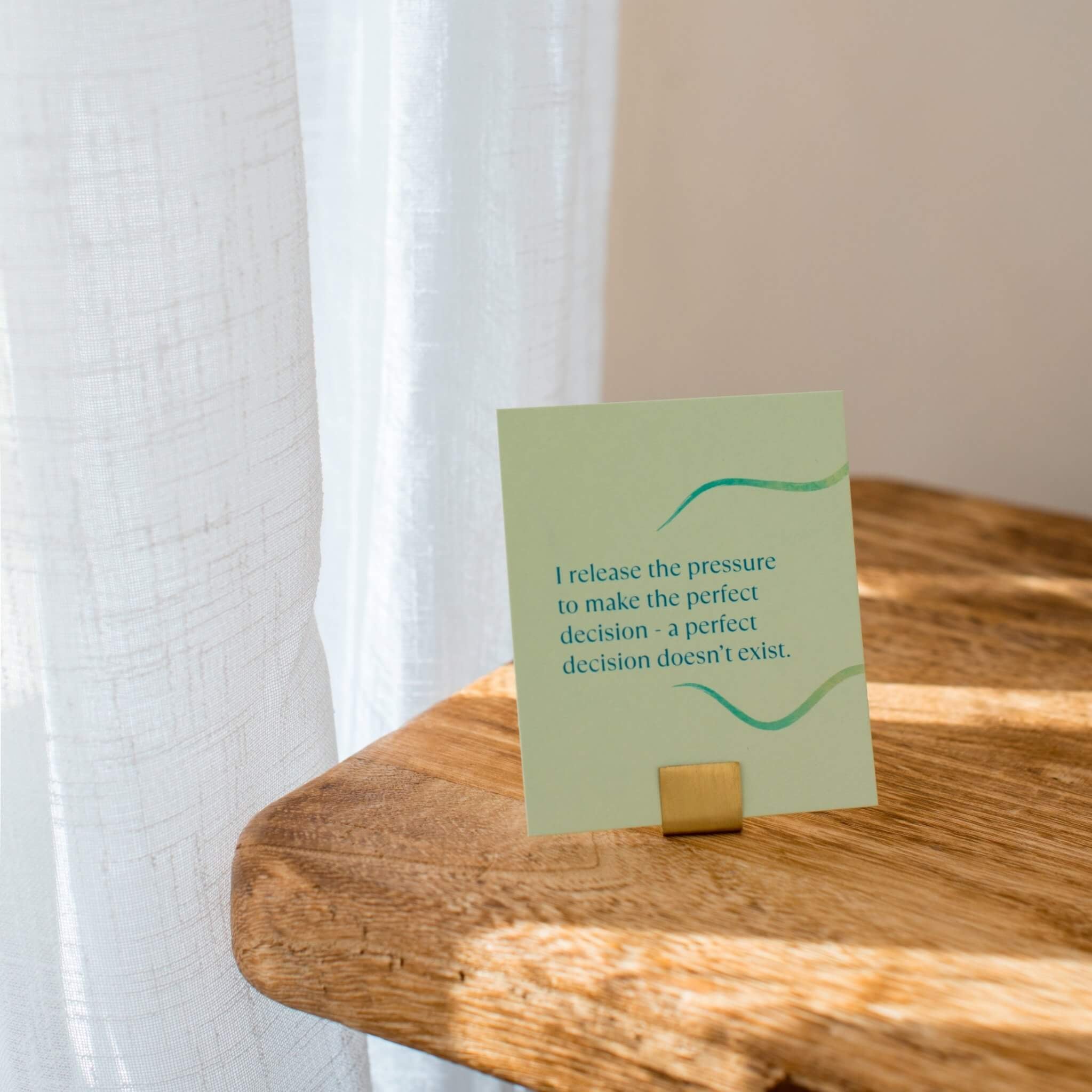
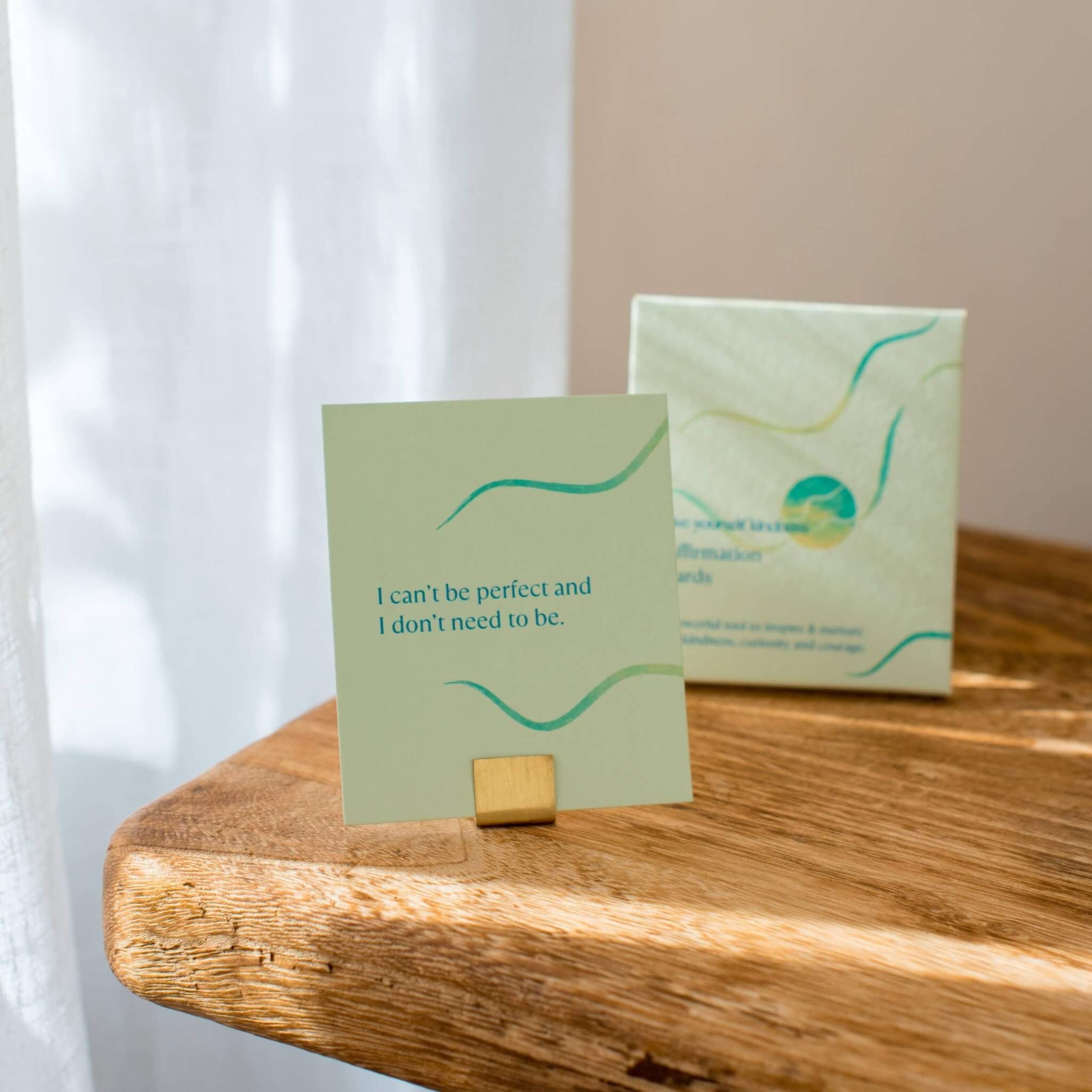
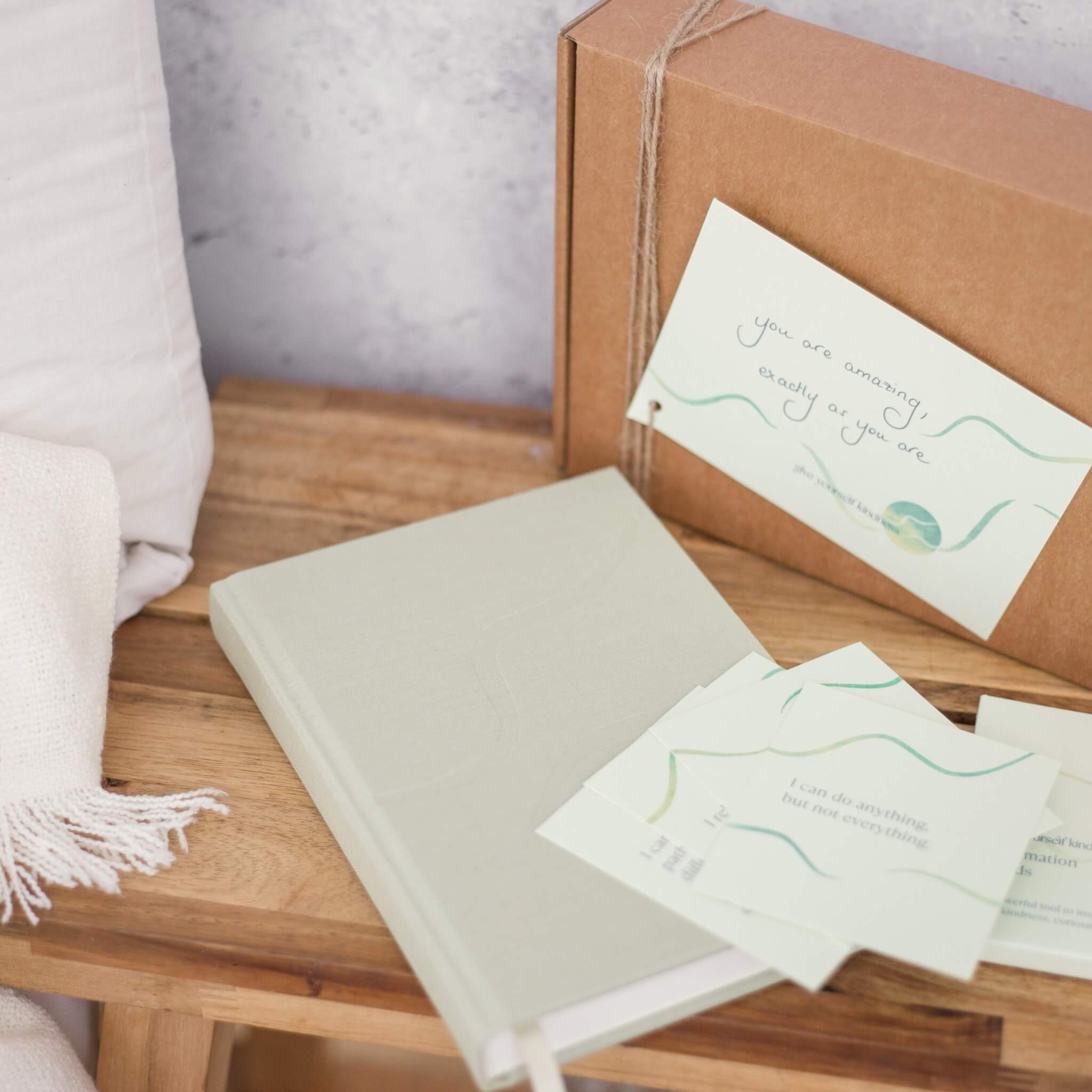
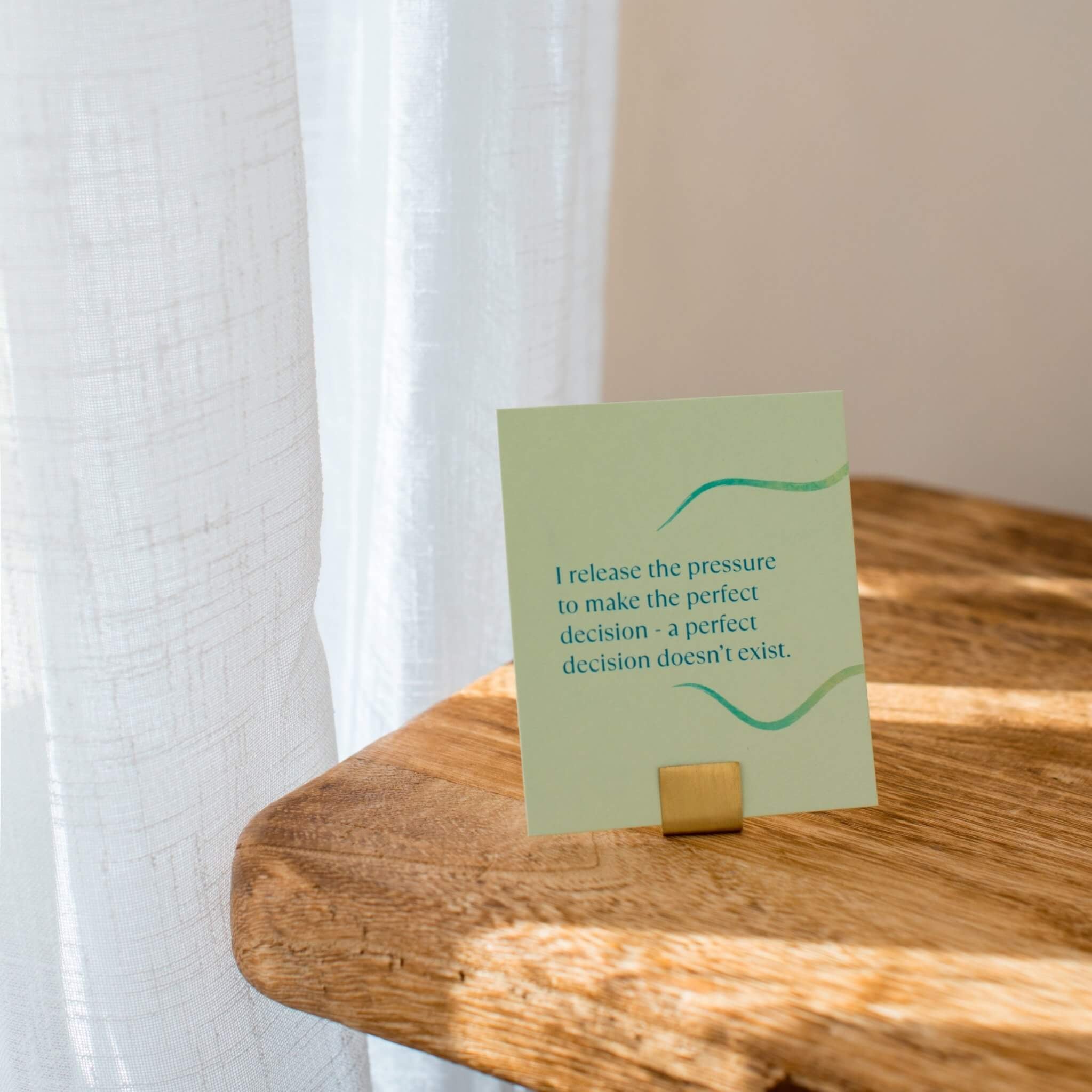
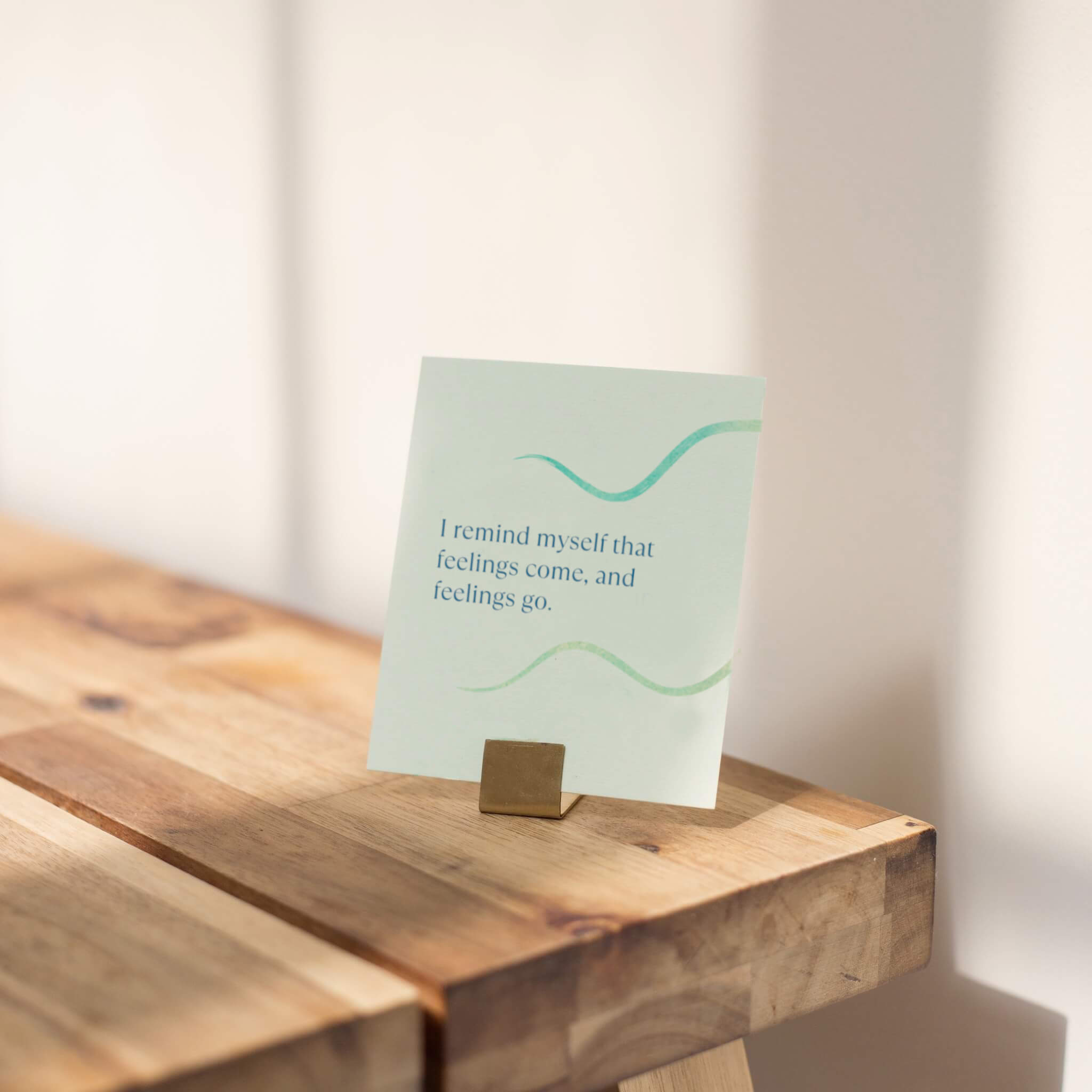
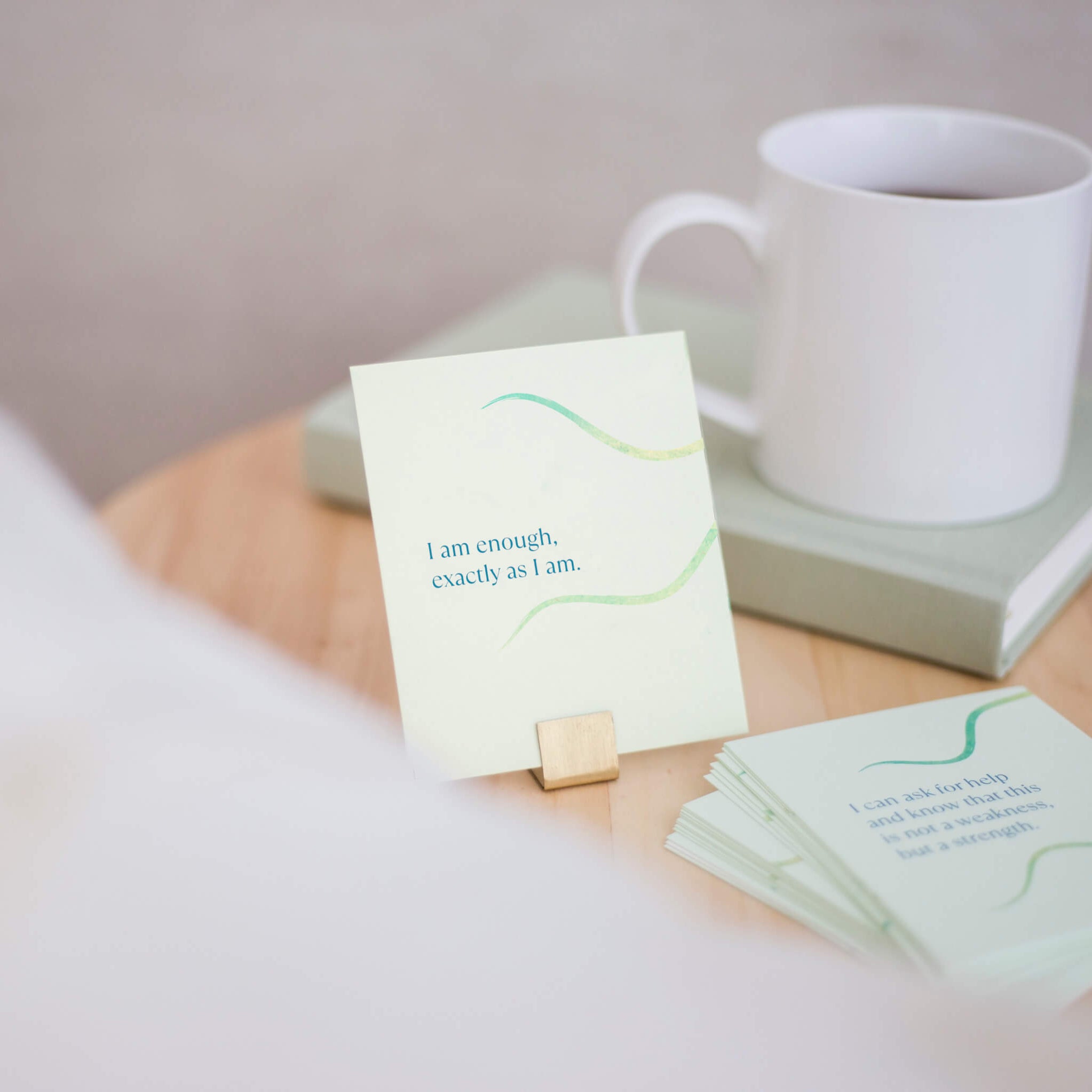
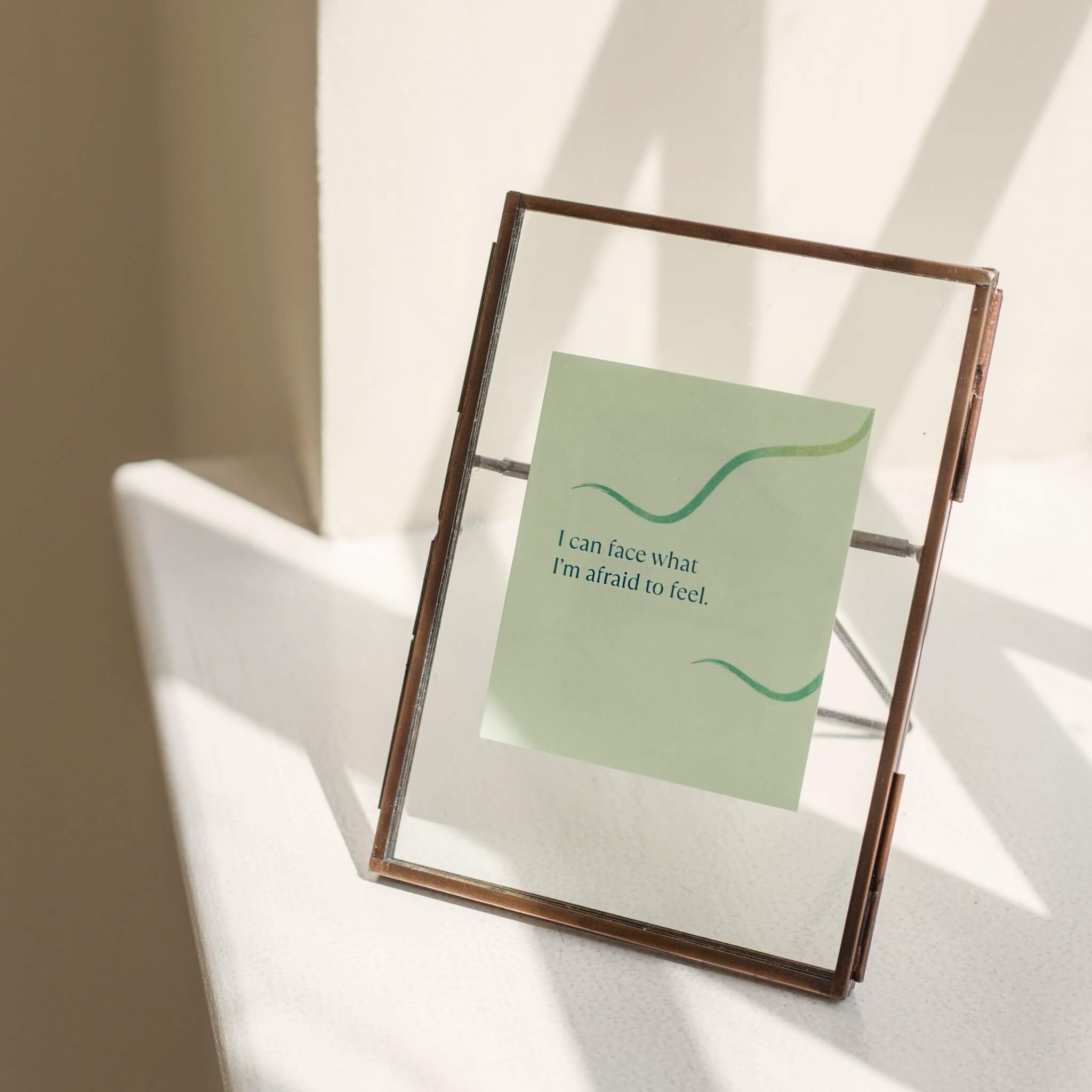
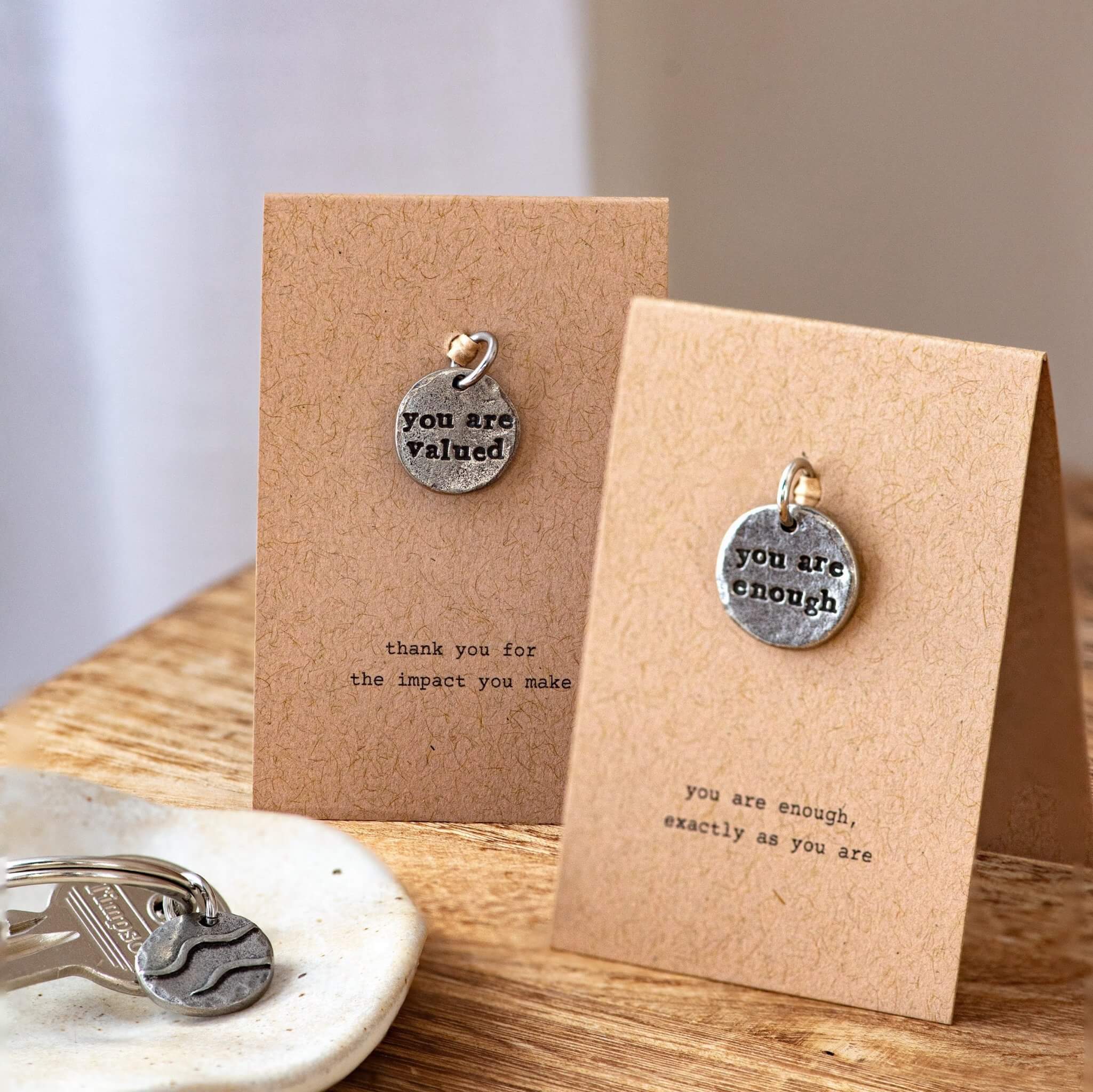
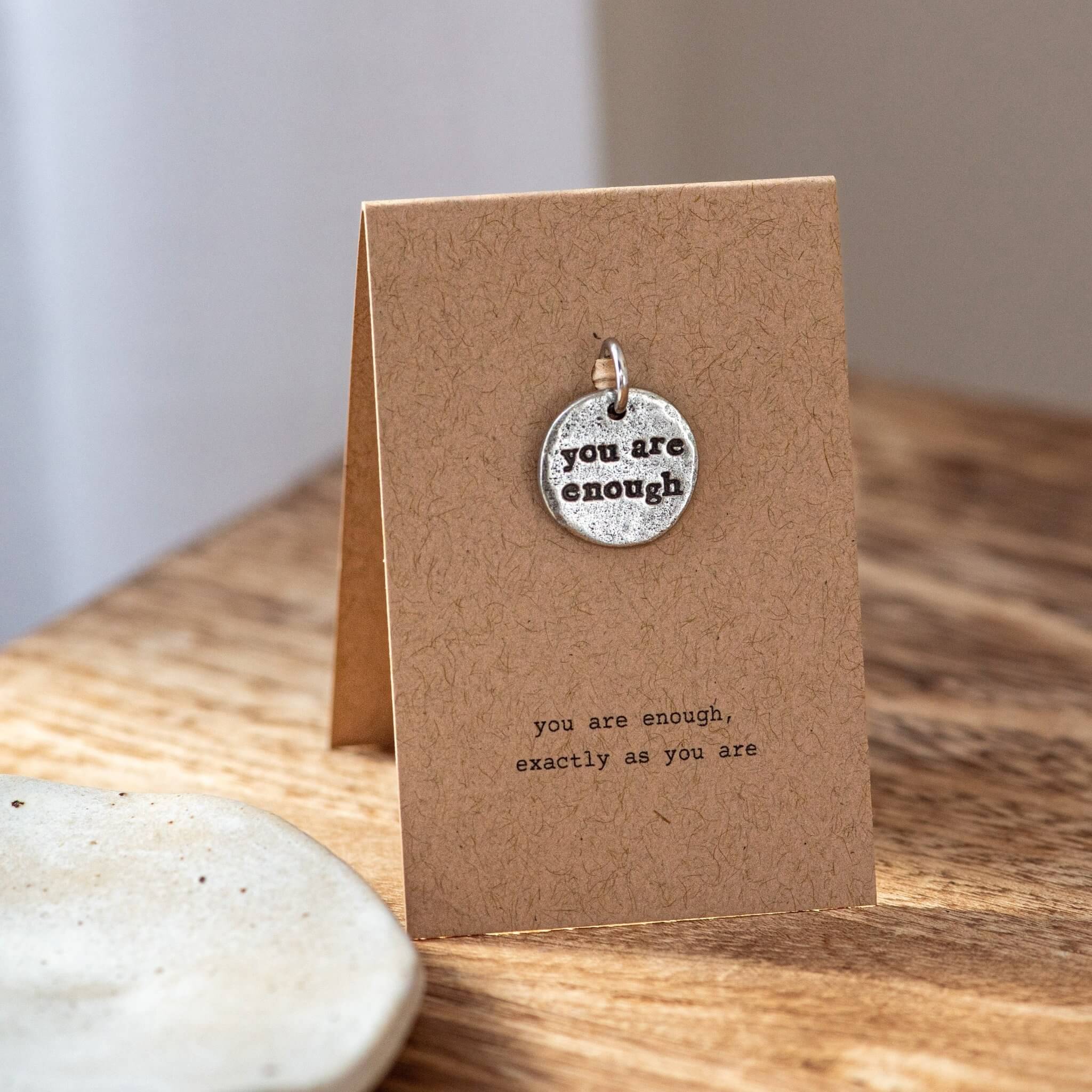
- Self-Compassion Affirmation Cards - 60 gentle reminders they can see daily (£13.95)
- Combined with your presence and understanding
Important: No gift will "cure" anxiety. But the right tools, combined with your ongoing support, can genuinely help.
When your friend is struggling with anxiety, you want to help—but what do you actually give them?
Not another "just relax" item that dismisses their real struggle. Not something that adds to their mental load. Something that genuinely helps them manage anxiety in a way that clinical psychologists actually recommend.
Clinical psychologists specializing in anxiety—like Dr. Erika Bach—explain that self-compassion is one of the most effective tools for managing anxiety, yet it's often overlooked. Here's what the research says actually helps.
Why Self-Compassion Is More Effective Than "Just Relax"

Dr. Erika Bach
Licensed Clinical Psychologist specializing in trauma, anxiety, and depression
What this means for your friend:
When someone has anxiety, telling them to "just relax" or "don't worry" doesn't work. Dr. Bach explains that anxiety is often made worse by self-criticism—the harsh inner voice saying "What's wrong with me?" or "I should be able to handle this."
Self-compassion teaches a different approach: treating yourself with the same kindness you'd offer a friend who's struggling. Research shows this is more effective than trying to force relaxation or positive thinking.
Read Dr. Bach's full article: "How Self-Compassion Can Help Us Manage Anxiety" →
Understanding What Helps (And What Doesn't)
Dr. Bach explains that when someone experiences anxiety, they often face a compounding problem:
The Anxiety Cycle:
- Anxious thoughts arise ("What if something goes wrong?")
- Self-criticism follows ("Why am I like this? I shouldn't feel this way")
- This creates shame and isolation ("Something is wrong with me")
- More anxiety results
What breaks the cycle:
According to Dr. Bach's research, your friend needs tools that:
- Validate that anxiety is difficult (not dismissive "just relax" messages)
- Help them practice self-compassion when anxiety strikes
- Provide quick support during anxious moments
- Build lasting skills (not just temporary distraction)
The tools below are designed specifically around these principles—created with input from clinical psychologists and used by therapists with their clients.
Gifts That Provide Real Support
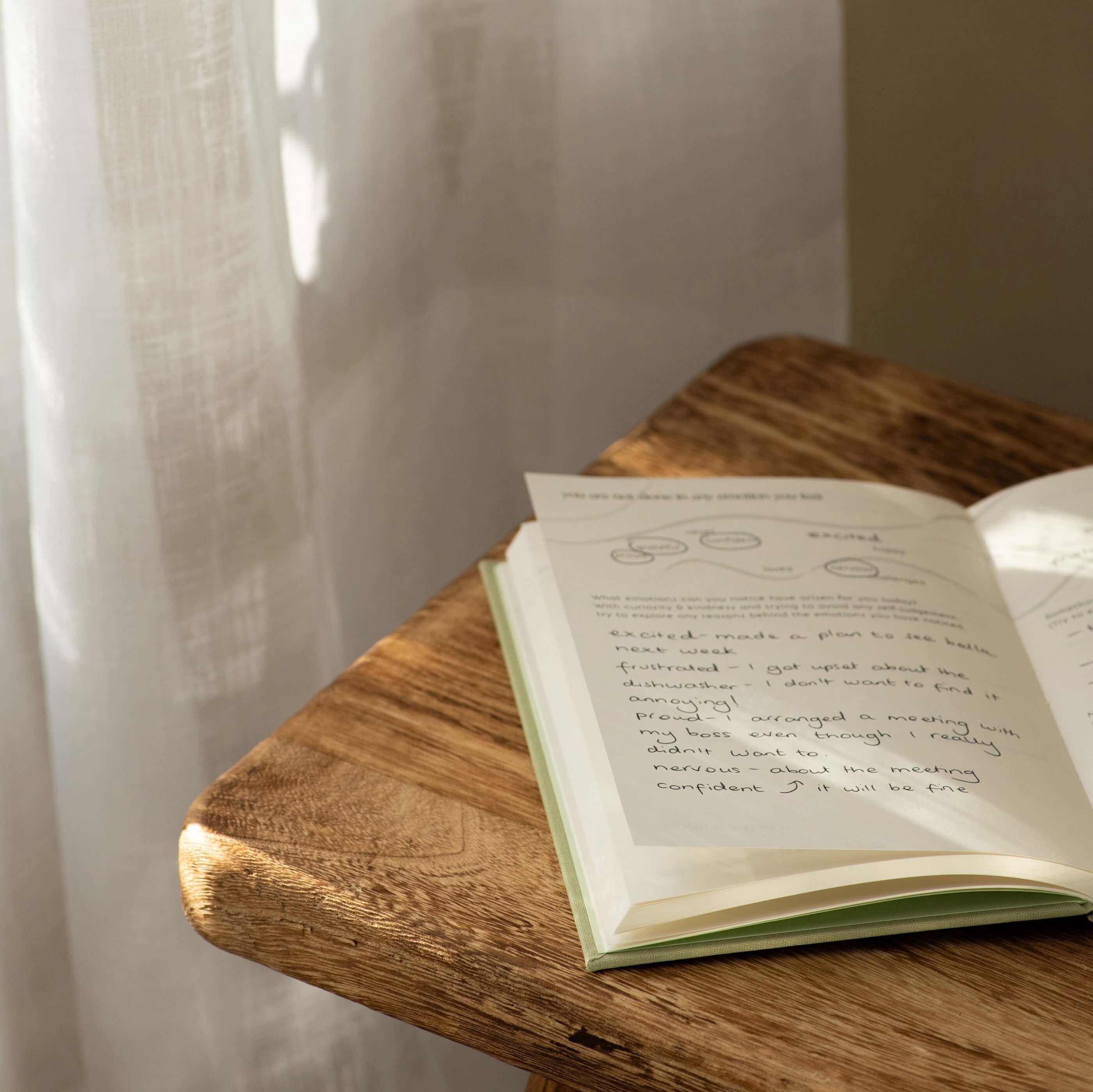
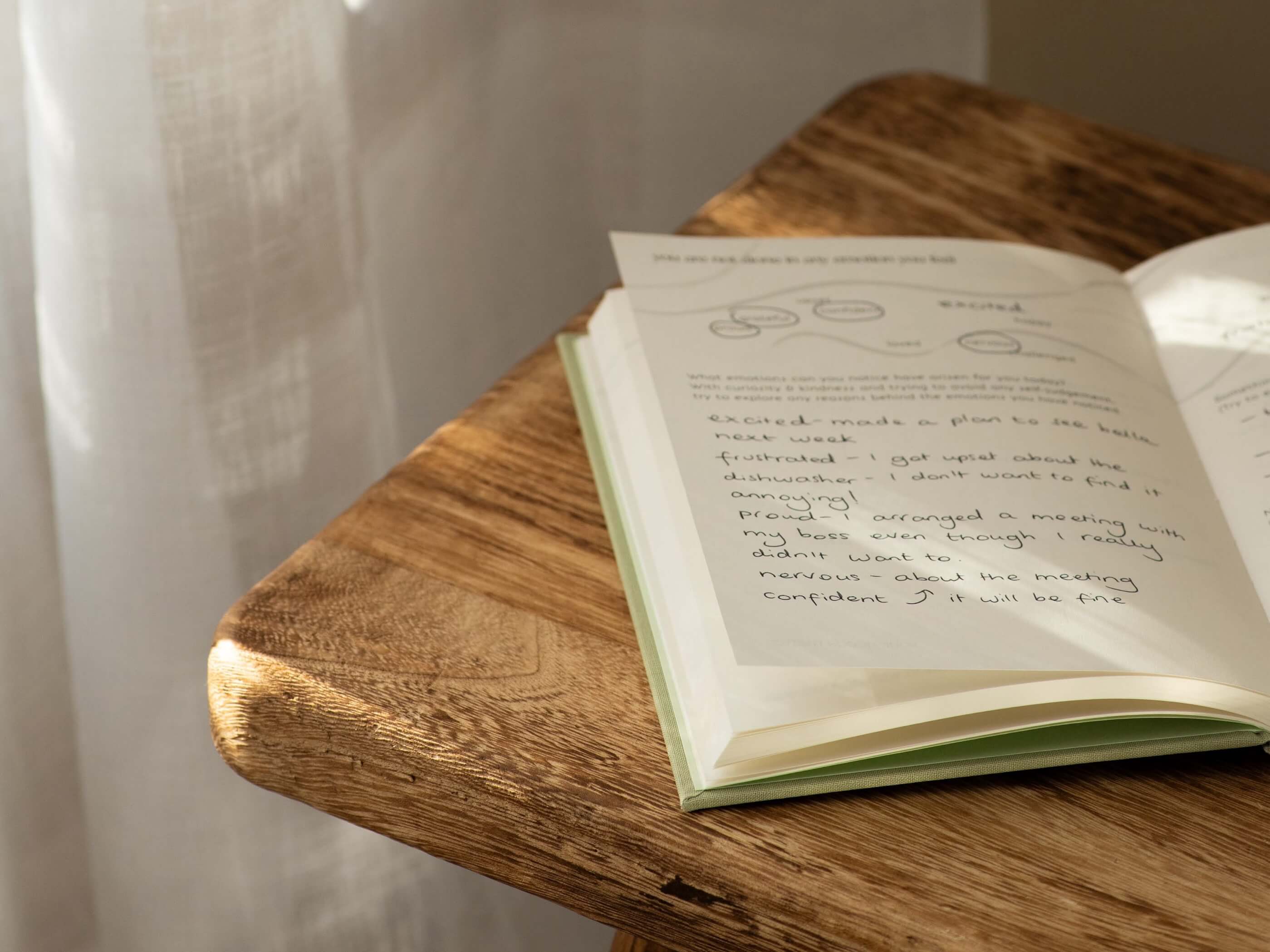
The Give Yourself Kindness Journal
Why therapists recommend this for anxiety:
Dr. Bach explains that self-compassion helps manage anxiety through several mechanisms:
- Reducing self-criticism that compounds anxiety
- Providing emotional support from within
- Building resilience to handle anxious thoughts
- Promoting mindfulness to stay present
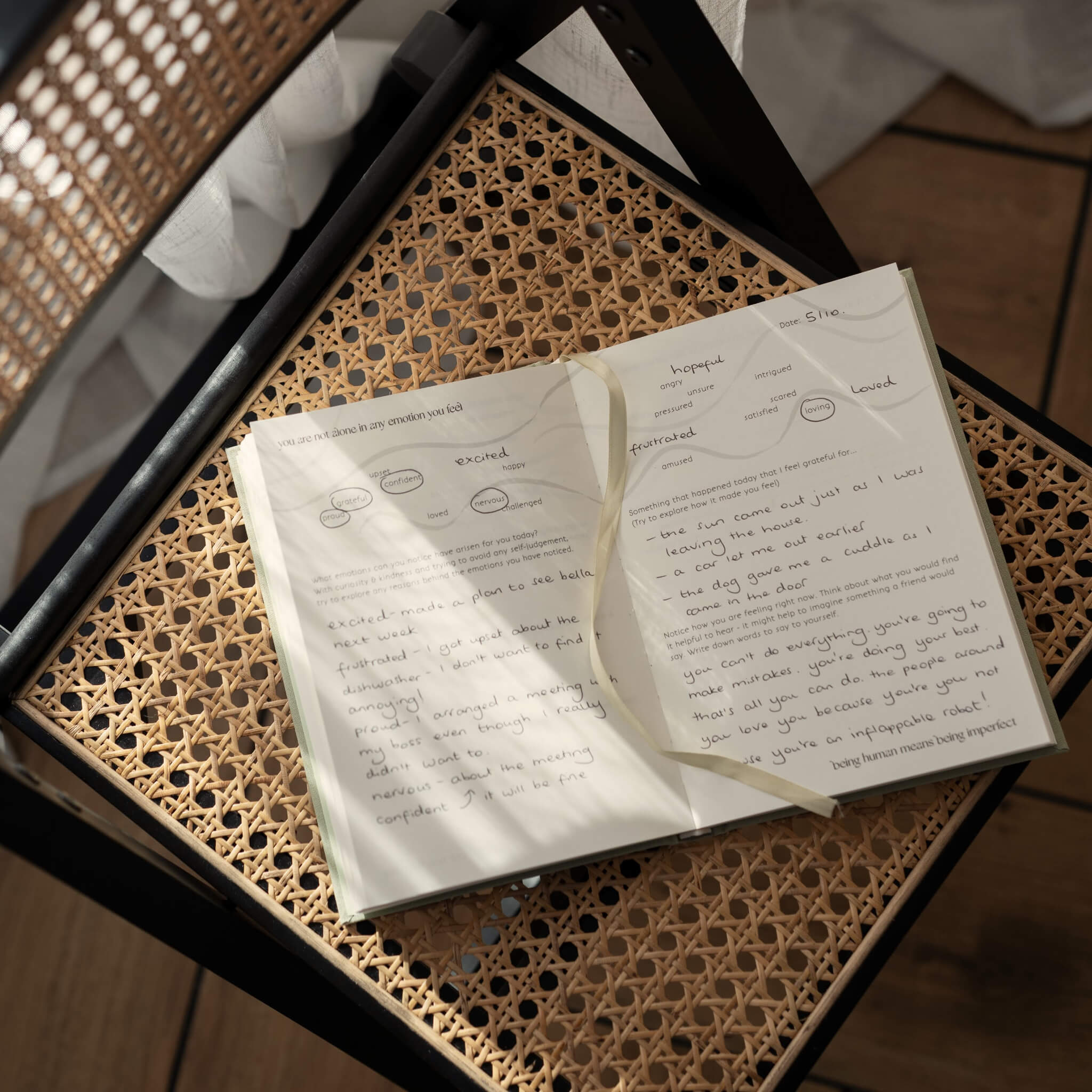
This journal specifically addresses these through:
-
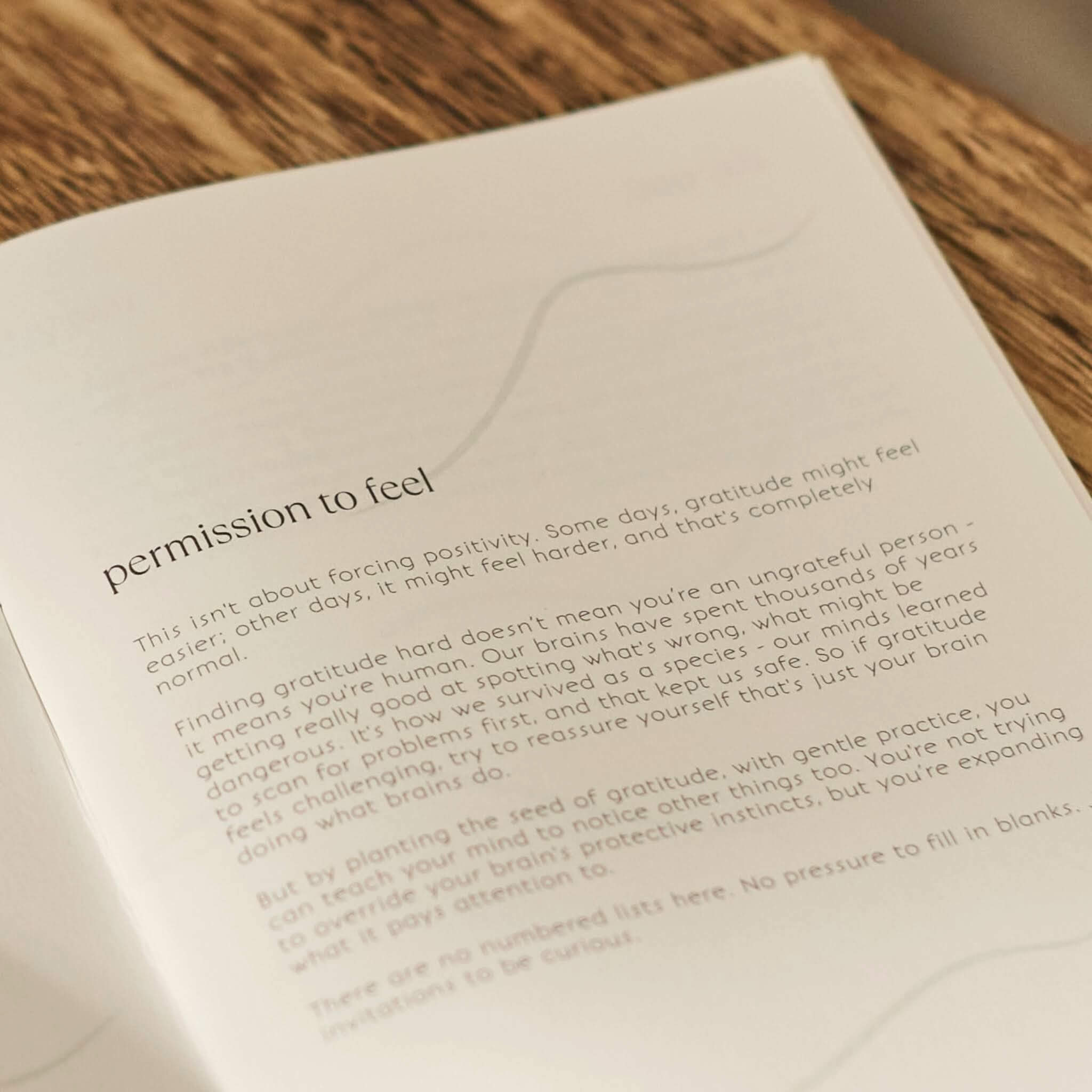
Emotional awareness tool on every page
Helps notice and name anxiety without judgment—recognizing it's a normal human experience, not a personal failing. -
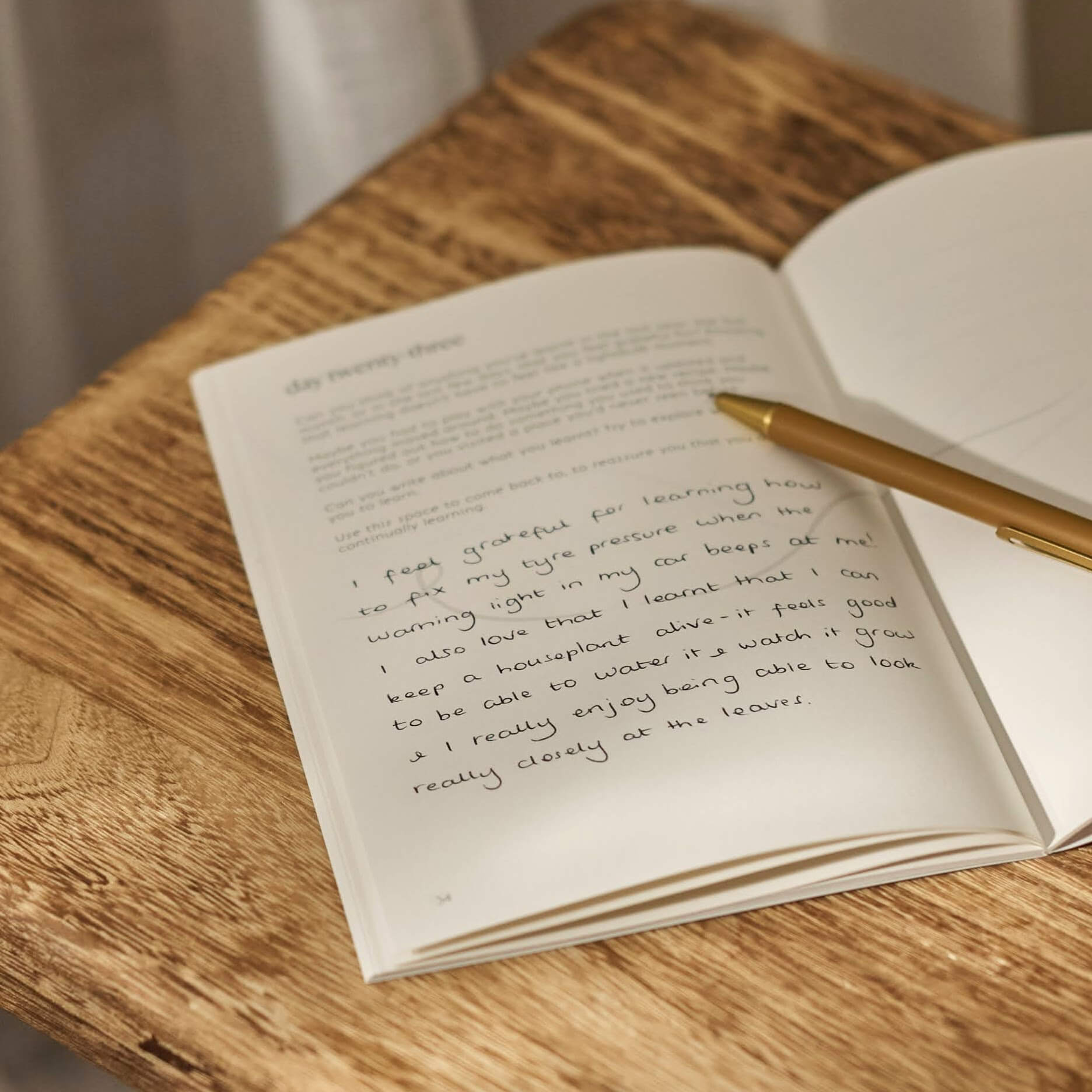
Self-compassion prompts designed by mental health professionals
Questions like "What would you say to a friend feeling this way?" help extend kindness inward when anxiety strikes. -
Mindfulness practices built in
Gentle reminders like "Notice how you're feeling right now. What would be helpful to hear?" -
Validates difficult emotions
Explicitly recognizes anxiety is hard—doesn't dismiss it with forced positivity. -
Undated format removes pressure
No guilt about missing days during particularly anxious periods.
This journal helps friends who:
- Are hard on themselves when anxious
- Want to learn self-compassion techniques
- Are already in therapy (therapists often recommend this as a complementary tool)
Self-Compassion Affirmation Cards
Why these work for anxiety:
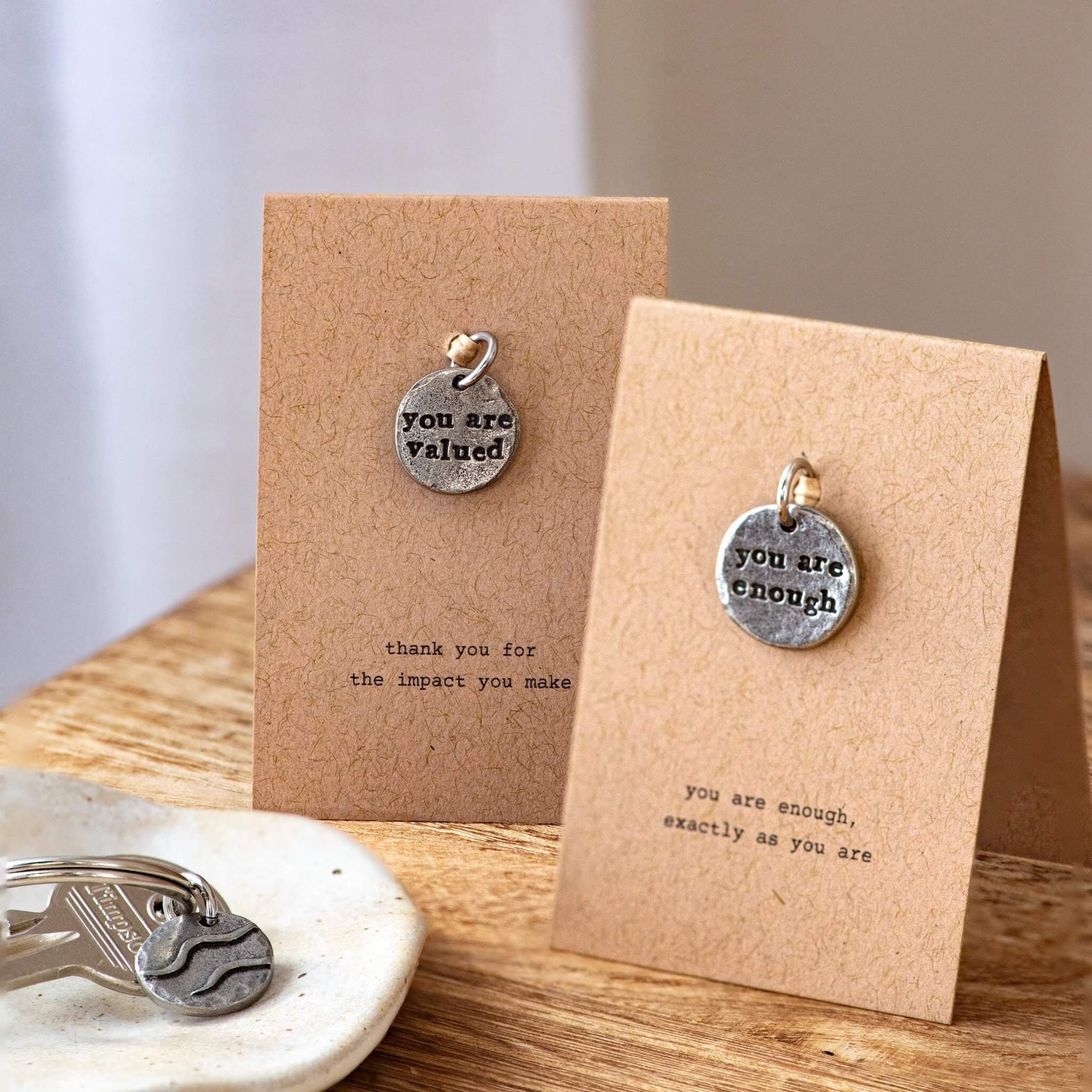
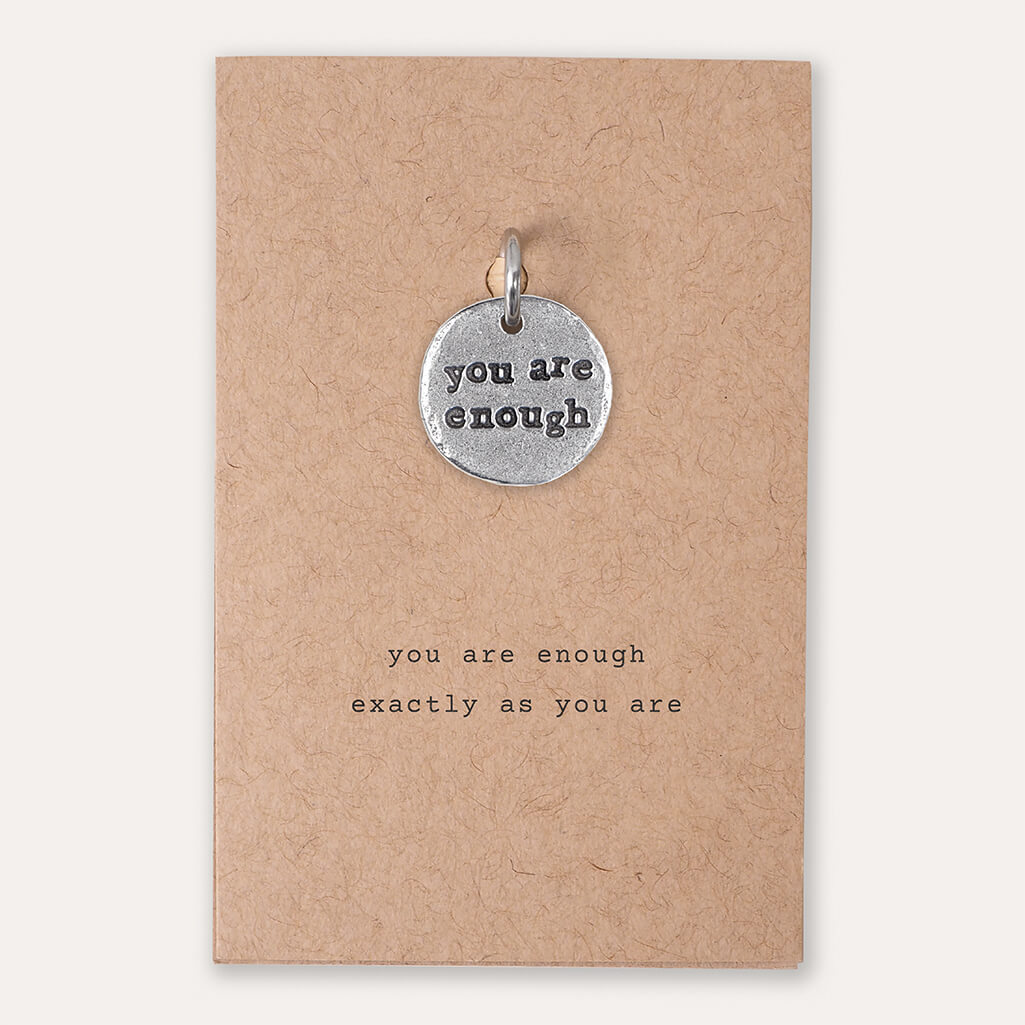
Dr. Bach explains that anxiety often includes harsh self-judgment. These cards provide gentle counter-statements your friend can see throughout their day.
Affirmations that help with anxiety:
- "Just because I have a thought, doesn't mean it's true"
- "I can welcome any emotion, knowing this feeling will not last forever"
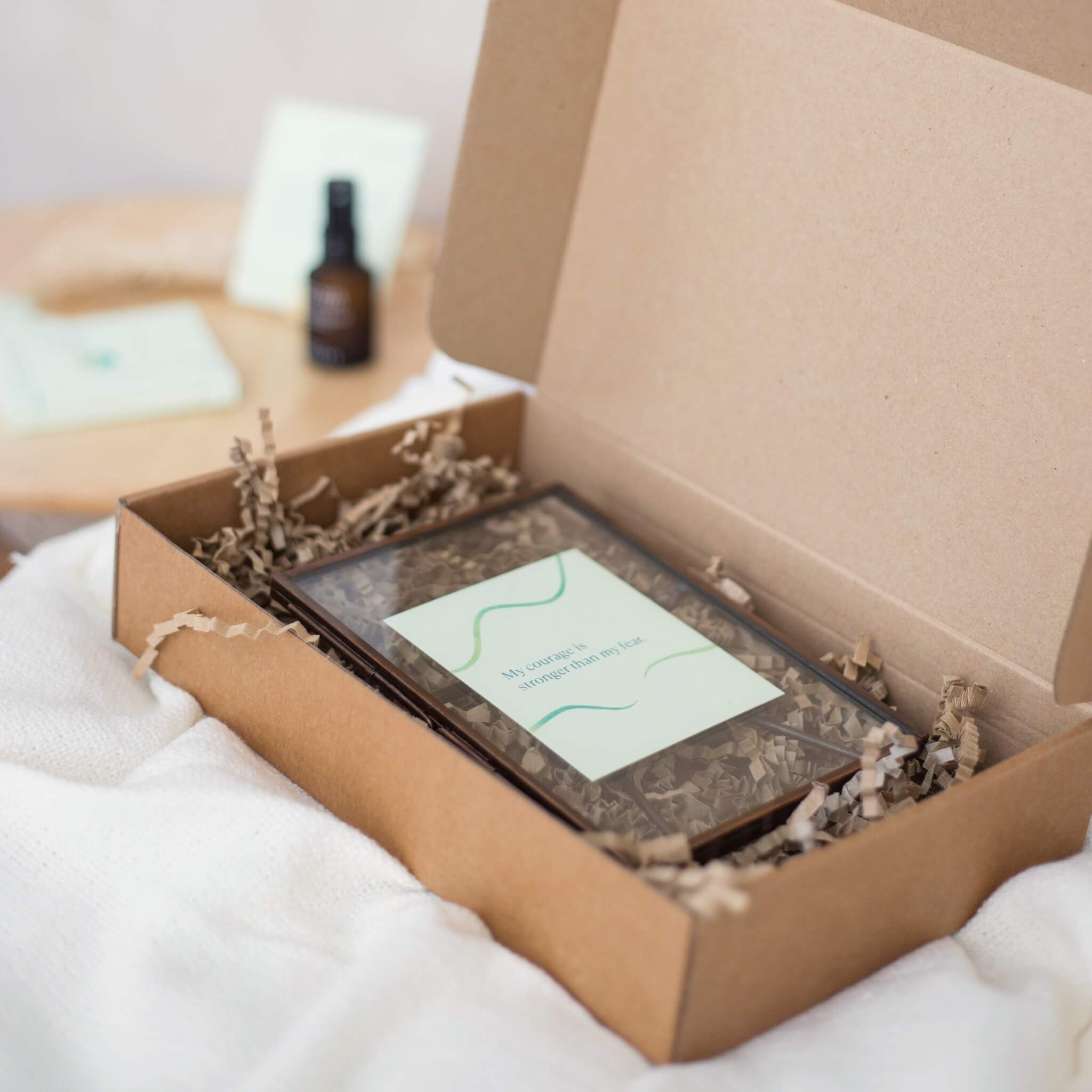
- "My courage is stronger than my fear"
- "No emotion is a sign of weakness"
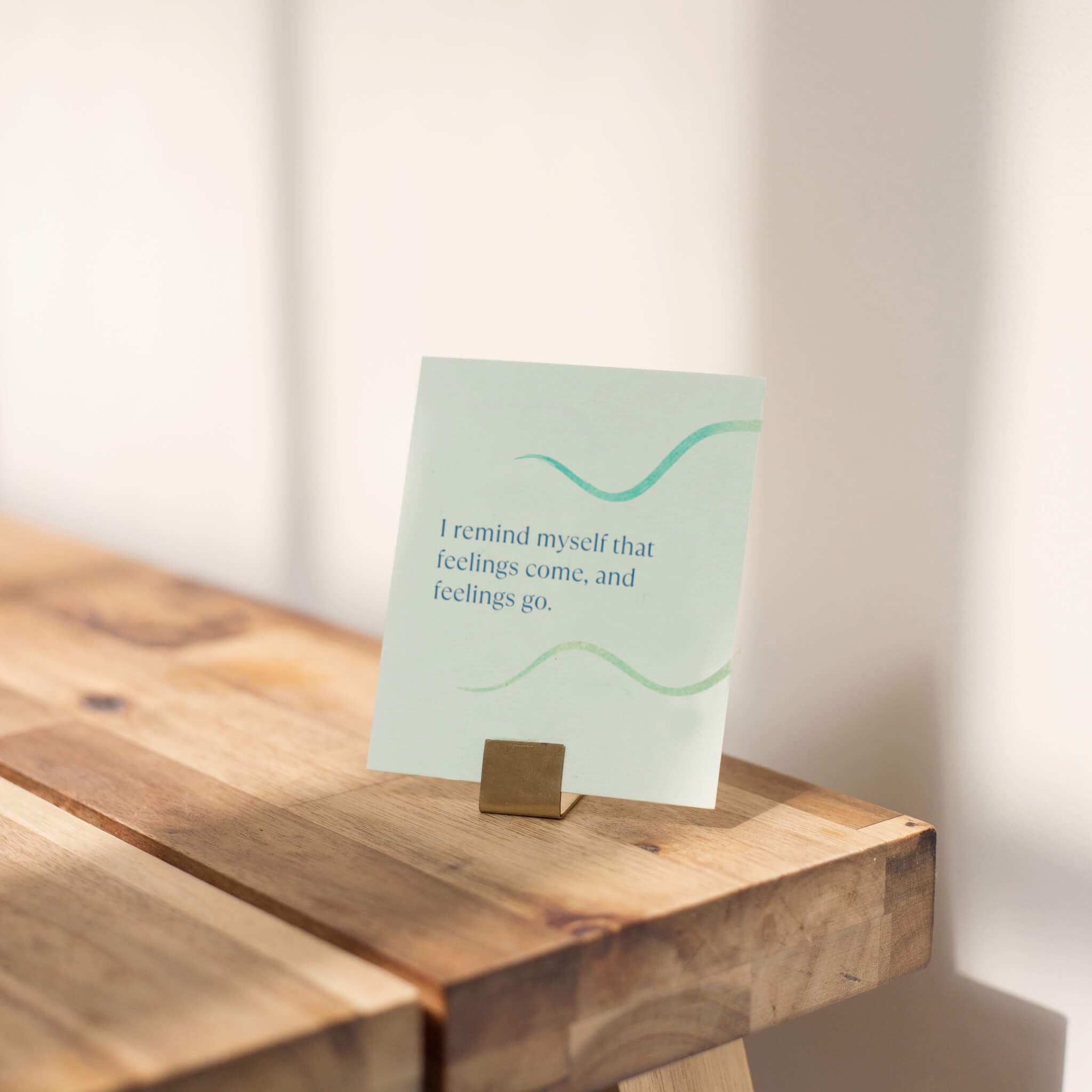
- "I remind myself that feelings come, and feelings go"
What makes these different:
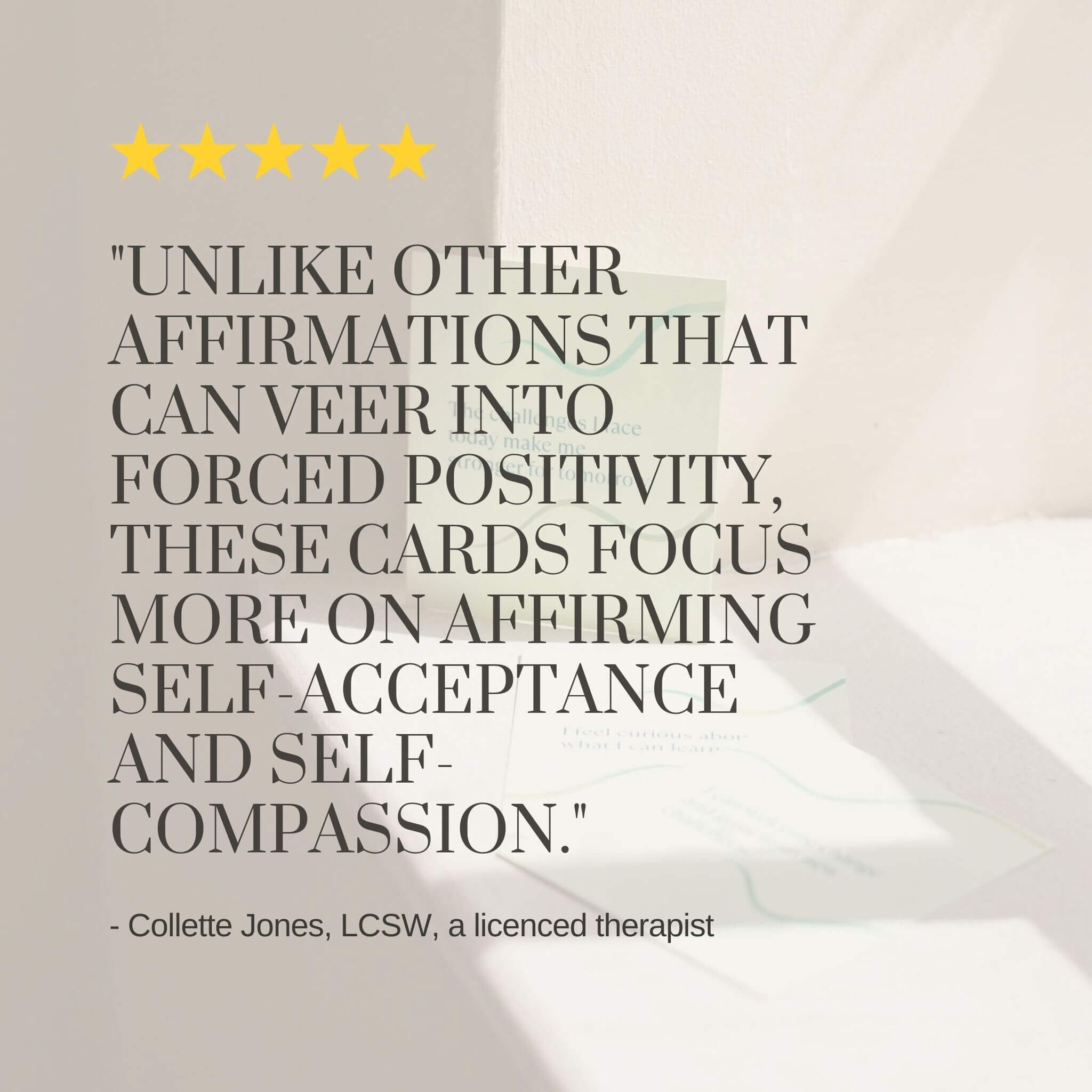
These don't use forced positivity ("Everything is wonderful!"). They validate the reality of anxiety while offering compassionate support.
As Dr. Caroline Lee (Clinical Psychologist) explains in research on affirmations:
These cards help interrupt automatic anxious thoughts with kinder alternatives.
How to use them:
- Place one where it'll be seen during anxious moments (bathroom mirror, desk, nightstand)
- Keep one in a pocket or bag for quick support
- Change the card weekly to match current needs
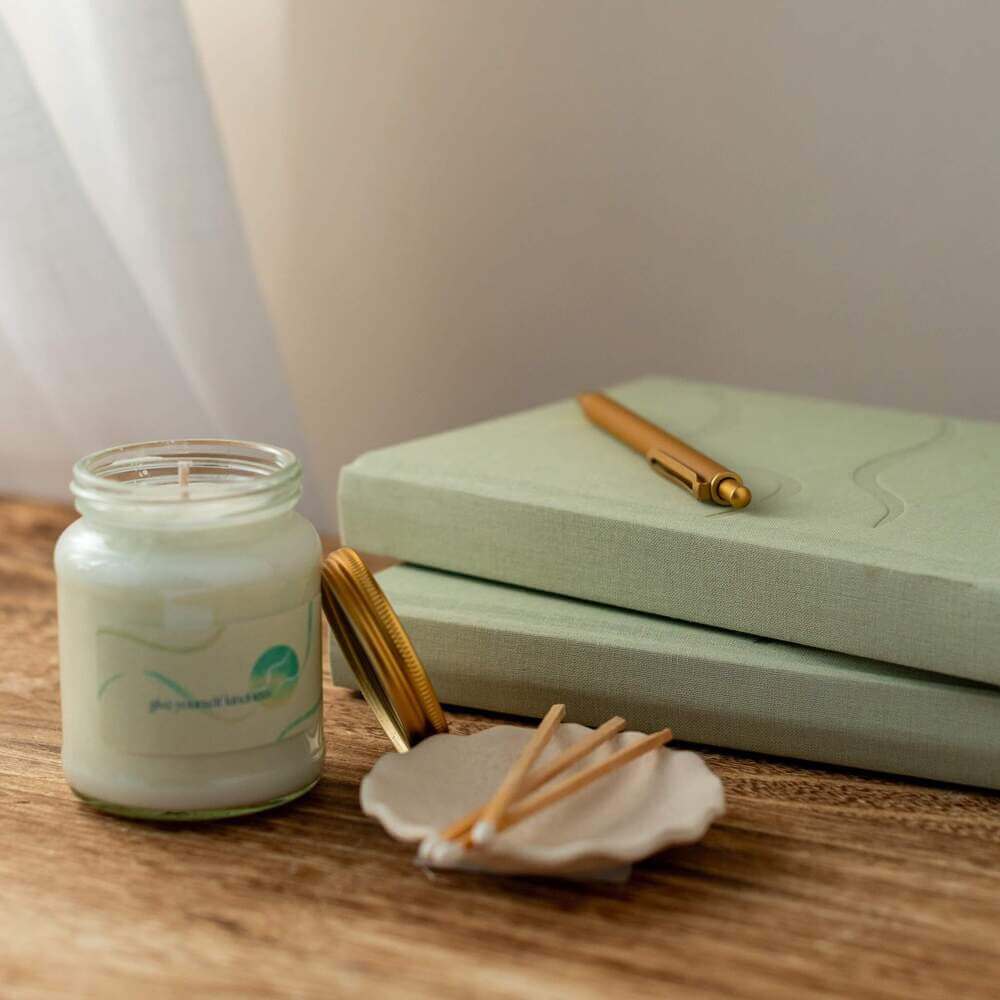
The Complete Support Set
Want to give multiple tools that work together?
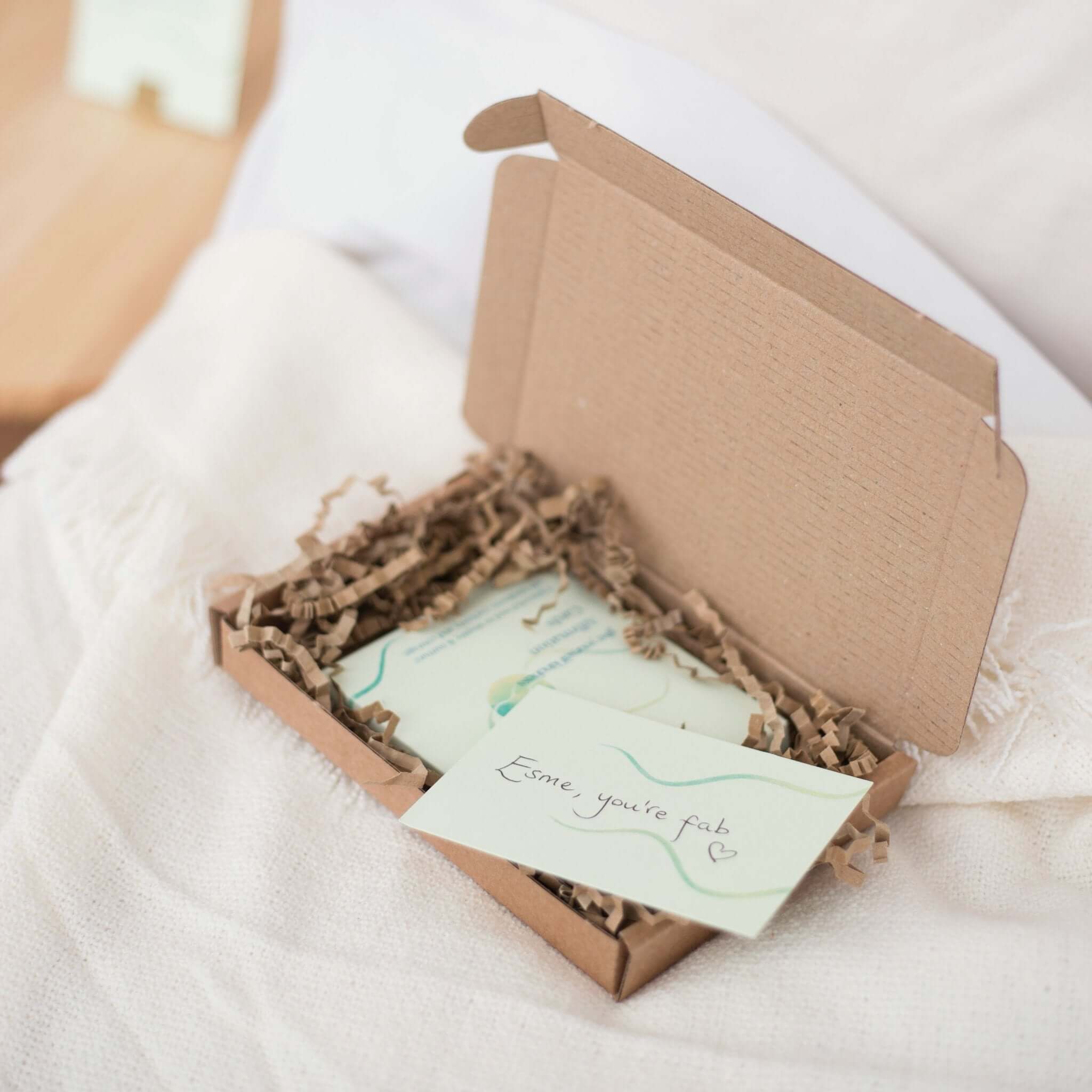
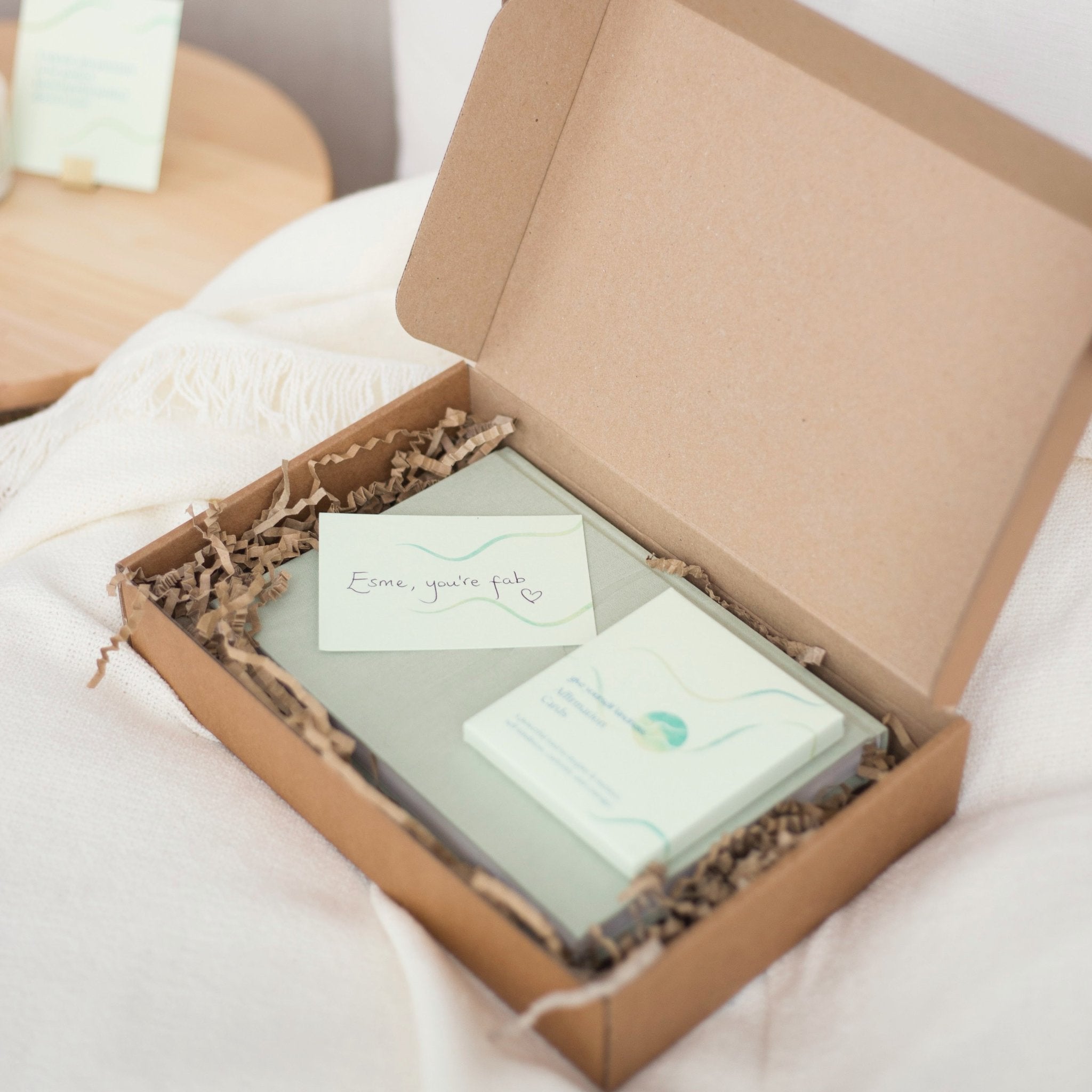
Combine the journal for deeper practice with affirmation cards for quick support throughout the day. Many people find having both creates a complete support system—reflection time plus visible reminders.
Why this combination works:
- Journal for when there's 5-10 minutes to process
- Cards for 30-second reminders during busy or anxious moments
- Both reinforce the same self-compassion principles that Dr. Bach recommends
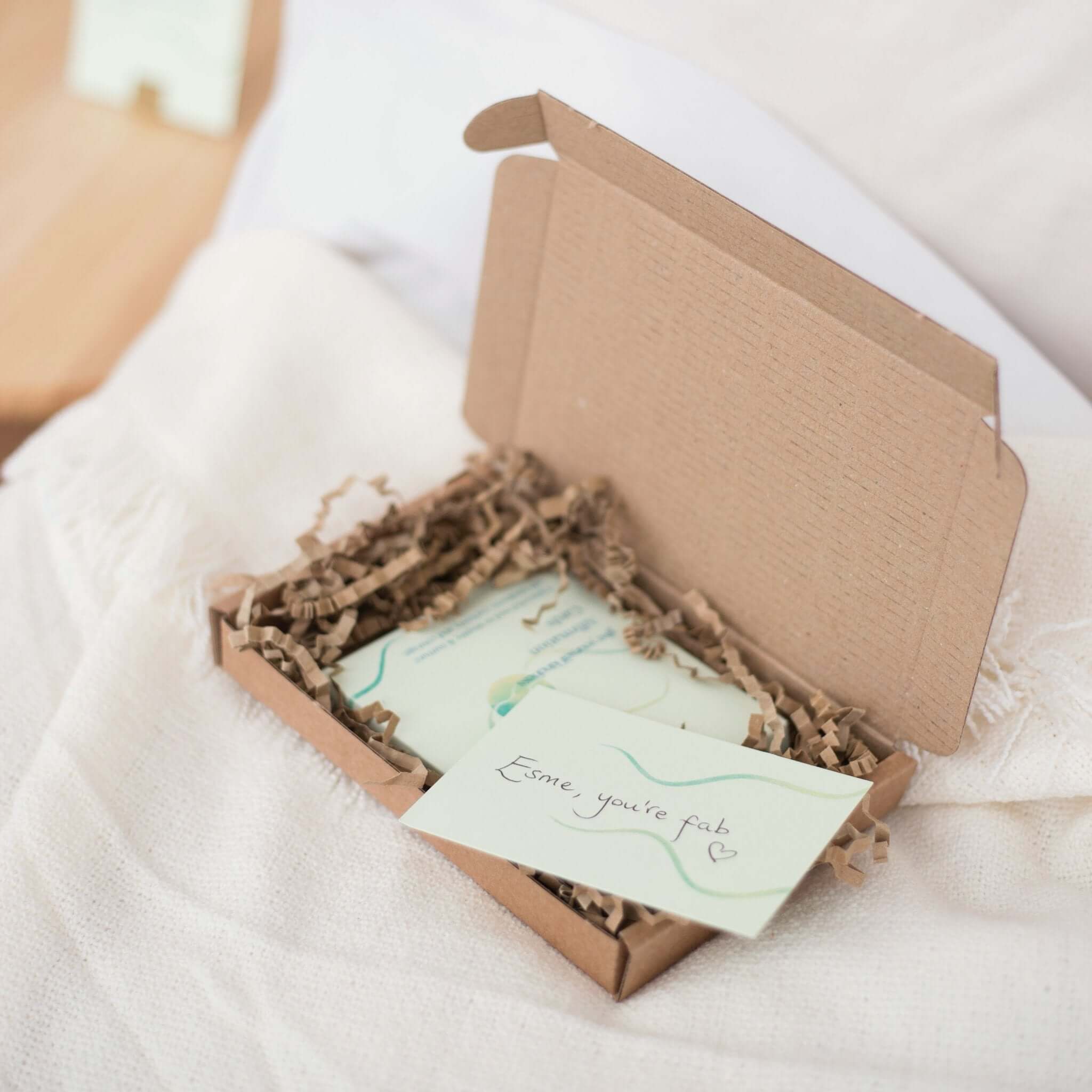
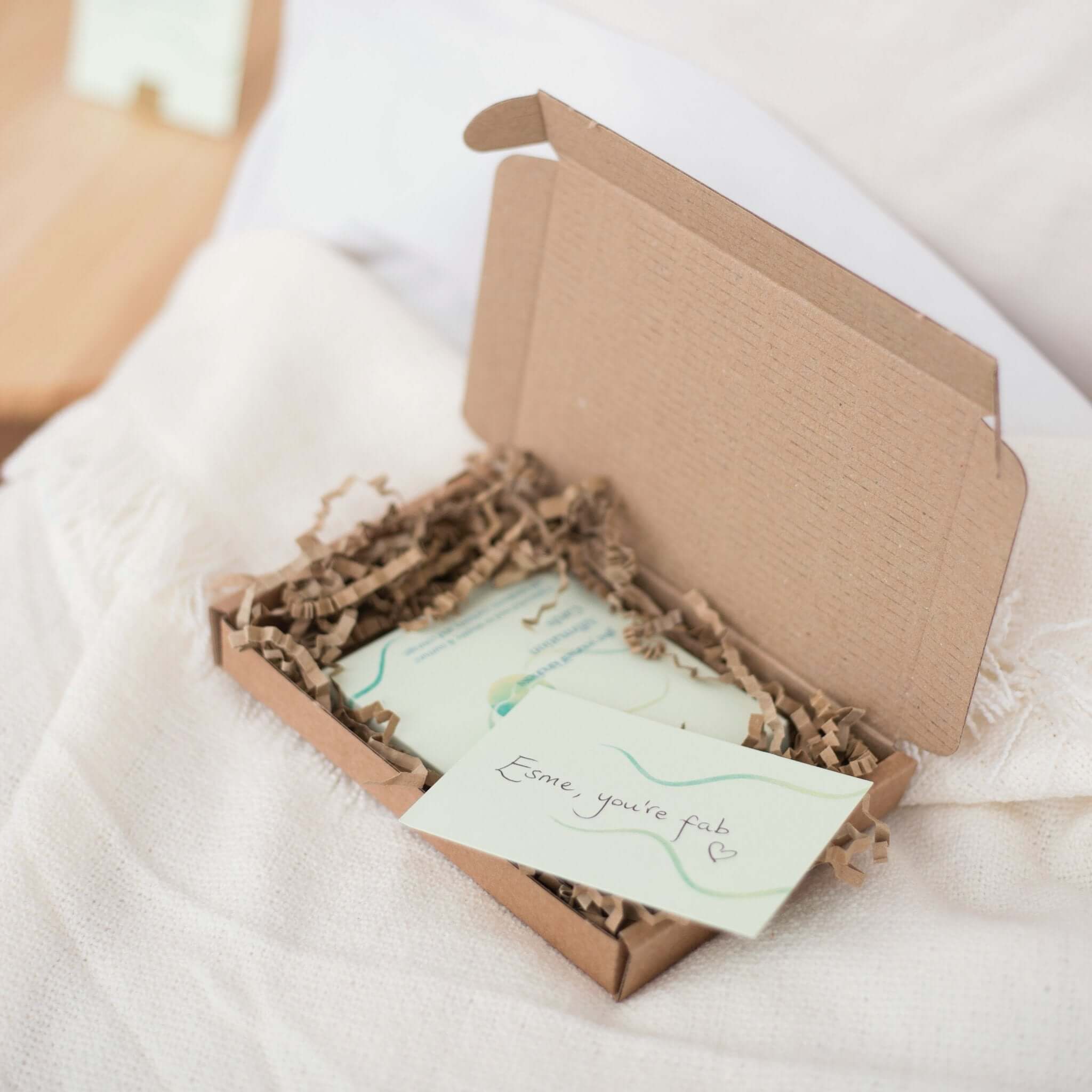
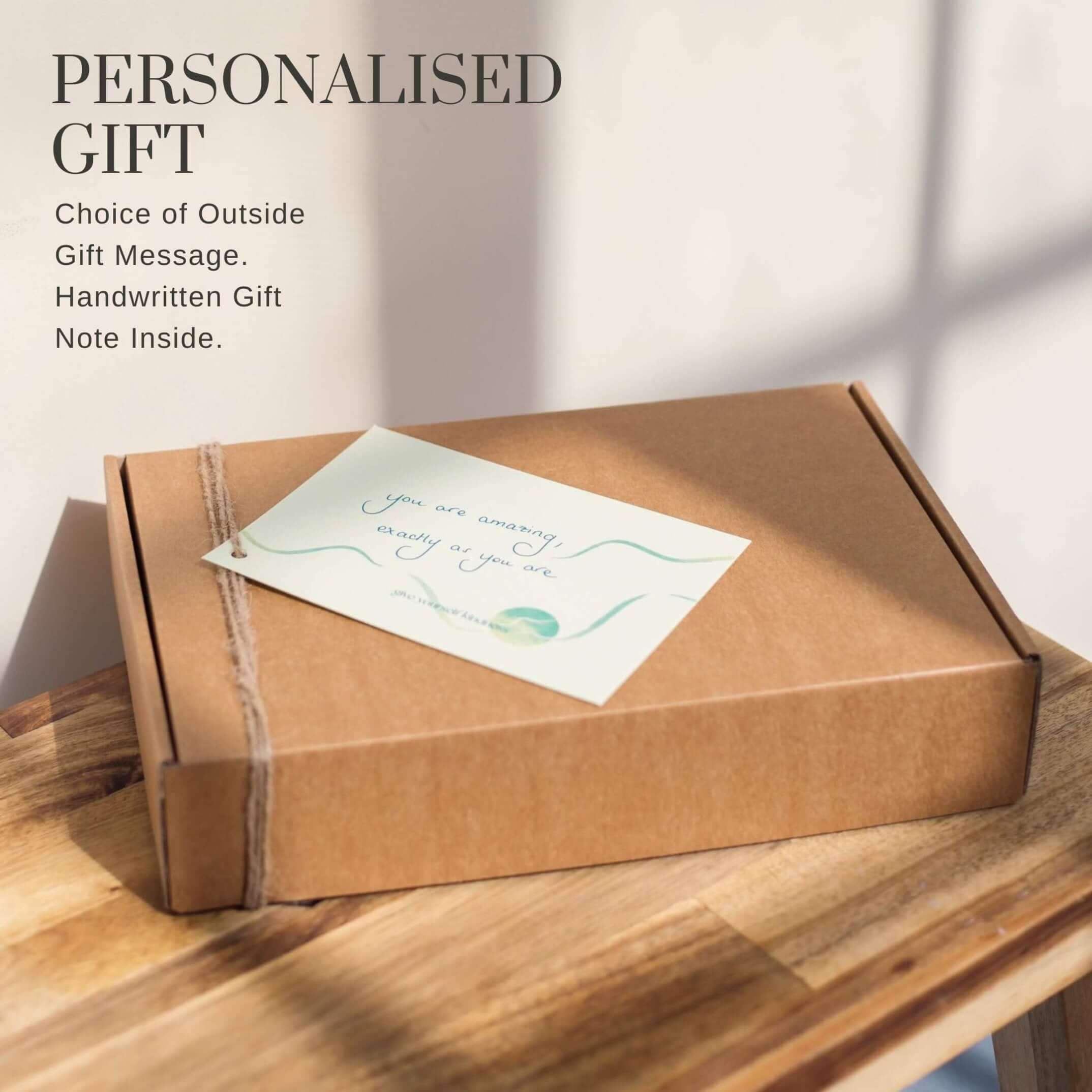
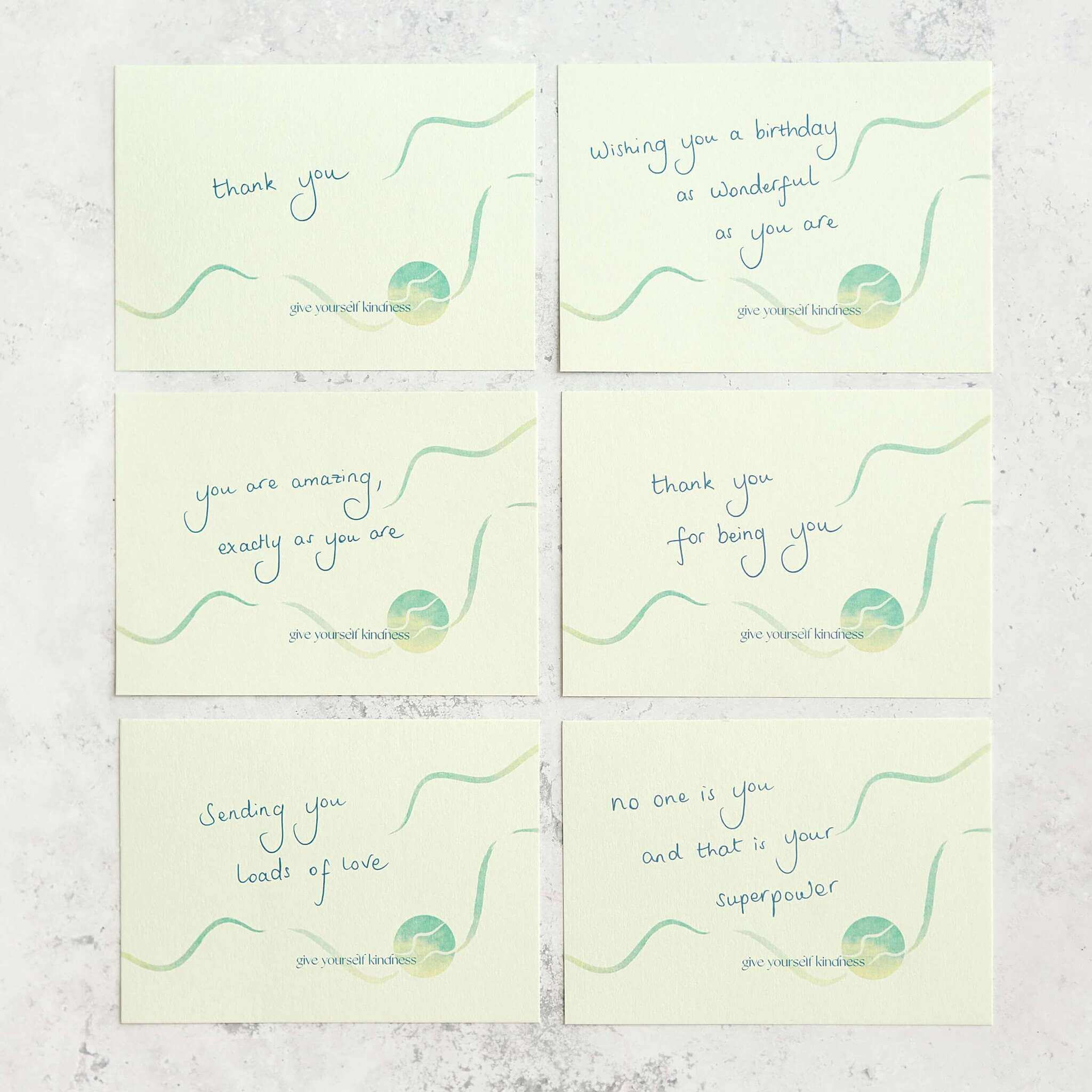
Gift wrapping included + free handwritten note
Other Evidence-Based Options for Anxiety
Here are additional research-backed options that complement self-compassion tools:
Books by Clinical Psychologists
Self-Compassion: The Proven Power of Being Kind to Yourself by Dr. Kristin Neff
Written by the researcher who pioneered self-compassion studies. Shows how self-compassion specifically helps with anxiety.
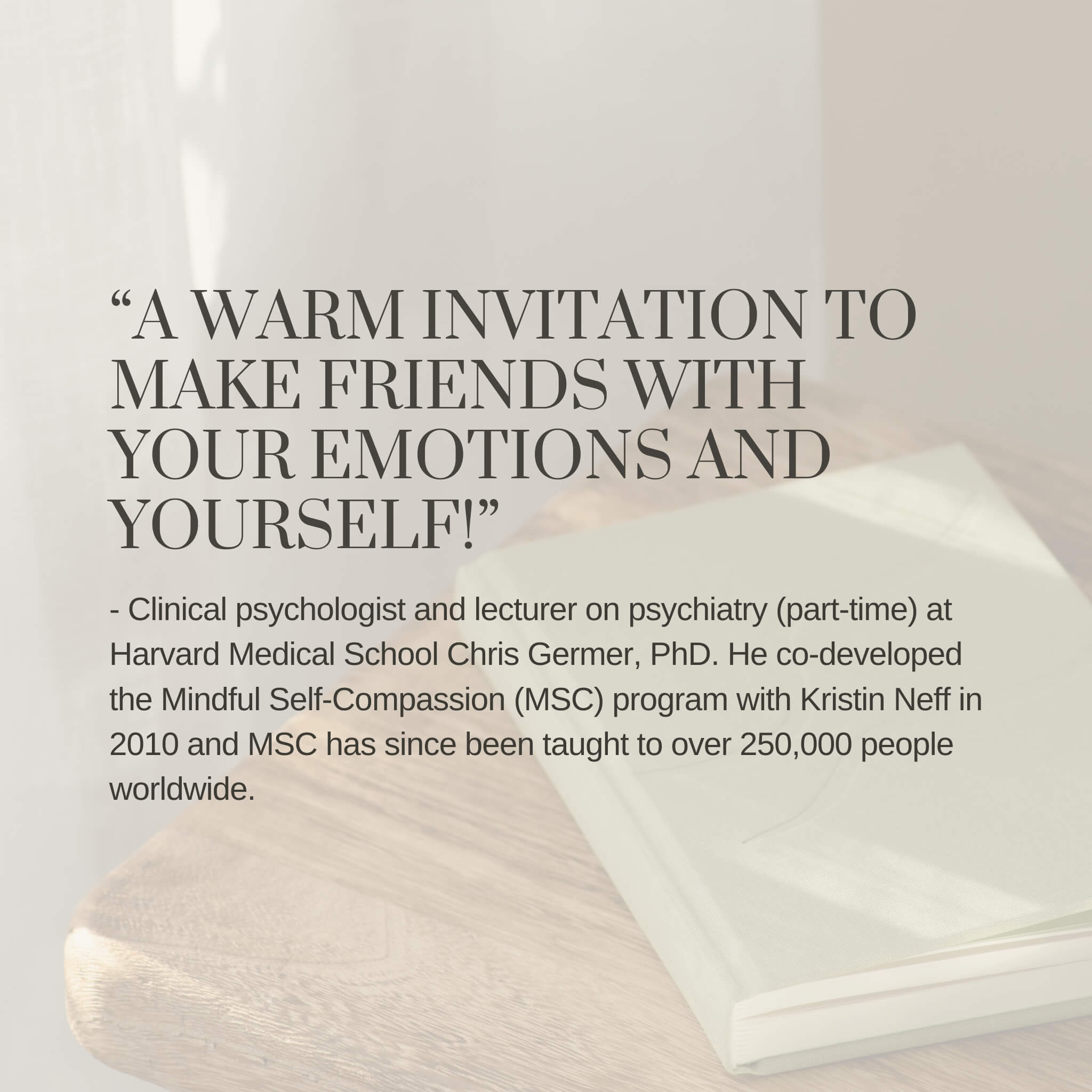
The Mindful Path to Self-Compassion by Dr. Chris Germer
Practical exercises from the Harvard psychologist who co-developed Mindful Self-Compassion therapy.
Mindfulness Tools
Weighted blanket
The gentle pressure activates the parasympathetic nervous system, which Dr. Bach notes can help reduce physical anxiety symptoms.
Meditation app subscription (Calm, Headspace)
Guided meditations specifically for anxiety. Work well paired with self-compassion tools.
Comfort Items (With Permission)
Important: Dr. Bach emphasizes that self-care is part of managing anxiety. When giving comfort items, include explicit permission to use them without guilt:
"I want you to take time to care for yourself without feeling guilty about it."
- Soft blanket or comfortable robe
- Aromatherapy diffuser with lavender oil
- Quality tea and a nice mug
- Noise-canceling headphones
Gifts That Can Make Anxiety Worse
Some well-meaning gifts can accidentally increase anxiety:
❌ Generic "Don't Worry" or "Just Relax" items
As Dr. Bach explains, telling someone with anxiety to "just relax" dismisses their real struggle. It often makes them feel worse—like they're failing at something that should be easy.
❌ Journals with repetitive daily prompts
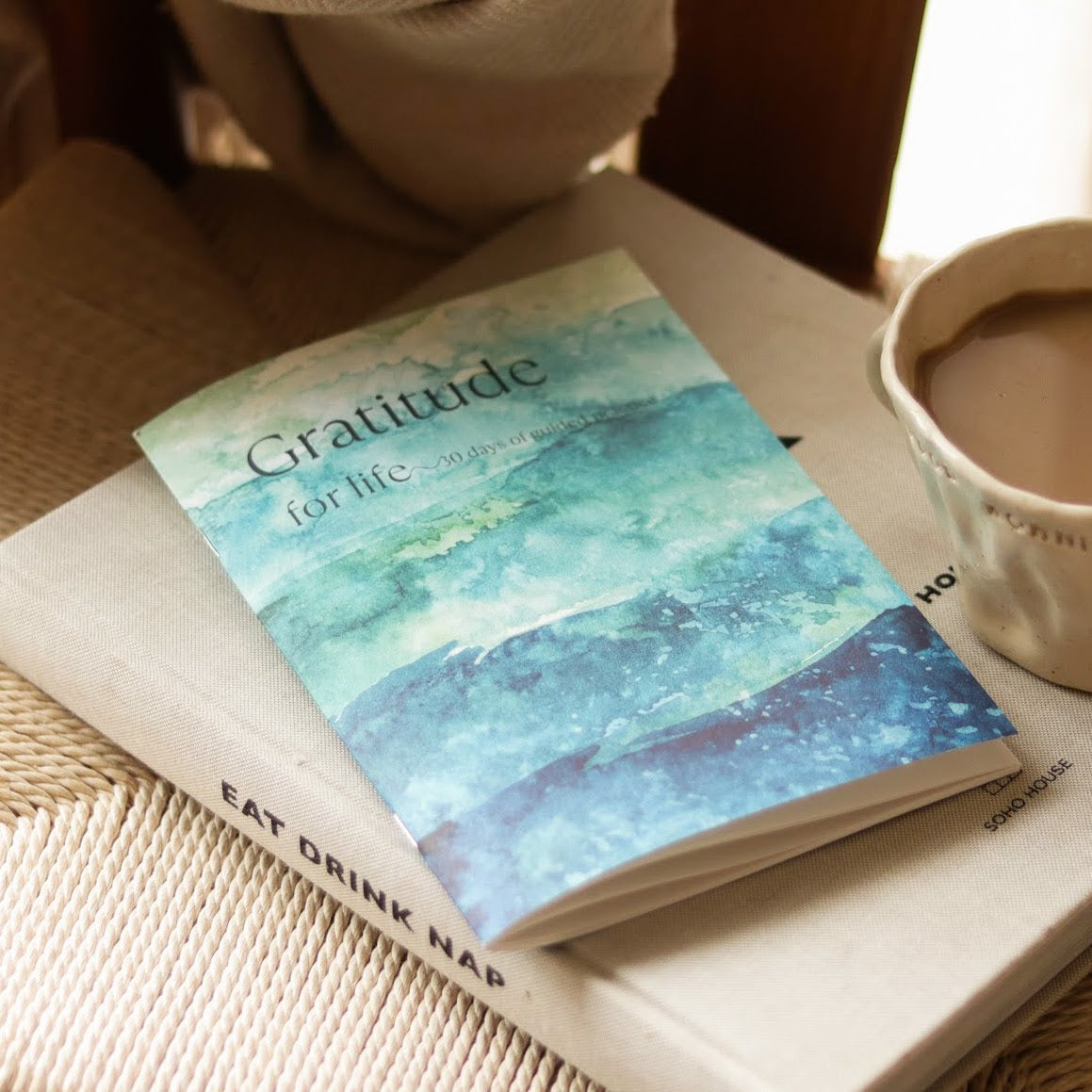
"List 3 things you're grateful for" every single day becomes meaningless quickly. Then there's guilt for not using it, which adds to anxiety.
❌ Products that imply they need to be "fixed"
Anything suggesting anxiety is a personal failure rather than a manageable condition.
❌ Anything that adds to their to-do list
Complex self-help programs or demanding practices can increase stress rather than reduce it.
The pattern to avoid: Anything dismissive, demanding, or suggesting anxiety is their fault.
What to Say When Giving Your Gift
The words matter as much as the gift itself.
Dr. Bach notes in her article:
What to say:
- "I know anxiety has been really tough lately. I wanted to give you something that might help—it's designed based on what clinical psychologists recommend for managing anxiety."
- "Therapists specializing in anxiety recommend self-compassion practices. This tool is designed around that research. I'm also here whenever you want to talk."
- "There's no pressure to use this in any particular way—just know I care about you and want to support you however helps most."
What to avoid:
- ❌ "This will fix your anxiety" - Sets up false expectations
- ❌ "You just need to think more positively" - Dismissive of real struggle
- ❌ "Try to use this every day" - Adds pressure
The message: I see you're struggling. I care about you. Here's a tool that might help, backed by people who understand anxiety.
The Most Important Gift: Your Support
Here's what matters most: No physical gift replaces emotional support.
The journal, the cards—they can help. But what truly matters is you.
How to support a friend with anxiety:
Give your time
Spend quality time together doing low-pressure activities. Watch a movie at home. Go for a gentle walk. Cook together. Your presence shows they're valued even when they're anxious.
Listen without trying to fix
Dr. Bach explains:
When your friend shares their anxiety, resist "have you tried...?" or "just don't think about it."
Simply: "That sounds really hard. I'm here for you."
That's enough.
Learn about anxiety
Read Dr. Bach's article "How Self-Compassion Can Help Us Manage Anxiety" to understand what your friend is experiencing and why self-compassion helps.
Know when to suggest professional help
If anxiety is significantly impacting daily life—affecting work, relationships, or causing panic attacks—a therapist can provide professional support.
Suggest it from care: "I want to make sure you have all the support you need. Would you be open to talking to a therapist who specializes in anxiety?"
Not as criticism. As care.
Common Questions About Gifts for Anxiety
Will these gifts actually help my friend's anxiety?
These tools are designed based on what clinical psychologists like Dr. Erika Bach recommend for managing anxiety—self-compassion practices that reduce self-criticism and build resilience.
They won't "cure" anxiety (nothing can—anxiety is a normal human experience). But research shows self-compassion is effective for managing anxiety symptoms and reducing the shame that compounds anxiety.
Many therapists use these tools with their anxiety clients. They work best alongside professional support if anxiety is severe.
What if my friend doesn't like journaling?
The affirmation cards are perfect for people who don't have time or energy for journaling. They take 30 seconds—just pick a card and place it where you'll see it.
Or give both, letting your friend choose what works for them each day.
Is this enough support for someone with anxiety?
These tools provide daily support and practice, but they're not a replacement for therapy or professional help.
If anxiety is severe—causing panic attacks, affecting work or relationships, or making daily life difficult—encourage working with a therapist. These tools complement therapy beautifully.
How do I know if these are the right gift?
These gifts work well if your friend:
- Is hard on themselves when they feel anxious
- Experiences self-criticism alongside anxiety
- Wants practical tools (not just "think positive" advice)
- Is open to self-compassion practices
What if my friend feels overwhelmed by another "thing to do"?
That's valid. Emphasize when giving it:
"There's no pressure to use this every day or in any particular way. It's here if and when it helps."
The journal is undated (no guilt for missed days) and the cards take 30 seconds (not demanding).
Can I give this to someone who doesn't believe in self-help?
These aren't generic self-help—they're based on research by clinical psychologists like Dr. Kristin Neff and Dr. Chris Germer (Harvard Medical School).
If your friend is skeptical: "This is recommended by therapists and based on clinical psychology research on anxiety. It's not 'positive thinking' stuff—it's about being kinder to yourself when things are hard."
A Final Note
Watching your friend struggle with anxiety is hard. You want to help. You want to make it better.
What you can do is provide thoughtful, research-backed tools and consistent emotional support. Show them, through your actions and presence, that they matter—even when they're anxious.
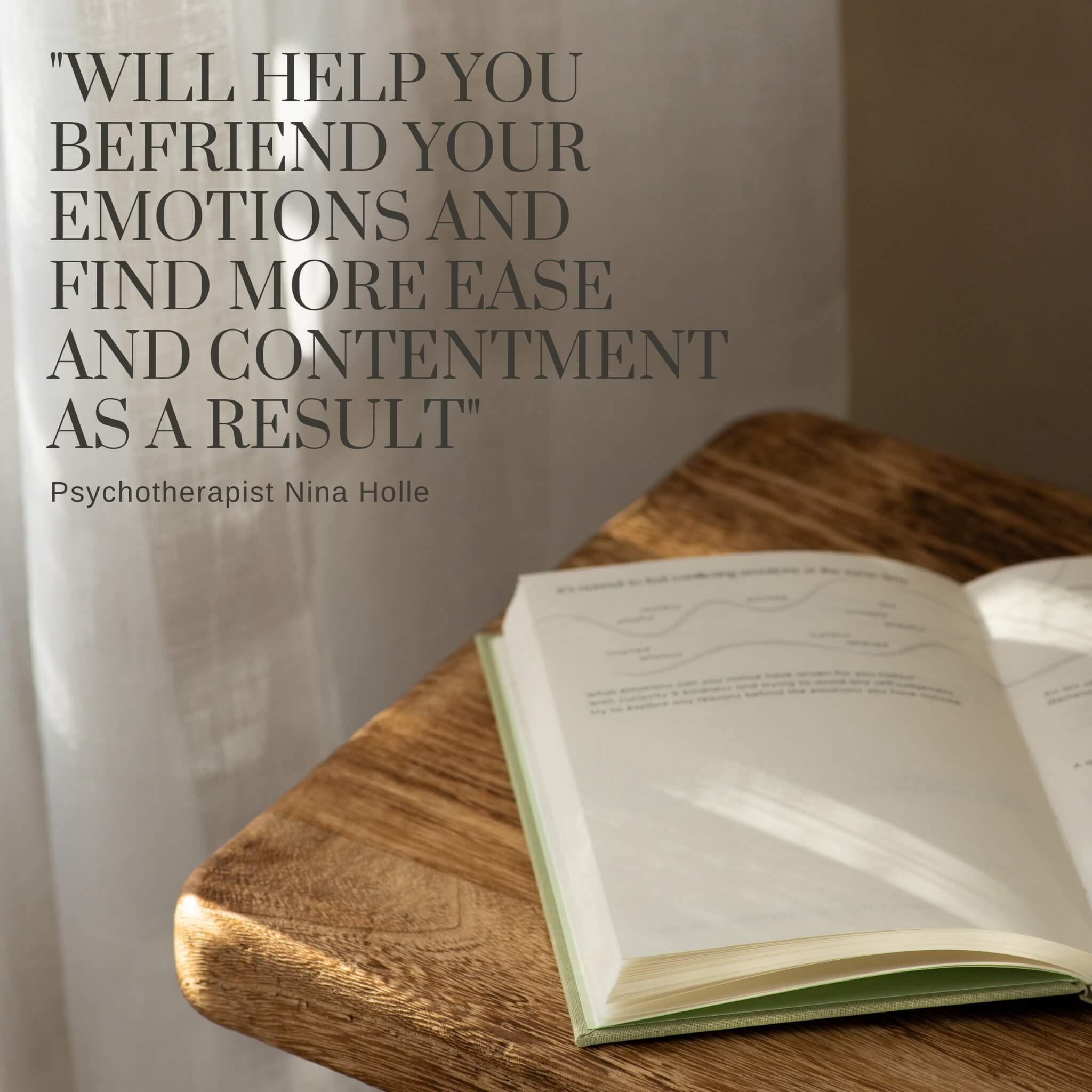
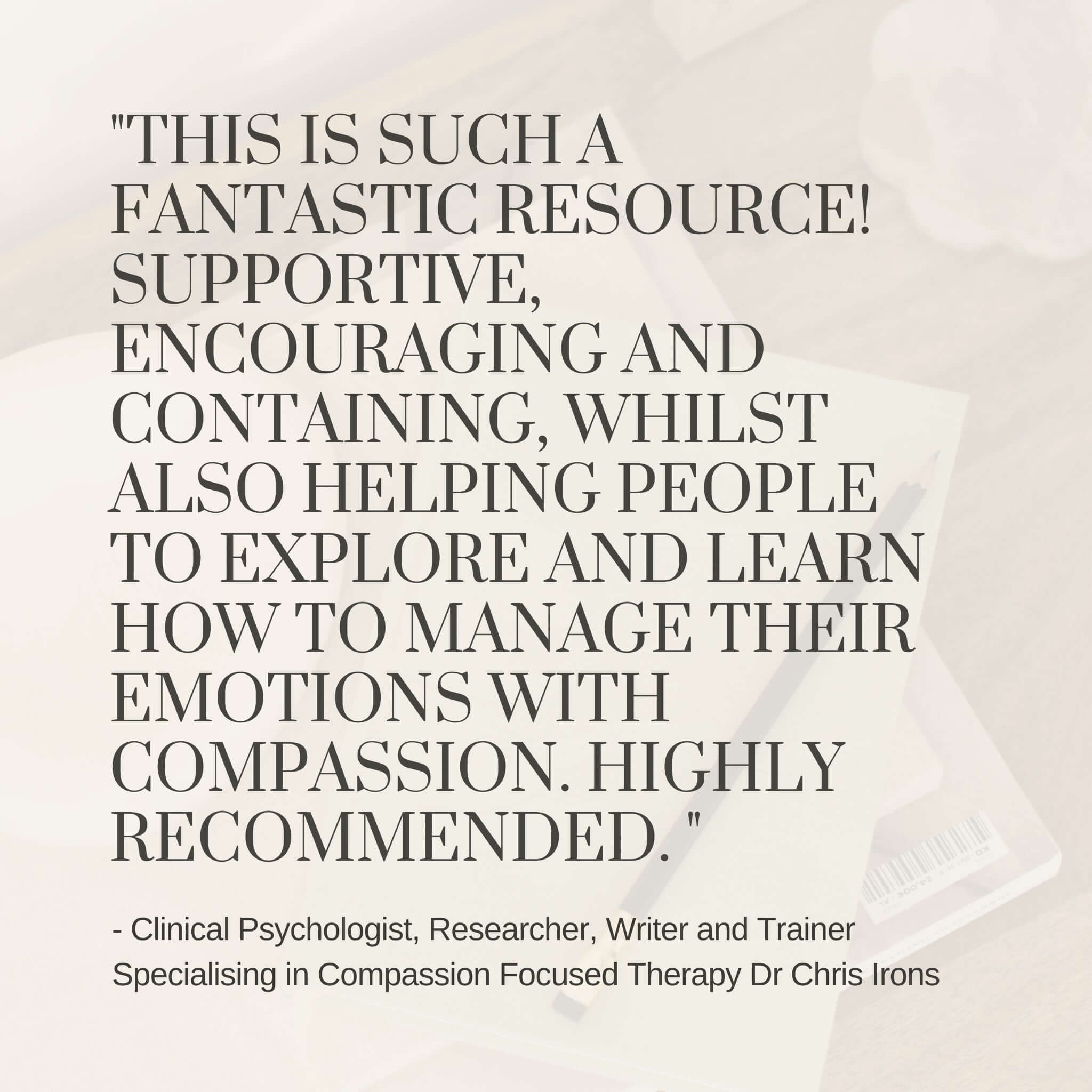
The Give Yourself Kindness tools are created based on what clinical psychologists recommend. They're used by therapists with their clients. Recommended by Dr. Chris Germer from Harvard Medical School, Dr. Chris Irons (CFT researcher), and counselors worldwide.
Not because they're magic. Because they genuinely help.
Pair them with your love and presence, and you've given something truly meaningful.

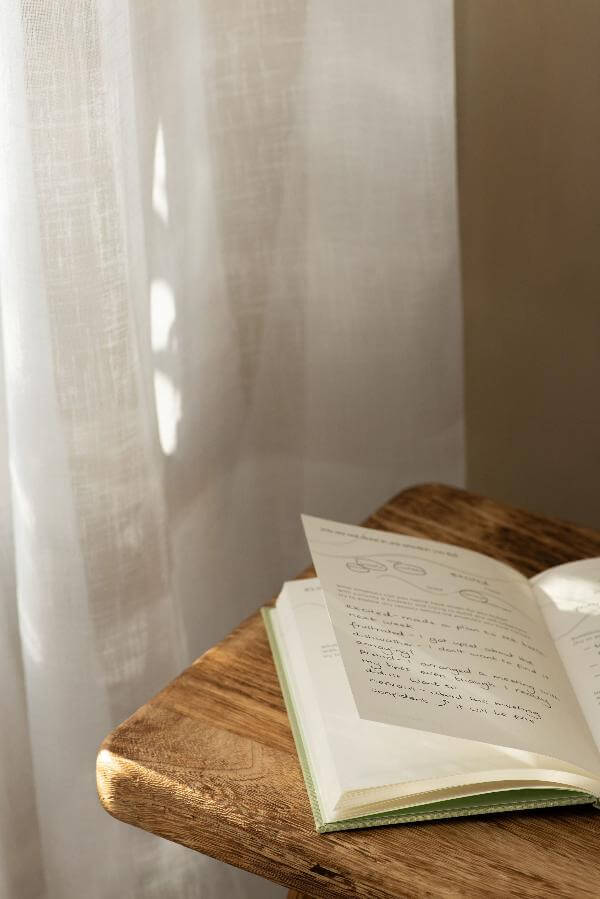
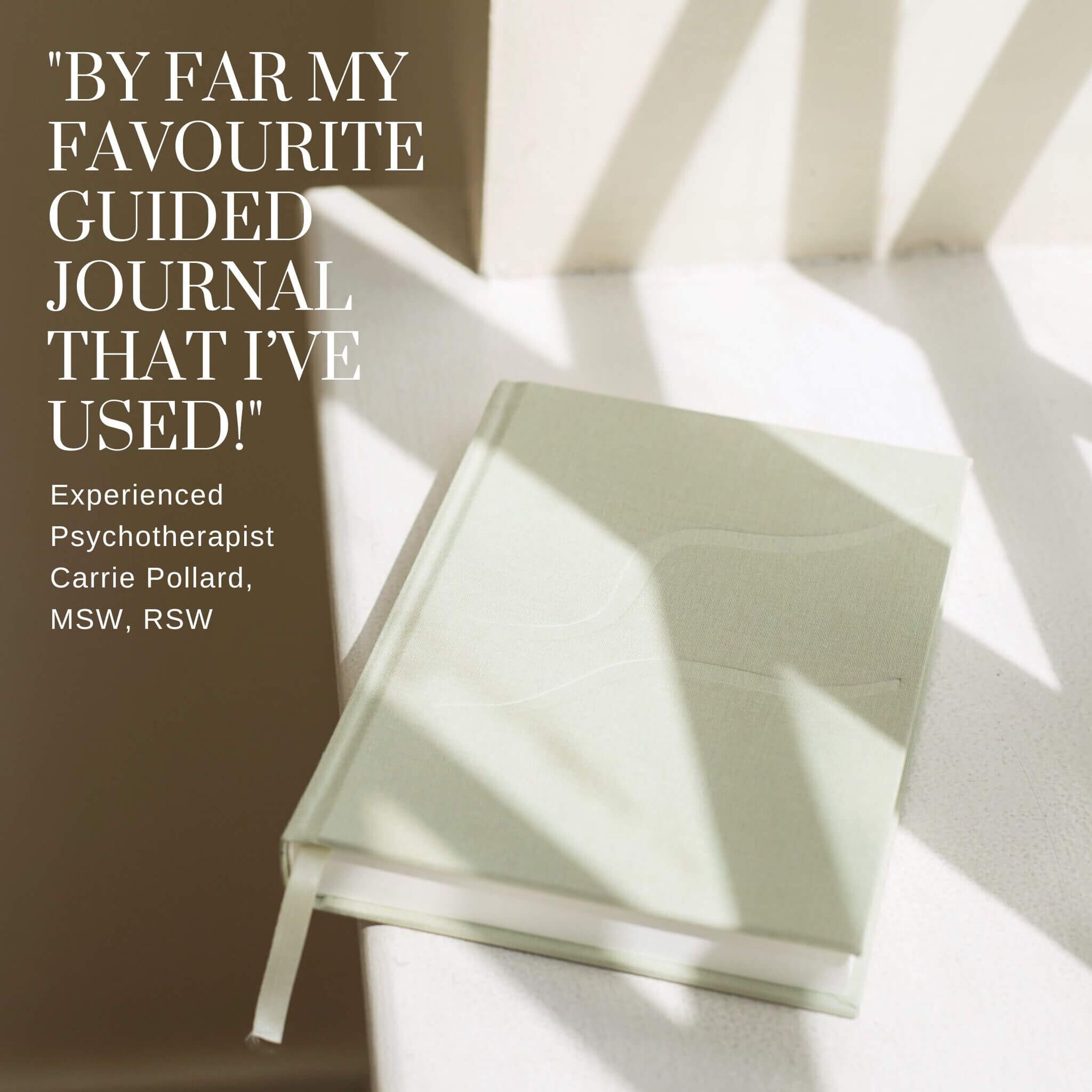
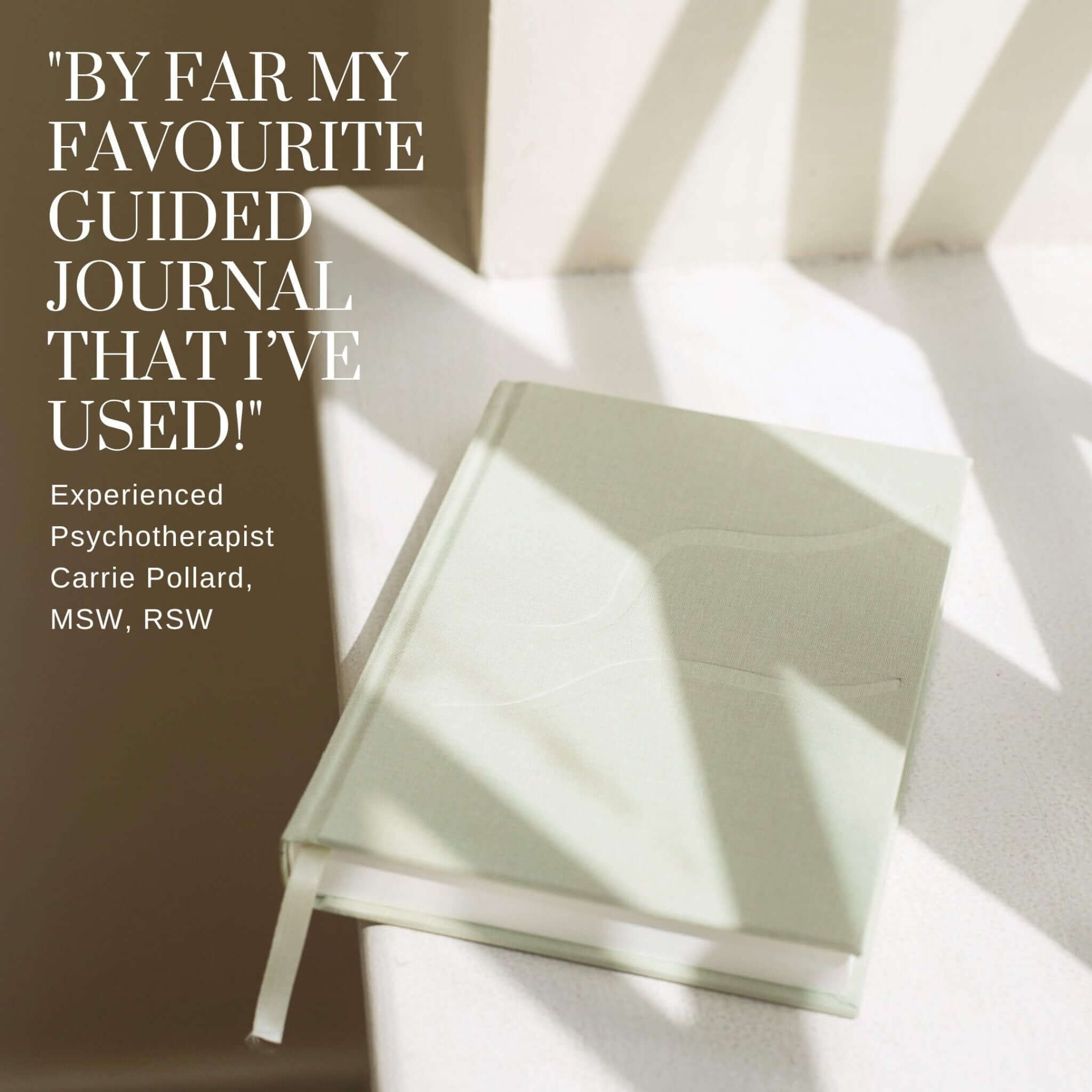
“By far my favourite guided journal that I’ve used!”
There's a lot of journals out there. Most of which include tools that can be repetitive, boring or unhelpful. Give Yourself Kindness is about creating something new.