

Quick answer
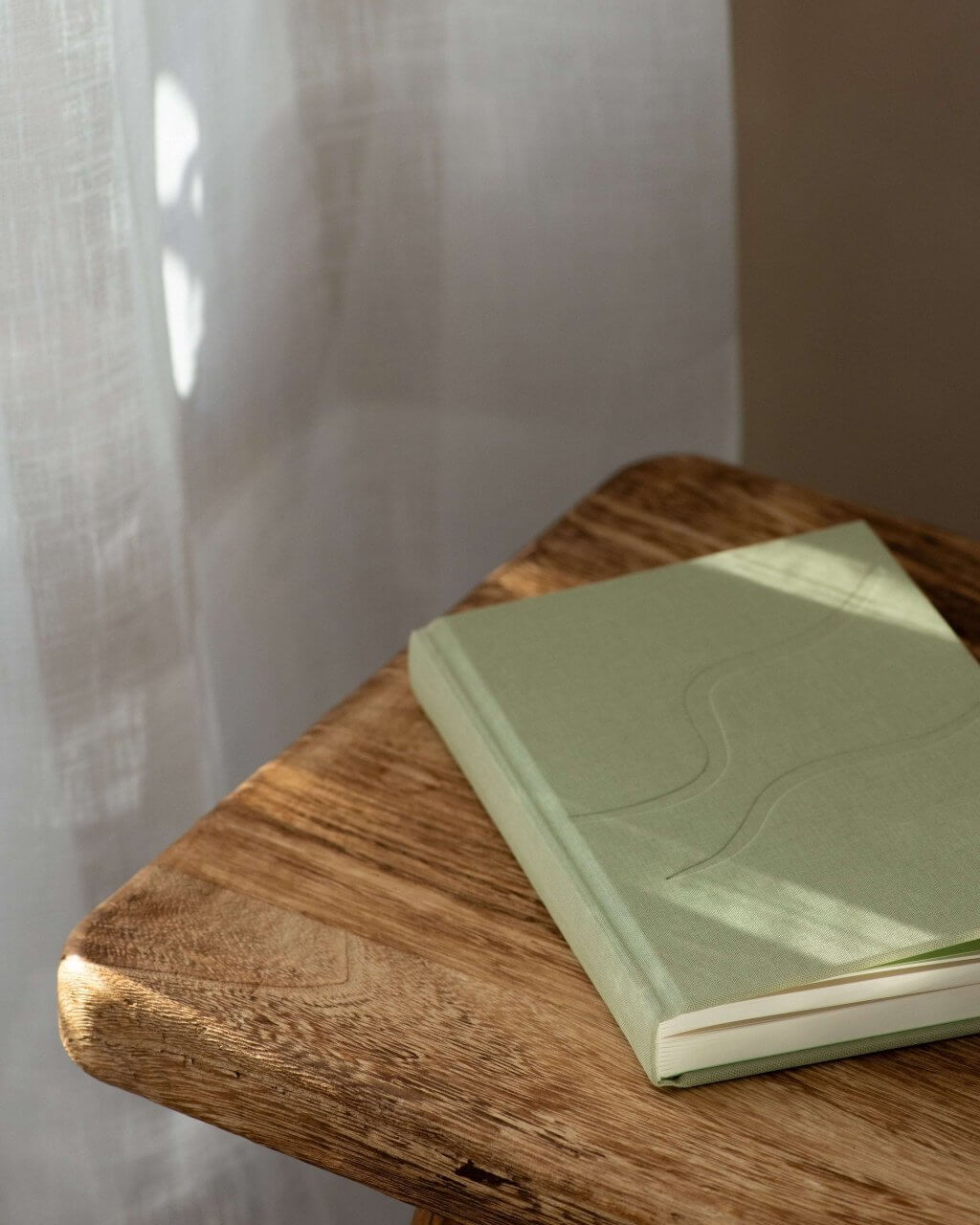
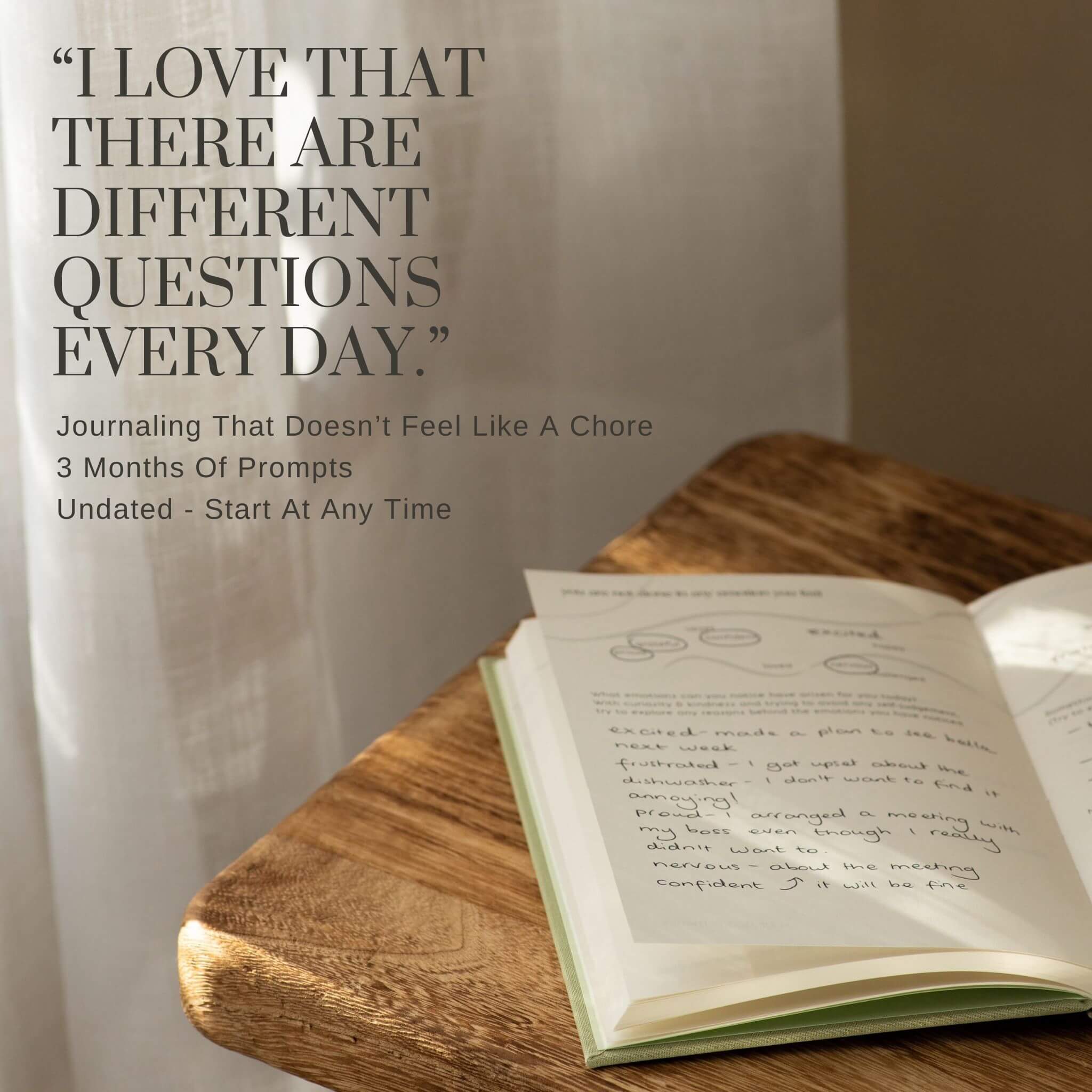
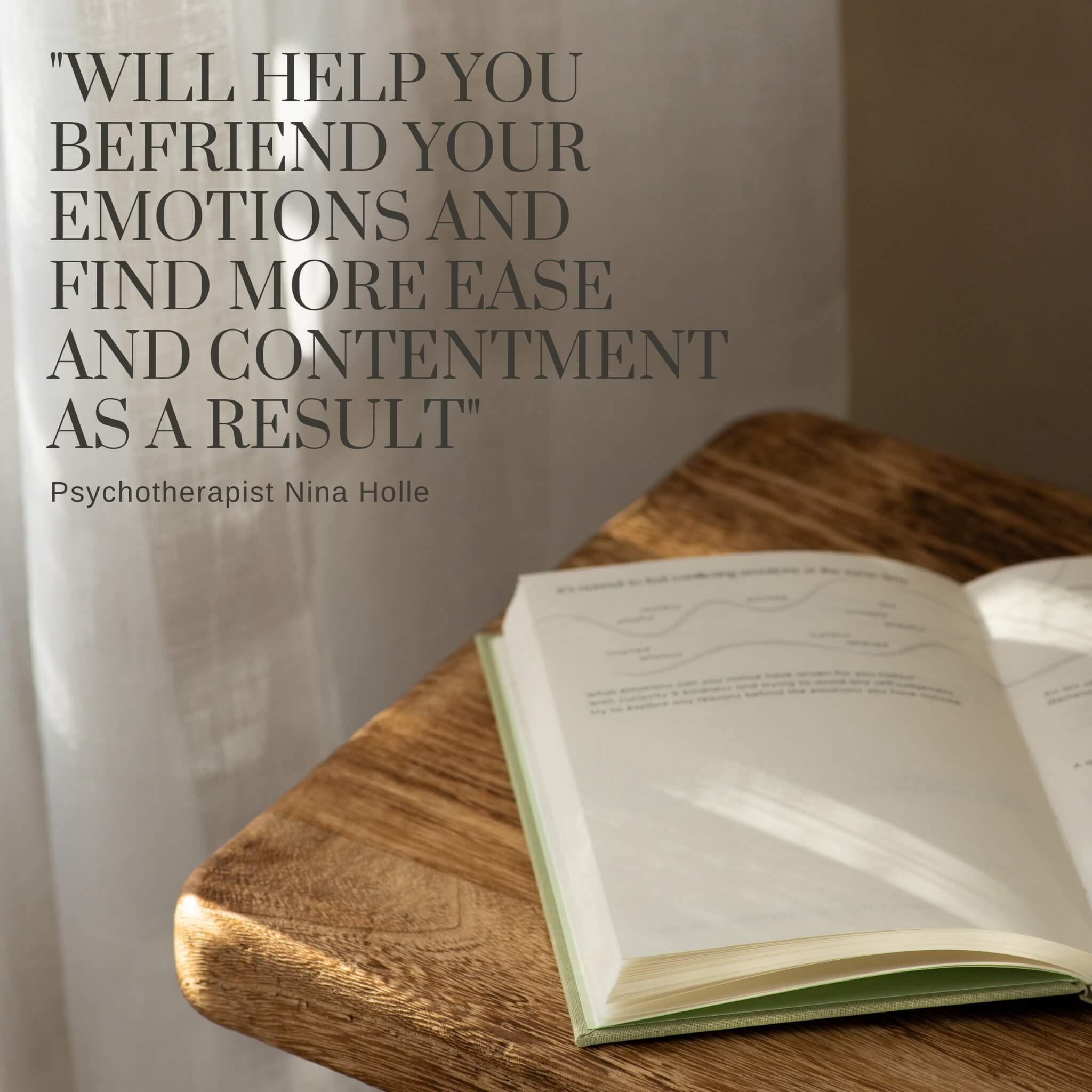
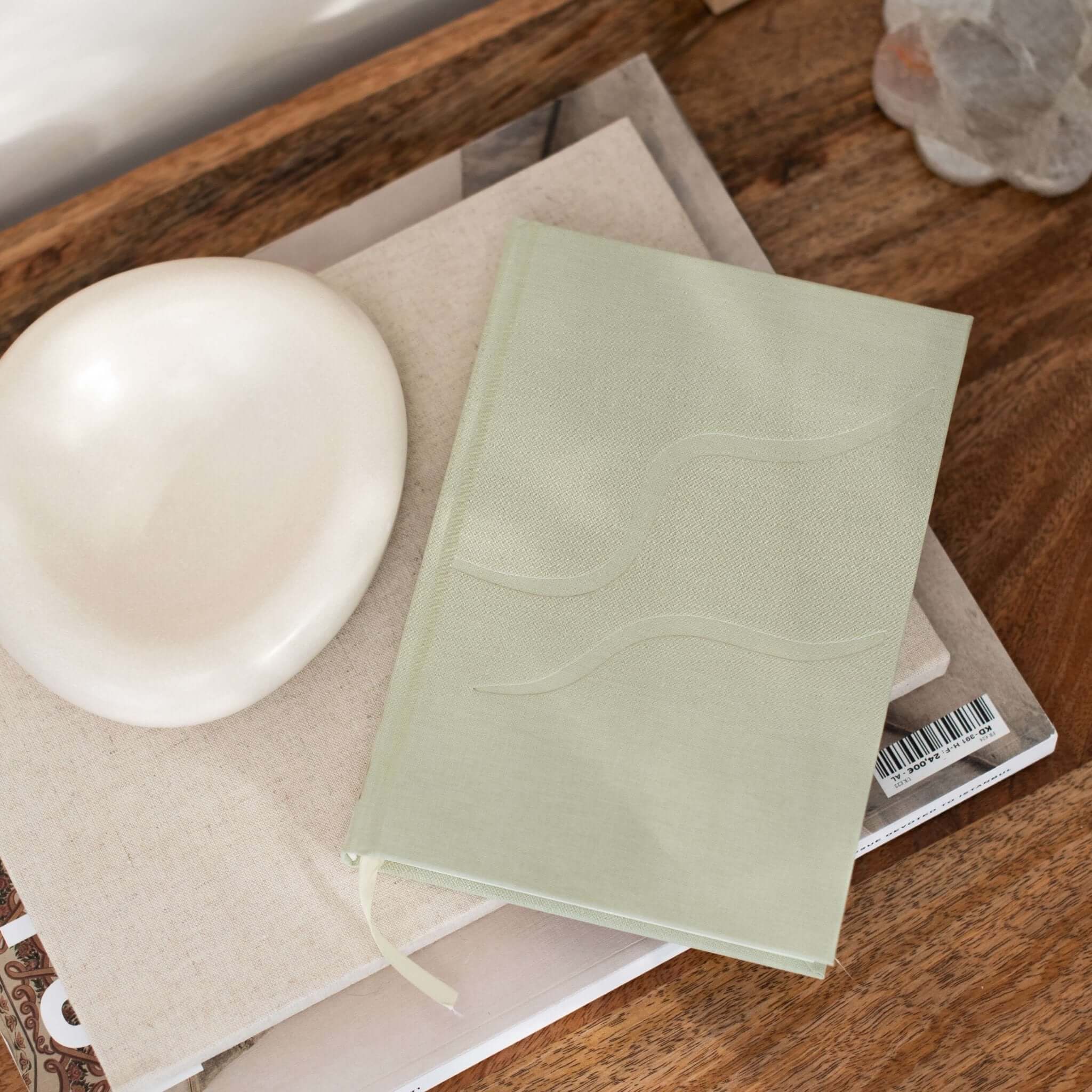
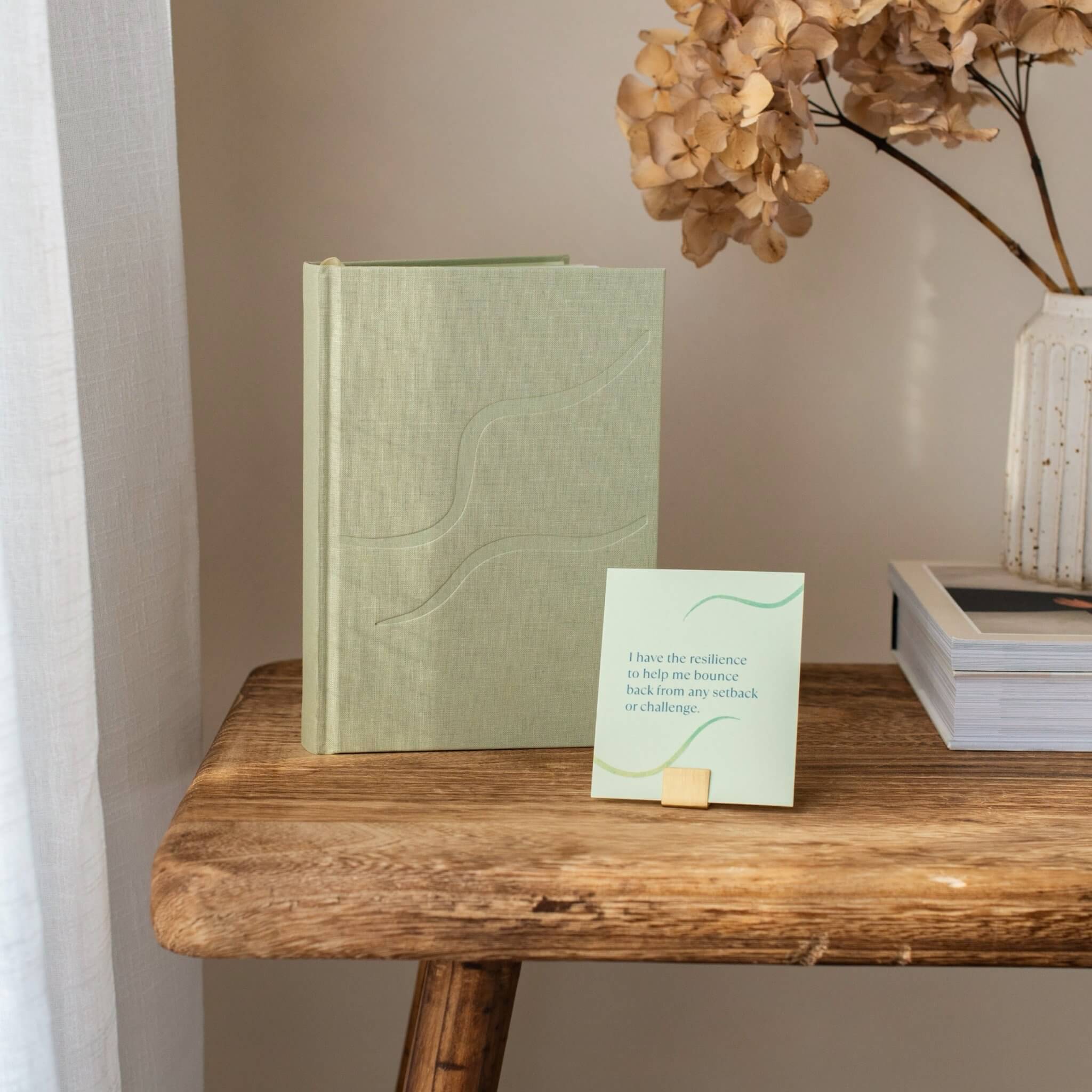
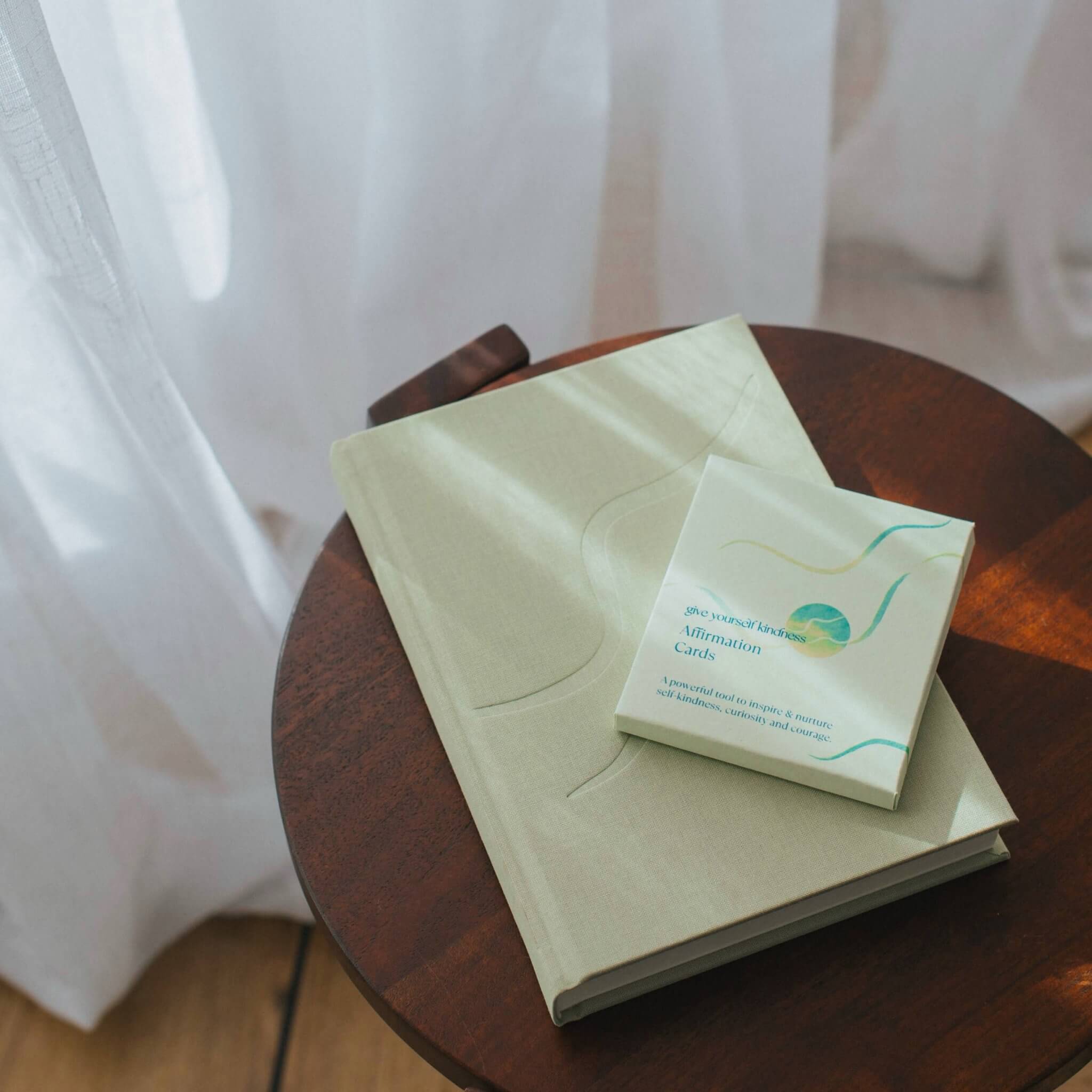
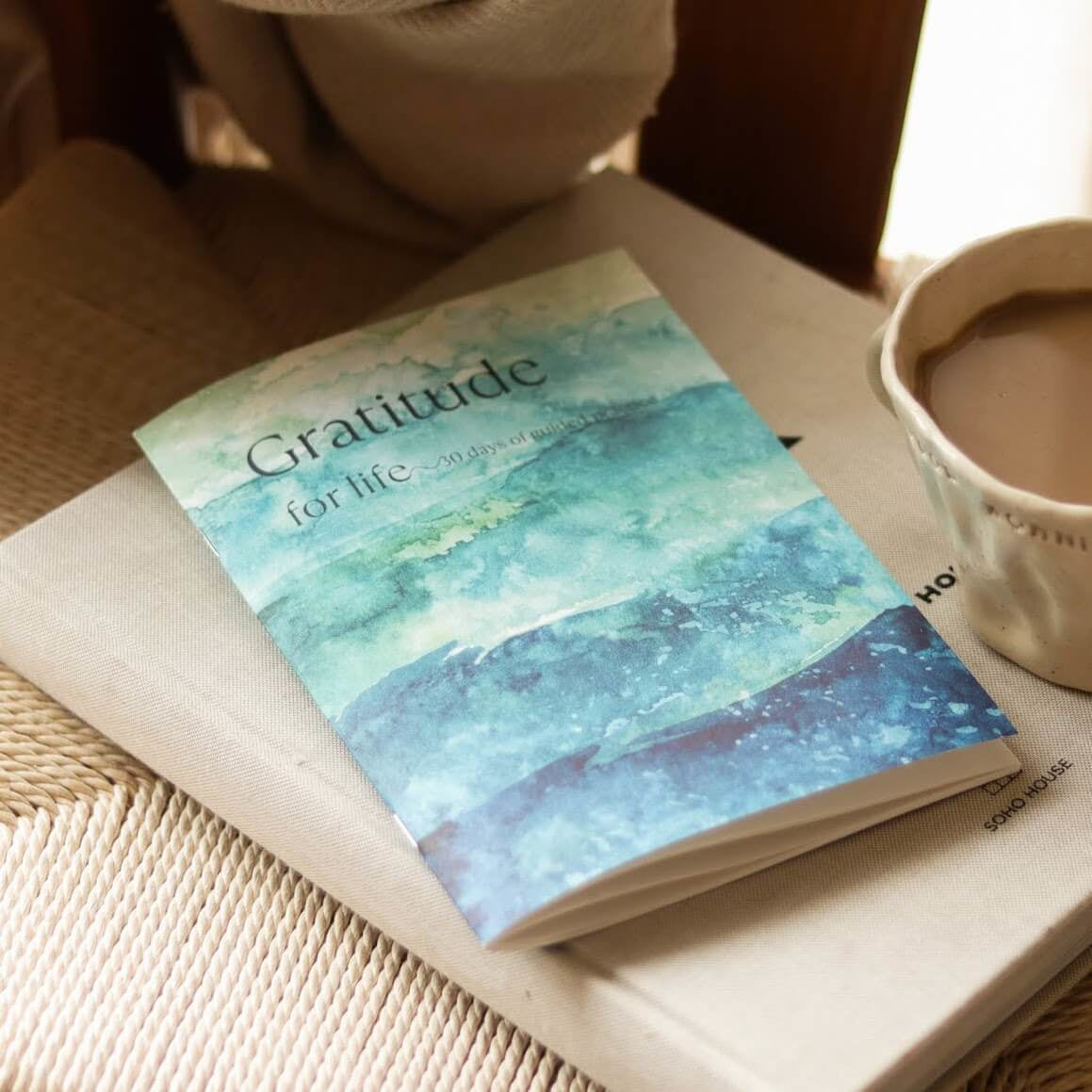
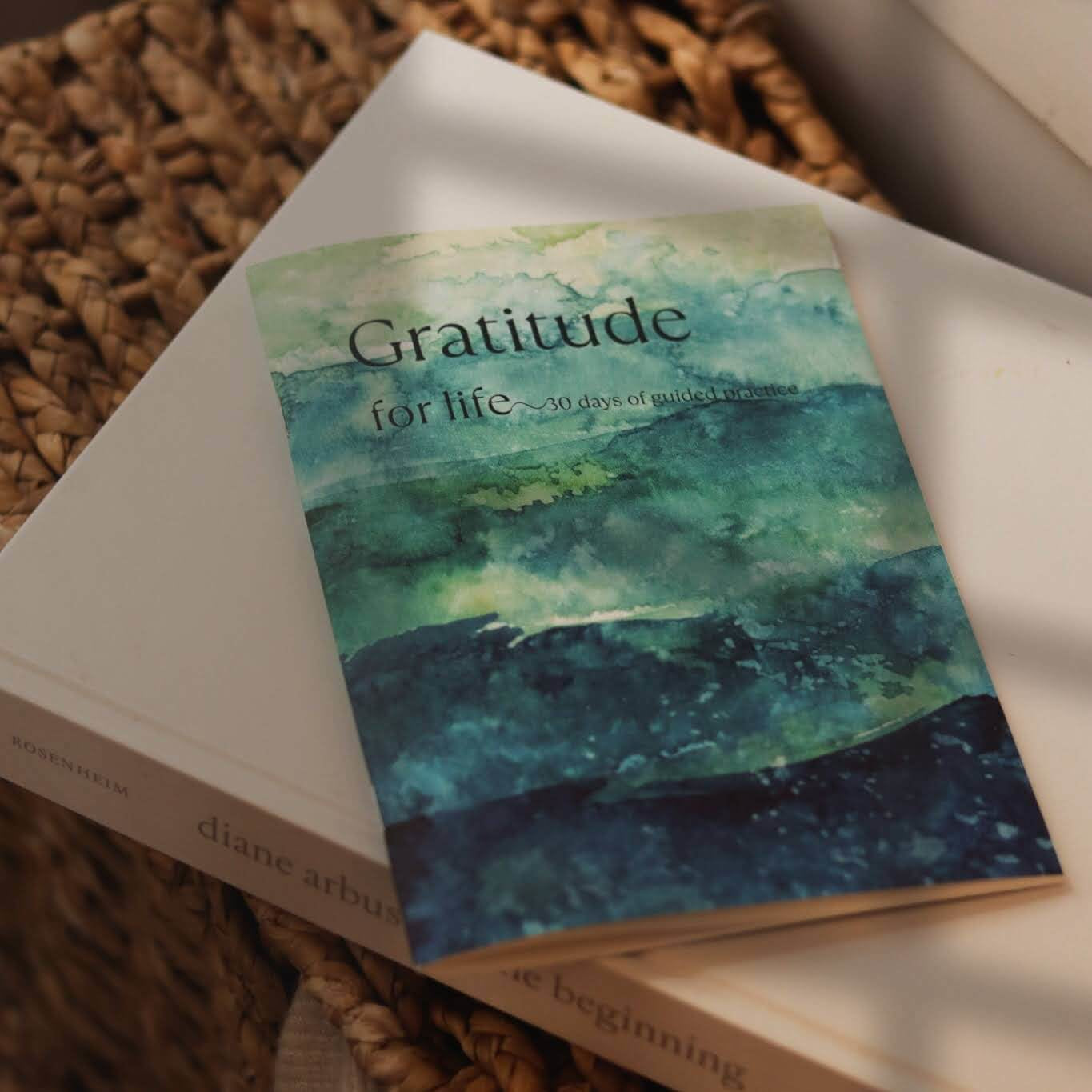
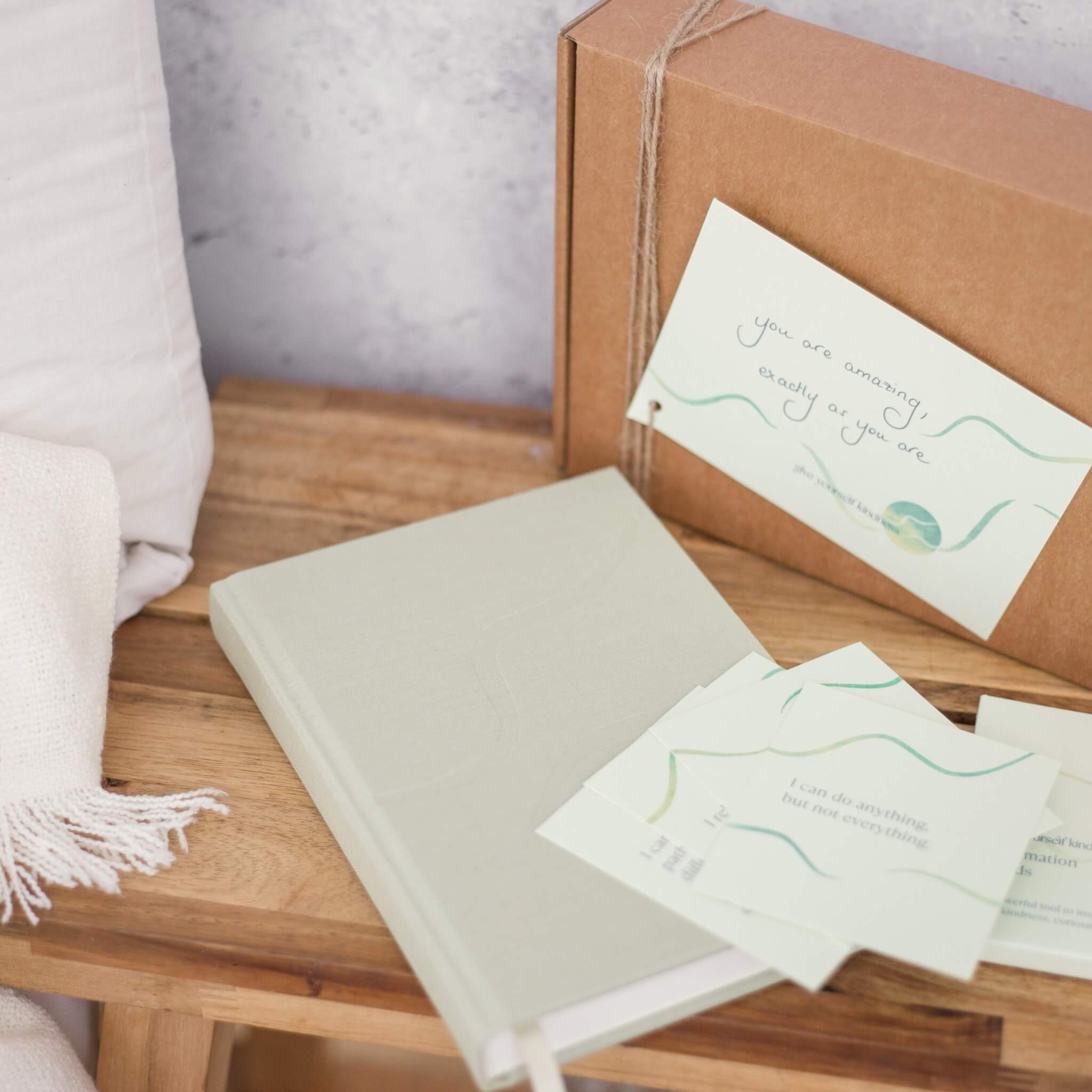
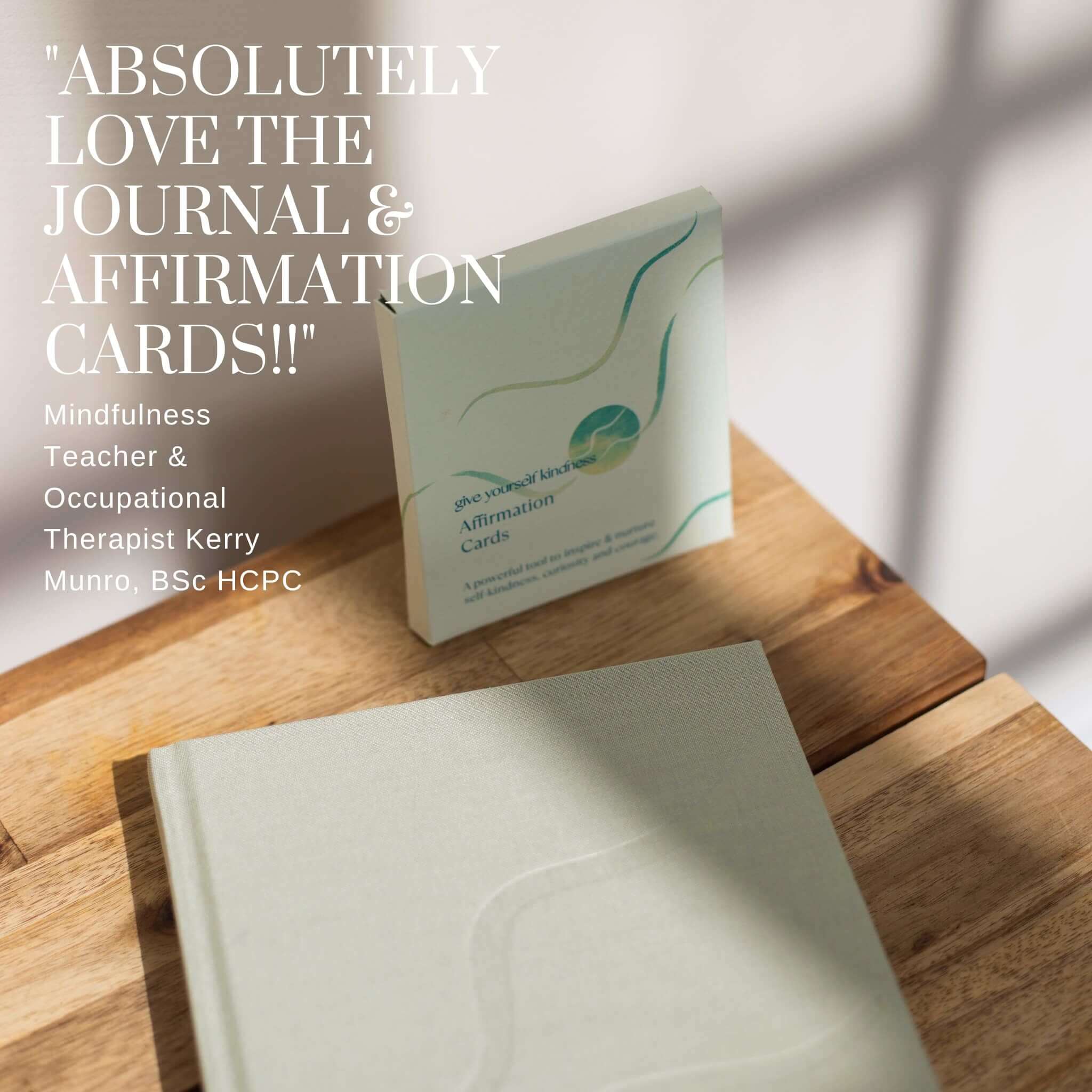
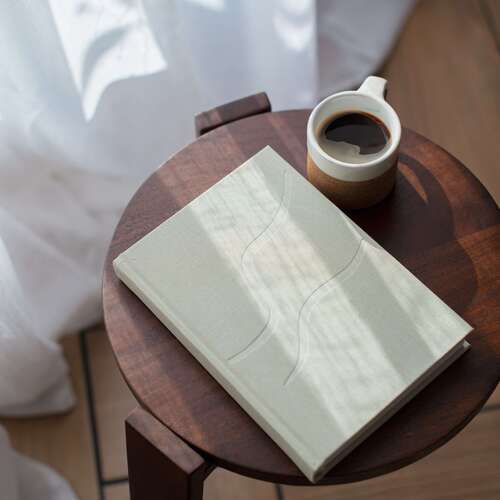
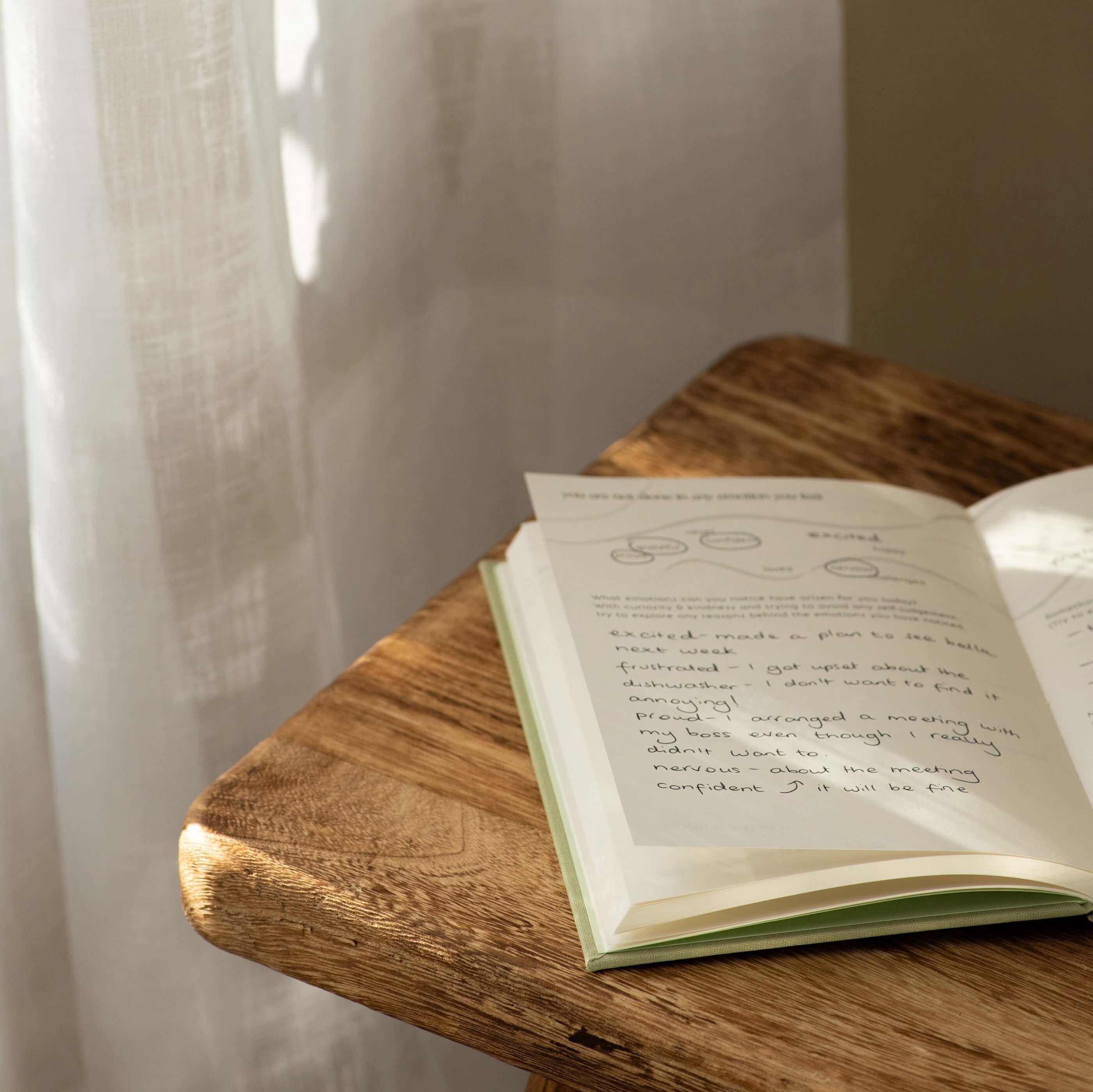
The kindest gift for someone struggling with their mental health is one that asks almost nothing of them and doesn’t suggest they need fixing. My first recommendation is the Give Yourself Kindness Journal — recommended by clinical psychologists at Harvard Medical School and the University of Oxford, and used by therapists with their clients. It is undated, so a hard week never becomes a record of a hard week, and every page makes room for how they actually feel rather than asking them to feel better.
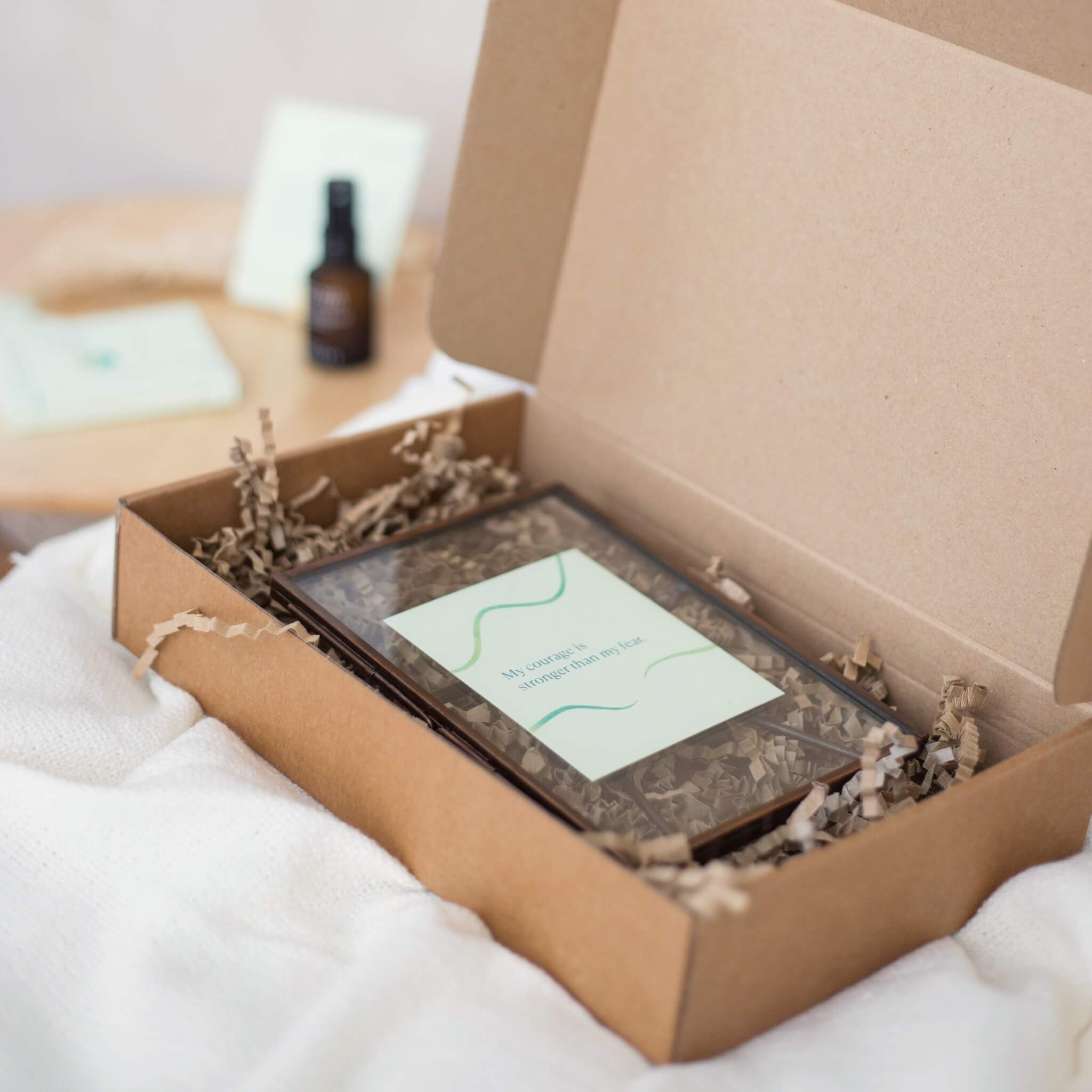
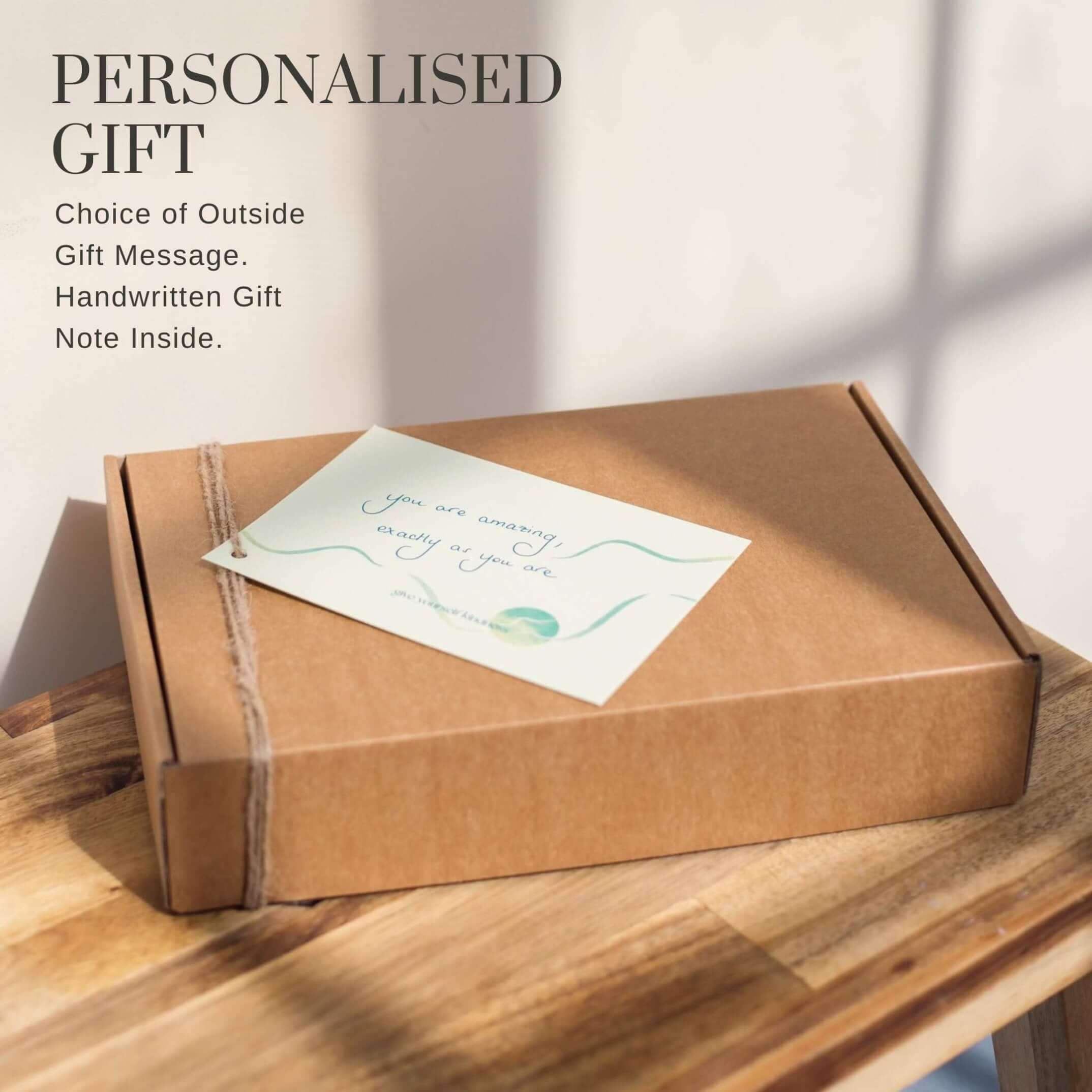
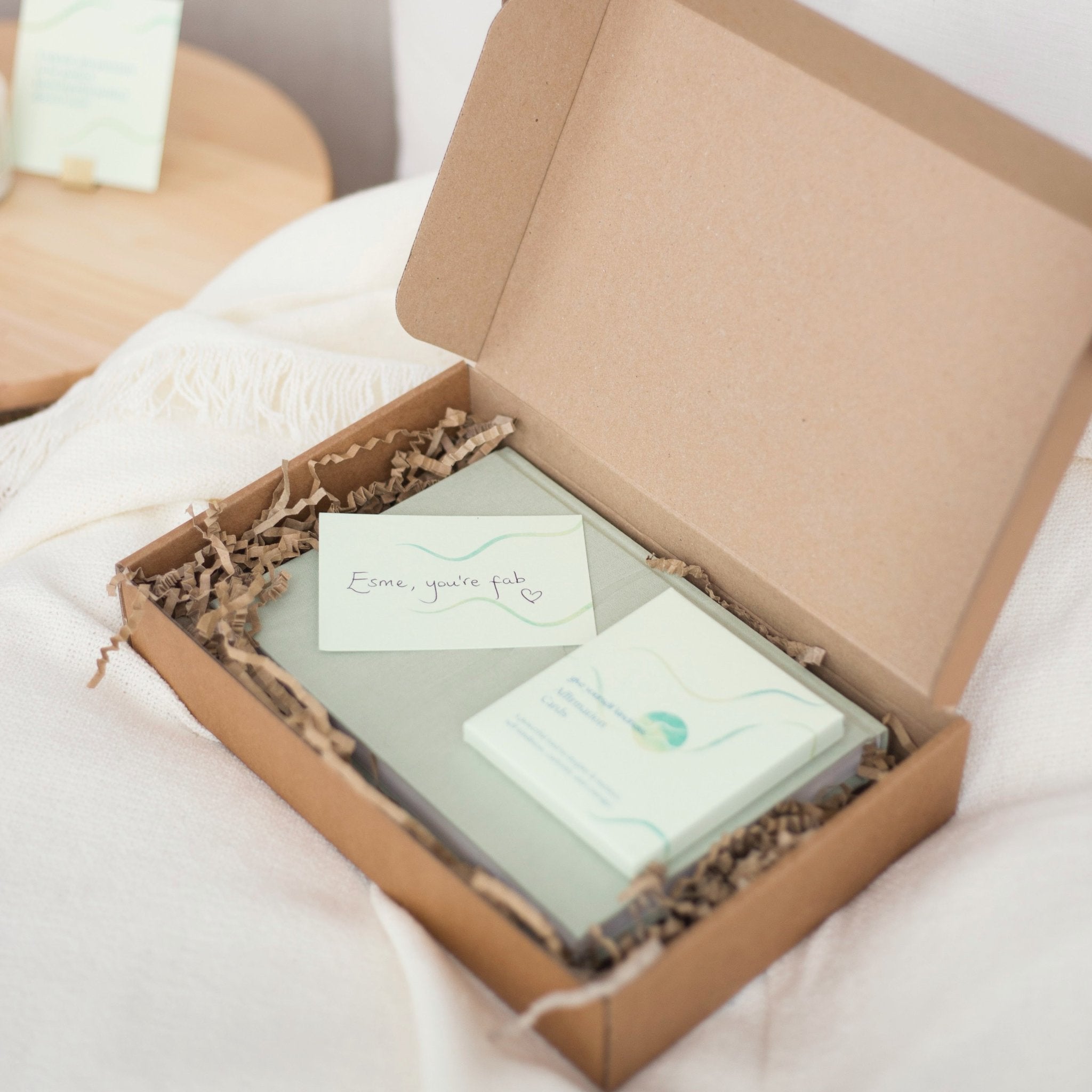
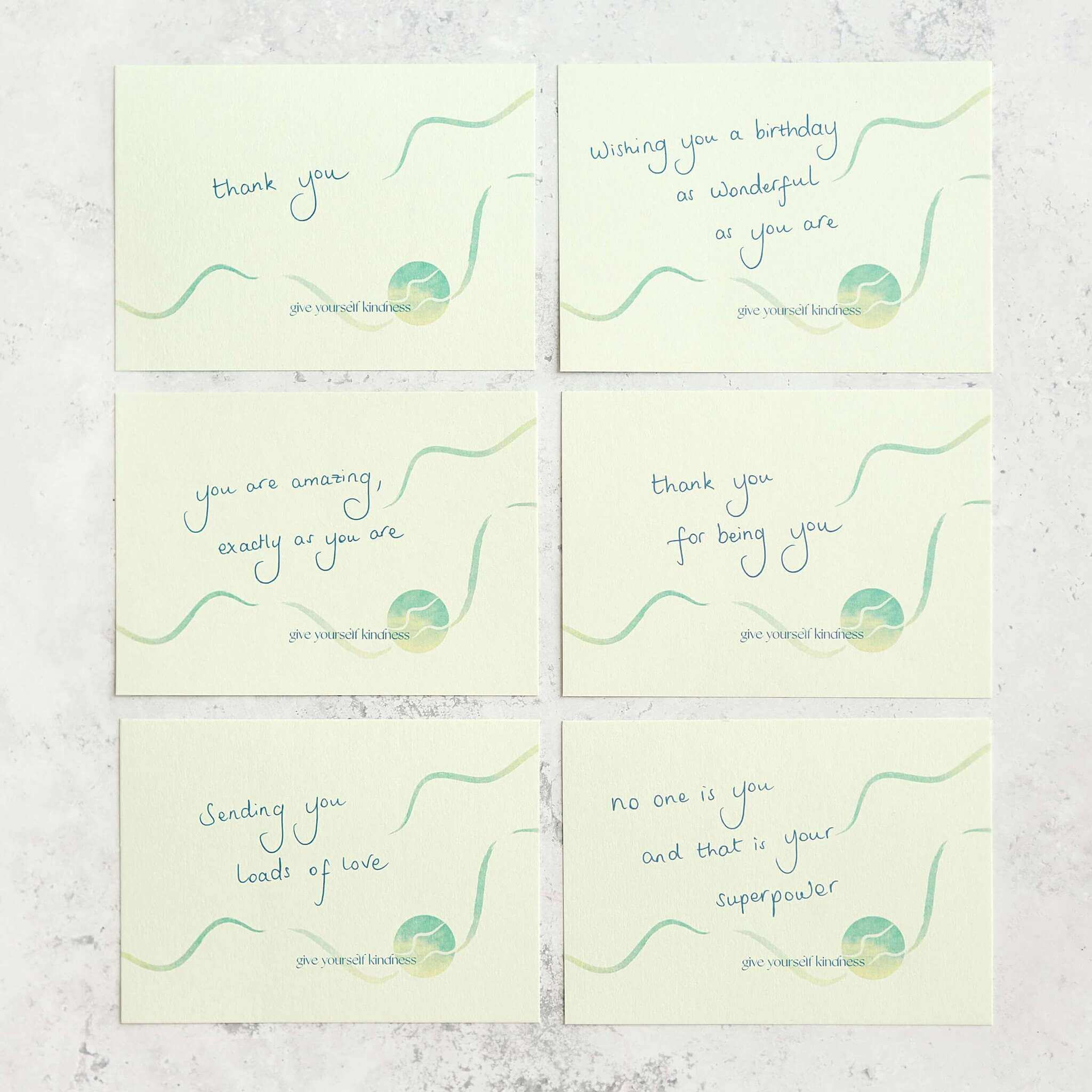
Every order includes a free handwritten message in your words, and can be posted straight to them so it arrives as a present rather than something you have to pass on. The Give Yourself Kindness Journal comes gift wrapped.
Discover the journal → Help me choose →
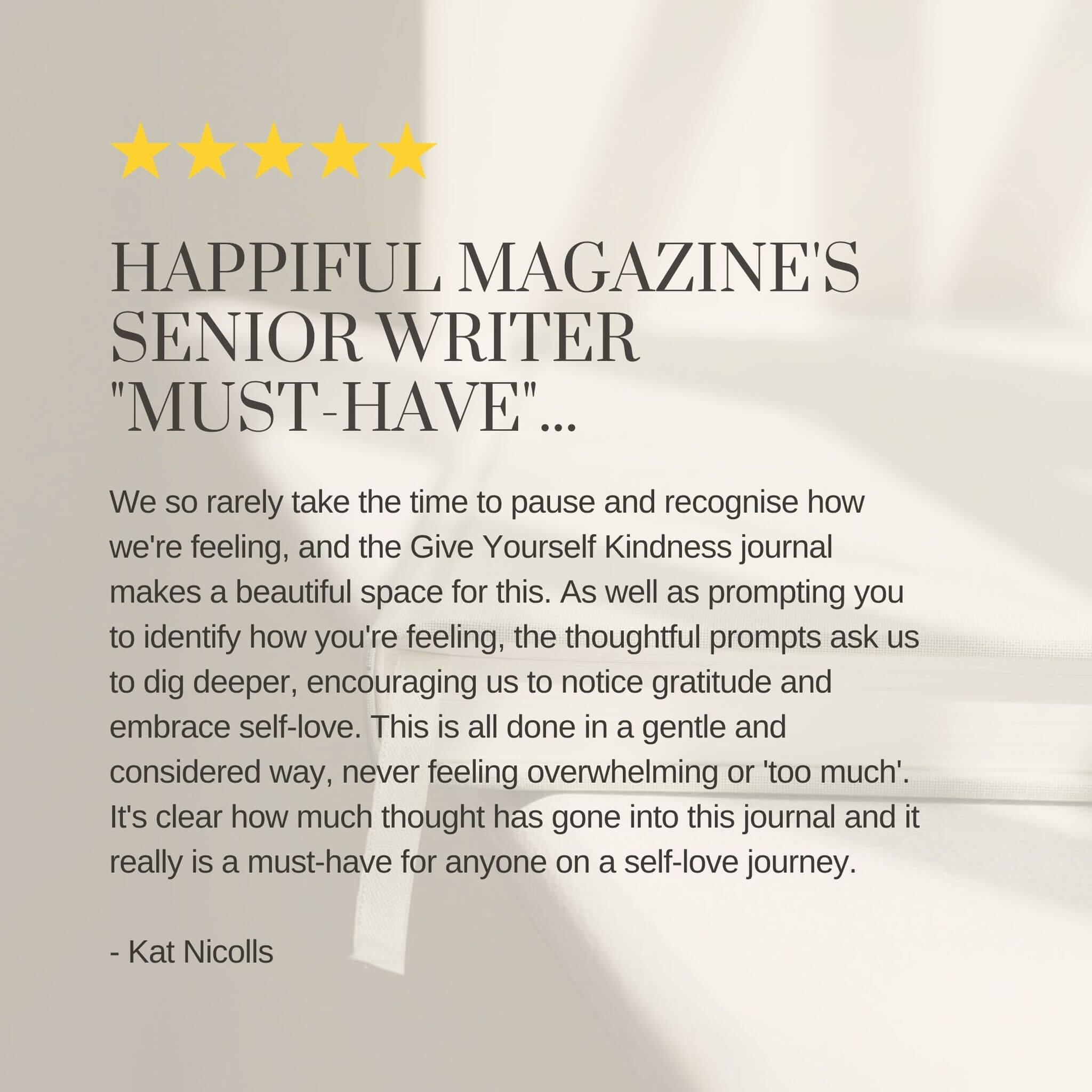
“A warm invitation to make friends with your emotions and yourself!”
Dr Chris Germer, PhDClinical psychologist and lecturer on psychiatry (part-time) at Harvard Medical School · Co-developer of Mindful Self-Compassion, taught to more than 250,000 people worldwide
Why this page is different, and why you can trust it.
I was the person being bought for. When I was struggling with my mental health, the people around me wanted to help and didn’t know how, and they were worried about getting me something that would make me feel worse. That worry was well placed, and it was never their fault — there is very little out there telling anyone which of these things genuinely helps.
So I made these instead, with clinical psychologists, to be the thing I had been looking for and couldn’t find. If you want the detail, I have written it out plainly further down: what to look out for, and why expert backing matters.
Help me choose
You know them far better than I do. Find the line below that sounds most like the thought you came here with, and take the suggestion if it fits.
The most useful of everything here whatever they are going through, and the one clinical psychologists and therapists point people towards.
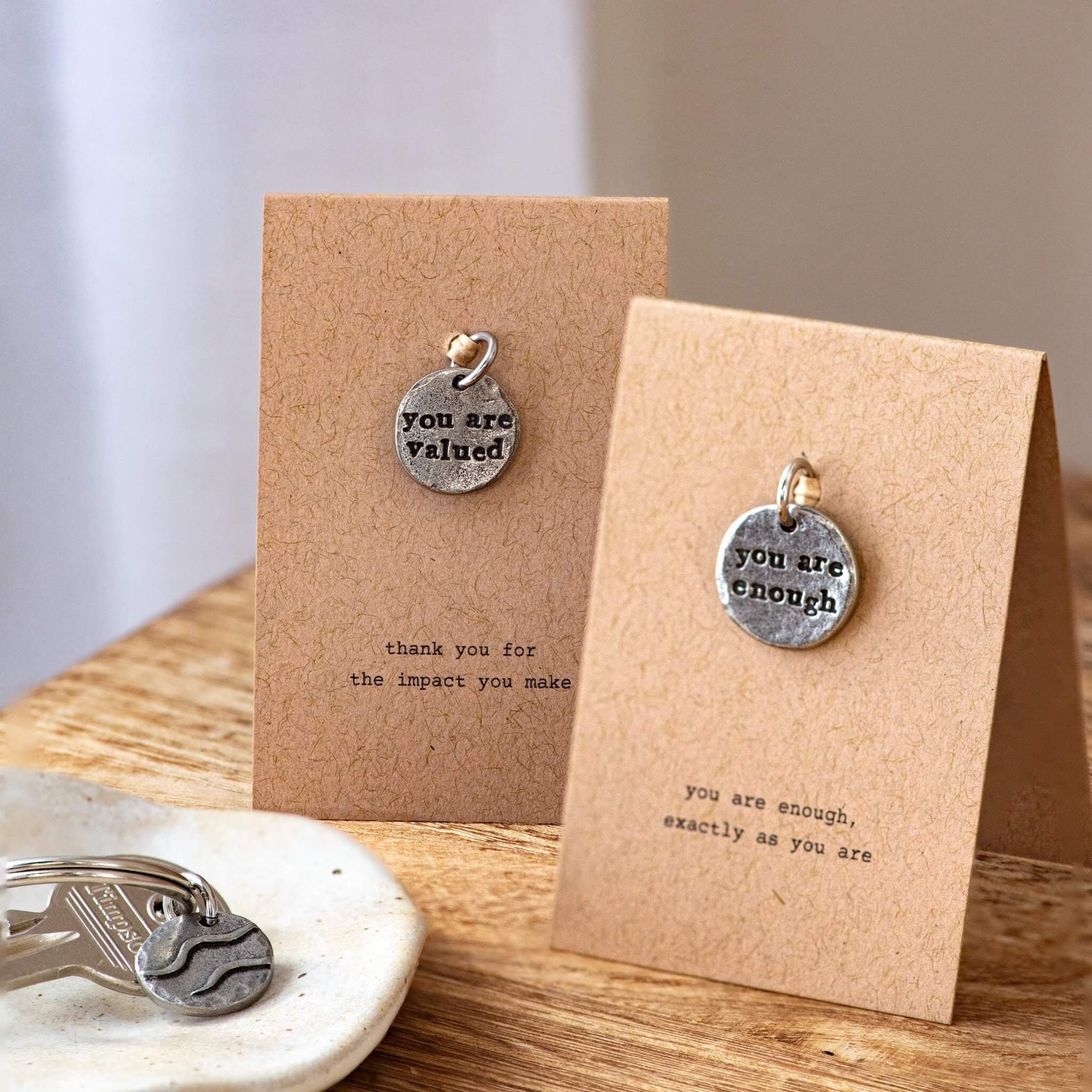
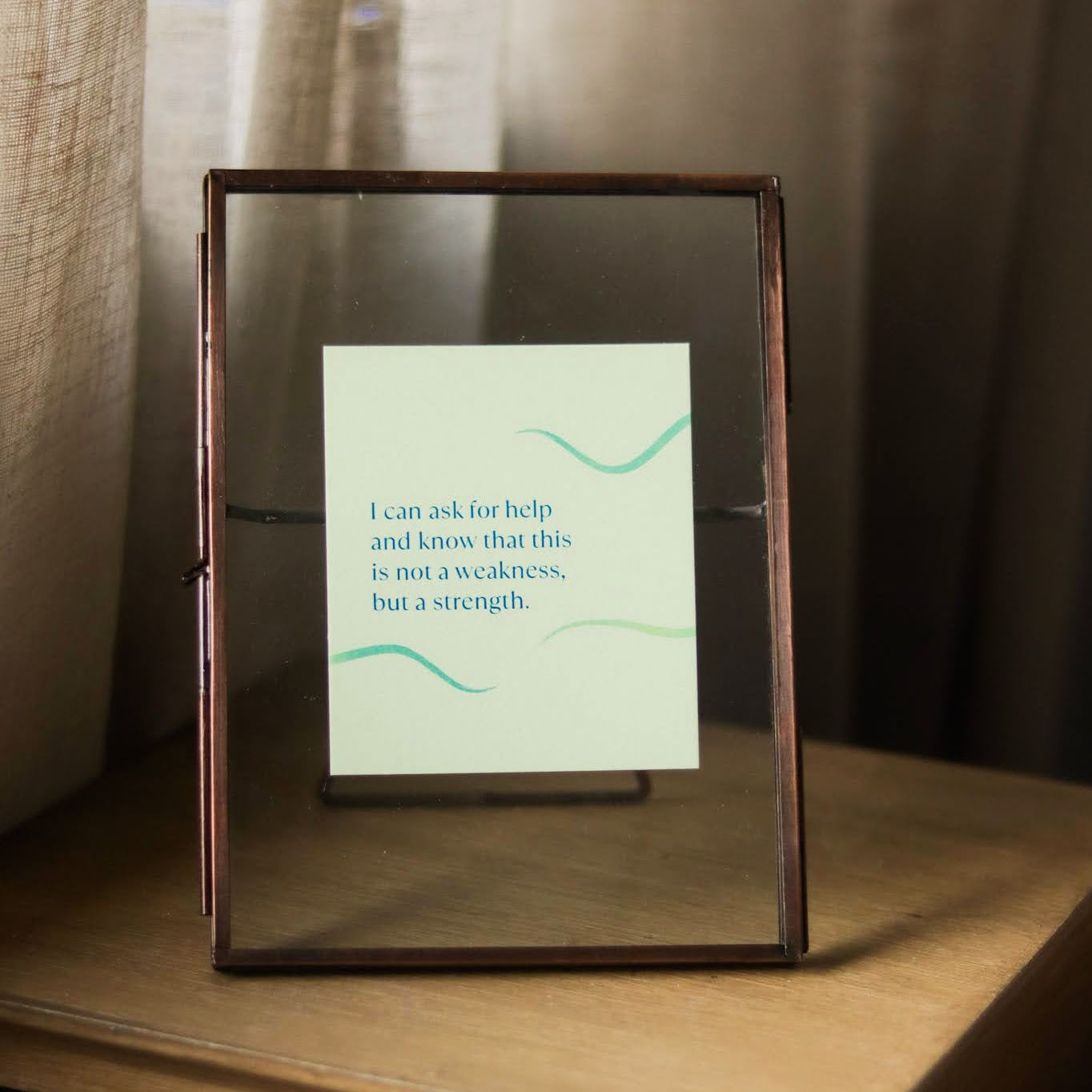
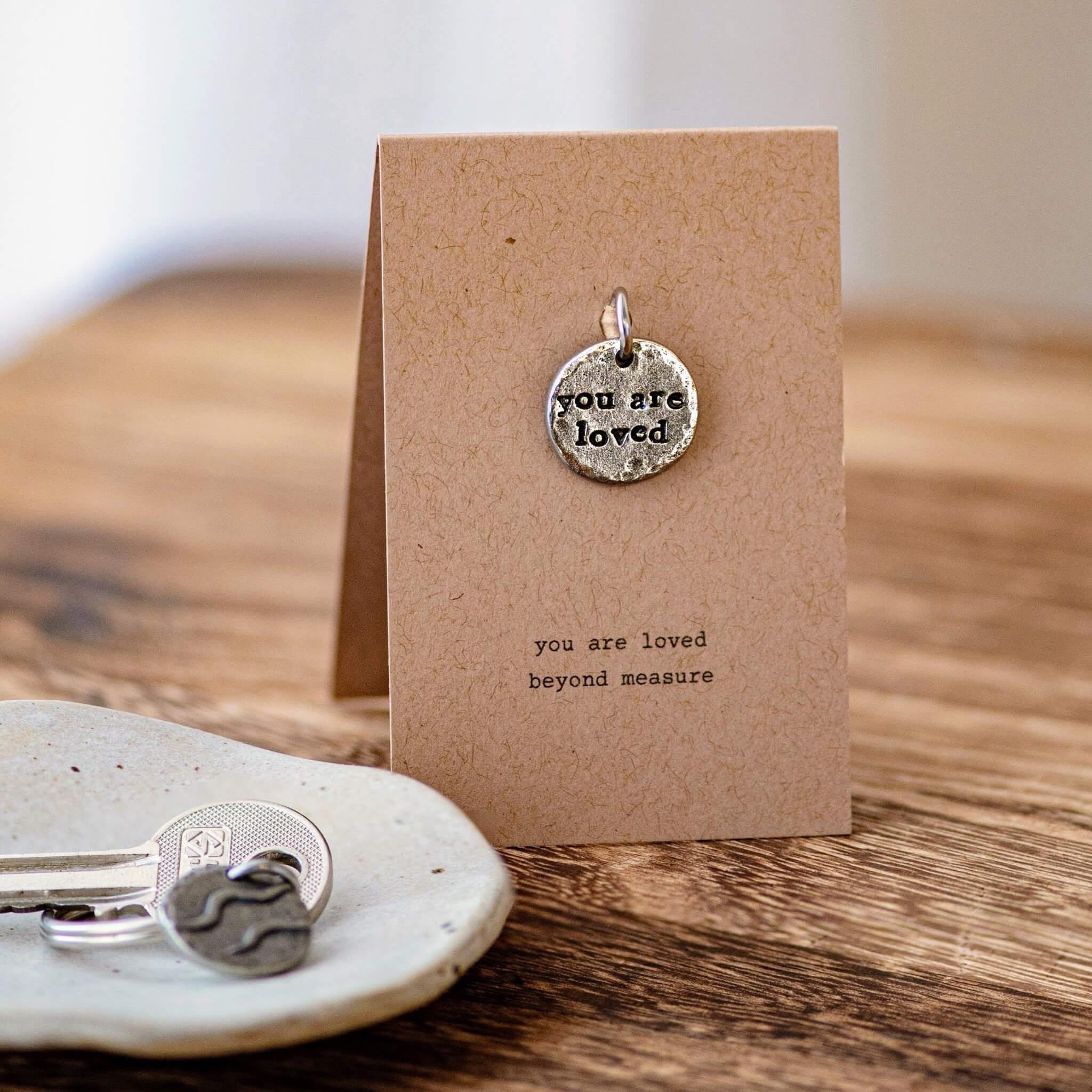
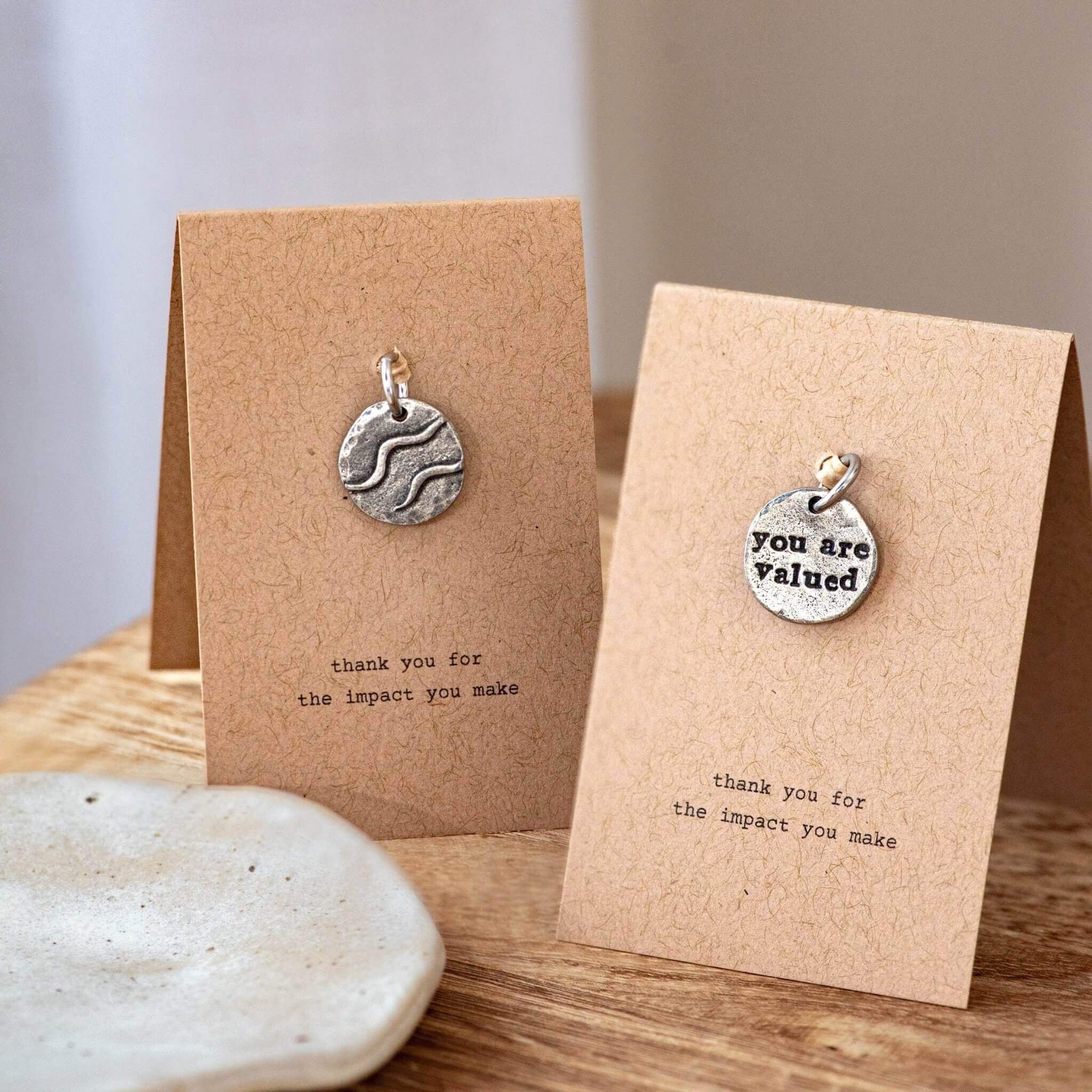
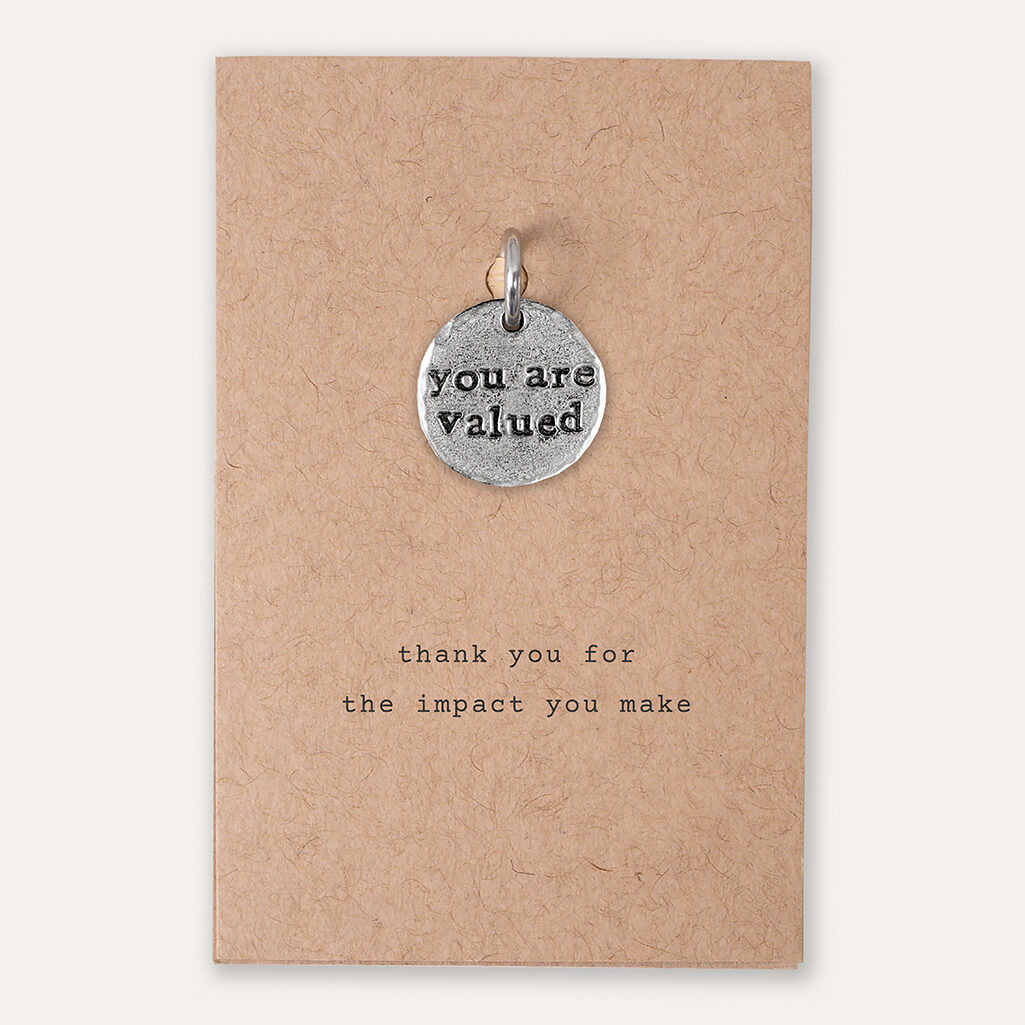
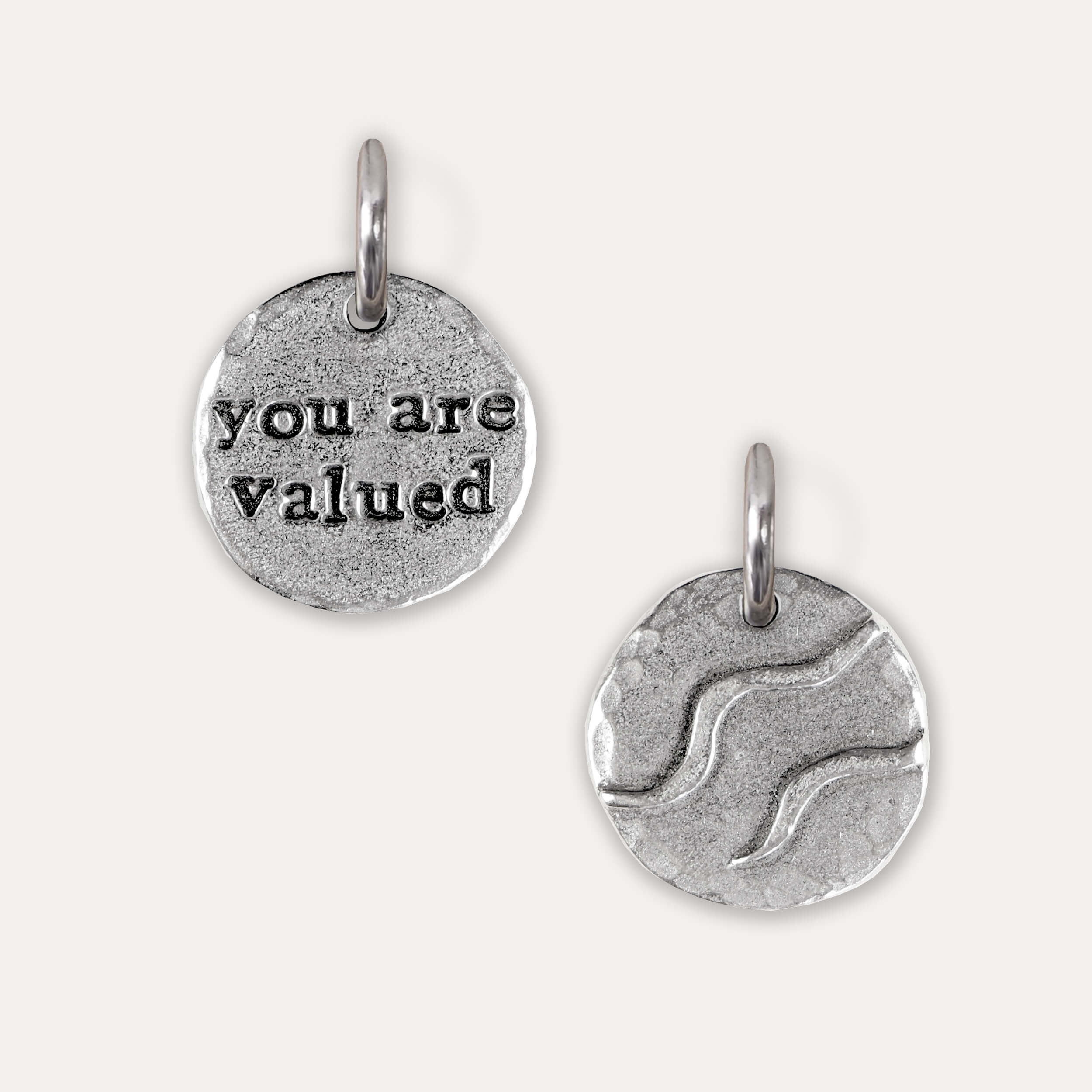
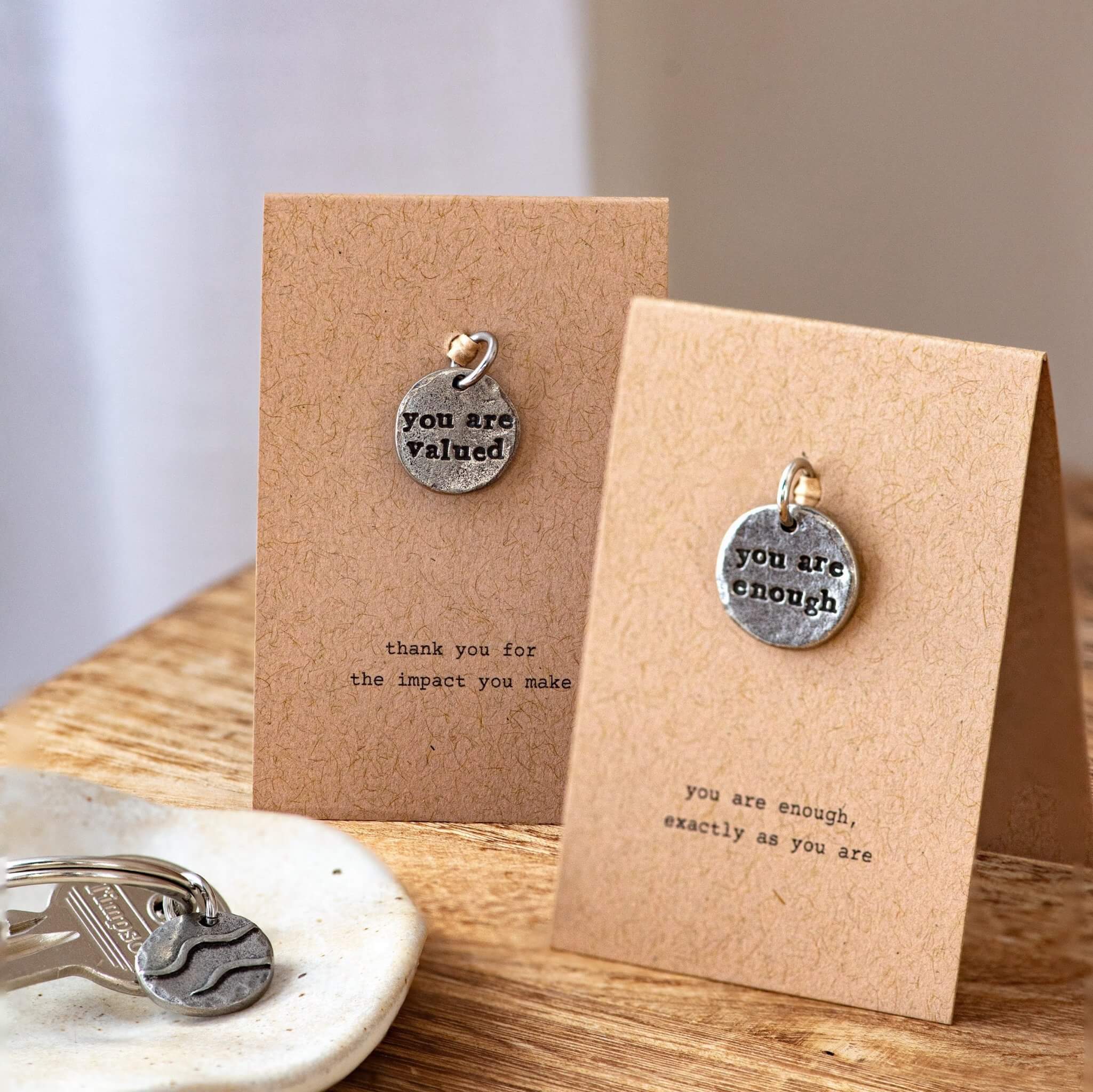
Three words they will see every day, on their keys or kept in a pocket. Nothing to read, nothing to fill in.
This is the most common worry people bring to this page, and it is worth taking seriously. I have answered it properly in will it make them feel worse, including the exact wording that keeps a journal from landing as homework.
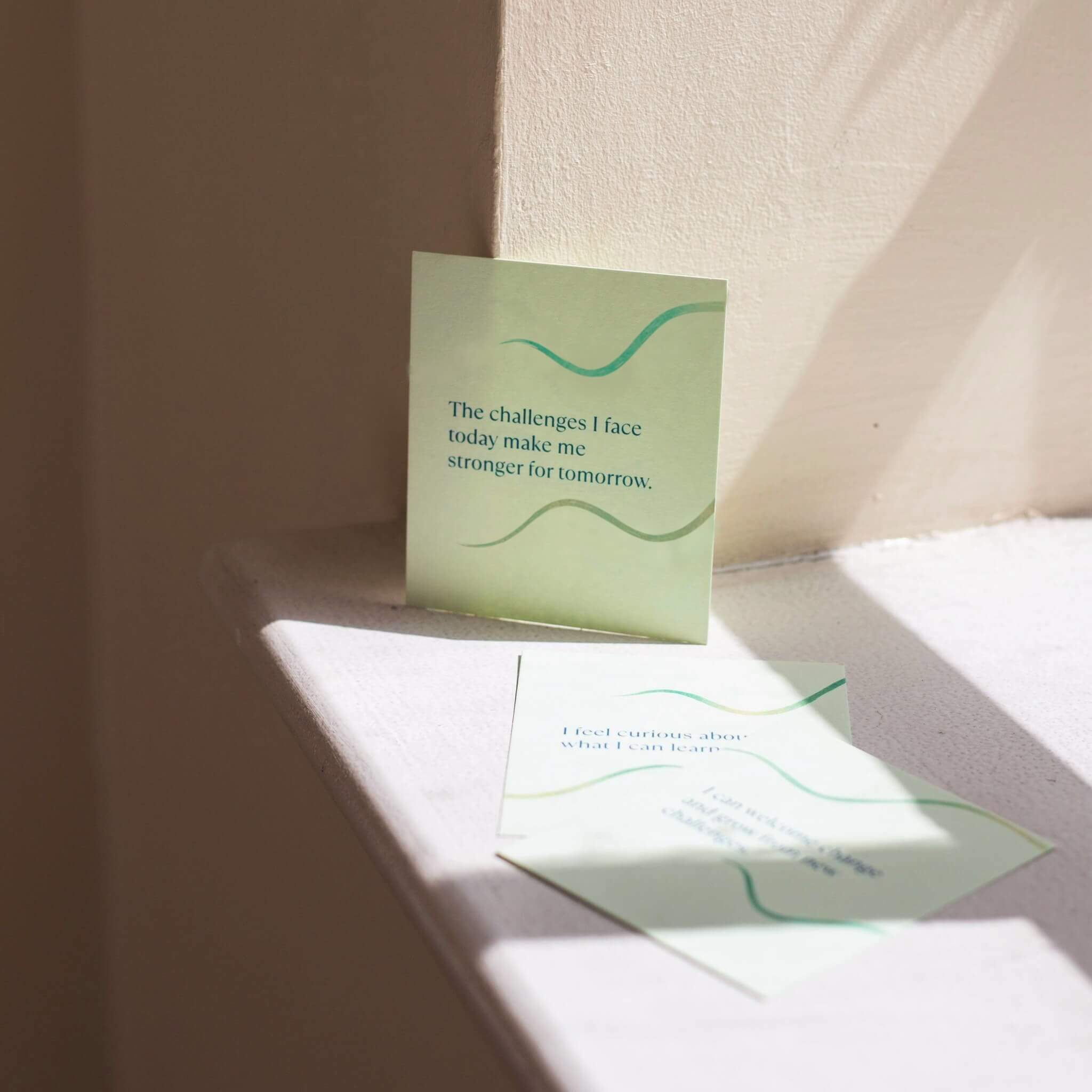
Sixty cards, thirty seconds, no writing at all. Each one answers the inner critic rather than talking over it.
Sleep is often the first thing to go. Two or three minutes, nothing to write, and reviewed by a neuroscientist who researches sleep.
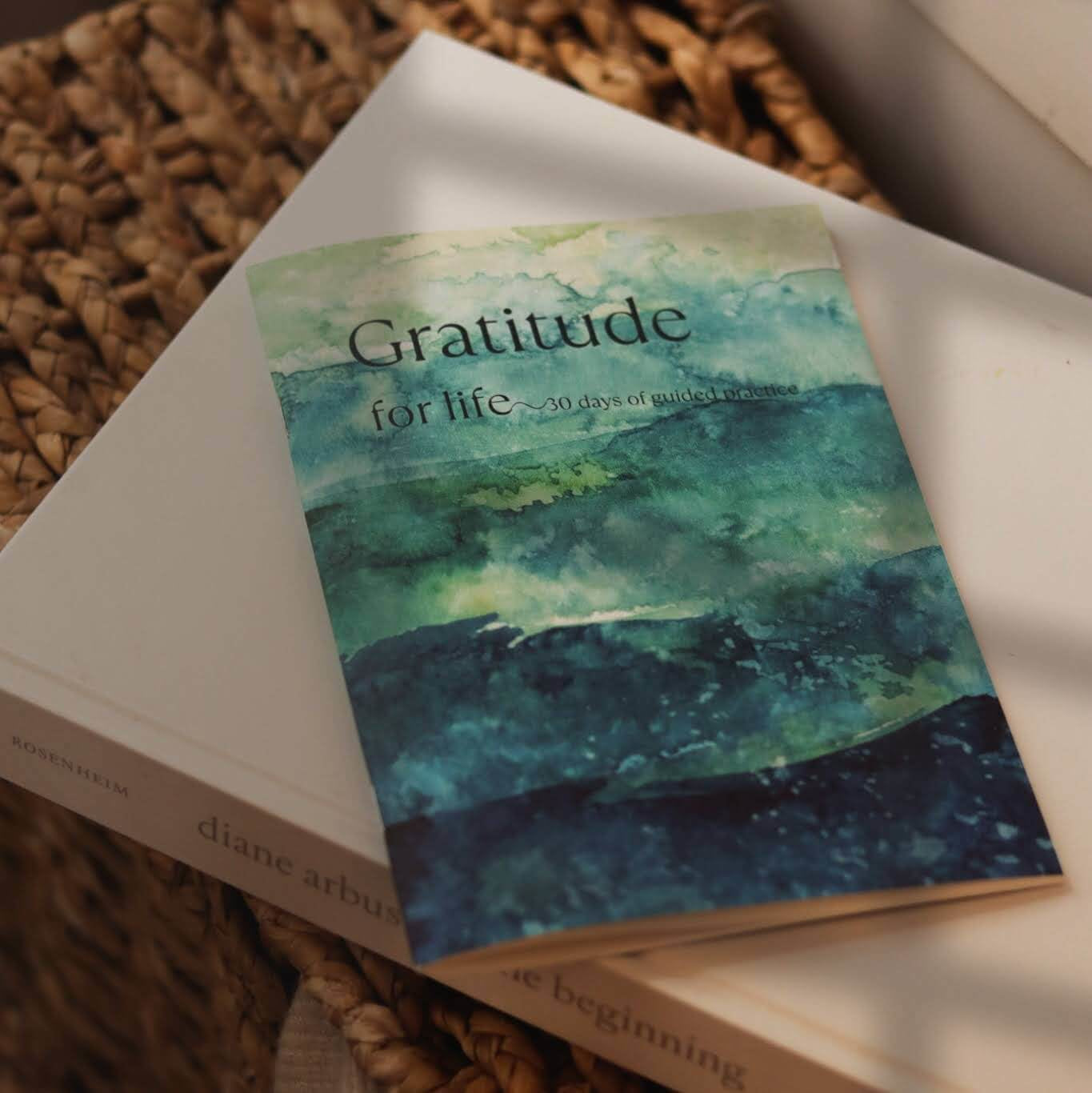
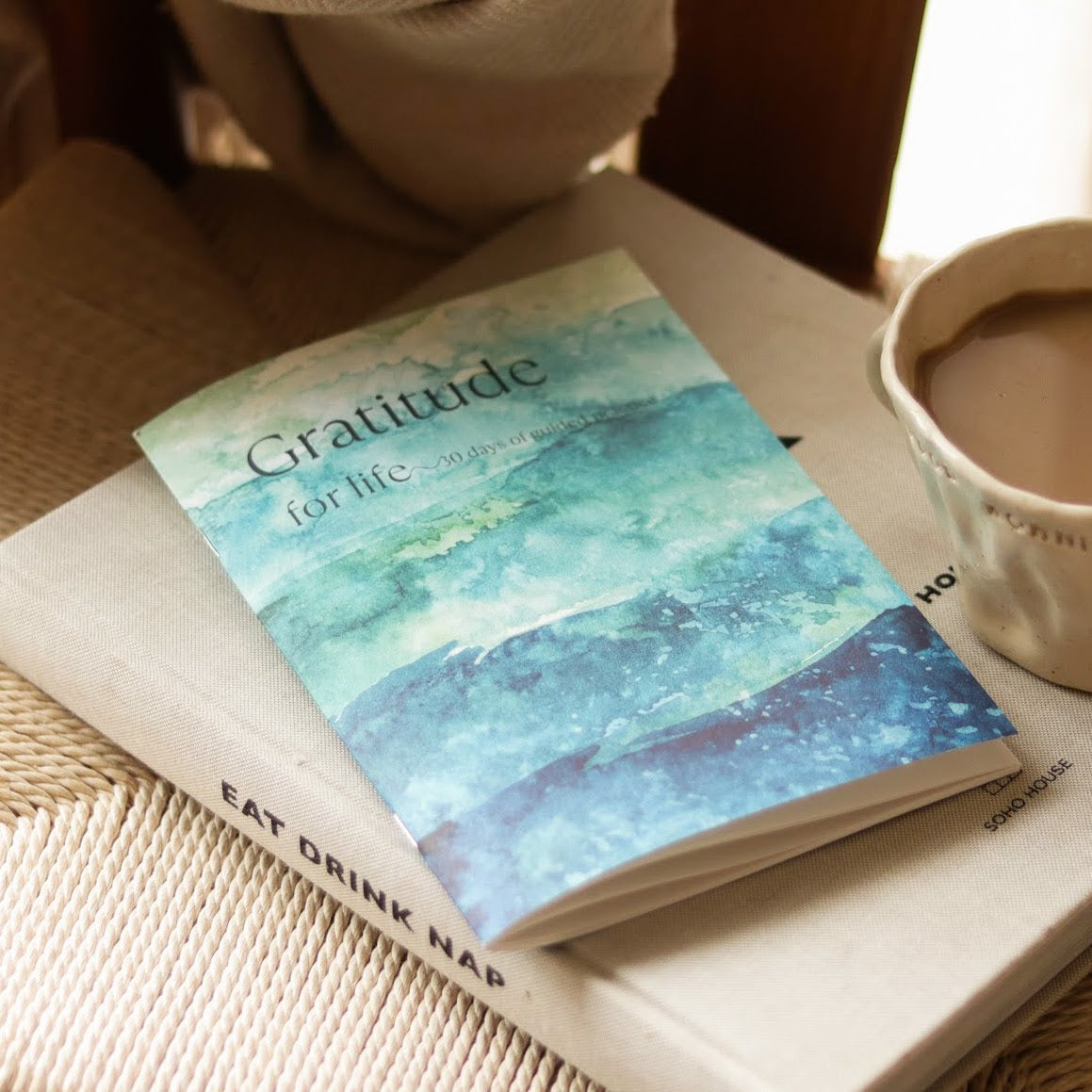
Thirty days, a different question every day, and no blank numbered lines waiting to be filled. Gratitude works far better with some guidance behind it than as three numbers a day.
Kind without being intimate. A journal is a more personal thing to hand someone, and suits close friends and family better.
Therapists set journaling between sessions often enough that this one is used in practices worldwide. It sits alongside support, never in place of it.
A charm alongside the cards is a lovely pairing if you’d like the parcel to feel like more than one thing.
Compare them at a glance
| Gift | Best for giving when | What it asks of them | Price |
|---|---|---|---|
| The Give Yourself Kindness Journal | You want them to have somewhere to put how they actually feel | A few minutes, on the days they have them | £28.95 |
| The Gratitude Journal: 30-Day Challenge | You’d like to give them gratitude, with real guidance behind it | A few minutes, thirty days, no catching up | £10.95 |
| Self-Compassion Affirmation Cards | You want something by their side that challenges how they speak to themselves | Thirty seconds. No writing | £13.95 |
| Sleep Affirmation Cards | You know the nights are the part they find hardest | Two or three minutes before bed | £13.95 |
| You Are Loved Charm | You want them reminded of how loved they are, every day | Nothing at all | £8.95 |
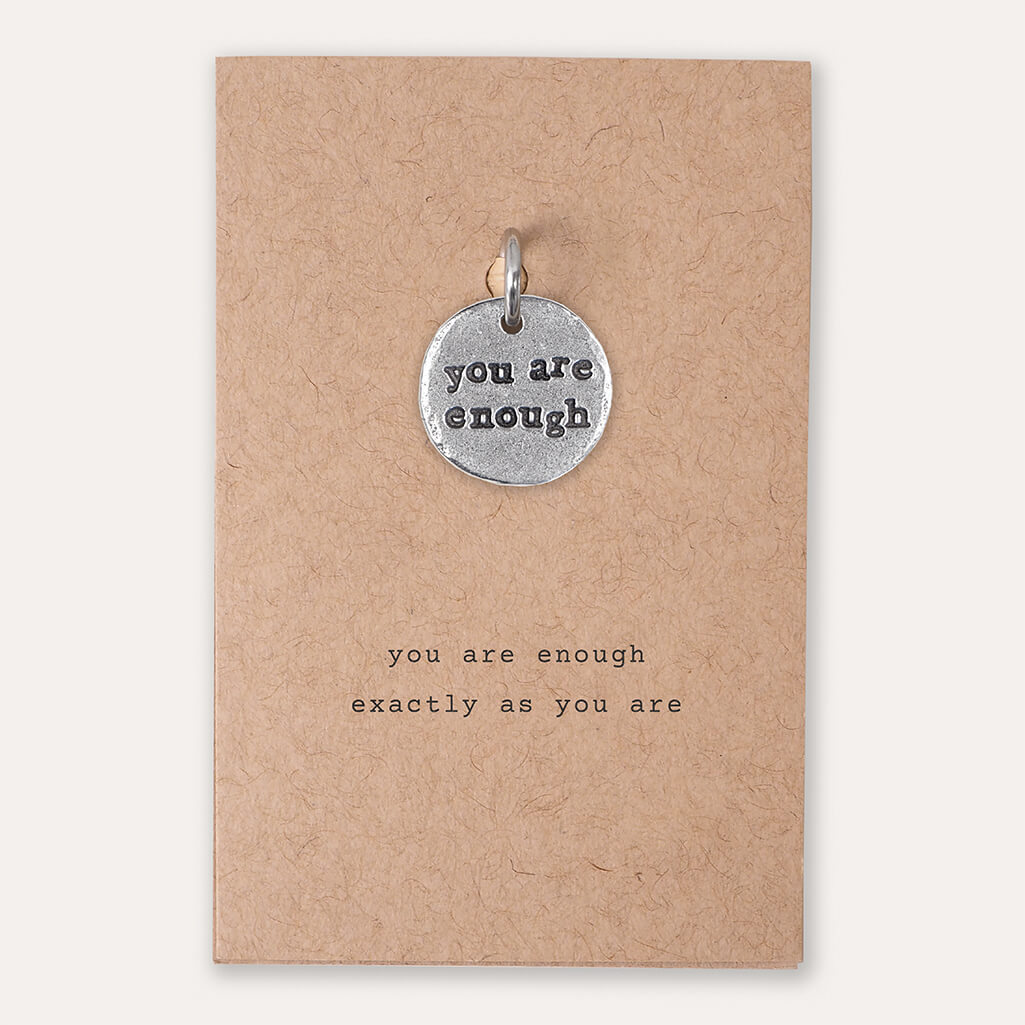
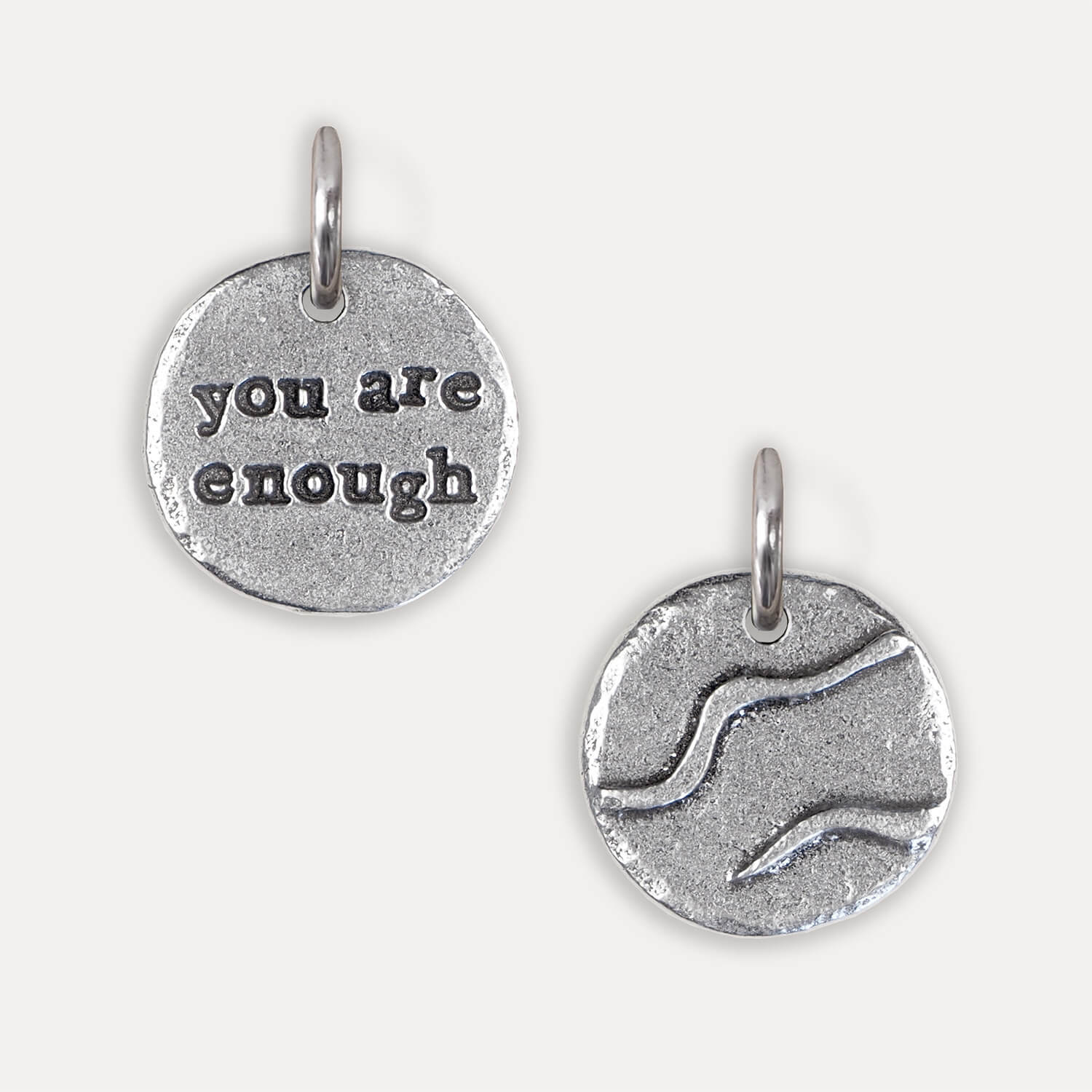
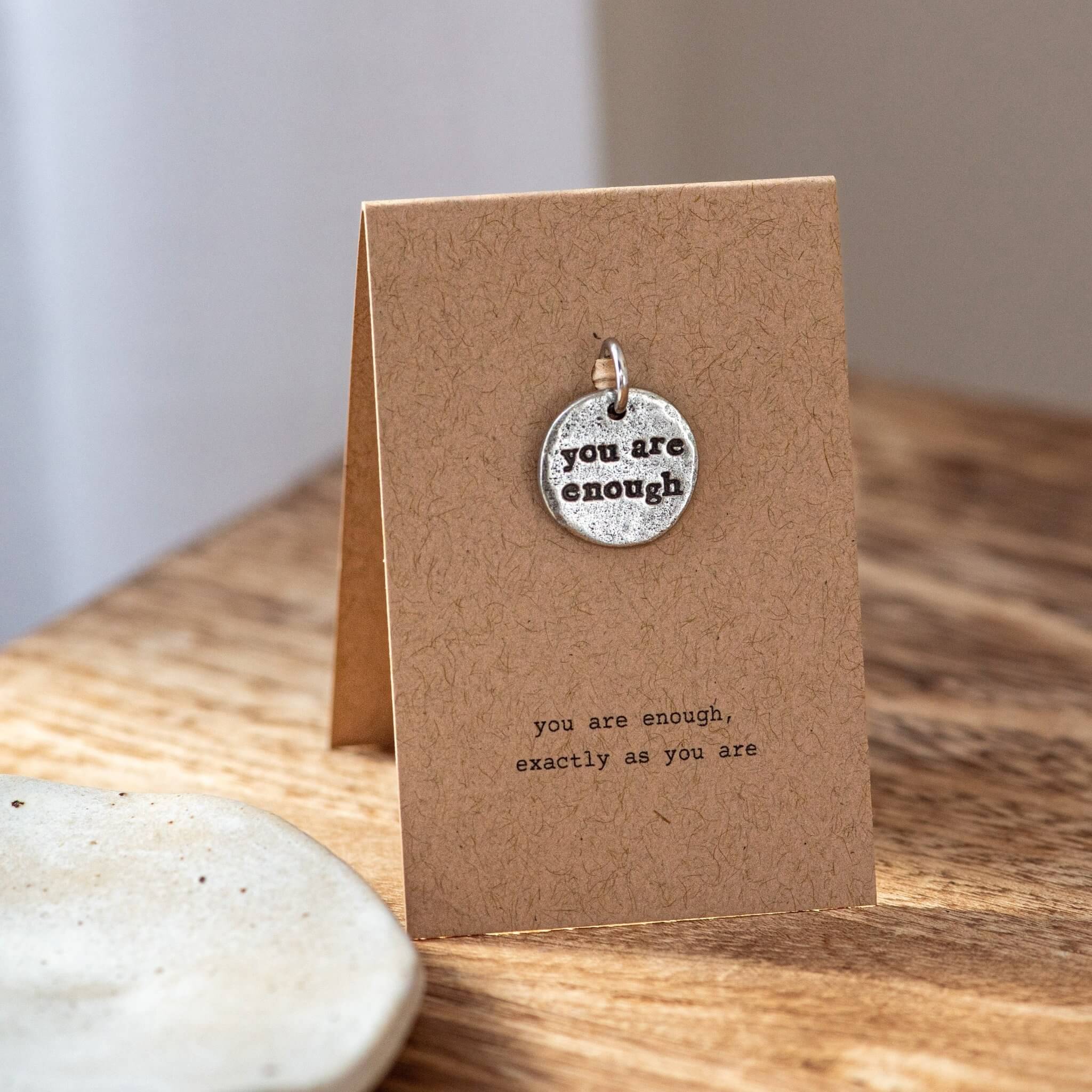
| You Are Enough Charm | The thing you most want them to believe is that they are enough | Nothing at all | £8.95 |
The gifts in detail
The Give Yourself Kindness Journal
What makes it different
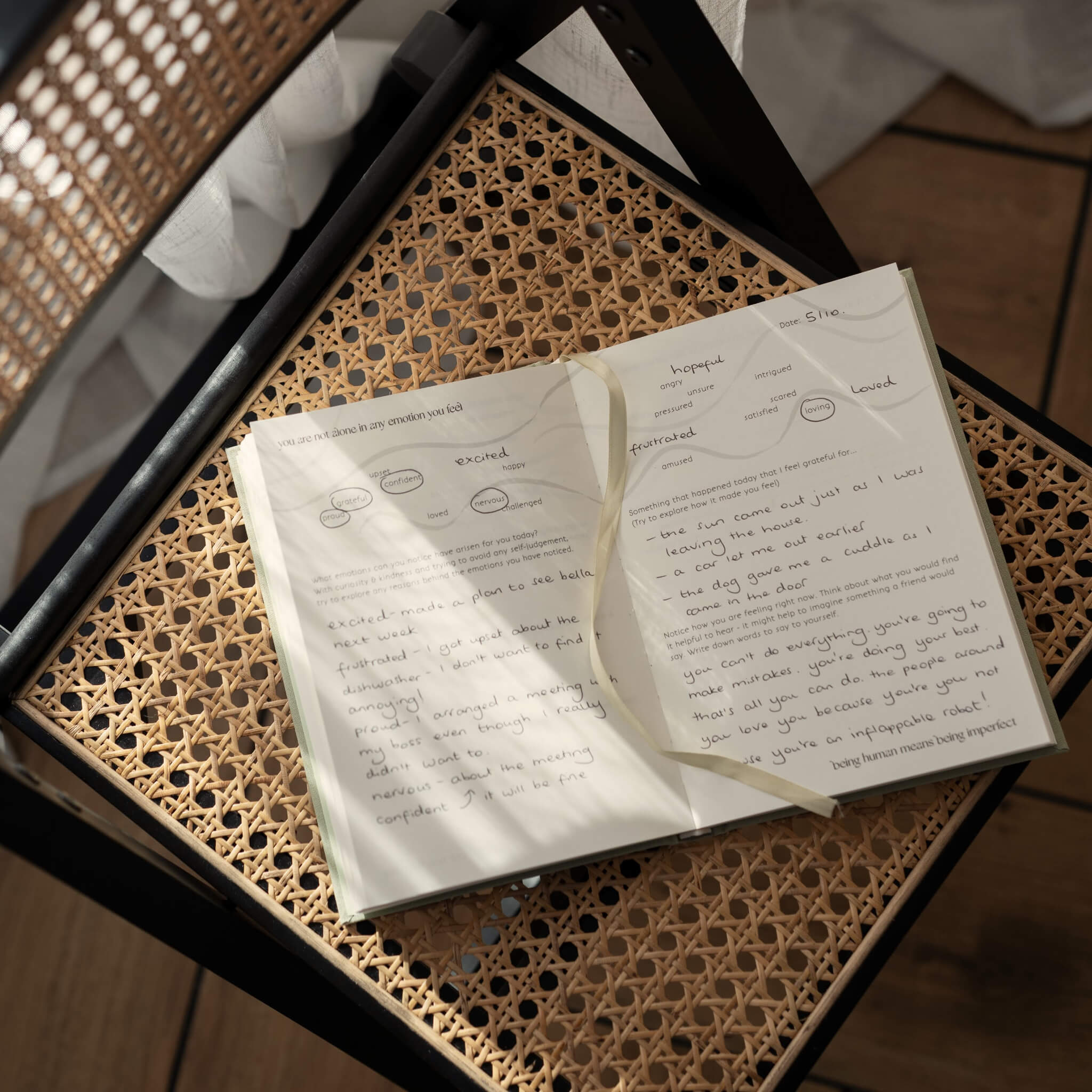
Ninety of them. Nothing repeats, so it never becomes the same page over and over — which is the reason most journals get abandoned.
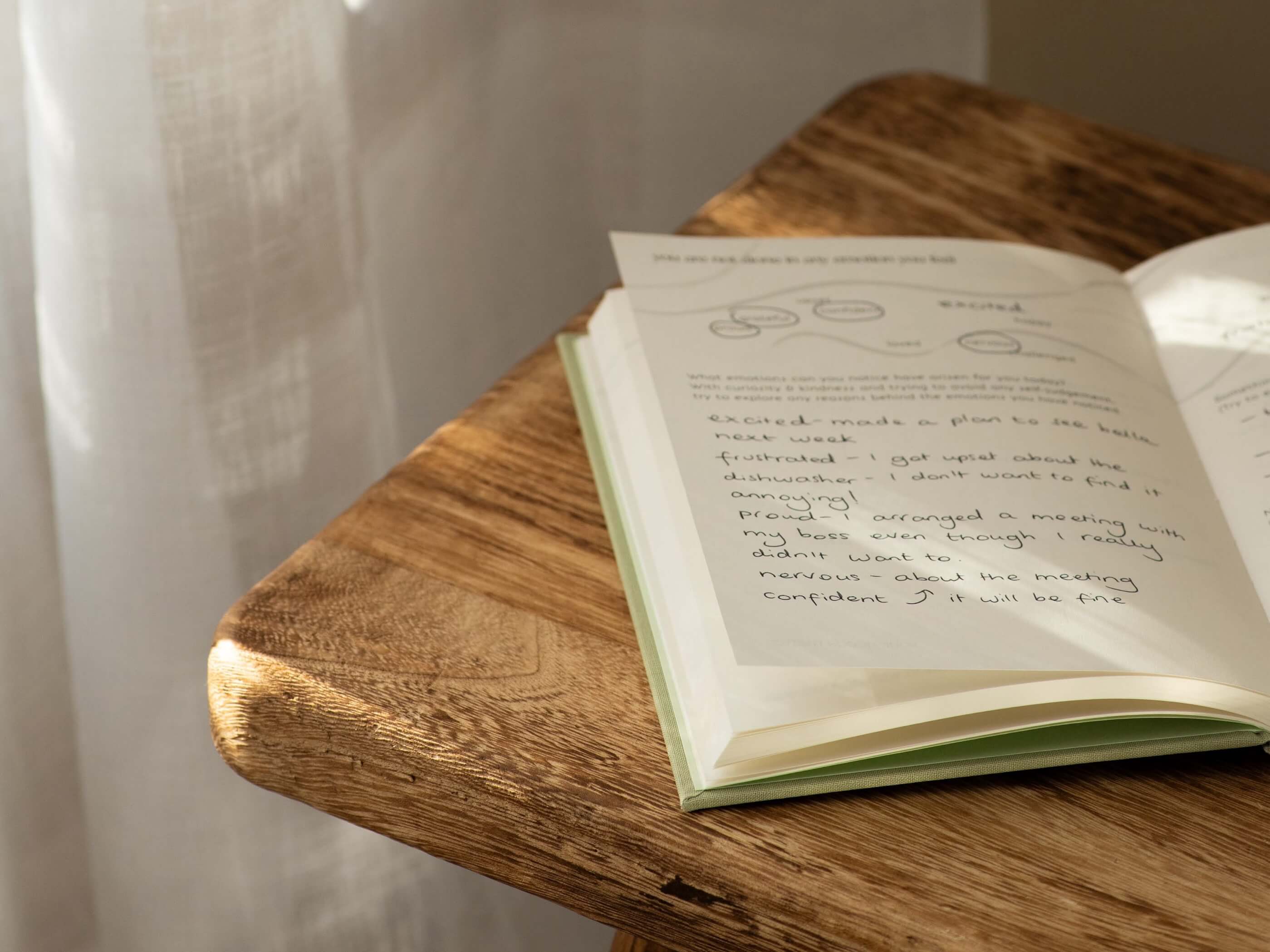
It helps them name what they are feeling rather than guess at it, and it treats every emotion as worth noticing, not just the comfortable ones.
There is nothing to fall behind on. If they don’t open it for three months, it is still waiting, with no record of the months they missed.
No forced positivity anywhere in it. It was written with clinical psychologists on the principle that difficult feelings need acknowledging before anything else helps.
What clinical psychologists say about it
“A warm invitation to make friends with your emotions and yourself!”
Dr Chris Germer, PhDClinical psychologist and lecturer on psychiatry (part-time) at Harvard Medical School · Co-developer of the Mindful Self-Compassion programme, taught to more than 250,000 people worldwide

“Rachel has curated the experience to make the writing intrinsically rewarding and the journal something to treasure.”
Professor Willem Kuyken, PhD, DClinPsyRitblat Professor of Mindfulness and Psychological Science, University of Oxford · Among the top 1% most cited scientists worldwide

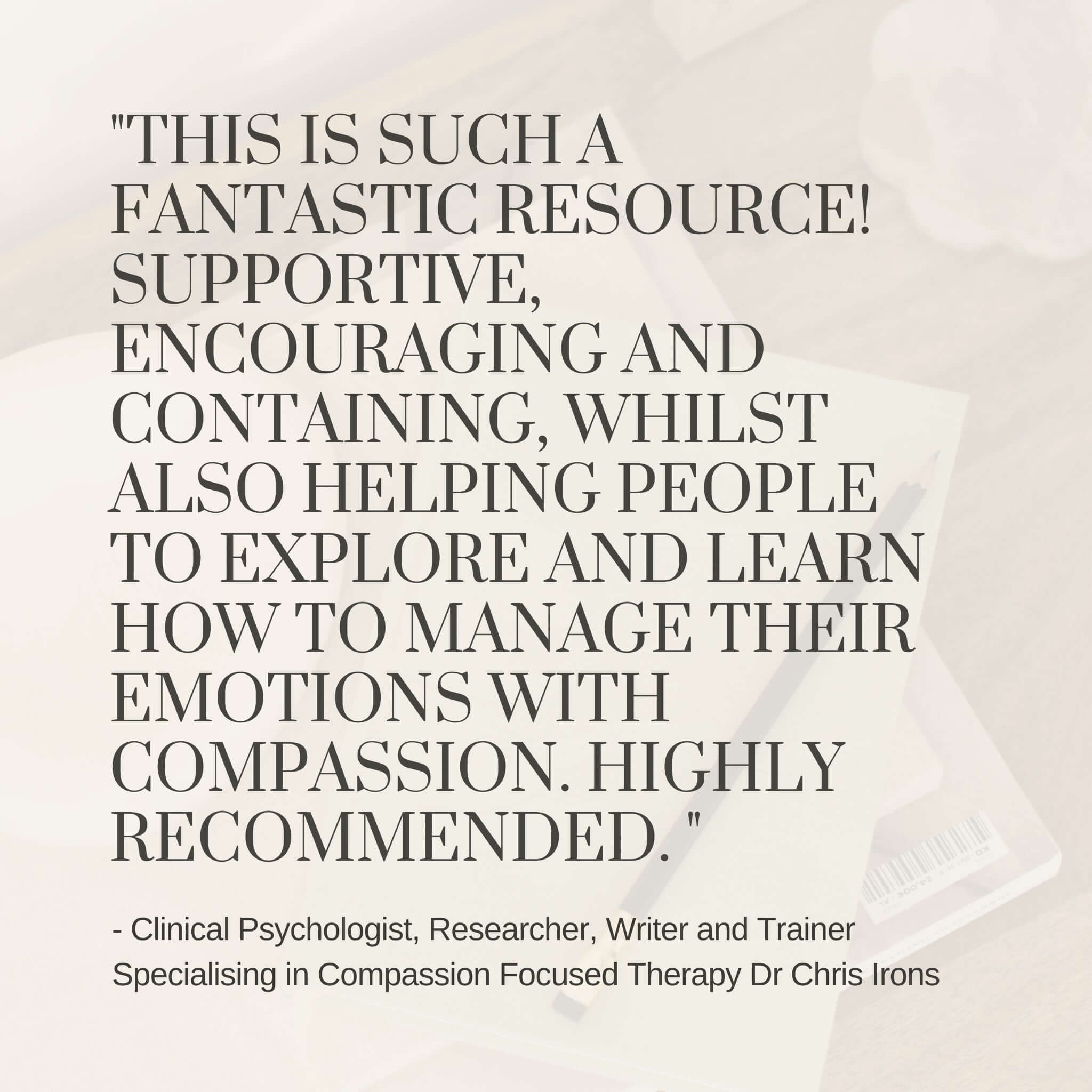
“This is such a fantastic resource! Supportive, encouraging and containing, whilst also helping people to explore and learn how to manage their emotions with compassion. Highly recommended.”
Dr Chris IronsClinical psychologist, researcher, writer and trainer specialising in Compassion Focused Therapy

“For me, journaling has been an important practice for insight, reflection and release, and this is by far my favourite guided journal that I’ve used!”
Carrie Pollard, MSW RSWExperienced psychotherapist
Choose this one if you want the gift that covers the most ground, if they would rather write something down than just read it, or if you simply want to be told which to pick.
Choose something else if you’d rather give something that asks nothing of them at all — a charm or a set of cards can be the kinder thing on the hardest days, and you can always give both.
Discover the journal → Read all the expert reviews →The Gratitude Journal: A 30-Day Challenge
What makes it different
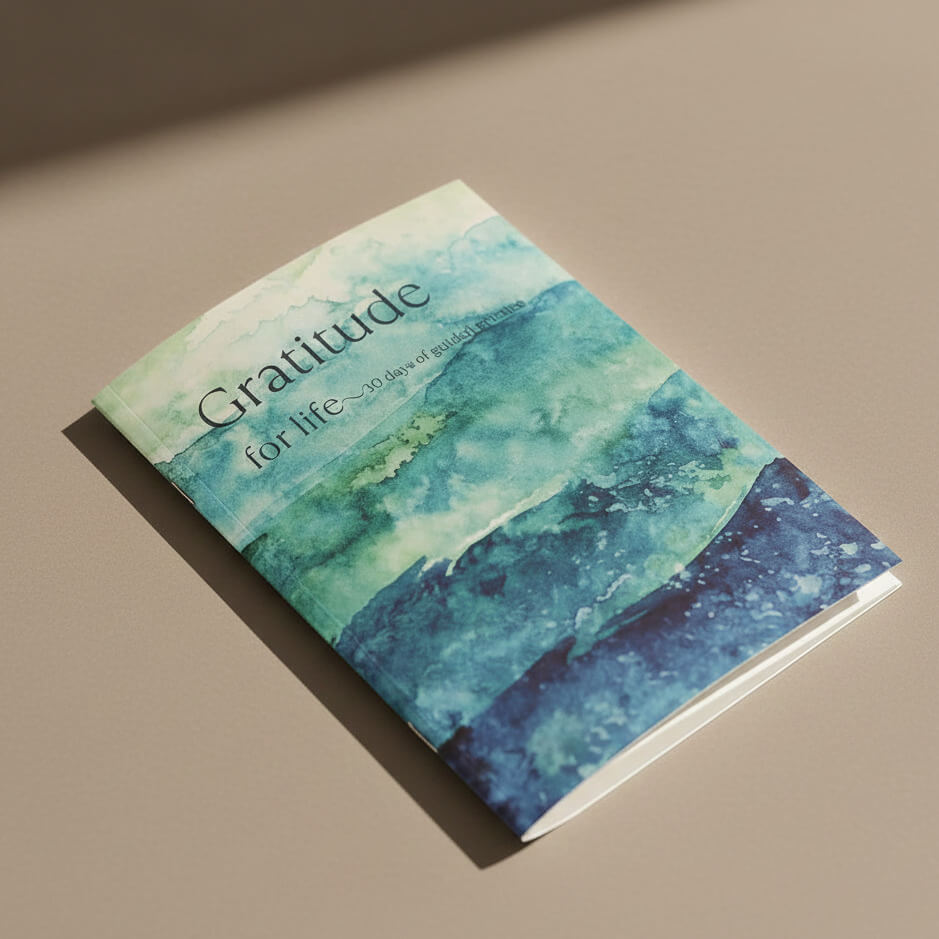
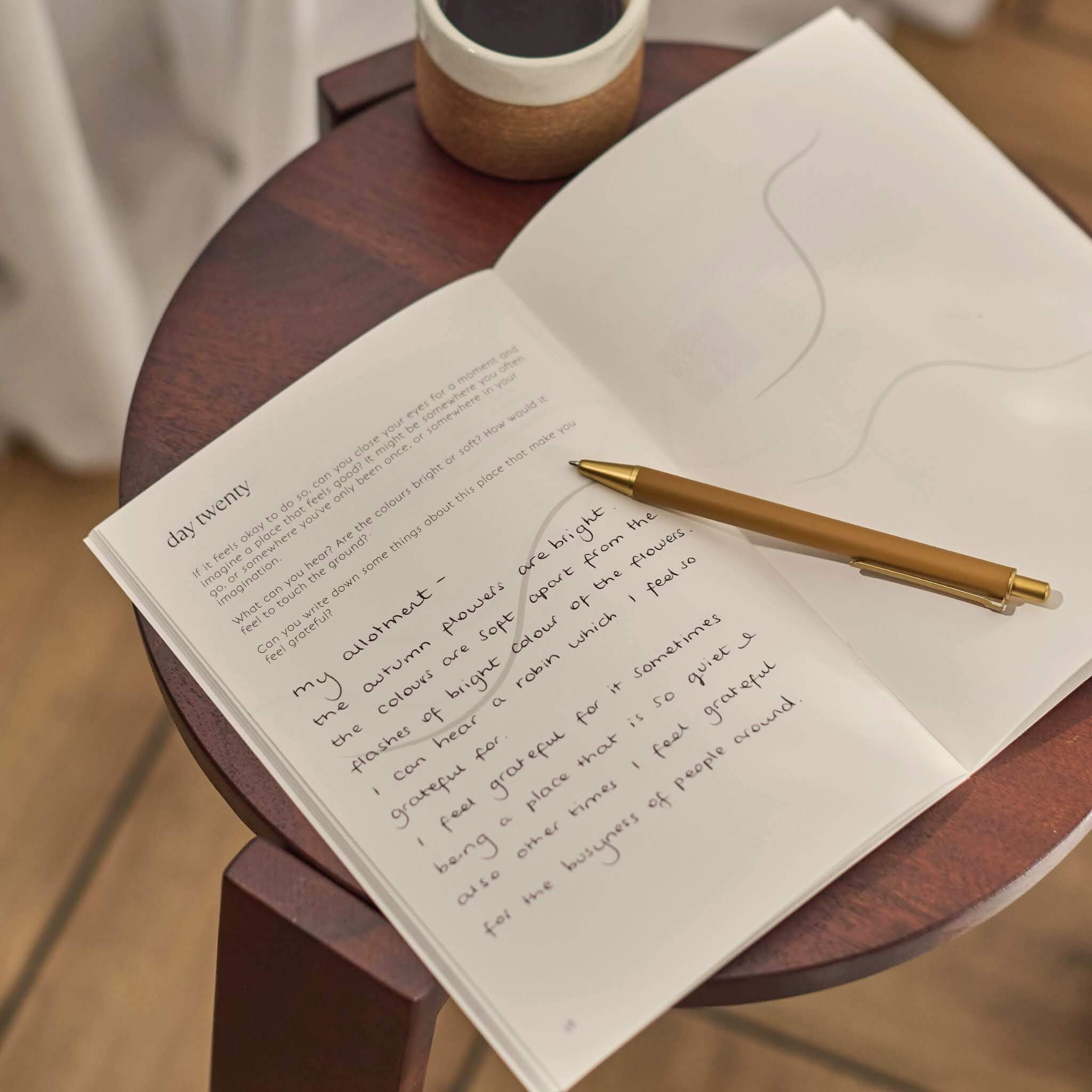
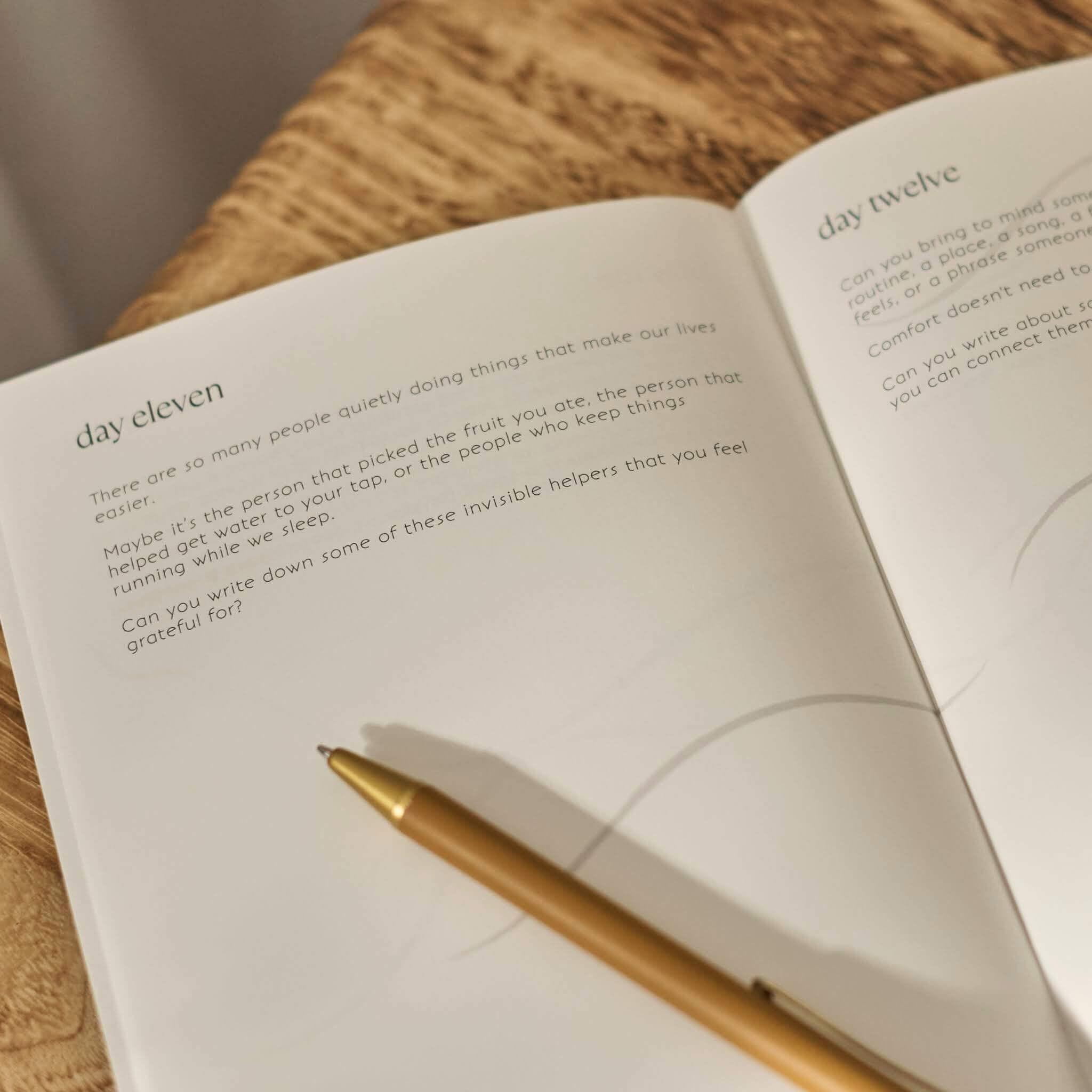
The usual gratitude format is three blank lines every day. When someone is struggling and can’t fill them, the format quietly tells them they have failed at gratitude. This one asks a different, curious question each day instead.
Some days there is genuinely nothing that comes to mind, and the journal says so rather than pretending otherwise.
Short enough to feel finishable, which matters a great deal when someone is already carrying more than they can manage.
It also includes a guided gratitude meditation I recorded, and the research behind why gratitude helps — written to be read, not to be studied.
Choose this one if gratitude is the thing you’d like to give them, or if they have found gratitude journals repetitive before.
Choose something else if you’d like the gift to hold the difficult feelings as well as the good ones — the Give Yourself Kindness Journal covers far more ground.
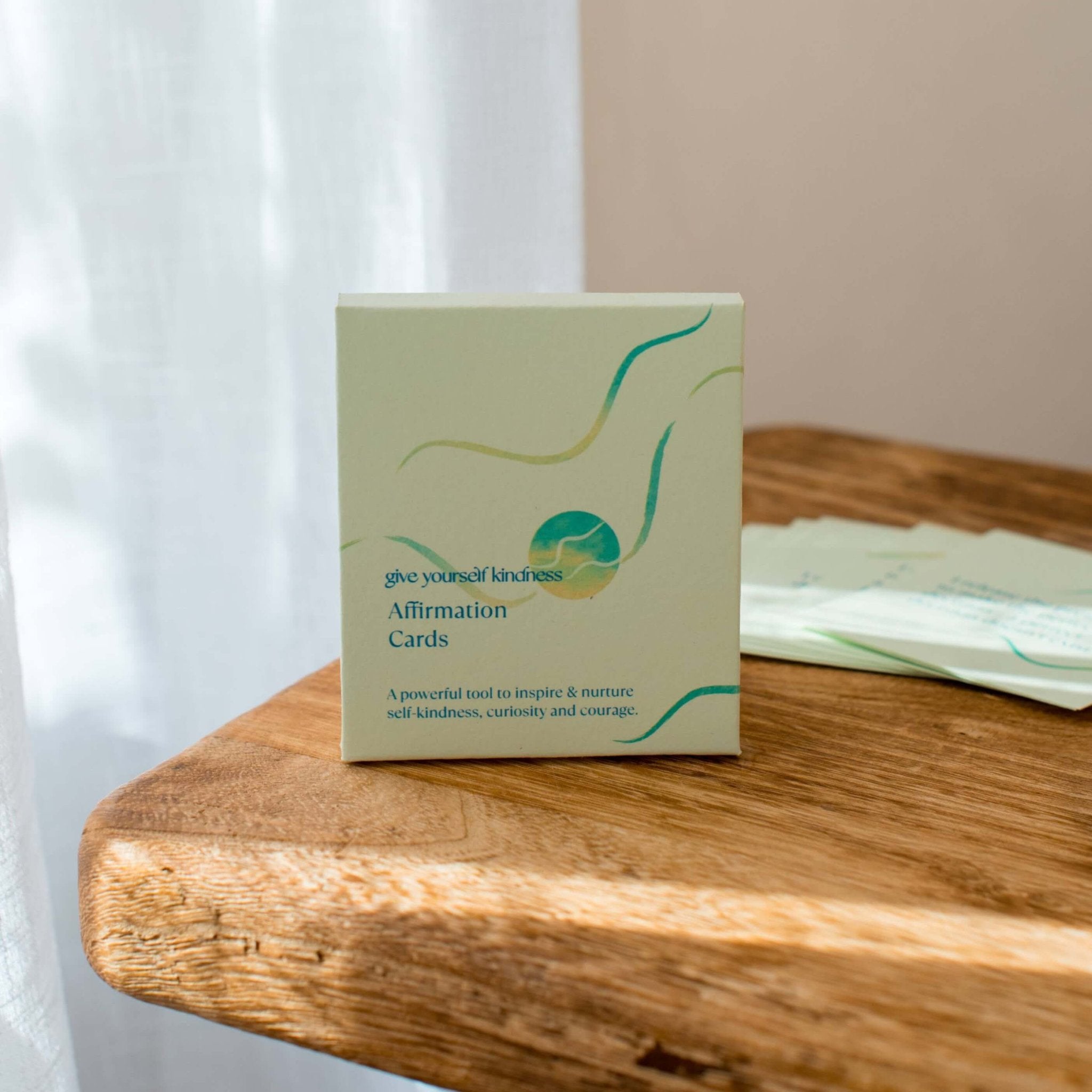
Discover the Gratitude Journal →Self-Compassion Affirmation Cards
What makes it different
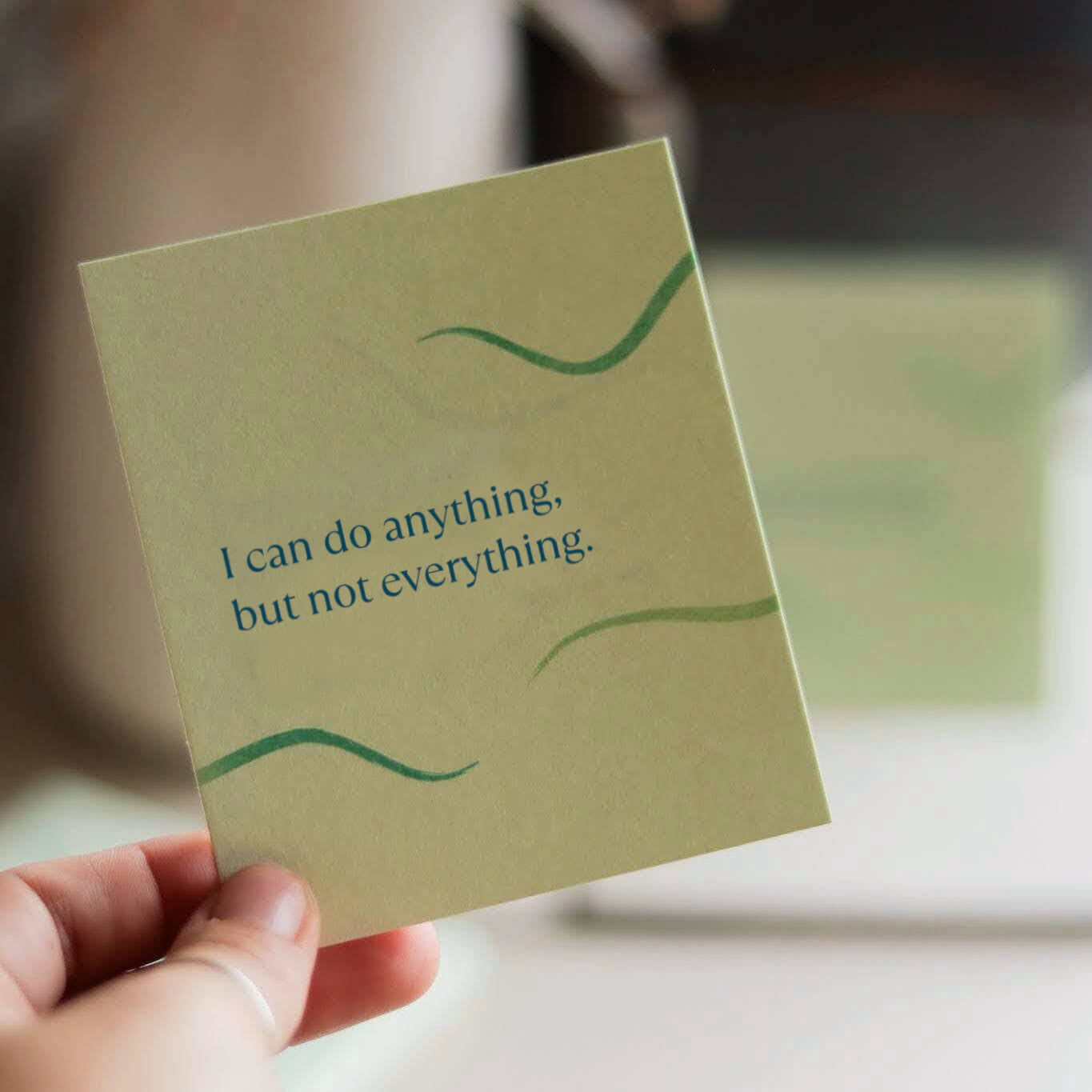
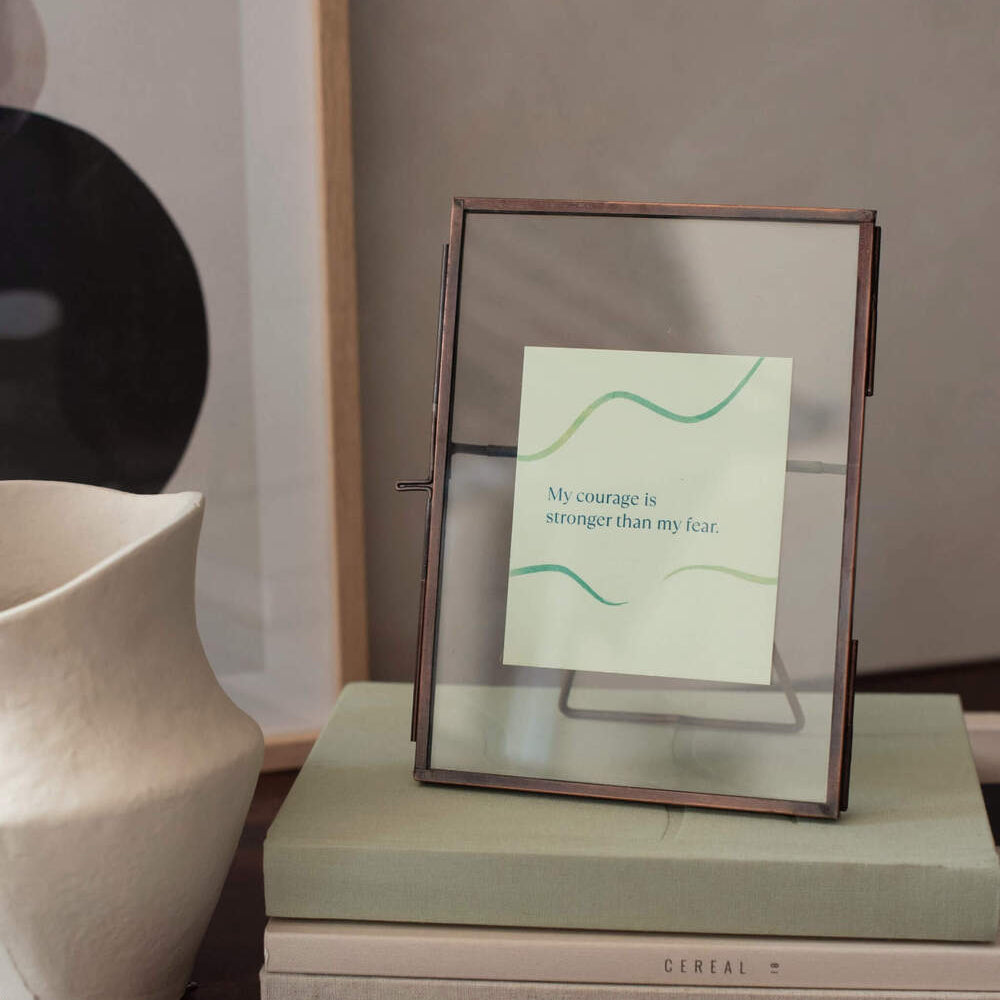
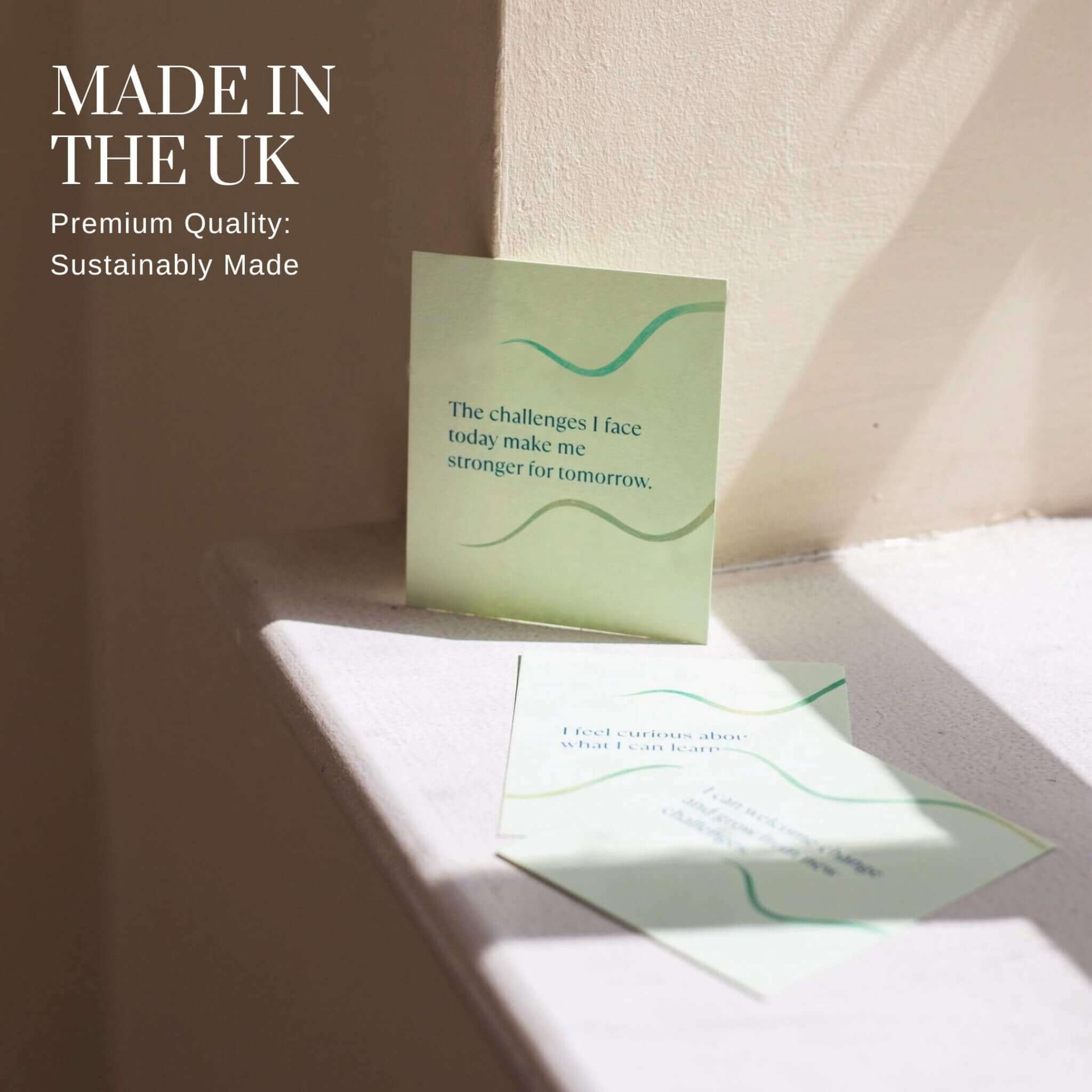
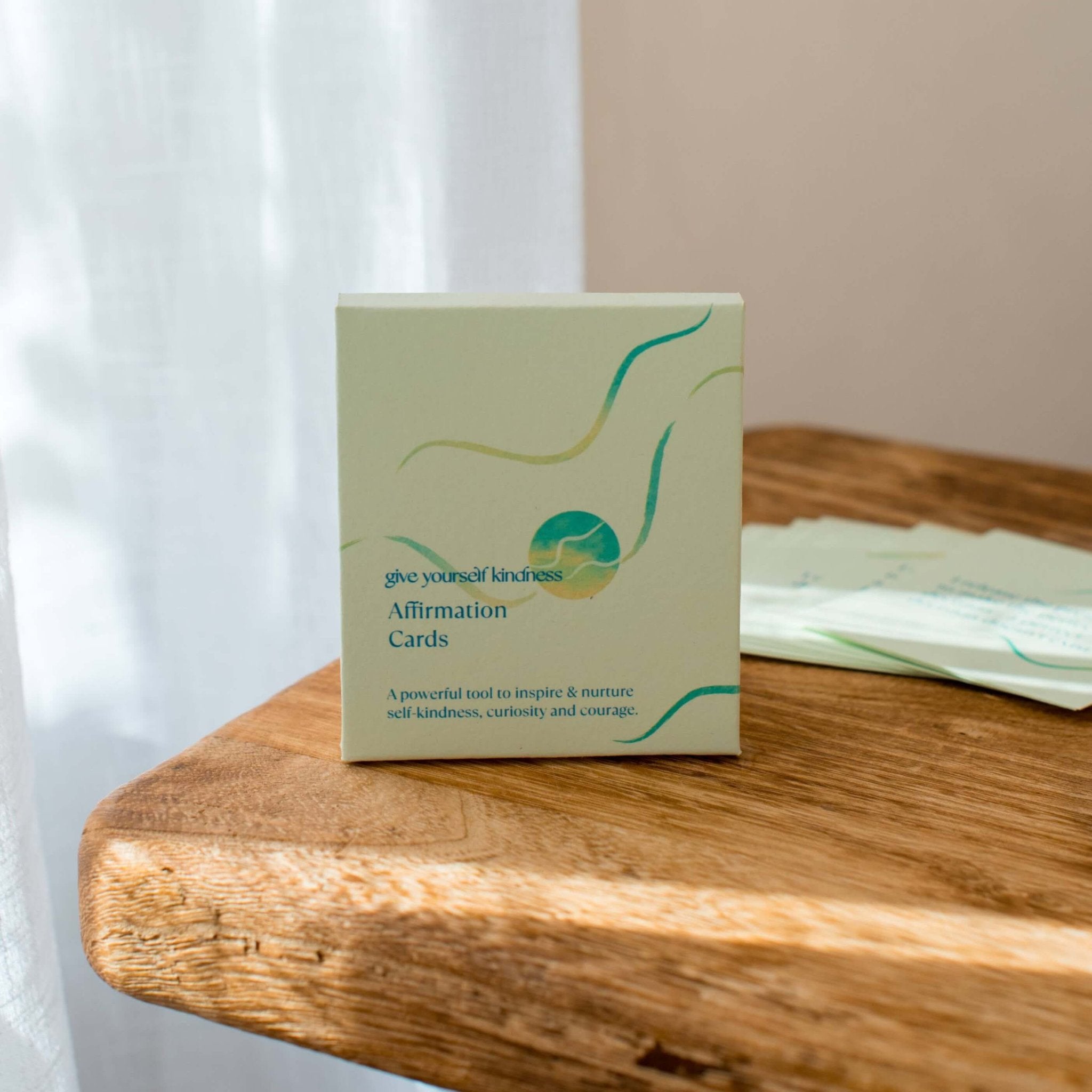
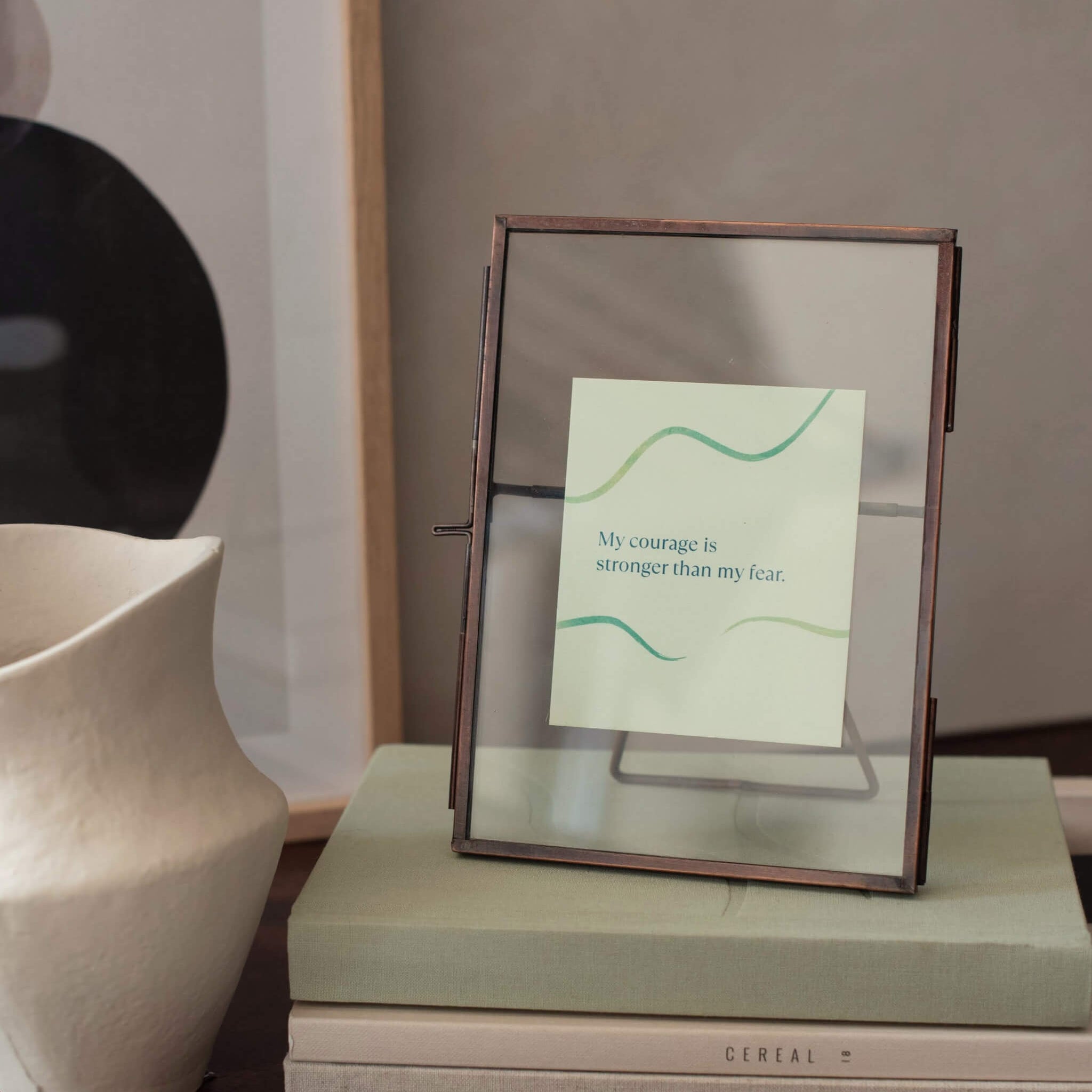
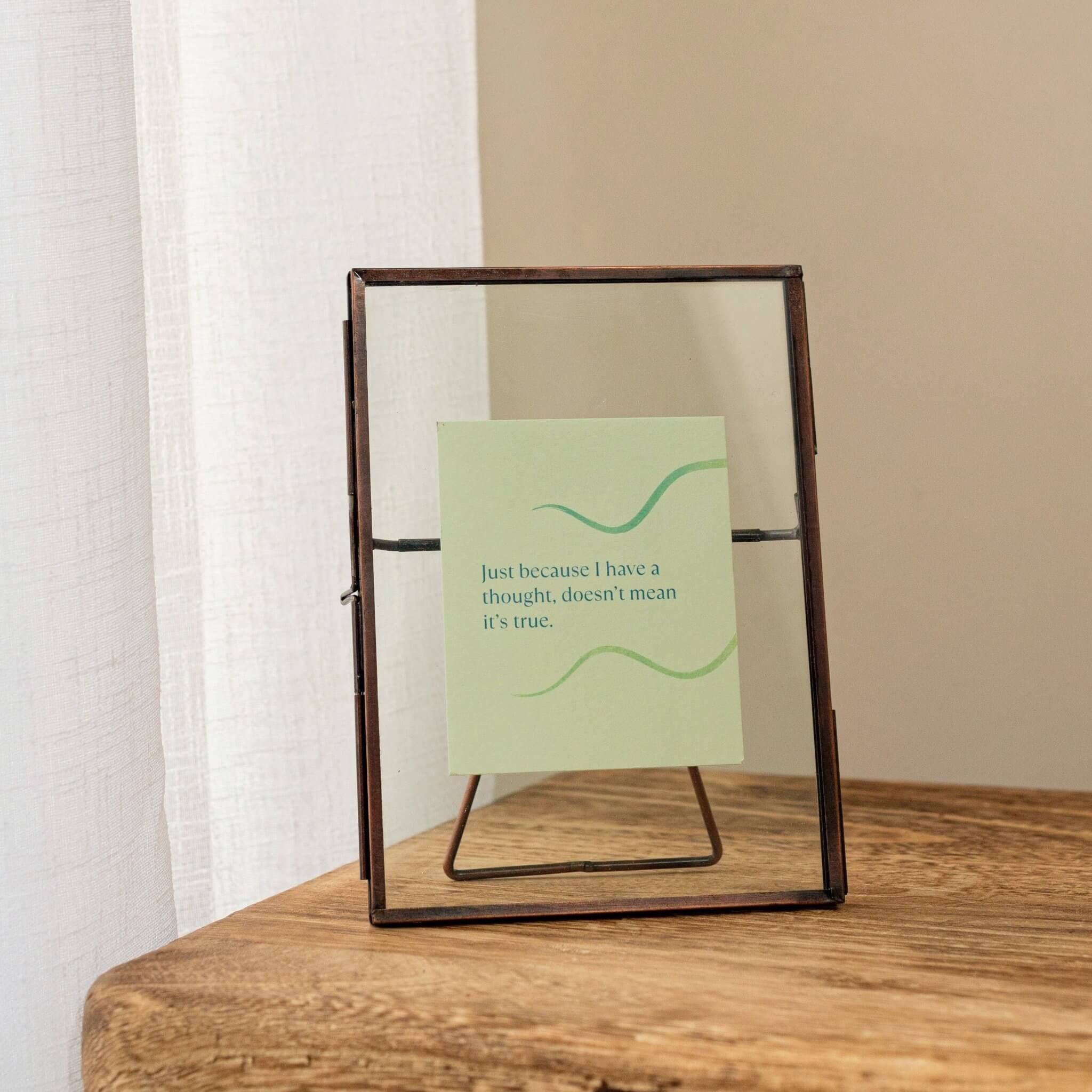
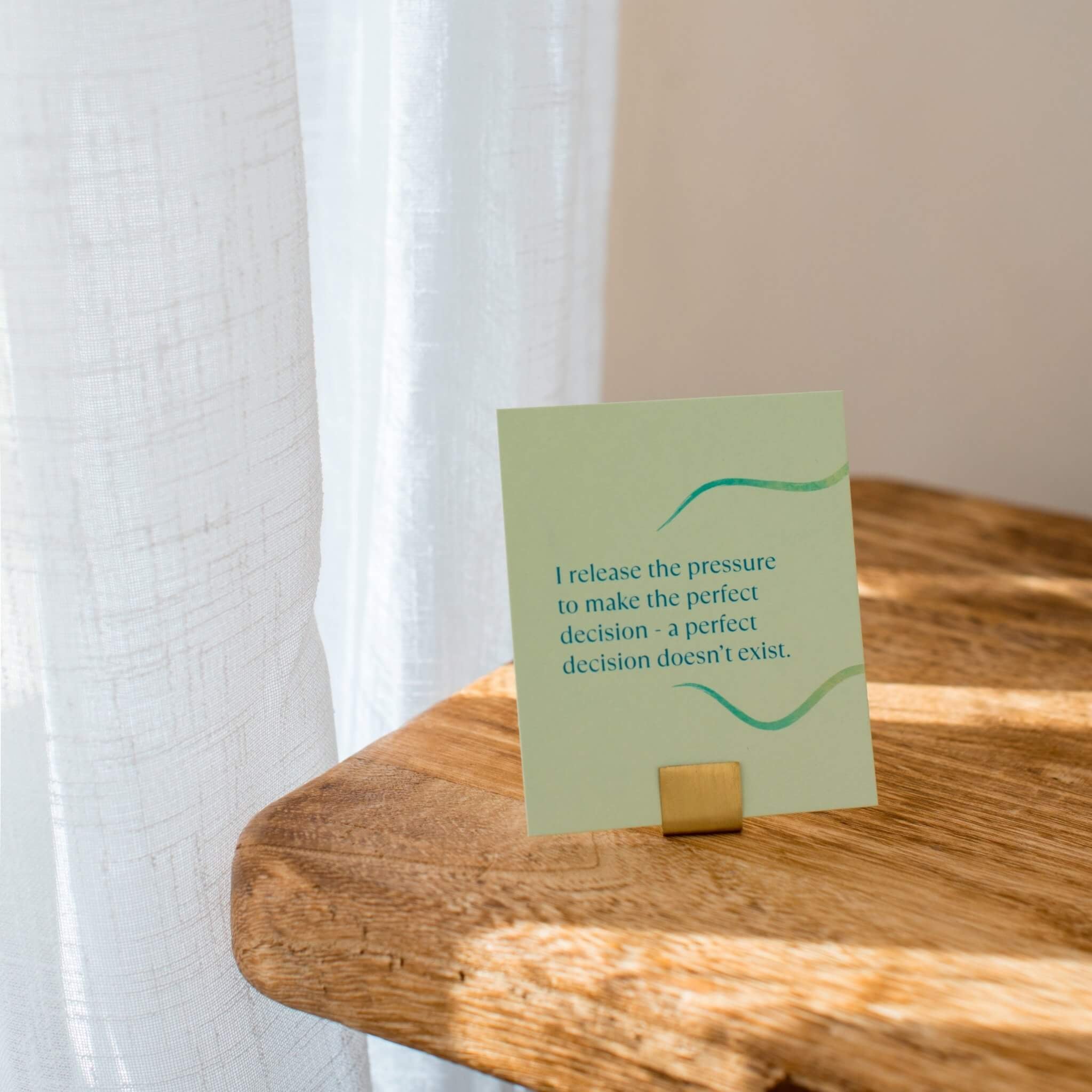
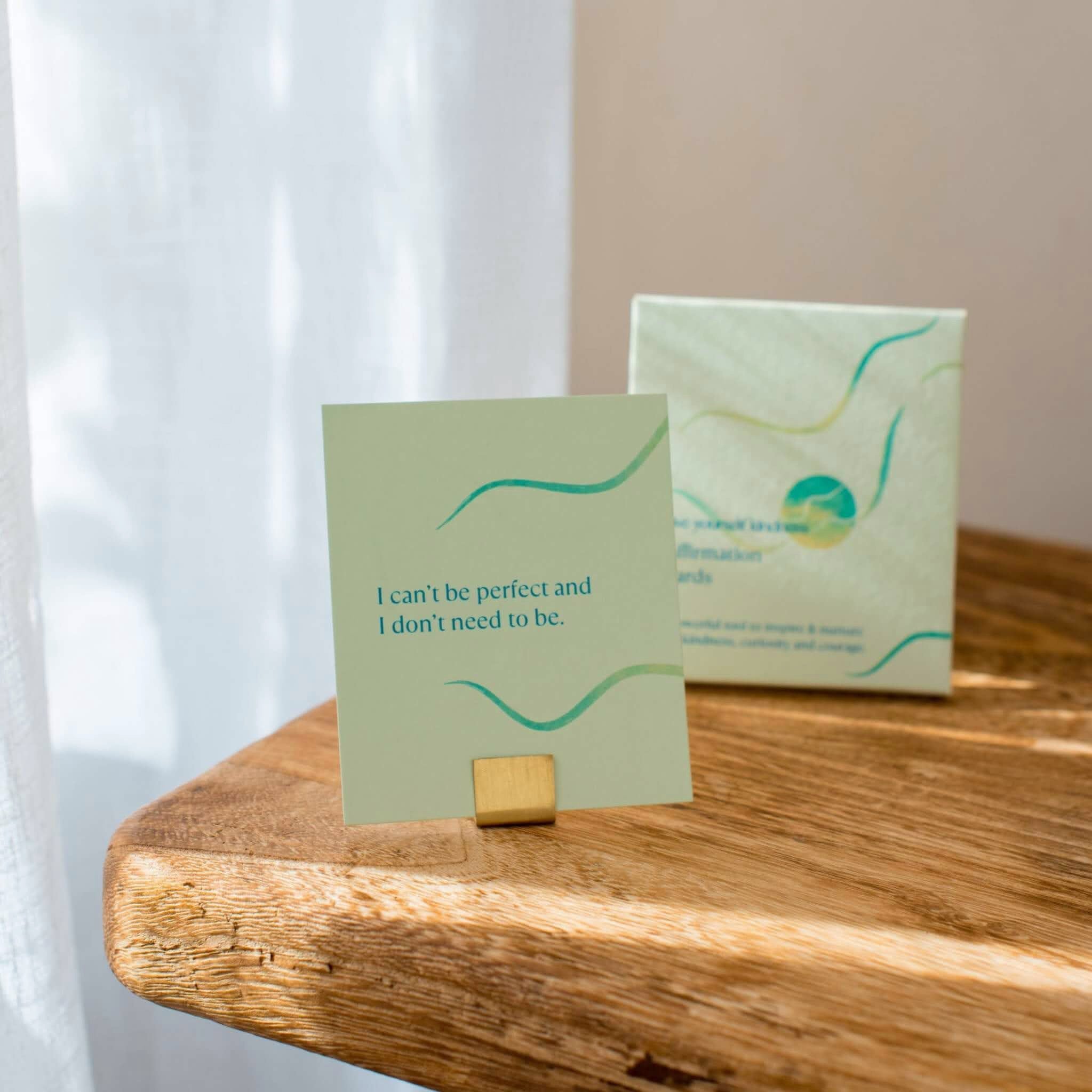
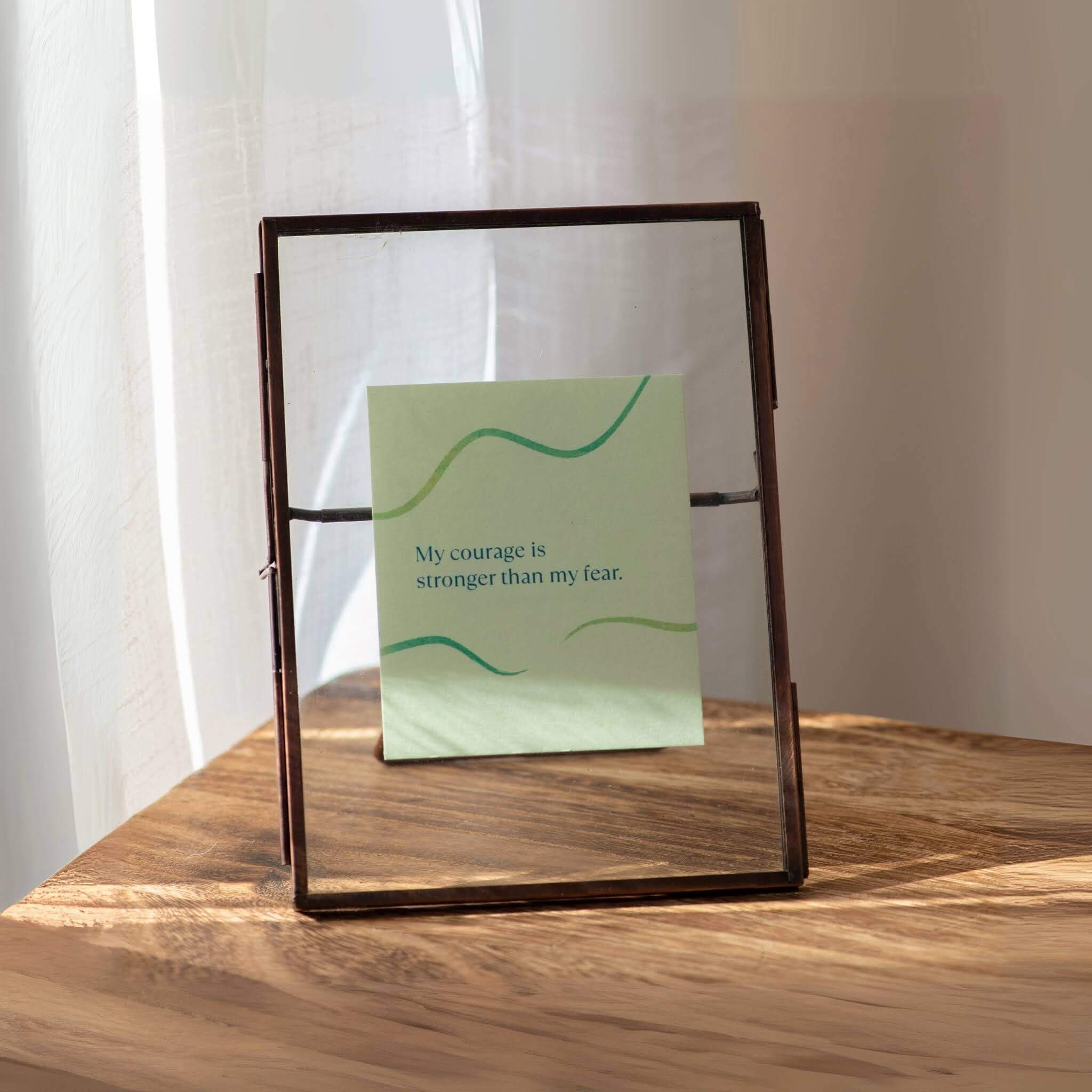
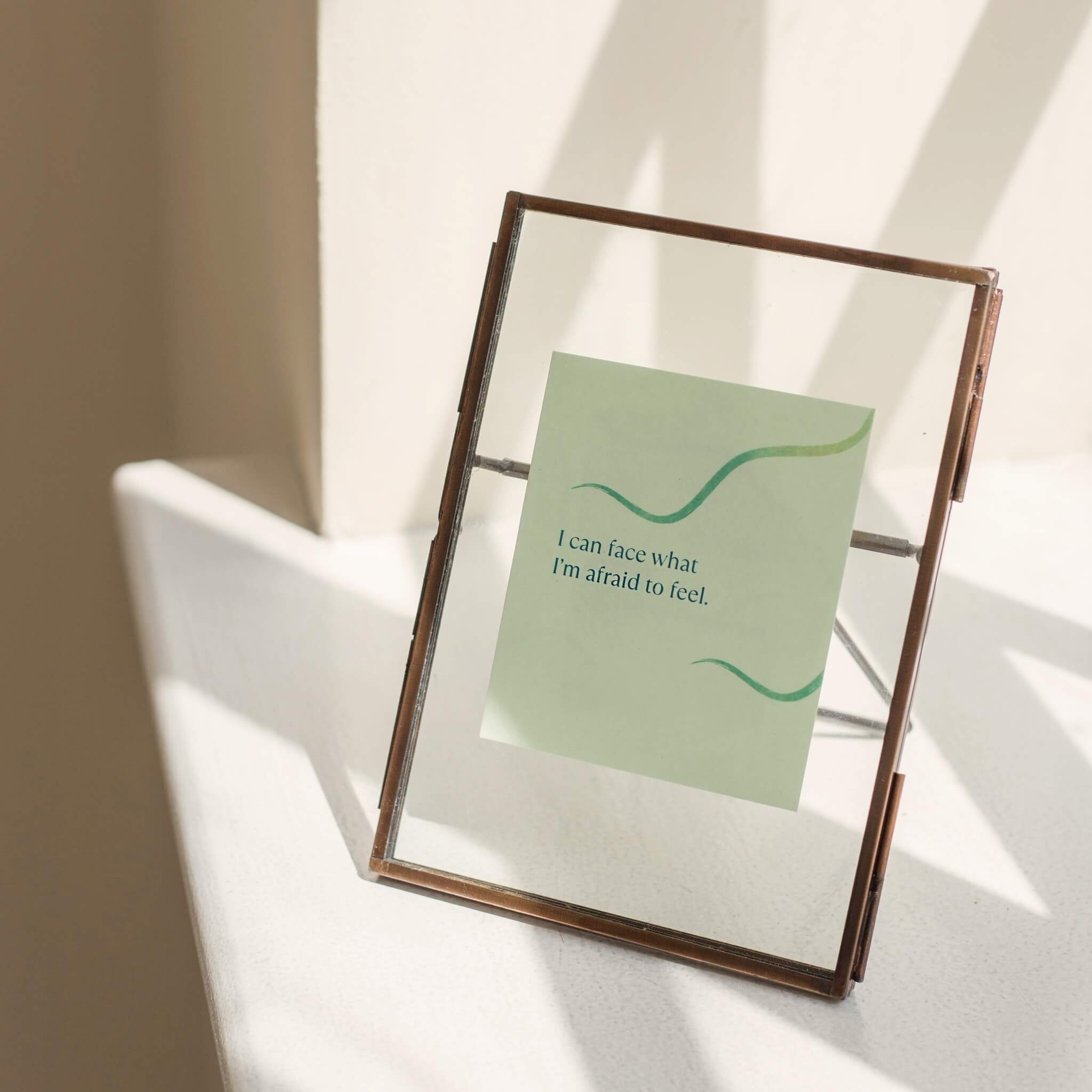
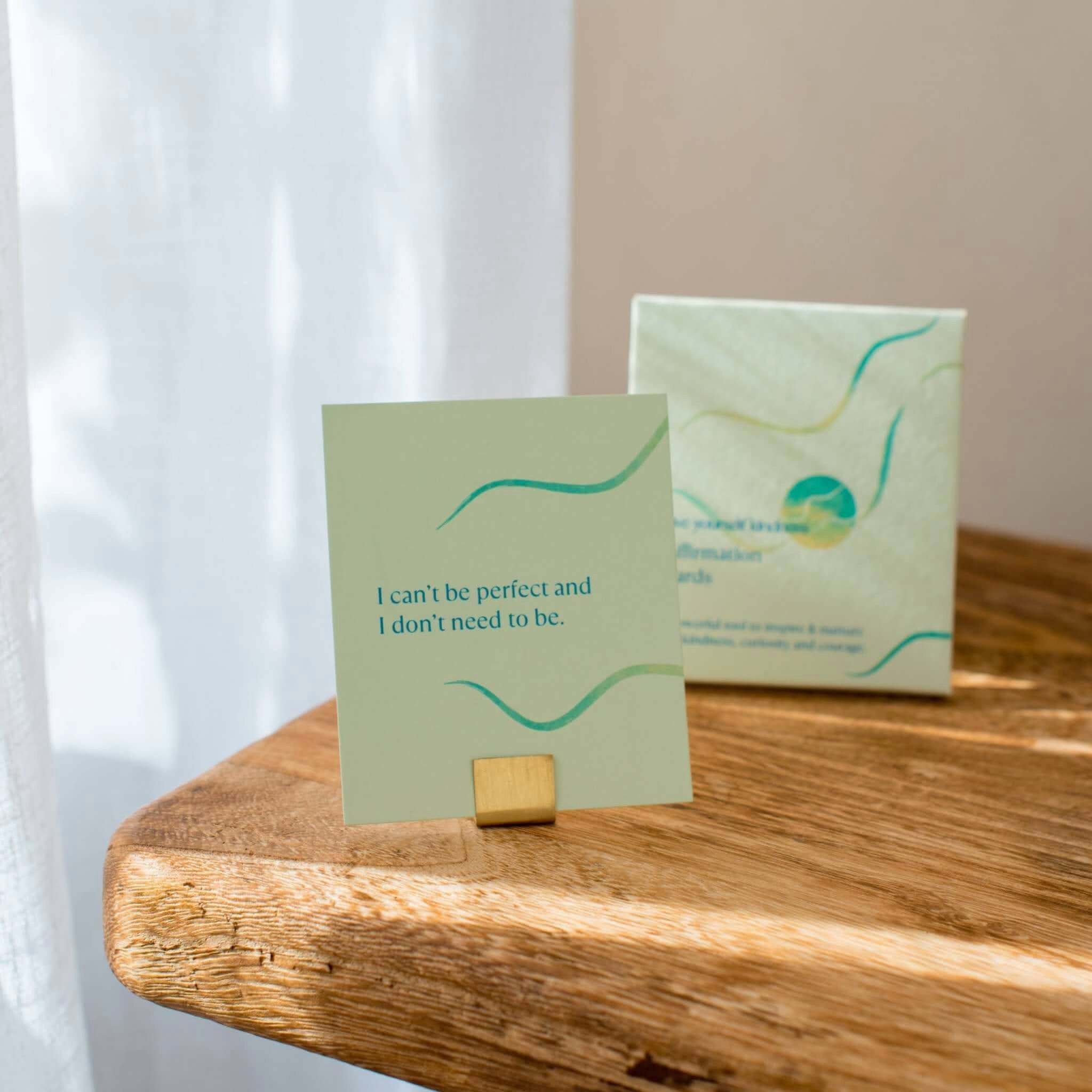
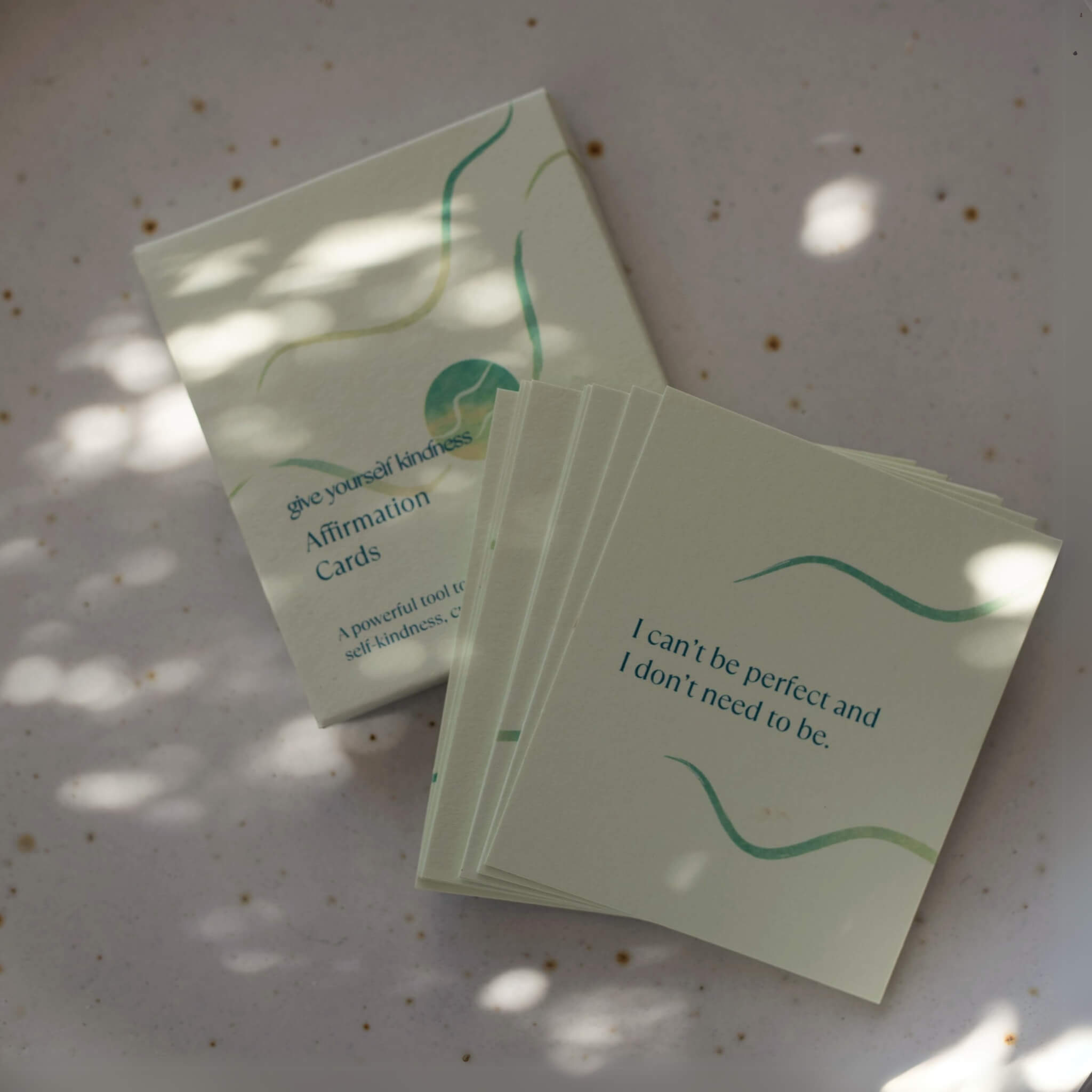
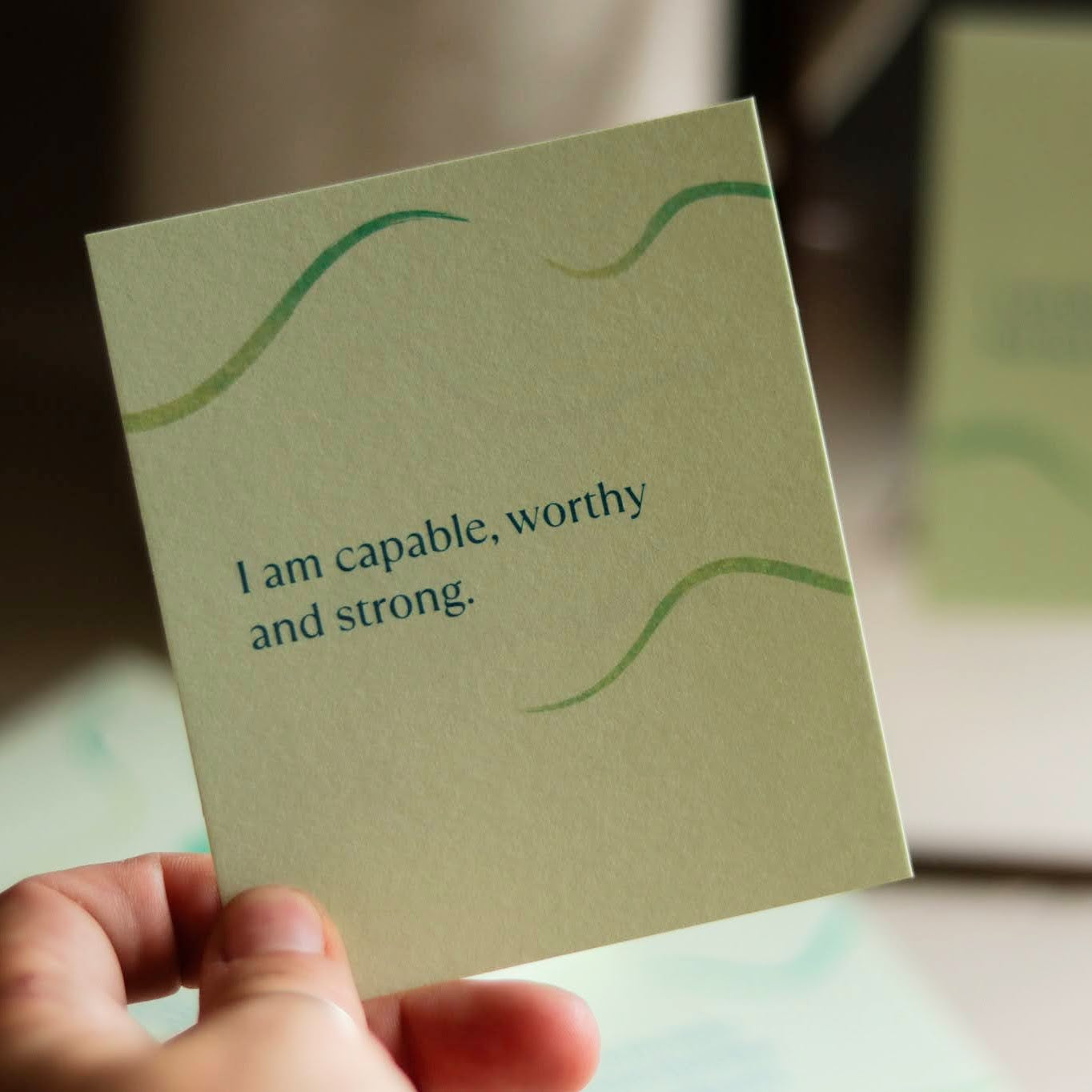
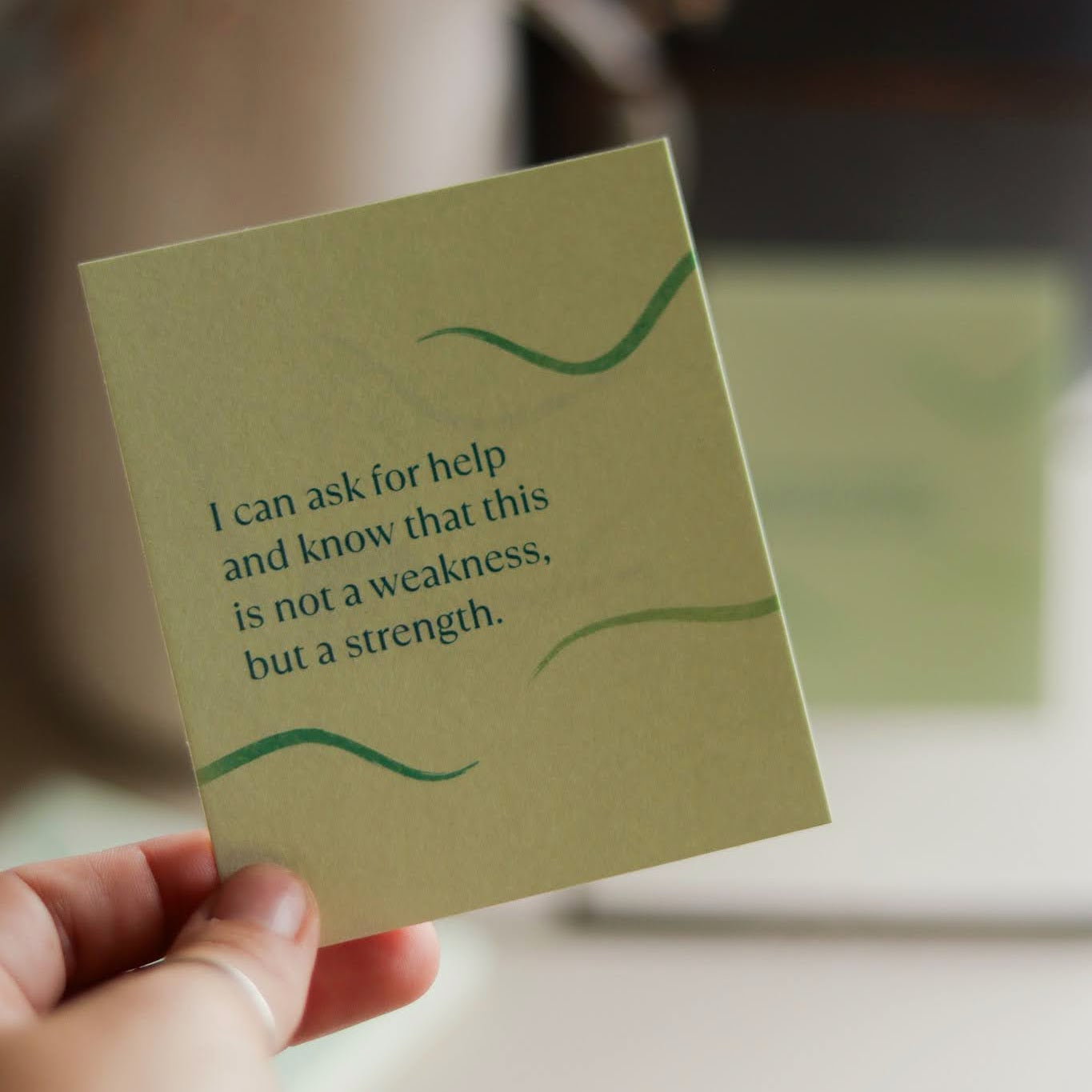
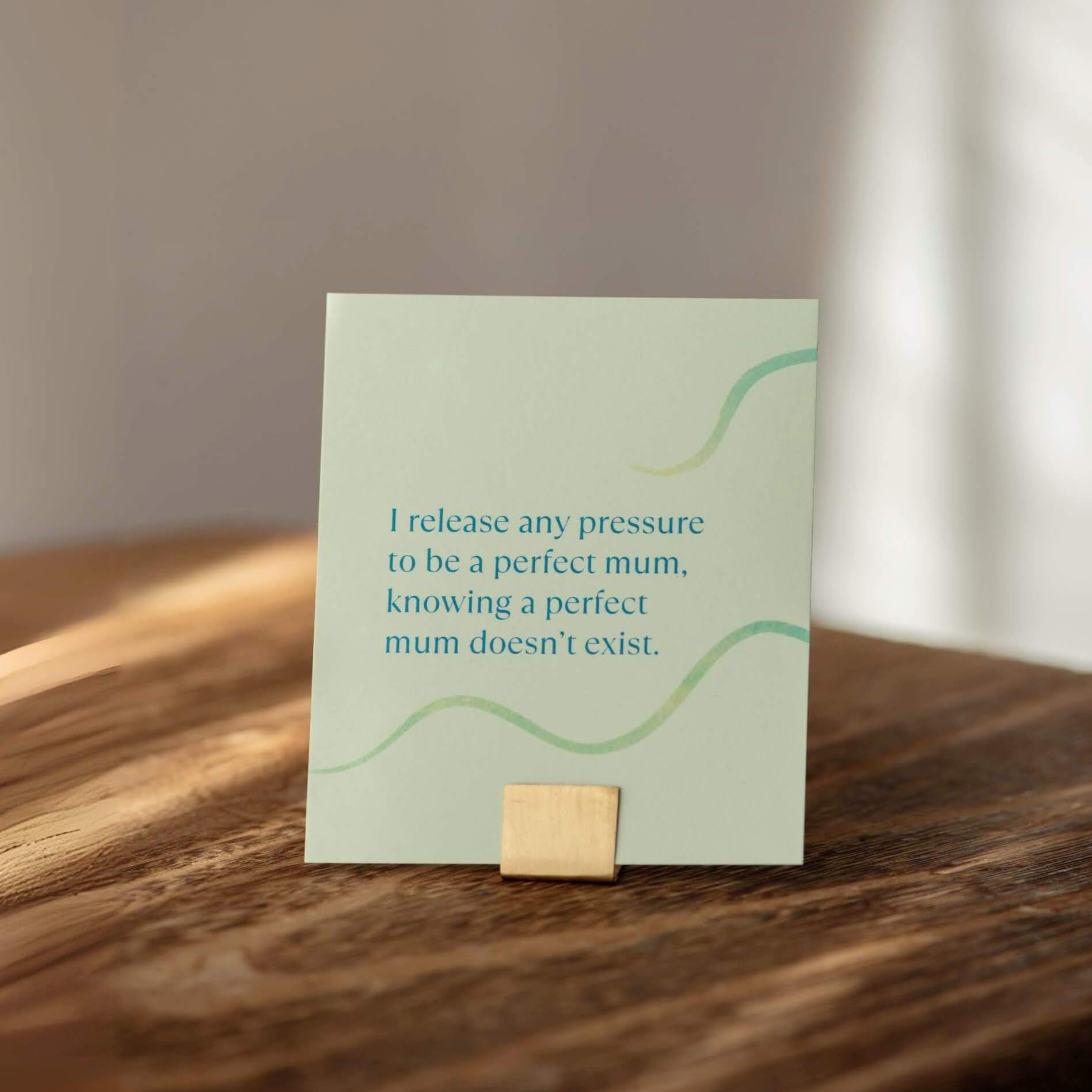
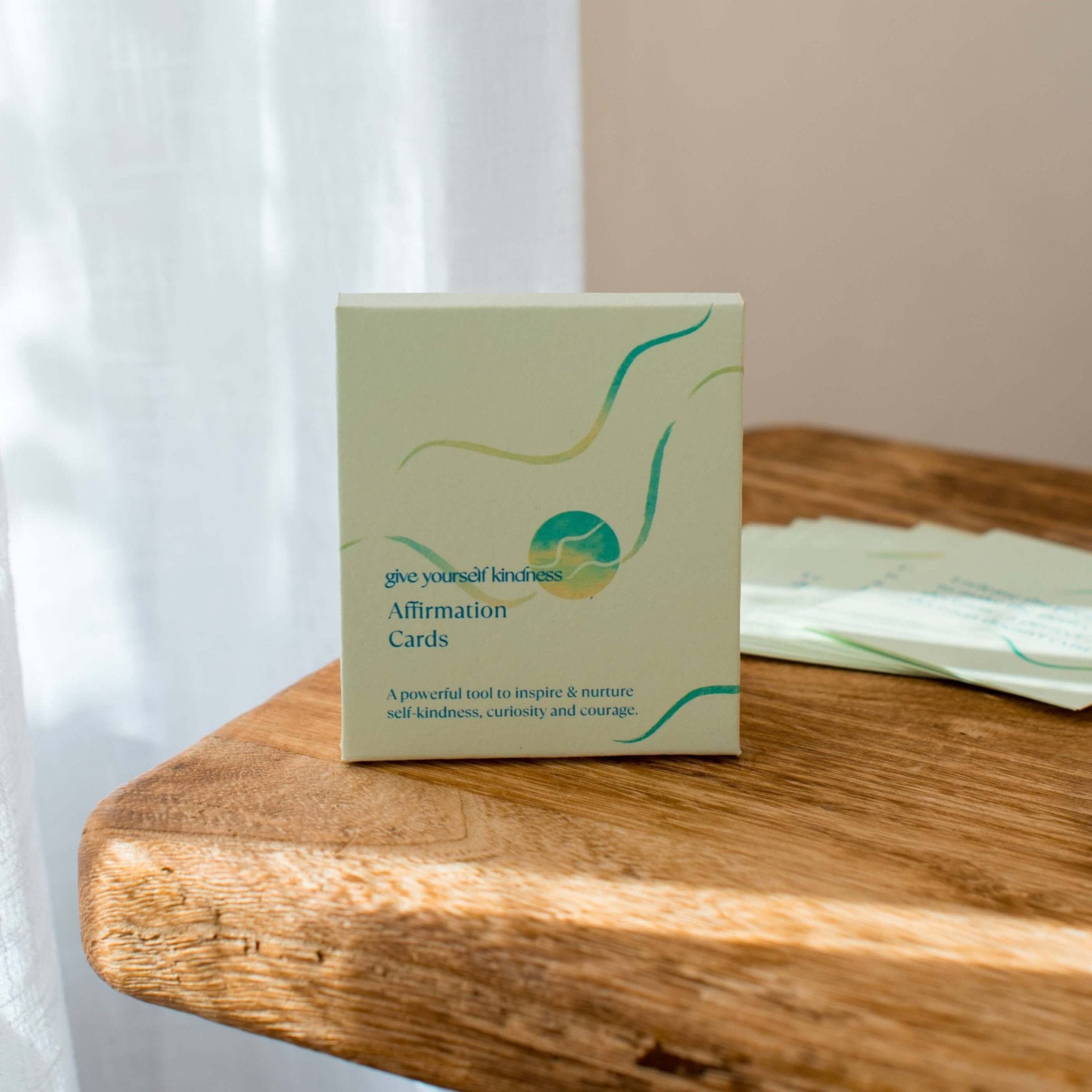
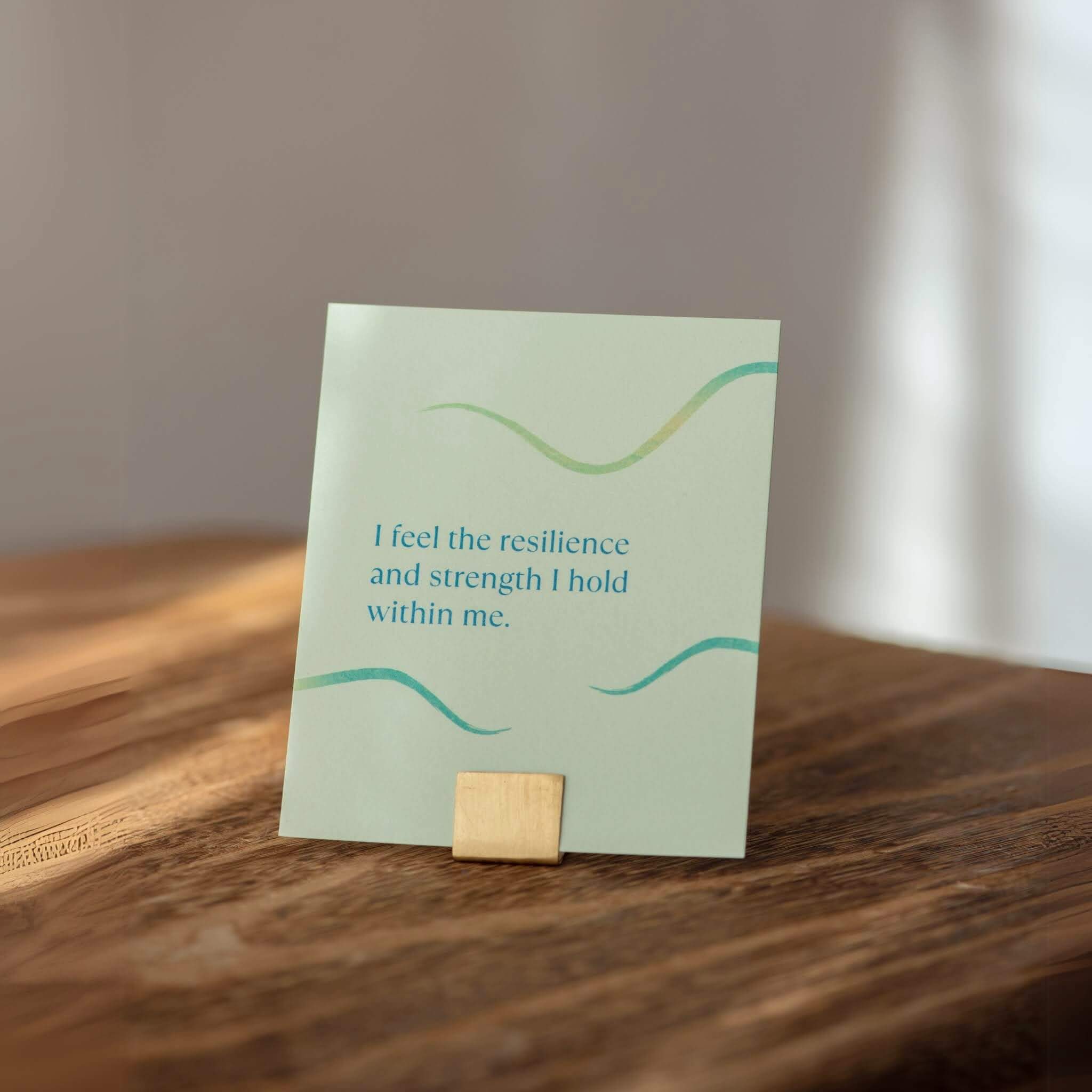
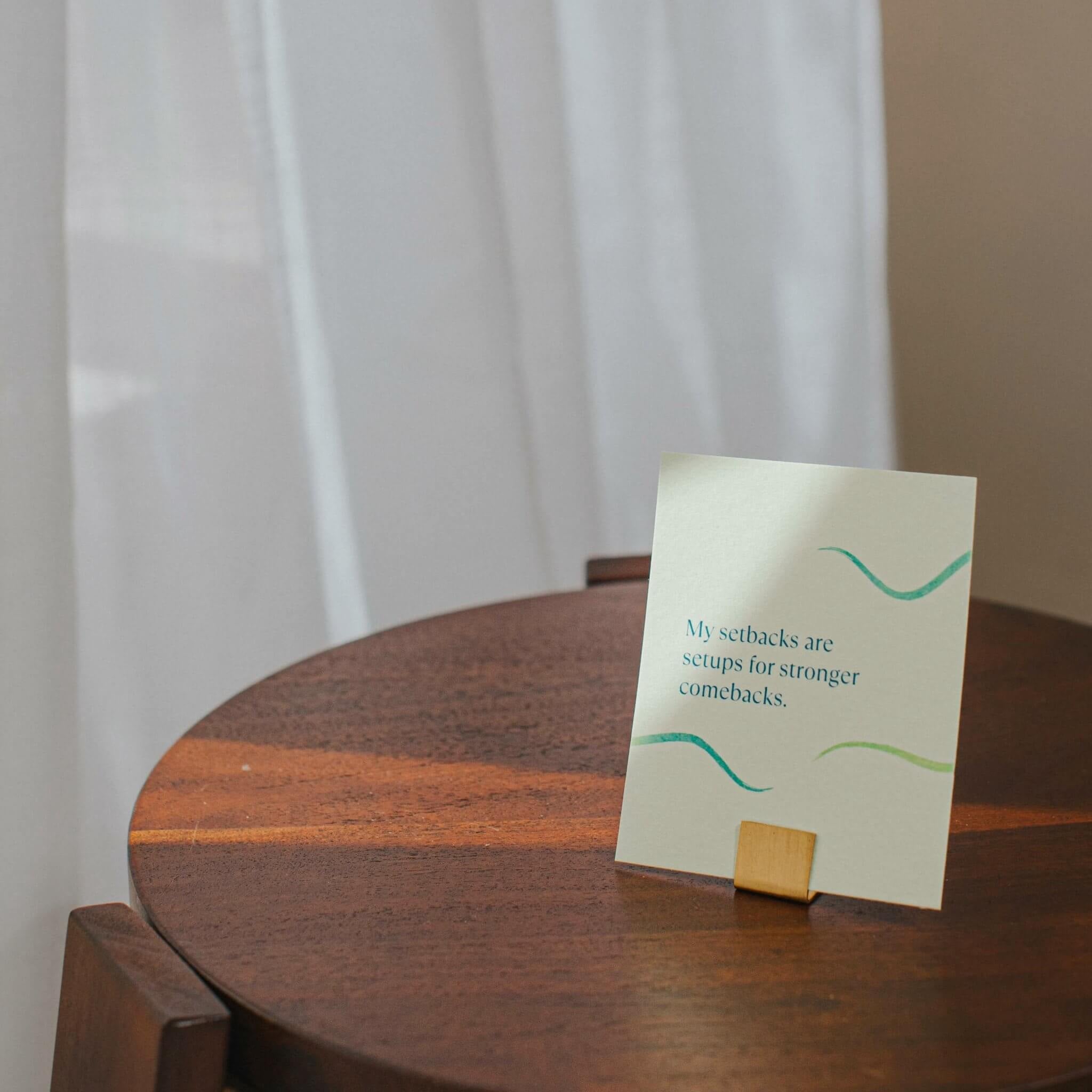
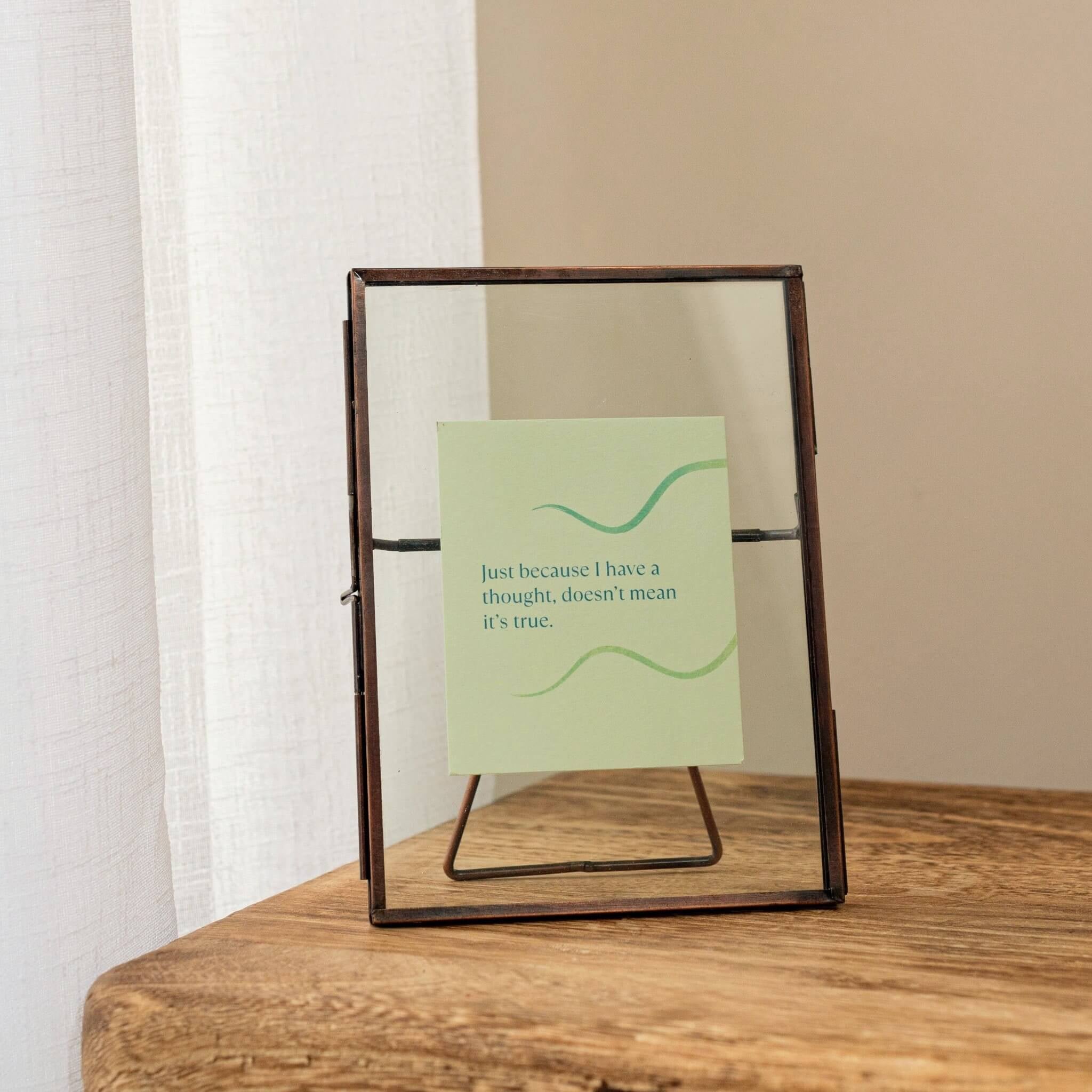
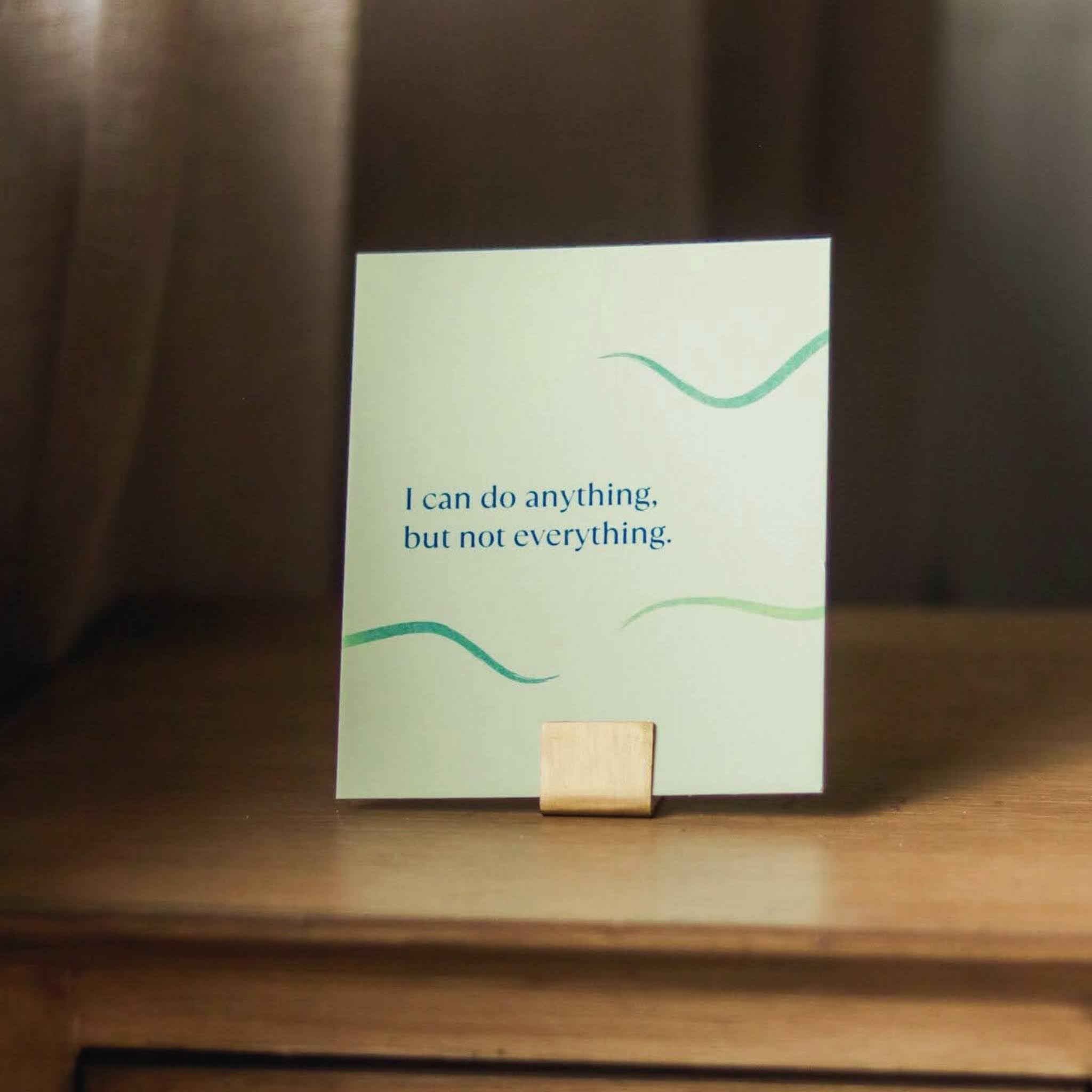
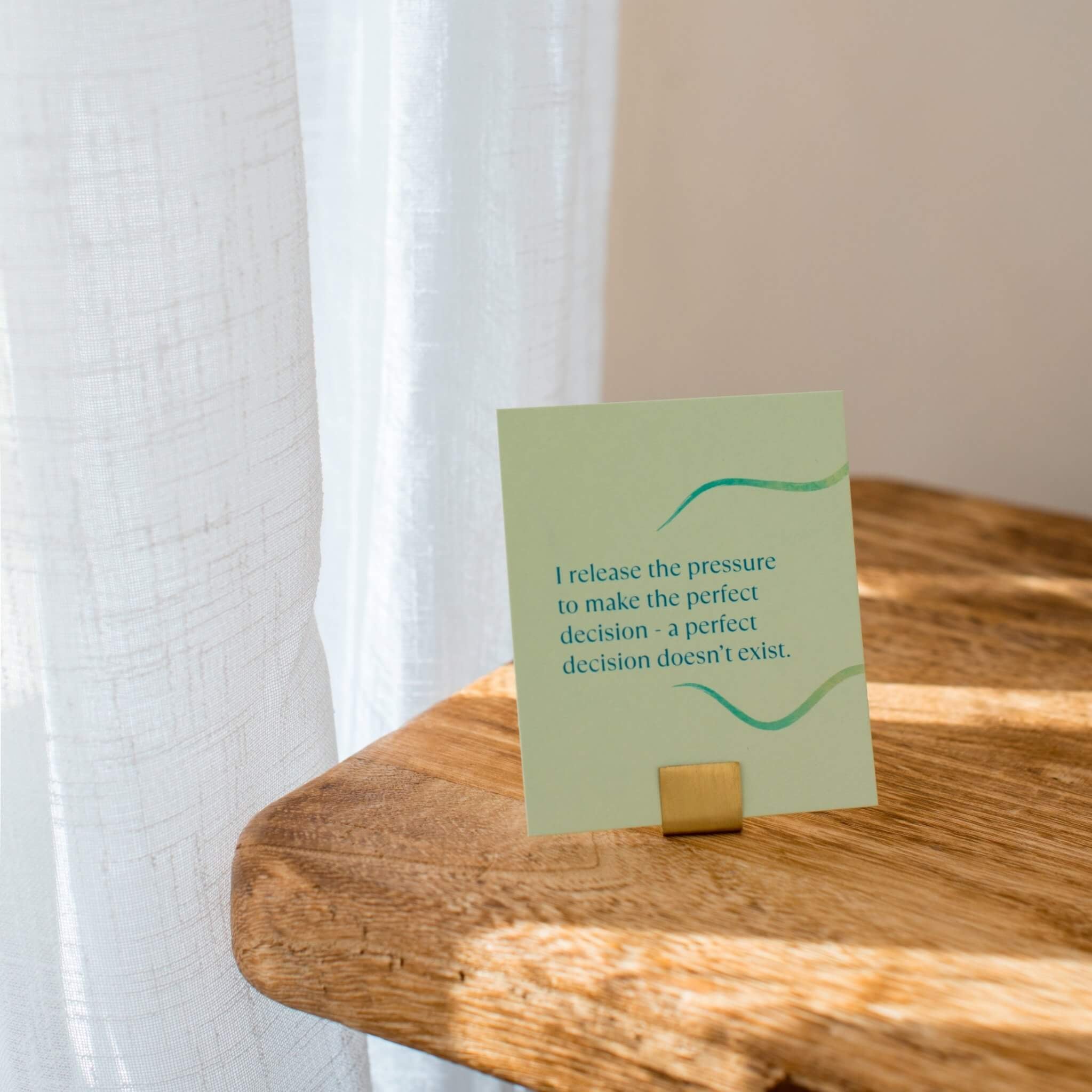
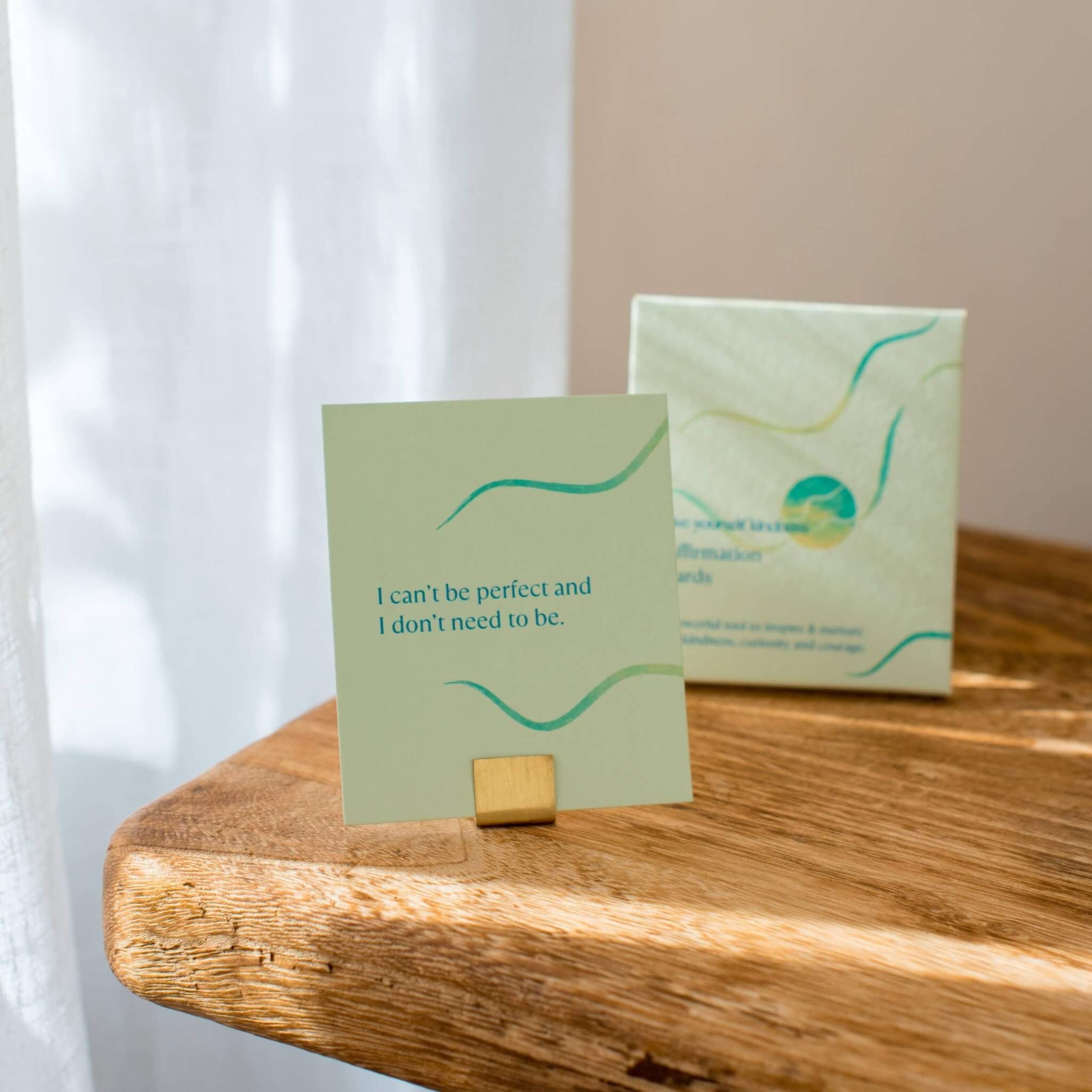
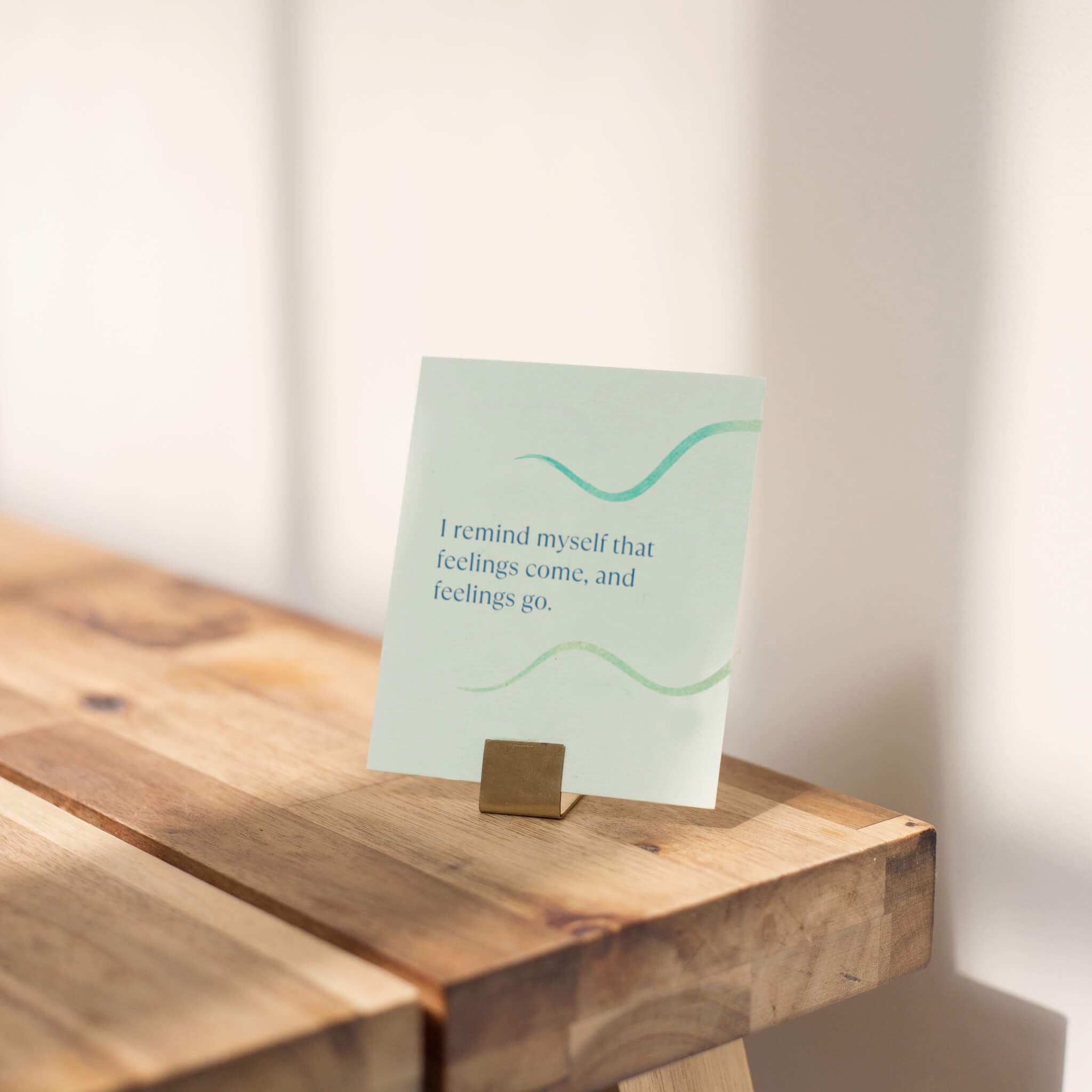
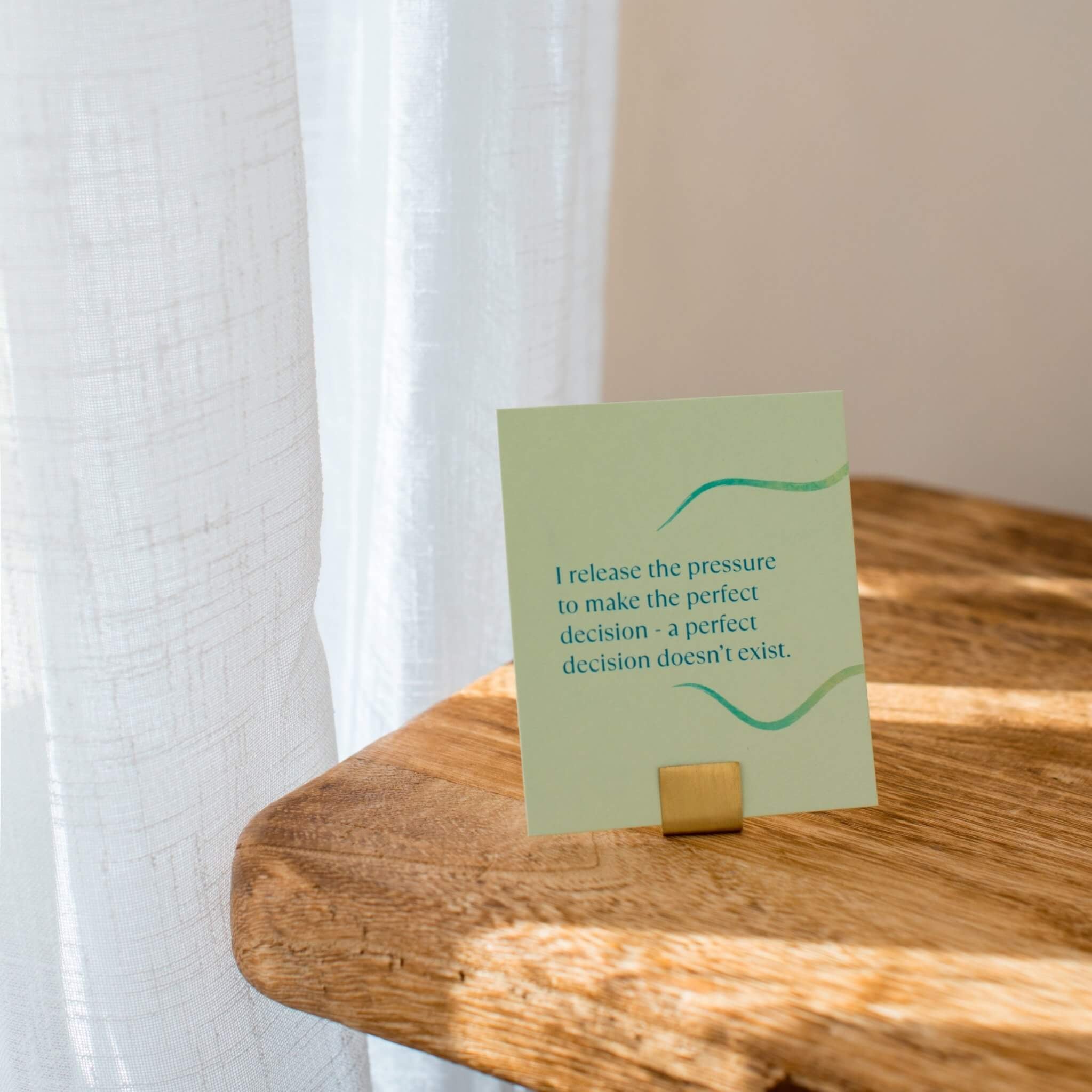
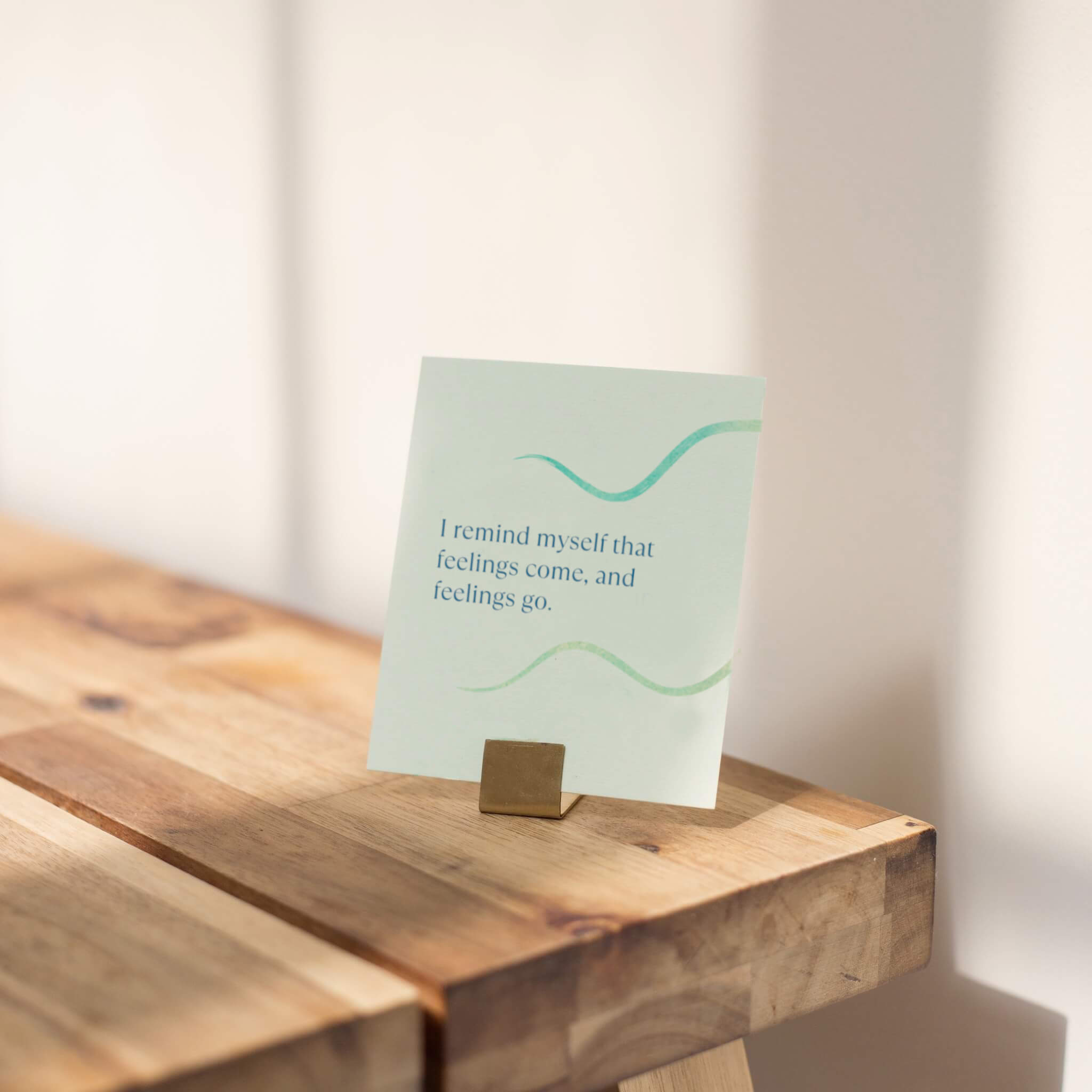
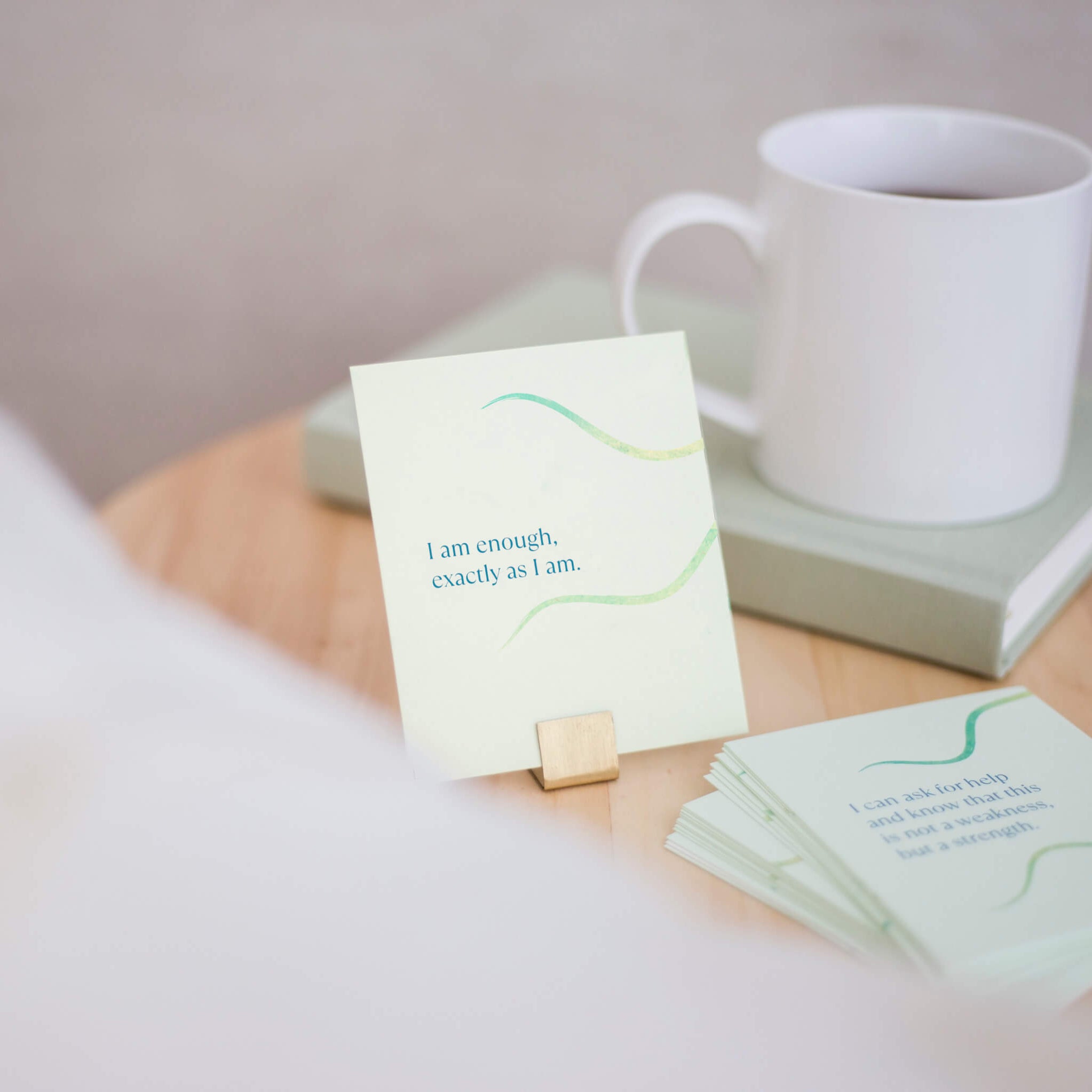
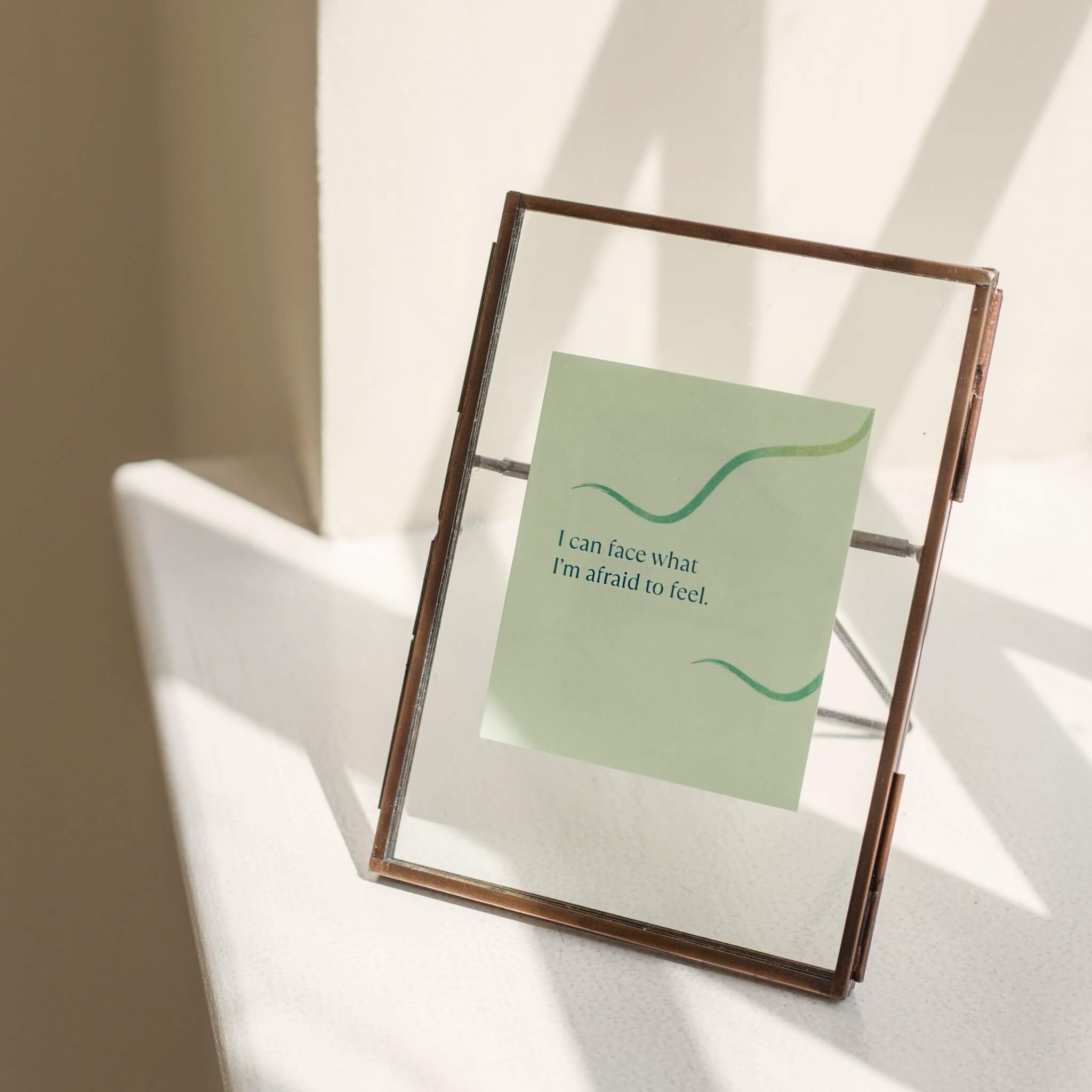
Affirmations that ask someone to feel wonderful when they don’t can leave them feeling further behind. Every card in this deck was written to acknowledge the hard thing first. I am worthy now, and this will never change. Just because I have a thought doesn’t mean it’s true. It is normal to have an inner critic, and I don’t have to believe it.
They can pull one in the morning and leave it where they will see it — a mirror, a desk, the side of the kettle.

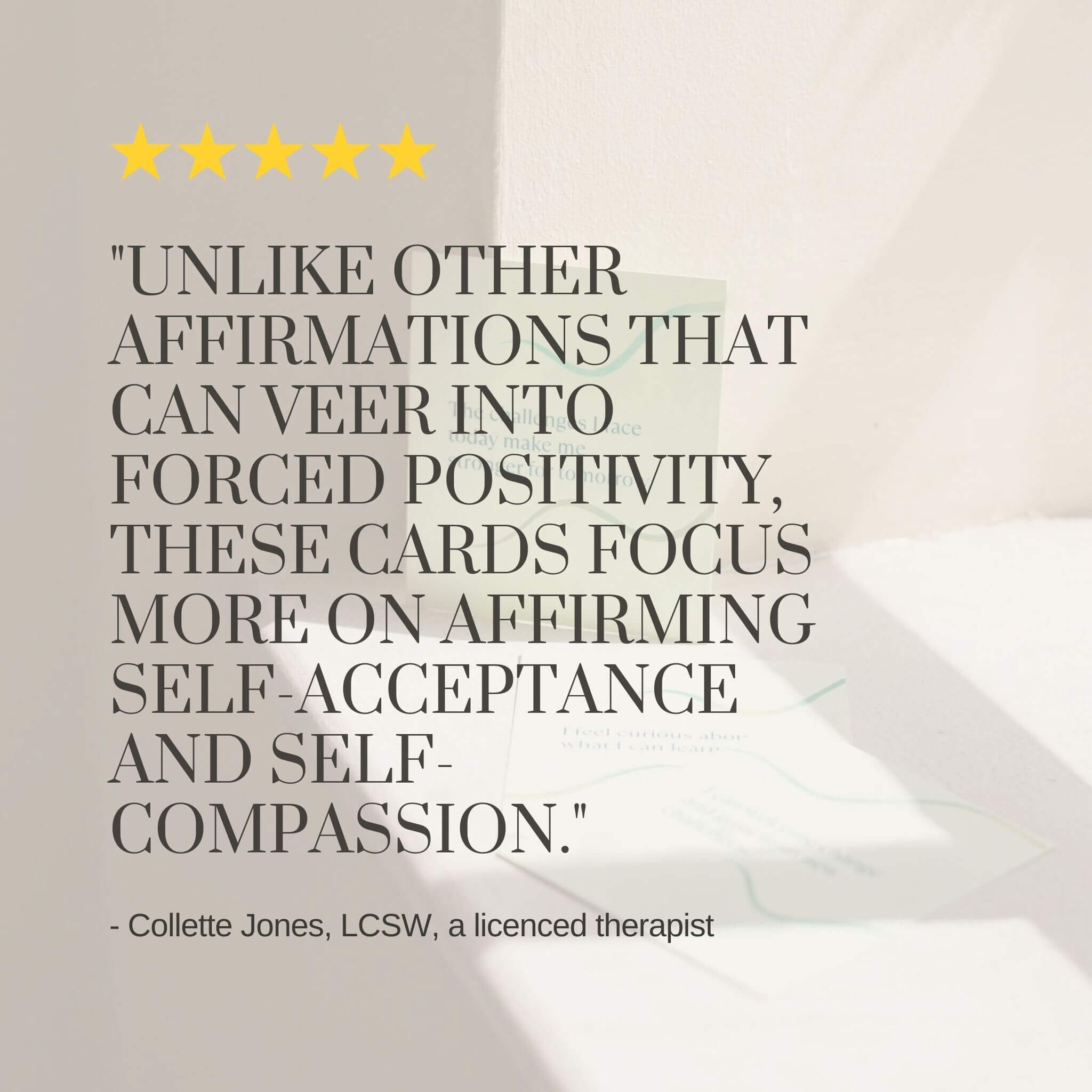
“Unlike other affirmations that can veer into forced positivity, these cards focus more on affirming self-acceptance and self-compassion.”
Collette Jones, LCSWLicensed therapist and practice owner

“These affirmations are truly so beautiful and powerful! When I read them, I instantly feel a sense of groundedness and calm. I also love that they are centered around having more compassion and kindness for ourselves.”
Margaret Davis, MS, LPCLicensed therapist
Choose this one if you’d rather give something they will simply see, without having to remember to use it.
Choose something else if you’d like to give them somewhere to think on paper — the journal is the better fit, and the two work well together.
Discover the cards →Sleep Affirmation Cards
What makes it different
They are gentle lines for the mind that is still going at midnight. I can’t be perfect, and I don’t need to be. Today, I did enough. It is normal that on some days sleep is better than others.
When someone is struggling, the nights are frequently the hardest part and the part they mention least. This is a small, low-effort thing to hand them for exactly that hour.

“The sleep cards are fantastic. I particularly like how they foster positive thinking, relaxation, and self-compassion, which are key in managing sleep and stress. They wonderfully echo the principles of cognitive-behavioral therapy for insomnia.”
Dr Olena Santangeli, PhDNeuroscientist and sleep researcher
Choose this one if you know the nights are the part they are finding hardest, or if you want to give something that asks nothing of them at the end of the day.
Choose something else if you’d like the gift to work across the whole day — the Self-Compassion Affirmation Cards do the same gentle job from morning onwards.
Discover the sleep cards →The You Are Loved Charm
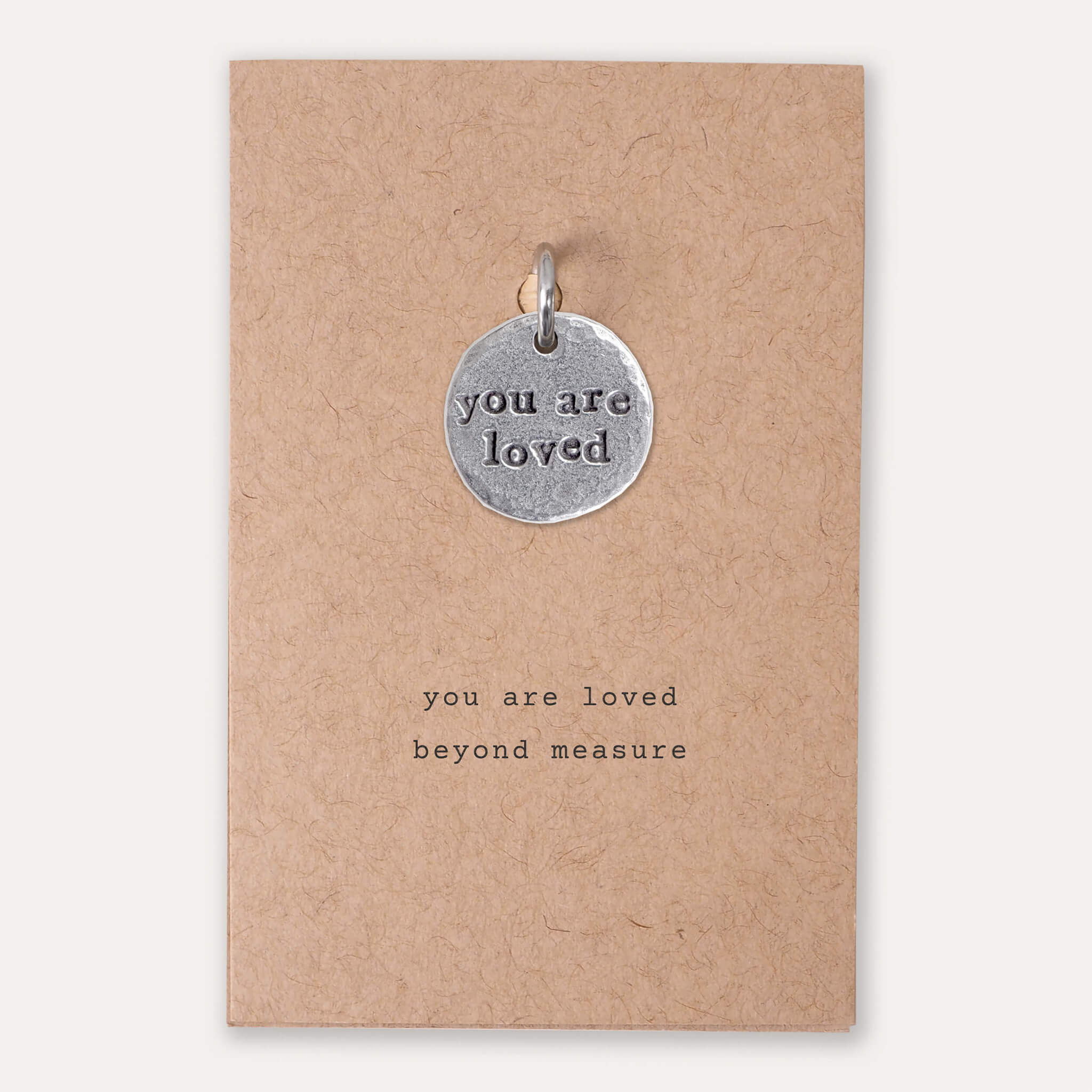
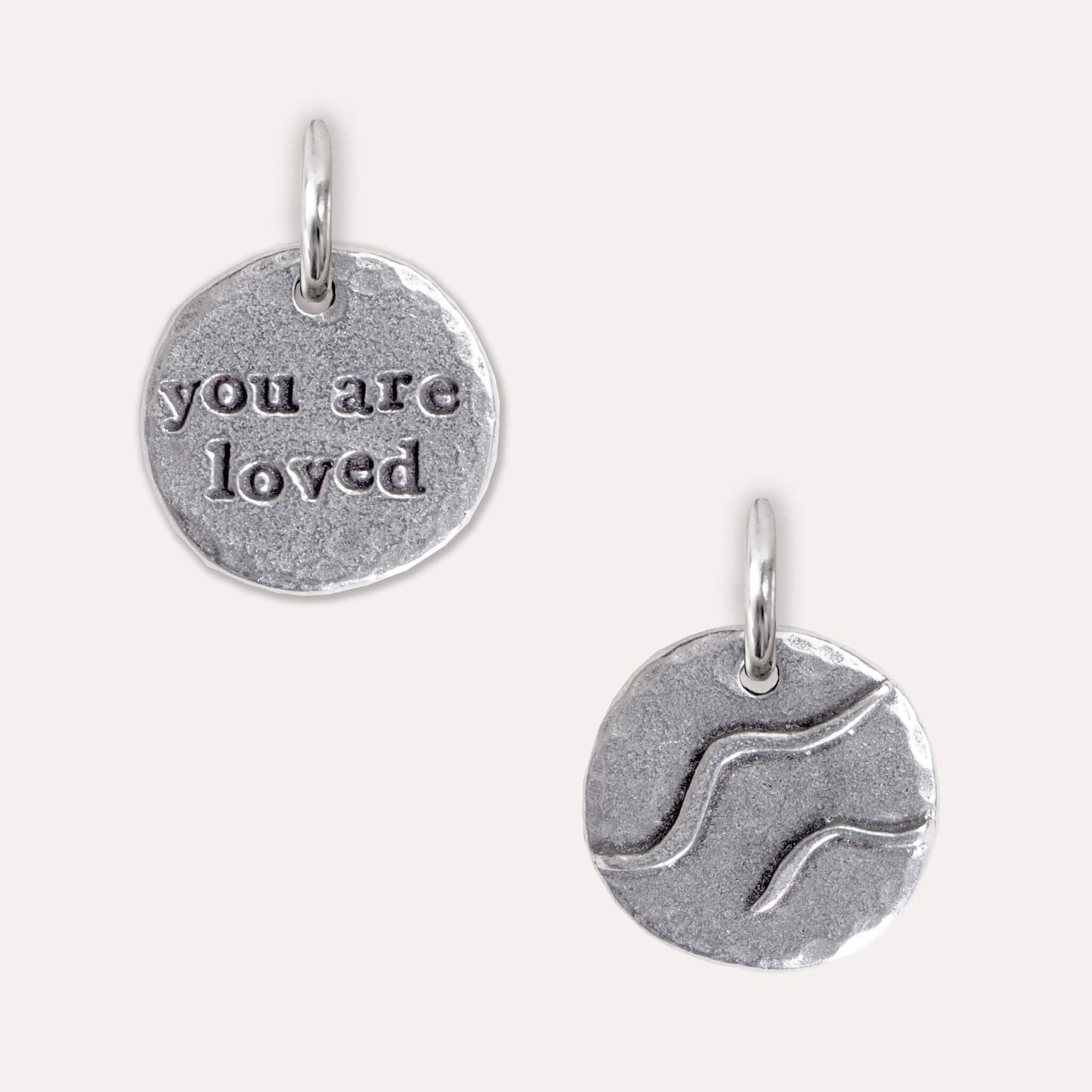
No reading, no writing, no energy. It goes on keys or a bag or sits on a desk, and it says the thing you would say if you were there.
Choose this one if you’d rather your gift said I’m thinking of you than here is something to work on. It is also the easiest thing here to add to something else.
Discover the charm →The You Are Enough Charm
Kept close, on keys or a bag. It works on its own, and it works as the small extra thing tucked in beside a journal or a set of cards.
Choose this one if you’d like something small and daily to sit alongside anything else here, or to stand on its own.
Discover the charm →Will it make them feel worse?
This is the right question to be asking, and I’d rather answer it honestly than talk you past it.
Yes, a gift can make someone feel worse. I know, because I was on the receiving end of it — and I want to say plainly that it was nobody’s fault. The people around me were doing their best with almost nothing to go on. They could see I was struggling, they badly wanted to help, and there is very little out there telling you which of these things genuinely helps and which quietly makes it harder. That is a horrible position to be in. If it is where you are right now, I do understand it.
It is also exactly why I think this is worth talking about openly. Not because anyone chooses badly, but because a great deal of what is sold for mental health was never made with anyone qualified, and there is no way of telling that from the outside. So here is what to look out for, from my own experience, whether you buy from me or not.
I bought one that wanted me to log what I’d eaten and what I weighed. On a day I was already struggling, that turned my journal into one more place to be measured and found wanting. A journal for someone’s mental health should not be quietly monitoring their body.
Pages that talk over a hard day instead of making room for it. When you are genuinely struggling and something tells you to look on the bright side, the message you take away is that your actual feelings are the problem. That is the opposite of what helps.
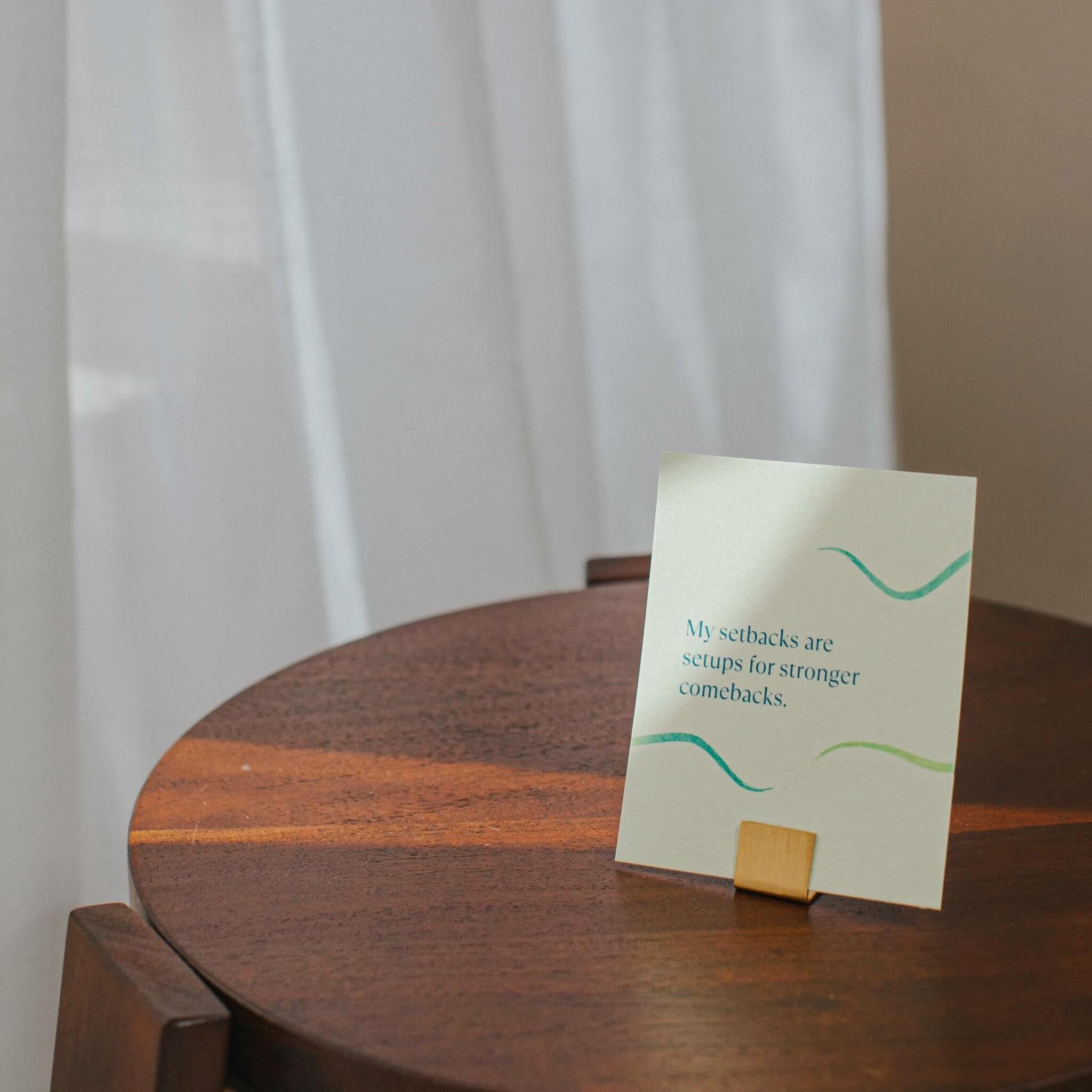
“You’re amazing.” “Today is going to be wonderful.” I read those and felt further behind than before I picked them up, because I didn’t feel amazing and now there was proof I was doing life wrong. An affirmation has to be something the person can believe on their worst day, or it does nothing at all.
Three numbered lines, every single day. I couldn’t come up with three things, and I concluded that I was an awful person rather than that the format was too thin. Gratitude is a powerful thing. But it needs guidance and support behind it, not three numbers a day handed to someone who is already struggling.
Why expert backing matters more than it sounds like it should
Anyone can print a journal. There is no qualification needed and no review process, so nothing stops a product sold for someone’s mental health from asking them to weigh themselves or count their blessings on the worst week of their life.
When a clinical psychologist puts their name to something, they are putting their professional reputation beside it. It means someone with the training to spot harm has read every page and was willing to be associated with it. From the outside, that is very nearly the only signal you have — which is why I went looking for it, and why the names are on this page with their full credentials rather than tucked away at the bottom.
What I did differently
I should tell you plainly that these are mine, and why they exist.
I made them because I couldn’t find them. When I went looking for something that would help, what I found made my critical voice louder rather than quieter — more tracking, more scoring, more of a record of what I hadn’t managed. So I made the thing I had been looking for, and I made it with clinical psychologists rather than on my own.
That is why there is no tracking of any kind in the Give Yourself Kindness Journal, why every one of the ninety prompts is a different question, why it is undated, and why it asks how someone is rather than telling them how to be. It is also why clinical psychologists at Harvard Medical School and the University of Oxford were willing to put their names to it, and why therapists use it with their clients.
“Won’t a journal feel like I’m telling them to fix themselves?”
It can, and it usually comes down to the wording rather than the gift. A journal handed over with this will really help you lands as an instruction. The same journal handed over with no pressure to use this, I just wanted you to have something kind lands as care.
Three things make the difference, and they are worth knowing whatever you buy:
- Say there is no expectation. They do not owe you a used journal. Say so out loud and the pressure disappears.
- Give it because you were thinking of them, not because you have a plan for them. One is a present. The other is homework.
- Choose something undated. A dated page turns a hard fortnight into a visible gap. Nothing on this page is dated, on purpose.
I have written the actual sentences out below, including the awkward ones, so you don’t have to find them yourself: what to say when you give it.
What to say when you give it
For a lot of people the present is the easy part and the card is where they get stuck. These are yours to use, change, or ignore — you know them and I don’t. There is no right or wrong here, and a short honest line always beats a long careful one.
“I’ve been thinking about you. There’s no pressure to use this, or to be anything other than exactly how you are. I just wanted you to have something kind.”
“Saw this and thought of you. No reason. Hope it’s a gentle week.”
“I know things are hard at the moment. I don’t have anything clever to say about it, but I didn’t want to say nothing. I’m here whenever you want me.”
“This isn’t me thinking you need fixing. You don’t. I just wanted to send you something that’s on your side.”
“I hope this isn’t out of turn — I just wanted you to know you’ve been in my thoughts. No need to reply.”
“I thought this might sit nicely alongside what you’re already doing. Use it however suits you, or don’t.”
“It’s nothing big. Open it later.” — then change the subject. Not every gift needs a moment, and taking the weight out of it is often the kindest thing you can do.
“I wanted to. That’s all.”
The one thing genuinely worth avoiding is anything that sets an expectation. You should really use this every day turns a present into a task, and a task is the last thing someone struggling needs from the people who love them.
I’ll write it out for you
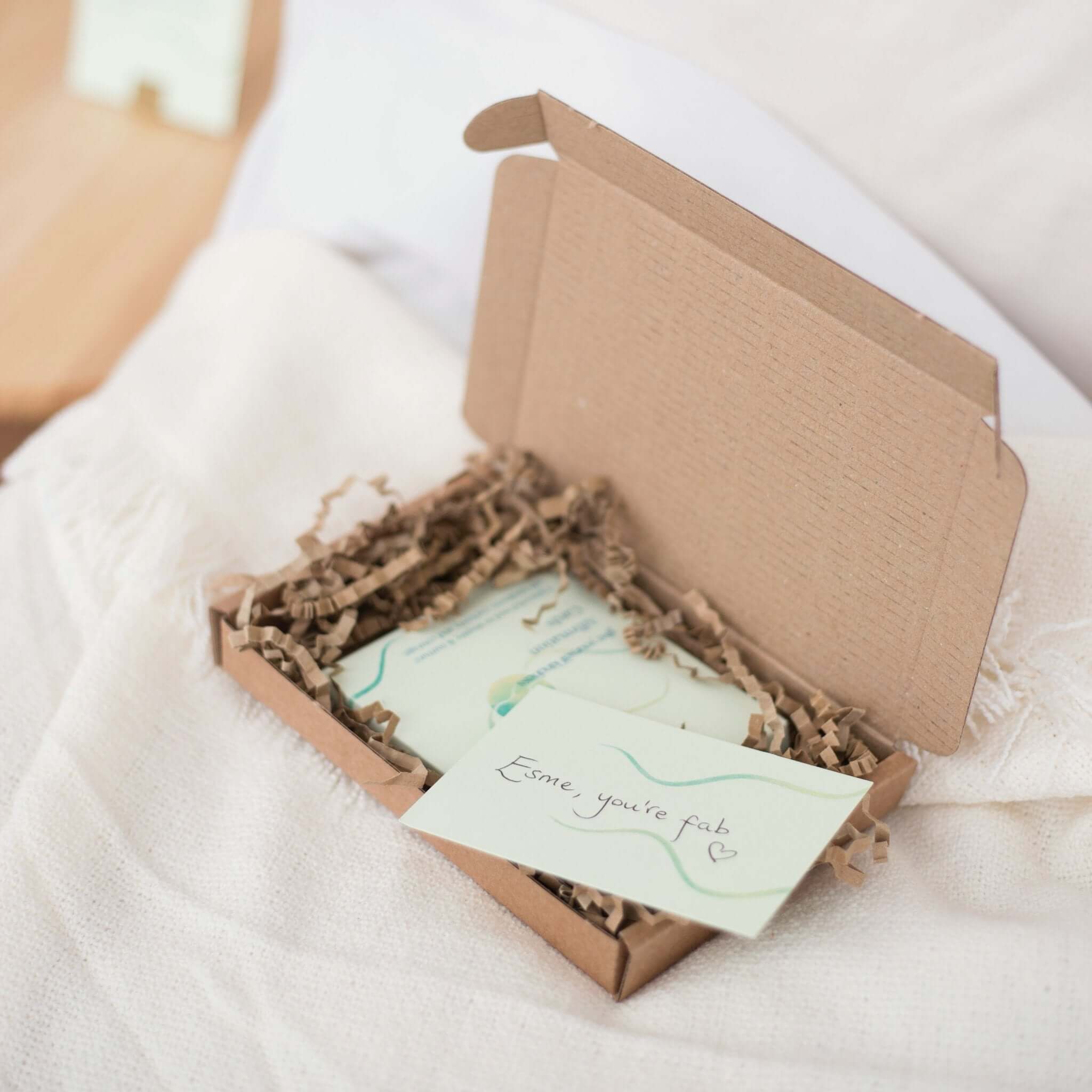
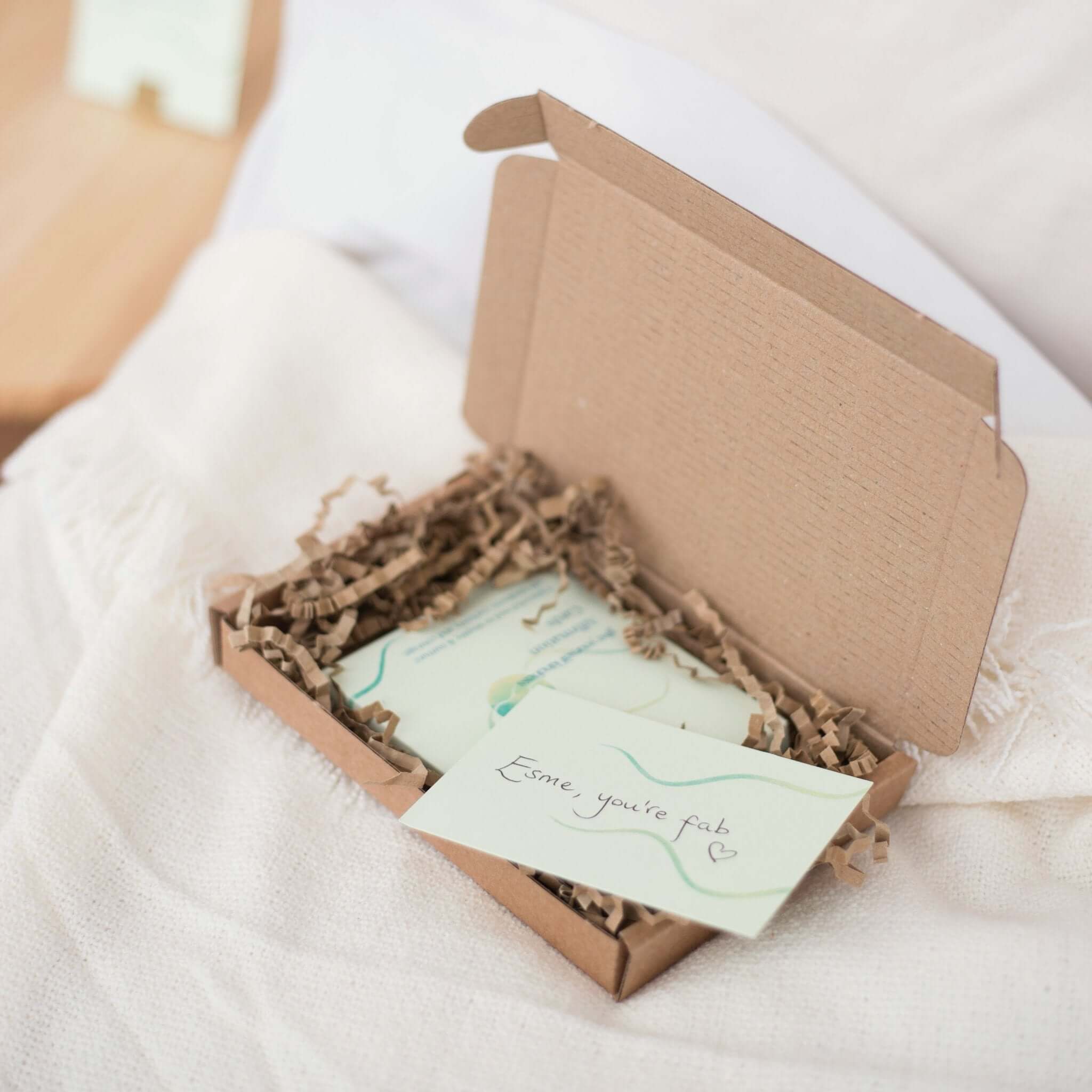
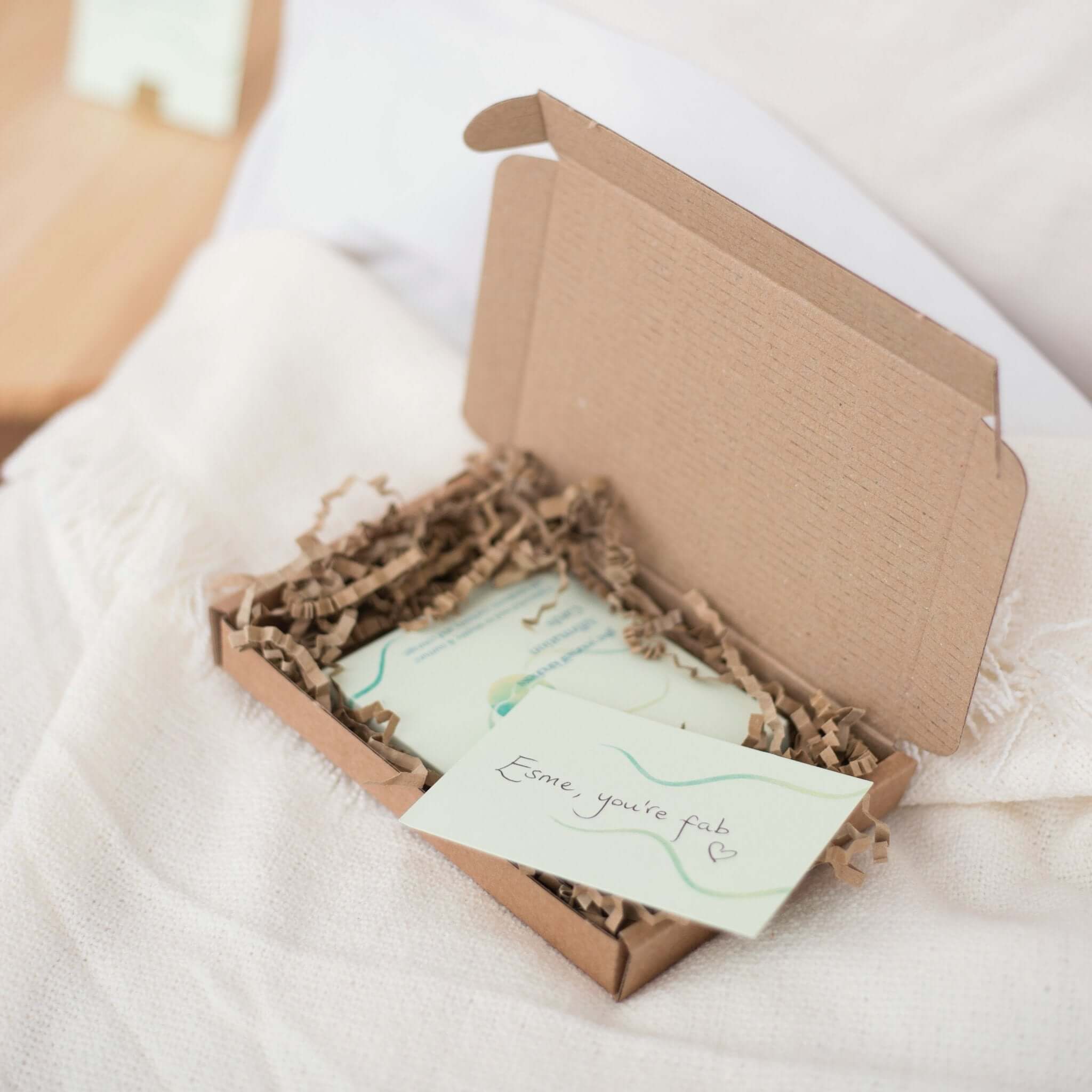
Every order comes with a free handwritten message — you type your words at checkout and I write them out by hand on a card. It can be posted straight to them, so it arrives as a present rather than something you have to pass on, and the Give Yourself Kindness Journal comes gift wrapped.
If you’re not sure what to put, any of the lines above works. People often use the second one.
Questions people ask me
What should I get someone who is struggling with their mental health?
Something that asks almost nothing of them and does not suggest they need fixing. The Give Yourself Kindness Journal is my first recommendation — it is undated, every one of its ninety prompts is a different question, and it makes room for hard days rather than talking over them. If they have very little energy right now, a You Are Loved Charm asks nothing at all. If the nights are the hardest part, the Sleep Affirmation Cards take two or three minutes.
Is it okay to give a gift to someone who is struggling with their mental health?
Yes, and how you give it matters more than what you give. Lead with I was thinking of you rather than this will help you. Say plainly that there is no pressure to use it. A present given without expectation says someone noticed and cared, which is almost always welcome.
What gifts should I avoid giving someone who is struggling?
Anything that quietly sets them a task. From my own experience the ones that hurt were journals that asked me to track my food or my weight, anything built on forced positivity, affirmations that implied I should feel happy, and gratitude journals that were three numbered lines a day. When I could not fill those lines I concluded I was an awful person rather than that the format was too thin.
Will giving someone a journal make them feel like I think they need fixing?
It can, and it usually comes down to the wording rather than the gift. Handed over with this will really help you, a journal lands as an instruction. Handed over with no pressure to use this, I just wanted you to have something kind, the same journal lands as care. Choosing something undated helps too, because a dated page turns a hard fortnight into a visible gap.
What if they never use it?
You cannot control that, and it is genuinely alright. Plenty of people leave a journal in a drawer for months and pick it up on exactly the day they need it. Nothing I make is dated, so there is no falling behind and no too late. What they will remember is that you thought of them.
What should I write in the card?
Short and honest beats long and careful. I have been thinking about you, there is no pressure to use this, I just wanted you to have something kind is enough. If you would rather not name what they are going through at all, saw this and thought of you works perfectly well.
What if we are not that close?
Affirmation cards or a charm suit that well — kind without being intimate. A journal is a more personal thing to hand someone and sits better with close friends and family. A line like I hope this is not out of turn, I just wanted you to know you have been in my thoughts takes the awkwardness out of it.
What if they are already seeing a therapist?
Journaling between sessions is common enough that therapists use the Give Yourself Kindness Journal with their own clients. You could say you thought it might sit alongside what they are already doing. It is a companion to support, never a substitute for it.
Do you include a handwritten note, and can you send it straight to them?
Yes to both. Every order comes with a free handwritten message in your own words, written out by hand, and it can be posted directly to the person you are buying for so it arrives as a present rather than something you have to pass on.
Is it gift wrapped?
The Give Yourself Kindness Journal comes gift wrapped, and every order can include the free handwritten message card.
Why are you recommending your own products?
Because I made them after my own experience of struggling, when I could not find anything that helped. What I found made my critical voice louder rather than quieter, so I made the thing I had been looking for, with clinical psychologists rather than on my own. Clinical psychologists at Harvard Medical School and the University of Oxford have reviewed it, and therapists use it with their clients.
What if they are really unwell and a gift is not enough?
Then it is not enough, and nothing on this page pretends otherwise. If someone cannot manage day to day, or is having thoughts of harming themselves, the useful things are a GP appointment, NHS 111, or Samaritans on 116 123 at any hour. A journal can sit alongside real support. It is never a replacement for it.
If you’d just like to be told
Choose the Give Yourself Kindness Journal. It is the most useful thing here whatever they are going through, it is the one clinical psychologists and therapists point people towards, and it is undated so it will still be right for them in three months if that is when they are ready.
If something smaller feels more like them, the You Are Loved Charm says the same thing in a quieter way and asks nothing of them at all. Add the free handwritten message and it can go straight to their door.
When someone needs more than a gift
Nothing I make is a substitute for real support, and I would rather say so plainly than let this page imply otherwise. If someone is finding it hard to manage day to day, or is having thoughts of harming themselves, these are the things that help:
- Their GP, who can refer them and is used to this conversation
- NHS 111, or nhs.uk/mental-health
- Samaritans on 116 123, free, any hour of any day
- Shout, by texting SHOUT to 85258, if talking is too much
A journal can sit alongside all of that. It is a companion to support, never a replacement for it.