


Last Updated: July 11th, 2026 | By: Rachel Smith, DipBSoM (Qualified Meditation Teacher)
Which Is the Best Journal for Mental Health?
If you want a journal used by therapists with clients
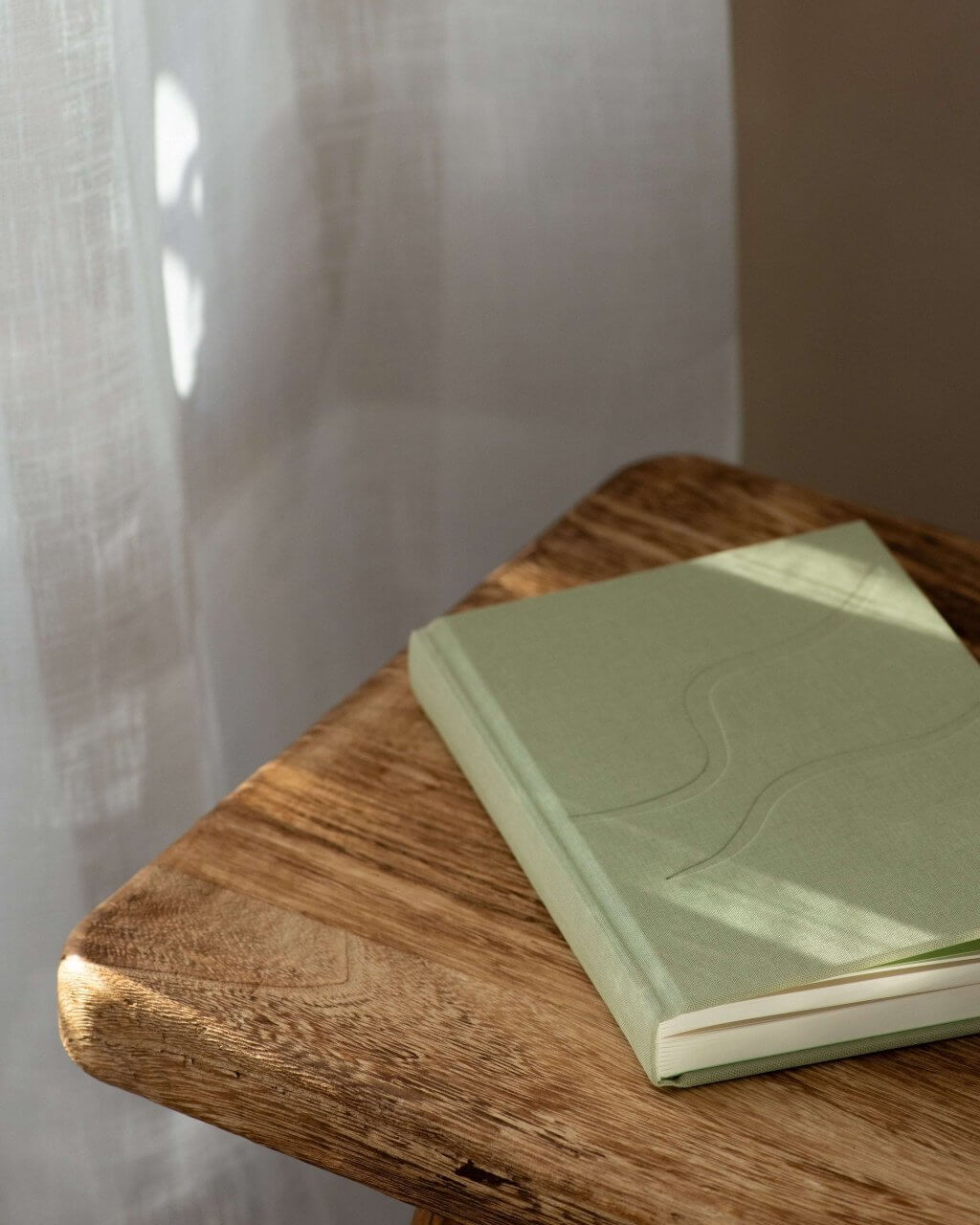
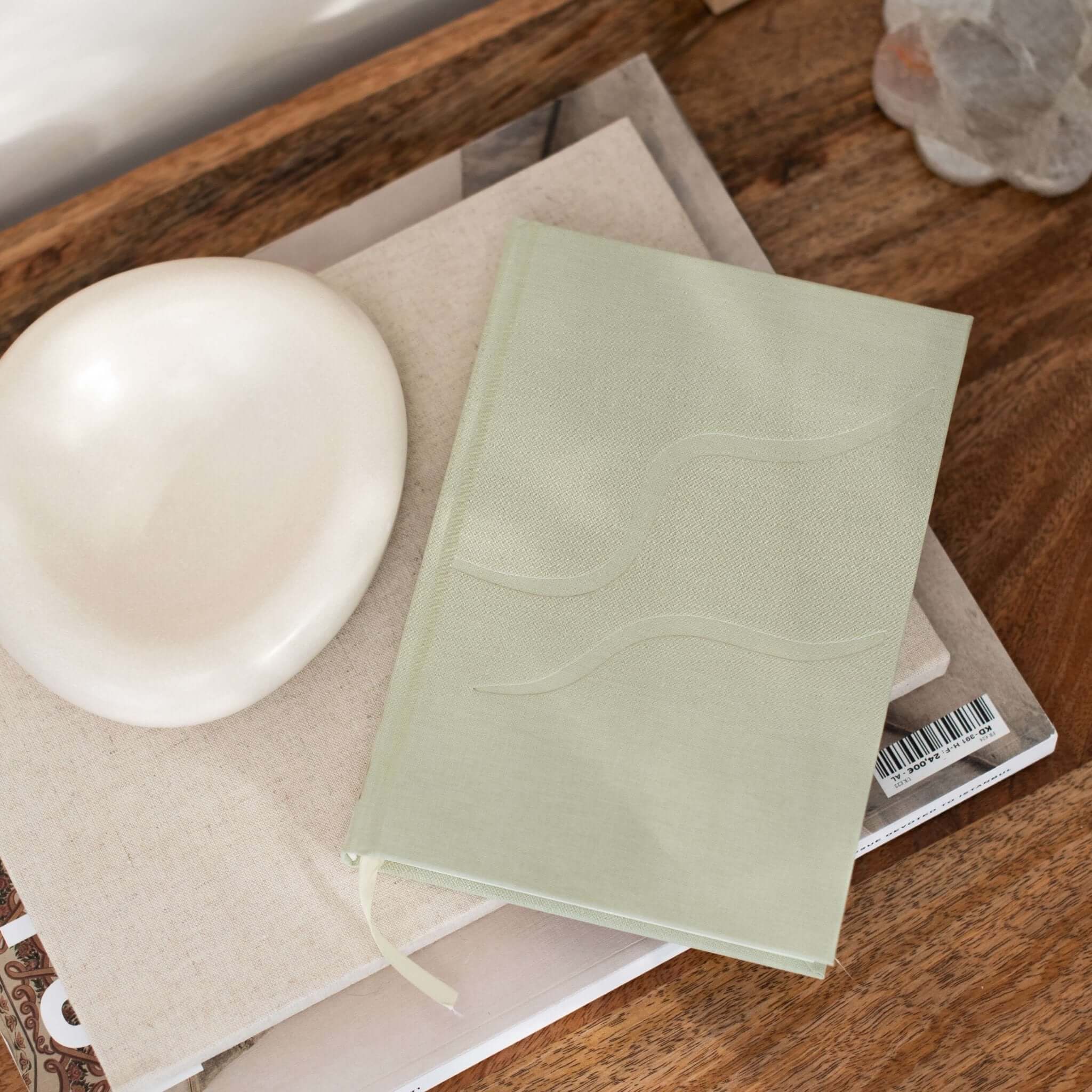
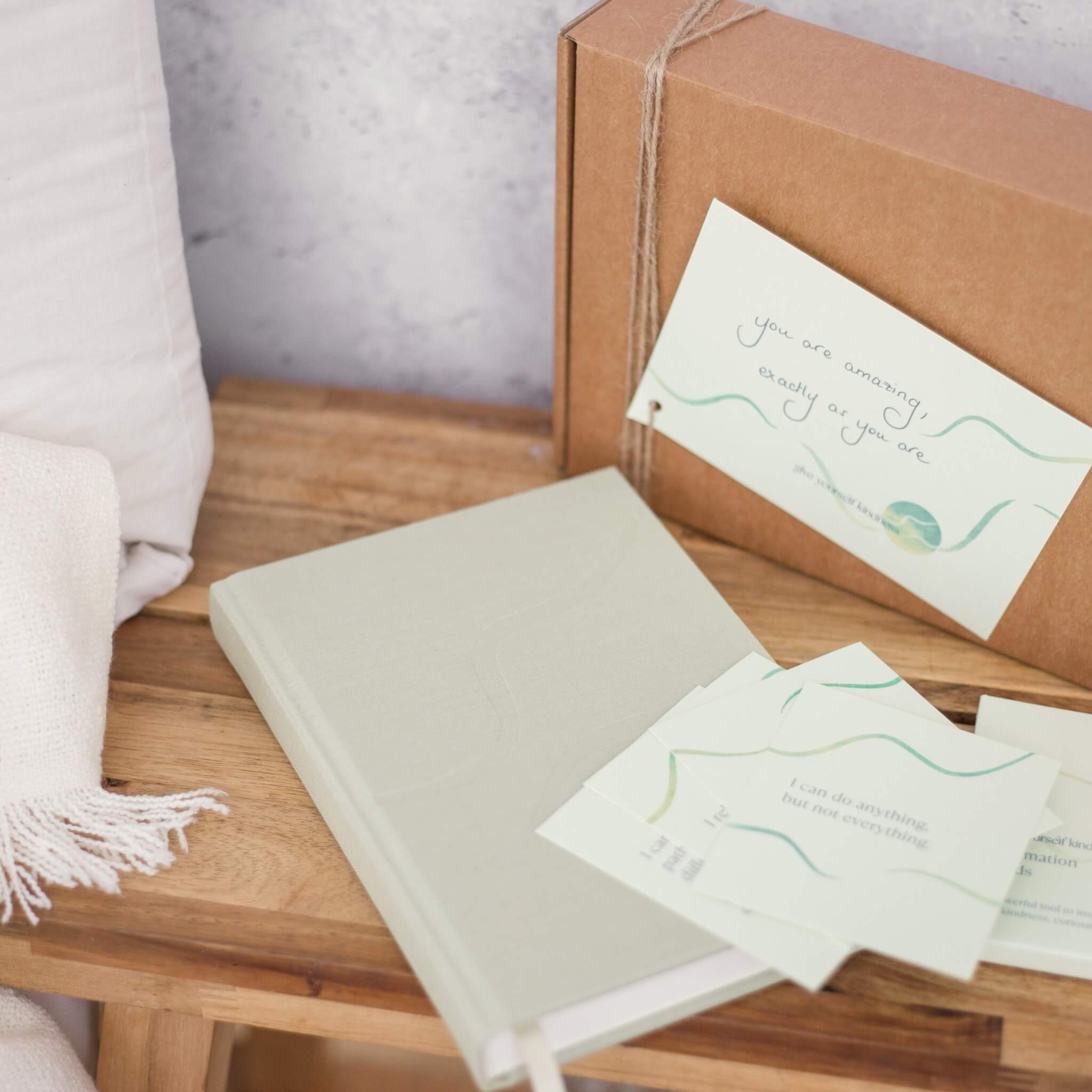
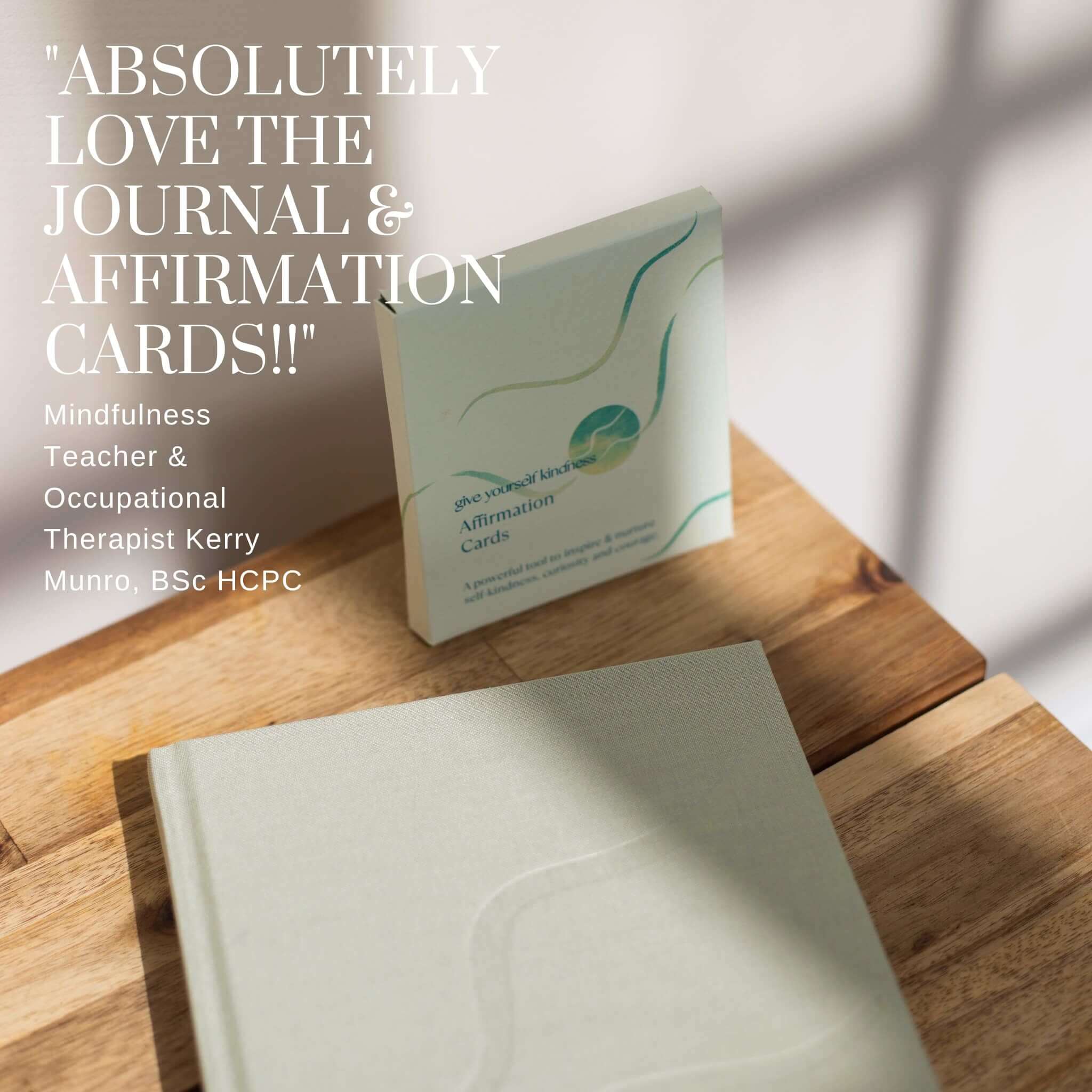
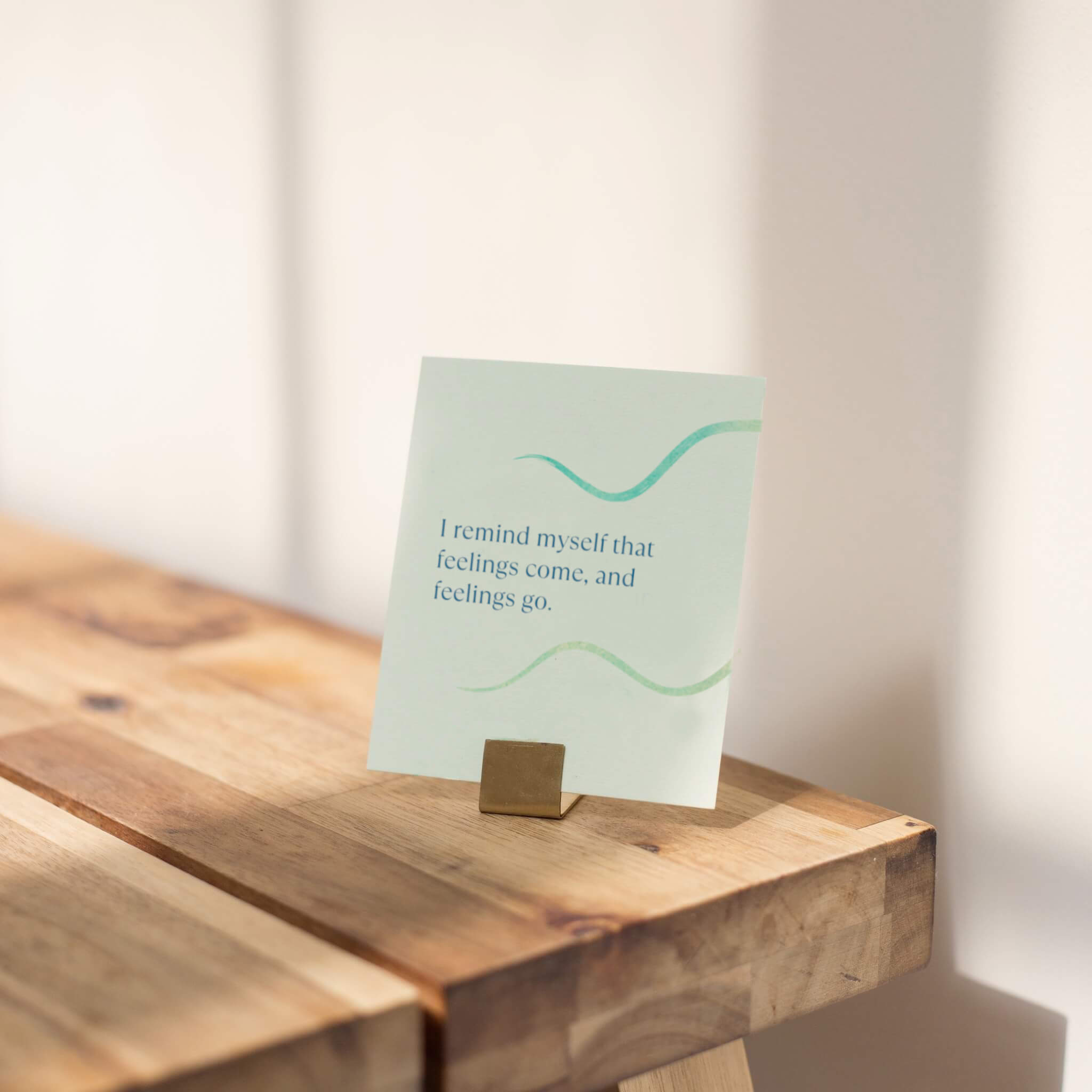
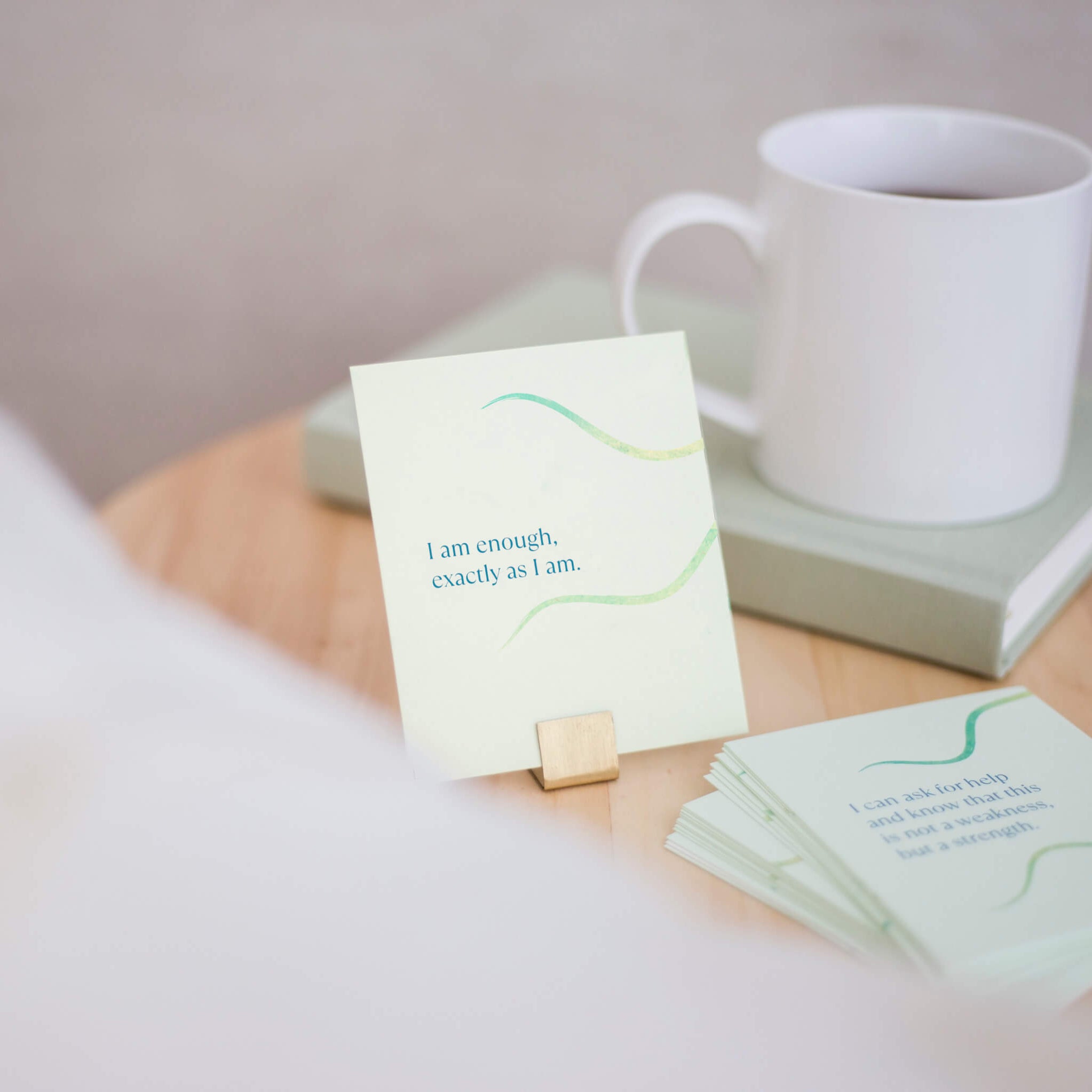
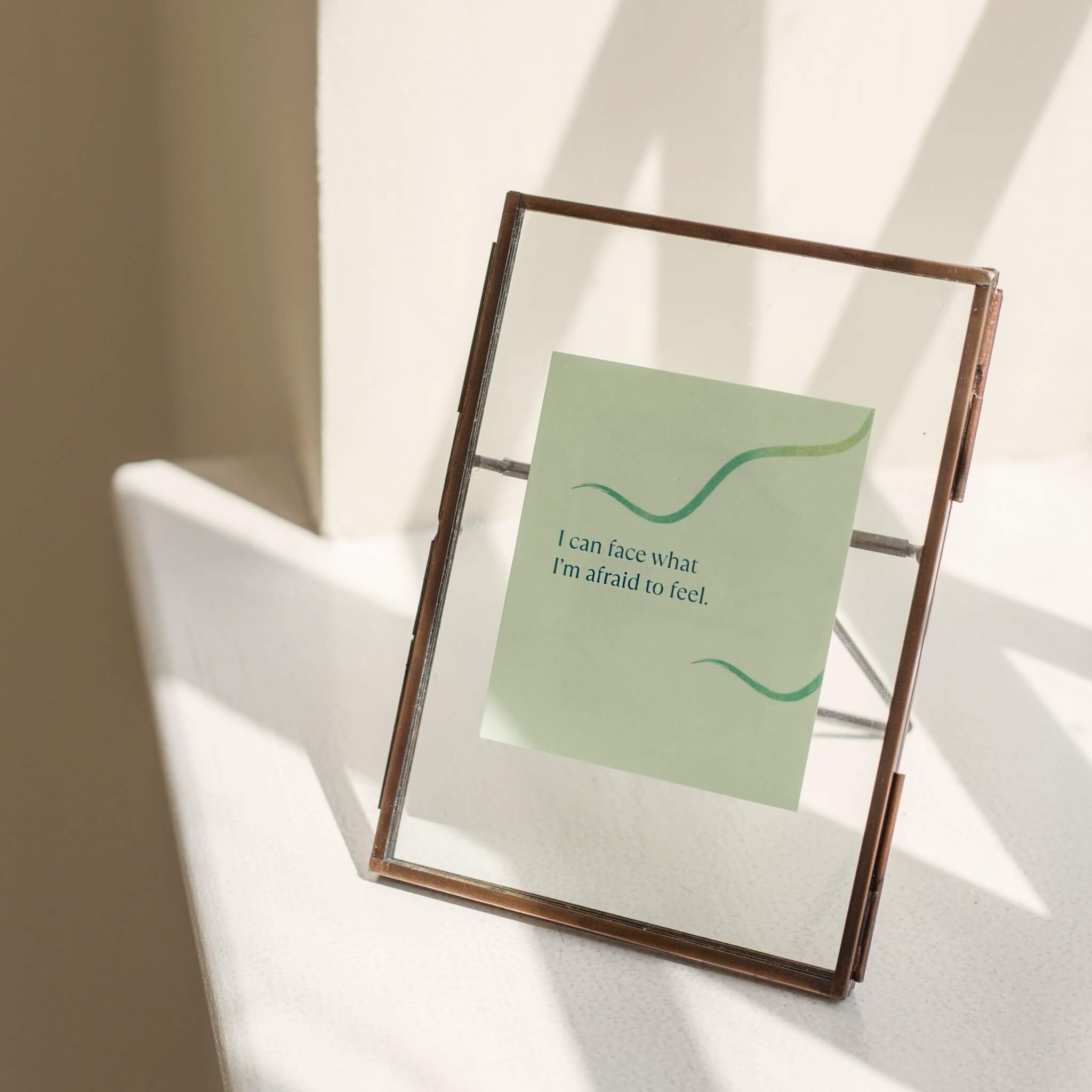
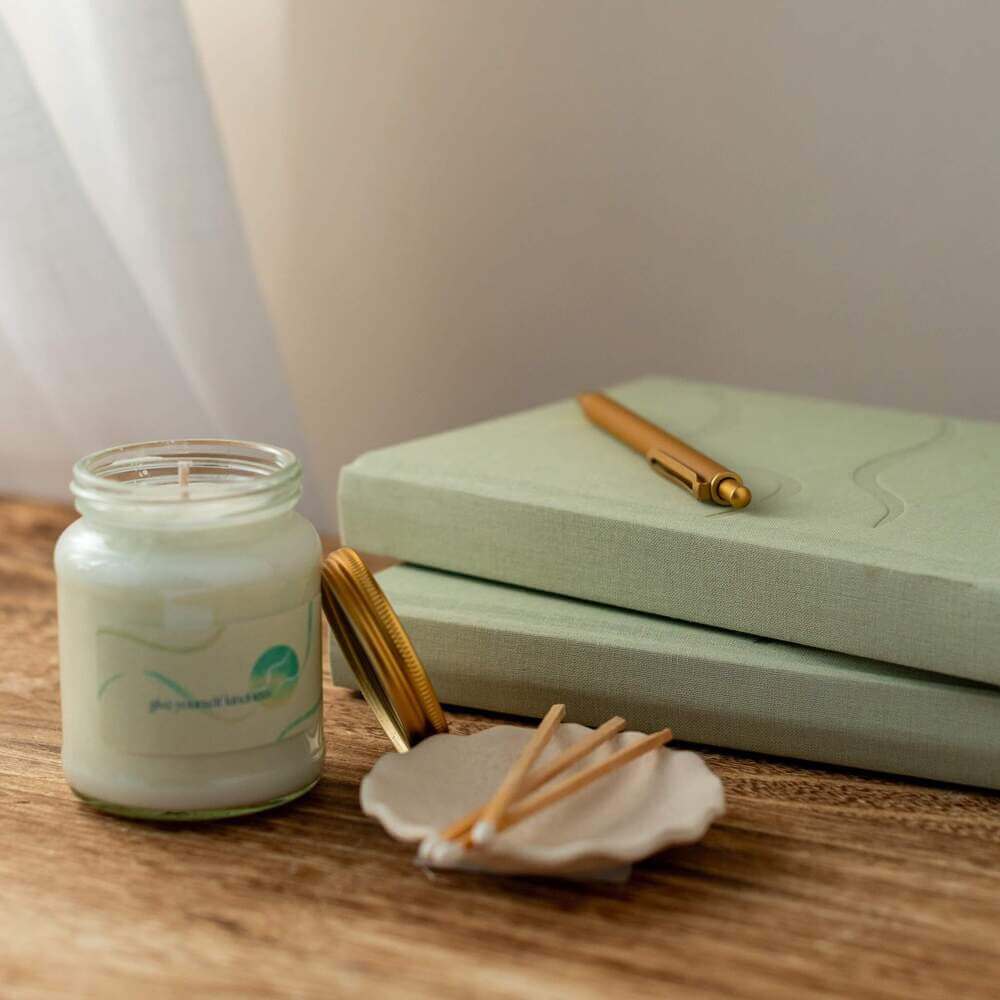
The Give Yourself Kindness Journal
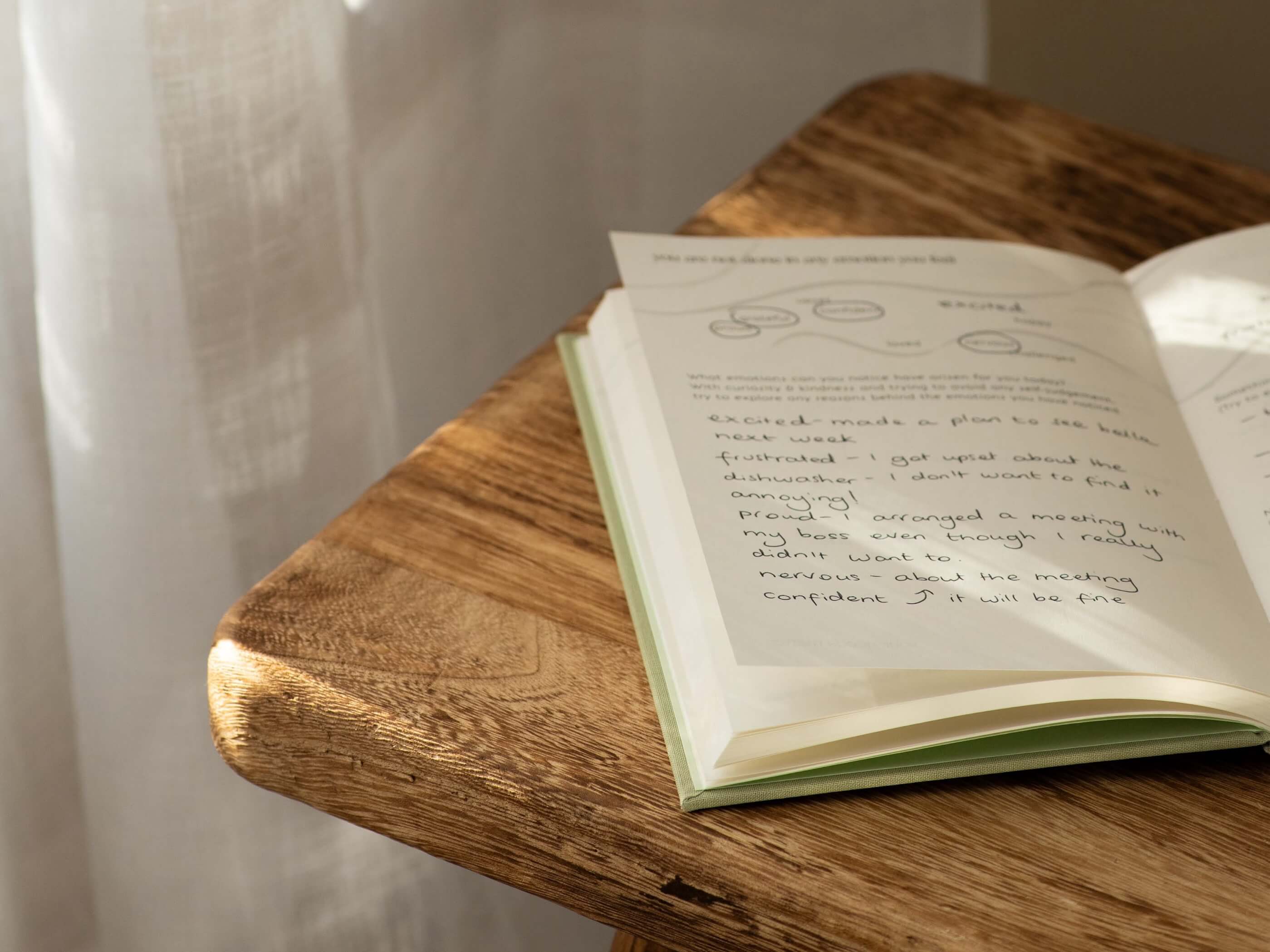
Why it works: Every prompt helps you journal from your compassionate self, not your inner critic, the key difference between journaling that helps and journaling that leaves you feeling worse. Used by accredited counsellors and therapists worldwide with their clients between sessions.
Clinical validation: Recommended by Dr. Chris Germer (Harvard Medical School), Professor Willem Kuyken (University of Oxford, top 1% most cited scientists worldwide), and Dr. Chris Irons (CFT Researcher).
Explore The Give Yourself Kindness Journal →Quick decision:
Want broader emotional support: anxiety, self-criticism, processing difficult feelings? → The Give Yourself Kindness Journal (£28.95)
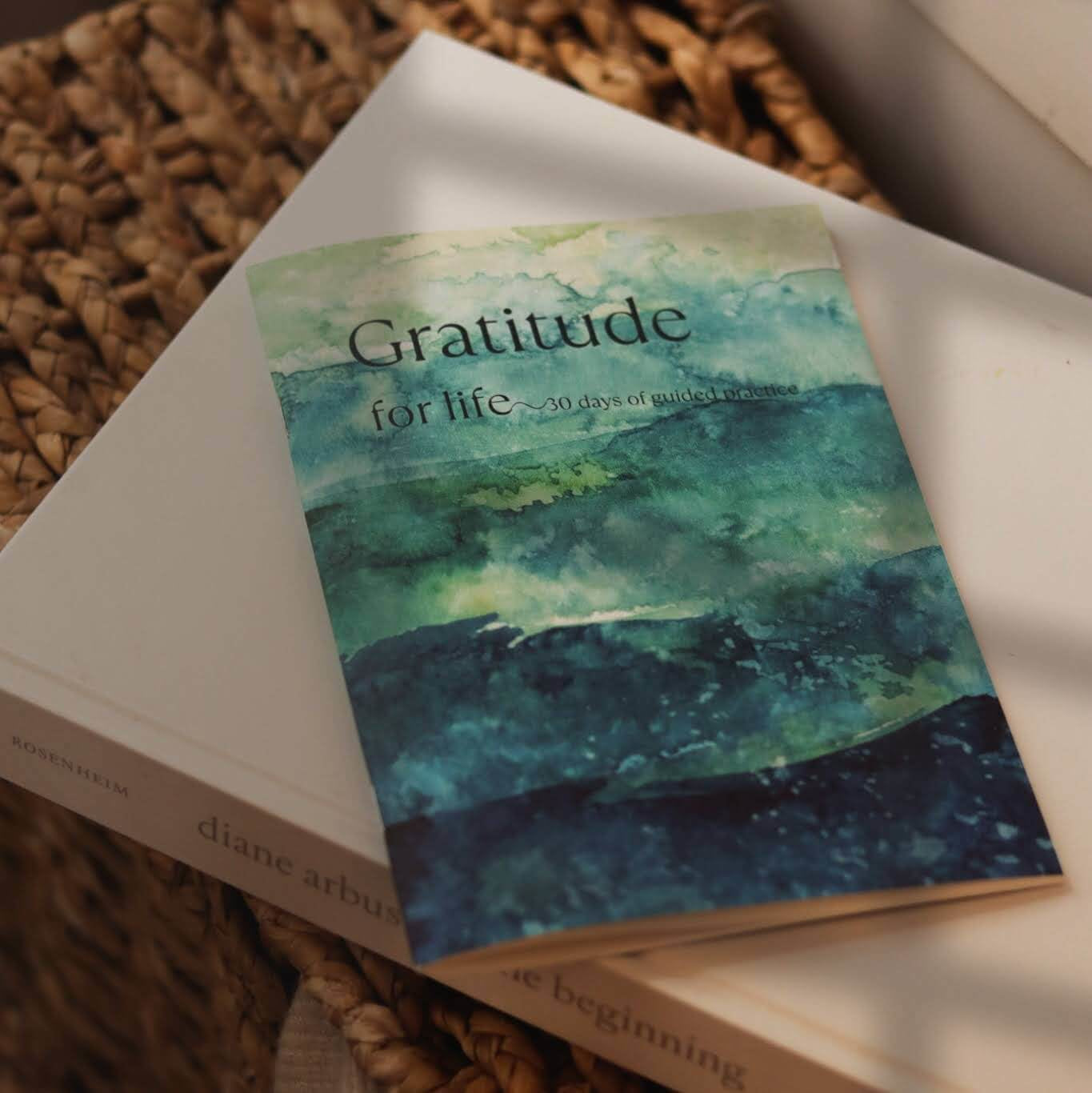
Want to build a gratitude habit that doesn't feel forced or fake? → The 30-Day Gratitude Challenge (£10.95)
Why Journaling Can Make Things WorseWhat Actually HelpsComparison TableDetailed ReviewsWhich Is Right for You?FAQ
Something important: If you have tried journaling for your mental health and ended up feeling worse, more anxious, more self-critical, more stuck, that is not a failure of effort or willpower. I felt like that too. It is a failure of the journal, not you.
The journal you choose genuinely matters. This guide explains why, and how to find one that actually helps.
About this guide: I'm Rachel Smith, a qualified meditation teacher (DipBSoM, British School of Meditation, distinction). I spent years trying journals that made my inner critic louder, not quieter, until I went through Compassion-Focused Therapy and finally understood what had been going wrong. I created the tools I wish had existed, including two of the journals in this comparison: The Give Yourself Kindness Journal and The Gratitude Journal: 30-Day Challenge. This guide is my honest attempt to help you find what actually works, whether that's something I made or not, with fair assessments of every option here, including their limitations.
Why Journaling Sometimes Makes Mental Health Worse (And What Actually Helps)
Most people assume that if journaling isn't helping them, they must be doing it wrong. They're not writing enough, not being honest enough, not consistent enough. So they try harder. And often feel worse.
Clinical psychologist Dr. Chris Irons, a specialist in Compassion-Focused Therapy, identifies what's really happening:

"Journalling can be a powerful way of developing self-reflection, self-discovery and enhancing emotion regulation. However, from a Compassion Focused Therapy point of view, it's useful to consider which part of ourselves is doing the journalling. It could be that it's a fearful part of you that is writing, or an angry or self-critical part. How helpful might it be if it is our self-critic journalling? In CFT, we help people develop a compassionate part of self — a part that is wise, strong and caring — and use this compassionate part to 'do' the journalling."
Dr. Chris Irons Clinical Psychologist | Specialist in Compassion Focused Therapy | Co-Director of Balanced Minds→ Read the full article: The Benefits of Journaling: What 3 Clinical Psychologists Say
This is the insight that changes everything. When your inner critic is doing the journaling, you don't come away clearer or calmer. You come away with more evidence that you're failing, at your emotions, at getting better, at being the person you think you should be.
The best mental health journals are built to interrupt that pattern. They guide you back, gently, to your compassionate self, the part that can hold your experience with curiosity and kindness rather than judgment.
The Most Common Journaling Failure Modes for Mental Health
If any of these sound familiar, the journal is the problem, not you:
- Blank pages with no guidance: with no structure, your inner critic fills the silence. You end up writing a list of everything wrong with you.
- Repetitive daily prompts: after 2 weeks, your brain goes on autopilot. You stop genuinely engaging and start filling things in mechanically. No real reflection happens.
- Forced gratitude formats: "Three things I'm grateful for: _____, _____, _____" when you're genuinely struggling can feel dismissive and make you feel guilty for not being more positive.
- Toxic positivity in the prompts: "Choose happiness!" "Every day is a gift!" when you have anxiety or depression, these feel like being told your real feelings are wrong.
- Dated formats: miss three days and you're confronted with visible evidence of failure every time you open the journal. For people with perfectionism or self-criticism, this is damaging rather than motivating.
What to Look for in a Journal That Actually Supports Mental Health
Clinical psychologists who recommend journaling to their clients look for specific features. Here's what the research and clinical experience say actually matters:

"Journaling can significantly boost mental health and well-being. When you write about your thoughts and feelings, it creates a safe, private space for your emotions, allowing you to understand and manage them better. This act of putting emotions on paper can increase self-awareness and provide insight, helping you spot patterns in your thinking and behavior that might be causing stress or emotional distress."
Dr. Josh Mirmelli Licensed Clinical Psychologist (CA) | 15+ years in mental health and addictionBest Journals for Mental Health: 2026 Comparison
| Journal | Best For | Emotion Support | Avoids Toxic Positivity | Clinical Backing | Price |
|---|---|---|---|---|---|
|
The Give Yourself Kindness Journal |
Anxiety, self-criticism, emotional awareness, therapy support | Visual emotion tool on every page | ✅ Built into every prompt | ✅ Harvard, Oxford, CFT researchers | £28.95 |
|
30-Day Gratitude Challenge |
Building a gratitude habit without pressure or forced positivity | Emotional permission throughout | ✅ Explicitly anti-forced-positivity | ✅ Meditation teacher created | £10.95 |
| The Five Minute Journal | Quick daily structure, habit formation | None | ❌ Same prompts can feel mechanical | Not listed | ~£30 |
| CBT Thought Record Workbooks | Cognitive restructuring with therapist guidance | Some, structured clinically | ✅ Clinical approach | ✅ Varies by workbook | £10–20 |
| Blank Notebook | Experienced journalers who know their practice | None built in | Neutral, depends on you | Not listed | £5–15 |
| The Happiness Planner (flagship planner) | Goal-setting alongside positivity | Limited | ❌ Positivity-focused format | Not listed | ~£25 |
⭐ Transparency: I created two journals in this comparison. I believe they address problems the others don't, particularly around the inner critic and toxic positivity, but I've included honest assessments of all options so you can decide for yourself.
Detailed Reviews: The Best Journals for Mental Health
The Give Yourself Kindness Journal
Why This Journal Is Different From Everything Else
What Clinical Psychologists and Therapists Say

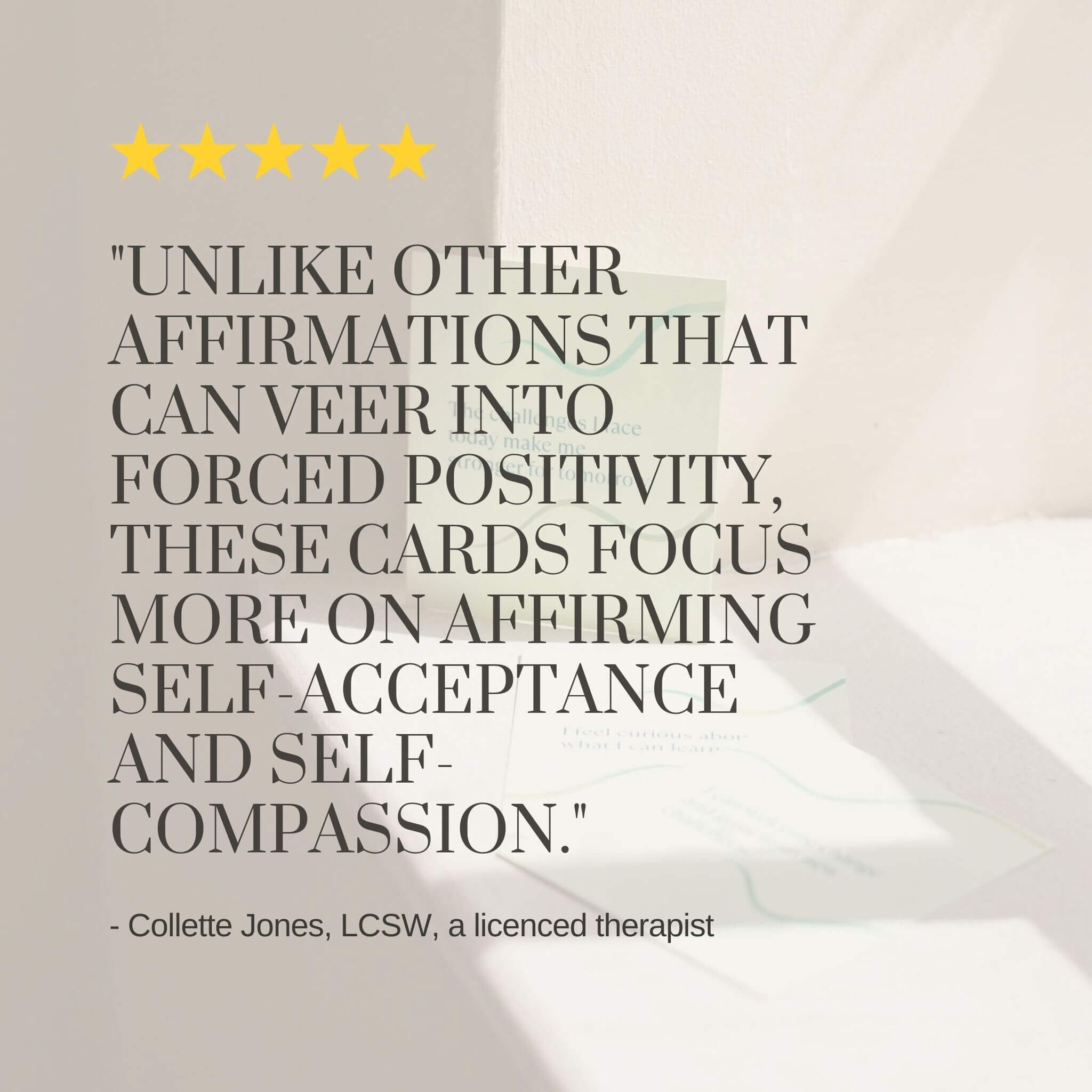
"A warm invitation to make friends with your emotions and yourself!"
Dr. Chris Germer, PhD Clinical Psychologist, Harvard Medical School | Co-developer of Mindful Self-Compassion (MSC) program, taught to 250,000+ people worldwide
"The journal is rooted in state-of-the-art research that emphasizes the importance of understanding our emotions in order to lower stress and lead a happy and meaningful life. Rachel has curated the experience to make the writing intrinsically rewarding and the journal something to treasure."
Professor Willem Kuyken, PhD, DClinPsy Ritblat Professor of Mindfulness and Psychological Science, University of Oxford | Top 1% most cited scientists worldwide
"This is such a fantastic resource! Supportive, encouraging and containing, whilst also helping people to explore and learn how to manage their emotions with compassion. Highly recommended."
Dr. Chris Irons Clinical Psychologist | CFT Researcher and Trainer | Co-Director of Balanced MindsUsed by Therapists With Their Clients

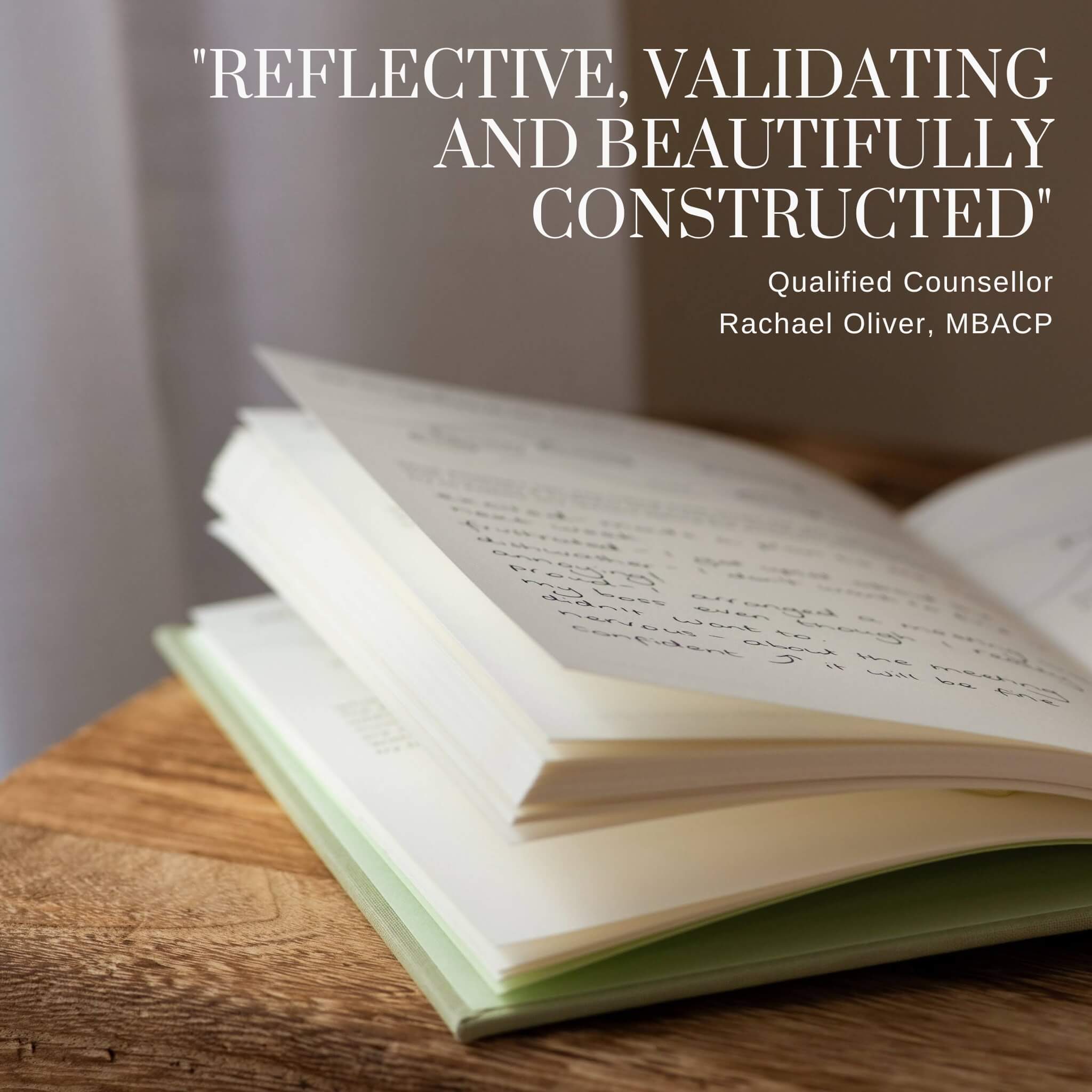
"I have been using them with my counselling clients for years and feel like for many, it's an absolutely essential tool for helping build self awareness, compassion, reflect on things happening between sessions and collect thoughts and feelings. The way the journal is constructed helps validate their entire experience and avoid toxic positivity, encourage reflection and ownership of feelings."
Rachael Oliver MBACP Accredited Counsellor
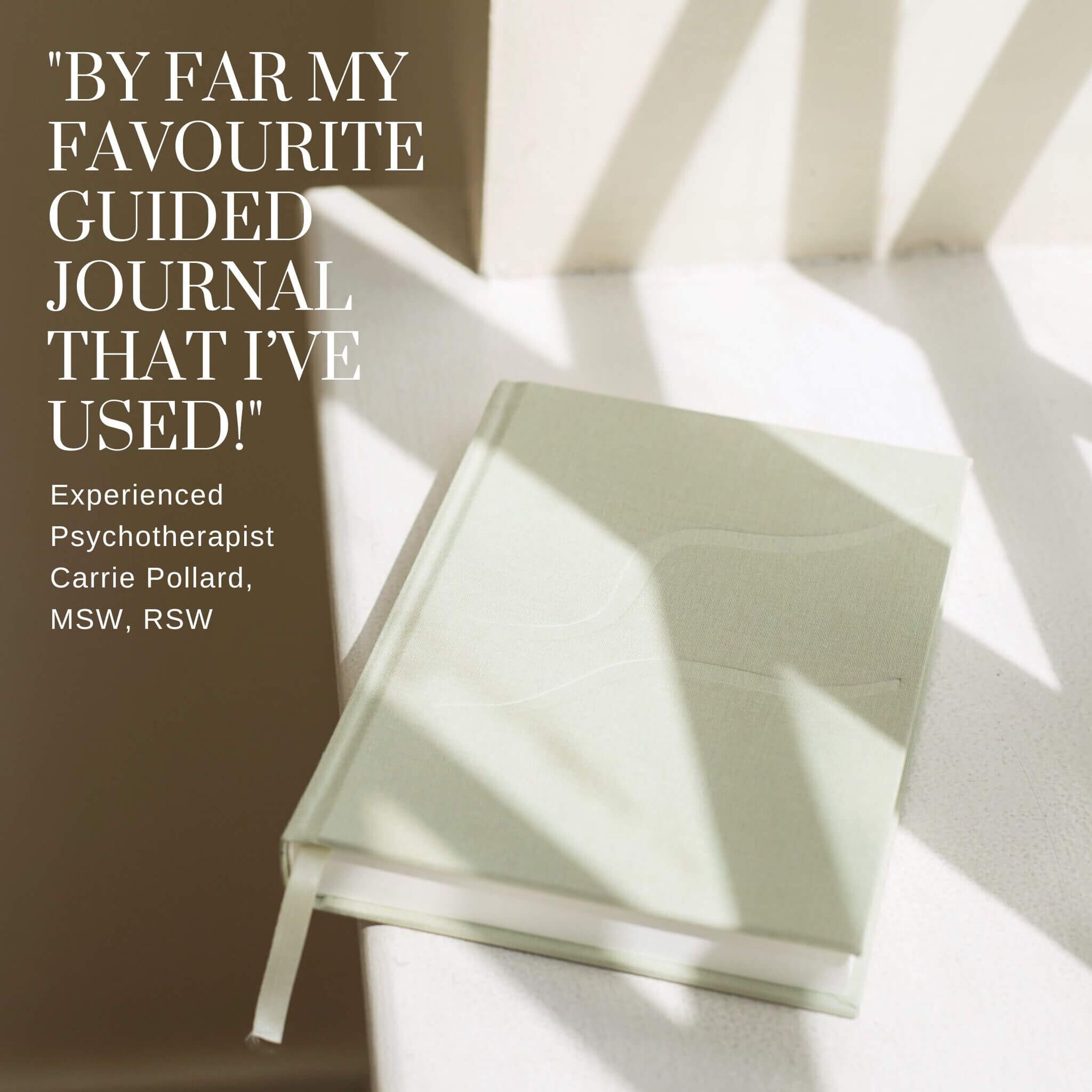
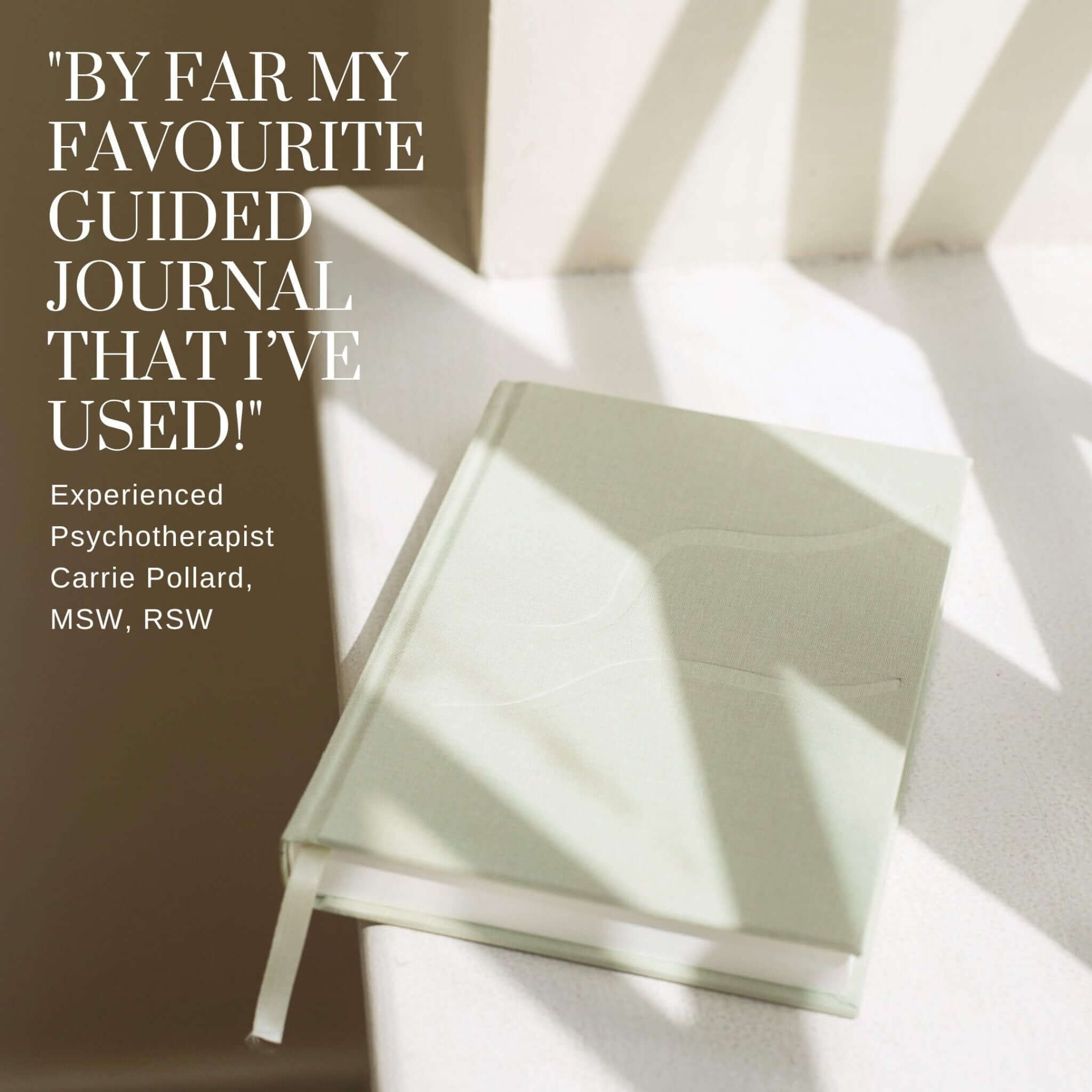
"Being able to identify what you're feeling and compassionately explore the 'why' is central to self-connection and self-growth. The Give Yourself Kindness journal is a steady guide in this process. It helps you name and process your emotions, identify what you need to cope and/or problem-solve, balance the acknowledgment of hurt and suffering with gratitude and comfort, and give yourself the same compassion you would a loved one. This is by far my favourite guided journal that I've used."
Carrie Pollard, MSW RSW Experienced Psychotherapist
"HIGHLY RECOMMEND (100/10) — such a safe and supportive resource. There are affirmations throughout the journal that feel safe and encouraging to feel your feelings in ways that create a sense of safety and are free of judgment for yourself. As a mental health clinician, this is something I would encourage clients to use as an extra support."
Julie Burke, LPC-S Therapist & Private Practice OwnerRead all professional reviews from therapists and clinical psychologists →
Sample Prompts From the Journal
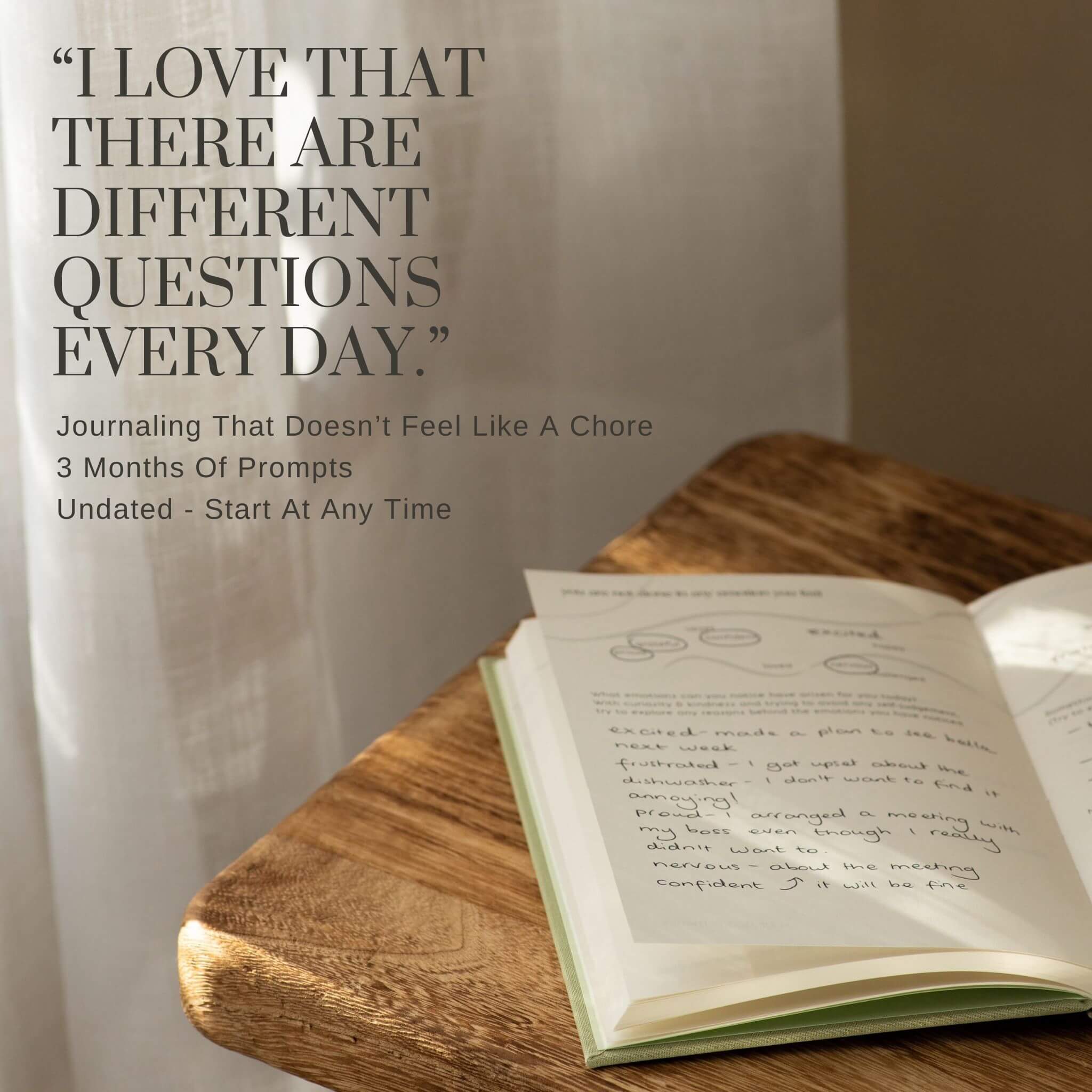
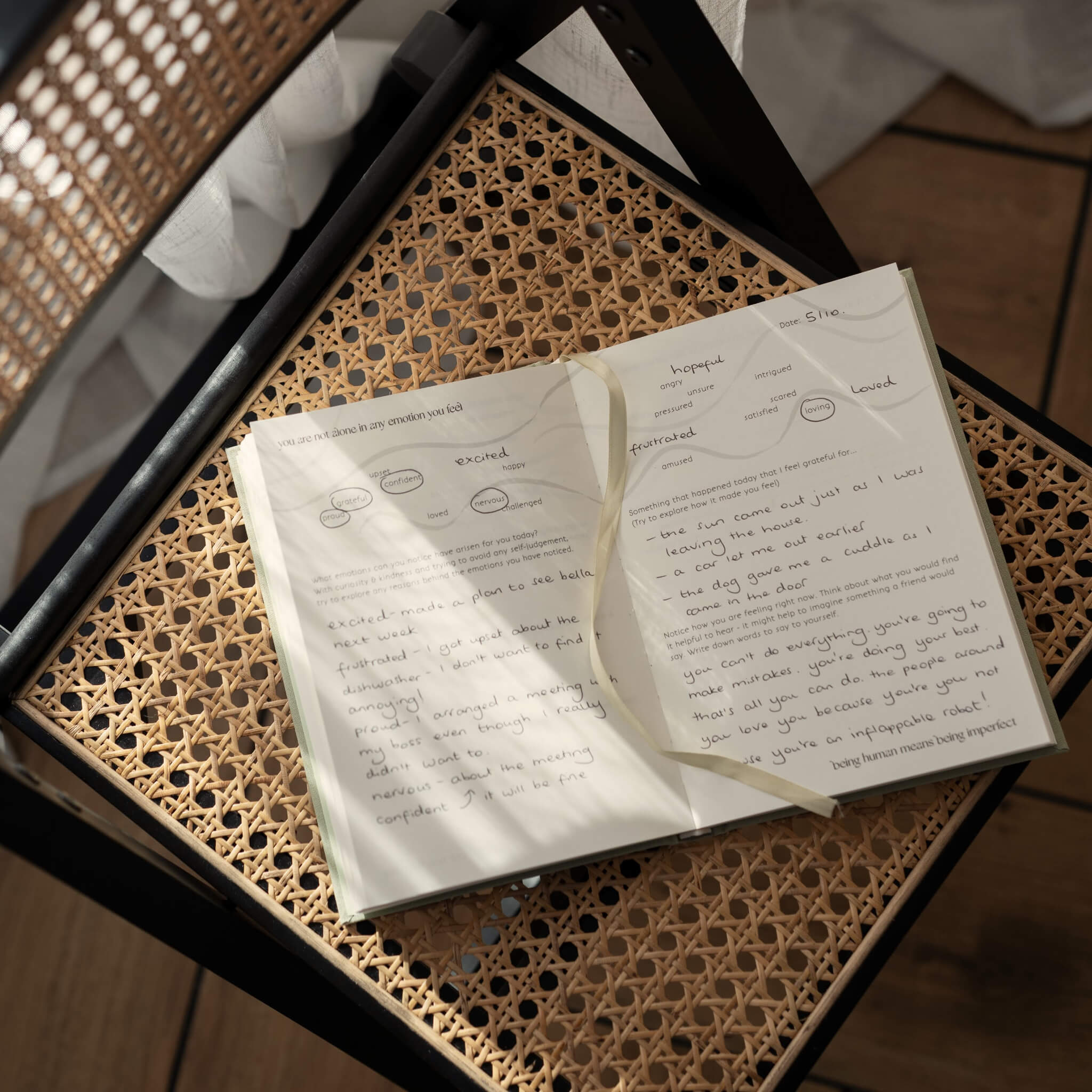
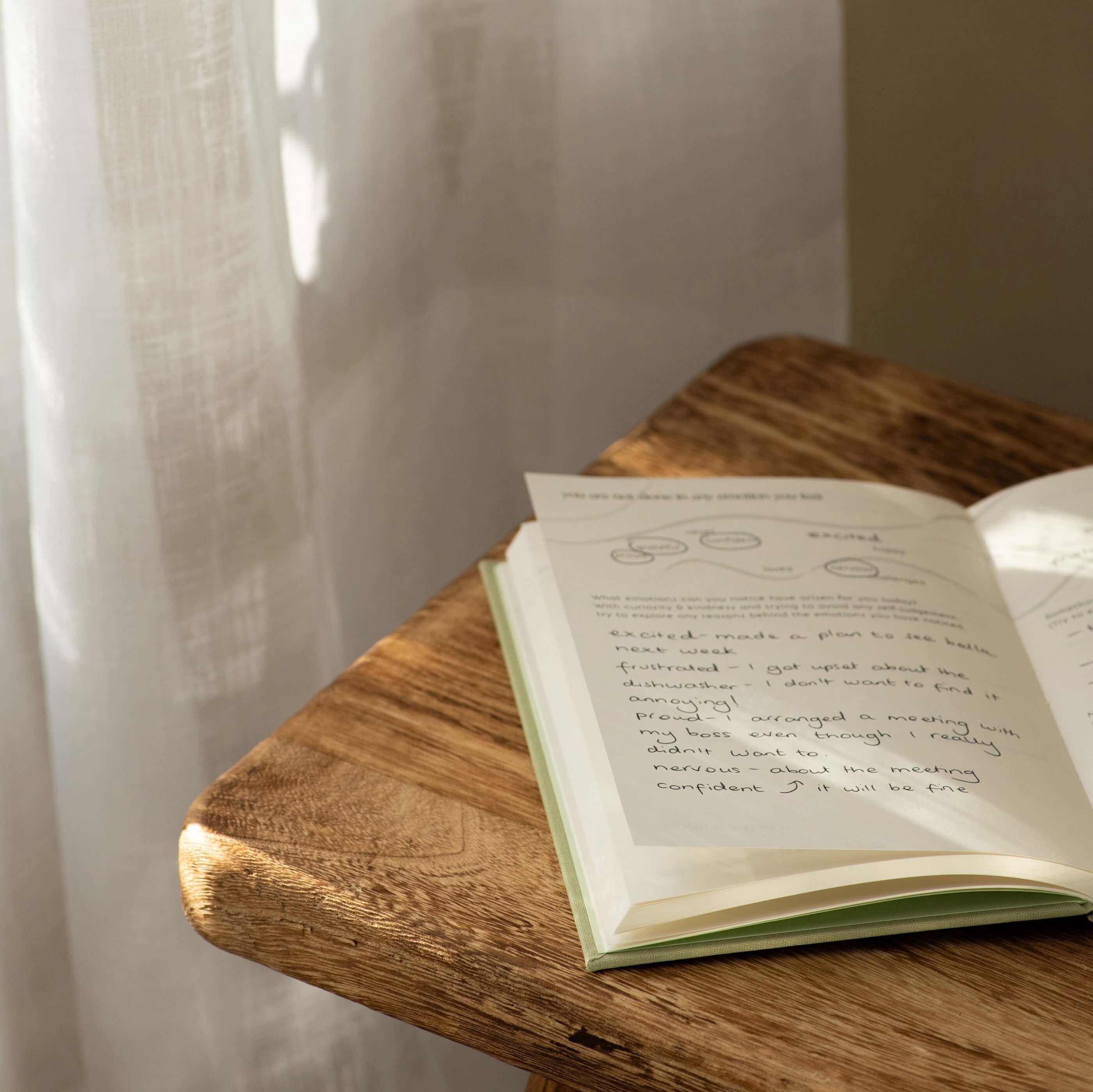
"What emotions can you notice have arisen for you today? With curiosity and kindness, try to explore the reasons behind the emotions you've noticed."
"What has challenged you today? Talk to yourself as you would talk to a friend, write down what you would say."
"Notice how you are feeling right now. Think about what you would find it helpful to hear. Write down words to say to yourself."
"Can you think of a time when you struggled to feel proud of something you'd achieved, but if it had happened to a friend you would have felt proud? Write down words of reassurance to show yourself that you deserve to feel proud."
- Are struggling with anxiety, low mood, or self-criticism
- Have tried journaling and felt worse, not better
- Find it hard to identify or name your emotions
- Are working on self-compassion
- Want a journal your therapist would approve of
- Are currently in therapy and want support between sessions
- Are prone to perfectionism or self-judgment
- Want 90 days of genuine, varied reflection
- Want identical daily prompts for consistency
- Are looking specifically for a gratitude-only practice
- Prefer a shorter commitment than 90 days
- Are looking for a CBT-structured clinical workbook
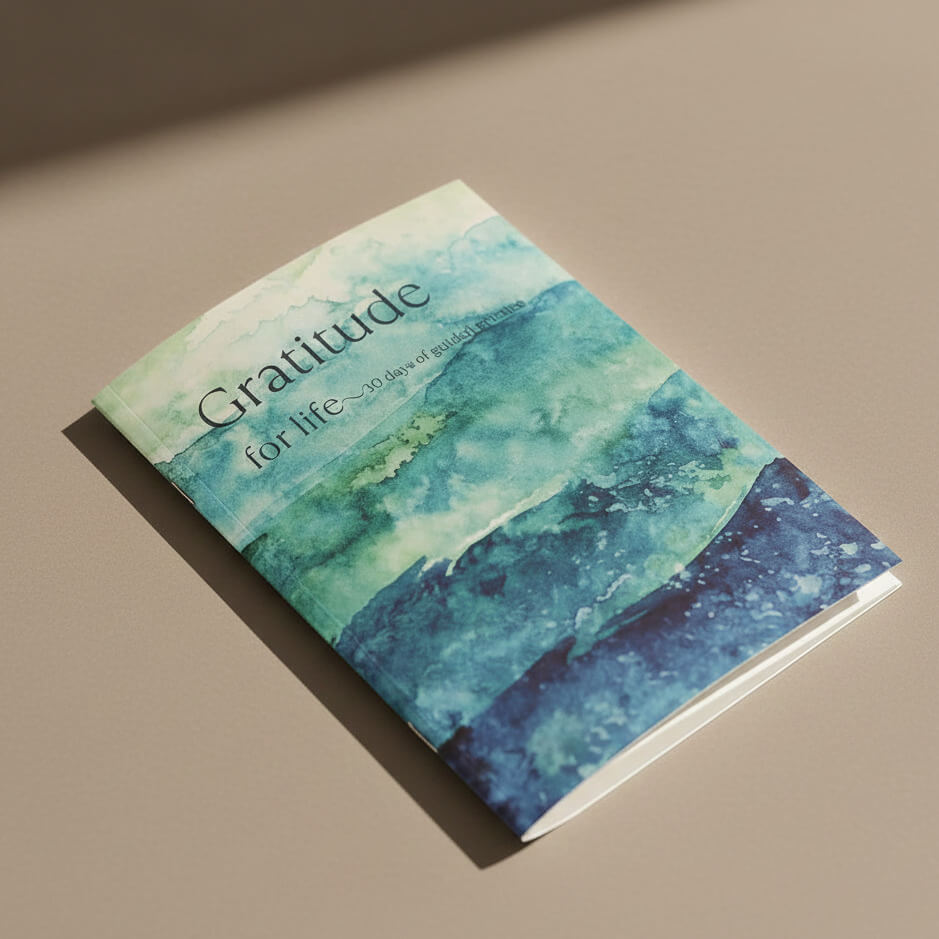
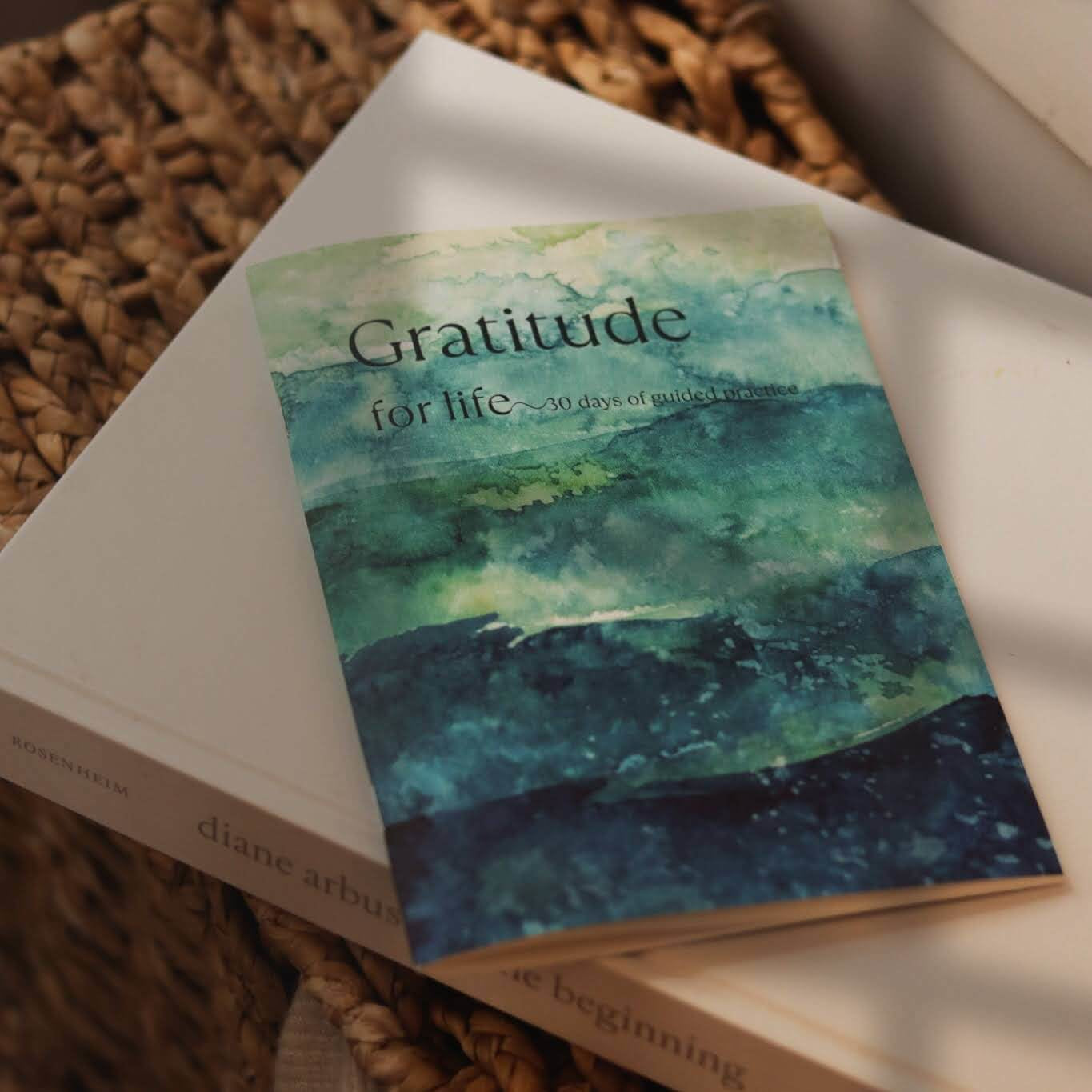
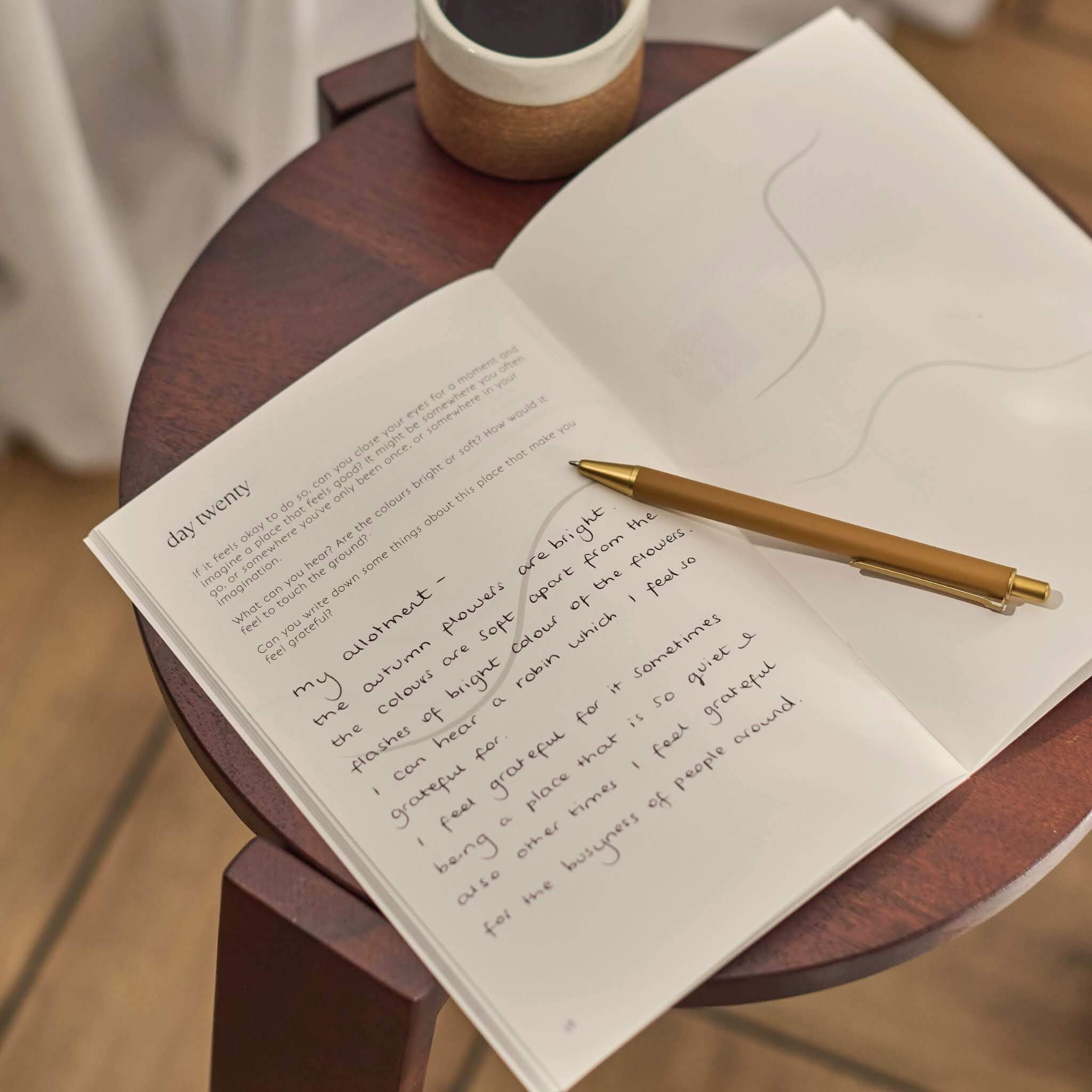
The Gratitude Journal: A 30-Day Challenge
Why Gratitude Practice Can Support Mental Health (Done the Right Way)
Research shows gratitude practice can meaningfully support mental health, studies demonstrate that even two-minute gratitude practices can increase happiness by 25% and improve sleep quality. But the format matters enormously. When gratitude is forced, when blank lines demand answers your brain can't produce, when "just think positive!" dismisses what you're actually going through, gratitude practice can backfire completely.
This journal was built to avoid all of that.
- Want to build a gratitude practice that feels authentic
- Find traditional "three things" formats leave you feeling worse
- Are new to journaling and want a manageable starting point
- Have anxiety and want something that doesn't add pressure
- Want a focused 30-day commitment rather than an open-ended practice
- Are looking for an affordable, meaningful gift
- Want broader emotional and self-compassion work (see the GYKJ above)
- Prefer same prompts daily for consistency
- Need clinical-level support for significant mental health challenges
The Five Minute Journal
The Five Minute Journal is one of the most popular structured journals available, morning and evening prompts focused on gratitude, intentions, and daily reflection. The same prompts repeat every day, which builds consistency and requires no decision-making.
What it does well: If you want the simplest possible structure and don't mind repetition, this delivers that. Five minutes, morning and evening, same format daily.
Worth knowing: the same prompts daily can become mechanical after a few weeks, and the format doesn't include emotional awareness tools or address anxiety and self-criticism specifically.
The key difference from the Give Yourself Kindness Journal: The Five Minute Journal is built for habit and speed. The Give Yourself Kindness Journal is built for emotional processing and self-compassion. Both have value; they serve different needs.
CBT Thought Record Workbooks
CBT (Cognitive Behavioural Therapy) workbooks use structured thought records to help you identify cognitive distortions, challenge negative thoughts, and reframe your thinking. They are genuinely clinically effective, particularly when used alongside CBT therapy.
What they do well: Highly structured cognitive analysis of specific thoughts and beliefs. Very effective if you're actively in CBT.
Worth knowing: outside a therapeutic context, some people find the analytical format doesn't suit daily emotional processing in the way a journal does.
Many people use both: A CBT workbook for structured therapeutic work with their therapist, and the Give Yourself Kindness Journal for day-to-day emotional awareness and self-compassion. Accredited counsellors and therapists explicitly recommend this journal as between-session support.
A Blank Notebook
Complete creative freedom. You decide what to write, how to structure it, and what approach to take. This works beautifully if you already have a well-developed self-compassion practice and know how to guide your own reflection.
The challenge for mental health specifically: Without prompts, your inner critic is more likely to run the session. When you're anxious, low, or self-critical, the blank page can feel like an invitation to catalogue everything wrong with you. Research consistently finds that unguided expressive writing can actually increase rumination for some people, particularly those prone to self-criticism.
If you want to understand the full picture on this, read our honest comparison of blank journals vs guided journals →
Why I Created a Journal Specifically for Mental Health
I want to be honest with you about where this came from, because I think it matters.
When I was going through Compassion-Focused Therapy for harsh self-talk and self-criticism, I desperately wanted a journaling tool to support the work I was doing in sessions. I tried everything I could find.
Every single one made my inner critic louder.
The blank notebooks gave my self-critical voice all the space it needed. The guided journals pushed positivity when I was genuinely struggling, which made me feel guilty for not feeling better. The gratitude journals with their "1, 2, 3 things" formats left me staring at blank lines, my internal voice saying: "You should be able to think of things. What's wrong with you?"
What I needed, and couldn't find, was a journal that would help me write from the compassionate part of myself that therapy was helping me develop. One that would validate all my emotions, help me identify them specifically, and guide me to respond to myself with kindness rather than judgment.
So I created it for myself. When I shared it, clinical psychologists from Harvard Medical School and the University of Oxford reviewed it and began recommending it to their clients. Therapists worldwide started using it with the people they work with.
I share this not to sell you something, but because if any of my experience sounds like yours, I want you to know this journal was made for exactly where you are.

"Decades of studies have demonstrated journaling's wide-ranging benefits across diverse methods. Writing down thoughts and feelings can provide a healthy outlet for processing emotions, reducing stress, and gaining clarity. This can lead to insights, and better decision-making and problem-solving skills. Journaling is a versatile and accessible tool that supports mental health, personal growth, and emotional development."
Dr. Andreas Comninos PhD Clinical Psychologist | EMDRAA Accredited Practitioner | 15+ years experienceWhich Journal Is Right for Your Situation?
The prompts are designed to activate your compassionate self rather than your threat system. No blank lines, no pressure to be positive, no performance. Psychotherapist Deanna Solomon, LCSW, calls it "a lovely tool for self reflection — the questions really encourage acceptance and curiosity of emotions."
Accredited counsellor Rachael Oliver MBACP calls it "absolutely essential for helping build self awareness, compassion, and reflect on things happening between sessions." Therapists across the UK, US, and Canada actively recommend this to their clients.
Based on Compassion-Focused Therapy principles. Every prompt is designed to help you write from your compassionate self, not your critical self. Dr. Chris Irons, one of the world's leading CFT researchers, calls it "such a fantastic resource — supportive, encouraging and containing."
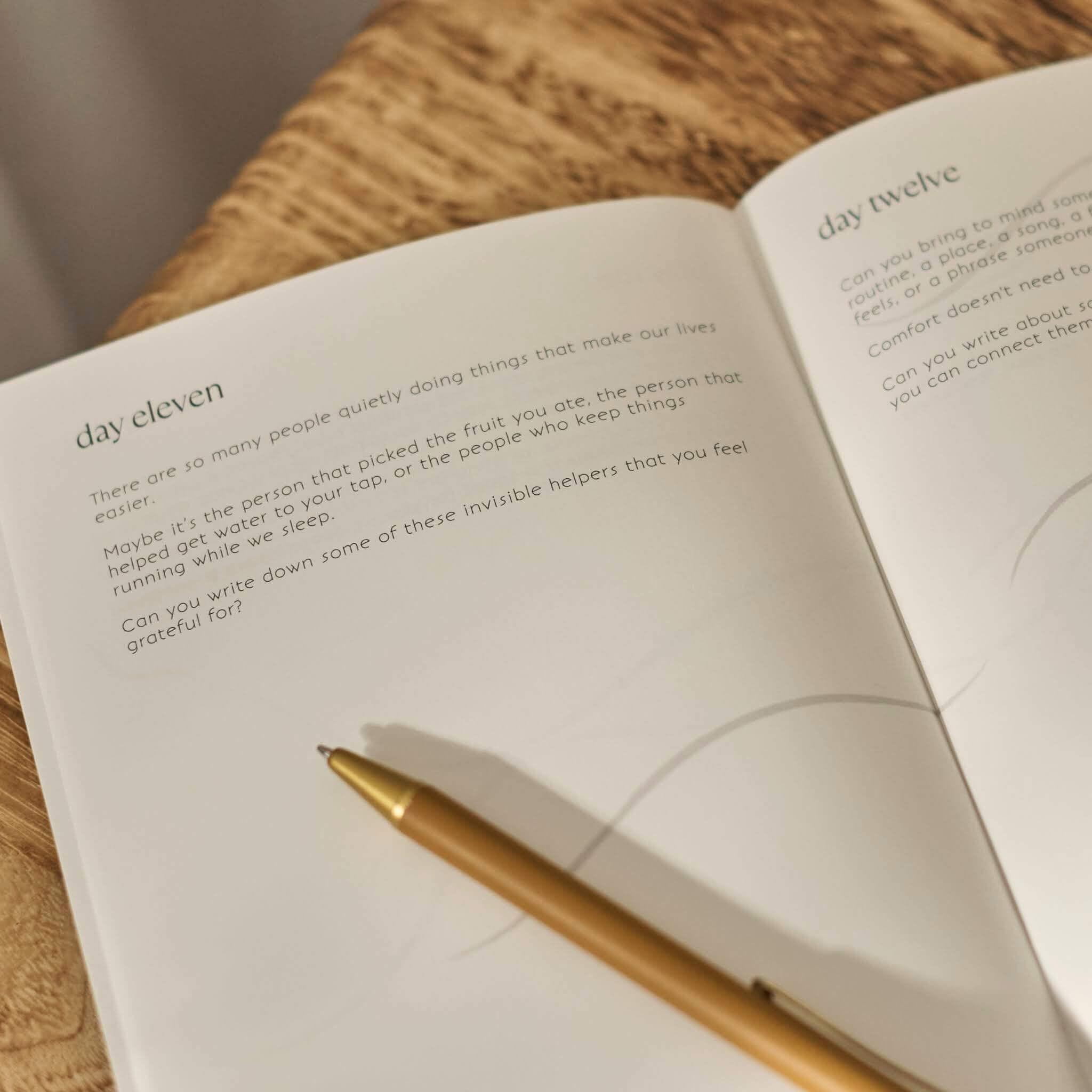
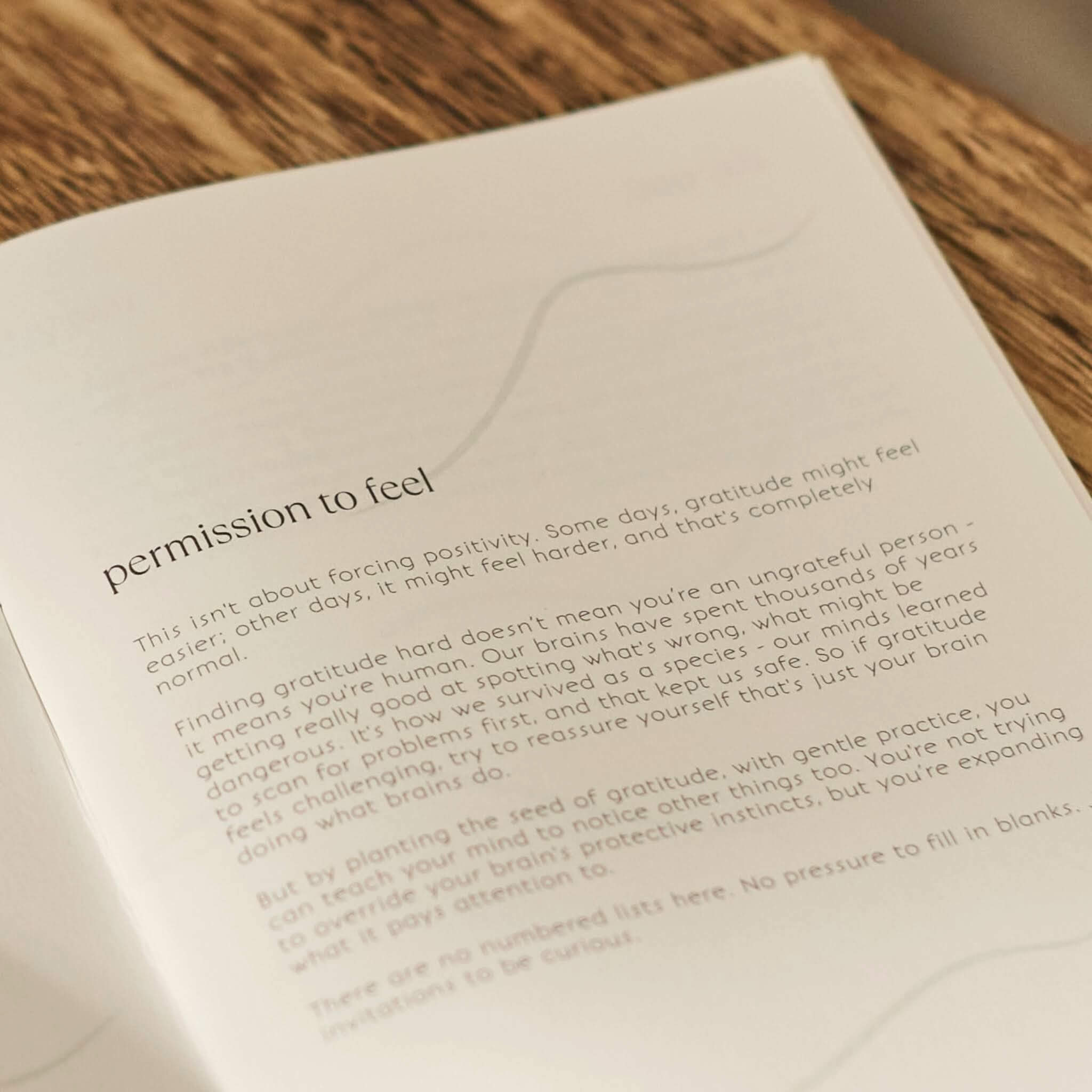
No numbered lists, no blank lines, no pressure. It explicitly explains why gratitude feels hard (negativity bias, a survival instinct, not a character flaw) and gives permission for difficult days. Read the full gratitude journal comparison →
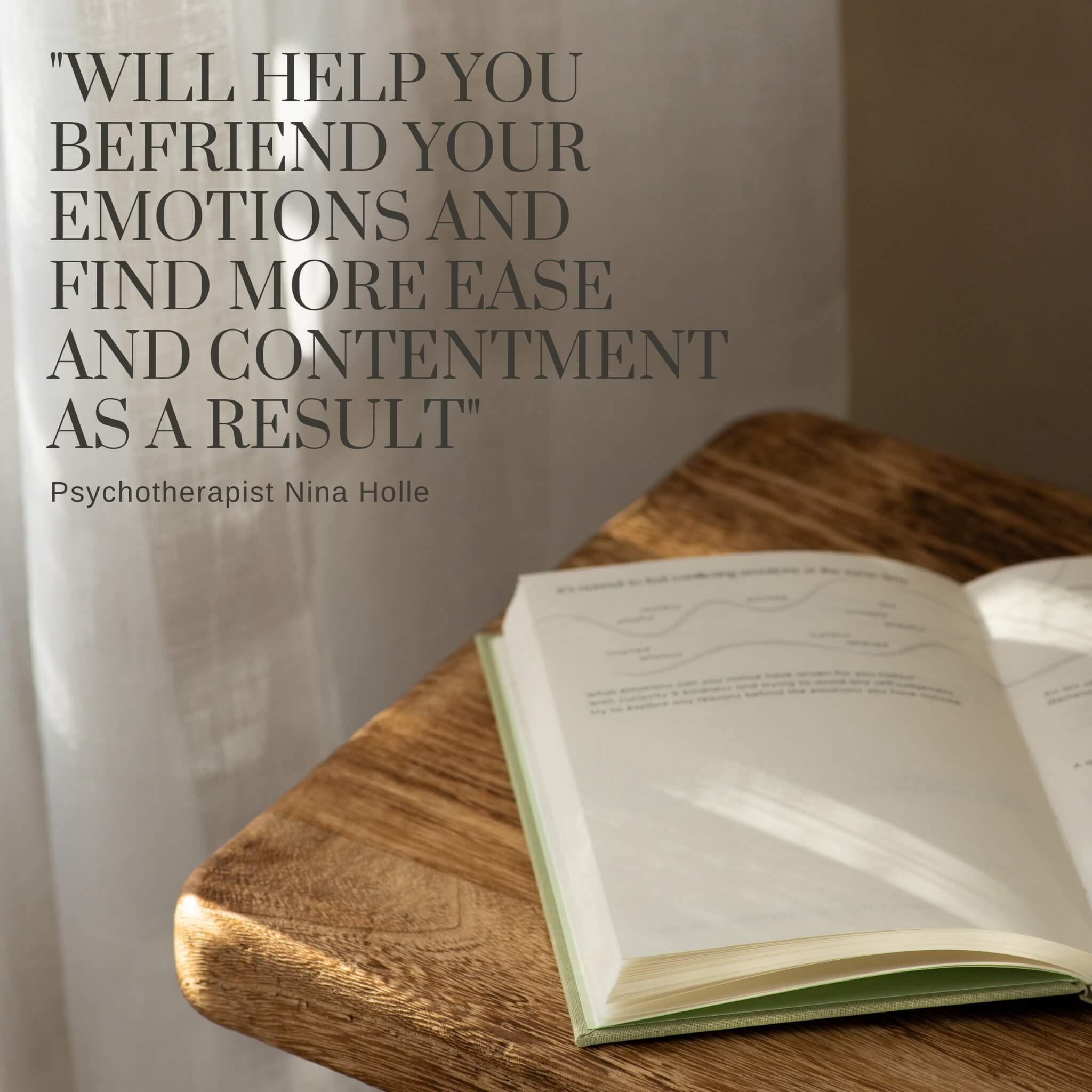
An emotional awareness tool on every single page helps you identify specific emotions beyond "fine" or "stressed." Research shows naming emotions specifically (affect labeling) reduces their intensity. Read more on identifying your emotions →
This journal can be a meaningful support tool, but please know that it is not a replacement for professional help when you need it. If you are experiencing significant depression, please reach out to your GP or a mental health professional. The journal works best as a complement to therapy, not instead of it.
Same daily commitment, but each of the 90 days is different, each page includes the emotional awareness tool, and the prompts are designed for genuine reflection rather than mechanical completion.
Common Journaling Problems for Mental Health (And Solutions)
What the Research Actually Shows About Journaling and Mental Health
There is strong research evidence for journaling as a mental health support tool, but the type of journaling matters significantly. Here is what clinical psychologists point to:
- Expressive writing (James Pennebaker's research) has shown meaningful benefits for processing difficult experiences and reducing physiological stress markers.
- Gratitude journaling, when done in a non-pressured way, has shown improvements in mood, sleep quality, and sense of wellbeing. Read the science of gratitude →
- Affect labeling, writing about and naming emotions specifically, has been shown to reduce the intensity of those emotions by engaging the prefrontal cortex rather than the amygdala.
- Self-compassion practices, research by Dr. Kristin Neff consistently shows that self-compassion reduces anxiety and depression more effectively than self-criticism, and increases resilience, motivation, and wellbeing.
- Important caveat: Unguided journaling, particularly writing about difficult experiences without structure or compassionate framing, can increase rumination for some people, particularly those prone to self-criticism. Format genuinely matters.

"When we engage in self-criticism, we create a nervous system and brain state that is not conducive to learning or facilitating a growth-oriented mindset. Our mind-body system perceives criticism as a threat, activating our stress response. Dr. Kristin Neff's research has repeatedly shown that self-compassion is key in decreasing anxiety and depression and developing courage, resilience, and a growth-oriented mindset."
Dr. Annabelle Kyle Dortch, PsyD Clinical Psychologist, Los Angeles | Specialises in life transitions, anxiety, and trauma→ Read: Why Self-Compassion Works Better Than Self-Criticism
My Verdict: Which Journal for Mental Health
If you are struggling with how you talk to yourself, if you have tried journaling and ended up feeling worse, if you are in therapy and want a tool that actually supports the work, this is built for you. 90 unique prompts, emotional awareness tools on every page, expert validation from Harvard and Oxford, and used by accredited therapists worldwide. (Yes, I created this. I genuinely believe it is the most therapeutically sound consumer journal available. The therapist endorsements speak to that far more convincingly than anything I could say.)
The bottom line: A journal that is right for your mental health is one that helps you write from your compassionate self, not your critical one. One that validates all your emotions. One that doesn't create guilt or pressure. And one that is genuinely backed by clinical evidence, not just wellness aesthetics.
Shop The Give Yourself Kindness Journal →Frequently Asked Questions
The best journal for mental health is one that helps you write from your compassionate self rather than your inner critic, validates all emotions including difficult ones, provides emotional awareness tools, uses varied prompts to prevent mechanical responses, and has genuine clinical backing, not just wellness marketing. The Give Yourself Kindness Journal meets all of these criteria and is actively used by accredited therapists and counsellors worldwide with their clients.
Yes, research shows that journaling can meaningfully support anxiety, particularly practices that combine emotional awareness with self-compassion. However, format matters significantly. Some journal formats can increase anxiety by adding pressure, activating the inner critic, or pushing forced positivity that makes difficult emotions feel worse. The Give Yourself Kindness Journal was specifically designed to avoid these pitfalls, which is why therapists working with anxious clients use and recommend it. Read more about what the research shows →
No. Journaling is a powerful support tool for mental health, but it is not a replacement for professional help when you need it. If you are experiencing significant depression, anxiety, or mental health challenges, please speak to your GP or a qualified mental health professional. The Give Yourself Kindness Journal works best as a complement to therapy: many therapists actively recommend it to clients for use between sessions. If you are unsure whether you need professional support, please reach out to a qualified therapist or your GP.
This is more common than you might think, and it is not your fault. Most journals give your inner critic too much space, push positivity when you're genuinely struggling, or use repetitive formats that become mechanical. The Give Yourself Kindness Journal was created specifically because every other journal I tried made my inner critic louder. Dr. Chris Irons's insight, that the part of you doing the journaling matters enormously, is the foundation of every prompt in this journal. It is designed to help you write from compassion, not criticism. The therapist testimonials on this page speak to exactly this difference.
CBT workbooks and therapy journals tend to be clinically structured, analytical, and used as directed therapeutic homework. The Give Yourself Kindness Journal is different in that it is designed for day-to-day emotional awareness and self-compassion practice, warm, accessible, and usable independently. Many people use both: a workbook with their therapist for structured therapeutic work, and this journal for daily emotional processing. Accredited counsellor Rachael Oliver MBACP calls it "absolutely essential for helping build self awareness, compassion, and reflect on things happening between sessions." Read what to look for in a journal for mental health →
Consistency matters more than frequency. Most people benefit from 3–5 sessions per week of 5–10 minutes each. The Give Yourself Kindness Journal's undated format means there is no pressure to maintain a daily streak: you come to it when you're ready, without guilt. Research shows even brief, regular practices build meaningful skills over time. Start small and build from there.
If you are experiencing thoughts of self-harm or suicide, please reach out to a professional right away. In the UK you can contact the Samaritans on 116 123 (free, 24/7). A journal is not the right tool when you need immediate support, please talk to someone who can help. If your mental health is stable but you are working through a difficult period, many therapists do recommend this journal as a supportive tool, ideally alongside professional support.
Choose the Give Yourself Kindness Journal if you want broader emotional support: it is the more therapeutically comprehensive tool, covering emotional awareness, self-compassion, self-talk, needs, and gratitude over 90 days. Choose the 30-Day Gratitude Challenge if you want to start with a more focused gratitude practice and are looking for something accessible and affordable to begin with. Both are built on the same anti-toxic-positivity principles; the GYKJ goes significantly deeper.
Because I made them for exactly this problem, and they work in clinical settings in a way that most consumer journals do not. I've been transparent throughout this page that they are my products. I've included other options fairly, with their genuine strengths and limitations. The clinical psychologist and therapist endorsements are real, verified, and verifiable; they are not marketing copy. If after reading all of this you'd prefer a different option, I genuinely hope the comparison helps you find what's right for you.
Related reading from our clinical psychology blog:
- The Benefits of Journaling: What 3 Clinical Psychologists Say
- Why Self-Compassion Works Better Than Self-Criticism
- How to Stop Negative Self-Talk: 7 Techniques That Actually Work
- Why Am I So Mean to Myself? Understanding Your Inner Critic
- How to Identify Your Emotions: A Complete Guide
- How to Use Journaling to Change Negative Self-Talk
- Best Gratitude Journals Compared
- Best Wellness Journals for Mental Health & Emotional Wellbeing
About the author: Rachel Smith (DipBSoM) is a qualified meditation teacher and the creator of Give Yourself Kindness. After her own recovery through Compassion-Focused Therapy for harsh self-talk and self-criticism, she created evidence-based tools now recommended by clinical psychologists from Harvard Medical School (Dr. Chris Germer) and the University of Oxford (Professor Willem Kuyken), and used by therapists with clients across the UK, US, and Canada.
Buying it for someone else?
If you’re choosing this for someone else rather than for yourself, I’ve written a separate guide to gifts for someone who’s struggling — including what to say when you give it.


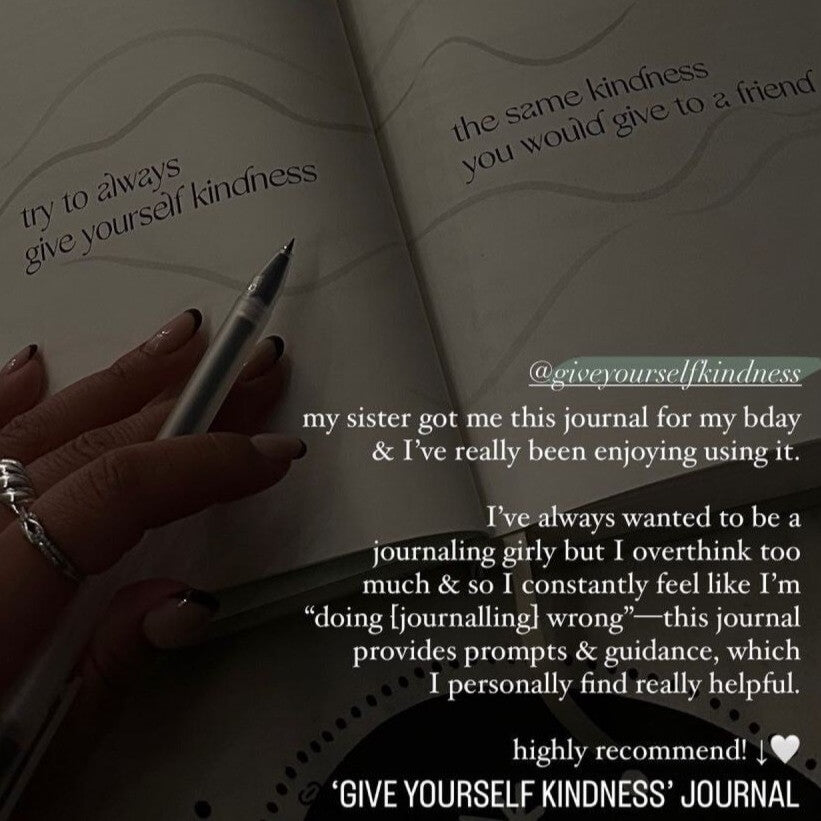
“By far my favourite guided journal that I’ve used!”
There's a lot of journals out there. Most of which include tools that can be repetitive, boring or unhelpful. Give Yourself Kindness is about creating something new.