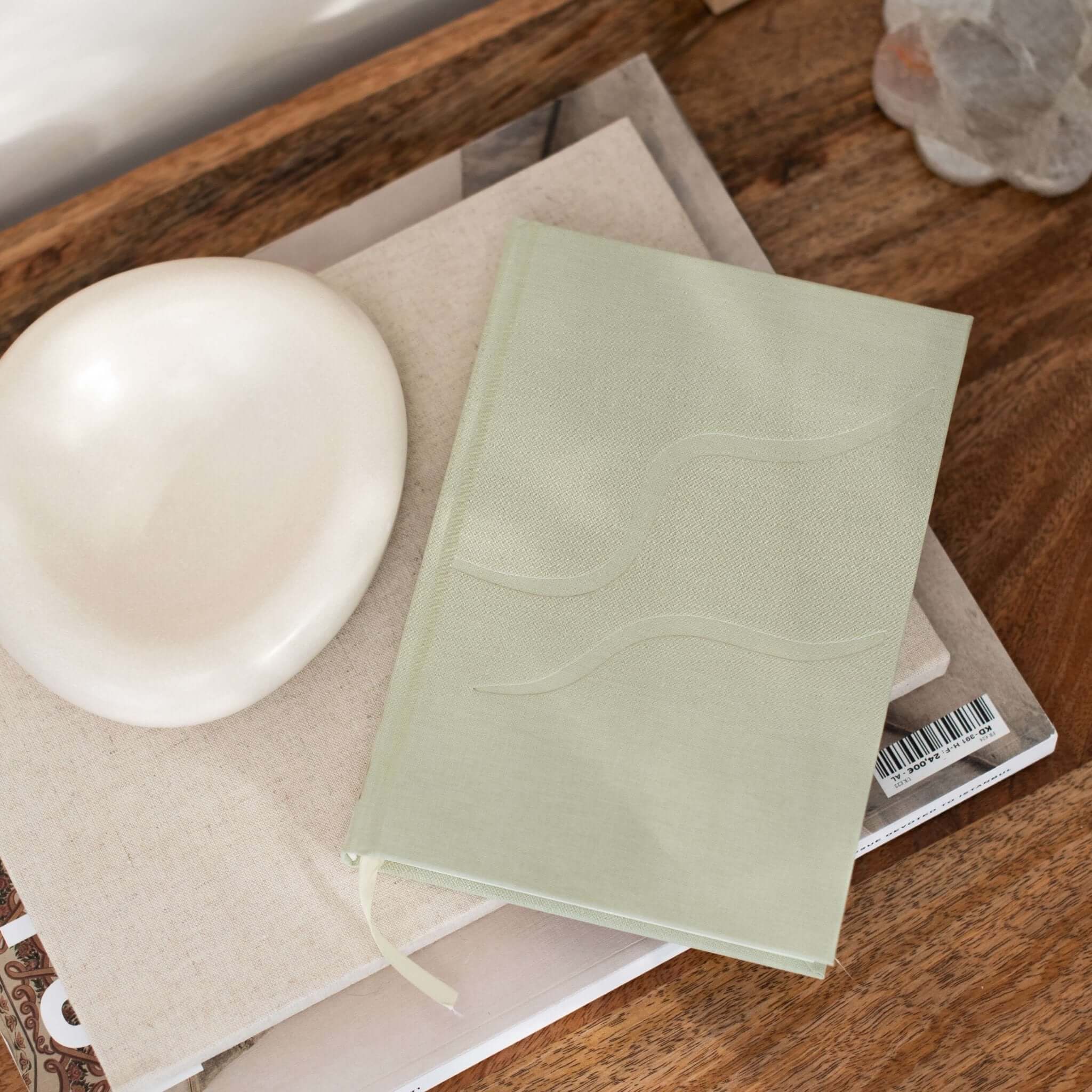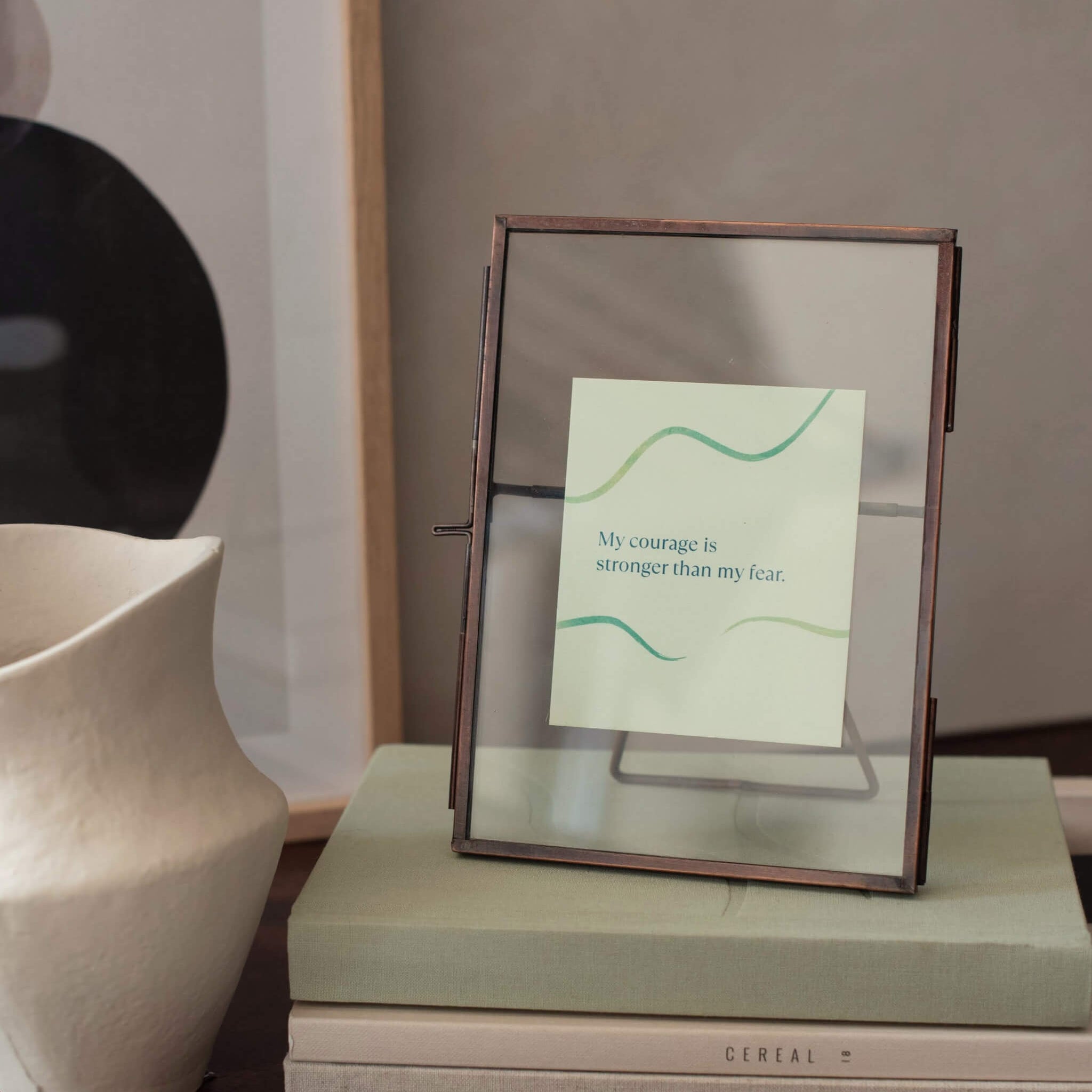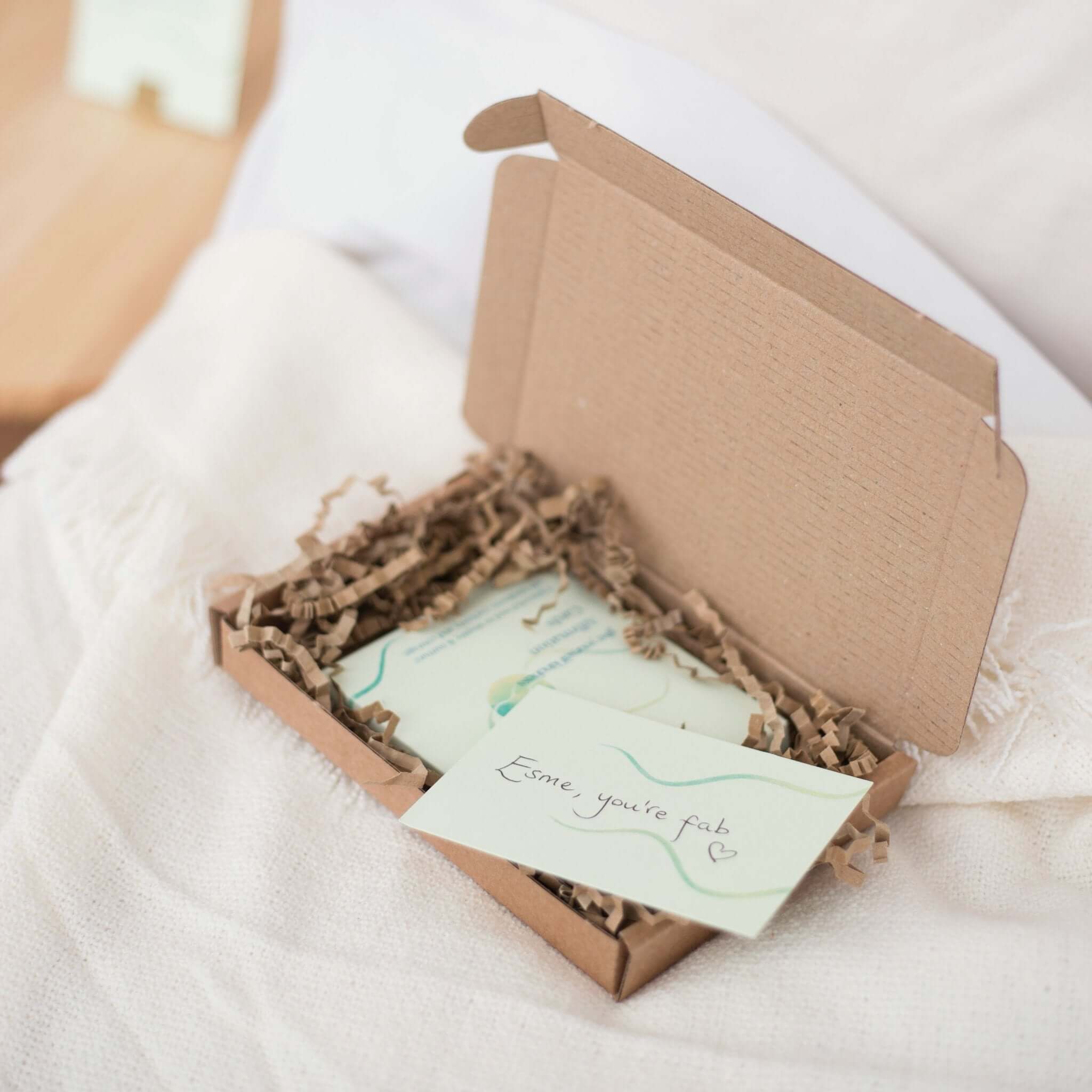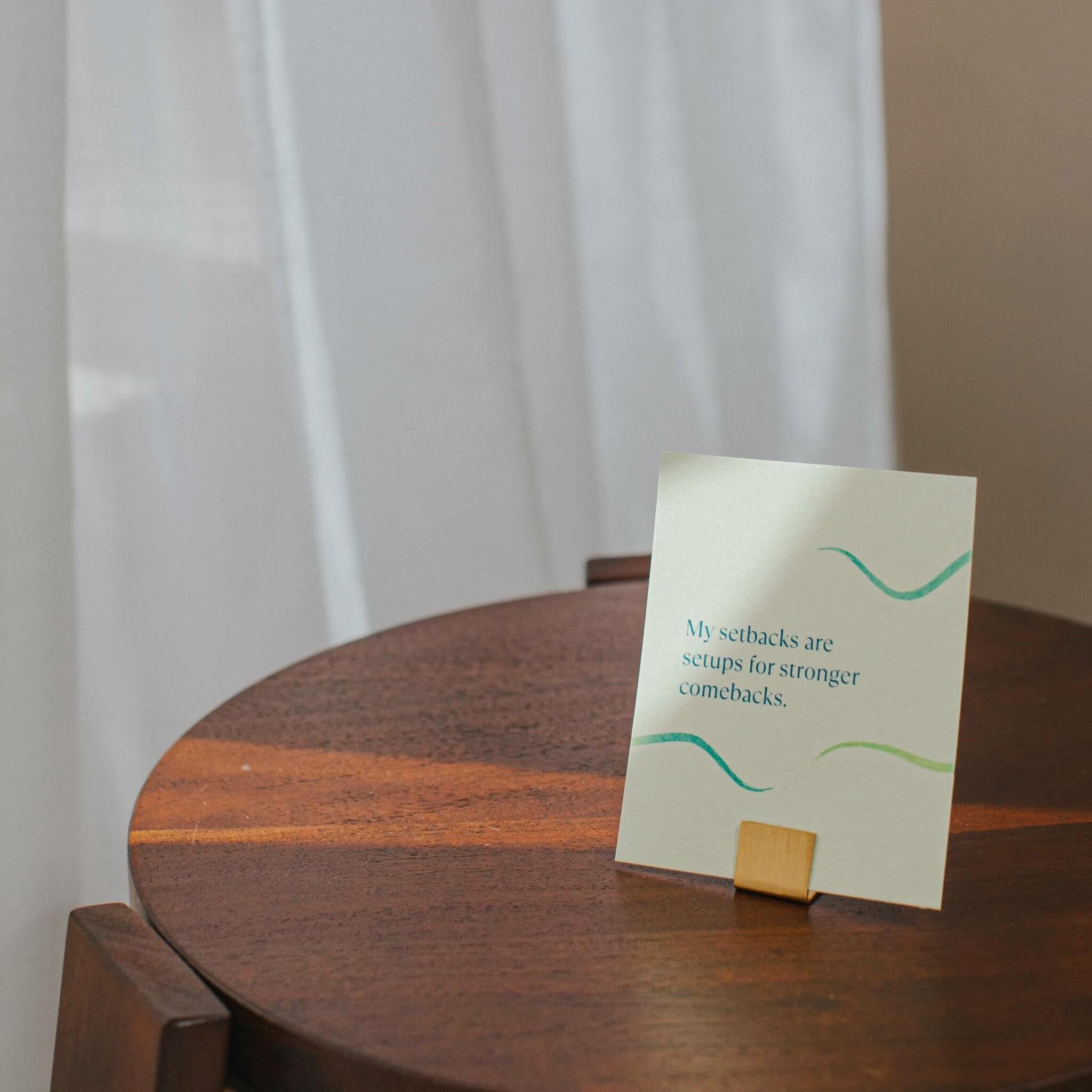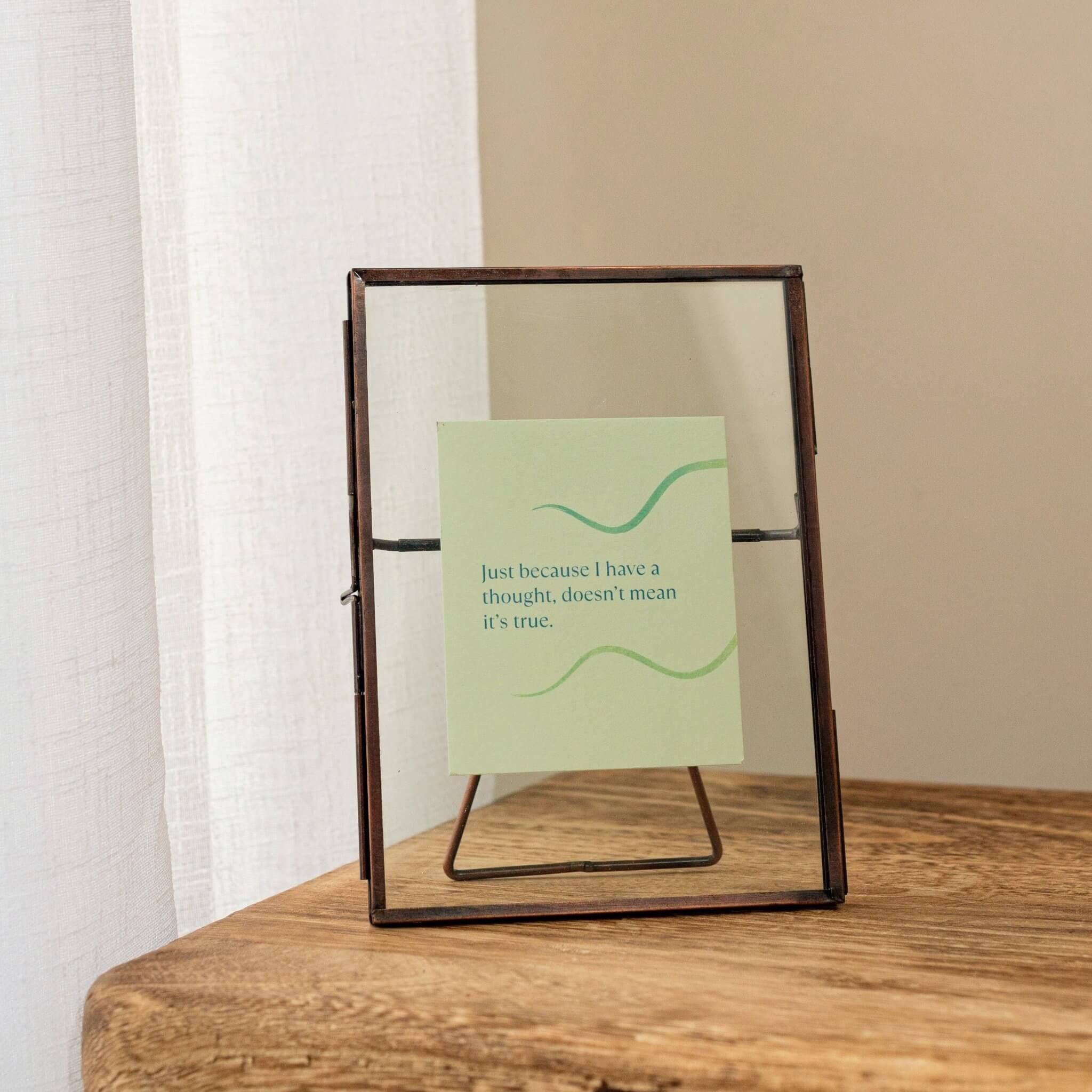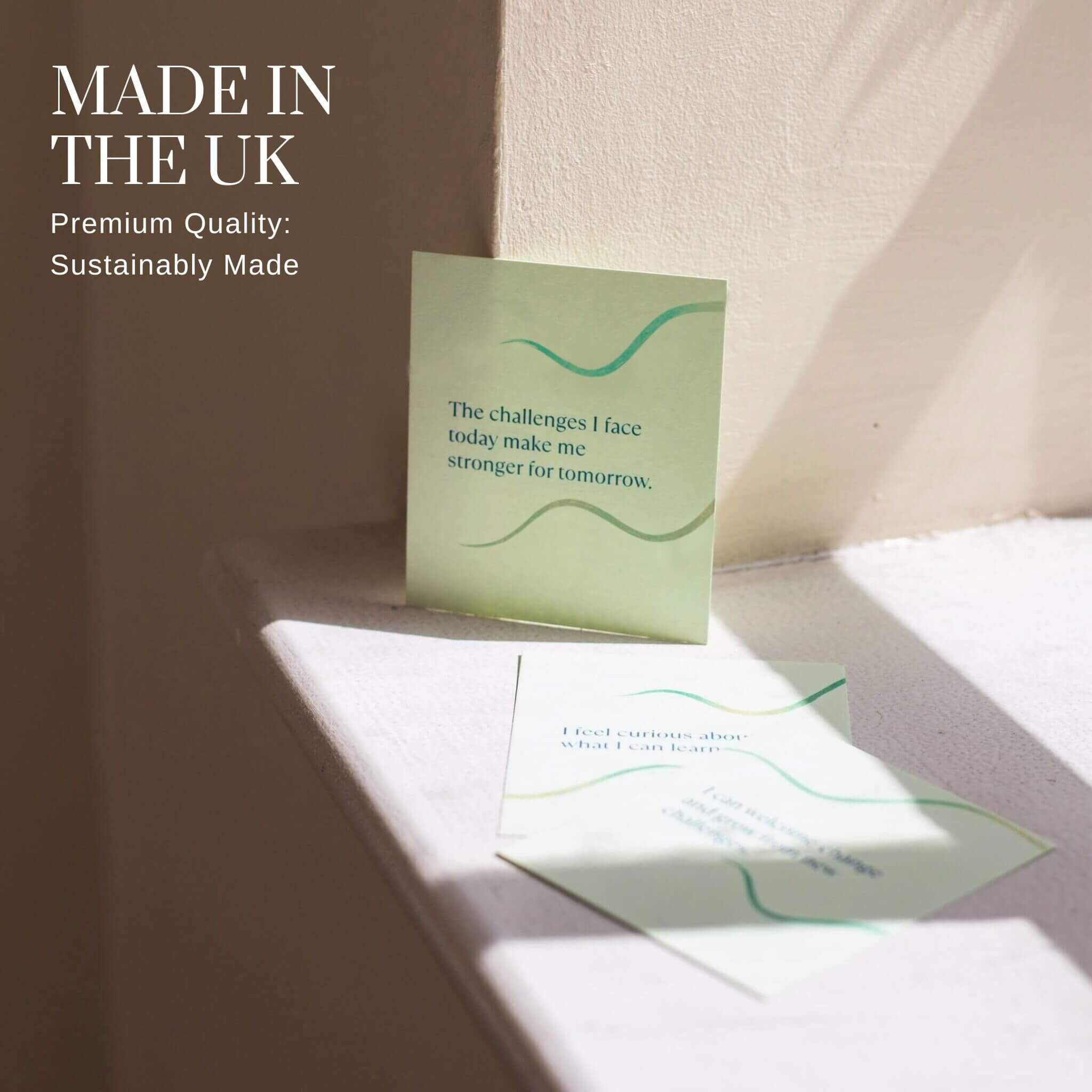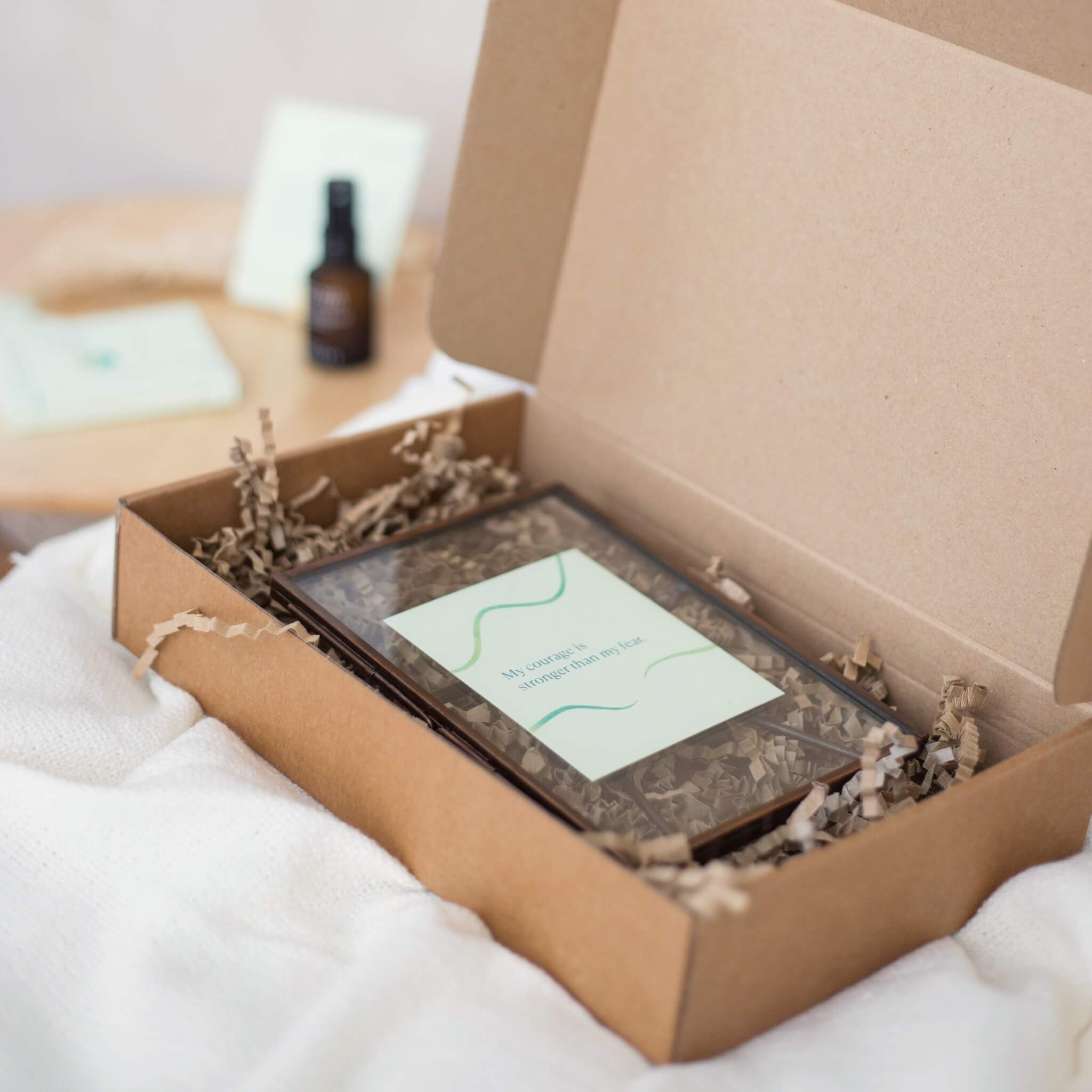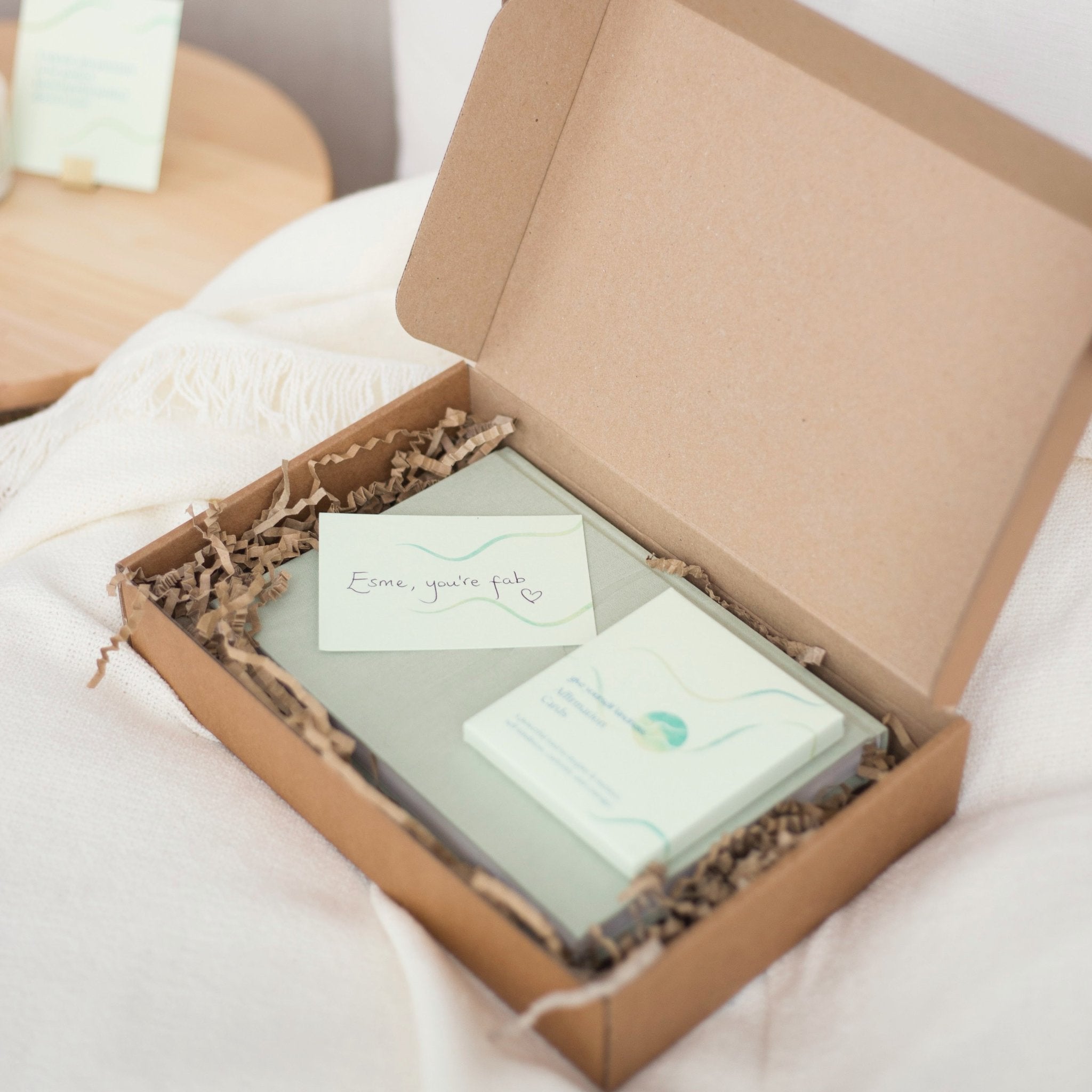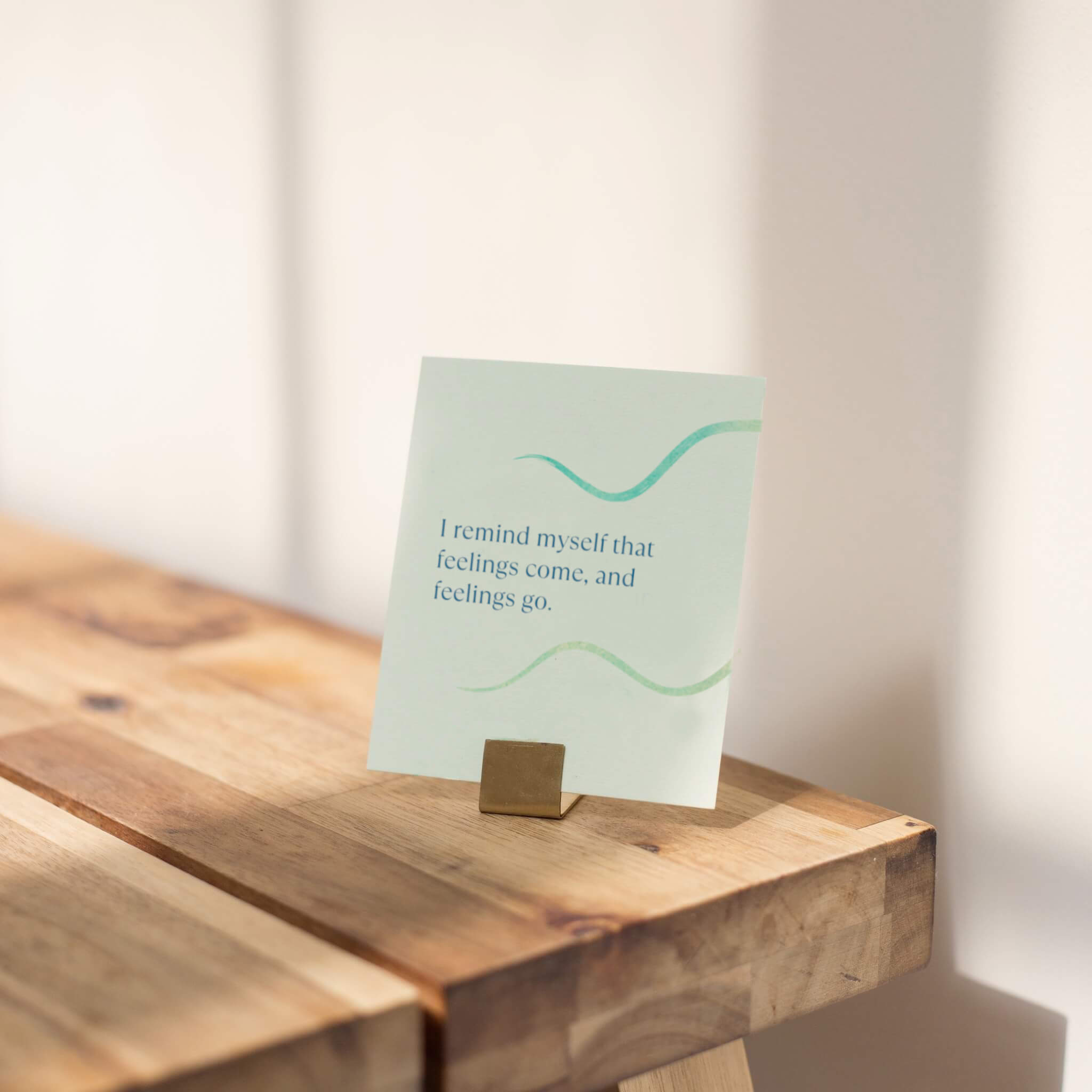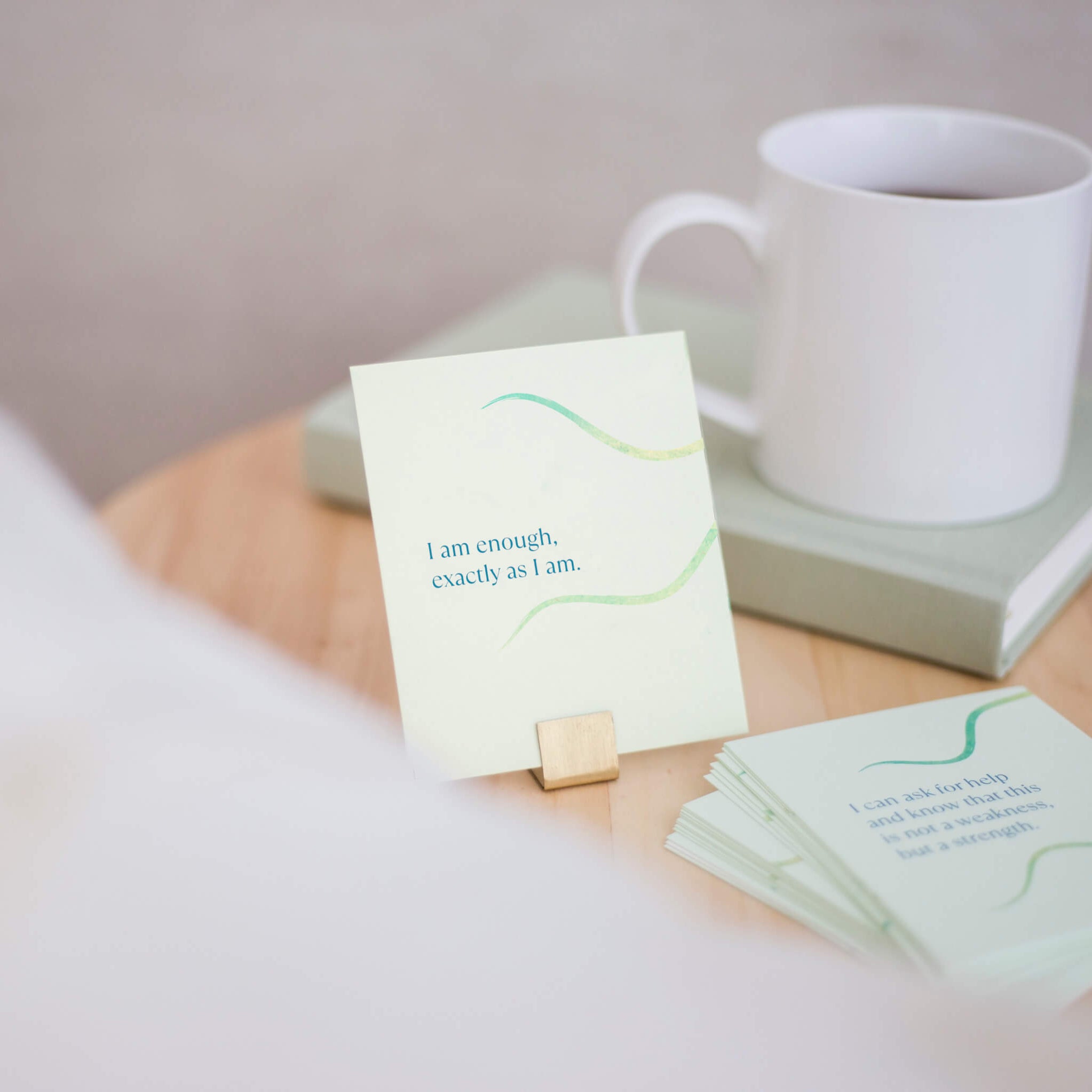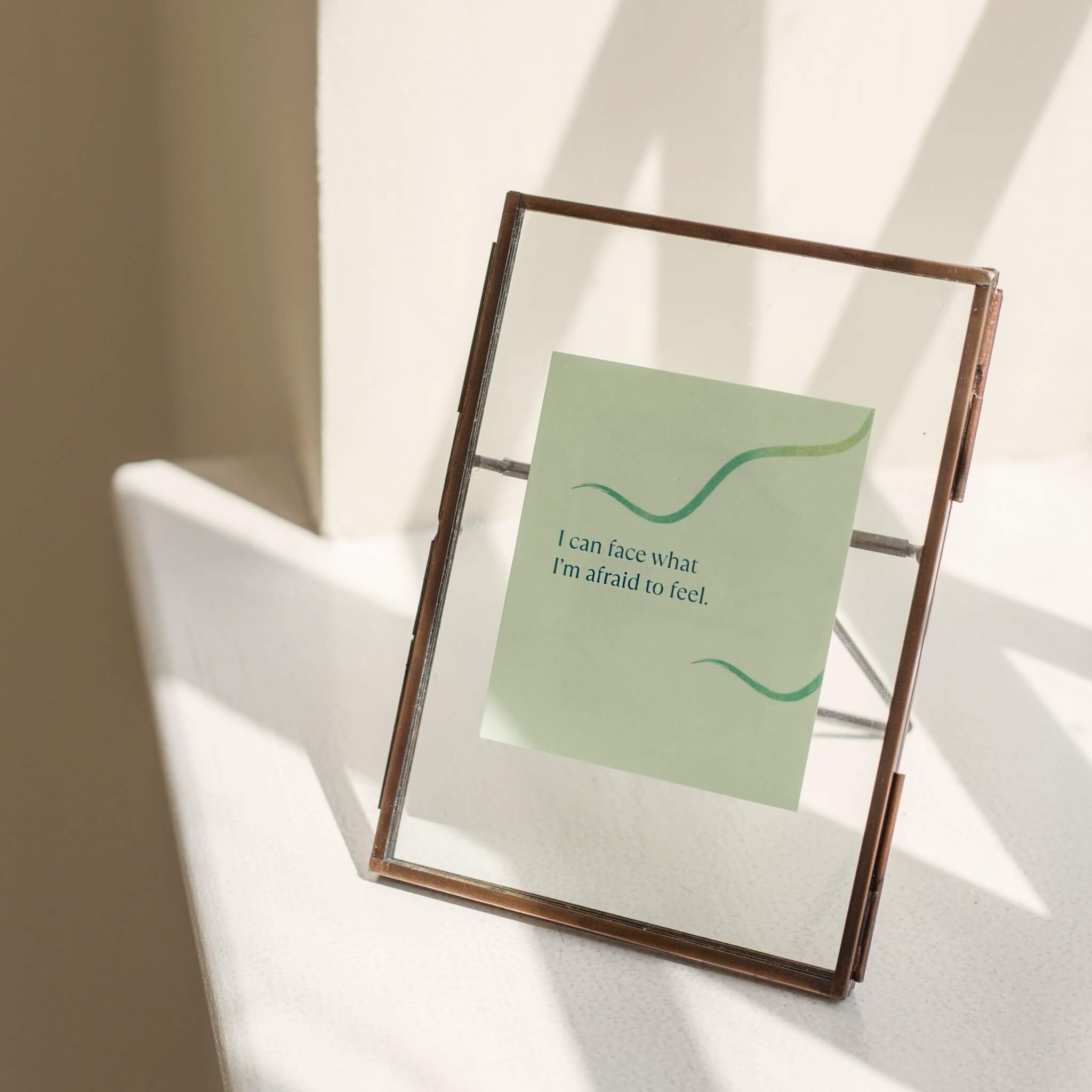
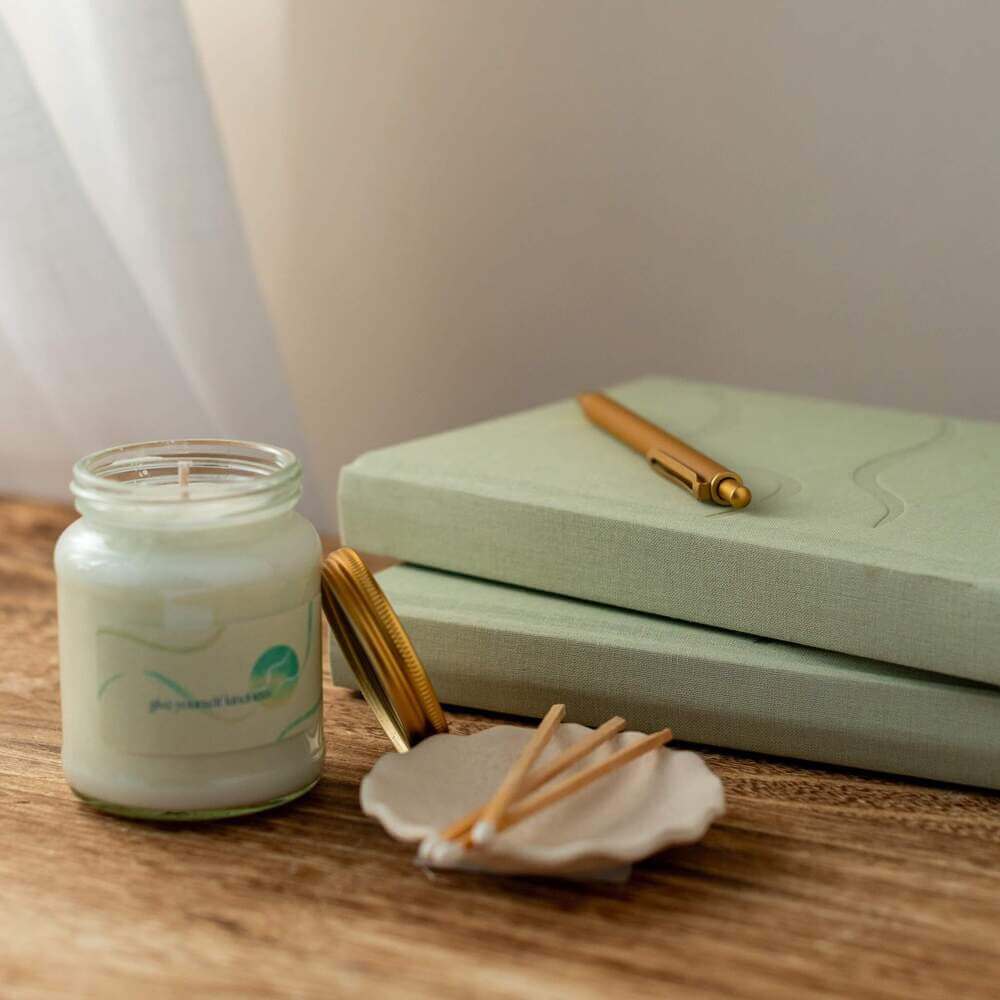
give yourself kindness journal

Blank Journal vs Guided Journal

Which One Should You Choose?


Quick Answer

Struggling with blank journals is incredibly common—not because you're bad at journaling, but because understanding how you feel is genuinely difficult, especially when you're already struggling. When you don't know where to start, a blank page feels overwhelming rather than helpful. You're not alone in this, and there's no judgment here. Guided journals can provide the structure and support you need—but it matters which kind you choose. The right guided journal uses varied prompts rooted in self-compassion that validate all your emotions and help you write from kindness, not criticism.

You bought a journal with a beautiful cover. You know journaling is "supposed to help." But when you open to that blank page, your mind goes... blank. Or worse—it fills with judgment.

"What should I write? Am I doing this right? This is stupid. Everyone else can journal. Why can't I?"

The journal sits empty. You feel like you've failed at the one thing that's meant to help you feel better.

If this sounds familiar, you're not alone. And you're not broken.

I'm Rachel Smith, a qualified meditation teacher trained with the British School of Meditation. For years during my anxiety recovery, I tried keeping blank journals. Everyone said journaling would help. But I'd sit there, pen hovering over the page, feeling that familiar tightness in my chest.

"What am I supposed to write? Am I doing this wrong? Maybe journaling just isn't for me."

The blank page that was meant to help me process emotions became another place where my inner critic could tell me I was failing at self-care itself.

I felt so alone in this struggle—until I discovered Compassion-Focused Therapy and learned that this experience is incredibly common. There are real psychological reasons why blank journals can feel impossible when you're struggling. Understanding this changed everything for me.

That understanding led me to create the Give Yourself Kindness journal—a tool validated by clinical psychologists from Harvard Medical School and Oxford University that addresses exactly these struggles.

In this article, I'll share what I learned about why blank journals can feel so hard, and what actually helps instead. You're in the right place, and you're definitely not alone in this.

You're Not the Only One (Really)

If you're reading this thinking "Maybe I'm just bad at this. Maybe journaling isn't for me," I want you to know something important:

Therapists tell me all the time that their clients struggle with blank journals constantly. This isn't some rare problem. This is one of the most common challenges people face when trying to journal for mental health.

It's not because you're lazy. It's not because you're broken. It's not because you're "not good at self-care."

It's because blank journals require specific skills—like understanding what you're feeling and responding to yourself with kindness—that feel most out of reach during the times you need support most.

And there's actual psychology behind why this happens. Understanding this can help you stop judging yourself and find what actually works for you.

Why Your Brain Does This: The Inner Critic Problem

The Psychology Behind Blank Page Paralysis

Clinical psychologist Dr. Chris Irons, one of the world's leading Compassion-Focused Therapy researchers, explains something crucial about journaling:

Dr. Chris Irons

"It's useful to consider which part of ourselves is doing the journalling... How helpful might it be if it is our self-critic journalling?"

Dr. Chris Irons, DClinPsy

Clinical Psychologist and leading researcher in Compassion Focused Therapy

Here's what he means:

When you're struggling with harsh self-talk, anxiety, or low mood—your threat system is already activated. Your brain is in "something's wrong, stay vigilant" mode. This is the same system that produces your inner critic.

When you open a blank journal in this state, you're essentially asking your threat system (your inner critic) to lead the journaling session. And what does your inner critic say?

  • "What should I write?"
  • "Am I doing this right?"
  • "This is pointless."
  • "I'm probably doing it wrong."
  • "Other people can journal. Why can't I?"

The blank page doesn't just feel intimidating—it actively triggers the very voice you're trying to soothe.

Now, if you're thinking "Great, so I really am broken," please hear this: You're not broken. Your brain is doing exactly what brains do when they're in distress. Understanding this is the first step to finding what actually helps.

Why Blank Journals Feel So Hard (It's Not Your Fault)

Maybe you're thinking: "Other people can journal. What's wrong with me?"

Nothing is wrong with you. Blank journals work well for people who already have certain skills in place. But when you're struggling, these are exactly the skills that feel most out of reach:

1. Understanding what you're actually feeling
Beyond just "good" or "bad," can you name the specific emotion? When you're in distress, this is genuinely difficult. Your brain might not know what you're feeling—which makes a blank page feel like an impossible task, not a helpful tool. (This is so common that we created a complete guide to identifying emotions because so many people struggle with this.)

2. Responding to yourself with kindness instead of criticism
If you're already struggling with harsh self-talk, you need support to write from compassion. But that's the very skill you're trying to build—not one you can rely on yet. A blank page leaves you alone with your inner critic, and that voice knows exactly what to say to make you feel worse.

3. Knowing what to focus on when everything feels overwhelming
Should you write about your day? Your feelings? That thing that's bothering you? When emotions feel big and confusing, everything feels important and nothing feels clear. The lack of direction can send you spiraling into repetitive worrying instead of helpful reflection.

These aren't personal failings. These are real skills that take time to develop—and they're hardest to access during the exact moments you need support most.

Does This Sound Familiar?

Let me paint a picture. Maybe you'll recognize yourself here:

You open your blank journal with good intentions. You genuinely want to feel better. You want to "process your emotions" or "practice self-care" like everyone says you should. But then:
  • The page stares back at you, empty and somehow... accusatory
  • Your mind either goes completely blank or spirals with too many options
  • "Should I write about my day? My feelings? That thing that's bothering me? Where do I even start?"
  • "Wait, what's the 'right' way to do this? Everyone else seems to know what to write..."
  • You write a few sentences and immediately judge them: "This is pointless. I'm just complaining. This isn't helping."
  • Or you write nothing at all because it feels too vulnerable, too much, too unclear
  • The journal closes. You feel worse than before—like you've failed at the one thing that's supposed to help you

If you're nodding along to any of this: you're not broken. You're not doing it wrong. This is your inner critic doing the journaling—and that's exactly the problem.

Professor Willem Kuyken

"Writing can be creative, beautiful, resourcing, but it can also invoke an inner critic, rumination and procrastination."

Professor Willem Kuyken, PhD, DClinPsy

Ritblat Professor of Mindfulness and Psychological Science at the University of Oxford

Why Pushing Through Doesn't Work (Even Though We've Been Told It Should)

Maybe you're thinking: "I should just try harder. I should be able to do this. Other people can journal—why can't I just push through?"

This is such a common response, because many of us were taught (sometimes directly, sometimes through example) that being hard on ourselves keeps us motivated and prevents us from being lazy.

So when we can't journal "properly," our inner voice says: "You're being weak. You're making excuses. Just do it."

But here's what the research actually shows—and this might surprise you:

What Research Shows About Self-Criticism

Dr. Annabelle Kyle Dortch, a clinical psychologist, explains:

Dr. Annabelle Kyle Dortch

"When we engage in self-criticism, we create a nervous system and brain state that is not conducive to learning or facilitating a growth-oriented mindset."

Dr. Annabelle Kyle Dortch, PsyD

Clinical Psychologist specializing in anxiety, life transitions, and trauma

In other words: Beating yourself up for struggling with blank journals actually makes journaling harder. Your threat system activates further. Your inner critic gets louder. The blank page feels even more intimidating.

Research by Dr. Kristin Neff consistently shows that self-compassion (treating yourself with the same kindness you'd offer a struggling friend) is more effective than self-criticism for:

So if you've been thinking "I just need to push through," please hear this: The solution isn't to force yourself through blank journals while your inner critic shouts at you. The solution is to find support that helps your compassionate self show up instead.

What Actually Helps When You're Struggling

Here's what many people don't realize: not all guided journals are created equal. In fact, many guided journals create new problems rather than solving the blank page issue:

  • Repetitive prompts (same questions daily) lead to autopilot responses by week 2—you stop actually engaging
  • Toxic positivity ("List 3 things you're grateful for!" when you're genuinely struggling) can make you feel worse and more broken
  • Dated formats create guilt every time you miss a day, turning journaling into another thing you're "failing" at
  • Generic questions that don't guide you toward self-compassion—so you still end up writing from your inner critic

If you've tried guided journals before and they didn't help (or made you feel worse), please know: that wasn't your fault. It was the wrong kind of guided journal.

Many people fear self-compassion will make them lazy or weak. But research shows the opposite: self-compassion actually increases motivation and emotional resilience. The key is finding a journal designed with this understanding.

A Different Approach: Journals That Guide You to Write With Kindness

The right kind of guided journal doesn't just give you something to write about. It actively helps you write from a place of compassion instead of criticism.

Here's what this looks like in practice:

Instead of blank pages that trigger: "What should I write? Am I doing this right?"

You get prompts designed to activate your compassionate self:

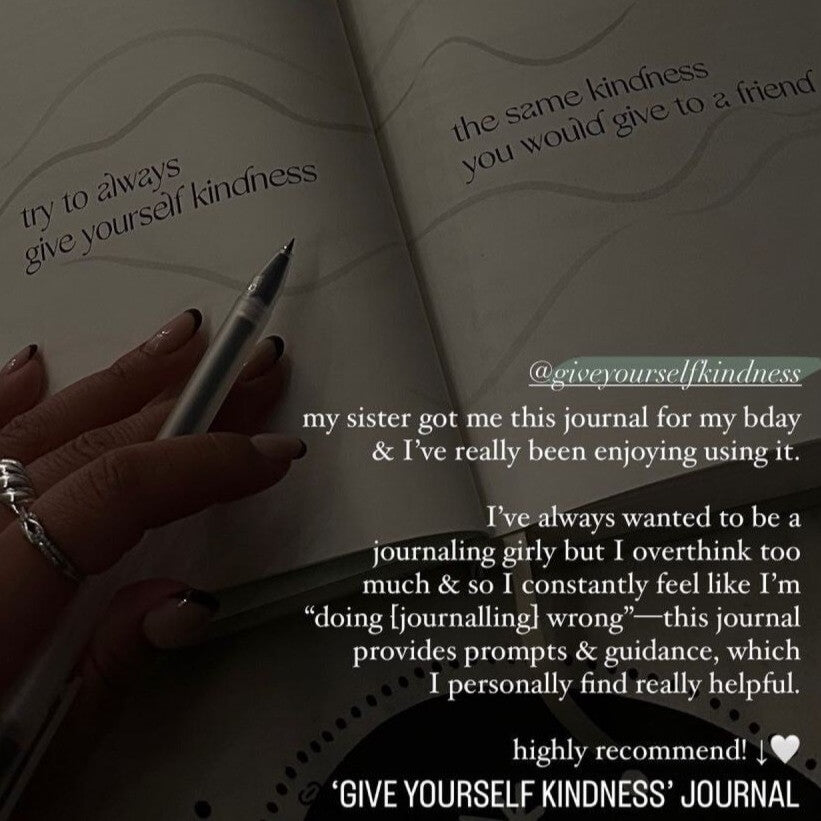
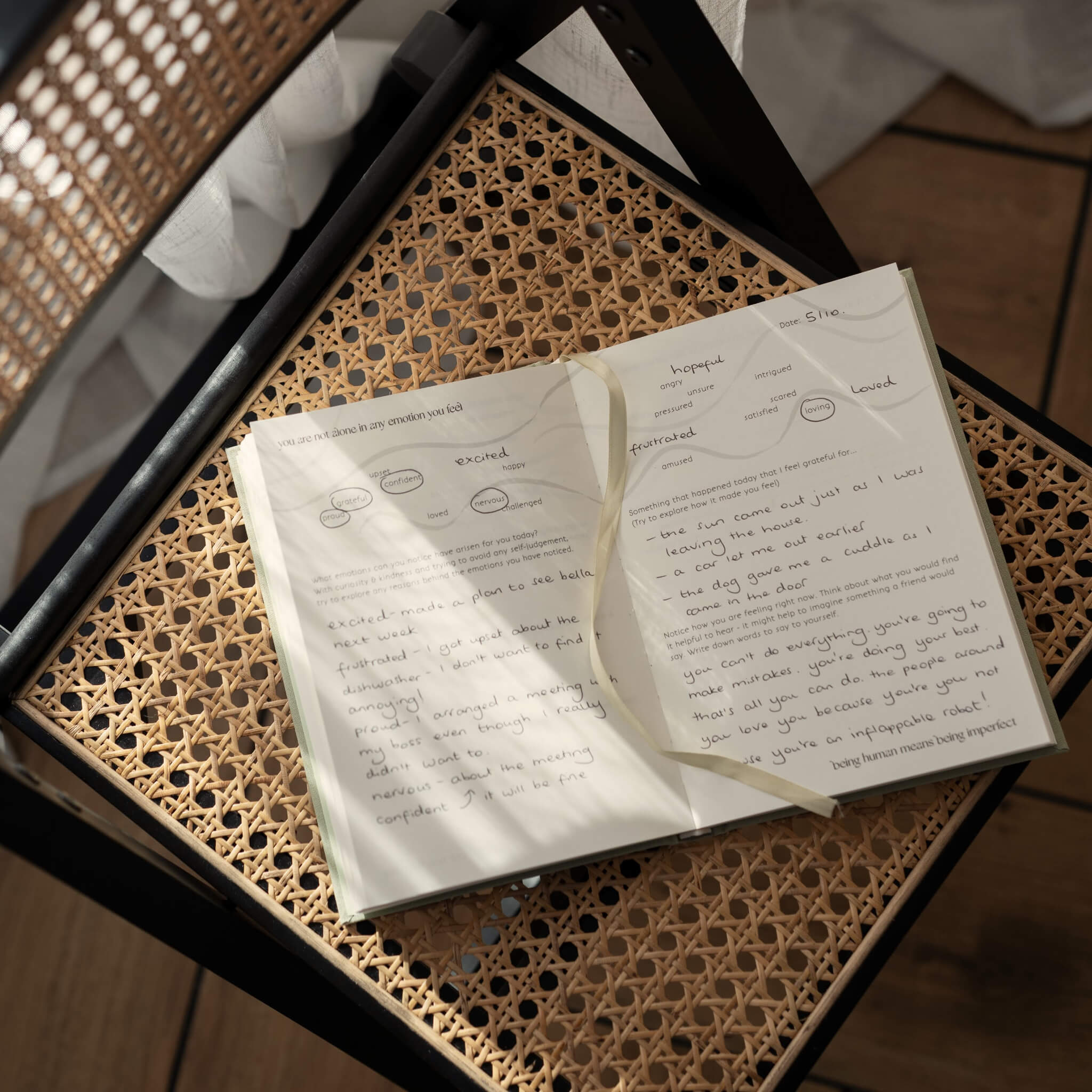
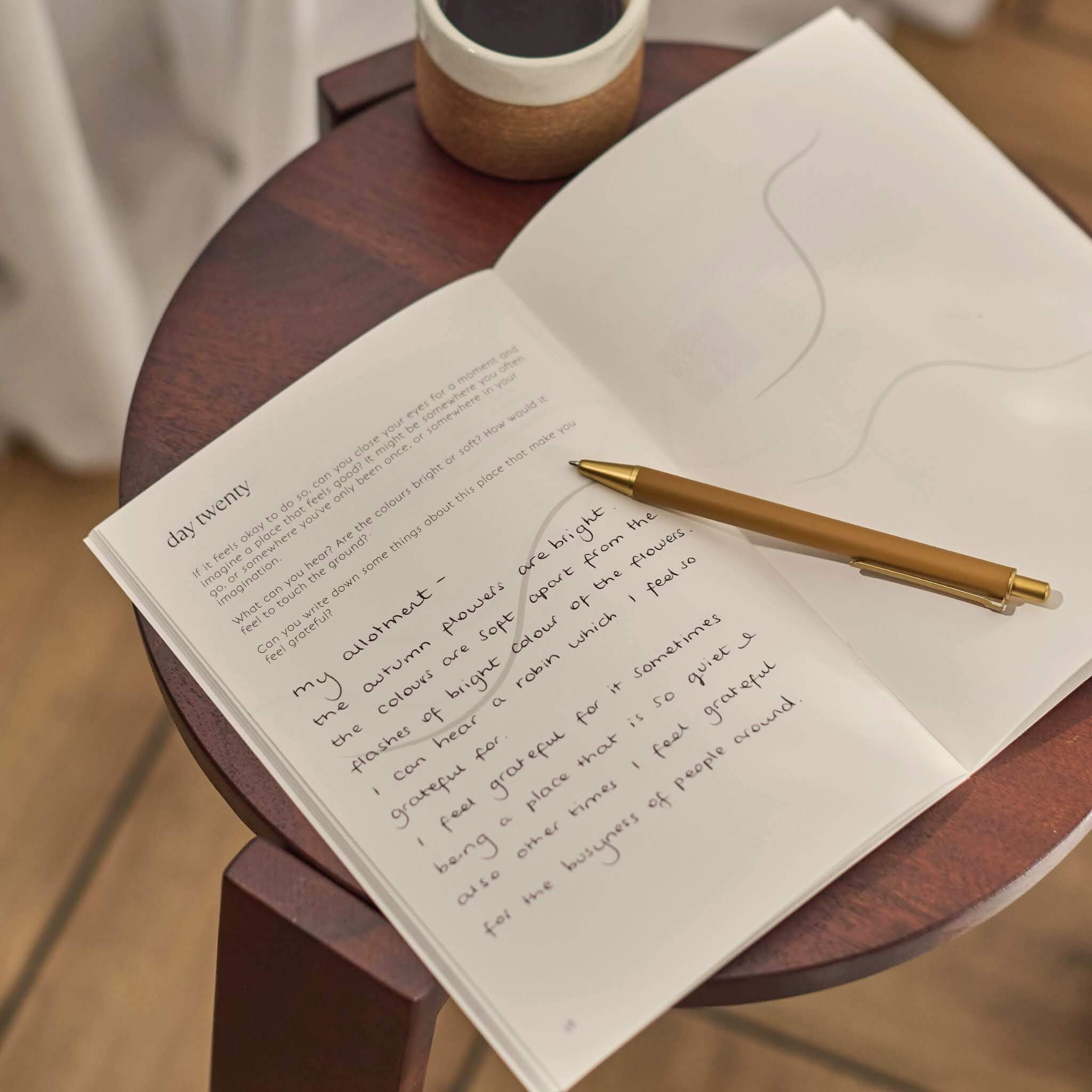
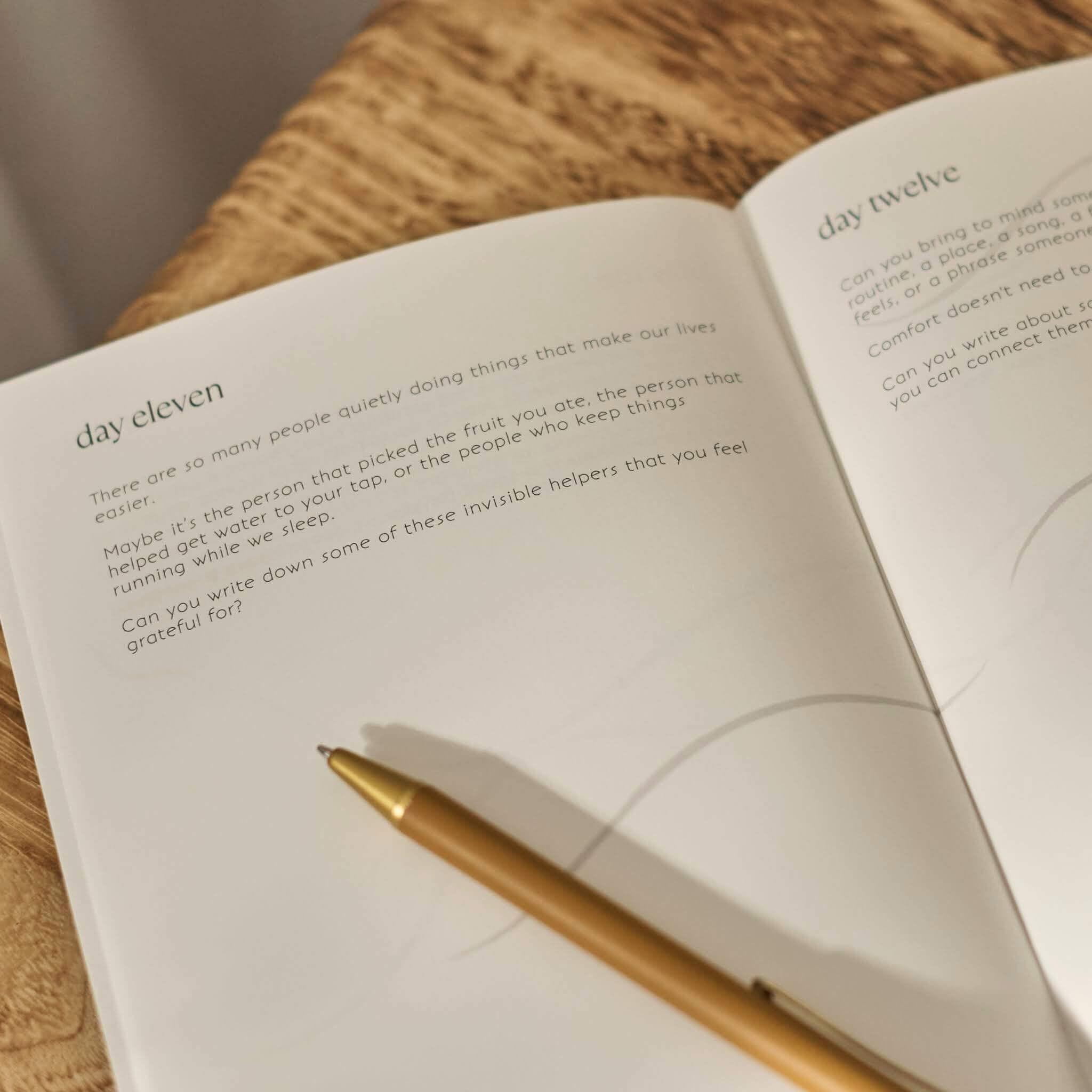
  • "What has challenged you today? Talk to yourself as you would talk to a friend—write down what you would say."
  • "Notice how you are feeling right now. Think about what you would find it helpful to hear—it might help to imagine something a friend would say. Write down words to say to yourself."
  • "Choose an emotion that you have just noticed. Imagine a friend came to you explaining that they feel that emotion. Write down what you would want to say to them."

These aren't just different words—they're prompts specifically designed based on Compassion-Focused Therapy principles to help you respond to yourself with kindness rather than judgment.

Dr. Chris Irons

"This is such a fantastic resource! Supportive, encouraging and containing, whilst also helping people to explore and learn how to manage their emotions with compassion. Highly recommended."

Dr. Chris Irons, DClinPsy

Clinical Psychologist and leading researcher in Compassion Focused Therapy

When Blank Journals Work vs. When Guided Journals Work

This isn't about one being "better" than the other. It's about what serves you in this season of your life.

Blank Journals Work Well When You:

  • Already have strong emotional vocabulary and can identify what you're feeling beyond "good/bad"
  • Have developed self-compassion practices and can write from your compassionate self
  • Have an established relationship with your emotions (they don't feel overwhelming)
  • Aren't currently in a period of high distress or harsh self-talk
  • Enjoy the creative freedom and have clear direction about what to explore
  • Have journaled consistently before and know what works for you

Bottom line: Blank journals are wonderful tools when you already have the foundation.

Guided Journals Work Well When You:

  • Feel stuck staring at blank pages, unsure what to write
  • Your inner critic is loud ("Am I doing this right?")
  • You struggle to identify what you're feeling beyond "stressed" or "bad"
  • You need help writing from compassion, not criticism
  • You want to build skills (emotion vocabulary, self-compassion) while you practice
  • Life feels overwhelming and you need structure without pressure
  • You've tried journaling before and felt worse (likely had wrong type of journal)

Bottom line: Guided journals provide scaffolding while you build the skills blank journals require.

The Bridge: Many people start with guided journals to build foundational skills, then transition to blank journals once those skills feel more natural. And that's a beautiful journey. Other people find they prefer guided journals long-term, and that's equally valid. There's no "should" here—only what supports your wellbeing and helps you befriend yourself right now.

What to Look for in a Guided Journal (When You're Ready)

If you're reading this and thinking "Okay, maybe guided prompts could help me right now," that's self-awareness, not weakness. Recognizing what you need is a strength.

But here's what's crucial: not all guided journals will help. Some will accidentally make things worse. I learned this the hard way when I was trying to find support during my own anxiety recovery.

Here's what to look for (and what to avoid) so you can find a journal that actually supports you:

🚩 Red Flags to Avoid:

  • Repetitive prompts: Same questions every day lead to mechanical, autopilot responses—you stop truly engaging
  • Toxic positivity: Journals that imply difficult emotions are "wrong" or push gratitude when you're genuinely struggling
  • Dated format: Creates guilt every time you miss days, making it another thing you're "failing" at
  • Generic questions: Prompts like "How do you feel?" without support for actually identifying or processing emotions
  • No expert backing: Created without input from mental health professionals or research foundation

✓ Green Lights to Seek:

  • Varied prompts rooted in research: Different questions daily that rotate between gratitude, emotional awareness, self-kindness, and reflection
  • Validates ALL emotions: Not just positive ones—makes space for difficulty without judgment
  • Self-compassion integrated throughout: Prompts specifically designed to help you write from compassion, not criticism
  • Undated format: You can return without guilt when life gets in the way
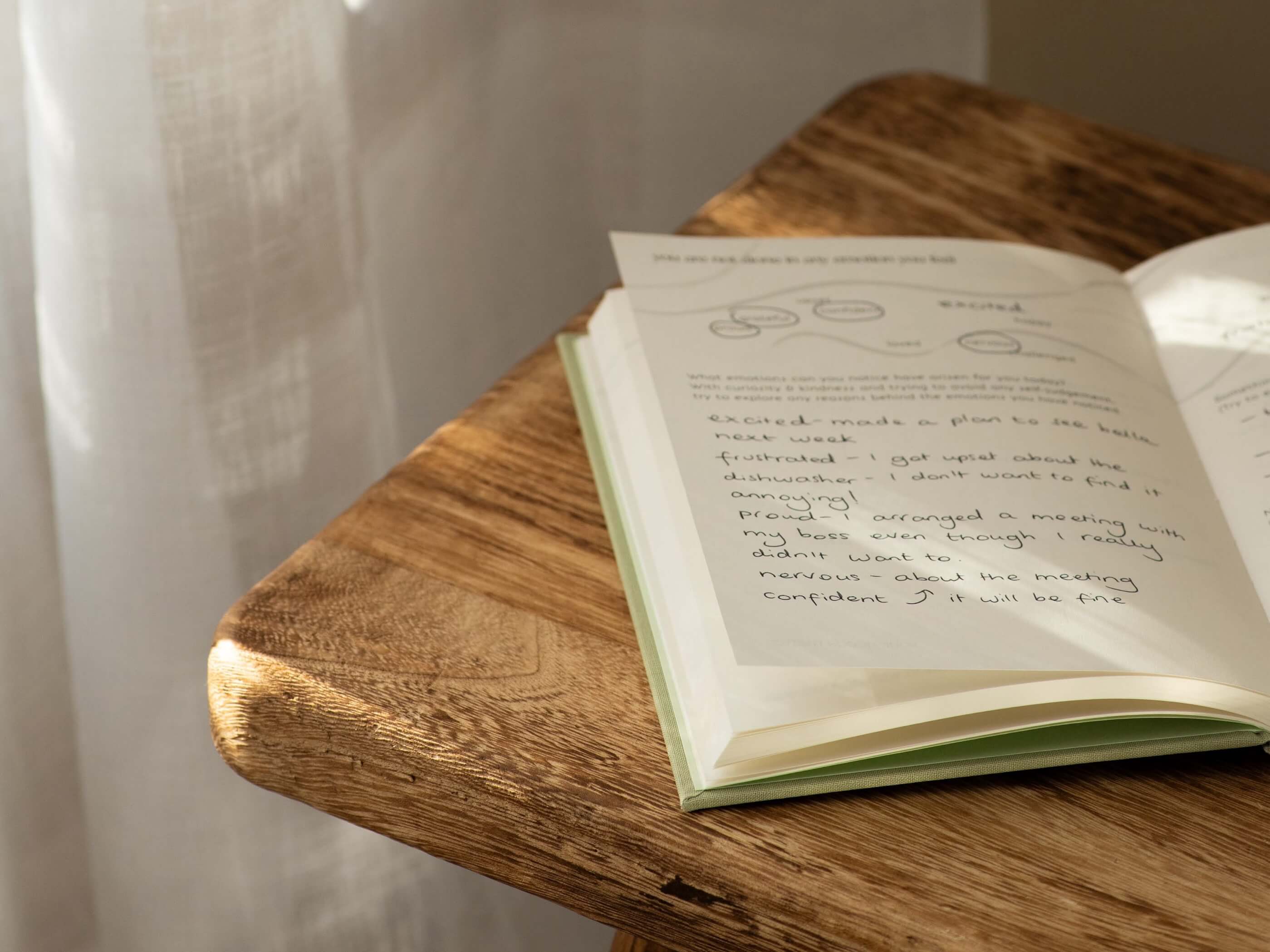
  • Emotional awareness tools: Visual guides or prompts that help you identify what you're feeling
  • Expert validation: Reviewed or recommended by clinical psychologists or mental health professionals

For a detailed breakdown of specific features to look for, see: What to Look for in a Guided Journal for Mental Health

Why I Created a Journal That Works Differently

I want to share my personal experience because I think it might resonate with you.

When I was recovering from anxiety through Compassion-Focused Therapy, blank journals made me feel like I was failing at recovery itself. Every empty page felt like evidence that I couldn't even do self-care "right."

But I tried other guided journals too, hoping they'd help. Instead, I found they created different problems:

  • Repetitive (same prompts daily—I could predict what I'd write)
  • Pushy with toxic positivity ("Just be grateful!" when I was genuinely struggling)
  • Dated (missed three days? Guilt central)
  • Generic (didn't actually help me respond to myself with kindness)

I couldn't find a journal that would guide me to write from compassion instead of criticism. So I created one—not because I'm a therapist (I'm not), but because I needed it myself and thought maybe others did too.

I worked with clinical psychologists to make sure it addressed the real psychological barriers I'd experienced: blank page paralysis, inner critic activation, and the need for genuine emotional support without toxic positivity.

If any of my experience sounds like yours, you're exactly the person I created this journal for.

The Give Yourself Kindness Journal: Created for People Who've Struggled With Blank Pages

After my own experience with blank journals making me feel like I was failing at self-care, I worked with clinical psychologists to create a journal that addresses exactly these struggles. Here's what makes it different:

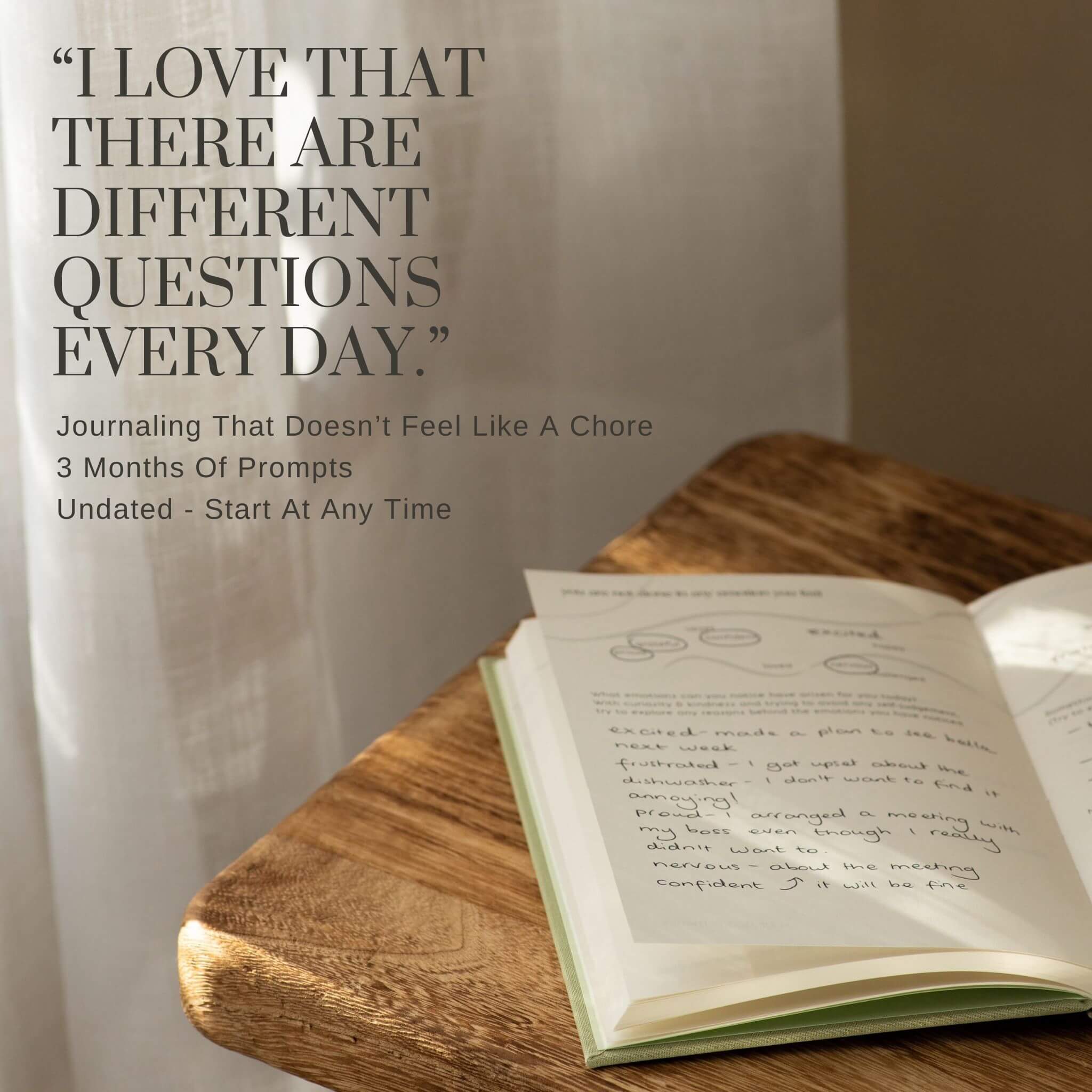
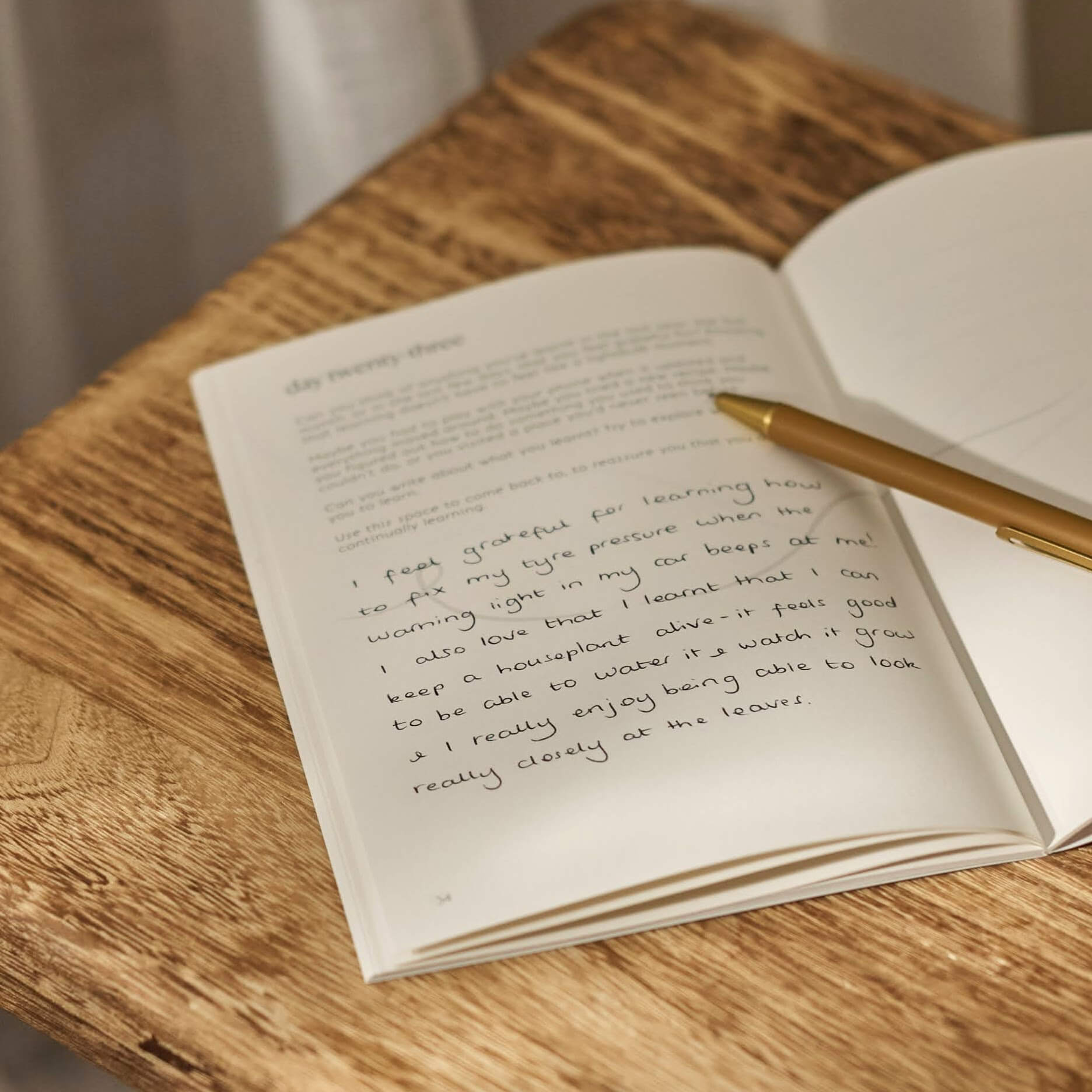
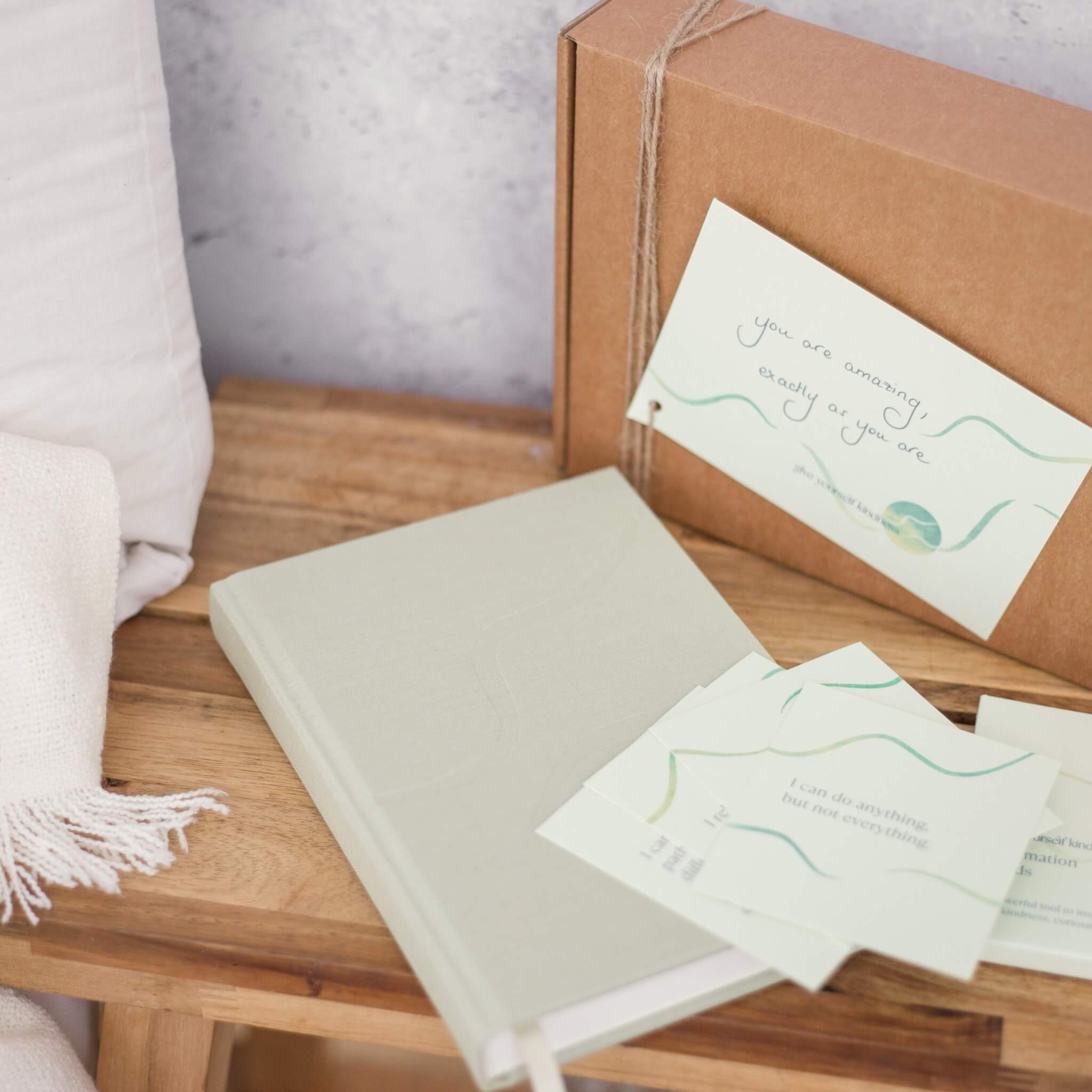
  • 90 completely unique daily prompts — Never repetitive; rotating between gratitude, emotional awareness, self-kindness, and reflection
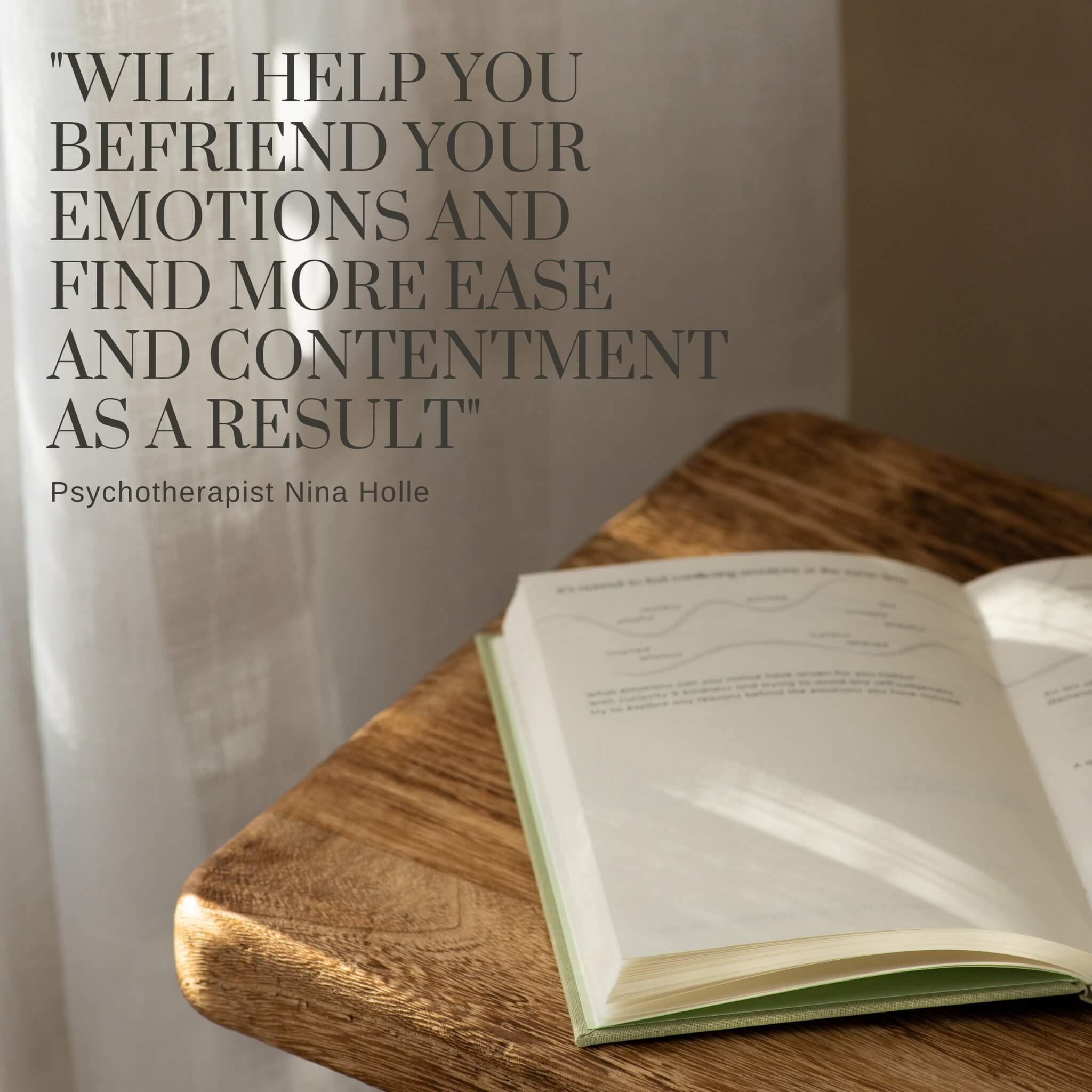
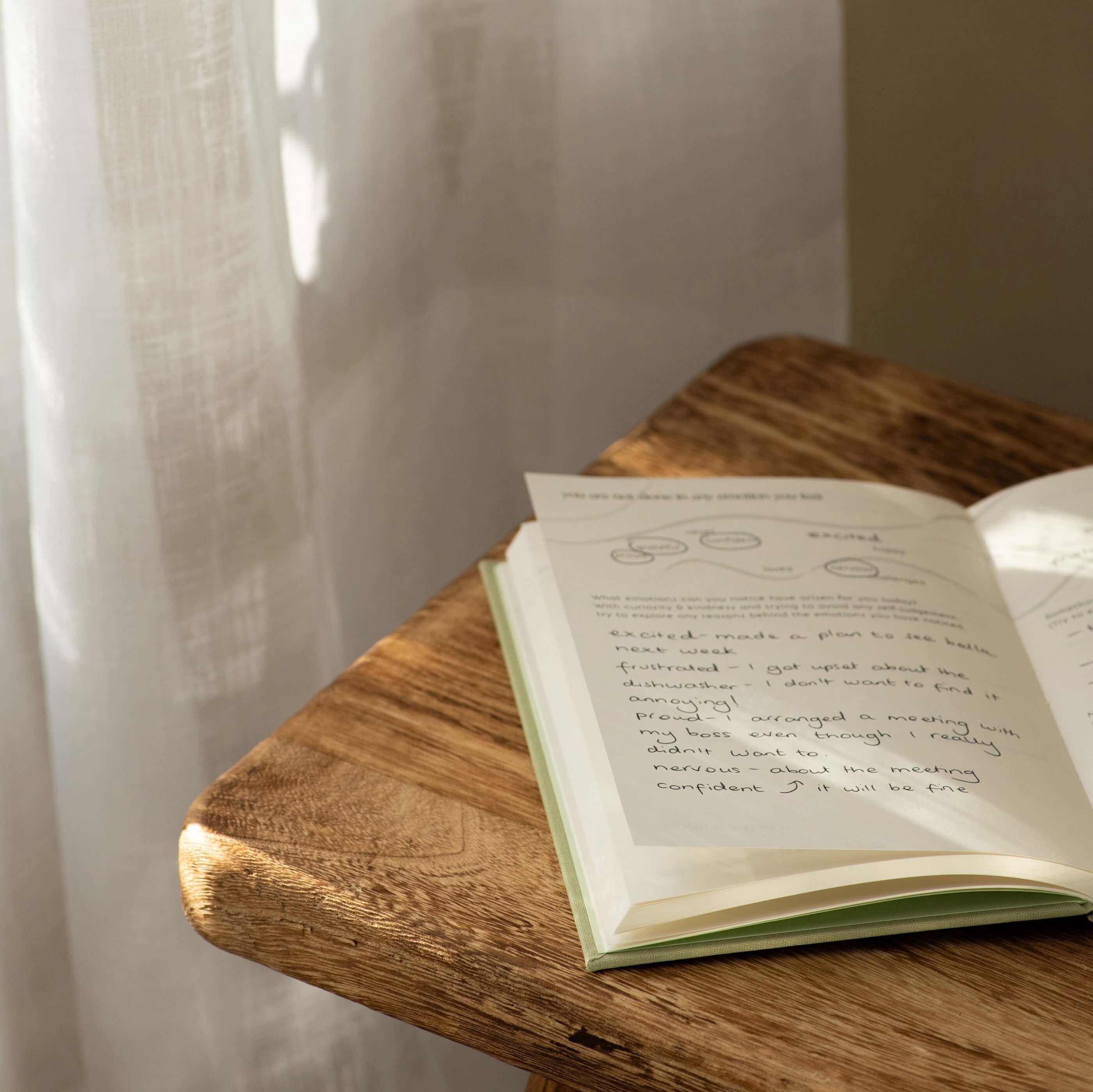
  • Emotional awareness tool on every page — Visual guide to help identify emotions beyond "good/bad"
  • Designed to activate your compassionate self — Prompts explicitly guide you to respond as you would to a friend
  • Validates all emotions — No pressure to be positive when you're struggling; makes space for difficulty
  • Undated format — Return without guilt whenever you're ready; life happens and that's okay
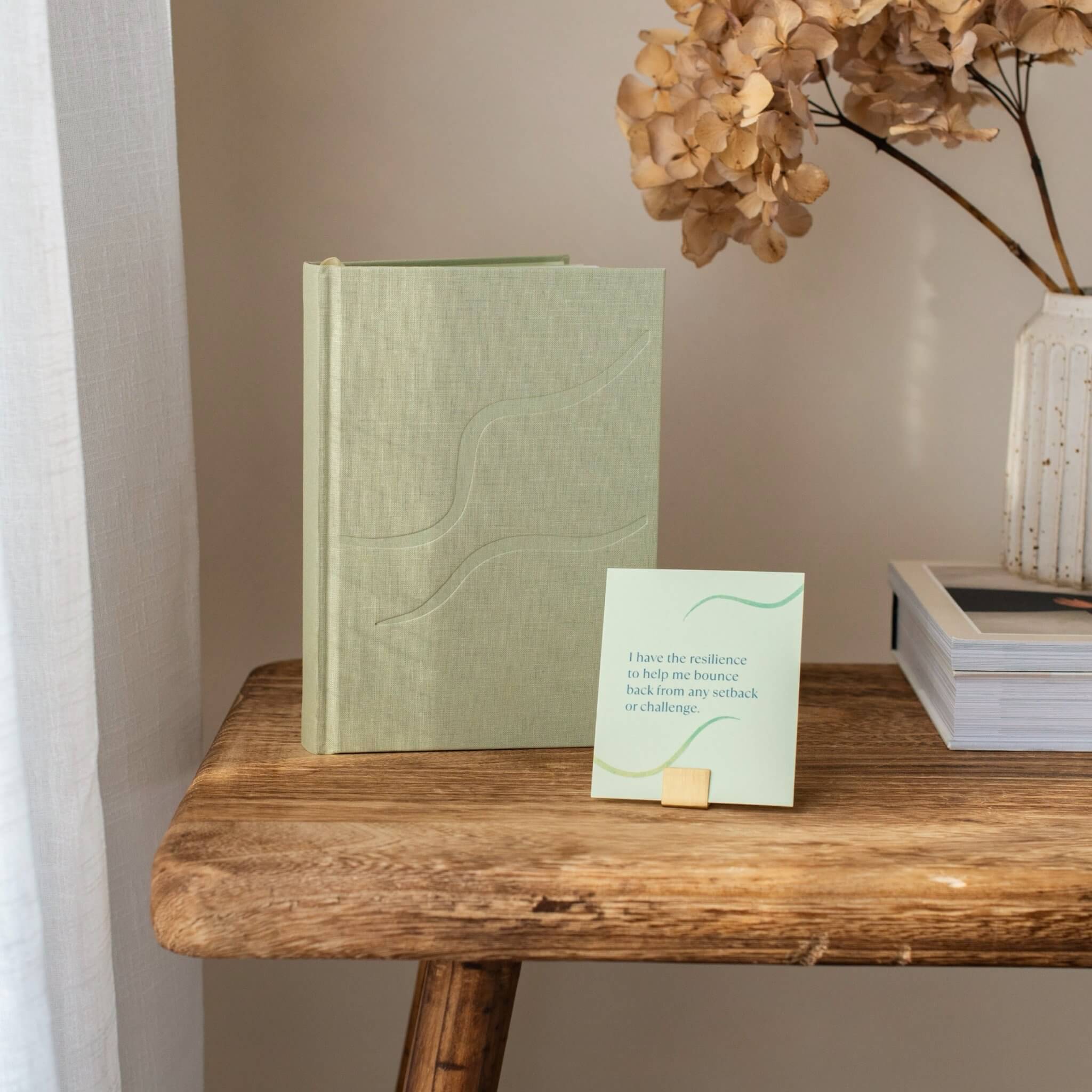
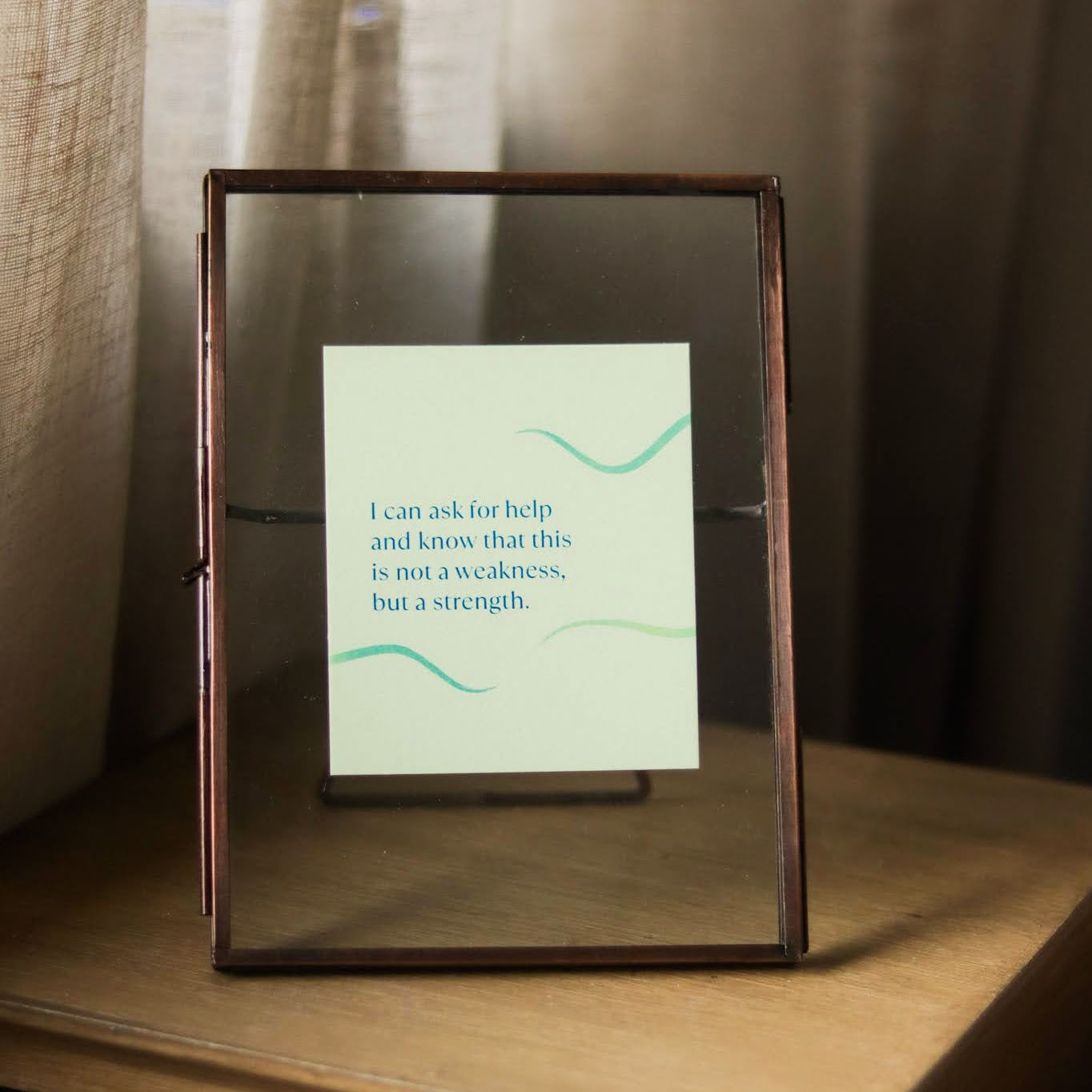
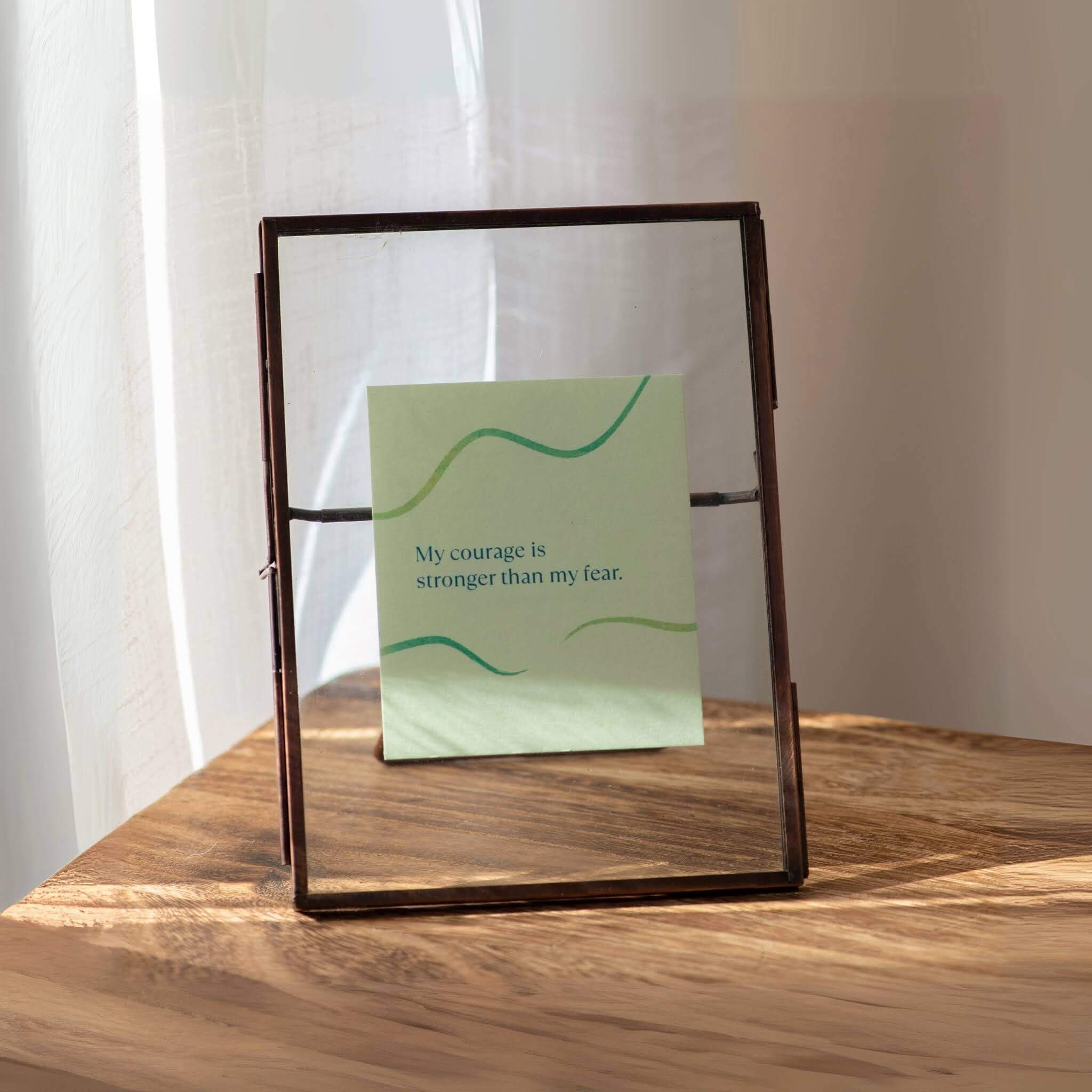
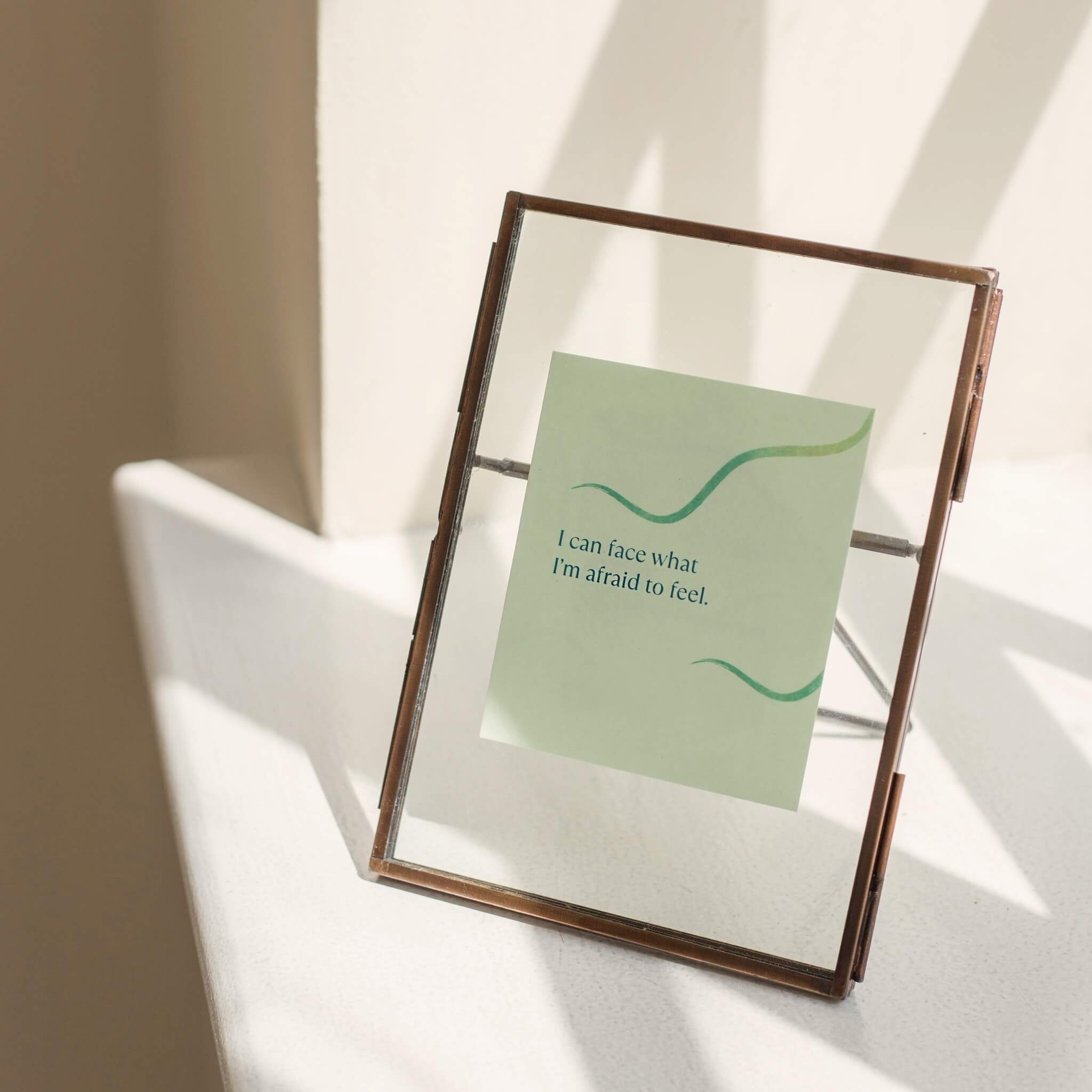
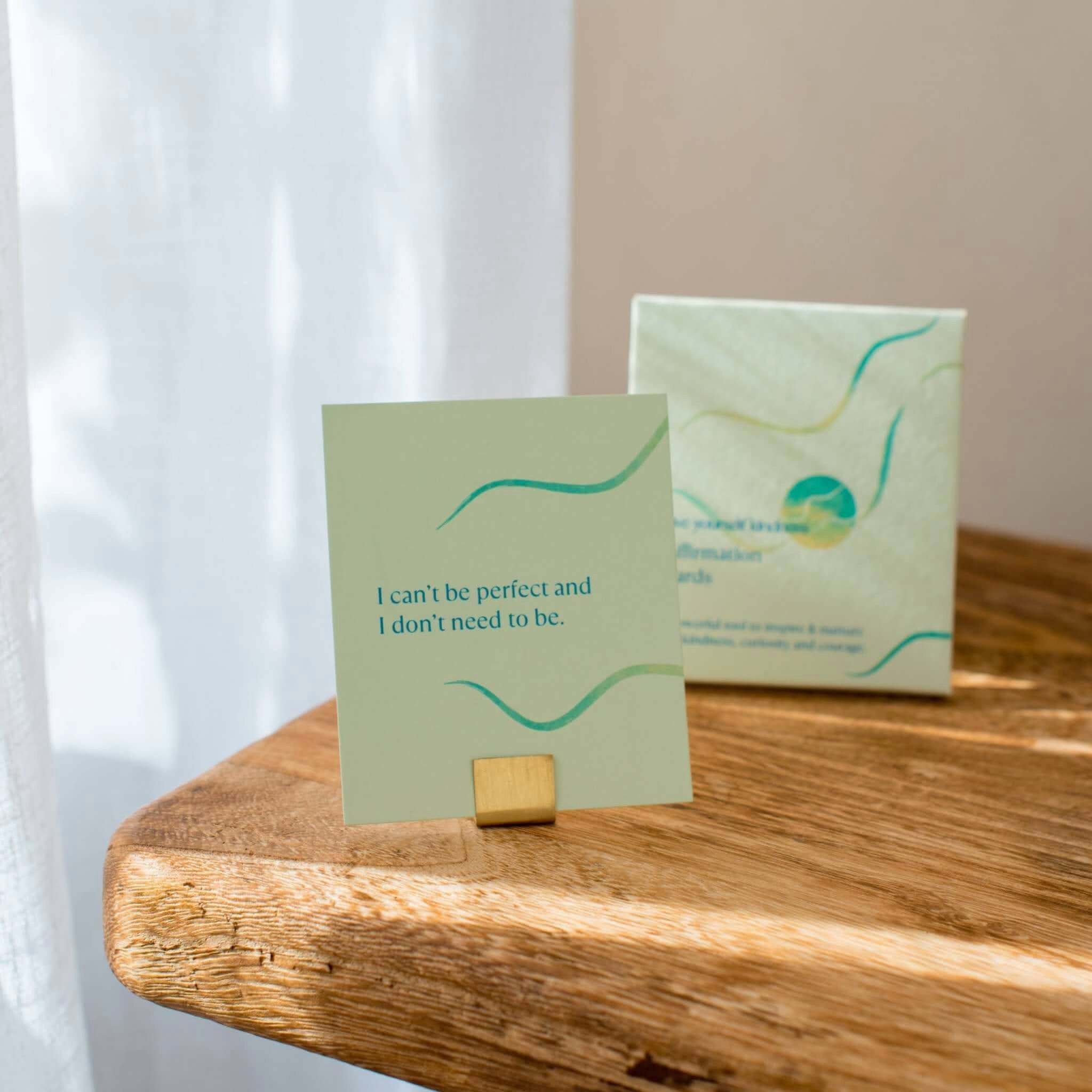
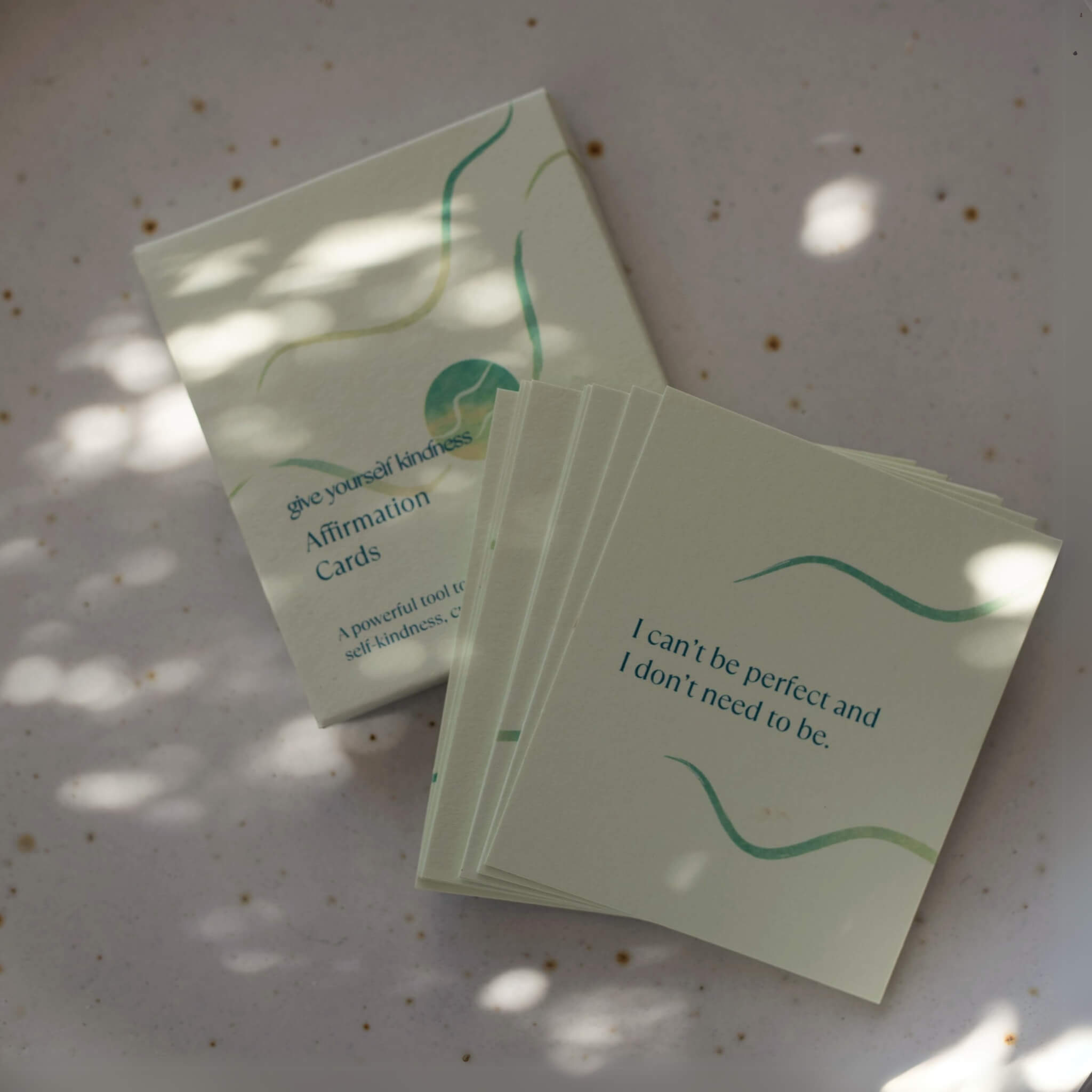
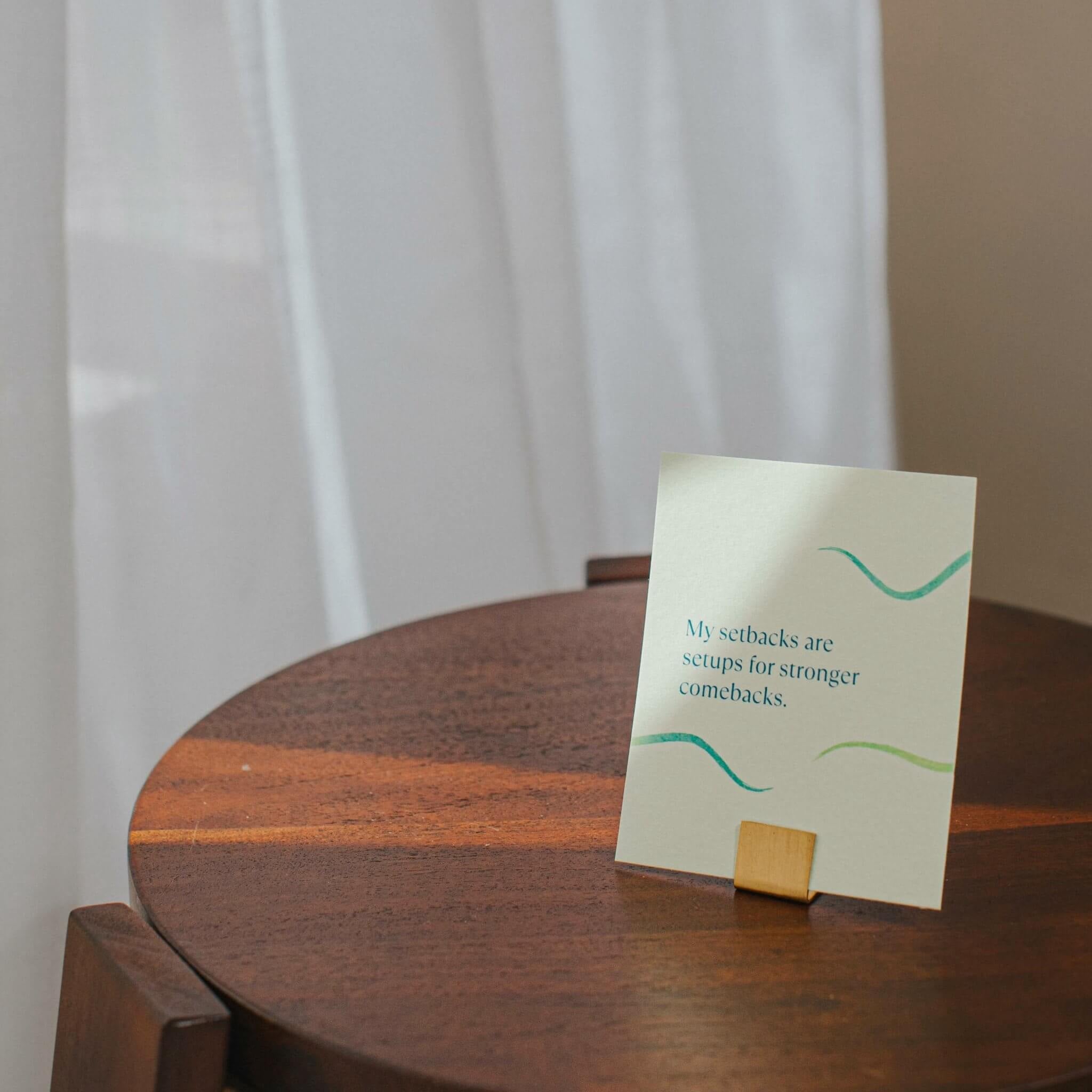
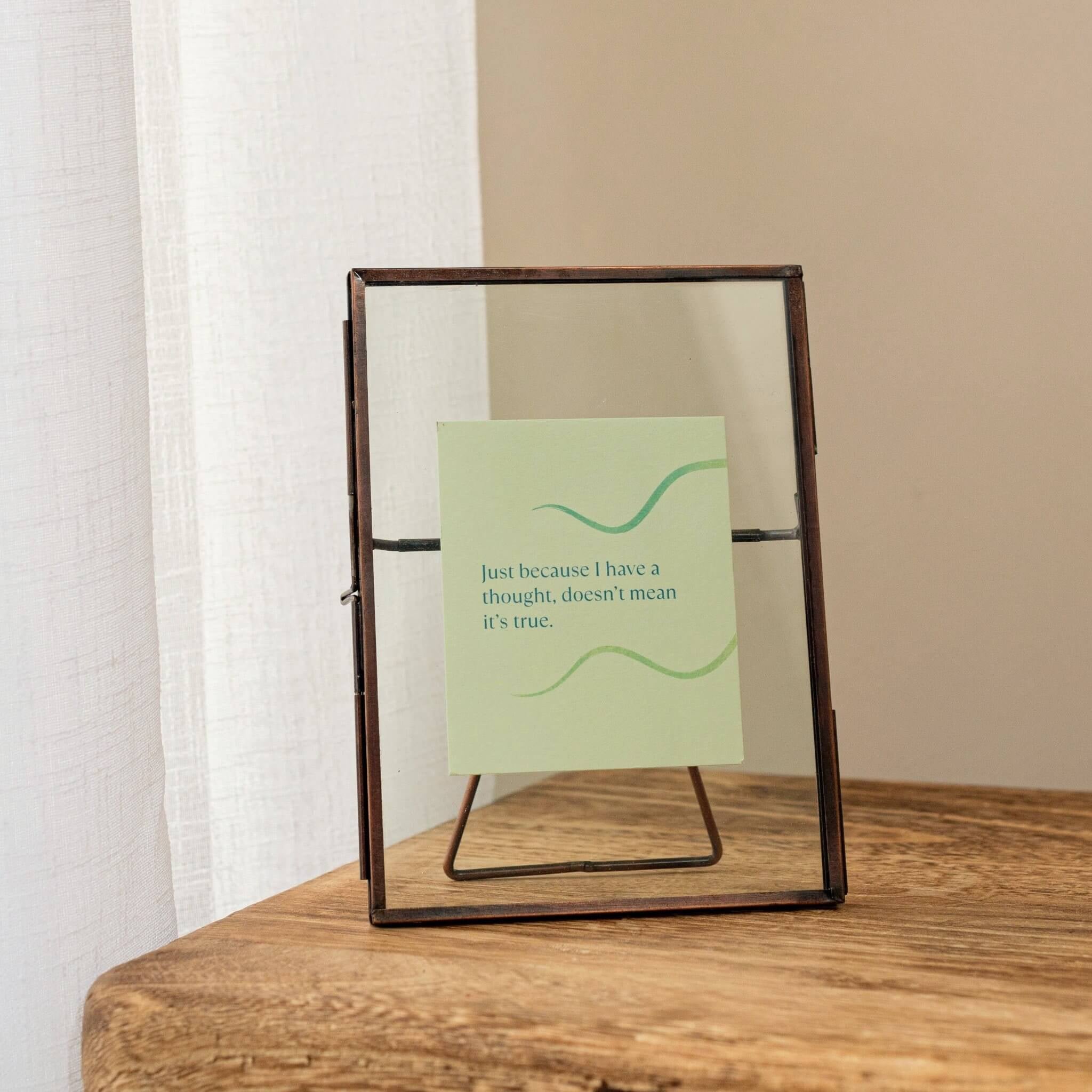
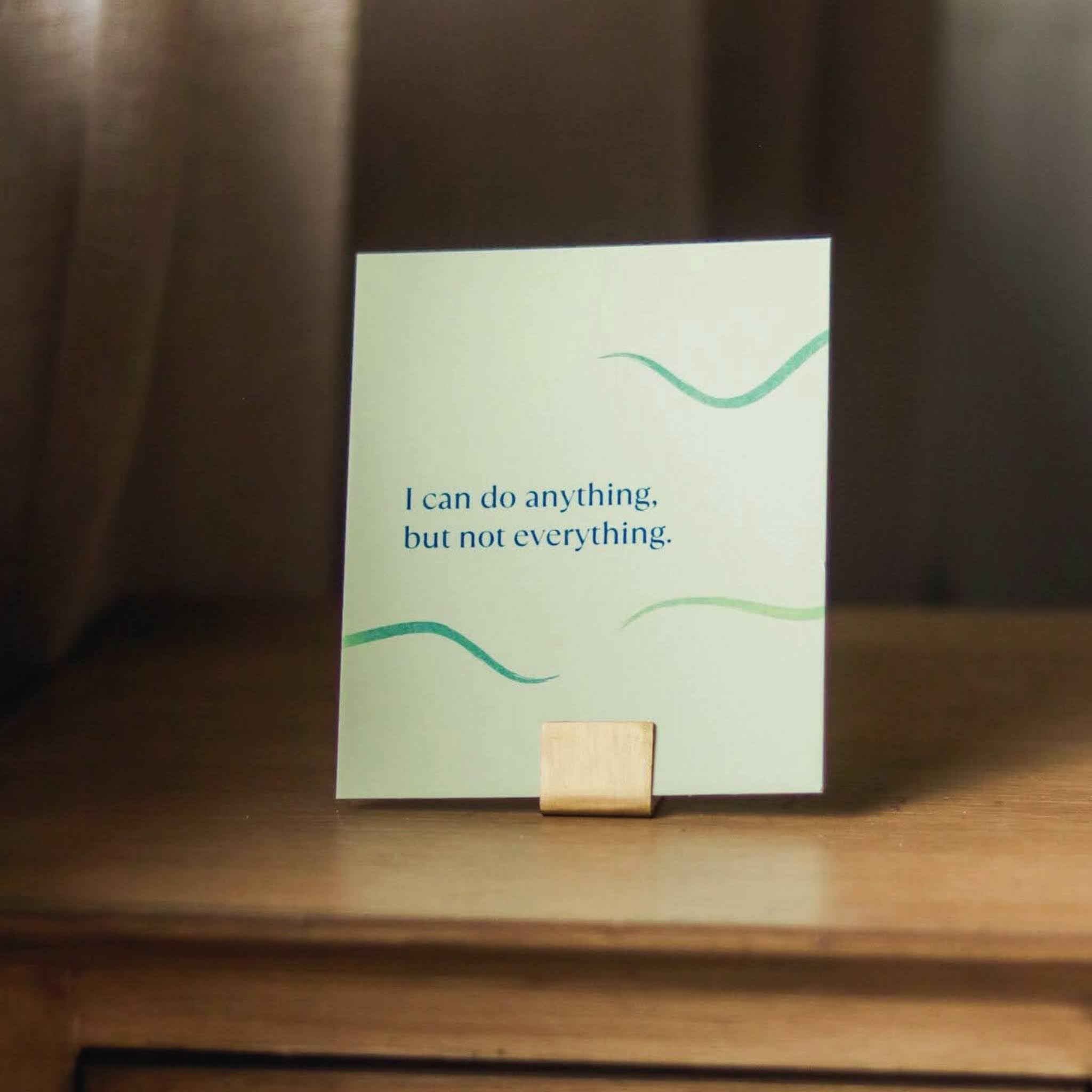
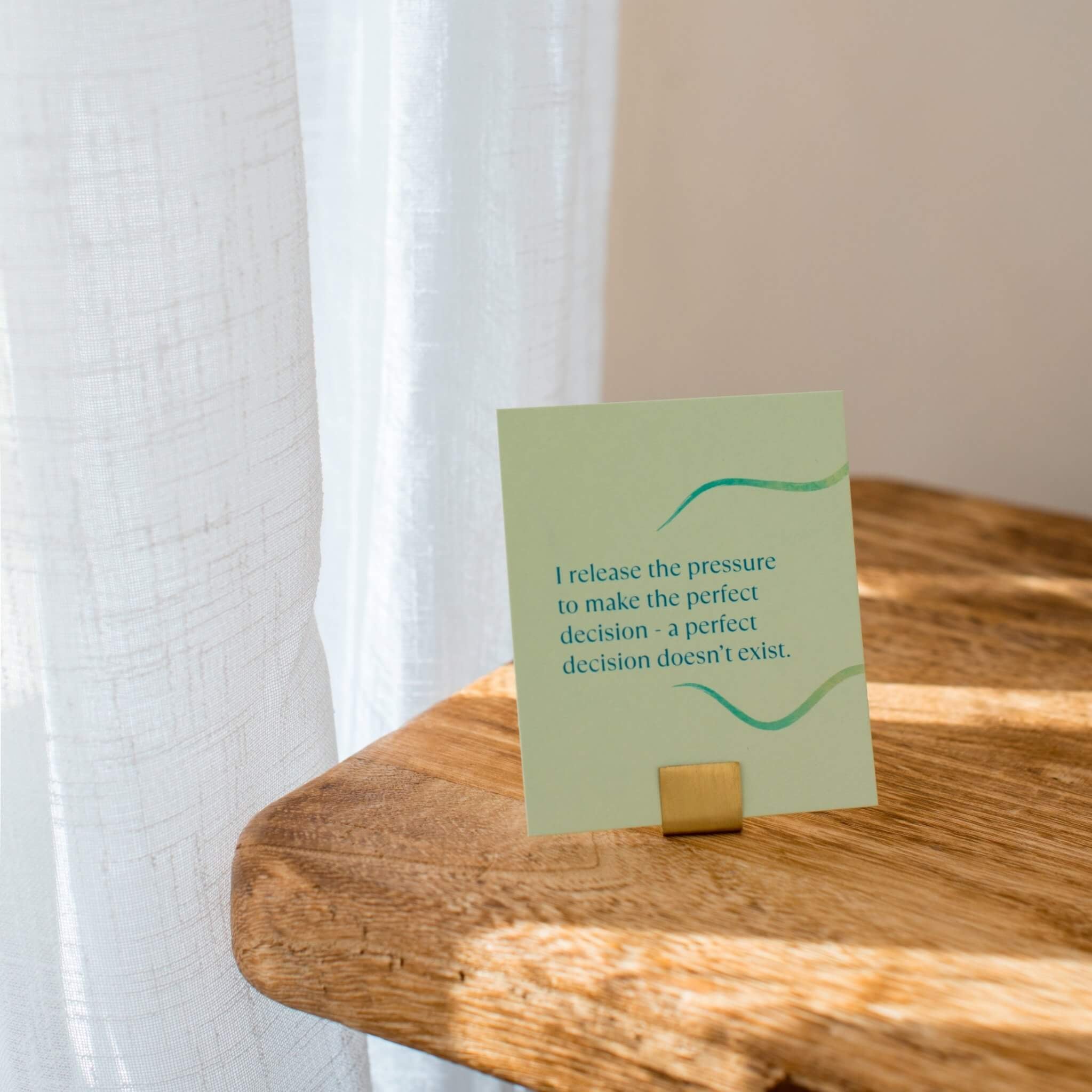
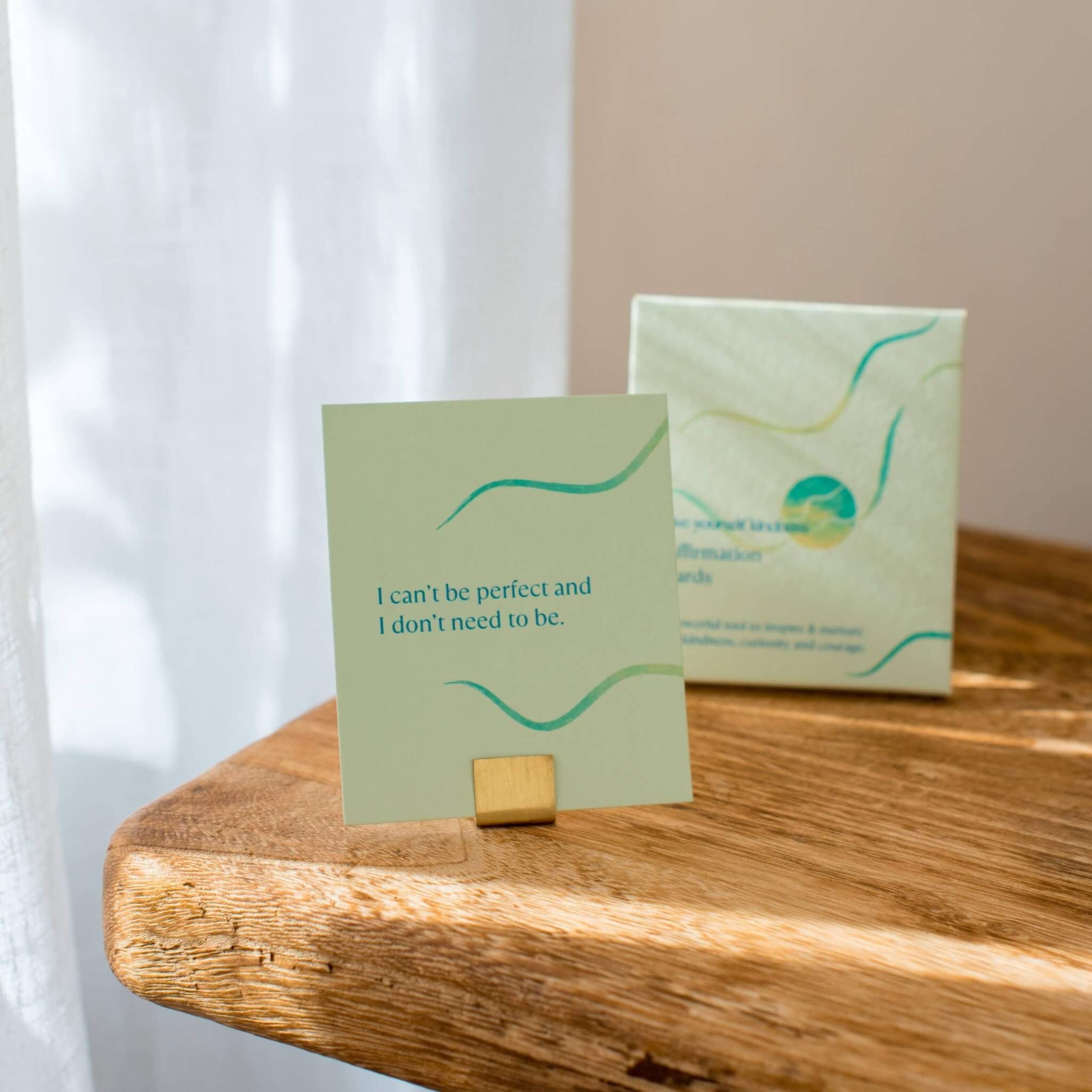
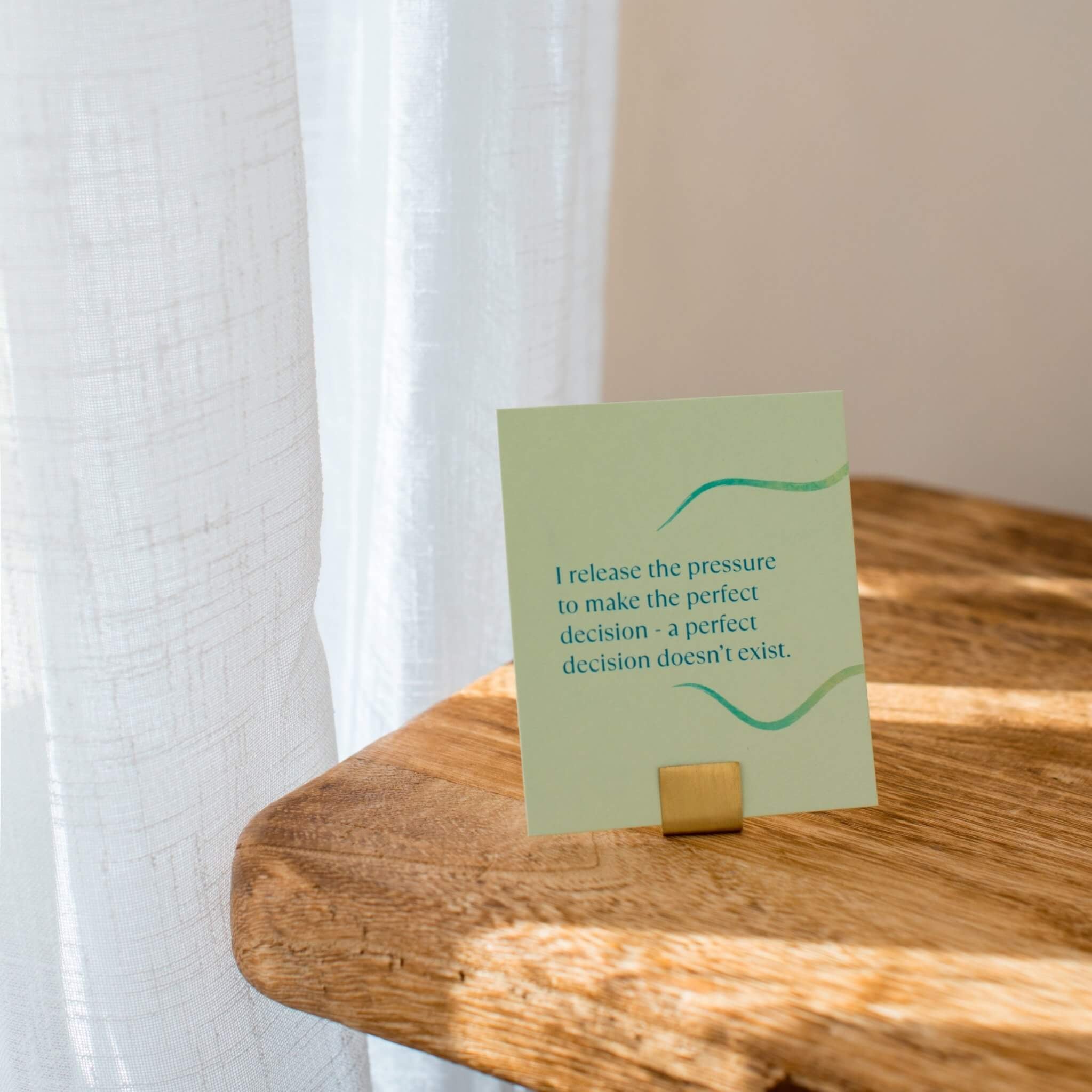
  • Over 50 gentle reminders throughout — "Be careful how you talk to yourself, you are listening" | "You can't be perfect, and you don't need to be"
  • Expert validated — Reviewed and recommended by Dr. Chris Germer (Harvard Medical School), Dr. Chris Irons (CFT researcher), Professor Willem Kuyken (Oxford University)
Dr. Chris Germer

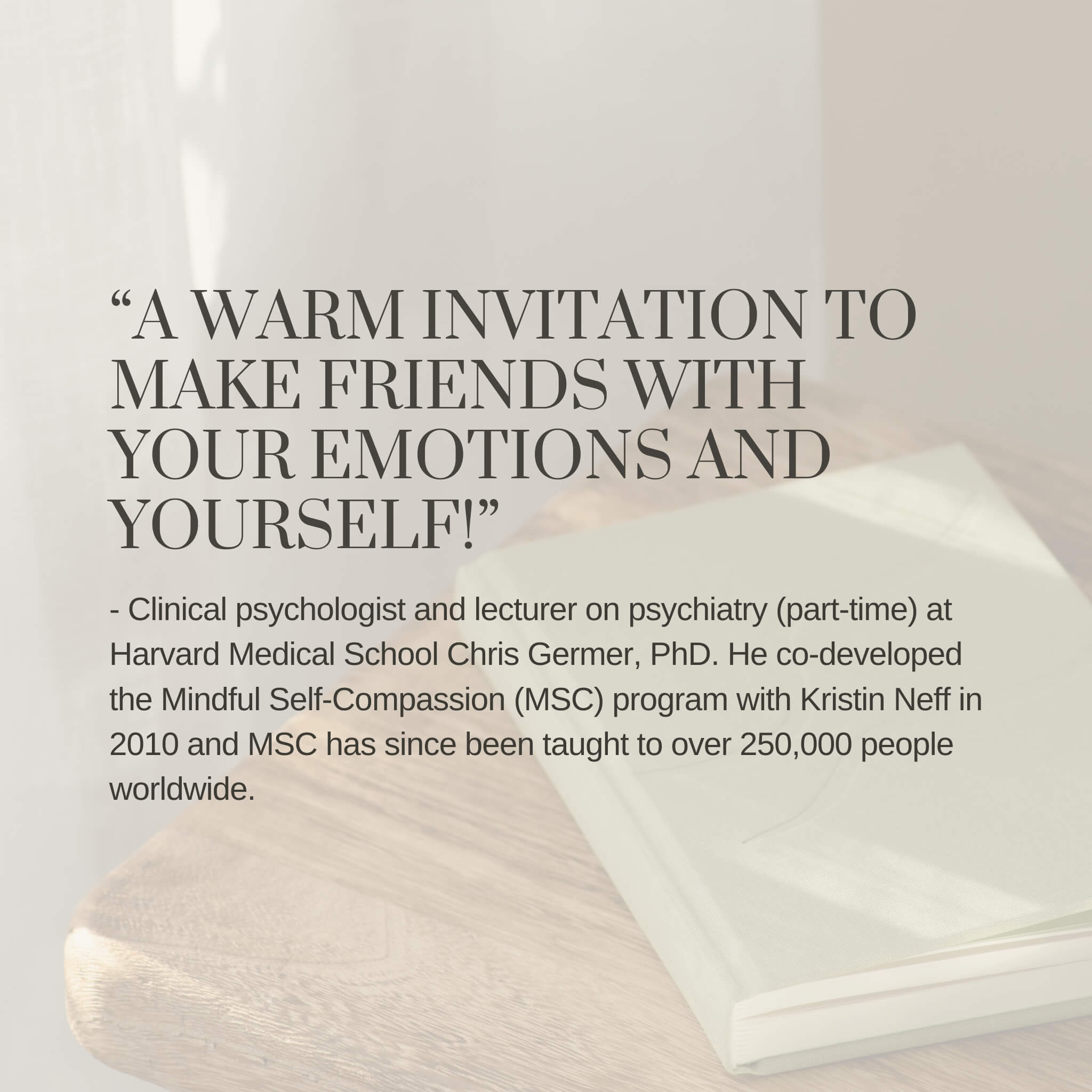
"A warm invitation to make friends with your emotions and yourself!"

Dr. Chris Germer, PhD

Clinical Psychologist, Harvard Medical School | Co-developer of the Mindful Self-Compassion (MSC) program taught to 250,000+ people worldwide

Therapists worldwide now use this journal with their clients—not because I'm a therapist (I'm not), but because mental health professionals validated that it addresses the real barriers to journaling when you're struggling, including blank page overwhelm and inner critic activation.

If you've ever felt alone in your struggle with journaling, or like maybe you're just "bad at self-care," I want you to know: you're not alone, and there are tools designed specifically for where you are right now.

Learn More About the Journal → Read What Experts Say →

Getting Started: You Don't Have to Figure This Out Alone

If You Choose Guided Journaling:

  • Start small: One prompt, 5 minutes. That's enough. Really.
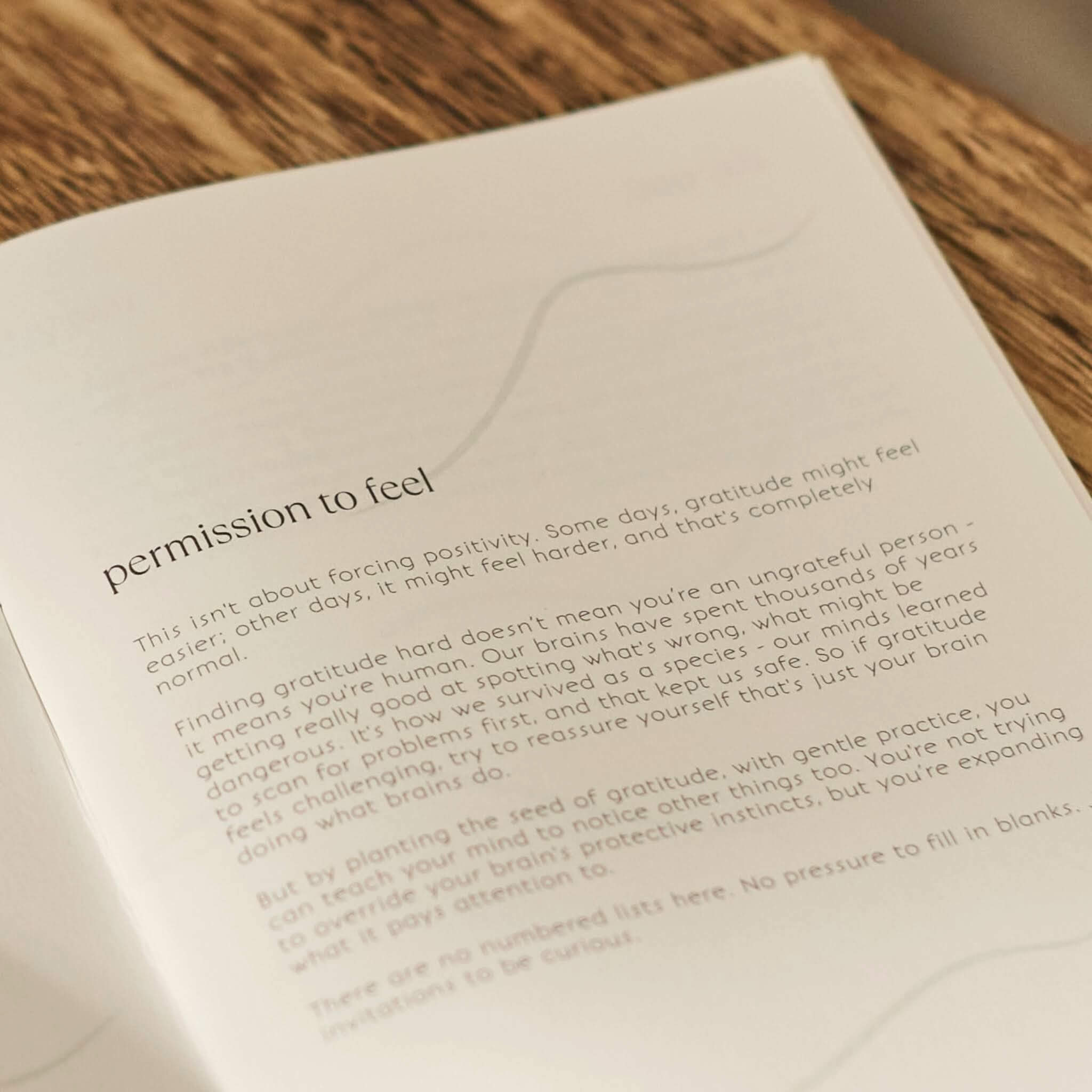
  • Let go of "doing it right": There are no wrong answers. Some days you'll write pages; some days a few sentences. Both are completely fine.
  • Missing days is okay: Life happens. This is why undated formats exist. You can return when you're ready without any guilt.
  • Notice when your inner critic shows up: If you catch yourself thinking "I'm doing this wrong," that's useful information—not evidence you're failing. Just notice it with kindness.
  • Be patient with yourself: Building self-compassion is like building any skill. It takes practice, not perfection. You're doing better than you think.
For specific guidance on using journaling to shift from self-criticism to self-compassion: How to Use Journaling to Change Negative Self-Talk

If You Want to Try Blank Journaling:

  • Build structure for yourself: Create your own prompts to lean on, like "Today I noticed I felt _____ when _____. What I needed was _____."
  • Start with emotion identification: Use emotion wheels or guides to build your vocabulary first—this makes blank journaling much less overwhelming
  • Practice self-compassion separately: Develop this skill through other practices before relying on it in blank journaling
  • Consider a hybrid approach: Use guided journals for deeper emotional processing, blank journals for quick daily notes. You can do both!
  • Know you can return to guided anytime: Using guided prompts during difficult seasons isn't "going backward"—it's meeting yourself where you are with compassion

Common Questions About Blank vs. Guided Journals

Q: Why do blank journals feel impossible for me but not for other people?

First: they actually struggle for many other people too. You just don't see their empty journals or hear about their guilt. Social media shows us the beautiful journal spreads, not the reality of blank pages and self-judgment.

But here's the truth: Different people are at different stages with different skills. Some people naturally developed strong emotional vocabulary growing up, or they've been practicing self-compassion for years. Others (like me during my anxiety recovery) found that blank pages triggered their inner critic.

This isn't about capability or being "good enough." It's about what skills you currently have access to versus what blank journaling requires. And that changes! Many people who now love blank journals started with guided ones to build foundational skills first. There's no shame in needing different support right now.

Q: Will I always need guided prompts to journal?

Not necessarily. Many people use guided journals to build skills—learning to identify emotions, practicing self-compassion, developing their reflective voice—and then transition to blank journals once those skills feel more natural.

Some people find they prefer guided journals long-term, and that's completely valid too. The goal is supporting your wellbeing, not proving you can journal "without help."

Q: I've tried gratitude journals and felt worse. Will guided journals be different?

It depends on the journal. Many gratitude journals accidentally reinforce toxic positivity—forcing you to "just be grateful!" when you're genuinely struggling can feel invalidating and make you feel more broken.

Look for journals that:

  • Validate ALL emotions, not just positive ones
  • Integrate gratitude in flexible, varied ways (not rigid daily lists)
  • Use self-compassion principles alongside gratitude
  • Make space for difficulty without judgment

Research shows self-compassion is more effective than forced positivity for improving mental health. The right guided journal helps you hold both struggle and appreciation—which is what being human actually looks like.

Q: What if guided journals feel too structured or rigid?

This is a valid concern! Rigid structure can feel constraining. That's why format matters:

  • Undated journals: No guilt when you skip days or write in your own order
  • Varied prompts: Rotation between different types of reflection keeps it from feeling mechanical
  • Permission to skip: If a prompt doesn't resonate on a particular day, that's useful information too

The goal is support, not rules. The right guided journal should feel like scaffolding, not a cage.

Q: How do I know which type of journal is right for me right now?

Ask yourself honestly (with compassion, not judgment):

  • When I think about opening a blank journal, do I feel excited or anxious?
  • Can I easily identify what I'm feeling beyond "good" or "bad"?
  • When I write freely, does my inner critic dominate, or can I write kindly to myself?
  • Do I know what I want to explore, or does everything feel unclear?

If blank journals feel intimidating right now, that's not weakness—it's self-awareness. Honor where you are. You can always revisit blank journals later when you've built more foundational skills.

Q: Is using guided journals "cheating" or taking the easy way out?

Absolutely not. This belief often comes from the same inner critic that makes blank journals difficult in the first place.

Guided journals are tools—like using a recipe when learning to cook or training wheels when learning to bike. They provide support while you build skills. Therapists actively recommend guided journals to clients because they work.

The goal is emotional wellbeing, not proving you can journal without support. Use whatever tools help you befriend yourself.

Expert Resources to Deepen Your Understanding

Remember

Blank journals aren't better or more "real" than guided journals. They're just different tools that serve different needs.

If blank journals feel impossible right now, that's not evidence that you're failing at self-care or that something's wrong with you. It's evidence that you need a different kind of support right now—one that helps you write from compassion instead of criticism.

The goal isn't perfect journaling. The goal is befriending yourself. And whatever supports that is absolutely the right choice for you.

You deserve tools that actually work for you—not tools that make you feel like you're doing self-care "wrong" or like journaling "just isn't for you."

You're not broken. You're not alone. And you're exactly where you need to be.

About the Author

Rachel Smith (DipBSoM) is a qualified meditation teacher trained with the British School of Meditation, passing with distinction. After her own experience with harsh self-talk and Compassion-Focused Therapy, she created the Give Yourself Kindness journal and worked with clinical psychologists to ensure it was grounded in research. The journal has since been recommended by experts from Harvard Medical School and the University of Oxford and is used by therapists with clients worldwide.

guided wellness journal give yourself kindness
give yourself kindness journal
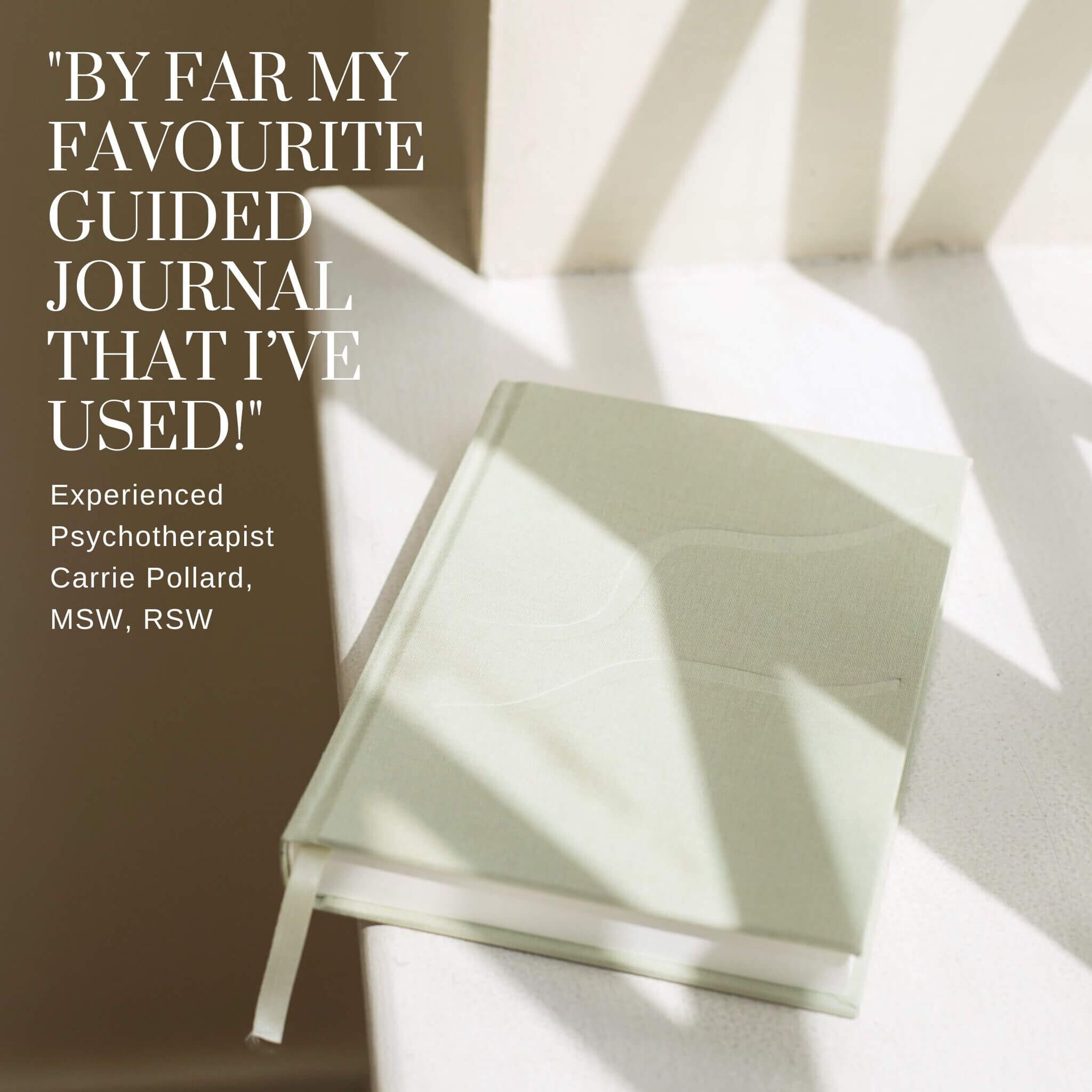
experienced psychotherapist Carrie Pollard, MSW RSW

“By far my favourite guided journal that I’ve used!”

There's a lot of journals out there. Most of which include tools that can be repetitive, boring or unhelpful. Give Yourself Kindness is about creating something new.