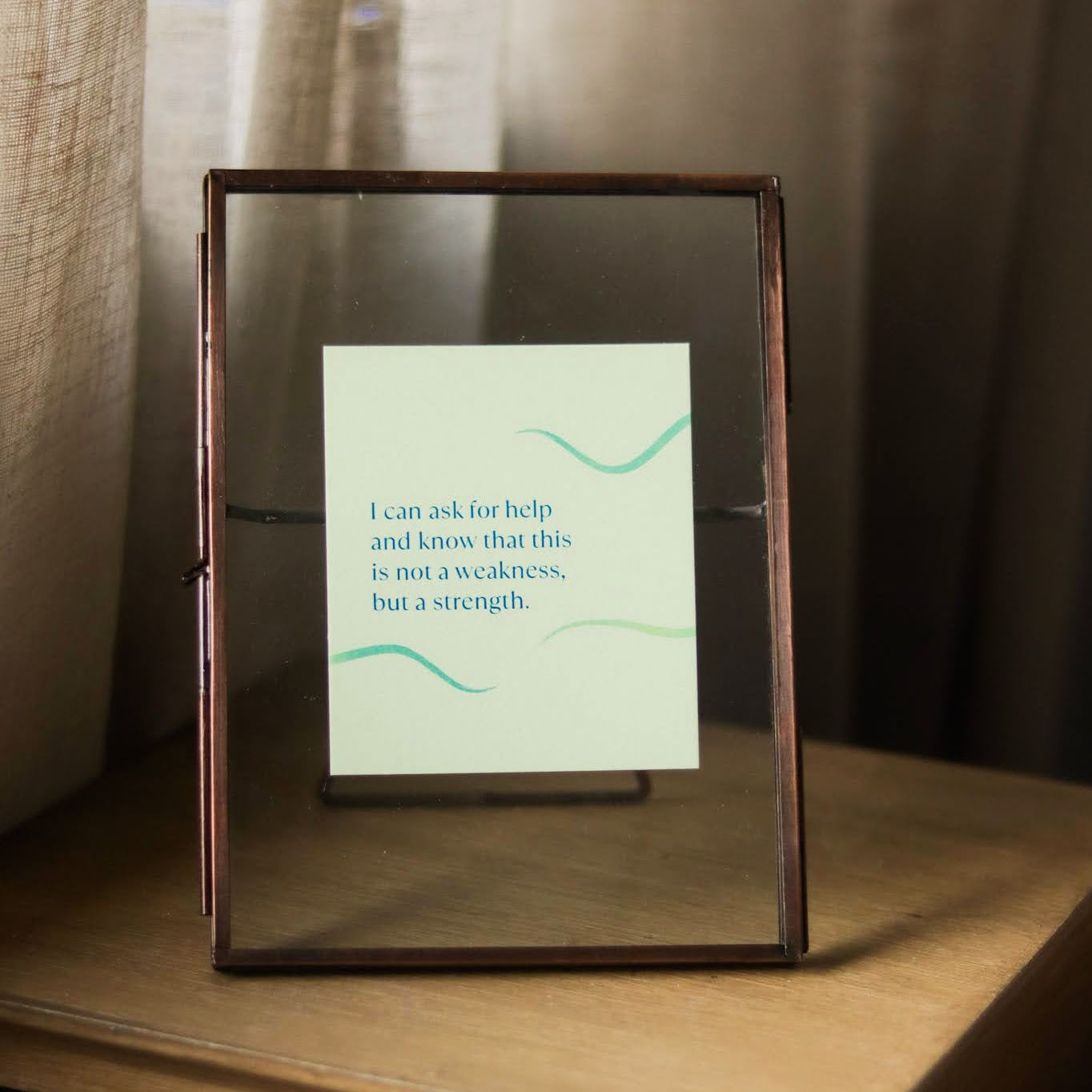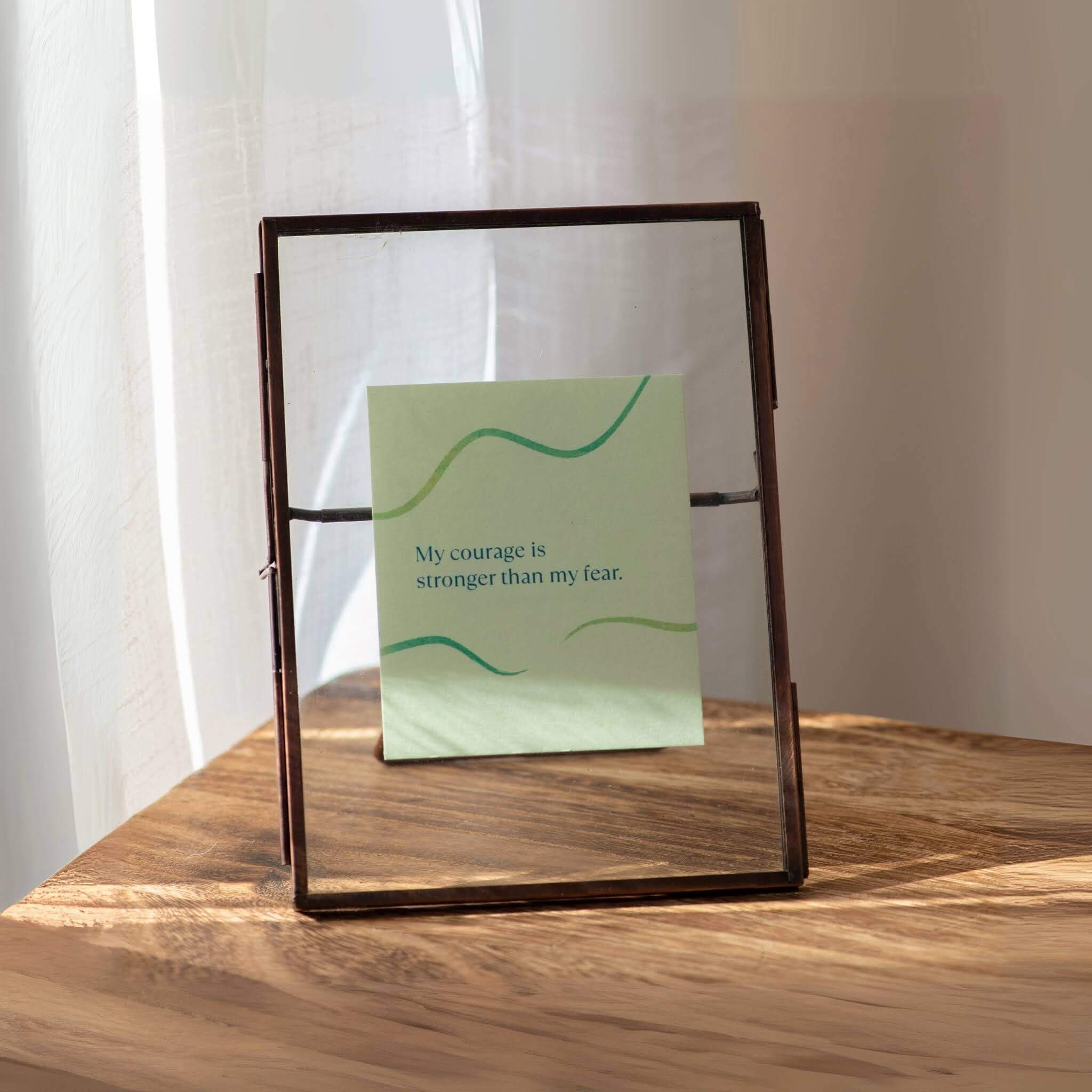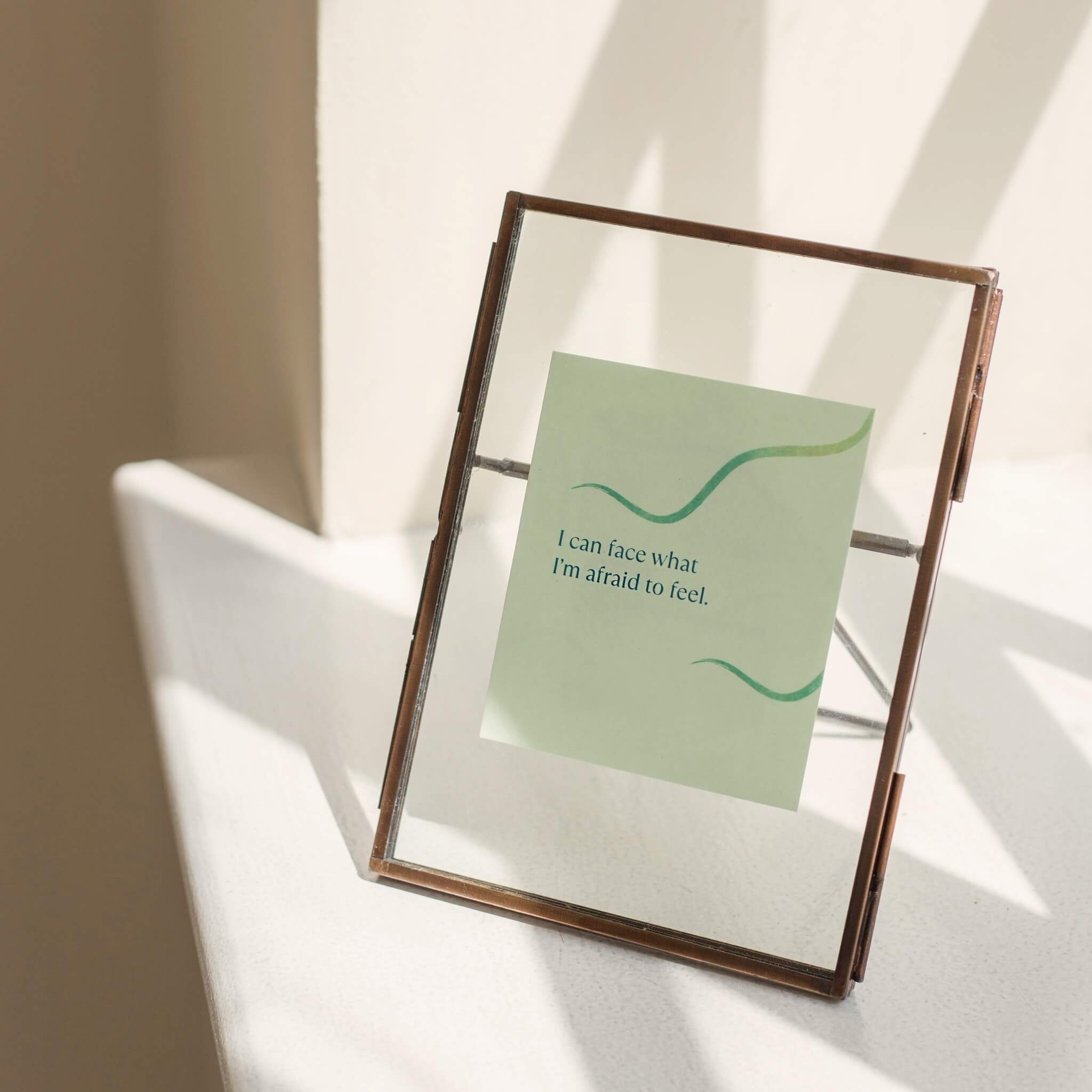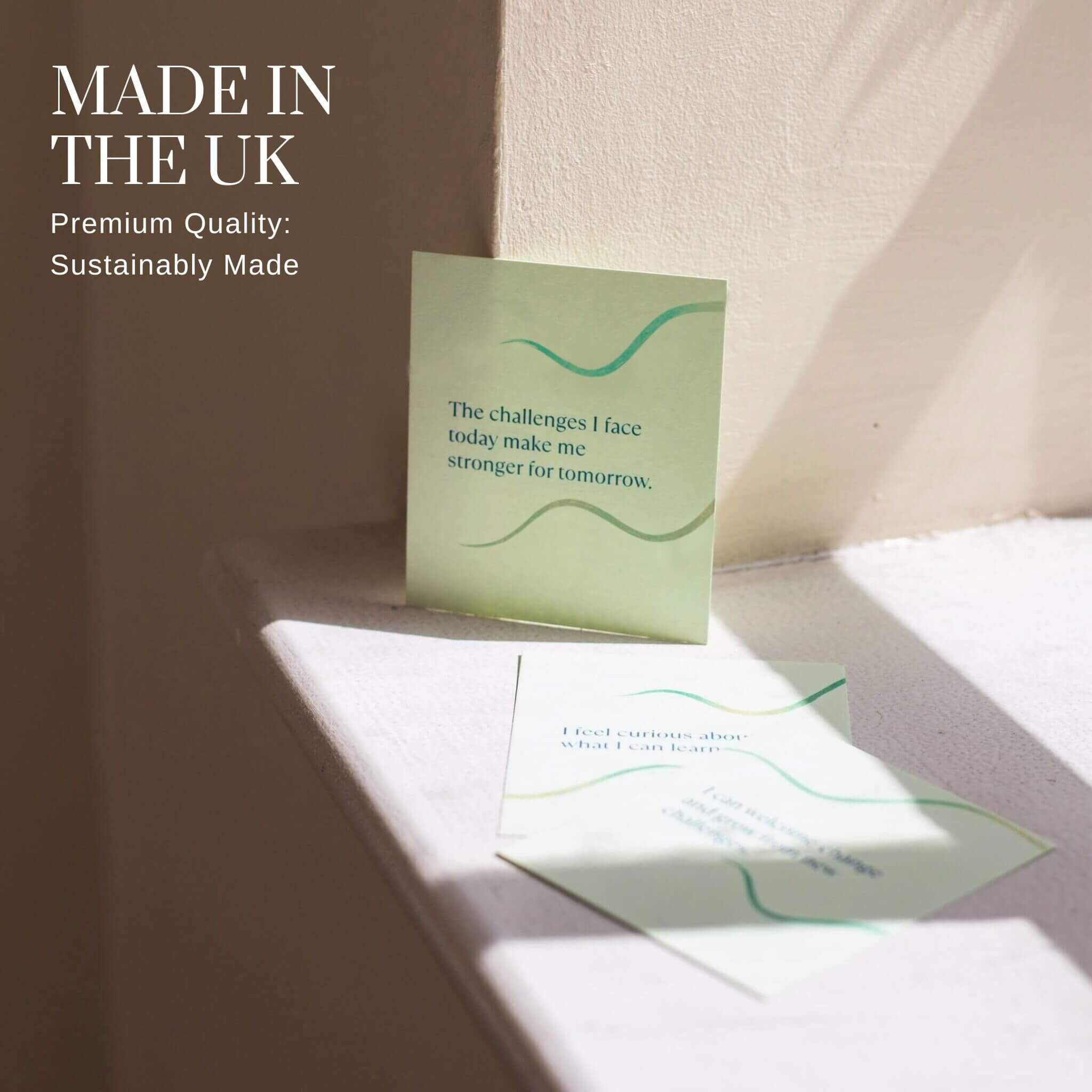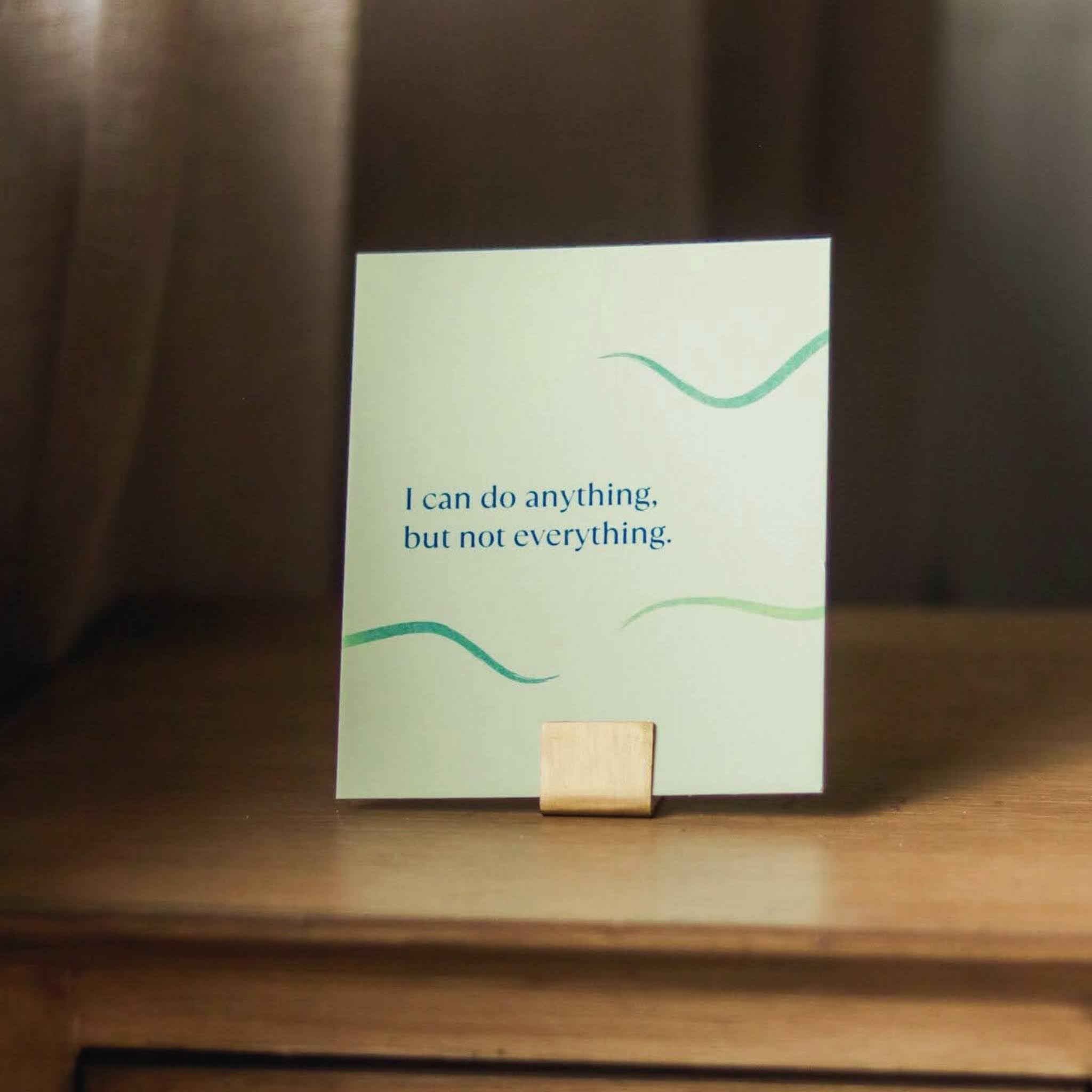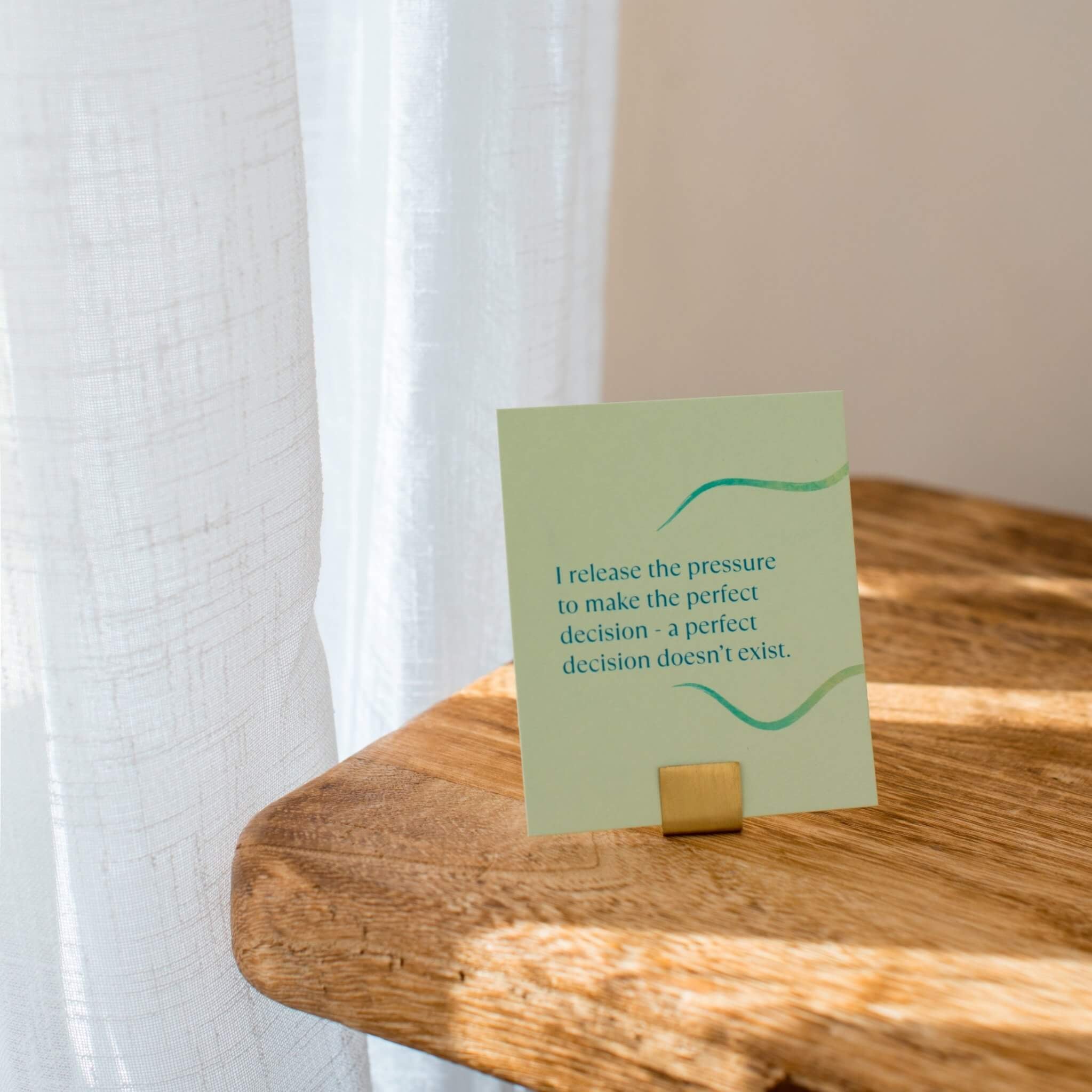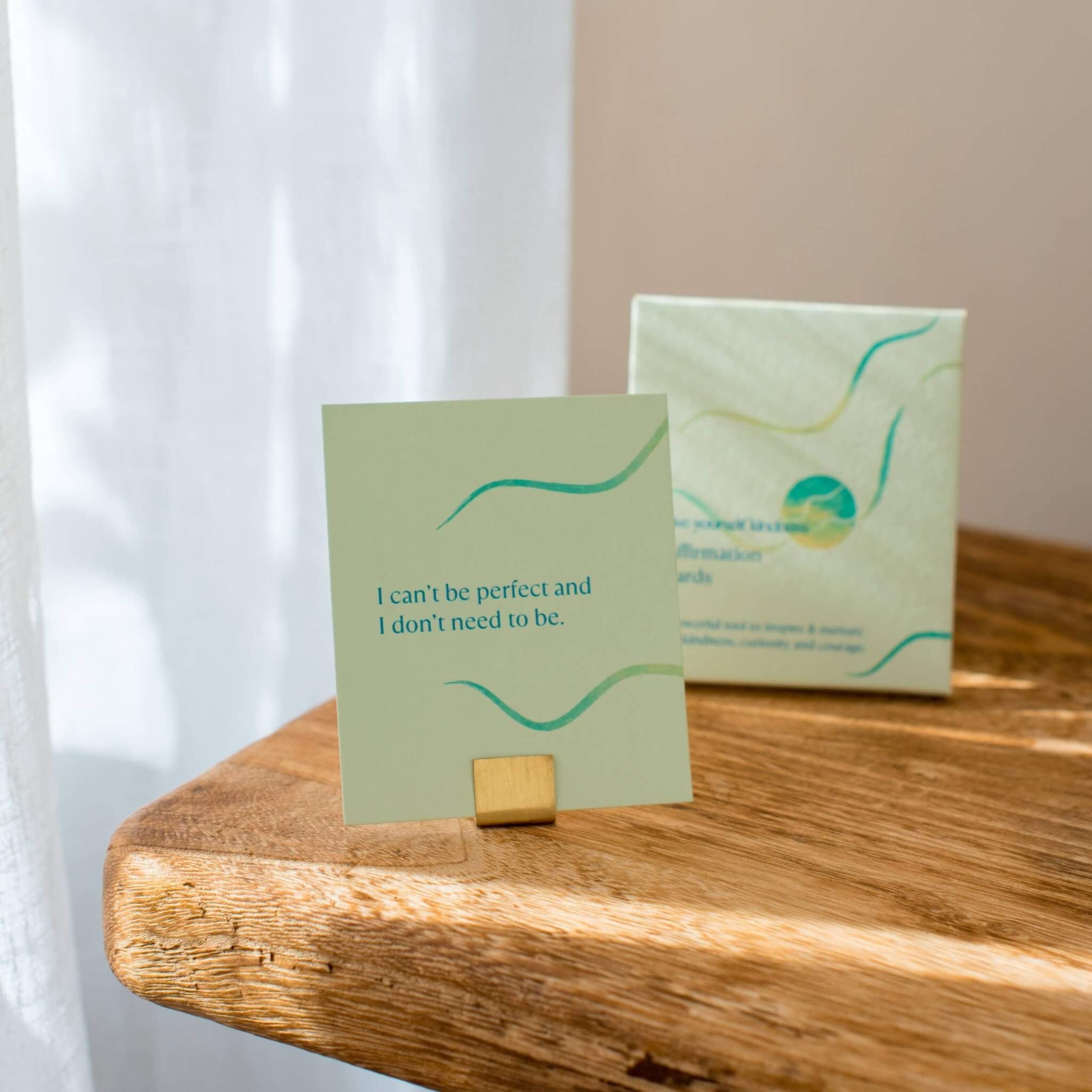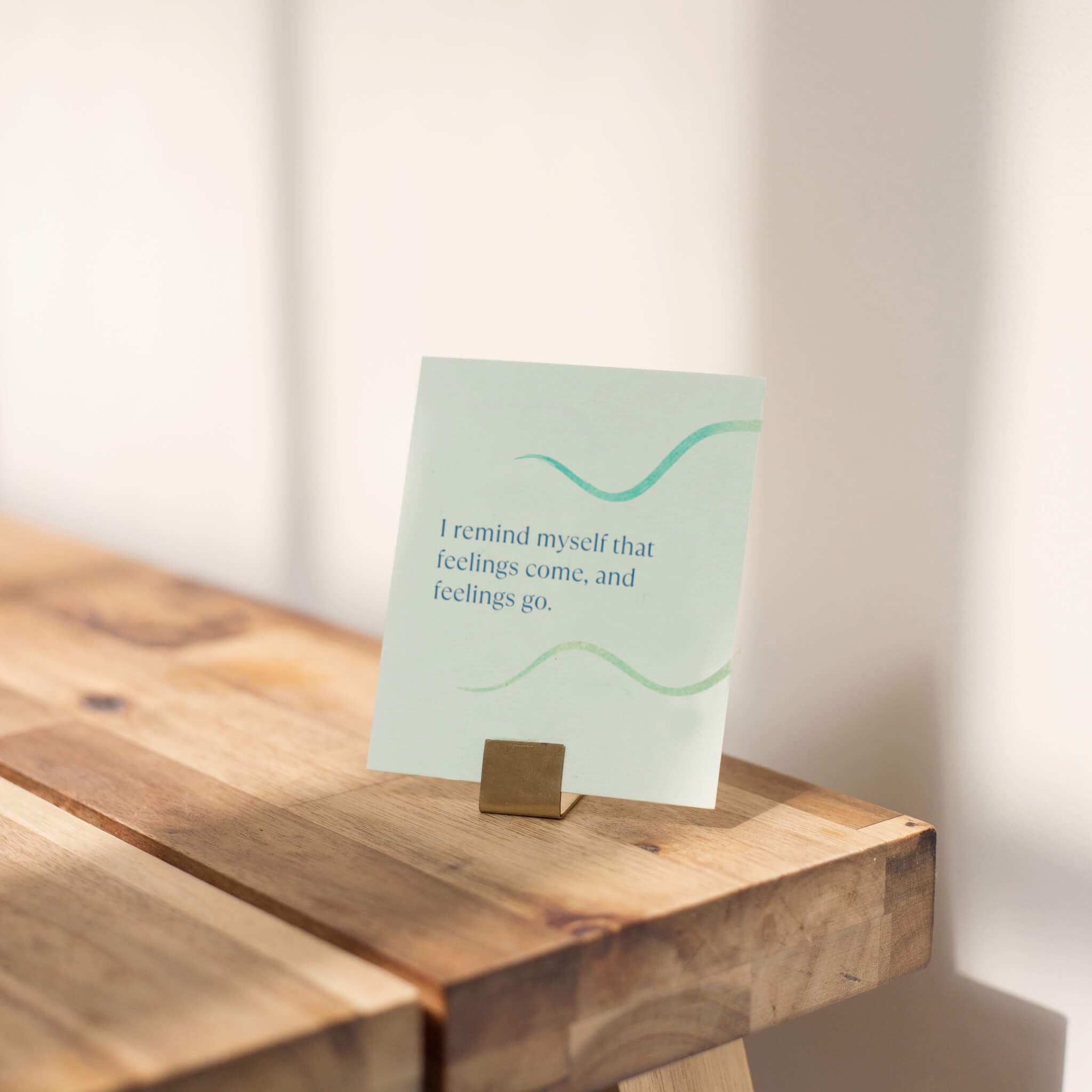



You have started before. That part matters more than you think.
There are probably notebooks in a drawer somewhere. Nice ones, some of them. Four good days each, maybe a fortnight in the best case, and then a gap that got long enough to feel like a verdict.
Three half-finished notebooks in a drawer is not evidence of anything about you. It is evidence that three notebooks were built for a version of you who has a spare twenty minutes and a settled mind every single evening. Most of us are not that person. I am certainly not.
Quick answer
The best journal for someone who always gives up is one you cannot fall behind in. Undated, so there is no gap to see. Different on every page, so you do not go on autopilot. And written so it still makes sense on a bad day, because the bad days are usually the ones that made you stop.
Both undated, and both reviewed by mental health professionals
And if you already journal comfortably and simply want somewhere to write, you do not need either of these. Buy a nice notebook and keep your money. This page is for the person who has stopped, more than once, and has started to draw conclusions about themselves from it.
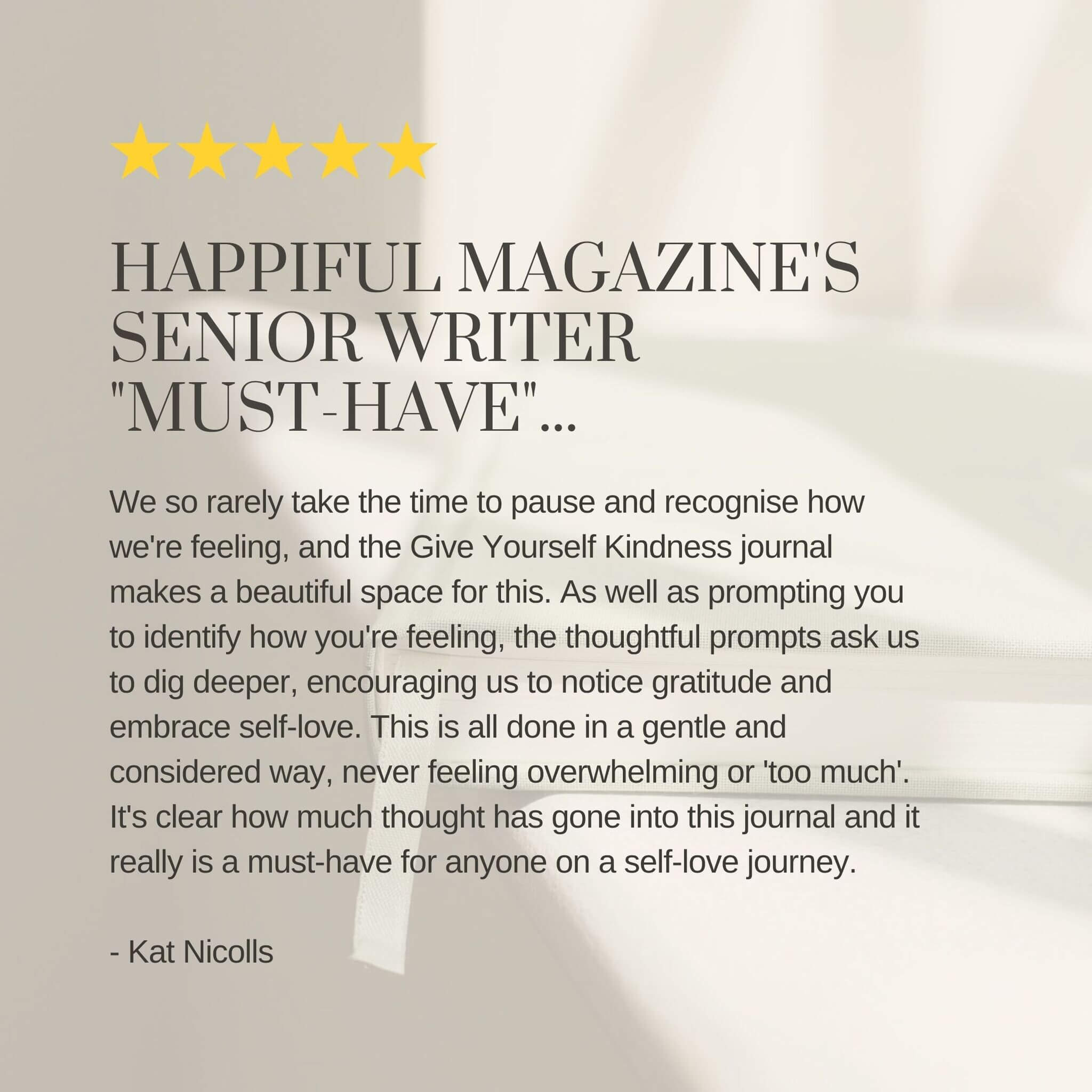
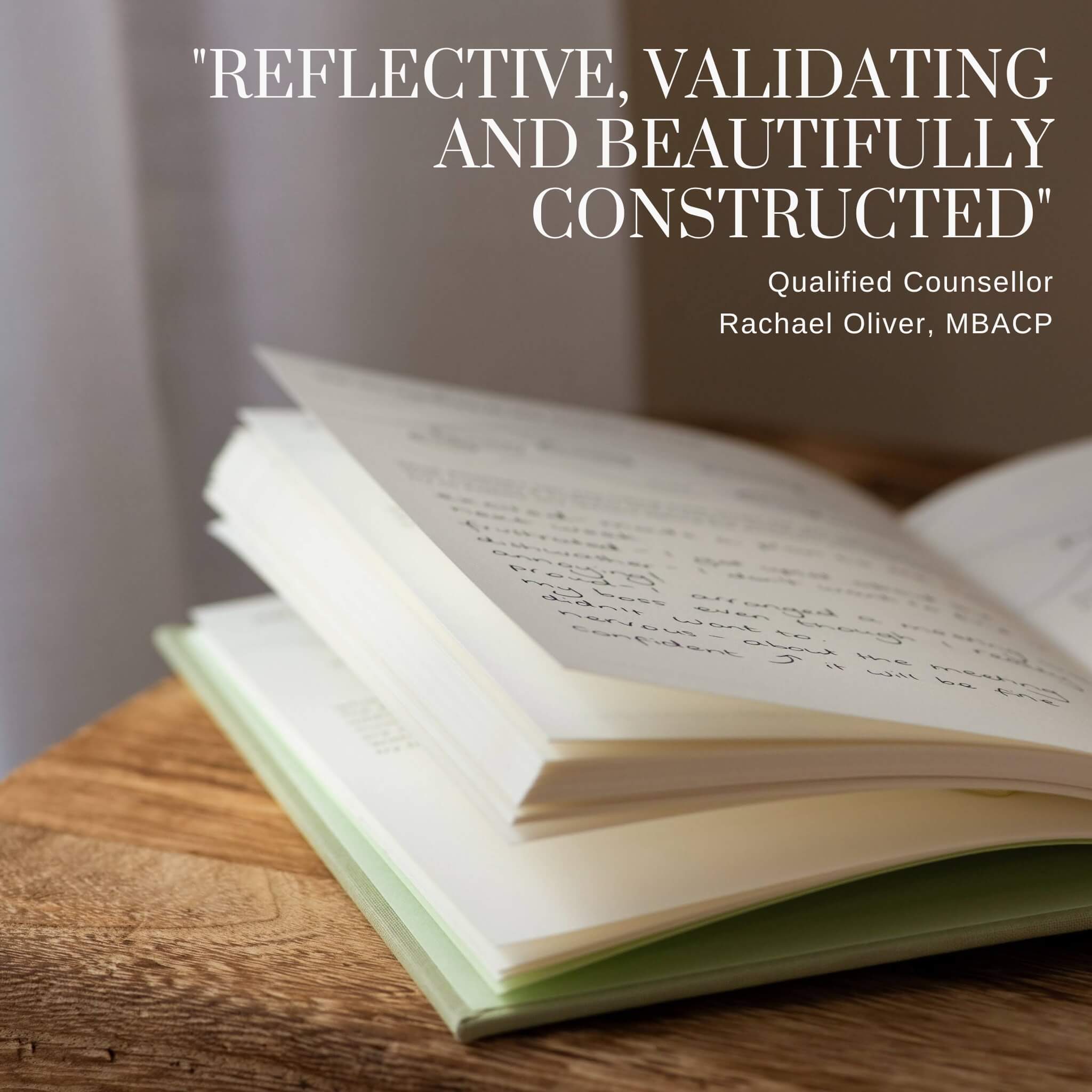
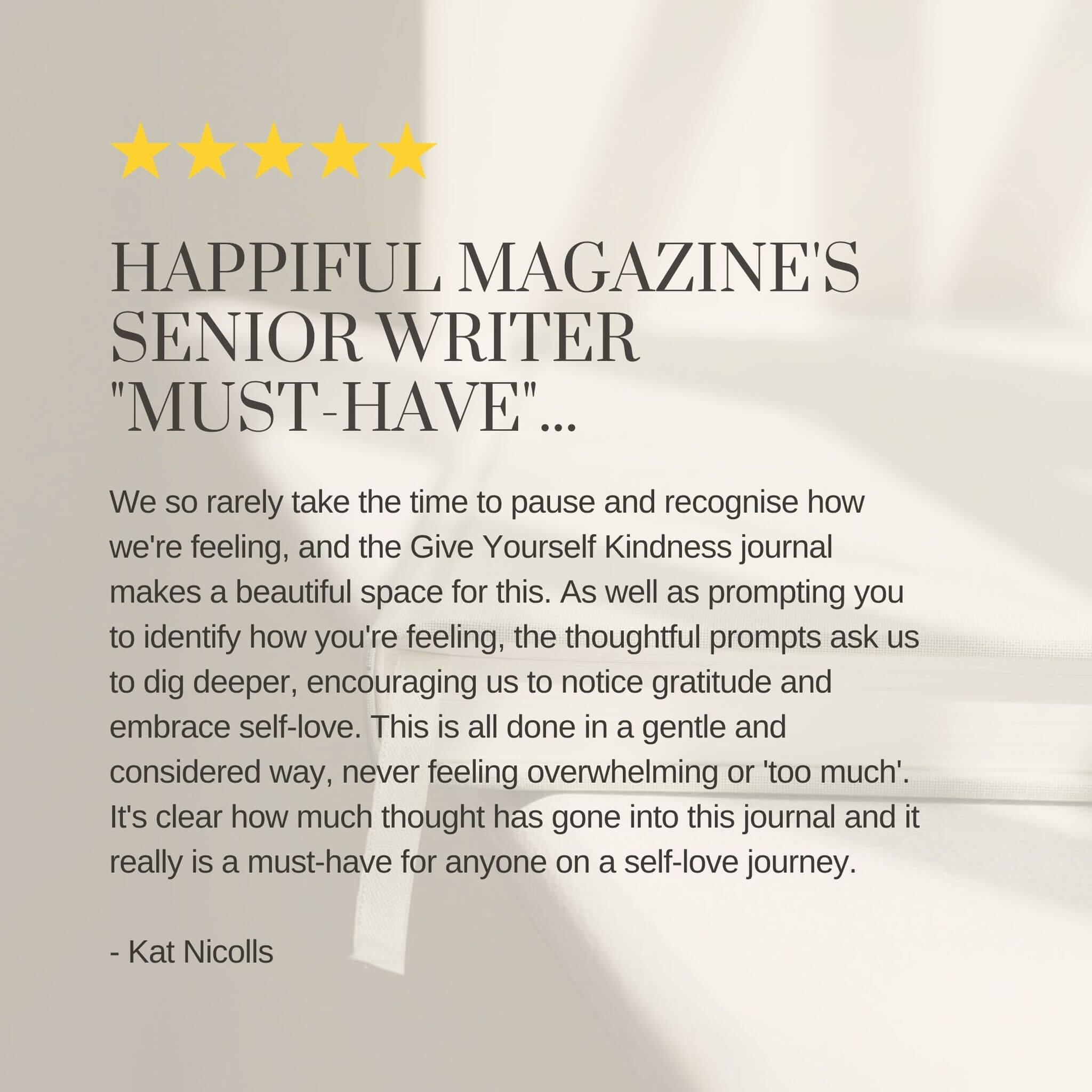
Why trust me: I'm Rachel Smith, a qualified meditation teacher, and both journals on this page are mine. I made them because I kept giving up on everything else I bought. Every journal I tried was either dated, so missing three days felt like failing, or it asked the same question daily until I could predict my own answer. I had what I made reviewed by experts around the world, including clinical psychologists at Harvard Medical School and the University of Oxford. More about me →
Why you stopped, and why none of the reasons are that you're lazy
I have asked a lot of people this question. The answers are remarkably consistent, and not one of them is a character flaw.
A dated journal starts keeping score the moment you miss one. Open it on the fourteenth and there are three empty boxes looking back at you before you have written a word. Most people close it again. That is not weak, that is a completely reasonable response to being told off by stationery.
Three things you're grateful for. Three things you're grateful for. Three things you're grateful for. By the second week you can predict your own answer, and once you can predict it you have stopped actually thinking. The writing goes mechanical, you notice it has gone mechanical, and then it feels pointless, because it has become pointless.
This is the one that does the real damage. If a journal only has room for the good things, then on a hard day it asks you to perform a feeling you do not have. That does not feel like self-care. It feels like being asked to lie, and then feeling guilty for finding it hard.
A blank page asks you to already know what you're feeling and to be kind to yourself about it. Those are exactly the two things that go missing when you're struggling. So the journal you bought to help with the hard weeks is hardest to use in the hard weeks.
You did not run out of willpower. You ran out of a format that worked when things got difficult.
What six therapists say about this
I asked six therapists for their single best tip for someone starting to journal. I want to show you what they said, partly because it is genuinely useful and partly because they do not all agree, and I think that is the most reassuring thing on this page.

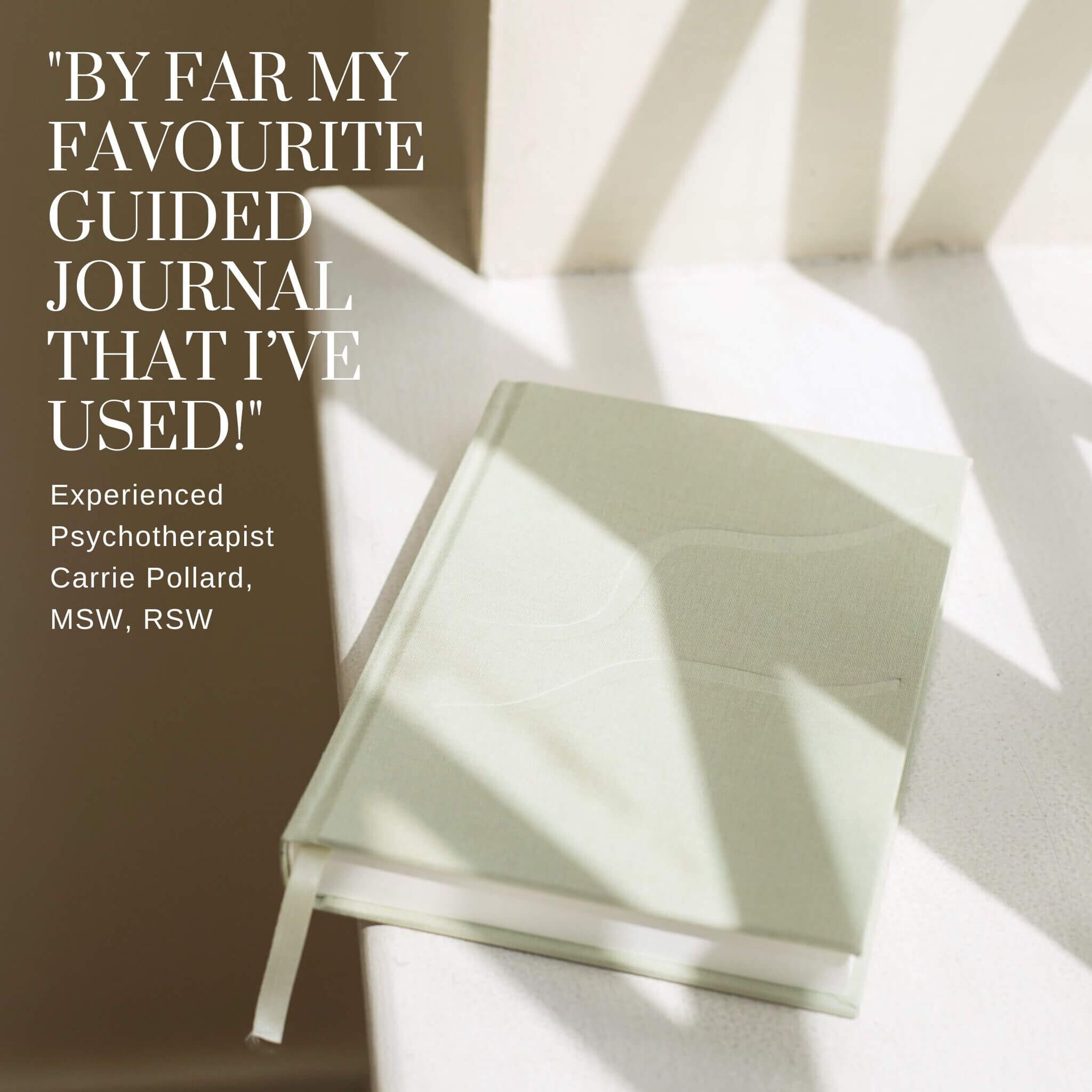
Carrie Pollard, MSW RSW
Psychotherapist
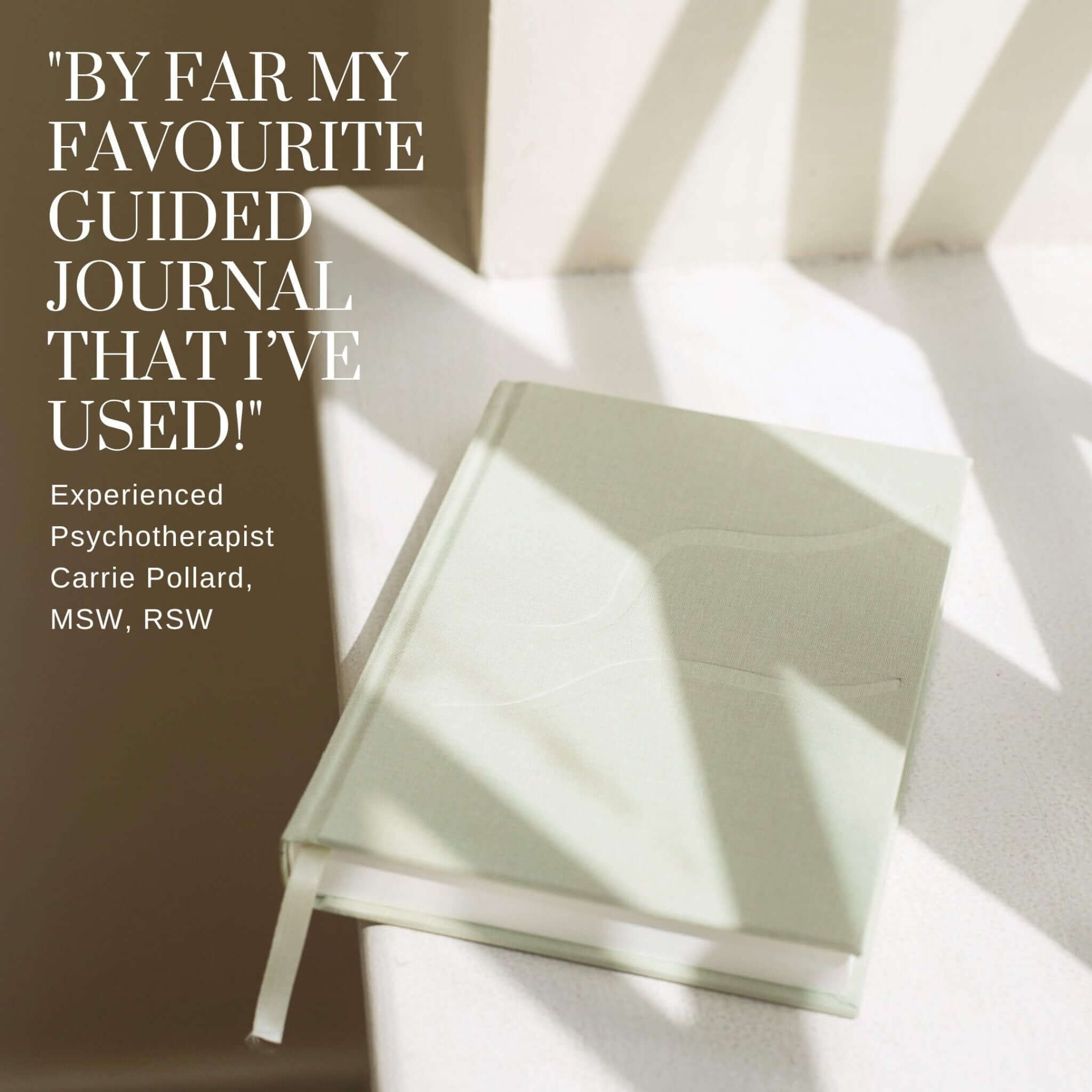
"Your journal is your forever friend that is always there to non-judgmentally listen and help guide you to your own inner wisdom. You can use words, doodles, or stickers, and it can look fancy or messy. You can make it a daily 'check-in' practice or pick it up in the hardest moments."Read all six therapists' tips →
Or pick it up in the hardest moments. That is permission to use a journal four times a year, in the four weeks you actually need it, and for that to count as using it properly.

Collette Jones, LCSW
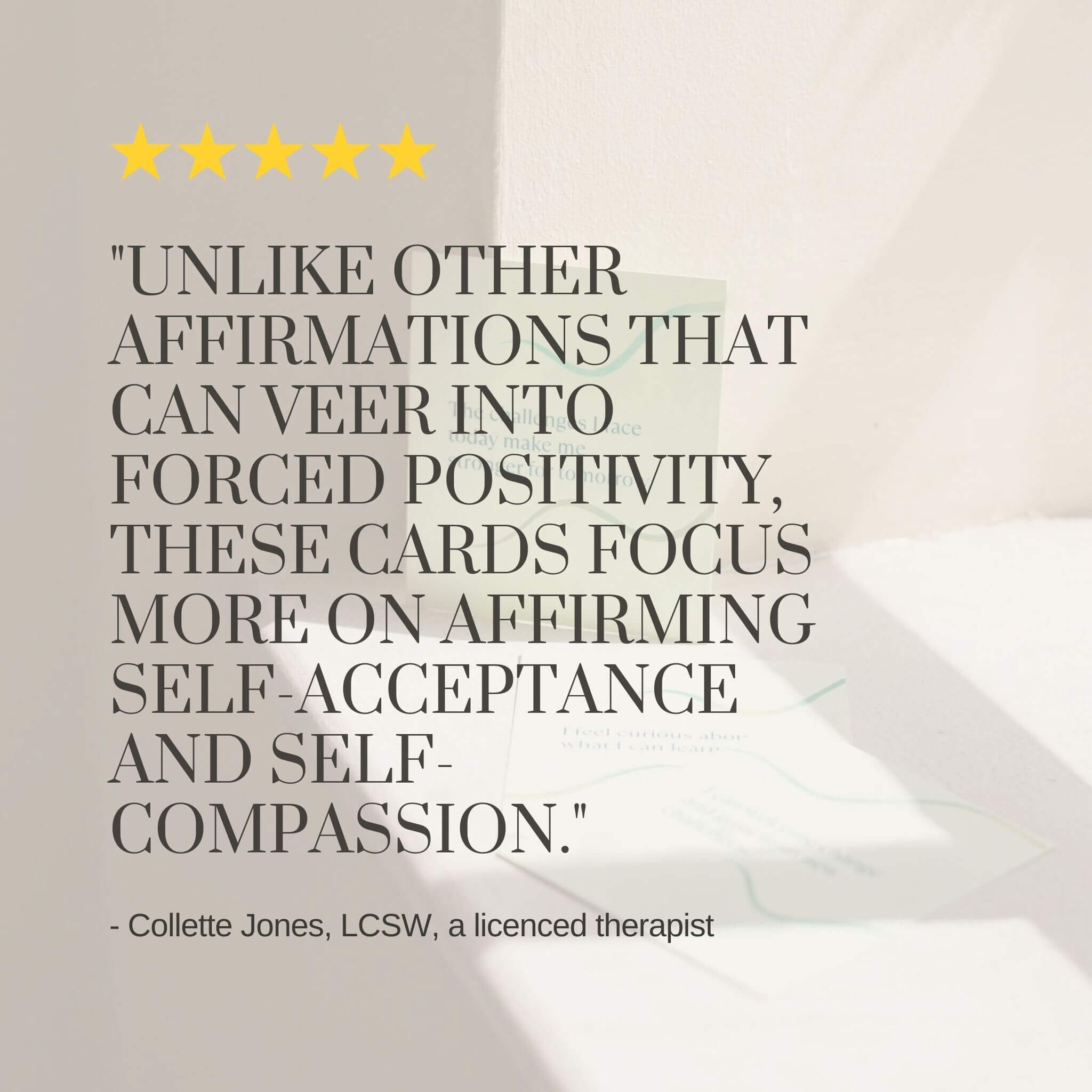
Therapist specialising in perfectionism and high-functioning anxiety
"Journaling is a deeply personal experience, and should fit your unique needs and preferences for the time of life that you're in."Read Collette's full tip →
For the time of life that you're in. Which means a journal that stopped working is allowed to have simply stopped fitting. Seasons change. So do you.

Shirvin Lee, MA, RCC
Registered Clinical Counsellor
"Journaling isn't a chore or something you have to do, it's an opportunity to connect with yourself."Read Shirvin's full tip →
And the one who disagrees
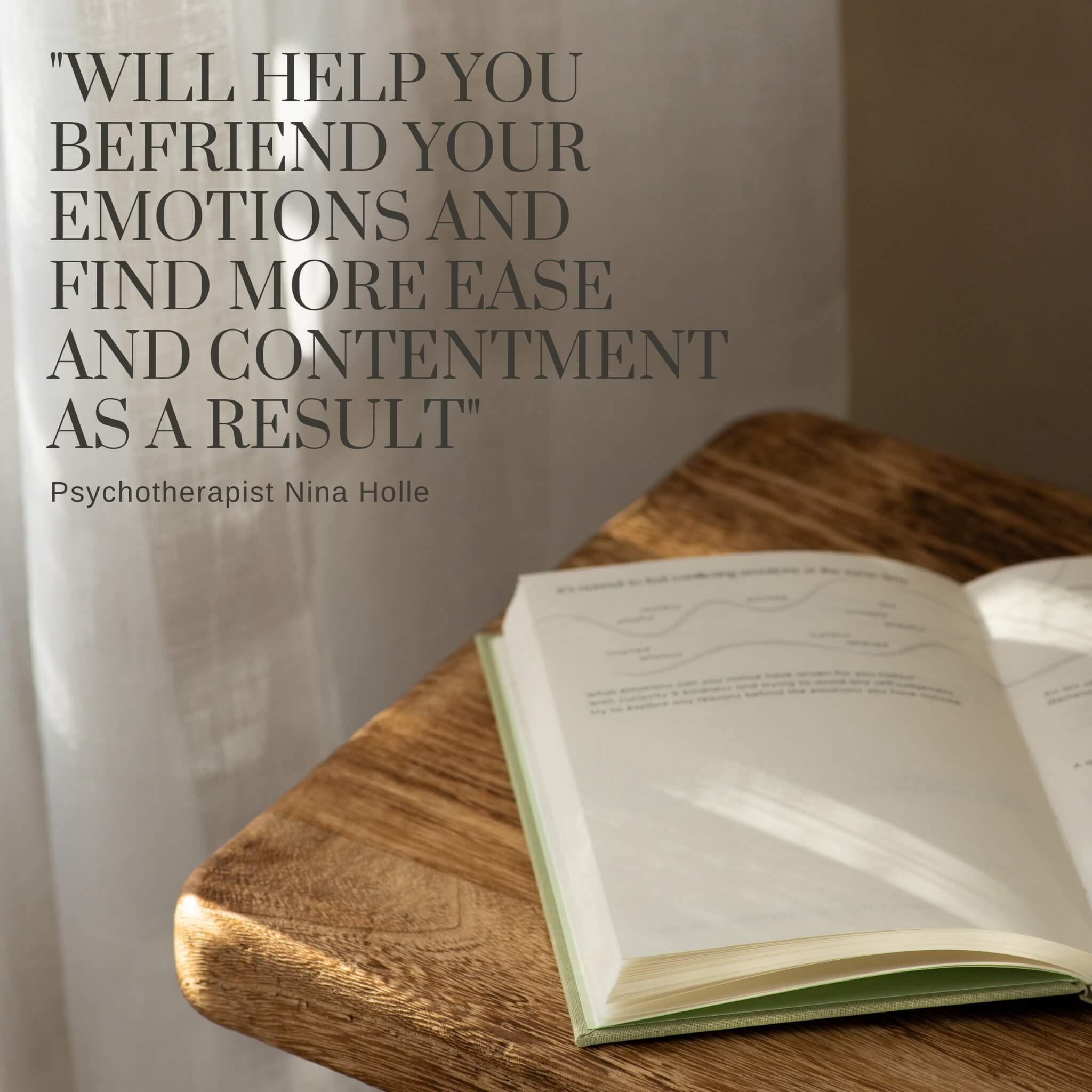
Nina Holle, a psychotherapist and writer, gives the opposite advice: "Journal everyday, it's like flossing." She is not wrong either. Daily practice builds the habit fastest, and for some people the routine is exactly what makes it stick.
I am showing you both because I would rather be useful than tidy. If daily works for you, do daily. If daily is the thing that has broken every attempt so far, you have four qualified therapists here telling you it was never a requirement.
What to look for, whichever one you buy
If you take nothing else from this page, take this list. It applies to any journal on any website, including ones I do not sell.
- UndatedNot "undated-ish", not "week one" and "week two". No dates and no numbered days, so there is never a gap for you to look at.
- A different prompt on every pageIf you can guess tomorrow's question, you will be on autopilot within a fortnight. Variety is not a luxury here, it is the thing that keeps you actually thinking.
- Room for a bad dayPrompts that ask what was hard, not only what was good. A journal that cannot hold a difficult week will be abandoned in a difficult week.
- Short entries allowedOne line should be a complete, legitimate entry. If the page is designed to look wrong when it is half empty, it will make you feel wrong for half filling it.
The two I make, and which one is actually yours
These are genuinely different products for genuinely different situations, with different people having reviewed each. I would rather you bought the cheaper one and used it than the expensive one and stopped.
If you want to find out whether you'll stick with it
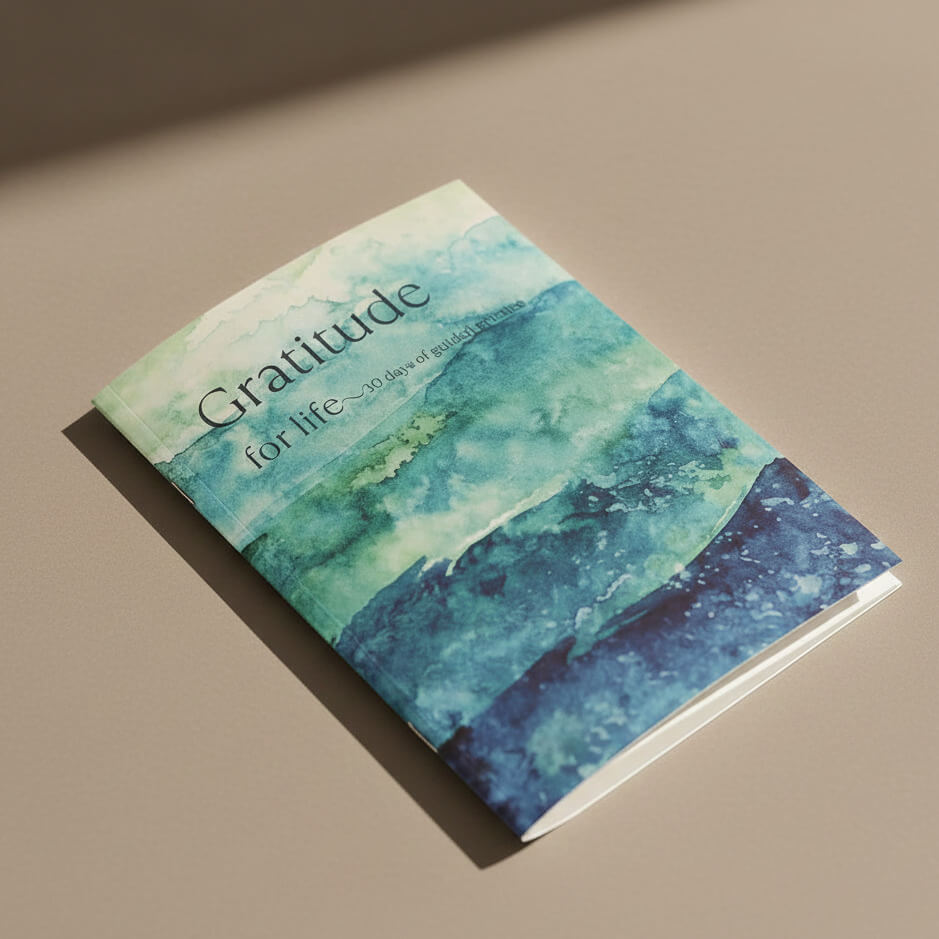
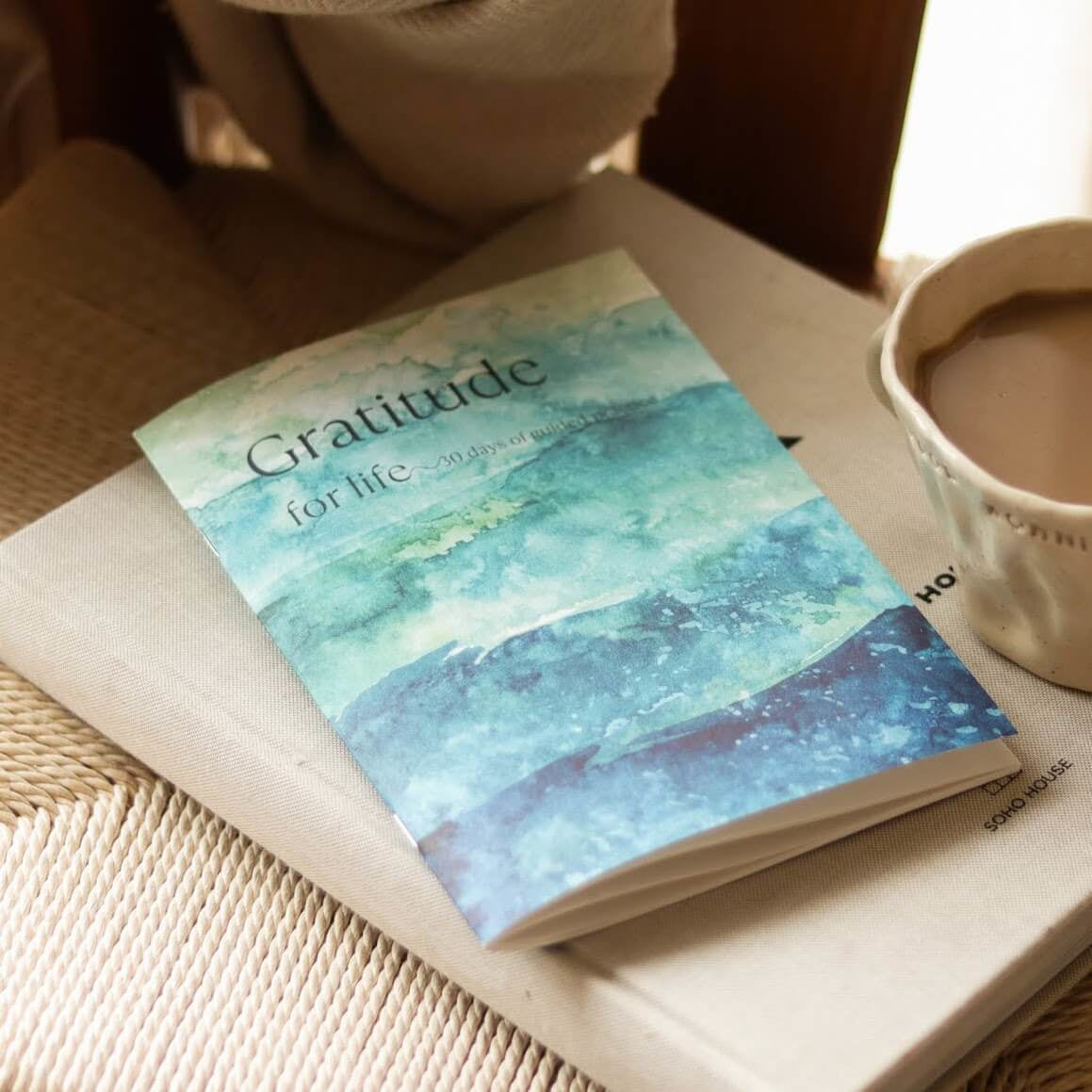
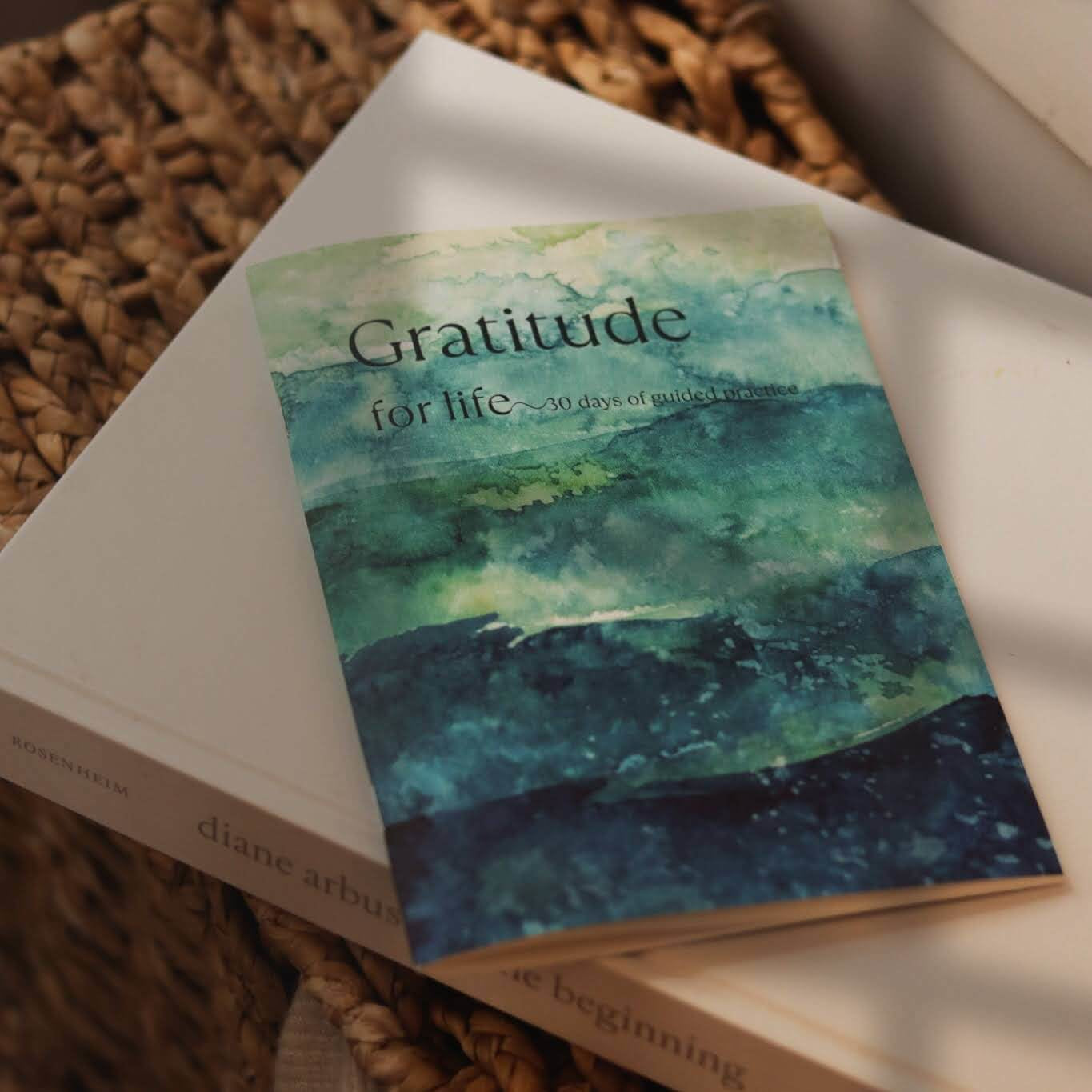
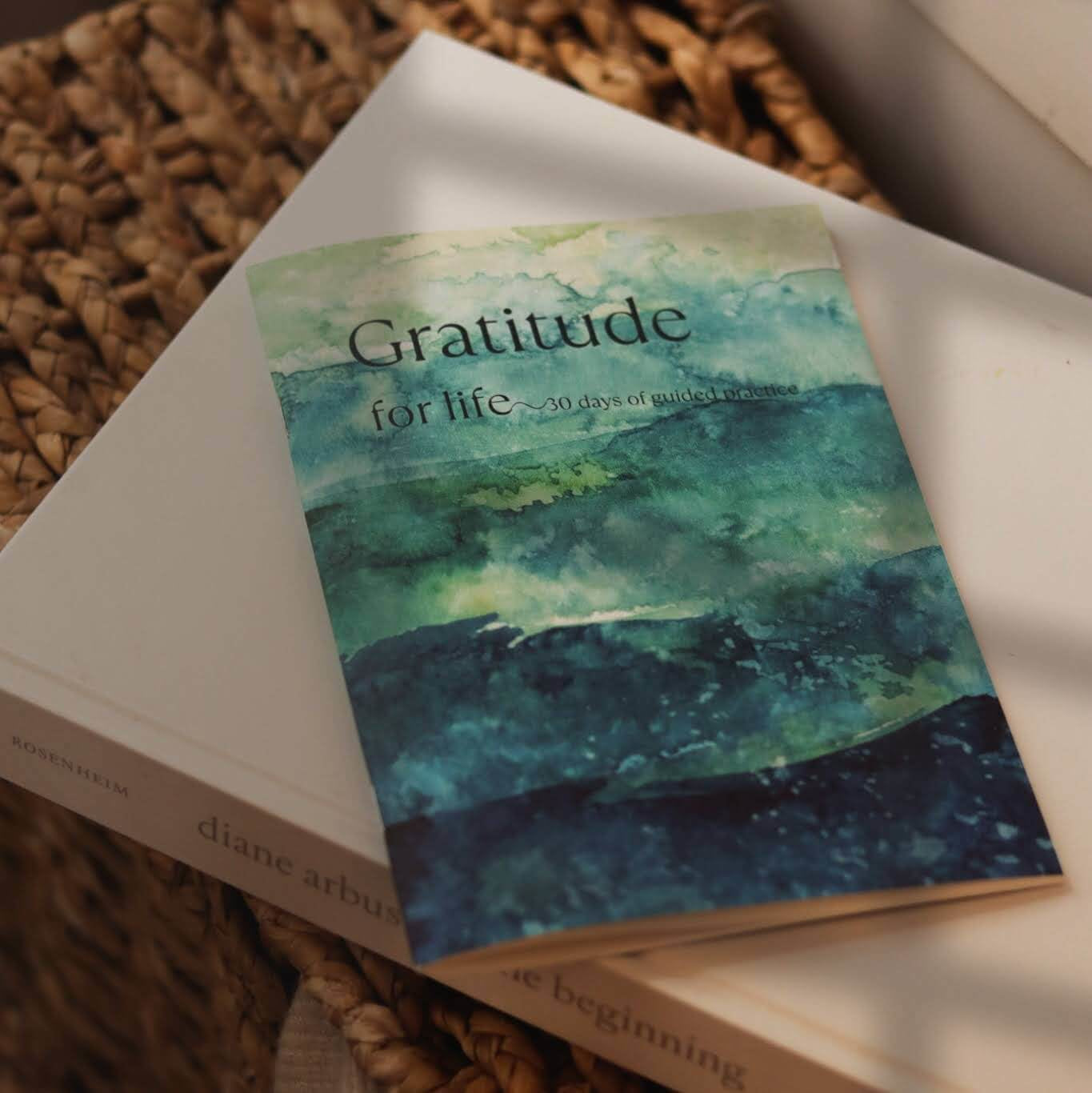
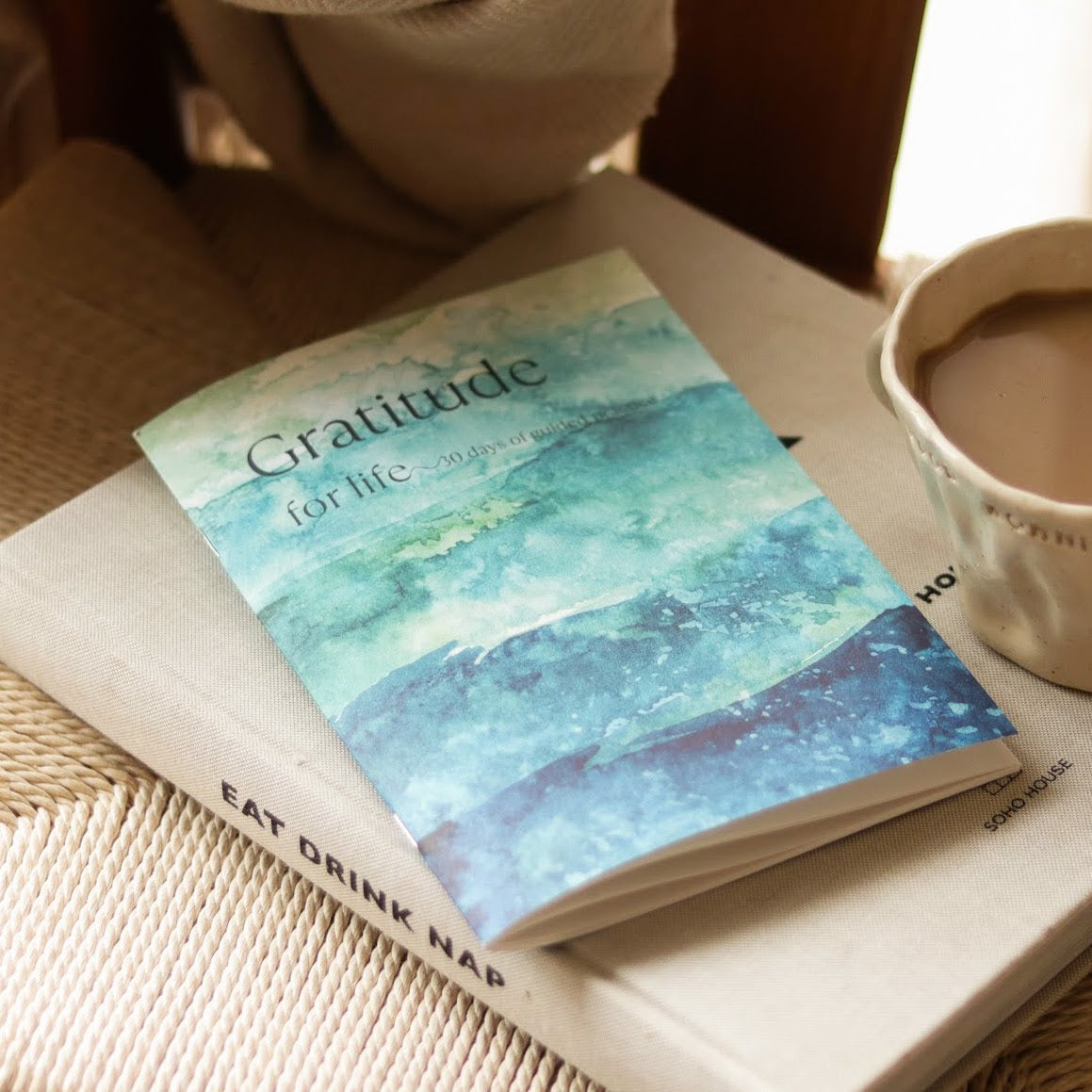
The Gratitude Journal: A 30-Day Challenge
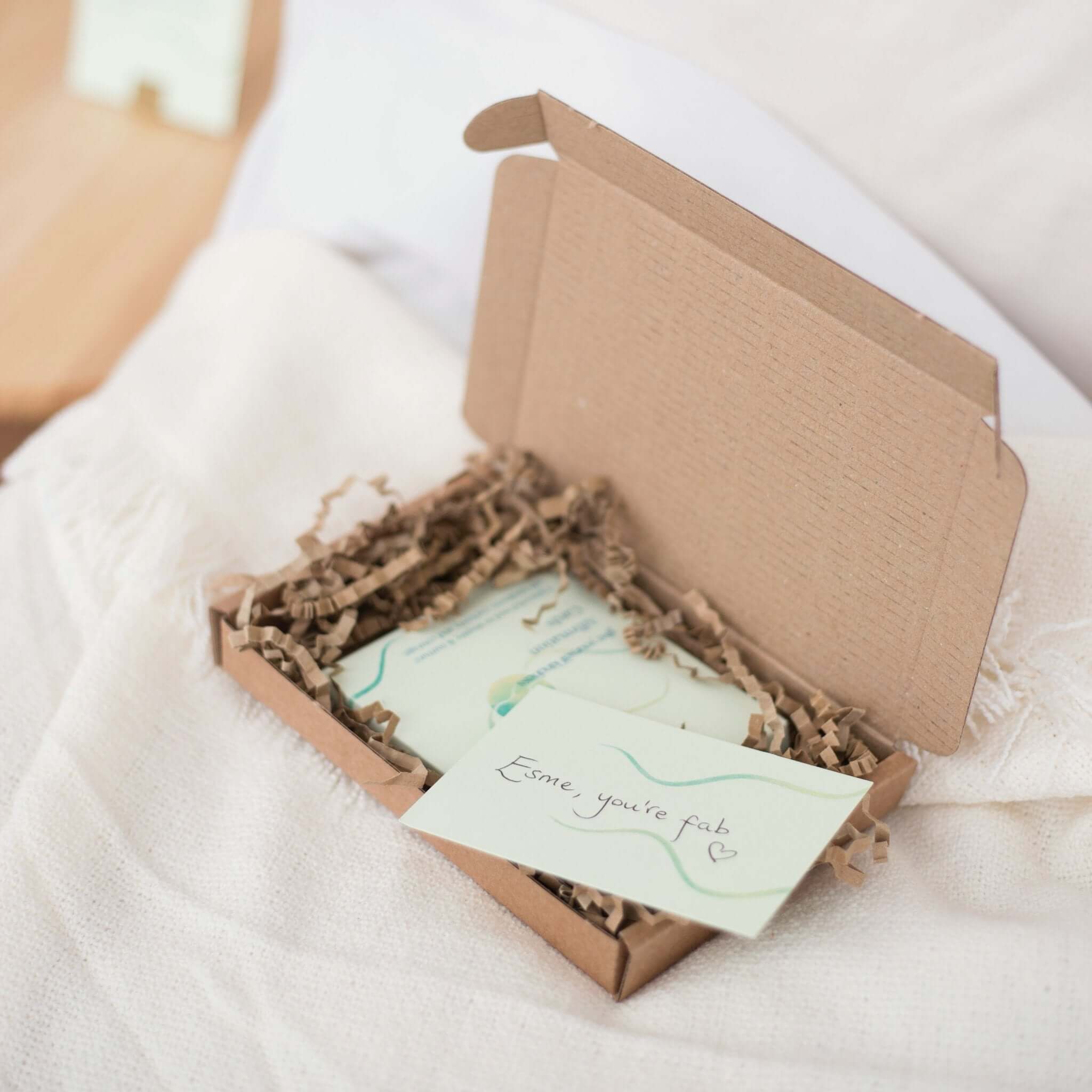
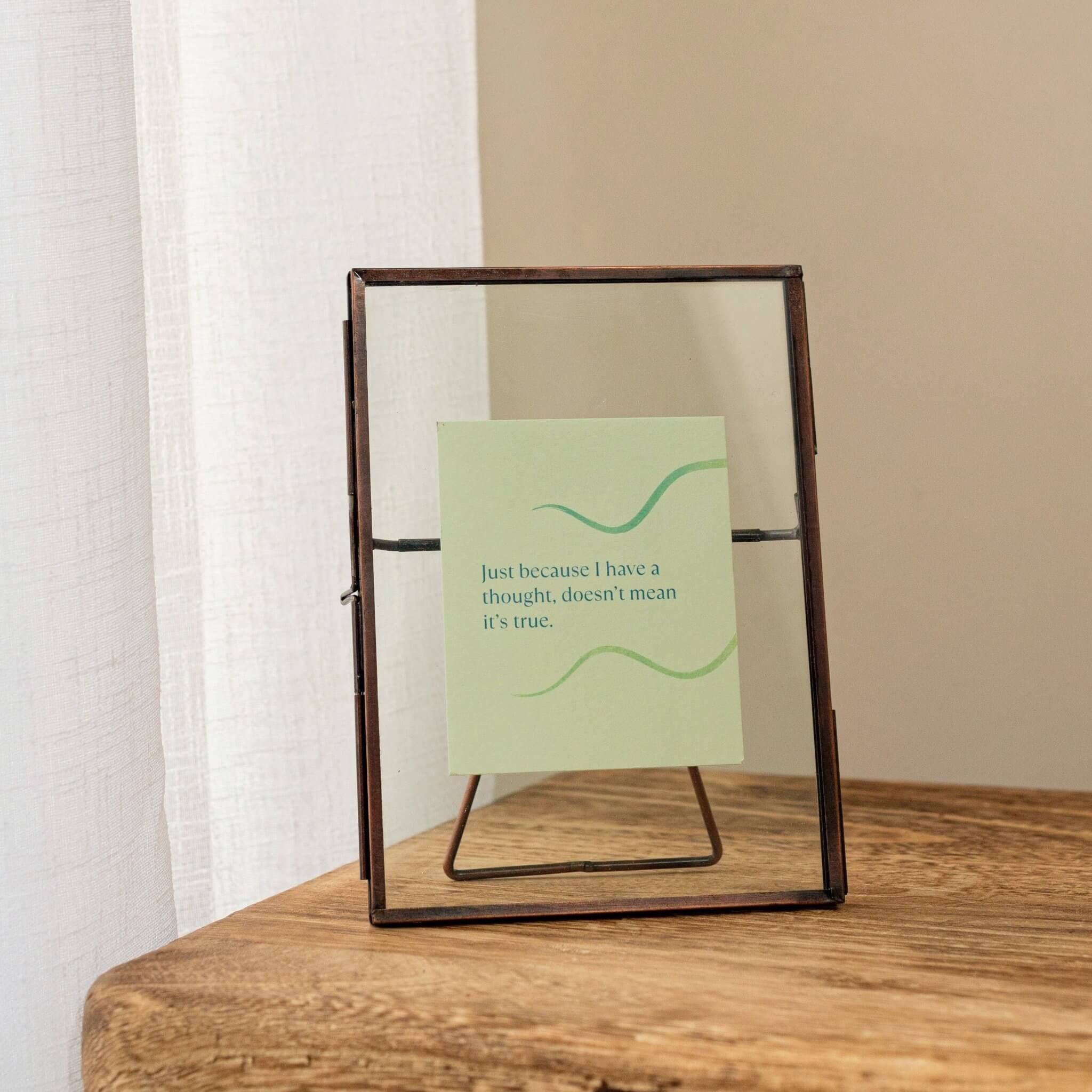
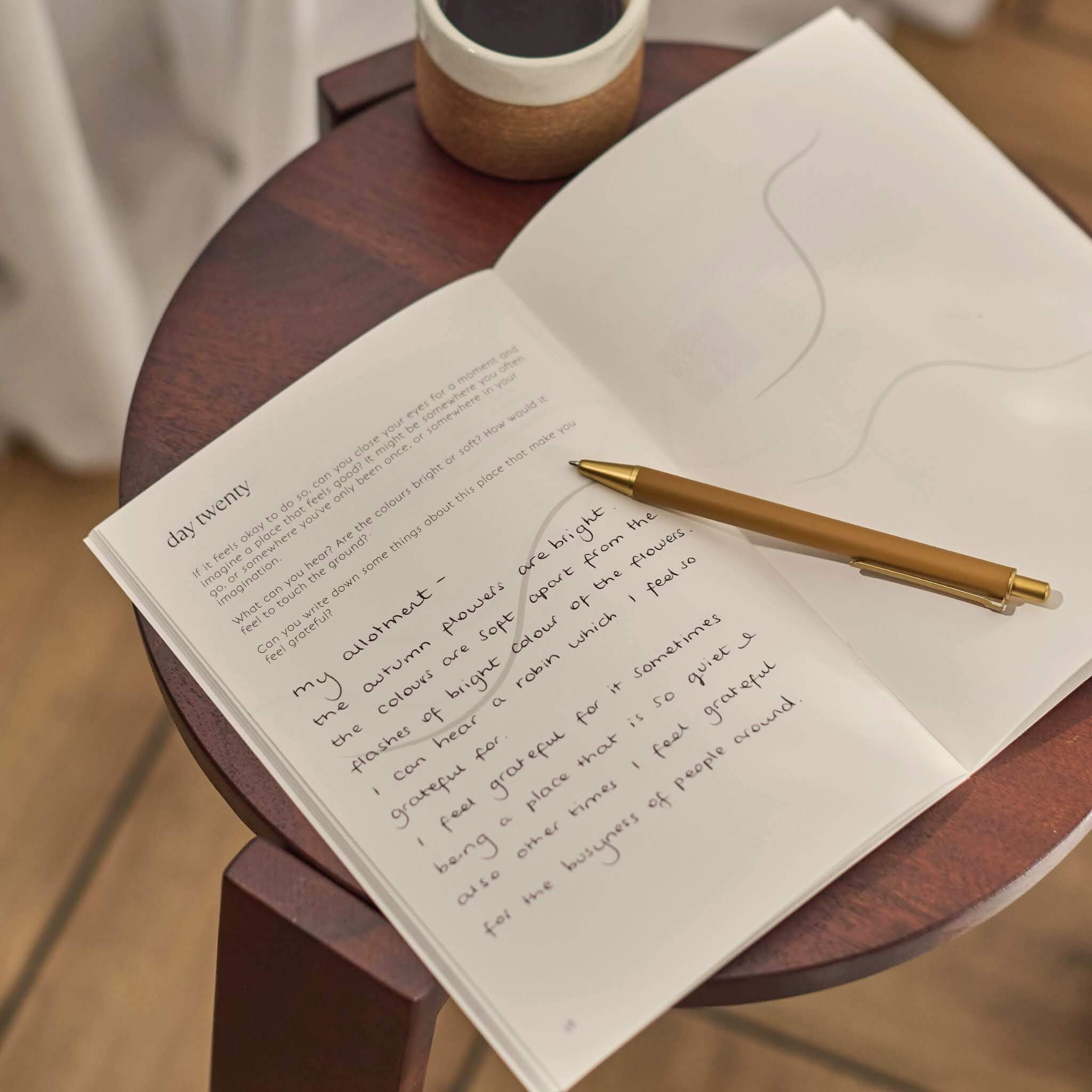
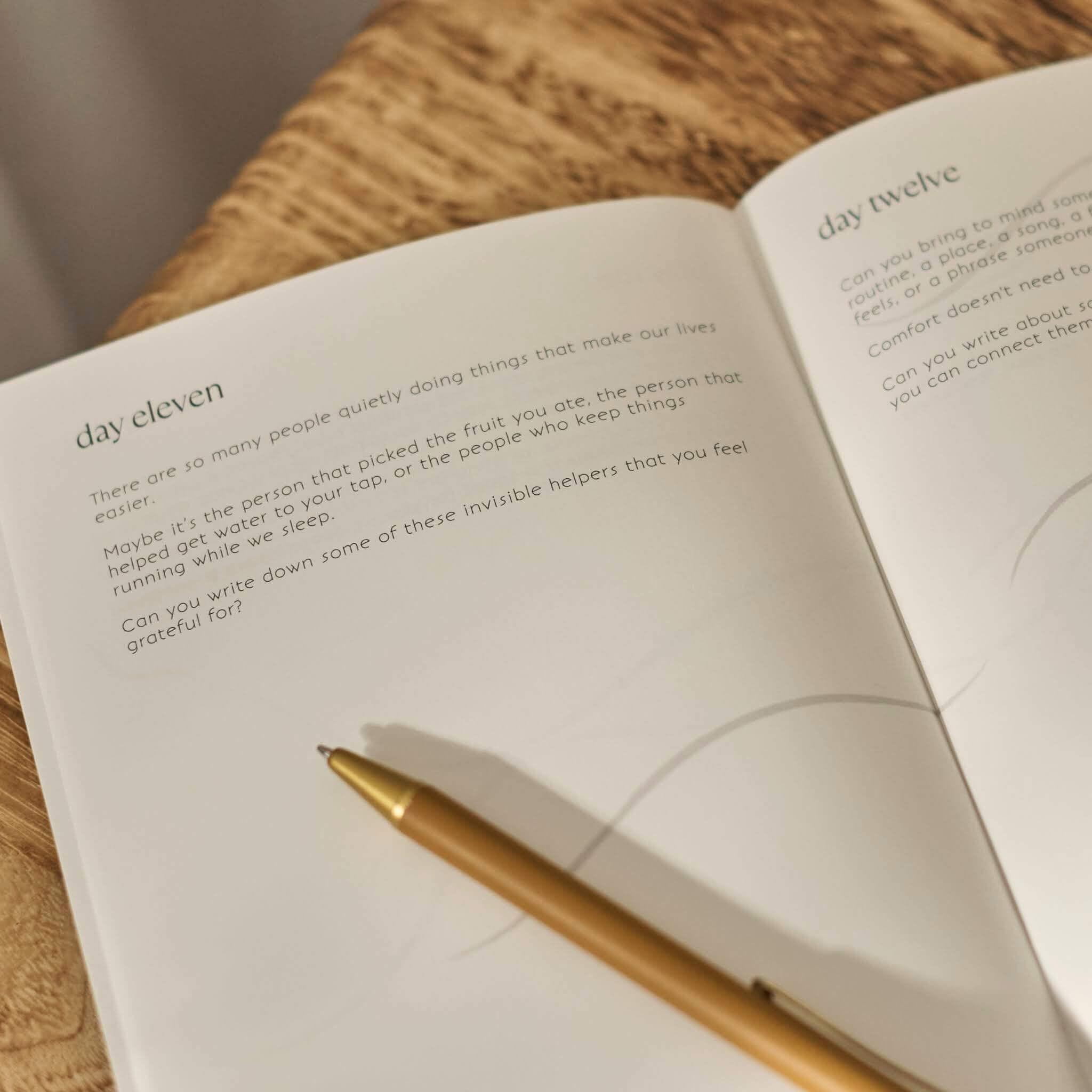
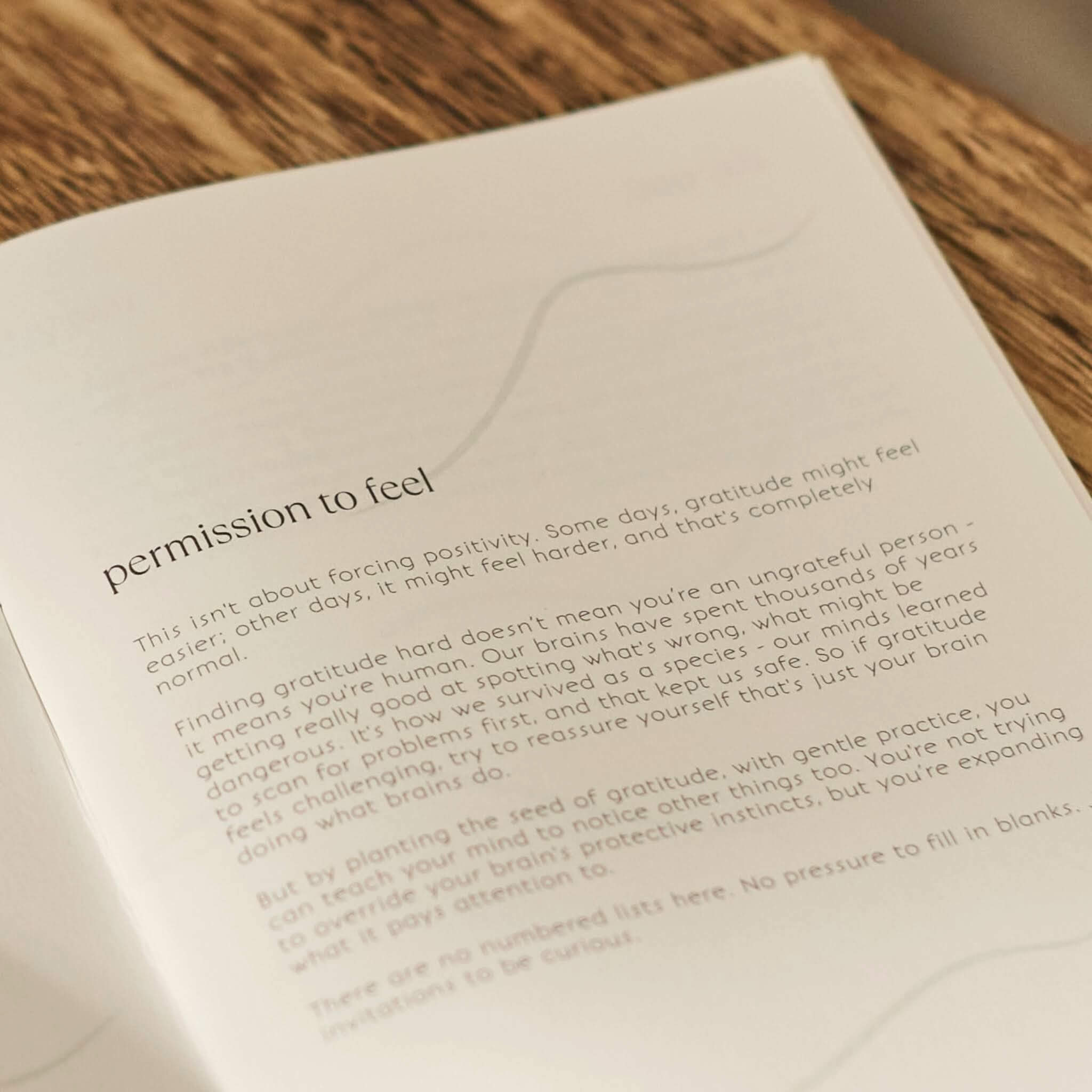
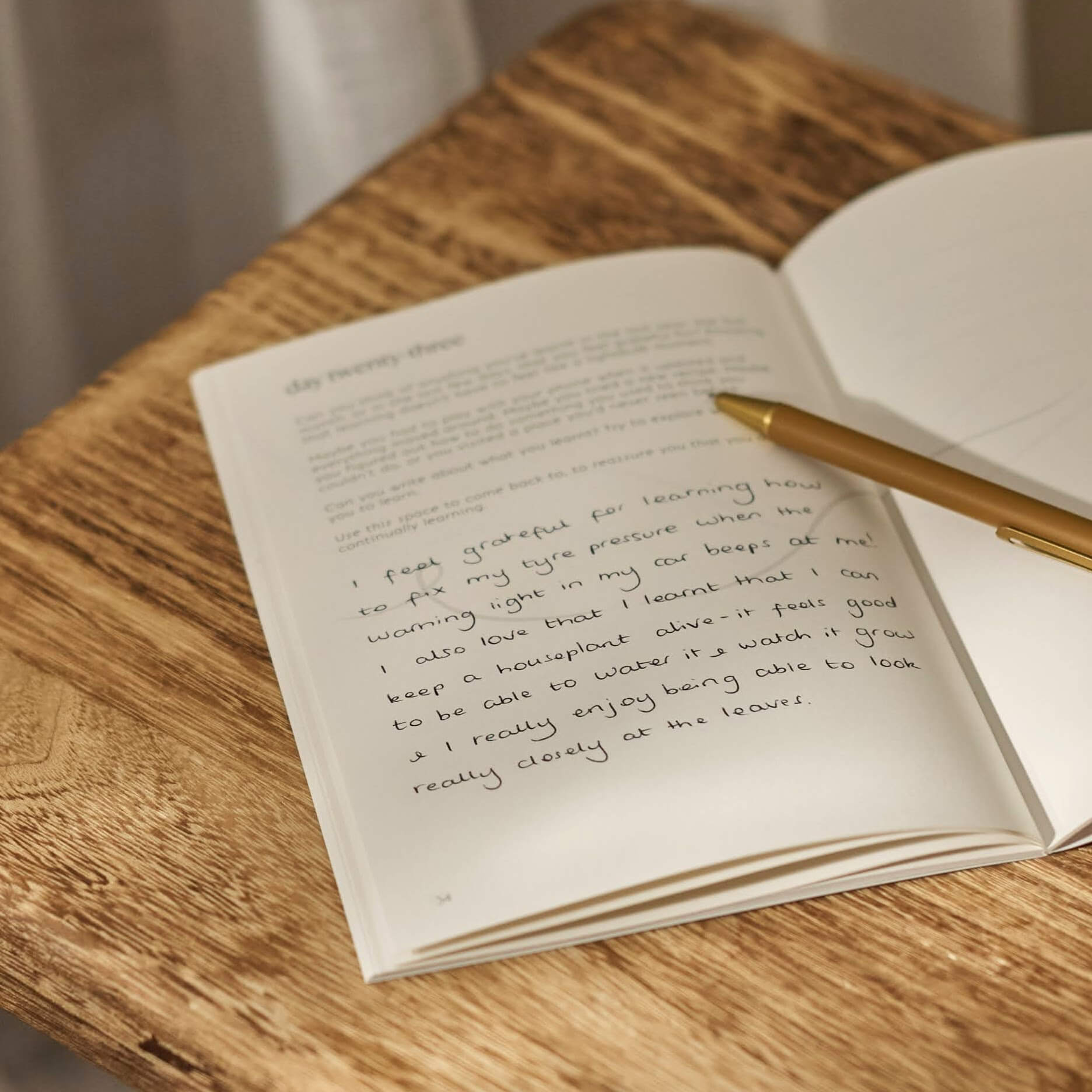
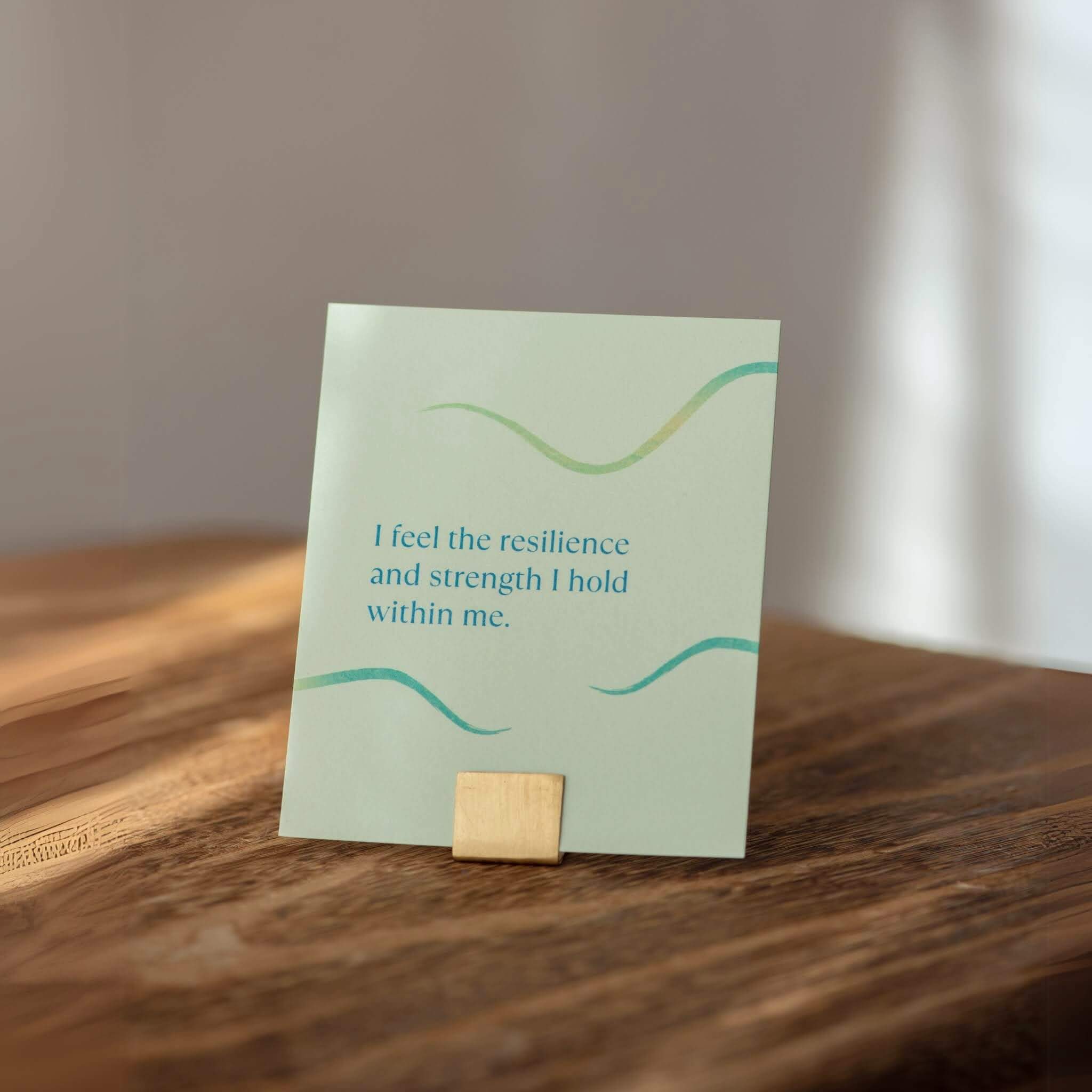
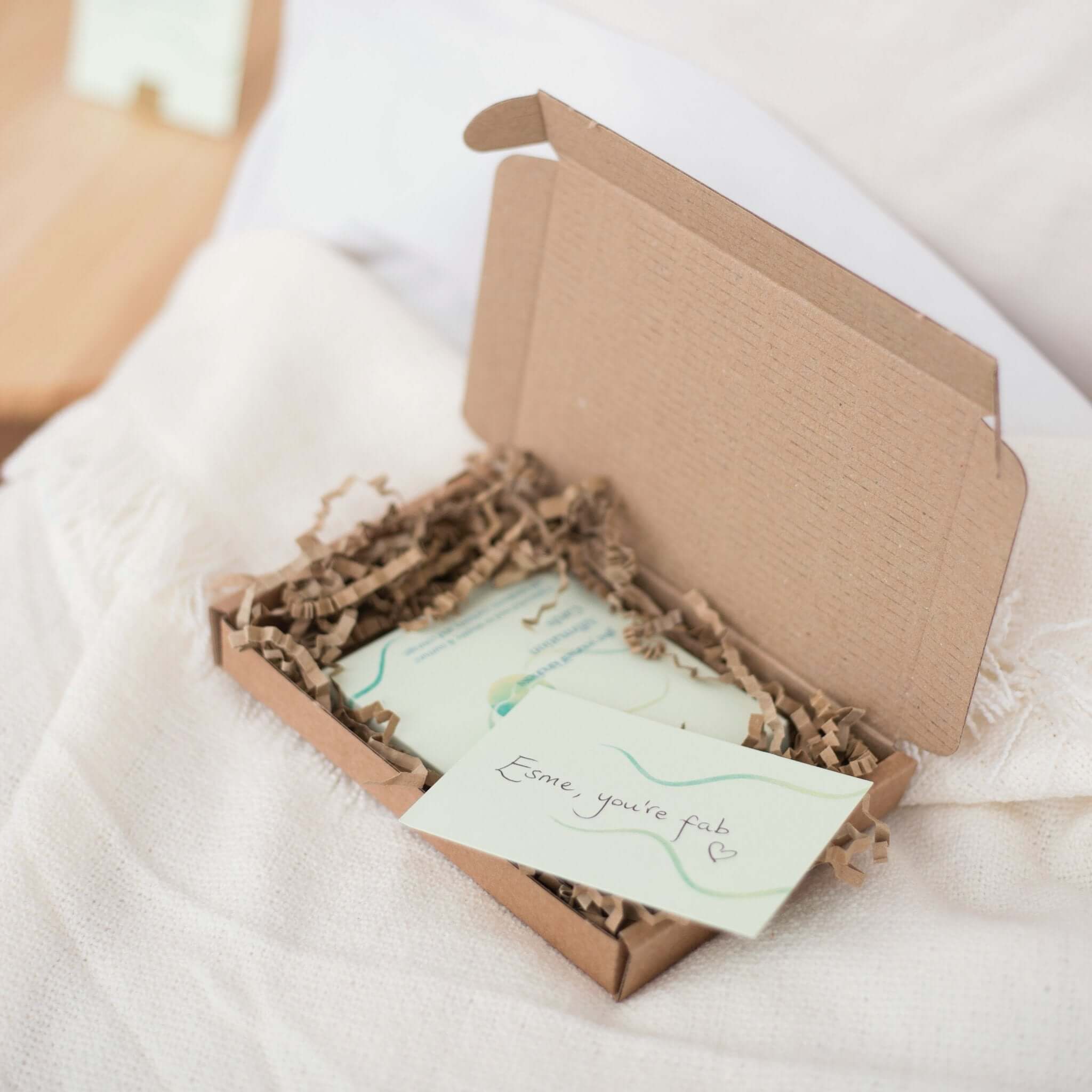
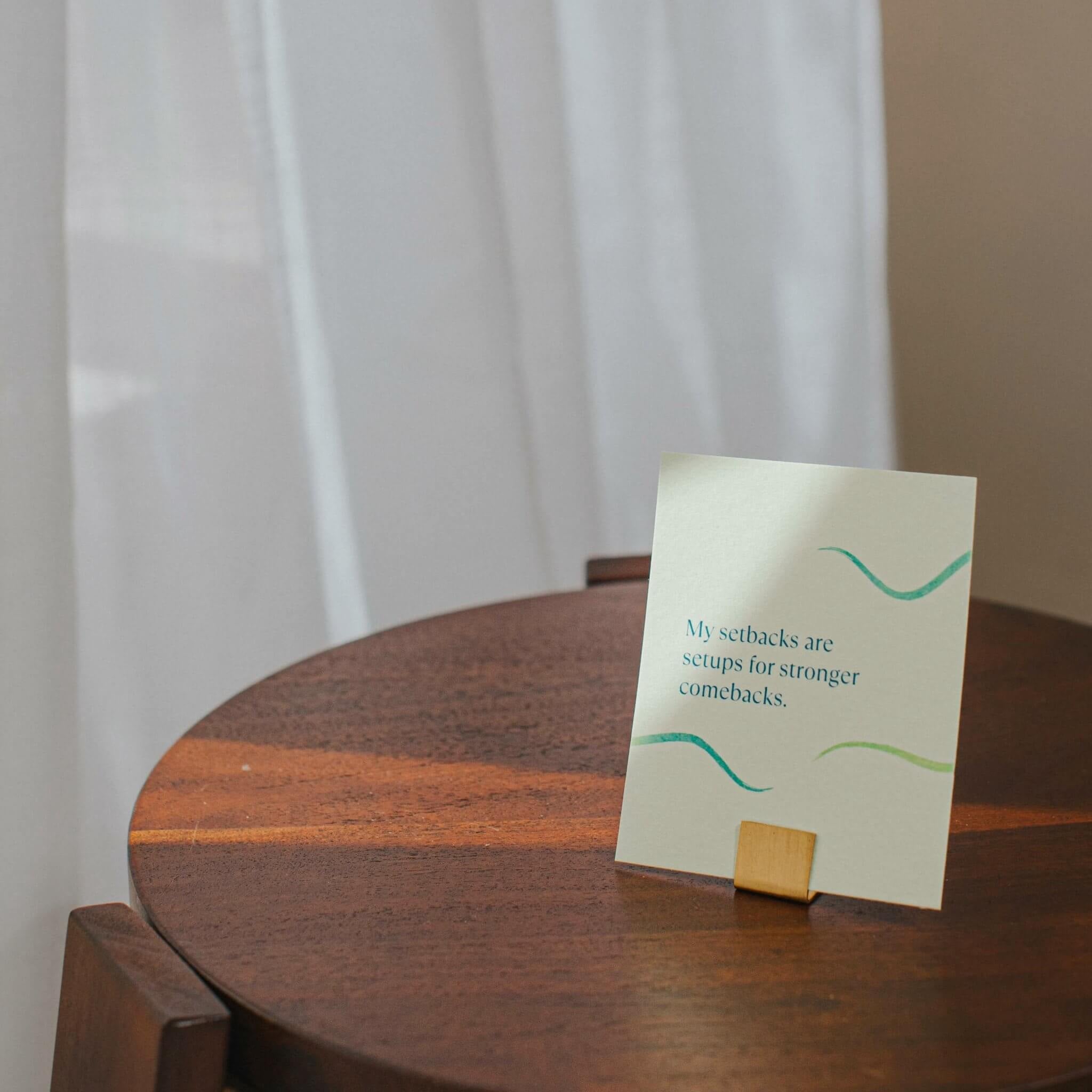
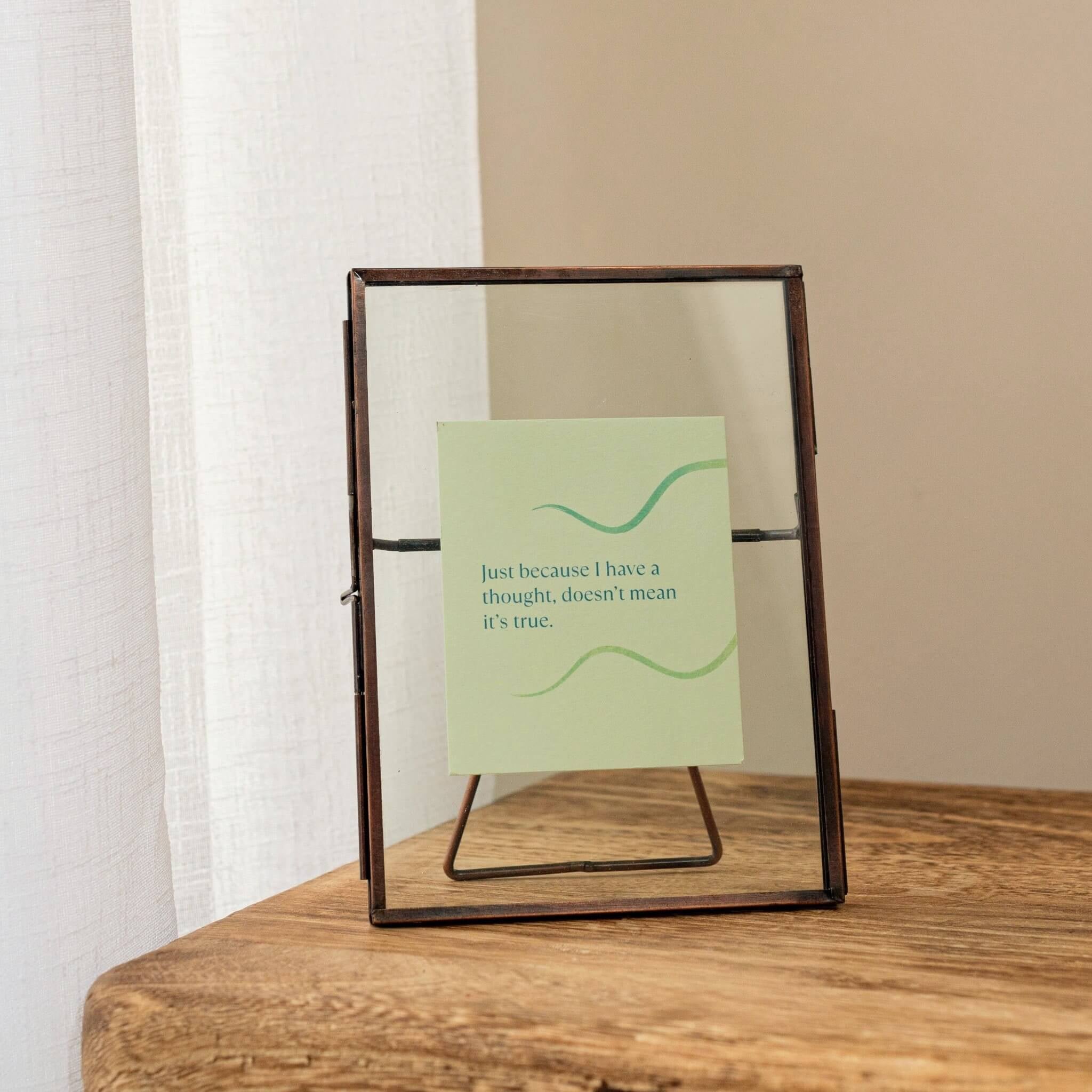
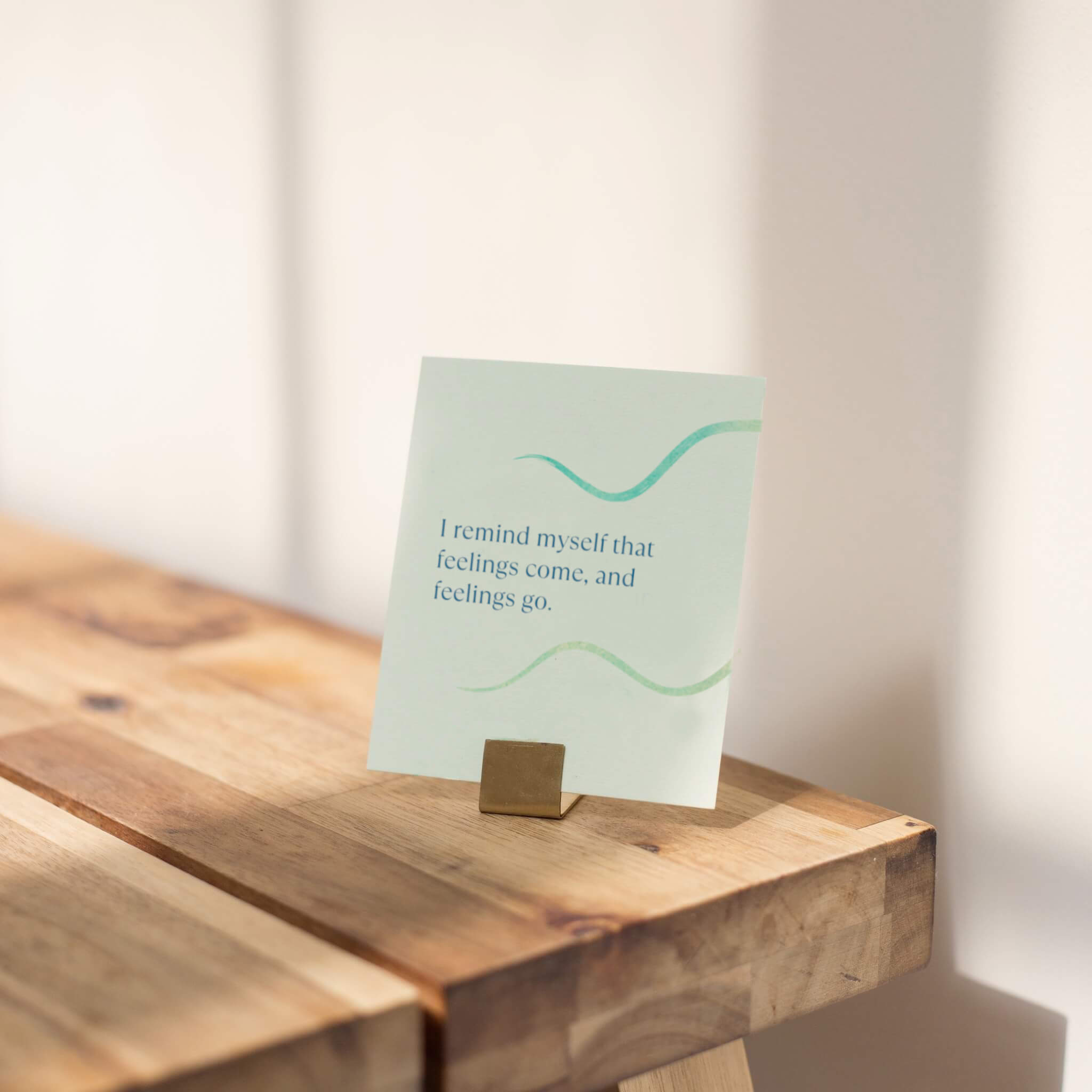
Thirty prompts, and thirty different prompts. One day you notice something outside. Another day you write a letter you will never send. One day is a guided meditation instead of writing at all. It is undated, so you can start it tonight or in March.
- 30 varied prompts, undated, start any time
- No "three things" lists and no numbered blanks
- An exclusive guided meditation by a qualified teacher
- QR codes through to expert articles on the science
- Reviewed by psychotherapist Carrie Pollard, MSW RSW
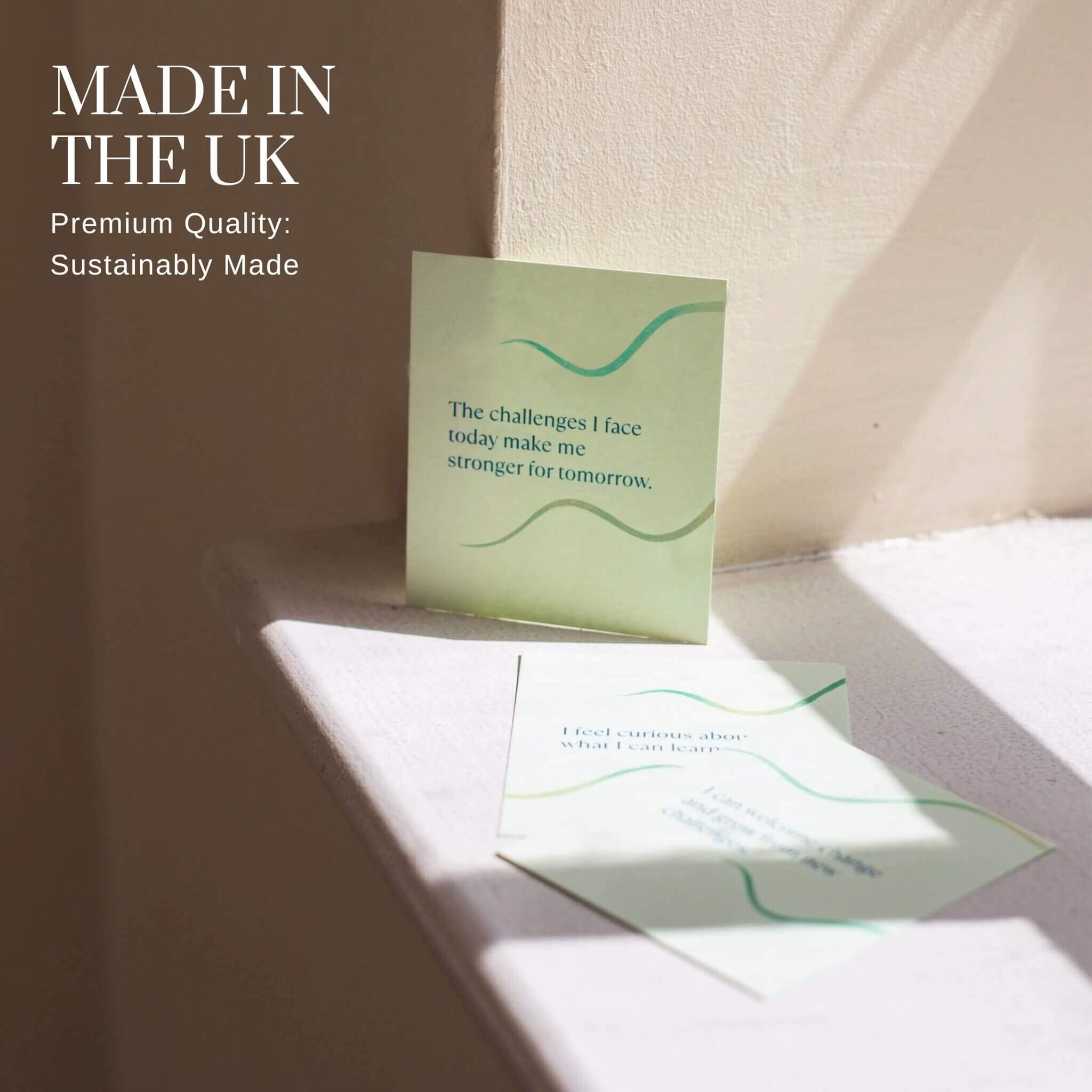
- 120gsm paper, luxury textured cover, made in the UK
Added to your basket. View basket →
Thirty pages is a small enough promise to keep. That is the entire point of it. See full details and photographs →
If what keeps stopping you is how you talk to yourself
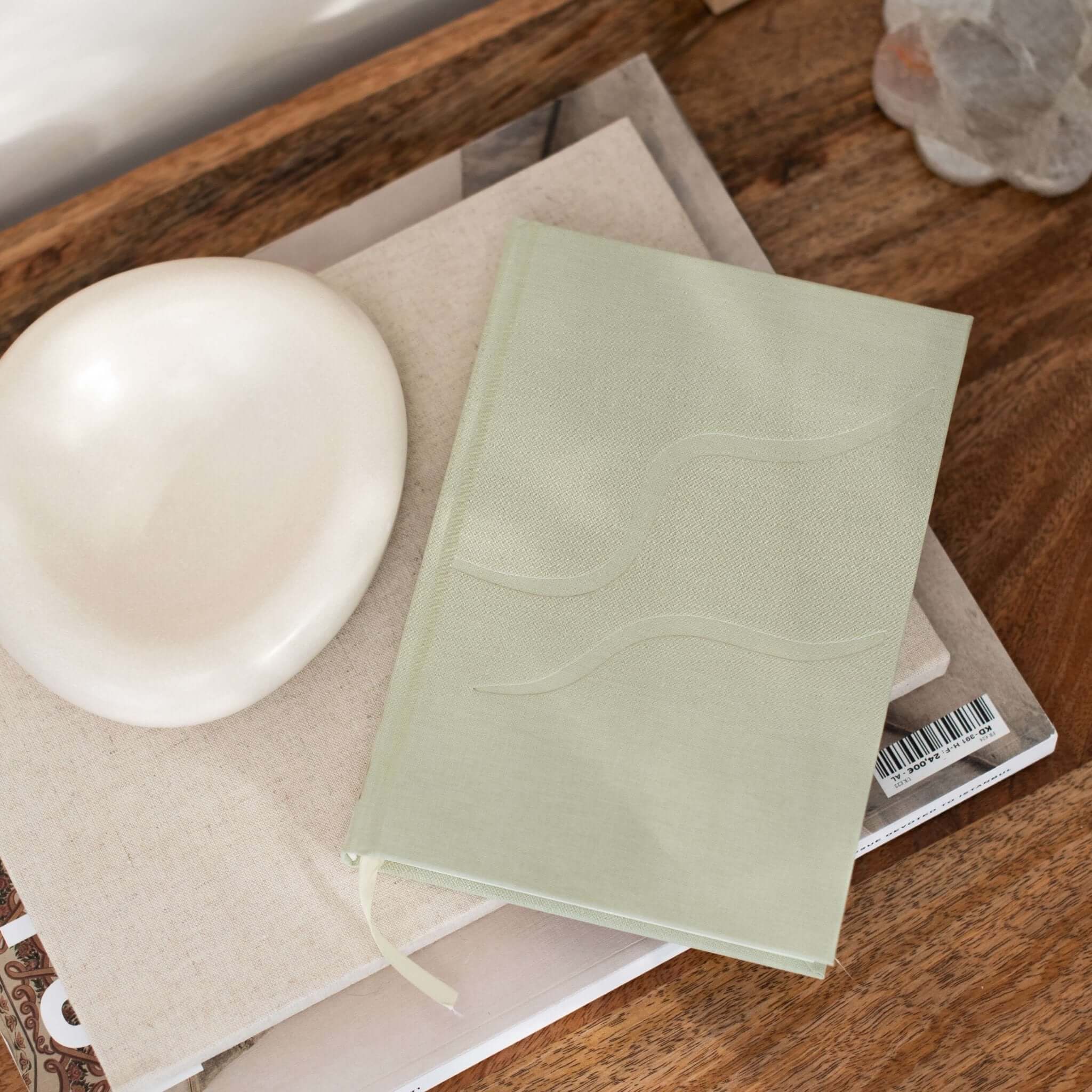
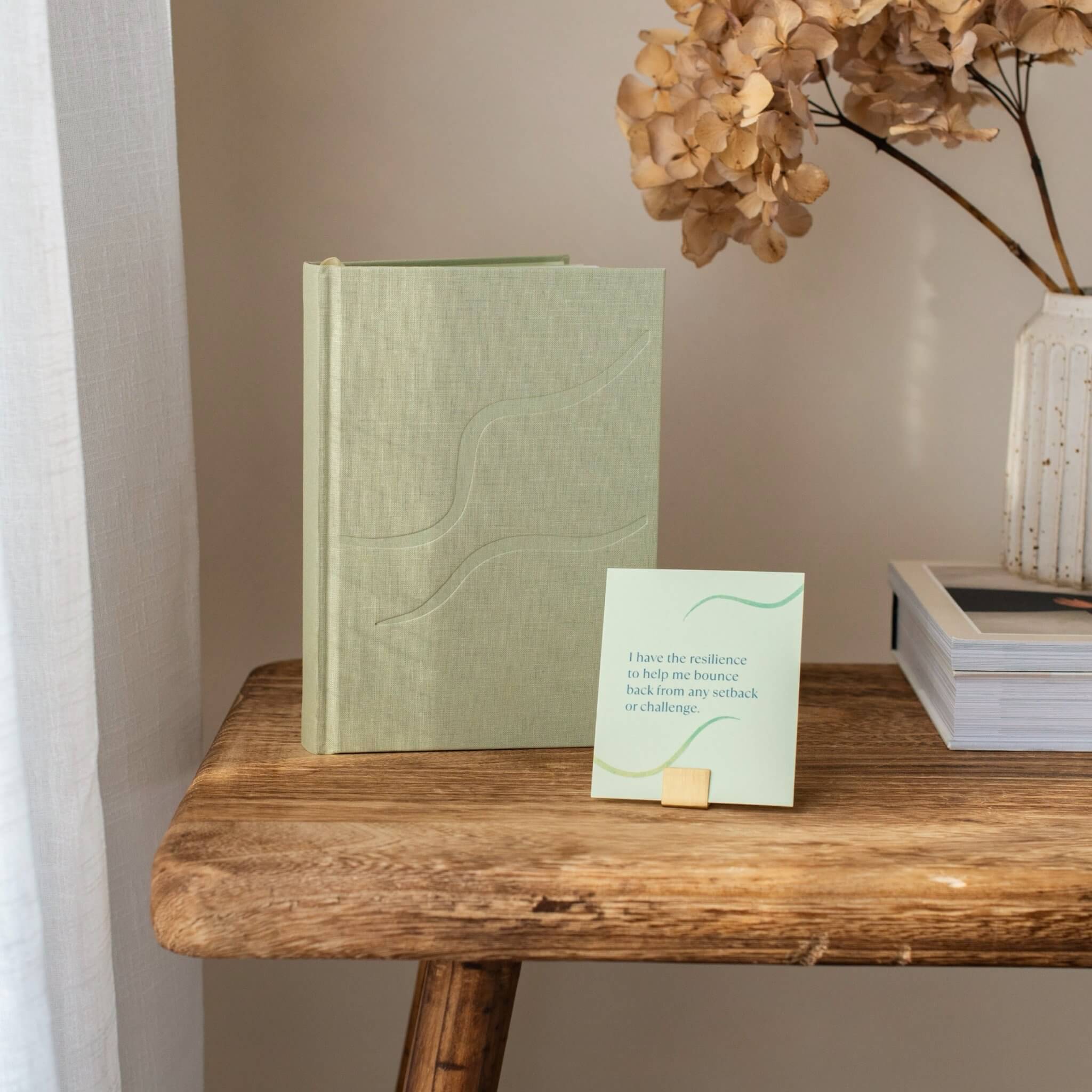
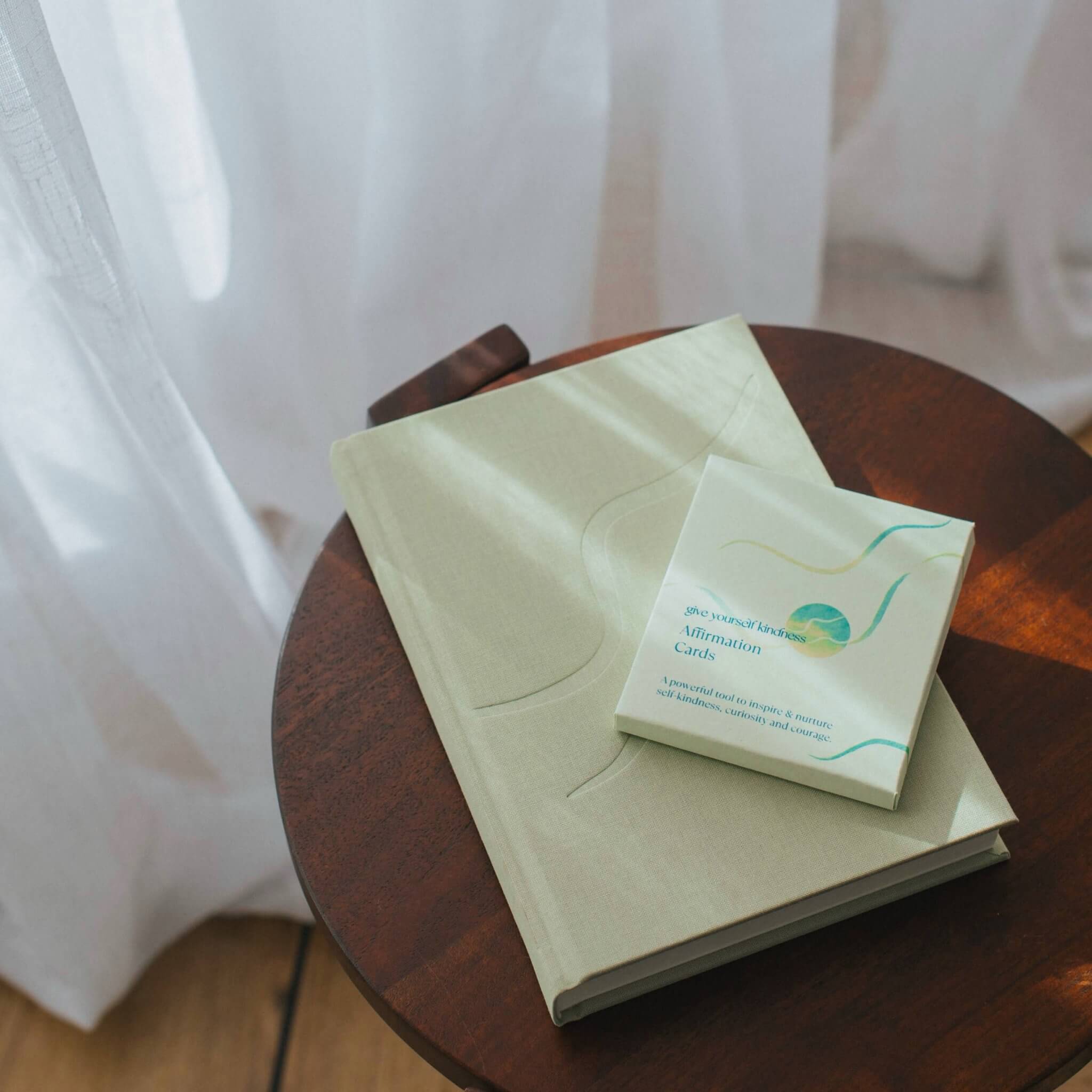
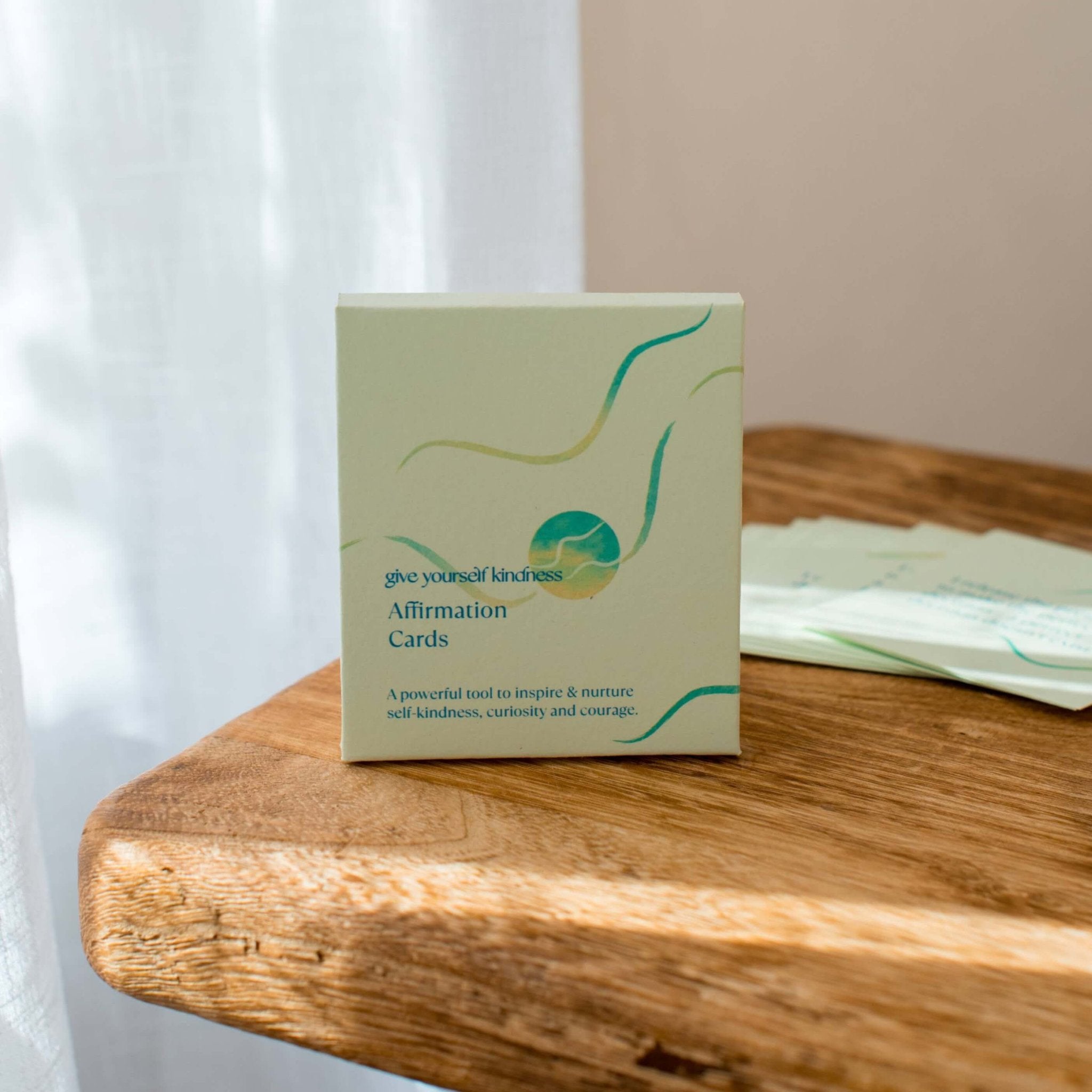
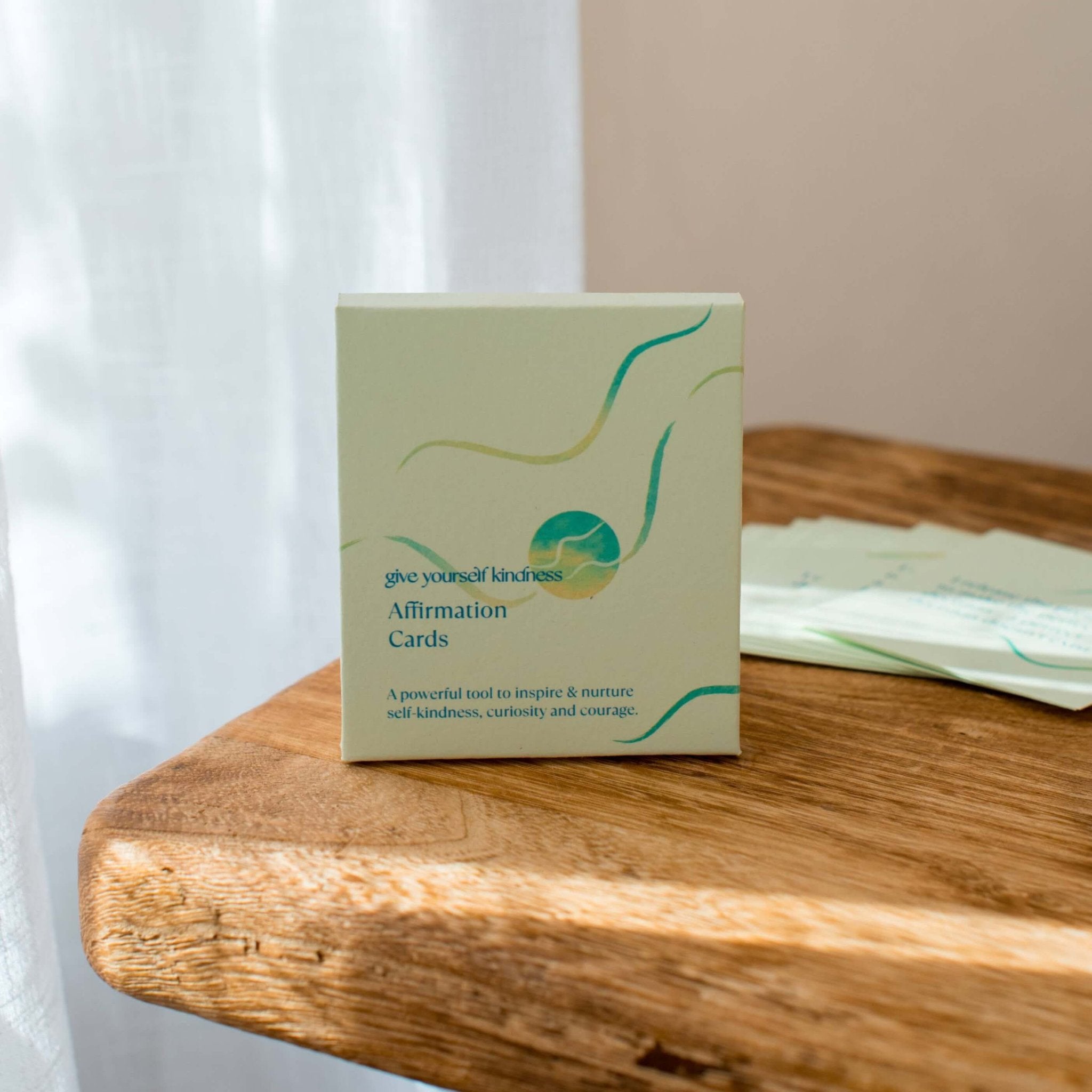
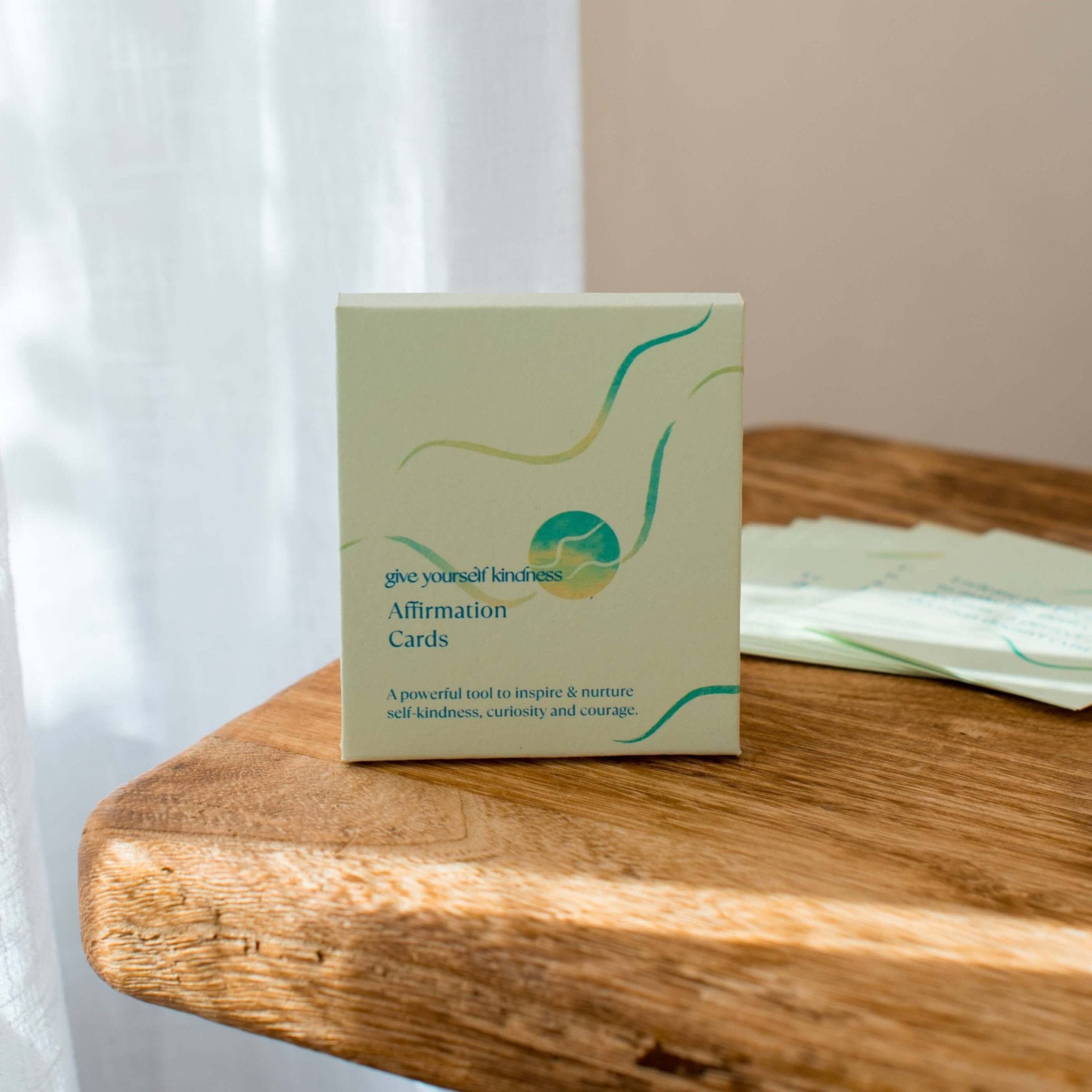
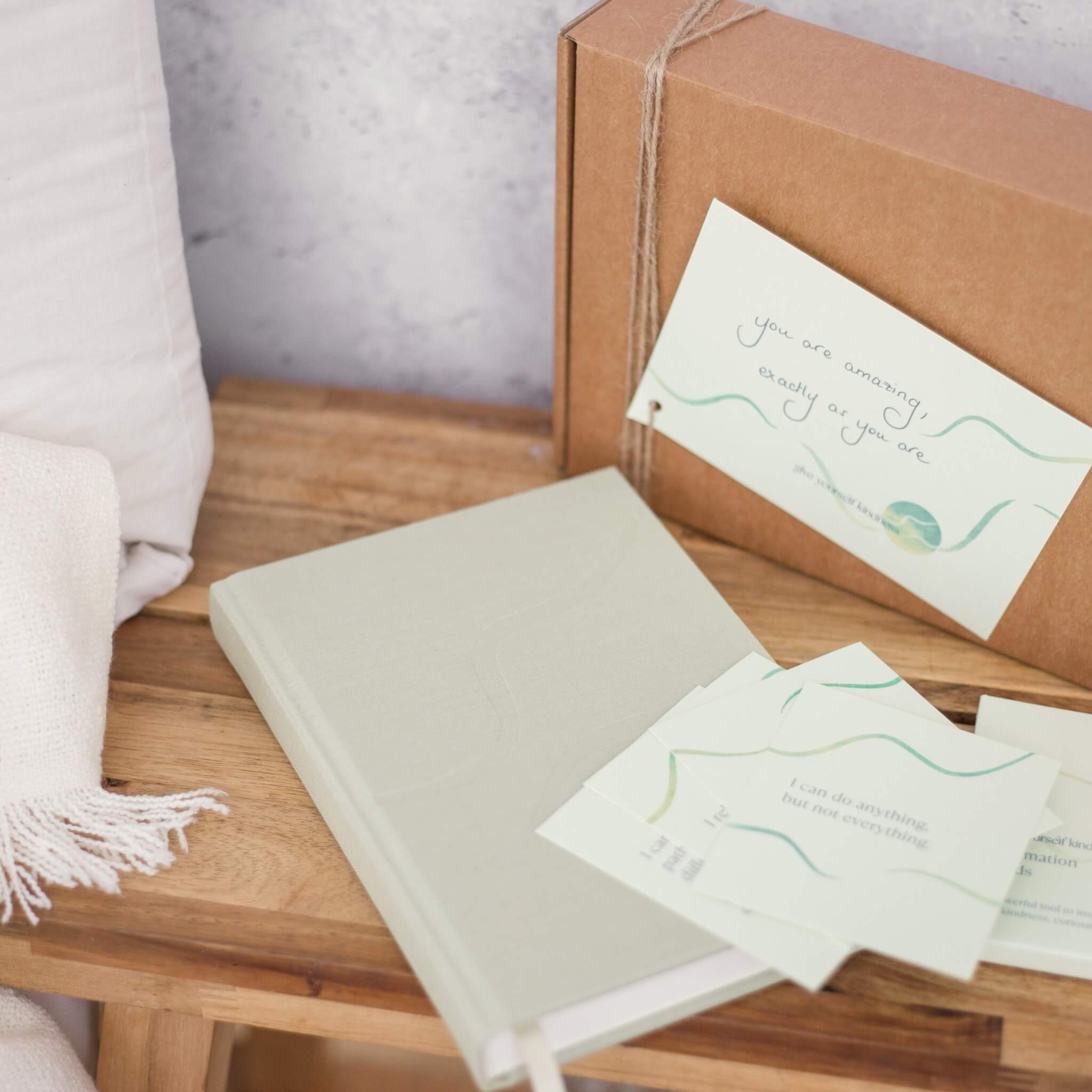
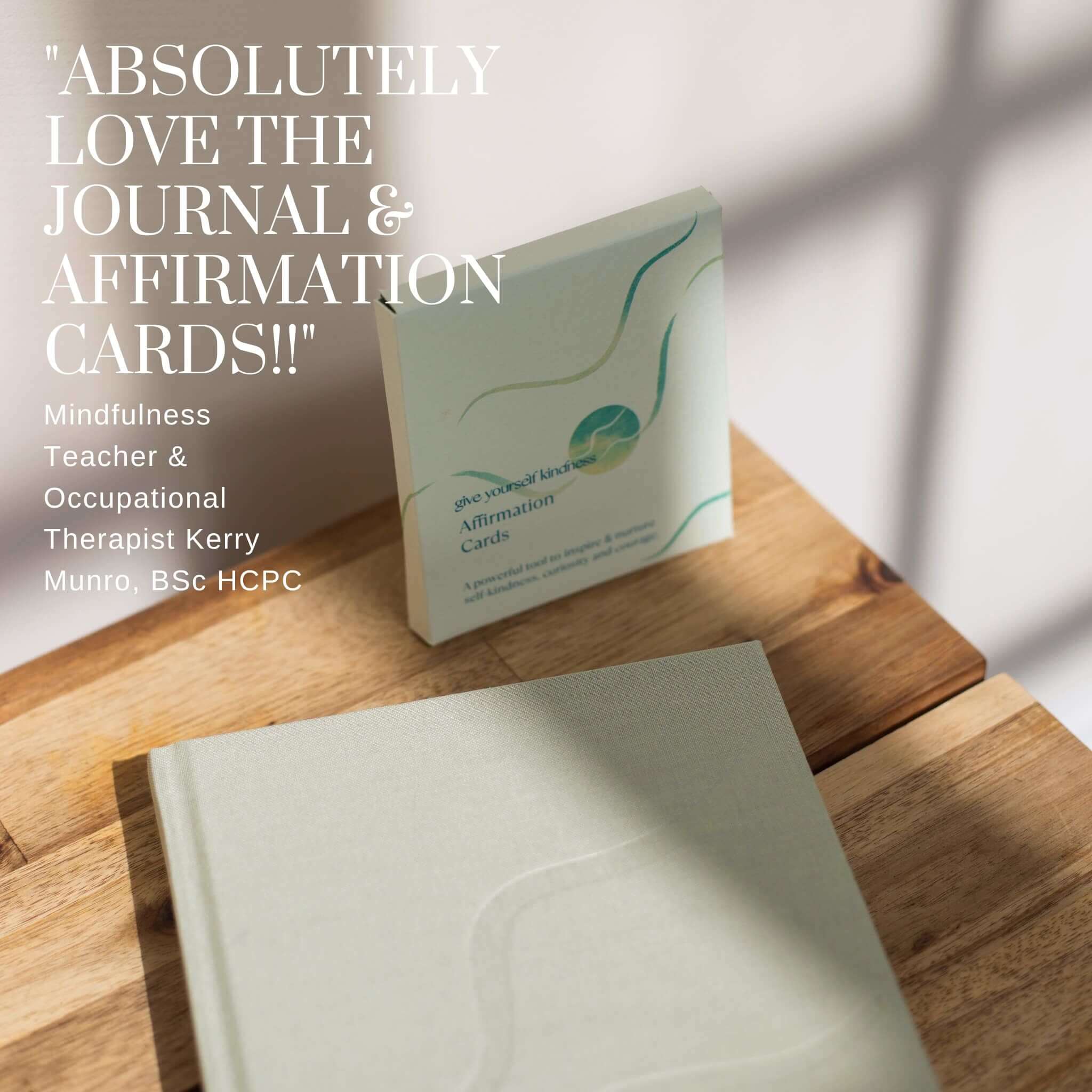
The Give Yourself Kindness Journal
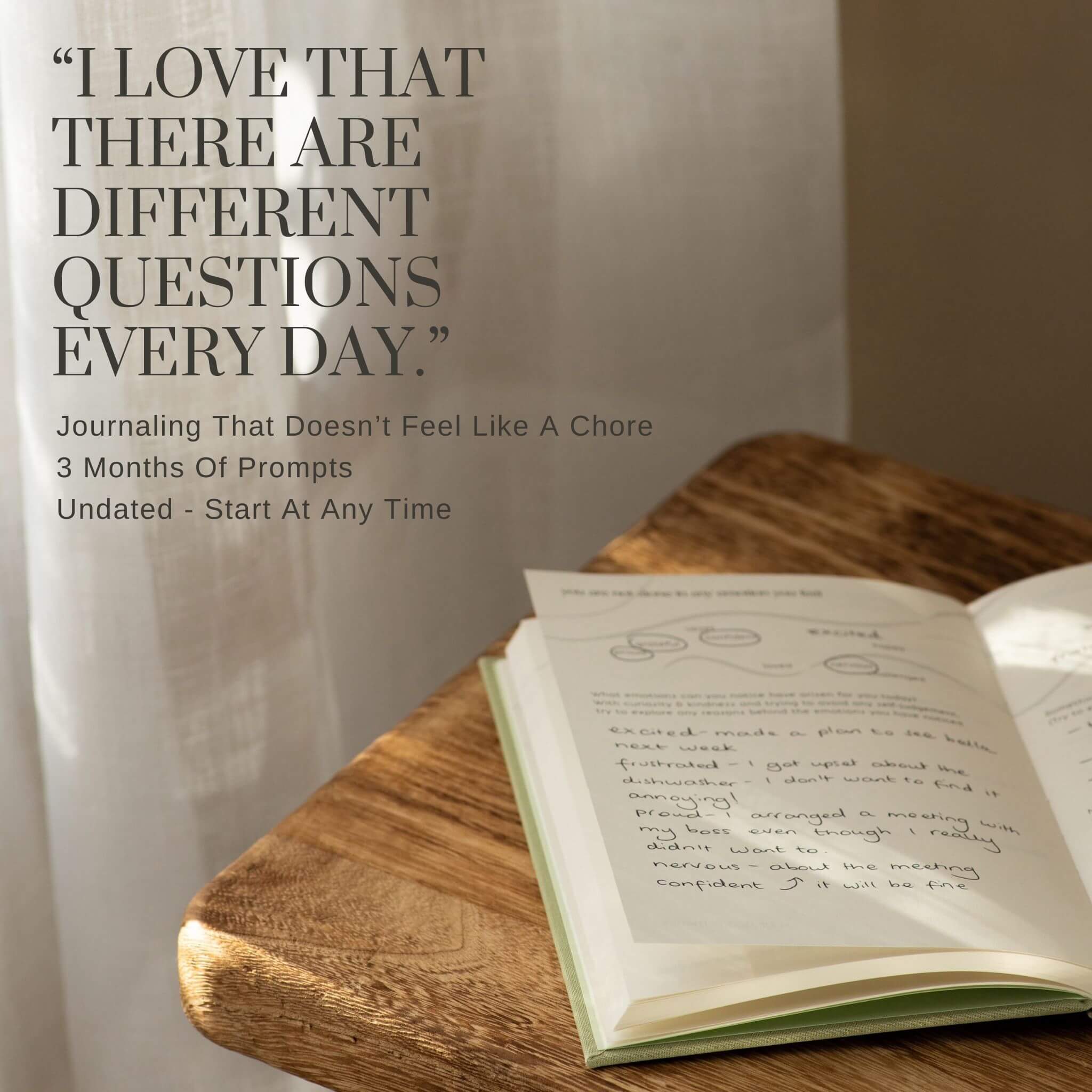
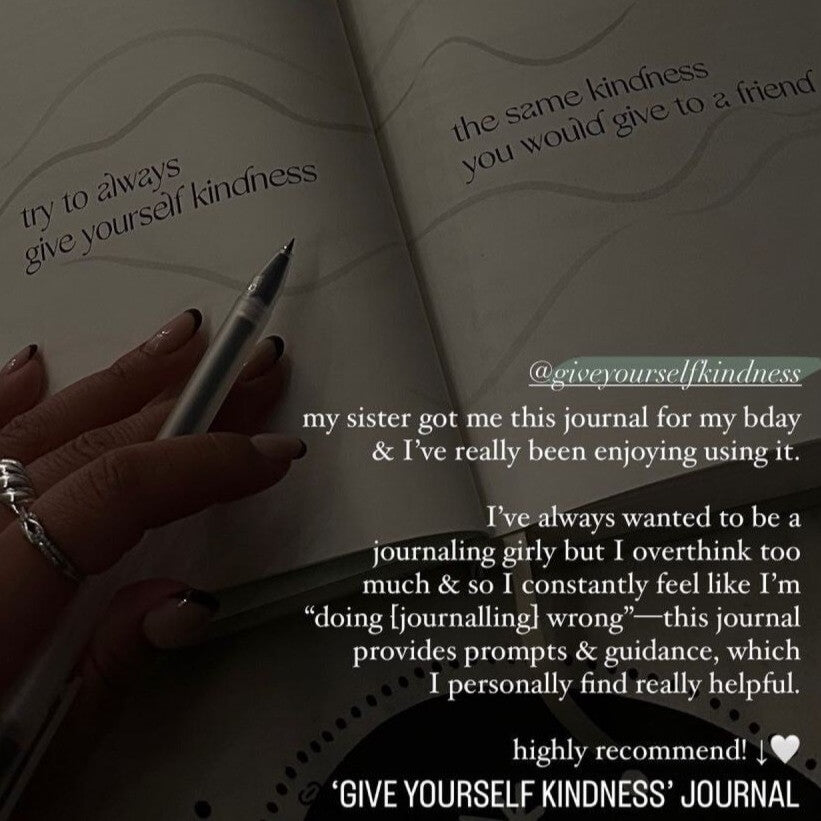
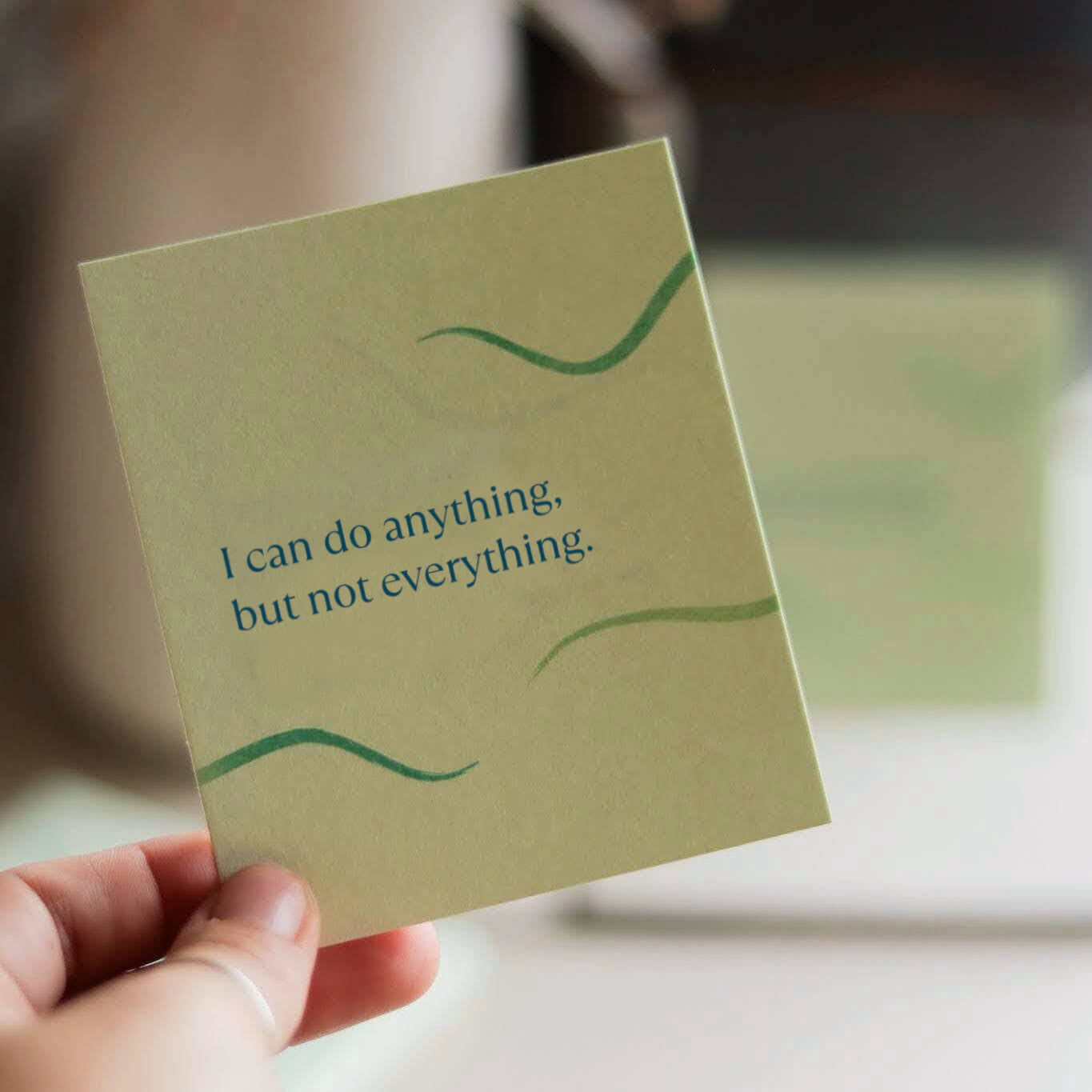
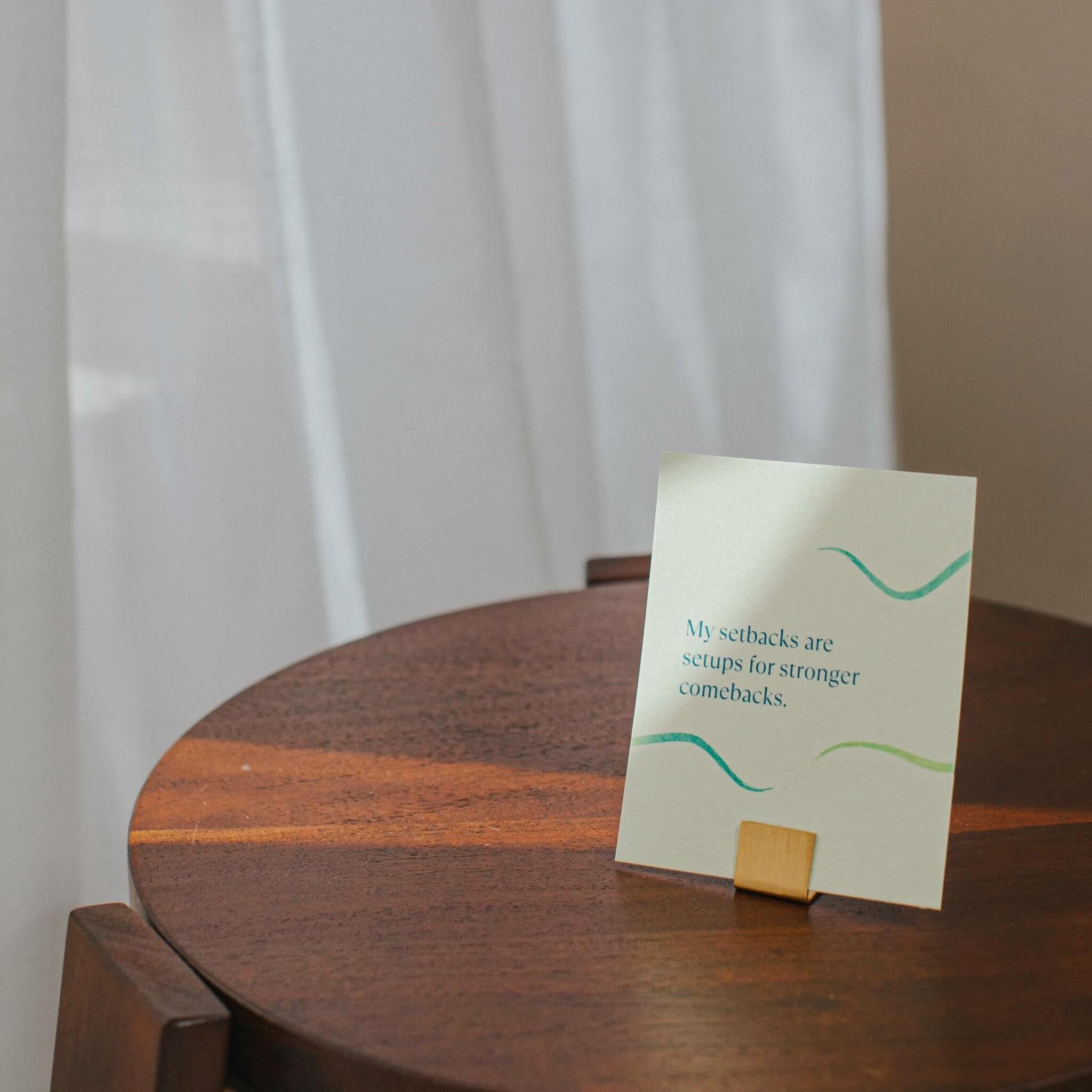
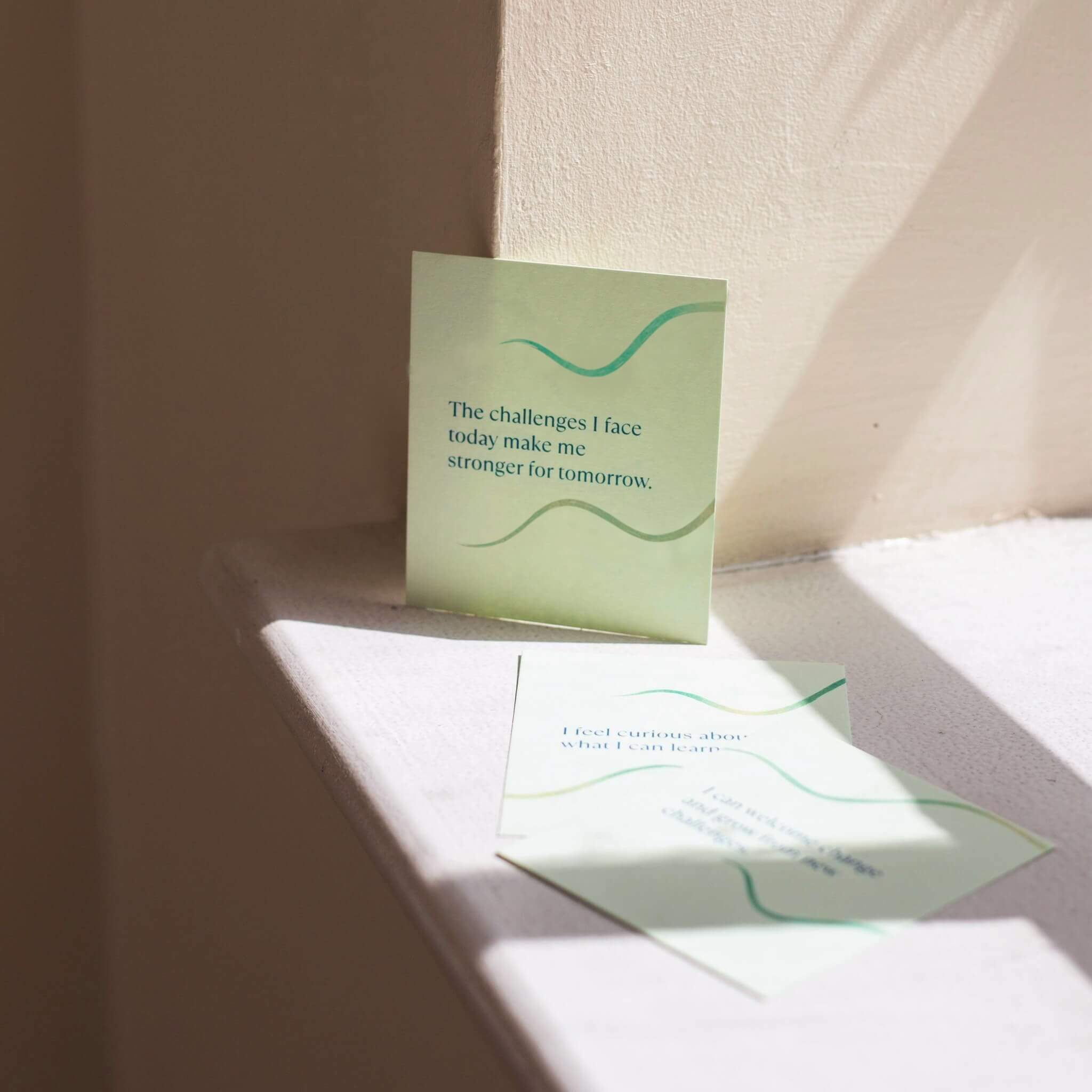
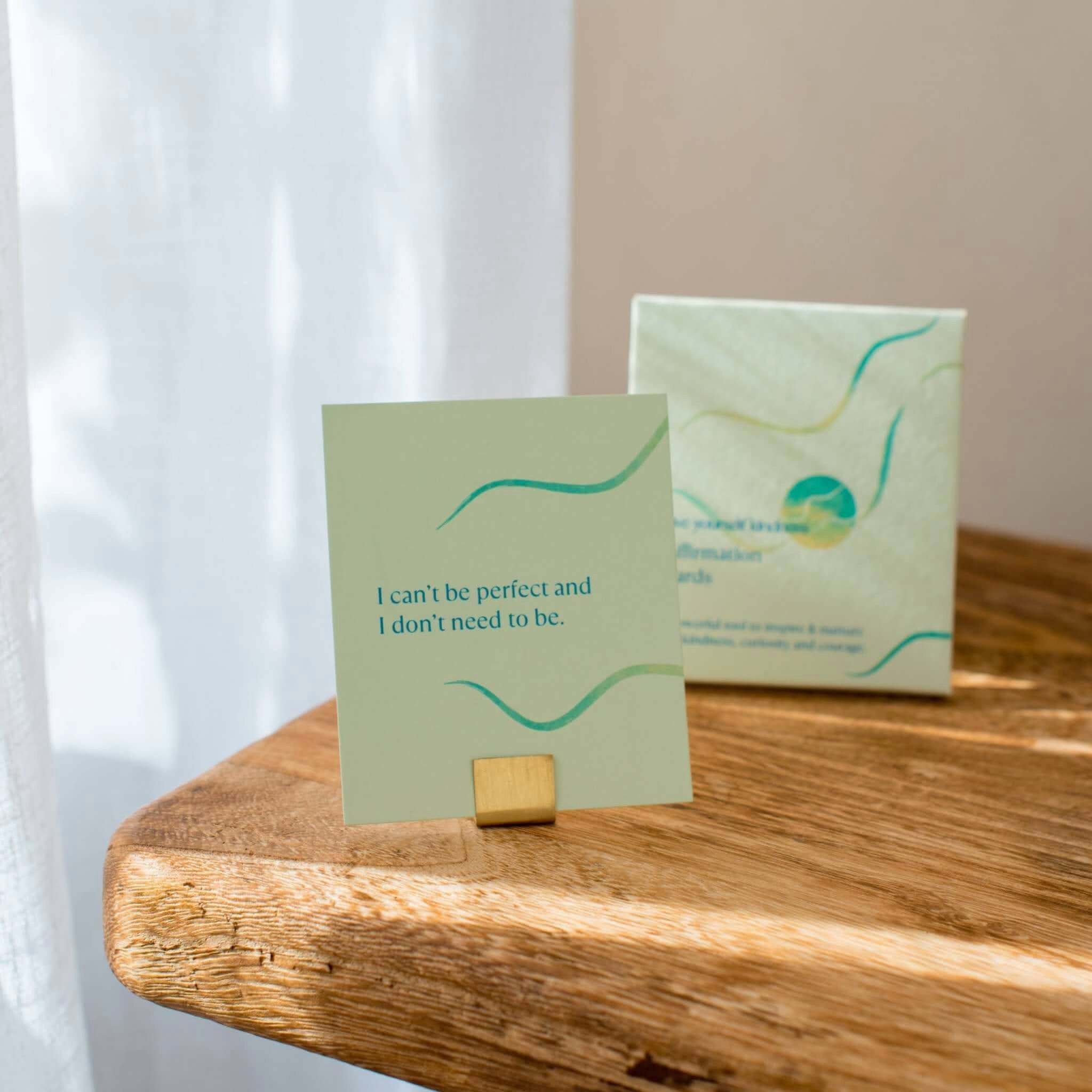
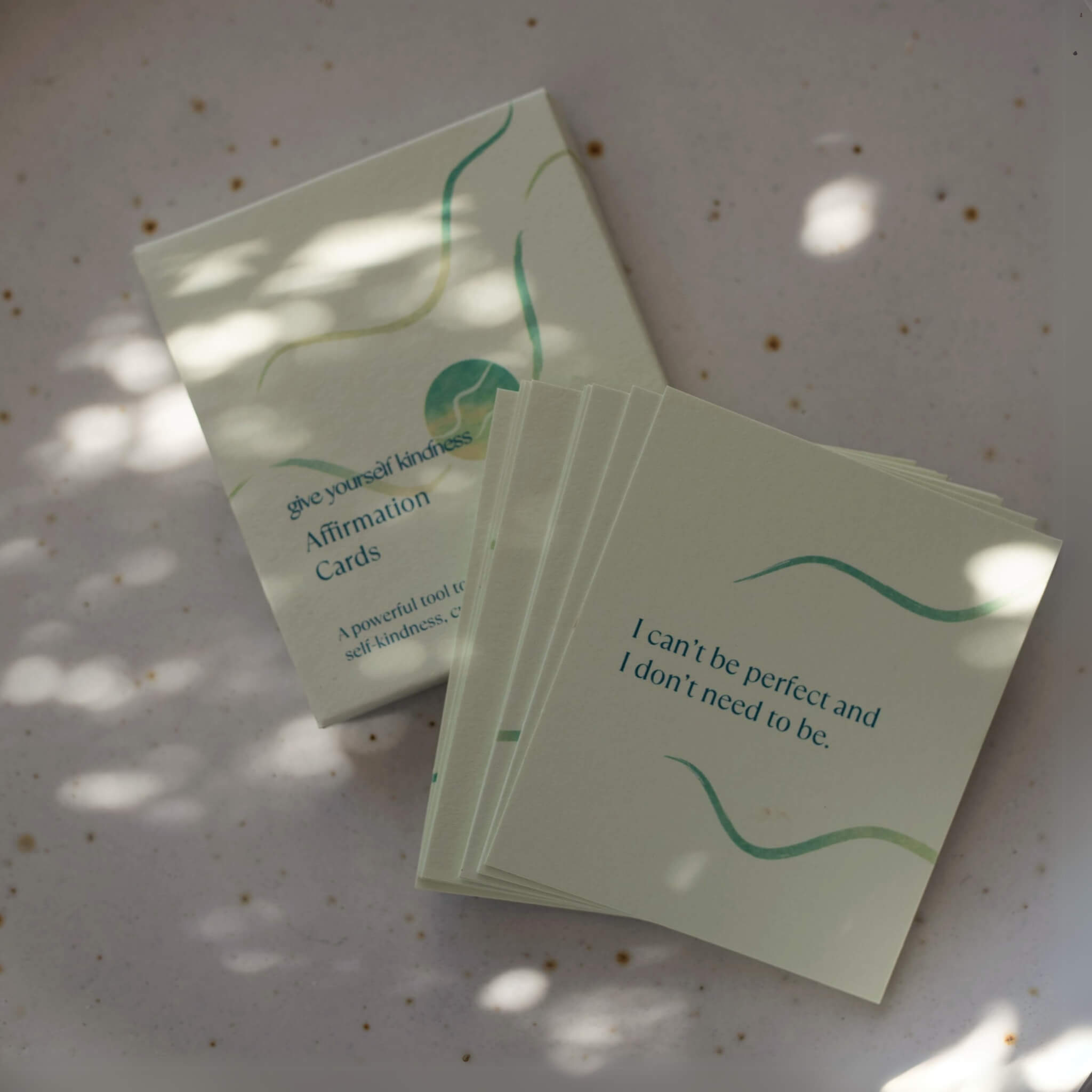
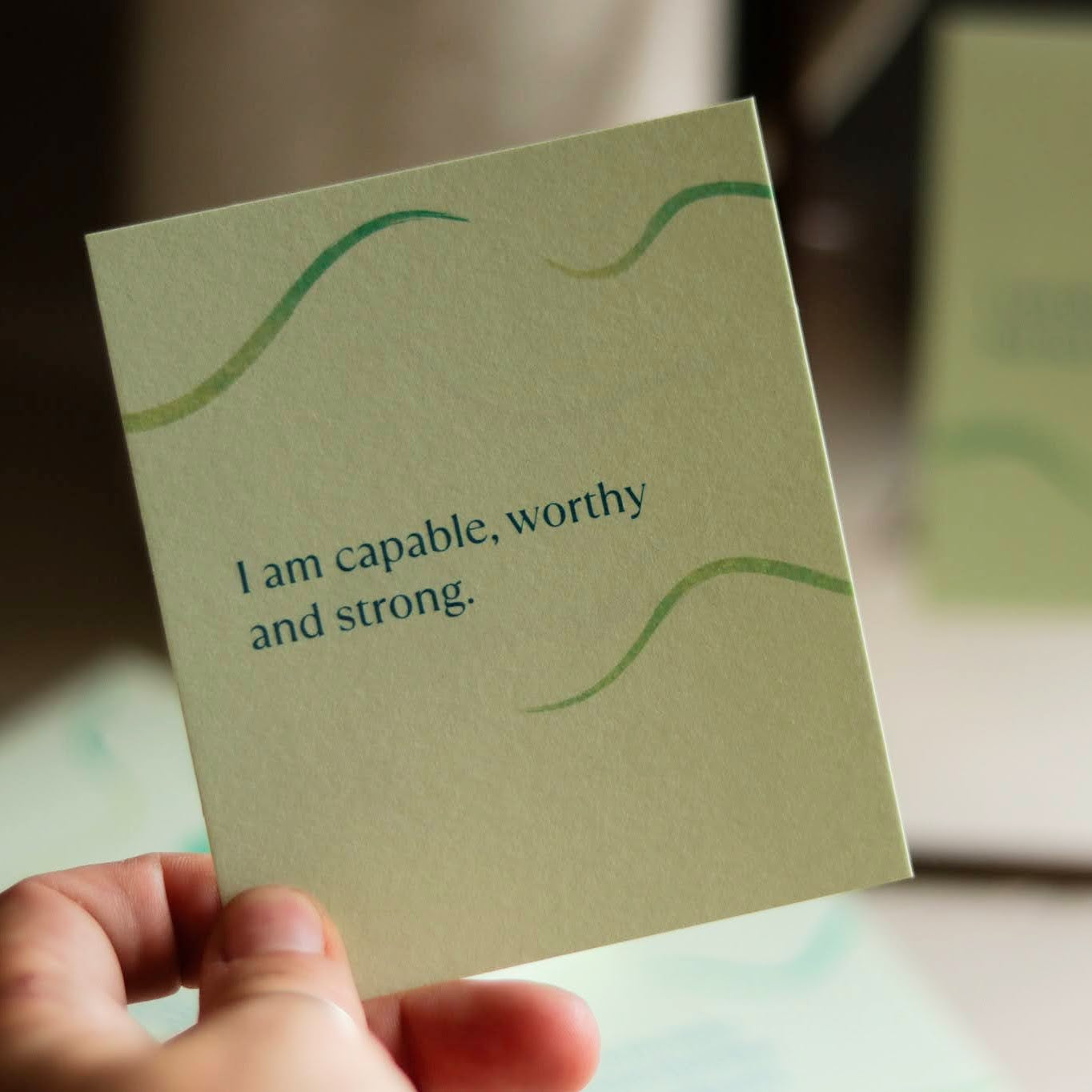
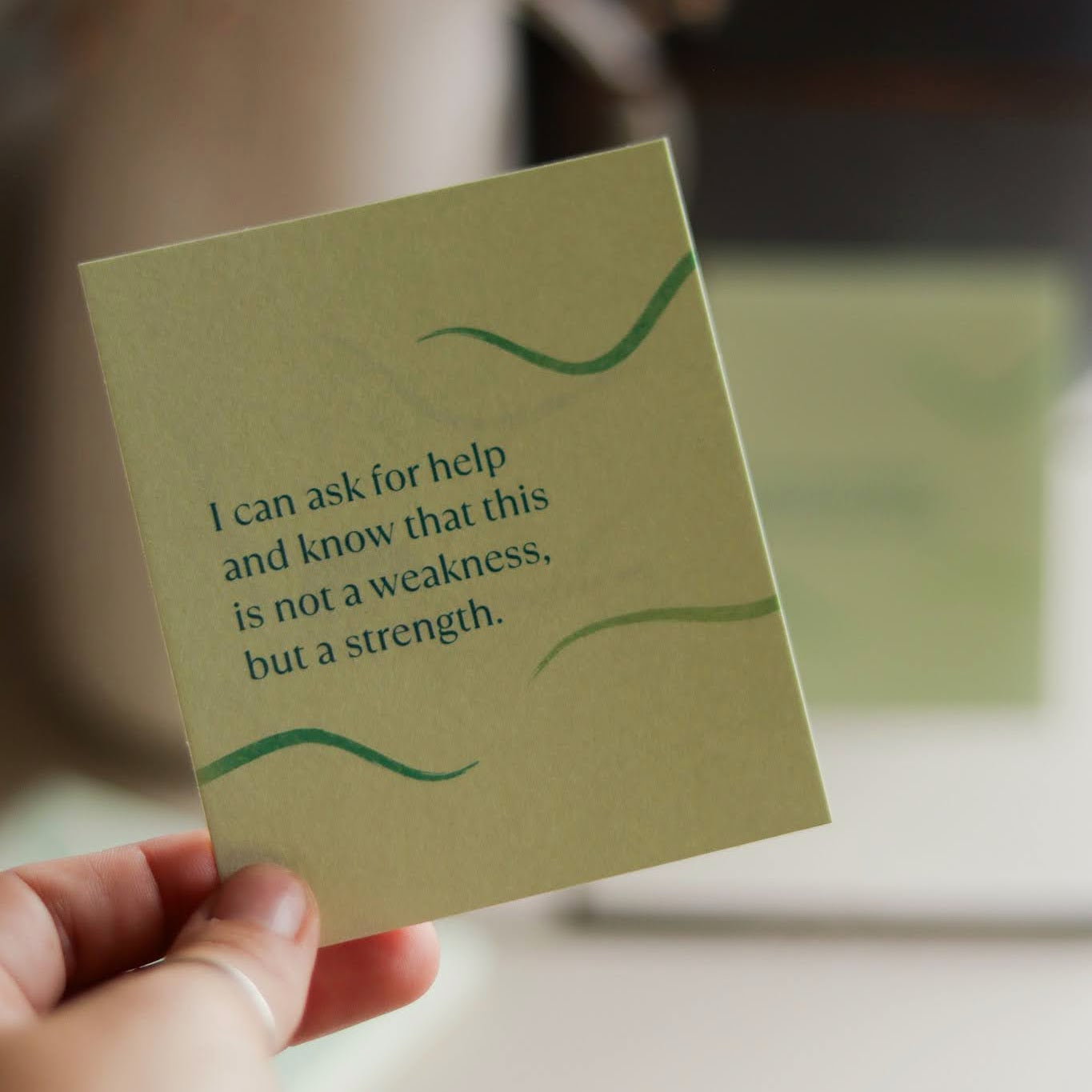
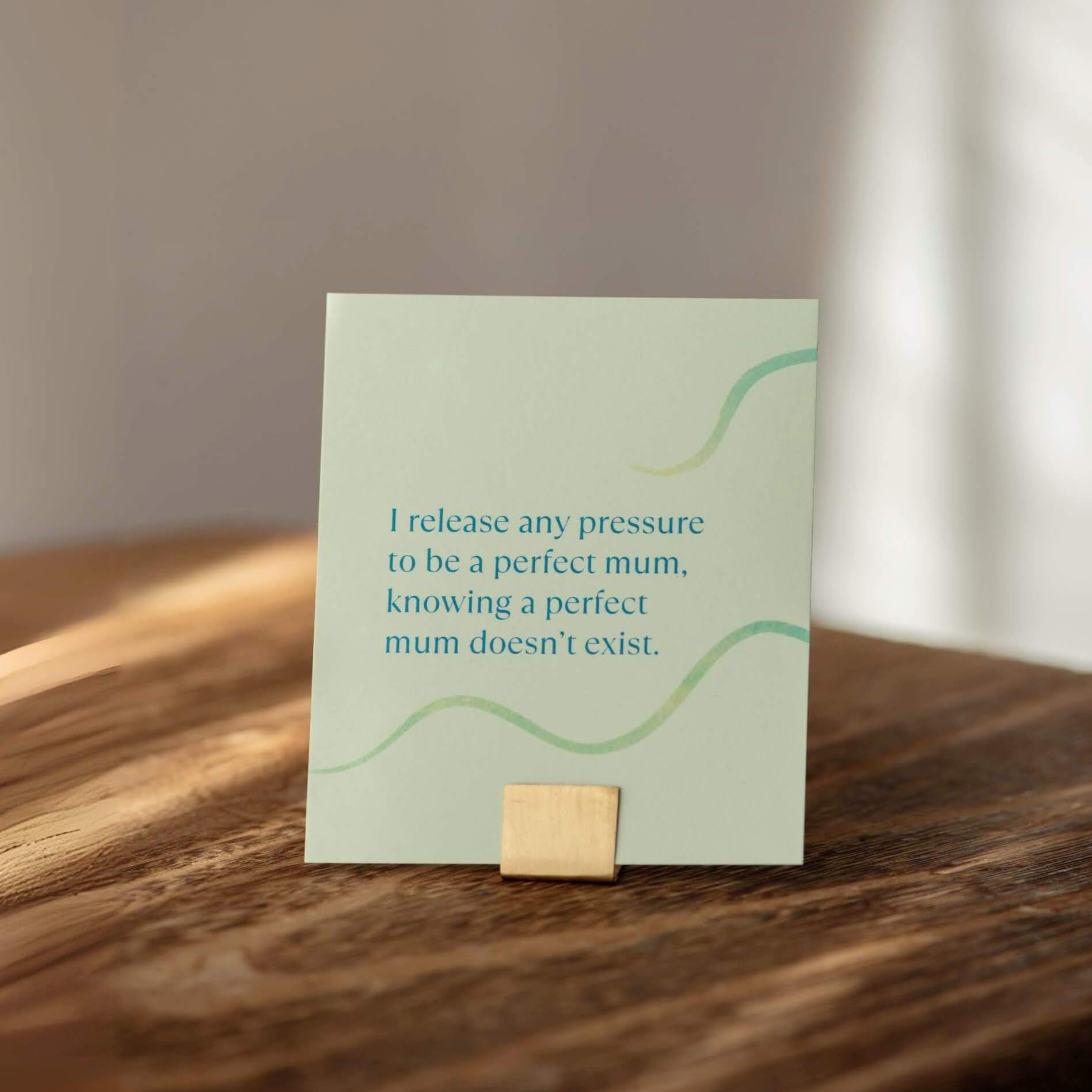
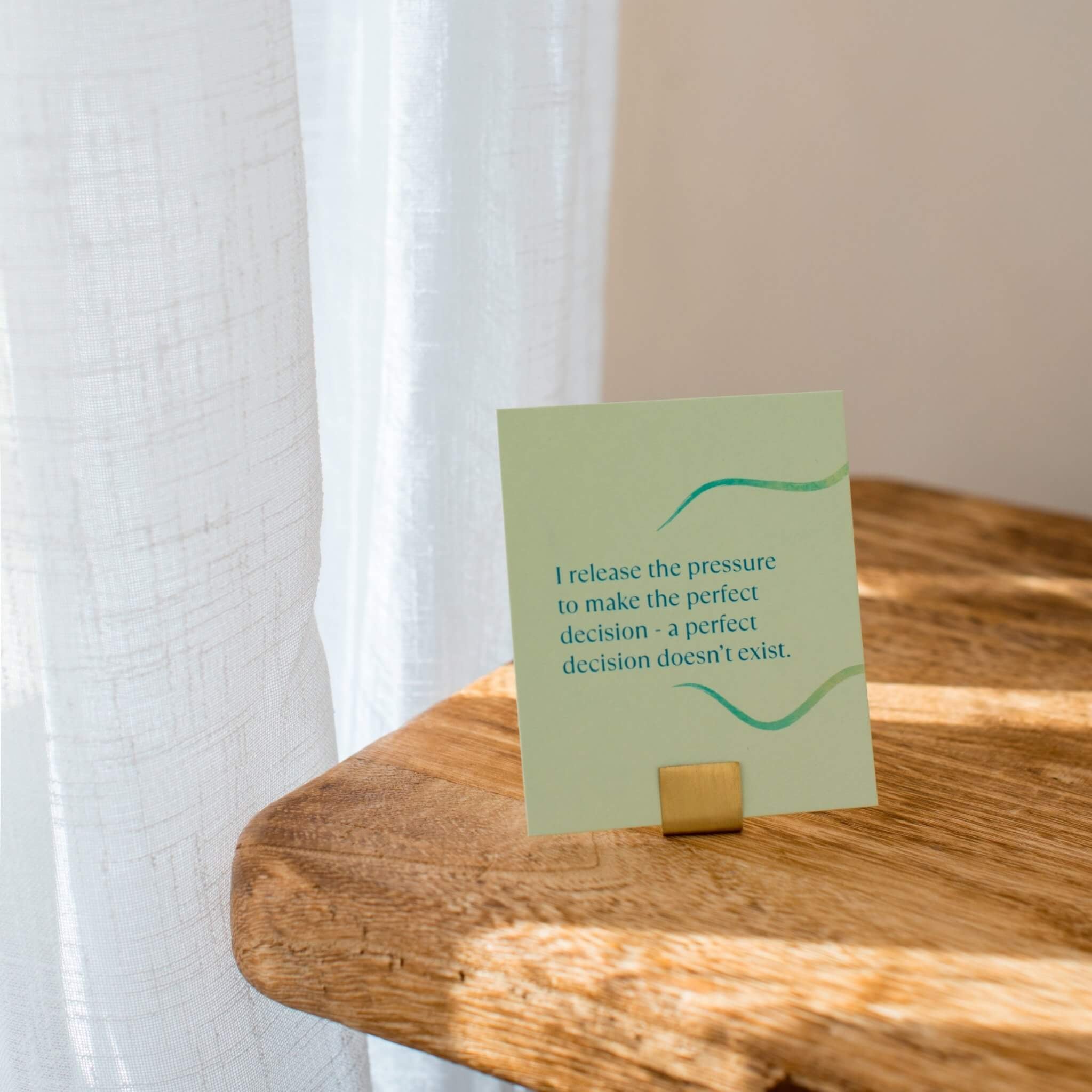
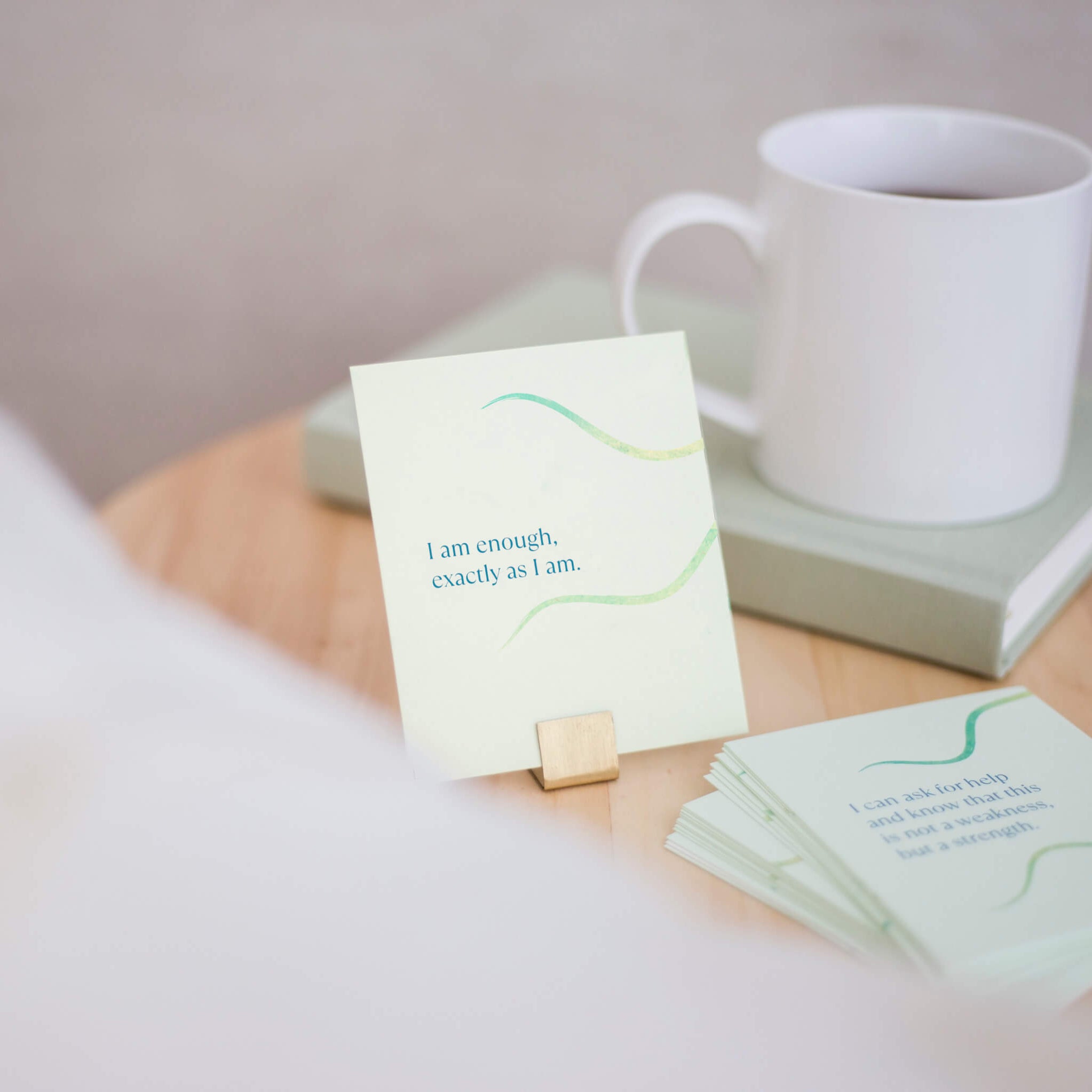
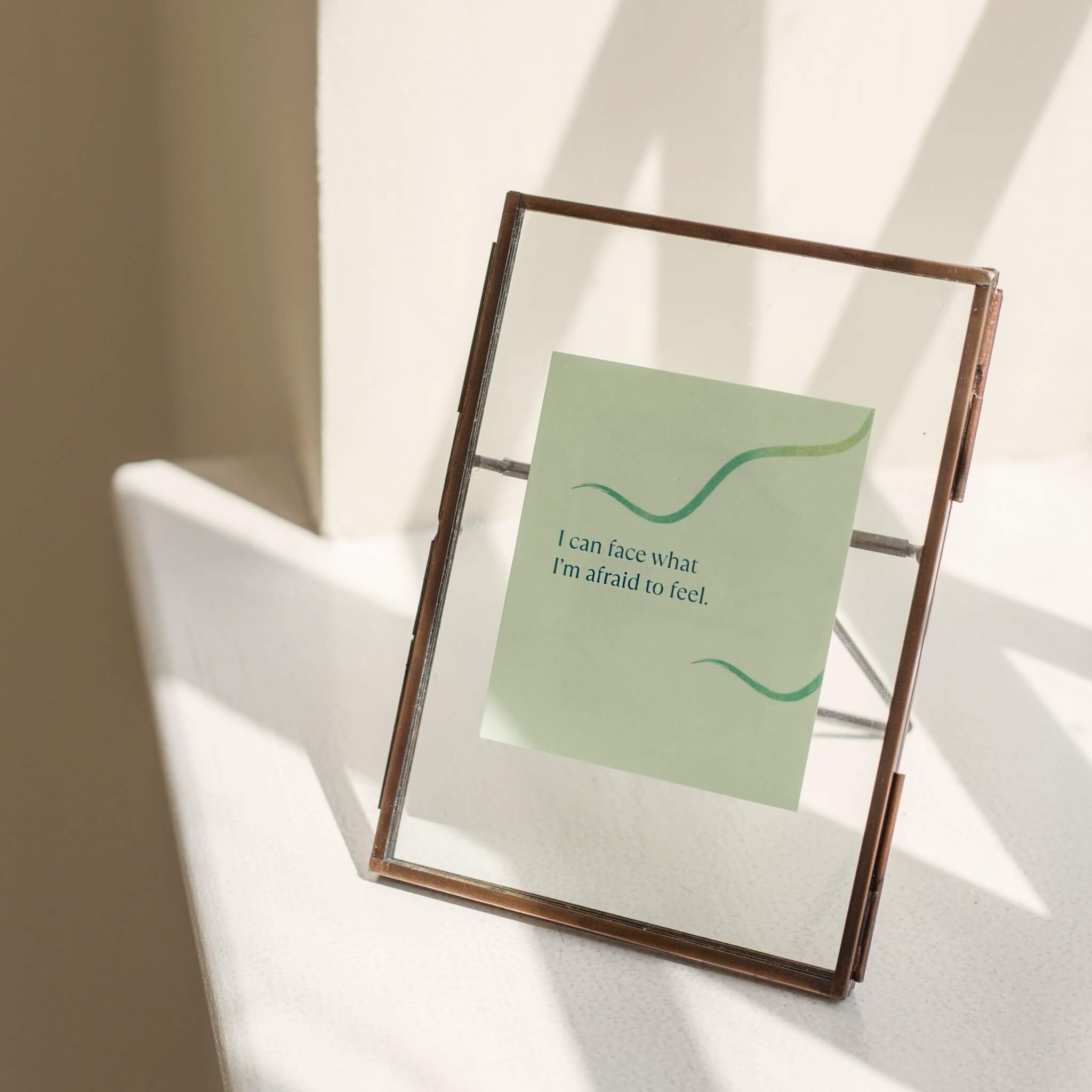
This one goes after the actual mechanism. Its prompts ask you to write to yourself the way you would write to a friend, because for most people who keep giving up, the voice that reads the empty pages back is the problem, not the empty pages.
- 224 pages, three months of undated prompts, every page different
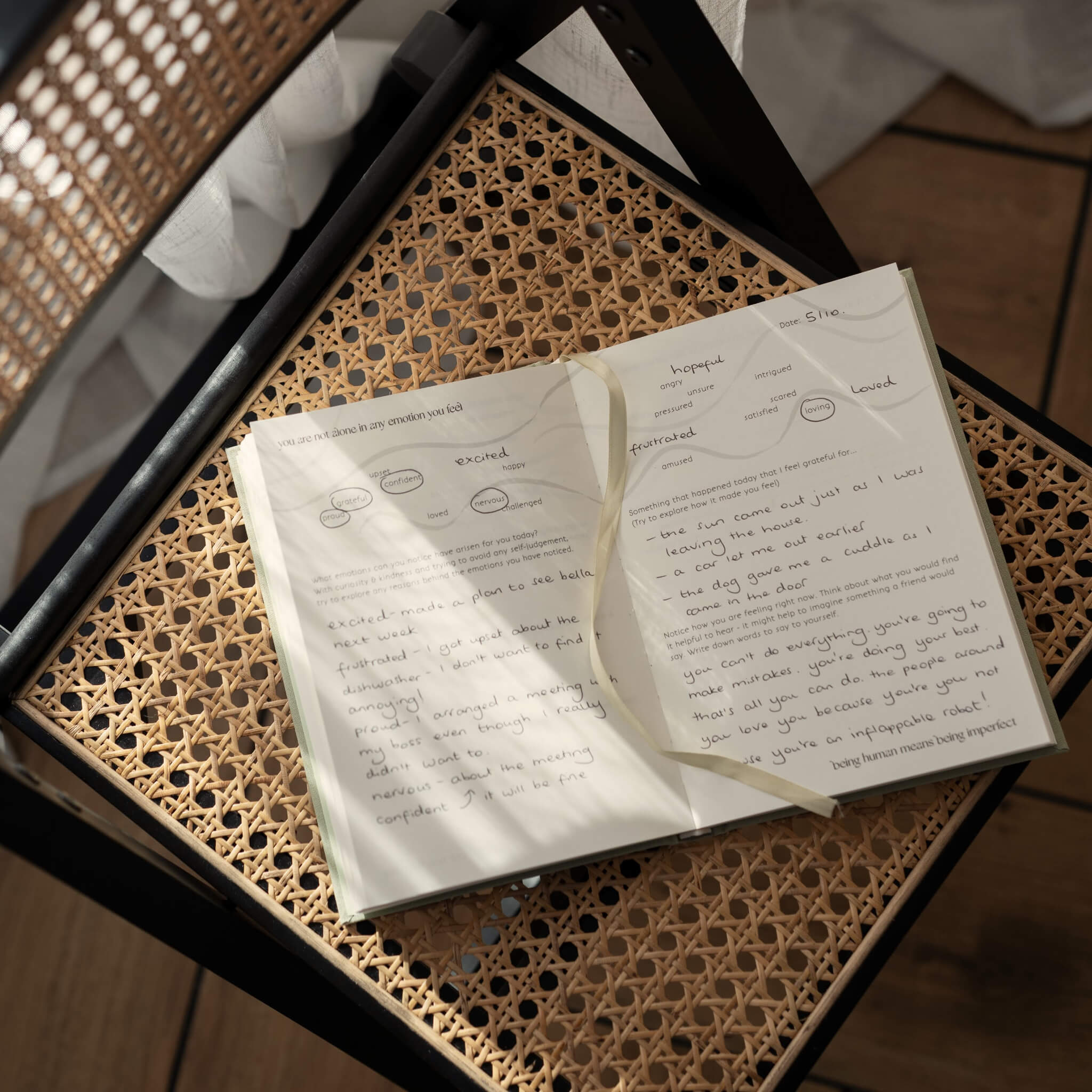
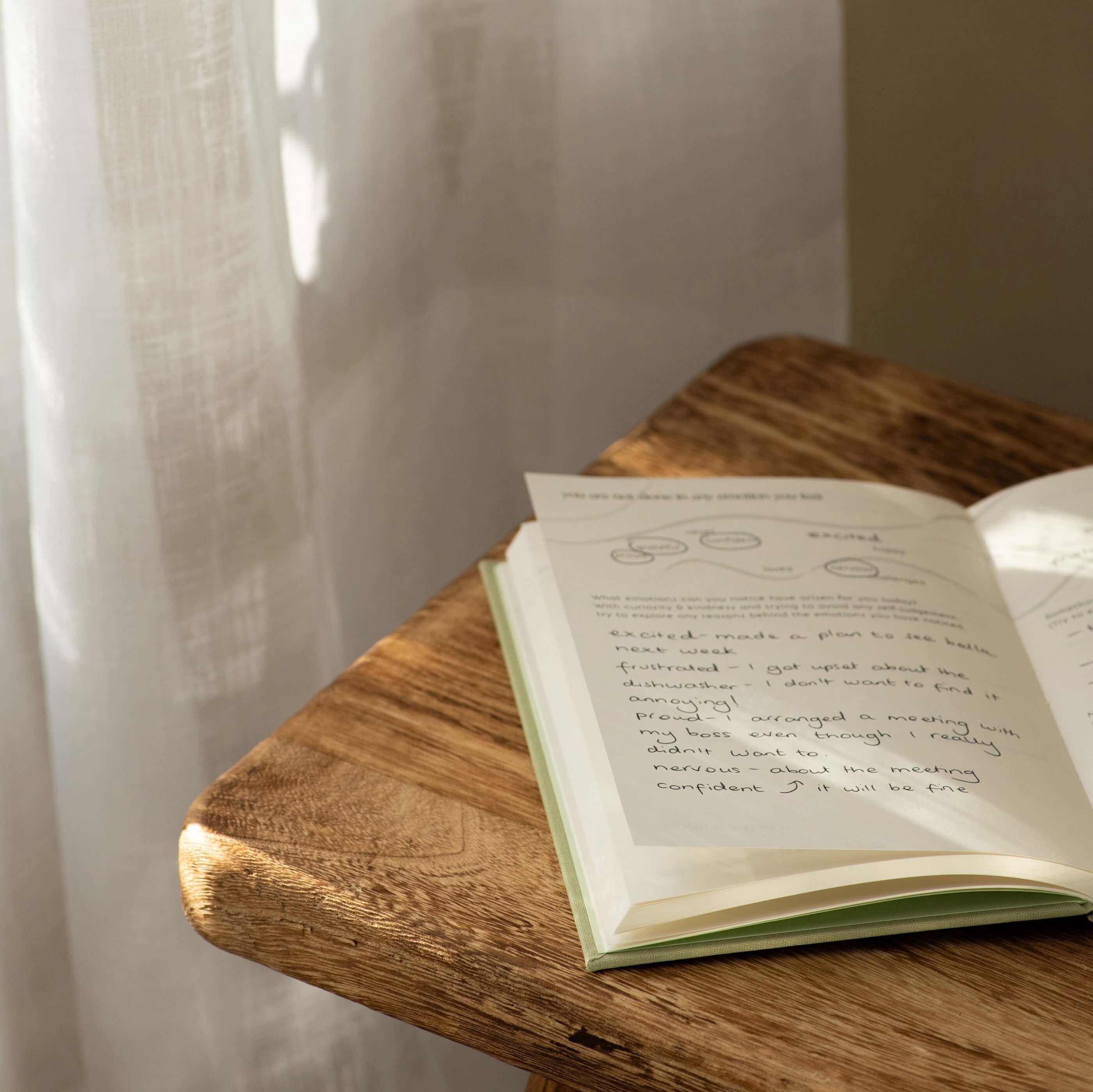
- A visual emotional awareness tool on every page, not just at the front
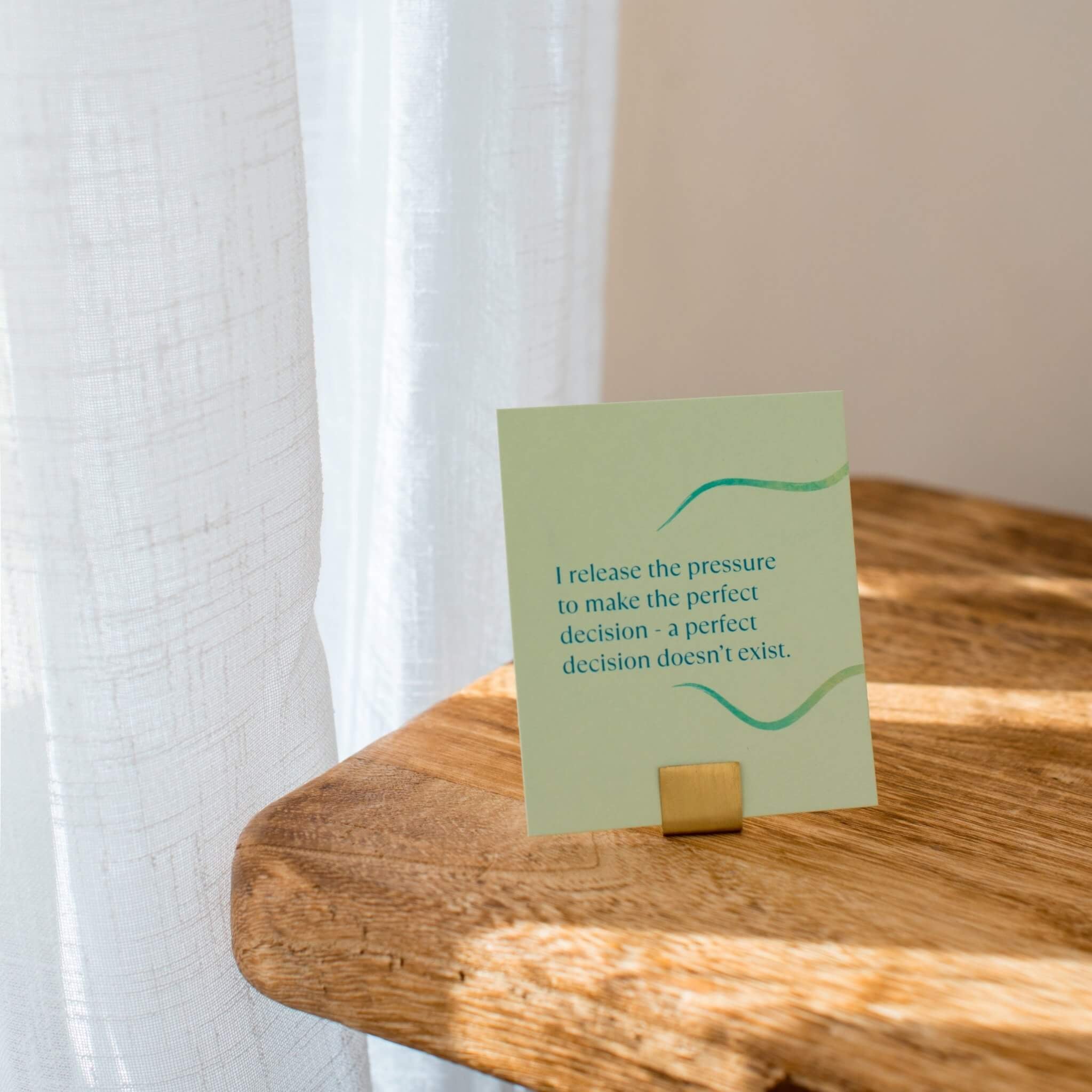
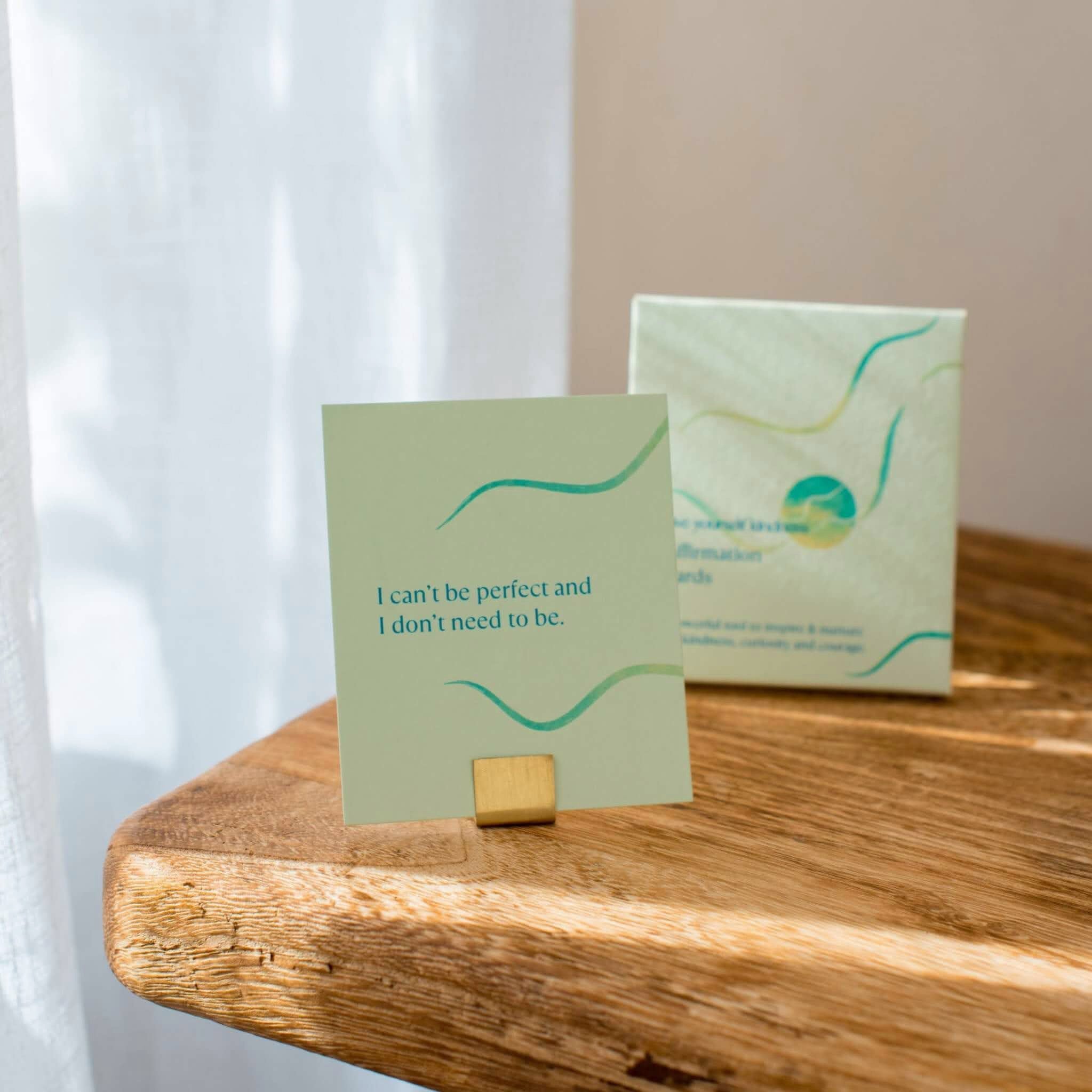
- Over 50 self-care quotes throughout
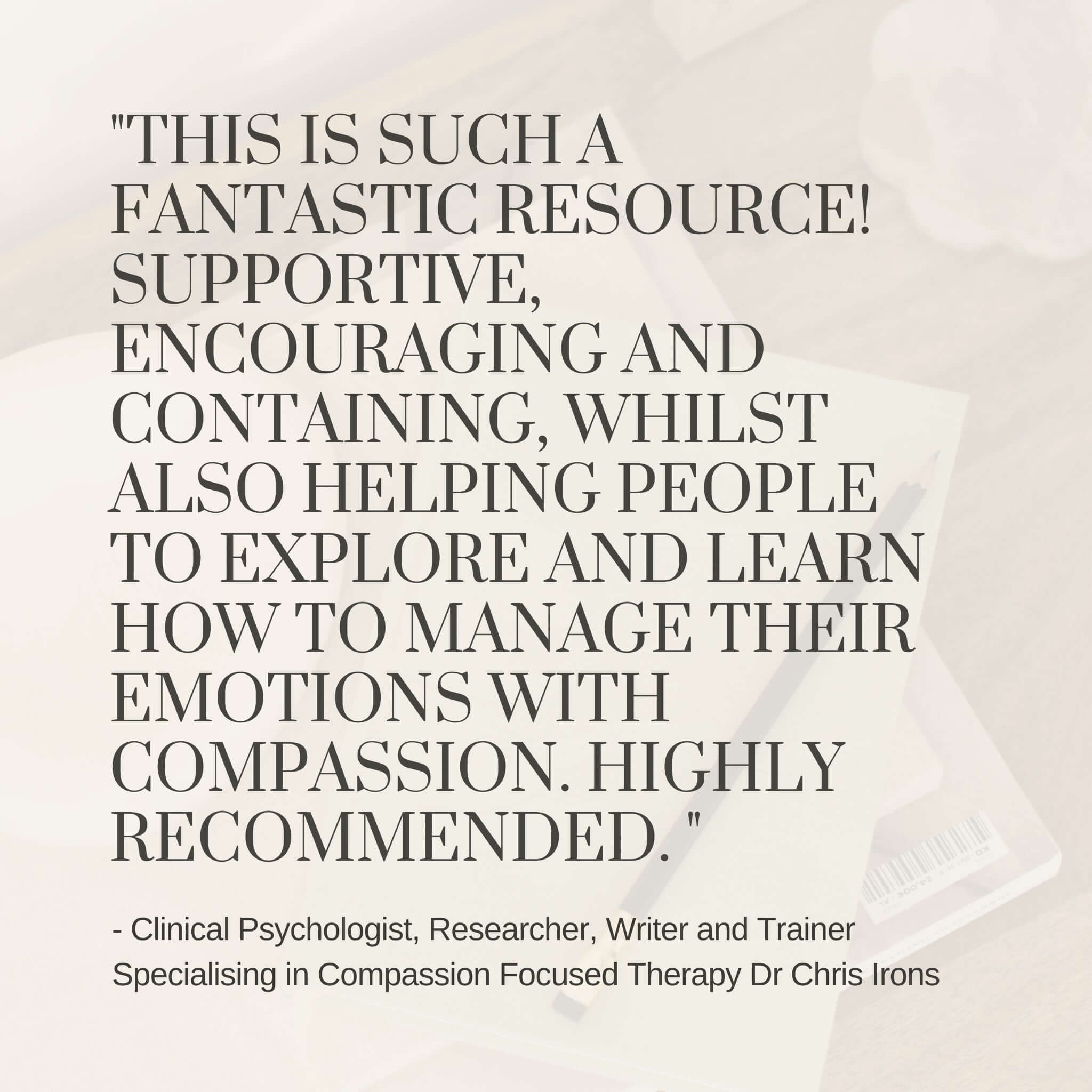
- This is the journal reviewed by Chris Germer, PhD (Harvard Medical School), Professor Willem Kuyken (University of Oxford) and Dr Chris Irons
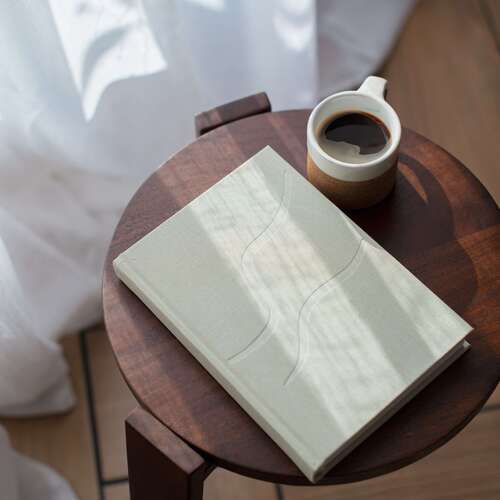
- 120gsm FSC paper, pistachio green cloth cover, wrapped in bespoke tissue paper
Added to your basket. View basket →
Three months of pages sounds like a lot when you have stopped before. It is undated, so it is three months whenever you want them to be, in any order. See full details and photographs →

Dr Chris Irons
Clinical psychologist and specialist in Compassion Focused Therapy, co-director of Balanced Minds
"It's useful to consider which part of ourselves is doing the journalling... it could be that it's a fearful part of you that is writing, or an angry or self-critical part. And although it's understandable that this might happen, how helpful might it be if it is our self-critic journalling?"Read Dr Irons in full →
This is the sentence that changed how I think about giving up. When you open a journal after a gap, someone reads those blank pages. If the reader is your inner critic, no format on earth will survive it, which is why the prompts matter as much as the dates do.
How to start again, on a Tuesday, with no ceremony
You do not need a new month or a new year. You need about four minutes and permission to do it badly.
Not the page you were on. Not the gap. The next clean one. The blank pages behind you are not owed an explanation, and nobody is going to read them.
One line is a complete entry. If you want to keep going, keep going, but finishing after a sentence should feel like a success and not like getting away with something.
Not every question will suit every day. Turning the page is information, not avoidance. You have just learned something about where you are today.
If "this is stupid" or "I should have kept this up" turns up, that voice is the thing worth writing about. Would you say it to a friend who had just started again after three months? Probably not. That gap is the whole practice.
Beside the kettle, on the pillow, in the bag you take to work. The journals that get used are the ones you trip over, not the ones stored respectfully in a drawer.
If you want the longer version of that fourth point, this piece on speaking to yourself as you would a friend is where the whole approach comes from, and this one collects what three clinical psychologists say journaling actually does.
Questions people ask before they buy another one
What if I stop after two weeks again?
Then you will have two weeks of writing that you did not have before, in a book that has no way of showing that you stopped. Undated pages do not record absence. When you come back, whether that is in nine days or next spring, you open the next clean page and carry on, and the journal looks exactly as it would have looked if you had never paused.
Is it worth buying a journal if I've failed at this three times?
You haven't failed three times. You've tried three times, which is three more than most people who say they'd like to journal. What is worth doing is buying a different shape of journal rather than a nicer version of the same one. If all three had dates, or the same prompt every day, the fourth one having a lovelier cover will not change the outcome.
Which of your two should I start with?
If the honest answer to "will I actually do this" is "I don't know", start with the Gratitude Journal at £10.95. Thirty prompts is a promise small enough to keep, and you will know within a fortnight whether writing suits you. If you already know that the thing stopping you is how harshly you speak to yourself, go straight to the Give Yourself Kindness Journal at £28.95, because that is what its prompts are built to work on.
Do I have to write every day?
No. Four of the six therapists I asked said explicitly that there is no right or wrong way to do it, and Carrie Pollard describes picking a journal up "in the hardest moments" as a legitimate practice in itself. One of the six does recommend daily. Both approaches are honest; neither is a rule you are breaking.
Is a guided journal cheating compared with a blank notebook?
No, and the fact that this question comes up so often tells you something about the audience. Prompts are scaffolding. Plenty of people use a guided journal for a season, build the habit and the vocabulary, then move to blank pages quite happily. Others prefer prompts permanently. Here is the fuller comparison if you want to think it through.
Are both journals really undated?
Yes. No dates, no day numbers, no week headings, nothing to fill in at the top of a page. You can work through them in order or open them anywhere.
What if I don't know what I'm feeling when I sit down?
That is extremely common, and it is why the Give Yourself Kindness Journal has a visual emotional awareness tool on every single page rather than one chart at the front that you stop flicking back to. If you want to build that vocabulary first, this guide to identifying emotions is free and is a good place to start.