


You sit down with good intentions. You stare at those blank lines. "Three things I'm grateful for..." And nothing comes. Or everything feels forced.
I want you to know that finding gratitude hard does not mean you are an ungrateful person. Nothing is wrong with you.
Most people struggle to keep up with gratitude journaling. Not because they're ungrateful, but because the way most journals are designed works against how our brains actually operate.
Quick Answer
Gratitude journaling feels hard because most formats work against your brain: numbered blank lines create pressure, repetitive prompts bore you by week three, and 6-month journals feel overwhelming. Research shows the practice works—even 2 minutes daily increases happiness by 25%—but only when the format doesn't trigger shame. What actually helps: varied prompts, permission to struggle, short timeframes (like 30 days), and no blank lines demanding answers.
Why Gratitude Journaling Feels So Hard
The Science Behind the Struggle
Our brains evolved to scan for problems first. This negative bias kept our ancestors alive—spotting dangers was survival.
So when you sit down with your gratitude journal and your mind goes blank? Or when you can only think of problems? Your brain is doing exactly what evolution trained it to do. It's not a character flaw.
But here's where most journals make it worse.
The Format Problem
Those numbered blank lines? "Three things I'm grateful for: _____, _____, _____"
They don't help. They create pressure.
When you can't immediately fill them, your inner critic starts: "Everyone else can do this. What's wrong with me? I'm so ungrateful."
But the problem isn't you. It's the format.
Numbered blanks staring back at you trigger feelings of failure, not gratitude. Research on gratitude journaling shows that when formats create pressure rather than invitation, people abandon the practice entirely.
Why Most Gratitude Journals Feel Impossible to Keep Up
The Science Behind the Struggle
Our brains evolved to scan for problems first. This negative bias helped us survive—spotting dangers kept our ancestors alive. It's not a character flaw; it's survival instinct.
So when you open a gratitude journal and your mind goes blank, or when you can only think of problems instead of positives, your brain is doing exactly what thousands of years of evolution trained it to do.
Those numbered blanks? They're not helping. Formats like "Three things I'm grateful for: _____, _____, _____" create pressure, not inspiration. When you can't immediately think of answers, those blank lines trigger feelings of failure.
Your inner critic starts: "Everyone else can do this. What's wrong with me? I'm so ungrateful."
But the problem isn't you—it's the format.

"Gratitude is a really powerful tool. Figure out what's one way you could incorporate just a little more gratitude into your life. Try it for a week and see what happens."
Amy Morin, LCSW Psychotherapist and International Bestselling Author | Host of the Mentally Stronger Podcast | One of the most popular TEDx talks of all timeRead Amy's full article on how gratitude changes your brain, health and relationships →
Why Consistency Matters (But Perfection Doesn't)
The Research
Studies show that gratitude practice has real, measurable effects:
- 2 minutes of gratitude practice can increase happiness by 25% (Dr. Robert Emmons, UC Davis)
- Gratitude journaling improves sleep quality when done before bed
- Regular gratitude practice reduces symptoms of anxiety and depression
- Gratitude acts as a psychological buffer, helping you manage stress more effectively
- It releases dopamine and serotonin—those feel-good neurotransmitters
But Here's What the Research Also Shows:
- Consistency matters more than duration — 2 minutes daily beats 20 minutes once a week
- Missing days doesn't negate your practice — just start again when you're ready
- Authentic gratitude beats forced positivity every time — if it feels forced, it won't work
- Most people lose interest in repetitive formats after 2-3 weeks — variety keeps your brain engaged
The good news? You don't need to be perfect. You just need an approach that doesn't make you feel like you're failing.
7 Strategies to Actually Keep Up With Gratitude Journaling
1 Ditch the Numbered Lists
Those "Three things I'm grateful for: ______, ______, ______" formats trigger anxiety. Blank lines stare back at you when you can't immediately think of answers.
Instead: Use open-ended prompts that invite curiosity rather than demand answers.
Example prompts that work:
- "What's something I noticed today that I might have missed?"
- "Can I think of a moment in the last 24 hours that felt good?"
- "What's something I can do now that I couldn't always do?"
Why this works: Exploratory questions reduce pressure and increase actual engagement. They work with your brain, not against it.
2 Change Your Prompts Every Day
Repetition kills engagement within 2-3 weeks. Your brain craves novelty—it's why the same prompt becomes meaningless by day 14.
Try: Different approaches each day:
- Sometimes writing letters of thanks
- Sometimes engaging your five senses
- Sometimes reflecting on small moments
- Sometimes finding gratitude in mistakes or challenges
- Sometimes drawing or creative exercises
Why this works: Variety keeps your brain curious. When you don't know what to expect, you're more likely to actually engage rather than just going through the motions.
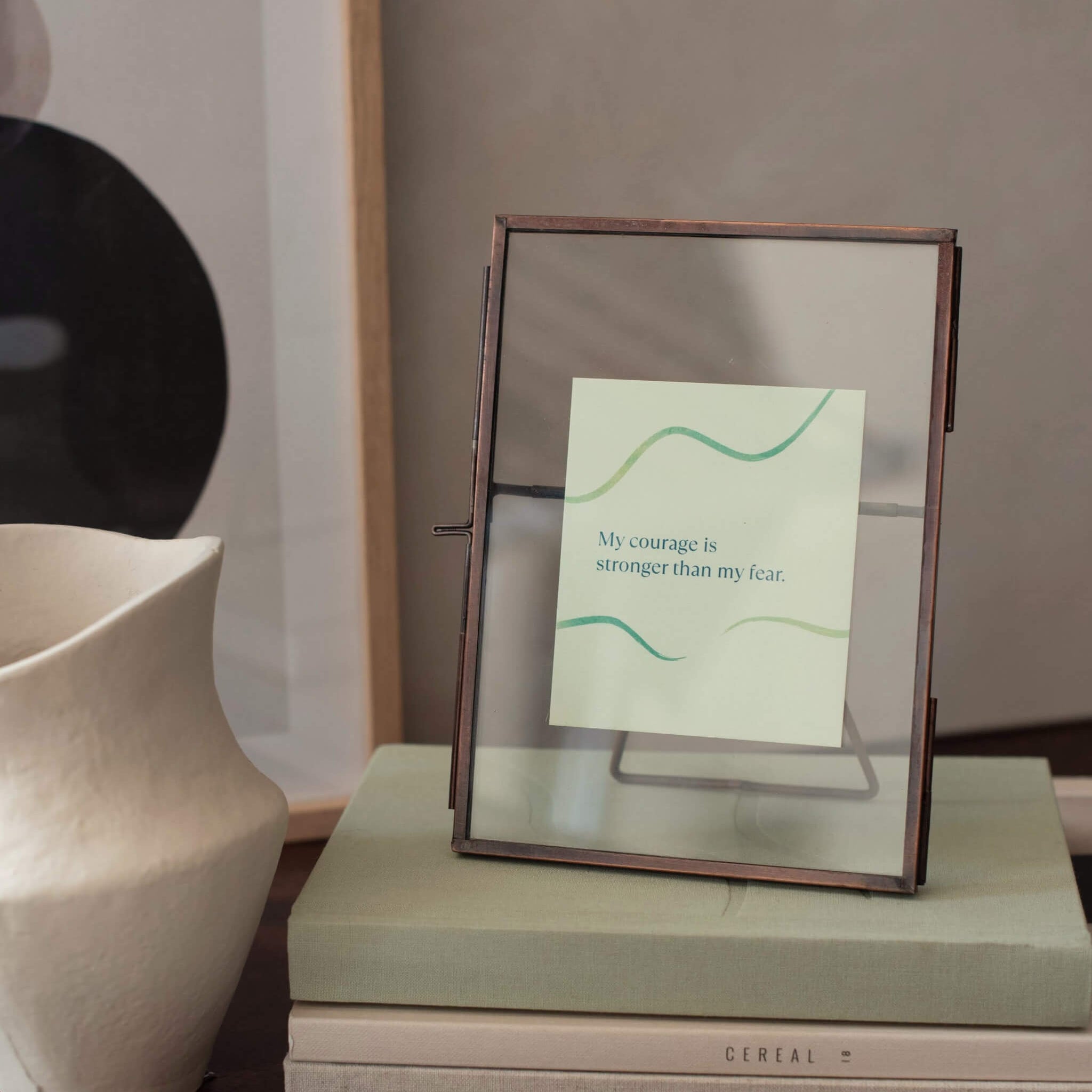
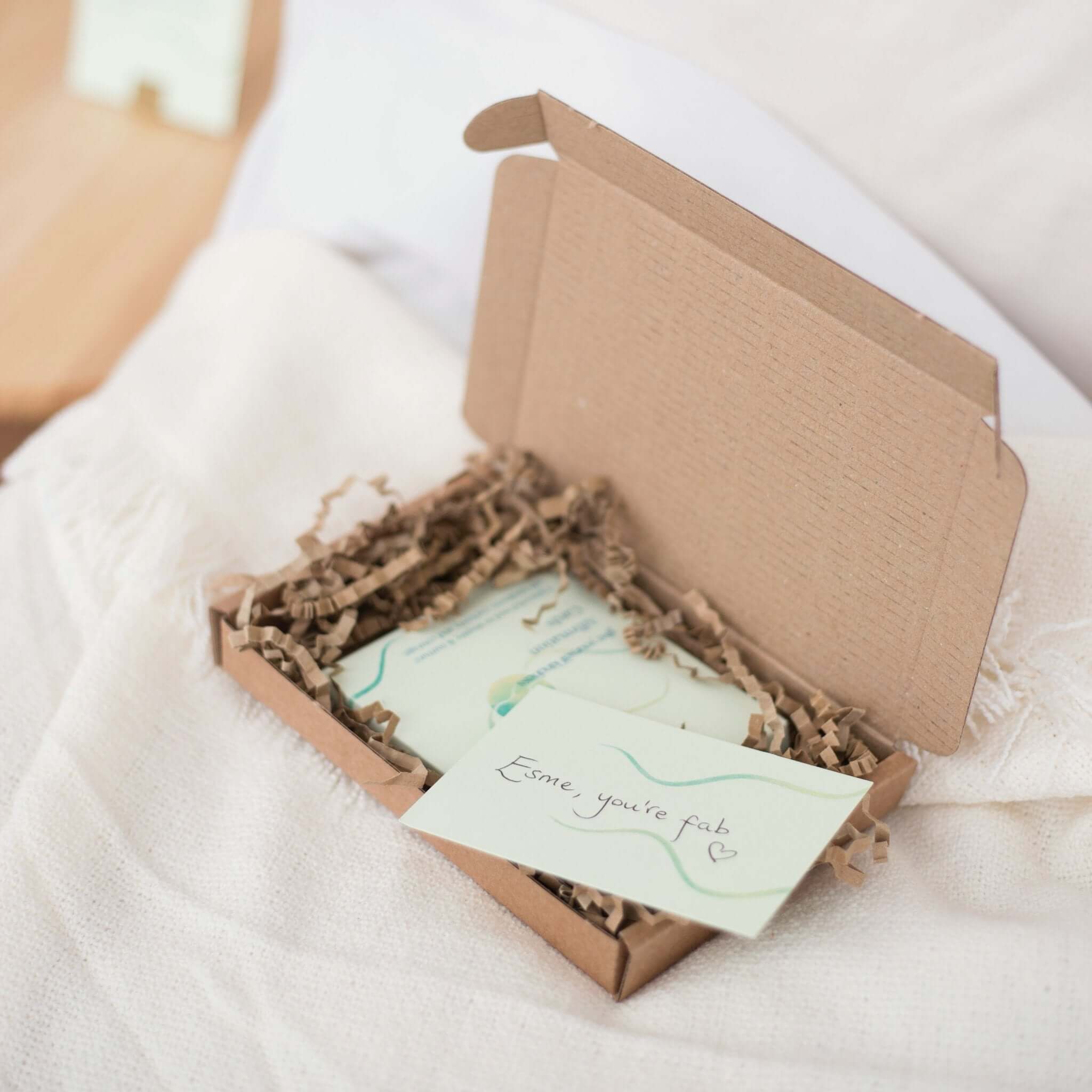
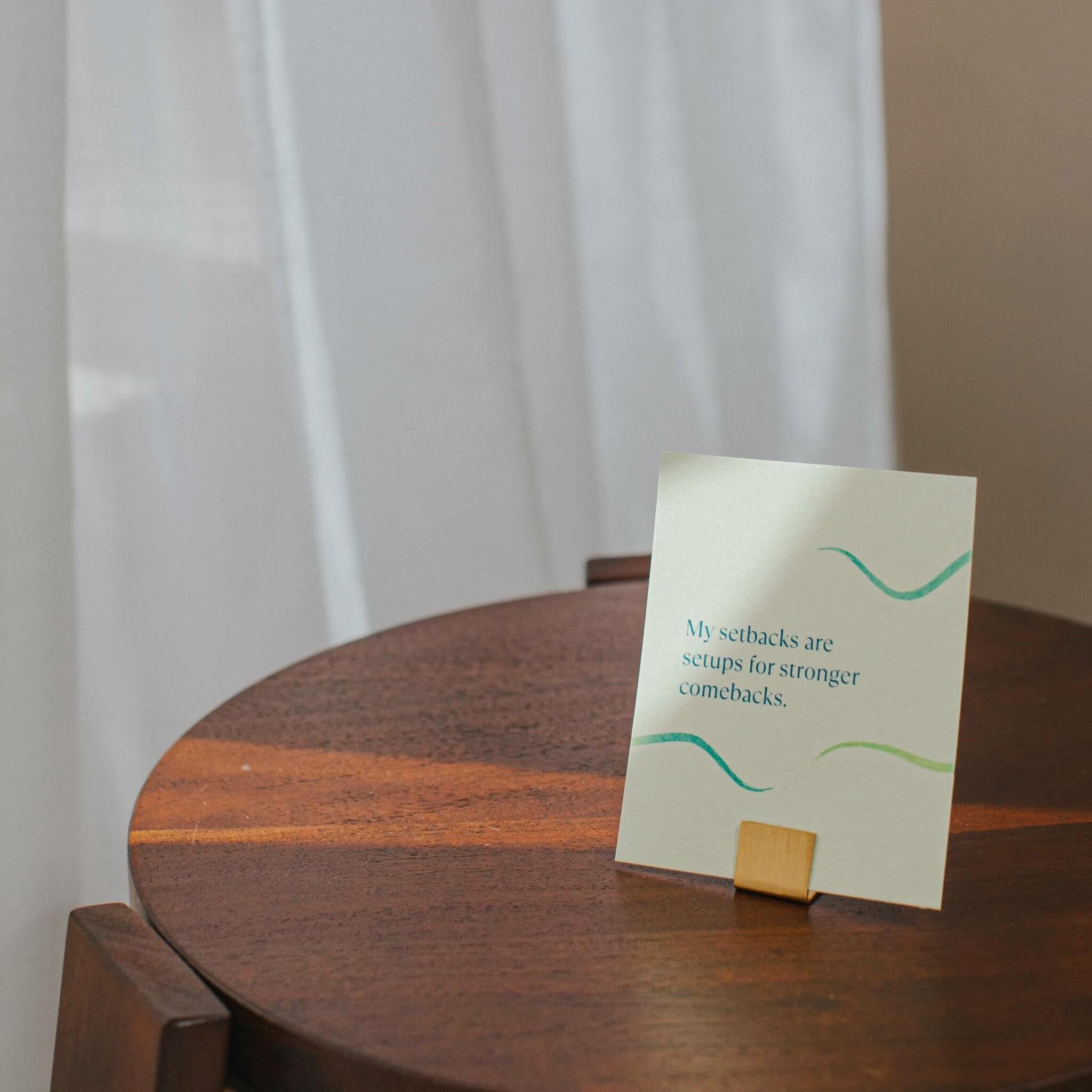
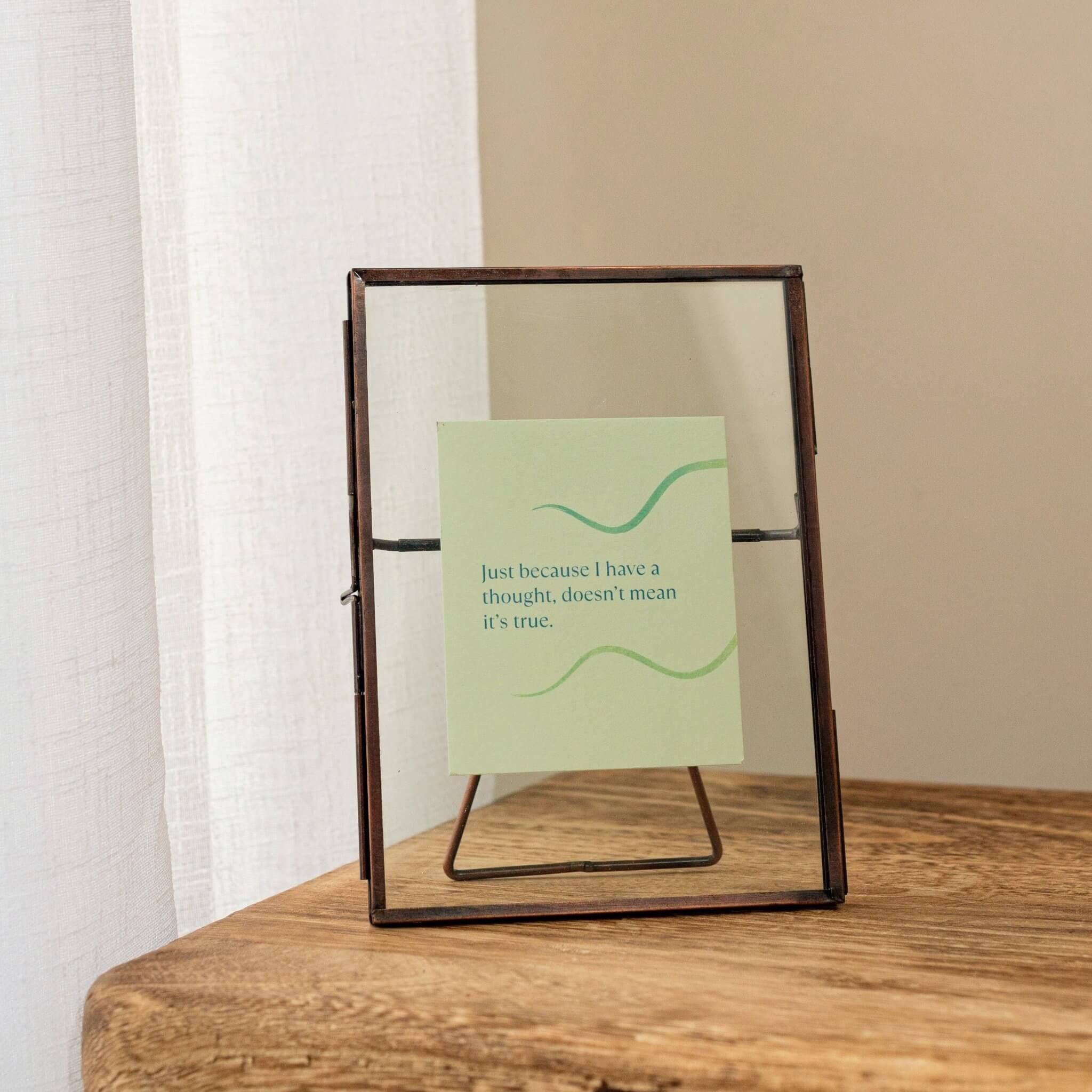
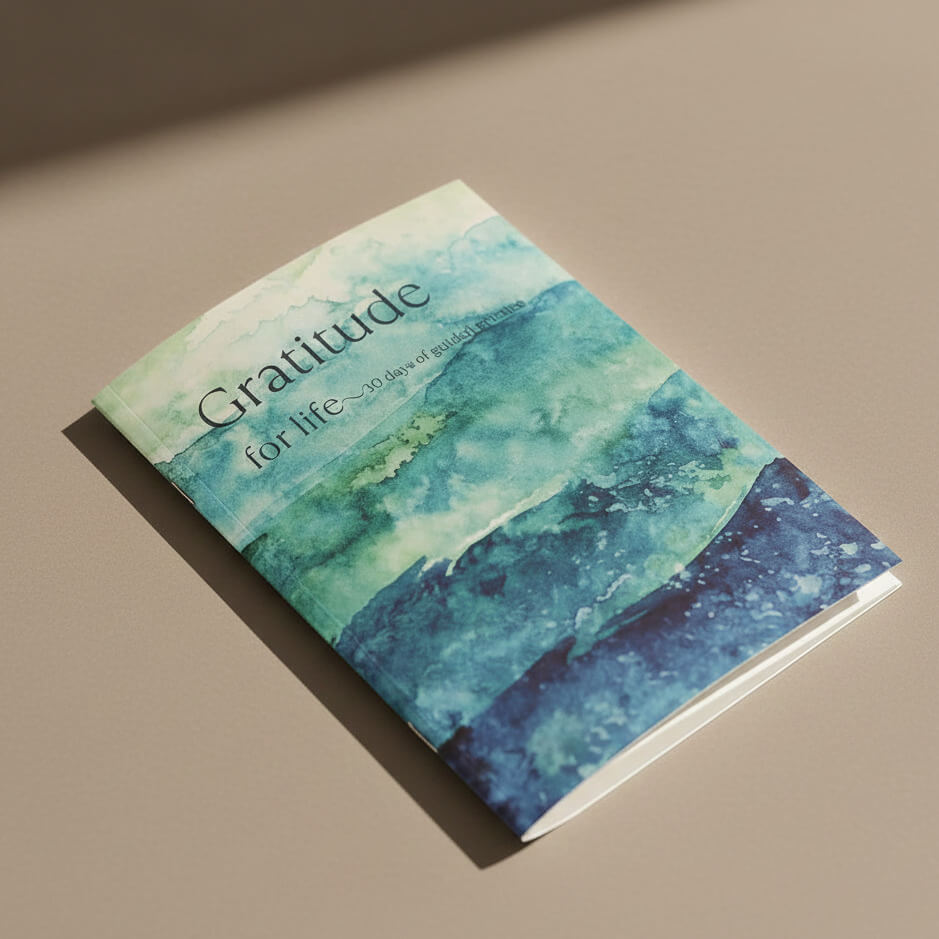
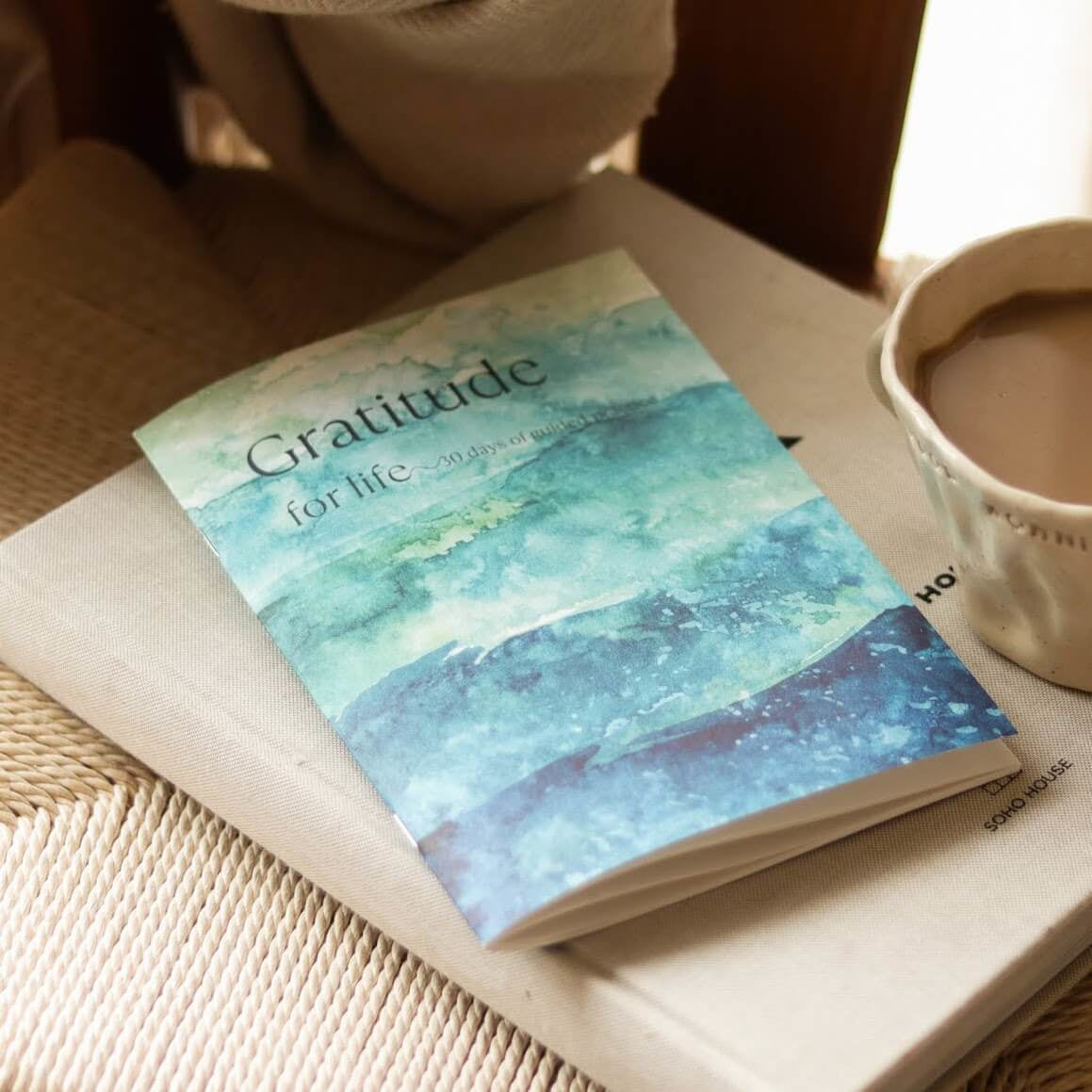
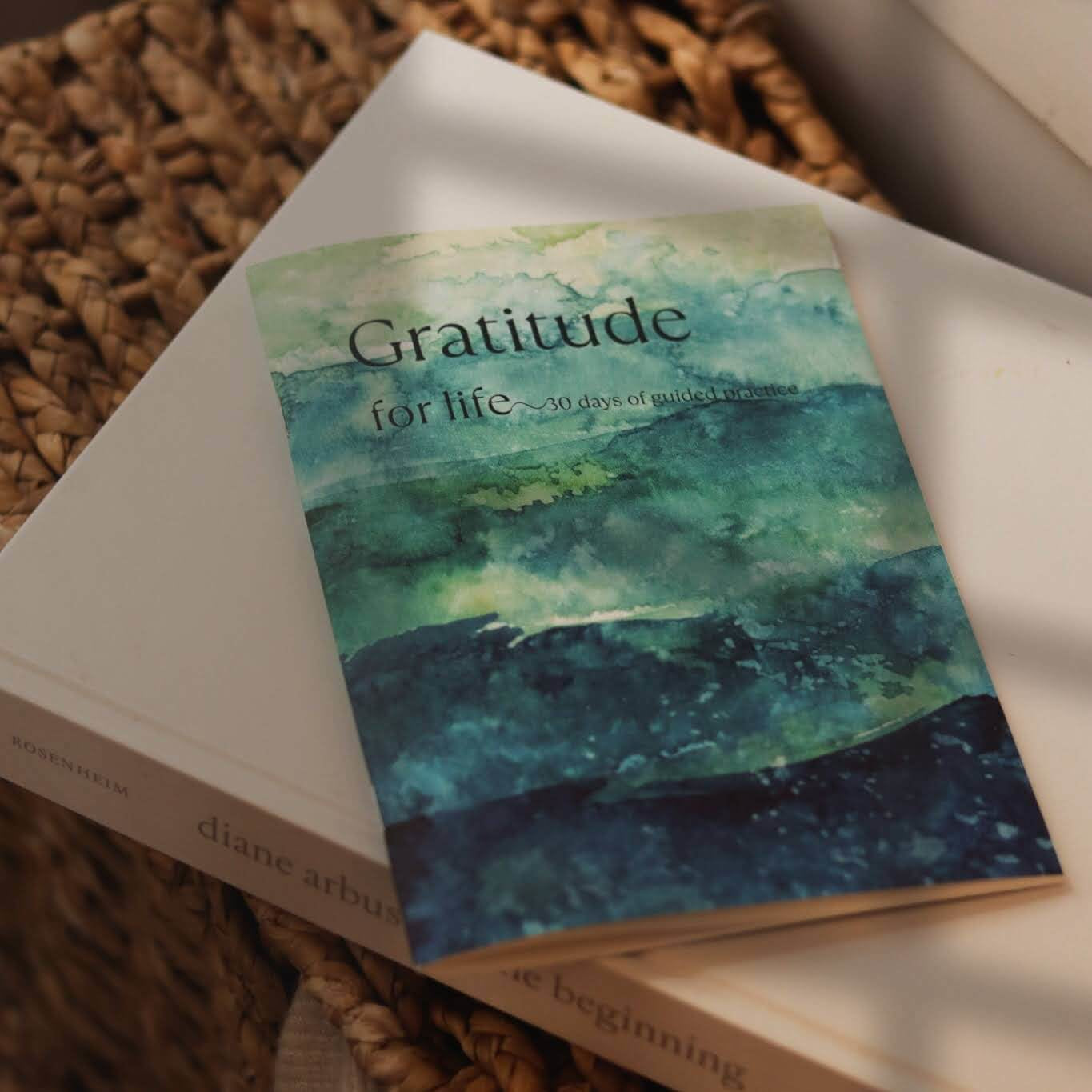
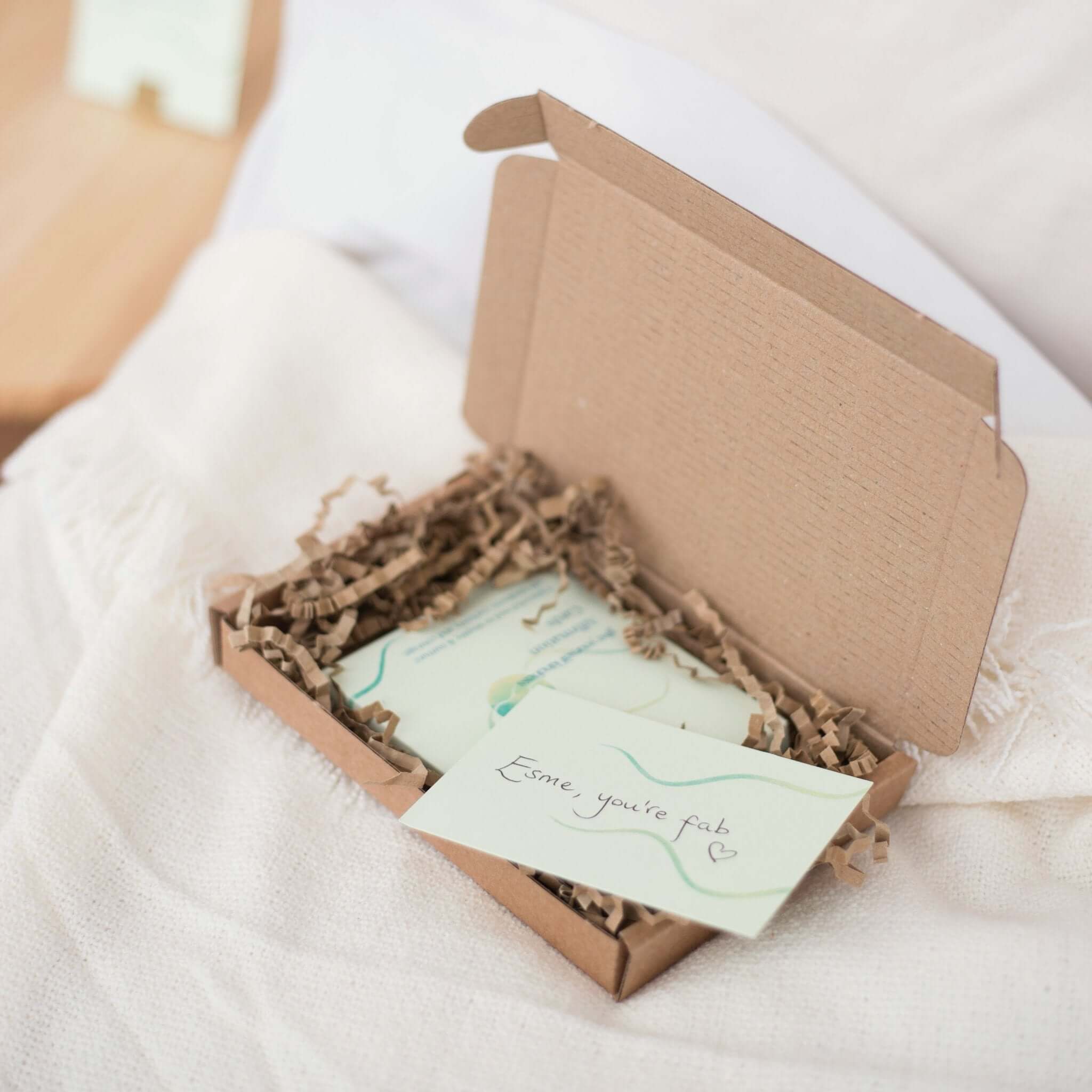
This is exactly why The 30-Day Gratitude Challenge uses 30 completely different prompts—one for each day—so gratitude never feels boring.
3 Give Yourself Permission to Find It Hard
Some days gratitude feels easier, other days harder—both are completely normal.
Acknowledge when it feels forced and explore why. Maybe you're tired, stressed, grieving, or going through something difficult. That's okay.
The truth: Gratitude and pain can coexist. You don't have to pretend everything is fine to practice gratitude.
Why this works: When you give yourself permission to struggle, you remove the shame that makes you avoid the journal entirely. Self-compassion about your gratitude practice (meta!) actually helps you maintain it.
4 Make It Easy
Set a timer for 2 minutes. That's it. When the timer goes off, you're done.
- Write one sentence if that's all you have
- Write in bullet points if paragraphs feel like too much
- Lower the bar until you literally can't fail
Remember: Research shows that even 2-minute practices change your brain chemistry. Brief and consistent beats long and sporadic every time.
Why this works: When something feels achievable, you actually do it. When it feels like a big commitment, you avoid it.
5 Use Exploratory Language Instead of Demands
The words matter. Demands create resistance; invitations create curiosity.
Replace demands with invitations:
- "Can you notice..." instead of "List..."
- "What might you appreciate..." instead of "You should be grateful for..."
- "If you feel like it..." instead of "You must..."
- "Can you think of..." instead of "Write down three..."
Why this works: Invitation-based language reduces the pressure that makes gratitude feel like another thing you're getting wrong.
6 Choose an Achievable Timeframe
Research shows most people lose interest after 2-3 weeks in 6-month journals. Then you're left with guilt about the unfinished journal—another thing you "failed" at.
Consider a 30-day challenge instead:
- Feels achievable, not overwhelming
- Long enough to establish new neural pathways and build a habit
- Short enough to maintain curiosity and motivation
- You can always repeat or continue after 30 days
Why this works: Completing something feels good. Abandoning a half-finished journal feels like failure. Choose the timeframe that sets you up for success.
7 Let Go of the Guilt About Missing Days
Life happens. Illness, travel, grief, overwhelm, exhaustion—all completely valid reasons to miss days.
Missing days doesn't mean:
- Starting over from day one
- That you're "bad" at gratitude
- That the practice isn't working
- That you should give up
Use an undated journal so you can return whenever you're ready, without staring at dated pages you "should" have filled.
Why this works: Guilt is the fastest way to abandon a practice entirely. Self-compassion keeps the door open for you to return.
Different Approaches for Different Struggles
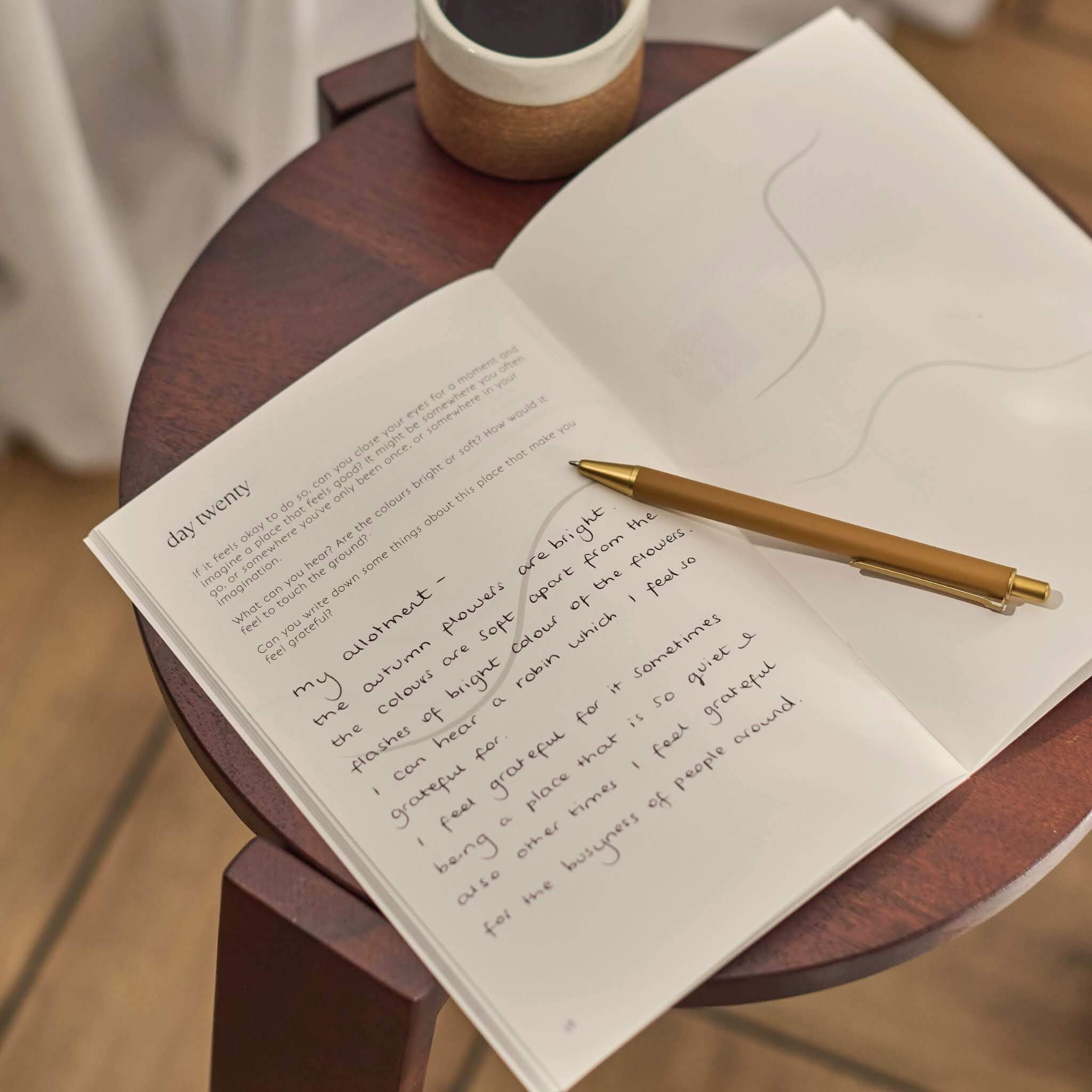
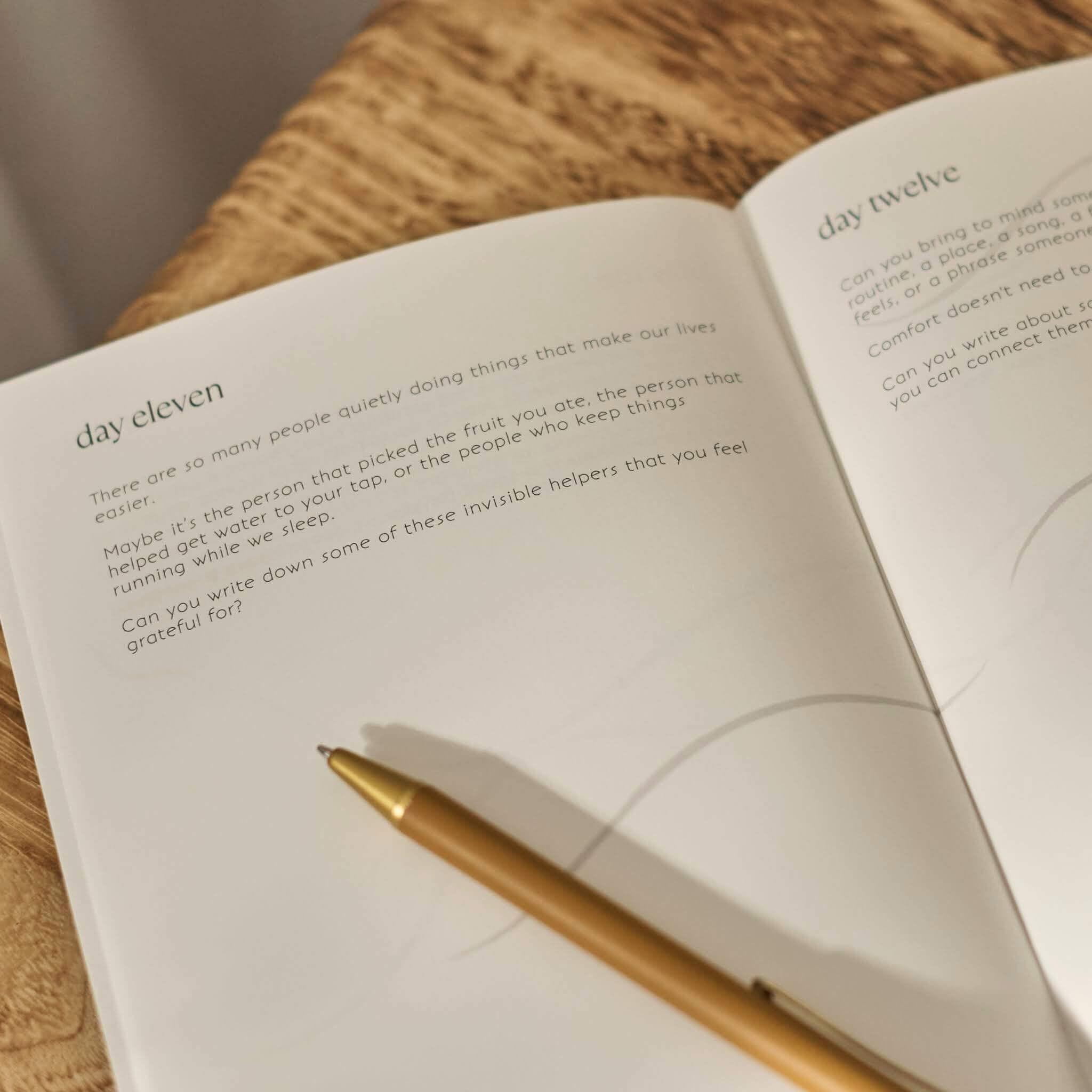
Like The 30-Day Gratitude Challenge, which has no blanks staring at you—just curious invitations.
Journals with the same prompts daily become mechanical. Your brain needs novelty.
Anti-toxic-positivity formats acknowledge that gratitude and pain can coexist.
Invitations vs. commands—the language makes a difference.
More achievable, less guilt if you pause. You can always continue or repeat.
What to Write When Nothing Comes to Mind
Stuck staring at a blank page? Try these starting points:
Notice Something Small
- The temperature of your coffee or tea
- Birdsong outside your window
- Clean water from your tap
- The softness of your sweater
- Sunlight through the window
Remember: There's nothing too small to be grateful for. Small doesn't mean insignificant.
Reflect on Your Body
- What's working today? (breathing, walking, seeing, hearing)
- A part of your body that doesn't hurt right now
- Your body's ability to heal from injuries
- Your senses bringing you information about the world
Think About Something You Can Do Now
- That you couldn't always do (skills you've learned)
- That would have been impossible 100 years ago (technology, medicine)
- That requires resources you have access to
Consider a Person Who's Been Kind
- No elaborate explanation needed
- Could be someone from today or from your past
- Could be someone who did something small that mattered
Focus on Absence of Something Hard
- No migraine today
- Traffic wasn't terrible
- Didn't have that difficult conversation you were dreading
- The weather wasn't as bad as predicted
It's okay to be grateful for the absence of pain—that counts too.
Tools That Actually Help
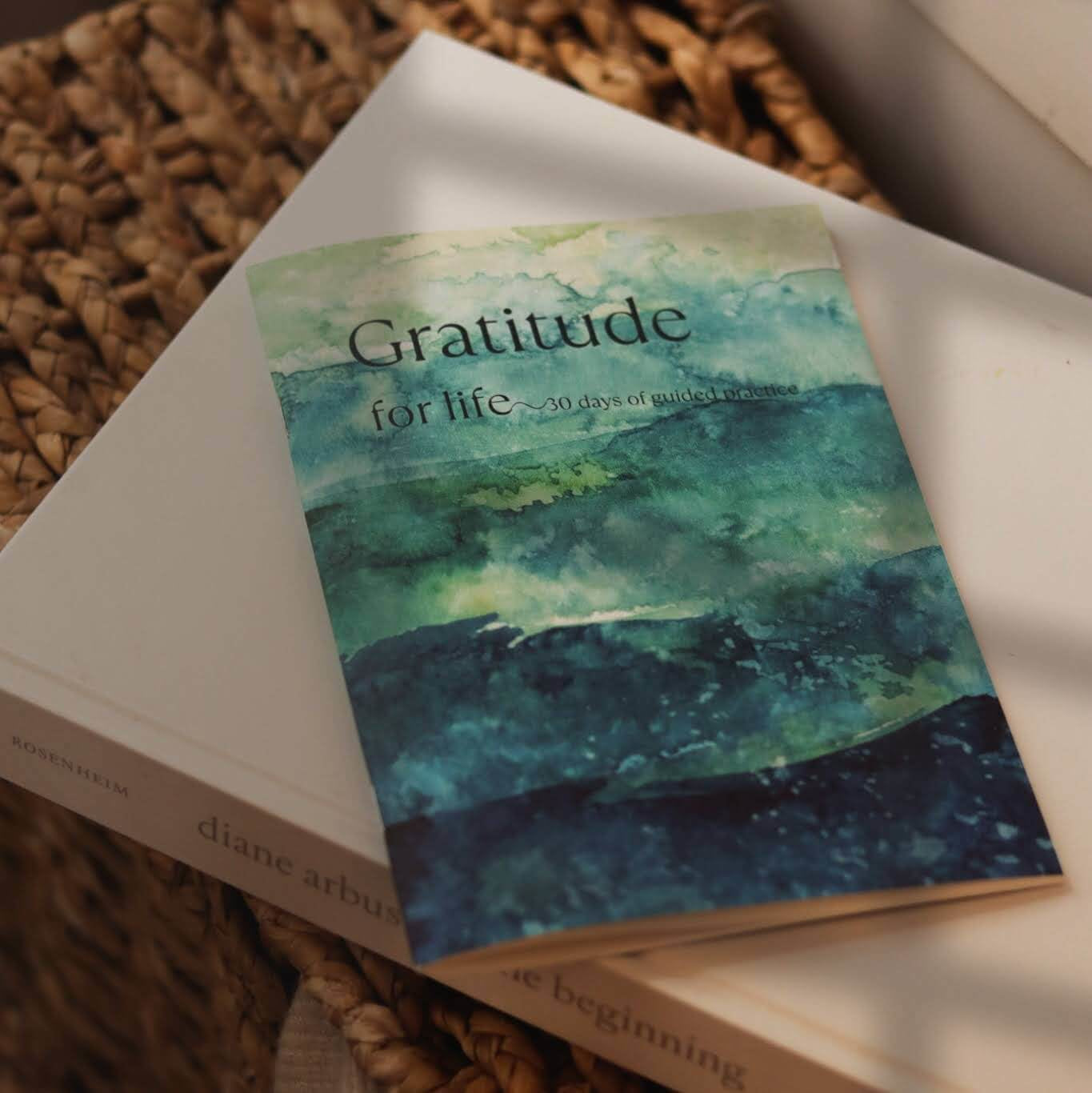
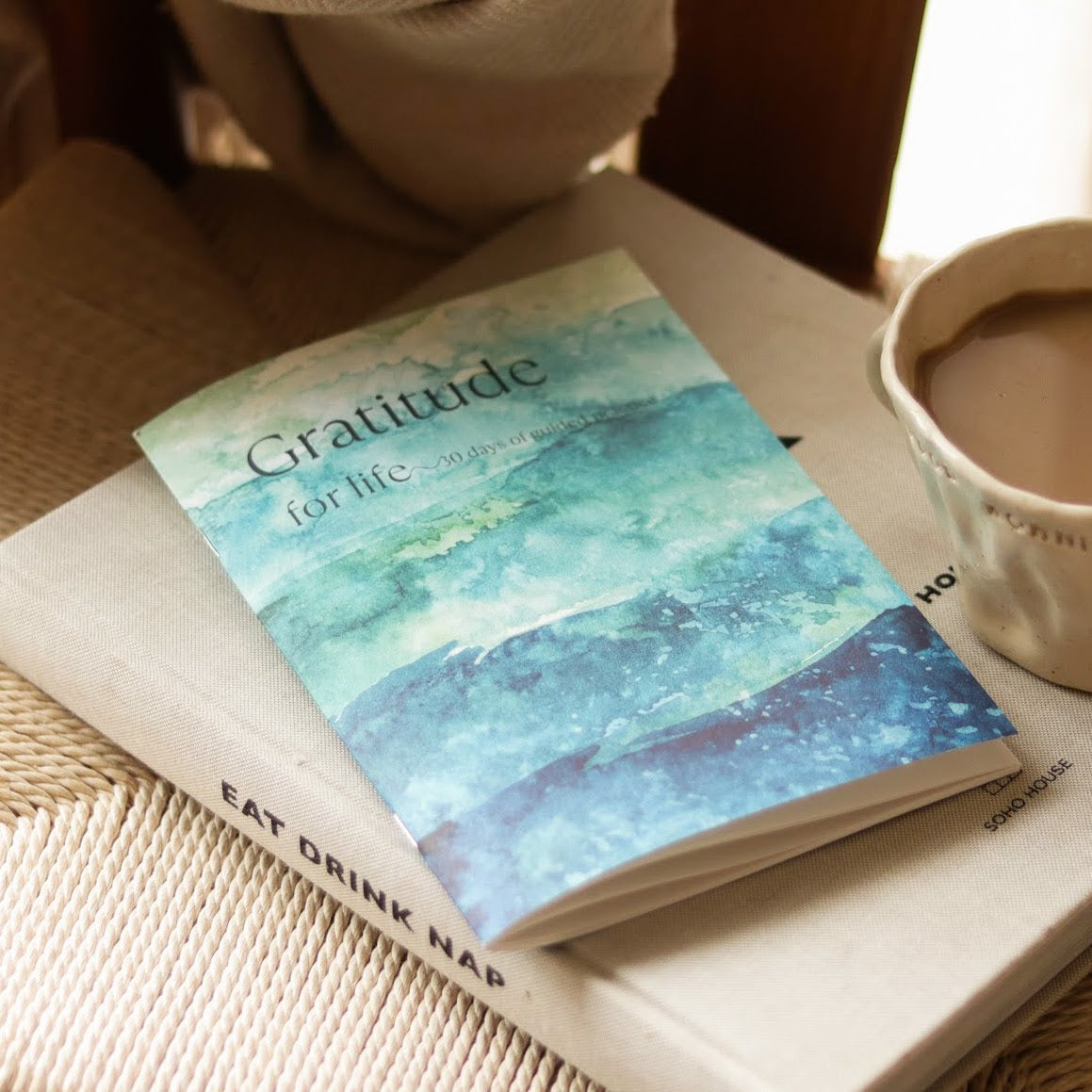
Best for Most People: The 30-Day Gratitude Challenge
Choose this if you're tired of numbered lists, blank lines, and repetitive prompts that make gratitude feel like another thing you're failing at.
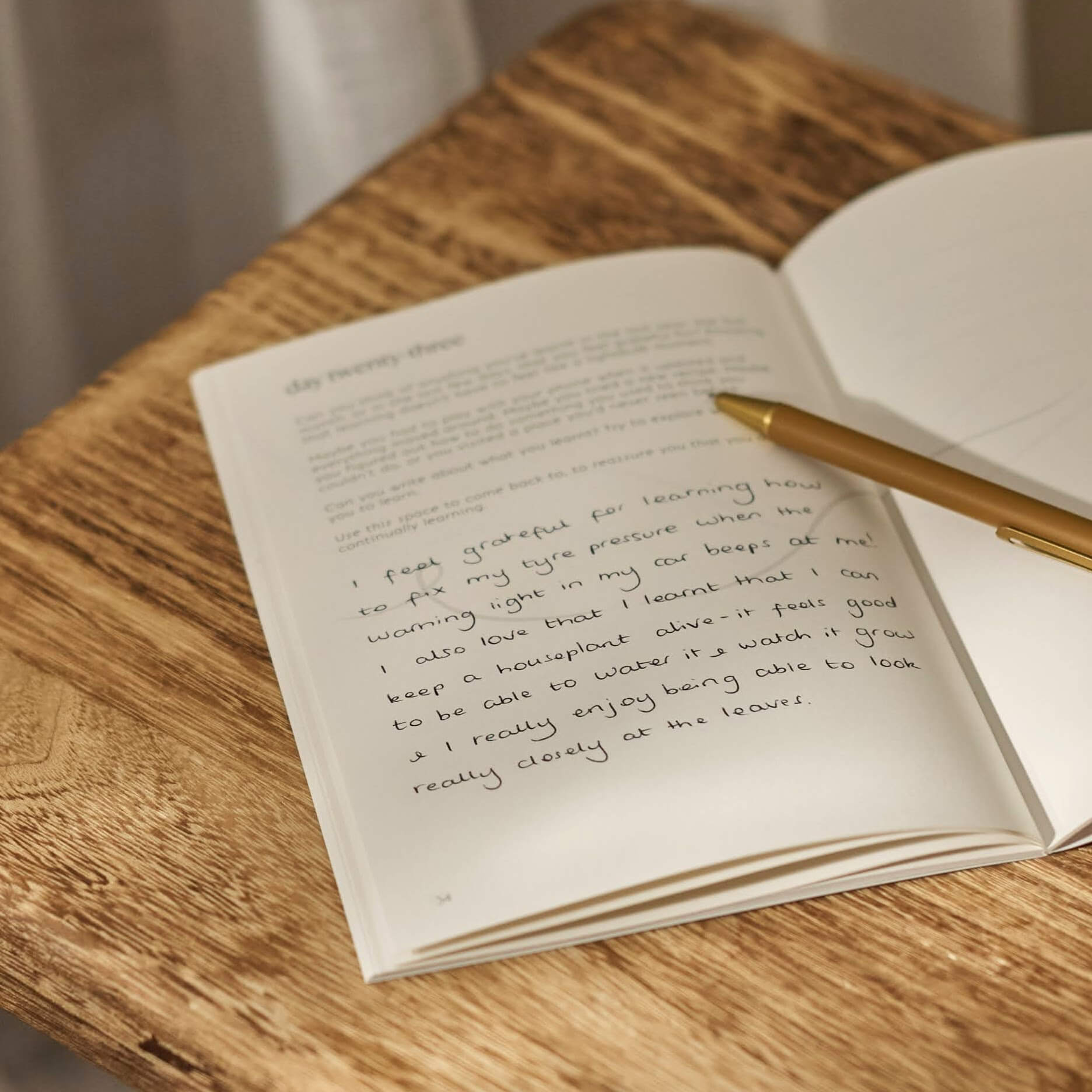
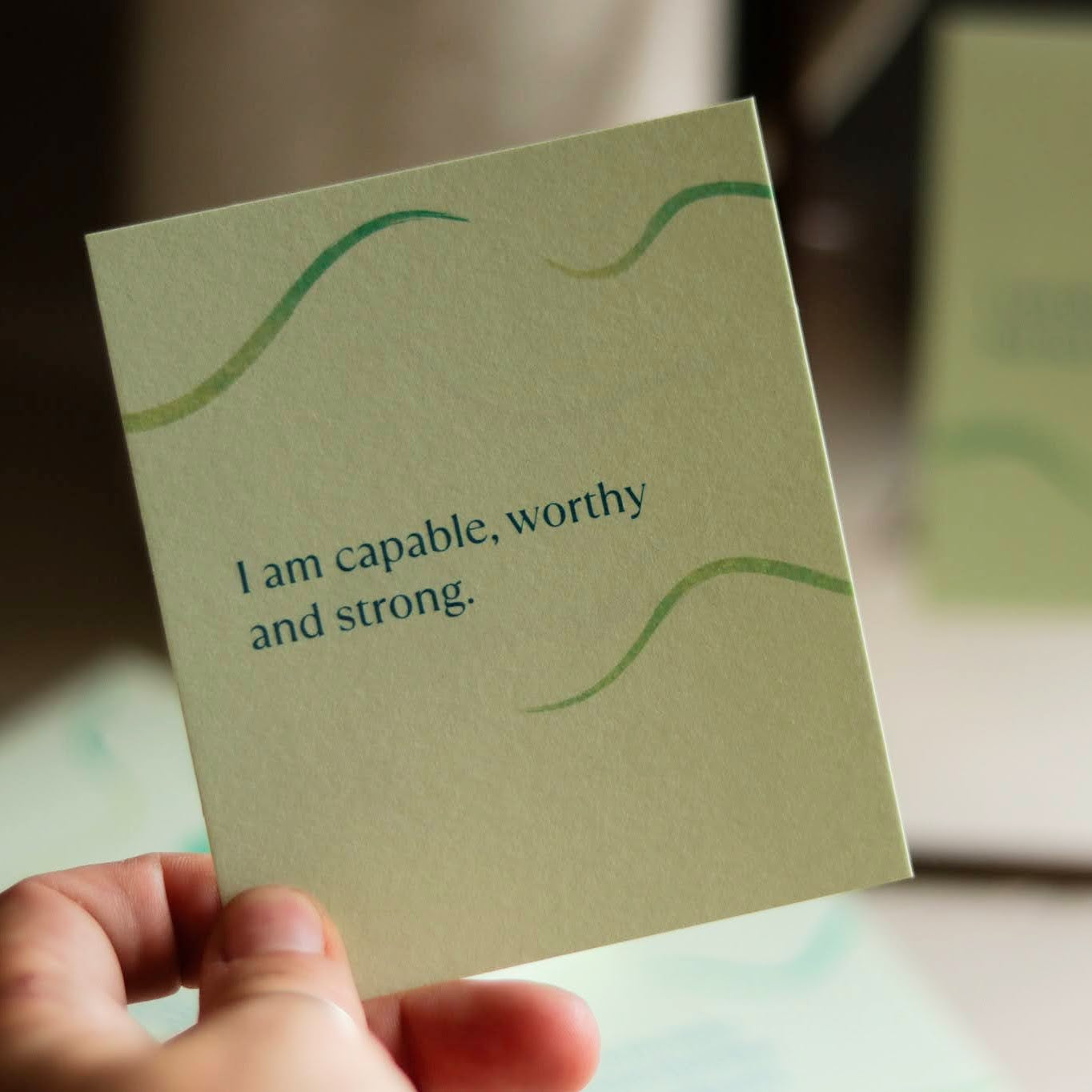
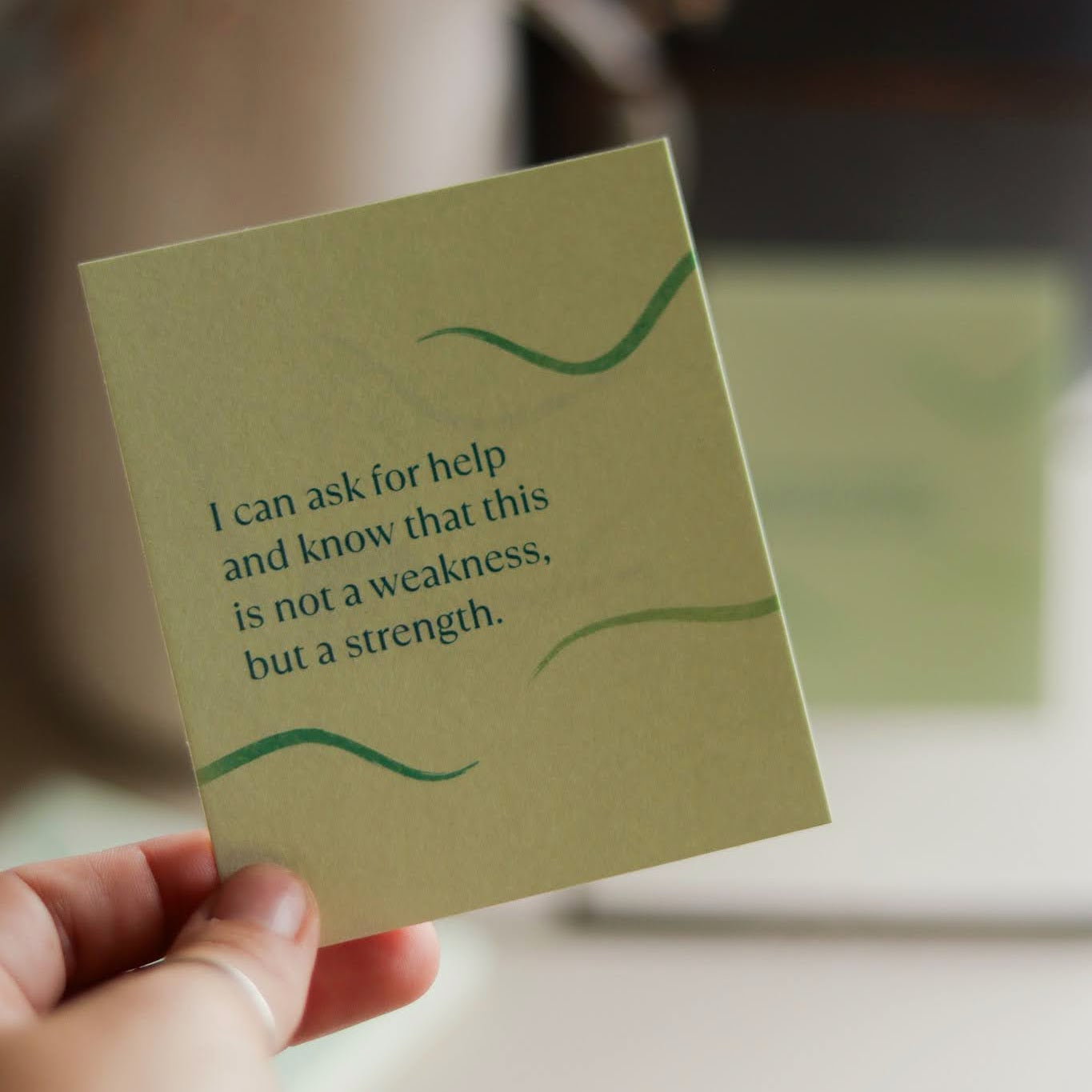
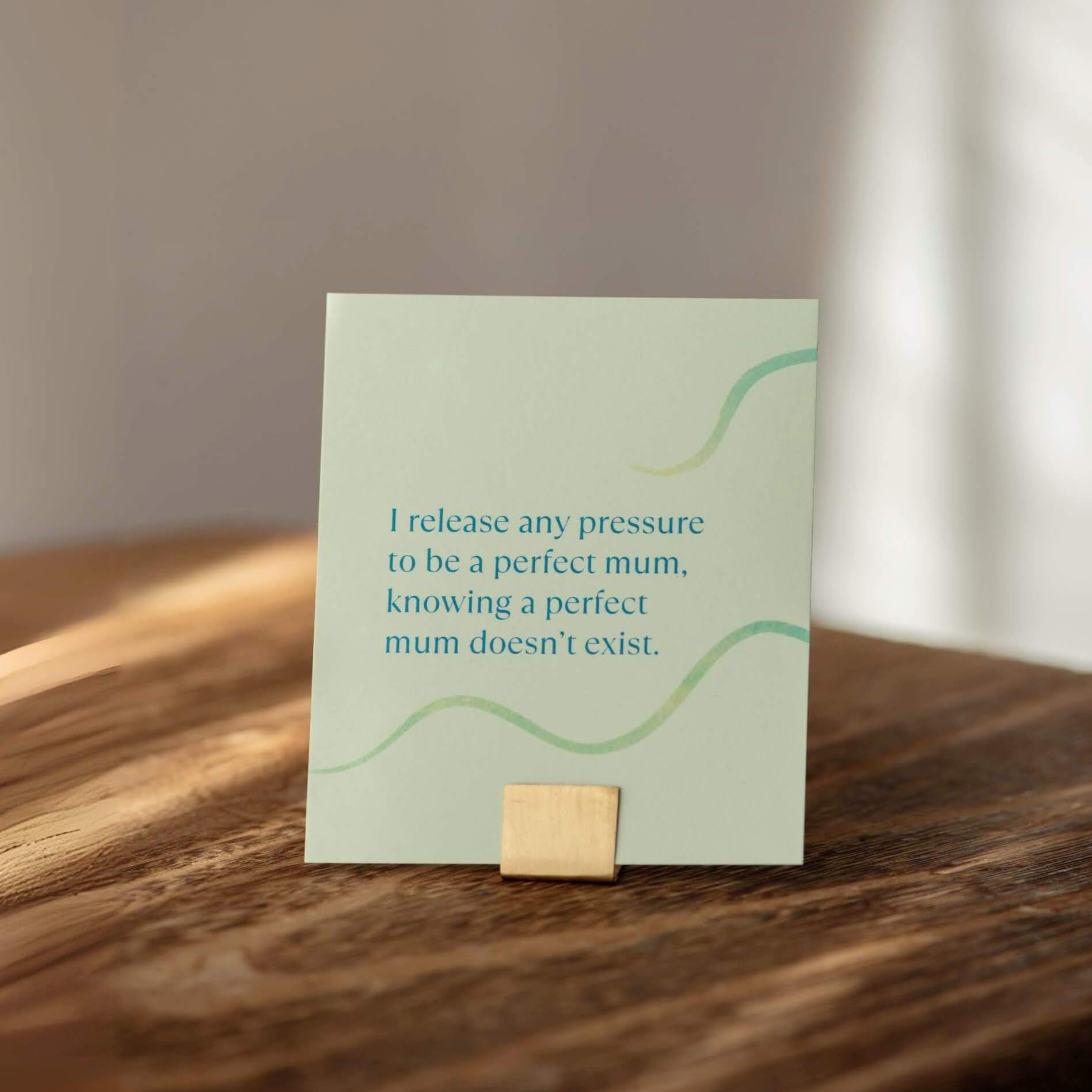
- 30 completely unique prompts — One for each day, so it never feels boring
- No numbered lists or blank lines — Created specifically because those formats trigger pressure
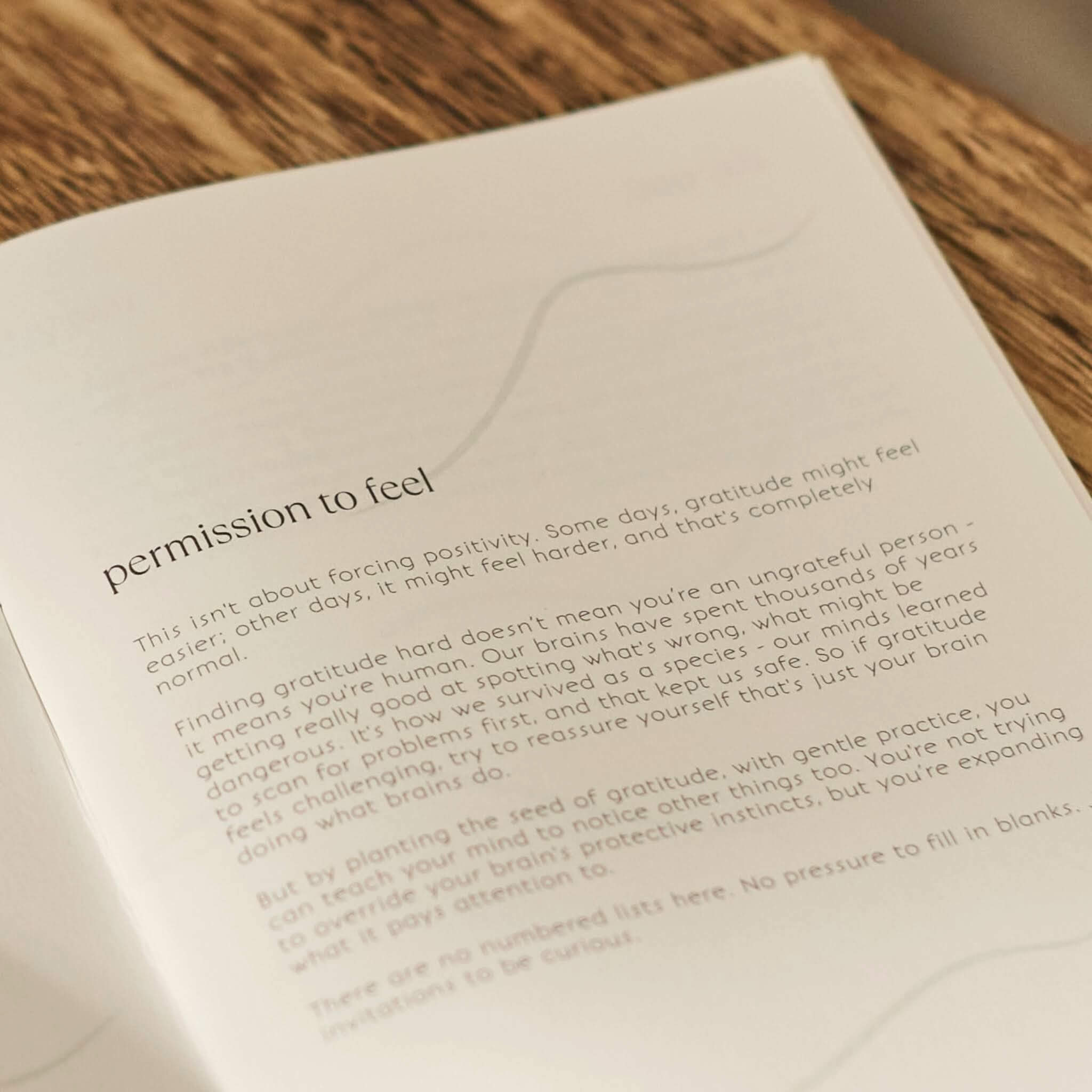
- Permission to feel — Explicitly acknowledges that some days gratitude feels harder, and that's completely normal
- Creative variety — Drawing, letter-writing, engaging senses, exploring mistakes—many different doorways into gratitude
- Achievable timeframe — 30 days feels manageable, not overwhelming like 6-month journals
- Research-backed — Created by qualified meditation teacher Rachel Smith (DipBSoM, British School of Meditation, distinction)
- Includes guided meditation — Audio gratitude meditation to support your practice
Why it works: The variety keeps you engaged, the approach removes pressure, and it explicitly validates that gratitude can feel hard sometimes. At £10.95, it's also the most affordable research-backed option.
Full transparency: I created this journal after years of frustration with traditional gratitude formats that made me feel like I was failing. I genuinely believe it's the best alternative to those frustrating numbered-list formats—but you should choose what resonates with you.
Start the 30-Day Challenge →Best for Gratitude Plus Broader Emotional Work
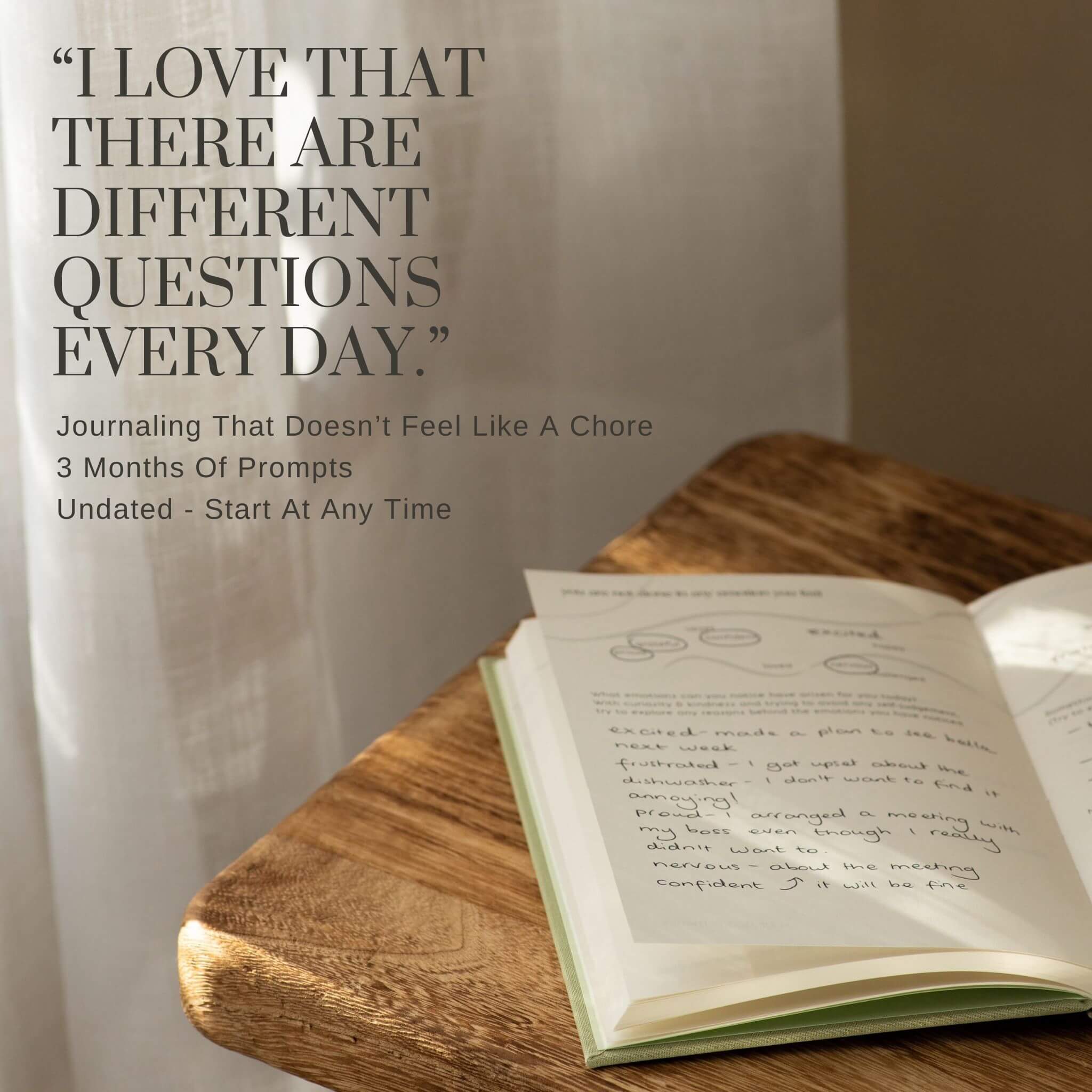
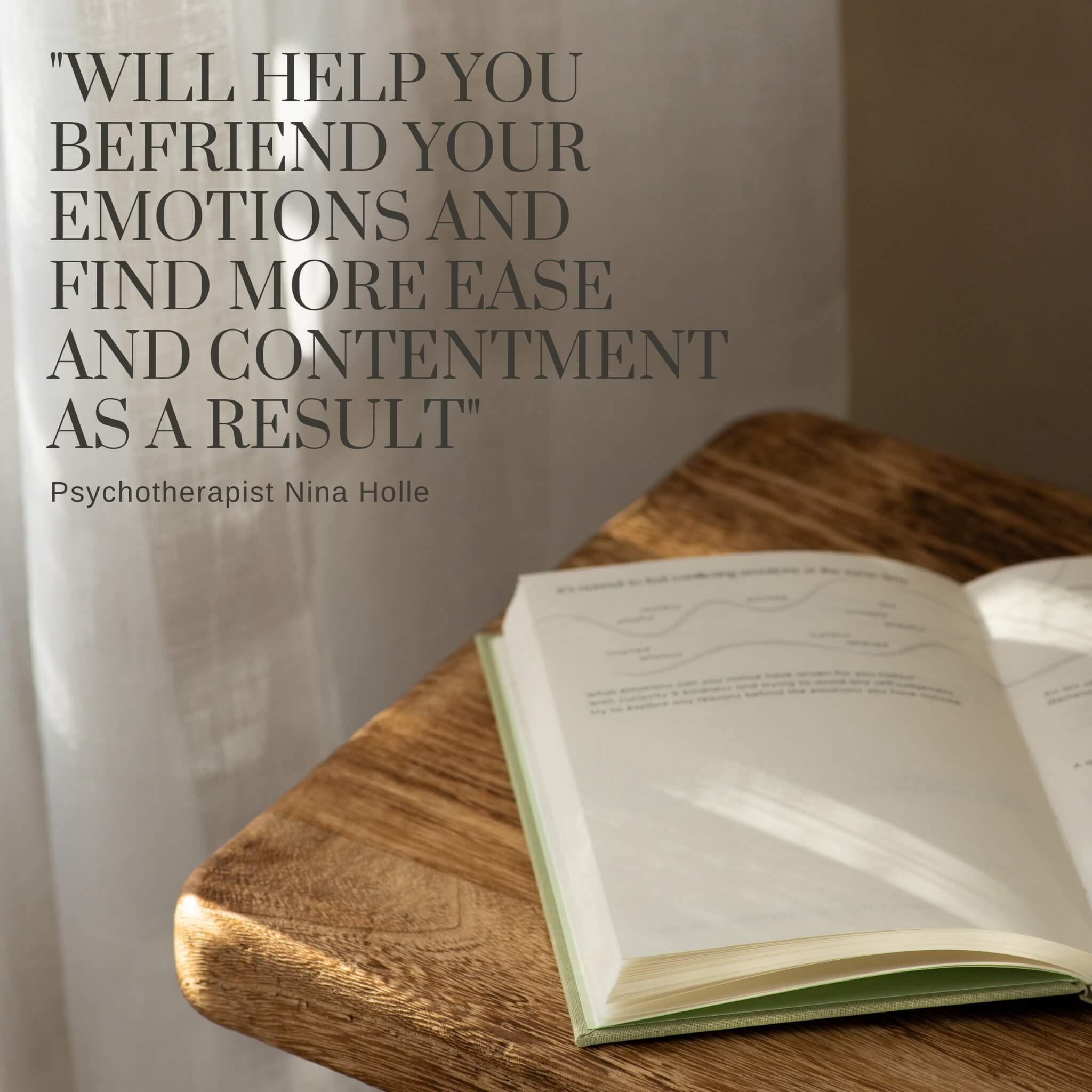
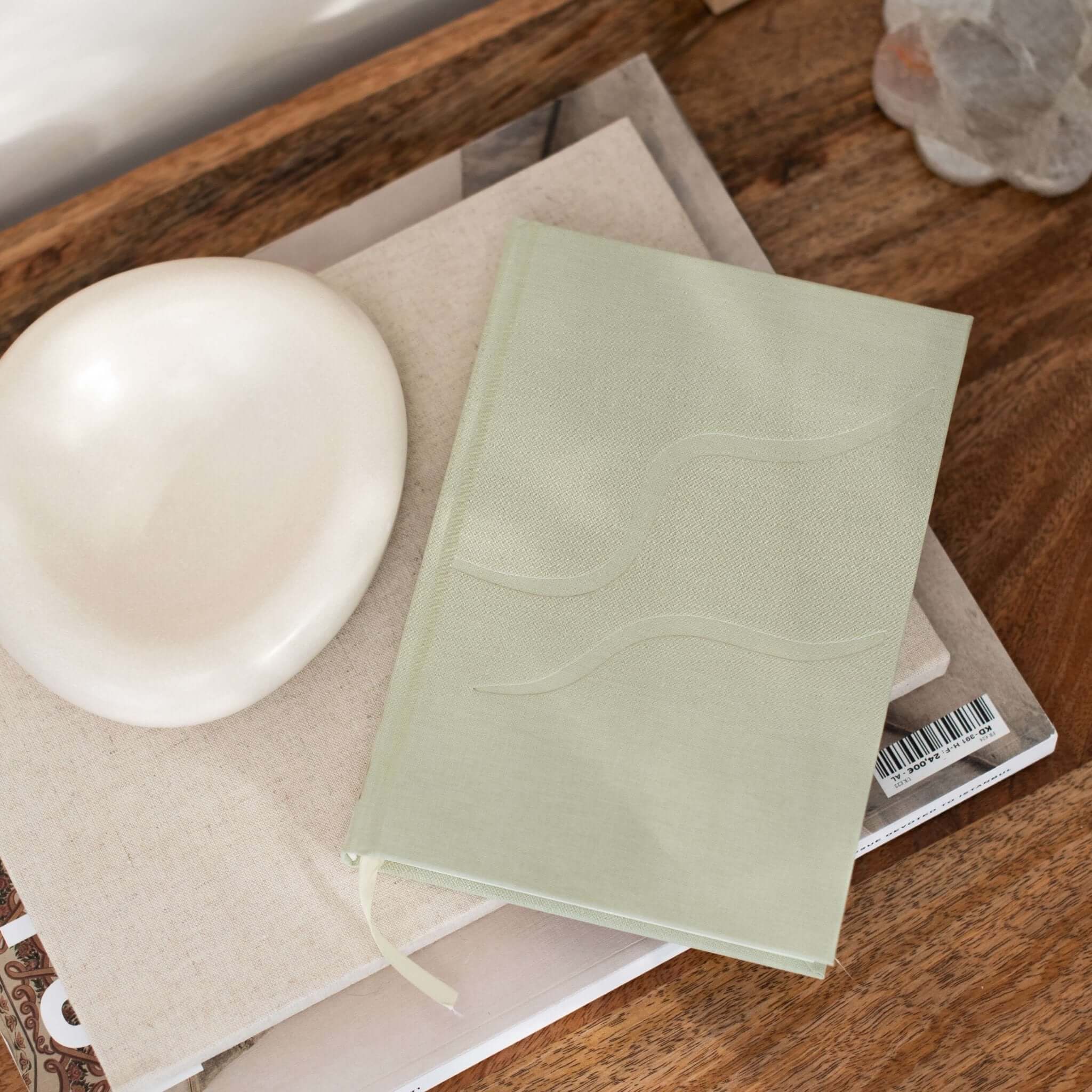
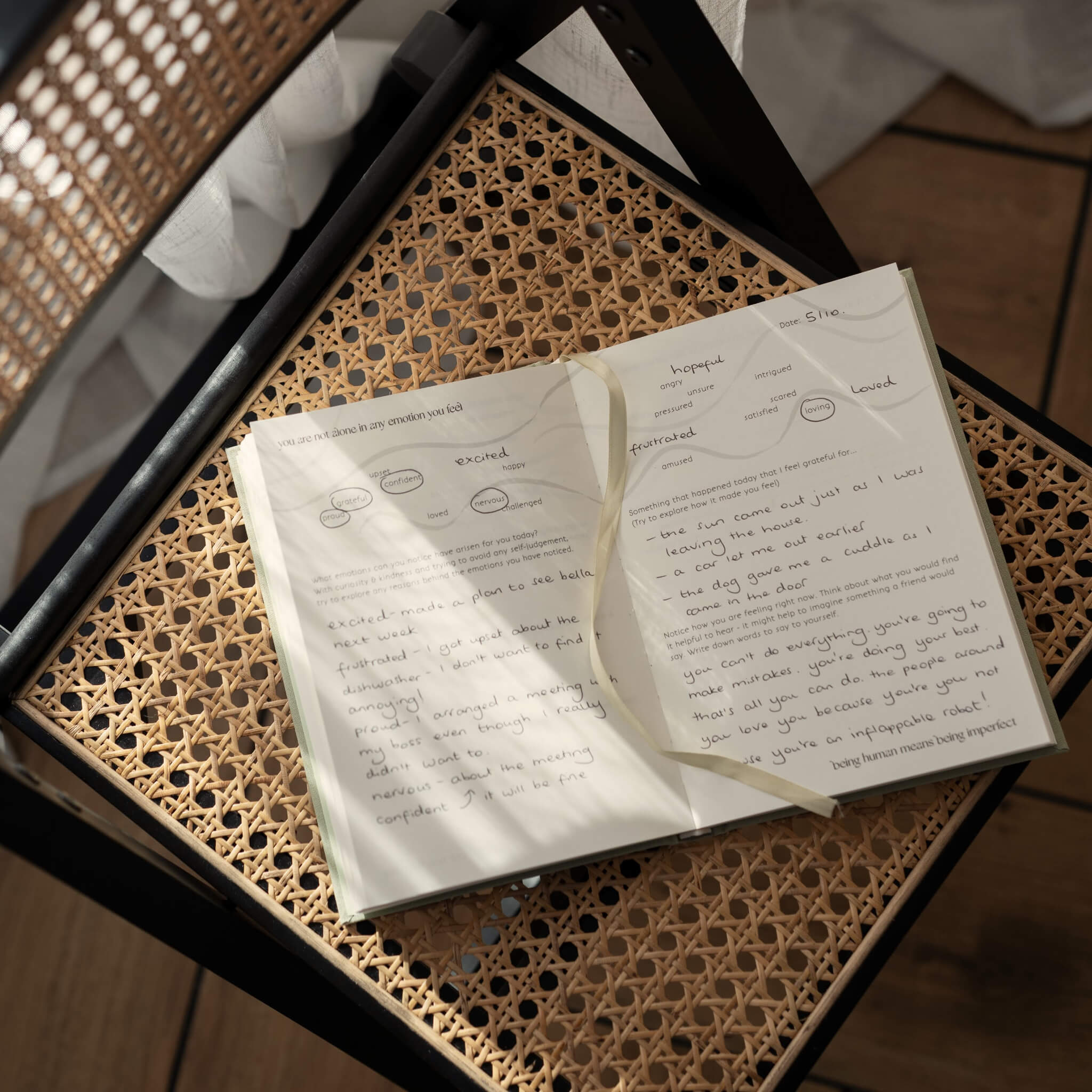
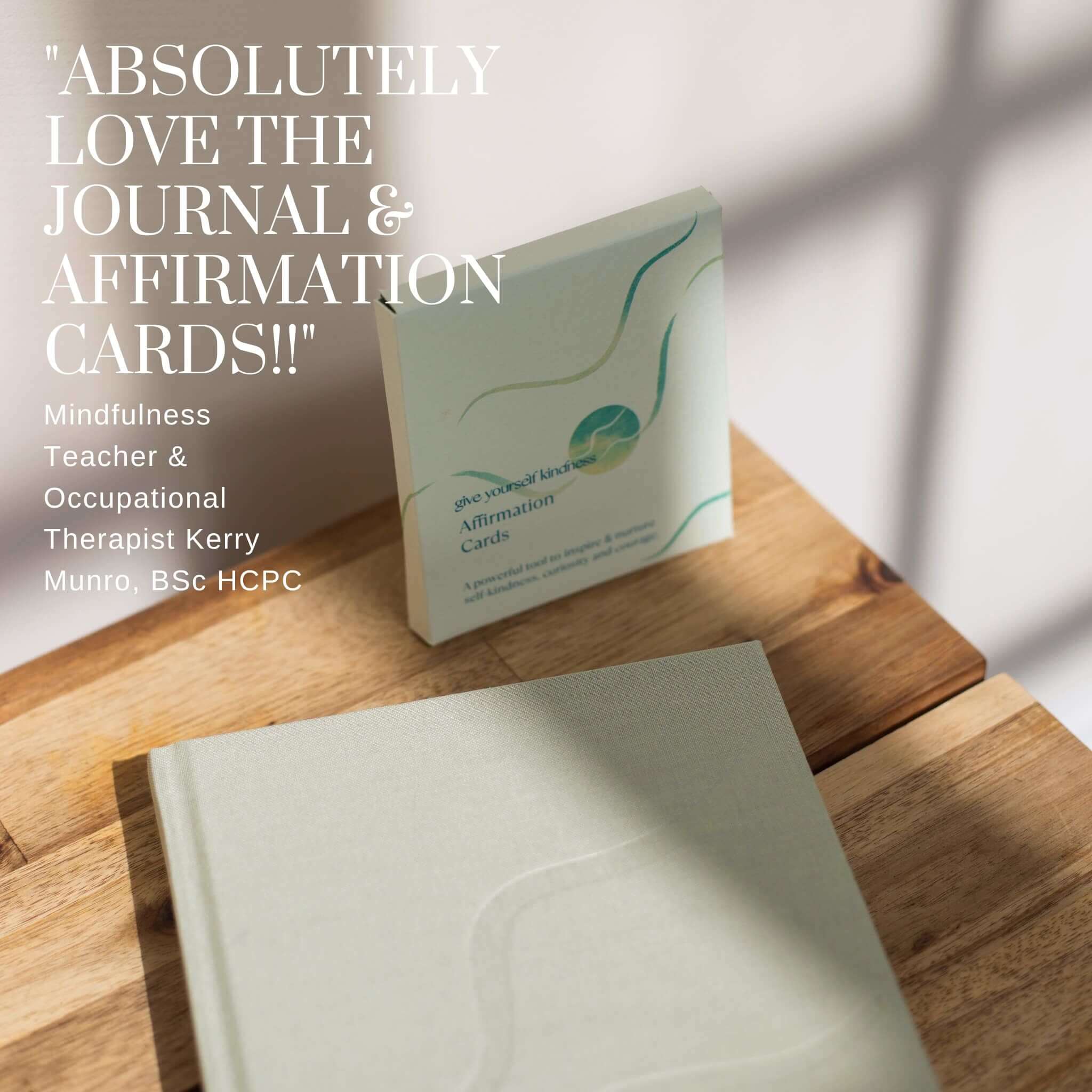
Choose The Give Yourself Kindness Journal if you want more than just gratitude—if you're working on understanding your emotions, responding to yourself with compassion, and building emotional resilience.
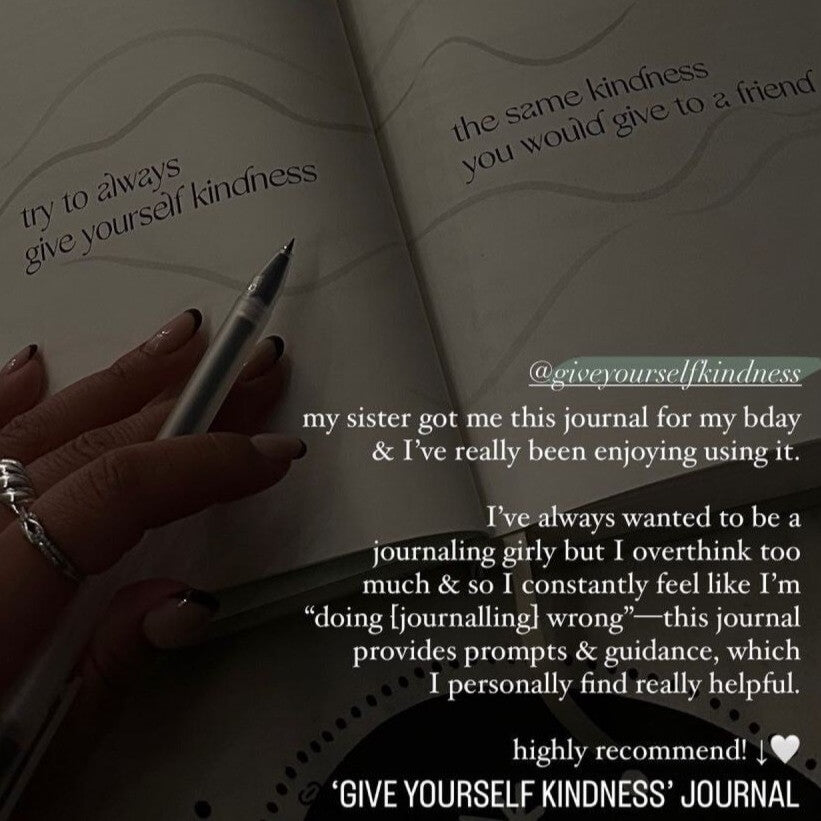
- 90 unique prompts covering gratitude, emotional awareness, and self-compassion
- Emotional awareness tool on every page — not just at the front
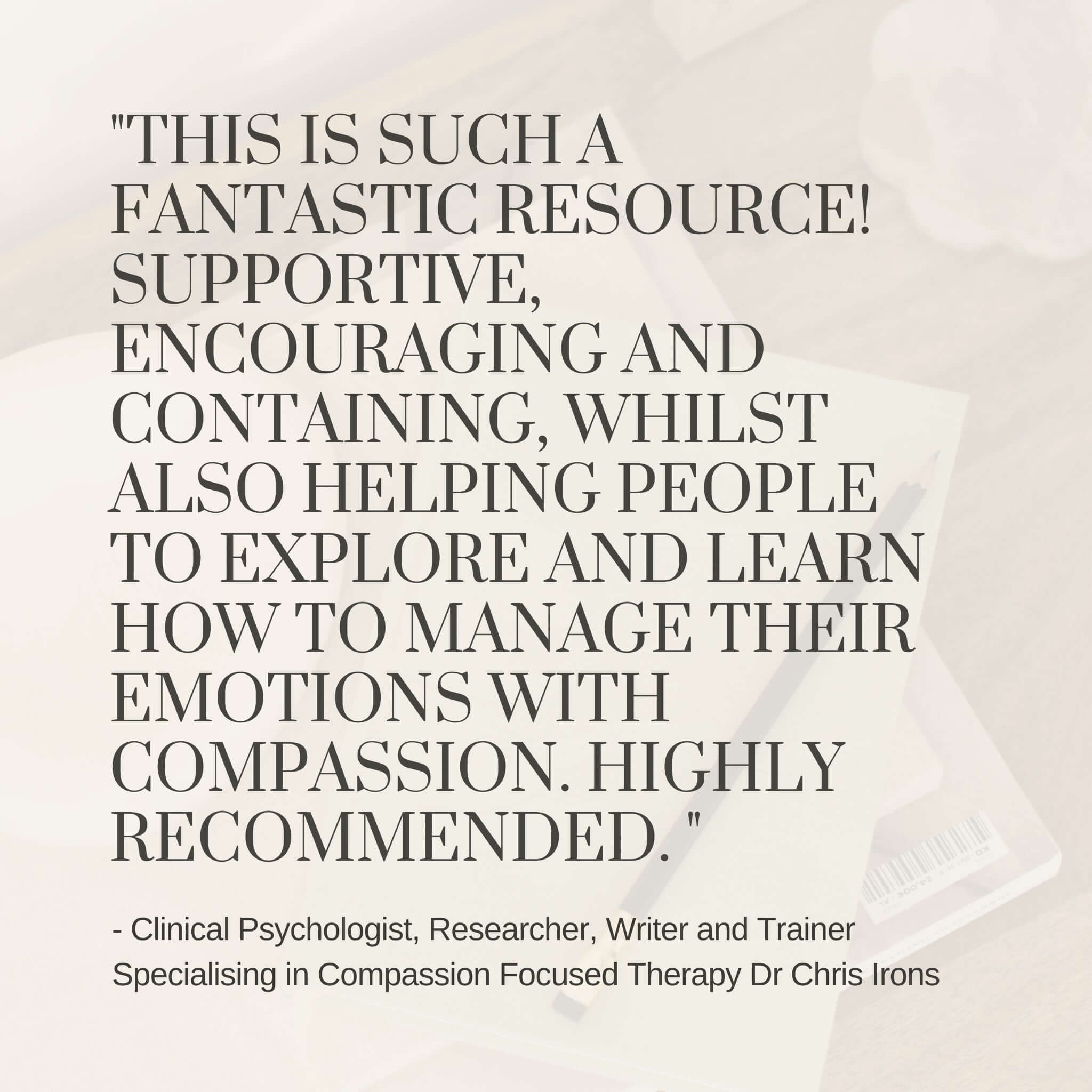
- Expert-recommended by Harvard and Oxford psychologists
- Used by therapists with clients worldwide
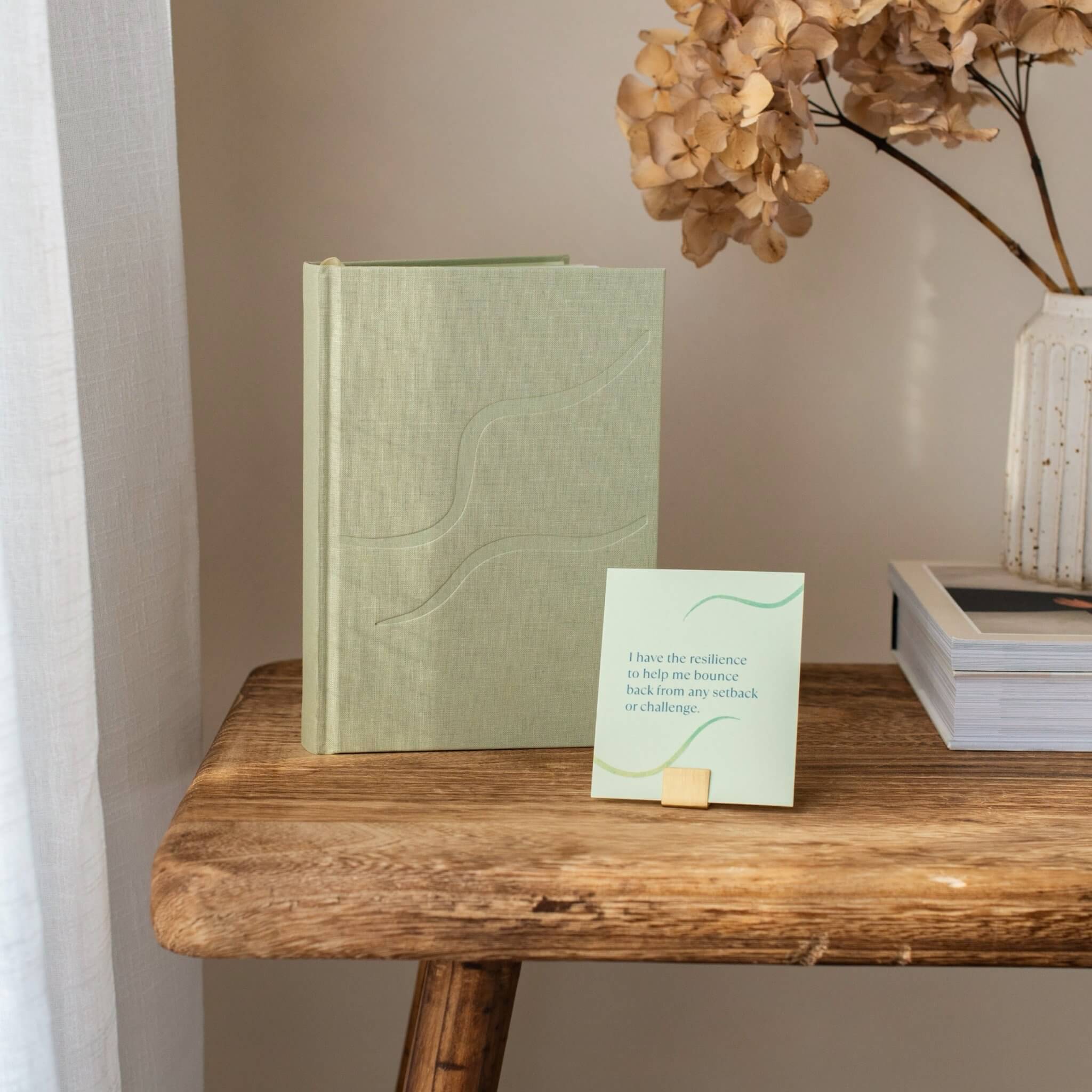
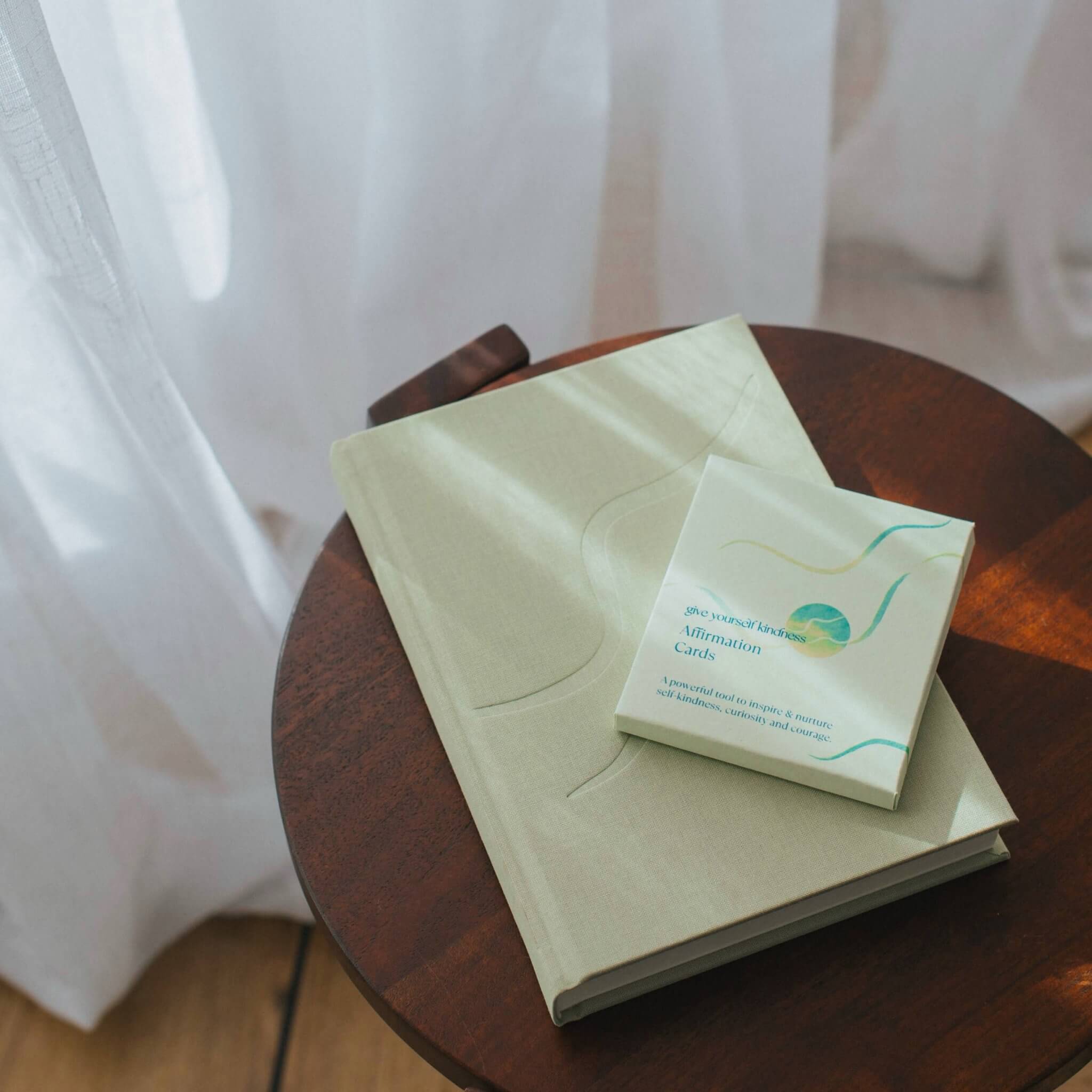
- Premium cloth-covered journal with 90 days of varied prompts
- Includes self-compassion techniques alongside gratitude practice
Why choose this: If gratitude alone isn't enough—if you're also working on harsh self-talk, perfectionism, anxiety, or emotional overwhelm—this journal provides more comprehensive support.
Shop the Journal →DIY Approach: Blank Notebook
Best for experienced journalers who want complete creative freedom and already know what works for them.
- Complete flexibility—write whatever works for you
- Most affordable option (£5-15)
- No structure to follow
- Can design your own unique approach
- No guidance when you get stuck
- Blank pages can feel overwhelming
- Easy to lose motivation without structure
- Requires strong self-discipline
Bottom line: If you already have a strong journaling practice and just need paper, this works. If you're struggling with consistency, structure helps.
The Problem with "1, 2, 3" Gratitude Lists
Why numbered lists can backfire: Traditional formats like "Three things I'm grateful for: _____, _____, _____" trigger feelings of failure when you can't immediately think of answers. Those blank lines create pressure instead of invitation.
Your brain telling you "this is hard" doesn't mean you're ungrateful—it means those formats work against how your brain naturally operates.
The alternative approach: Exploratory prompts that invite curiosity rather than demand answers. No blanks staring at you. Permission to find it hard some days. Variety that keeps your brain engaged.
Why this matters: Research shows gratitude practice is powerful for mental health—but forced formats can activate shame rather than appreciation. The right approach works with your brain, not against it.
Frequently Asked Questions
Research shows even 2 minutes makes a difference. Consistency matters more than length. Studies show two-minute gratitude practices can increase happiness by 25%. Write one sentence or twenty—whatever feels authentic that day.
Missing days is normal and doesn't negate your practice. Use an undated journal so you can return without guilt. Life happens—illness, stress, grief—and that's completely okay. Just start again when you're ready. You don't have to begin from day one.
Your brain evolved to scan for problems first (survival instinct). Finding gratitude hard is human, not a failure. Traditional numbered list formats create pressure instead of invitation. The solution: change your approach from demands to invitations. Use exploratory prompts that work with your brain, not against it.
No. Repetition kills engagement. Research shows most people lose interest in repetitive journals after 2-3 weeks. Varying your gratitude focus (senses, memories, small moments, people, nature, challenges) keeps your brain curious and prevents boredom. This is why journals with the same prompts daily often get abandoned.
Gratitude and pain can coexist—you don't have to pretend everything is fine. Look for an approach that gives explicit permission to struggle, not forced positivity that makes you feel worse. Avoid toxic positivity. Some days are just hard, and that's valid. You can acknowledge difficulty while also noticing small moments of ease.
Yes. Studies show gratitude practice changes brain chemistry quickly. Research demonstrates measurable improvements in happiness, sleep, and stress management within weeks. Thirty days is long enough to build new neural pathways and establish a habit but short enough to maintain engagement. You can always repeat or continue afterward.
Research shows gratitude before bed improves sleep quality—writing down positive thoughts increases the chances of restful sleep instead of ruminating about problems. But the best time is whenever you'll actually do it. Morning, lunch break, bedtime—consistency matters more than timing.
Yes, but approach matters. Research shows practicing gratitude is associated with reduced symptoms of depression and anxiety. However, forced positivity can make you feel worse. Choose an approach that gives permission for difficult emotions and avoids the pressure of numbered lists when your brain already feels overwhelmed. The practice should feel supportive, not like another thing that creates pressure.
First and really importantly know that it's okay - and normal - and everyone expereinces this. Not being able to think of something does not mean you are an ungrateful person. This is so important. Then, start incredibly small: clean water, the temperature of your drink, birdsong, no migraine today. There's nothing too small to notice. If truly nothing comes, that's information too—maybe you're exhausted, grieving, or overwhelmed. Give yourself permission to find it hard. You can also notice the absence of something difficult as a form of gratitude.
The Bottom Line
Keeping up with gratitude journaling isn't about willpower or being a positive person. It's about finding an approach that:
- Works with your brain, not against it (acknowledging that scanning for problems is natural)
- Gives permission to struggle (some days are just harder)
- Provides variety instead of repetition (keeps your brain curious)
- Makes it easy to start again after missing days (undated formats remove guilt)
- Feels like an invitation, not another obligation (exploratory prompts, not demands)
The research is clear: gratitude practice works. Even 2 minutes daily can increase happiness by 25%, improve sleep, and reduce anxiety. The question is finding a format that fits how you actually think.
If you're tired of numbered lists, blank lines, and journals that sit unused after a week, The 30-Day Gratitude Challenge was created specifically for you. It's the journal I wished existed when I was staring at those frustrating blank lines myself.
Start the 30-Day Challenge → Shop Give Yourself Kindness Journal →Related reading:
- How gratitude changes your brain, health and relationships — Written by psychotherapist Amy Morin, LCSW
- Best Gratitude Journals Compared — Honest comparison of top gratitude journals
- Why Self-Compassion Isn't Self-Pity — By Dr. Chris Germer (Harvard) & Dr. Kristin Neff
- The 30-Day Gratitude Challenge — The journal I created to fix everything that frustrated me about traditional formats


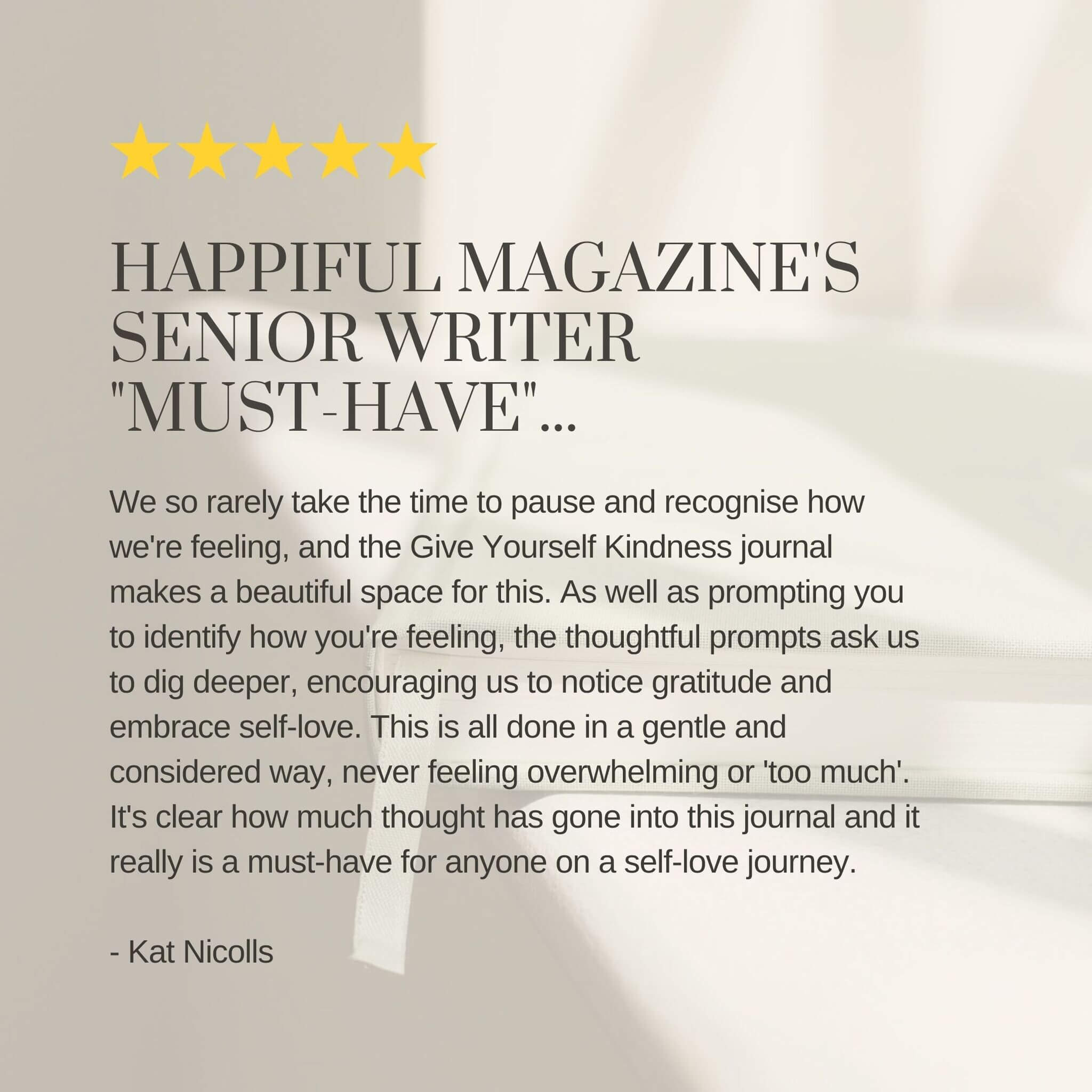
“By far my favourite guided journal that I’ve used!”
There's a lot of journals out there. Most of which include tools that can be repetitive, boring or unhelpful. Give Yourself Kindness is about creating something new.