


Someone you care about is running on empty, and you'd like to give them something that genuinely helps rather than one more thing to deal with. That's exactly the right instinct, and it narrows the choice more than you'd expect.
Burnout isn't ordinary tiredness, so the gifts that land are a little different from the usual ones. The ones that work tend to share two qualities: they ask nothing of the person receiving them, and they help at the two points where burnout bites hardest, the evening when there's nothing left, and the night when the mind won't settle.
What helps most
Something they can use without having to start anything. No routine to keep up, no streak to break, and nothing that quietly suggests they should be coping better. Everything below is built on self-compassion research and reviewed by clinical psychologists.
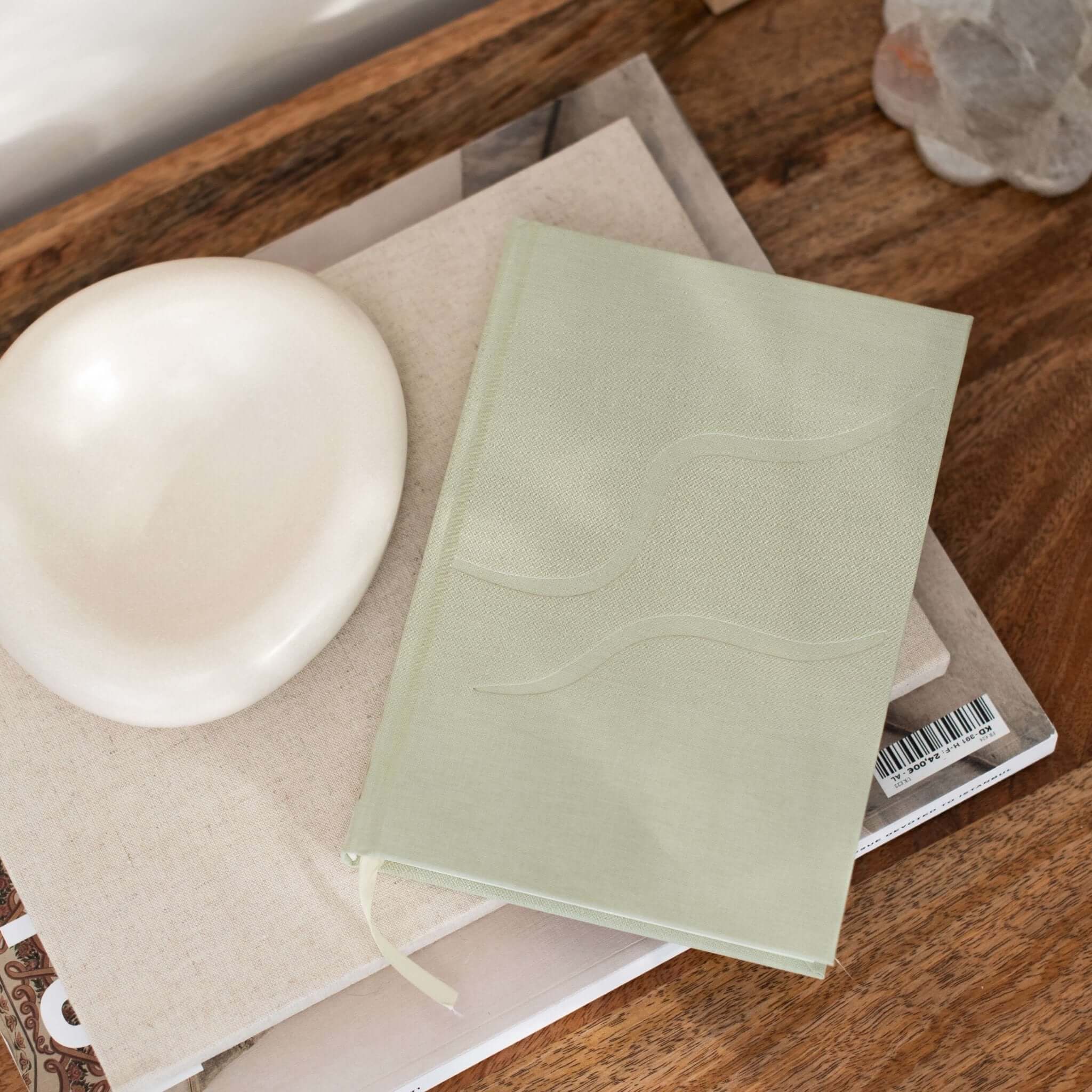
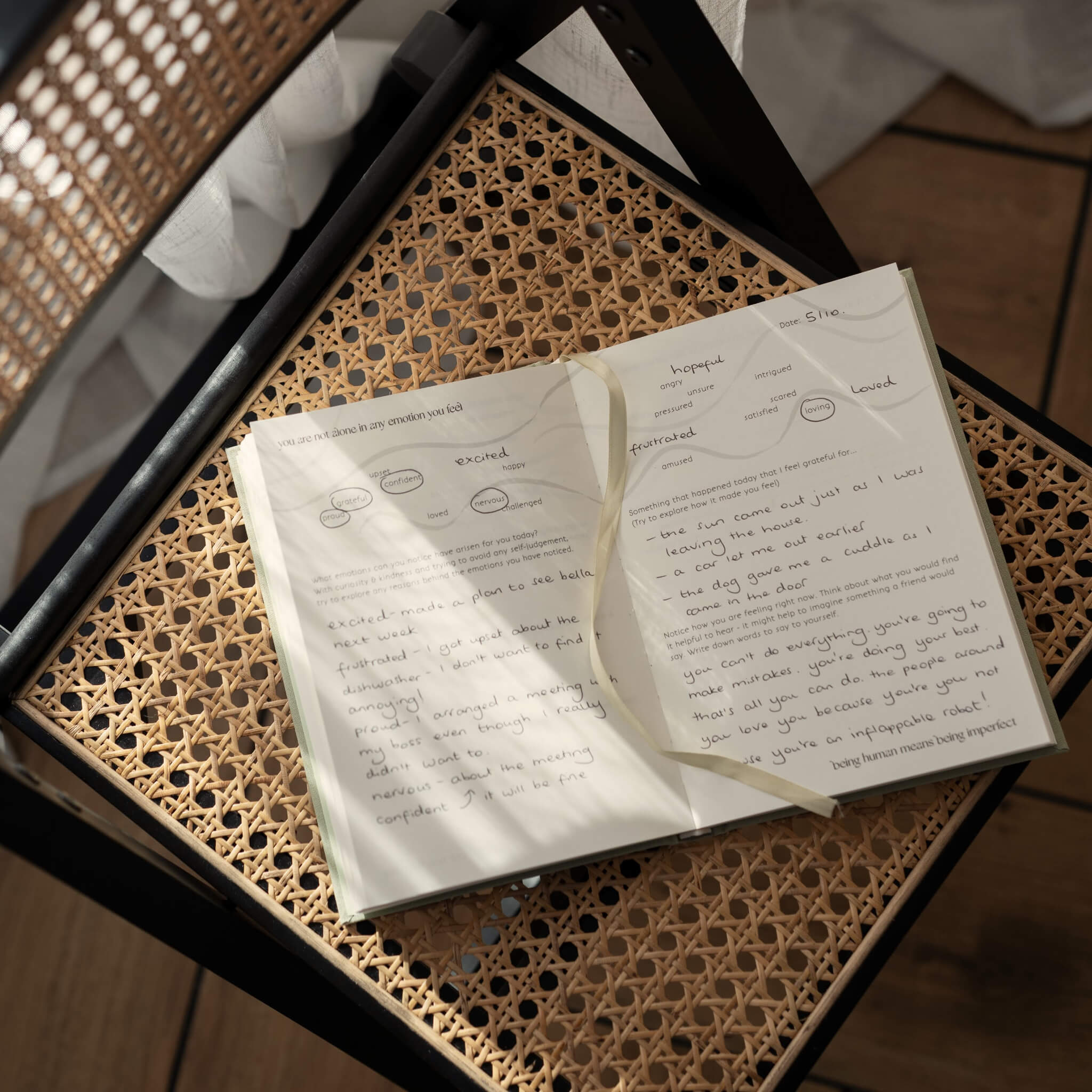
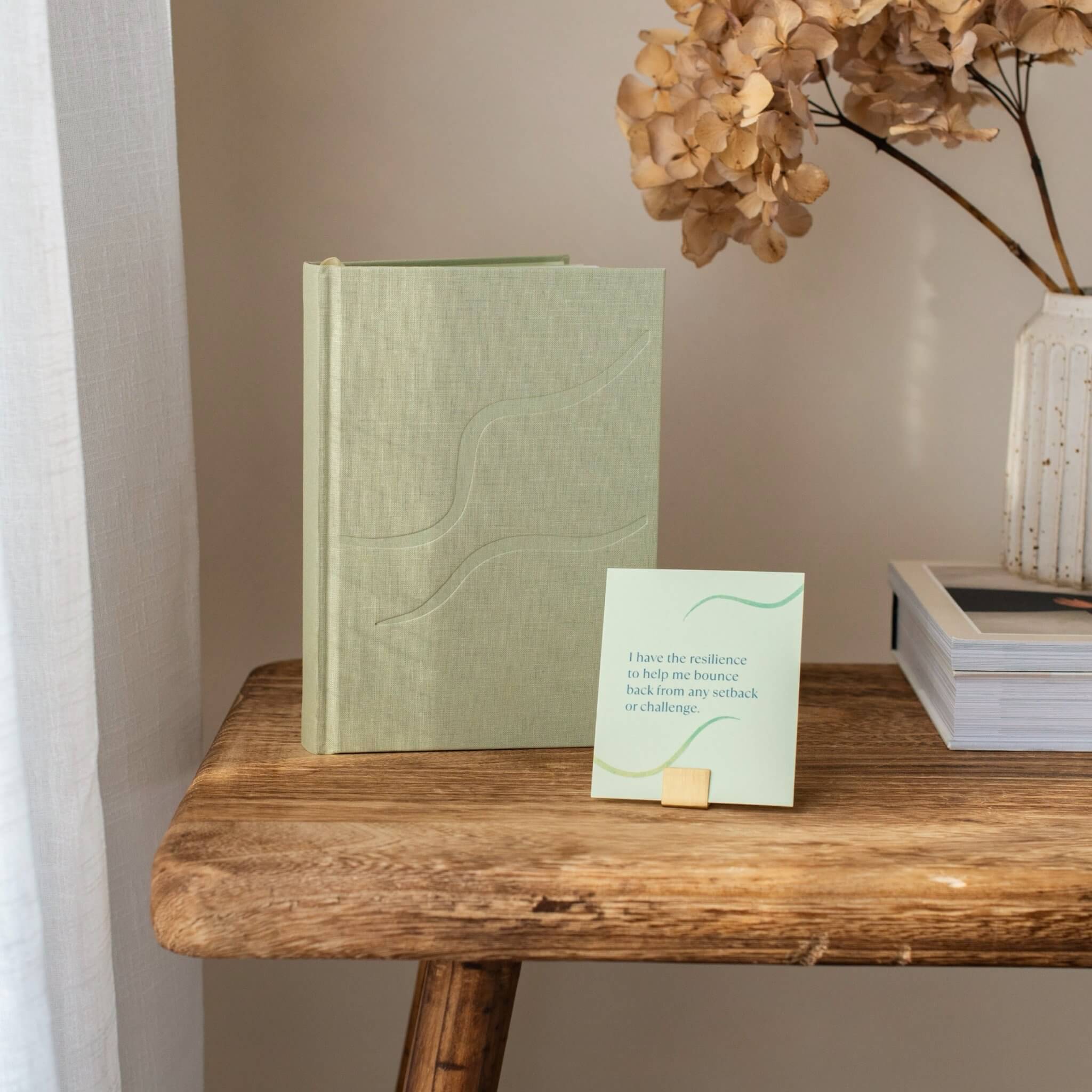
- The Give Yourself Kindness Journal (£28.95), somewhere to put it all down
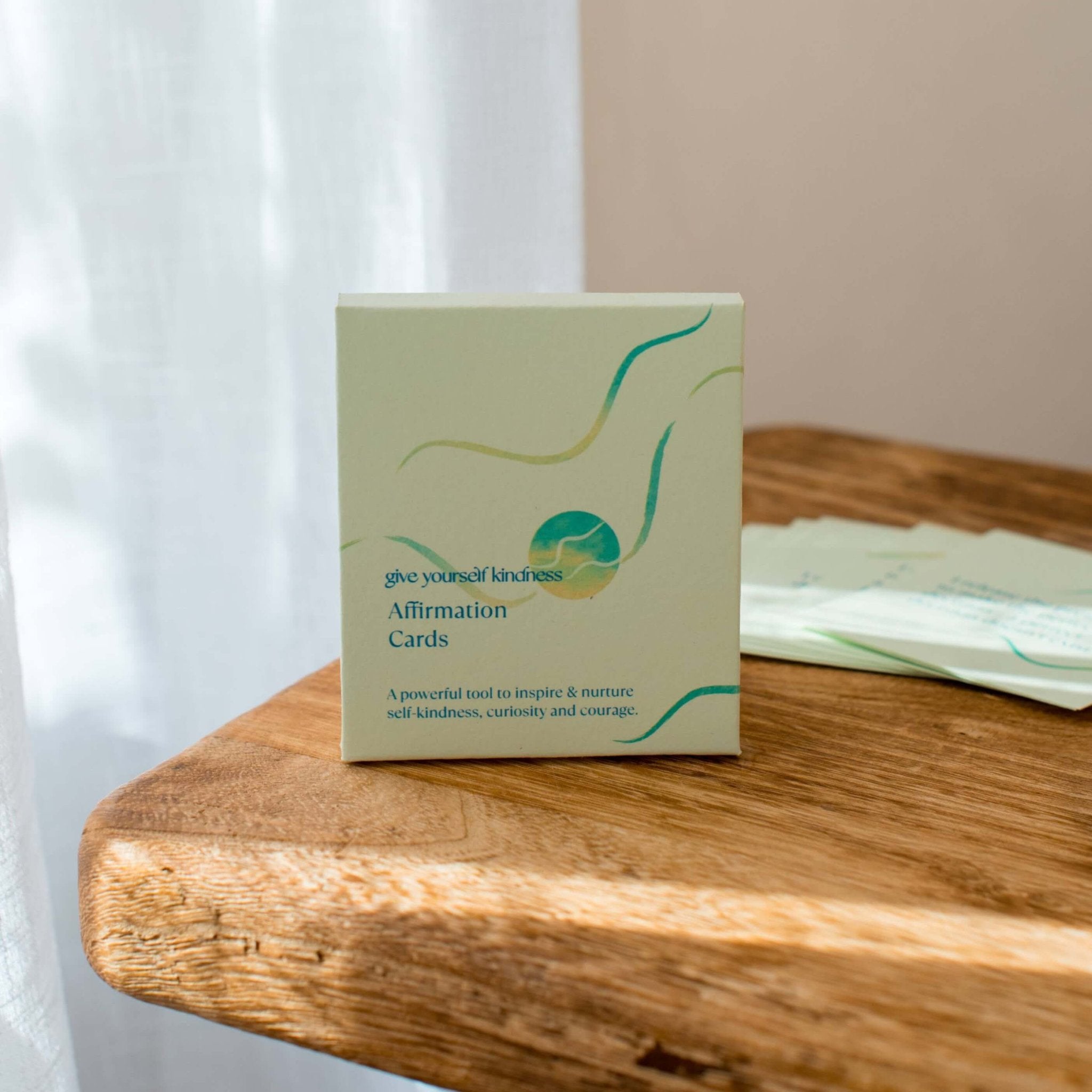
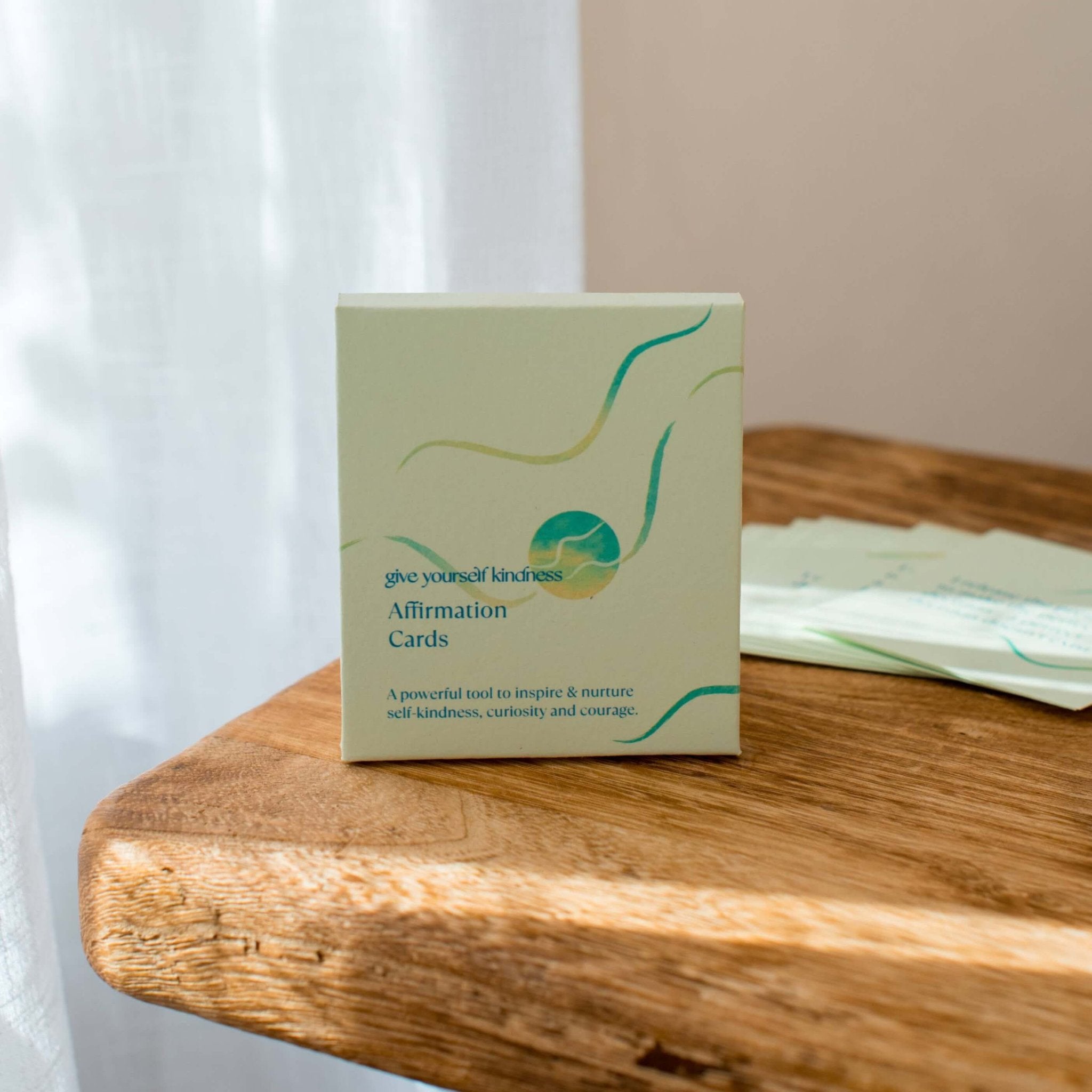
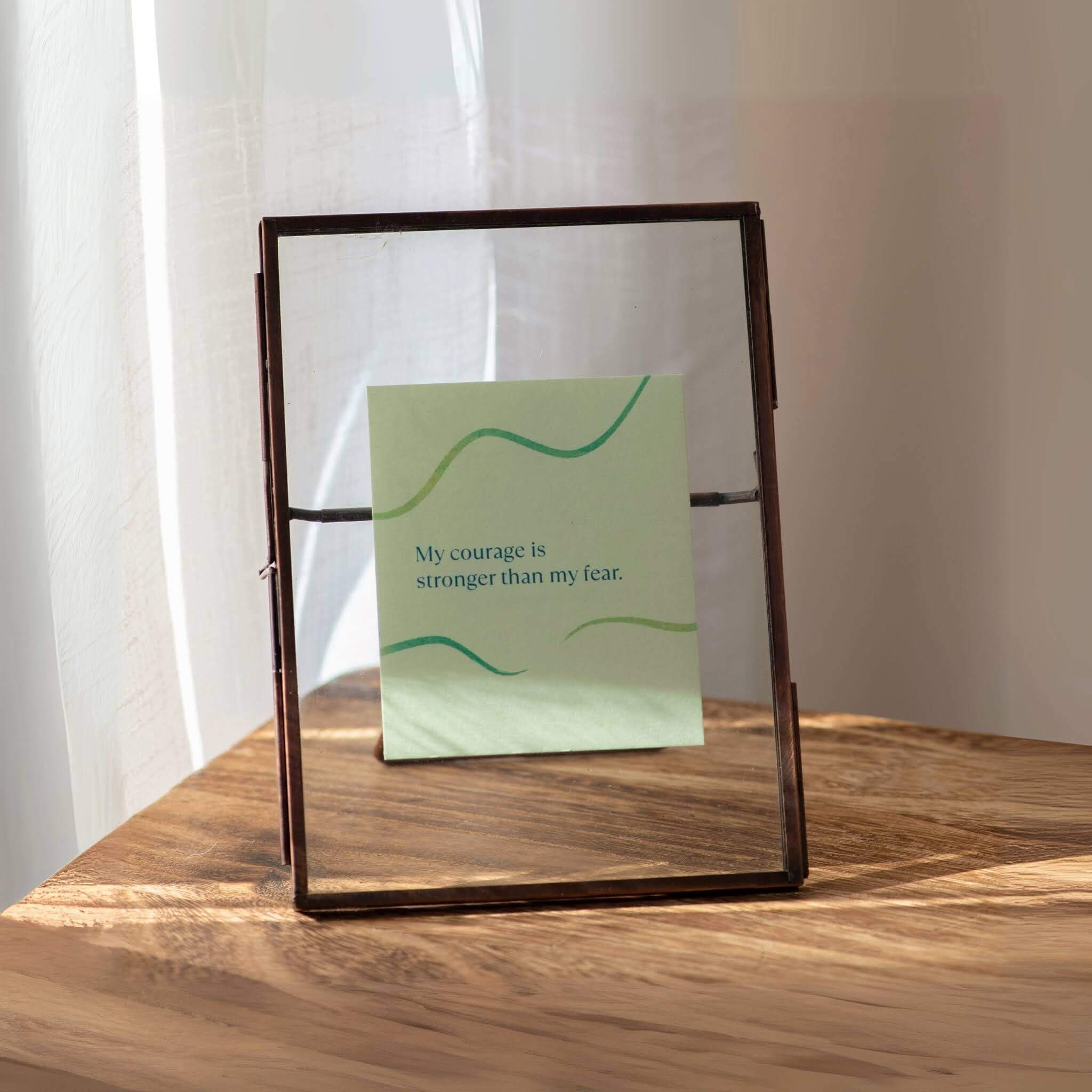
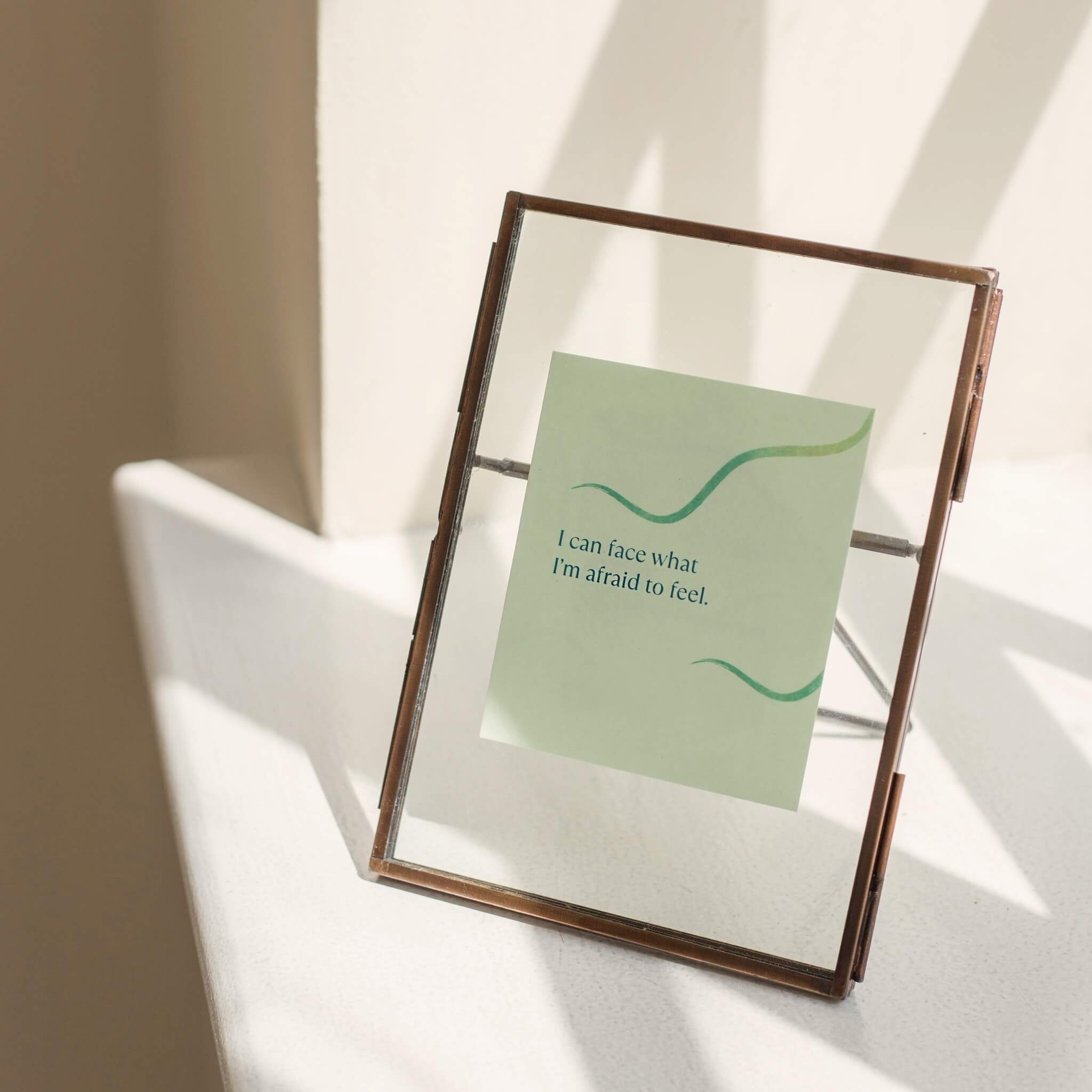
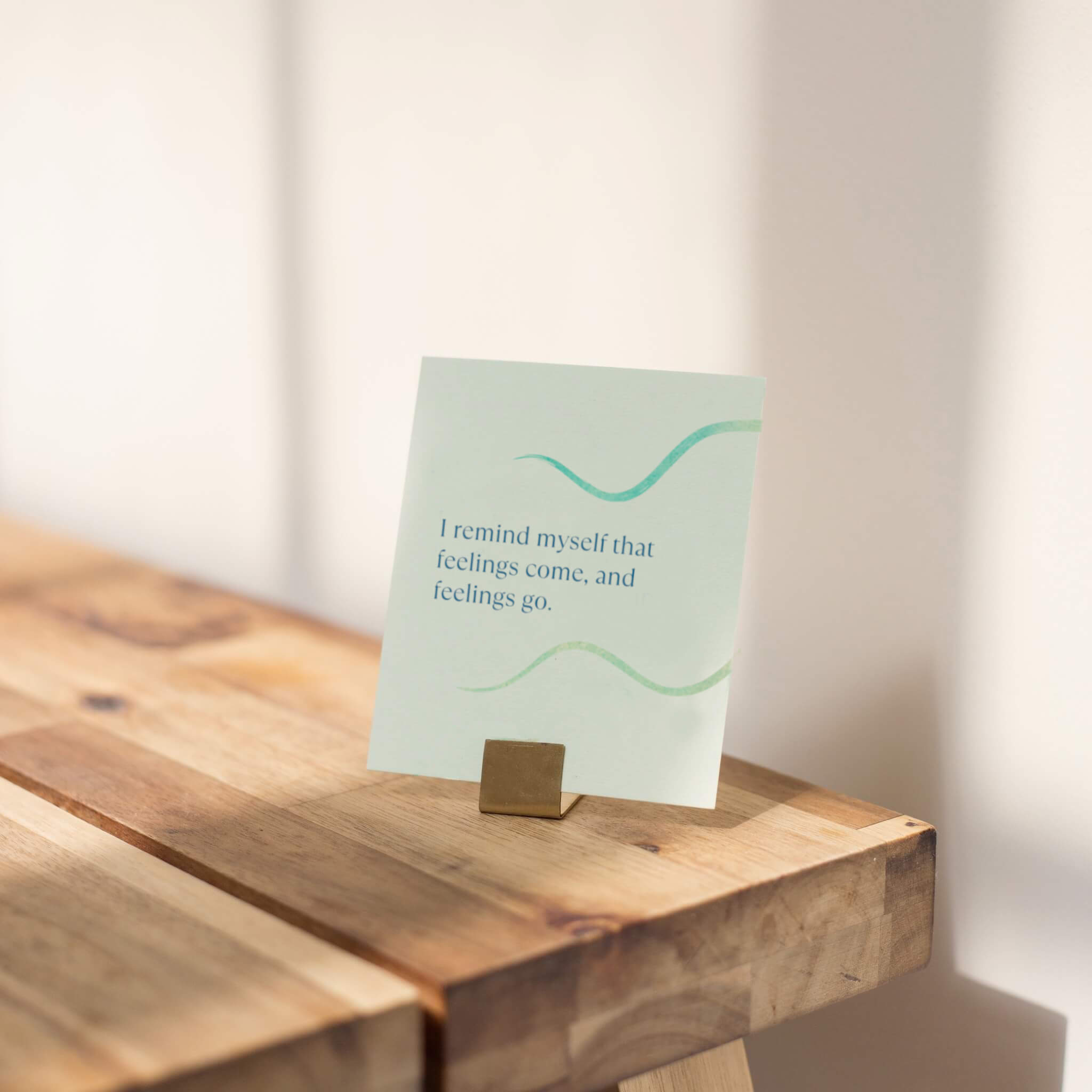
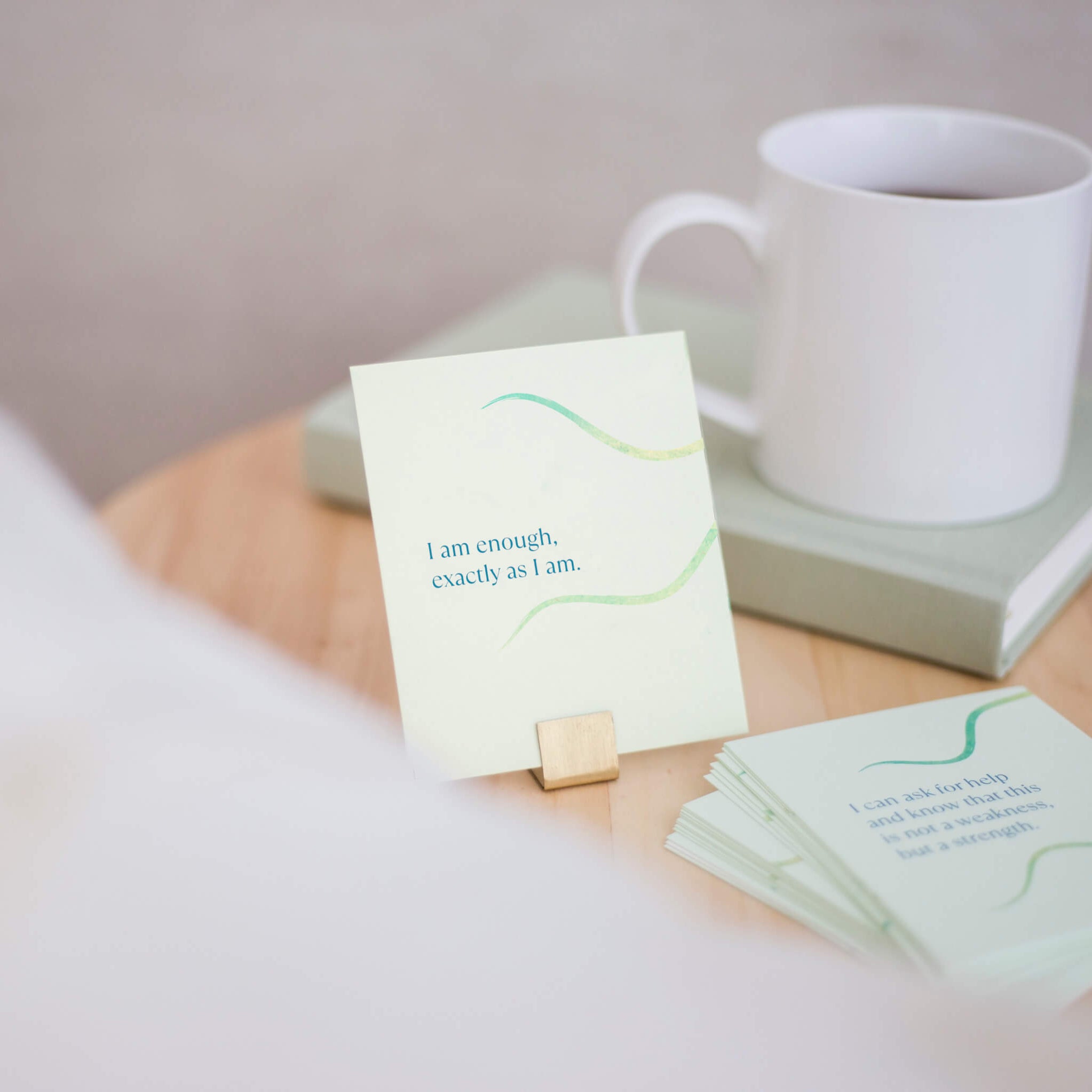
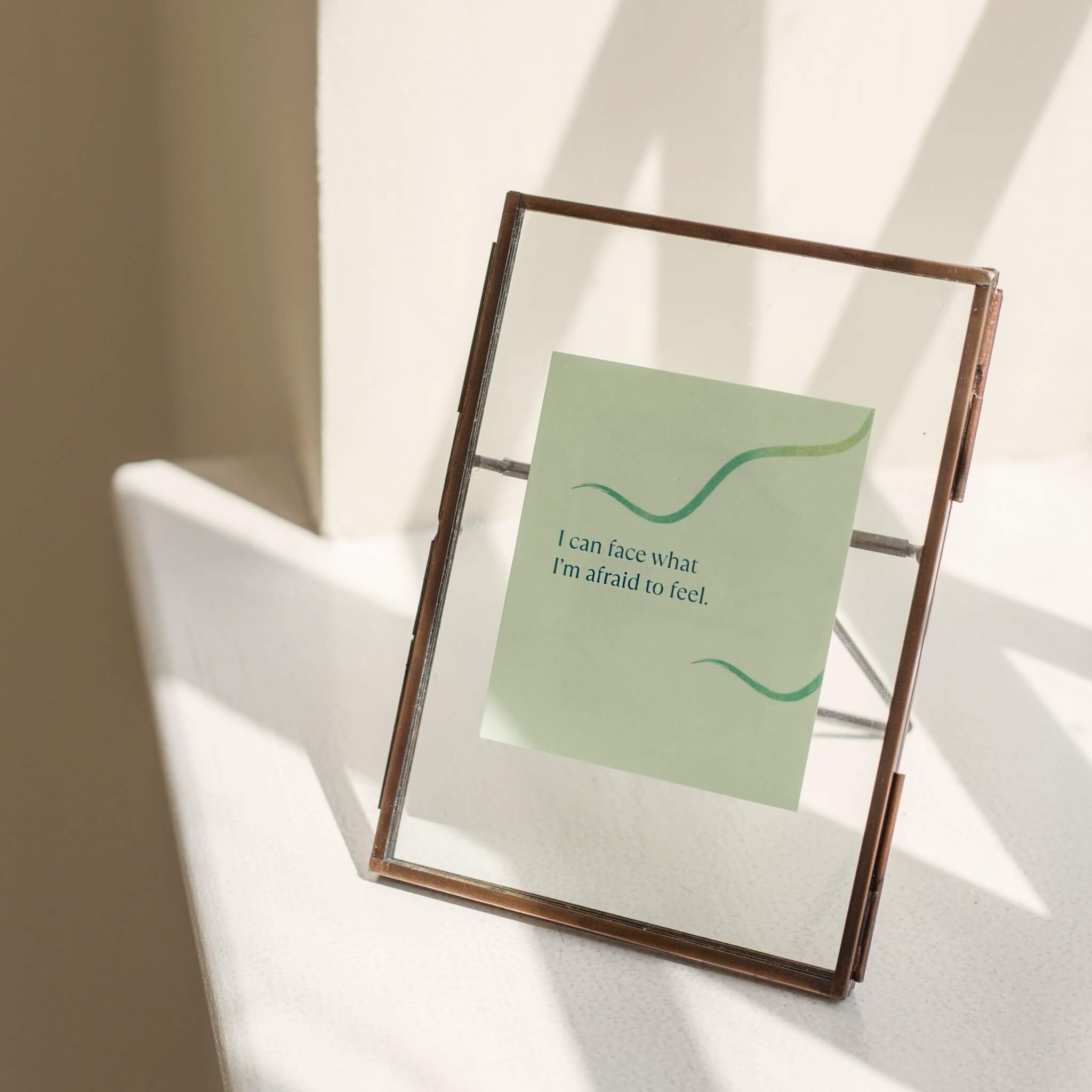
- Sleep Affirmation Cards (from £13.95), something calming to reach for at bedtime
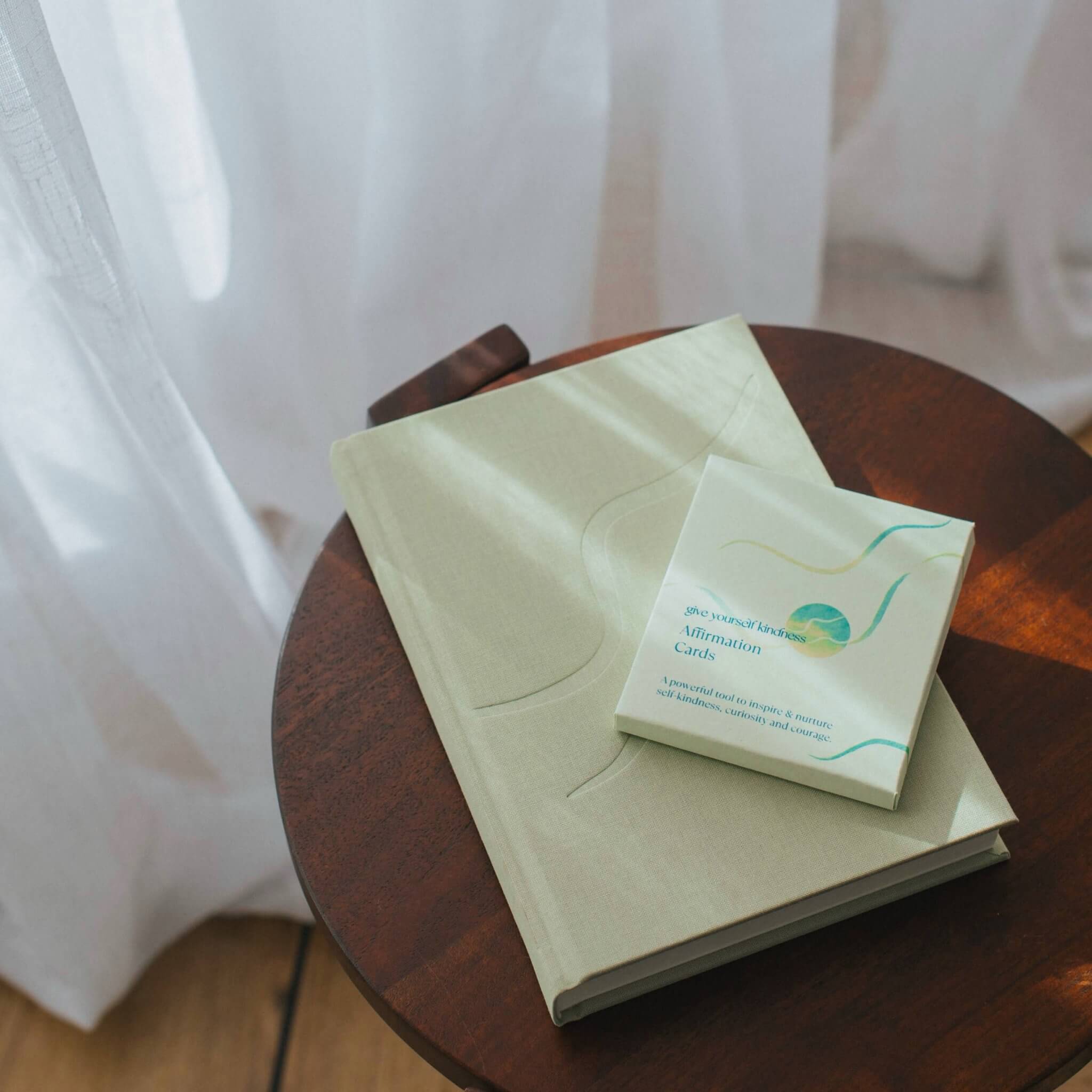
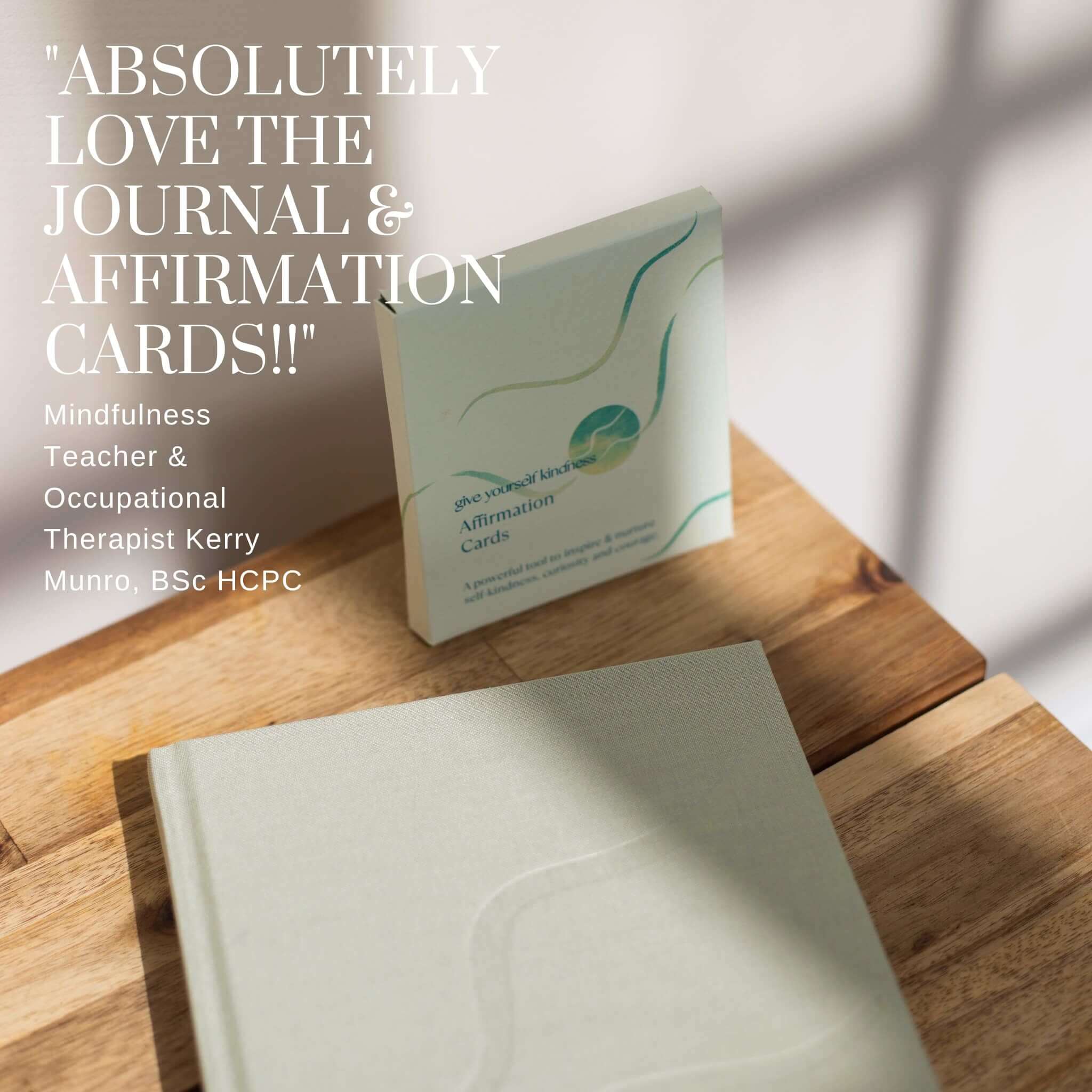
- The Self-Compassion Gift Box (from £40.95), the journal and the cards together
- The Gratitude Journal (£10.95), a gentle way back in as they start to lift
Not sure which? There's a short guide to choosing just below, and help with the note if you're not sure what to say.

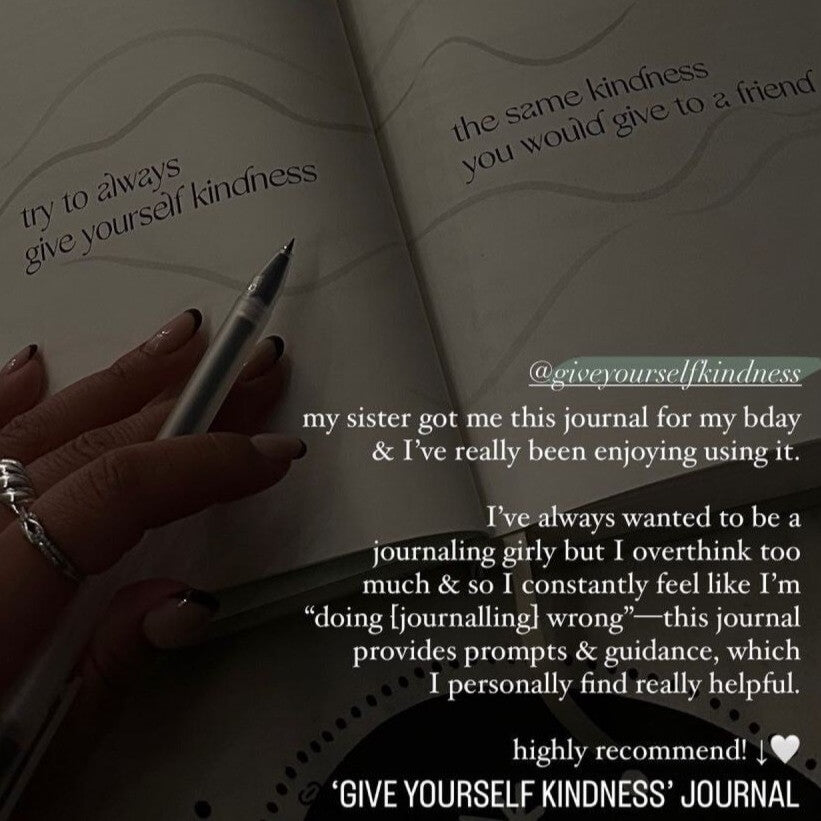
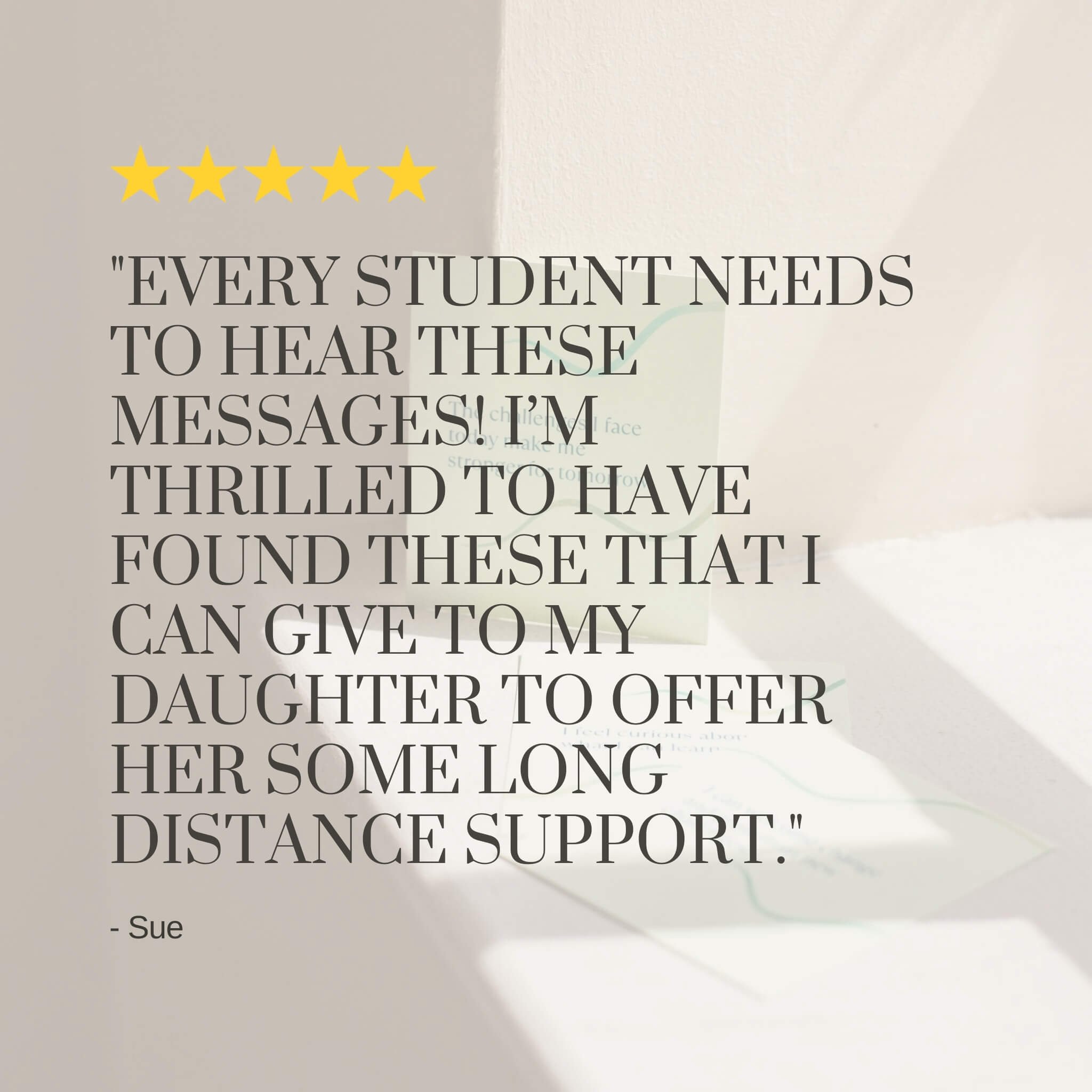
Quick answer: the Give Yourself Kindness Journal. It gives them somewhere to put down what they're carrying, with three months of undated prompts that make room for the difficult days rather than asking them to look on the bright side. Reviewed by clinical psychologists at Harvard and Oxford, and loved by 58 people so far.
Added to your basket. View basket →
One honest thing before you choose. A gift is a way of saying you've noticed and you're still there, and that matters more than people realise. It isn't a treatment. If they're deep in it, what usually has to change is the rest they're getting and the situation causing it, sometimes with professional help. Everything here is meant to sit alongside that, not instead of it.
Four gifts that help with burnout
Each of these was made for someone who has nothing spare to give, so none of them ask for effort, consistency or a good mood to get started. They're listed with the most loved first.

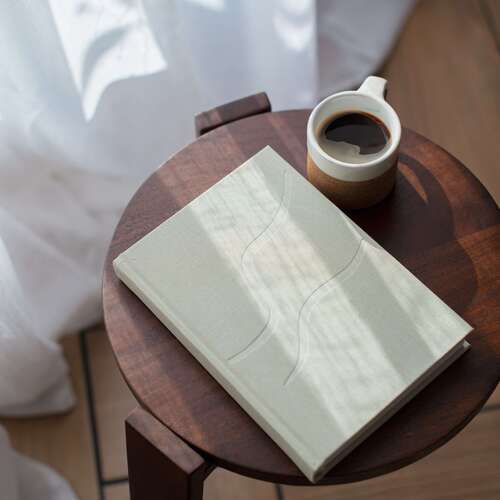
The Give Yourself Kindness Journal
Gives them somewhere to put it all down
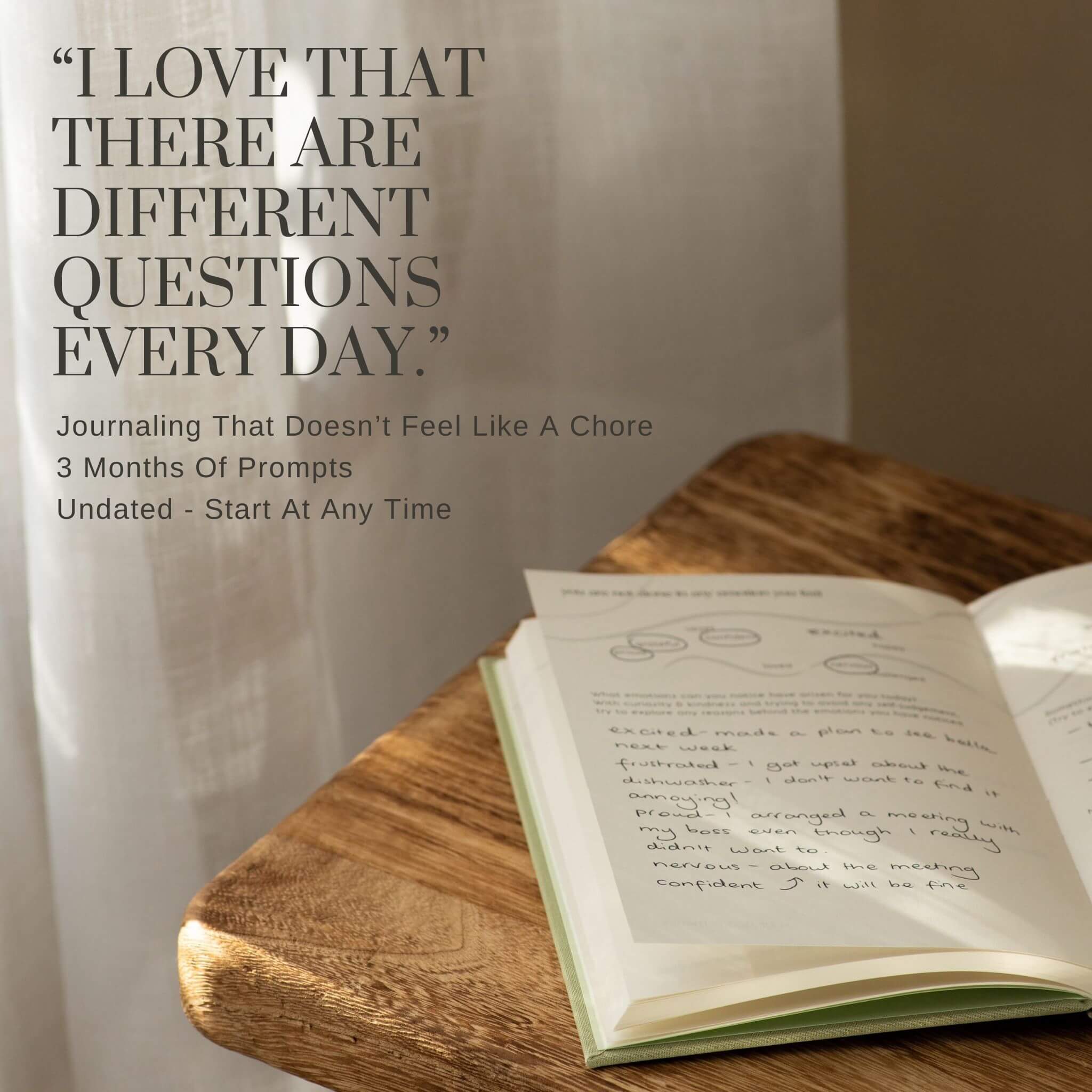
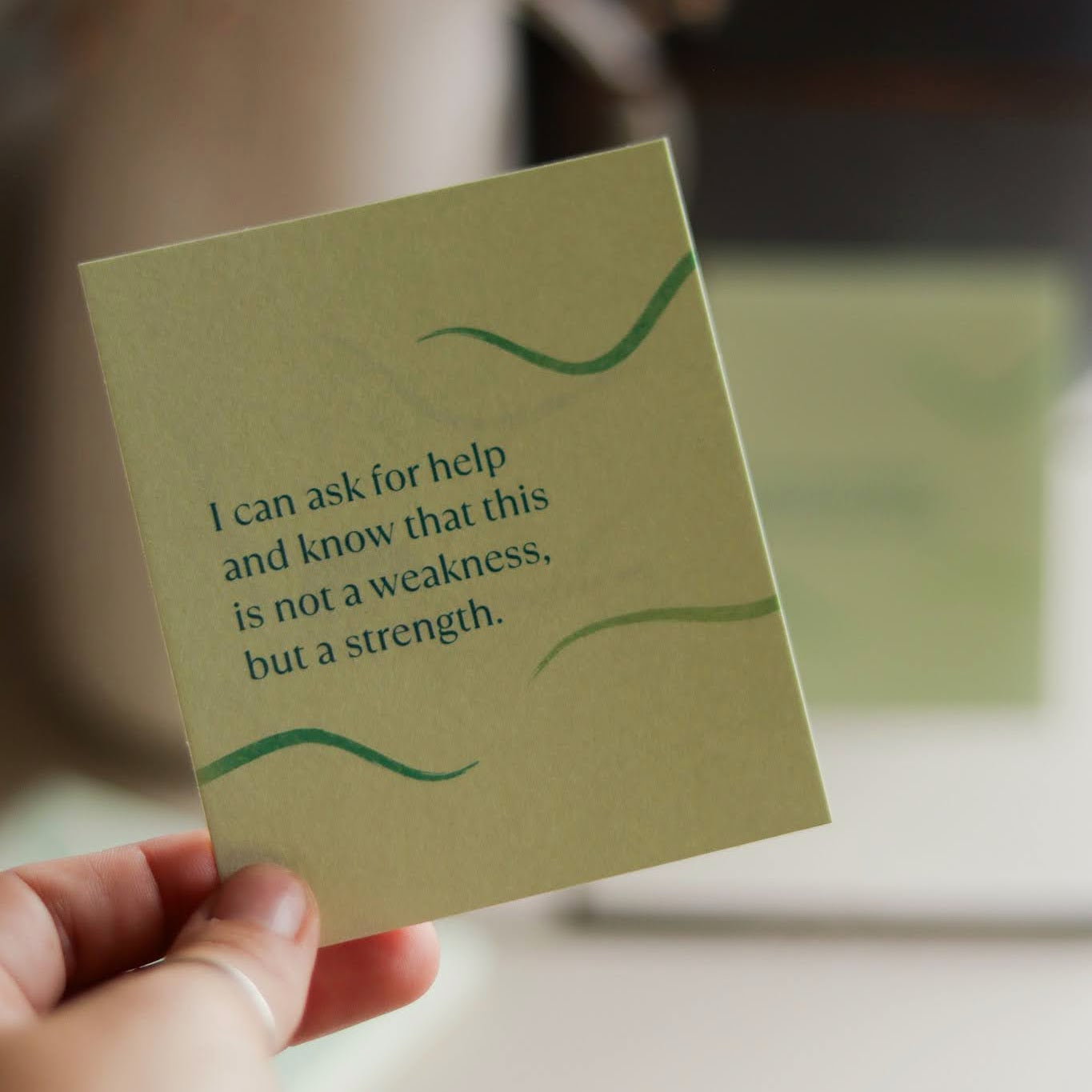
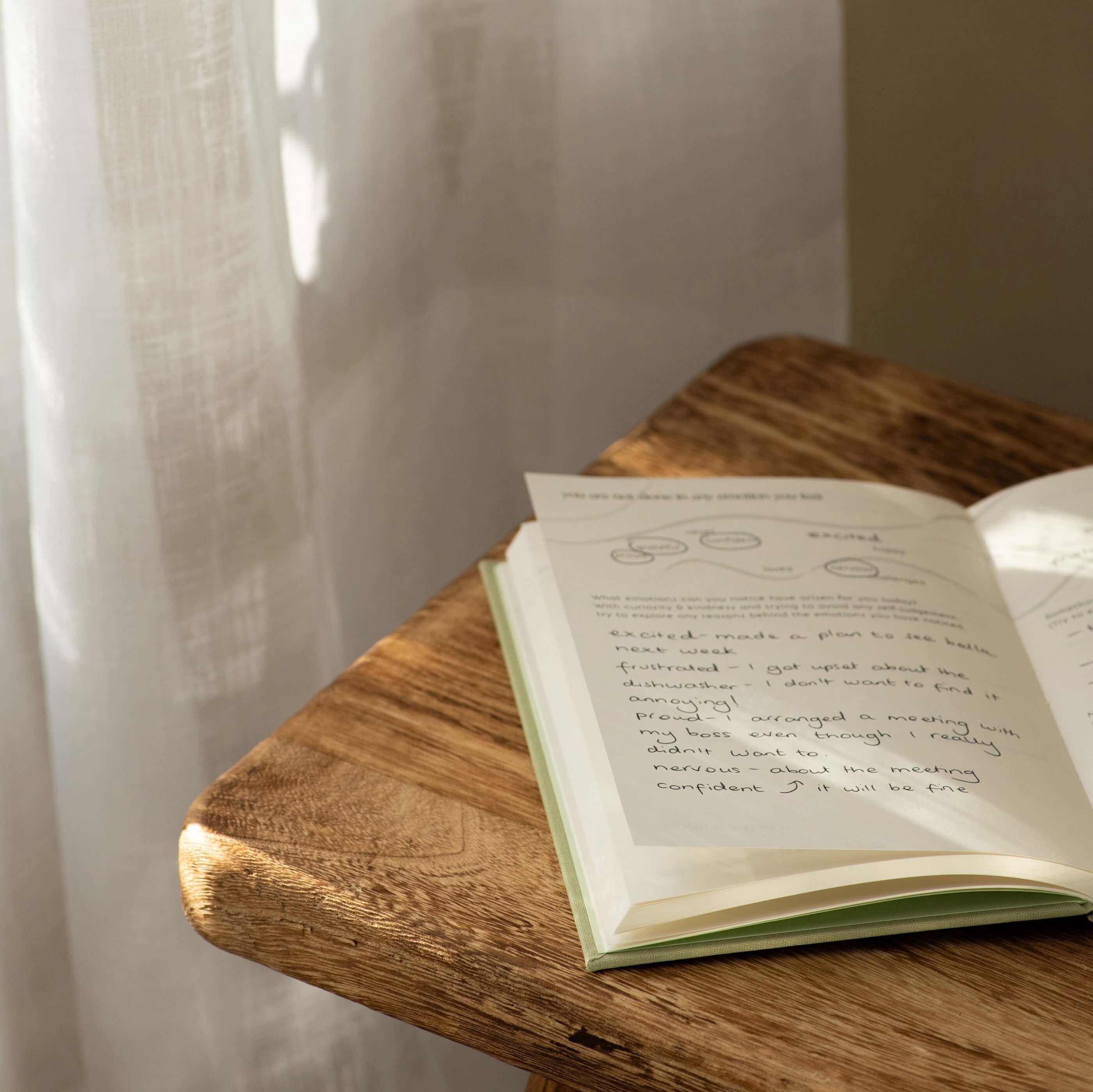
Two hundred and twenty-four pages holding three months of undated prompts, and every page is different. That matters here, because repetitive prompts start to feel like a chore, and a chore is the last thing they need.
It makes room for the difficult feelings rather than asking for three things to be grateful for. And because it's undated, it simply waits. There's no streak to break and nothing to fall behind on, so it can't quietly become another thing they're failing at.
Why it helps with burnout: burnout runs on self-criticism and rumination, and the prompts give both somewhere to go. It arrives wrapped in bespoke tissue paper, with your handwritten message if you'd like one.
Added to your basket. View basket →

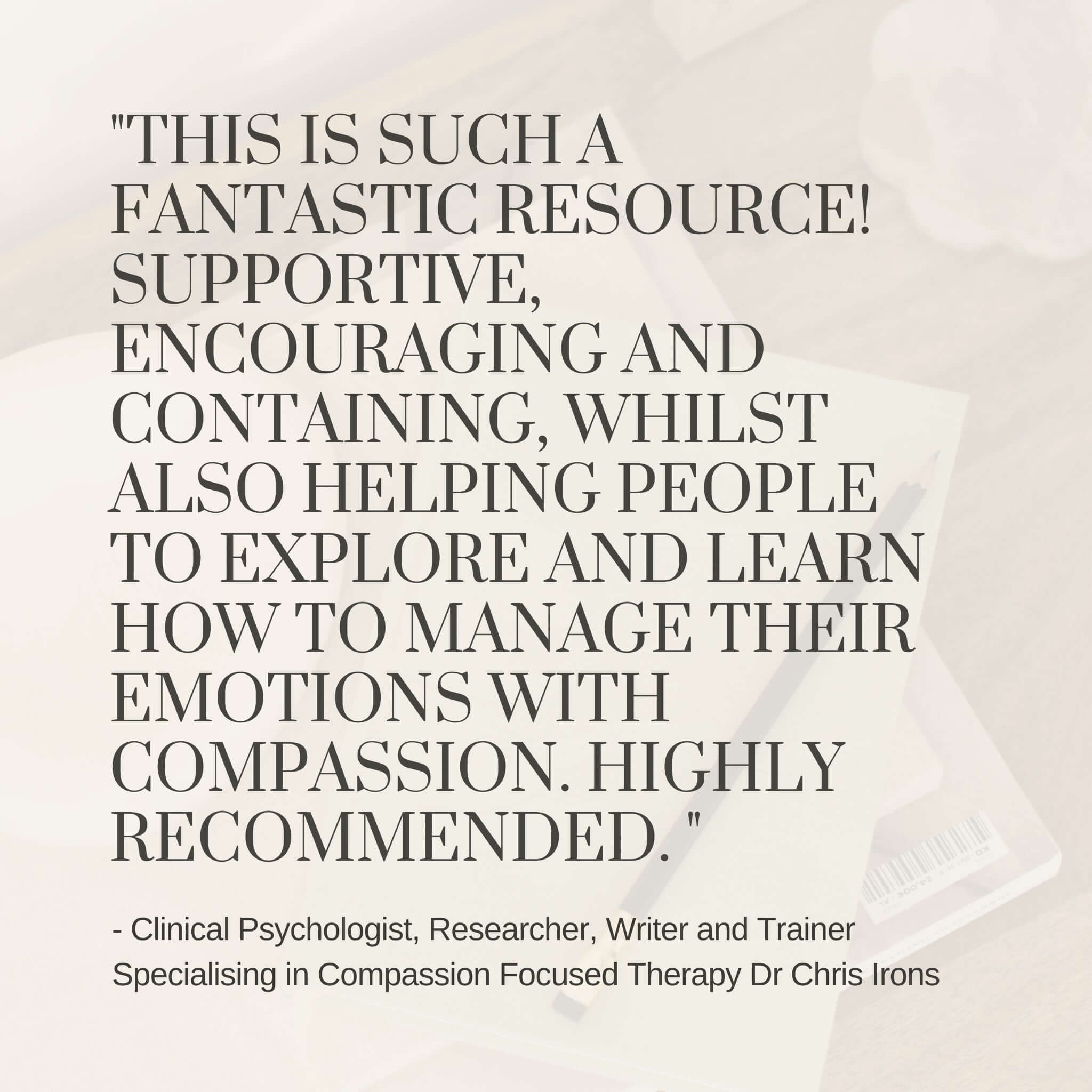
Dr Chris Irons
Clinical Psychologist, Compassion-Focused Therapy researcher and trainer
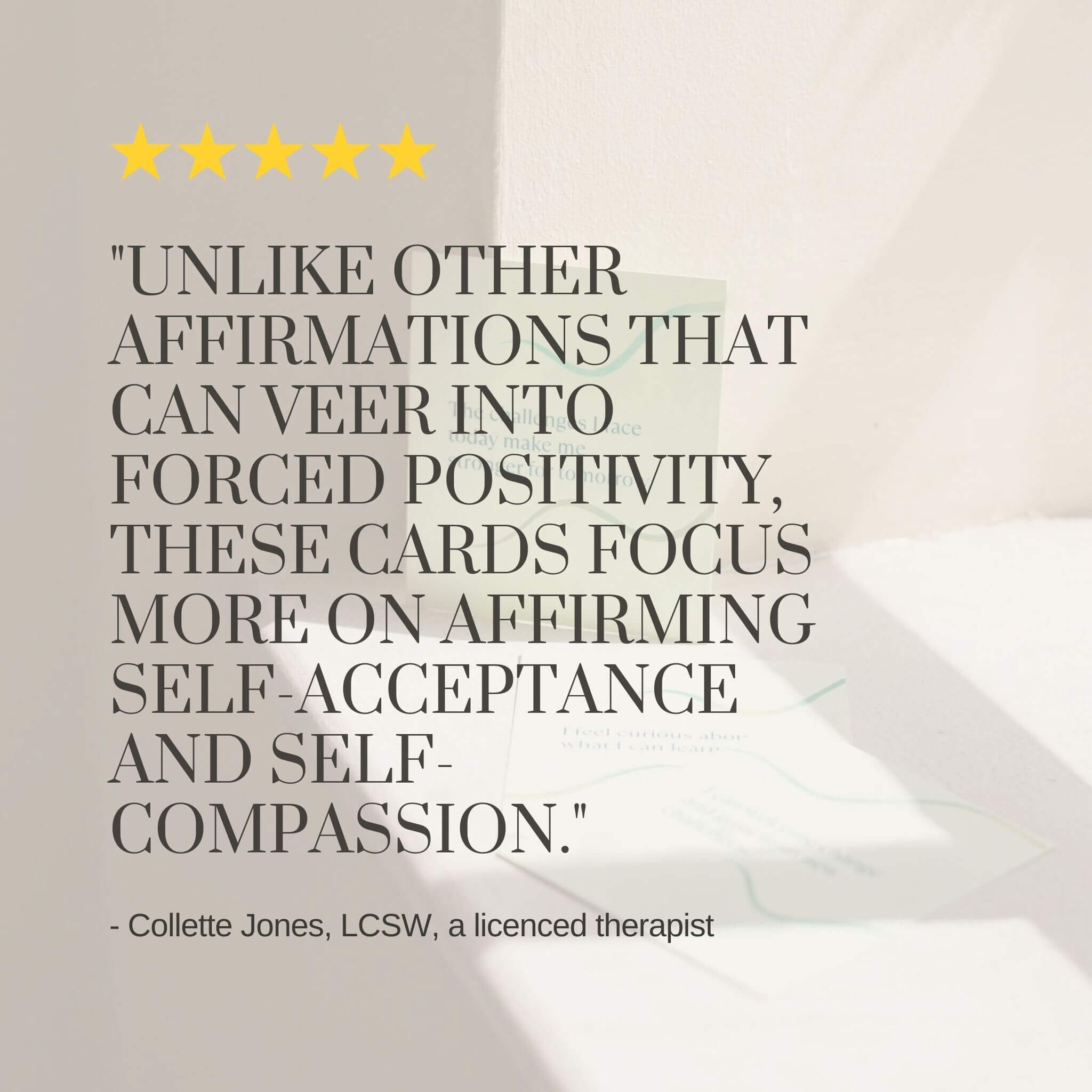
"This is such a fantastic resource! Supportive, encouraging and containing, whilst also helping people to explore and learn how to manage their emotions with compassion. Highly recommended."See what other clinical psychologists say →
Sleep Affirmation Cards
Gives them something calming to reach for at bedtime
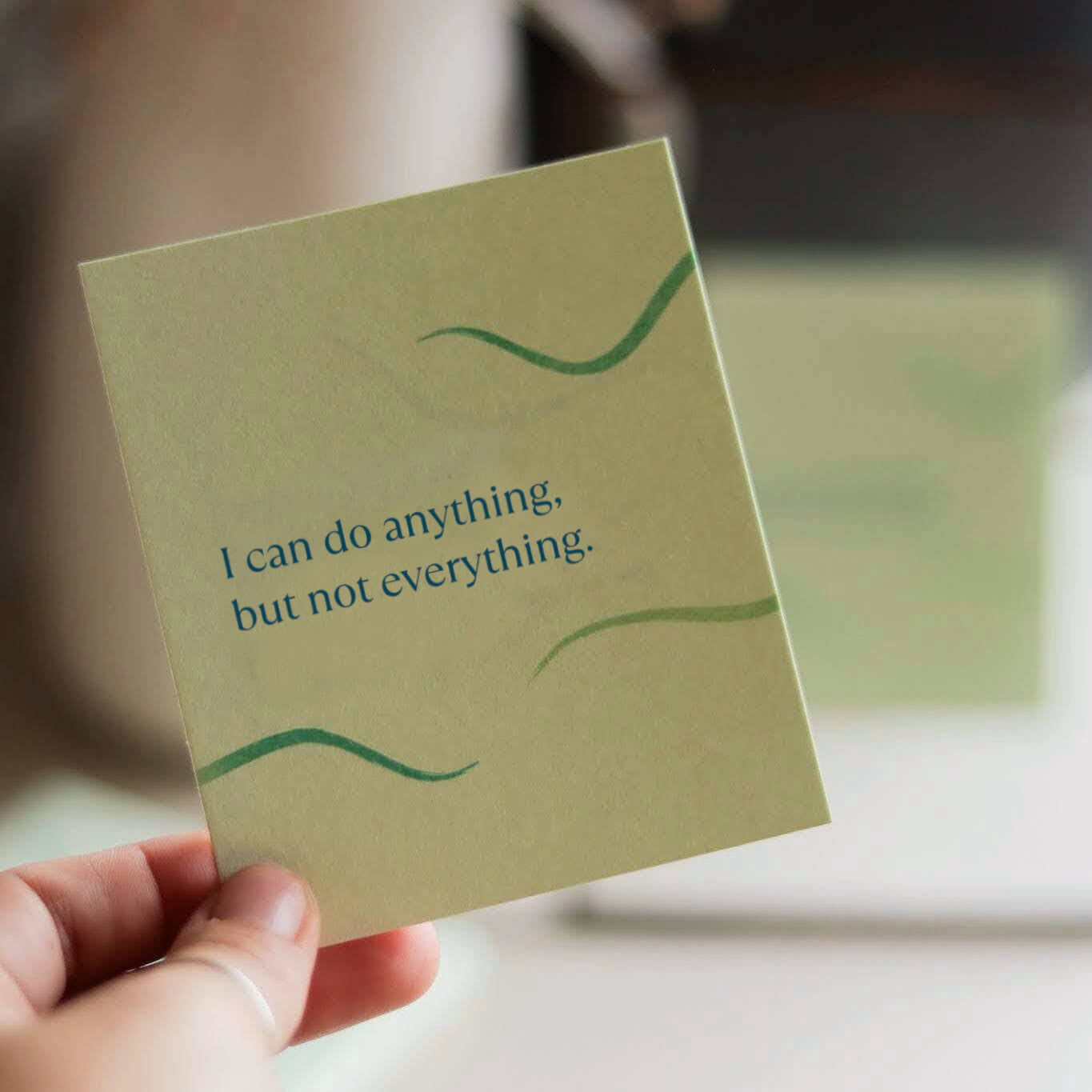
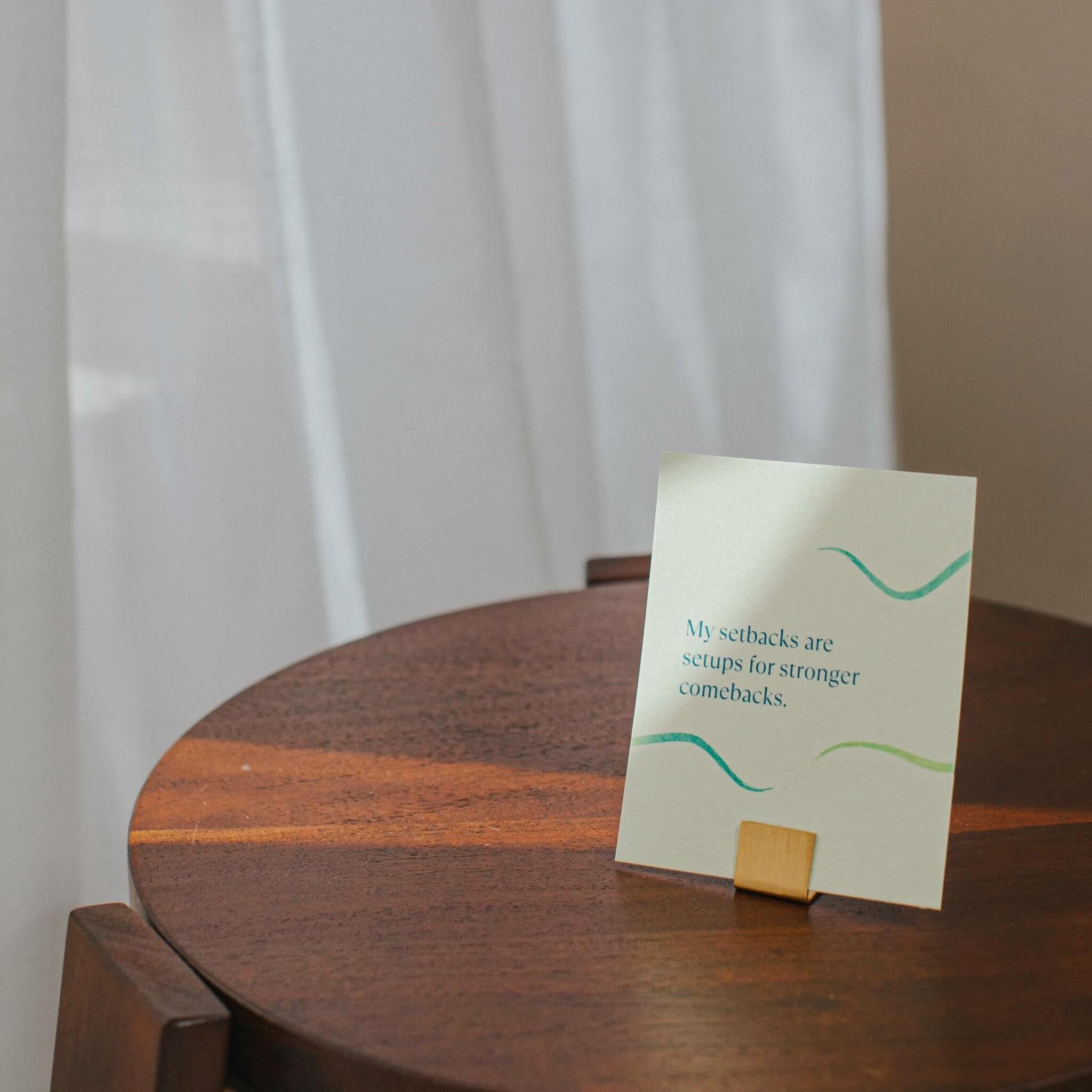
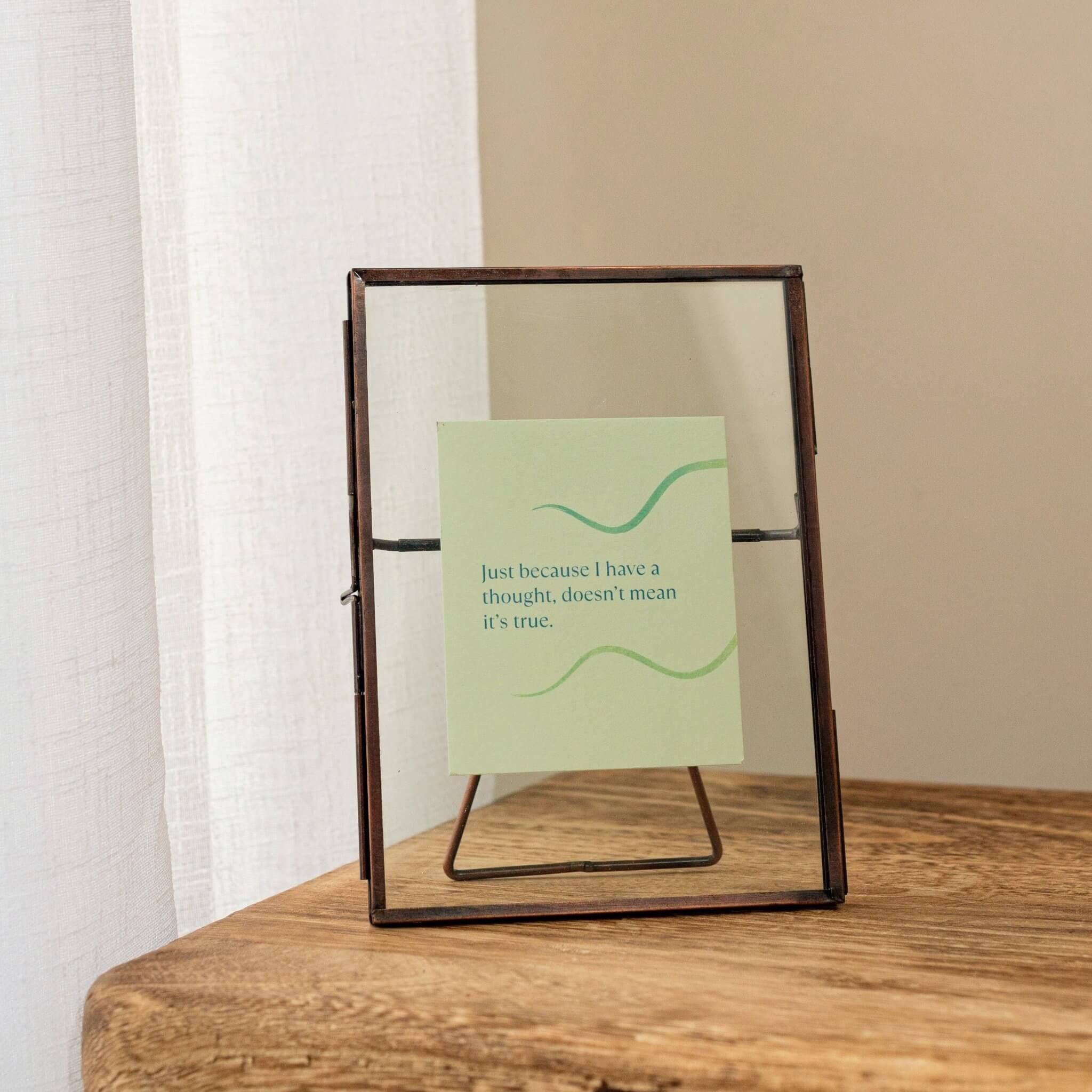
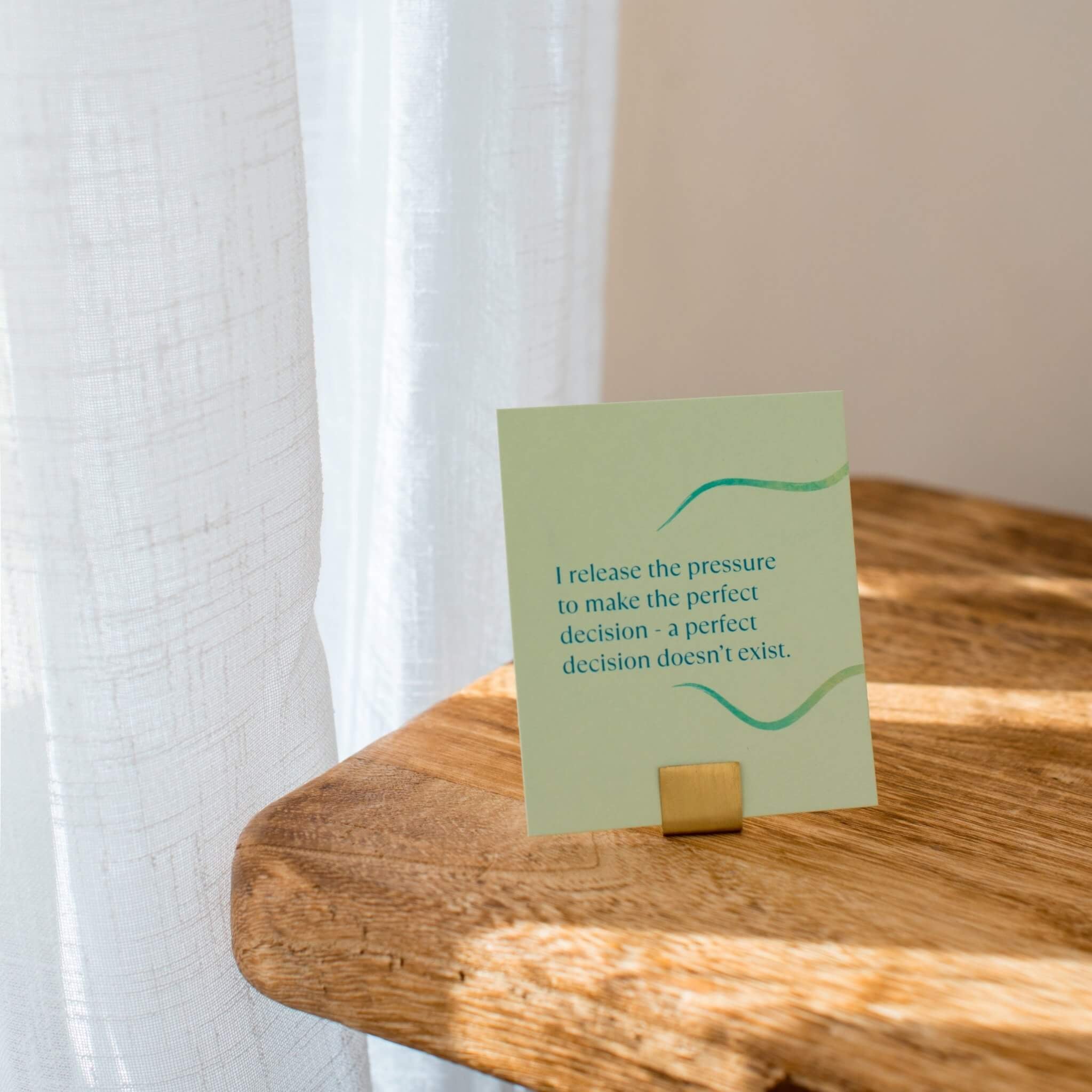
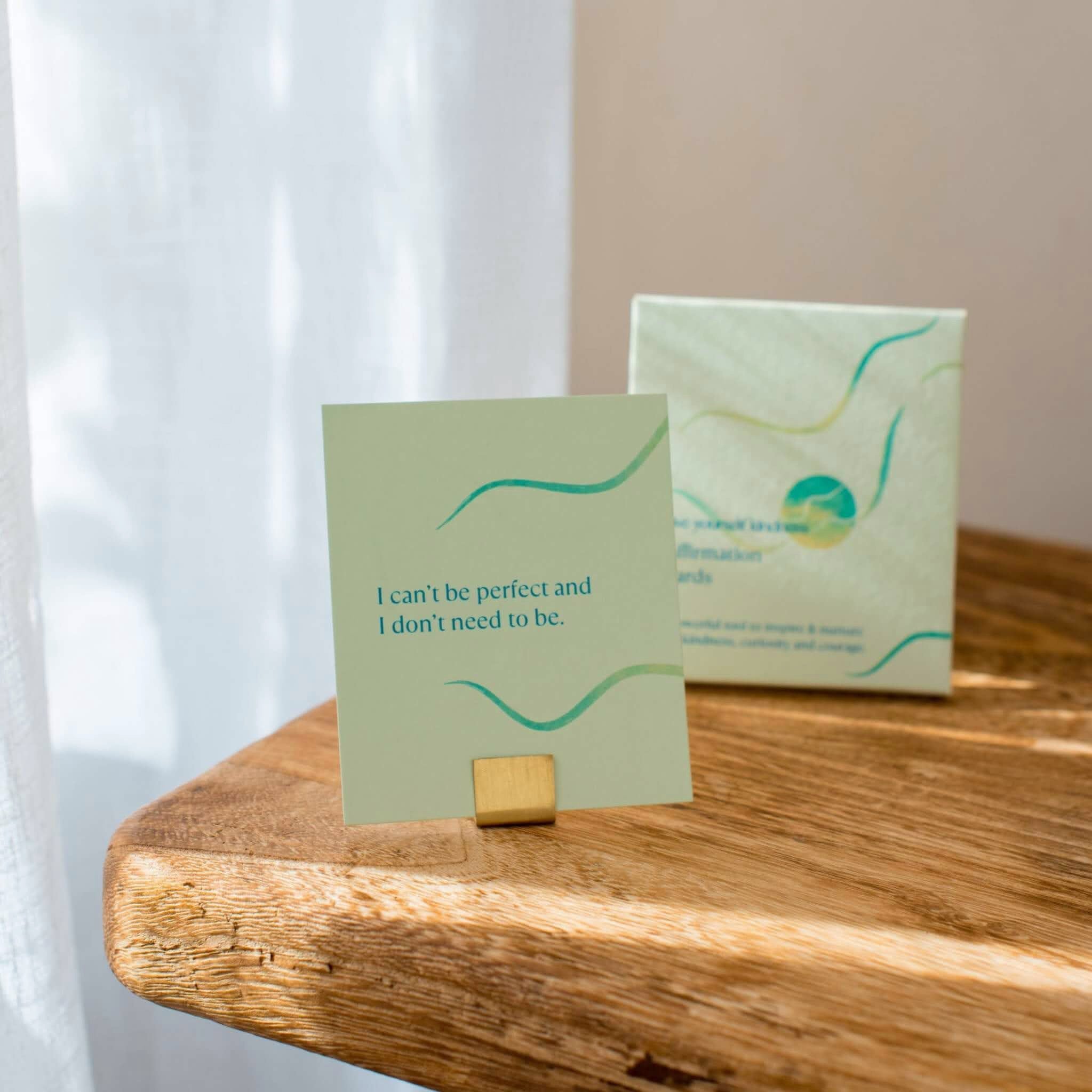
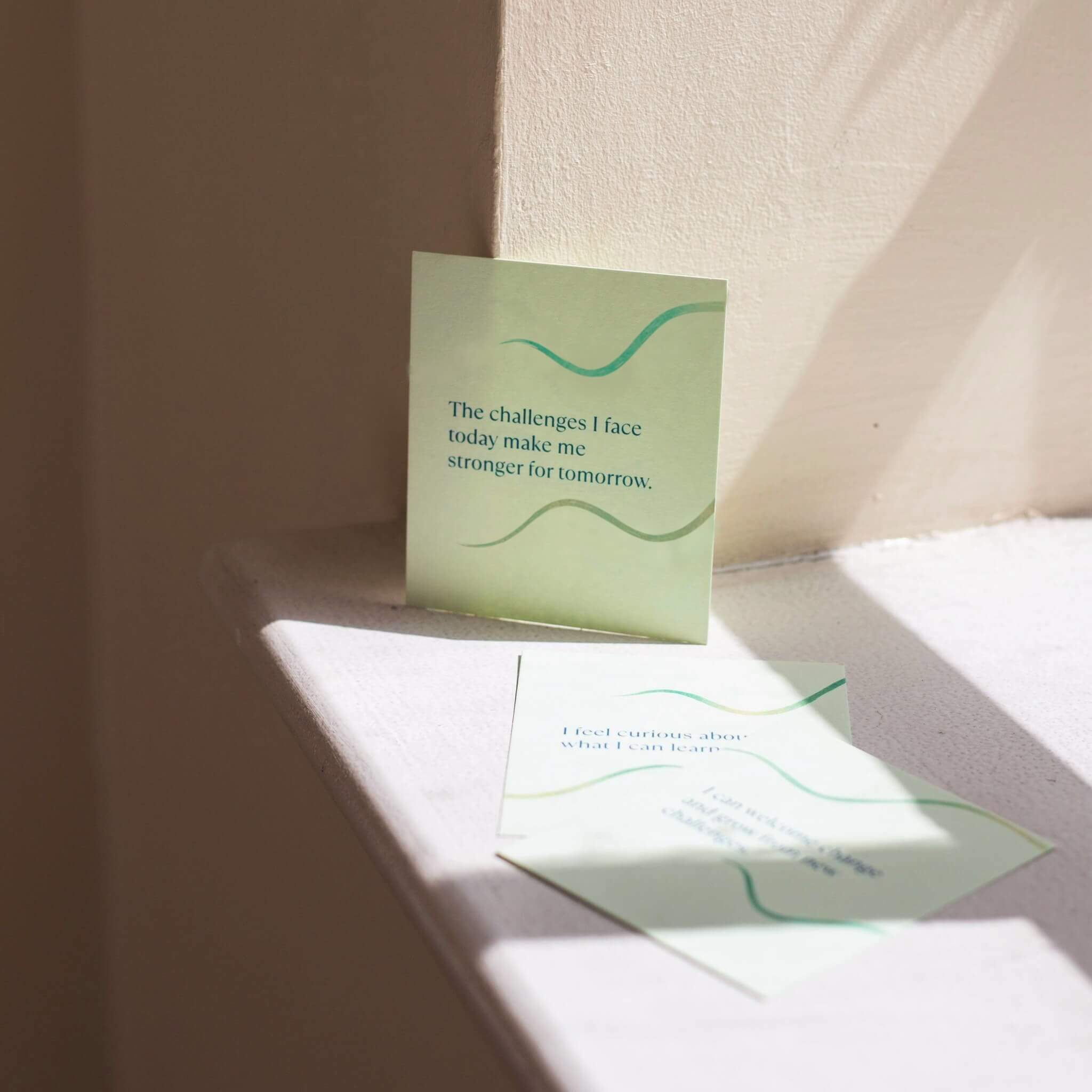
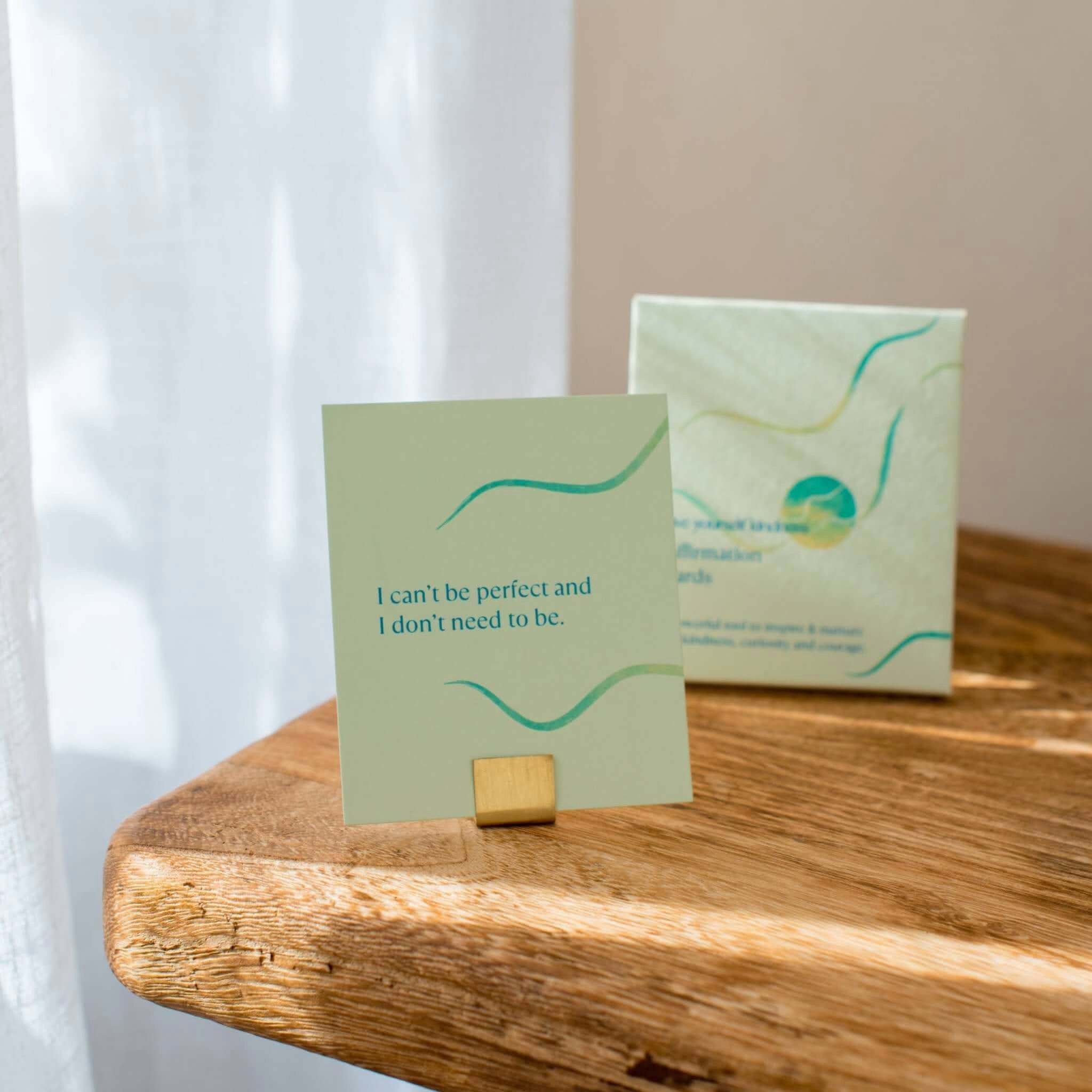
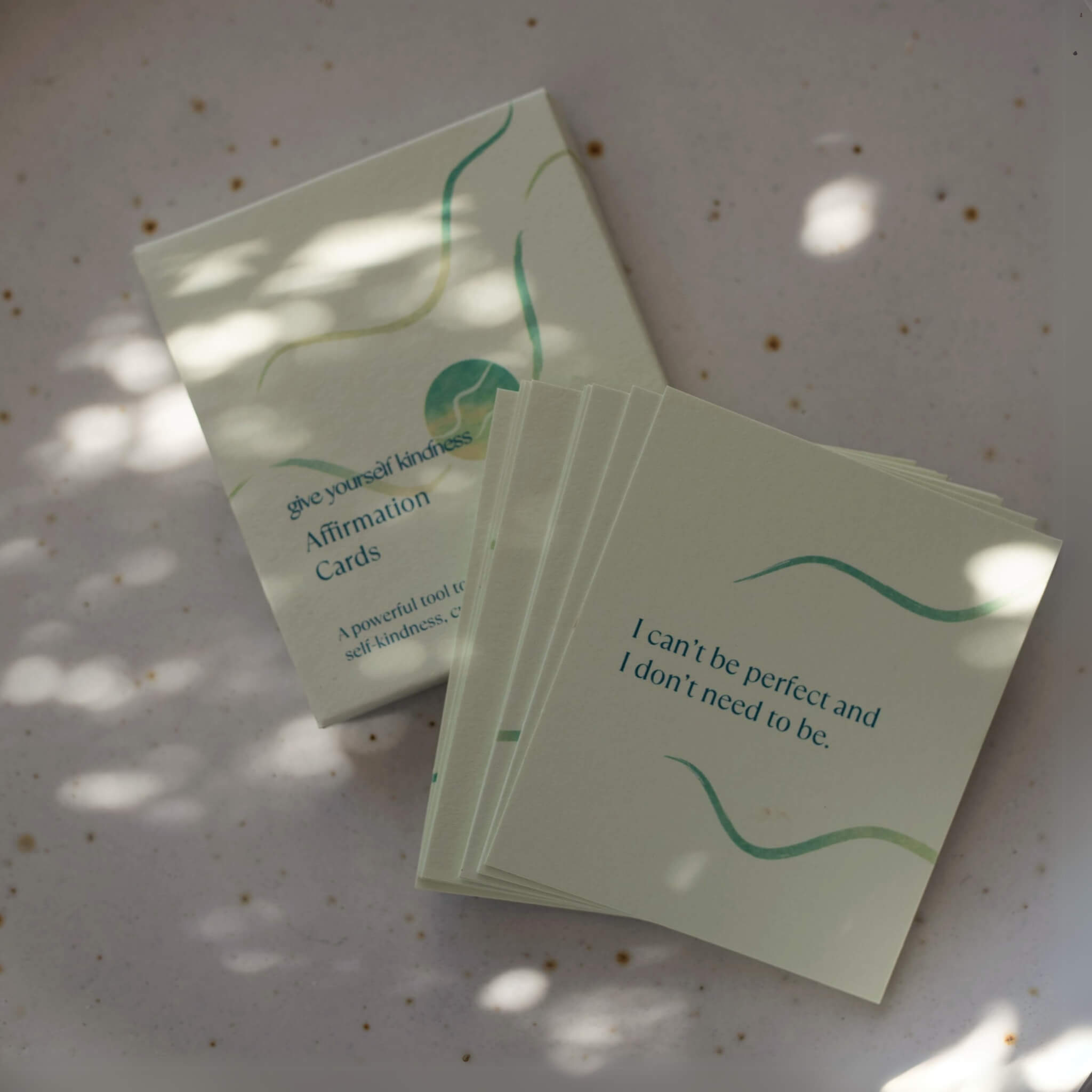
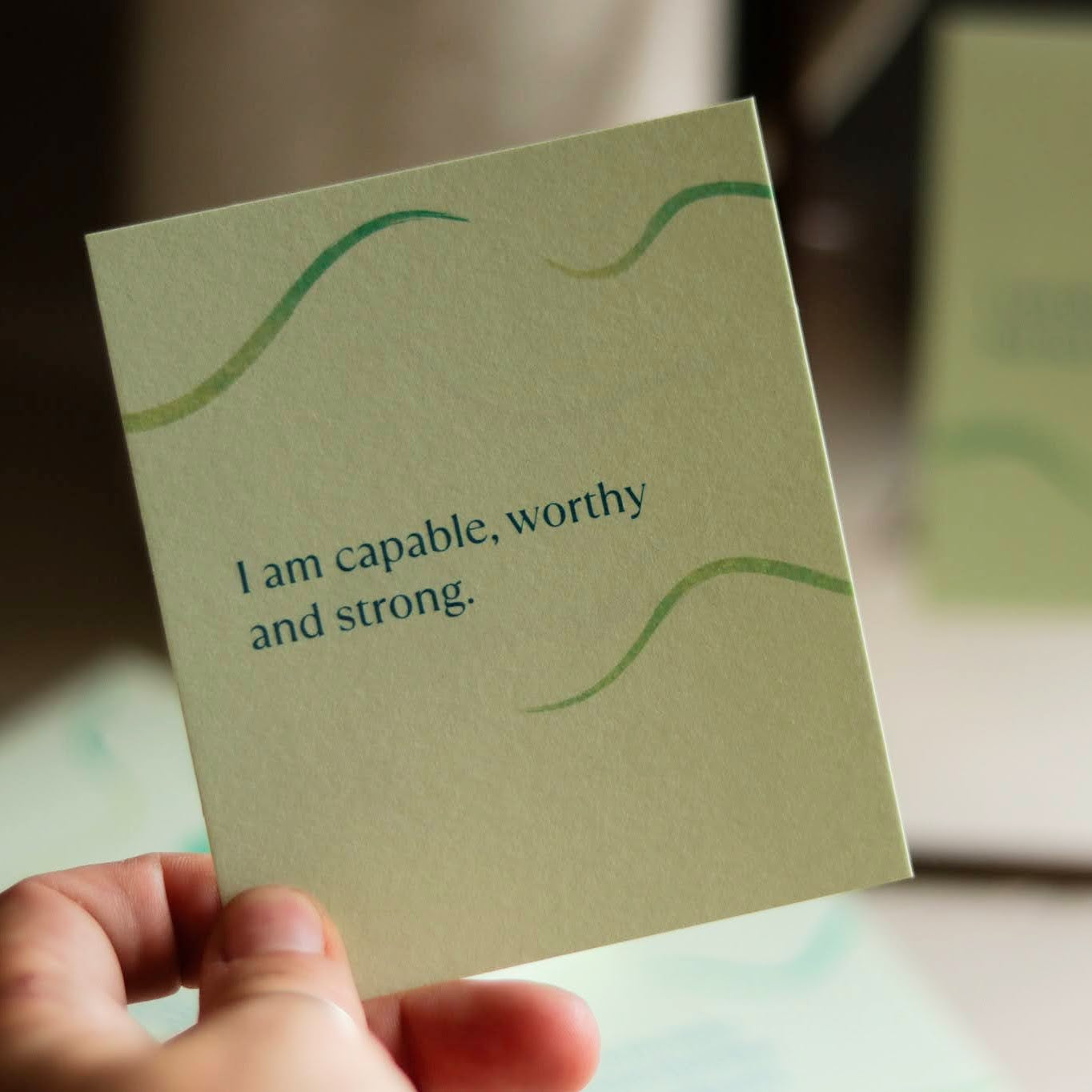
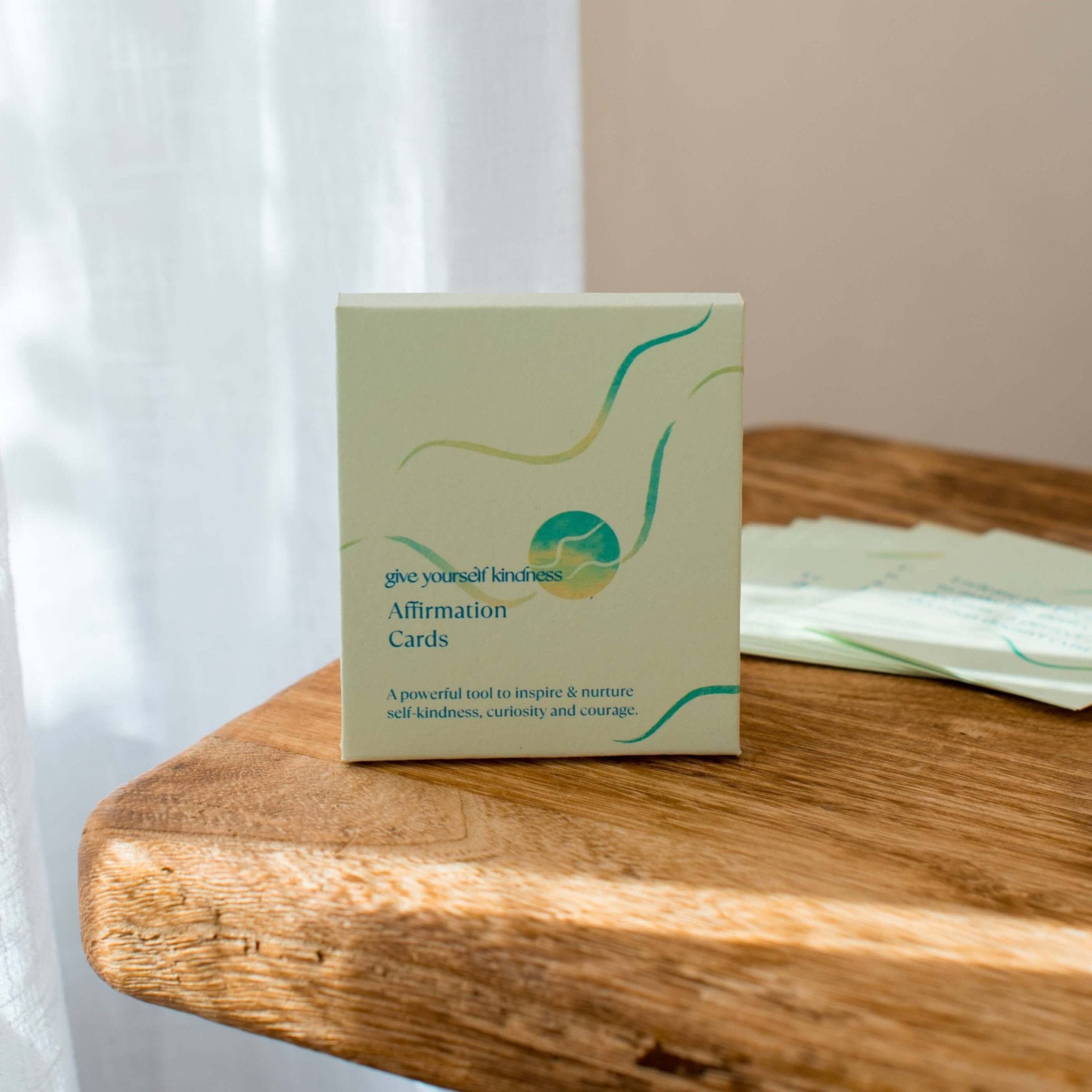
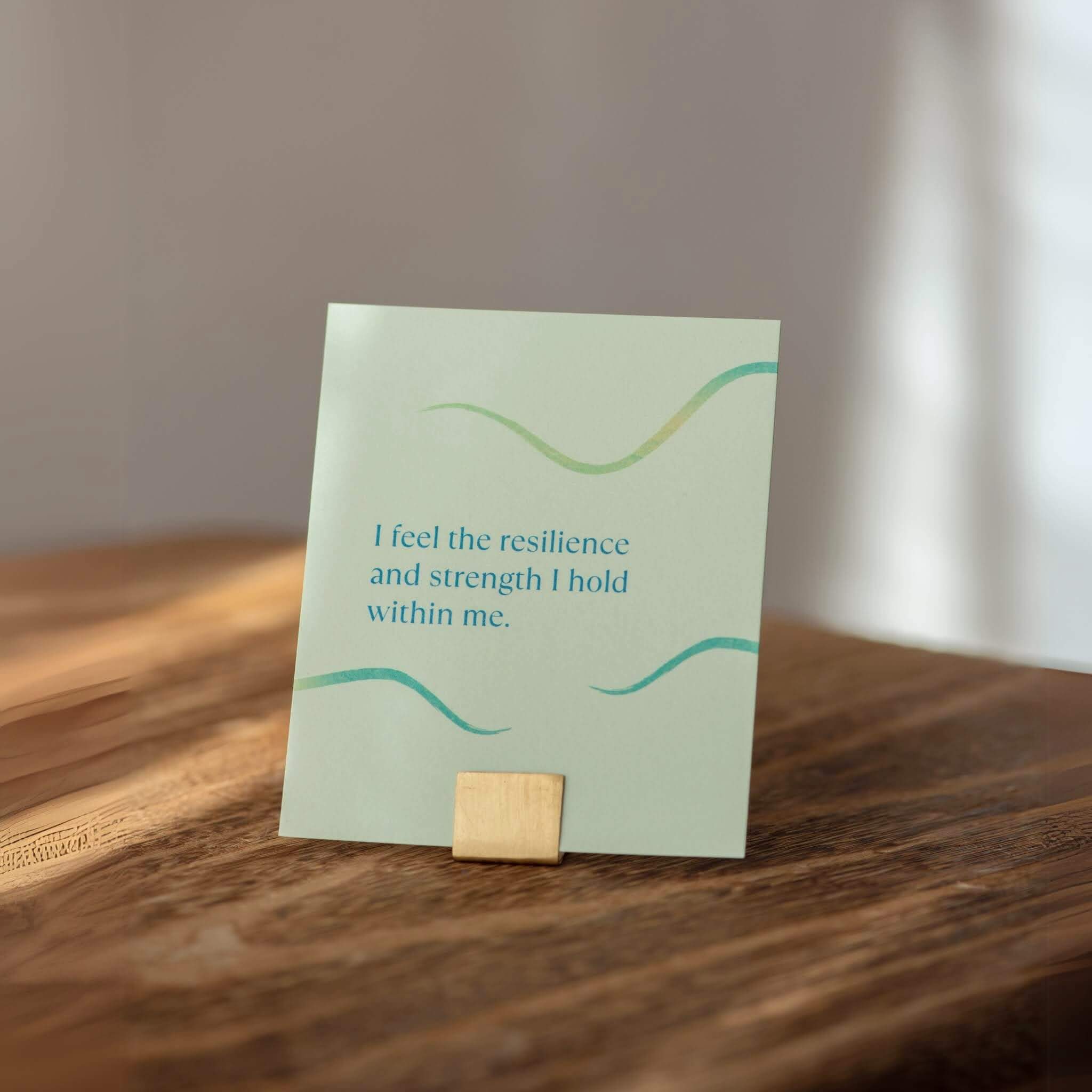
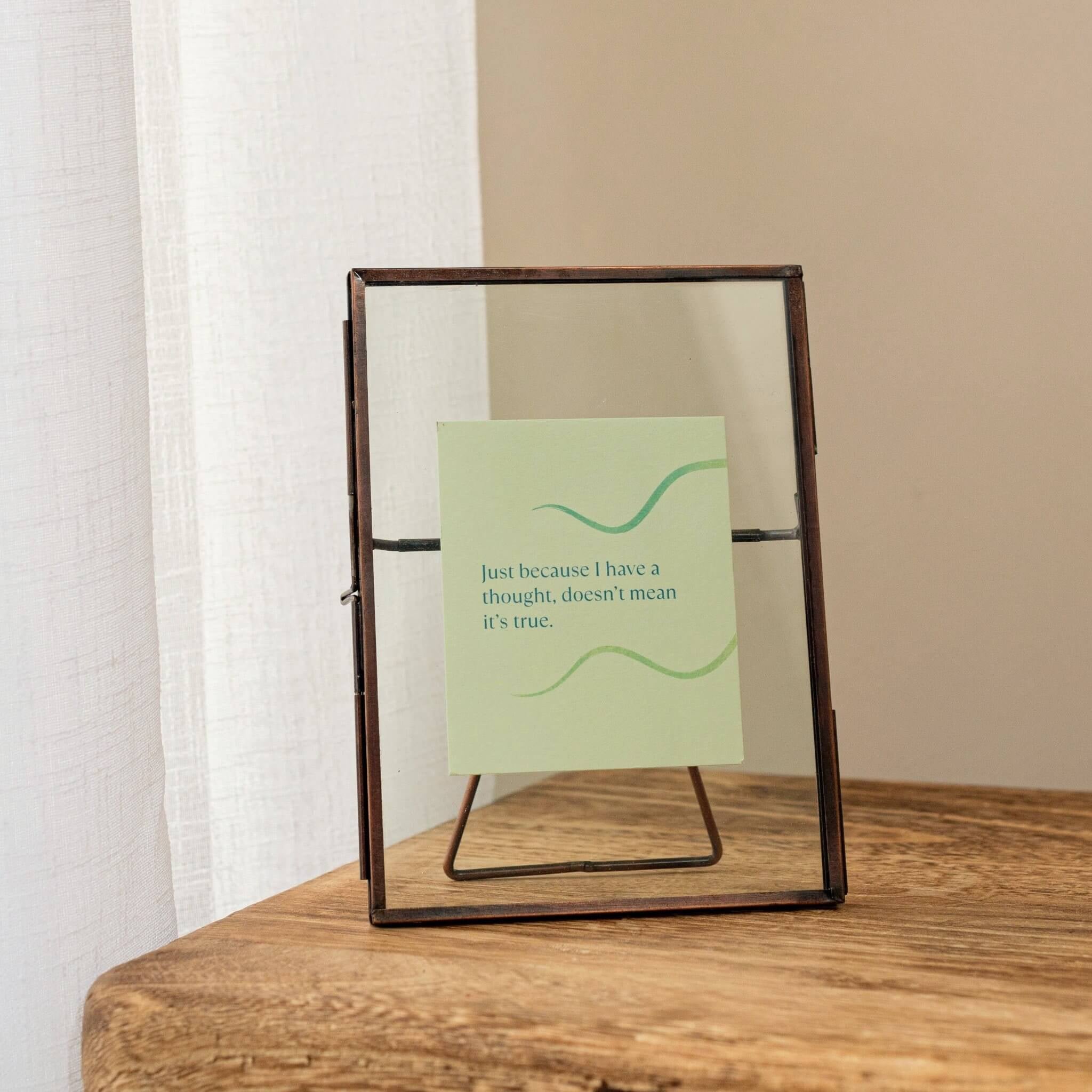
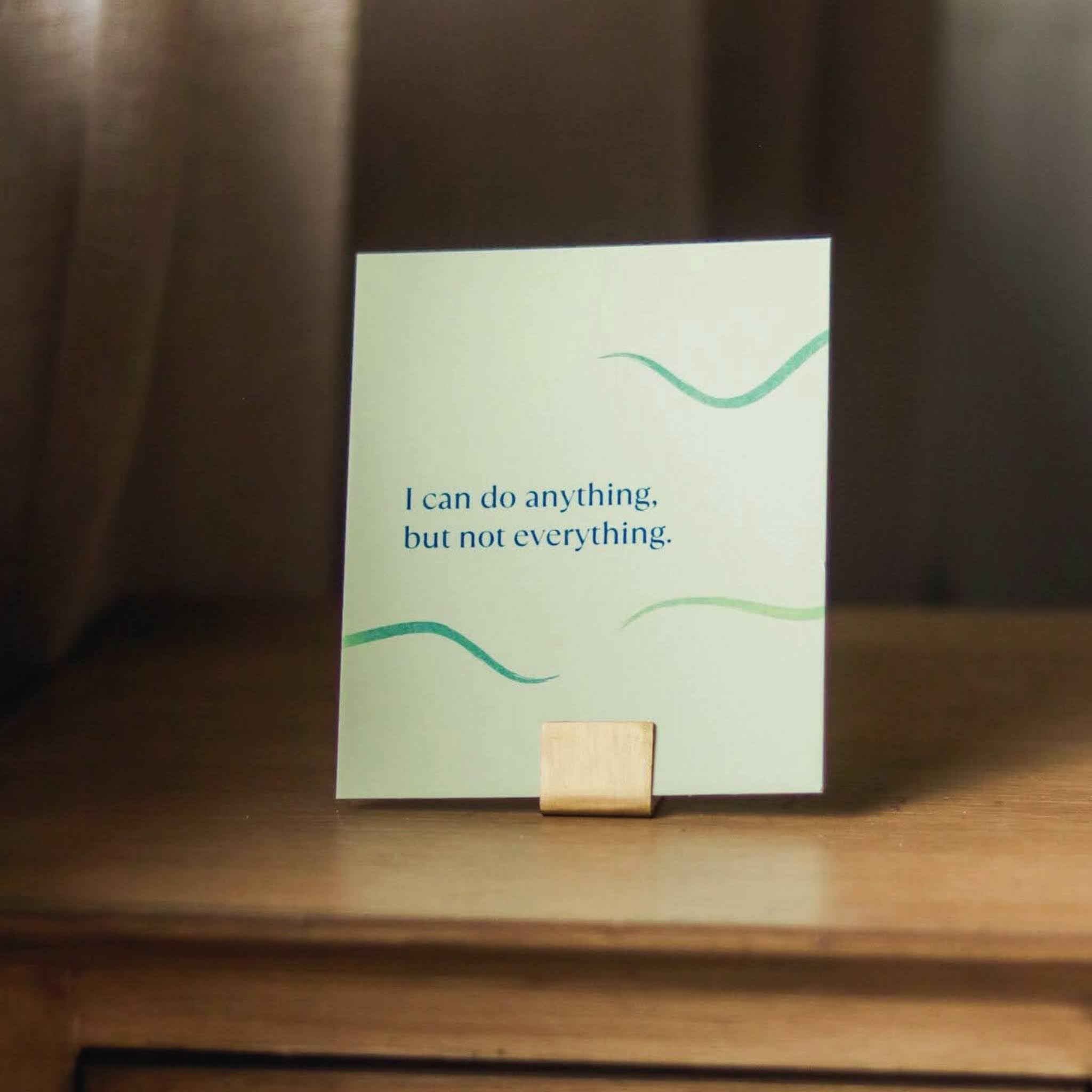
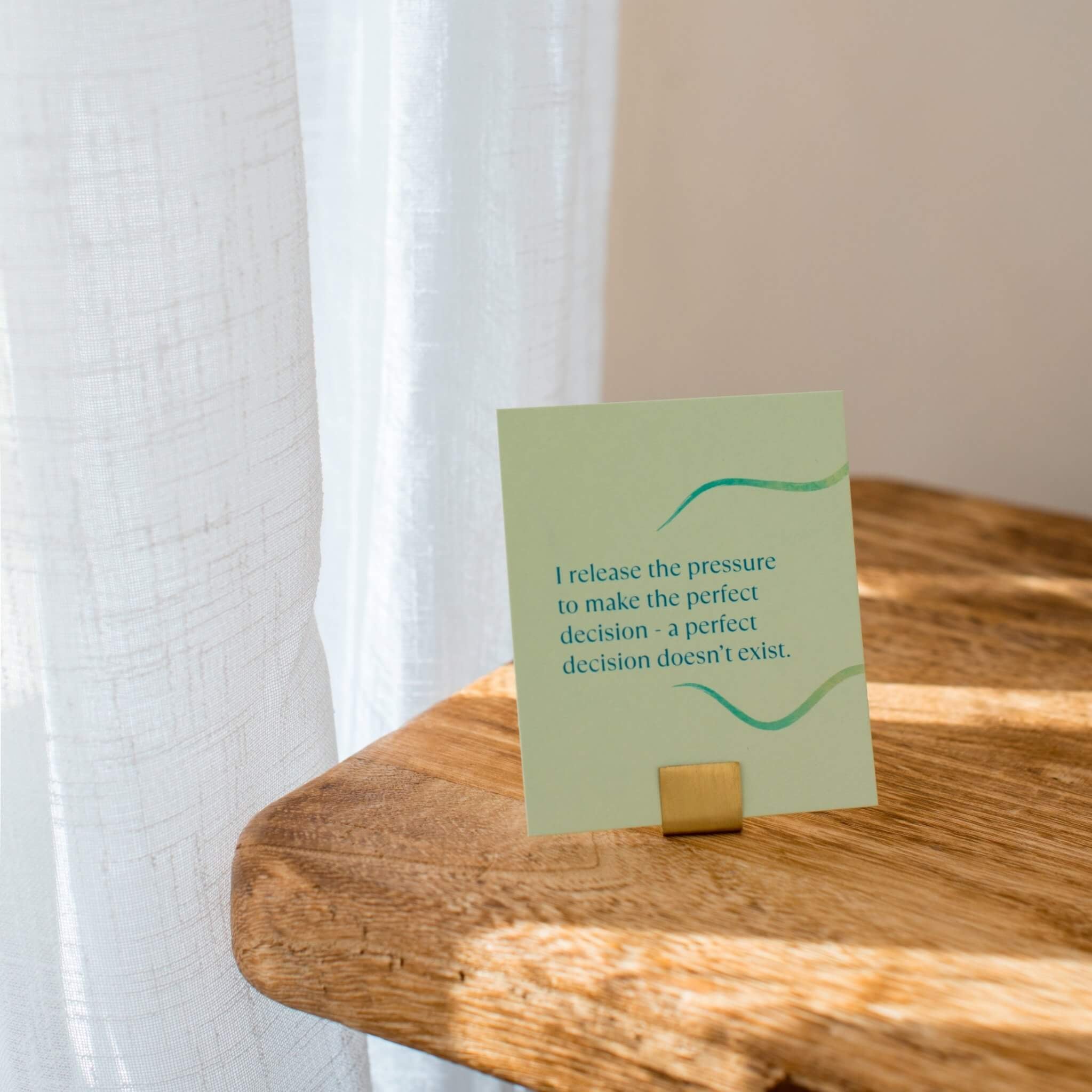
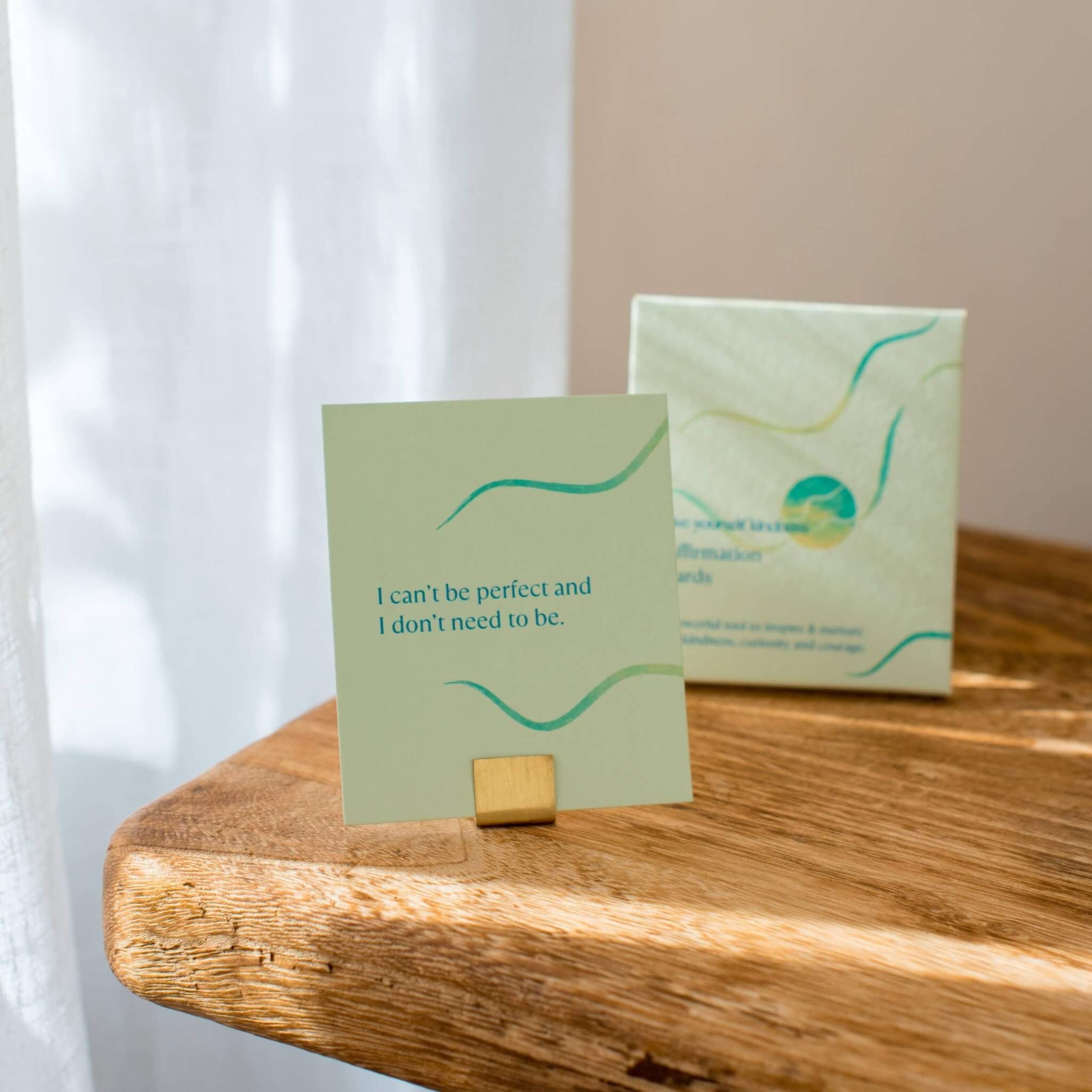
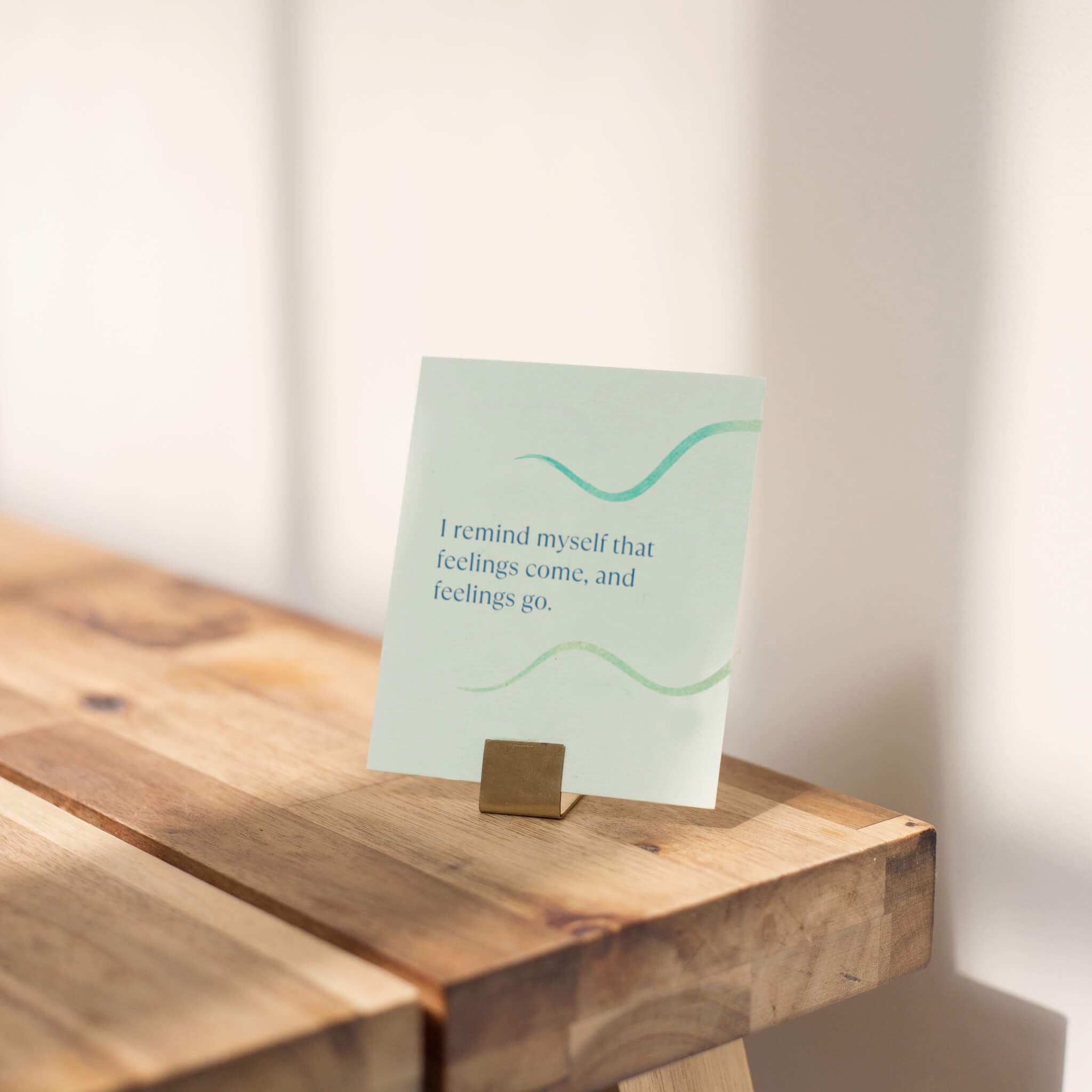
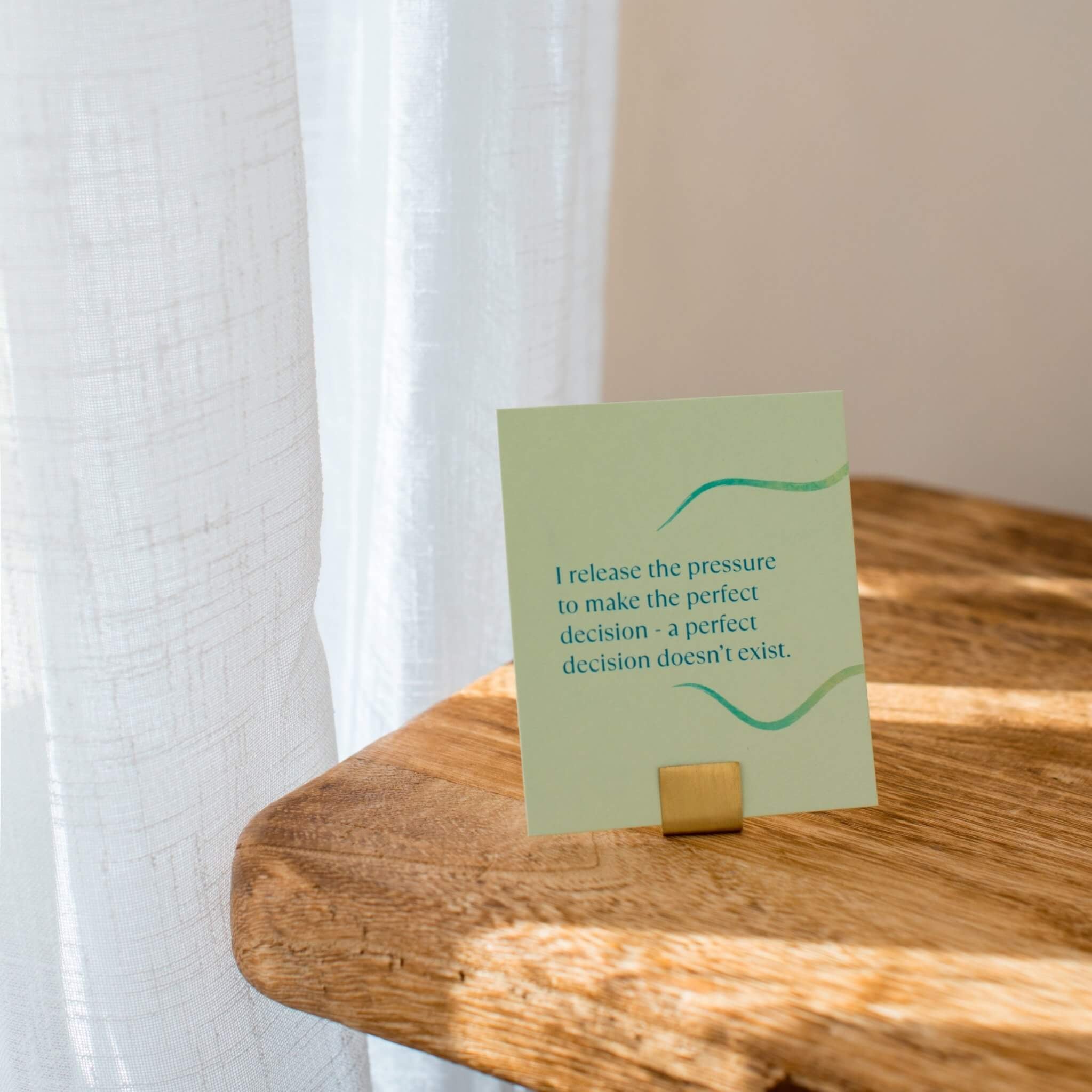
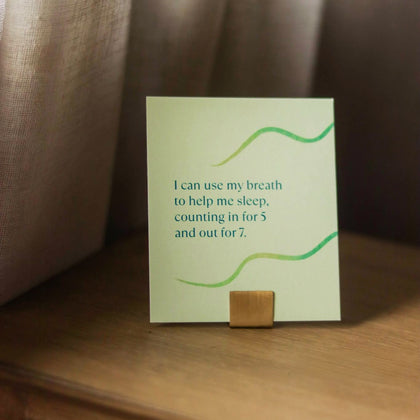
Twenty cards to keep by the bed, written with a neuroscientist and sleep expert, for the nights when the day keeps replaying and tomorrow is already waiting. They take a moment to read and ask nothing else.
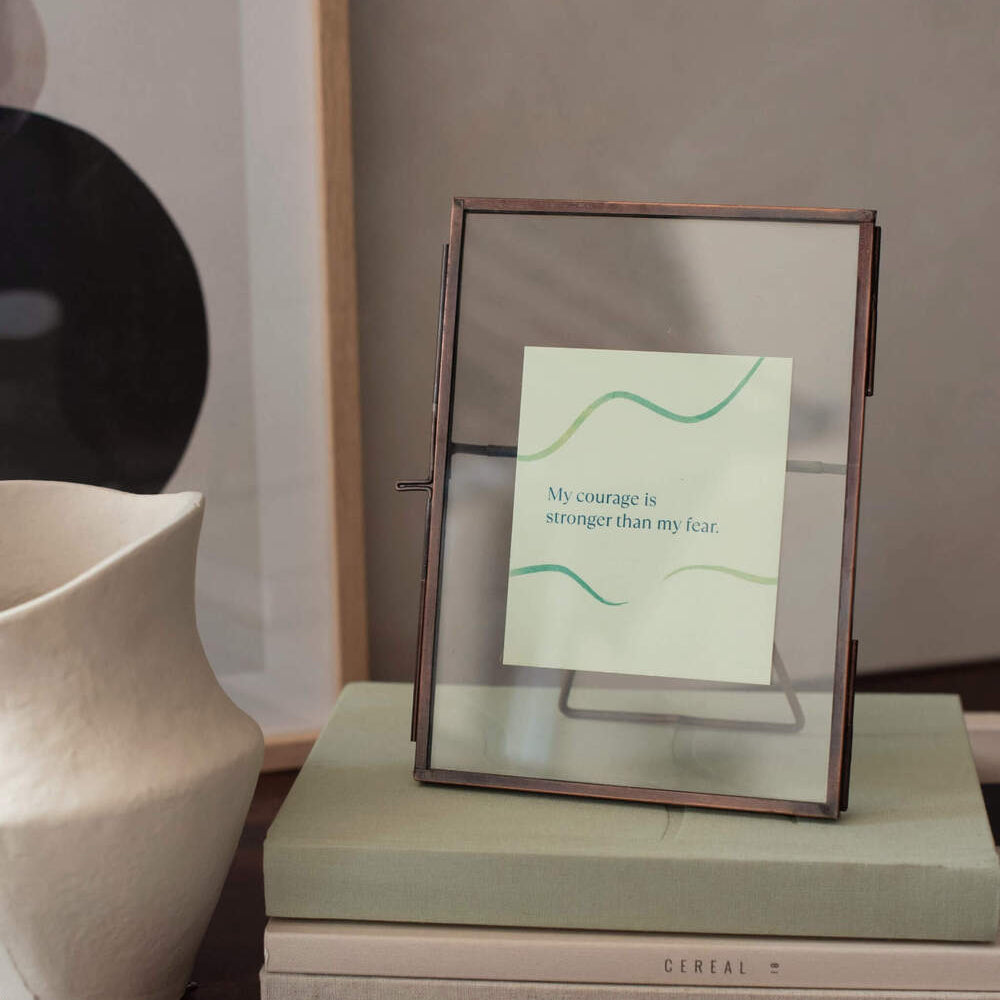
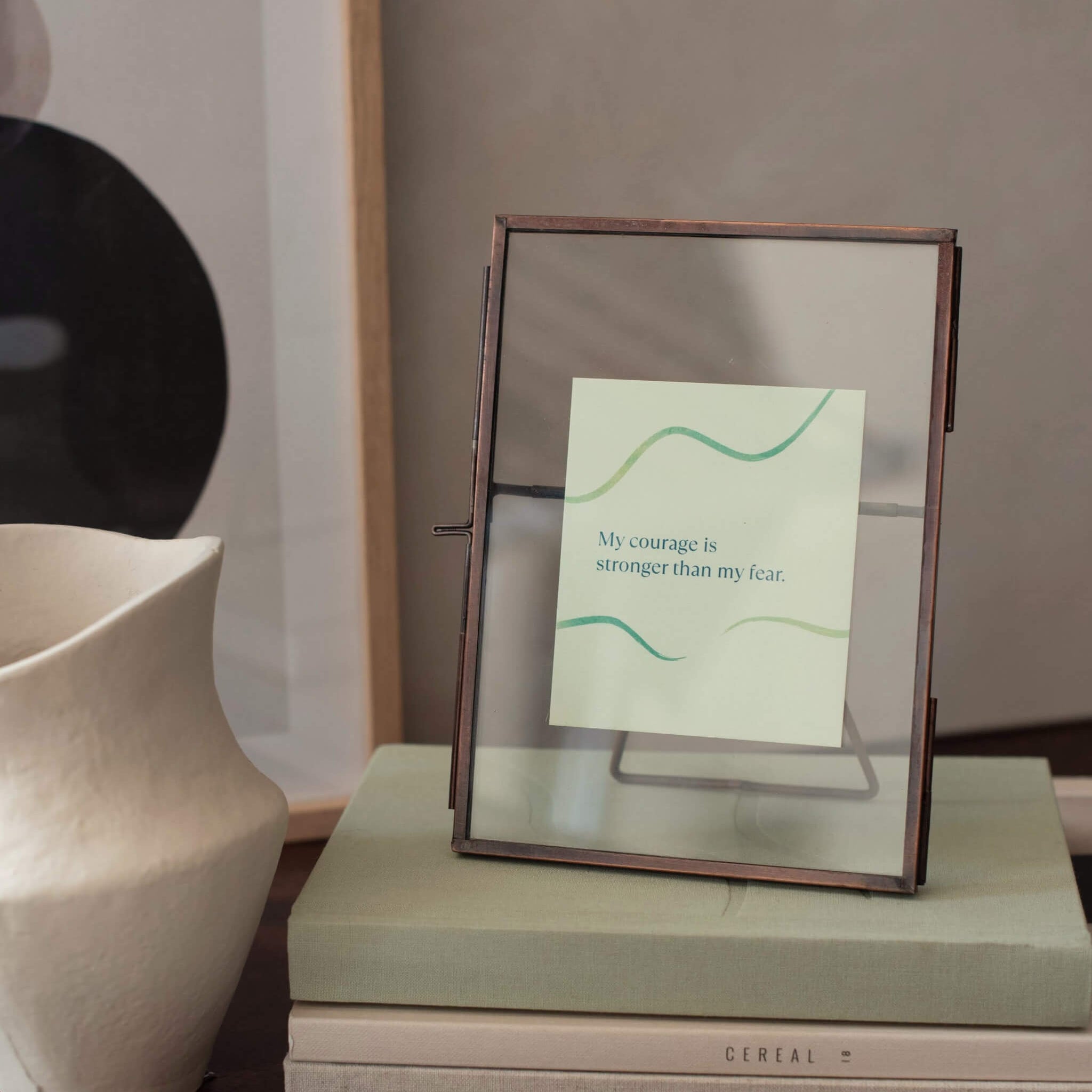
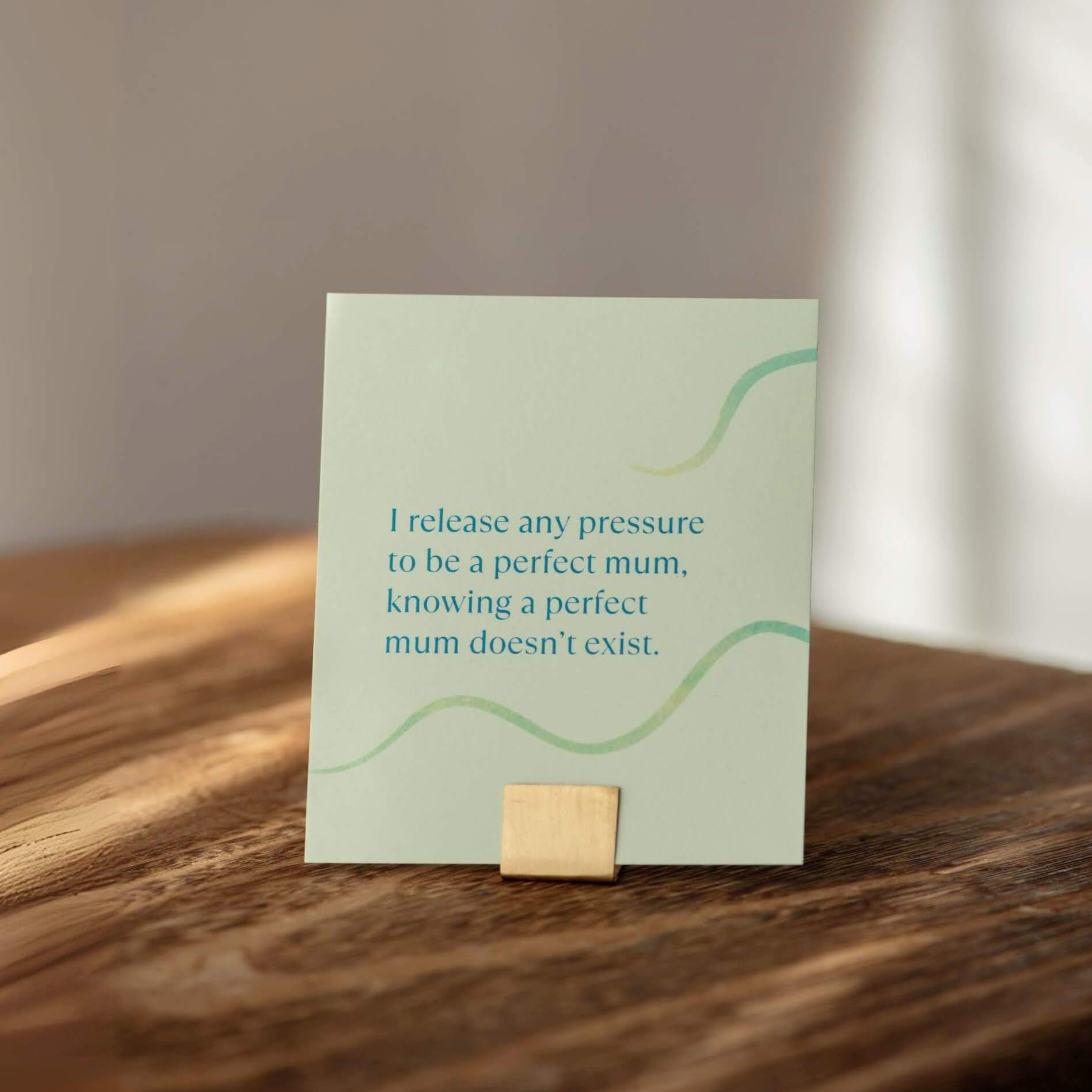
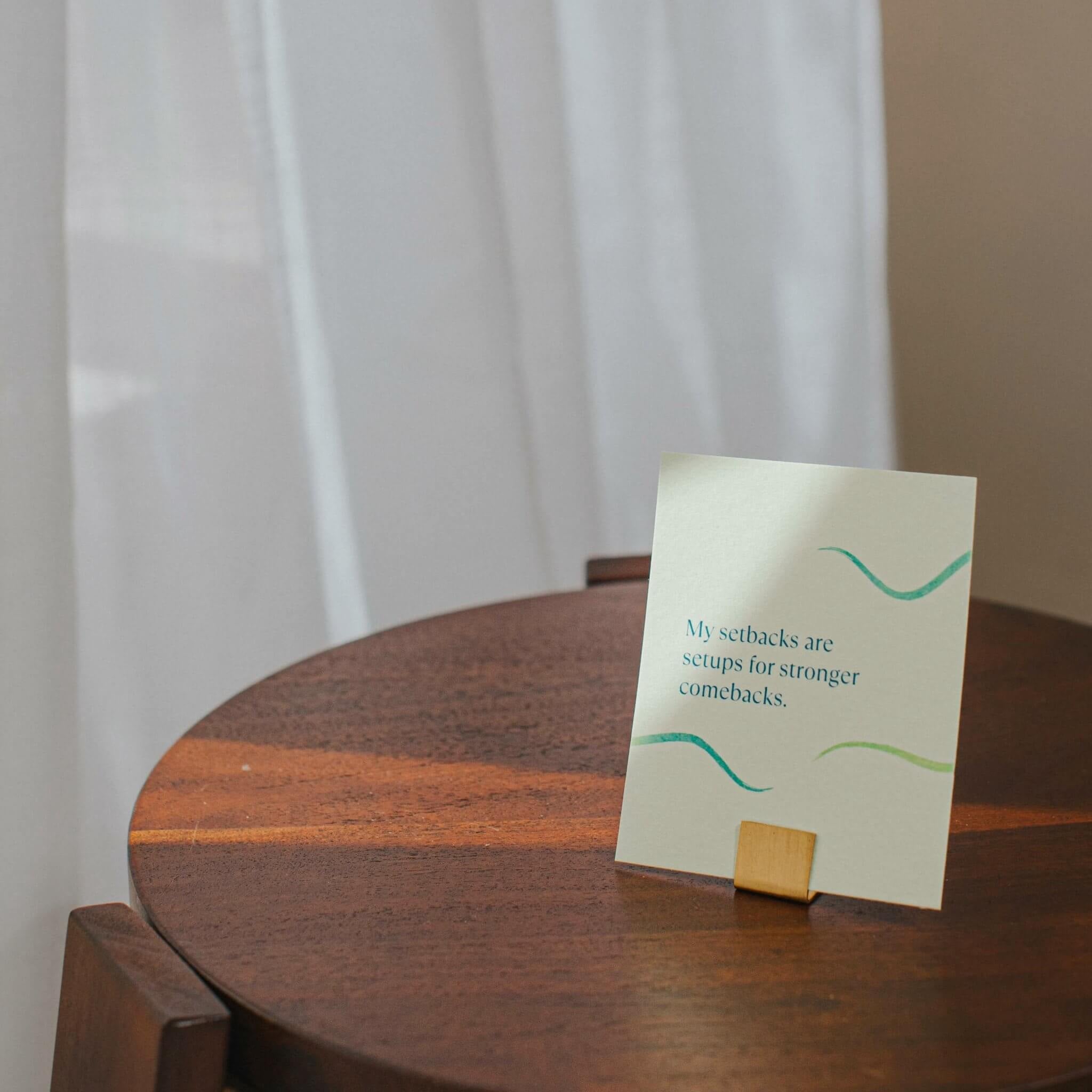
They take the pressure off rather than adding to it. One of the cards reads "I release any pressure to have a perfect night's sleep", which is close to the opposite of most sleep advice, and a great deal kinder.
Why it helps with burnout: the nights are often the hardest part, and this is the one thing on the page that meets them there. Printed in the UK on luxury 270gsm pistachio card from FSC-certified forests, with plastic-free packaging.
Added to your basket. View basket →

Olena Santangeli, PhD
Neuroscientist and sleep expert
"The sleep cards are fantastic. I particularly like how they foster positive thinking, relaxation, and self-compassion, which are key in managing sleep and stress. They wonderfully echo the principles of cognitive-behavioral therapy for insomnia."Read her guide to better sleep routines →
The Self-Compassion Gift Box
Gives them the journal and the cards together
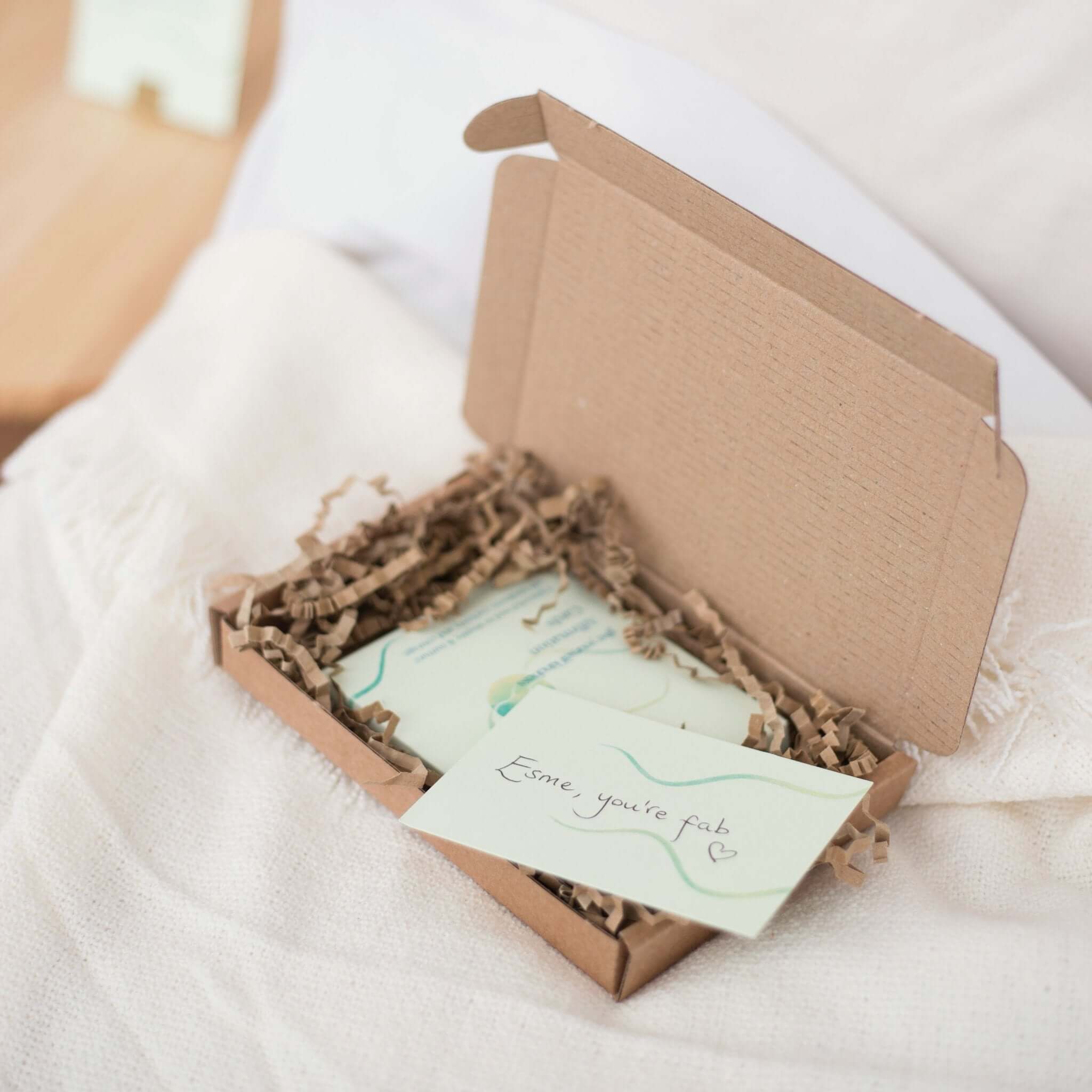
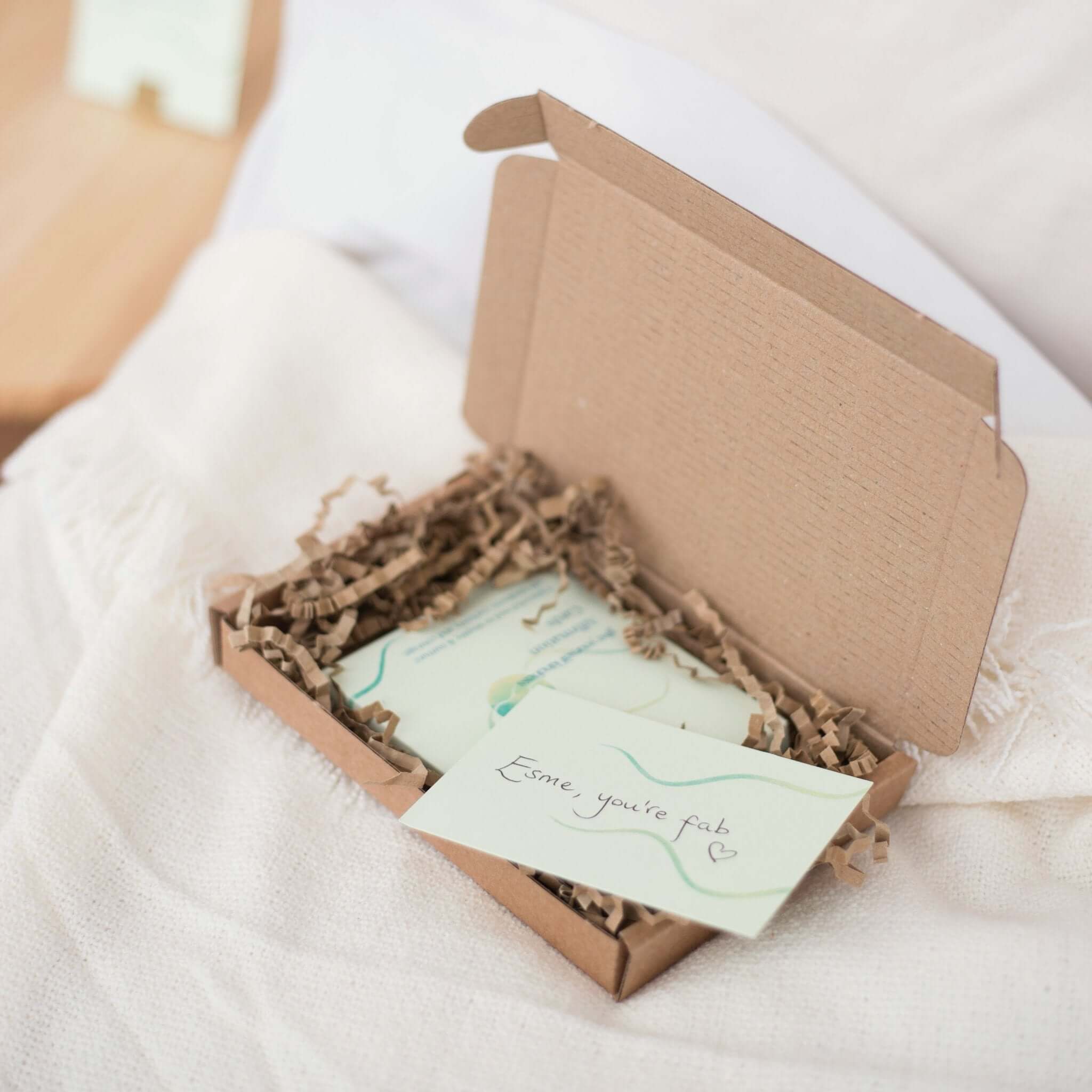
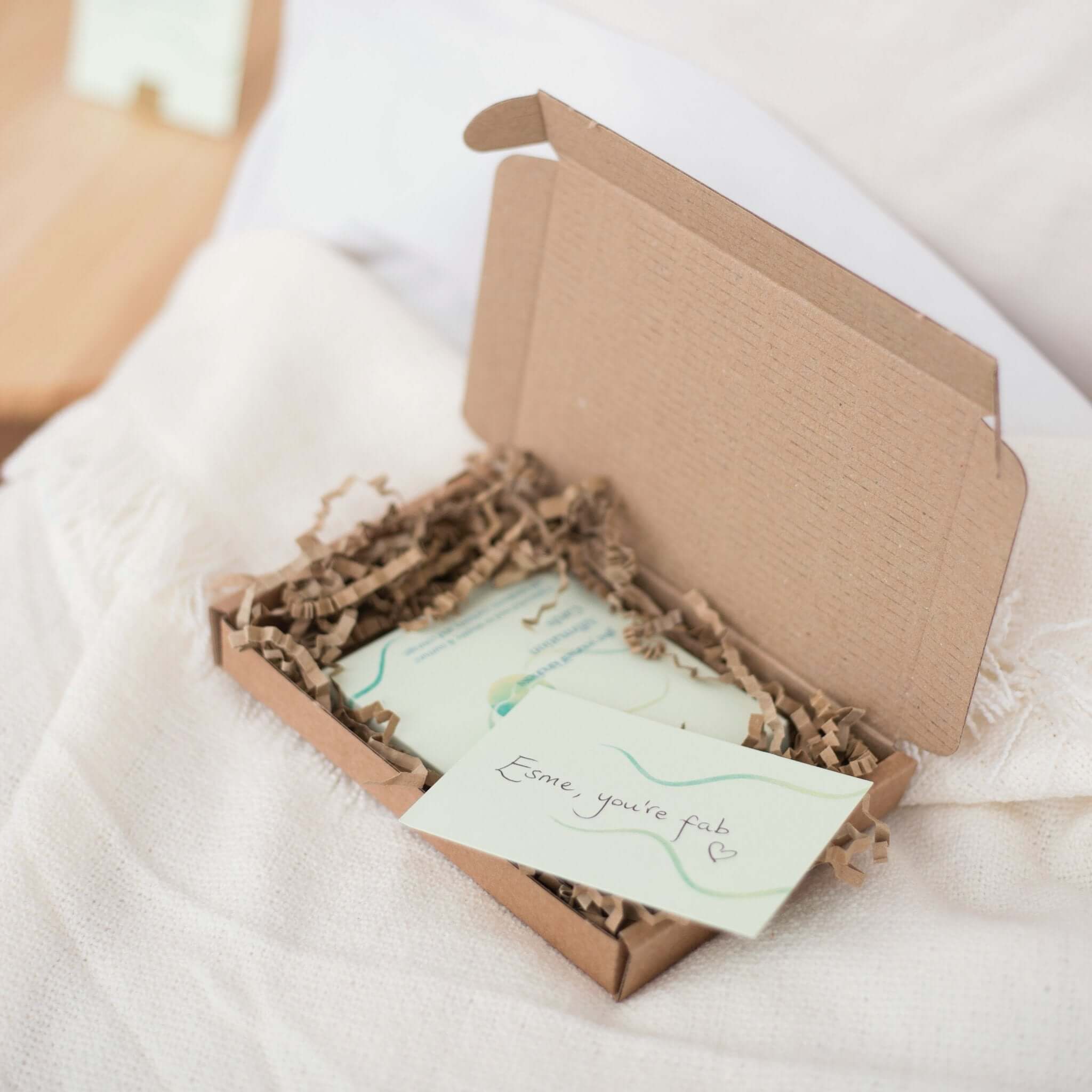
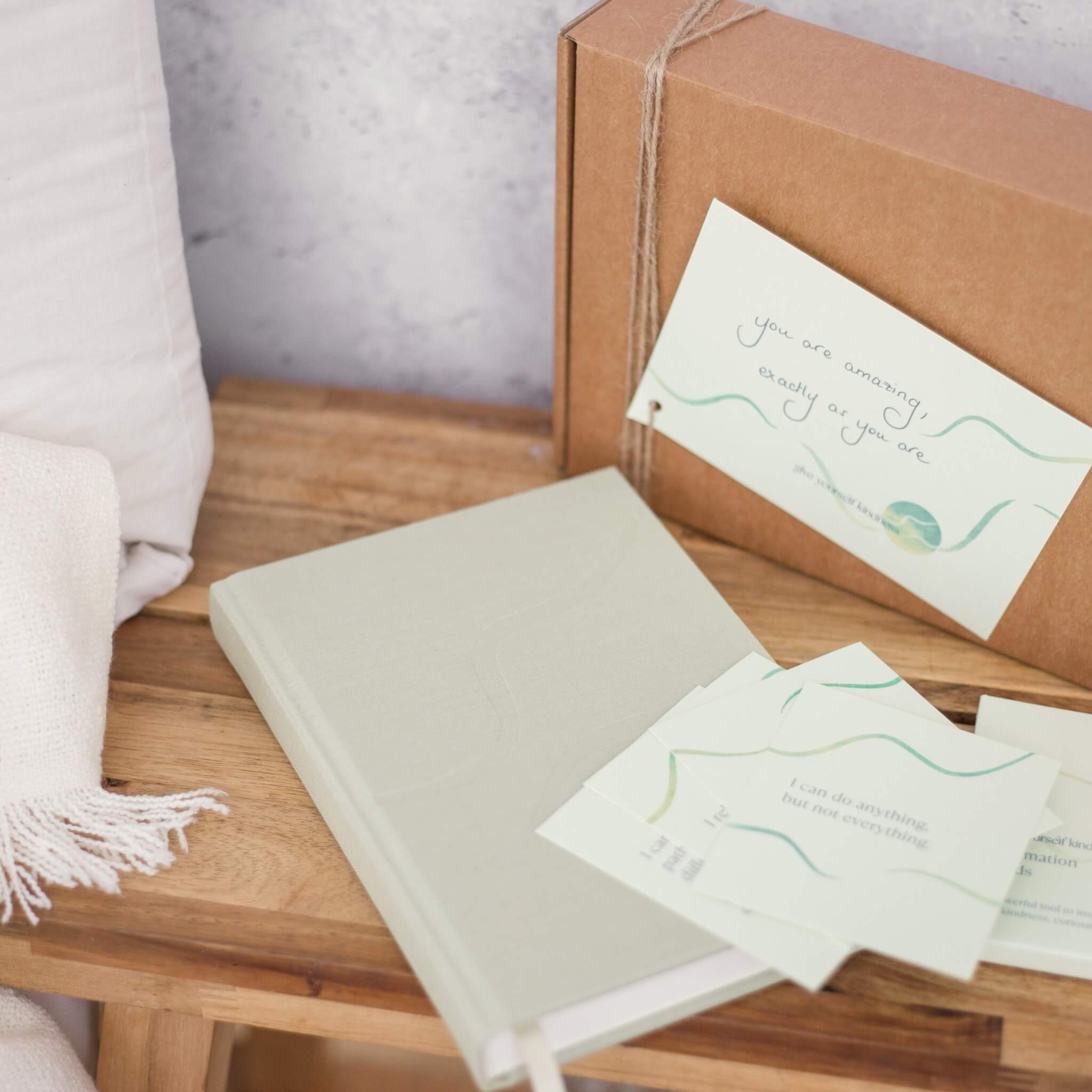
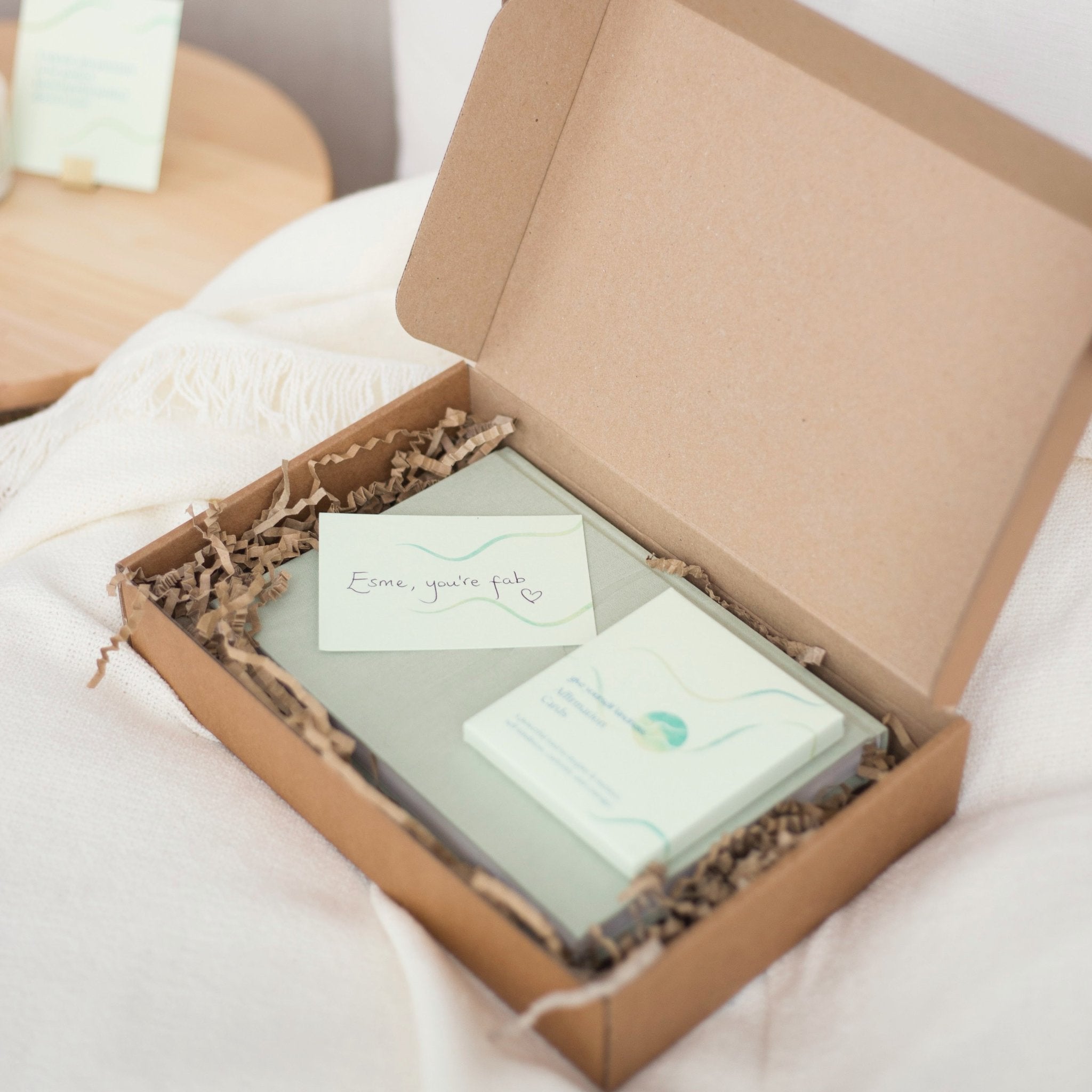
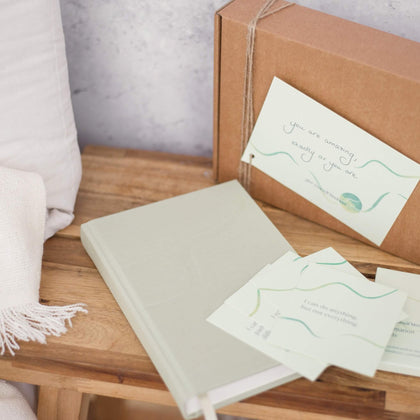
The Give Yourself Kindness Journal and a set of twenty affirmation cards, in a gift box you choose from six designs, with your handwritten message inside.
The cards are there for the mornings when ten seconds is genuinely all they have. The journal is there for the evenings when they want longer. Between them they cover both ends of a hard day, and it arrives as something to open rather than a parcel.
Why it helps with burnout: two ways in instead of one, so on the days when writing feels like too much there's still something that takes no effort at all.
Added to your basket. View basket →
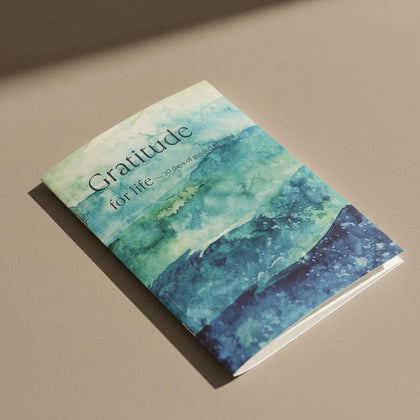
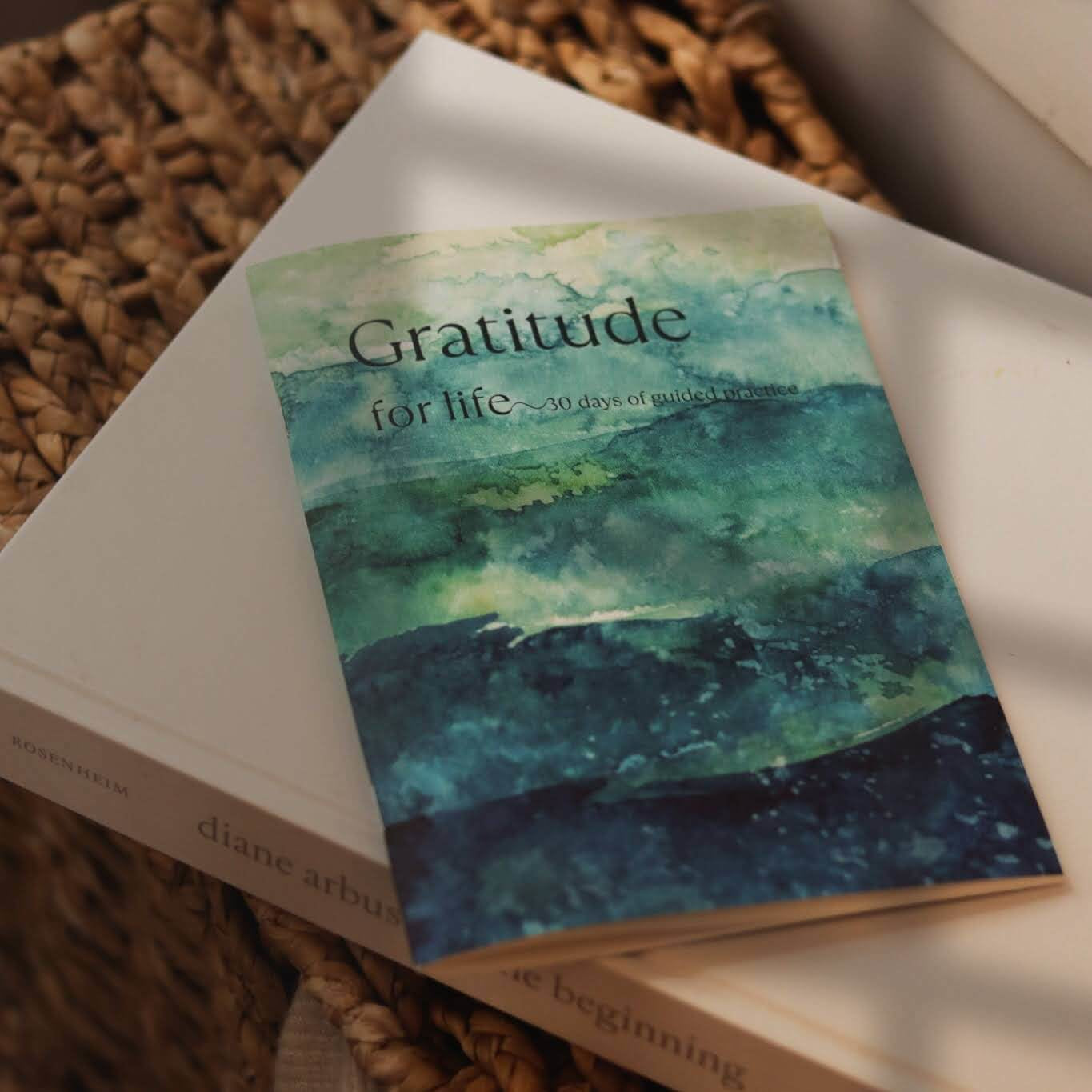
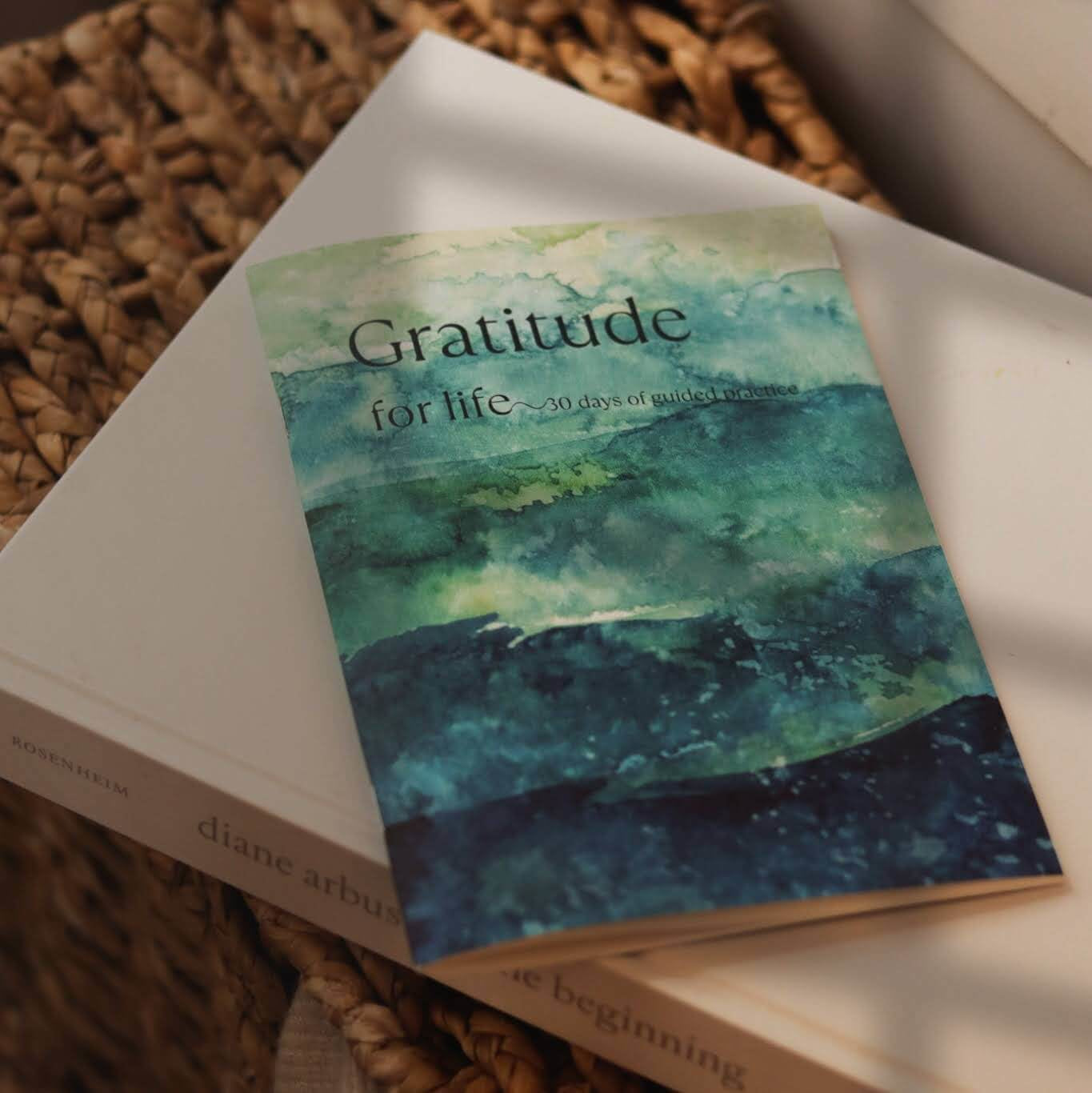
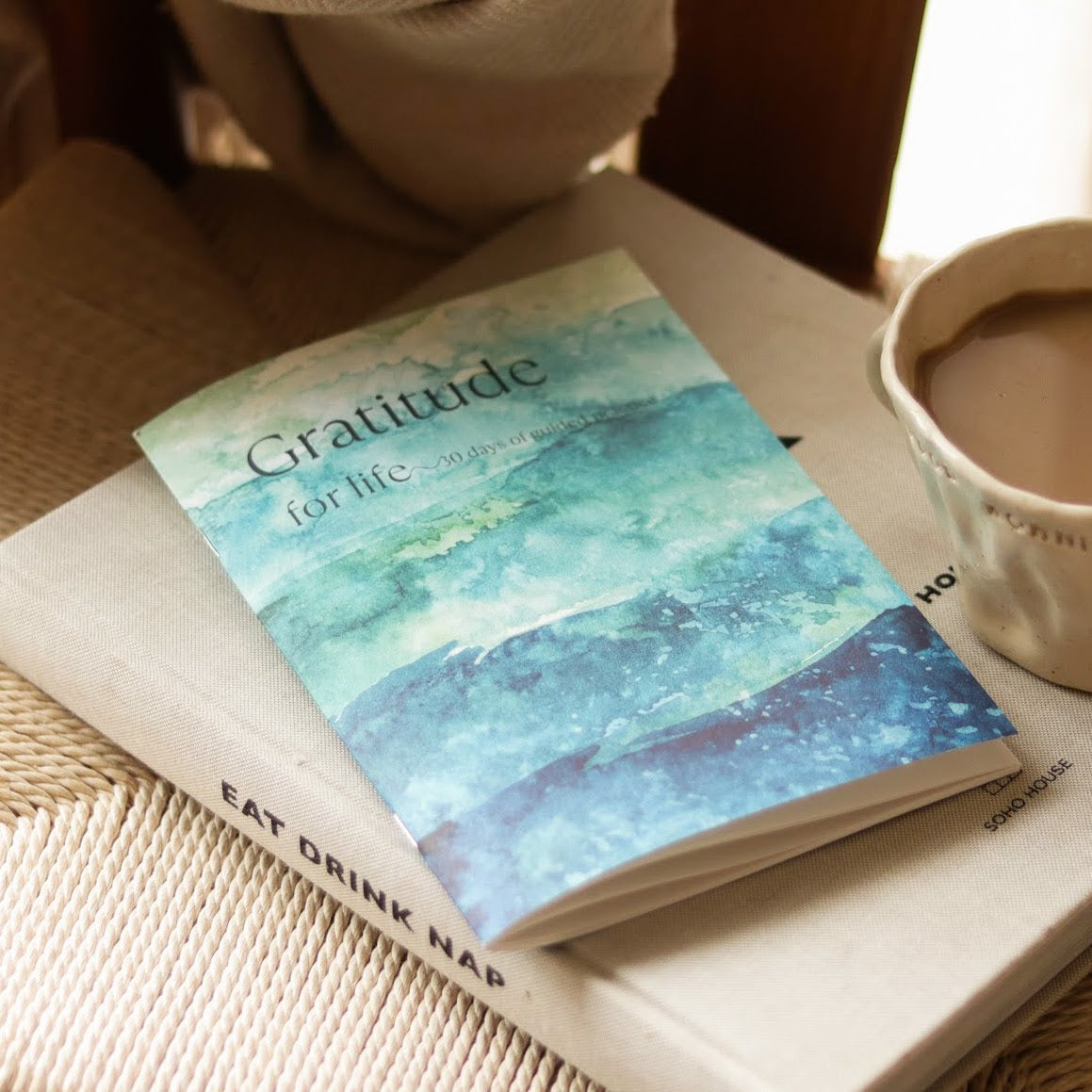
The Gratitude Journal: A 30-Day Challenge
Gives them a gentle way back in as they start to lift
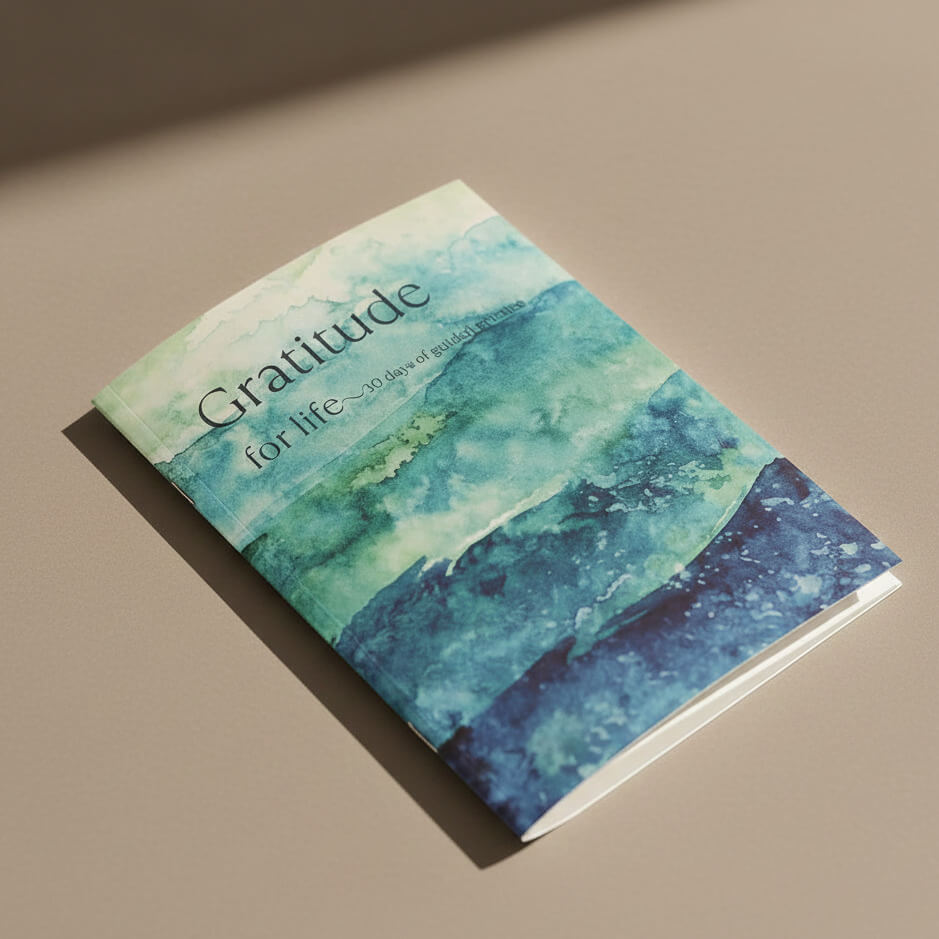
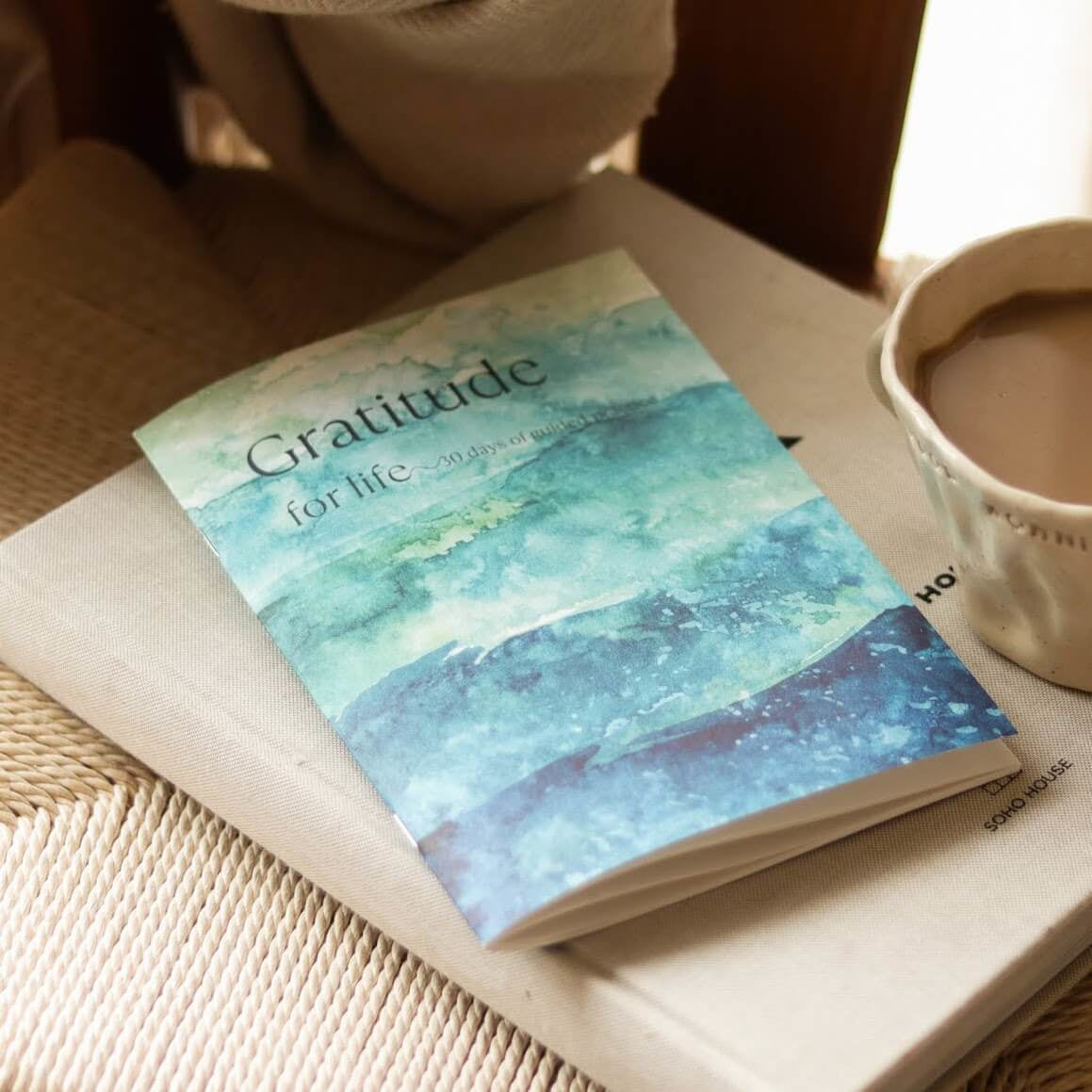
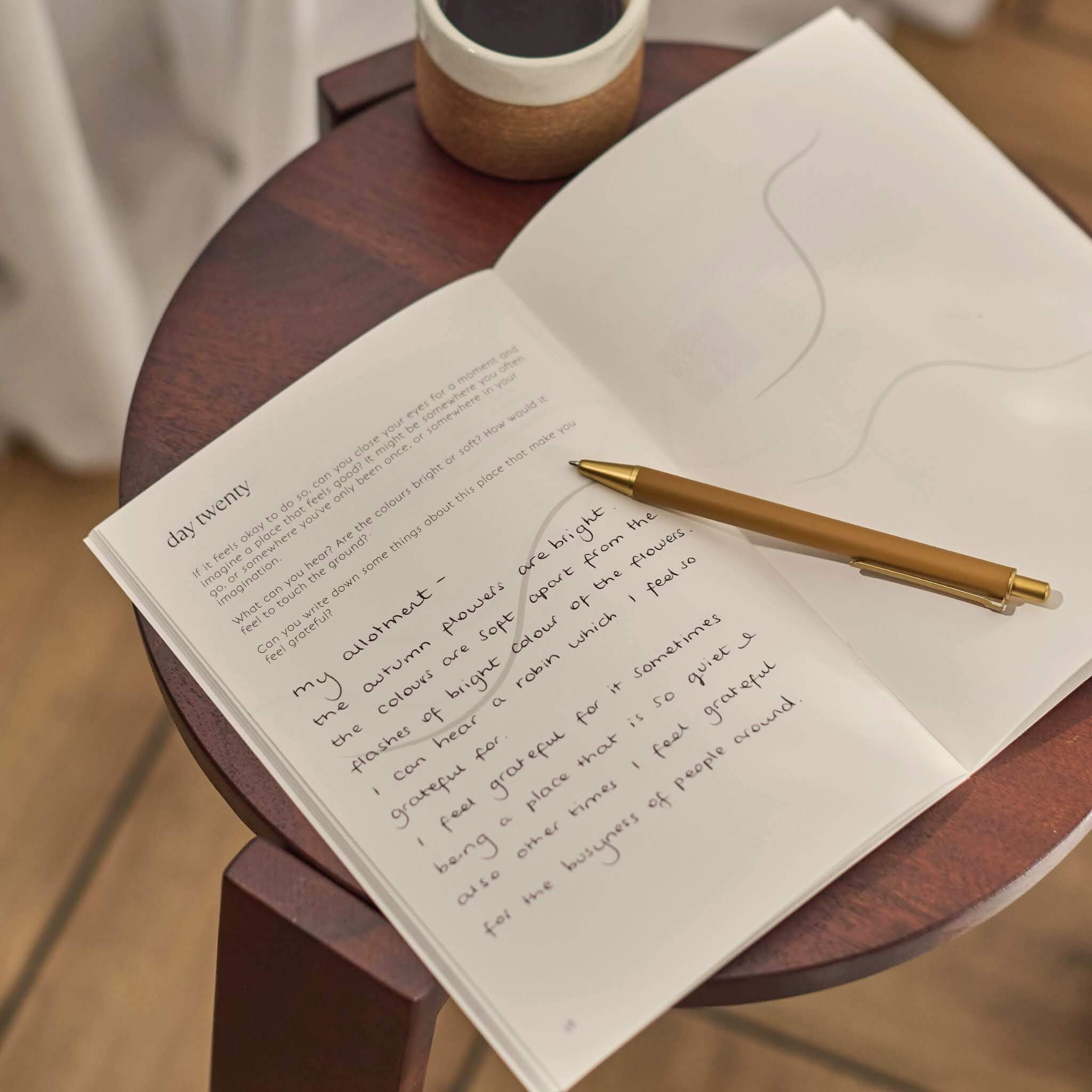
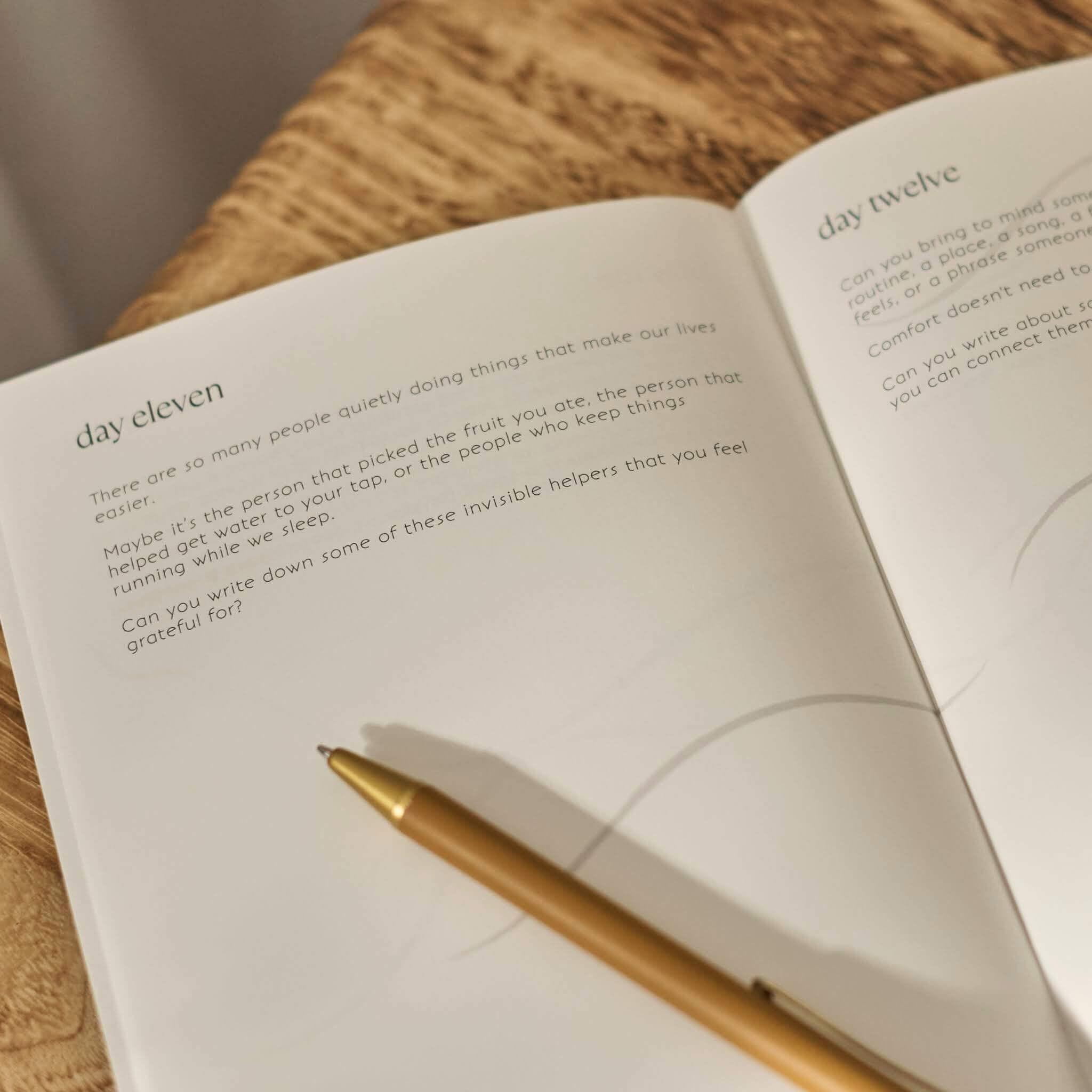
Thirty completely different prompts, undated so they can start whenever they're ready. One day it's noticing something outside, another it's a letter they'll never send, and one day is a guided meditation. Nothing is repeated, so it never turns into a box-ticking exercise.
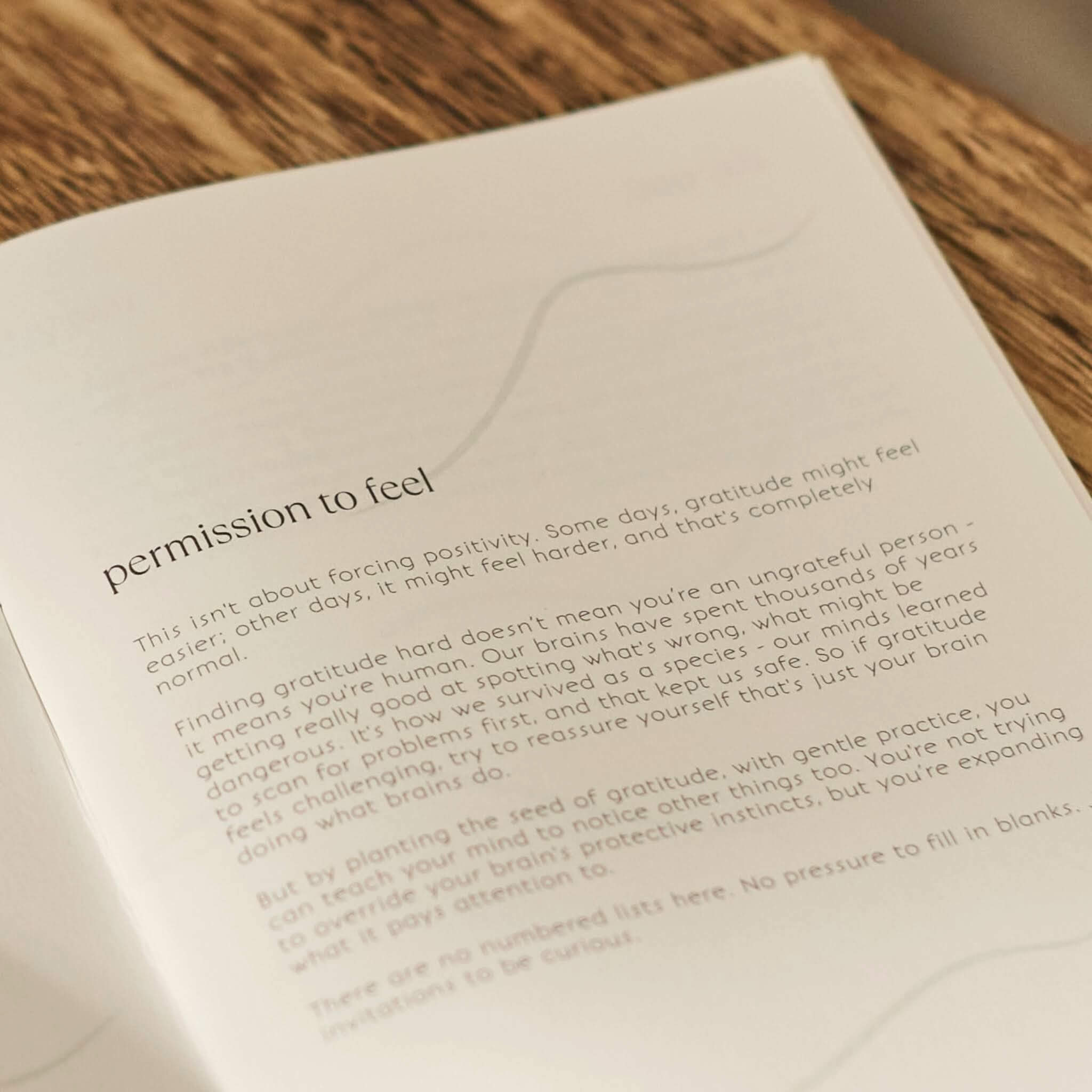
It also gives permission rather than instructions: write one word or fill the page, skip anything that doesn't land. Made in the UK on premium 120gsm paper with a luxury textured cover, and QR codes through to the research if they're curious.
One honest note: if they're in the thick of it right now, the journal or the sleep cards will land better. Gratitude asks for a little more than someone has in the worst of it. This one comes into its own as they start to surface, and it's a lovely thing to send then.
Added to your basket. View basket →
Help me choose
Find the line that sounds most like what you'd like to give them.
- "I want to give them somewhere to put all of this." The Journal.
- "They can't switch off at night." The Sleep Affirmation Cards.
- "I want it to feel like a proper gift when they open it." The Gift Box.
- "I want to cover both the days and the nights." The Journal and the Sleep Cards together. This is the pairing people come back and tell us about.
- "They're starting to come out the other side." The Gratitude Journal.
- "It's a colleague, and I don't want to overstep." The Sleep Cards. Small, practical, and they make no claim about anyone's inner life.
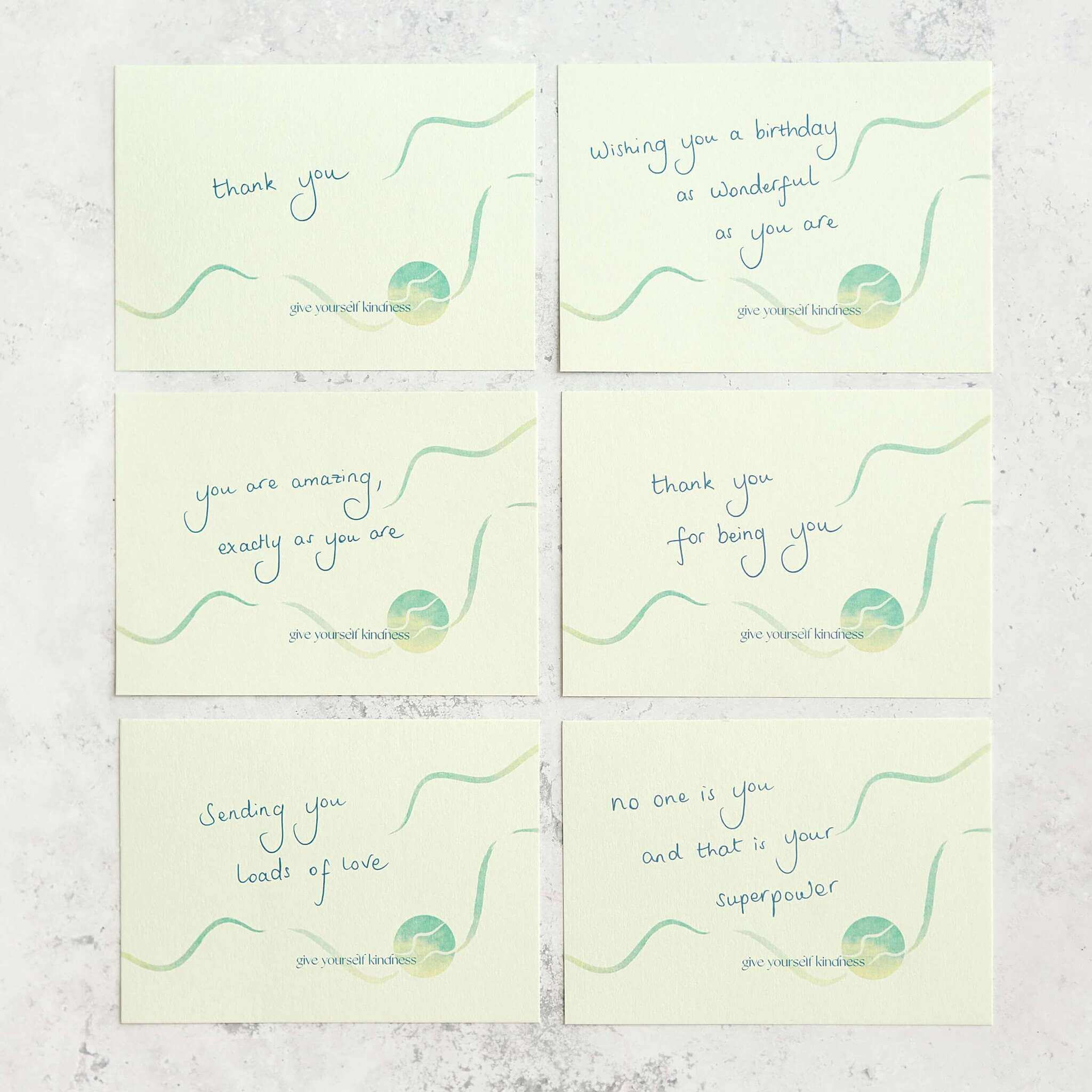
Every order comes with a free handwritten note, and there's help with what to write further down if you'd like a starting point.
If it’s less about burnout specifically and more that they’re going through a hard time with their mental health, I’ve put together a separate guide with what to say and what to avoid.
If the burnout is coming from their job
Everything above works wherever the exhaustion came from. But if it's specifically work — the job, the workload, the Sunday evening dread — there's one more option worth knowing about, and it's the one I'd point you at first.
Affirmation Cards For Work
Something that lives where the problem is.
Most gifts for burnout are for the evening and the weekend, which is the right instinct and slightly the wrong place. If work is the source, a small thing that sits on the desk gets to them during the part of the day that's actually hard, rather than after it.

Affirmation Cards For Work, from £13.95. Twenty work-specific cards, 85mm x 100mm, printed in the UK on 270gsm FSC-certified card with plastic-free packaging. Written for the working day and built on self-compassion rather than motivation — "I remind myself that there is always a new way to the same outcome."
Added to your basket. View basket →
They're deliberately unsentimental, which matters when the recipient is a colleague or someone who'd find a wellbeing gift awkward. And they're small enough to keep somewhere private rather than on display, if that's what they'd prefer.
Where I'd choose the journal instead: if what they need is somewhere to put the thoughts rather than something to read, the Give Yourself Kindness Journal (£28.95) is the deeper option, and it's undated so it never becomes another deadline. Plenty of people send both.
Quick answer
What's the best gift for someone with work burnout? The Affirmation Cards For Work (£13.95), because they sit on the desk and reach the person during the working day rather than after it. If they'd rather write than read, the Give Yourself Kindness Journal (£28.95) is the deeper option, undated so there's nothing to keep up with.
Buying for a whole team rather than one person? Bulk pricing, company branding, multiple delivery addresses and free handwritten notes are all covered on the employer page. Employee burnout gifts, for managers and HR →
Why these help: the research on self-compassion and burnout
If you've already found what you're looking for, you don't need this part. It's here for anyone who wants to know why a journal or a set of cards would make any difference to something as heavy as burnout.
The short version is that burnout is held in place by rumination, the same worries circling with nowhere to land, and the research by Dr Kristin Neff and Dr Chris Germer is about interrupting exactly that.

Dr Kristin Neff, PhD and Dr Chris Germer, PhD
Associate Professor, University of Texas, and Clinical Psychologist, Harvard Medical School
"The mindfulness aspect of self-compassion helps to break the cycle of rumination that drives self-pity. It gives us some distance from the repetitive negative thoughts and feelings that only make burnout worse. When we pause for a few breaths and validate our pain ('This moment is really hard') without getting lost in it ('My life is over'), we gain perspective."Read: Self-compassion is not self-pity →
What self-compassion practice does for burnout:
- Interrupts rumination, giving the circling thoughts somewhere to land
- Eases the isolation, by reminding someone that struggling is part of being human rather than a personal failing
- Makes room for difficult feelings, instead of asking them to be replaced with better ones
- Builds something that lasts, rather than offering relief that wears off by Monday
Which is why a practical tool tends to outlast a lovely gesture here. Not because the gesture doesn't matter, but because this is the sort of thing that shifts with small, repeated practice.
If you think they might feel guilty accepting it
This one is worth knowing before you buy, because it's the most common reason a thoughtful gift ends up in a drawer.
Someone deep in burnout often believes that easing off is how they got here. That rest has to be earned, and that the only thing keeping their standards up is the voice telling them they're not doing enough. Handed a self-compassion tool, that person can hear it as permission to fail, and quietly put it aside.
Licensed psychotherapist Deanna Solomon, LCSW, who specialises in compassion-focused therapy, takes that worry apart directly. Her argument, and the evidence behind it, is that self-compassion isn't the opposite of motivation but one of its steadier sources: self-criticism triggers a threat response that narrows thinking, while self-compassion keeps someone able to see clearly and act.
The practical upshot for your gift is a small one. If you think they might read it as "you need to relax", say in the note that it isn't a suggestion to lower their standards. Deanna's full article on why self-compassion isn't making excuses is a good thing to send alongside it.
What to write in the note
Every order comes with a free handwritten note. Add your message in the order notes at checkout and we'll write it out by hand. If you'd like a starting point, these are yours to copy or change.
The thing worth knowing is that someone burnt out is often braced for advice, so a note that clearly isn't advice lands softly. You don't need to solve anything. You just need them to know you noticed.
Lines that land well
- "No pressure to use this, and no pressure to be okay. I just wanted you to have something kind."
- "This isn't about looking on the bright side. It's just somewhere to put things down when you want to."
- "You've been carrying a lot. I hope this gives you ten quiet minutes that are yours."
- "I'm not going anywhere. Take whatever time you need."
Lines worth avoiding
- "You just need to relax more." It sounds simple, and burnout isn't.
- "This will fix everything." It sets up an expectation the gift can't meet.
- "Have you tried journaling?" It turns a present into a suggestion.
- "You should practise gratitude." It asks for a feeling they may not have yet.
The message you're really sending: I can see how hard this is, you deserve support, and there's nothing you need to do differently for me to be here.
A few gifts that can land the wrong way
None of these are bad presents. They just tend to land differently when someone is burnt out, and it's worth knowing why before you choose.
- Bath bombs, candles and "relax" hampers. Lovely things, and perfect for a birthday. They treat burnout as tiredness, so they offer a nice hour without touching the exhaustion underneath it.
- Productivity planners and motivation books. Burnout often grows out of overwork and perfectionism, so a gift about achieving more tends to press on the exact spot that hurts.
- Positive thinking books. When someone is genuinely depleted, being told to think positively can read as being told they're getting it wrong.
- Fitness plans and self-improvement programmes. These ask them to add something, and what usually helps at this point is permission to do less.
The simple test: does it ask anything of them? If it does, it's probably one for later.
What they're actually experiencing
You don't need to be an expert to give a good gift, but a little context makes choosing easier and takes some of the guesswork out of it.
Burnout is more than being tired or needing a holiday. It's a state of sustained stress that tends to show up as:
- Emotional exhaustion, feeling completely drained and unable to meet ordinary demands
- Detachment, feeling disconnected from work, people and things that used to matter
- Difficulty concentrating, with decisions and small tasks taking far more than they should
- Physical symptoms, including headaches, muscle tension, getting ill more often and broken sleep
- A relentless inner critic, the voice still saying "you're not doing enough" while they're running on empty
That last one is the reason self-compassion tools help here more than relaxation does. The exhaustion is real, but the voice is what keeps it going.
Why this works better than a night off
Rest matters enormously, and a night off is a genuinely good thing to give someone. It just tends to wear off by Monday, because it pauses the pressure without changing how they speak to themselves inside it.
Self-compassion research points somewhere more durable: that treating yourself kindly, especially when things are going badly, does more for recovery than time off alone. And the encouraging part is how small it can be.

Dr Michelle Chung
Clinical psychologist and parenting specialist, writing for Give Yourself Kindness
"What if self-care didn't require a two-hour yoga class or a tropical retreat? What if self-care could be found and fully embraced in the tiniest moments? Mindfulness offers a way to refill our inner well without waiting for the perfect conditions."Read: The art of mindful self-care →
That's why the gifts here are small by design. Ten seconds by the bed, or ten minutes in the evening, is a realistic amount to ask of someone with nothing spare, and it's enough to start shifting the voice.
Common questions
What's the best gift for someone with work burnout?
The Give Yourself Kindness Journal is the one most people choose, because work burnout tends to come with a loud inner critic and the journal gives that somewhere to go. It makes room for the difficult days rather than asking for gratitude, and being undated, it never becomes another deadline.
Should I give a gift to someone who's burnt out?
Yes, and it's often more welcome than people expect. A gift says you noticed, which is exactly what someone running on empty needs to hear. Just choose something that asks nothing of them, and say in the note that there's no pressure to use it.
Is a journal a good gift for burnout?
It's one of the best, as long as it's the right kind. Look for varied prompts rather than the same three questions daily, room for difficult feelings rather than forced positivity, and an undated format so there's nothing to fall behind on. All three matter more when someone is exhausted.
What if they think self-compassion is just an excuse to slack off?
It's a common worry, and it's worth heading off in the note rather than hoping they get past it. The evidence points the other way: self-criticism triggers a threat response that narrows thinking, while self-compassion keeps someone able to see what went wrong and act on it. Psychotherapist Deanna Solomon, LCSW, sets out the case in full in is self-compassion just making excuses?
How soon after they mention burnout should I send something?
There's no deadline, and later is often better. Support tends to arrive in a rush and then thin out, so something turning up a few weeks in, when everyone else has moved on and they're still exhausted, often means more than something that arrives in the first week alongside everything else.
Can I buy these for myself?
Of course, and plenty of people do. If you've read this far because it's you rather than someone else, that counts as noticing, and it's a good place to start. You deserve the same kindness you're trying to give.
Is a gift enough, or do they need more help?
A gift is a way of saying you've noticed and you're still there, and that matters. It isn't a treatment, and it would be dishonest to suggest otherwise. Genuine burnout usually needs rest and a change to whatever is causing it, sometimes with professional support. Treat anything here as sitting alongside that.
Something that helps, without asking anything of them
Built on self-compassion research, reviewed by clinical psychologists, with nothing to keep up. From £10.95, with a free handwritten note.
See the gifts →