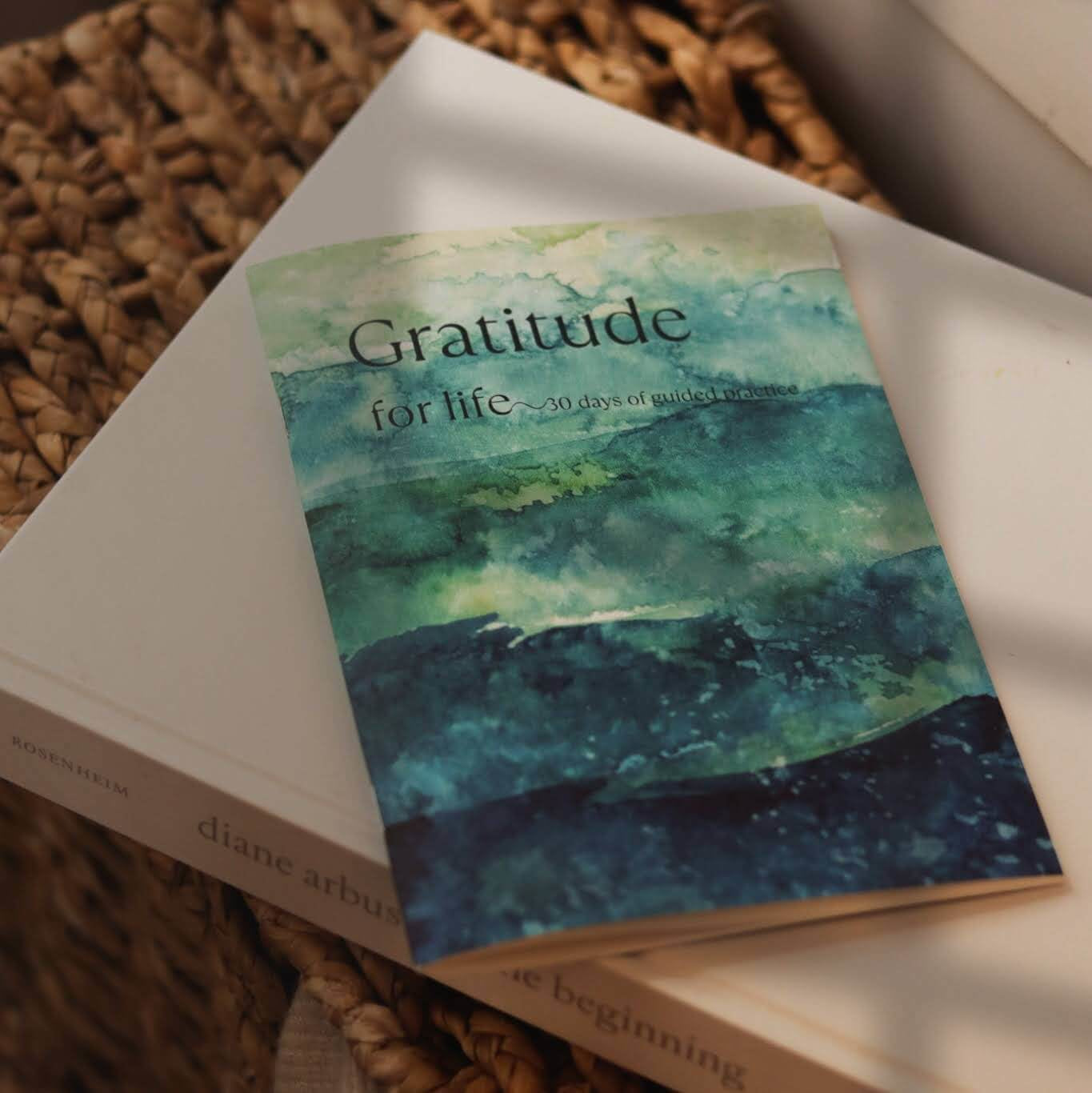
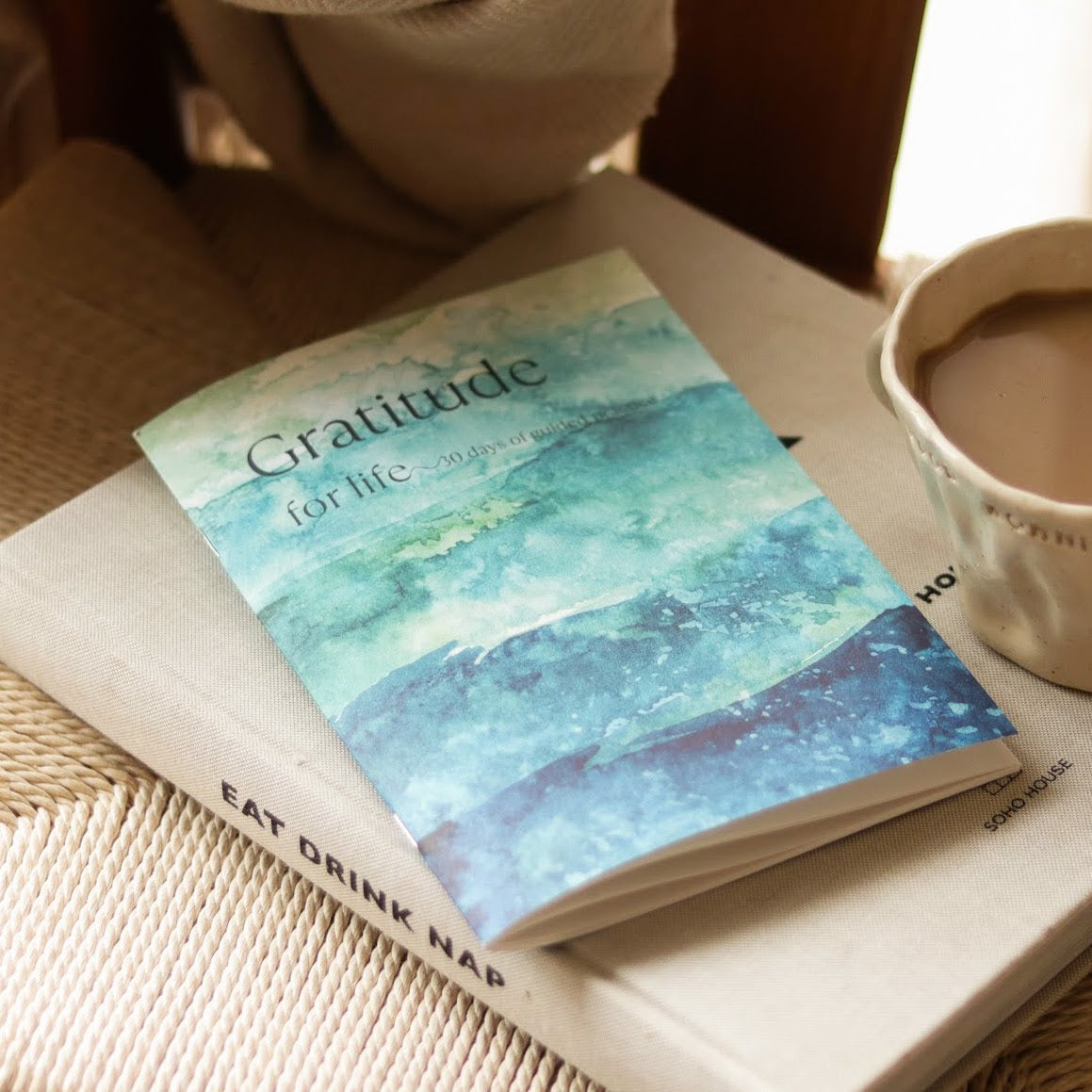


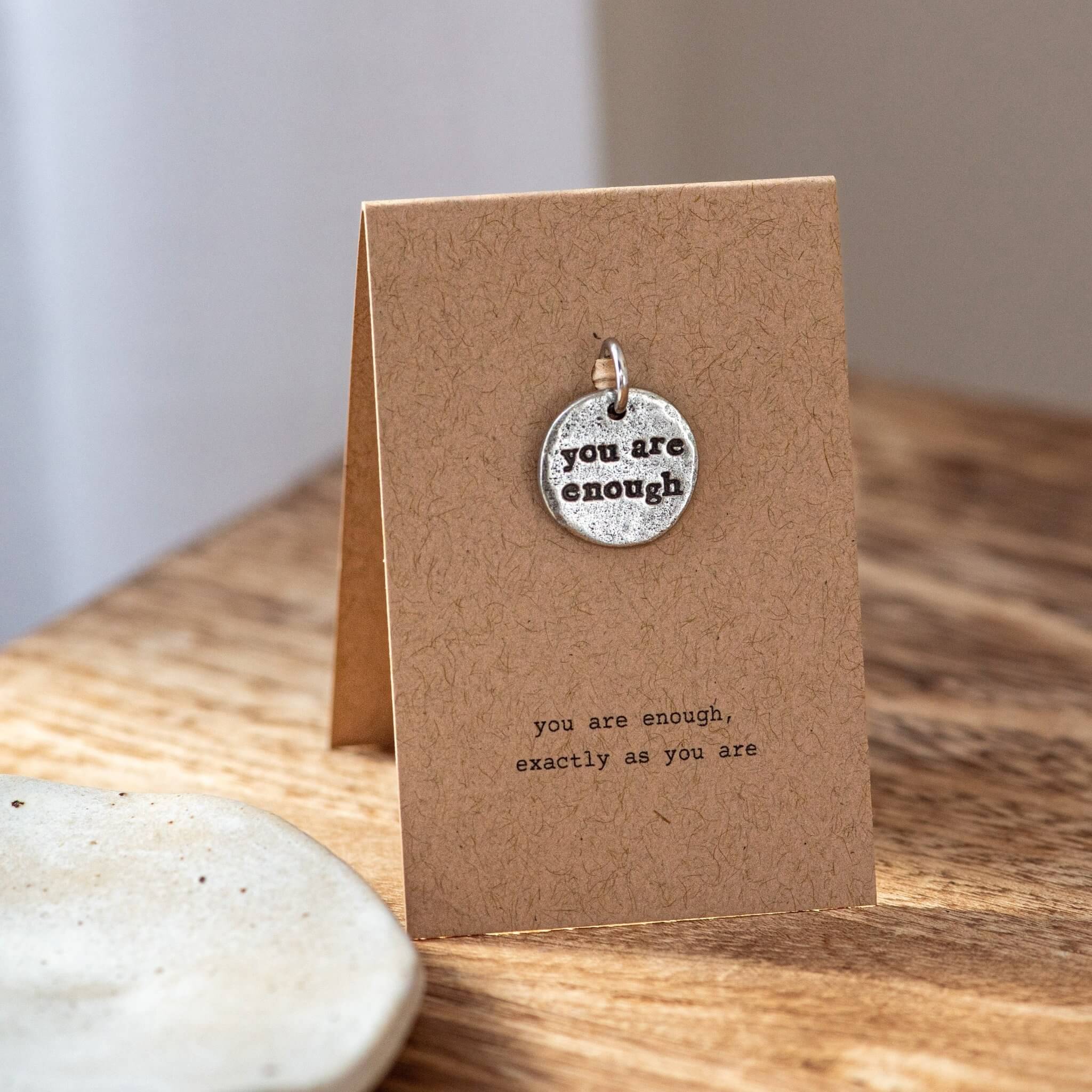
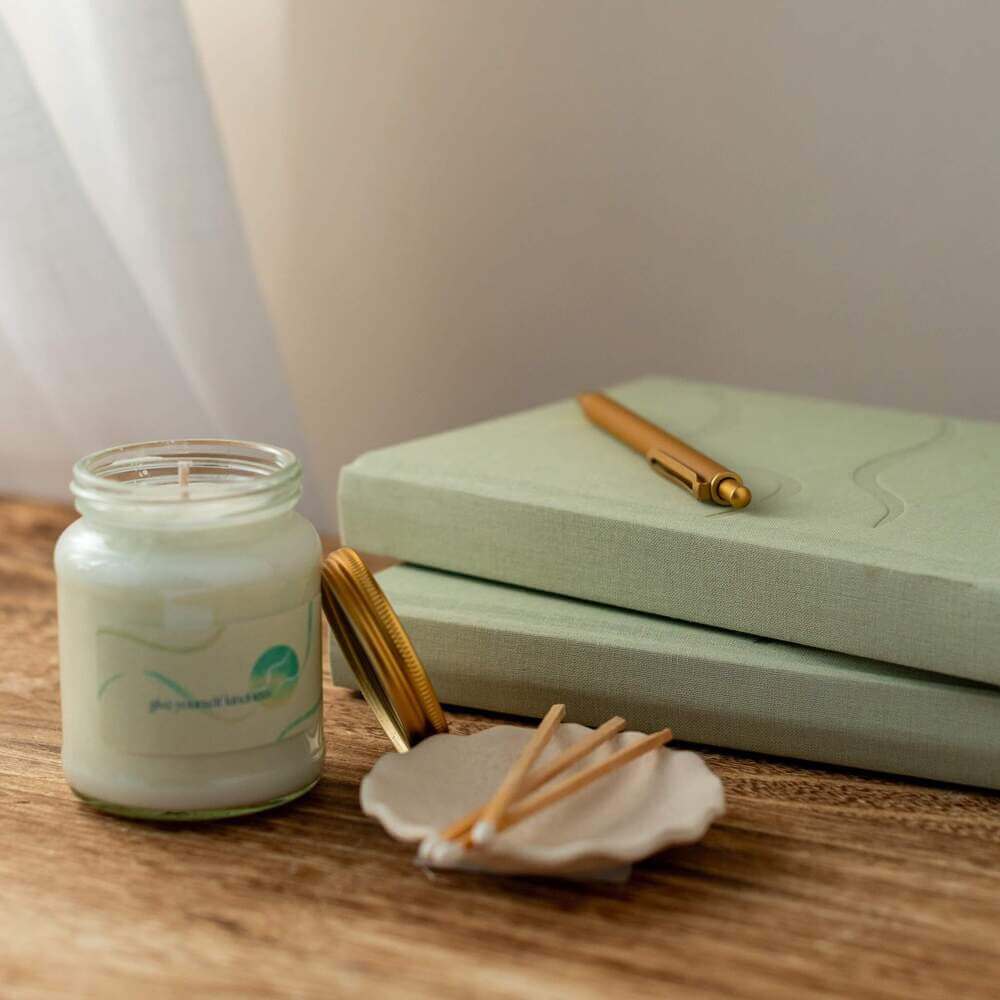

What's the best gift for someone who's hard on themselves?
My pick is the journal. It's expert-reviewed, and it doesn't try to talk them out of how they feel — it just sits alongside them on the days they can't be kind to themselves. If they've told you writing isn't for them, the affirmation cards land the same kindness in four seconds instead of twenty minutes. Want something they can carry with them instead? That's the charm.
Three gifts, £8.95 to £28.95 — full comparison below, or jump straight to the one you already know you want.

Dr Chris Germer, PhD
Clinical psychologist, Harvard Medical School, and co-developer of Mindful Self-Compassion (MSC), taught to more than 250,000 people worldwide
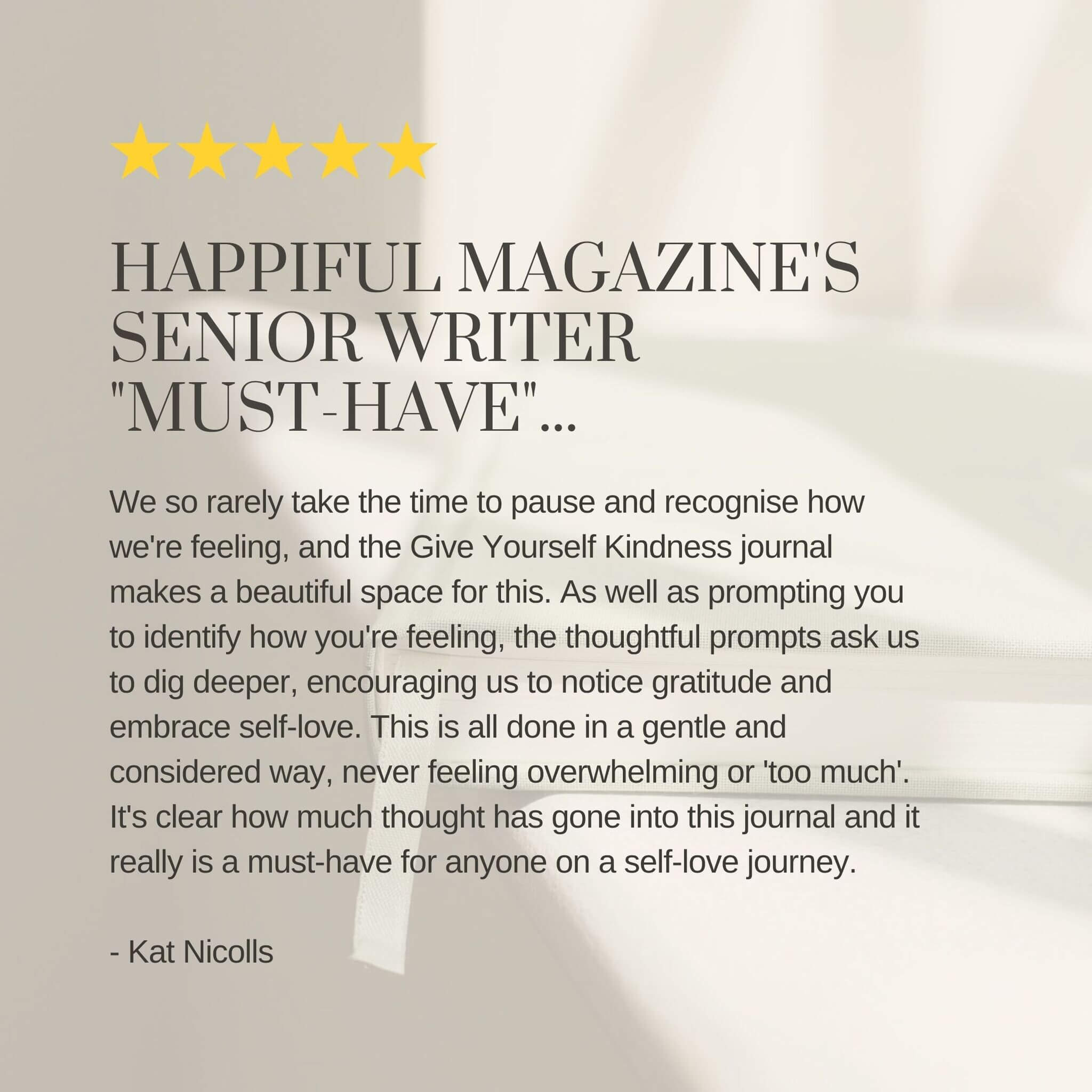
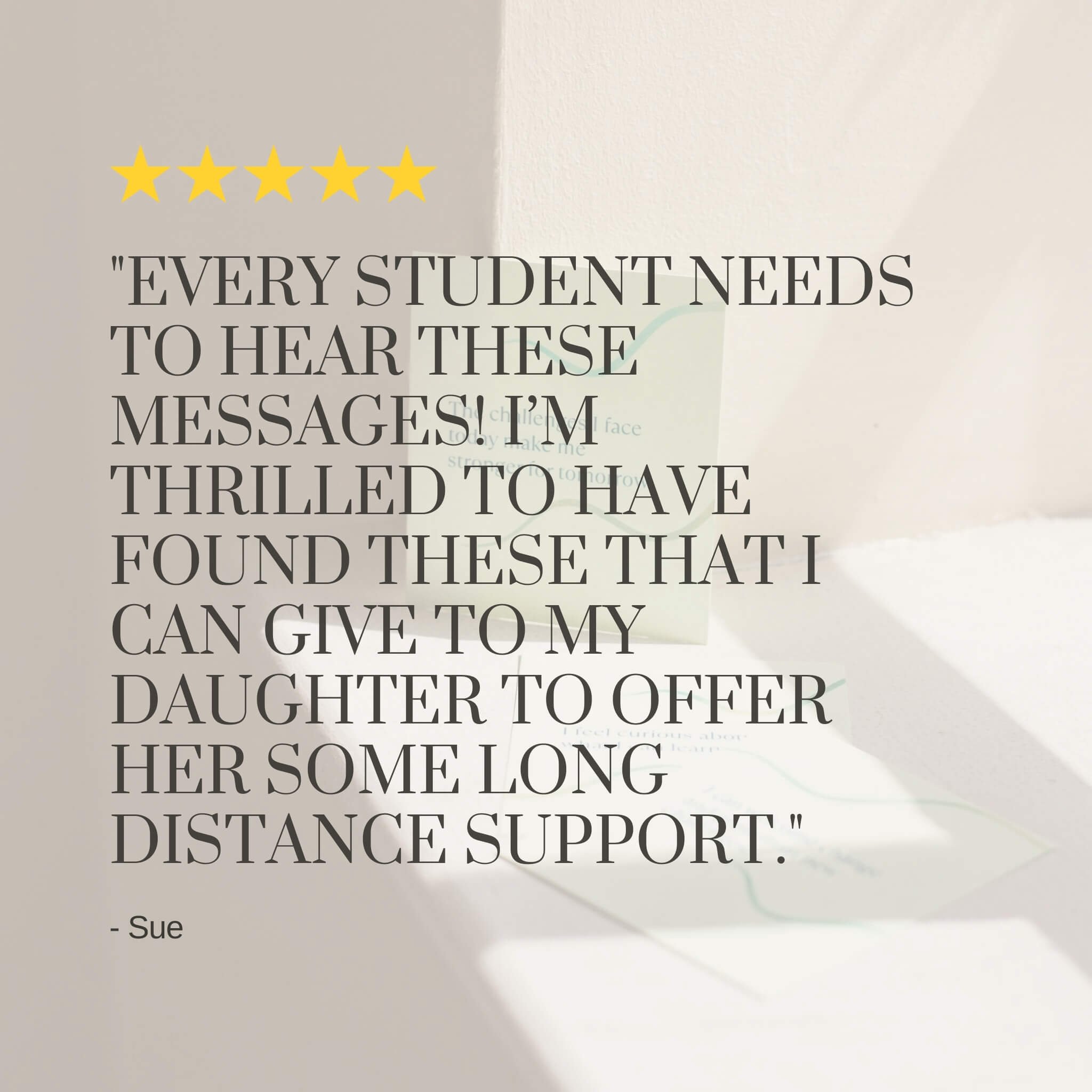
"A warm invitation to make friends with your emotions and yourself!"Read what 13 mental health professionals said →
Compare the gifts at a glance
| Gift | Best for | What it actually does | Price |
|---|---|---|---|
| The Give Yourself Kindness Journal | Someone who turns things over and over | Asks questions, so they write the kind sentence themselves | £28.95 |
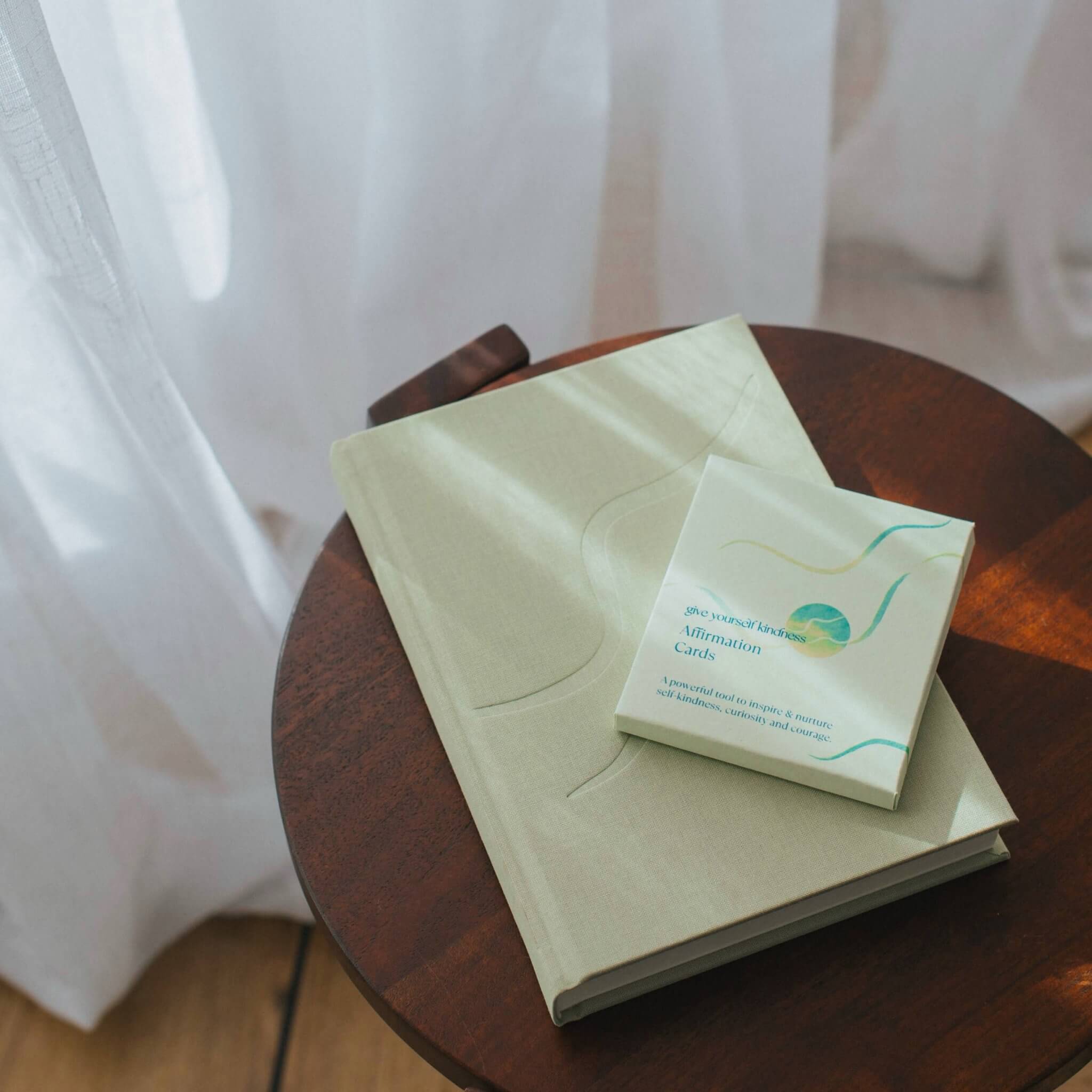
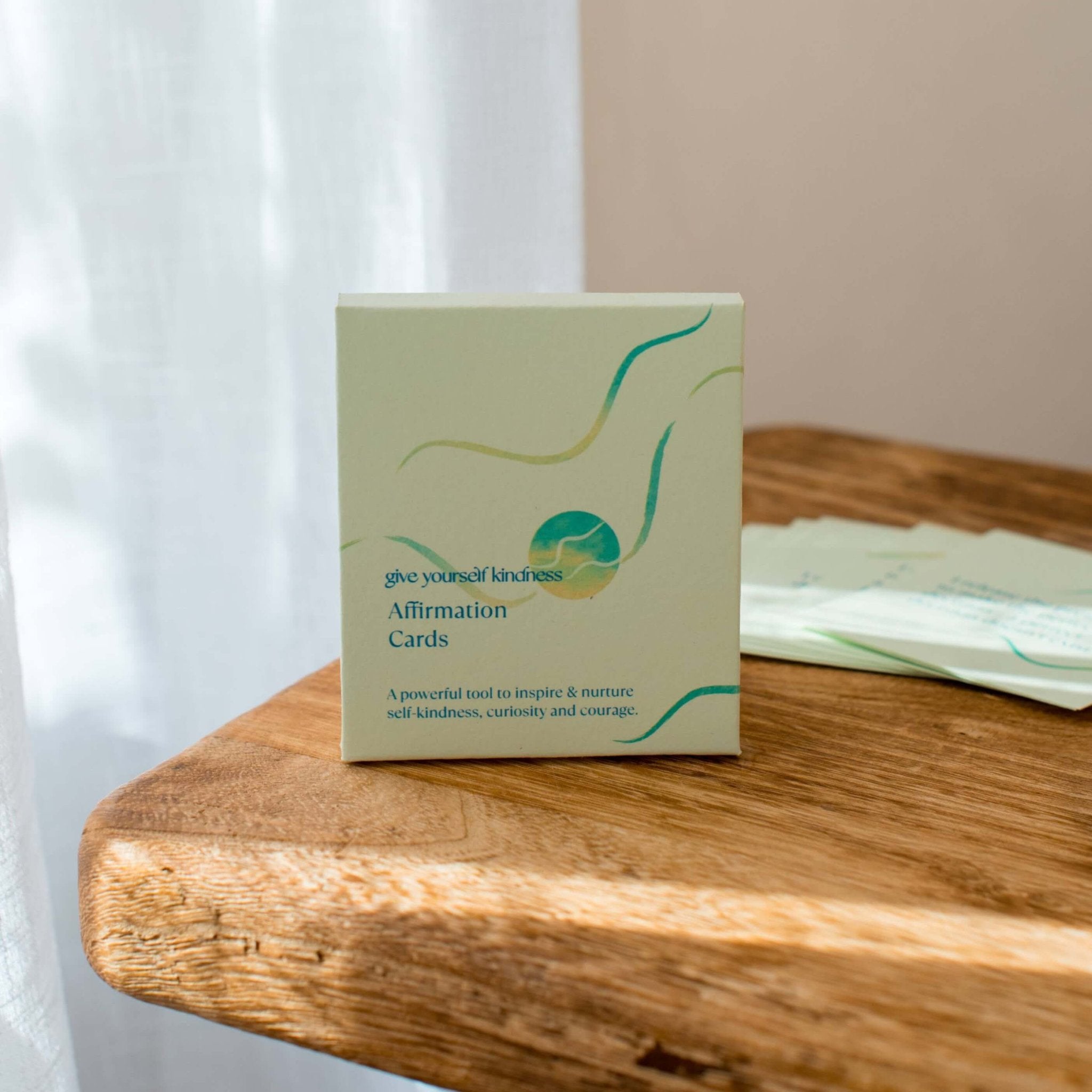
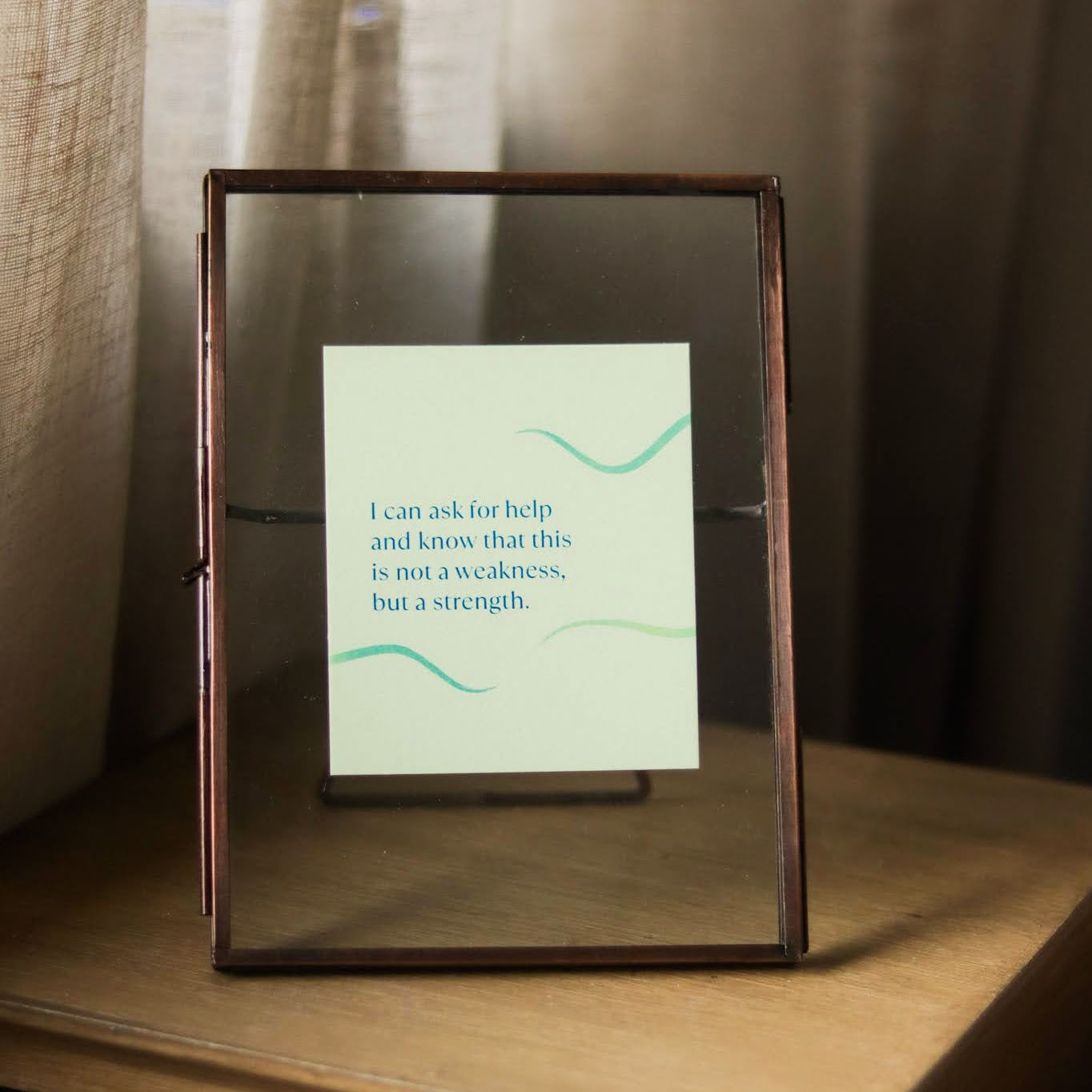
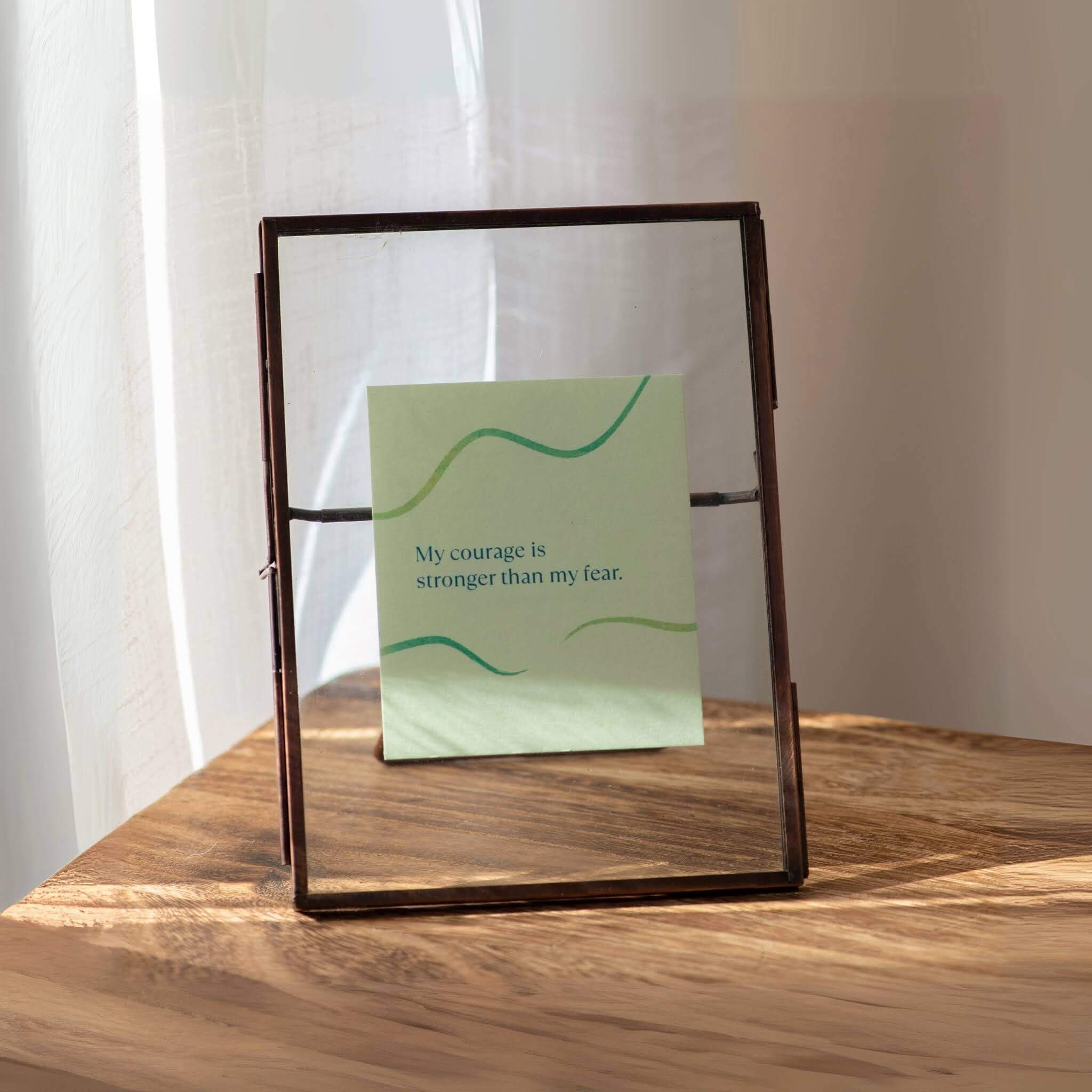
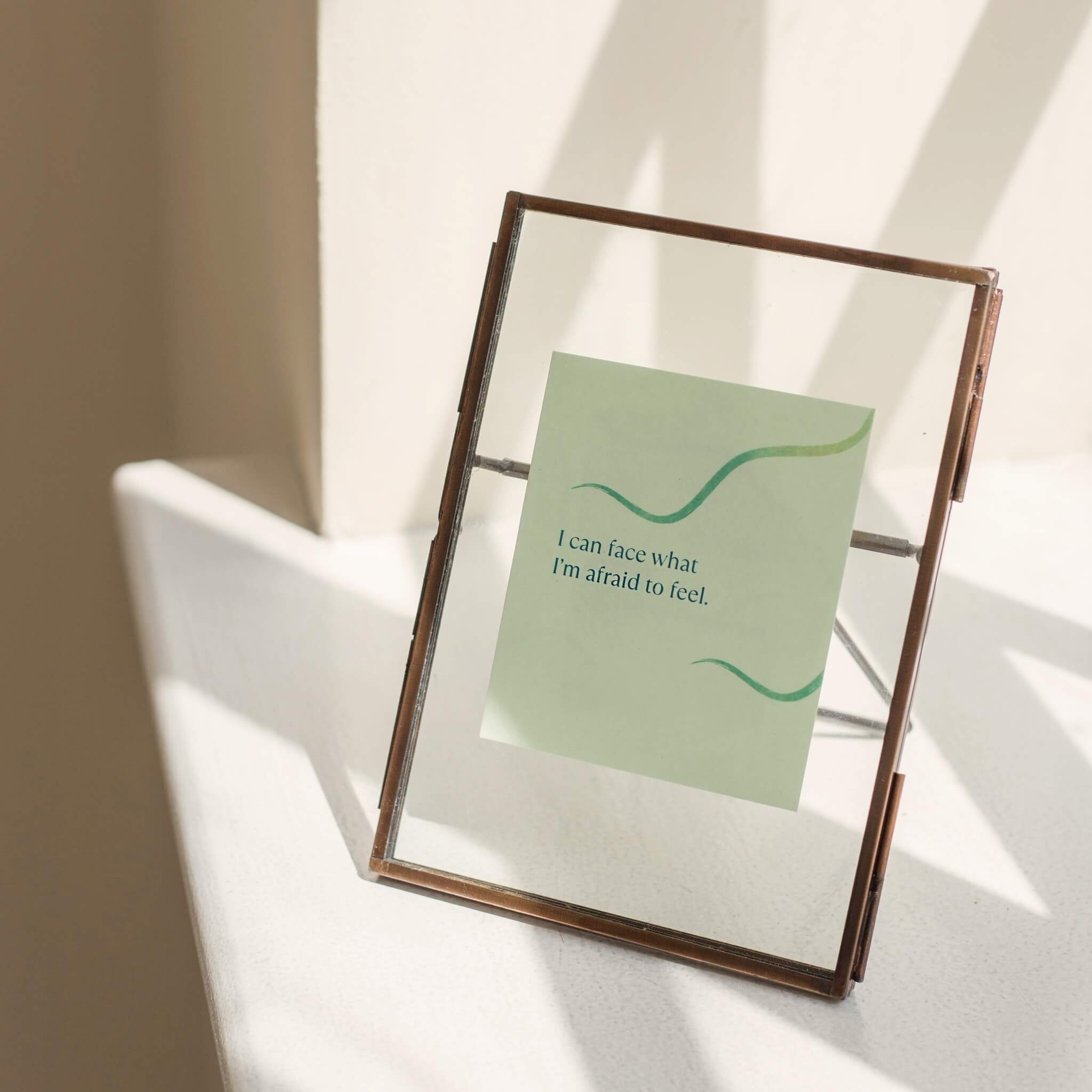
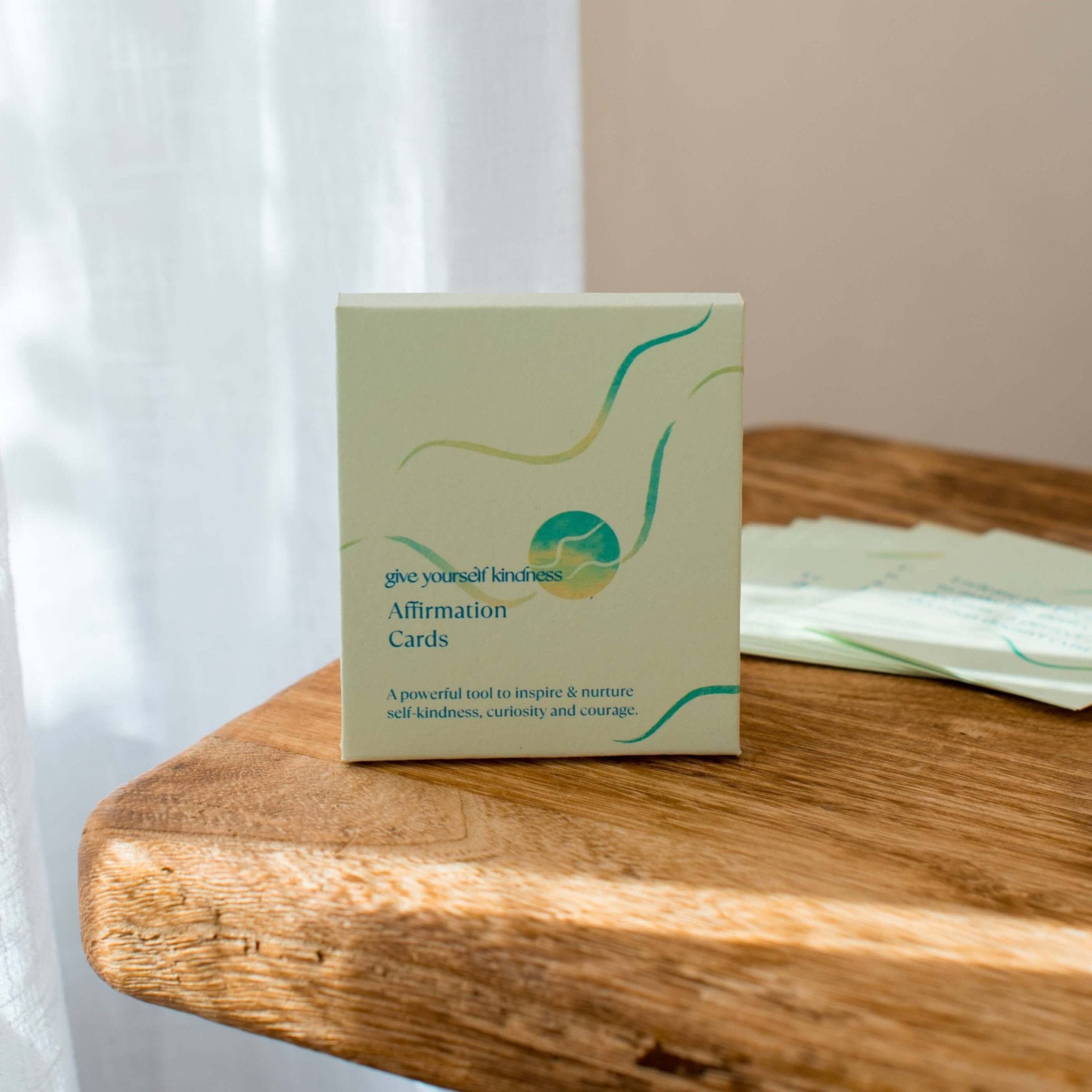
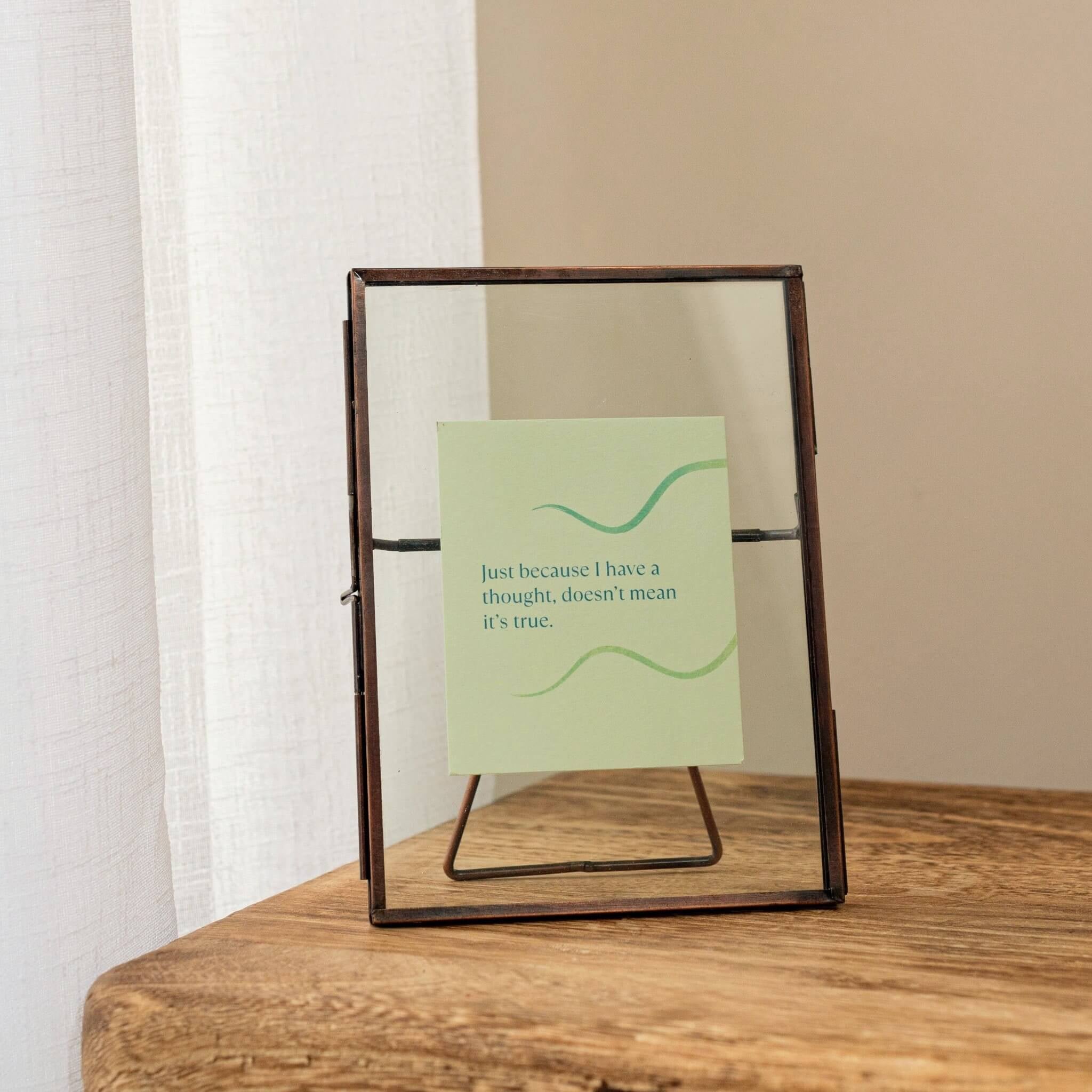
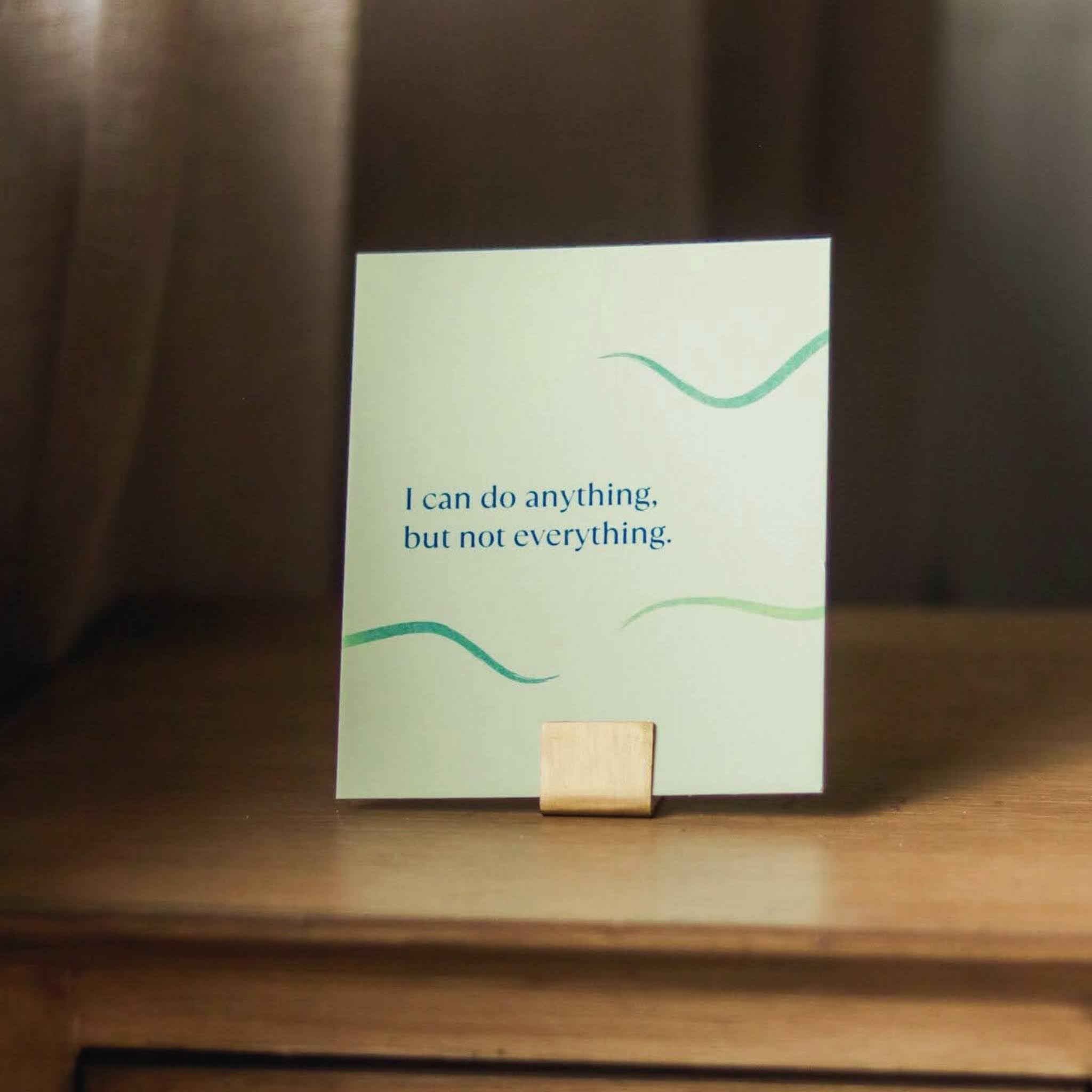
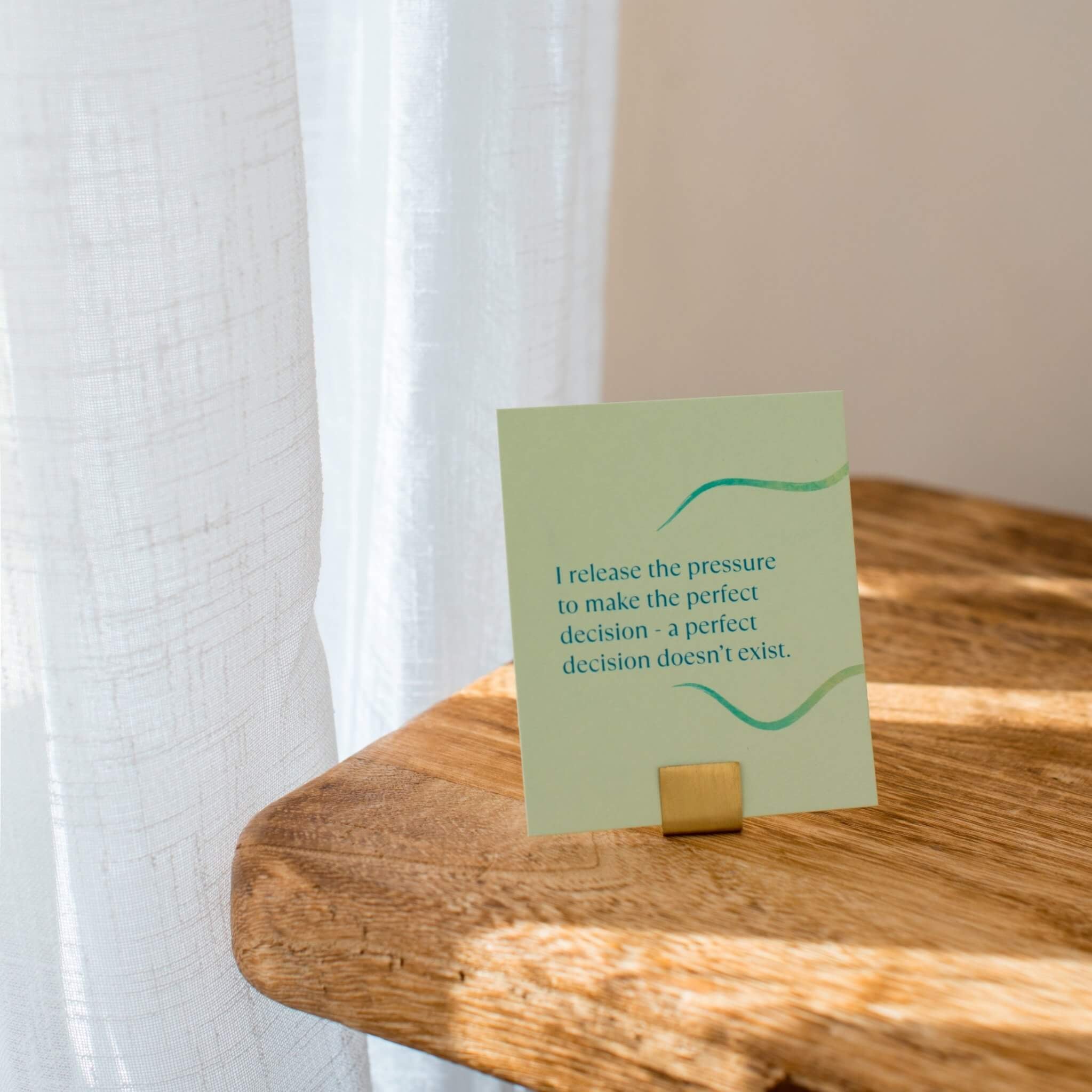
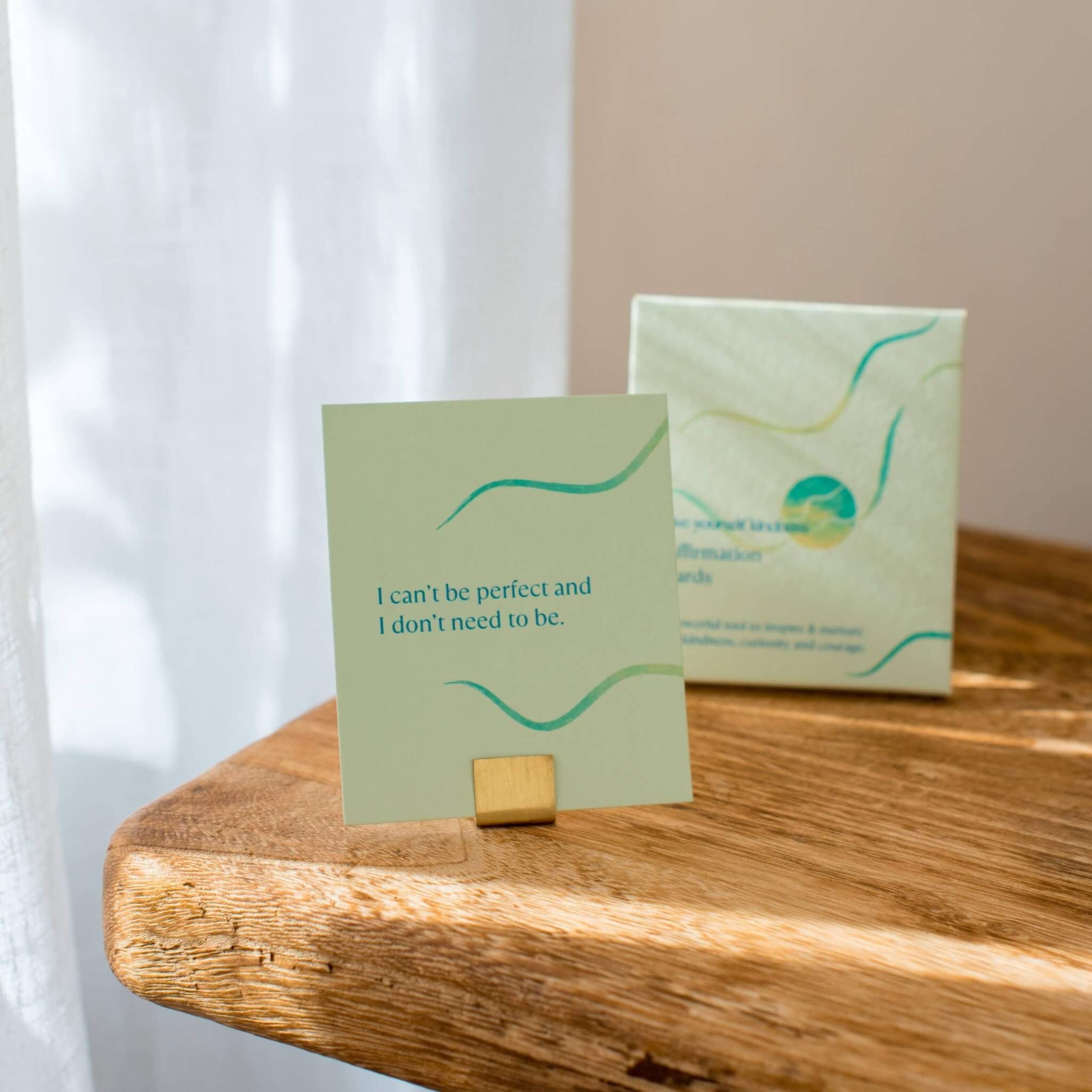
| The Affirmation Cards | A desk, a bedside, somewhere they'll pass | Puts a kind sentence in the room before they need it | from £13.95 |
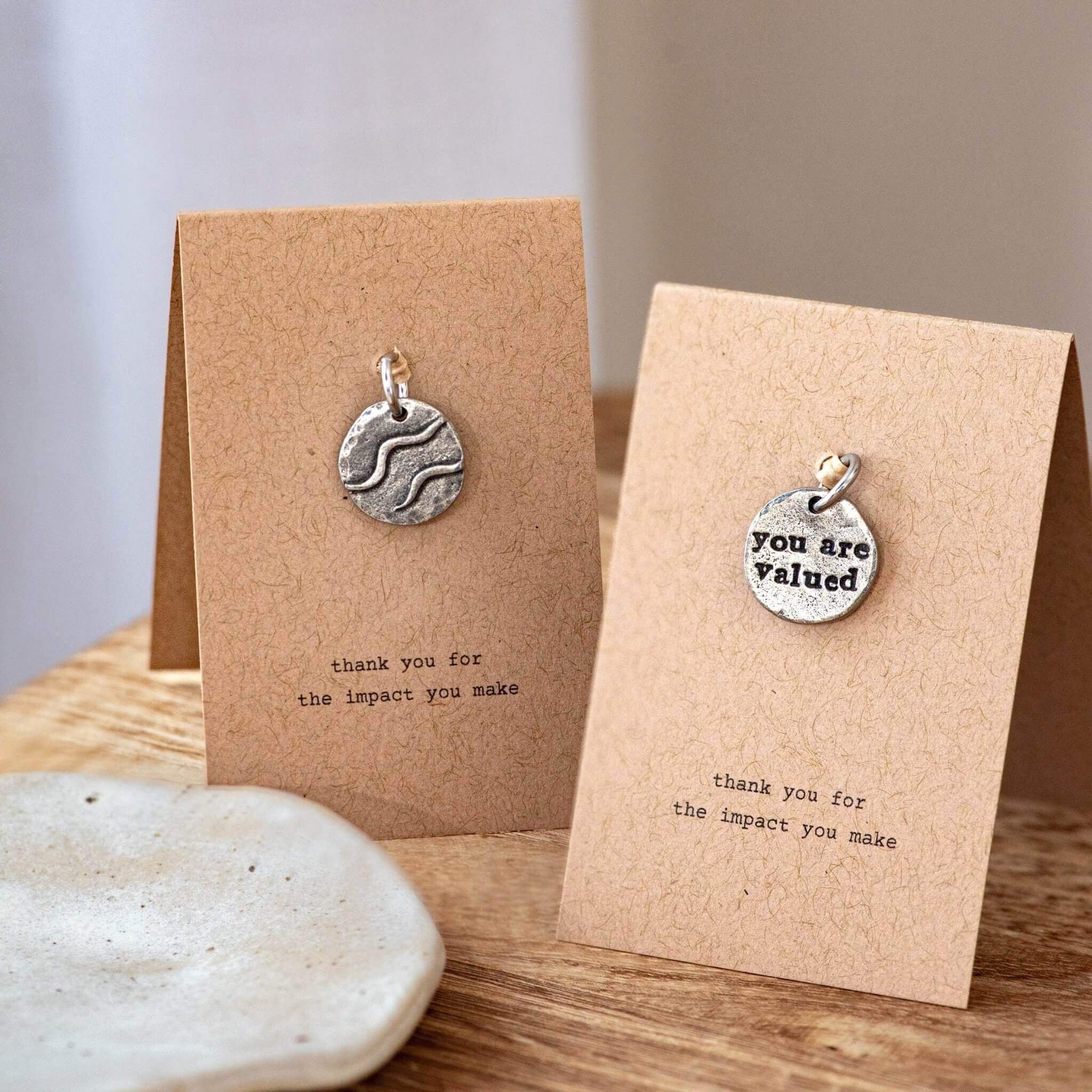
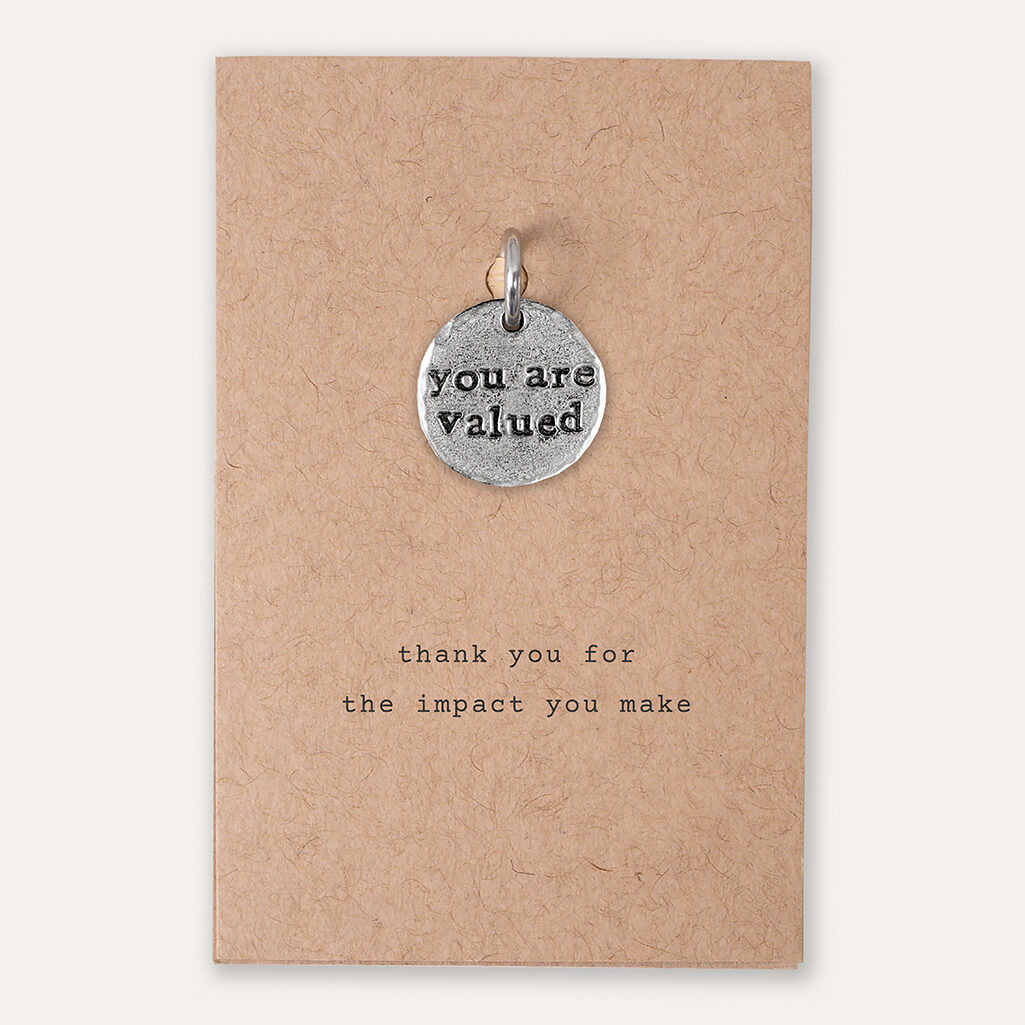
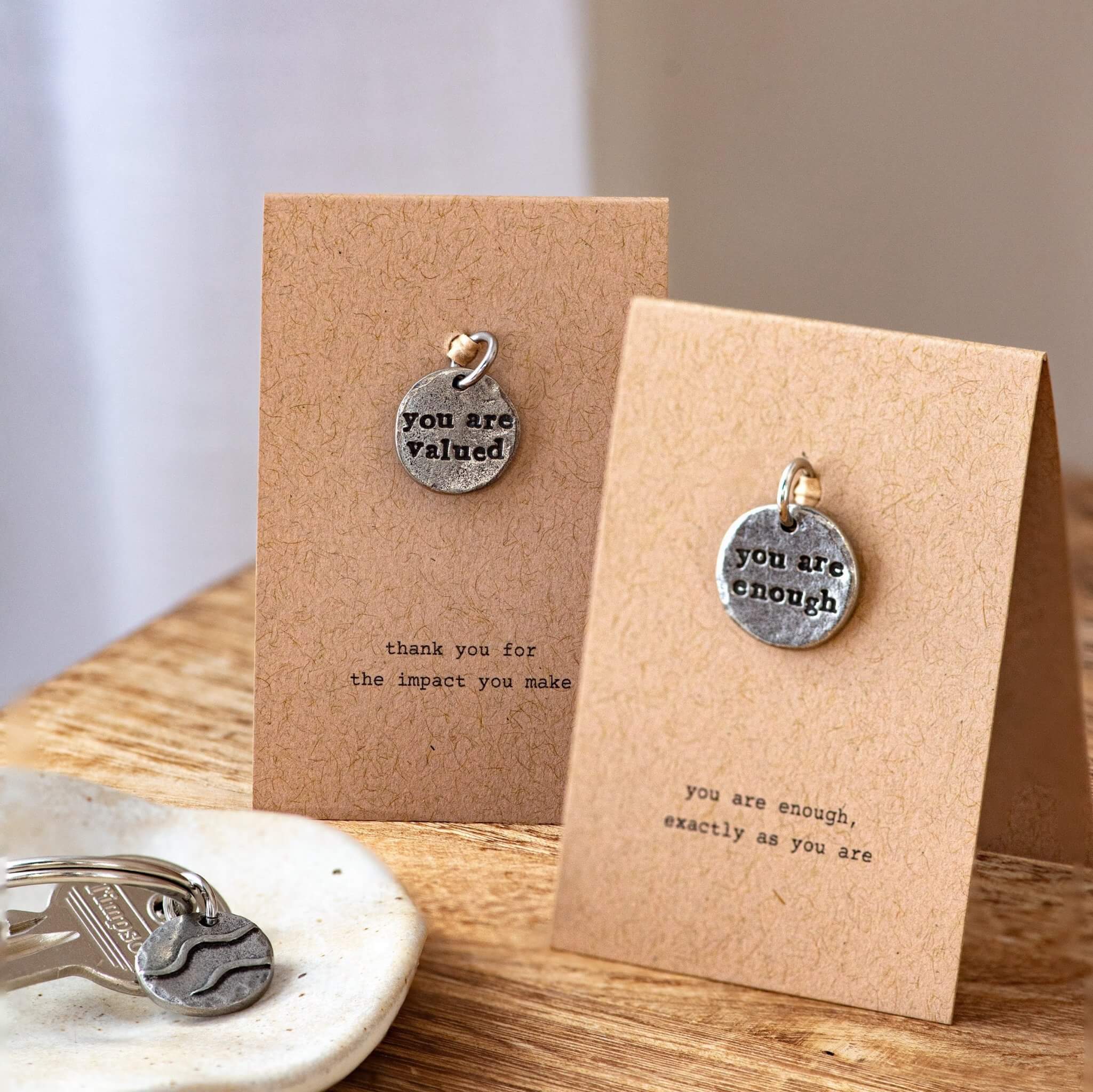
| The You Are Enough Charm | Something that goes everywhere with them | A reminder they can hold, privately, anywhere | £8.95 |
| Journal and cards together | A birthday, or a proper thank you | Covers both the bad Tuesday and the quiet Sunday | from £38.61 |
Which gift should you choose?
It's the one that changes something rather than reminding them of something, and it suits most people. See the journal →
Believe them. A card read in four seconds beats a journal that stays shut. See the cards →
Small, private, and nothing they have to respond to or talk about. See the charm →
The charm goes with them to the appointment, the meeting or the difficult day. The journal or cards are waiting when they get home. See them together →
It costs less than buying the two separately and it looks like a real present when the parcel is opened. See the pair →
What is the best gift for someone with low self-worth?
Here they are in full, with what each one actually does. All of them are mine, so weigh that as you read, and I've said plainly where I'd choose something else.

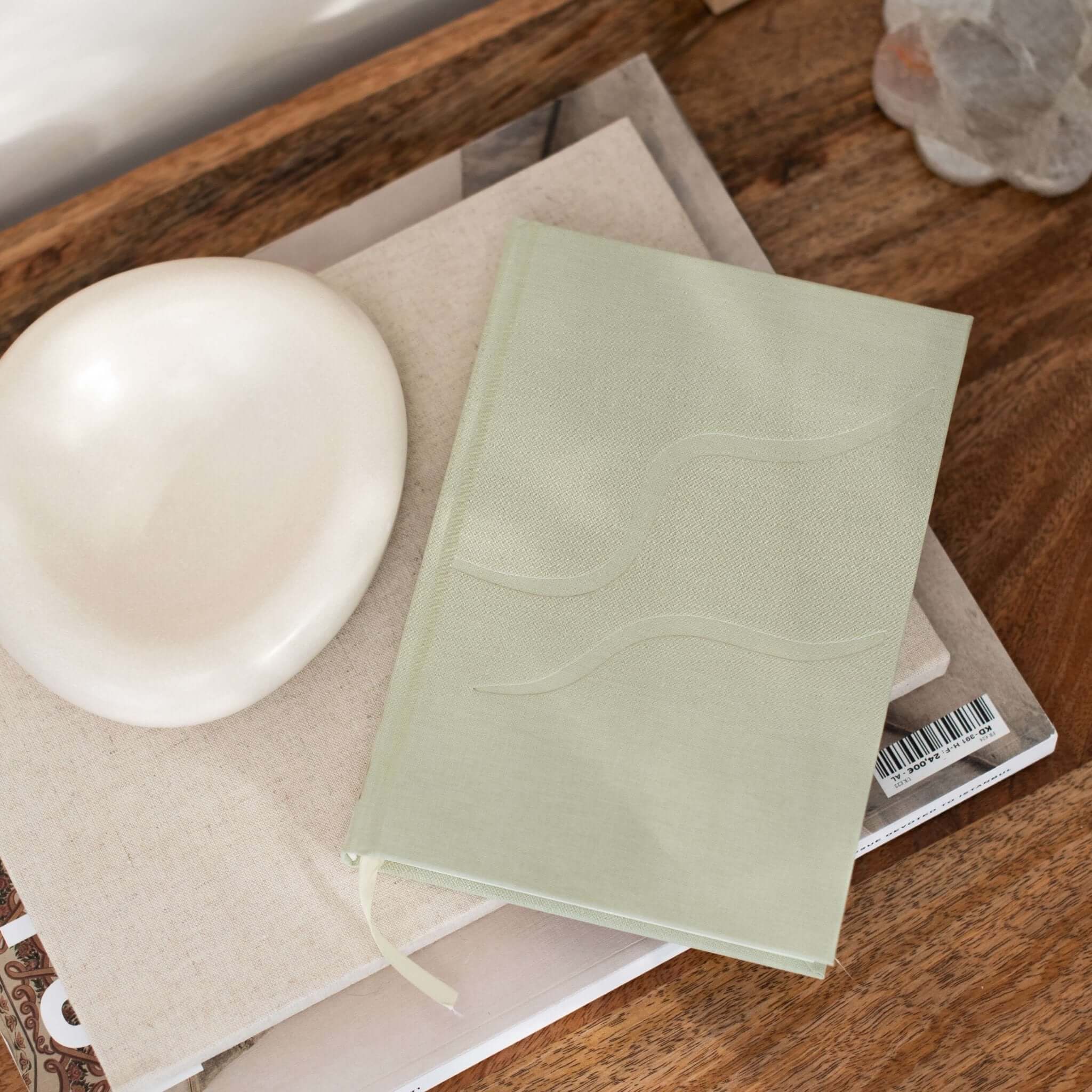
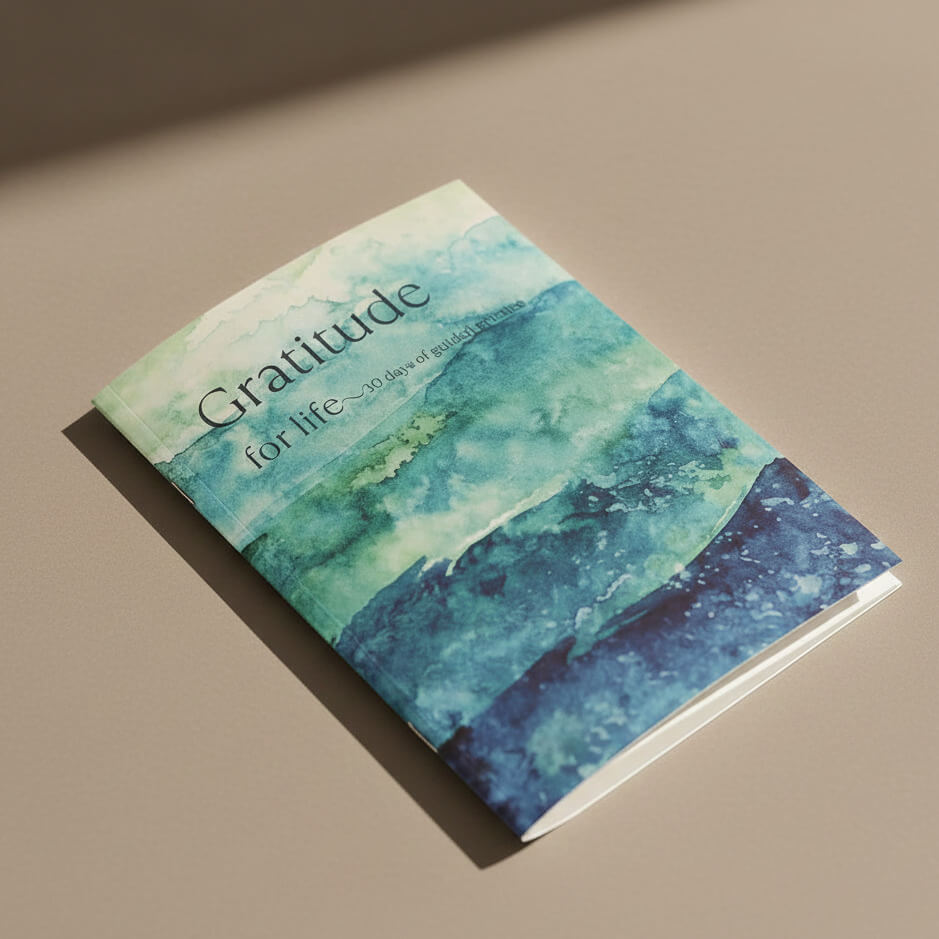
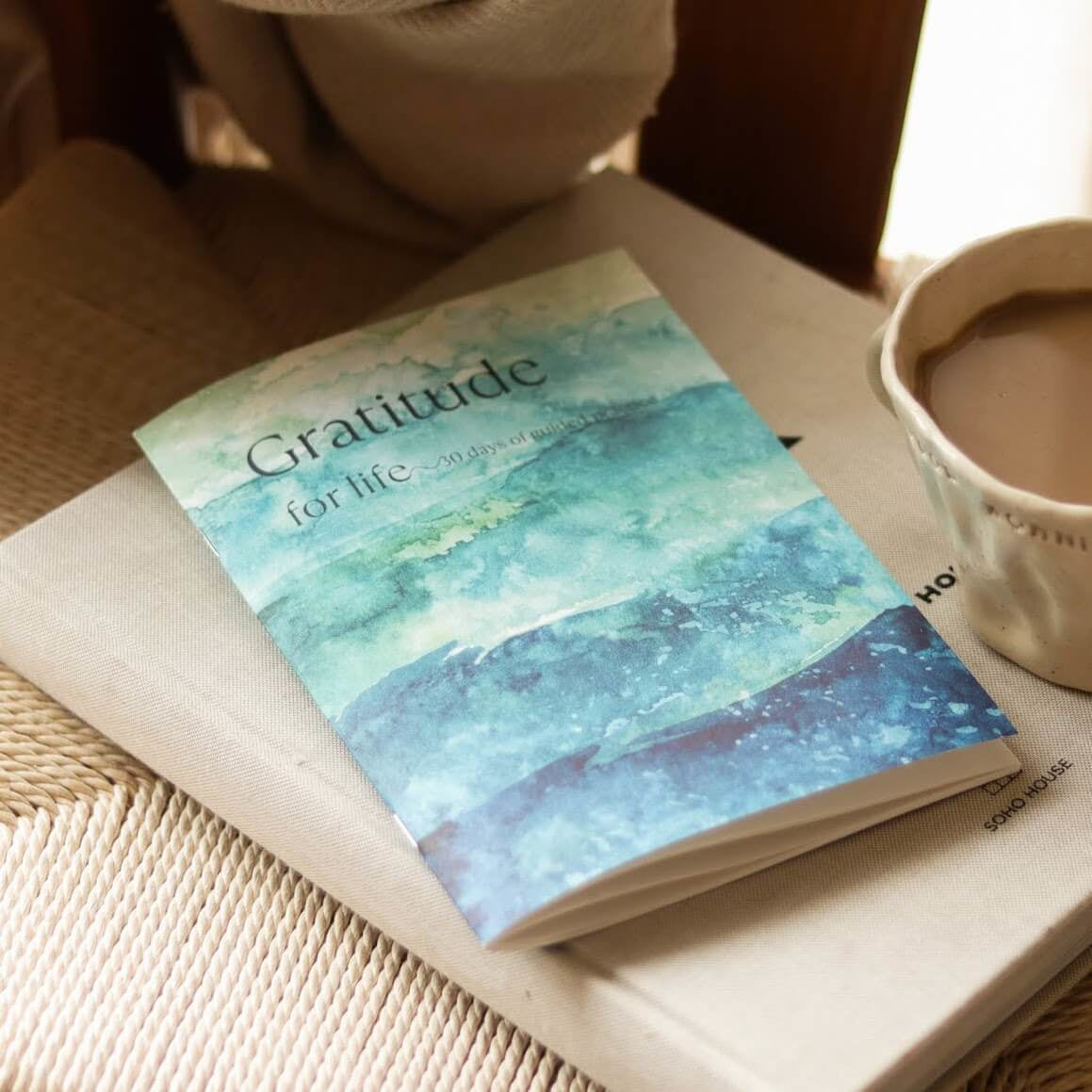
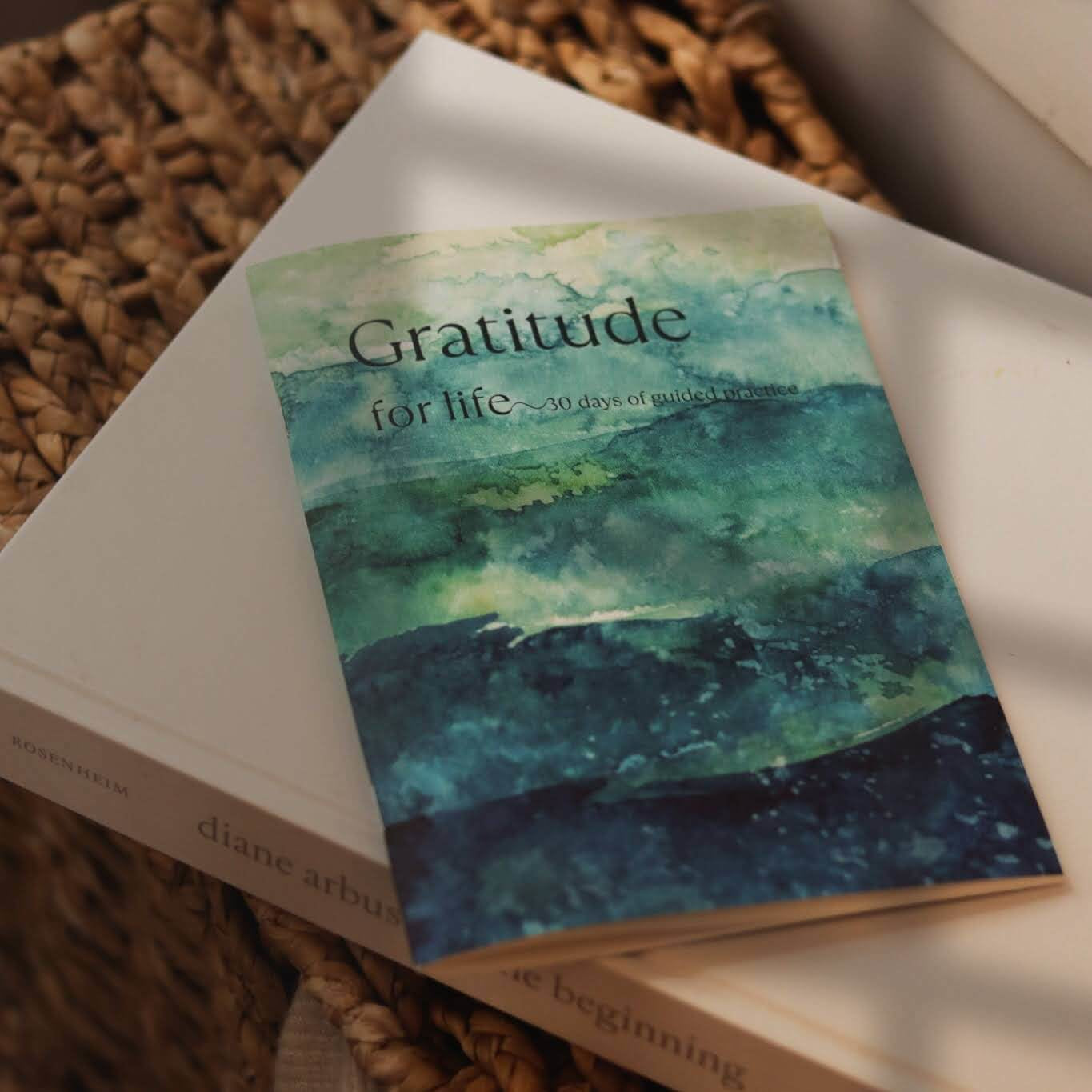
The Give Yourself Kindness Journal — £28.95
For the one who turns things over and over
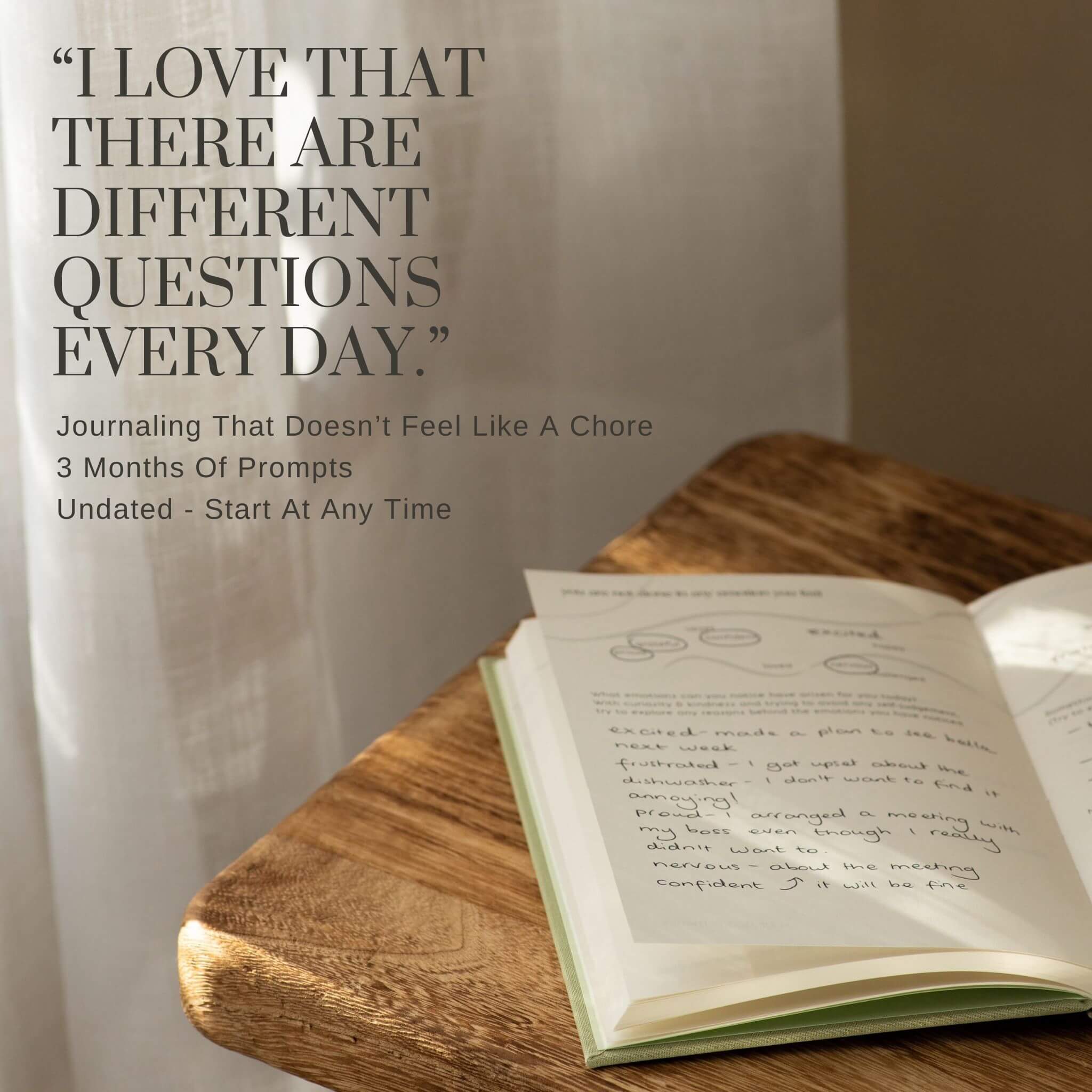
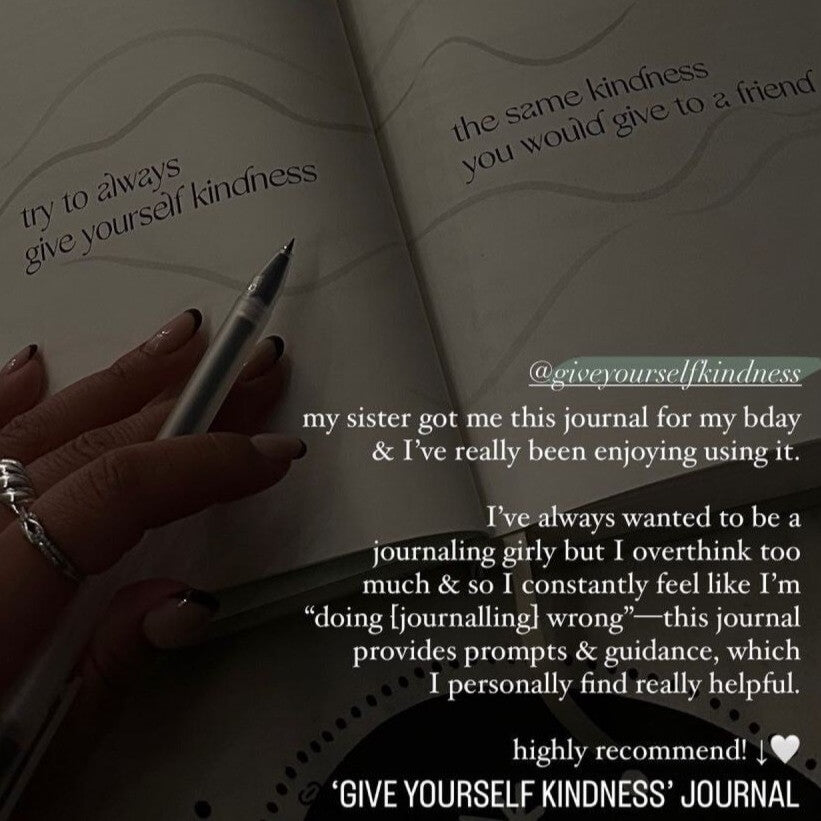
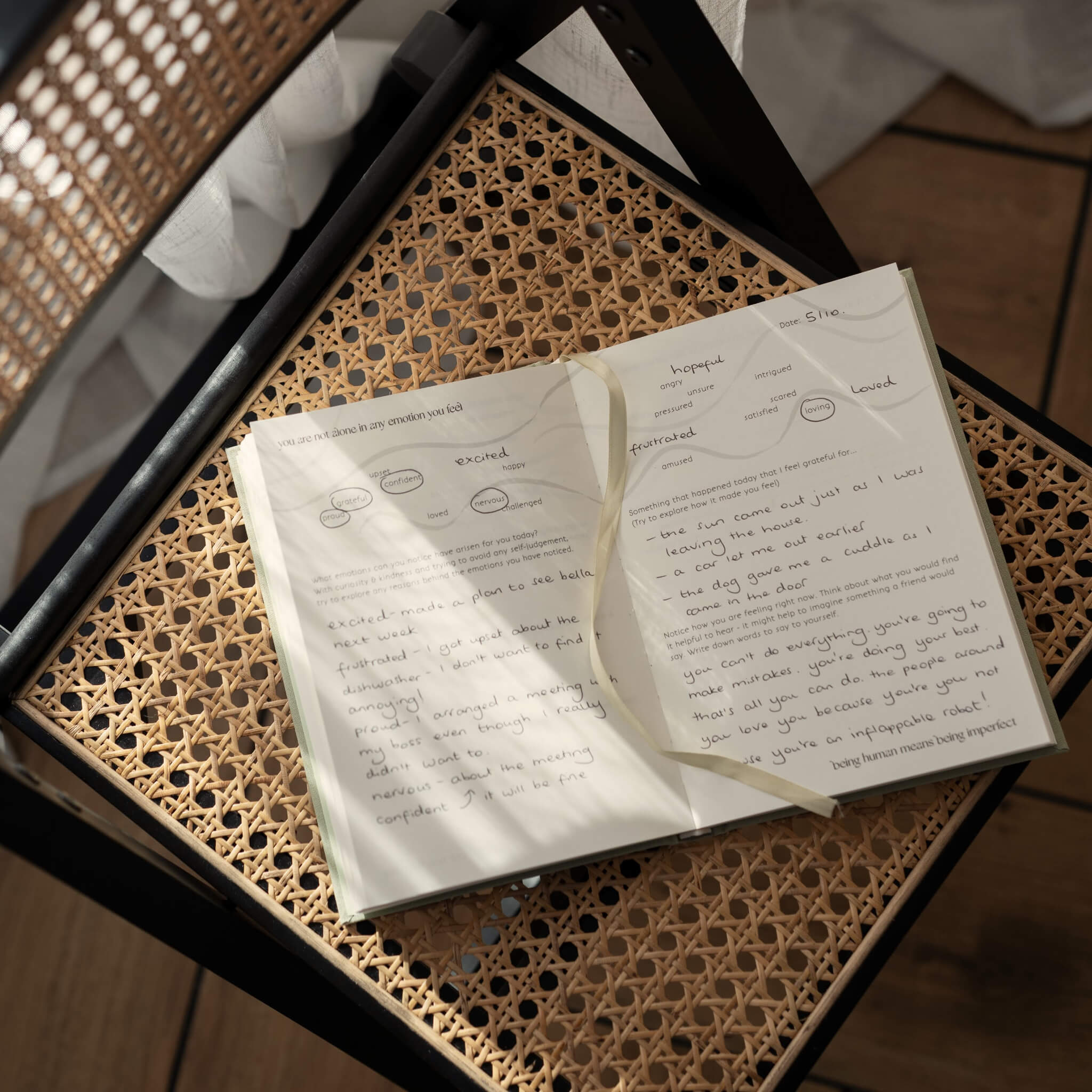
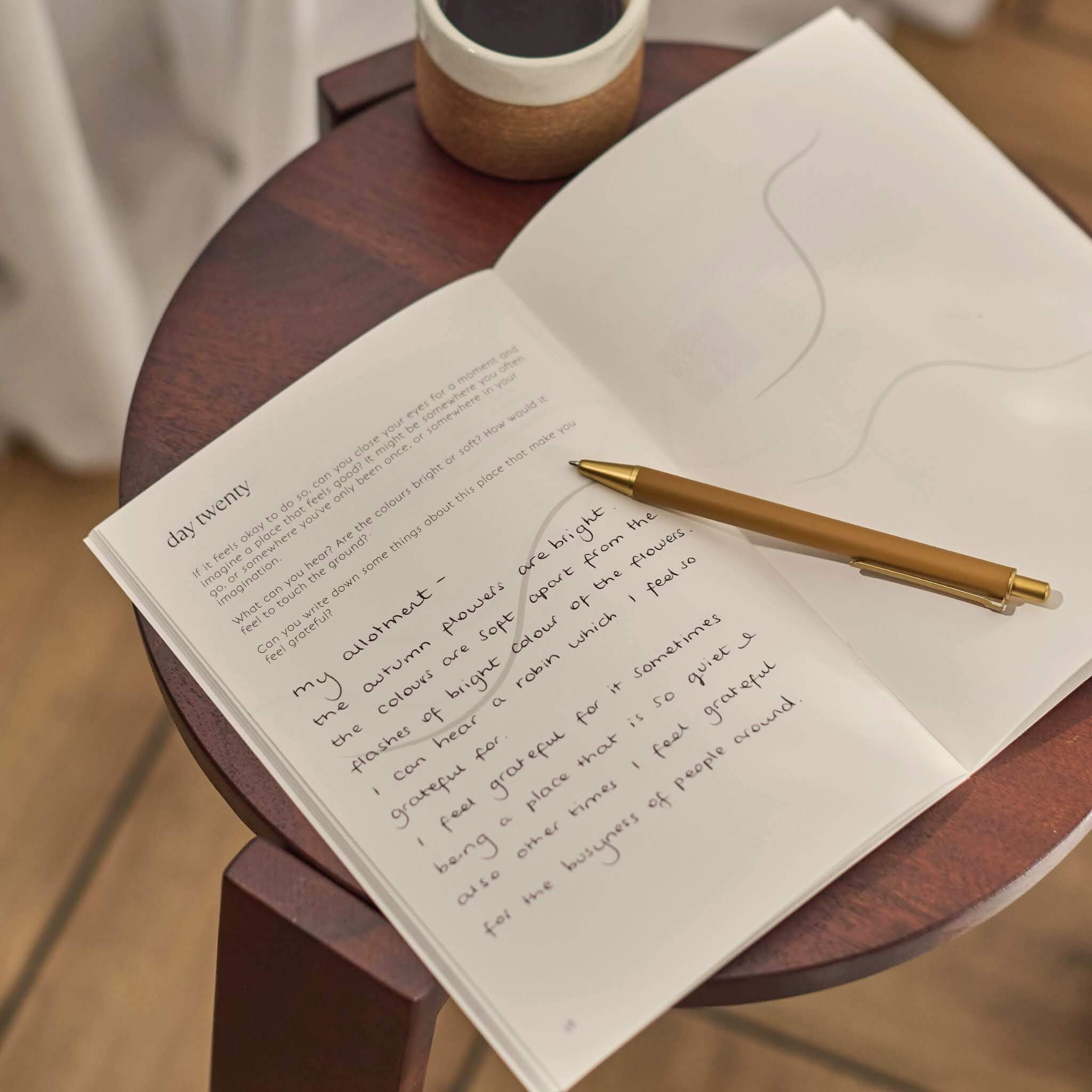
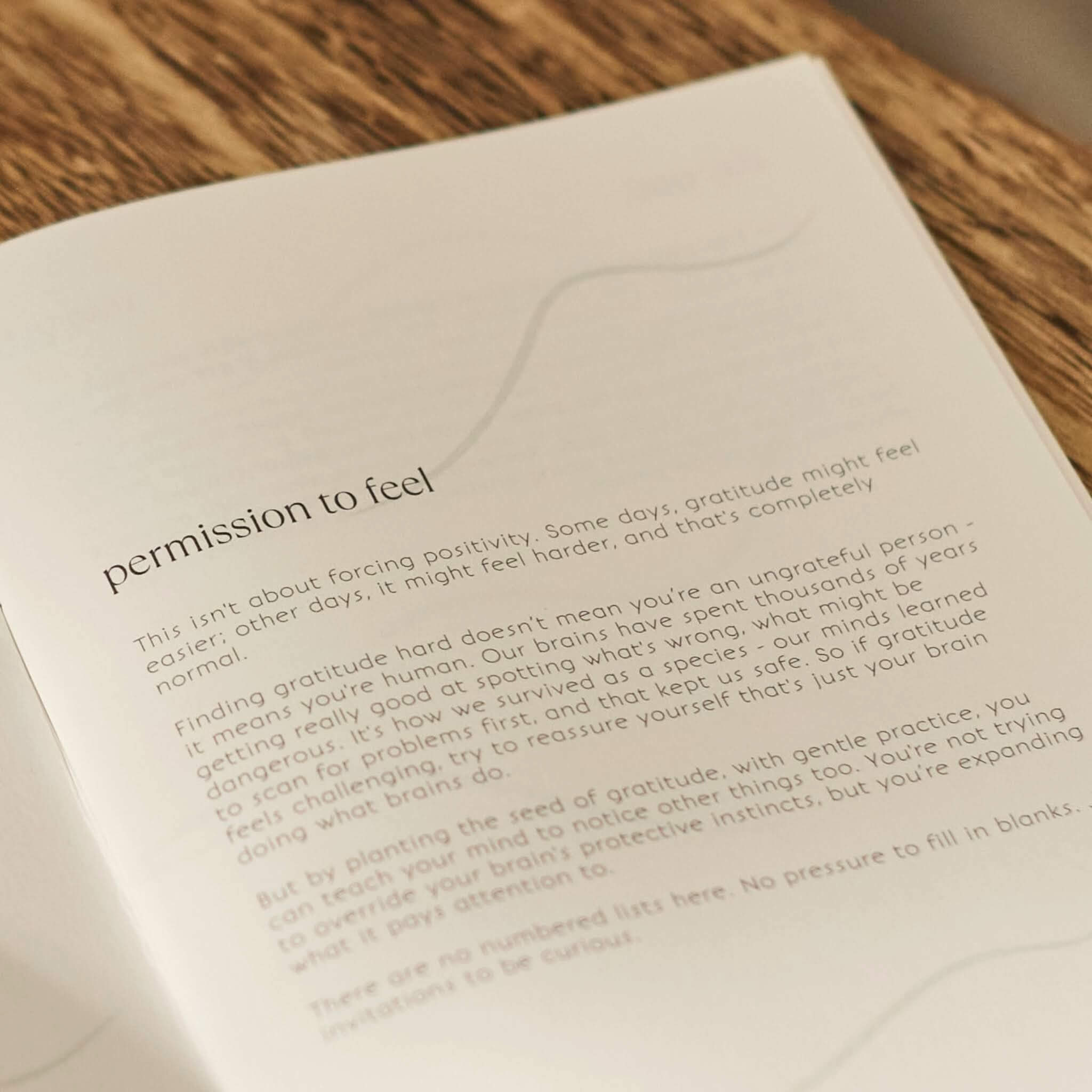
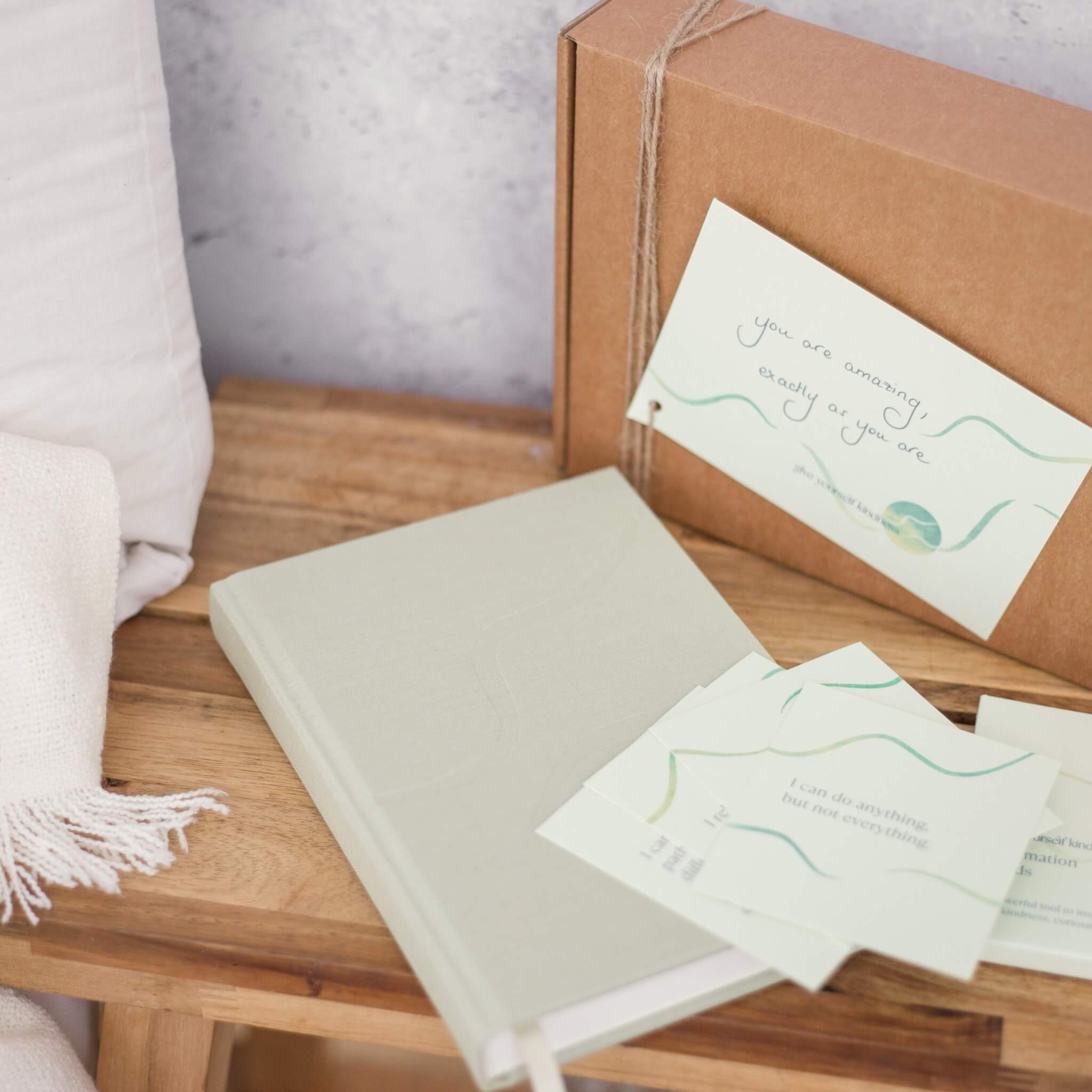
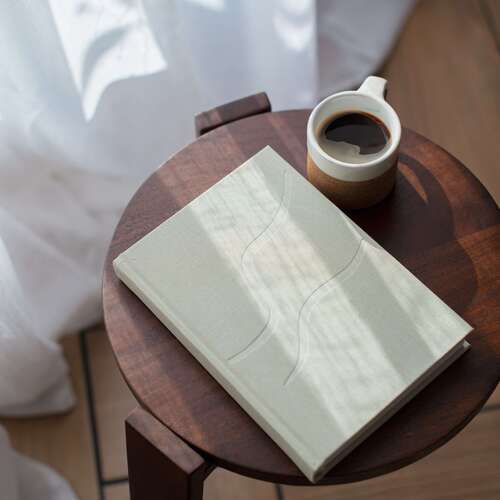
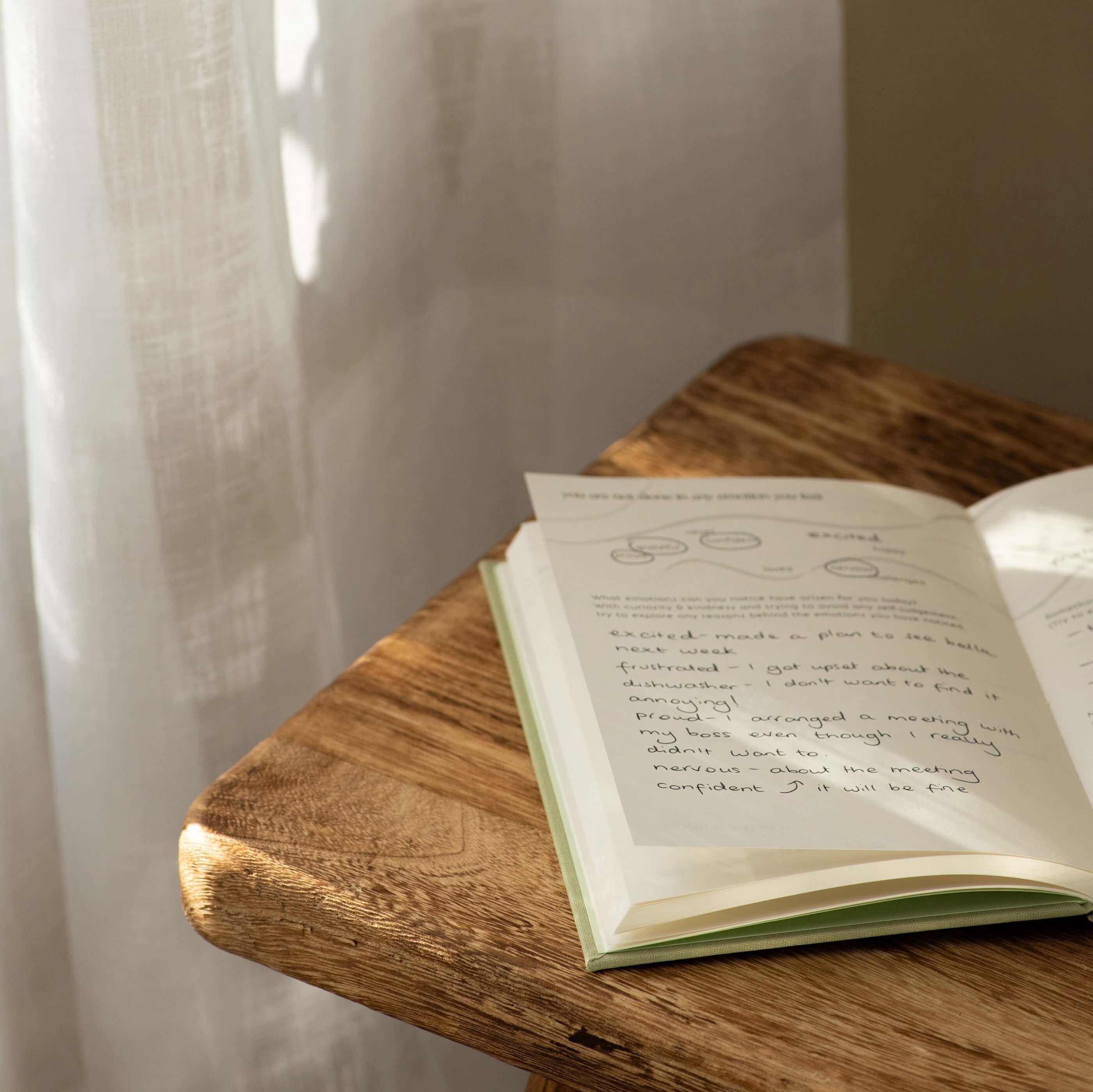
It's Sunday evening and something from Friday is still sitting on them. They open it, and the page asks: what has challenged you today? Talk to yourself as you would talk to a friend. Twenty minutes later they've written the kind thing themselves, in their own handwriting, and that's the version they'll believe.
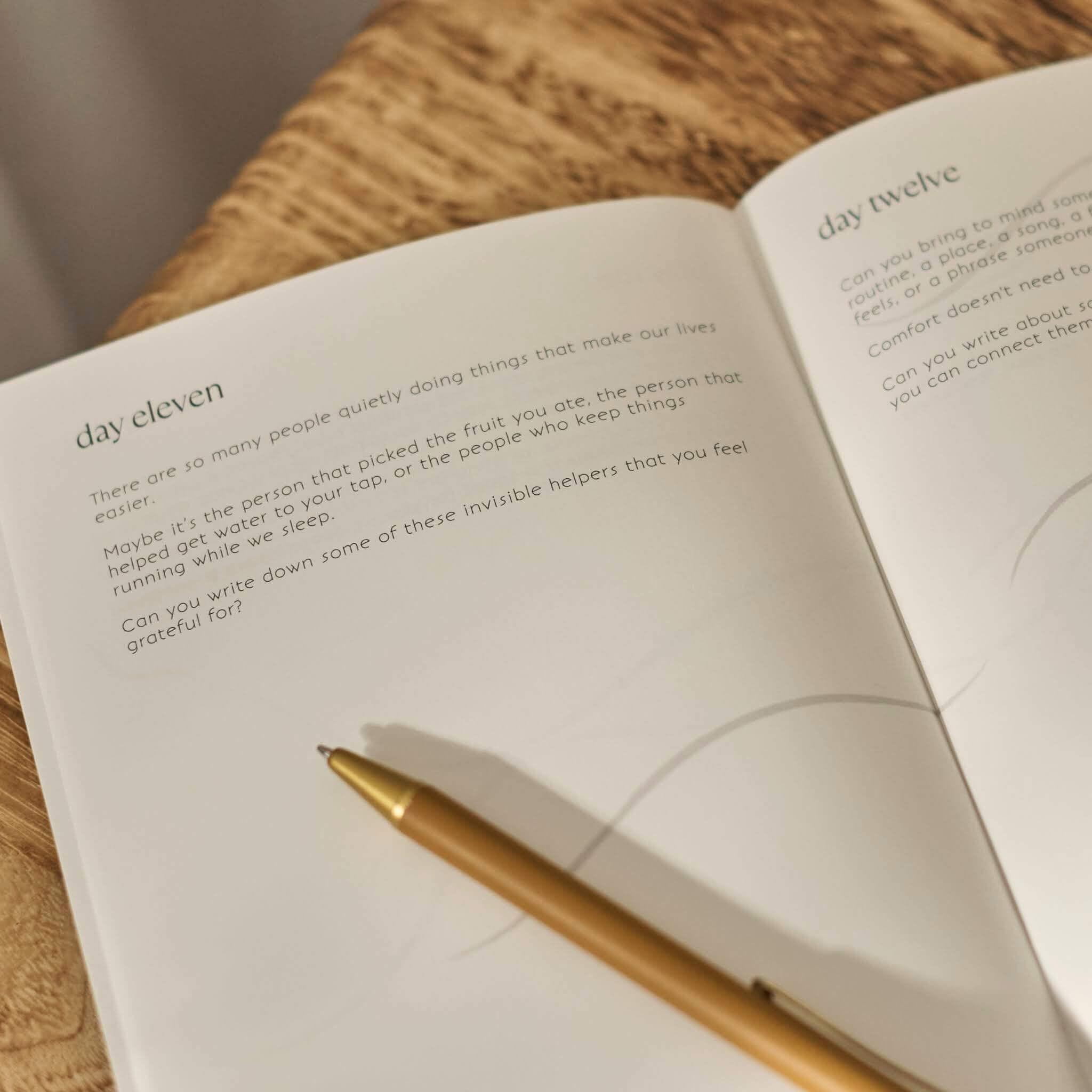
This is the one that changes something rather than decorating it. It never tells them they're wonderful, because you've probably tried that and watched it bounce. It asks questions instead, and a question can't be argued with.
224 pages, three months of undated prompts with every page different, and a visual emotional awareness tool on every page for the evenings when "fine" is all they can find. Undated, so a fortnight of not touching it leaves no trace and no guilt.
Added to your basket. View basket →
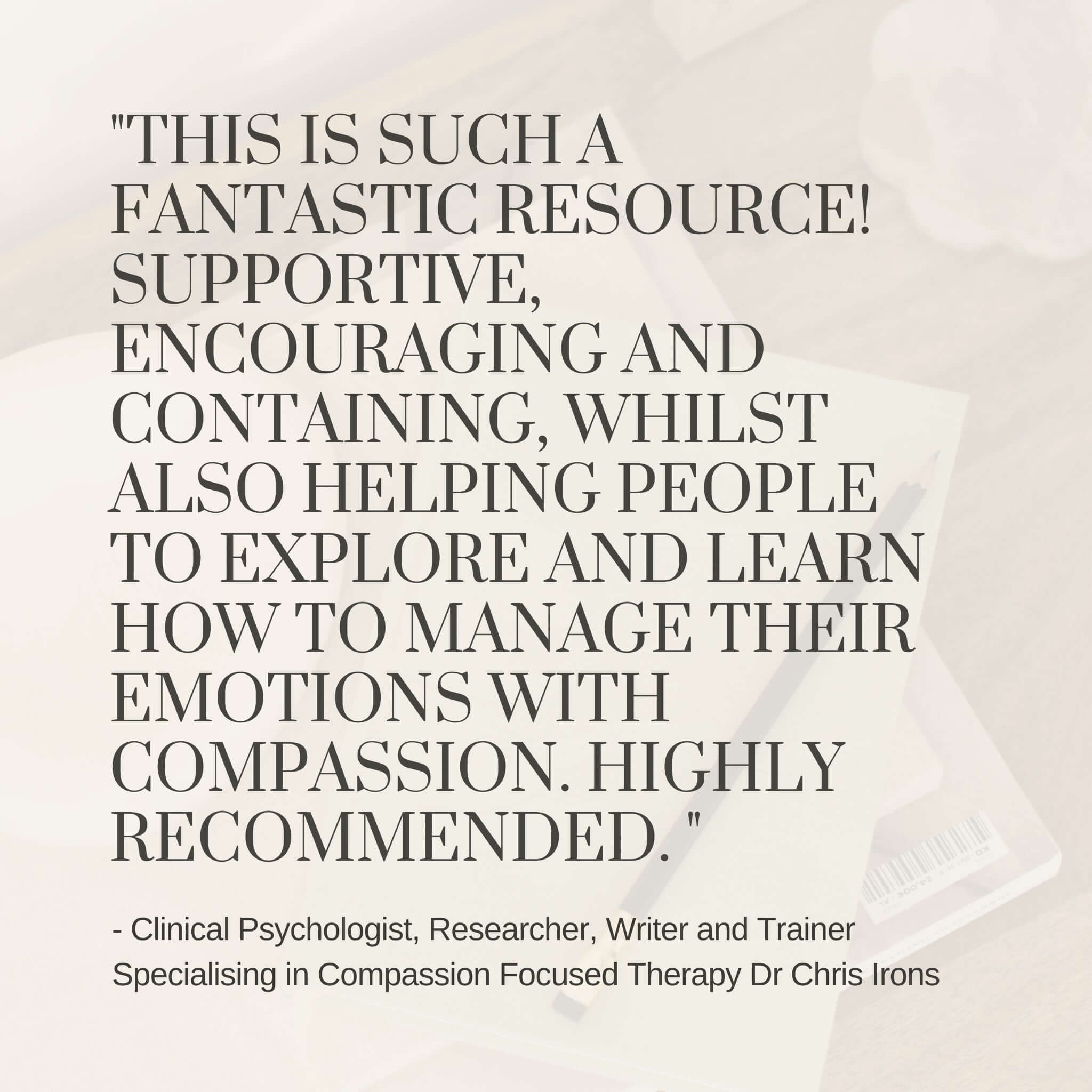
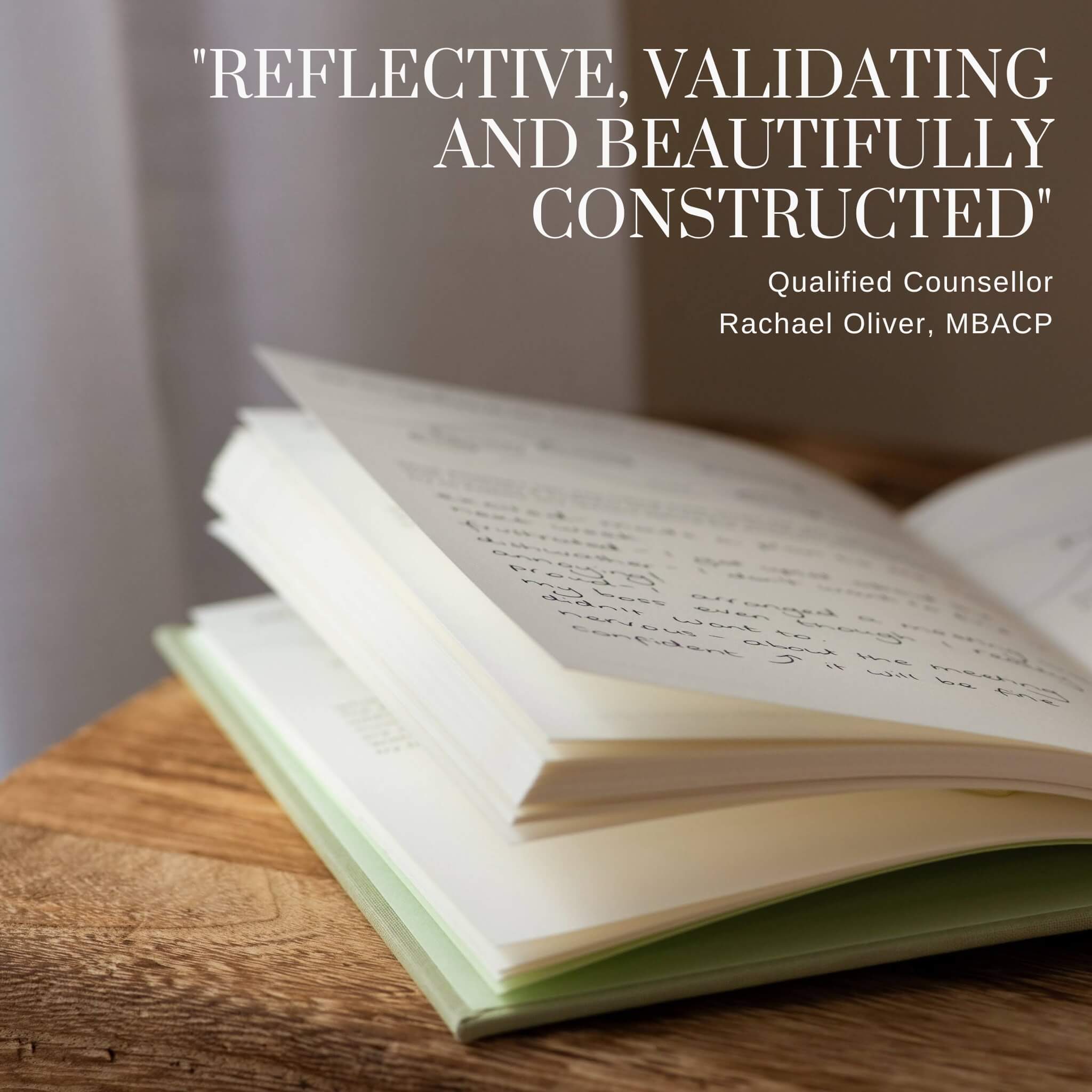
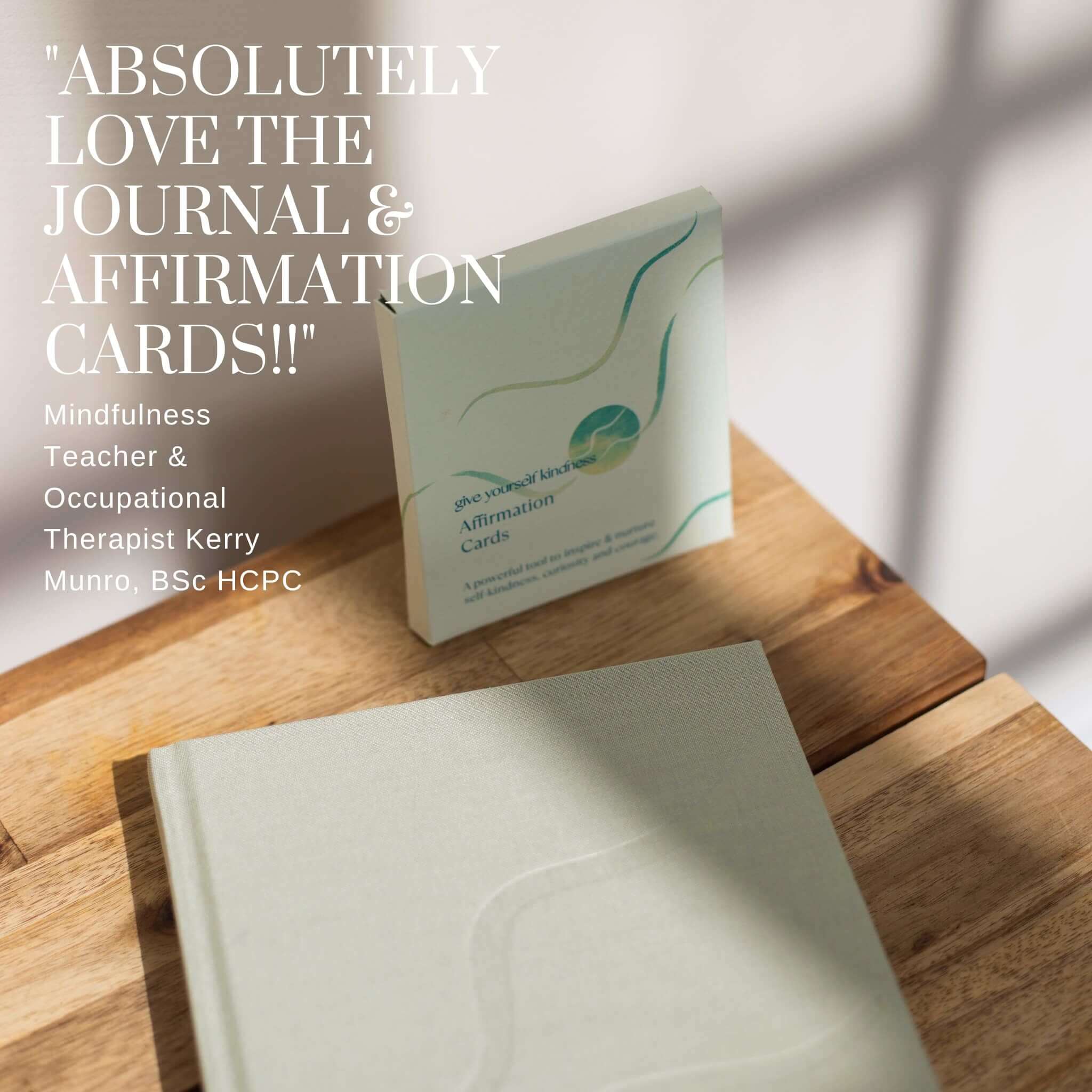
Reviewed by Chris Germer of Harvard Medical School, Professor Willem Kuyken of Oxford and Dr Chris Irons, and used by therapists with their own clients.
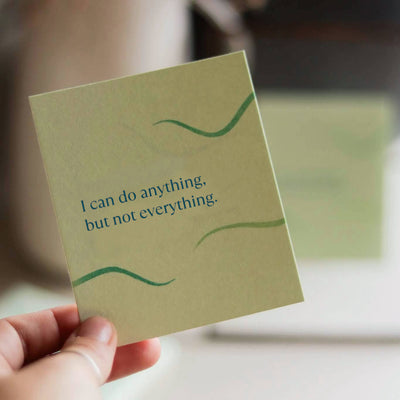
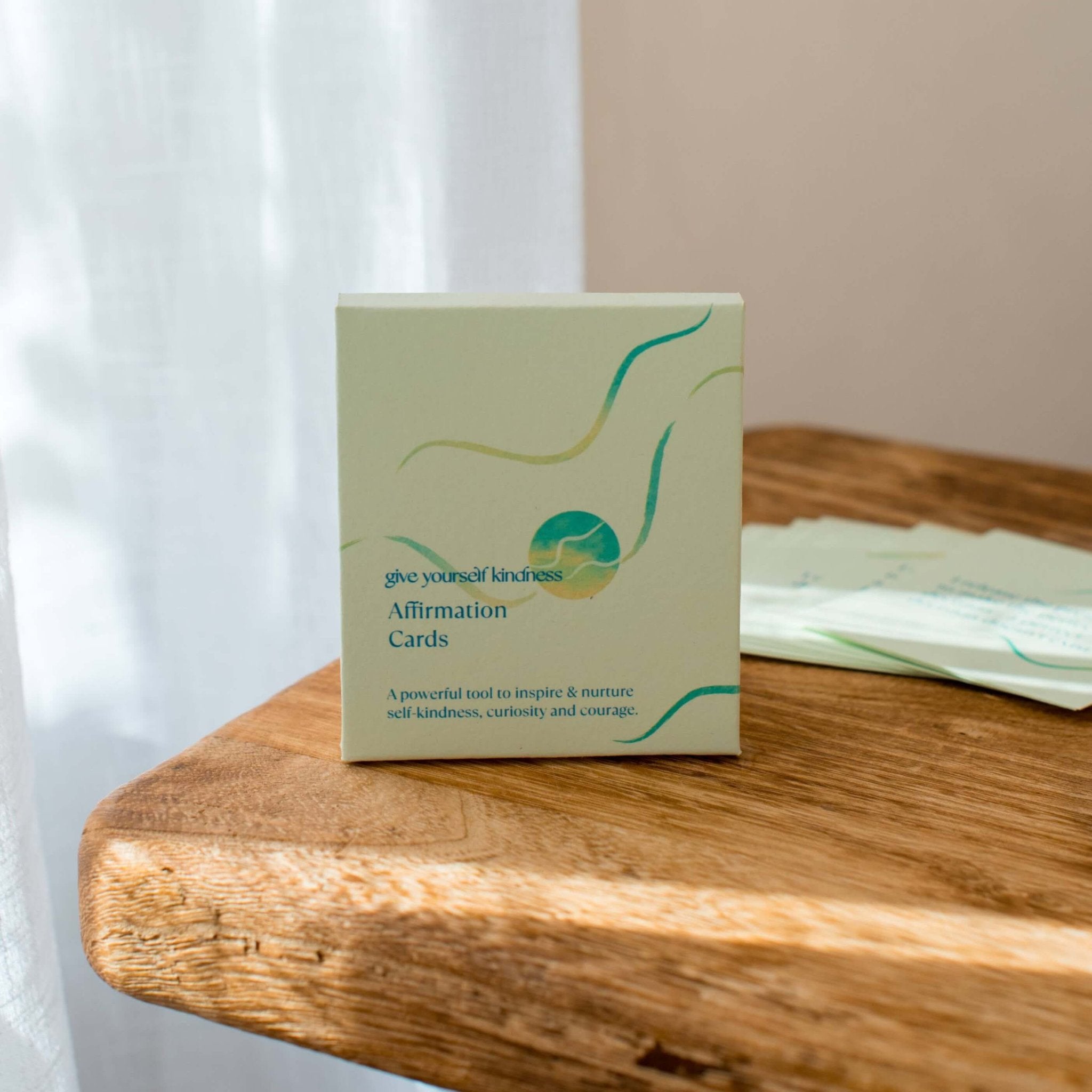
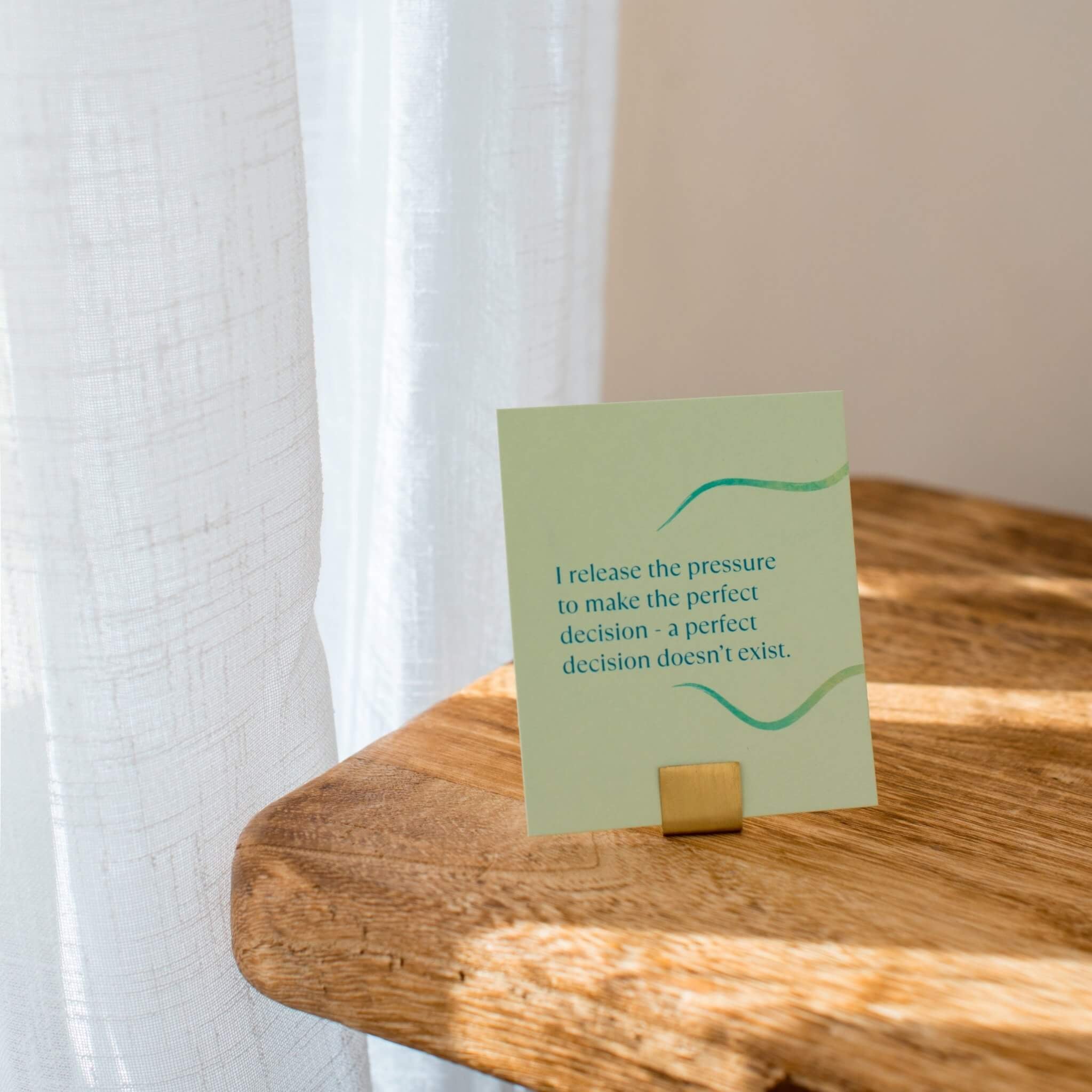
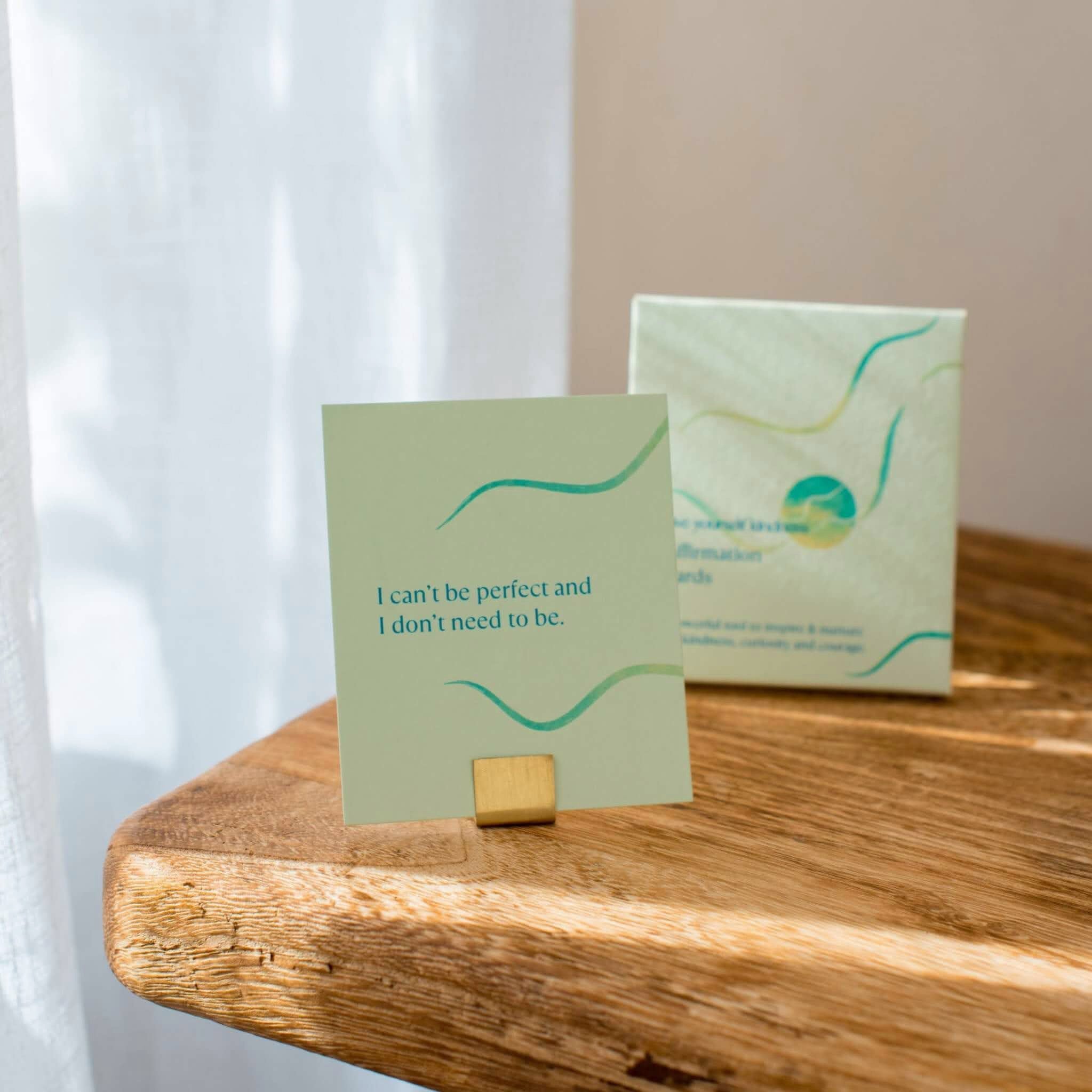
The Affirmation Cards — from £13.95
For somewhere they'll catch sight of it without looking
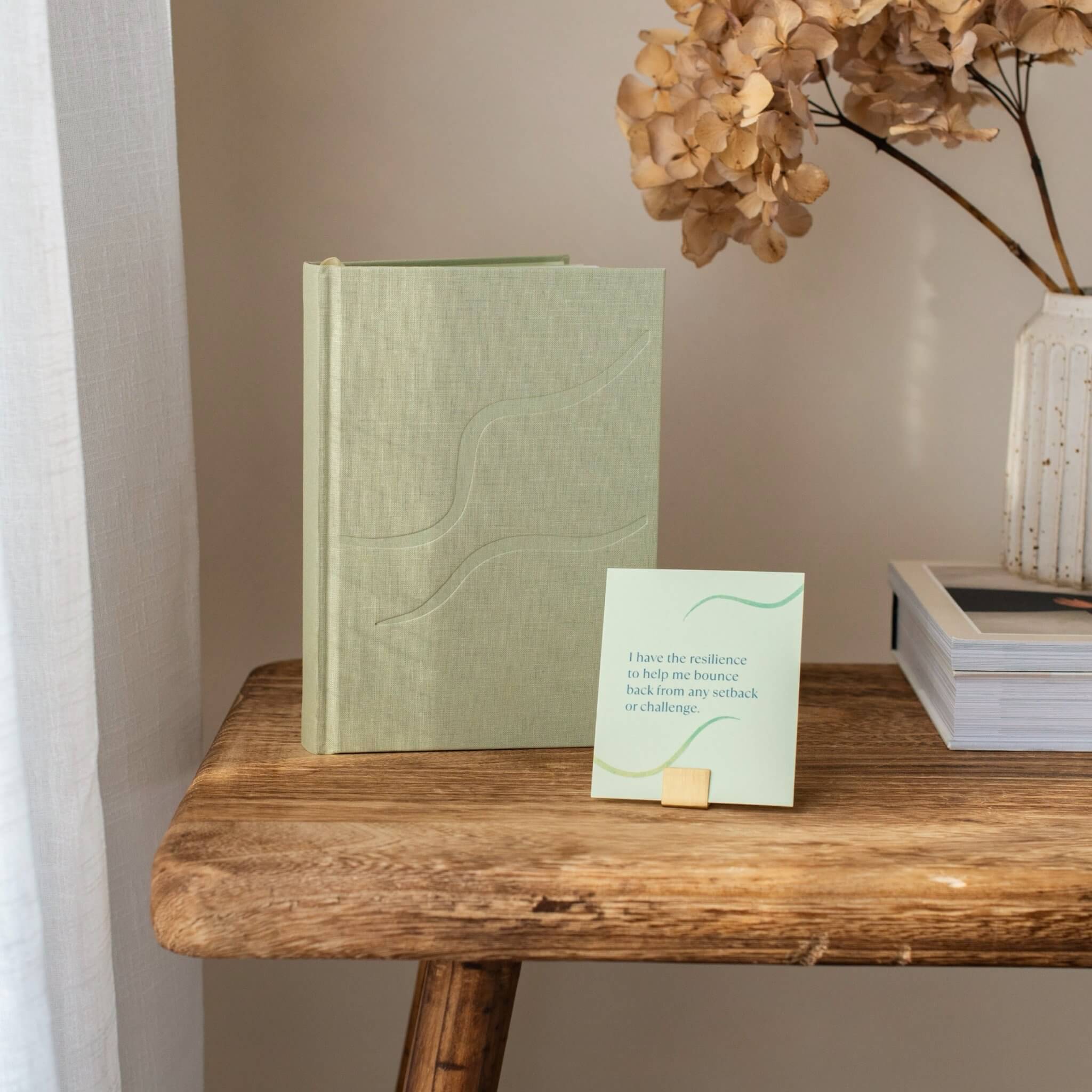
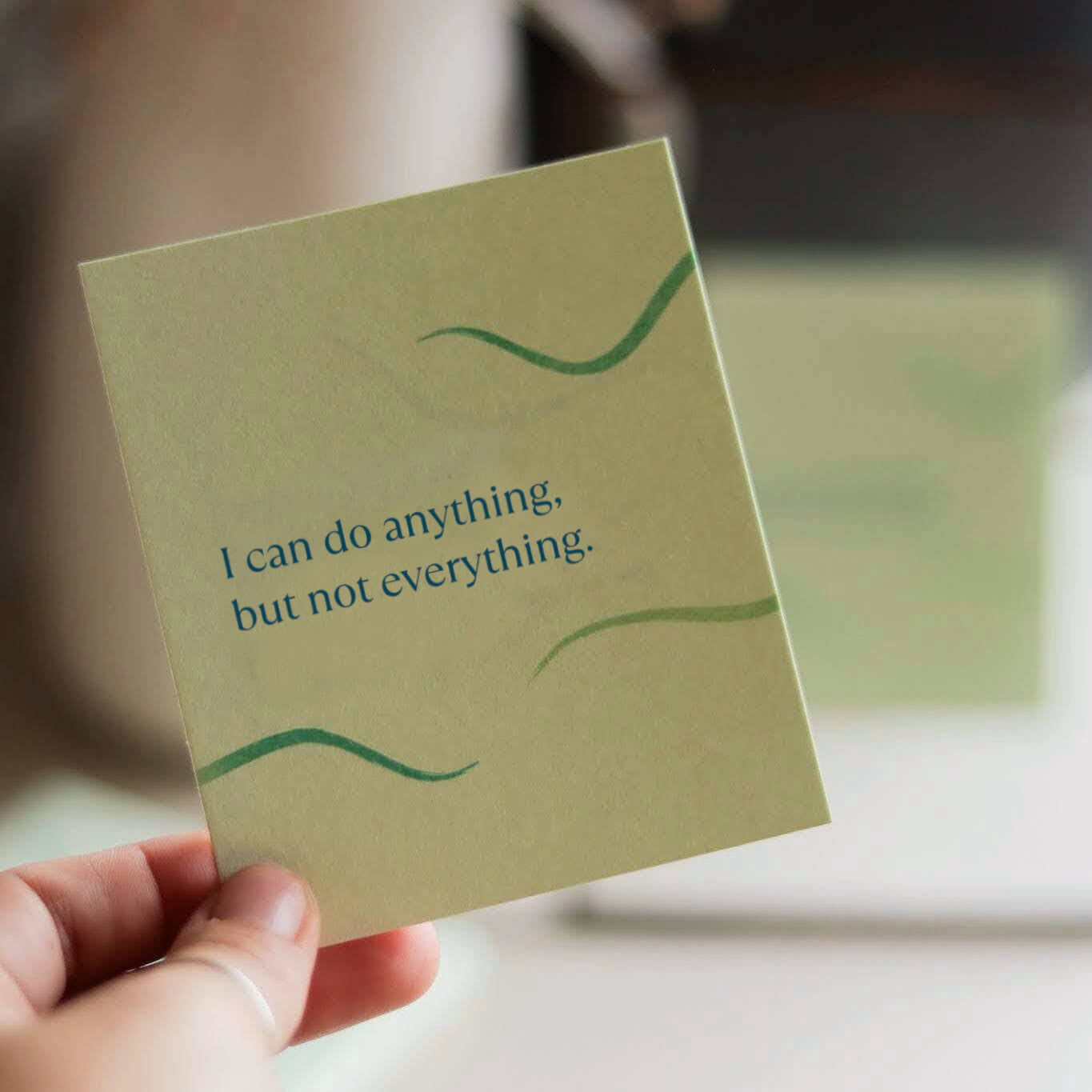
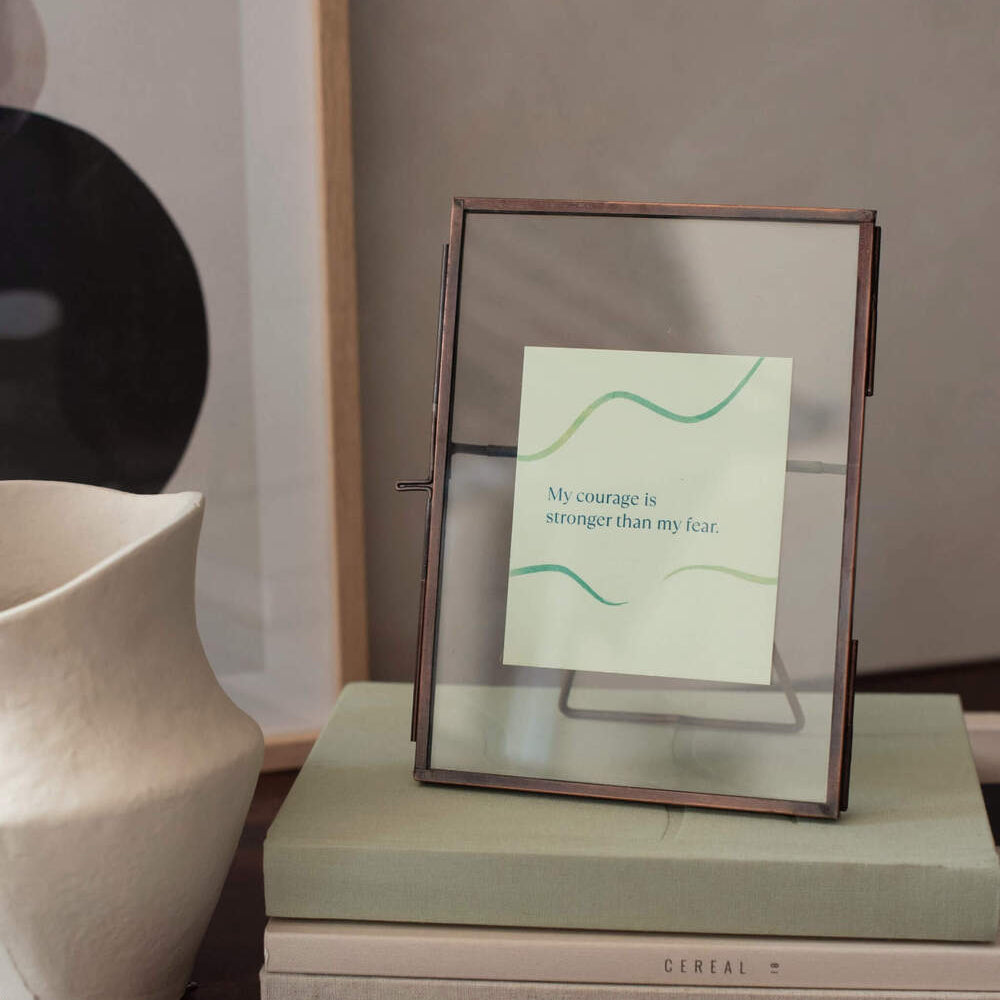
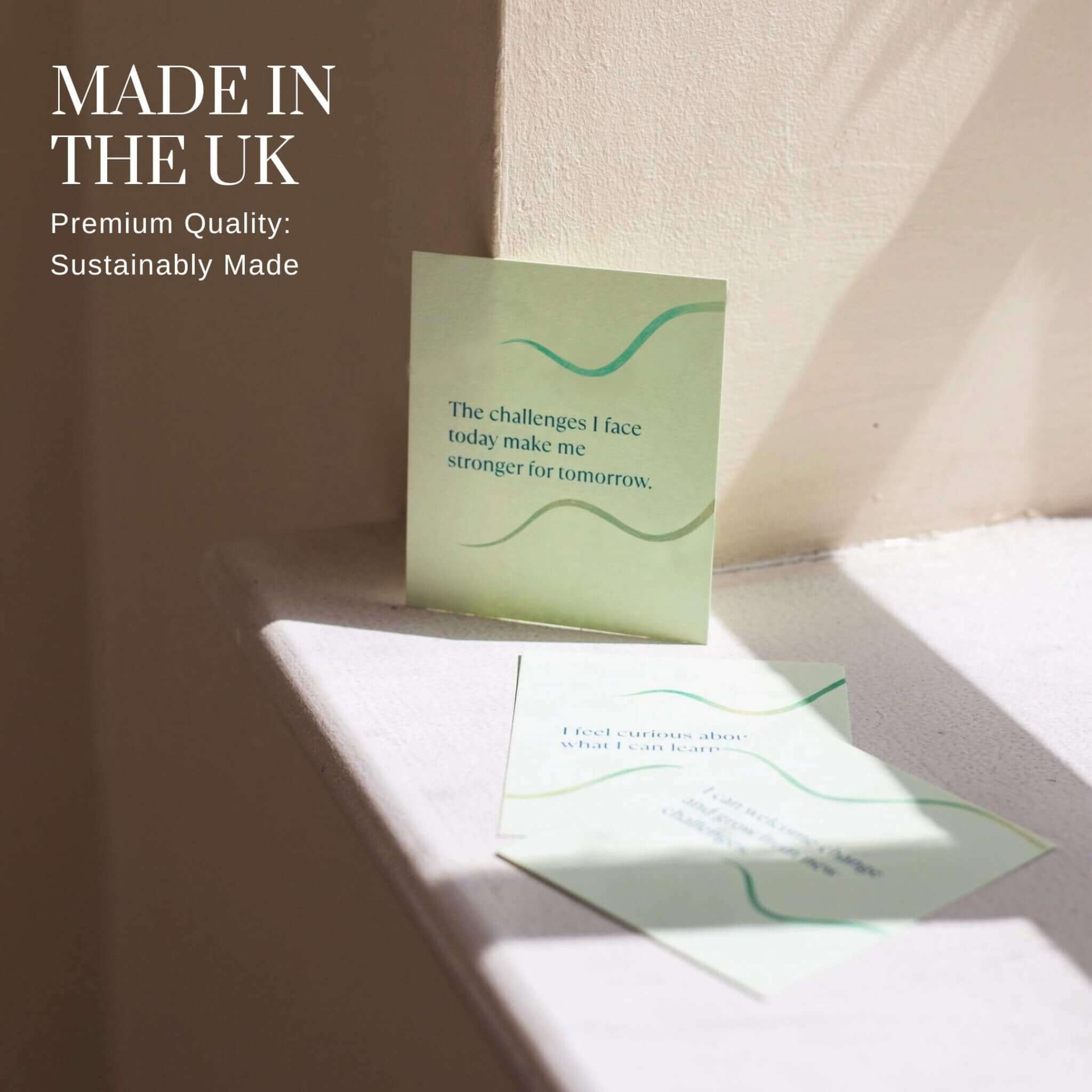
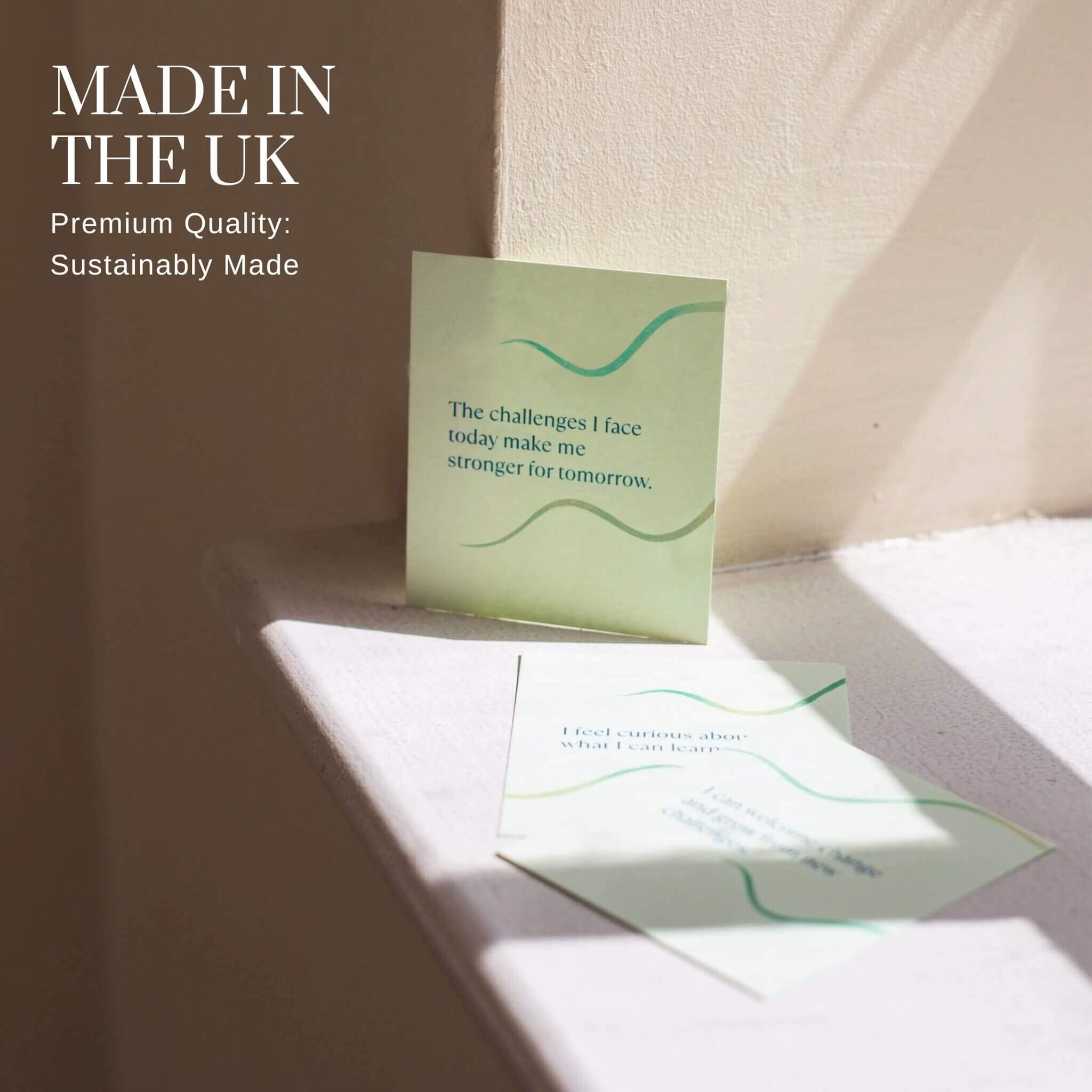
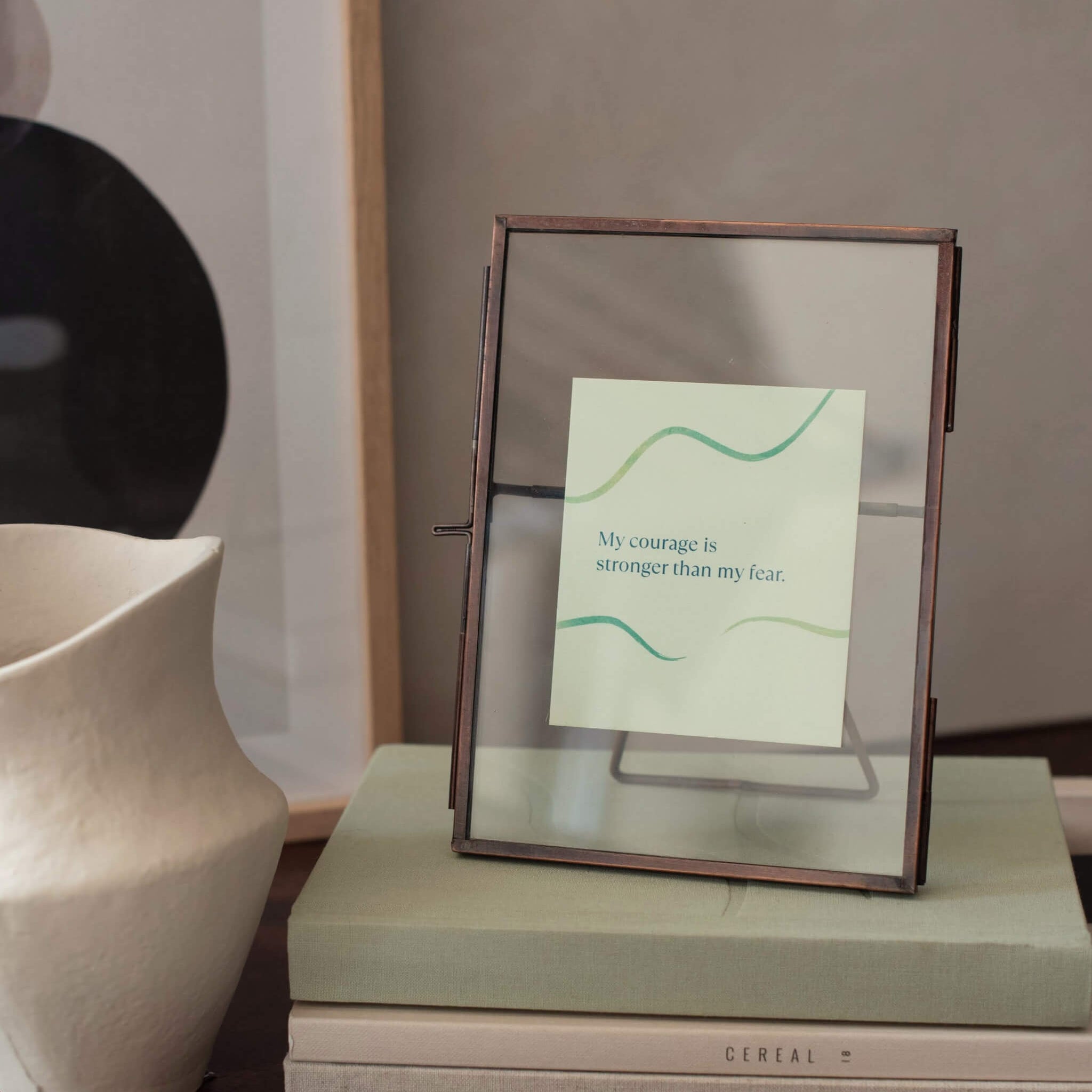
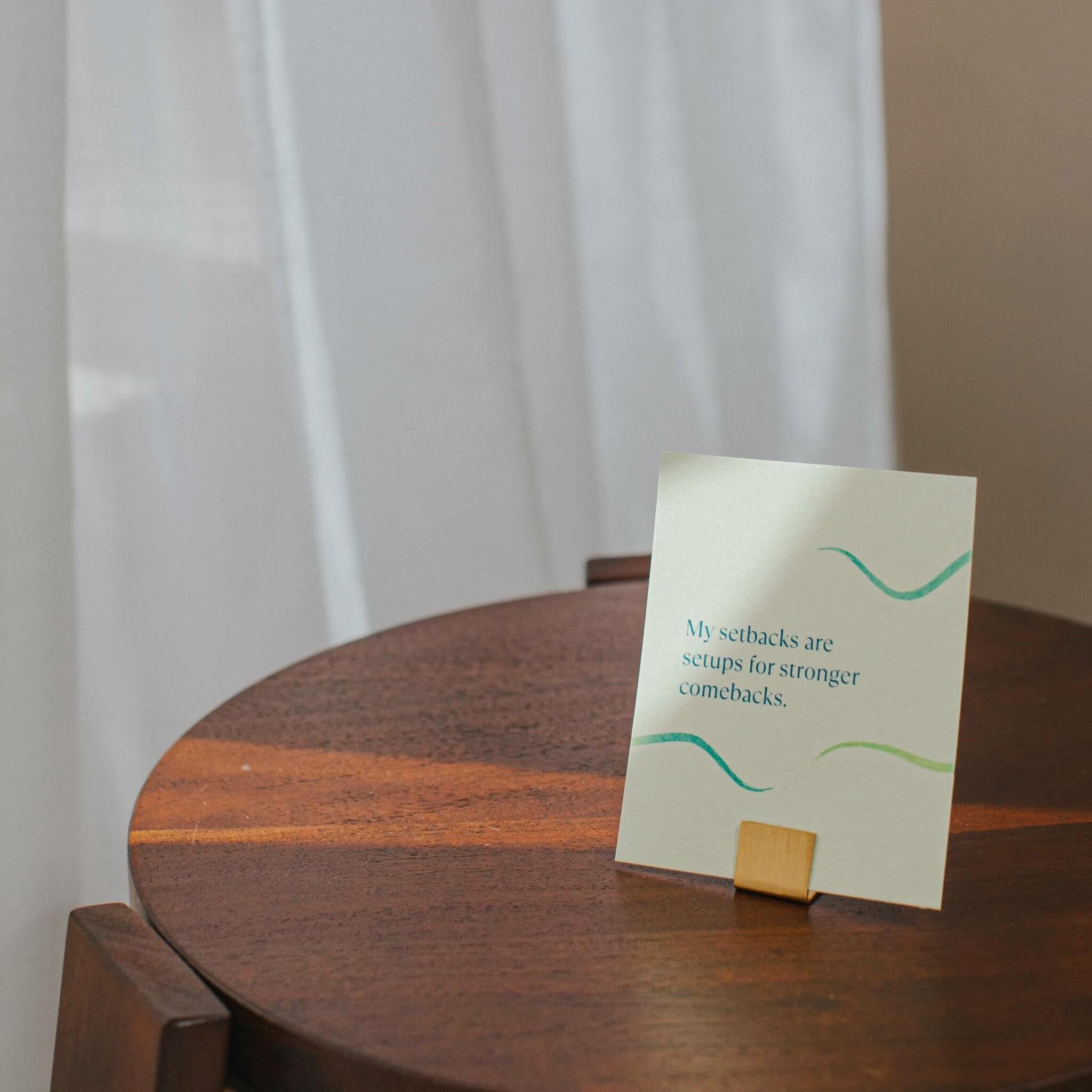
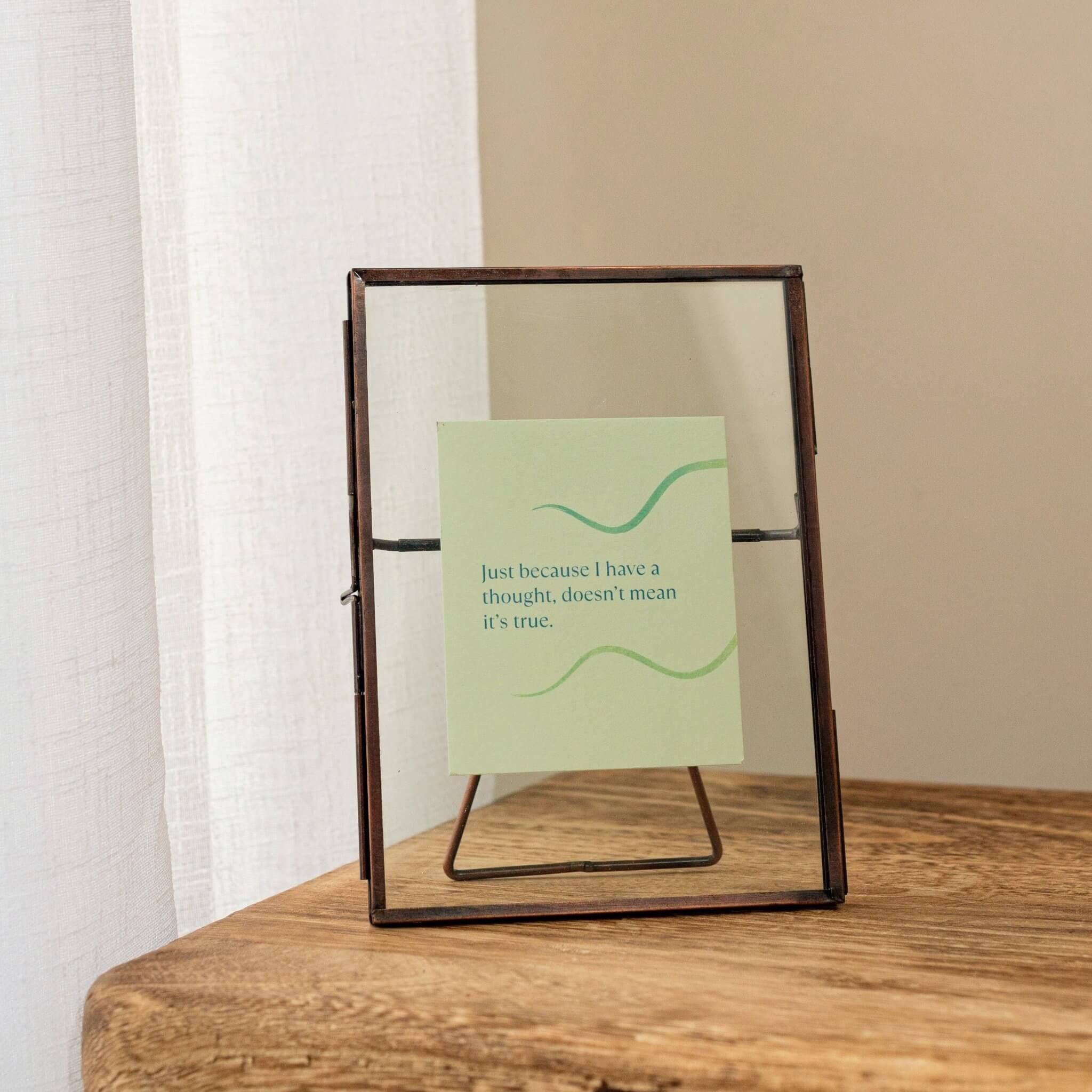
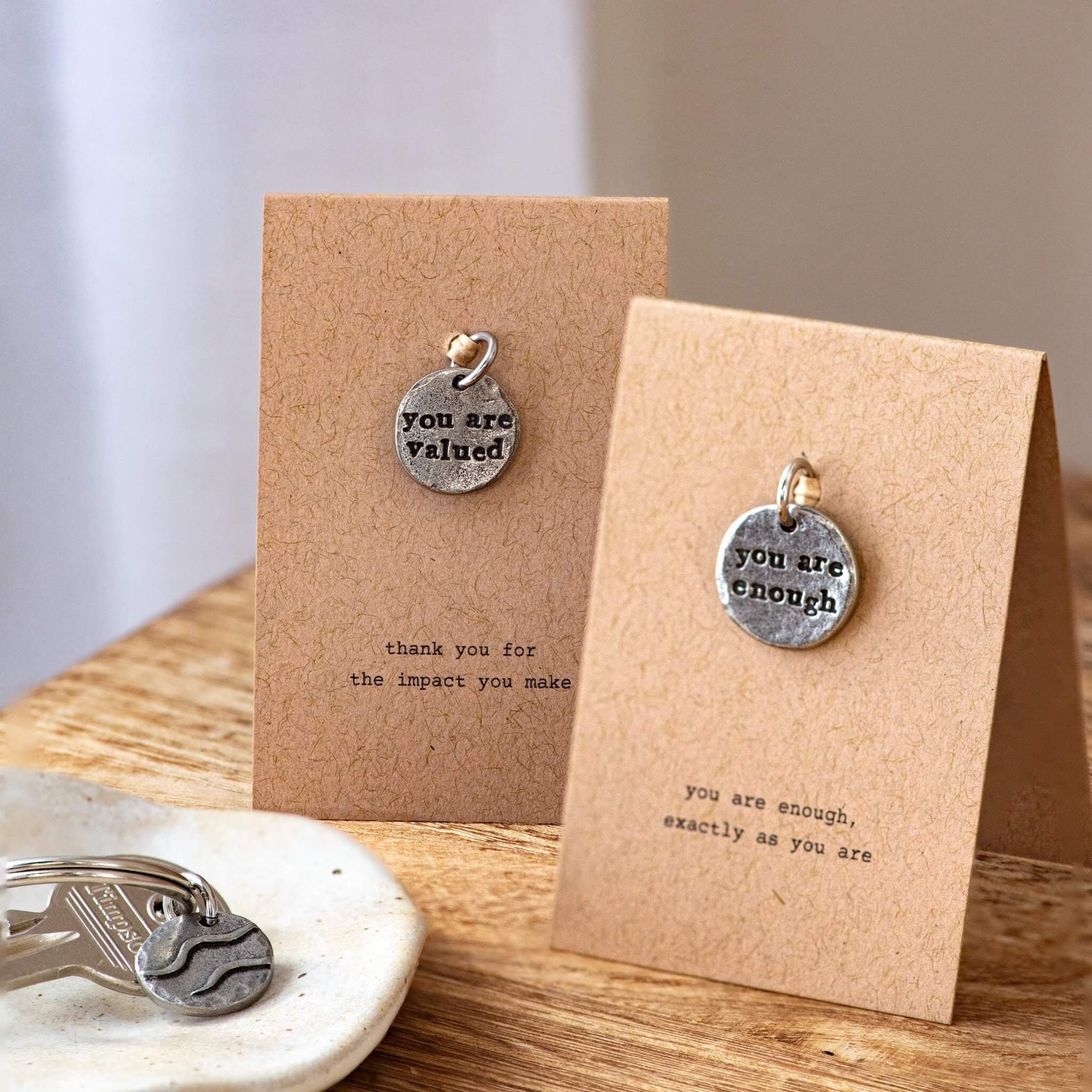
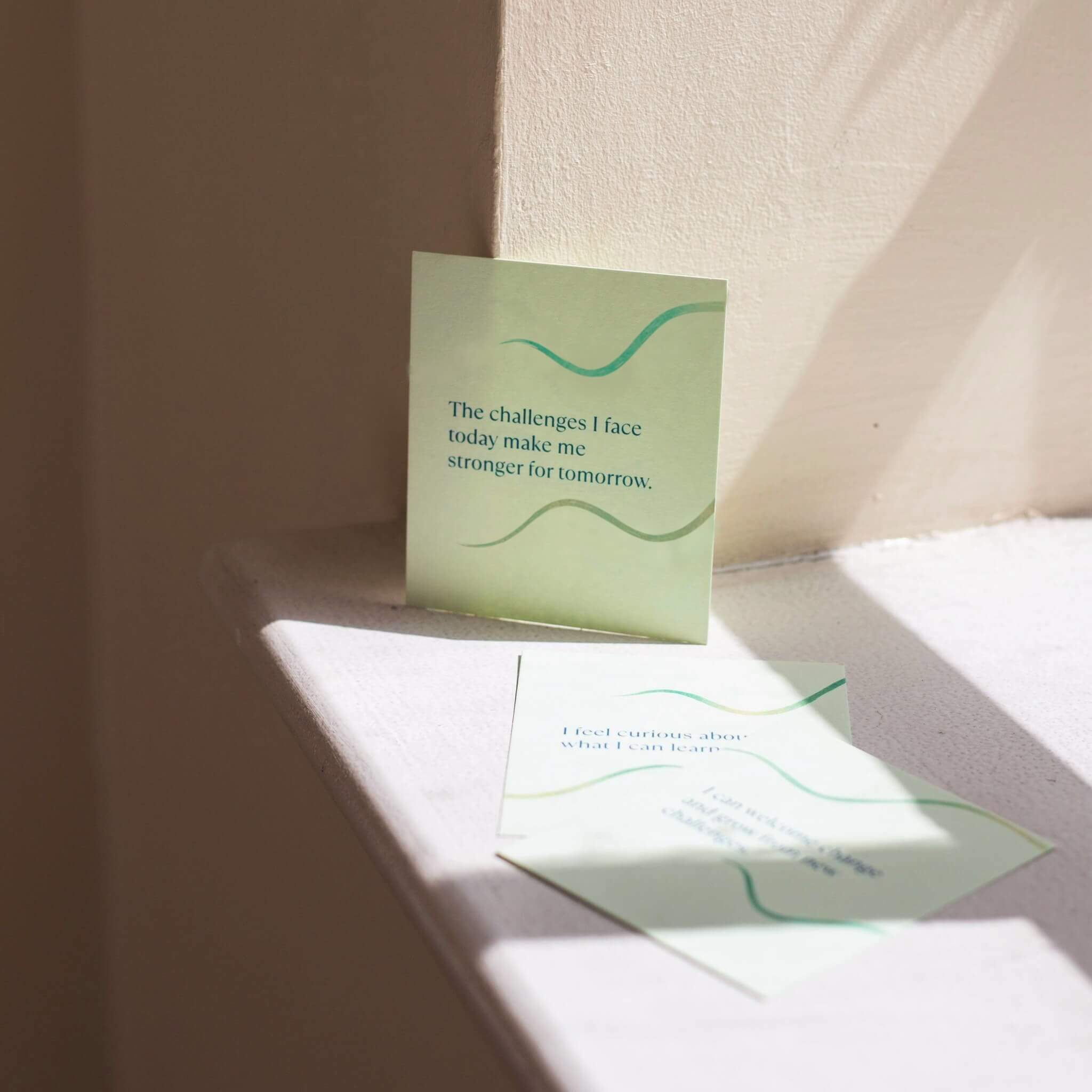
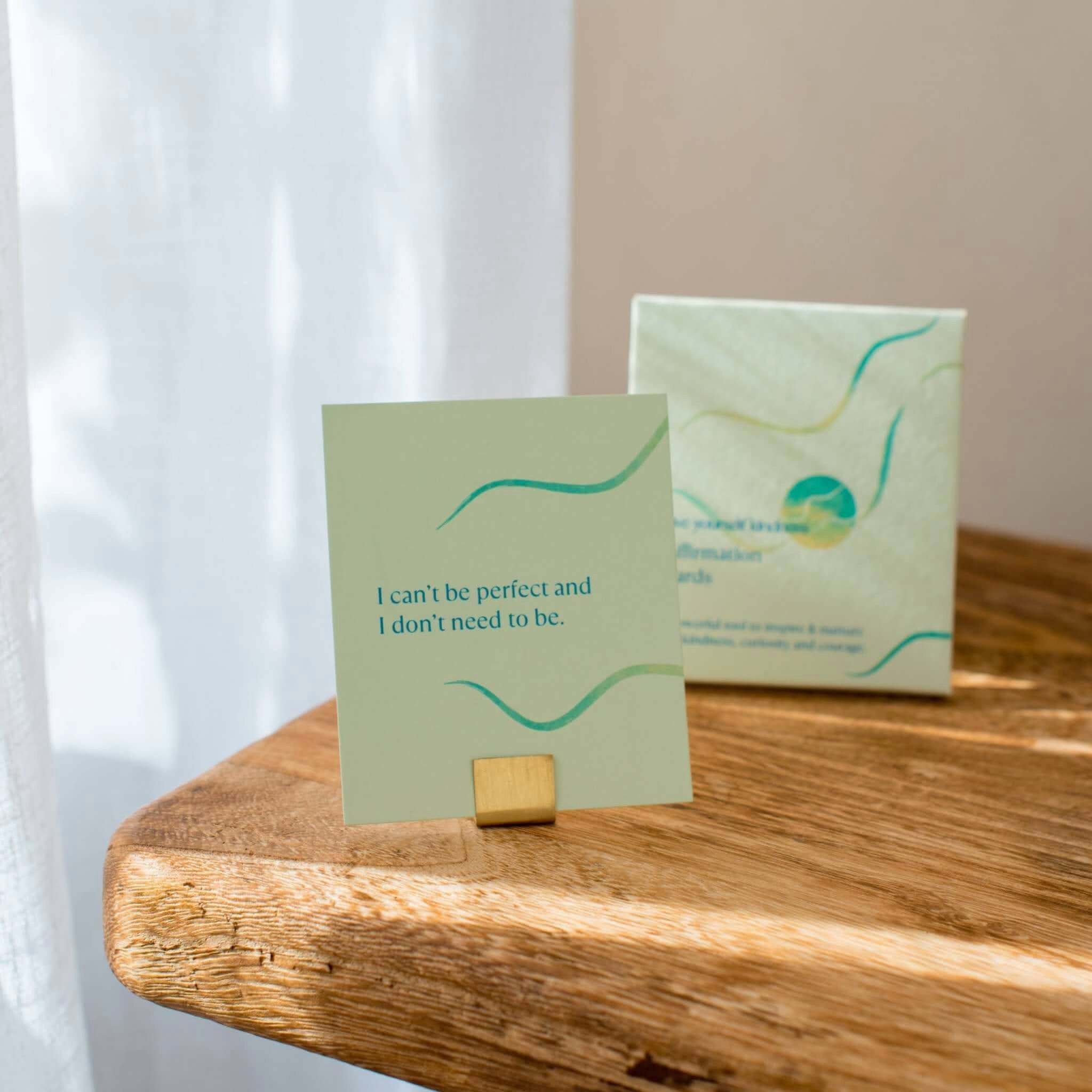
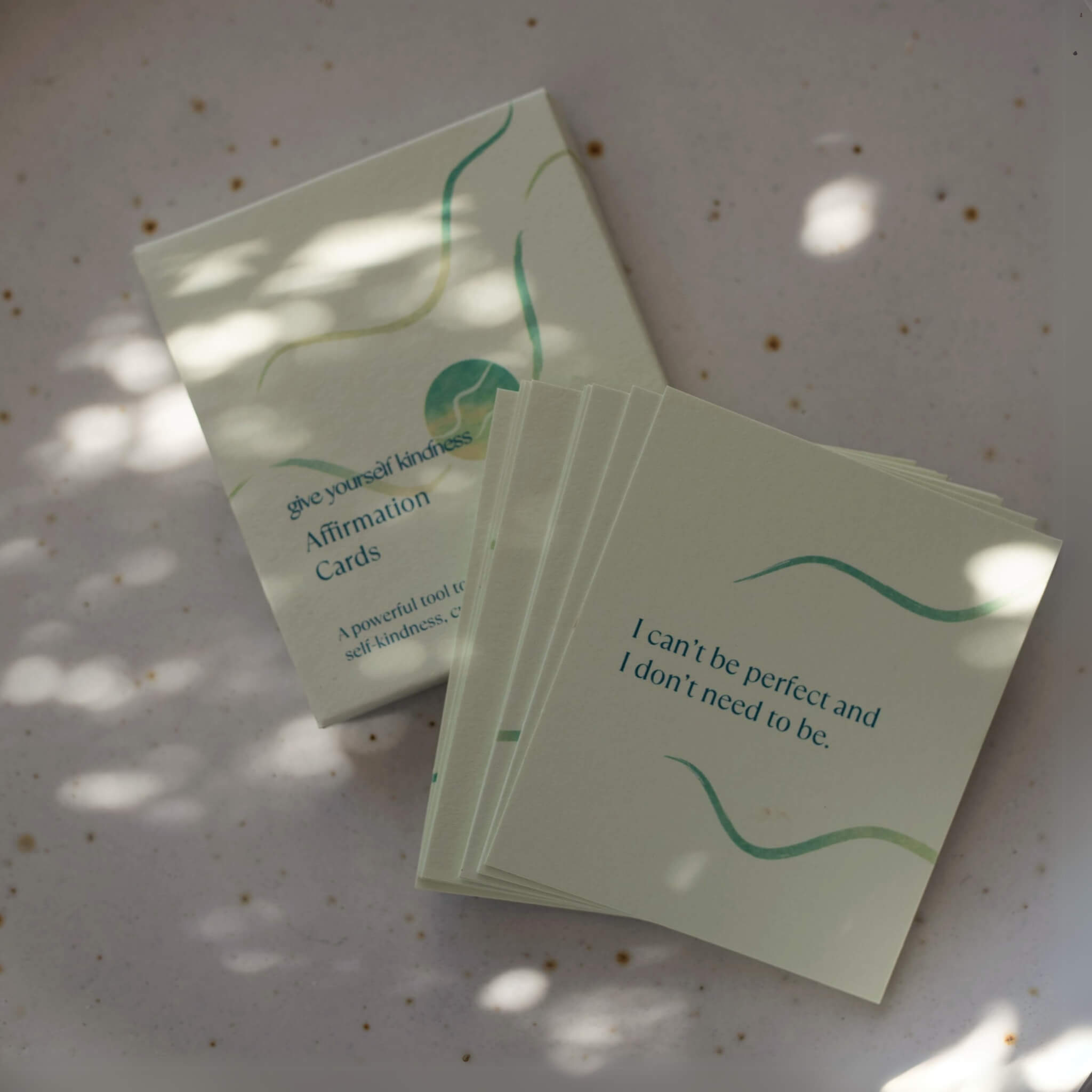
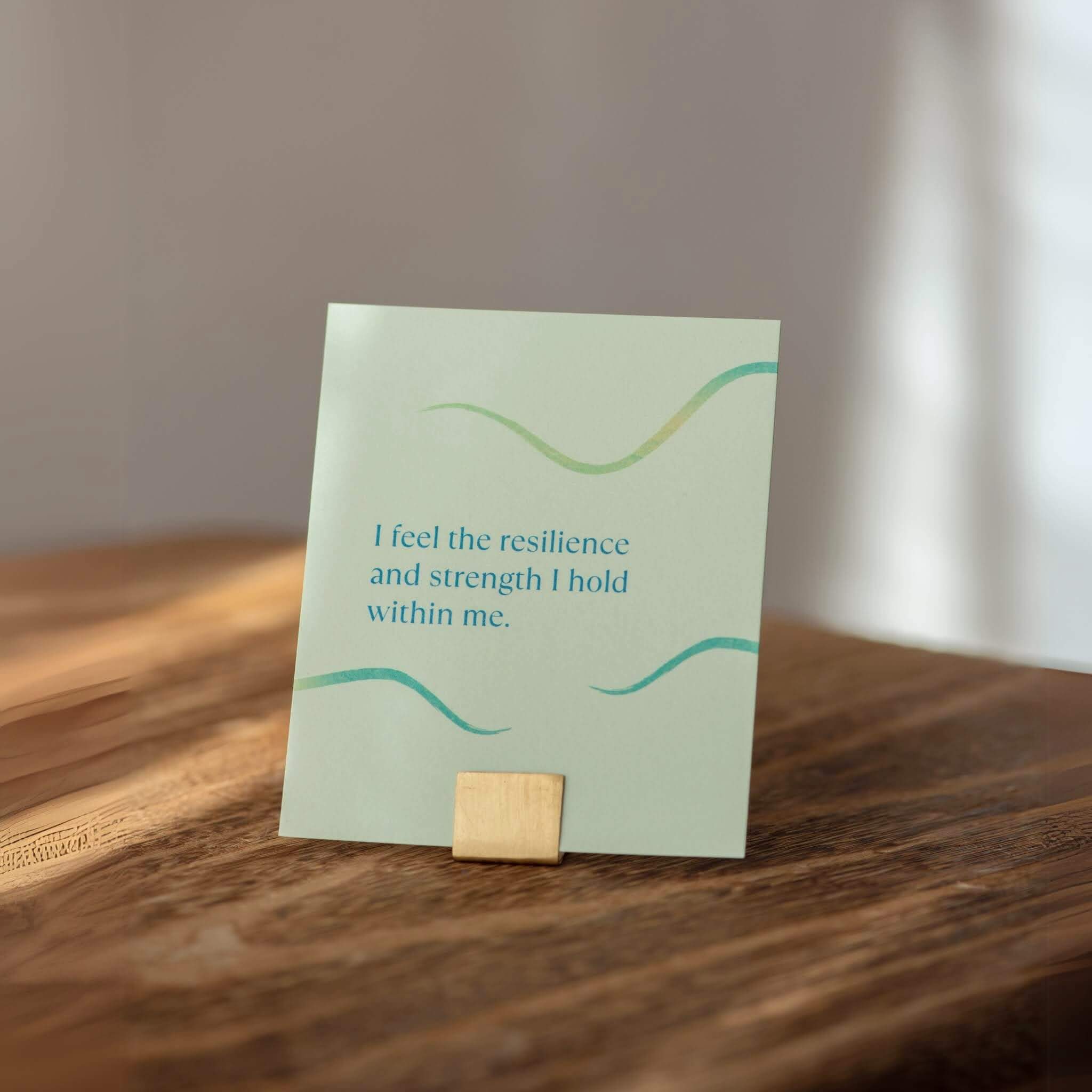
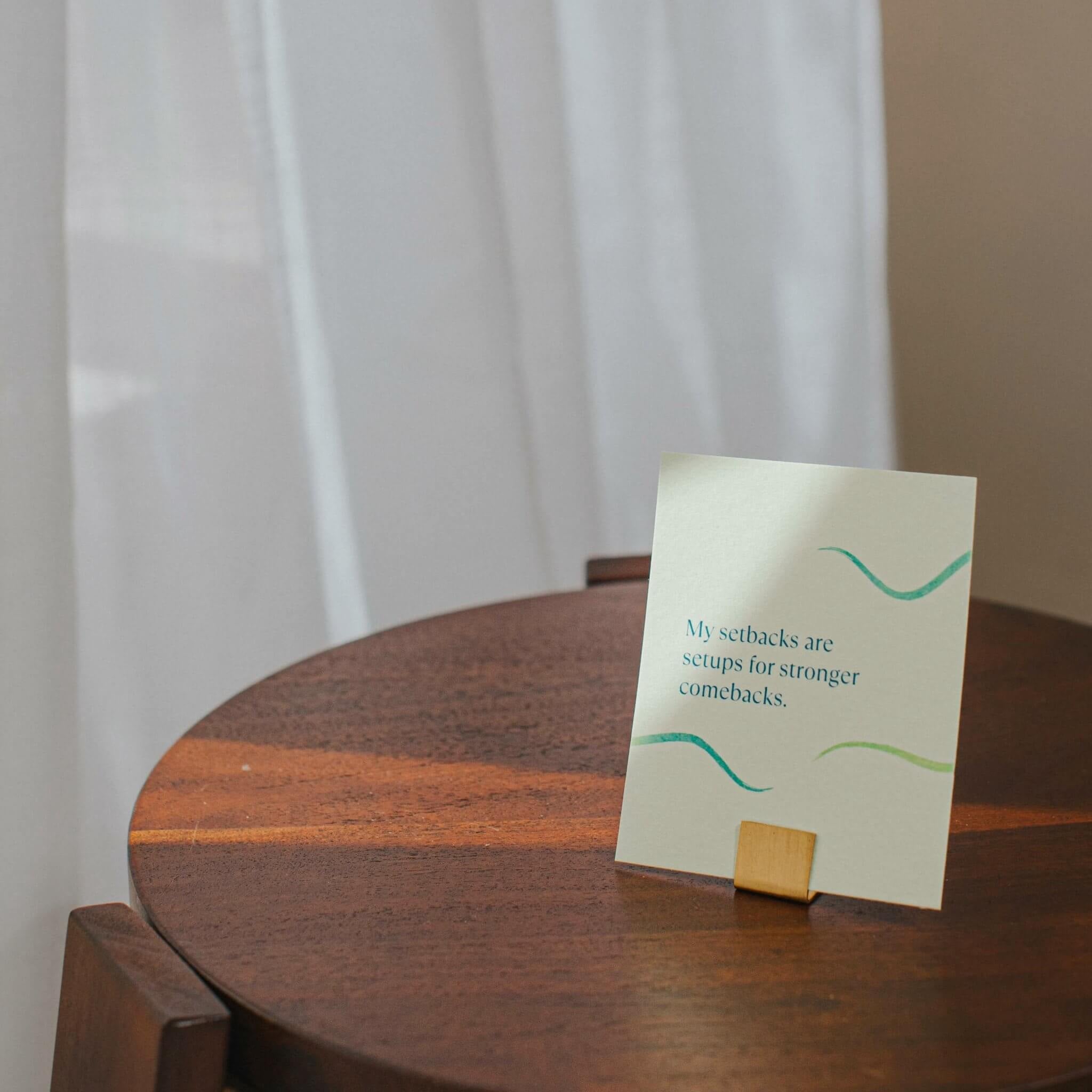
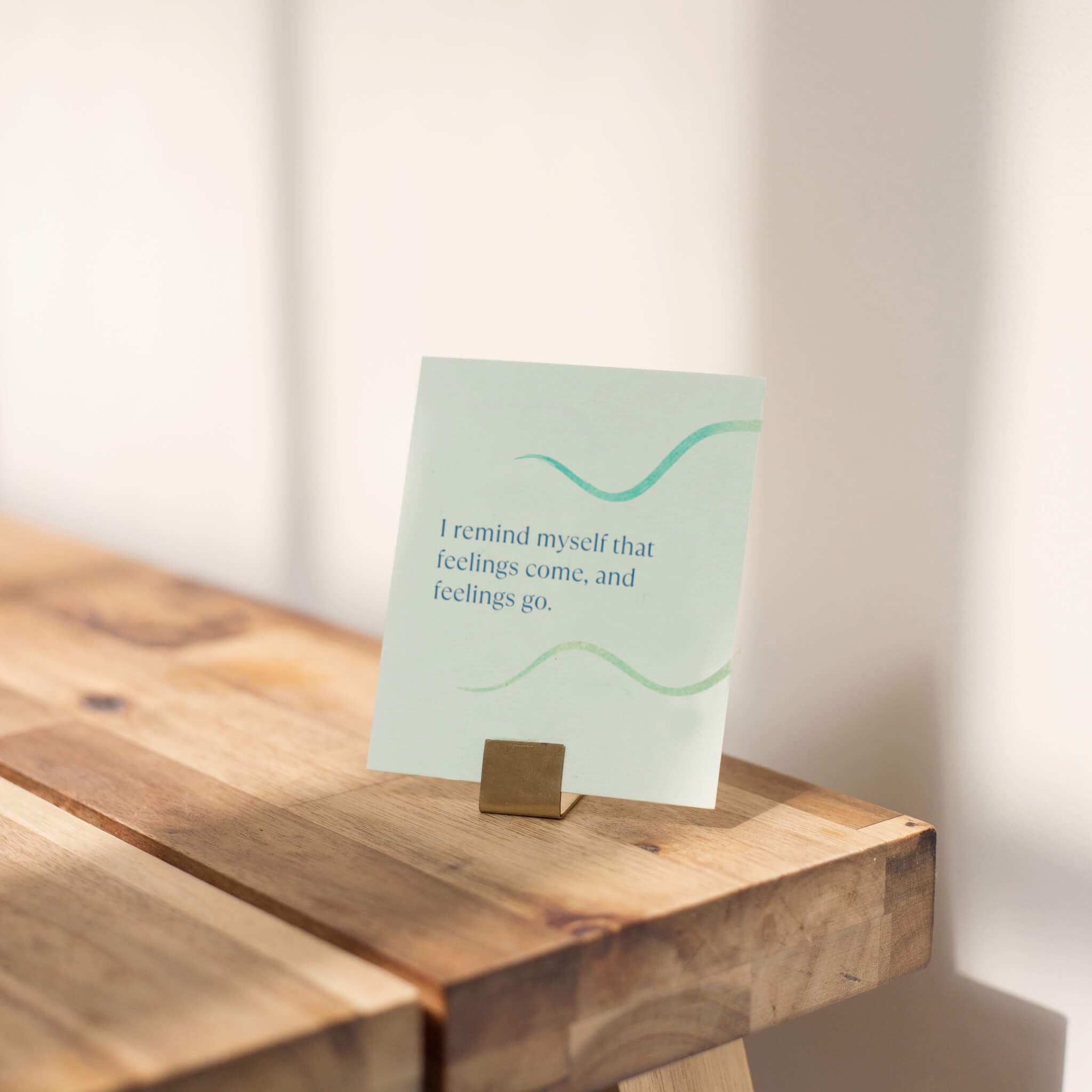
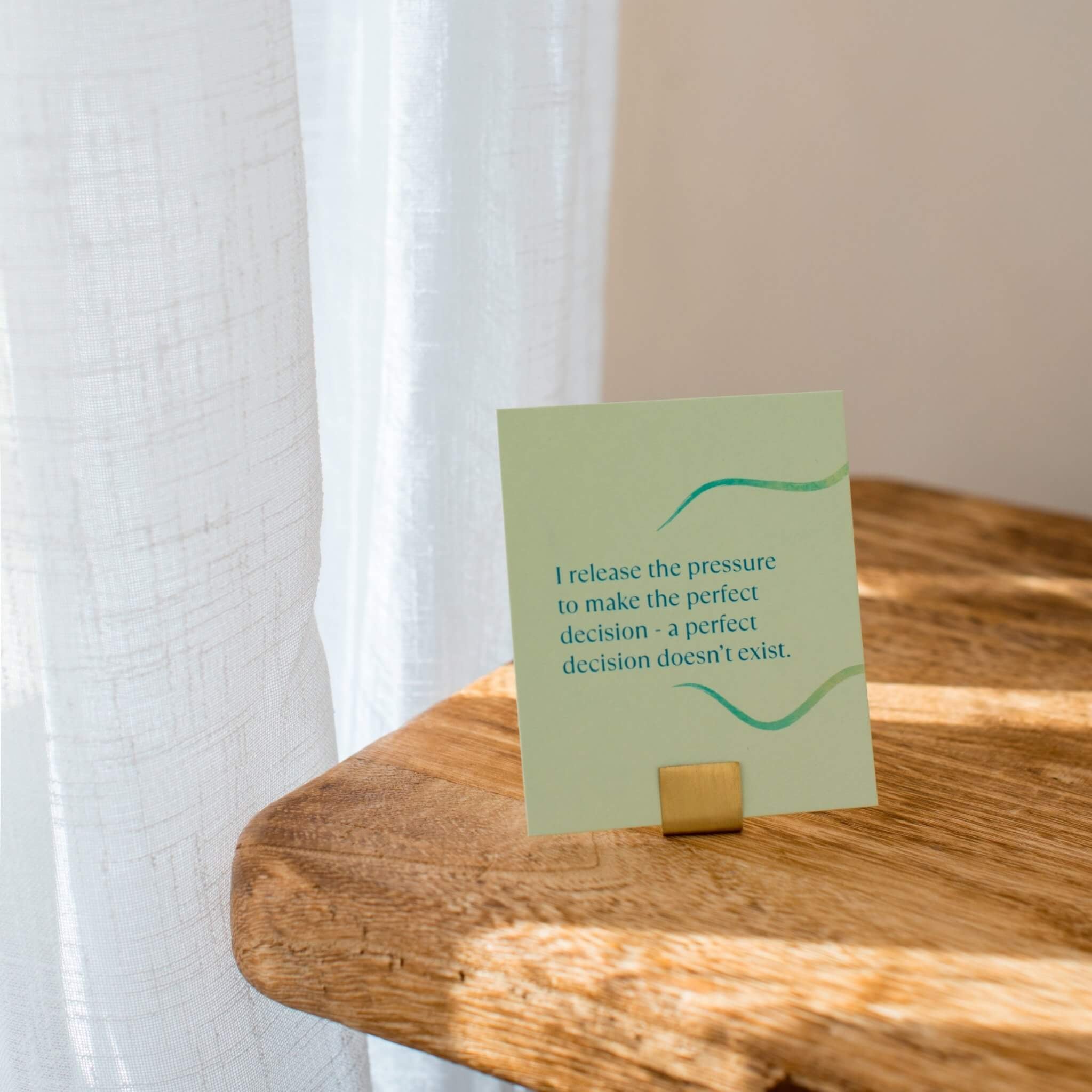
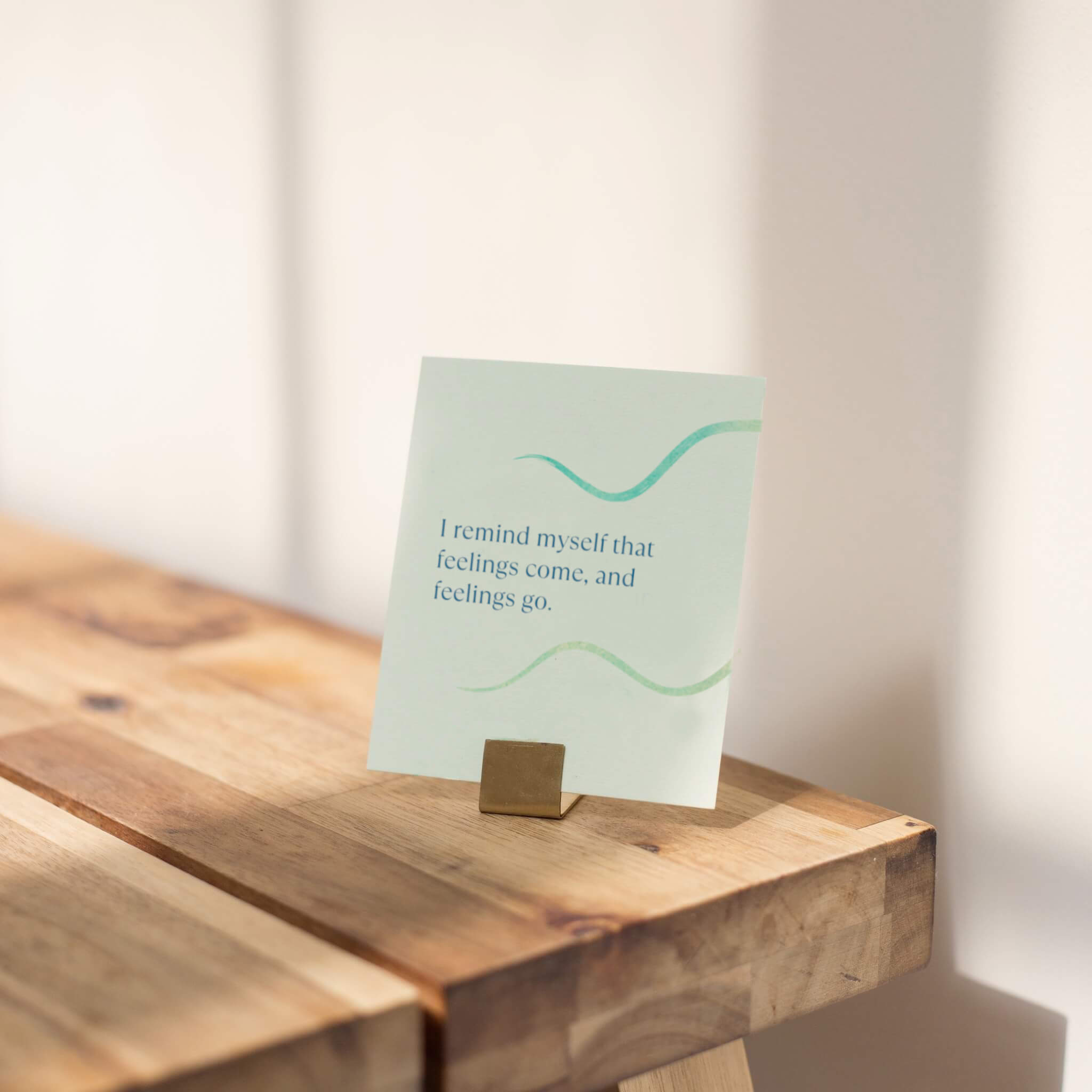
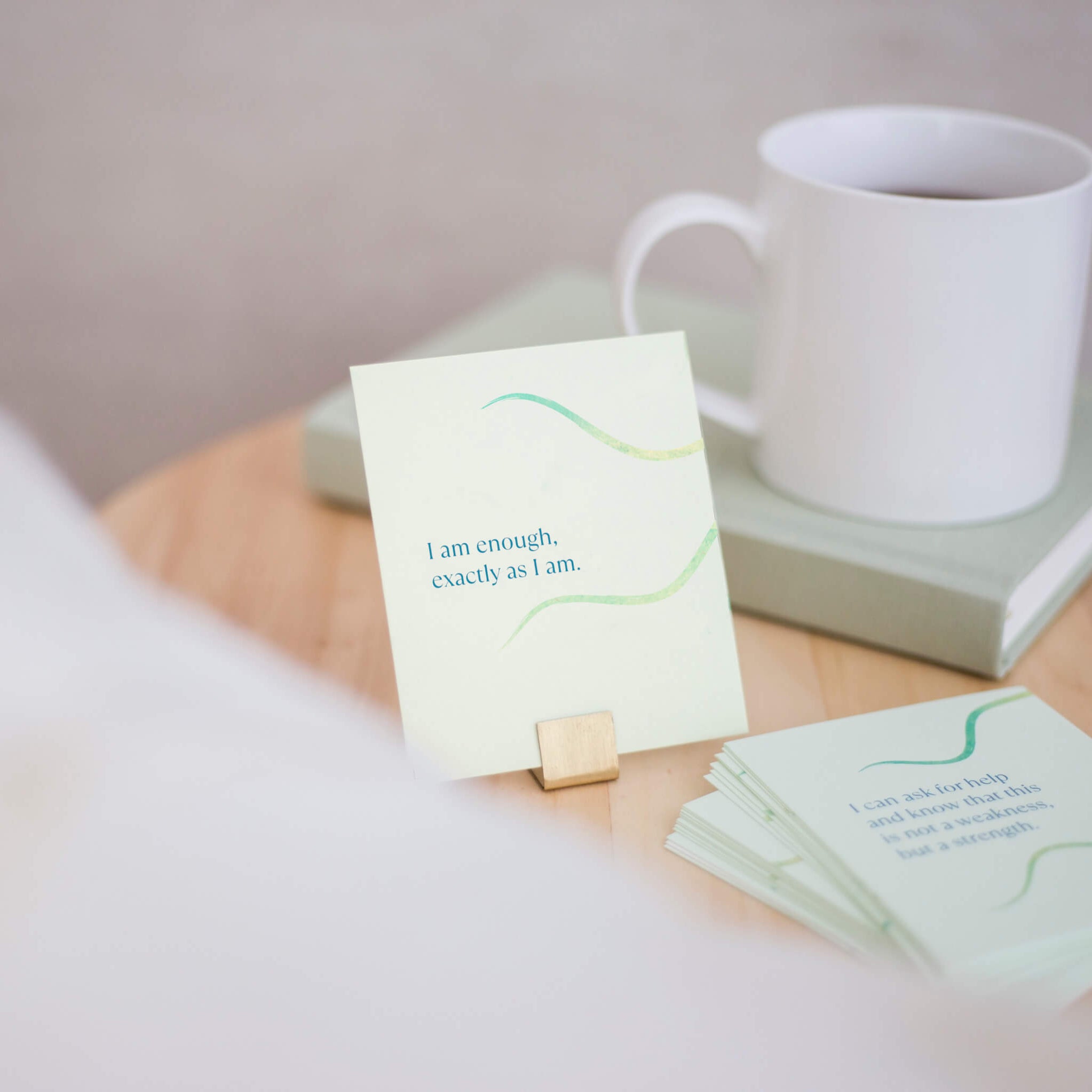
Two in the afternoon, something has gone wrong, and the card standing on their desk says "I can't be perfect and I don't need to be." They weren't looking for it. It was simply there when the thought arrived, which is exactly when nobody can think of anything kind to say to themselves.
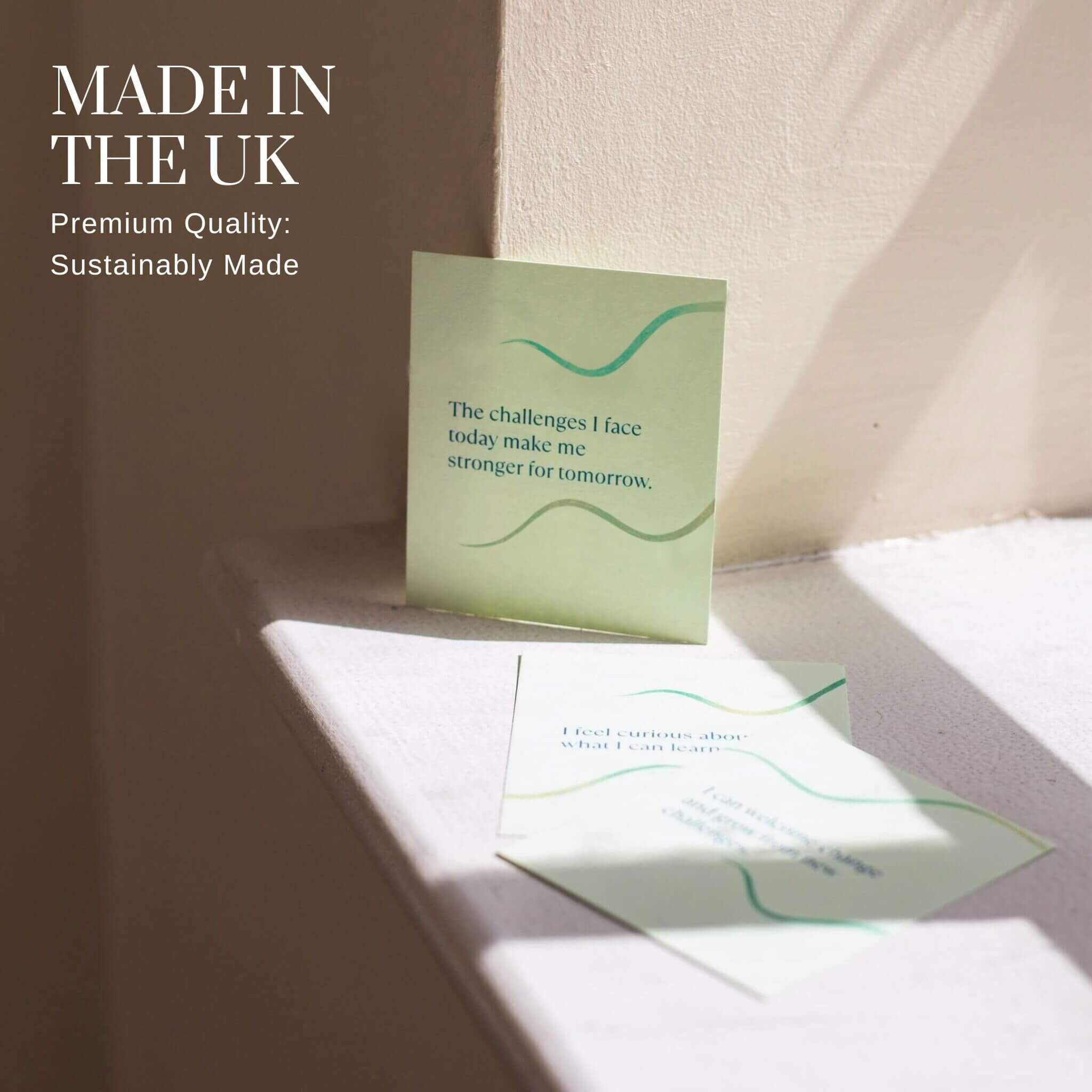
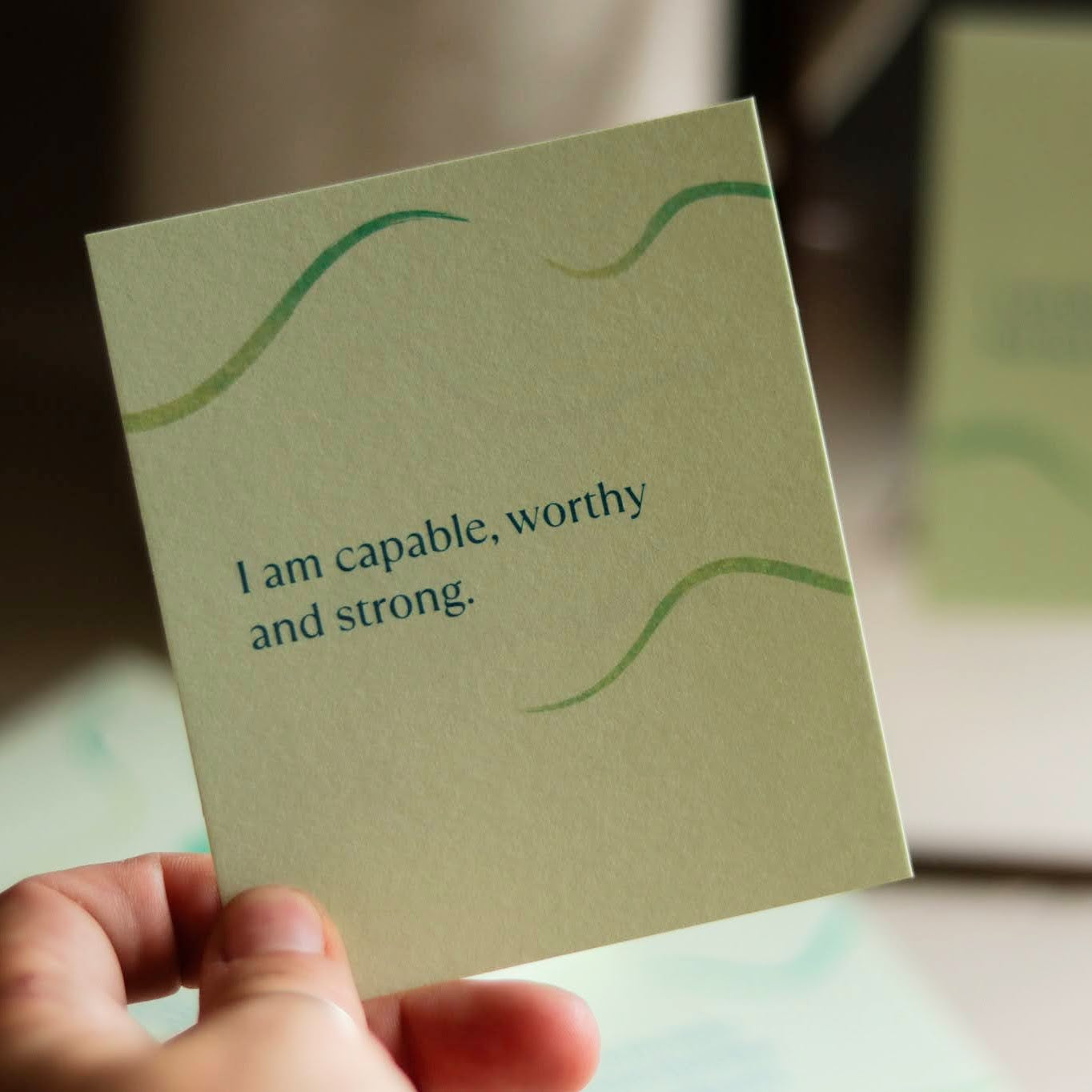
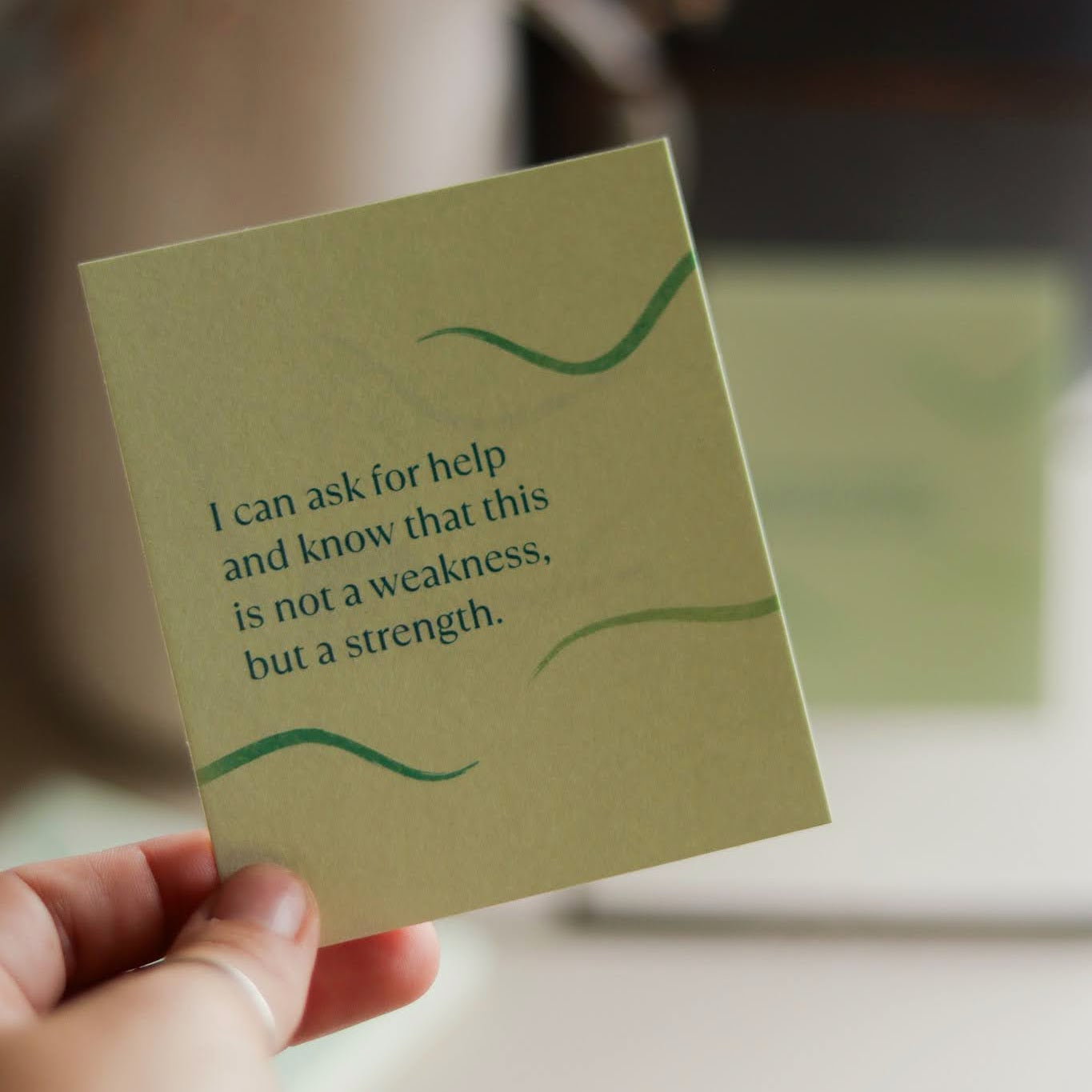
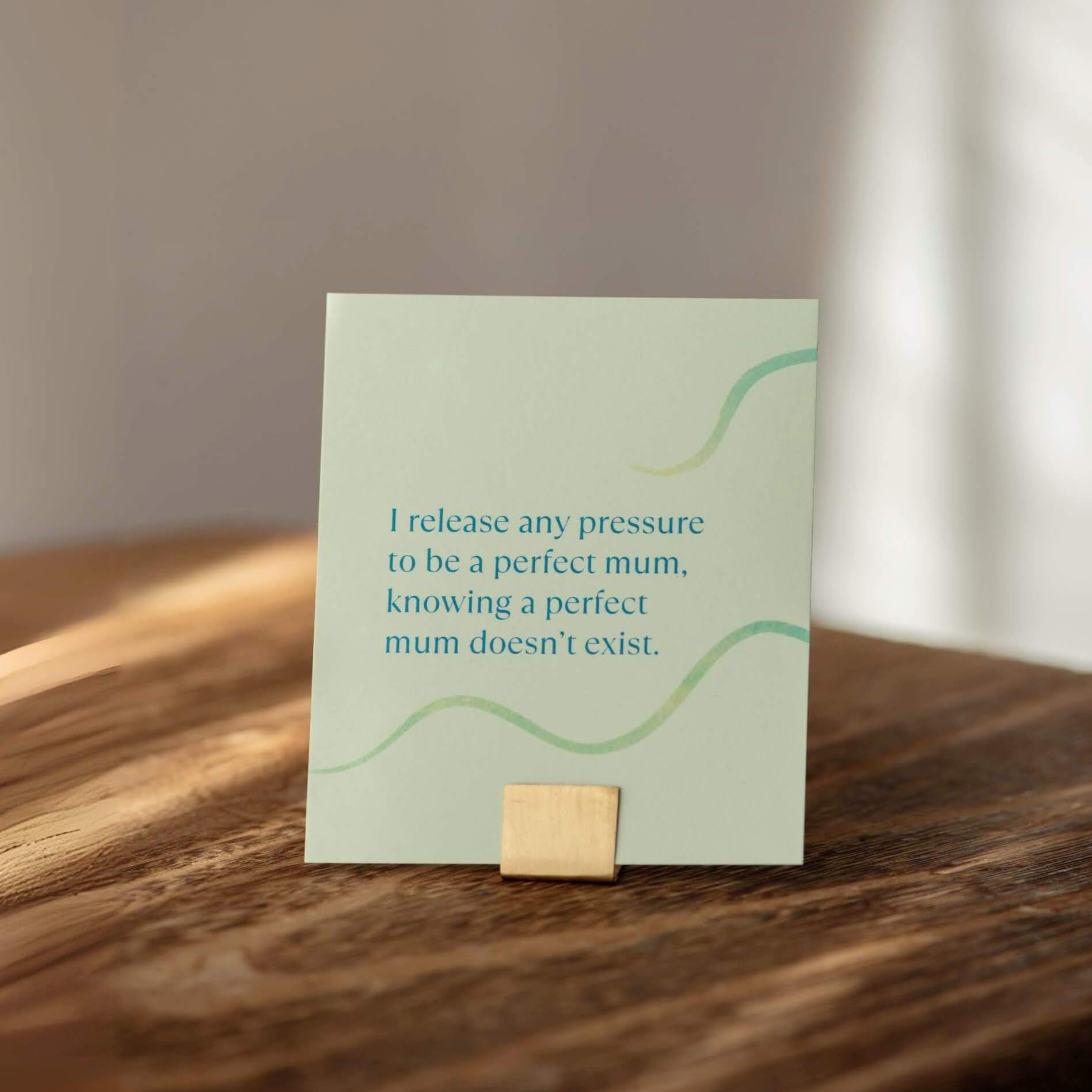
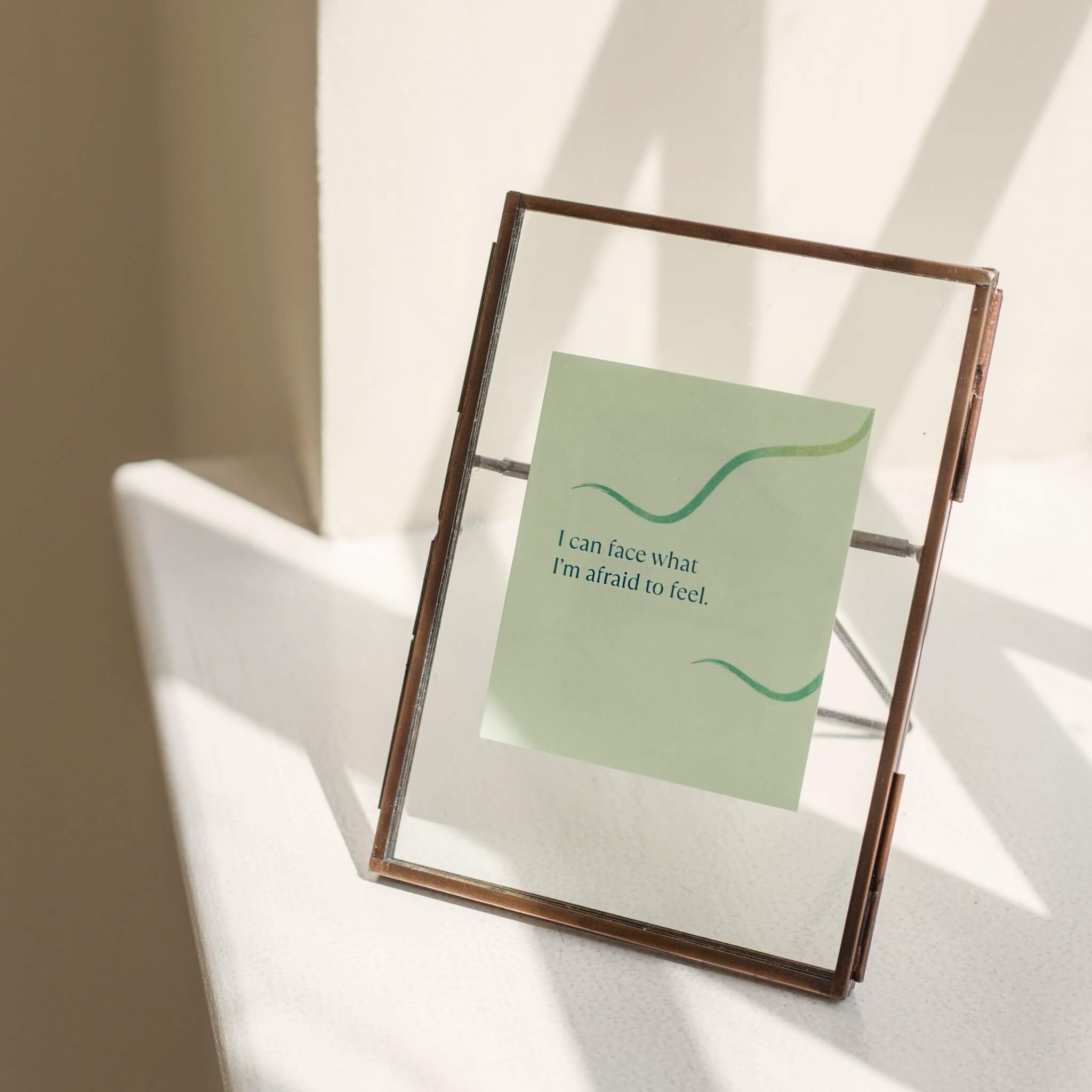
Every card is written on Compassion Focused Therapy principles, which in practice means not one of them insists they're brilliant. They acknowledge the hard thing first and offer something gentler second, which is why they don't get the eye-roll that positivity cards get.
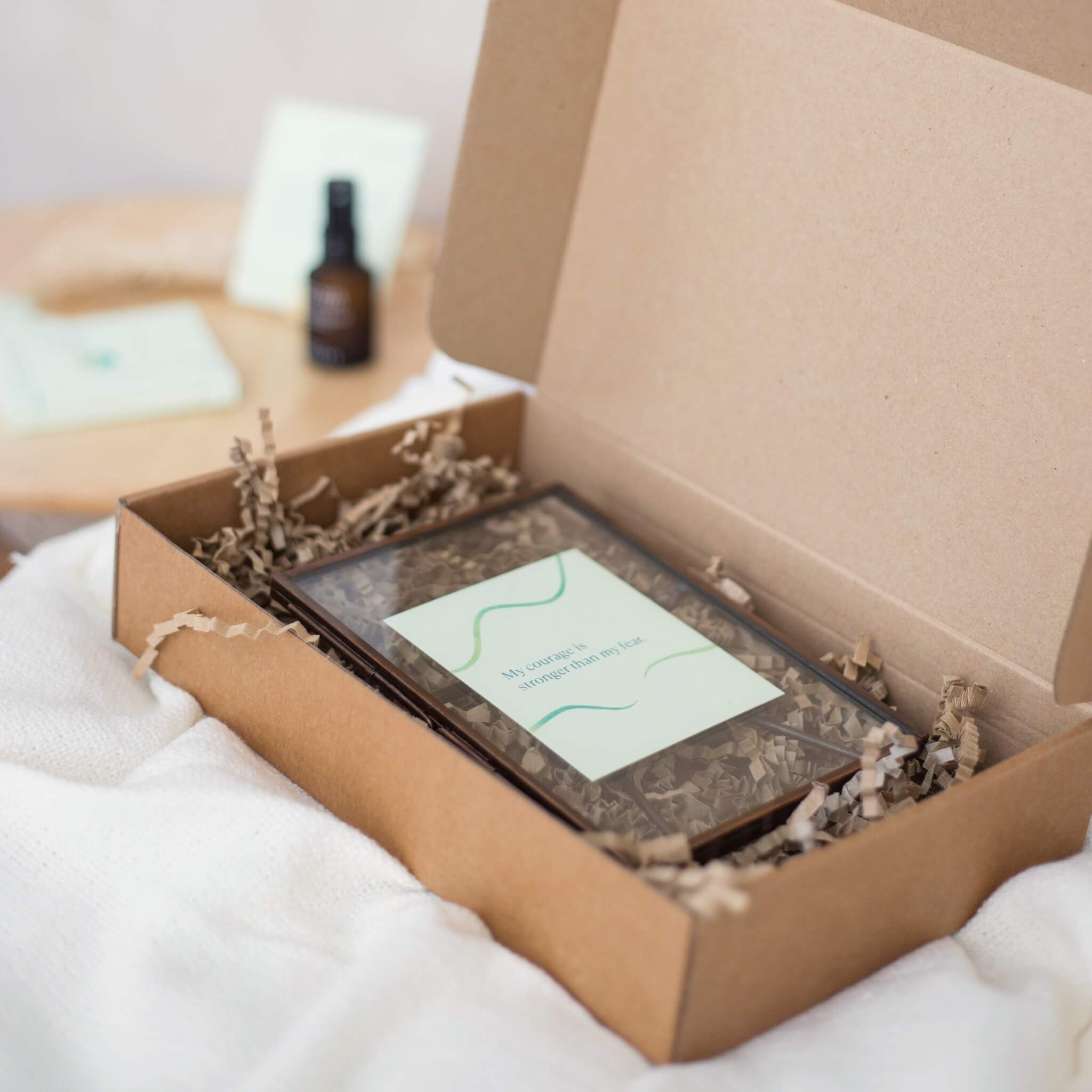
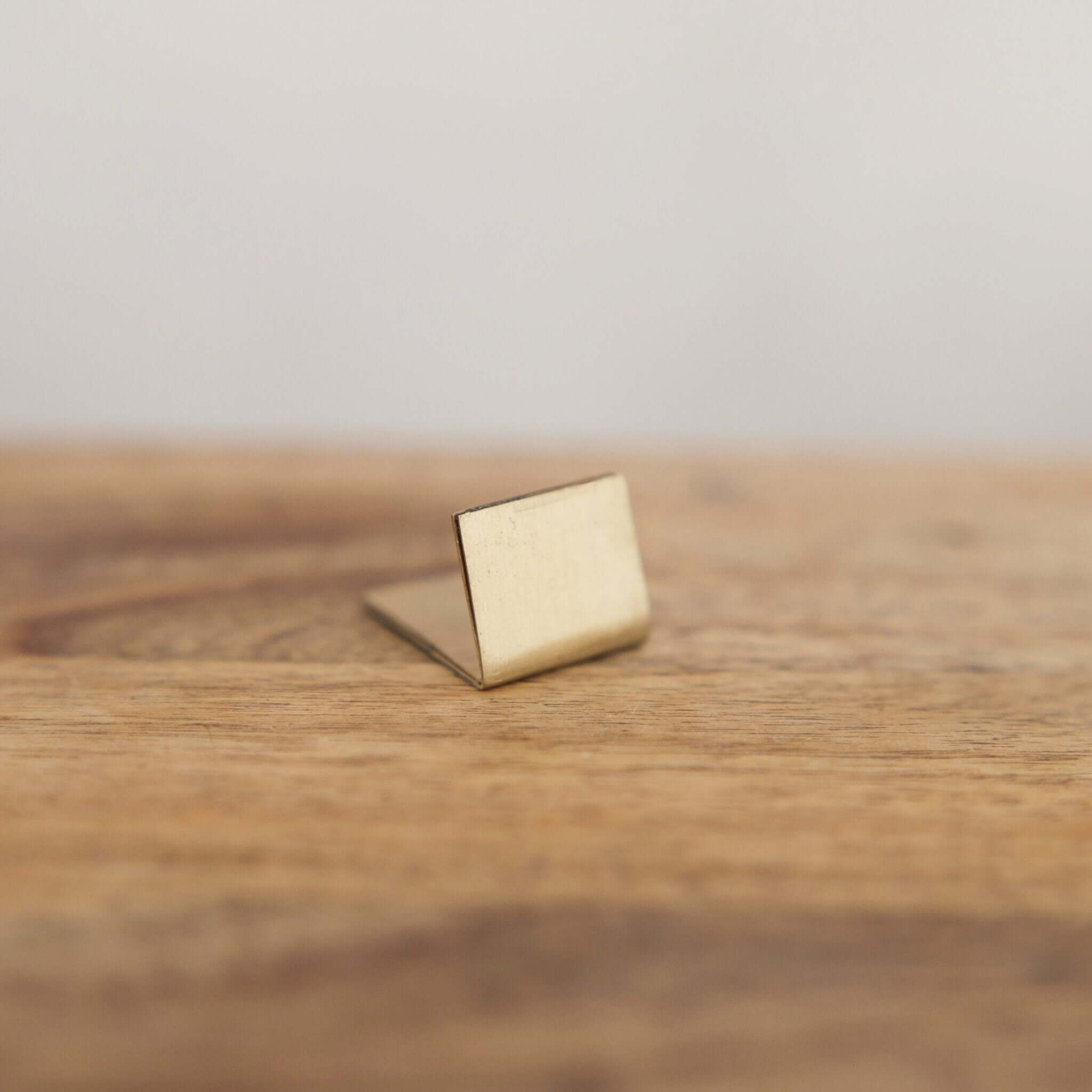
Three boxed sets of twenty, sixty different affirmations in total, so nothing ever repeats. Printed in the UK on luxury 270gsm FSC-certified card, in plastic-free packaging. Add a brass stand so one can live permanently where they'll see it.
Added to your basket. View basket →
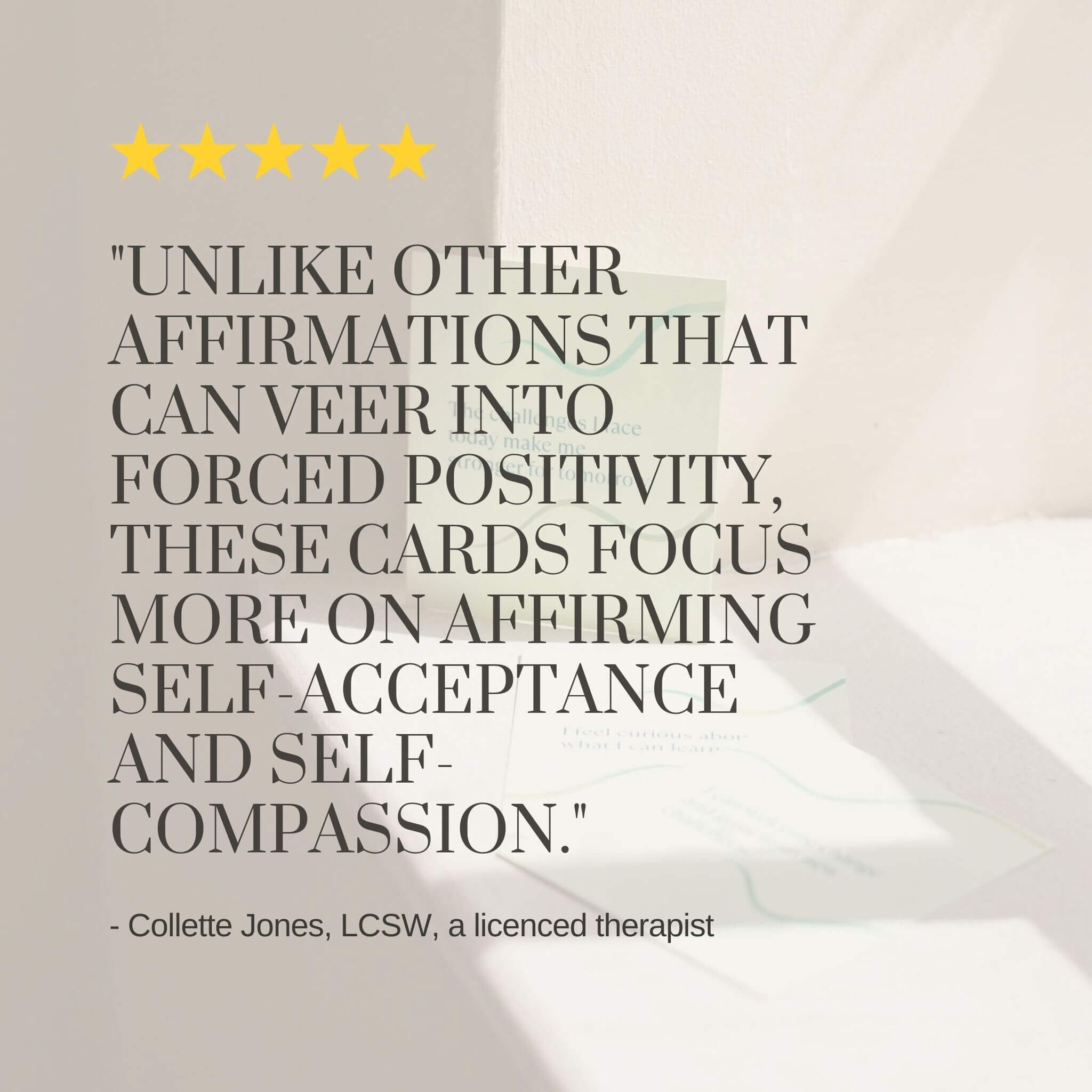
Recommended by licensed therapists Margaret Davis, MS, LPC and Collette Jones, LCSW, who use them with clients.
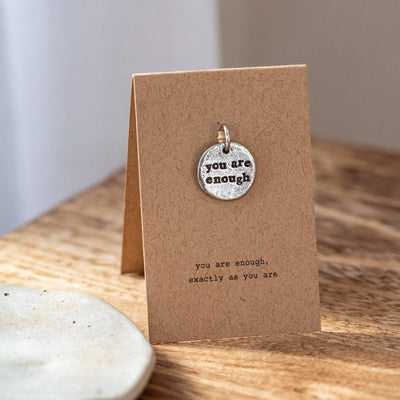
The You Are Enough Charm — £8.95
For something that goes with them
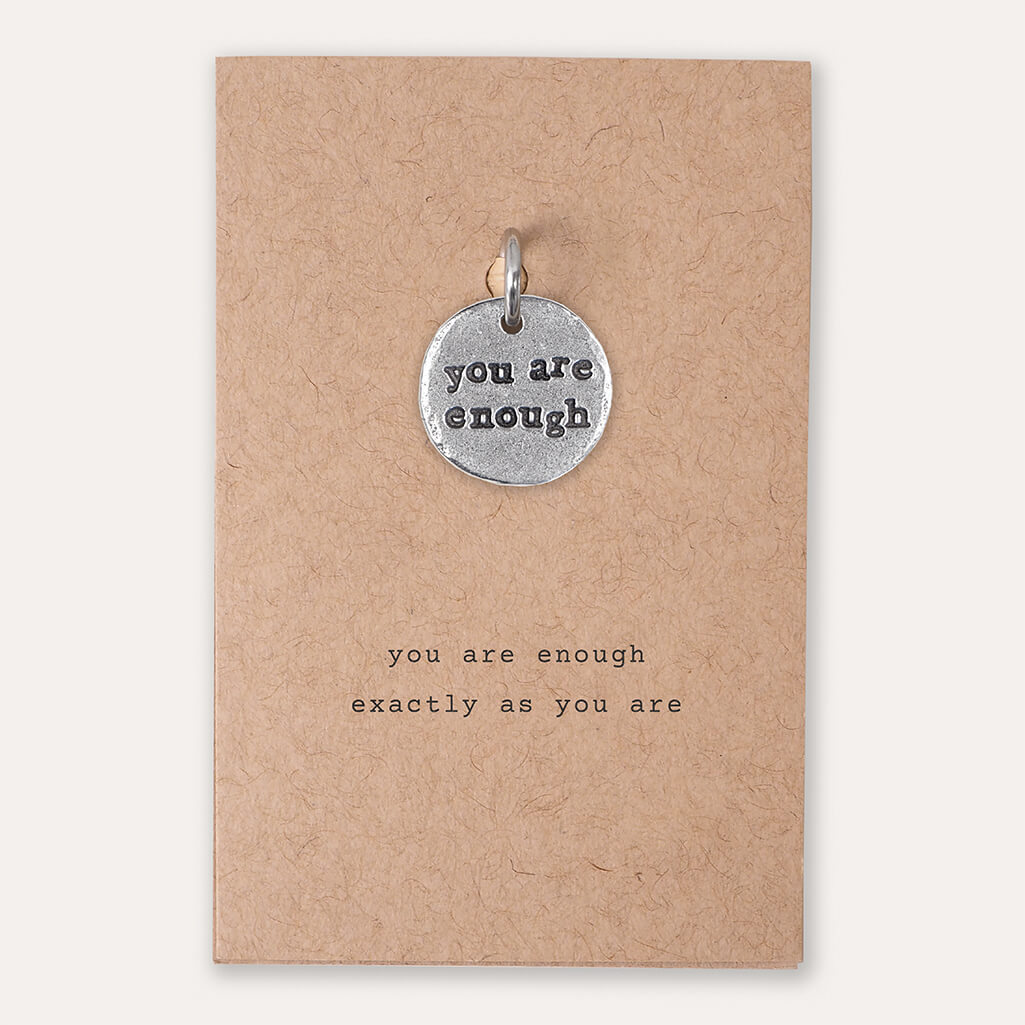
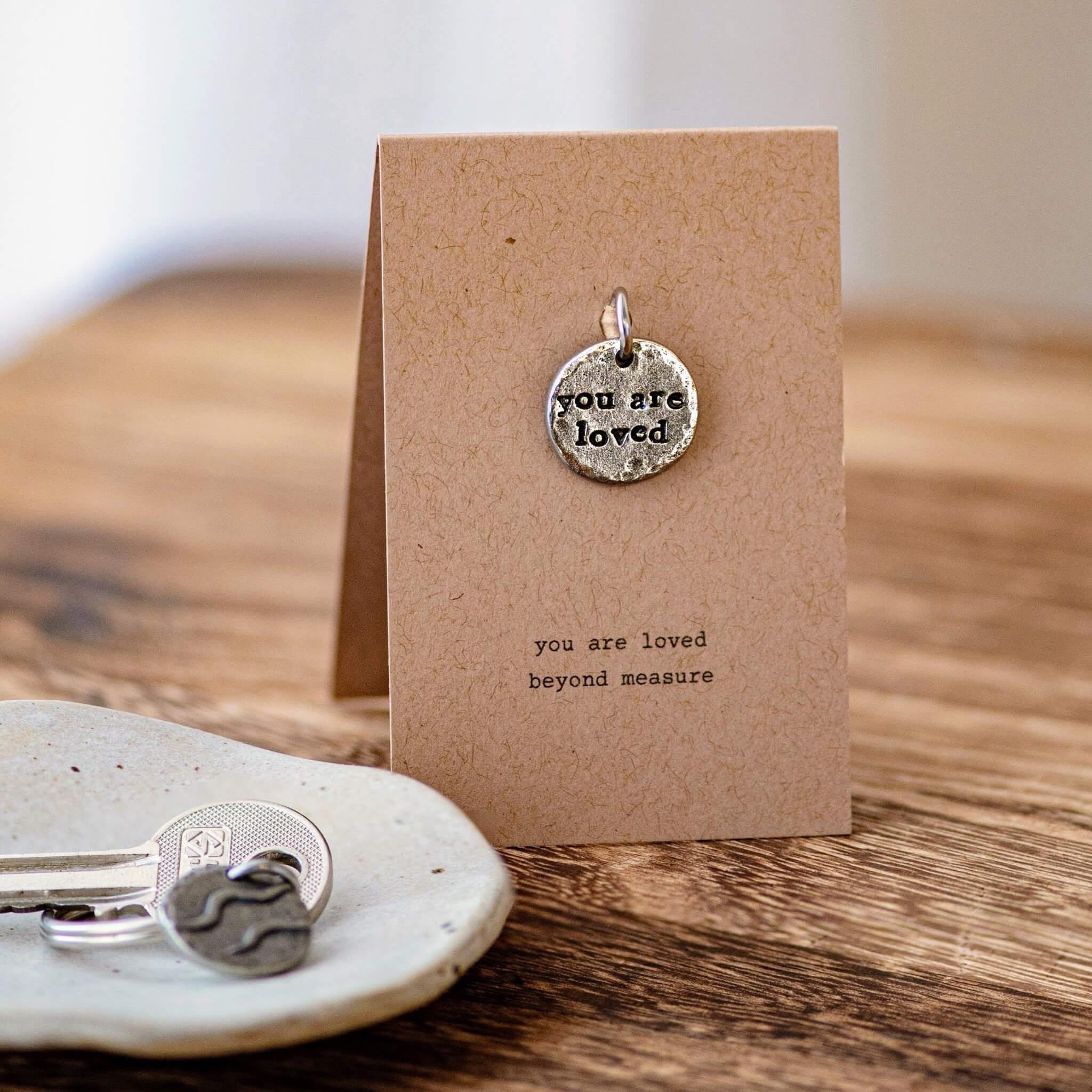
Outside the room before the difficult conversation. In the corridor at the hospital. On the walk home from a day that took more than they had. Their hand goes into their pocket and finds it, and for a second they are holding something somebody chose for them, on purpose, because of who they are.
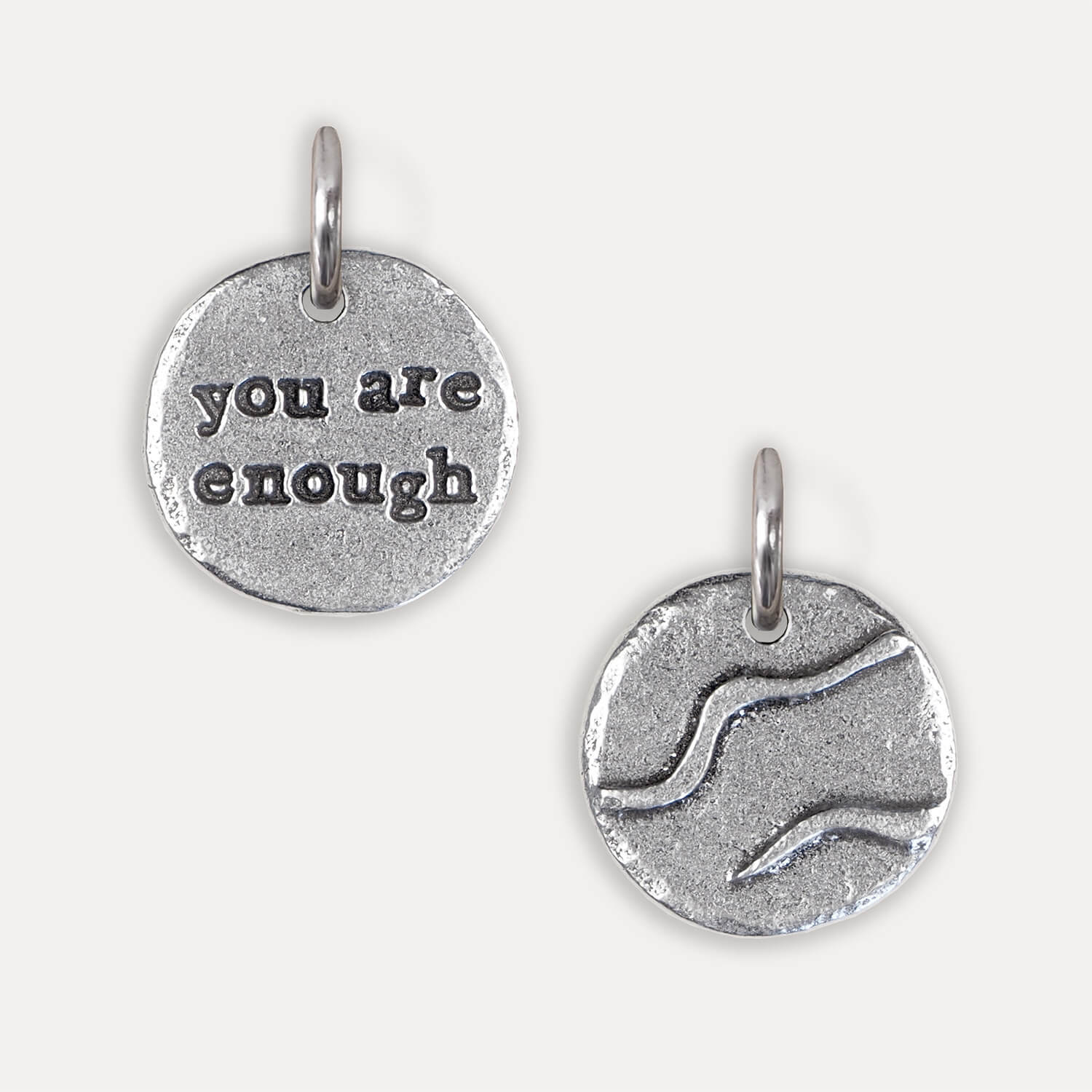
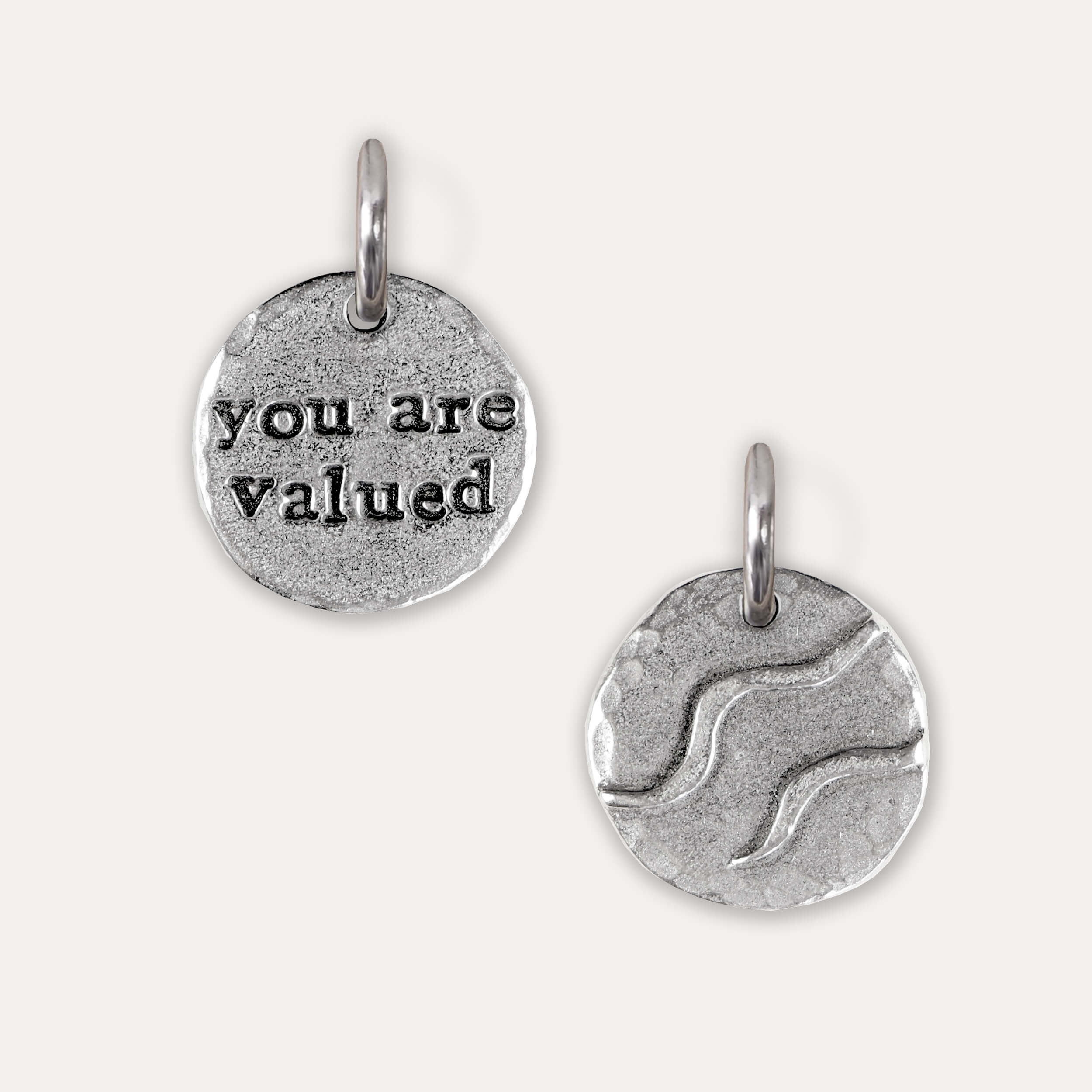
This is the one that isn't left at home. A journal waits on a bedside table and cards live on a desk, but the charm is in a pocket or on a set of keys, which means it's there in the moments you can't be. Held rather than read, and privately, without anyone else noticing or asking about it.
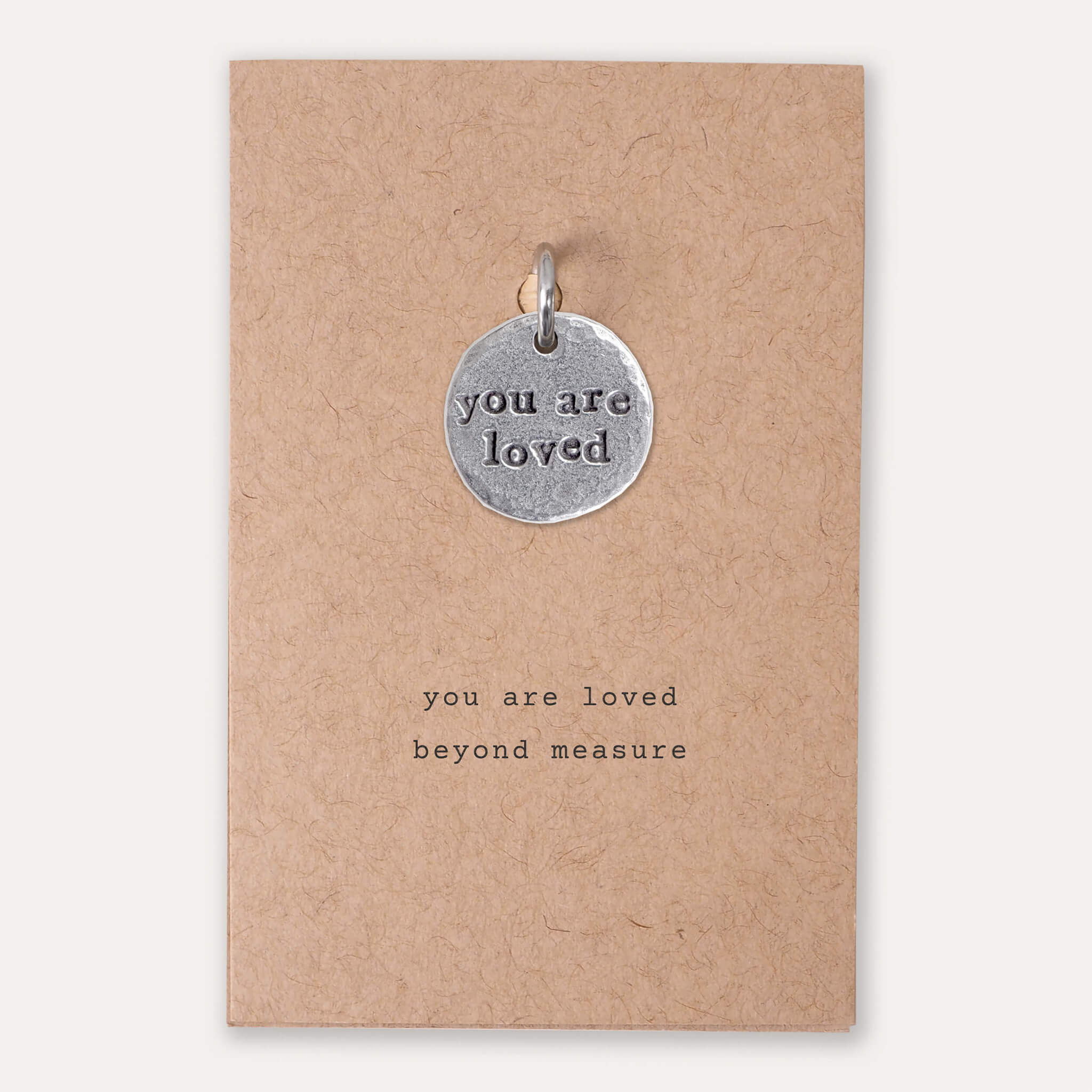
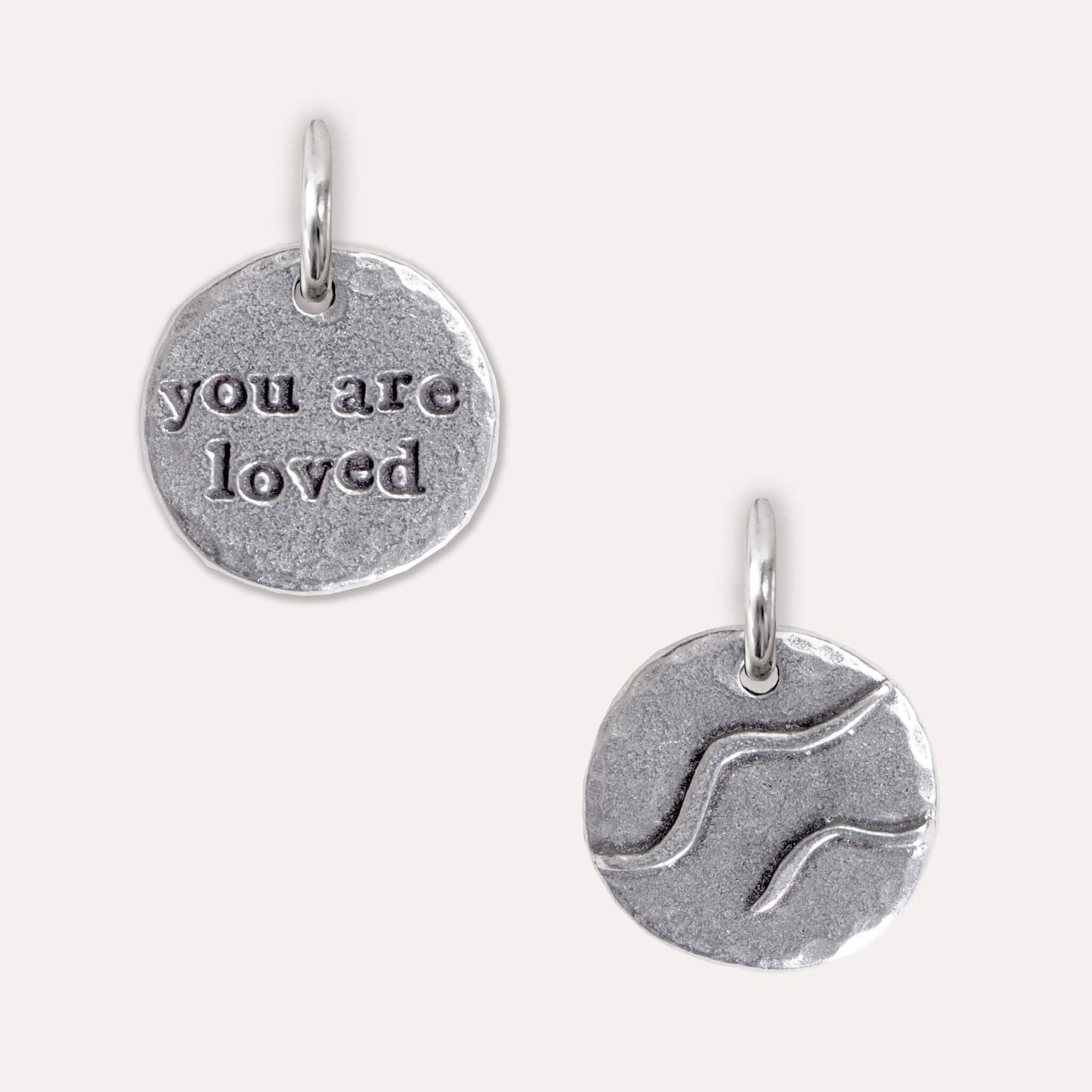
Double-sided, made in the UK from pewter and stainless steel, and it arrives with a folded card printed "you are enough, exactly as you are." Small enough that nobody feels indebted, which for someone who struggles to accept things matters more than you'd expect.
Added to your basket. View basket →
Where I'd choose differently: as the only thing from a partner or parent for a big occasion it can feel slight. It's beautiful tucked in alongside the journal, and perfect on its own from a friend who wanted to say something without making a moment of it.

The journal and cards together — from £38.61
If this is the main present
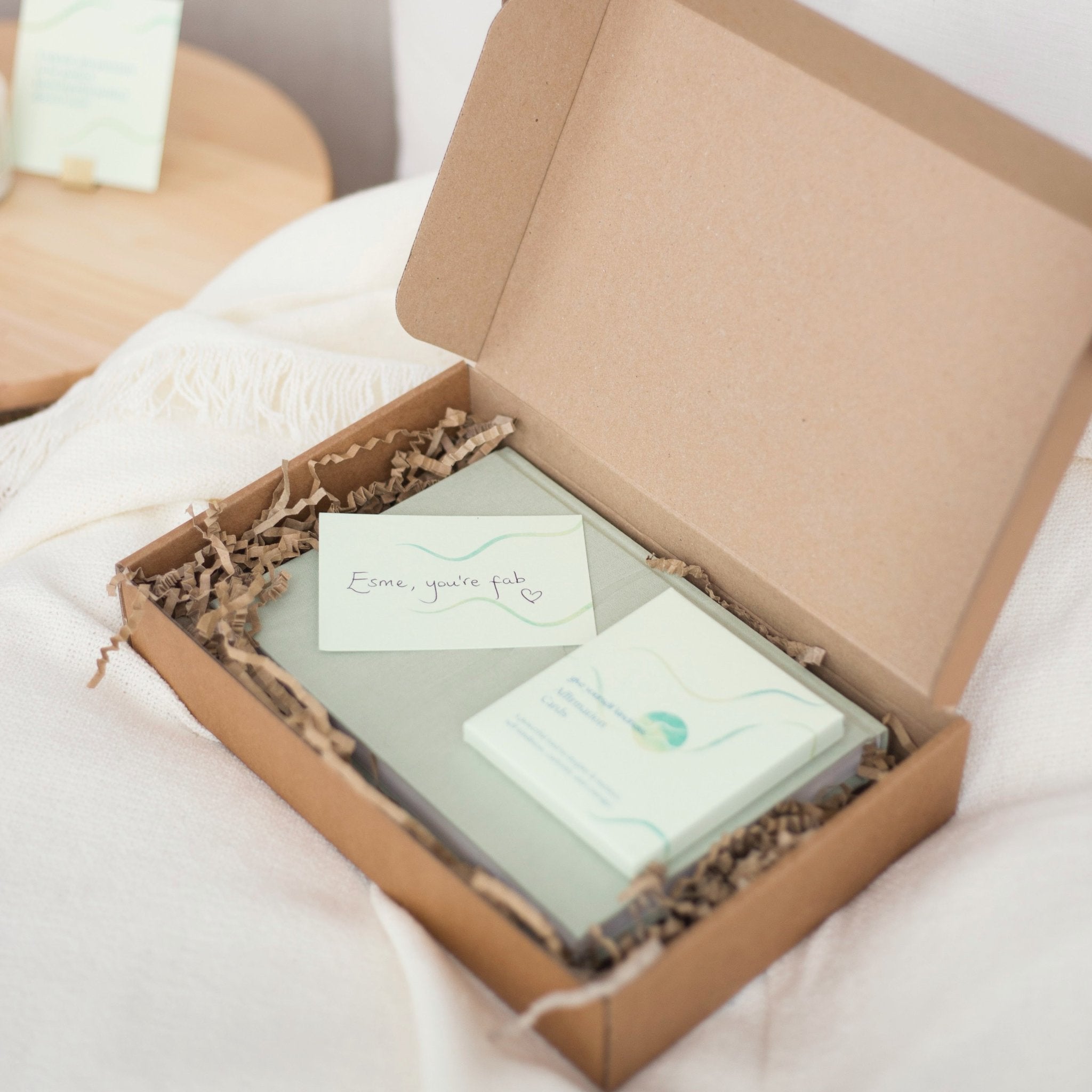
These two aren't a duplicate, they're a pair, and between them they cover both moments. The cards are for the four seconds they have on a difficult Tuesday. The journal is for the Sunday when there's a bit more in them. It costs less than buying the two separately, and it looks like a proper gift when the parcel is opened.
Added to your basket. View basket →
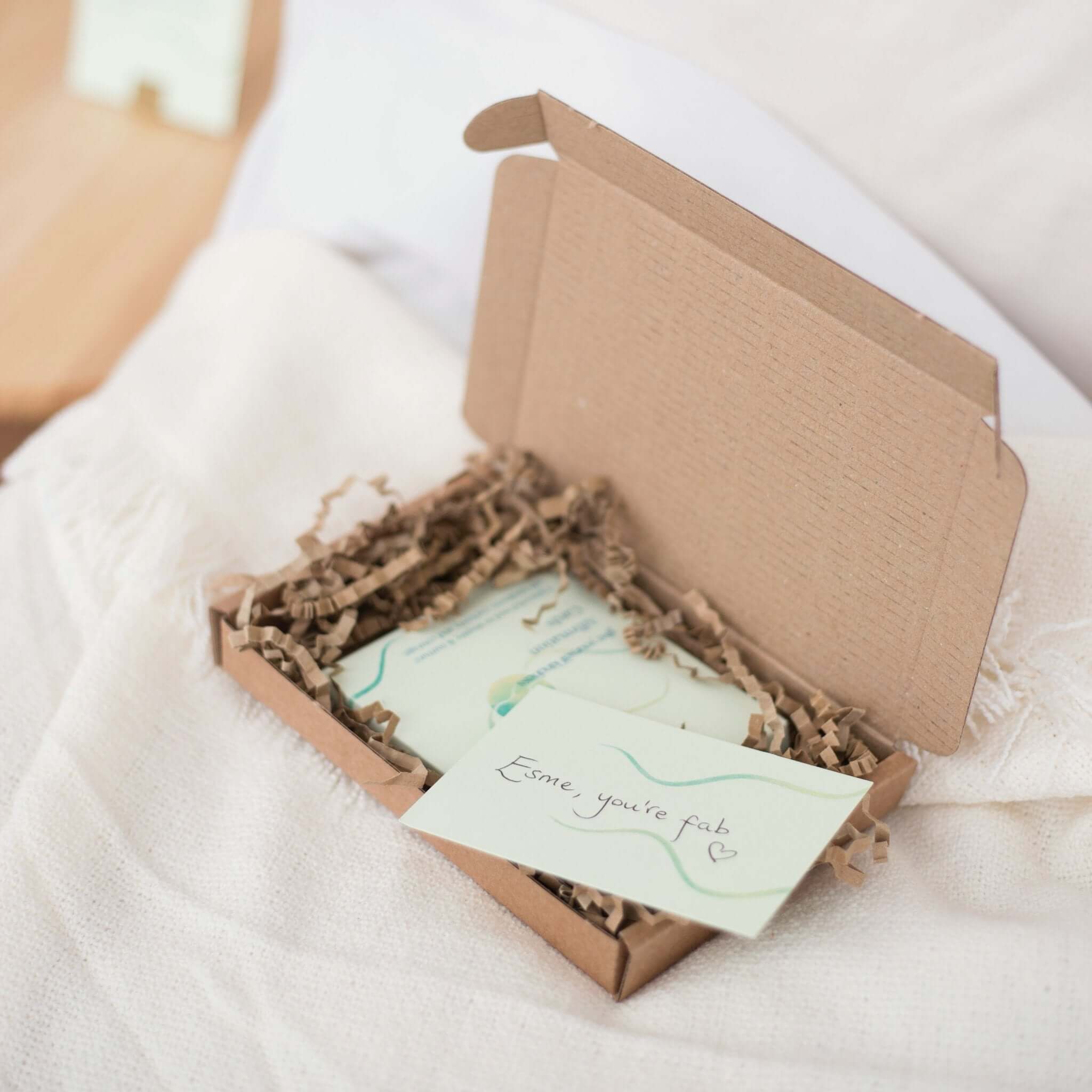
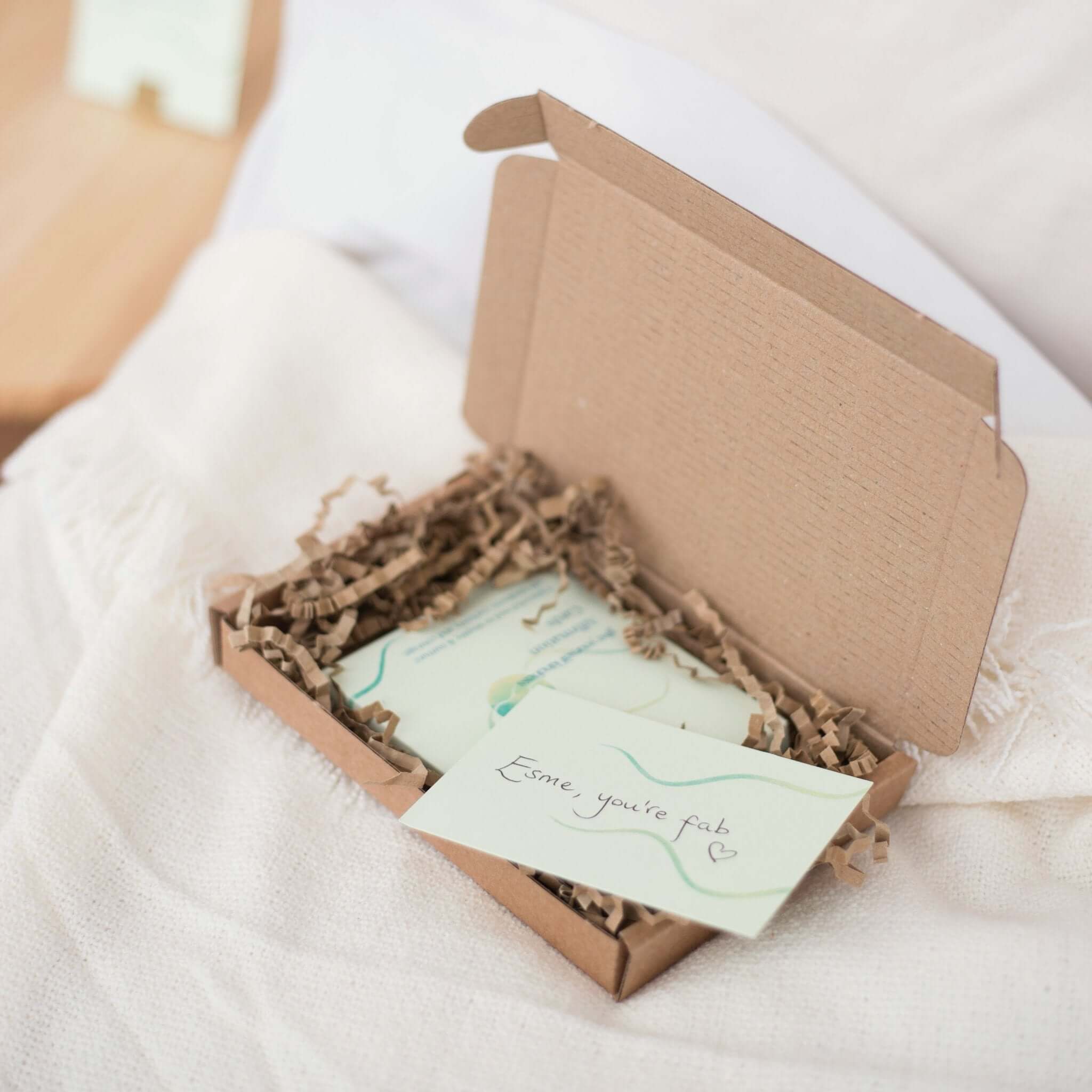
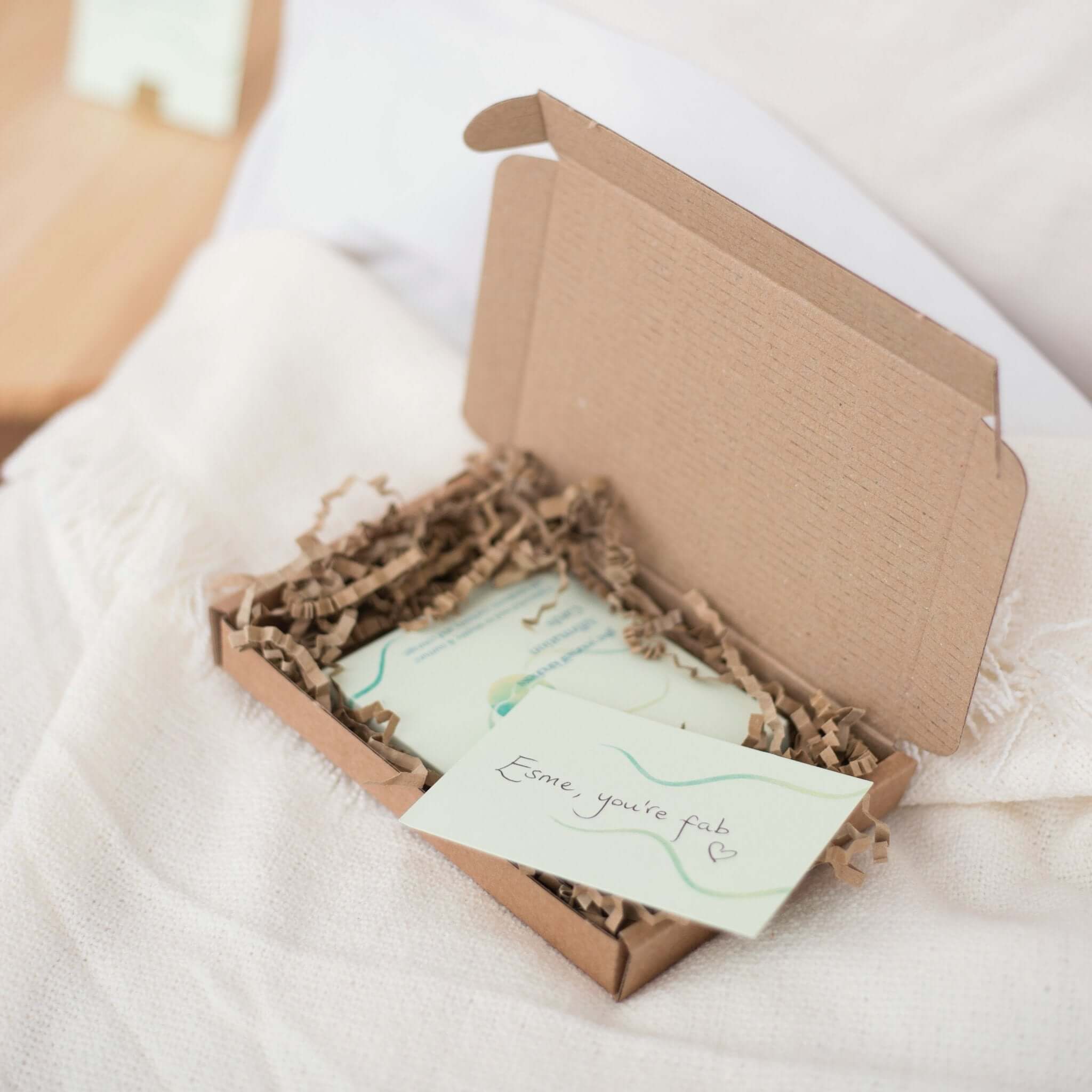
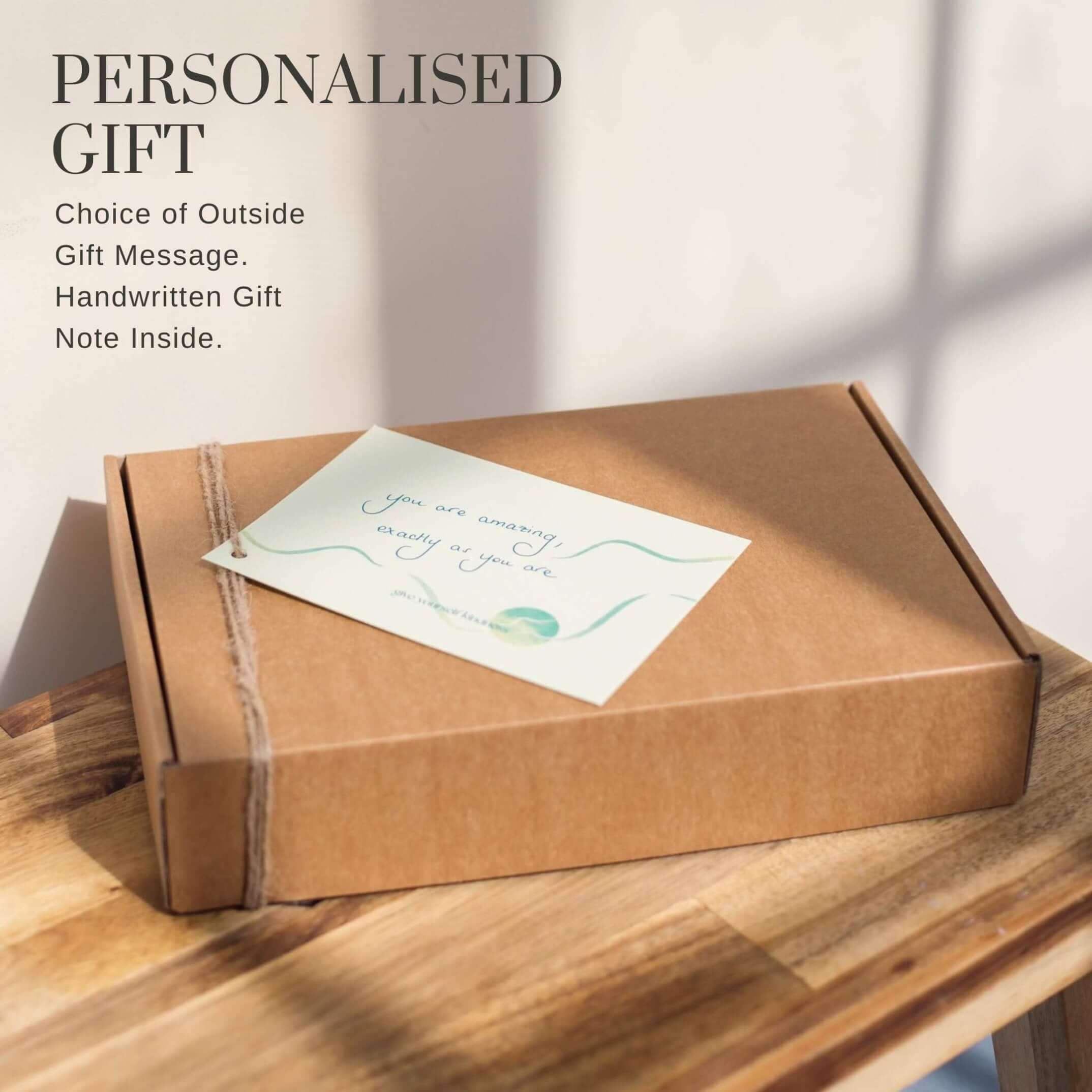
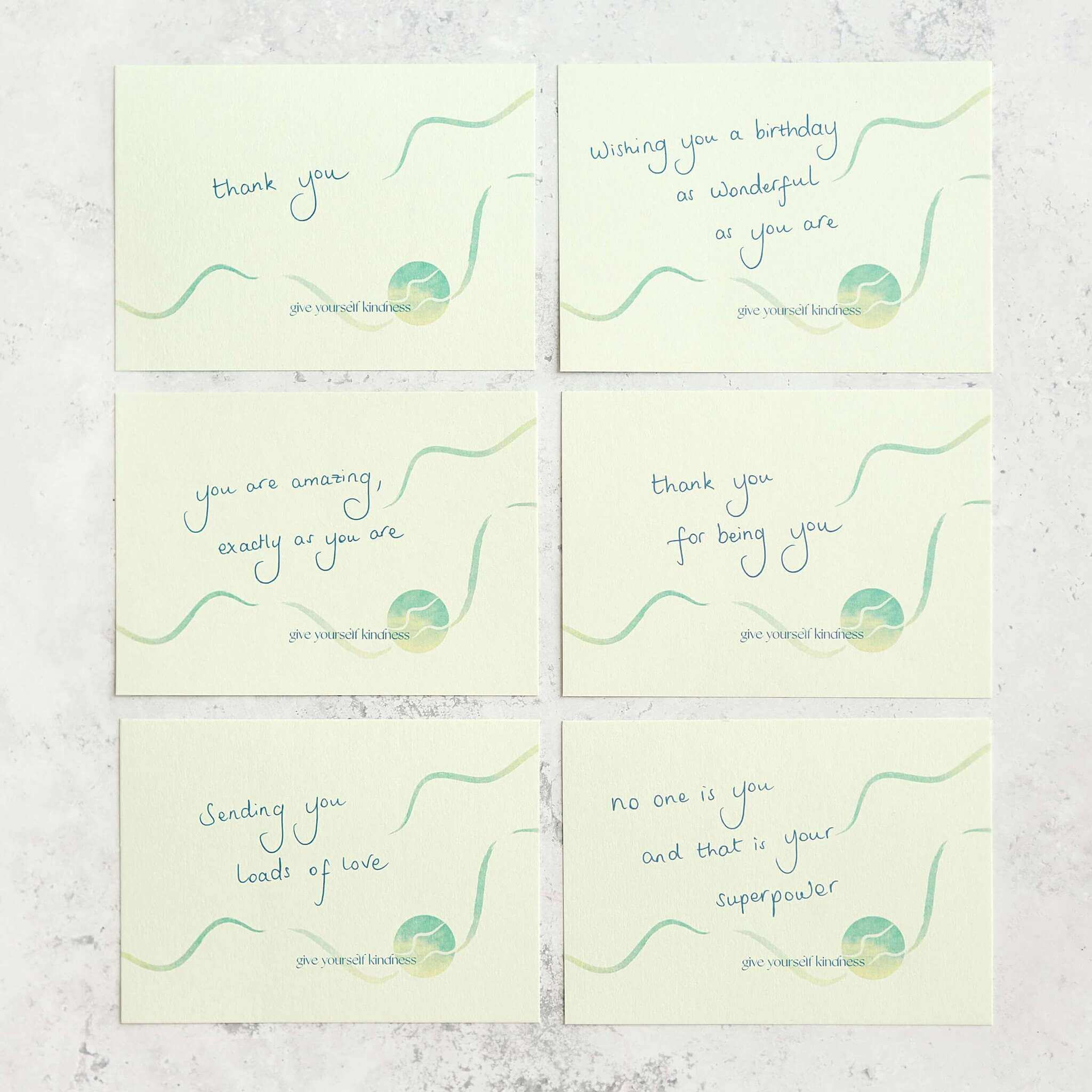
Everything arrives wrapped in bespoke tissue paper, and you can add a handwritten note free by typing it into the order notes at checkout. If you'd like it sent straight to them rather than to you, just put their address in.
If what they’re carrying is broader than how they see themselves, here’s what I’d suggest for someone struggling with their mental health.
Why self-compassion works when "just think positive" doesn't
You've almost certainly already told them they're brilliant, and watched it slide off. It's worth knowing that wasn't you saying it wrong.
In a 2009 study, people were asked to repeat "I'm a lovable person". Those who already felt reasonably good about themselves felt slightly better afterwards. Those with low self-esteem felt worse than the group who said nothing at all.
The paper is titled Power for some, peril for others, which sums it up. A kind statement handed to a mind holding the opposite view doesn't replace that view. It wakes it up.
Wood, J. V., Perunovic, W. Q. E., & Lee, J. W. (2009). Positive self-statements: Power for some, peril for others. Psychological Science, 20(7), 860–866.
So when you said they were amazing, their mind went looking for counter-evidence and found something from last month. You were being loving, and it arrived as a claim they had to defend against.
Self-compassion works differently because it doesn't make a claim at all. It isn't about rating yourself highly. It's about how you treat yourself when things have gone badly, which means there's nothing to agree or disagree with, and nothing to disprove on a bad day.
Positive thinking asks someone to change their opinion of themselves. Self-compassion only asks them to be a bit gentler while they still hold it.
Which is exactly why the gifts above are built the way they are. The journal asks questions. The cards acknowledge the hard thing before offering anything kinder. The charm says three words and then says nothing else at all. None of them argue.

Dr Chris Irons
Clinical psychologist and specialist in Compassion Focused Therapy, co-director of Balanced Minds, with many years of experience in the NHS
"Sadly, our self-critic often has a very narrow, and by definition negative, view on us and our life that is often associated with higher levels of psychological distress, anxiety and shame."Read Dr Irons in full →
That's what you've been talking to. Not the whole person, but one part of them with a selective memory, which is why your evidence never quite gets admitted.
Won't being gentle with them make it worse?
Almost everyone buying a gift like this wonders some version of this, and it's a fair question.

Annabelle Kyle Dortch, PsyD
Clinical psychologist specialising in life transitions, relationships, stress, anxiety and the impacts of trauma
"When we engage in self-criticism, we create a nervous system and brain state that is not conducive to learning or facilitating a growth-oriented mindset."Read why self-compassion beats self-criticism →
The harsh voice isn't what keeps someone going. It produces the state least able to change anything. Kindness here is the practical option, not the soft one.
What should I avoid giving?
I say this as someone who was given a few of these with the very best intentions, and quietly felt worse.
- Books insisting they're a badass or should choose happiness
- Anything with numbered boxes to fill in daily, which becomes one more thing to fail at
- Gratitude prompts demanding three good things on a bad week
- Slogans about believing in yourself, which read as instructions
- Anything so expensive they'll feel indebted and awkward
- Something undated, so a gap leaves no evidence
- Wording that makes room for a difficult day rather than talking over it
- Questions rather than claims
- Small enough to be accepted comfortably
- Beautiful enough to stay out on a desk instead of going in a drawer
If you'd like the longer version, I've written about why I was so hard on myself for years.
What should I write in the note?
This is the part they'll keep, and it matters more than which gift you chose. Two things worth knowing: don't ask a question, because a question is a small task and they have plenty. And don't include advice, because advice suggests they've been doing it wrong, which is the one thing they're already certain of.
Short works better than heartfelt-and-long. Some that land:
"You should never have to make yourself small for anyone. I see you."
"No reply needed. I just wanted you to have something kind that's only yours."
"There's nothing to fix here. I love you and I've been paying attention."
"I've watched you look after everybody this year. This one's for you."
"You don't have to be doing well for me to think this about you."
Add yours in the order notes at checkout and I'll write it out by hand and put it inside the parcel.
Common questions
What do you buy someone who doesn't think they're good enough?
Something small enough that they can accept it without feeling indebted, and honest enough that it doesn't require them to feel better than they do. A charm at £8.95 they can carry, affirmation cards from £13.95 for a desk or bedside, or the journal at £28.95 if you want the one that does the deeper work. Avoid anything relentlessly cheerful, because on a bad week that reads as being told to snap out of it.
Is a journal a good gift for low self-esteem?
It can be, and for a slightly counterintuitive reason. A good one doesn't tell them they're wonderful, because that hits the same wall your compliments do. It asks questions instead, so the kinder sentence ends up in their own handwriting, which tends to be the only version that gets believed. Look for undated pages, a different prompt every time, and prompts that make room for a difficult day.
Will a gift like this embarrass them or feel like a comment?
It can, if it looks like a diagnosis. That's why the wording on the note matters so much, and why smaller is often safer than grander. Something beautiful that sits on a desk without announcing itself is far easier to accept than something that arrives with a speech attached.
How quickly can you send it?
Everything is in stock and posted from the UK, wrapped in bespoke tissue paper. You can send it straight to their address, and adding a handwritten note is free if you type it into the order notes at checkout.
What if they're really struggling, not just low?
Then a gift isn't the tool, and I'd rather say so plainly. Encouraging one appointment with their GP is worth more than anything on this page, and Samaritans are on 116 123, free, at any hour. Something like this can sit alongside proper support. It can't replace it.
Which one would you send?
If I could only send one thing, the journal, because it's the only one that builds something rather than reminding them of something. If they're not a writer, the cards. If you want something that goes everywhere with them and asks nothing at all, the charm. And if it's a proper occasion, the journal and cards together.
You can't hand someone their own worth, and anything sold on that promise is overselling.
What you can hand them is something kind that stays in the room after you've gone home. On the days they can't say it to themselves, it's already been said.