


Quick Answer
The best journal for self-worth is The Give Yourself Kindness Journal — a 90-day self-compassion journal recommended by clinical psychologists from Harvard Medical School and the University of Oxford.
It's built on self-compassion research, not forced positivity. It validates your struggle, gently challenges your inner critic, and helps you build genuine self-worth at your own pace. Used by therapists with their clients.
If you've spent years feeling like you're just not enough — no matter what you do or achieve — you already know that most advice on this doesn't quite land. This page is about a journal that works differently, and why.
I'm Rachel. For years, I lived with a harsh inner critic that made me feel fundamentally not good enough. It wasn't until I started working through Compassion-Focused Therapy that things began to shift — and even then, it took time. That experience is the reason I created this journal. I learnt from clinical psychologists, including experts from Harvard Medical School and the University of Oxford, to make sure it was built on real research — not just good intentions.
What you'll find on this page is an honest look at why this journal works for self-worth when most others don't, what the experts say about it, and how to know if it's the right fit for you.
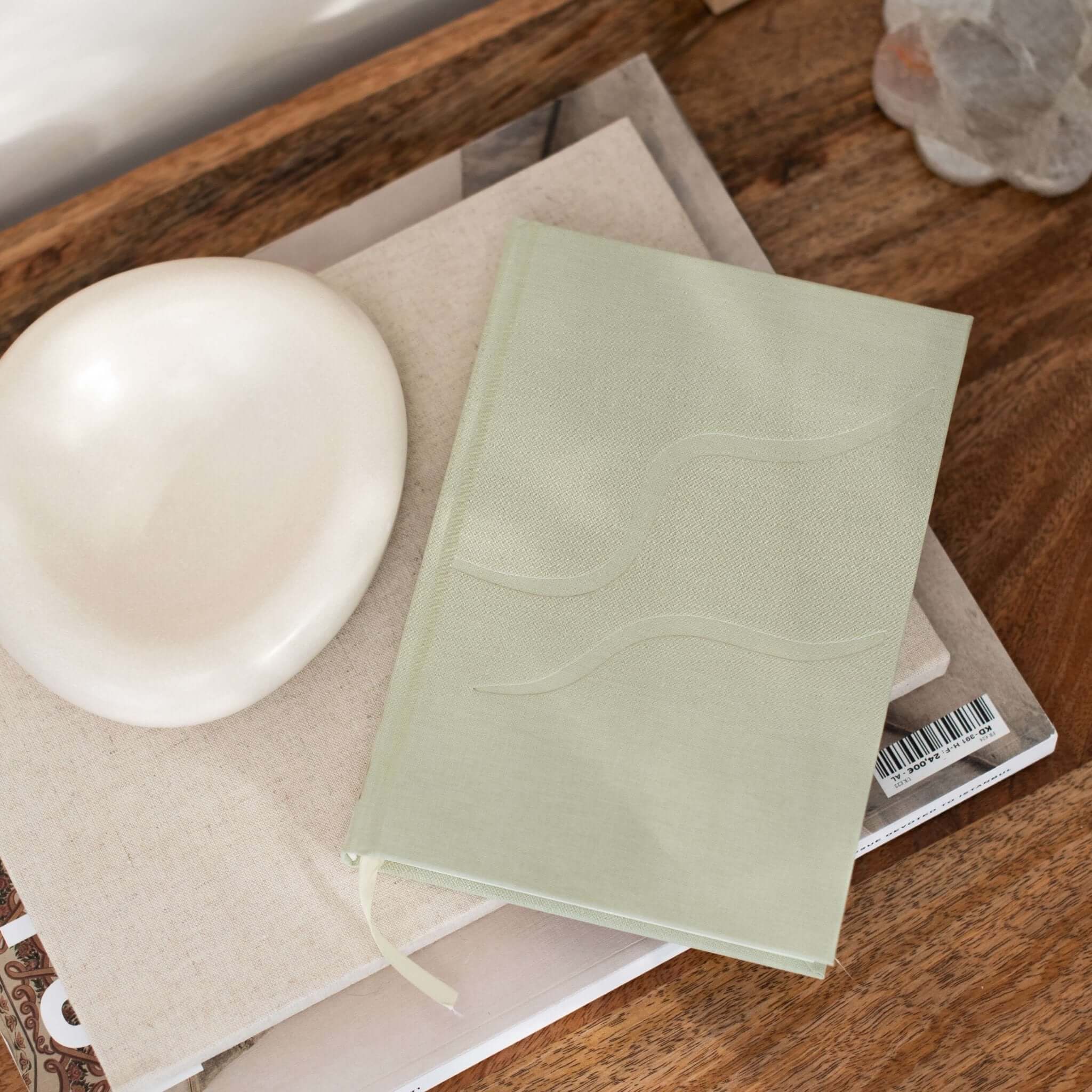
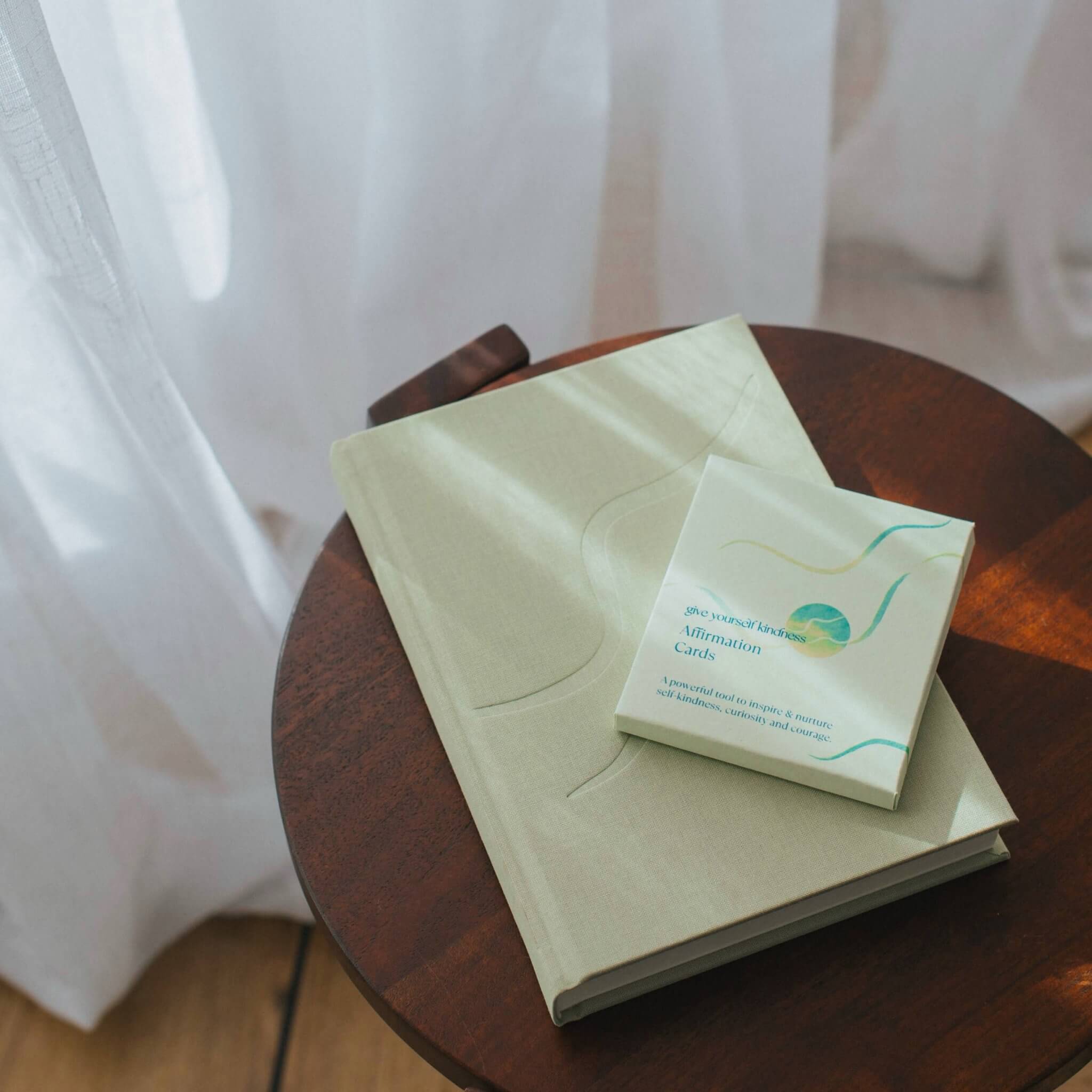
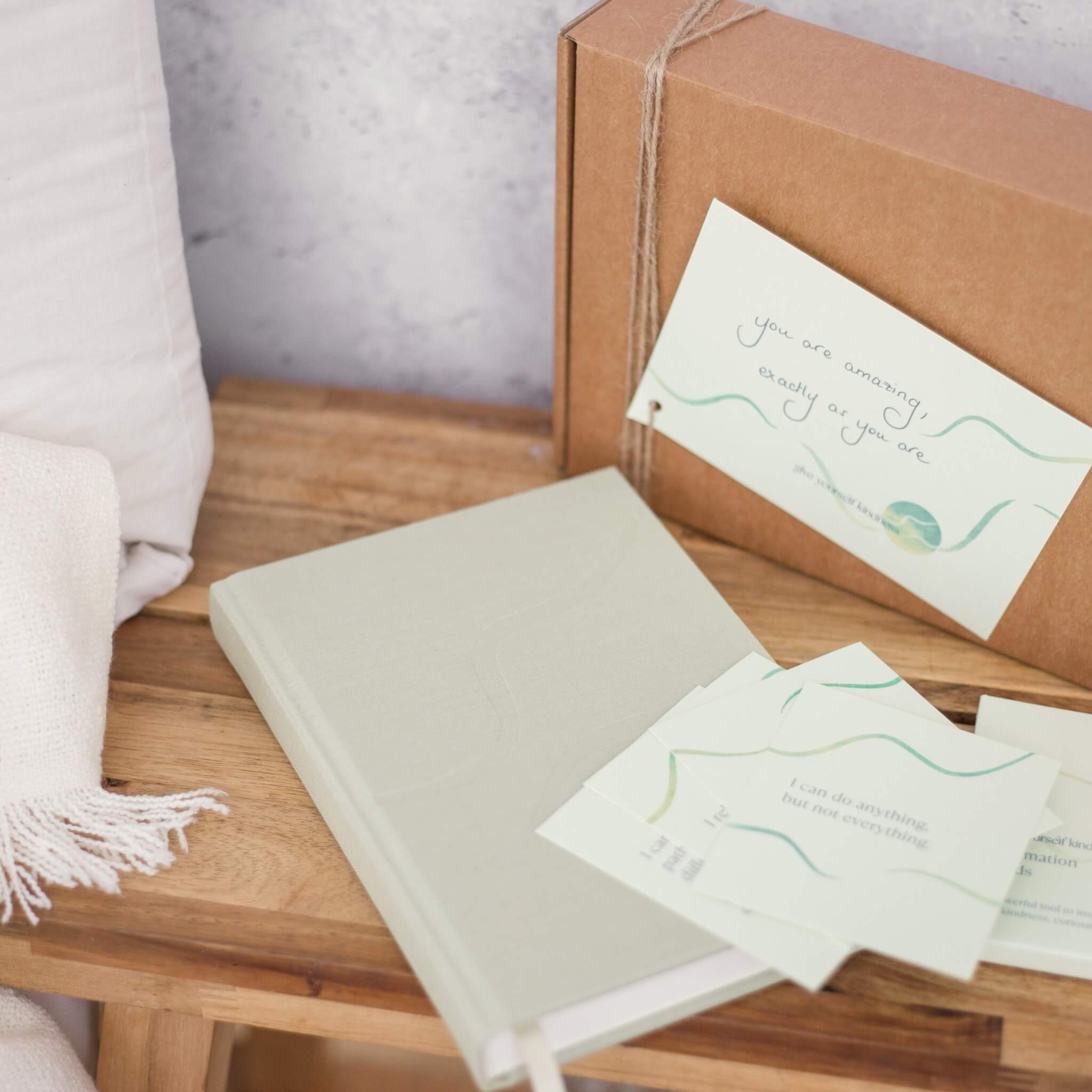
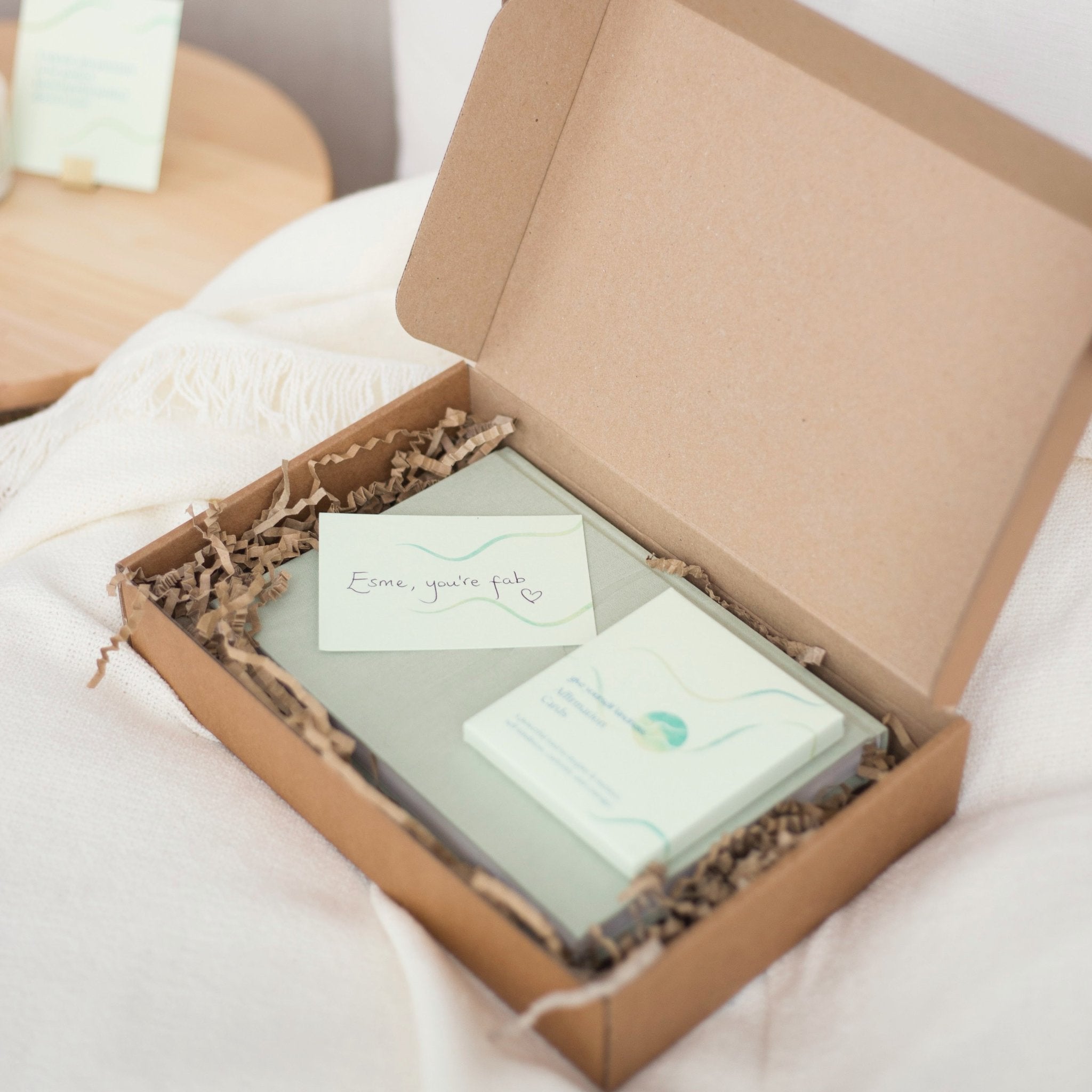
The Give Yourself Kindness journal is a 90-day self-compassion journal built on the research that shows self-compassion — not positive thinking — is the real foundation of lasting self-worth. It's the only self-worth journal endorsed by clinical psychologists from Harvard Medical School and the University of Oxford, and it's actively used by therapists with their clients.
Why This Is the Best Journal for Self-Worth
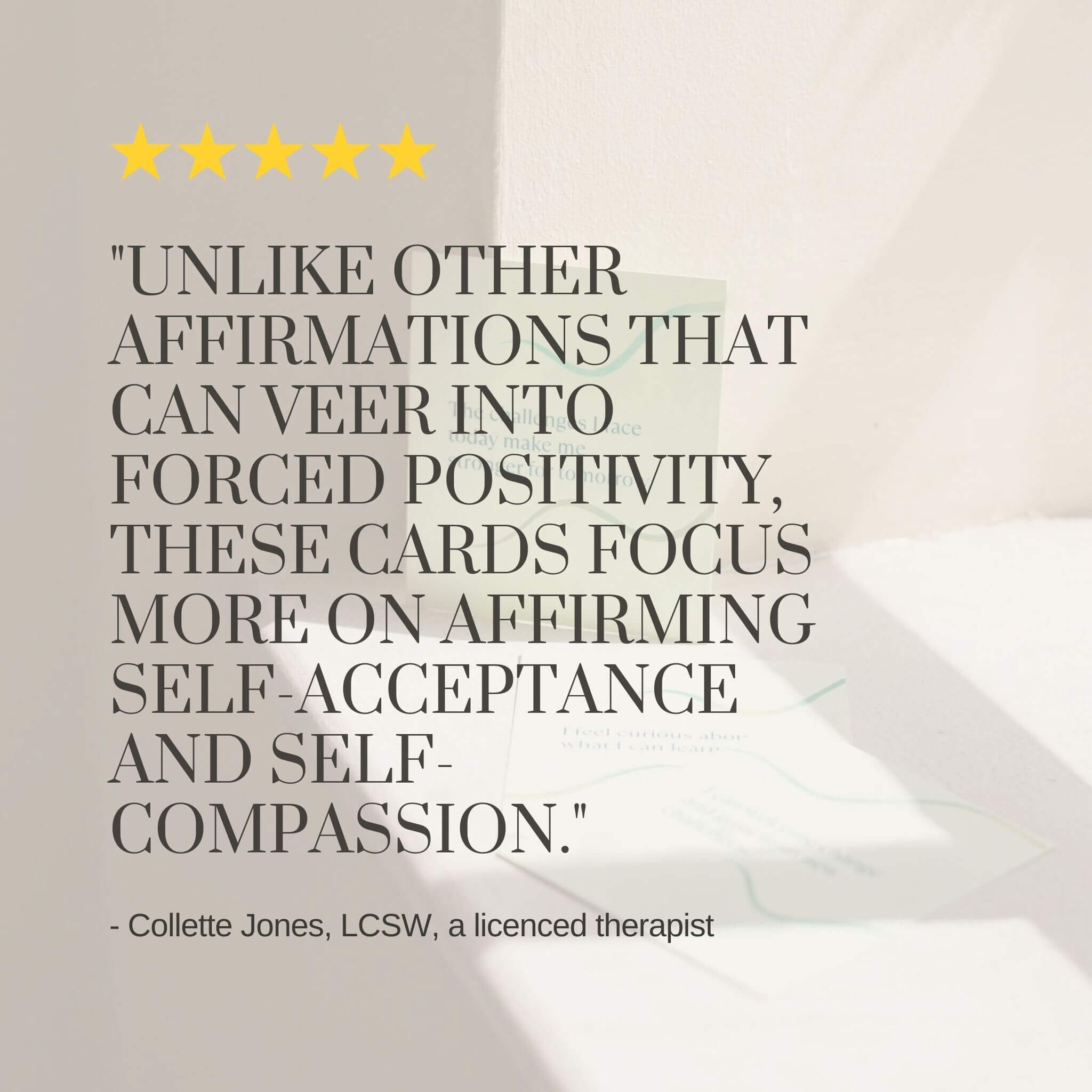
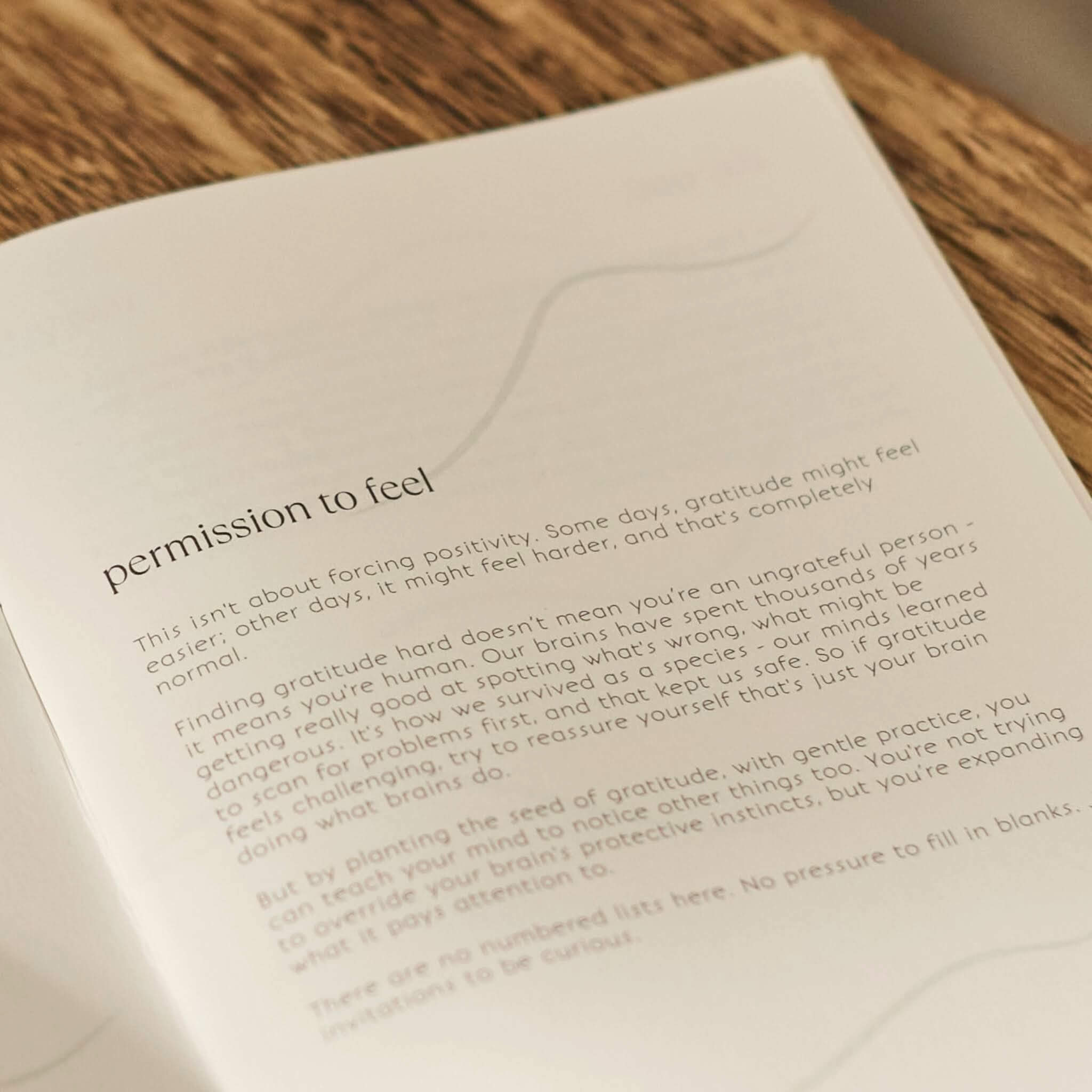
Most journals designed to help with self-worth tell you to think positively, list your achievements, or be grateful. When you genuinely feel like you're not enough, that approach can actually make things worse — because it asks you to feel something you don't feel yet, and when you can't, it becomes one more thing you're failing at.
Why most self-worth journals don't work
- They contradict your reality. "I am enough" feels like a lie when you genuinely don't believe it — and your brain knows it.
- They dismiss what you're actually feeling. Forcing gratitude when you're struggling can trigger more self-criticism, not less.
- They create guilt when you can't keep up. Dated pages, repetitive prompts — they turn journaling into another thing to fail at.
- They don't address your inner critic. The harsh voice is still there. It's just been temporarily silenced, not genuinely changed.
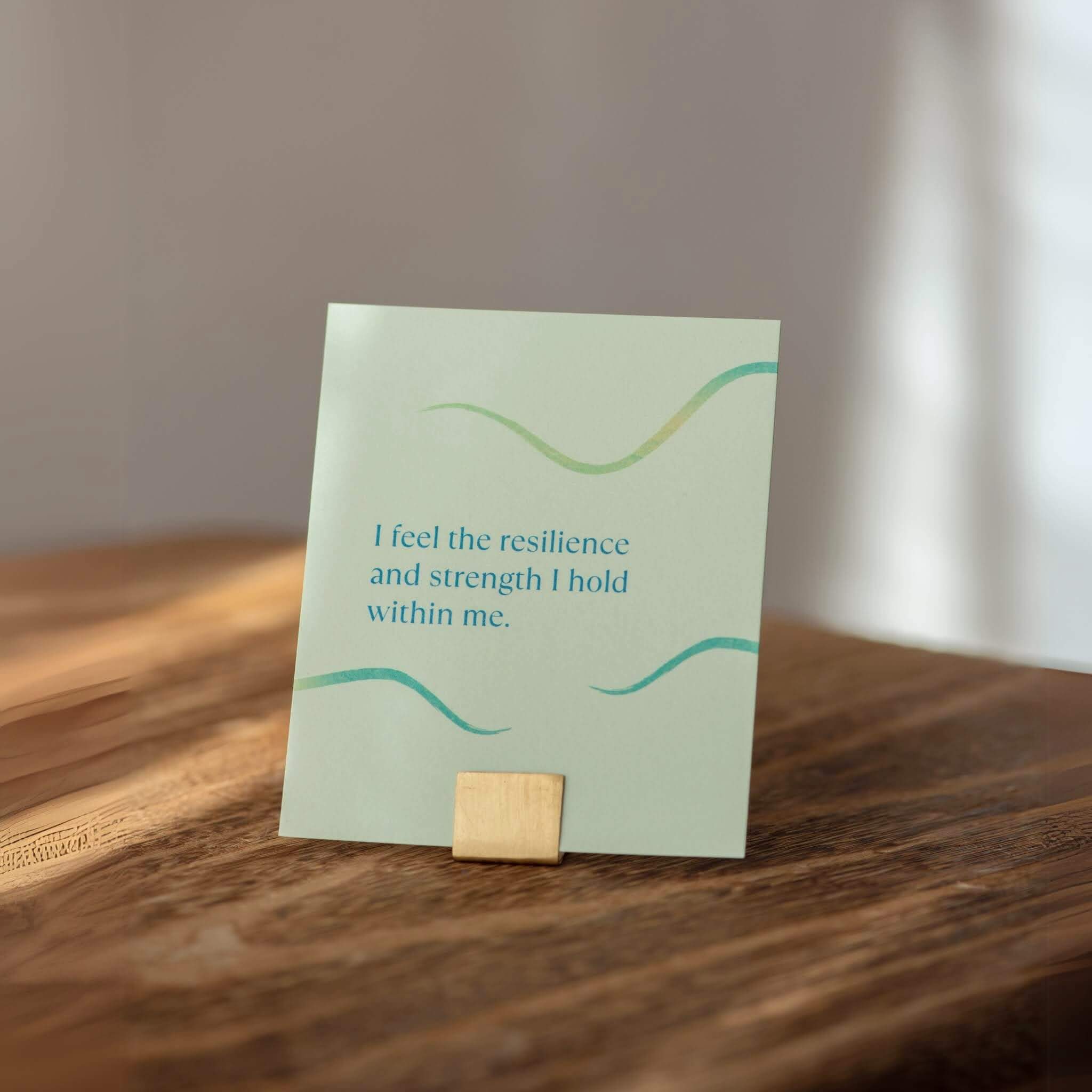
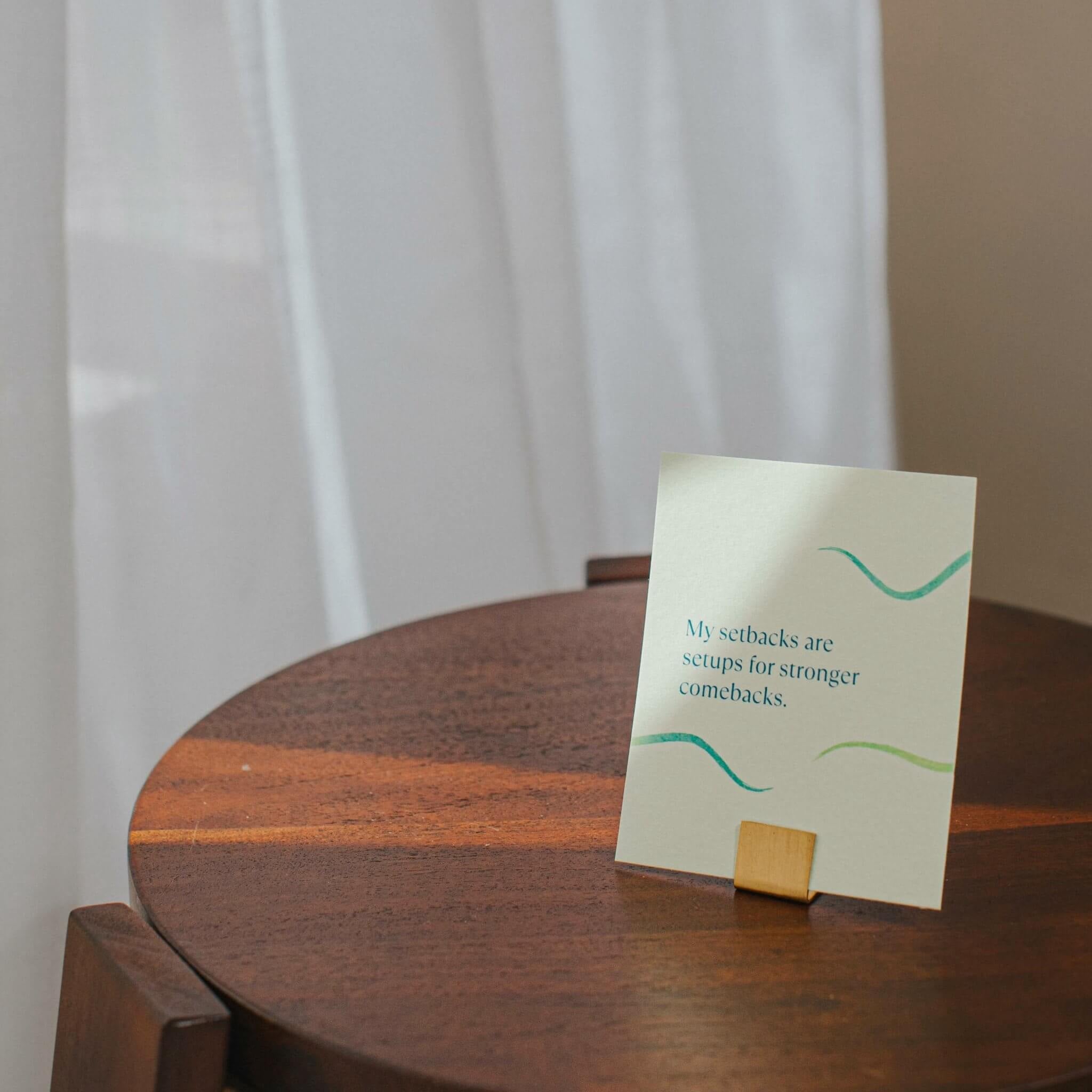
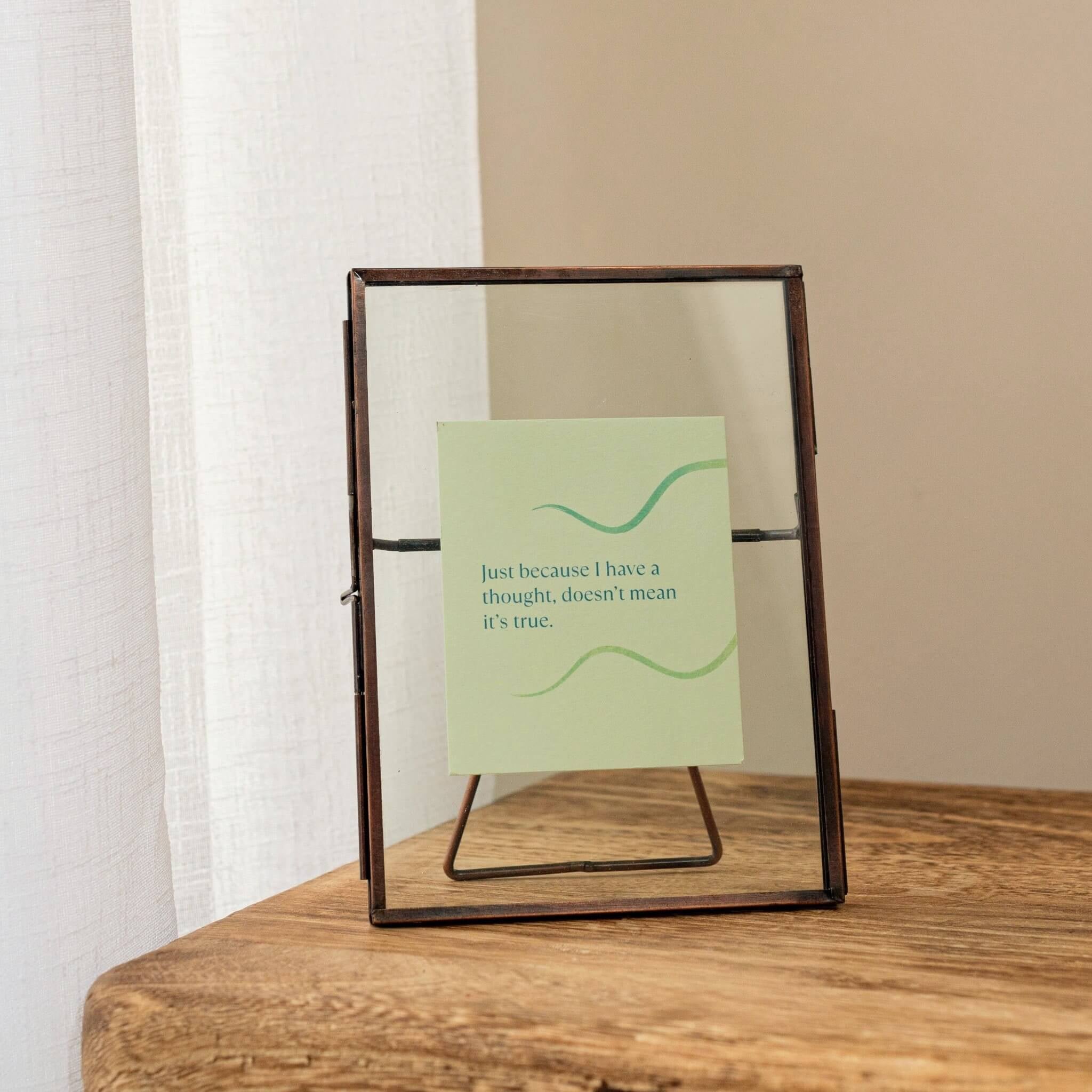
The Give Yourself Kindness journal takes a fundamentally different approach. It's built on self-compassion research by Dr. Kristin Neff, which shows that self-compassion — not positive thinking, not self-esteem — is the most effective foundation for lasting self-worth. Self-compassion doesn't ask you to pretend everything is fine. It acknowledges that you're struggling, and responds with kindness.
Here's what makes it the best option:
How It Compares to Other Journals
| Most Other Journals | The Give Yourself Kindness Journal |
|---|---|
| Focus on listing achievements and positives | Validates all emotions — struggle and appreciation together |
| Can make you feel worse when you can't think of positives | Designed so difficult days don't become another failure |
| Same prompts repeated daily — becomes mechanical after days | 90 varied prompts — no two days the same |
| Dated pages create guilt when you fall behind | Undated — welcomes you back without judgment, whenever you're ready |
| Generic advice with no clinical backing | Recommended by Dr. Chris Germer (Harvard) and Prof. Willem Kuyken (Oxford) |
| Assumes your problem is "negative thinking" | Recognises your inner critic developed for a reason — works with it compassionately |
| No support for understanding emotions | Emotional awareness tool on every single page |
What Experts Say About This Journal
The Give Yourself Kindness journal is recommended by clinical psychologists from some of the world's leading institutions in self-compassion research. Here's what they say:

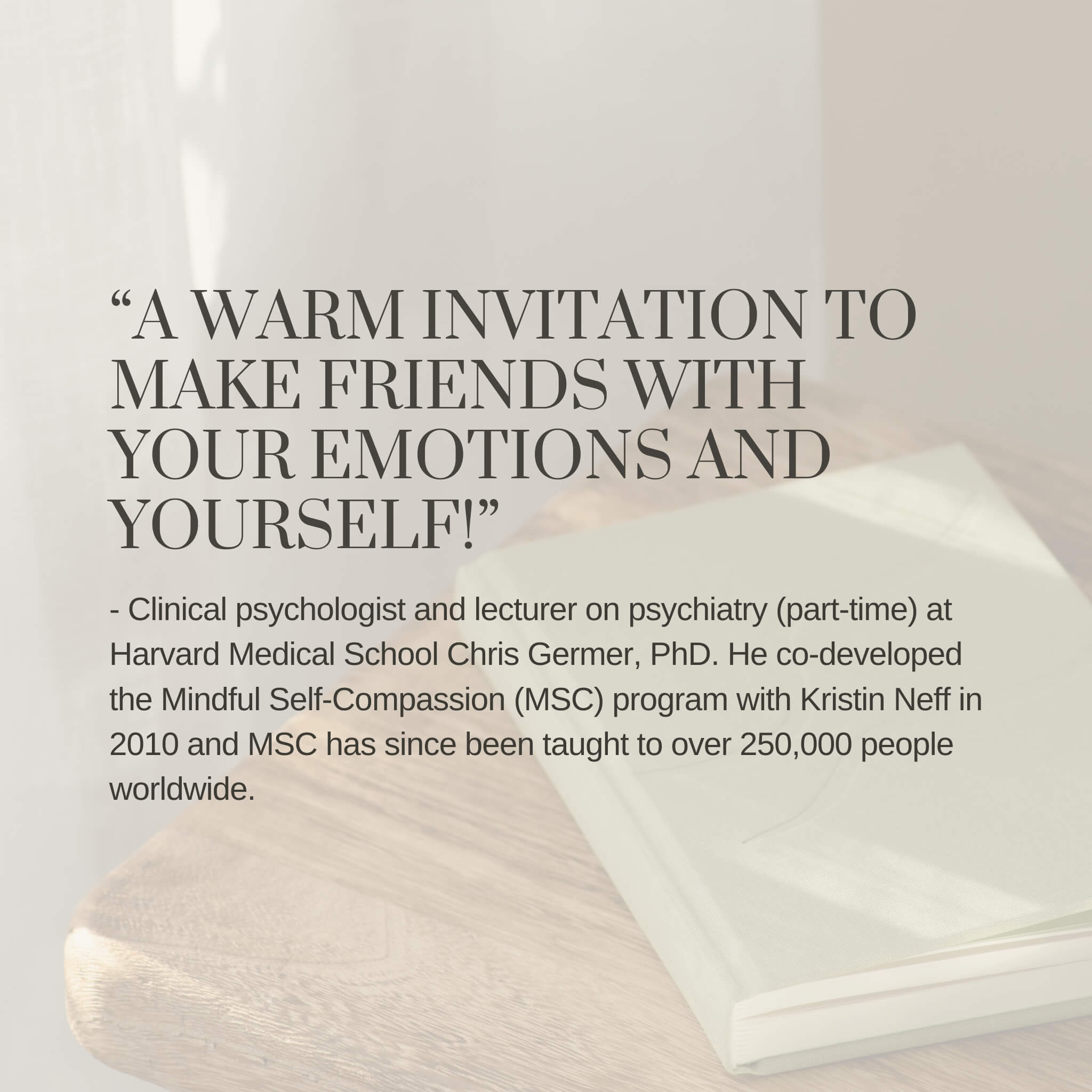
Dr. Chris Germer, PhD
Clinical Psychologist, Harvard Medical School
Co-developer of Mindful Self-Compassion (MSC) — taught to 250,000+ people worldwide
"A warm invitation to make friends with your emotions and yourself!"

Professor Willem Kuyken, PhD, DClinPsy
Ritblat Professor of Mindfulness and Psychological Science, University of Oxford
Top 1% of most cited scientists worldwide
"The journal is rooted in state-of-the-art research that emphasises the importance of understanding our emotions in order to lower stress and lead a happy and meaningful life. Rachel has curated the experience to make the writing intrinsically rewarding and the journal something to treasure."

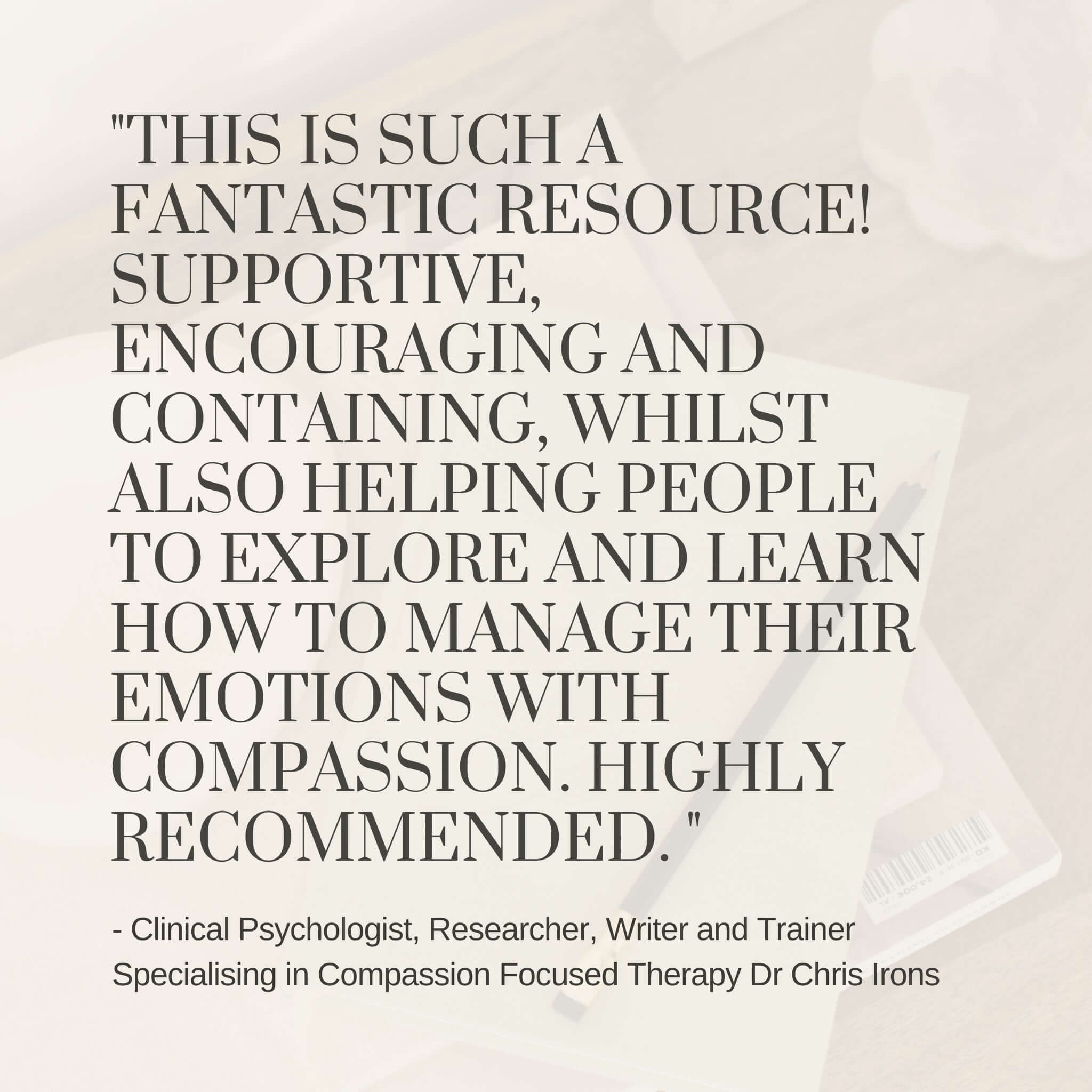
Dr. Chris Irons
Clinical Psychologist
Leading CFT Researcher and Trainer | Co-director of Balanced Minds
"This is such a fantastic resource! Supportive, encouraging and containing, whilst also helping people to explore and learn how to manage their emotions with compassion. Highly recommended."
What therapists say about using it with clients

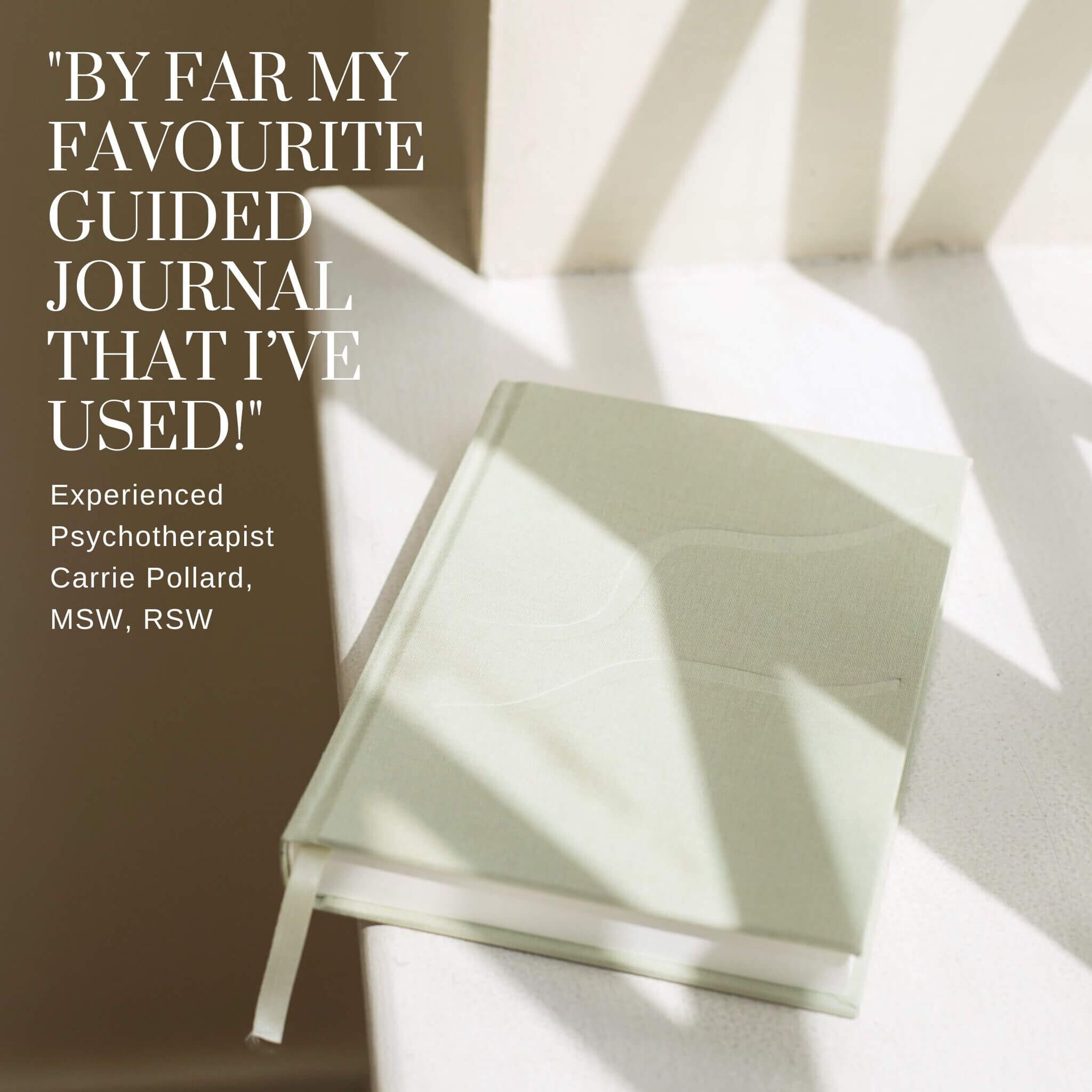
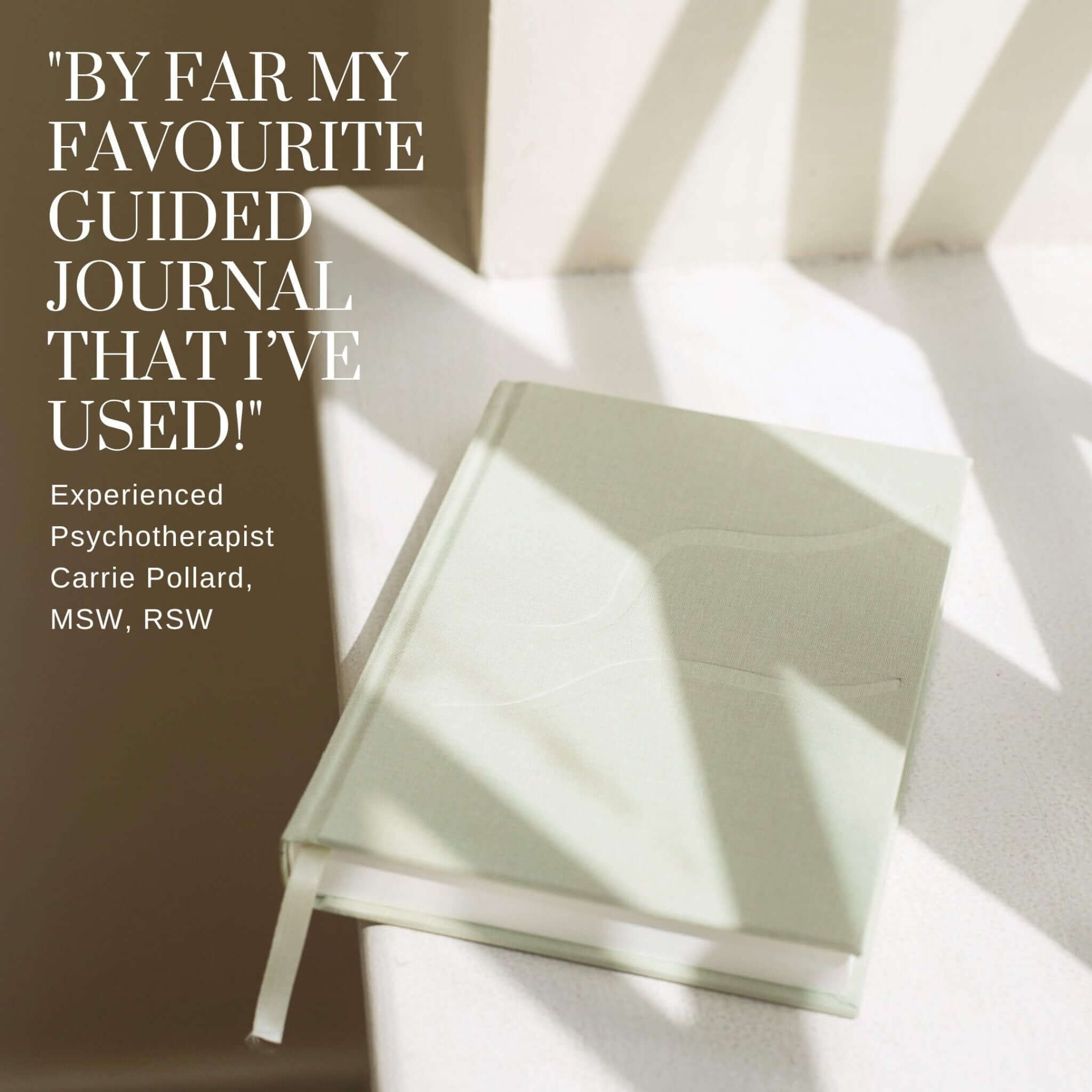
"It helps you name and process your emotions, identify what you need to cope and/or problem-solve, balance the acknowledgment of hurt and suffering with gratitude and comfort. This is by far my favourite guided journal that I've used."
Carrie Pollard, MSW RSWExperienced Psychotherapist

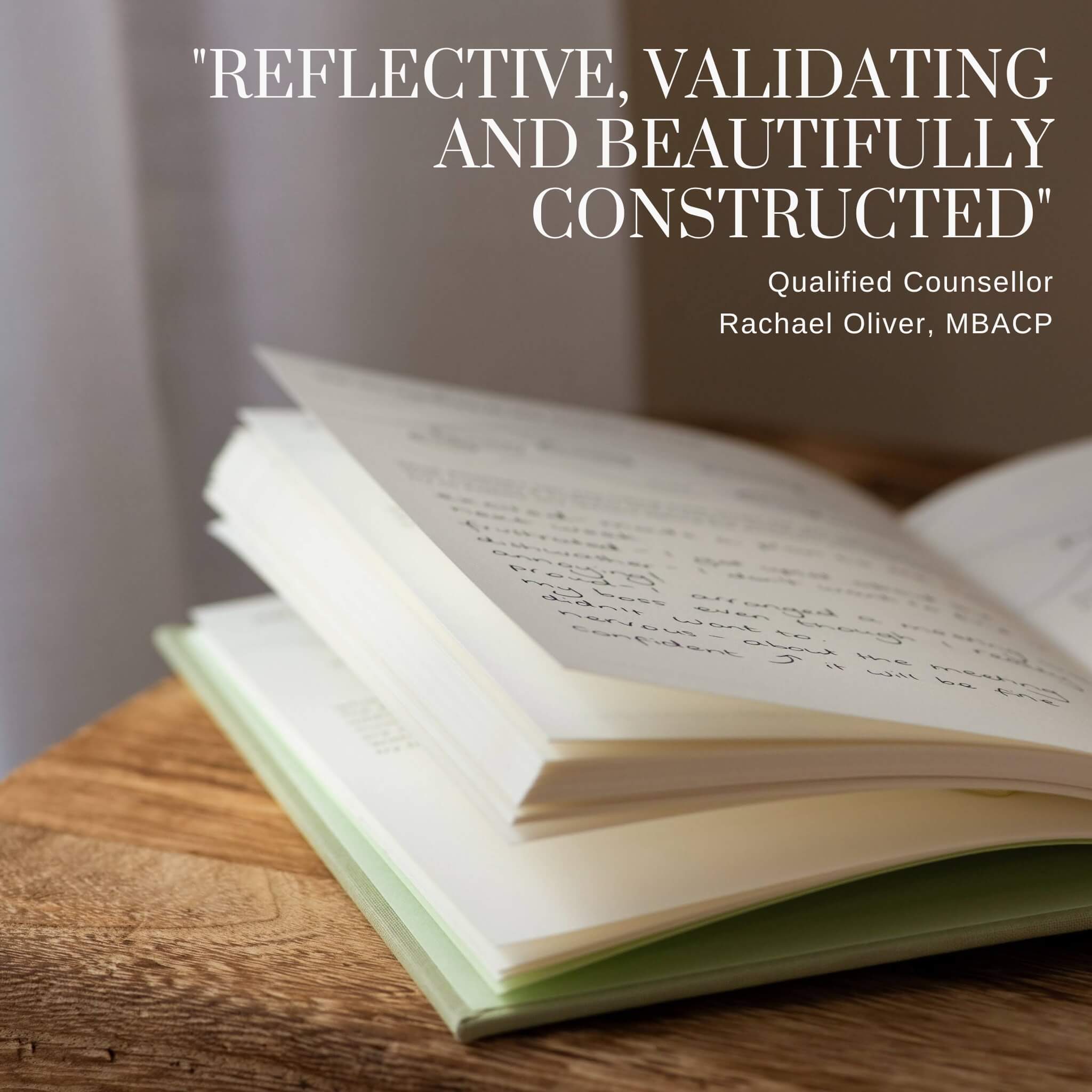
"I love using these beautiful journals with clients throughout their counselling journeys. The way the journal is constructed helps validate their entire experience and avoid toxic positivity."
Rachael Oliver MBACPAccredited Counsellor

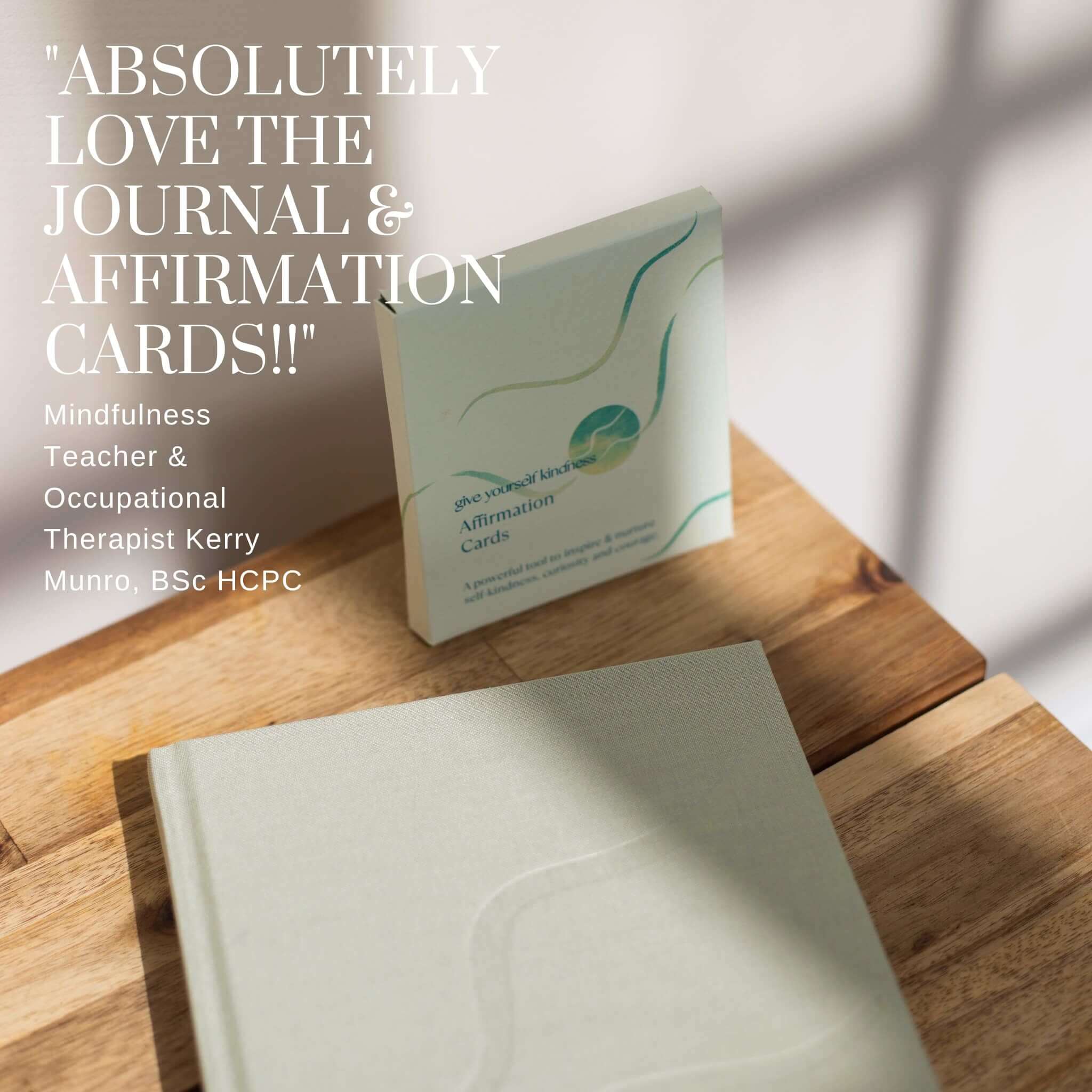
"Out of all the guided journals I've used, this one stands out as my favorite. This journal encourages you to offer yourself the same compassion you would extend to a loved one."
Michelle Shlafman Ph.D., LPC, ACSHolistic Psychotherapist

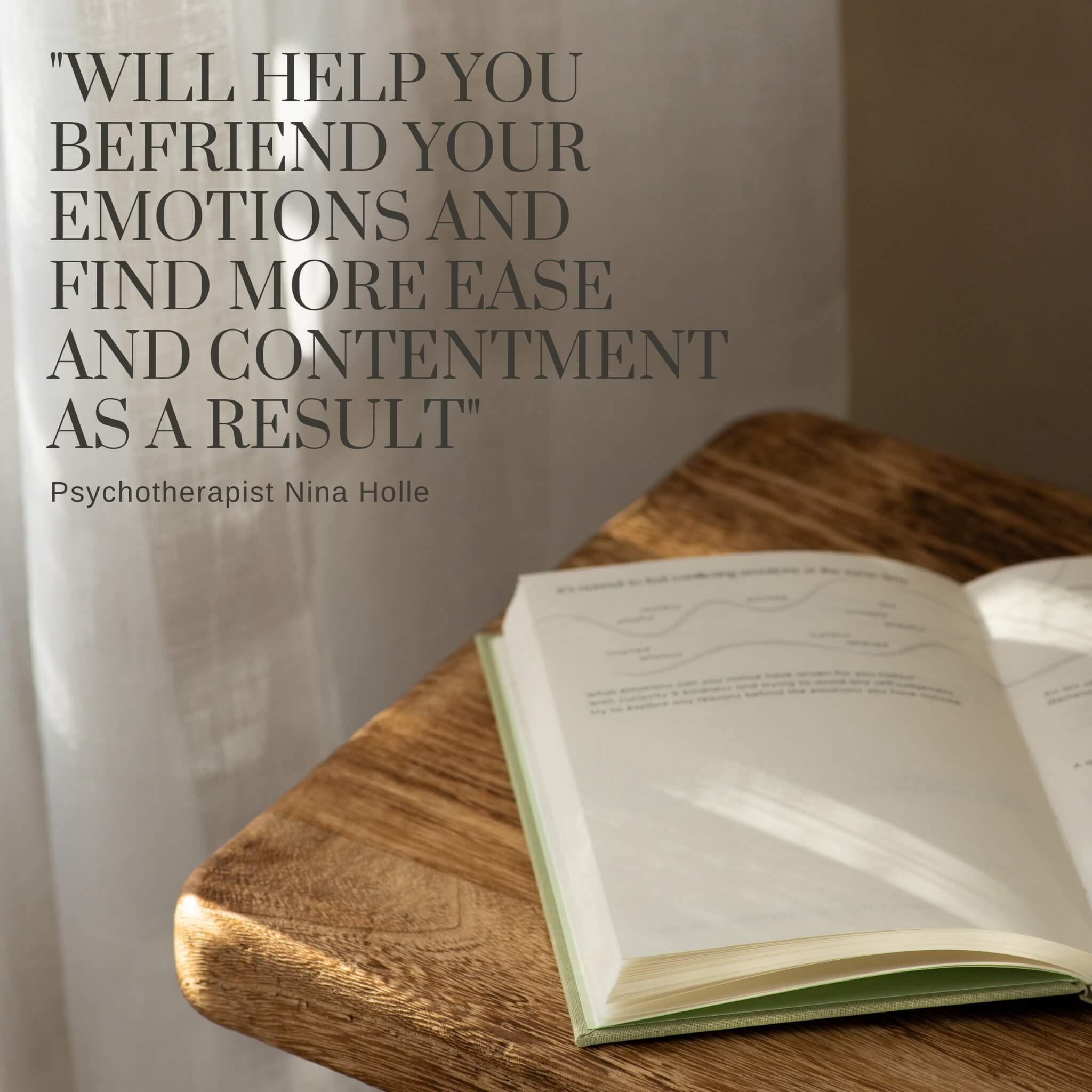
"This is a wonderful, easy-to-use and transformative journal which will help you befriend your emotions and find more ease and contentment as a result."
Nina HollePsychotherapist
What's Inside the Journal
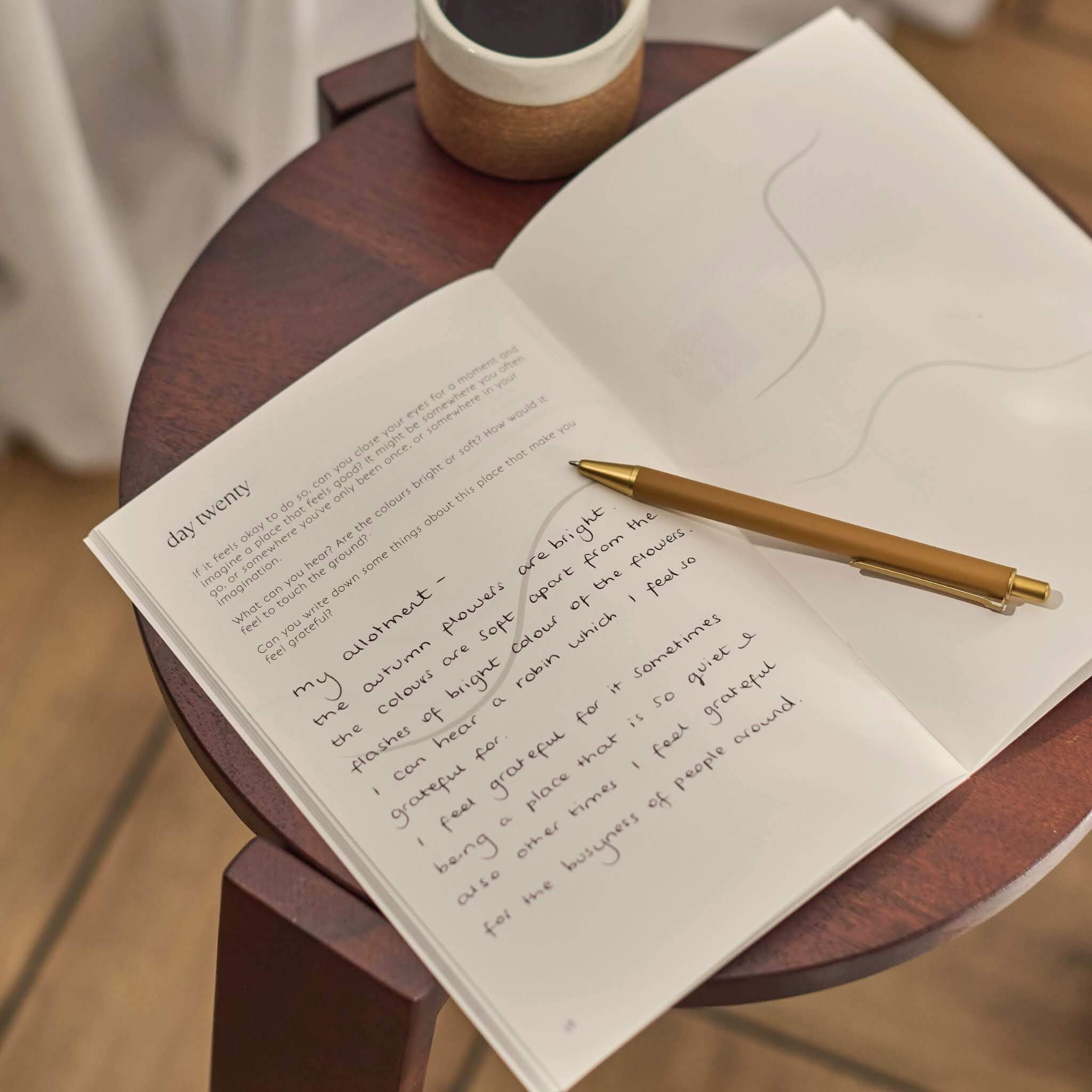
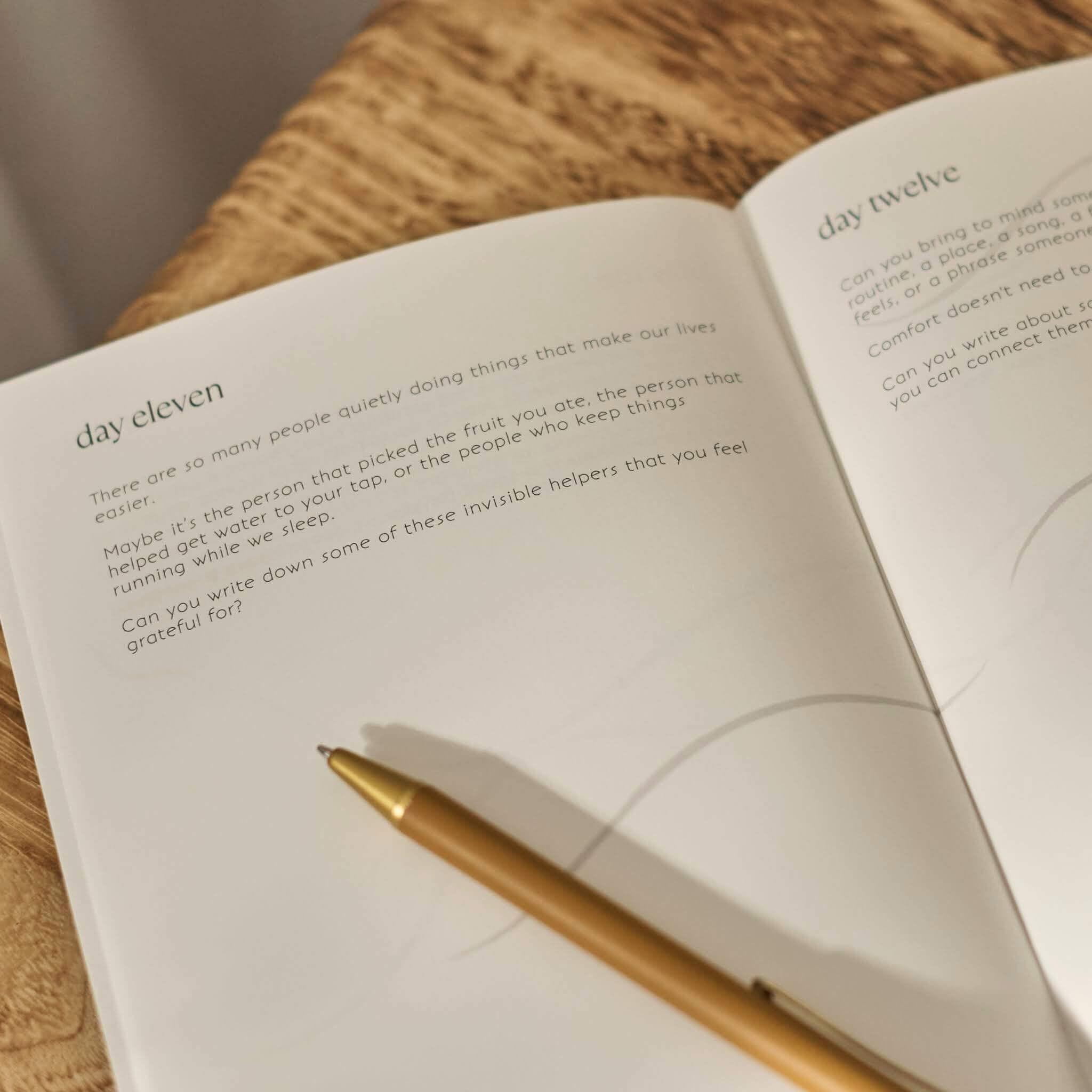
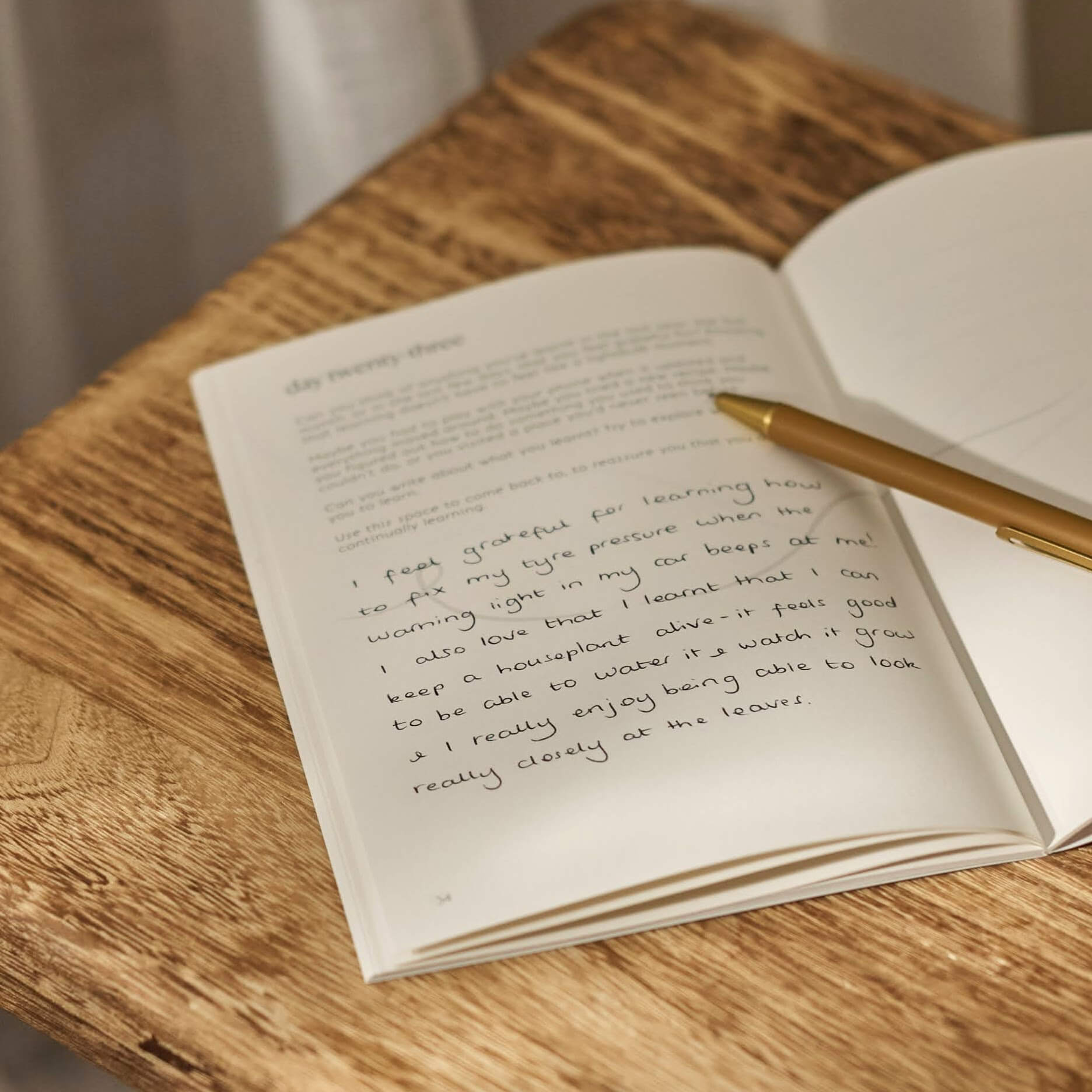
The kind of prompts you'll find inside:
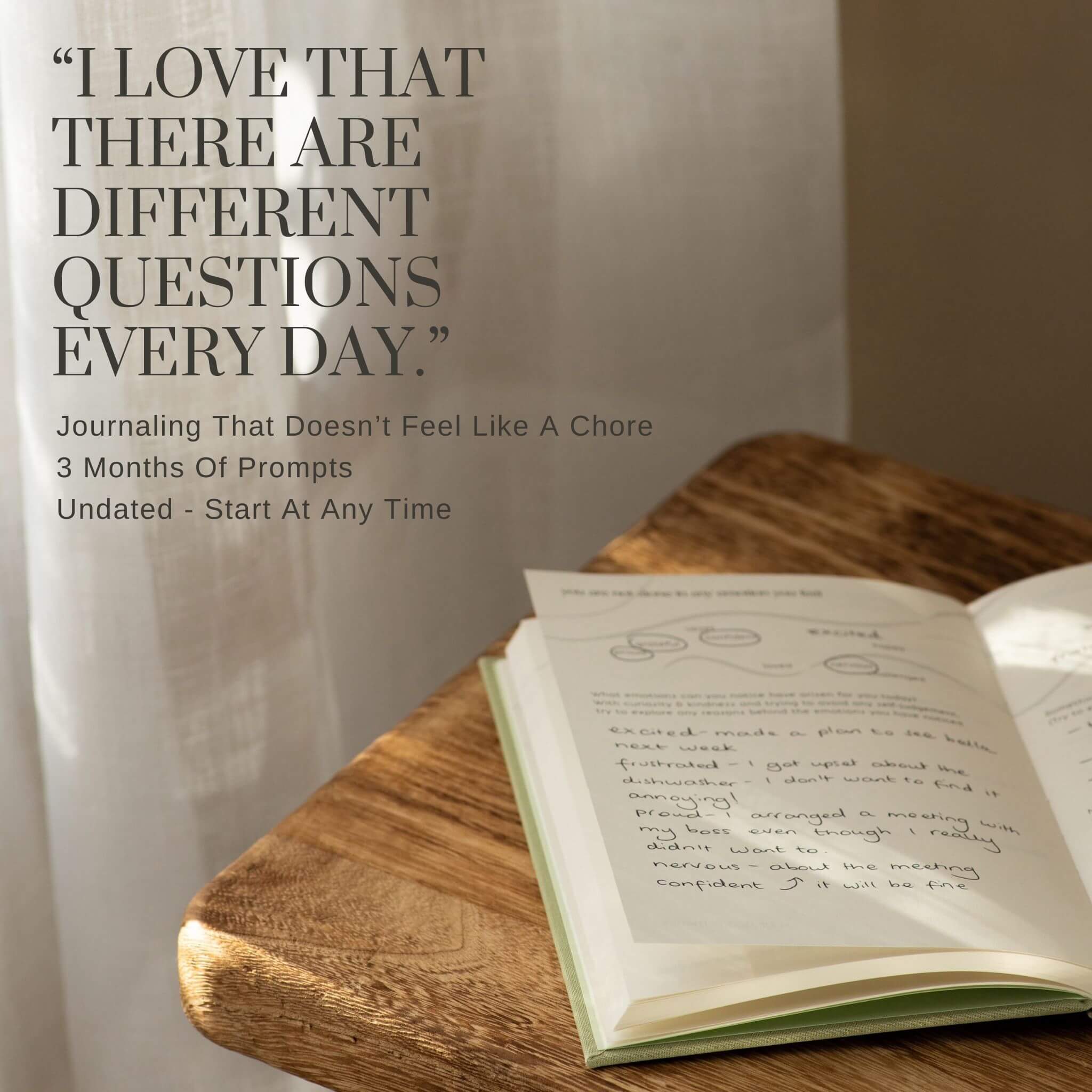
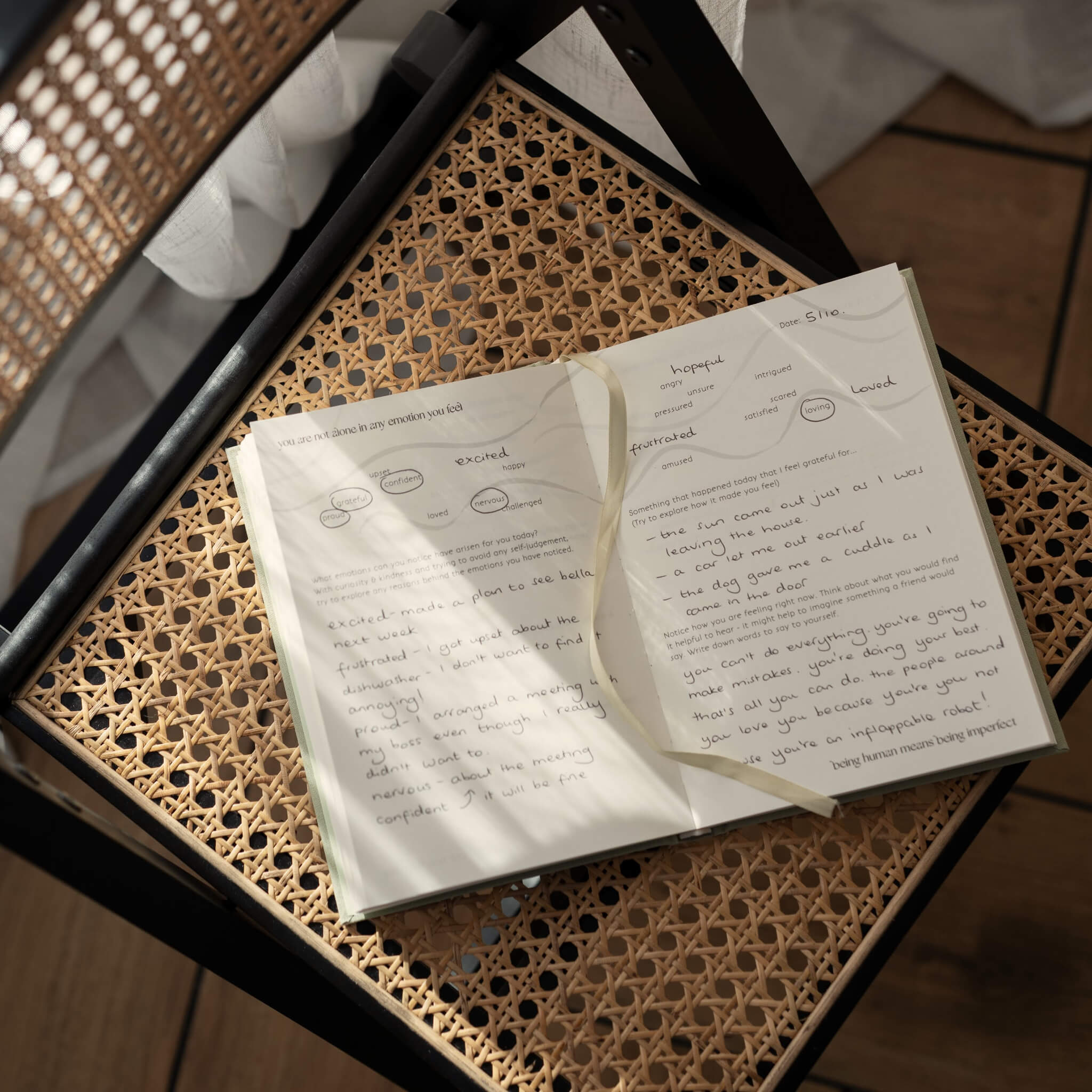
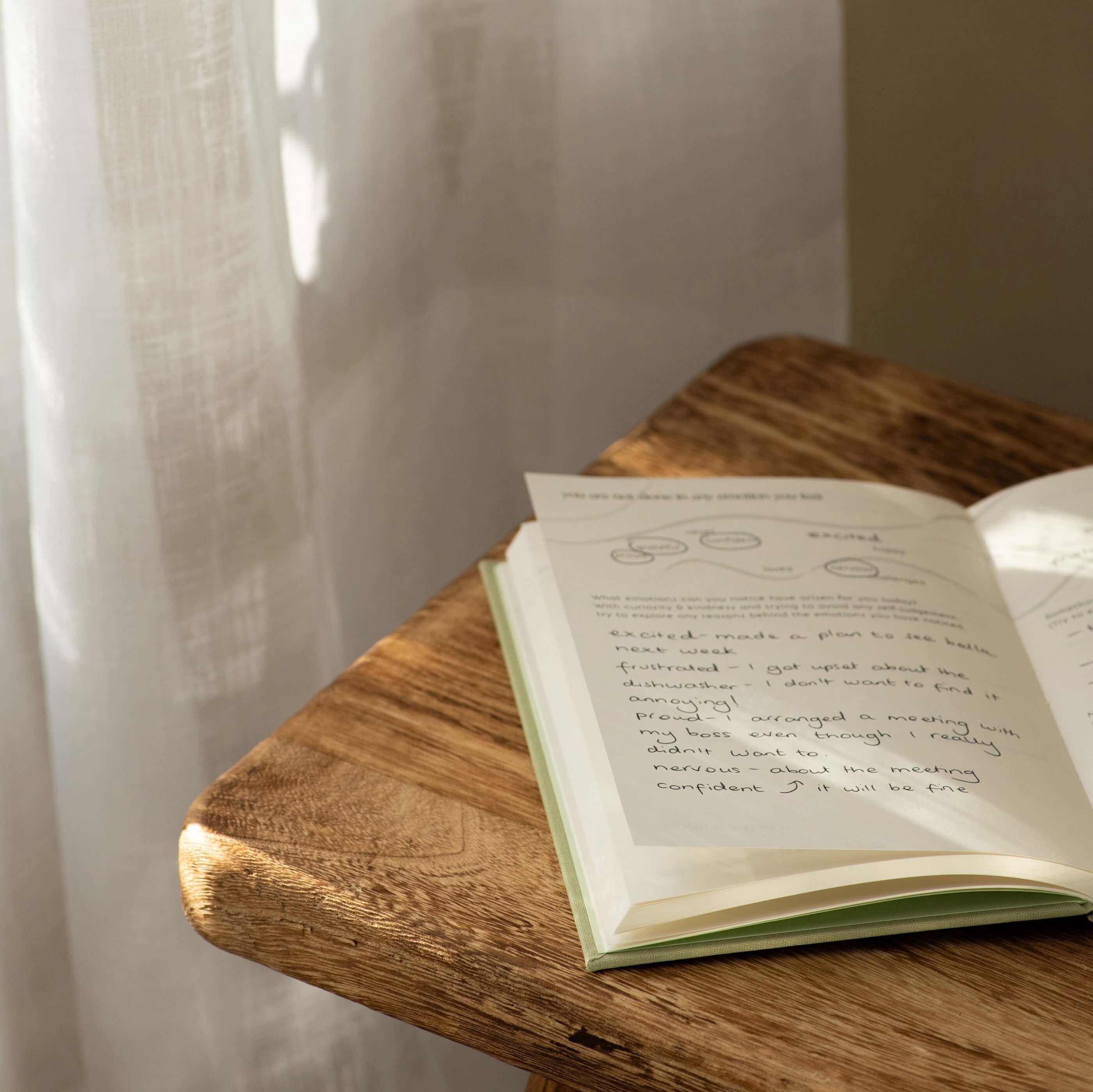
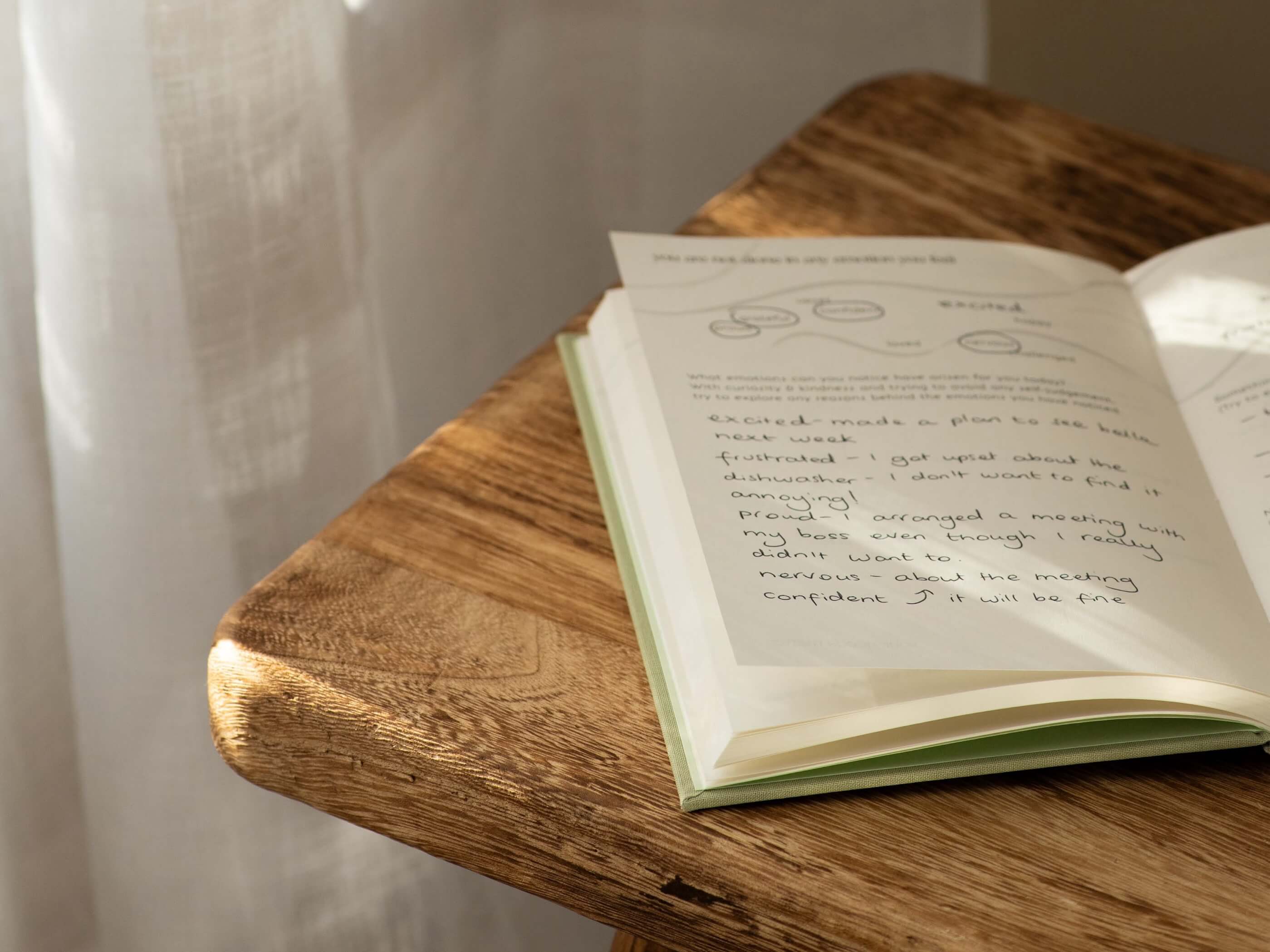
- "What emotions can you notice have arisen for you today? With curiosity and kindness, try to explore reasons behind the emotions you've noticed."
- "Can you think of a time when you've struggled to feel proud of something you've achieved, but if it had happened to a friend you would have felt proud? Write down words of reassurance to show yourself that you deserve to feel proud."
- "Notice how you are feeling right now. Think about what you would find it helpful to hear — it might help to imagine something a friend would say. Write down words to say to yourself."
- "What has challenged you today? Talk to yourself as you would talk to a friend — write down what you would say."
- "Imagine you have thirty minutes to do something for you, to show yourself some of your own love and care. What would you do?"
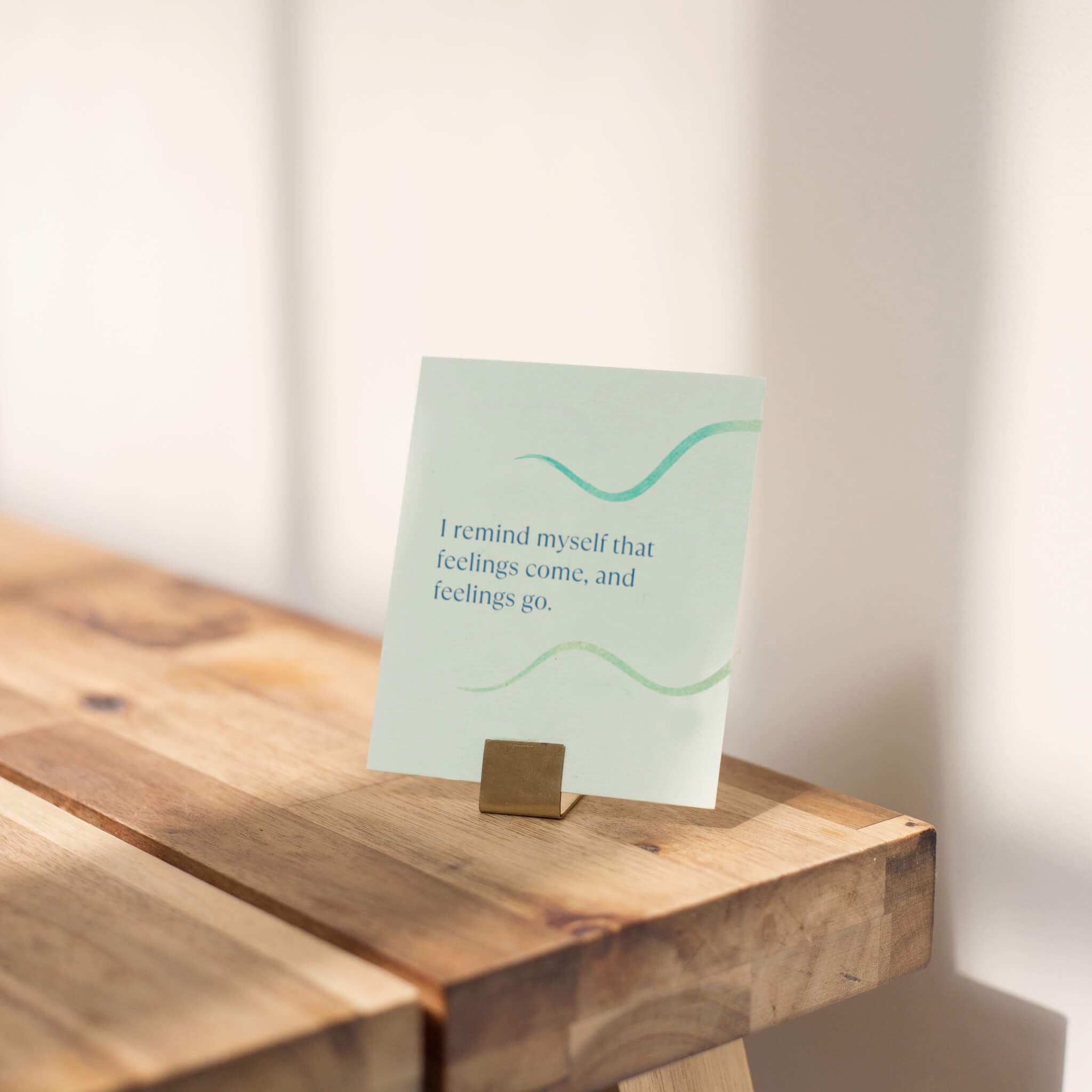
Gentle reminders woven throughout:
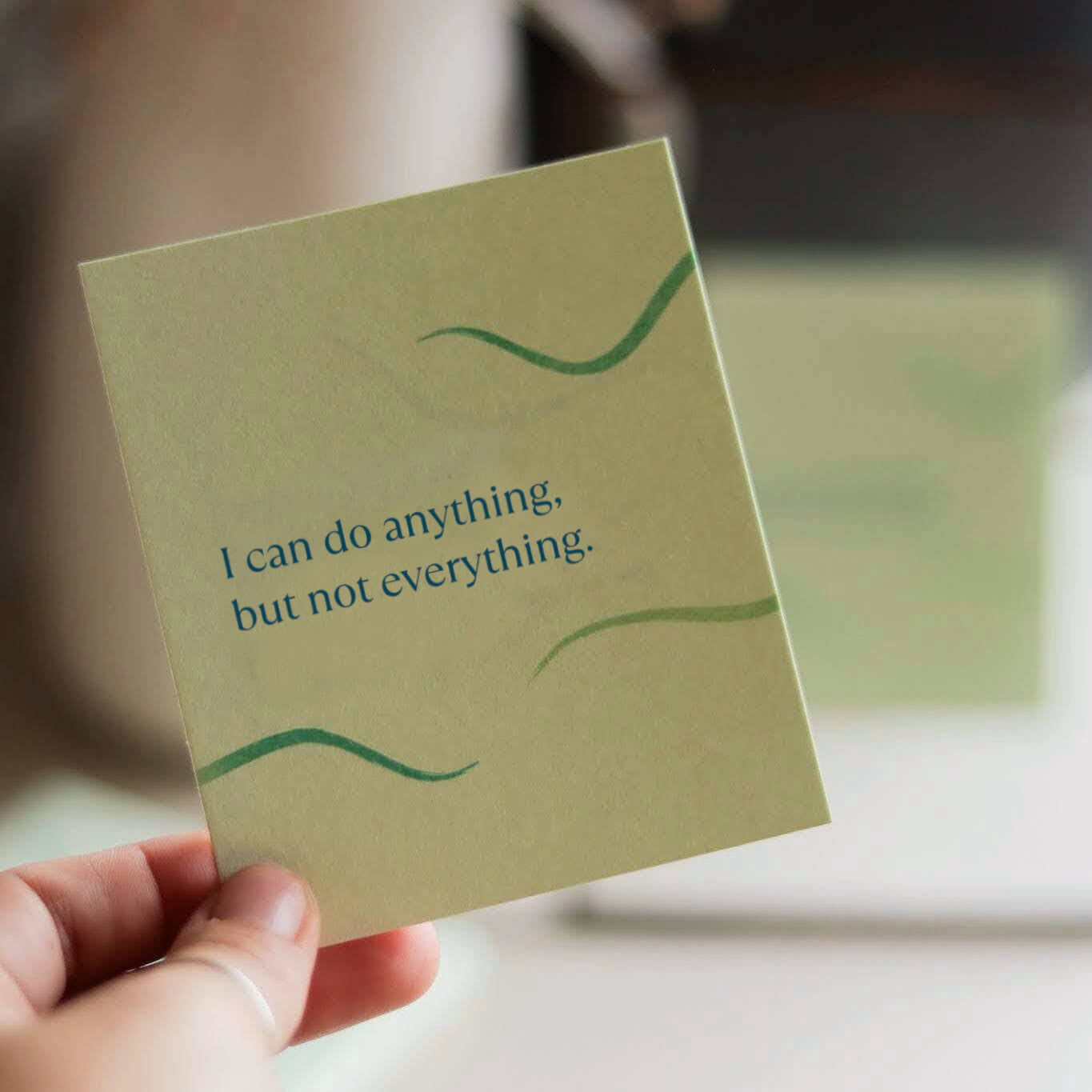
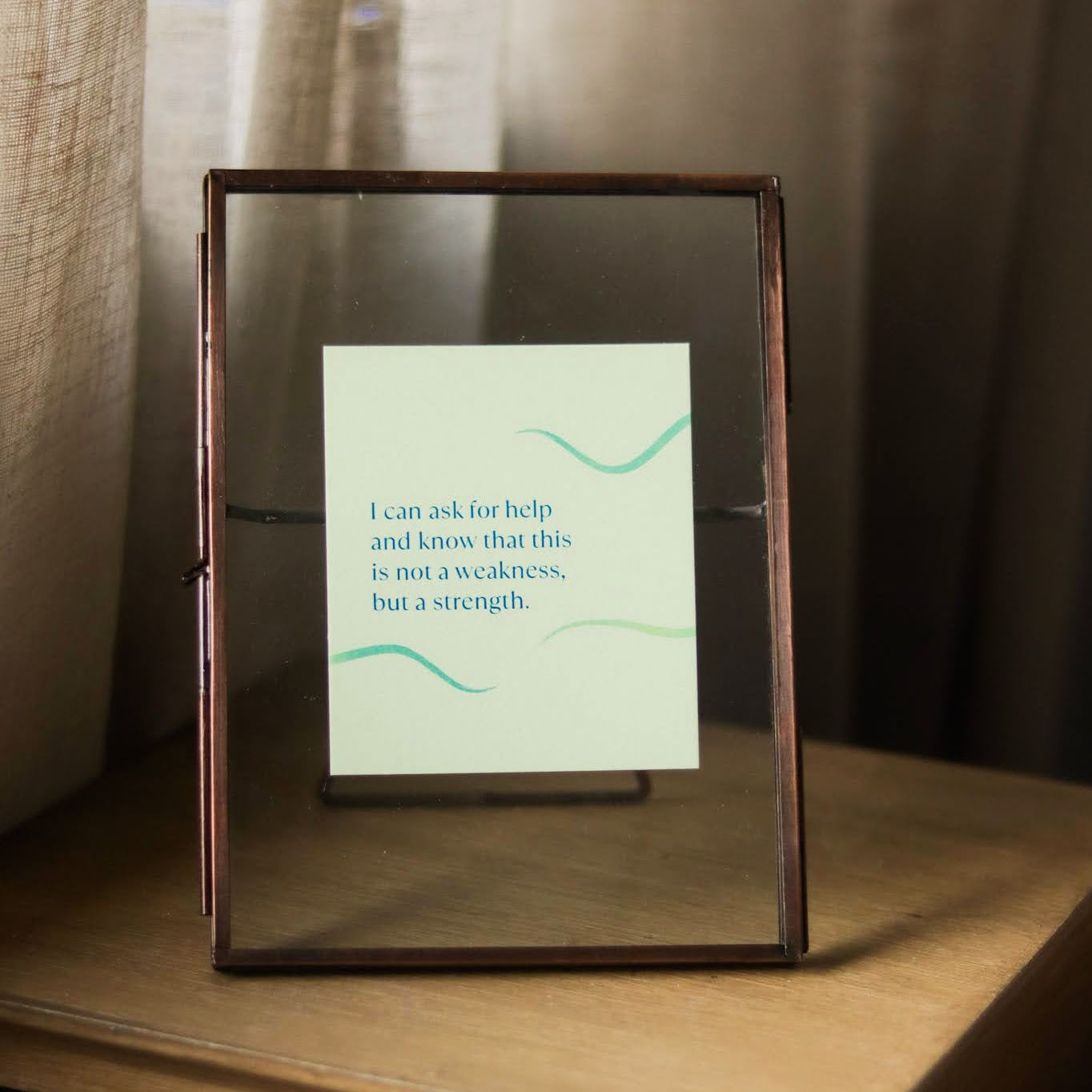
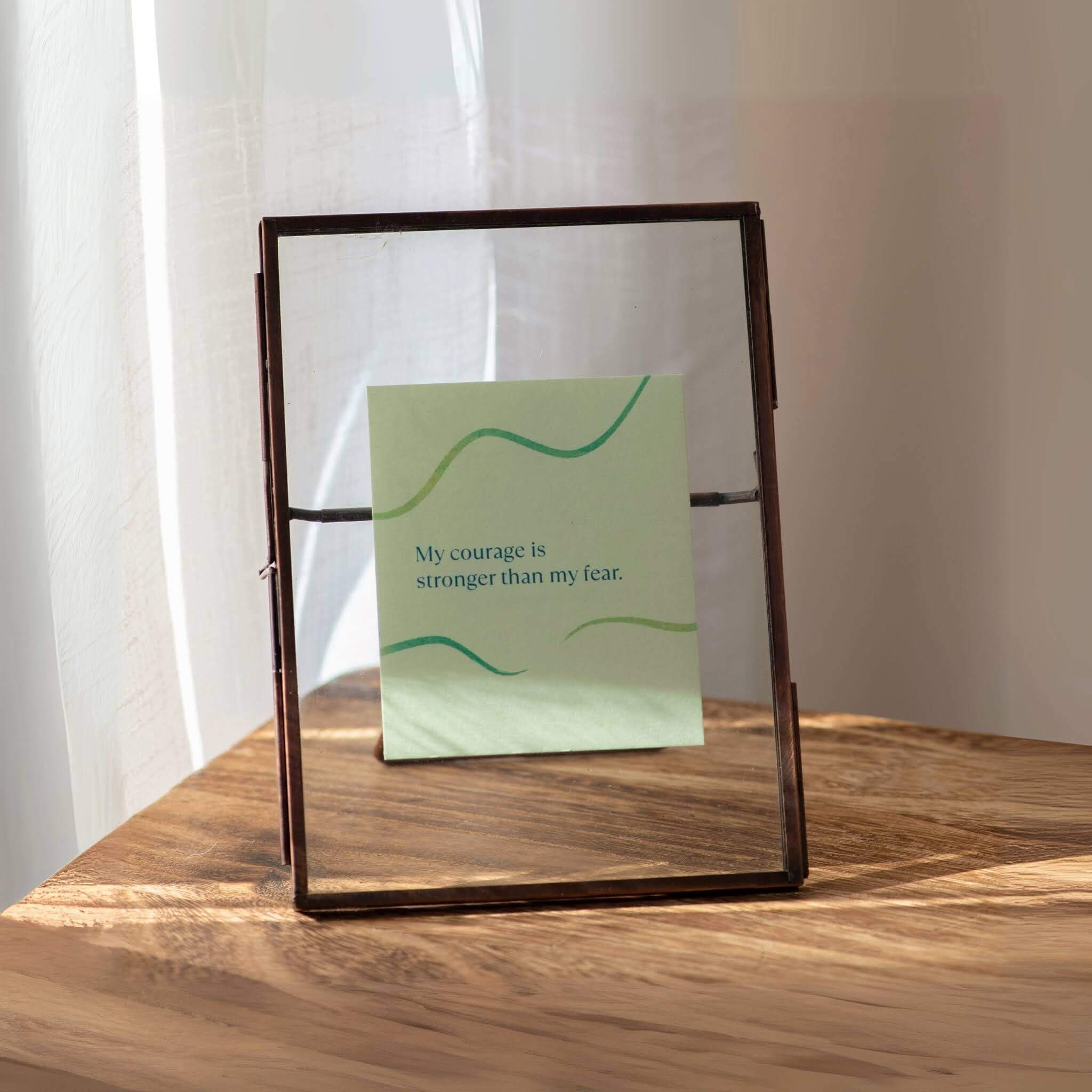
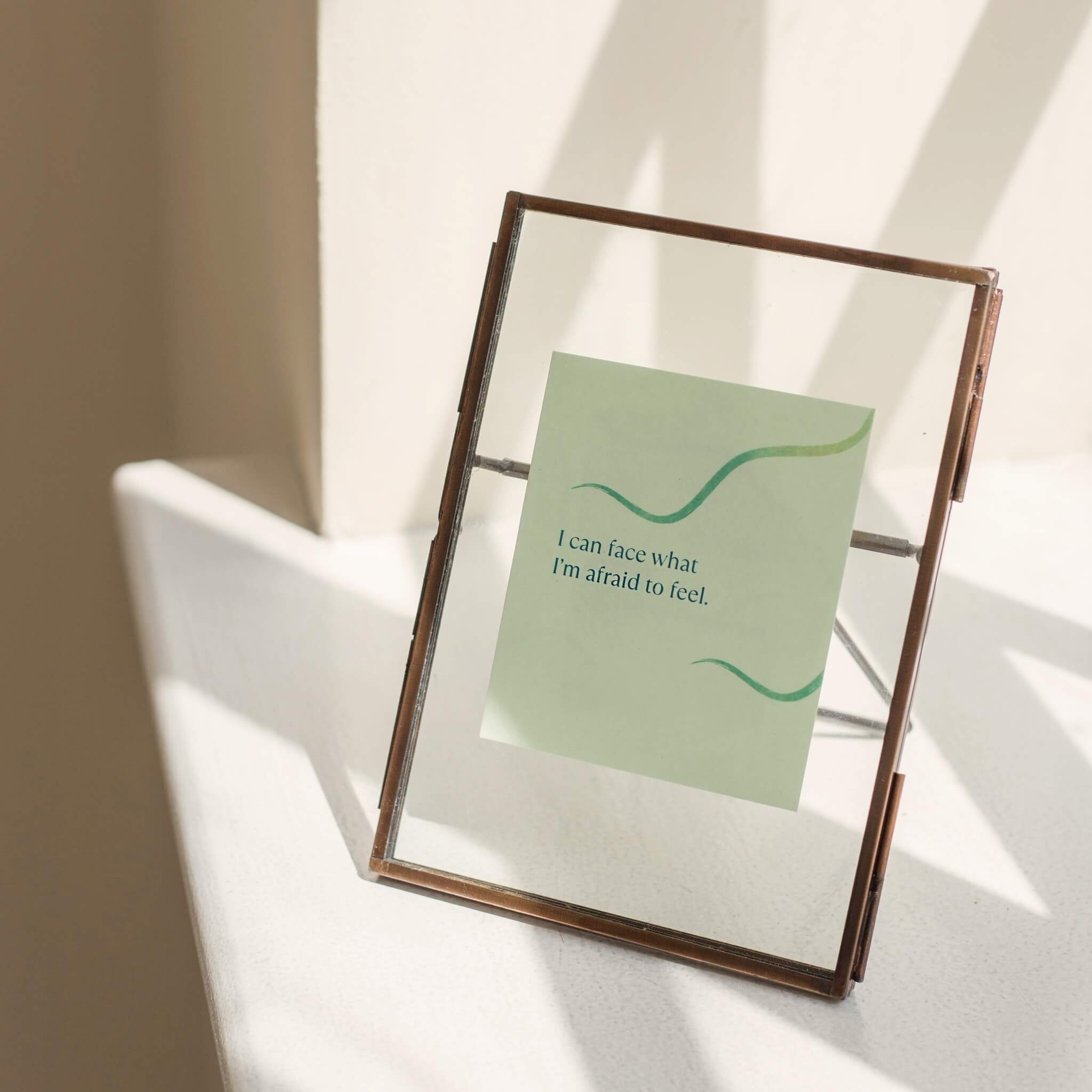
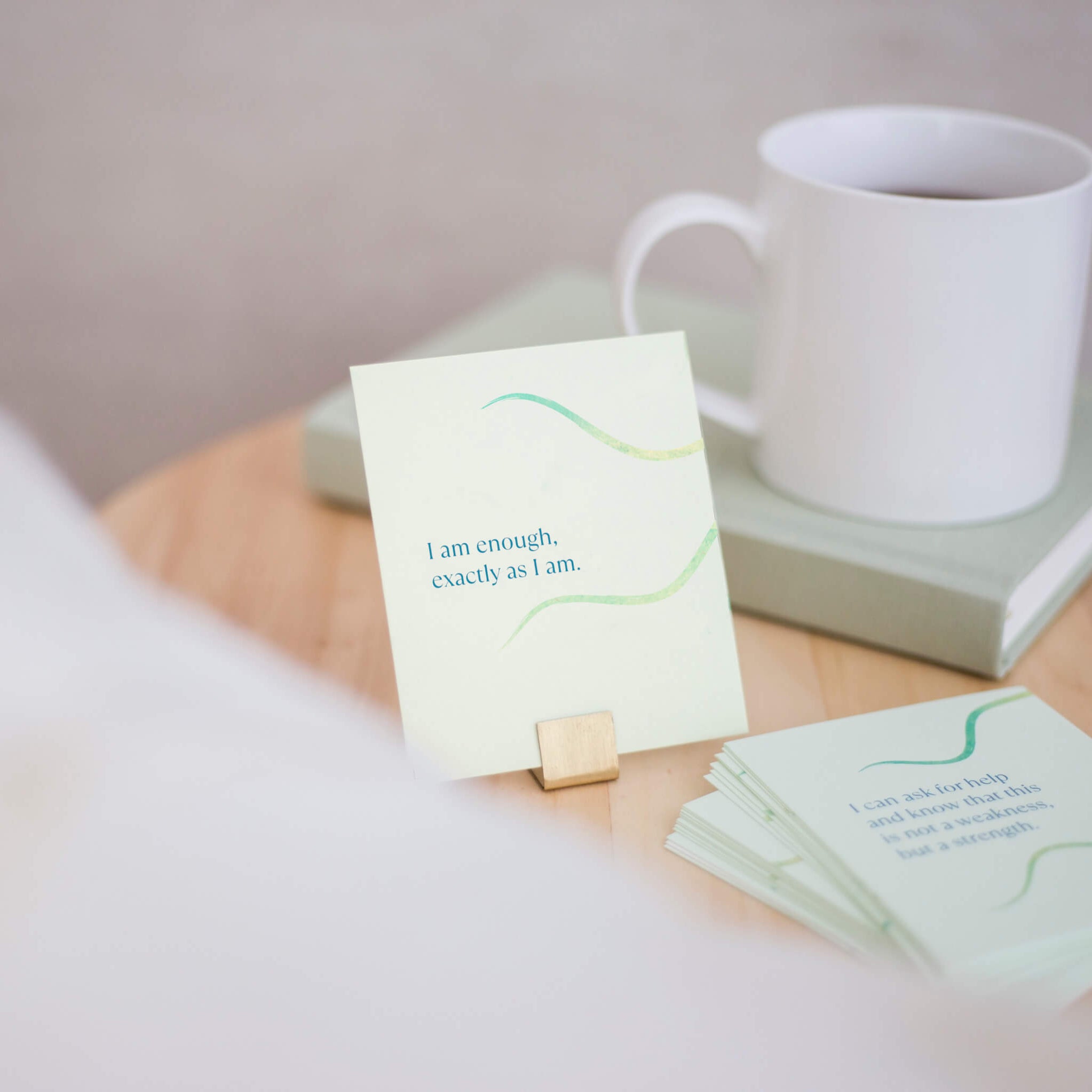
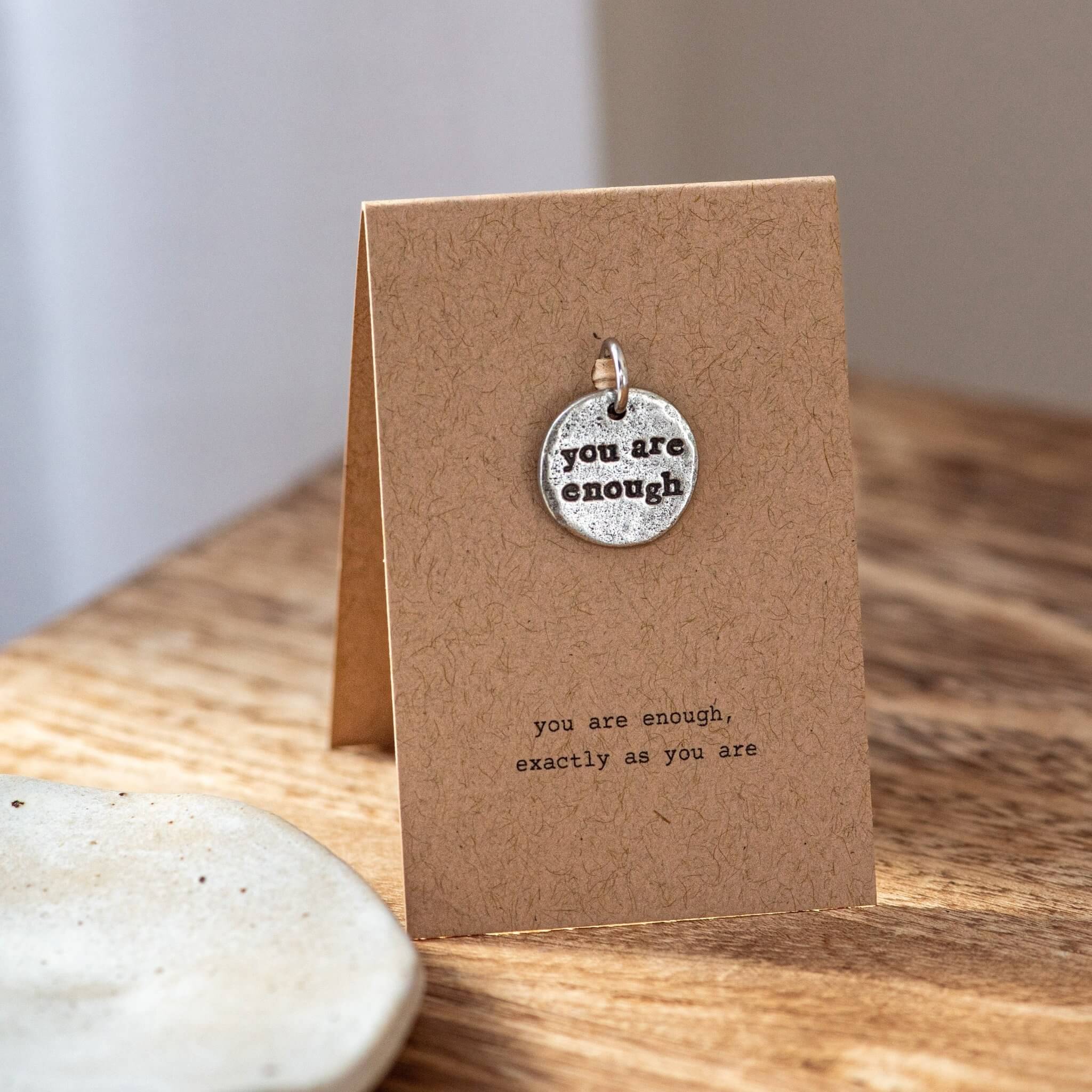
- "You are enough, exactly as you are"
- "The way you speak to yourself matters"
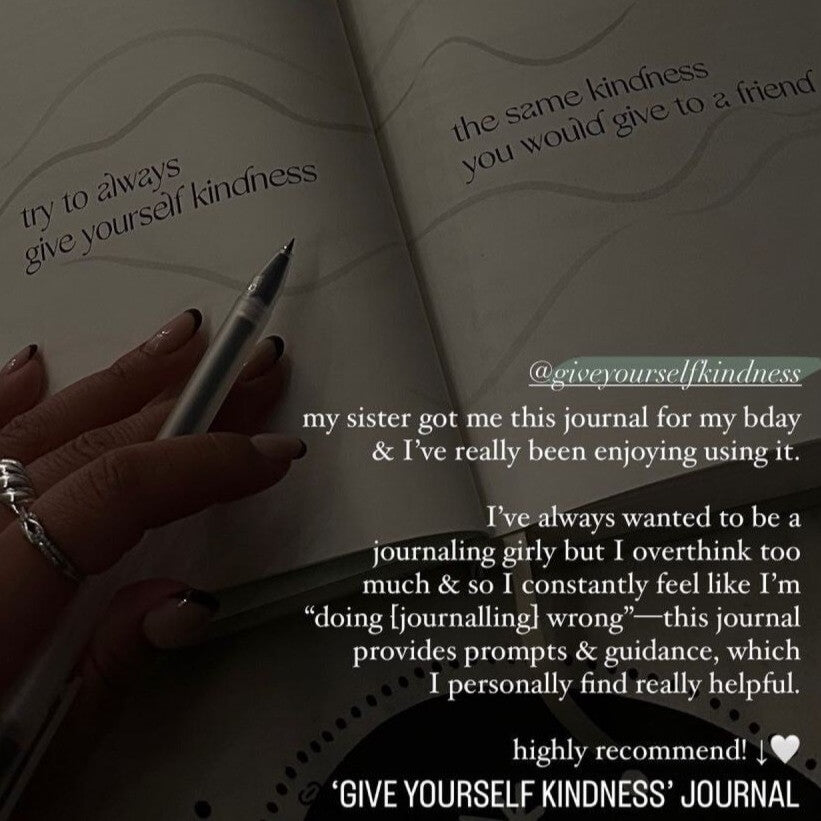
- "Being human means being imperfect"
- "No emotion defines who you are"
- "Every day you do so many things to be proud of"
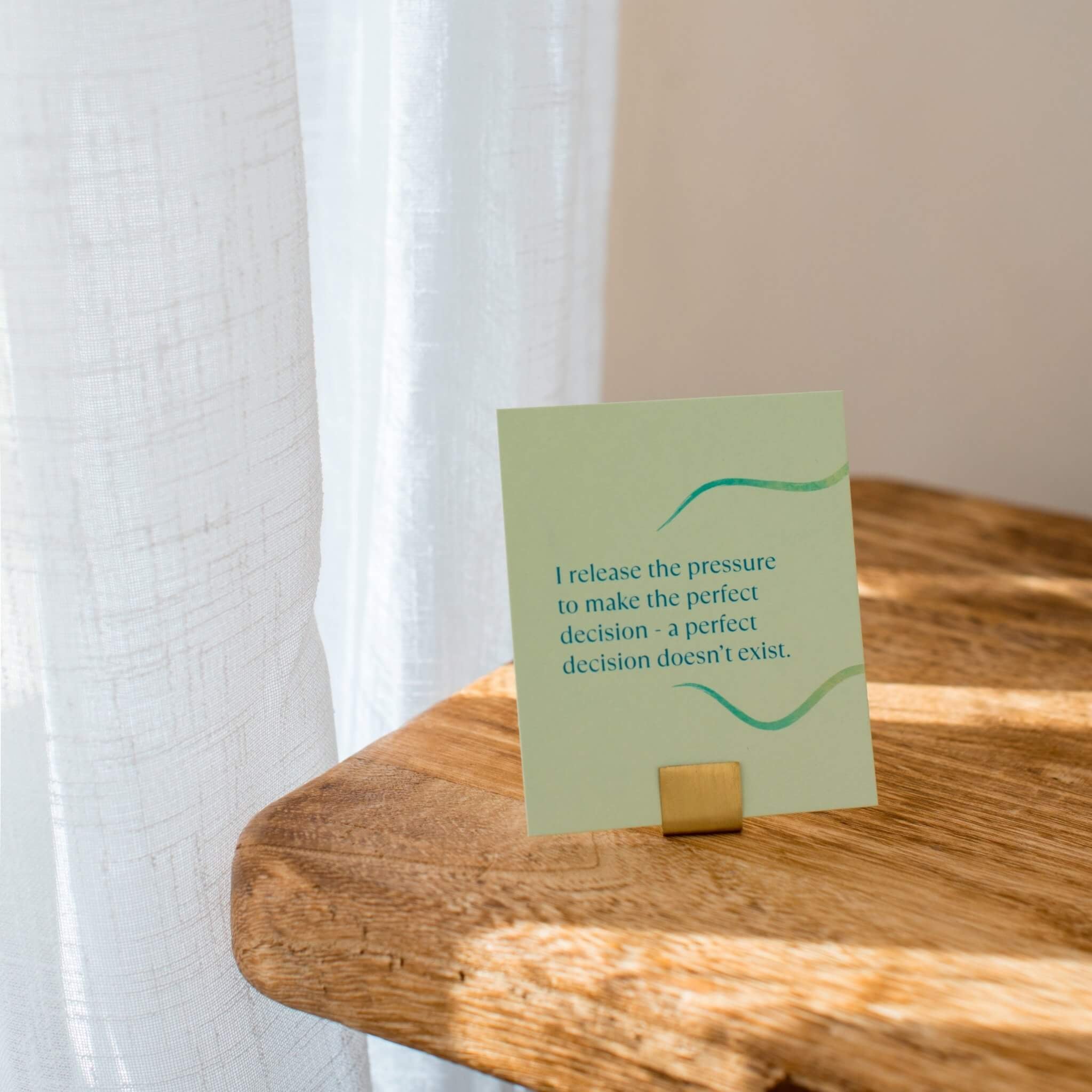
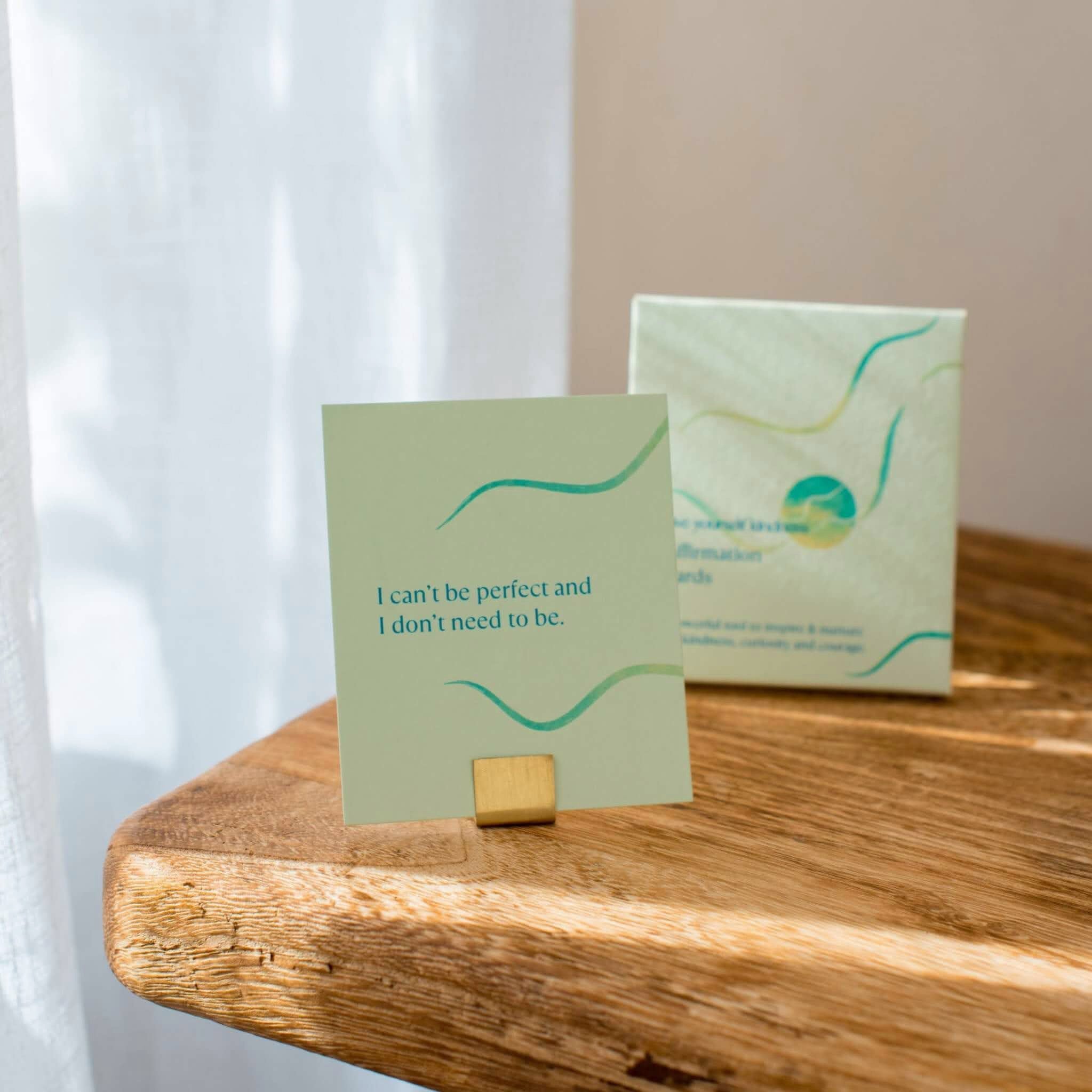
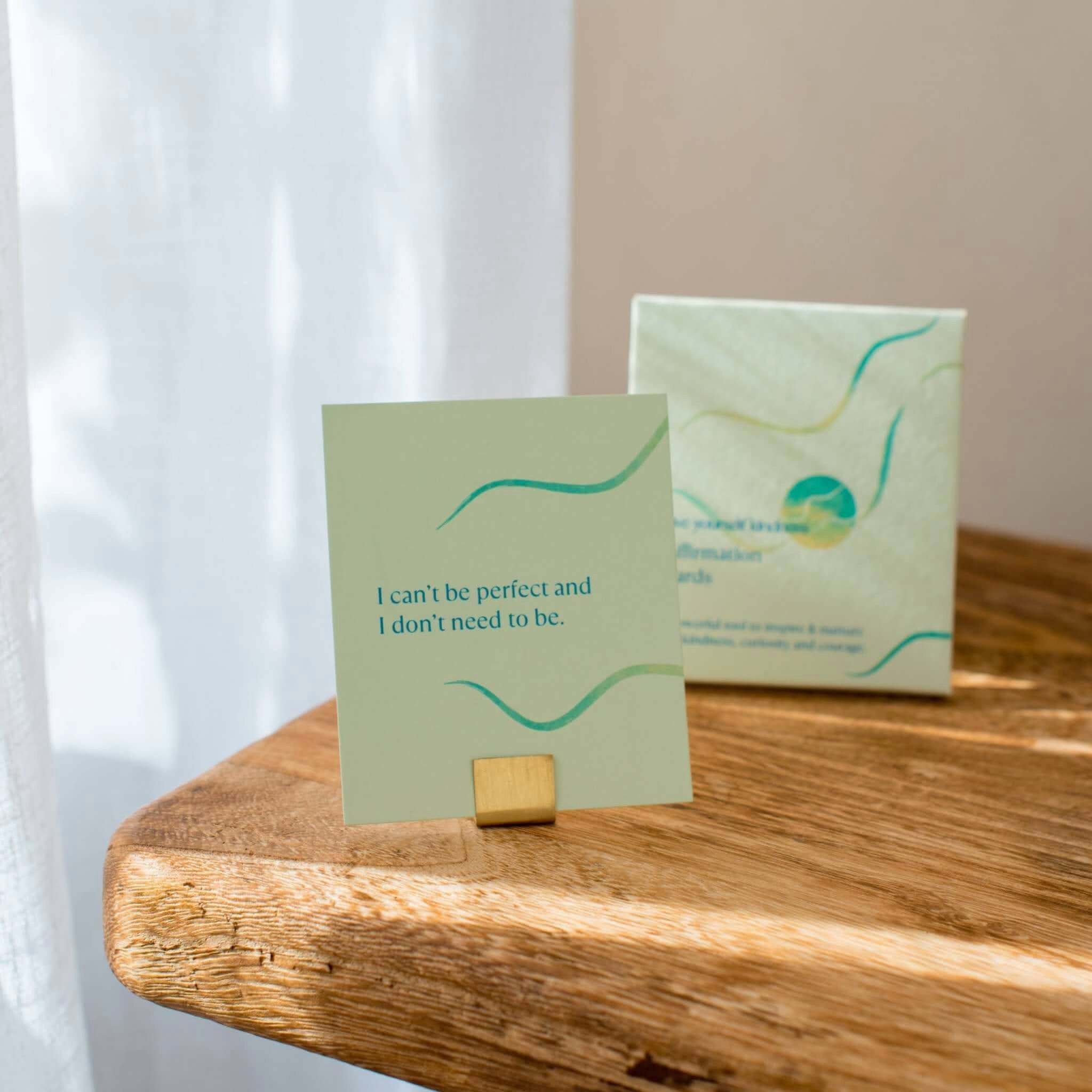
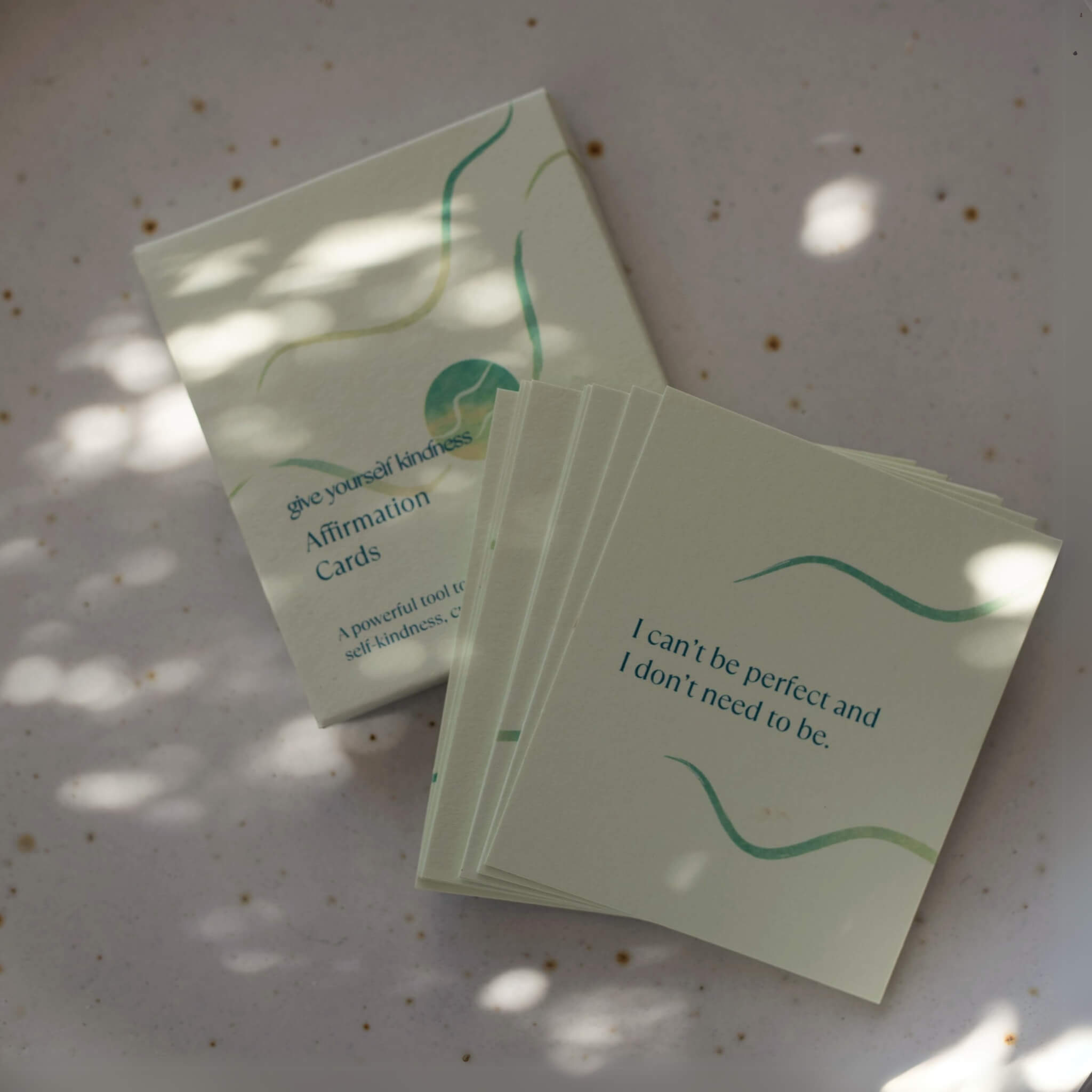
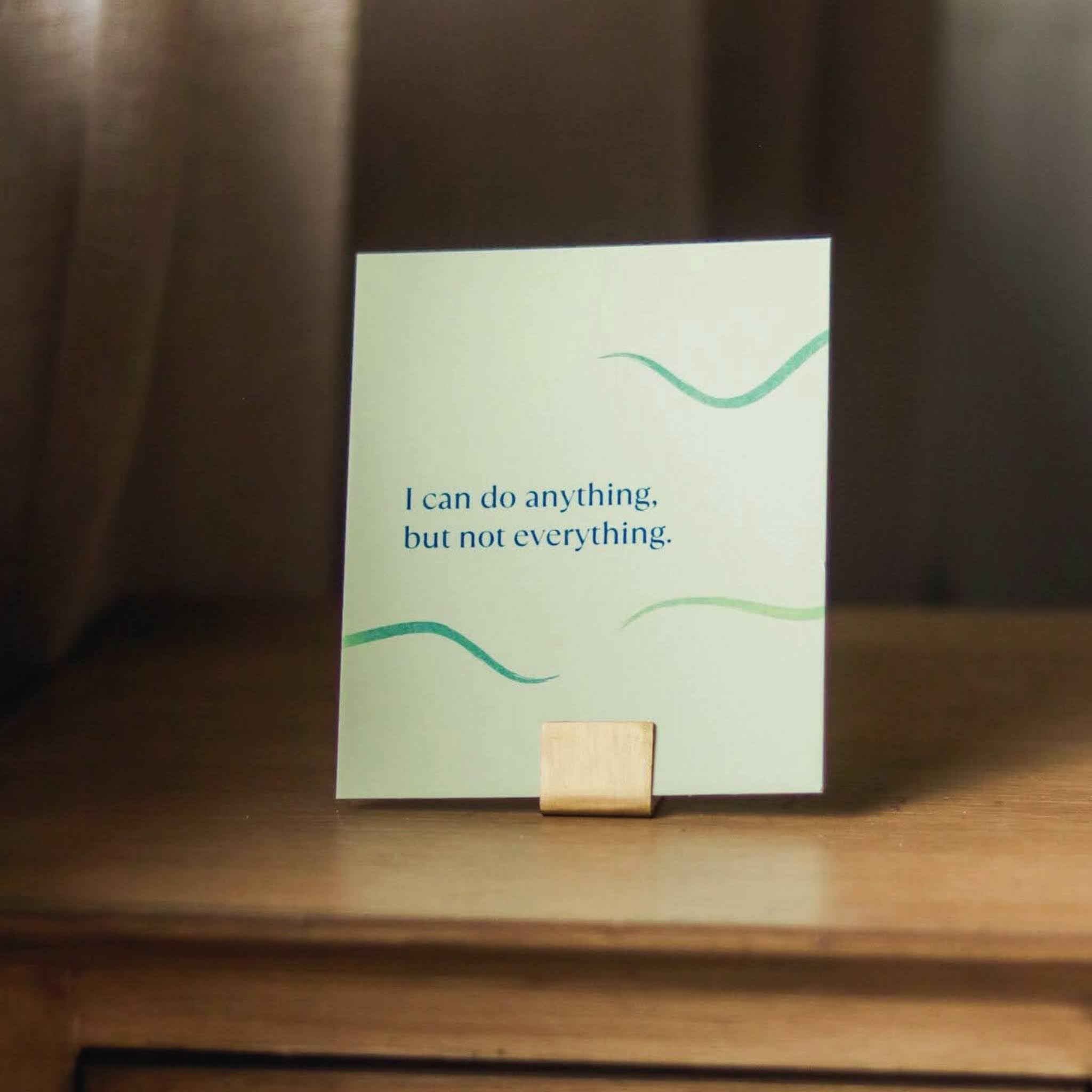
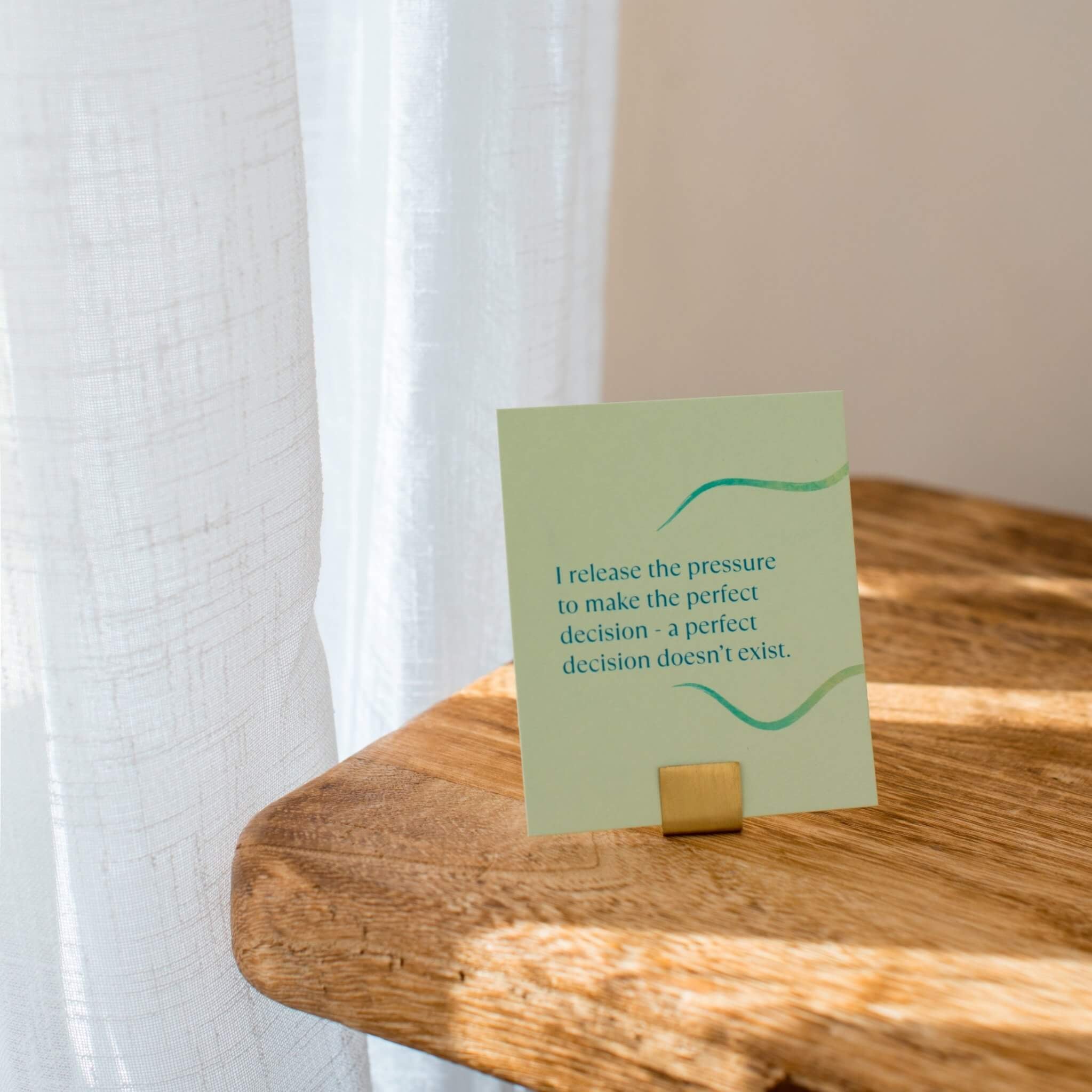
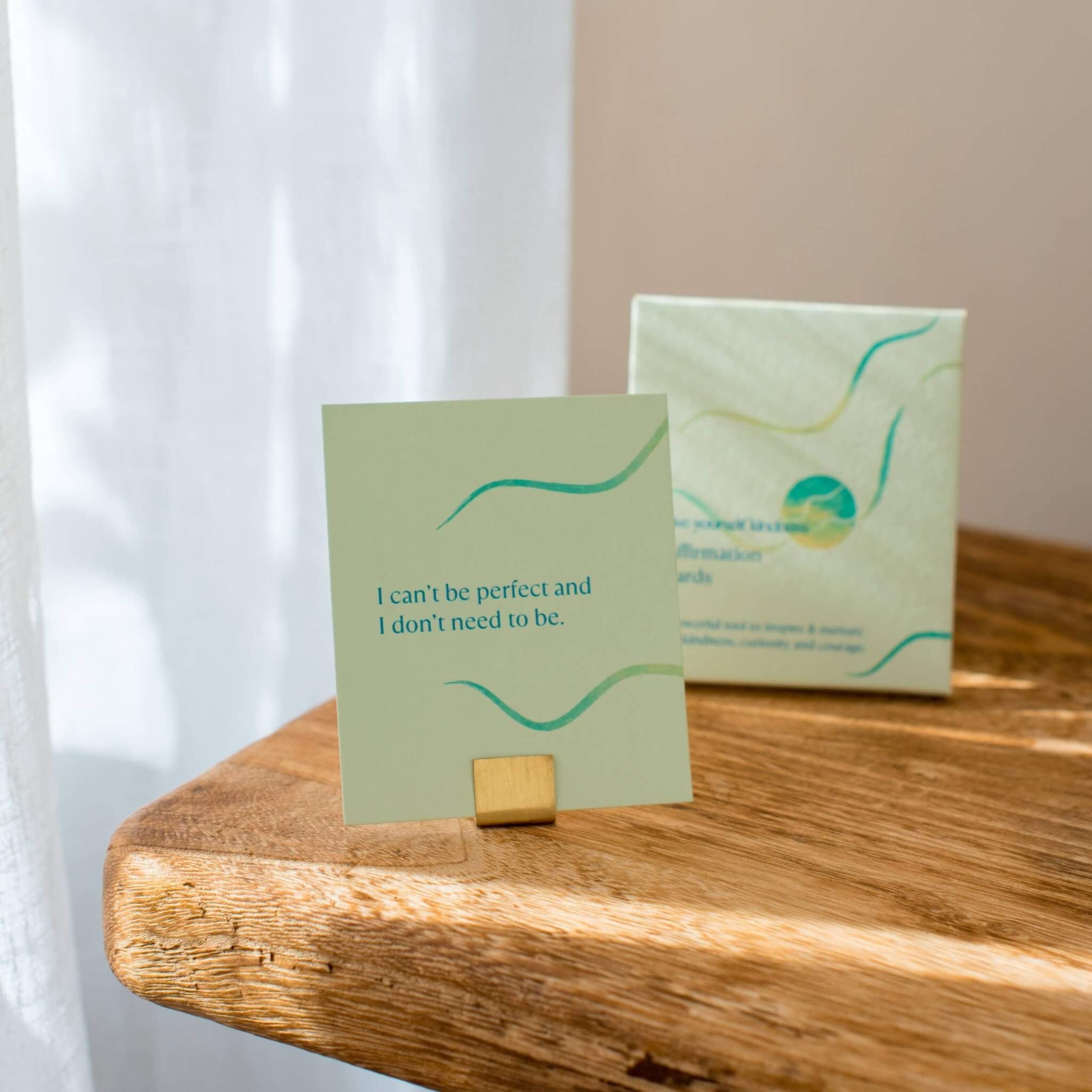
- "You can't be perfect, and you don't need to be"
Is This Journal Right for You?
This journal is a good fit if any of this sounds familiar:
- You feel like you're "not good enough" no matter what you achieve
- Your inner critic is loud, relentless, and exhausting
- You compare yourself to others and always come up short
- You struggle to accept compliments or recognise your own strengths
- Traditional gratitude journals have made you feel guilty or worse
- You want to build genuine self-worth — not just temporary confidence
- You've tried journaling before but found it repetitive or unhelpful
- You're new to journaling and want something that guides you gently
- You're working with a therapist on self-esteem or self-worth
You don't need any experience with journaling or self-compassion. The prompts guide you every step of the way — and there are no wrong answers.
Common Questions
What is the best journal for self-worth?
The Give Yourself Kindness journal is the best journal for self-worth because it's the only one built around self-compassion research and endorsed by clinical psychologists from Harvard and Oxford. It doesn't ask you to force positive thinking when you're struggling — it validates your experience and gently builds a kinder relationship with yourself over 90 days. It's also used by therapists with their clients, which tells you something about its quality.
How does journaling actually help with self-worth?
A good self-worth journal helps in three ways. First, it gives you a consistent space to practise self-compassion — responding to yourself with the kindness you'd offer a friend, rather than harsh self-criticism. Second, it helps you notice and name your emotions without judgment, which research shows reduces their intensity. Third, it gently challenges your inner critic over time — not by silencing it, but by offering a kinder voice alongside it until that voice feels more familiar.
What's the difference between this and a gratitude journal?
Gratitude journals ask you to focus on positives. When you're already struggling with self-worth, that can backfire — forcing gratitude when you feel terrible can trigger more self-criticism ("Why can't I just feel grateful?"). The Give Yourself Kindness journal includes gratitude prompts, but alongside emotional awareness and self-compassion exercises. You learn to hold struggle and appreciation at the same time. It's gratitude that works even on your worst days.
How long until I notice a difference?
Many people notice subtle shifts within the first few weeks — catching themselves being slightly kinder after a mistake, or feeling a little less overwhelmed by difficult emotions. More lasting change tends to develop over 2–3 months, which is why this journal has 90 days of prompts. It's undated, so there's no pressure — you go at whatever pace feels right for you.
I've never journaled before. Is this too complicated?
Not at all. This journal was designed with beginners in mind. The prompts guide you every step of the way — you don't need to know what to write or how to express yourself. Many people who've never journaled before say this is what finally made it feel accessible and genuinely helpful, rather than like one more thing they're not doing well enough.
I'm really struggling with my self-worth. Is a journal enough?
Journaling is a genuinely powerful tool — many therapists use this journal as part of their work with clients on self-worth. That said, if you're experiencing depression, severe anxiety, or persistent feelings of worthlessness, please also speak with a qualified therapist or counsellor. Think of this journal as a supportive companion that works beautifully alongside professional support — not as a replacement for it.
The Give Yourself Kindness journal gives you 90 days of expert-backed support to build genuine self-worth — at your own pace, without pressure, without toxic positivity.
✓ Used by therapists with their clients for self-worth and self-compassion work
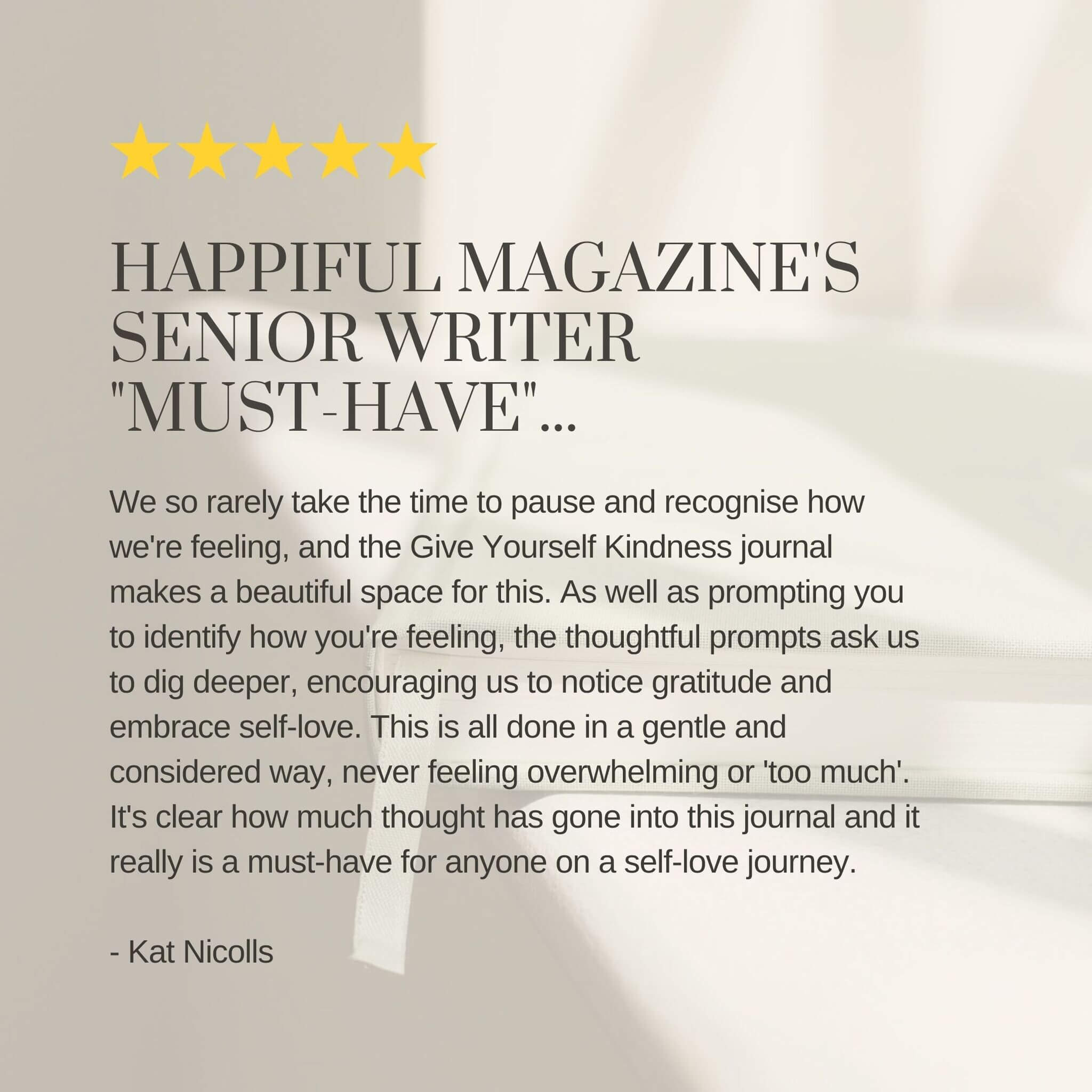
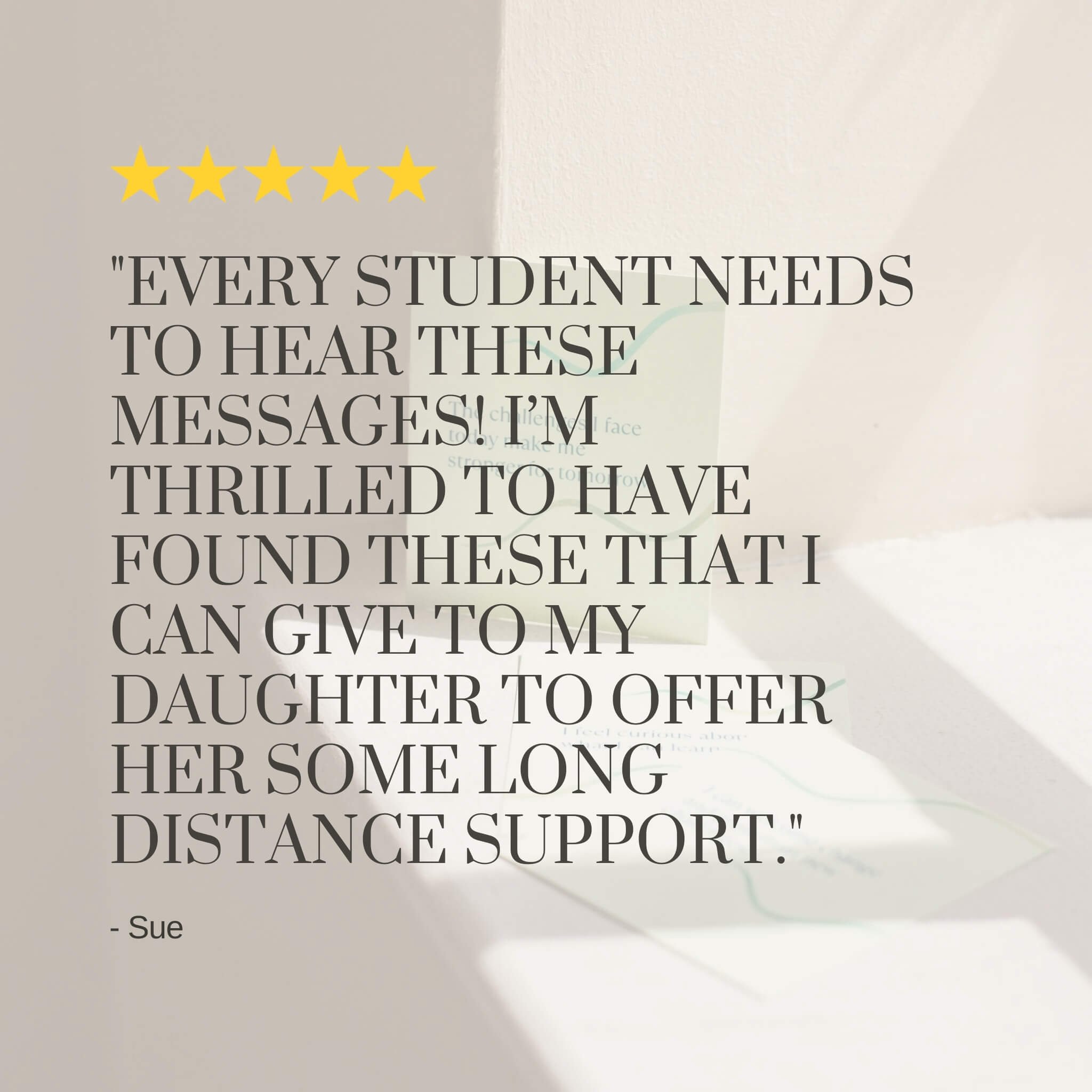
✓ 150+ five-star reviews
✓ Built on decades of peer-reviewed self-compassion research


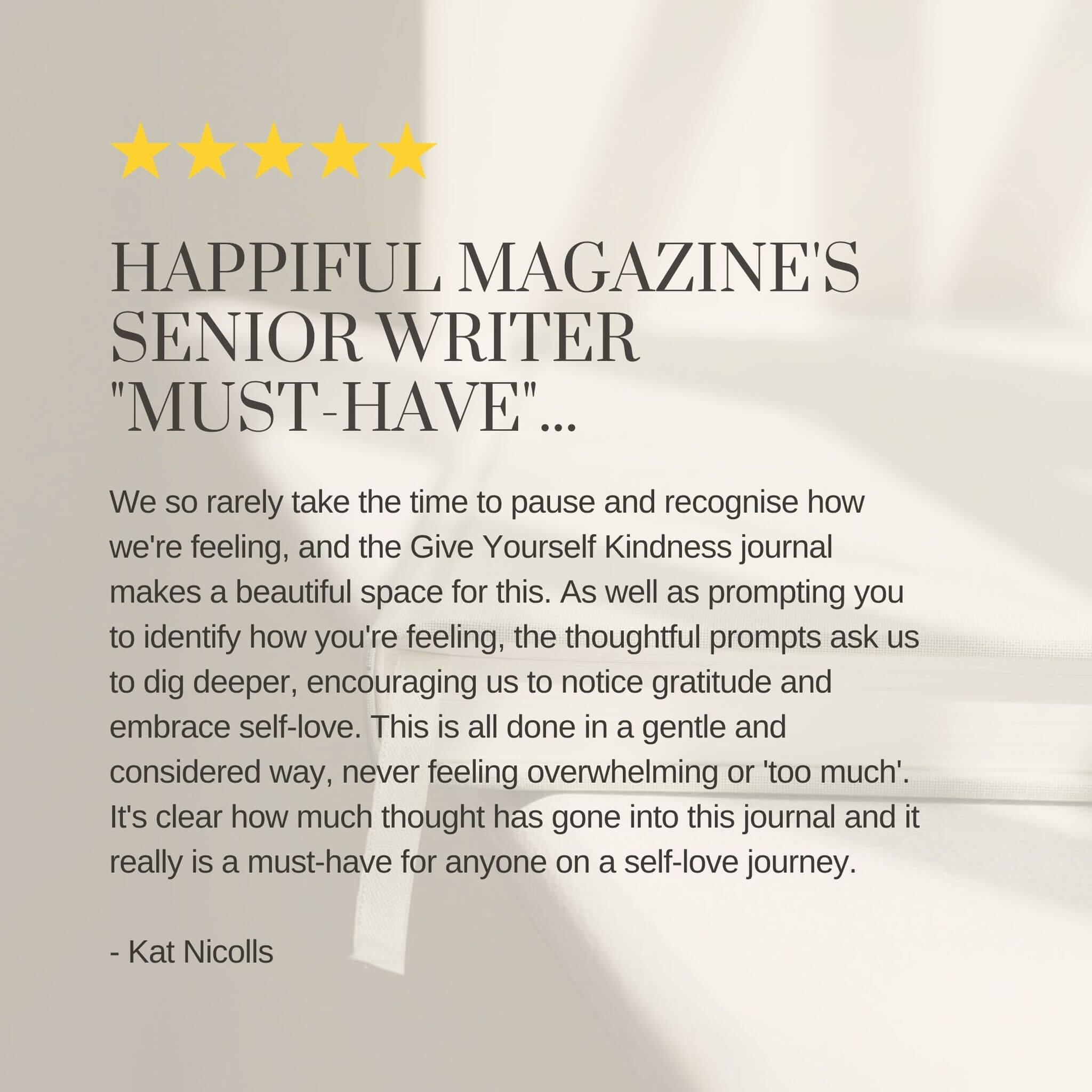
“By far my favourite guided journal that I’ve used!”
There's a lot of journals out there. Most of which include tools that can be repetitive, boring or unhelpful. Give Yourself Kindness is about creating something new.