


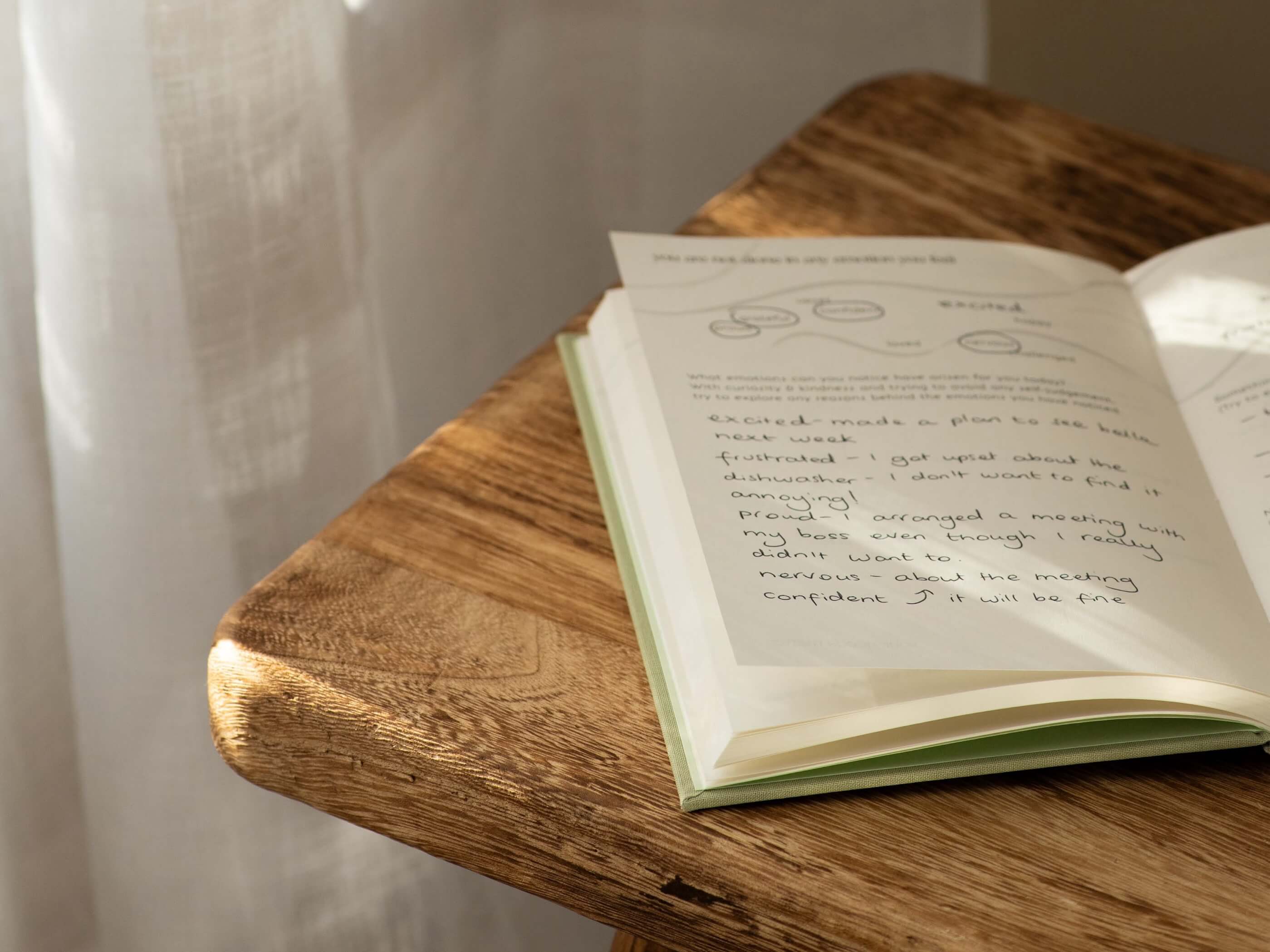
There's usually one name on the list you think about for longer than the others. Someone who has had a harder year than most, and you'd like the present to say you noticed without making a thing of it. That's a kind instinct, and it narrows the choice down more than you'd expect.
Quick answer
The gift that lands best is one that asks nothing of them. No schedule, no daily commitment, nothing to fall behind on and nothing that implies they need fixing.
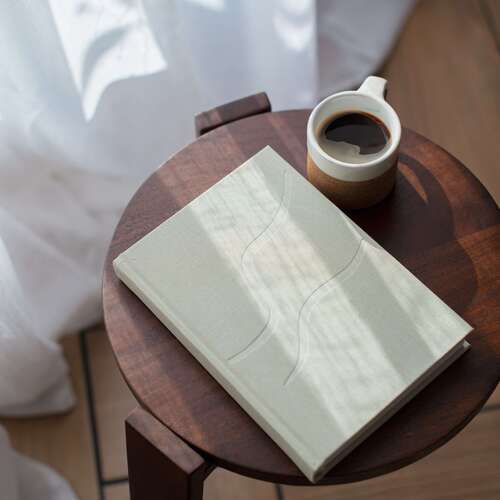
For most people that is the Give Yourself Kindness Journal (£28.95) — completely undated, and the guided journal recommended by clinical psychologists at Harvard Medical School and the University of Oxford. If you'd like to spend less, the You Are Loved Charm (£8.95) is small enough to feel easy to receive. If you'd rather not have to choose, the journal and cards together (from £38.61) covers the days they have capacity and the days they don't.
Everything is wrapped in bespoke tissue paper, and you can add a note in your own words at checkout for me to write out by hand. That part is usually what does the work.

The Give Yourself Kindness Journal, £28.95. Undated, 224 pages, every page a different prompt, and a visual emotion guide on every single page rather than one chart at the front. Wrapped in bespoke tissue paper with your handwritten note inside.
Added to your basket. View basket →
Or tell me what they're going through
- They've lost someoneA first Christmas without them→
- They're ill, or recoveringLow energy, long days→
- They've lost their jobOr had a hard knock at work→
- A relationship has endedDivorce, separation, a break-up→
- They're running on emptyBurnout, caring, too much at once→
- I don't know the detailsOr it isn't mine to know→
Or choose by what you'd like to spend → · Compare everything at a glance → · What I'd avoid giving → · What to write in the card →
Ordering for ChristmasFree UK delivery on orders over £35, and everything arrives in one to three days, with next day available at checkout if you've left it late. Wrapping is included and the handwritten note is free — add your message in the order notes and I'll write it out and tuck it inside the tissue paper. Nothing here perishes or needs charging, so there's no harm in ordering while you're thinking about it and keeping it back until December. If you'd like it sent straight to them instead, add their address at checkout and the note goes in the parcel.
About this guide. I'm Rachel Smith, a qualified meditation teacher, and the gifts on this page are ones I make. I started Give Yourself Kindness after coming through years of anxiety and harsh self-talk with Compassion-Focused Therapy, because what I was given at the time was mostly books telling me to think positively, and none of it helped. What follows is what I'd choose now, why, and the things I'd steer clear of — that last part applies to any gift, wherever you buy it. More about me →
Christmas gifts for someone going through a tough time
Six answers, depending on what this year has held for them. Each one gives you the gift I'd choose first, with the reasoning underneath rather than in front of it, so you can take the recommendation and go if that's all you need.
Everything here is undated and comes wrapped in bespoke tissue paper, with a note in your words written out by hand if you'd like one. Nothing needs to be started on any particular day.
They've lost someone
Something they can hold, and nothing that asks them to feel better.
A first Christmas after a death is its own kind of hard, and most gifts either avoid it entirely or try to lift the mood. A small object they can keep in a pocket does neither. It just sits there being true.

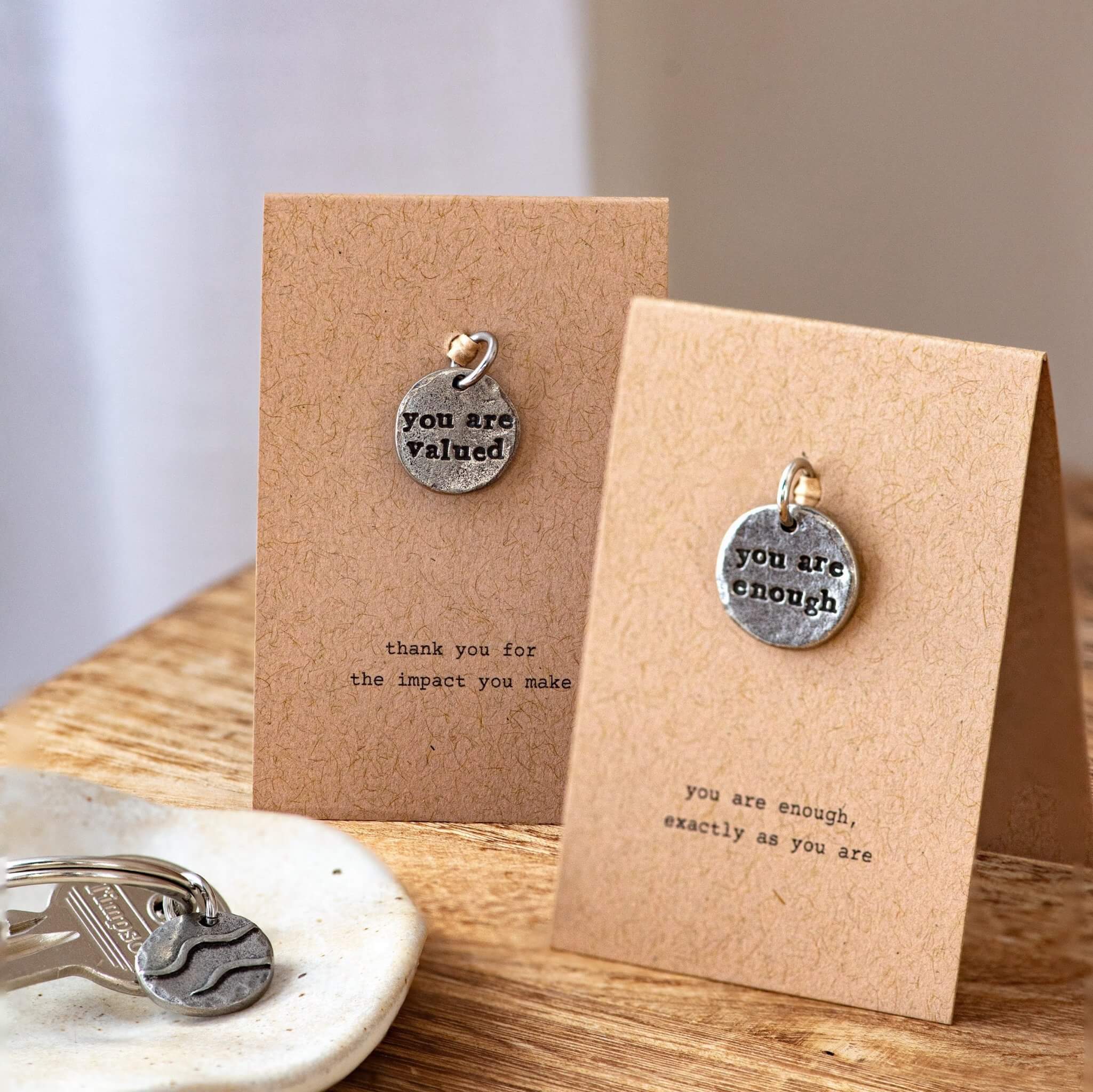
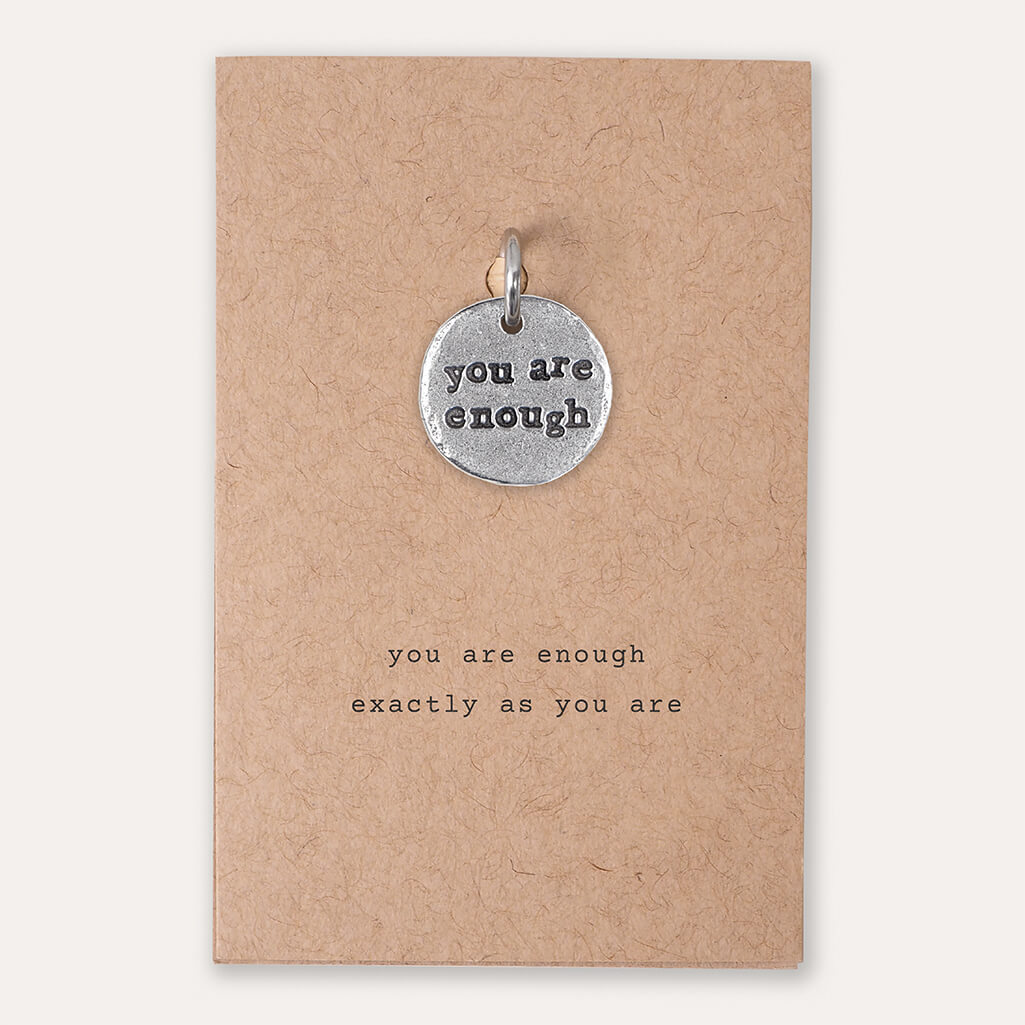
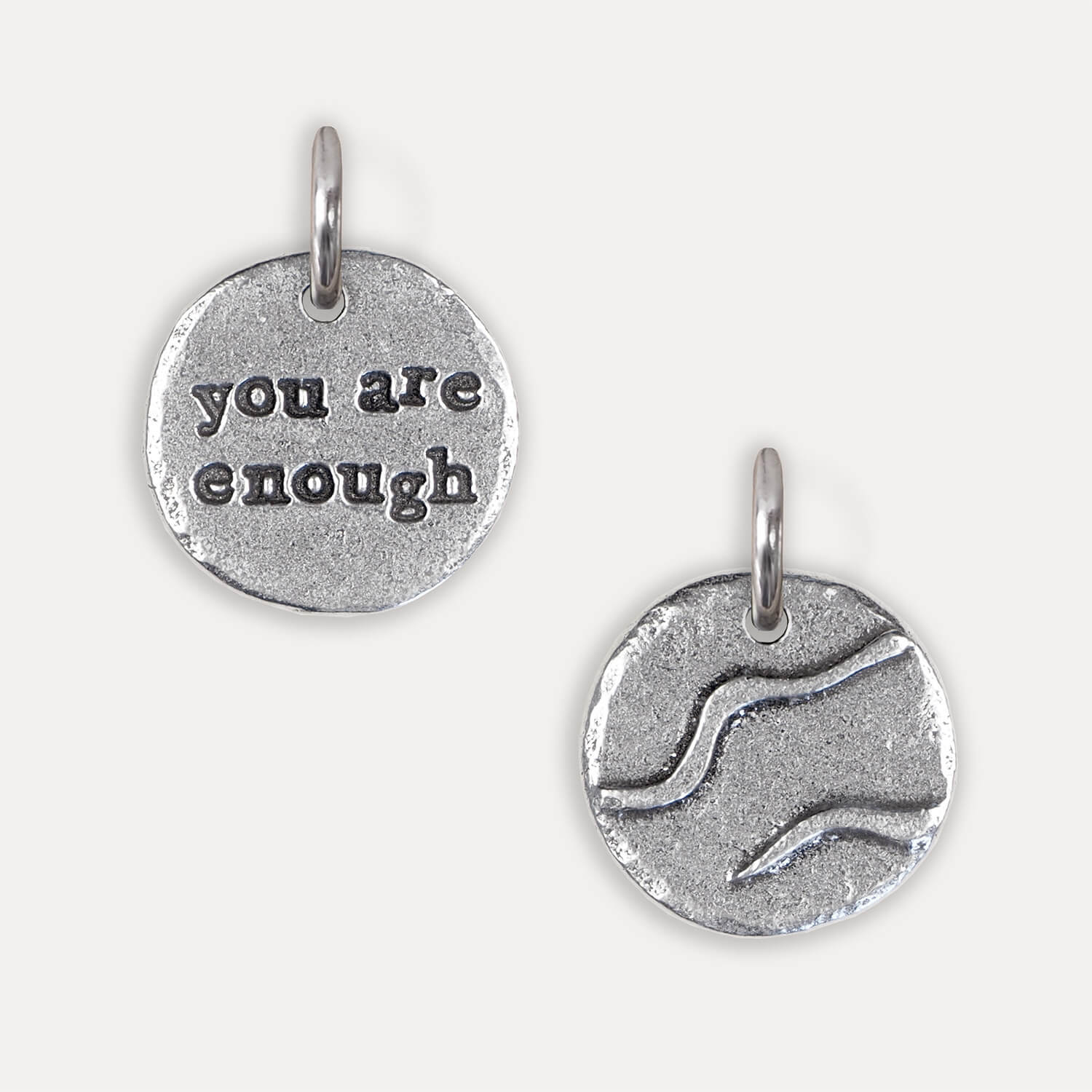
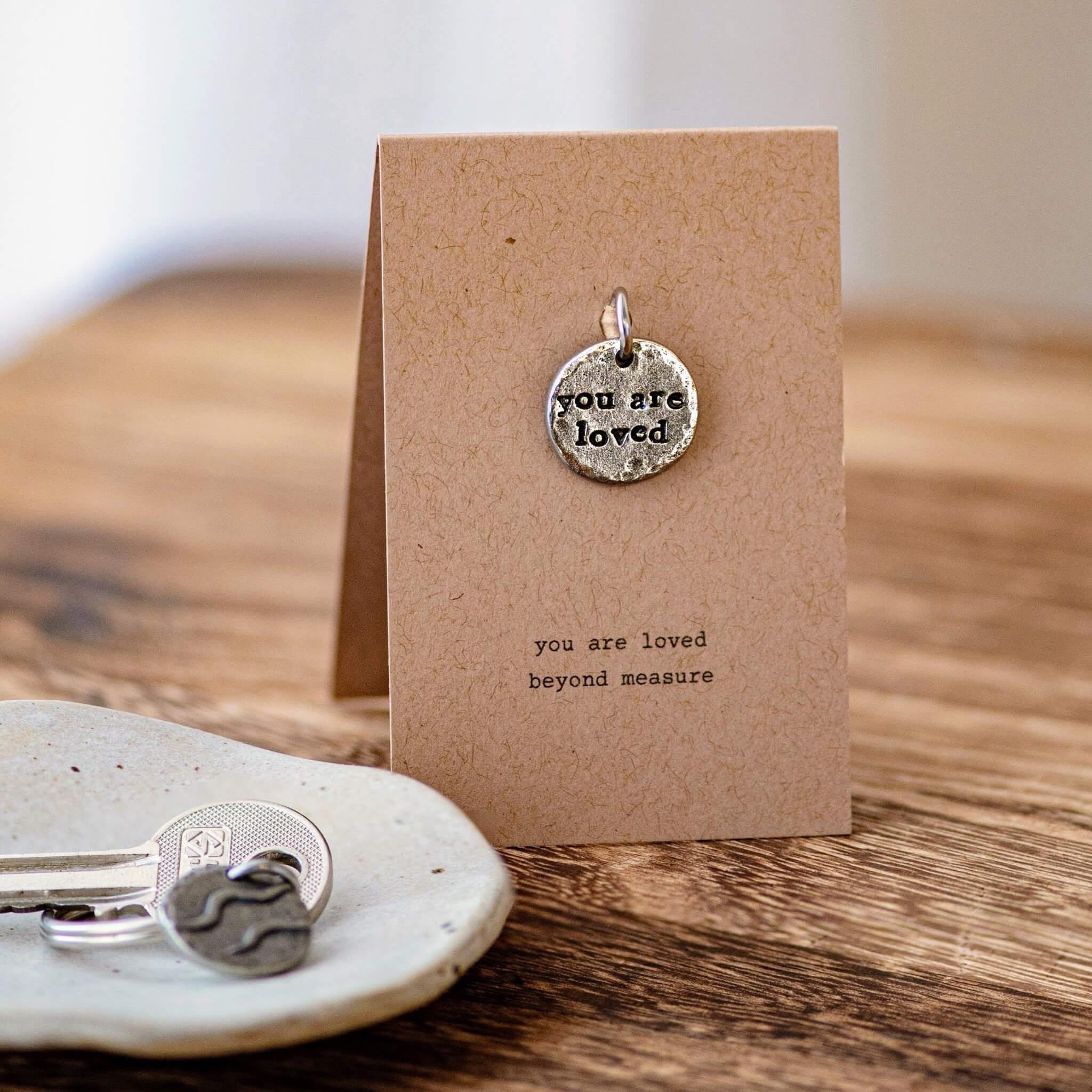
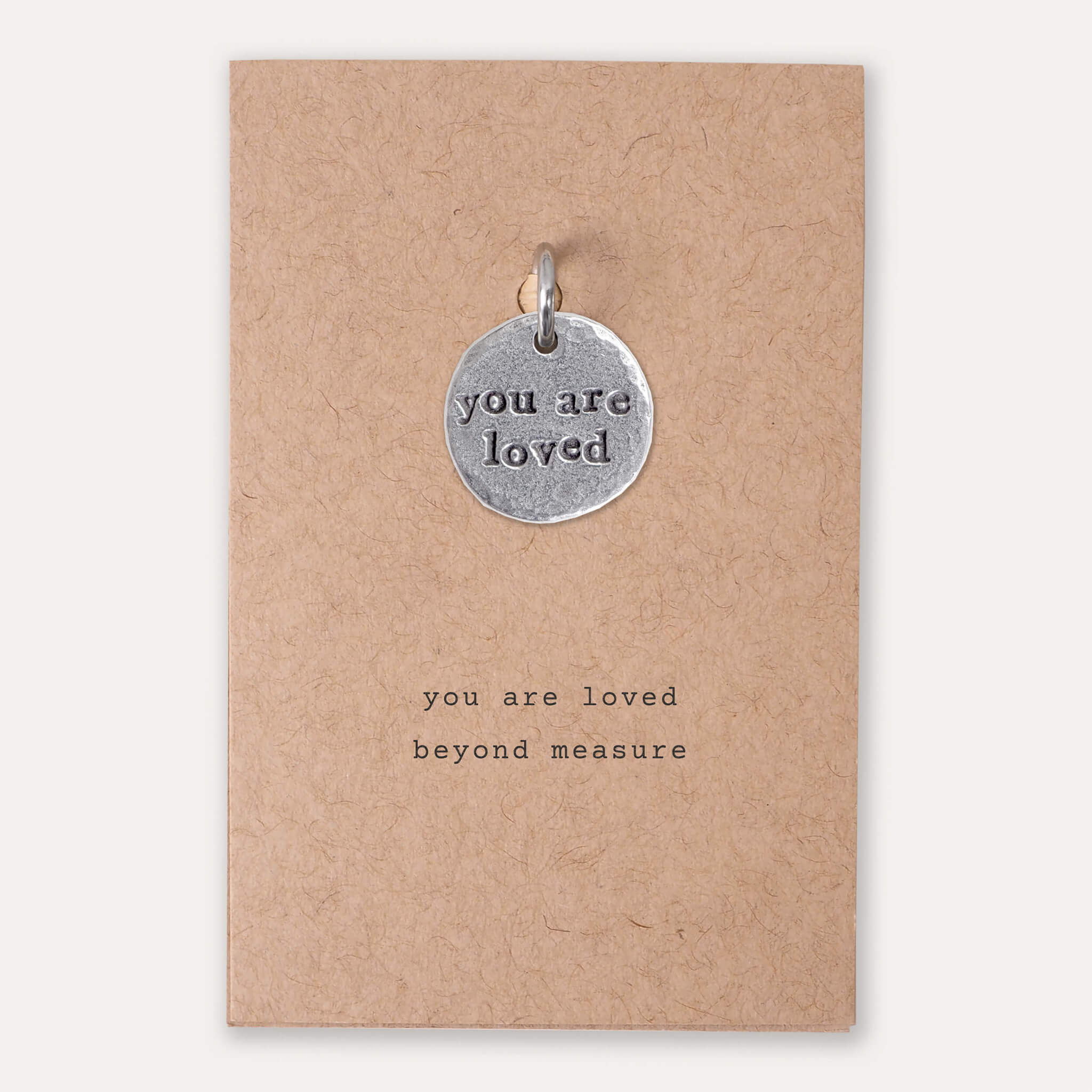
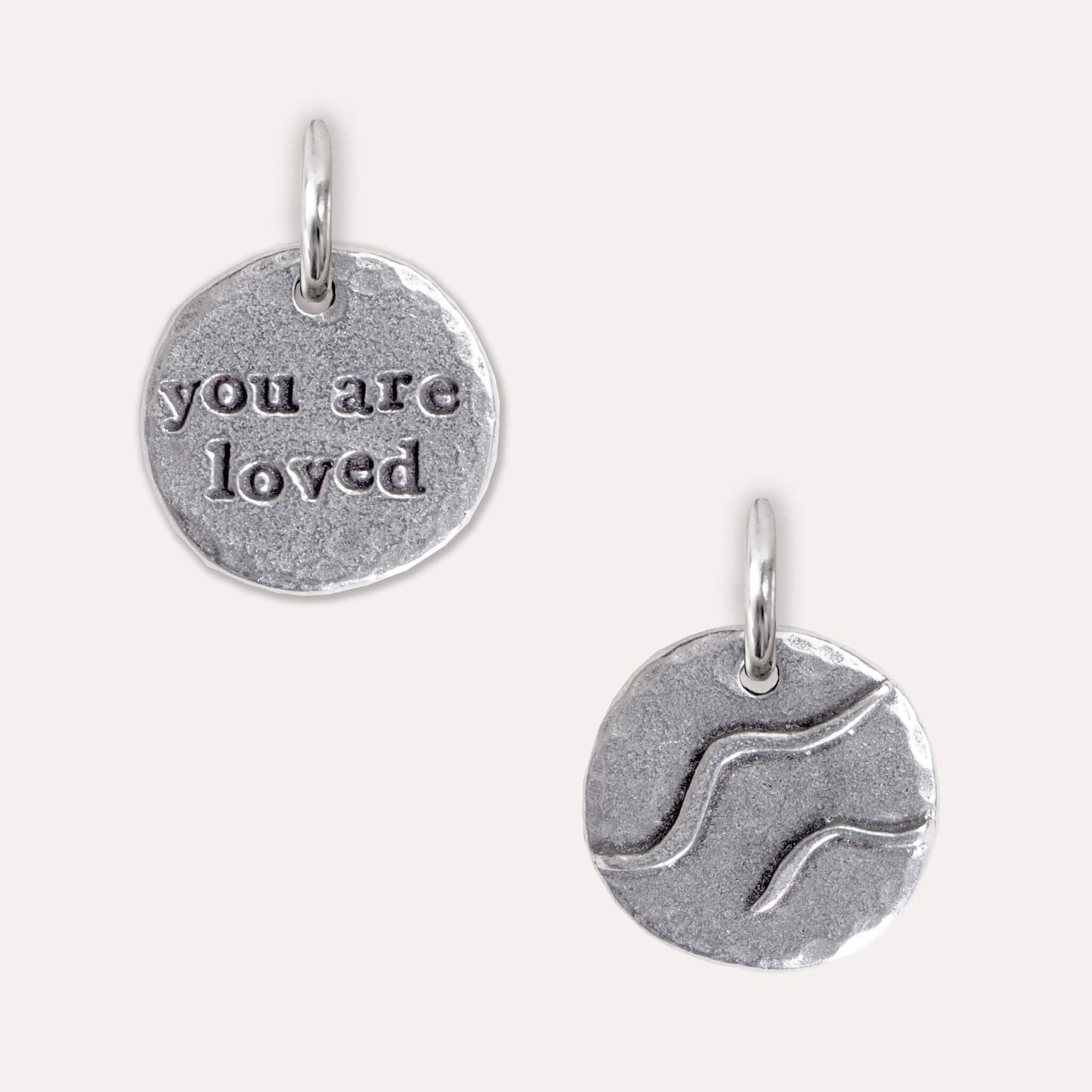
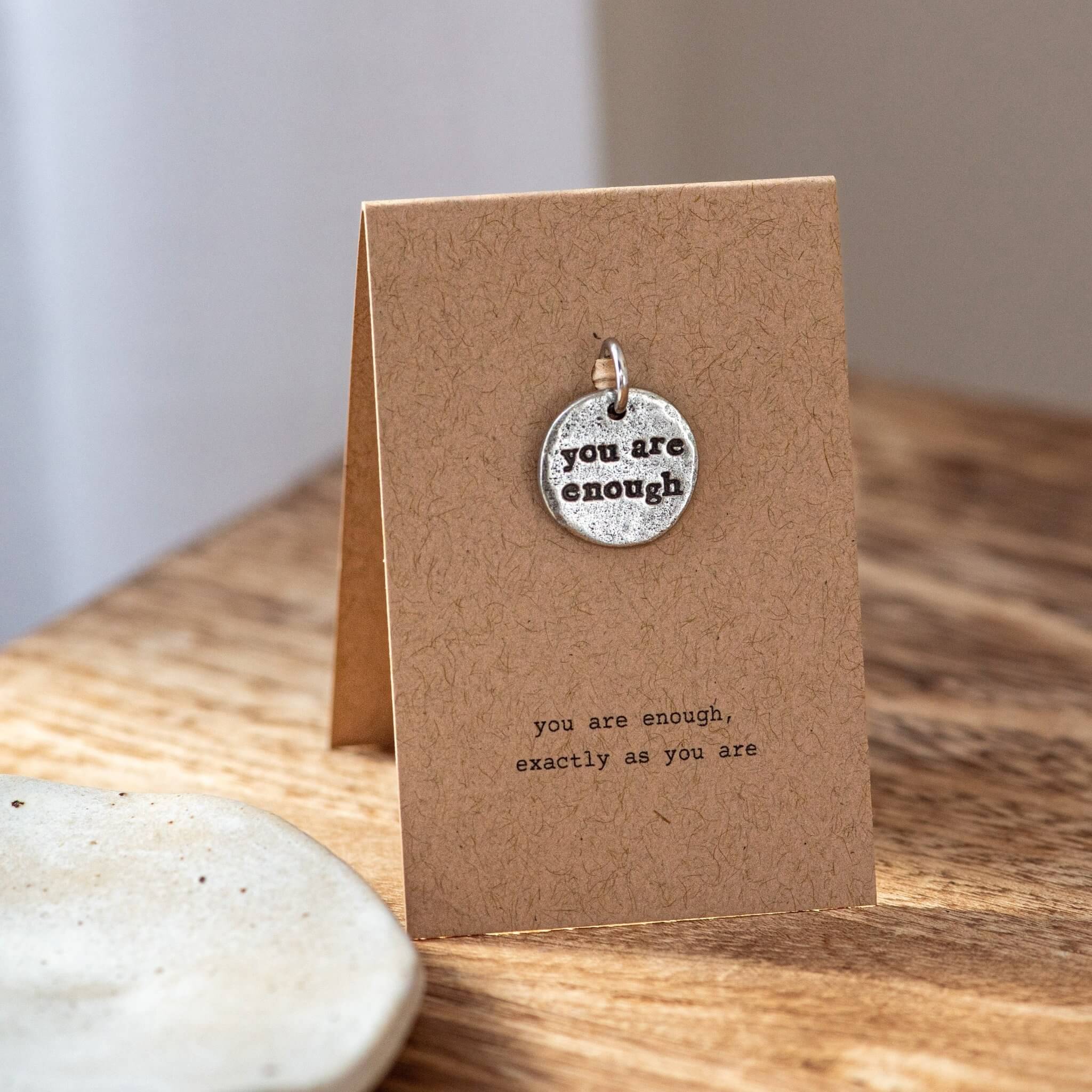
You Are Loved Charm, £8.95. A double-sided pewter and stainless steel charm, made in the UK, imprinted with the words you are loved. It arrives attached to a folded card printed you are loved beyond measure, with room inside for your message — or add it in the order notes and I will write it out for you.
Added to your basket. View basket →
It's 1.5cm across, so it goes on keys, a bag, a zip or nothing at all. There is no instruction attached to it and nothing to do with it, which on this particular Christmas is the point.
If you'd like to give something they can write in when they're ready, the journal and cards together is the pairing I'd choose, and it's undated so it can sit unopened for a year without becoming a reproach.
They're ill, or recovering
Two minutes, in bed, on the worst day of the week.
Illness makes a lot of thoughtful gifts quietly unusable. A book needs concentration, a candle needs getting up, a hamper needs an appetite. What tends to survive a bad stretch is something that takes one minute and can be done lying down.

Sleep Affirmation Cards, from £13.95. 20 cards, 85x100mm on 270gsm pistachio card. Draw one at bedtime and read it. That is the whole practice. Lines include Today, I did enough and It is normal that on some days sleep is better than others.
Added to your basket. View basket →
Sleep is often the first thing to go when someone is unwell or worried, and the second thing that makes everything else harder. These give the mind something gentler to land on than a replay of the day.
“The sleep cards are fantastic… they promote mindfulness and self-care, offering hope and support to those struggling with sleep amid life's chaos, making them a very good tool for better rest.” — Dr Olena Santangeli, BSc, MSc, PhD (Med), neuroscientist and sleep consultant, who reviewed the sleep cards.
They've lost their job, or had a hard knock at work
The problem usually isn't the job. It's what they've started saying to themselves about it.
Redundancy and career setbacks have a way of turning into a verdict on the person rather than a thing that happened to them. A journal built around self-criticism goes at that directly, and it's the one part of this you can actually give someone.
The Give Yourself Kindness Journal, £28.95. Undated, 224 pages, three months of prompts with every page different. Each one asks a version of the same question: what did you find difficult today, and what would you say to a friend who felt like this?
Added to your basket. View basket →
They write the answer down and read it back. That second part is where it works, because a kind sentence in your own handwriting is the one version a harsh inner voice tends to accept. Dr Maria Tucknott, Principal Clinical Psychologist, describes that inner critic as something that “is trying (clumsily) to protect us” — which is a far easier thing to work with than an enemy.
Want the shorter version for someone who wouldn't sit down and write? The affirmation cards take thirty seconds →
A relationship has ended
Give them something that treats them as whole, not as half of something.
Divorce and separation gifts tend to arrive as either a joke or a rescue. Neither is much use in January. What tends to help is anything that rebuilds the relationship they have with themselves, which is usually the one that took the damage.
The Give Yourself Kindness Journal, £28.95. Undated, so there is no right time to start and no wrong time to stop. Every page is a different prompt, and there is a visual emotion guide on every single page rather than one chart at the front you would have to remember to turn back to.
Added to your basket. View basket →
The emotion guide is the part people mention most, and it matters here specifically: after a separation, how do you feel is an almost impossible question, and having words already in front of you turns it into recognition rather than recall.
“A warm invitation to make friends with your emotions and yourself!” — Dr Chris Germer, PhD, clinical psychologist and lecturer on psychiatry (part-time) at Harvard Medical School, co-developer of the Mindful Self-Compassion programme, on this journal.
They're running on empty
Thirty seconds is a realistic ask. Ten minutes of writing is not.
Burnout, caring for someone, or simply too much at once all leave about the same amount of spare capacity, which is none. A gift that needs energy to enjoy becomes one more item on a list.

The Give Yourself Kindness Affirmation Cards, from £13.95. Sixty affirmations across three boxed sets of twenty, available singly or together. They are written for people having a hard time rather than a good one, with lines like I am worthy now, and this will never change, and Just because I have a thought does not mean it is true.
Added to your basket. View basket →
Prop one where they'll see it and that's the whole thing. There's a brass stand or a glass frame if you'd like it to look like an object rather than a task.
“These affirmations are truly so beautiful and powerful! When I read them, I instantly feel a sense of groundedness and calm.” — Margaret Davis, MS, LPC, licensed therapist, who reviewed the affirmation cards.
There's a reason short works here rather than a fuller practice. Dr Annabelle Kyle Dortch, PsyD, a clinical psychologist specialising in life transitions and stress, describes what happens under pressure: “When our stress response is activated, the amygdala (the emotion and crisis center of the brain) is very active and the frontal lobe (where we reflect and make decisions intentionally) is offline.” A gift that needs the reflective part of the brain is asking for the thing that is least available.
I don't know the details, or it isn't mine to know
Then give both, and let them choose the day. This is the safe answer if you'd rather not deliberate.
You don't need to know what happened to give something useful. Pairing the journal with the cards covers the days they have capacity and the days they don't, which is most of what anyone needs when things are unsettled.

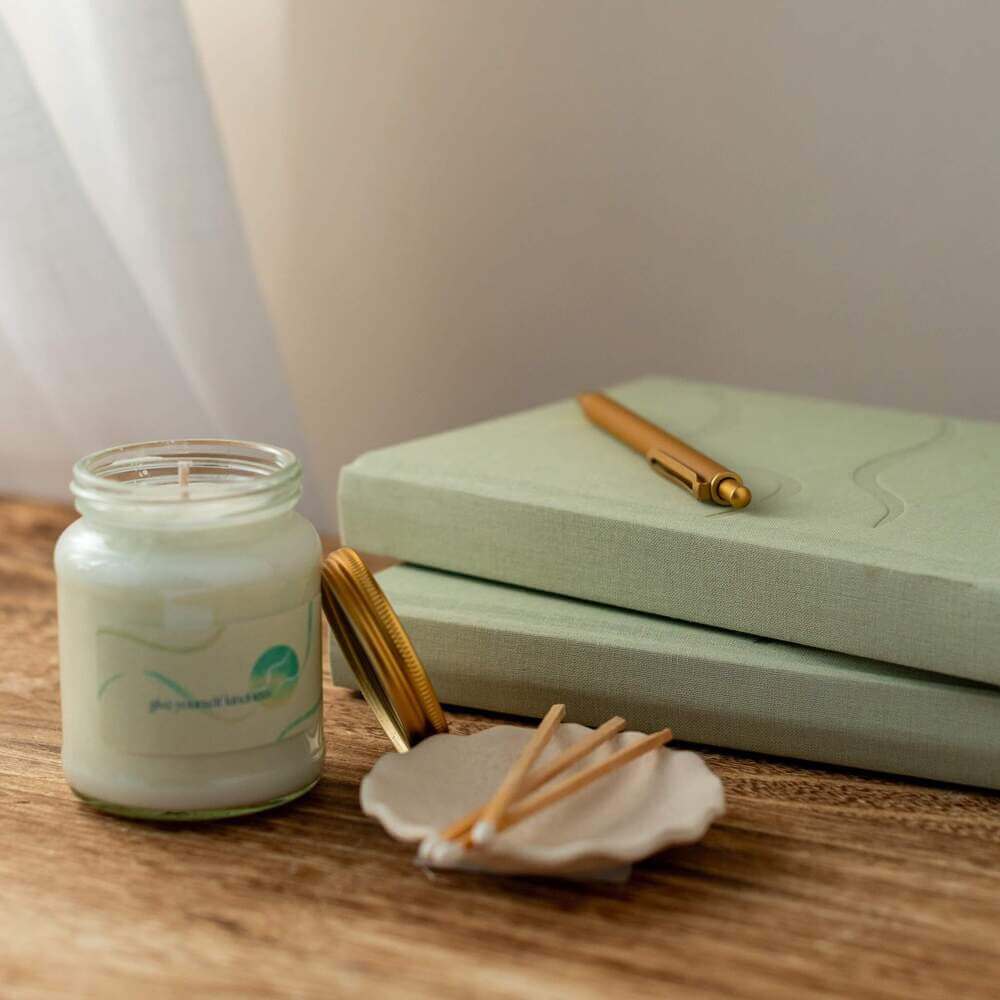
The Give Yourself Kindness Journal & Affirmation Cards, from £38.61. The Give Yourself Kindness Journal with a set of twenty affirmation cards, discounted as a pair. Undated, wrapped in bespoke tissue paper, and over the free UK delivery threshold.
Added to your basket. View basket →
This is the pairing I'd send if I had to choose one thing without knowing anything else, and it's the closest thing on this page to a safe answer. It also means they don't have to be in the right frame of mind on Christmas Day for it to have been the right present.
Not sure it suits them? Compare everything side by side → or read what I'd avoid giving →
Compare the gifts at a glance
Every price includes the tissue-paper wrapping and a handwritten note in your words if you add one at checkout.
| Gift | Best for | What it actually does | Price |
|---|---|---|---|
| You Are Loved Charm | Grief, or a small gift that still means something | Gives them something to hold that makes no request of them at all | £8.95 |
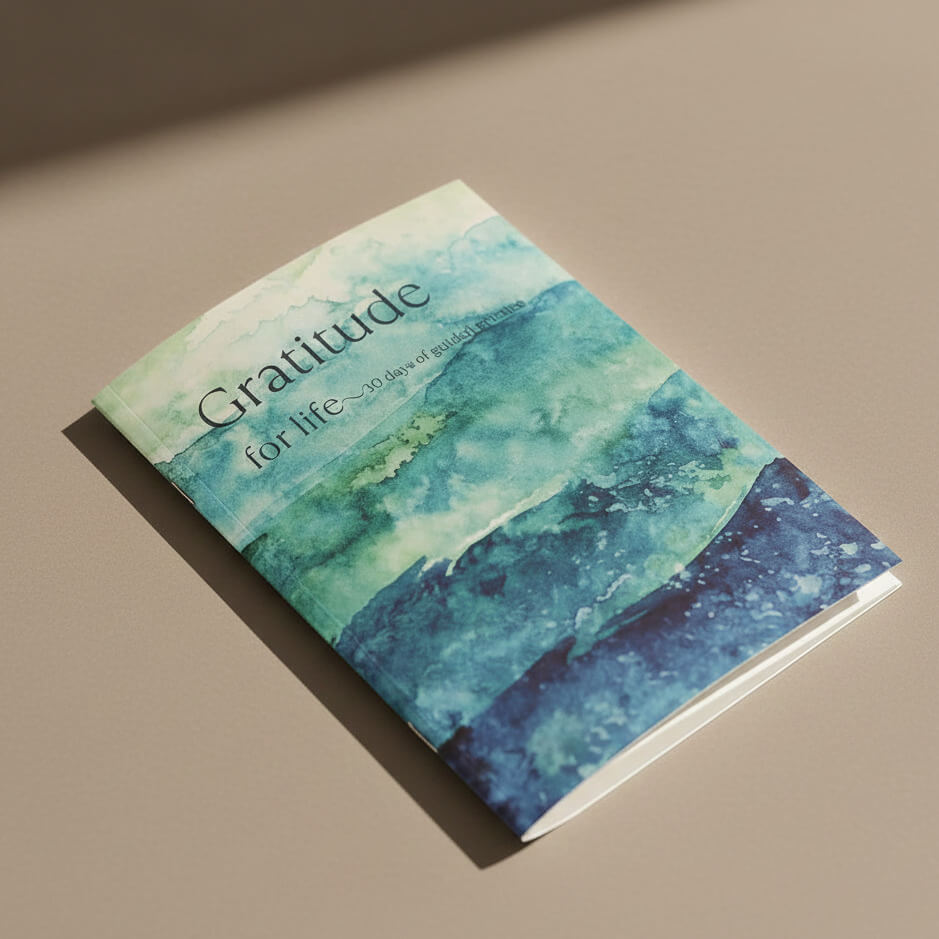
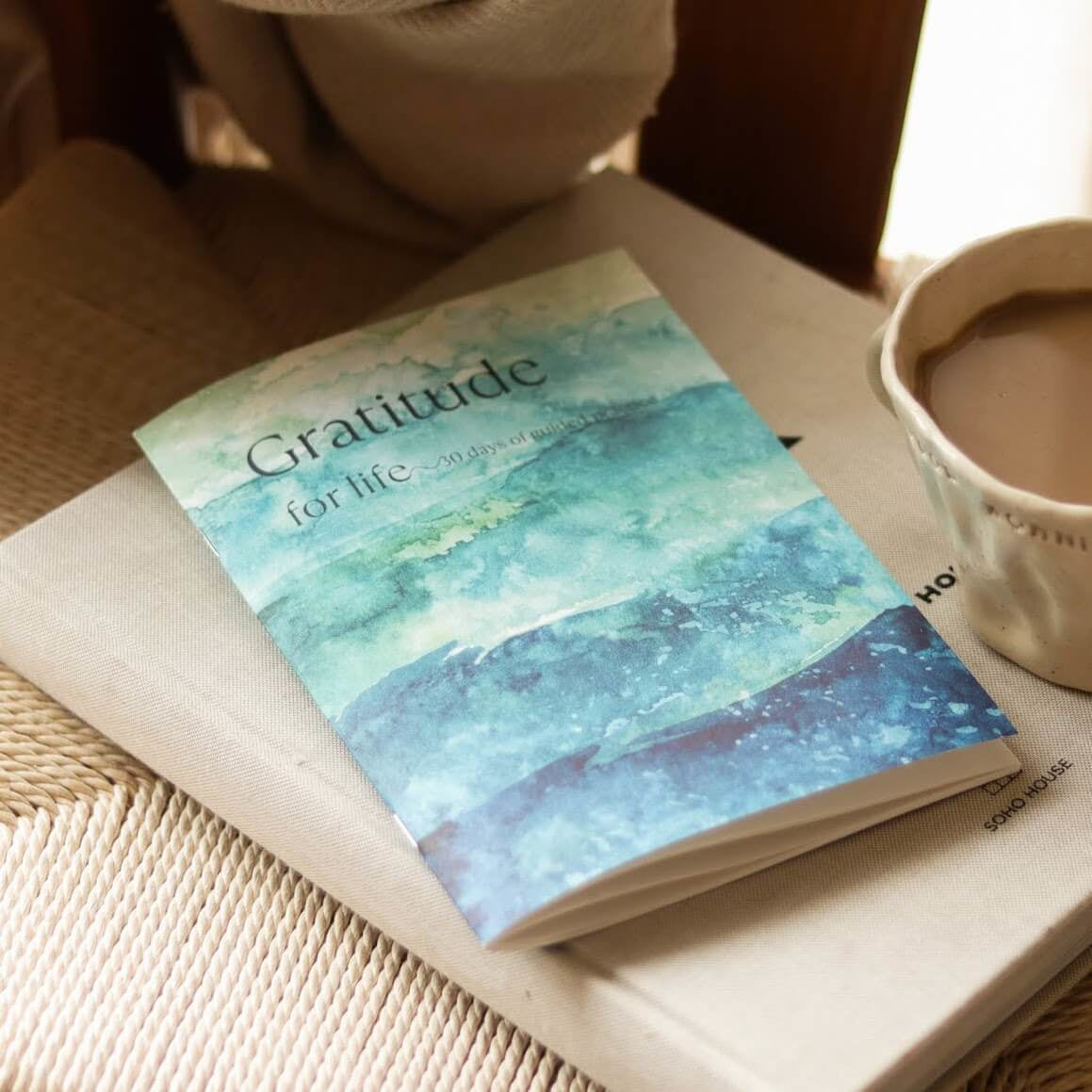
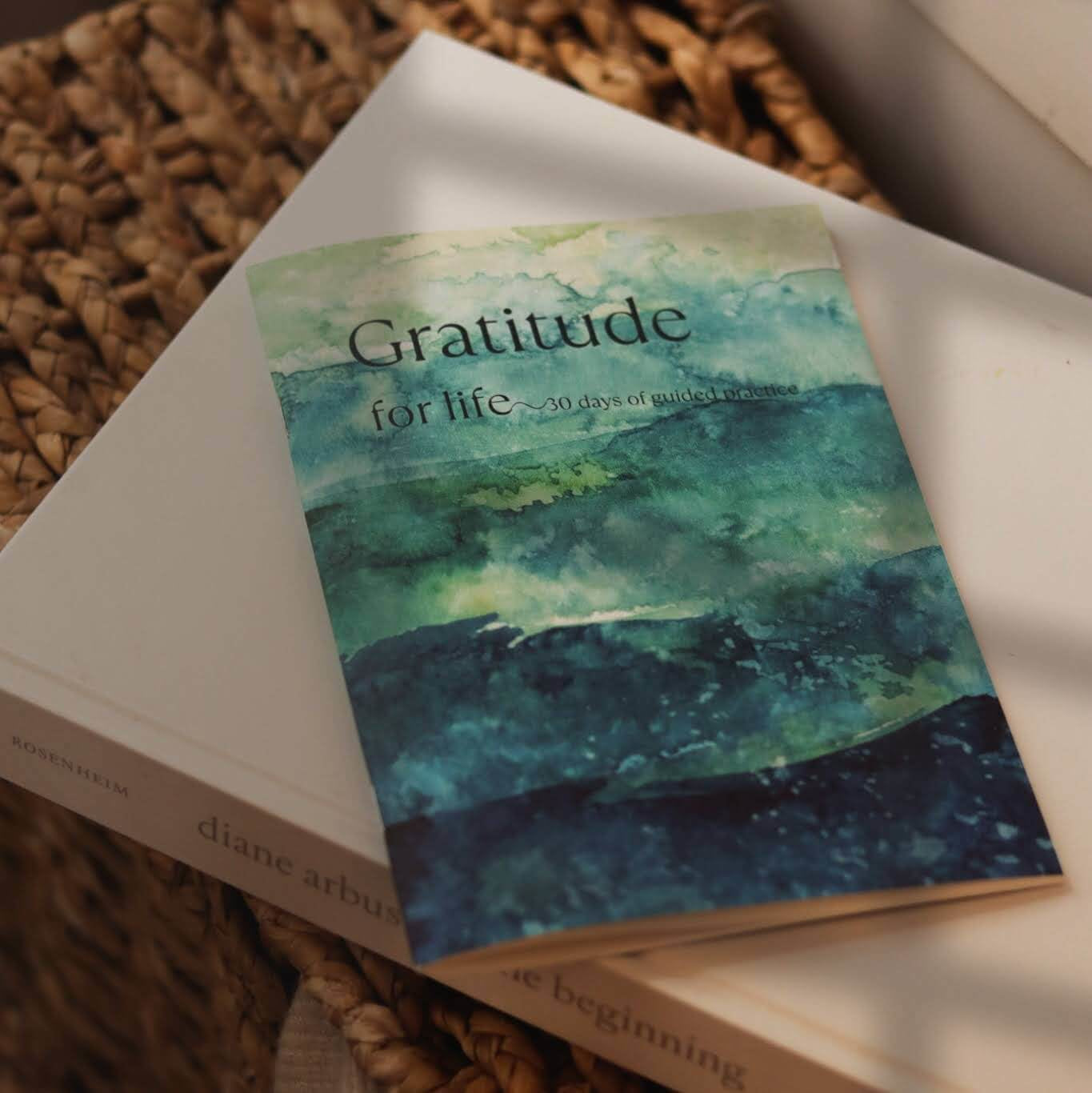
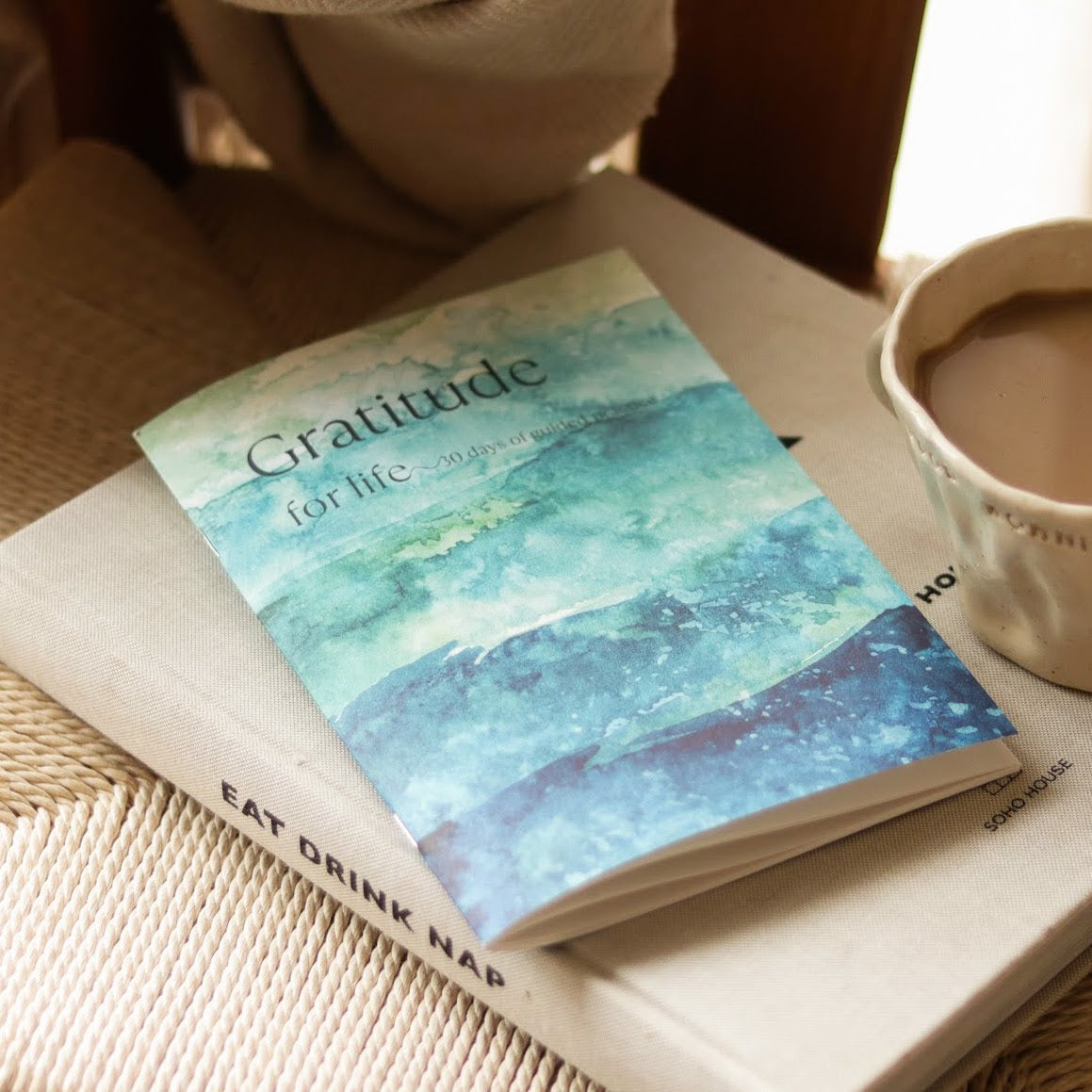
| The Gratitude Journal | Someone who'd like to notice good things without being told to | Thirty different prompts, no numbered lists, room for the days it doesn't come easily | £10.95 |
| Sleep Affirmation Cards | Illness, worry, nights the mind won't stop | A two-minute bedtime ritual that can be done lying down | from £13.95 |
| Affirmation Cards | Burnout, low capacity, feeling like they're not enough | Thirty seconds of something kinder than their own running commentary | from £13.95 |
| The Give Yourself Kindness Journal | Self-criticism, a job loss, a separation — anything they've started turning inward | Helps them name the feeling, then answer it as they would a friend. Emotion guide on every page | £28.95 |
| The Journal and Affirmation Cards | When you don't know the details | Covers the days they have capacity and the days they don't | from £38.61 |
Which gift should you choose?
If you're not sure, send the journal and cards together. It's the one that works whether they have a good day or a bad one, and it's over the free UK delivery threshold.
If it's a first Christmas after a death, send the charm. Small, holdable, and it asks them for nothing. Add it to anything else you're sending.
If they're exhausted, send the affirmation cards. Thirty seconds is a promise anyone can keep in December.
If they're hard on themselves, send the journal. It's the one that changes the conversation they're having with themselves rather than reminding them to have a better one.
If you're buying for a colleague or someone you don't know well, send a single set of cards or the Gratitude Journal. Both are thoughtful without presuming anything about what they're going through.
If you're working to a budget
Christmas lists tend to have a number attached to each name, so here it is the other way round. Everything below arrives wrapped, with the handwritten note included, whichever you choose.
Around £10 — the You Are Loved Charm (£8.95) or the Gratitude Journal (£10.95). Small enough not to create any obligation to reciprocate, which for a colleague or a friend you don't see often is usually the right note to strike.
Around £15 — a single set of affirmation cards (from £13.95) or the sleep cards (from £13.95). Twenty cards in a box, thirty seconds a day, and nothing to keep up with. The sleep set if their nights are the harder part.
Around £30 — the Give Yourself Kindness Journal (£28.95). The one I'd choose if this is the main present rather than an addition, and the one clinical psychologists at Harvard Medical School and the University of Oxford have reviewed.
Over £35 — the journal and cards together (from £38.61). Discounted as a pair, and it crosses the free UK delivery threshold, so the extra is smaller than it looks.
Pairing two smaller things is often better received than spending more on one. Two boxes to open, and neither of them is heavy going.
What to avoid giving someone having a hard time
This is the part I'd most want to tell you, and it applies to any gift from anywhere. Five things that are bought with real love every December and tend to land badly, with what I'd send instead.
1. Anything with dates printed in it
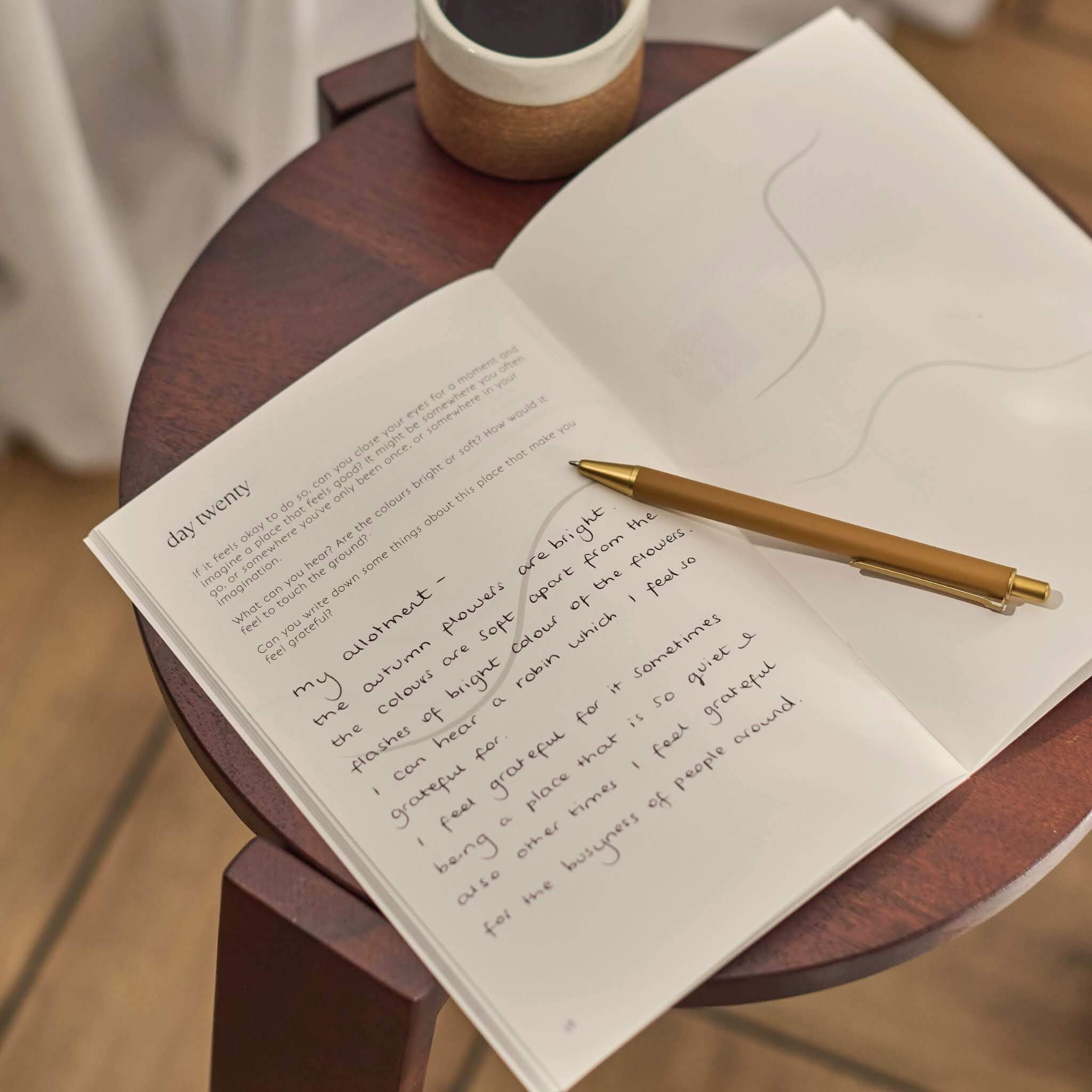
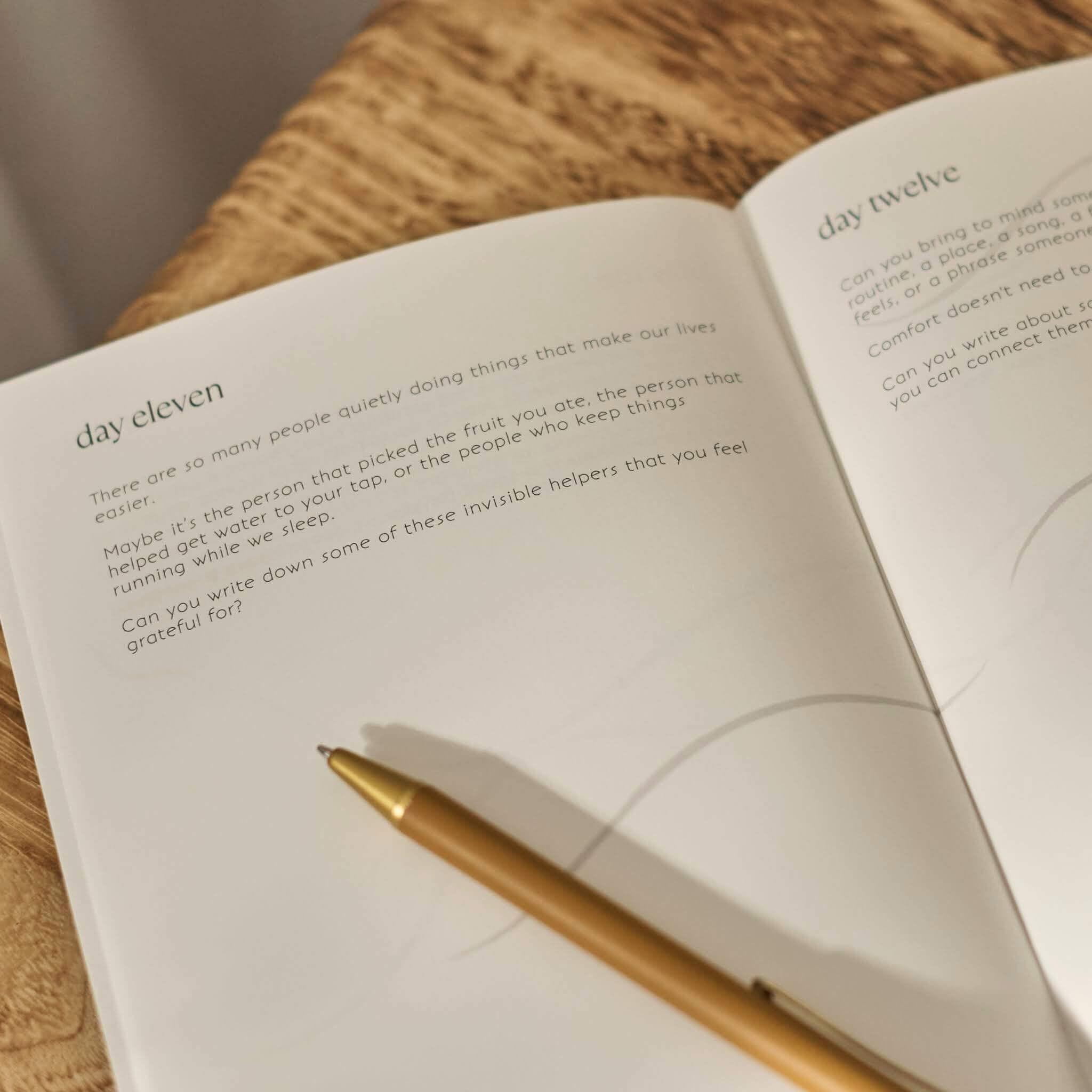
A dated diary, a page-a-day book, a thirty-day challenge with the days numbered. If they miss a week in February the object starts keeping a record of it, and they'll often put it away rather than face the gap. Instead: look for the word undated, and check there are no dates printed anywhere rather than just none on the cover. See what undated looks like inside →
2. A book that tells them what to do
Self-help given as a present reads differently from self-help someone chose. It can arrive as homework, or as an opinion about them. Instead: something they lead. A prompt they can answer in one line, or ignore, keeps them the author rather than the pupil. The journal that works this way →
3. Anything that frames them as a project
Fitness trackers, food and weight-related gifts, planners with goal-setting spreads, anything with new year, new you on it. Bought kindly, and easily received as a note about what needs improving. Instead: something that assumes they're fine as they are and is simply nice to have near them. Cards written for a hard day, not a good one →
4. A gift that needs energy, or an occasion, to be enjoyed
Spa vouchers with expiry dates, restaurant bookings, experience days, elaborate hampers. All lovely, all requiring them to be well enough on a particular day, and an expiring voucher becomes a small deadline. Instead: something with no expiry that works on the worst day of the week, not the best. The two-minute option →
5. Cheering-up humour
The jokey mug, the funny book about wine, the keep calm anything. It's meant warmly and can land as a request to be less sad. Instead: something that acknowledges the year rather than talking them out of it. That's usually what people remember. The charm that just says you are loved →
There's one thread running through all five: a good gift here makes no request. No deadline, no improvement, no particular mood required on the day. If it can sit on a shelf for six months and still be exactly as welcome, it will probably be the right thing.
What to write in the card
Once the present is chosen this is the bit that stalls people, and it matters more than which box you picked. You know them far better than I do, so take anything here that's useful and leave the rest.
“I know this year has asked a lot of you. There's nothing you need to do with this — it's just here when you want it.”
“I've been thinking about you a lot. I wanted you to have something that says so.”
“No expectations attached to this at all. I just wanted you to know I'm here.”
“You've been on my mind. This felt more like you than anything else I looked at.”
“I don't know the right thing to say, so I'll just say I'm thinking of you and I'm not going anywhere.”
“We don't know each other all that well, but I wanted you to have something kind this Christmas.”
What I'd leave outAnything that sets a task, such as telling them this will really help. Anything that names a diagnosis on their behalf. And any version of try to stay positive. The most useful thing a card can say is I noticed, and I'm not going anywhere.
Add your message in the order notes at checkout and I'll write it out by hand and tuck it inside the tissue paper, so nothing arrives with a printed card in a stranger's font. There's no charge for it. See how it's wrapped →
Why “something that asks nothing” is the right instinct
This isn't only a feeling about gifts. Two of the clinicians who write for this site describe the mechanism, and between them they explain why the small, undemanding present tends to outperform the impressive one.

Dr Annabelle Kyle Dortch, PsyD
Clinical psychologist in Los Angeles, specialising in life transitions, relationships, stress, anxiety and trauma
“When our stress response is activated, the amygdala (the emotion and crisis center of the brain) is very active and the frontal lobe (where we reflect and make decisions intentionally) is offline.”
Which is the practical case for a two-minute gift over an ambitious one. When someone is in a hard stretch, the reflective part of the brain is the least available thing they have, and a present that needs planning, energy or a good day is asking for exactly that.
Read her full article on self-compassion and self-criticism →
Dr Maria Tucknott
Principal Clinical Psychologist specialising in trauma, anxiety and depression, founder of Tucknott Psychology, accredited EMDR therapist
The inner critic “is trying (clumsily) to protect us”, and the mind has a habit of “magnifying the one rude comment over the ten kind ones”.
That habit is why a hard year so often turns into a hard verdict on the person having it. It's also why a gift that gives them somewhere to answer that voice tends to be more useful than one that tries to drown it out.
Read her full article on how to stop beating yourself up →Both wrote those pieces for Give Yourself Kindness. If you'd rather hear this from someone qualified than from me, they're the place to start, and neither article asks you to buy anything.
The Give Yourself Kindness Journal & Affirmation Cards, from £38.61. The pairing I would send without knowing anything else: the undated journal for the days there is capacity, twenty affirmation cards for the days there is not. Discounted together and over the free UK delivery threshold.
Added to your basket. View basket →
Common questions
What do you give someone who is going through a hard time at Christmas?
Something that asks nothing of them. The best gifts here have no date printed in them, no expiry, and no implication that the person needs improving. An undated journal, a set of affirmation cards or a small keepsake all work because they can be picked up in March as easily as on Boxing Day. Avoid anything with a deadline attached, including dated diaries, expiring vouchers and thirty-day challenges.
Is it insensitive to give a wellbeing gift to someone who's struggling?
Not if it's framed as company rather than correction. The difference is almost entirely in the card. Saying there's nothing you need to do with this reads as support, while saying this will really help you reads as a prescription. Give it the way you'd lend someone a jumper, and it lands as warmth rather than as an opinion about them.
What should you not give someone going through a tough time?
Five things I'd avoid: anything with dates printed in it, self-help books that instruct, anything that frames them as a project such as fitness or weight-related gifts, experiences and vouchers that expire or need energy on a particular day, and cheering-up humour. All are bought with real affection, and all quietly ask the person to be somewhere they aren't yet.
What's a good Christmas gift for someone who has lost someone this year?
Something small and physical they can keep on them, rather than anything that tries to lift the mood. The You Are Loved Charm is made in the UK from pewter and stainless steel, imprinted with the words you are loved, and arrives on a folded card printed you are loved beyond measure with space for your own message. It asks nothing of them, which on a first Christmas is the whole point.
What do you buy someone who says they don't want anything?
Take them at their word about the scale, not the sentiment. Something small that arrives beautifully wrapped with a handwritten note usually reads as thoughtfulness rather than obligation. A single set of affirmation cards or a small charm does that without creating any pressure to reciprocate or respond.
Is a journal a good gift for someone going through a difficult time?
It can be, with two conditions: it needs to be undated, and the prompts need to allow for a bad day rather than assuming a good one. A journal that asks for three things you're grateful for on a hard evening can leave someone feeling worse. The Give Yourself Kindness Journal asks what they found difficult and what they'd say to a friend feeling the same, which is a question that has an answer on any day.
Is this appropriate if they're already having therapy?
Yes. Counsellors use the Give Yourself Kindness Journal with their own clients between sessions. Rachael Oliver, MBACP, calls it an absolutely essential tool for helping build self awareness, compassion, reflect on things happening between sessions. It sits alongside therapy rather than standing in for it.
What if they never use it?
That's genuinely fine, and it's the reason everything here is undated. Nothing prints a day or a date, so there's no gap to look at and nothing to catch up on if it sits in a drawer until spring. Quite a few people tell me the comfort was in having it there before they ever wrote in it.
Can I add a handwritten message?
Yes, and there's no charge for it. Add your message in the order notes at checkout and I write it out by hand and tuck it inside the tissue paper. If you're sending it directly to them, that's the note they open first.
How soon should I order for Christmas?
Whenever suits you, and earlier is easier on everyone. Orders arrive in one to three days, with a next day option at checkout if you've left it late. Nothing here perishes, melts or needs charging, so ordering in October and keeping it back until December costs you nothing at all.
Can you send it straight to them?
Yes. Put their address in as the delivery address at checkout and your message in the order notes, and the parcel arrives wrapped in bespoke tissue paper with your note written out by hand inside, ready for them to open.
What's a thoughtful gift for someone I don't know very well?
A single set of twenty affirmation cards, the Gratitude Journal or the You Are Loved Charm. All three arrive wrapped in bespoke tissue paper with your handwritten note, so none of them reads as an afterthought, and none is large enough to leave a colleague or a newer friend feeling they owe you something. Pairing two small things is often better received than spending more on one.


“By far my favourite guided journal that I’ve used!”
Undated, so there is nothing to keep up with. Wrapped in bespoke tissue paper, with your note written out by hand and tucked inside.