


Quick answer
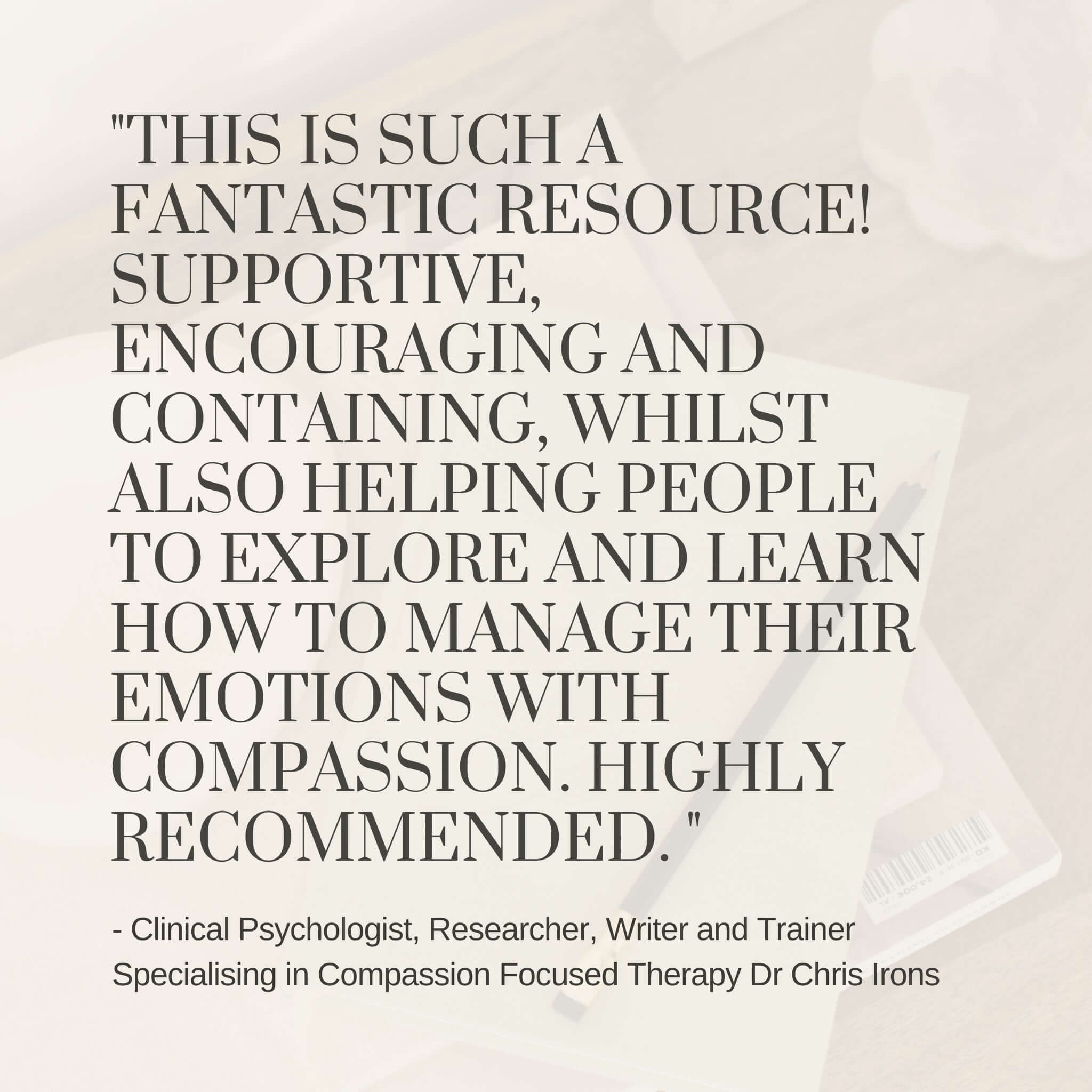
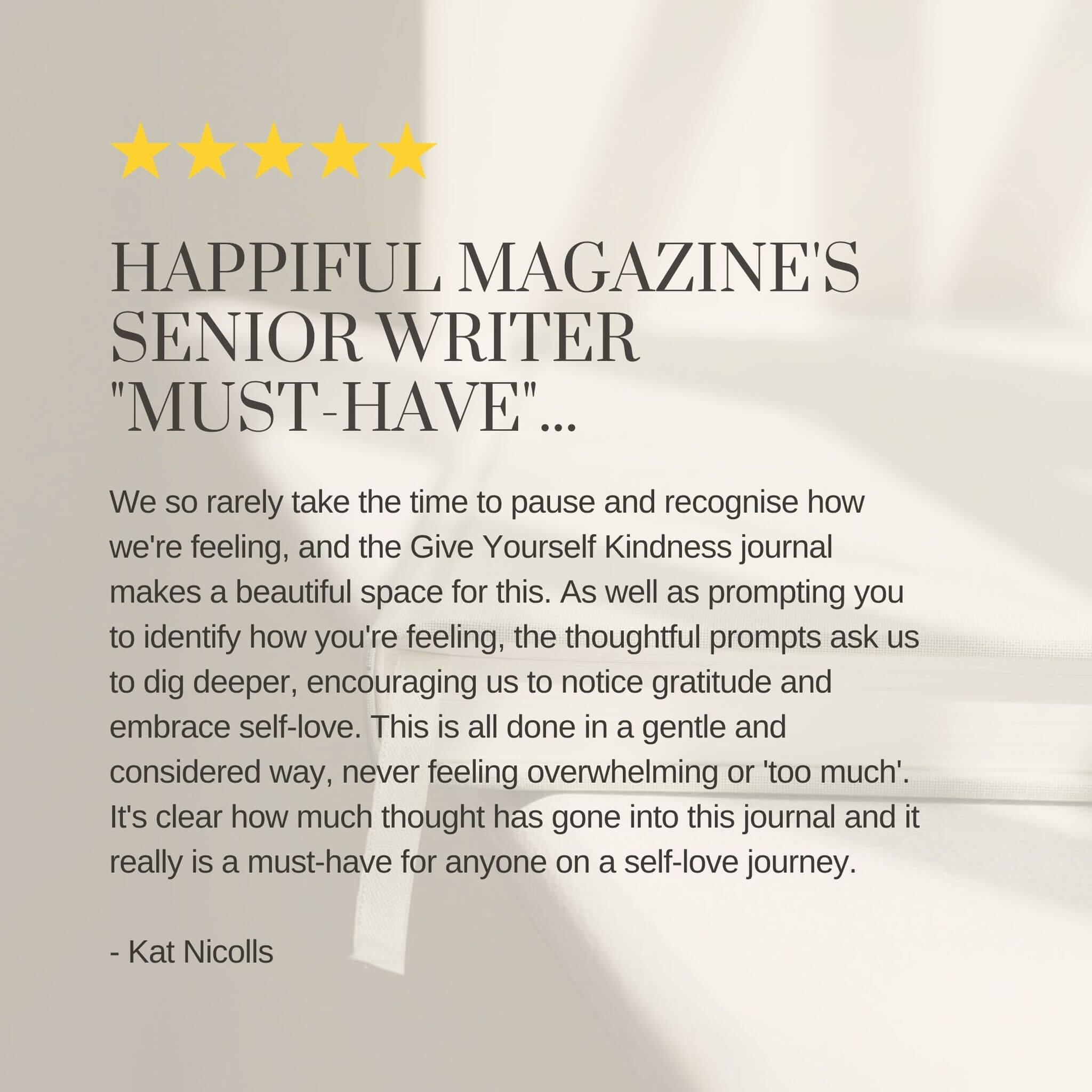
The best Christmas gift for someone who is hard on themselves is a tool that helps them notice their own harsh self-talk and answer it kindly, rather than something designed to help them relax. Clinical psychologist Dr Chris Irons, who specialises in Compassion Focused Therapy, calls the Give Yourself Kindness journal “such a fantastic resource! Supportive, encouraging and containing, whilst also helping people to explore and learn how to manage their emotions with compassion.”
Being hard on yourself is not a flaw in them. It is one of the most common things a person carries, and it responds to kindness rather than pressure.
They might not open it and start on Christmas Day, and that is fine. It is undated, so there is nothing to fall behind on.
 Dr Chris Irons, Clinical Psychologist and trainer specialising in Compassion Focused Therapy. Read his review alongside the rest
There is usually one person on your list who gives everyone else the benefit of the doubt and gives themselves none. You have heard how they talk about themselves. You would like the present to say you noticed, without making a thing of it.
I am Rachel. I made these after my own years of a very loud inner critic, and the Compassion Focused Therapy that finally quietened it.
About this guide. I am Rachel Smith, founder of Give Yourself Kindness and a qualified meditation teacher. I am not a psychologist. Everything clinical on this page comes from named clinical psychologists and therapists, with their credentials and a link to their full article or review, and the tools I recommend are ones I made and use myself.
Christmas gifts that really help
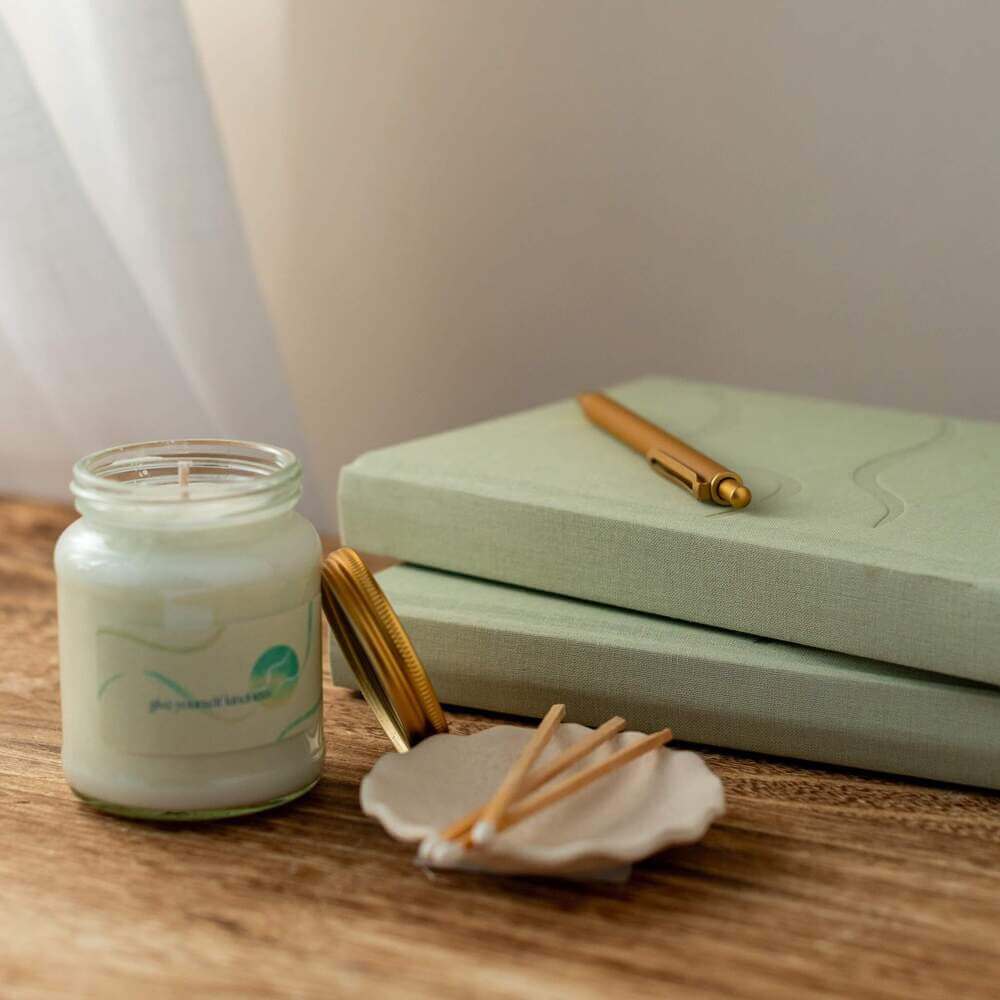
Christmas gifts that really help someone who is hard on themselves are the ones that work on the voice in their head, not the tension in their shoulders. That is the distinction worth holding on to while you shop. A candle is a lovely thing to receive and it will be appreciated. It simply does not reach the part that is doing the damage.
Clinical psychologist Dr Annabelle Kyle Dortch explains what self-criticism actually does, and why it does not quietly sort itself out.

Dr Annabelle Kyle Dortch, PsyD
Clinical Psychologist, Los Angeles | Specialises in life transitions, relationships, stress, anxiety and the impacts of trauma
Read Dr Dortch’s full article: Why self-compassion is more effective than self-criticism →“It promises future success, perfection, and the prevention of future mistakes. But no matter how wonderful this promise sounds, the truth remains that if self-criticism worked as a means of self-improvement…it would have worked by now.”
“…When we engage in self-criticism, we create a nervous system and brain state that is not conducive to learning or facilitating a growth-oriented mindset.”
Which is why the gifts that shift something are the ones that teach self-compassion: noticing a harsh thought, and answering it the way you would answer a friend who said it about themselves.
What tends to help someone who is hard on themselves:
- Something that helps them notice the harsh thought with curiosity instead of judgement
- Words already written, so they do not have to find them on a bad evening
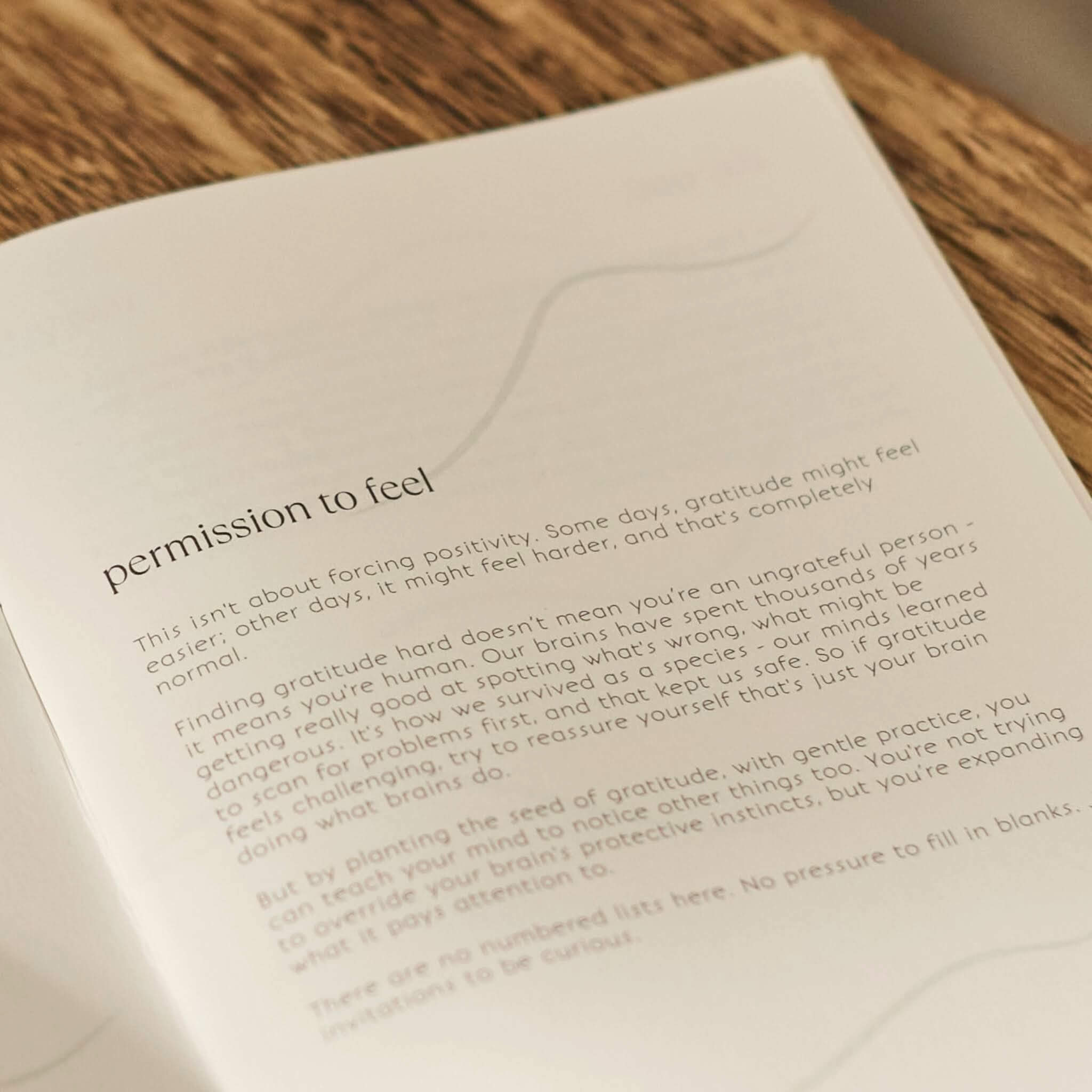
- Permission to feel what they actually feel, rather than a nudge towards forced positivity
- No dates, no streak to break, nothing to fall behind on
There is one worry worth naming, because most people buying this kind of gift have it. You do not want it to land as pity. Dr Kristin Neff of the University of Texas at Austin and Dr Chris Germer of Harvard Medical School, who developed the Mindful Self-Compassion programme together, draw the line between the two clearly.


Dr Kristin Neff & Dr Chris Germer
Associate Professor, University of Texas at Austin & Clinical Psychologist, Harvard Medical School | Co-developers of Mindful Self-Compassion, taught to over 250,000 people worldwide
Read their full article: Self-compassion is not self-pity →“Compassion and pity are quite different. Pity involves looking down on someone and feeling sorry for them. Compassion says ‘We’ve all been there.’ Pity creates separation, and compassion creates connection.”
A gift like this says “we have all been there”, not “I have noticed something is wrong with you”. That is the whole difference, and it is mostly carried by the thing itself.
Gifts that actually help with self-criticism
I should tell you that the two gifts below are mine, and why they exist.
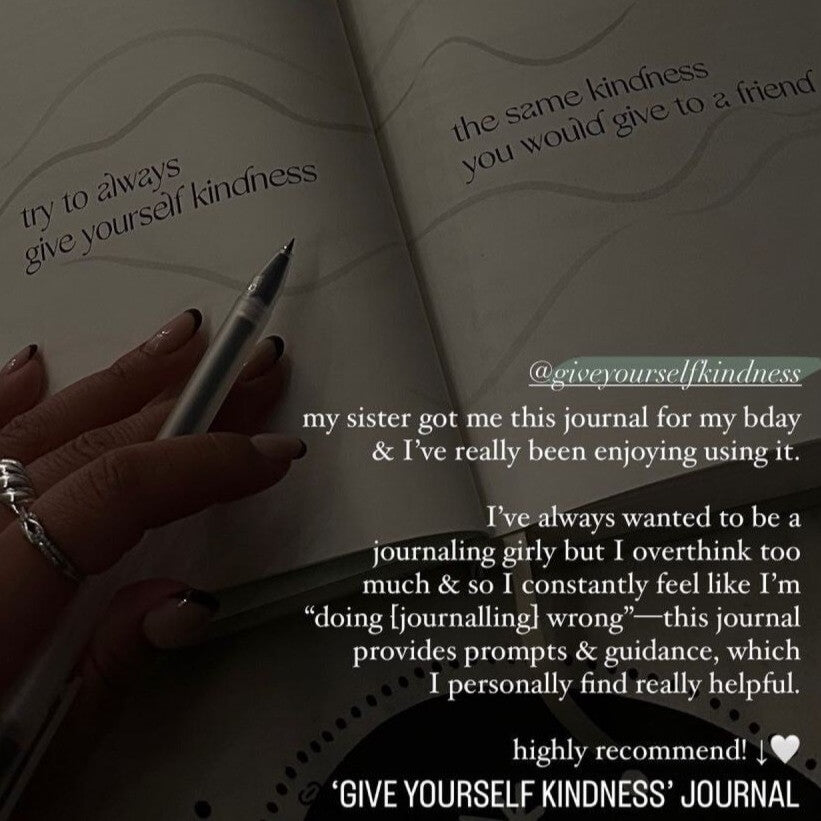
After my own experience of Compassion Focused Therapy, I went looking for something I could use every day to keep practising. Everything I found either repeated the same three prompts until they stopped meaning anything, or told me I was radiant and abundant on days when I felt like the opposite — which made the critical voice louder, not quieter. So I made the journal I had needed, working with clinical psychologists and self-compassion researchers, and then the cards, written using Compassion Focused Therapy principles.
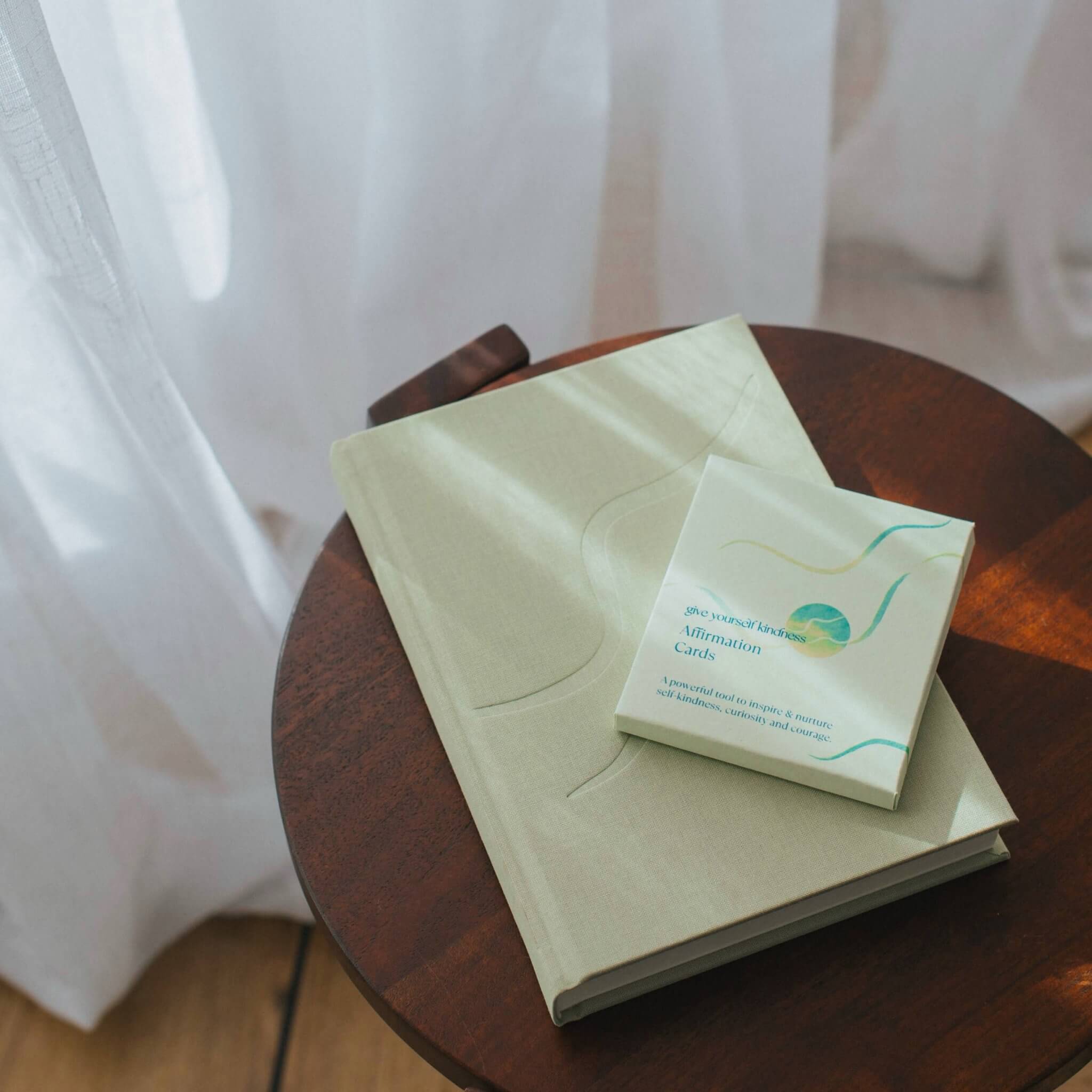
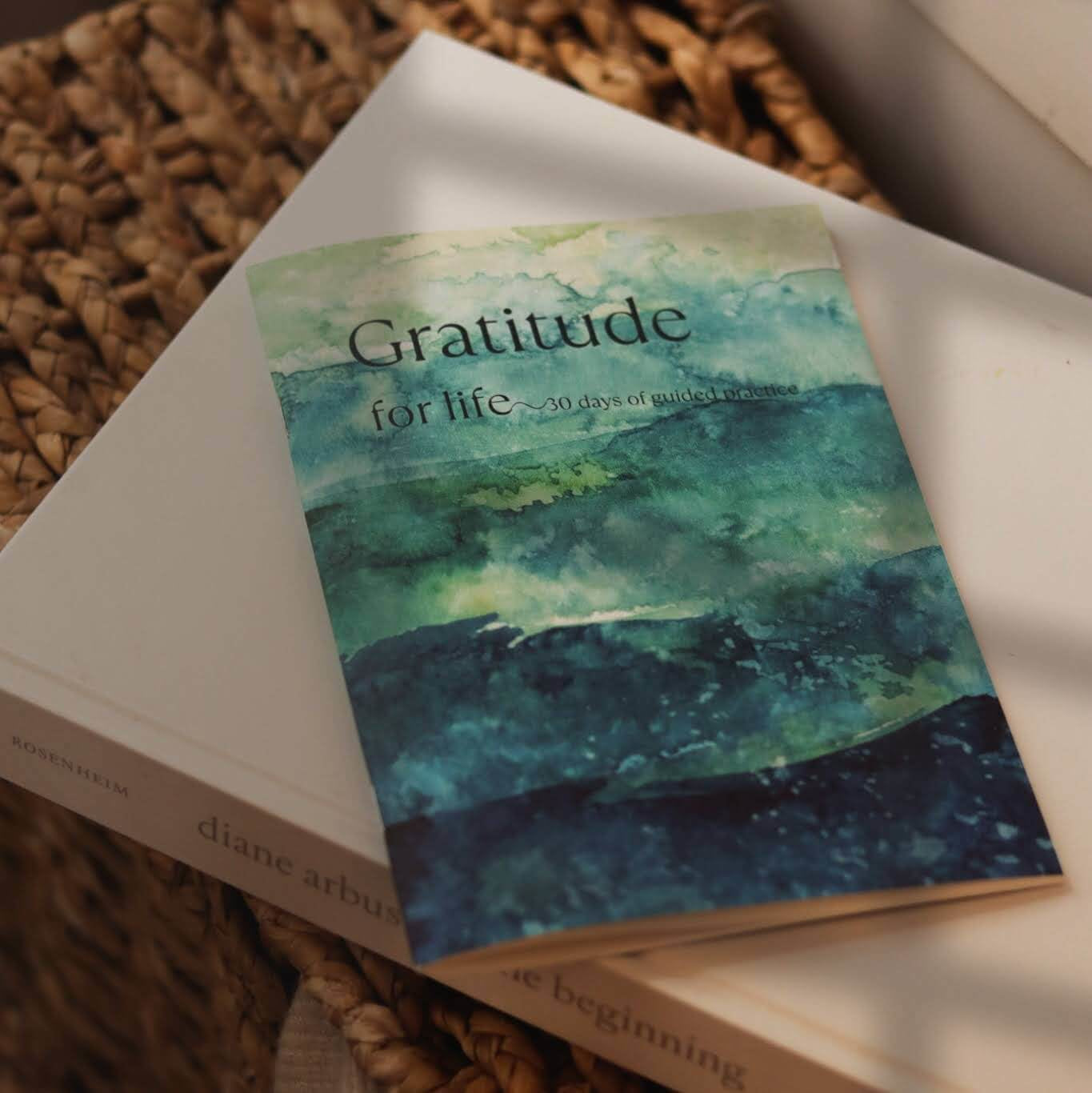
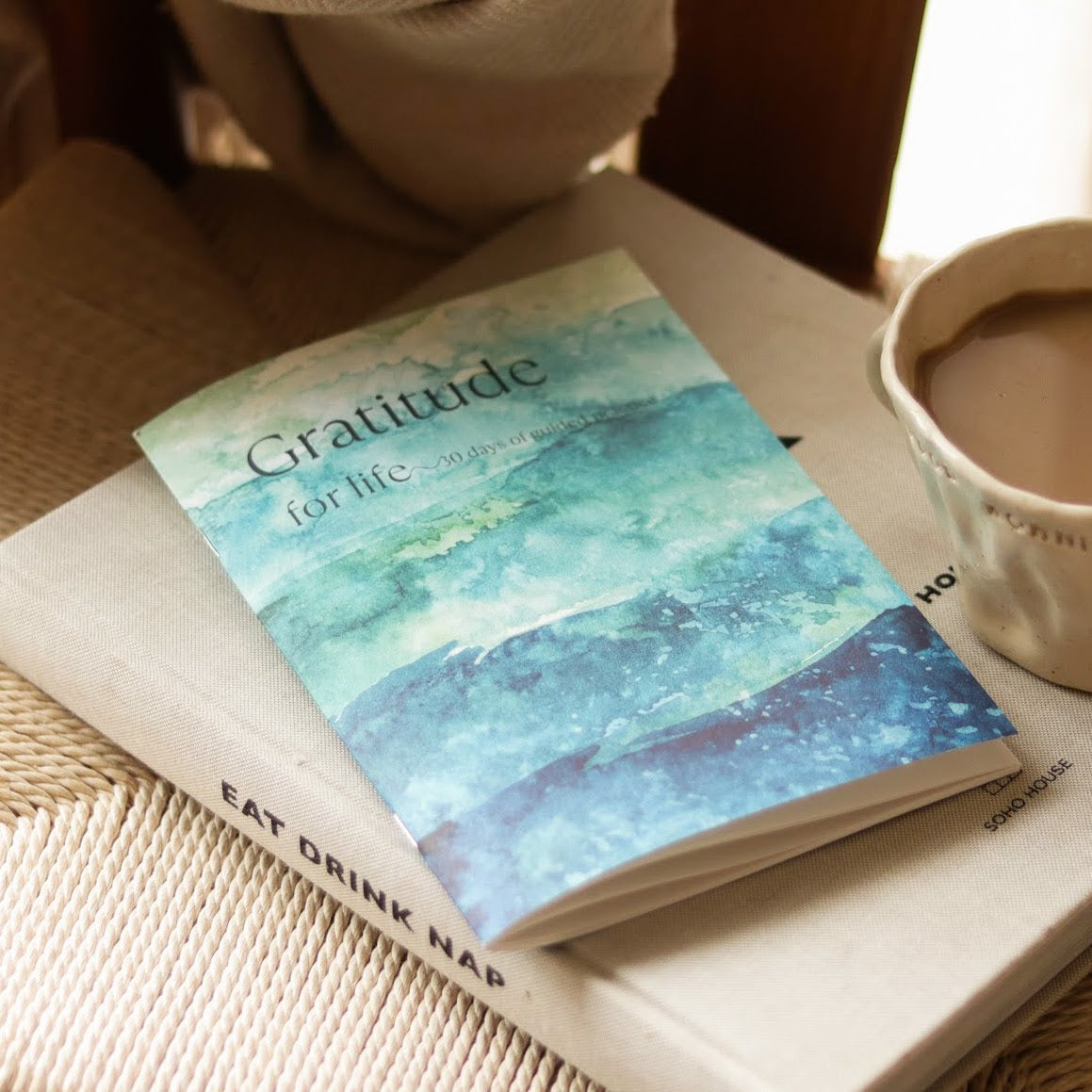
The Give Yourself Kindness journal
Best for someone who would actually sit down with it — someone who replays mistakes, holds themselves to standards they would never apply to anyone else, or is already working with a therapist and wants something for the days in between.
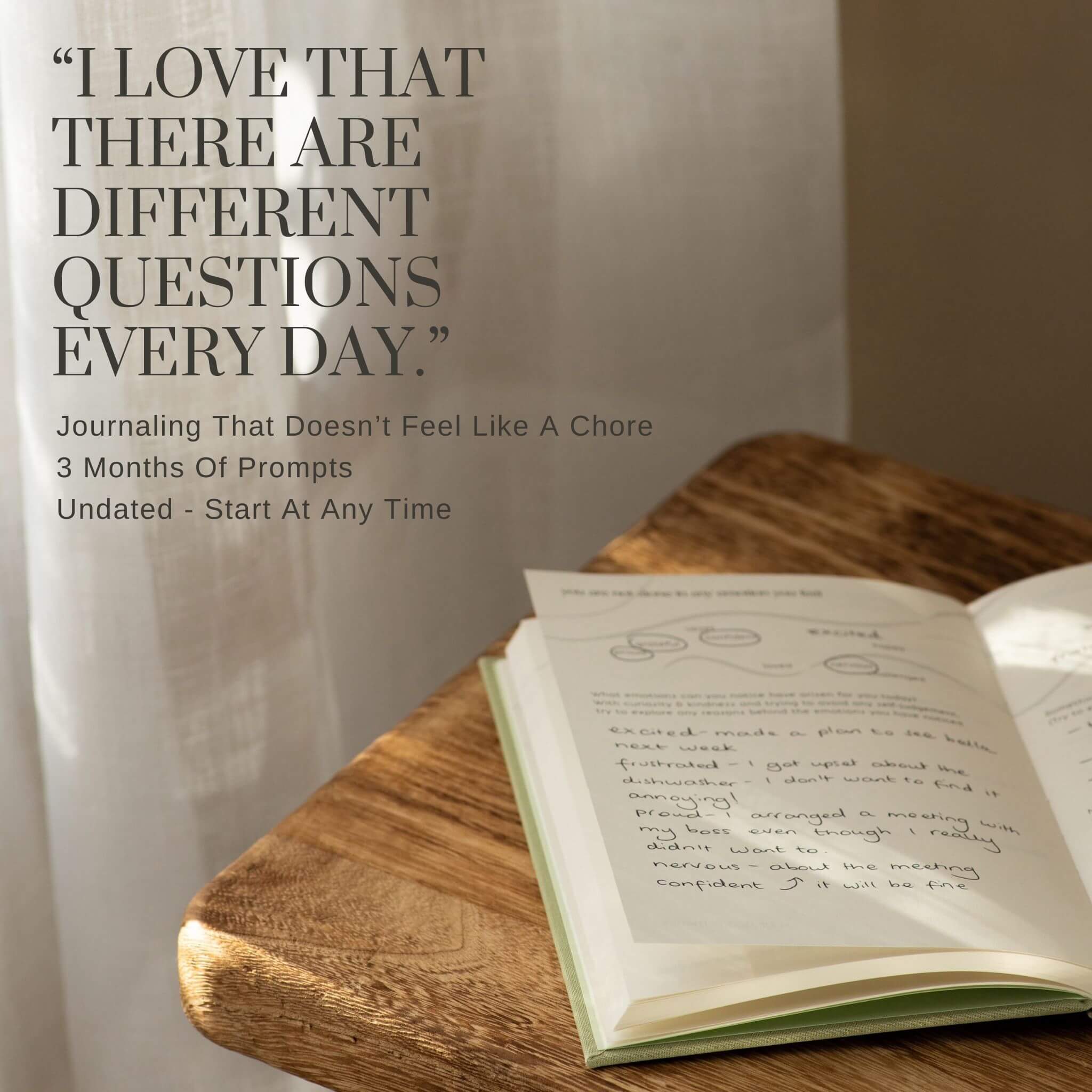
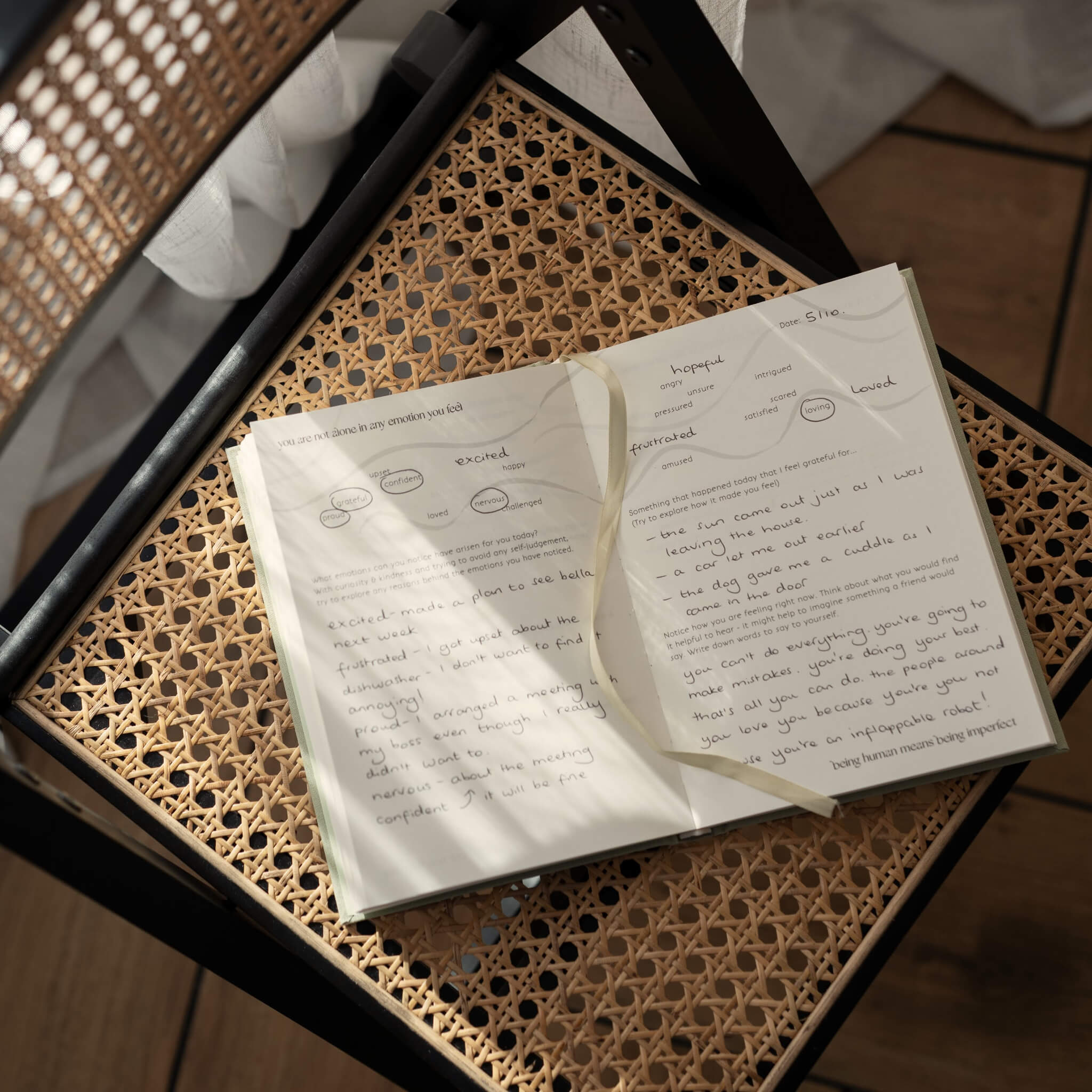
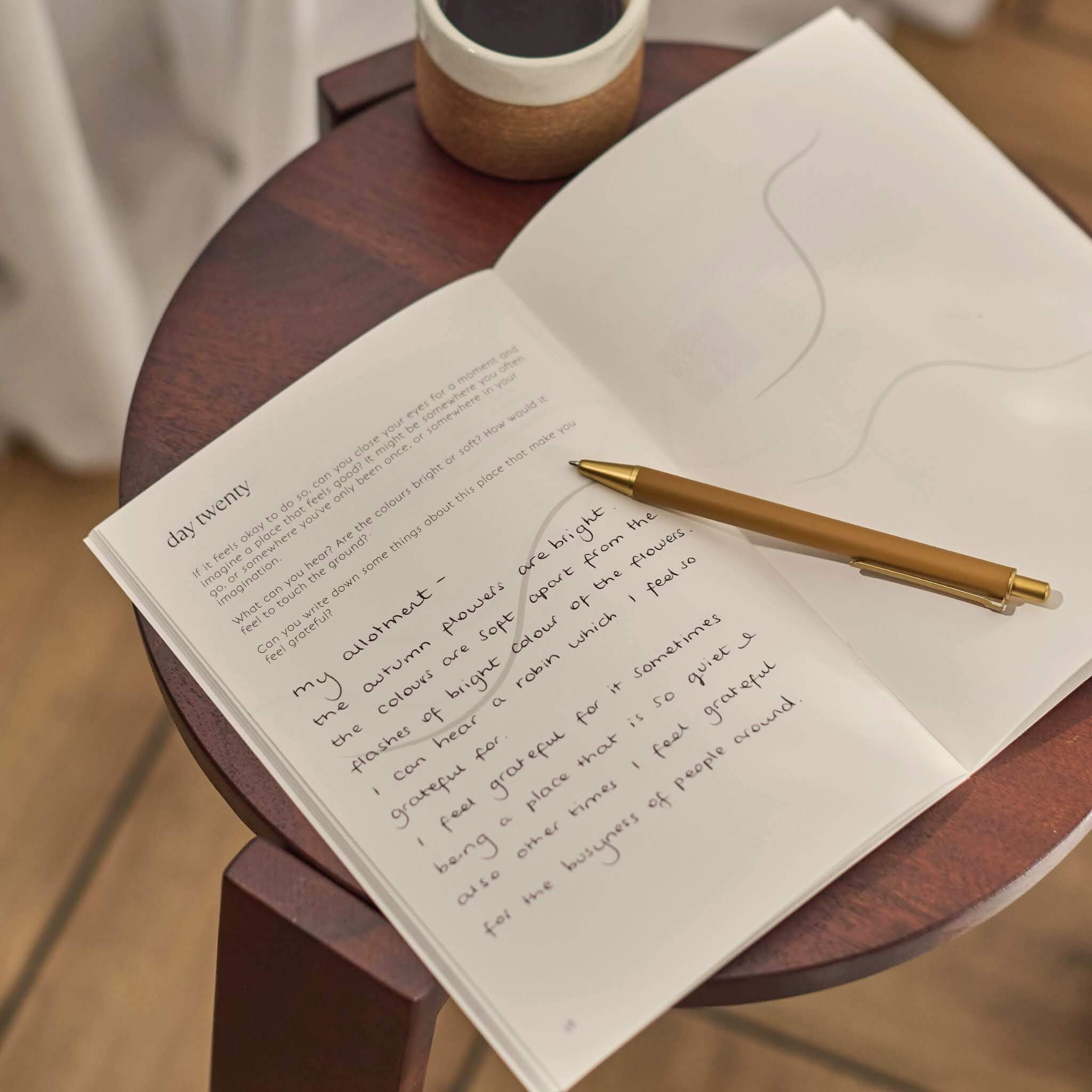
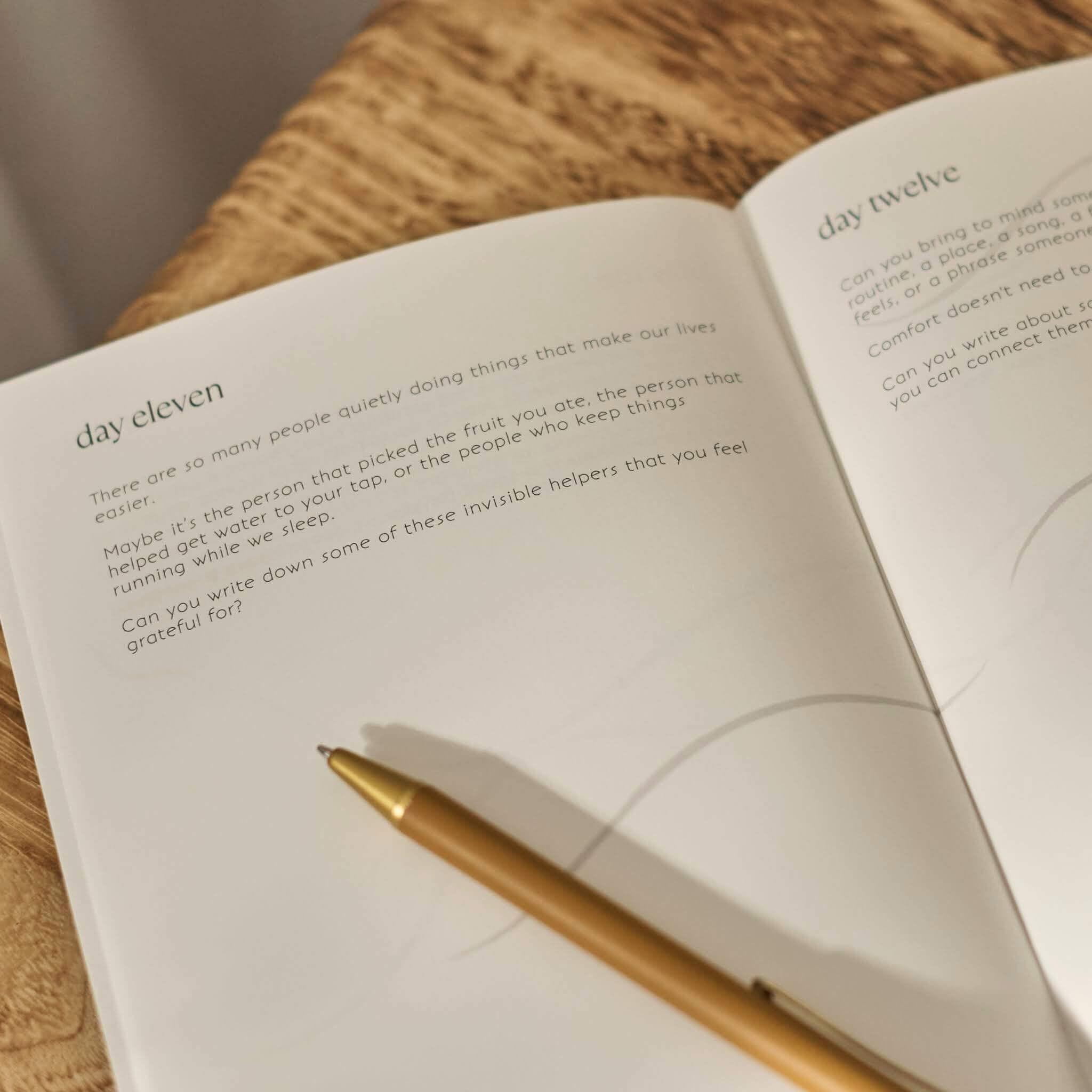
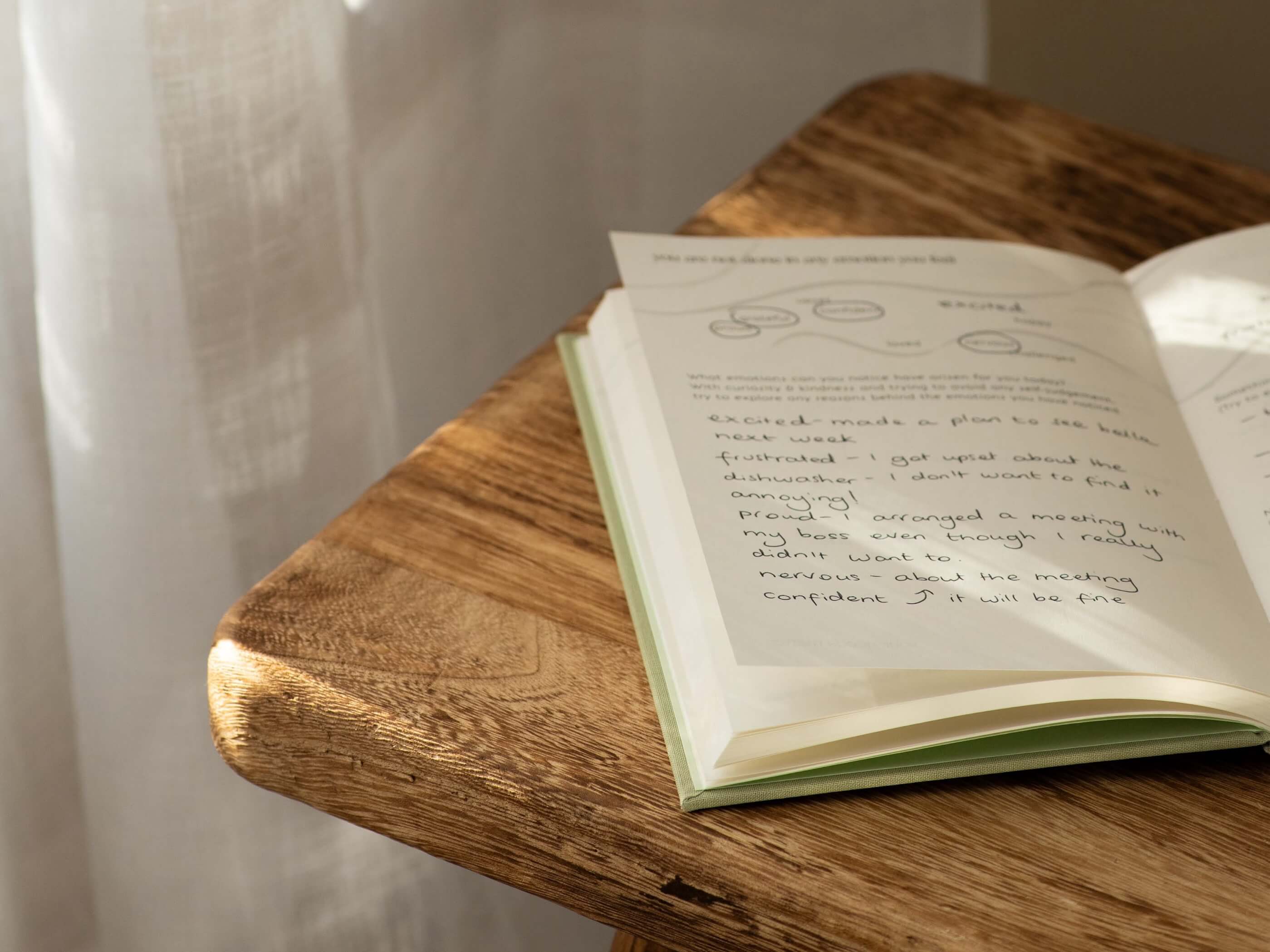
The prompts change every day, so it never becomes a form to fill in, and they are built to guide someone towards their own kindness rather than instruct them. A few of the ones that do the most work on self-criticism:
“What has challenged you today? Talk to yourself as you would talk to a friend, and write down what you would say.”
“Notice how you are feeling right now. Think about what you would find it helpful to hear.”
“Can you notice an emotion that you fear? Imagine a friend came to you, explaining that they feel that emotion. Write down what you would want to say to them.”

The Give Yourself Kindness journal
- An emotional awareness tool on every page, to notice a feeling without deciding it is wrong
- Three months of prompts where no two days are the same, so it never becomes mechanical
- Over fifty gentle reminders such as “be careful how you talk to yourself, you are listening”
- Undated, so a missed week is just a missed week, not another thing to be hard on themselves about
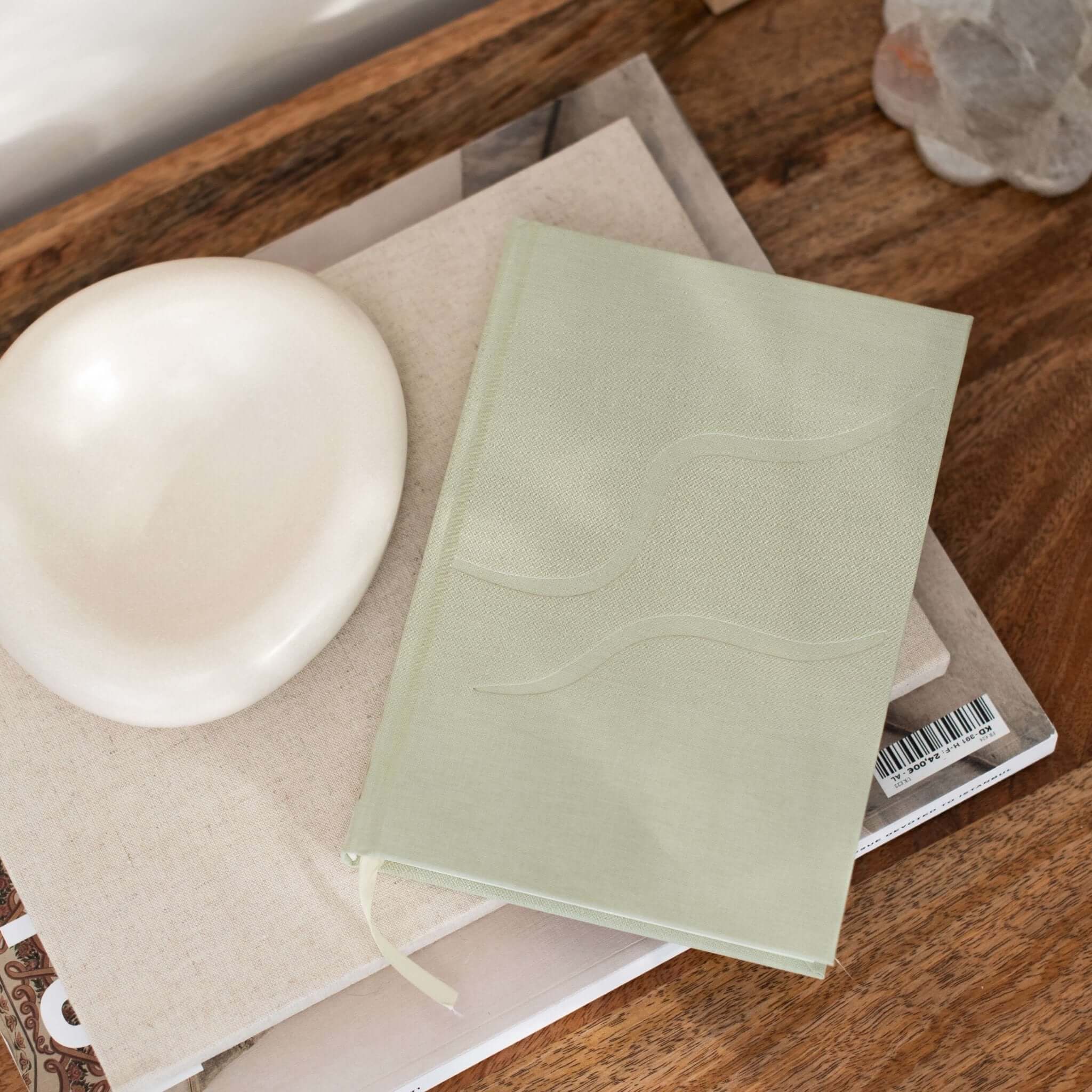
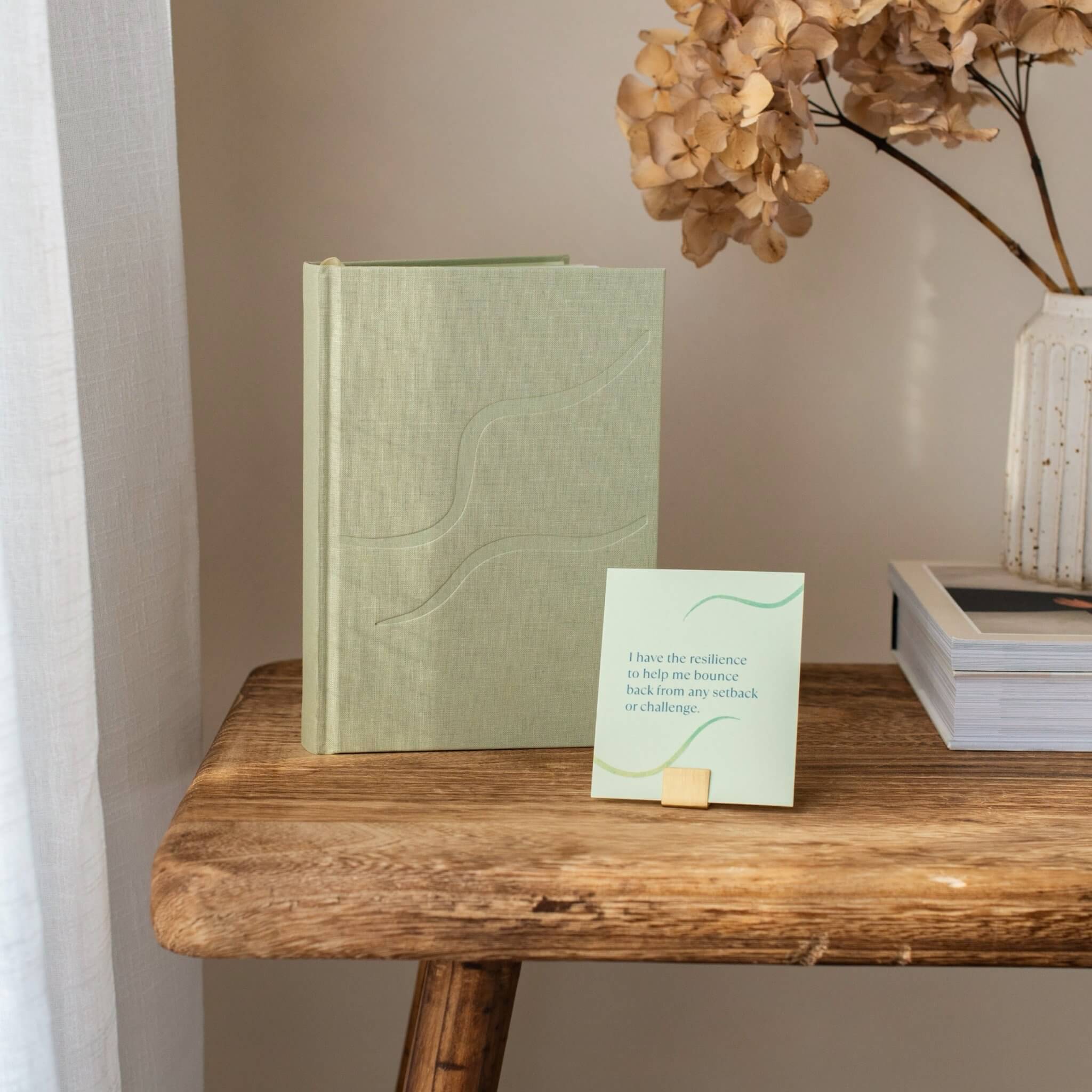
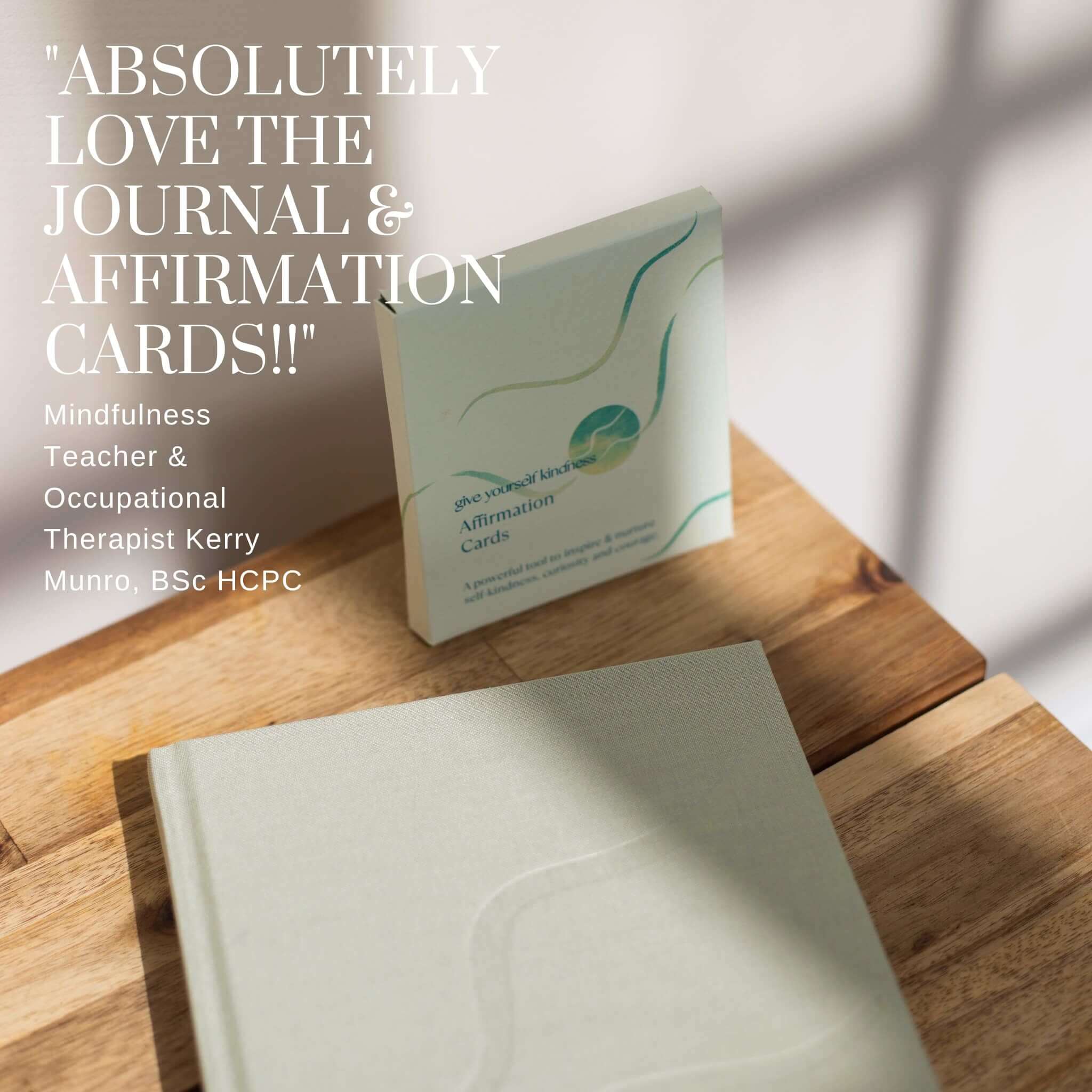
A5, 224 pages, luxury pistachio green cloth cover, 120gsm paper from FSC-certified forests, printed in the UK. Suitable for adults and teens.
It has been reviewed by Professor Willem Kuyken at the University of Oxford, who is listed by Web of Science as in the top 1% of the most cited scientists in the world. His review is the one I would point a self-critical person’s gift-buyer to, because it is about exactly this problem: writing can set the inner critic off.

Professor Willem Kuyken, PhD, DClinPsy
Ritblat Professor of Mindfulness and Psychological Science, University of Oxford | Listed by Web of Science as in the top 1% of the most cited scientists in the world
Read Professor Kuyken’s review alongside the rest →“…Writing can be creative, beautiful, resourcing, but it can also invoke an inner critic, rumination and procrastination. Rachel has curated the experience to make the writing intrinsically rewarding and the journal something to treasure.”
Dr Chris Germer, PhD
Clinical Psychologist and lecturer on psychiatry (part-time) at Harvard Medical School | Co-developer of the Mindful Self-Compassion programme, taught to over 250,000 people worldwide
Read Dr Germer’s review alongside the rest →“A warm invitation to make friends with your emotions and yourself!”
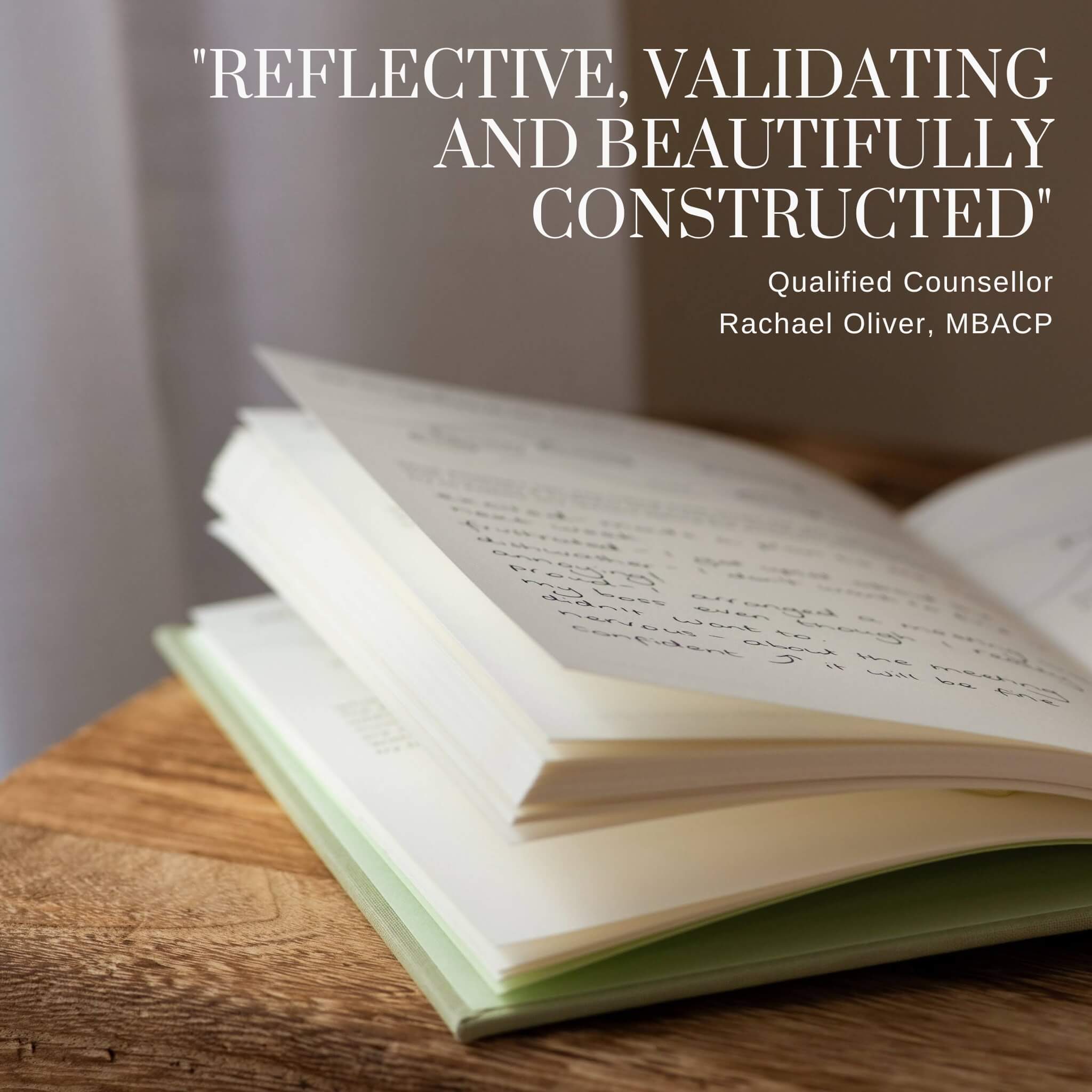
Counsellors and therapists use it with clients, which is worth knowing if the person you are buying for is already in therapy. Accredited counsellor Rachael Oliver describes what it does in sessions.

Rachael Oliver, MBACP
Accredited counsellor
Read Rachael Oliver’s review alongside the rest →“…The way the journal is constructed helps validate their entire experience and avoid toxic positivity, encourage reflection and ownership of feelings.”
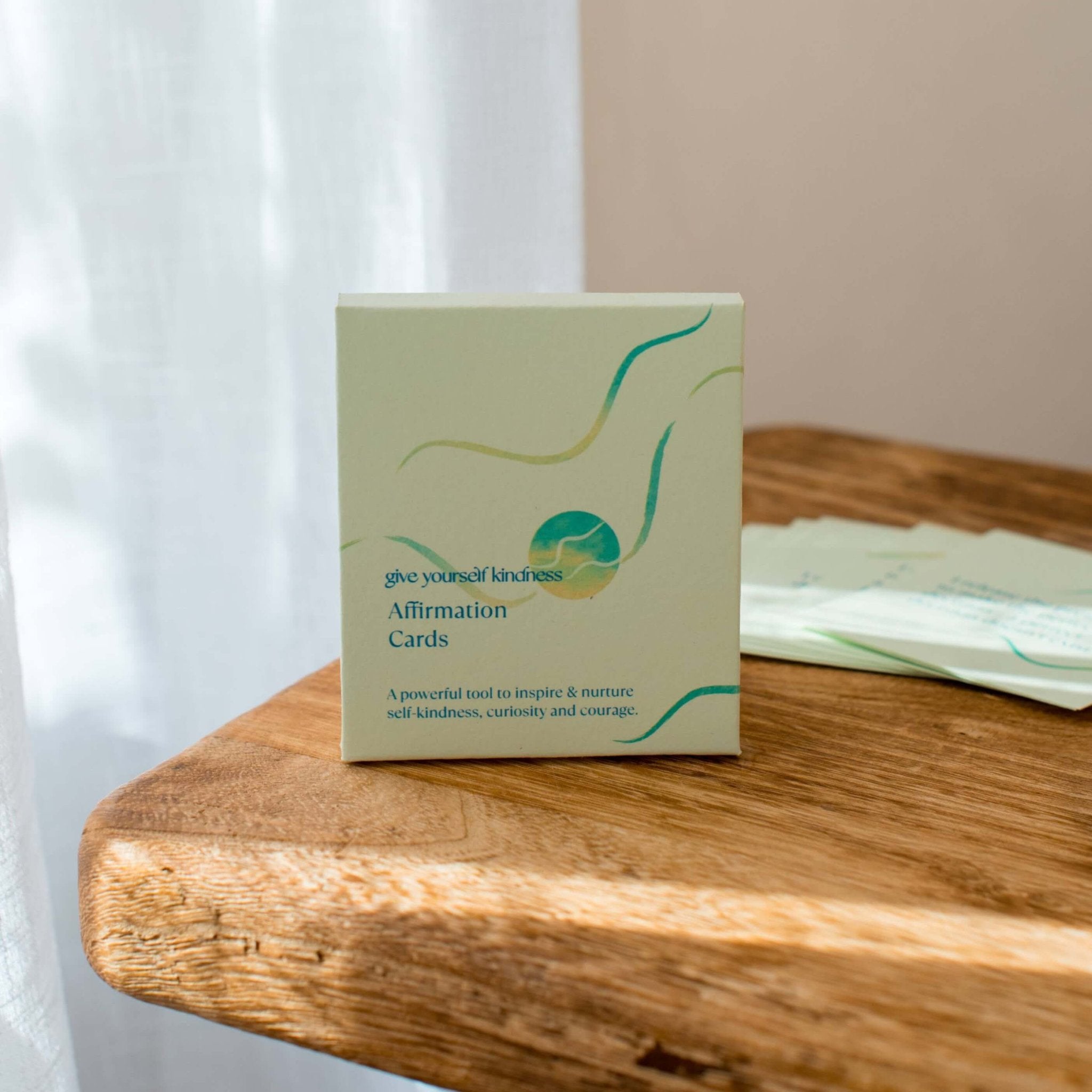
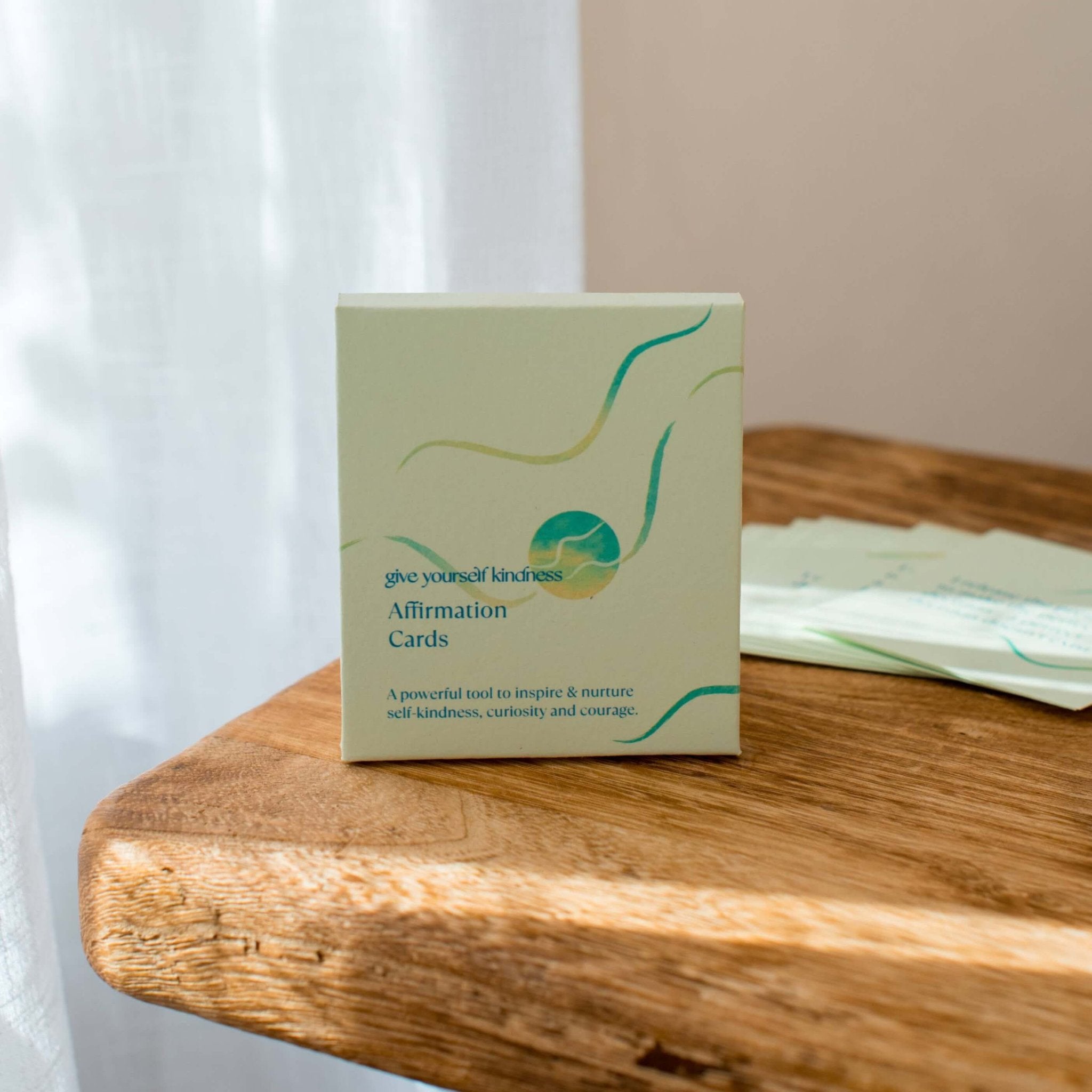
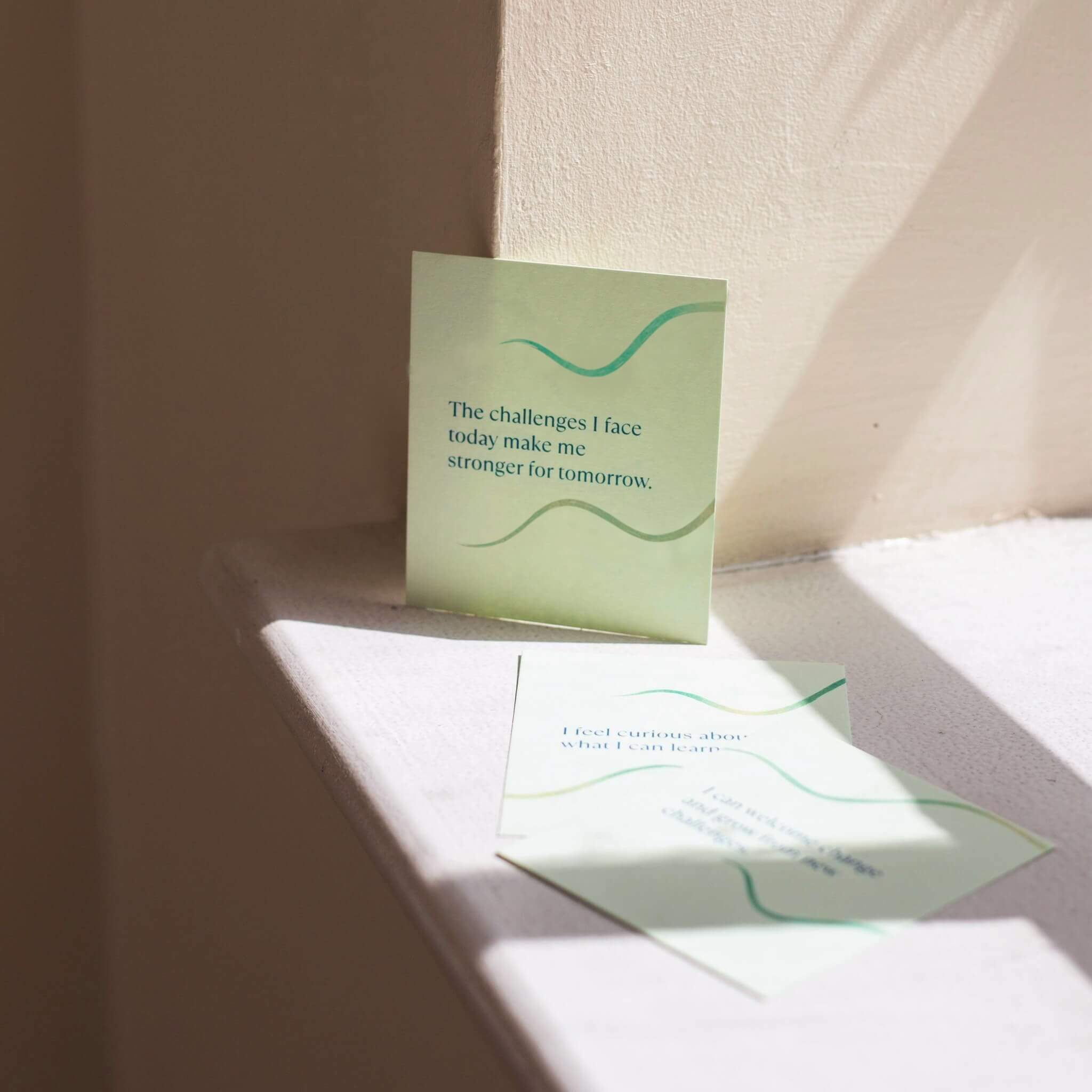
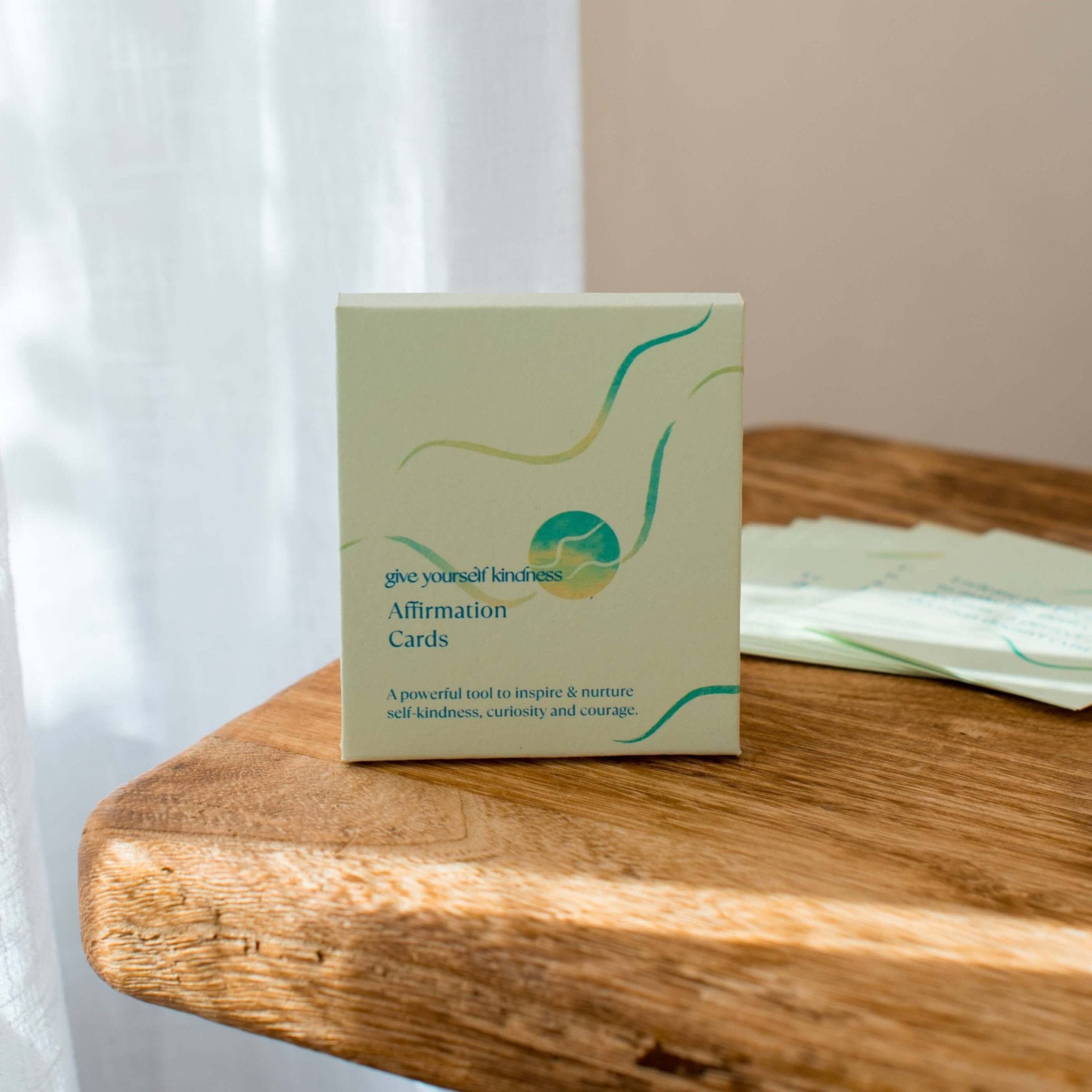
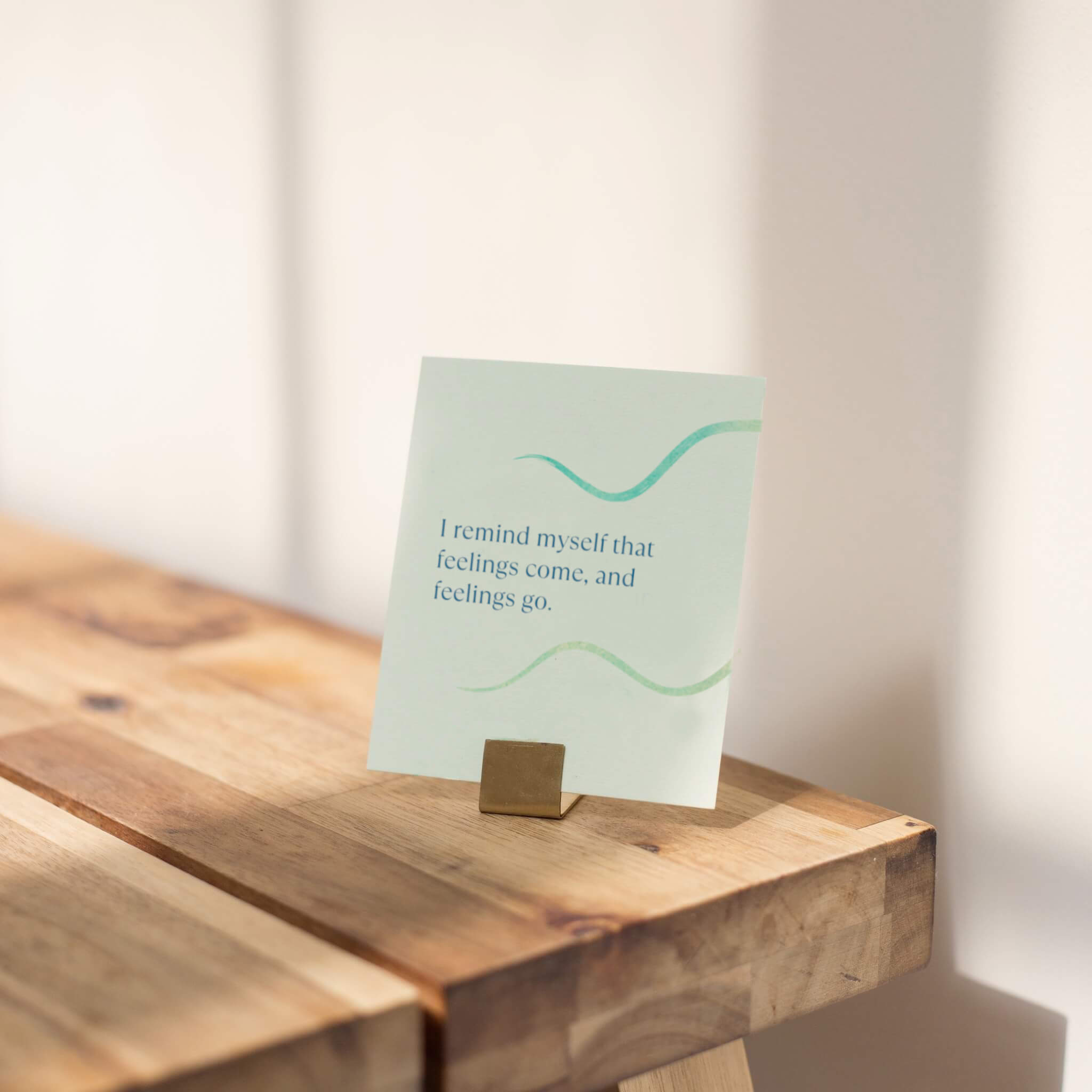
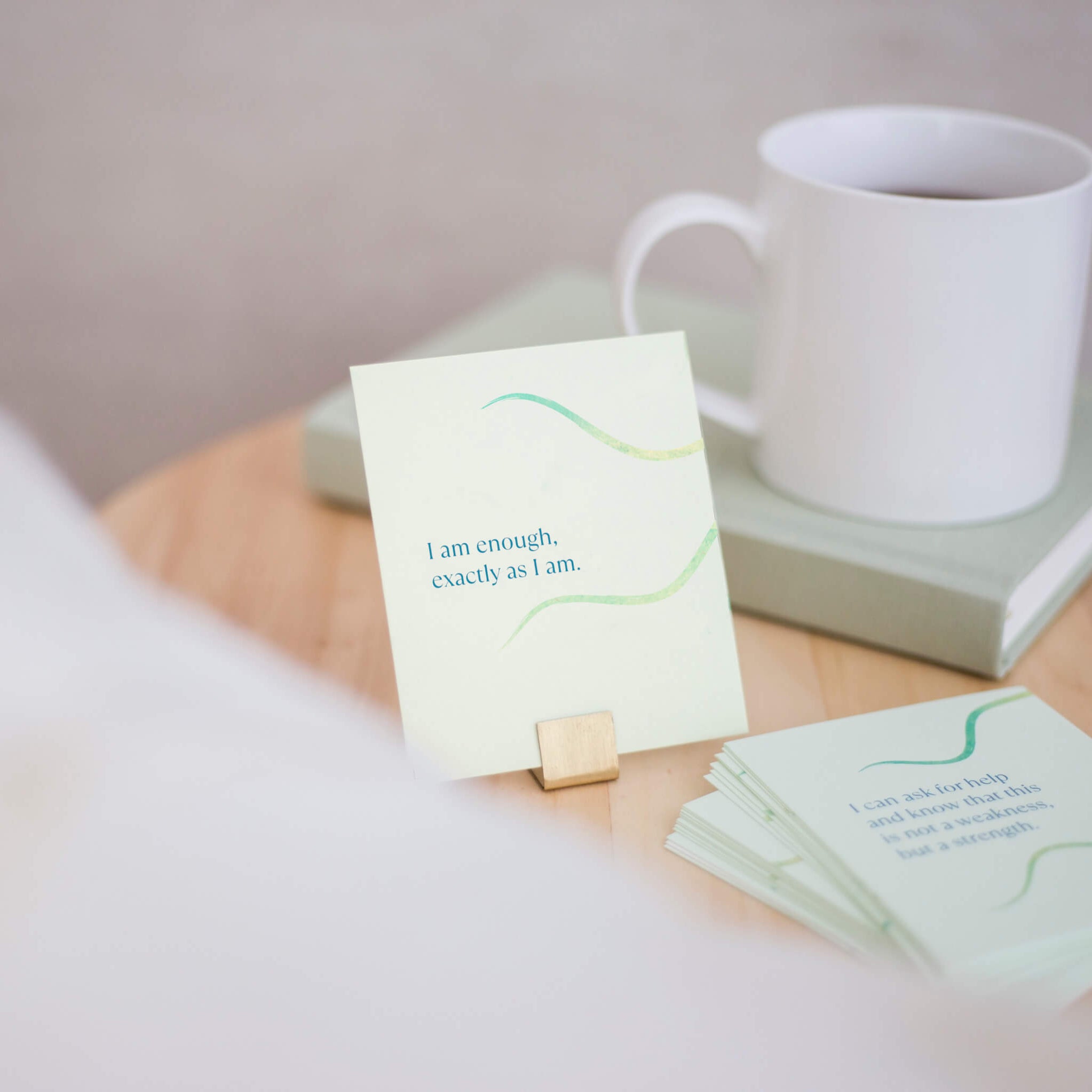
The Give Yourself Kindness affirmation cards
Best for someone who would find a blank page daunting — or who is stretched thin, sceptical about anything that looks like self-help, or simply more likely to glance at something on the windowsill than sit down with it.
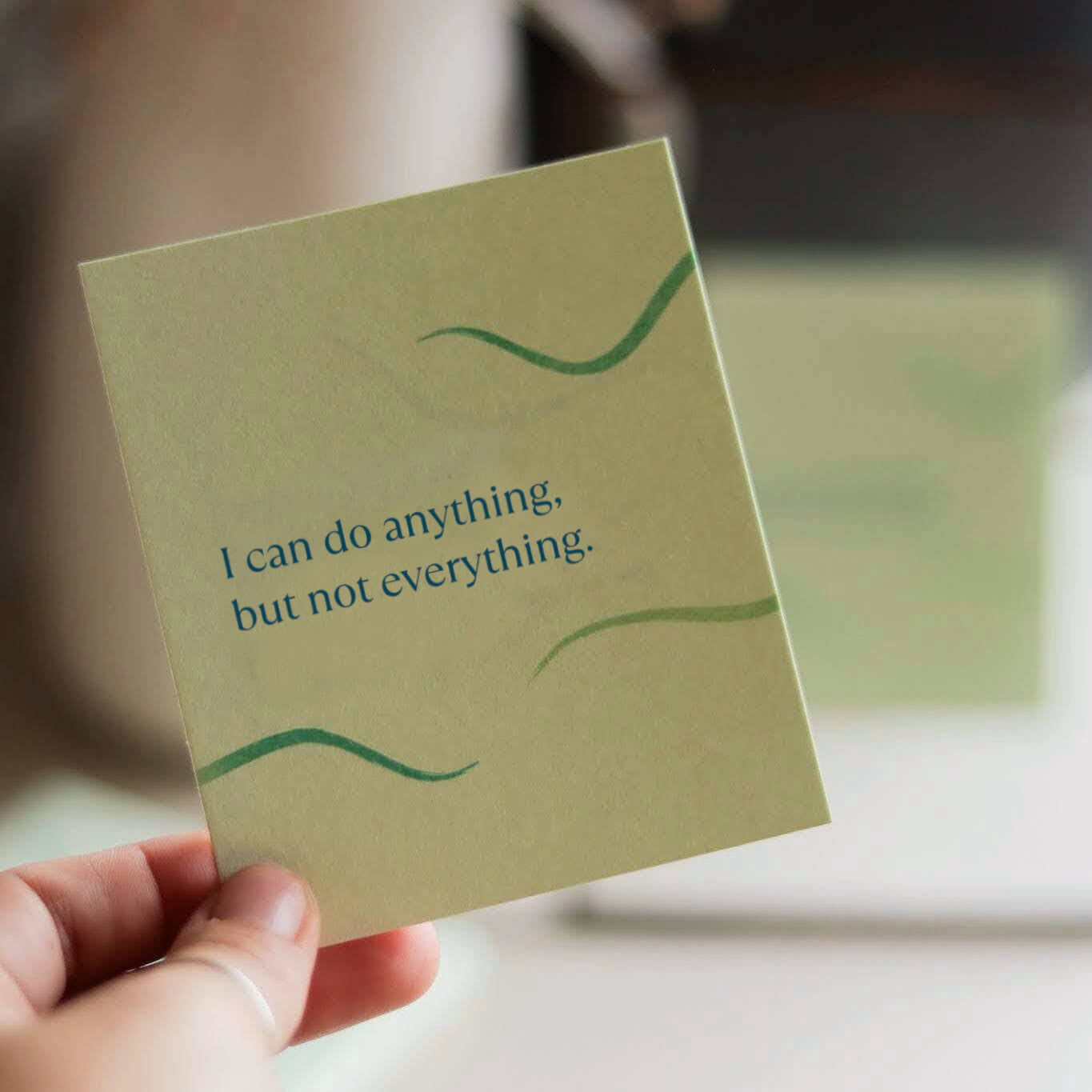
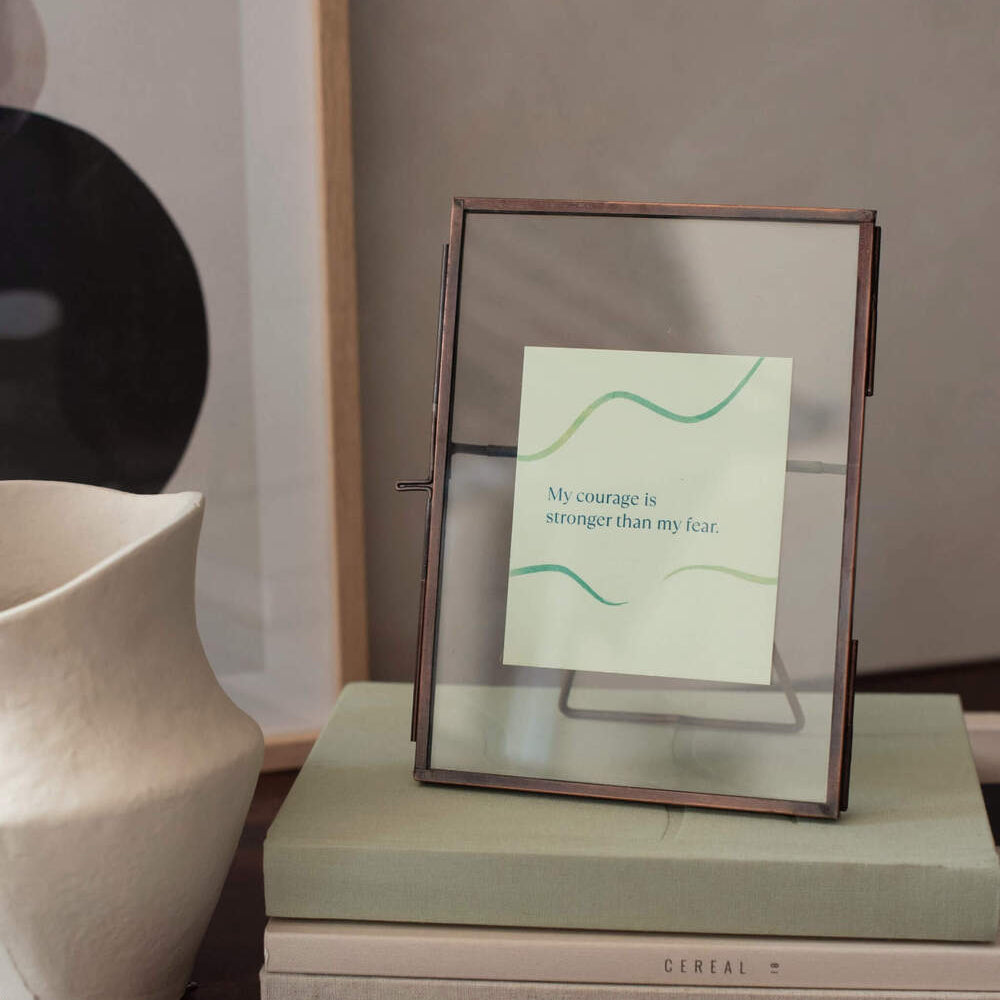
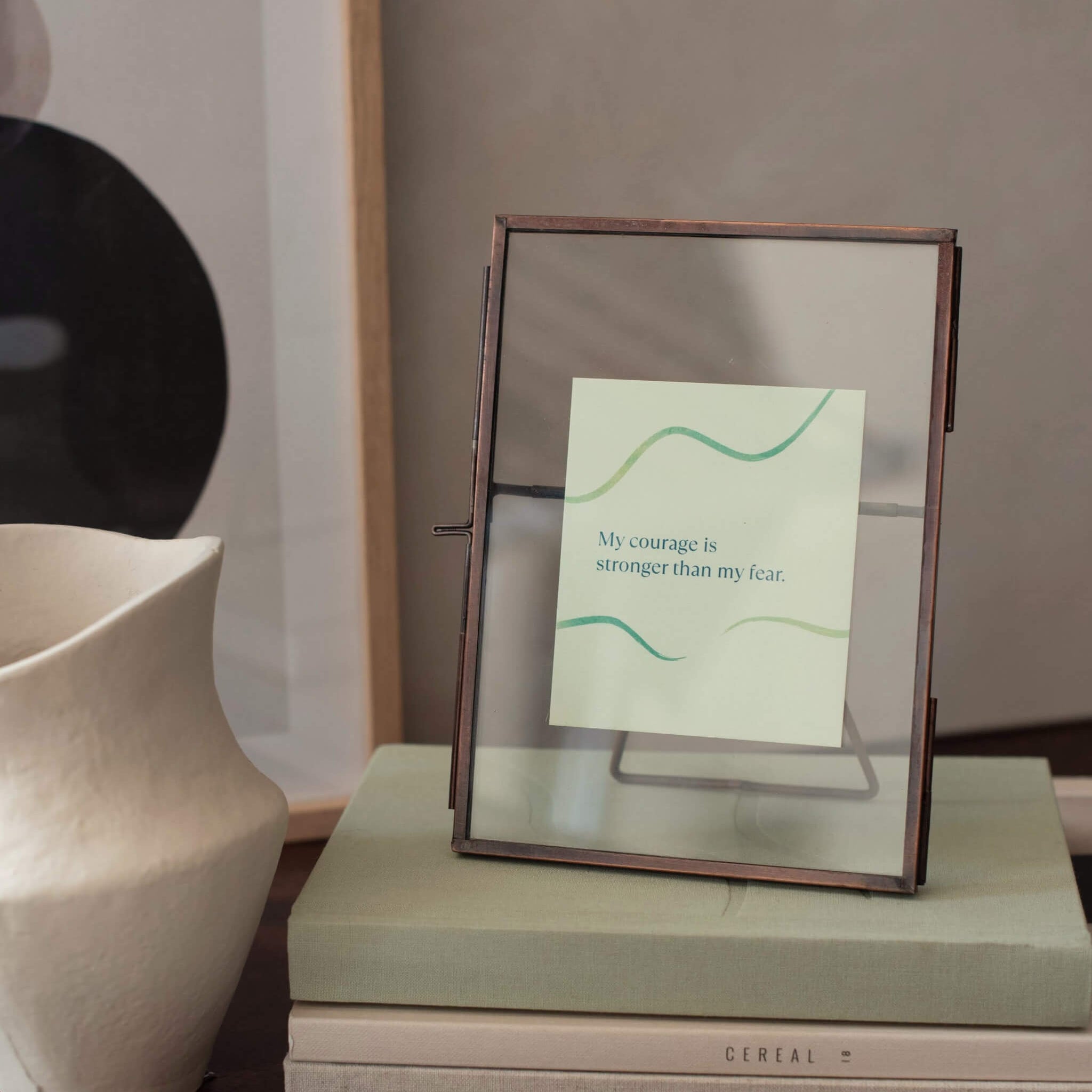
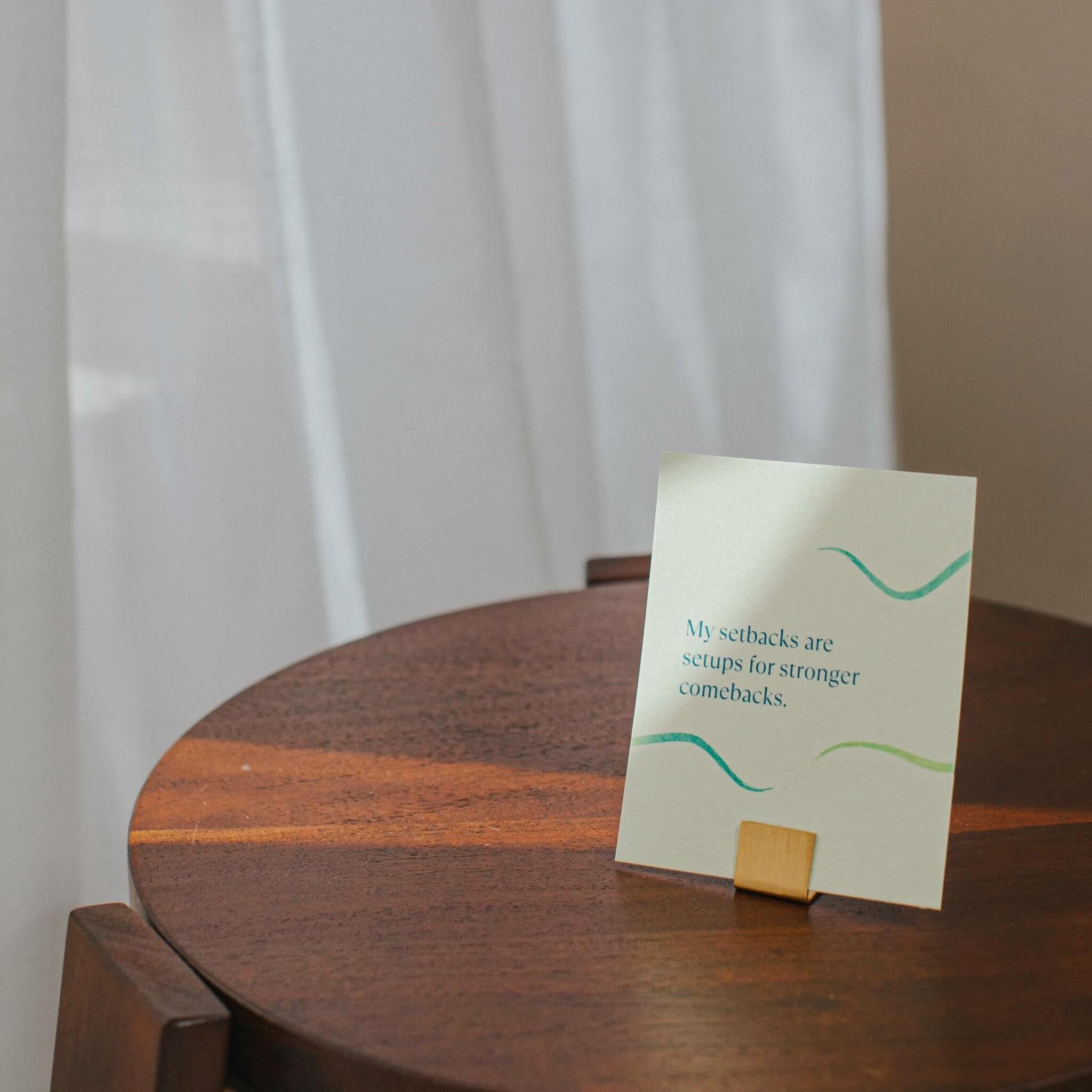
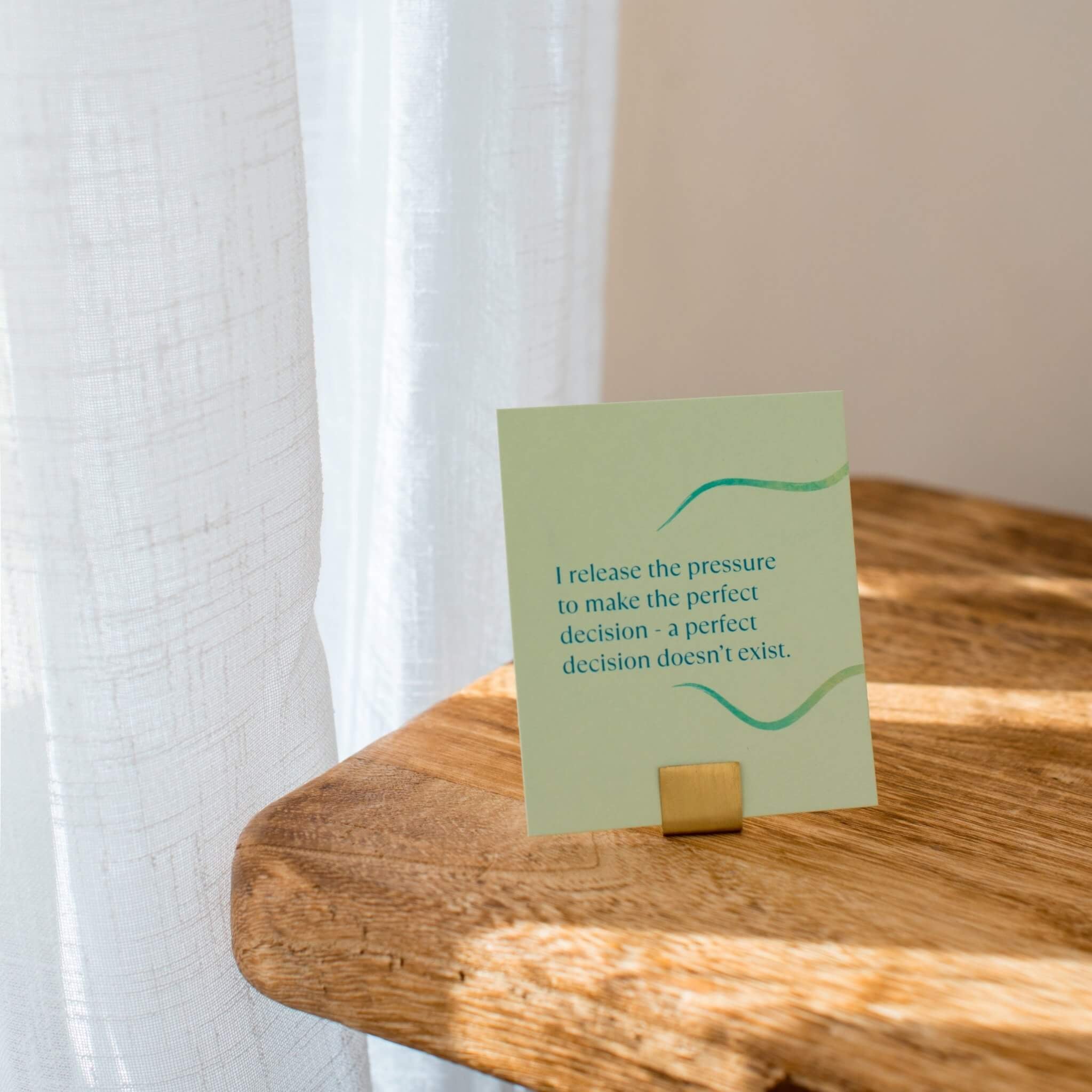
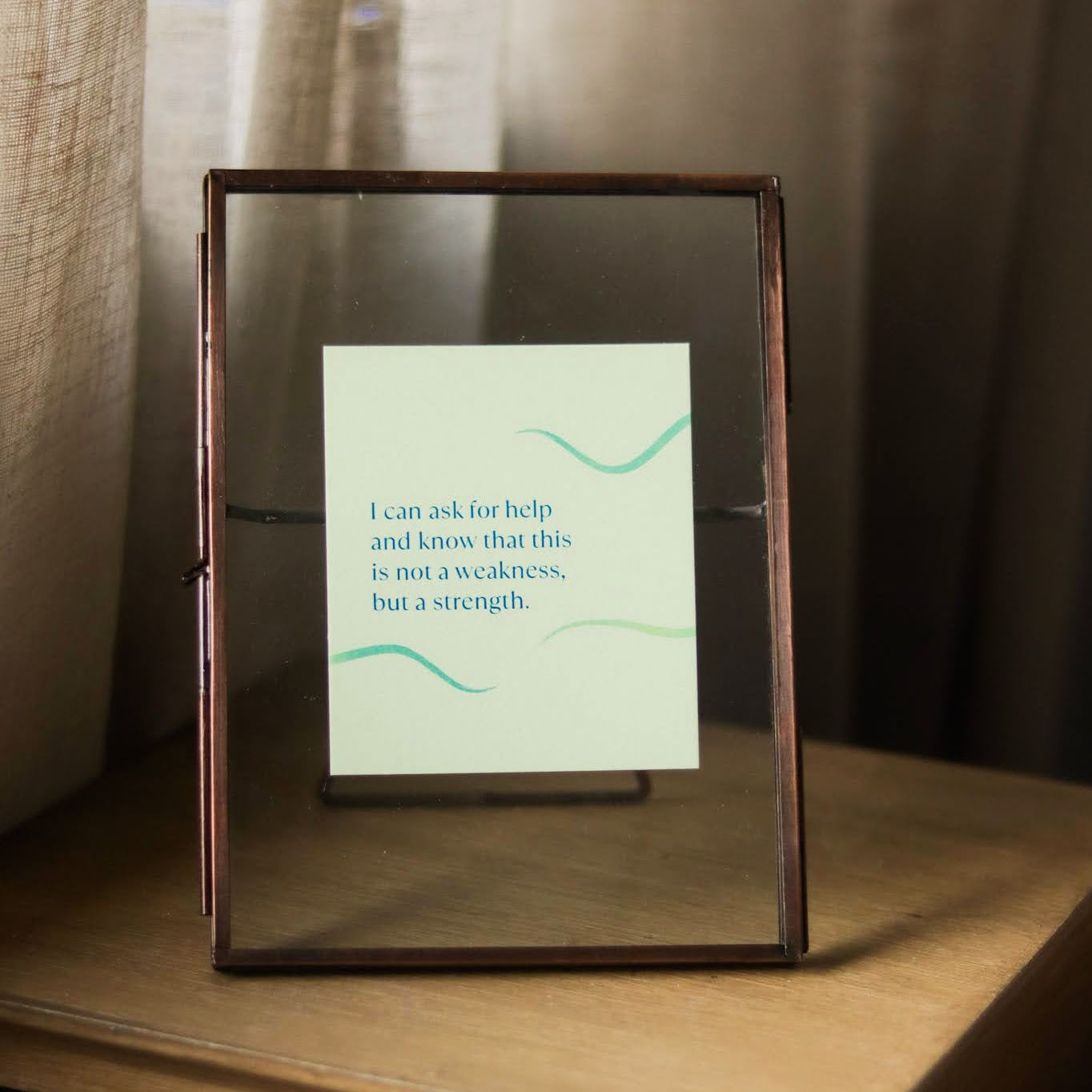
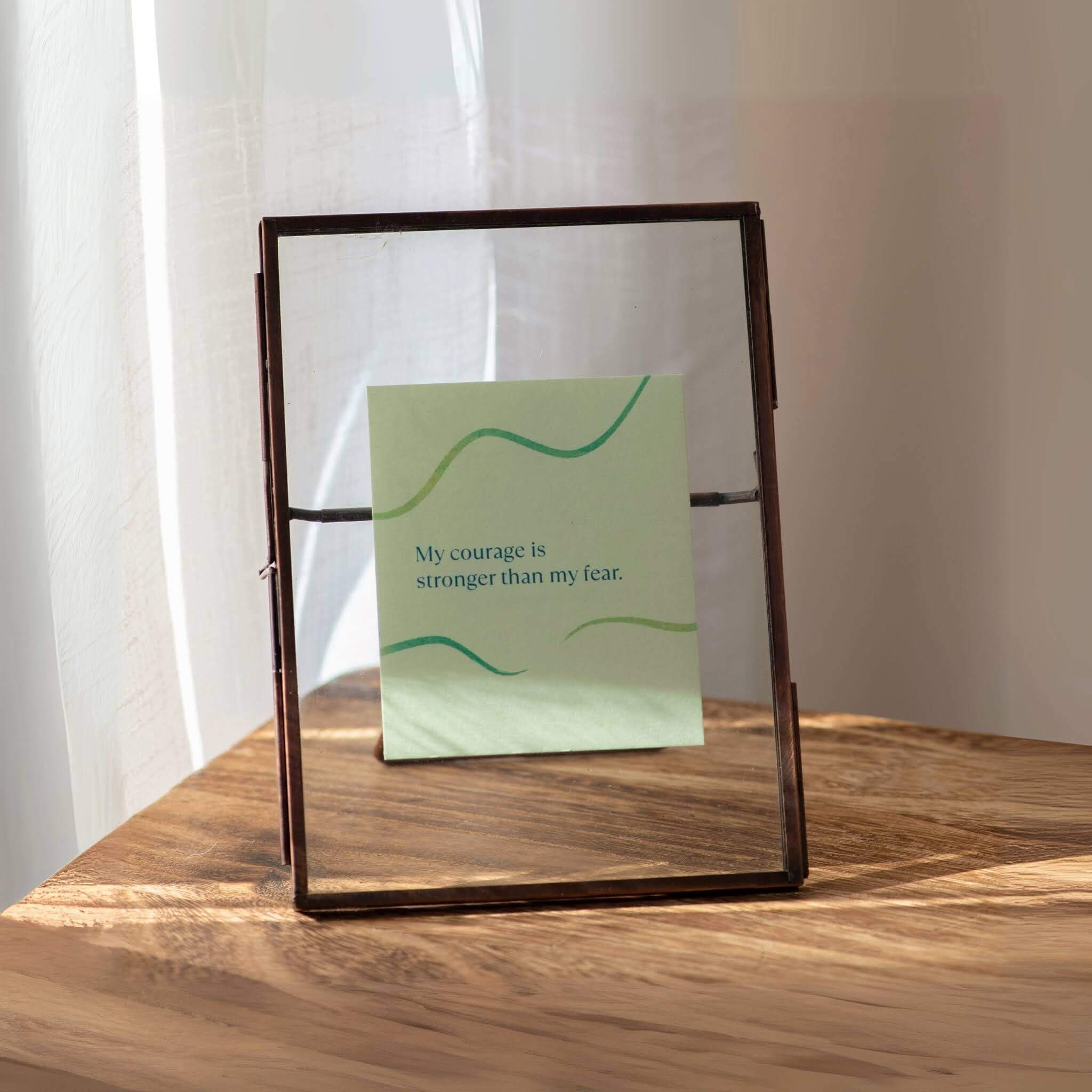
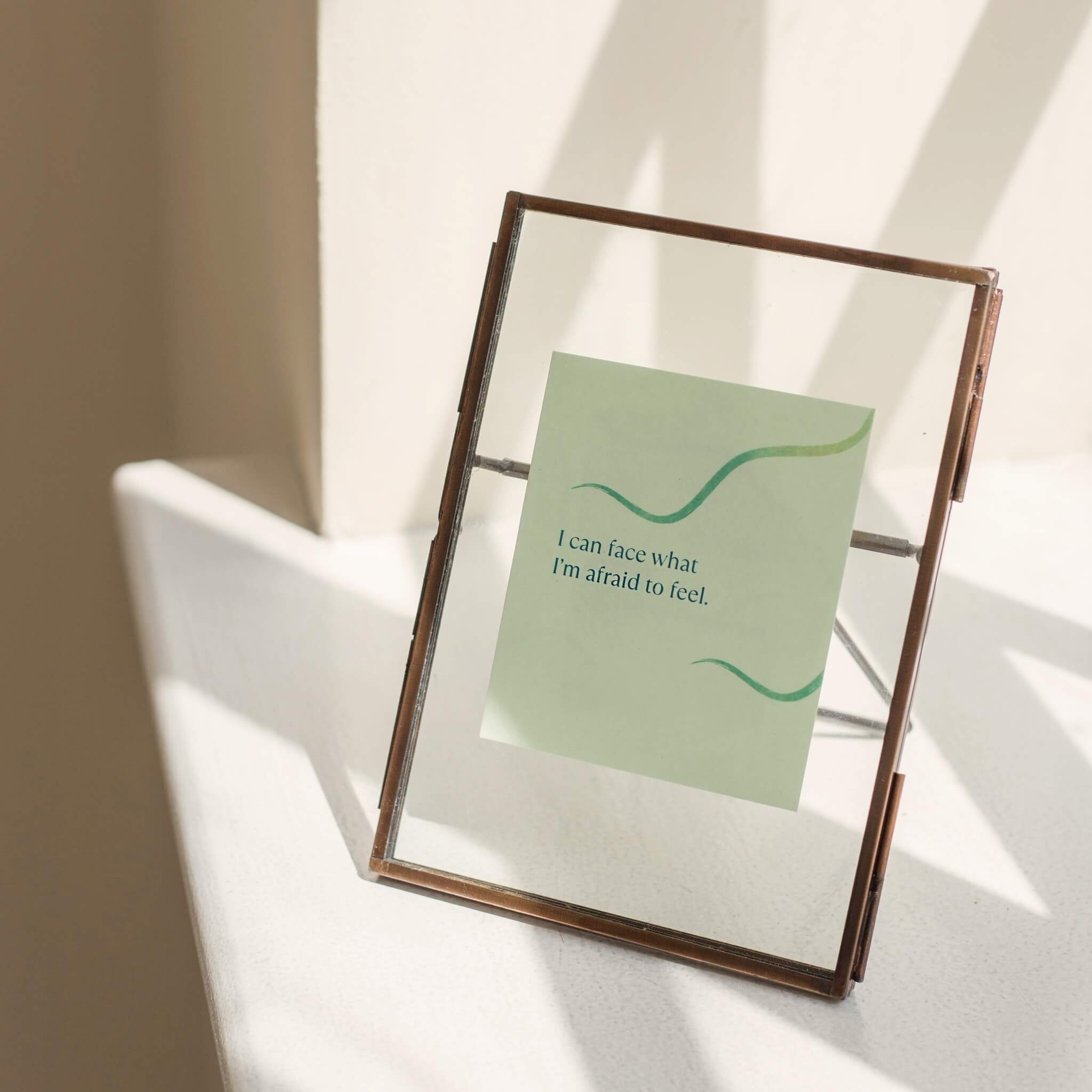
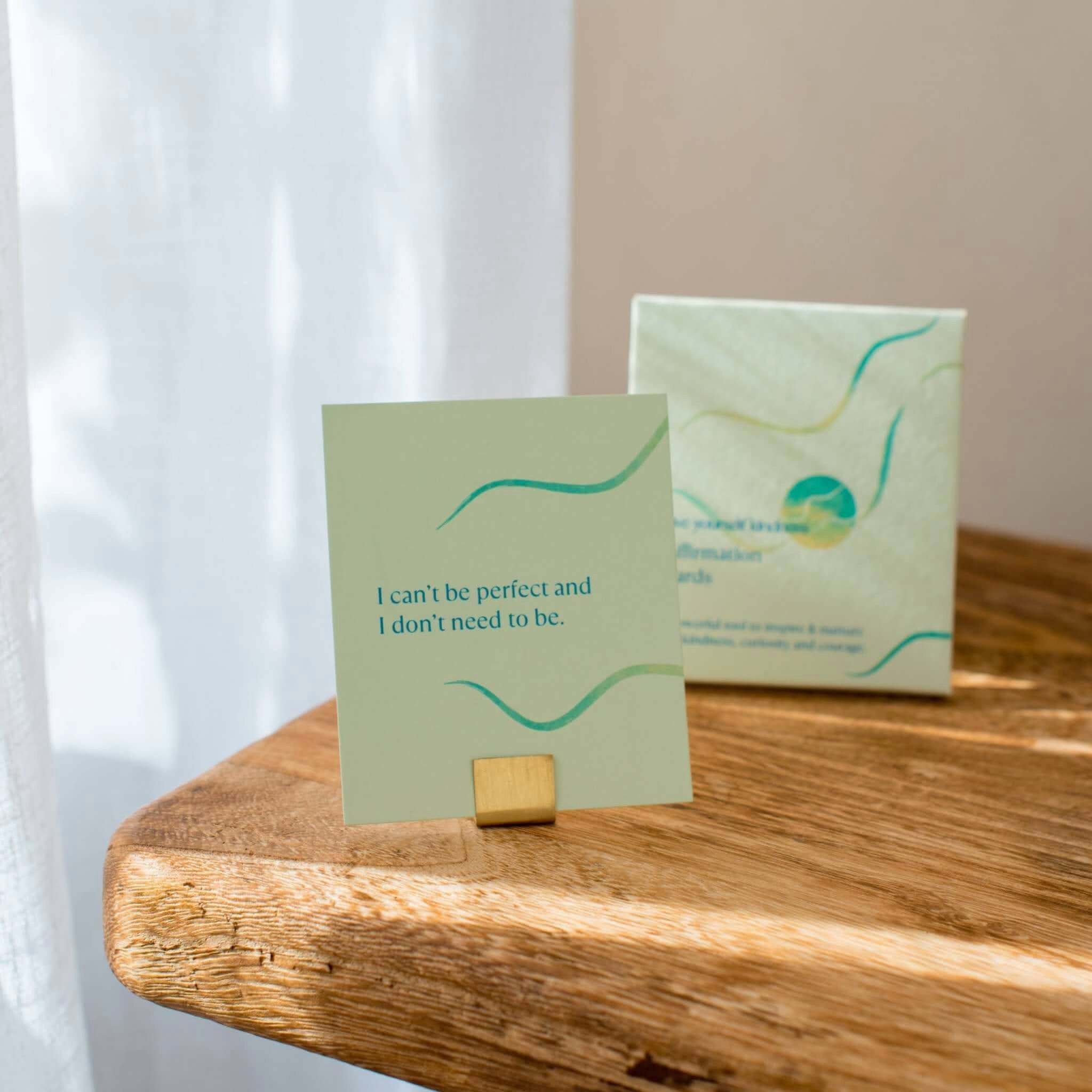
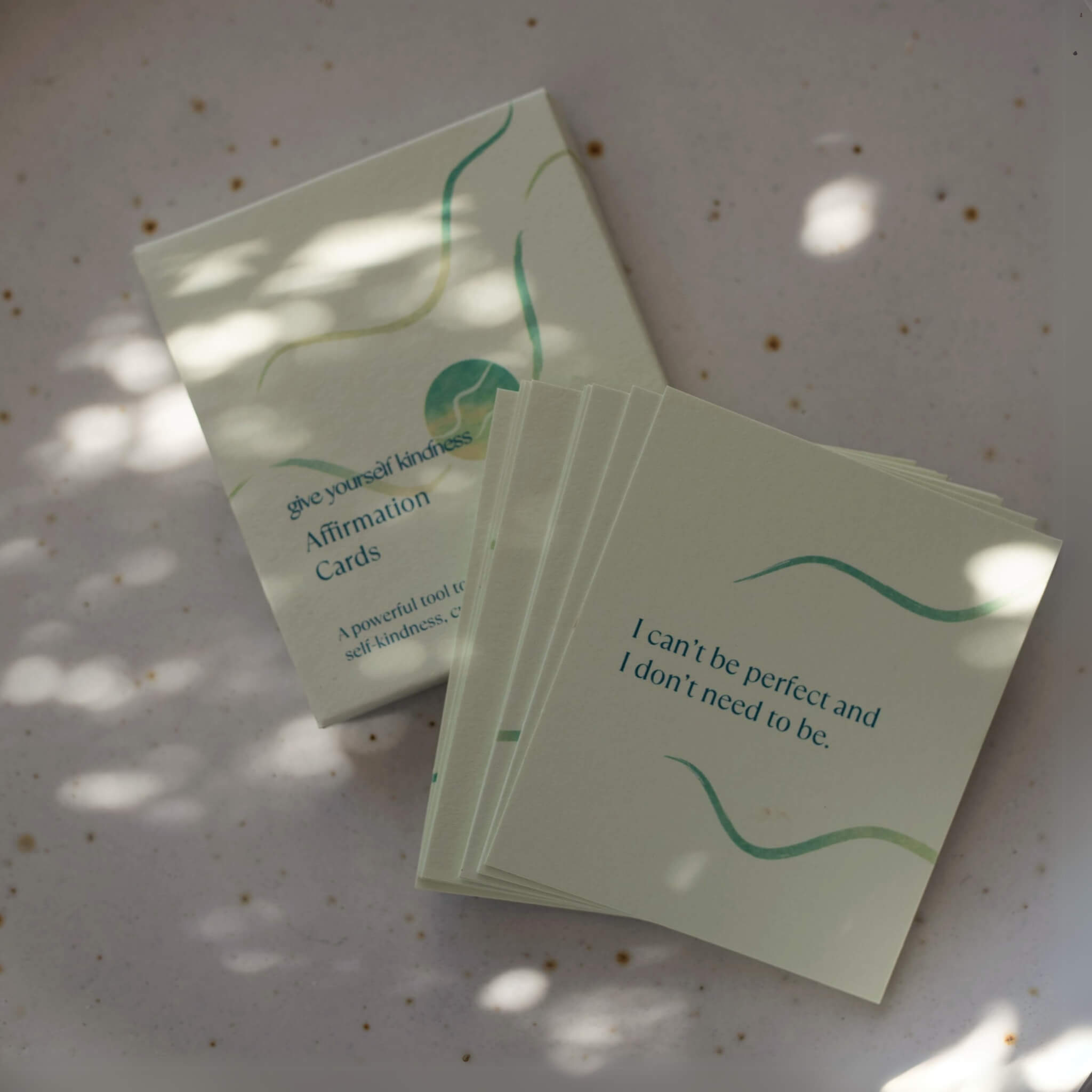
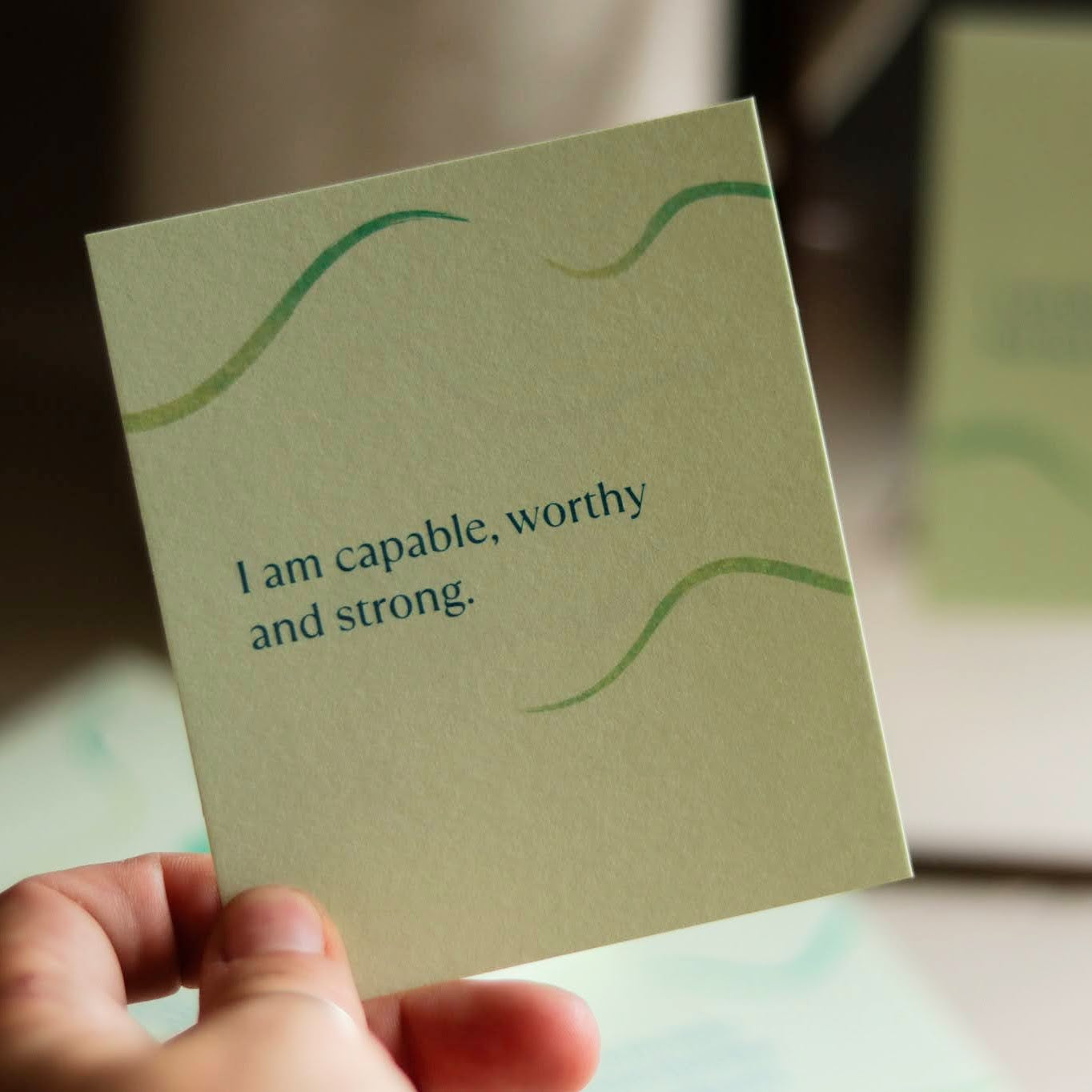
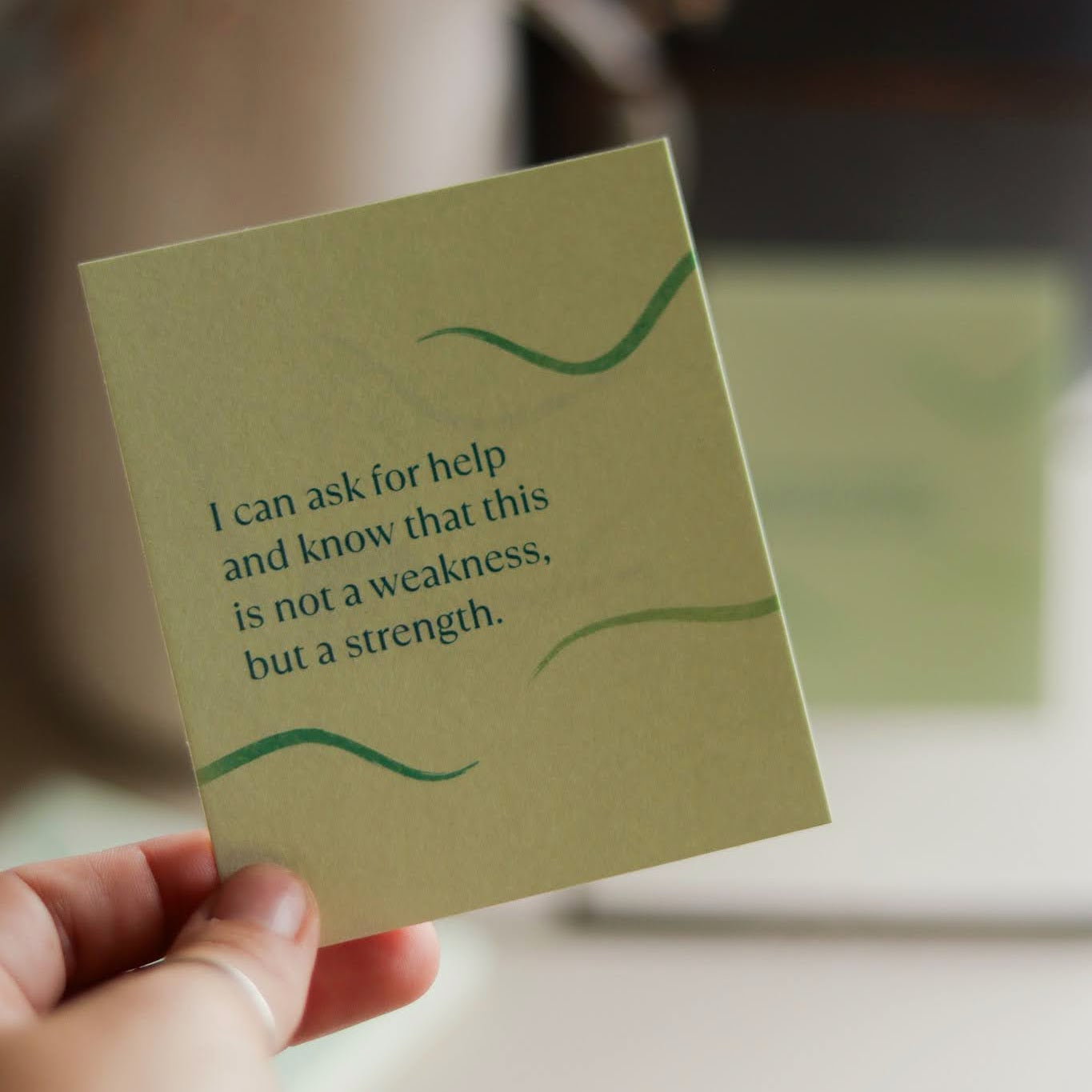
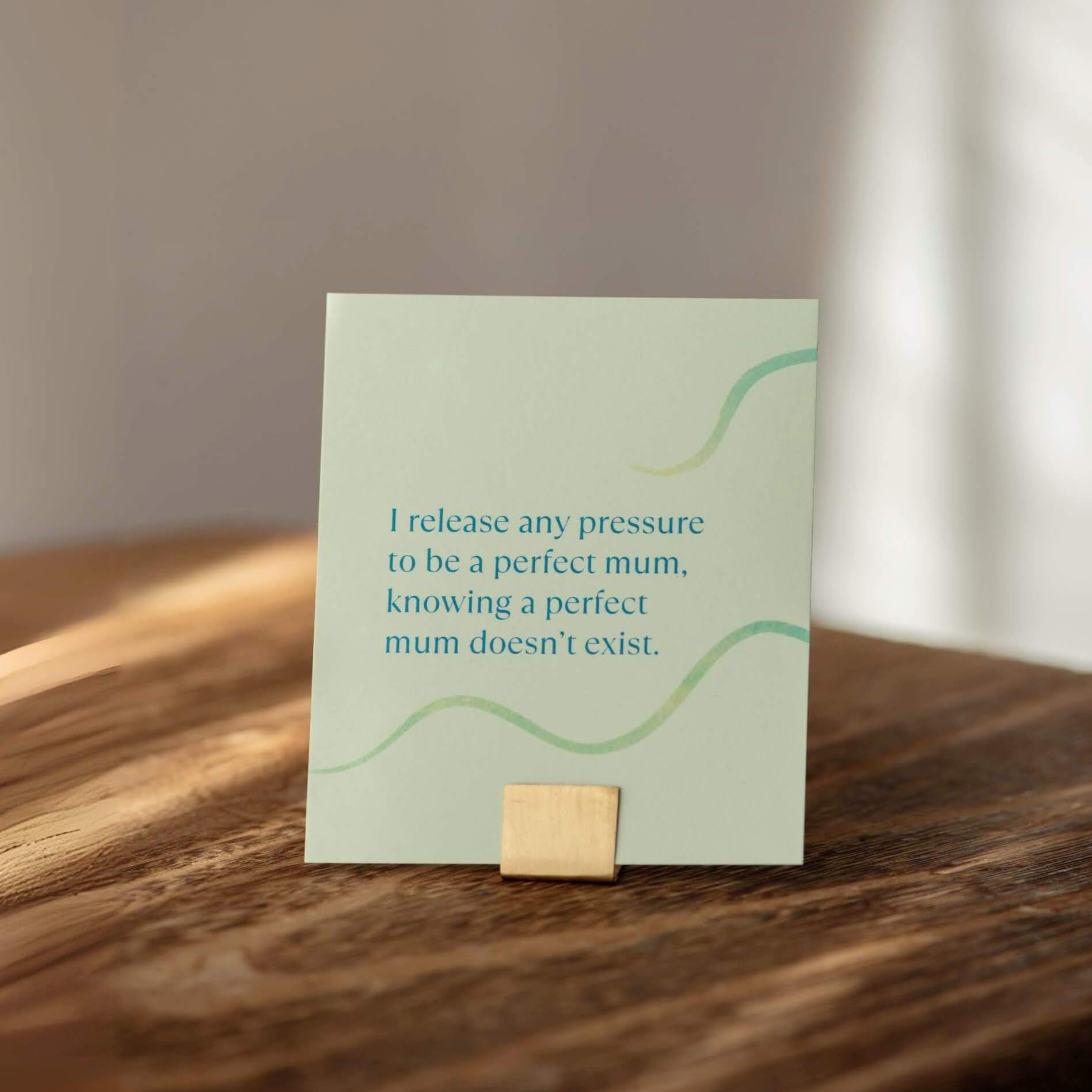
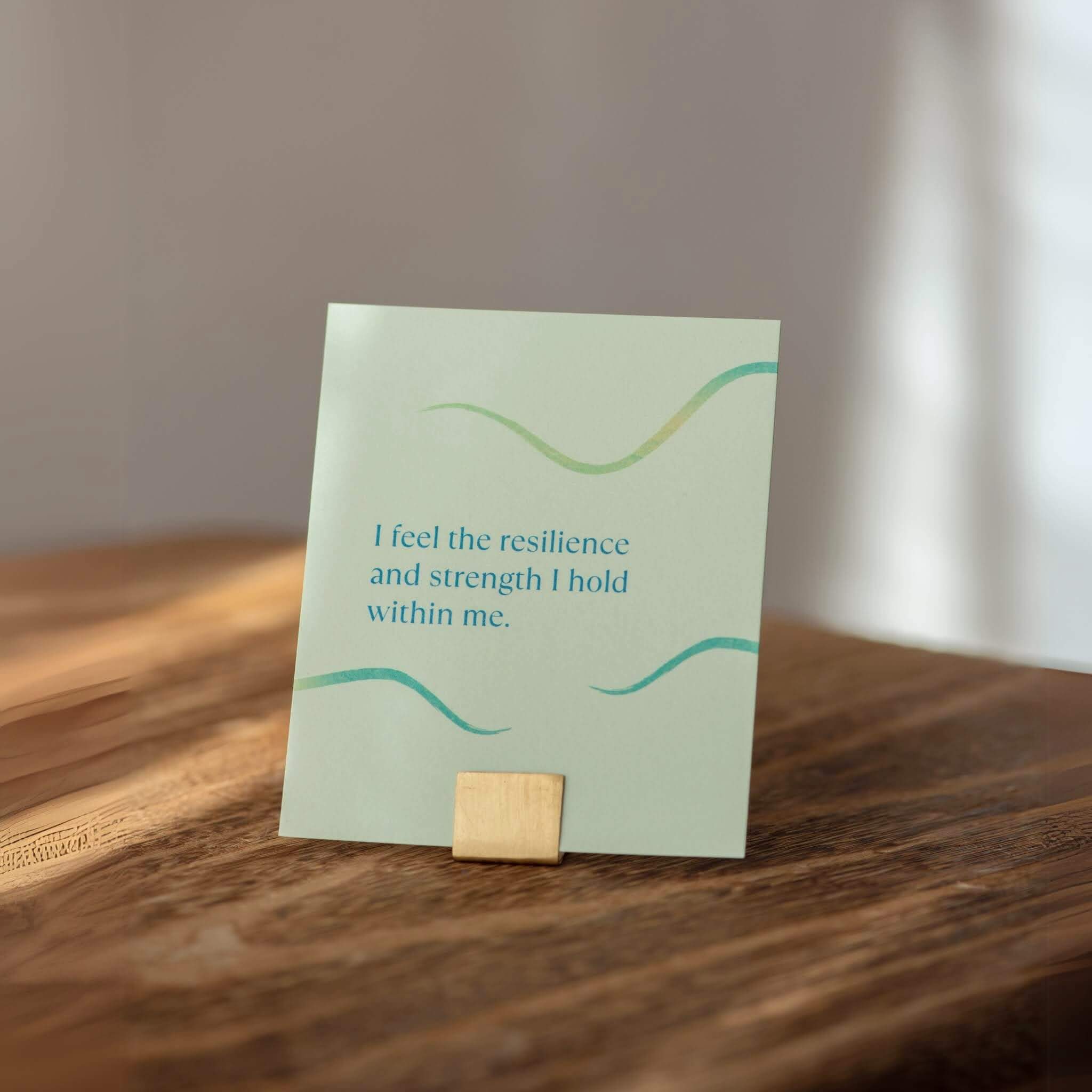
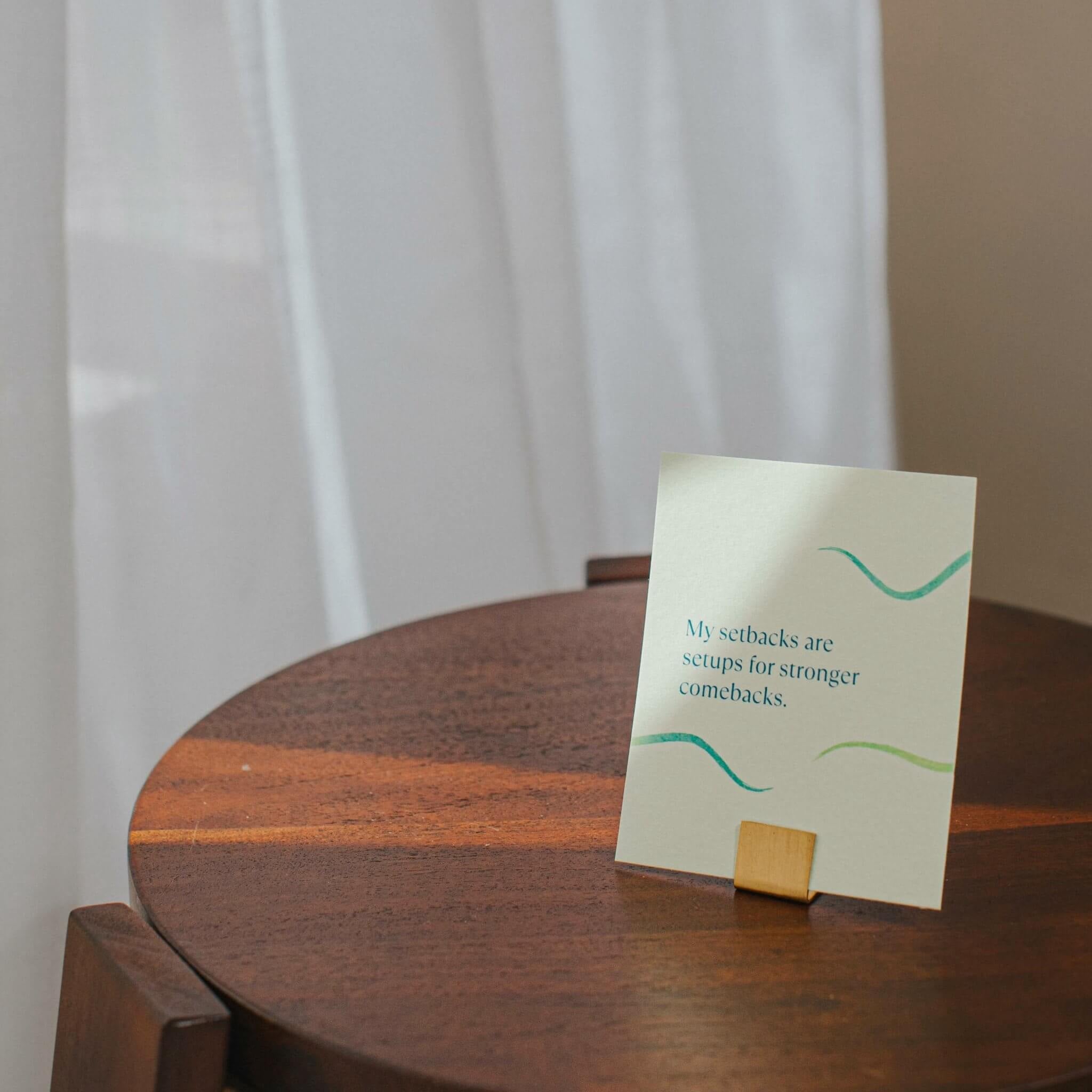
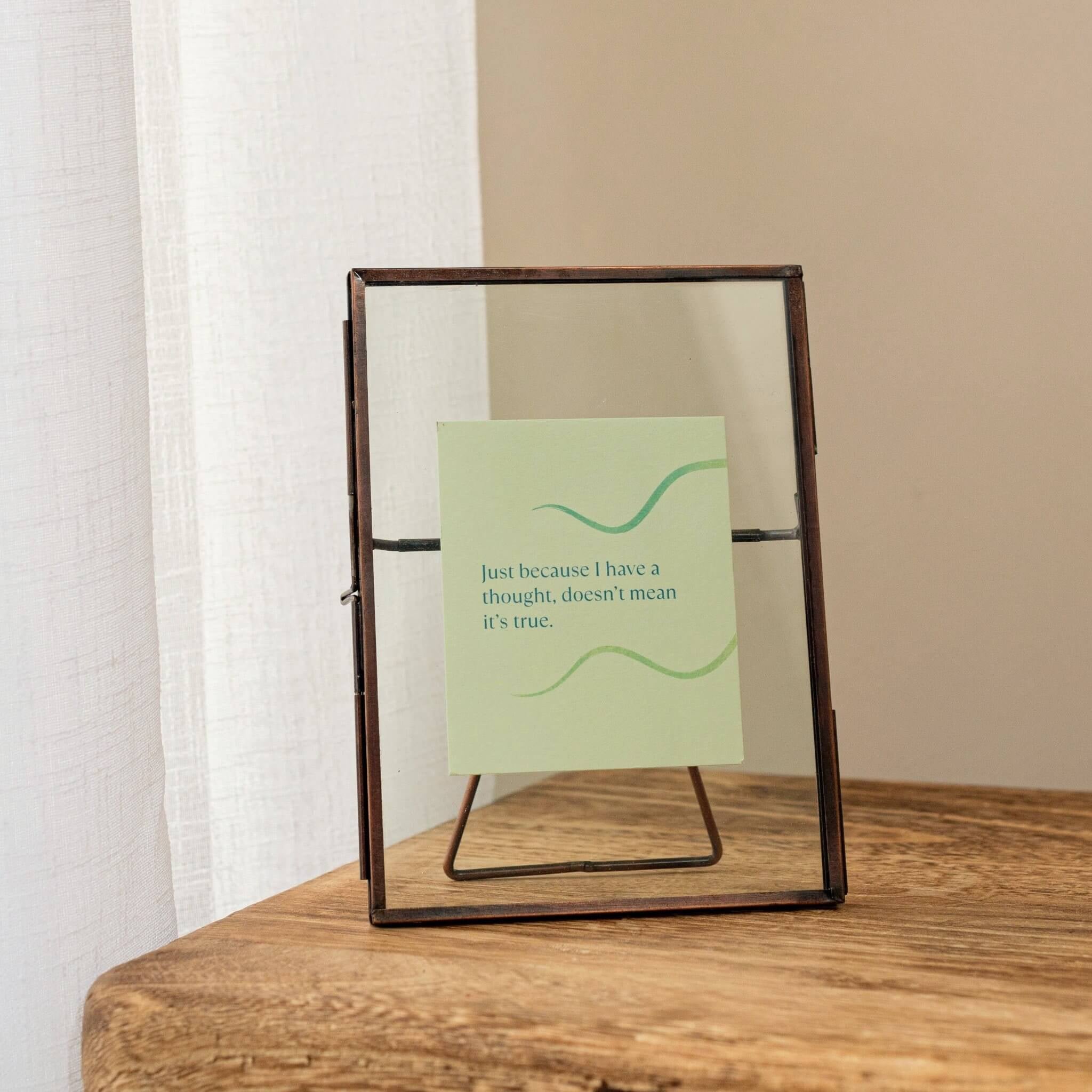
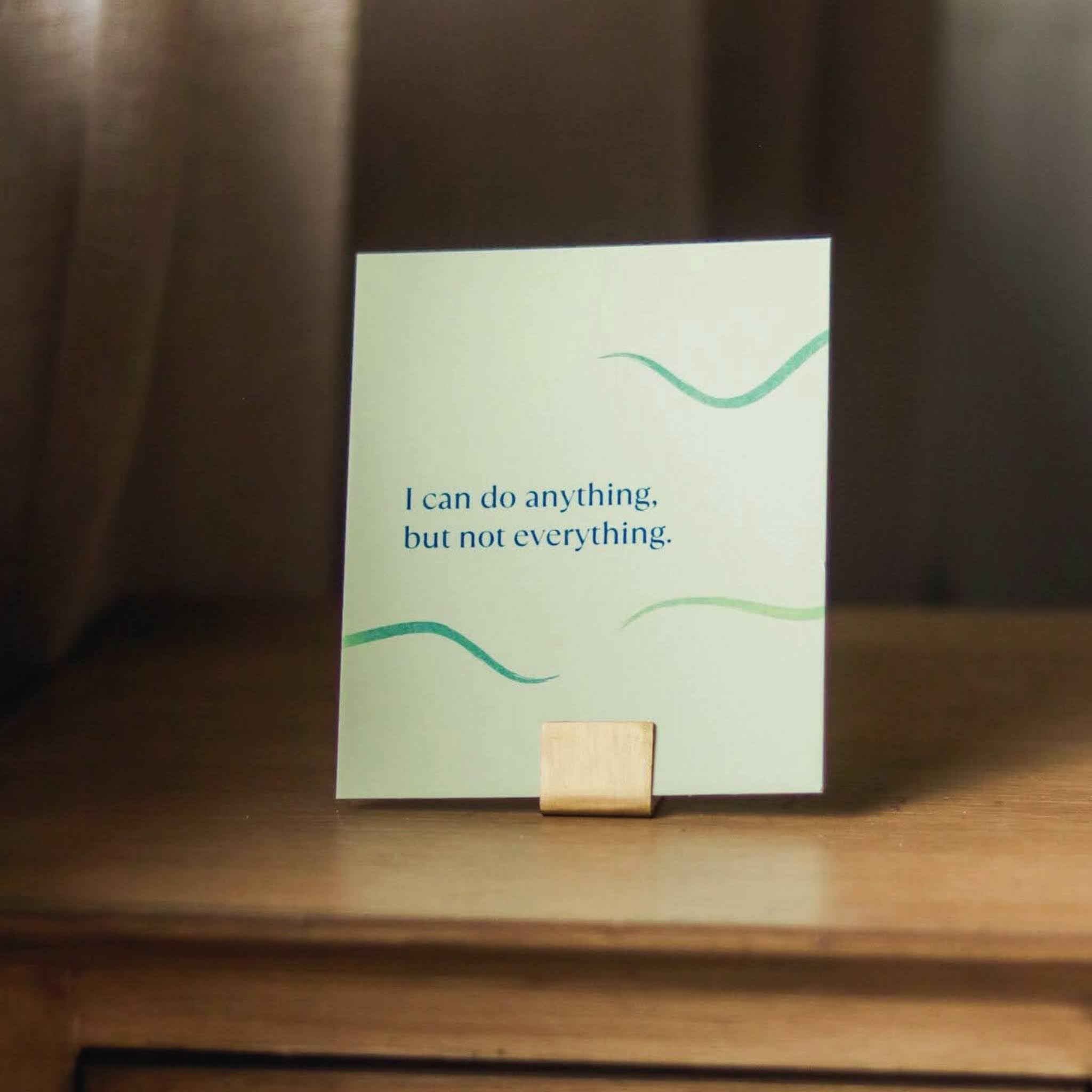
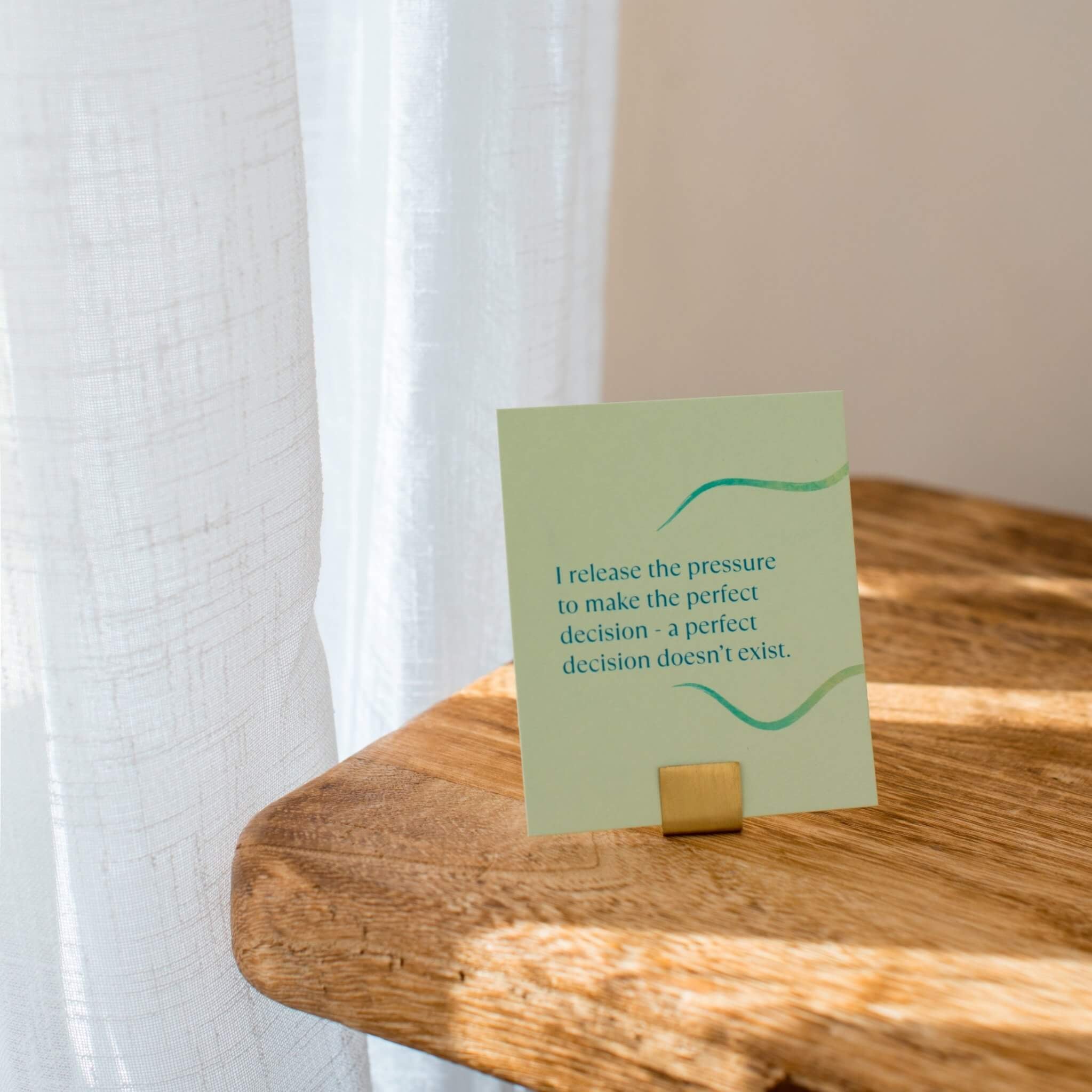
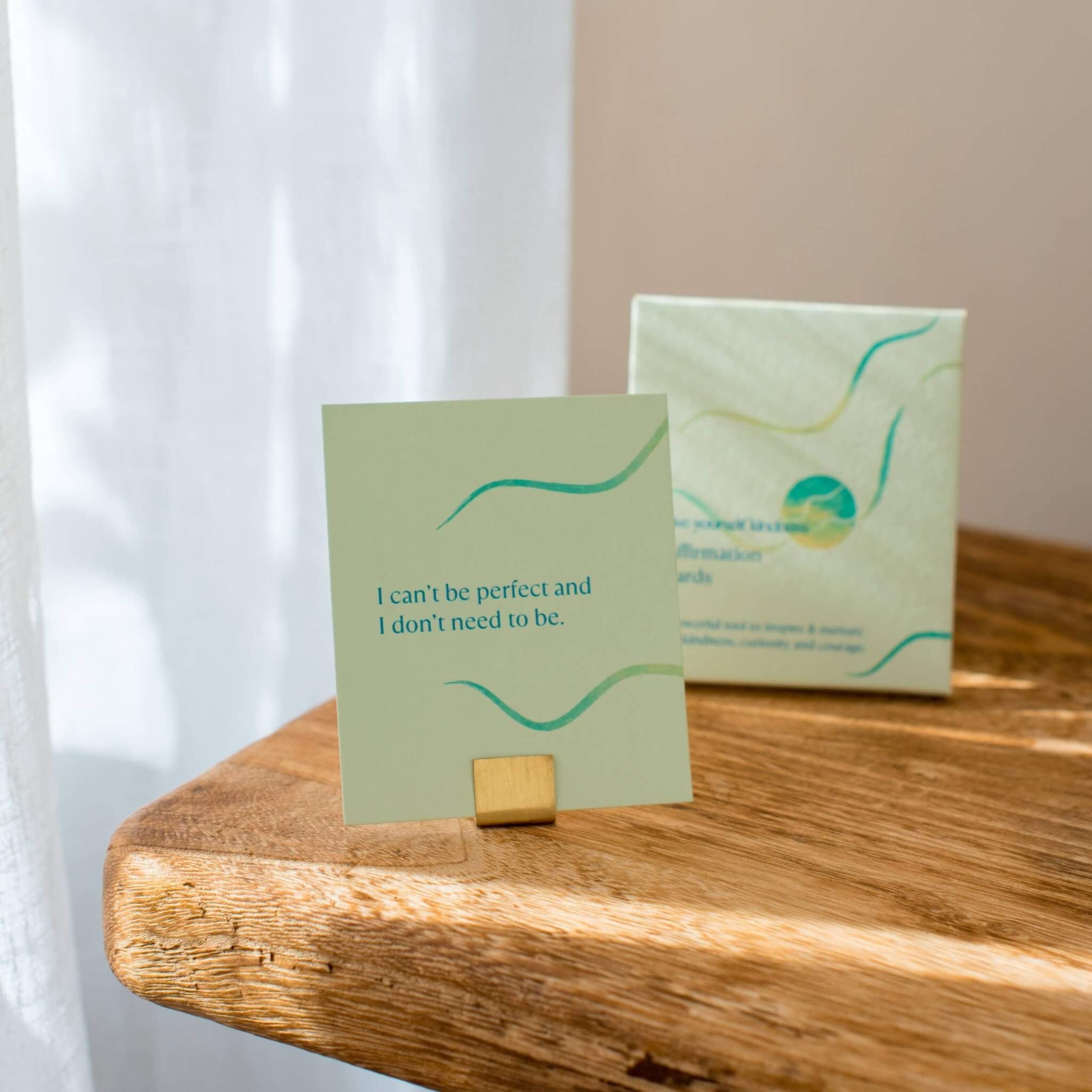
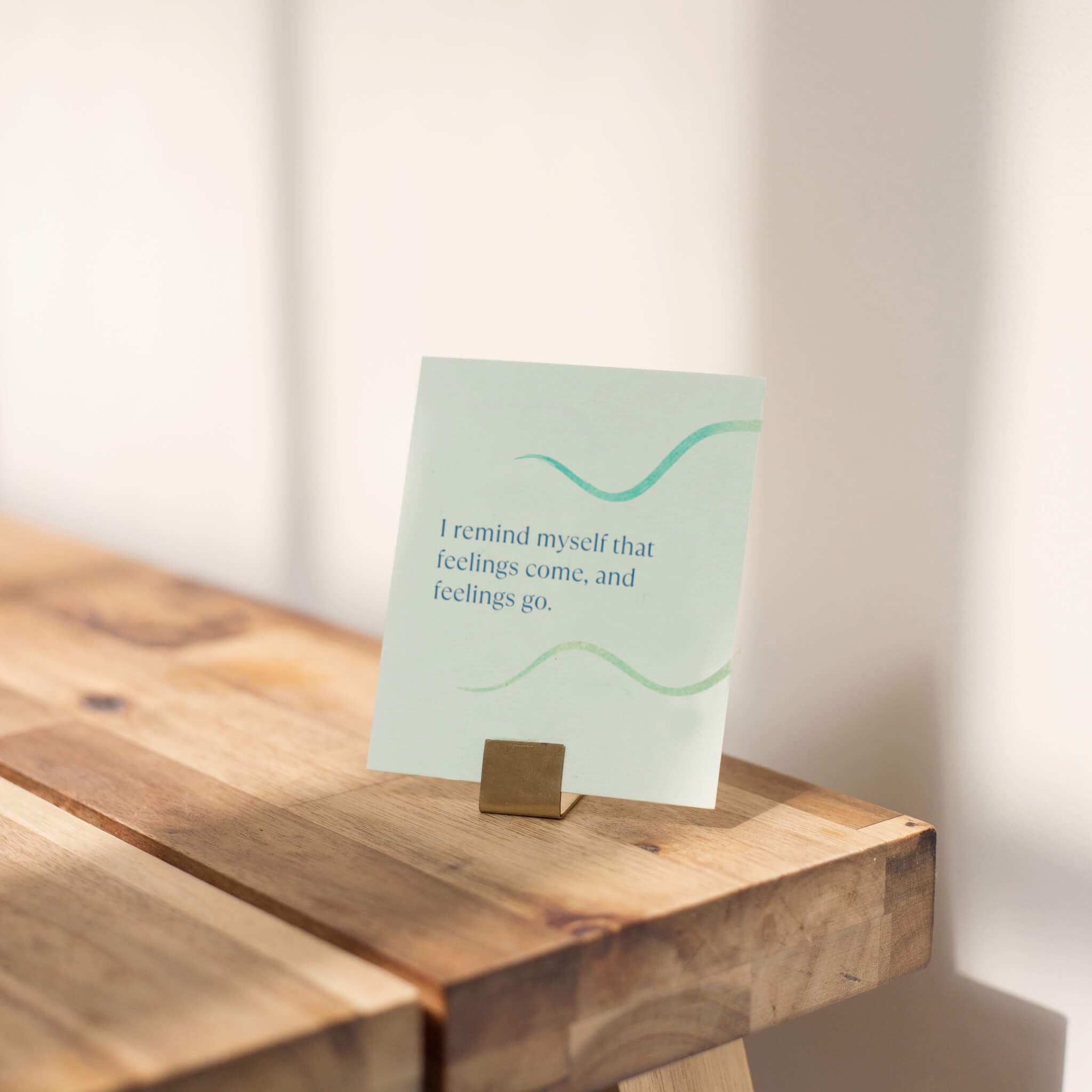
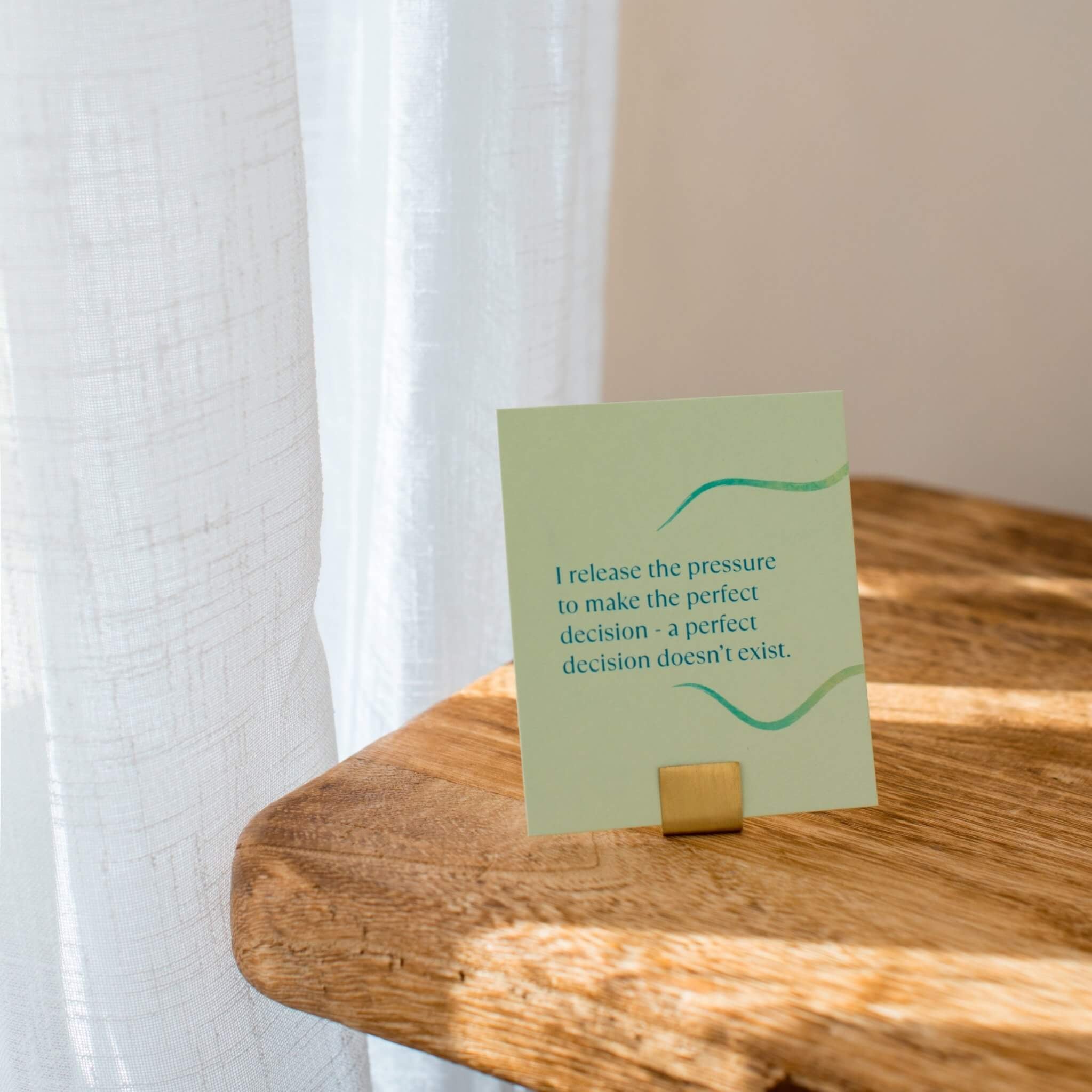
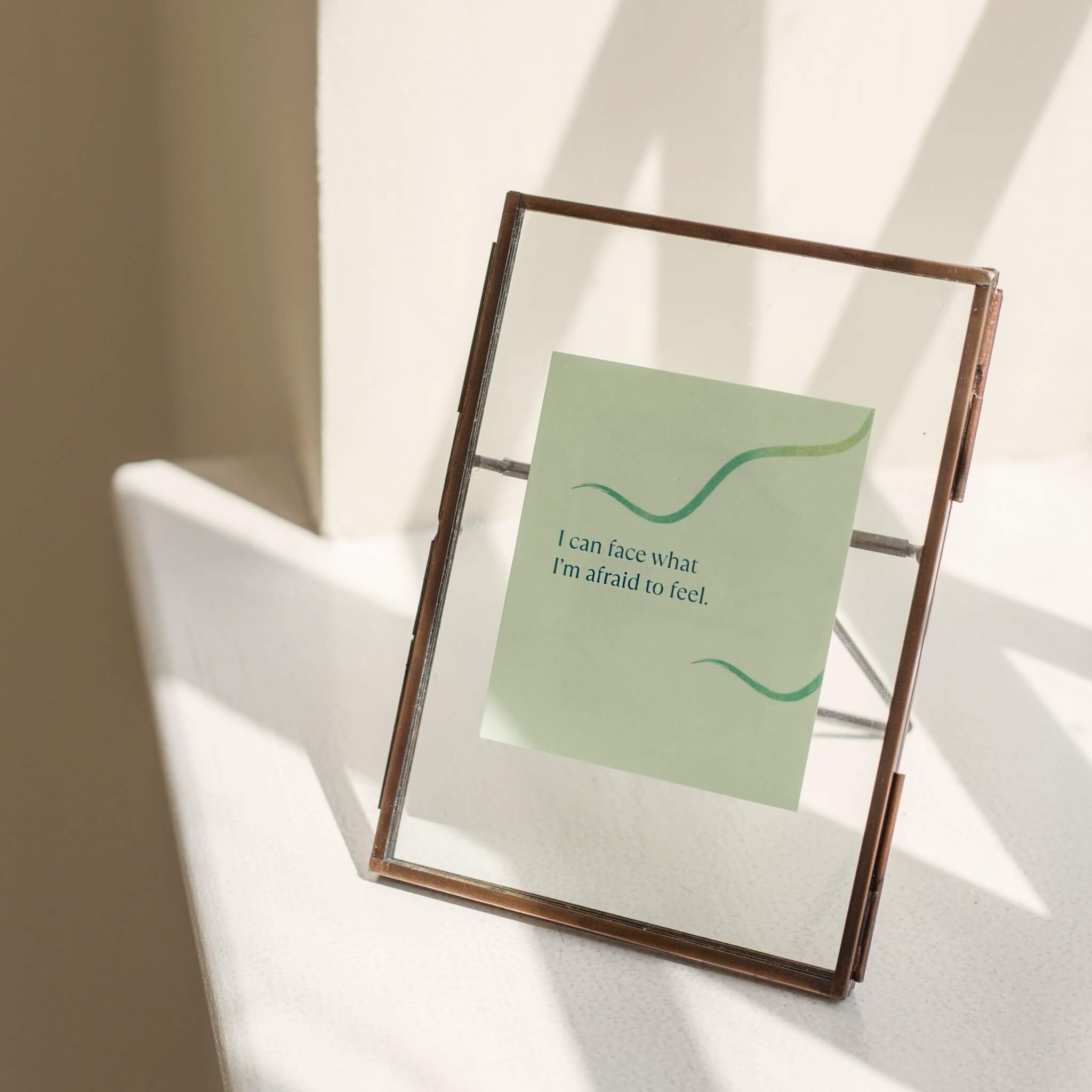
Most affirmation decks are the reason people give up on affirmations. If you do not believe a statement, being told it can leave you feeling further away from it, and someone who is hard on themselves is the last person who needs another sentence they cannot agree with. These say the sort of thing a steady friend would say instead:
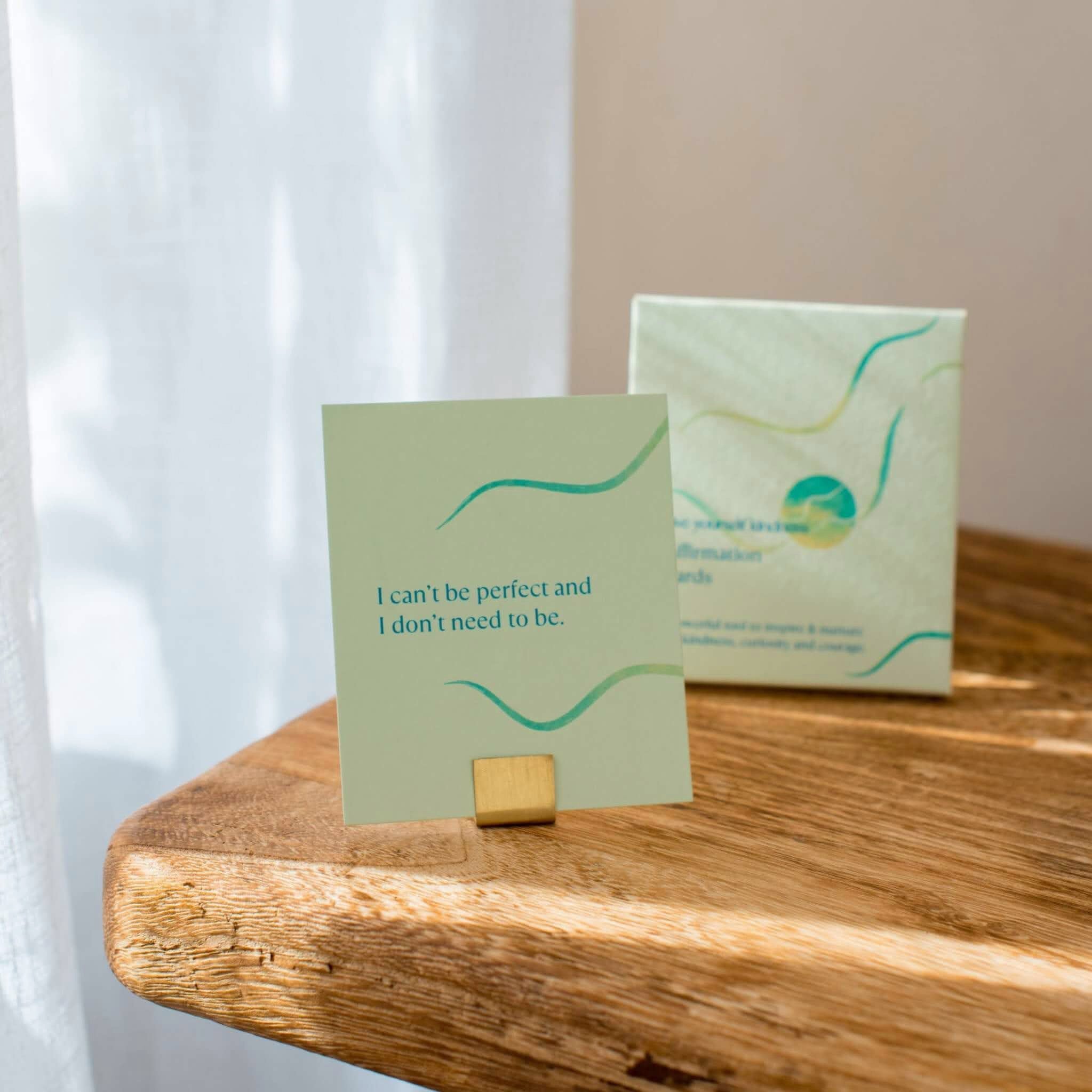
“I can’t be perfect and I don’t need to be”
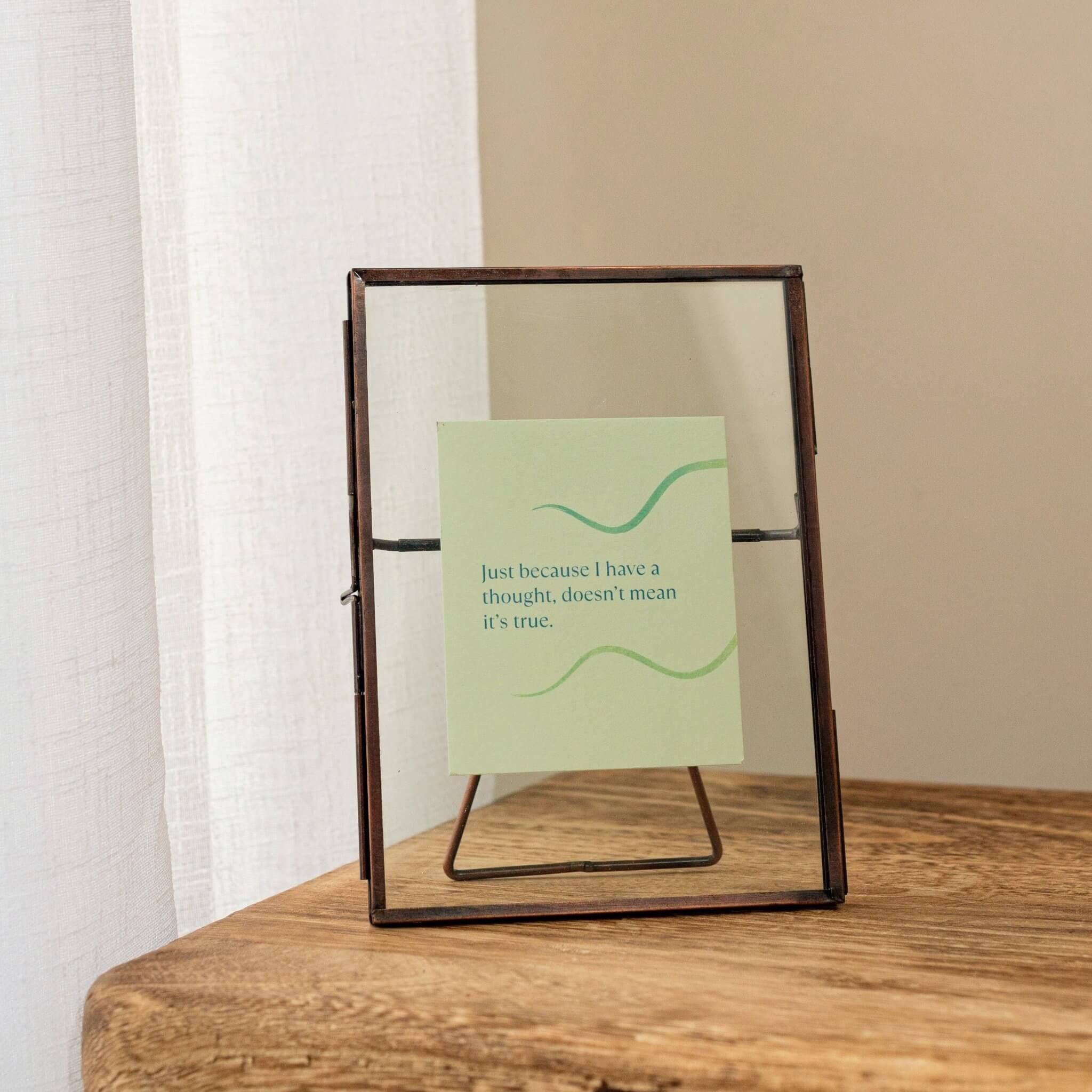
“Just because I have a thought, doesn’t mean it’s true”
“I am worthy now, and this will never change”

The Give Yourself Kindness affirmation cards
- Sixty affirmations across three boxed sets of twenty, all different, each set complete on its own
- Self-compassion, not forced positivity, written using Compassion Focused Therapy principles
- Words that survive a bad day, because they acknowledge the struggle rather than talking over it
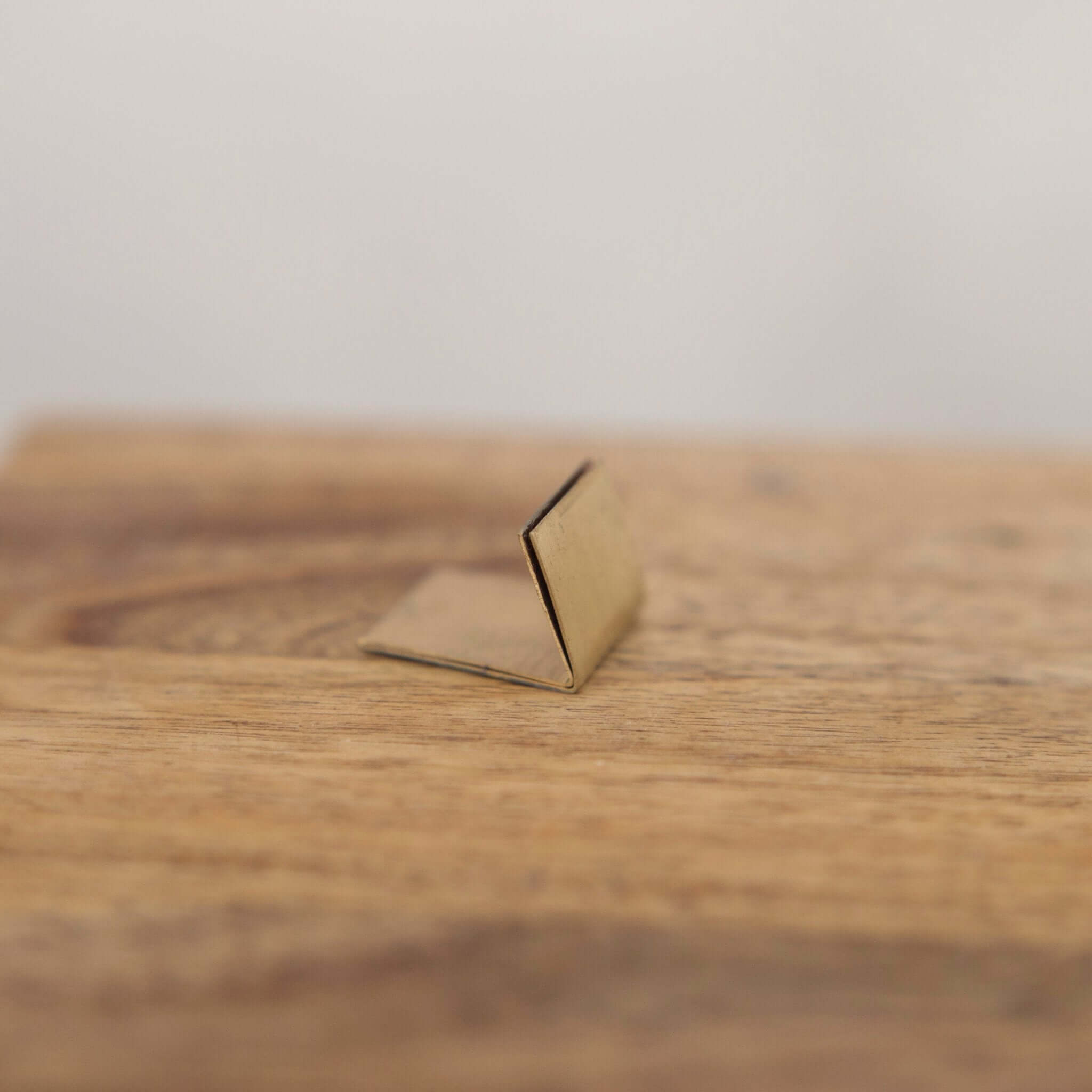
- Made to be seen on a desk, a mirror or a bedside table, with a minimalist brass stand available as an add-on
Printed in the UK on 270gsm card from FSC-certified forests, 85mm x 100mm, in plastic-free packaging. Suitable for adults and teens.

Collette Jones, LCSW
Licensed therapist and practice owner
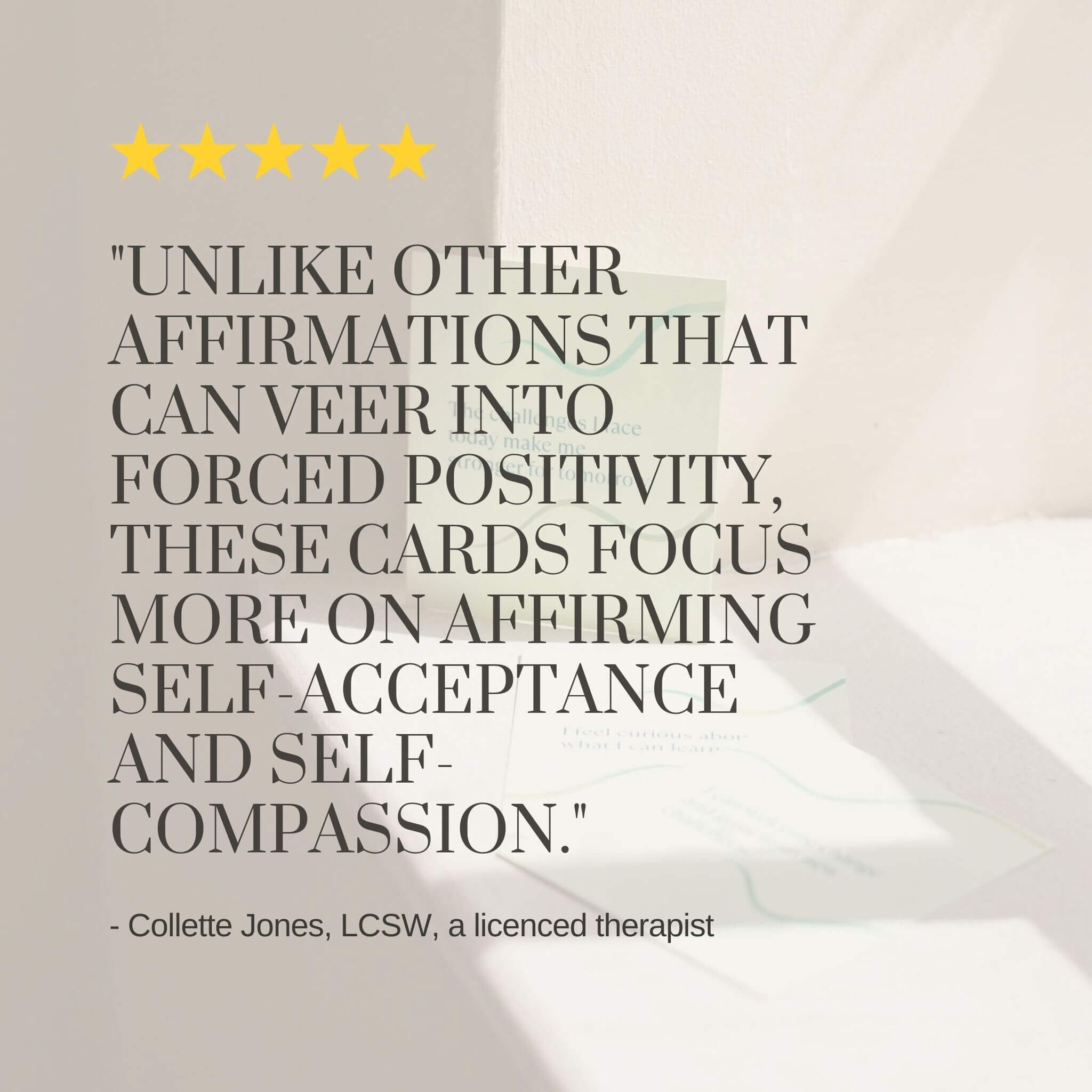
Read Collette Jones’s review alongside the rest →“These cards are a beautiful tool that offer gentle reminders to soothe the mind, ease tension, and cultivate a sense of peace. Unlike other affirmations that can veer into forced positivity, these cards focus more on affirming self-acceptance and self-compassion.”
The journal and the affirmation cards together
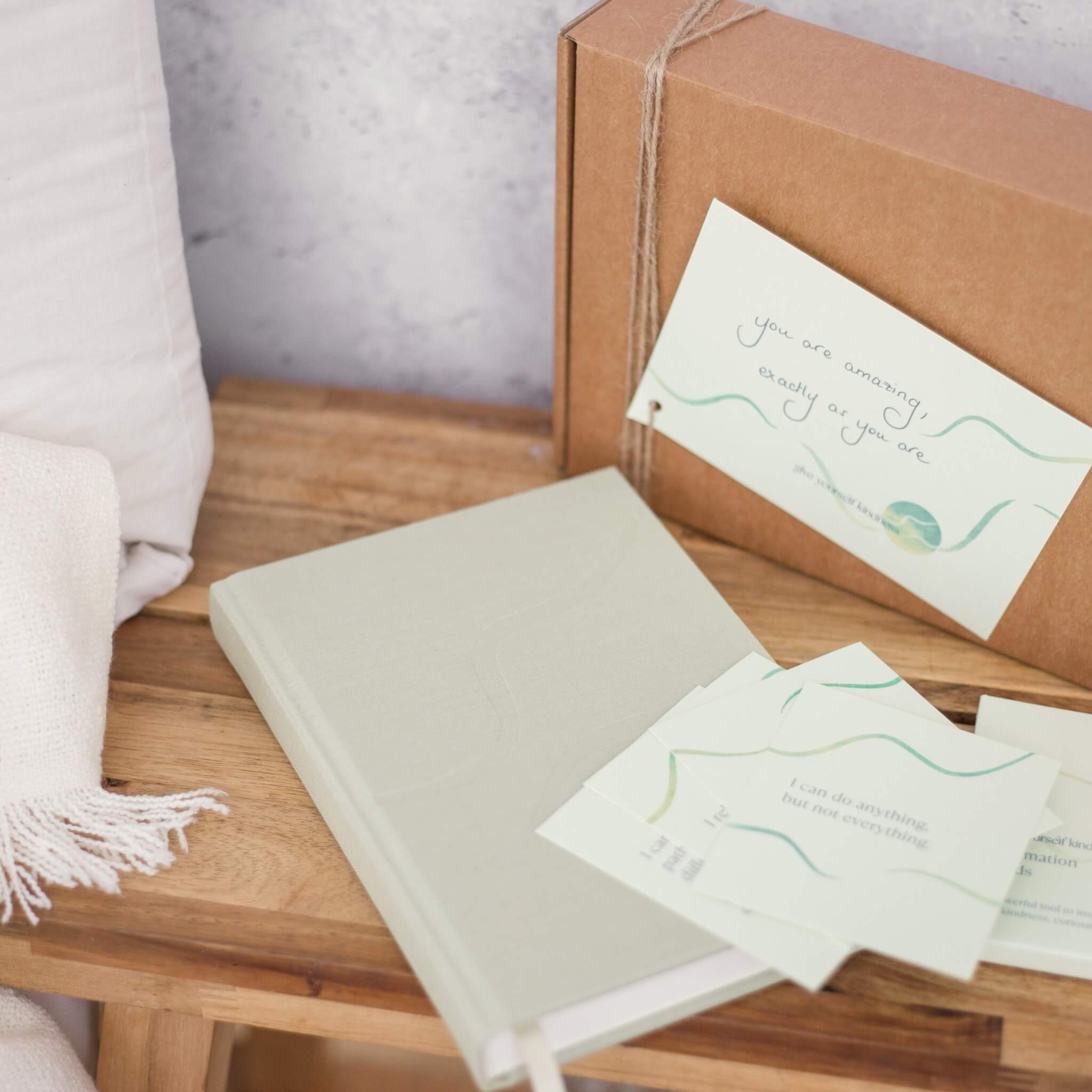
Best when you would rather not have to guess. The two do different jobs, and the pairing covers both: the journal for the evening when they have twenty minutes and something to work through, a card for the morning when they have thirty seconds and need a sentence they did not have to find.

The journal and affirmation cards
- The journal, for the days there is something to sit with
- A boxed set of twenty affirmation cards, for the days there is not
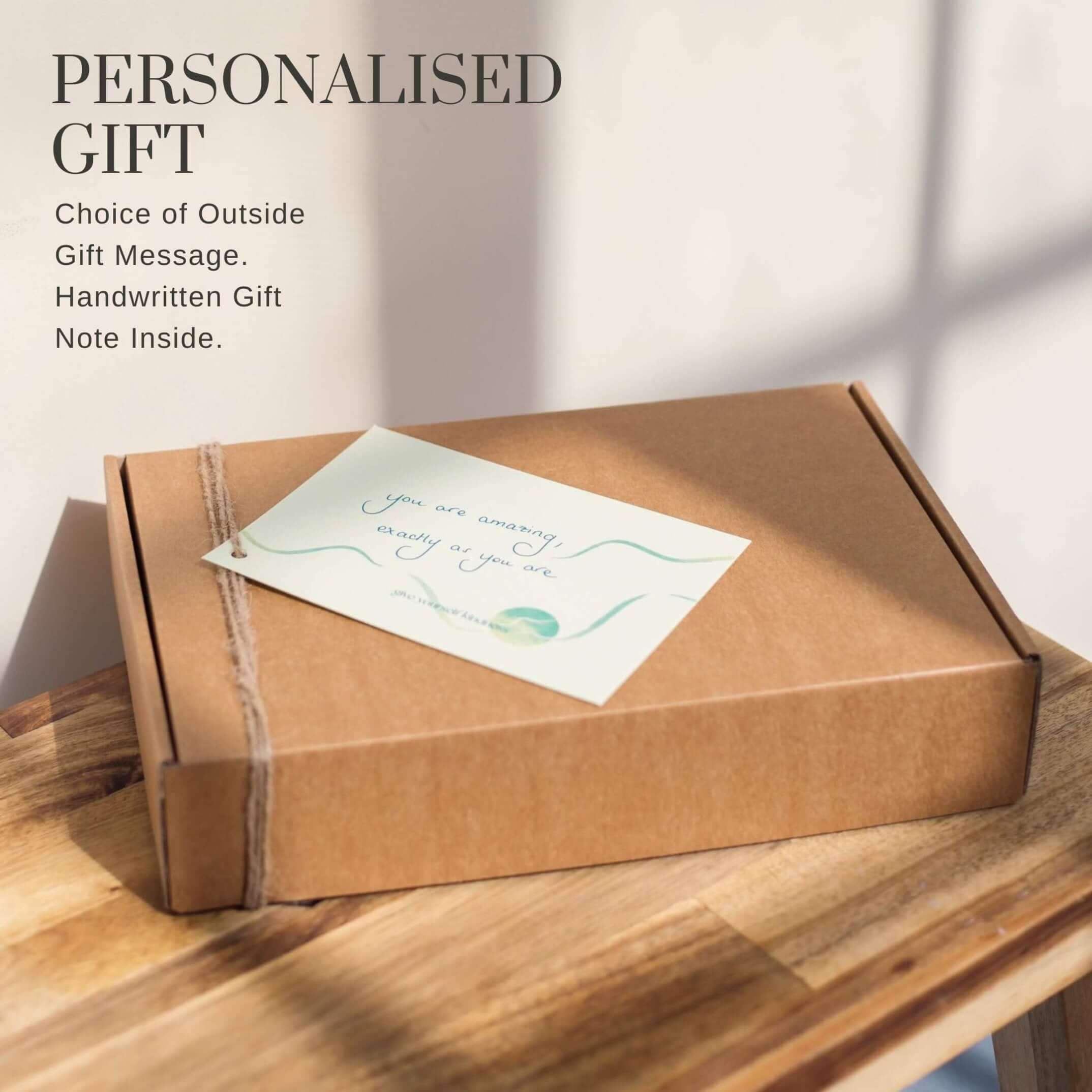
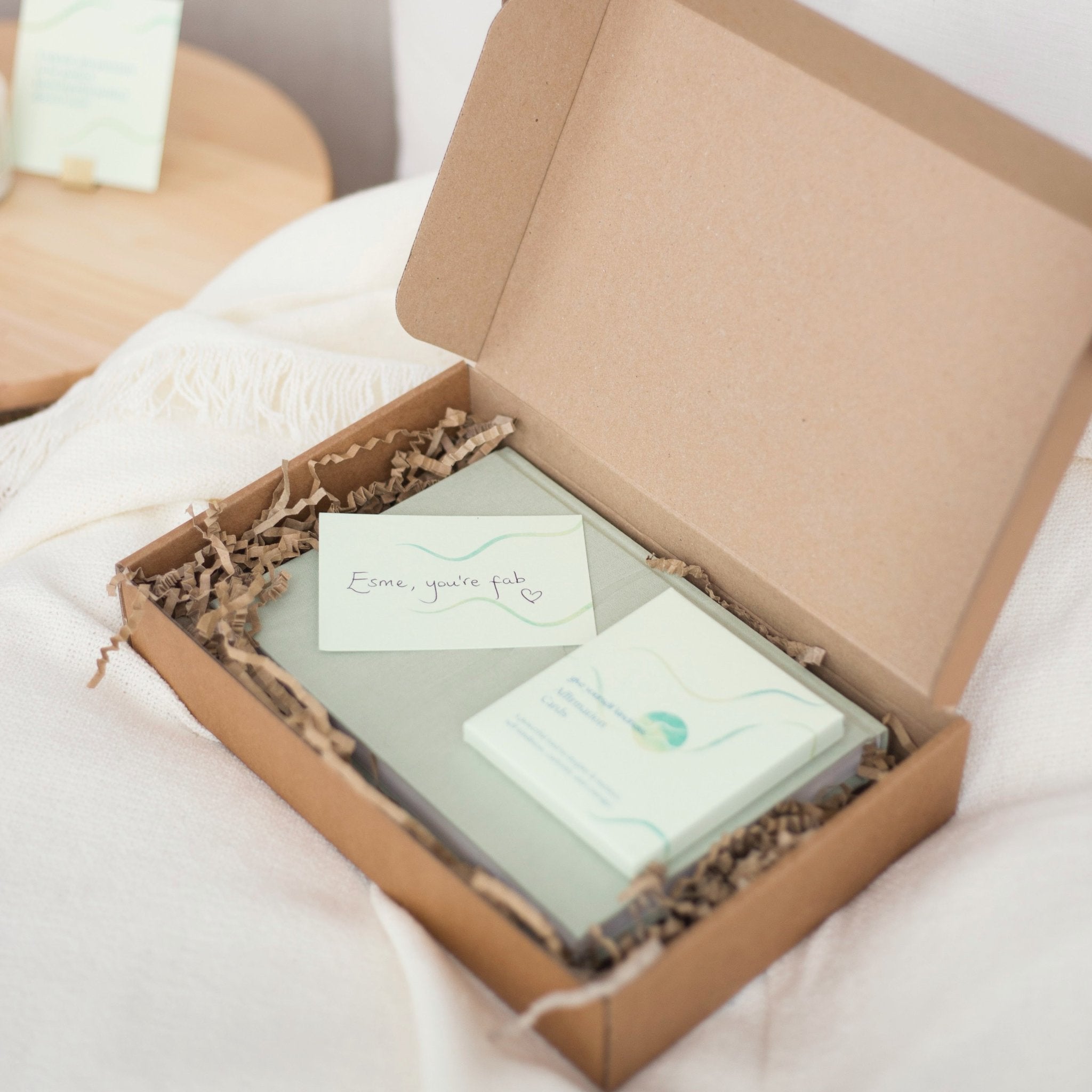
- Wrapped in tissue paper, with an optional handwritten note from you
- One parcel, one decision, which is the main reason people choose it
Set 1 of the affirmation cards is included as standard; ask for a different set in the order notes at checkout.
Whatever you choose, it is worth saying plainly: a journal or a set of cards is a gentle companion alongside professional support, never a replacement for it.
Which one to choose
Choose by how the person you are buying for would actually use it, rather than by how much you want the gift to mean. The meaning is already in the choosing.
If they would sit down with it, choose the journal
Someone who already writes things down, keeps lists, or has mentioned a therapist will use a guided journal. So will the person who has tried journaling before and stopped because the prompts repeated. The variation is the thing that keeps it going, and the undated pages mean a gap in February is not a failure.
If a blank page would feel like homework, choose the cards
Someone stretched thin, someone who finds the whole self-help shelf a bit much, someone who would like the idea and never open the cover. A card takes seconds. They pick one, they read it, and they have a sentence they did not have to generate on a day they could not have generated it.
If you genuinely cannot tell, choose both
This is the most common situation and there is no shame in it. You are not meant to know which one a person will take to. The journal and cards together covers the two different kinds of day, and arrives as one gift rather than two.
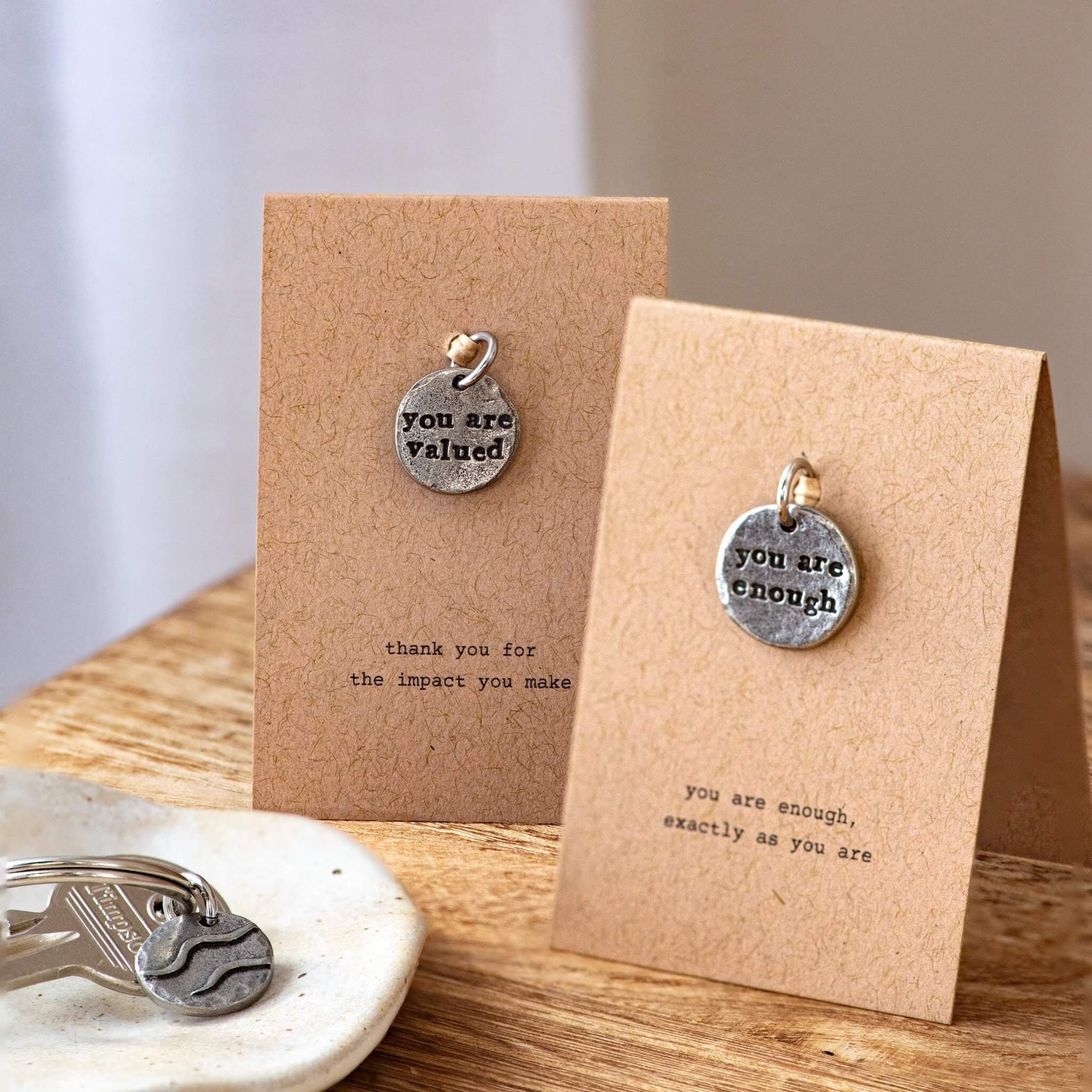
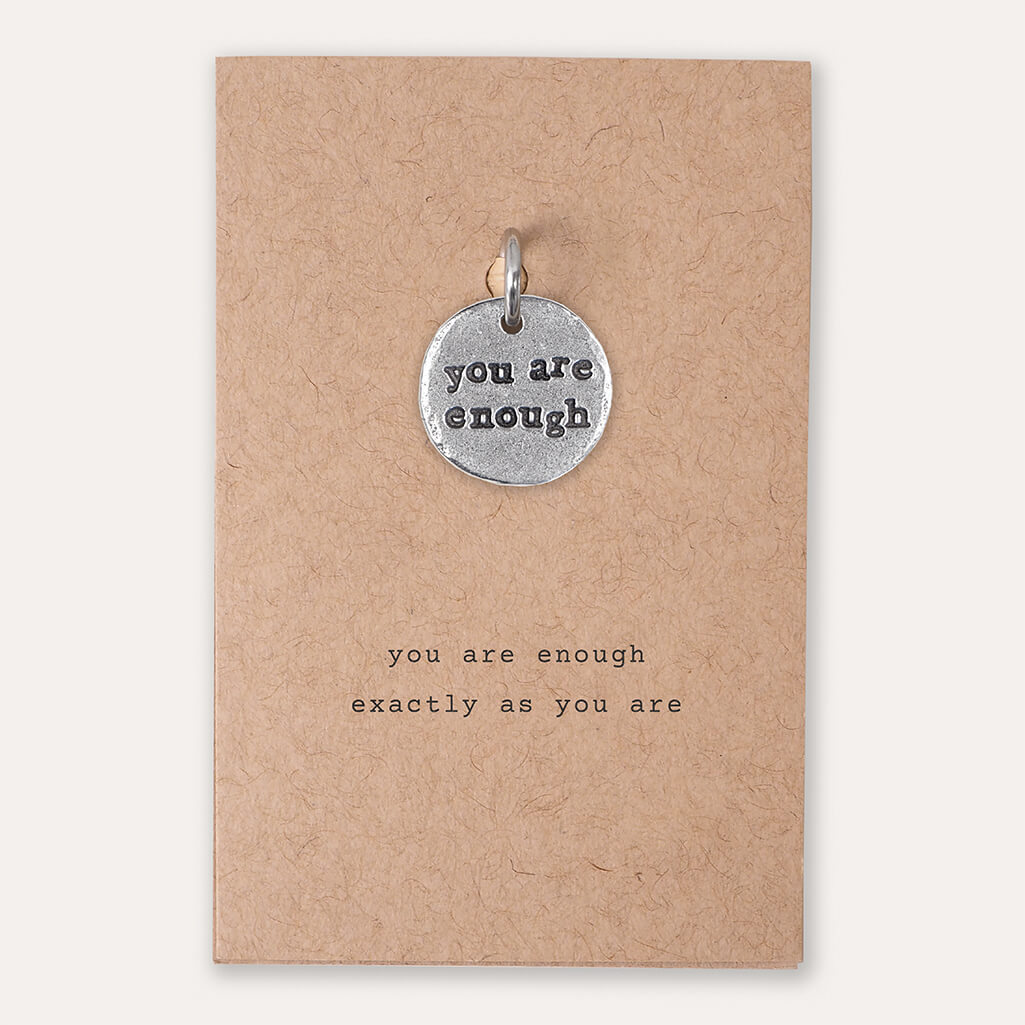
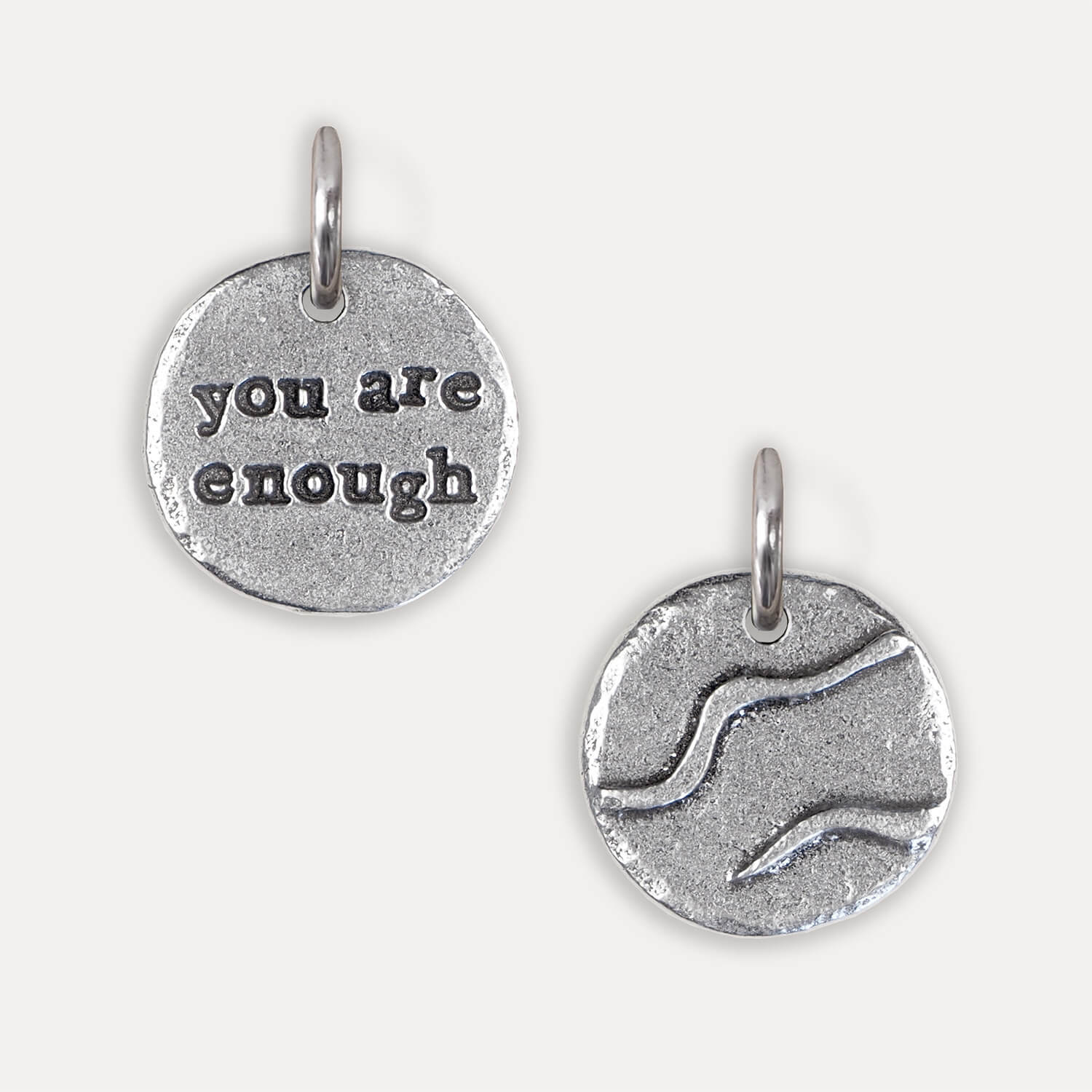
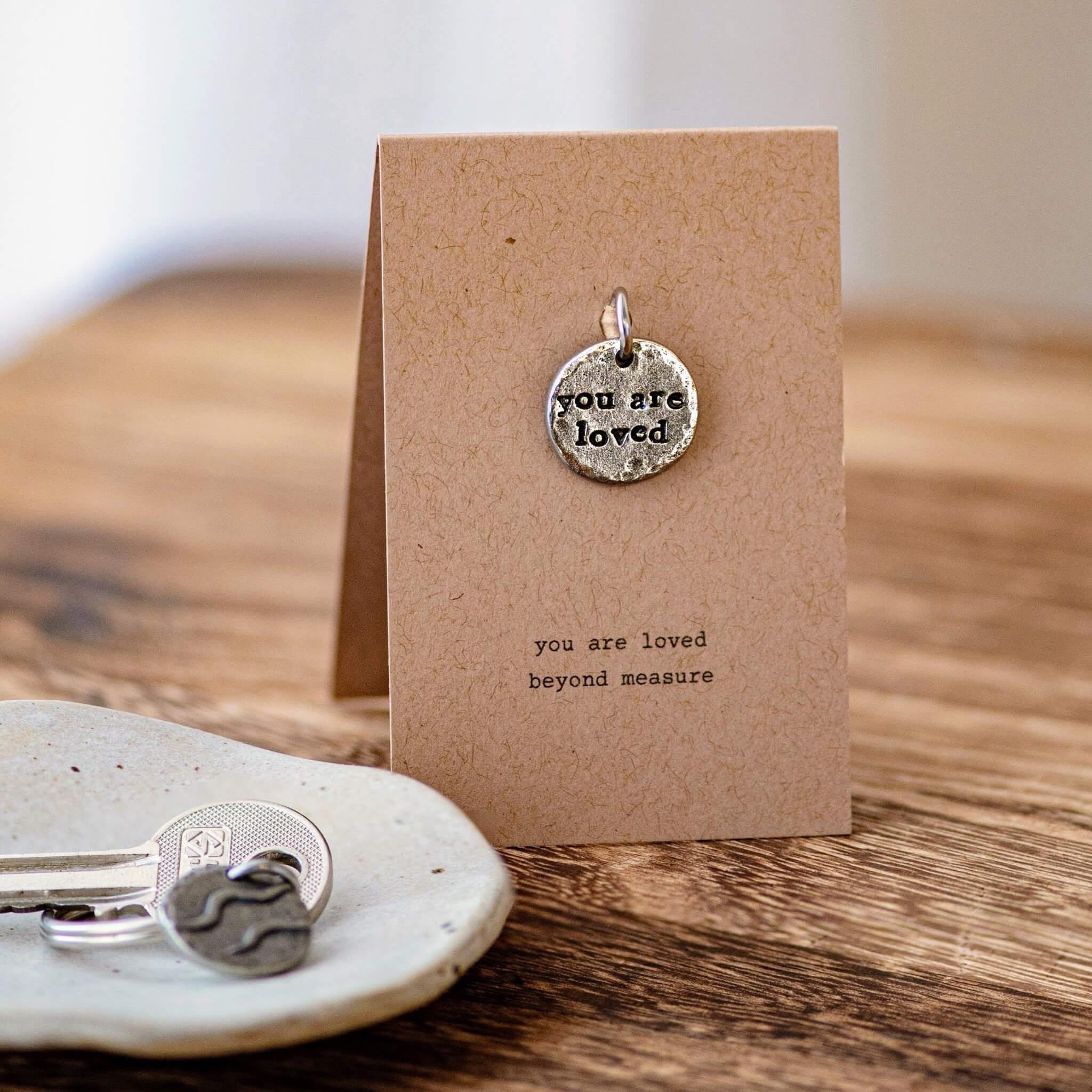
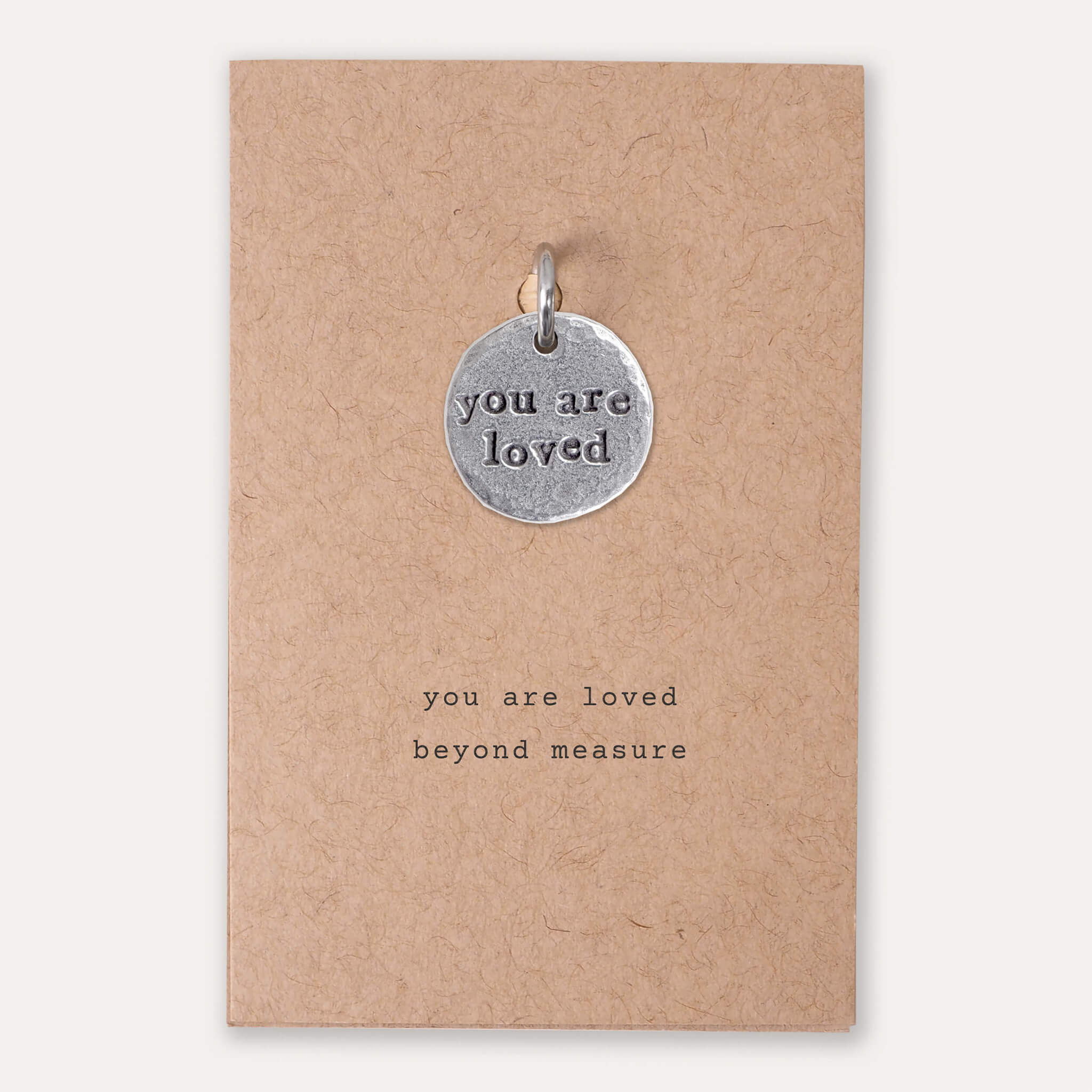
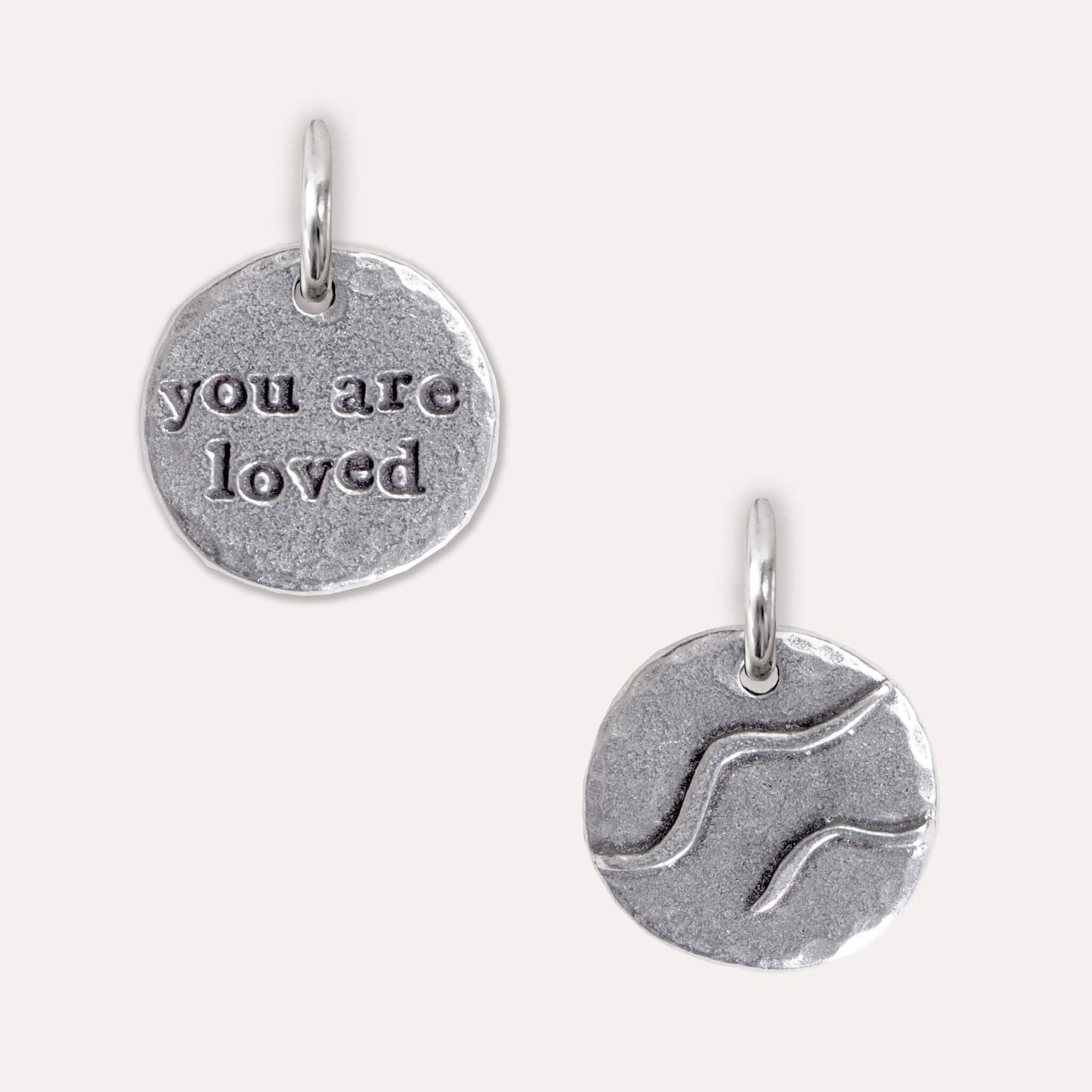
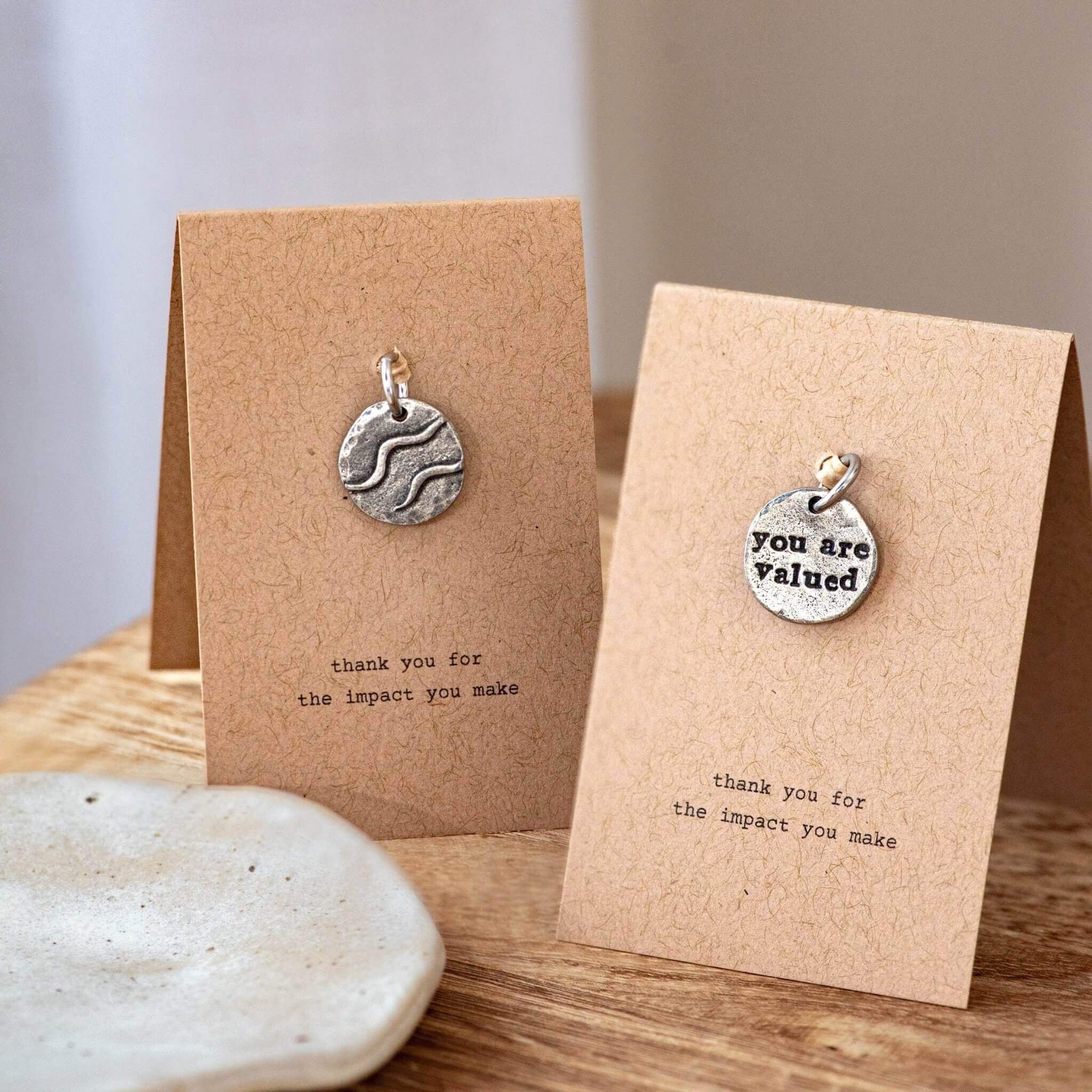
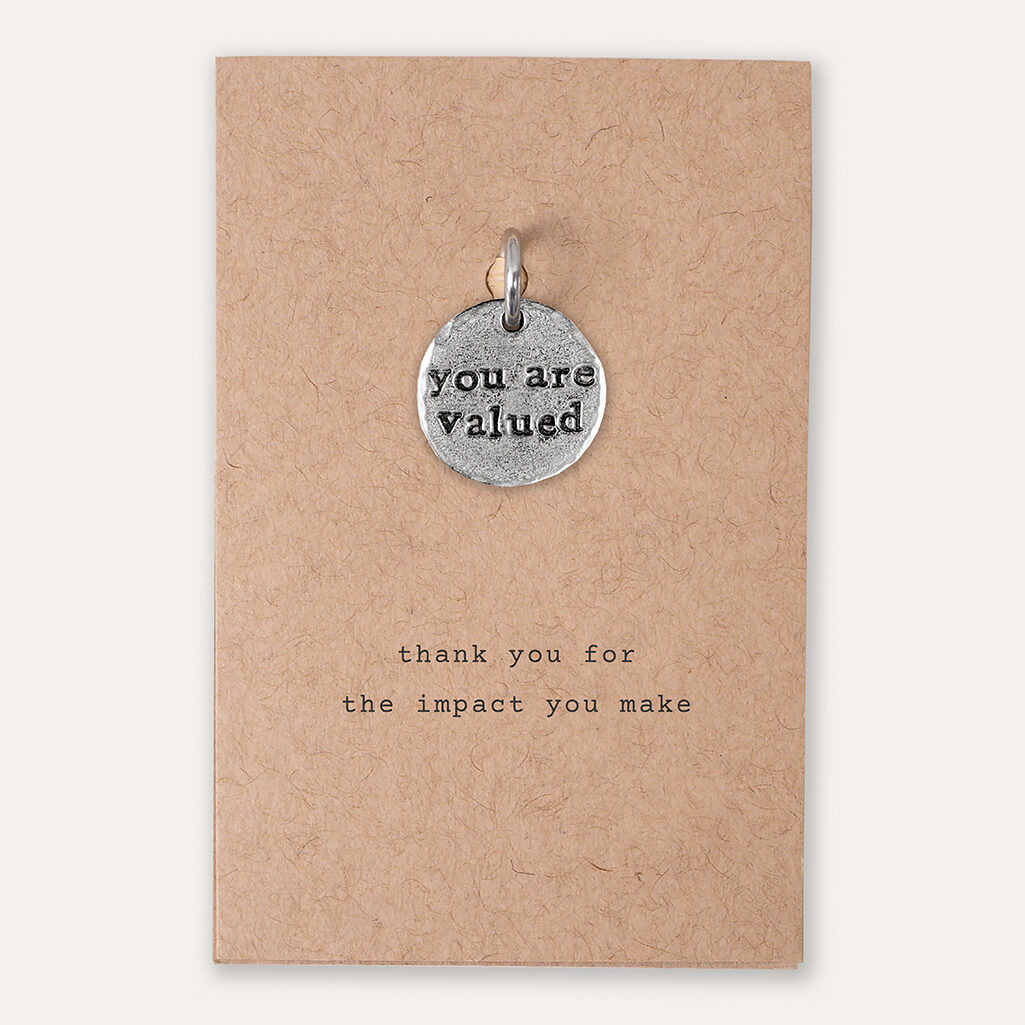
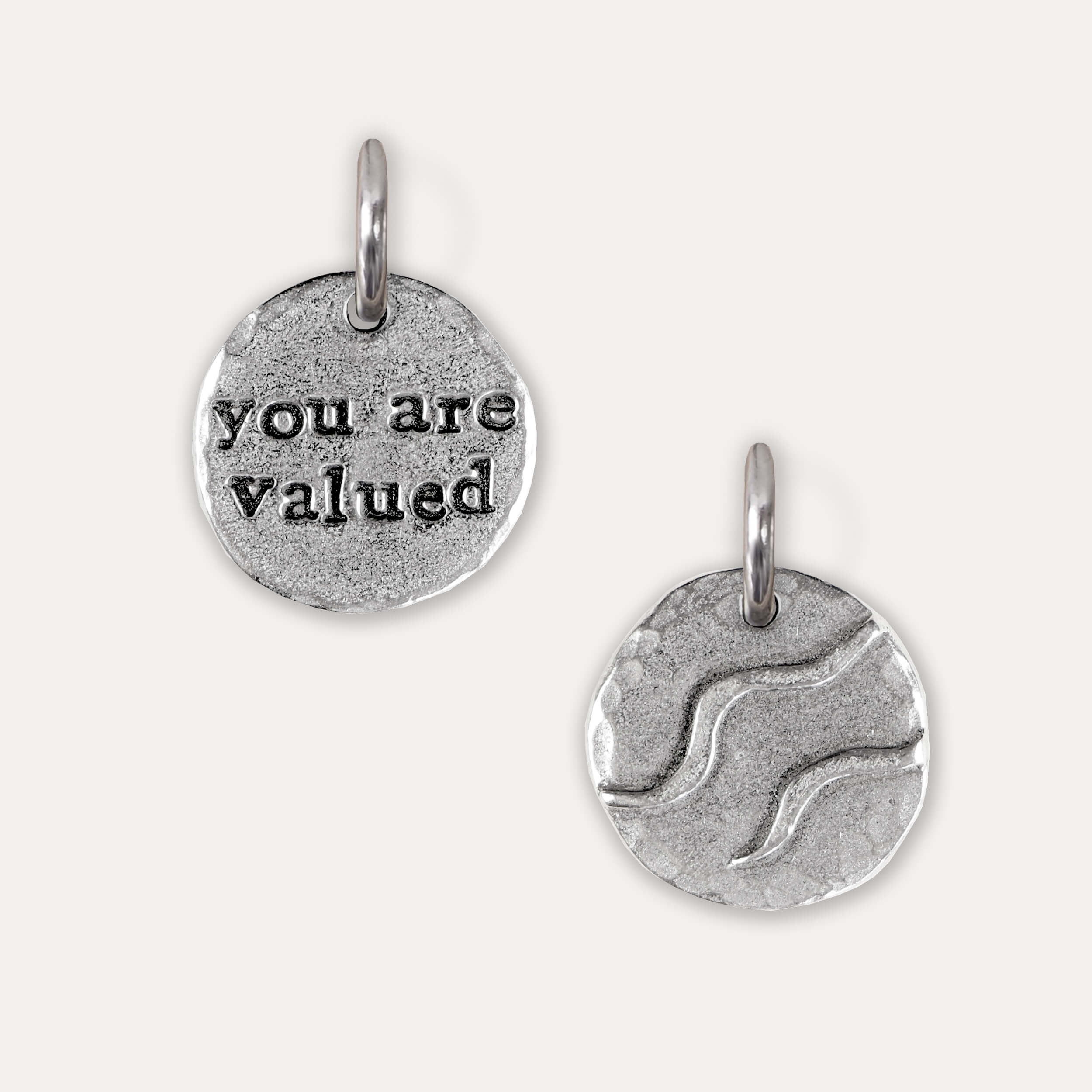
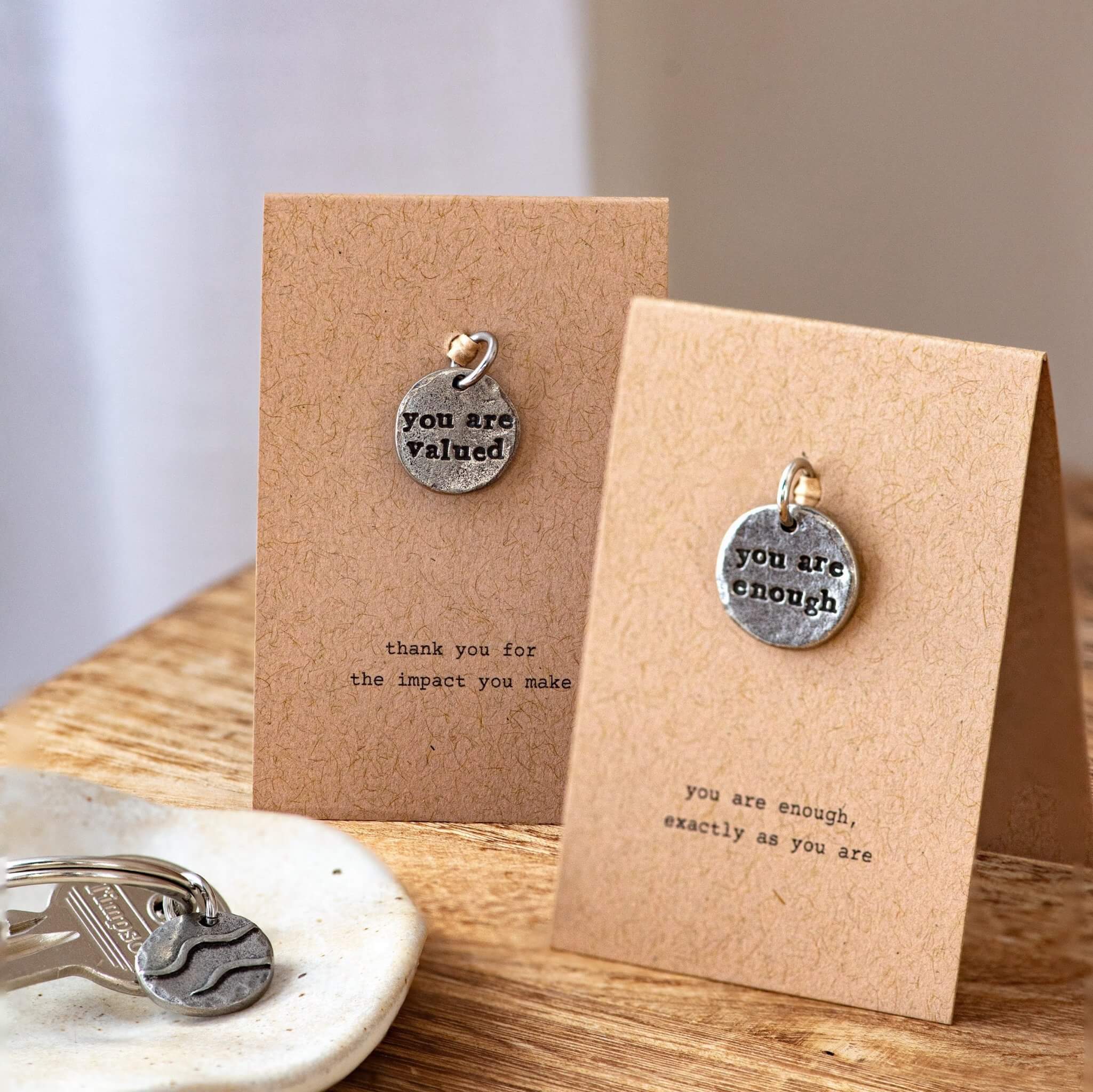
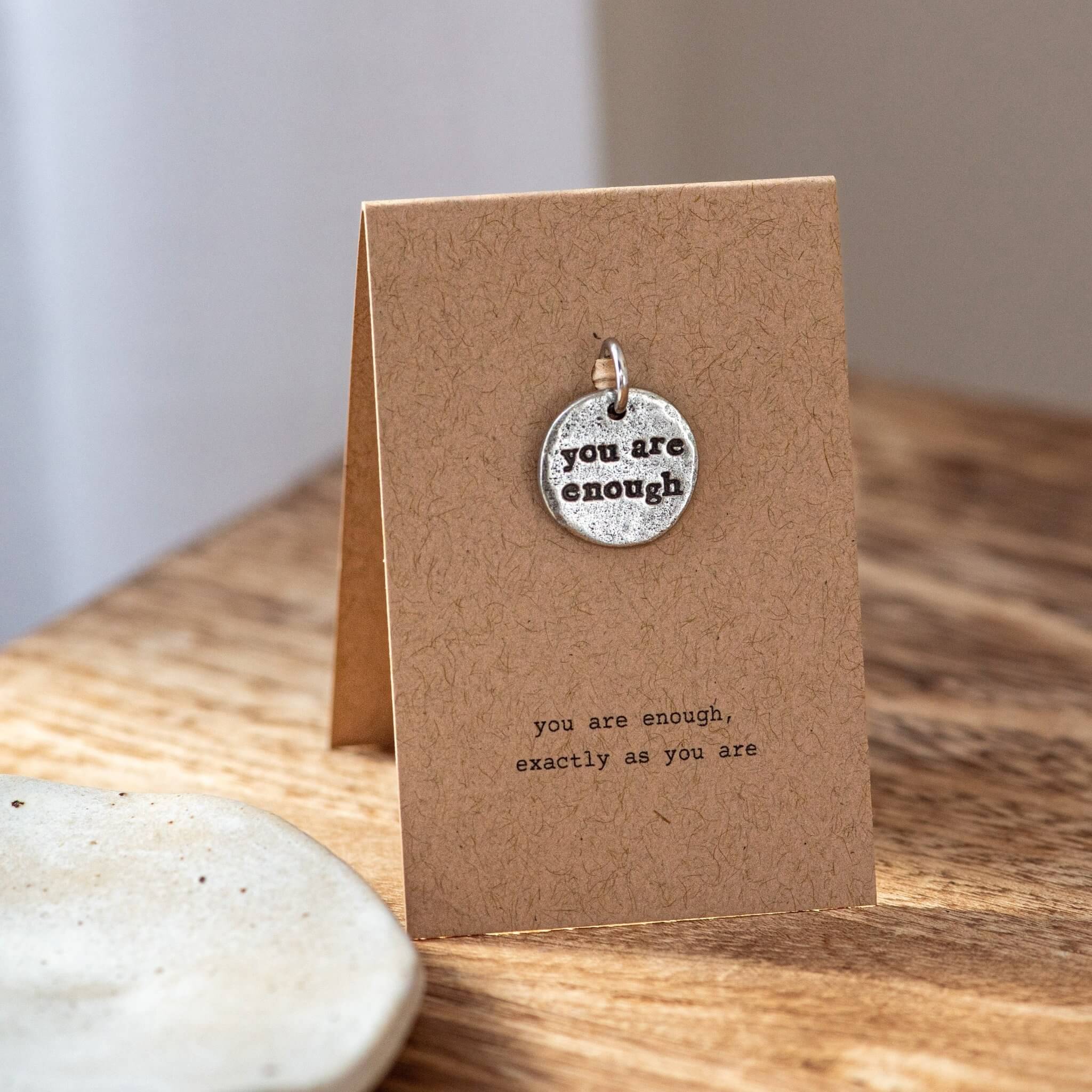
If you would like something small to go alongside — a stocking filler, or something to add to a gift for someone who would feel awkward receiving anything larger — the You Are Enough charm is a double-sided pewter and stainless steel charm, made in the UK, on a folded card printed with “you are enough, exactly as you are”. For a perfectionist in particular, a small thing they carry tends to land better than a large thing they feel they should be using.
And if their year has been hard for reasons beyond the way they speak to themselves, my guide to Christmas gifts for someone going through a tough time works through it by situation instead. There are also fuller guides for someone struggling with perfectionism and for someone struggling with self-worth.
Ordering, wrapping and sending it straight to them
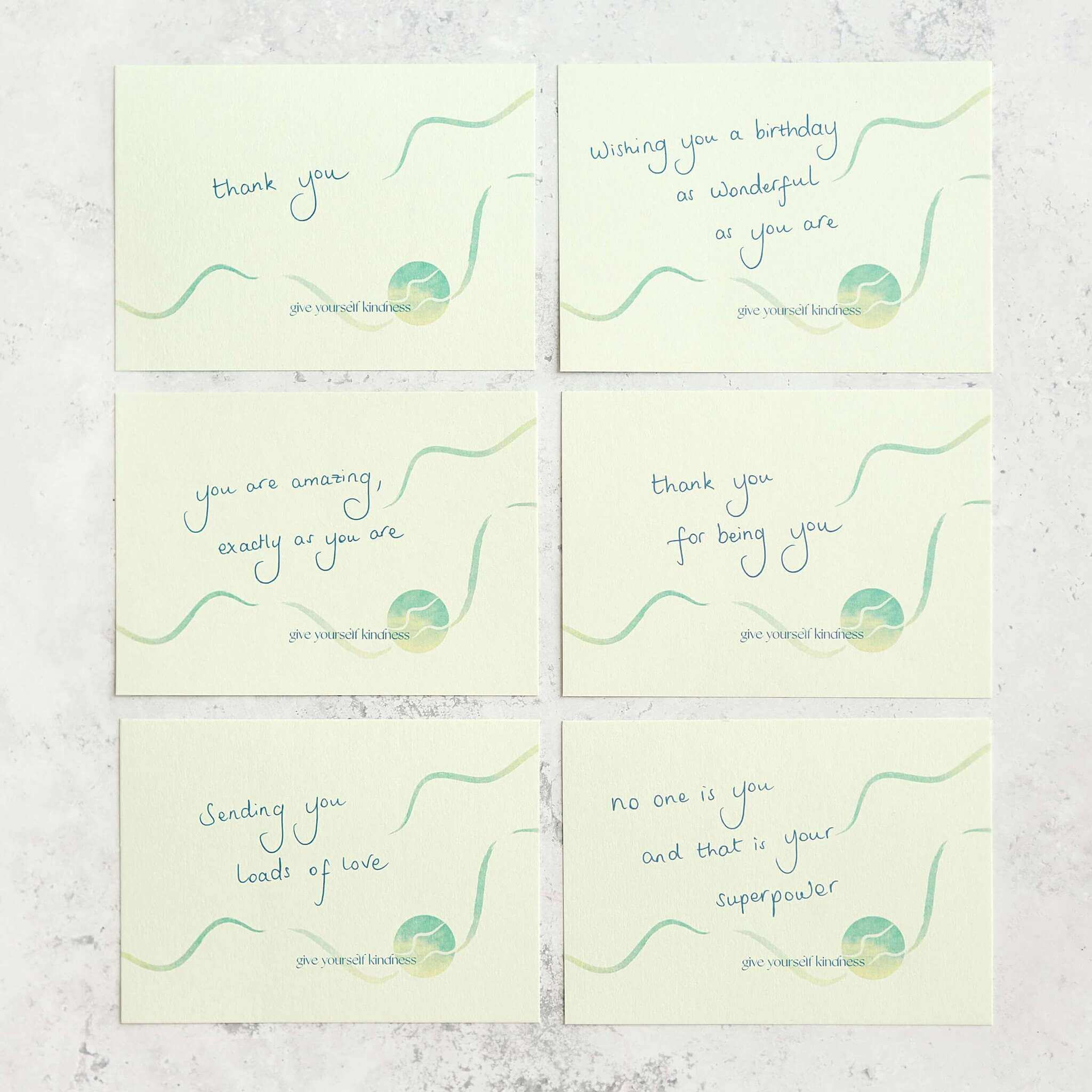
Everything is wrapped in Give Yourself Kindness tissue paper before it goes out, so it arrives ready to give rather than ready to wrap. You can add a gift message at checkout and it is handwritten and tucked inside — there is no charge for that, and it is the part people tend to remember.
You can also have it sent straight to the person you are buying for, which is worth doing if you will not see them before Christmas. Add the message at checkout and it reads as though it came from you and not from a shop.
One practical thing in favour of ordering early: nothing in these gifts perishes, melts, wilts or needs charging. Buying in early November costs you nothing except the December version of yourself doing it in a hurry. Orders are dispatched from the UK.
A gift that shows you understand
You have watched someone you love hold themselves to a standard they would never hold anyone else to. Replay a mistake for a fortnight. Turn a compliment into a reason to be embarrassed.
You cannot fix that for them, and a present was never going to. What a present can do is put something kind within reach on the evening they need it and cannot find it themselves.
That is all these are. Somewhere to put the hard thought, and a sentence to answer it with.
If the person you are buying for is really struggling — not just hard on themselves, but sinking — a gift is not the thing that helps most. Encouraging them to speak to their GP is. If they need someone tonight, Samaritans are free on 116 123, day or night.
This Christmas, give them something that speaks to them the way they speak to everyone else.
Discover the journal and affirmation cards
Or see everything together in the Christmas gift collection.
Common questions
What if they don’t think they’re hard on themselves?
Many people do not recognise how harsh their inner dialogue is, because it has been there so long it sounds like the truth rather than a voice. These work either way. The journal simply helps someone notice how they are feeling and get curious about why, and the cards offer a kind sentence with no diagnosis attached. You can give it as a gift for self-kindness rather than a gift for self-criticism.
Will this make them think something’s wrong with them?
It should not, if you give it as something you liked rather than something you prescribed. Self-compassion is not a treatment for being broken; Dr Kristin Neff and Dr Chris Germer describe it as recognising that everyone struggles, and that pity creates separation while compassion creates connection. Therapists and meditation teachers use these tools themselves. It is a kind object, not a verdict.
What’s the most impactful gift for severe self-criticism?
For persistent, painful self-criticism the journal is the one I would choose, because it works on the thought itself rather than around it. It has been reviewed by Professor Willem Kuyken at the University of Oxford and Dr Chris Germer at Harvard Medical School, and counsellors and therapists use it with clients. It is a companion alongside professional support, and for severe self-criticism professional support is the thing that matters most.
Can I send this directly to them as a gift?
Yes, you can send it directly to them. Everything arrives wrapped in Give Yourself Kindness tissue paper, and you can add a gift message at checkout that is handwritten and included inside the parcel, at no extra cost. Enter their address as the delivery address and yours for billing, and it arrives looking like a present rather than an order.
What if they’re already in therapy?
If they are already in therapy this is a good gift rather than an awkward one. Counsellors and therapists use the journal with their own clients between sessions, and accredited counsellor Rachael Oliver describes it as helping to validate a person’s entire experience and avoid toxic positivity. It gives them somewhere to put the week before they next sit down with someone. It is never a substitute for that work.
How is this different from other self-help gifts?
The difference is that these were built around self-compassion rather than positive thinking. I made them after my own Compassion Focused Therapy, working with clinical psychologists and self-compassion researchers, and they have been reviewed by named clinicians at Oxford and Harvard Medical School. Nothing in them asks someone to believe they are wonderful on a day they feel the opposite, which is usually where self-help gifts lose a self-critical person.
What if they don’t use journals or aren’t into “self-help” stuff?
Start with the affirmation cards. They ask nothing of the person beyond reading one sentence, there is nothing to fill in and nothing to keep up, and they look like a beautiful object rather than a project. The You Are Enough charm works the same way for someone who would rather not be seen with anything at all. Both leave the door open without pushing anyone through it.
Is this a suitable gift for a teenager?
Yes, both the journal and the affirmation cards are suitable for adults and teens. The prompts ask a young person to notice how they are feeling and get curious about it rather than to analyse themselves, and nothing in them is clinical or diagnostic. For a teenager who is hard on themselves, the undated pages matter especially: there is no streak to break and nothing to fail at.
How soon should I order for Christmas?
Order as early as suits you, because nothing here perishes, melts or needs charging, and it arrives already wrapped in tissue paper with your handwritten note inside. Ordering in early November means it is sitting ready rather than competing with December post. Everything is dispatched from the UK, and the last order date for delivery before Christmas is added to this page as soon as Royal Mail confirm it.
Continue reading
From the psychologists quoted here
-
Why self-compassion is more effective than self-criticismDr Annabelle Kyle Dortch, PsyD, Clinical Psychologist
-
Self-compassion is not self-pityDr Kristin Neff and Dr Chris Germer
-
 How to stop beating yourself upDr Maria Tucknott, Clinical Psychologist
 -
Is self-compassion the same as self-indulgence?Dr Kristin Neff, PhD, University of Texas at Austin
Related guides


“By far my favourite guided journal that I’ve used!”
There's a lot of journals out there. Most of which include tools that can be repetitive, boring or unhelpful. Give Yourself Kindness is about creating something new.