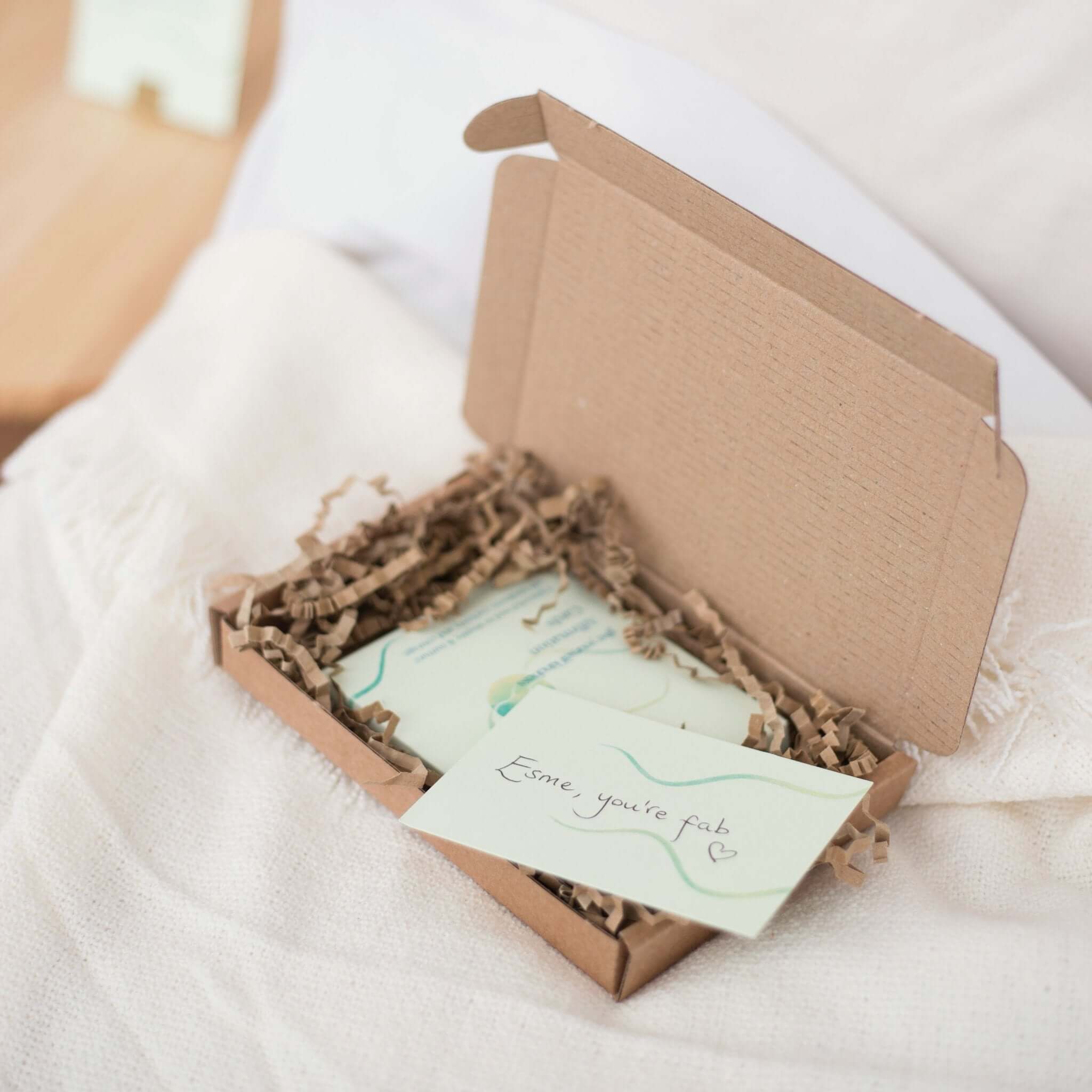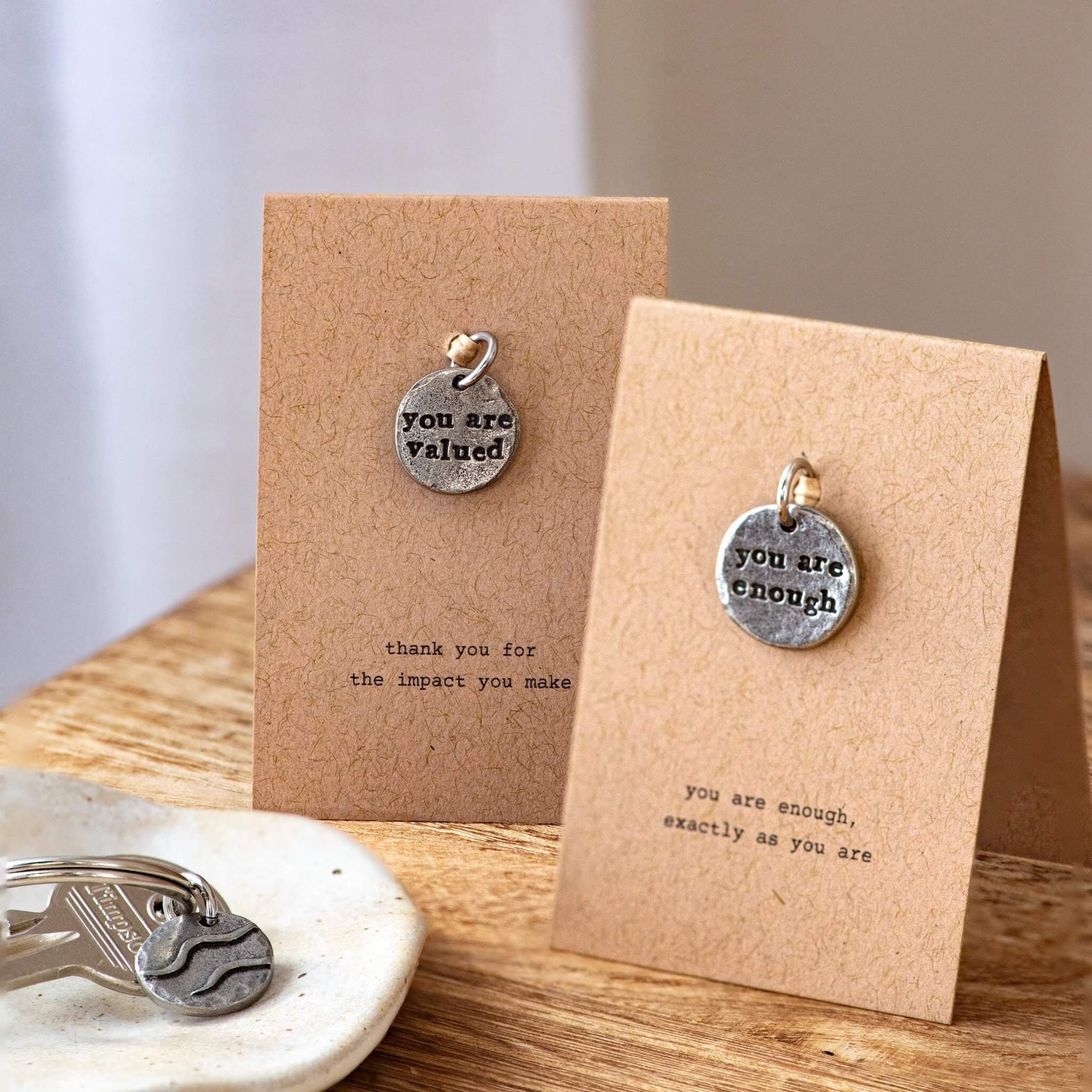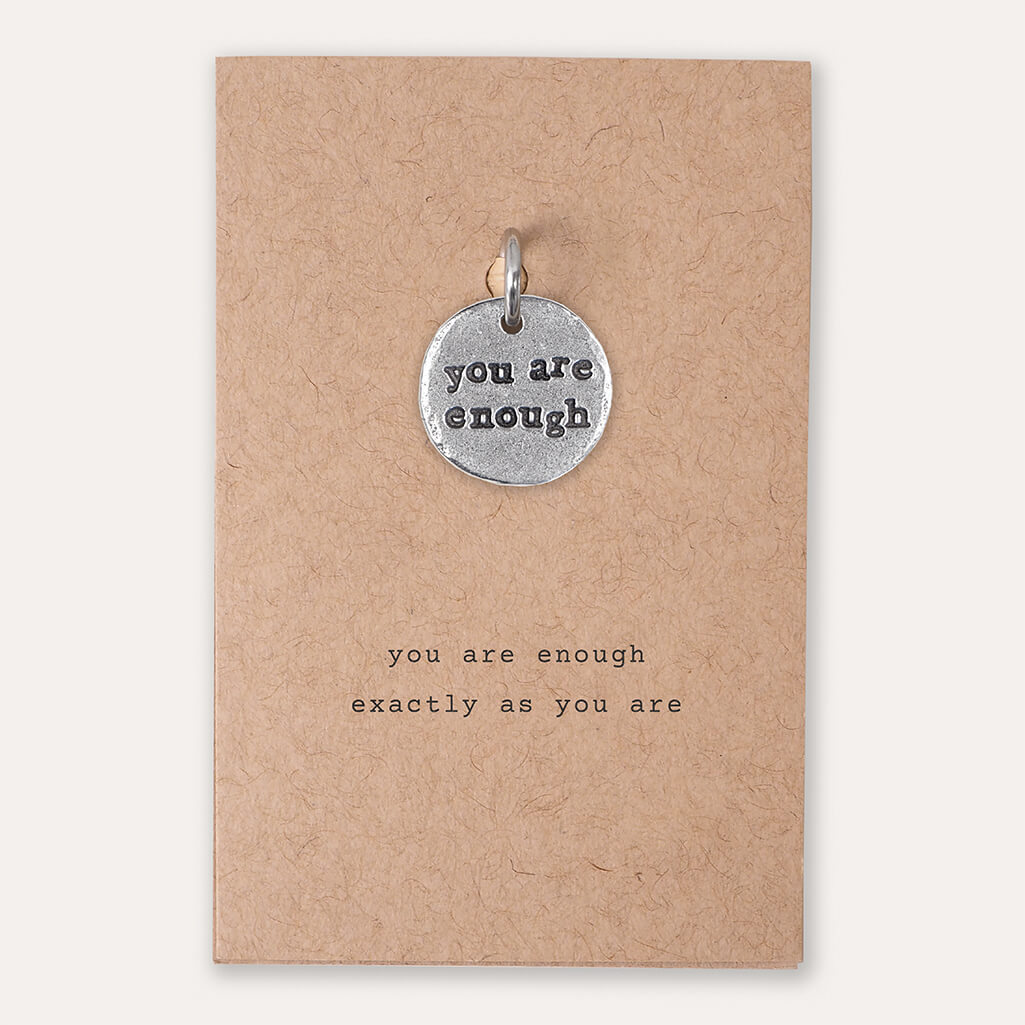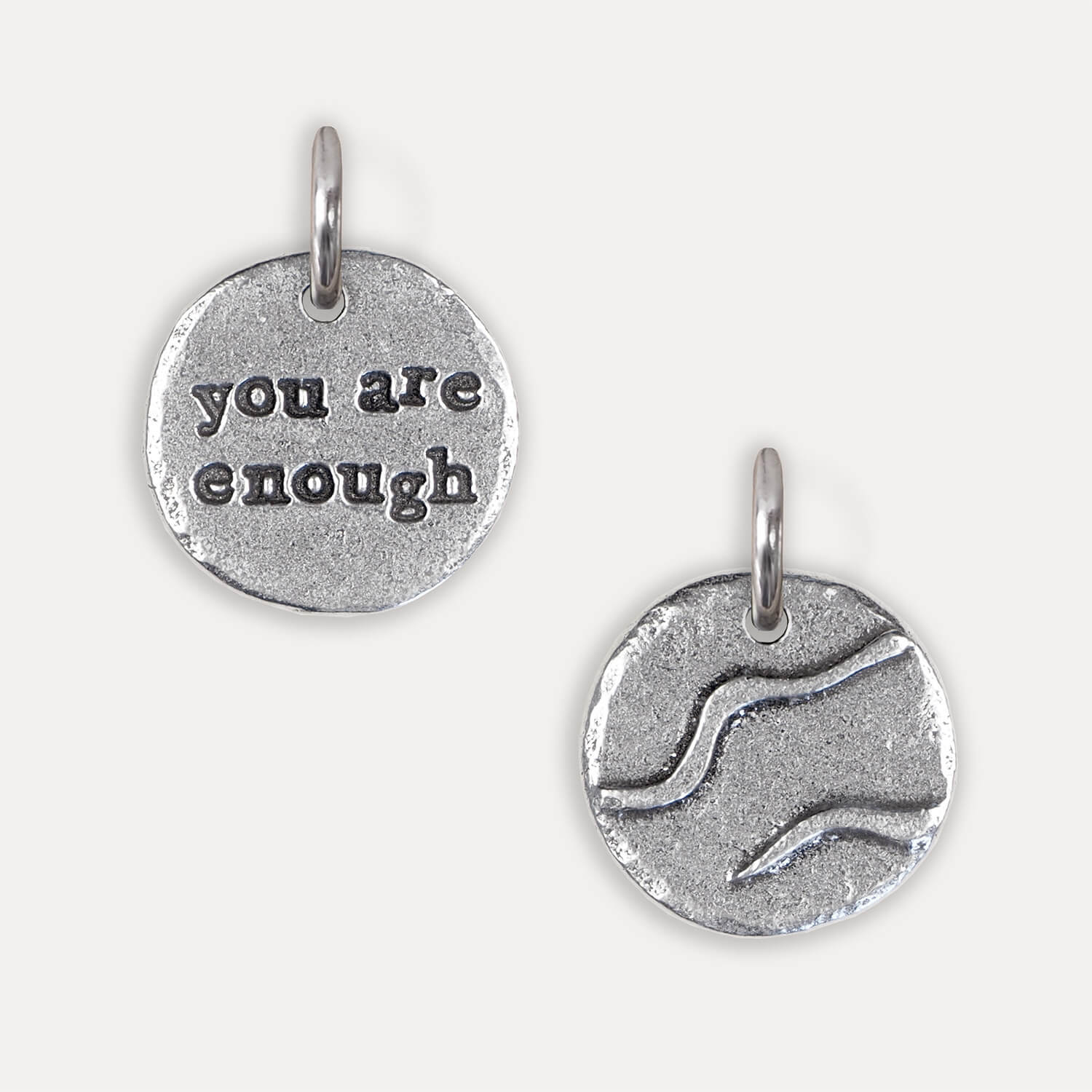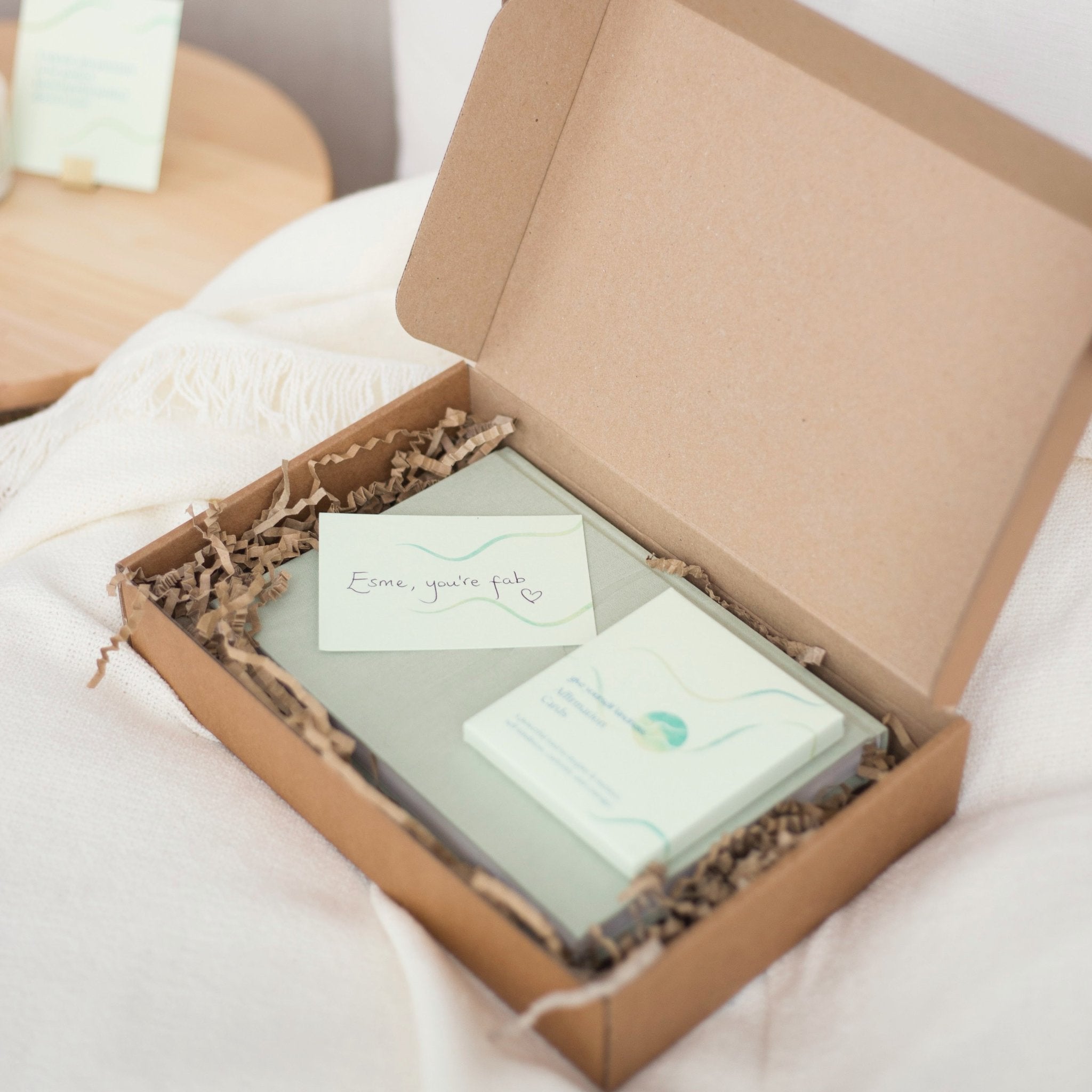



Somewhere along the way, self-care turned into something else you have to keep on top of.
Look at what most self-care journals now ask of you. Track your water. Log your mood. Rate your sleep out of ten. Tick the box for the walk you managed. It's a performance review with a nicer cover, and you already have enough of those.
Quick answer
The best self-care journal asks how you are, not how well you did.
That one distinction rules out most of the category. If a journal scores you, tracks you or ranks your week, it has turned care into another thing to be good at. If it asks what you found hard and helps you answer yourself kindly, it's doing the actual job.
Recommended by clinical psychologists at Harvard and Oxford

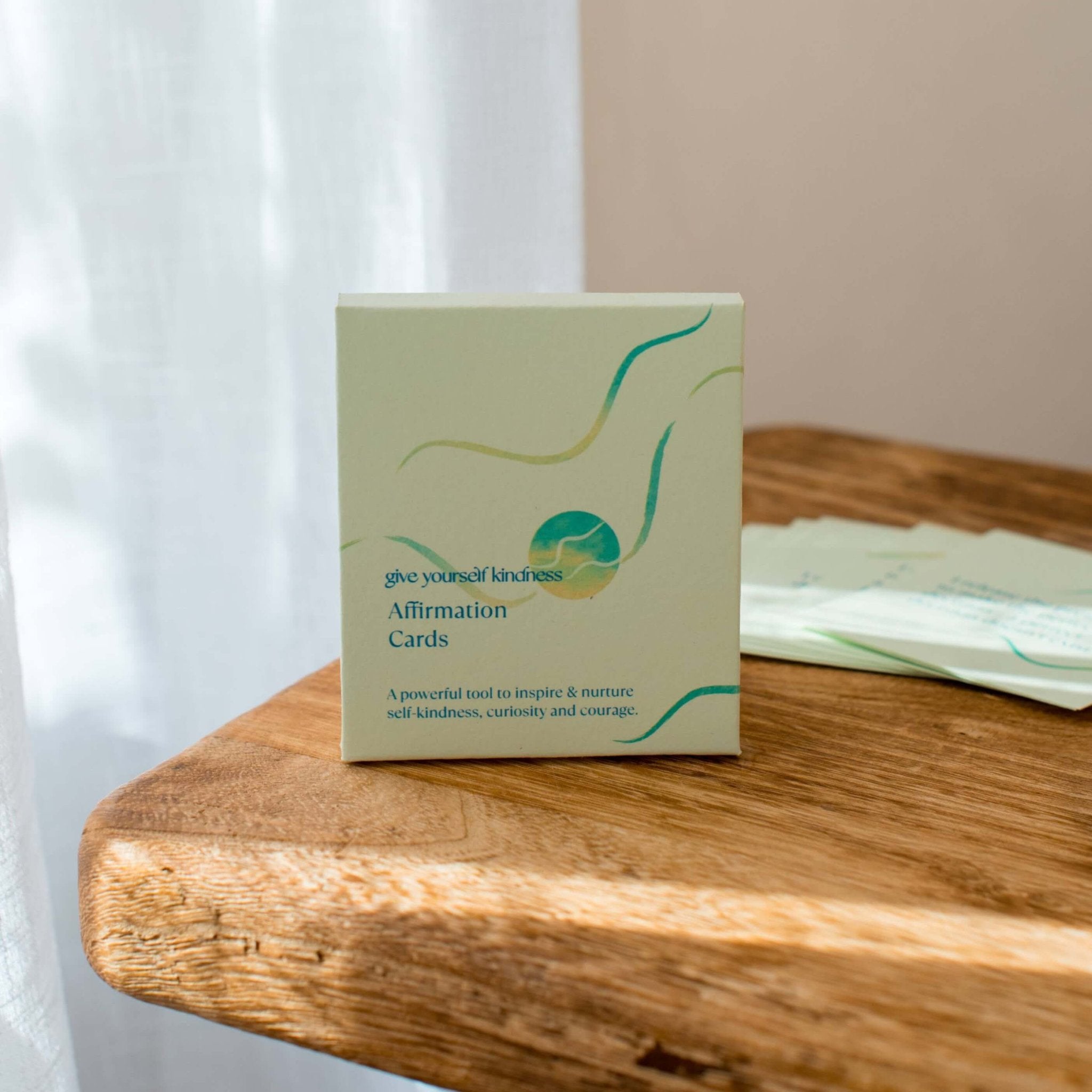
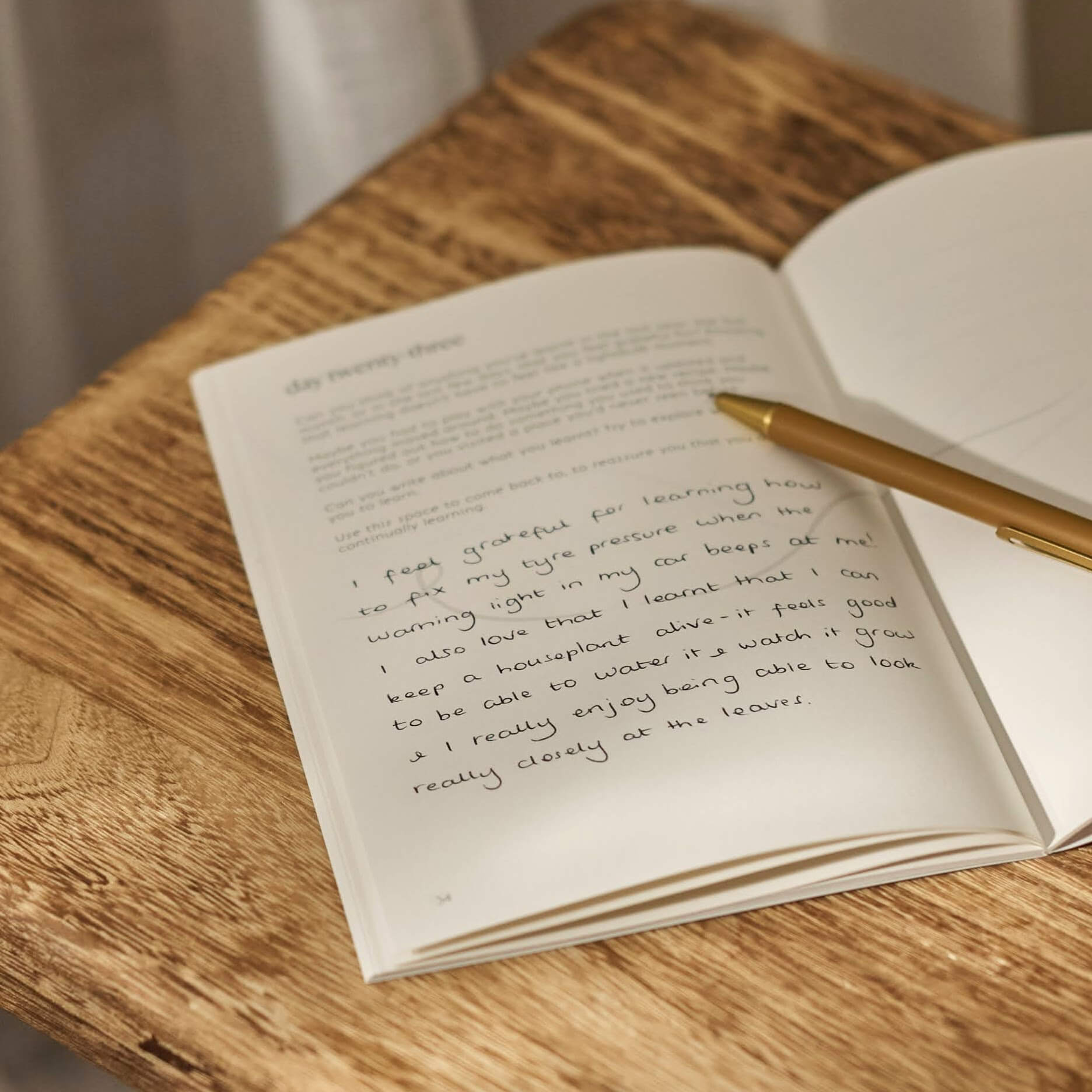
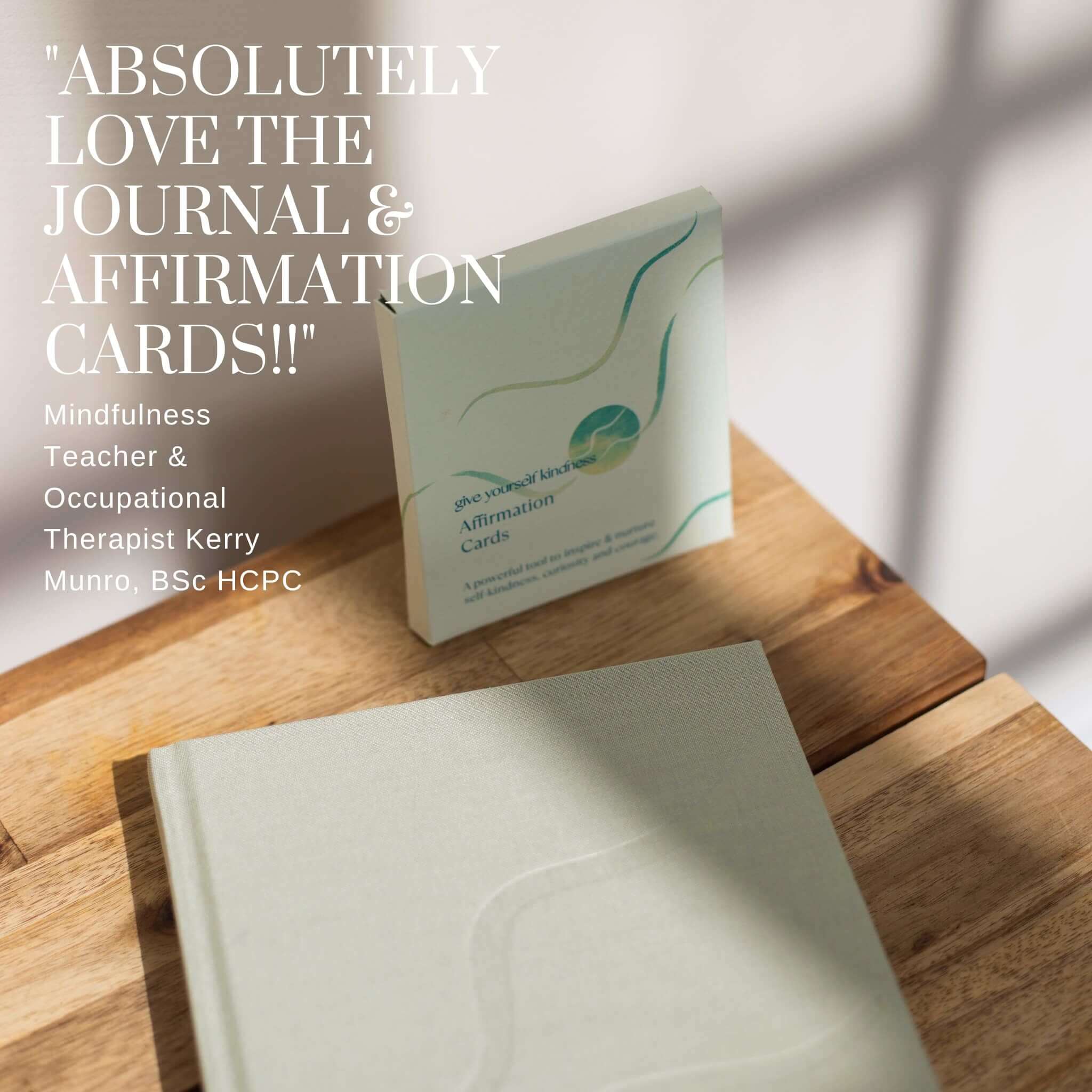
The Give Yourself Kindness Journal. Nothing to track and no score to keep. Three months of prompts with every page different, an emotion tool on every page, and over fifty reminders that you don't have to be doing this well.
Added to your basket. View basket →
Why trust me: I'm Rachel Smith, a qualified meditation teacher, and the two journals I recommend here are mine. I made them after my own recovery through Compassion-Focused Therapy, because what I could find was either a tracker or forced positivity and neither helped. I had them reviewed by experts around the world, including clinical psychologists at Harvard Medical School and the University of Oxford. Where a different format suits you better, I've said so. More about me →
Self-care, or self-monitoring?
It's worth being able to tell them apart, because from the outside they look almost identical. Both involve a lovely notebook and ten minutes in the evening.
The first set produces data. The second produces relief. And if you're already someone who runs on being good enough, the first set quietly becomes one more scoreboard where you can come up short.
If that line landed, it's worth naming what's underneath it, because it isn't really about notebooks. A tracker stings when rest already feels like something you have to earn — when sitting down without having finished the list feels like getting away with something.
That's a different problem from choosing a journal, and a bigger one, so I've given it its own page: self-care when you don't feel you deserve it. Clinical psychologist Dr Michelle Chung's answer to it is the one I'd want you to have either way — rest is not the enemy of success, it is its foundation.

Dr Michelle Chung
Clinical psychologist and parenting specialist, writing for Give Yourself Kindness
"What if self-care didn't require a two-hour yoga class or a tropical retreat? What if self-care could be found and fully embraced in the tiniest moments? Mindfulness offers a way to refill our inner well without waiting for the perfect conditions."
Which is the permission most people are actually looking for. Self-care isn't a project with a completion rate. It can be four minutes and a difficult feeling that finally got said out loud.
Read: the art of mindful self-care →What to look for, whatever you buy
Four things. They apply to any journal on any shelf, including mine.
1. It asks about the hard part
A journal that only asks what went well leaves you nowhere to put the day you've actually had. Look for prompts that make room for difficulty before they offer anything.
2. The prompts change
Answer the same question every evening and you're on autopilot within a fortnight, writing without thinking. Variety is what keeps you present for it.
3. Nothing to fall behind on
Undated pages, no streaks, no scores. Self-care that keeps a record of your failures is not self-care.
4. It's built on something
Ask what the approach is grounded in. Compassion-Focused Therapy and self-compassion research have decades behind them. "Wellness" as a look does not.

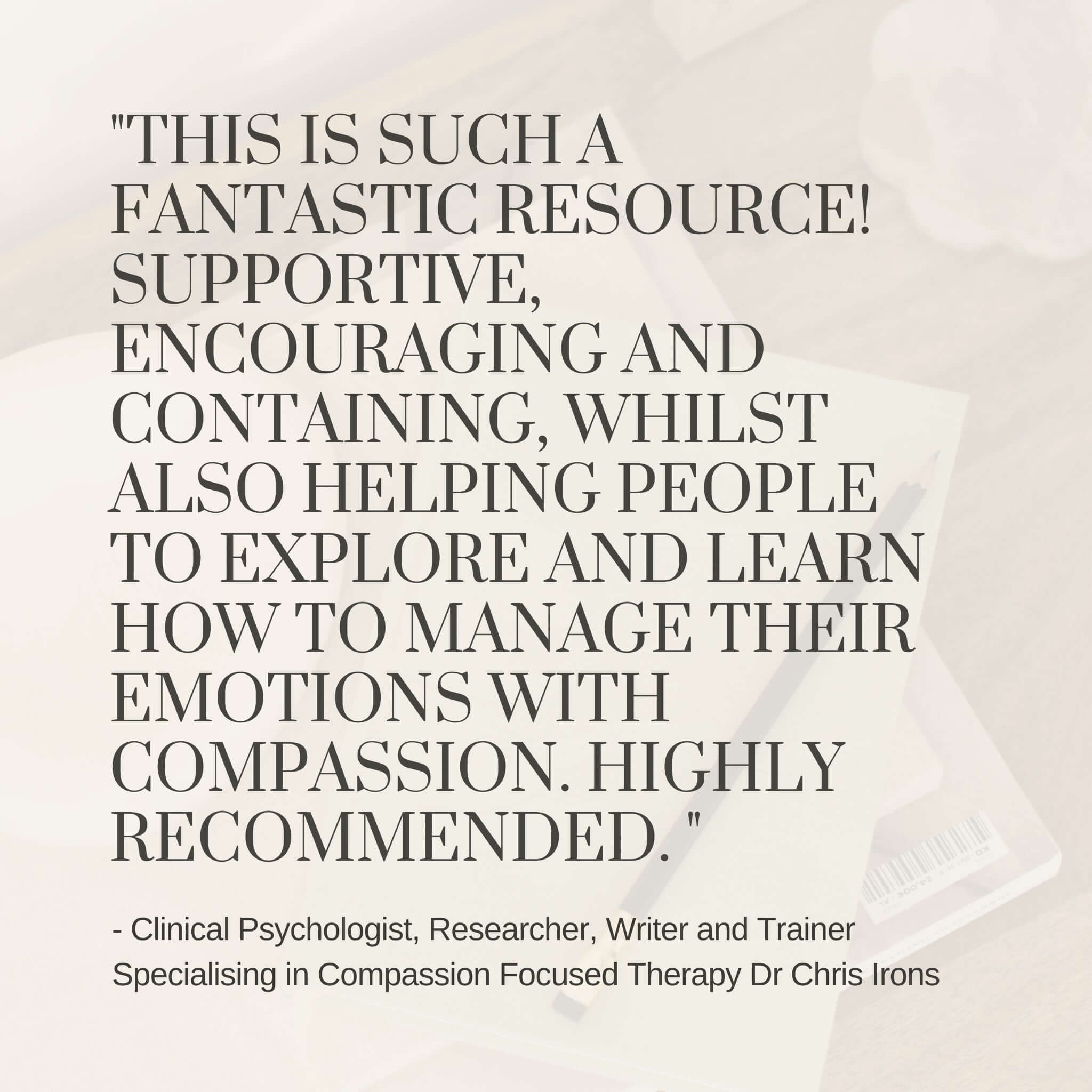
Dr Chris Irons
Clinical psychologist and Compassion-Focused Therapy specialist, co-director of Balanced Minds
"It's useful to consider which part of ourselves is doing the journalling. It could be that it's a fearful part of you that is writing, or an angry or self-critical part. In comparison, CFT tries to support people by initially helping them to develop a compassionate part of self, a part that is wise, strong and caring."
This is the whole thing in one paragraph. A tracker hands the pen to the part of you that assesses and finds wanting. That's not a neutral act on a bad week, and it's the reason the prompts matter far more than the cover.
Read the full article, with three clinical psychologists →Which one suits you
Find yourself below. Two of these are mine, and the last two aren't.
- You're hard on yourself, or worn out by itThe Give Yourself Kindness Journal
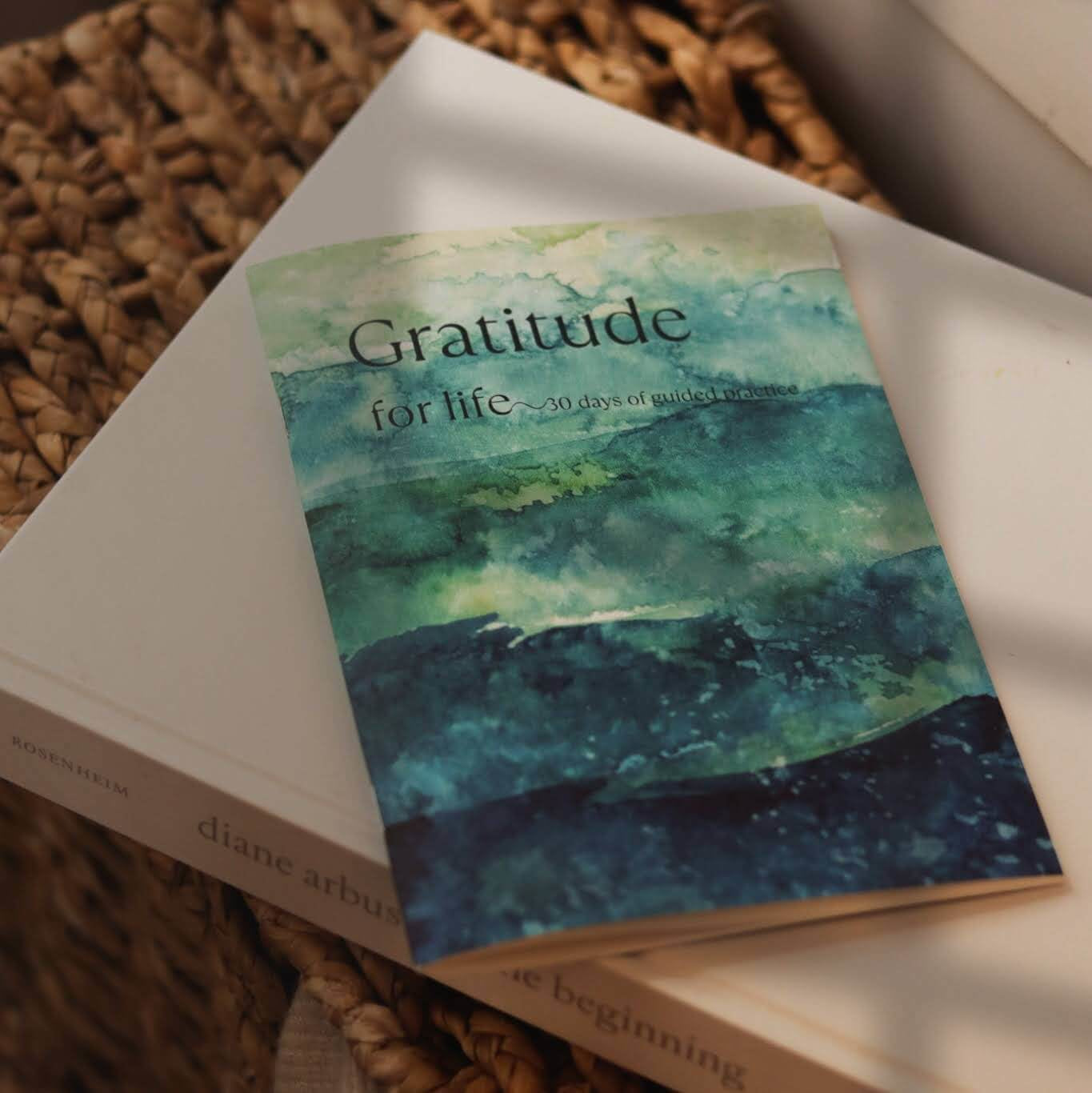
- You want gratitude, without the pressureThe Gratitude Journal
- You want your week organisedA planner. Genuinely useful, and a different job from this one.
- You already know what to writeA blank or dot-grid notebook, and keep your money.
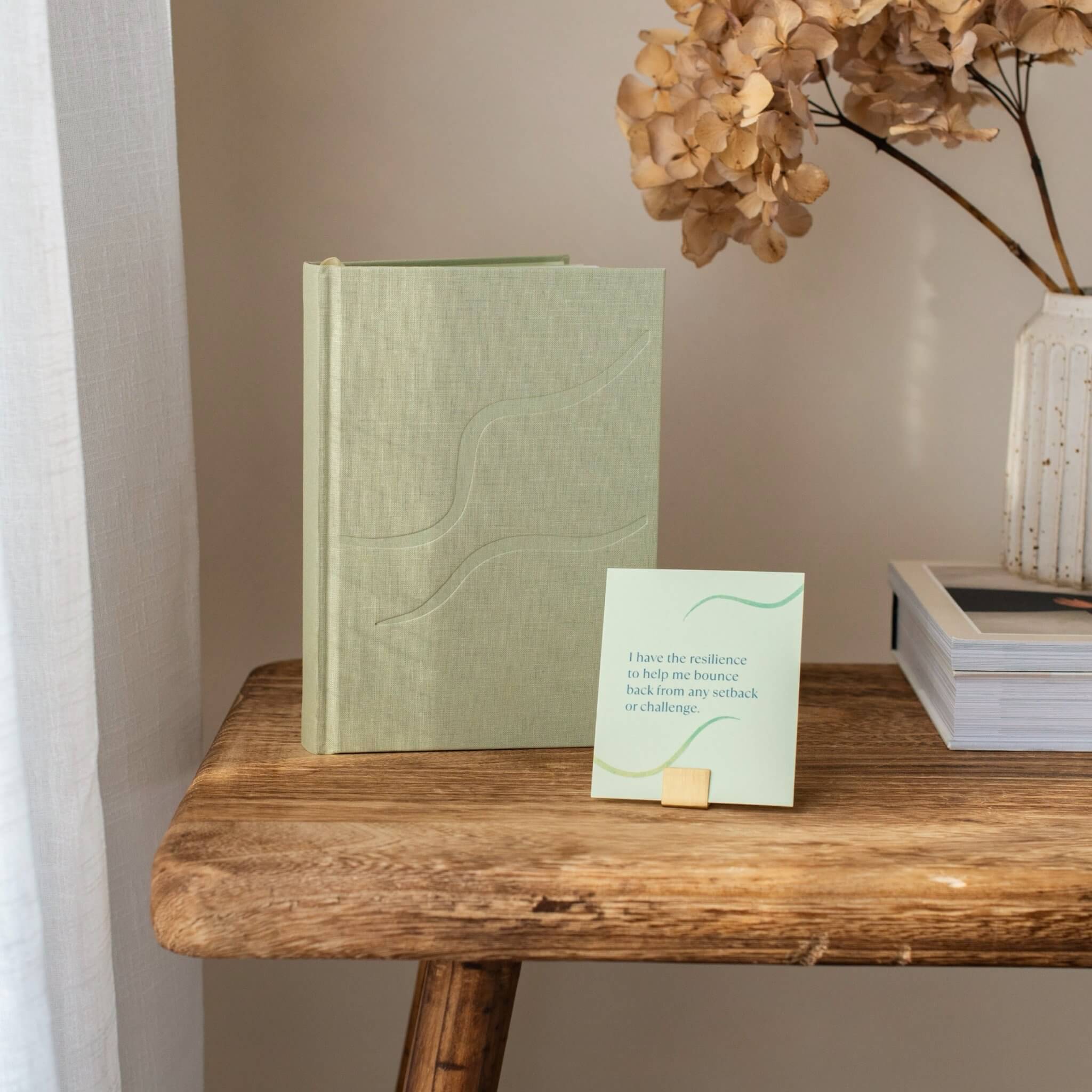
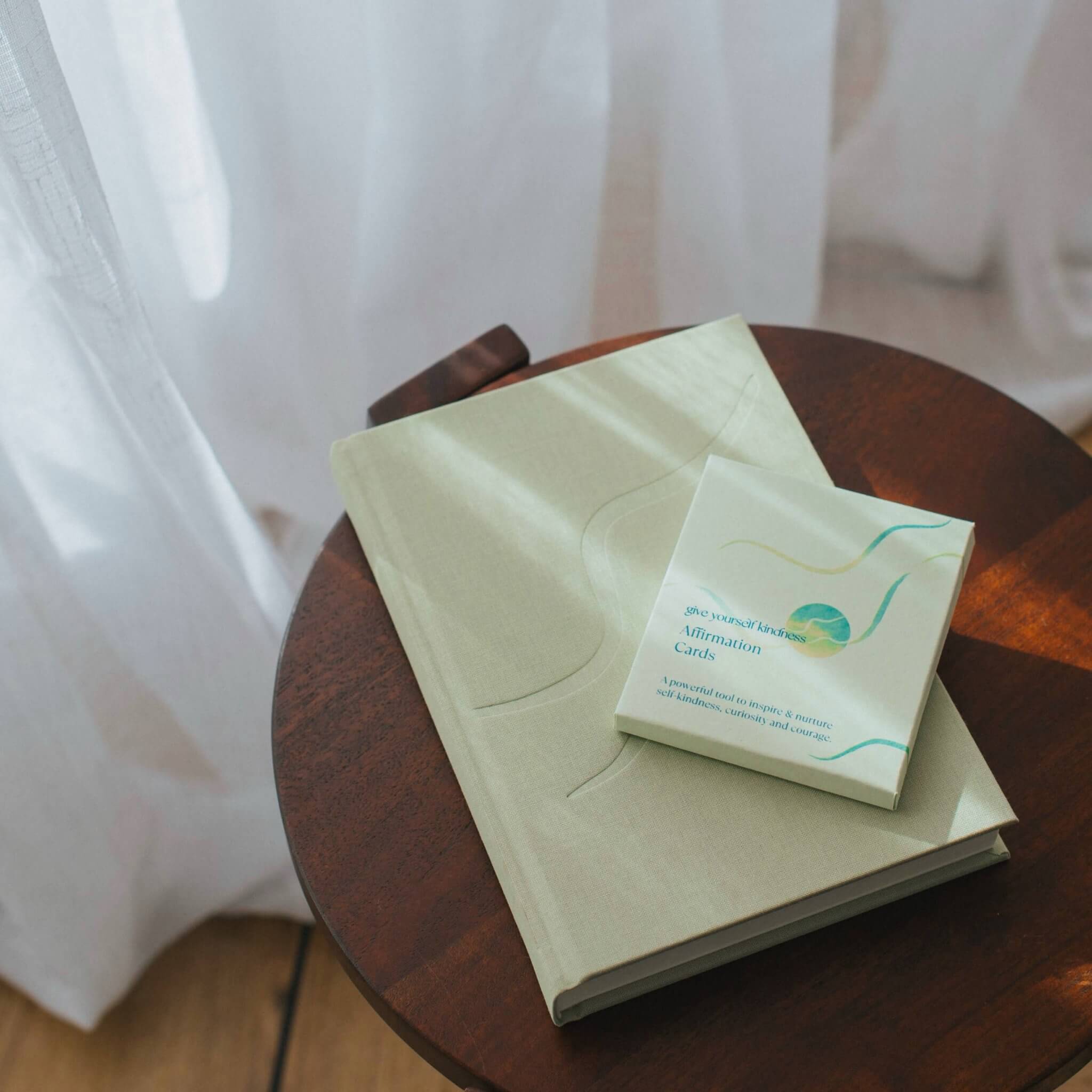
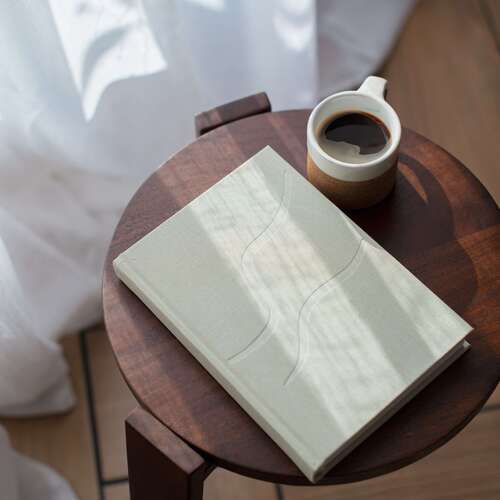
The Give Yourself Kindness Journal
For the days you're being harder on yourself than you'd ever be on anyone else.

The Give Yourself Kindness Journal
Asks how you are, not how well you did
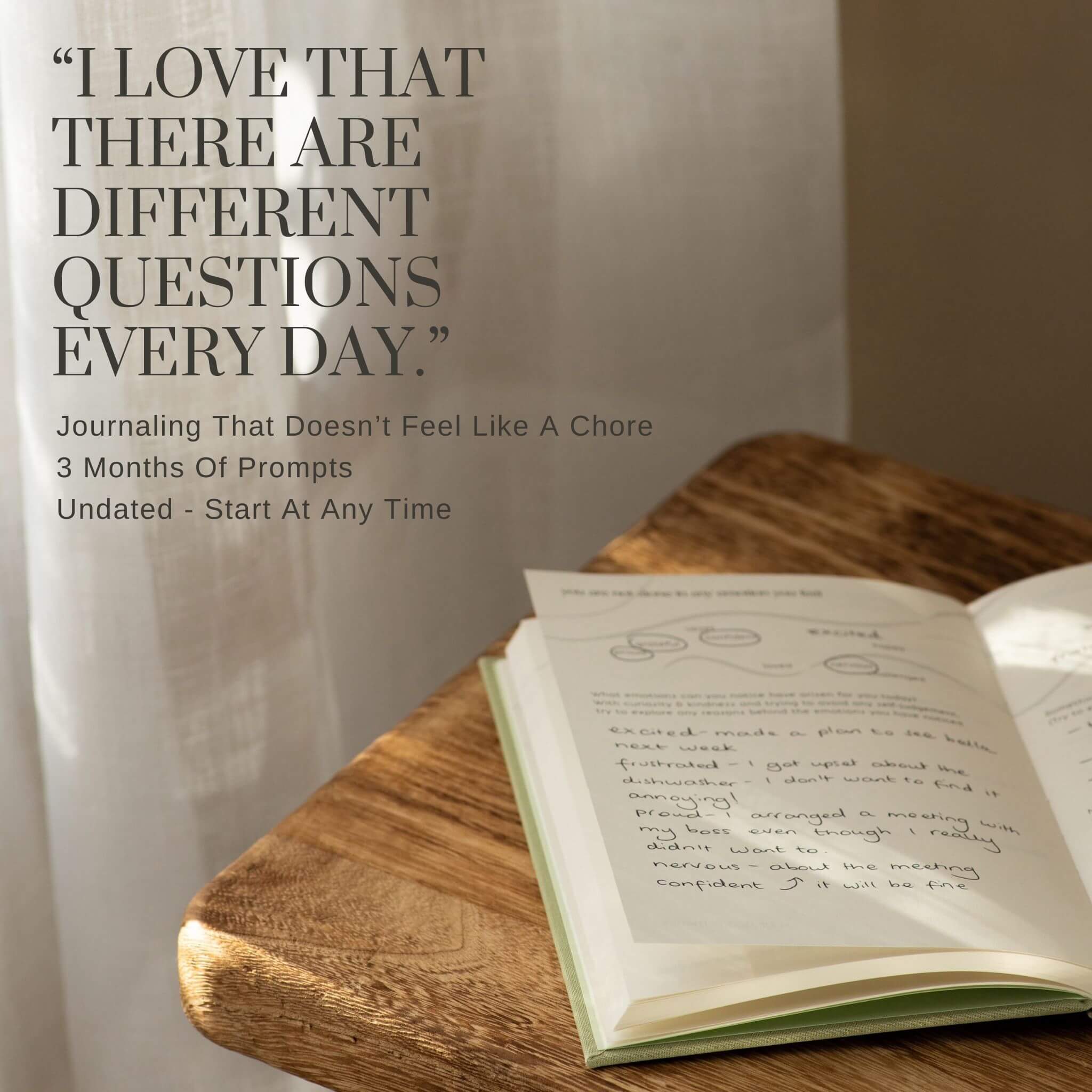
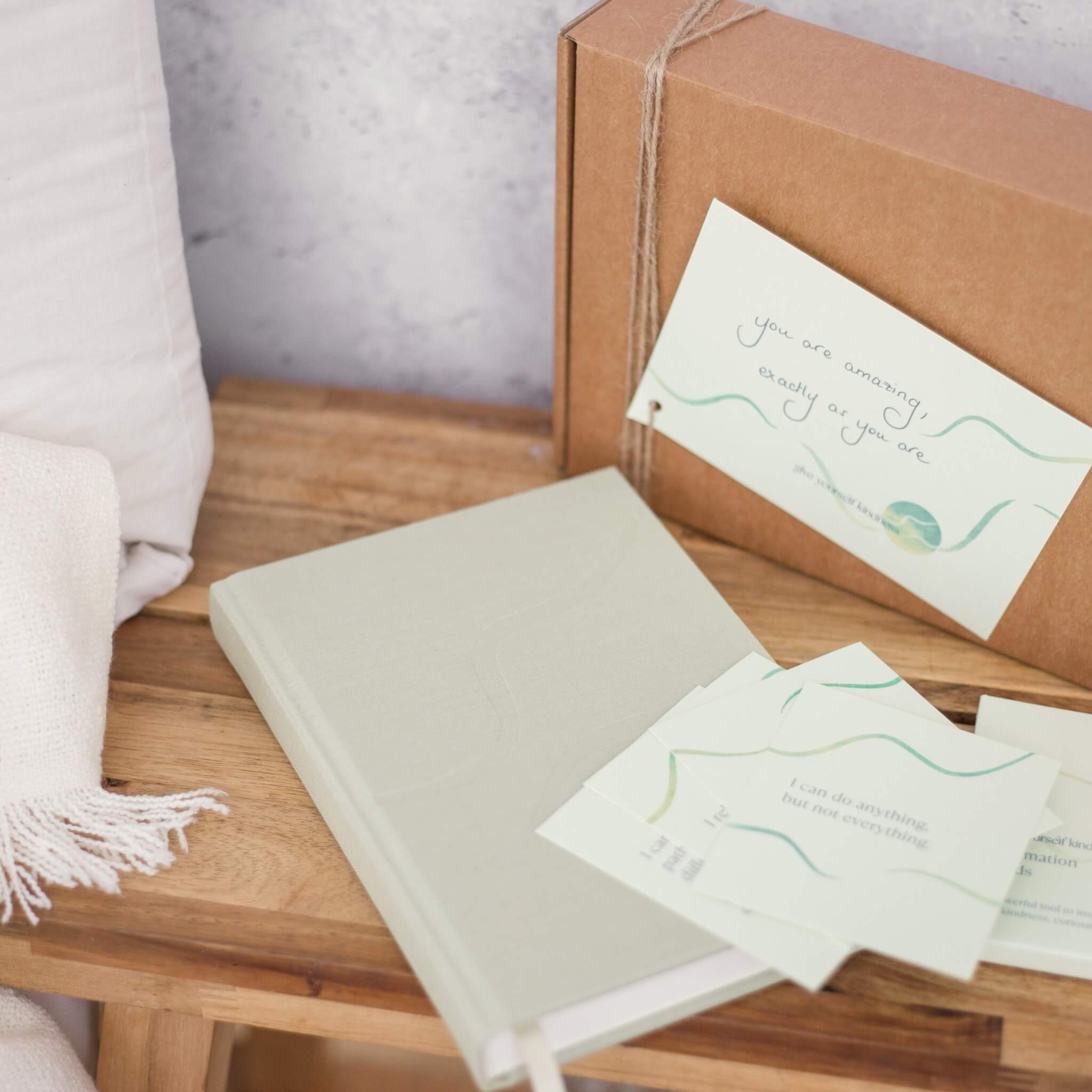
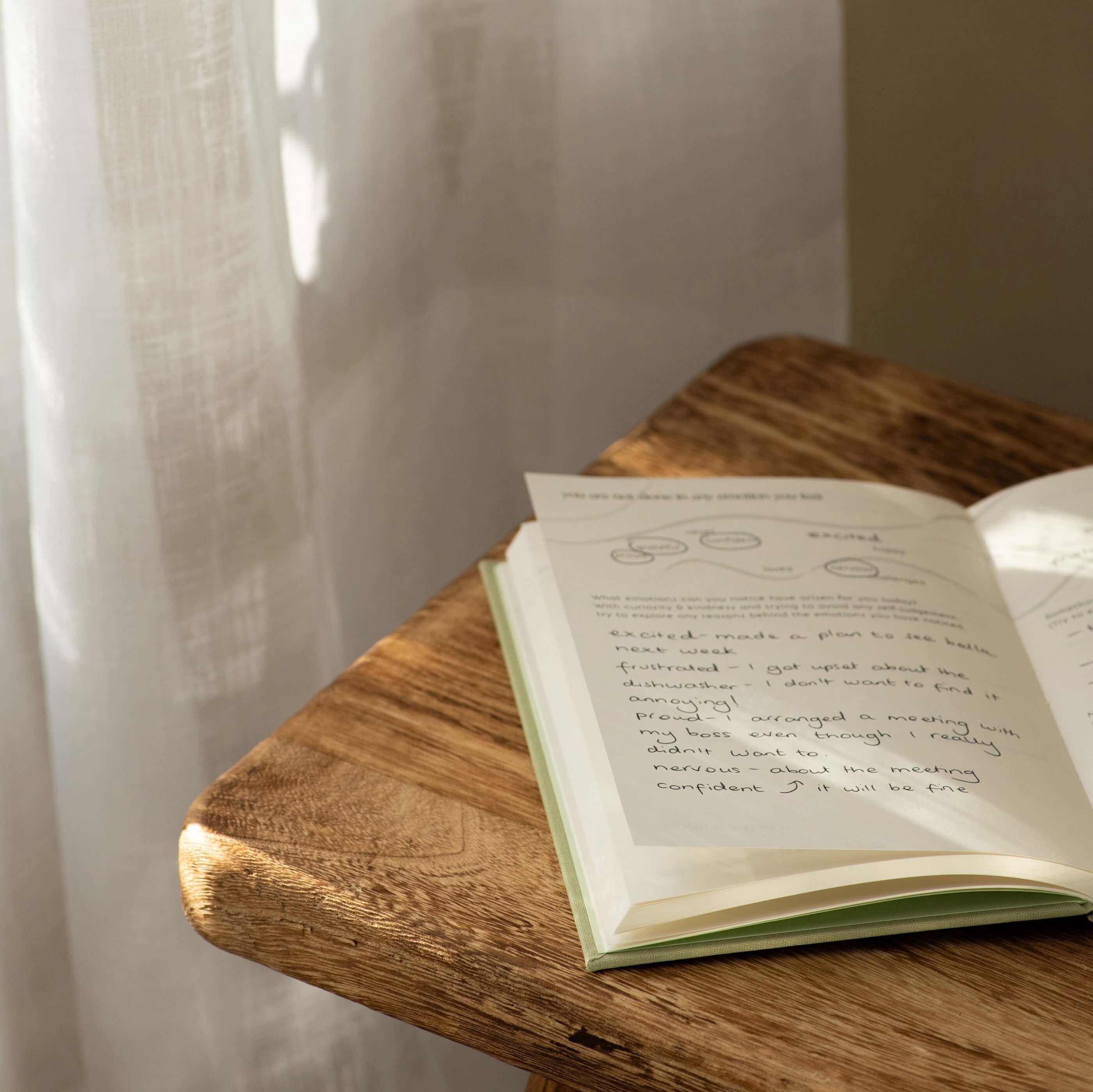
- Three months of prompts across 224 pages, every one different, so it never becomes something you complete on autopilot.
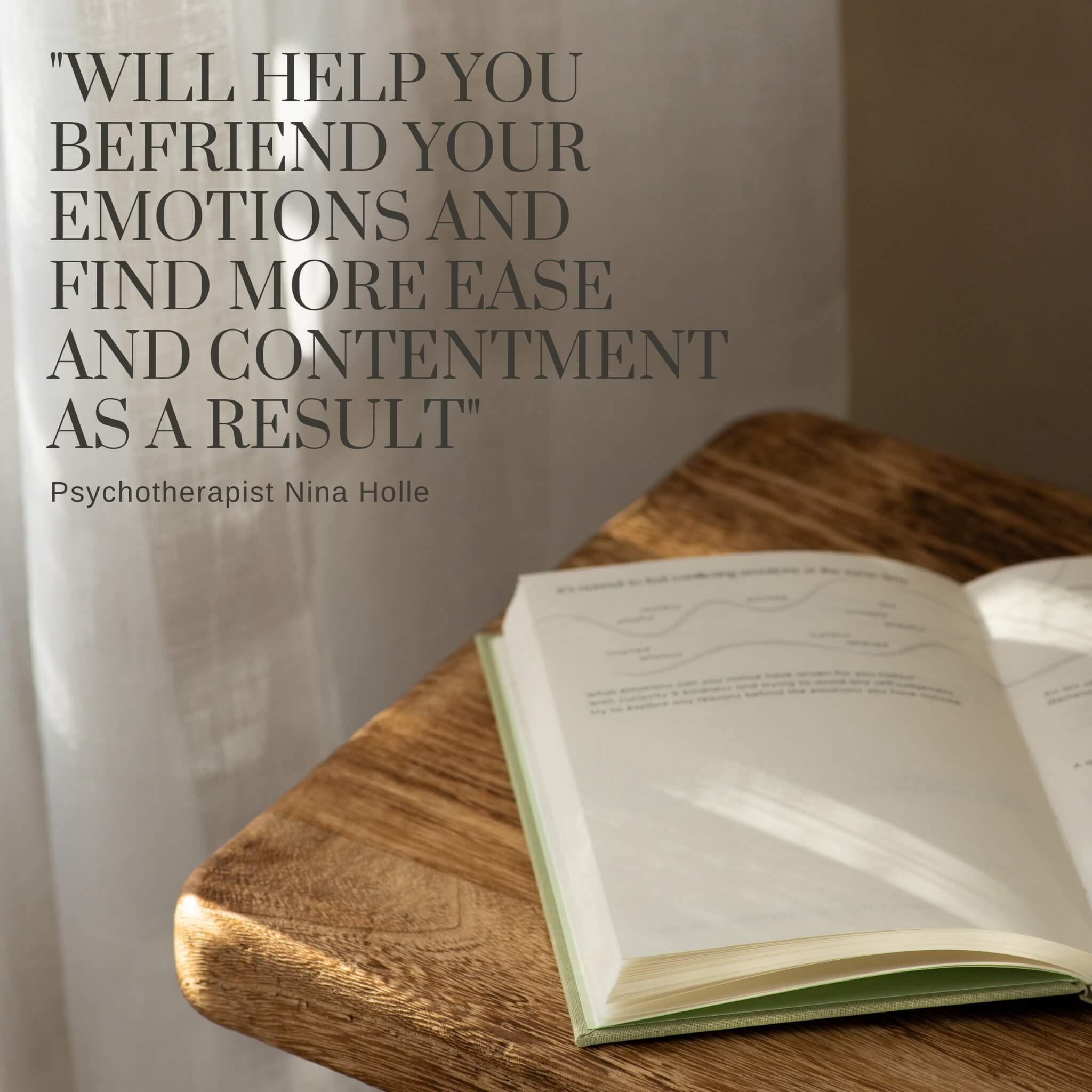
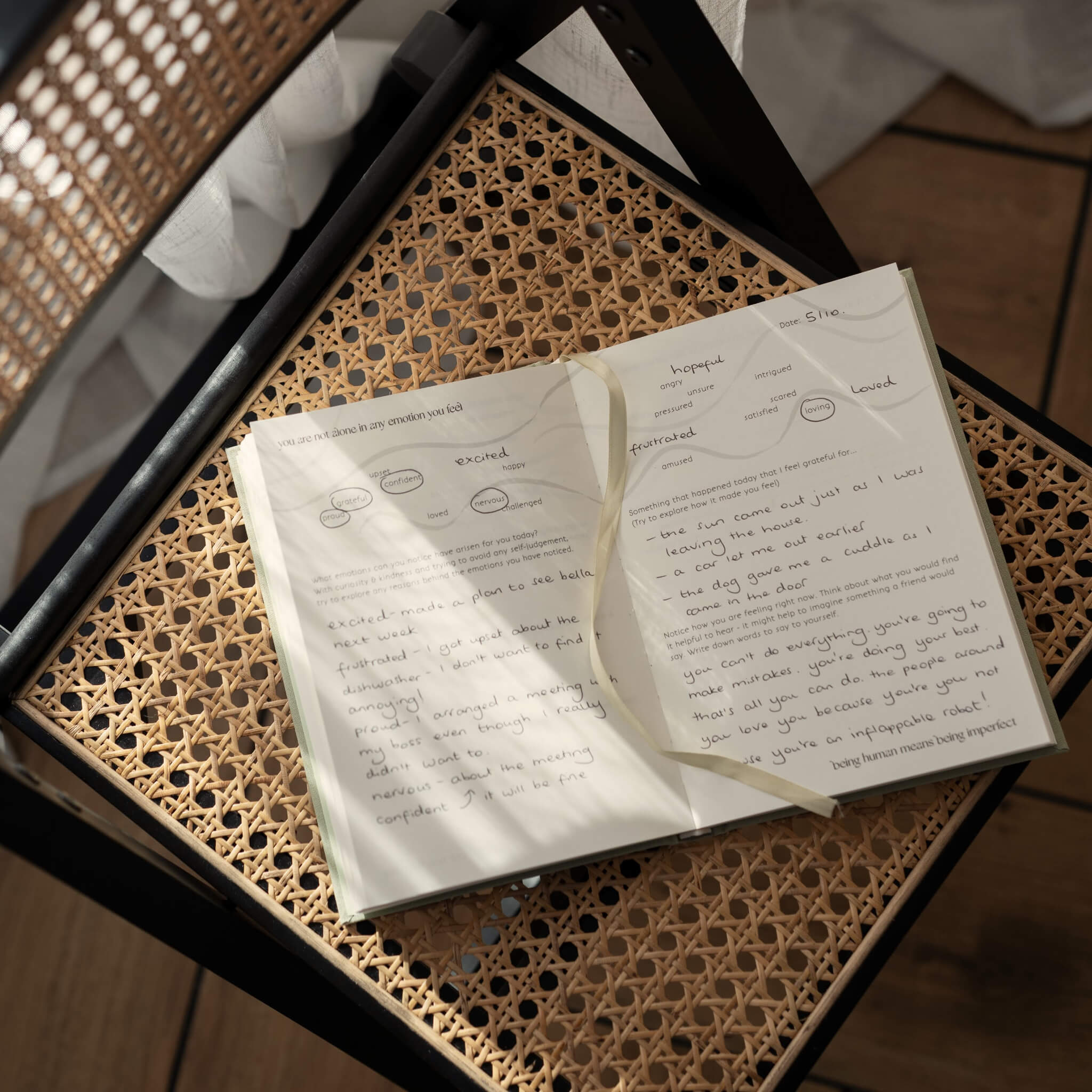
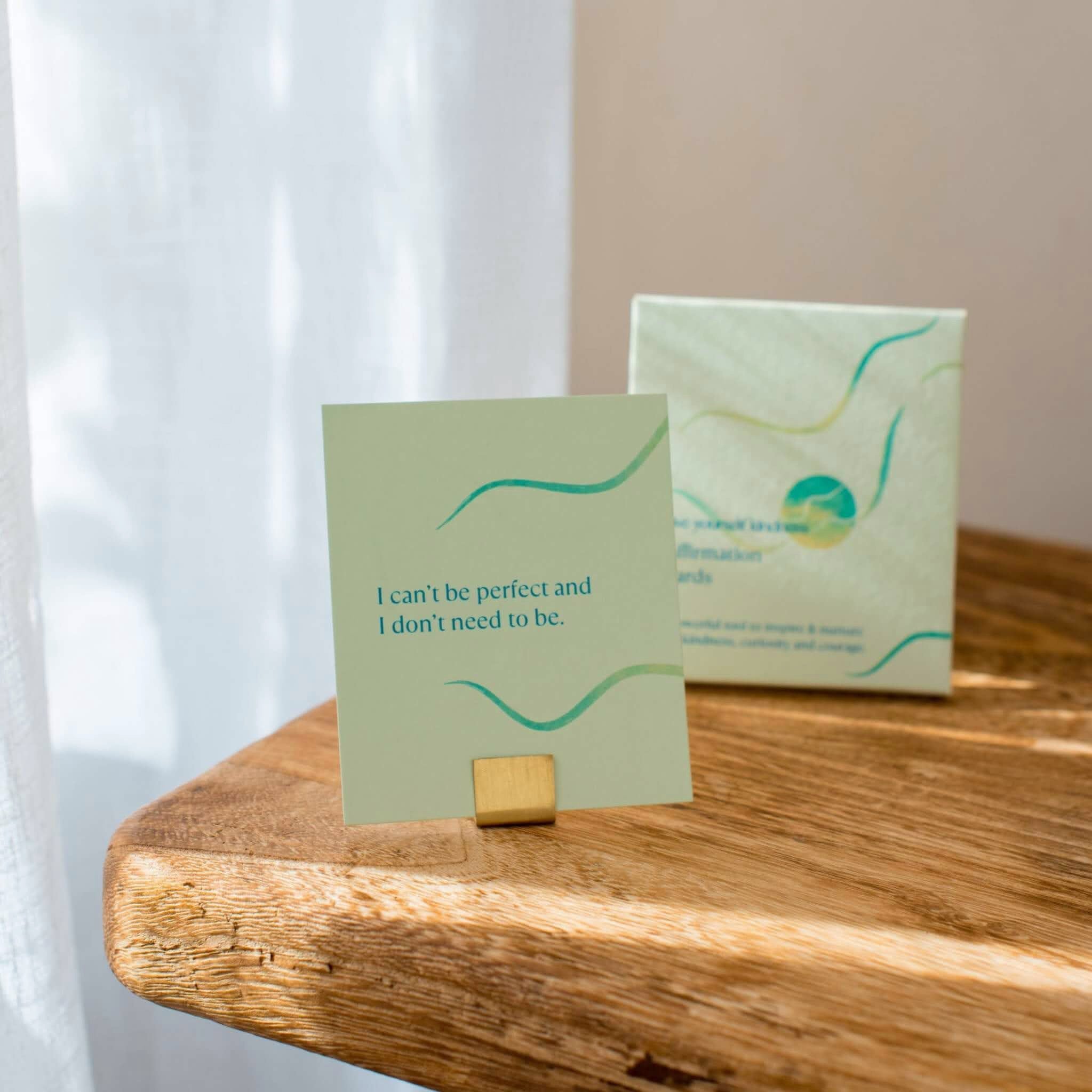
- A visual emotional awareness tool on every page, not one wheel at the front, so you can name what's actually there.
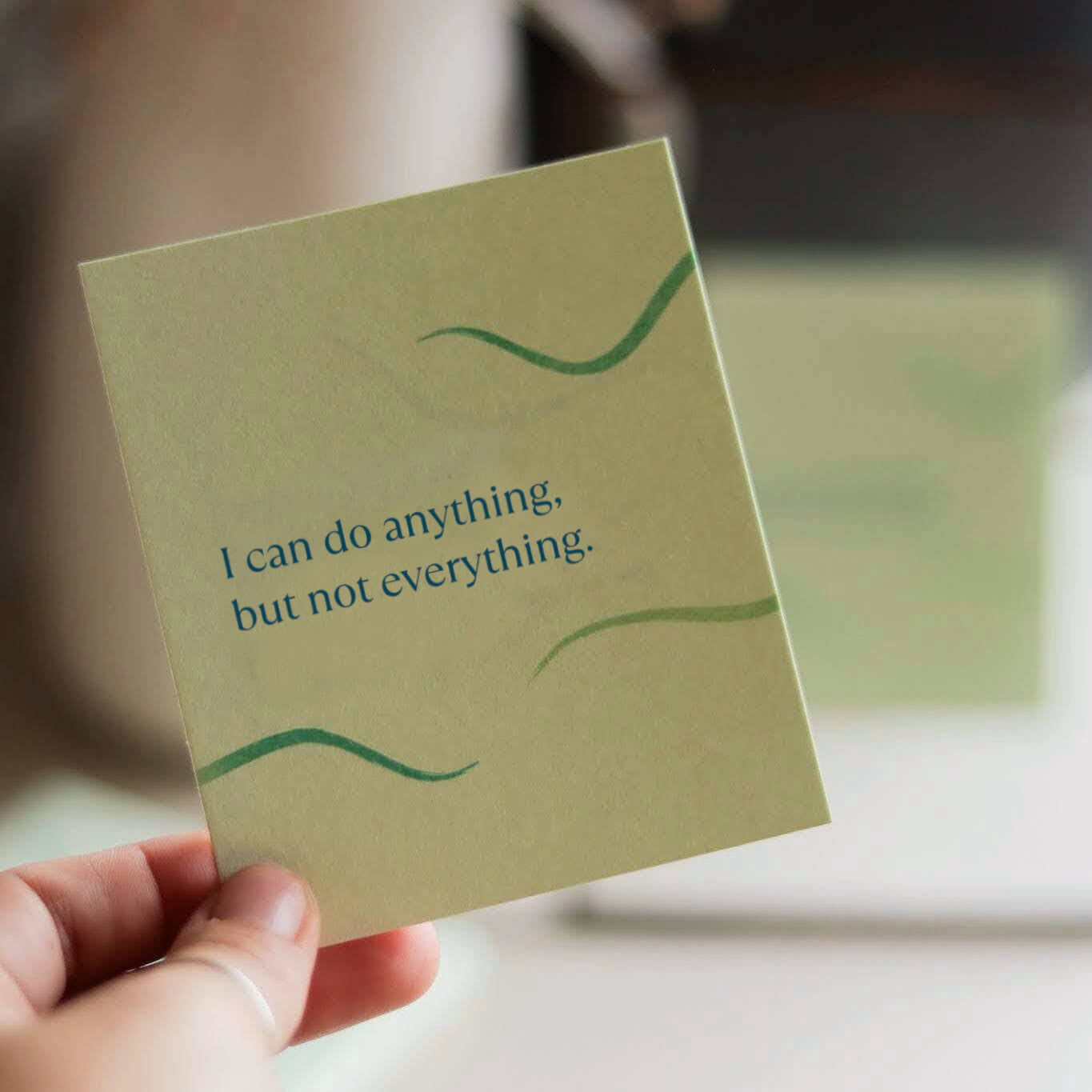
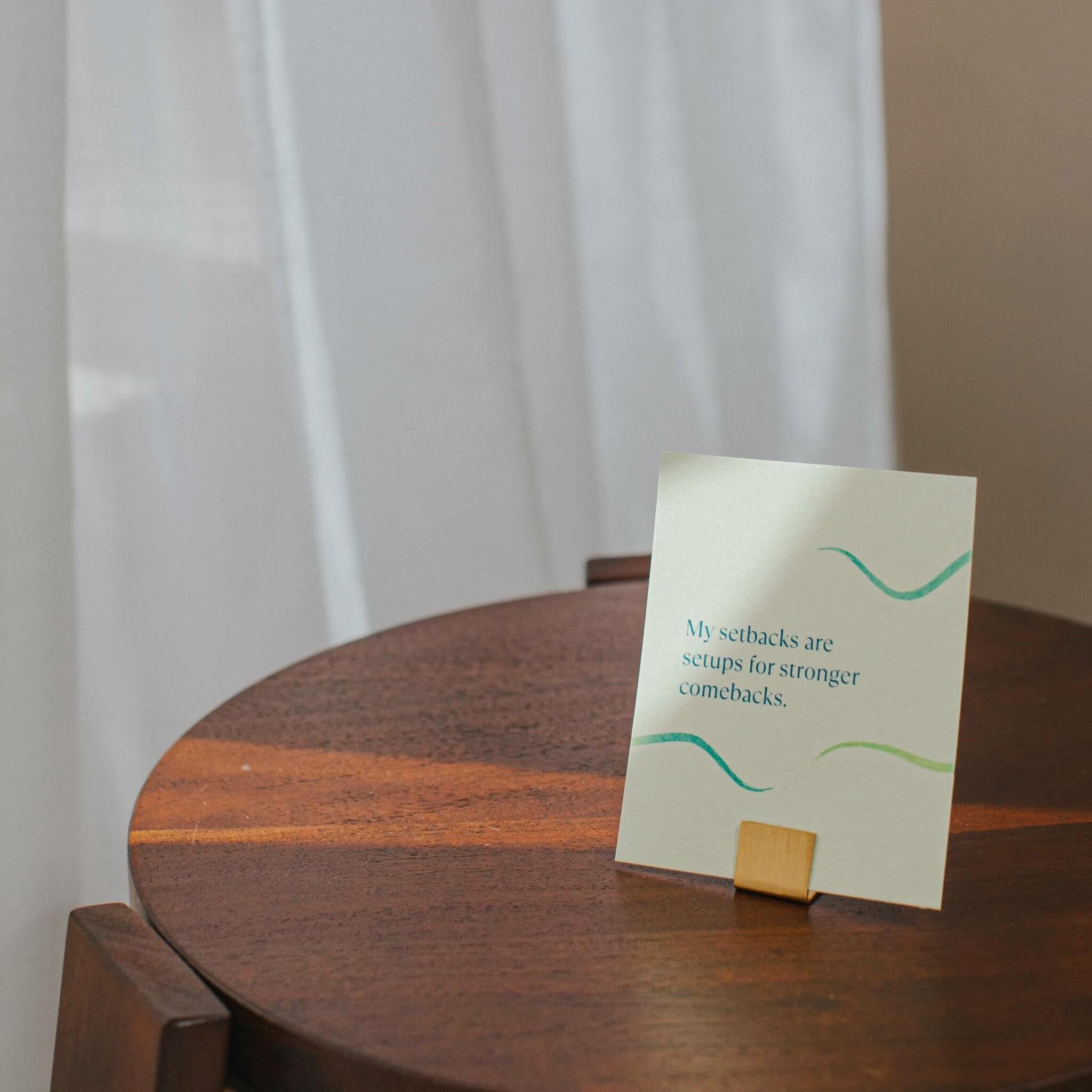
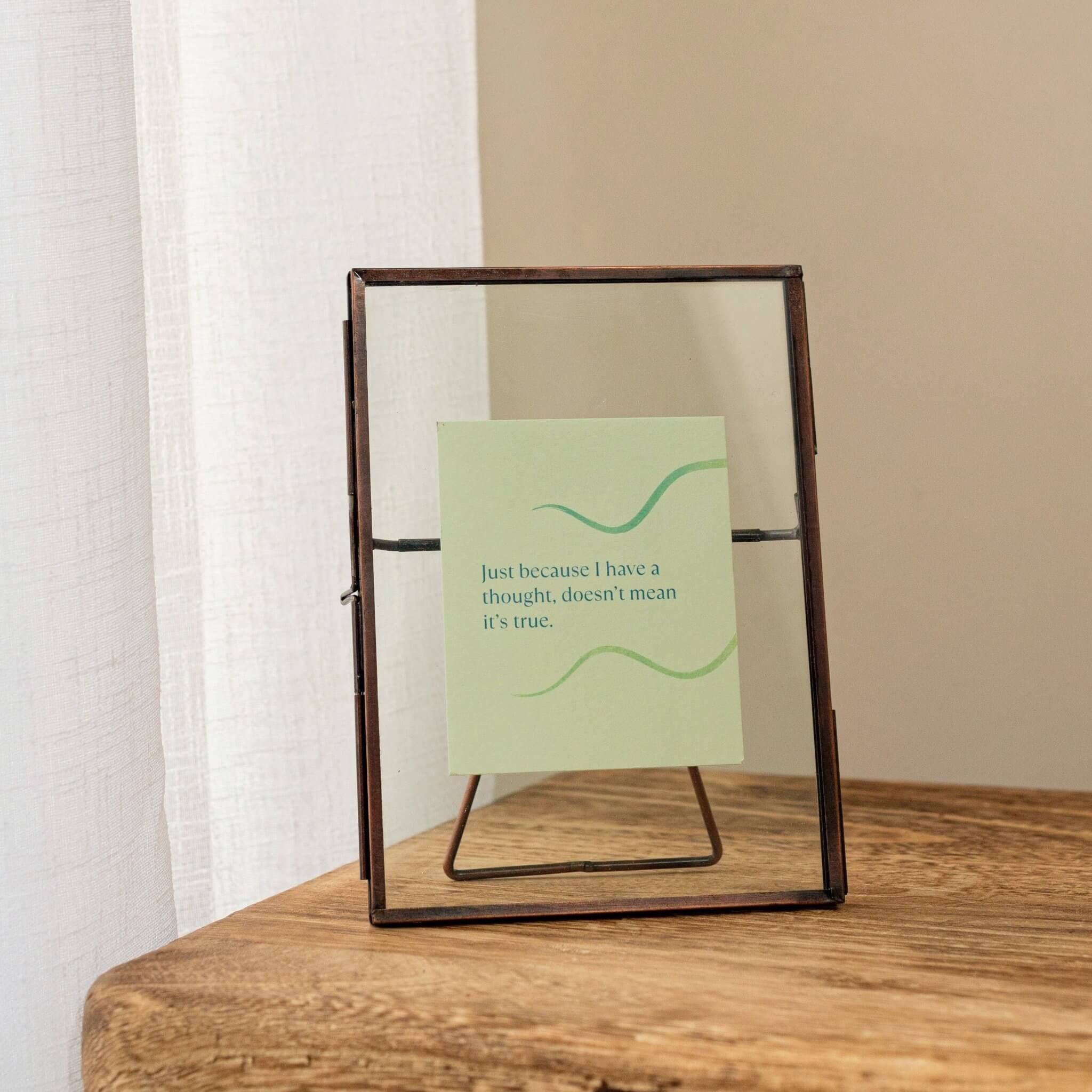
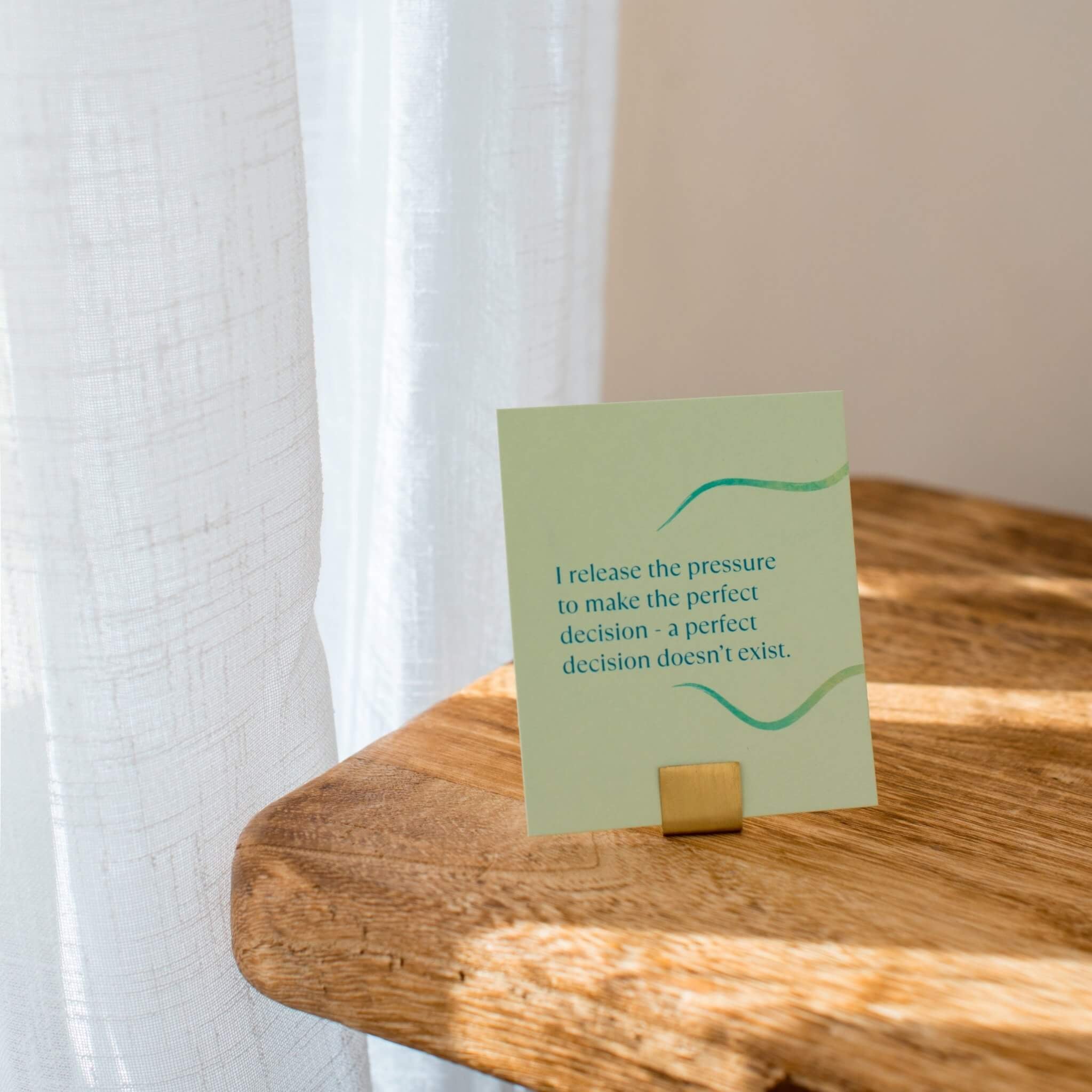
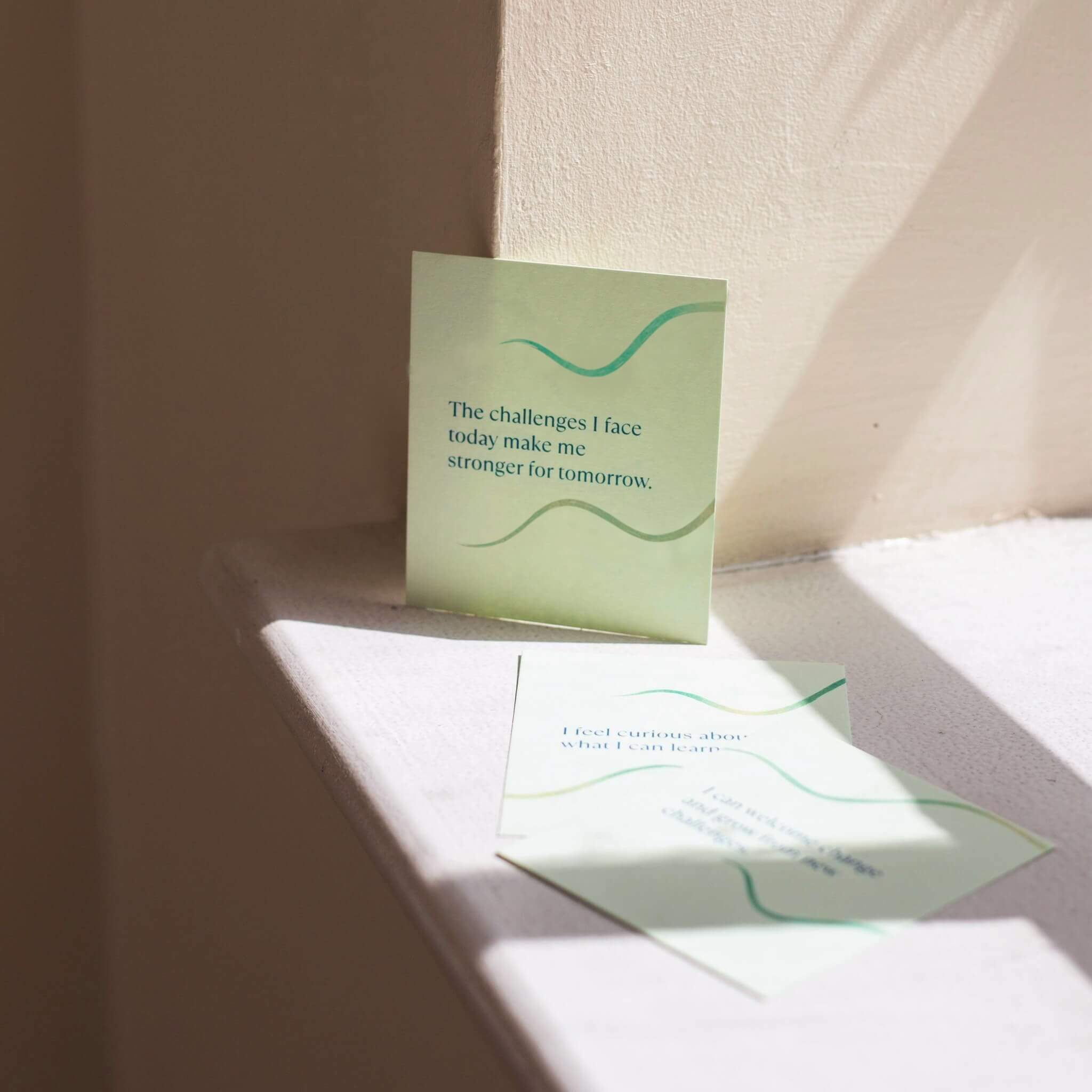
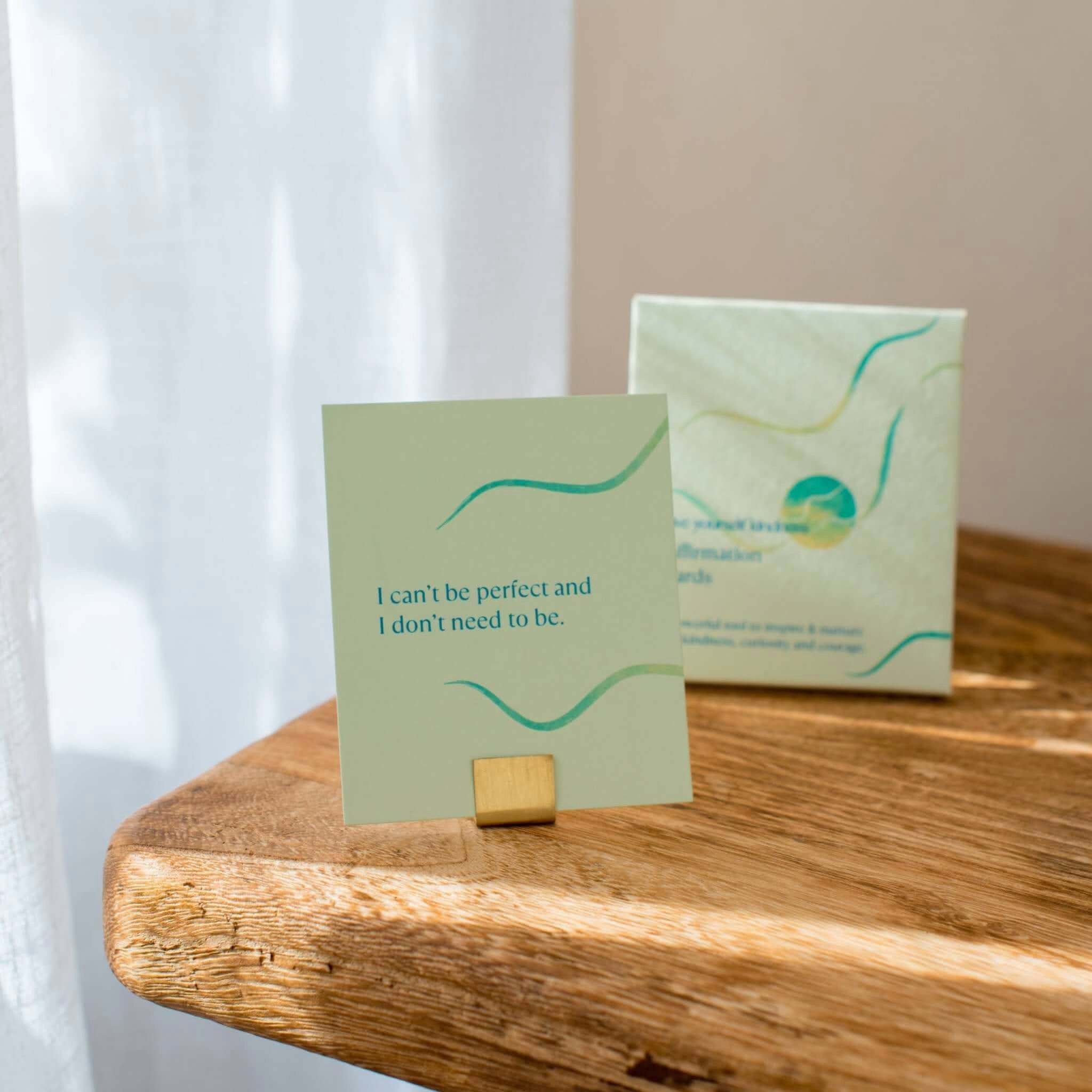
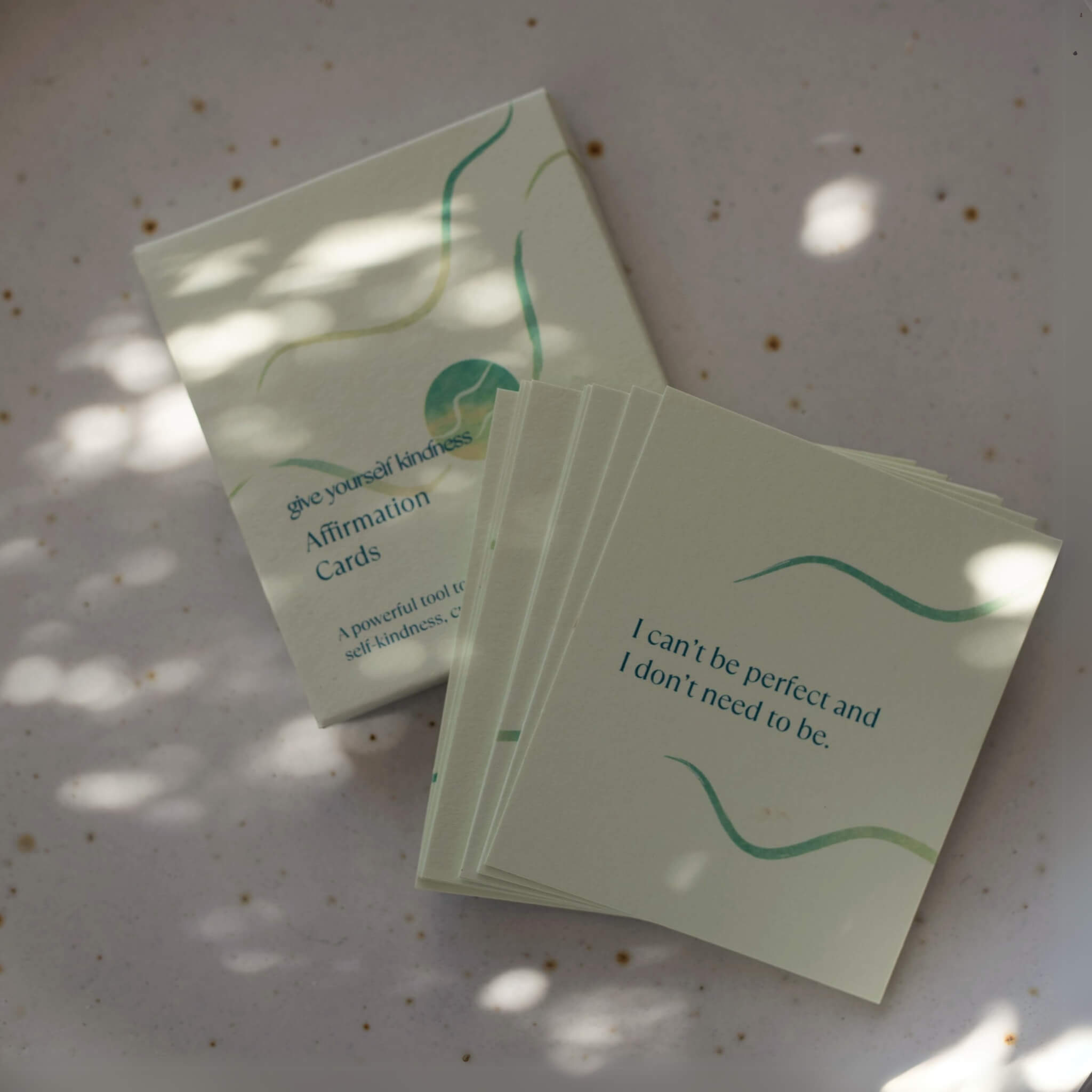
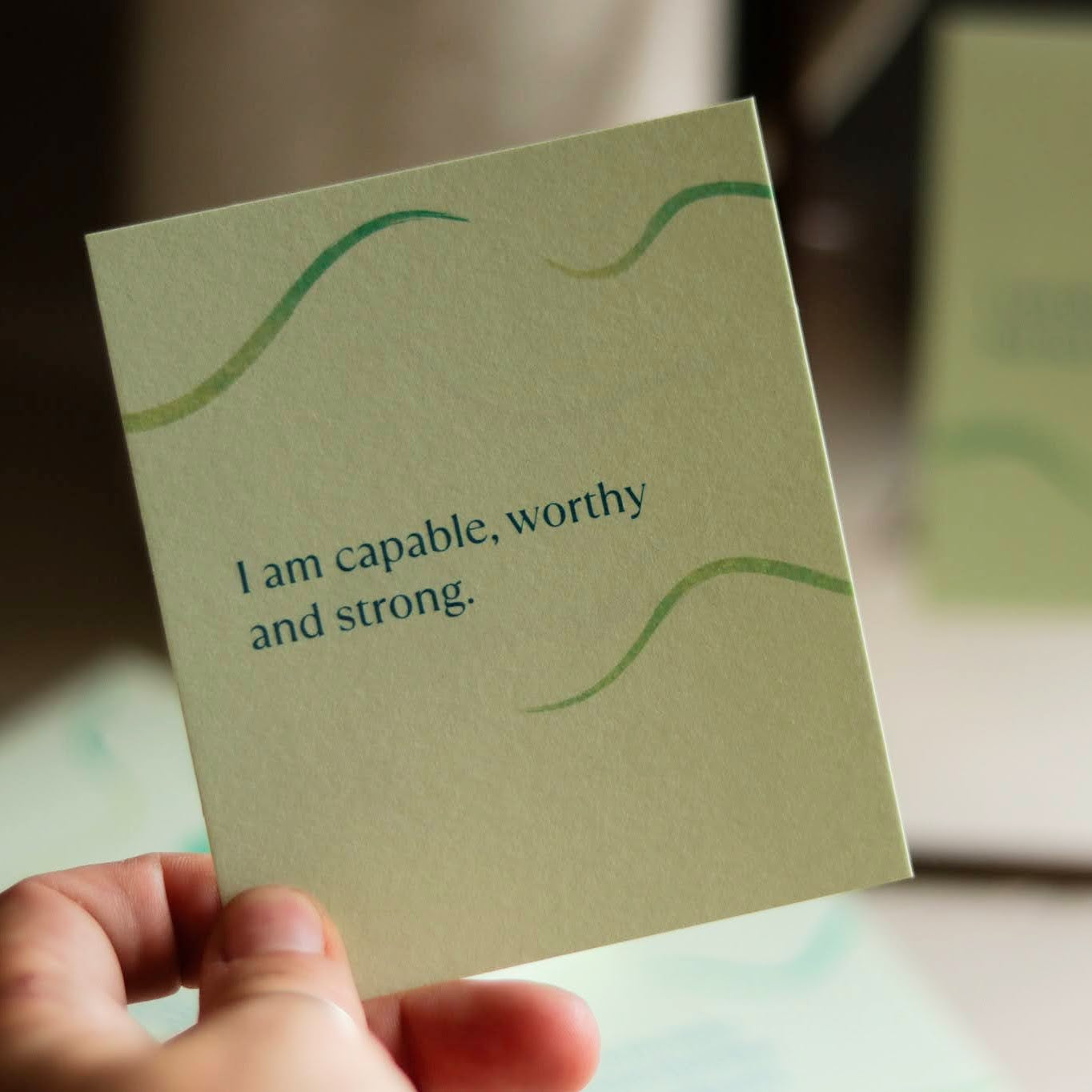
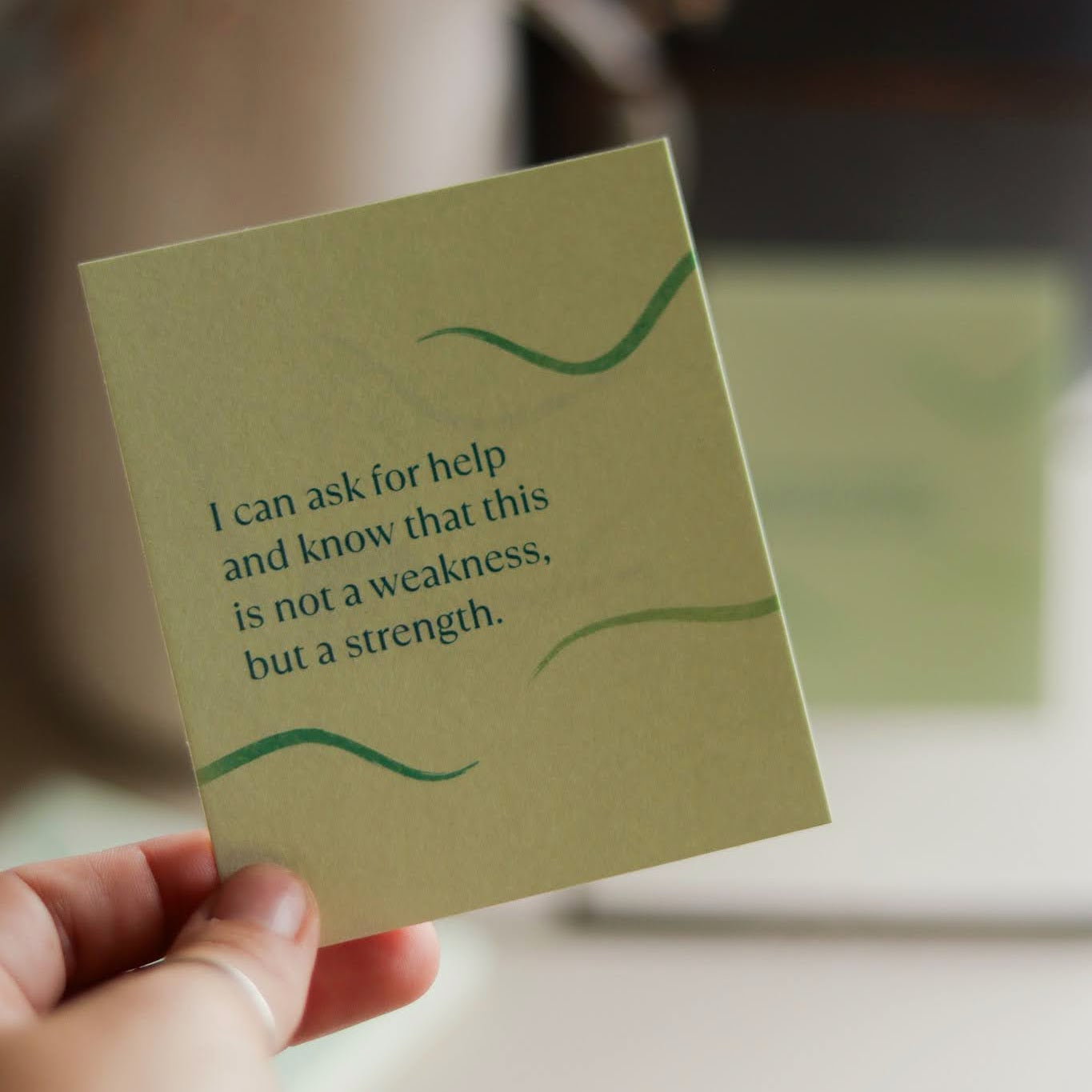
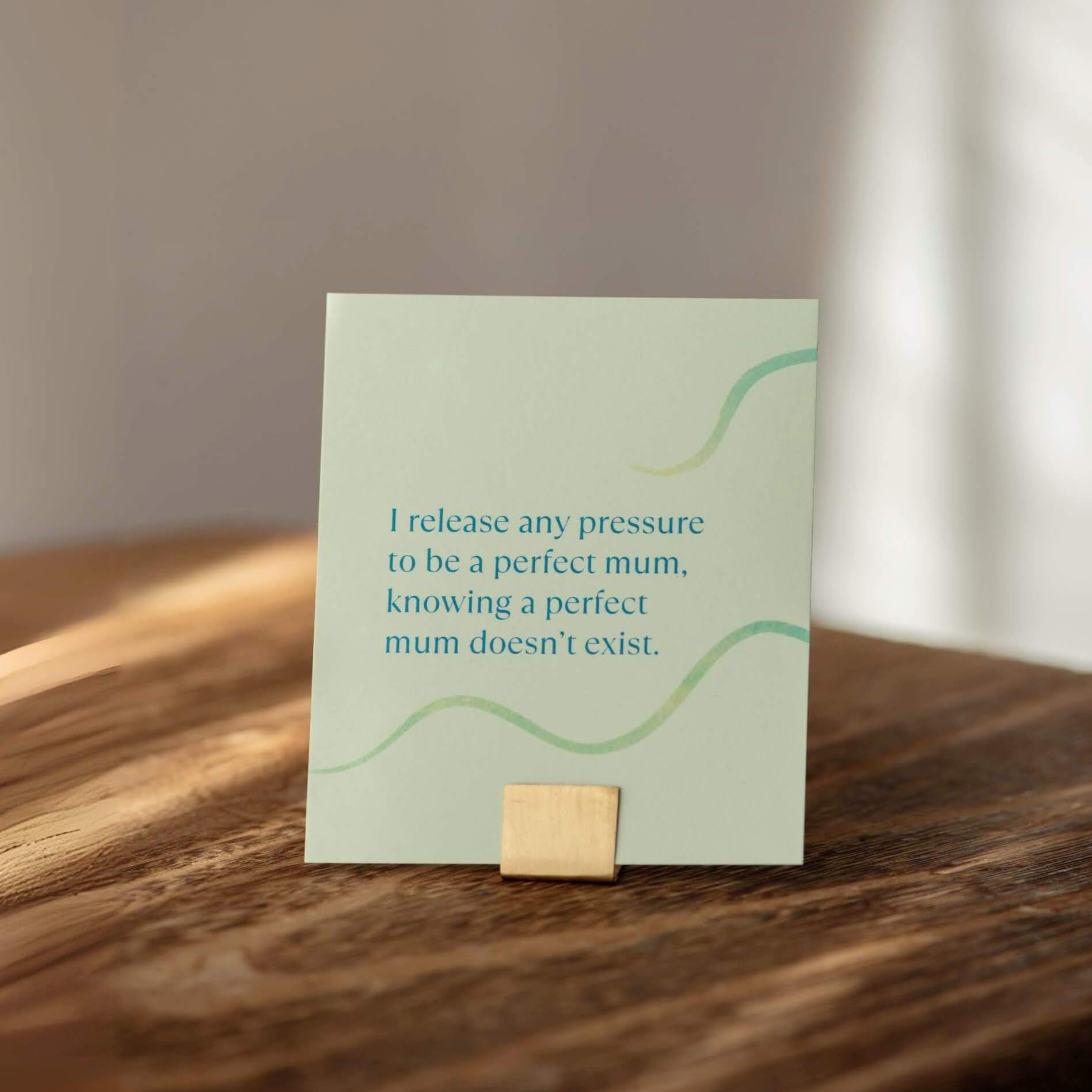
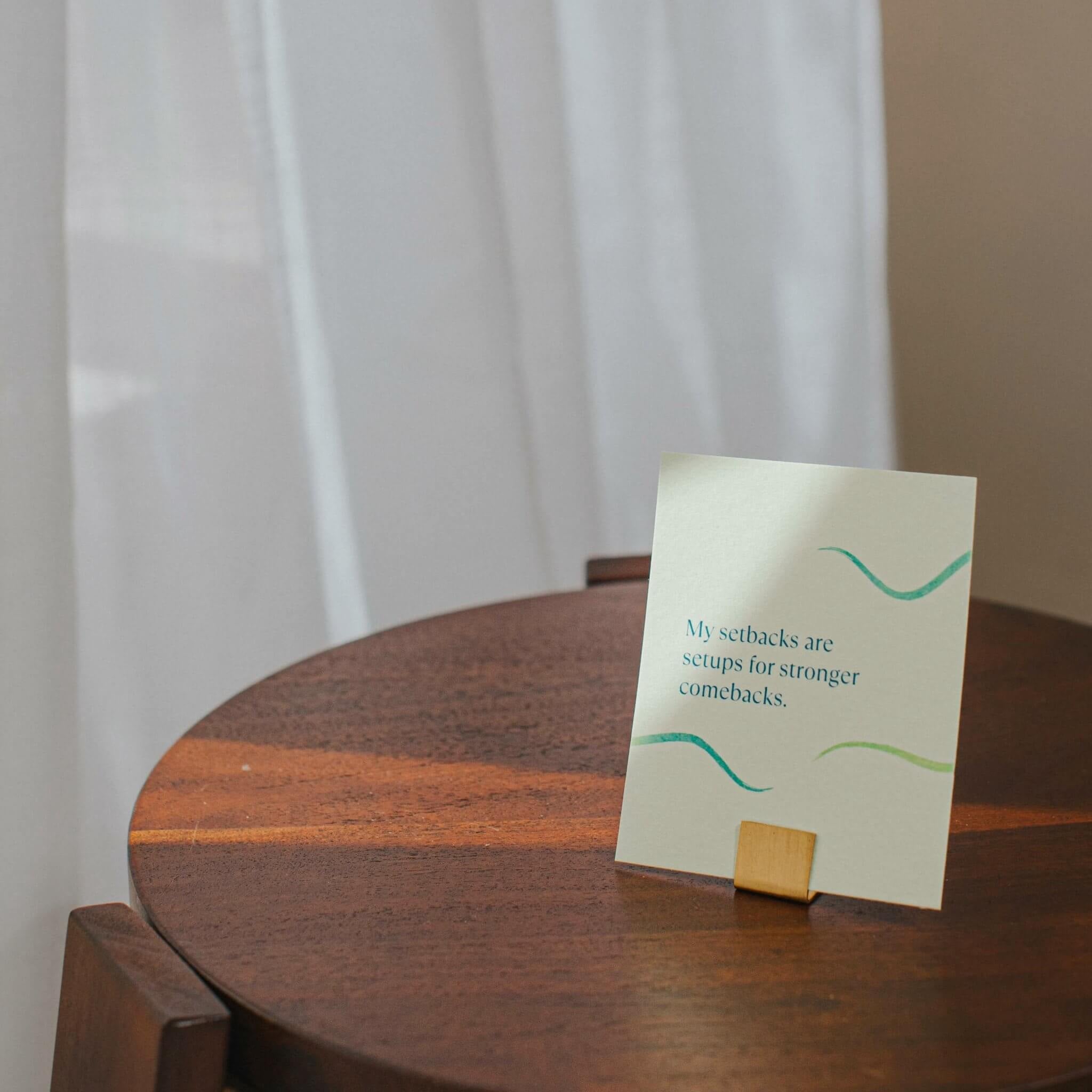
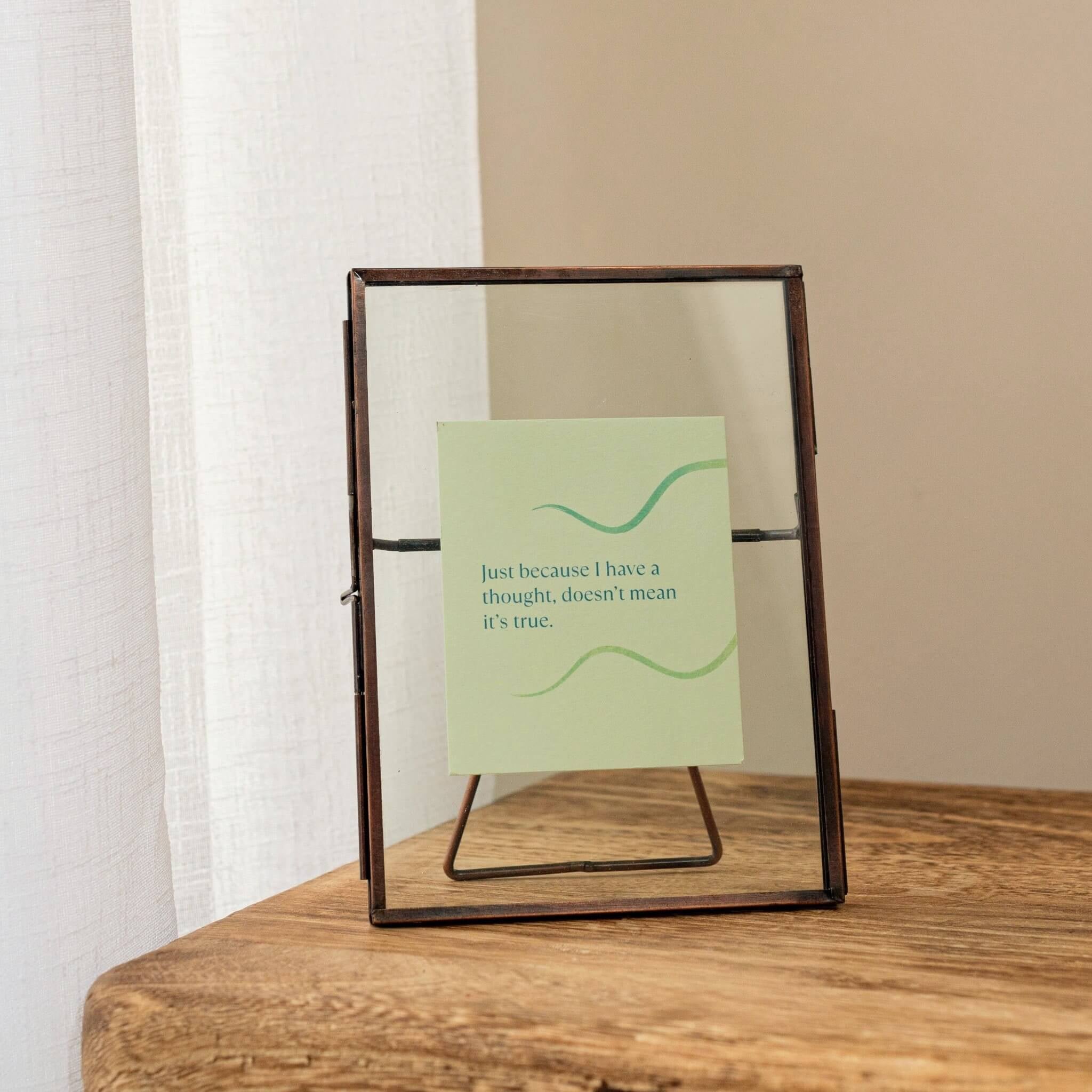
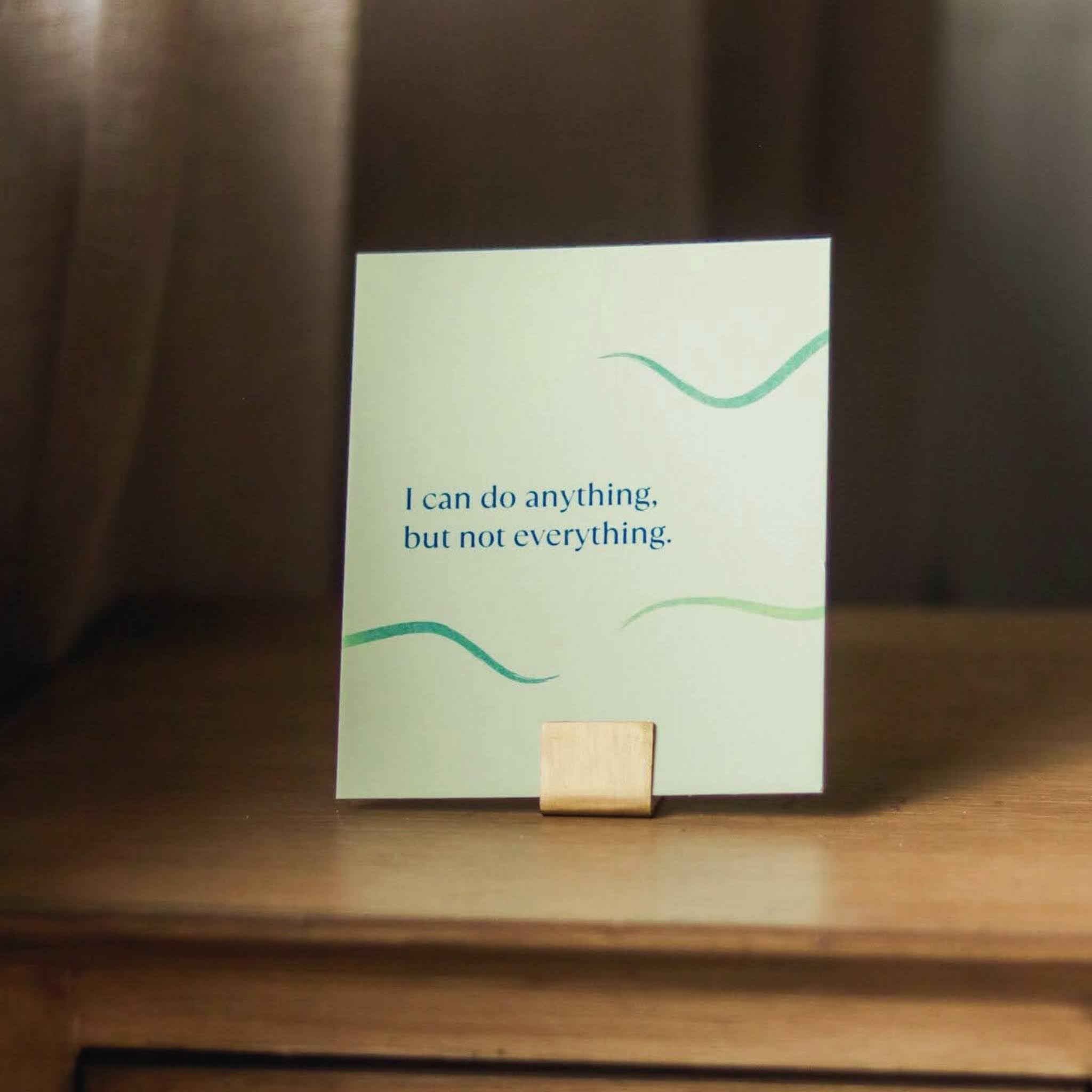
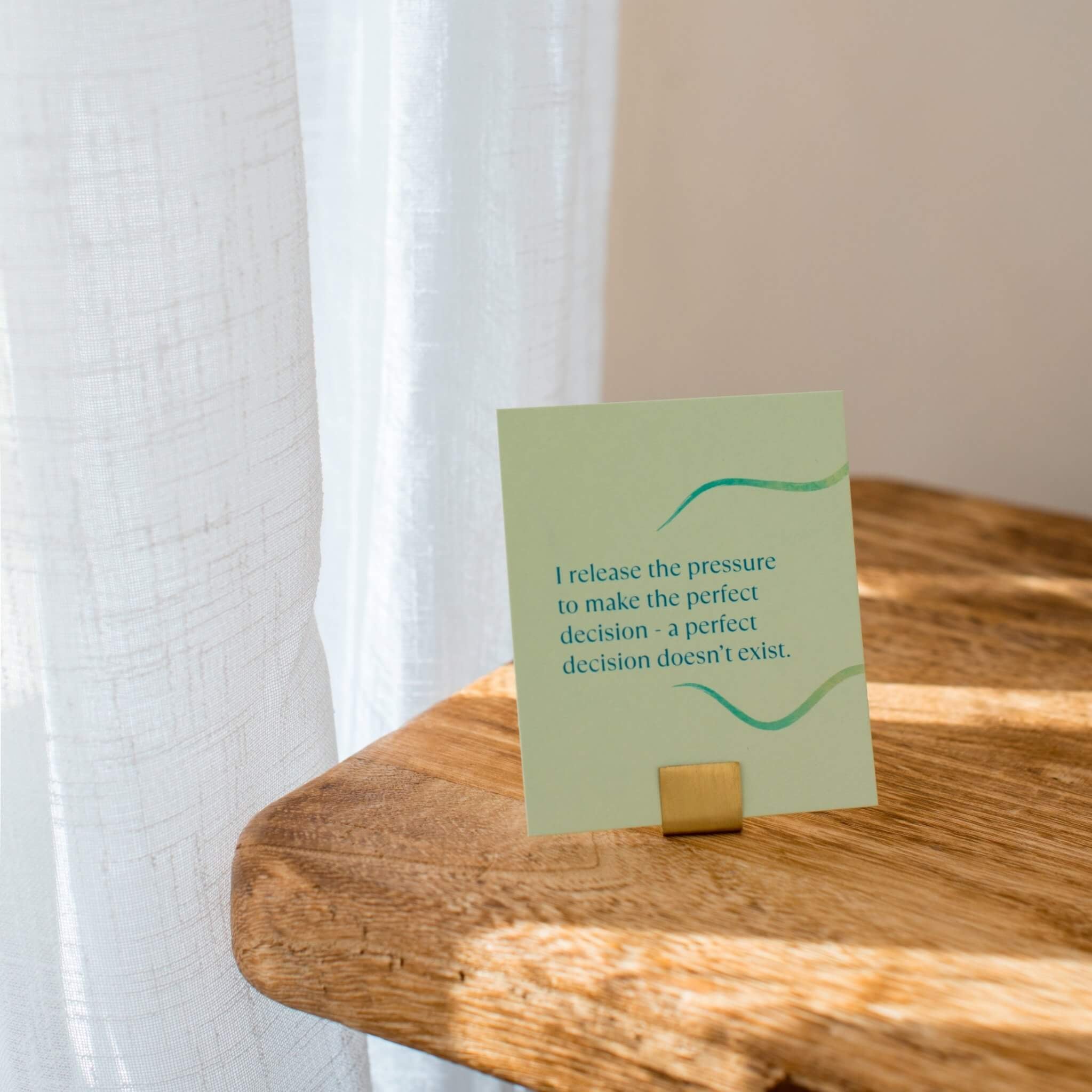
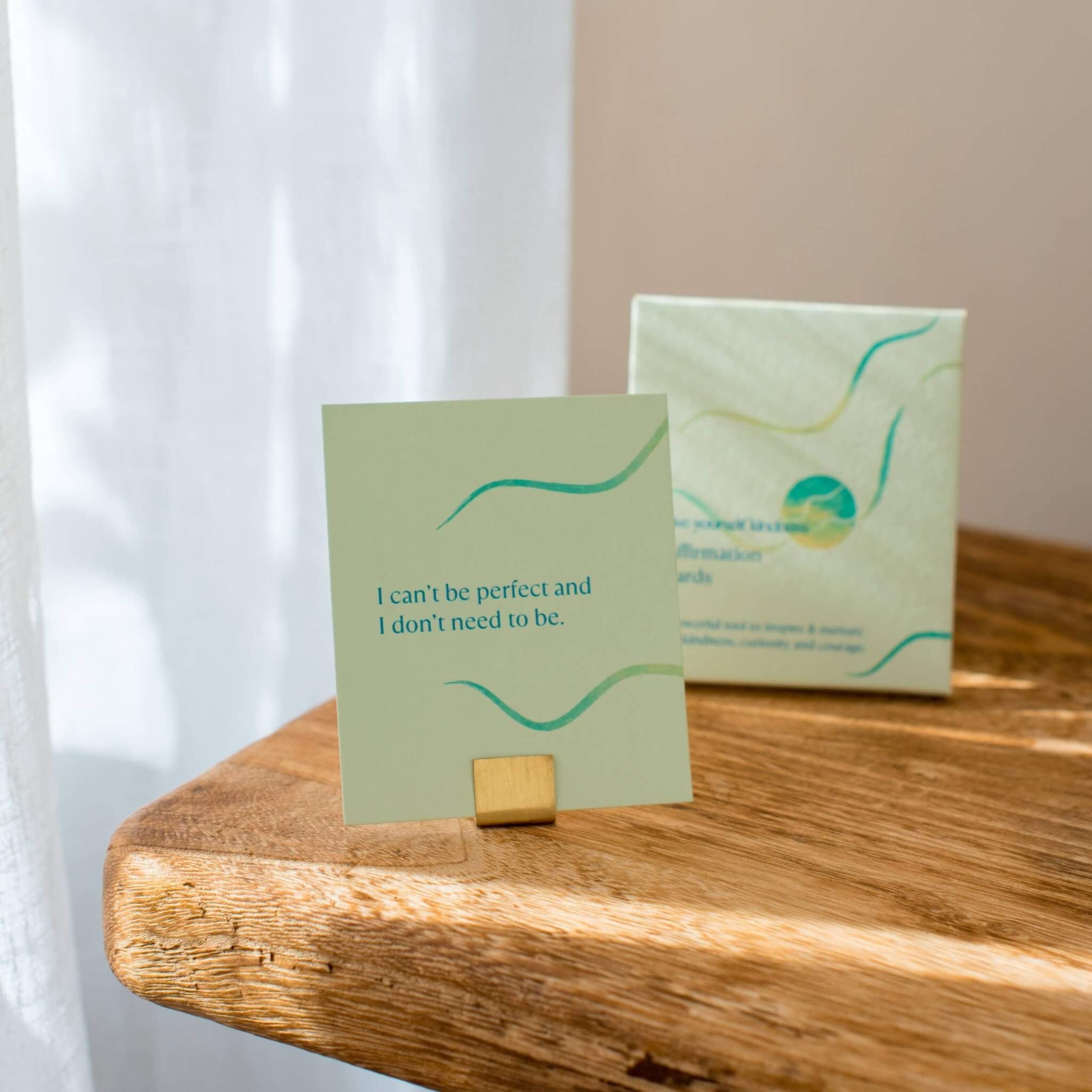
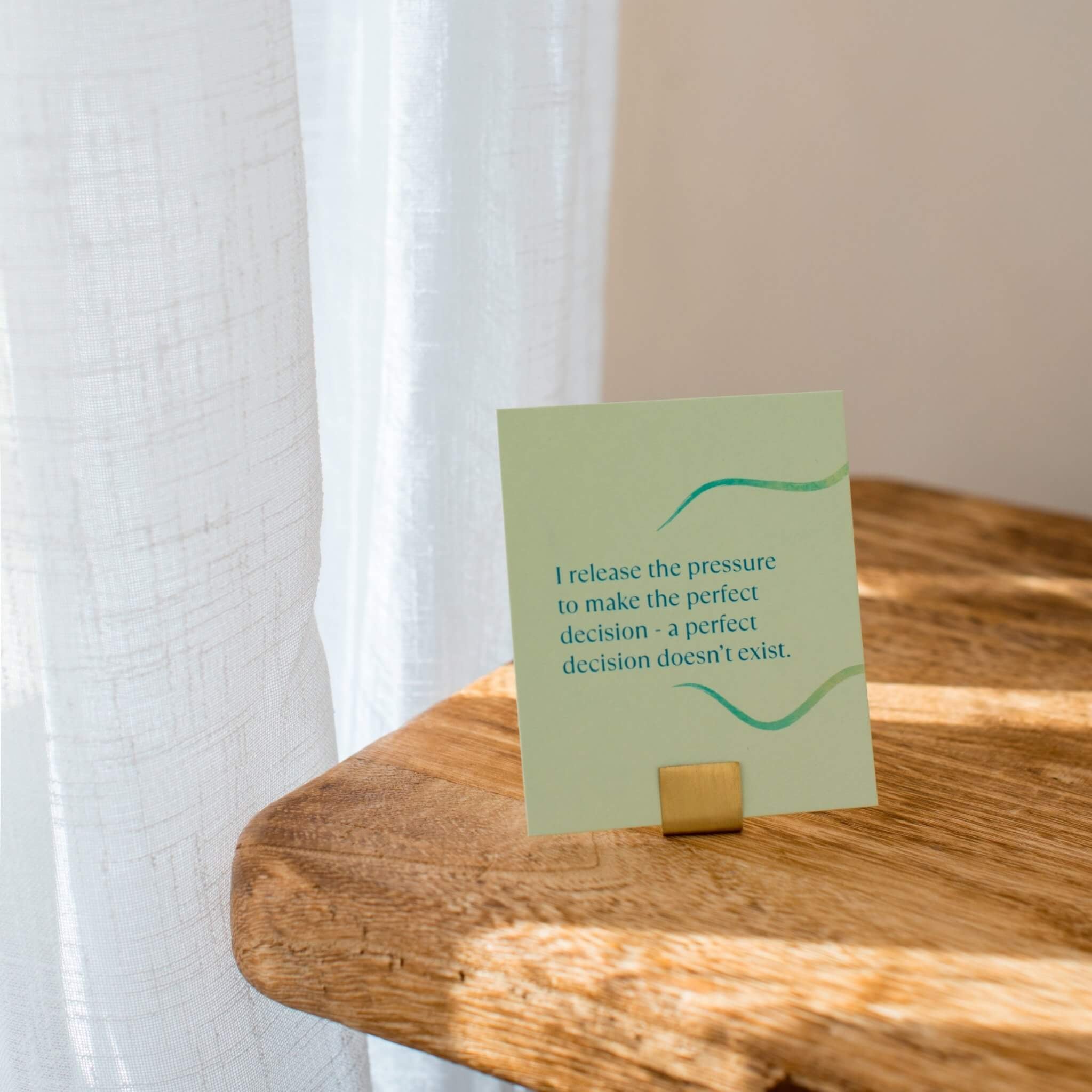
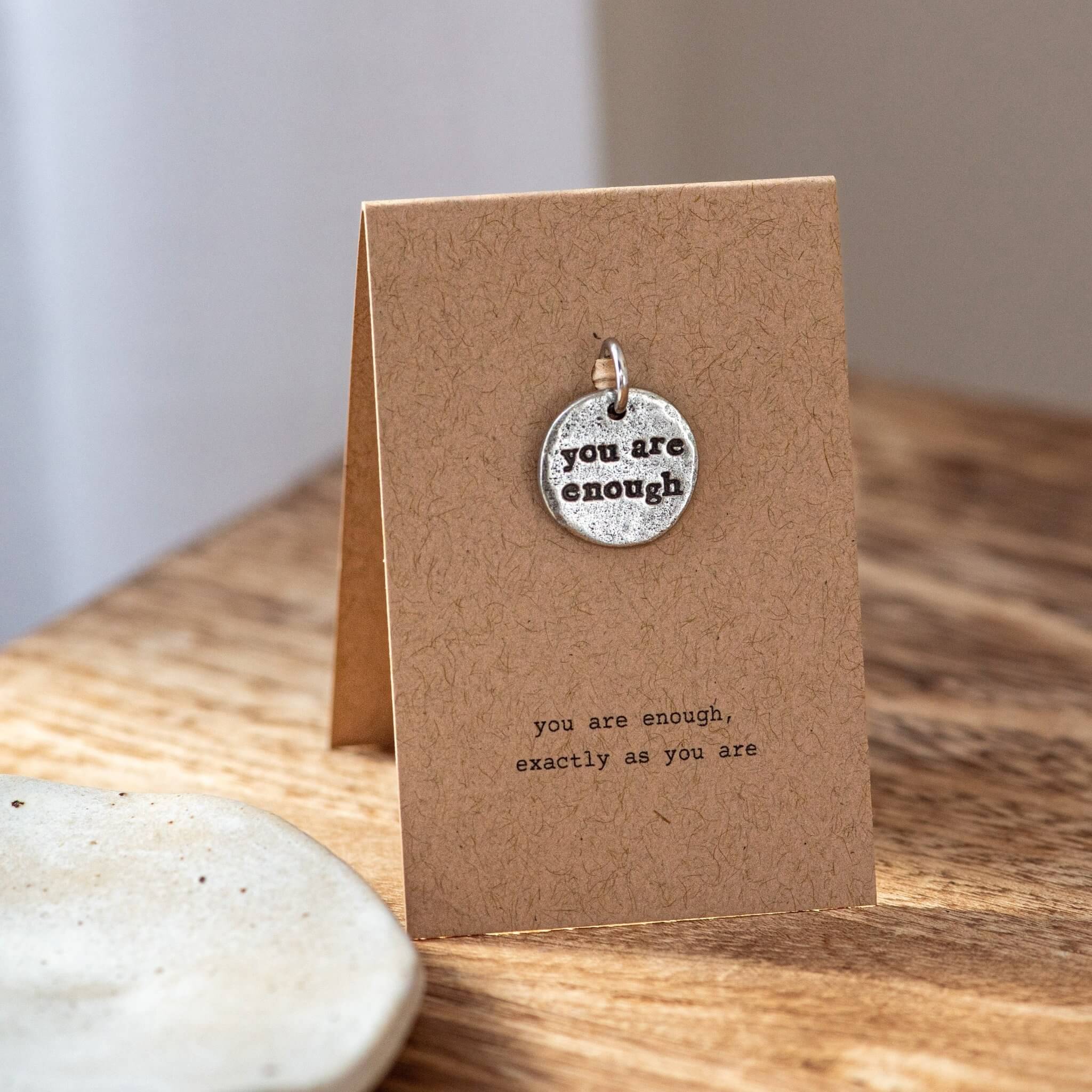
- Over fifty gentle reminders woven through, including "you can't be perfect, and you don't need to be".
- Undated, with nothing to track and no streak to break.
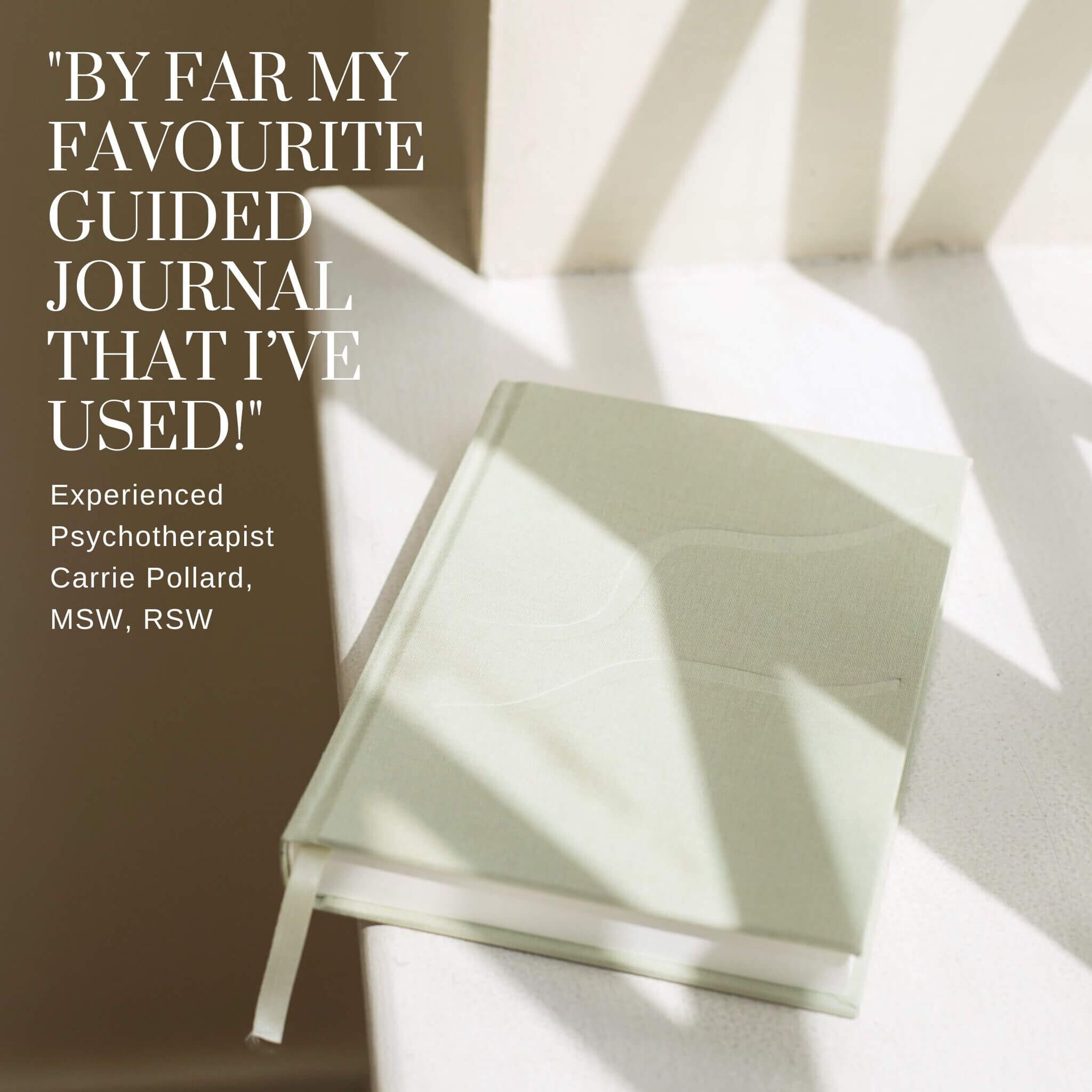
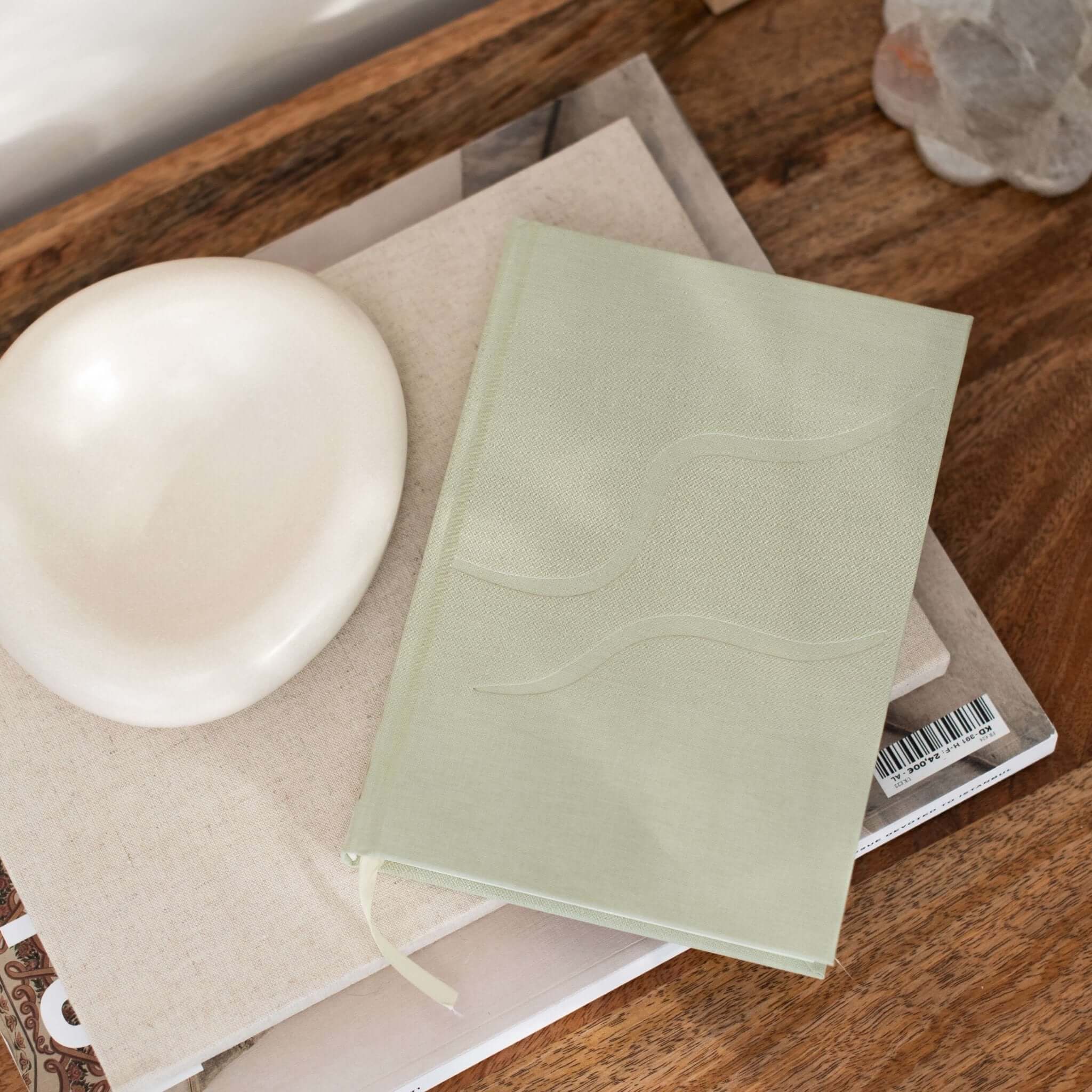
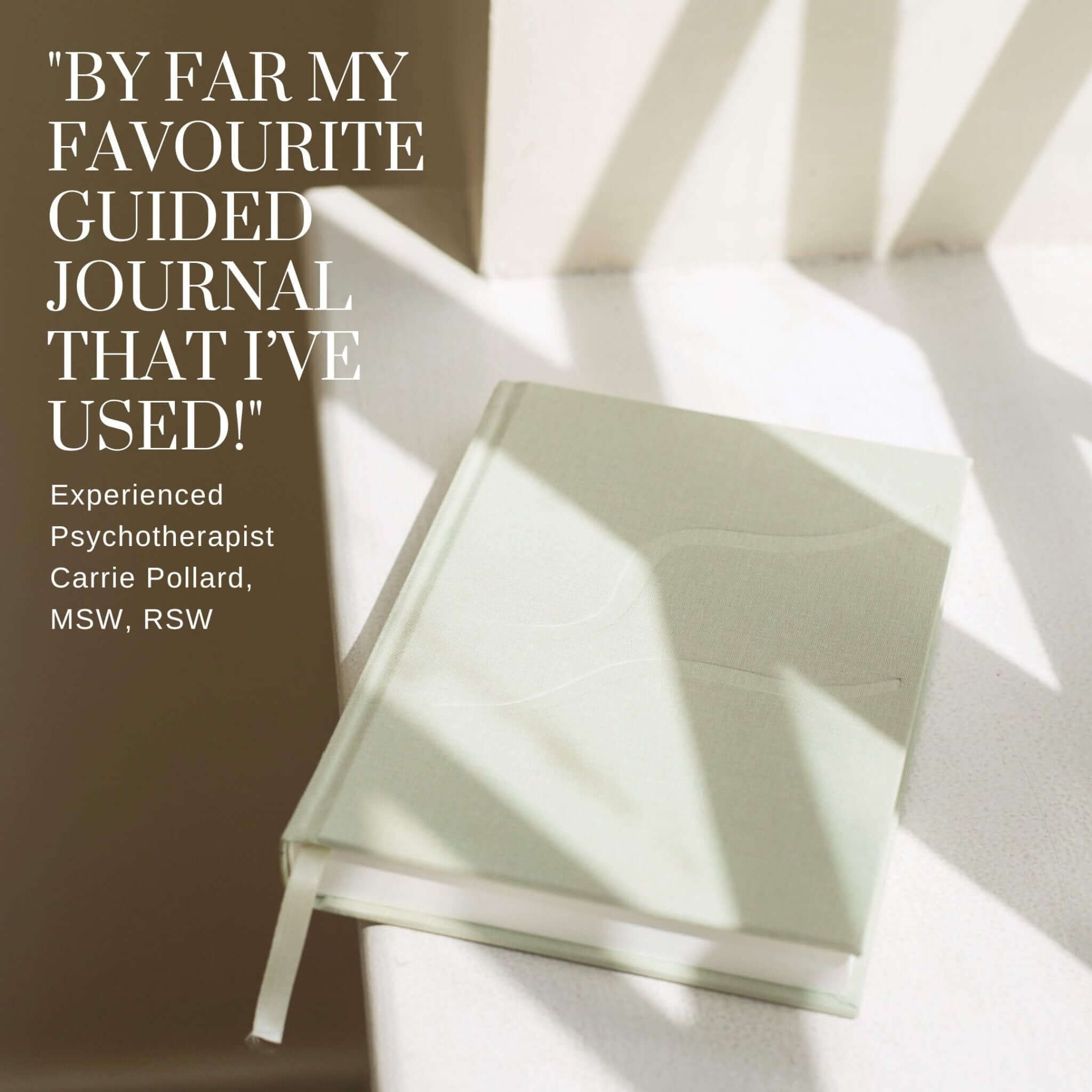
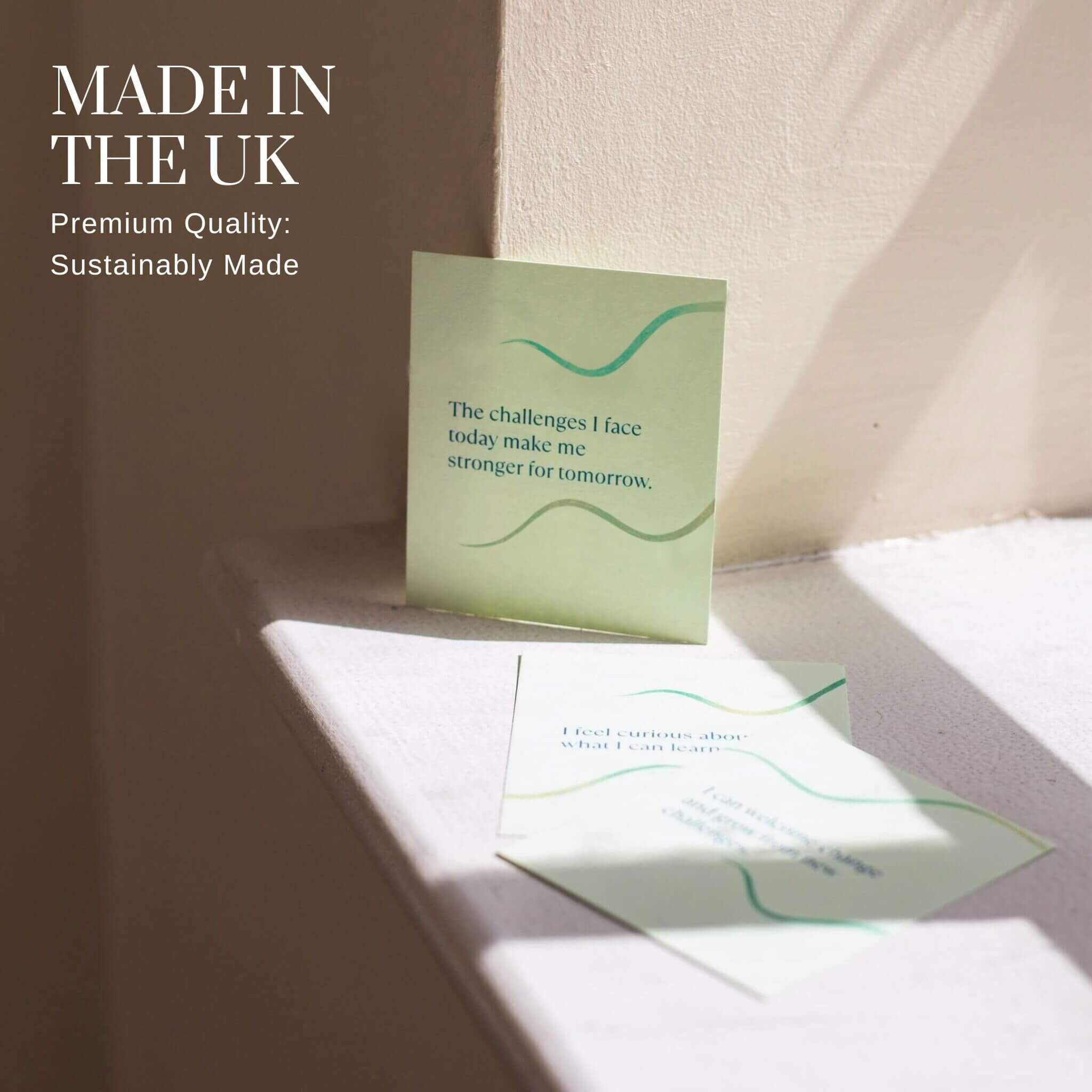
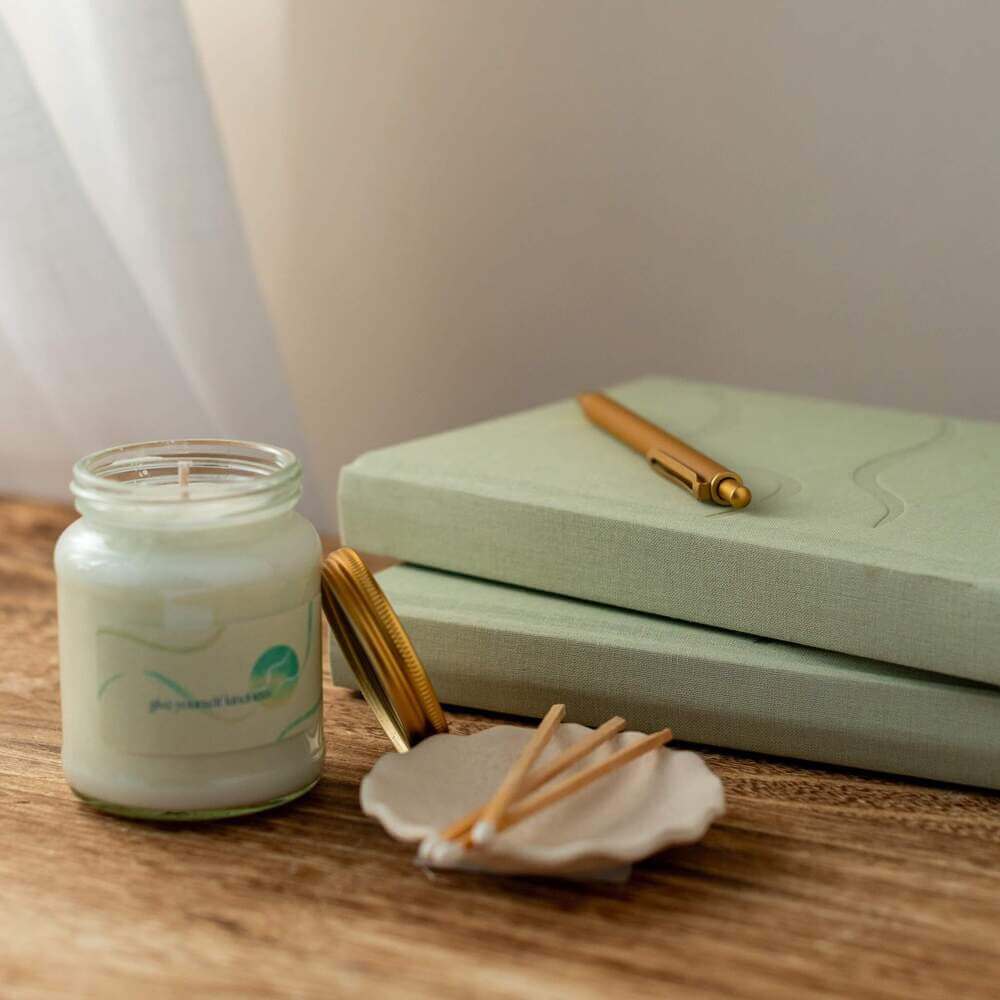
- 120gsm FSC-certified paper, luxury pistachio cloth cover, A5, printed in the UK and wrapped in bespoke tissue paper.
Added to your basket. View basket →
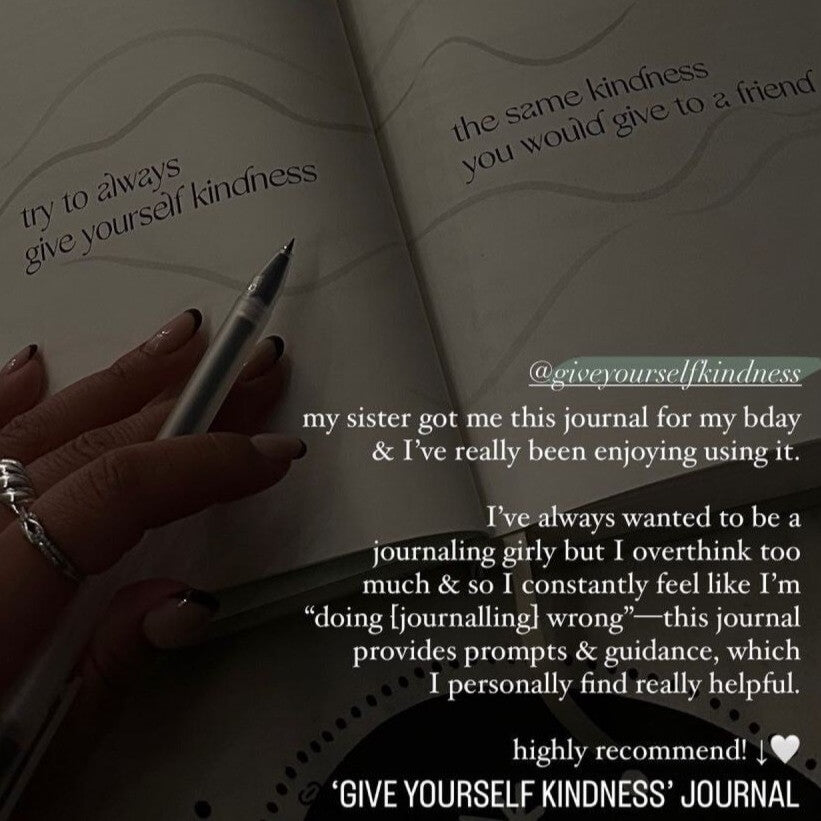
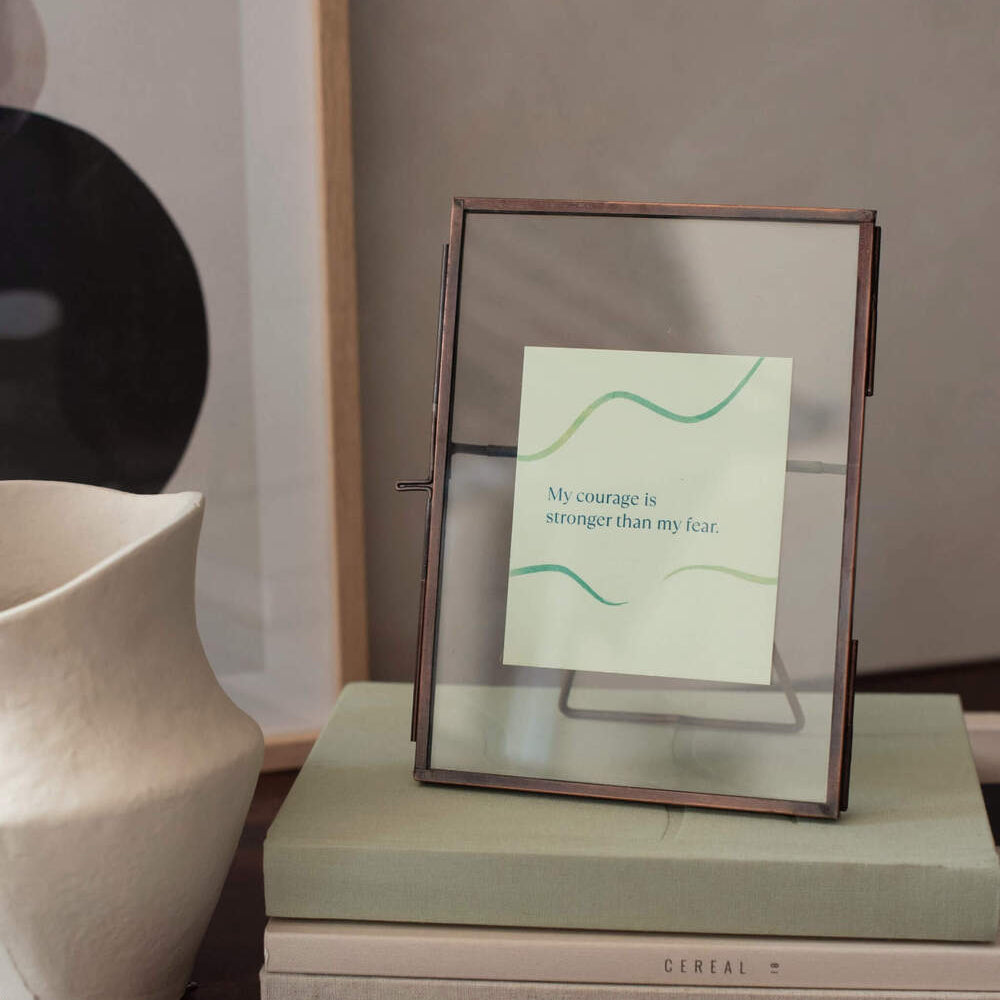
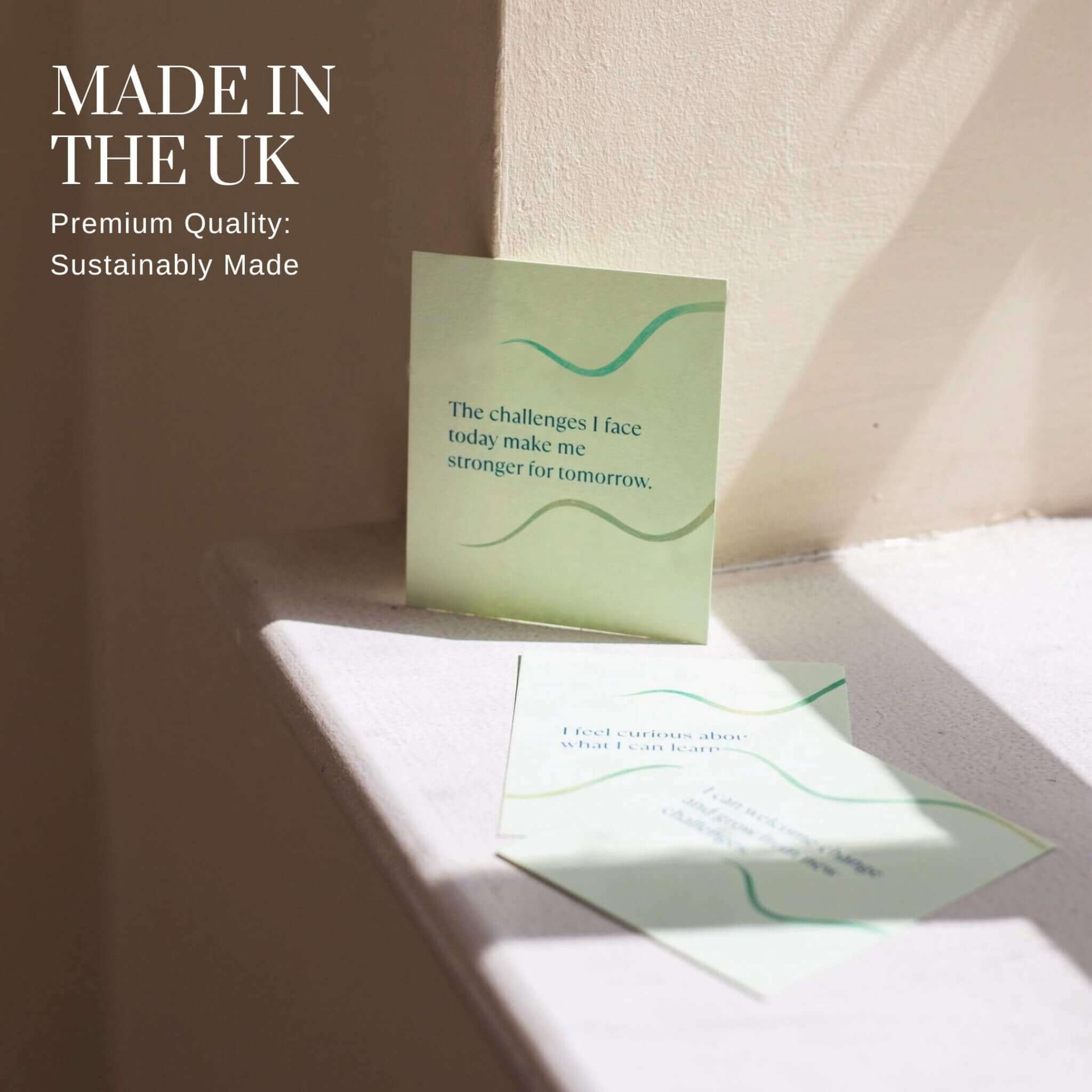
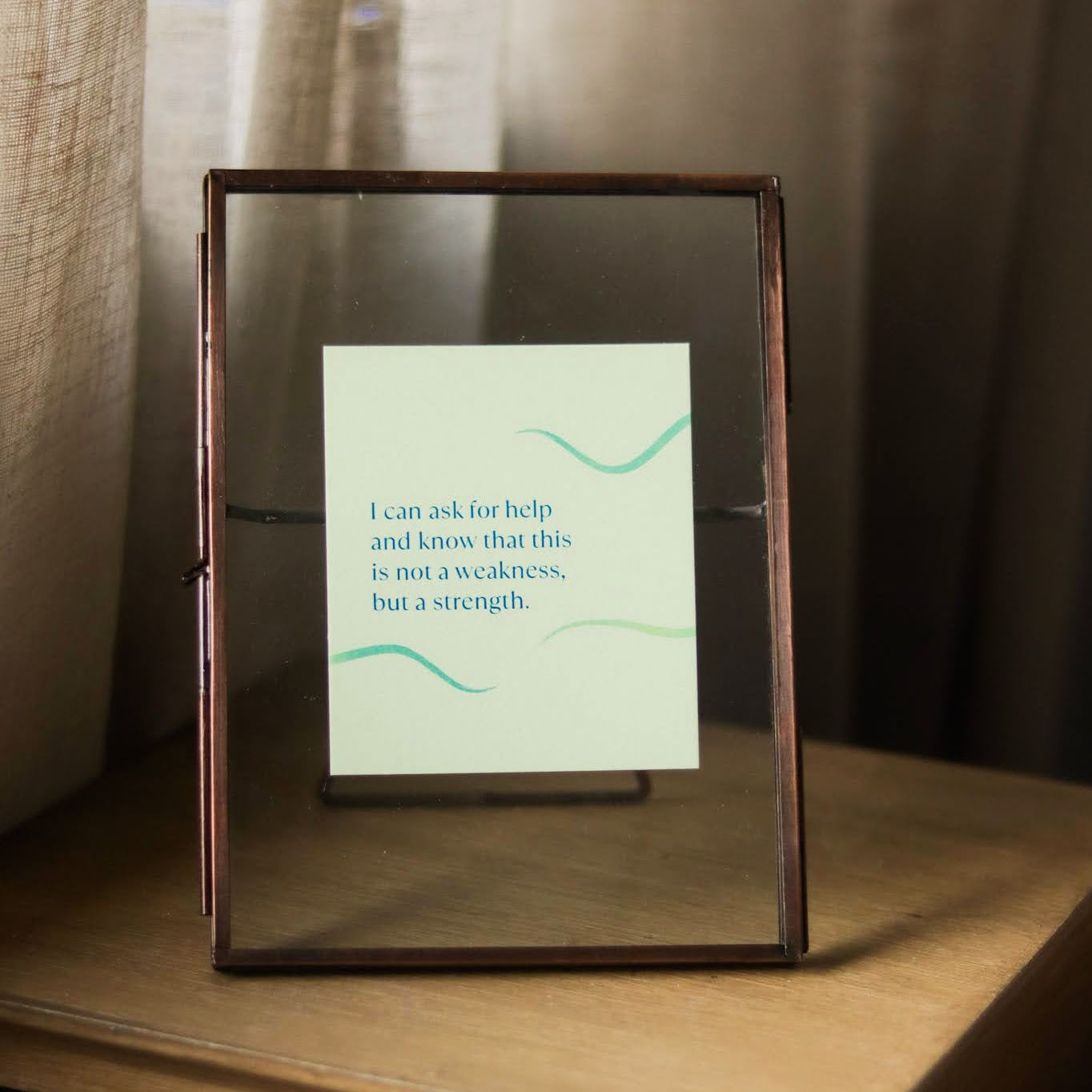
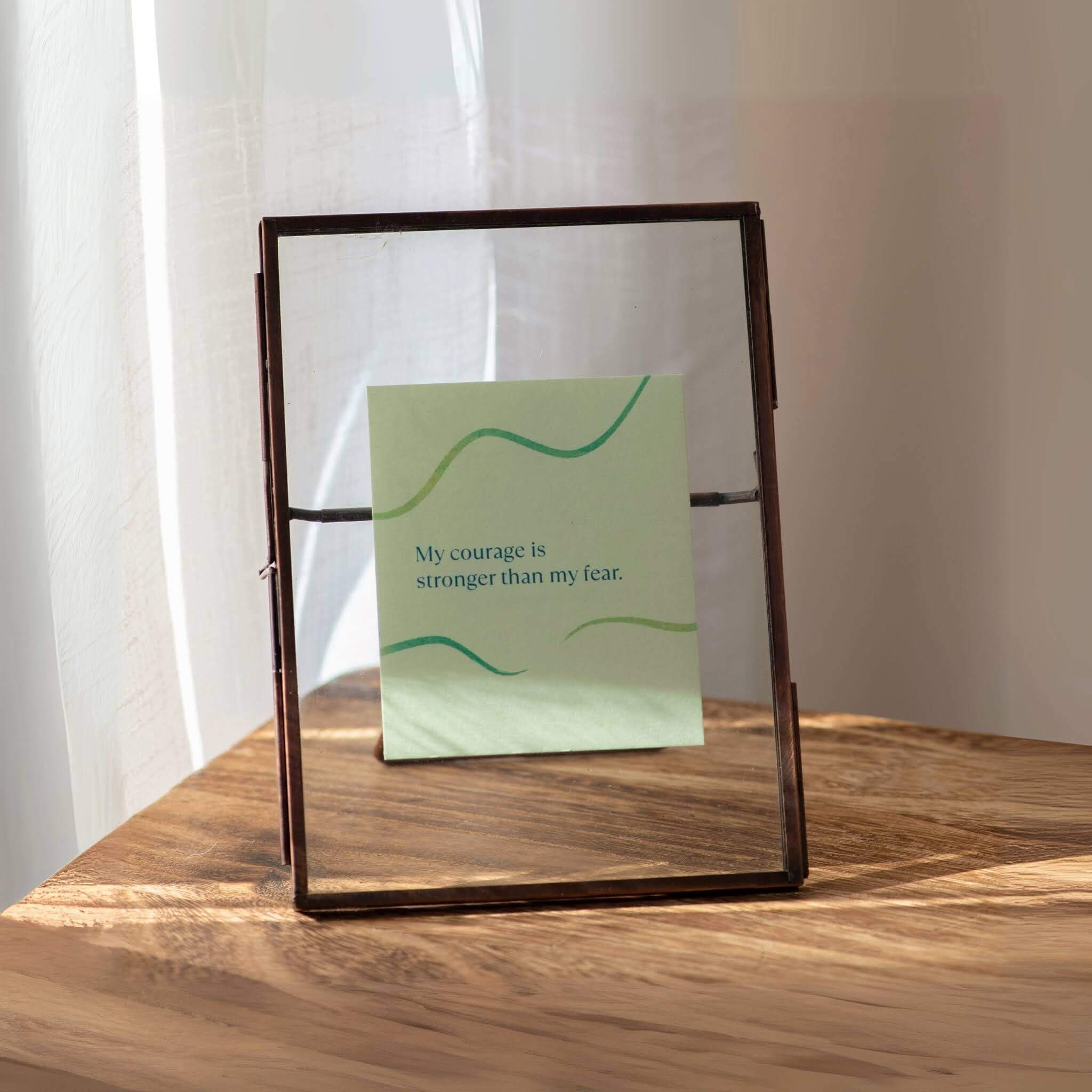
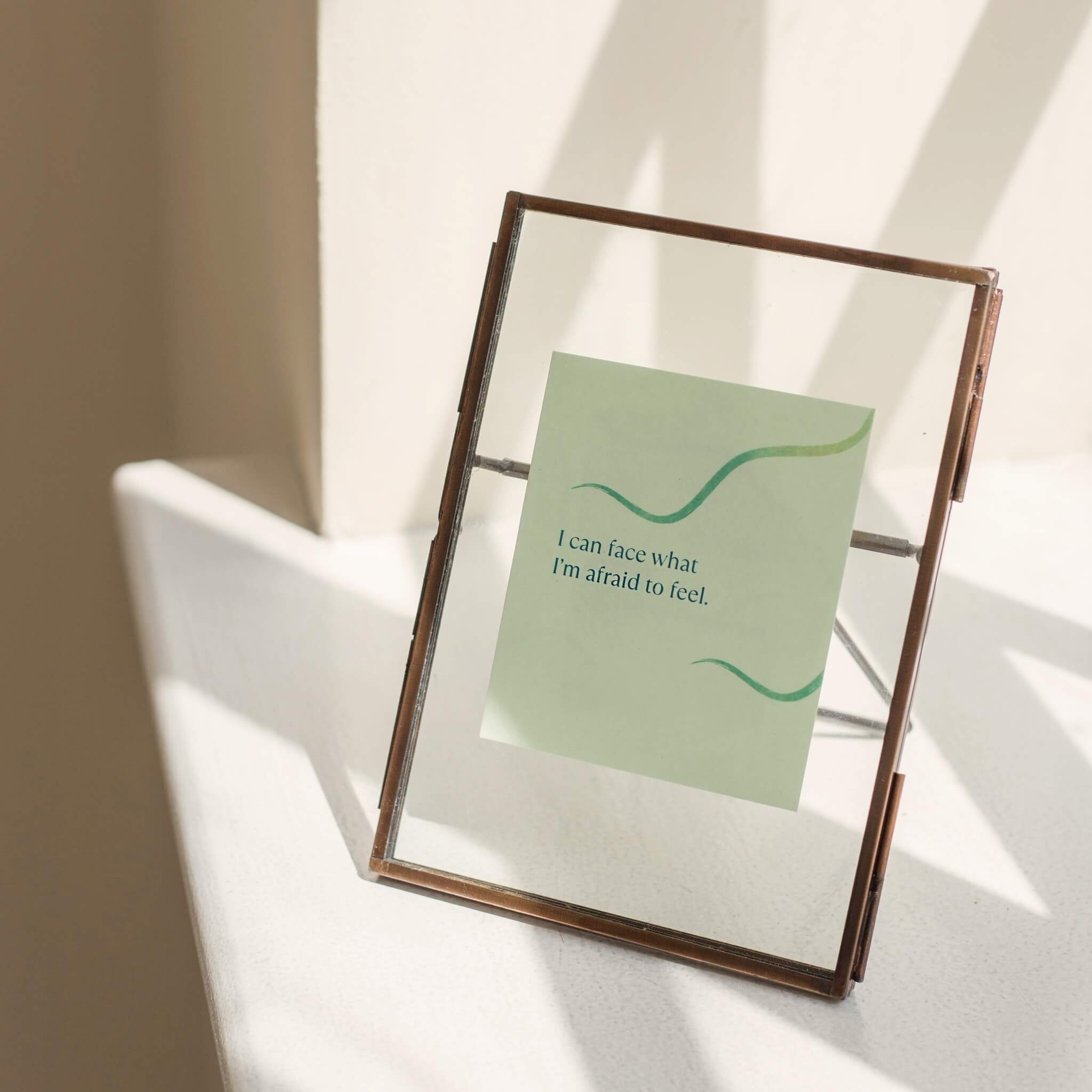
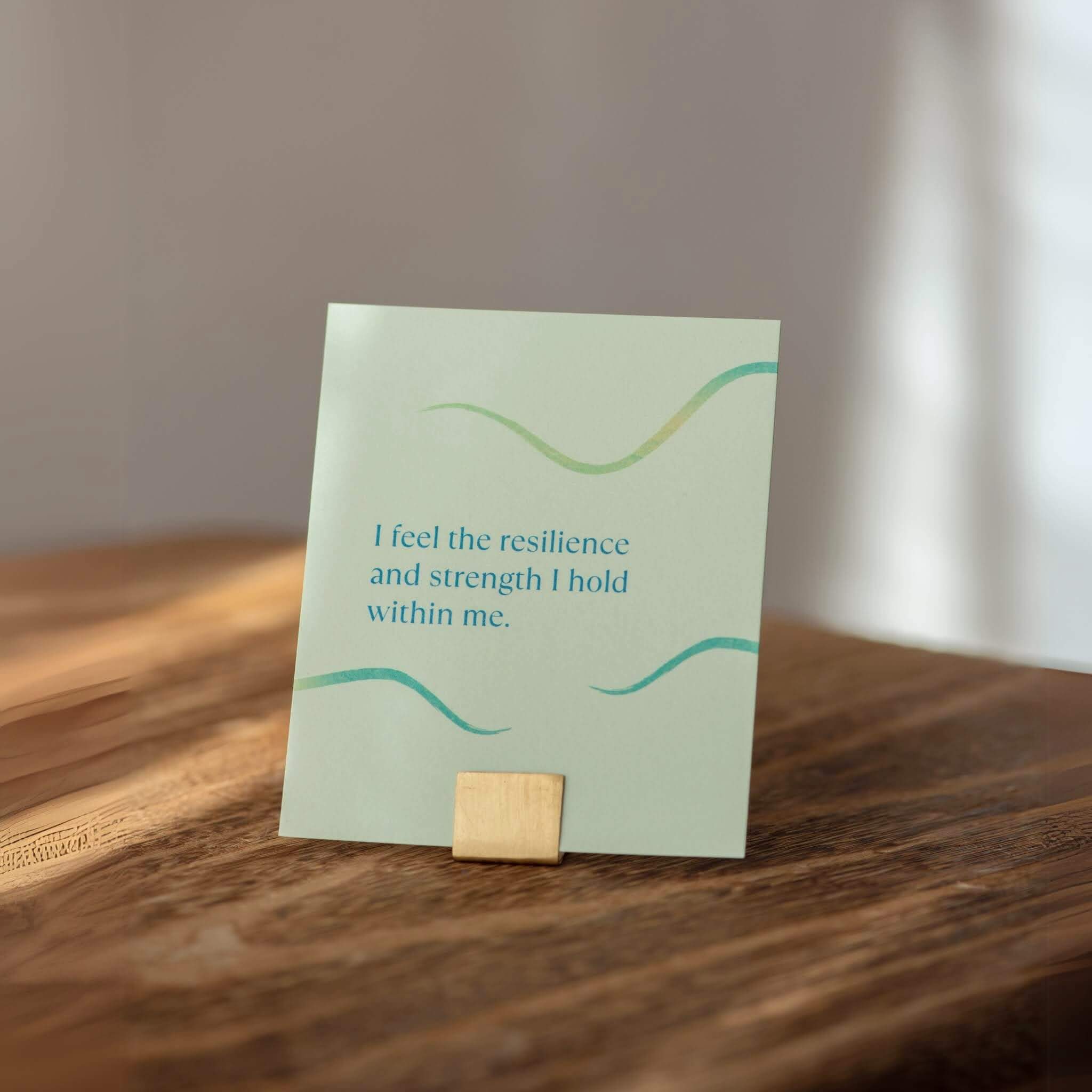
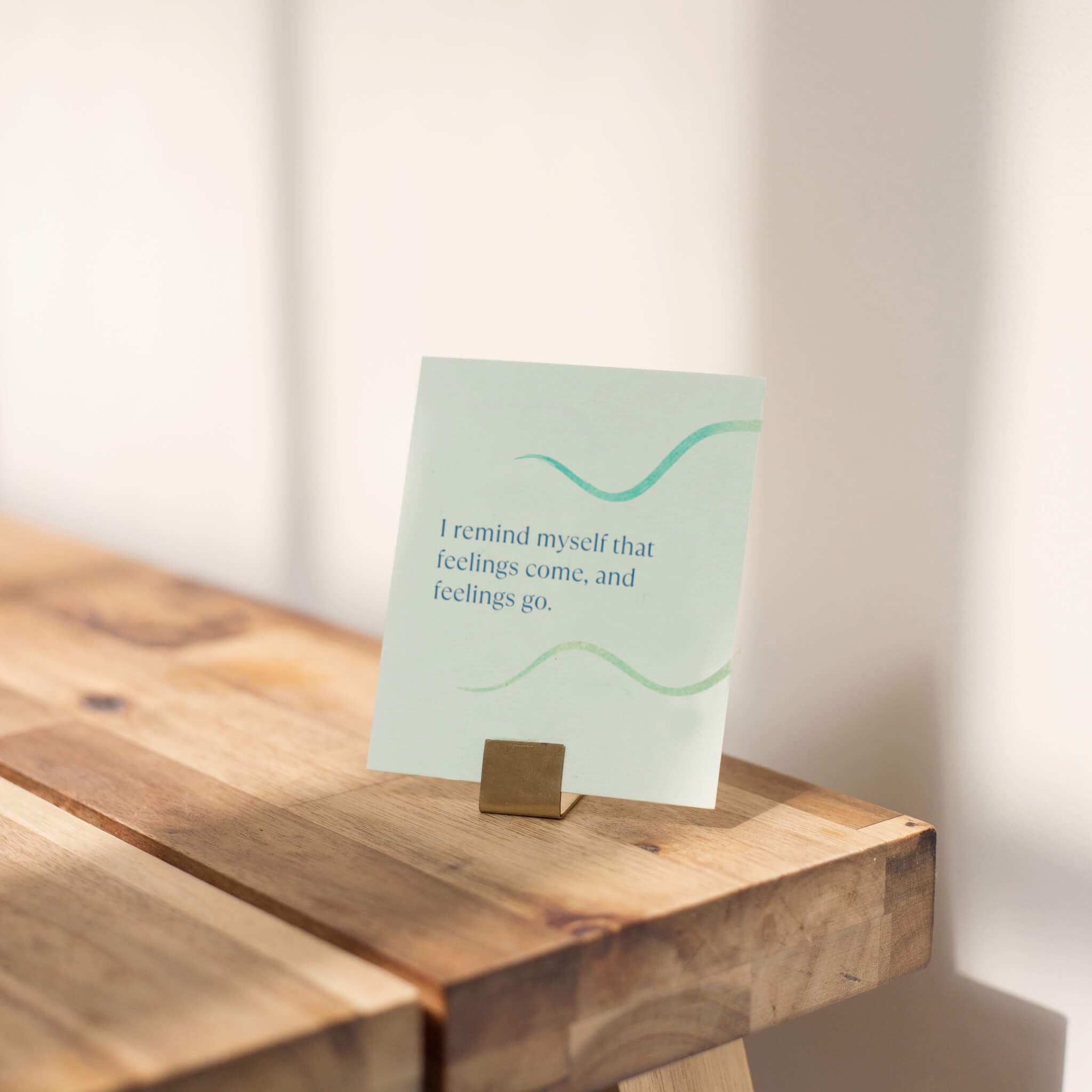
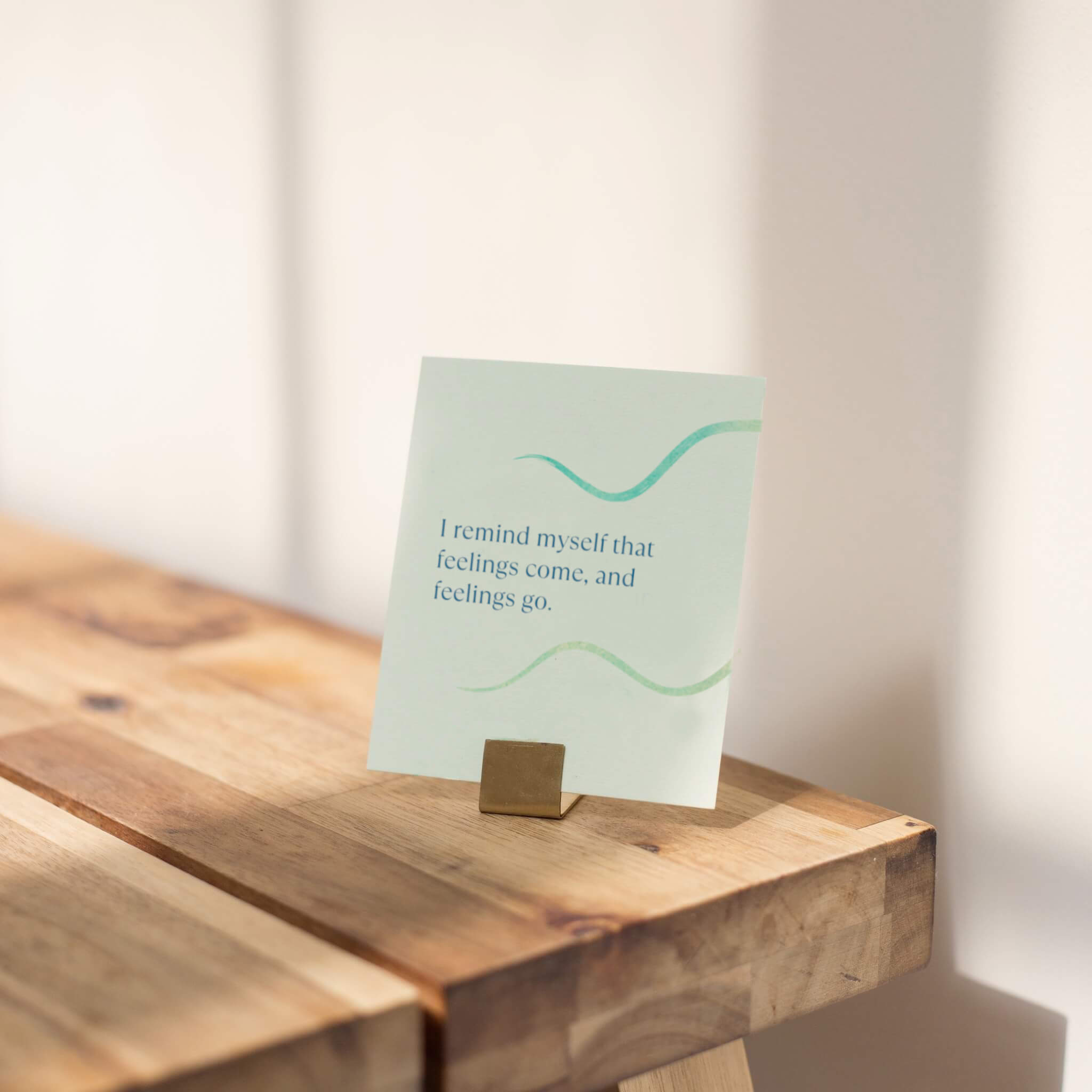
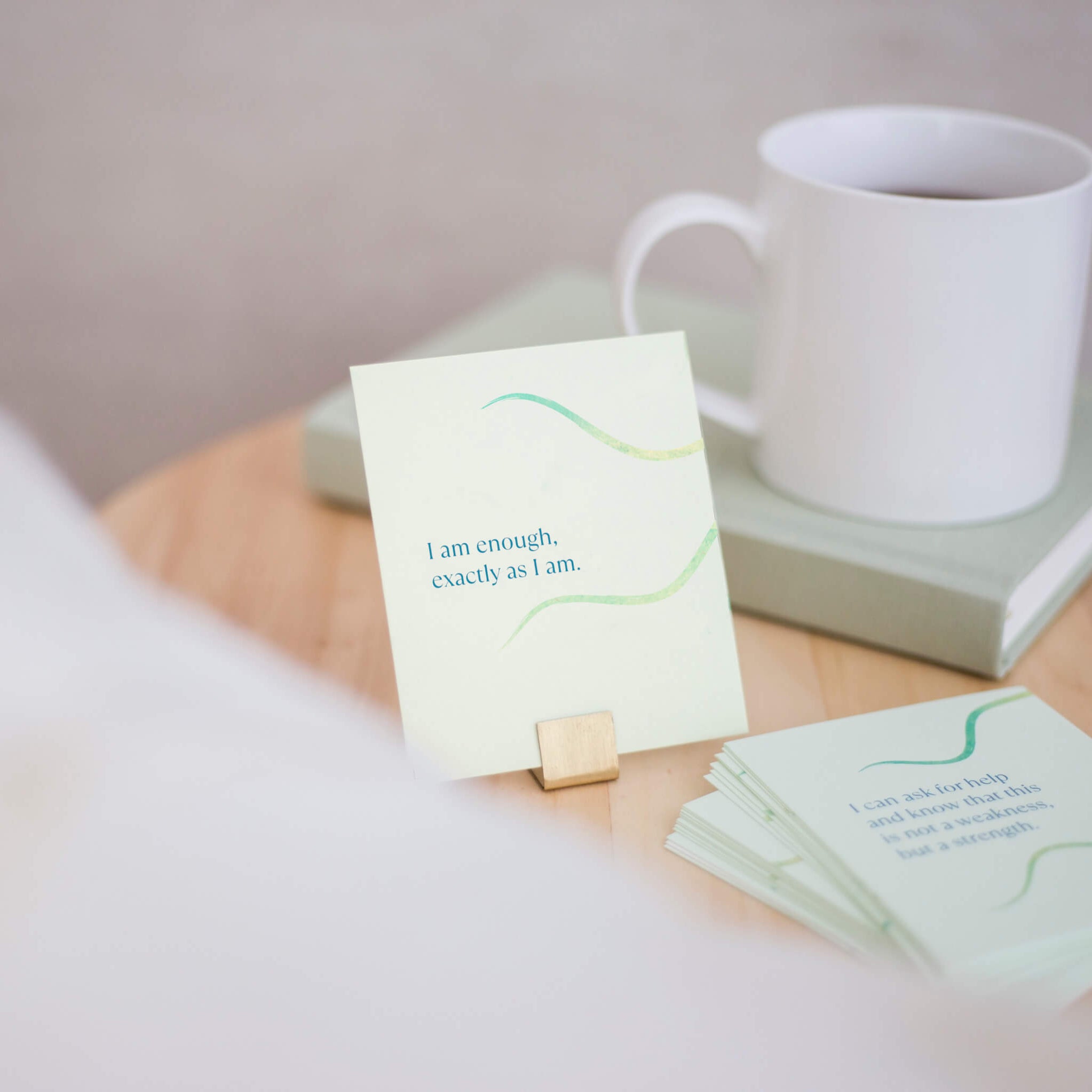
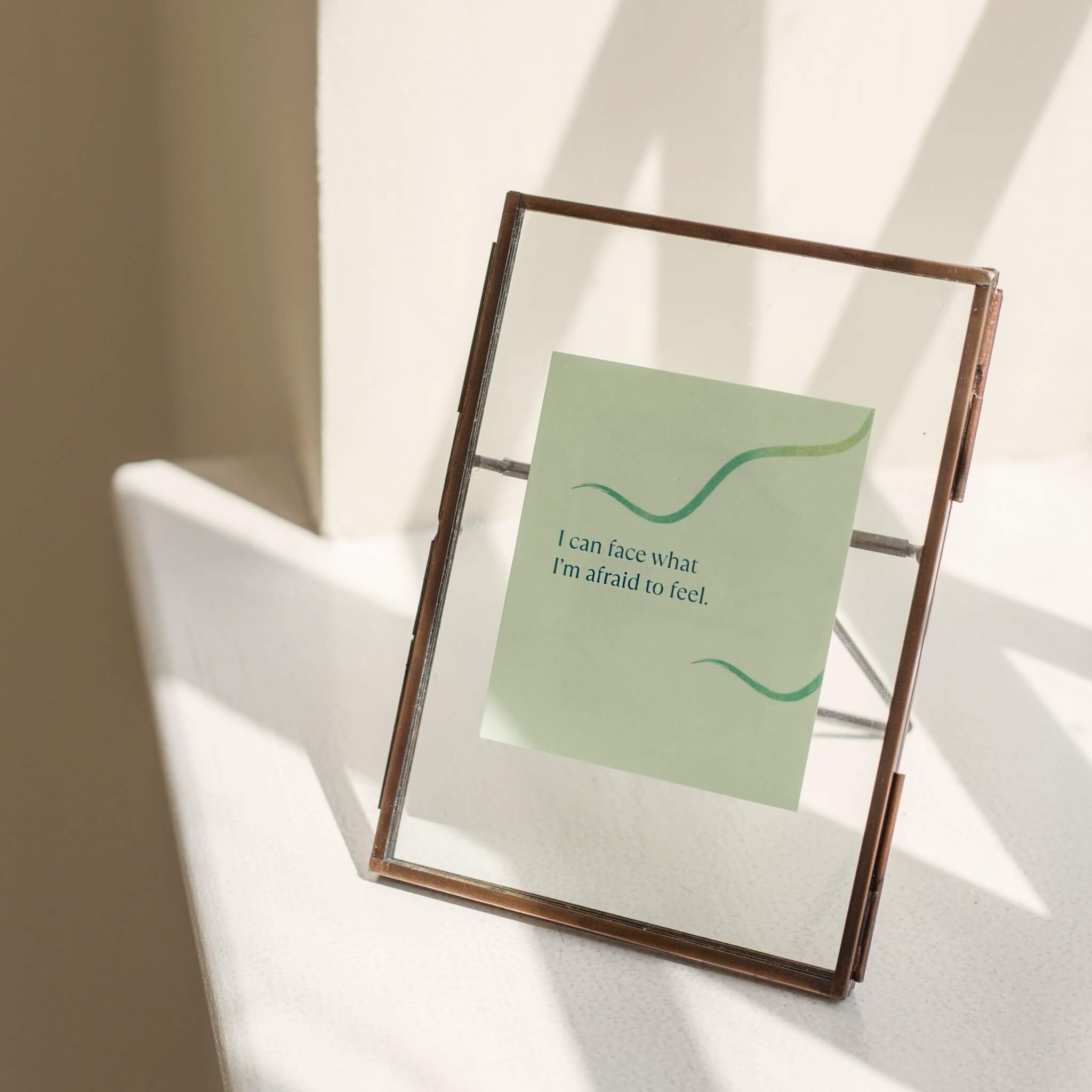
What a prompt actually looks like: "What has challenged you today? Talk to yourself as you would talk to a friend, and write down what you would say." Notice that it asks about the difficulty first, and then asks you to answer it. That order is the entire method.

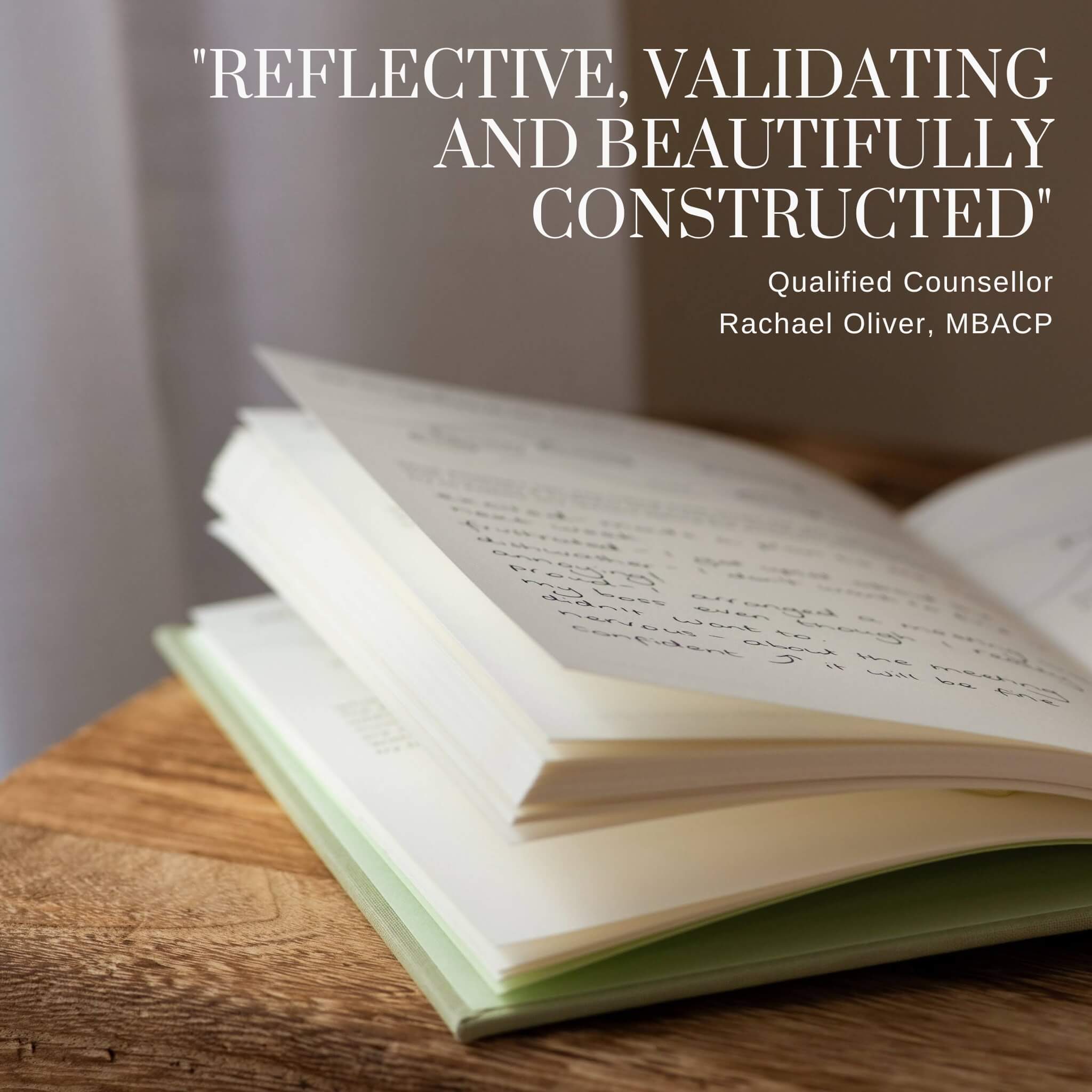
Rachael Oliver, MBACP
Accredited counsellor
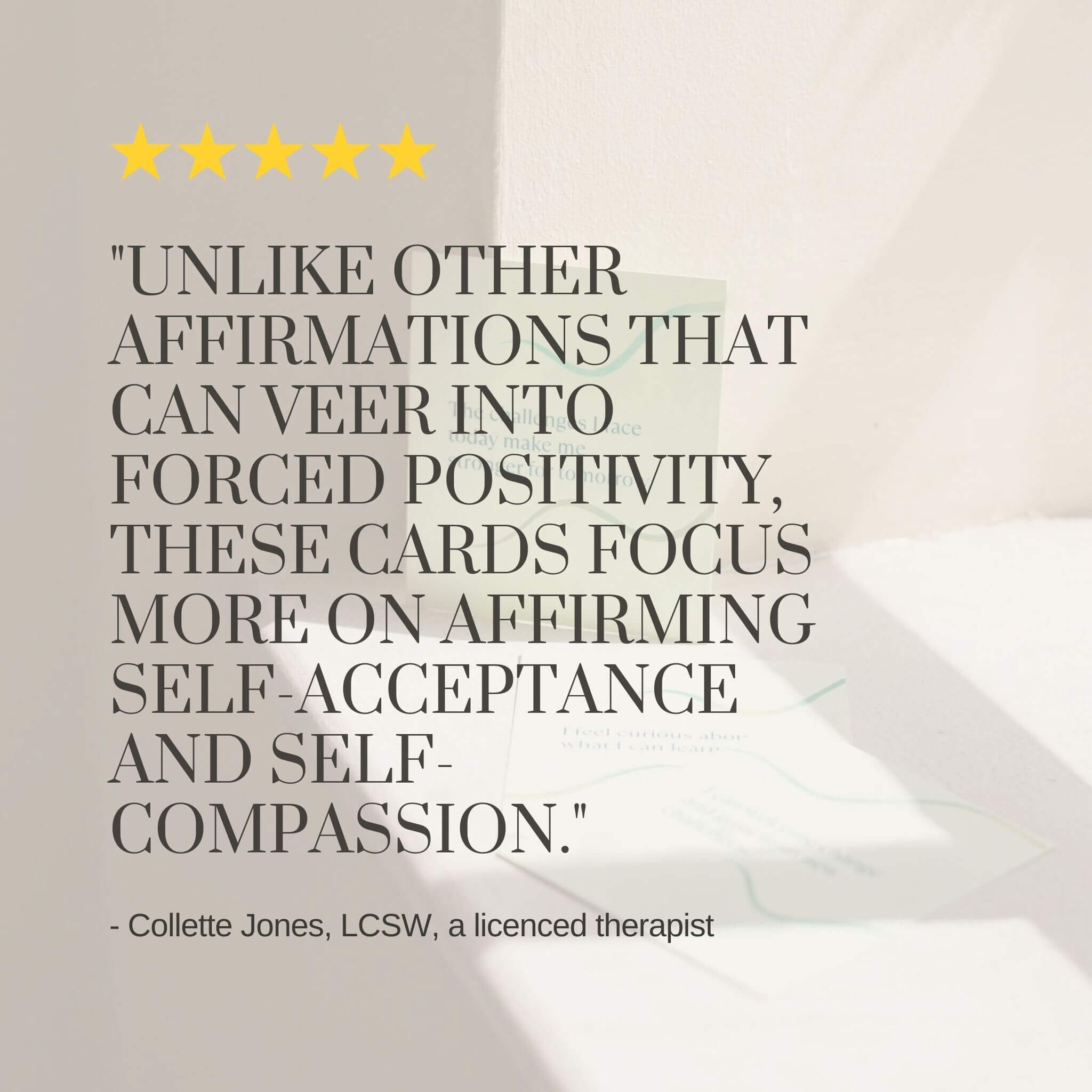
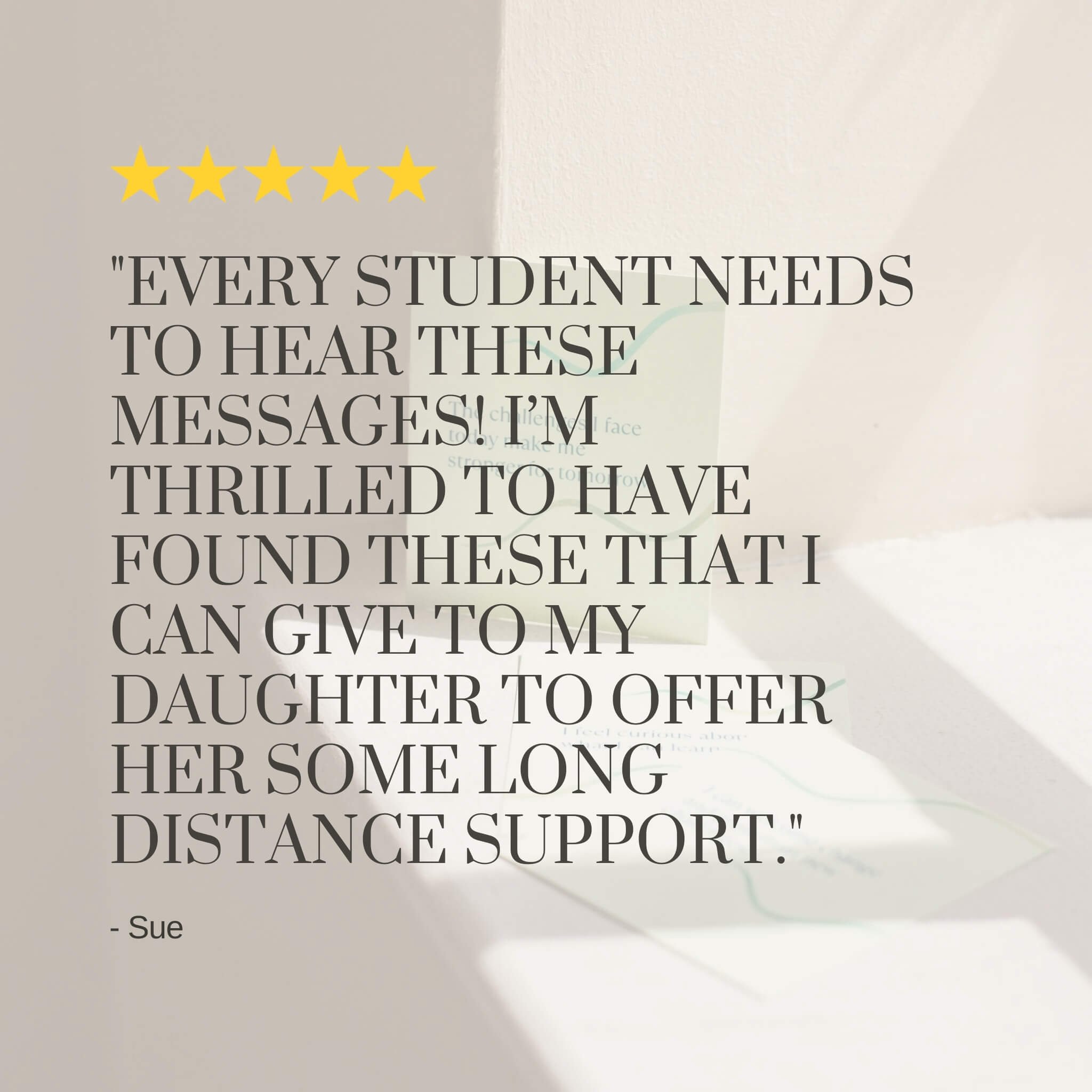
"I love using these beautiful journals with clients throughout their counselling journeys. The prompts and areas to think about are helpful to shine light on their feelings, experiences and thought processes. The way the journal is constructed helps validate their entire experience and avoid toxic positivity."
"Validate their entire experience" is the phrase I'd point at. Not the good parts of it. All of it.

Dr Chris Germer, PhD
Clinical psychologist, Harvard Medical School. Co-developer of the Mindful Self-Compassion programme, taught to over 250,000 people worldwide
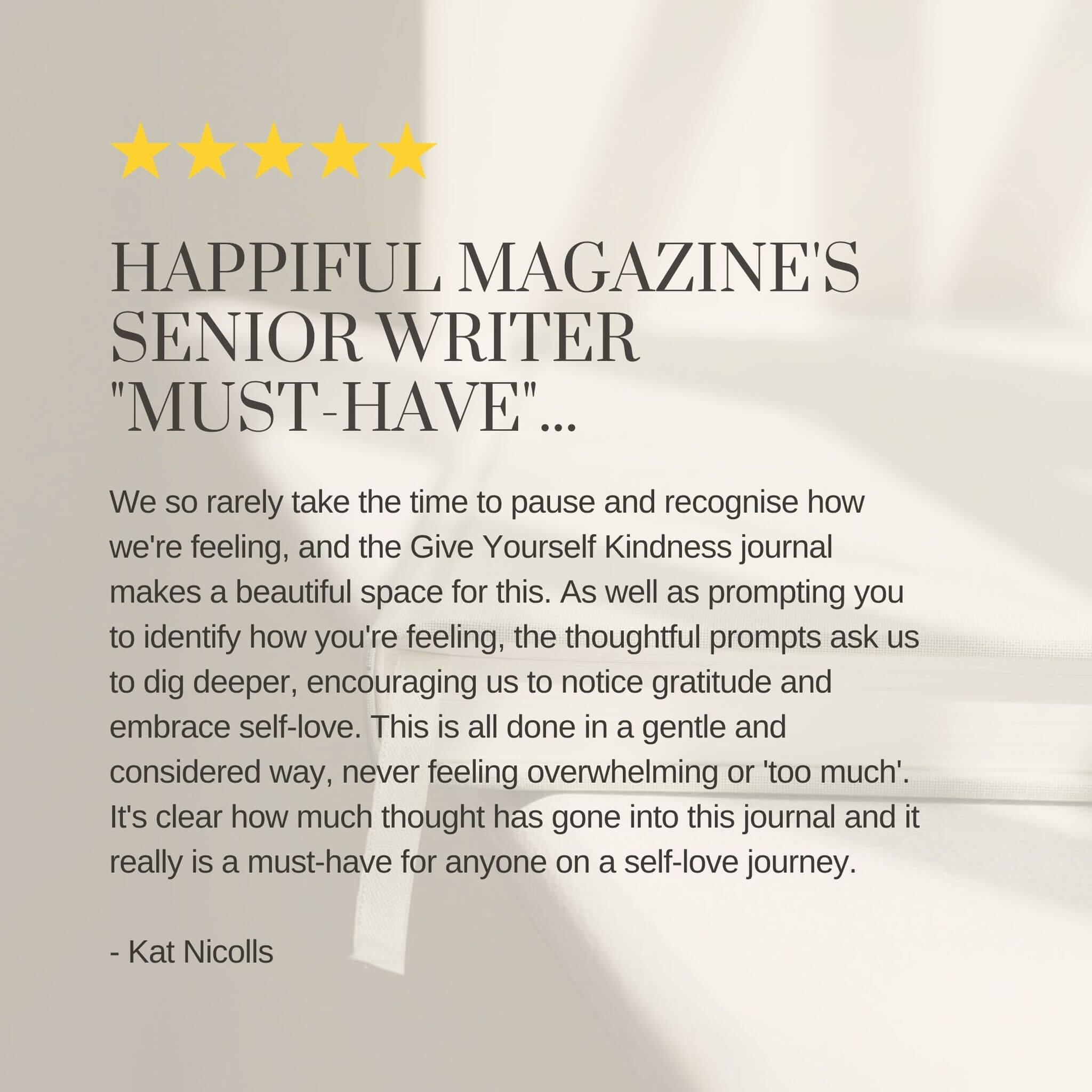
"A warm invitation to make friends with your emotions and yourself!"Read every expert review in full →
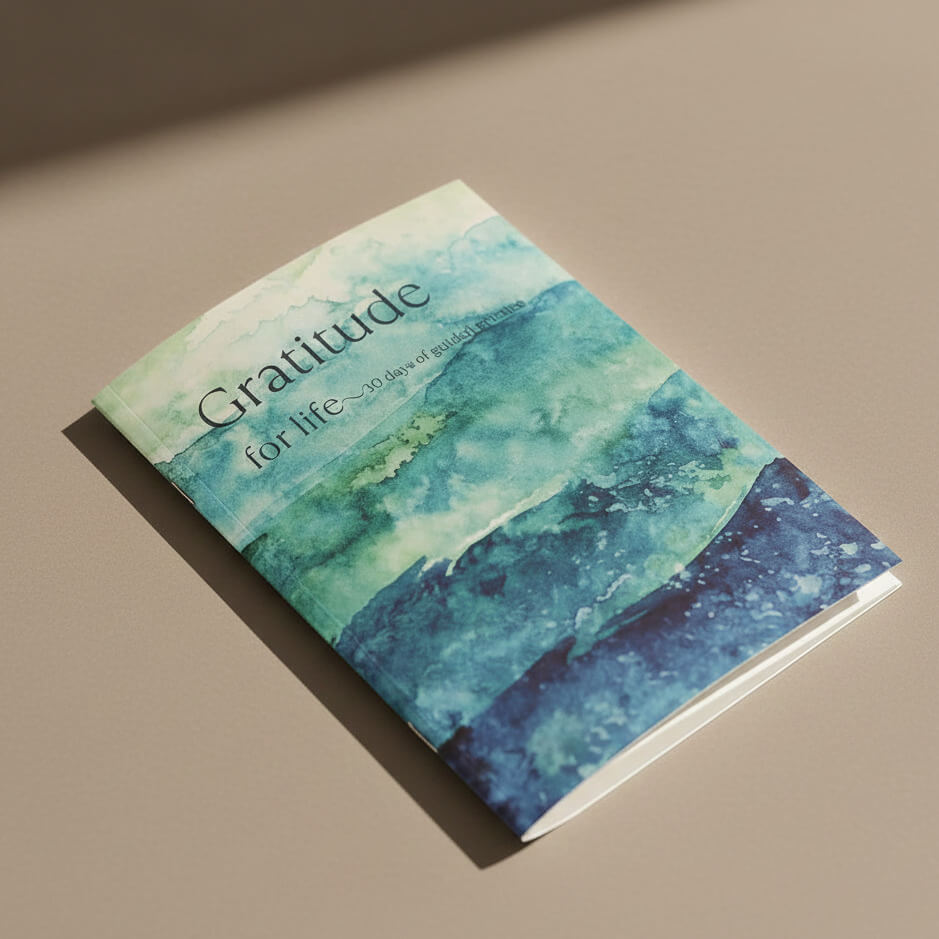
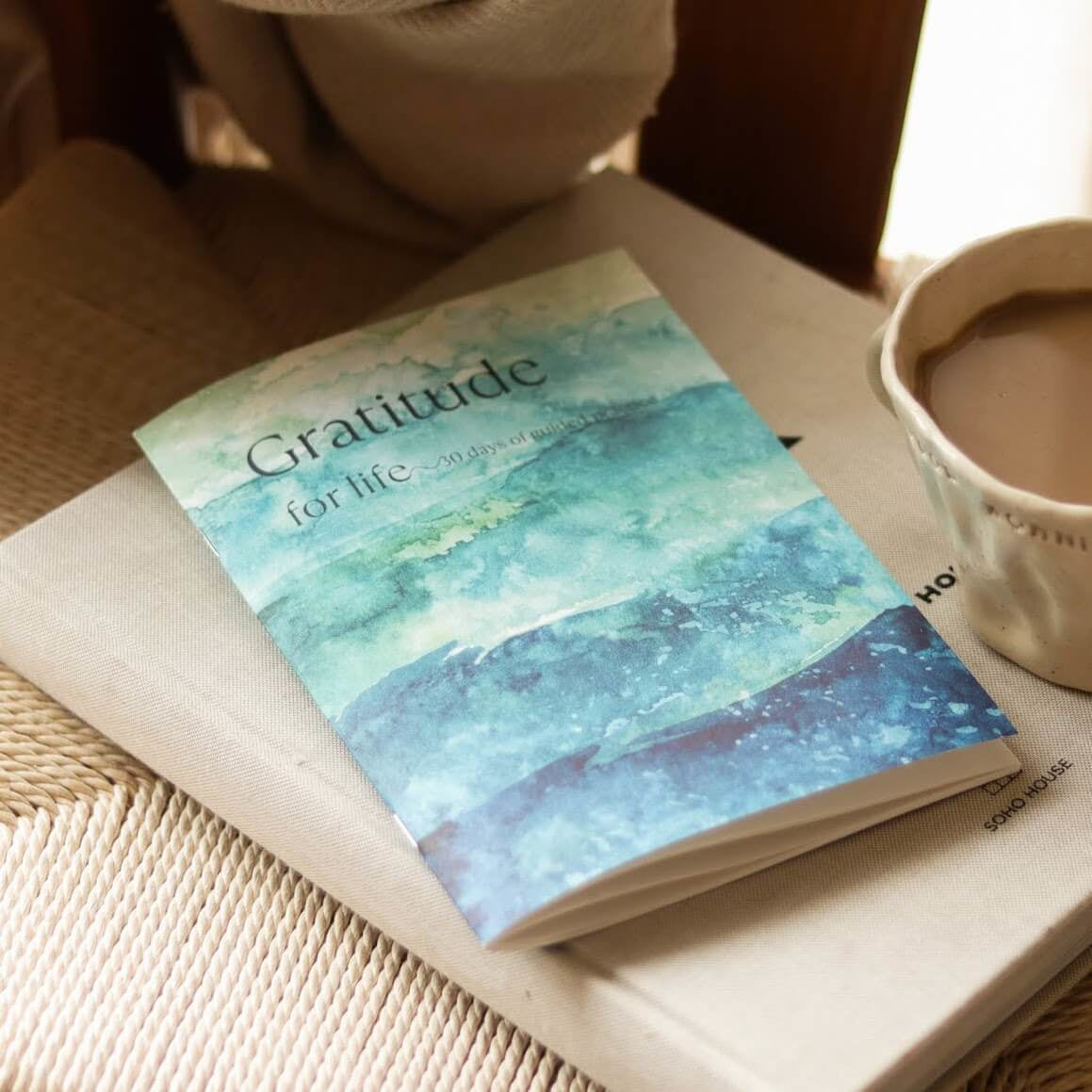
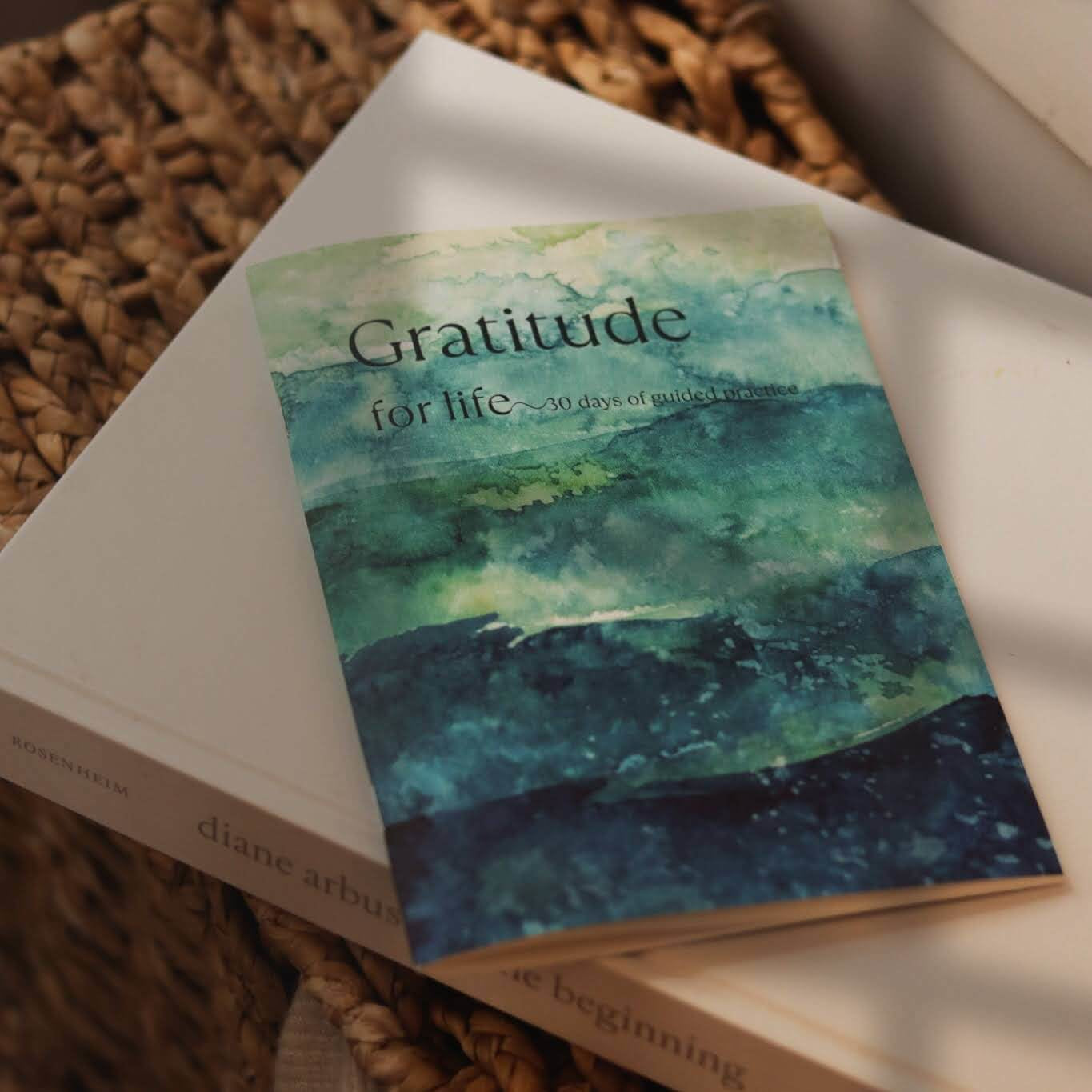
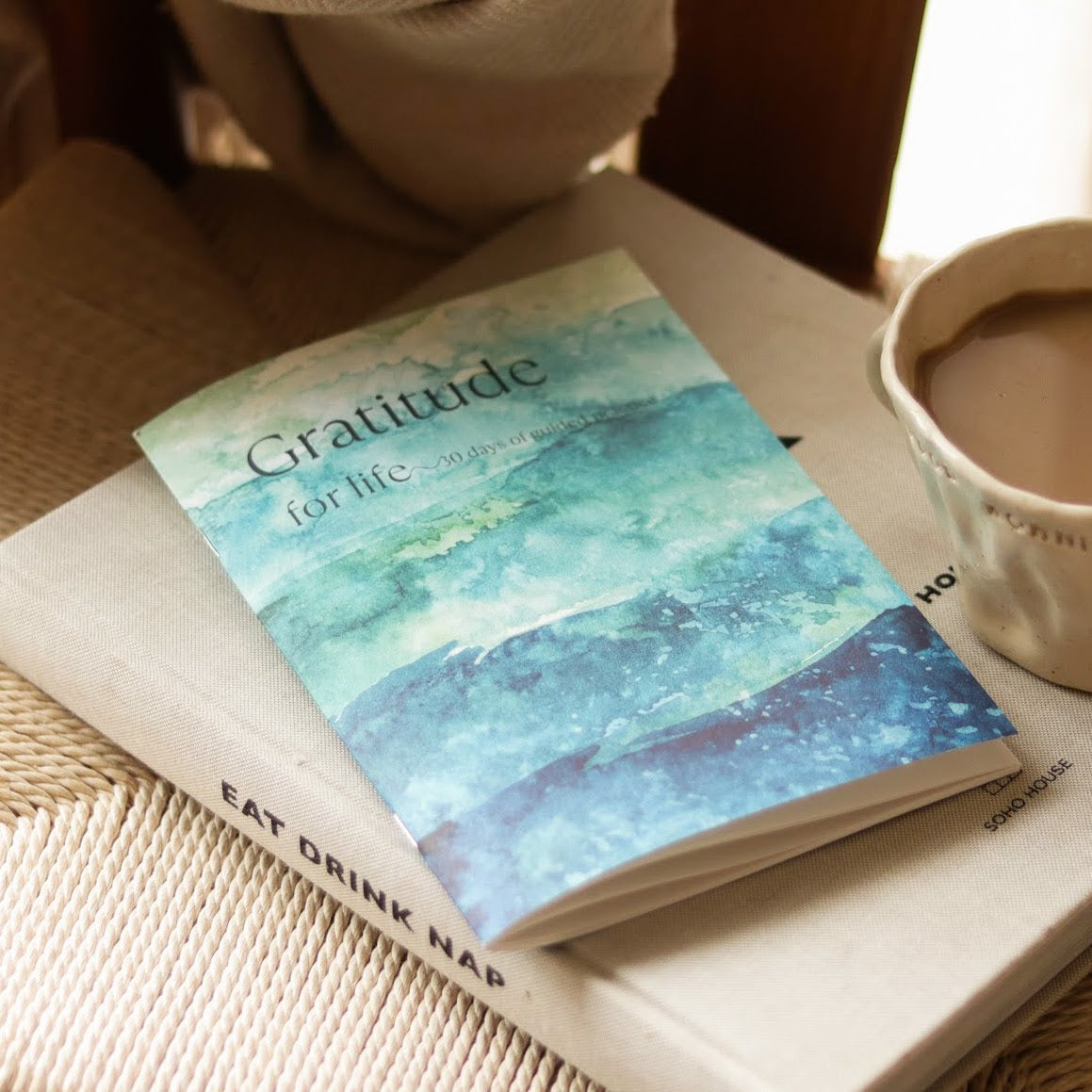
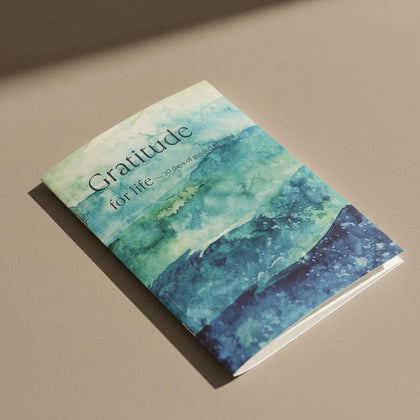
The Gratitude Journal: A 30-Day Challenge
If what you want is to notice more of the good, without a journal implying you should have noticed already.
The Gratitude Journal: A 30-Day Challenge
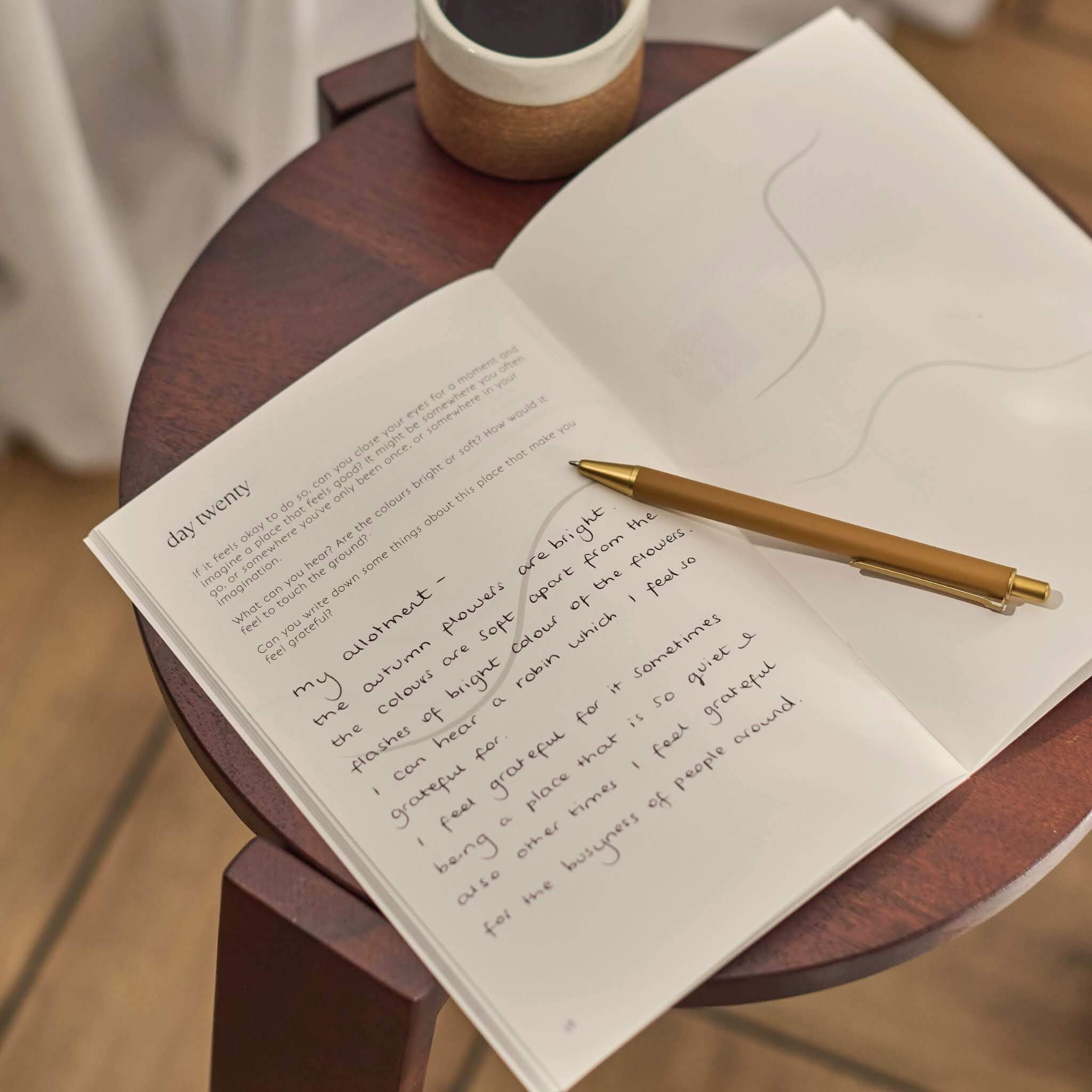
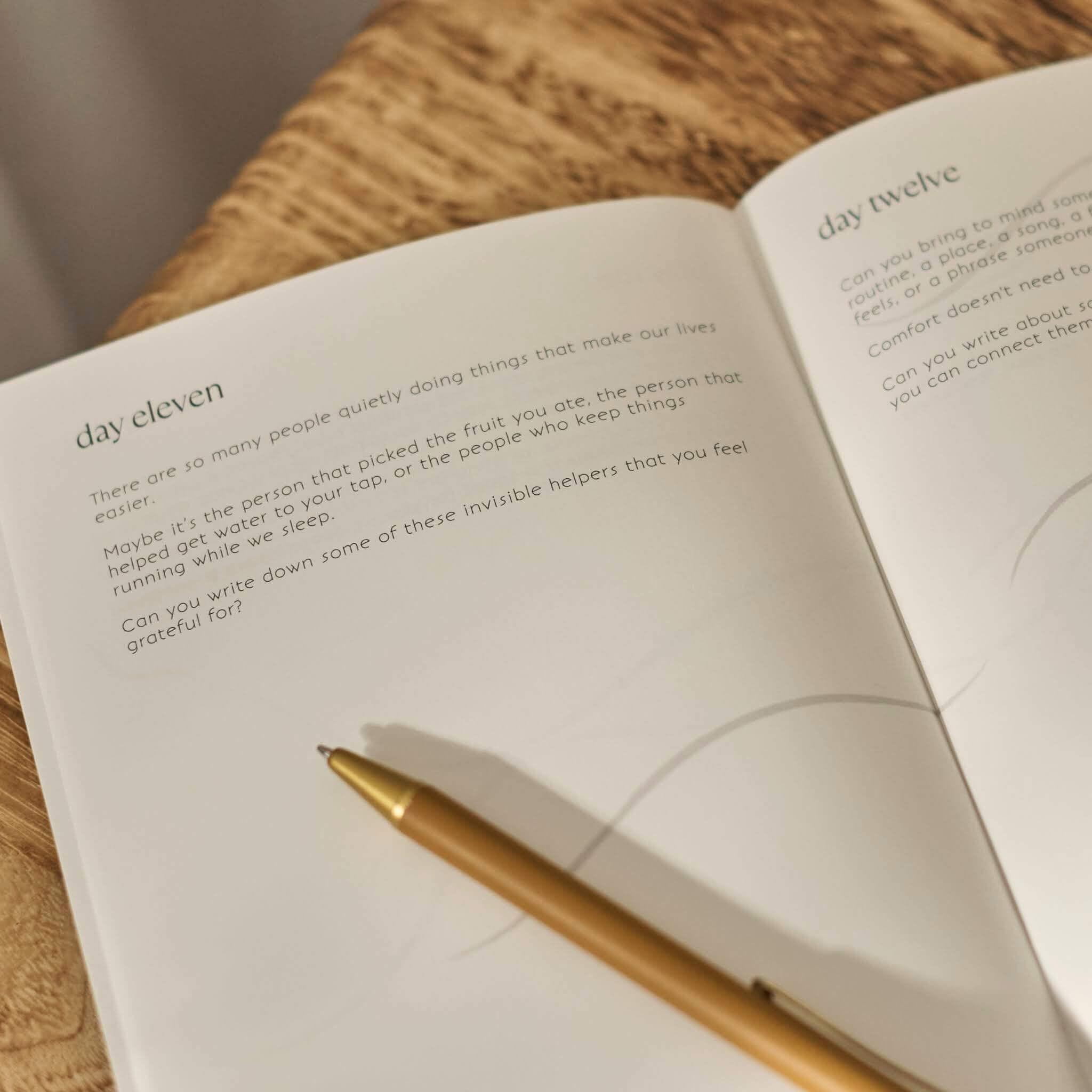
Thirty days, thirty completely different ways in
- Thirty prompts and nothing repeats. Your senses one day, a letter you never send the next, something worth keeping in a mistake after that.
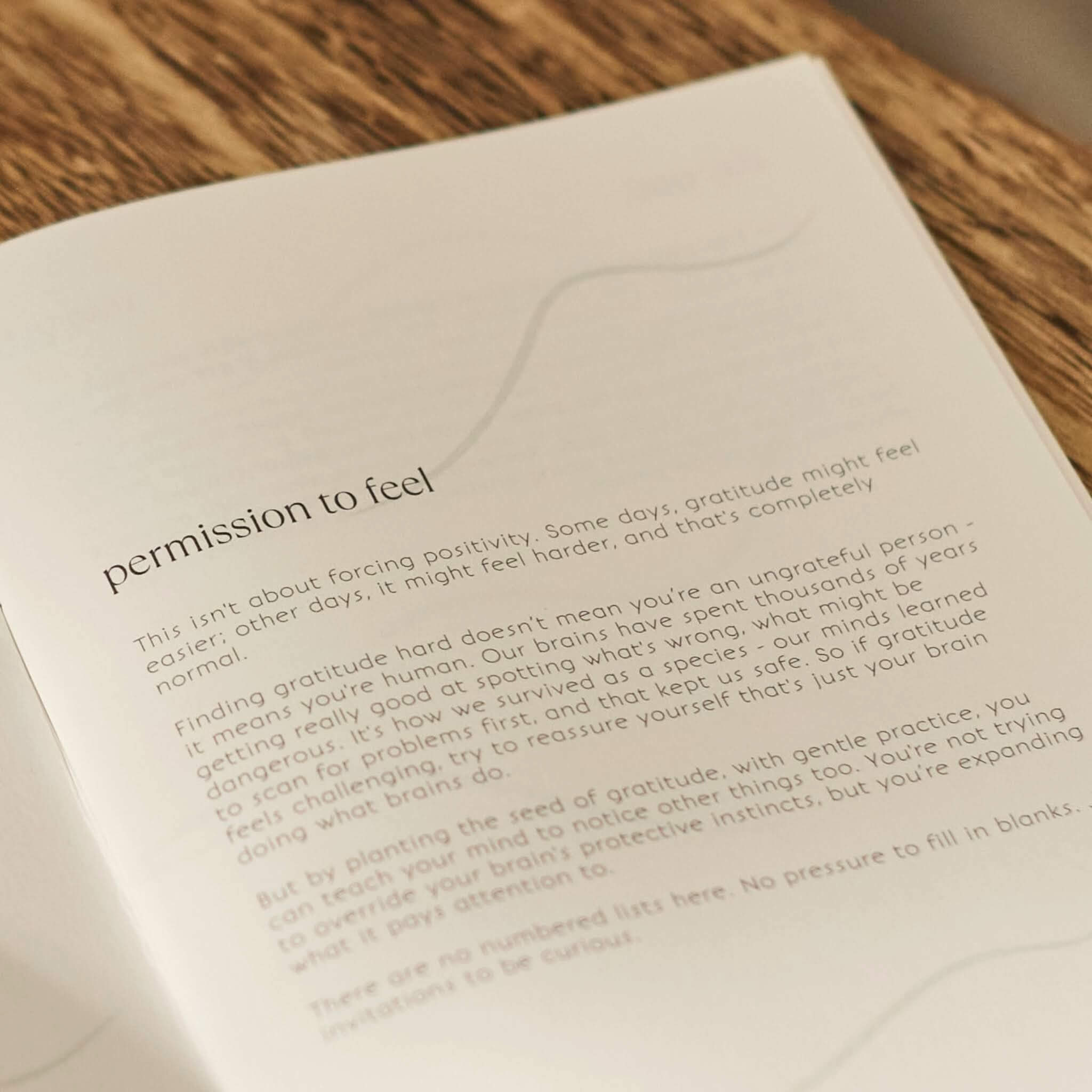
- No numbered blank lines, because a blank line on a hard day is just somewhere to fail.
- A guided meditation recorded by me, and QR codes through to the research.
- Undated and only thirty days, so finishing it is realistic.
- Premium 120gsm paper and a luxury textured cover, made in the UK.
Added to your basket. View basket →
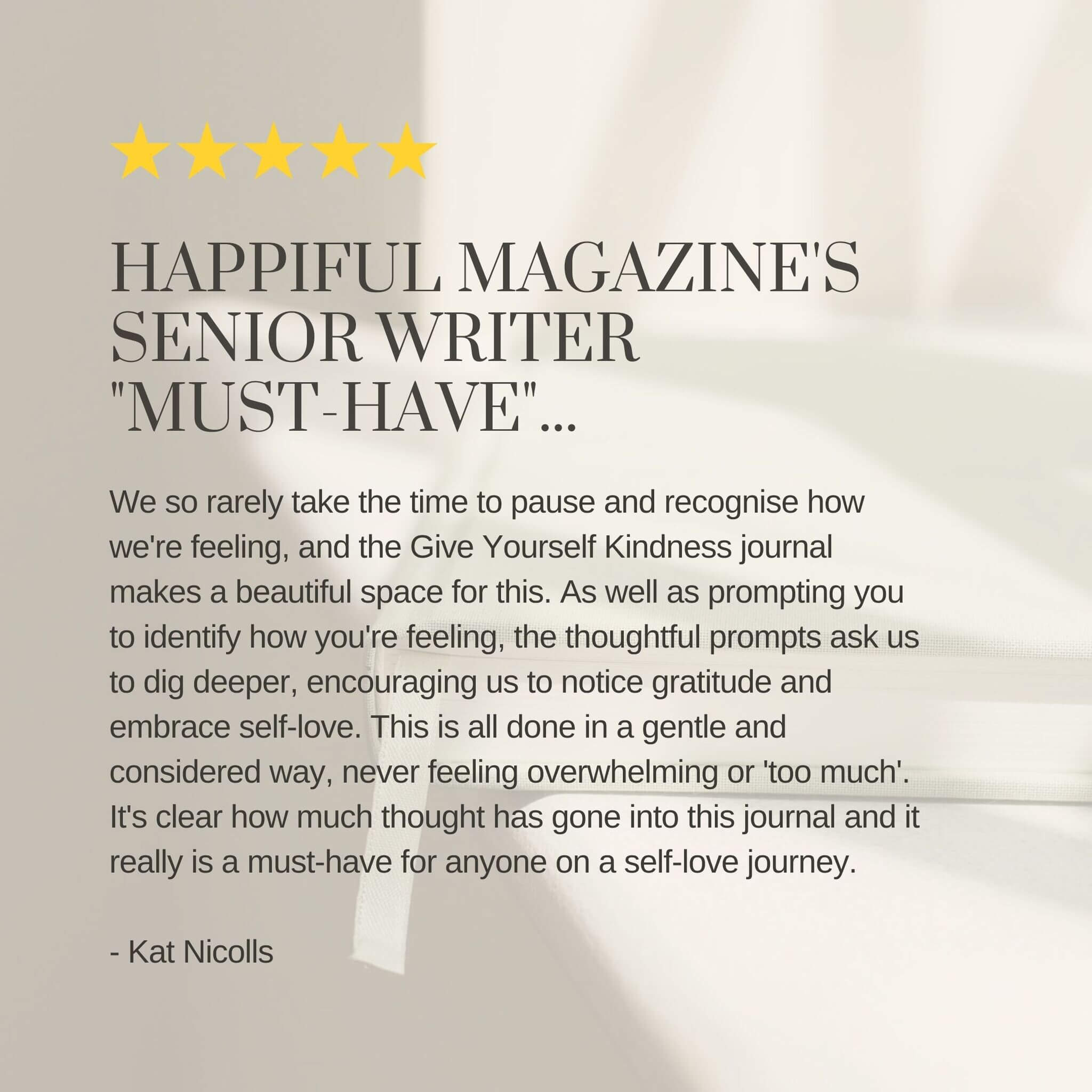
Which of the two? If the loudest thing is your own inner critic, take the Kindness Journal. If life is broadly steady and you'd simply like to notice more of it, take the Gratitude Journal. If you're not sure, the Kindness Journal covers more ground.
Four things that keep it from becoming a chore
Let it be small
Five minutes counts. One sentence counts. The version you'll actually do on a tired Tuesday beats the version you imagine doing on a good one.
Don't judge what comes out
Messy handwriting, half-finished thoughts, things you'd never say aloud. Nobody is reading it. Writing it neatly is usually a sign you've started performing.
Skip it when you need to
If it's become an obligation, it has stopped being self-care and started being homework. Put it down for a week. It'll be there.
Expect it to be gradual
The shift is usually quiet: catching your own harshness a little sooner, or being slightly gentler after a mistake. Nothing arrives all at once, and noticing more clearly is itself the progress.
Common questions
What is a self-care journal?
A guided journal with prompts designed to support how you're feeling, rather than blank pages or a planner. The useful ones ask about your emotional experience and help you respond to it kindly. Many journals sold as self-care are closer to habit trackers, which is a different job and worth knowing before you buy.
What's the difference between a self-care journal and a diary?
A diary records what happened. A self-care journal asks how it landed and what you need. One is a record, the other is a conversation with yourself, and the prompts are what make the difference.
I've tried journalling before and quit after a week. Why would this be different?
Two things cause most people to stop: prompts that repeat until the practice goes mechanical, and dated pages that turn a missed week into visible failure. Look for varied prompts and no dates. It's a format problem far more often than a discipline problem.
What if I feel worse after journalling?
That's worth taking seriously and it usually points at the type of journal. Forced gratitude while you're genuinely struggling can leave you feeling further from yourself, and a blank page can hand the pen to your inner critic. A journal that makes room for difficulty first tends not to do this. If you're processing trauma or something severe, please work with a therapist alongside anything you write in.
Do I have to write every day?
No, and treating it as compulsory is the fastest way to make it another obligation. A few times a week is plenty, and an undated journal means the gaps cost you nothing.
What if I'm not good at writing?
There's nothing to be good at. The prompt does the thinking, you just answer it, and I don't really know is a real answer. As Dr Andreas Comninos puts it, journaling is free, simple, and portable. No skill required.
Can I use one alongside therapy?
Yes, and many counsellors suggest exactly that. It gives you somewhere to put things between sessions and something concrete to bring back. Accredited counsellor Rachael Oliver uses these with her own clients throughout their counselling.
Something that asks how you are
Nothing to track, nothing to fall behind on, and reviewed by clinical psychologists at Harvard and Oxford.
See the journal →