



Quick answer
If you're hard on yourself, a self-compassion journal gives you gentler words to use instead.
- Best for daily emotional support with variety: The Give Yourself Kindness Journal
- Best to learn self-compassion theory in depth: The Mindful Self-Compassion Workbook
- Best for ACT-based practice: The Self-Compassion Daily Journal
- Best for CFT therapeutic work: The Compassionate Mind Workbook
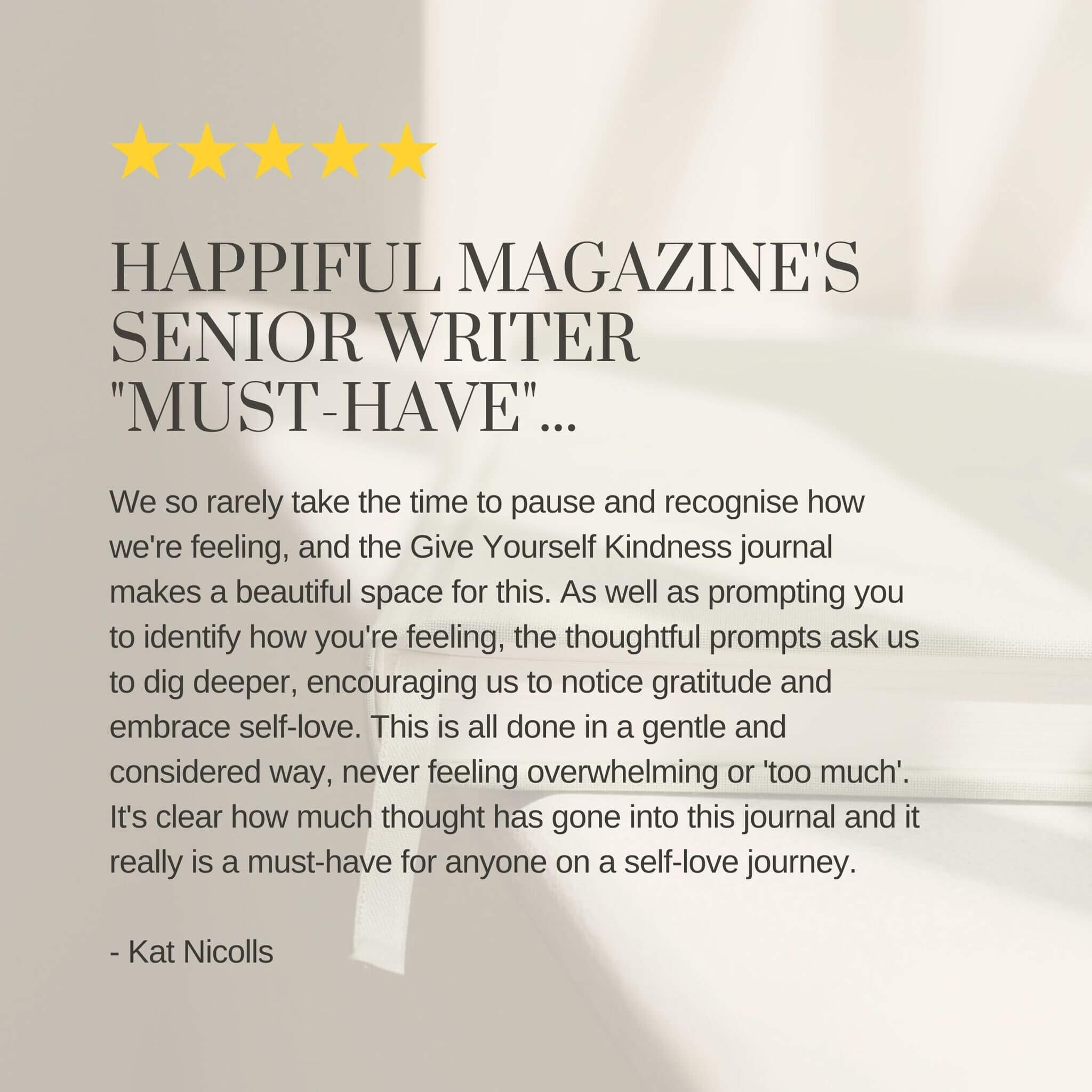
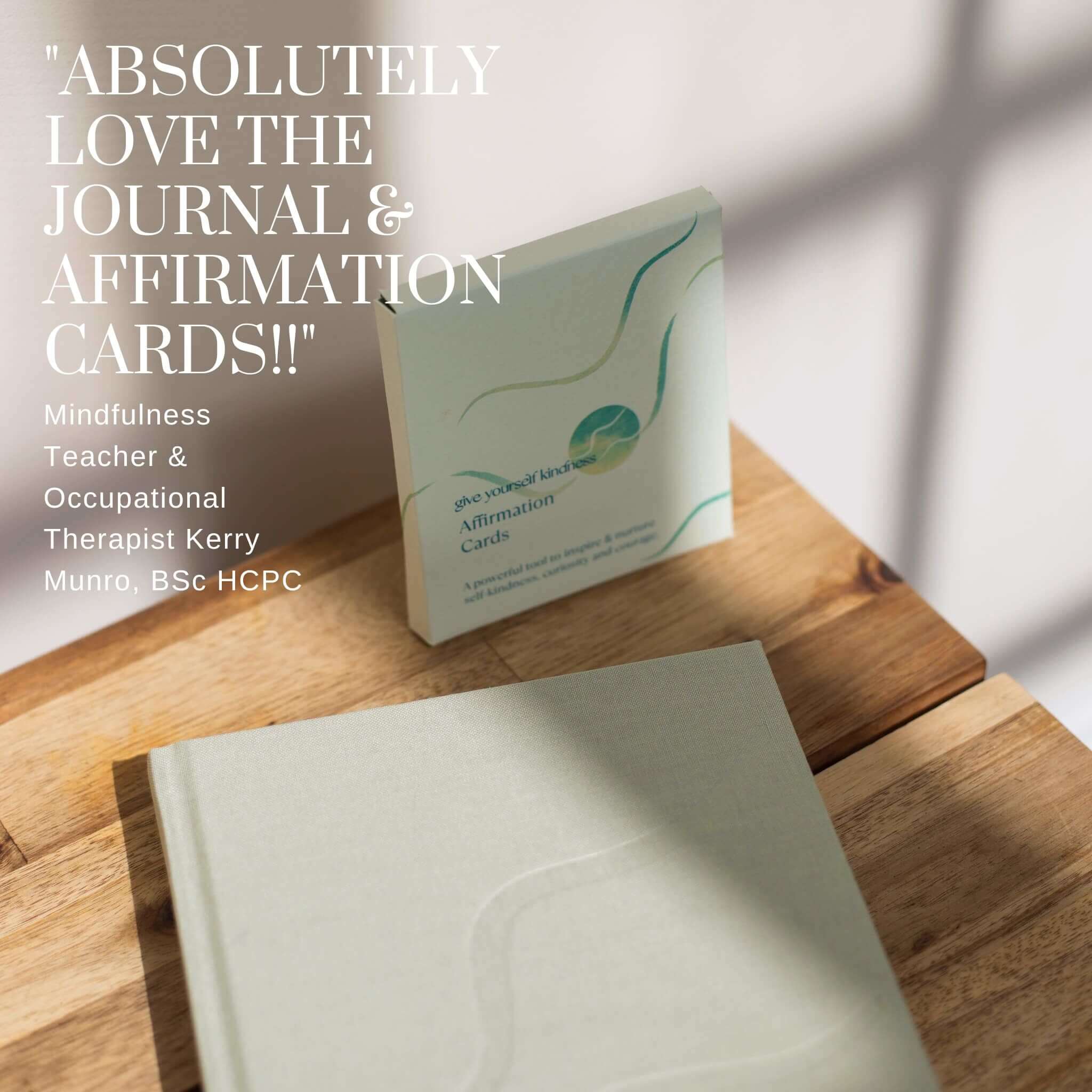
Clinical psychologist Dr Chris Germer of Harvard Medical School calls the Give Yourself Kindness Journal "a warm invitation to make friends with your emotions and yourself!" Being hard on yourself isn't something you have to fix before you start. You might find that a few kinder words on the page, most days, begin to soften how you speak to yourself.
 Dr Chris Germer, PhD, Harvard Medical School, co-developer of Mindful Self-Compassion. Read his review alongside the rest
Try this now: the next time you notice the critical voice, write down exactly what it said. Then write what you'd say to a friend who said that about themselves.
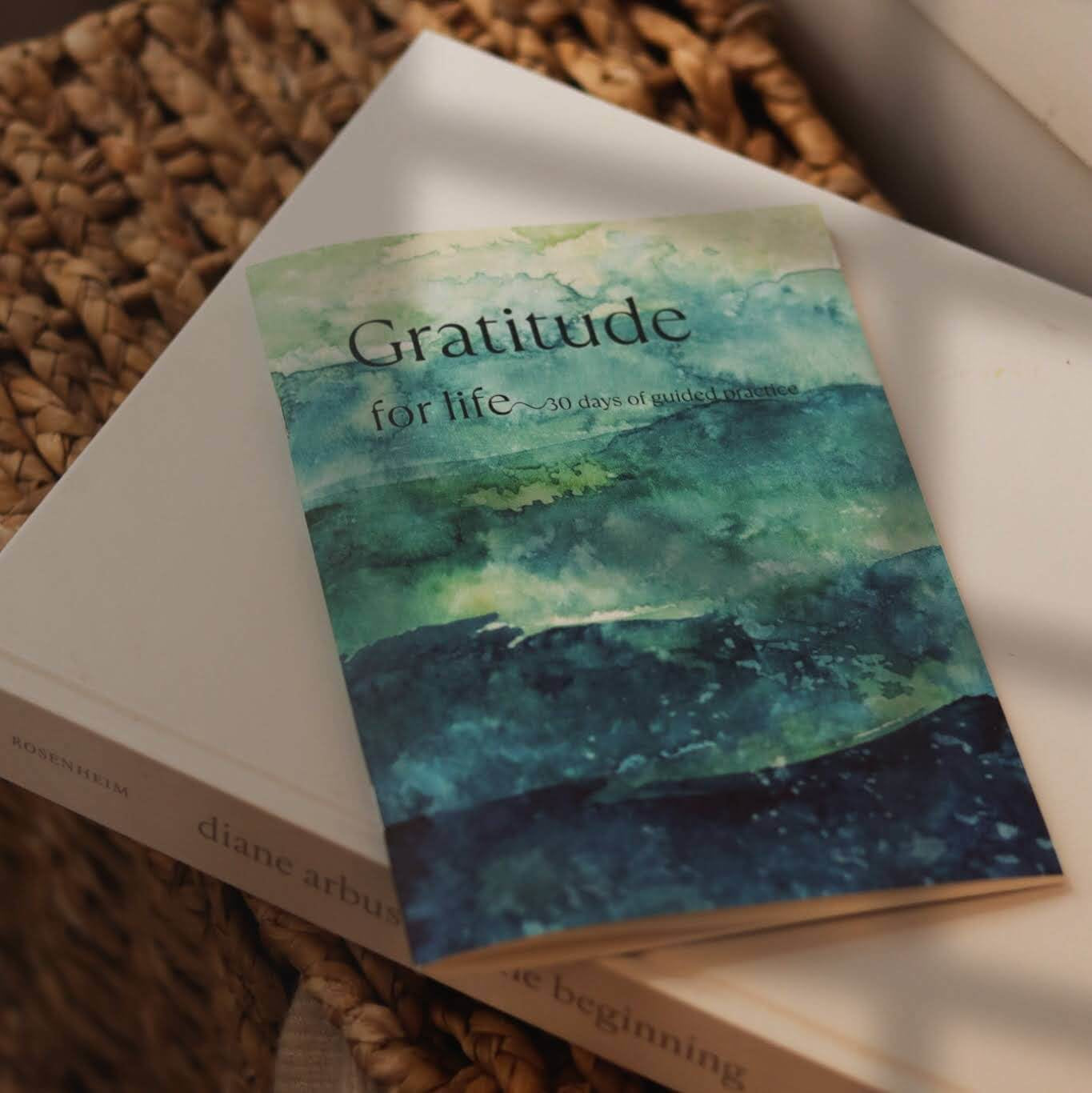
Full transparency: I'm recommending my own journal in this guide, because I made it after my own experience of Compassion-Focused Therapy, when I couldn't find a journal that didn't push forced positivity. I've included three books I respect, with what each does better than mine.
Wanting to be kinder to yourself is a good thing to want, and you're in the right place. The right self-compassion journal feels less like homework and more like a friend by your bedside: something that helps you notice how you feel without judging it, with prompts that don't repeat or push you to be positive before you're ready.
This guide compares the most recommended self-compassion journals, so you can find the one that fits where you are right now.
About this guide. I'm Rachel Smith, founder of Give Yourself Kindness and a qualified meditation teacher (DipBSoM, British School of Meditation, distinction). I am passionate about sharing trustworthy psychologist verified and written content. Everything clinical on this page comes from named clinical psychologists and researchers, with their credentials and a link to their words, so you can read them for yourself. More about me
What is a self-compassion journal?
A self-compassion journal is a guided journal that helps you respond to difficult feelings with kindness rather than criticism. Self-compassion means speaking to yourself the way you'd speak to a friend, especially when you're being hard on yourself. Some self-compassion journals are daily prompts you write in; others are workbooks that teach the ideas behind it.
Self-Compassion Journal Comparison at a Glance
All four are good books made by people who care about this. The differences are in format, approach and how much background they assume.
| Journal | Format | Best for | Approach | Prior knowledge needed? |
|---|---|---|---|---|
| The Give Yourself Kindness Journal | 3-month guided journal | Daily emotional support | Varied prompts, emotional awareness, self-compassion | No |
| Self-Compassion Daily Journal | Daily guided journal | ACT practitioners | ACT, mindfulness and CFT | Helpful but not required |
| Mindful Self-Compassion Workbook | Comprehensive workbook | Deep learners | Research-based, psychoeducation + exercises | No |
| Compassionate Mind Workbook | Therapeutic workbook | Shame and self-criticism | CFT therapeutic protocols | Helpful but not required |
Detailed Self-Compassion Journal Comparison
Here's each one in more detail: what it's best for, what makes it different, and who it suits.
The Give Yourself Kindness Journal
Best for: Daily emotional support with varied prompts that don't get repetitive
📔 3-month guided journal 💬 90 days of changing prompts 🗓️ Undated ⭐ Recommended by clinical psychologists
What makes The Give Yourself Kindness Journal different:
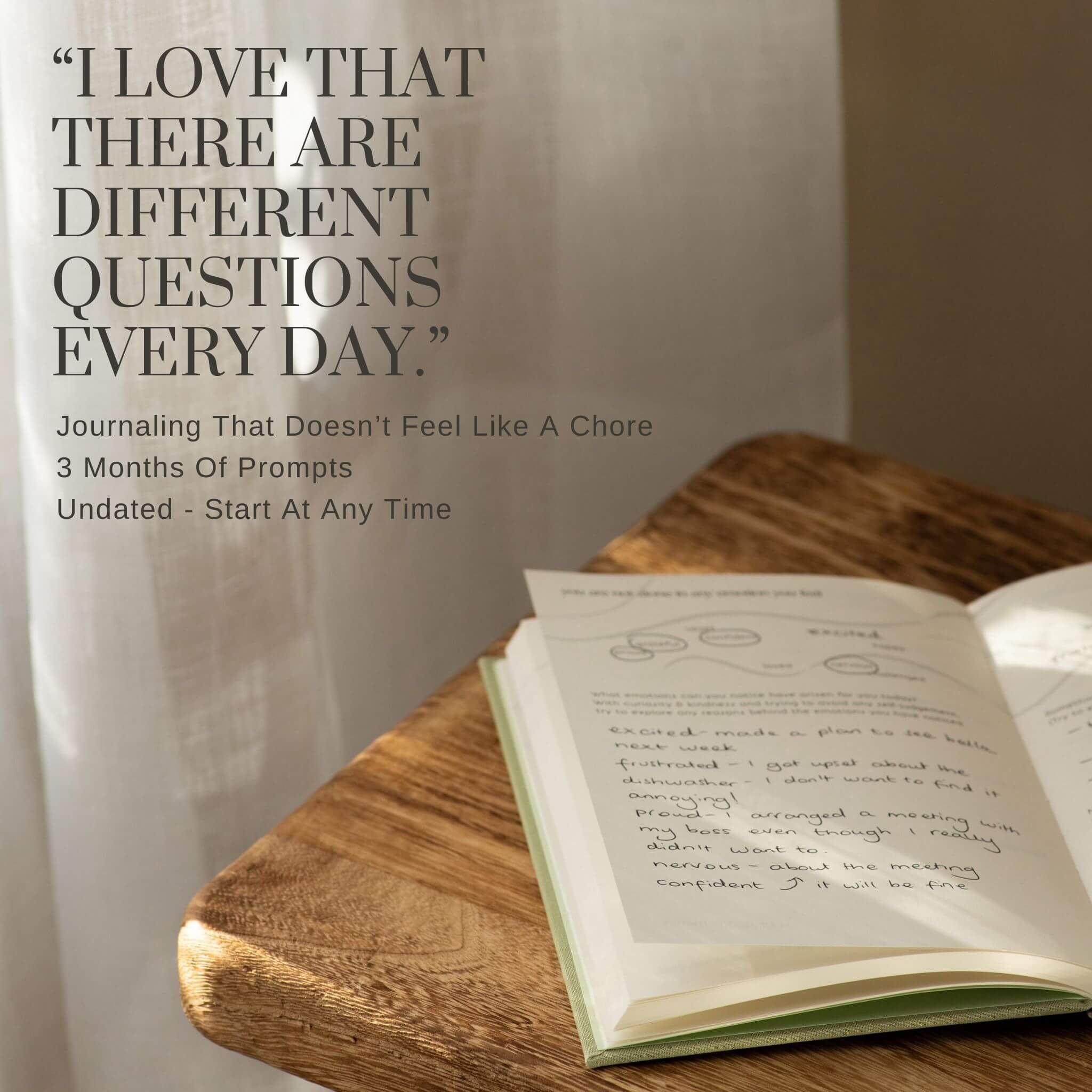
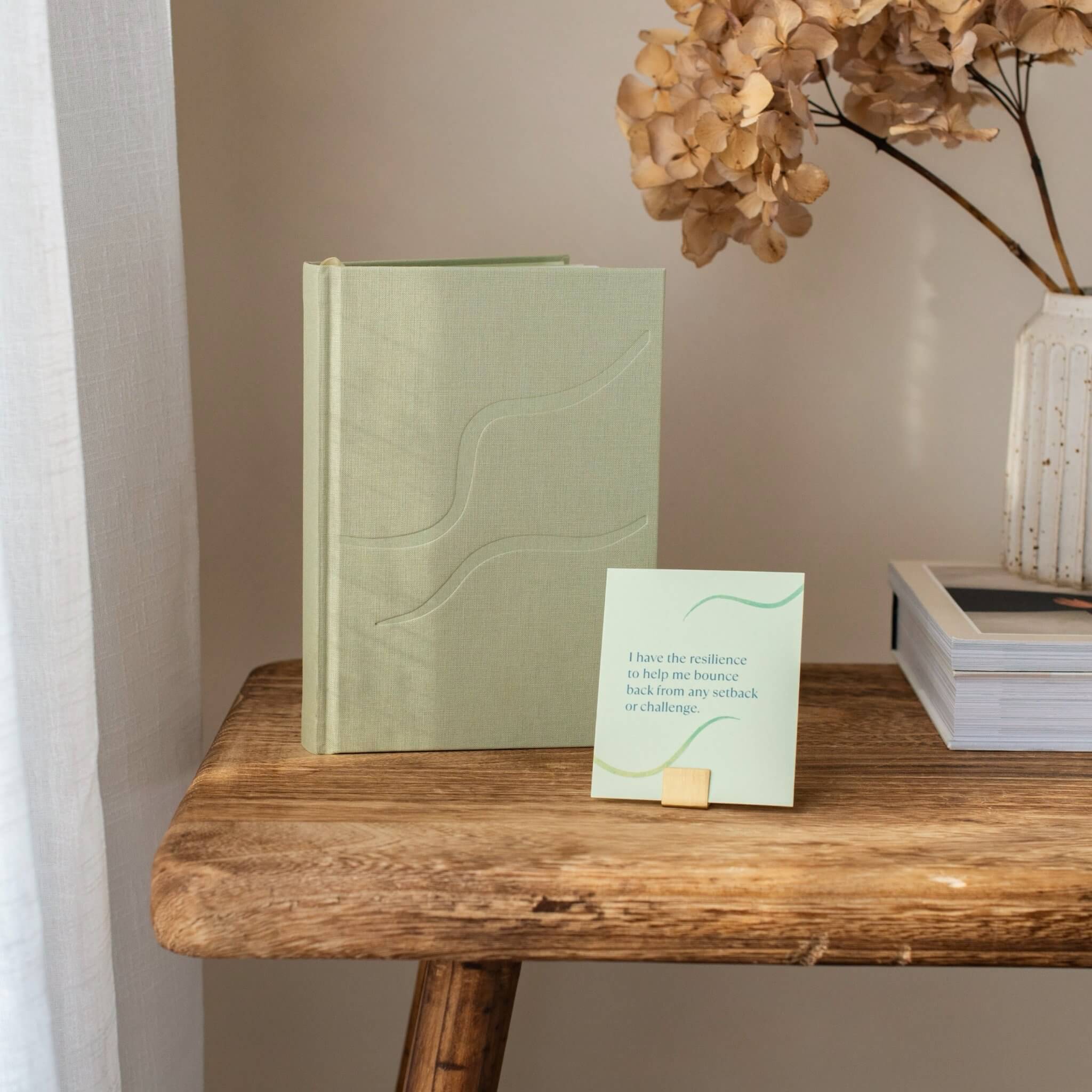
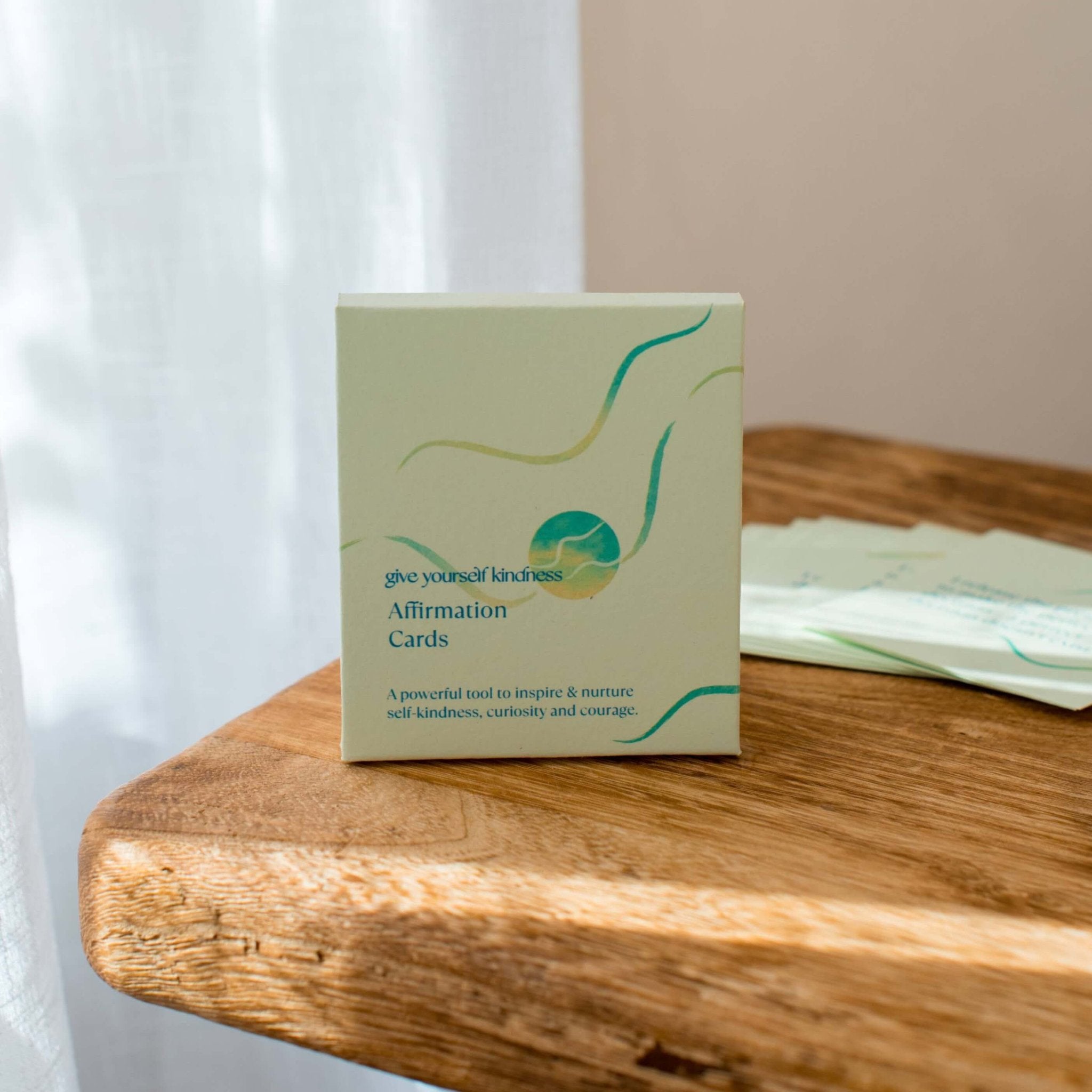
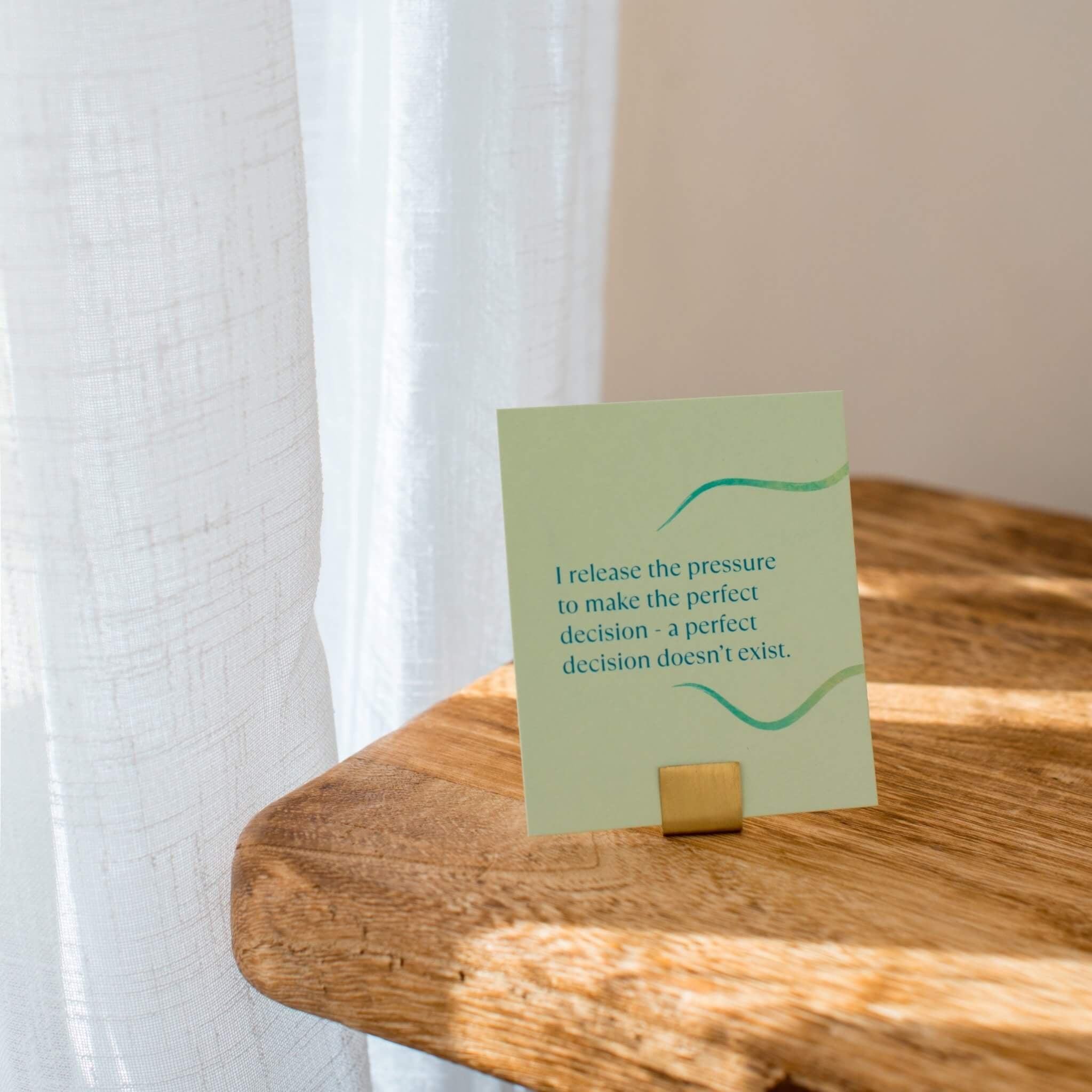
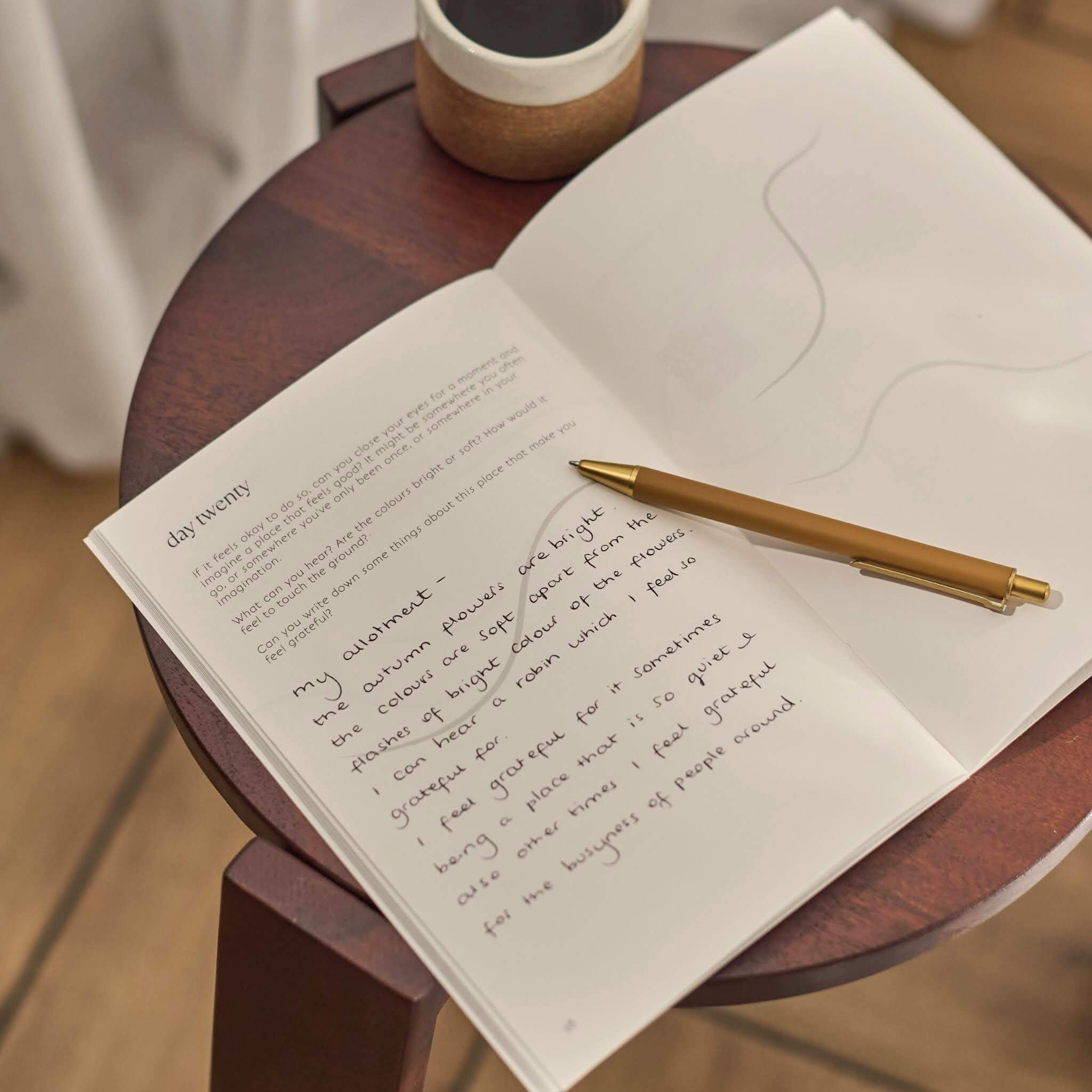
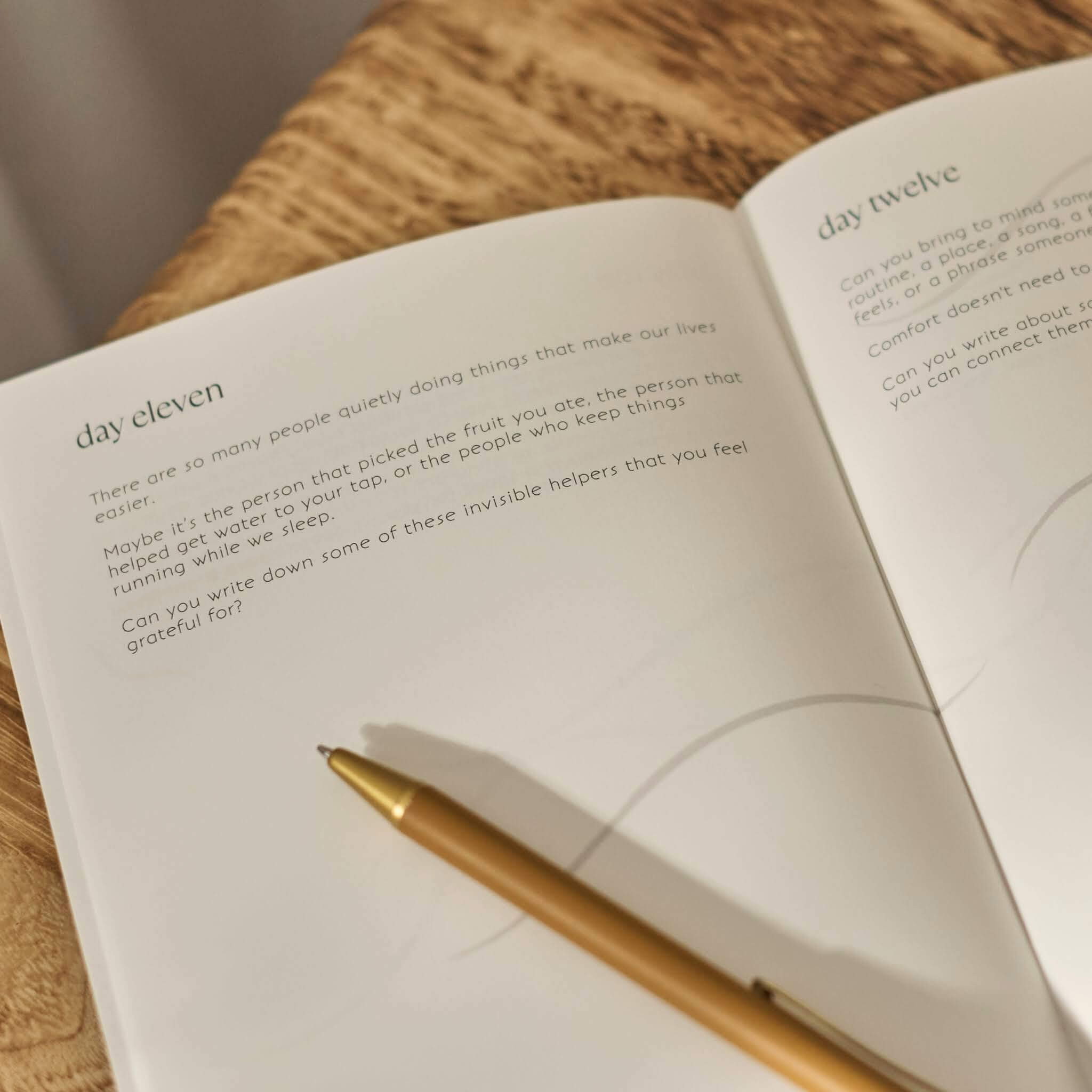
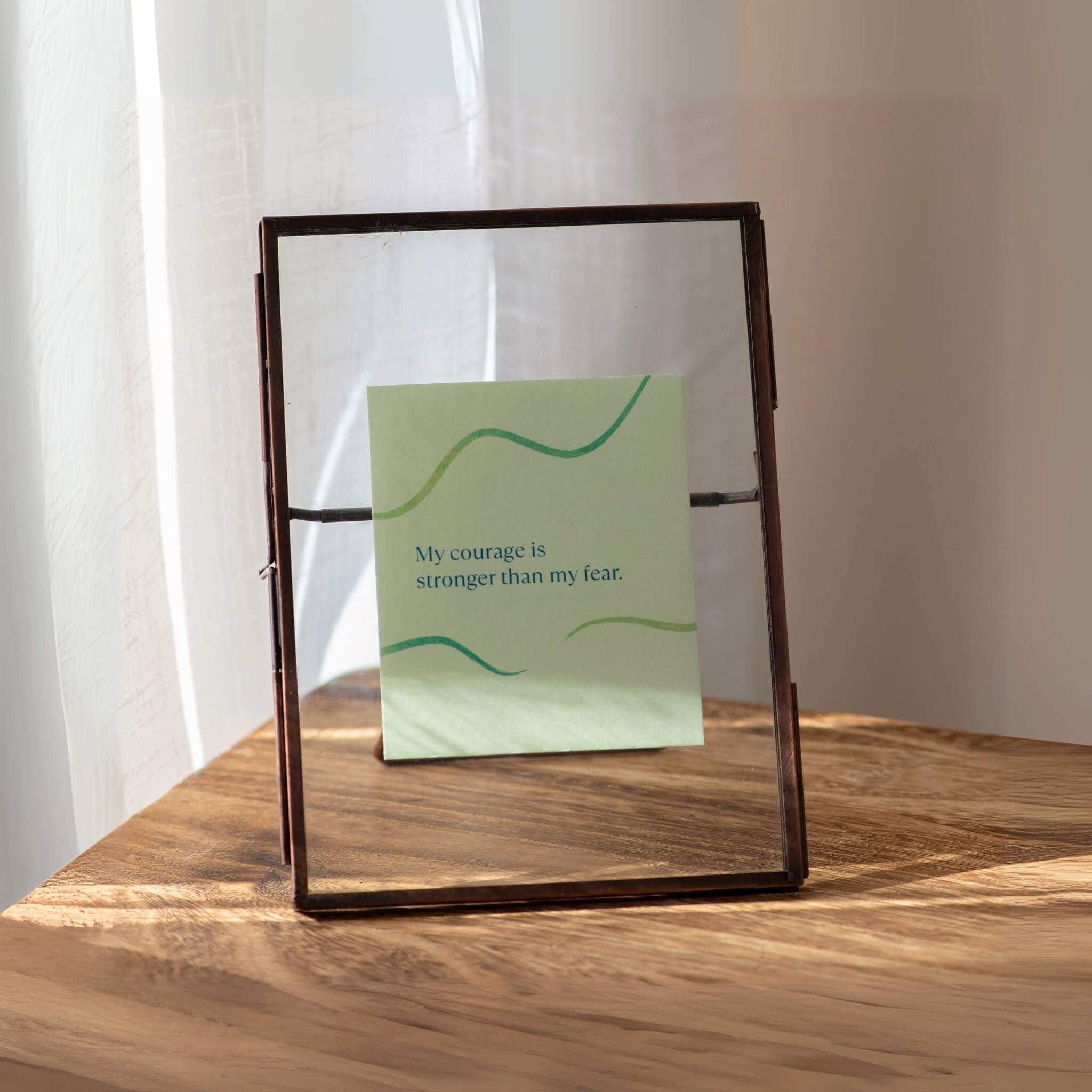
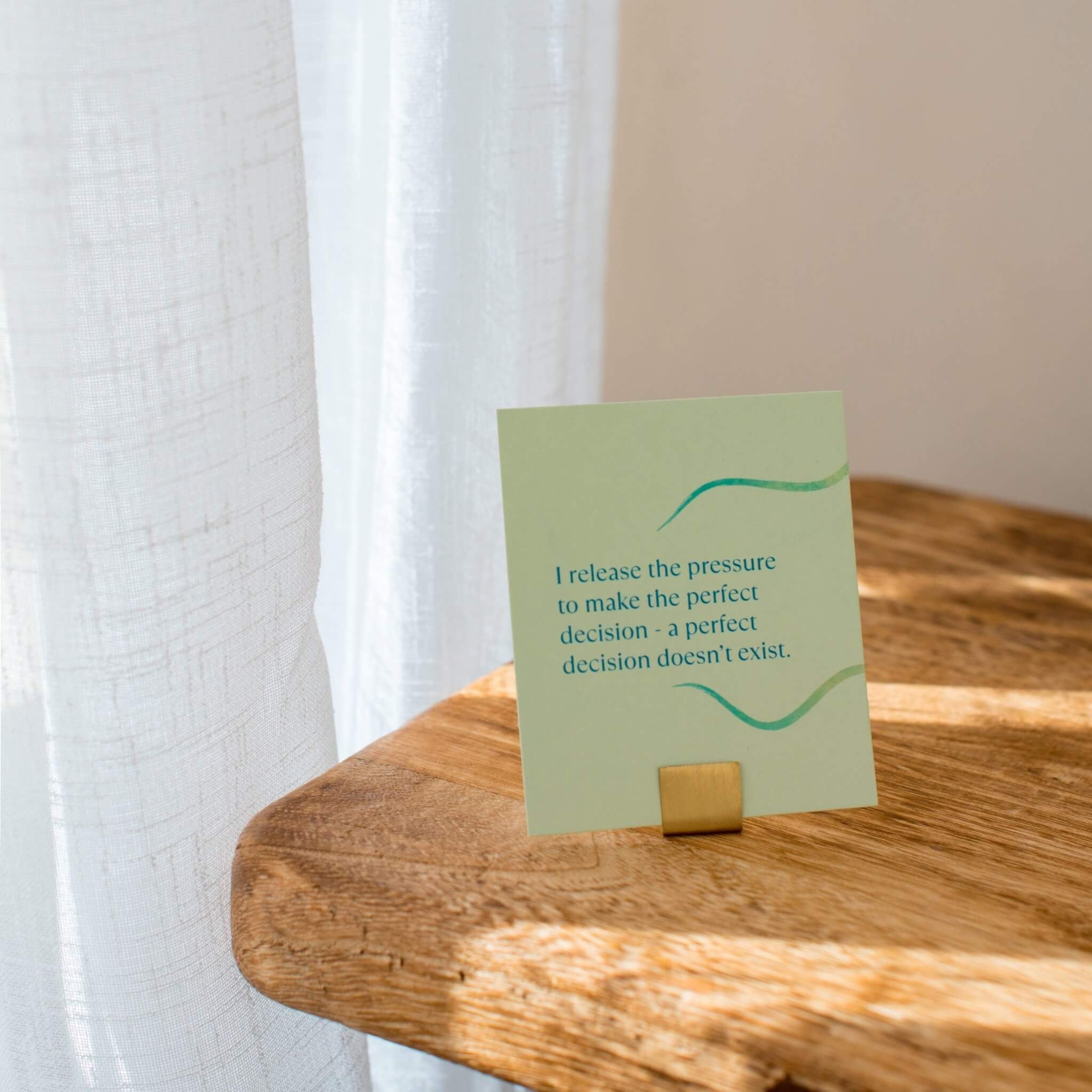
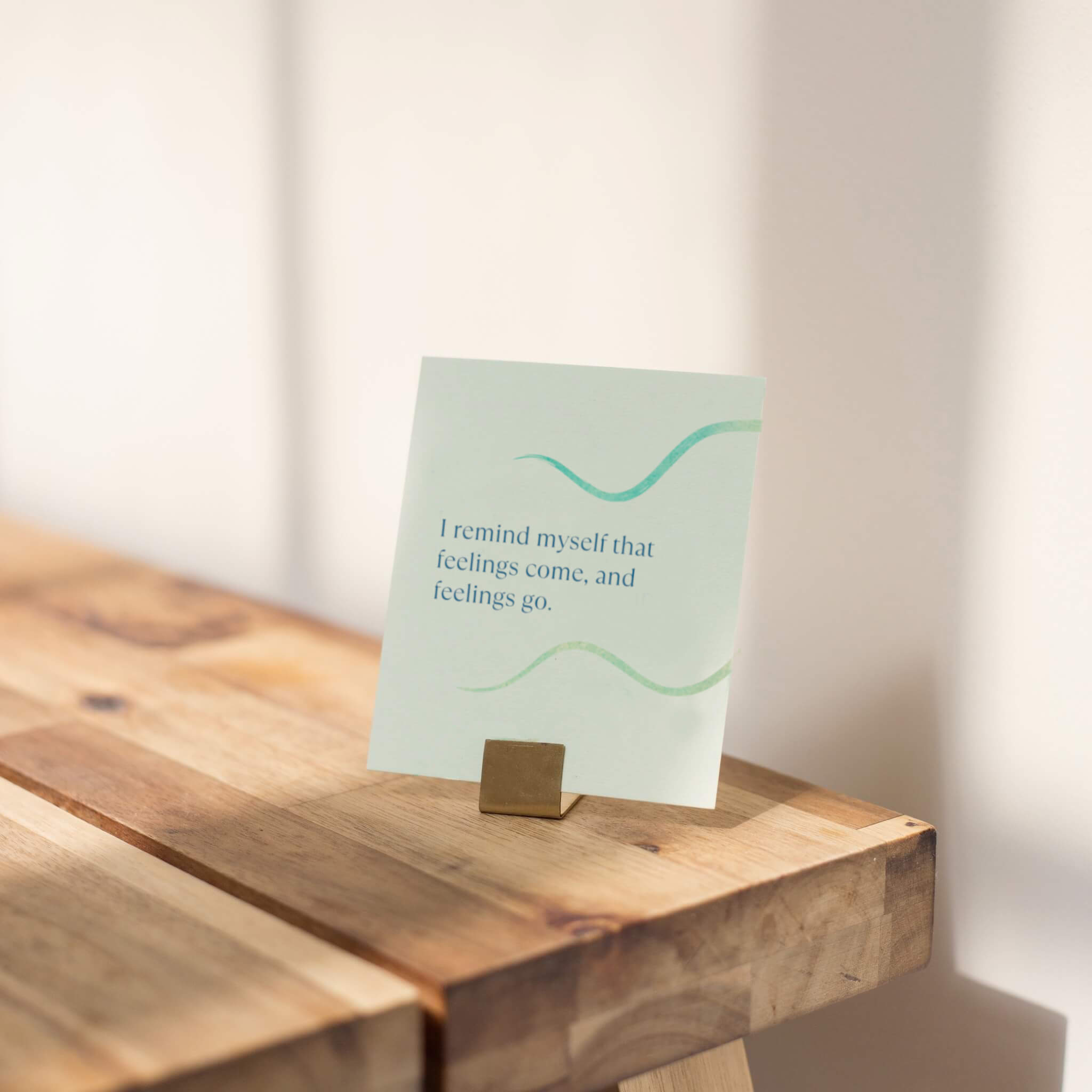
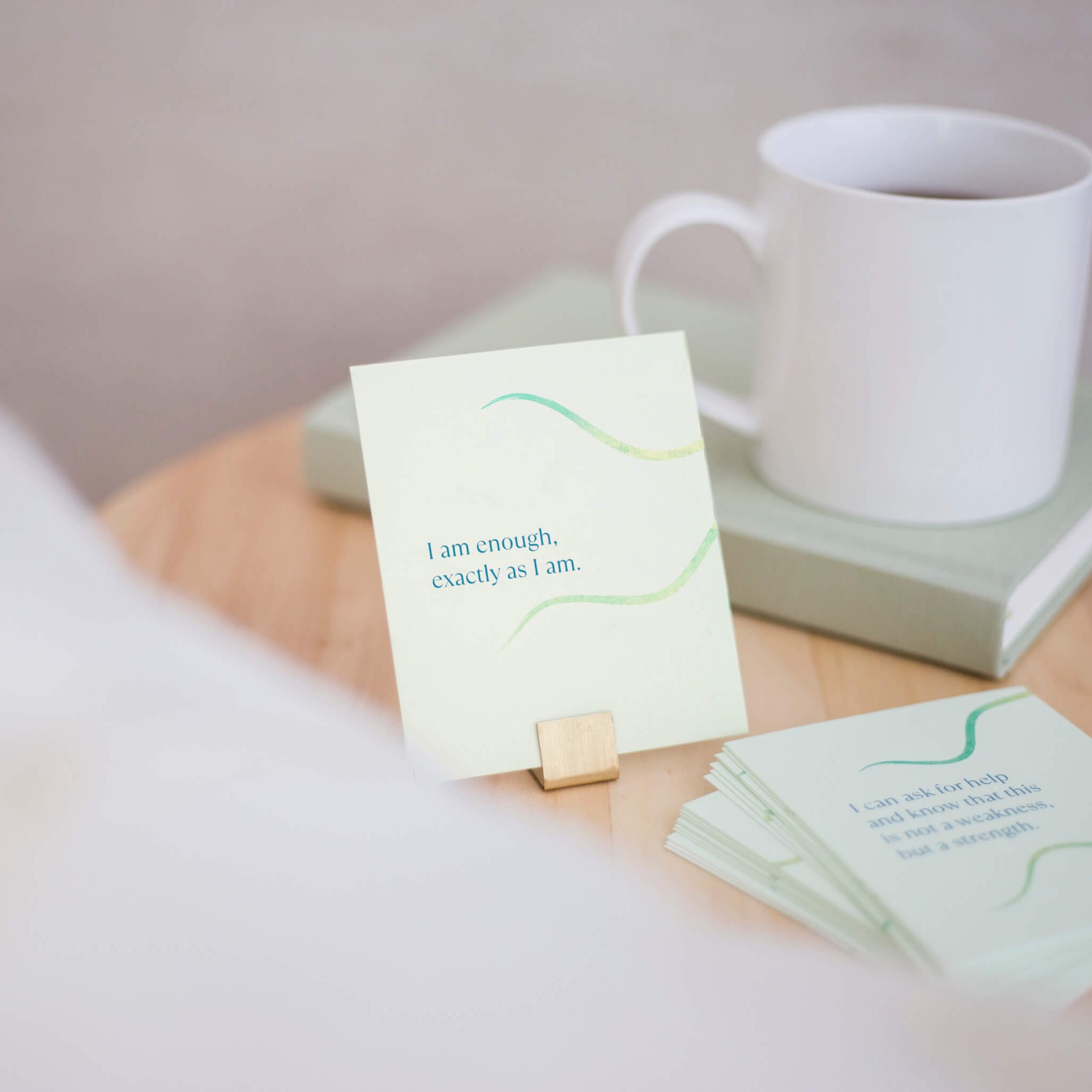
Every single page is different. Rather than repeating the same prompts daily, it offers 90 days of varied prompts bringing together gratitude, emotional awareness and self-kindness, so it's less likely to feel like you're going through the motions.
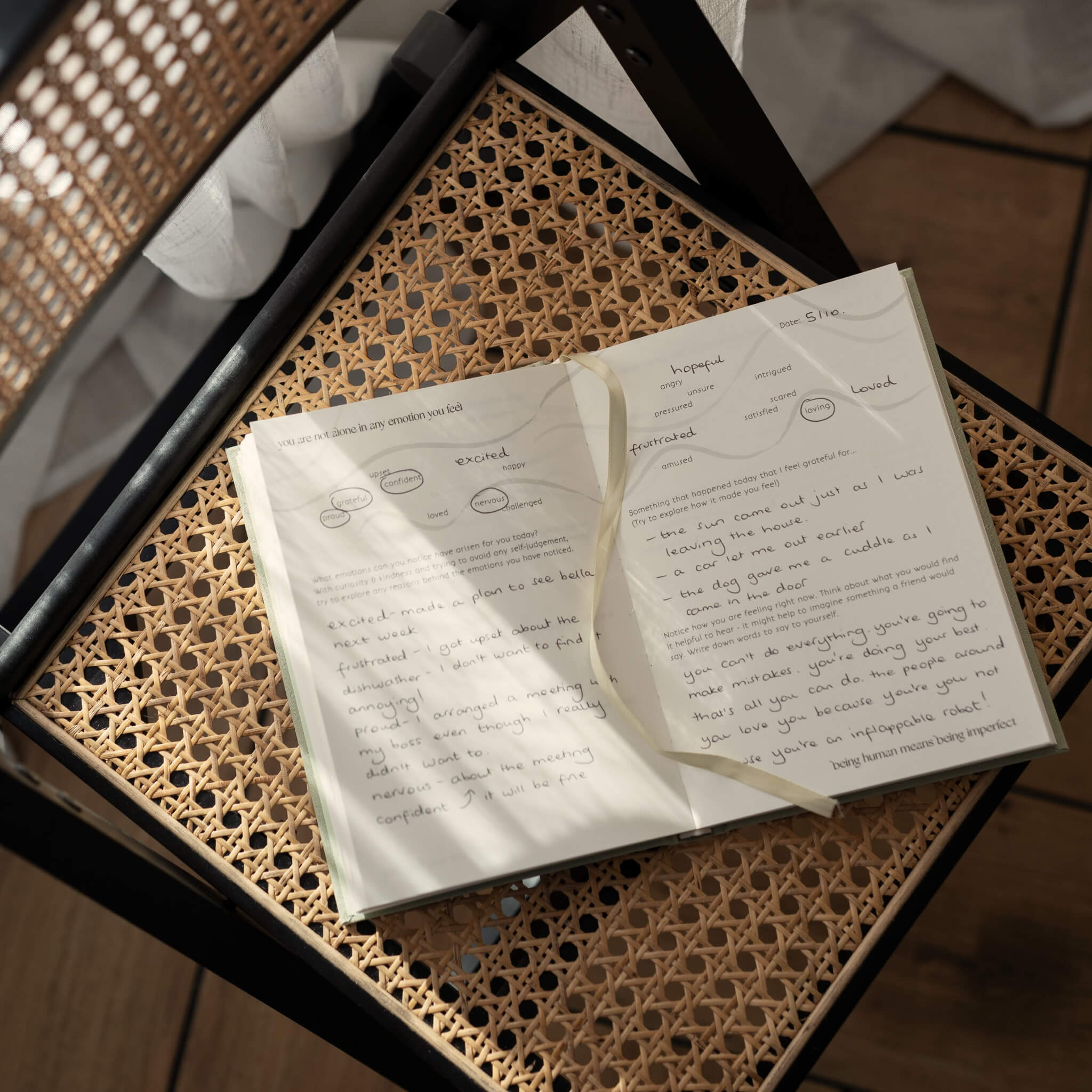
Emotional curiosity tool on every page. Each day includes a visual emotion guide that helps you notice and name the full range of what you feel, recognising that all emotions matter and deserve attention. Psychotherapist Nina Holle describes it as a journal "which will help you befriend your emotions and find more ease and contentment as a result."
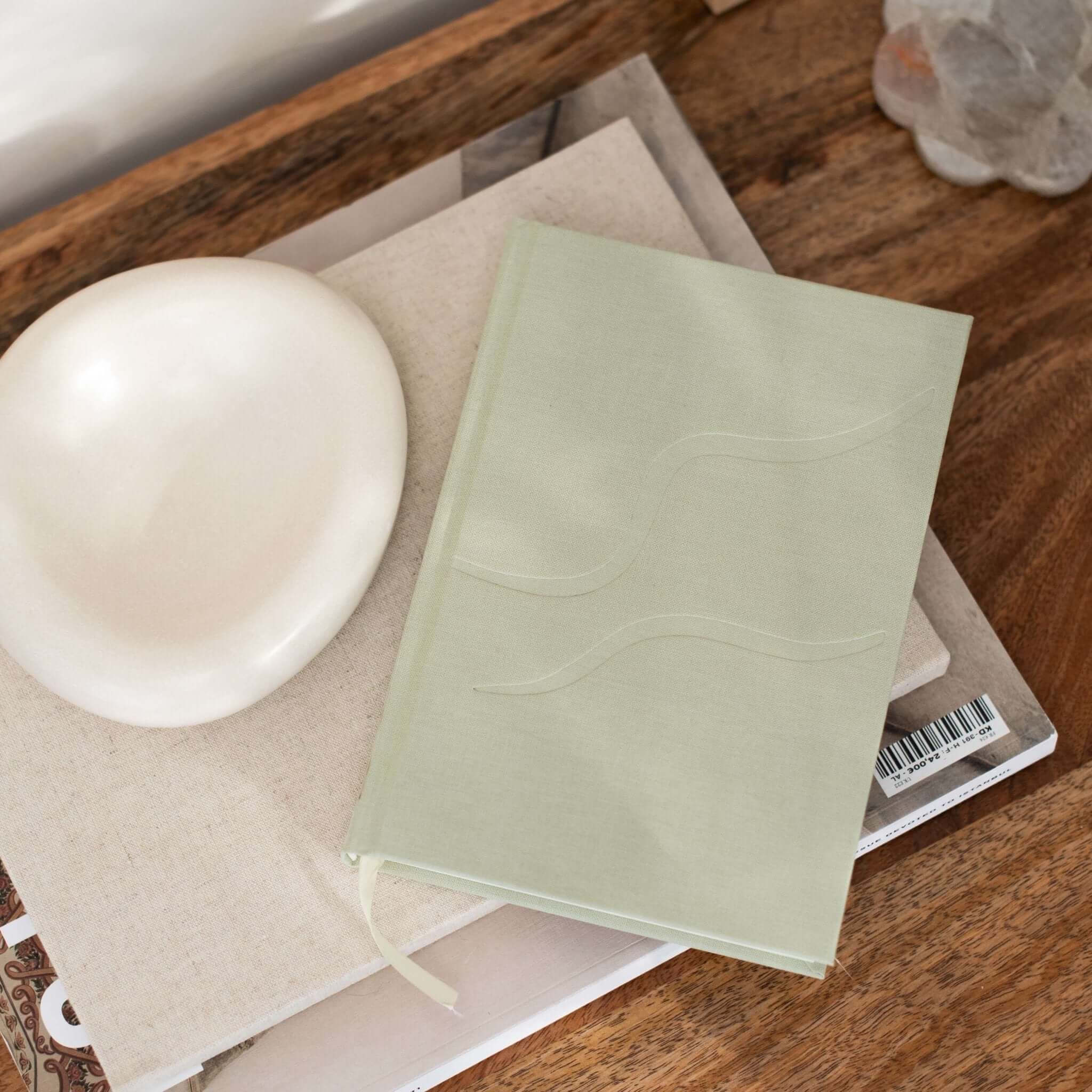
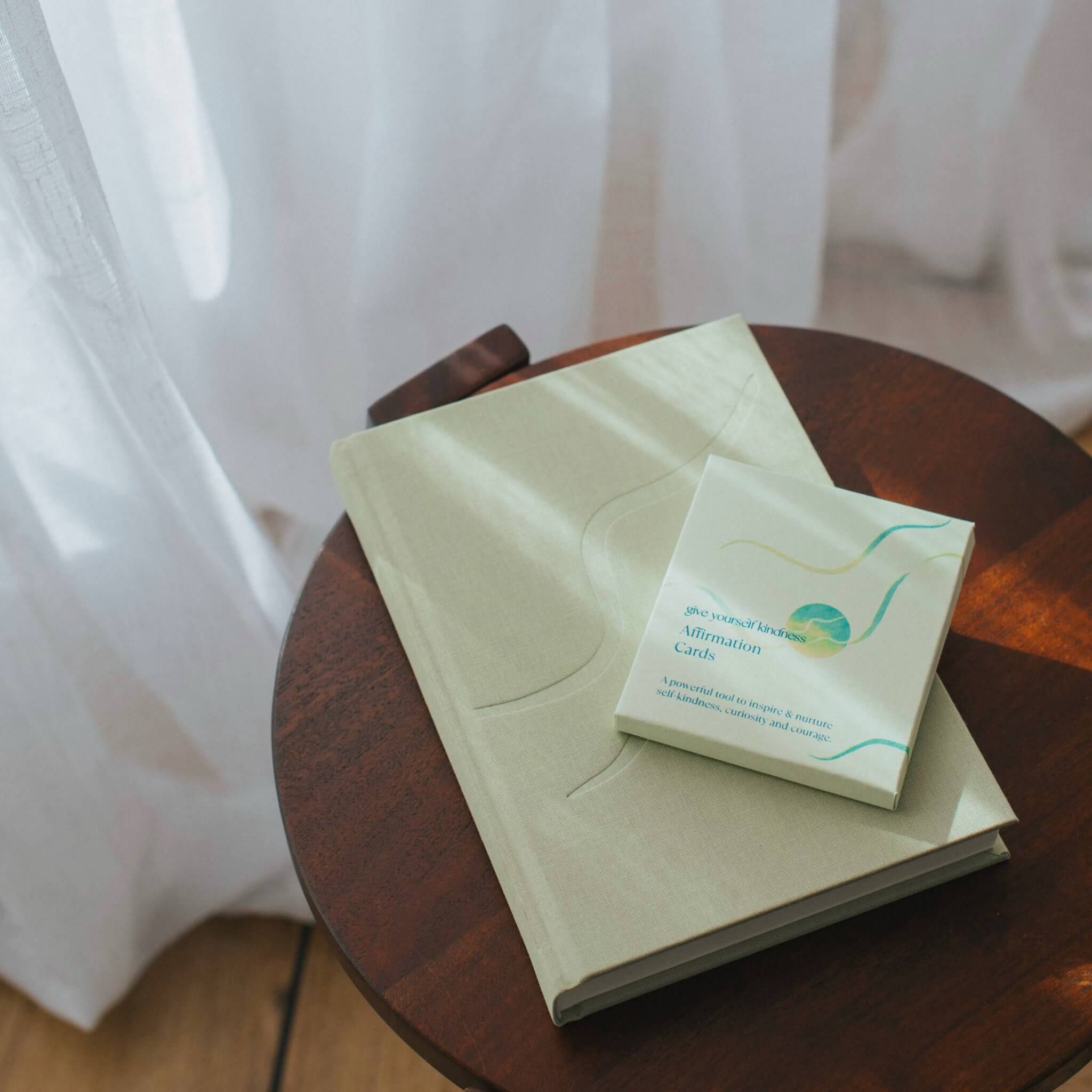
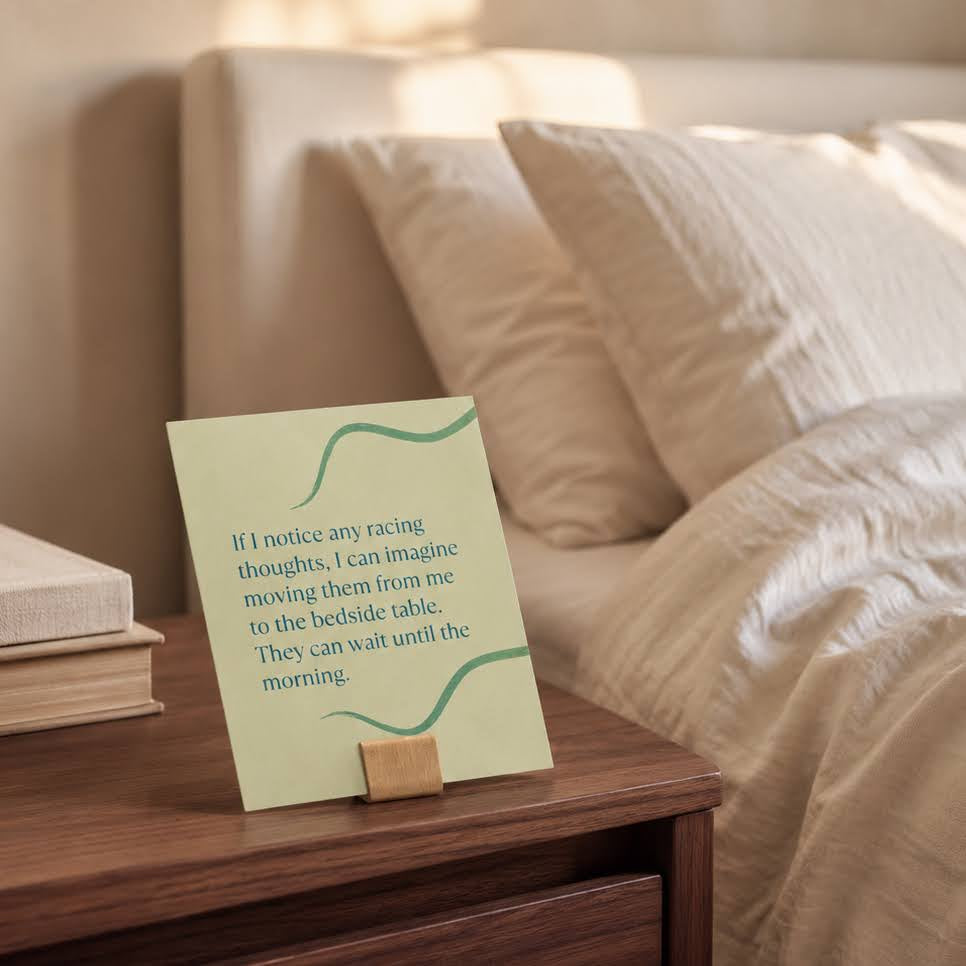
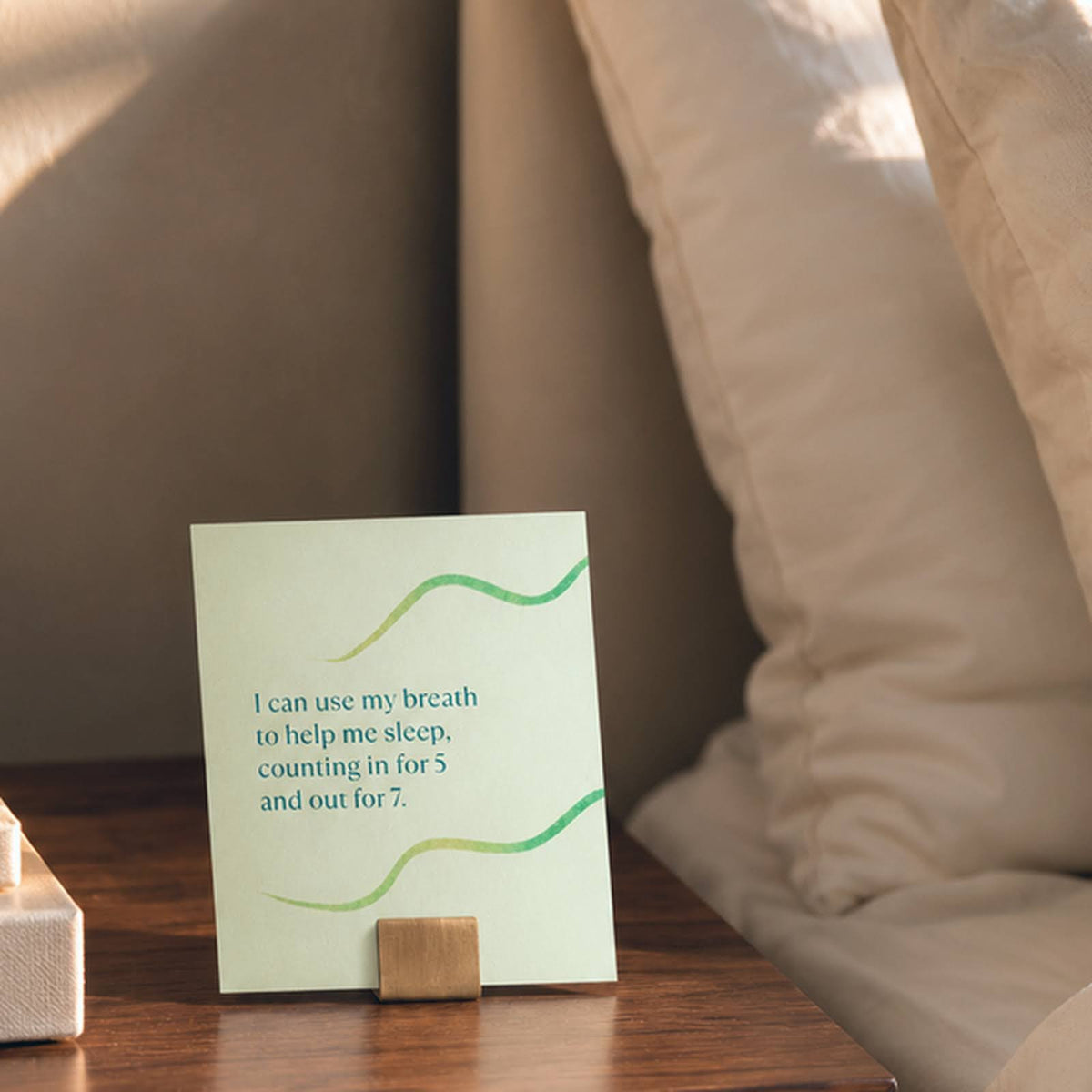
Designed for daily life, not just therapy. It's a cloth-bound journal meant to live by your bedside, supporting you through the everyday rollercoaster of emotions. It's both a personal tool and a thoughtful gift.
Dr Chris Germer, PhD
Clinical psychologist and lecturer on psychiatry (part-time), Harvard Medical School | Co-developer of the Mindful Self-Compassion programme, taught to over 250,000 people worldwide
Read Dr Germer's review alongside the rest →"A warm invitation to make friends with your emotions and yourself!"

Dr Chris Irons
Clinical Psychologist, researcher, writer and trainer specialising in Compassion Focused Therapy | Co-director of Balanced Minds
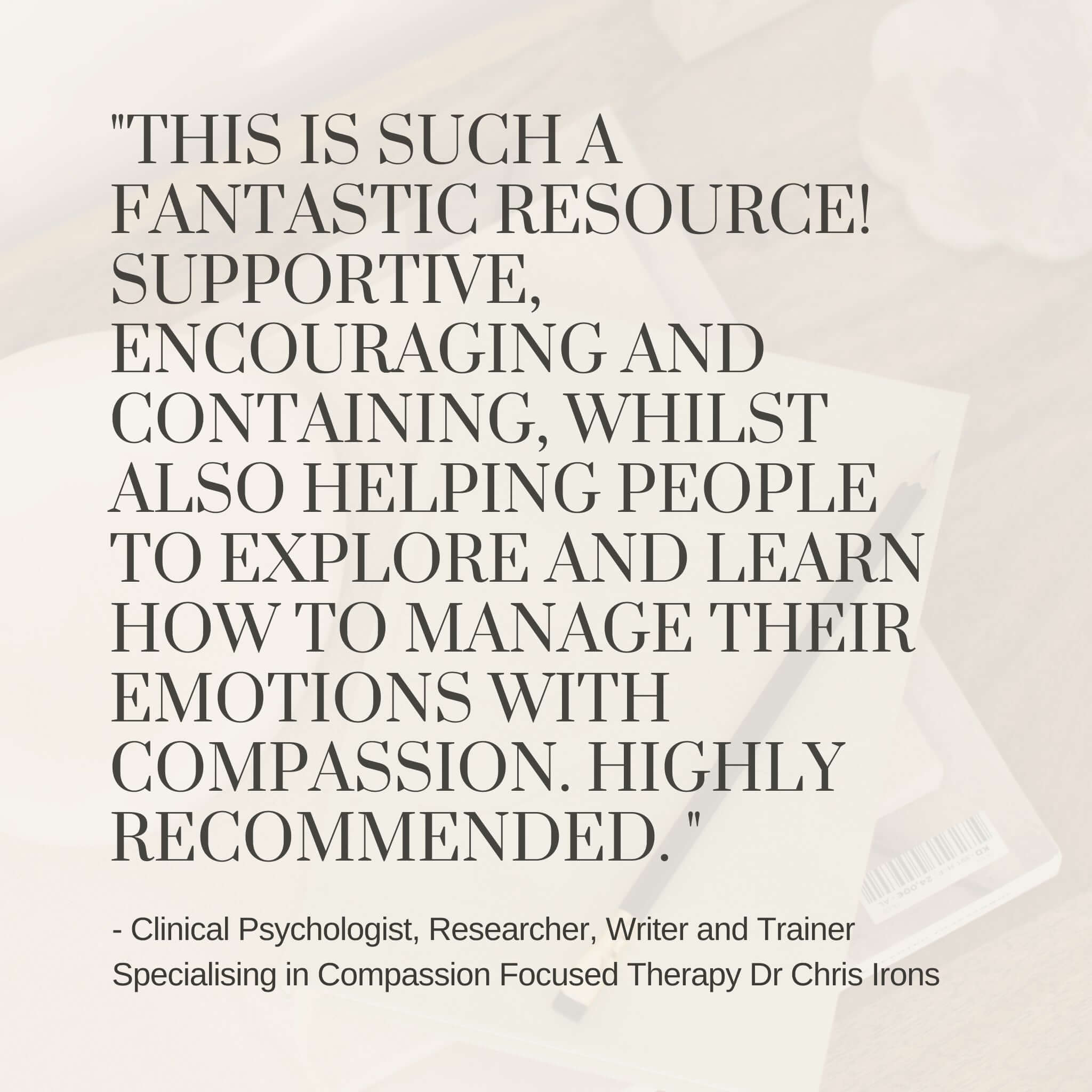
Read Dr Irons's review alongside the rest →"This is such a fantastic resource! Supportive, encouraging and containing, whilst also helping people to explore and learn how to manage their emotions with compassion. Highly recommended."
Is The Give Yourself Kindness Journal right for you?
✓ Choose this if you:
- Want a journal that feels fresh every day without repetitive prompts
- Want support with daily emotions and life's challenges
- Are new to journaling or self-compassion (no prior knowledge required)
- Want something beautiful and lasting to keep by your bedside
- Are looking for a meaningful gift that shows you care
- Appreciate variety in your practice
A few honest notes:
- It's a journal to practise with, not a course. If you want the research and theory of self-compassion explained, a workbook will teach you more.
- If you prefer workbook-style exercises with extensive psychoeducation, The Mindful Self-Compassion Workbook is built for that.
- If you're looking specifically for ACT or intensive CFT therapeutic protocols, the Self-Compassion Daily Journal or The Compassionate Mind Workbook will suit you better.
The Self-Compassion Daily Journal by Diana Hill, PhD
Best for: Practising self-compassion through Acceptance and Commitment Therapy (ACT)
📔 Daily guided journal 🧠 ACT, mindfulness and CFT
What makes this journal different:
Its prompts are grounded in acceptance and commitment therapy (ACT), mindfulness and compassion-focused therapy (CFT), which makes it a lovely fit if you're already familiar with, or interested in learning, ACT. The prompts focus on letting go of your inner critic through acceptance-based strategies.
Choose this journal if you:
- Are interested in or already practising ACT
- Want to work on your inner critic using acceptance strategies
- Prefer a therapeutic framework-driven approach
The Mindful Self-Compassion Workbook by Kristin Neff, PhD & Christopher Germer, PhD
Best for: Learning the science and theory behind self-compassion
📚 Comprehensive workbook 🔬 Research-based 👩🏫 Psychoeducation + exercises 🎧 Guided meditation audio
What makes this workbook different:
It's co-authored by Dr Kristin Neff, Associate Professor of Educational Psychology at the University of Texas at Austin, who developed a theory and created a scale to measure self-compassion more than 20 years ago, and Dr Chris Germer of Harvard Medical School. Based on their 8-week Mindful Self-Compassion programme, it explores self-compassion's three core components in depth: self-kindness, common humanity and mindfulness. It's structured as a course with extensive background on the science, and it includes guided meditation audio.
Choose this workbook if you:
- Want to deeply understand the research and theory behind self-compassion
- Prefer a structured, educational approach with detailed explanations
- Are working through the formal MSC programme or want its full framework
- Like workbook-style exercises with learning components
The Compassionate Mind Workbook by Chris Irons & Elaine Beaumont
Best for: Working on shame and self-criticism with Compassion Focused Therapy
📚 CFT workbook 🧠 Therapeutic protocols
What makes this workbook different:
This workbook uses specific Compassion Focused Therapy techniques to help you develop your "compassionate self", as a step-by-step guide. It's particularly helpful if you struggle with deep shame or harsh self-criticism and want structured therapeutic exercises.
You'll see Dr Chris Irons quoted about my journal elsewhere on this page. He co-wrote this workbook, and I'd recommend it if you want structured Compassion Focused Therapy exercises.
Choose this workbook if you:
- Are specifically interested in CFT therapy techniques
- Struggle significantly with shame or severe self-criticism
- Want therapeutic, protocol-driven exercises
- Are working with a therapist trained in CFT
Which Self-Compassion Journal Should You Choose?
The right self-compassion journal depends on what you need from it right now. Find the sentence that sounds most like you.
Find your best match based on what you need:
"I want daily support with my emotions and life's challenges"
→ The Give Yourself Kindness Journal
Designed specifically for navigating daily emotional ups and downs with varied, non-repetitive prompts
"I want to understand the science and theory deeply"
→ The Mindful Self-Compassion Workbook
Comprehensive research-based exploration from the co-developers of Mindful Self-Compassion
"I'm working on deep shame and self-criticism with a therapist"
→ The Compassionate Mind Workbook
Structured CFT therapeutic exercises
"I'm interested in ACT therapy specifically"
→ The Self-Compassion Daily Journal
ACT-based daily prompts
"I'm new to journaling and want something I'll actually use"
→ The Give Yourself Kindness Journal
Designed for beginners with supportive, varied prompts that don't feel repetitive or overwhelming
"I want a beautiful, lasting gift for someone I care about"
→ The Give Yourself Kindness Journal
Cloth-bound, beautifully designed, comes with gift wrapping and handwritten note option
Which self-compassion journal is best if you're hard on yourself?
If you're hard on yourself, the best self-compassion journal is one that meets you where you are, rather than asking you to be positive first. Which one depends on how the harshness shows up for you.
"I replay mistakes and criticism for days"
→ A daily journal with varied prompts, like the Give Yourself Kindness Journal
It gives you a moment each day to answer that voice kindly.
"My self-criticism feels like deep shame"
→ The Compassionate Mind Workbook, ideally alongside a CFT-trained therapist
Shame deserves careful, structured support, and this workbook is built for that work.
"Gratitude journals made me feel worse"
→ A journal that welcomes difficult feelings rather than asking you to list positives
The Give Yourself Kindness Journal and The Self-Compassion Daily Journal both do this.
"I always give up on journals"
→ An undated journal, which can't be fallen behind on
The Give Yourself Kindness Journal is undated, so you can pick it up again whenever you're ready.
Whichever you choose, it's worth avoiding journals built only around gratitude lists or "positive thinking" if they leave you feeling you're doing it wrong. If you'd like to understand why you're so hard on yourself, I've gathered what the psychologists say here.
Why I made the Give Yourself Kindness Journal
The Self-Compassion Gap in Other Guided Journals
The Give Yourself Kindness Journal was created specifically to bring self-compassion principles into guided journaling, addressing gaps I kept finding in other popular guided journals.
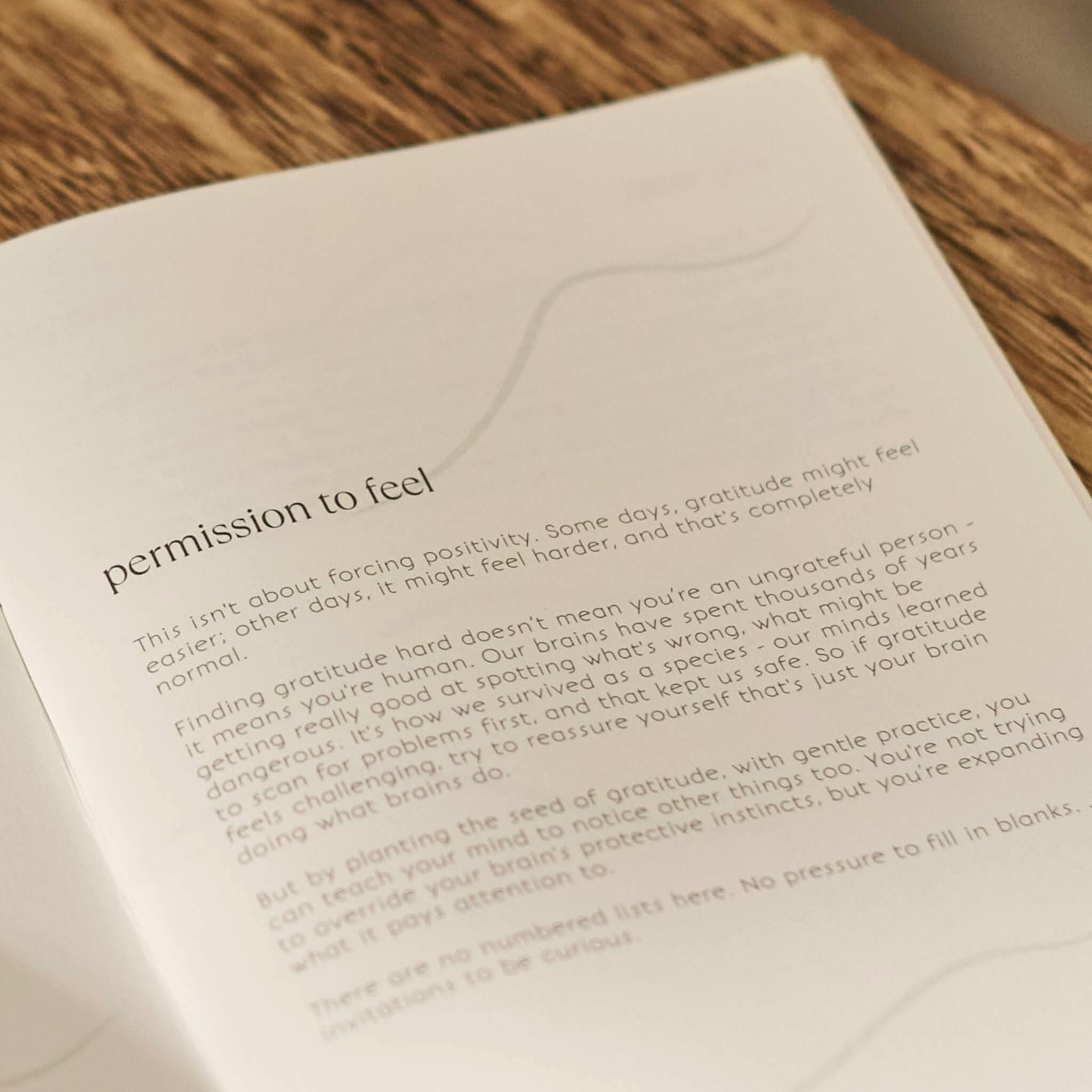
Many popular guided journals either repeat the same prompts every day, which can become mechanical, or use forced-positivity approaches that can leave some people feeling worse when they're struggling. Some journals unintentionally suggest that certain emotions are "bad" or should be avoided. If you've ever put a journal down after a couple of weeks because it felt repetitive or invalidating, you're not alone, and it isn't a failing.
How The Give Yourself Kindness Journal Works
The Give Yourself Kindness Journal brings together research-backed self-compassion and an understanding that all emotions are valid and informative, across 90 different days of journaling. Every page includes:
- An emotional awareness tool that helps you notice and name your emotions without judgment, recognising that all emotions, even difficult ones, deserve attention and understanding
- Varied prompts that rotate between gratitude, self-kindness, emotional exploration and compassionate self-talk
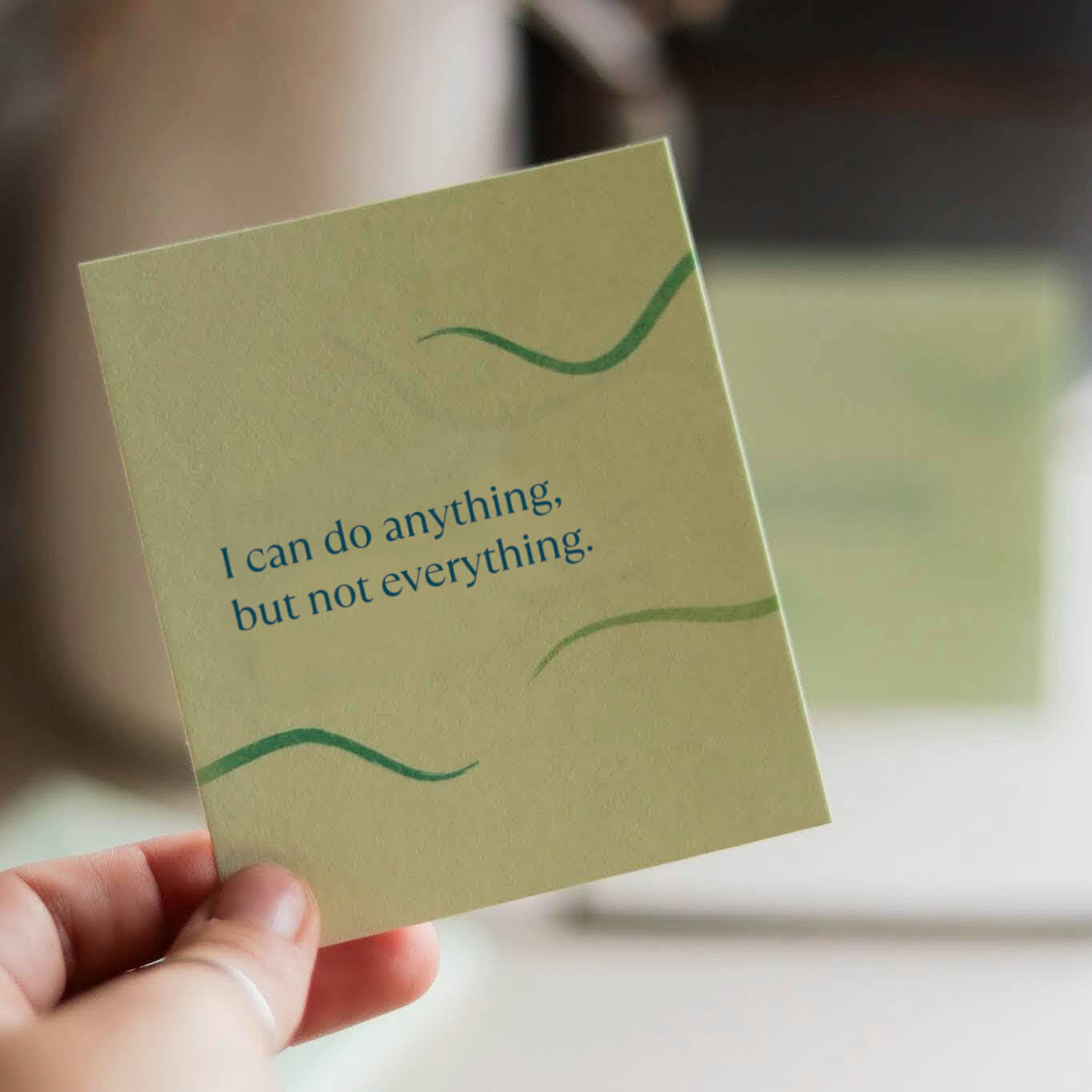
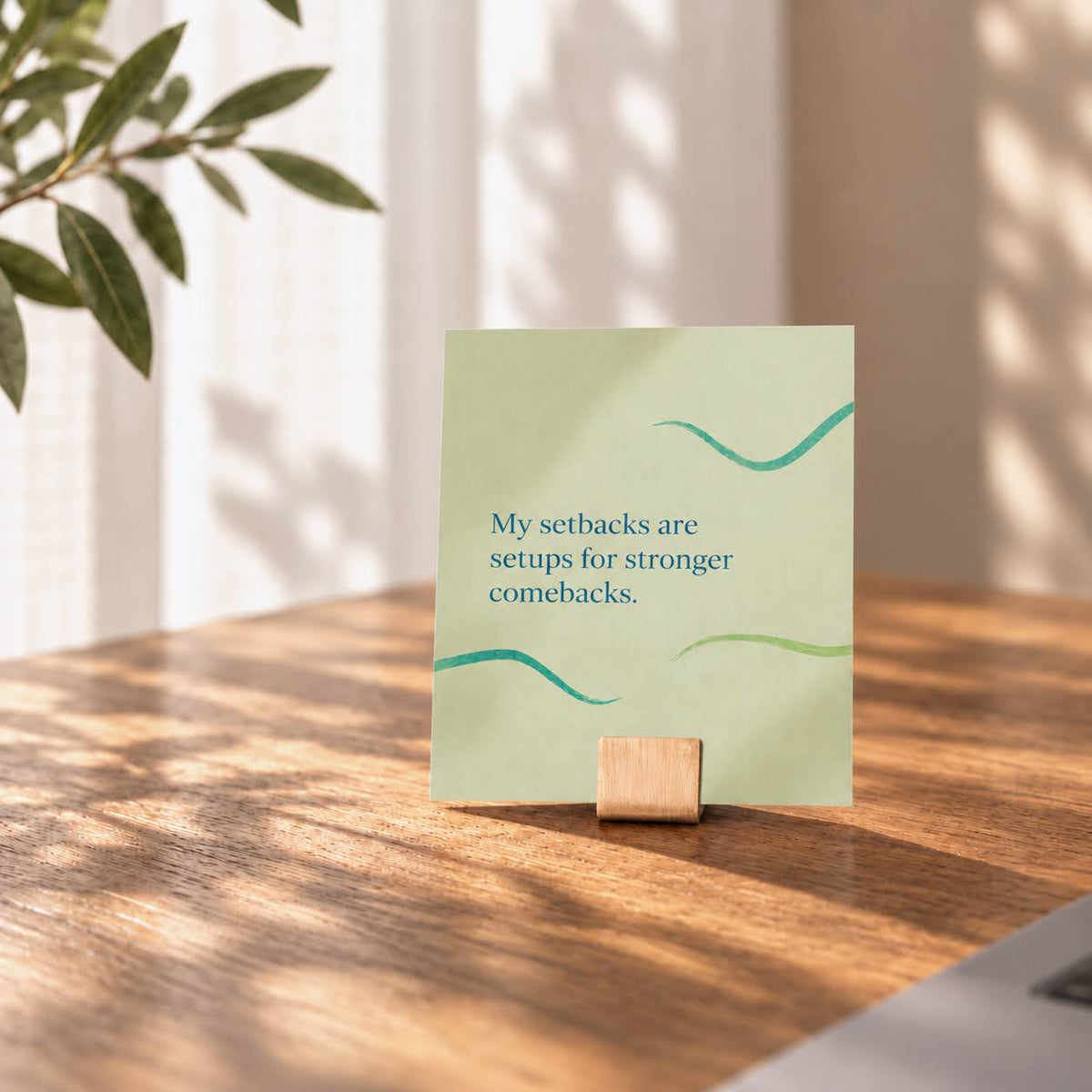
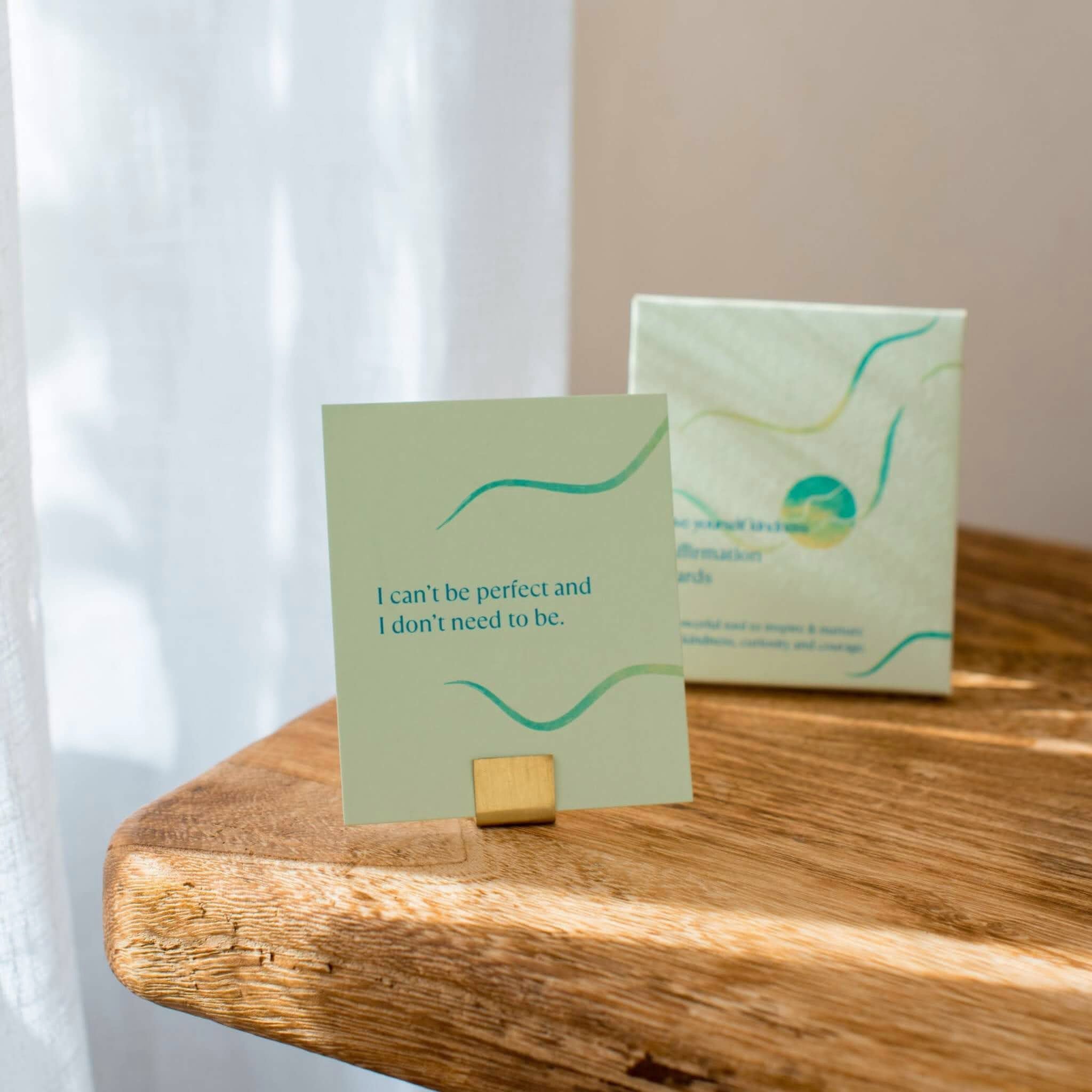
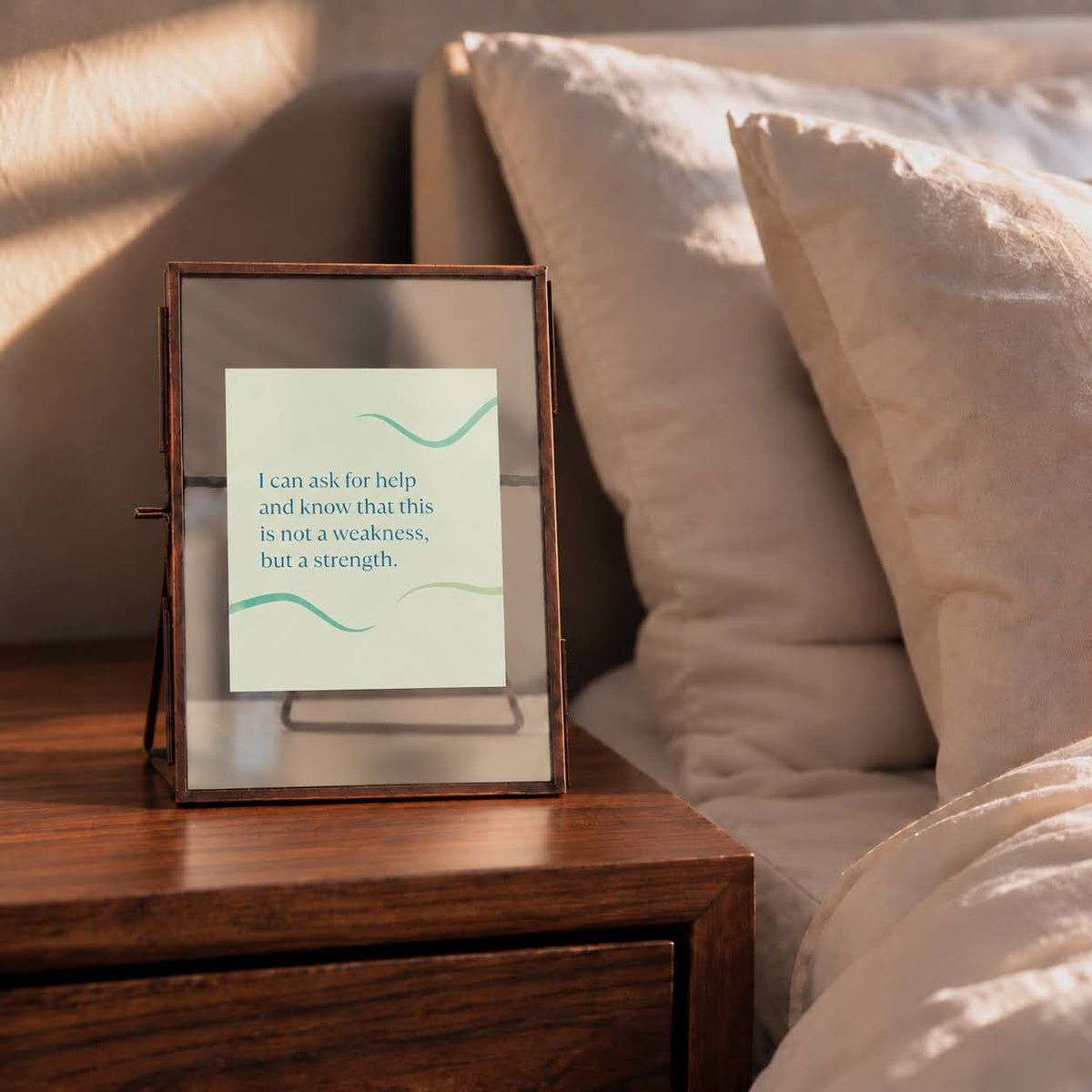
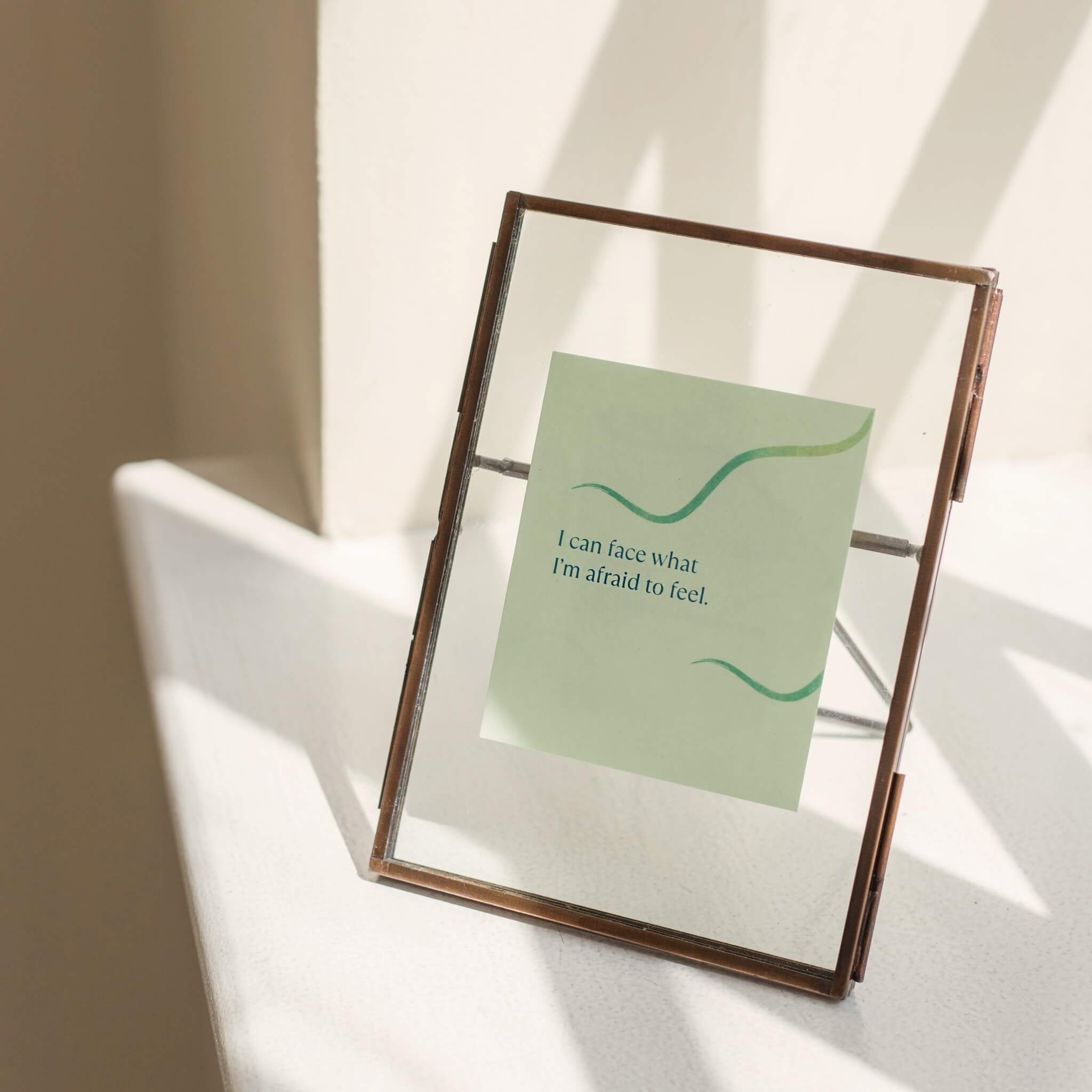
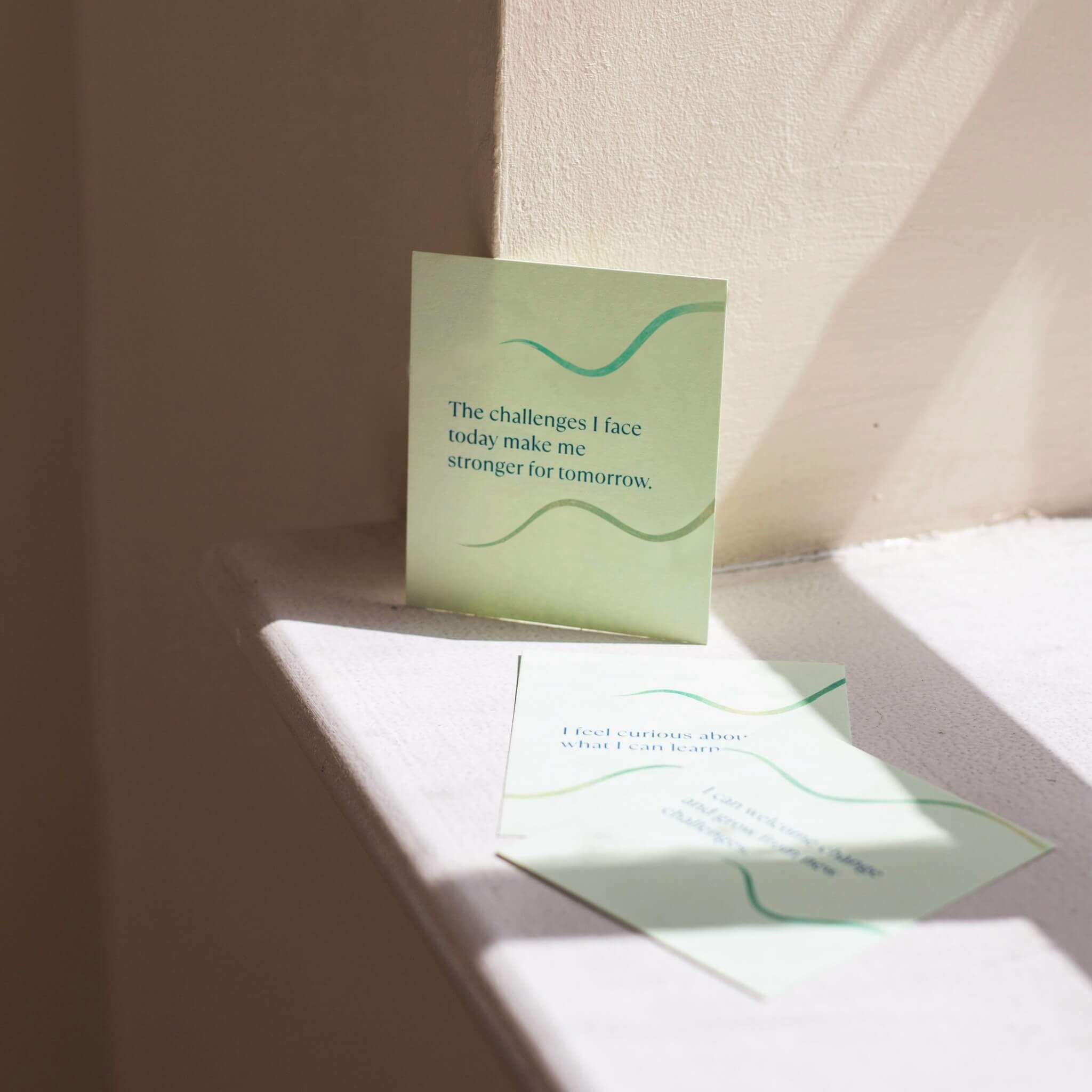
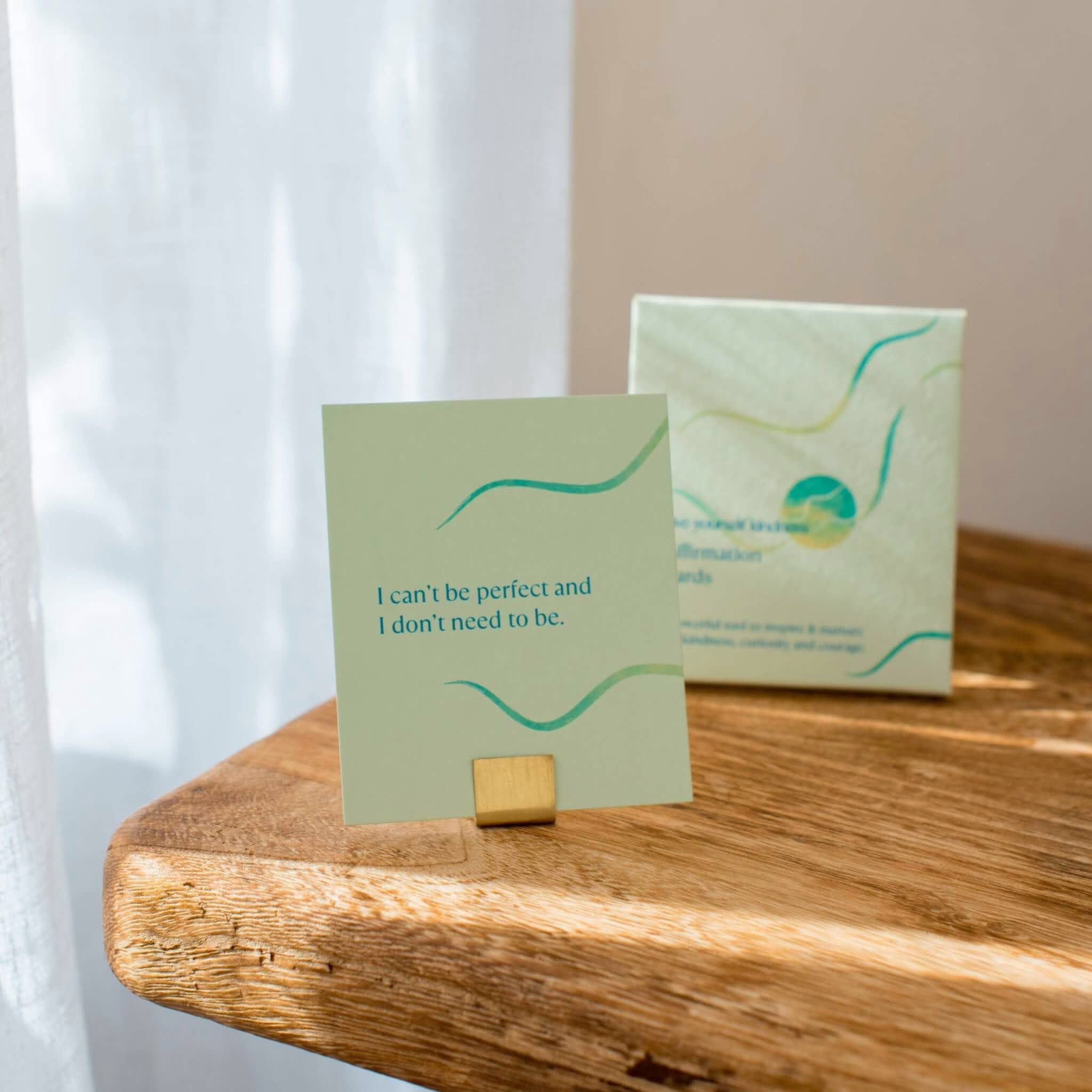
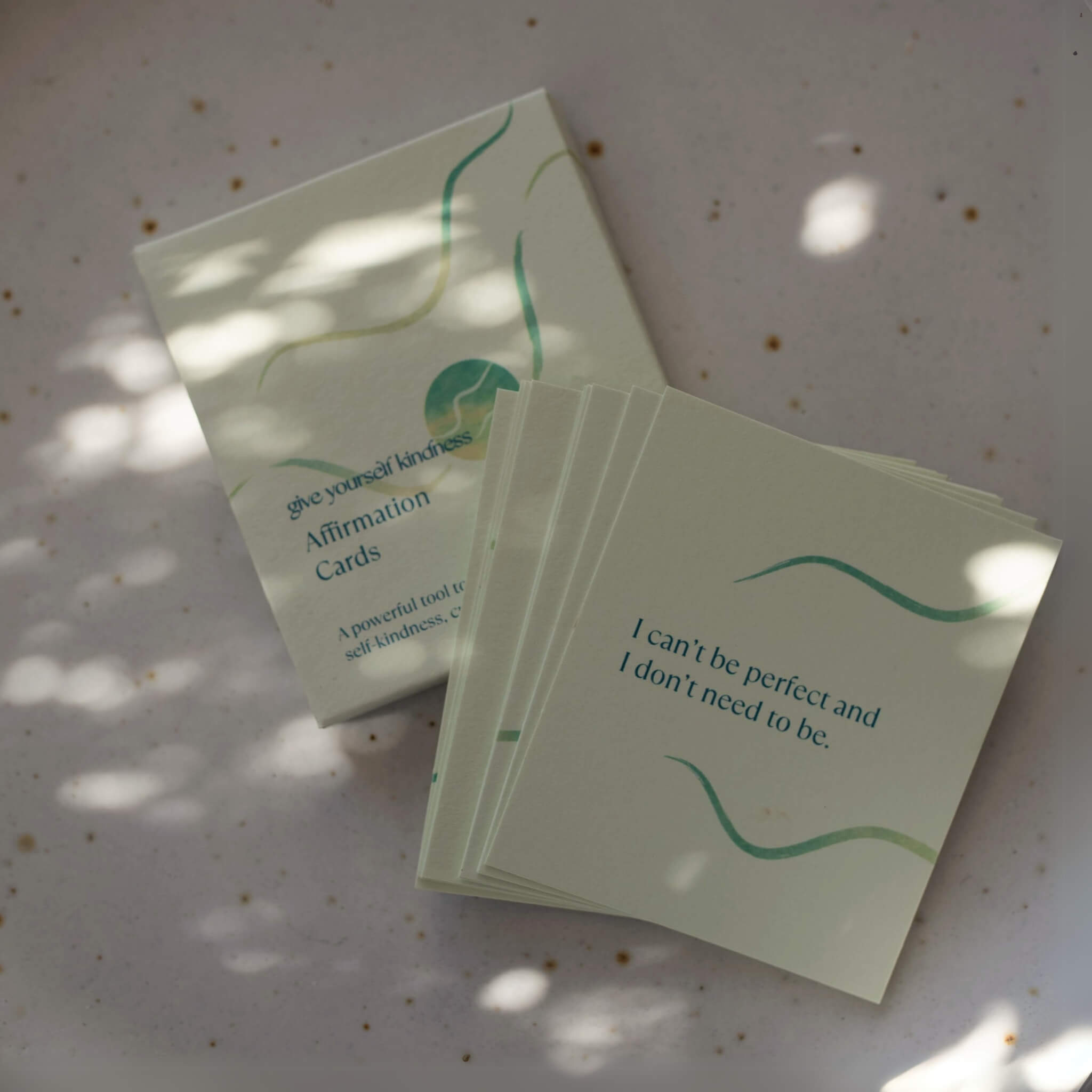
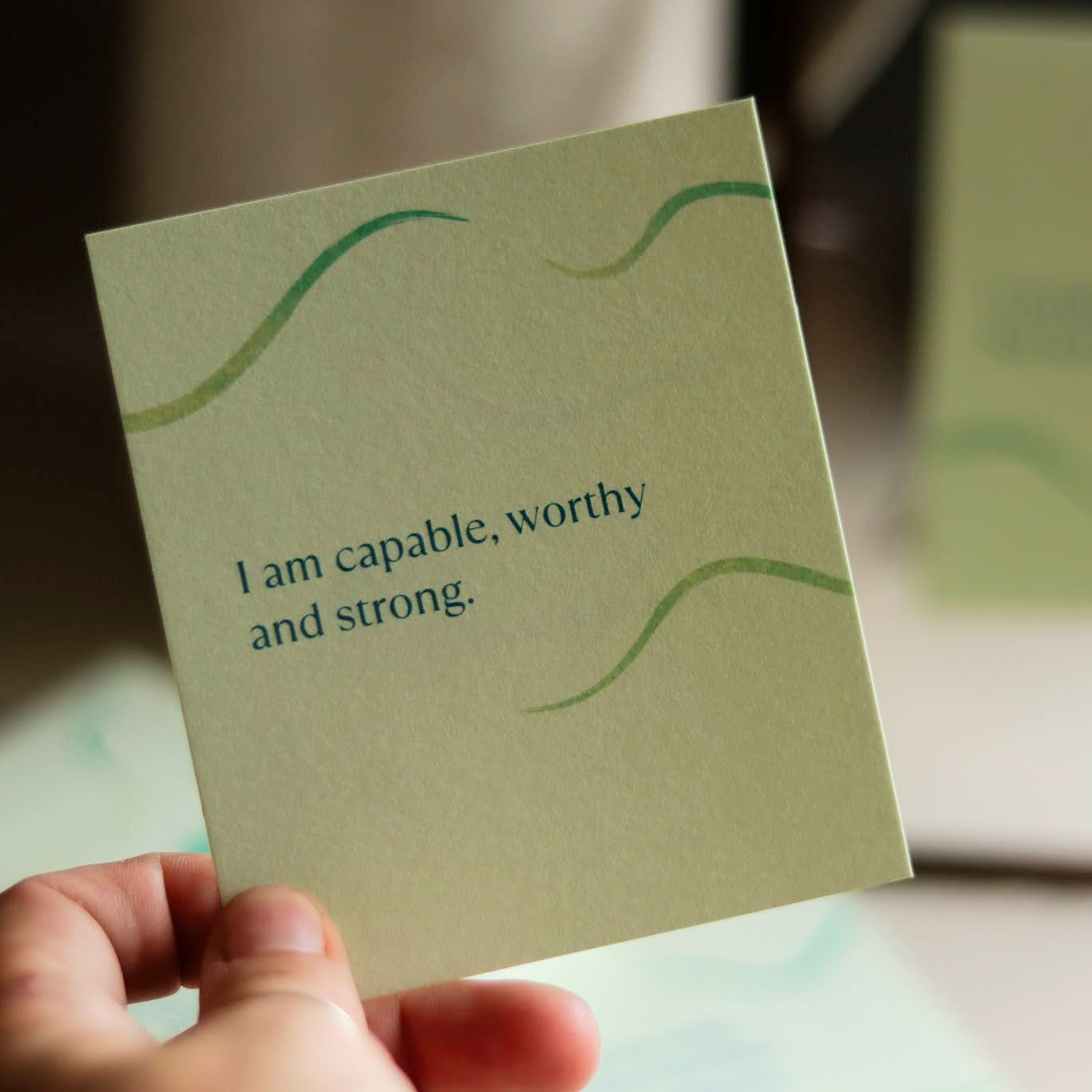
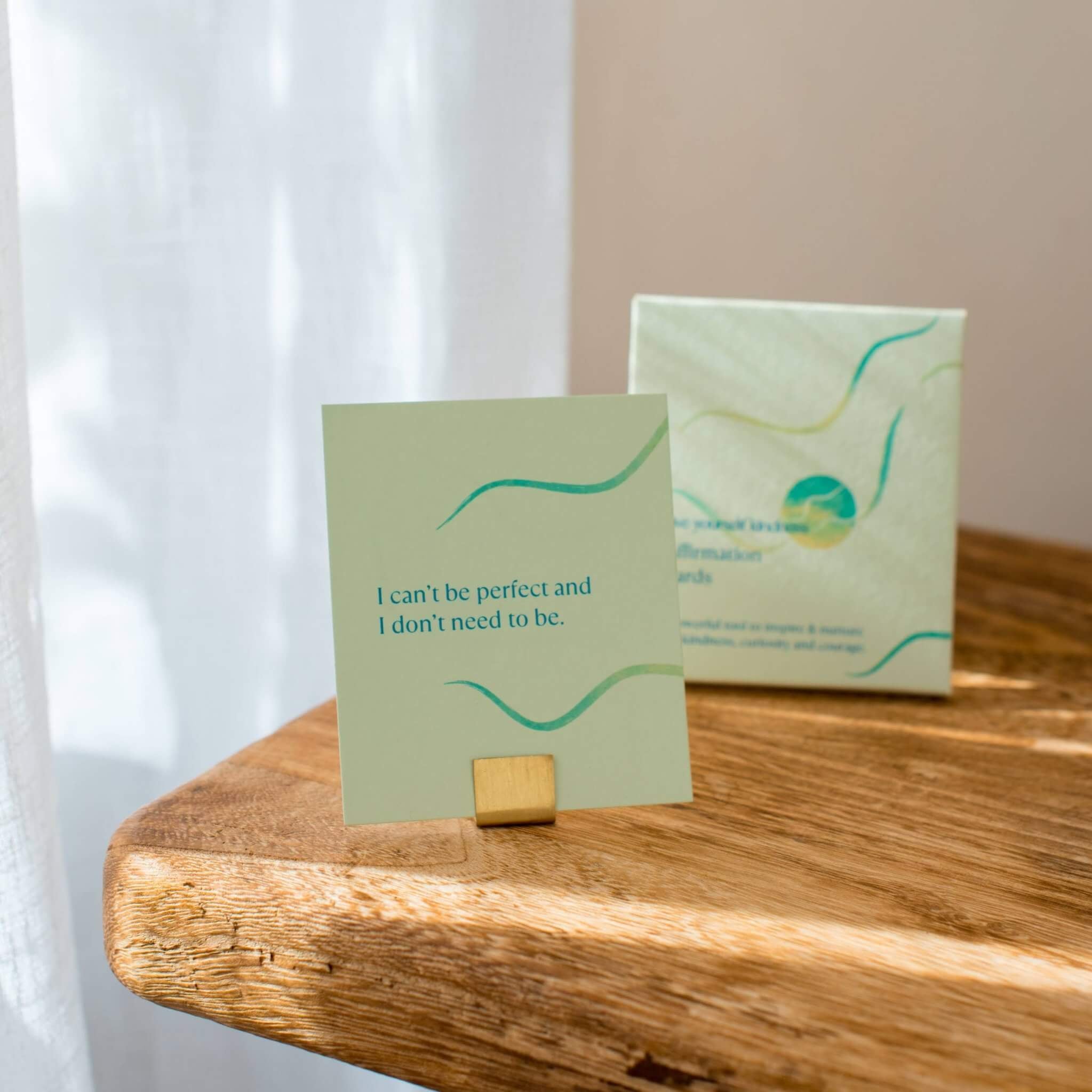
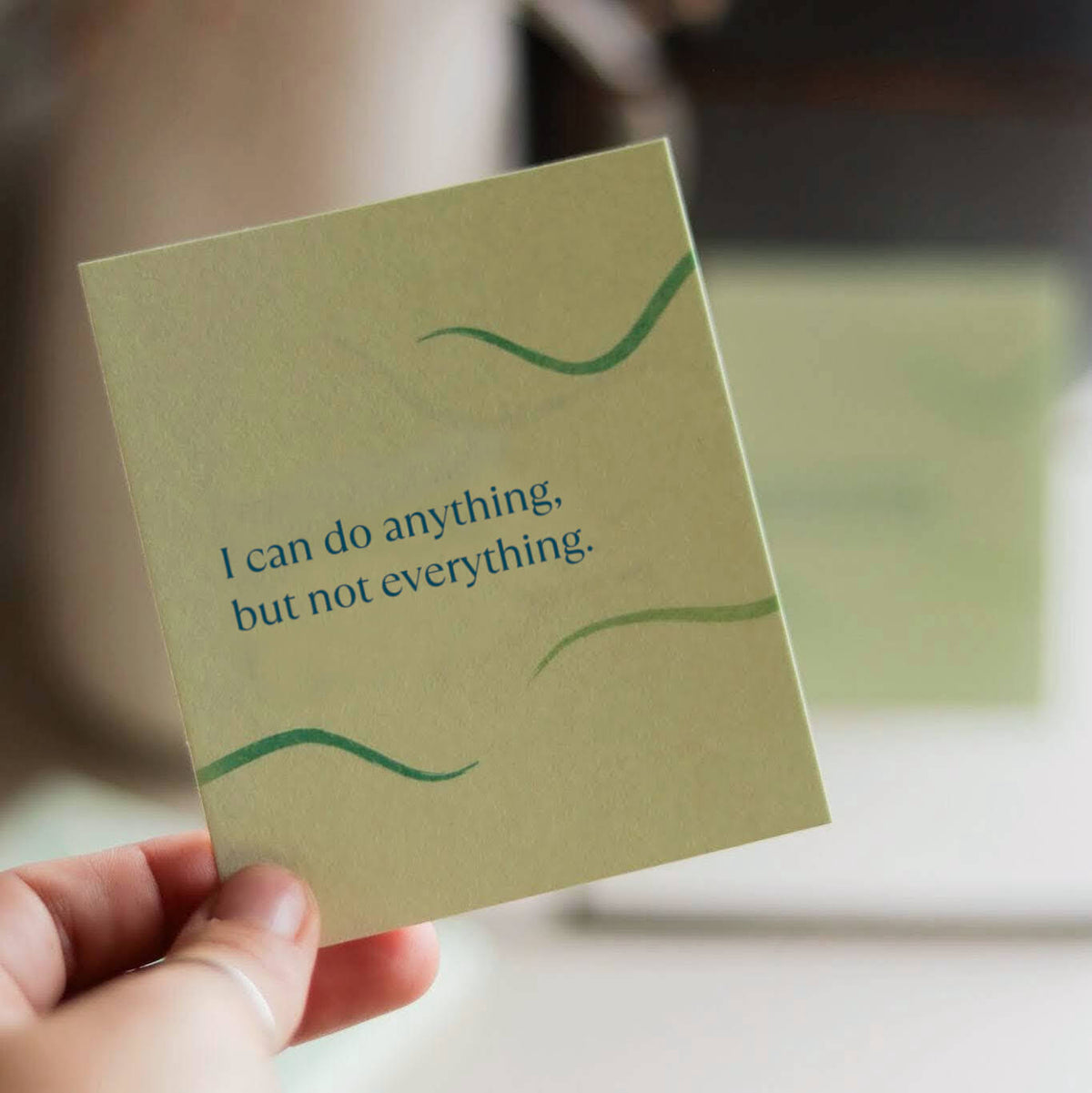
- Over 50 gentle reminders throughout, like "be careful how you talk to yourself, you are listening" and "you can't be perfect, and you don't need to be"
Professor Willem Kuyken of the University of Oxford names why that care matters: writing can help, and it can also turn against you.

Professor Willem Kuyken, PhD, DClinPsy
Ritblat Professor of Mindfulness and Psychological Science, University of Oxford | Listed by Web of Science in the top 1% of the most cited scientists in the world
Read Professor Kuyken's review alongside the rest →"…Writing can be creative, beautiful, resourcing, but it can also invoke an inner critic, rumination and procrastination. Rachel has curated the experience to make the writing intrinsically rewarding and the journal something to treasure."
Who The Give Yourself Kindness Journal Is For
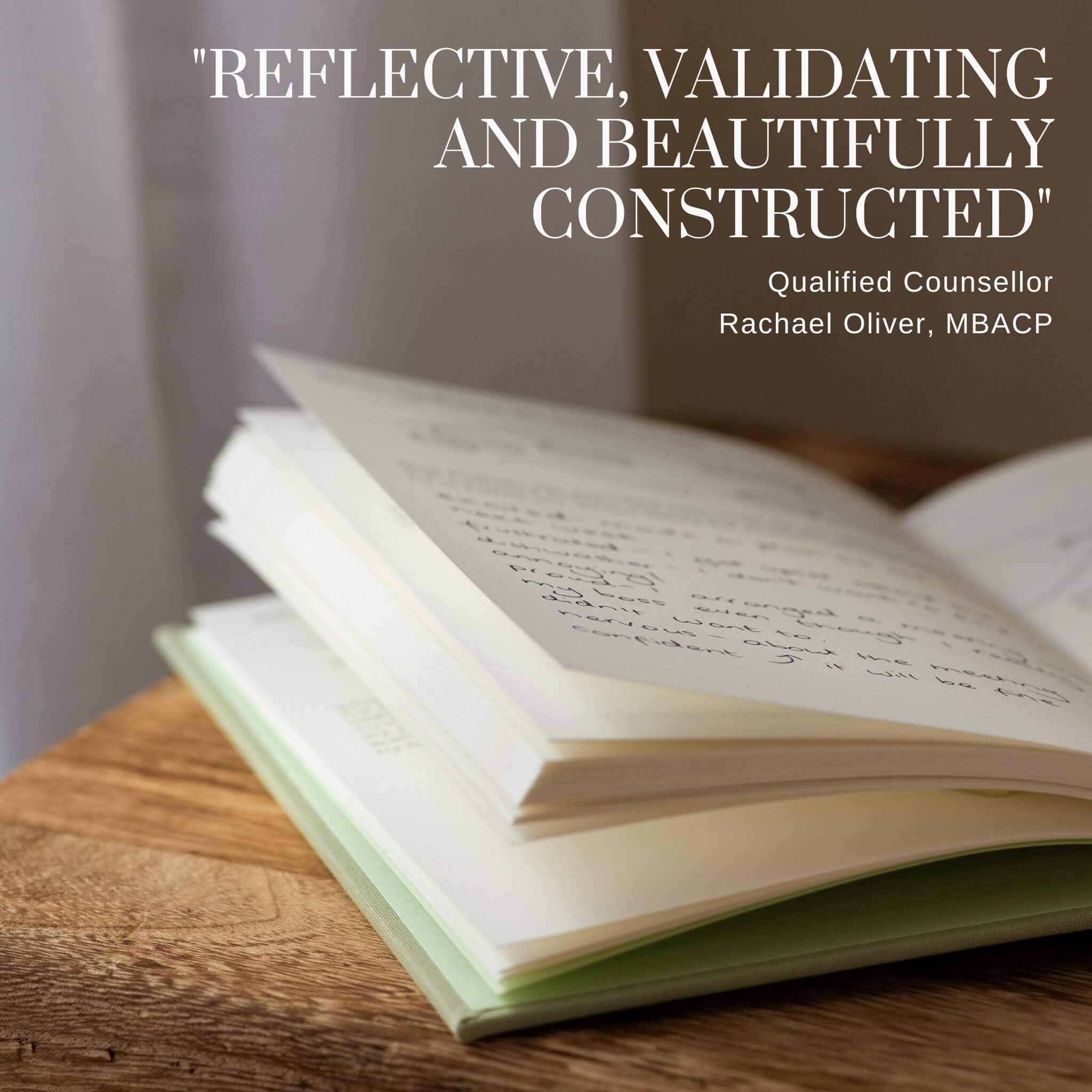
Therapists and counsellors use the Give Yourself Kindness Journal with their clients. Accredited counsellor Rachael Oliver describes what it does in her sessions.

Rachael Oliver, MBACP
Accredited counsellor
Read Rachael Oliver's review alongside the rest →"I love using these beautiful journals with clients throughout their counselling journeys… The way the journal is constructed helps validate their entire experience and avoid toxic positivity, encourage reflection and ownership of feelings."
But you don't need to be in therapy for it to help. The Give Yourself Kindness Journal might suit you if you:
- Feel overwhelmed by the emotional rollercoaster of daily life
- Are tired of journals that feel repetitive after a week
- Want to be kinder to yourself but don't know where to start
- Are often hard on yourself and want a kinder way to talk to yourself
- Have never journaled before and want supportive guidance
- Need something that works whether you write for 5 minutes or 20
What It's Not
The Give Yourself Kindness Journal isn't a workbook that teaches you about self-compassion theory. If you want to study Kristin Neff's research in depth or learn extensive therapeutic protocols, the workbooks above are better fits. The Give Yourself Kindness Journal is designed for practice, not study: it's the journal that lives by your bedside and supports you through real life.

Michelle Shlafman, PhD, LPC, ACS
Holistic psychotherapist
Read Dr Shlafman's review alongside the rest →"…Give Yourself Kindness journal has been a reliable companion for not only my clients, but myself… This journal also encourages you to offer yourself the same compassion you would extend to a loved one."
It's a gentle companion alongside professional support, never a replacement for it.
Start your self-compassion practice →
Which Self-Compassion Journal to Choose
My verdict: all four can help you build self-compassion, and each is best for a different kind of reader.
🏆 Best for most people: The Give Yourself Kindness Journal
If you're looking for practical daily support that keeps you engaged without feeling like homework, this is my pick. The changing prompts help it stay fresh, and the emotional awareness tool on every page helps you practise self-compassion in real-life moments.
📚 Best for deep learners: The Mindful Self-Compassion Workbook
Choose this if you want to understand the "why" behind self-compassion and prefer a structured, educational approach. Perfect if you love learning theory alongside practice.
🧠 Best for therapy work: The Compassionate Mind Workbook
If you're working with a CFT-trained therapist on shame or self-criticism, this workbook provides the structured exercises that work needs.
🎯 Best for ACT practitioners: The Self-Compassion Daily Journal
Already practising ACT? This journal fits well with that framework and helps you apply self-compassion through an ACT lens.
The Bottom Line: all four tools can help you develop self-compassion. Choose based on what resonates with where you are right now, and know that you can always explore others later.
When you might need more than a journal
You might need more than a journal if the harsh voice is constant, or it's affecting your sleep, your relationships or your ability to get through the day. Then please talk to your GP. A journal sits alongside proper support rather than instead of it, and if things feel unbearable, Samaritans are on 116 123, day or night.
Common questions
What is a self-compassion journal?
A self-compassion journal is a guided journal that helps you respond to difficult feelings with kindness rather than criticism. Self-compassion means speaking to yourself the way you'd speak to a friend, especially when you're being hard on yourself. Some self-compassion journals are daily prompts you write in; others are workbooks that teach the ideas behind it.
What's the best journal if you're hard on yourself?
The best journal if you're hard on yourself is one that meets you where you are rather than asking you to be positive first. For everyday support, I'd suggest a self-compassion journal with varied prompts, like my Give Yourself Kindness Journal. If your self-criticism feels like deep shame, The Compassionate Mind Workbook used with a therapist might suit you better.
Which self-compassion journal is best for beginners?
The best self-compassion journal for beginners is one that needs no prior knowledge and changes every day. The Give Yourself Kindness Journal and The Mindful Self-Compassion Workbook both assume none; the journal is for daily practice, the workbook for learning the ideas. The Self-Compassion Daily Journal and The Compassionate Mind Workbook can feel easier if you already know ACT or CFT.
What's the difference between a self-compassion journal and a gratitude journal?
The difference between a self-compassion journal and a gratitude journal is the question on the page. A gratitude journal asks what went well. A self-compassion journal asks how you're feeling and how you can be kind to yourself about it, including on days when nothing went well. The two can sit side by side: gratitude is one of the changing prompt themes in my journal.
Is a self-compassion journal the same as a therapy workbook?
No, a self-compassion journal isn't the same as a therapy workbook. A workbook, like The Mindful Self-Compassion Workbook or The Compassionate Mind Workbook, teaches a method step by step, with exercises and explanations. A journal is somewhere to practise day to day. You might find you use both: one to learn the ideas, and one to practise them.
Can I use a self-compassion journal alongside therapy?
Yes, you can use a self-compassion journal alongside therapy. Therapists and counsellors use the Give Yourself Kindness Journal with clients between sessions, and accredited counsellor Rachael Oliver, MBACP, says the way it's constructed helps clients ‘avoid toxic positivity’. If you're in therapy, it's worth mentioning the journal to your therapist. It's a companion to professional support, never a replacement for it.
How long does the Give Yourself Kindness Journal last?
The Give Yourself Kindness Journal lasts around three months, with 90 days of changing prompts across 224 pages. It's undated, so you can start on any day, and you can write for five minutes or twenty. If you go more slowly, or take a break, it simply lasts longer, and nothing is wasted.
What if I miss days?
If you miss days with the Give Yourself Kindness Journal, nothing is lost. The journal is undated, so there are no empty dated pages to catch up on and no streak to break. You simply carry on from where you stopped, whenever you're ready, without a row of blank dates looking back at you.
Will being kind to myself make me lazy?
Worrying that being kind to yourself will make you lazy is one of the most common worries, and clinical psychologist Dr Chris Irons lists ‘Fear of laziness’ first among the fears of self-compassion, noting research linking self-compassion with greater emotional resilience and motivation. Dr Kristin Neff of the University of Texas at Austin explains that ‘self-compassion always has its eyes on the prize: alleviating suffering’.
Is the Give Yourself Kindness Journal a good gift for someone who's hard on themselves?
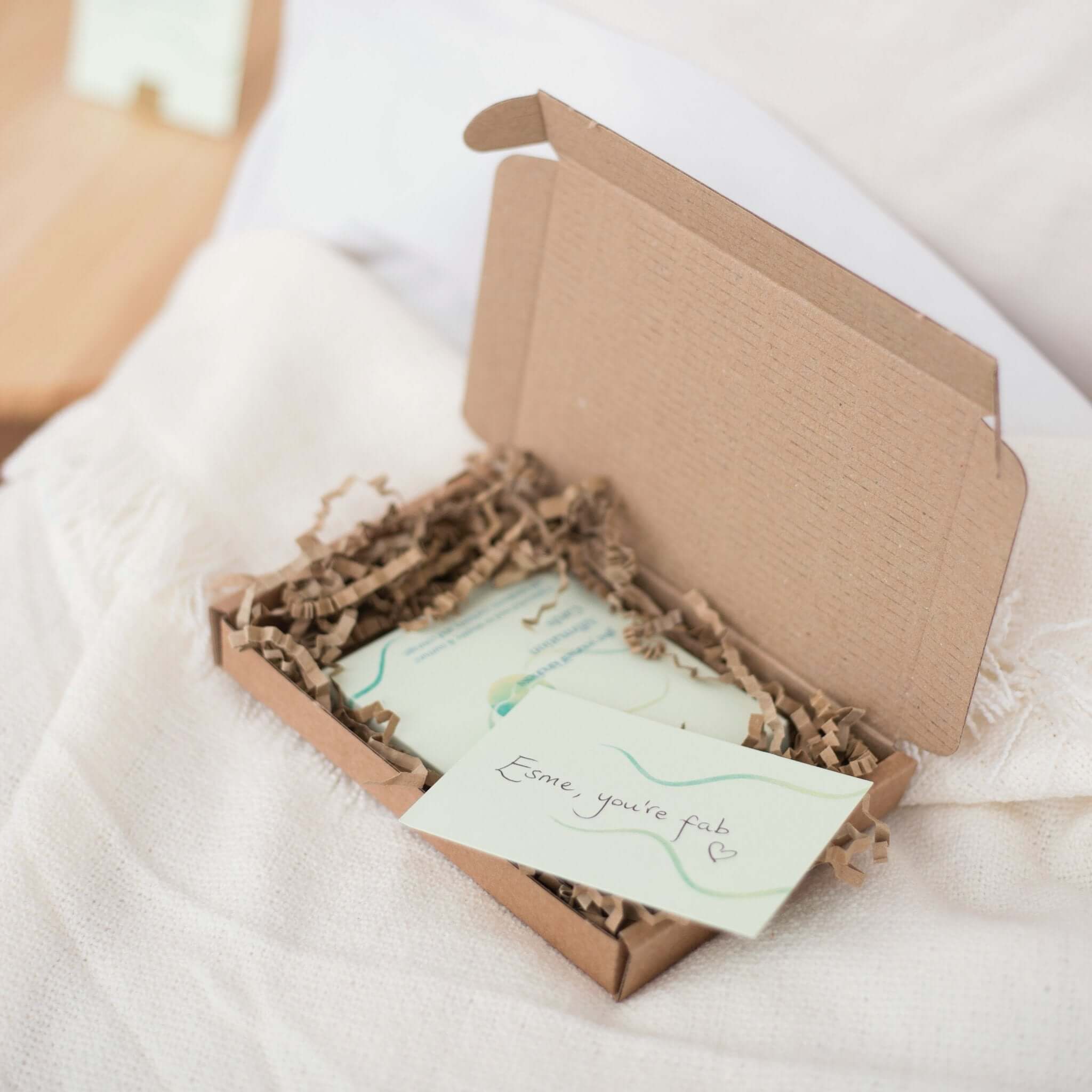
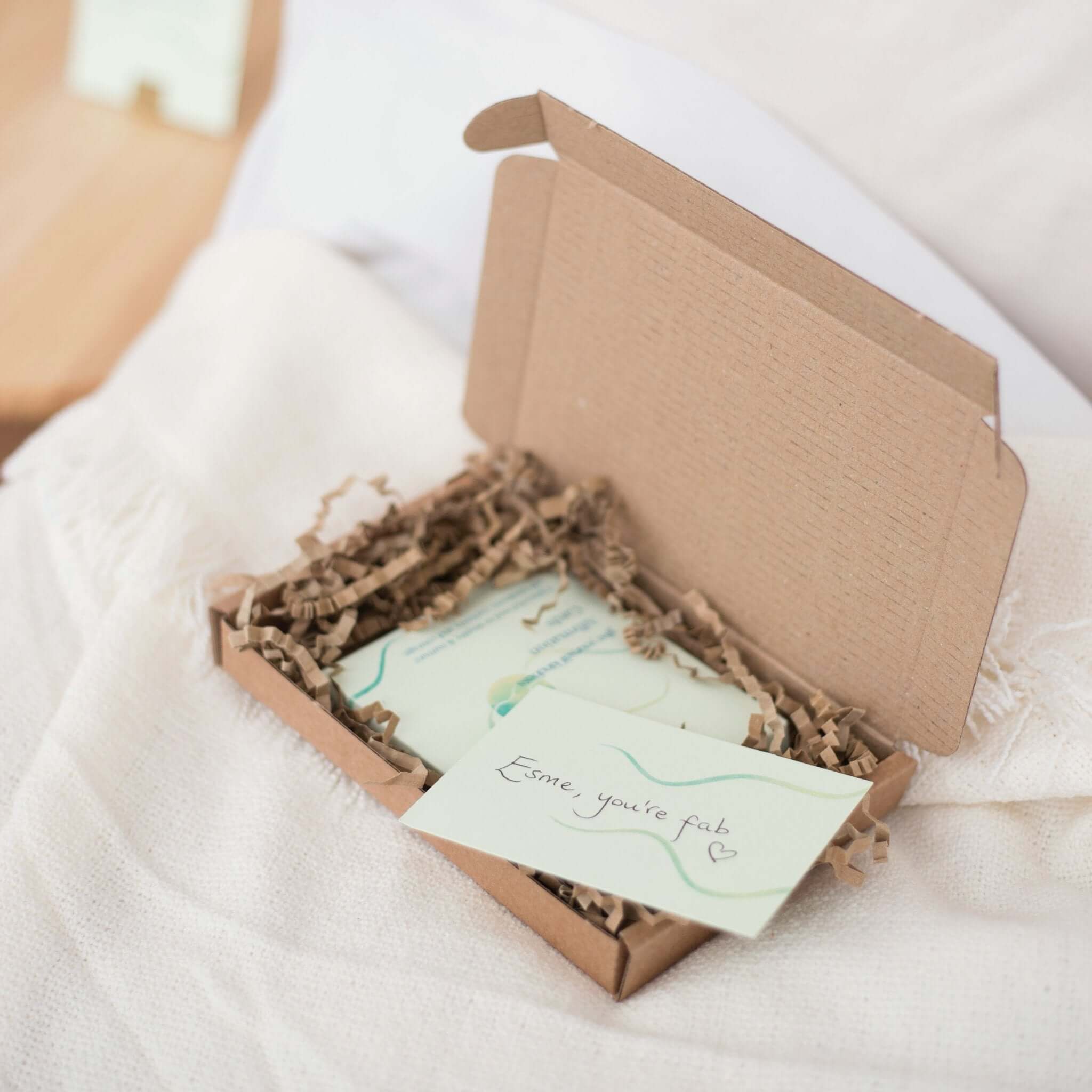
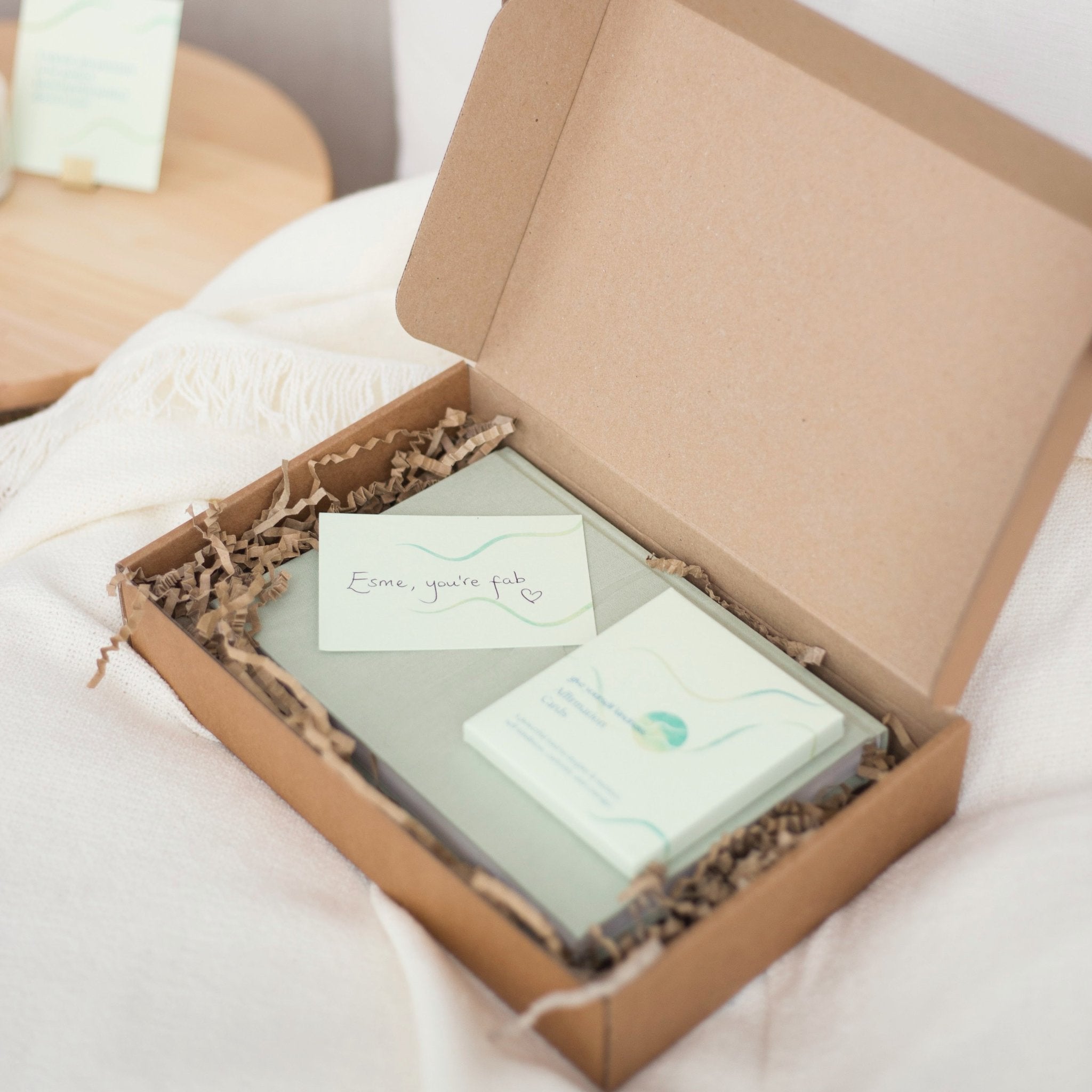
The Give Yourself Kindness Journal might be a thoughtful gift for someone who's hard on themselves, because it meets them where they are rather than asking them to be positive. It arrives wrapped in bespoke tissue paper, you can add a handwritten gift note at checkout, and it can be sent straight to them.
Continue reading
From the psychologists quoted here
-
The fears of self-compassion and how to work with themDr Chris Irons, Clinical Psychologist, Compassion Focused Therapy
-
 Self-compassion or self-indulgence?Kristin Neff, PhD, University of Texas at Austin
-
 Why self-compassion is more effective than self-criticismDr Annabelle Kyle Dortch, PsyD, Clinical Psychologist
Related guides
- Why am I so hard on myself?
- Your inner critic: how to answer it
- How to be kinder to yourself
- The best journal for self-worth
- Best journal for perfectionism
- Best journal for anxiety and overthinking
- Christmas gifts for someone who's hard on themselves
- What mental health professionals say about the journal


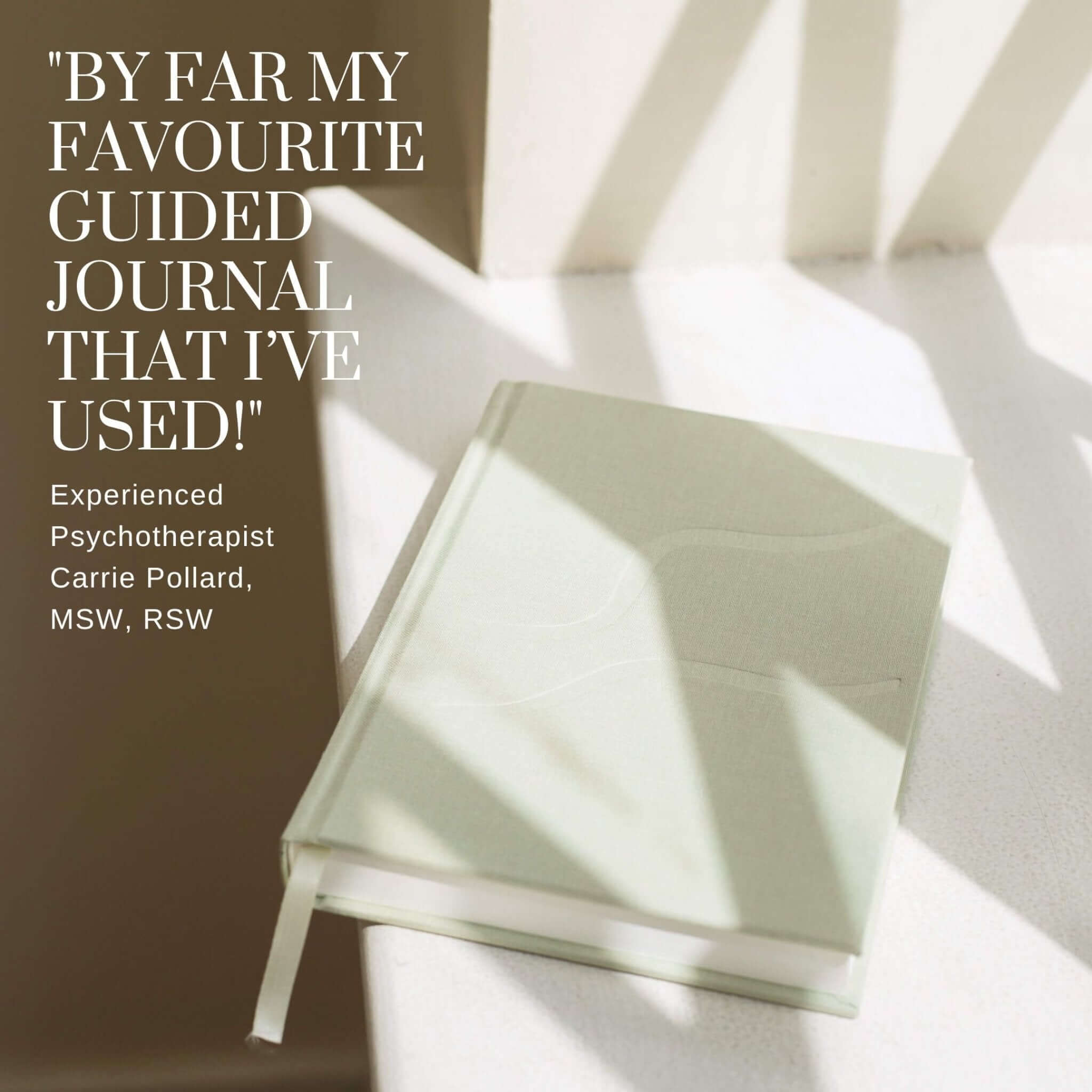
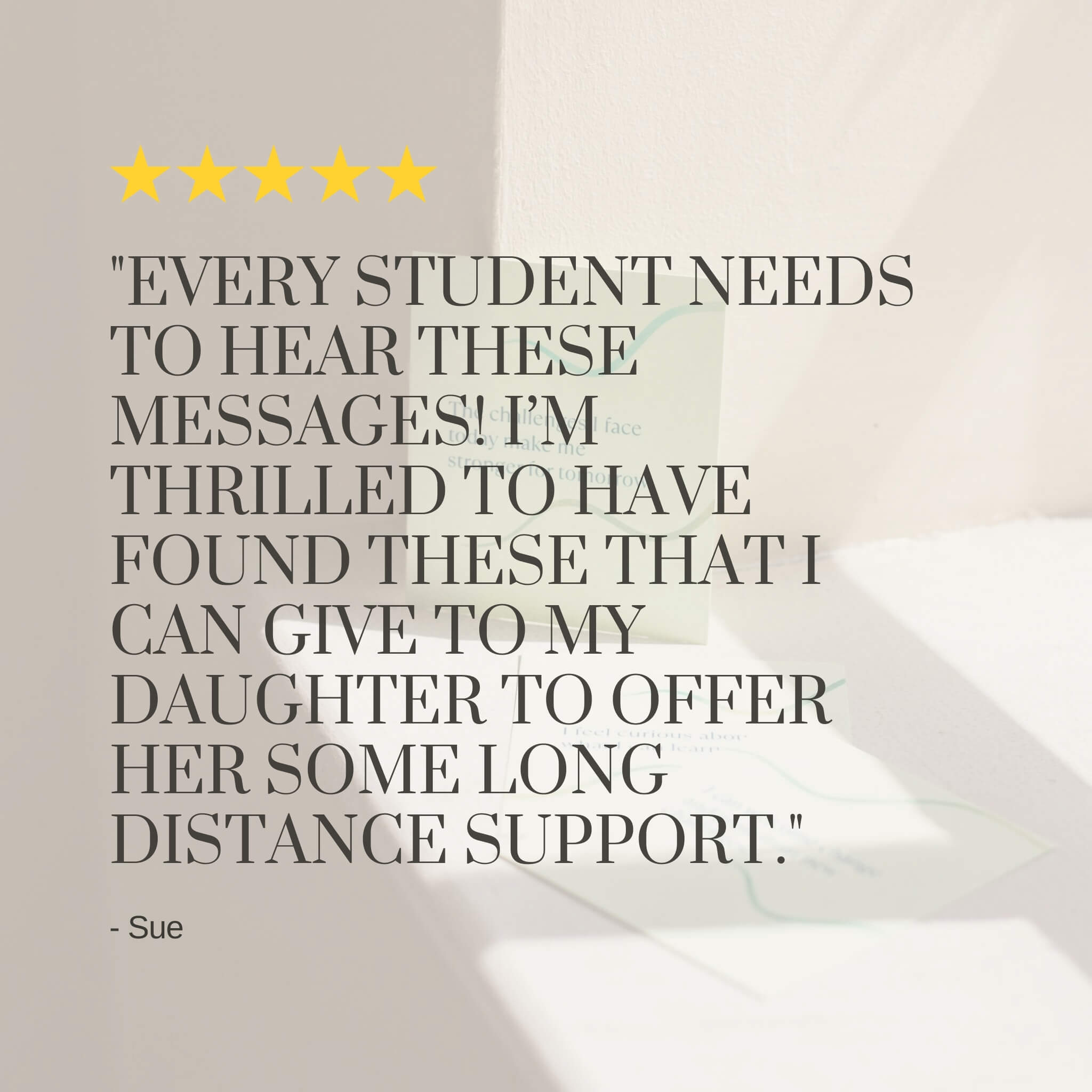
“By far my favourite guided journal that I’ve used!”
There's a lot of journals out there. Most of which include tools that can be repetitive, boring or unhelpful. Give Yourself Kindness is about creating something new.