


You're looking for a self-care gift with a bit more to it than another candle. That's a lovely instinct, and it's easier to satisfy than the search results make it look.
Candles and bath oils are genuinely nice things to receive, and there's nothing wrong with giving one. But if you want something they'll still be reaching for in a month, it helps to look for a slightly different quality, and that's what this page is for.
What makes a self-care gift feel special
The ones people keep are the ones that are still doing something weeks later. A lovely hour is a lovely hour. But a gift that quietly changes how someone speaks to themselves on an ordinary Tuesday goes on giving long after the wrapping is gone.
Everything here was made with that in mind, built on self-compassion research and reviewed by clinical psychologists.
- The Give Yourself Kindness Journal (£28.95), somewhere to put the day down
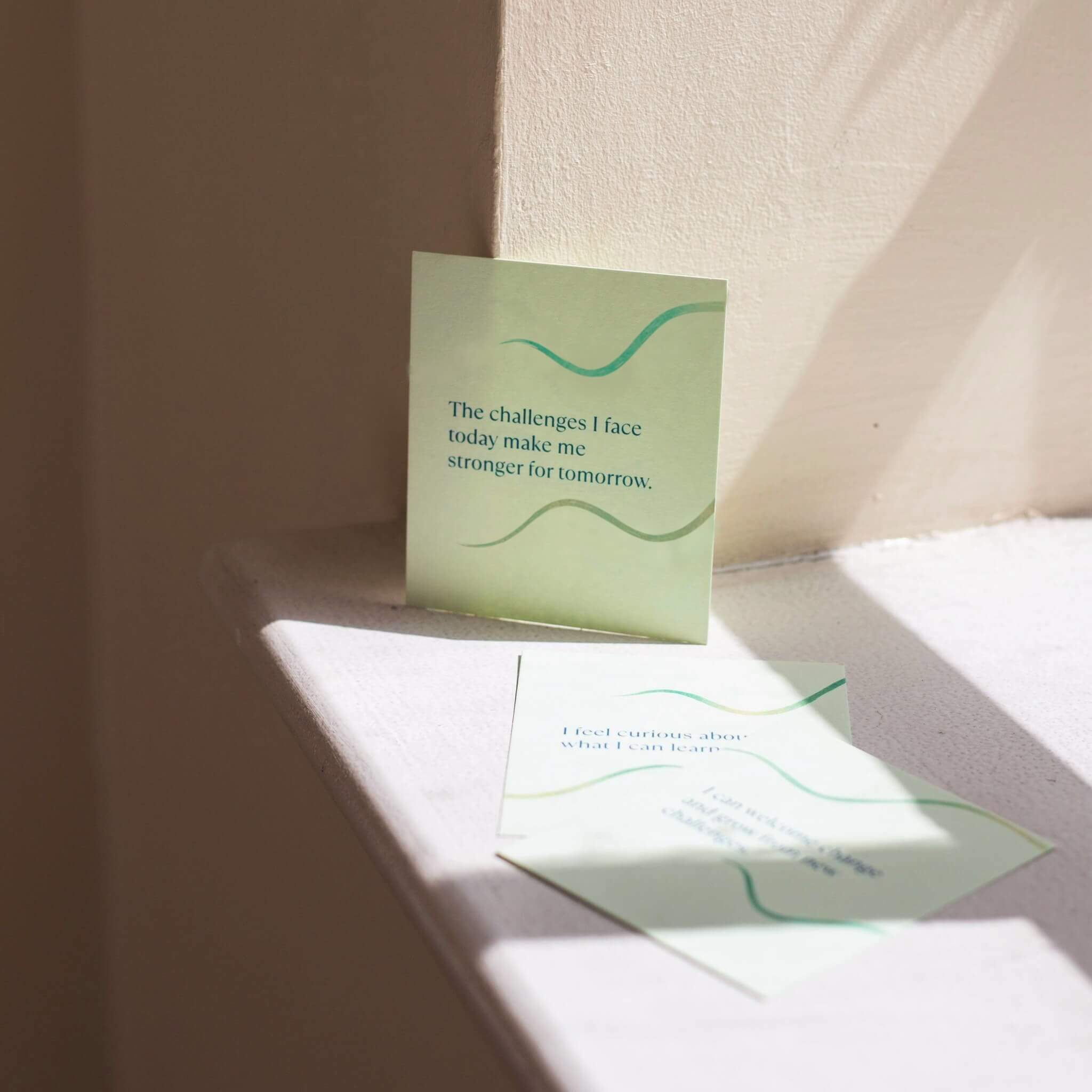
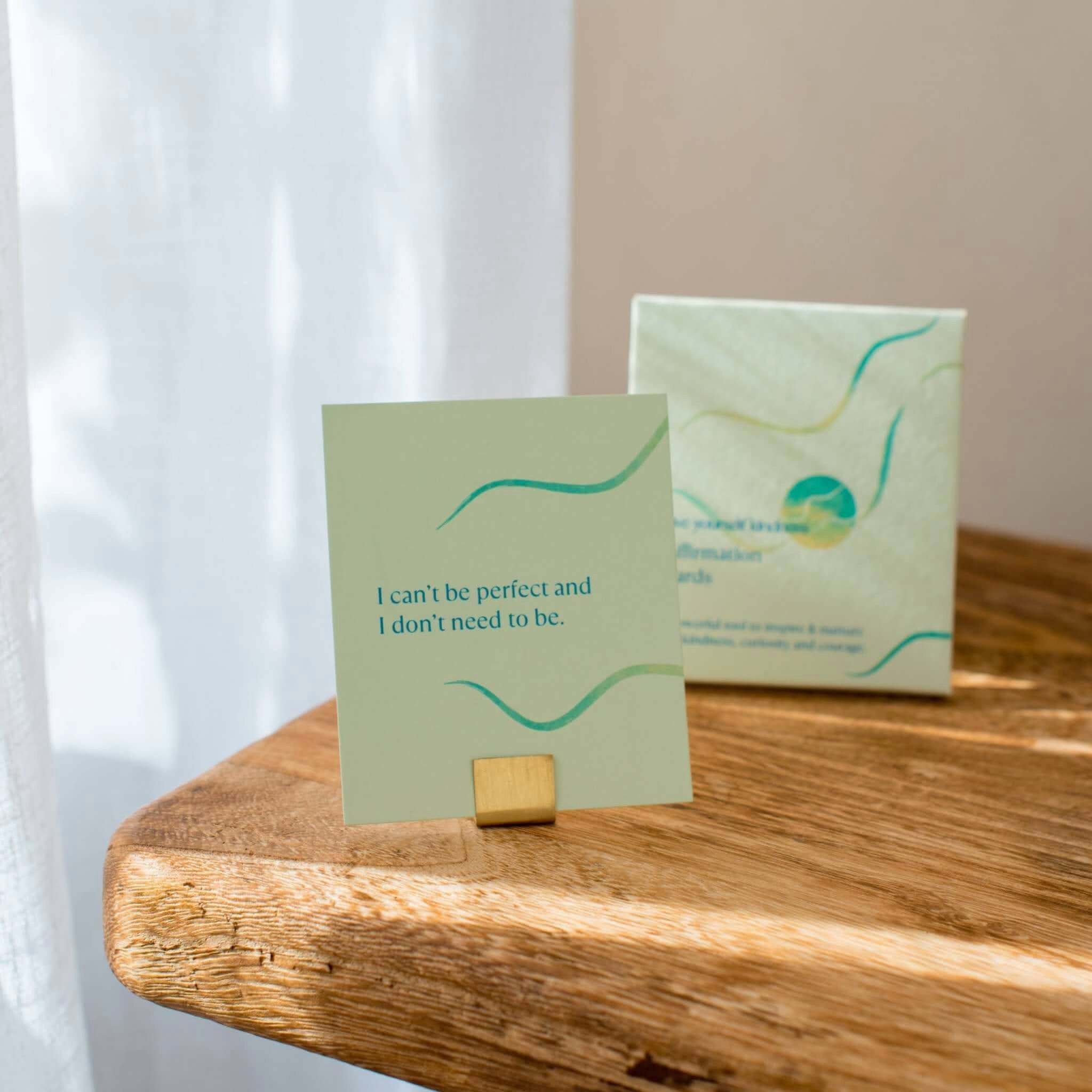
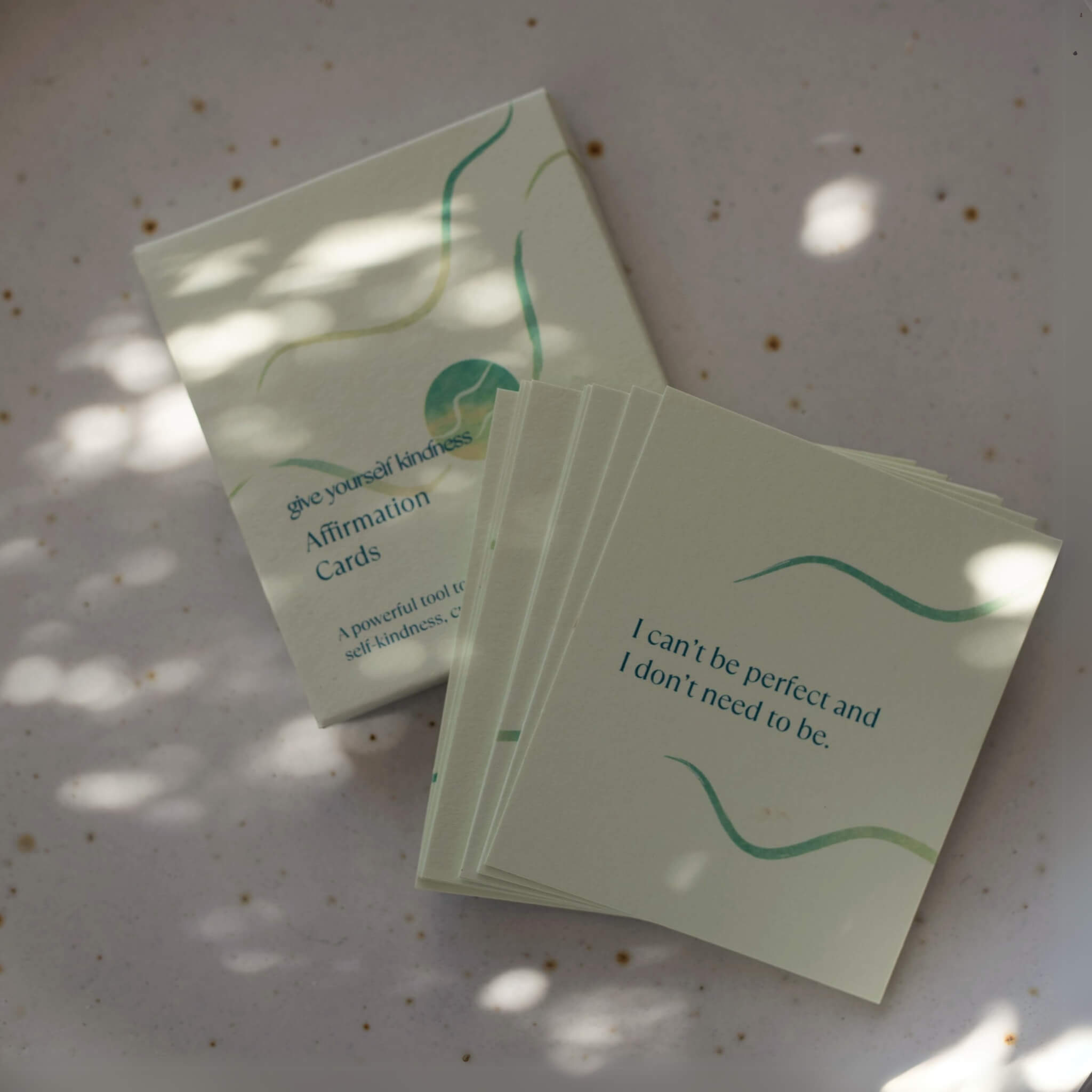
- The Affirmation Cards (from £13.95), something kind to read each morning
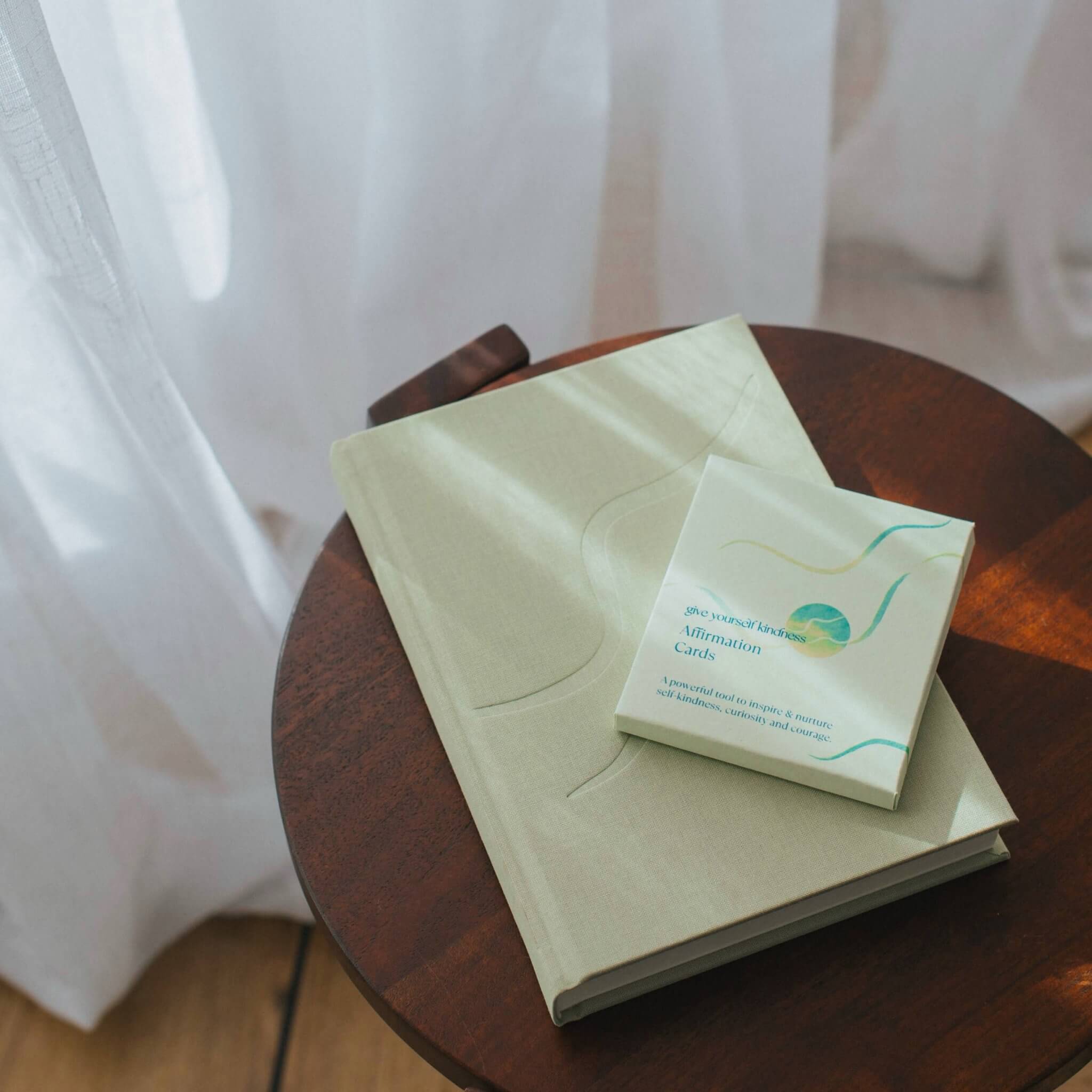
- The Self-Compassion Gift Box (from £40.95), the journal and the cards together
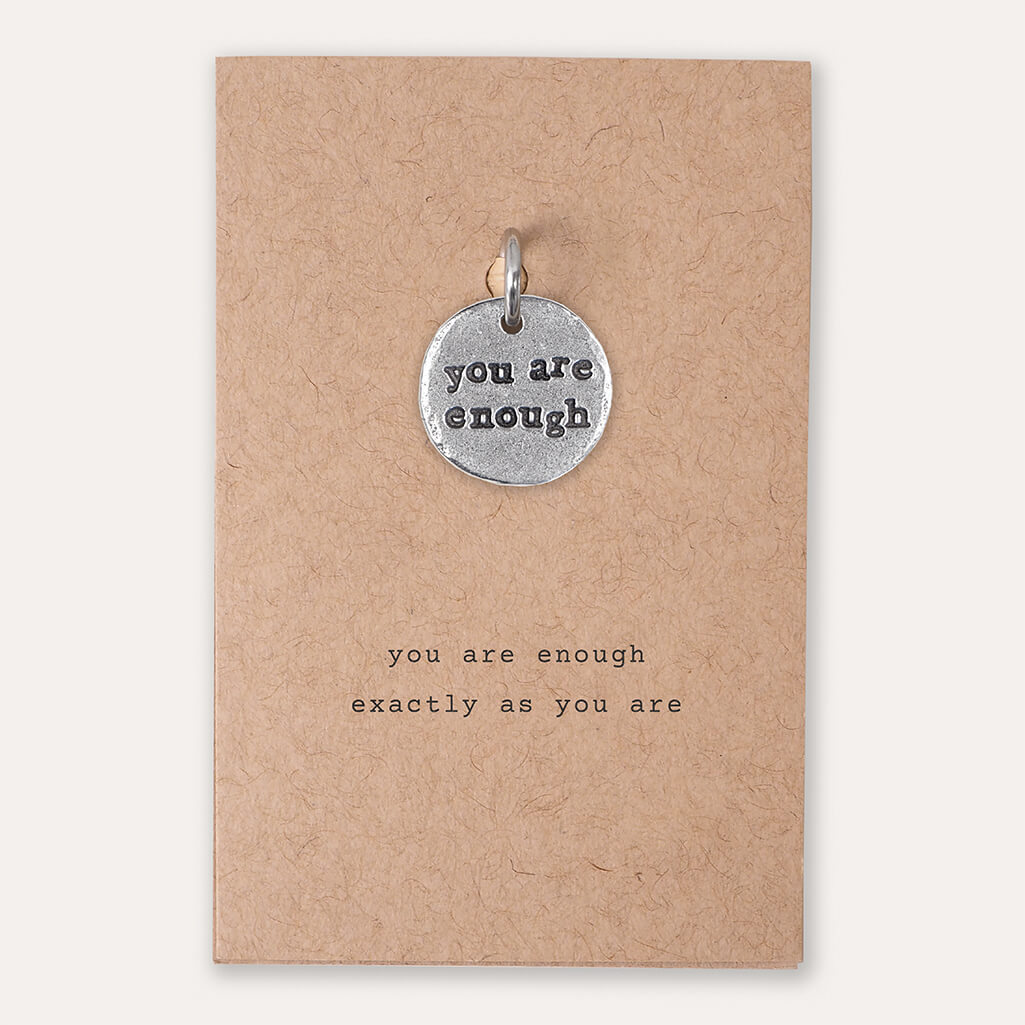
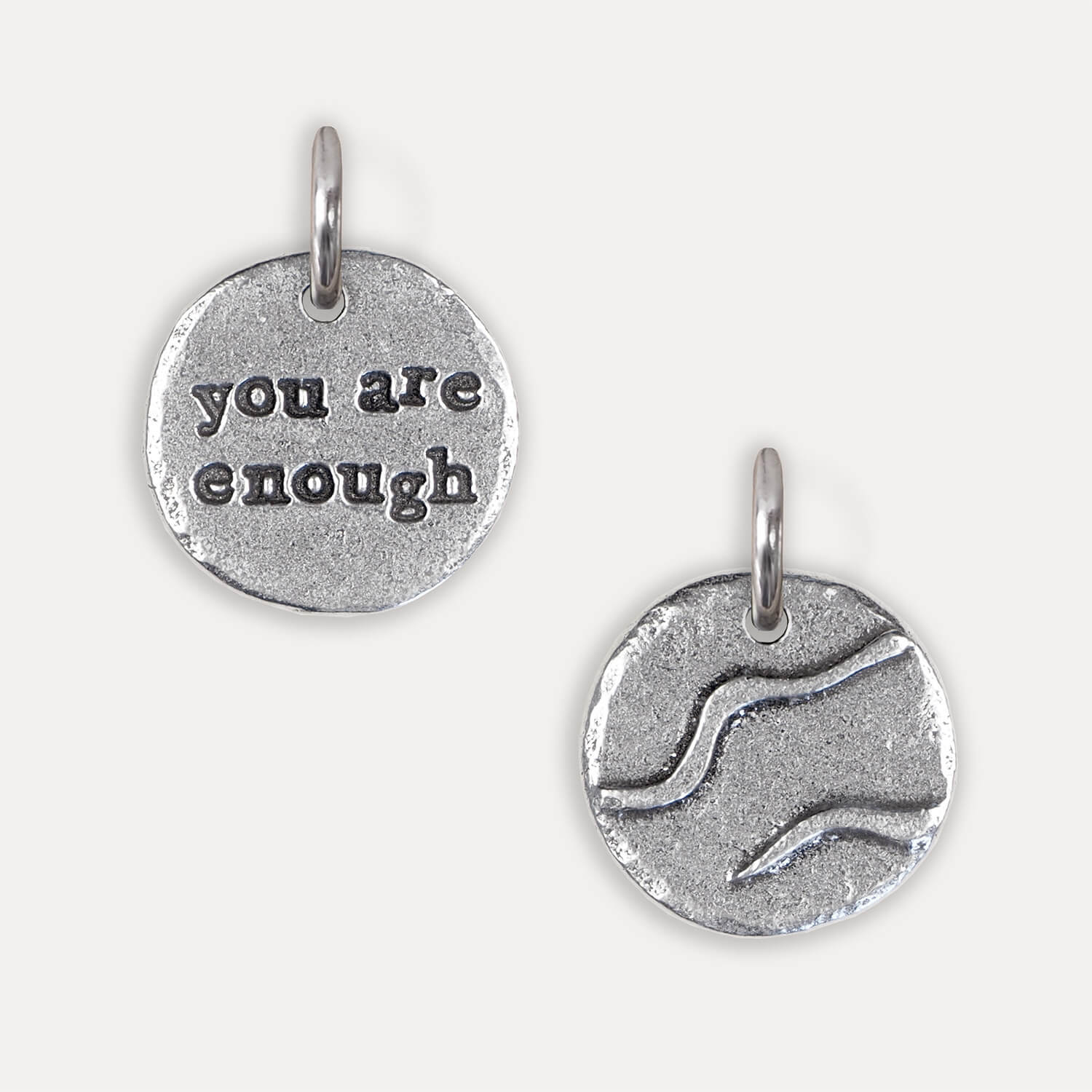
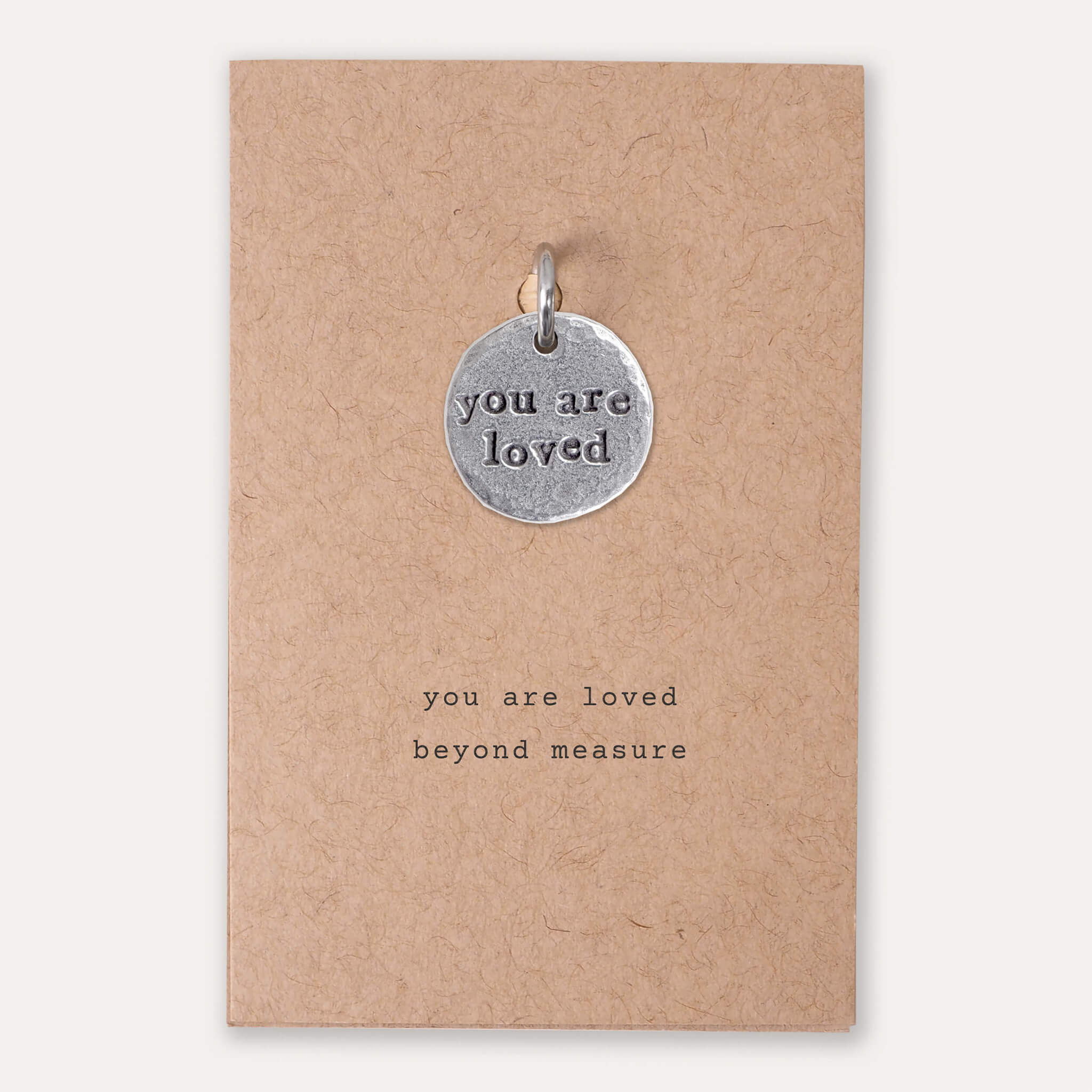
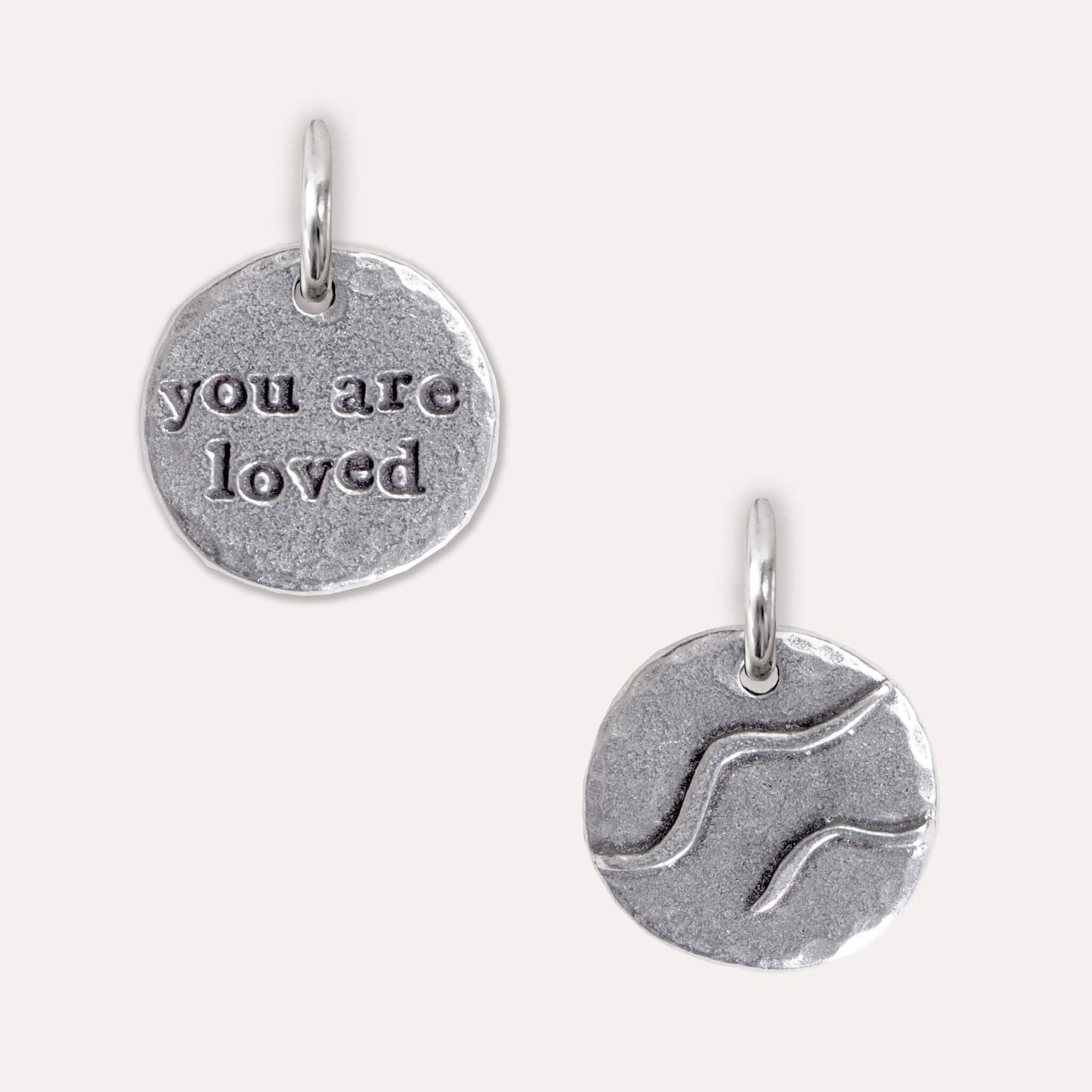
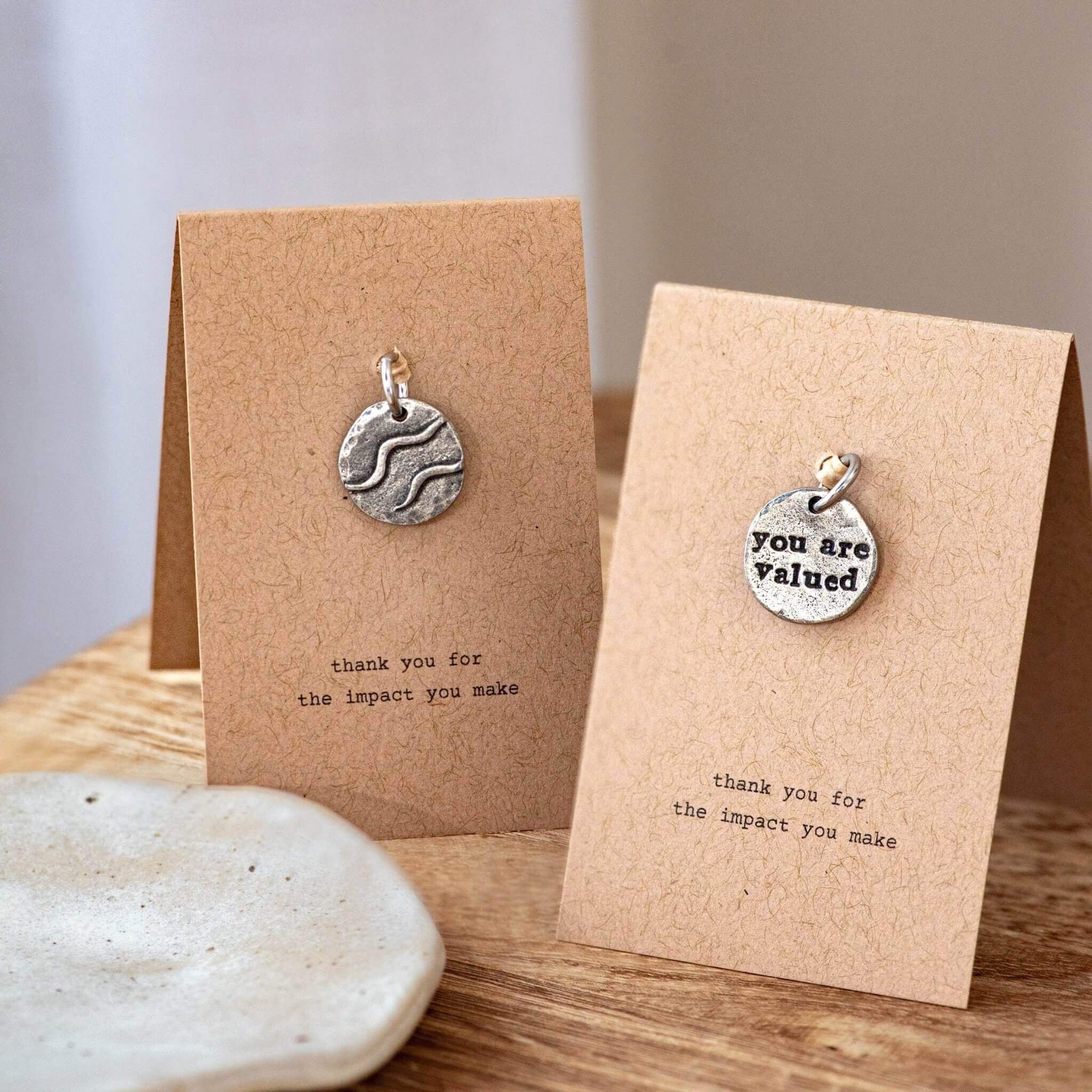
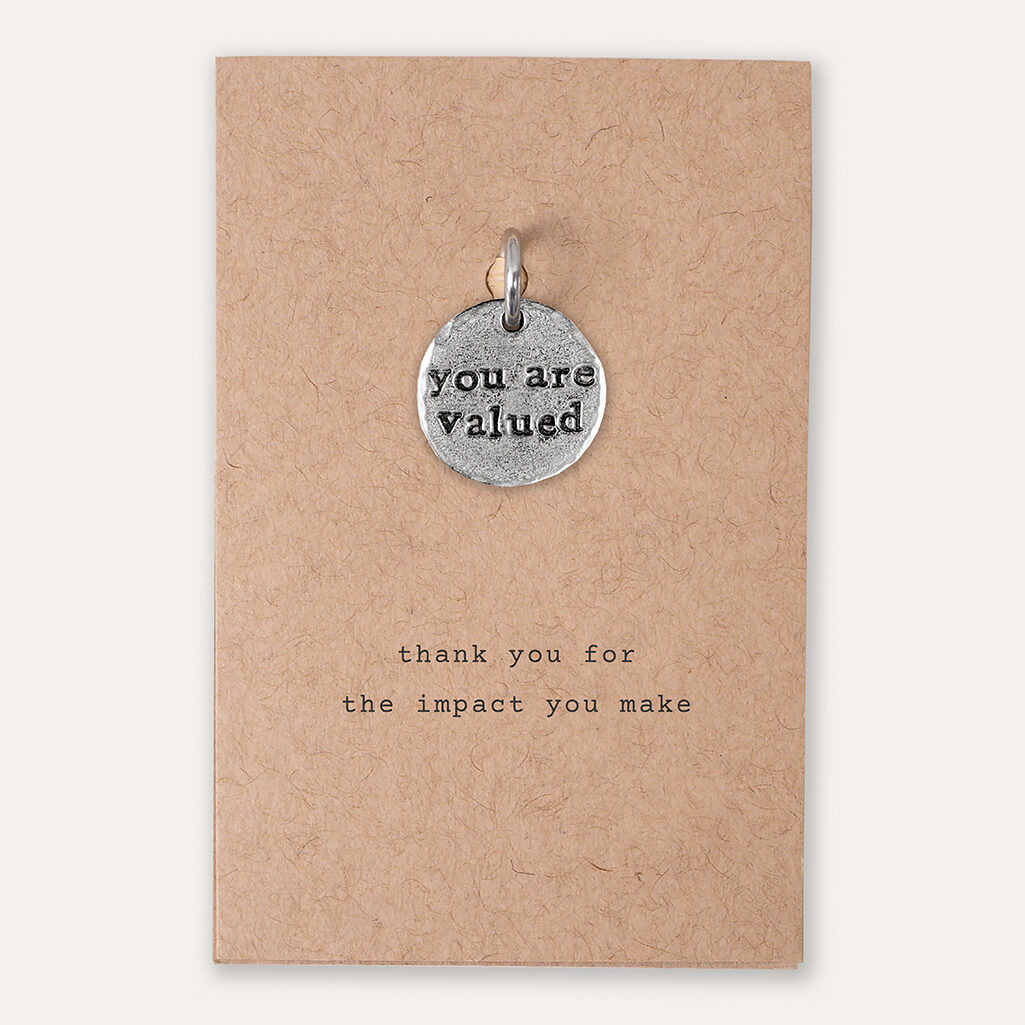
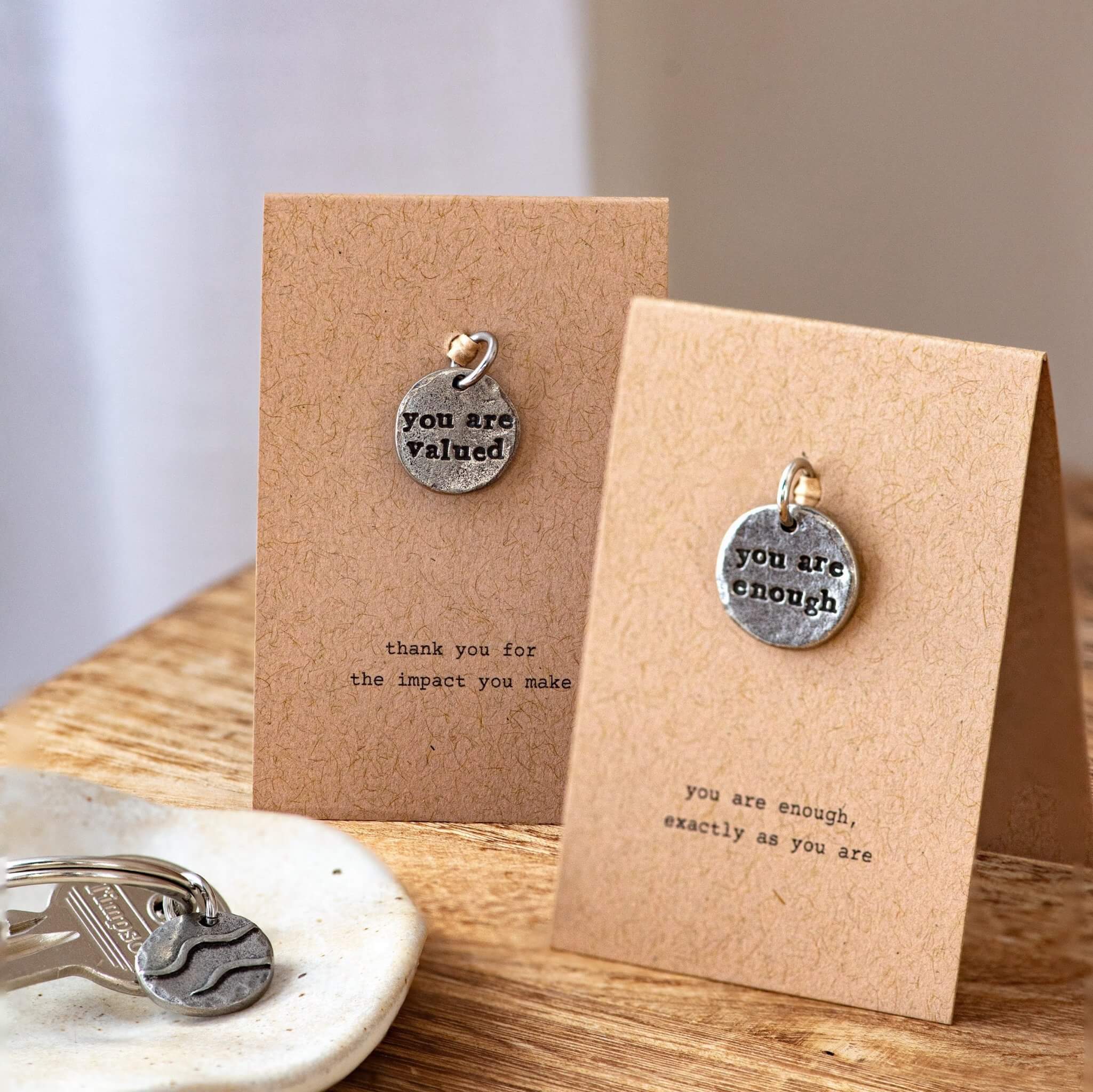
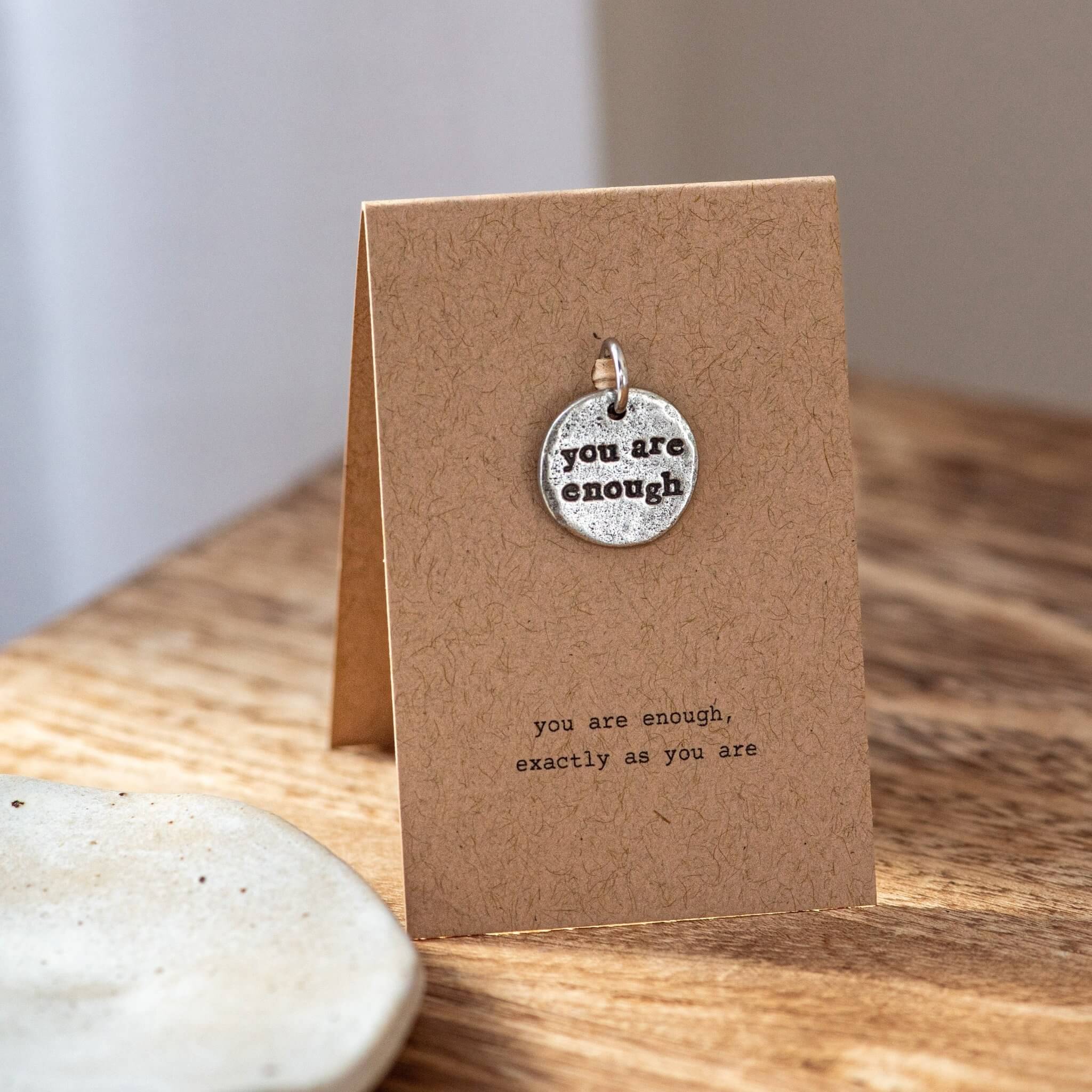
- The You Are Enough Charm (£8.95), a small reminder to keep
Not sure which? There's a short guide to choosing just below.

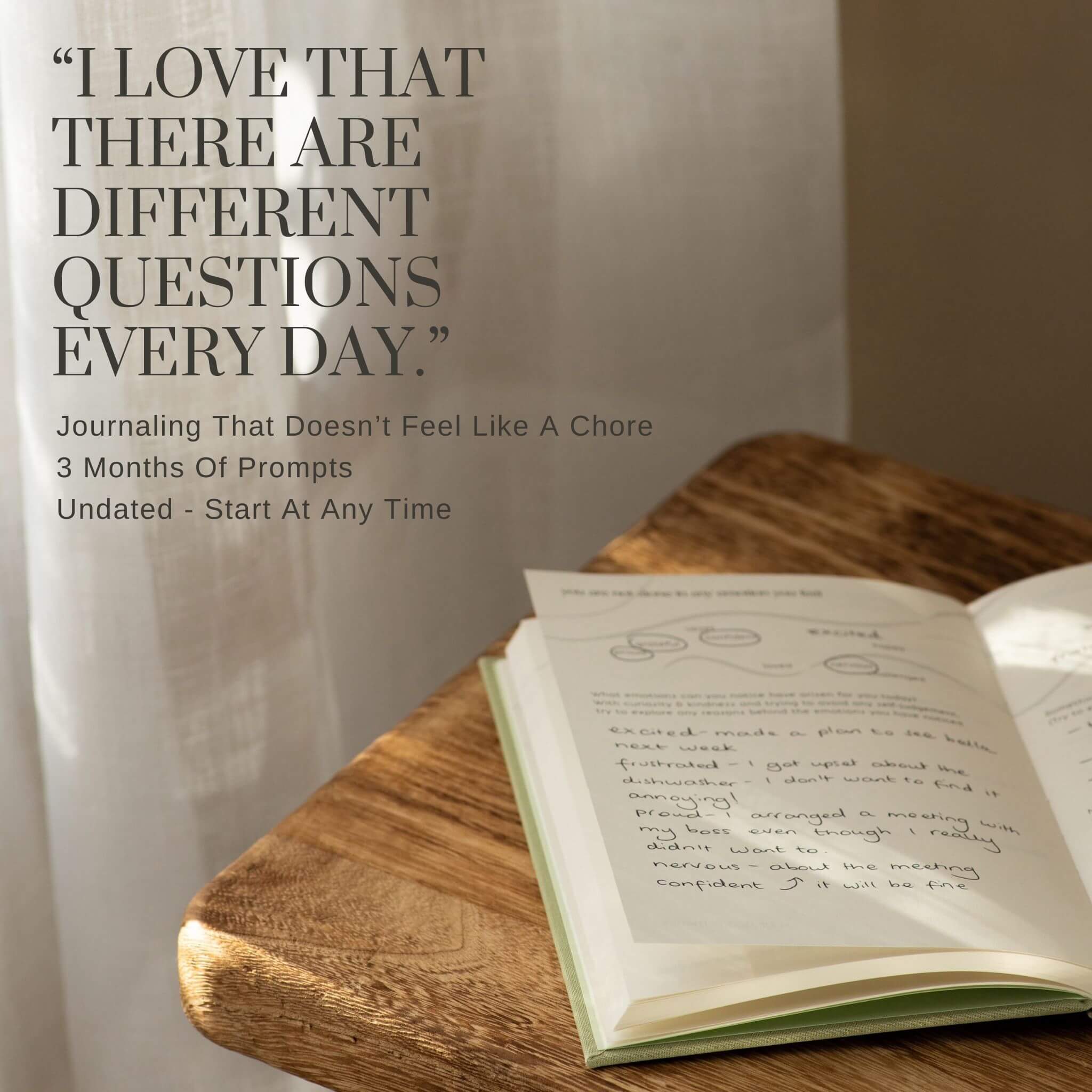
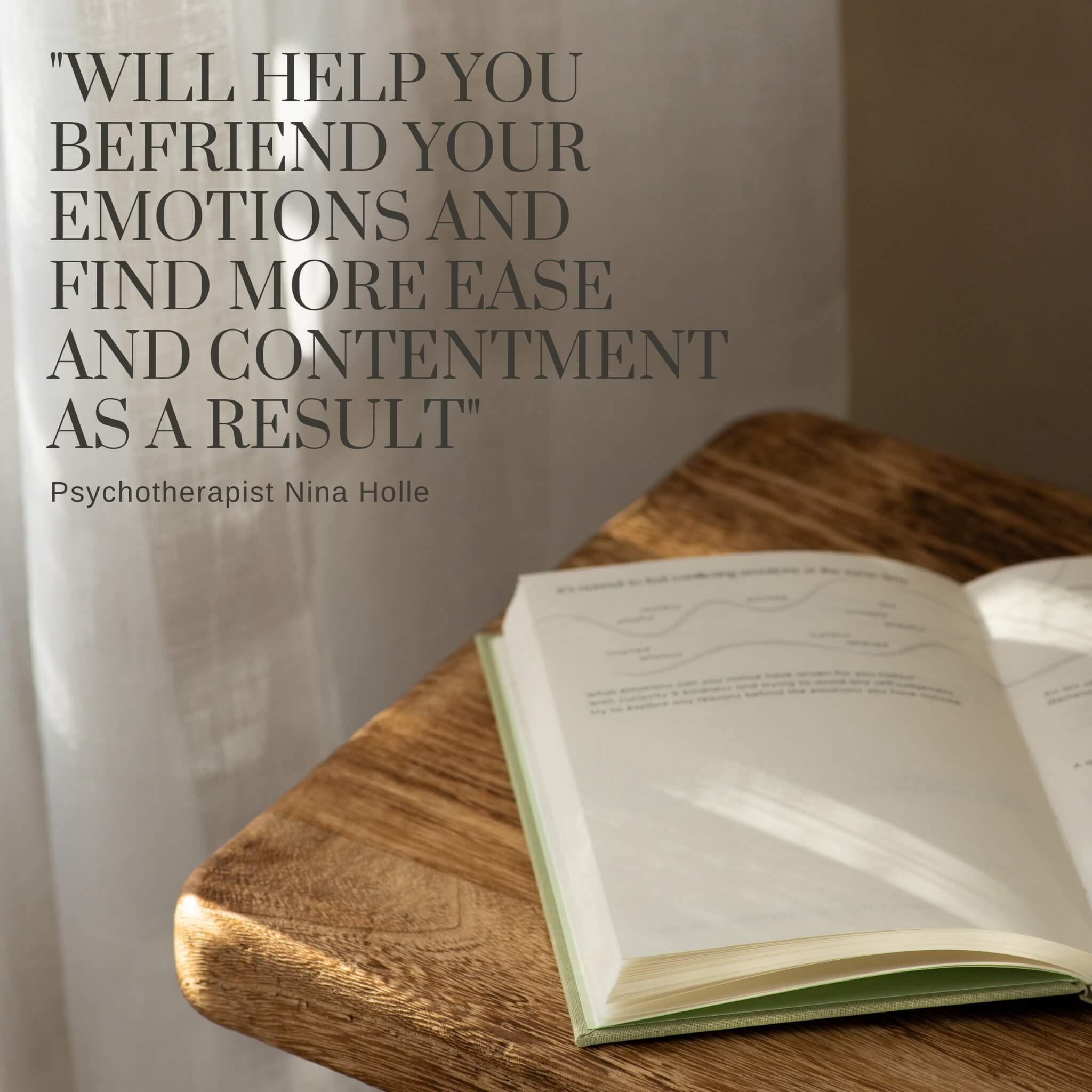
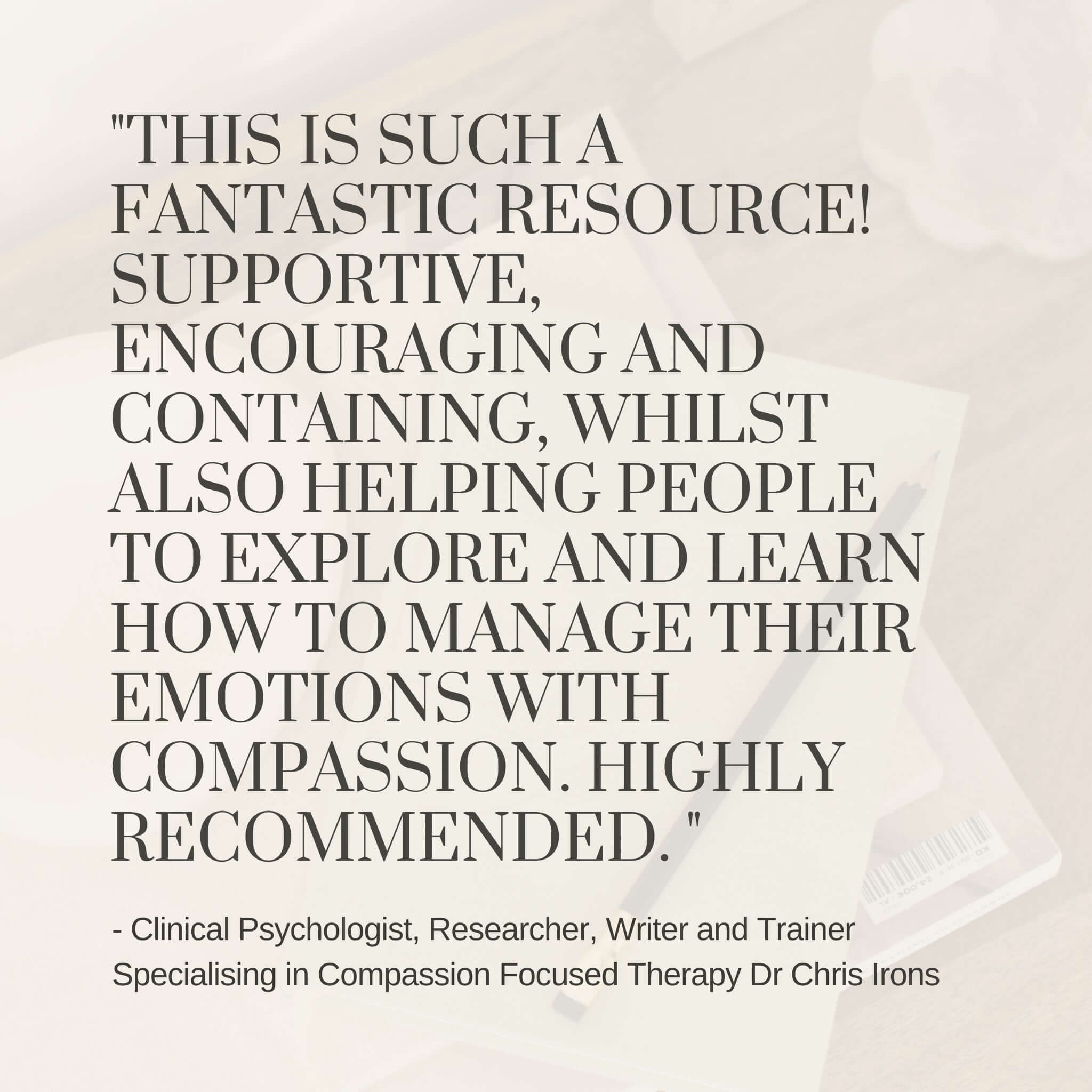
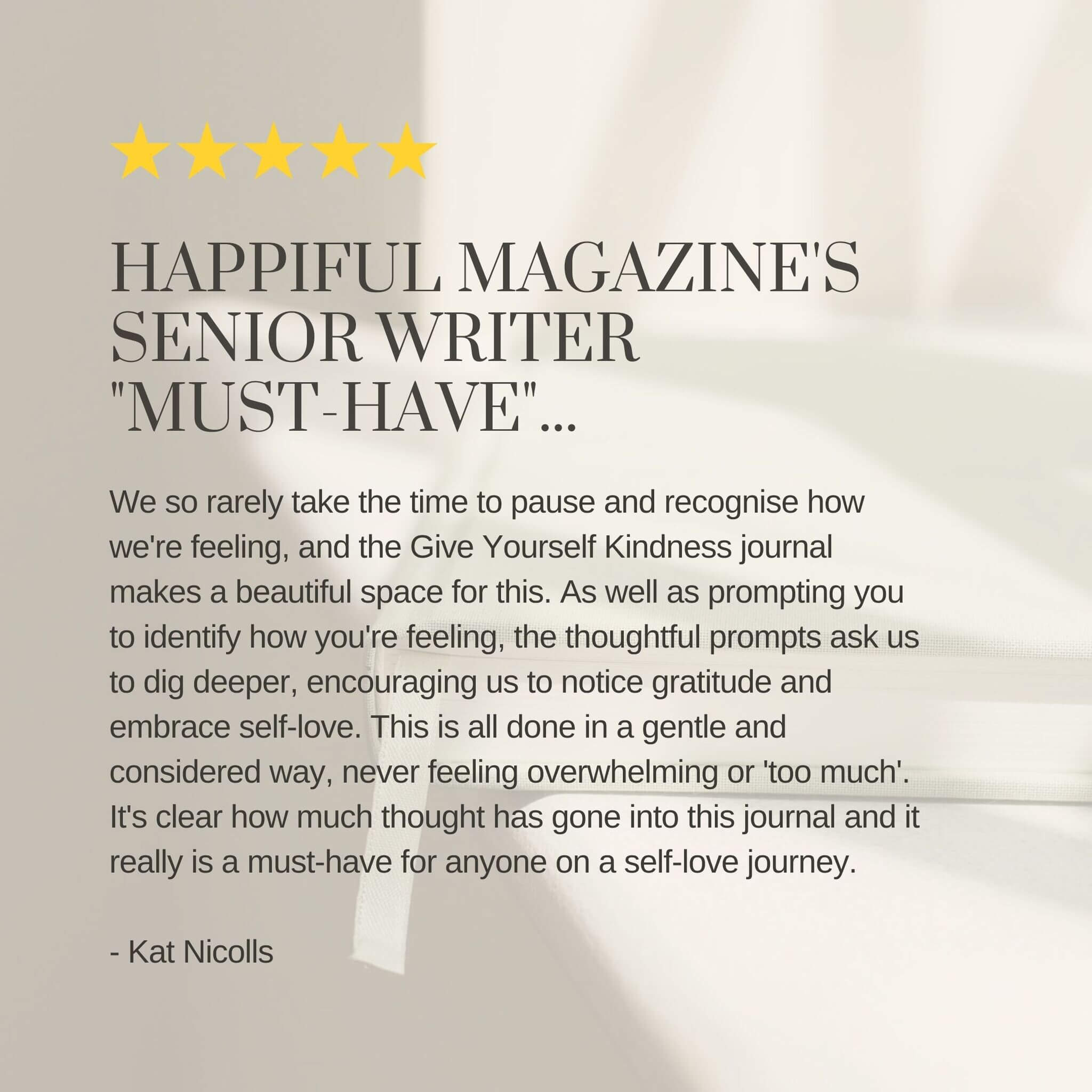
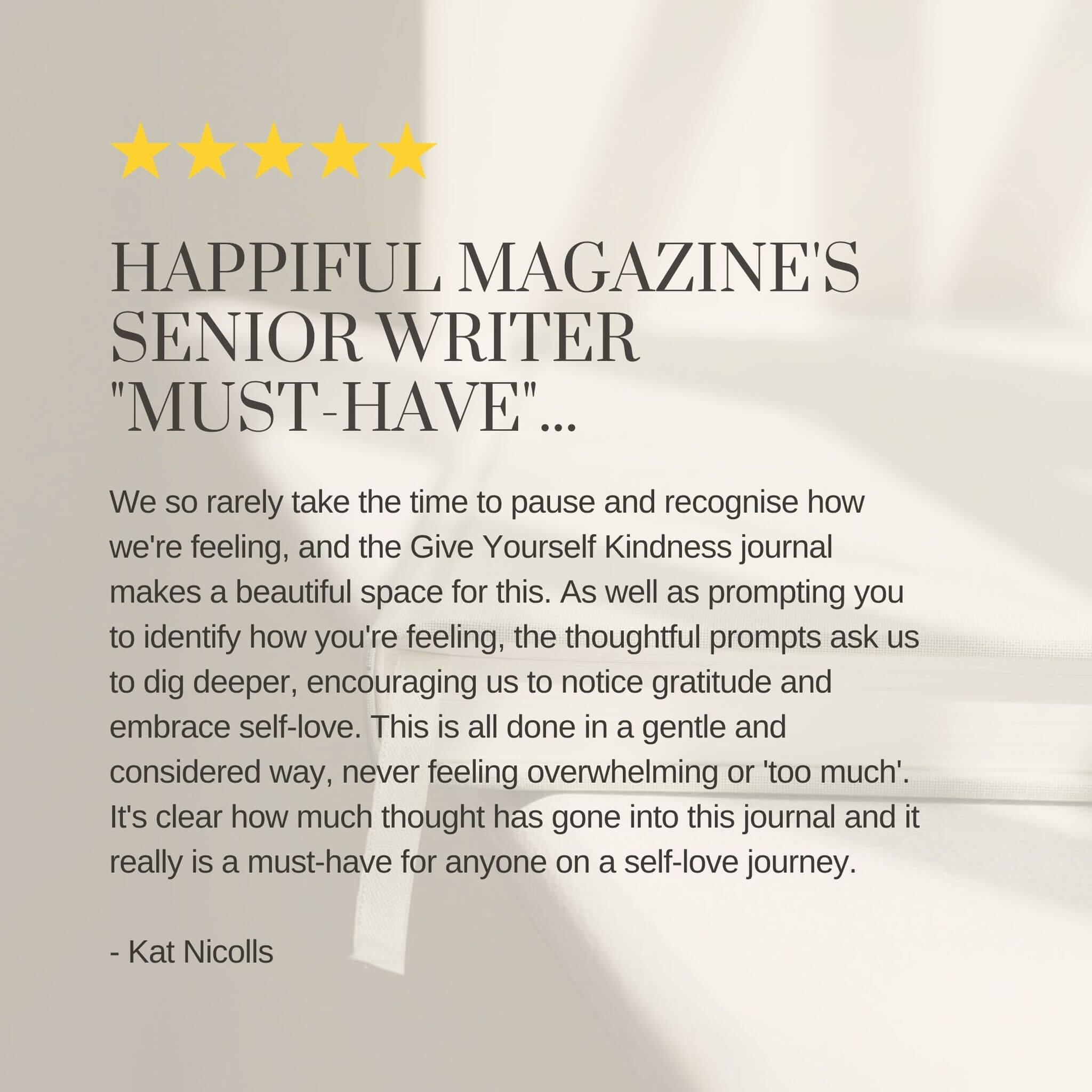
Quick answer: the Give Yourself Kindness Journal. Three months of undated prompts across 224 pages, where every page is different, so it's still giving them something well after the first week. Reviewed by clinical psychologists at Harvard and Oxford, and loved by 58 people so far.
Added to your basket. View basket →
Four self-care gifts they'll still be using in a month
Each of these was designed around one idea: that being kind to yourself is a skill you can practise, and the right object makes it easier to practise. They're listed with the most loved first.
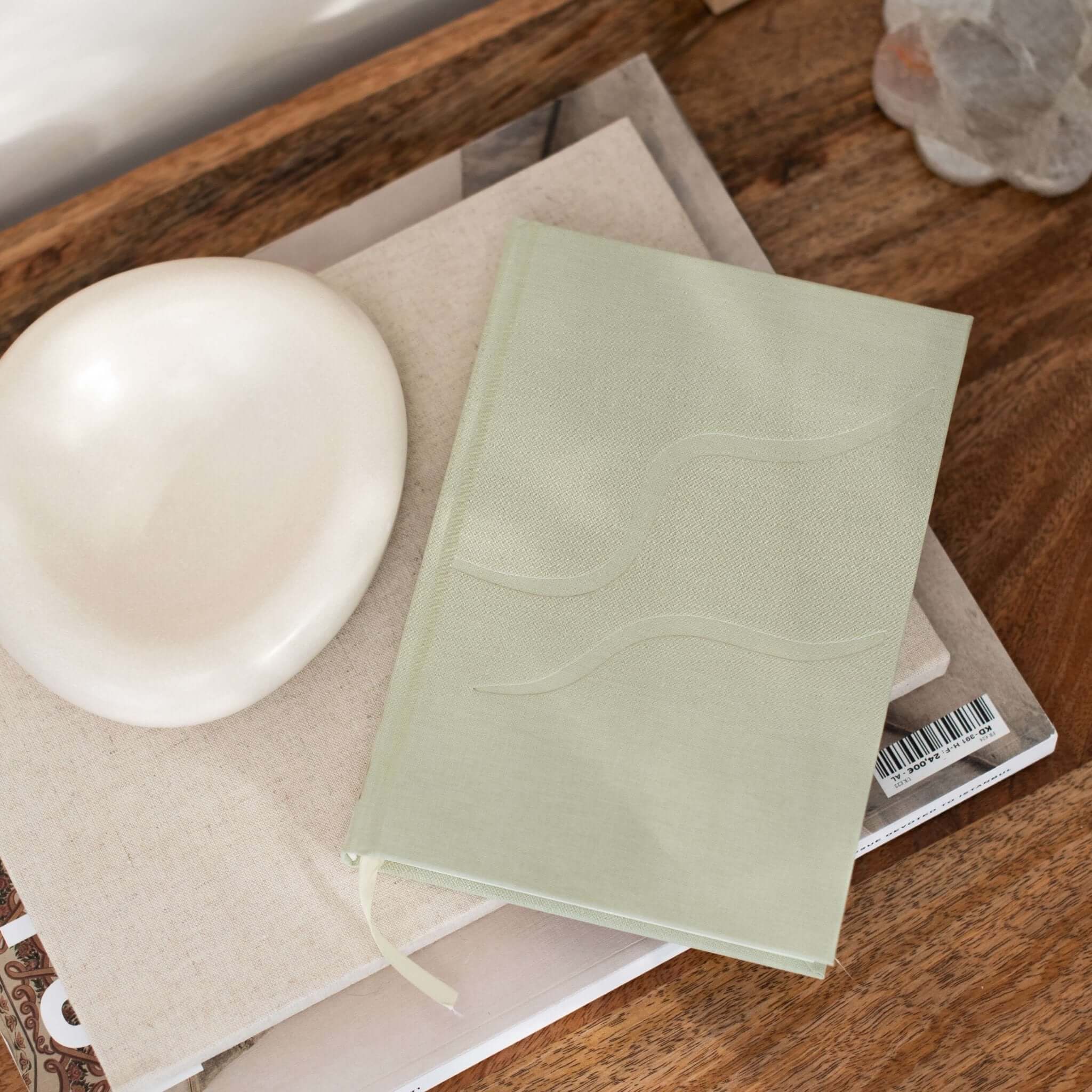
The Give Yourself Kindness Journal
Gives them somewhere to put the day down
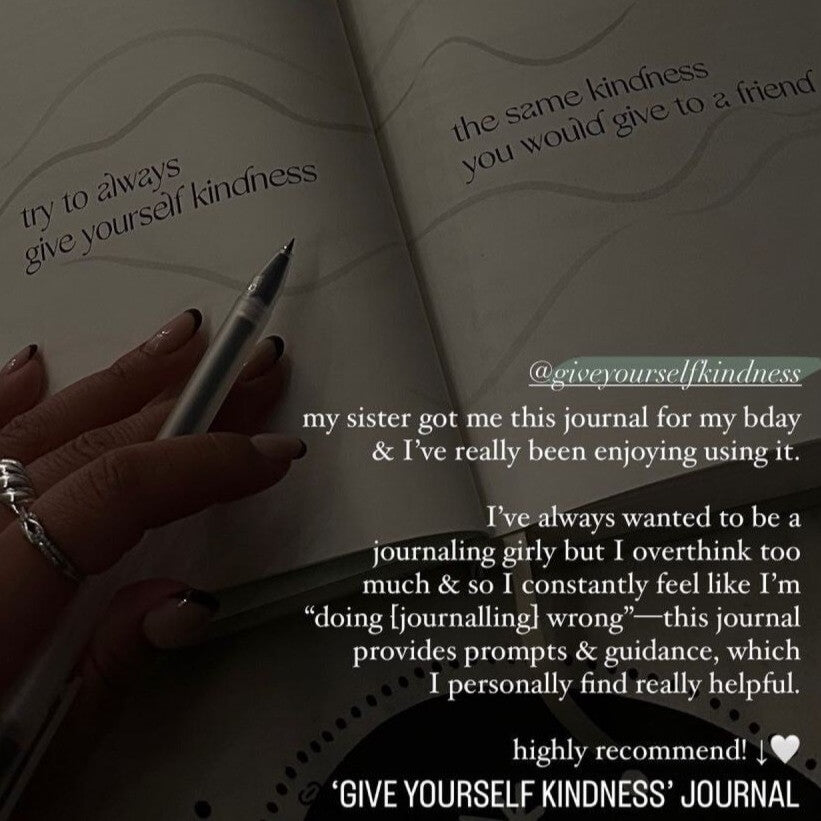
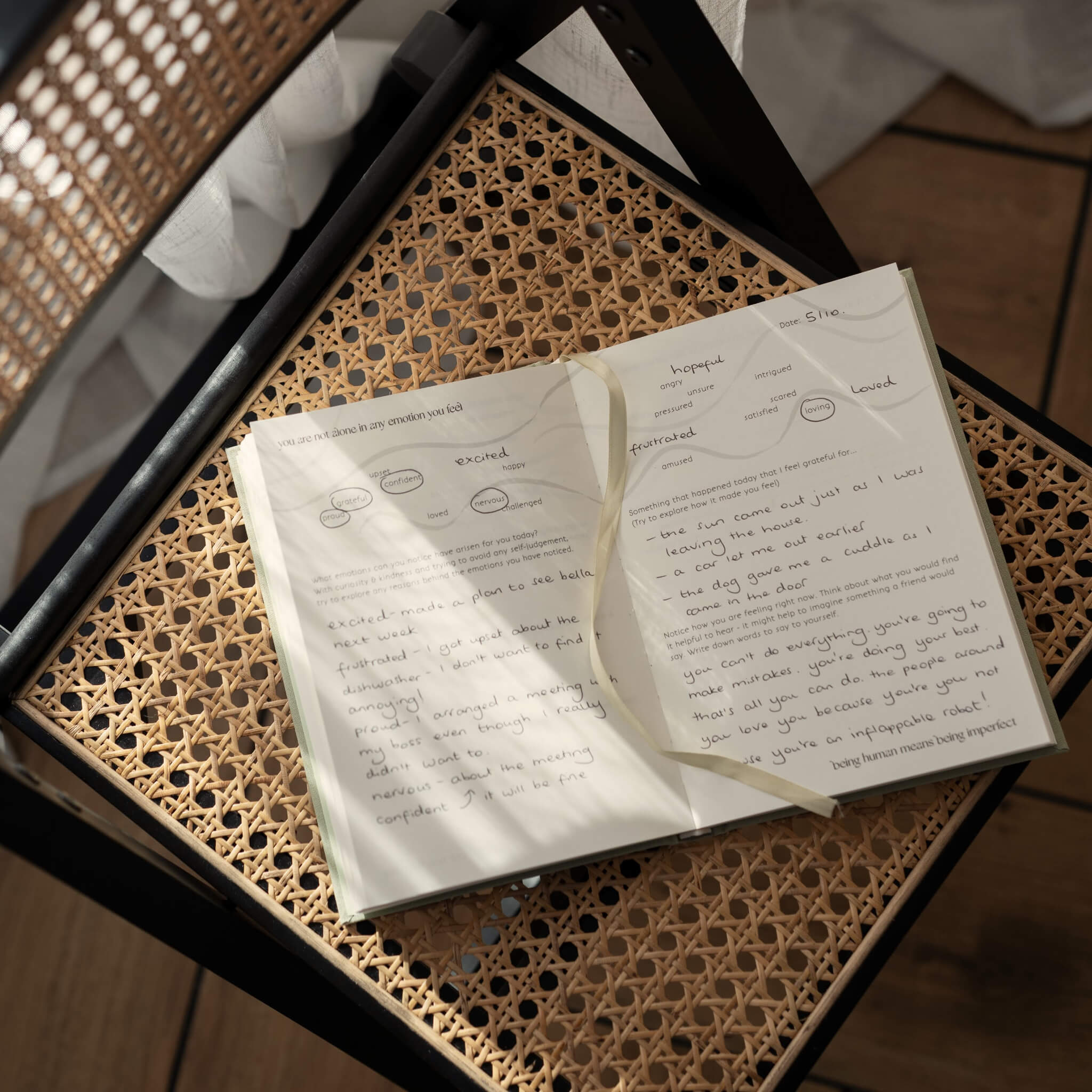
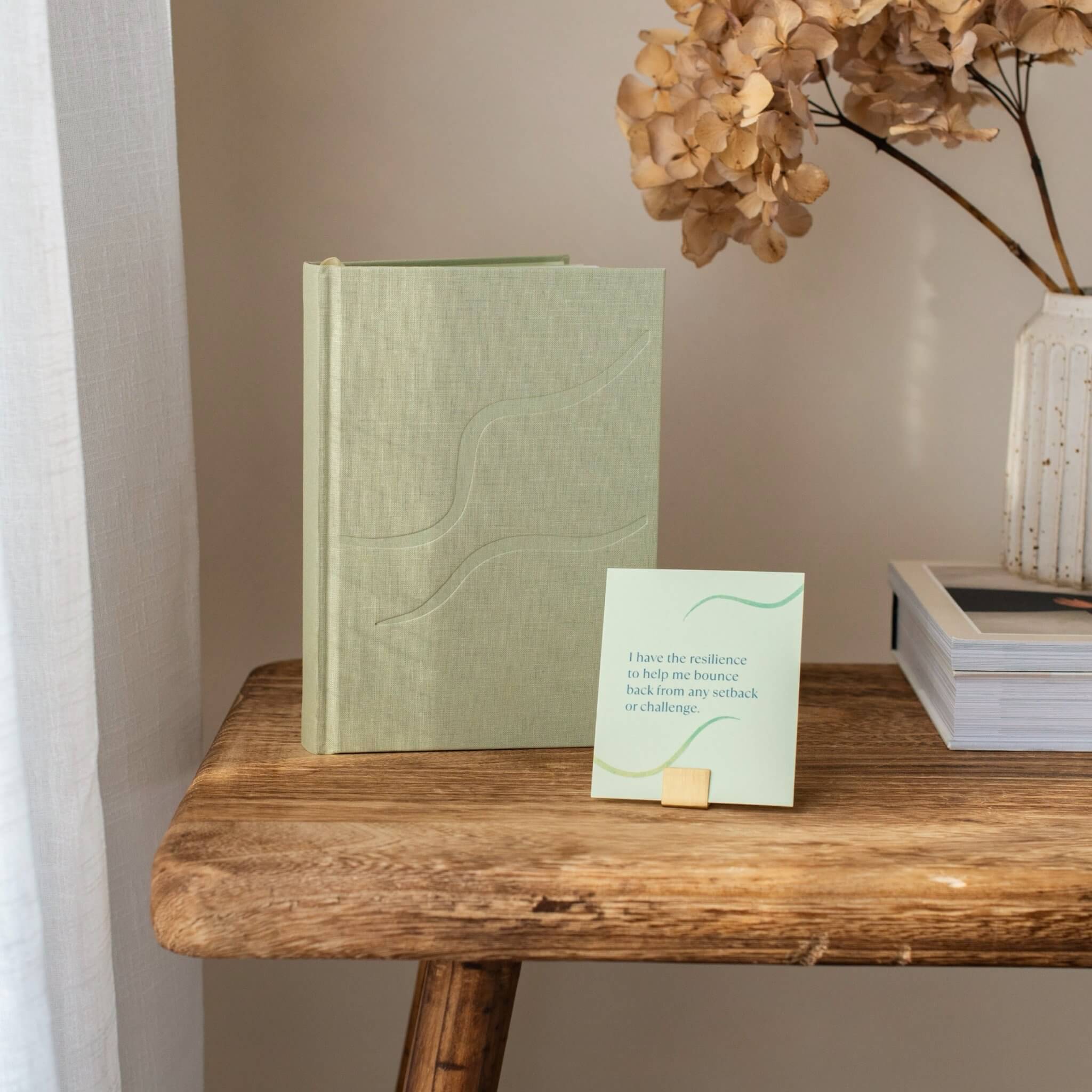
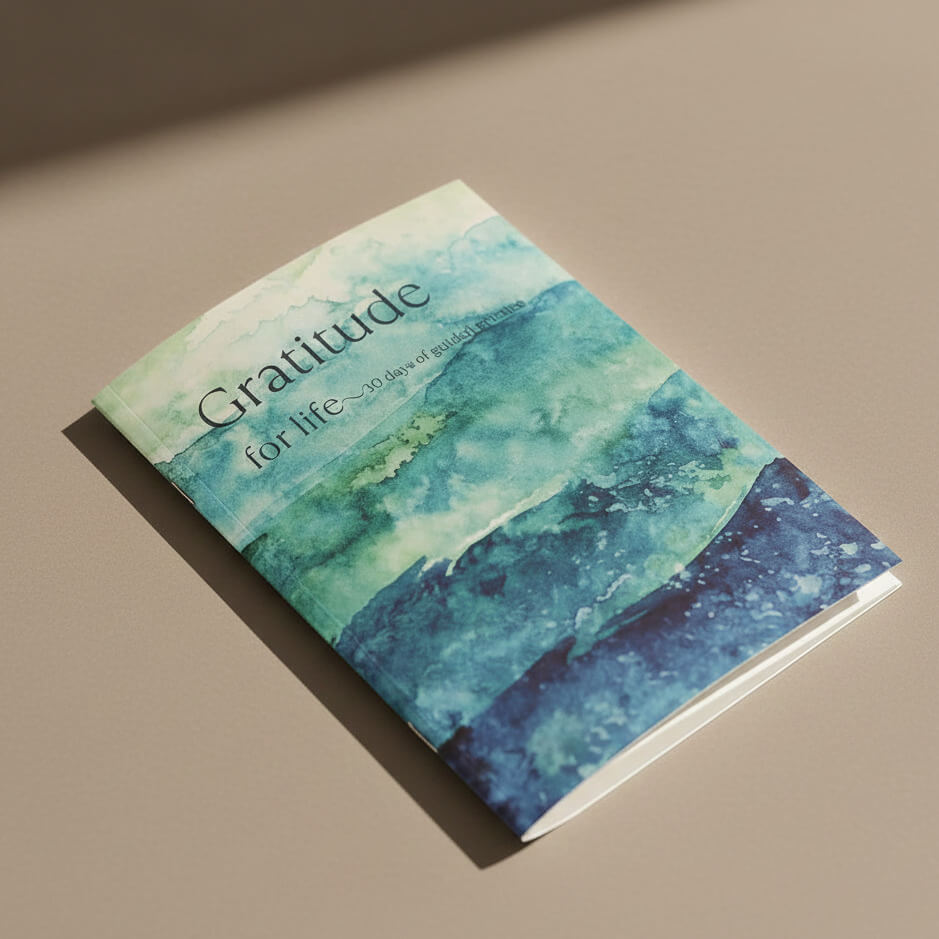
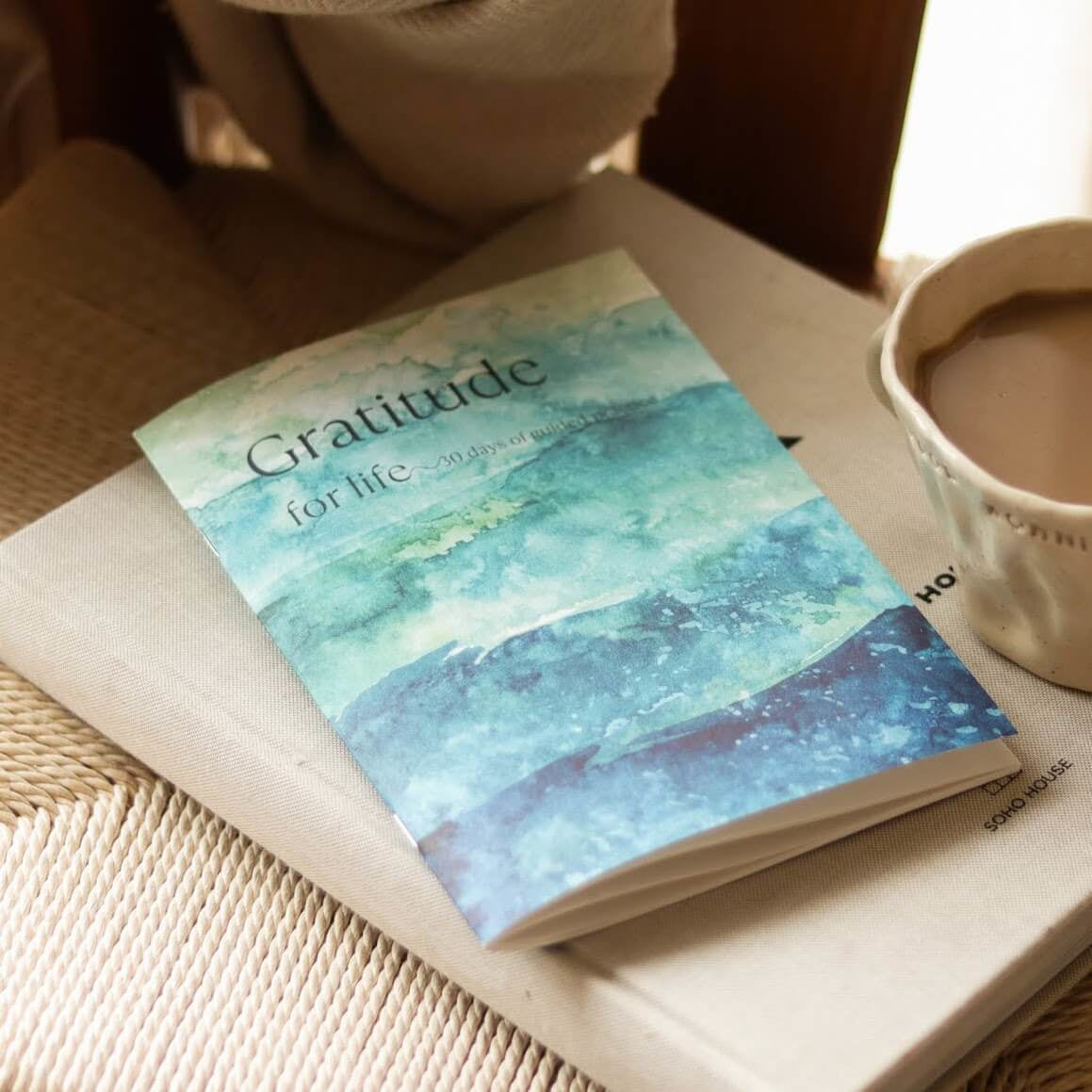
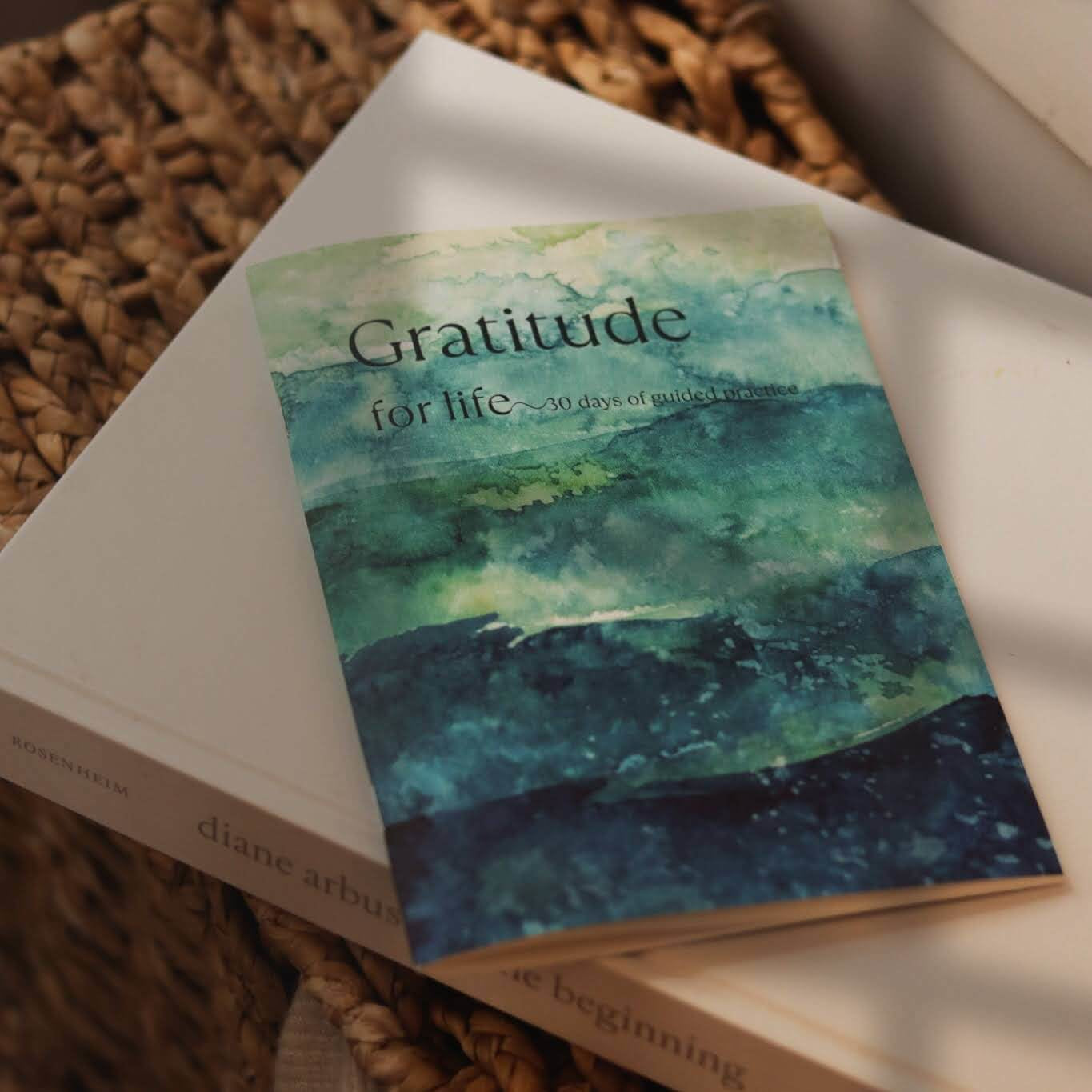
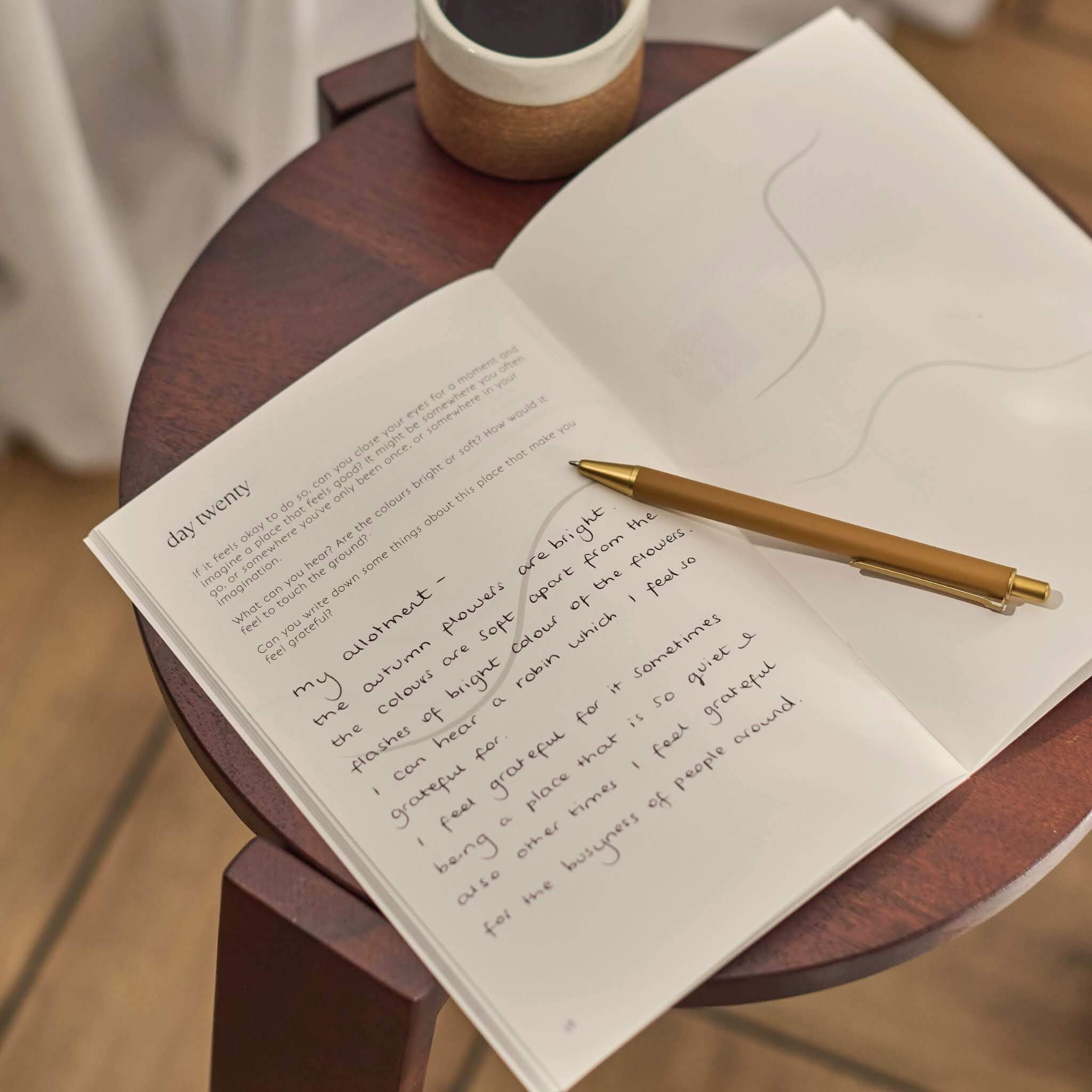
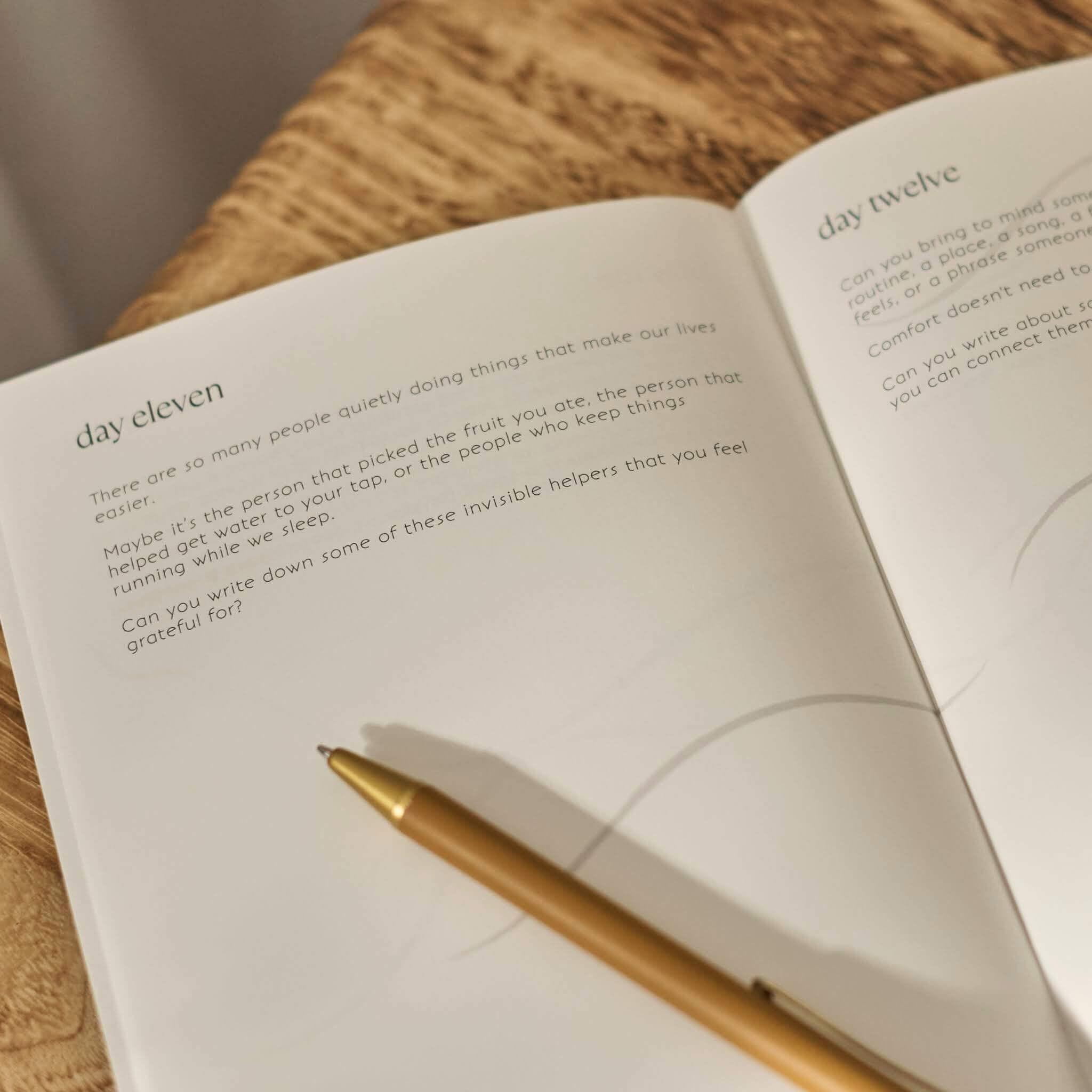
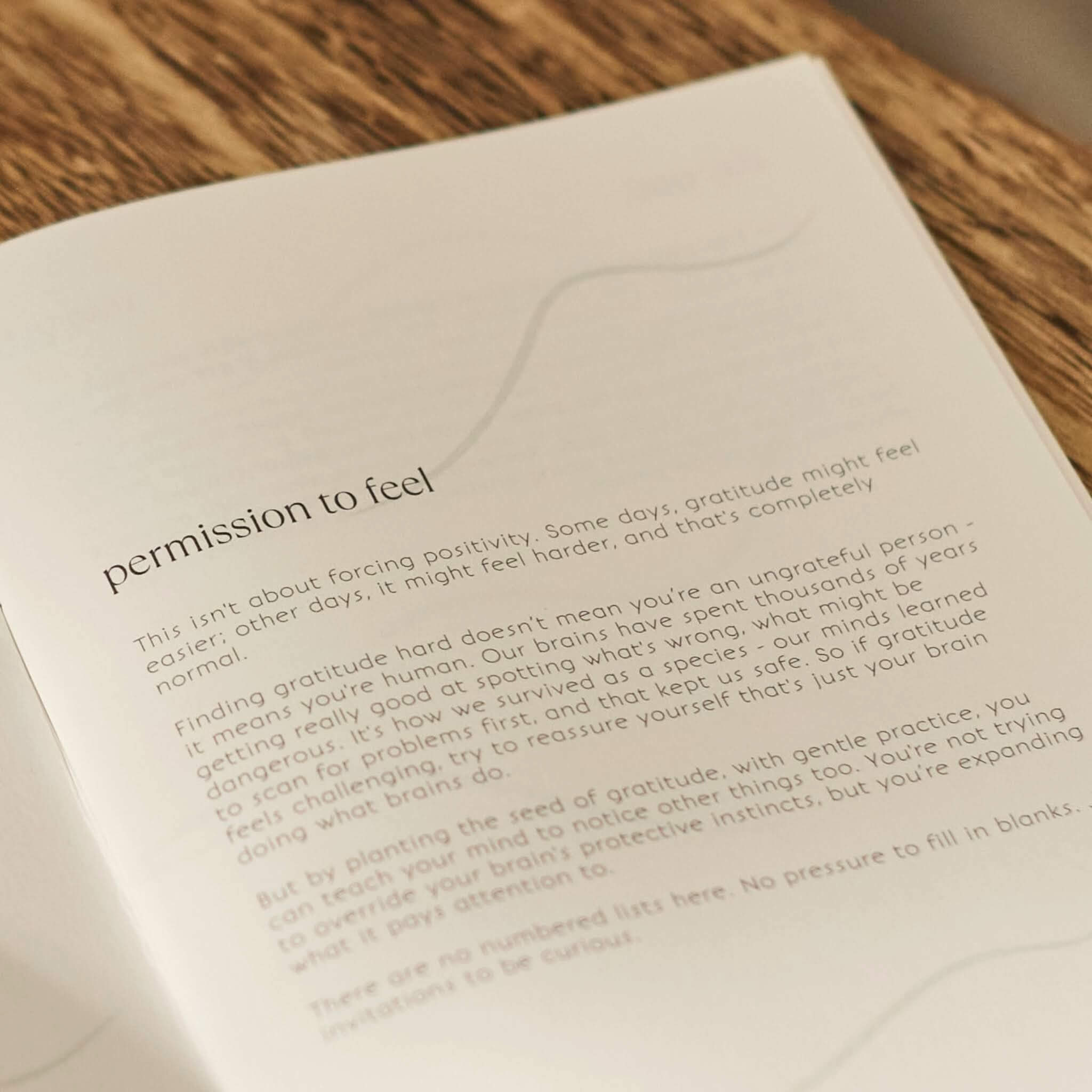
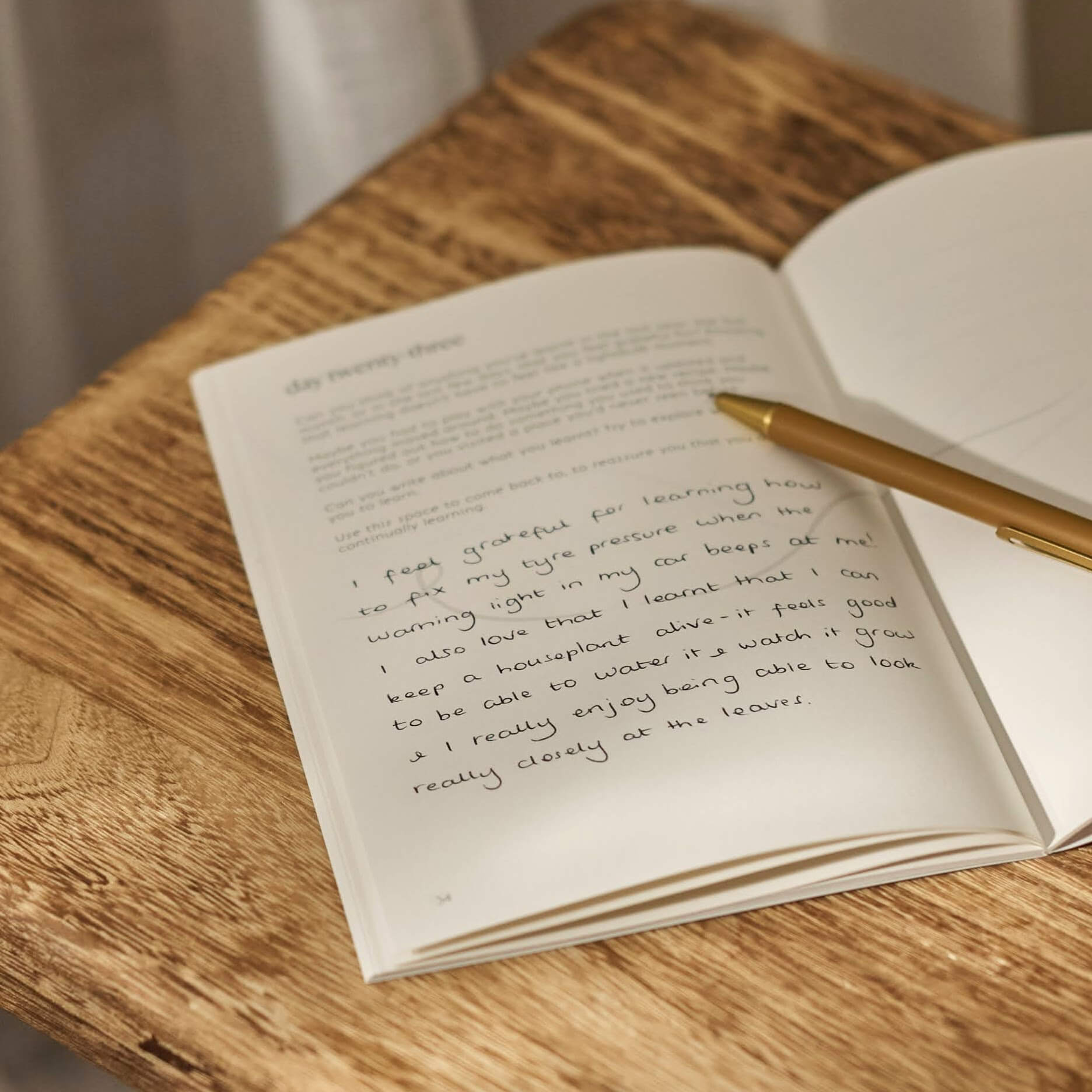
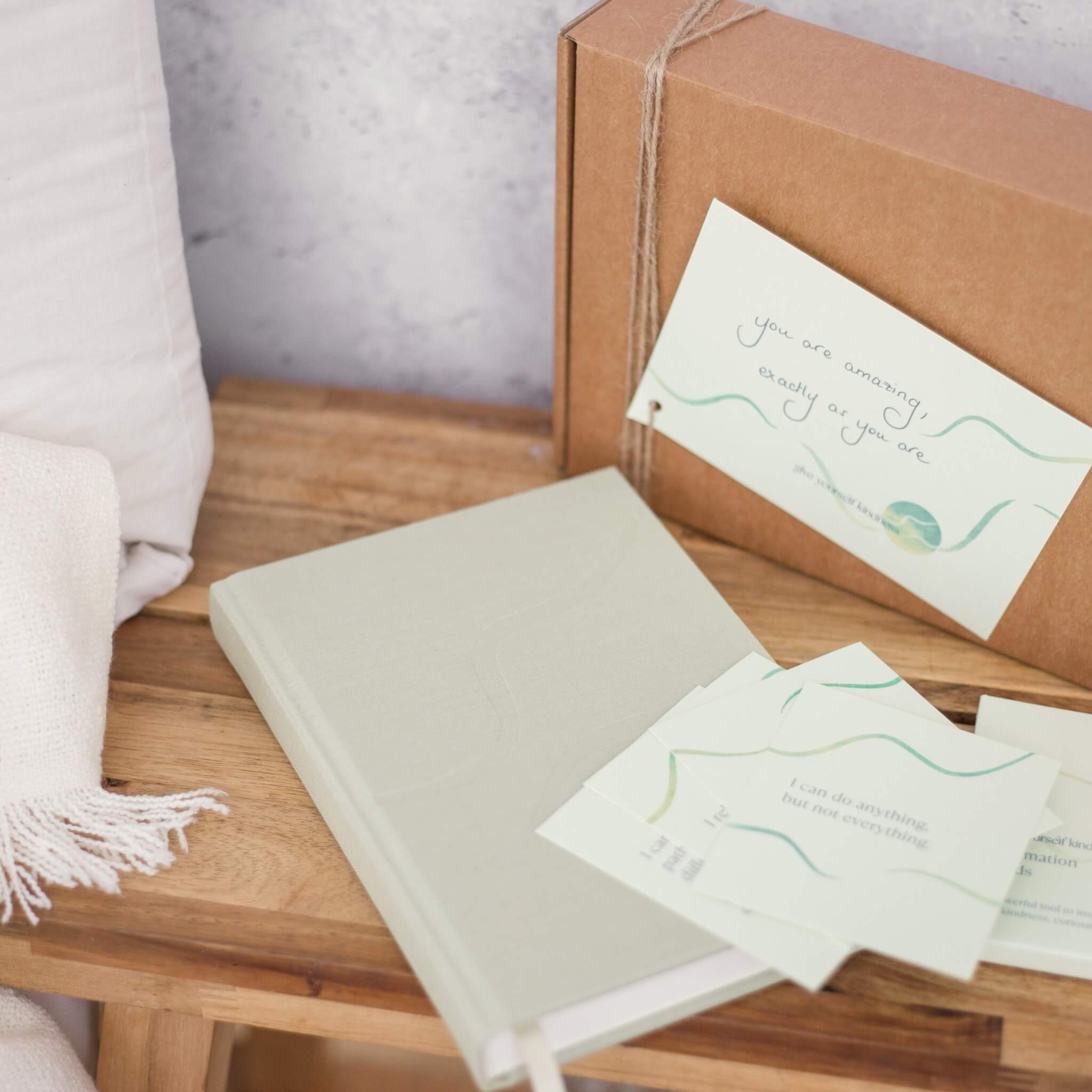
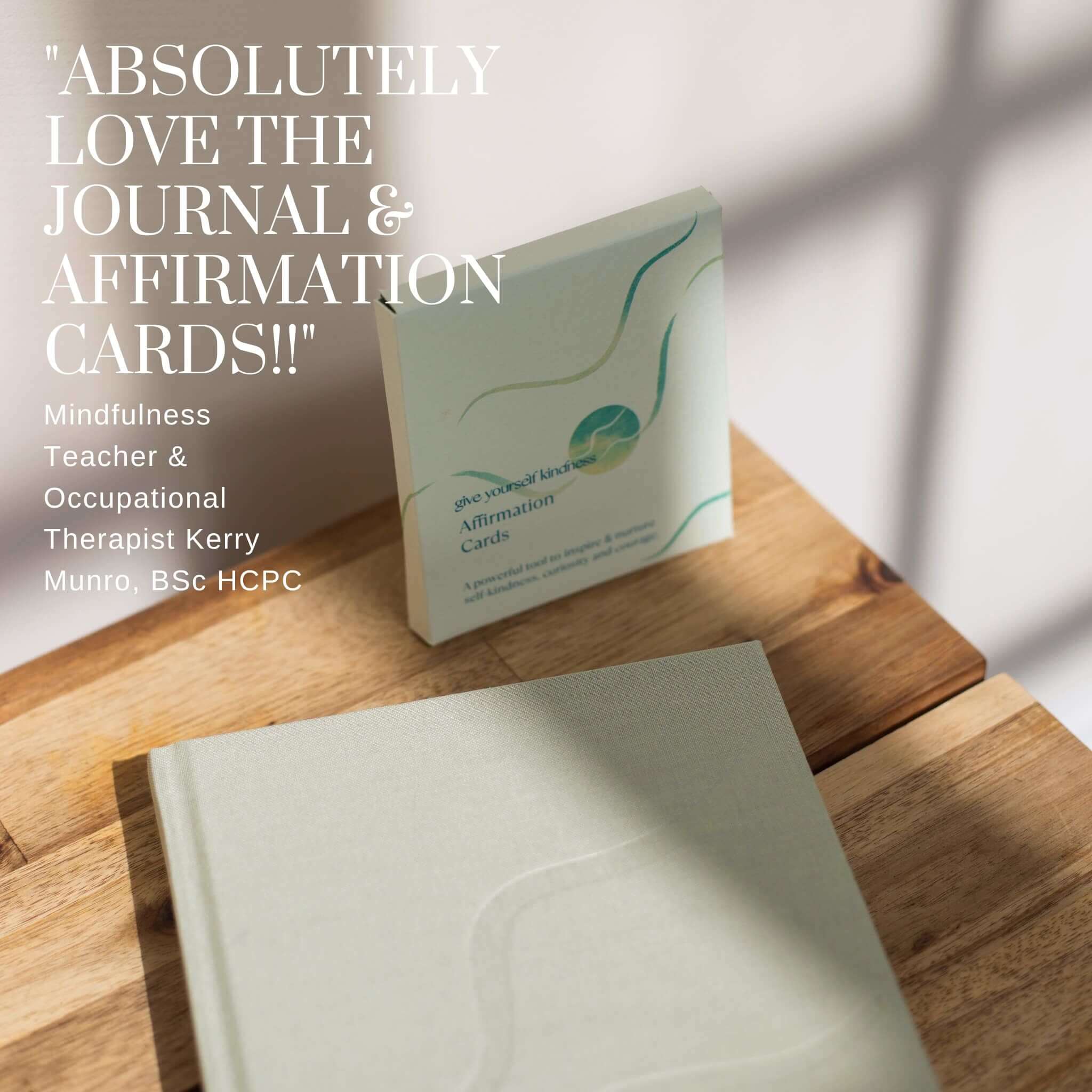
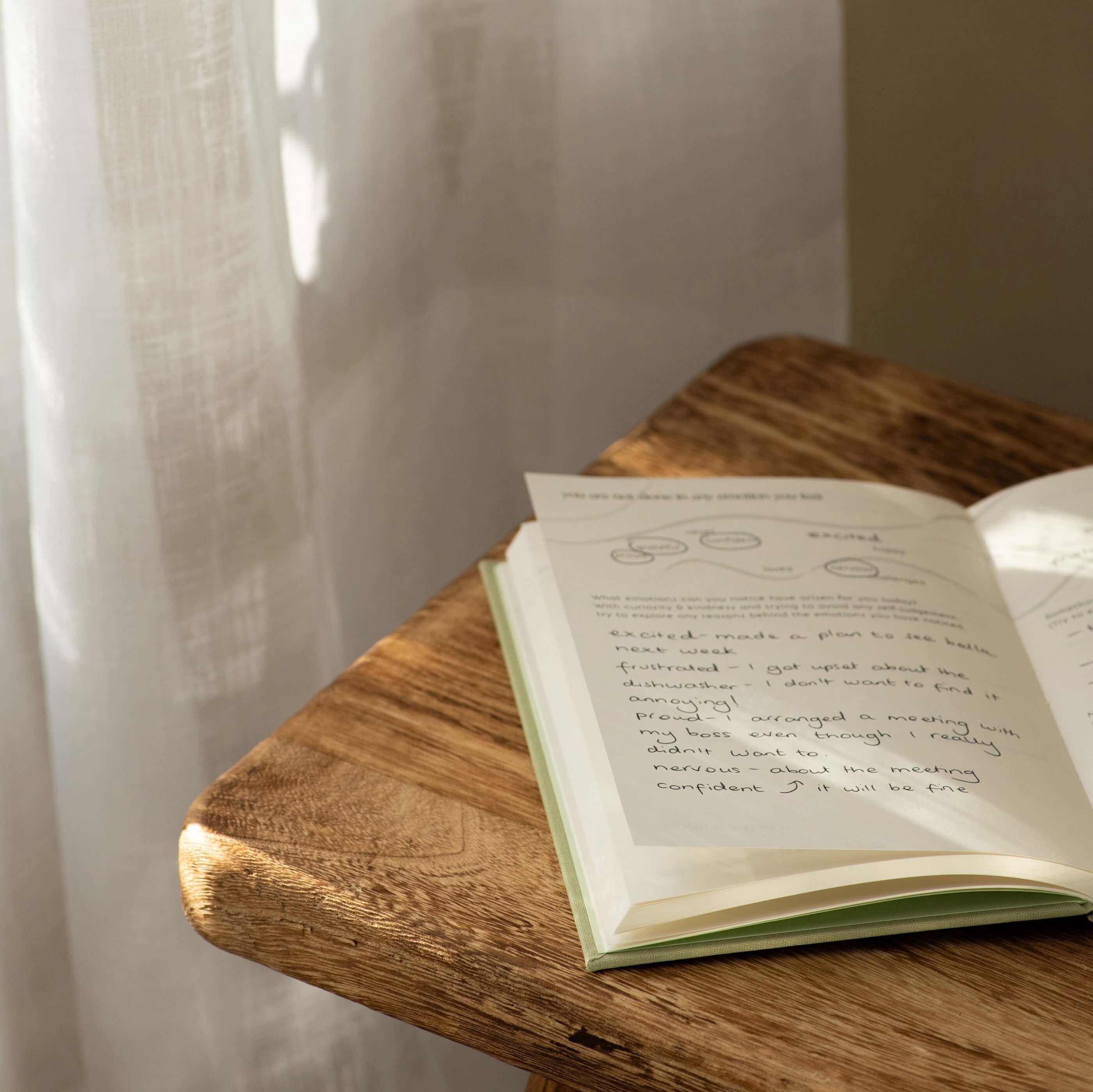
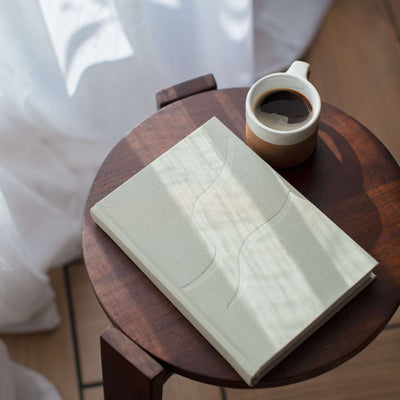
Two hundred and twenty-four pages holding three months of undated prompts, and every page is different. It asks gentle, specific questions rather than leaving them facing a blank page, so it works just as well for someone who has never journalled as for someone who already does.
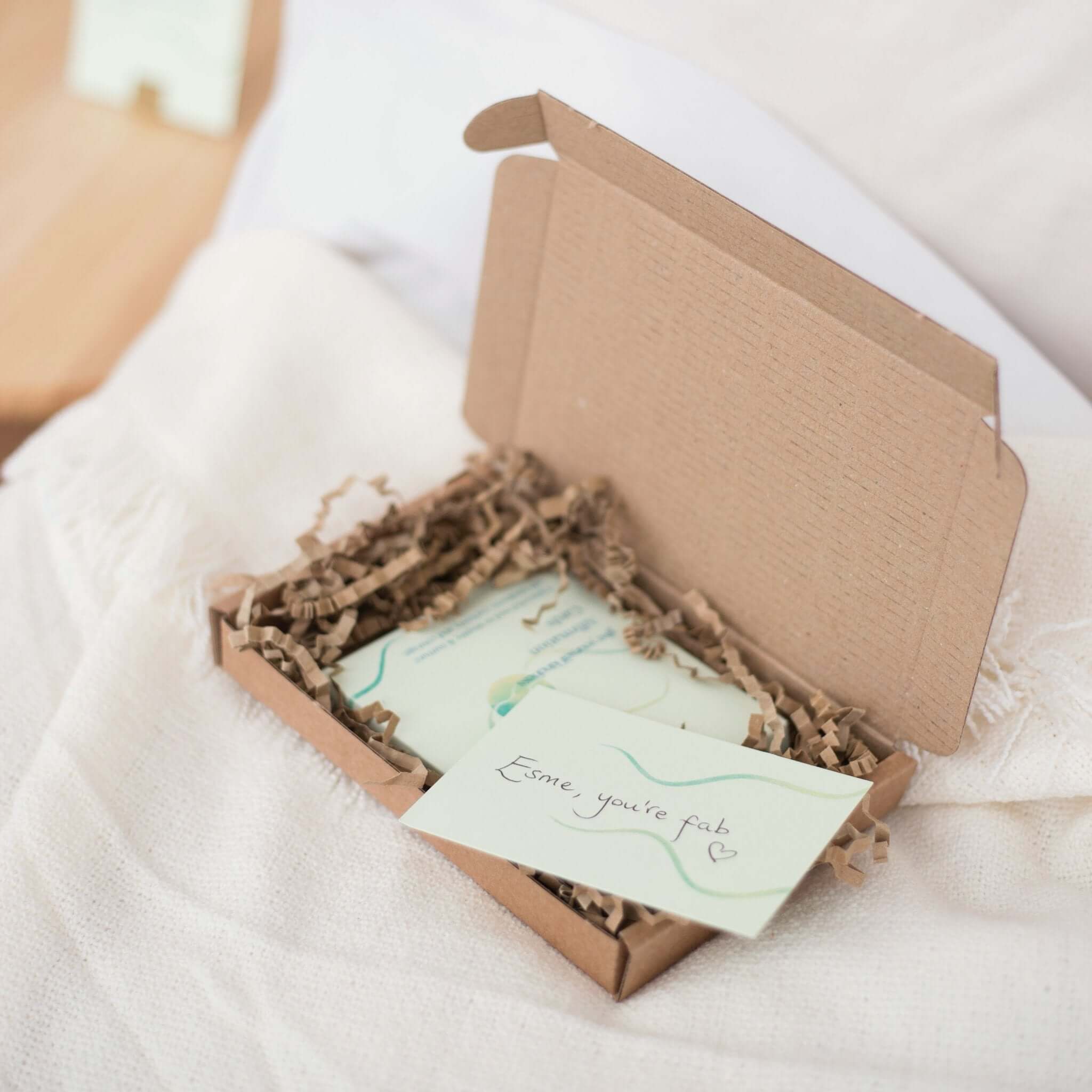
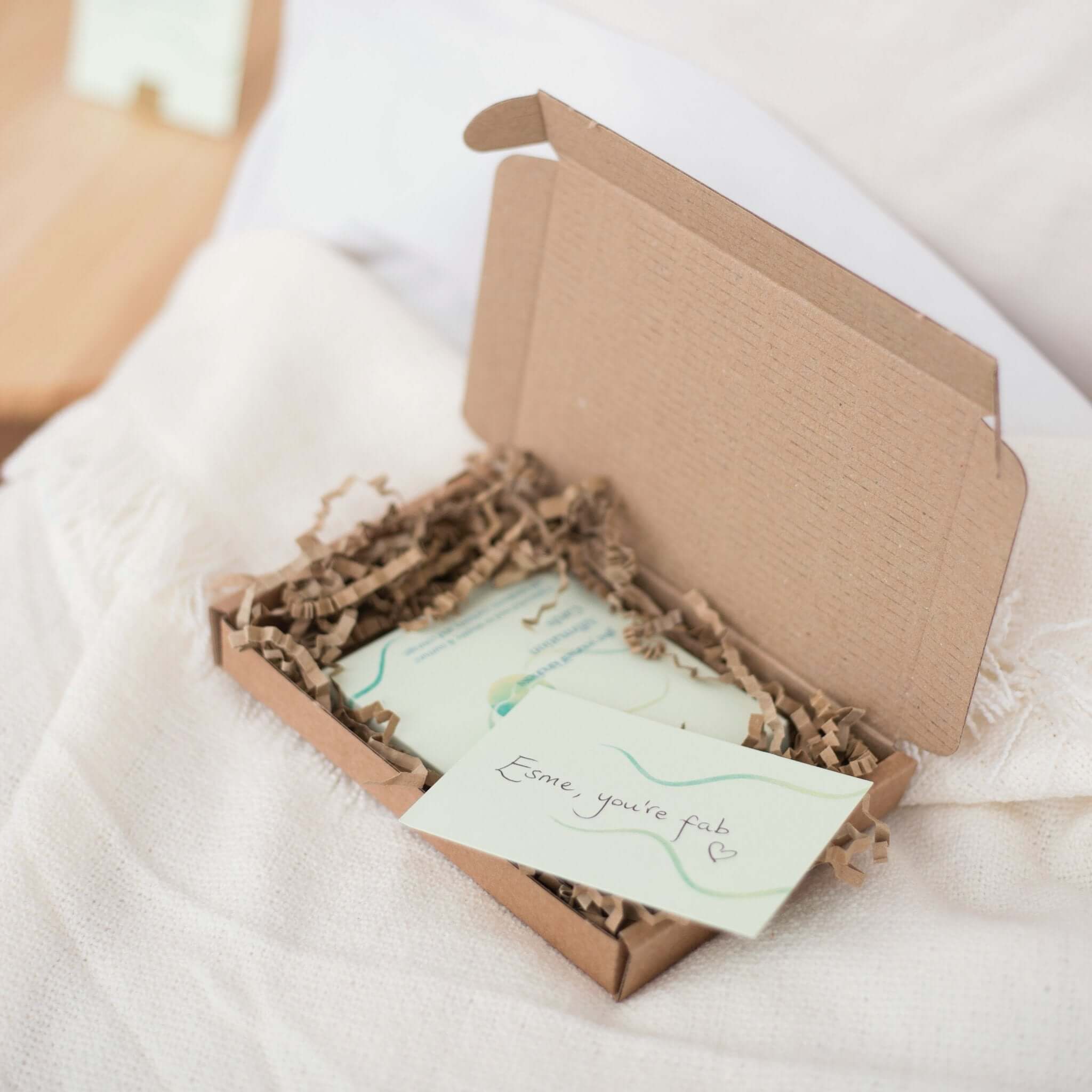
It's undated, so it waits for them. They can use it every evening or once a fortnight, and it's still doing its job either way. It arrives wrapped in bespoke tissue paper, with your handwritten message if you'd like one.
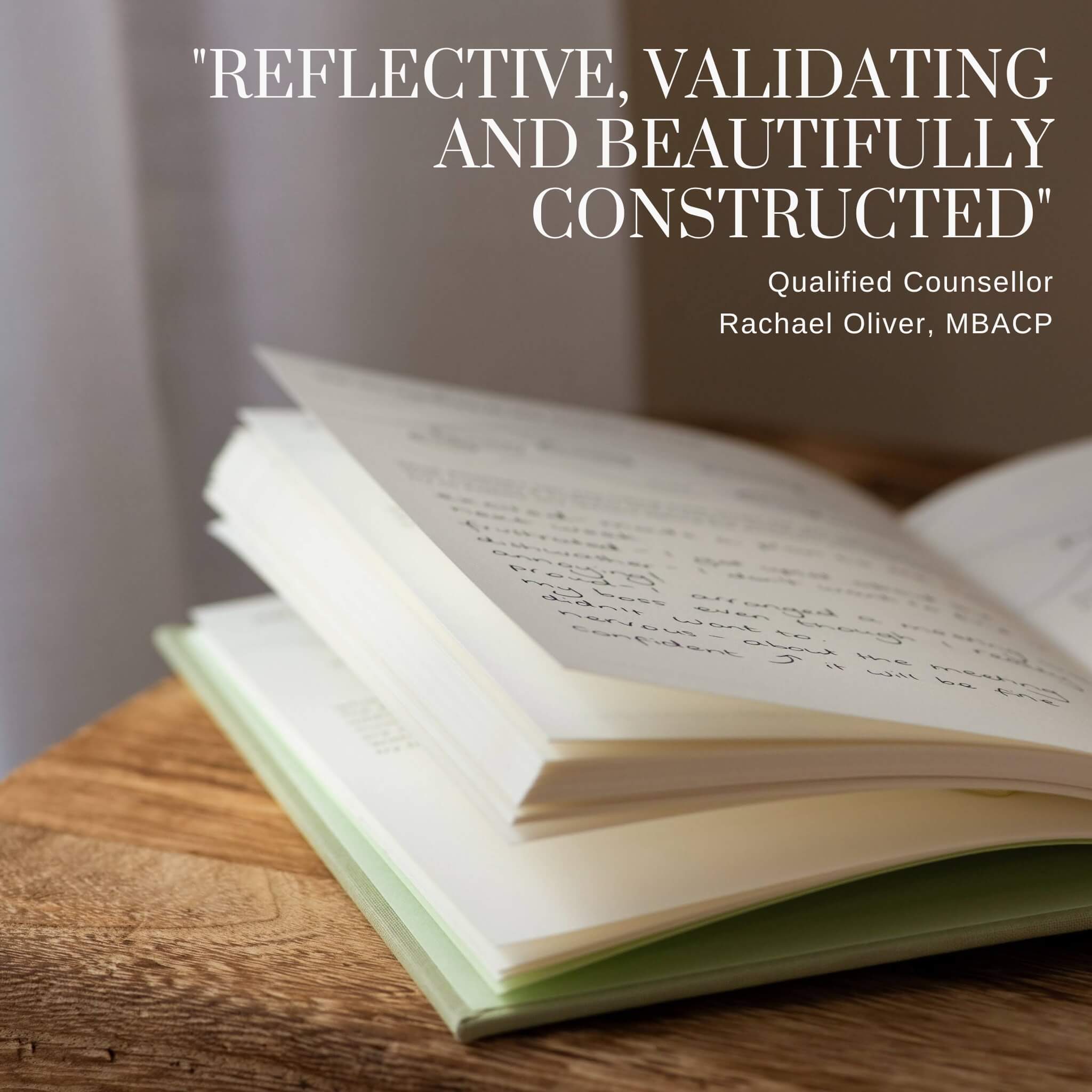
Why it's still working in a month: the prompts build a habit of self-kindness rather than a burst of it. Reviewed by clinical psychologists at Harvard and Oxford, and drawn from the same research that shows self-compassion practice measurably lowers stress and self-criticism over time.
Added to your basket. View basket →
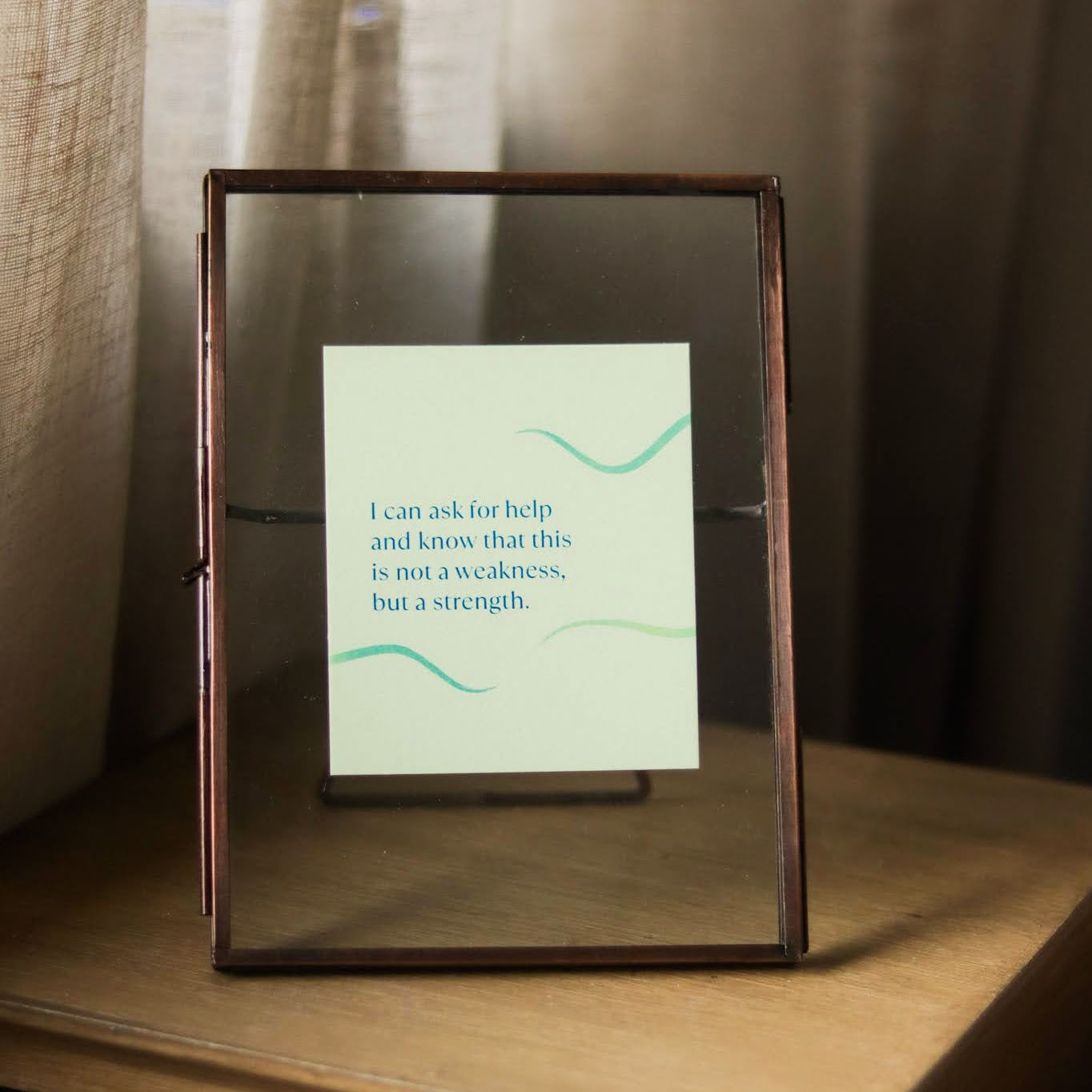
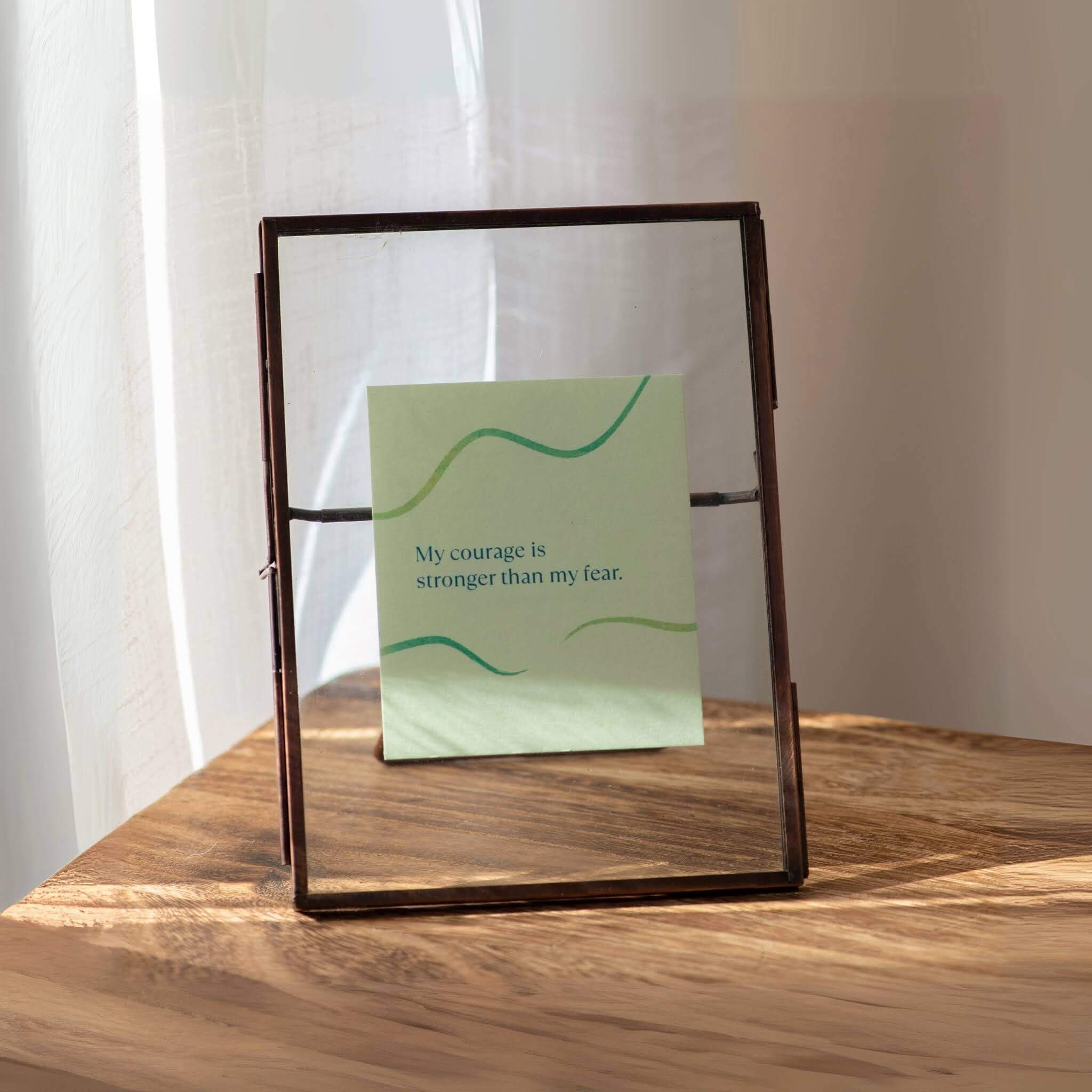
The Affirmation Cards
Gives them something kind to read each morning
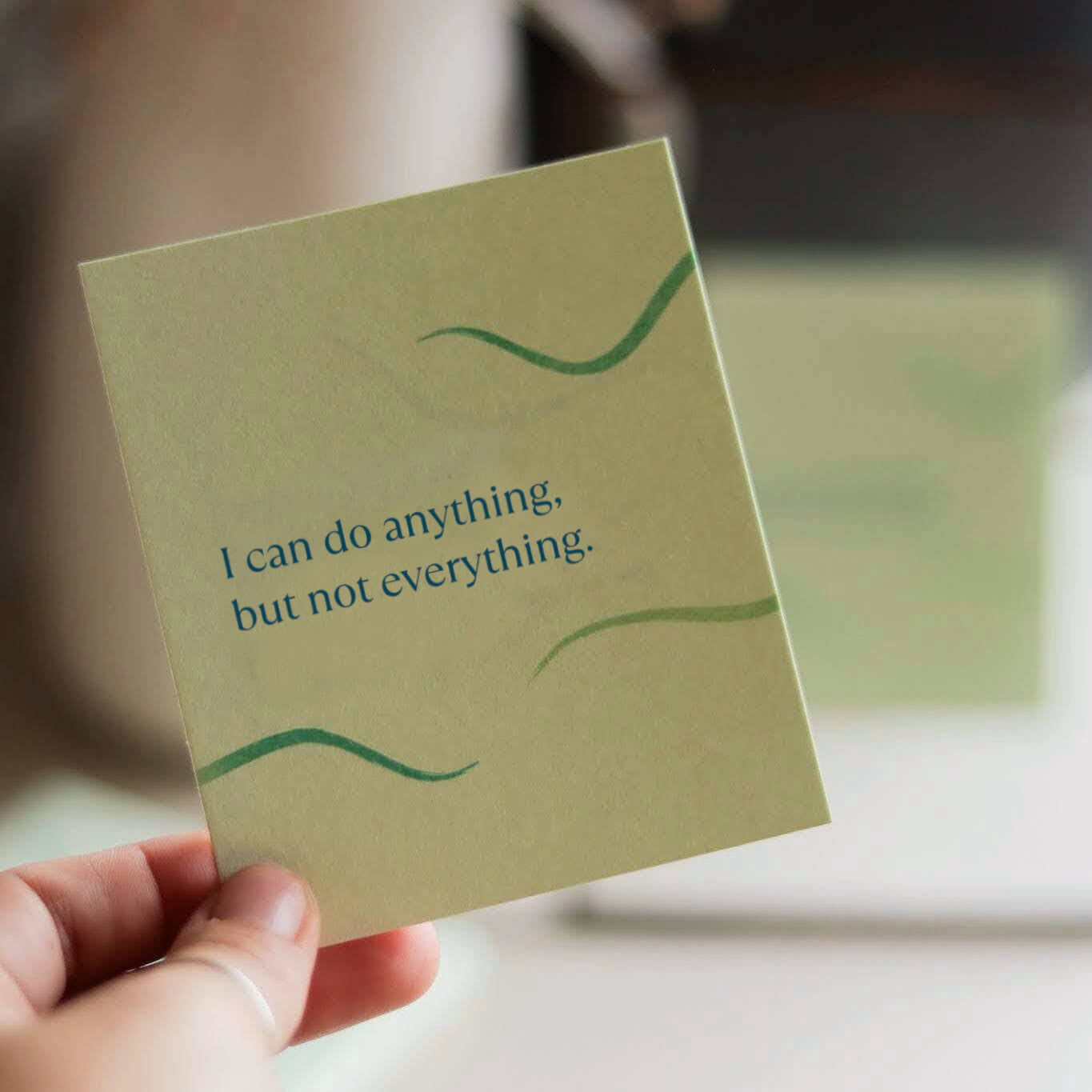
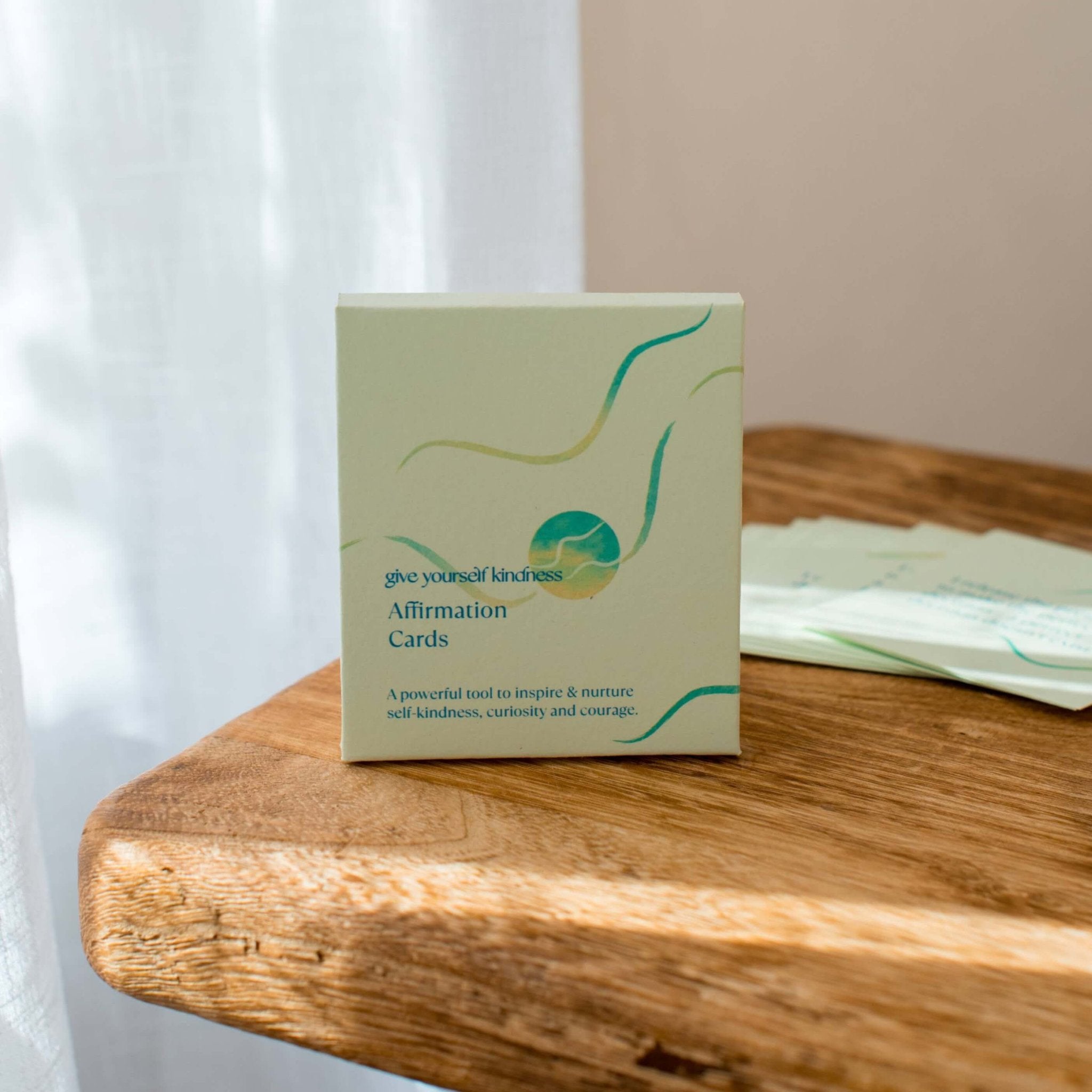
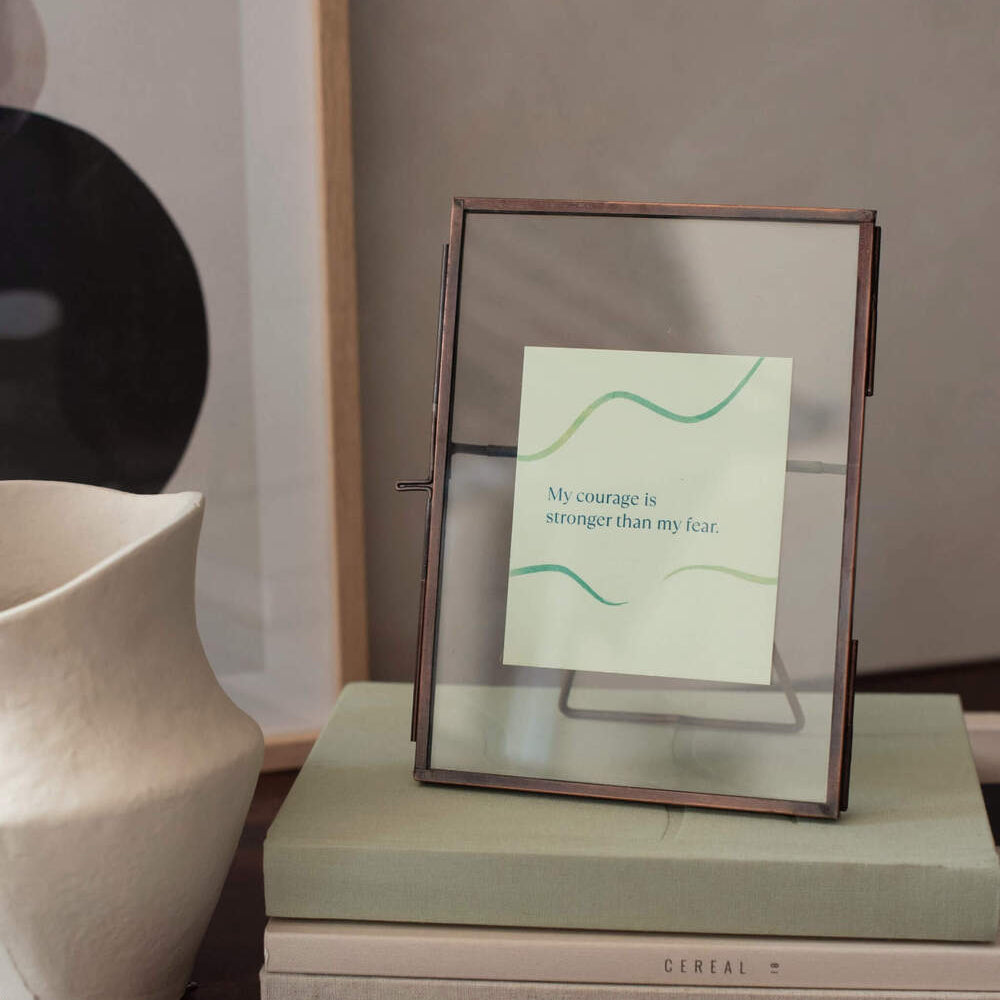
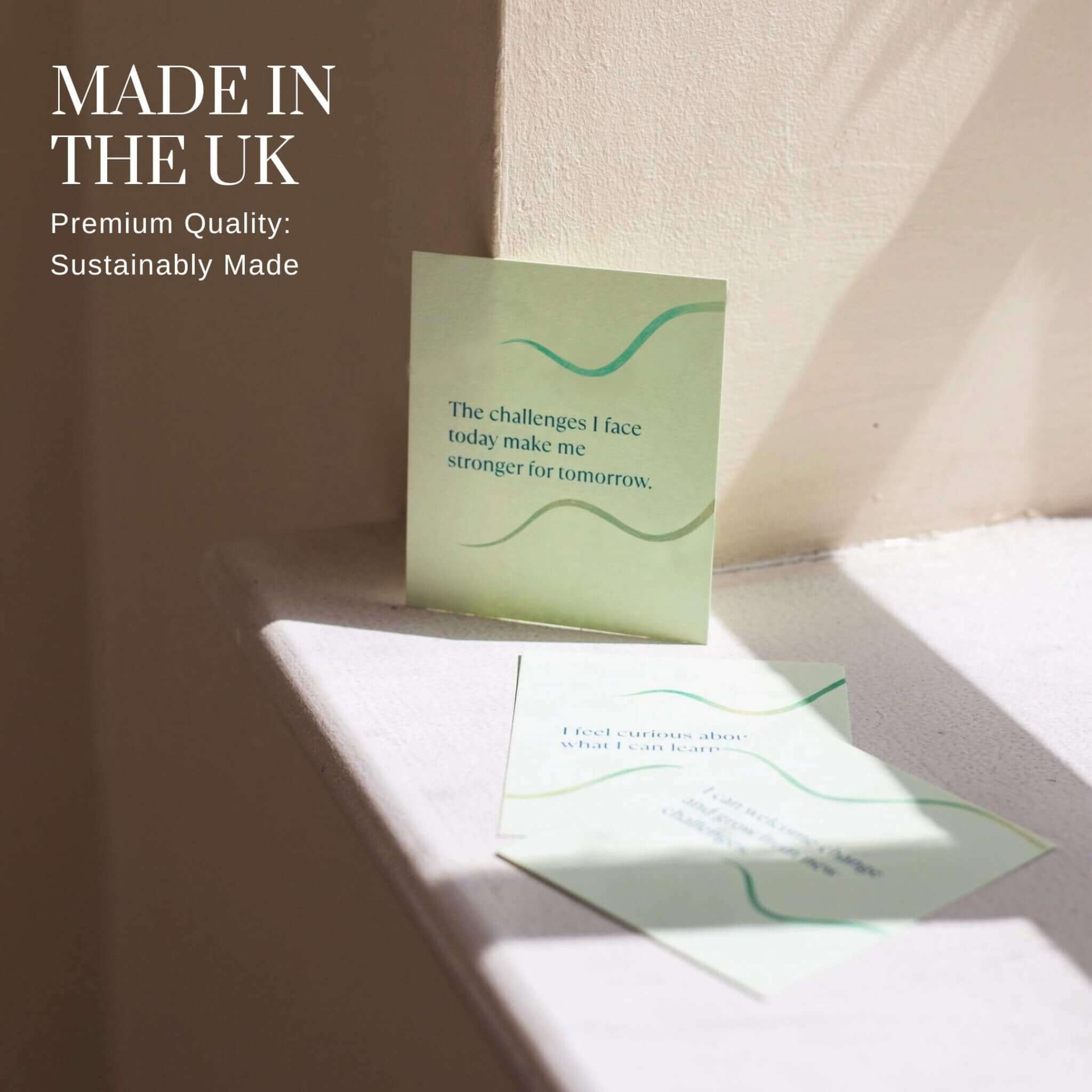
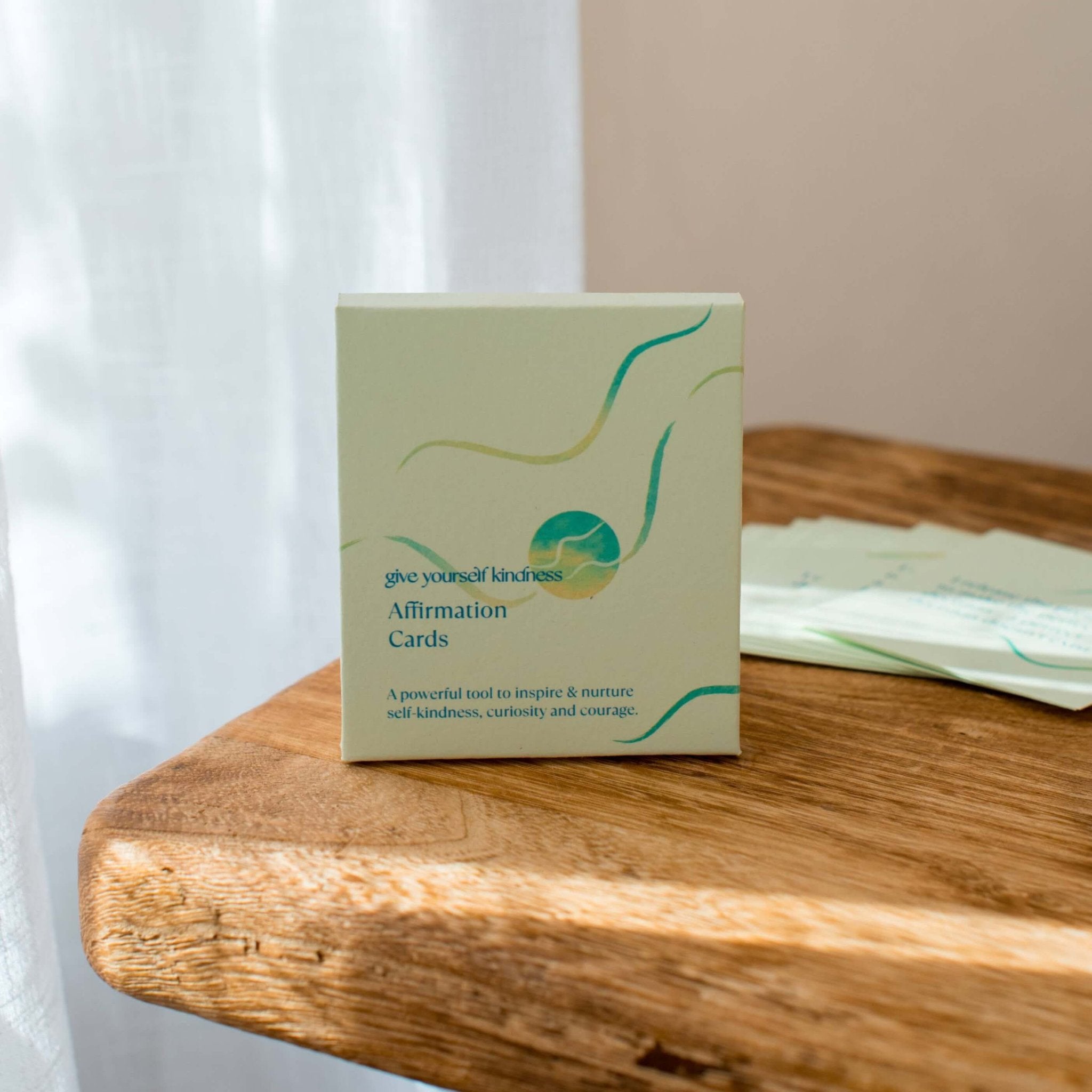
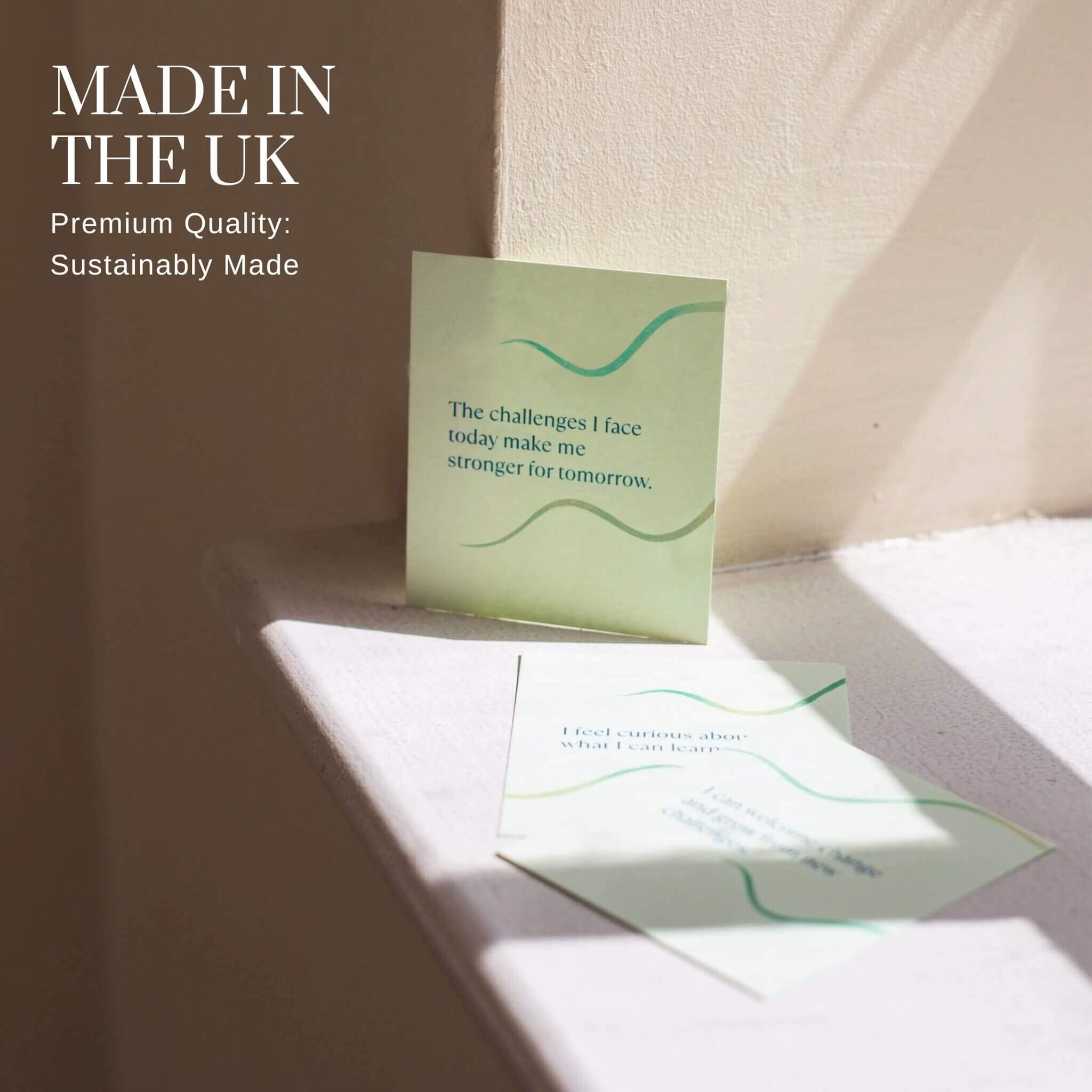
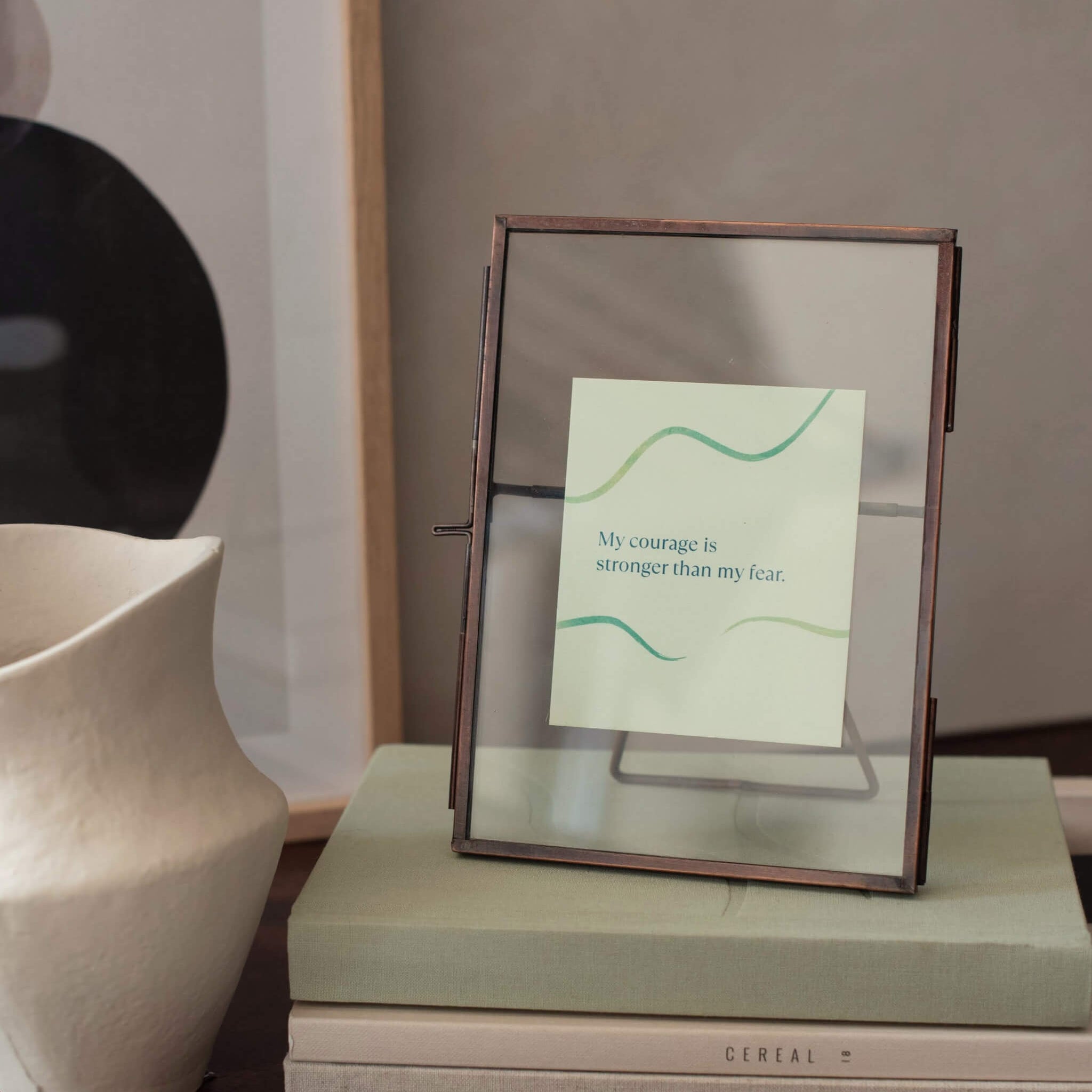
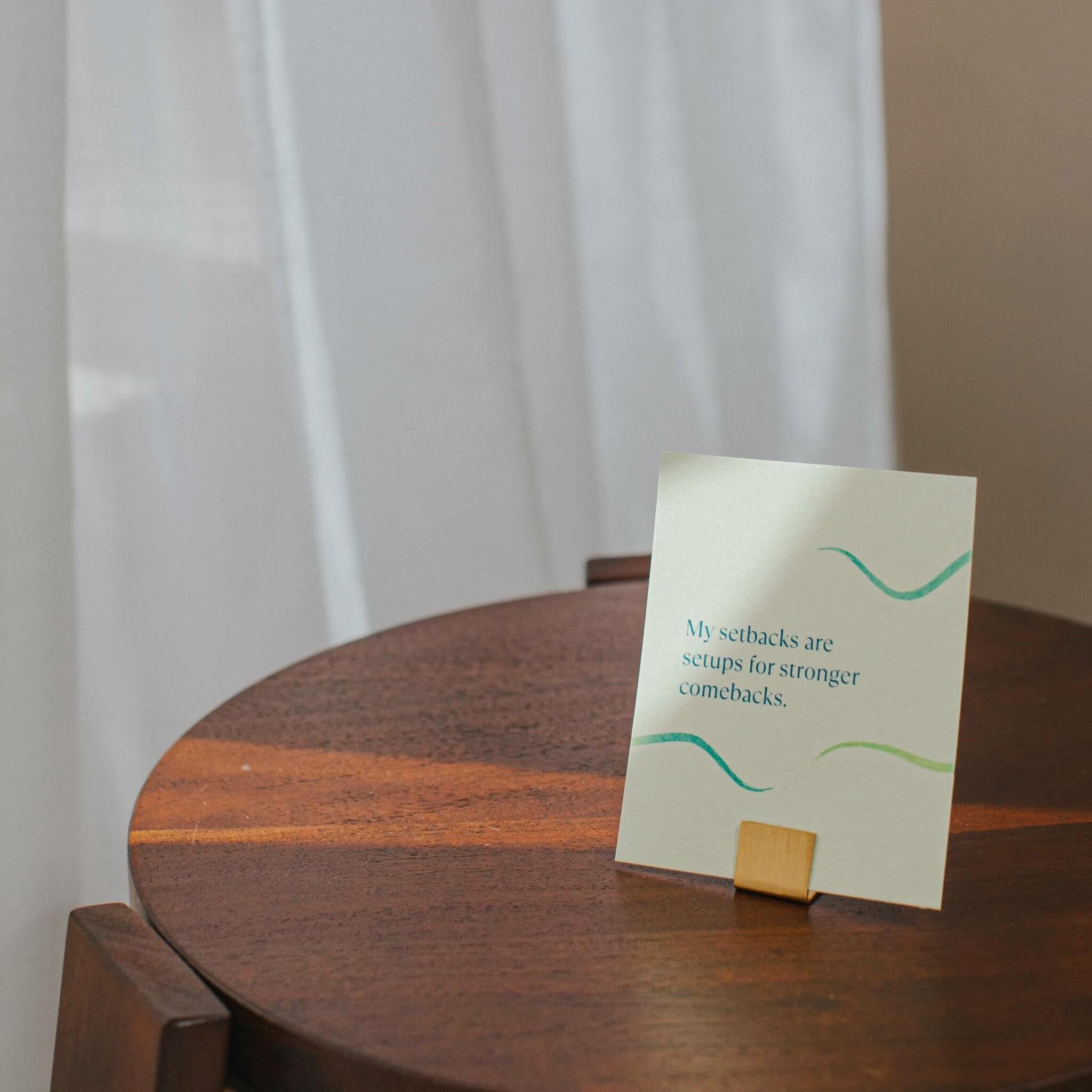
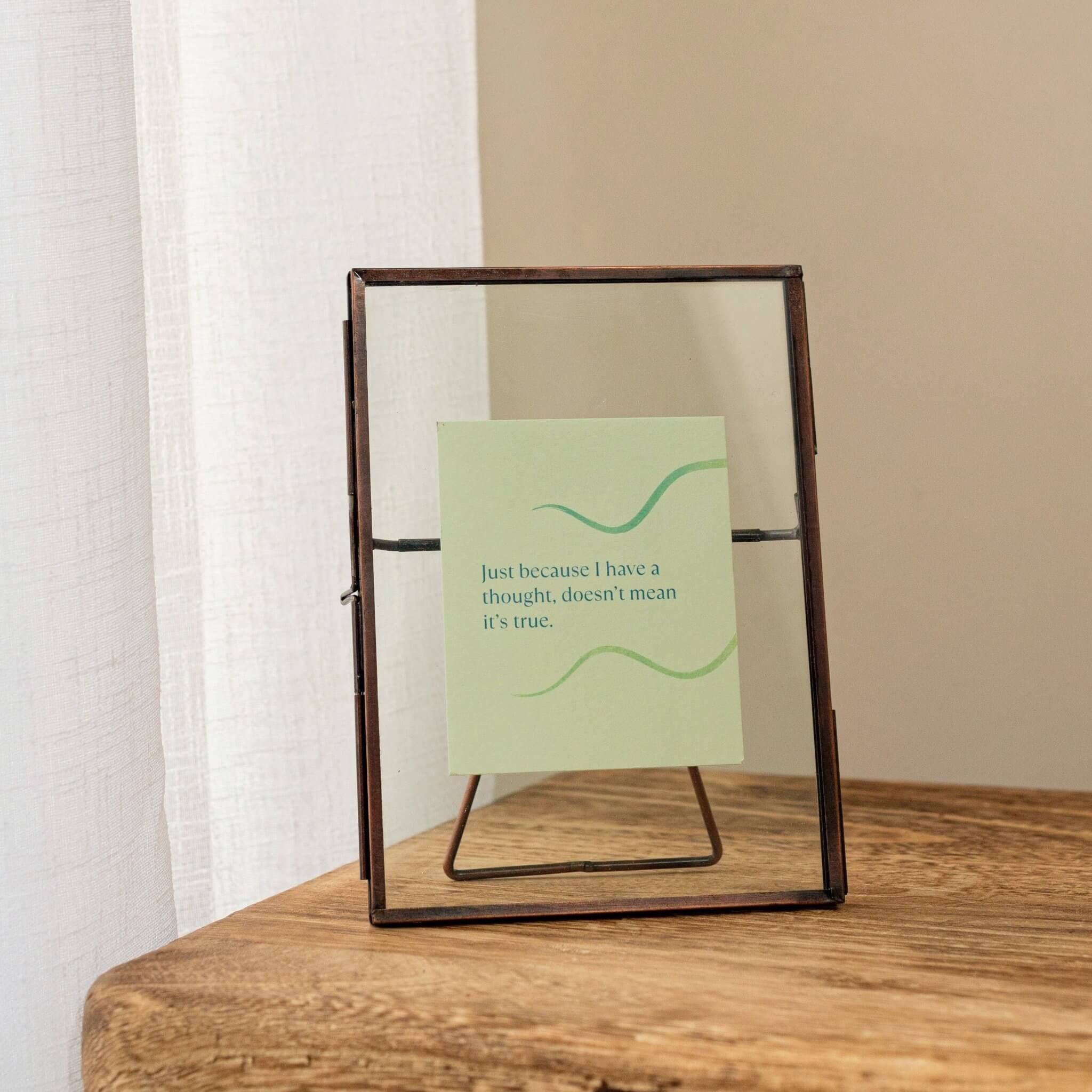
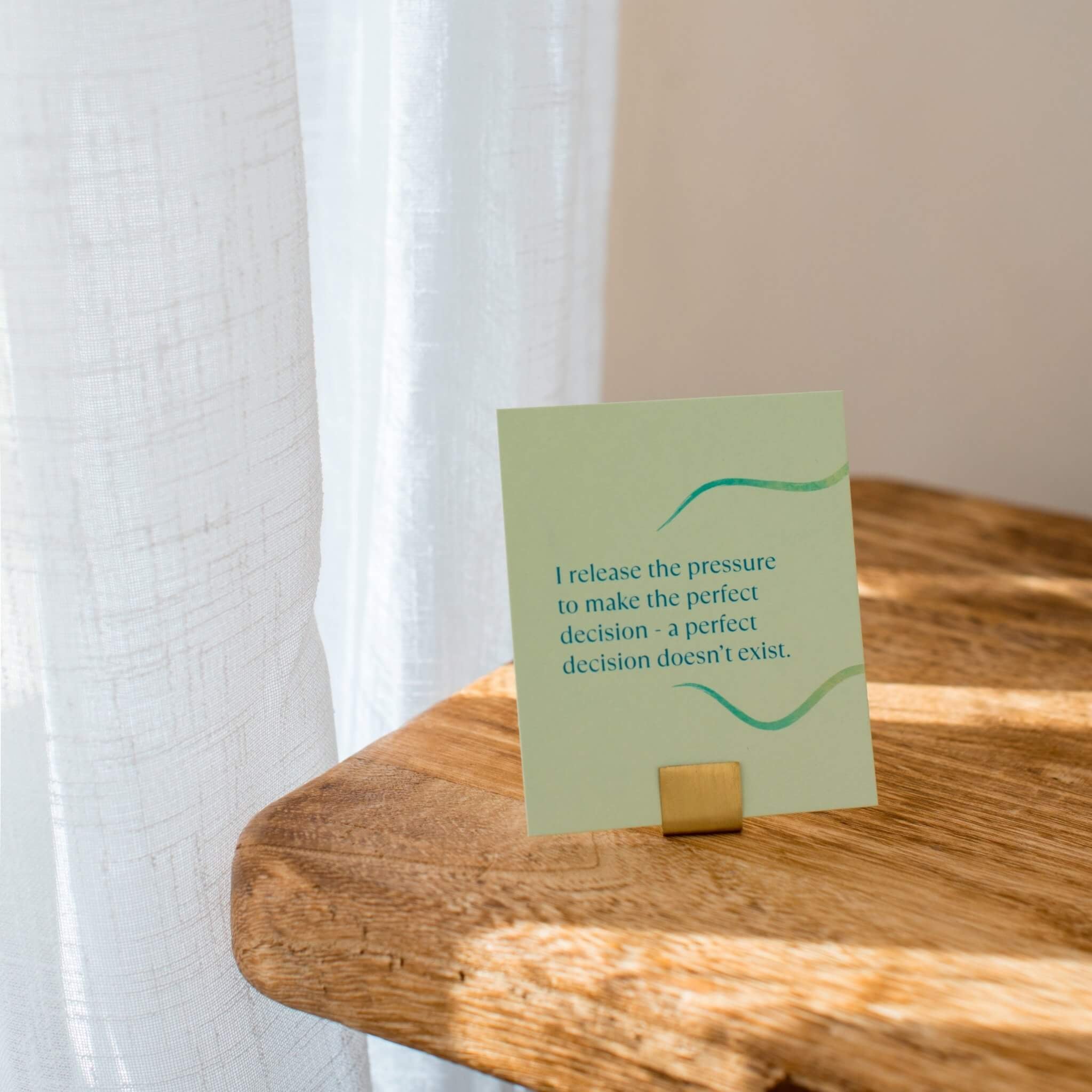
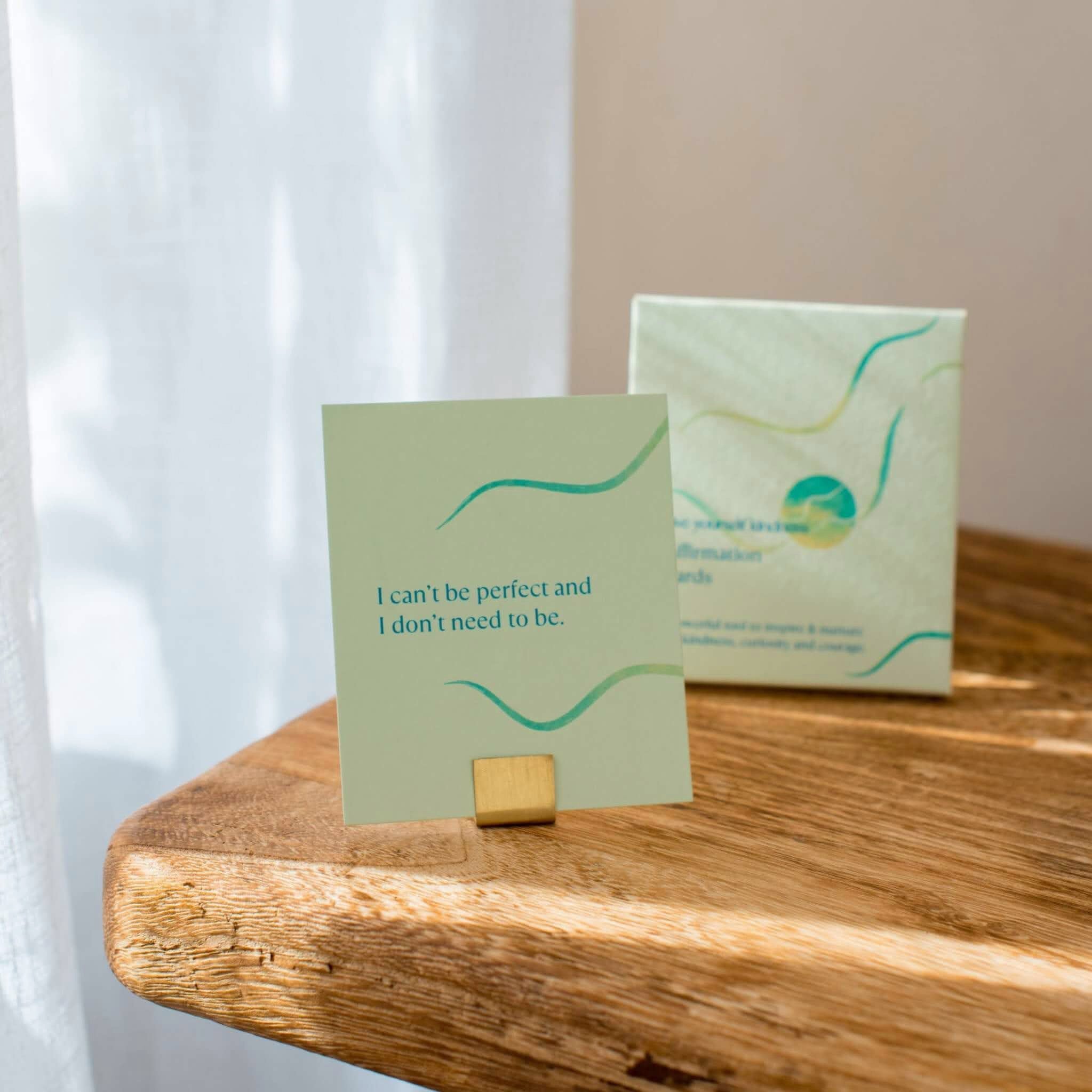
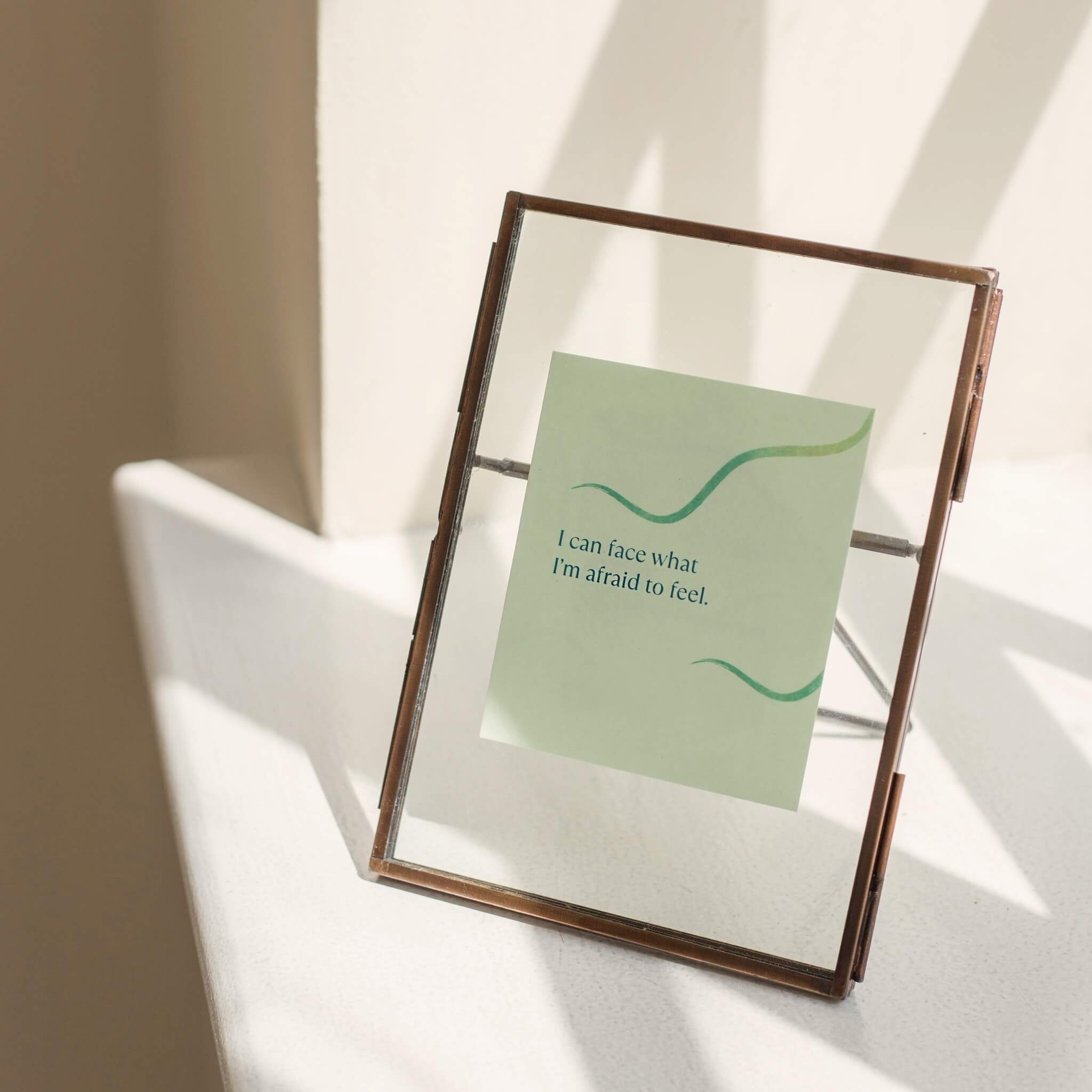
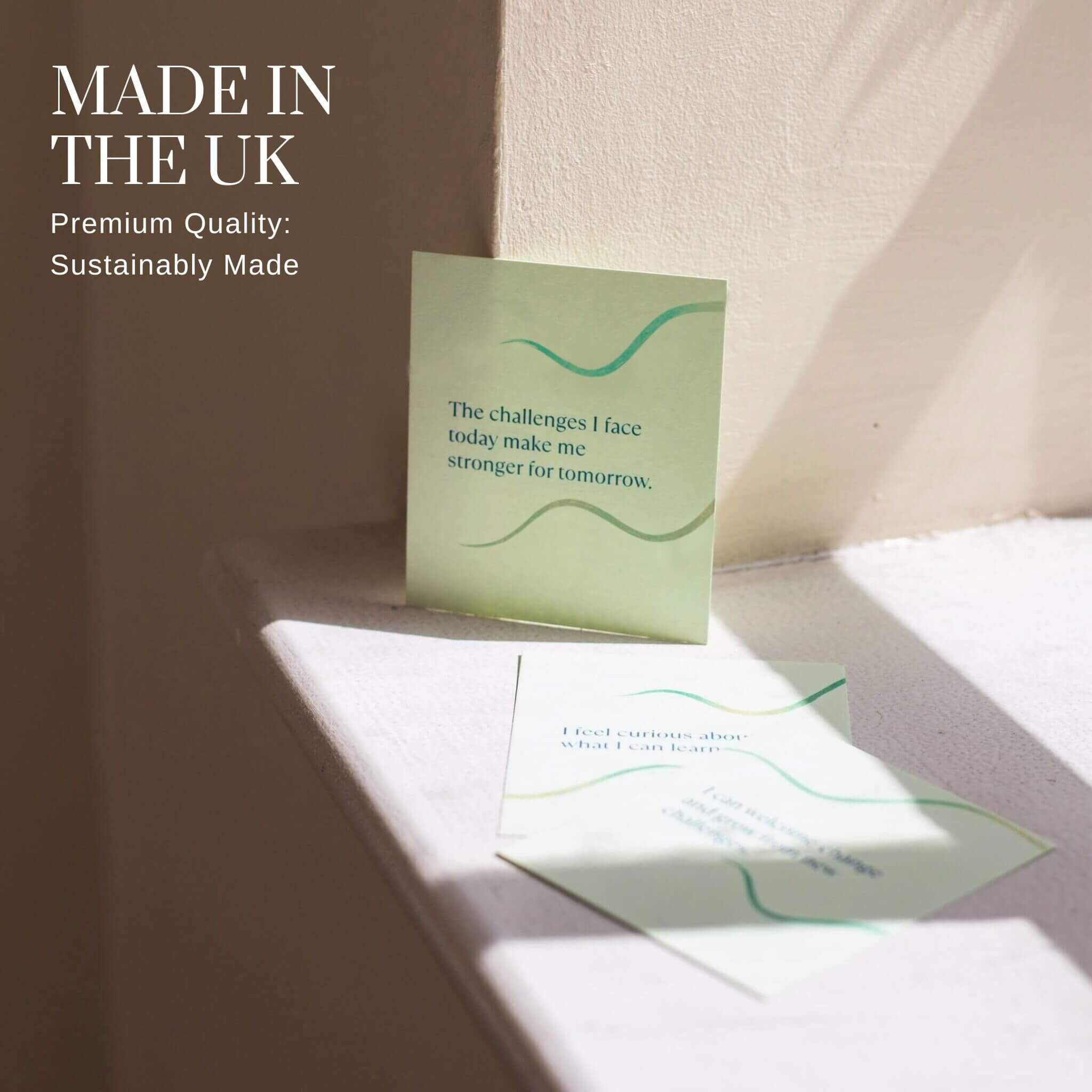
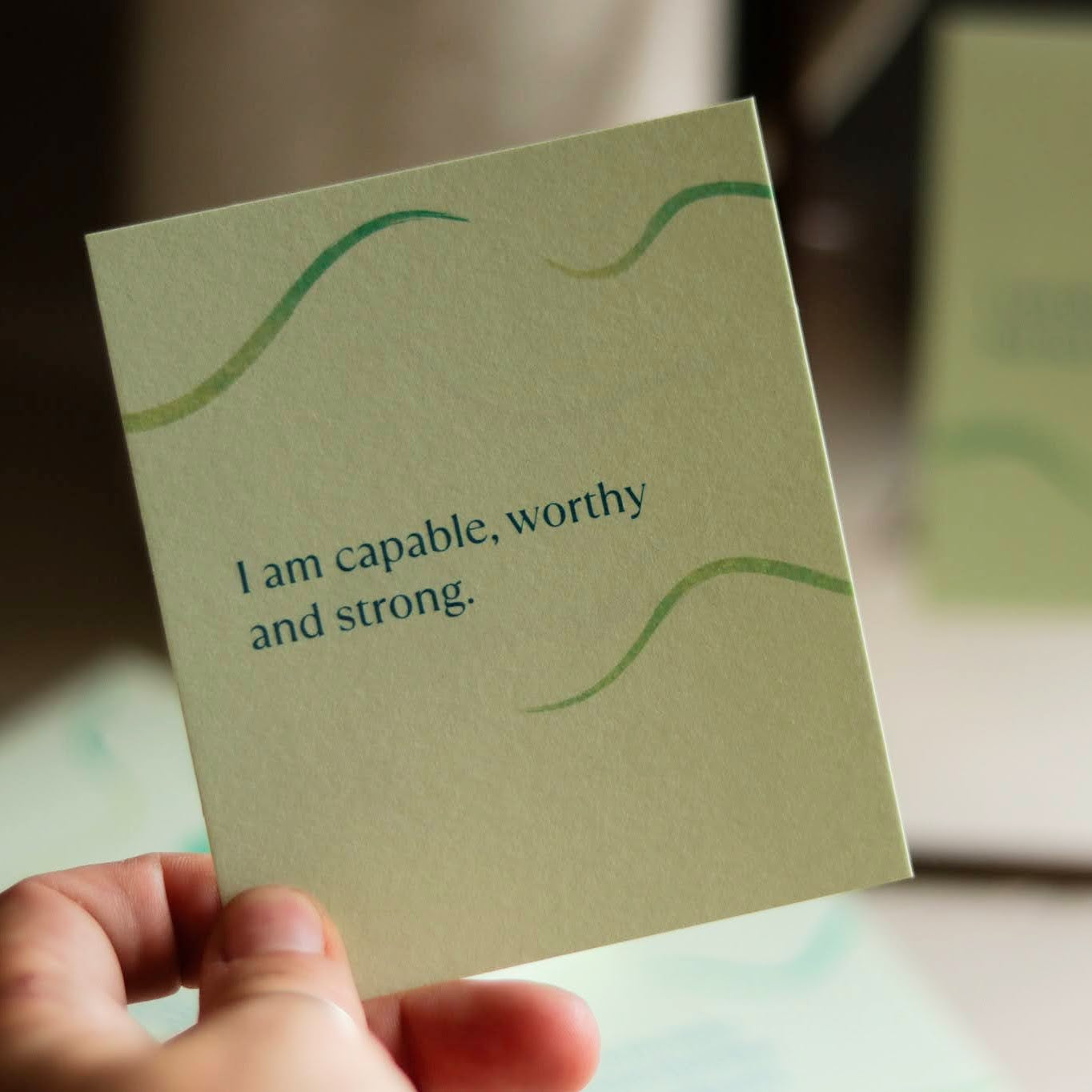
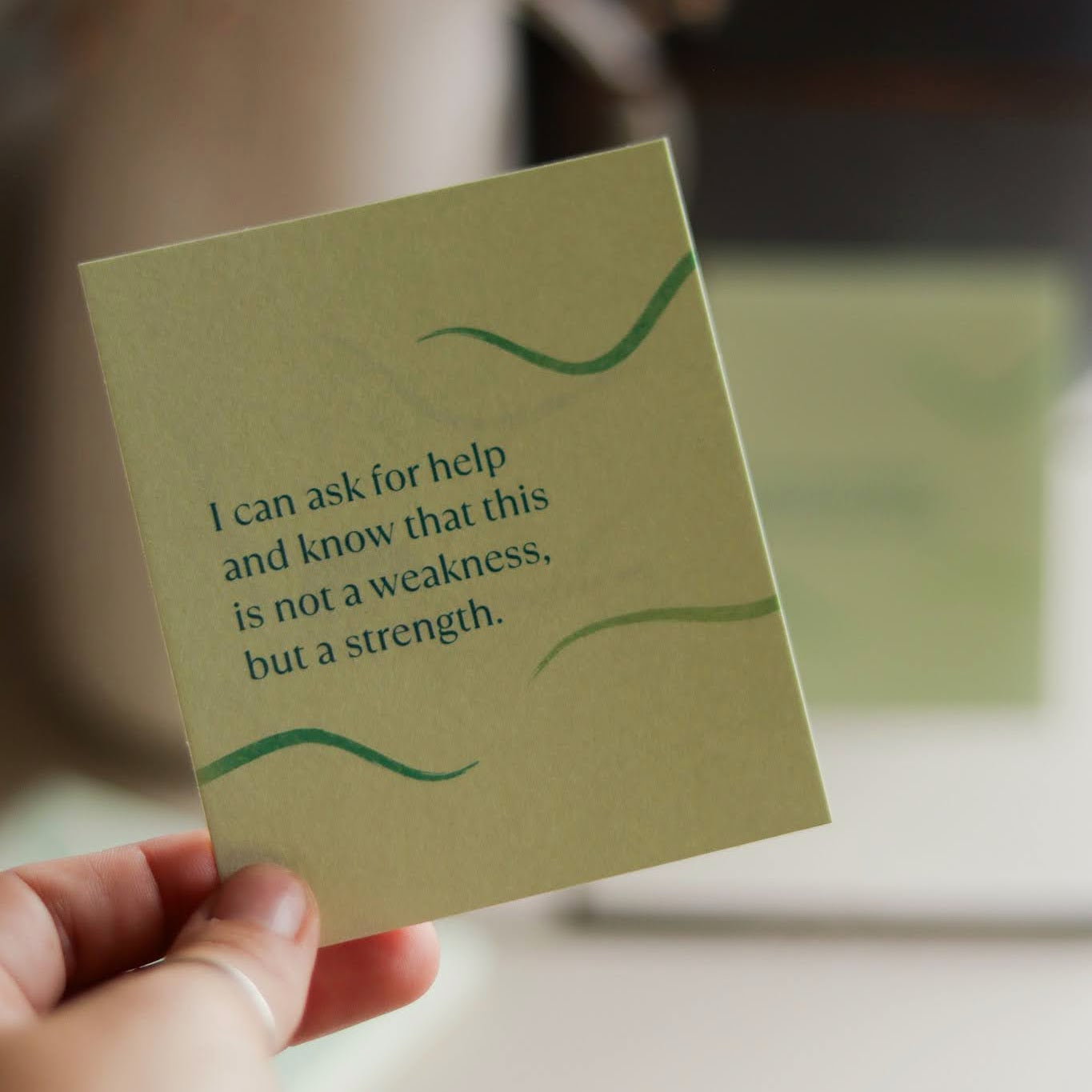
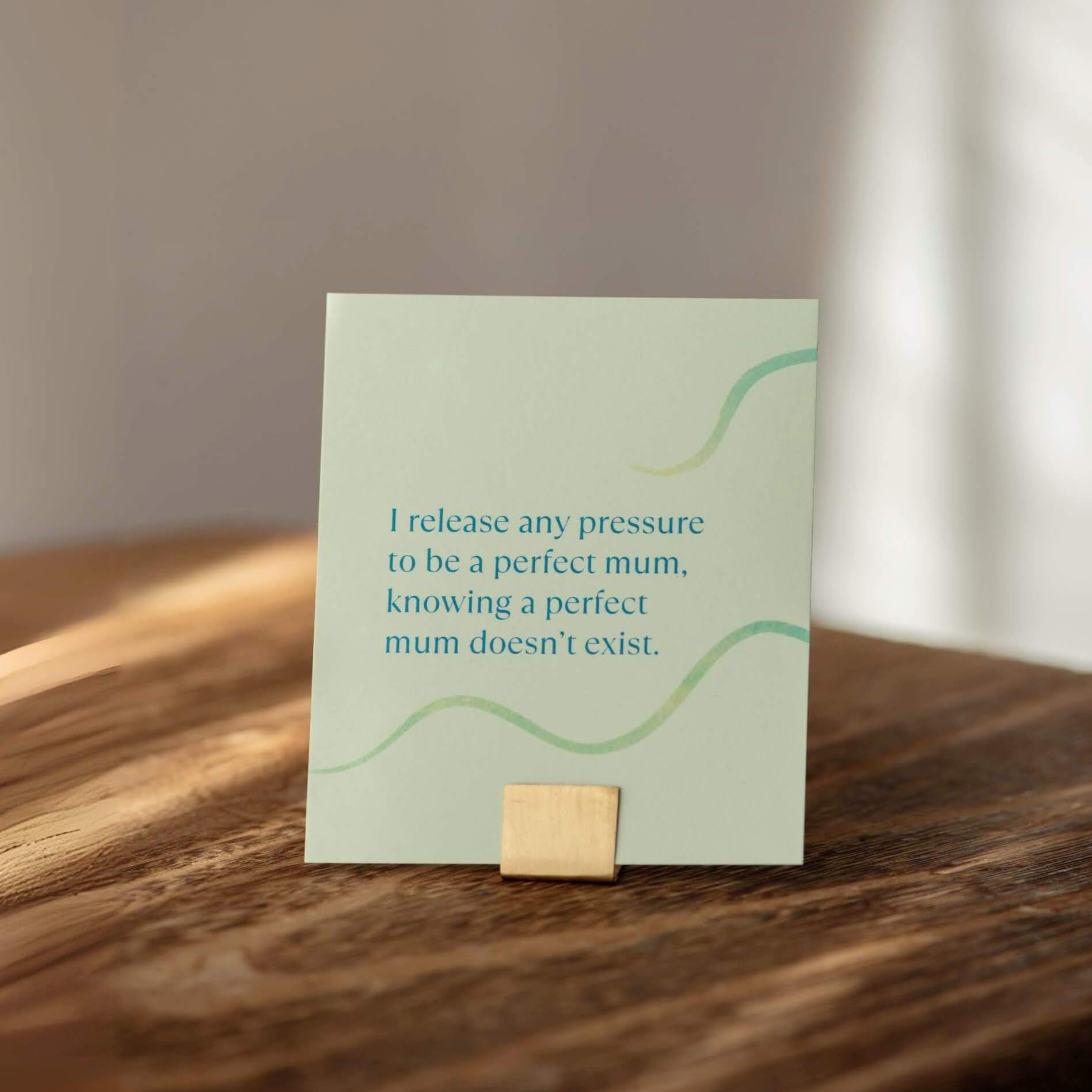
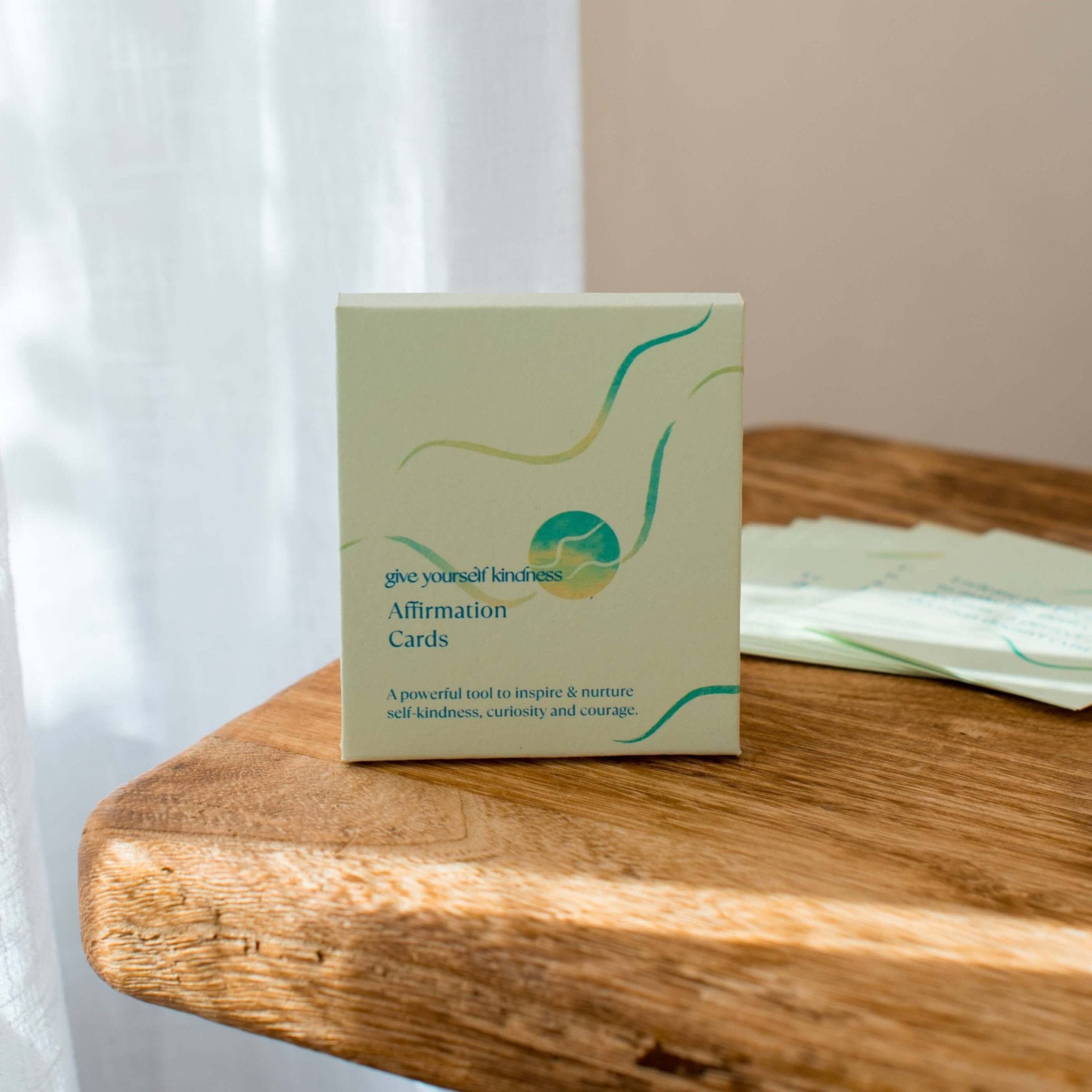
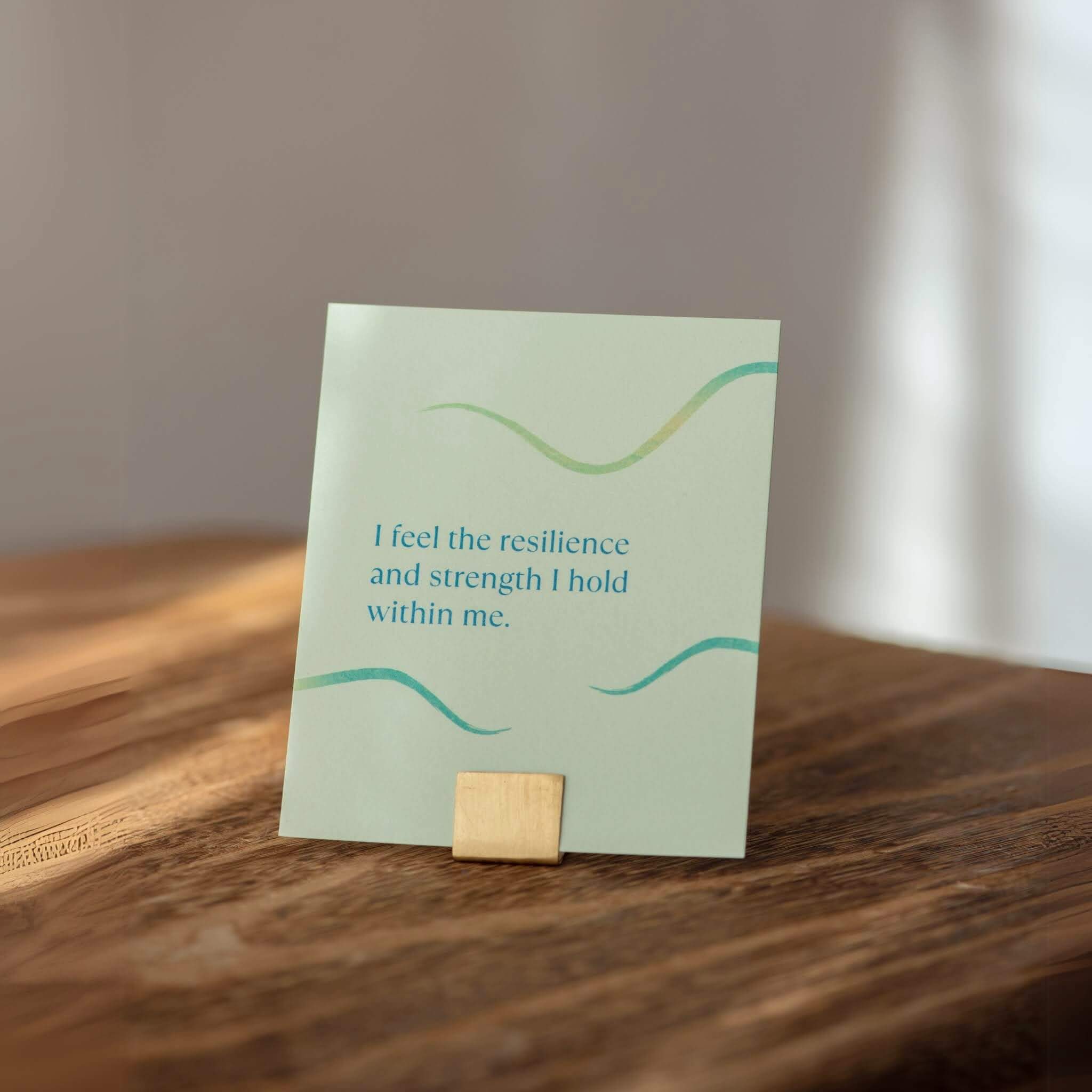
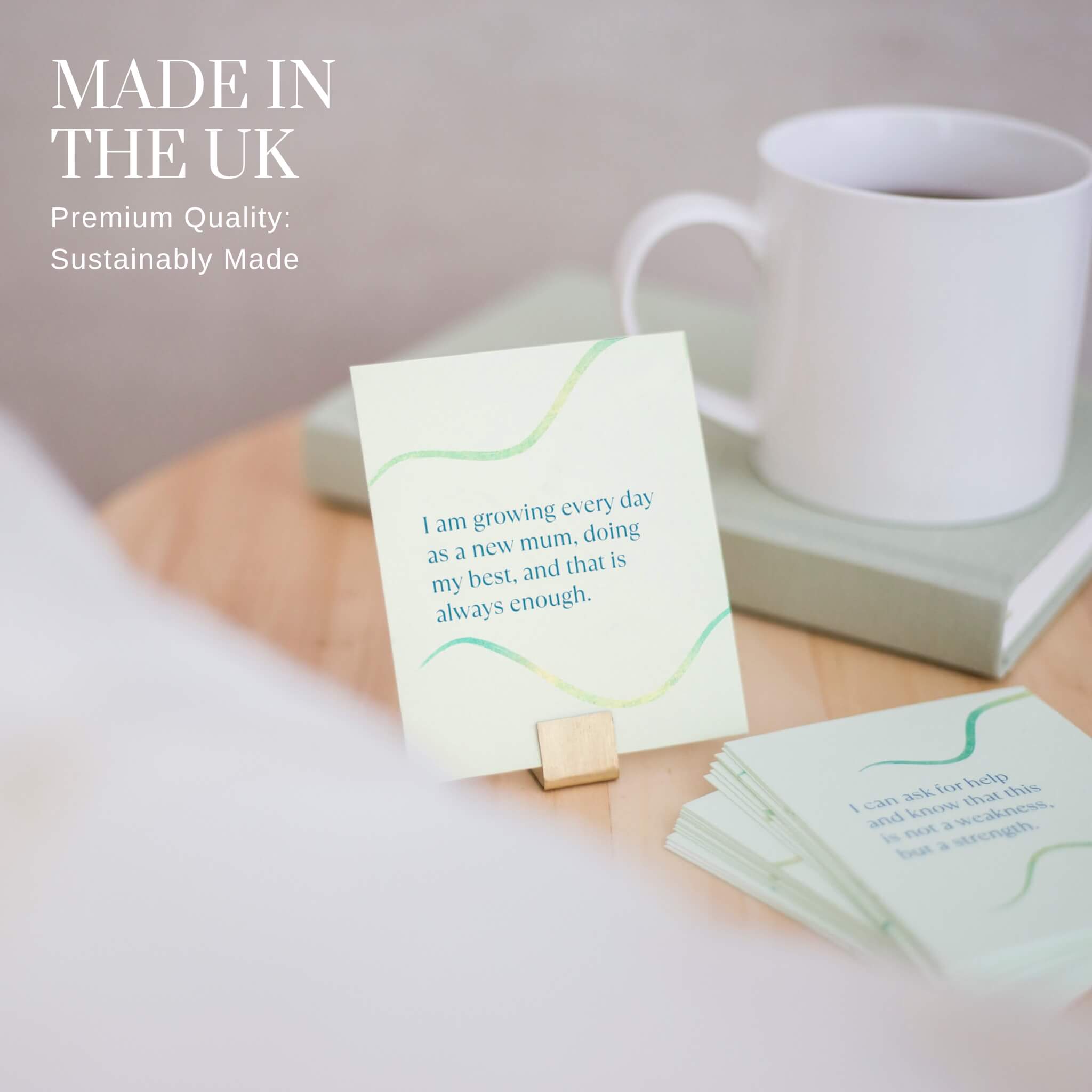
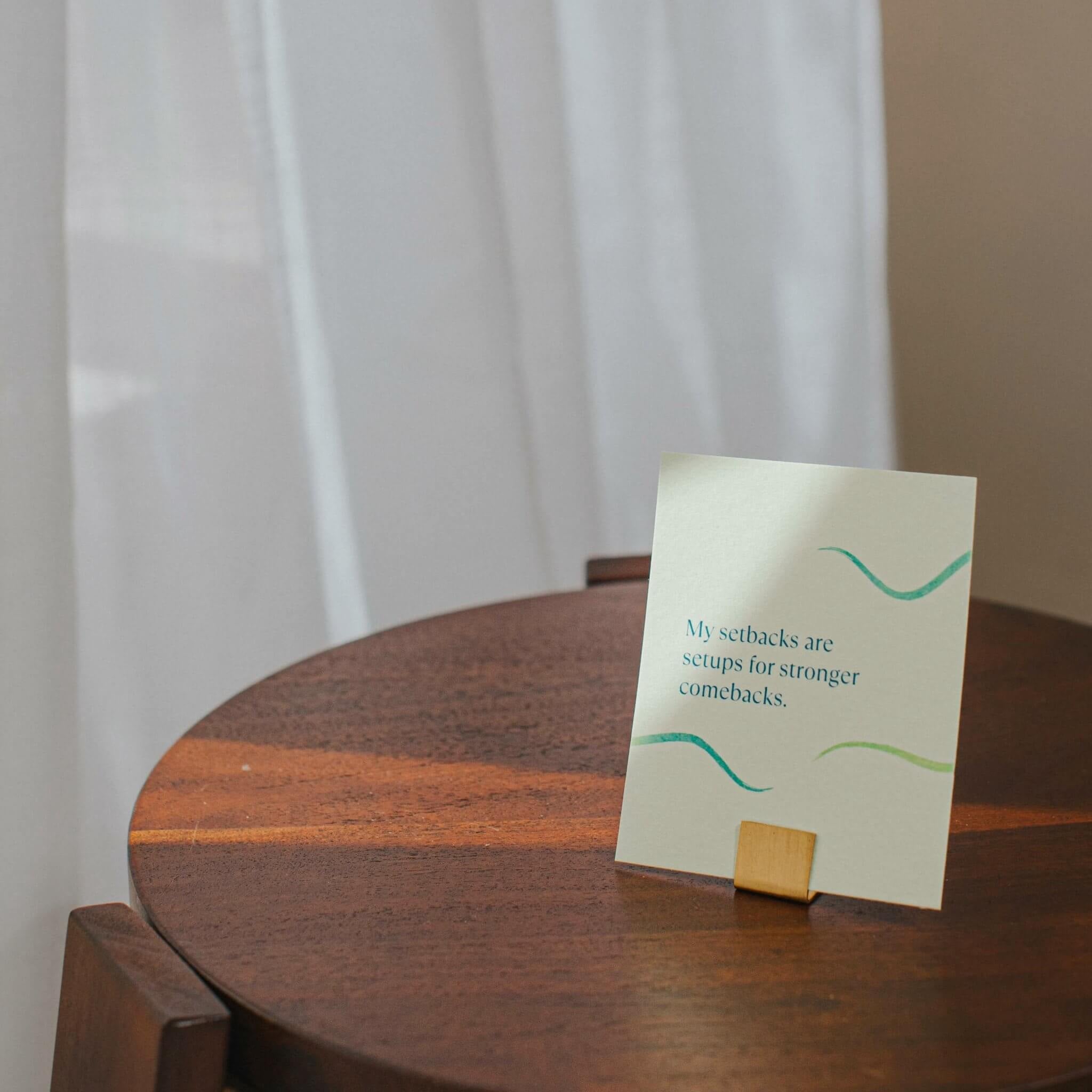
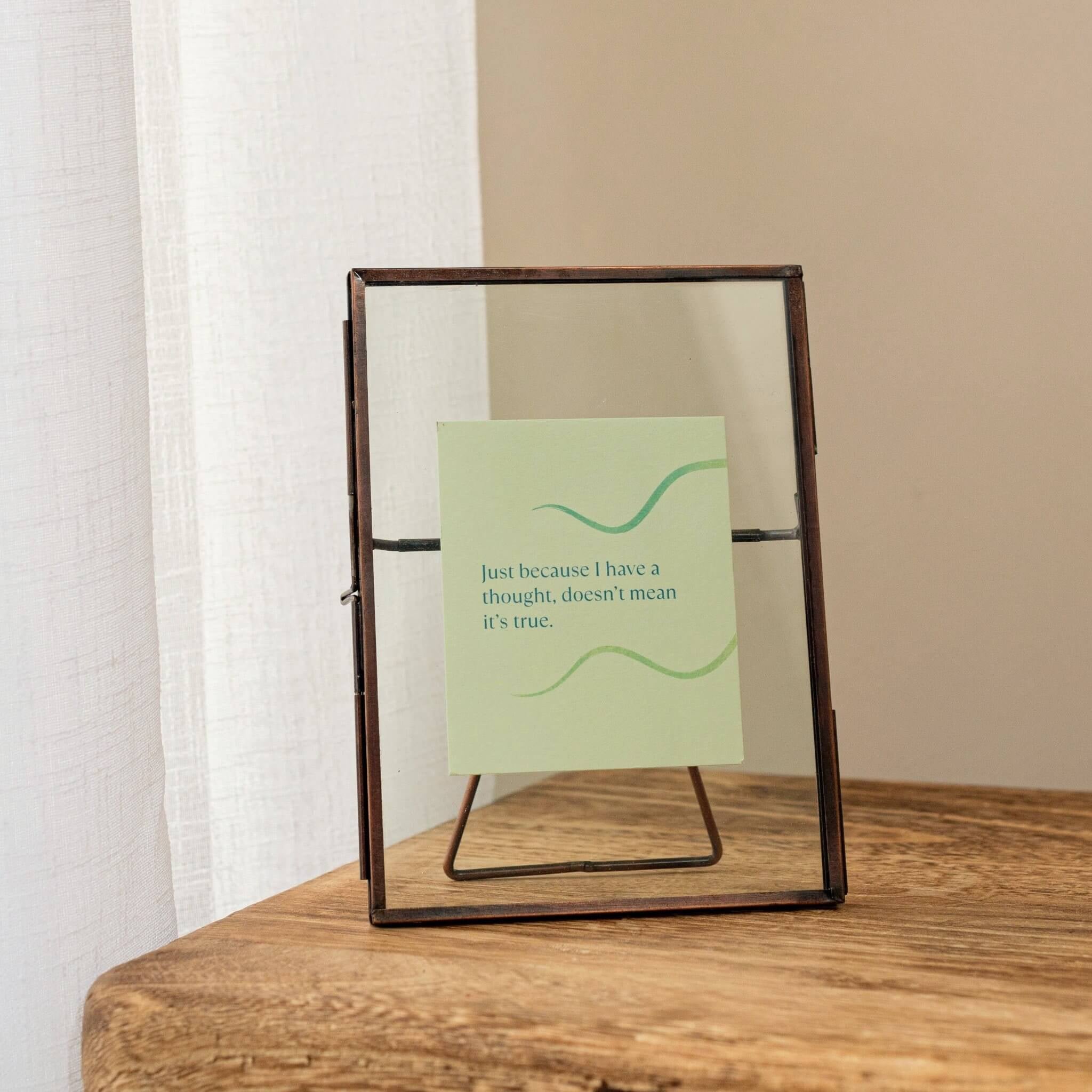
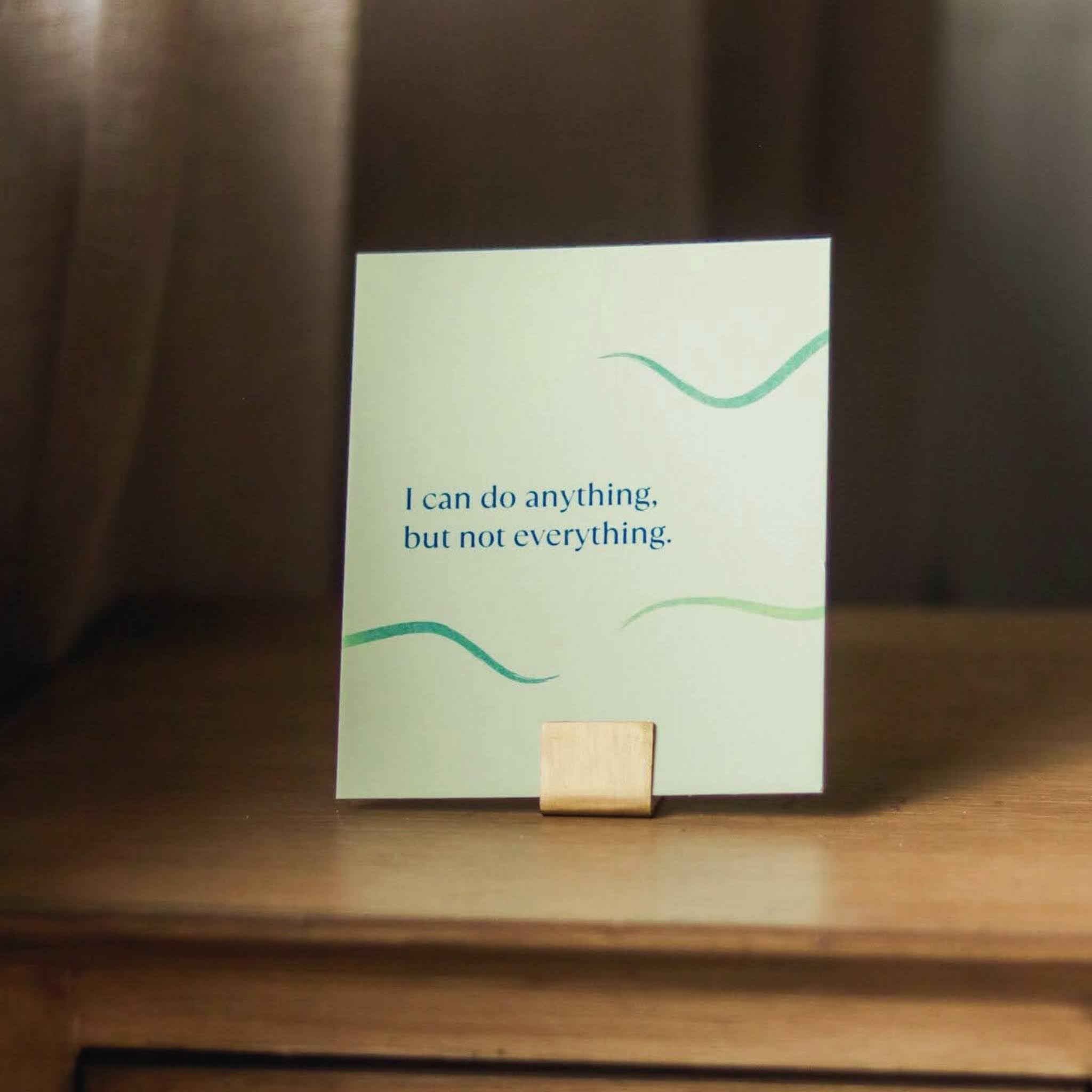
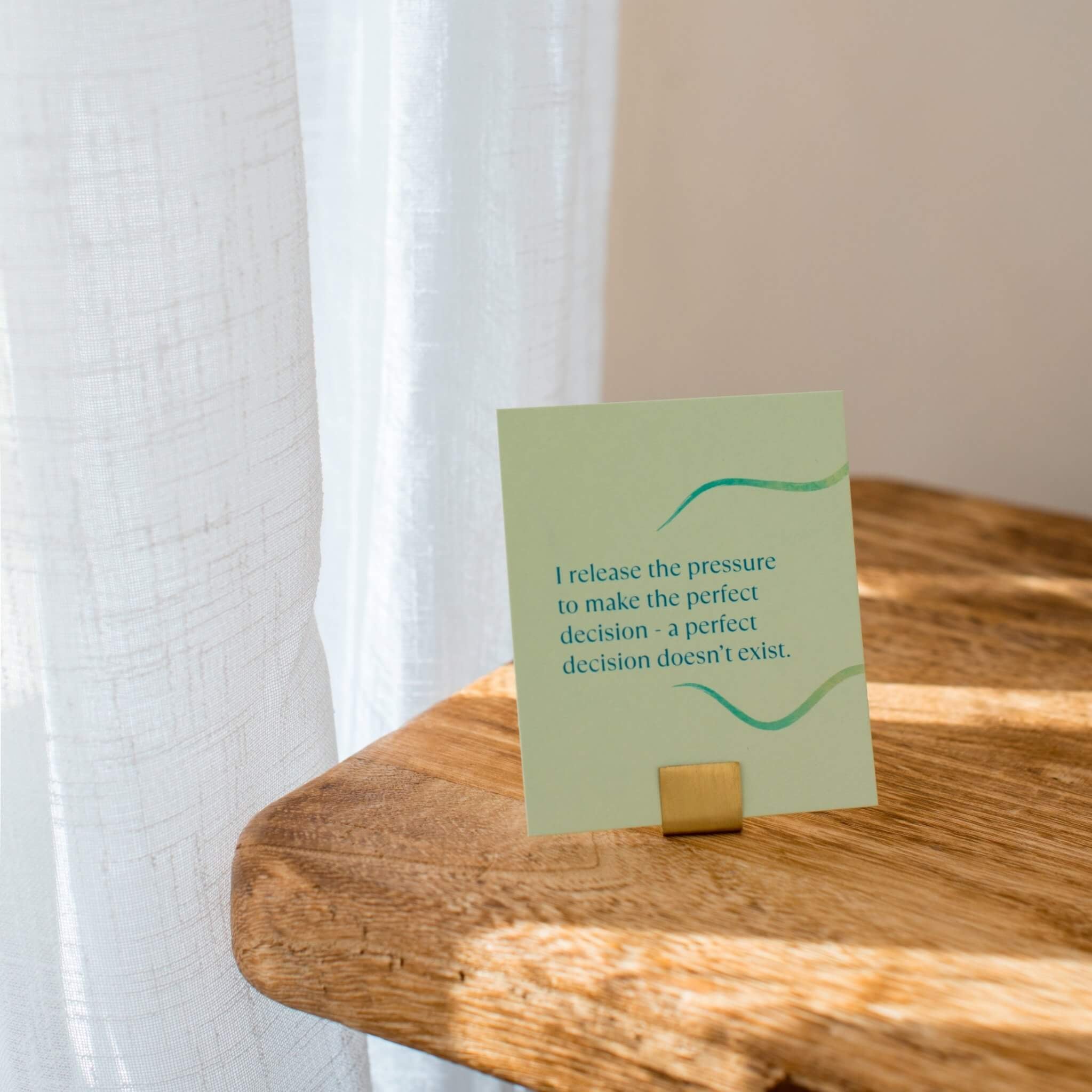
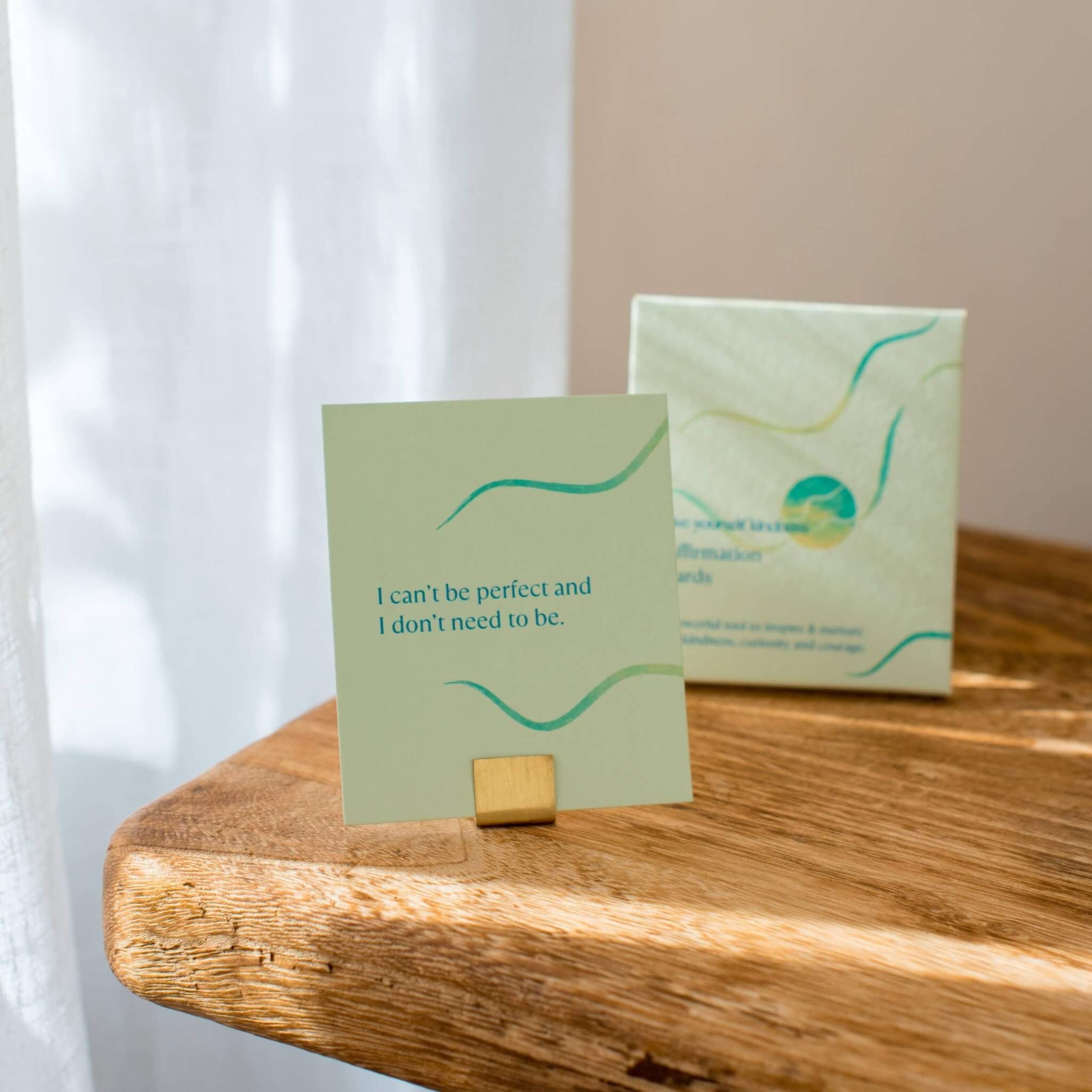
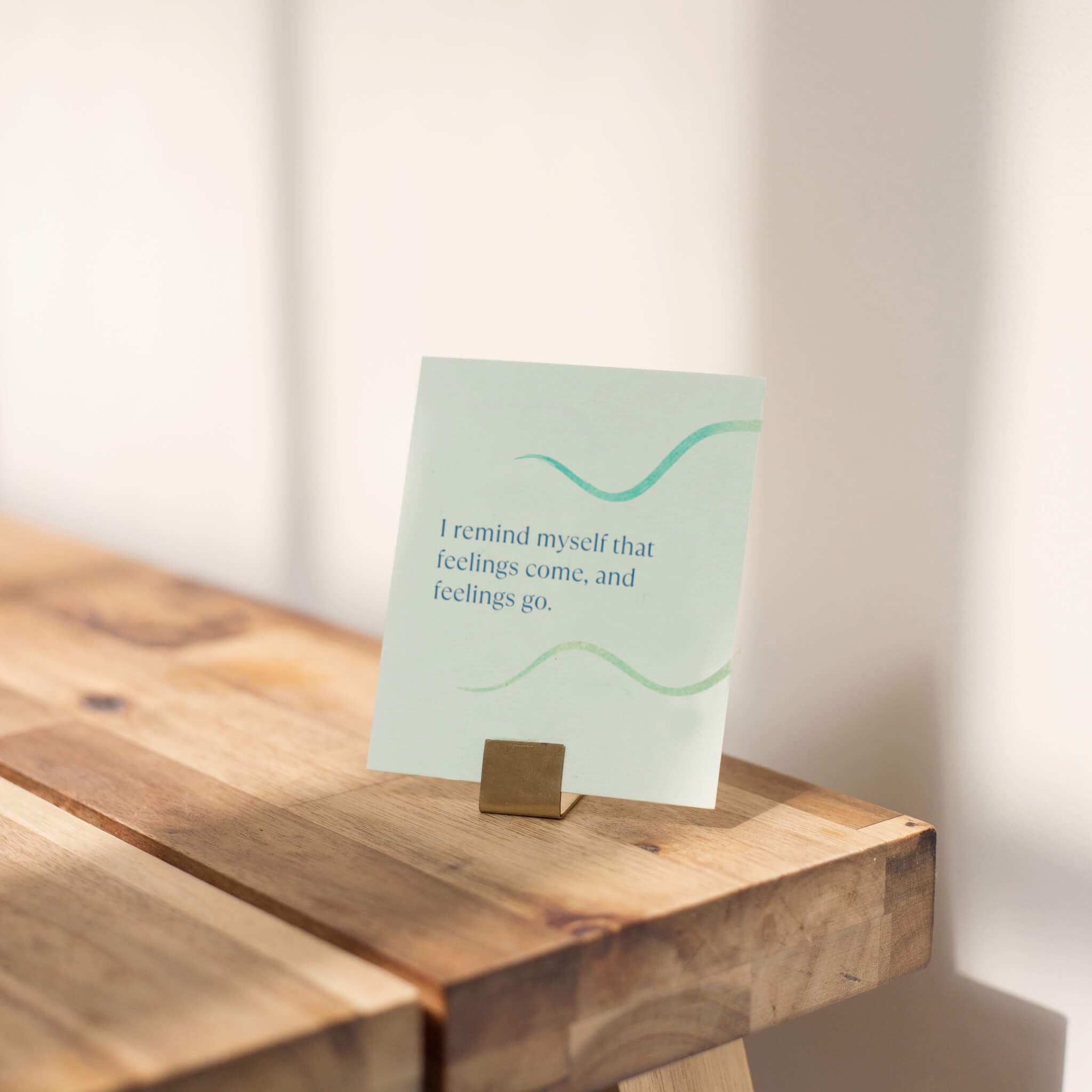
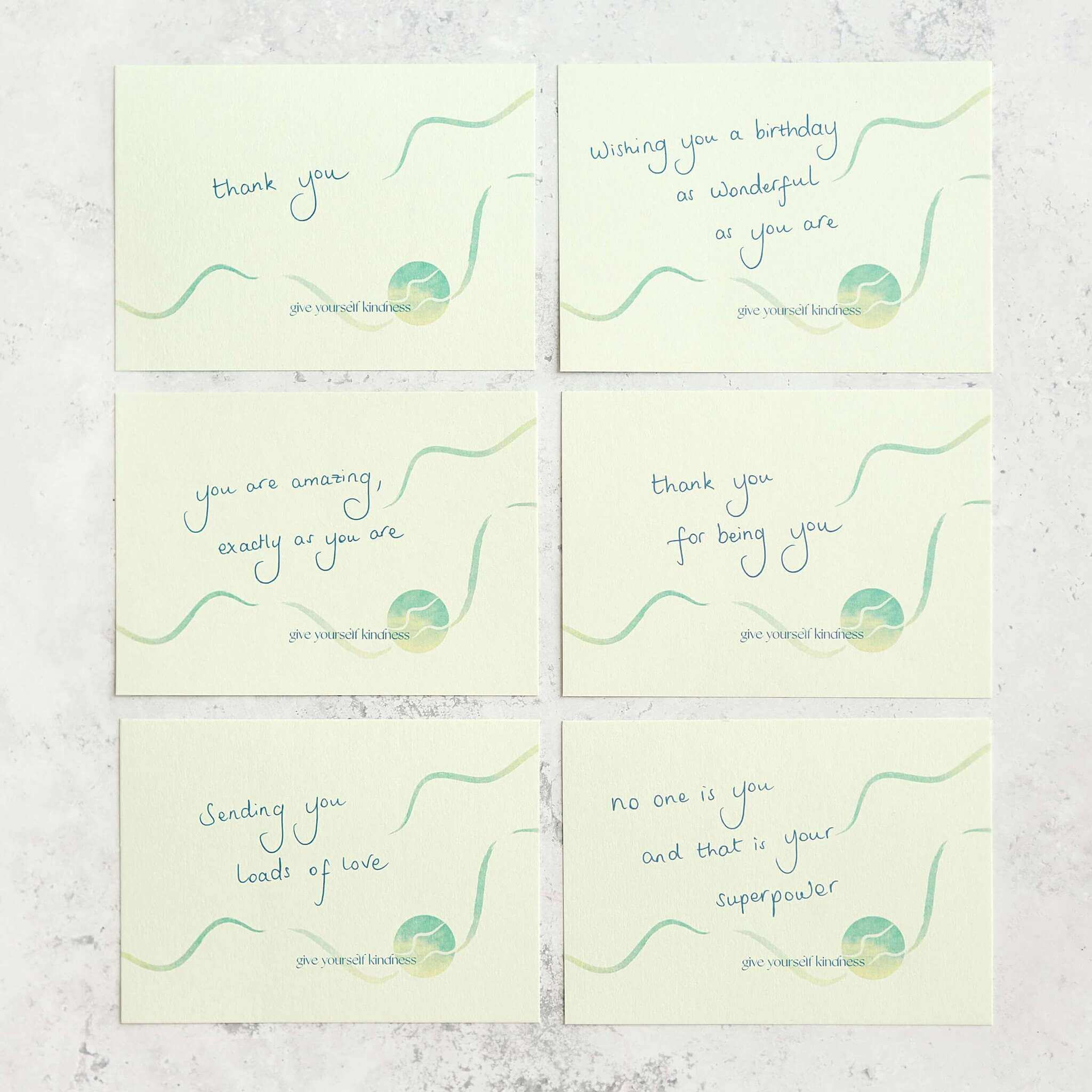
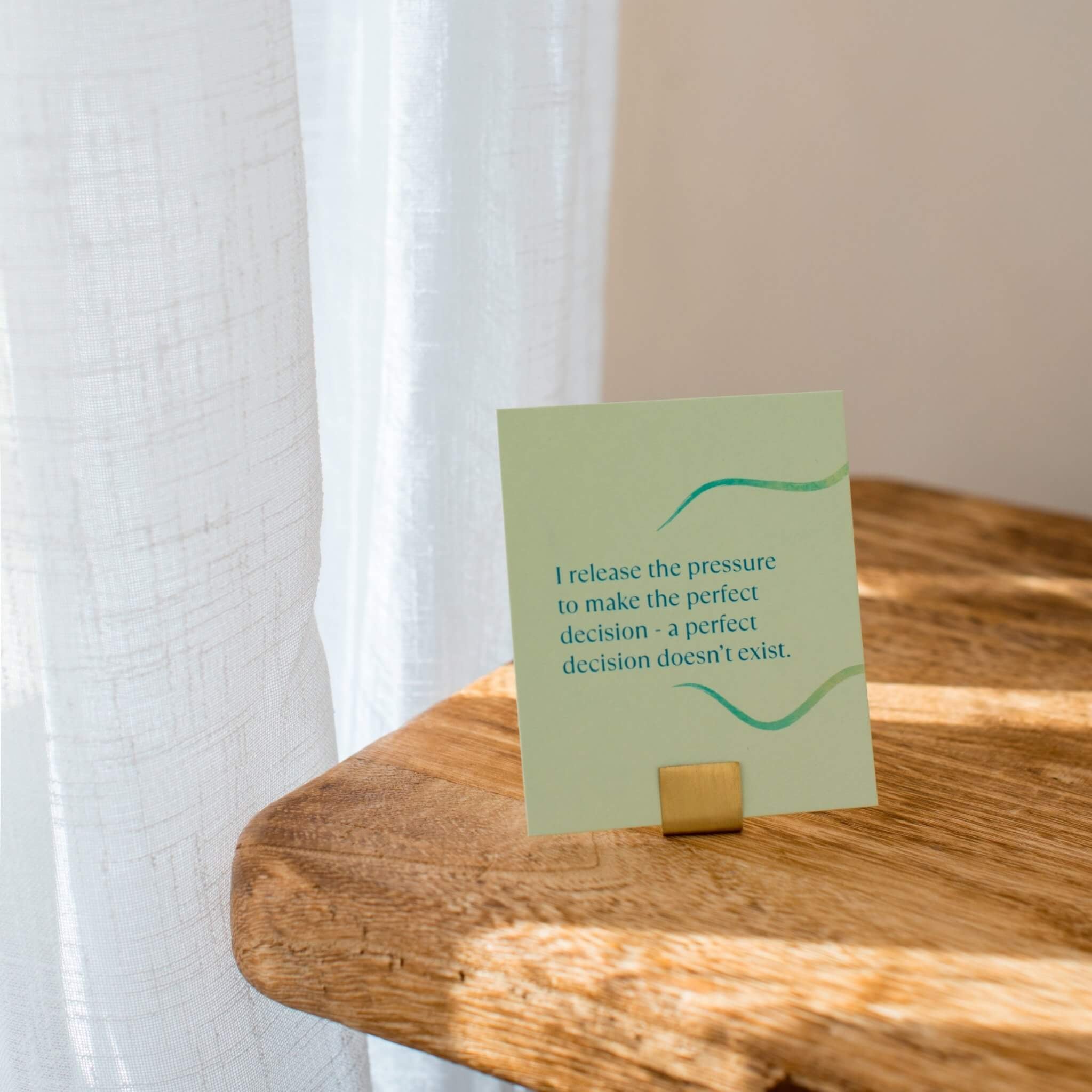
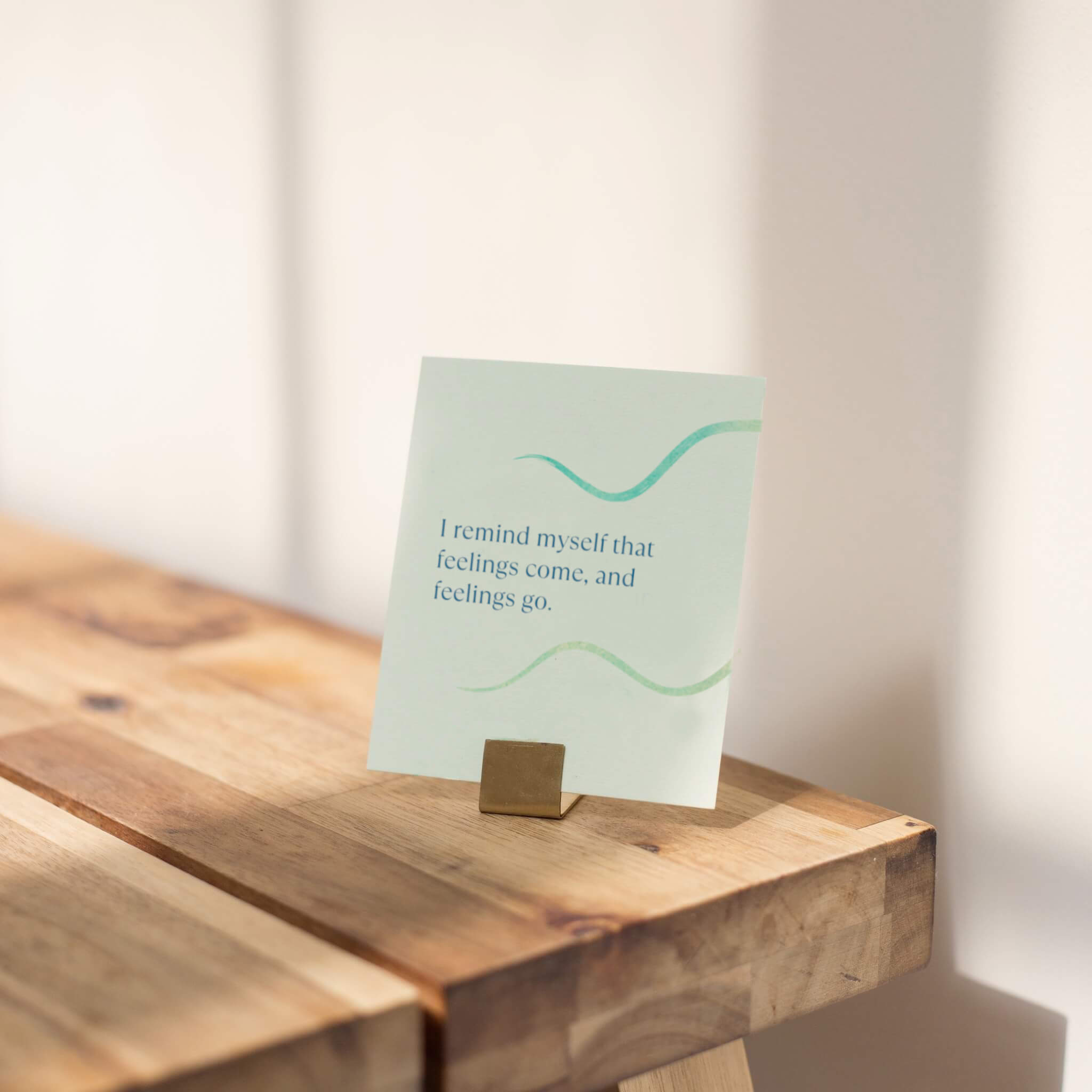
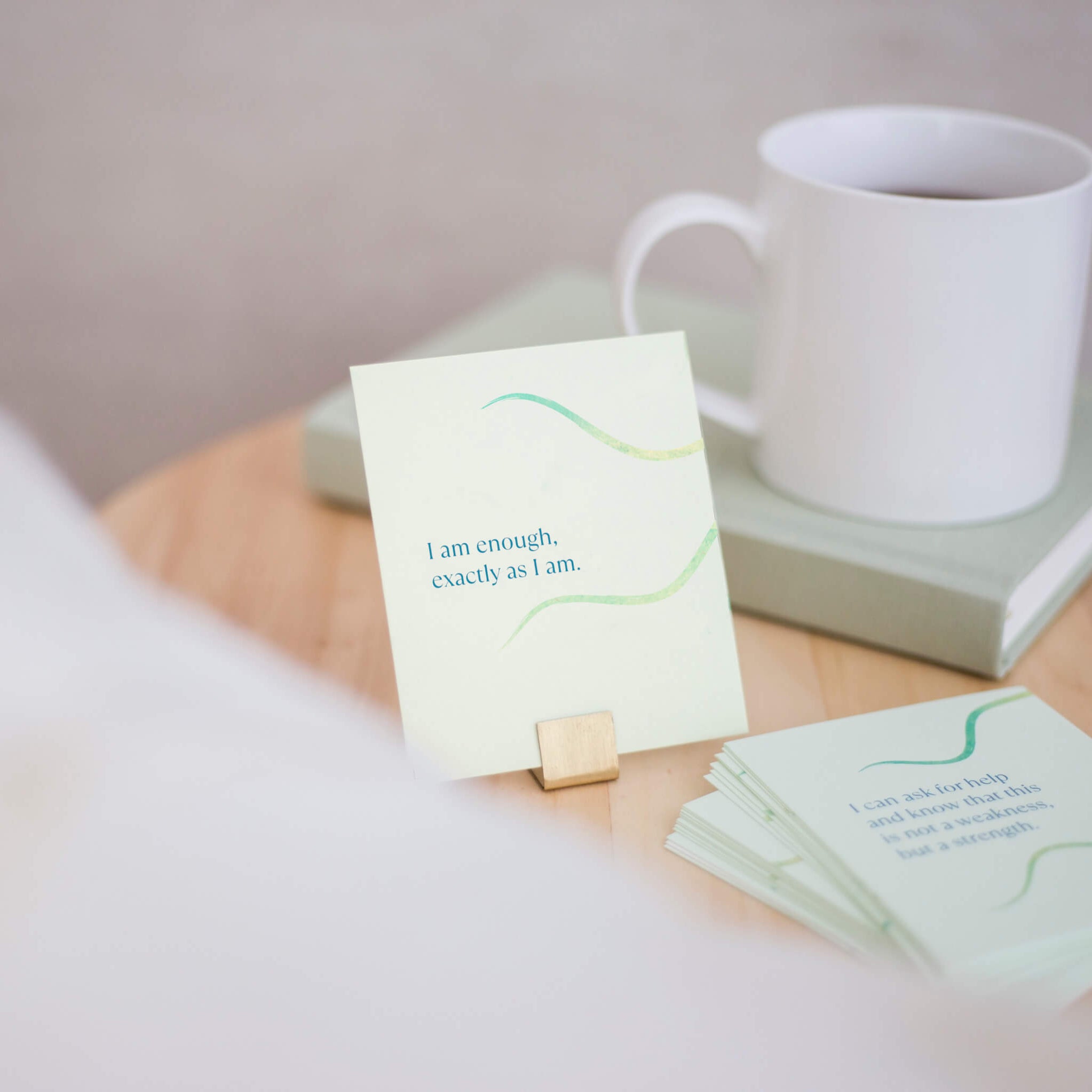
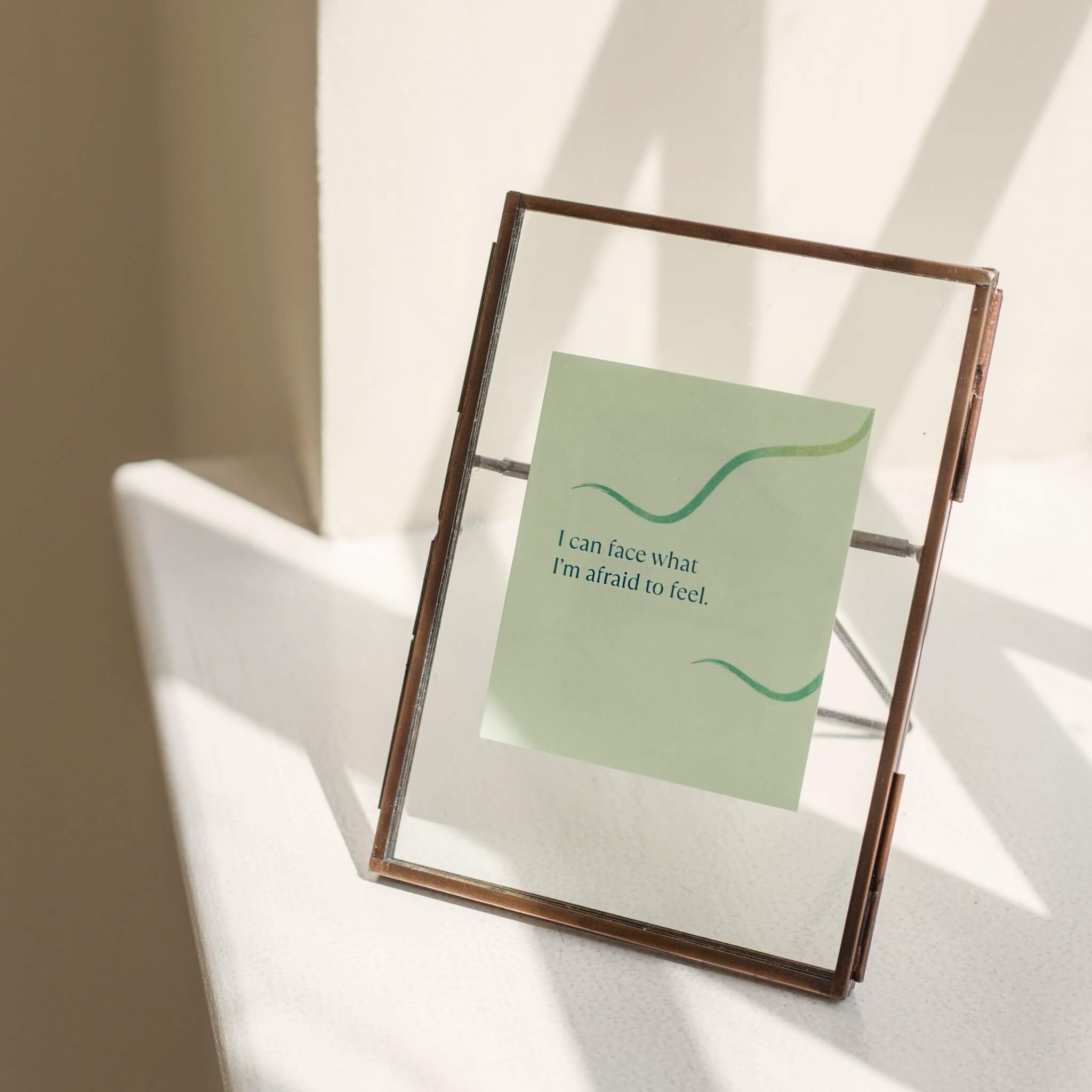
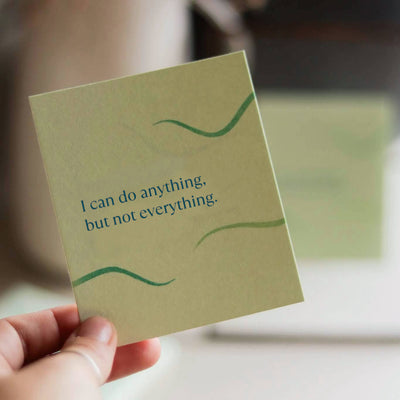
Sixty affirmations across three boxed sets of twenty, so nothing ever repeats, and each set is complete on its own. Printed in the UK on luxury 270gsm card from FSC-certified forests, with plastic-free packaging. Most people keep one propped up where they'll see it, by the kettle, on a desk, on a bedside table.
The whole thing takes ten seconds a day, which is exactly why people keep doing it.
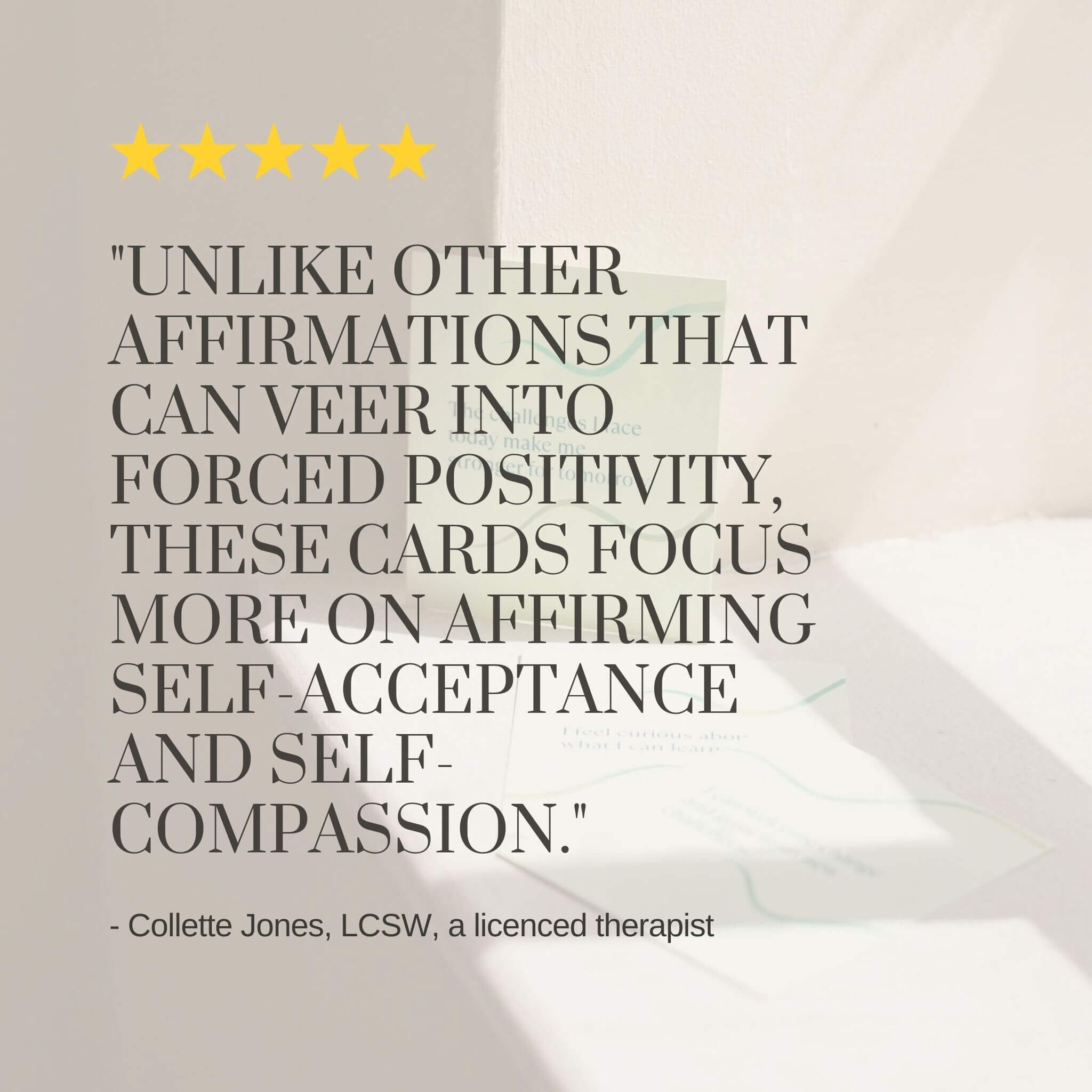
Why it's still working in a month: it asks for almost nothing, so it survives busy weeks. Recommended by therapists including Margaret Davis and Collette Jones, and written to sound like a kind friend rather than a motivational poster.
Added to your basket. View basket →
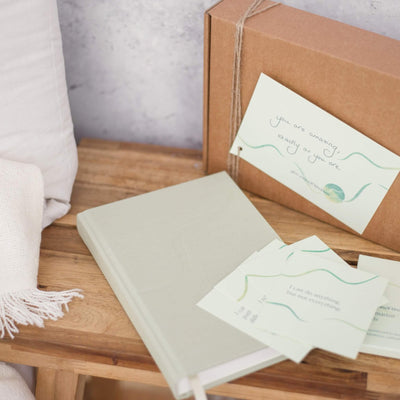
The Self-Compassion Gift Box
Gives them the journal and the cards together
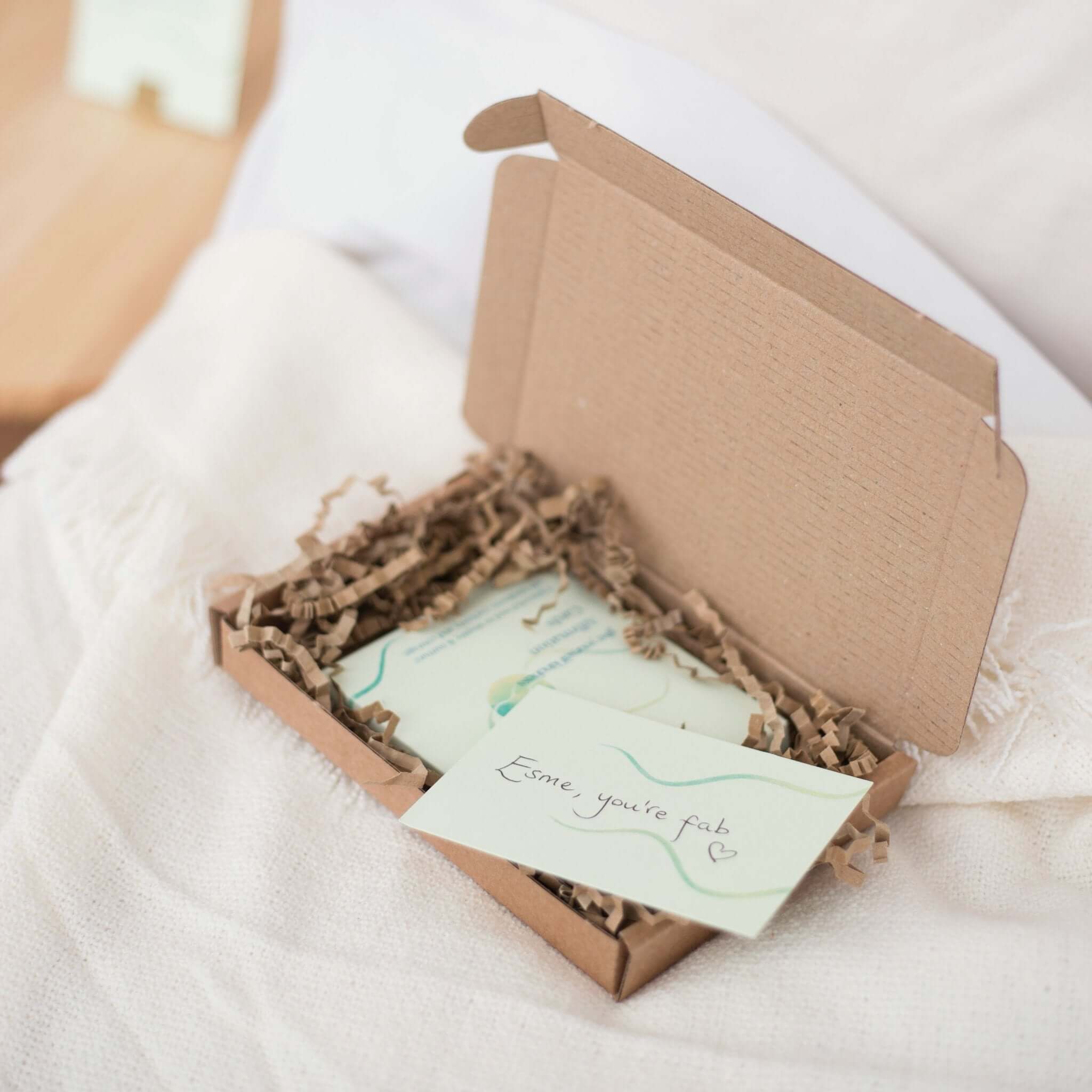
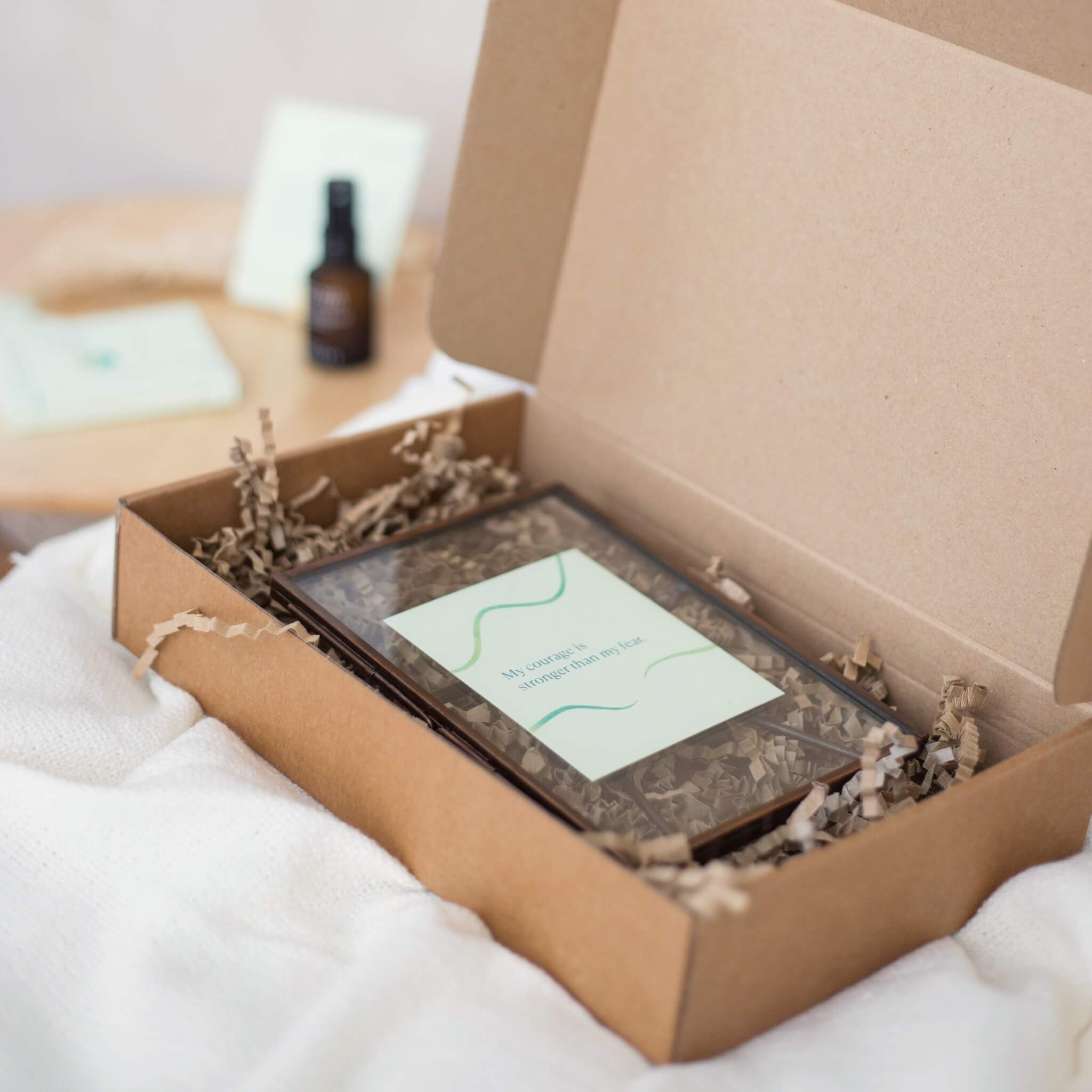
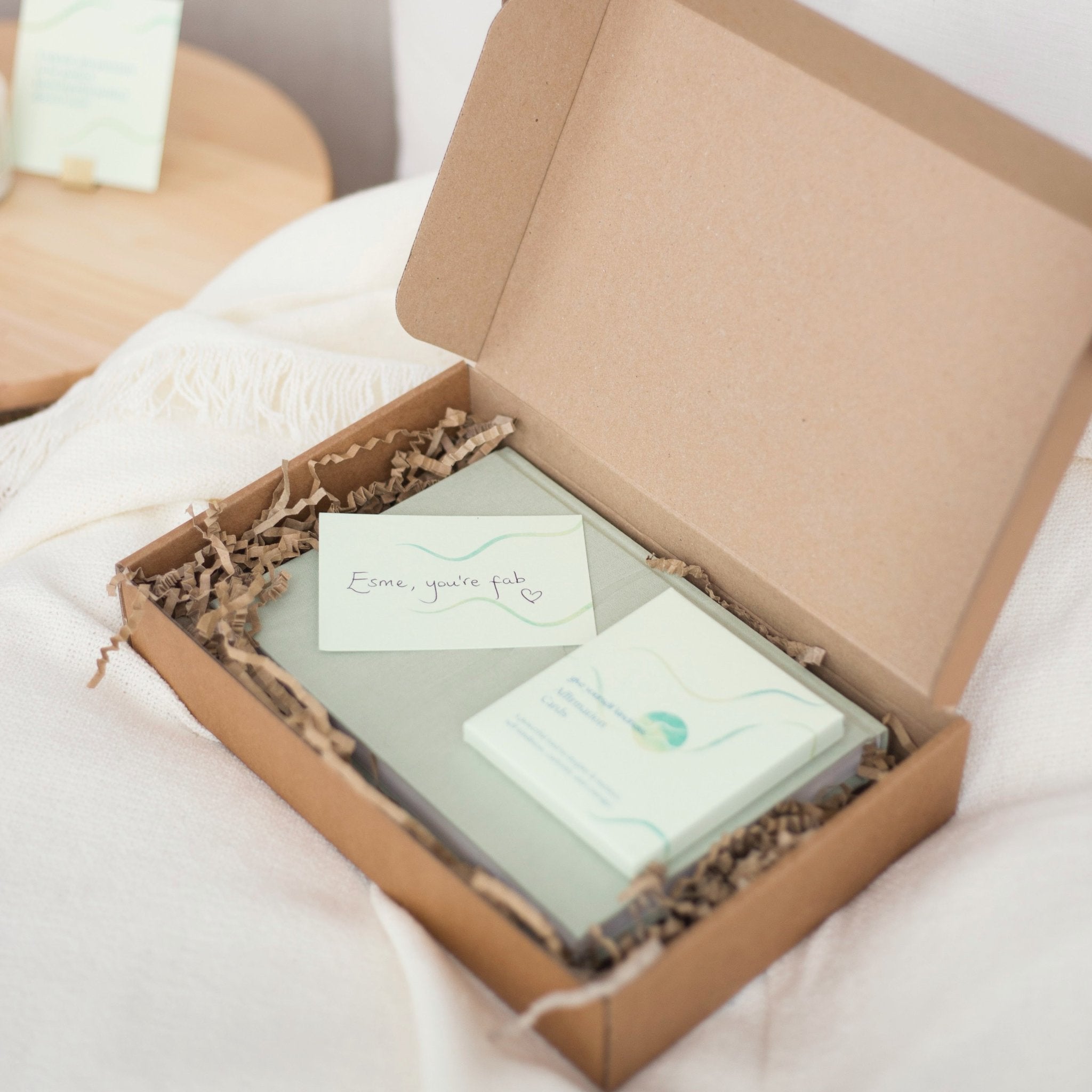
The Give Yourself Kindness Journal and a set of twenty affirmation cards, in a gift box you choose from six designs, with your handwritten message inside. If you want the moment of opening it to feel generous as well as thoughtful, this is the one.
It also covers both ways of doing this. The cards are there for the ten-second mornings, the journal for the evenings when they want longer.
Why it's still working in a month: two habits instead of one, and no gap between wanting to start and having what you need. Every page of the journal is different, and the cards never repeat.
Added to your basket. View basket →
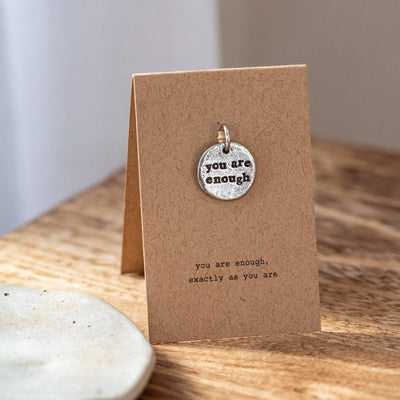
The You Are Enough Charm
Gives them a small reminder to keep
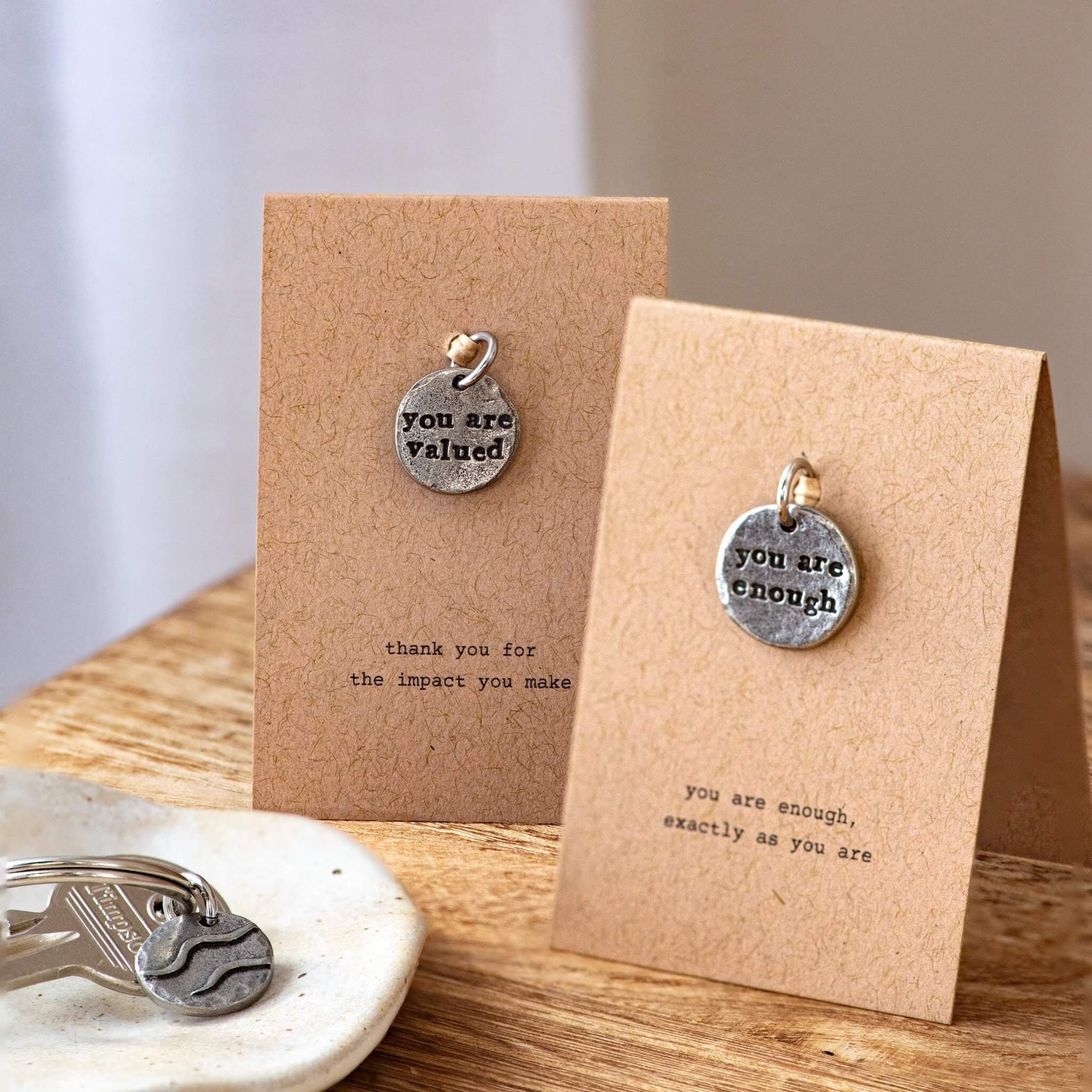
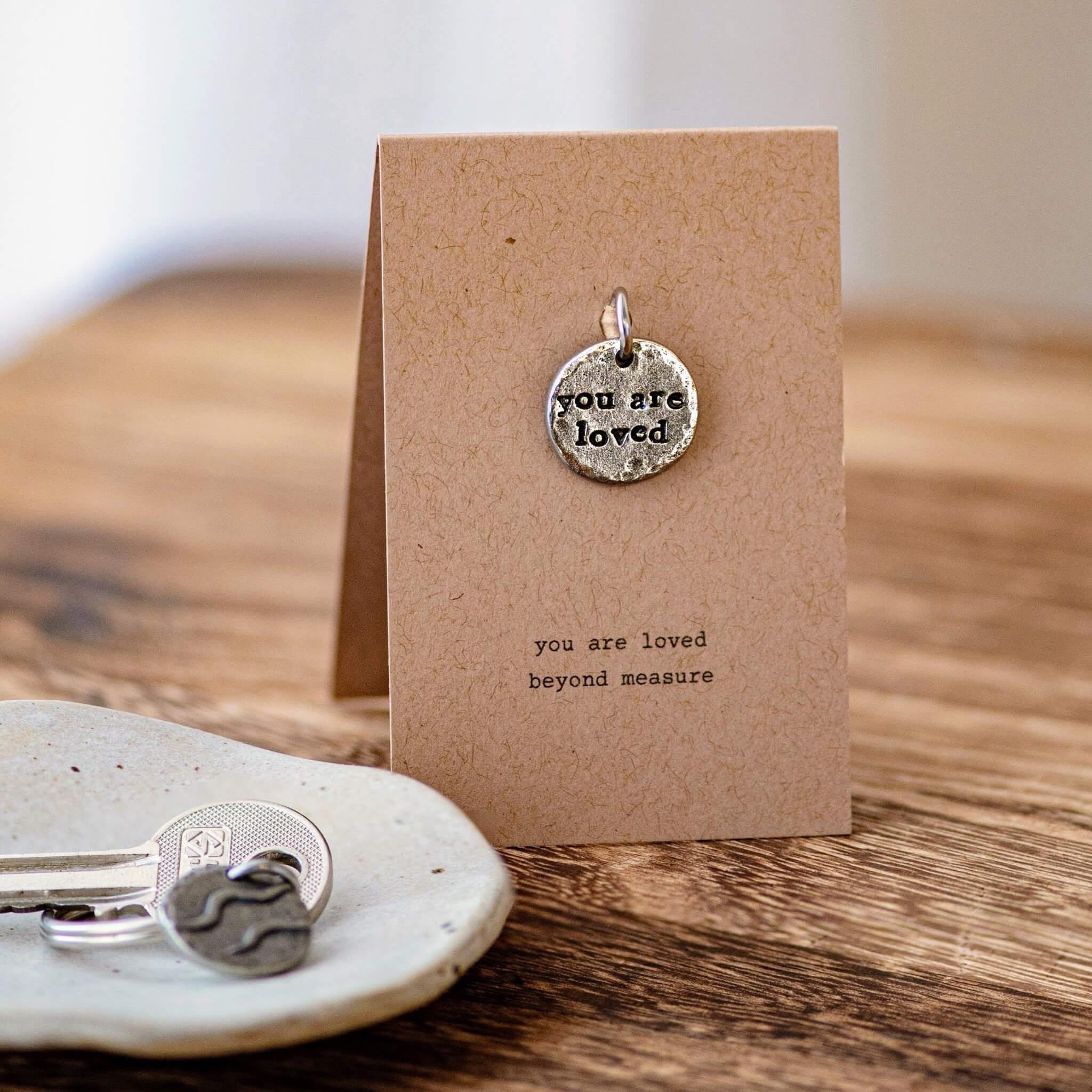
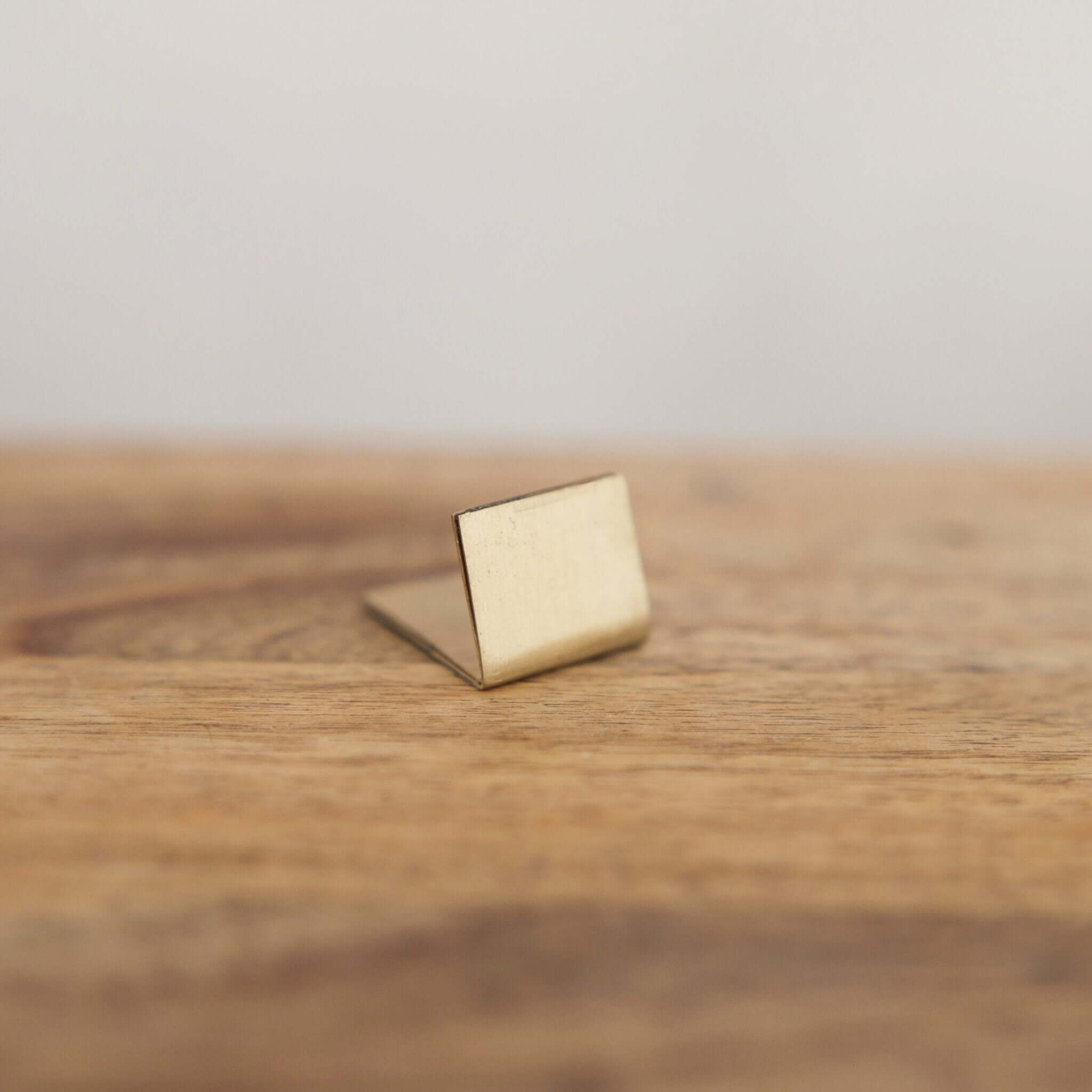
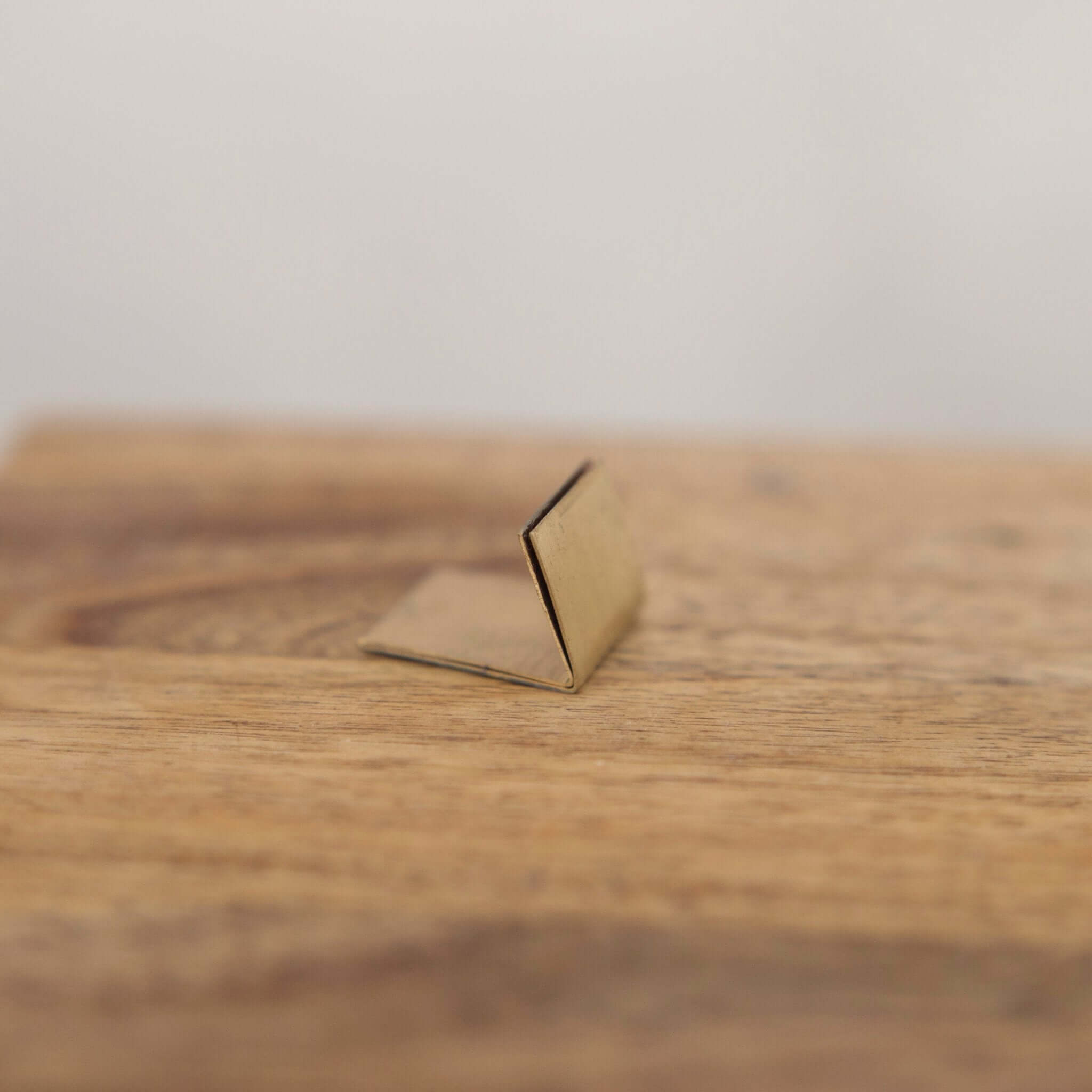
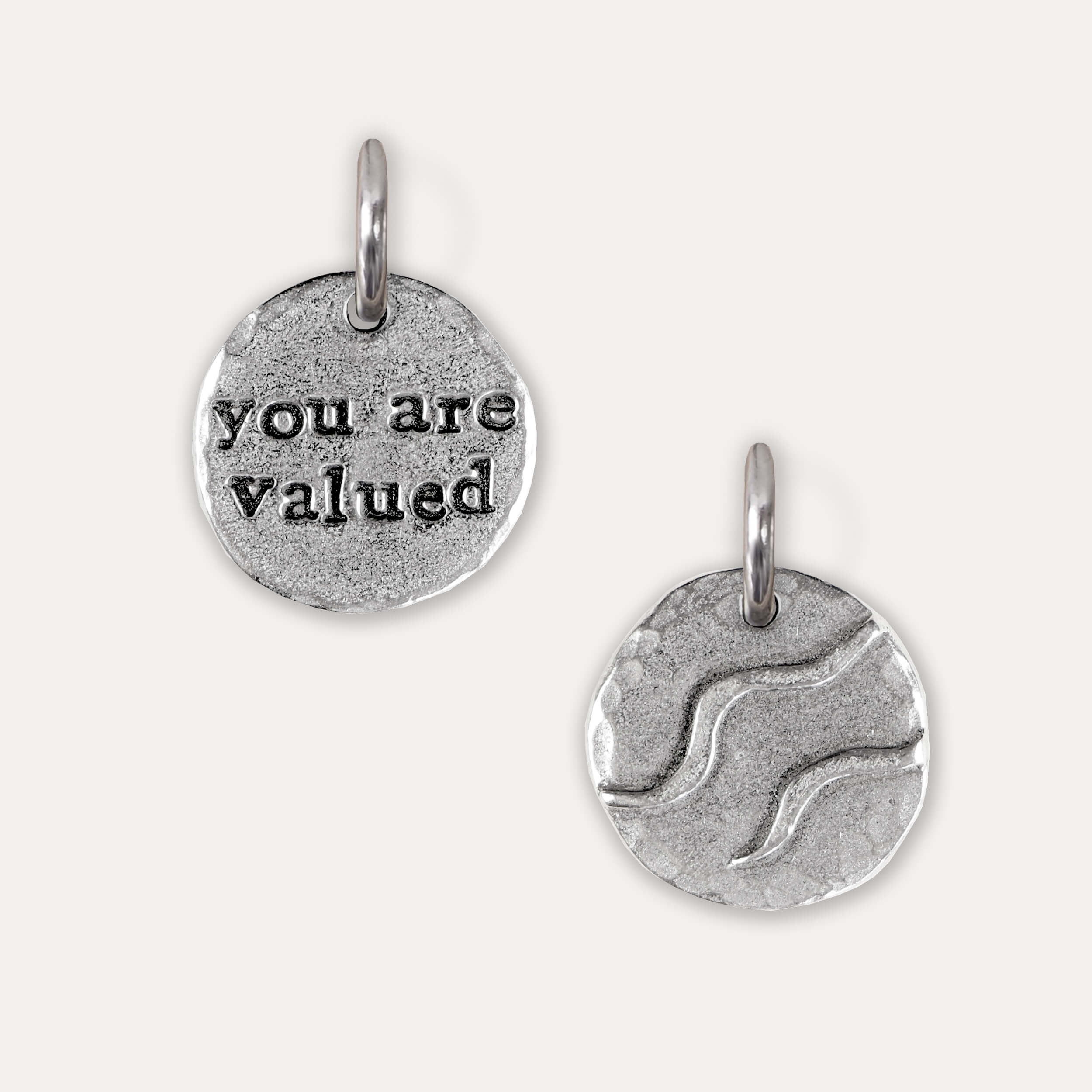
A little double-sided charm, 1.5cm across, made in the UK from pewter and stainless steel. One side is imprinted with "you are enough", the other carries a raised Give Yourself Kindness design. It's the smallest thing here and asks nothing of them at all.
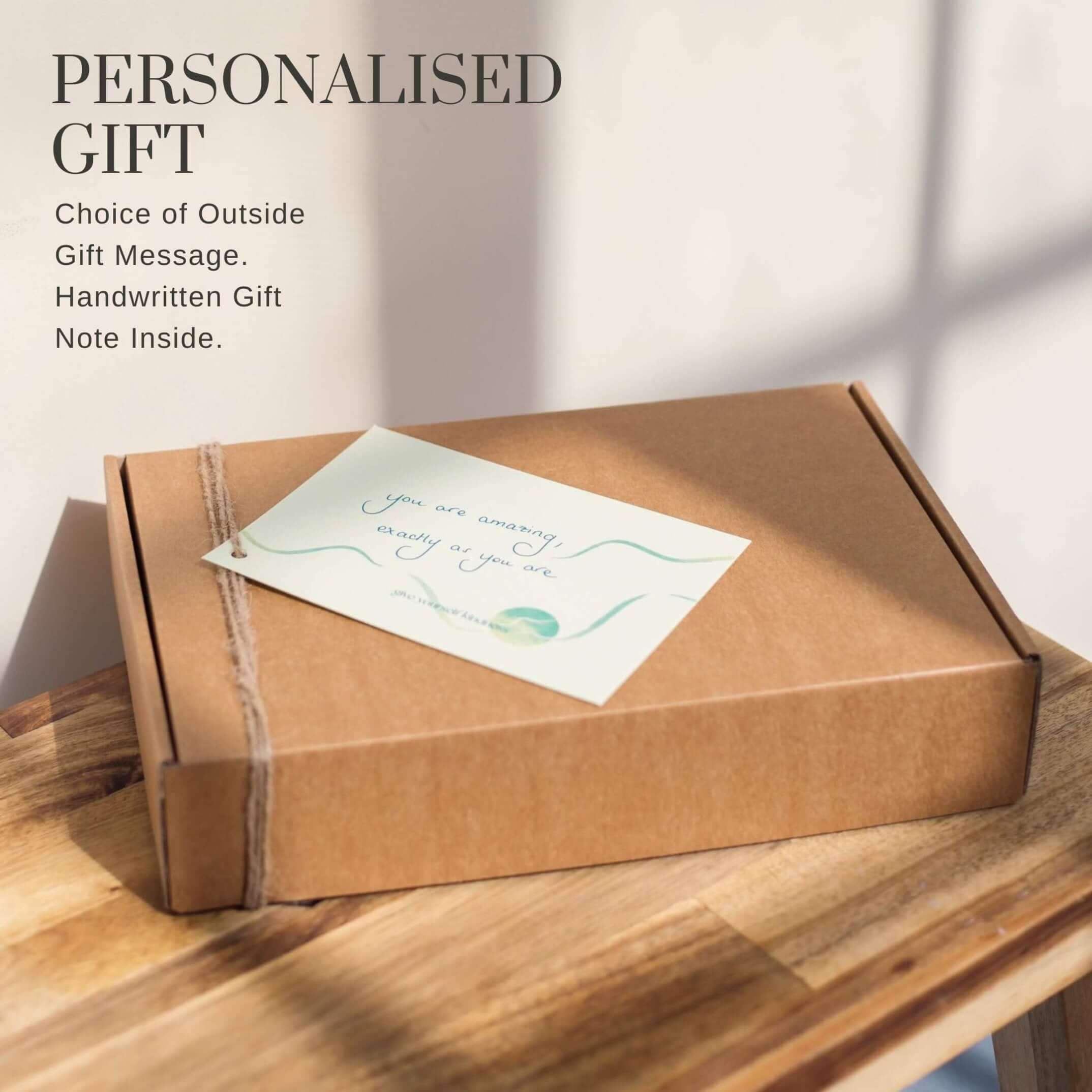
It arrives attached to a folded card printed with "you are enough, exactly as you are", with space inside for you to write something yourself. Lovely on its own, and lovely tucked in alongside the journal or the cards.
Why it's still working in a month: it's small enough to keep somewhere they'll come across it, and it doesn't run out. Small, physical reminders are one of the most reliable ways to make a new way of thinking stick.
Added to your basket. View basket →
Help me choose
Find the line that sounds most like what you'd like to give them.
- "I'd like to give them some time to themselves at the end of the day." The Journal.
- "I'd like them to see something kind every morning." The Affirmation Cards.
- "I want it to feel like a proper gift when they open it." The Gift Box.
- "I'd like something small and thoughtful." The Charm, on its own or tucked in with something else.
- "It's a thank you, and I want it to mean something." The Cards, with a line in the note about what they did.
- "They're always looking after everyone else." The Gift Box. It's the one that most clearly says this is for you.
Every order comes with a free handwritten note, and there are a few lines you can copy further down if you'd like a starting point.
And if what’s behind it is their mental health rather than a need for a treat, here are emotional support gifts that go a little deeper.
What makes a self-care gift last
If you want one thing to hold on to while you choose, it's this: ask what the gift will be doing in three weeks.
Most self-care gifts are lovely for an evening. That's a real thing to give someone and there's no shame in it. But the gifts people still talk about are the ones that gently change how they speak to themselves, because that's the part of a hard week that a hot bath can't reach. Research on self-compassion consistently finds it does more for anxiety and low mood than confidence-building does, because it works on how someone treats themselves when things go wrong, not just how they feel when things go well.

Dr Kristin Neff, PhD
Associate Professor and the pioneering researcher who first defined and measured self-compassion
"There are a number of techniques to help us 'be with' difficult emotions in a tender manner without resisting or being overtaken by them. These practices aren't strategies to get rid of difficult emotions; they just allow us to establish a new relationship to them."
That's the difference in one sentence, and it's a hopeful one. A lovely hour helps someone step away from a feeling. Self-compassion changes their relationship with it, and that's the part still working next month.
Read: Being with difficult emotions, by Dr Kristin Neff →One more thing worth knowing, because it's easy to get wrong with the best intentions. A self-care gift should be usable on their busiest, most tired day, with no routine to keep up and nothing to feel behind on. That's why everything here works at ten seconds or at half an hour, and asks nothing of them in between.
If a candle is what they'd love, give them the candle
Some of the loveliest gifts are the simple ones, and it's worth saying so on a page called this.
If they've told you they want to be pampered, believe them, that's them telling you what care looks like to them. If what they're short of is an hour to themselves rather than a kinder inner voice, then time and quiet is the real gift, and anything that helps them take it is doing genuine work. A beautiful candle given by someone who knows them well is not a lesser present.
The gifts on this page are for a slightly different wish: when you want them to know you see how hard they're being on themselves, and you'd like to hand them something that helps with that. If that's the wish, you're in exactly the right place.
What to write in the card
Every order comes with a free handwritten note. Add your message in the order notes at checkout and we'll write it out by hand. If you'd like a starting point, these are yours to copy or change. Short and warm beats long and careful every time.
- For someone who looks after everyone else: "You're so good at taking care of everyone. This one is just for you."
- For a friend having a stretch of it: "No pressure to use this, or to be okay. I just wanted you to have something kind. Thinking of you."
- As a thank you: "Thank you for everything you did. I hope this gives you a few quiet minutes that are yours."
- When you're not sure what to say: "I saw this and thought of you. You deserve to be spoken to kindly, especially by you."
You don't have to explain the gift or say anything clever. Naming one specific thing you admire about them will do more than any of the lines above.
Common questions
What are good self-care gifts that aren't bath bombs?
The ones that keep working after the first use. A guided journal, a set of self-compassion affirmation cards, or a small object they carry are all still doing something three weeks later, which is a useful test. Consumables are genuinely lovely, they just give a nice hour rather than a change in how someone treats themselves.
How do I know they'll actually use it?
Choose something that works in ten seconds. The gifts people abandon are the ones that need a routine, a free evening, or a good mood to get started. Affirmation cards get used because there's nothing to complete, and the journal gets used because it's undated, so it simply waits for them.
Isn't a bath self-care?
It absolutely can be, and rest matters more than people give it credit for. It's a break rather than a change, which is perfect when a break is what they need. It's just worth knowing which of the two you're giving, so the gift matches what you meant by it.
What if their life is really full and they have no spare time?
Then something with no routine attached is the kindest choice. Affirmation cards take ten seconds by the kettle, and the charm asks nothing at all beyond being somewhere they'll see it. Both fit into a full life instead of competing with it.
What about self-love gifts, is that the same thing?
They overlap. Self-love gifts lean towards worth and how someone sees themselves, self-care gifts lean towards rest and routine. If the person you're buying for holds themselves to a very high standard, the self-love direction usually lands better, because that's where the pressure is coming from.
How much should I spend?
Less than you'd think. The thought carries far more than the total, and a small charm with a warm handwritten note lands better than an expensive hamper with a printed card. If you want it to feel substantial, pairing two small things reads as more considered than one large one.
Something they'll still be using in a month
Therapist-recommended, with nothing to keep up and nothing that runs out. From £8.95, with a free handwritten note.
See the gifts →