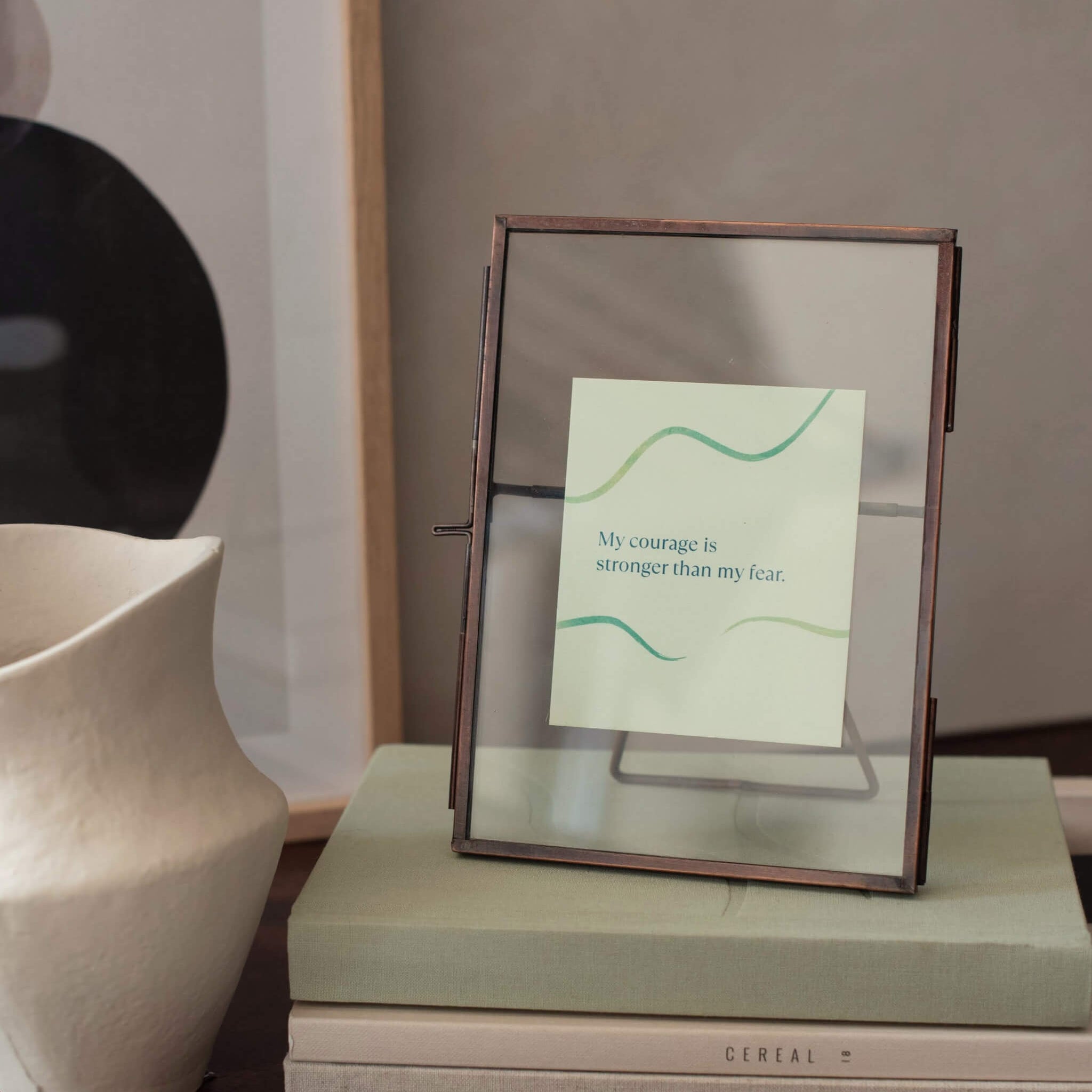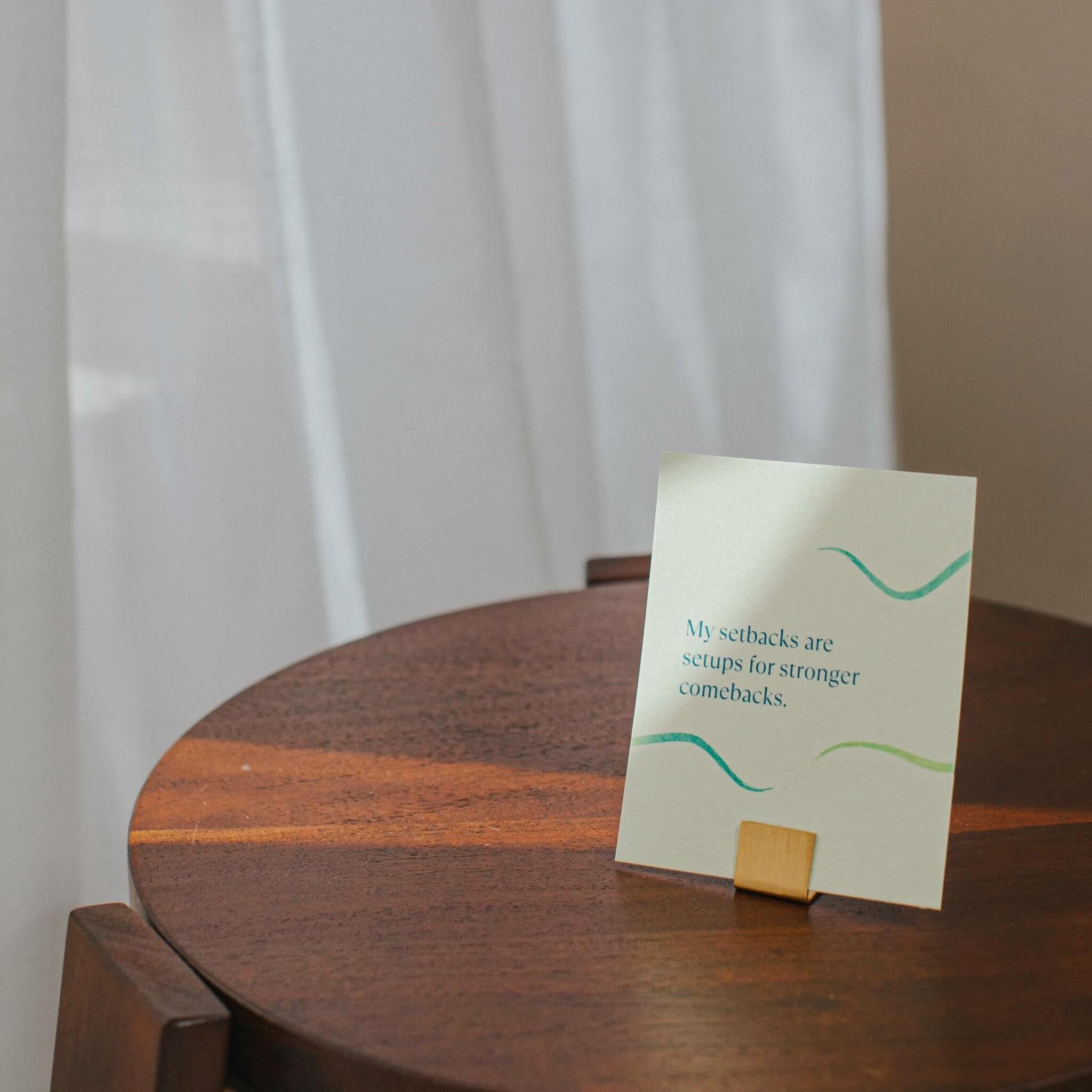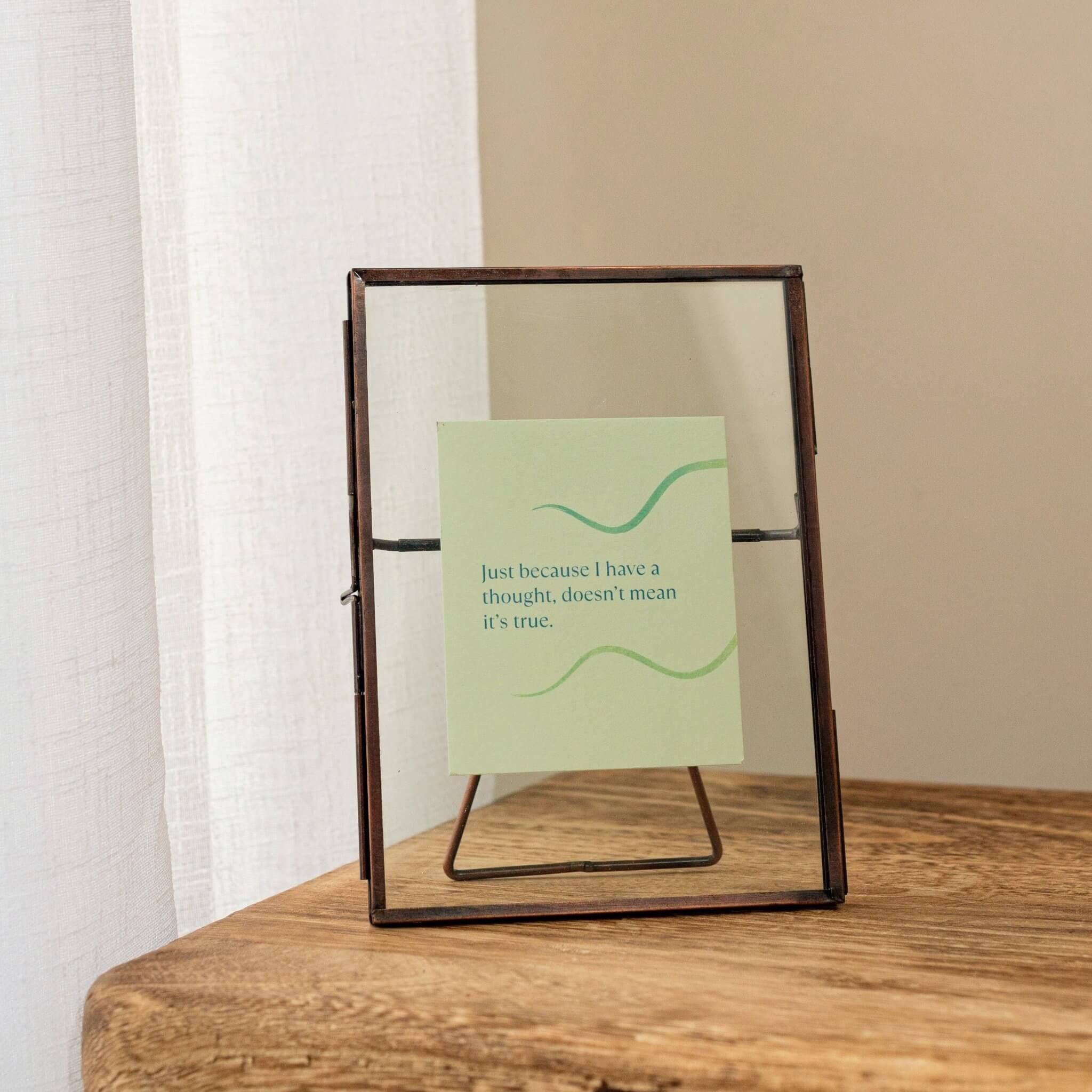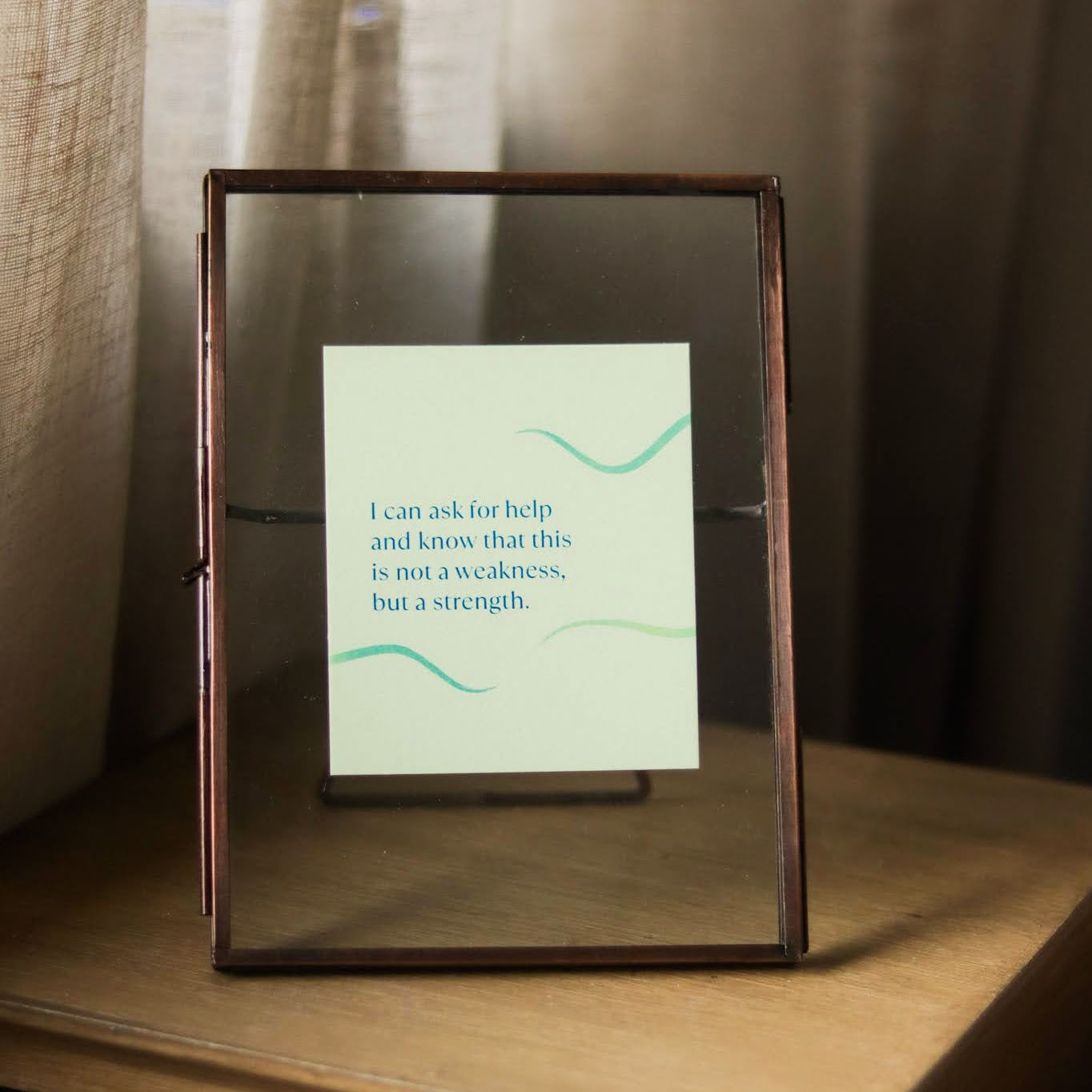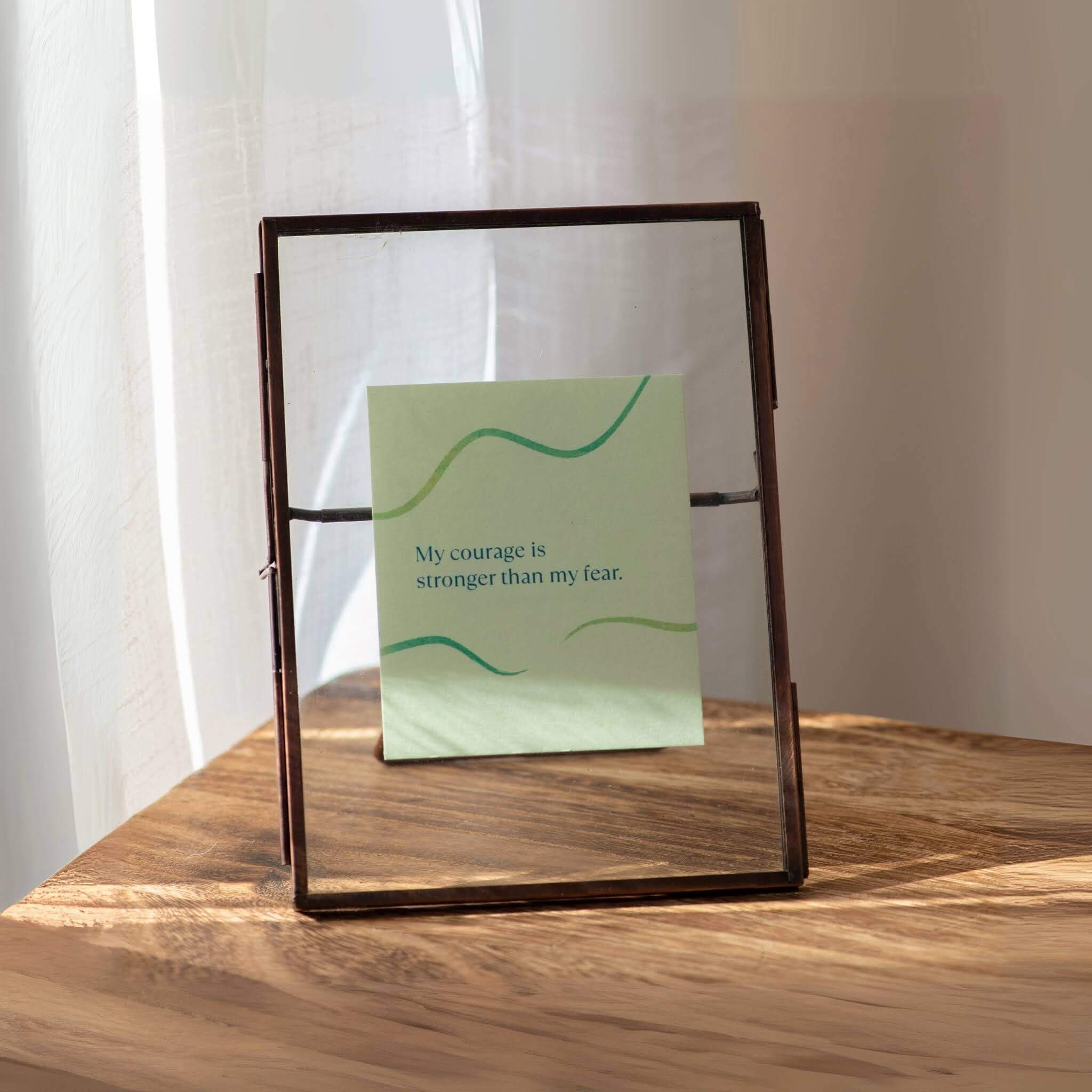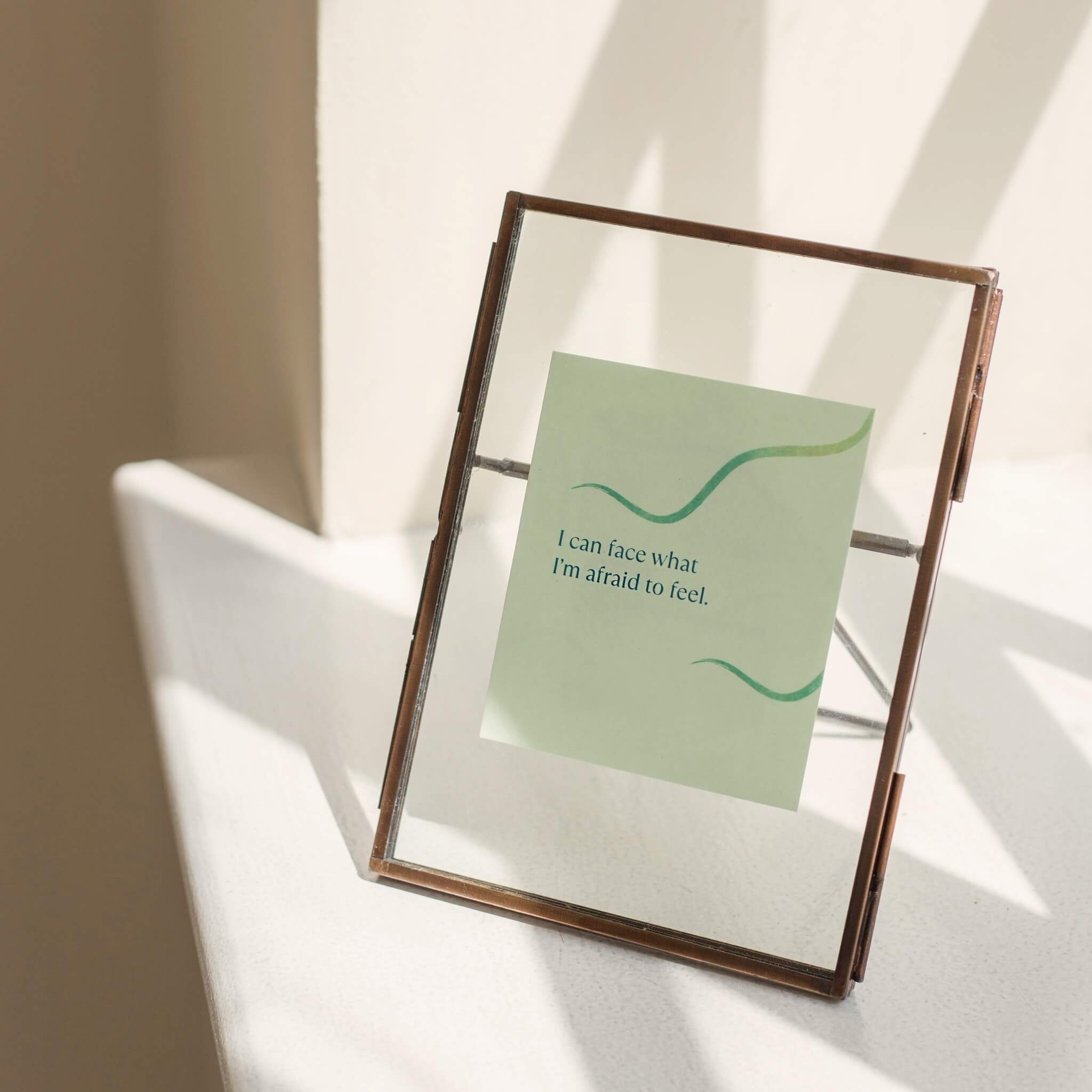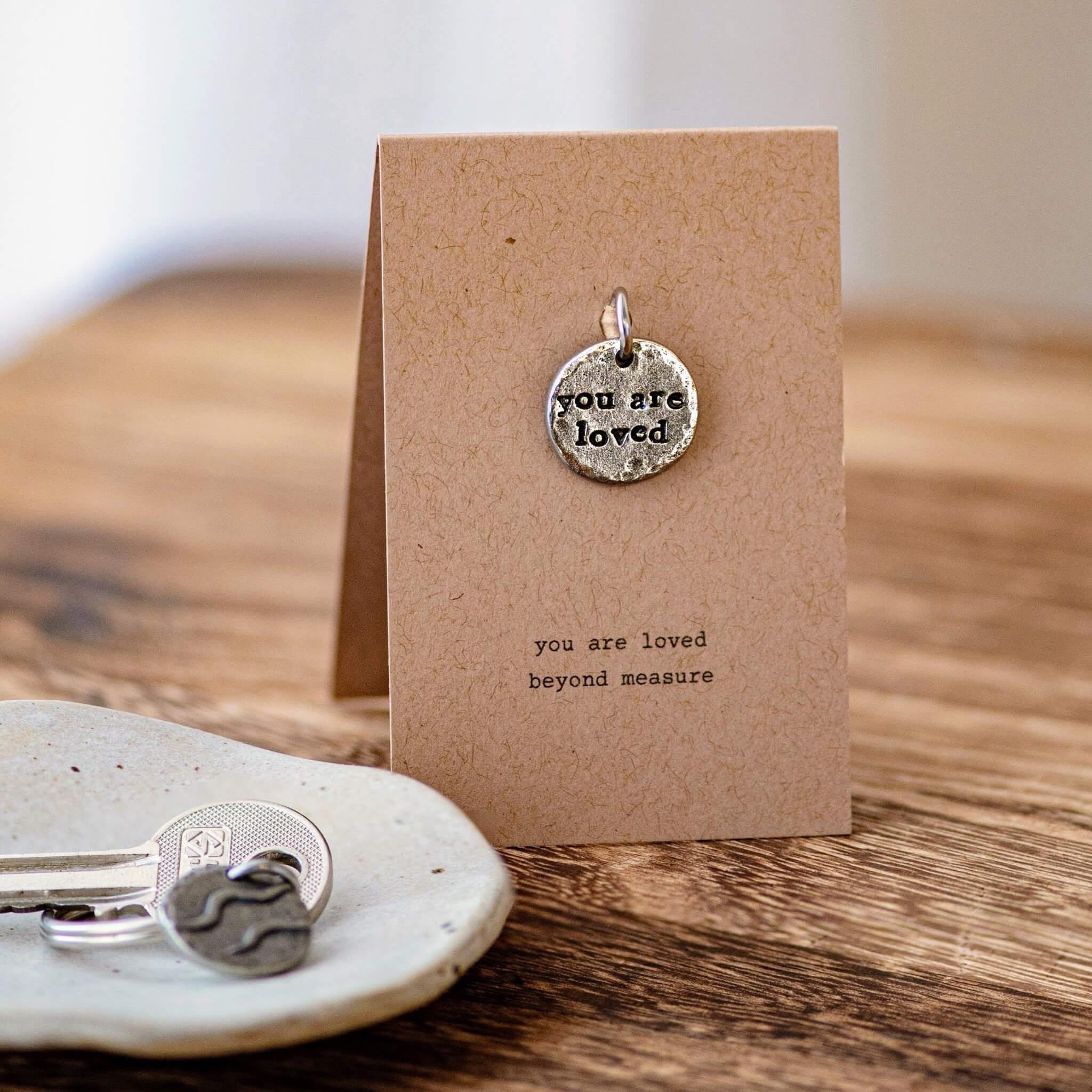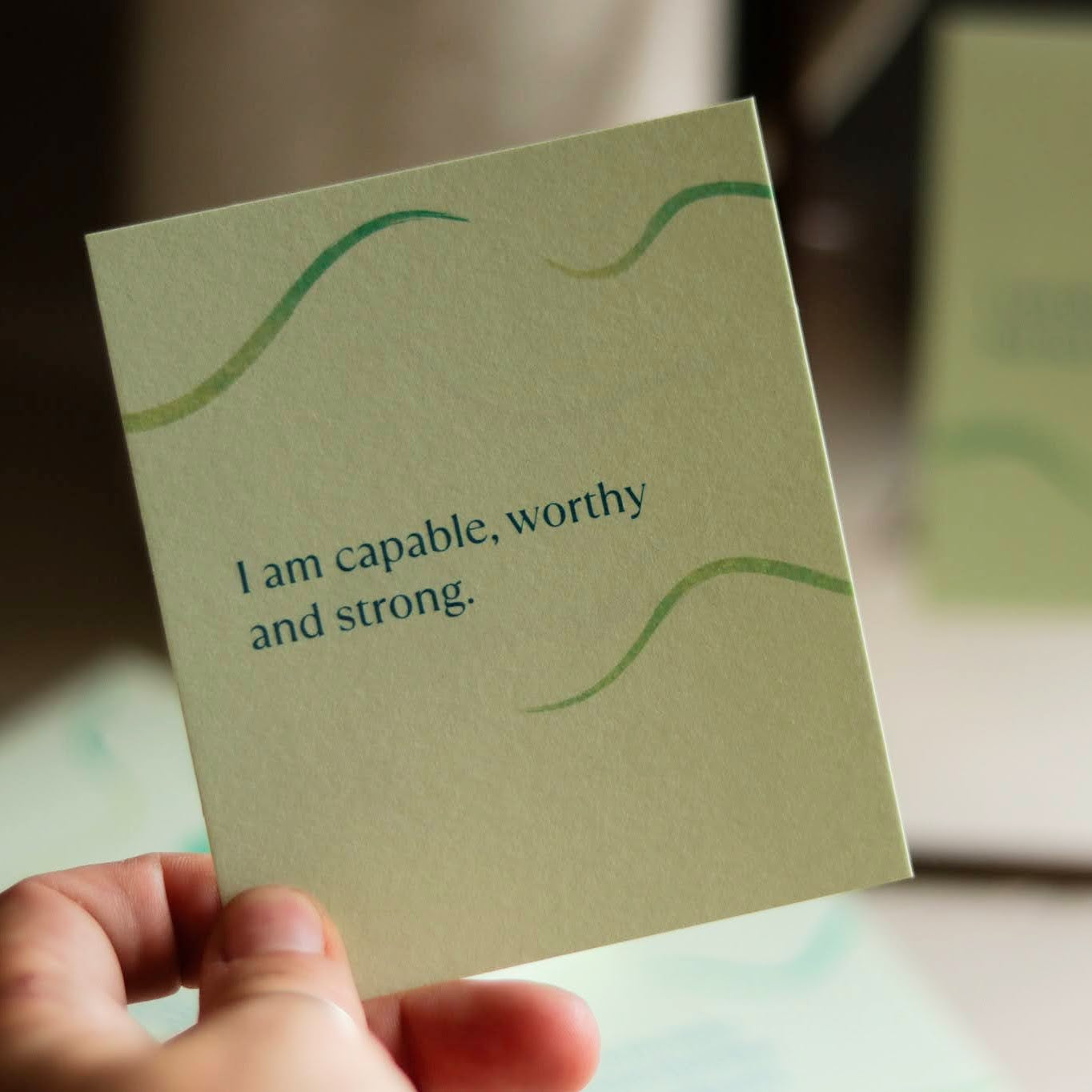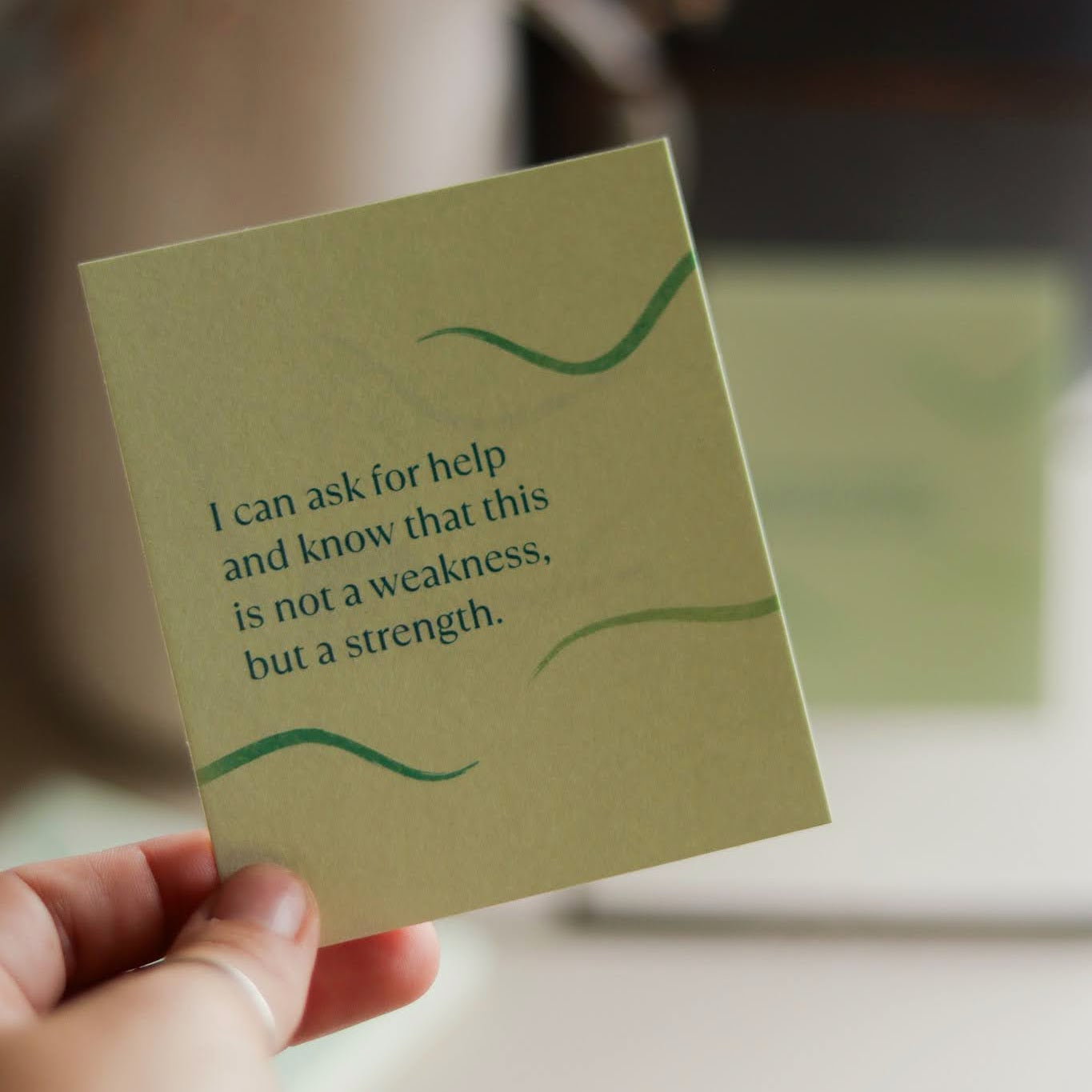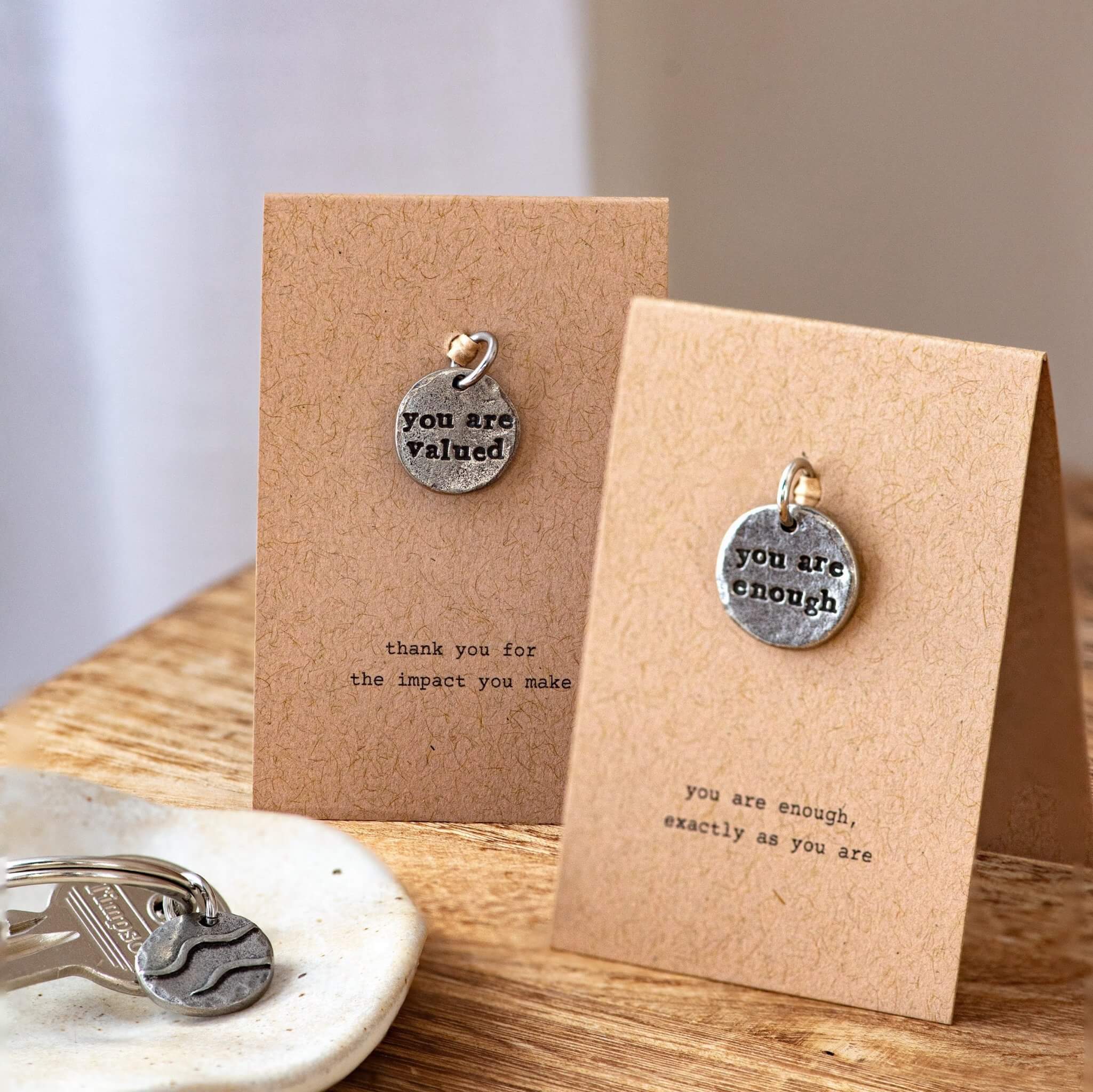





The worry with an affirmation gift is that it'll seem naff. That they'll open it, see "good vibes only", and quietly put it in a drawer, because most affirmation products are relentlessly cheerful in a way that's hard to take when you're not.
That's a fair worry, and it's the reason this whole range exists. I couldn't find affirmations I could stand reading during my own recovery, because they all insisted I was amazing on days I very much didn't feel it.
What makes an affirmation gift actually land
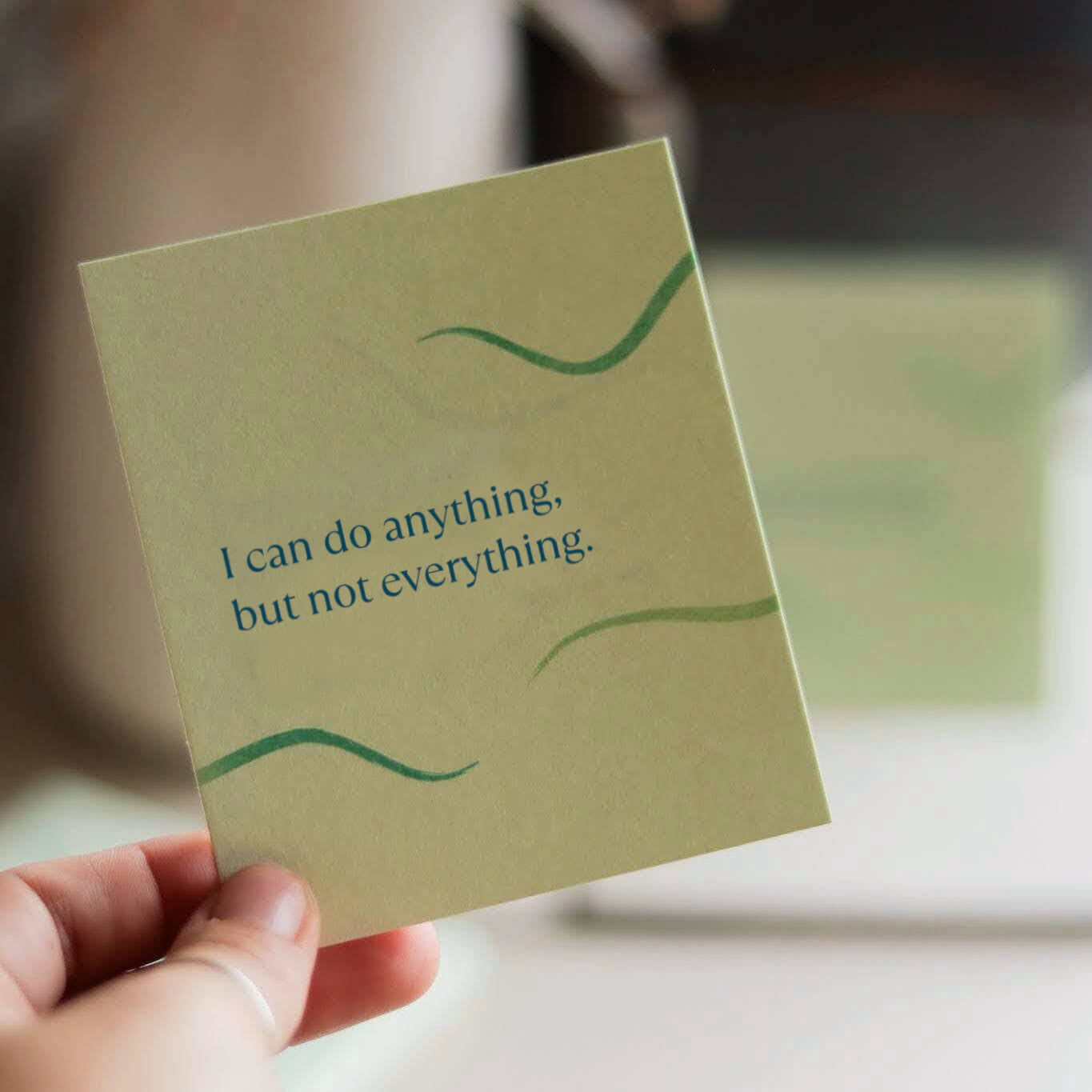
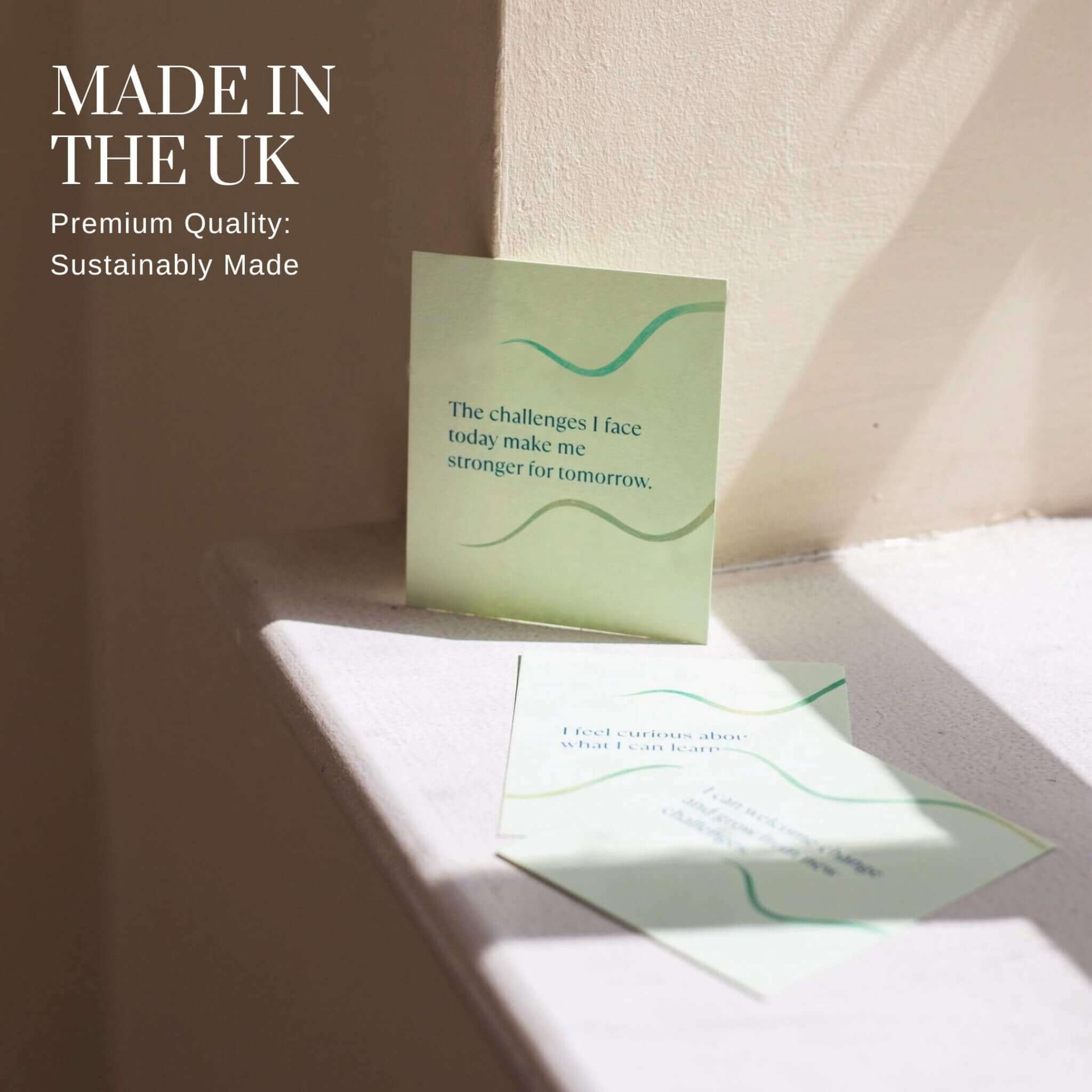
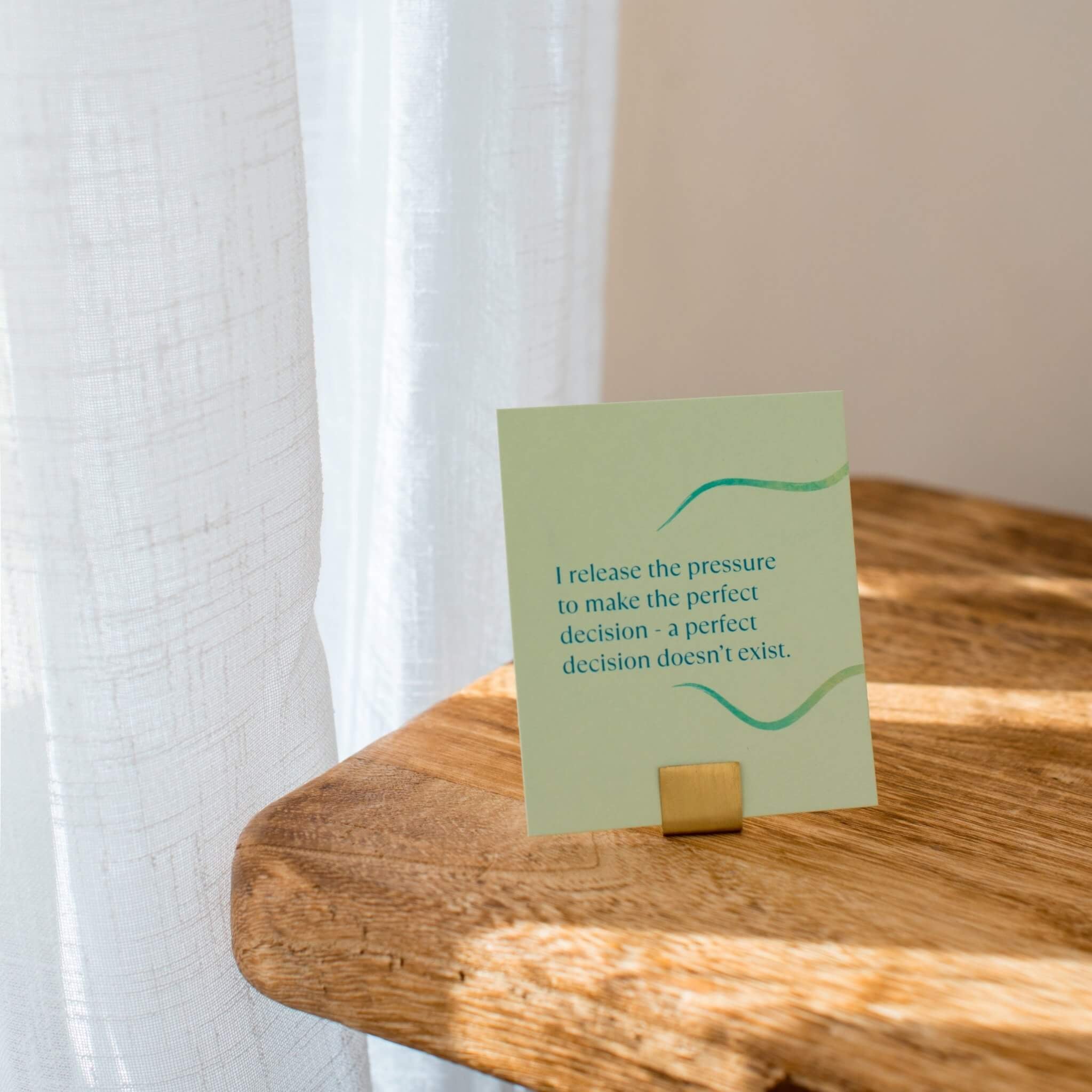
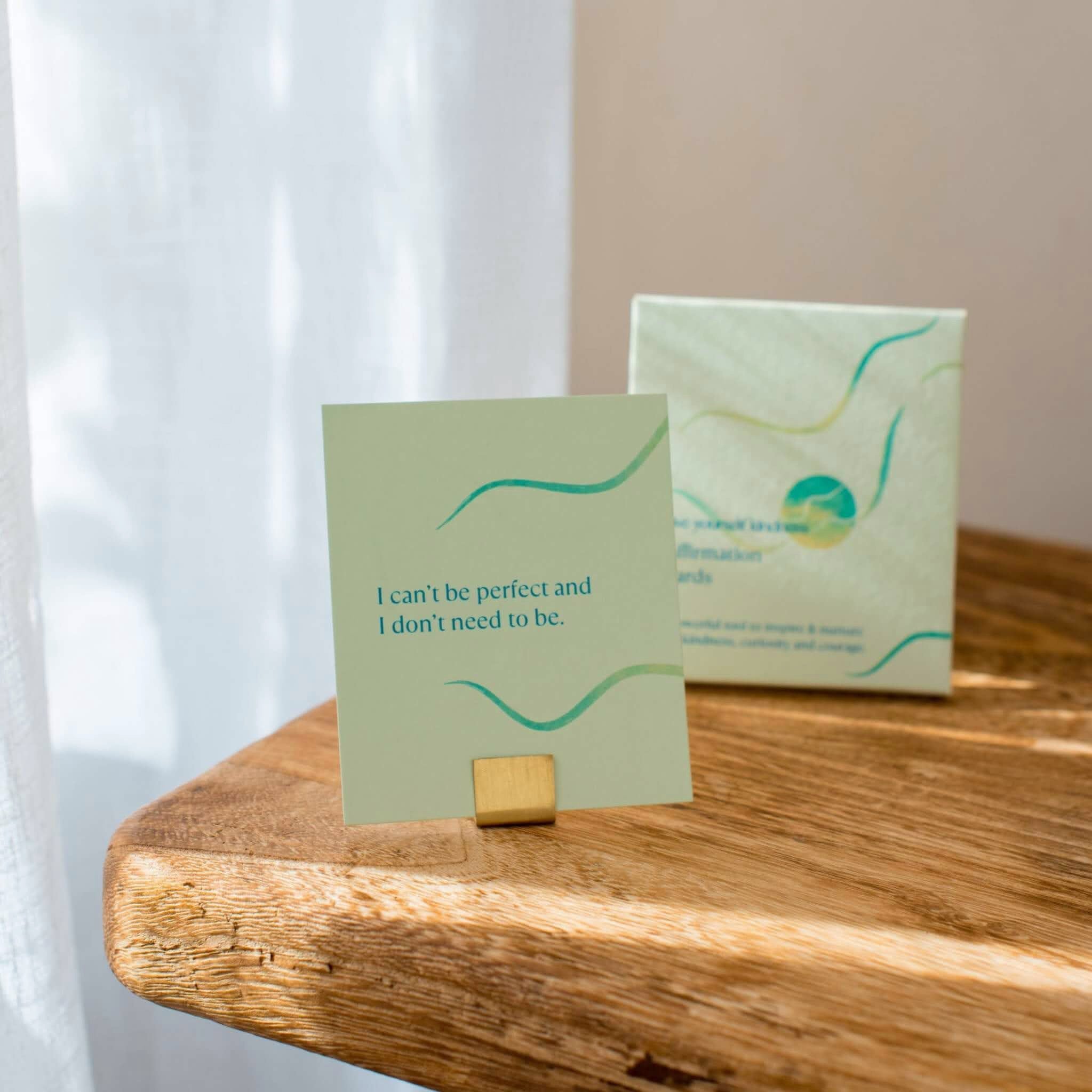
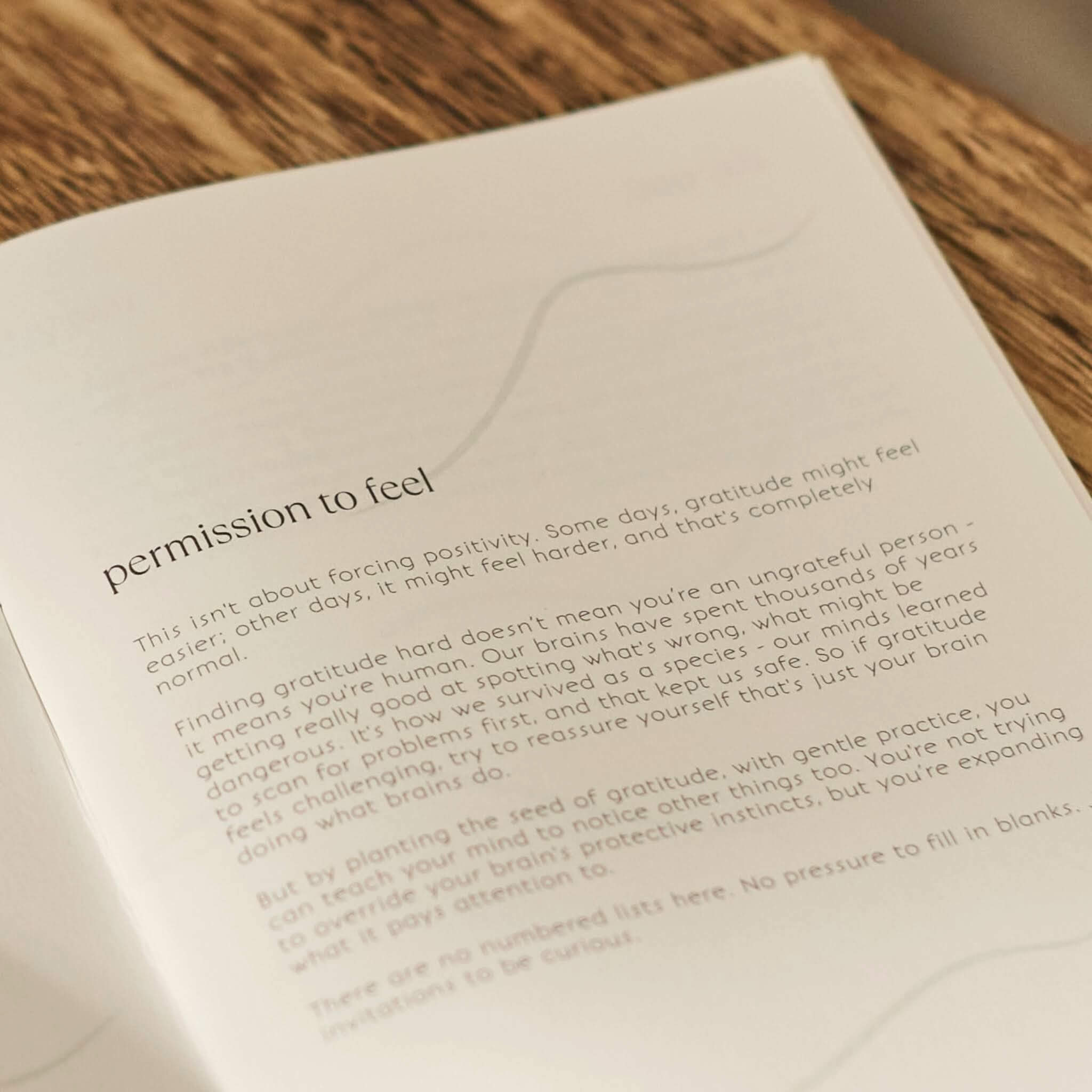
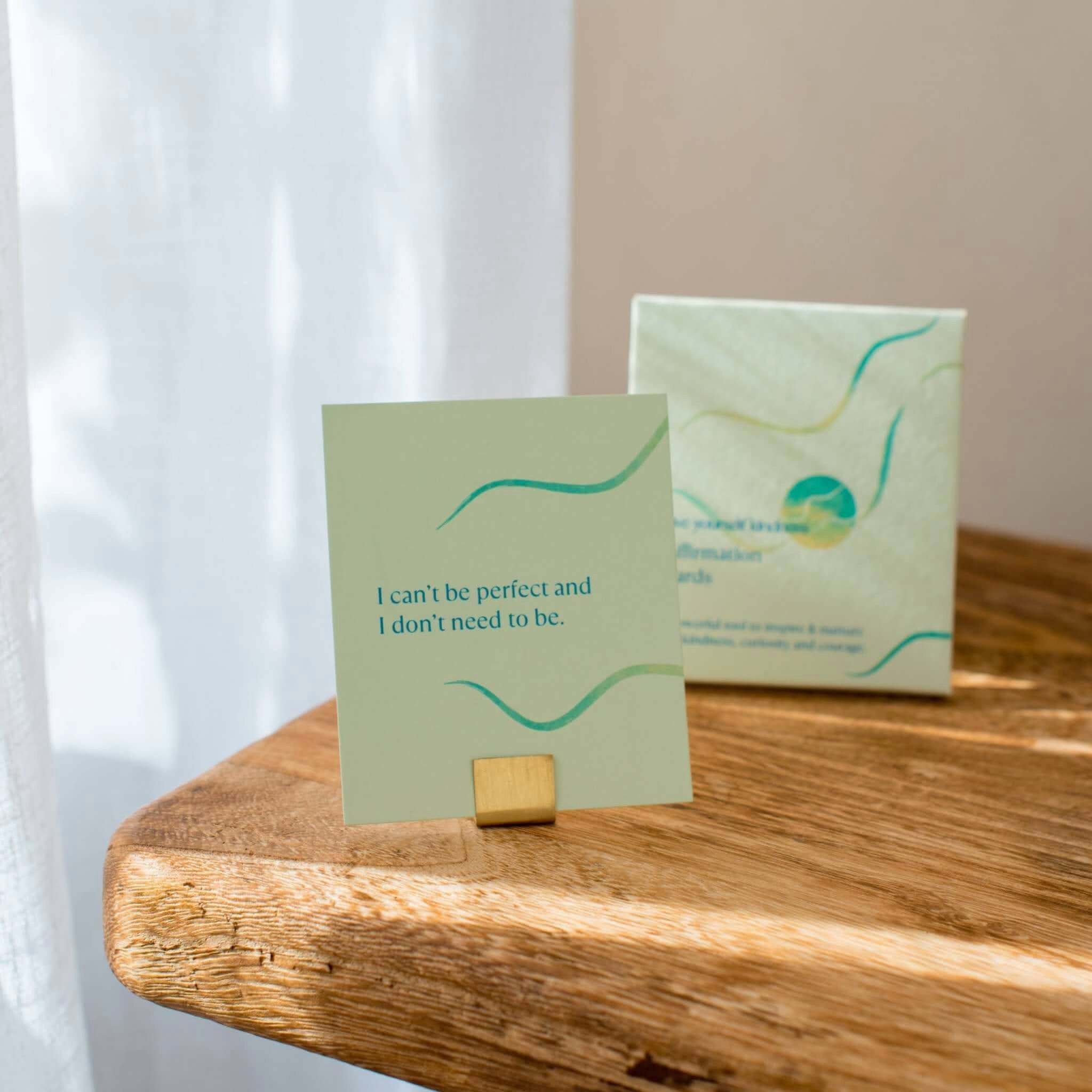
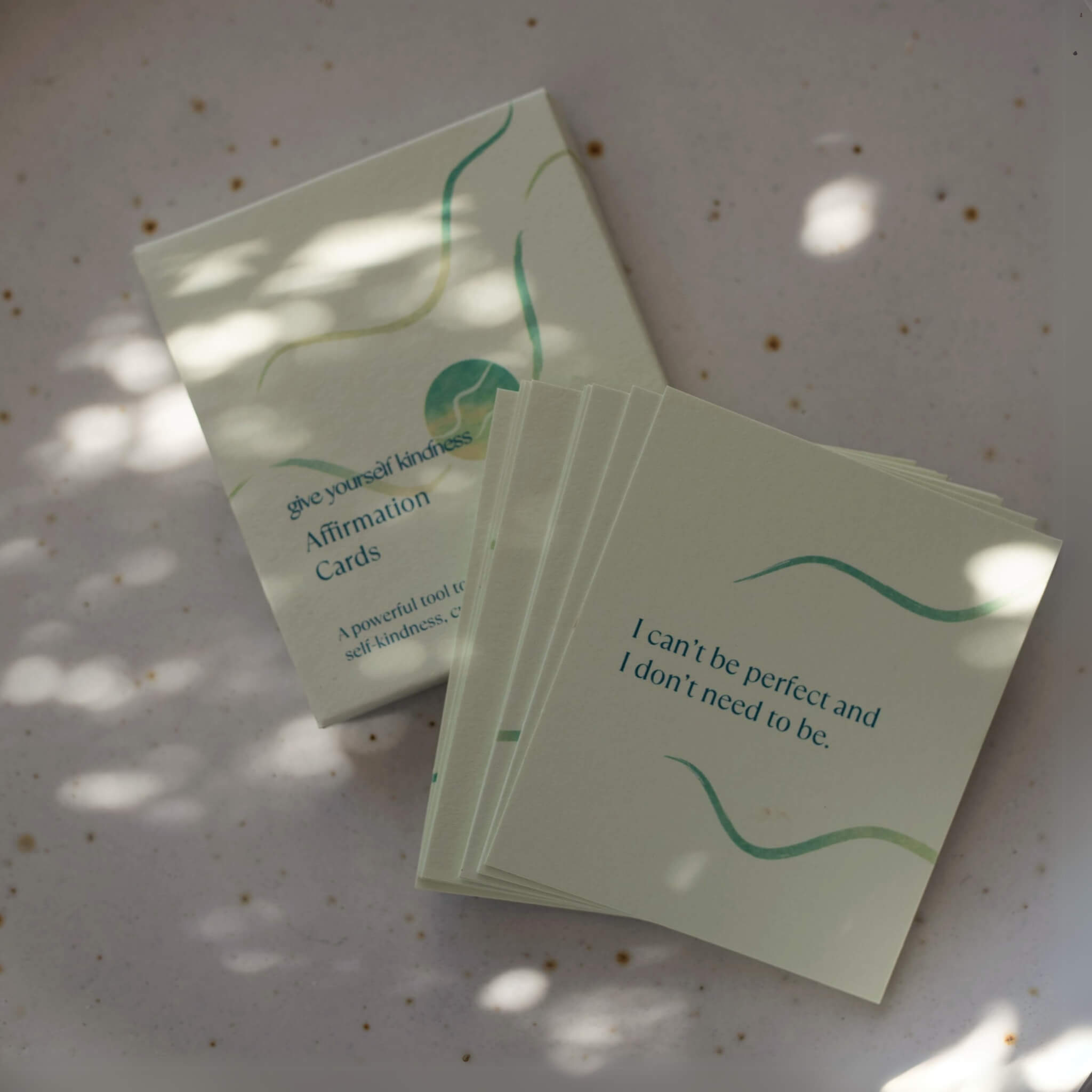
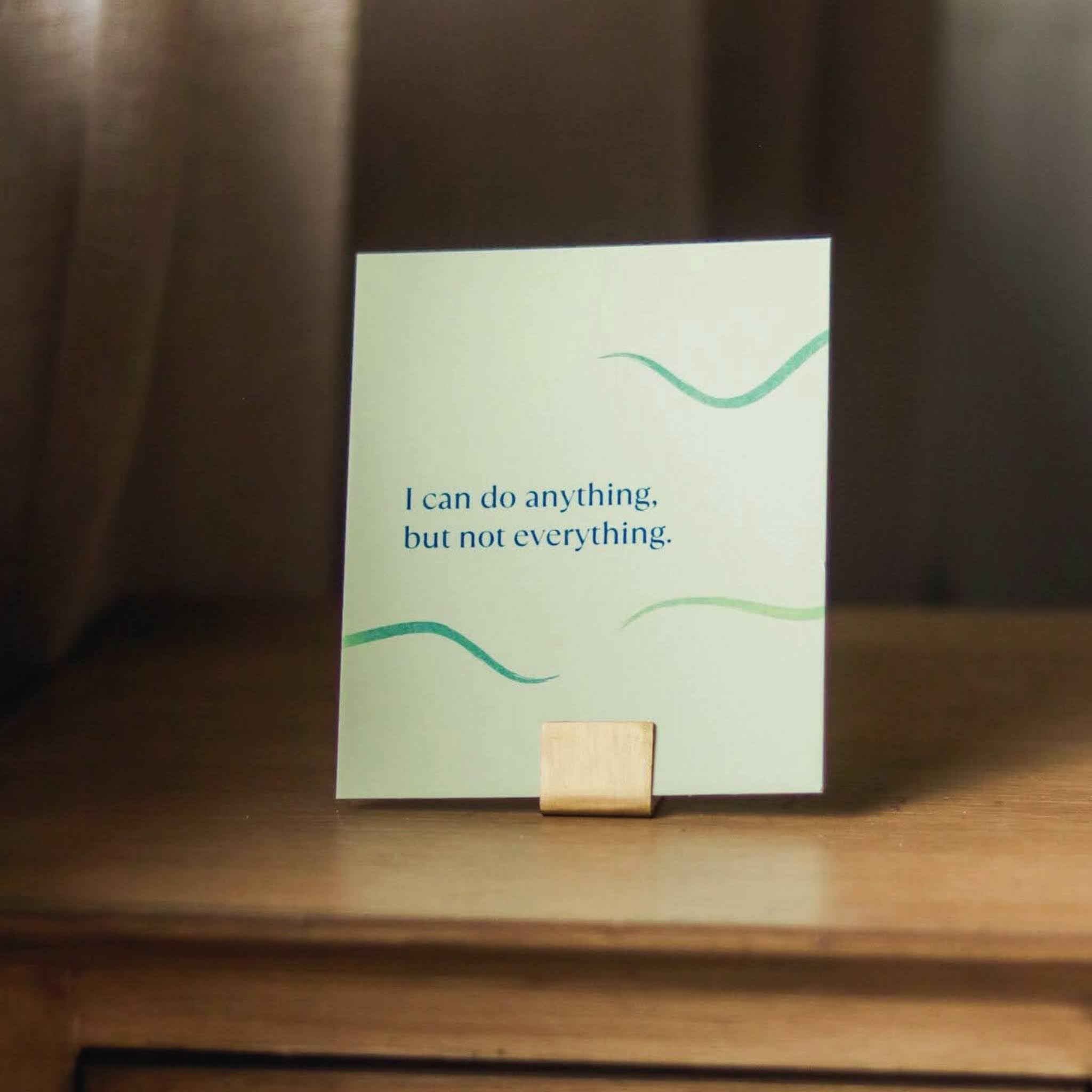
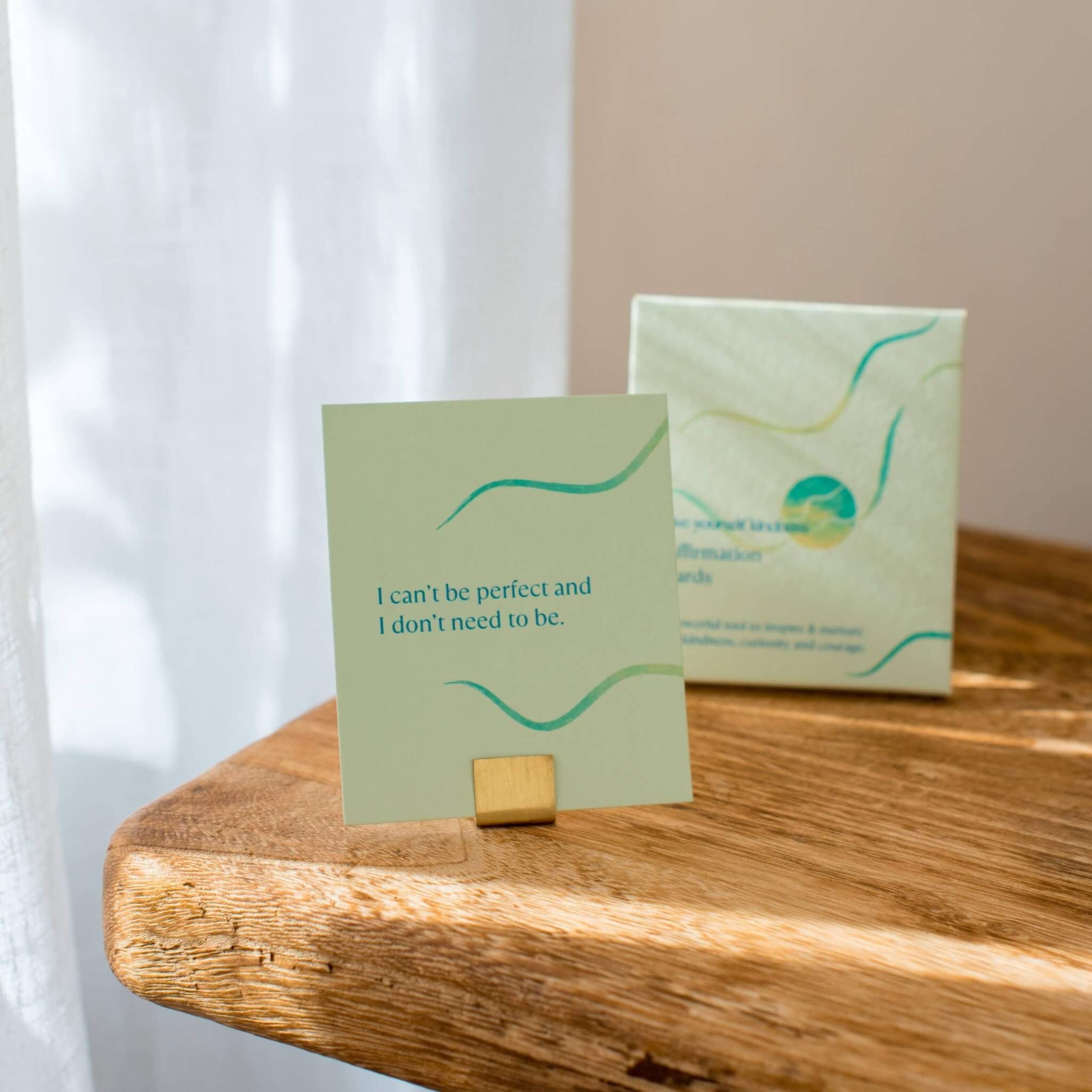
The wording has to be believable on a bad day. "I am confident" bounces off someone who isn't. "I can't be perfect and I don't need to be" doesn't, because there's nothing in it to argue with. That single difference is what separates a gift someone uses from one that embarrasses them.
Everything here is built that way, and none of it tells the recipient to cheer up.
- The affirmation gifts, from £13.95, with sets for students, new mums and general self-compassion
- Why credible affirmations work and generic ones backfire, according to clinical psychologists
- Whether they're a good gift at all, answered honestly

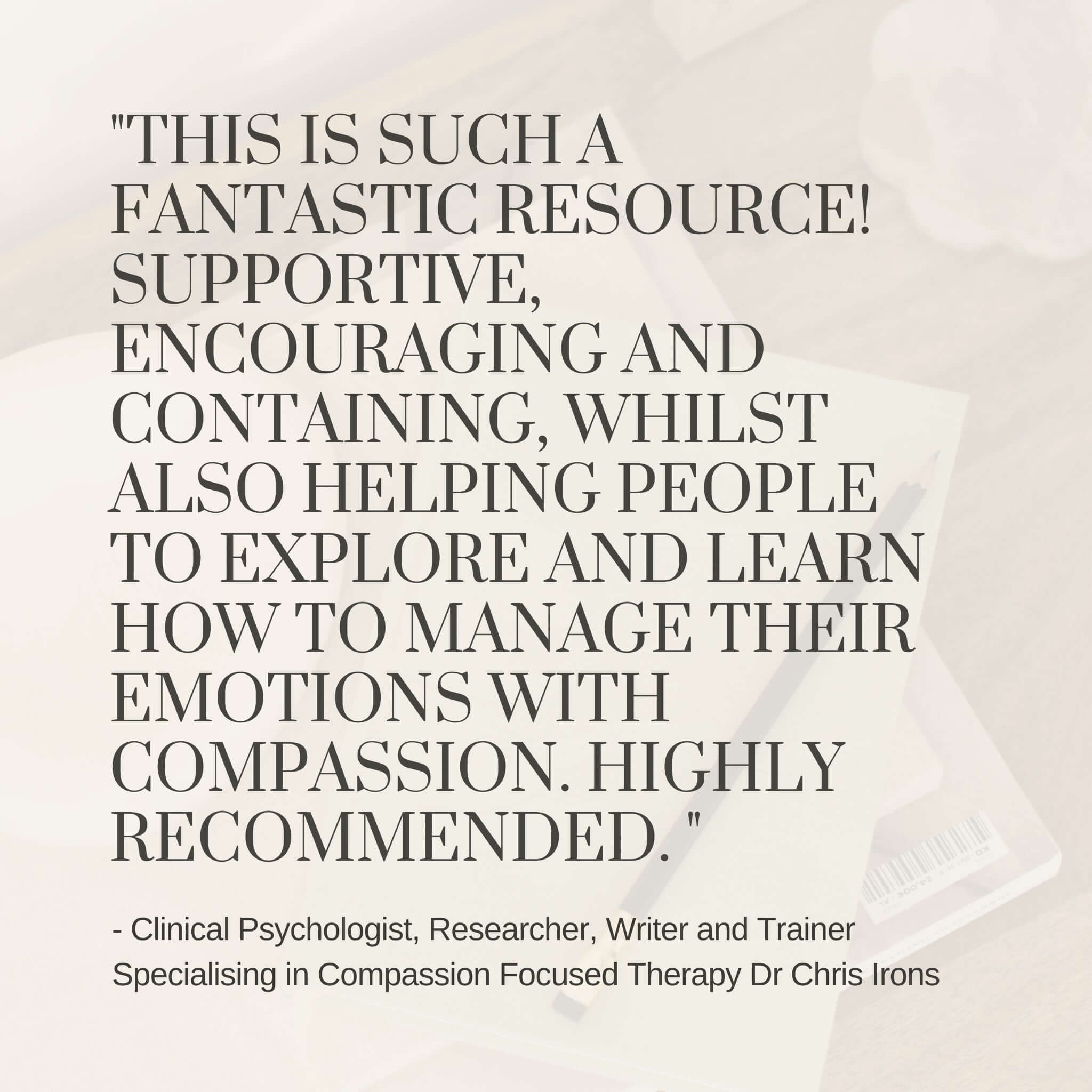
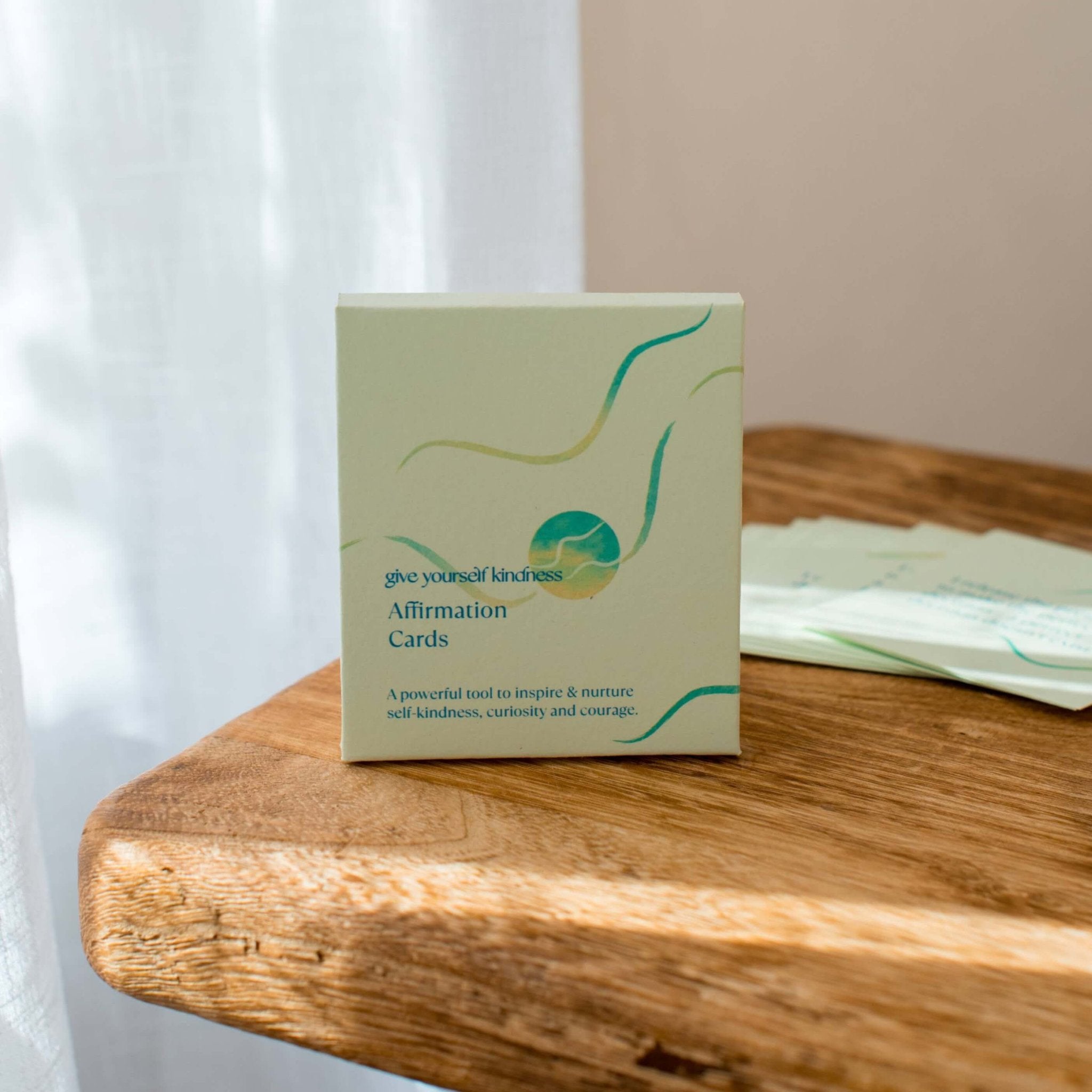
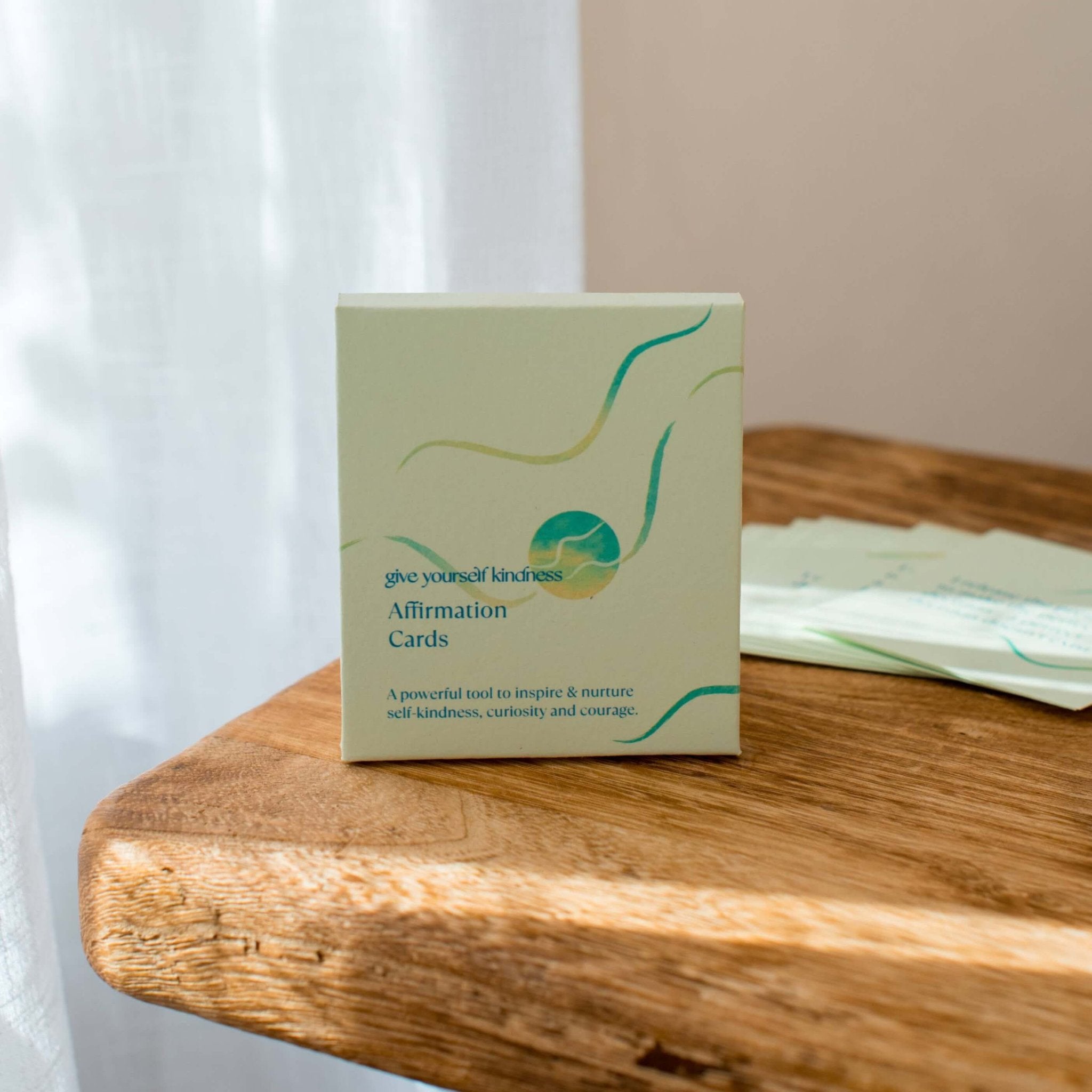
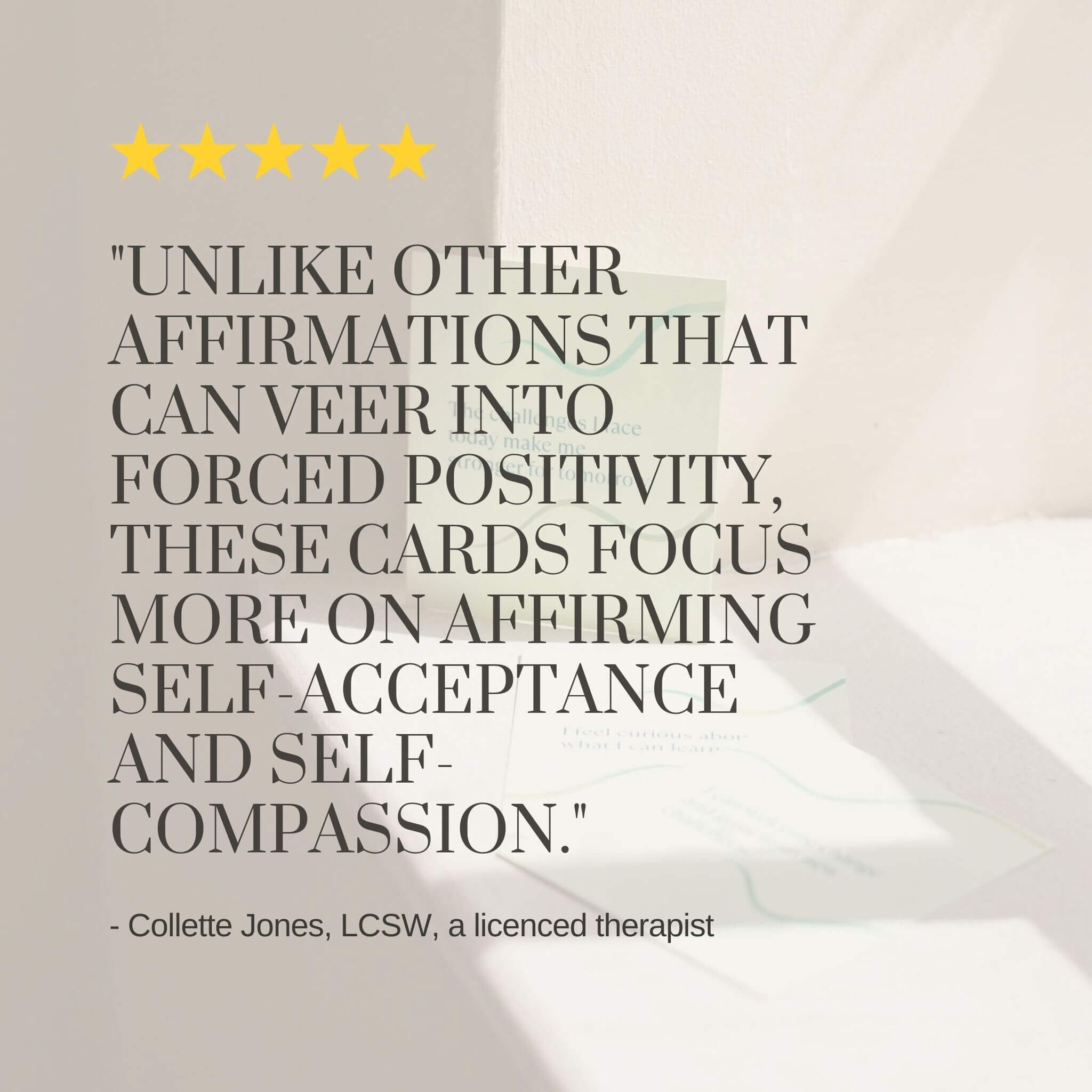
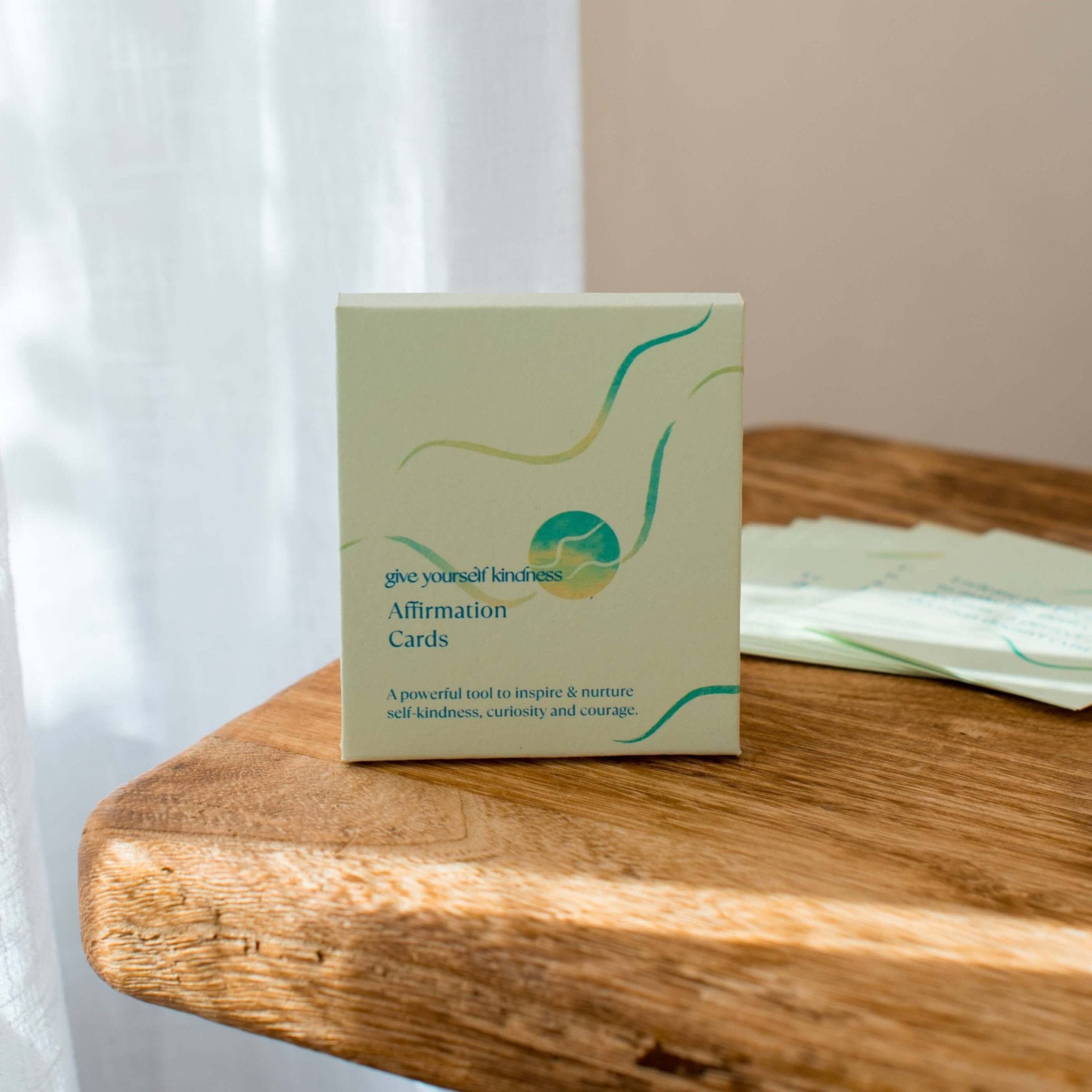
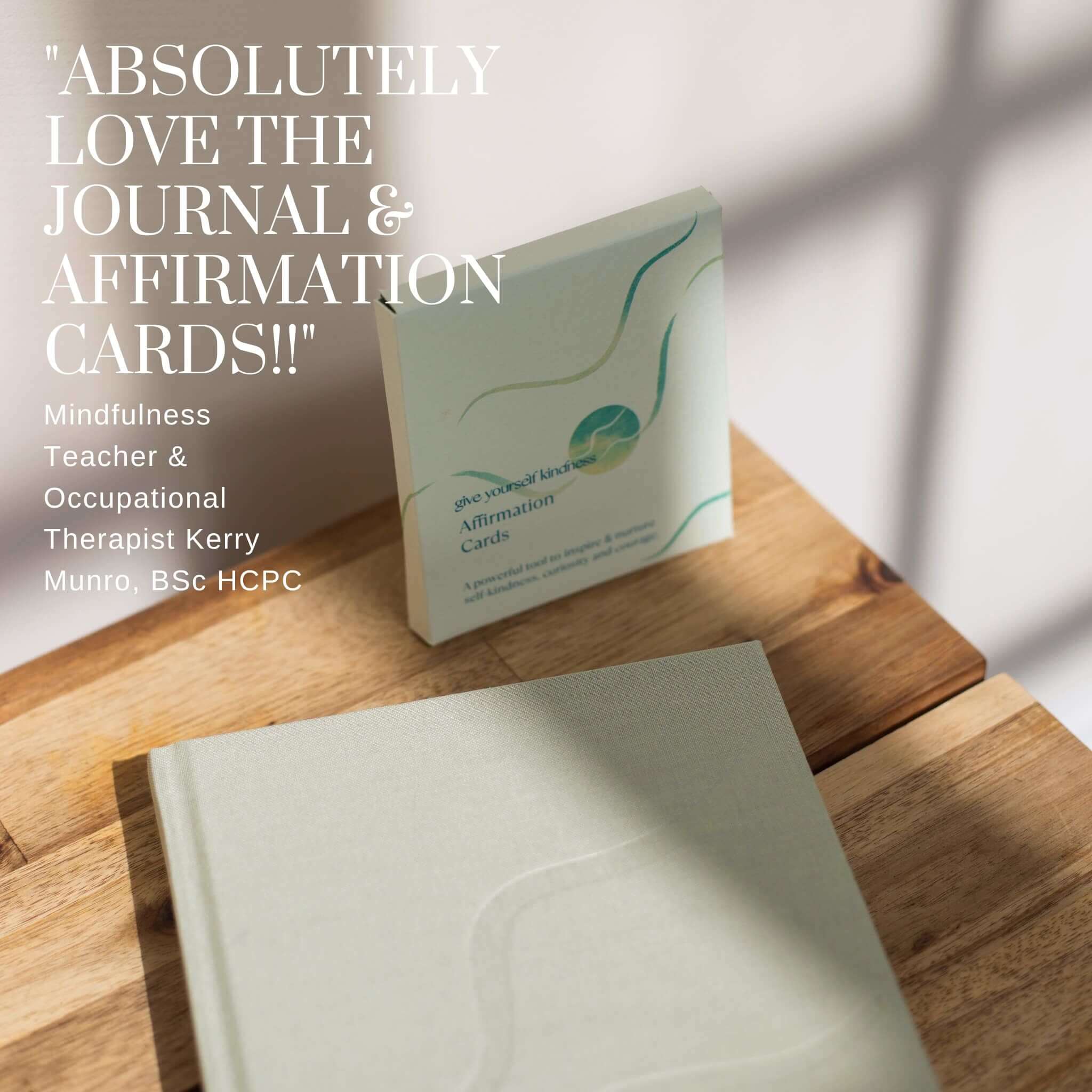
If you want the short answer: the Give Yourself Kindness Affirmation Cards. Sixty cards, no forced positivity, recommended by licensed therapists who use them with clients.
Added to your basket. View basket →
Affirmation gifts, and who each one is for
Every set below uses the same principle: acknowledge the hard bit rather than talking over it. They differ only in who they're written for.
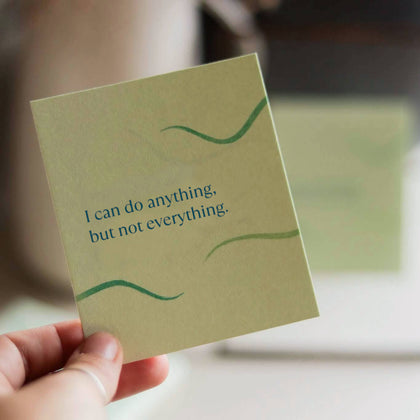
The Give Yourself Kindness Affirmation Cards
The safe choice when you don't know exactly what they're dealing with
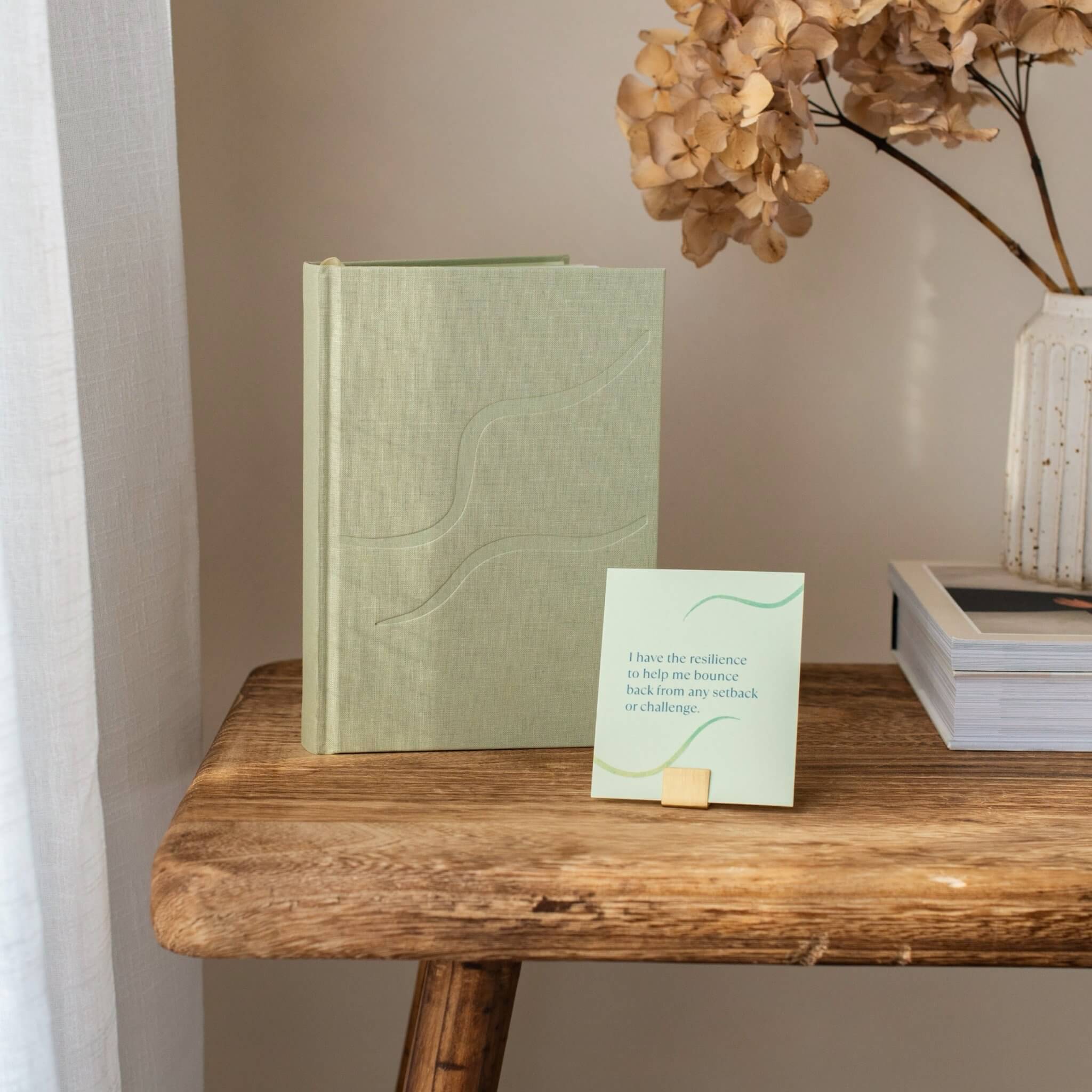
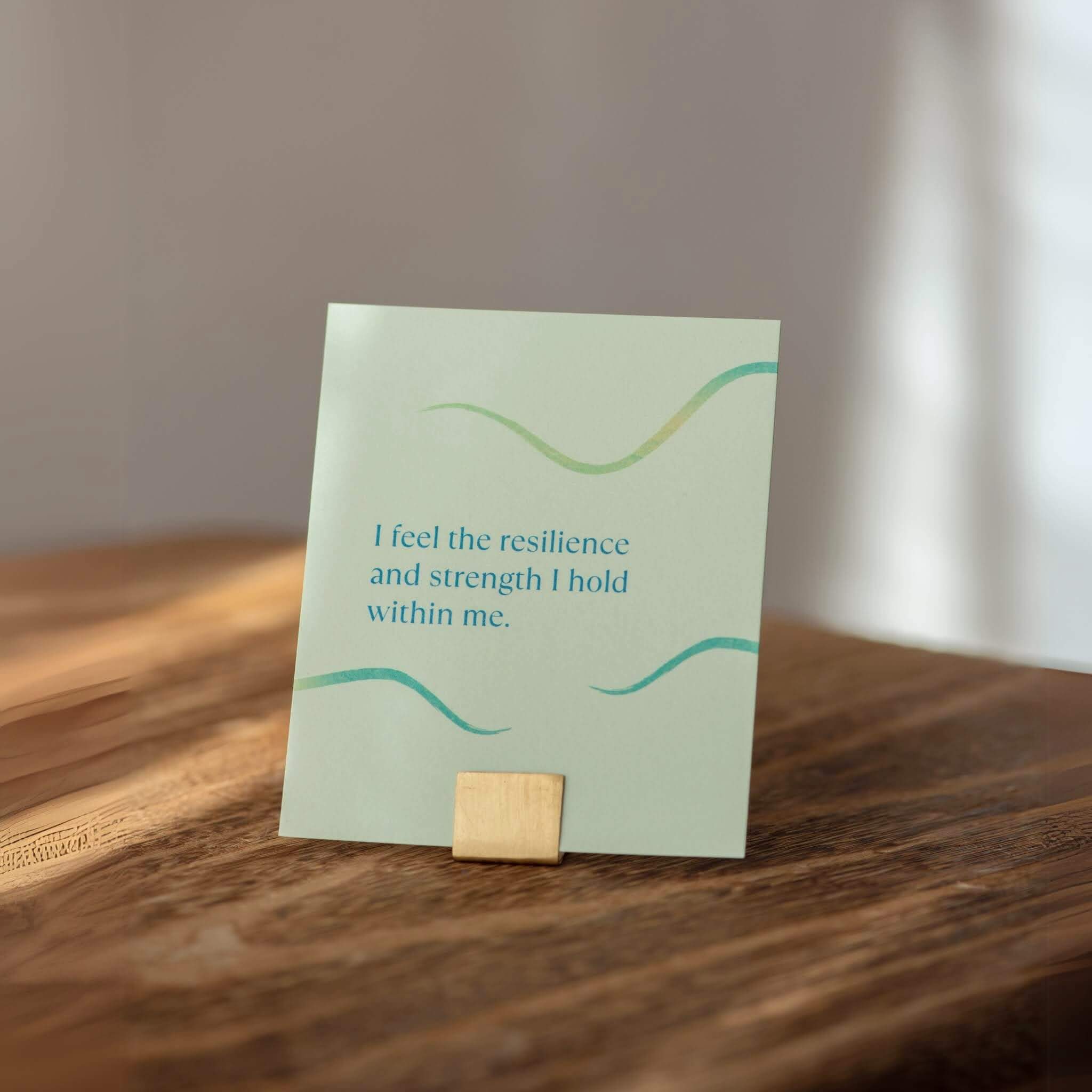
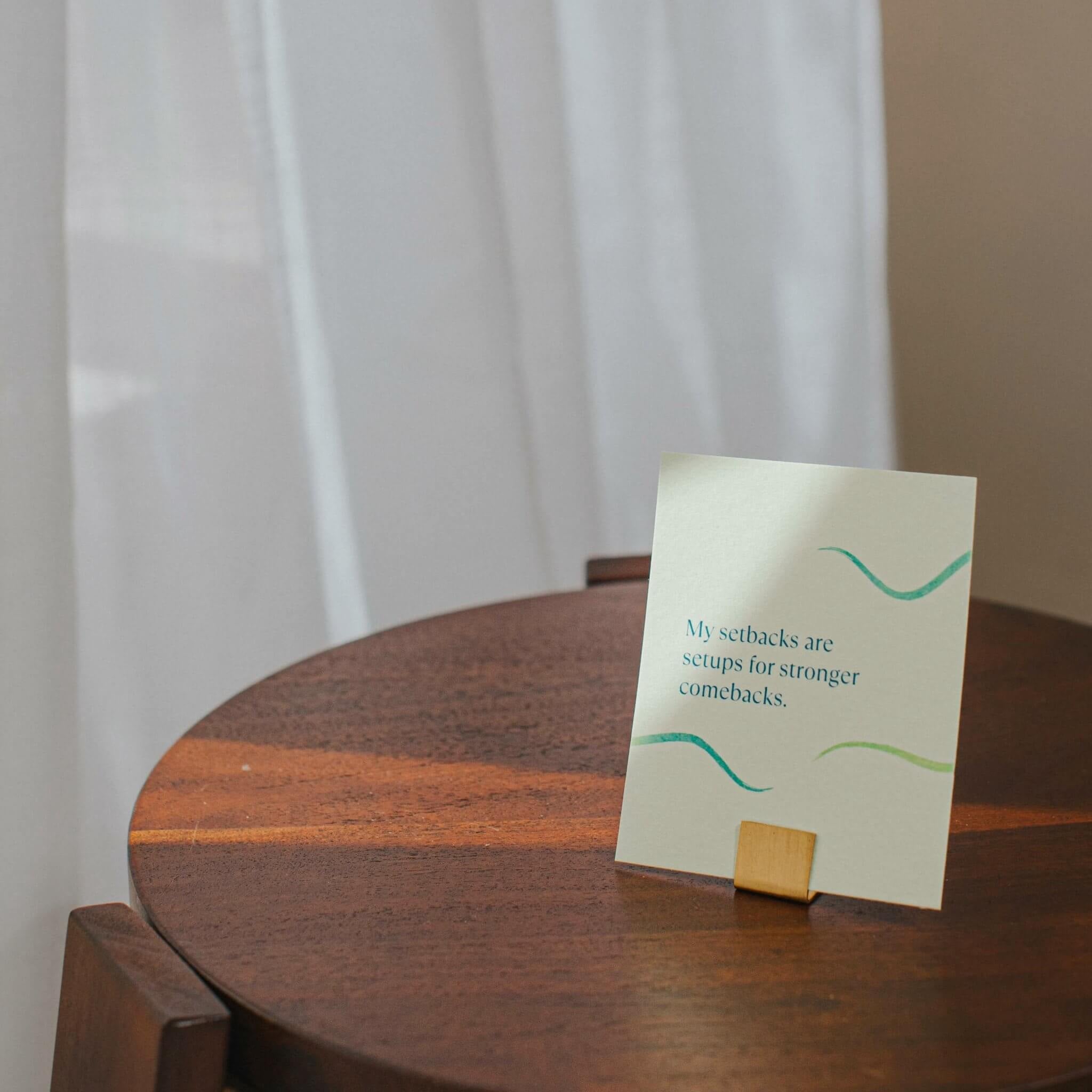
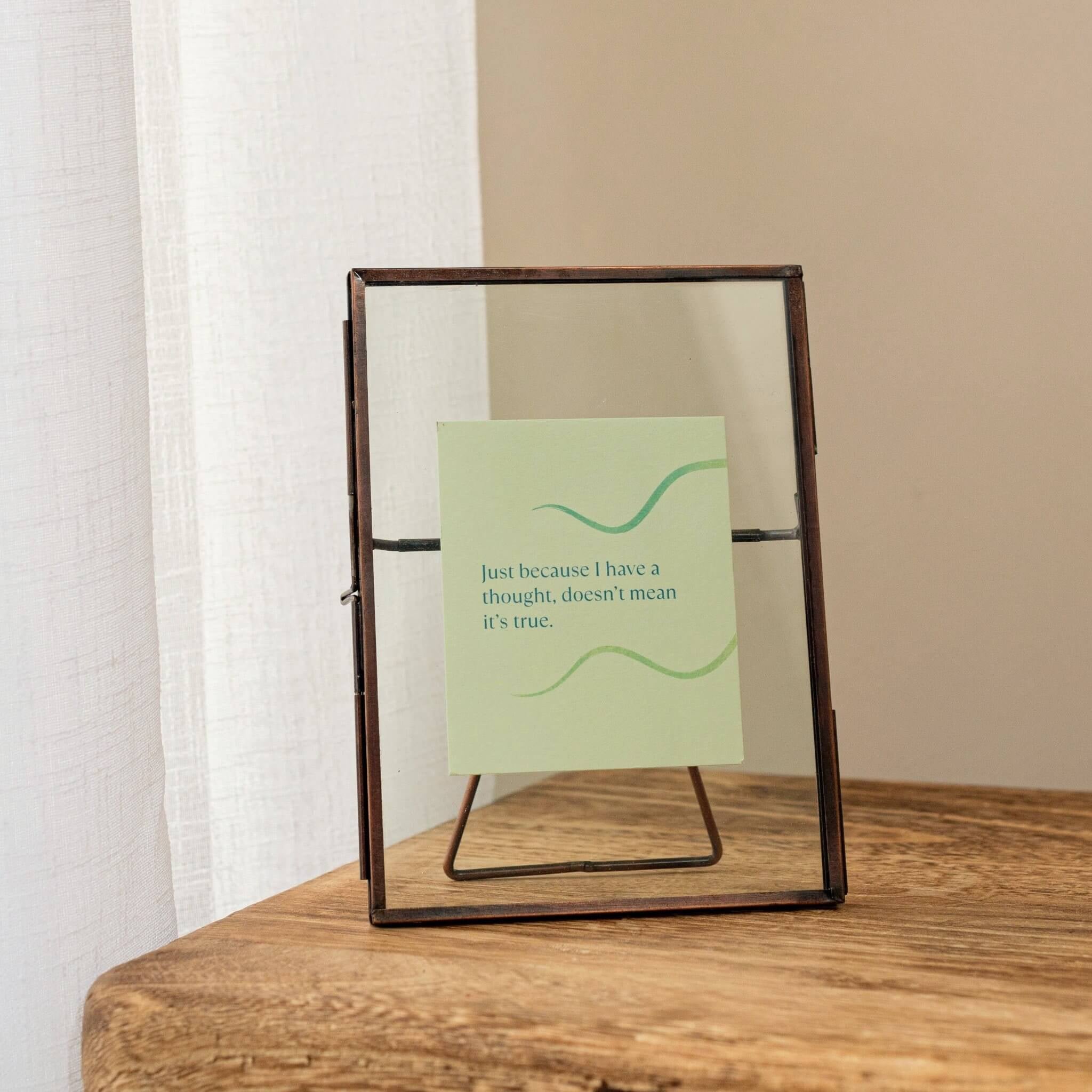
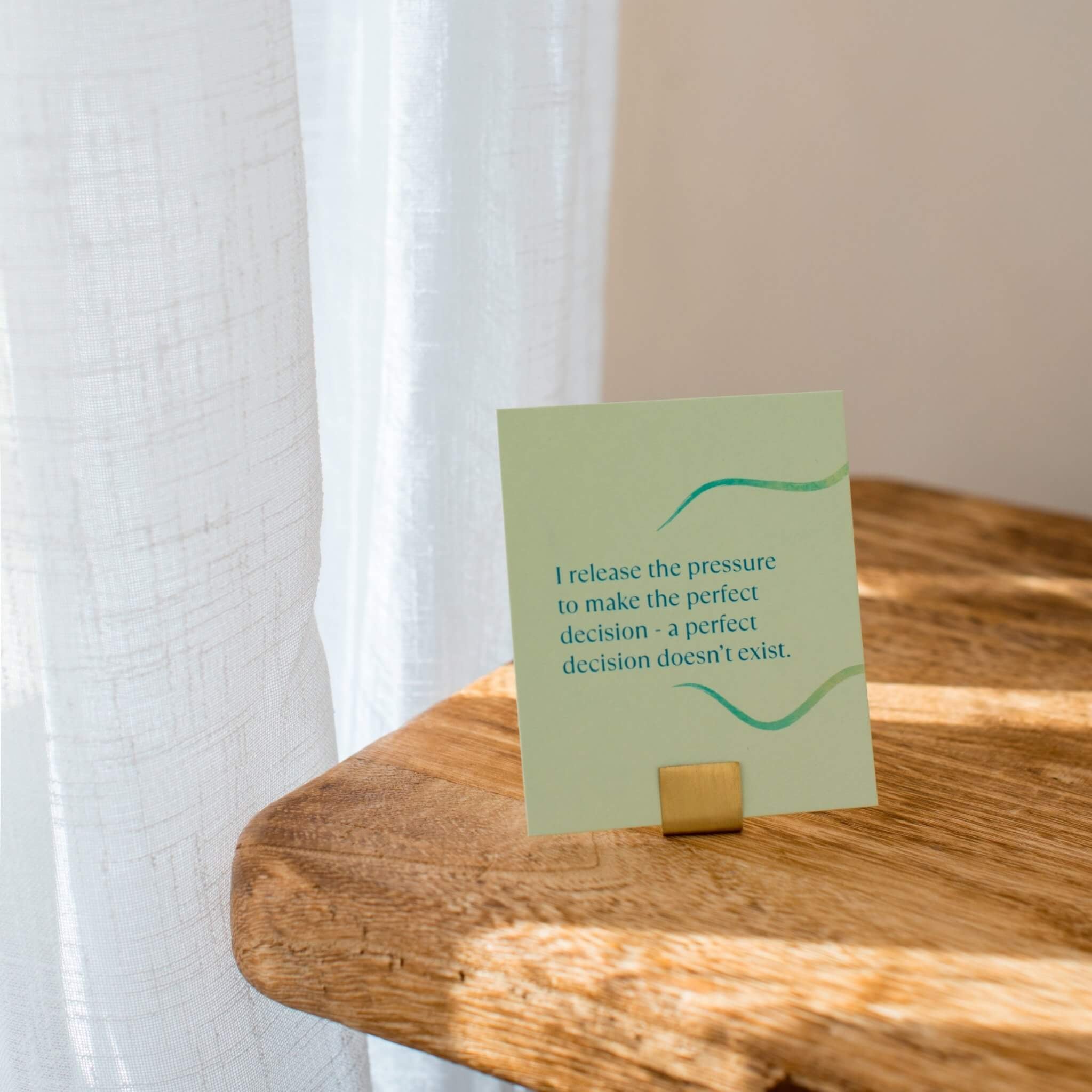
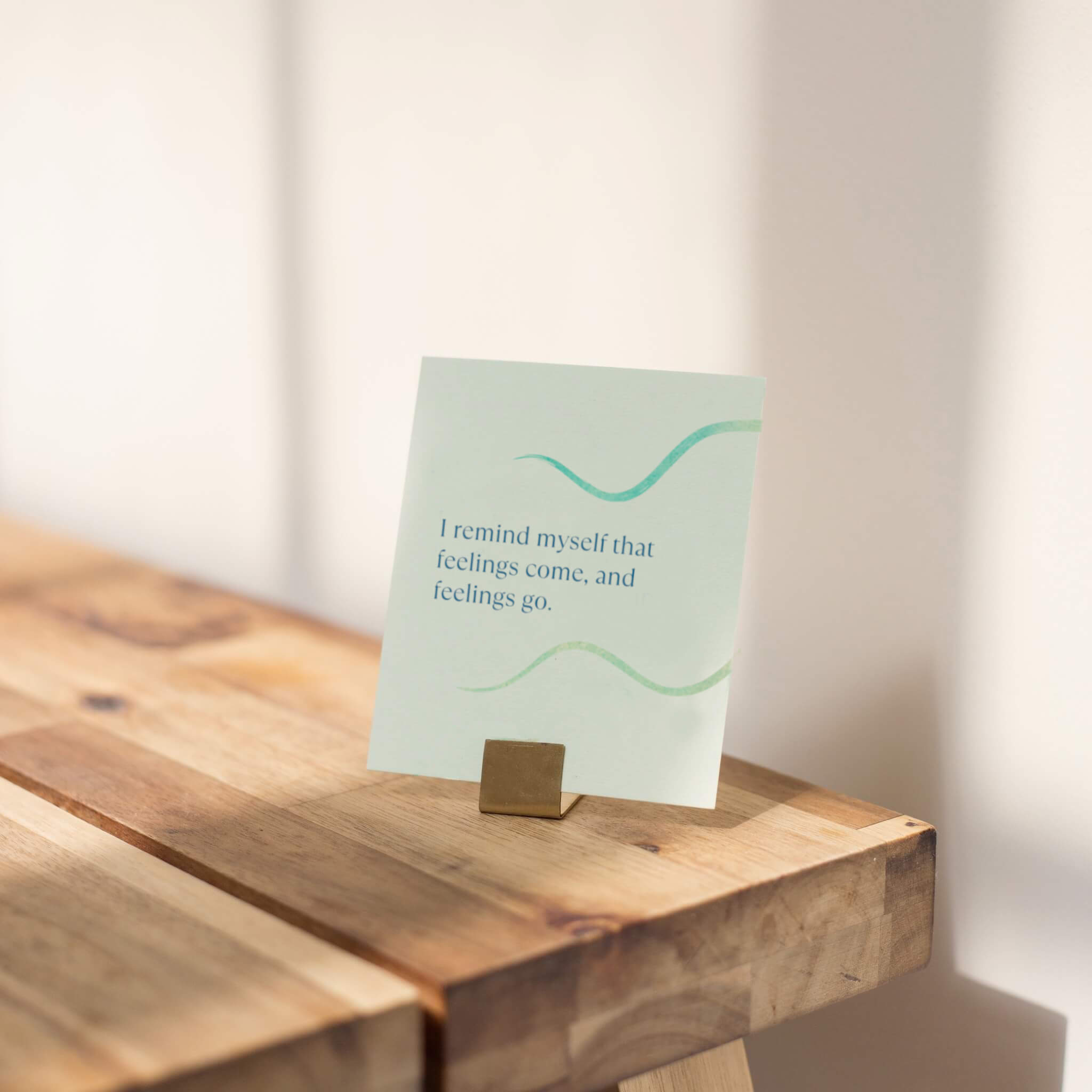
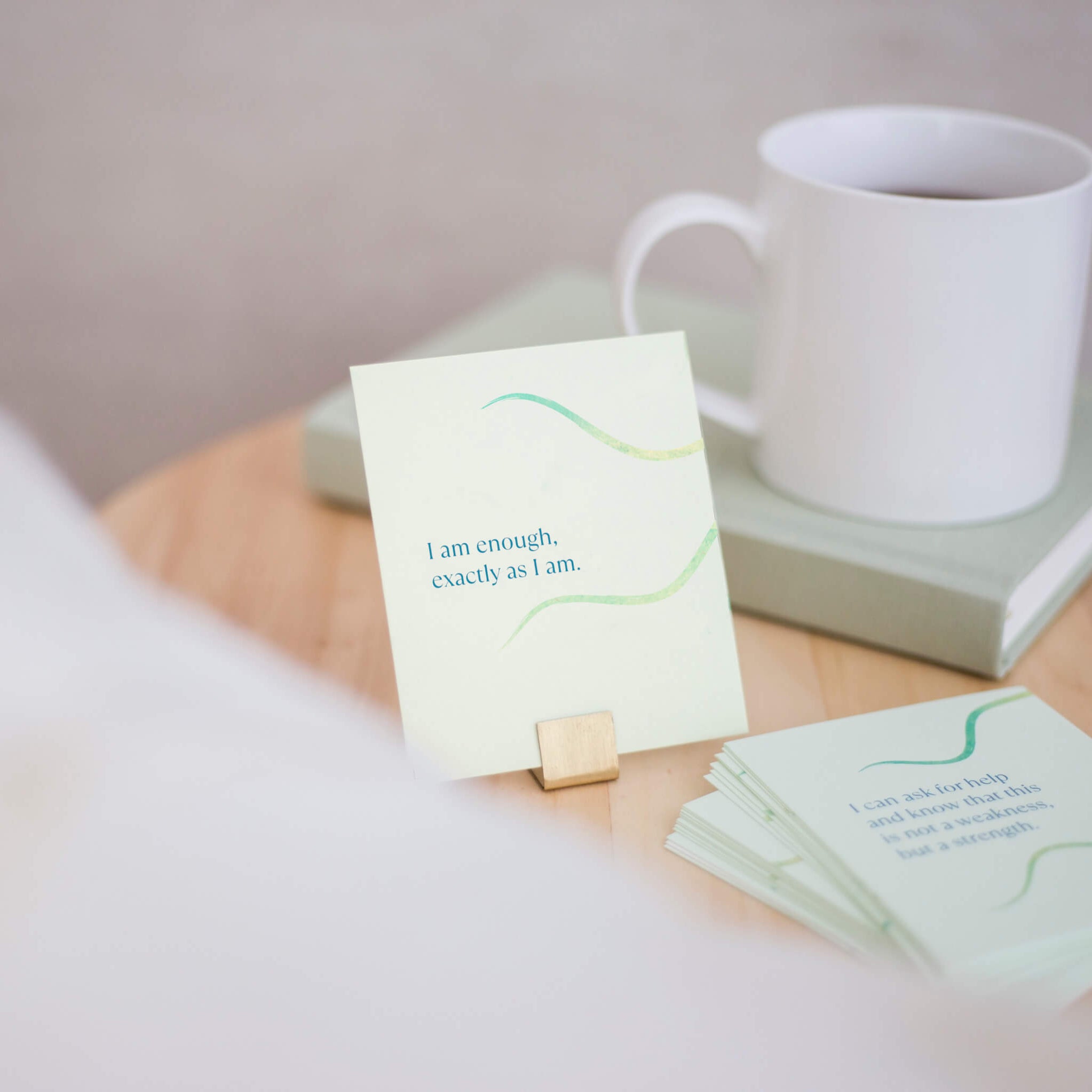
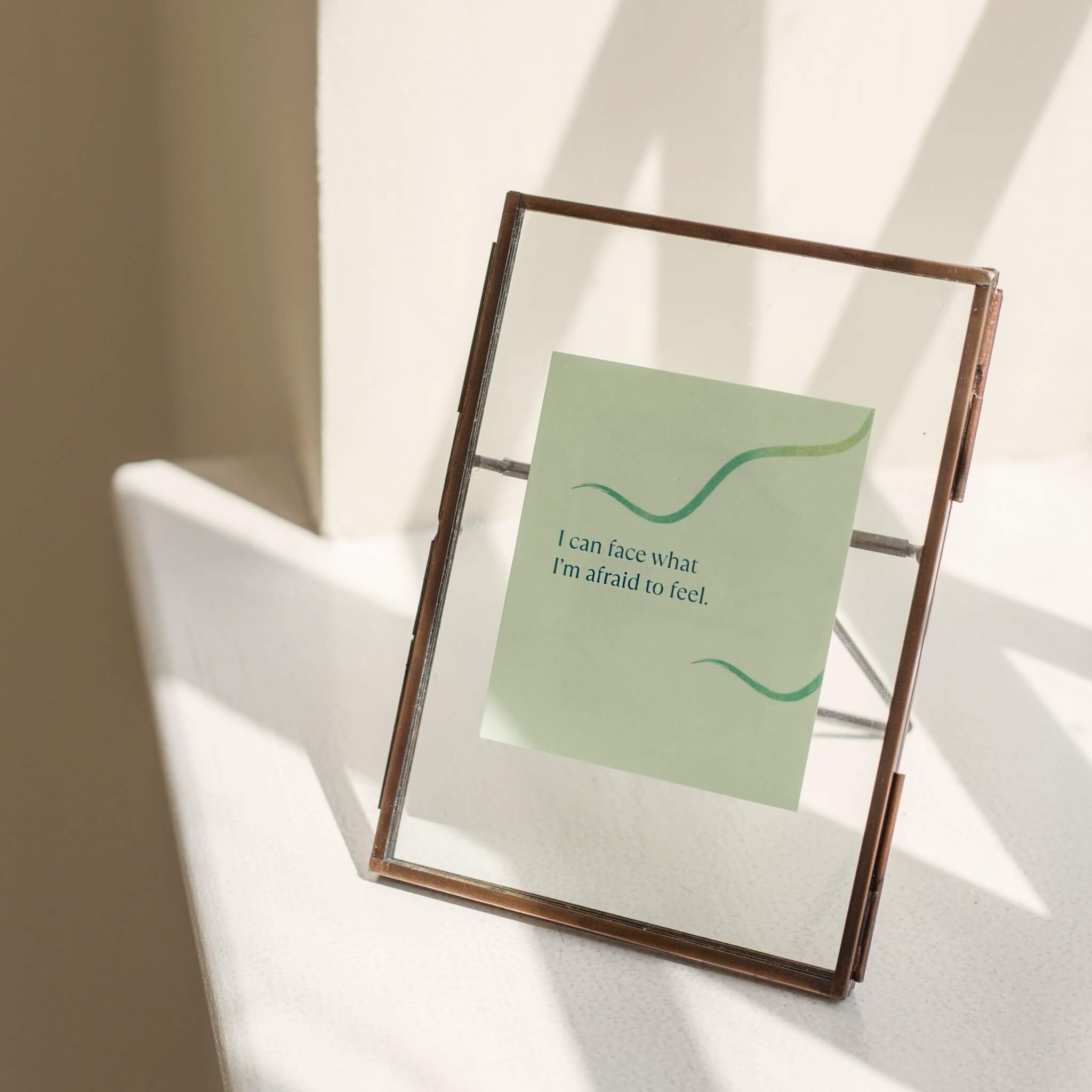
Sixty affirmations across three sets, covering self-criticism, perfectionism, courage and rest. Lines like "I can't be perfect and I don't need to be" and "just because I have a thought doesn't mean it's true."
Added to your basket. View basket →
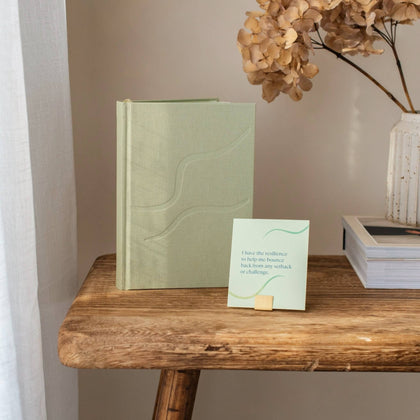
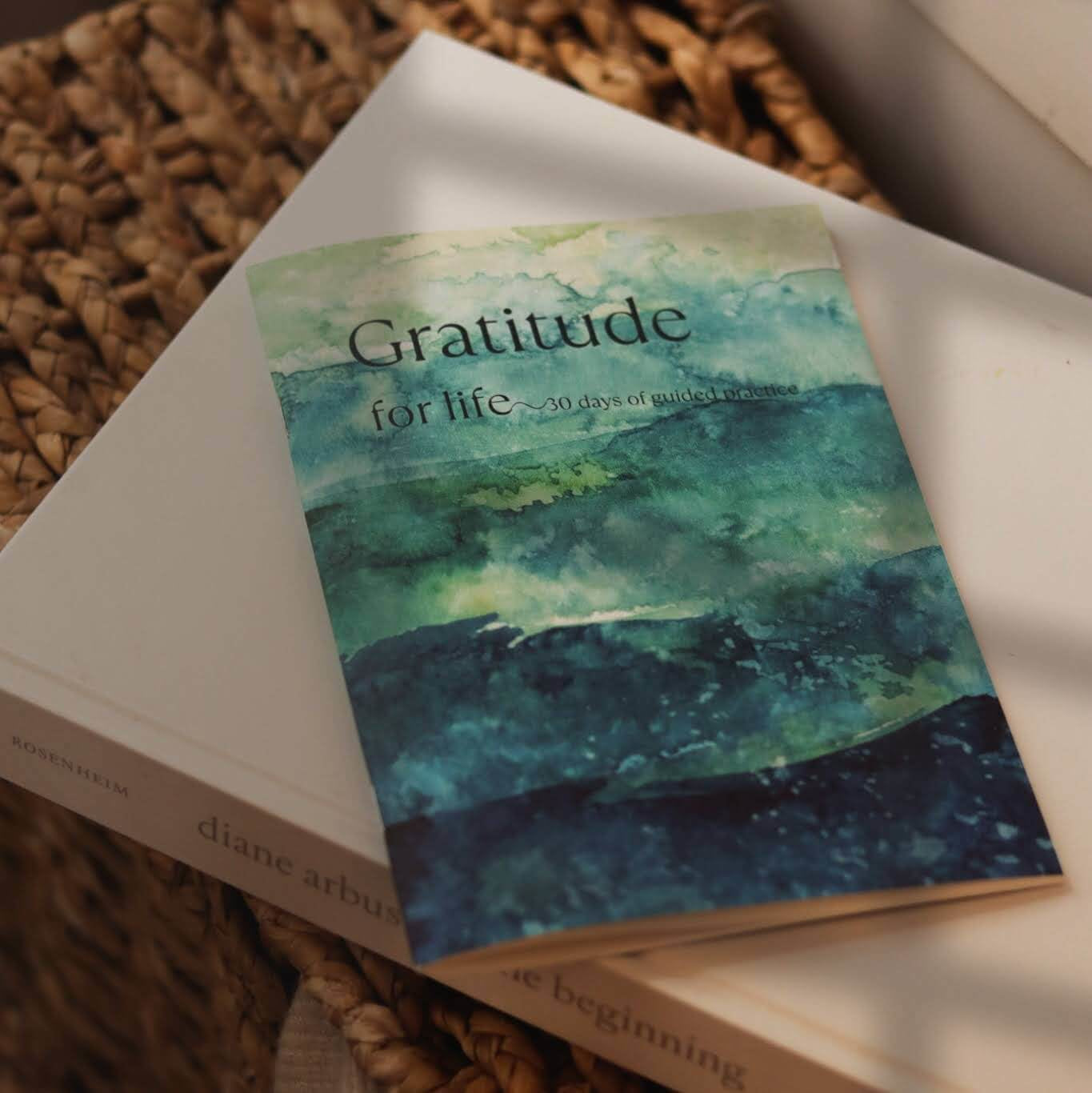
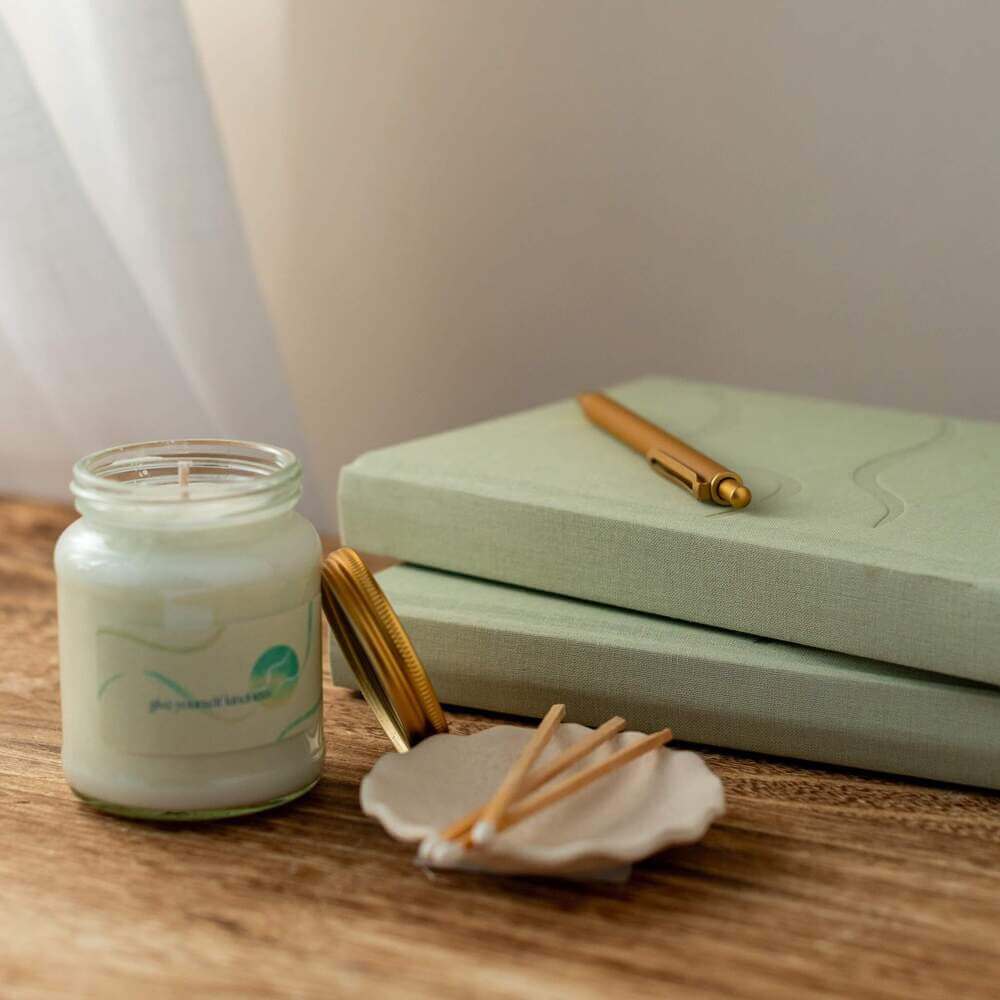
The Journal and Affirmation Cards
When you want it to feel like a proper gift, not one small thing
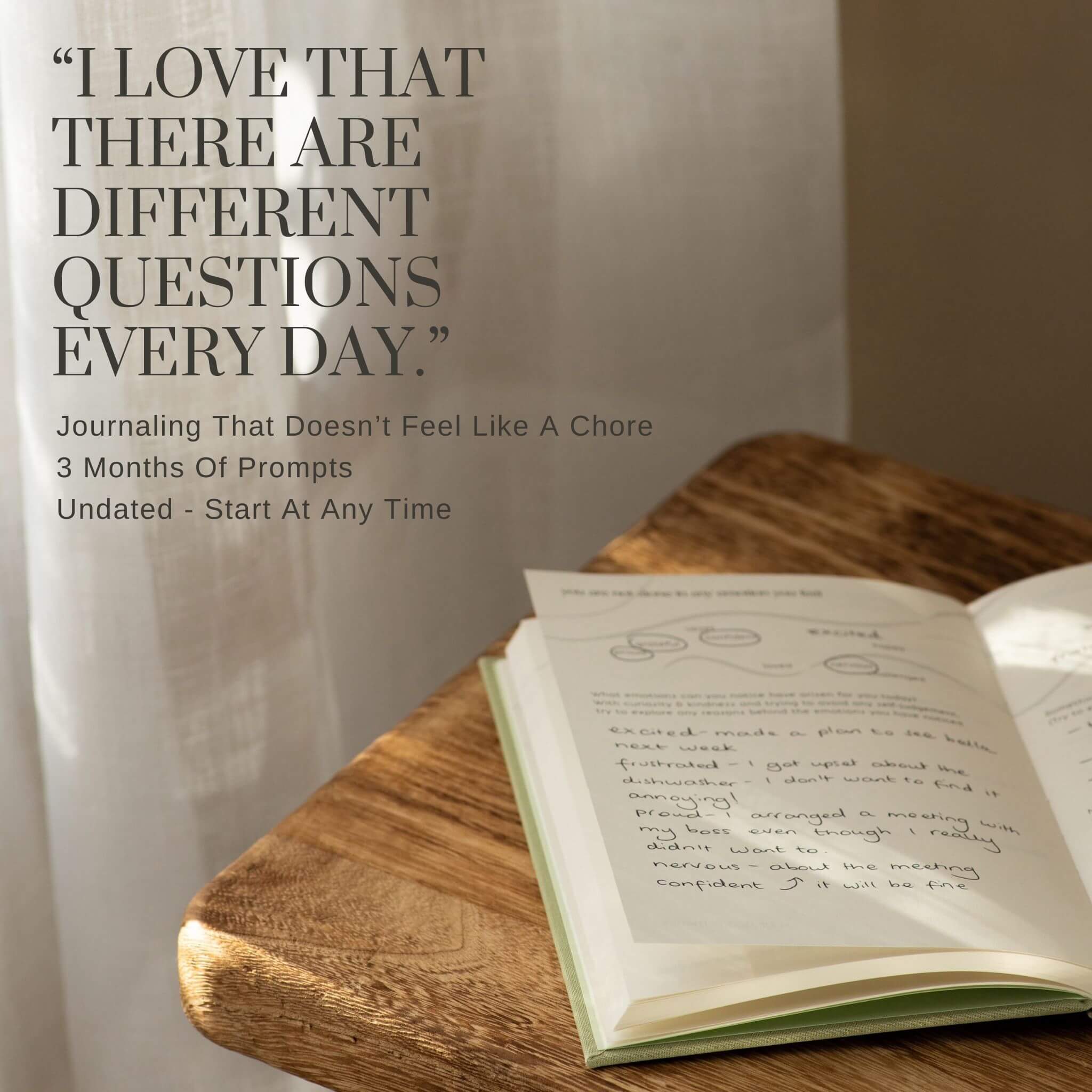
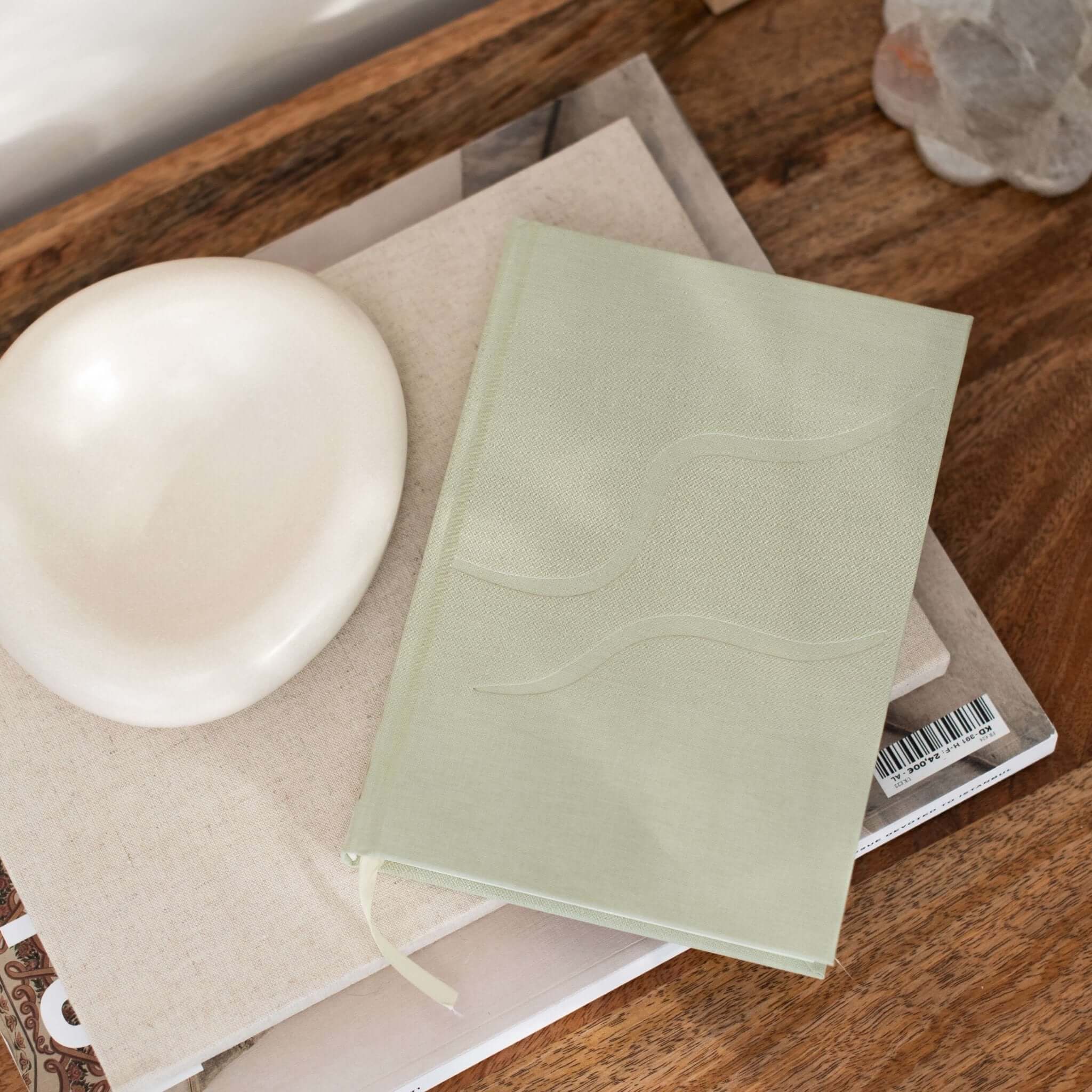
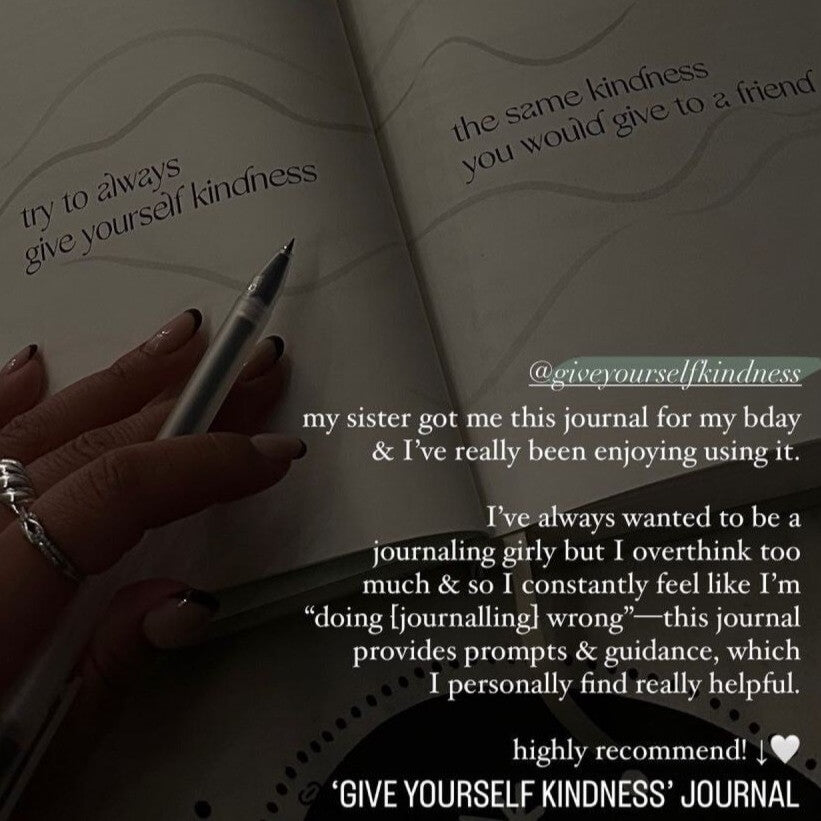
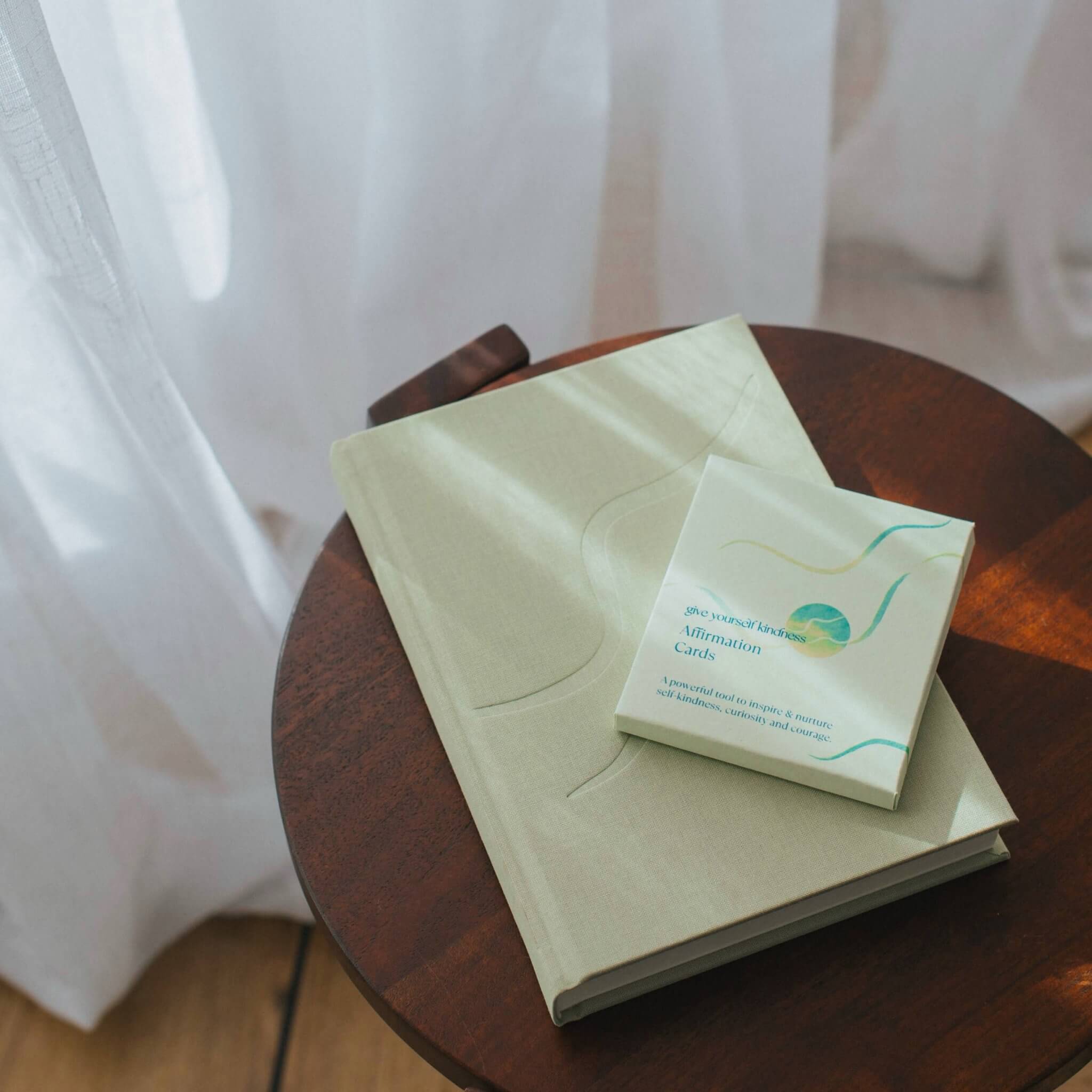
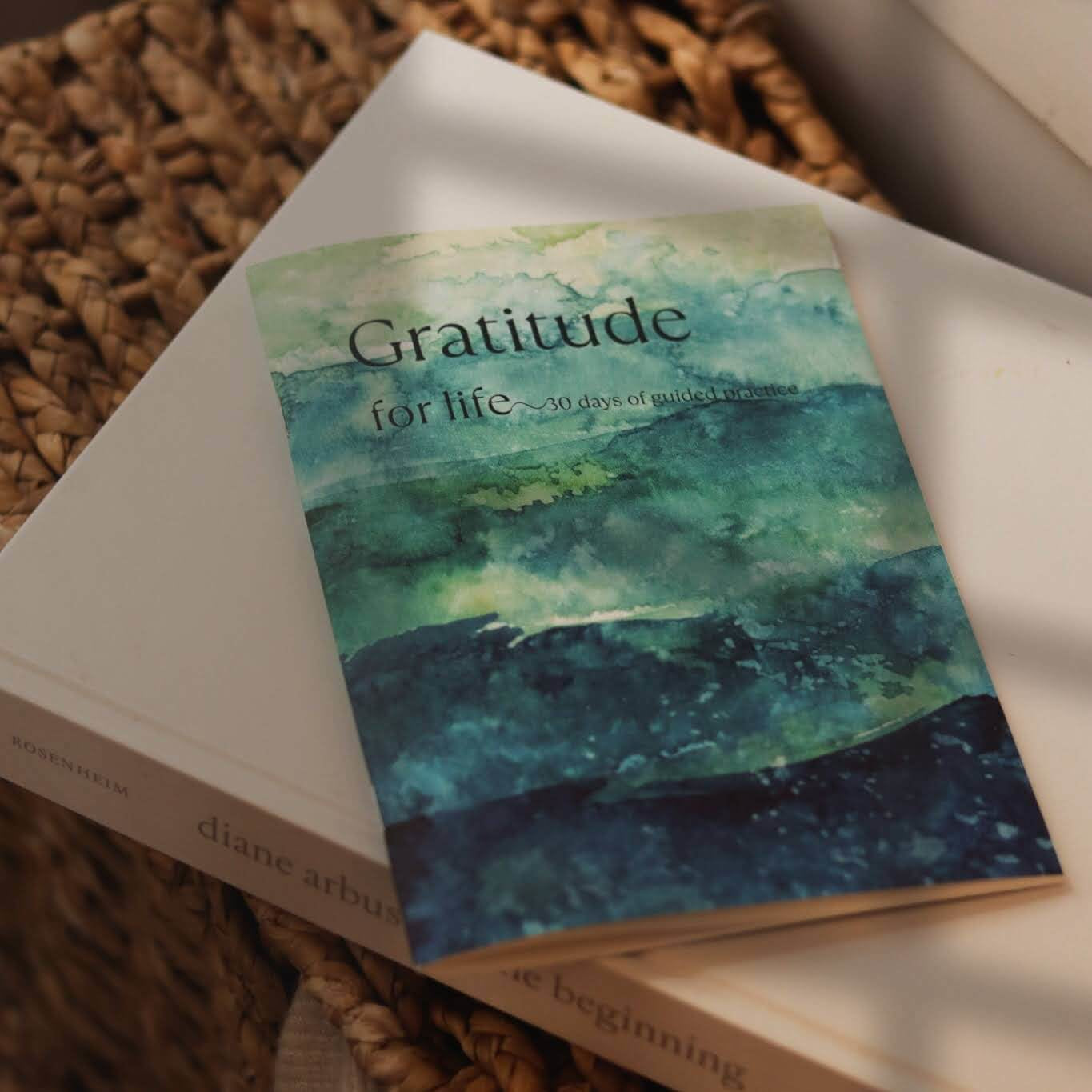
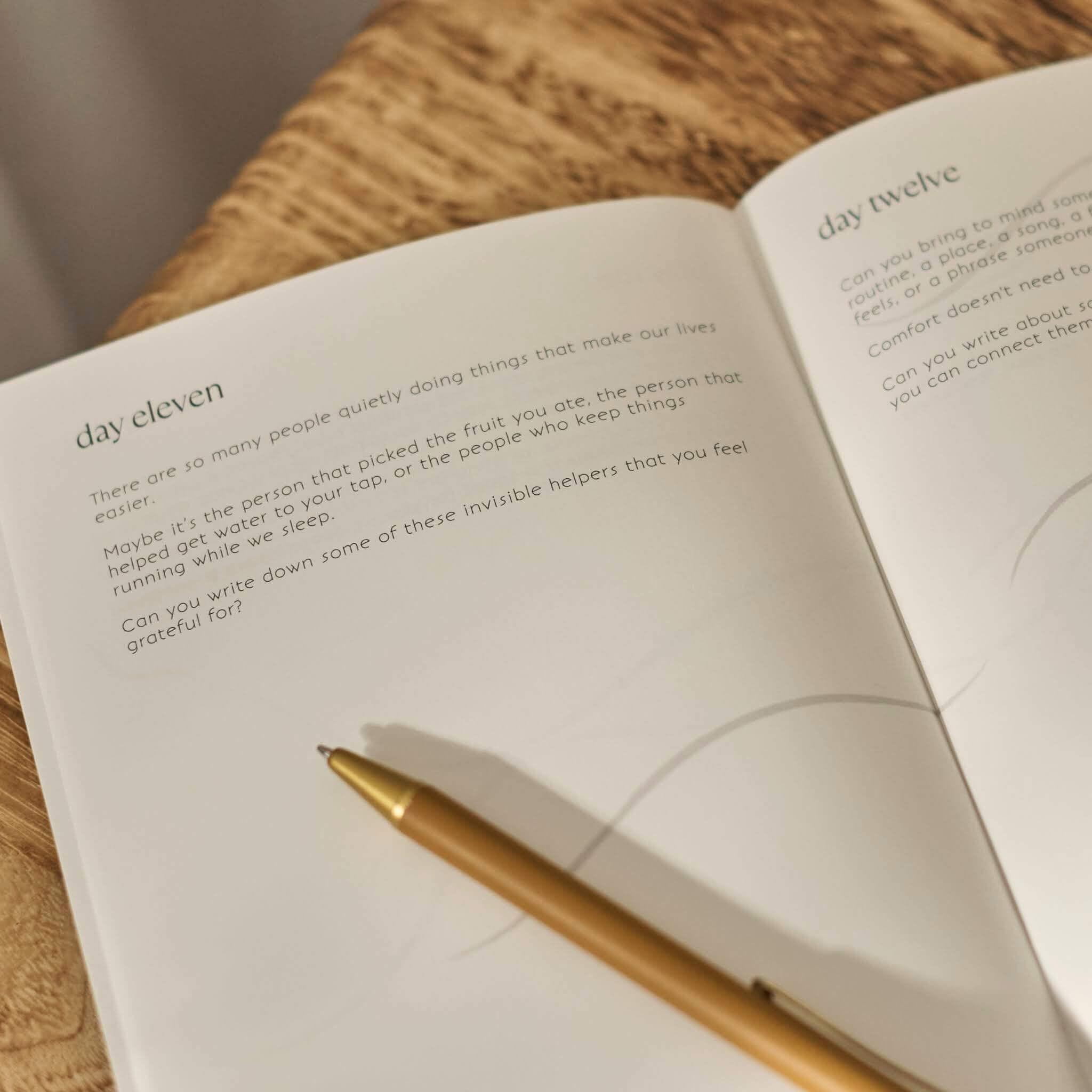
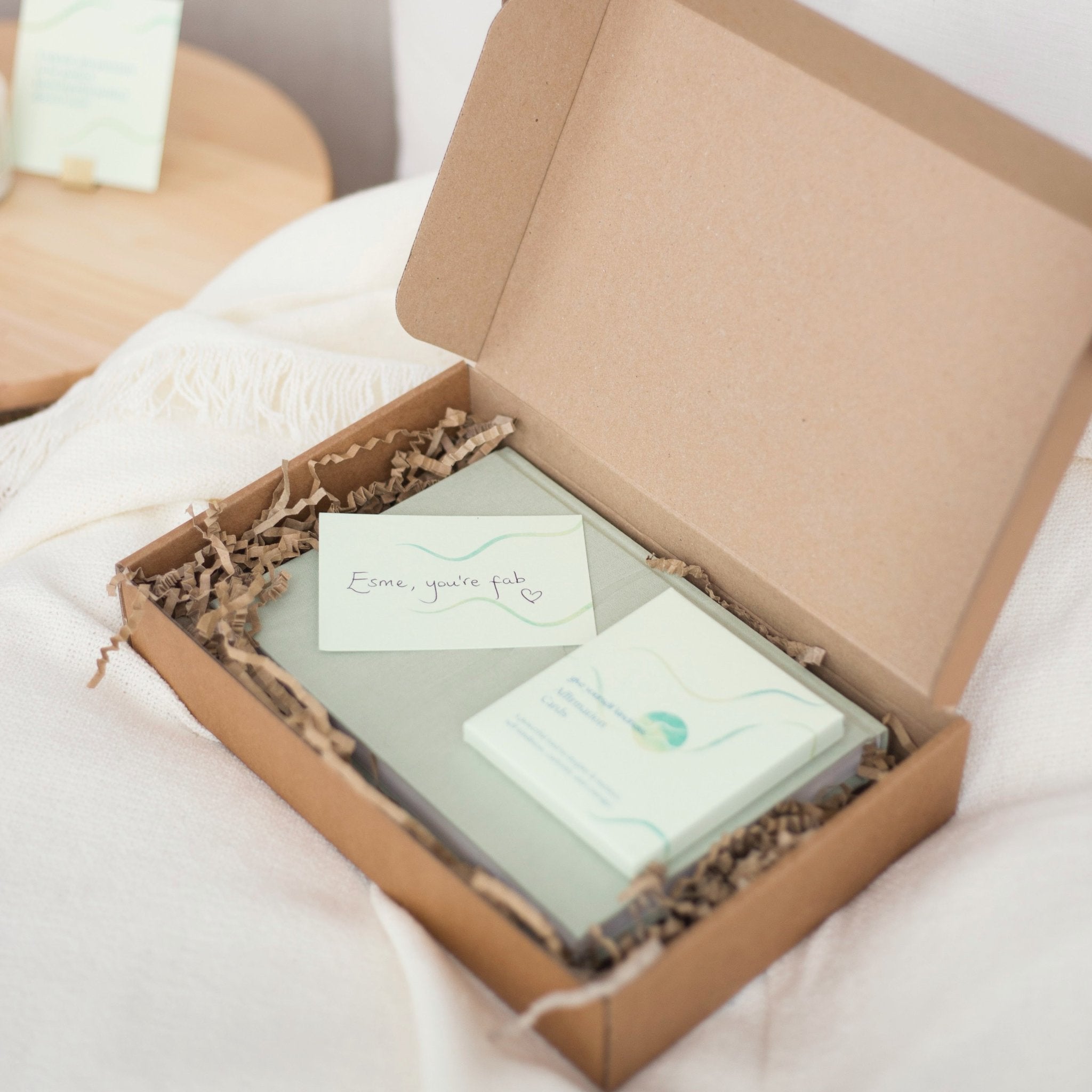
The cards paired with the Give Yourself Kindness Journal, so there's something for the days they want to write and something for the days they haven't got it in them. This pairing has more reviews than anything else we make, which tells you how often people choose it as a gift.
Why it works as a gift: the cards give an immediate, no-effort win on day one, and the journal is there when they're ready for more. Neither expires.
Added to your basket. View basket →

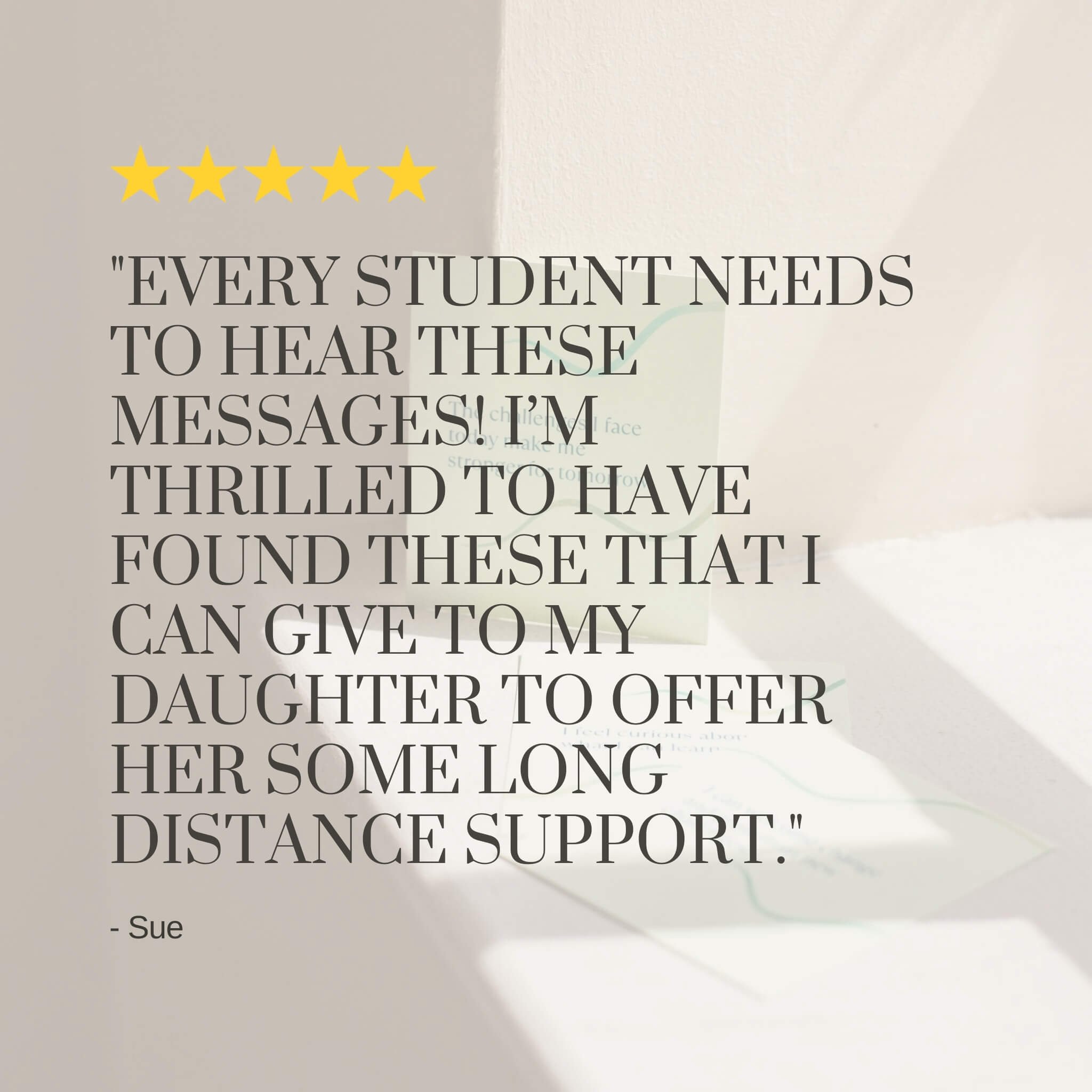
Student Affirmation Cards
For exam season, a first term away, or a teenager who's stopped talking about it
Written for the specific pressures of studying: confidence before an exam, permission to rest, and what to say to yourself after a paper that went badly. Small enough for a pencil case.
Added to your basket. View basket →
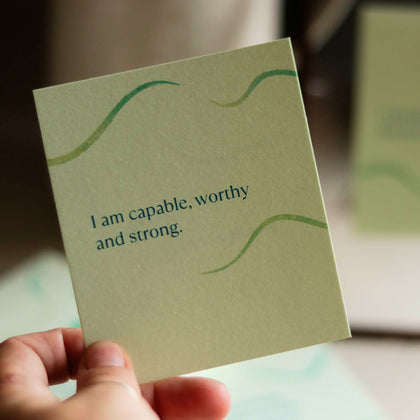
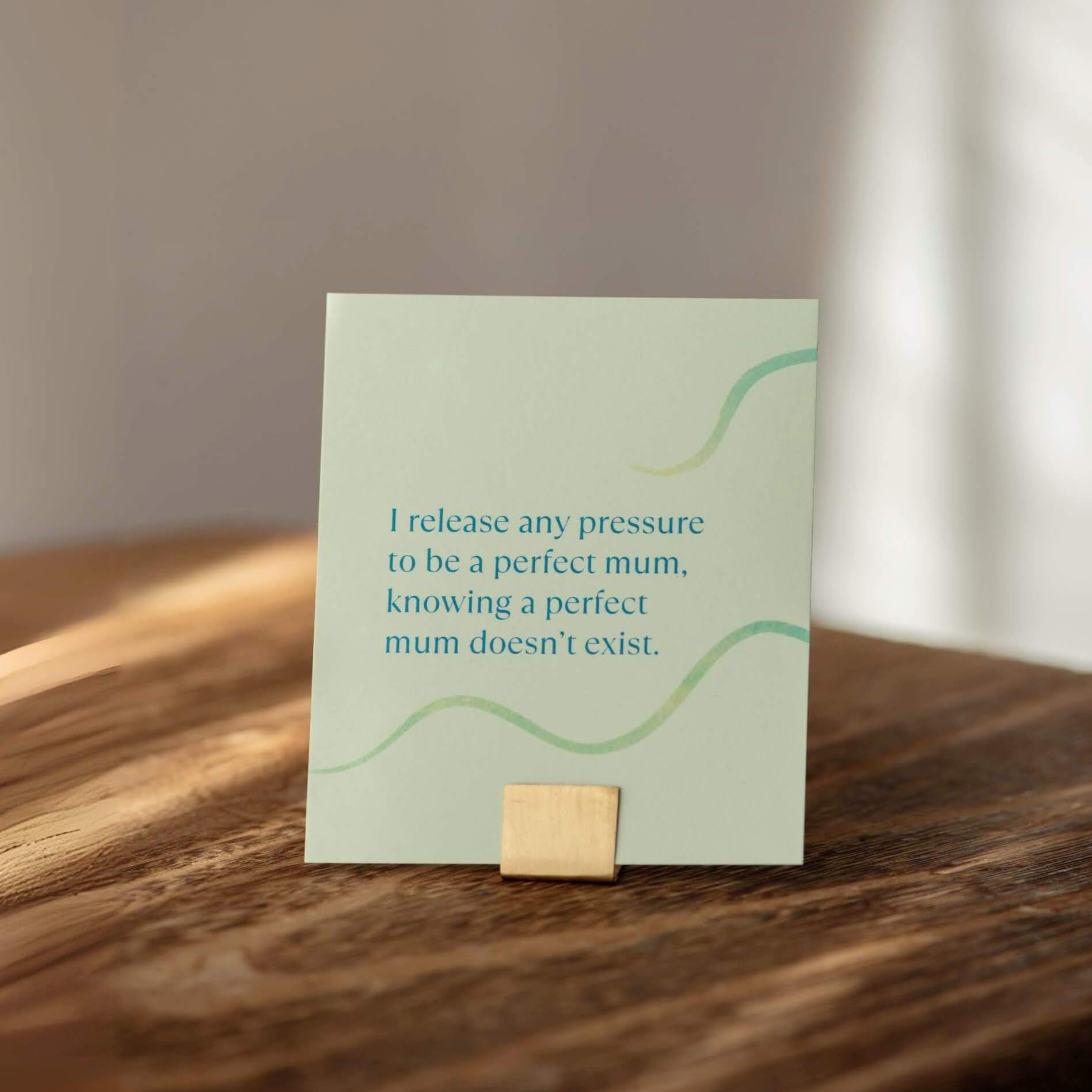
New Mum Affirmation Cards
For the fourth trimester, when every other gift is for the baby
Written for her rather than the baby, which is rarer than it should be. These acknowledge how hard it is instead of congratulating her on how blessed she must feel.
Added to your basket. View basket →
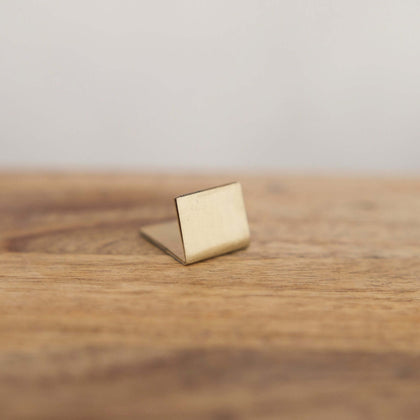
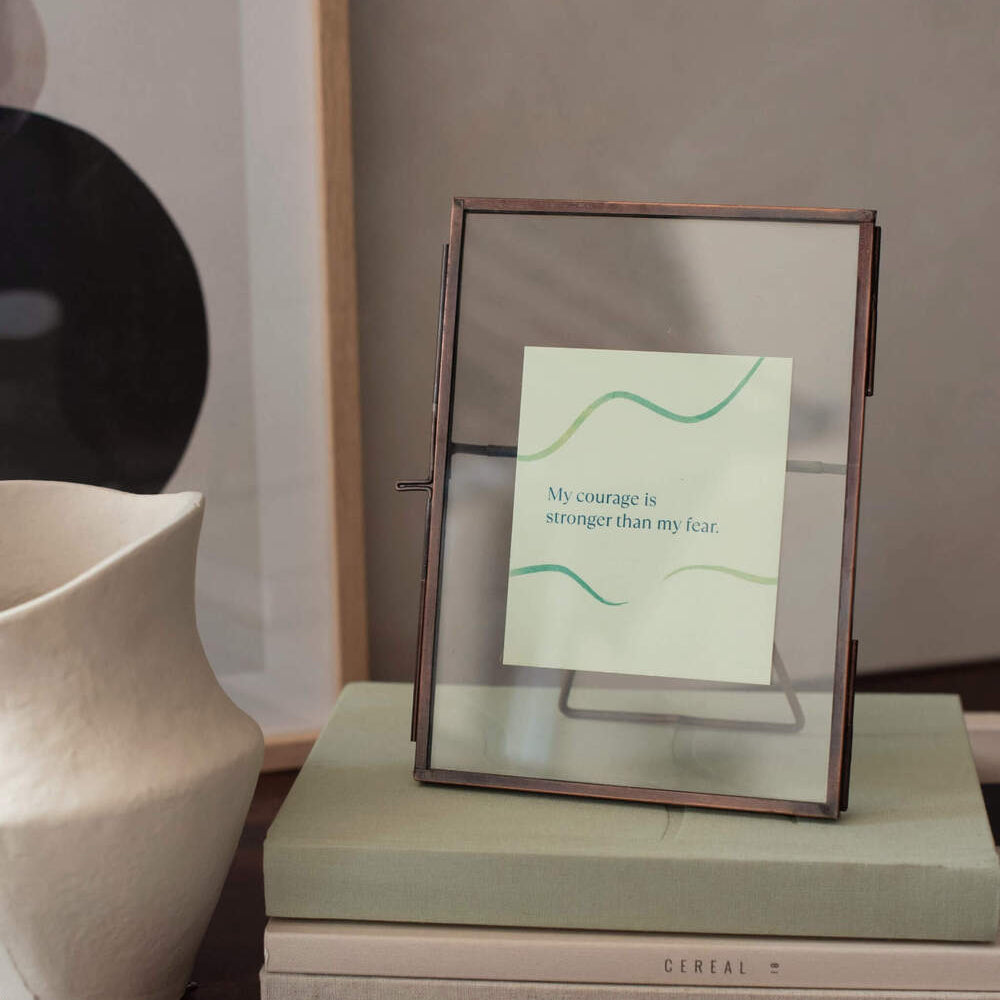
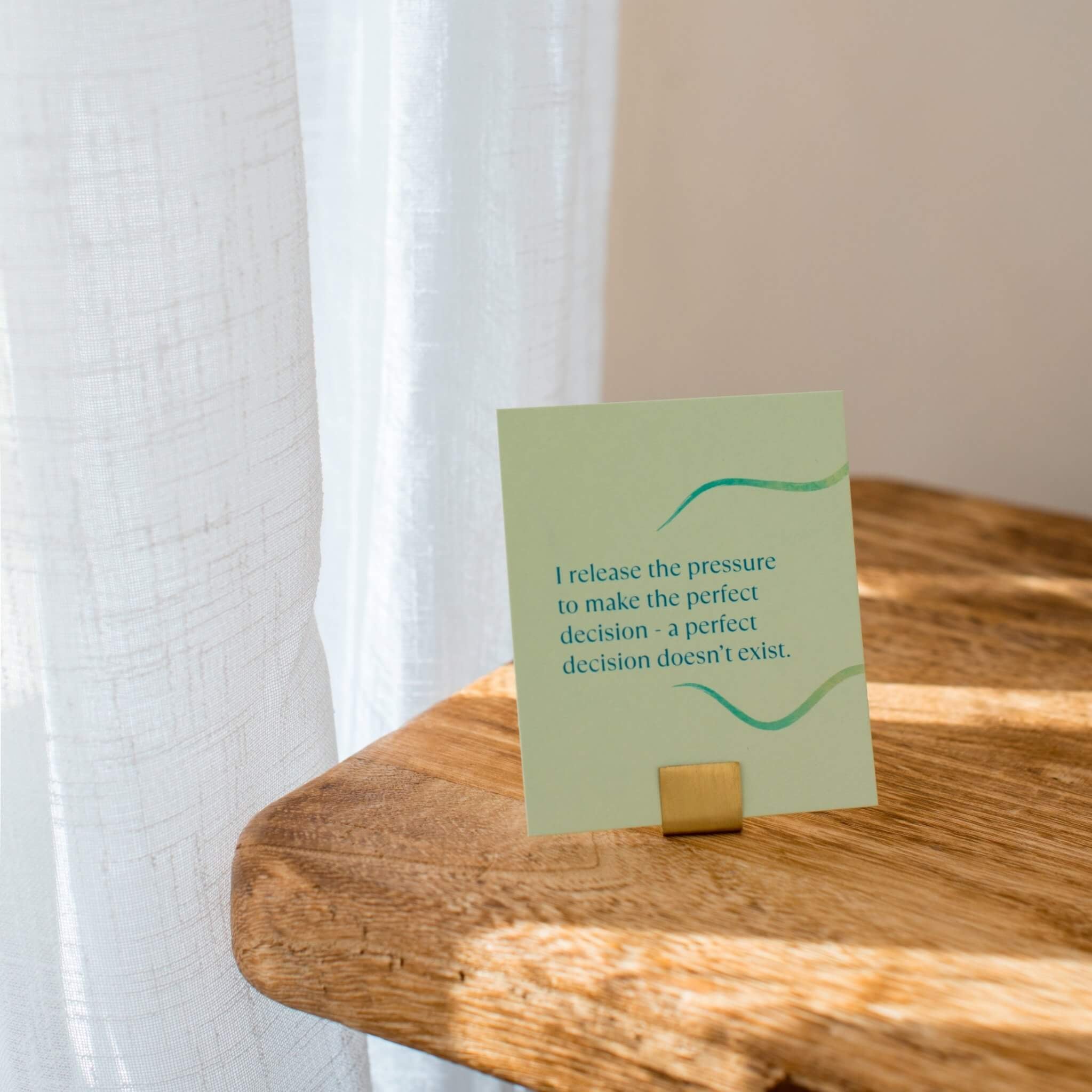
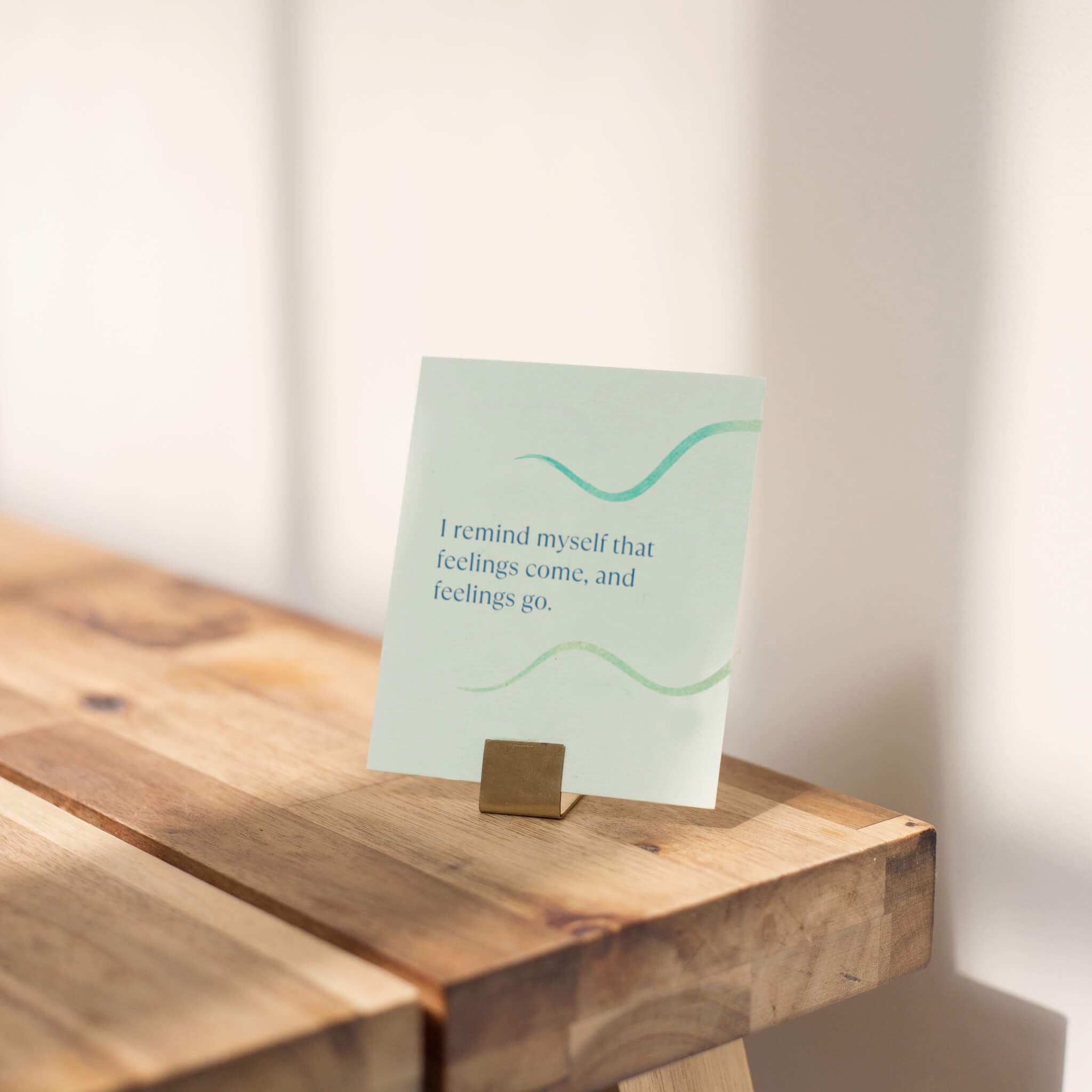
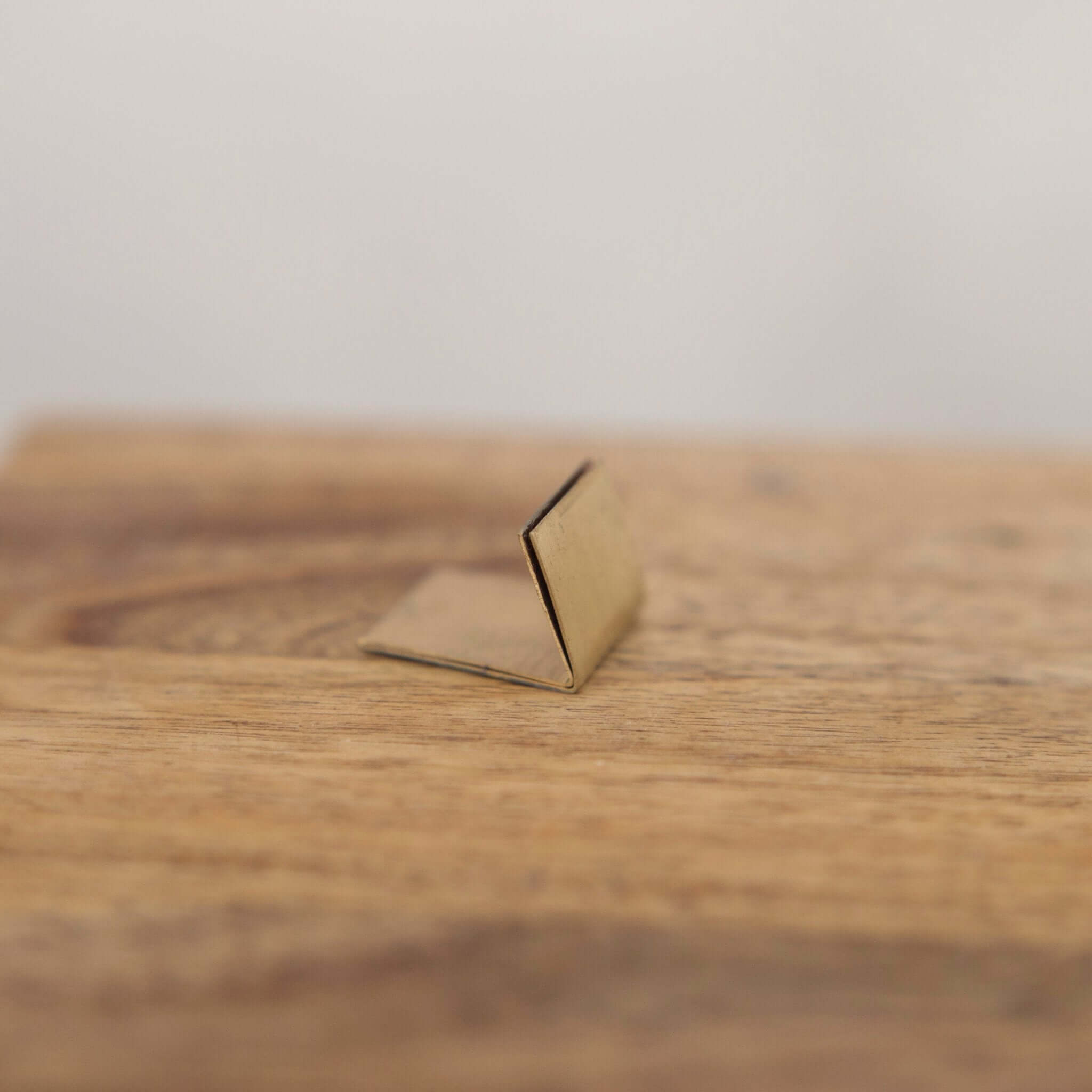
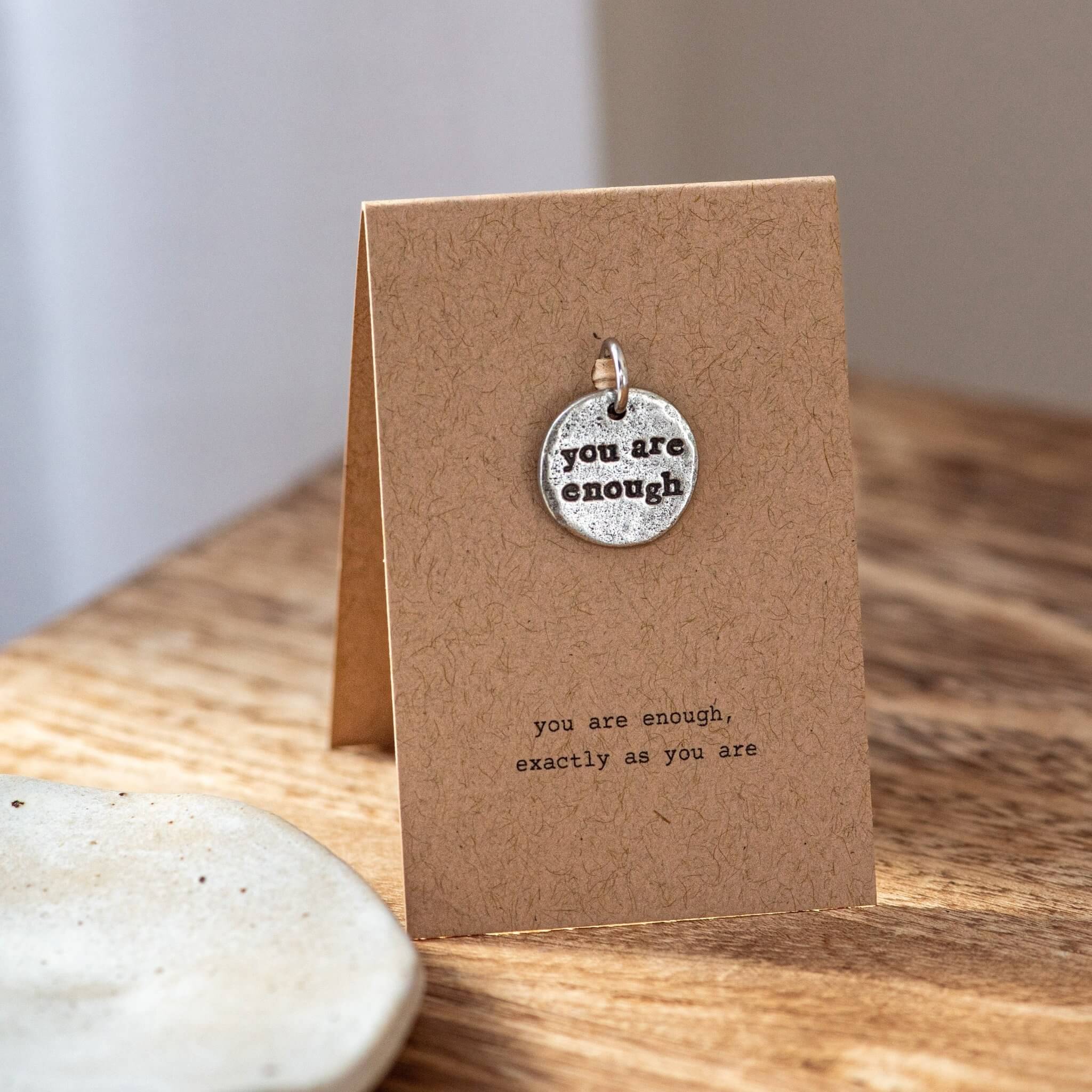
Affirmation Card Stand
The small thing that decides whether the cards actually get used
A card in a box gets looked at once. A card on a stand by the kettle gets read every morning without anyone having to remember to do it. If you're buying cards as a gift, this is the part that turns them into a habit, and it costs very little.
Added to your basket. View basket →
Which set for who
You don't know the details
The main deck. It covers the widest ground and assumes nothing about what they're going through.
You want it to feel substantial
The journal and cards together. One gift, two levels of effort, so they can choose which they've got energy for.
Exams, or a first term away
The student set, ideally with a stand so it stays on the desk rather than in a drawer.
A new baby
The new mum set. Everyone else is buying for the baby.
Why credible affirmations work and generic ones backfire
This isn't a matter of taste. There's a reason "you are amazing" lands badly on someone who's struggling, and it's been studied.
A 2009 study in Psychological Science found that positive self-statements helped some people but left others, particularly those with low self-esteem, feeling worse. When a statement sits too far from what someone currently believes, the mind rejects it, and the gap between what they're being told and what they feel gets wider. That's the mechanism behind the eye-roll.

Dr Jeffrey McDonnell
Clinical Psychologist, University College London
"For affirmations to work, they need to be developed and applied thoughtfully: how credible and realistic they feel, how personally meaningful they are, and how well they accommodate the ups and downs of life."
Credible, realistic, and able to accommodate a bad day. That's the specification these cards were written against, and it's why none of them make claims the reader has to agree with before the card works.
Read: Do affirmations really work? I asked 5 psychologists →Clinical psychologist Dr Annabelle Kyle Dortch puts the practical rule more simply in the same article: "Choose a statement that isn't a far departure from your current reality." If you're buying an affirmation gift and want one test to apply, that's it. Read a card and ask whether the recipient could argue with it. The best ones give them nothing to push against.
Common questions about affirmation gifts
Are affirmation cards a good gift?
They're a good gift when the wording is believable and a poor one when it isn't. A deck telling someone they're amazing will be quietly shelved by anyone having a hard year. A deck saying "I can't be perfect and I don't need to be" tends to get kept, because it doesn't ask them to agree to anything they don't feel.
What if they think affirmations are cheesy?
A lot of people do, usually because what they've seen is relentless positivity. It's worth saying in the note that these aren't that: no "good vibes only", nothing about manifesting, and permission to feel rubbish. Framing it as "these are the ones that don't make you cringe" does more work than the gift itself.
What's the difference between these and the ones in gift shops?
Mostly the direction they point. Generic affirmations assert a state the reader is supposed to already be in. Self-compassion affirmations acknowledge the difficulty and offer a kinder response to it, which is what makes them usable on the days people actually reach for them.
How do you actually use affirmation cards?
Pull one in the morning and leave it somewhere visible rather than putting the deck away. Repetition is what does the work, and visibility is what produces repetition. That's why a stand matters more than it looks like it should. There's a fuller guide in how to use affirmation cards.
Which set should I buy if I don't know what they're going through?
The main deck. It covers self-criticism, perfectionism, courage and rest, so it doesn't assume a diagnosis or a situation. The specific sets are better when you know the context, such as exams or a new baby, and worse when you're guessing.
Is an affirmation gift enough on its own?
For a birthday or a thank-you, yes. If someone is genuinely struggling, no single object is enough, and it's better treated as a way of saying you're thinking of them than as a solution. Turning up repeatedly matters more than anything you can post.
Affirmation gifts that don't make people cringe
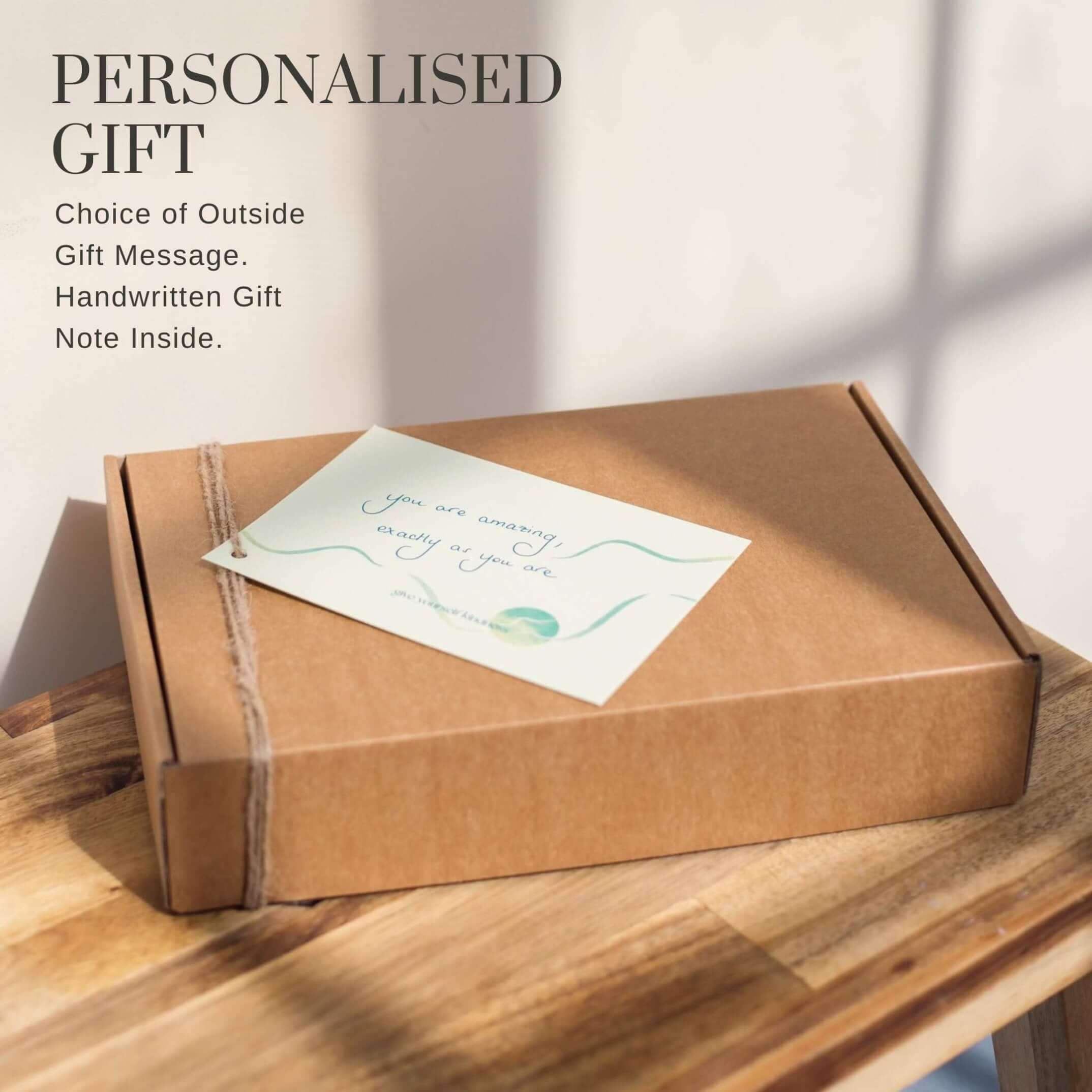
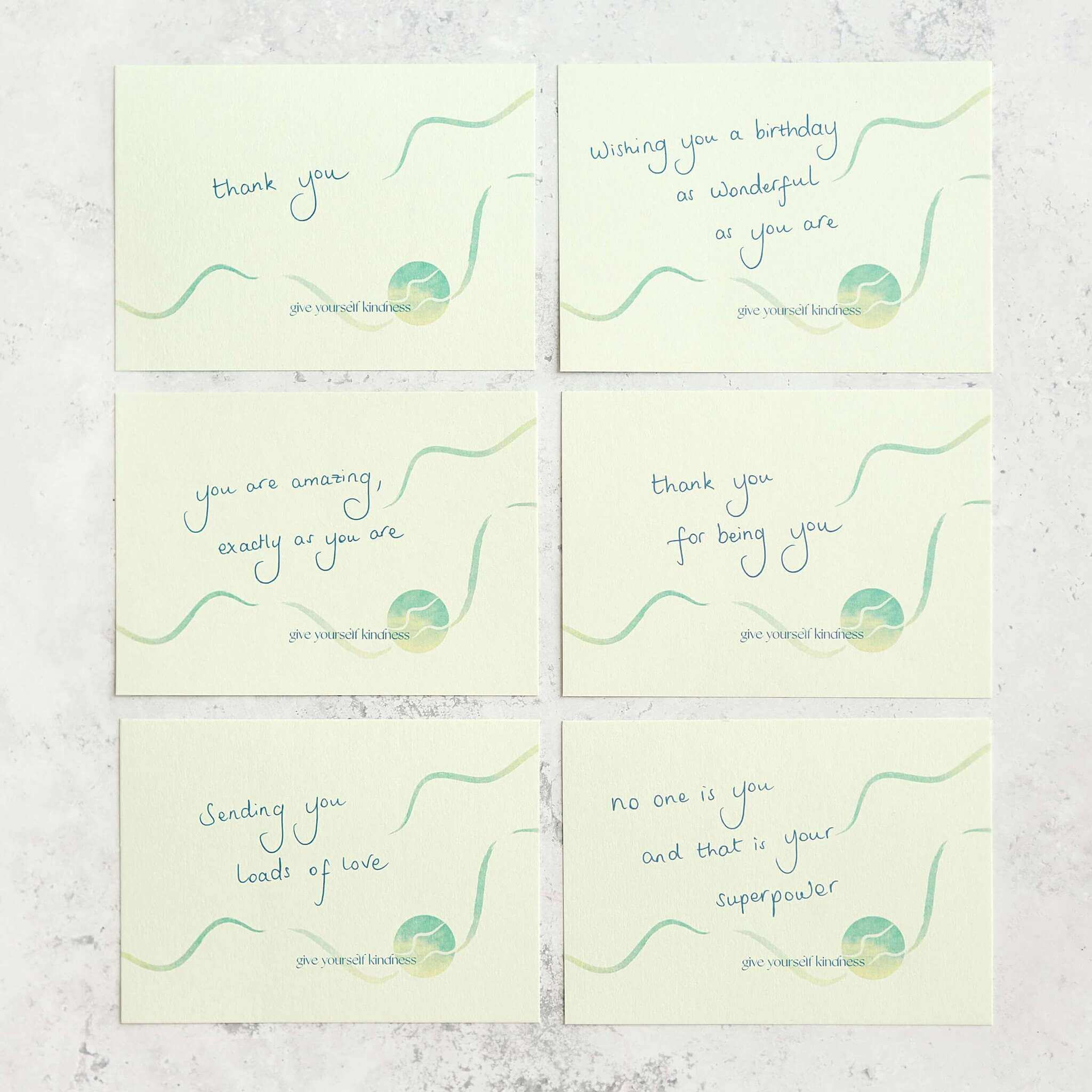
Therapist-recommended, built on self-compassion research. From £13.95, with a free handwritten note.
See the affirmation gifts →