

Last Updated: 14 August 2026 | By: Rachel Smith, DipBSoM (Qualified Meditation Teacher)
Which mindfulness journal is best?
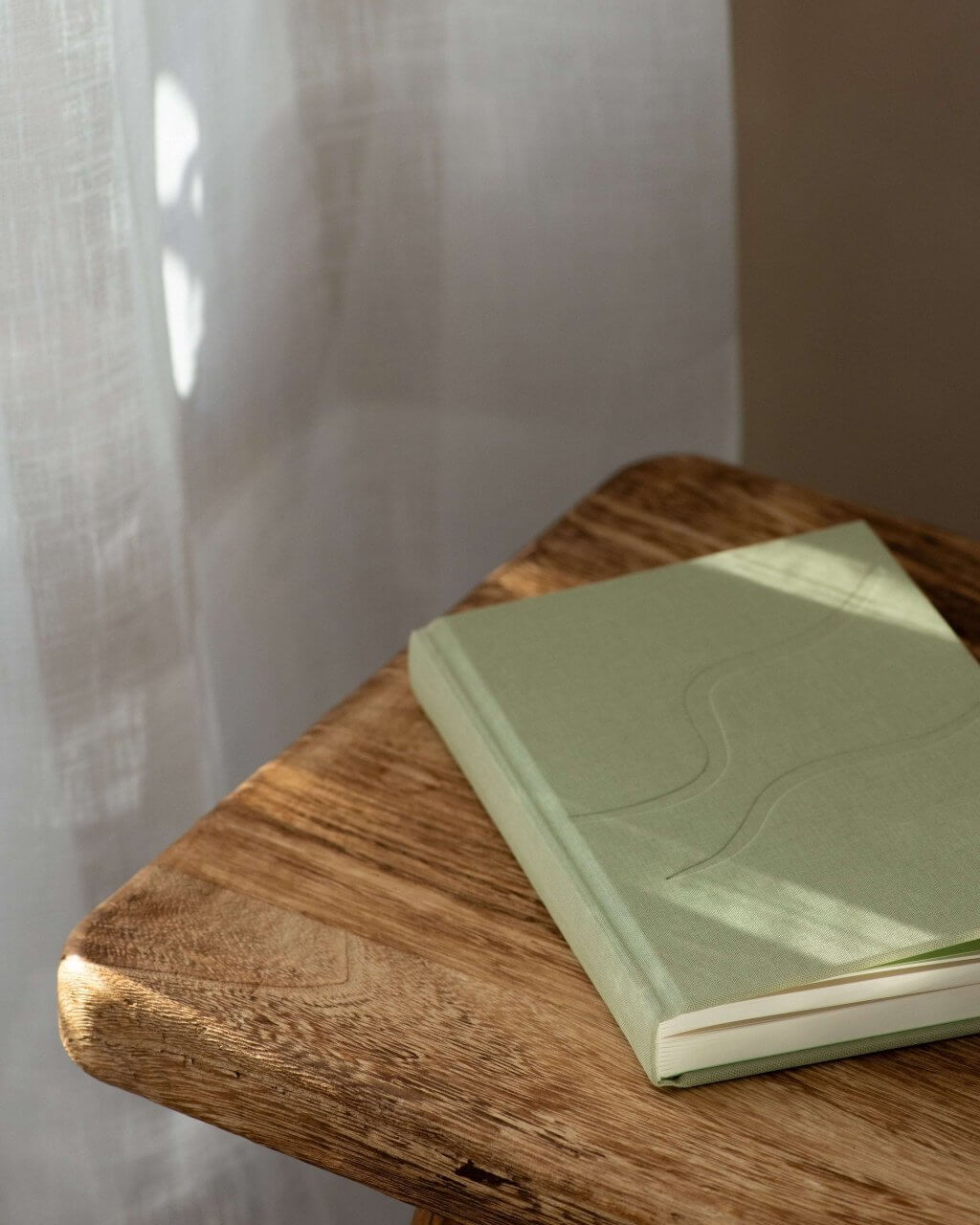
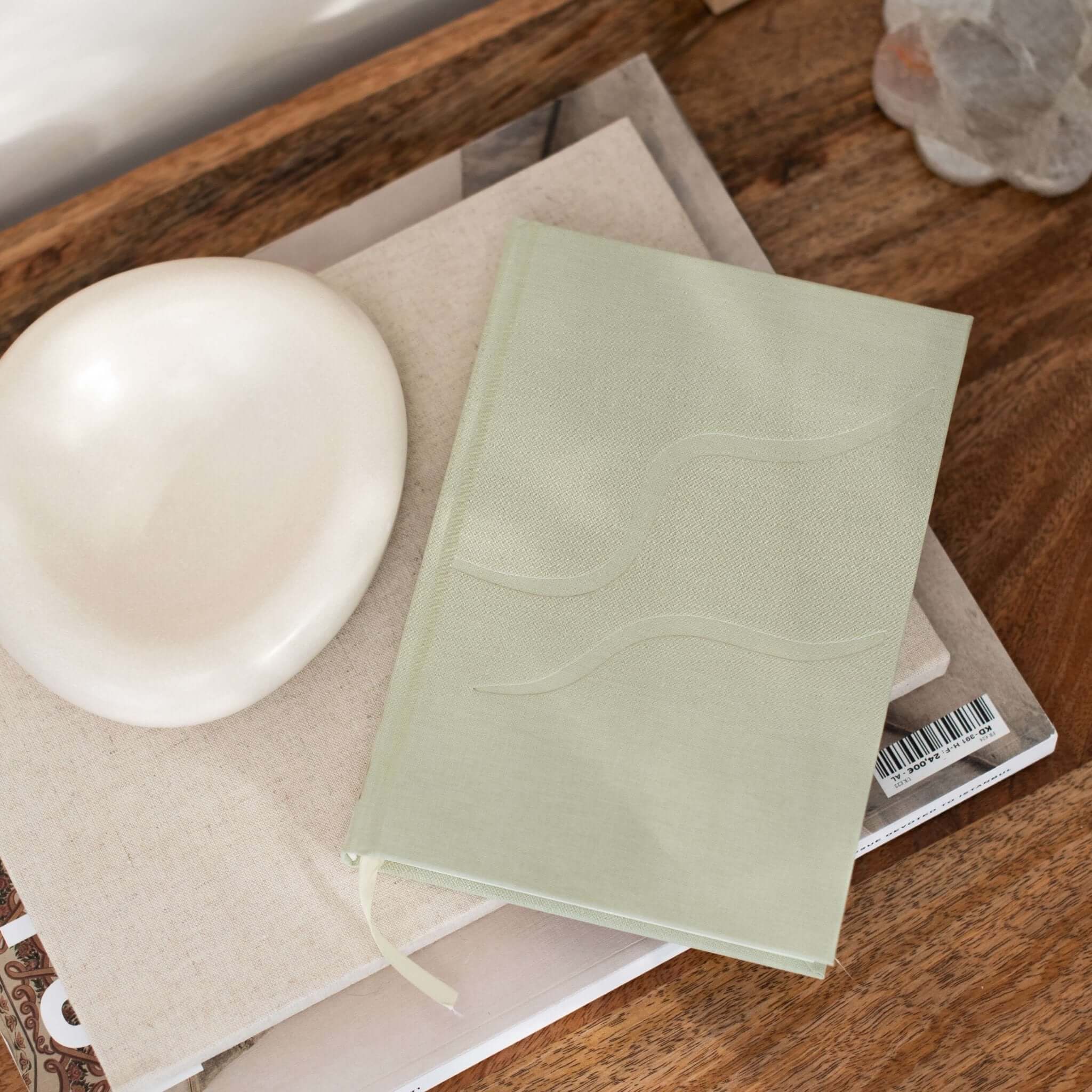
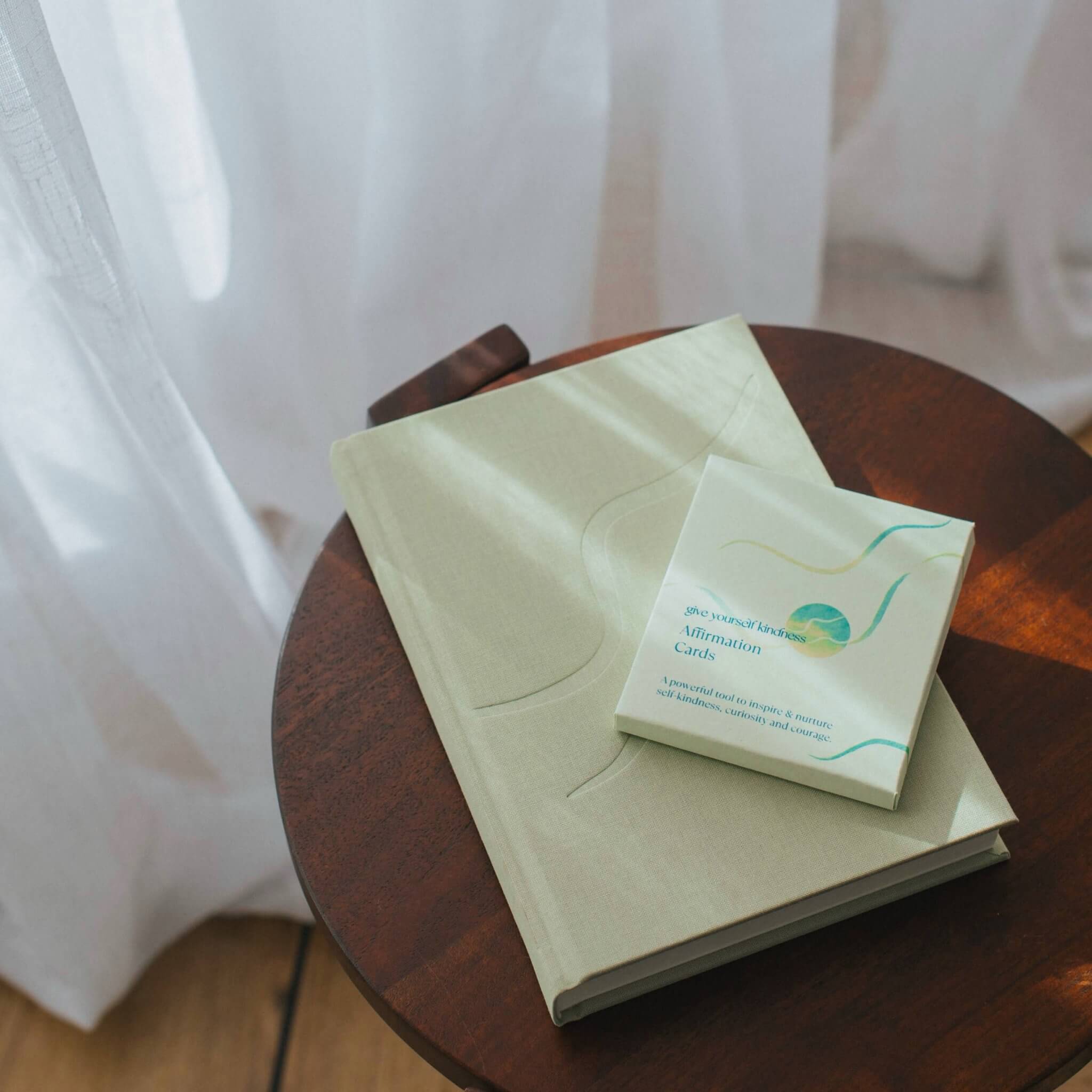
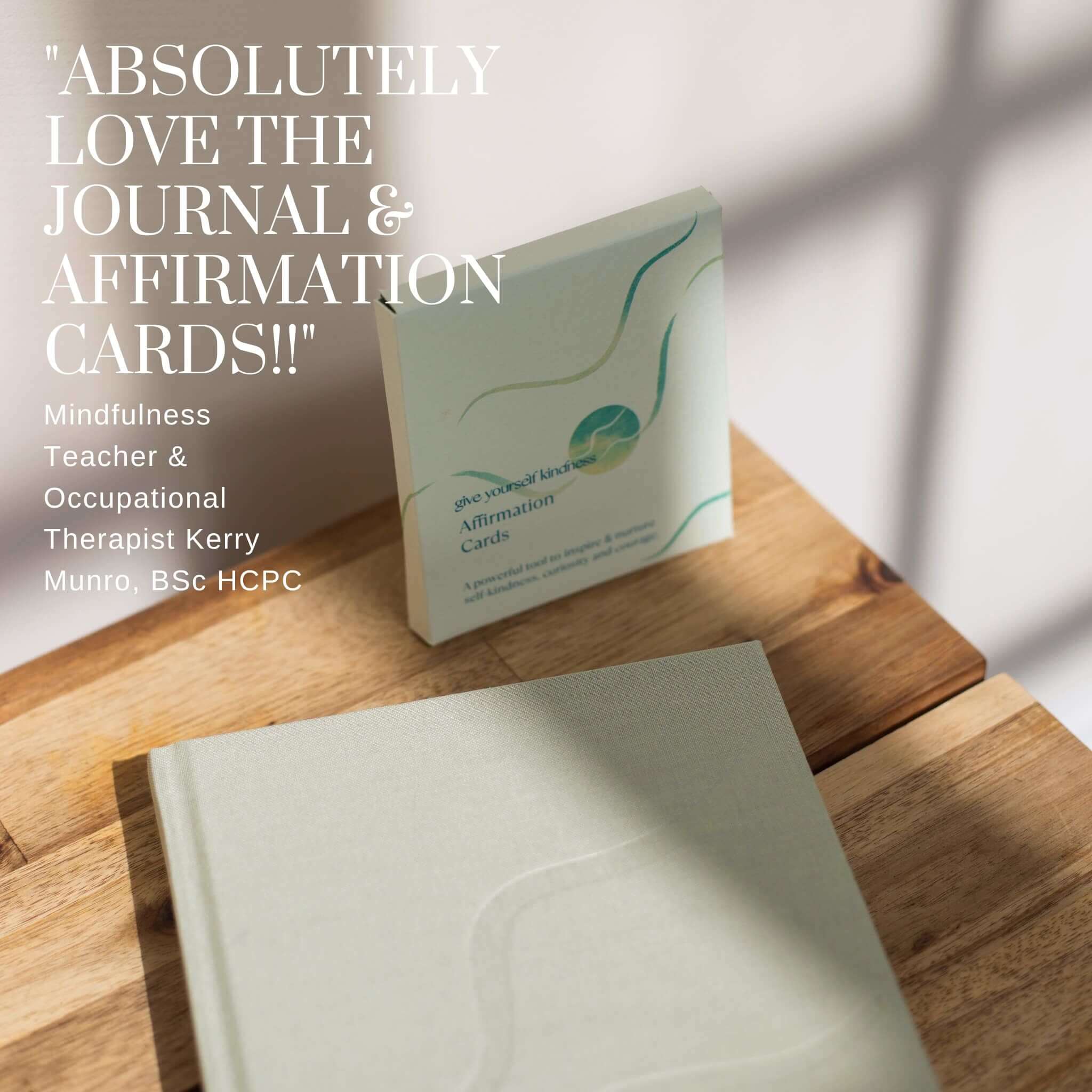
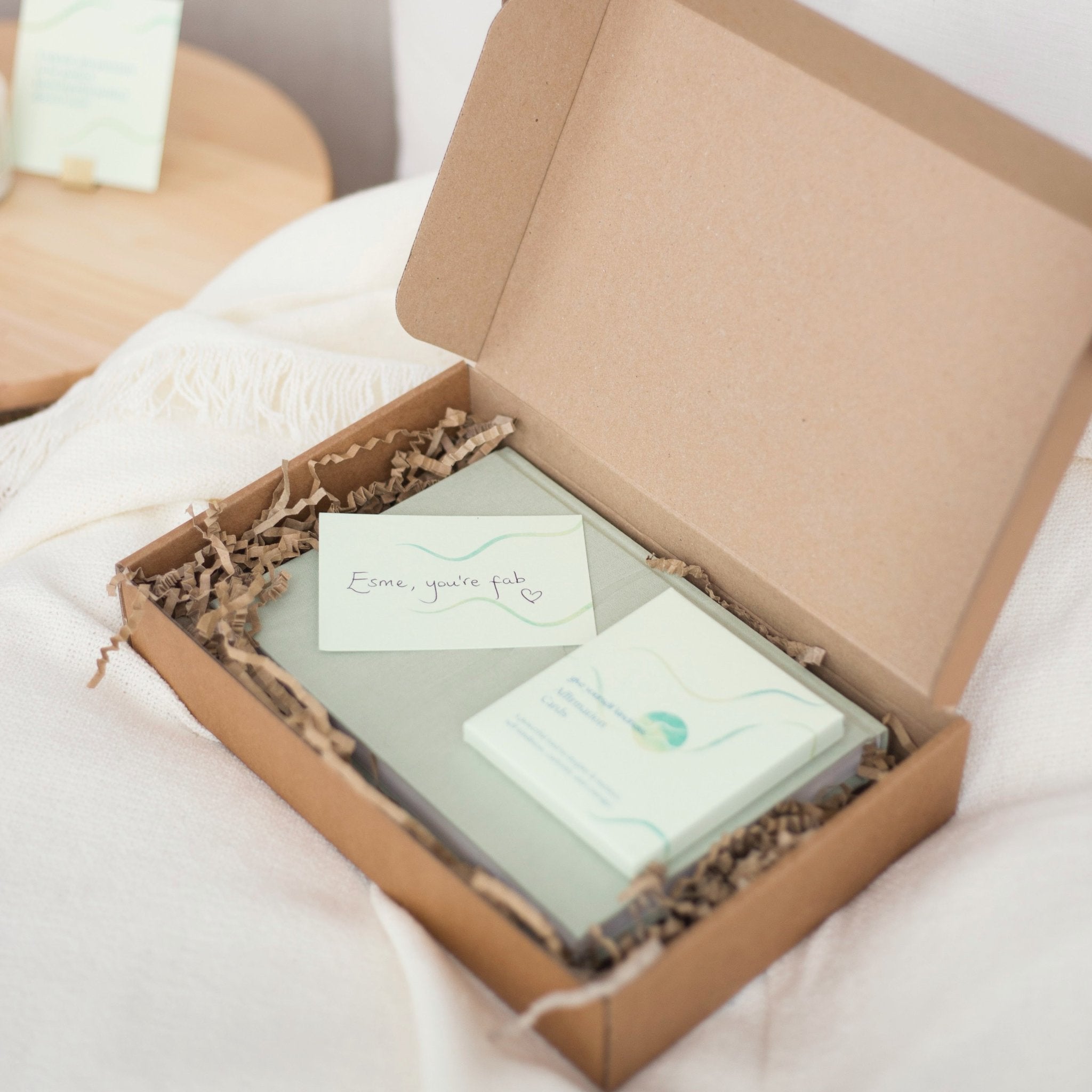
The Give Yourself Kindness Journal
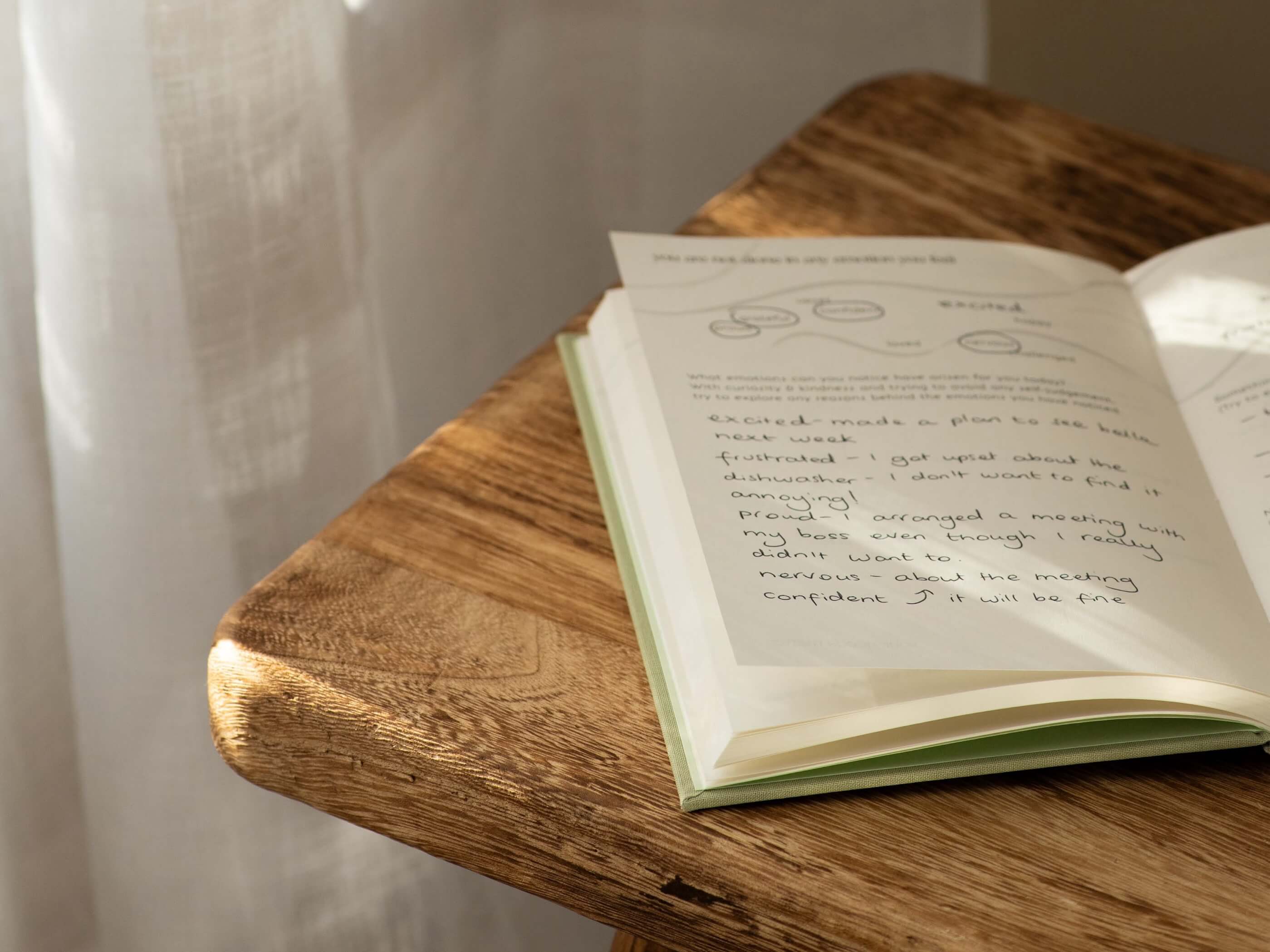
Why it's different: Designed by a qualified meditation teacher (DipBSoM), and since read and recommended by clinical psychologists from Harvard Medical School (Dr. Chris Germer) and the University of Oxford (Professor Willem Kuyken). Every page includes an emotional awareness tool, not just gratitude lists, and it integrates the self-compassion research that makes a mindfulness practice sustainable rather than another thing to get right.
Best for: Anyone who wants a mindfulness journal genuinely grounded in clinical psychology, not just marketed with the word "mindfulness." Works well for both complete beginners and people with an existing meditation practice.

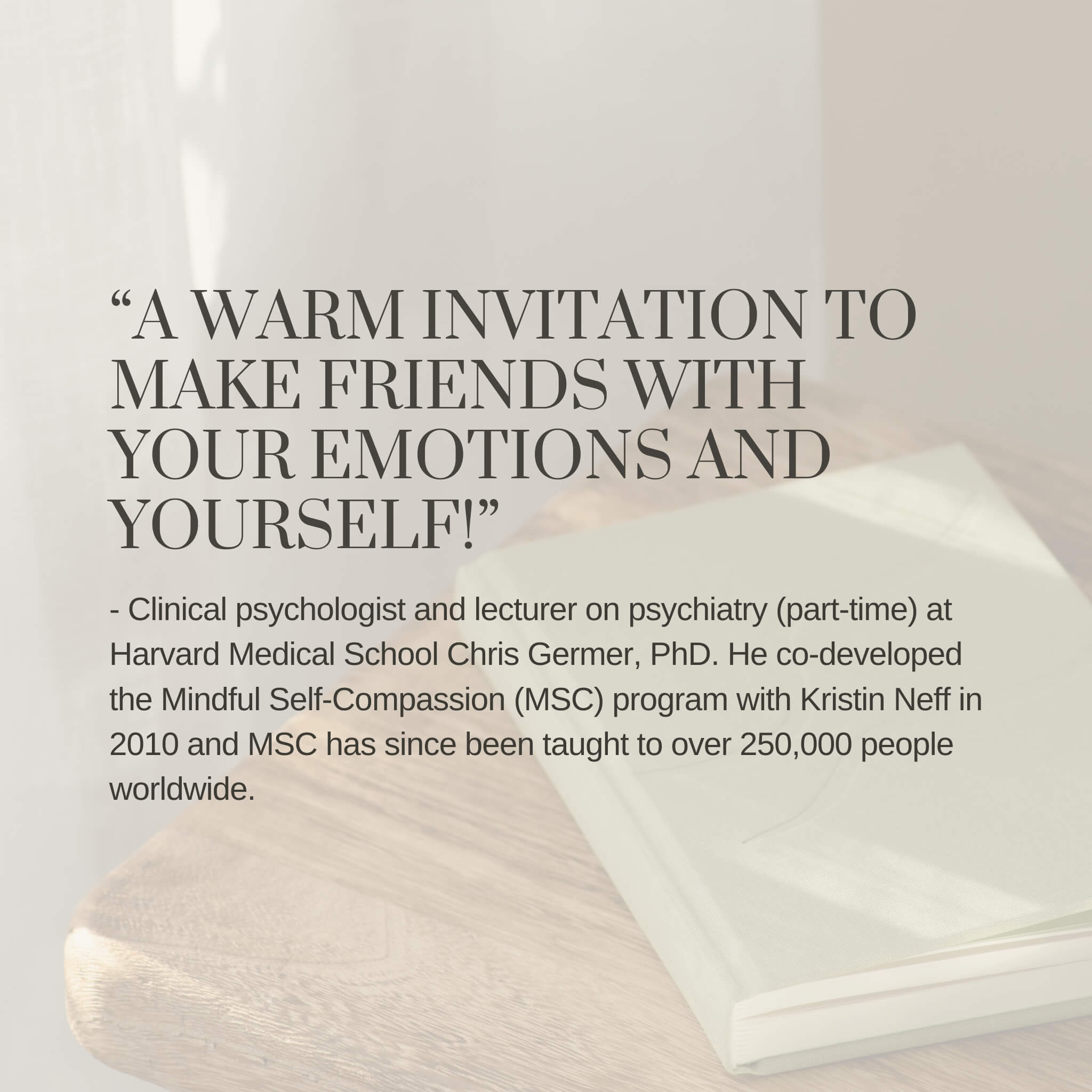
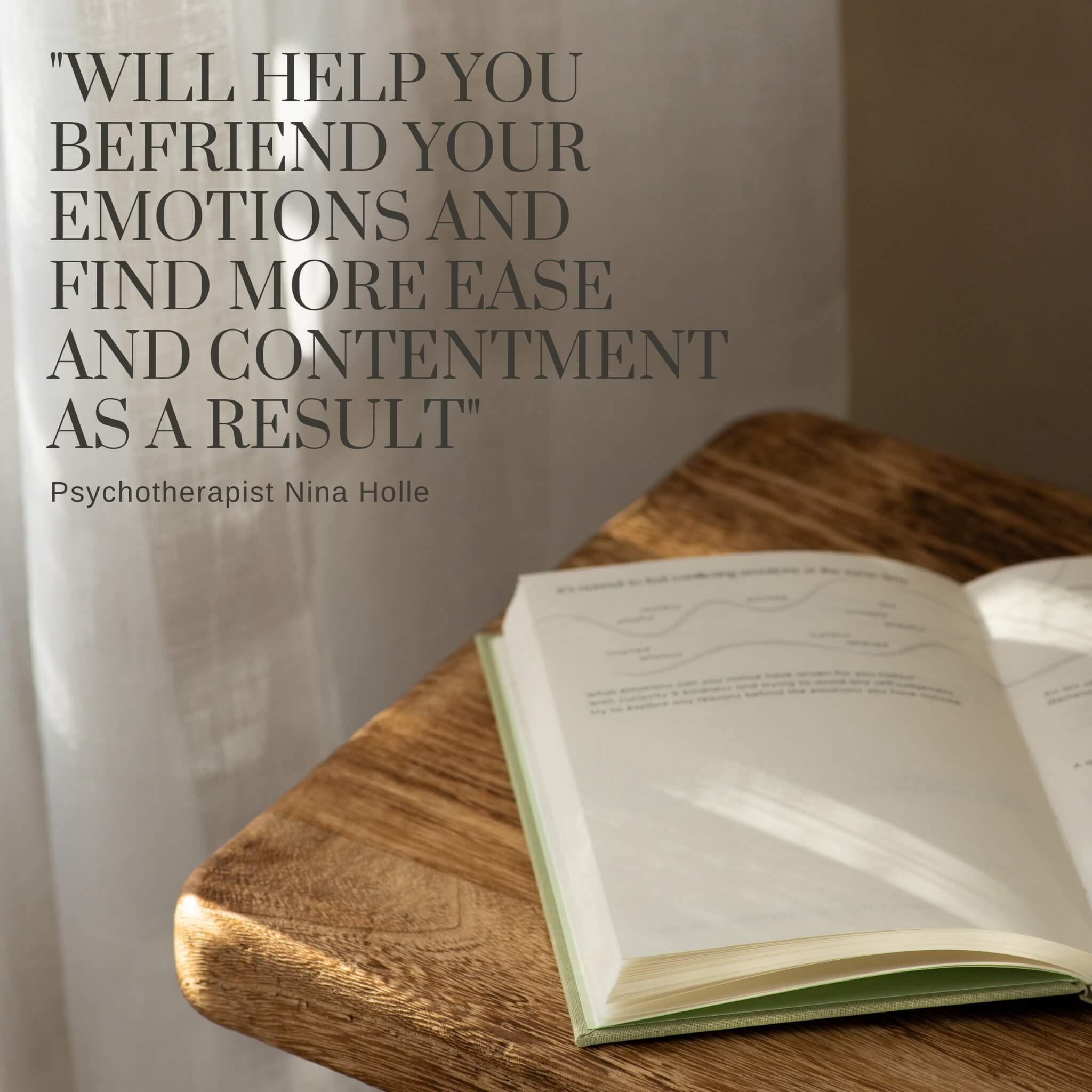
"A warm invitation to make friends with your emotions and yourself!"
Dr. Chris Germer, PhD Clinical Psychologist, Harvard Medical School | Co-developer of Mindful Self-Compassion (MSC) programGood alternatives if you want a different approach:
The Five Minute Journal — best if you want the same short gratitude prompt every morning and evening, and you like the consistency of repetition.
A blank notebook — best if you already have a mindfulness practice and just want space, not structure.
About this guide: I'm Rachel Smith, a qualified meditation teacher (DipBSoM, British School of Meditation, distinction). After Compassion-Focused Therapy helped my own mindfulness practice, I went looking for a journal that reflected what clinical psychologists actually recommend: emotional awareness tools, self-compassion woven throughout, and enough variety that it doesn't turn into autopilot.
When I couldn't find one, I created it. The Give Yourself Kindness Journal has since been read and recommended by Dr. Chris Germer (Harvard Medical School) and Professor Willem Kuyken (University of Oxford), and is now used by therapists with their clients worldwide.
New to the idea and want to understand what actually makes a journal "mindfulness" before you compare options? Start with What Is a Mindfulness Journal? — then come back here when you're ready to choose.
Full transparency: I'm recommending my own journal in this guide because I believe it's the most genuinely mindfulness-based option available, but I've done my best to represent the alternatives fairly, including who they're a better fit for than mine. You know your own situation better than I do.
Why trust this comparison?
This guide brings together three perspectives you won't find elsewhere:
I'm a qualified meditation teacher (DipBSoM, British School of Meditation, distinction). I've spent time with a range of mindfulness journals through my own practice and teaching, and I understand the difference between what genuinely supports mindfulness and what just borrows the word.
The Give Yourself Kindness Journal has been read and recommended by leading clinical psychologists:
- Dr. Chris Germer, PhD — Clinical Psychologist, Harvard Medical School | Co-developer of Mindful Self-Compassion (MSC) program
- Professor Willem Kuyken, PhD — University of Oxford | Top 1% most cited scientists globally
- Dr. Chris Irons — Clinical Psychologist | Compassion-Focused Therapy specialist
Accredited counsellors and therapists use The Give Yourself Kindness Journal with their clients between sessions. This means it's tested in real therapeutic settings, not just marketed with generic wellness claims.
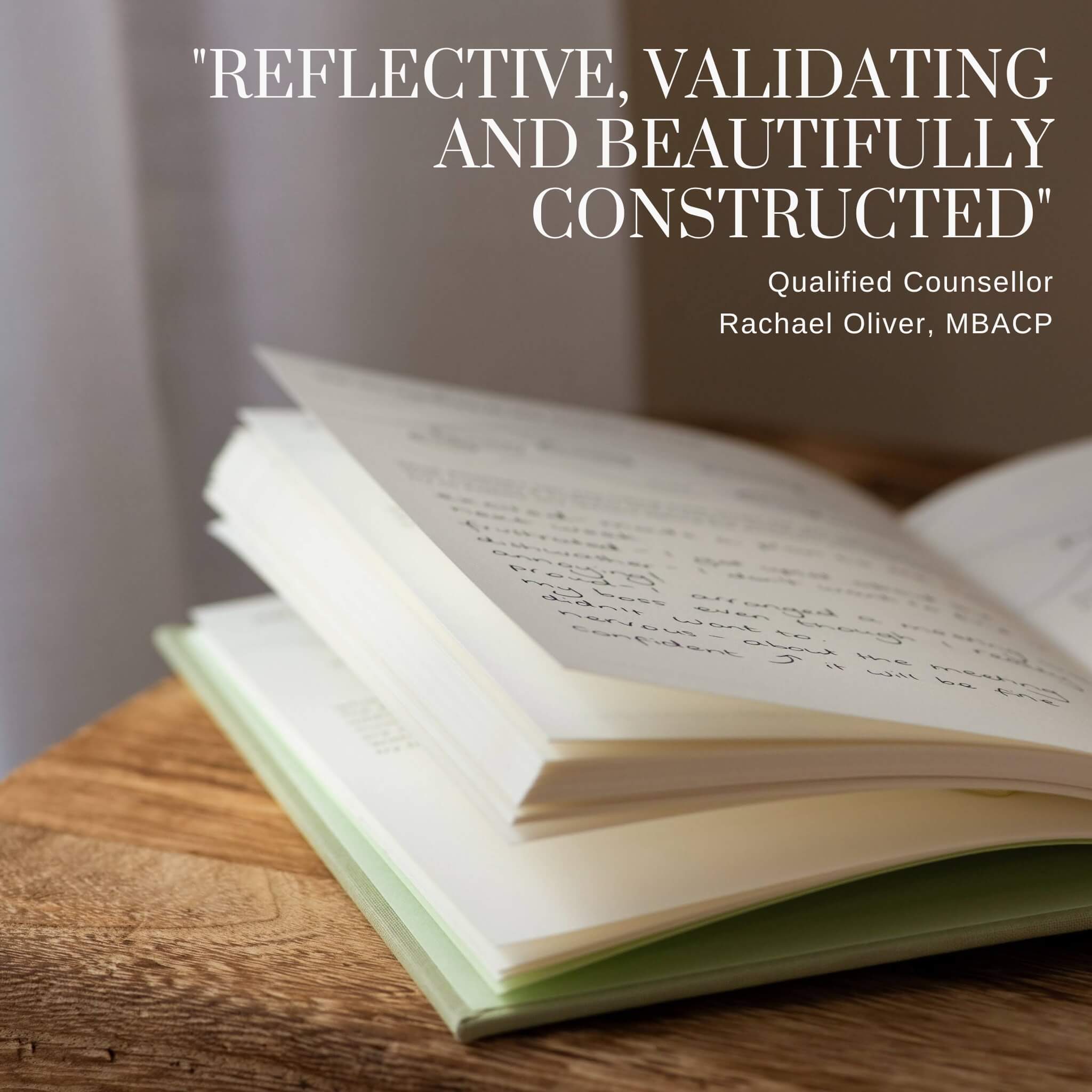
"I love using these beautiful journals with clients throughout their counselling journeys. An absolutely essential tool for helping build self awareness, compassion, reflect on things happening between sessions." — Rachael Oliver MBACP, Accredited Counsellor
Mindfulness journals compared at a glance
| Journal | Best For | Key Feature | Expert Backing | Price |
|---|---|---|---|---|
| Give Yourself Kindness | Genuine mindfulness practice with emotional awareness | 90 days of varied prompts across 224 pages, plus an emotion tool on every page | Harvard, Oxford, CFT experts | £28.95 |
| Five Minute Journal | Quick, consistent daily gratitude routine | Same prompts morning & evening, undated | — | ~£30 |
|
The Mindfulness Journal for Anxiety by Tanya J. Peterson |
Anxiety-specific mindfulness prompts | Daily prompts and practices aimed at anxiety relief | — | ~£12 |
|
My Mindfulness Journal by Anna Black, CICO Books |
Guided mindfulness exercises with a gentler structure | Writing, drawing & meditation exercises throughout | — | ~£12 |
| Blank Notebook | Complete creative freedom | Fully customizable | — | £5-15 |
Note: Give Yourself Kindness is the only one of these designed by a meditation teacher and since recommended by clinical psychologists — but that doesn't make it the right fit for everyone. If you want quick daily repetition, anxiety-specific prompts, or total freedom rather than guided emotional-awareness work, one of the others below may genuinely suit you better.
What actually makes a journal a mindfulness journal?
Not every journal with "mindfulness" on the cover actually supports mindfulness practice. Here's what genuinely makes the difference:
Real mindfulness journals include:
- Emotional awareness tools — Helps you notice all emotions (pleasant, unpleasant, neutral) without judgment, not just "what are you grateful for"
- Self-compassion integration — Research by Dr. Kristin Neff shows self-compassion is essential for sustainable mindfulness
- Varied prompts — Prevents mechanical, autopilot journaling that undermines mindfulness
- Removes pressure — Undated formats welcome you back without guilt
- Made by someone who understands the practice — meditation teachers and psychologists, not just marketers
As clinical psychologists explain, journaling can be a mindfulness practice itself, not just a supplement to meditation.
Want the fuller explanation of what distinguishes mindfulness journaling from gratitude or therapy journaling? Read What Is a Mindfulness Journal?
What is inside the Give Yourself Kindness Journal?
Designed by a meditation teacher, since recommended by clinical psychologists
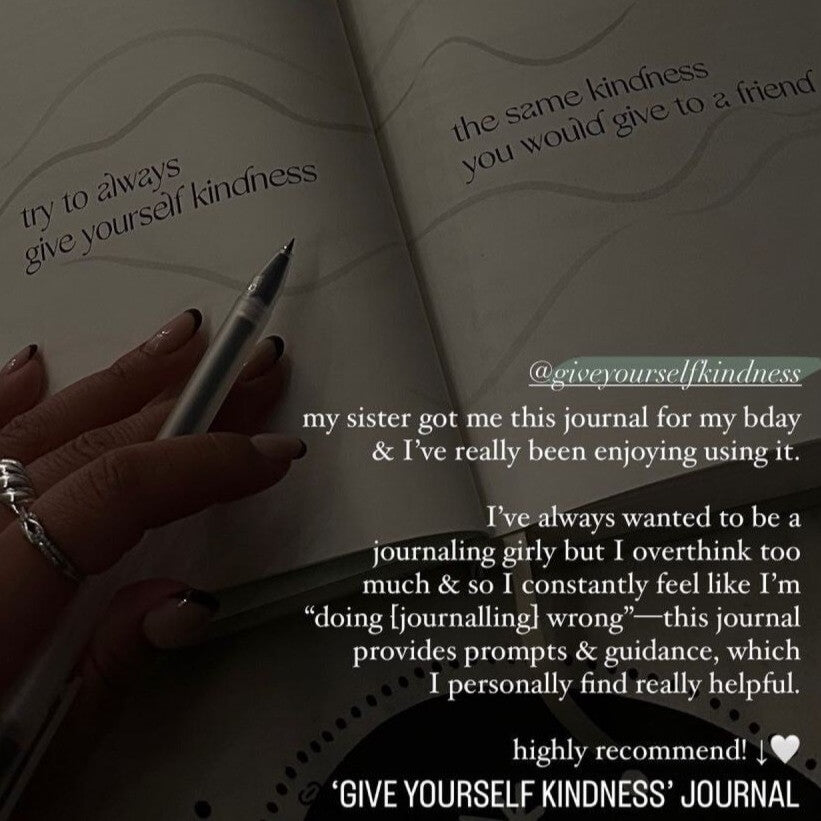
Why I created this journal: After Compassion-Focused Therapy helped me develop a healthier relationship with myself, I looked for a mindfulness journal that reflected what I'd learned. Every journal I tried either repeated the same prompts daily, leaned into forced positivity, or used dated pages that quietly created guilt when I missed a day.
As a meditation teacher, I knew what mindfulness practice actually requires: awareness of all emotions, self-compassion when things are hard, and genuine engagement rather than autopilot. So I designed a journal around those principles. Clinical psychologists read it after it was published.
"A warm invitation to make friends with your emotions and yourself!"
Dr. Chris Germer, PhD Clinical Psychologist, Harvard Medical School | Co-developer of Mindful Self-Compassion (MSC) program
"Writing can be creative, beautiful, resourcing, but it can also invoke an inner critic, rumination and procrastination. Rachel has curated the experience to make the writing intrinsically rewarding and the journal something to treasure."
Professor Willem Kuyken, PhD, DClinPsy Ritblat Professor of Mindfulness and Psychological Science, University of Oxford | Top 1% most cited scientists worldwideWhat Makes This Journal Different:
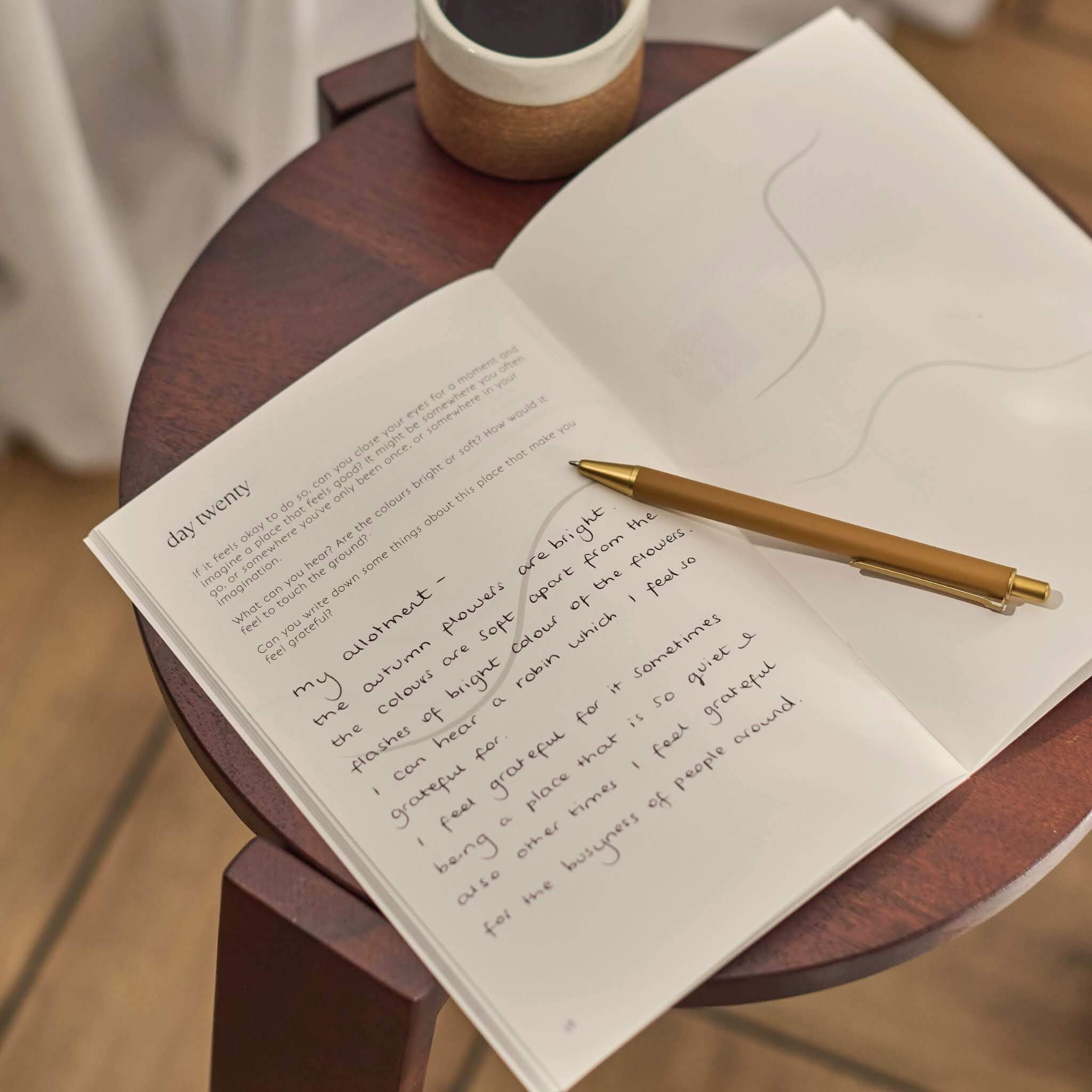
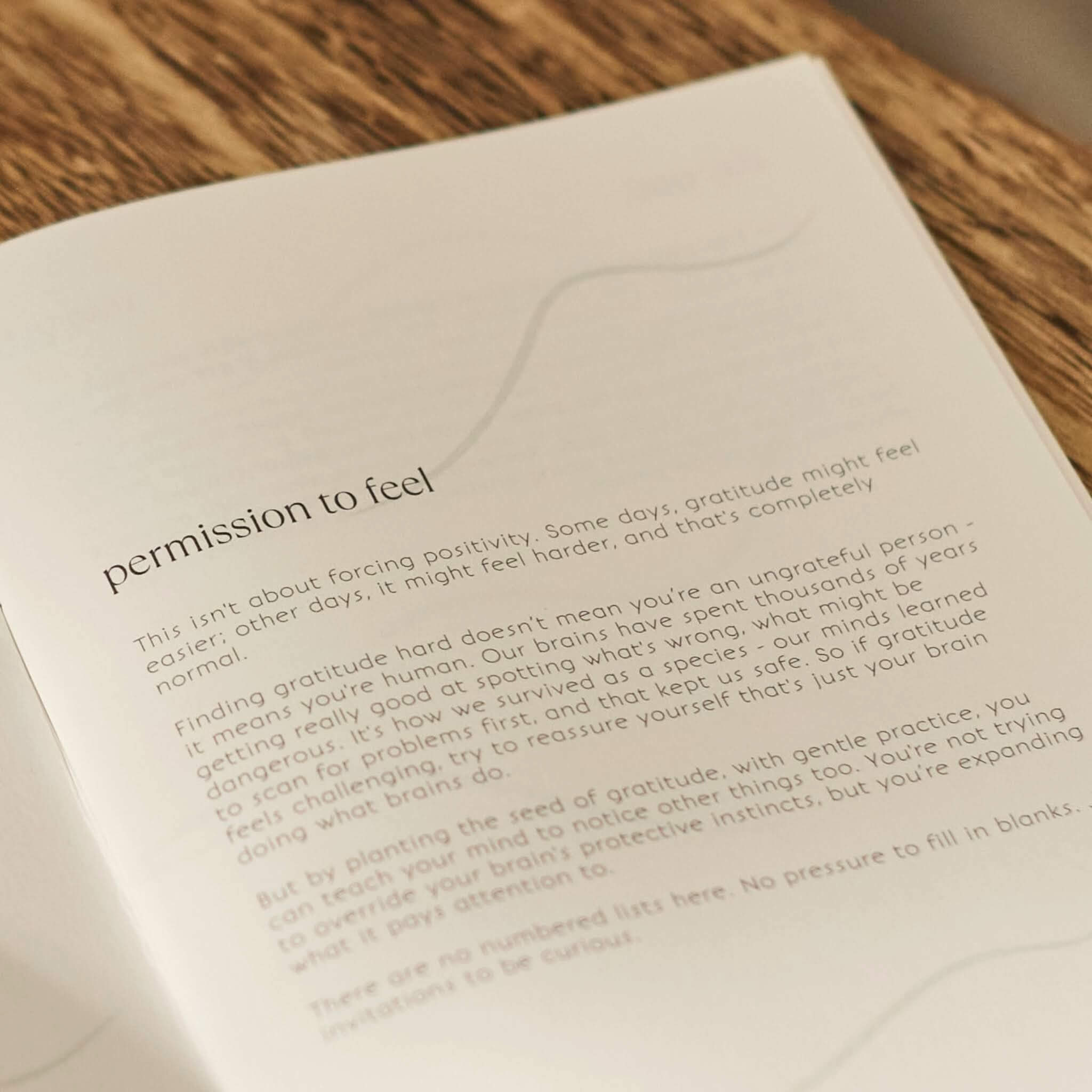
90 days of varied prompts across 224 pages, integrating gratitude, emotional awareness and self-compassion. You won't get bored or slip into autopilot, because each day asks something different. Professor Mark Williams explains that mindfulness requires present-moment engagement, not habitual responding.
Helps you notice and name the full range of emotions, recognising that all emotions matter and deserve attention, not just positive ones. Dr. Kristin Neff's research shows mindfulness means being present with difficult emotions, not dismissing them.

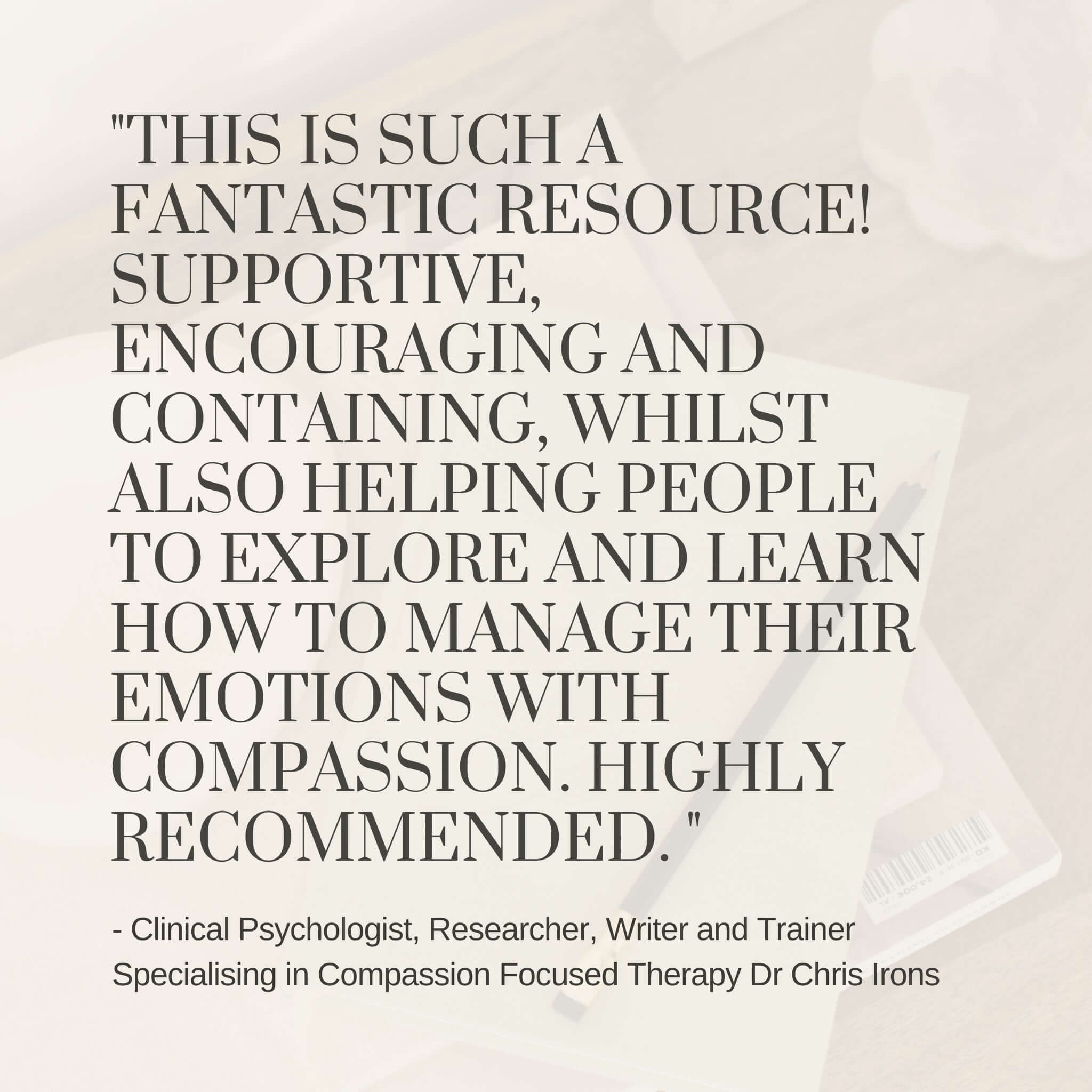
"This is such a fantastic resource! Supportive, encouraging and containing, whilst also helping people to explore and learn how to manage their emotions with compassion."
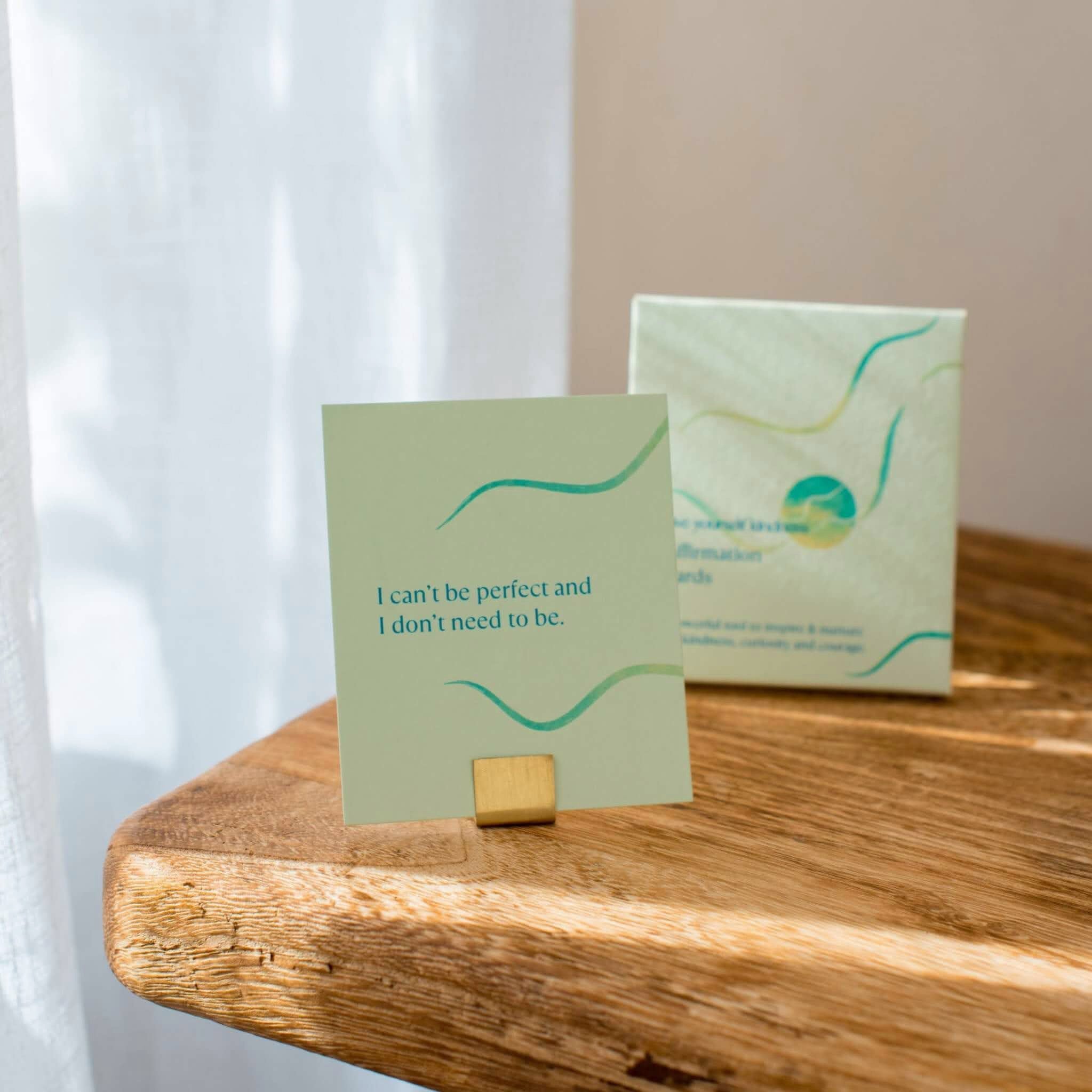
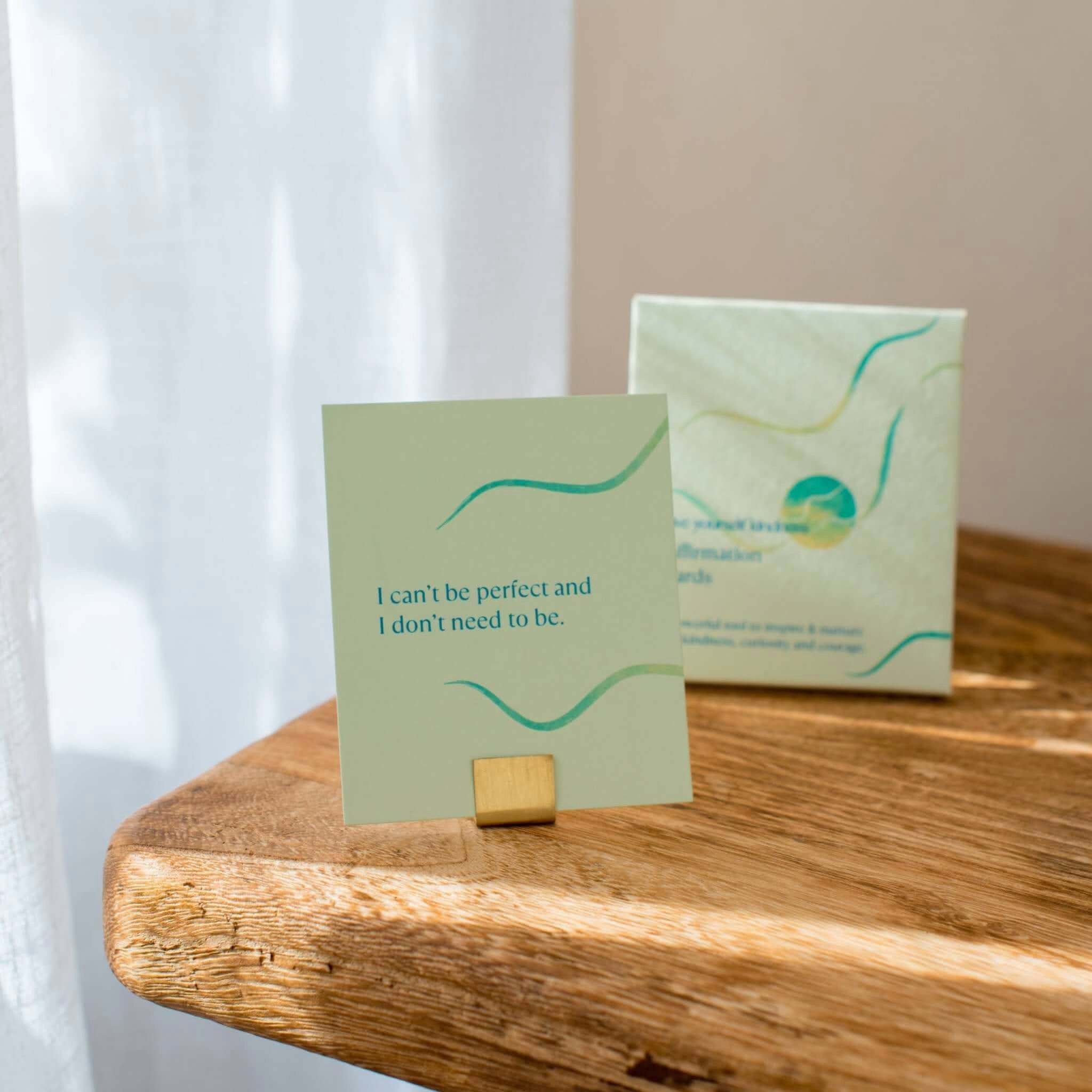
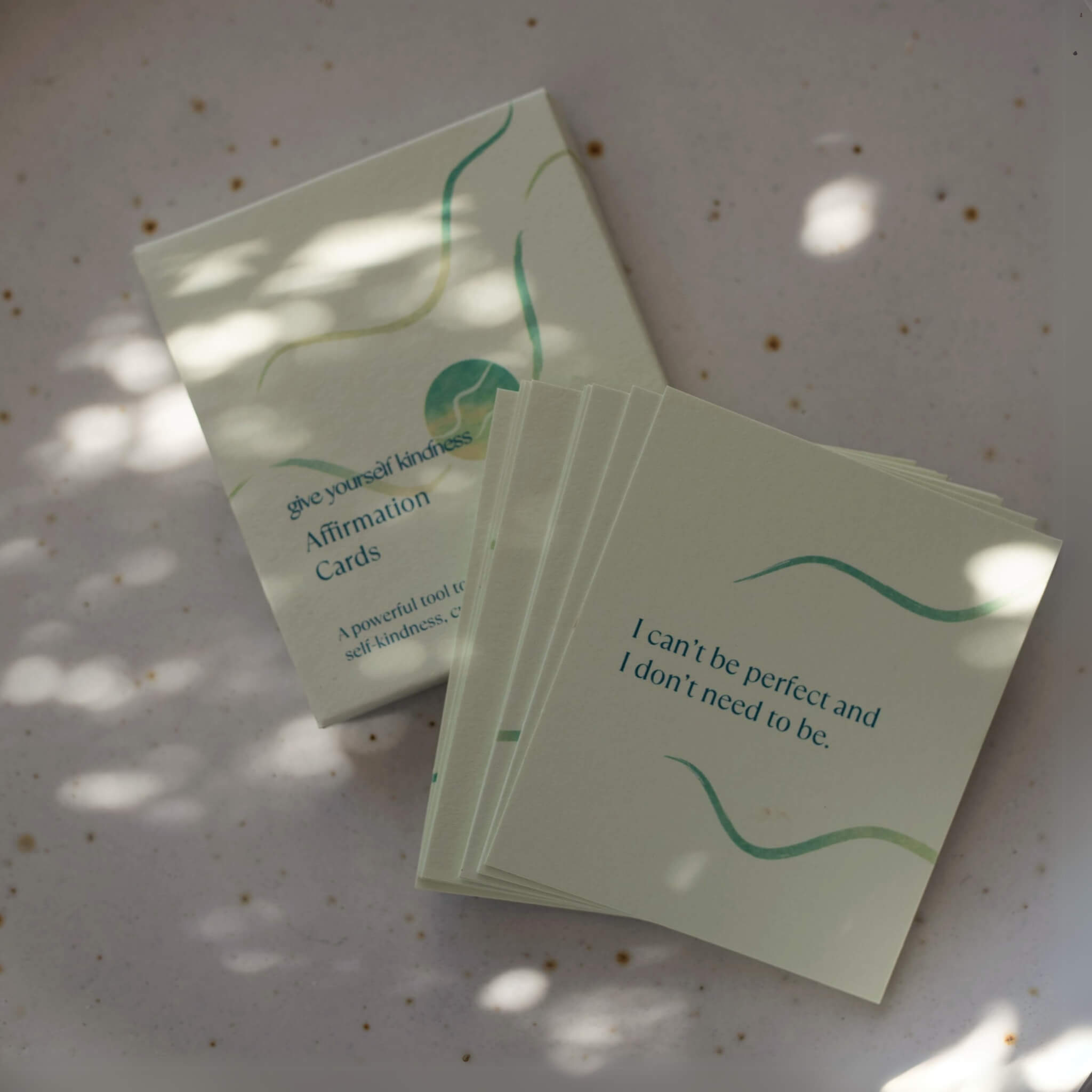
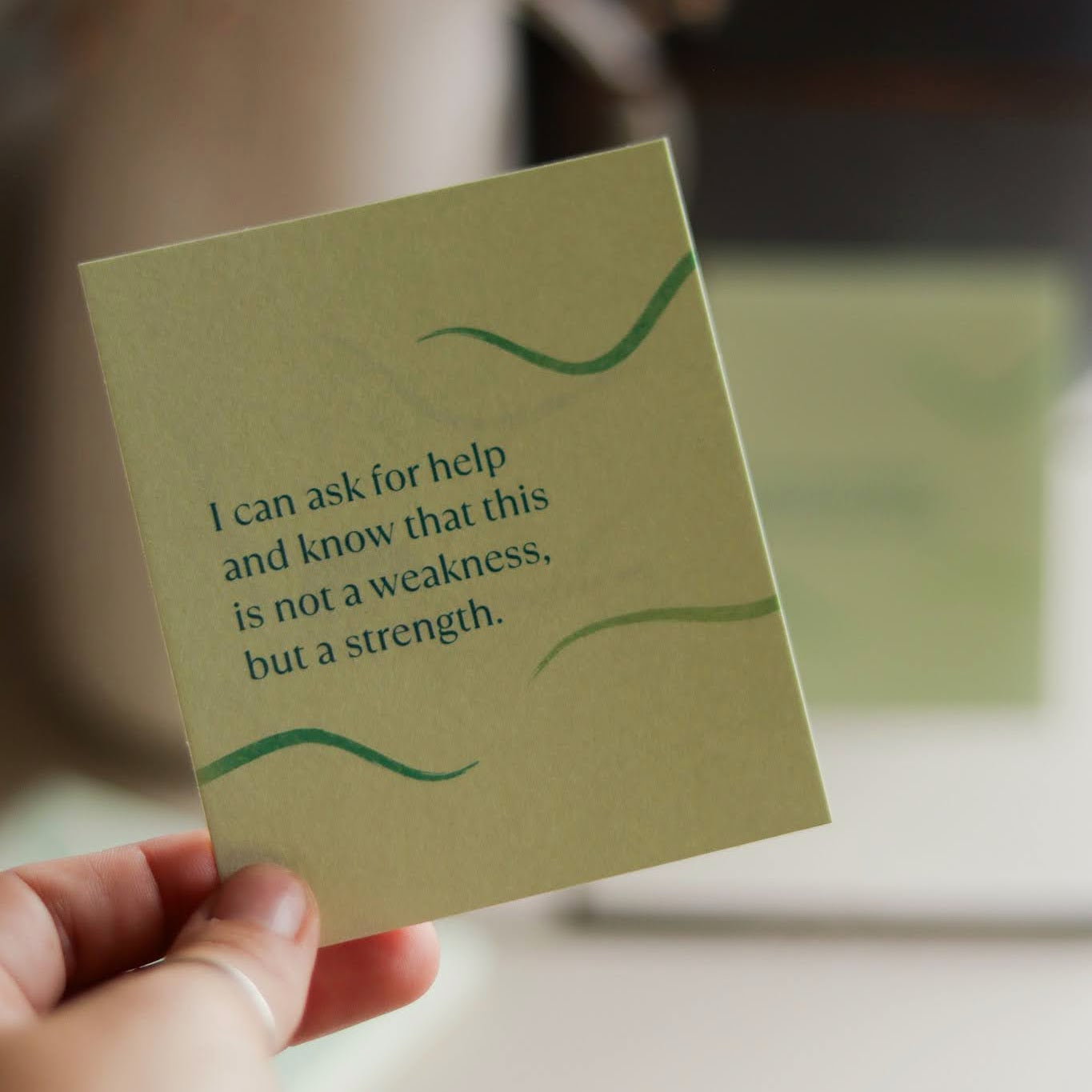
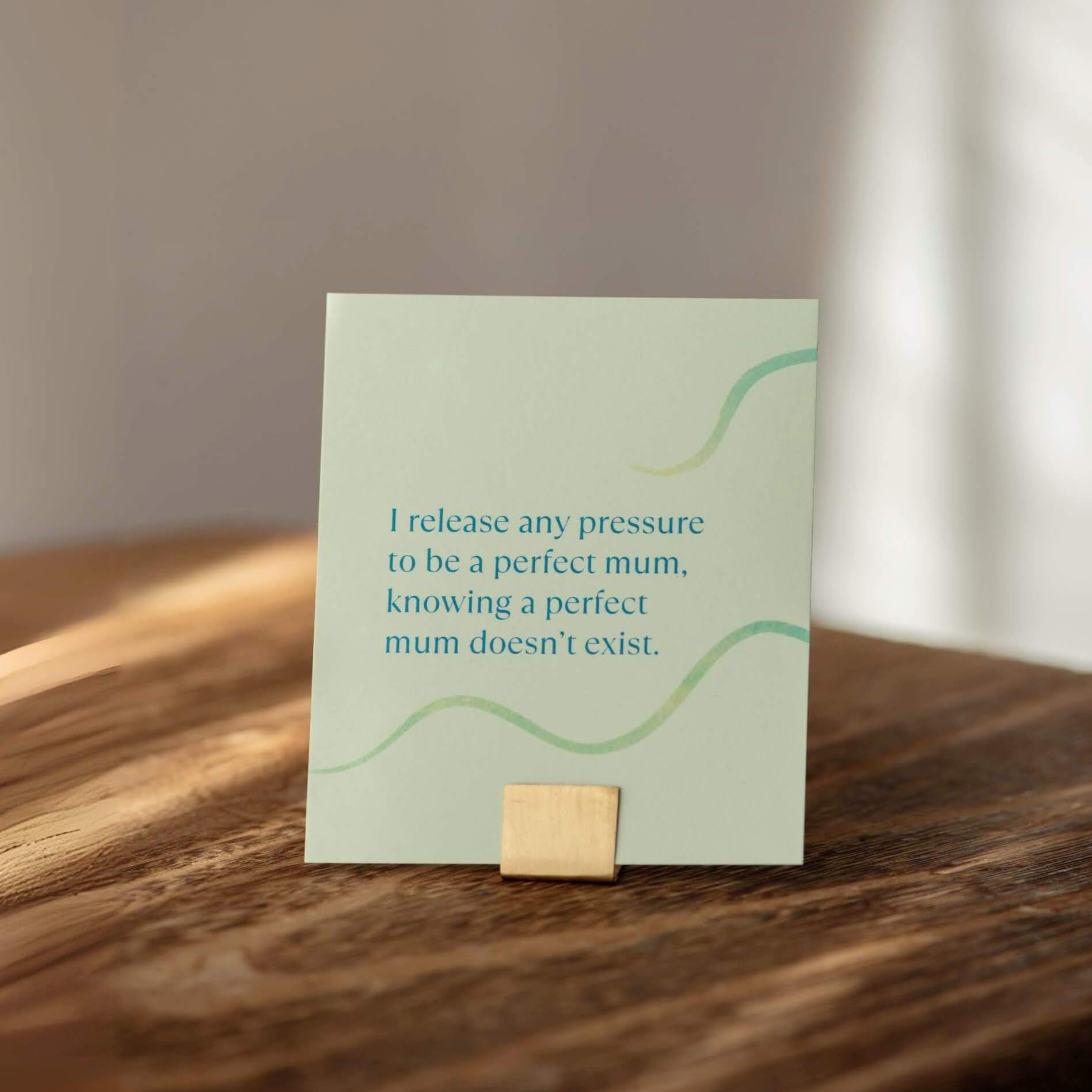
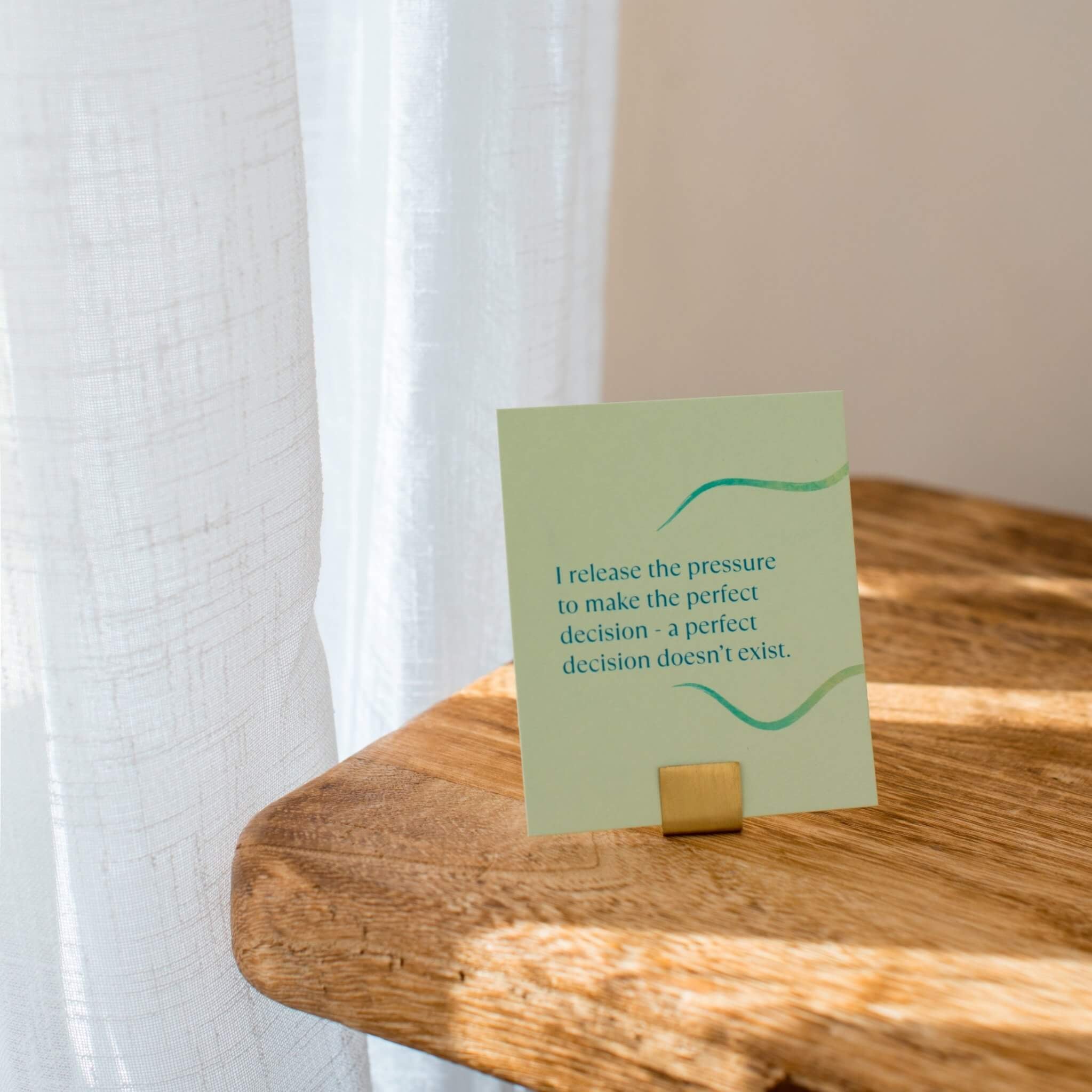
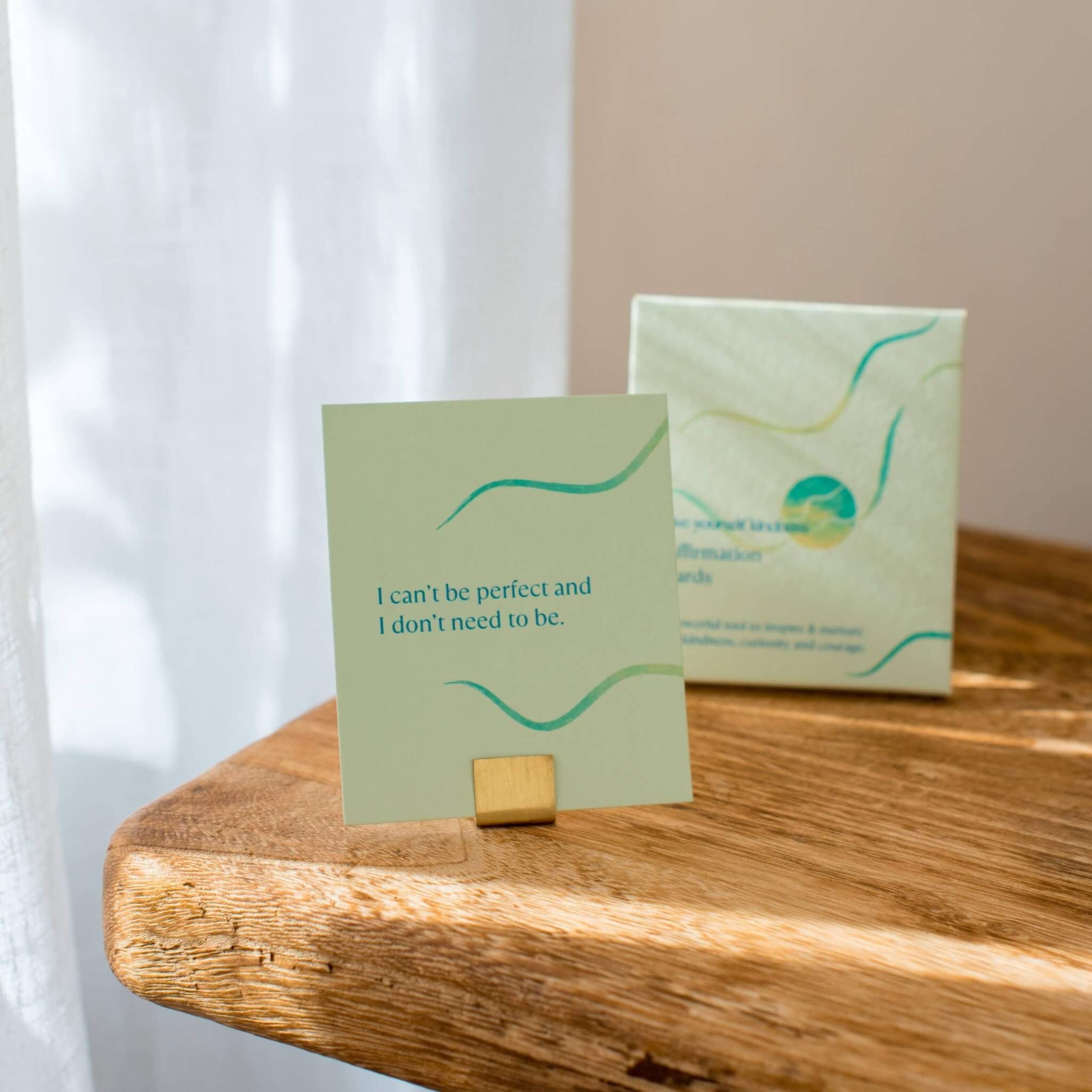
Dr. Chris Irons Clinical Psychologist | CFT Researcher and TrainerIncludes prompts that help you respond to yourself with kindness, and reminders like "You can't be perfect, and you don't need to be." Dr Annabelle Kyle Dortch explains that without self-compassion, mindfulness can become another thing to judge yourself by.
Life gets busy. You'll miss days. An undated journal welcomes you back without creating pressure. Dr. Michelle Chung notes that sustainable practice means being kind to yourself when things don't go as planned.
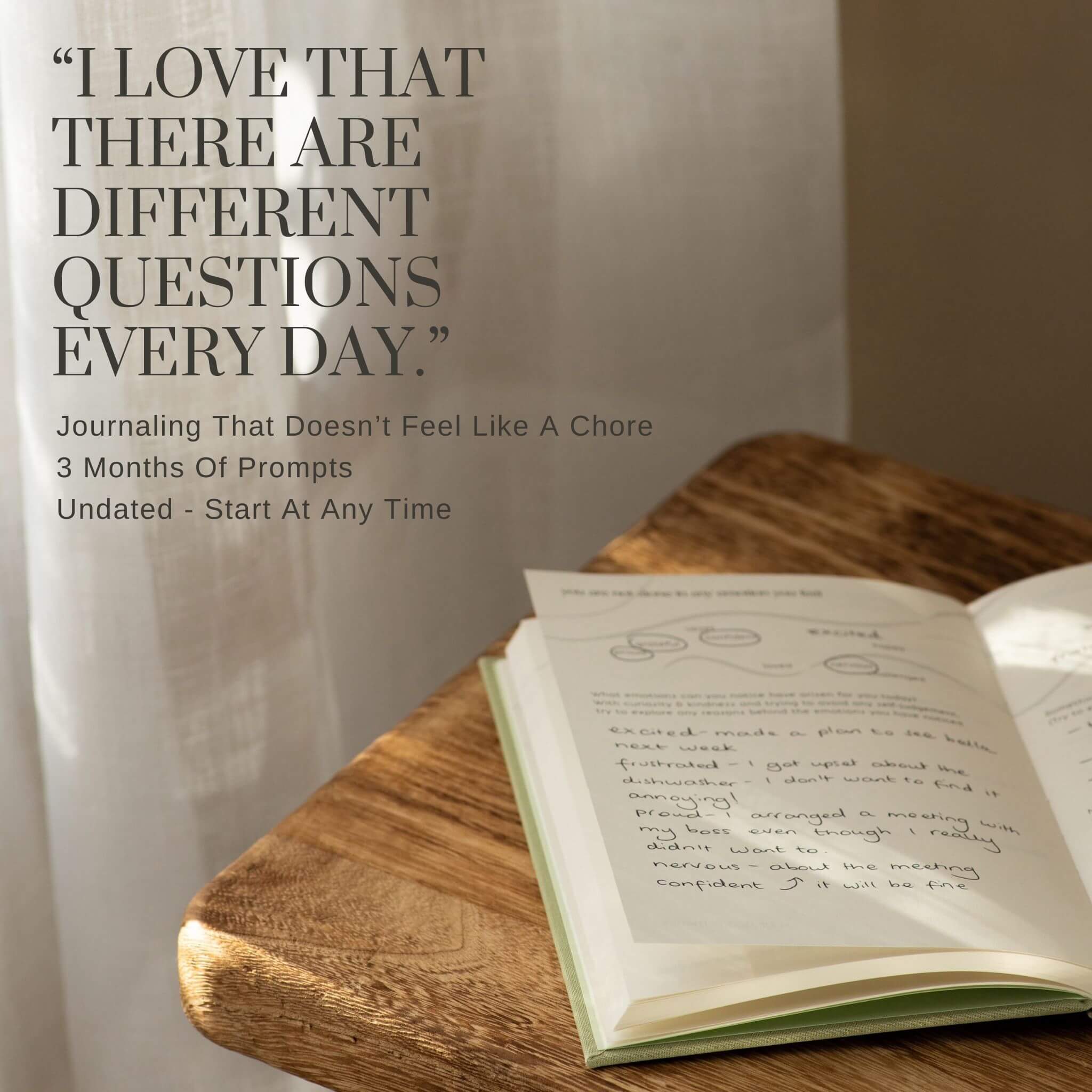
What's inside:
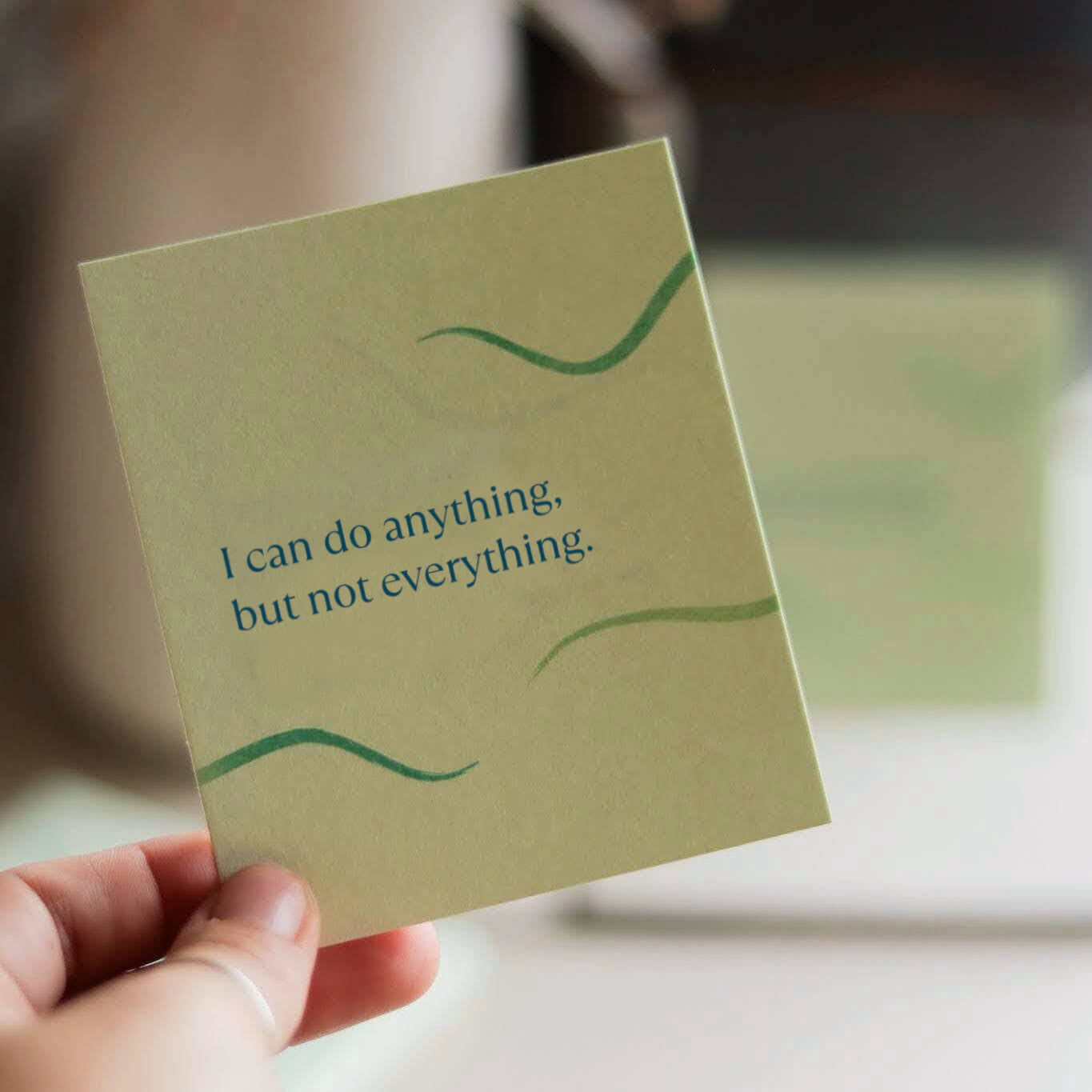
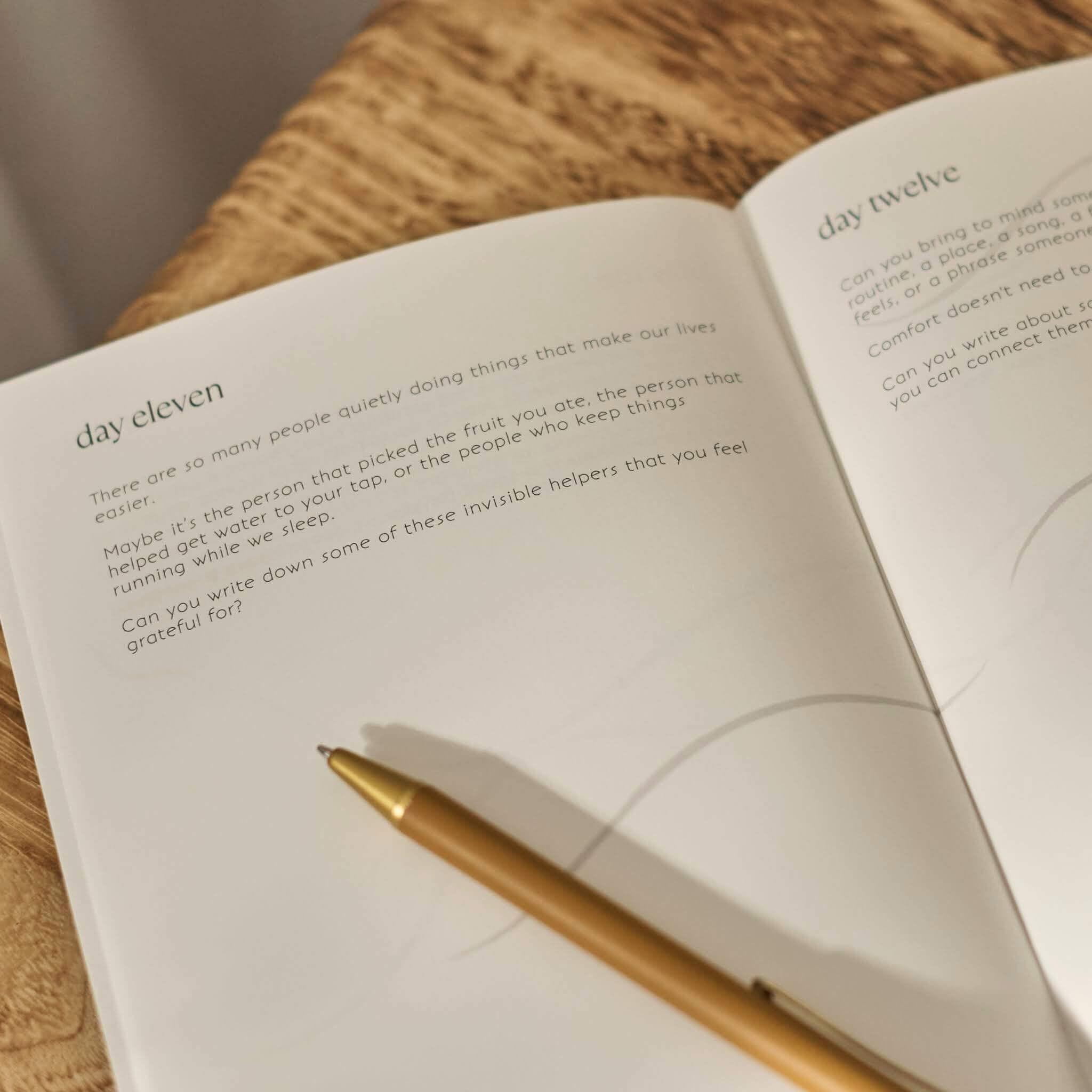
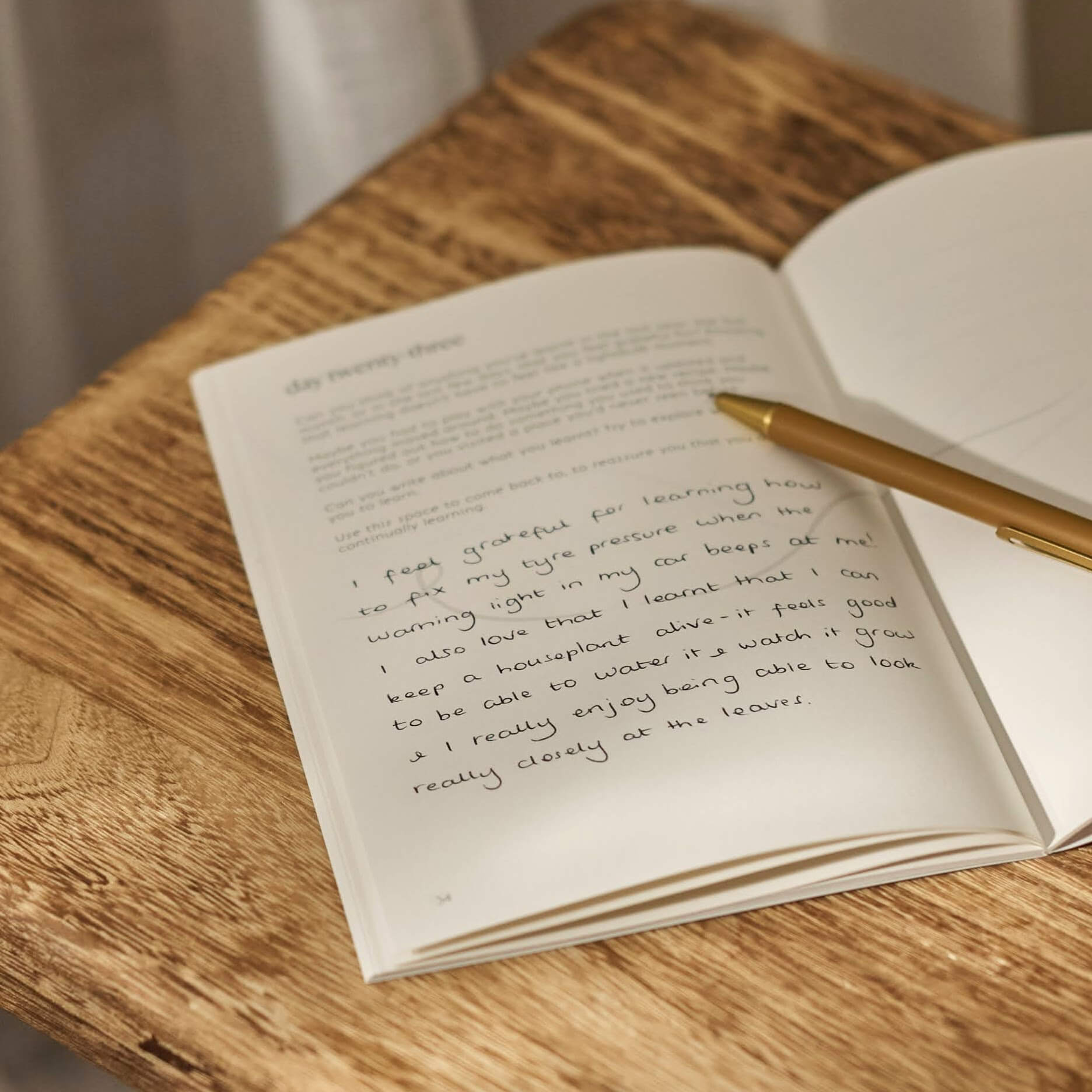
- 90 days of varied prompts across 224 pages, no two days the same
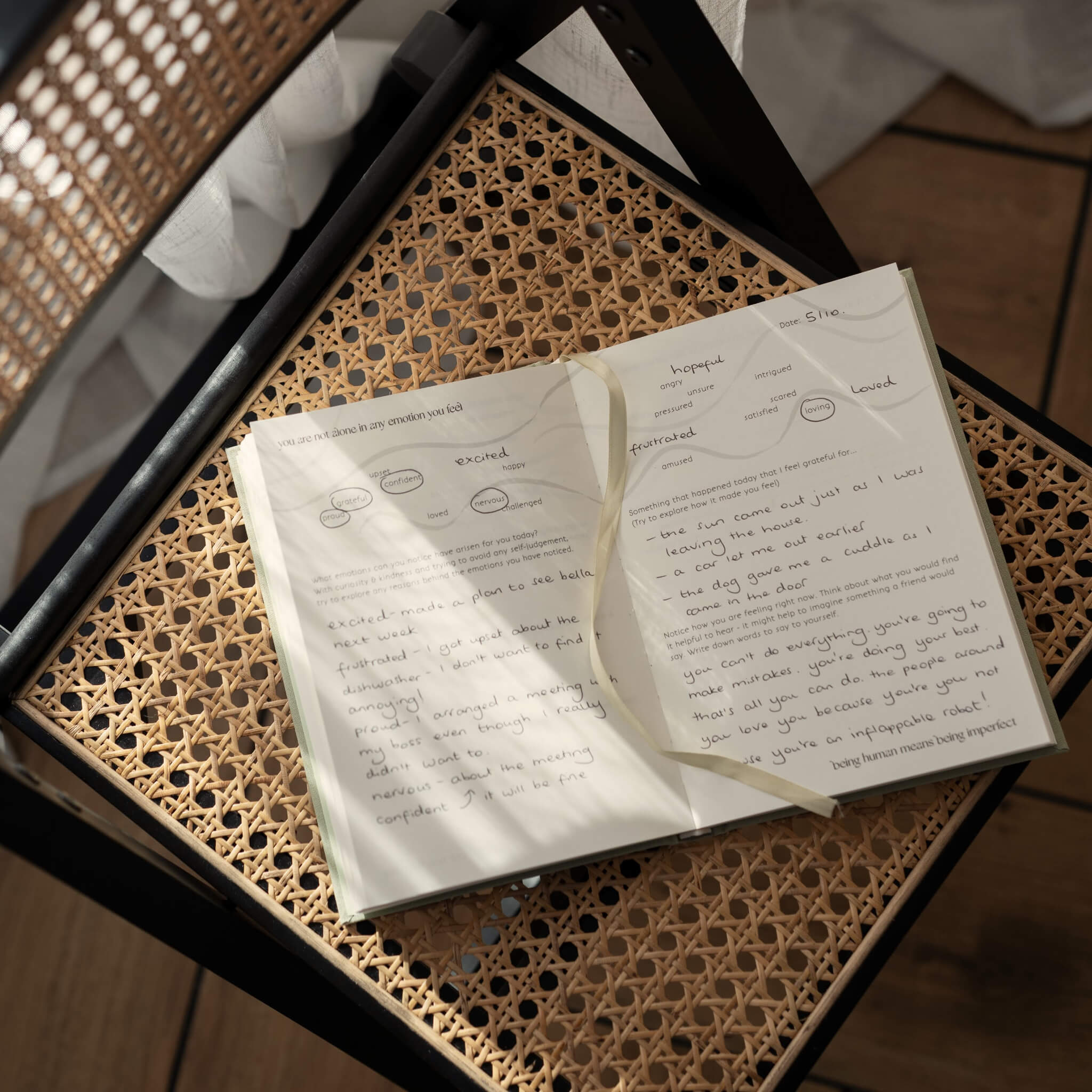
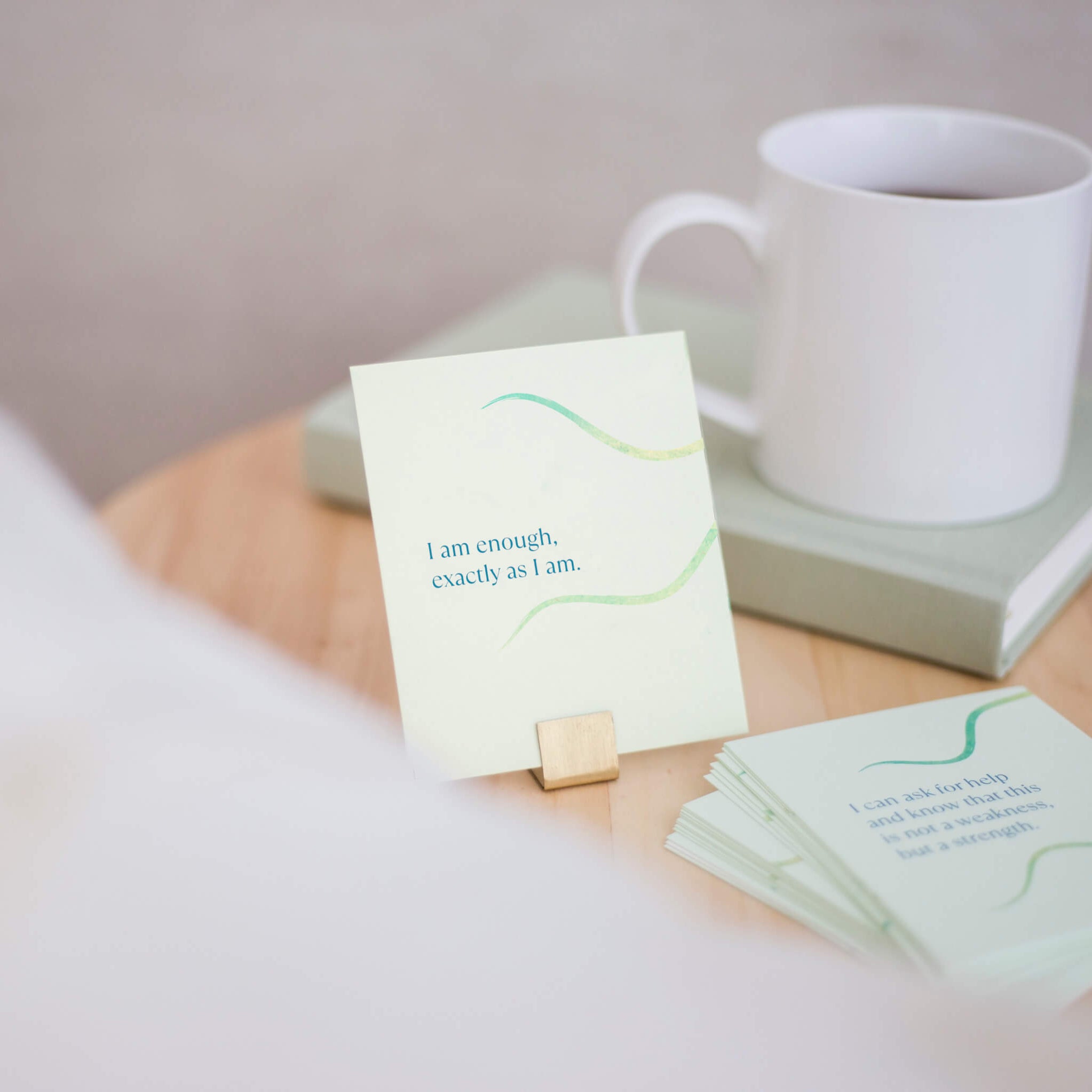
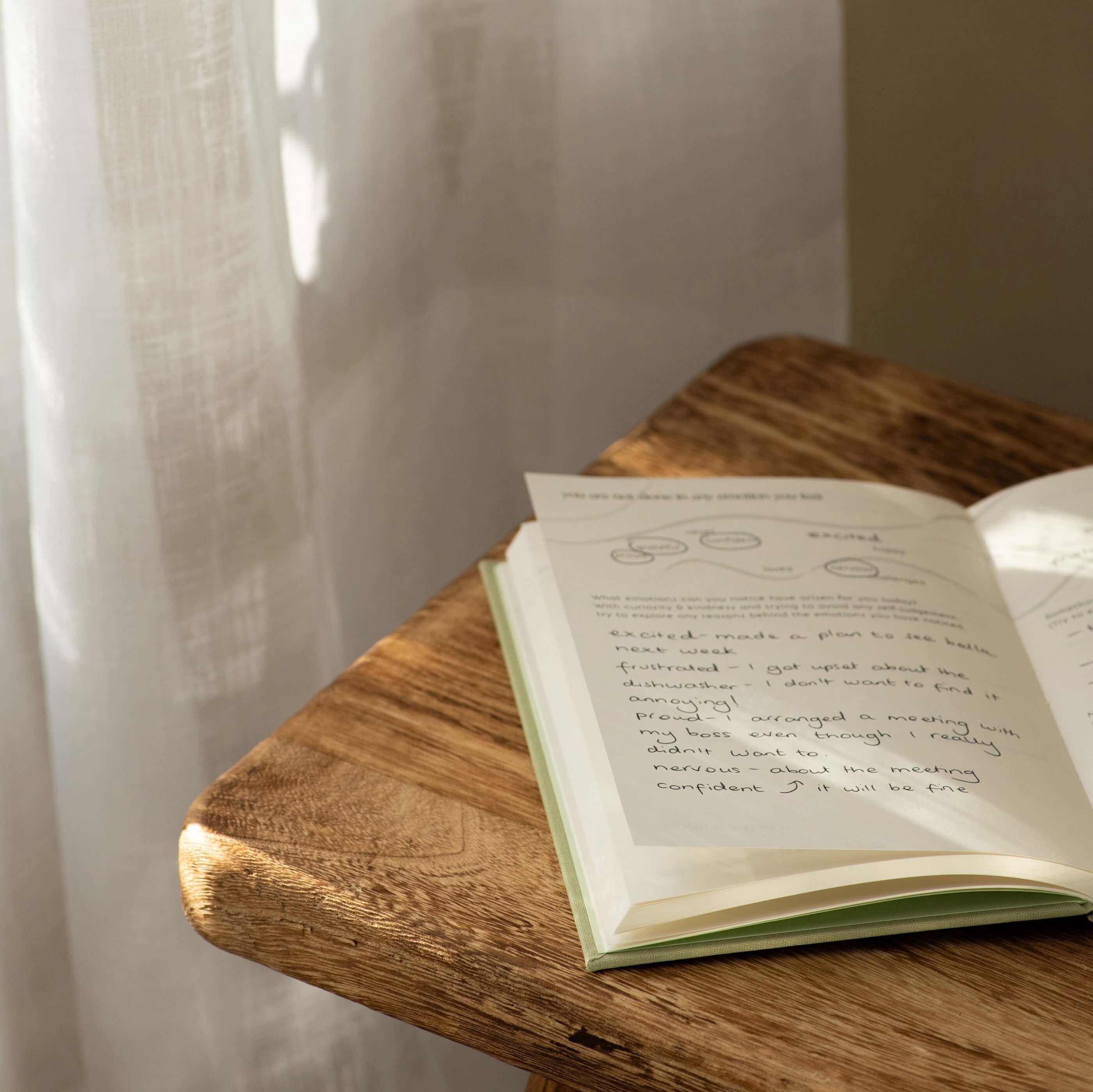
- Visual emotional awareness tool on every page
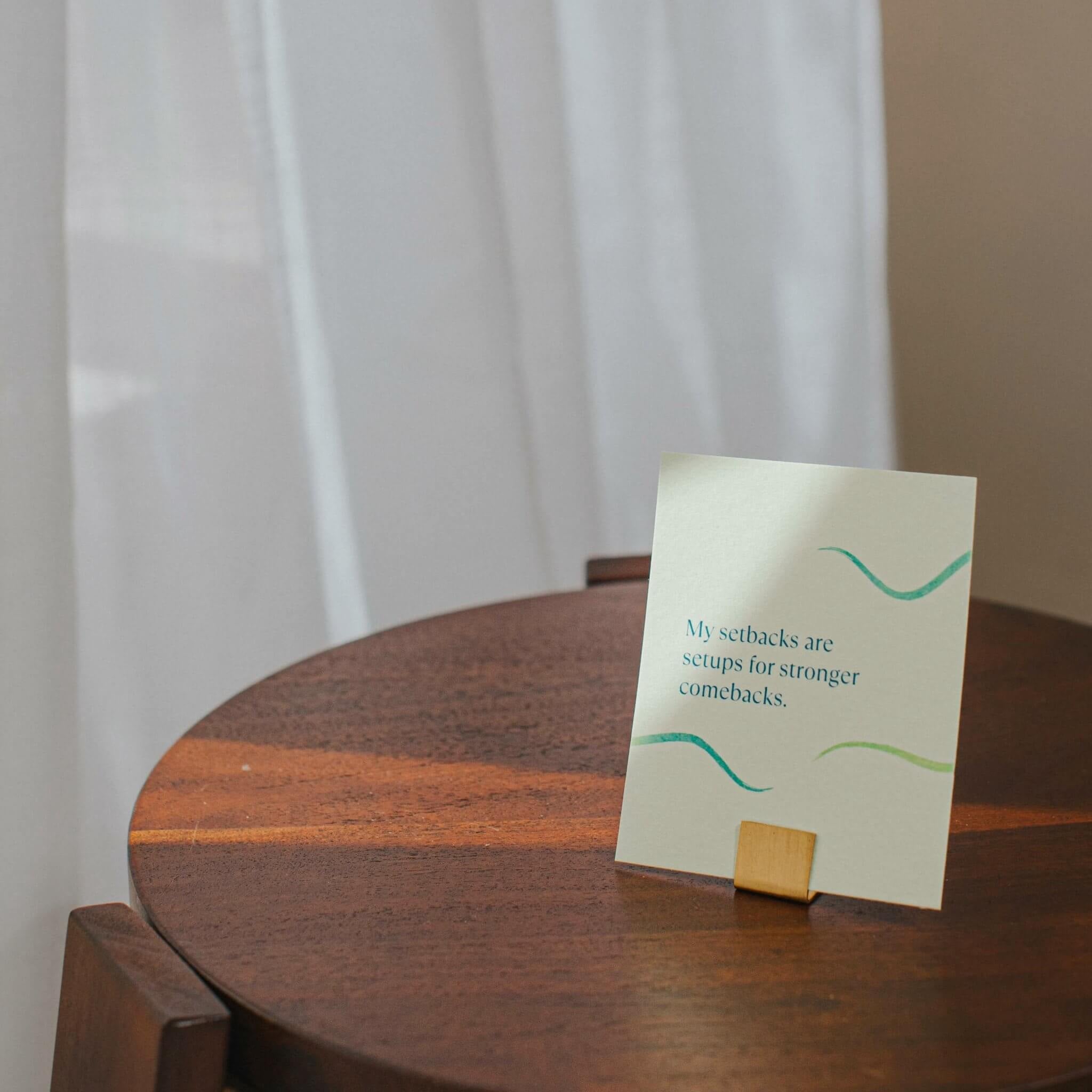
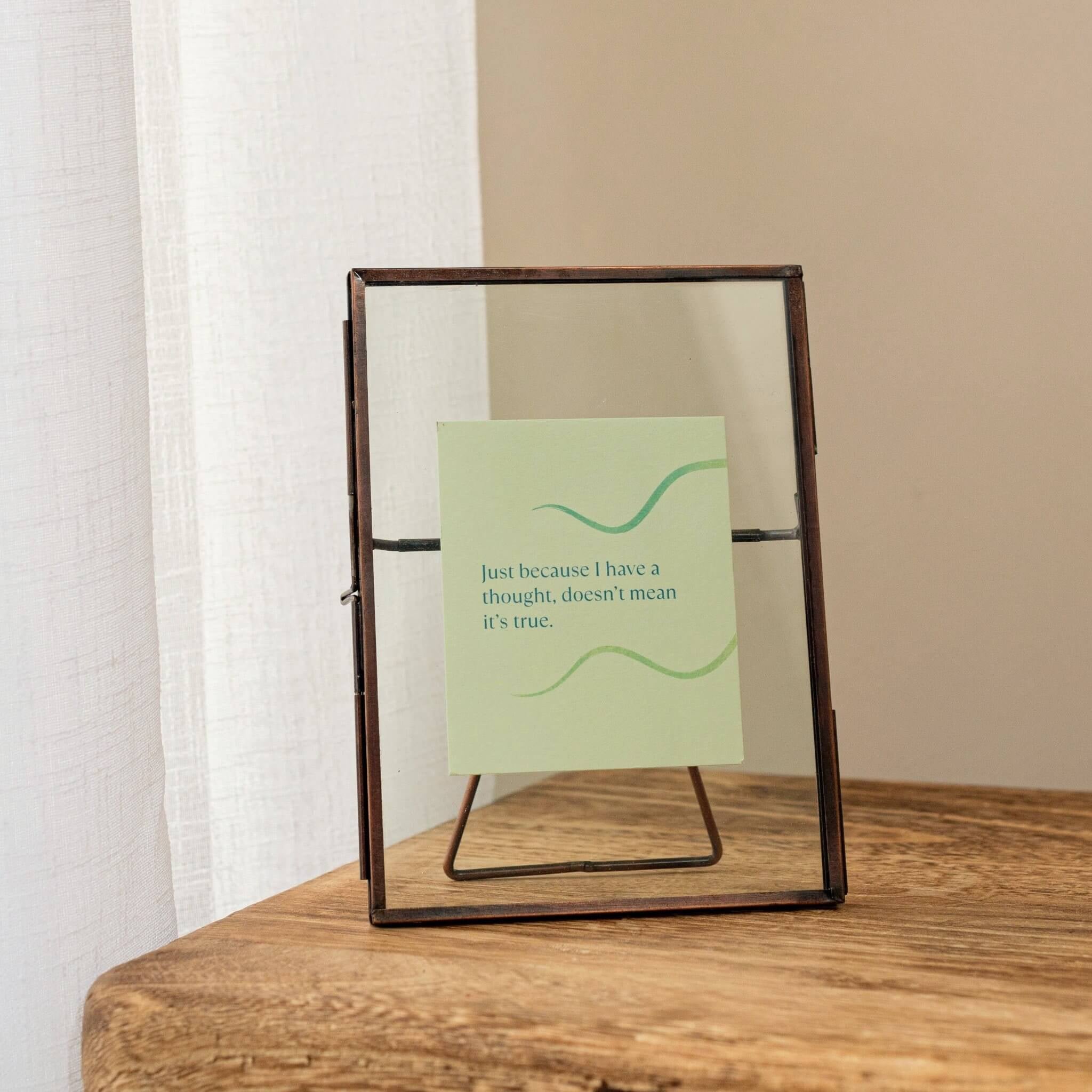
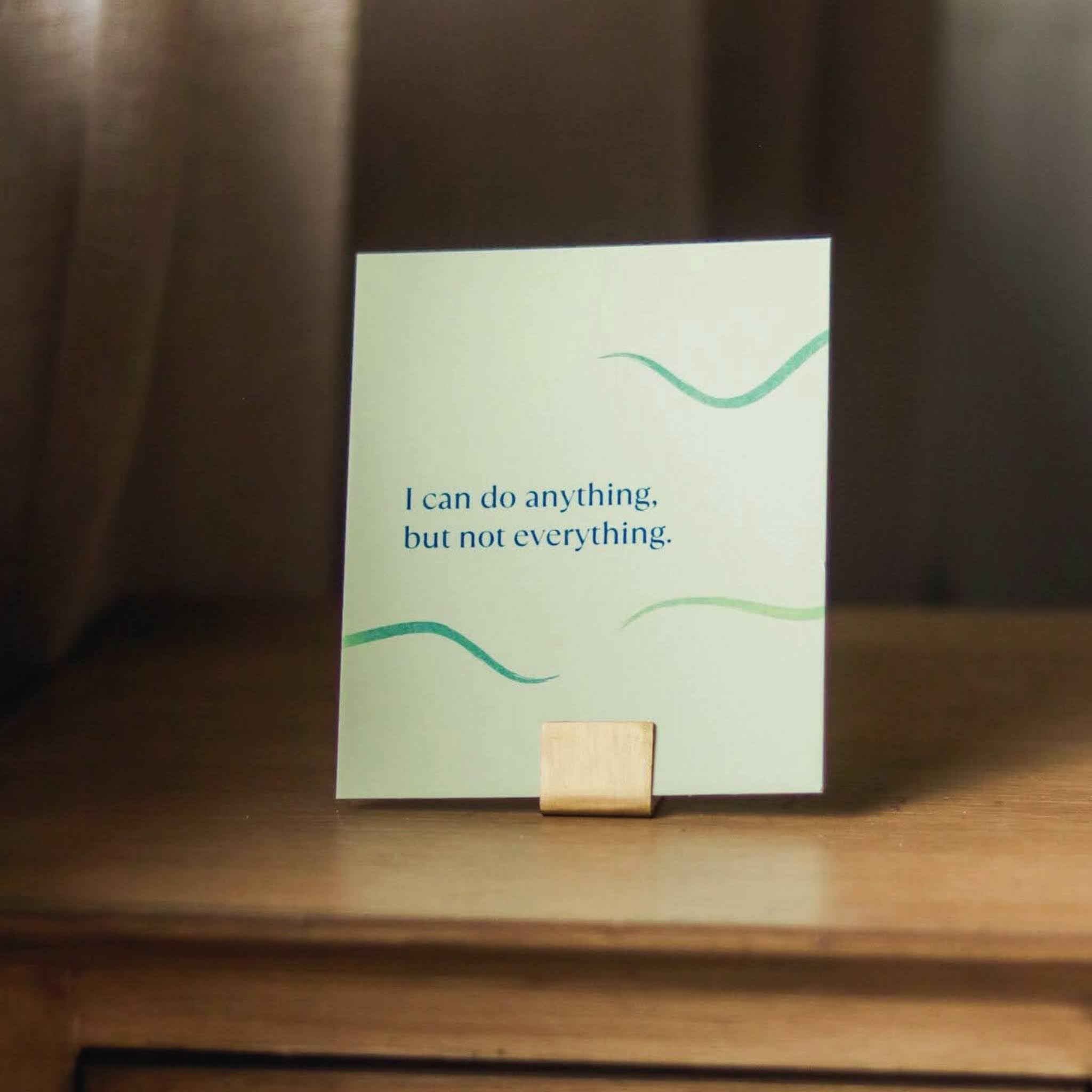
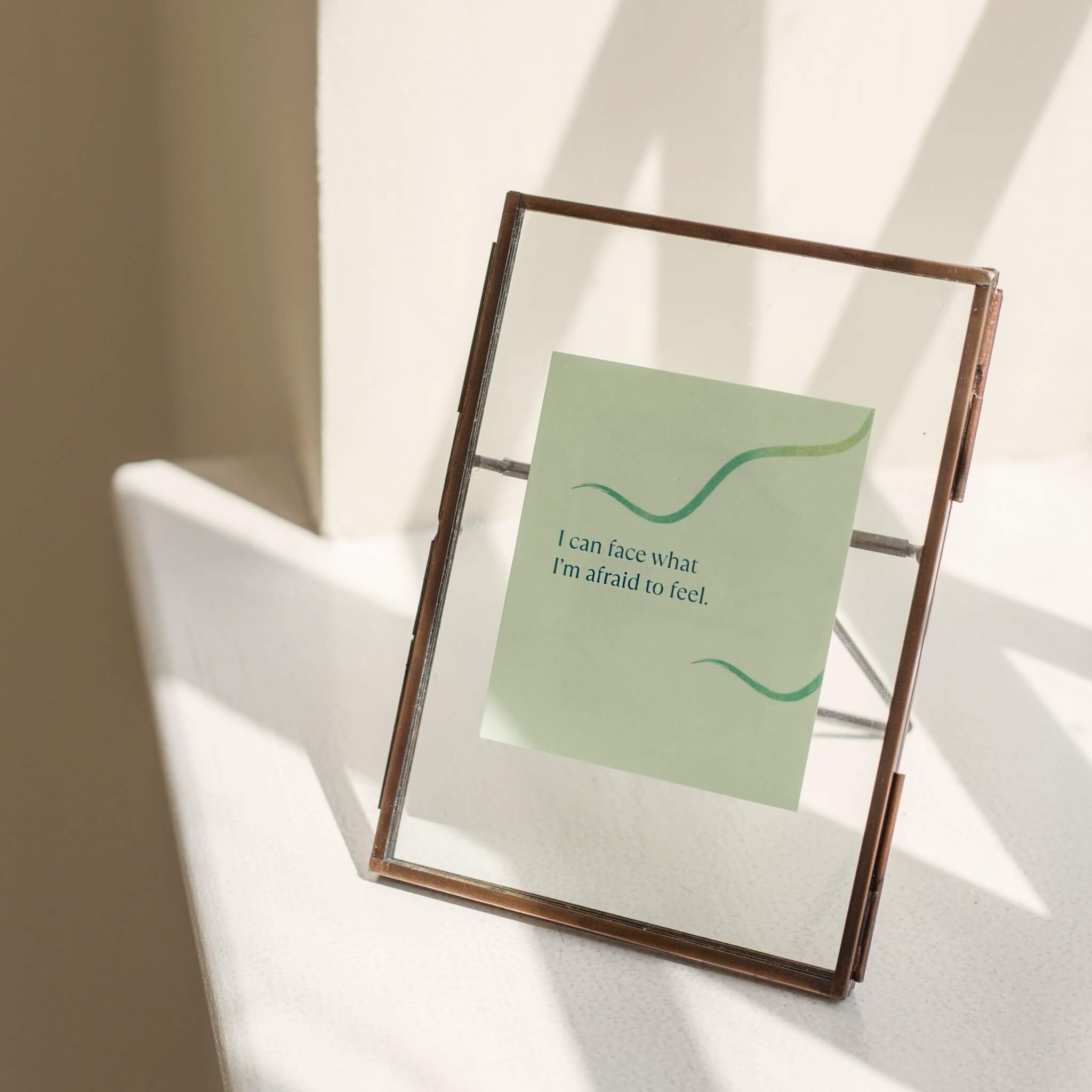
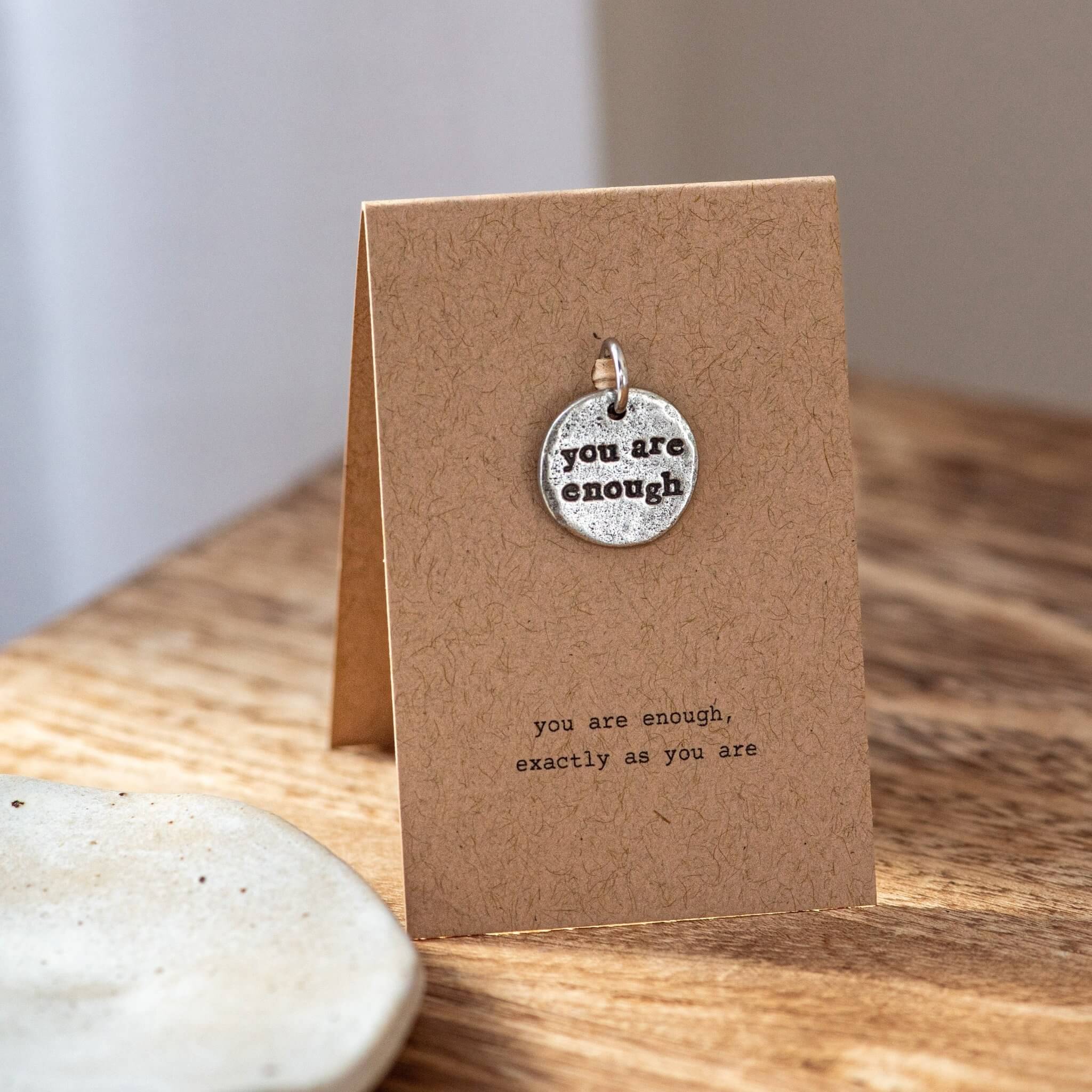
- Over 50 gentle reminders throughout
- Undated format for guilt-free practice
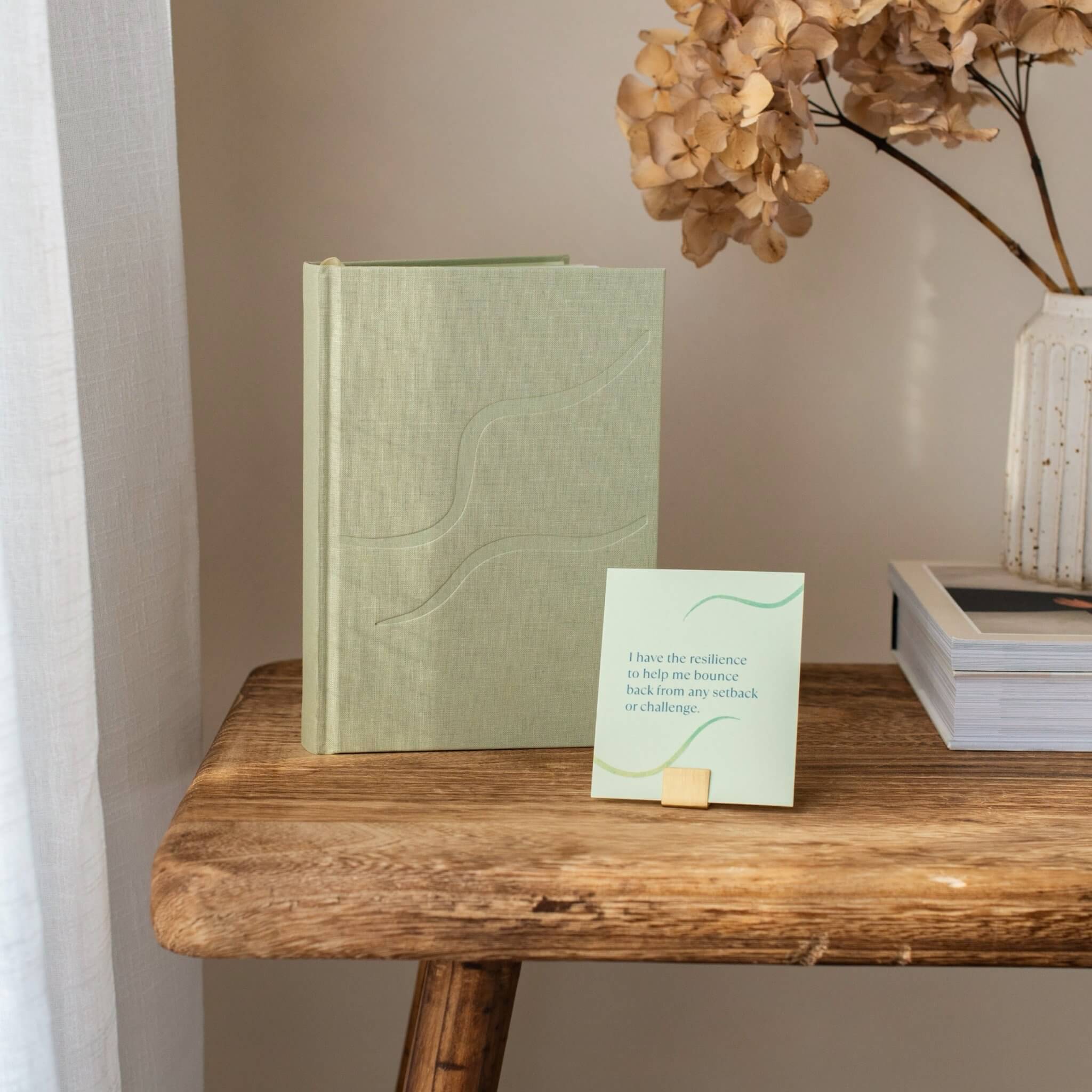
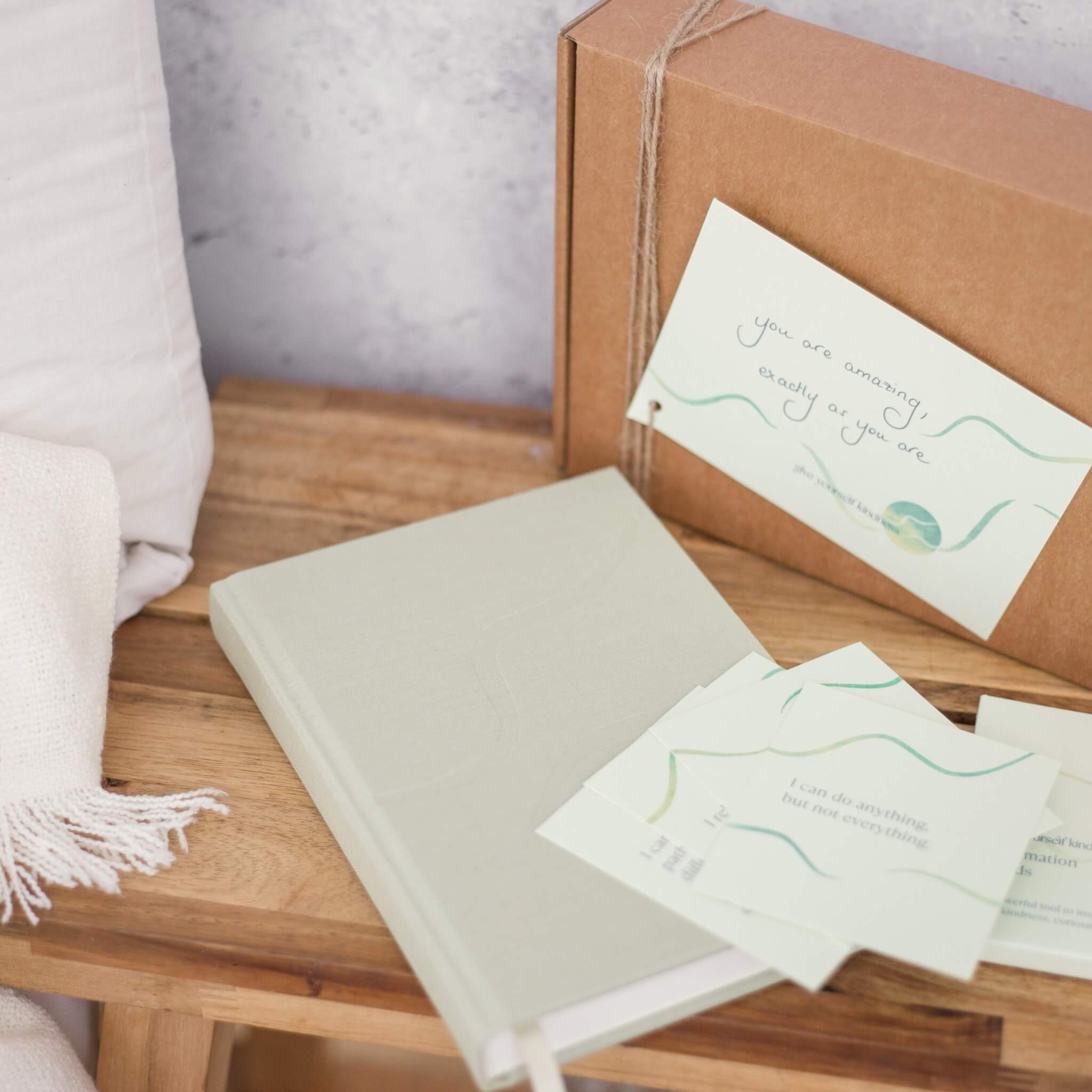
- Cloth-bound with quality 120gsm FSC-certified paper
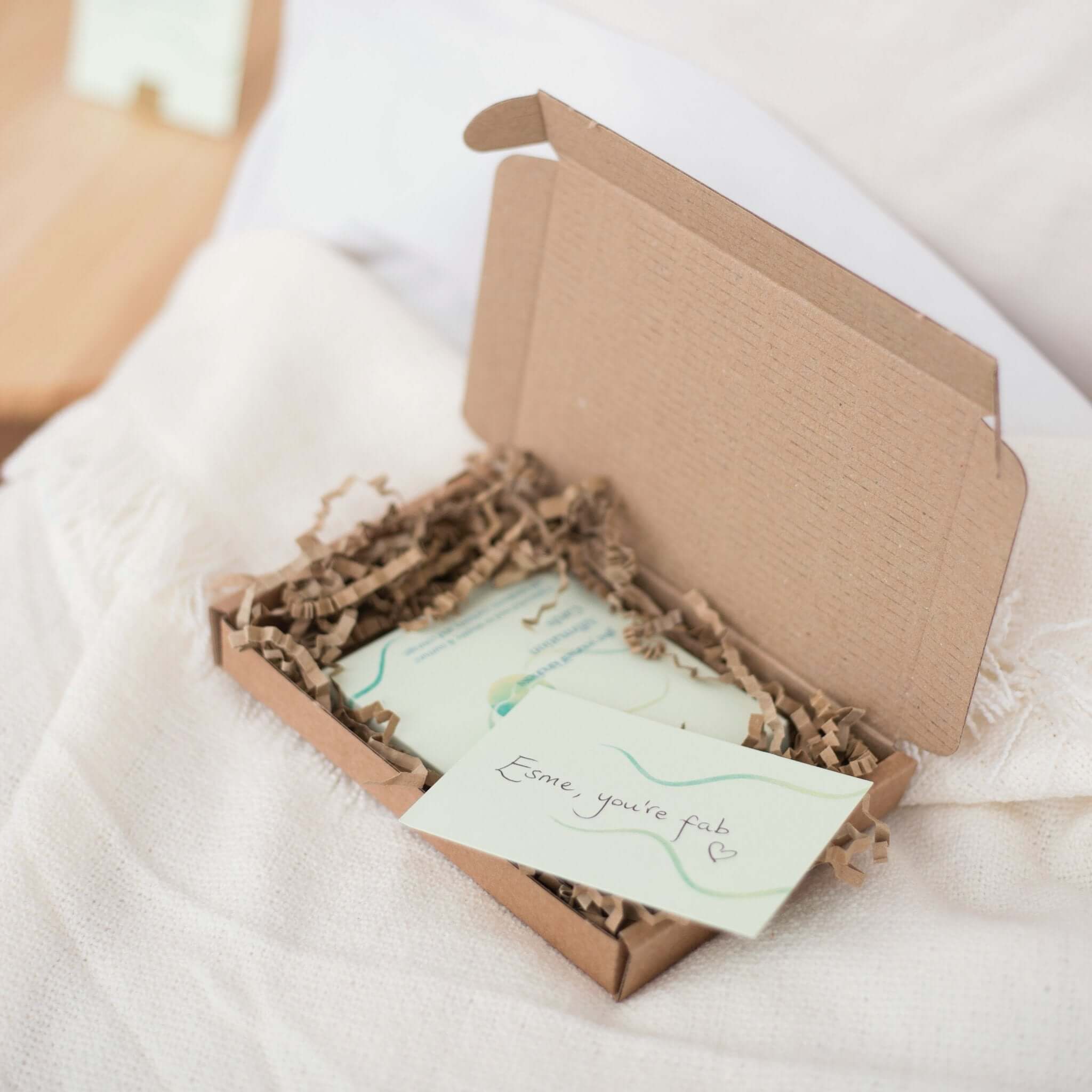
- Wrapped in bespoke tissue paper
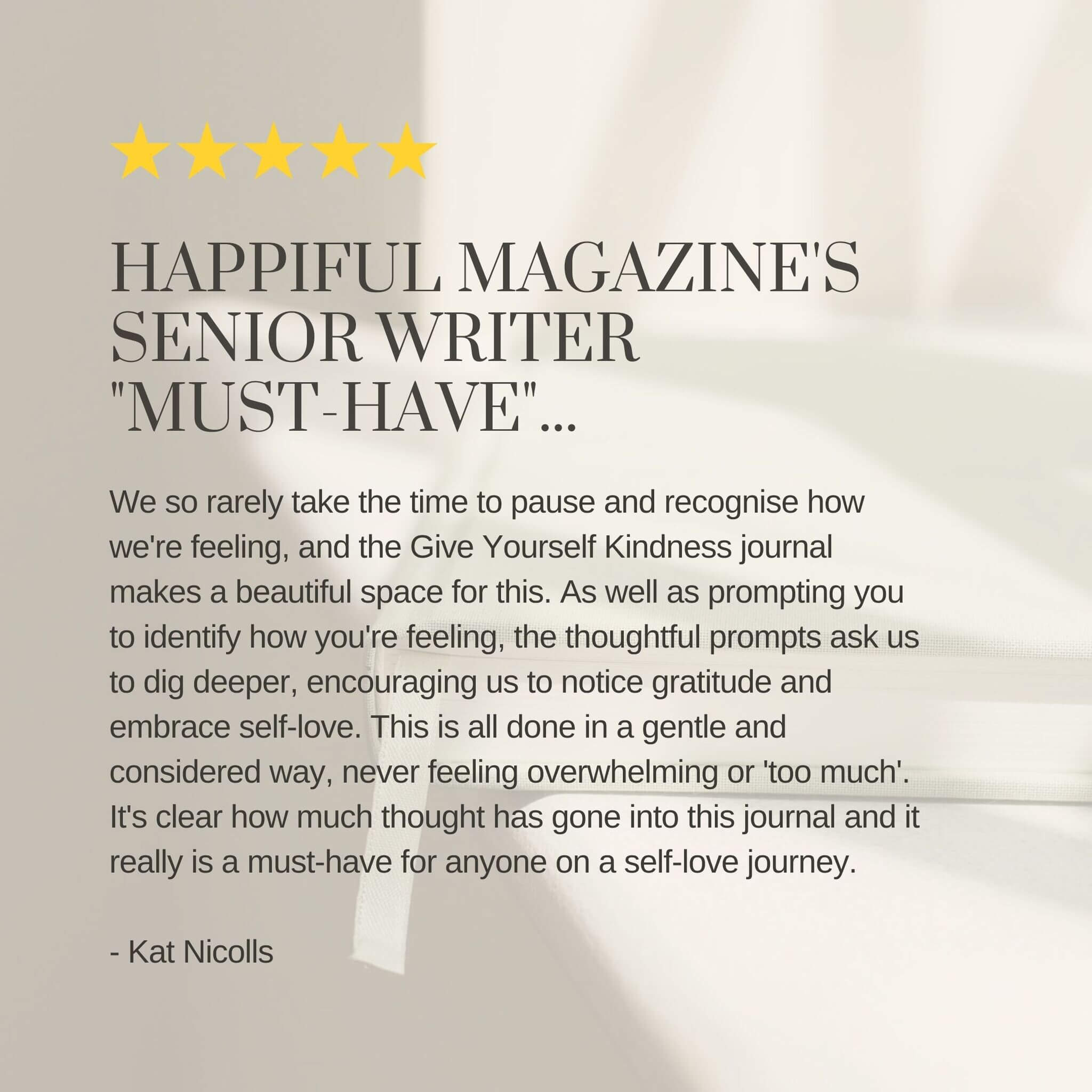
- 58 five-star reviews of this journal
Where this journal genuinely excels
- Read and recommended by clinical psychologists from Harvard and Oxford
- 90 days of varied prompts, so it never turns into autopilot
- Emotion tool on every page, not just the introduction
- Used by therapists with real clients, not just marketed as therapeutic
Worth knowing before you buy
- Three months of prompts is a bigger commitment than a quick habit-tracker
- At £28.95, it costs more than a basic notebook or budget journal
- If you want a fast, no-thinking 5-minute routine, the varied prompts ask a little more of you each time
Used by therapists:
What are the other mindfulness journal options?
The Give Yourself Kindness Journal isn't the only reasonable choice — these genuinely work well for different people and different situations:
The Five Minute Journal
What it offers: Simple morning and evening prompts focused on gratitude, daily affirmations, and reflecting on what would make today great.
How it compares: This journal is built around repetition and speed rather than emotional exploration — that's a genuine strength if consistency is what you're after, and a limitation if you want prompts that go deeper into how you're feeling and why.
Choose this if: You specifically want a 5-minute gratitude routine and don't mind the same prompts each day.
The Mindfulness Journal for Anxiety by Tanya J. Peterson
What it offers: Daily writing prompts and practices rooted in mindfulness-based approaches to easing anxiety.
How it compares: It's narrower in focus than a general emotional-awareness journal — built specifically around anxiety rather than the fuller range of emotions — which is a strength if anxiety is your main reason for journaling and a limitation if you want broader emotional support alongside it.
Choose this if: Anxiety specifically is what's bringing you to mindfulness journaling, and you want prompts built around that.
My Mindfulness Journal by Anna Black
What it offers: Writing and drawing exercises alongside breath-work and body-focused meditation practices, published by CICO Books.
How it compares: It offers more guidance than a blank notebook but less structure and emotional-awareness framework than a dedicated daily-prompt journal — a reasonable middle ground if you want some direction without a long daily commitment.
Choose this if: You want a lower-cost, lighter-touch entry point into mindfulness journaling that still includes some guided exercises.
A Blank Notebook
What it offers: Complete flexibility to design your own practice, with no prompts at all.
Choose this if: You're comfortable with mindfulness already and don't need prompts — a blank page can feel freeing rather than overwhelming once you know what you're doing with it.
Which mindfulness journal should you choose?
Find your best match:
The only one here designed by a meditation teacher and since recommended by clinical psychologists at Harvard and Oxford, integrating emotional awareness tools and self-compassion research.
90 days of varied prompts across 224 pages, so it never turns into autopilot.
A visual emotion guide on every page helps you notice and name emotions with curiosity, not judgment.
Give Yourself Kindness offers broader emotional awareness alongside anxiety support; The Mindfulness Journal for Anxiety is more narrowly focused on anxiety-specific prompts if that's all you're looking for.
Built for exactly this — structure and speed over variety.
Budget-friendly, lighter structure, good if you already know how you like to reflect.
Why does self-compassion matter for mindfulness?
You might wonder why self-compassion appears so prominently in mindfulness journal recommendations. Here's what the research shows:
Dr. Chris Germer, clinical psychologist at Harvard Medical School, co-developed the Mindful Self-Compassion programme precisely because without self-compassion, mindfulness can become another thing to judge yourself by.
What the research demonstrates:
- Dr. Kristin Neff's research shows self-compassion reduces anxiety, depression, and negative self-talk more effectively than self-criticism
- Clinical psychologist Dr. Annabelle Kyle Dortch explains that self-criticism activates the threat response, making learning harder
- Dr. Chris Irons' work shows that while many fear self-compassion will make them lazy, it actually increases motivation and resilience
Learn more about why self-compassion is more effective than self-criticism →
Common questions about mindfulness journals
The best mindfulness journal depends on what you need, but The Give Yourself Kindness Journal is the strongest option for genuine mindfulness practice: it's designed by a qualified meditation teacher (DipBSoM) and has since been recommended by clinical psychologists from Harvard (Dr. Chris Germer) and Oxford (Professor Willem Kuyken). It integrates emotional awareness tools, self-compassion research, and 90 days of varied prompts across 224 pages. If you want a quicker, more repetitive daily habit instead, The Five Minute Journal is a genuinely good alternative.
A genuine mindfulness journal should include emotional awareness tools (not just gratitude lists), self-compassion integration backed by research, varied prompts that prevent mechanical journaling, and an undated format that removes guilt. Design matters too — journals created by people who understand mindfulness practice (meditation teachers, psychologists) tend to reflect this more consistently than ones designed primarily as stationery products.
No. Well-designed mindfulness journals teach mindfulness principles as you use them. The Give Yourself Kindness Journal works for both beginners and experienced practitioners — the prompts guide you in developing awareness and self-compassion regardless of experience level. If you're new to mindfulness, Dr. Michelle Chung's article explains how small moments of awareness support wellbeing.
Mindful journaling IS a mindfulness practice — a different form, not a replacement. Three clinical psychologists explain how journaling helps process emotions, increase self-awareness and reduce stress. You can practice both formal meditation (sitting, breathing) and mindful journaling (reflective writing). They complement each other.
Gratitude journals focus on noticing positive things. Mindfulness journals develop awareness of all experiences (pleasant, unpleasant, neutral), emotional awareness, and self-compassion. The Give Yourself Kindness Journal includes gratitude in flexible, authentic ways, not rigid "list 3 things" formats. Gratitude works best when authentic, not forced. If you specifically want a focused gratitude practice rather than broader mindfulness work, see our comparison of the best gratitude journals.
There's no "should." Dr. Michelle Chung explains that even 60 seconds of intentional awareness counts as meaningful practice. Most people spend 5-10 minutes with mindfulness journaling. The Give Yourself Kindness Journal works whether you write for 5 minutes or 20 — the prompts don't demand lengthy responses.
Missing days is completely normal. Beating yourself up about it is harsh self-judgment, the opposite of mindfulness. This is why undated journals matter. The Give Yourself Kindness Journal is undated so you can return without guilt. As clinical psychologists note, even occasional journaling makes a difference.
Mindfulness isn't about feeling better immediately, it's about being present with whatever you're feeling, including difficult emotions. Dr. Kristin Neff explains the goal is being with emotions compassionately, not making them disappear. Over time (usually 2-3 weeks), most people notice subtle shifts: feeling less reactive, more aware of choices, kinder to themselves.
This is actually a sign it's working. Mindfulness helps you become aware of emotions you might have been avoiding. Dr. Kristin Neff's research shows acknowledging difficult emotions (rather than suppressing them) is essential for mental health. Good mindfulness journals include tools to help you sit with difficult emotions compassionately. If emotions feel overwhelming, please work with a qualified therapist — journaling supports therapy but doesn't replace it.
Mindfulness-based practices (including journaling) have been shown to help with anxiety and depression symptoms. However, journaling is a supportive tool, not a replacement for professional help. If you're struggling, please work with a qualified therapist. Many therapists use the Give Yourself Kindness Journal with clients as a complementary tool alongside therapy, and if anxiety specifically is your main focus, a narrower option like The Mindfulness Journal for Anxiety may also be worth considering.
The Give Yourself Kindness Journal is used by accredited therapists with their clients worldwide. It has been read and recommended by Dr. Chris Germer (Harvard Medical School, co-developer of the Mindful Self-Compassion programme) and Professor Willem Kuyken (Oxford). Accredited counsellor Rachael Oliver MBACP calls it "an absolutely essential tool" for therapy clients.
How do you use a mindfulness journal?
Having a mindfulness journal is one thing; using it in ways that support practice is another. Here's what matters, whichever journal you choose:
1. Let go of "doing it right"
There's no perfect way to journal. Some days you'll write pages; some days a few sentences. Both are fine. The goal is awareness, not performance.
2. Write without editing
Don't worry about grammar, spelling, or whether thoughts make sense. Mindful journaling is about noticing what arises, not crafting perfect prose.
3. Be curious, not critical
When difficult emotions or thoughts come up, approach them with curiosity ("Isn't that interesting...") rather than judgment ("I shouldn't feel this way").
4. It's okay to miss days
Life happens. Missing days doesn't mean you're failing at mindfulness, it means you're human. Dr. Chris Irons explains that self-compassion practice includes being kind to yourself when things don't go as planned.
5. Notice patterns over time
After a few weeks, you might notice patterns in emotions, triggers, or responses. This awareness is valuable, not for fixing yourself, but for understanding yourself better.
Start your mindfulness journaling practice
After years of meditation practice and creating this journal, here's what I've learned: the difference between a journal that supports mindfulness and one that quietly undermines it comes down to design.
The Give Yourself Kindness Journal integrates what clinical psychologists recommend:
- Emotional awareness tools on every page
- Self-compassion throughout (essential for sustainable practice)
- 90 days of varied prompts across 224 pages (prevents mechanical journaling)
- Undated format (removes guilt when life gets busy)
- Designed by a meditation teacher, and since recommended by clinical psychologists at Harvard and Oxford
- Used by therapists with clients worldwide
"A warm invitation to make friends with your emotions and yourself!"
Dr. Chris Germer, PhD Clinical Psychologist, Harvard Medical SchoolRelated guides
- What Is a Mindfulness Journal? — the fuller explanation of what makes journaling "mindfulness" in the first place
- Best Gratitude Journals Compared — if you want a focused gratitude practice rather than broader mindfulness work
- Best Journals for Mental Health Compared
- Best Guided Journals: Finding the Right One For You
- Best Guided Journal for Tracking Emotions


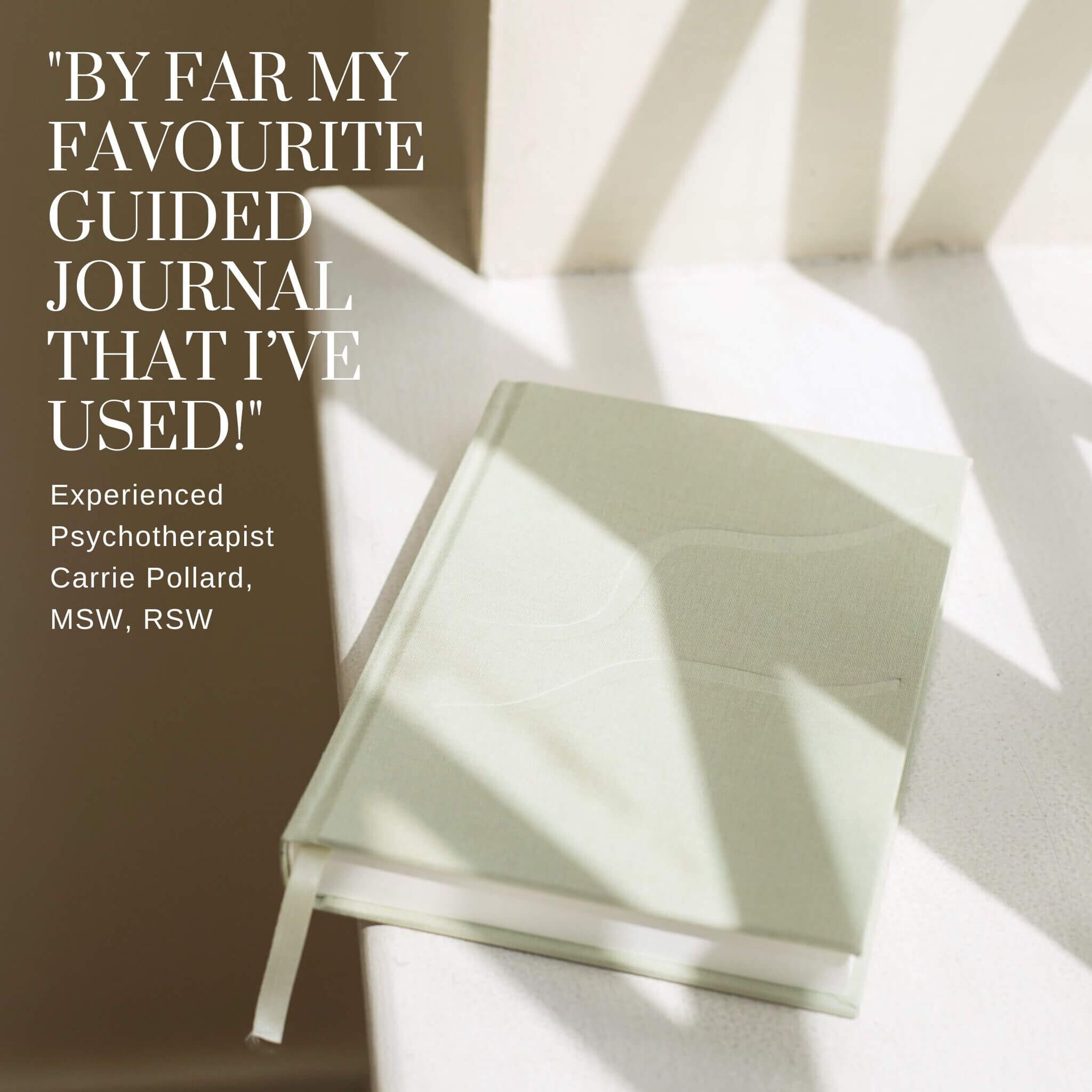
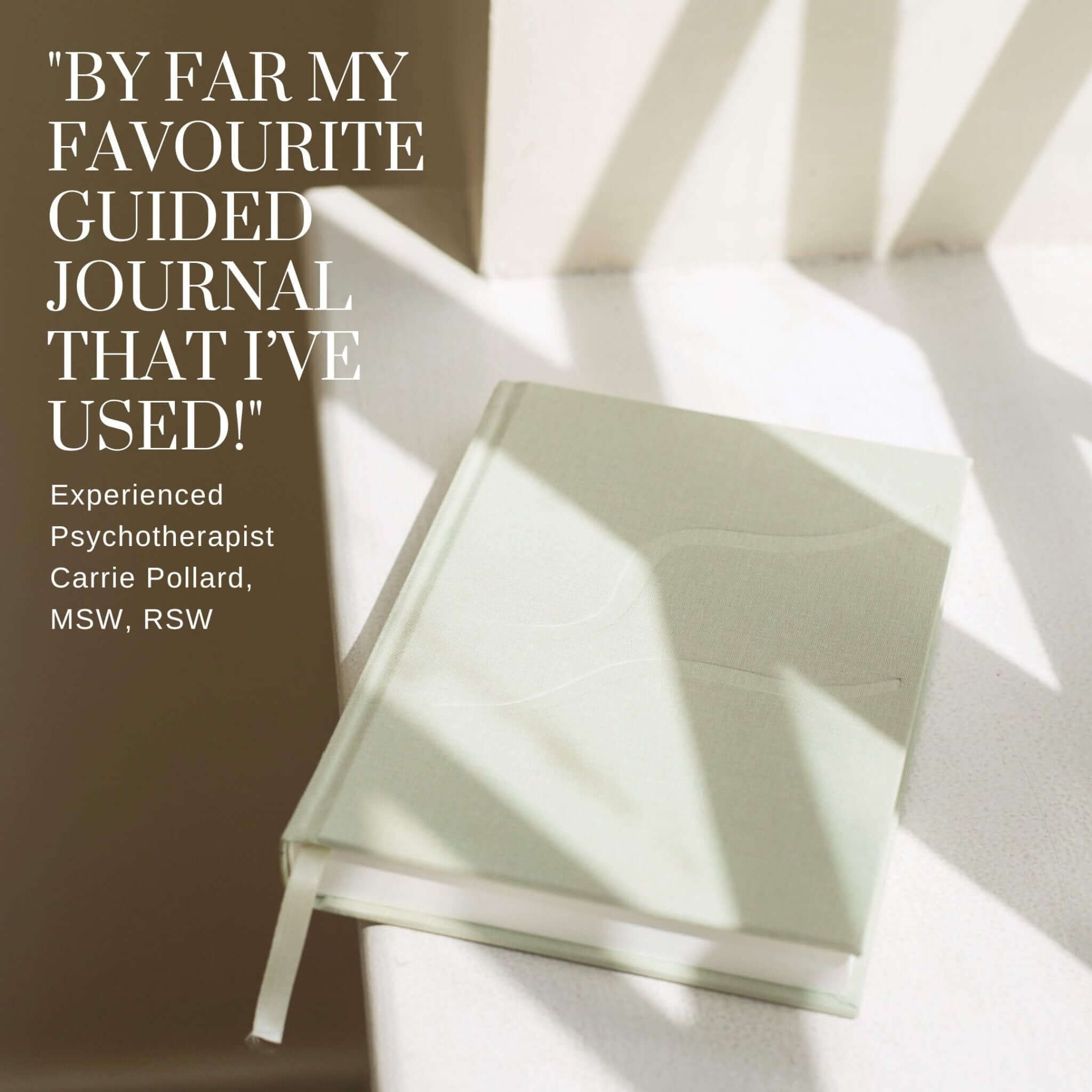
“By far my favourite guided journal that I’ve used!”
There's a lot of journals out there. Most of which include tools that can be repetitive, boring or unhelpful. Give Yourself Kindness is about creating something new.