




Quick answer
Which guided journal is best for tracking emotions?
The best guided journal for tracking emotions is one with a visual emotion guide on every page, so on a hard day the vocabulary is already in front of you rather than a blank line and a feeling you cannot name. Specific beats vague, every time. “Disappointed” does more for you than “bad”, and most people need to see the word to find it.
Best for: anyone learning to name what they feel, especially if blank pages or an app’s short list of emojis has not got you there.
What makes it different:
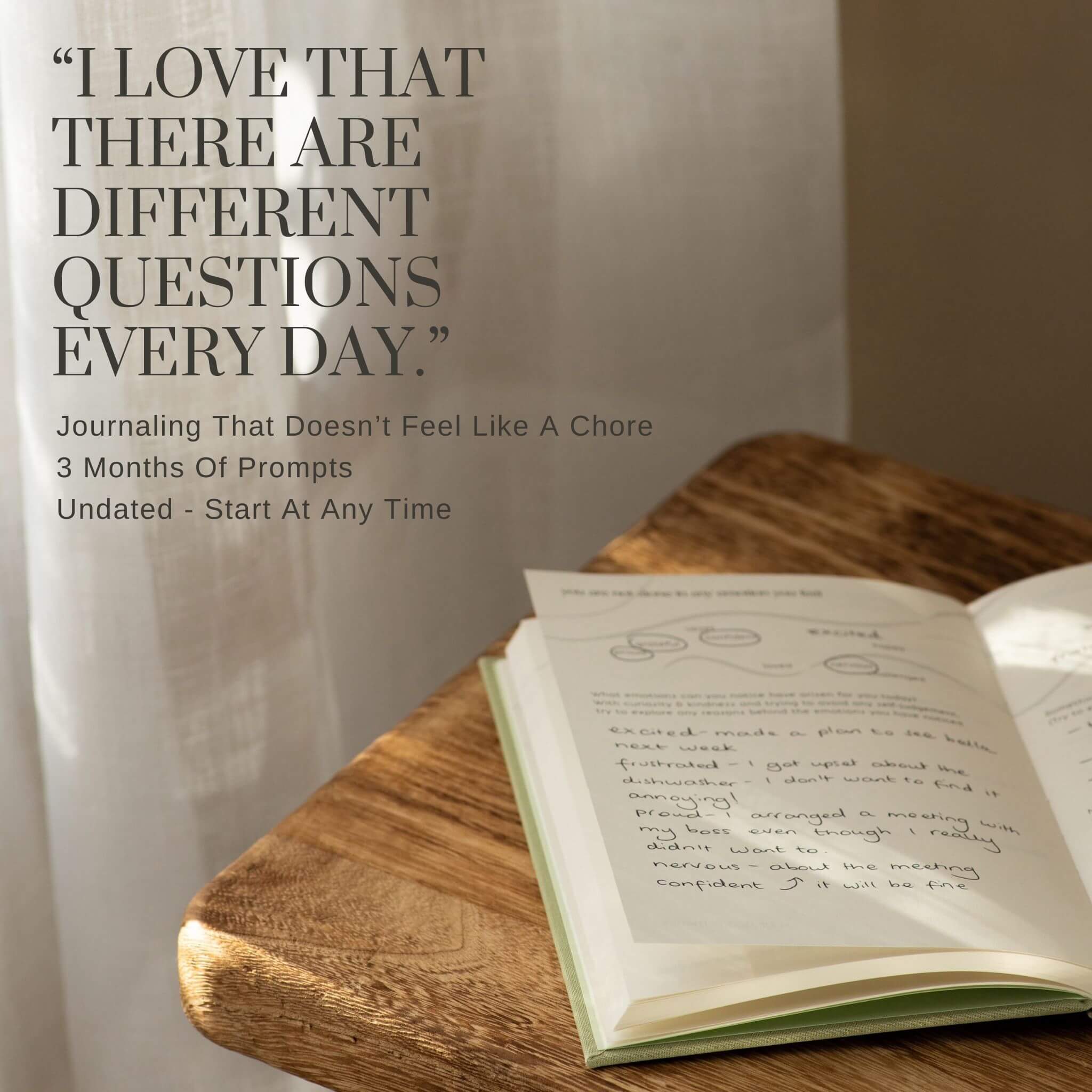
- A visual emotion guide on every single page, not one chart at the front you stop turning back to by week two.
- 90 days of varied prompts across 224 pages, no two days the same.
- Prompts that ask you to explore a feeling, not just score it out of five.
- Undated, so a missed week is never a row of blank dates.
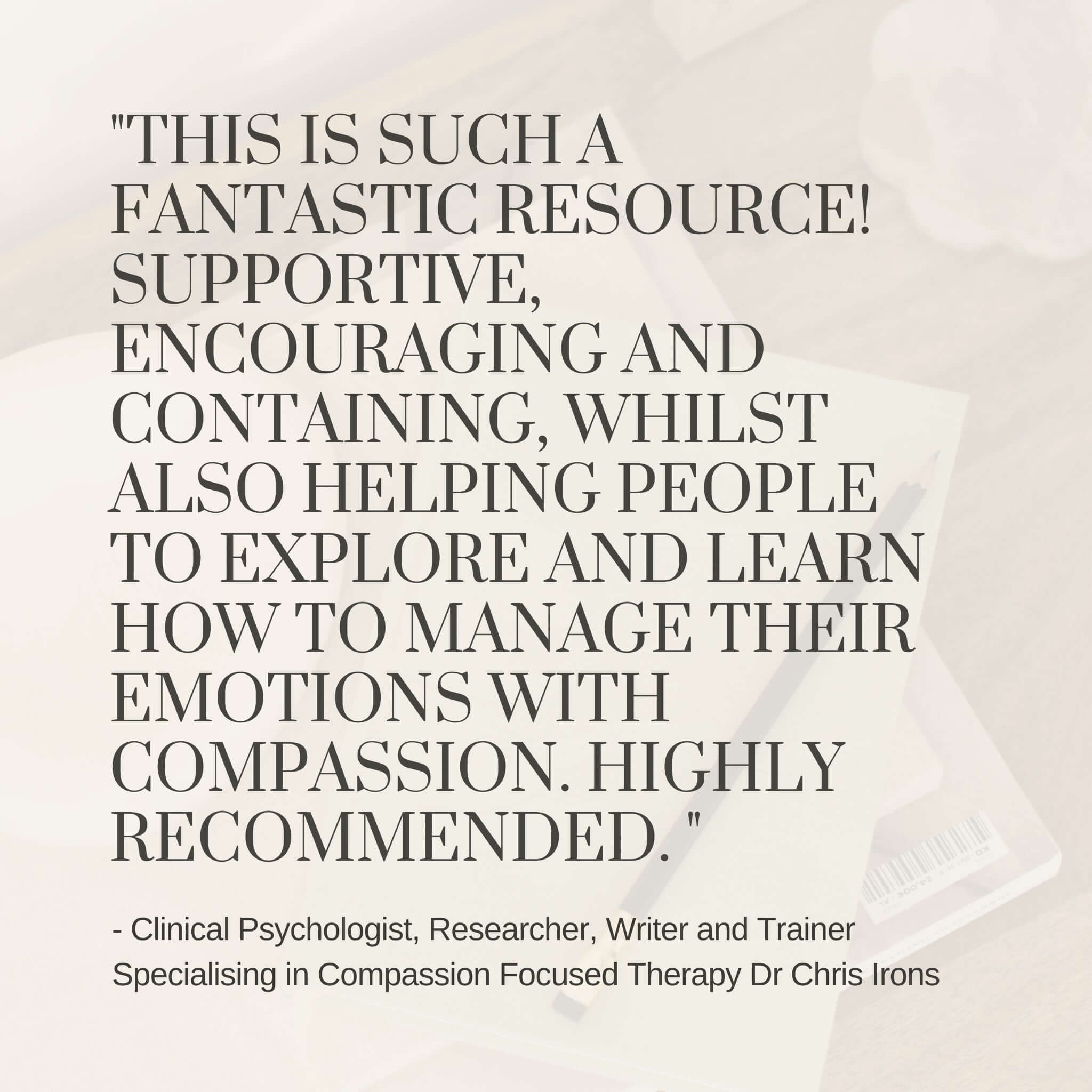
Built on affect labelling and self-compassion. Reviewed by clinical psychologists at Harvard Medical School and the University of Oxford.
Learn more about the journal →Photographs, full details and 58 reviews. Or see what's inside it further down this page ↓

Dr Chris Germer, PhD
Clinical psychologist, Harvard Medical School
"A warm invitation to make friends with your emotions and yourself!"
Full disclosure: I'm Rachel, and this is my journal. After recovering from mental illness through Compassion-Focused Therapy, I created the emotion tracking tool I wish had existed. Clinical psychologists from Harvard and Oxford recommend it, but the other options are all here too, honestly compared, so you can choose what's genuinely right for you.
Why naming the emotion is the whole thing
Everything on this page rests on one finding, and it's worth understanding before you choose anything.

Kristin Neff, PhD
Associate Professor of Educational Psychology, University of Texas at Austin, and co-developer of Mindful Self-Compassion
"Naming or labeling difficult emotions helps us to disentangle, or 'unstick,' from them. If we can say, 'This is sadness' or 'Fear is arising,' we get perspective on the emotion rather than being engulfed by it. Name it and you tame it."
Excerpt from Being With Difficult Emotions on the Give Yourself Kindness blog, adapted from Fierce Self-Compassion by Kristin Neff, PhD, and shared with permission. This is a citation of the technique, not an endorsement of any journal.
Read the full piece →Name it and you tame it. That's the mechanism, and it's why the single most useful feature in an emotion journal is a visual guide that hands you the words. Researchers call the precision part emotional granularity: the finer the label, the better your brain regulates the feeling. "Bad" gives you nothing to work with. "Resentful", "deflated" or "apprehensive" gives you somewhere to go.
Six things worth looking for
This applies whatever you end up buying, mine included.
1. A visual emotion guide, on every page
Most people can't name what they're feeling beyond good or bad, and that isn't a failing, it's just vocabulary nobody taught us. A guide distinguishes anxious from worried from restless from overwhelmed.
The detail that decides it: check whether the guide is on every page or only printed once at the front. A wheel on the inside cover gets used for about a week, because flicking back becomes one more small effort on the days you have none. On the page you're already writing on, it just gets used.
Worth avoiding: journals that ask "how do you feel?" and leave you a blank space. That's the hardest possible version of the task.
2. Prompts that explore, not just label
Naming it is step one. Understanding where it came from and what to do with it is step two. Look for something closer to "what emotions can you notice today, and with curiosity and kindness, can you explore why?"
Worth avoiding: anything that stops at identification. Writing "today I felt sad" for a fortnight builds nothing.
3. Prompts that change
The same question every day puts you on autopilot within about a week. You fill it in without thinking, which is the opposite of noticing.
4. Kindness built in, not just analysis
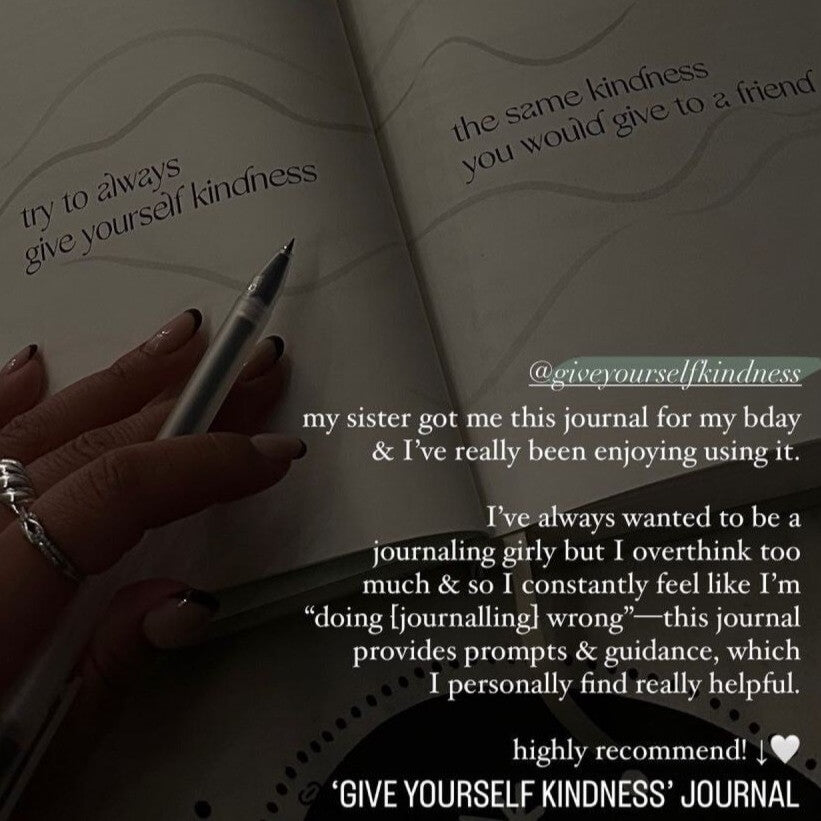
Dr Kristin Neff's research finds that meeting a difficult feeling with kindness does more than analysing it or trying to fix it. Look for prompts that ask what you'd say to a friend.
Worth avoiding: anything that treats emotions as problems to be solved, or pushes positivity while you're genuinely struggling.
5. A real basis in psychology
Emotion tracking done badly can reinforce rumination rather than easing it, which is a genuine risk worth naming. Look for something built on an established approach, whether that's Compassion-Focused Therapy, DBT or self-compassion research.
6. Undated pages
Emotions come in waves and so will your tracking. Dated pages turn a quiet fortnight into a row of blank accusations, which is precisely the wrong thing to hand someone working on emotional regulation.
The four options, compared honestly
There are really only four ways to track emotions. Here's what each one is genuinely good at, including where mine is the wrong choice.
The Give Yourself Kindness Journal
Best for most people learning to track emotions
- Emotion guide
- Visual, on every page
- Prompts
- Three months, all different
- Basis
- Affect labelling and self-compassion
- Price
- £28.95
Where it wins: the emotion guide is on every page rather than once at the front, so it's there on the day you need it. And the prompts ask you to explore rather than just record, and they change, so it doesn't go mechanical.
Where it doesn't: if you want only emotion tracking, this also covers gratitude and self-compassion. And if you're in DBT, your therapist will want the diary card instead.
The DBT diary card
Best if you are currently in DBT therapy
- Emotion guide
- None, numbers only
- Prompts
- Identical each day
- Basis
- DBT protocol
- Price
- Free printables available
Where it wins: if your therapist uses DBT, this is what they'll ask for, and it gives you both quantifiable data and a shared language in session. Quick, too, at about five minutes.
Where it doesn't: rating anxiety at four out of five tells you nothing about the texture of it. It's data collection rather than emotional exploration, and out of a therapy context it can feel clinical.
Mood tracking apps
Best for quick check-ins and spotting patterns
- Emotion guide
- Basic, usually emoji
- Prompts
- Repetitive
- Basis
- Varies by app
- Price
- Free to around £5 a month
Where it wins: it's already in your pocket, it reminds you, and the charts genuinely help you notice things like feeling worse on days you don't get outside.
Where it doesn't: you're picking from someone else's short list of feelings, which is the opposite of building your own vocabulary. It also means a screen at bedtime.
Honestly: apps and a journal do different jobs. An app for the daily data point, paper for the weekly exploration, is a genuinely good combination.
A blank notebook
Best if you already know what to write
- Emotion guide
- None
- Prompts
- None
- Basis
- Whatever you bring
- Price
- Around £8 to £15
Where it wins: total freedom, and the cheapest option by some distance. If you have an established practice and strong emotional vocabulary, buy paper and keep your money.
Where it doesn't: without a framework most people write "I felt anxious today" and stop, which doesn't build the awareness or the vocabulary. The blank page is hardest on exactly the days you most need it.
Which to choose
- You've never tracked emotions before. Start with a guided journal. The vocabulary and structure are the thing you're missing, and you can move to blank pages later once you have them.
- You're in DBT. Use the diary card your therapist gives you.
- You want patterns and graphs. An app, ideally alongside something on paper for the deeper weekly look.
- You already journal confidently. A blank notebook is fine, and cheaper.
- You keep starting and stopping. Undated, varied prompts, and the emotion guide where you're already writing. That's usually the fix rather than more discipline.
The Give Yourself Kindness Journal in detail
Since it's the one I'm recommending, here is exactly what's in it and where the emotion tracking happens.

The Give Yourself Kindness Journal
An emotion tool on every page, so you never face a blank line
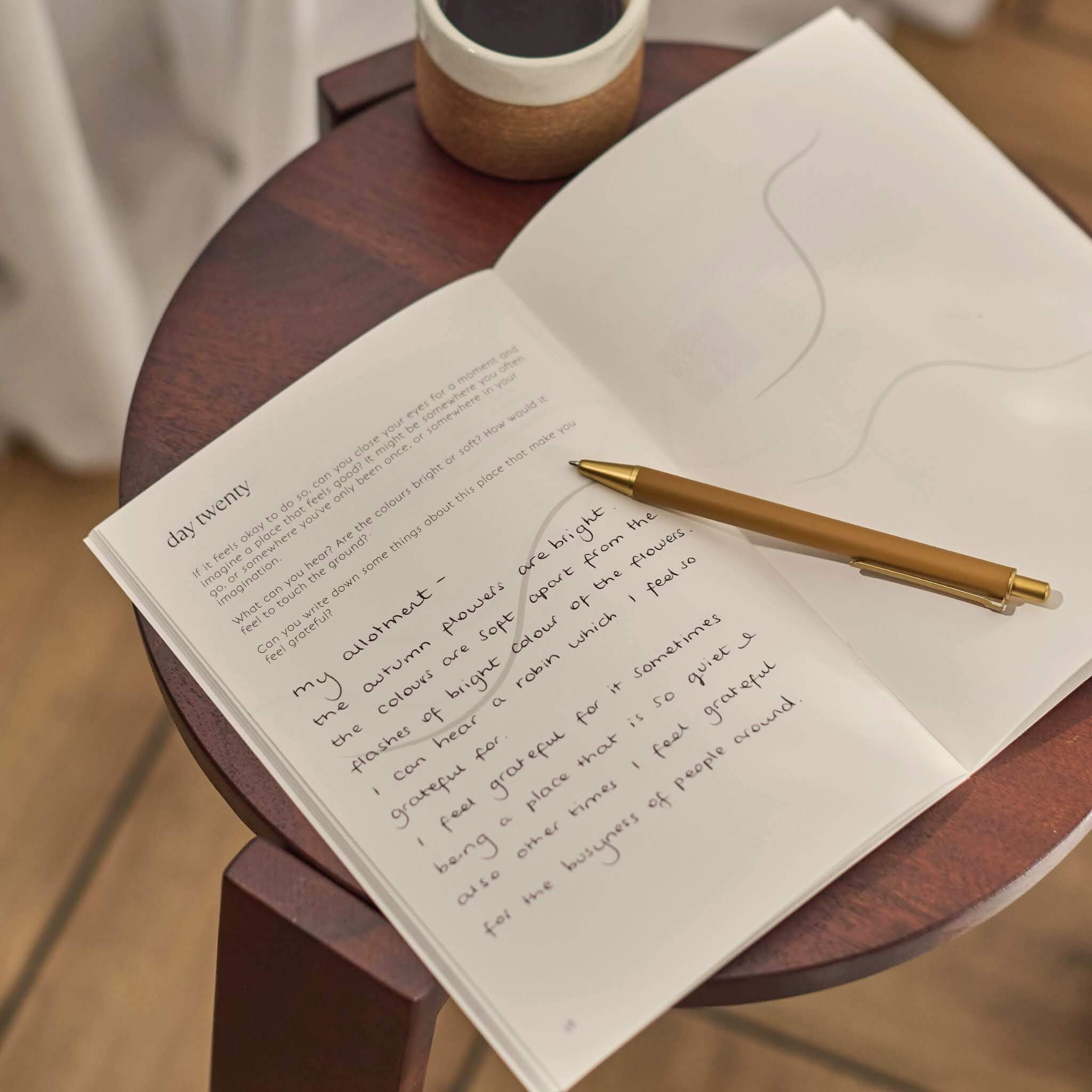
- An emotional awareness tool on every single page, not just once at the front. So the vocabulary is there on the day you need it, and you can name several feelings at once, because they rarely arrive alone.
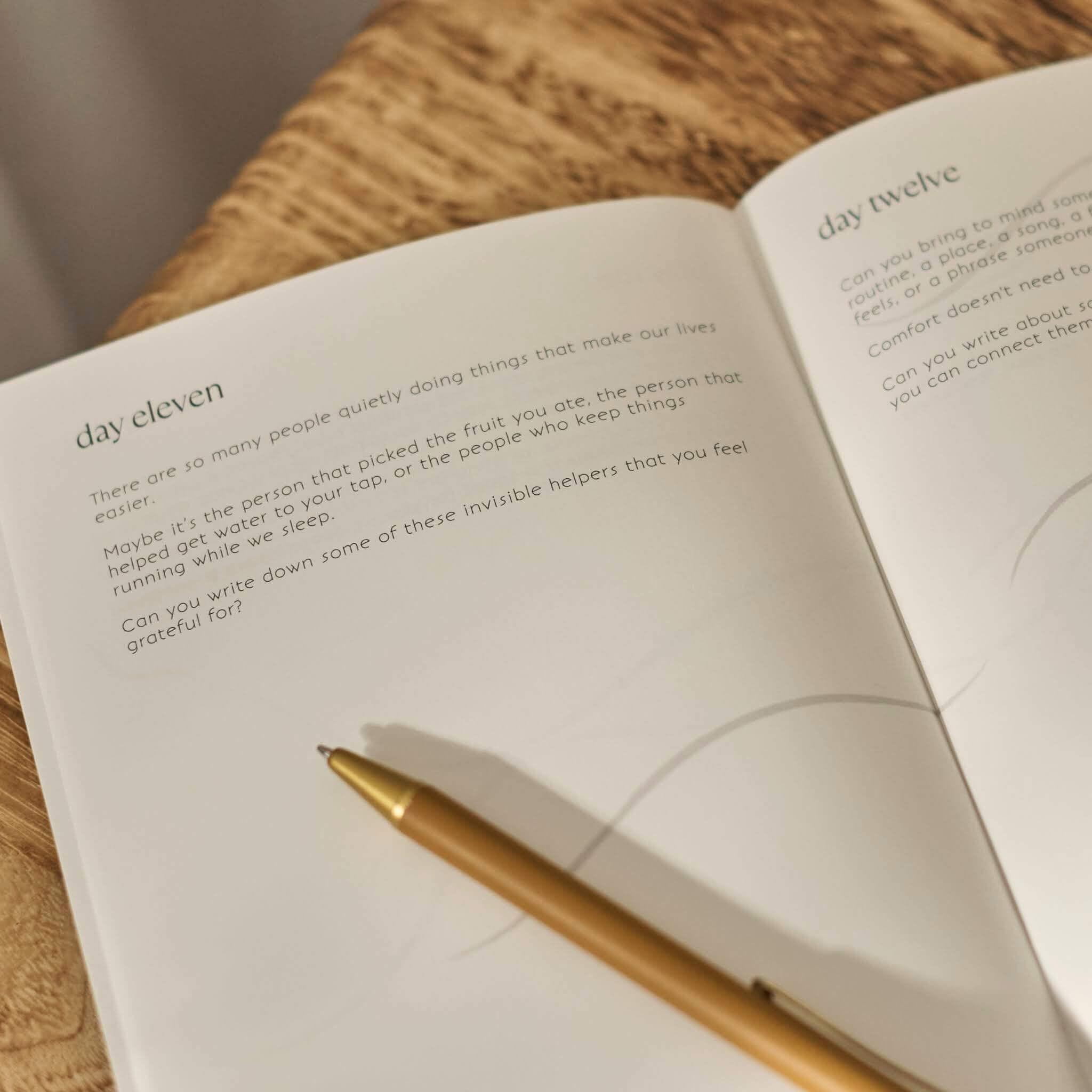
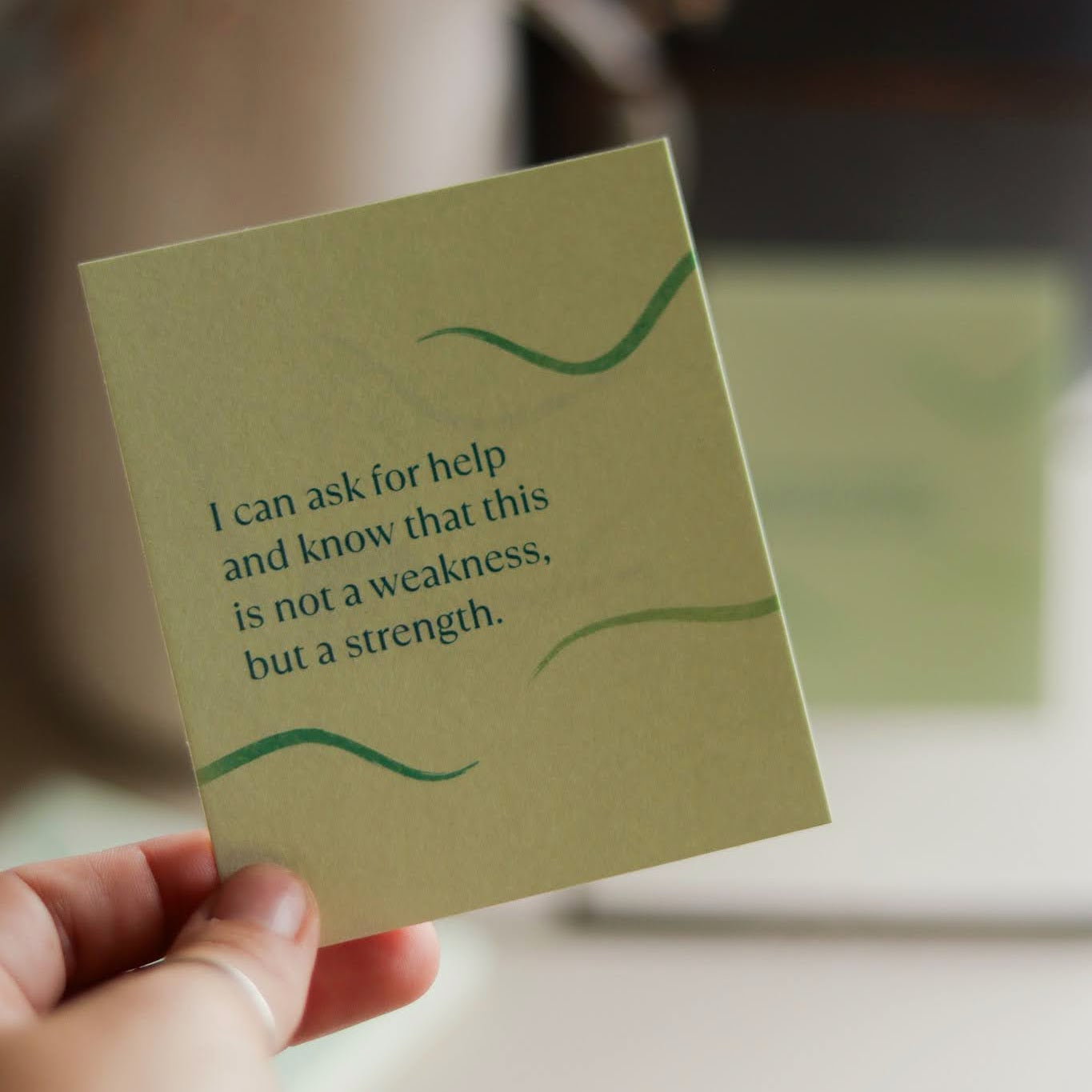
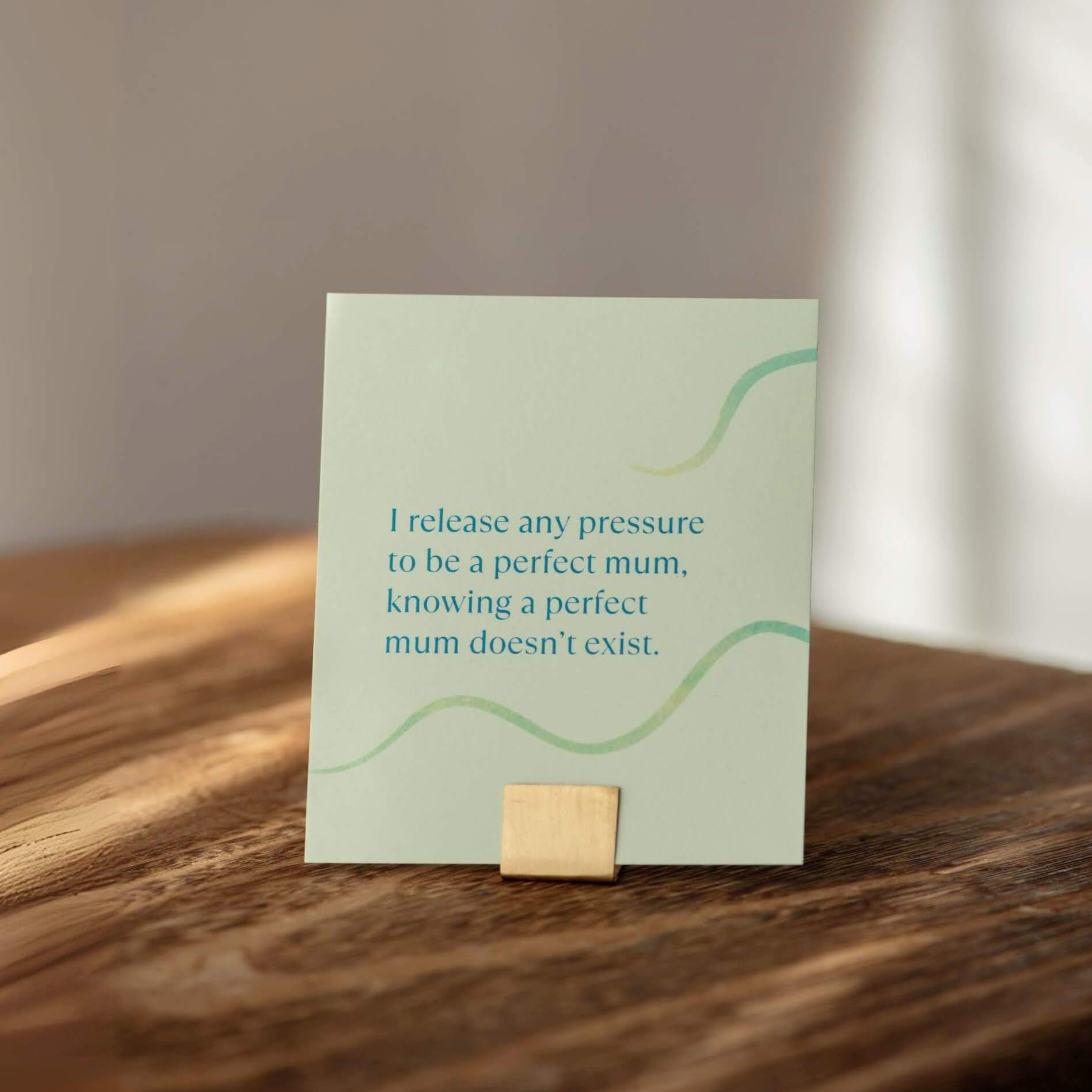
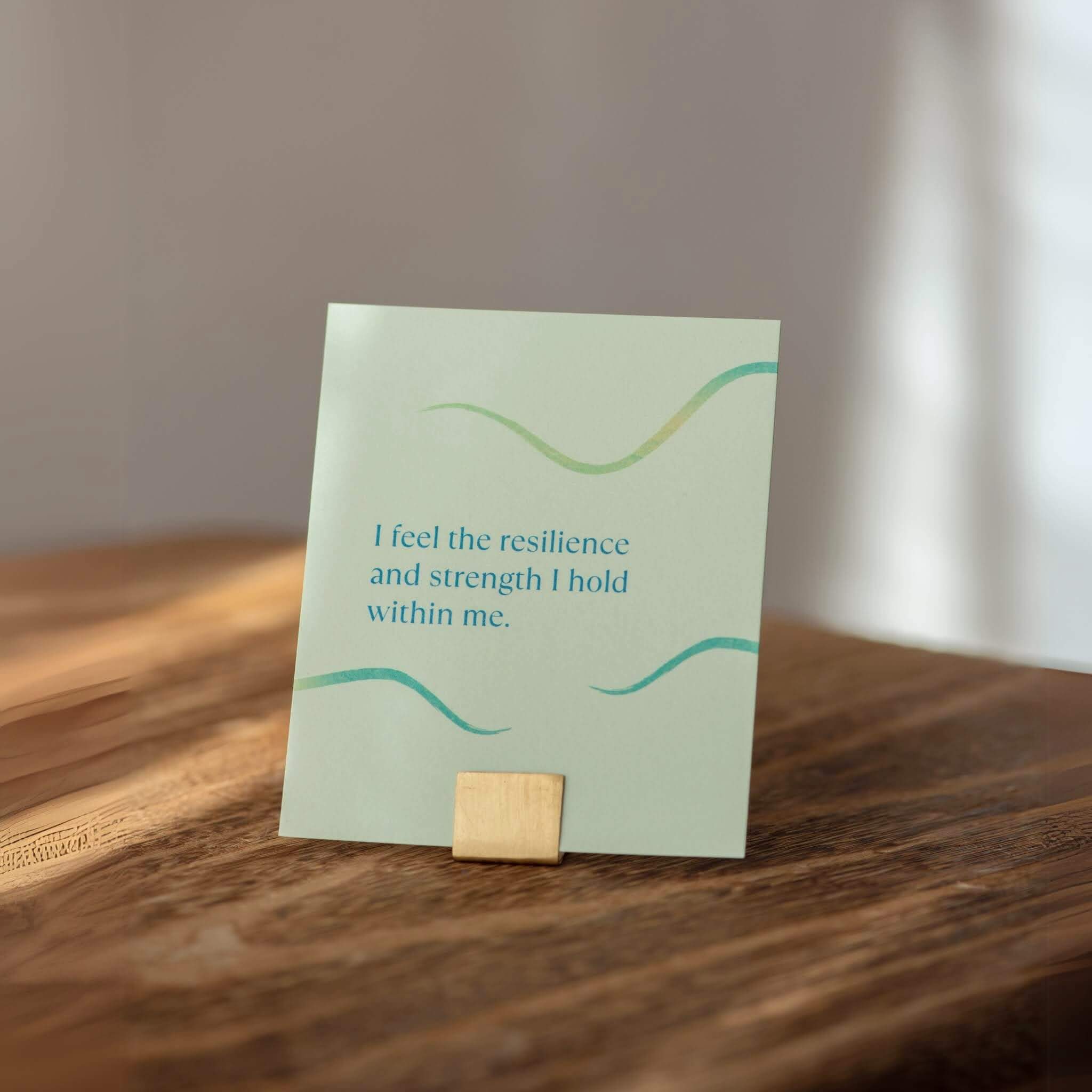
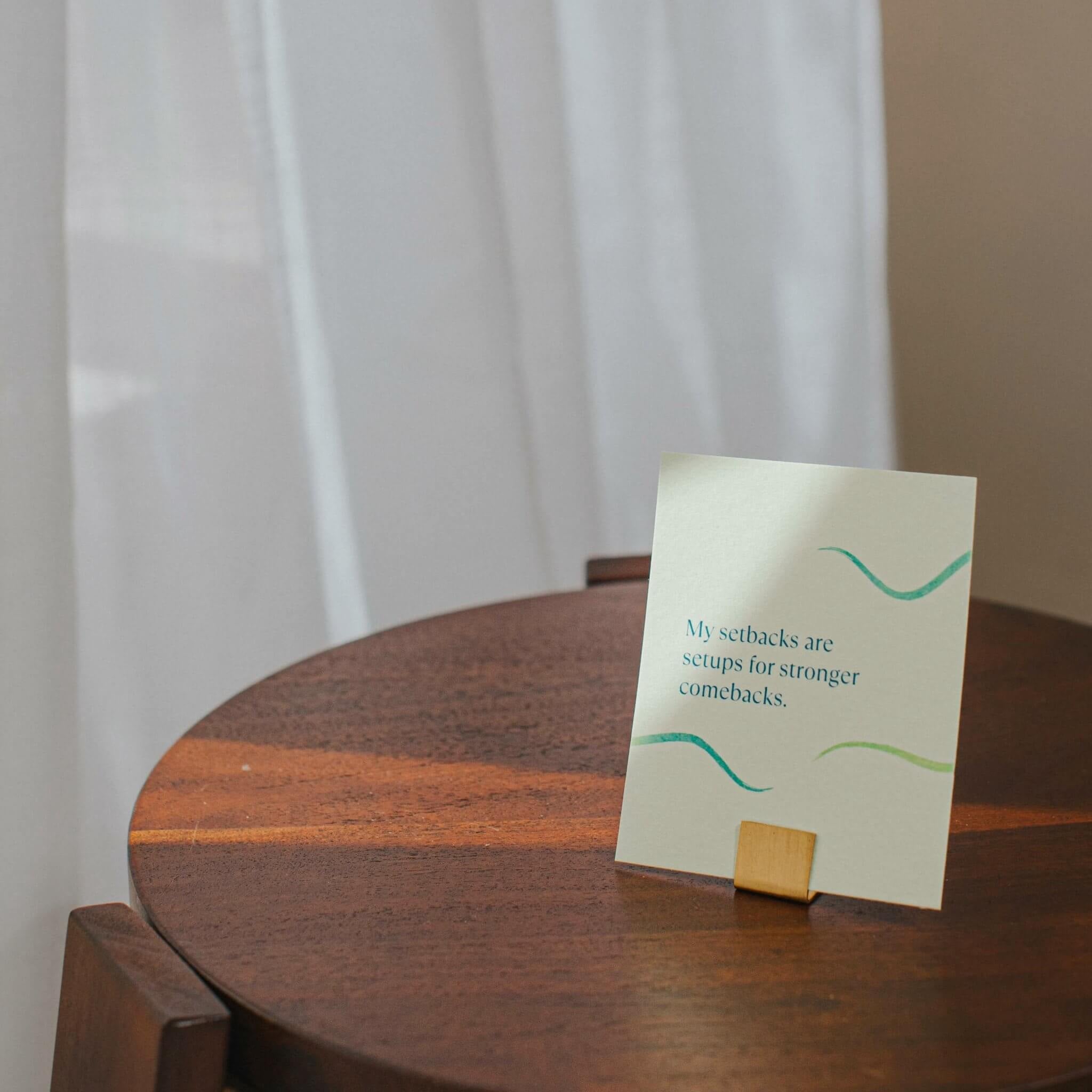
- Three months of undated prompts across 224 pages, every one different, approaching emotions from a different angle each time.
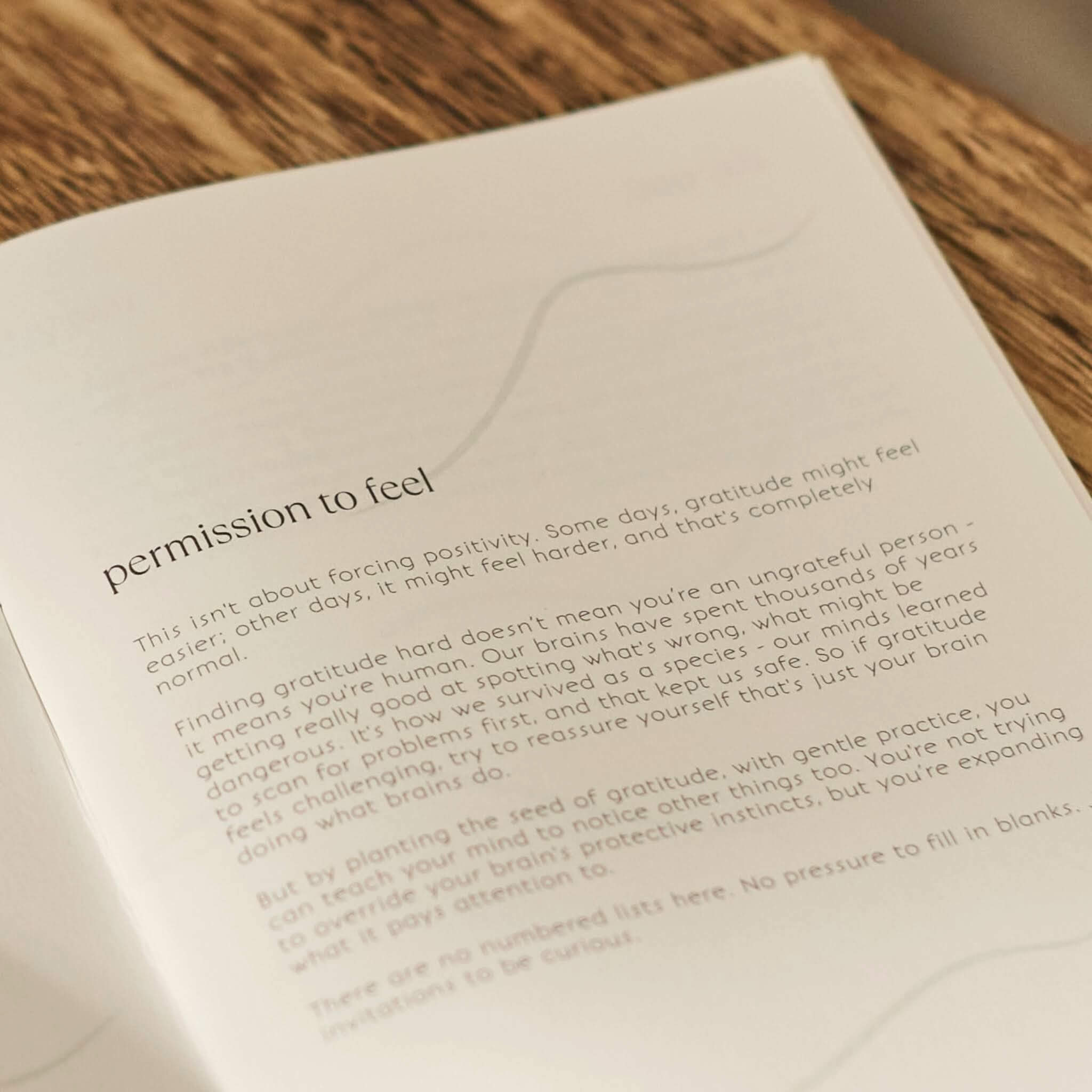
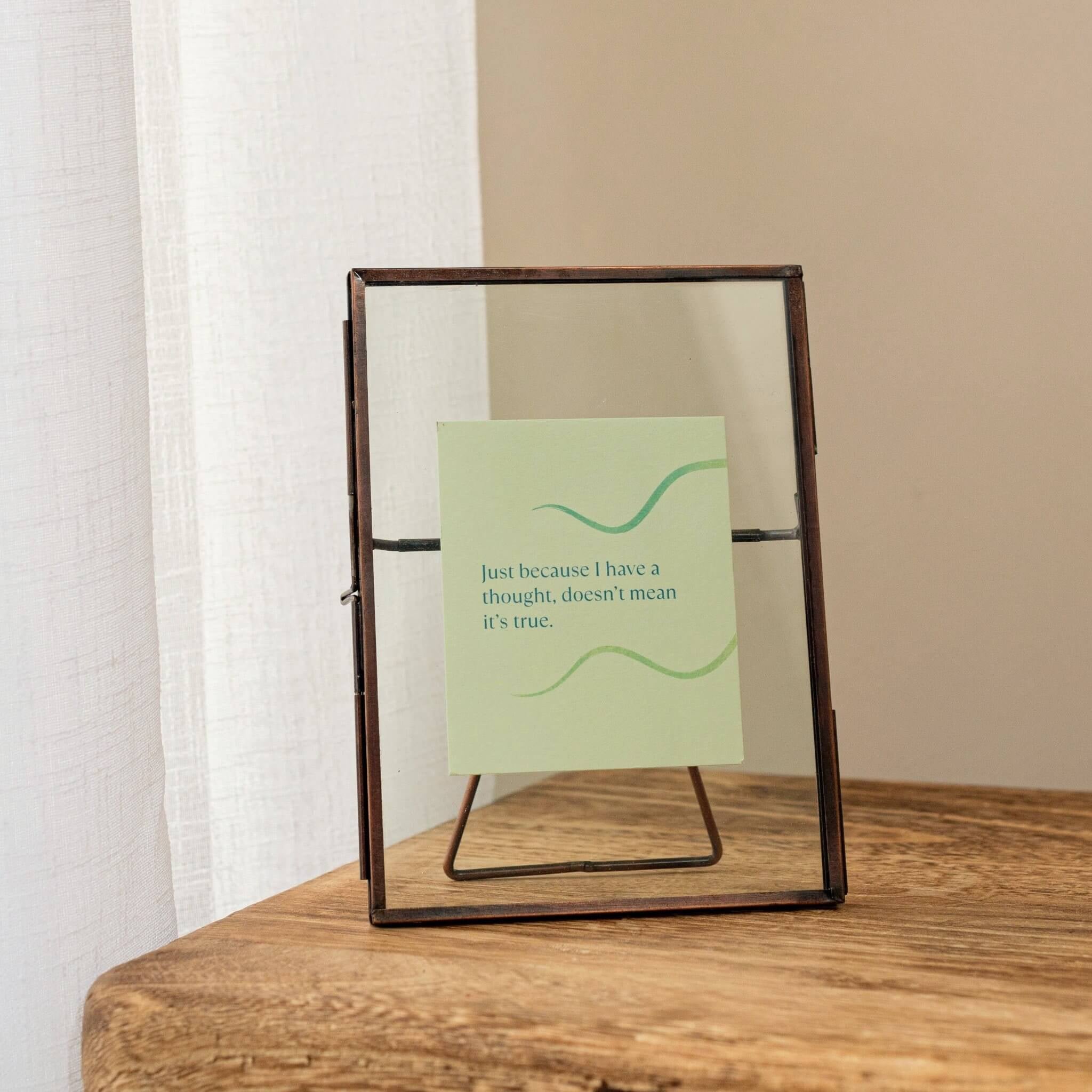
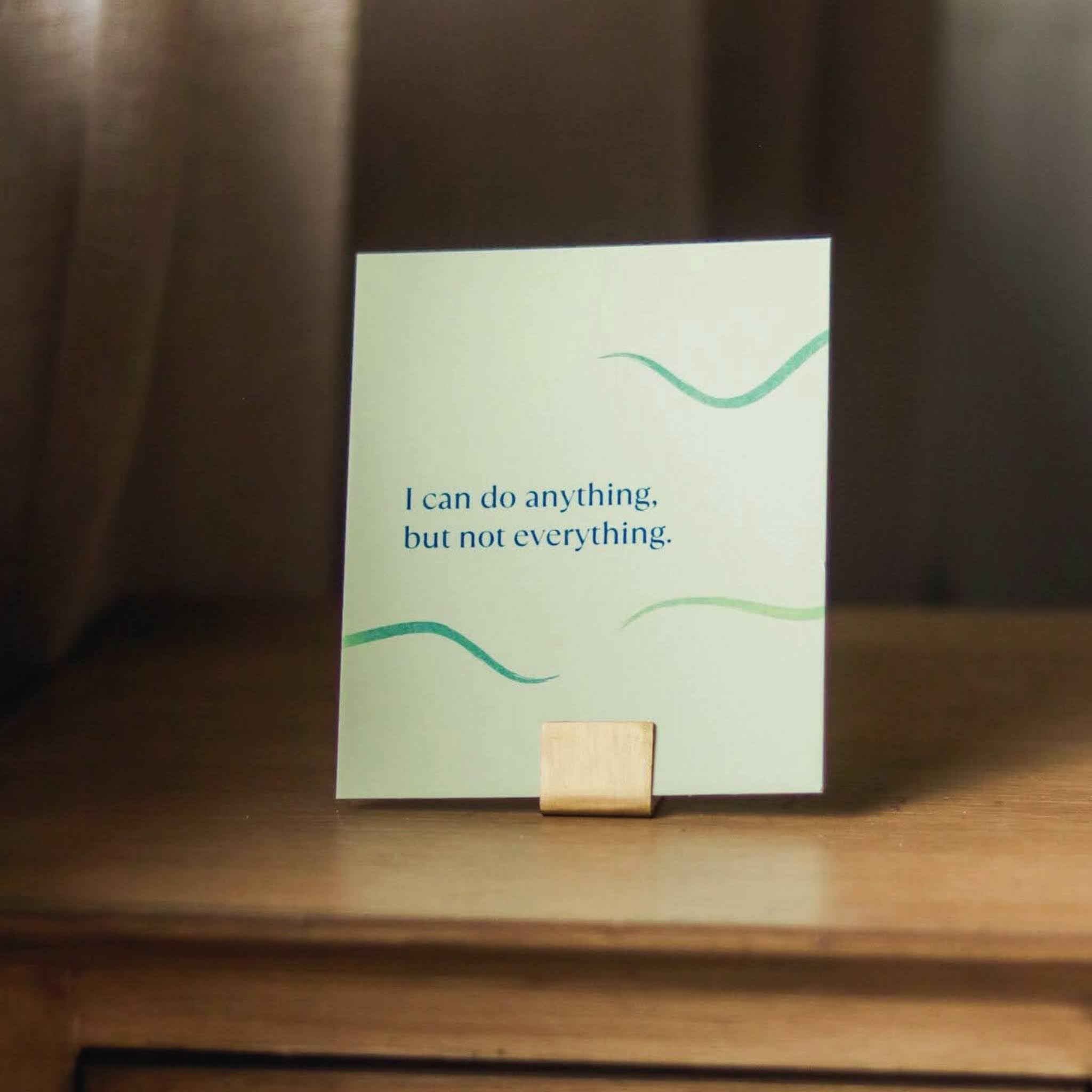
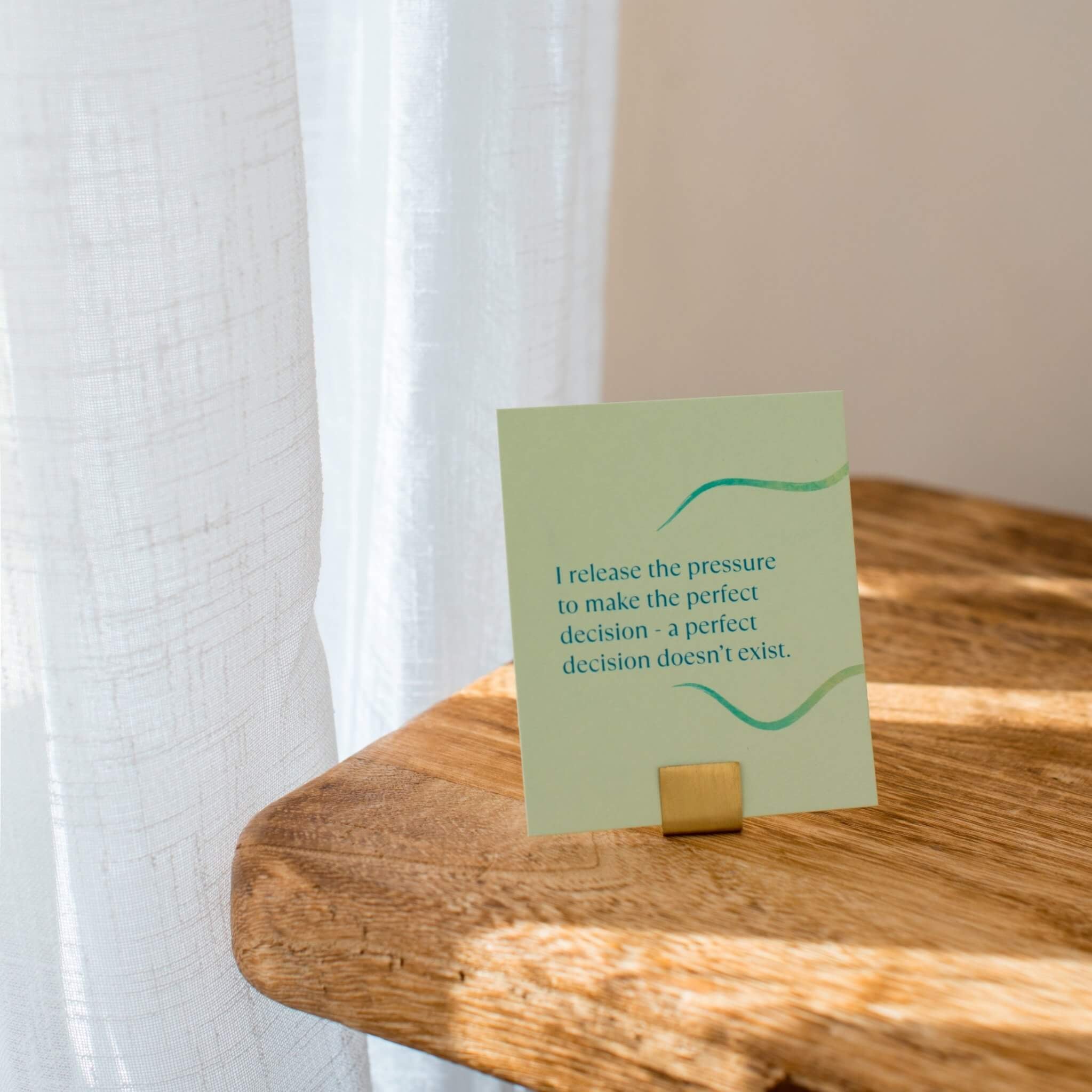
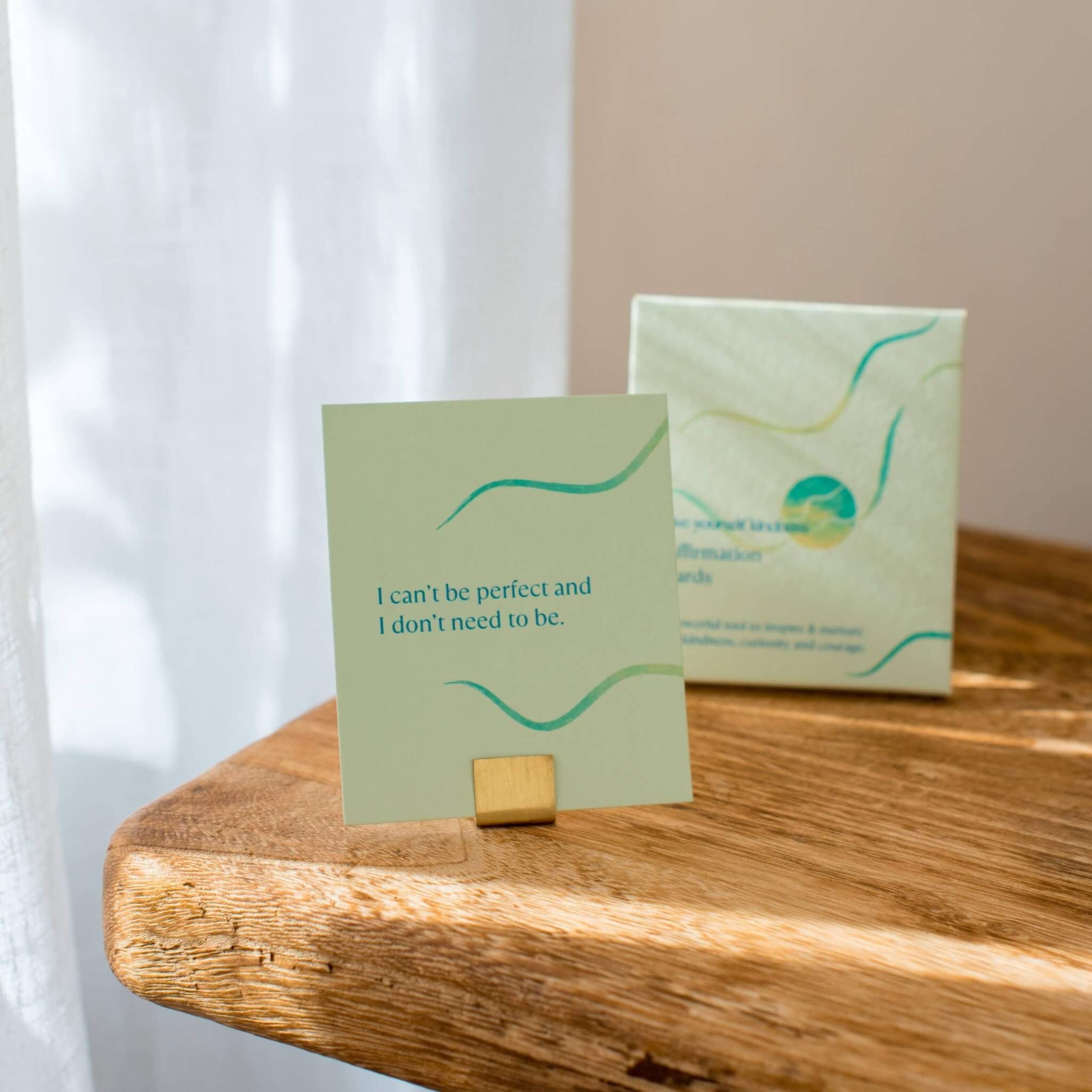
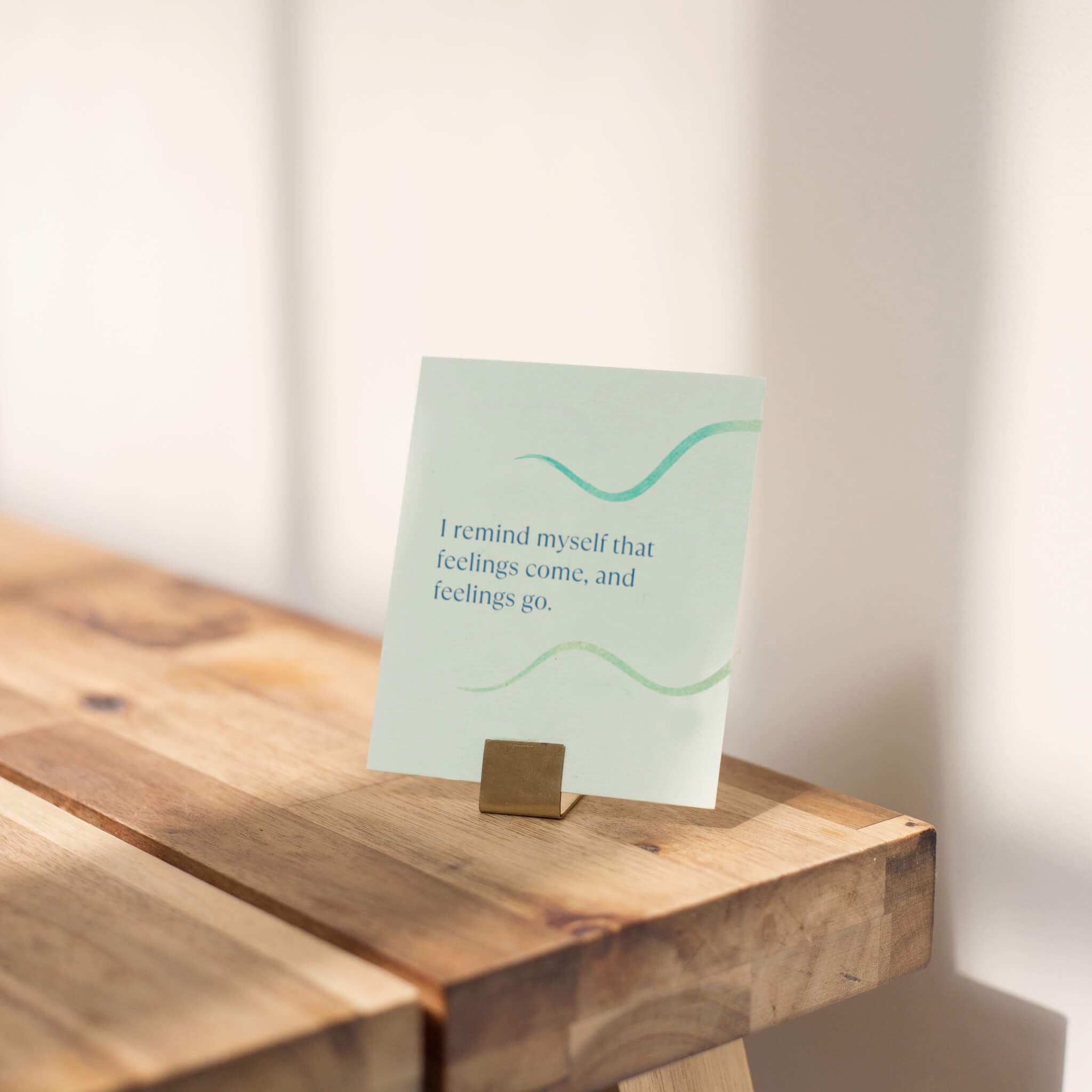
- Over fifty gentle reminders woven through, including "the way you speak to yourself matters".
- Undated, so a quiet fortnight costs you nothing.
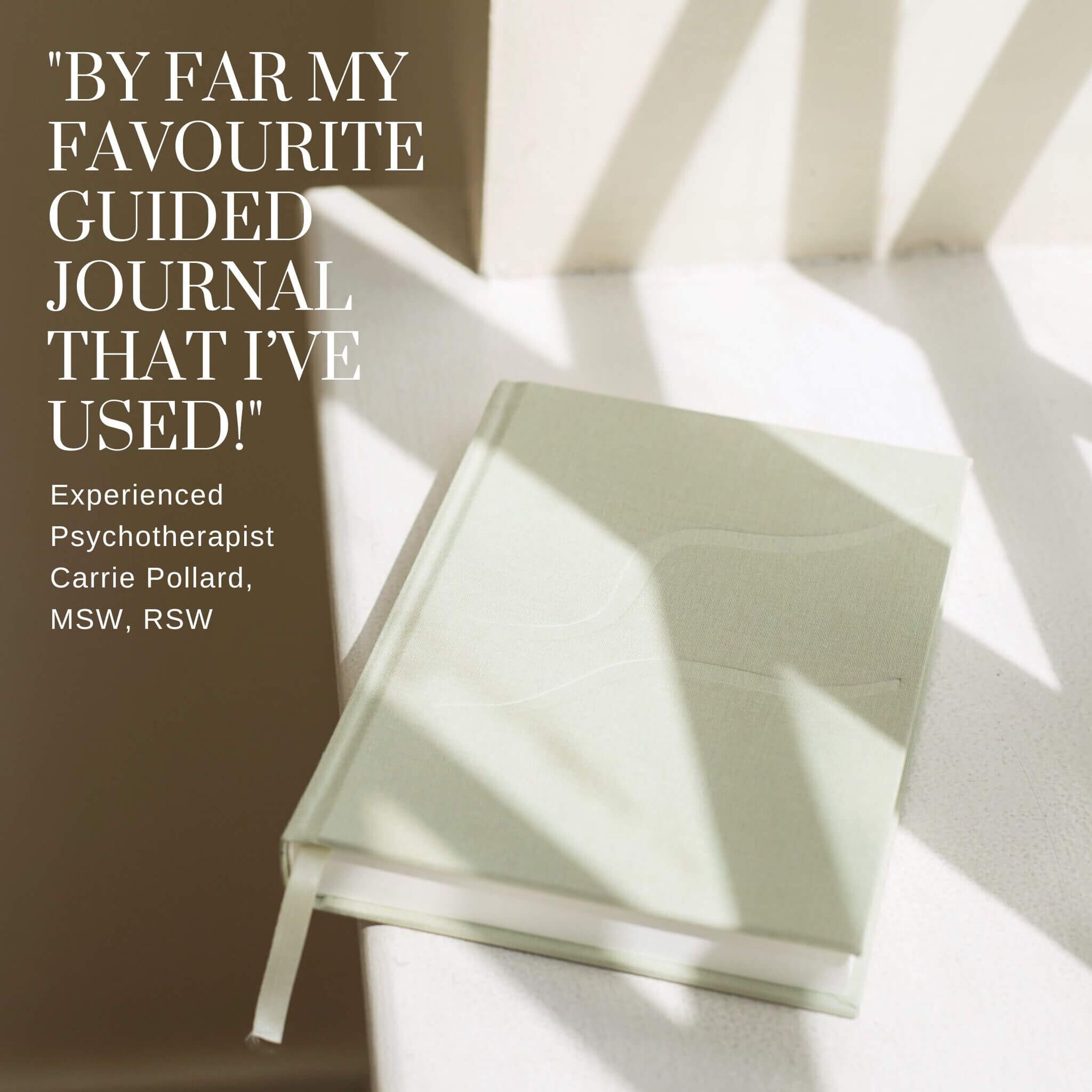
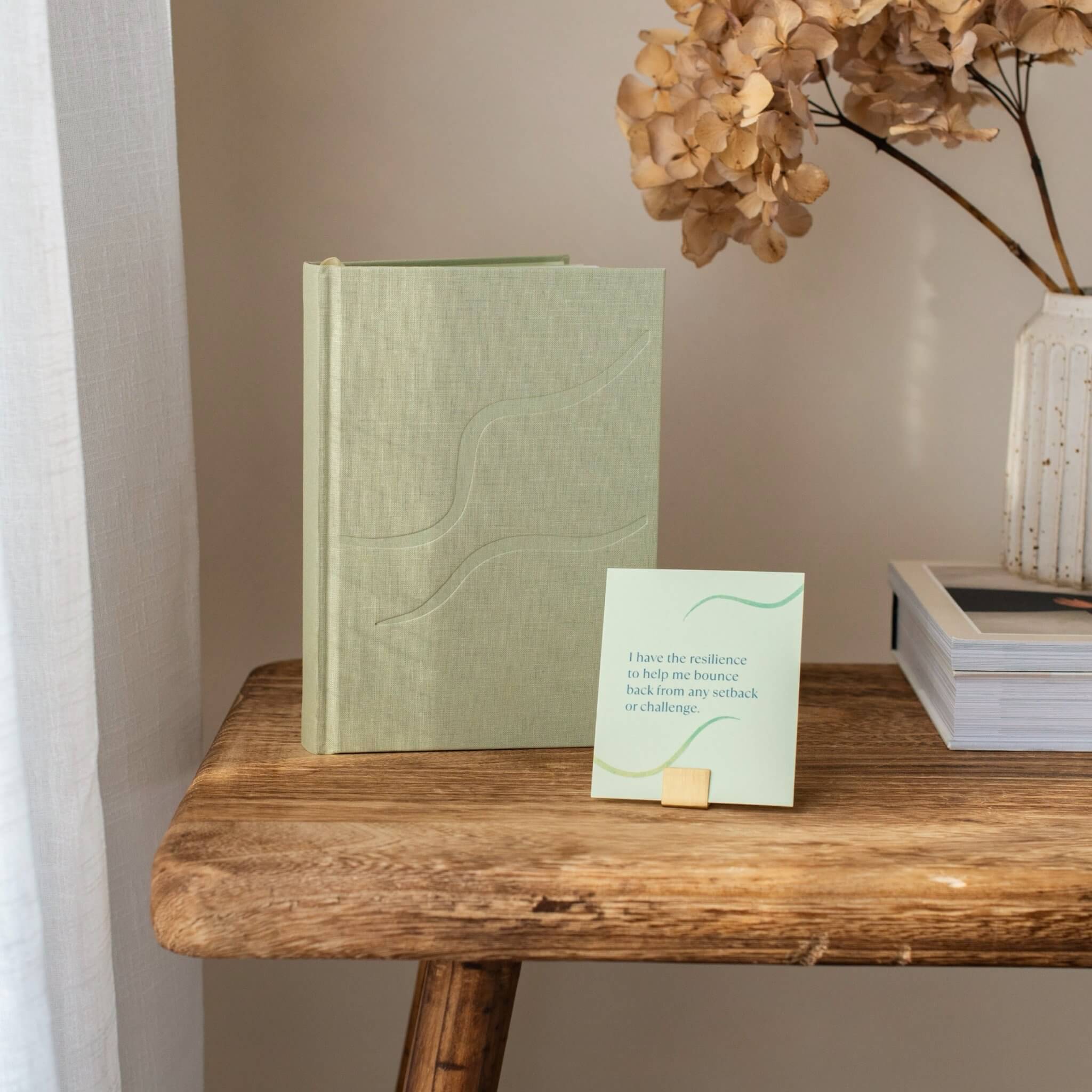
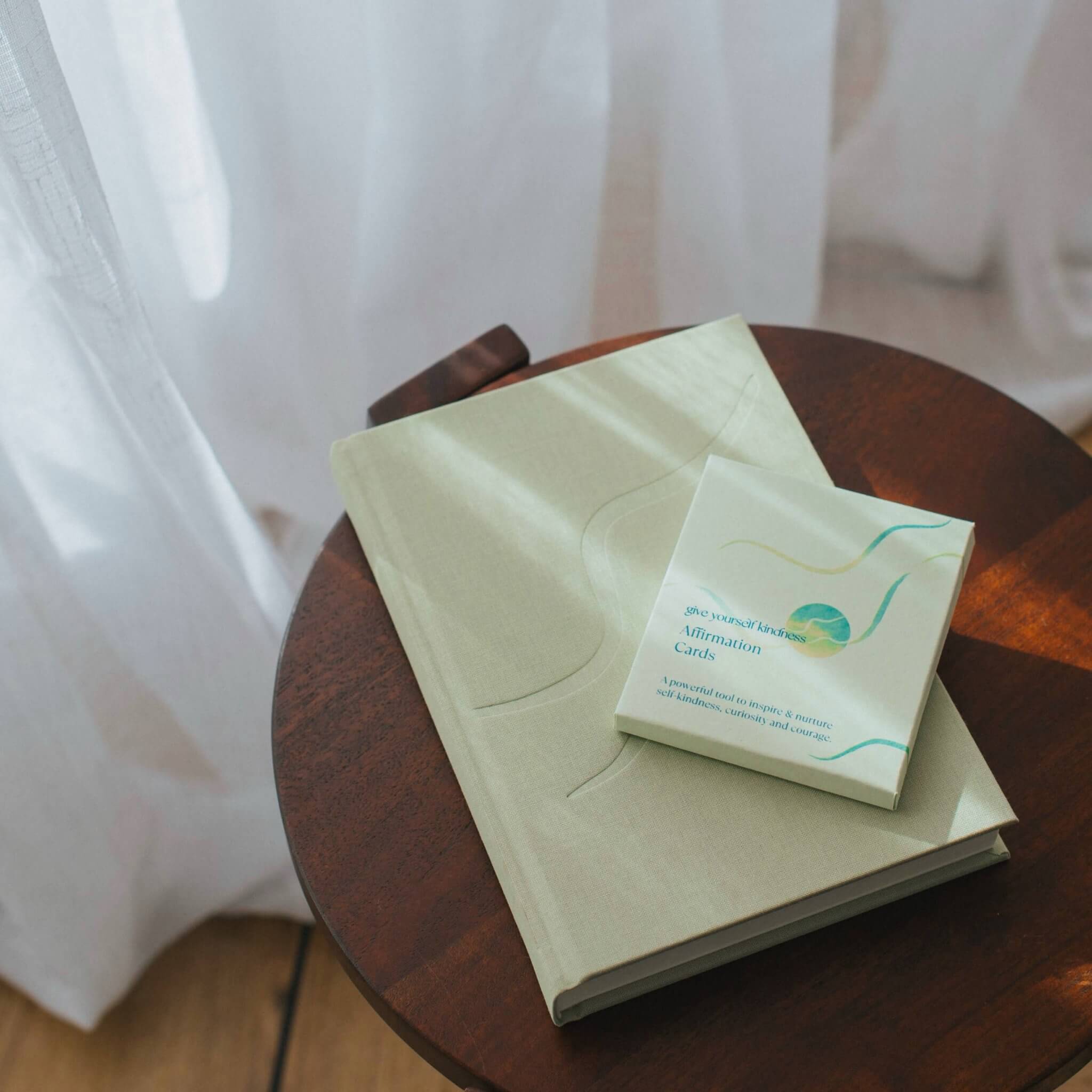
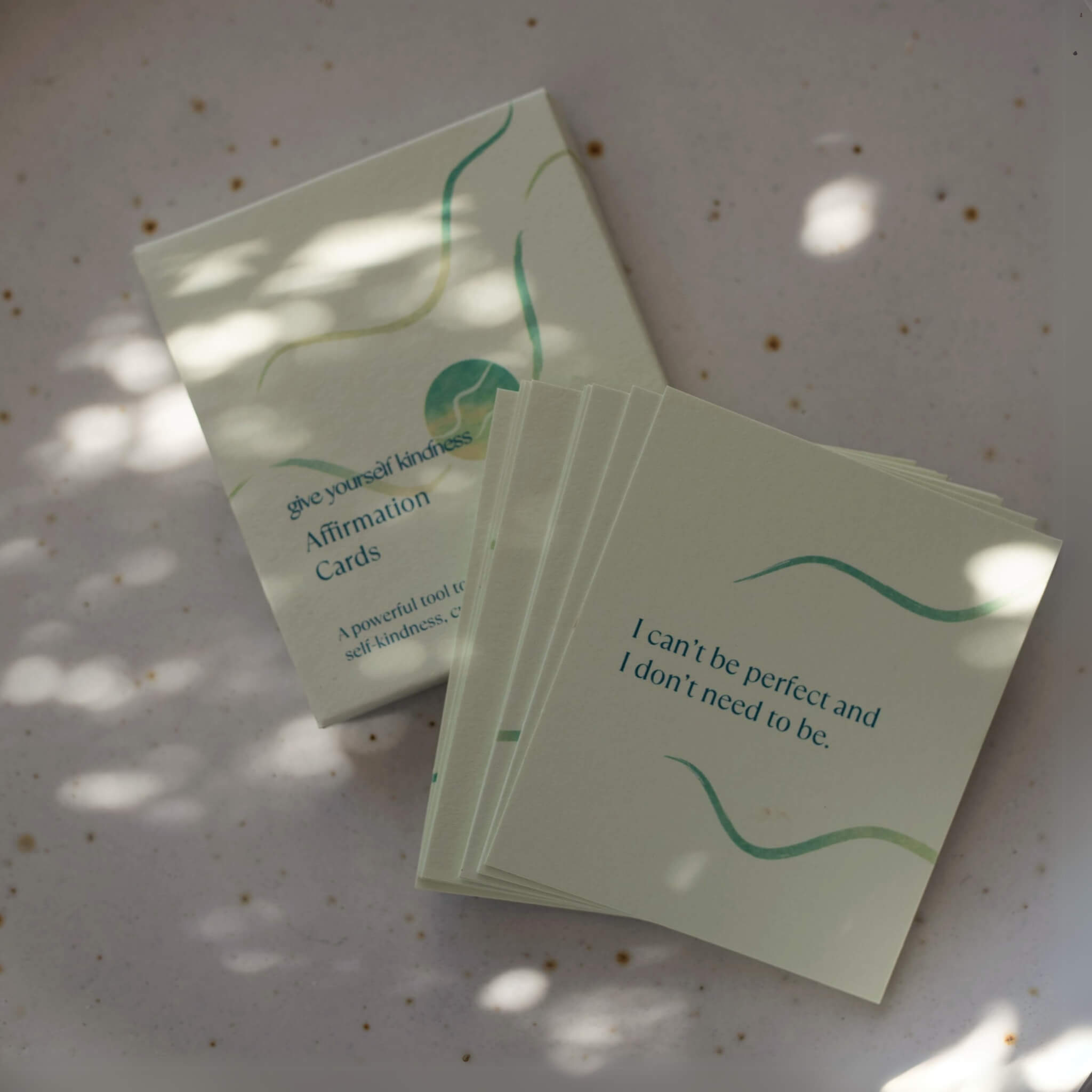
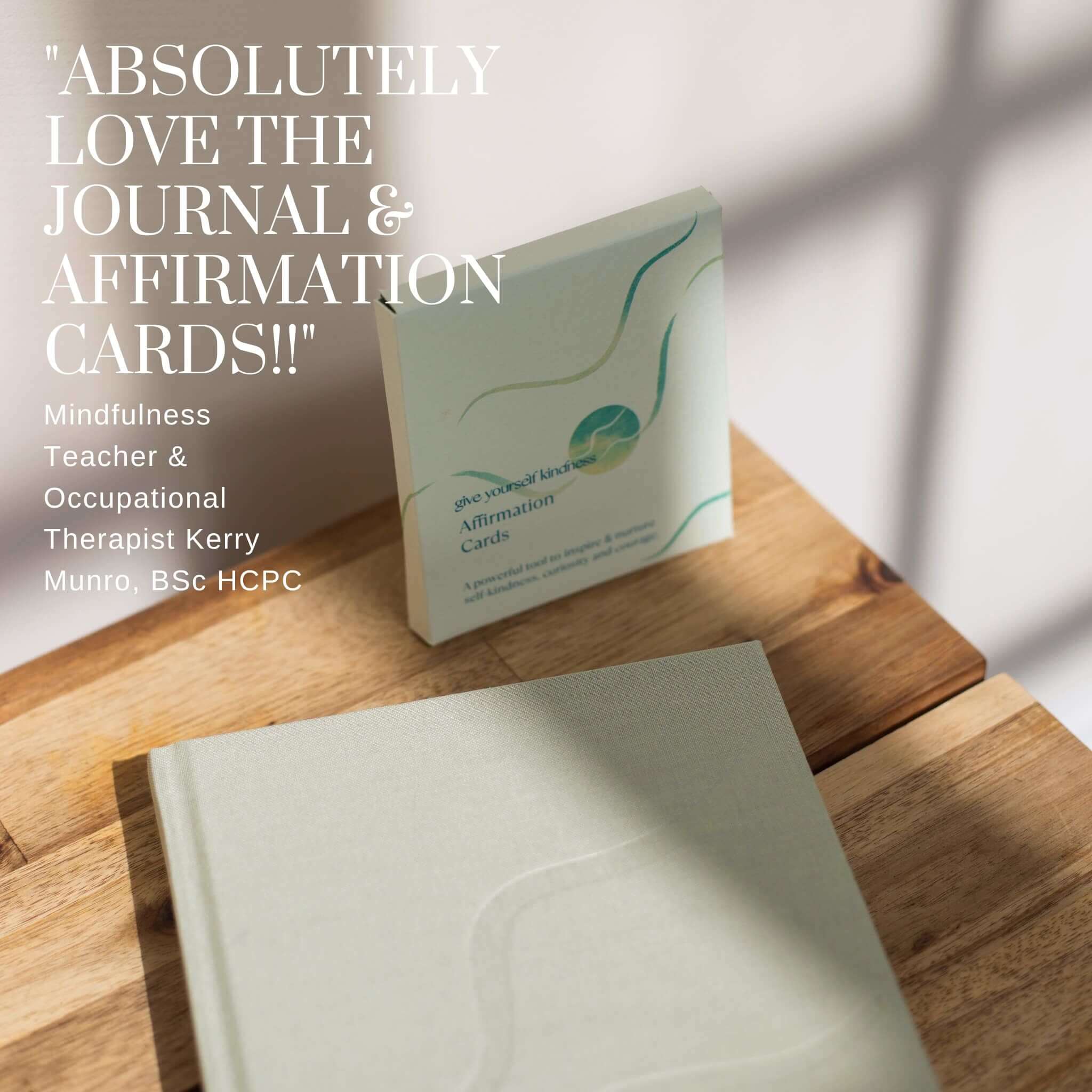
- 120gsm FSC-certified paper, luxury pistachio cloth cover, A5, wrapped in bespoke tissue paper.
Added to your basket. View basket →
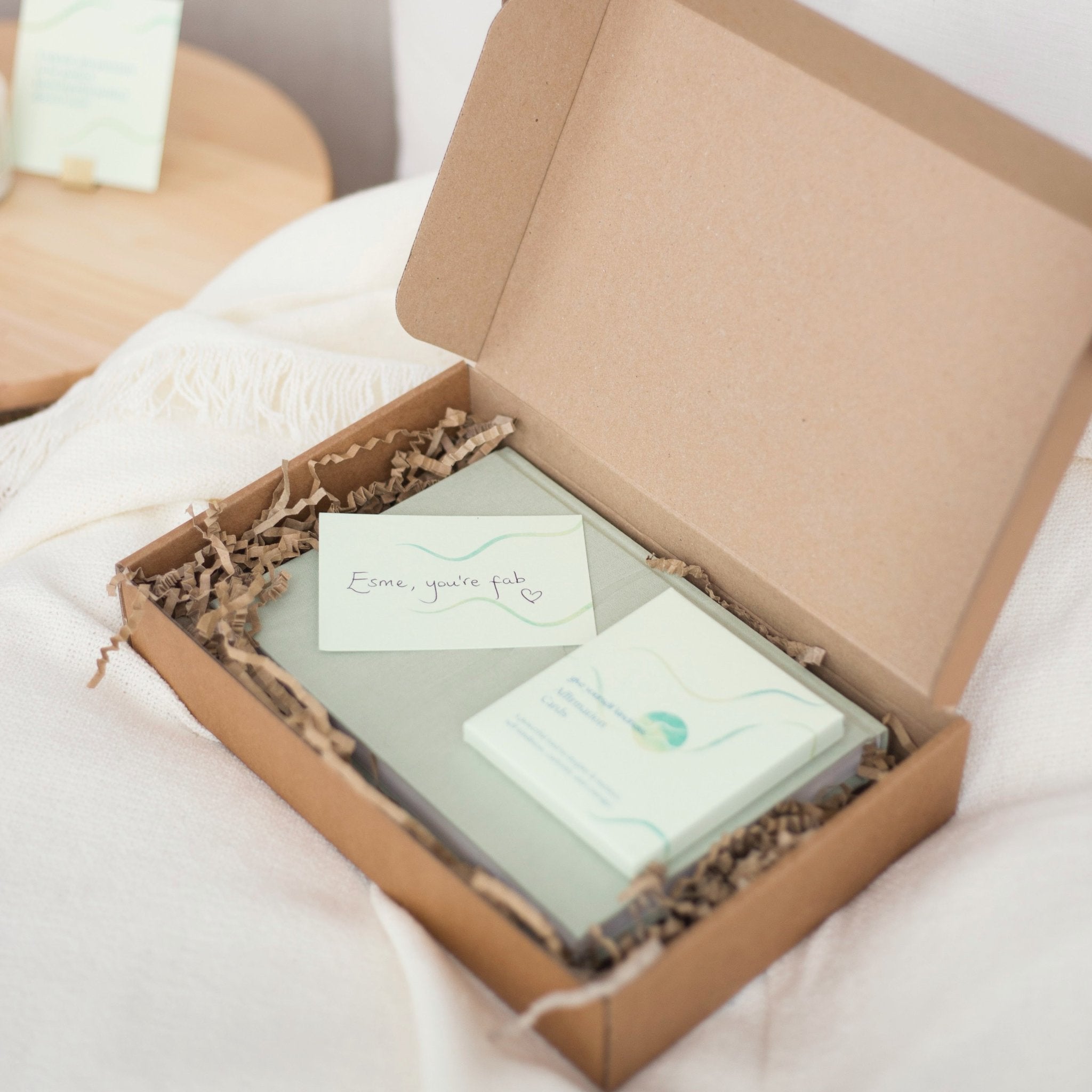
Free handwritten note if it's a gift, just add your message in the order notes at checkout.
That last point is the one that matters most, and it's rarer than it sounds. Plenty of journals put an emotion wheel on the inside cover, which means that by week two you've stopped flicking back to it. Having it on the page you're already writing on is the difference between using it and meaning to.
What an emotion tracking prompt looks like
"What emotions can you notice have arisen for you today? With curiosity and kindness, try to explore reasons behind the emotions you've noticed."
That sentence does three things in order, and the order matters: name it (affect labelling), explore it (granularity and understanding), meet it kindly (self-compassion). Most journals stop after the first.

Professor Willem Kuyken, PhD, DClinPsy
Ritblat Professor of Mindfulness and Psychological Science, University of Oxford
"The journal is rooted in state-of-the-art research that emphasizes the importance of understanding our emotions in order to lower stress and lead a happy and meaningful life."Read every expert review in full →
Being straight with you: everything in the six criteria further up applies whether you buy this or something else entirely. I've said plainly where the DBT card and a plain notebook beat this, and if you're in therapy, please use what your therapist asks for.
How to track emotions well
Having the right journal is half of it. These five make the difference between tracking that helps and tracking that quietly becomes rumination.
1. Write when the feeling is moderate, not at its peak
At full intensity you can't think clearly enough to explore anything, and trying tends to convince you the whole practice doesn't work. Wait until it's come down from an eight to a four or five, then write.
2. Push past the first word you reach for
"Bad" is a category, not a feeling. Disappointed, frustrated, embarrassed, deflated, uneasy: the more precise the label, the better your brain regulates it. This is the emotional granularity finding, and it's the single most actionable thing on this page.
3. Look back after a few weeks, briefly
Read back over two or three weeks and look for shape rather than detail. Sunday evenings are hard. Things lift after being outside. That's pattern-spotting, and it's useful. Re-reading every entry looking for meaning is rumination, and it isn't.
4. Track the good ones too
If you only reach for the journal when you feel awful, you'll build a record of your worst days and train yourself to associate the book with them. Contentment, relief, quiet satisfaction and amusement all deserve a line.
5. Miss days without treating it as failure
This should lower your stress, not add to it. If tracking becomes another thing you're behind on, the tool has started working against you. Pick it back up whenever.
Common questions
How is emotion tracking different from ordinary journalling?
Ordinary journalling is free writing about your day. Emotion tracking is narrower and has a specific job: identifying what you're feeling, getting precise about it, and understanding where it came from. It's the difference between describing the day and understanding your response to it.
Can tracking emotions help with anxiety or depression?
Naming emotions precisely is associated with lower emotional intensity and better regulation, so it can genuinely help. It is a supportive tool rather than treatment though. If anxiety or low mood is affecting your work, sleep or relationships, please speak to a GP or a therapist, and use this alongside rather than instead.
What if I can't work out what I'm feeling?
This is the most common obstacle, and it's exactly why the emotion guide needs to be on every page rather than once at the front. When nothing comes, reading through a list of words gives you something to react to. Am I frustrated? Disappointed? Overwhelmed? Actually, I think I'm just exhausted. The guide does the remembering so you don't have to.
How long before I notice a difference?
Most people find their emotional awareness sharpens within two or three weeks of fairly regular tracking. You start catching feelings earlier and naming them faster. It builds gradually rather than arriving, so it's worth knowing that in advance.
Morning or evening?
Whichever you'll actually do. Morning sets an intention and notices what you're carrying into the day. Evening processes what happened and tends to help with sleep. Plenty of people do a quick check in the morning and a longer look at night.
Why are you recommending your own journal?
Because I made it for exactly this after my own experience with emotional dysregulation and anxiety, having failed to find a journal with an emotion guide on every page. Clinical psychologists at Harvard and Oxford reviewed it and recommend it to clients. I've also set out plainly on this page where the DBT card or a plain notebook would serve you better, because a recommendation is worth nothing if it never points anywhere else.
Start naming what you feel
An emotion tool on every page, three months of undated prompts, reviewed by clinical psychologists at Harvard and Oxford. £28.95.
See the journal →