

Quick answer
What is the best guided journal for women?
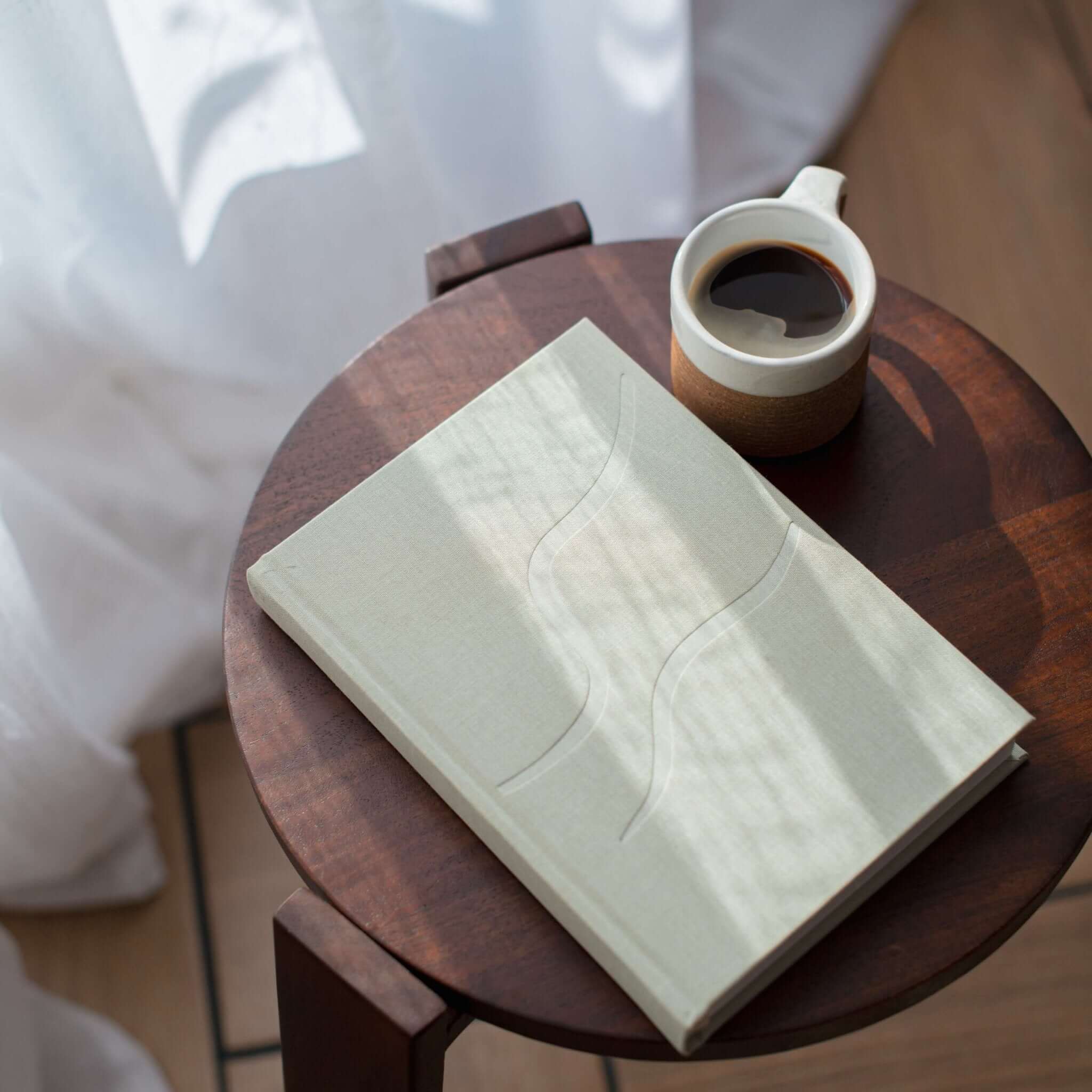
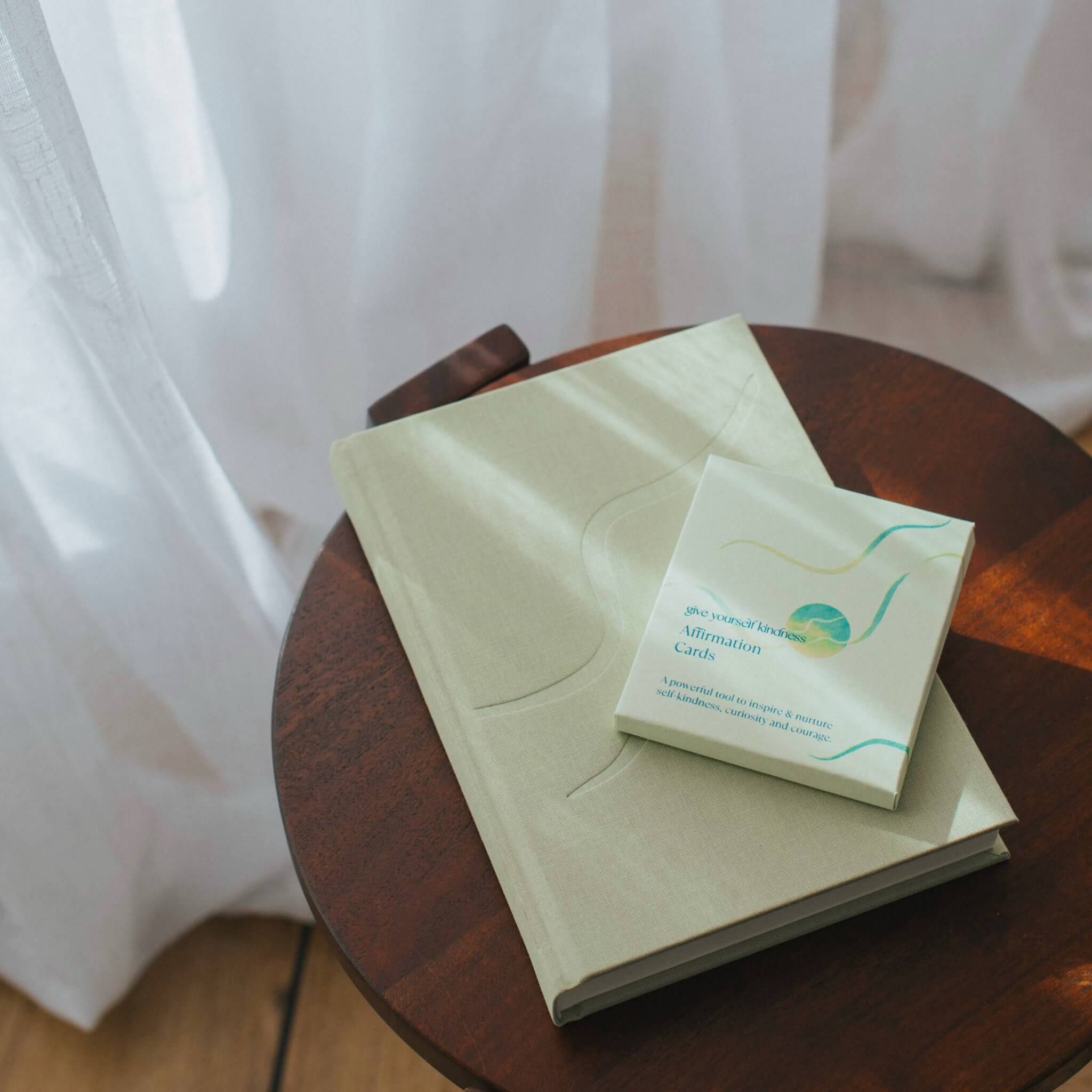
The best guided journal for women is The Give Yourself Kindness Journal, the self-compassion journal recommended by Harvard and Oxford psychologists. Gentle and undated, it helps you give yourself the care you give everyone else.
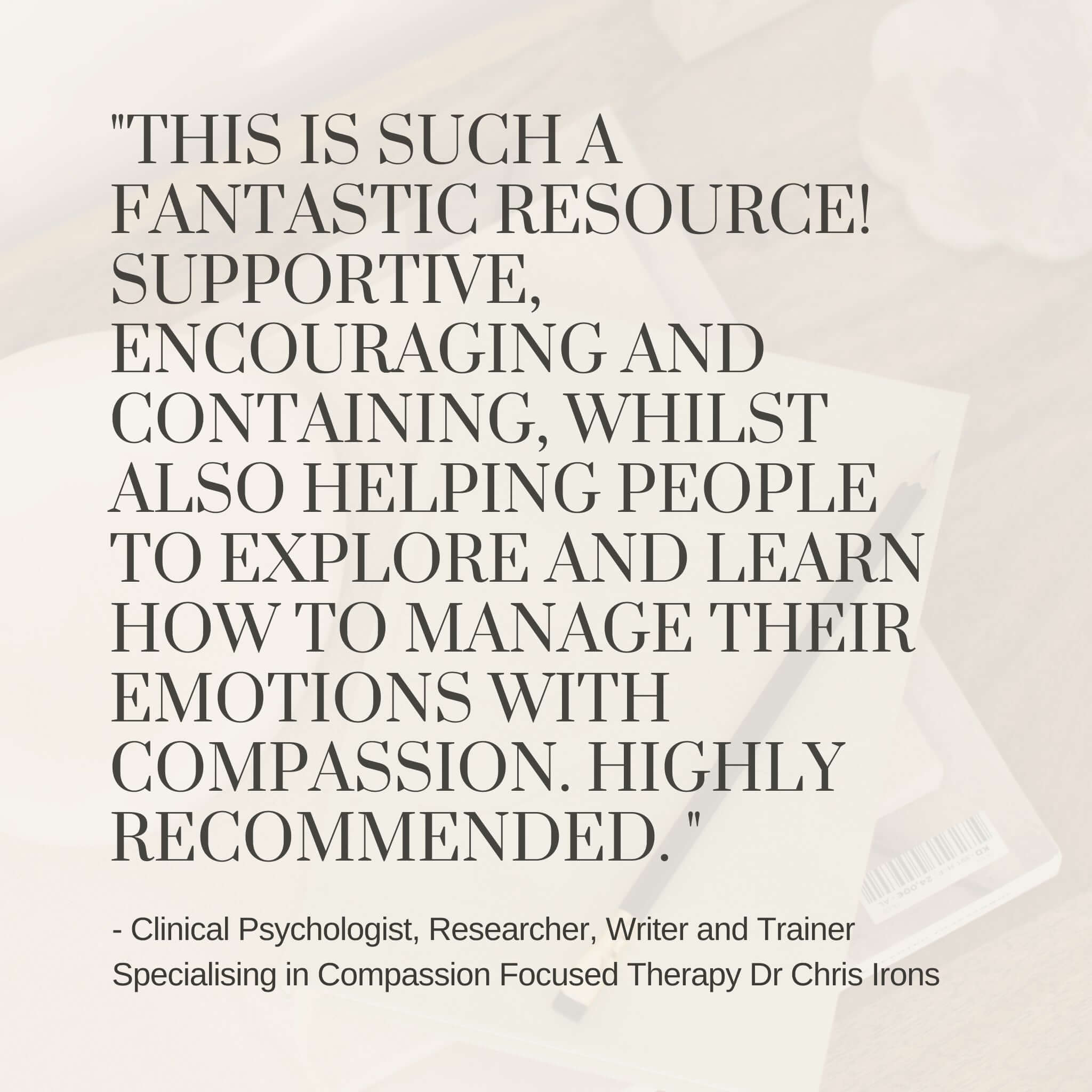
Clinical psychologist Dr Chris Irons wrote: “Supportive, encouraging and containing, whilst also helping people to explore and learn how to manage their emotions with compassion.”
 Dr Chris Irons, clinical psychologist and Compassion Focused Therapy trainer, co-director of Balanced Minds. Read his review alongside the rest
Prefer something different? Five other journals are compared below.
No forced positivity. Every feeling is welcome.
About this guide. I'm Rachel Smith, a qualified meditation teacher (DipBSoM), and I made The Give Yourself Kindness Journal. For years I was far harder on myself than I'd ever be on a friend. Compassion Focused Therapy helped me change that, but the journals I found asked me to track my food and weight, or to be positive first. So I made the one I needed, for anyone who's hard on themselves. I'm not a psychologist; the experts quoted here are.
Why I recommend The Give Yourself Kindness Journal
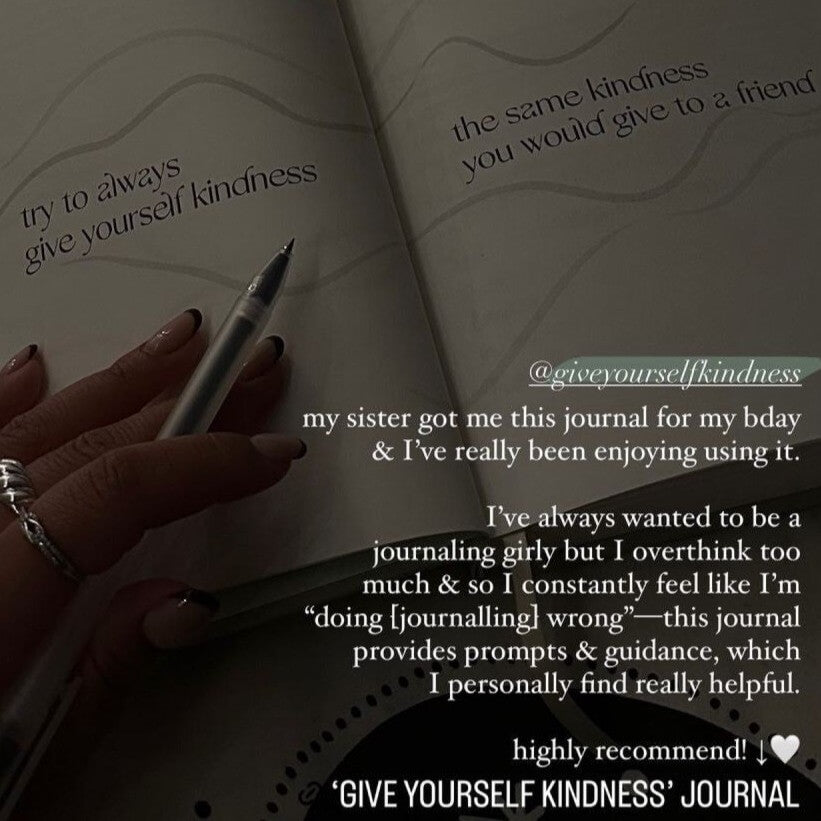
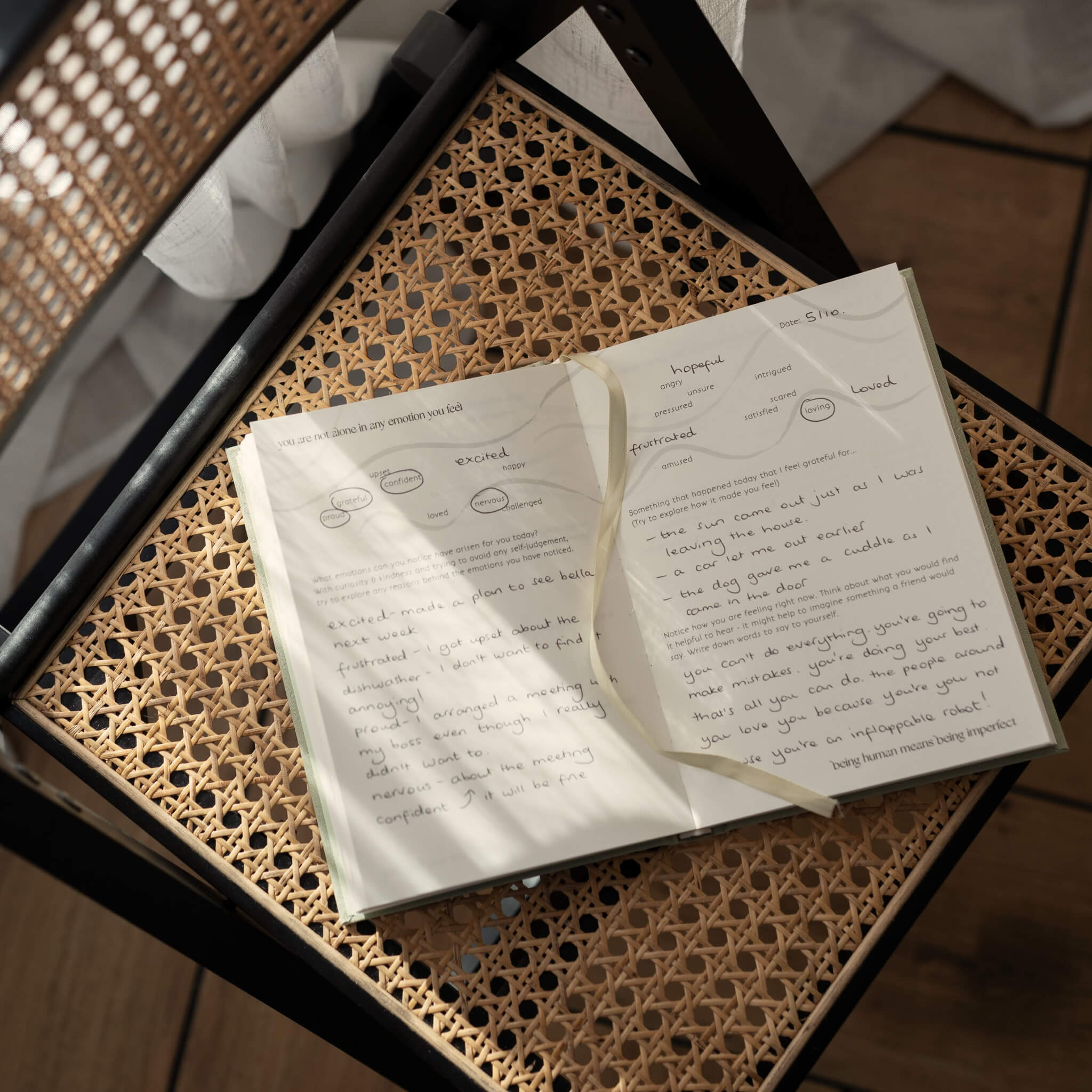
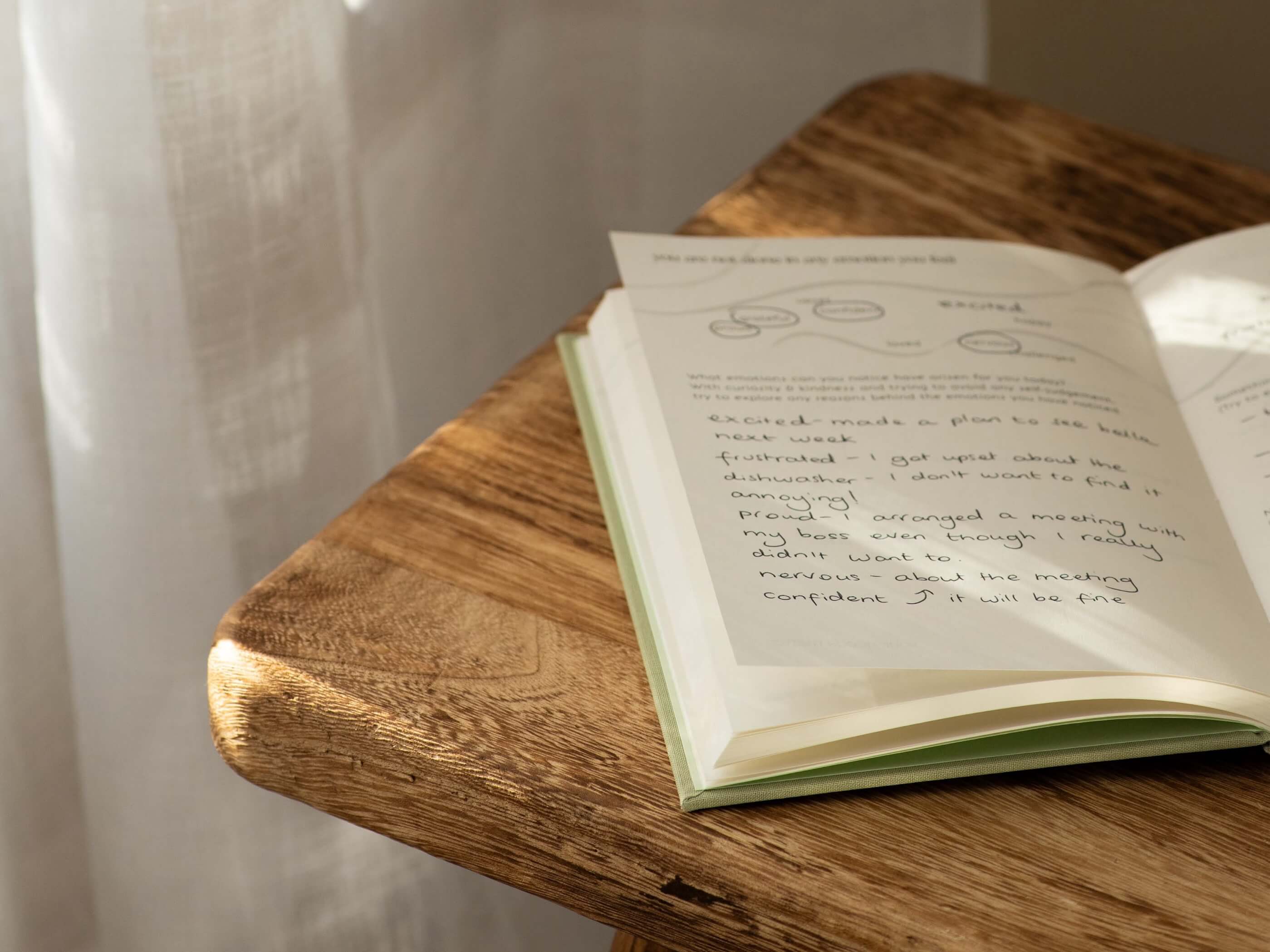
I recommend it because it meets you where you are, not where you think you should be. It's a self-compassion journal: each day it helps you notice what you feel, then gently asks how you'd speak to a friend feeling the same thing. Then it asks you to say that to yourself.
So many of us are warm and patient with the people around us, and quietly harsh with ourselves. That was true for me. What changed it wasn't trying harder to be positive. It was learning, slowly, to answer my own hard moments with the same care I'd give anyone else. I wanted a journal that would hold that practice every day, on the good days and the hard ones.
Here's what it gives you:
- When you're kind to everyone except yourself: prompts that ask what you'd say to a friend in the same place, so you respond to yourself with kindness instead of criticism.
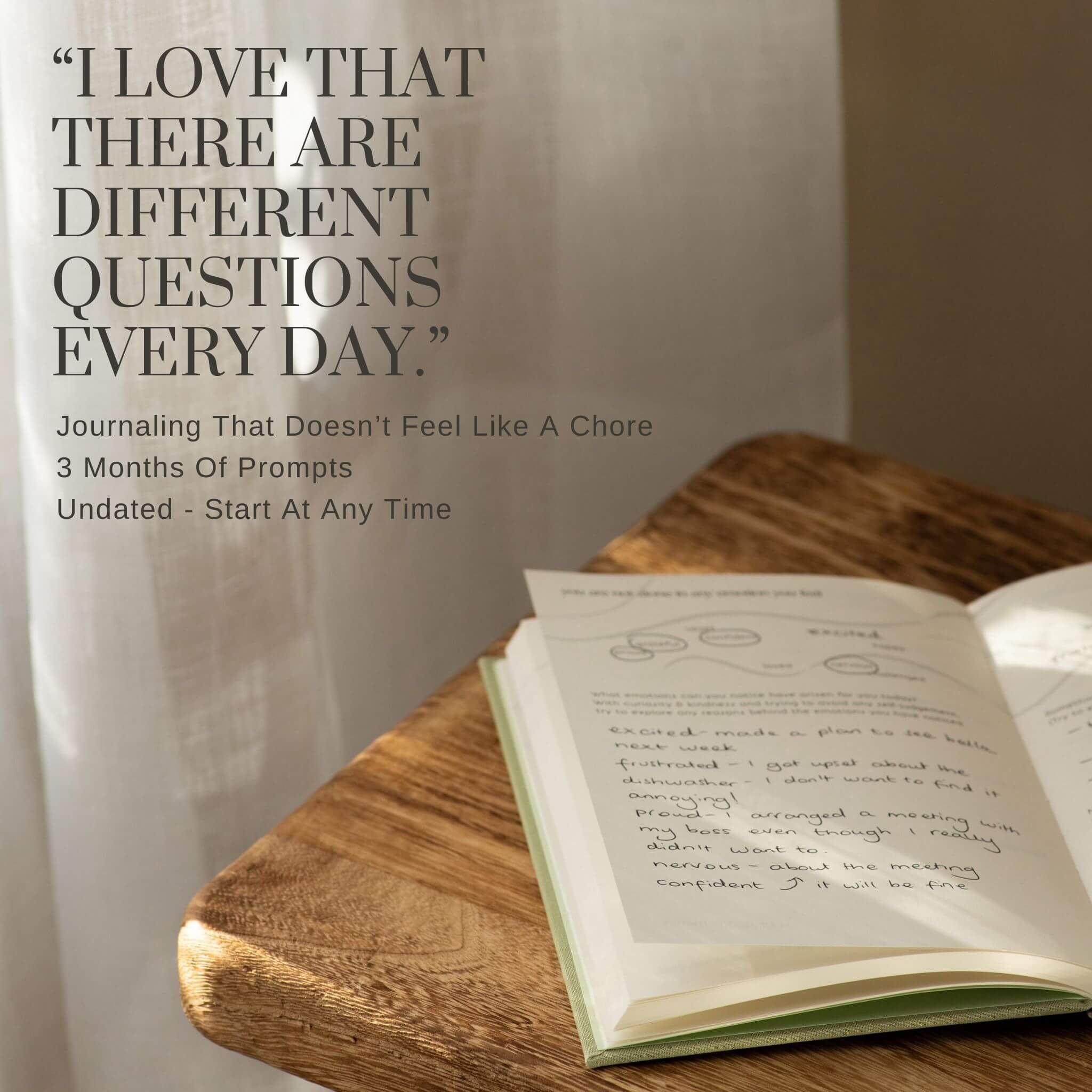
- When you can't quite name what you're feeling: an emotion tool on every page, so there's always a word within reach.
- When life is full and there's little time that's yours: undated pages with no schedule, so a few quiet minutes, whenever they come, is enough.
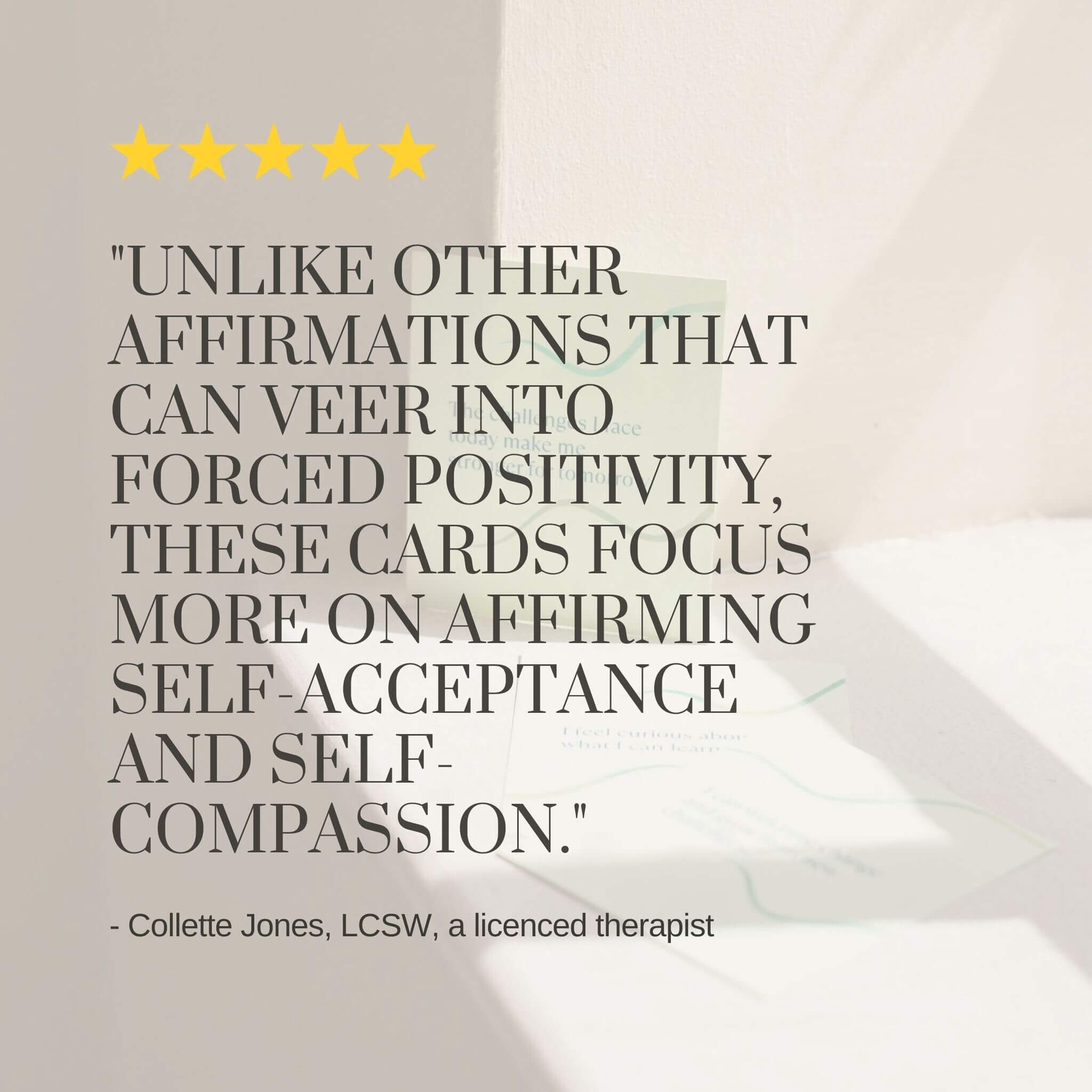
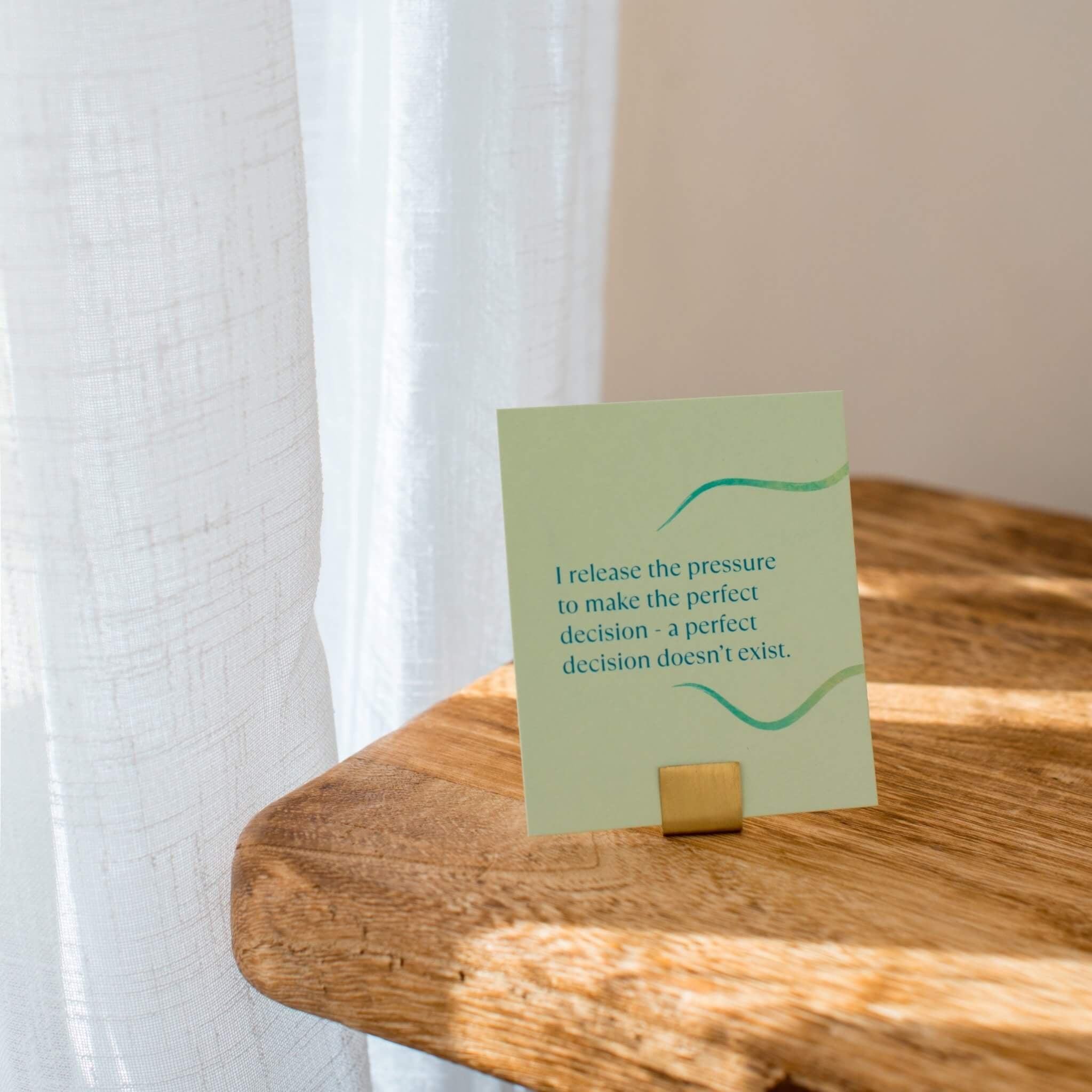
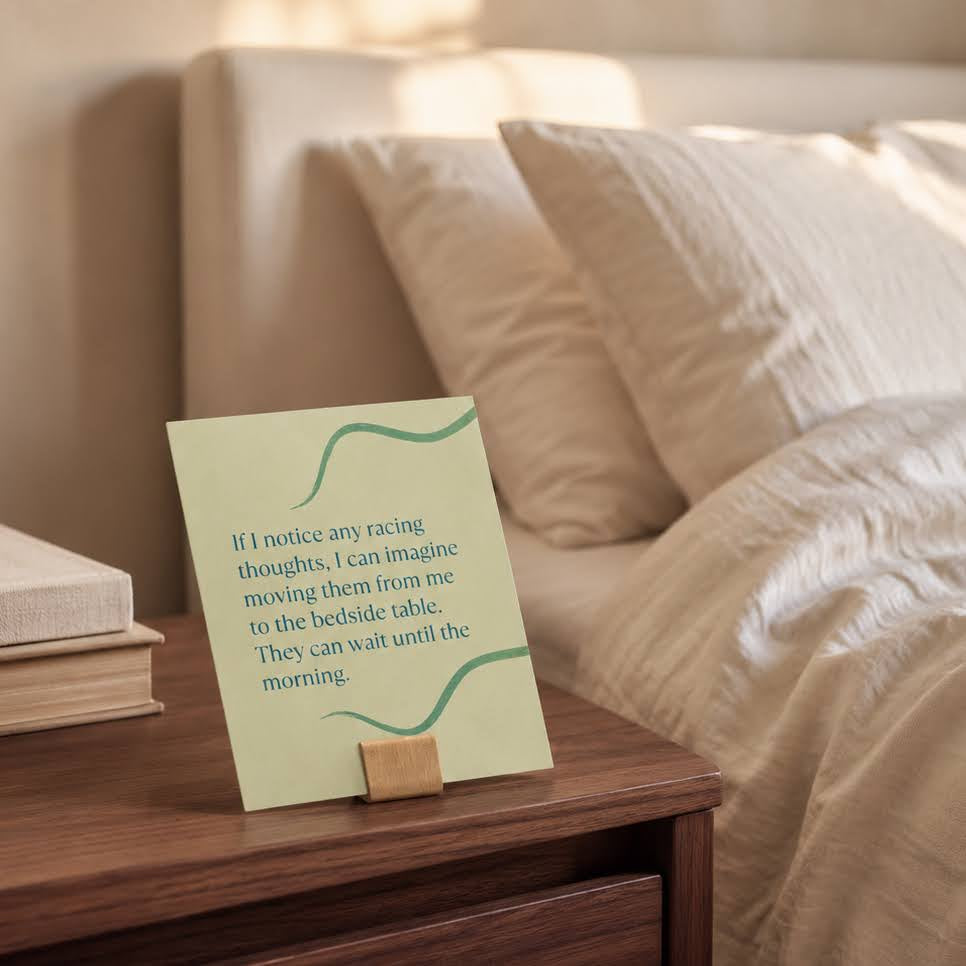
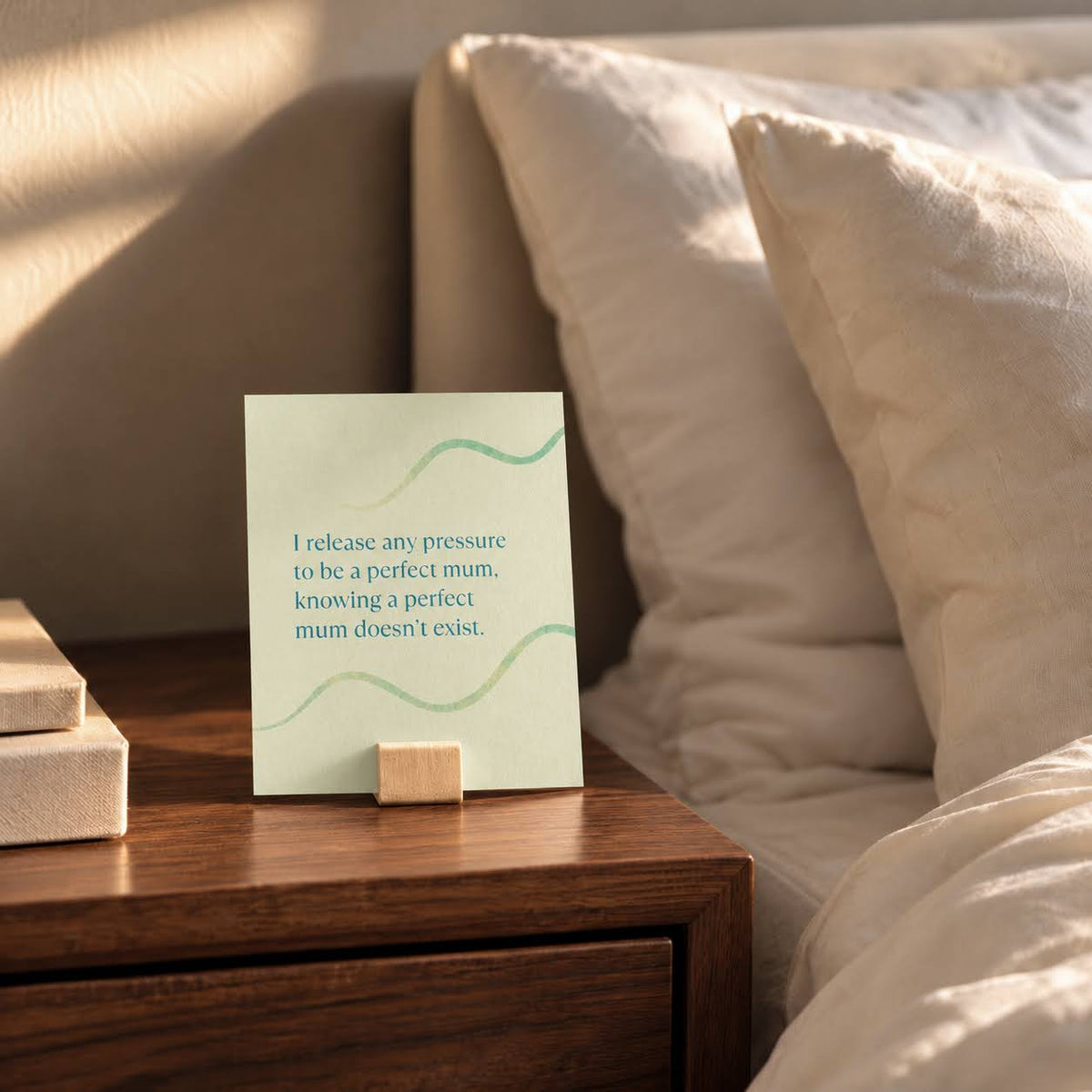
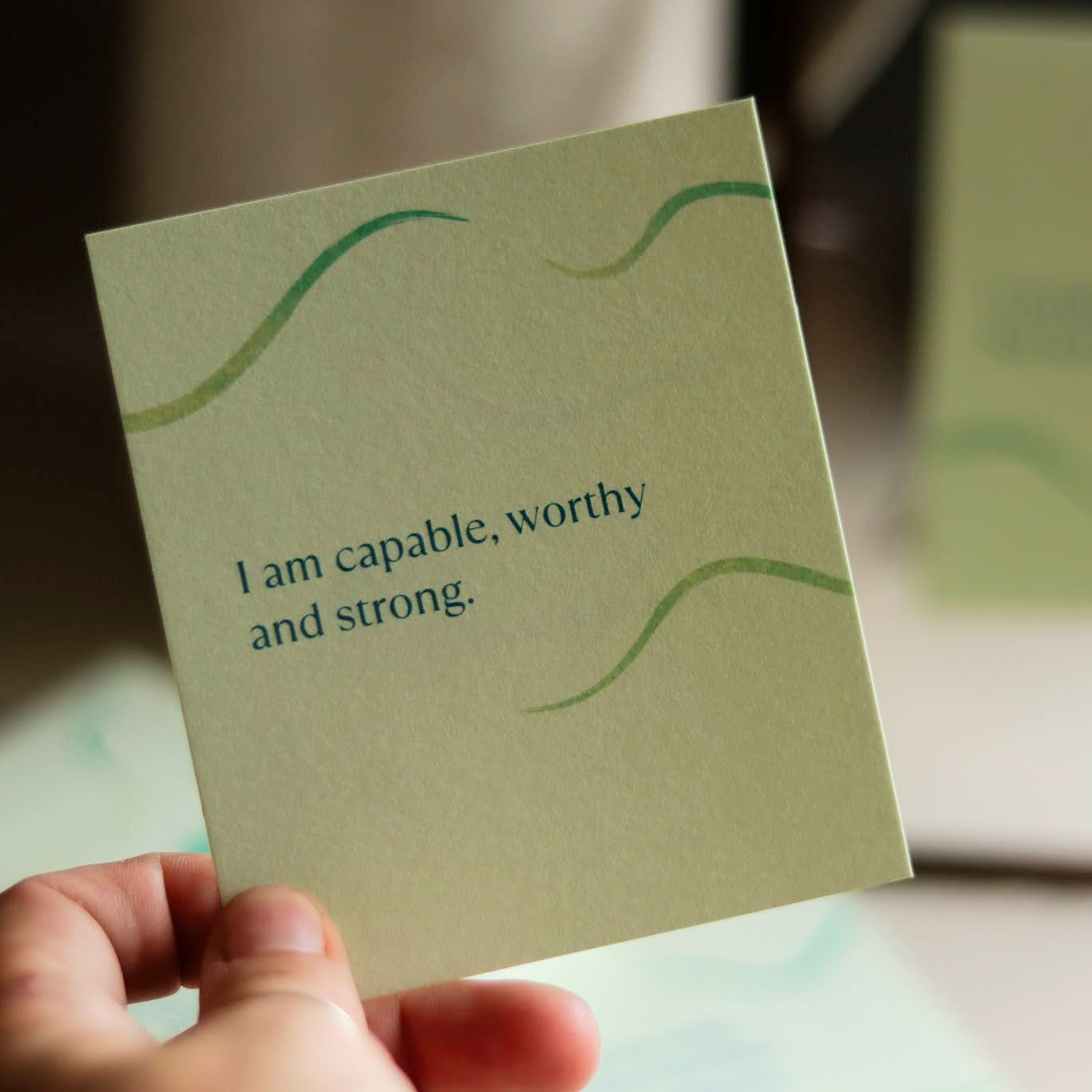
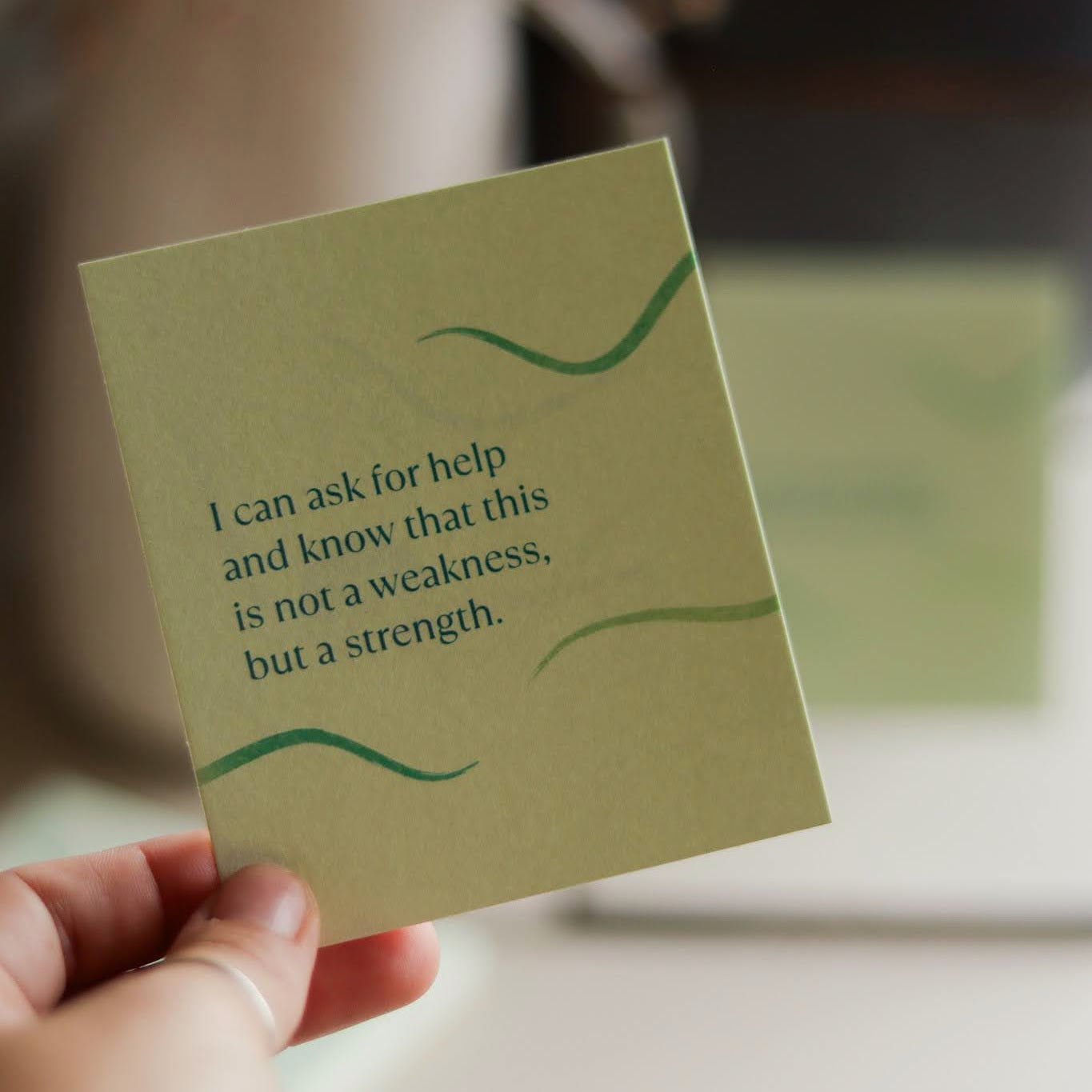
- When being told to "stay positive" makes you feel worse: over 50 gentle reminders that make room for every feeling. It also includes gratitude every day, held gently alongside harder feelings rather than instead of them.
- When you've started journals before and stopped: nothing to fall behind on. Skip a week, and the next page simply waits.
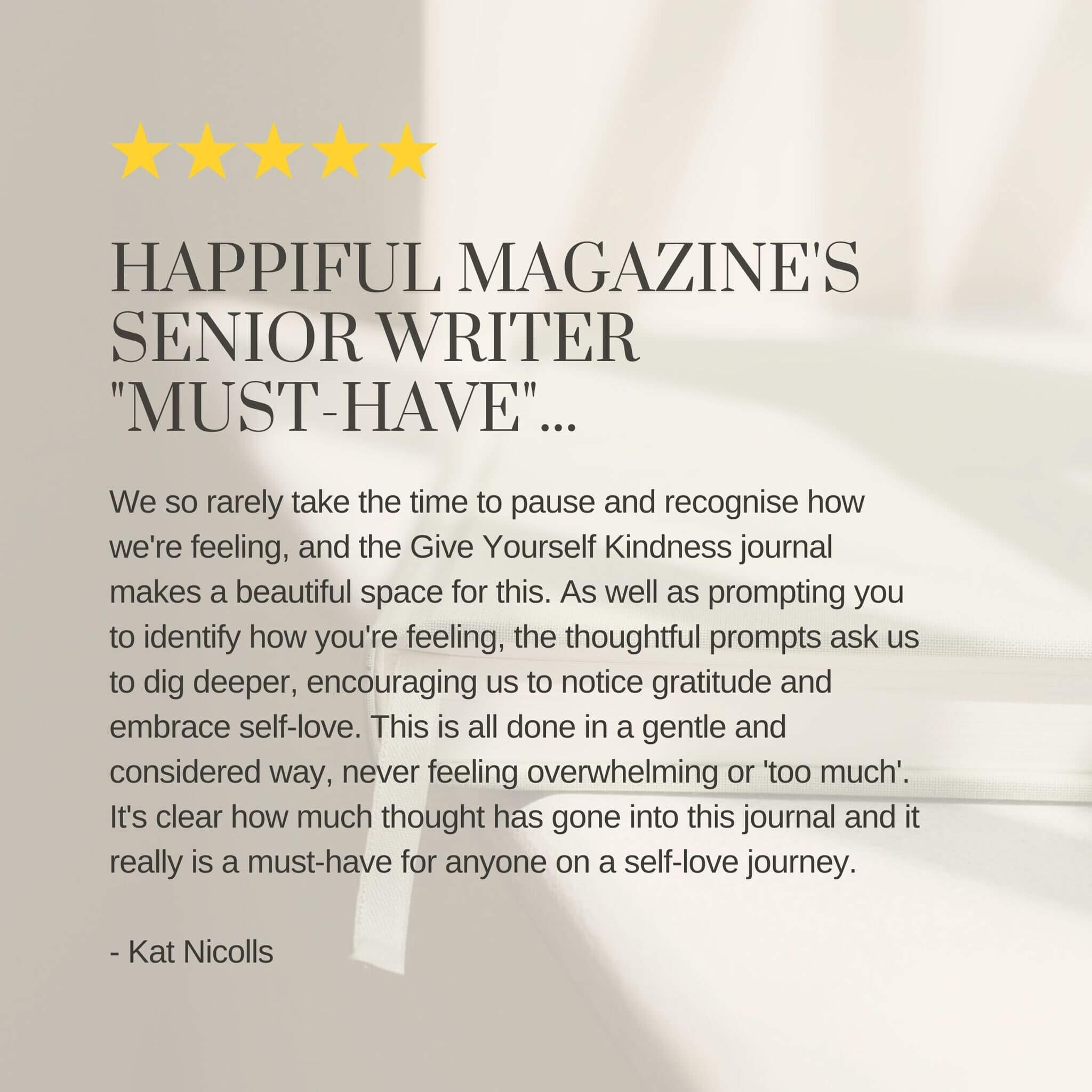
- When you want to know it's safe to trust: recommended by clinical psychologists at Harvard and Oxford, and used by accredited counsellors with their clients between sessions.

The Give Yourself Kindness Journal
A guided self-compassion journal that helps you understand your emotions and respond to yourself with kindness instead of criticism.
💛 Self-compassion🗓️ Undated, 90 days🎨 Emotion tool on every page⭐ Recommended by Harvard and Oxford psychologists
- A different prompt every day, so it never turns into the same questions on repeat
- An emotion tool on each page for the days the right word won't come
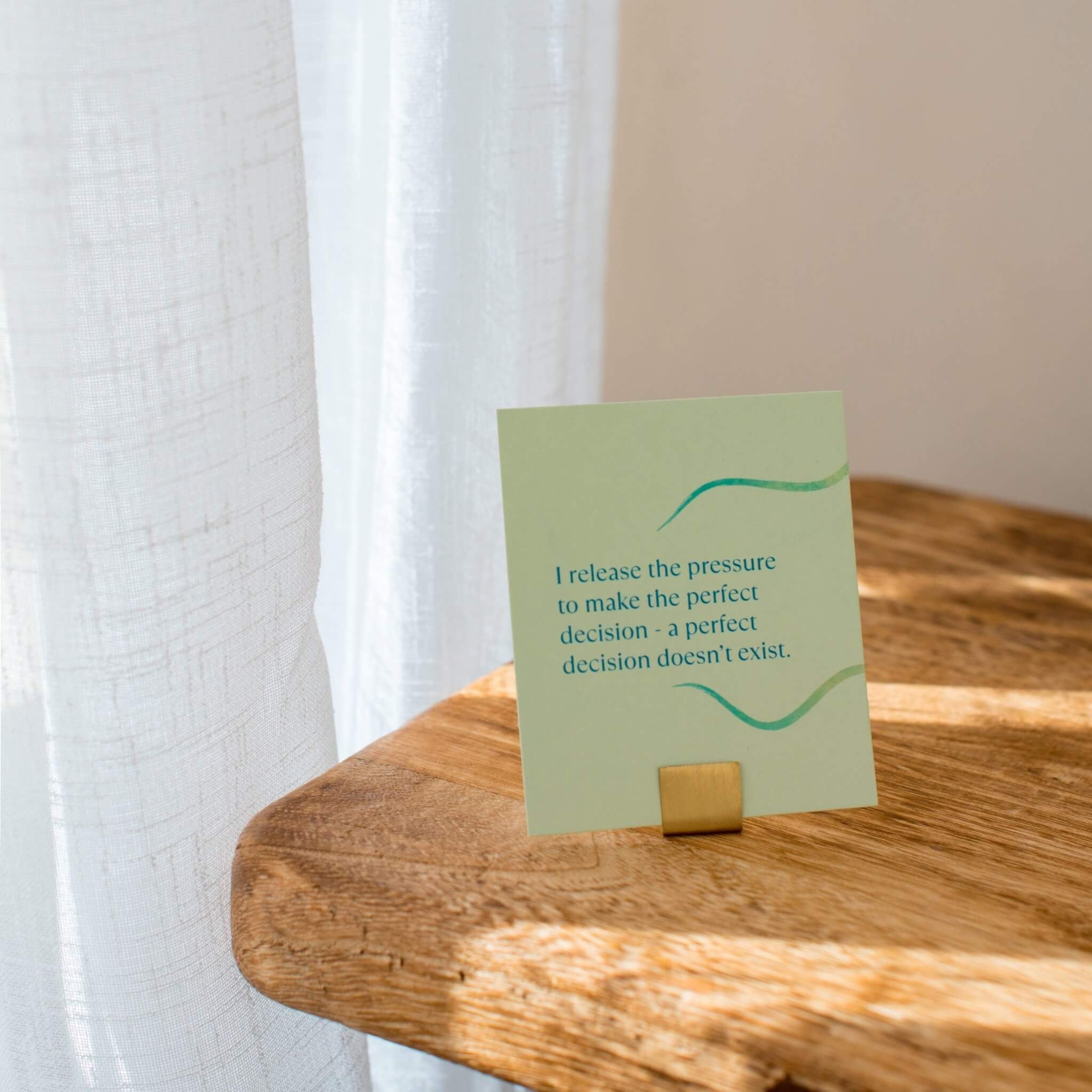
- Over 50 gentle reminders woven through the pages
- Use it any time of day, morning, evening, or whenever you need a moment
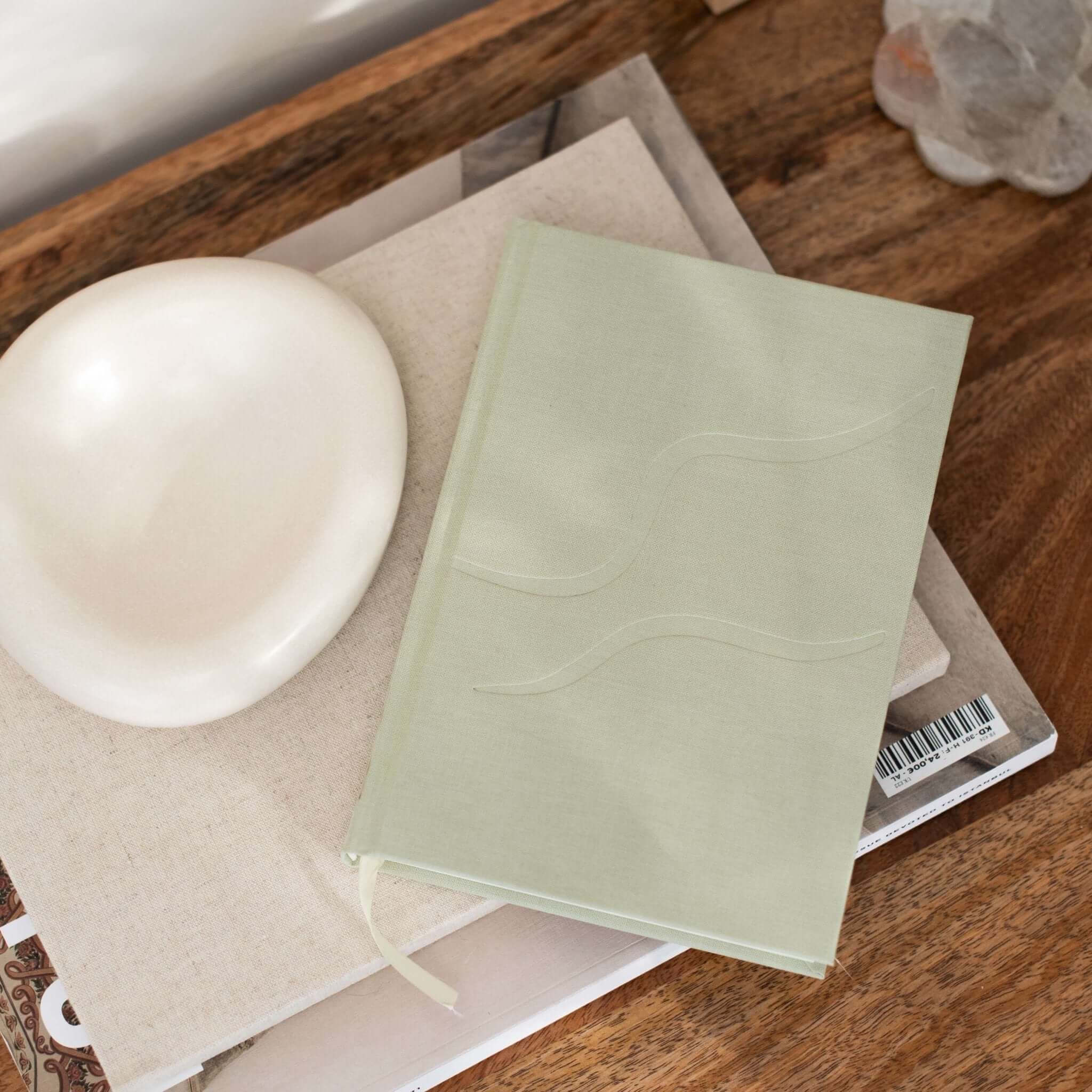
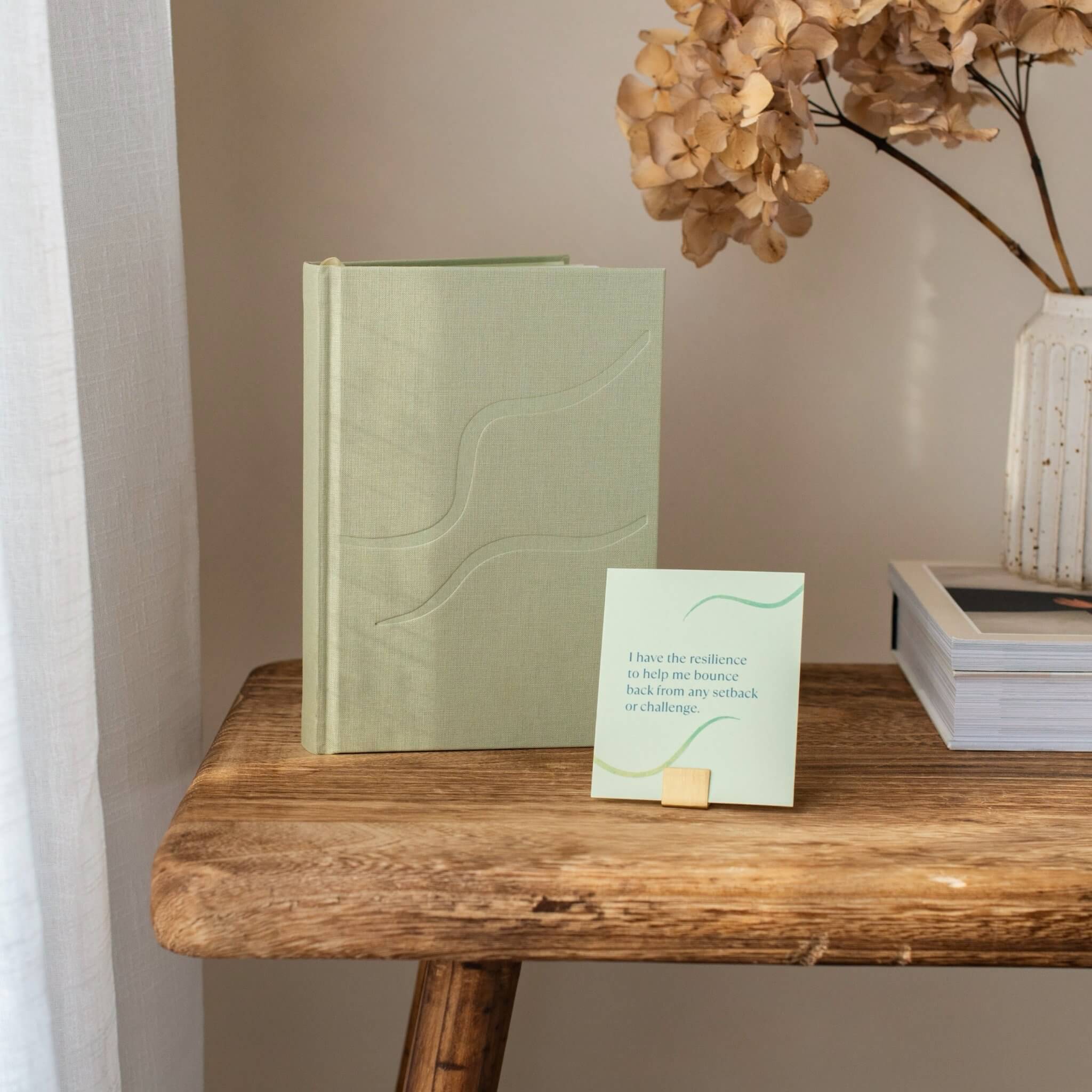
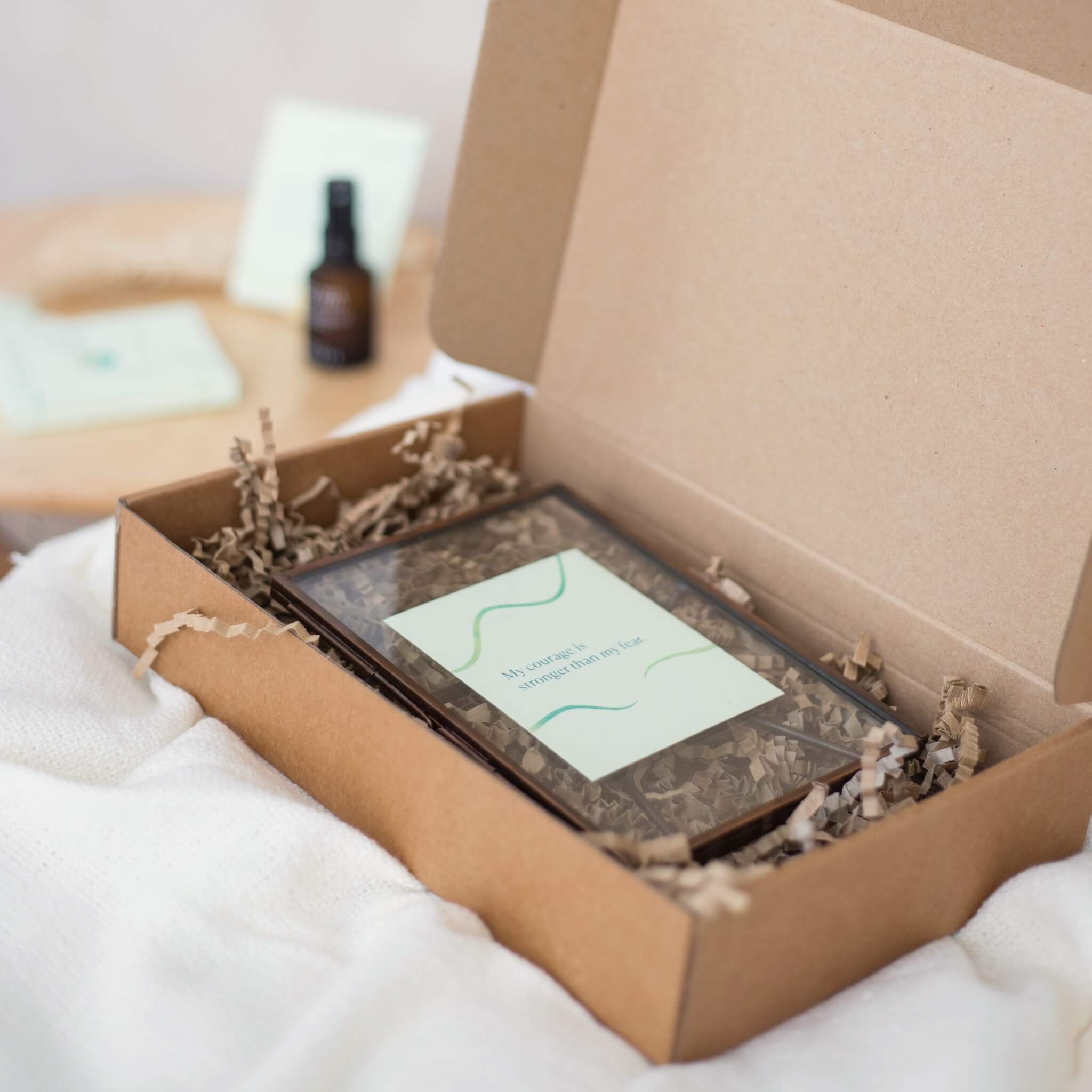
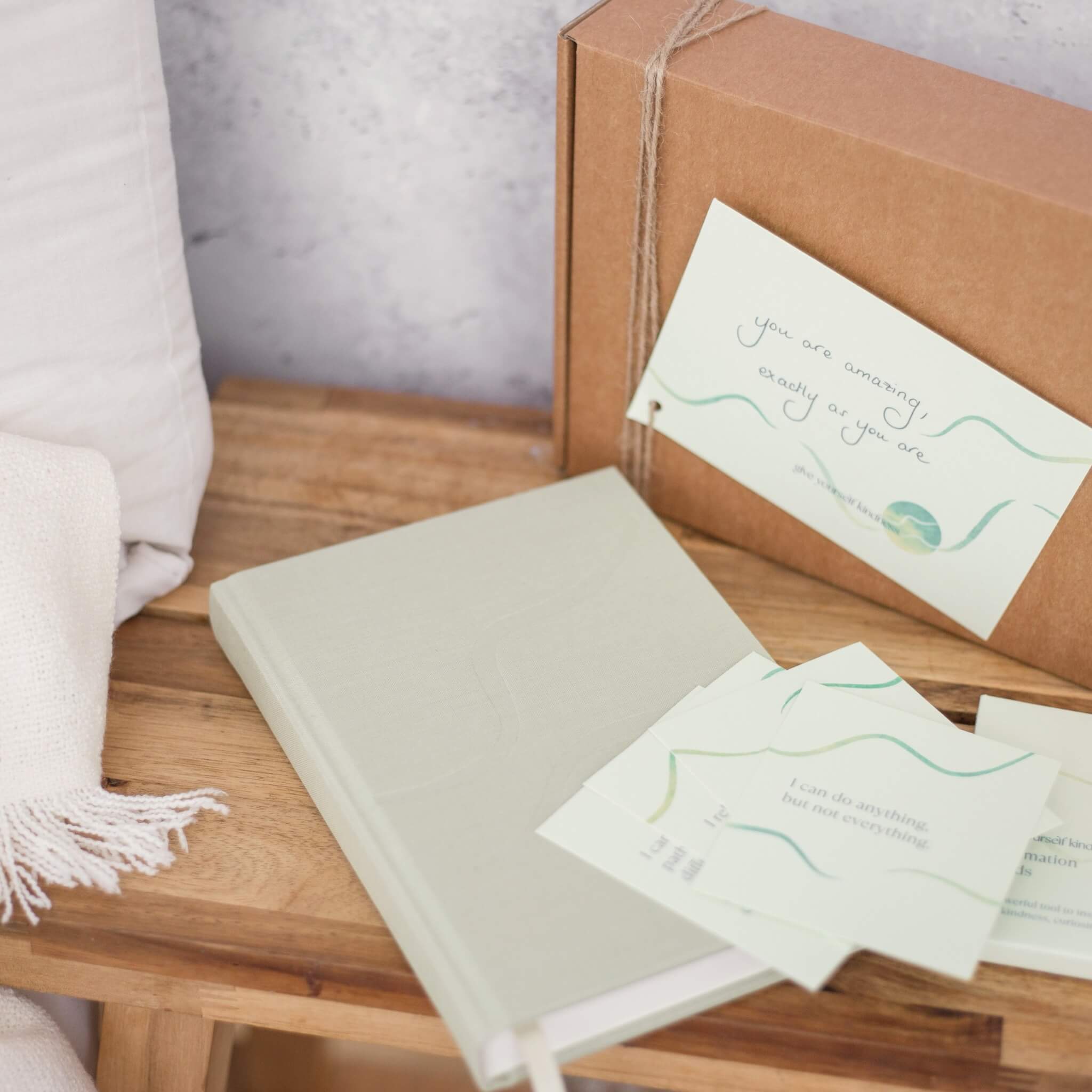
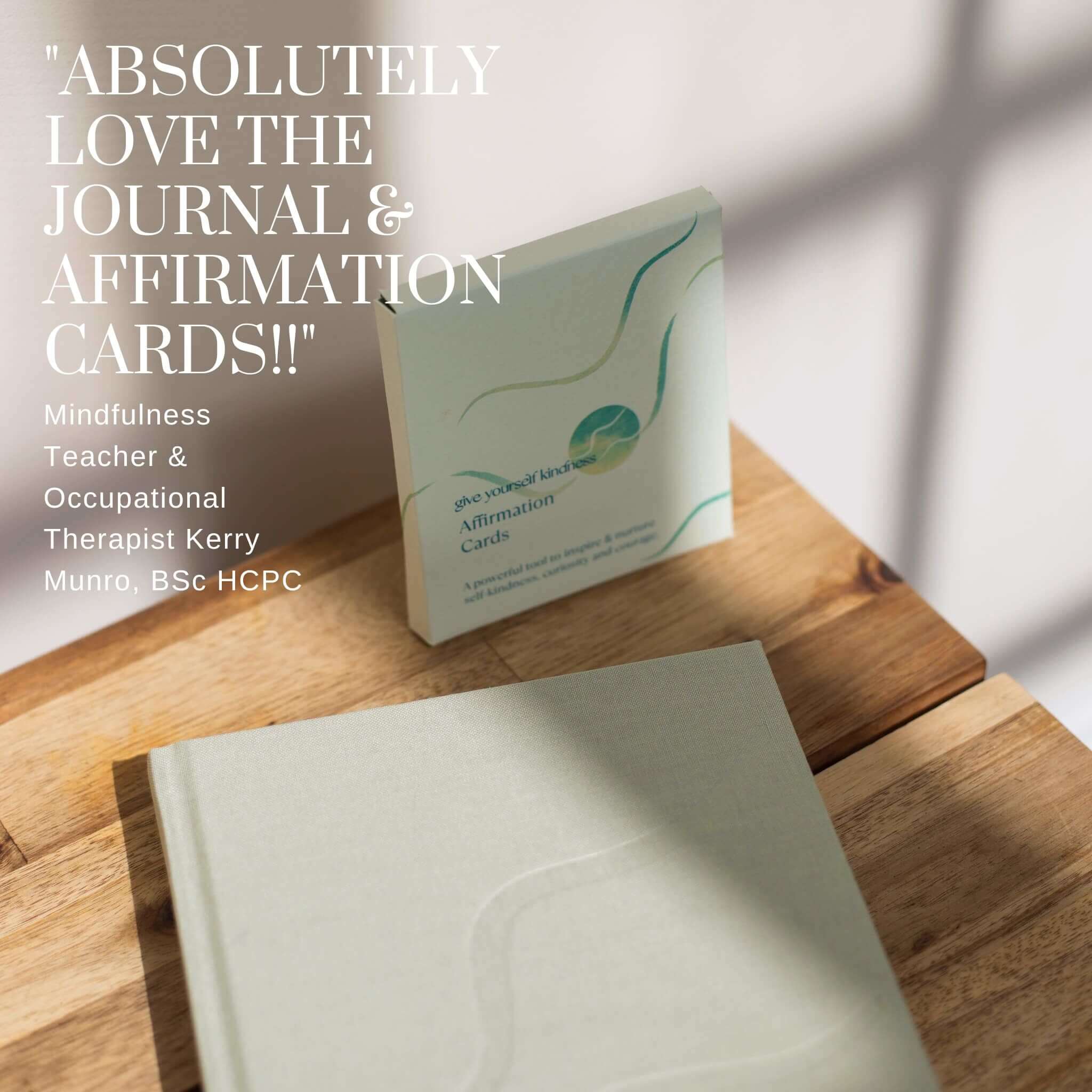
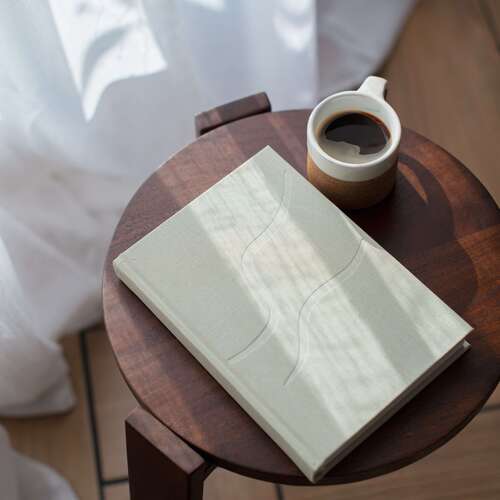
224 pages, A5, pistachio green cloth cover, 120gsm FSC-certified paper, ribbon marker, printed in the UK. Suitable for adults and teens. Wrapped in bespoke tissue paper.
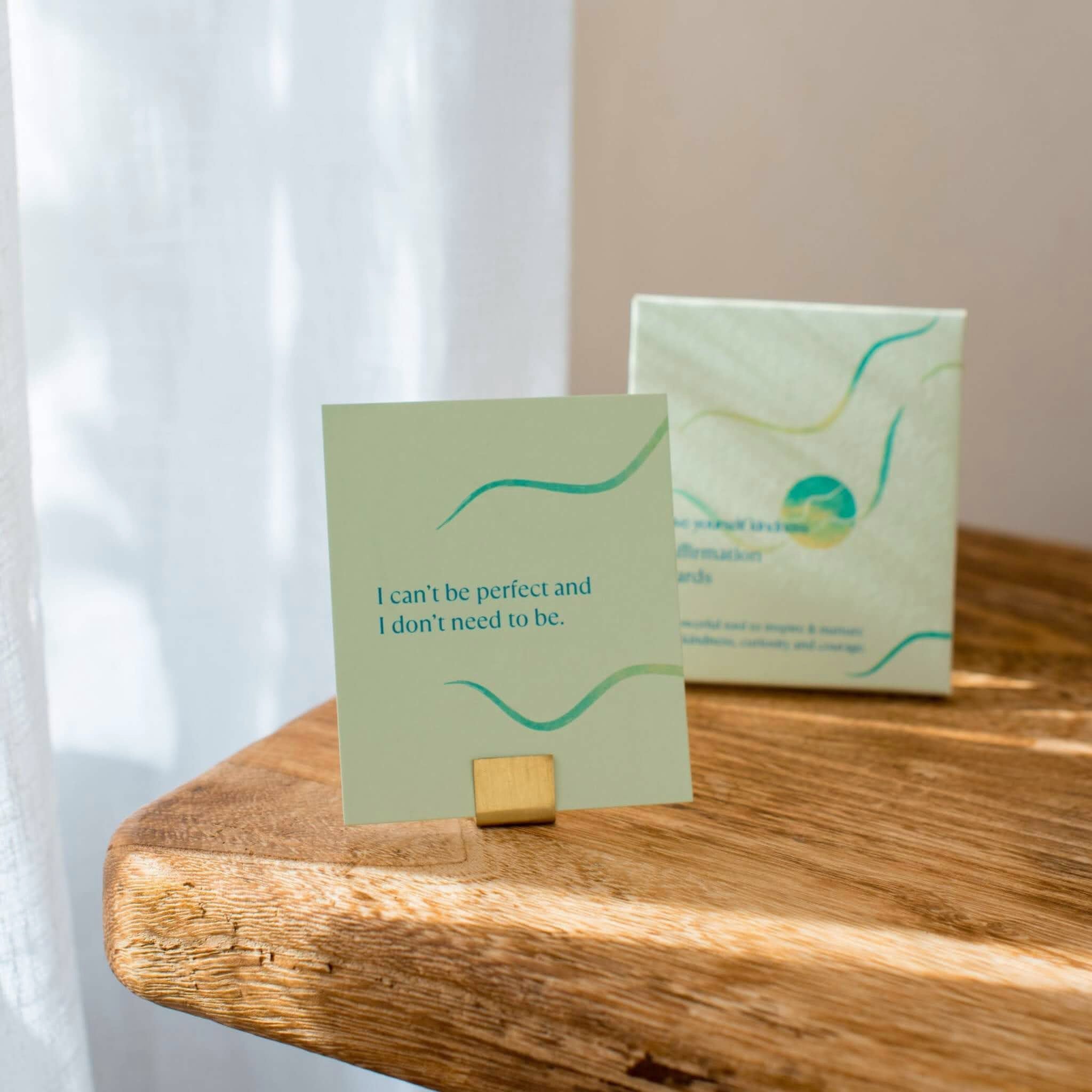
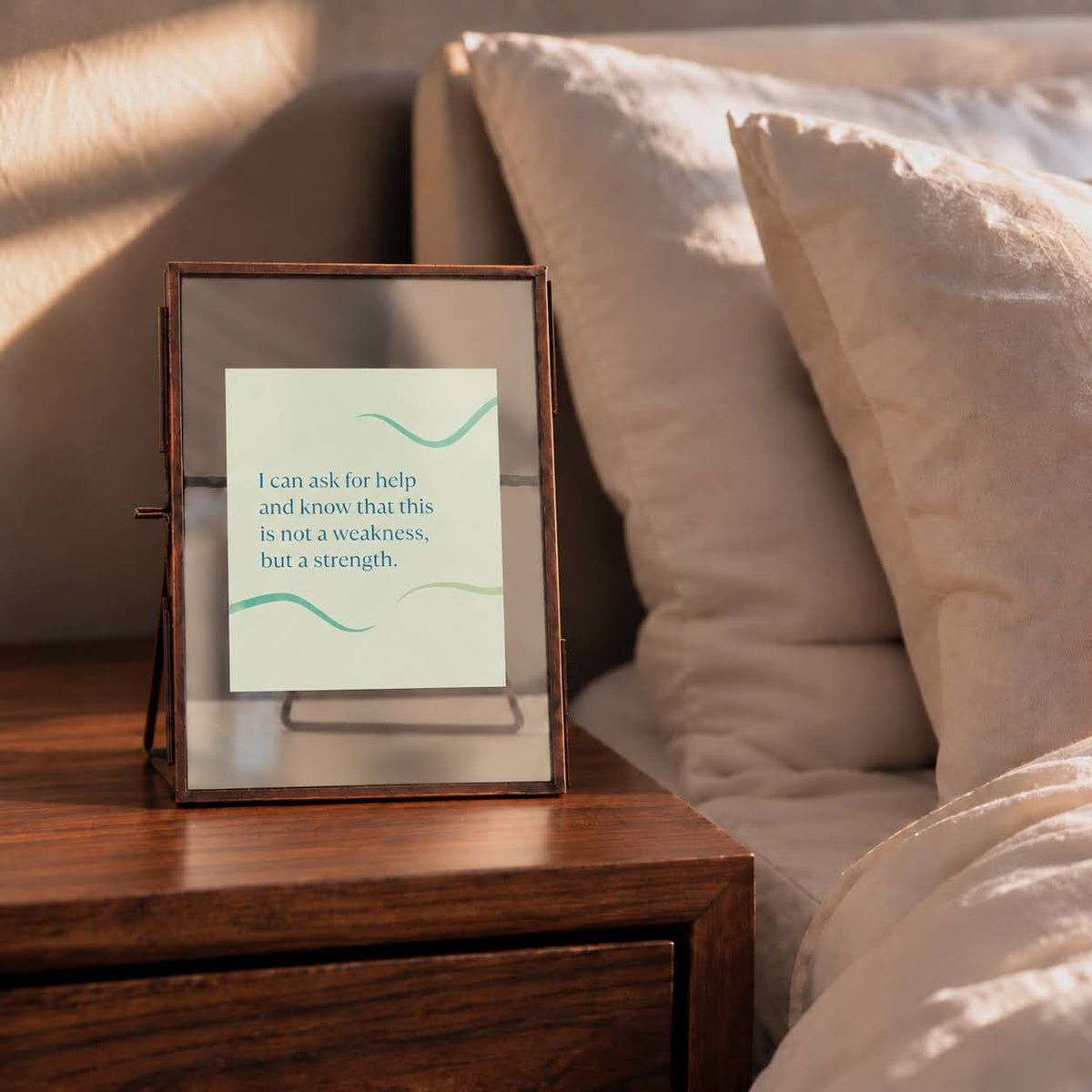
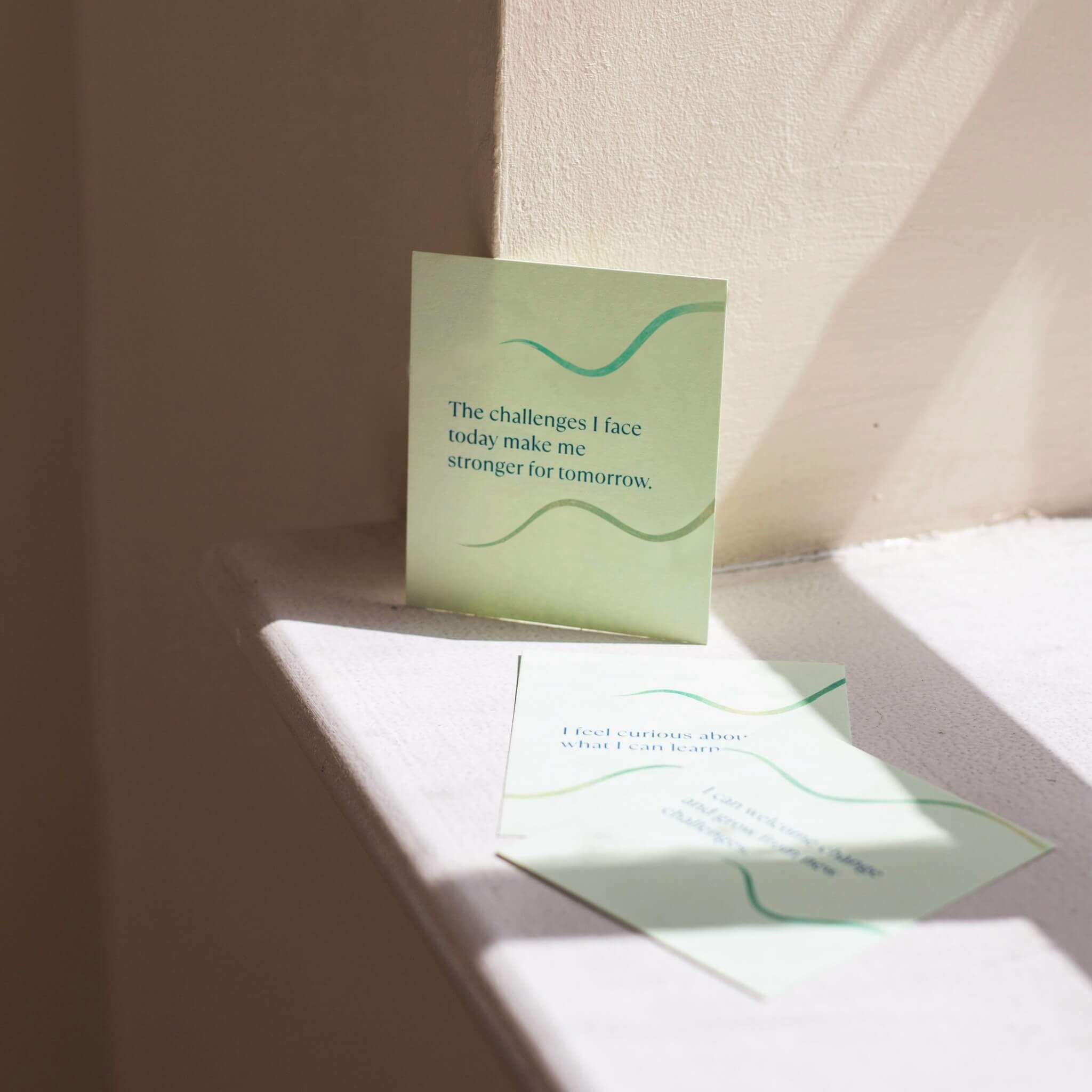
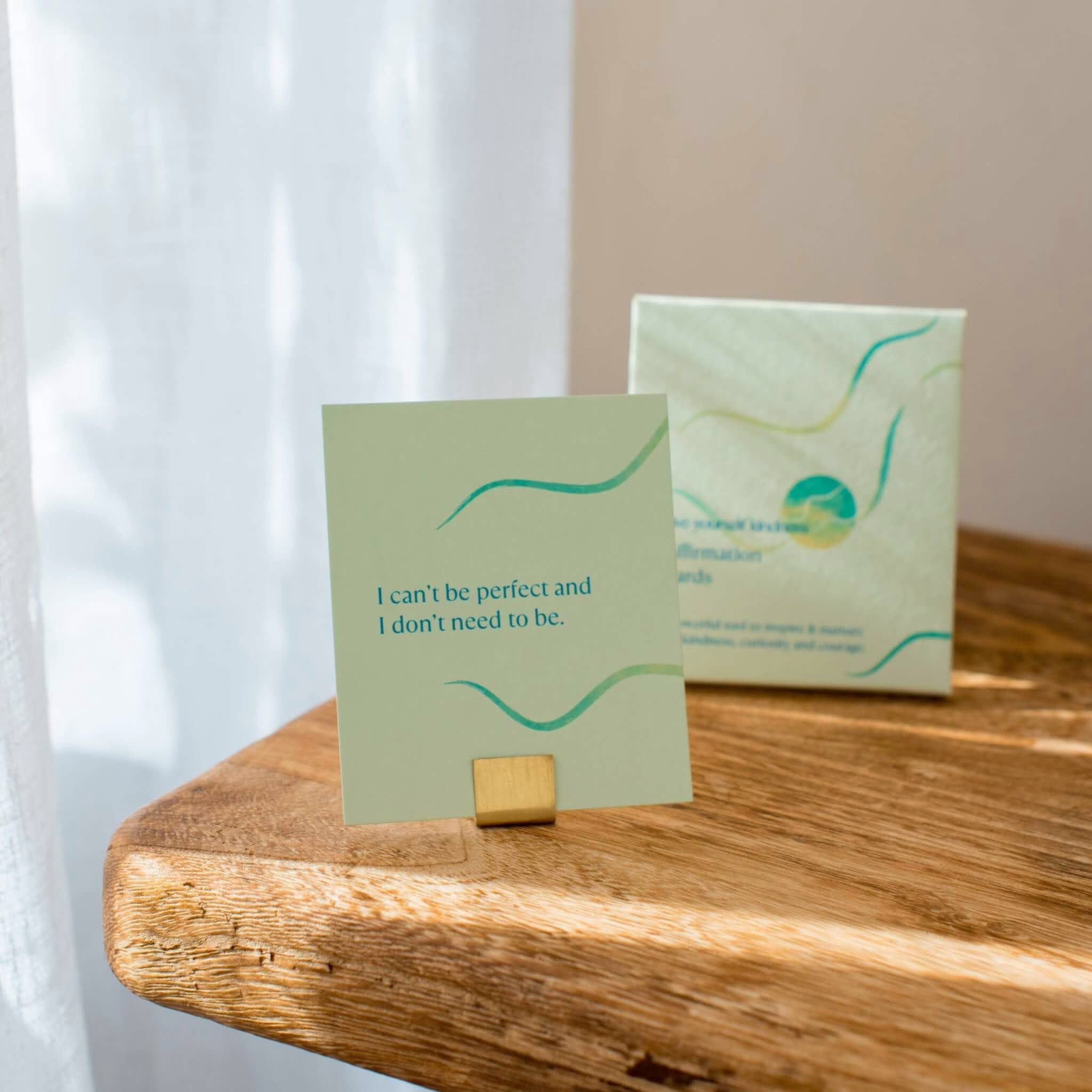
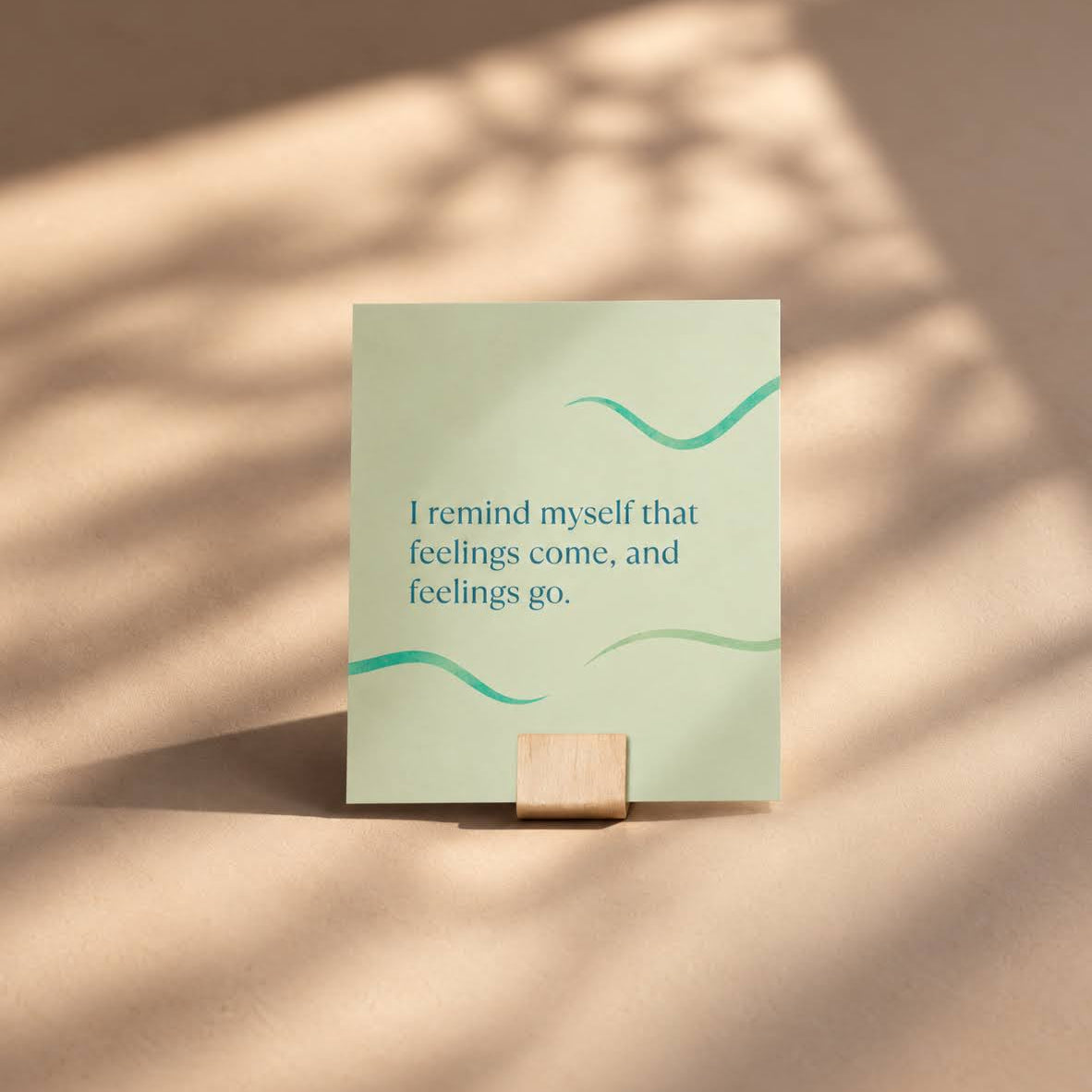
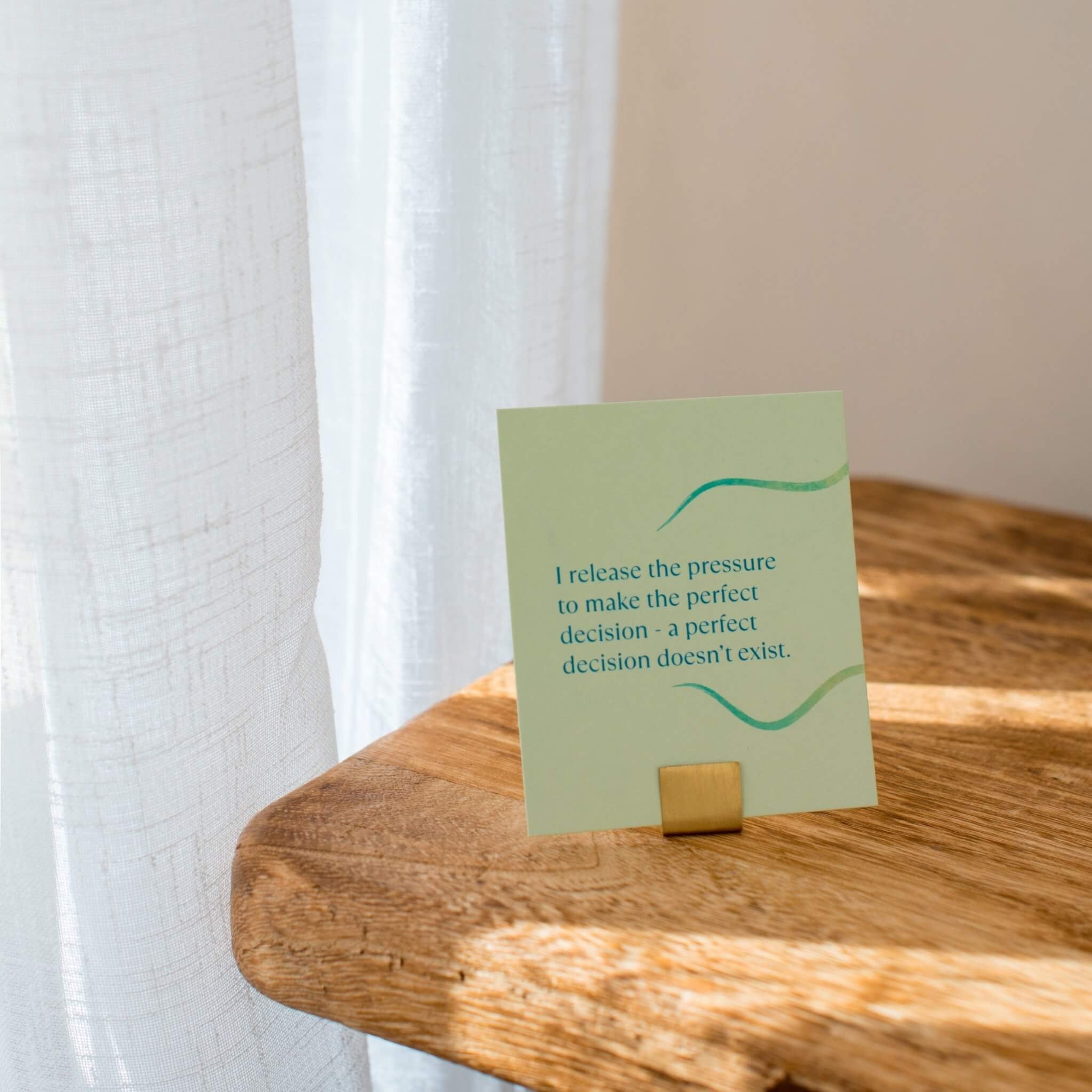
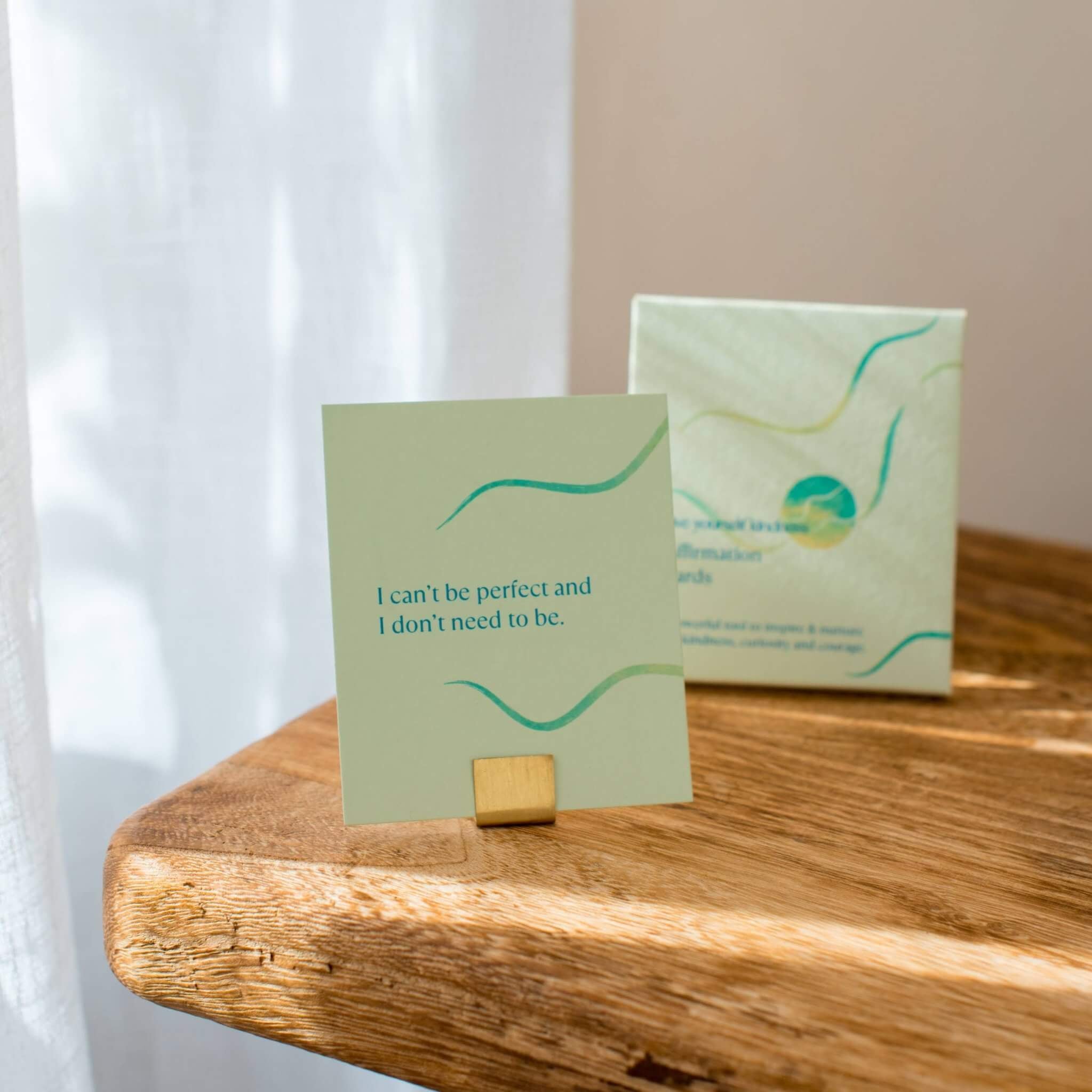
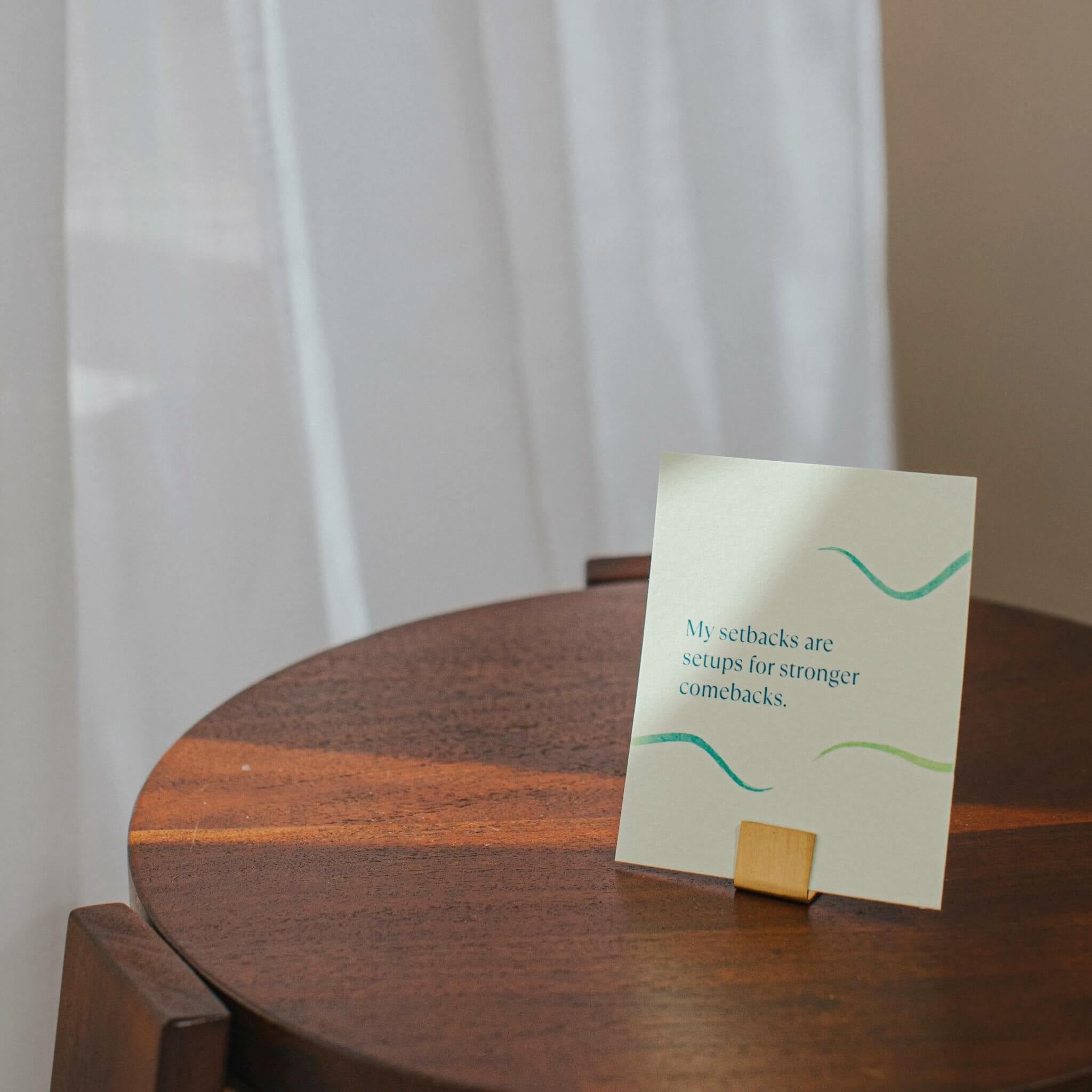
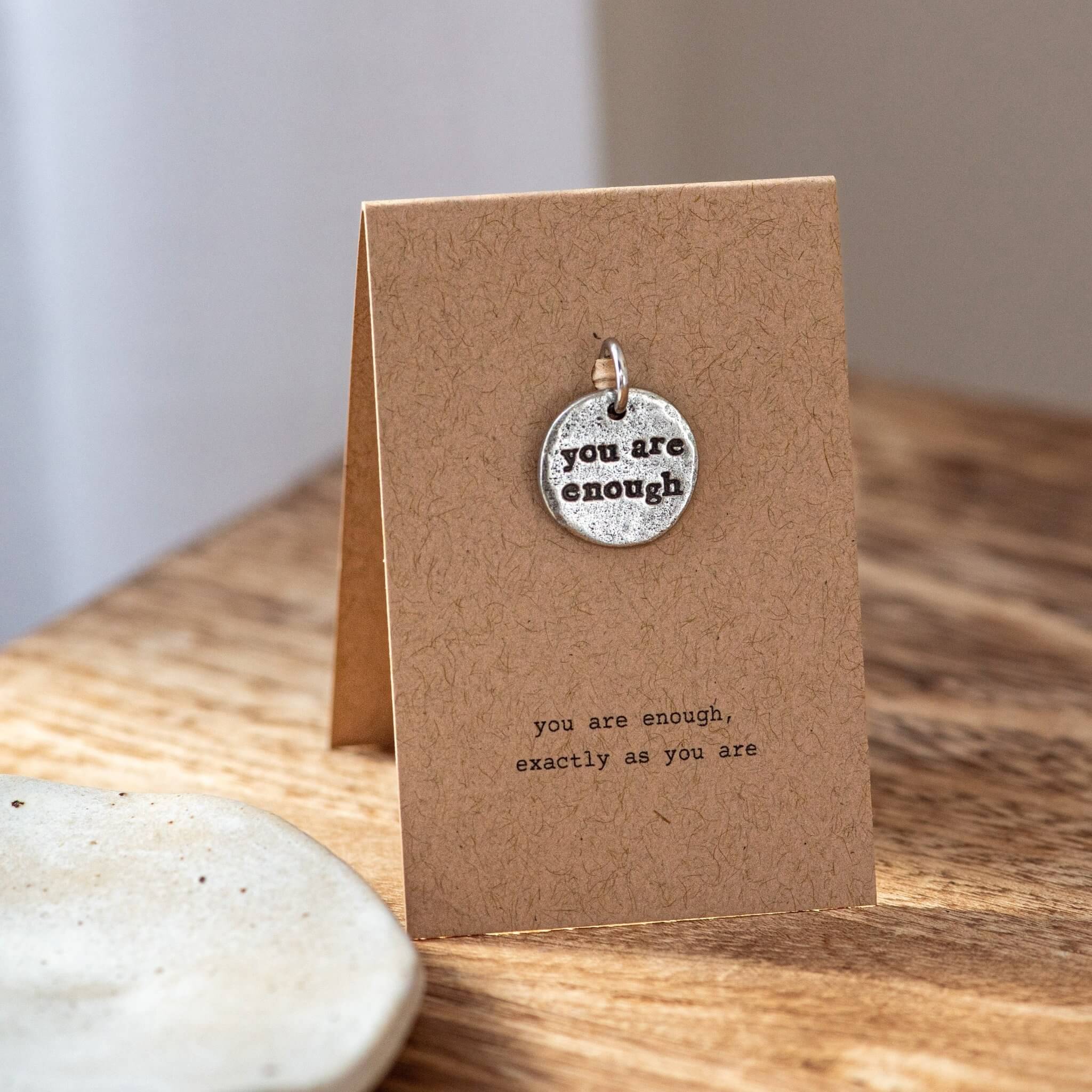
Three reminders from inside The Give Yourself Kindness Journal
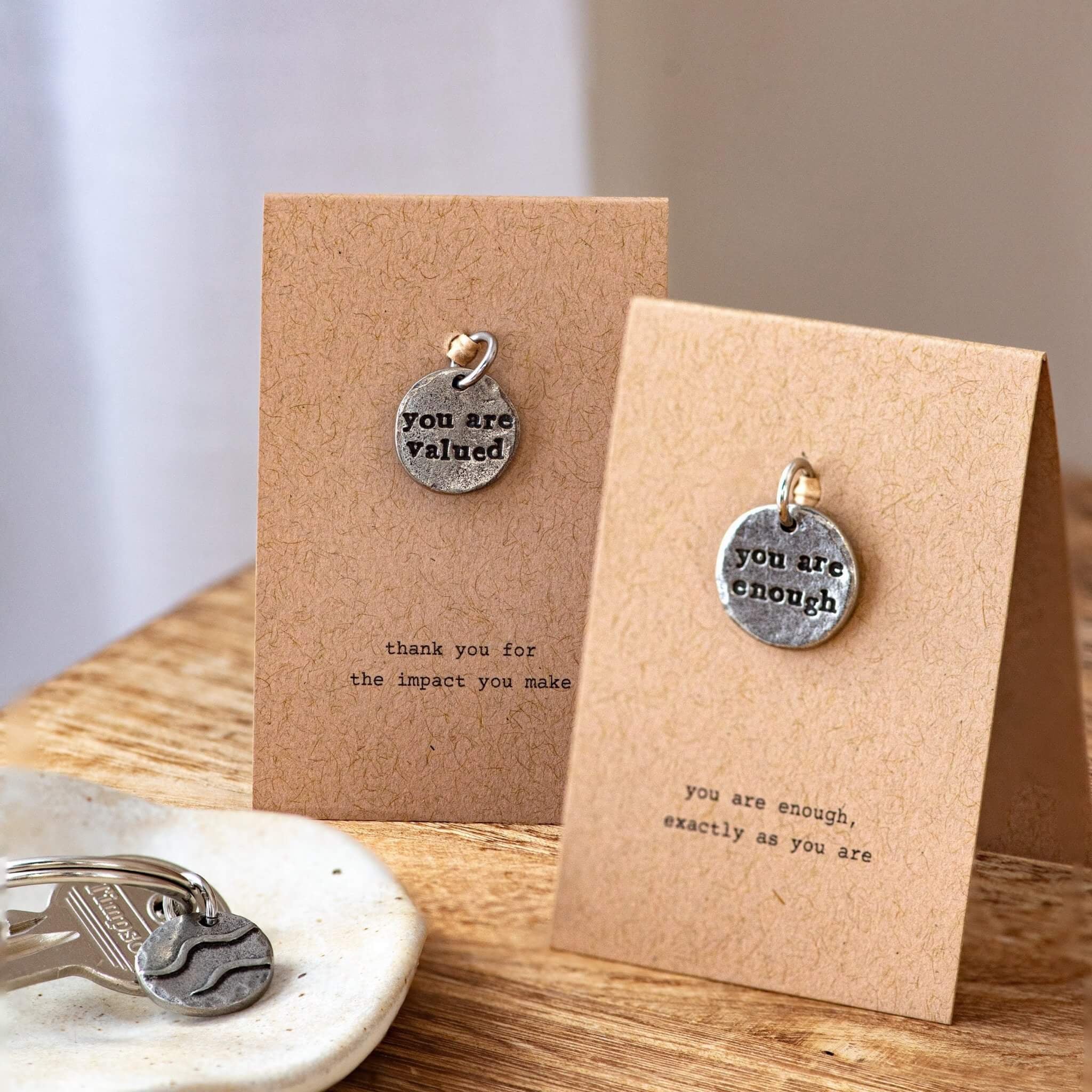
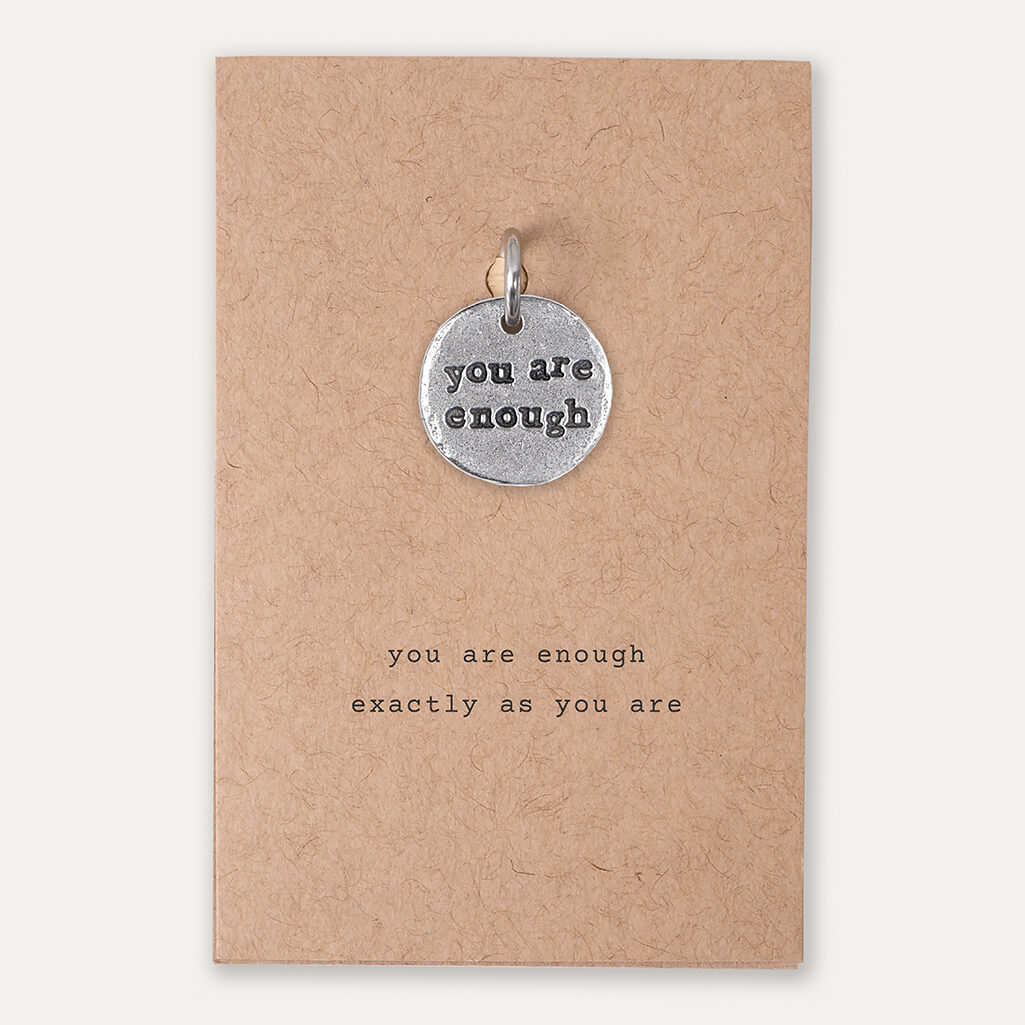
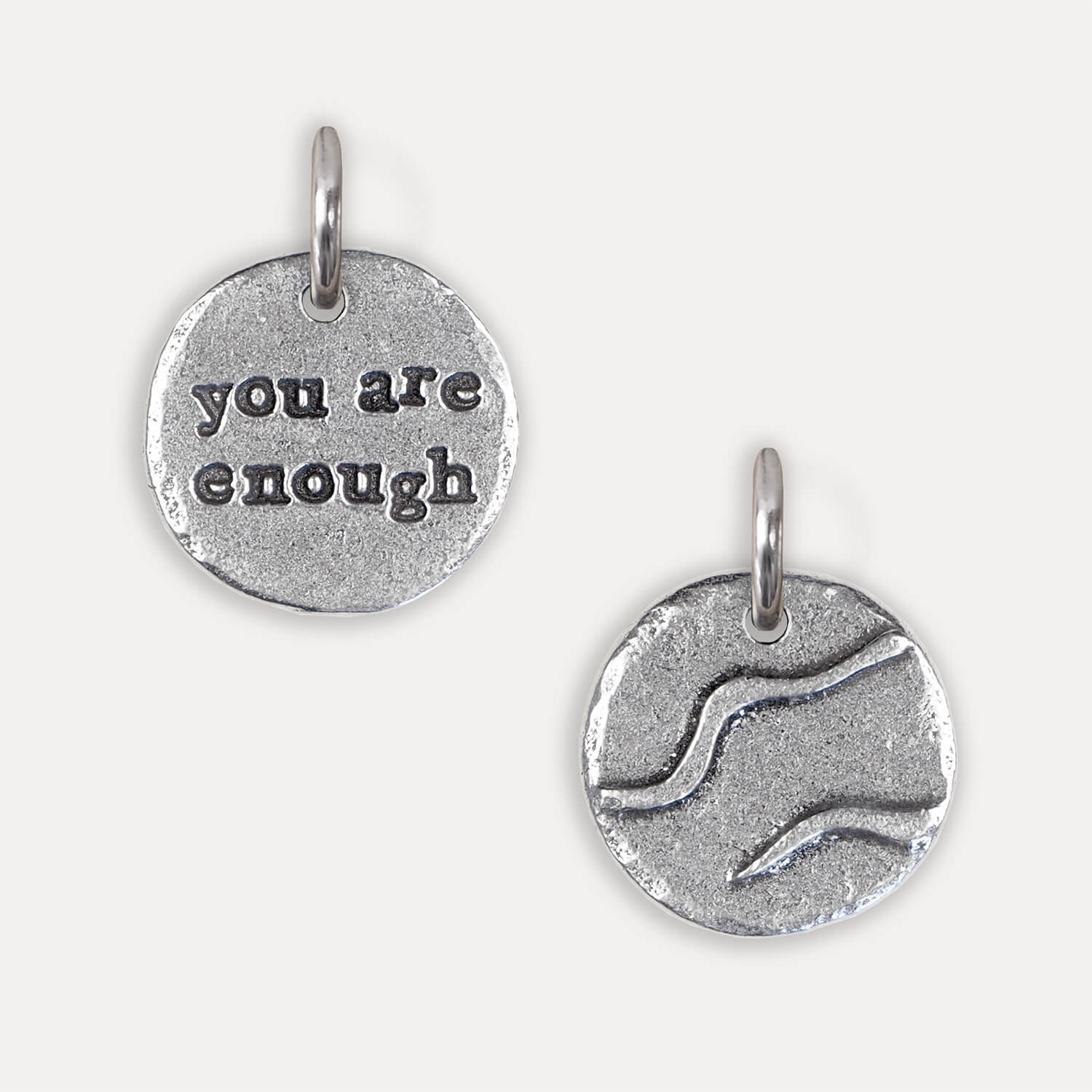
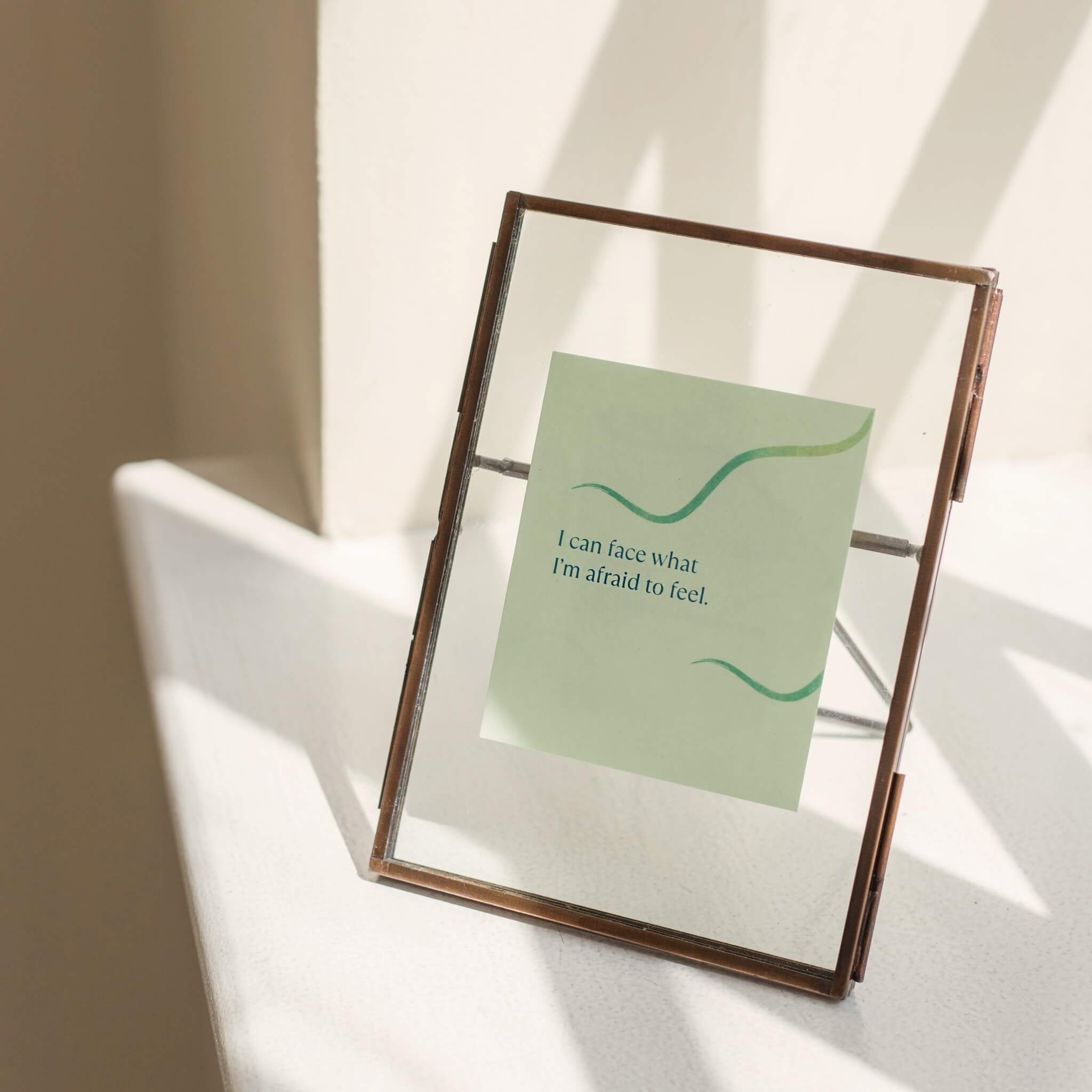
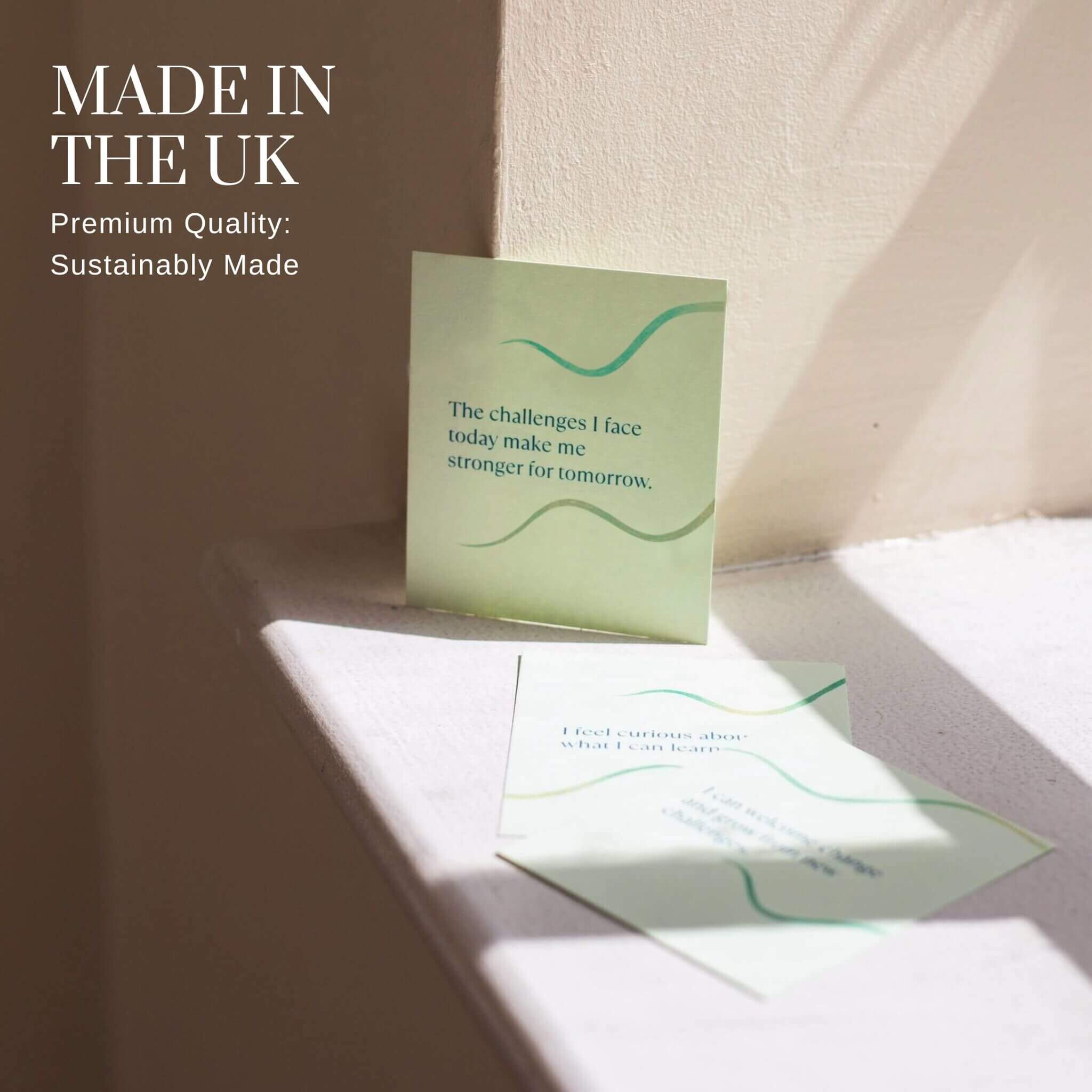
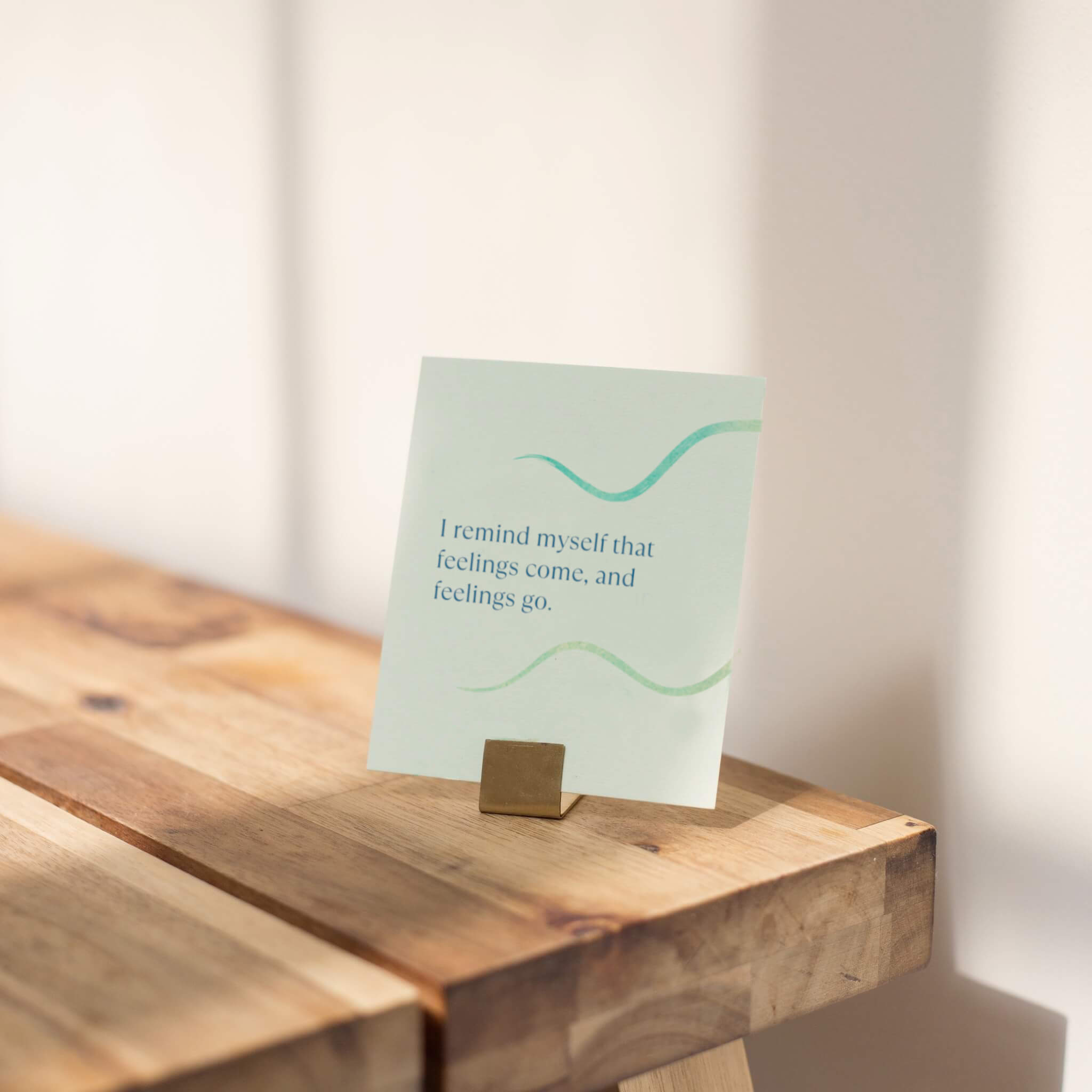
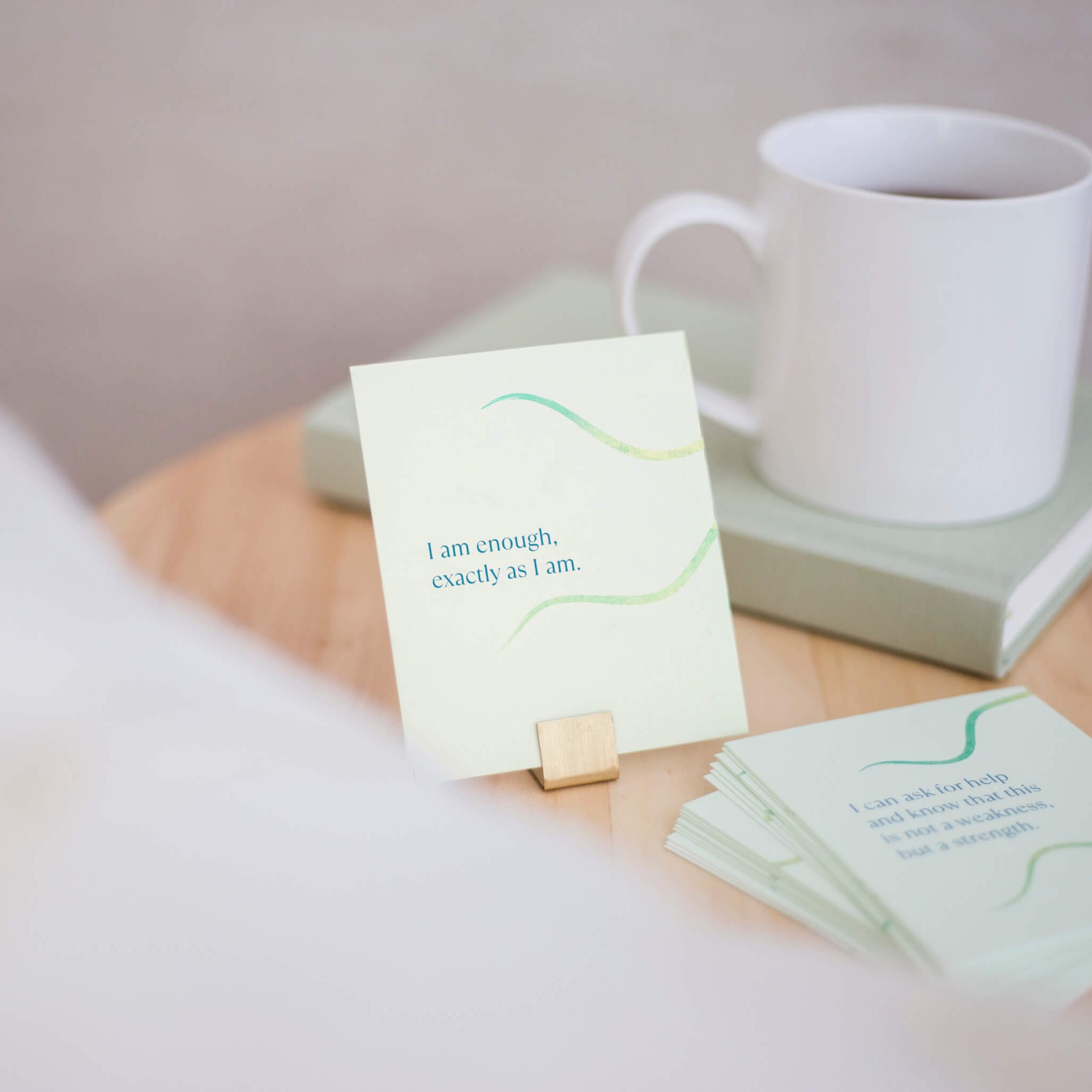
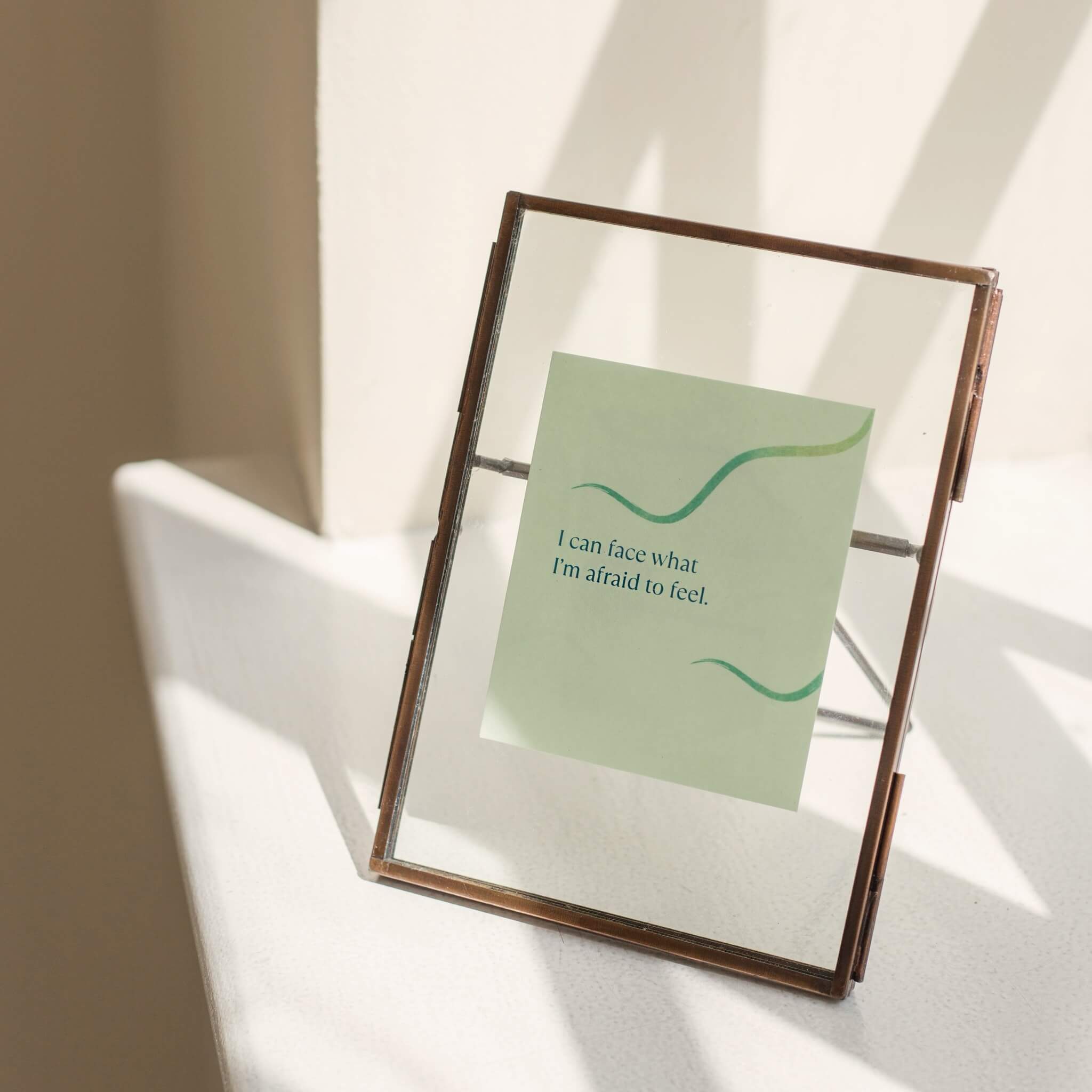
“you are enough, exactly as you are”
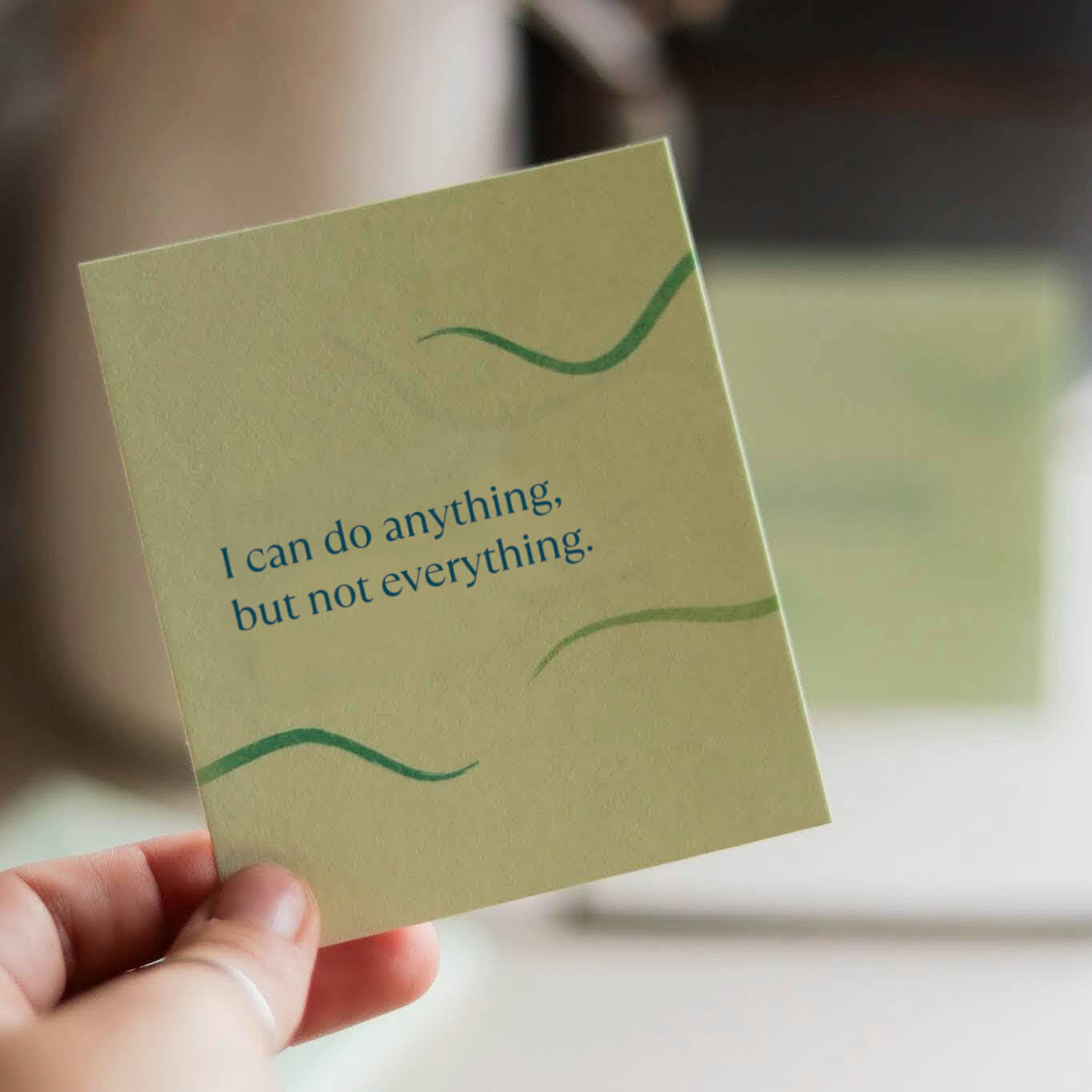
“being human means being imperfect”
“life isn't a race, you don't need to compare or compete”
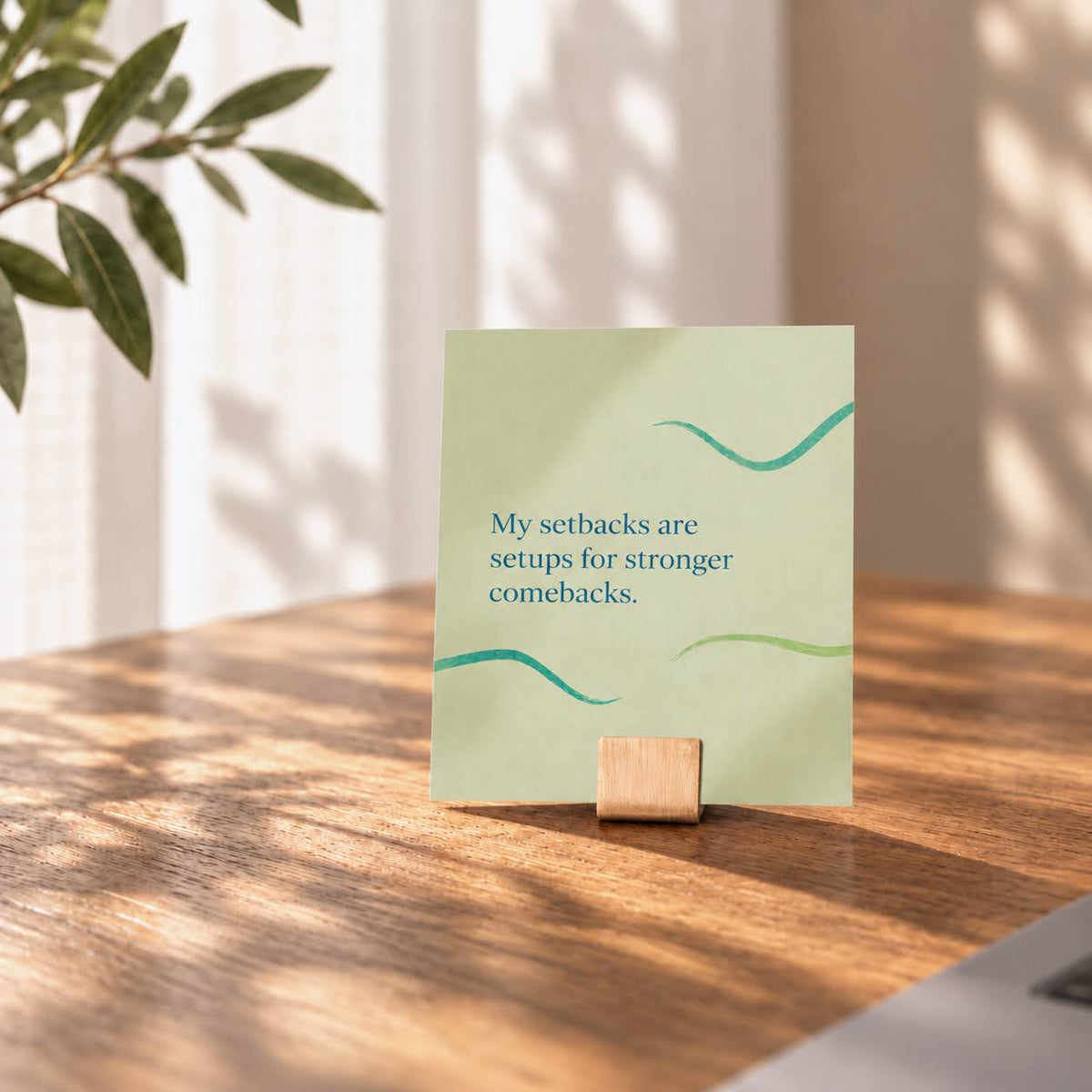
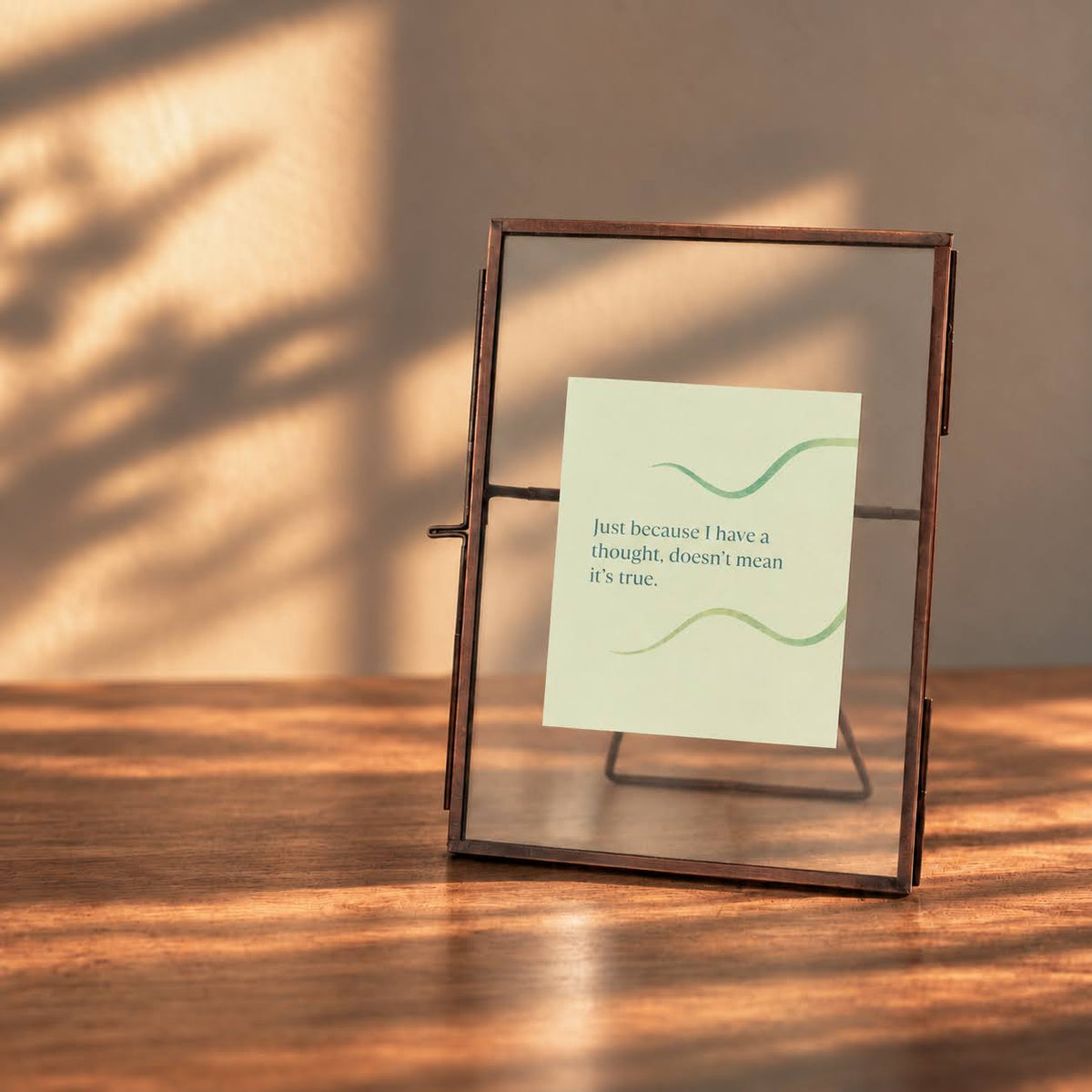
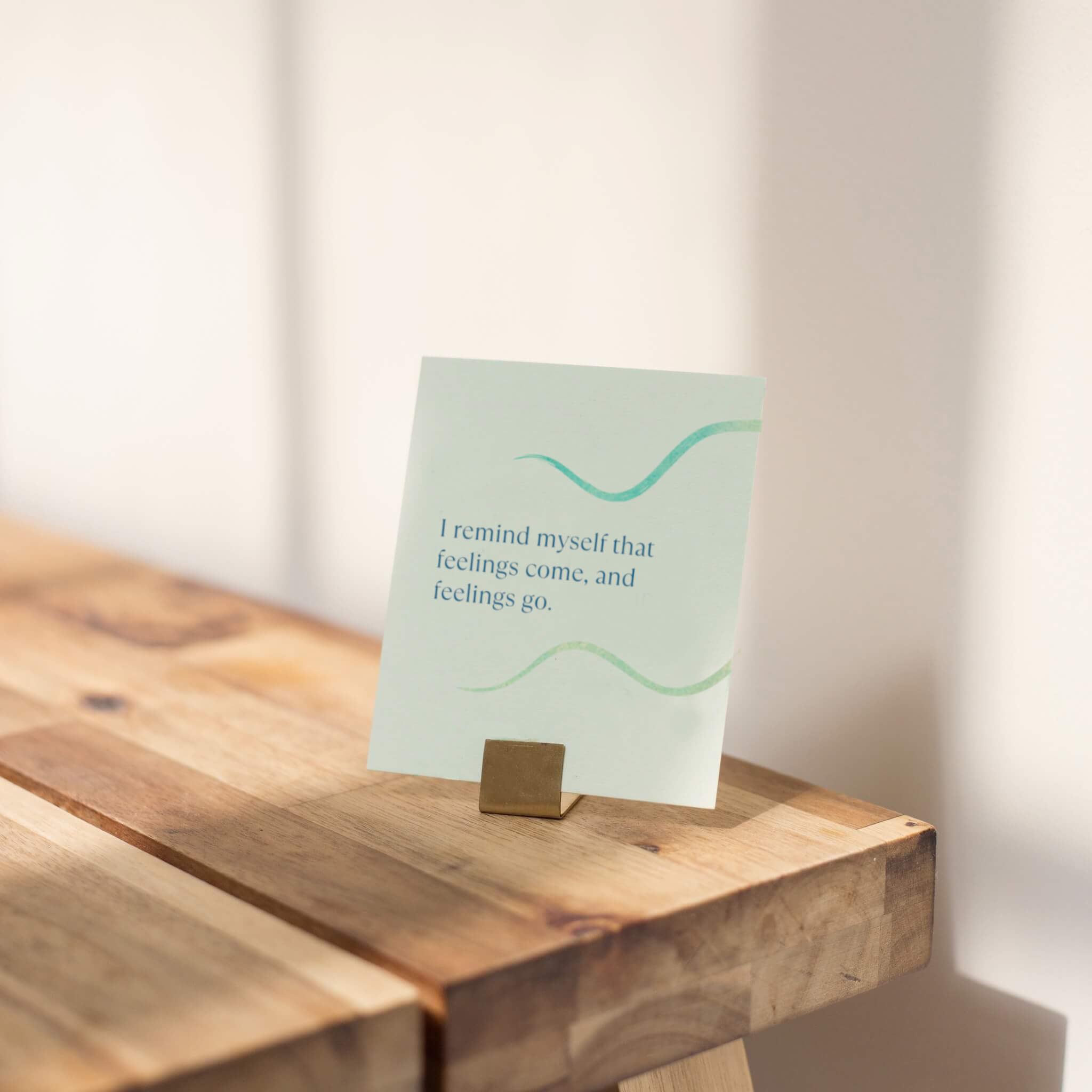
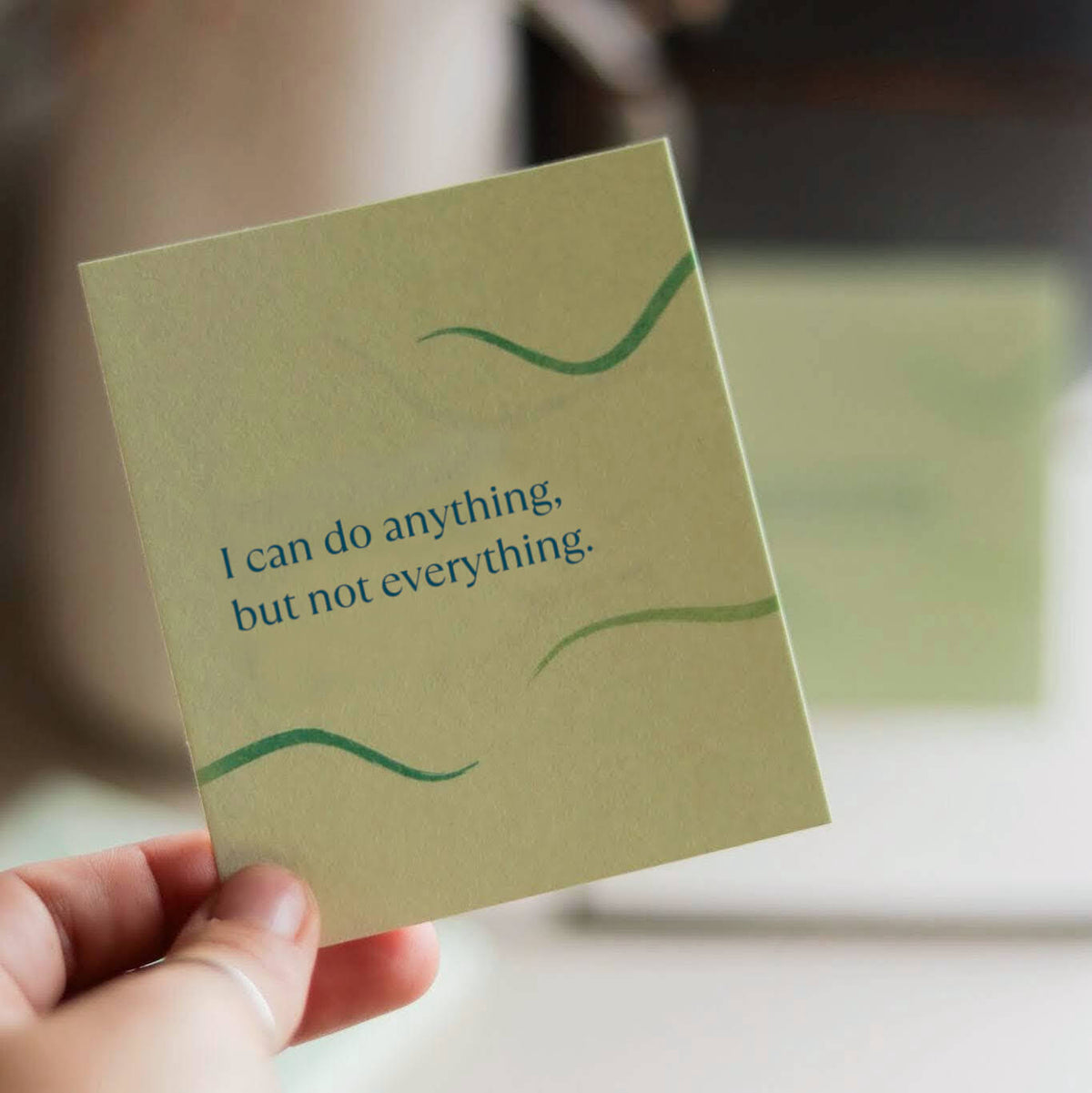
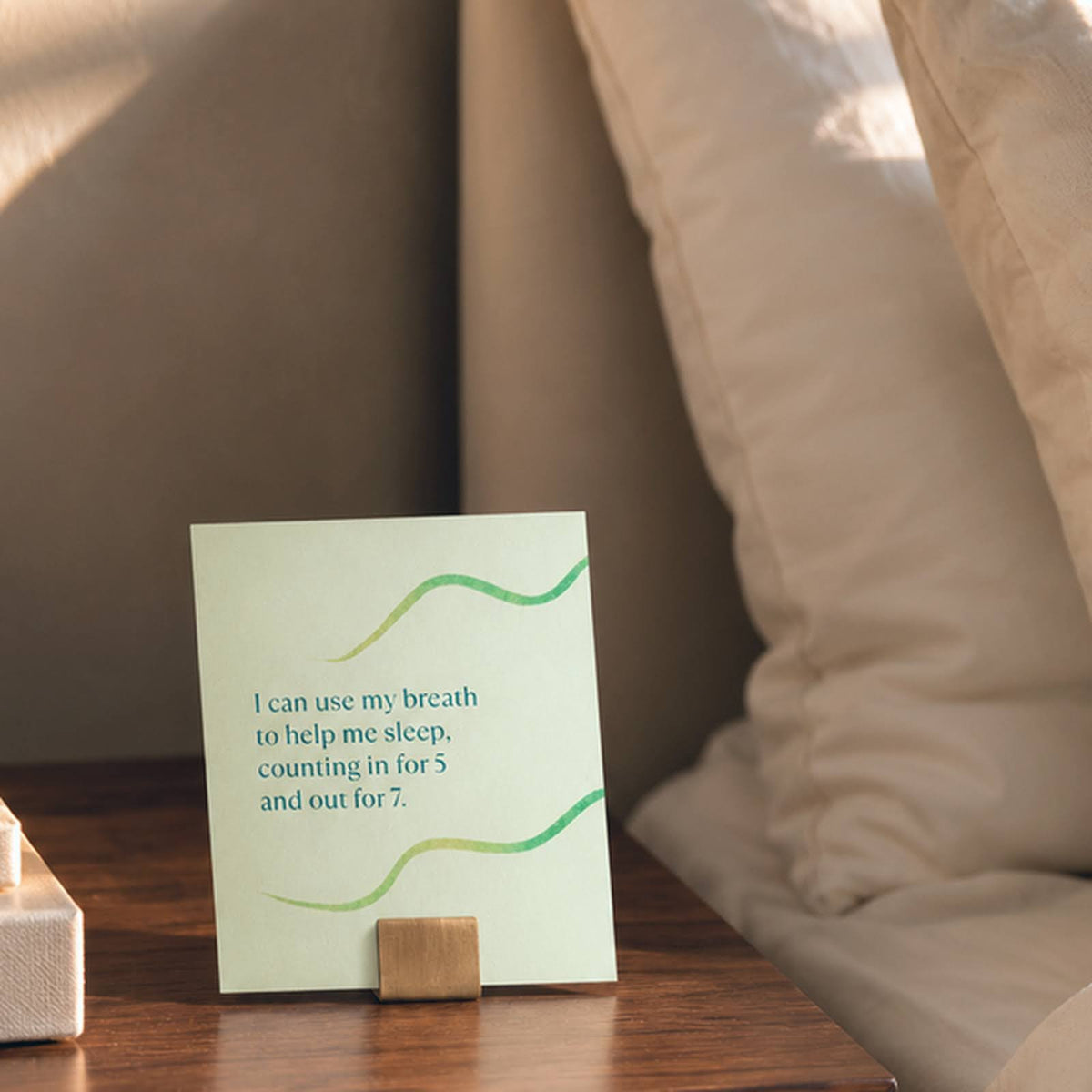
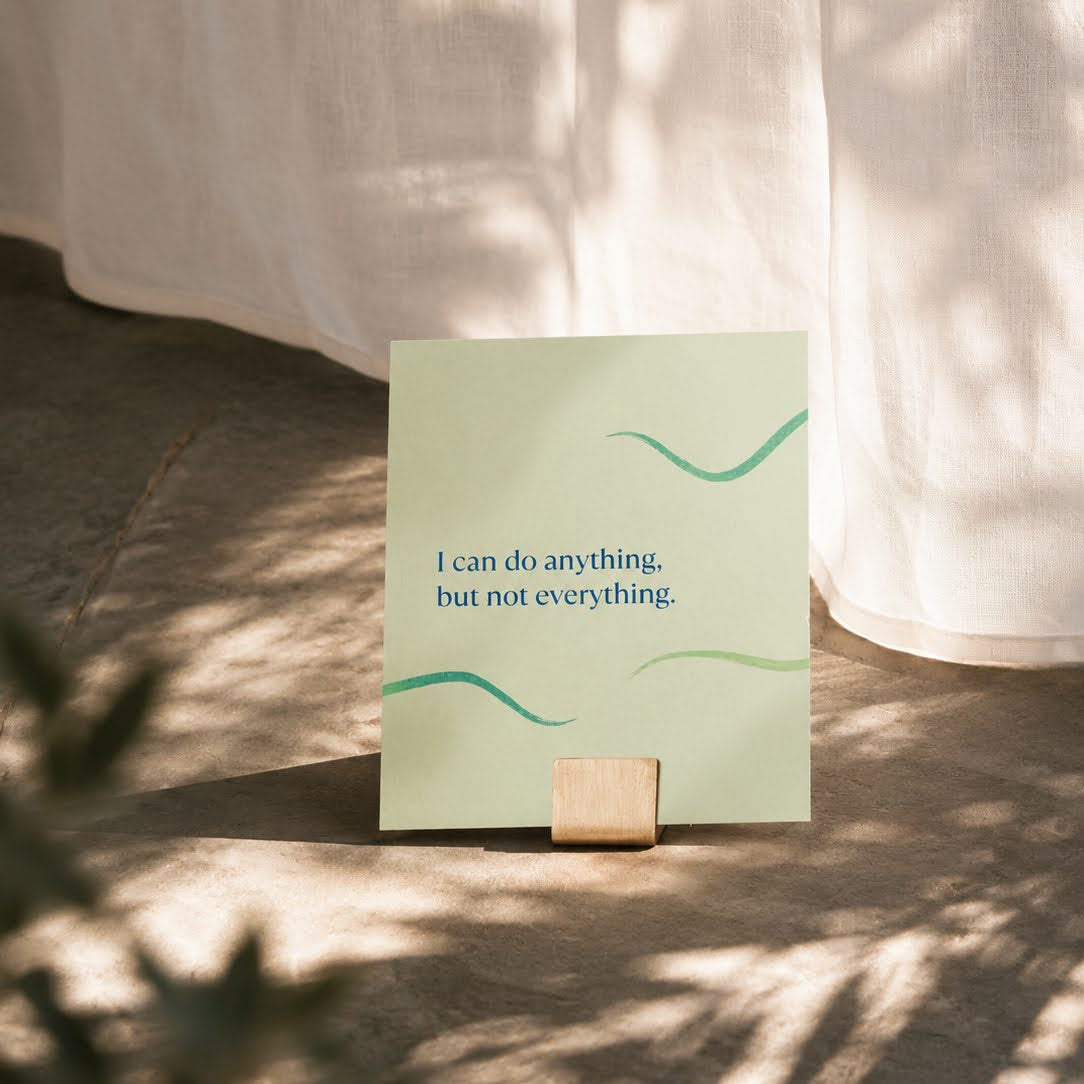
They're small lines, printed among the prompts. On a hard day, a small line can be the one you need.
The psychologists who recommend it
It's recommended by clinical psychologists at Harvard and Oxford, and counsellors use it with their own clients. These are their words.

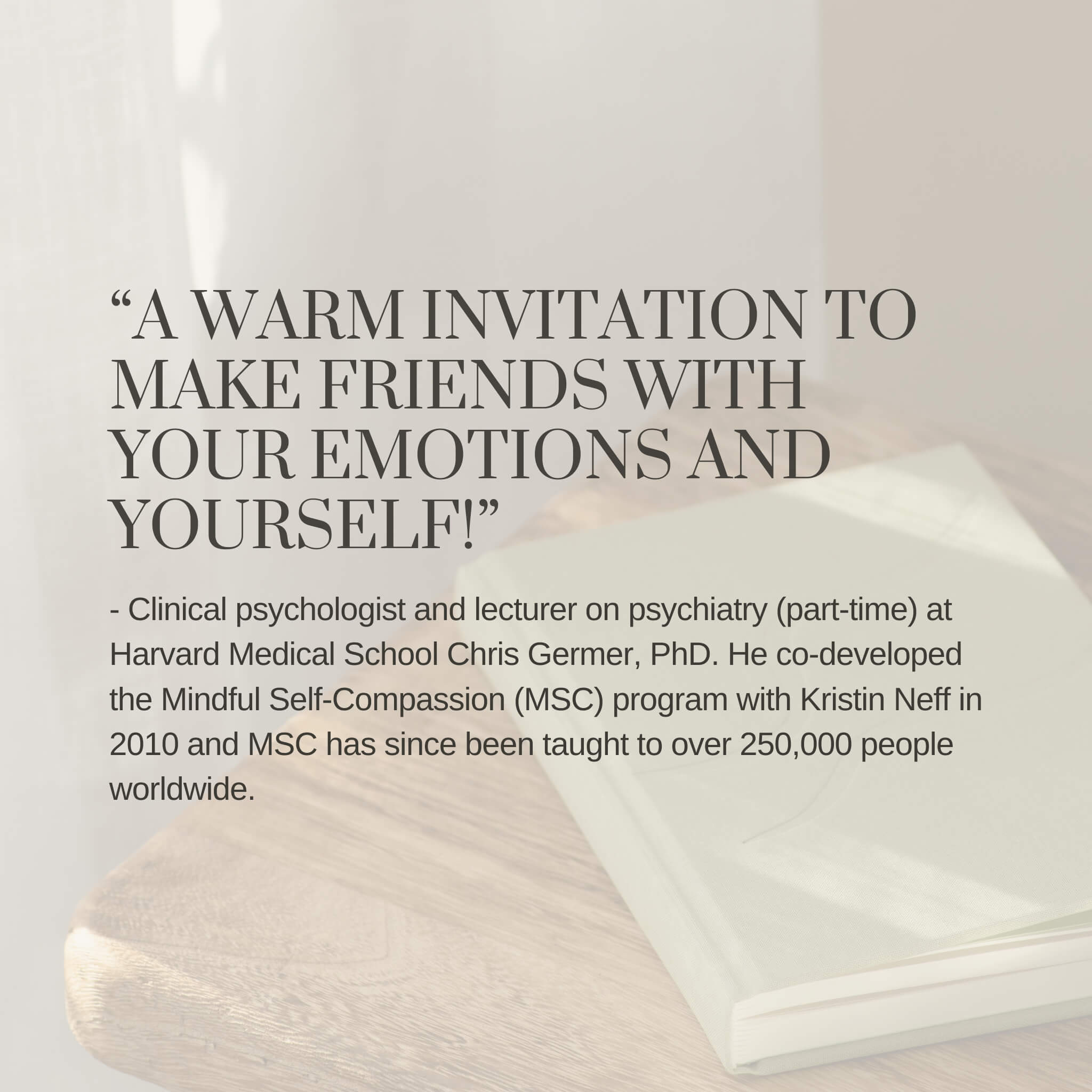
Dr Chris Germer, PhD
Clinical psychologist and lecturer on psychiatry (part-time), Harvard Medical School | Co-developed the Mindful Self-Compassion programme with Dr Kristin Neff, taught to over 250,000 people worldwide
Read Dr Germer's review alongside the rest →“A warm invitation to make friends with your emotions and yourself!”

Professor Willem Kuyken, PhD, DClinPsy
Ritblat Professor of Mindfulness and Psychological Science, University of Oxford | Listed by Web of Science in the top 1% of the most cited scientists in the world
“…Writing can be creative, beautiful, resourcing, but it can also invoke an inner critic, rumination and procrastination. Rachel has curated the experience to make the writing intrinsically rewarding and the journal something to treasure.”
What this means if you're hard on yourself: an empty page can hand the pen to your inner critic. A kind question gives you somewhere gentler to begin.
Read Professor Kuyken's review alongside the rest →
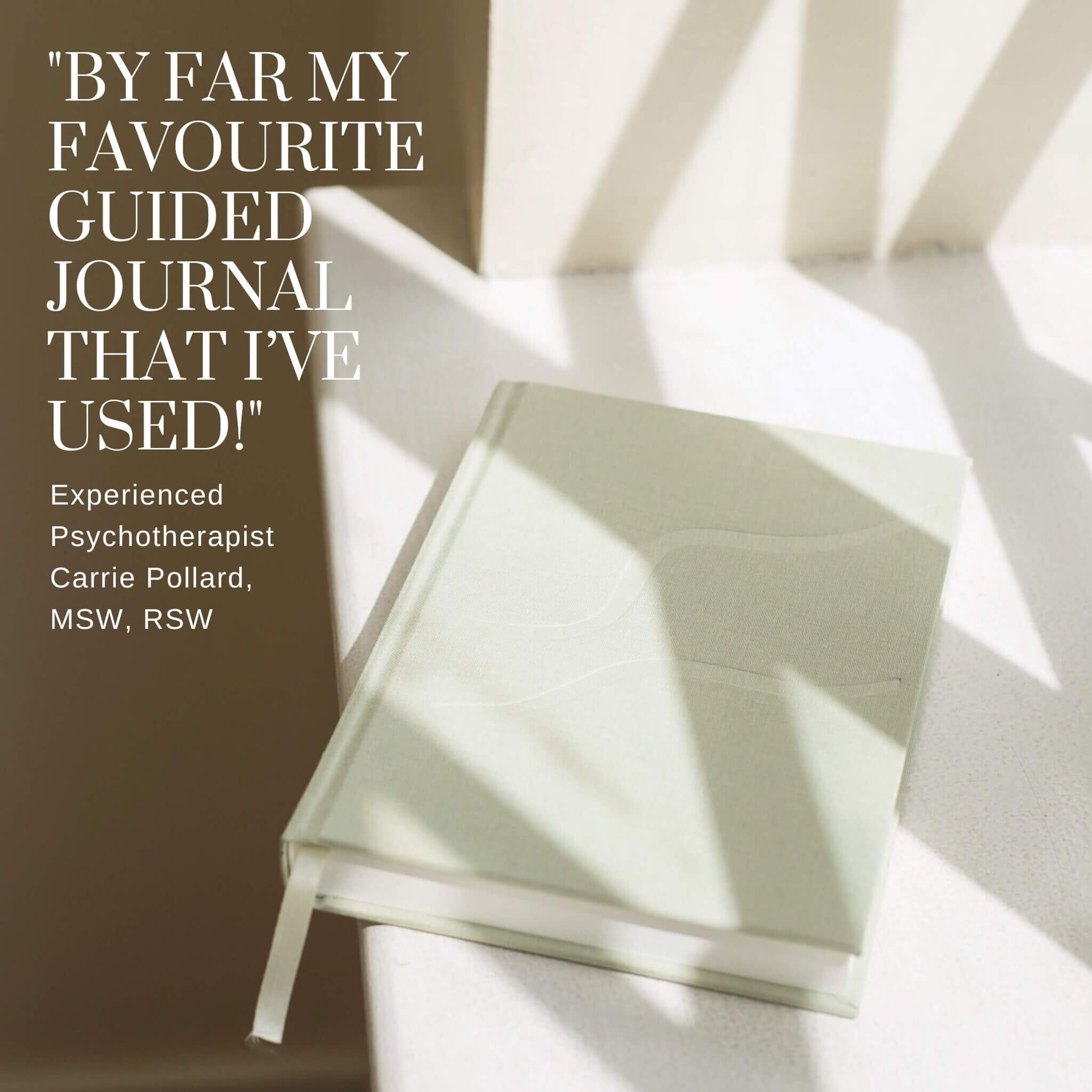
Carrie Pollard, MSW RSW
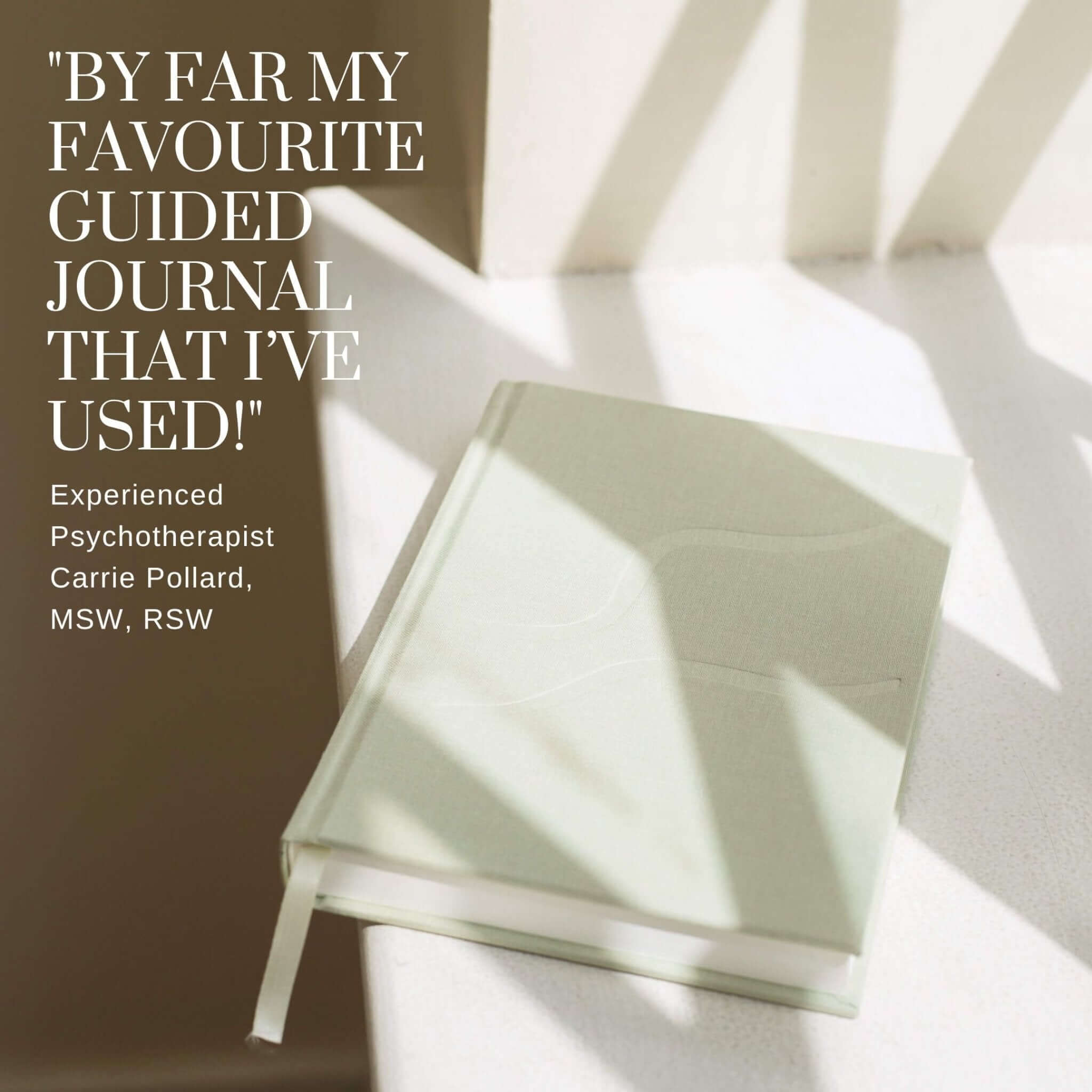
Experienced psychotherapist
Read Carrie Pollard's review alongside the rest →“Being able to identify what you’re feeling and compassionately explore the ‘why’ is central to self-connection and self-growth. The Give Yourself Kindness journal is a steady guide in this process…”

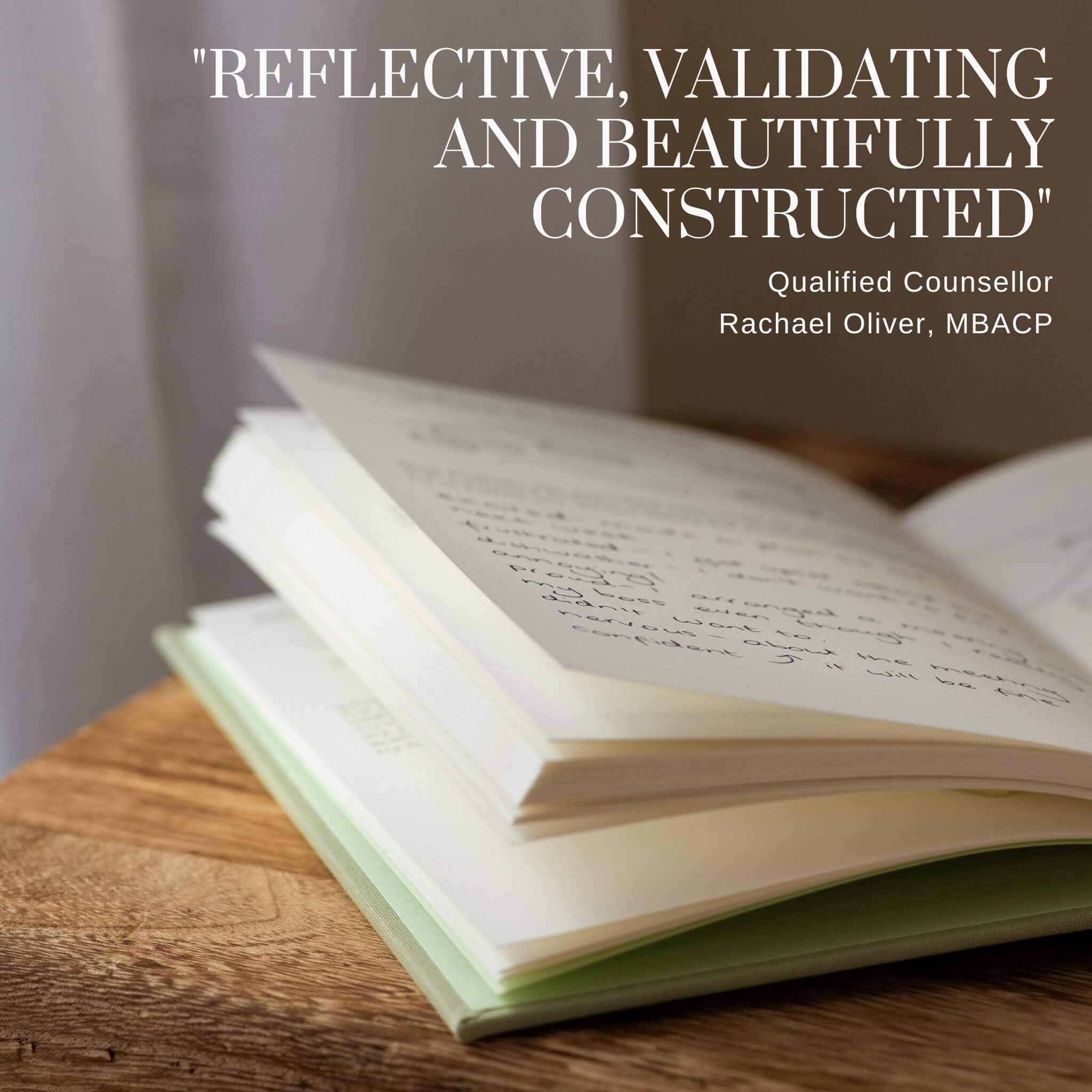
Rachael Oliver, MBACP
Accredited counsellor, who uses the journal with her clients
Read every expert review in full →“…The way the journal is constructed helps validate their entire experience and avoid toxic positivity, encourage reflection and ownership of feelings…”
Discover The Give Yourself Kindness Journal →
The best guided journals for women, compared
Here are six guided journals, side by side. The first is mine. Each of the others does something different well, so look for the one that matches what you'd like more of.
| Journal | Best for | Format | Recommended by | What's inside |
|---|---|---|---|---|
| The Give Yourself Kindness Journal | Being as kind to yourself as you are to others | Undated self-compassion journal. 90 days, every page different, with an emotion tool on each one | Clinical psychologists at Harvard and Oxford, and a Compassion Focused Therapy specialist | 224 pages, A5. 120gsm FSC-certified paper, pistachio green cloth cover, ribbon marker. Over 50 printed reminders |
| Papier Wellness Journal | Keeping an eye on everyday habits, sleep and mood | Undated. Daily and weekly layouts, with quarterly goal prompts | Not stated | Sleep and mood icons, meal and activity tracking, a space for things you're thankful for, and a cover you can personalise |
| The Five Minute Journal | A short, steady morning and evening routine | Undated. The same prompts each morning and evening | Not stated | Five daily prompts, weekly challenges and a quote each day, lasting six months |
| The 6-Minute Diary | Three minutes at each end of the day | The same structure twice a day, with a weekly reflection | Not stated | Morning and evening questions built on principles of positive psychology |
| Self-Reflection Journal, by The School of Life | Coming back to the same big questions over time | A set of questions, repeated so you can revisit your answers | Not stated | 150 pages of questions. Hardback, cloth-bound cover, ribbon bookmark and quotes throughout |
| Start Where You Are, by Meera Lee Patel | Writing and drawing at your own pace | Open-ended prompts, for writing or drawing | Not stated | 128 pages, paperback. Illustrated throughout, with quotes and room to write |
The Give Yourself Kindness Journal is the one here built around self-compassion and naming your emotions. If what you'd like most is habit tracking, a fixed daily routine or creative freedom, one of the others may suit you better, and that's a perfectly good choice.
Which guided journal suits you?
The guided journal that suits you is the one that fits what you need right now. Find the line that sounds most like you.
“I'm kind to everyone except myself.”
→ The Give Yourself Kindness Journal
Every day, it asks what you'd say to a friend, then invites you to say it to yourself.
“I want something that waits for me when life gets busy.”
→ The Give Yourself Kindness Journal
There are no dates anywhere, so a missed week leaves nothing to catch up on.
“I'm a mum, and there's very little left over for me.”
→ The Give Yourself Kindness Journal
A few minutes that are only yours, with no schedule attached. You might also like self-compassion as a new mum.
“Anxiety and overthinking are why I'm here.”
→ The Give Yourself Kindness Journal
It makes room for anxious feelings without asking you to push them away. There's more in my guide to the best journal for anxiety and overthinking.
“I'd like to track my sleep, mood and habits.”
Built for tracking, with daily and weekly layouts and quarterly goals.
“I want the same quick routine every morning and evening.”
→ The Five Minute Journal or The 6-Minute Diary
Both keep the same short structure each day, which some people find easier to stick to.
“I'd like to draw and explore more freely.”
→ Start Where You Are, by Meera Lee Patel
More room to play, with lighter structure.
Why so many of us are harder on ourselves than on anyone else
Being harder on yourself than on anyone else is common, and it isn't a flaw in who you are. Psychologists who write for this site describe a harsh inner voice as something many of us learn, often because it feels like it keeps us safe or on track. Here is what they say.
It isn't a personal failing

Dr Maria Tucknott
Clinical psychologist specialising in trauma, anxiety and depression | Founder of Tucknott Psychology
Read Dr Tucknott's full article: How to stop beating yourself up →“If this sounds familiar, you’re not alone and more importantly, it’s not your fault.”
“The goal isn't to "fix" yourself. It's to learn how to support yourself like you would a good friend.”
Kind to others, harder on ourselves

Clare Karasik, MSW RSW
Therapist helping women develop authentic self-trust | Over 10 years of experience
Read Clare Karasik's full article: Embracing guilt, unveiling self-compassion →“As imperfect beings, we're bound to stumble and fall. It's part of the human experience. Yet, we often hold ourselves to unrealistic standards while readily forgiving others.”
It isn't only women who feel this. Clinical psychologist Dr Chris Irons, who has spent over two decades researching self-compassion, puts it simply.
Dr Chris Irons
Clinical psychologist, researcher, writer and trainer specialising in Compassion Focused Therapy | Co-director of Balanced Minds
Read Dr Irons' full article: The fears of self-compassion and how to work with them →“For many, although being compassionate to others feels more comfortable, the idea of treating ourselves kindly can feel scary.”
Why letting go of self-criticism can feel risky

Dr Bianca Nardini
London-based clinical psychologist specialising in anxiety and self-criticism
Read Dr Nardini's full article: Why is self-compassion so hard? →“They worry this will lead to lowering their standards and failing as parents, workers, or partners.”
“Put simply: we've come to believe that self-criticism is what keeps us on track.”

Dr Annabelle Kyle Dortch, PsyD
Clinical psychologist, Los Angeles | Specialises in life transitions, relationships, stress, anxiety and the impacts of trauma
“…if self-criticism worked as a means of self-improvement…it would have worked by now.”
What this means for you: if the harsh voice hasn't made things better yet, it's not because you haven't been hard enough on yourself. There's another way to grow.
Read Dr Dortch's full article: Why self-compassion is more effective than self-criticism →Isn't being kind to yourself a bit indulgent?
Being kind to yourself isn't indulgent, and it isn't self-pity. Dr Kristin Neff answers this in her book Fierce Self-Compassion: How Women can Harness Kindness to Speak Up, Claim Their Power and Thrive, in an excerpt shared on this site.

Dr Kristin Neff, PhD
Associate Professor of Educational Psychology, University of Texas at Austin | Created a scale to measure self-compassion more than 20 years ago
Read Dr Neff's article: Self-compassion or self-indulgence? →“Self-indulgence involves choosing short-term pleasure at the expense of long-term harm, and self-compassion always has its eyes on the prize: alleviating suffering.”
Dr Kristin Neff, PhD & Dr Chris Germer, PhD
University of Texas at Austin and Harvard Medical School | Developers of the Mindful Self-Compassion programme
Read their article: Self-compassion is not self-pity →“Pity creates separation, and compassion creates connection.”
That's why The Give Yourself Kindness Journal asks you, every day, to answer yourself the way you'd answer someone you love.
What to look for in a guided journal
Look for a guided journal that is gentle with you on the days you need it most. Whichever one you choose, these five things make the biggest difference if you tend to be hard on yourself.
Pages without dates
Dated pages turn a missed day into a gap you can see. Undated pages let you begin again on any page, with nothing to explain.
Room for every feeling
A journal that only asks for the good things can leave the hard ones nowhere to go. Look for prompts that welcome sadness, worry and frustration as well as joy. Therapist Julie Burke, LPC-S, describes affirmations in The Give Yourself Kindness Journal that help you feel your feelings in ways that “…are free of judgment for yourself…”
 Julie Burke, LPC-S, therapist and private practice owner. Read her review
A way to name what you feel
It's often hard to know exactly what you're feeling. A simple emotion guide on the page gives you words when they won't come on their own.
Prompts that sound like a friend
Some questions invite your inner critic to answer. The kindest prompts ask what you'd say to someone you care about, so a gentler voice gets the first word.
Checked by people qualified to judge it
Anyone can print a journal. It's worth checking whether a psychologist or counsellor has looked at it, and what they said in their own words.
How to start a guided journal, gently
To start a guided journal gently, begin with how you feel, keep it small, and let it be imperfect. These five steps work with any journal you choose.
Notice how you feel
Start with one question. In The Give Yourself Kindness Journal, each day opens with: “What emotions can you notice have arisen for you today?” A single word is a full answer.
Remember you deserve to feel better
This can be the hardest step of all. Dr Chris Germer of Harvard Medical School writes: “First we need to recognize that we deserve to feel better. When we feel really bad, most of us engage in self-punishment rather than self-compassion.”
From Dr Chris Germer's article, Is self-compassion natural?
Answer yourself as you would a friend
When something has been hard, picture a friend telling you the same story. Then write what you'd say to them, and read it back as if it were meant for you.
Let there be no right or wrong
Write freely. Messy, short or unfinished is fine. The opening pages of The Give Yourself Kindness Journal say it plainly: “there are no right or wrong answers and there is no right or wrong way to journal.”
Take a break whenever you need one
You don't have to write every day to be doing it well. One of the reminders in the journal reads: “it's always okay to take a break from exploring your emotions”.
When you might need more than a journal
You might need more than a journal if hard feelings have stayed with you for a long time, or they're getting in the way of sleep, work, relationships or the things you used to enjoy. Please speak to your GP. You deserve real support.
A journal can be a kind companion alongside professional help, never a substitute for it. Mind has gentle, practical guidance, and if things ever feel too much, Samaritans are there on 116 123, free, day or night.
A kinder place to begin
If you're often the last person you're kind to, The Give Yourself Kindness Journal is made to change that, one page at a time:
- Prompts that help you speak to yourself the way you'd speak to a friend
- An emotion tool on every page
- 90 days, every page different
- No dates, so there's nothing to fall behind on
- Recommended by clinical psychologists at Harvard and Oxford, and used by counsellors with their clients
I hope you find the right one for you, whether that's mine or not.
Frequently asked questions
What is the best guided journal for women?
The best guided journal for women, in my view, is The Give Yourself Kindness Journal, the self-compassion journal recommended by Harvard and Oxford psychologists. It helps you understand your emotions and respond to yourself with kindness instead of criticism. It's undated, with an emotion tool on every page.
Is The Give Yourself Kindness Journal only for women?
No, The Give Yourself Kindness Journal isn't only for women. I made it for anyone who's hard on themselves, and men use it too. Clinical psychologist Dr Chris Irons notes that ‘Some men in particular have the misunderstanding that self-compassion is a feminine trait.’ Self-compassion is for everyone, and so is this journal.
What is the best undated journal for women?
The best undated journal for women who'd like to be kinder to themselves is The Give Yourself Kindness Journal. Nothing in it is dated, so you can start on any day and pick it up again after a break. The Papier Wellness Journal and The Five Minute Journal are undated too, if you'd prefer tracking or a fixed daily routine.
Is there a guided journal that won't make me feel guilty for missing days?
Yes, a guided journal with undated pages won't leave you with empty days to feel guilty about. The Give Yourself Kindness Journal has no dates anywhere, so a missed day or week simply means you carry on from the next page. One of its printed reminders reads ‘it's always okay to take a break from exploring your emotions’.
Which guided journal helps with stress and overthinking?
A guided journal that helps with stress and overthinking gives your thoughts somewhere kind to land, rather than asking you to think positively. The Give Yourself Kindness Journal helps you name what you feel and answer it with compassion. It isn't a treatment, but it can be a gentle support. My guide to the best journal for anxiety and overthinking goes into more detail.
Isn't self-compassion just being soft on yourself?
Self-compassion isn't being soft on yourself, and it doesn't mean lowering your standards. Clinical psychologist Dr Annabelle Kyle Dortch writes that ‘Self-compassion does not mean wallowing in pity or avoiding growth.’ Dr Kristin Neff describes self-compassion as always having ‘its eyes on the prize: alleviating suffering.’
What do the prompts in The Give Yourself Kindness Journal say?
The prompts in The Give Yourself Kindness Journal ask you to notice how you feel, then answer yourself as you'd answer a friend. Here is one, word for word: ‘Choose an emotion that you have just noticed. Imagine a friend came to you explaining that they feel that emotion. Write down what you would want to say to them.’ Every page is different, for 90 days.
How long does it take each day?
How long it takes each day is up to you. There's no set time and no right amount to write. Some days a single word or line is enough, and other days you might fill the page. The Give Yourself Kindness Journal isn't fixed to morning or evening, so you can use it whenever a quiet moment comes.
Is it a good journal for mums?
Yes, The Give Yourself Kindness Journal can be a good journal for mums, especially if there's very little time that feels like yours. It's undated, so it fits around whatever the day holds. Clinical psychologist Dr Bianca Nardini notes that many people worry self-compassion will mean ‘failing as parents, workers, or partners’, and she explains why that isn't the case.
Is a guided journal a good gift for a woman going through a hard time?
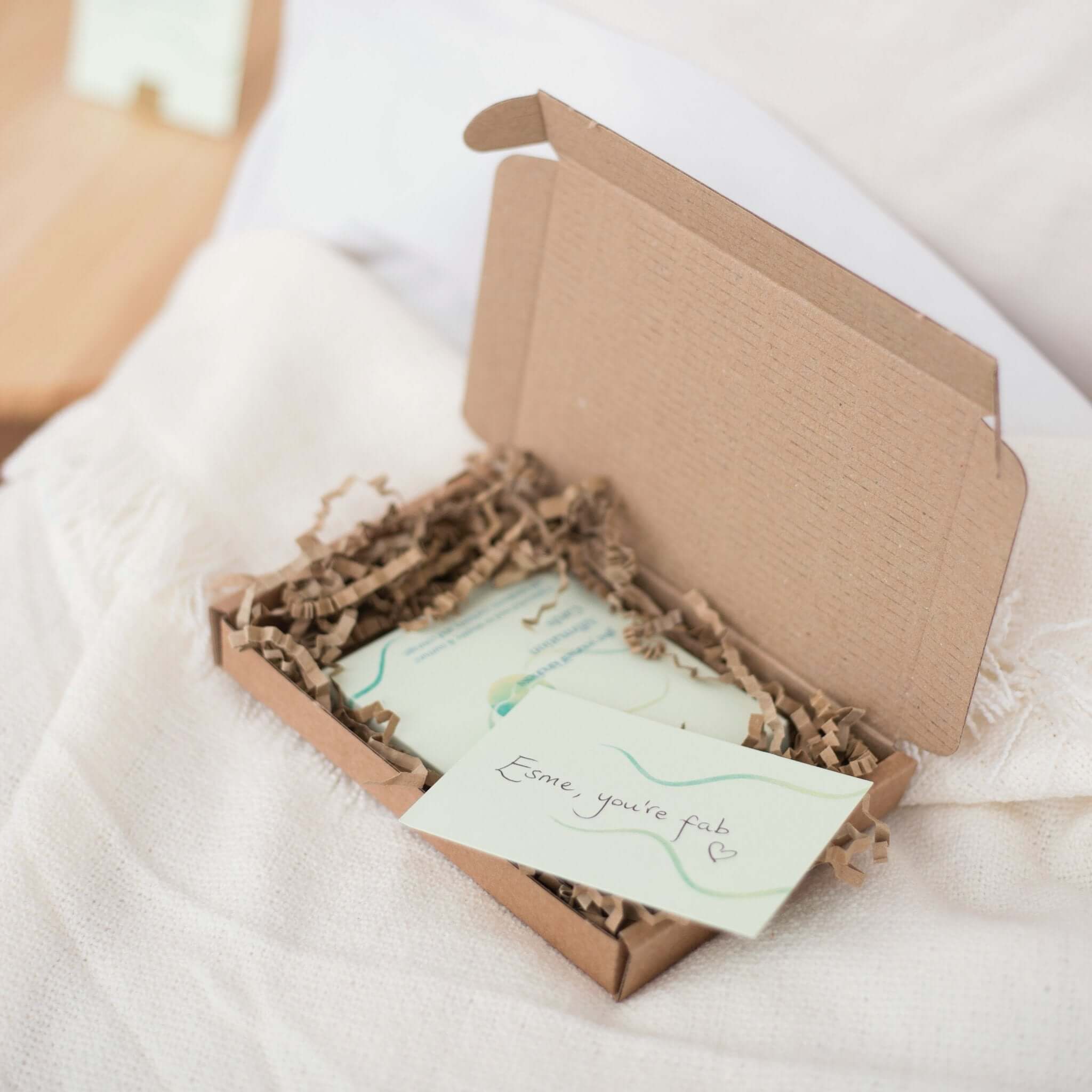
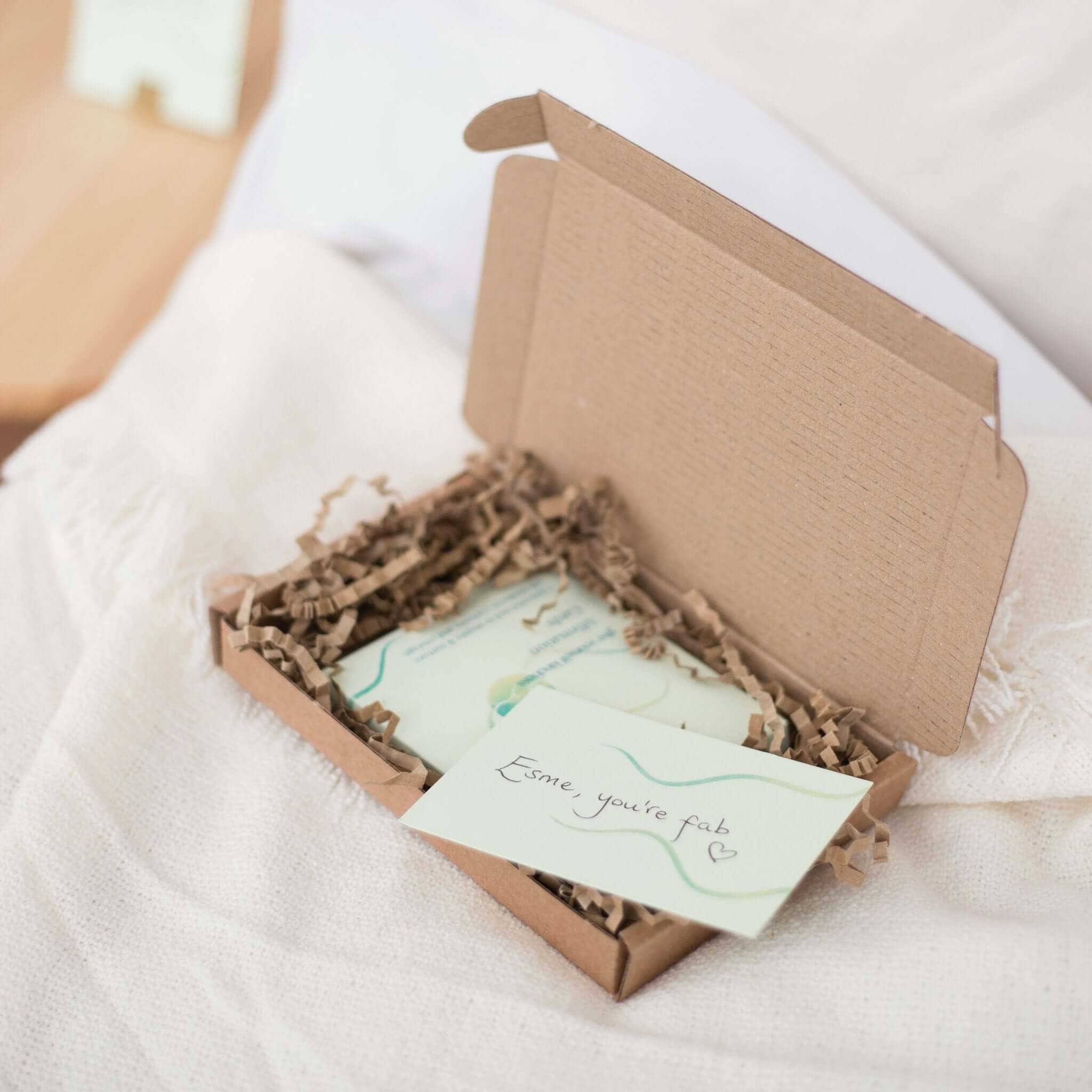
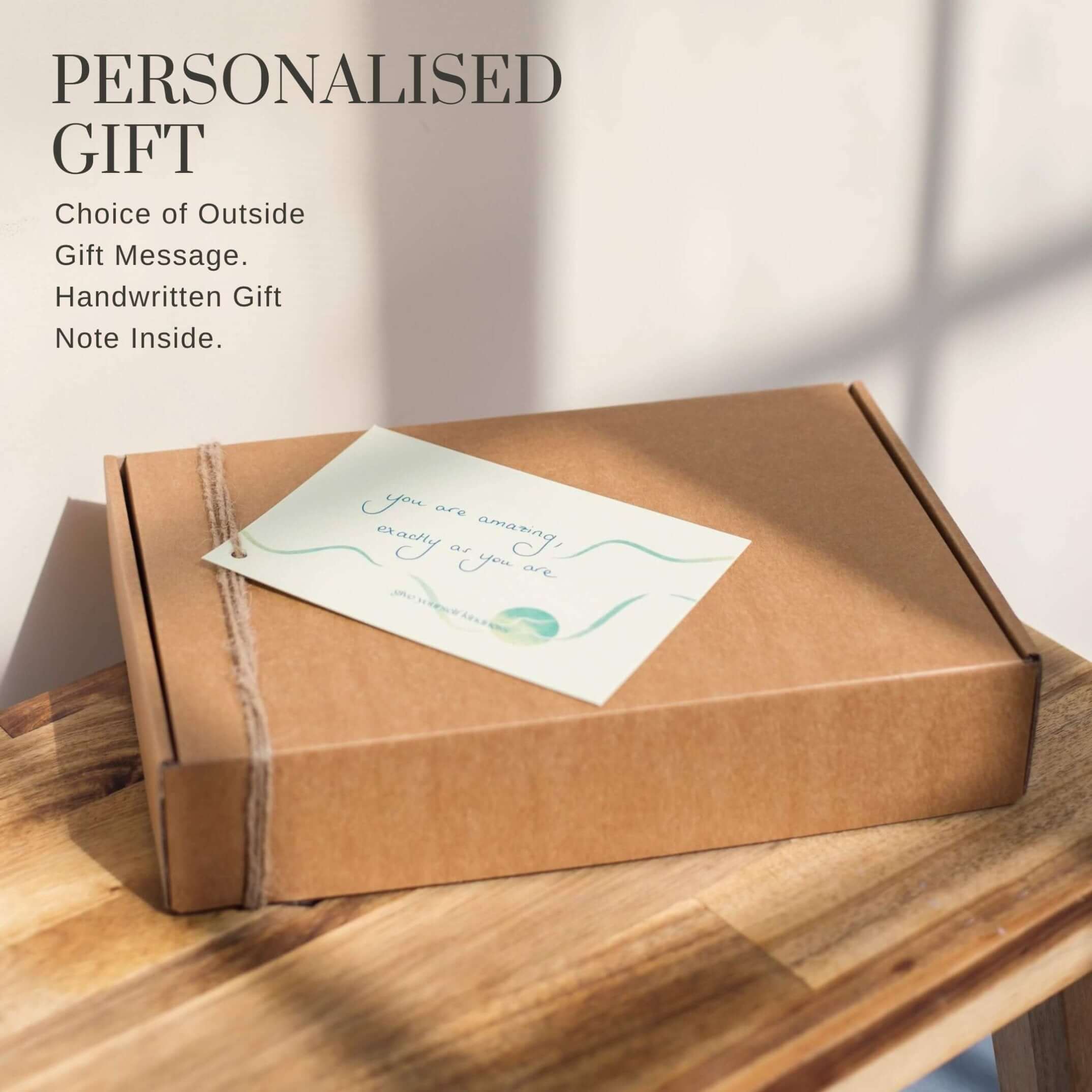
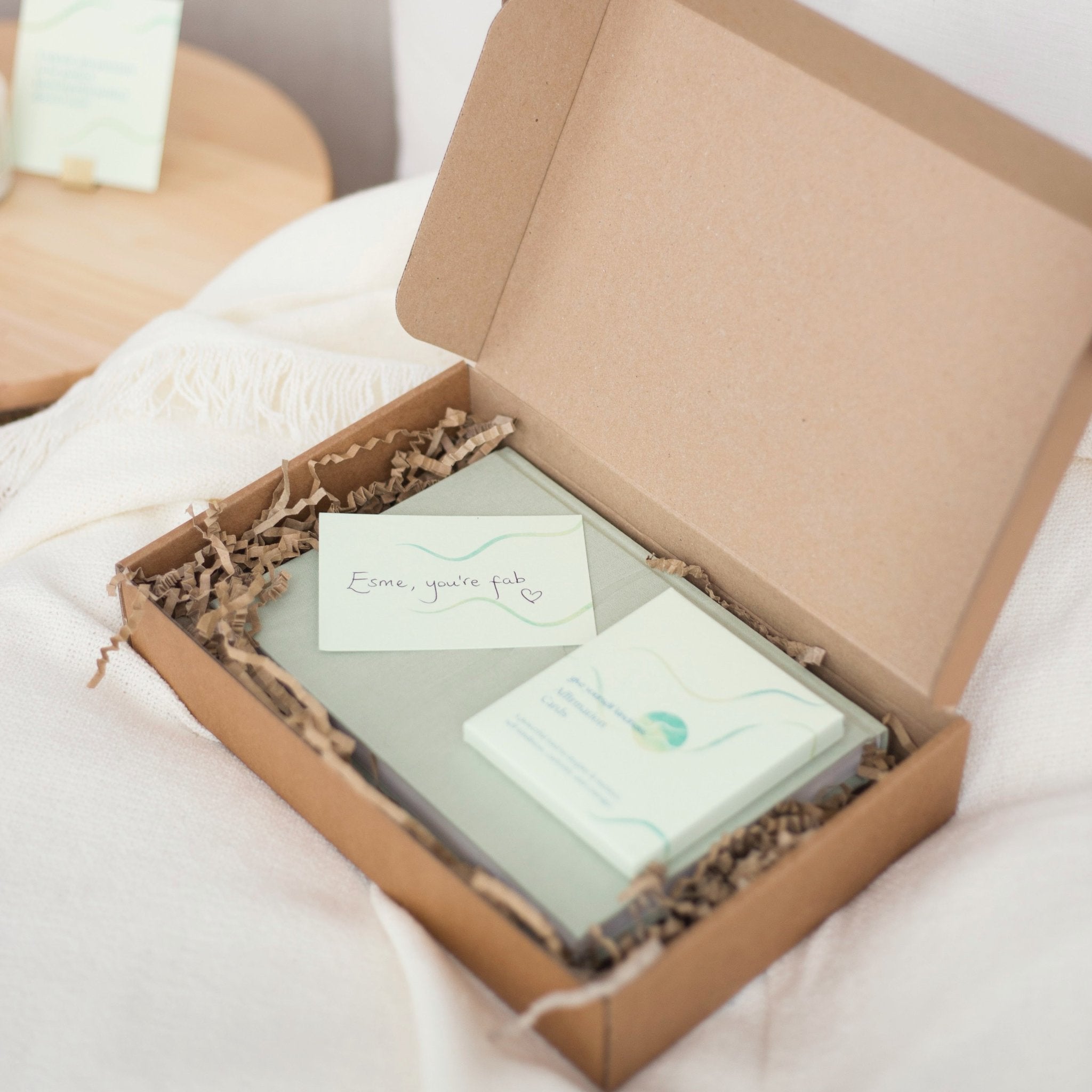
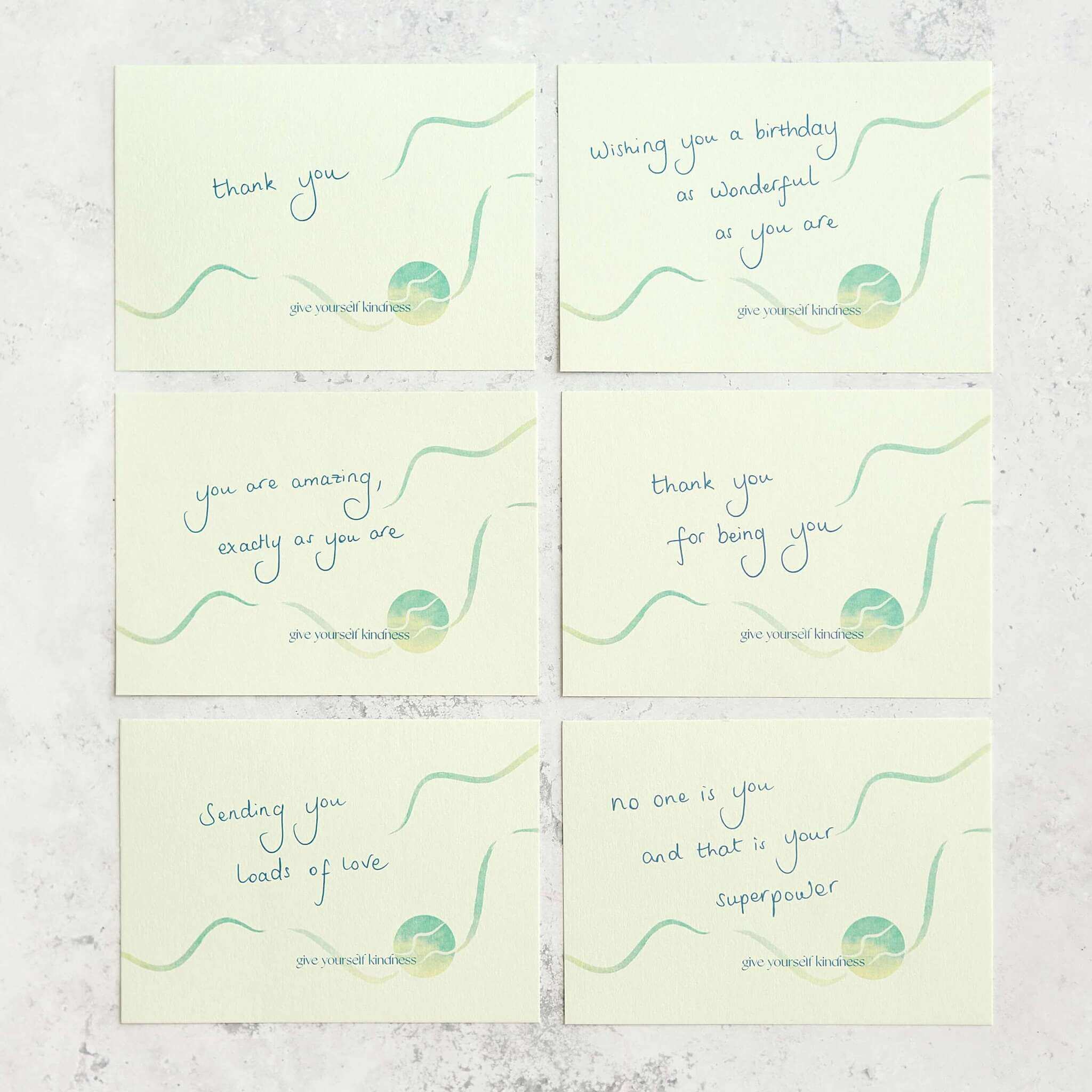
A guided journal can be a thoughtful gift for a woman going through a hard time, as long as it doesn't ask her to be positive first. The Give Yourself Kindness Journal arrives wrapped in bespoke tissue paper, and you can add a free handwritten gift note by writing your message in the order notes at checkout.
Can a guided journal replace therapy?
No, a guided journal can't replace therapy. It can be a supportive companion alongside it, and counsellors use The Give Yourself Kindness Journal with their clients between sessions. If you're struggling, please speak to your GP, and Samaritans are available on 116 123, day or night.
About the author

Rachel Smith, DipBSoM
Founder of Give Yourself Kindness and qualified meditation teacher
I'm a qualified meditation teacher, trained with the British School of Meditation and awarded the diploma with distinction. I'm not a therapist or a psychologist, so everything clinical on this page comes from named, qualified professionals, with links to their own words.
For a long time I lived with anxiety and a harsh inner voice. Compassion Focused Therapy helped me find a kinder one, and The Give Yourself Kindness Journal grew out of that. It's recommended by clinical psychologists including Dr Chris Germer of Harvard Medical School, Professor Willem Kuyken of the University of Oxford and Dr Chris Irons, and accredited counsellors use it with their own clients.
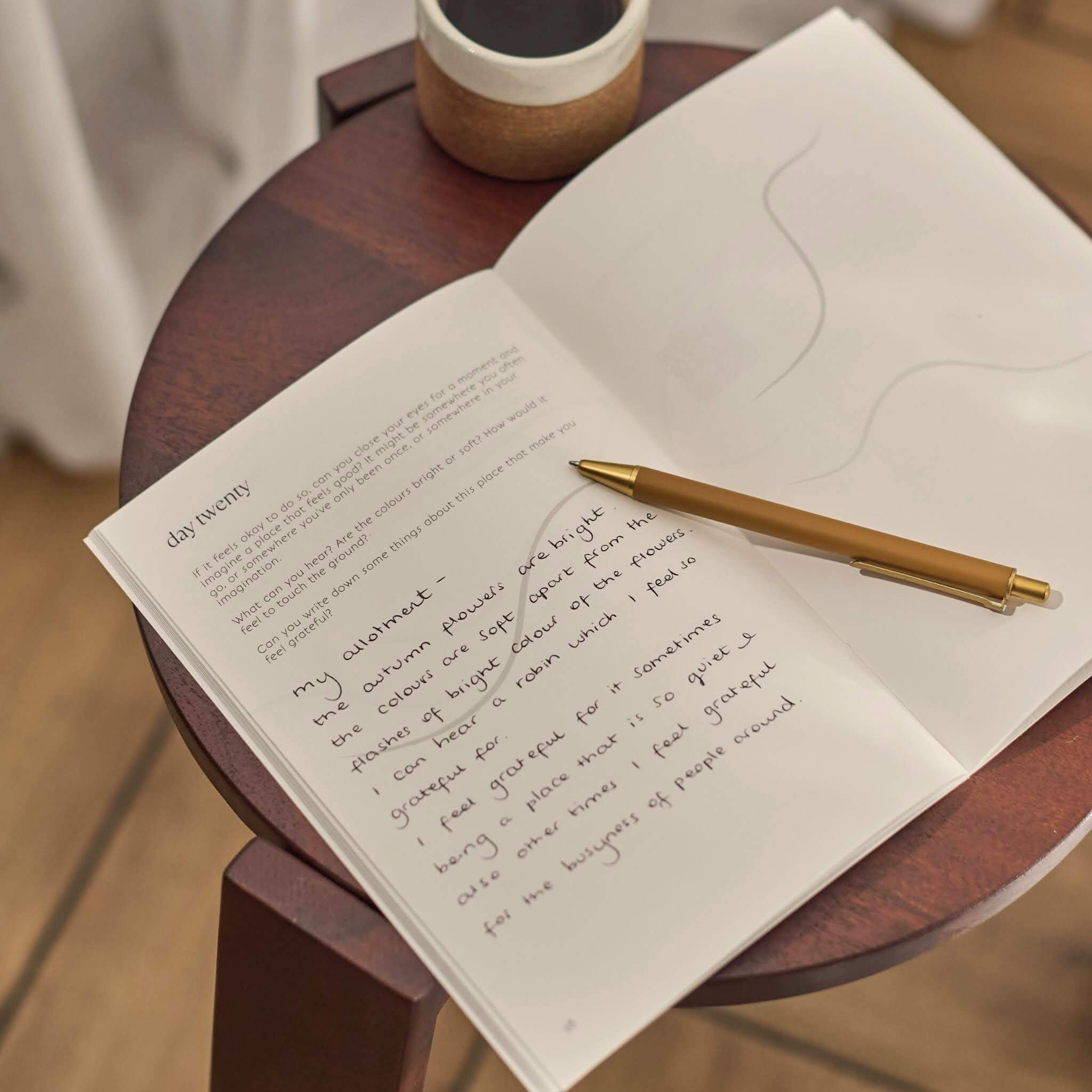
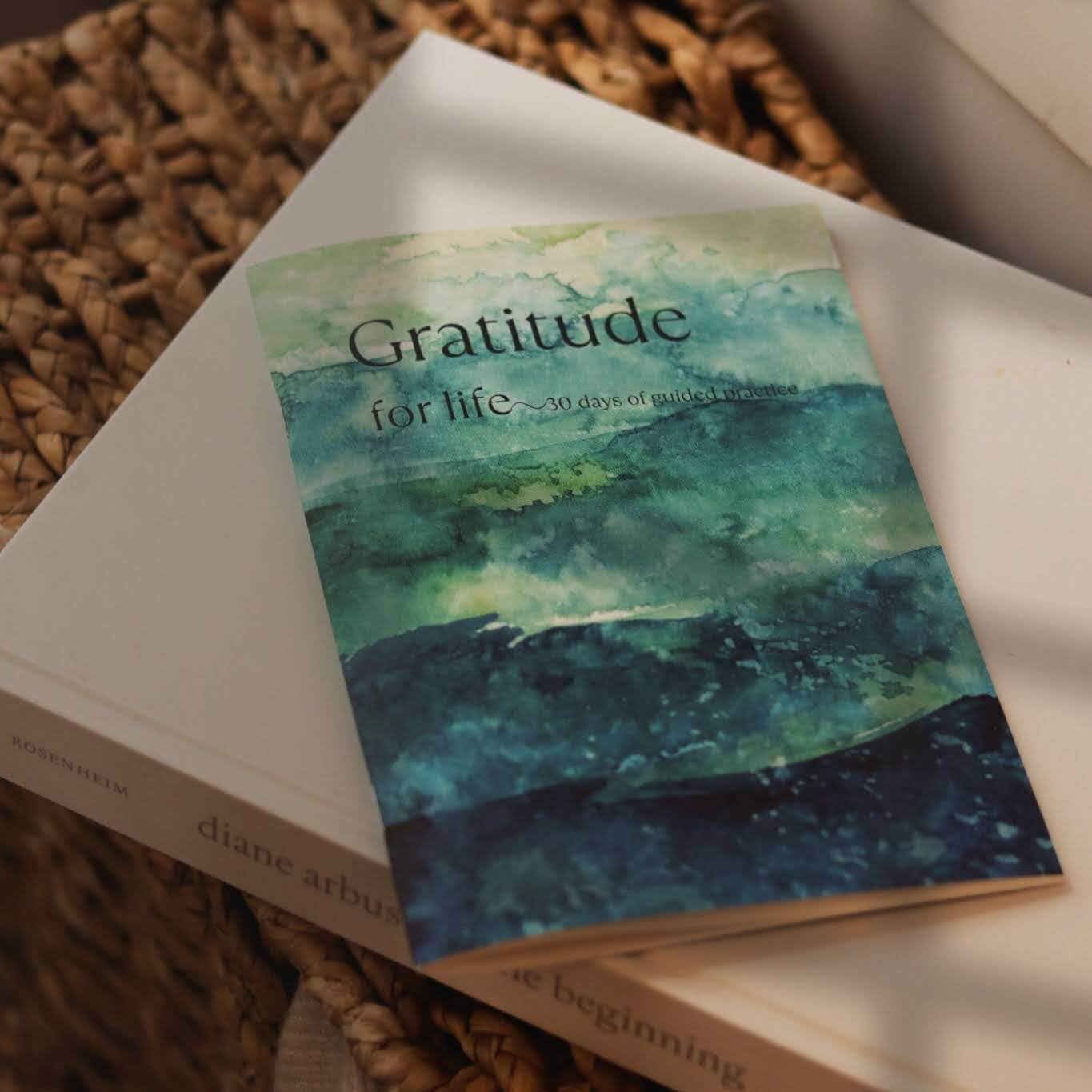
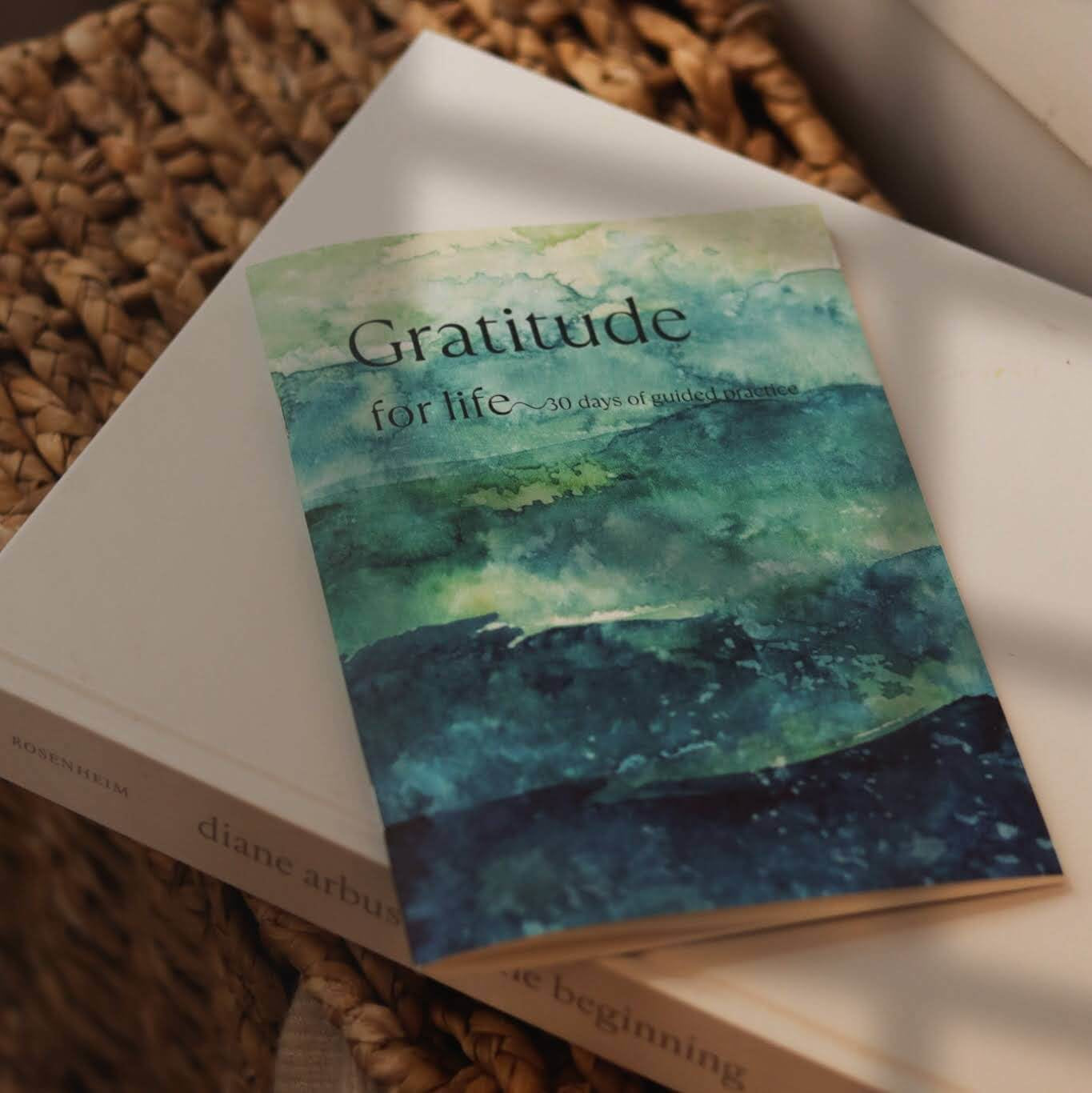
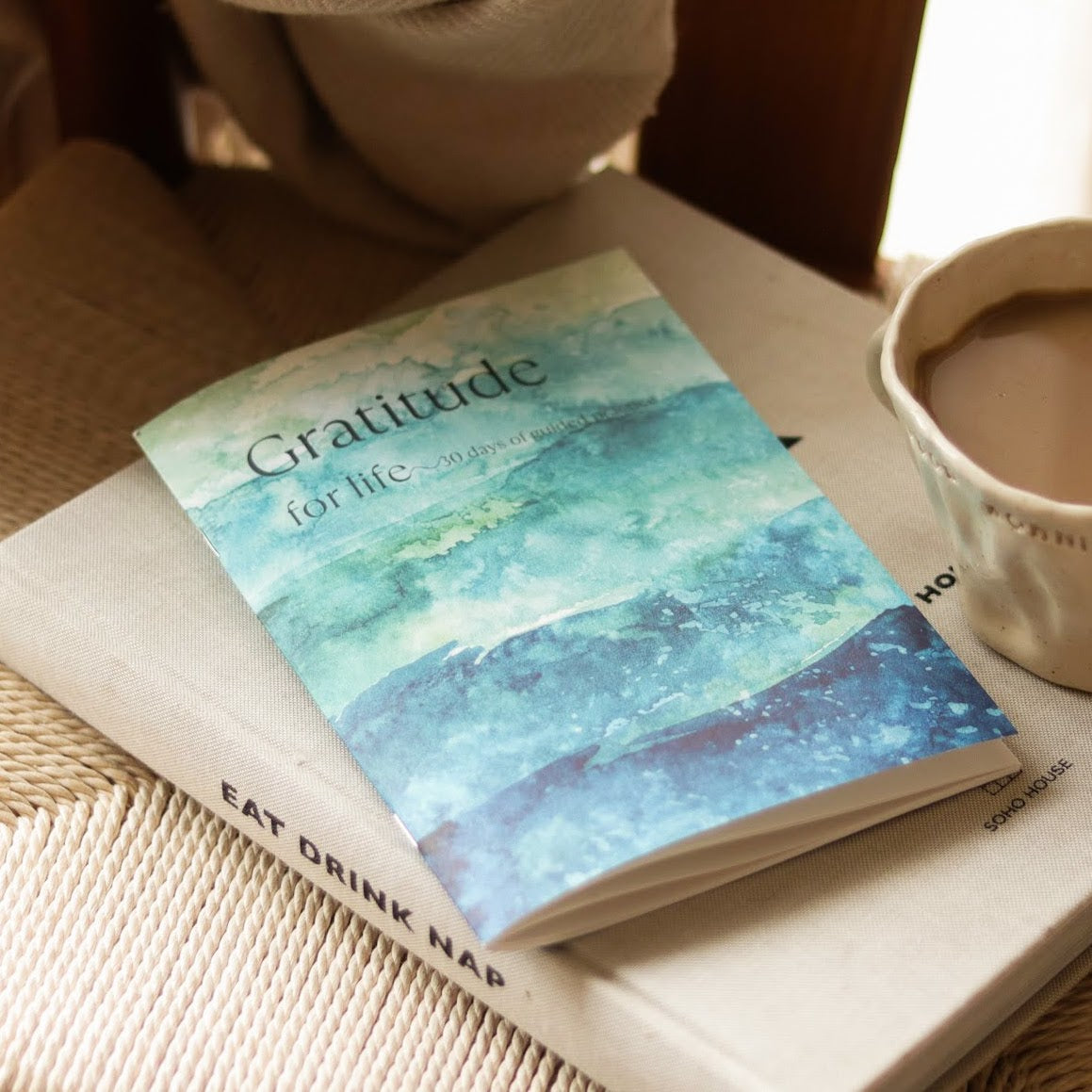
Give Yourself Kindness makes two journals: The Give Yourself Kindness Journal, a 90-day self-compassion journal recommended by Harvard and Oxford psychologists, and The 30-Day Gratitude Journal, a gratitude journal with a different thoughtful prompt each day.
Continue reading
From the experts quoted here
-
How to stop beating yourself upDr Maria Tucknott, Clinical Psychologist
-
Embracing guilt, unveiling self-compassionClare Karasik, MSW RSW, Therapist
-
Why is self-compassion so hard?Dr Bianca Nardini, Clinical Psychologist
-
Why self-compassion is more effective than self-criticismDr Annabelle Kyle Dortch, PsyD, Clinical Psychologist
-
Self-compassion or self-indulgence?Dr Kristin Neff, PhD, University of Texas at Austin
-
The fears of self-compassion and how to work with themDr Chris Irons, Clinical Psychologist
-
Is self-compassion natural?Dr Chris Germer, PhD, Harvard Medical School
Related guides
- Every expert review of The Give Yourself Kindness Journal, in full
- Best guided journals compared
- Why am I so hard on myself?
- Best self-compassion journals compared
- Best journal for anxiety and overthinking
- Best self-care journal
- A journal for self-worth
- Gratitude journal for men
- Self-compassion as a new mum
Looking for a gratitude journal instead? The 30-Day Gratitude Journal gives you a different thoughtful prompt each day, with no lists of three.

“Out of all the guided journals I've used, this one stands out as my favorite”
“…This journal also encourages you to offer yourself the same compassion you would extend to a loved one…”