



Your worth isn't something you have to earn. It doesn't rise on the days you achieve a great deal, and it doesn't fall on the days you don't. Plenty of us were taught otherwise though, and the voice that learned it can get loud.
What are self-worth affirmations?
Self-worth affirmations are short, believable sentences you use to answer the voice that says you haven't done enough. They aren't about convincing yourself you're wonderful, and they aren't about ignoring a hard day.
They work by giving you a truer response to practise, so that over time the kinder voice is the one with the practice behind it and the one that arrives first.
Below are 25 affirmations, grouped by when that voice tends to speak up:
Why the voice gets louder when you criticise yourself
That inner critic is something we all experience, including the people who look like they have it all together. Sometimes it whispers doubts about our choices, sometimes it gets loud about what we "should" be doing.
There's a second layer to it though, and that's the part worth knowing. It isn't only the thought that you haven't done enough. It's the commentary about the thought: why am I like this, everyone else copes, I should be past this by now.
Clinical psychologist Dr Annabelle Kyle Dortch, PsyD, who specialises in stress and anxiety, explains what that costs: "When we engage in self-criticism, we create a nervous system and brain state that is not conducive to learning or facilitating a growth-oriented mindset." She also notes that "our mind-body system perceives criticism as a threat".
So having an inner critic doesn't mean you have to listen to it. And answering it kindly isn't soft. It's the thing that actually gets you somewhere.
25 self-worth affirmations
When scrolling brings up comparison
That quiet moment of scrolling through other people's highlight reels. Take a deep breath and say:
- I honour that my path in life will be different to others, I don't need to compare or compete.
- I can inspire others by being me.
- The right choice for others isn't necessarily the right choice for me.
- I don't need to compare or compete. No human on the planet is meant to be the same.
- I choose to embrace the journey instead of being fixed on a destination.
When your to-do list feels endless
For the days when there seems to be too much on your plate. Take a deep breath and say:
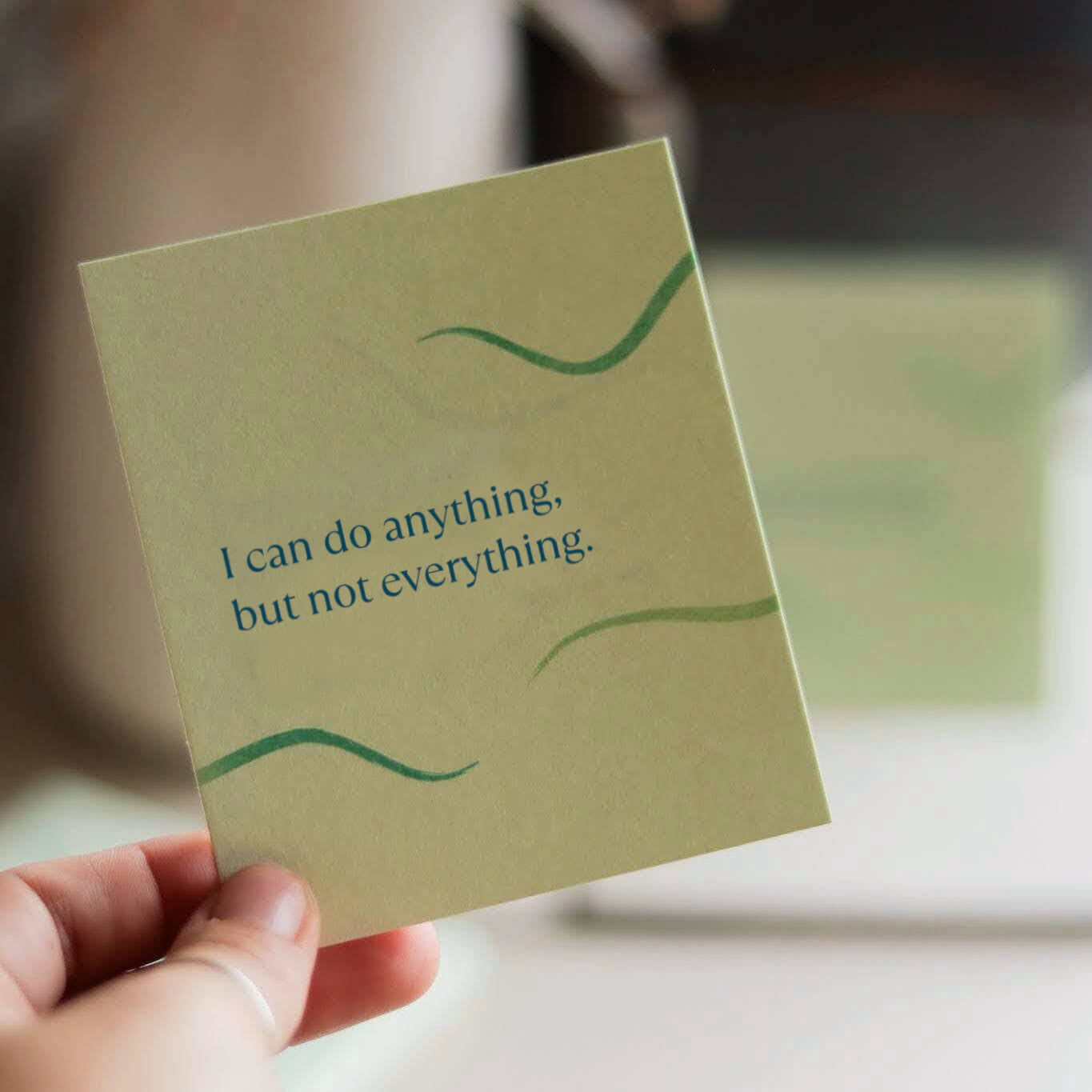
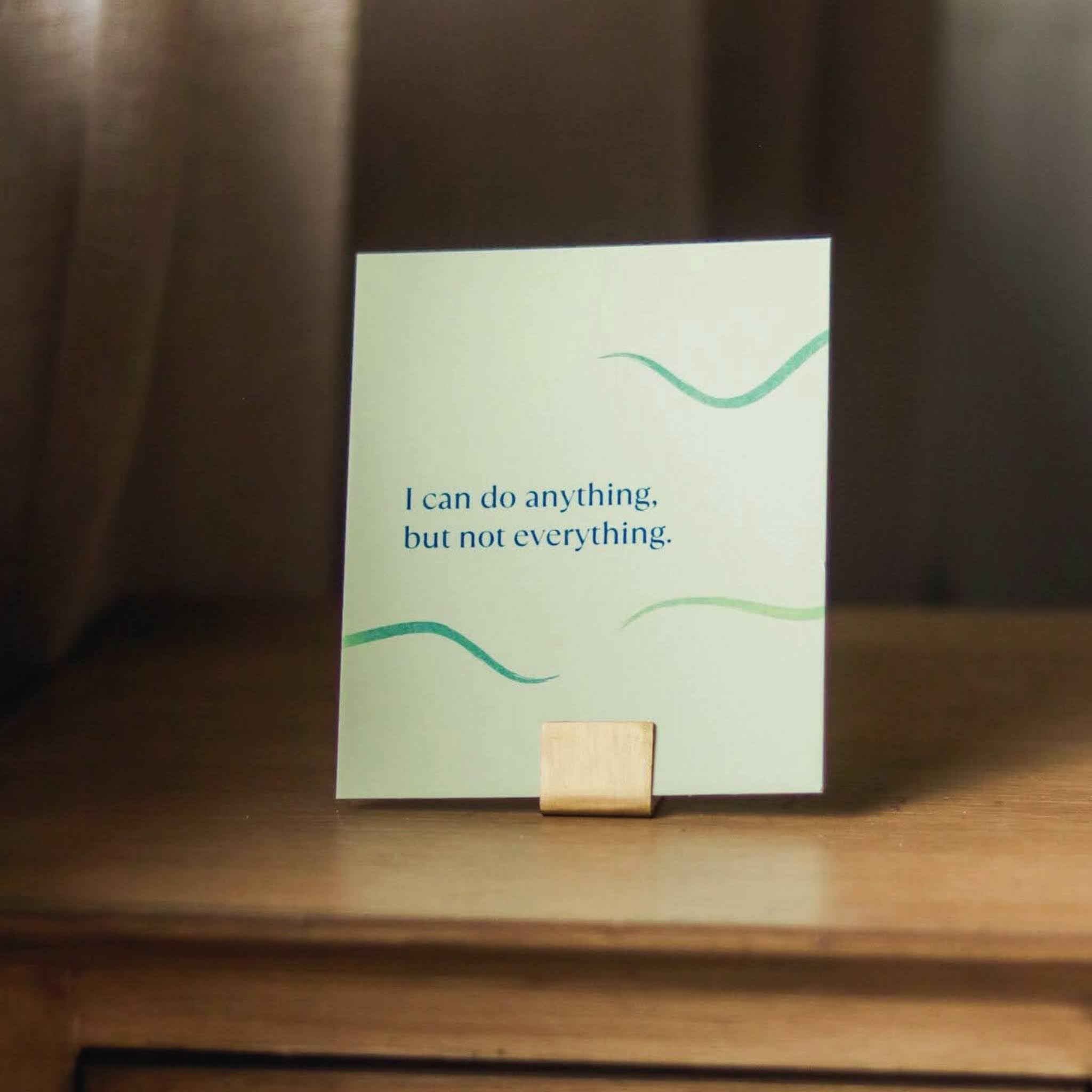
- I can do anything, but not everything.
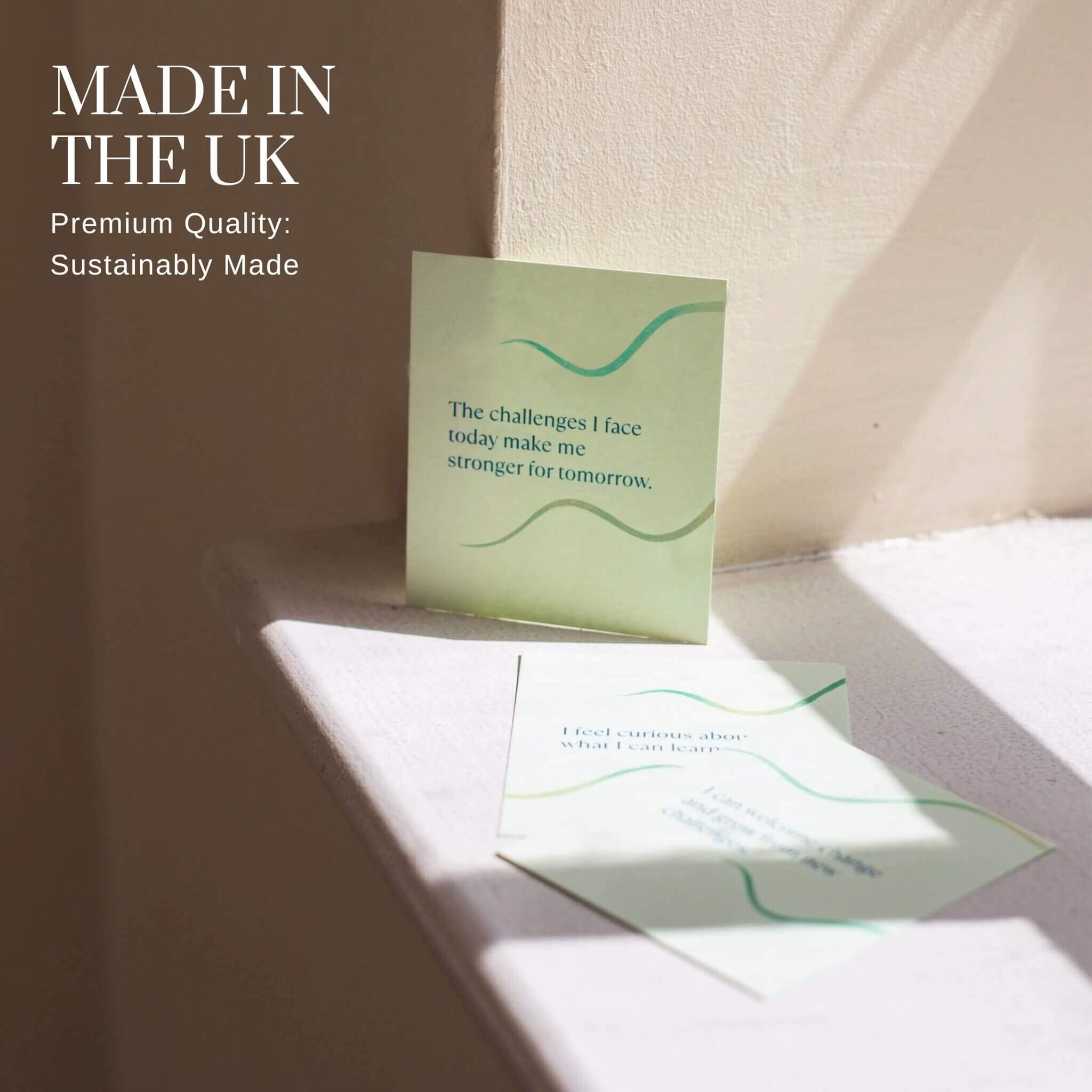
- My worth is not dependent on what I have done today.
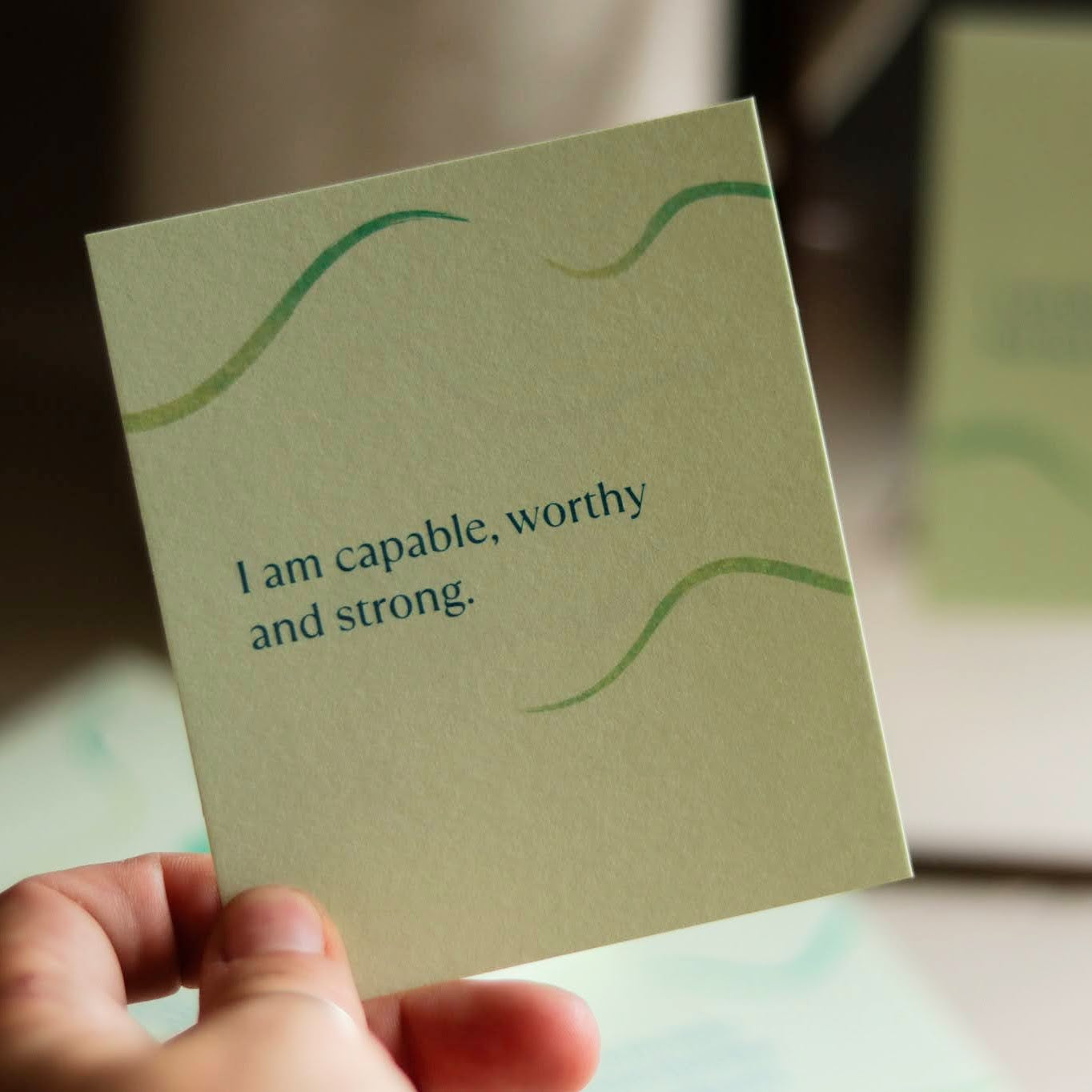
- I am worthy, and this does not depend on my productivity or achievements.
- I don't need to earn rest to deserve it.
- I can welcome time to rest.
When you're learning from something that went wrong
We're all growing and learning every day. Take a deep breath and say:
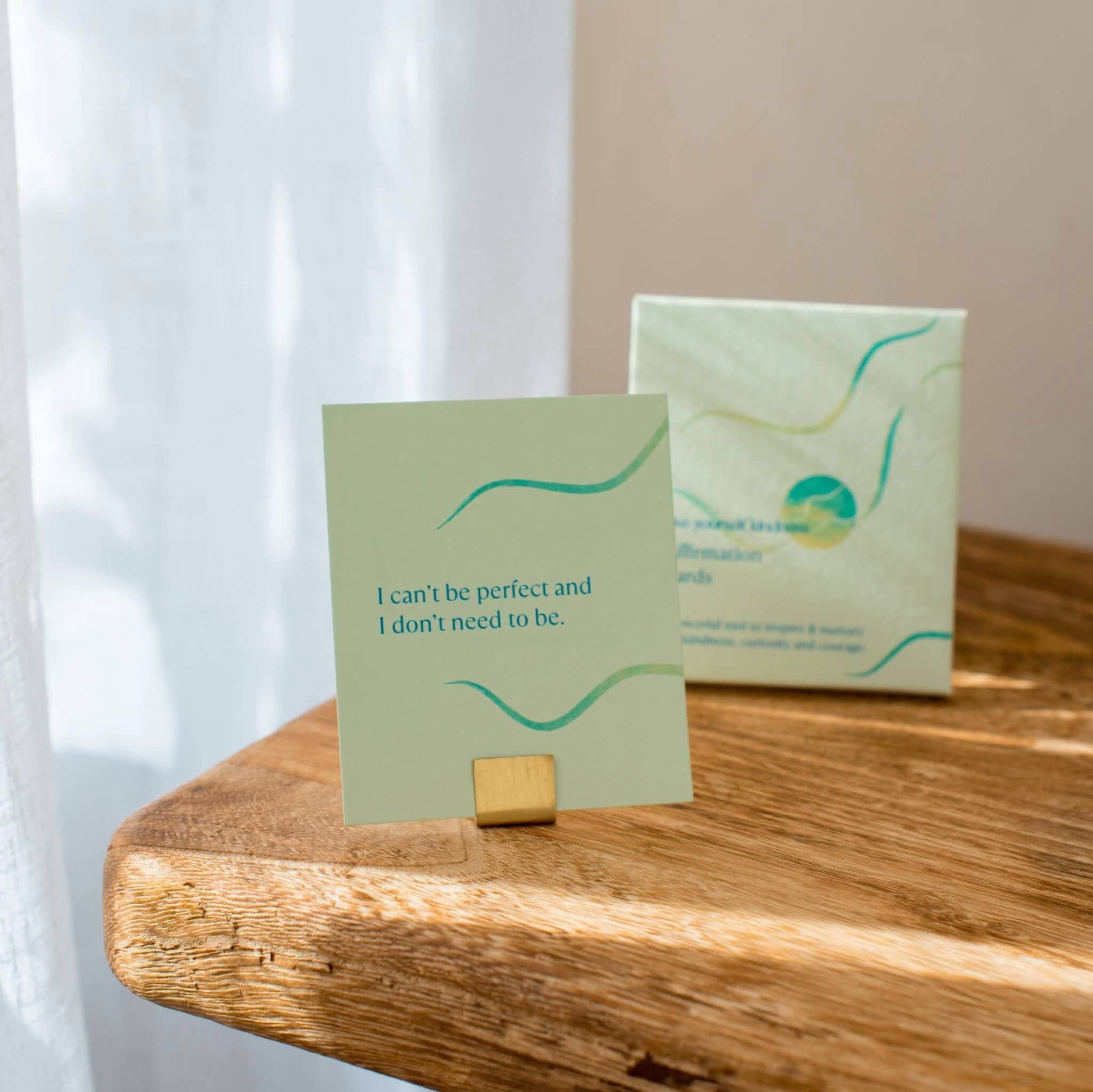
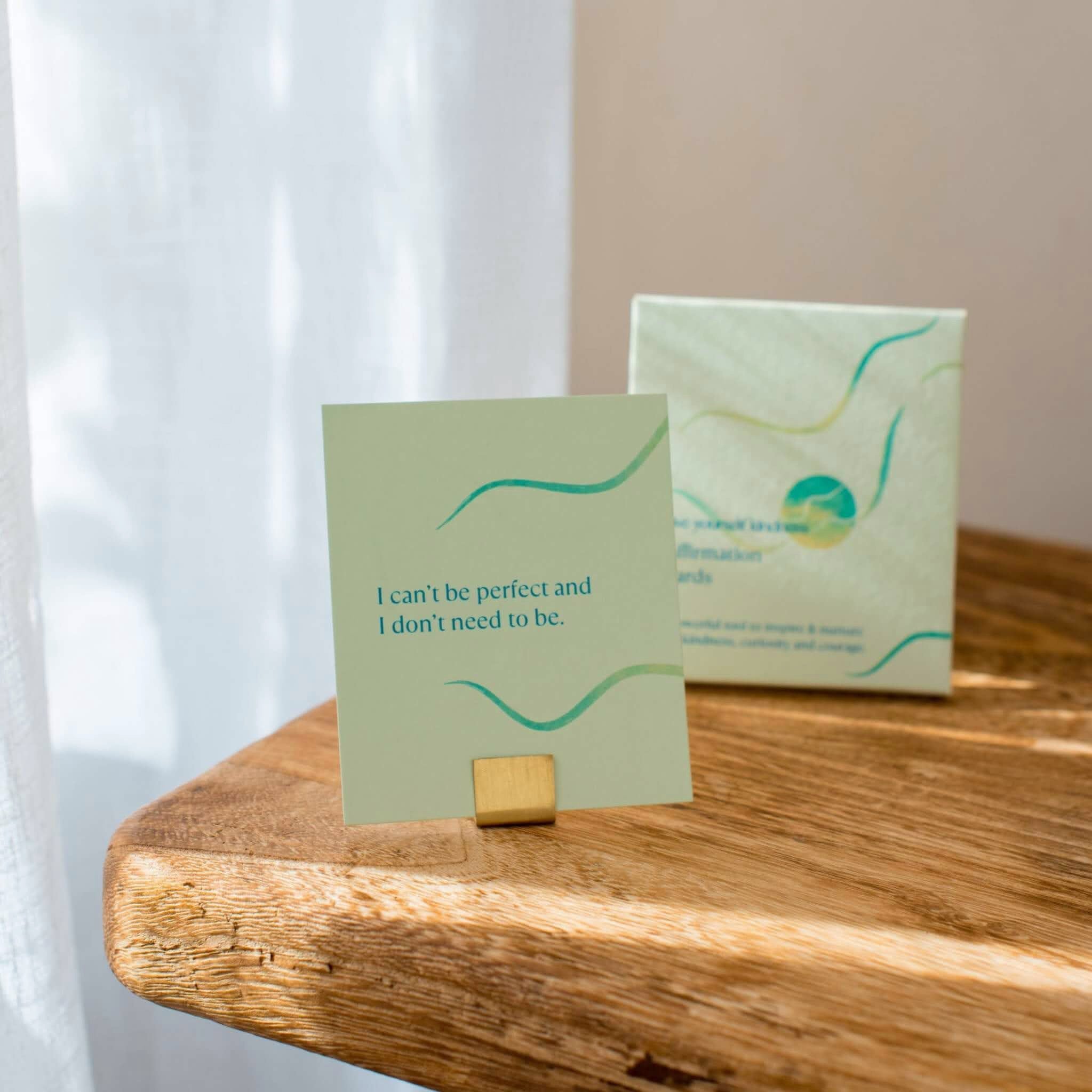
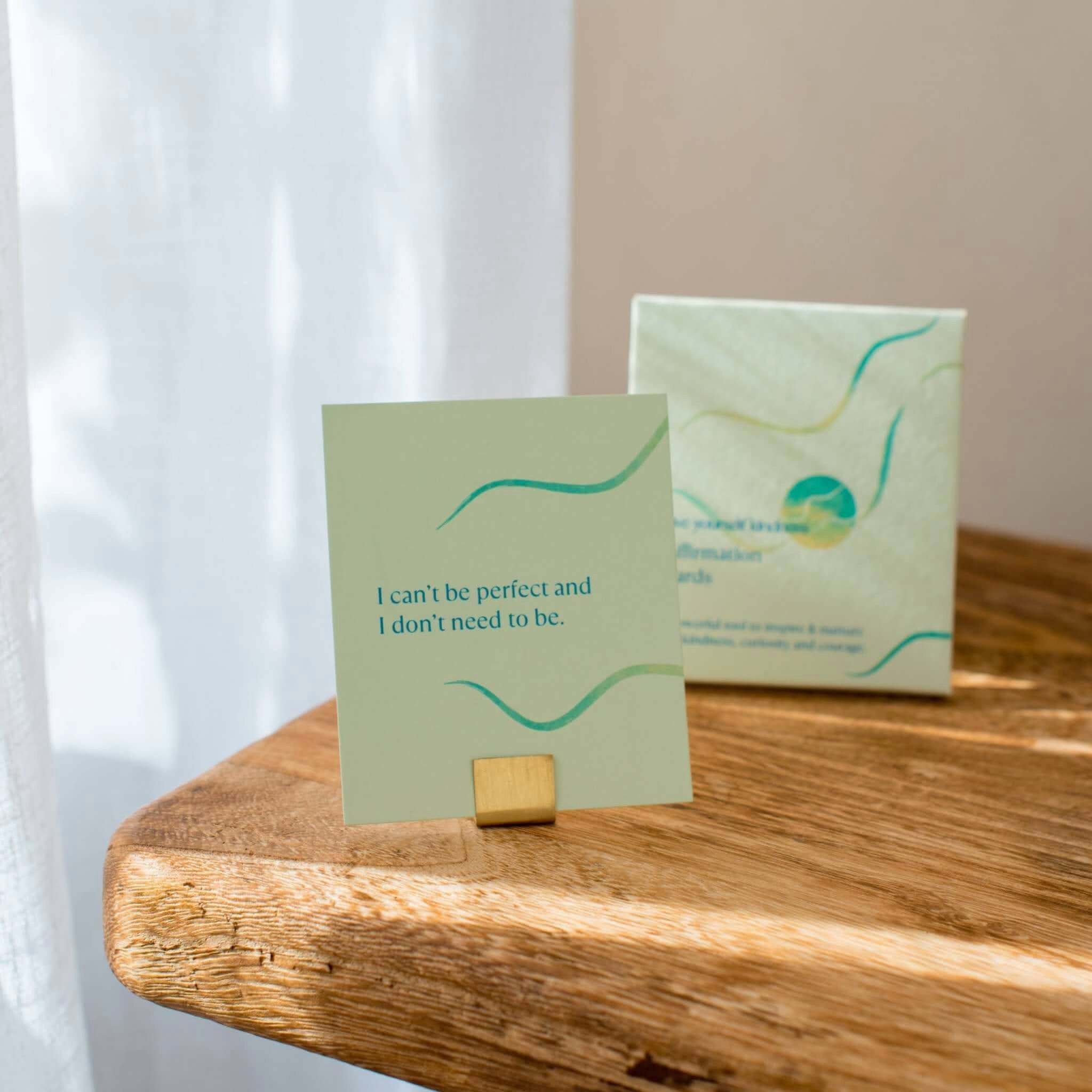
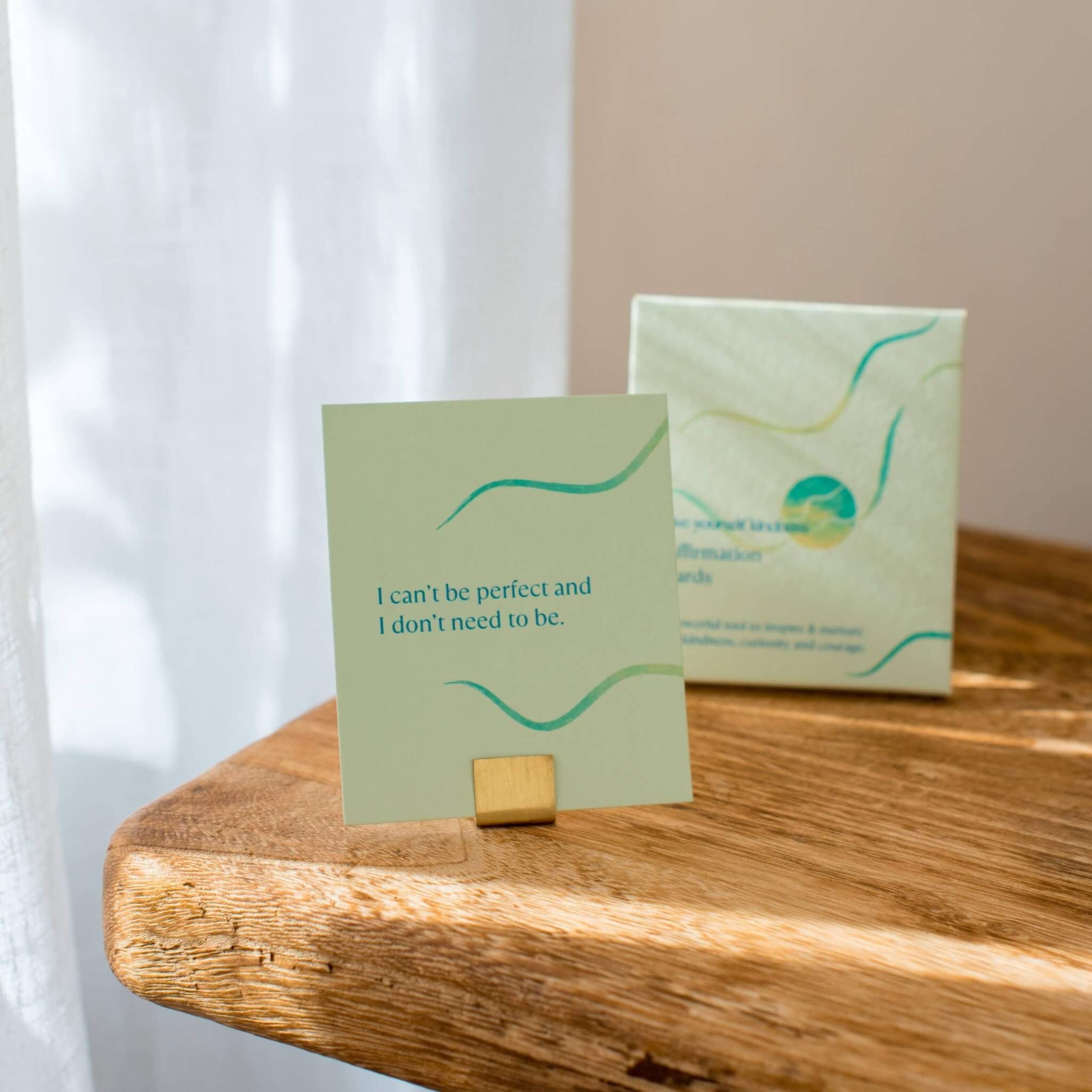
- I can't be perfect and I don't need to be.
- I can make mistakes and learn from them, without self-criticism.
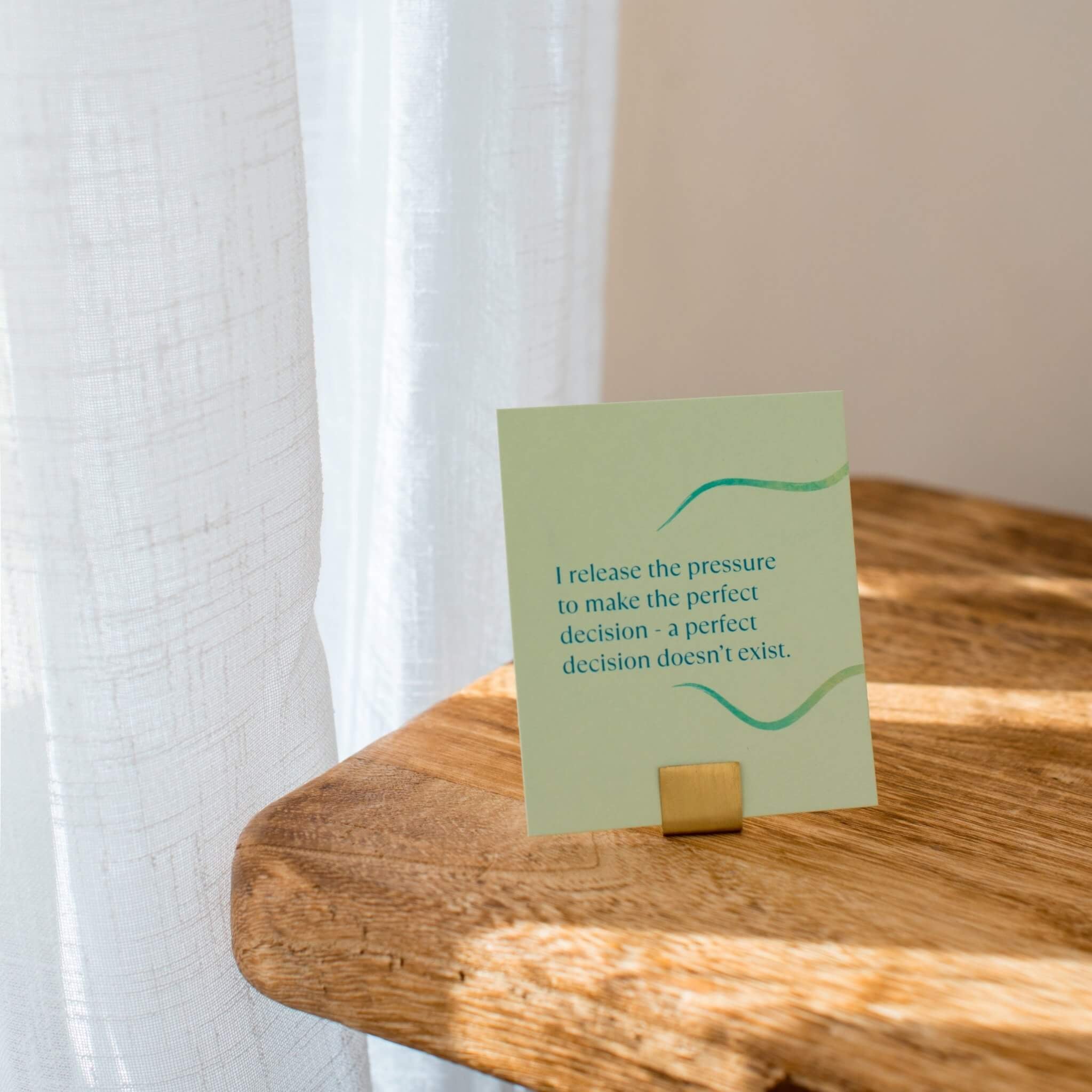
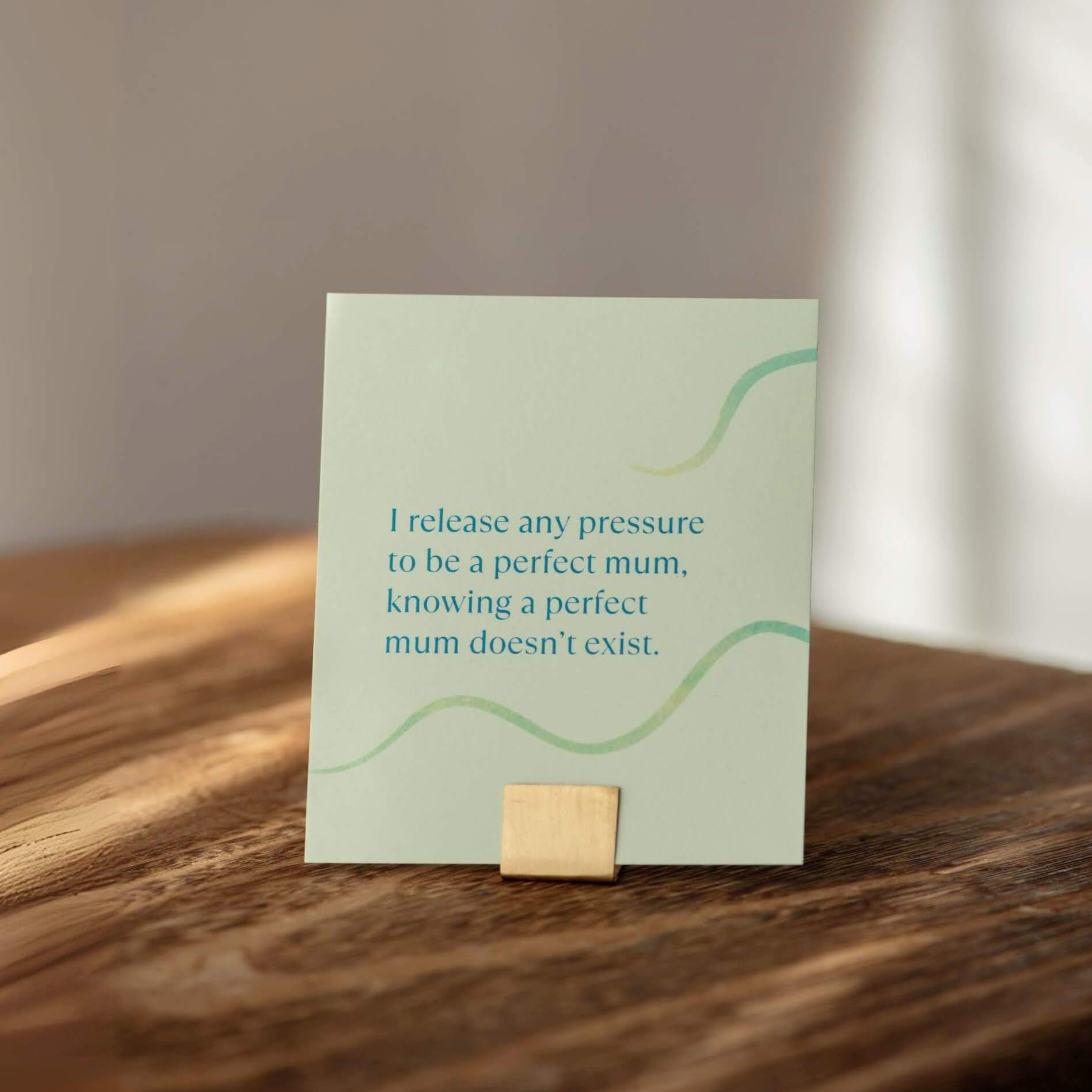
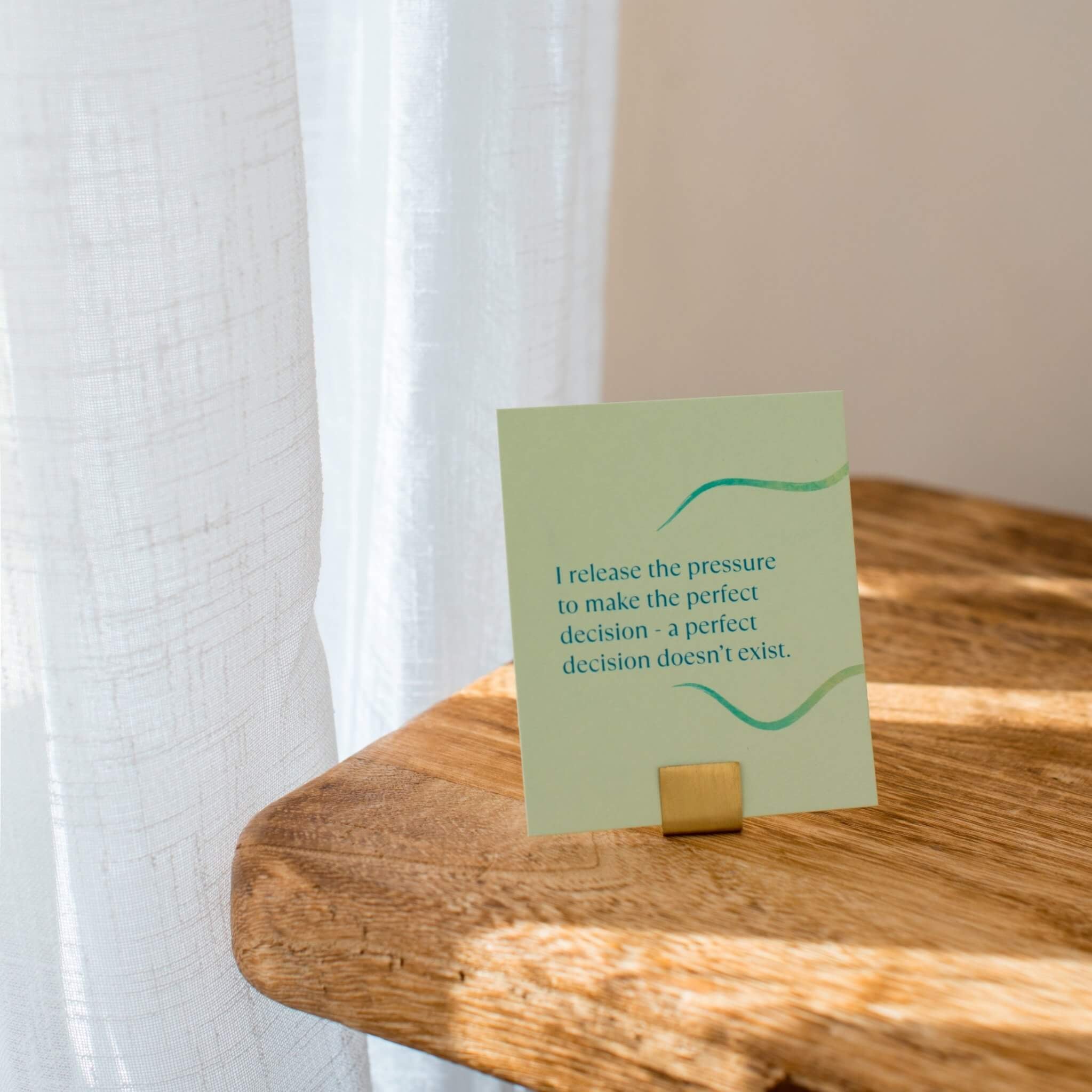
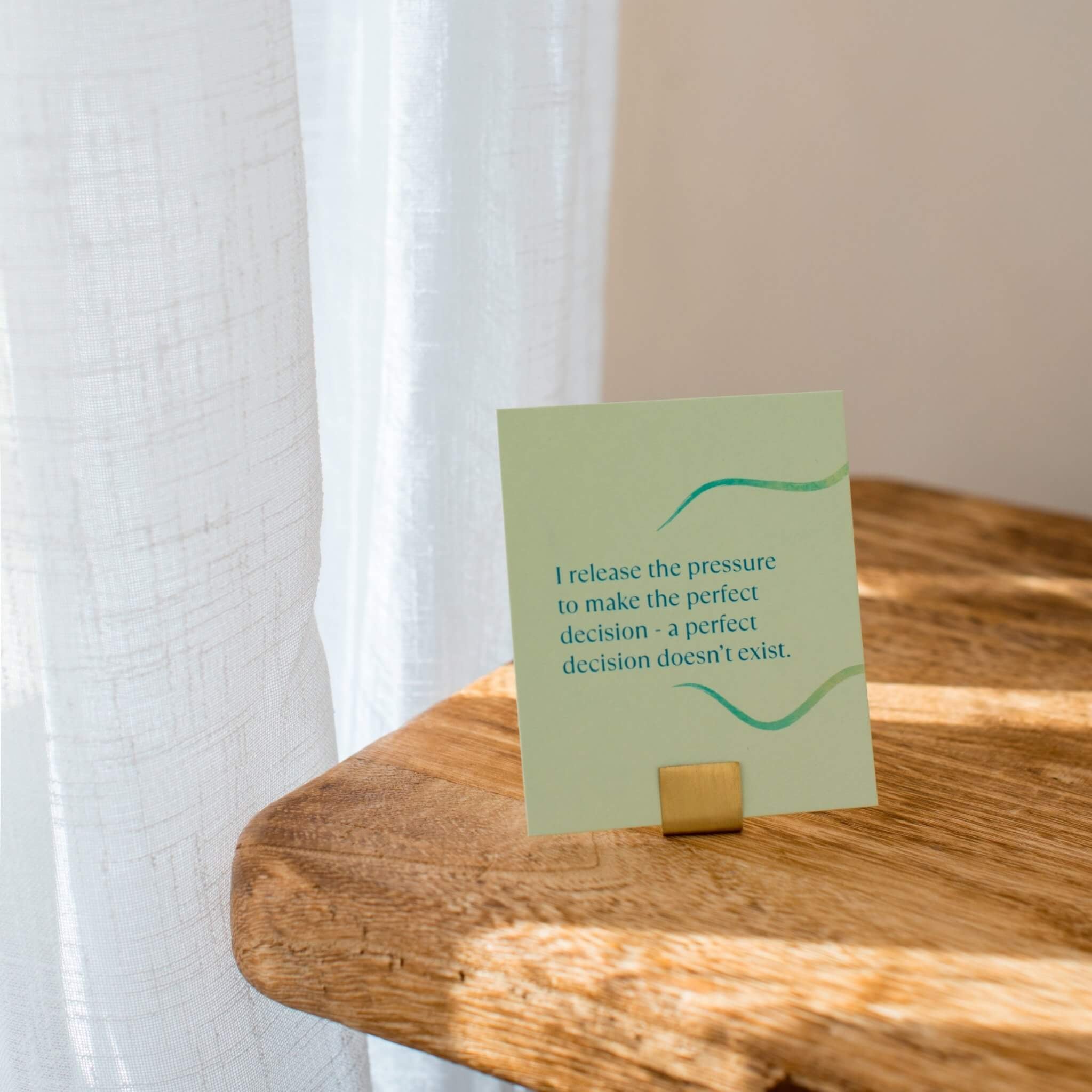
- I release the pressure to make the perfect decision. A perfect decision doesn't exist.
- I forgive myself for what I did when I was learning.
- I choose to give myself the same kindness I would give to a friend.
When emotions feel big
It's natural for feelings to ebb and flow through the day. Take a deep breath and say:
- I can welcome any emotion, knowing that this feeling will not last forever.
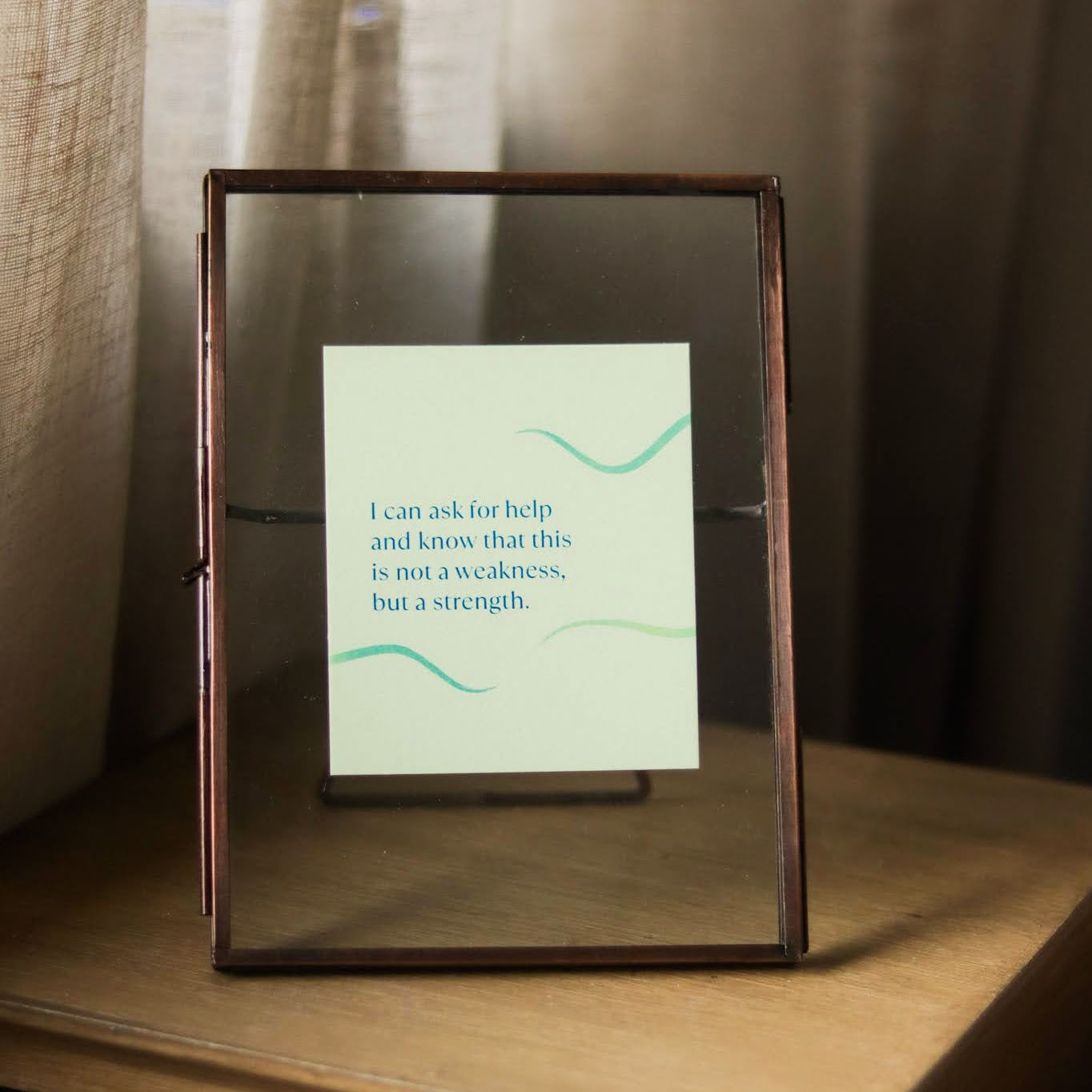
- No matter what emotion I feel, it is never a sign of weakness.
- I can feel both grateful AND sad, nervous AND excited, brave AND afraid.
- I am gentle with myself if I feel things deeply, knowing that sensitivity is not a weakness.
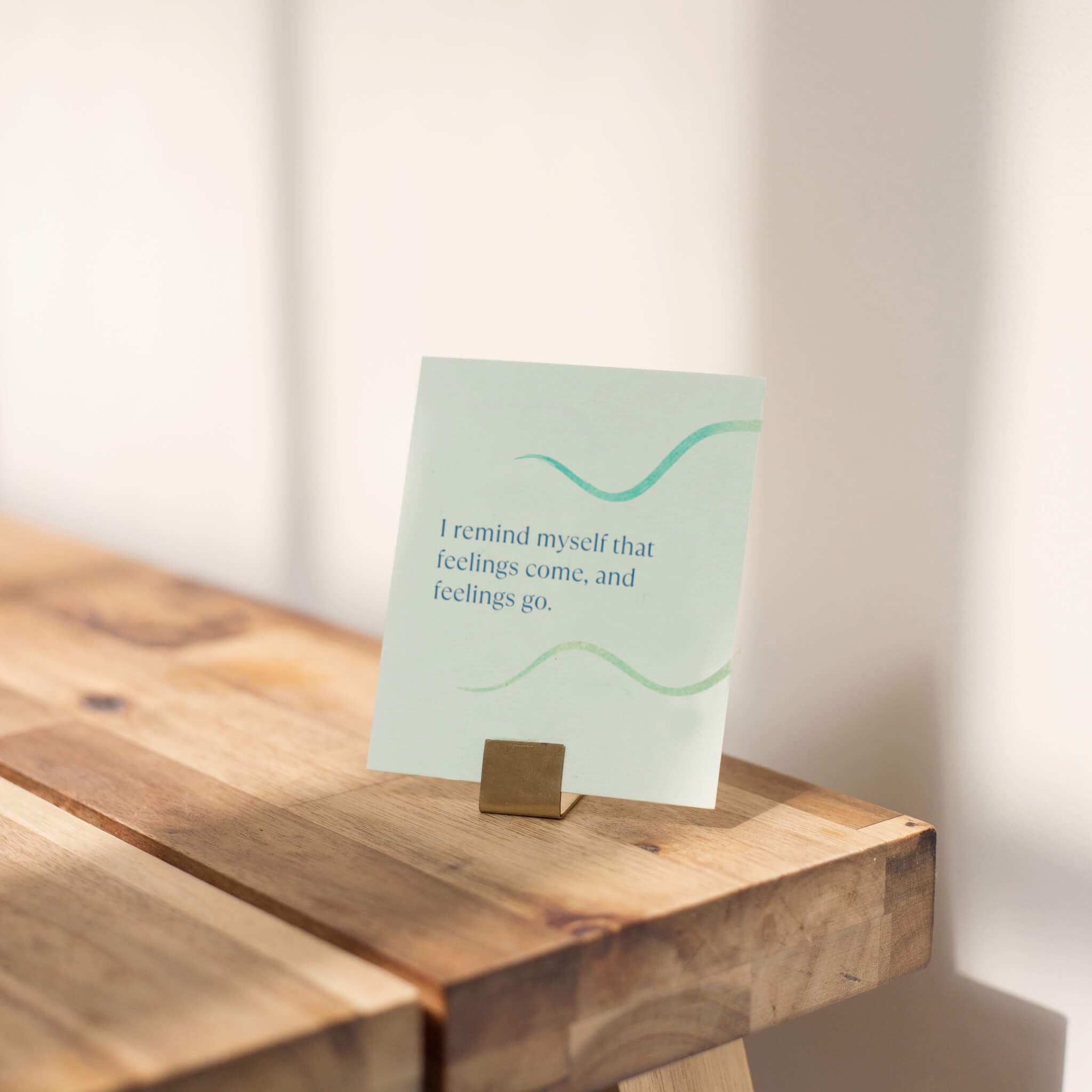
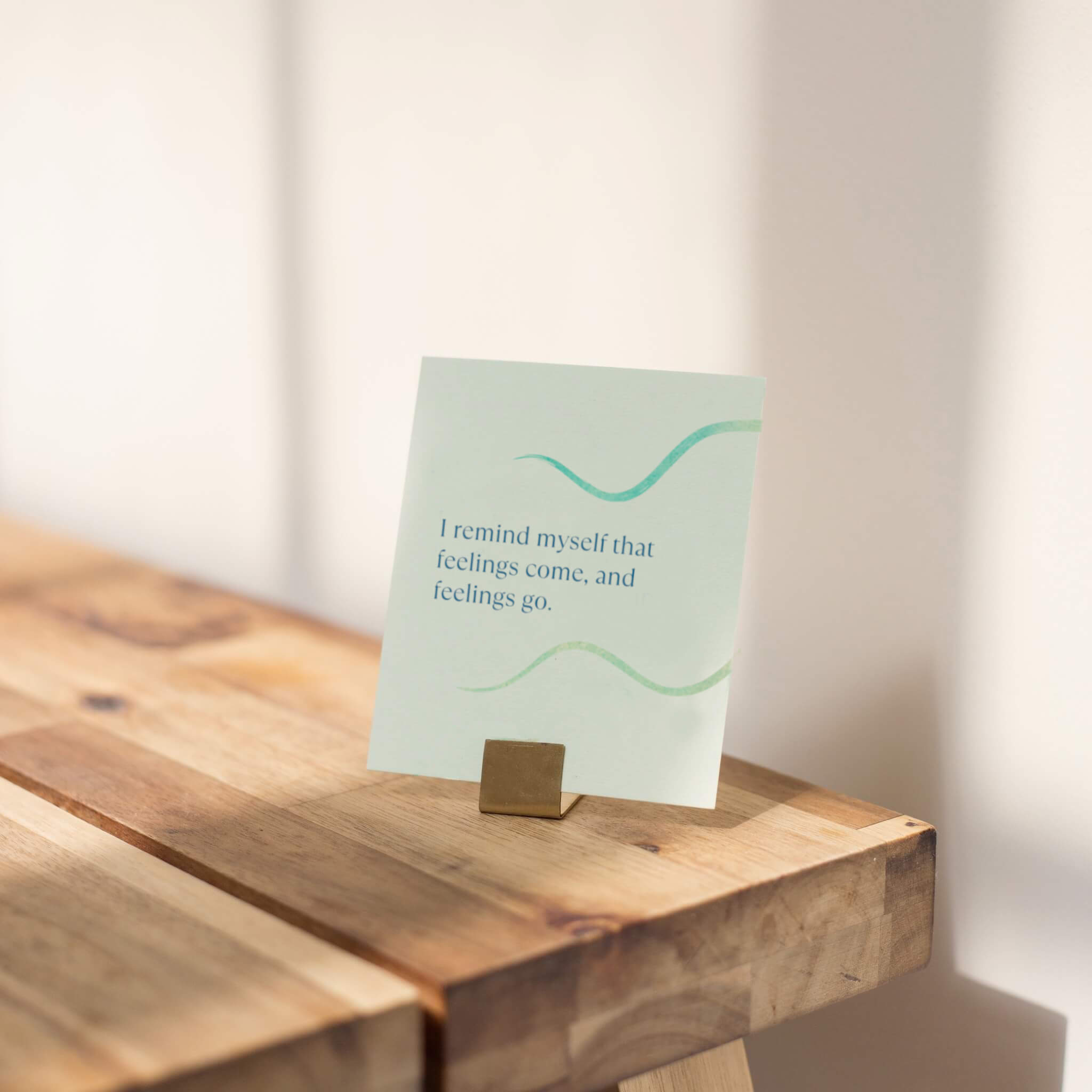
- I remind myself that feelings come, and feelings go.
When expectations feel heavy
For putting down the weight of "should". Take a deep breath and say:
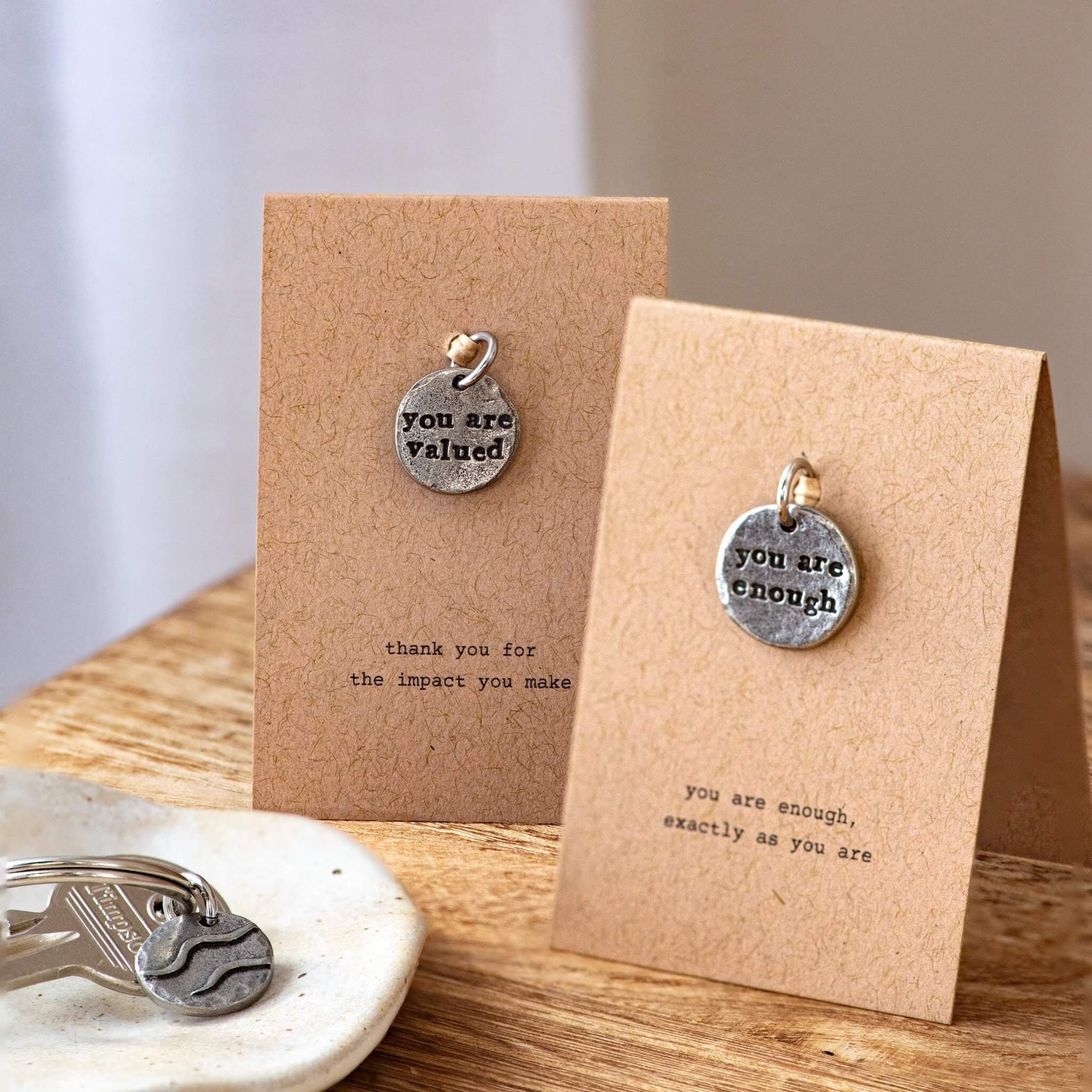
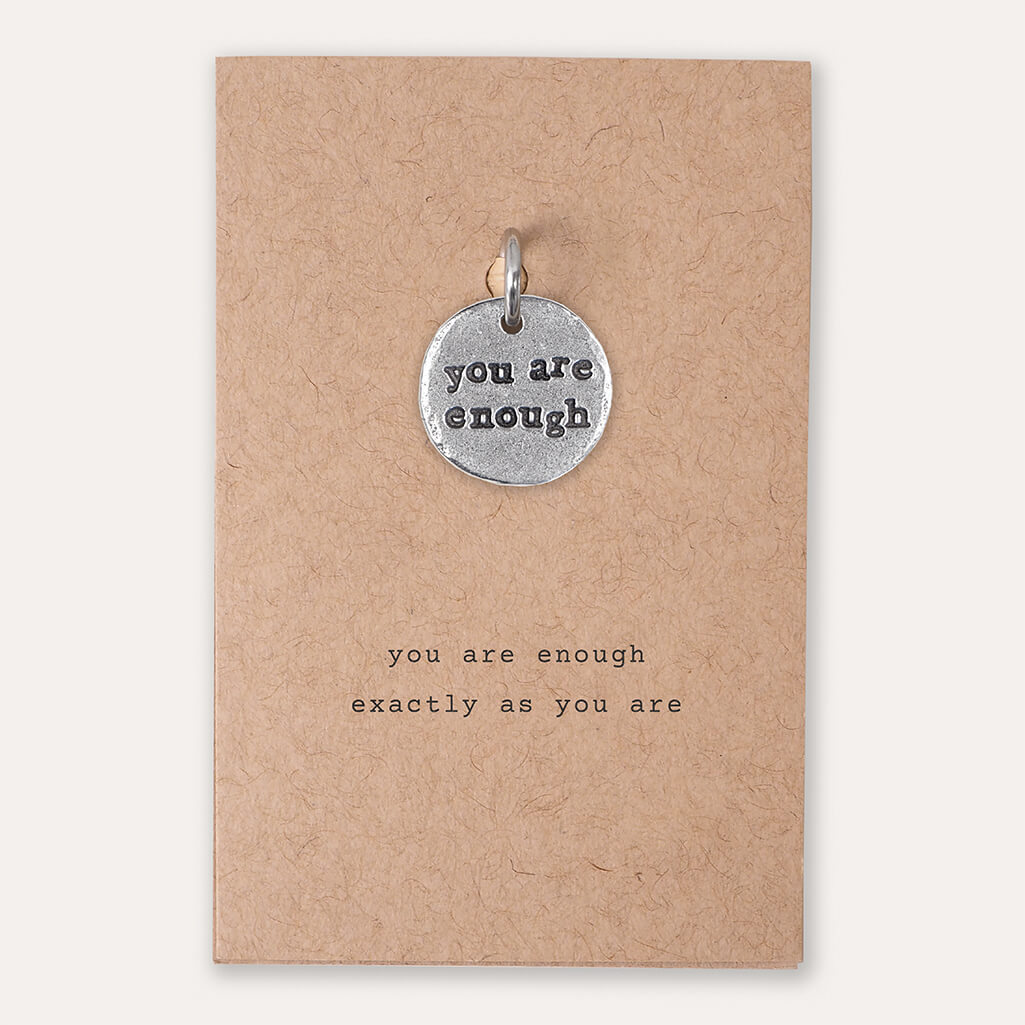
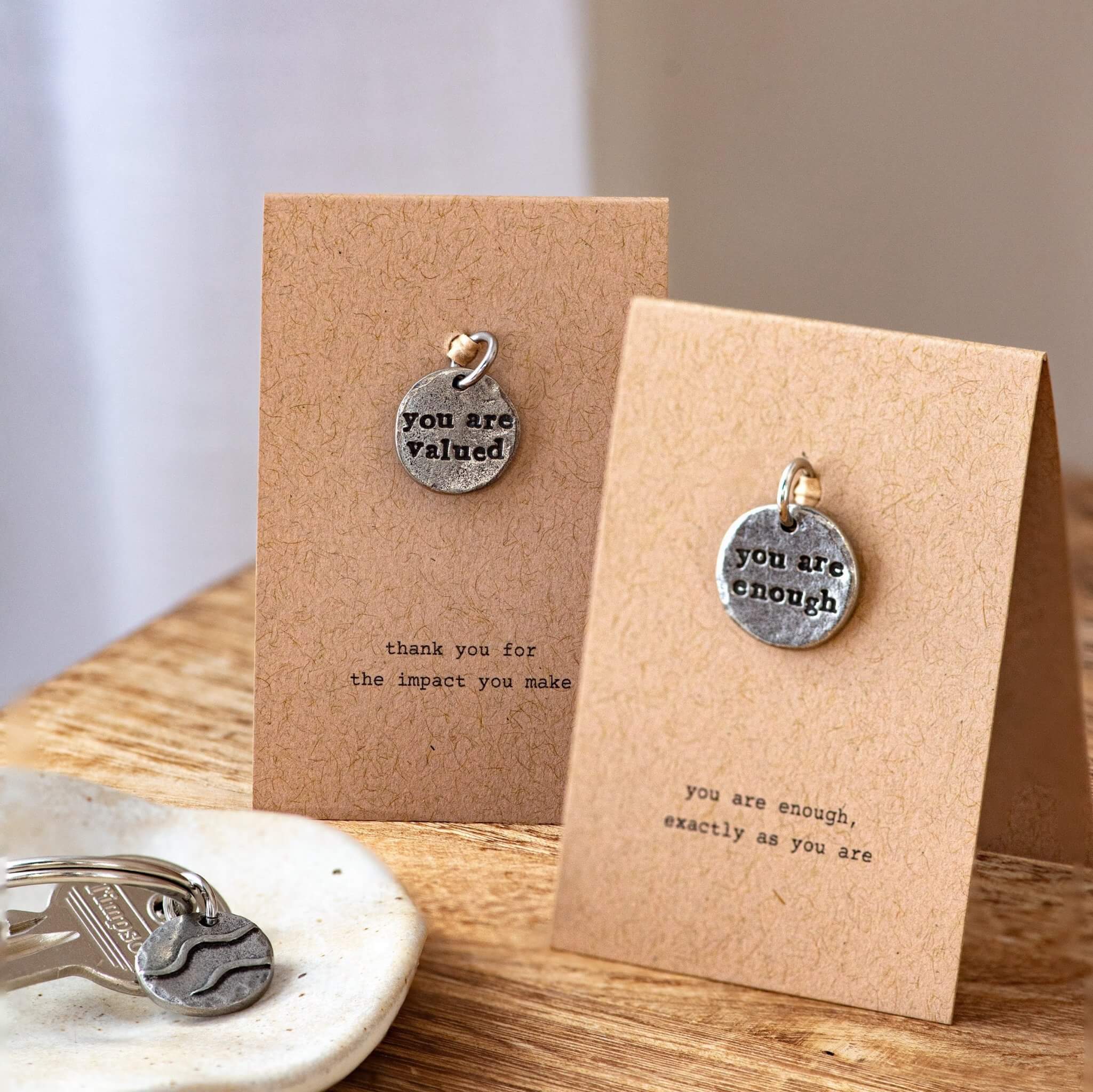
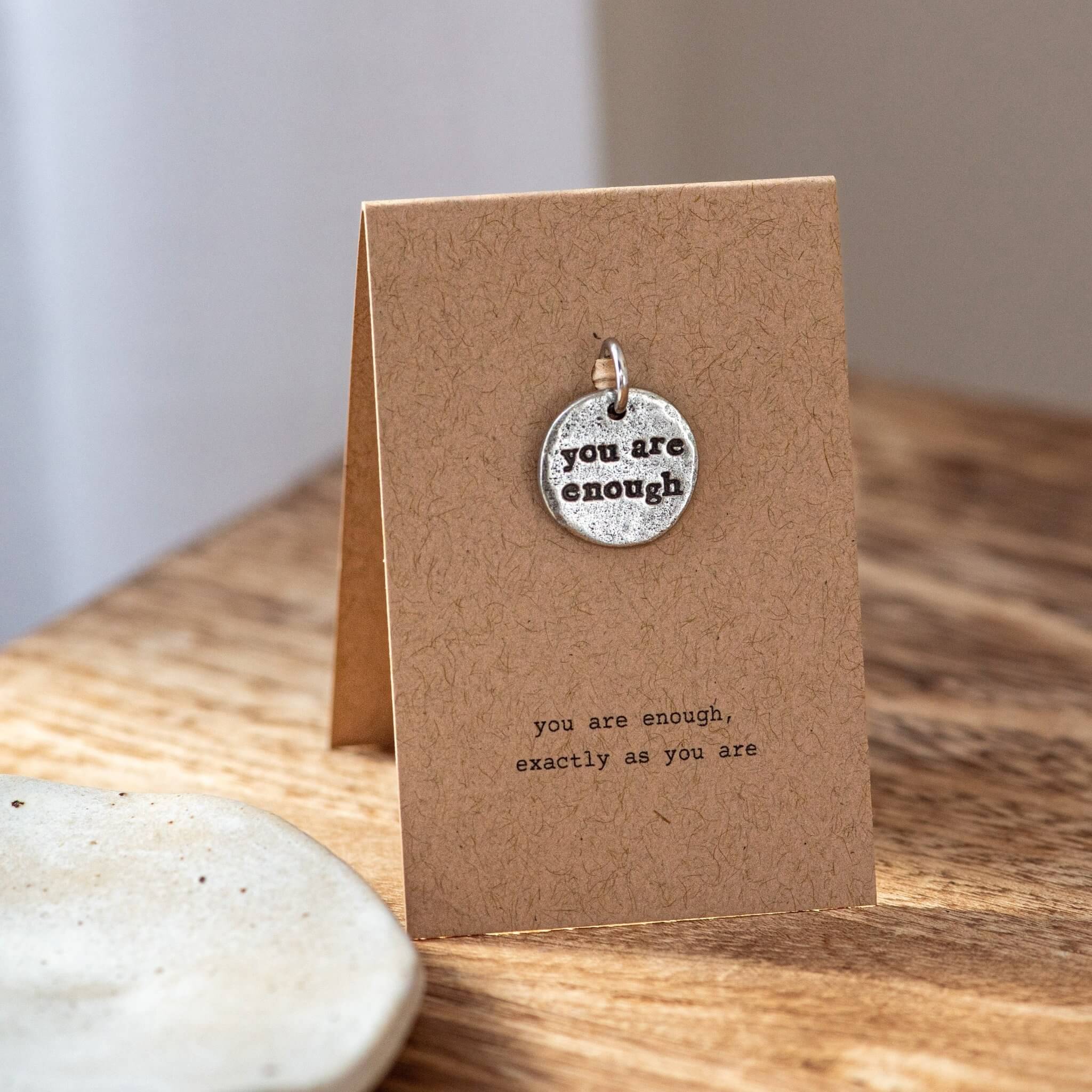
- I am enough, exactly as I am.
- I am worthy now, and this will never change.
- I am deserving of love, compassion and kindness, exactly as I am.
- My worthiness of love does not depend on being faultless.
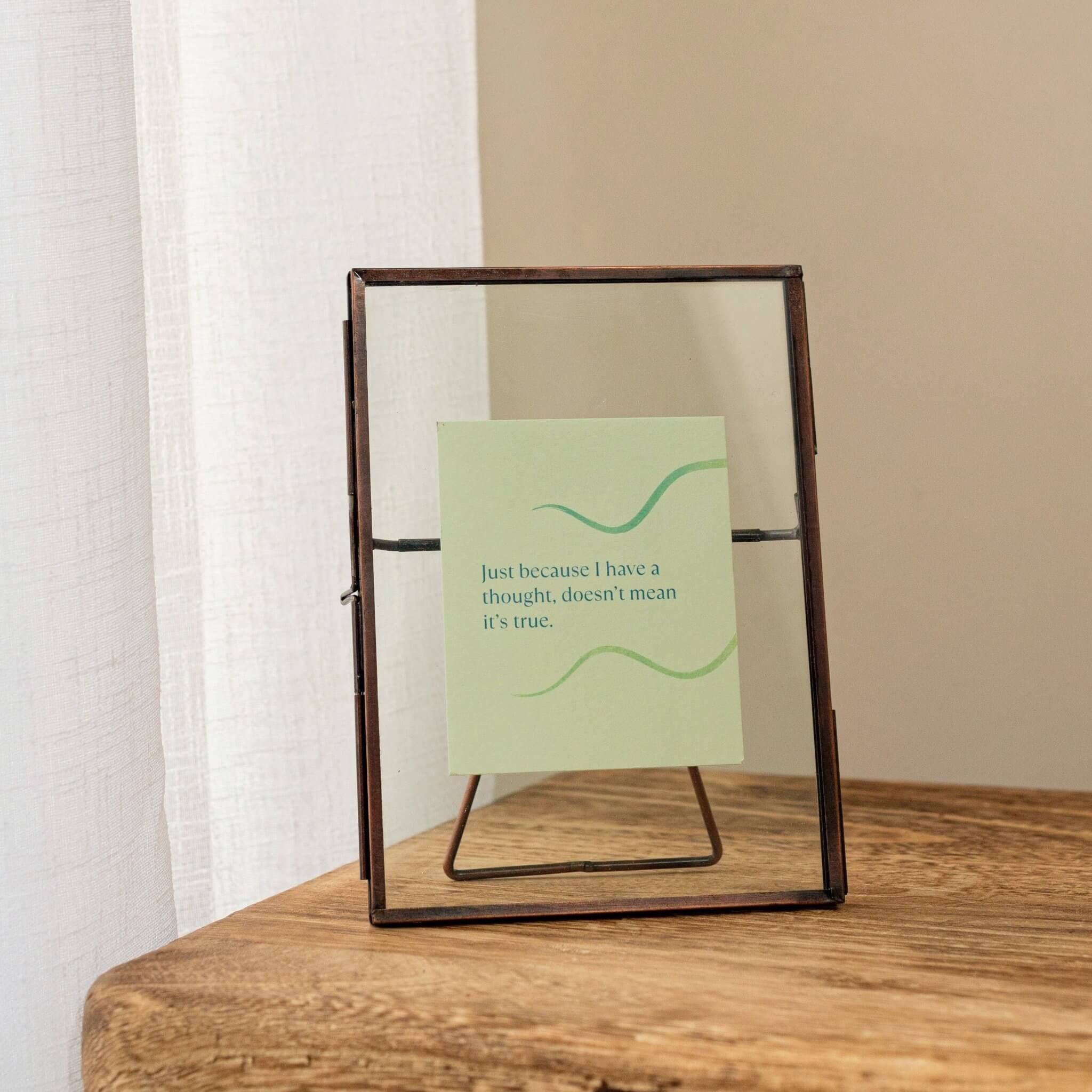
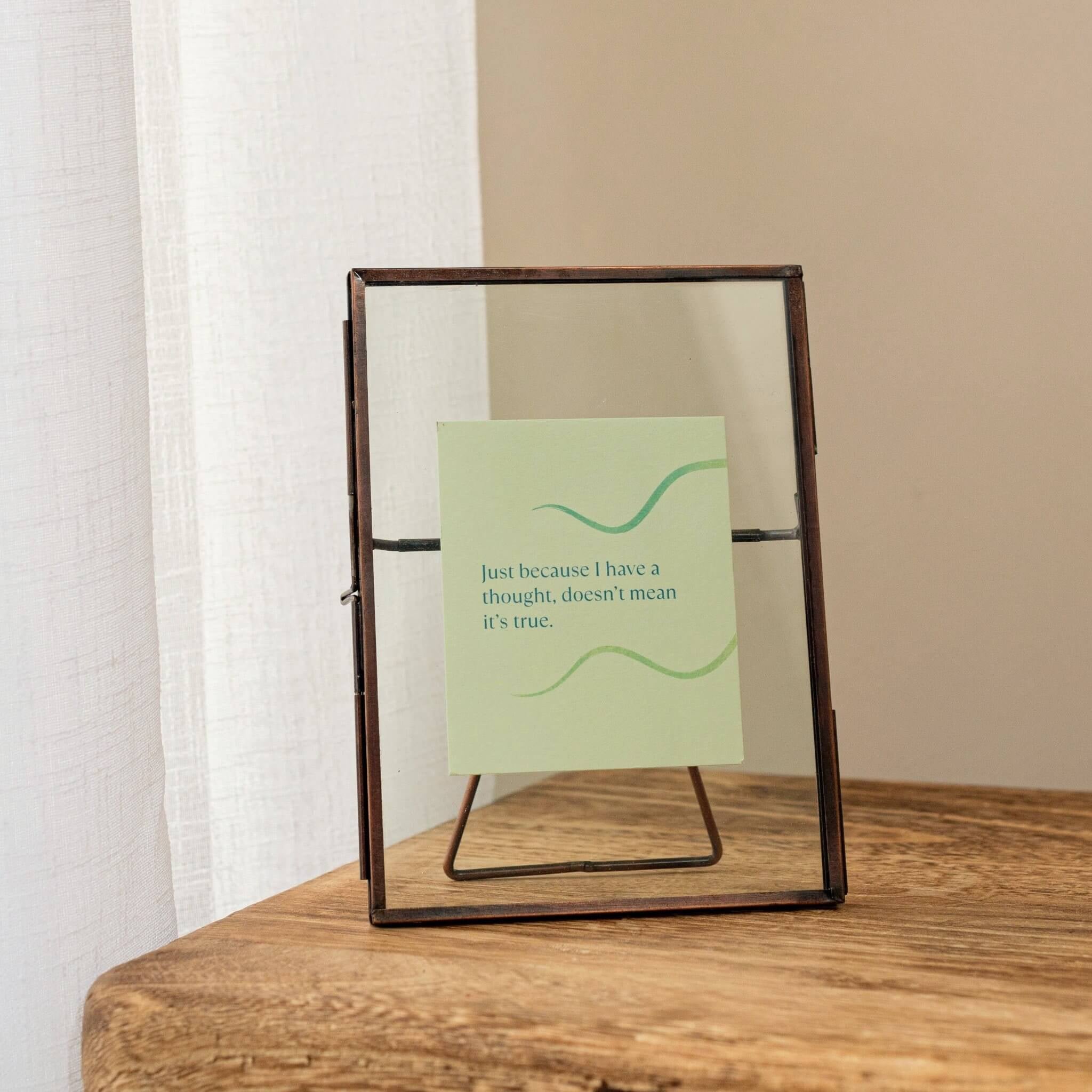
- Just because I have a thought, doesn't mean it's true.
Making them easier to keep up
Self-doubt tends to show up at specific moments. Often it's when you're:
- Lying awake at night with your mind racing.
- Taking a break from social media and feeling uncertain.
- Starting the day, wondering whether you're doing enough.
Those are the moments when having a gentle reminder already nearby makes the difference, because you're not being asked to produce the kind sentence yourself at the exact point you're least able to. How to use affirmation cards without it feeling forced →
Building self-worth isn't about being perfect. It's about being gentle with yourself along the way.
Why the wording matters more than the repetition
This is the part most affirmation lists leave out, and it is the reason the ones on this page are worded the way they are.
In a 2009 study published in Psychological Science, Wood, Perunovic and Lee asked people to repeat the statement "I'm a lovable person". Among participants with low self-esteem, the ones who repeated it felt worse than the people who said nothing at all. Those who were asked to consider how the statement was both true and not true did better.
So if a cheerful affirmation has ever made you feel further from yourself rather than closer, that is a documented effect and not a flaw in you. The fix is not to abandon affirmations. It is to use ones your mind can actually accept today.

Dr Caroline C. Lee, PhD
Licensed clinical psychologist specialising in anxiety disorders, Orange County. Writing exclusively for Give Yourself Kindness
"I am struggling AND healing."Five psychologists on whether affirmations work →
That "and" is the whole technique. It lets the affirmation hold the difficult thing rather than argue with it, which is what makes it survive contact with a bad day. Dr Annabelle Kyle Dortch, PsyD puts the same principle as a rule of thumb in that article: an affirmation works better when it does not depart far from your current reality, and when you follow it with an action. Dr Michelle Chung suggests the simplest fix of all, which is to add two words: not "I am confident" but "I'm learning to be more confident."
Where to keep them so you actually use them
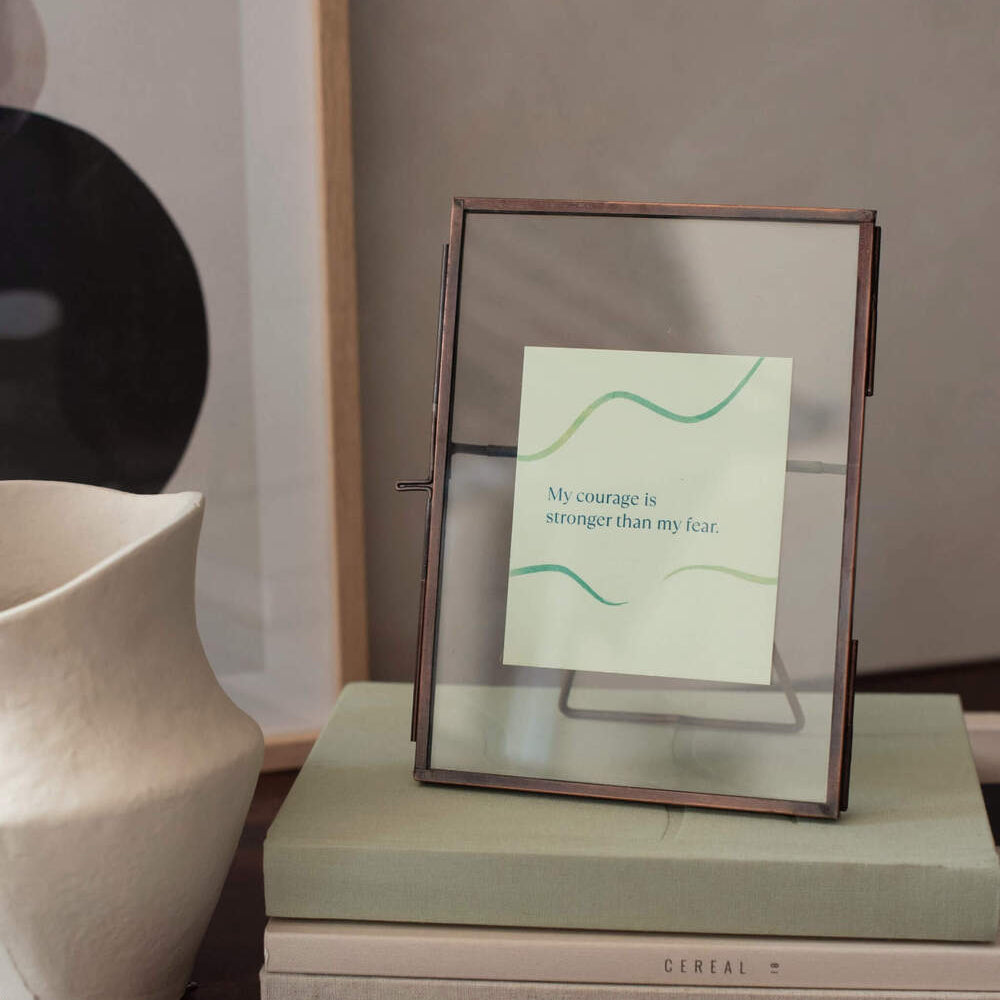
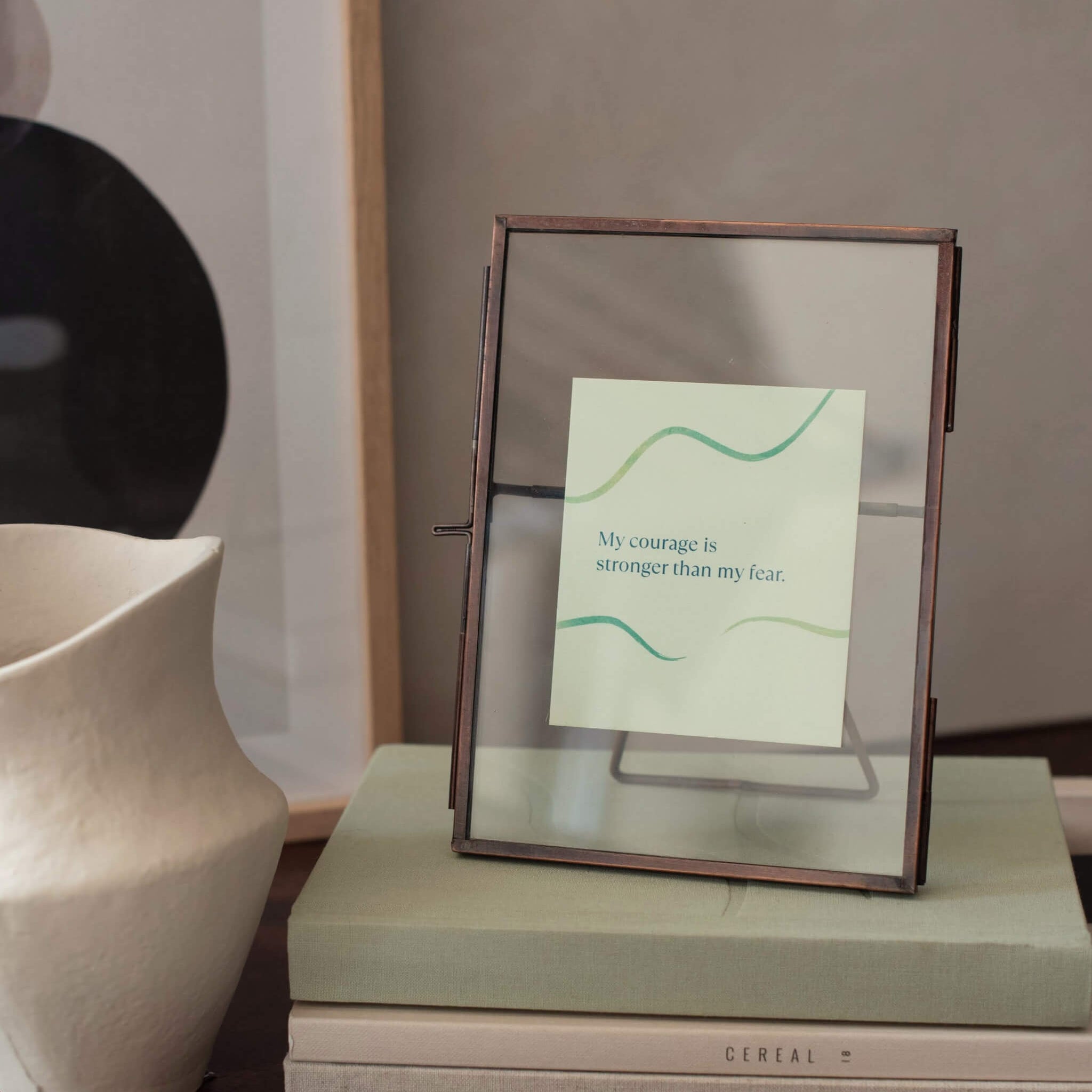
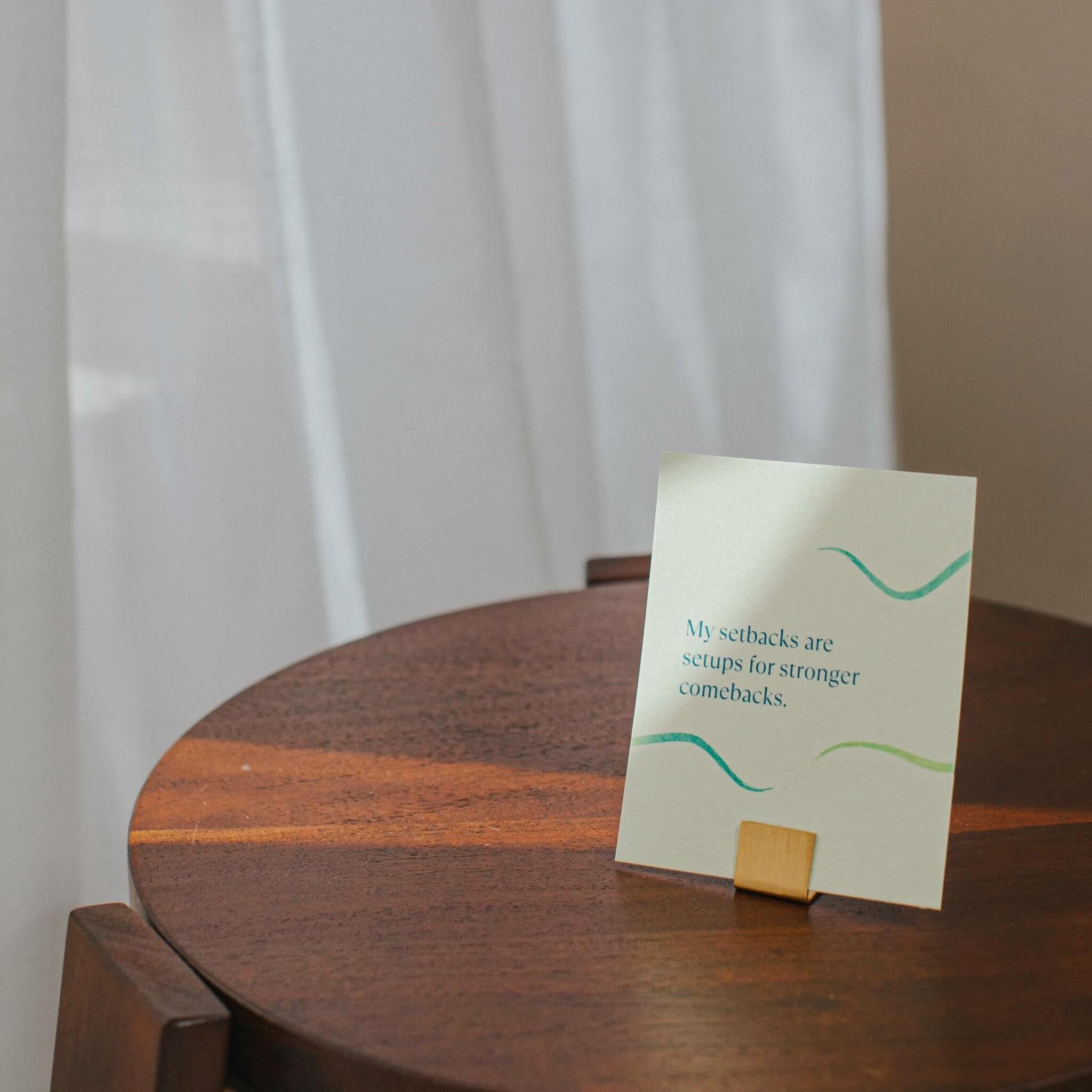
The honest problem with a list on a screen is that you read it once, feel briefly better, close the tab and never see it again. Whatever you do next, put a few of these somewhere you will pass without deciding to.
- Write three on a sticky note for the inside of a kitchen cupboard.
- Make one your phone lock screen for a fortnight.
- Put one in your wallet, folded, where you will find it when you are paying for something on a difficult day.
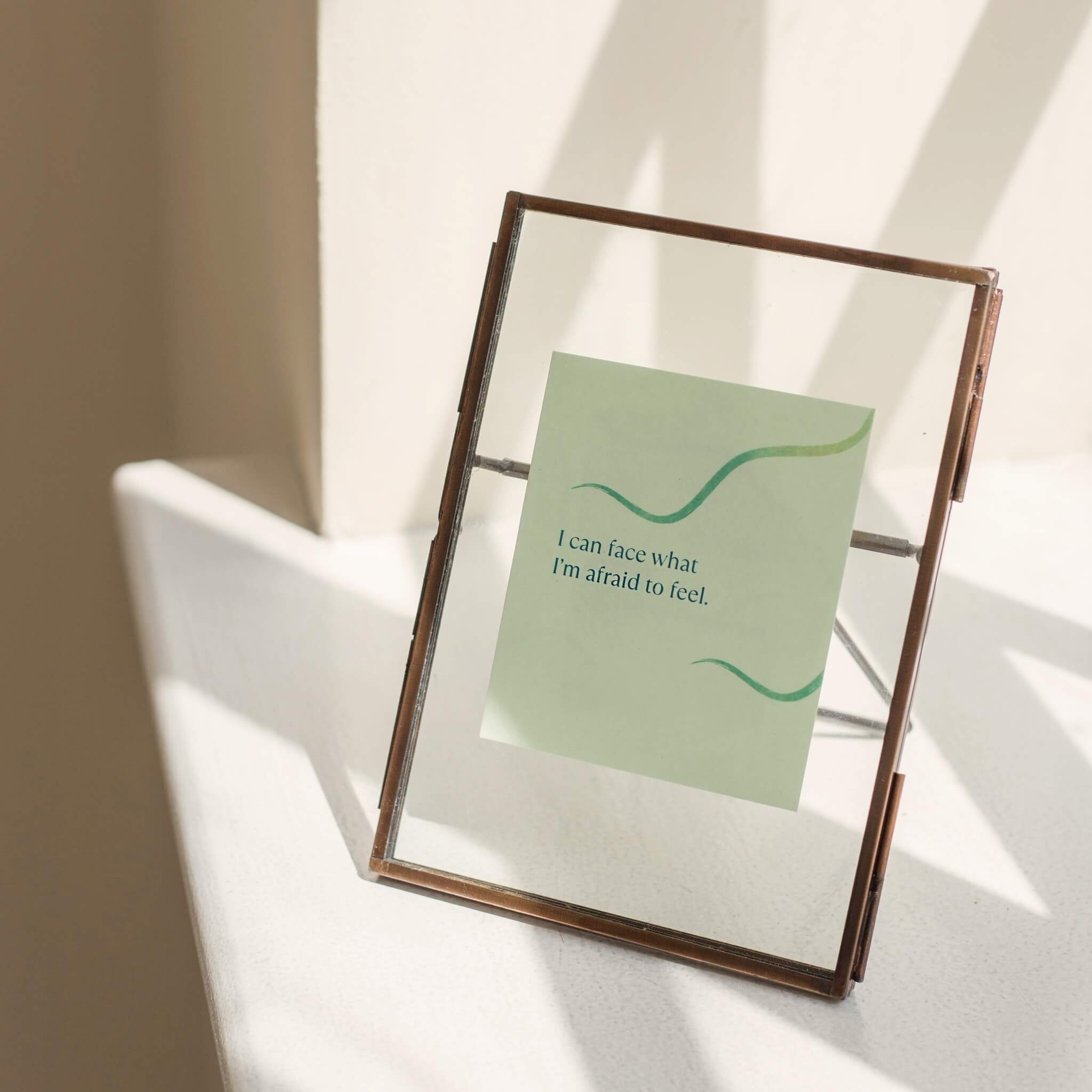
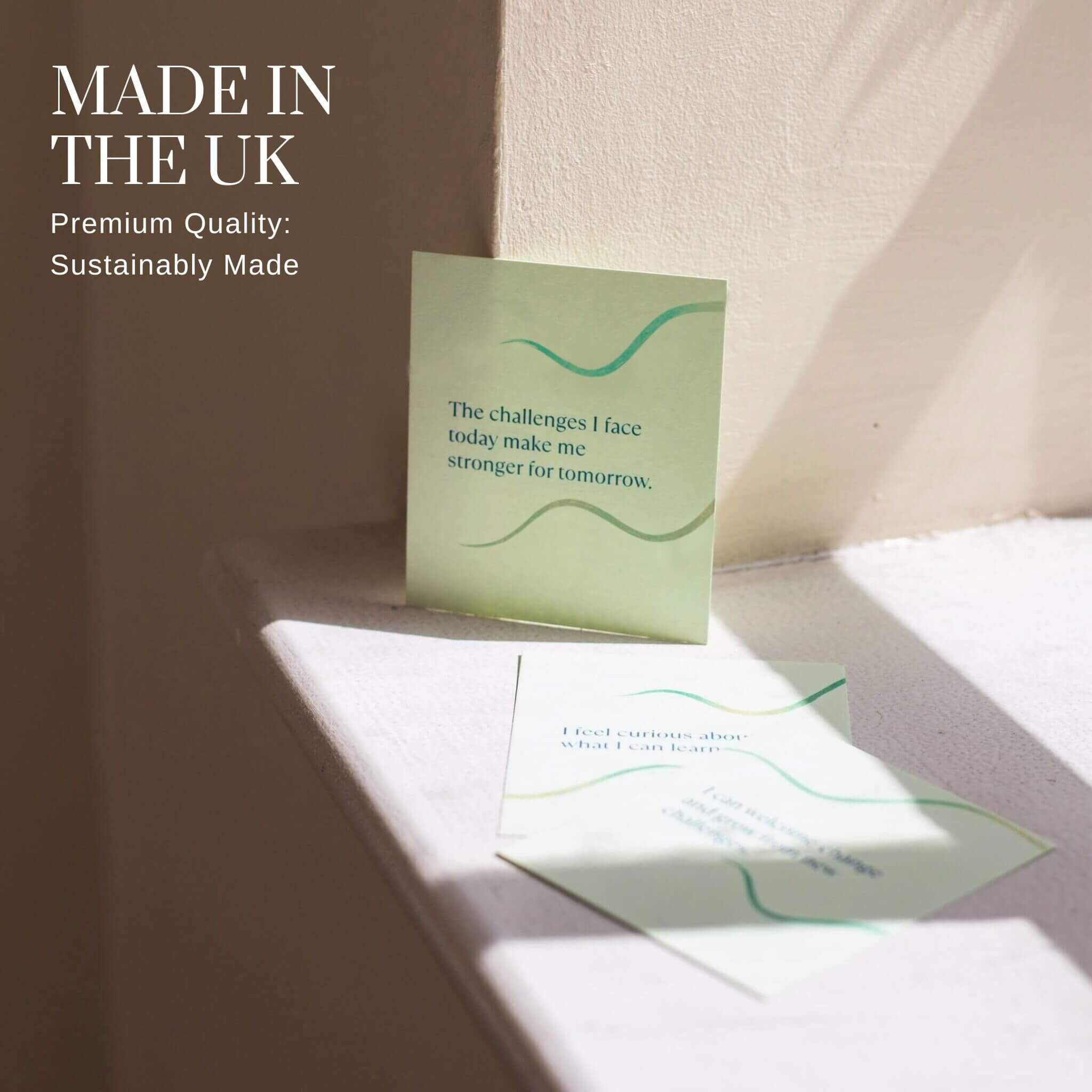
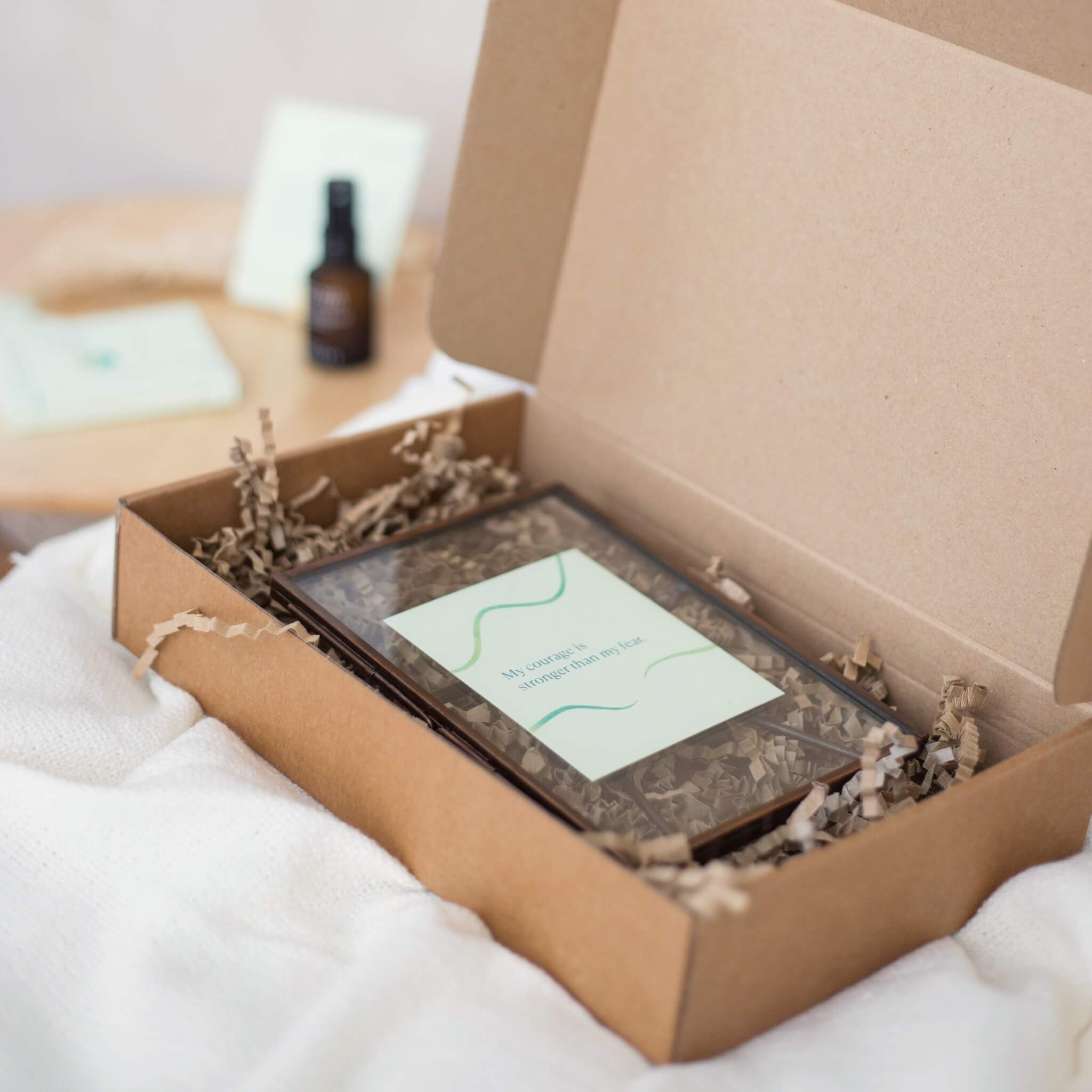
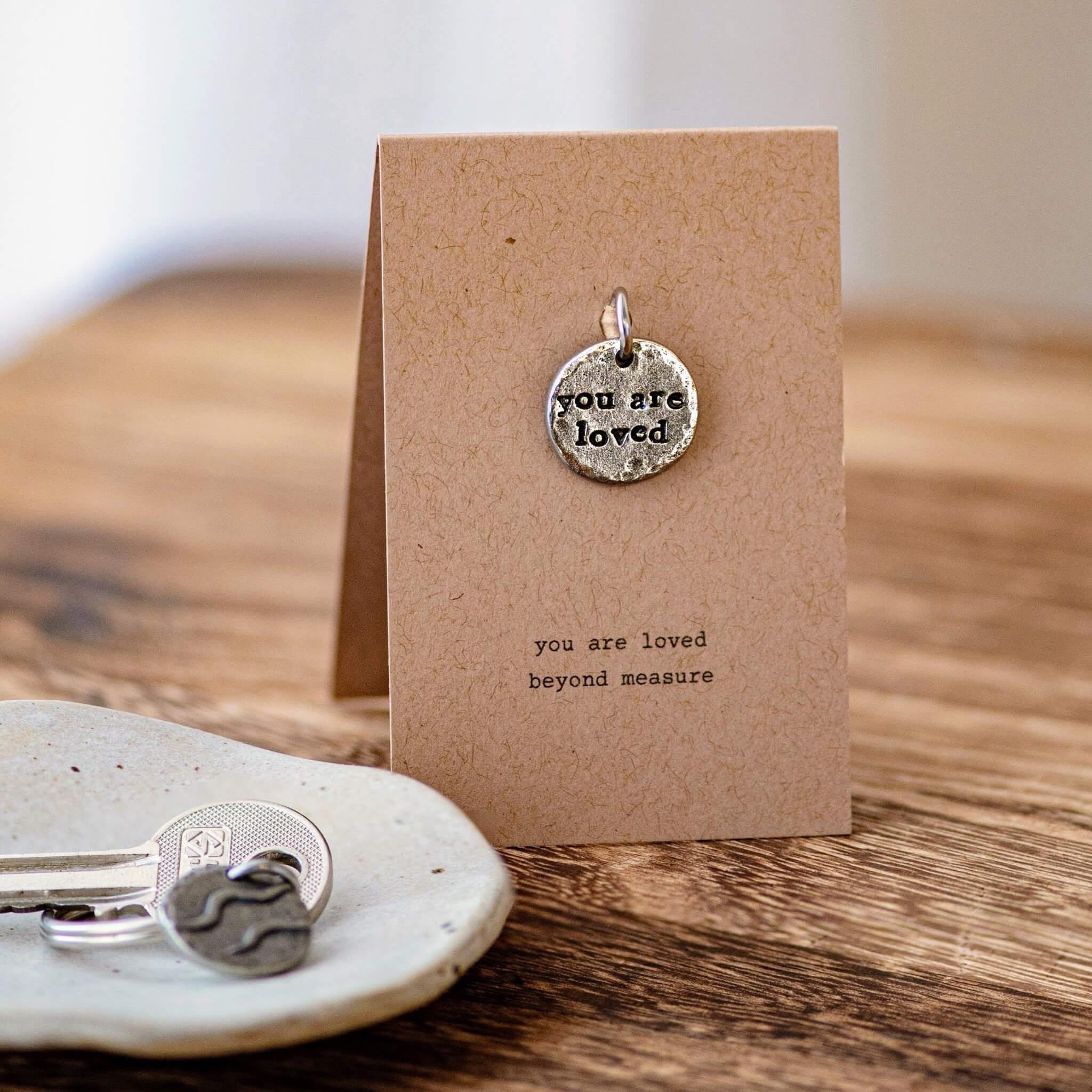
All of that is free and it works. If you would rather have them printed properly on something that sits on a shelf, that is what I make.

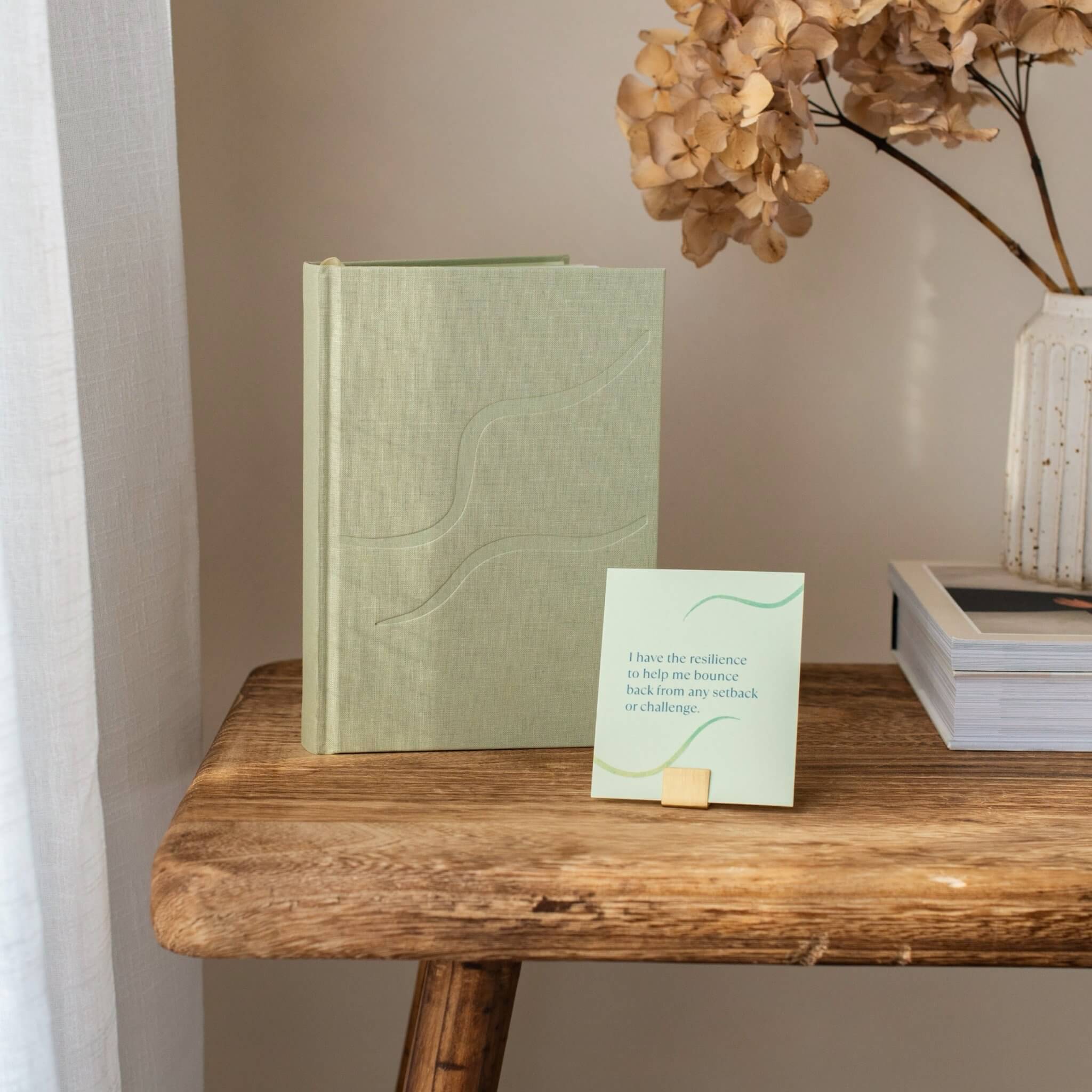
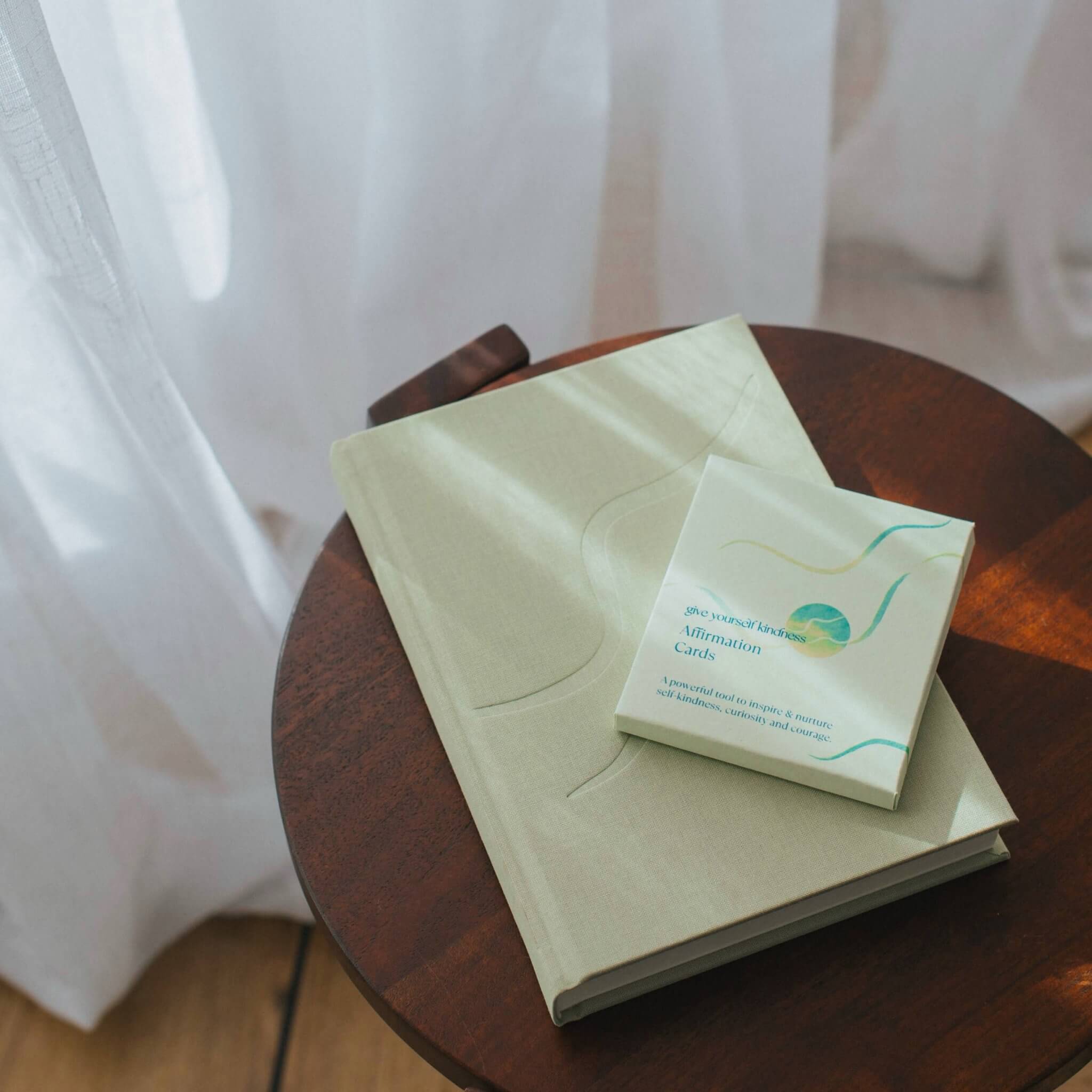
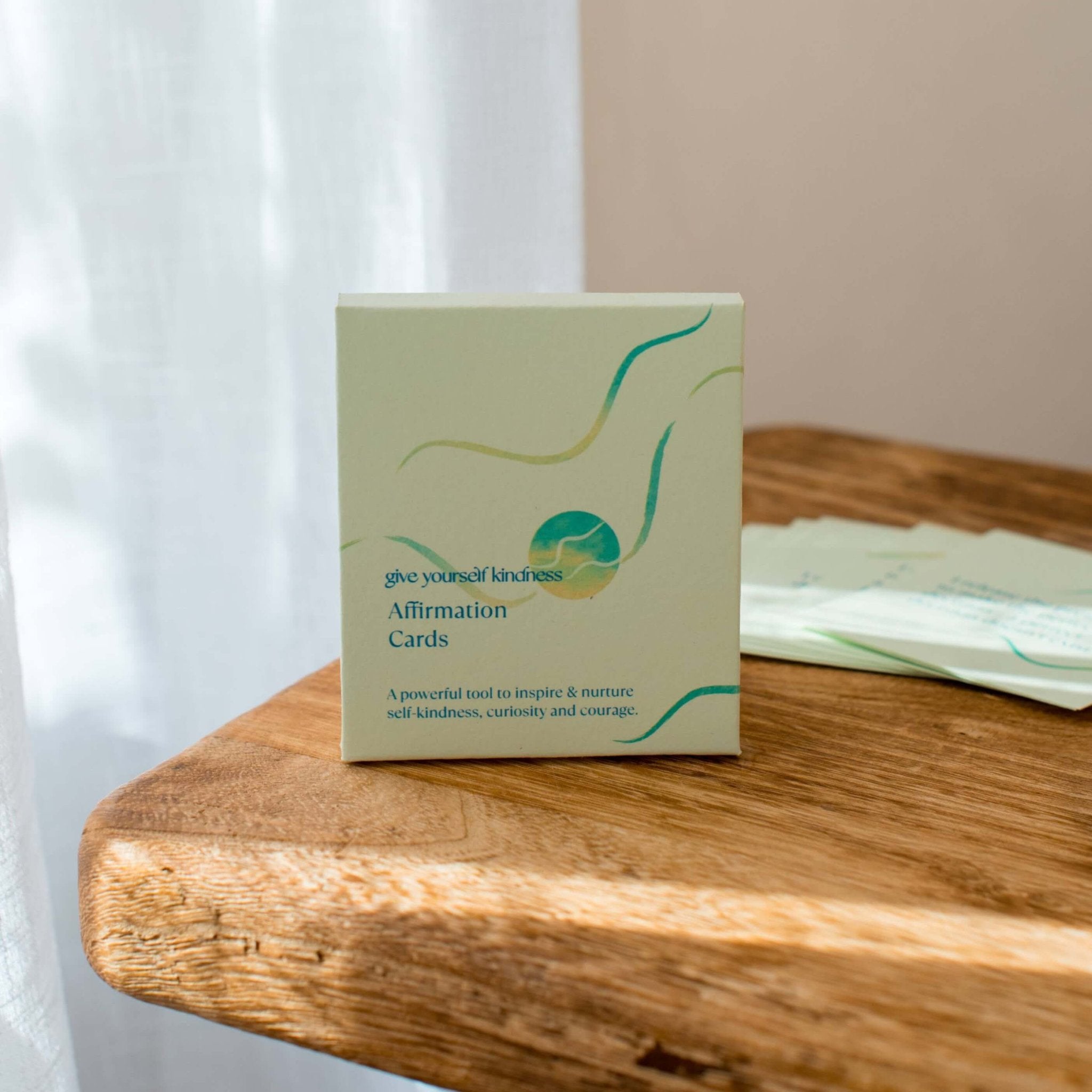
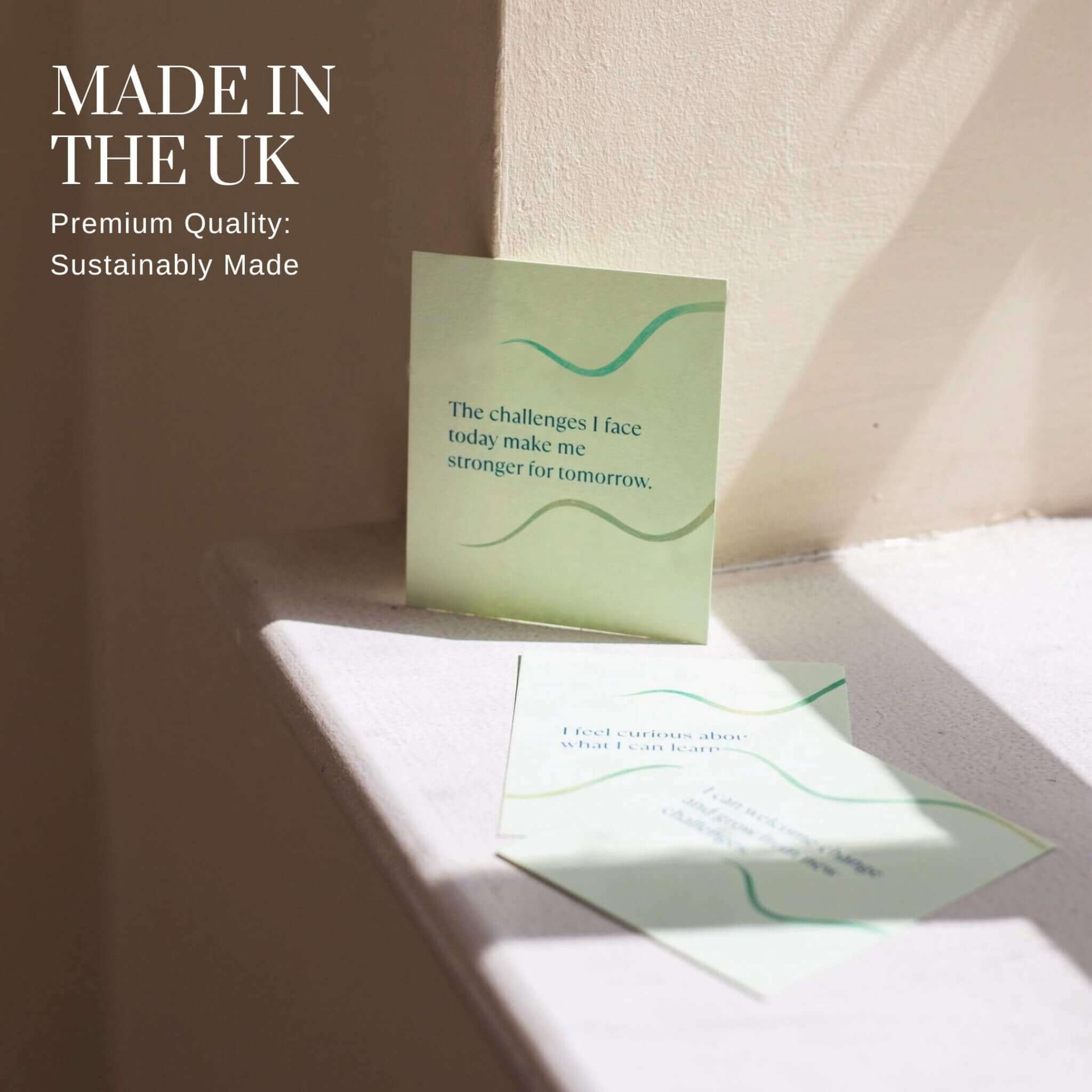
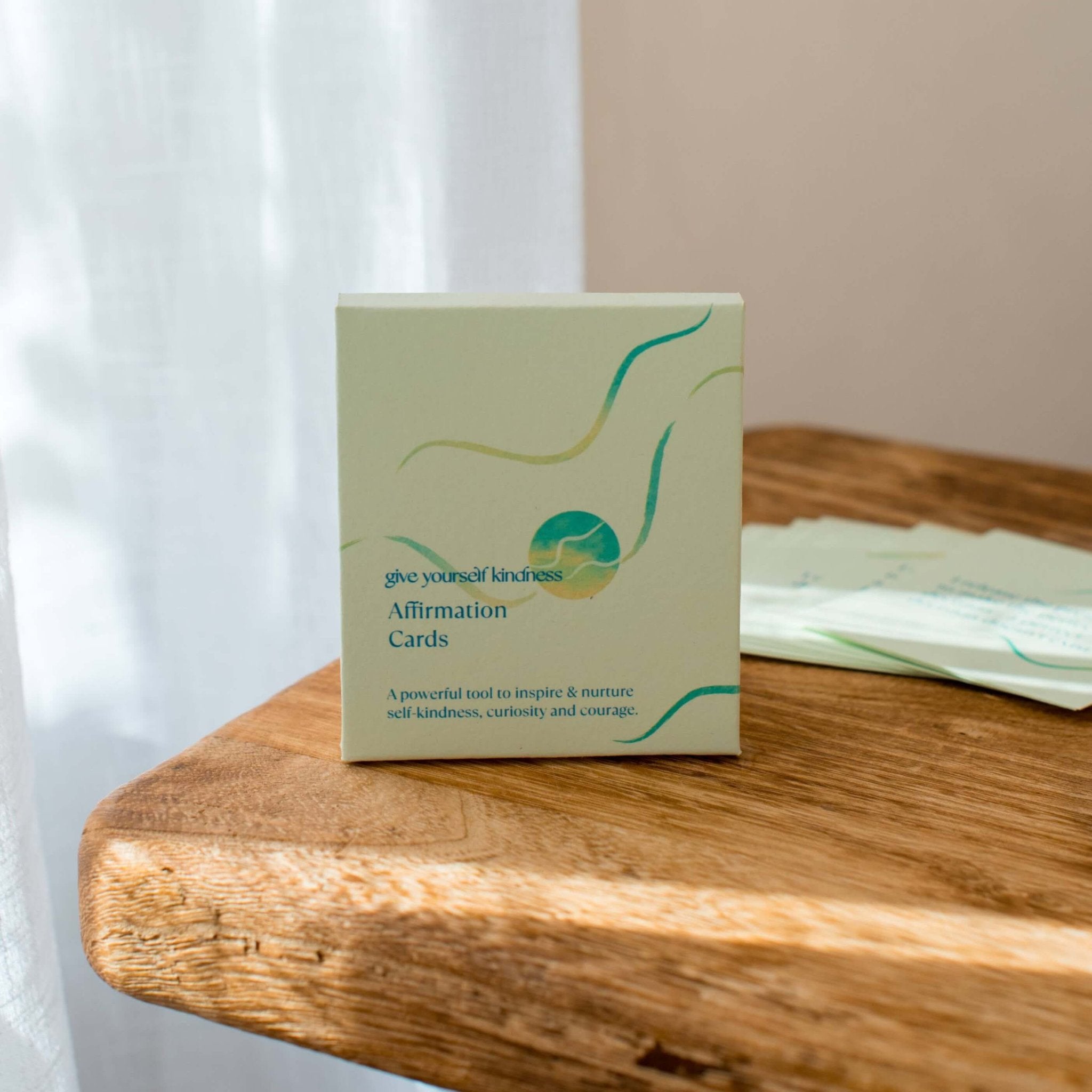
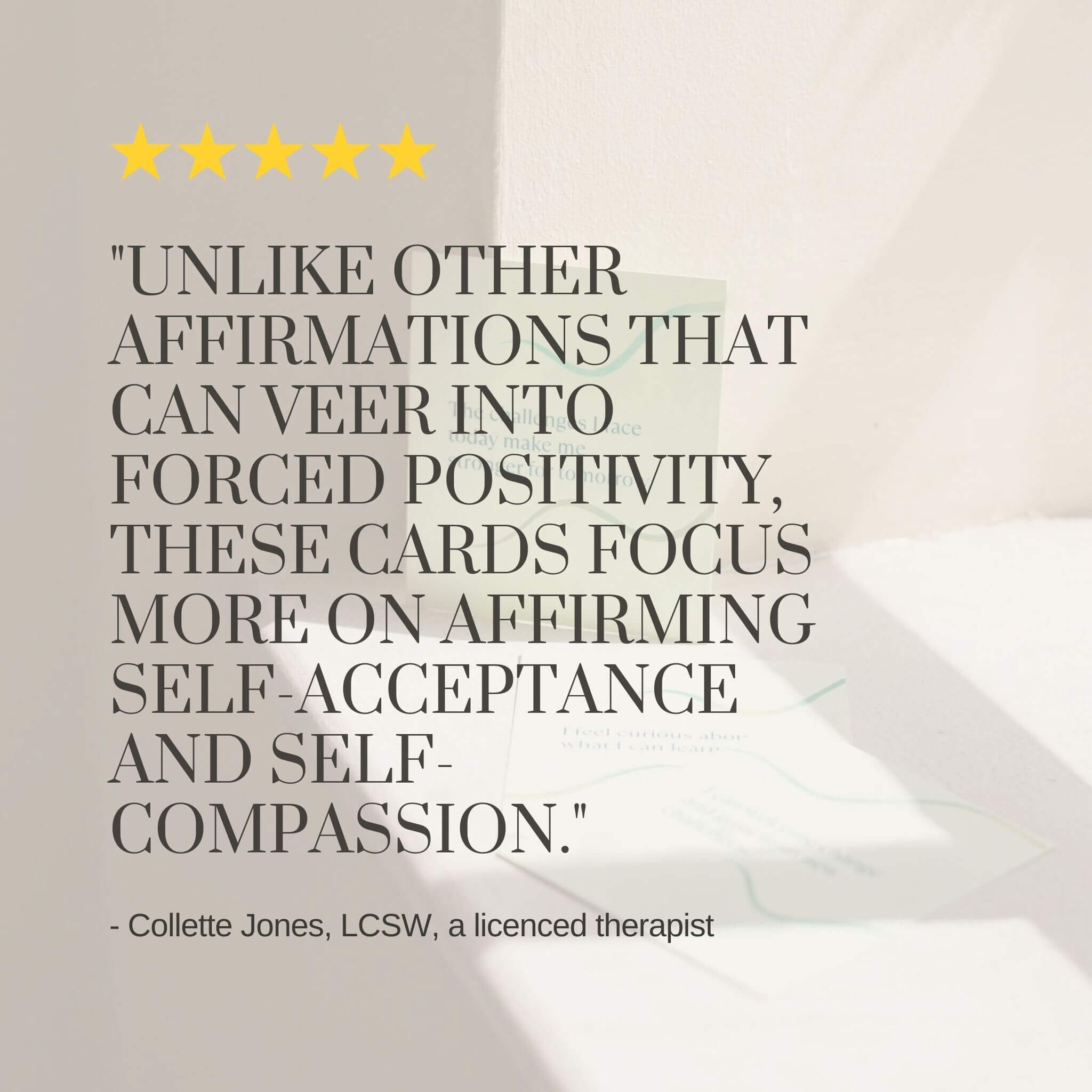
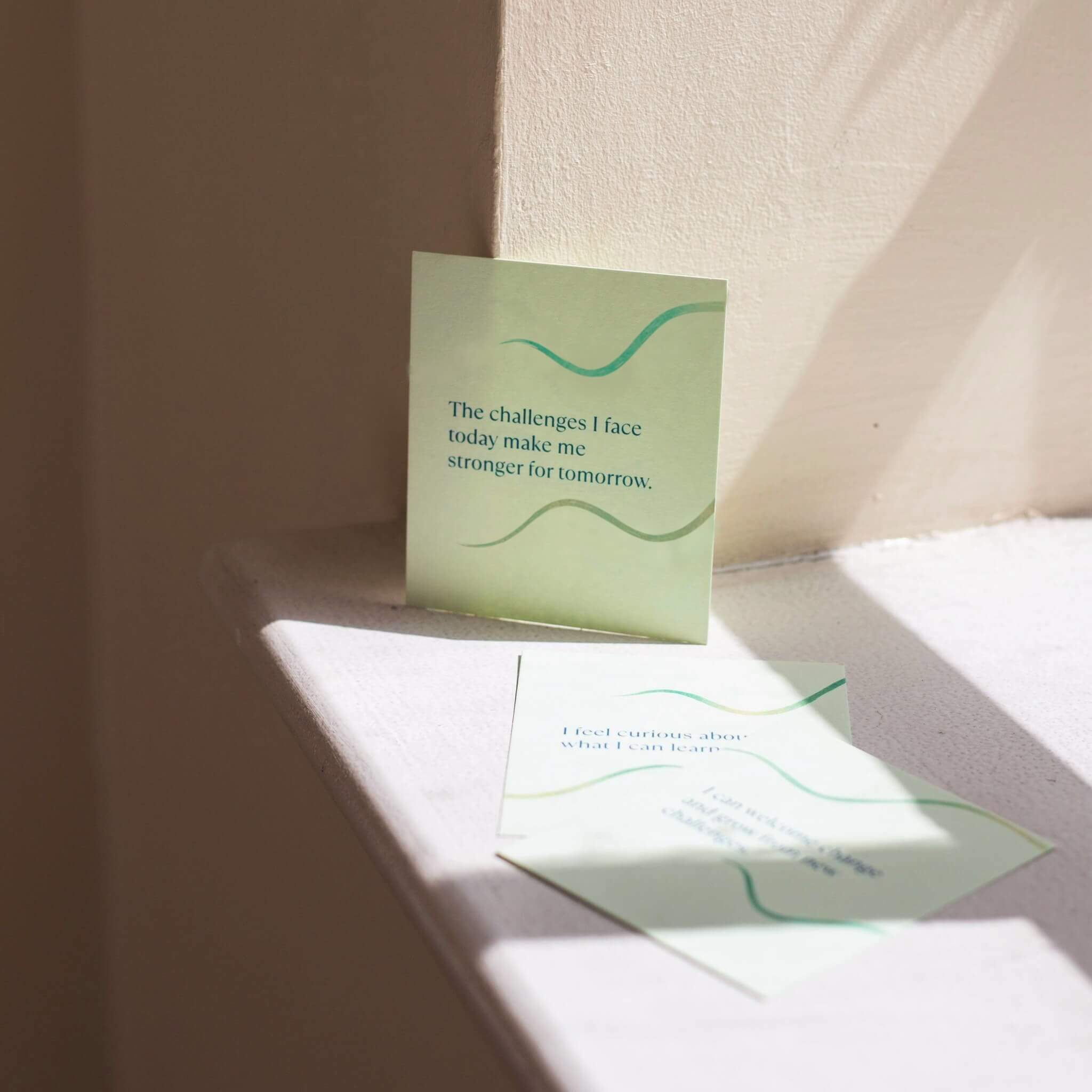
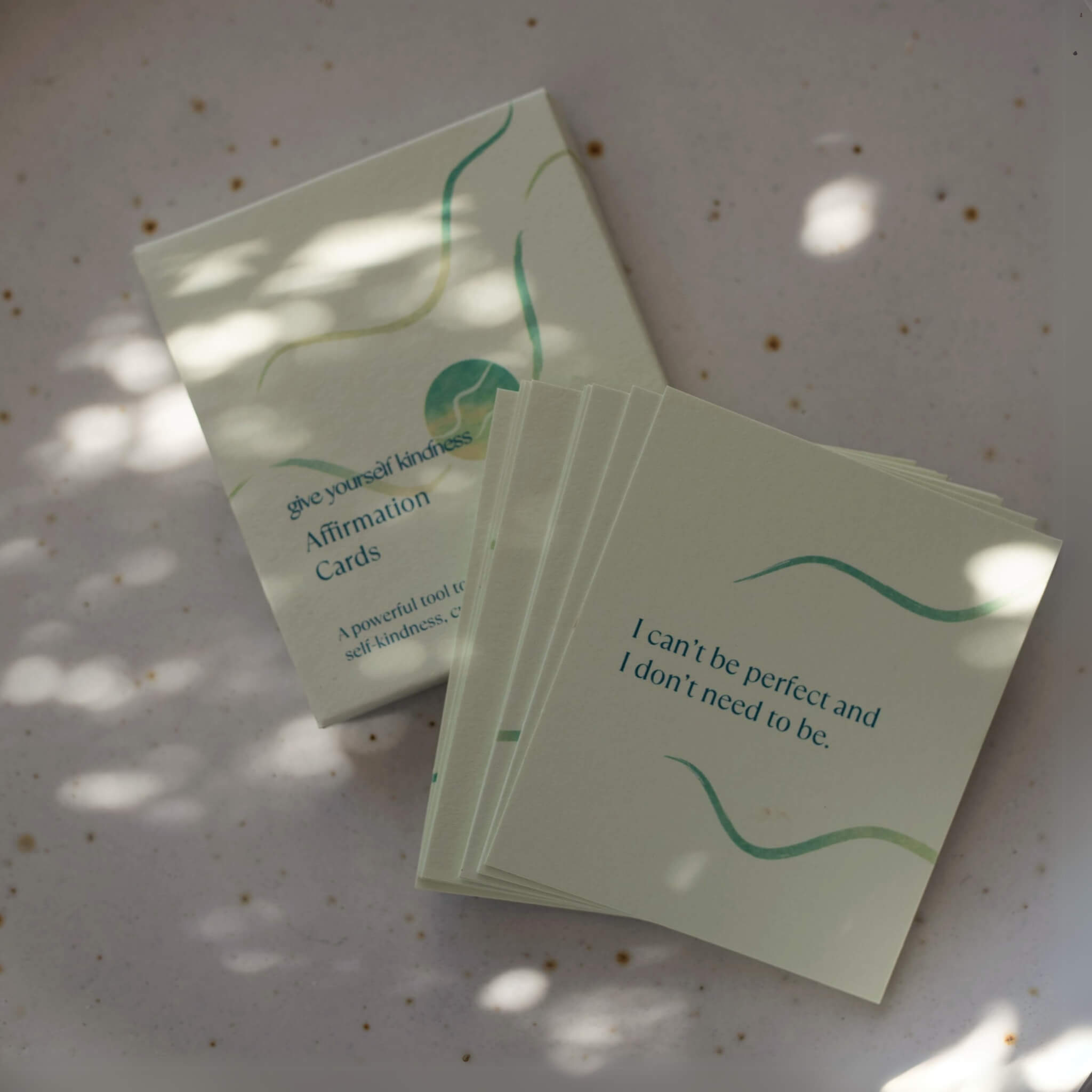
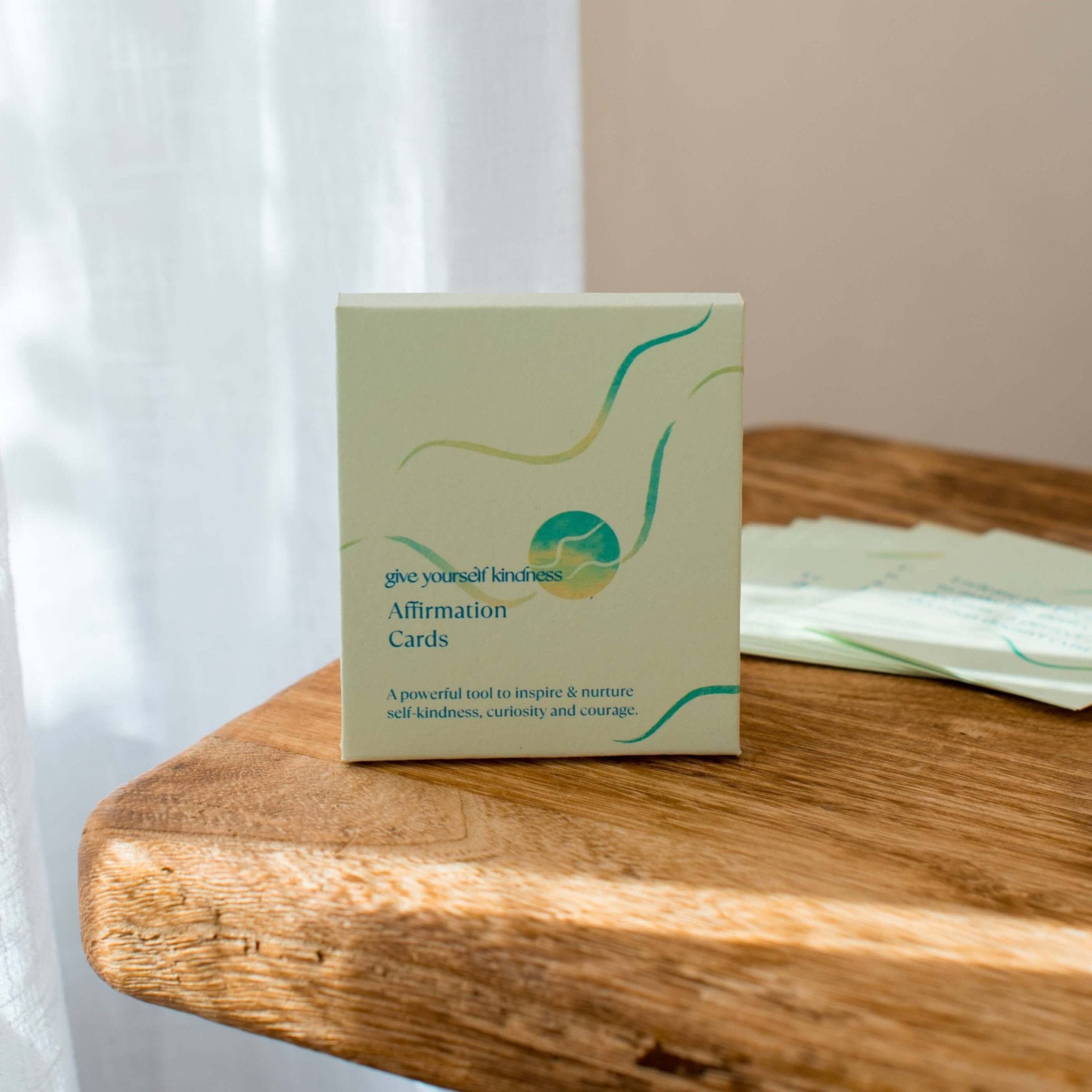
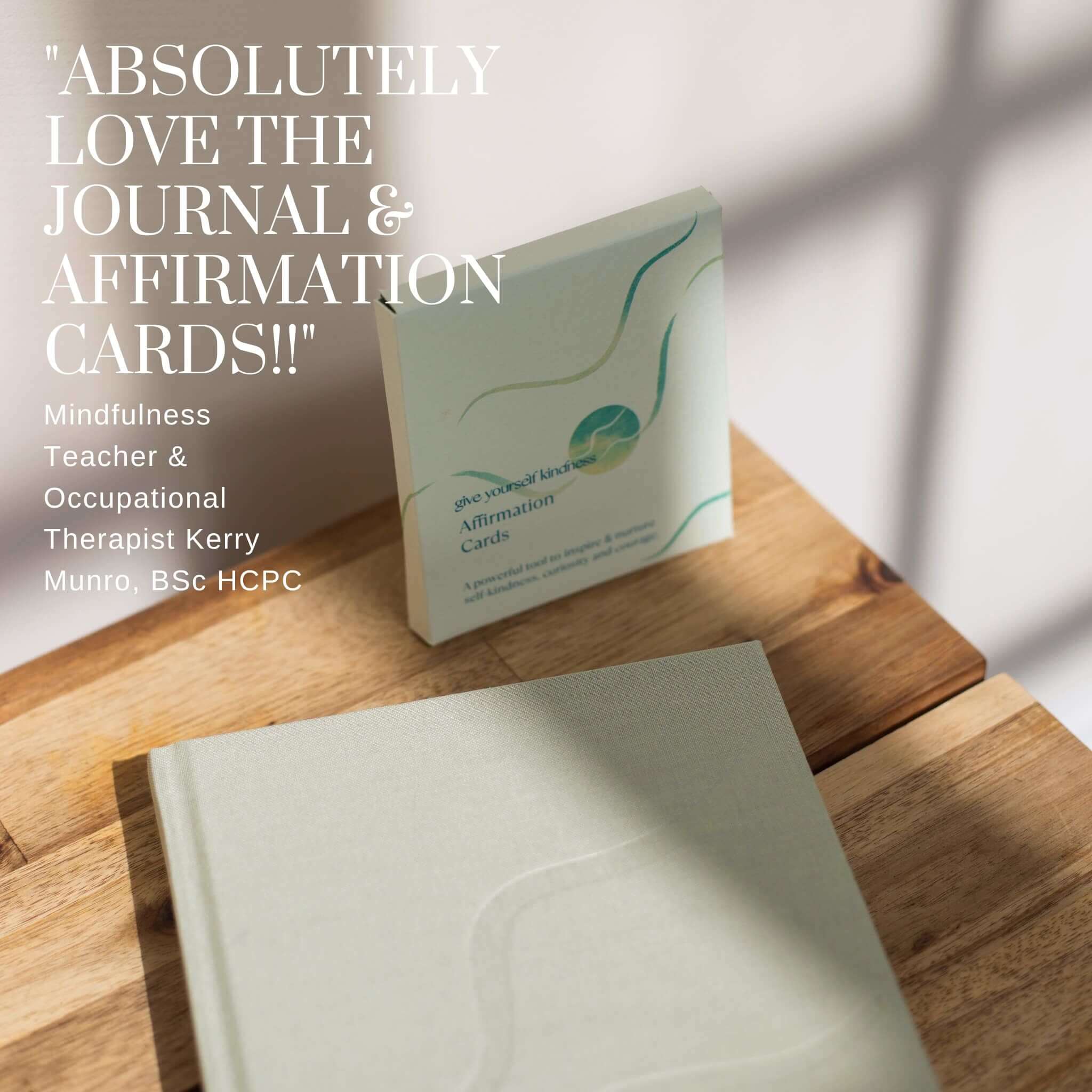
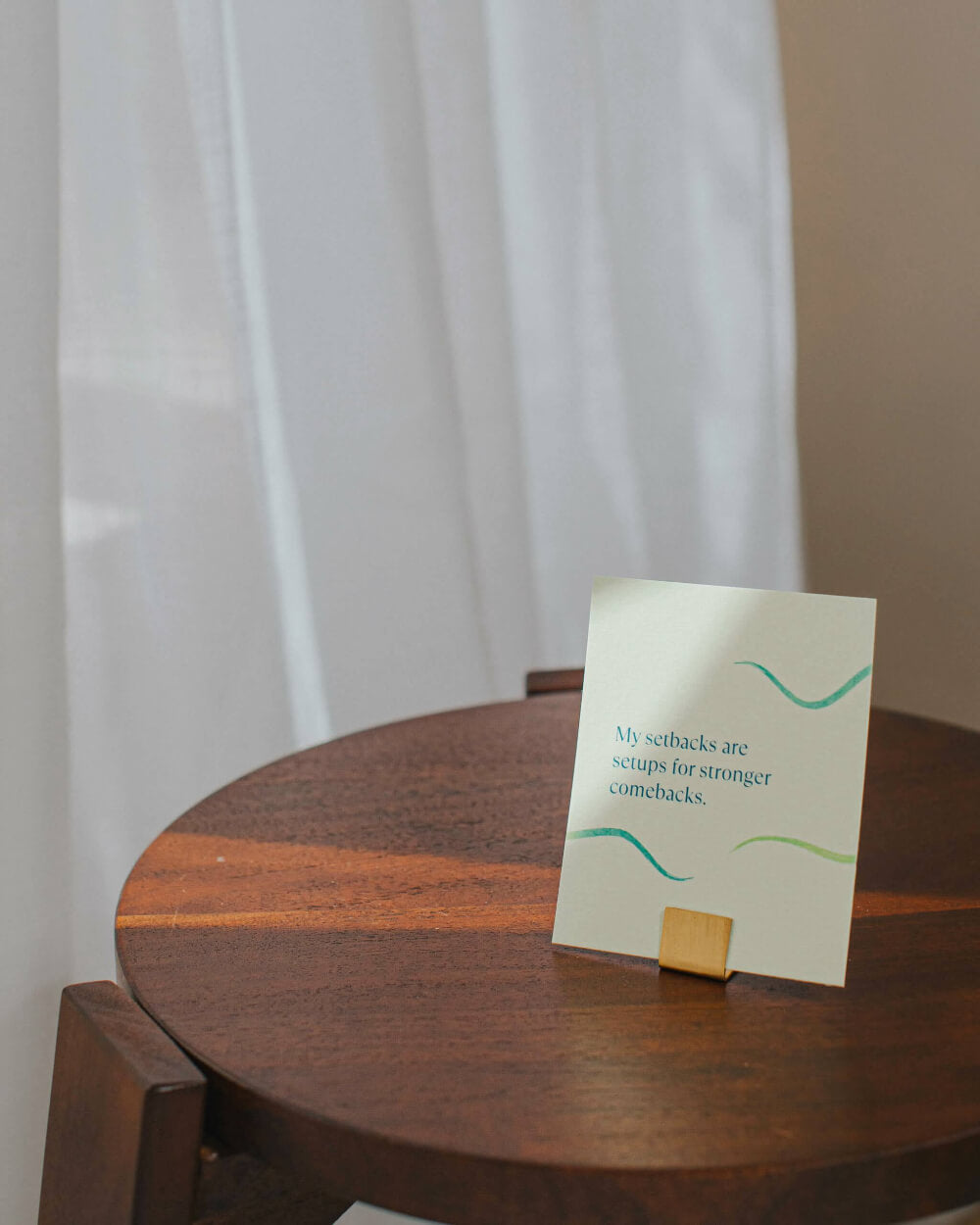
The Give Yourself Kindness Affirmation Cards, from £13.95. Sixty affirmations across three boxed sets of twenty, written in the same register as the ones on this page. Reviewed by licensed therapists Margaret Davis, MS, LPC and Collette Jones, LCSW.
Added to your basket. View basket →
Common questions
Do affirmations actually build self-worth?
They can, and the wording decides it. A 2009 study in Psychological Science found that people with low self-esteem who repeated 'I'm a lovable person' felt worse than those who said nothing, while those who considered how the statement was both true and not true did better. So a sentence that asserts something you do not believe tends to backfire, and one that leaves room for the difficulty tends to land. Self-worth also builds through what you do rather than only what you say, so pairing an affirmation with one small action is more effective than repetition alone.
Why do self-worth affirmations feel like lying?
Because they often are asking you to claim something your mind can currently disprove, and it will immediately start listing the evidence. That argument is the thing that leaves you feeling worse. The fix is to shorten the distance: not 'I am enough' if that sets off a rebuttal, but something like 'I am learning that my worth is not a performance'. Dr Michelle Chung suggests the simplest version, which is adding two words so the statement describes a direction rather than a finished state.
What is the difference between self-worth and self-esteem?
Self-esteem tends to be an evaluation, a judgement of how well you are doing against some standard, which means it rises and falls with your week. Self-worth is closer to the idea that you count regardless of the week. That distinction matters here, because affirmations aimed at self-esteem often depend on evidence and collapse when the evidence is thin, whereas ones aimed at worth do not have to be earned.
How long before affirmations change how I feel?
Most people notice the wording arriving in their own head before they notice believing it, usually within a couple of weeks of regular use. Something steadier tends to take longer, and it grows rather than arrives. If a particular affirmation still feels false after a fortnight, that is information rather than failure: choose one closer to where you actually are.

“I instantly feel a sense of groundedness and calm”
Affirmations can be so helpful along our healing journey. And these affirmations are truly so beautiful and powerful! When I read them, I instantly feel a sense of groundedness and calm. They are wonderful reminders for when I need to slow down and reconnect with myself. I also love that they are centered around having more compassion and kindness for ourselves. I will definitely be utilizing these with my clients, as well as practicing them myself. Thank you so much Rachel!