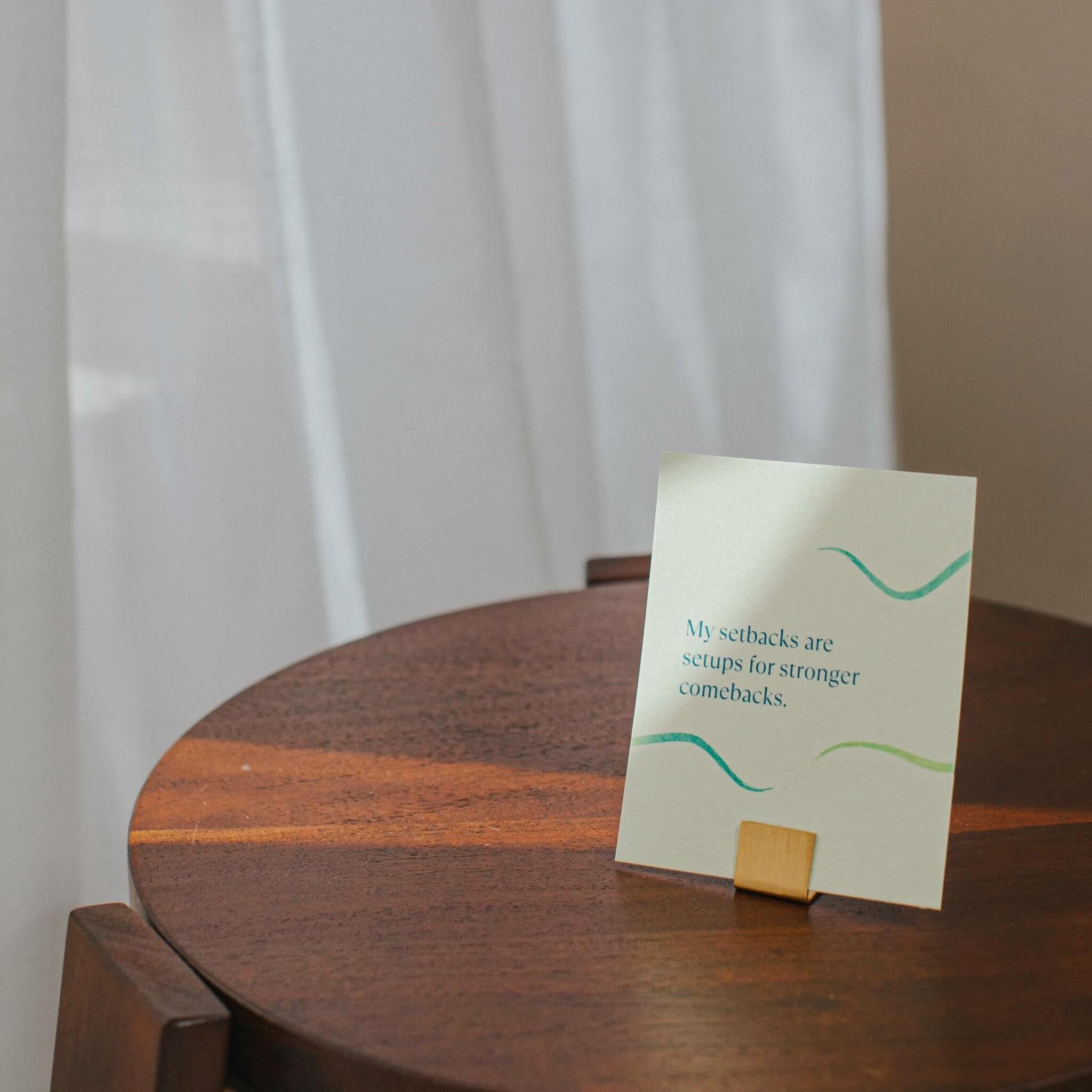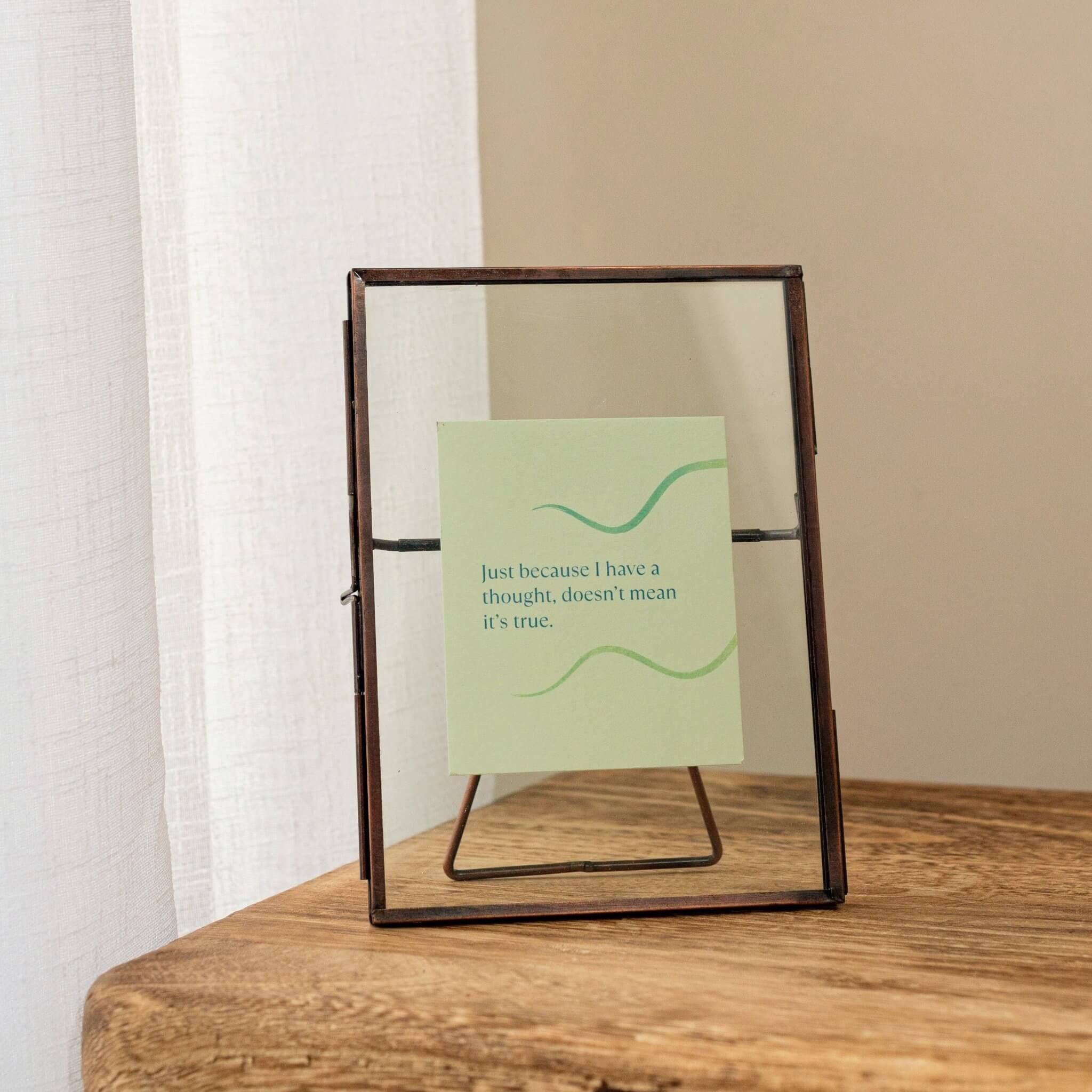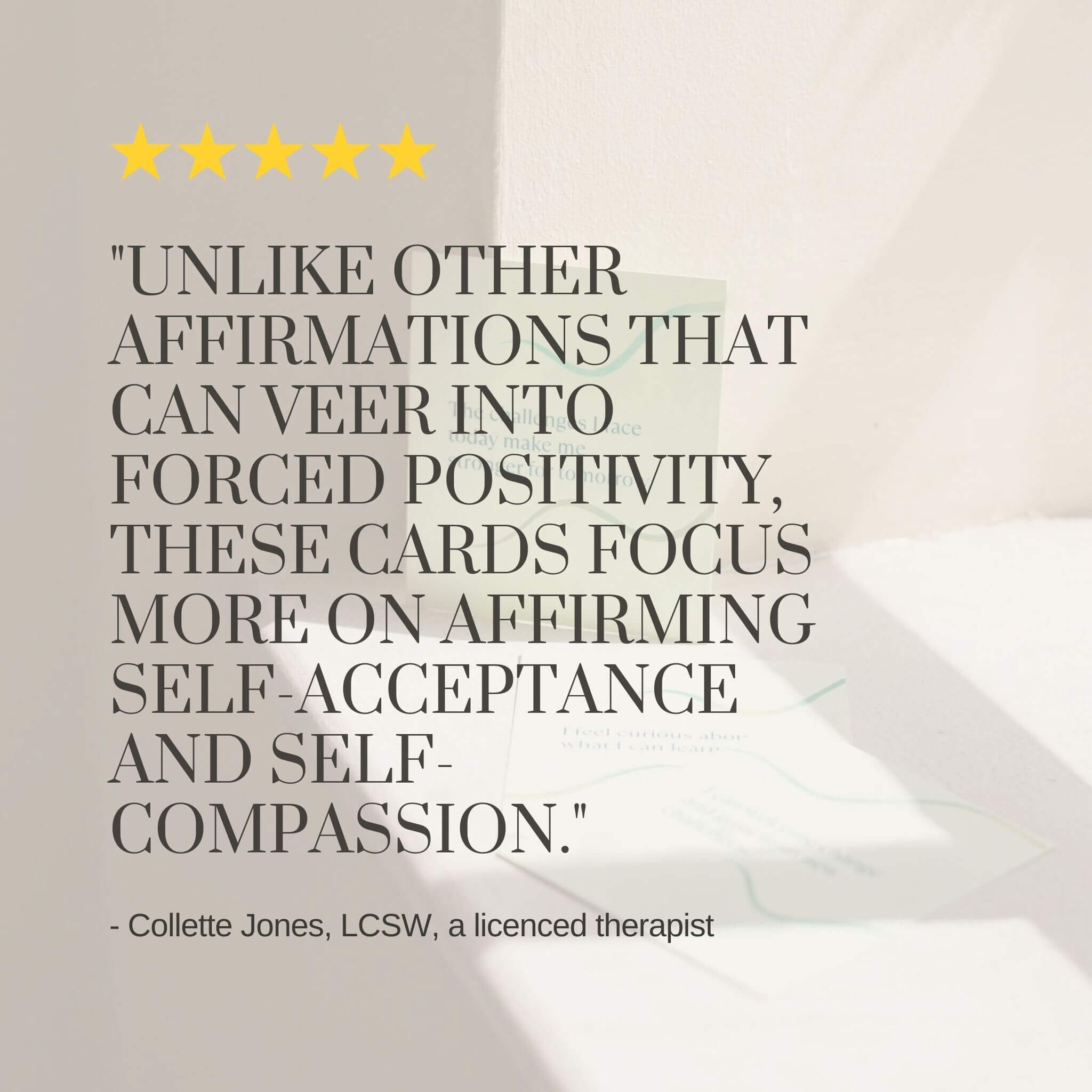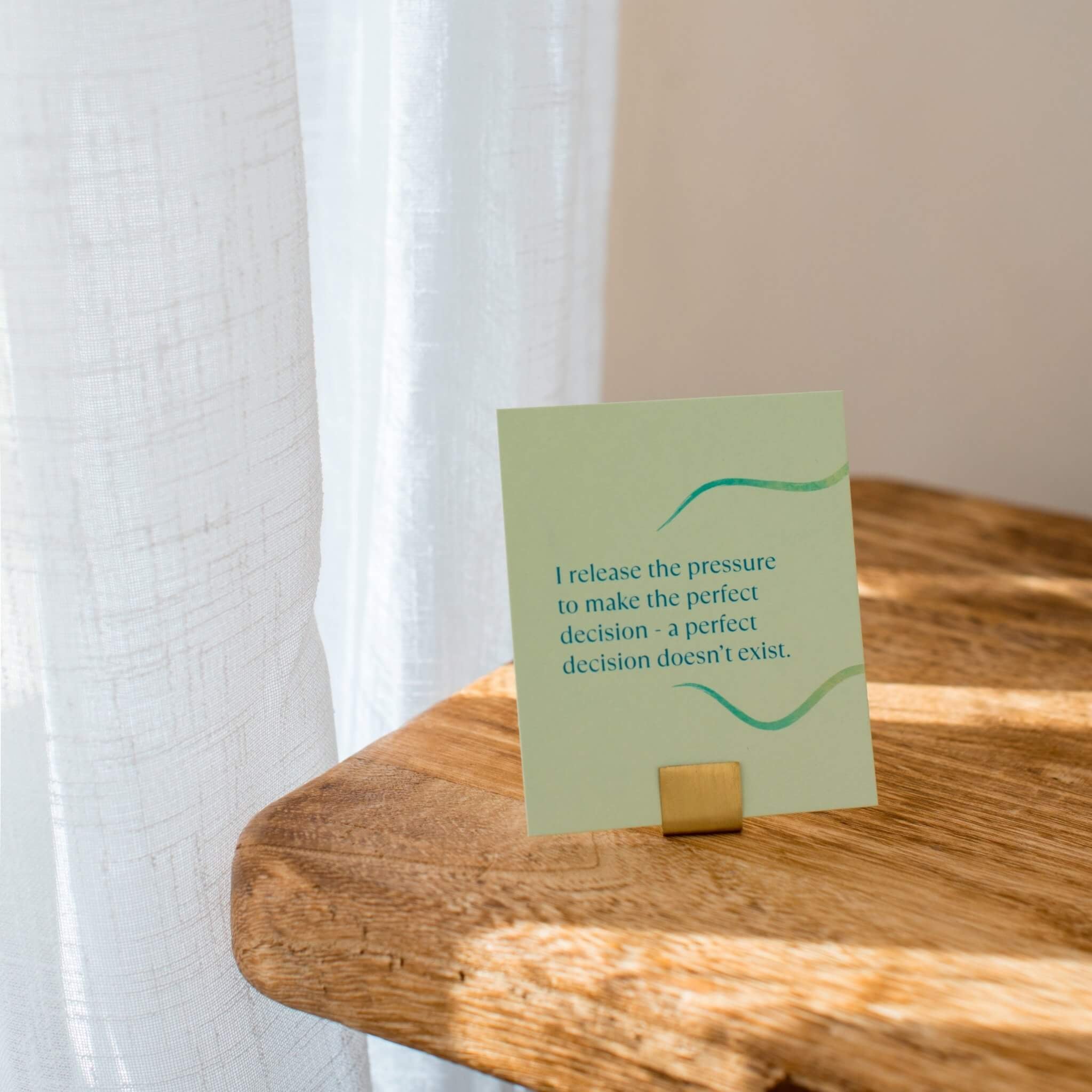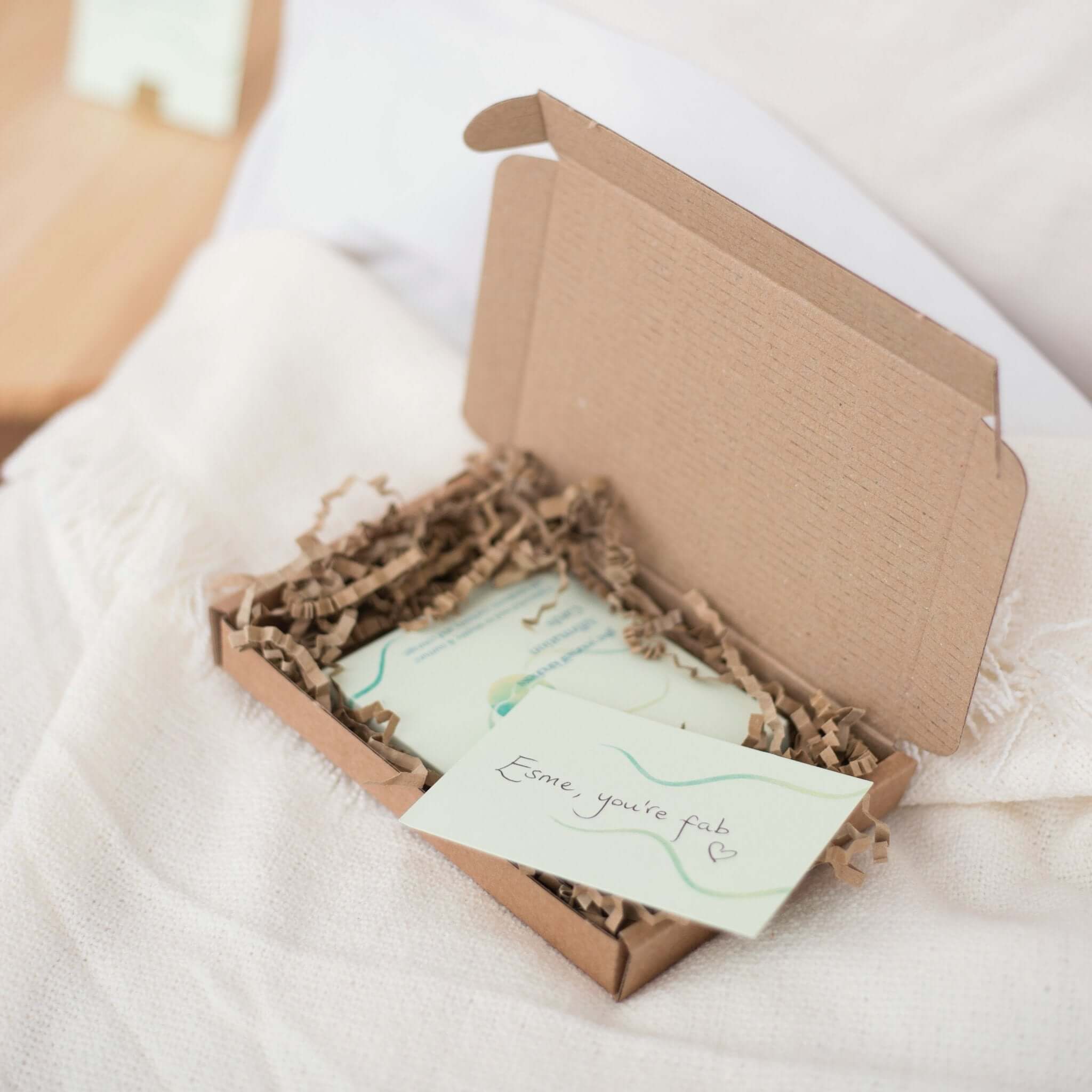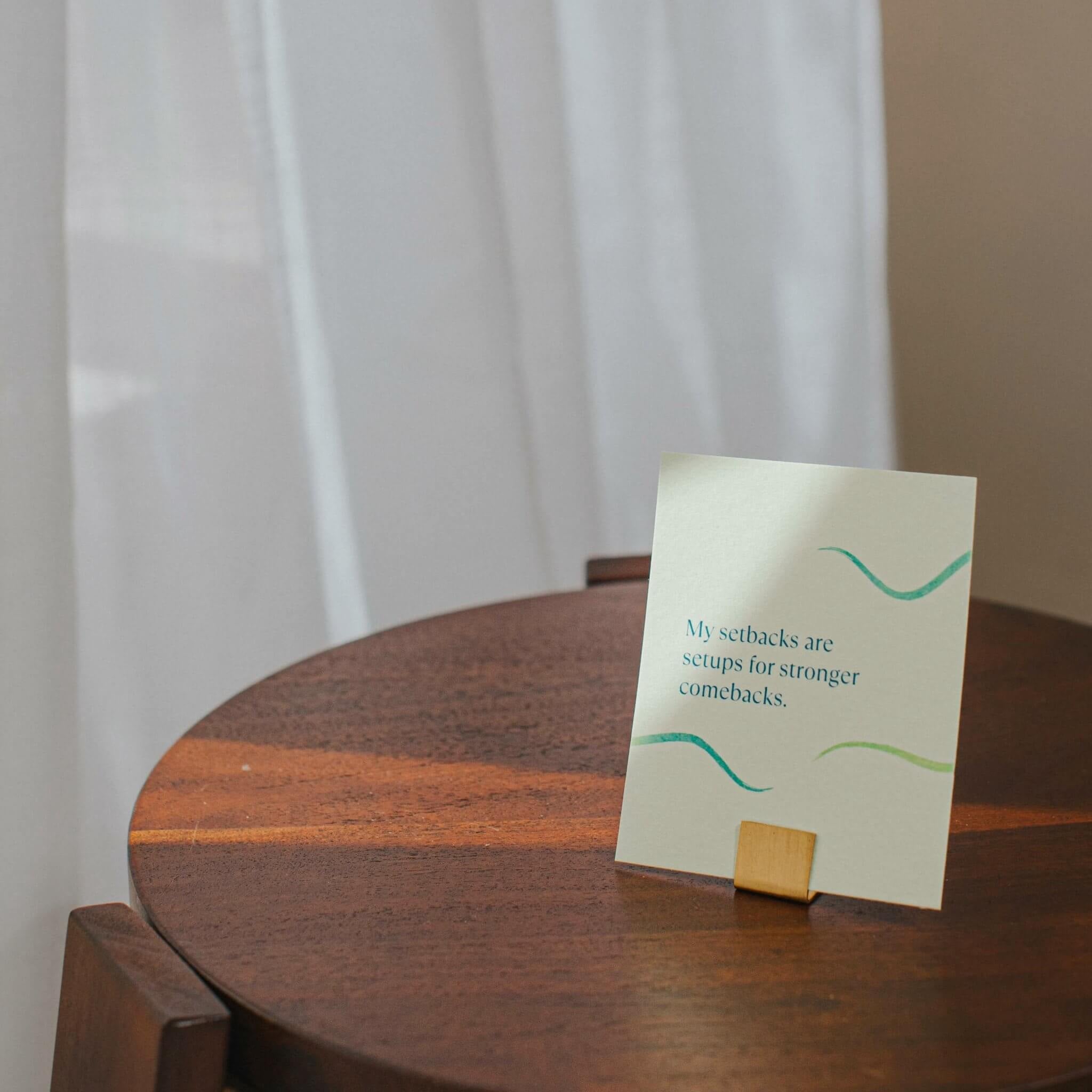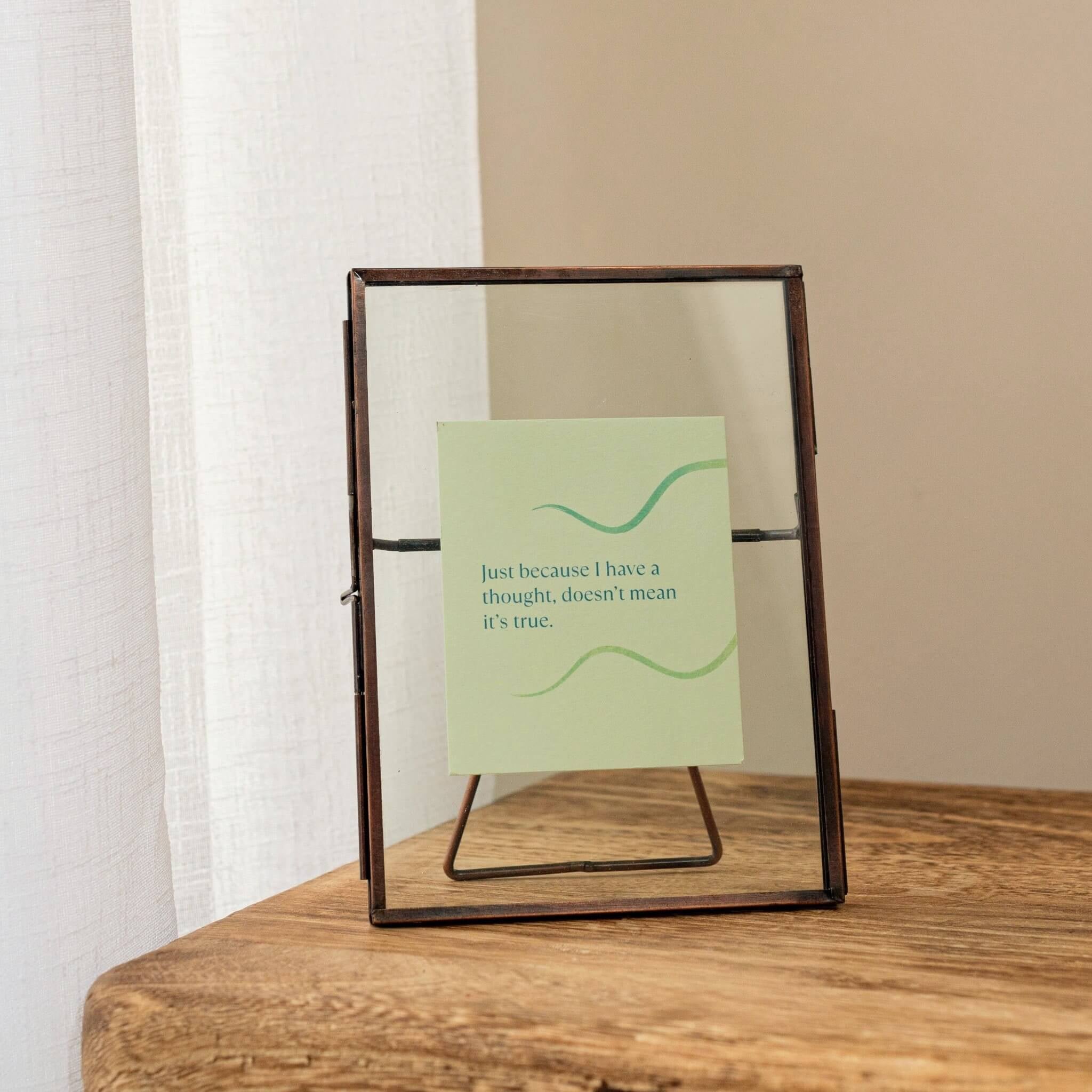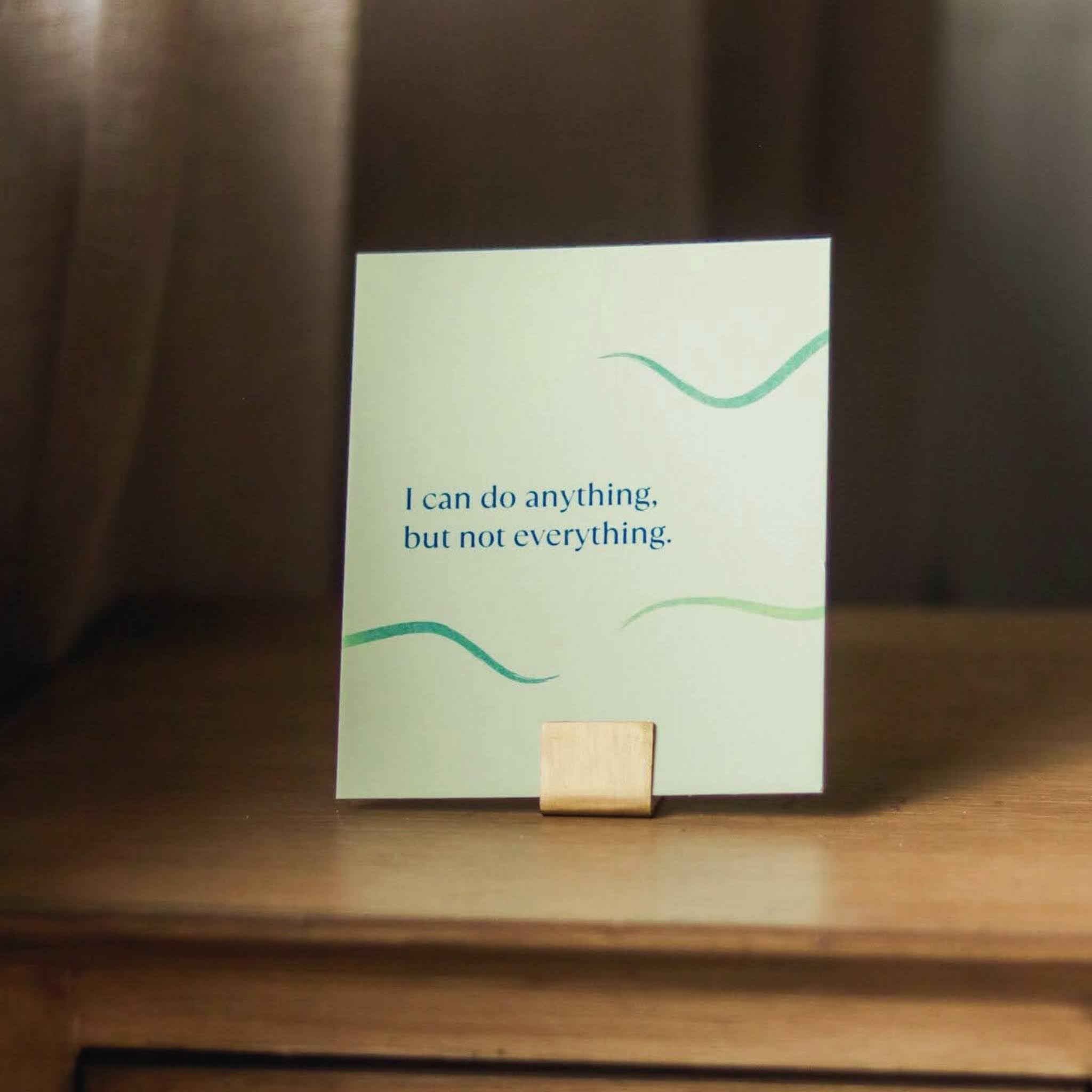



Someone qualified has told you journaling would help. Possibly your therapist, possibly your GP, possibly a friend who has done a lot of therapy. And now you are looking at a shelf of notebooks with no idea which one they meant.
Quick answer
The Give Yourself Kindness Journal has been reviewed by clinical psychologists at Harvard Medical School and the University of Oxford, and therapists use it with their own clients between sessions. Its prompts are built on Compassion Focused Therapy principles, which is the approach most often recommended when the problem is how harshly you speak to yourself.
£28.95 | Reviewed by three clinical psychologists
And now the precise version, because vagueness here would be worth more to me than it is to you.
These psychologists reviewed the journal. They read it and gave their honest opinion of it as a tool. None of them prescribed it, none of them treated anyone with it, and no journal of any kind treats a mental health condition.
What their review is worth is this: three people whose professional lives are spent watching how language shapes the way someone talks to themselves have read every prompt in it and said it holds up. That is a genuinely unusual thing for a notebook, and it is not the same thing as medicine.
If you are currently in therapy, the most useful thing you can do is take the journal to your next session and ask whether it fits what you are working on. Your therapist knows things about you that a website cannot.
Why trust me: I'm Rachel Smith, a qualified meditation teacher, and this journal is mine. I am not a therapist and I have never claimed to be. What I did was recover from anxiety using Compassion Focused Therapy, fail to find a journal built on those principles, make one, and then send it to people who are qualified and ask them to tell me honestly whether it was any good. More about me →
Who has actually read it
Every review below is of the Give Yourself Kindness Journal, and every one is quoted in full rather than trimmed to the flattering half. All of these people are named and their practices can be looked up.

Chris Germer, PhD
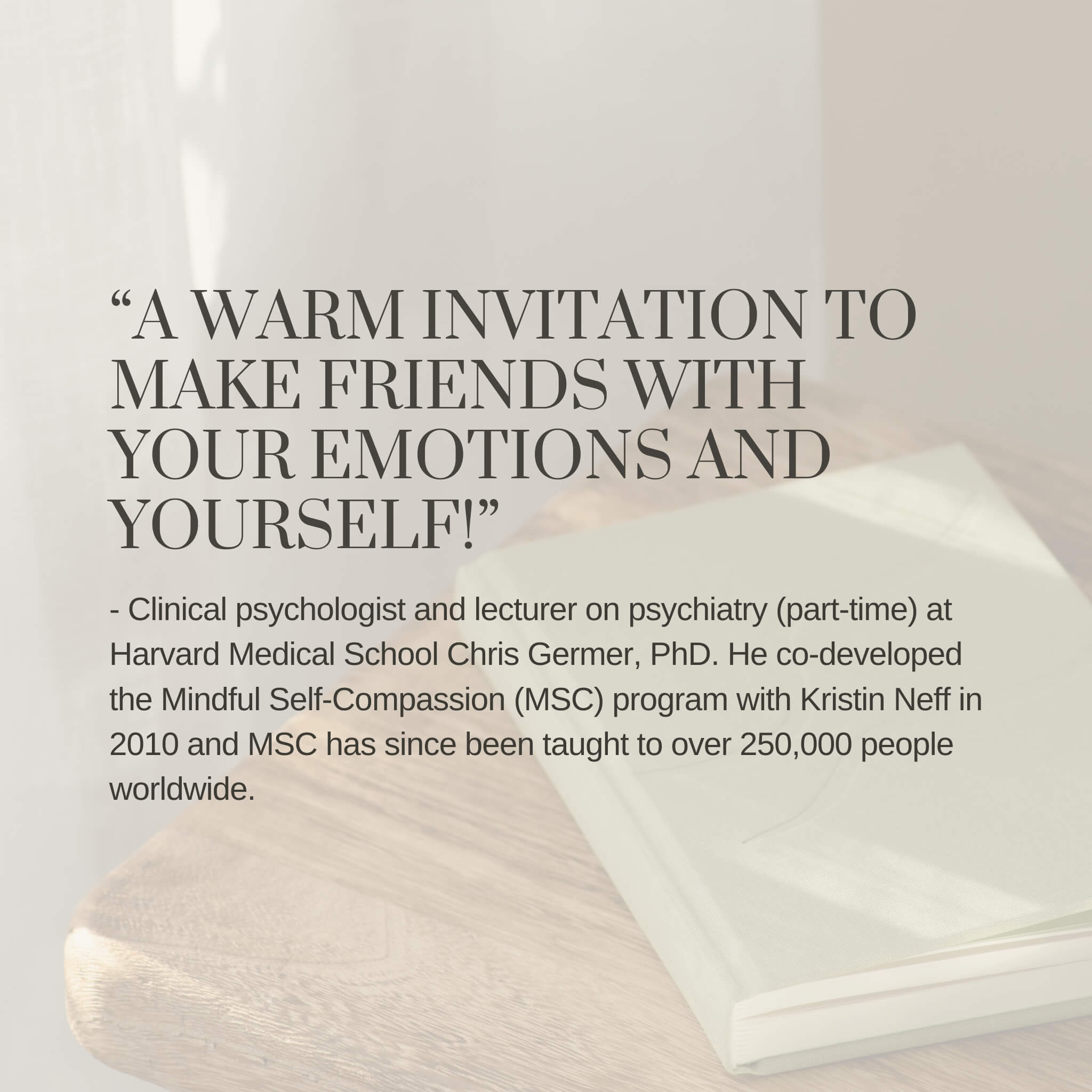
Clinical psychologist and lecturer on psychiatry (part-time) at Harvard Medical School. Co-developed the Mindful Self-Compassion (MSC) programme
"A warm invitation to make friends with your emotions and yourself!"See the full reviews page →

Willem Kuyken, PhD, DClinPsy
Ritblat Professor of Mindfulness and Psychological Science at the University of Oxford. Among the top 1% most cited scientists (Web of Science)
"Rachel has curated the experience to make the writing intrinsically rewarding and the journal something to treasure"See the full reviews page →

Dr Chris Irons
Clinical psychologist, researcher, writer and trainer specialising in Compassion Focused Therapy
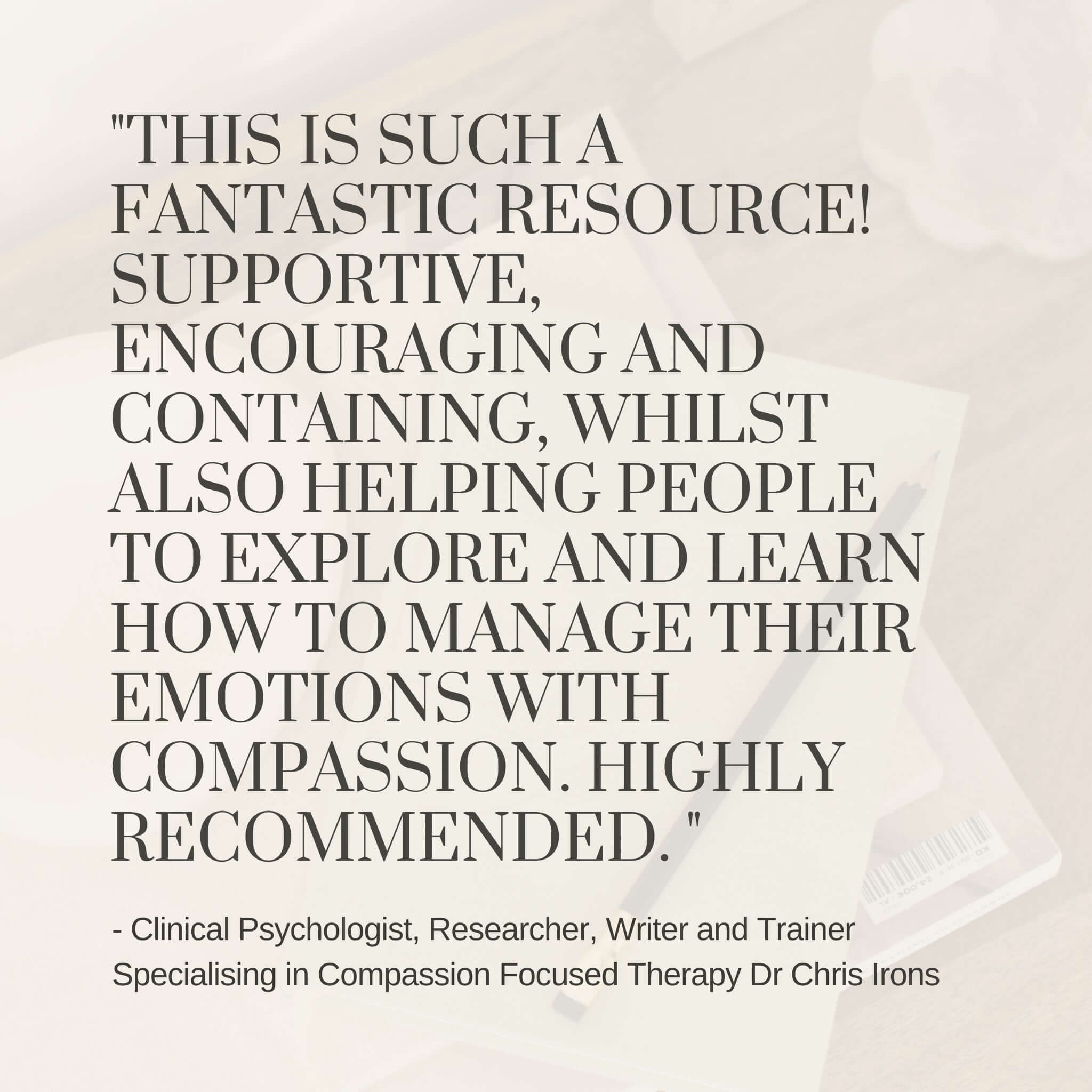
"This is such a fantastic resource! Supportive, encouraging and containing, whilst also helping people to explore and learn how to manage their emotions with compassion. Highly recommended."Read Dr Irons on which part of you is journalling →

Carrie Pollard, MSW RSW
Experienced psychotherapist
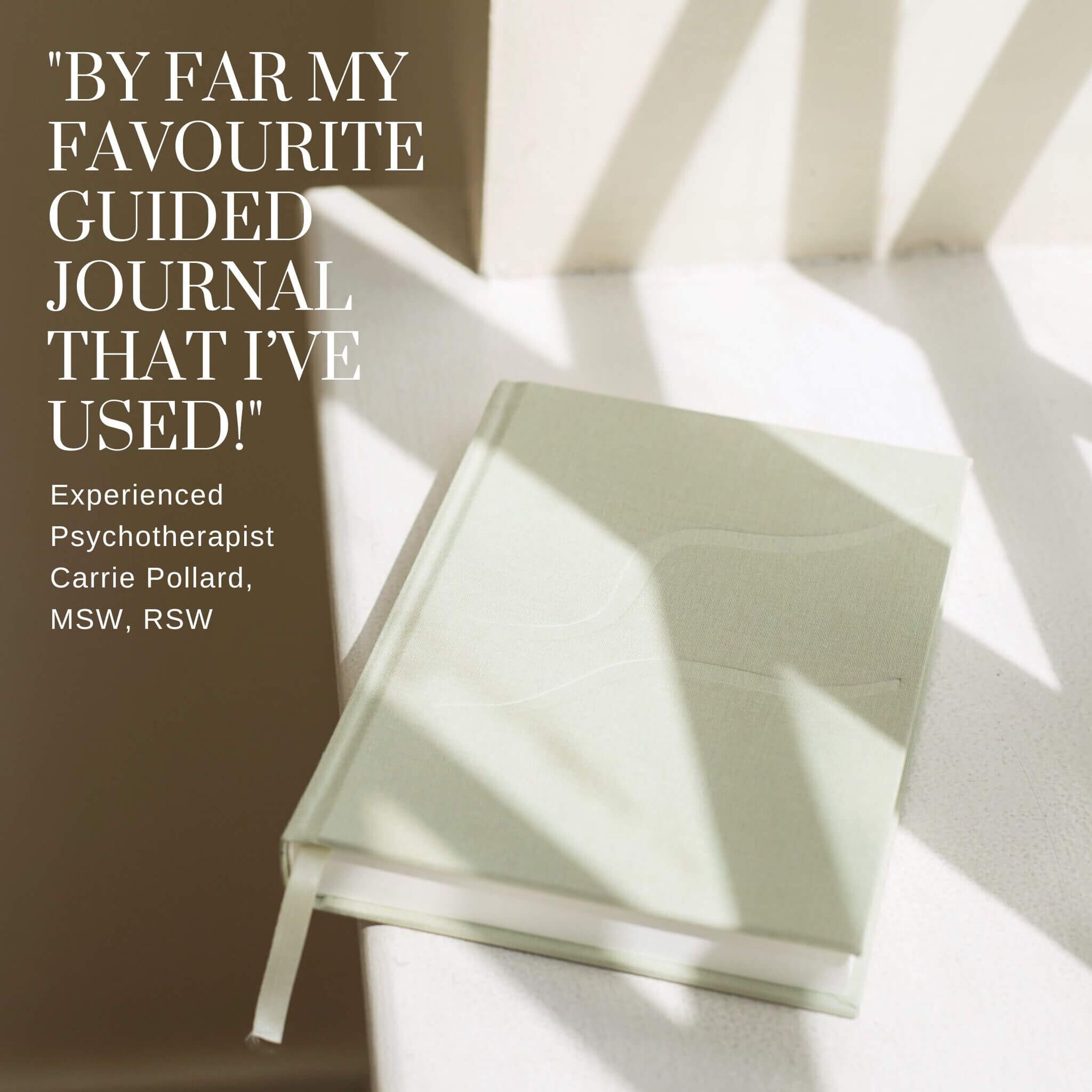
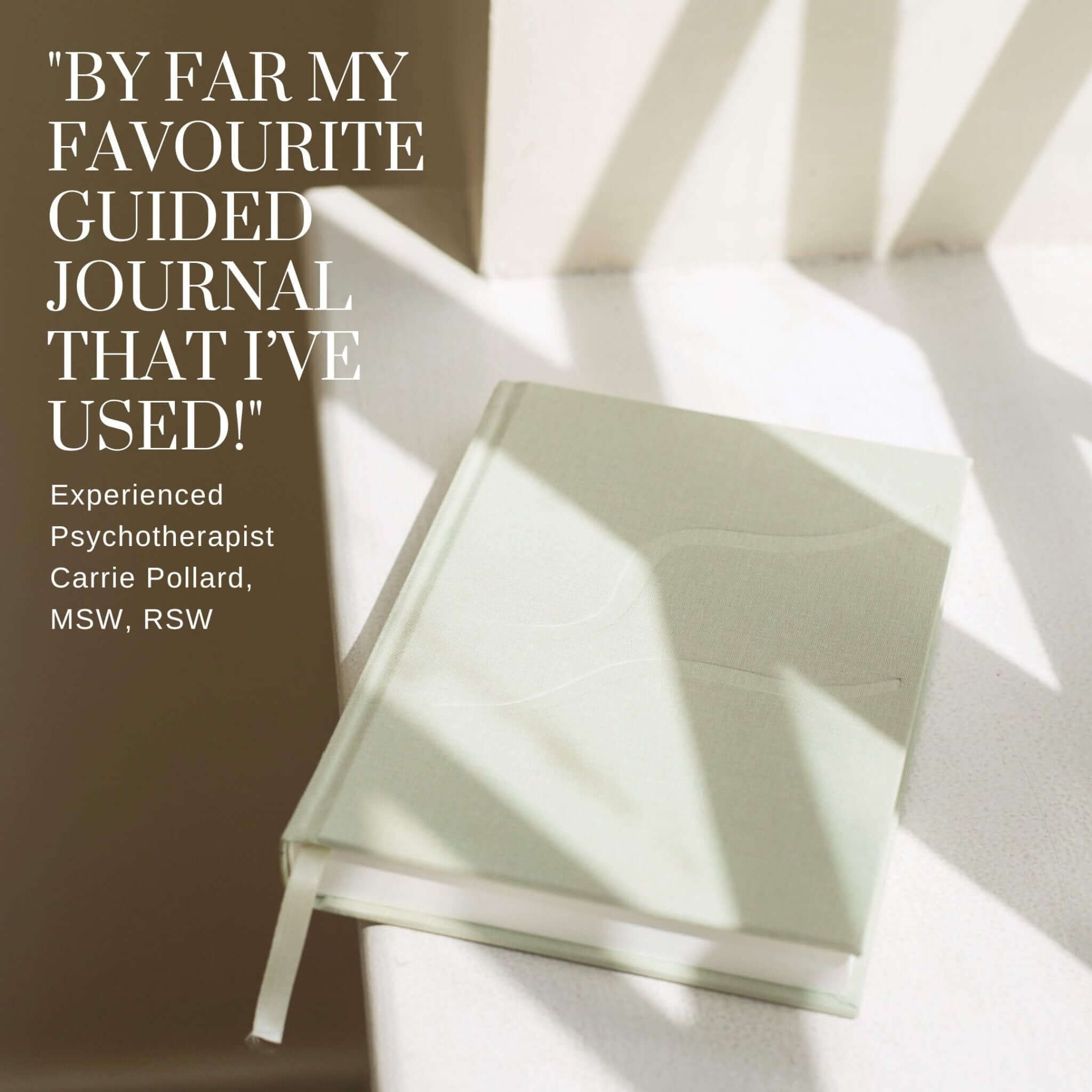
"By far my favourite guided journal that I've used!"See the full reviews page →
And the rest of them
Nine more mental health professionals, all reviewing the same journal. I have included every one rather than only the shortest and most quotable.
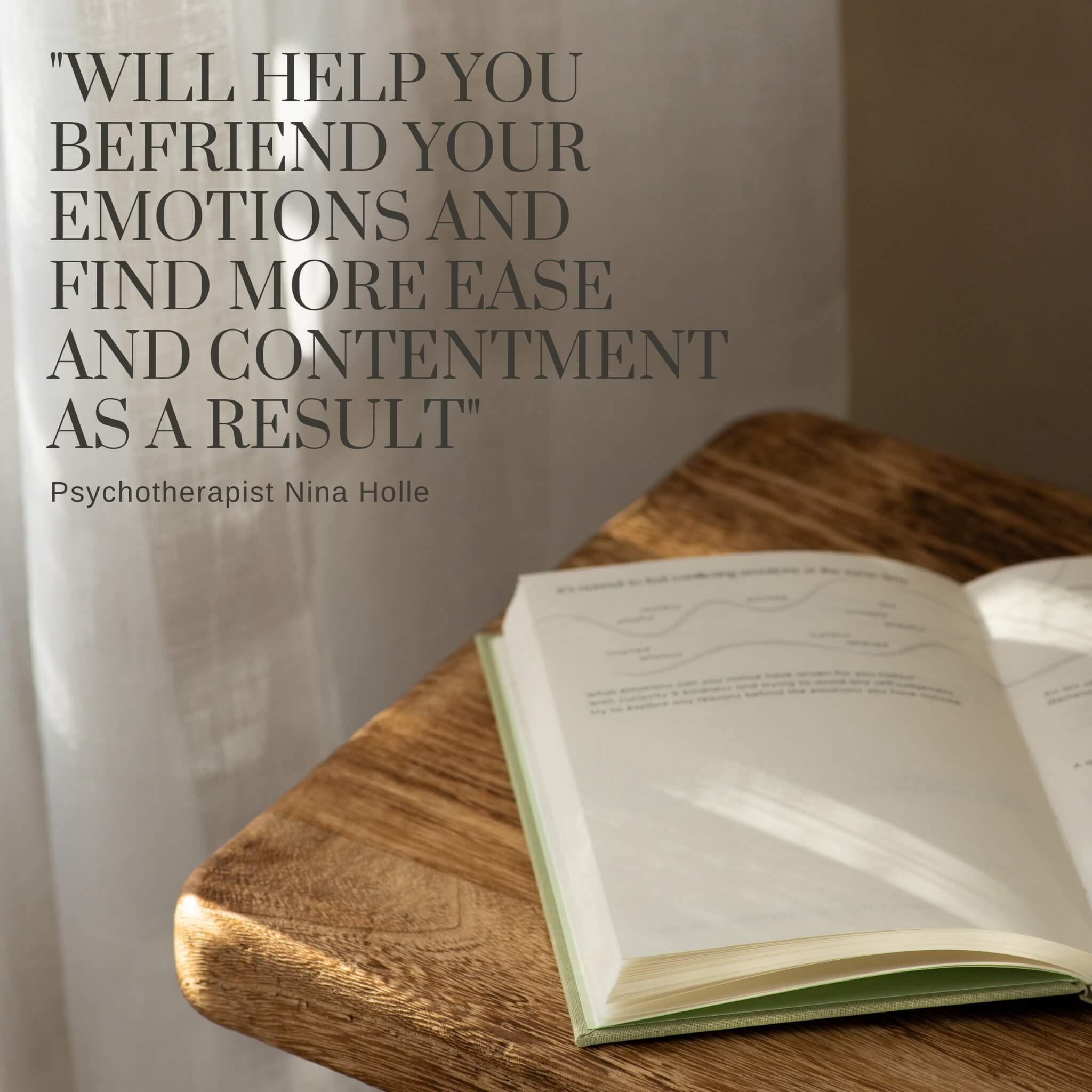
"The journal is rooted in state-of-the-art research"Nina Holle Psychotherapist
"Out of all the guided journals I've used, this one stands out as my favorite"Michelle Shlafman, Ph.D., LPC, ACS Holistic psychotherapist
"HIGHLY RECOMMEND (100/10) - such a safe & supportive resource"Julie Burke, LPC-S Therapist and private practice owner
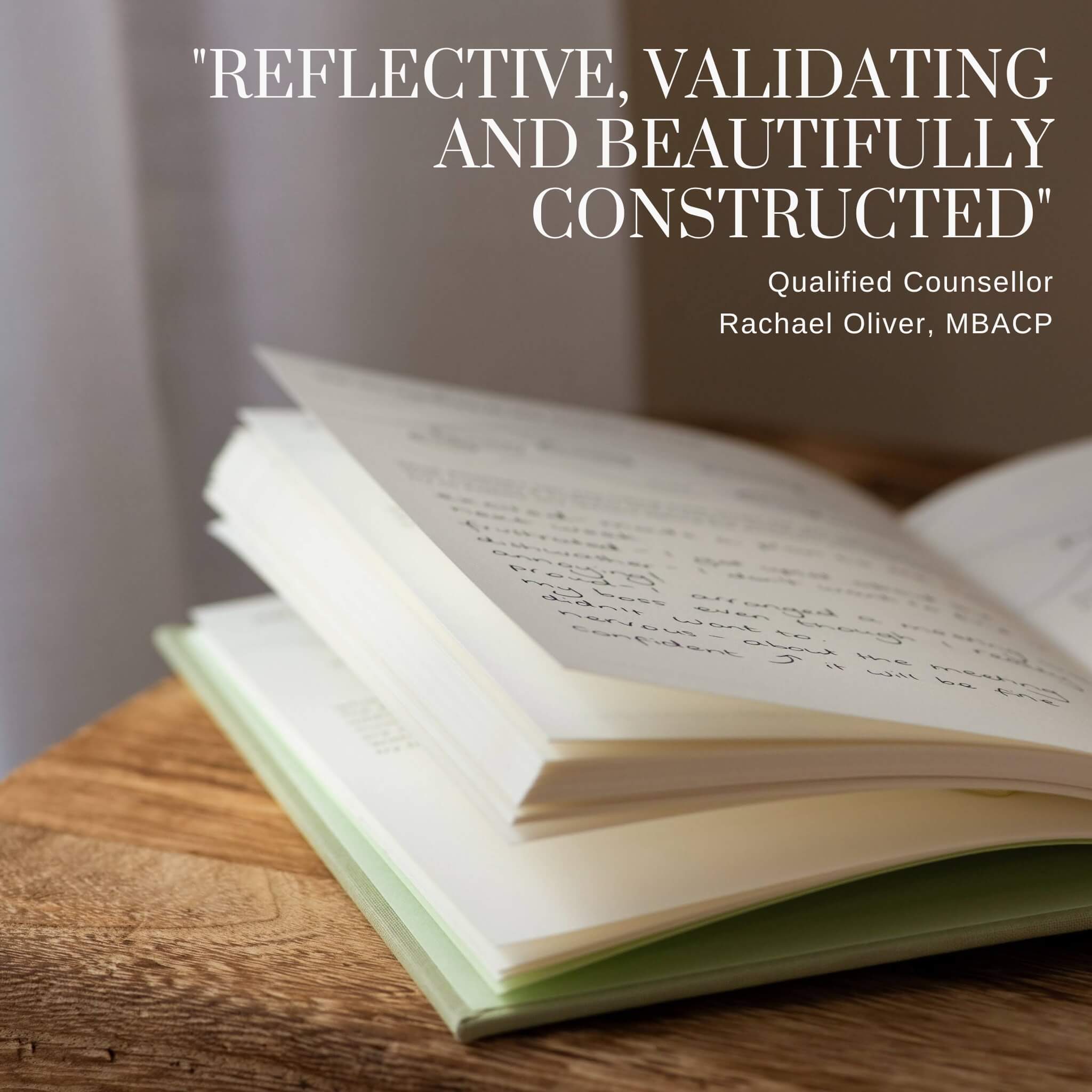
"Reflective, validating and beautifully constructed"Rachael Oliver, MBACP Accredited counsellor
"An abundance of thought-provoking reflections"Joanna Townsend, LCSW Licensed psychotherapist
"It's a really calming addition to any morning or evening routine!"Deanna Solomon, LCSW Licensed psychotherapist in California
"Using this journal won't feel like a chore"Nic Accredited Level 4 Mindfulness and Compassion teacher (cpcab)
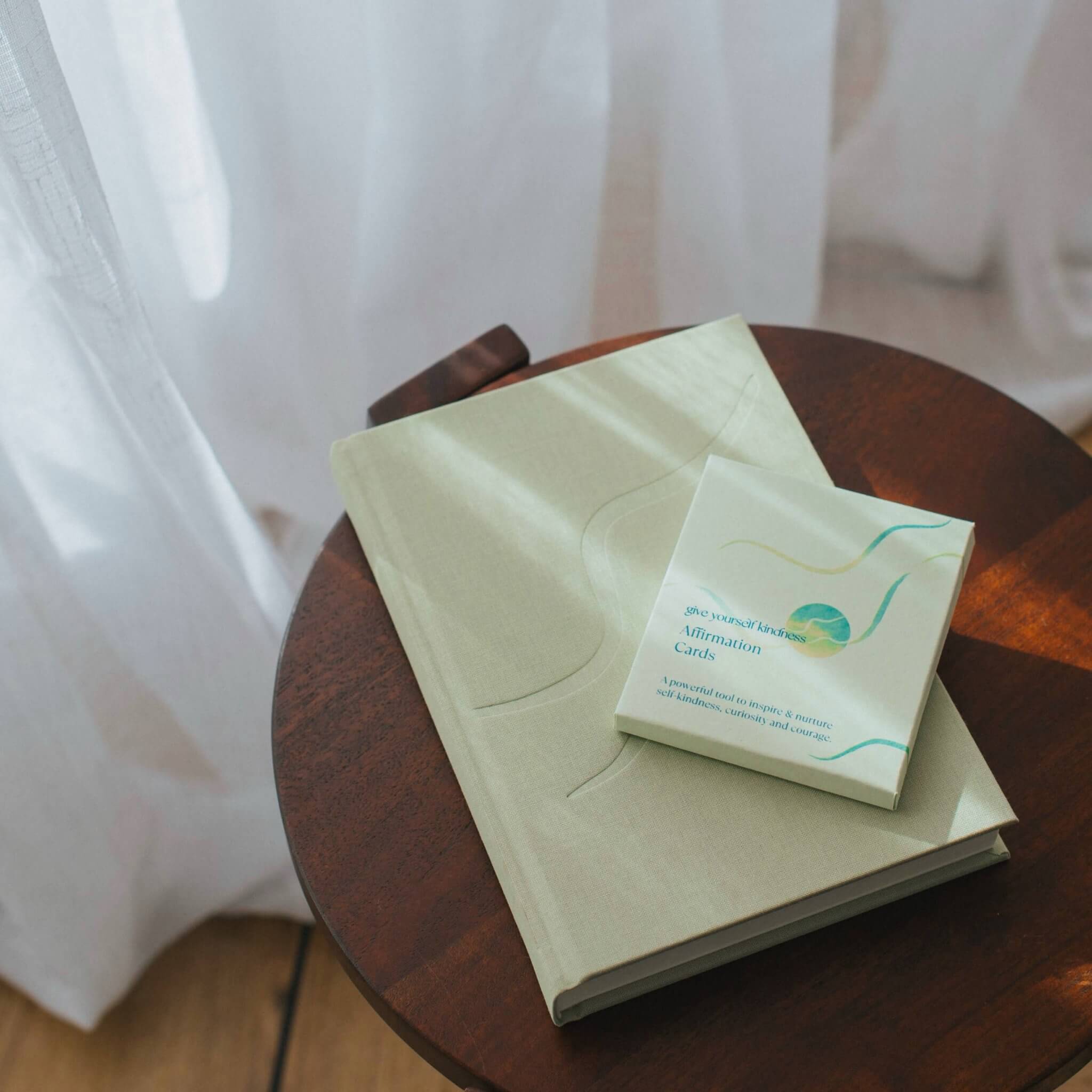
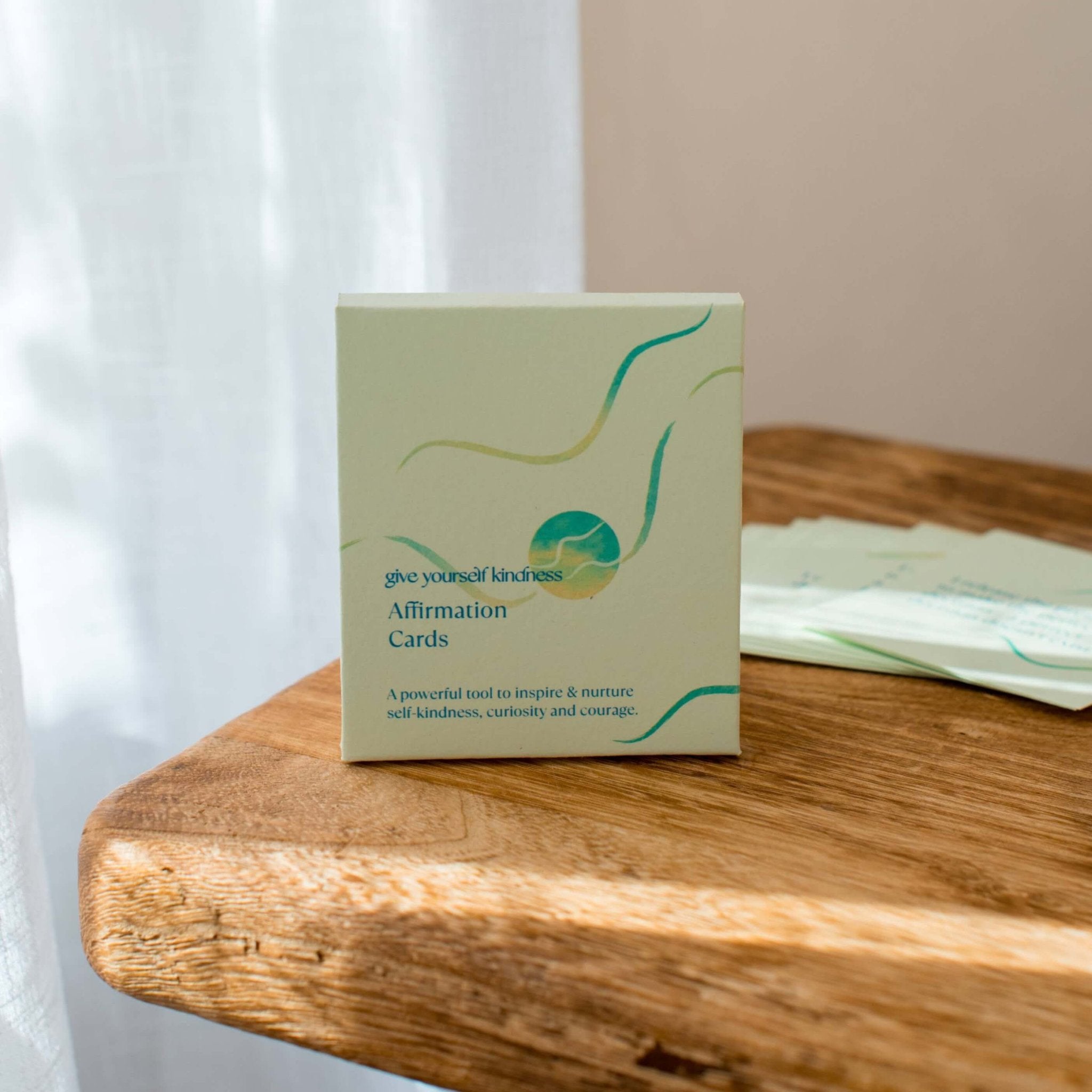
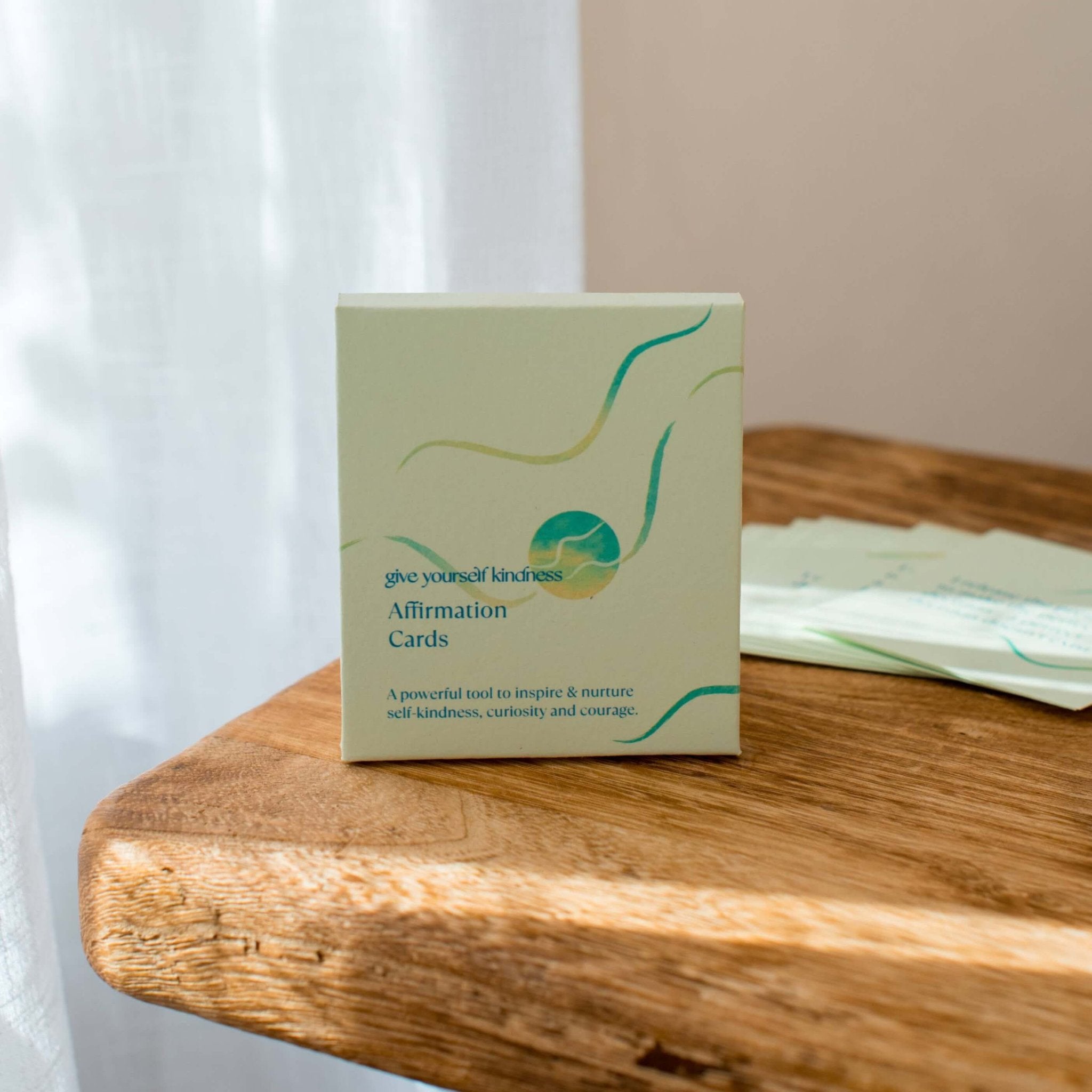
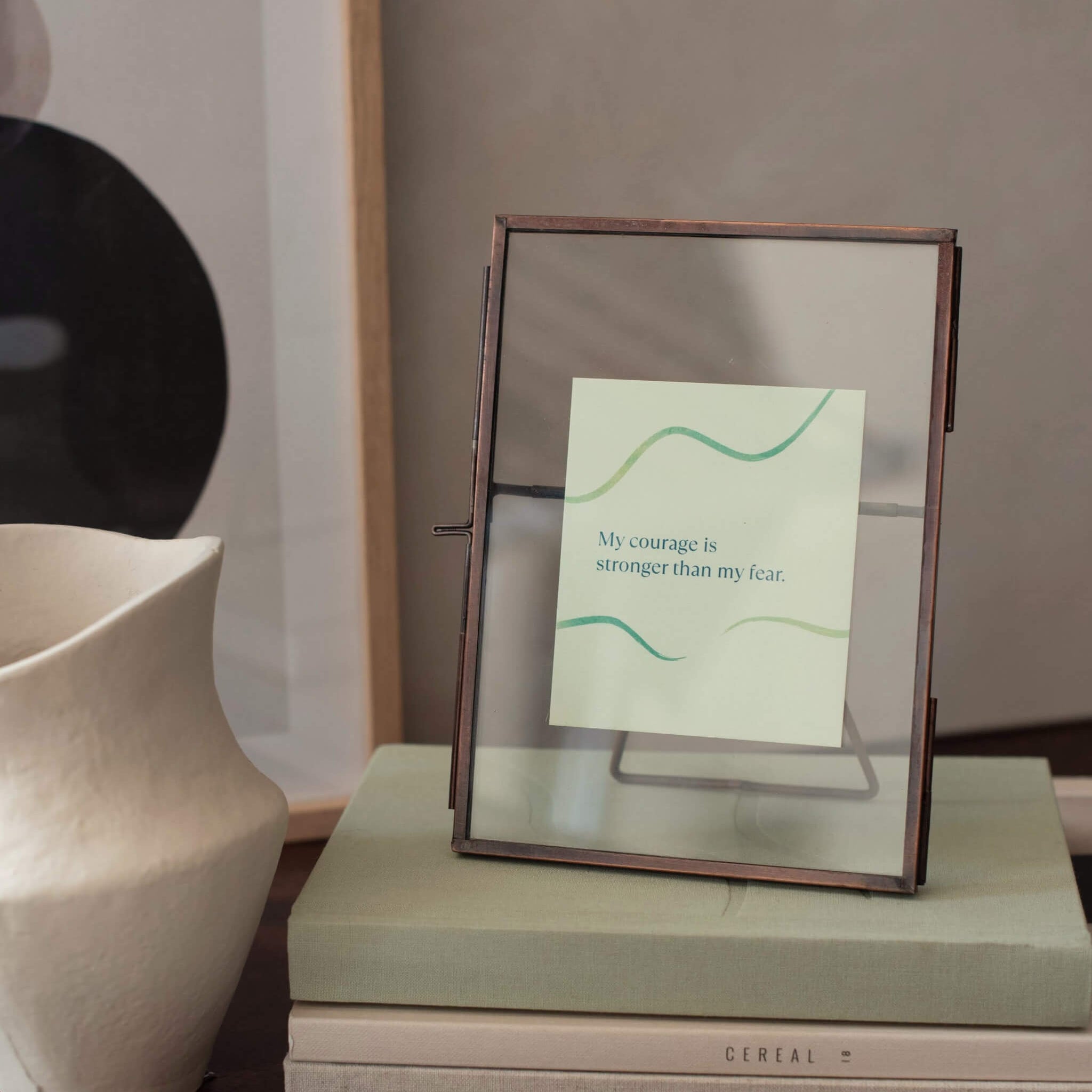
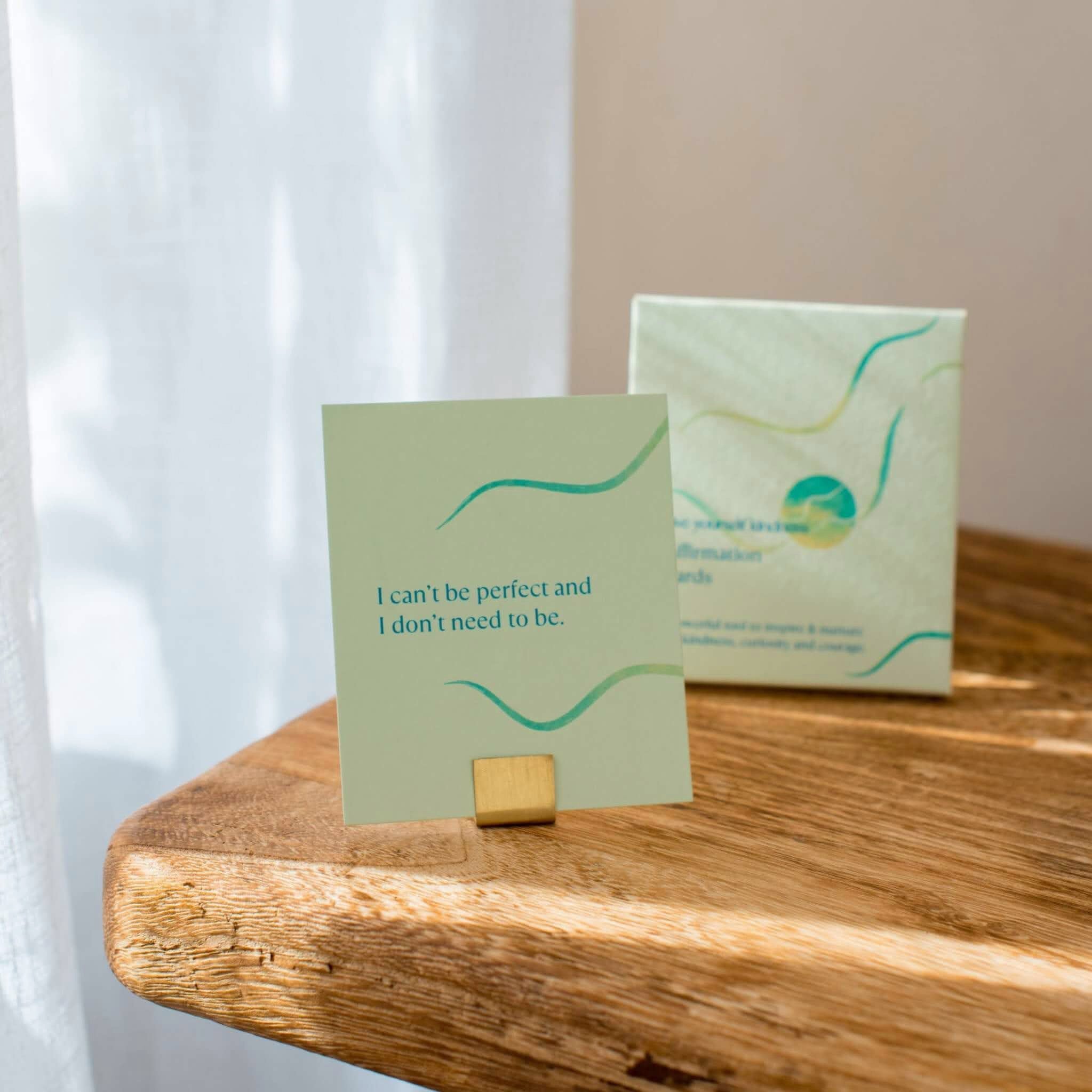
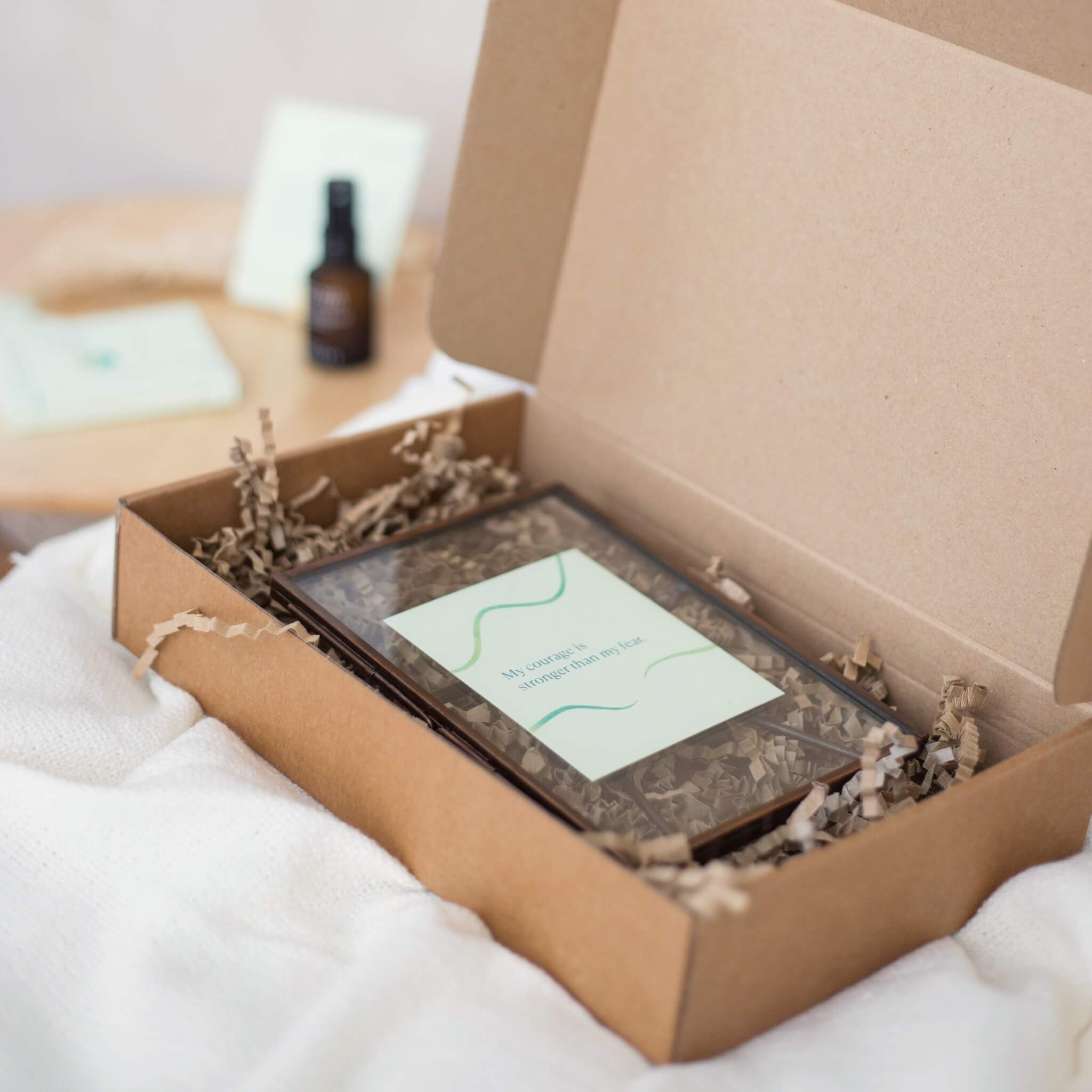
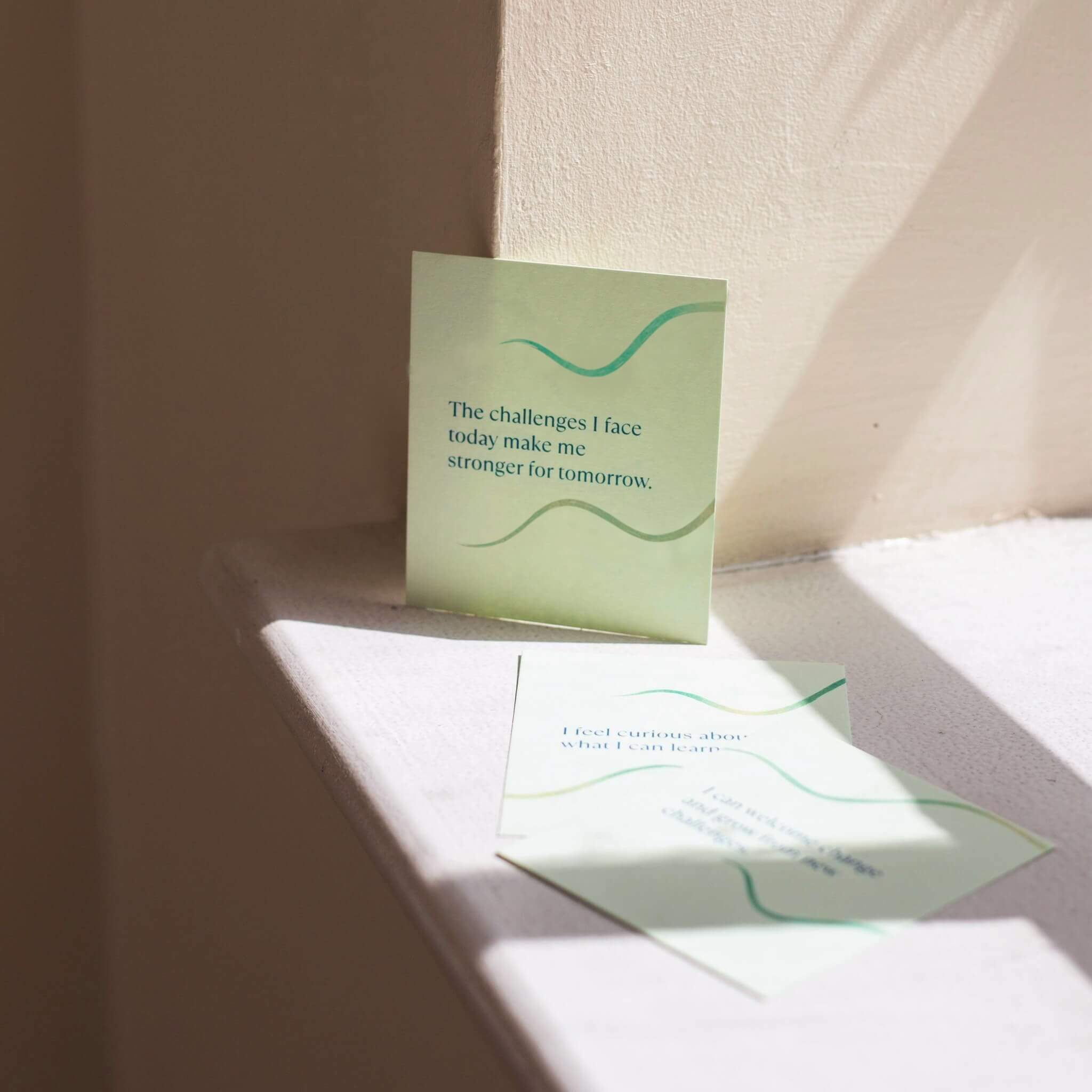
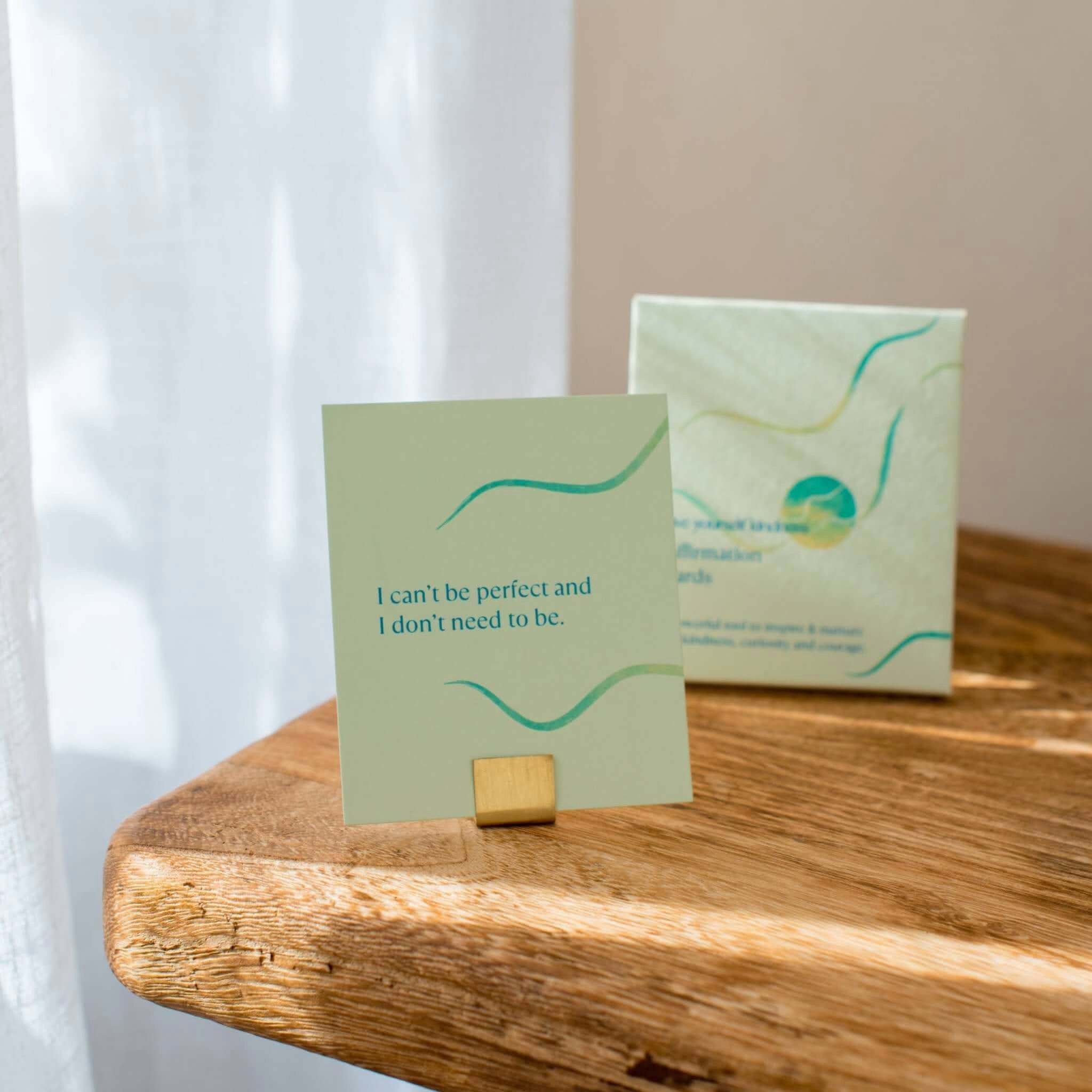
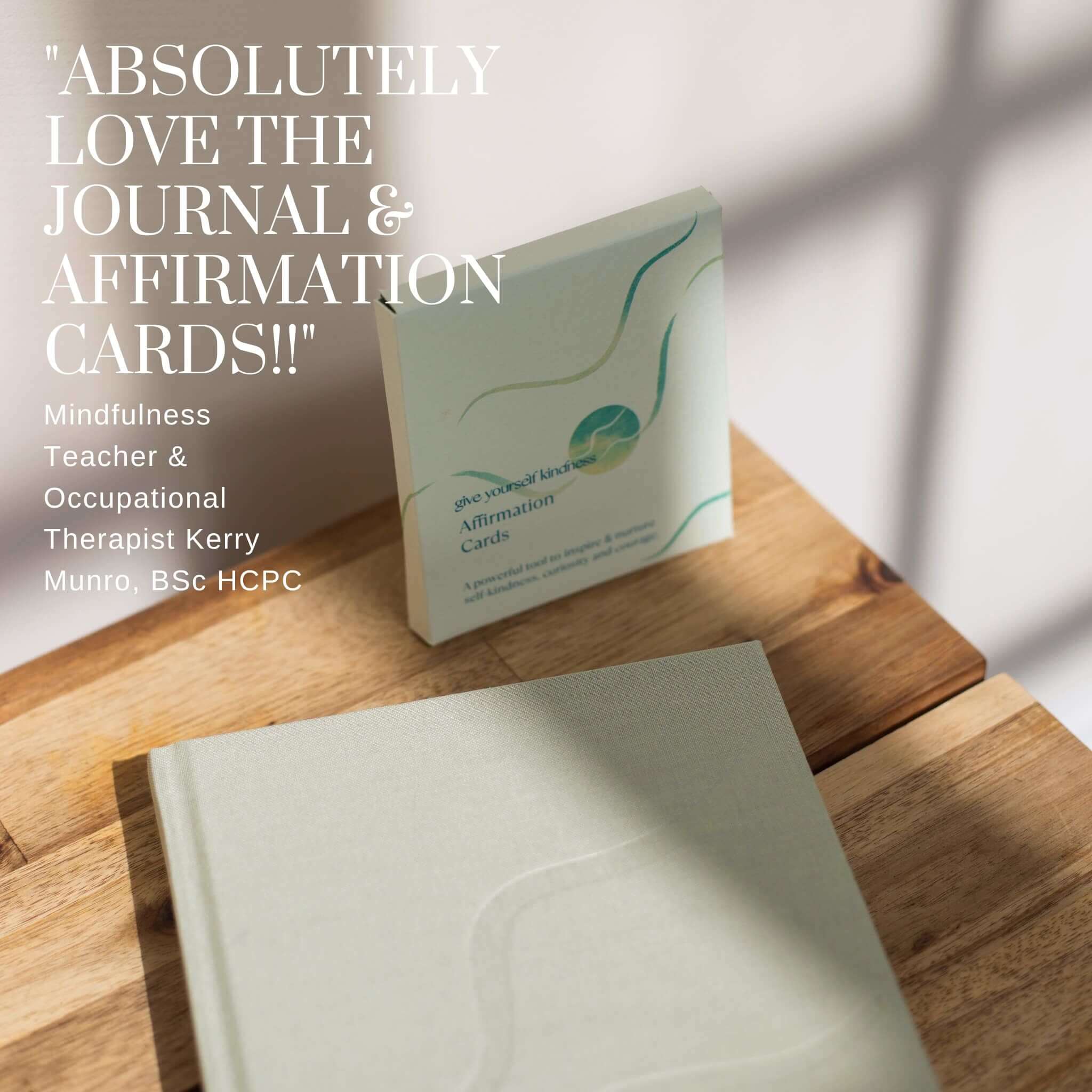
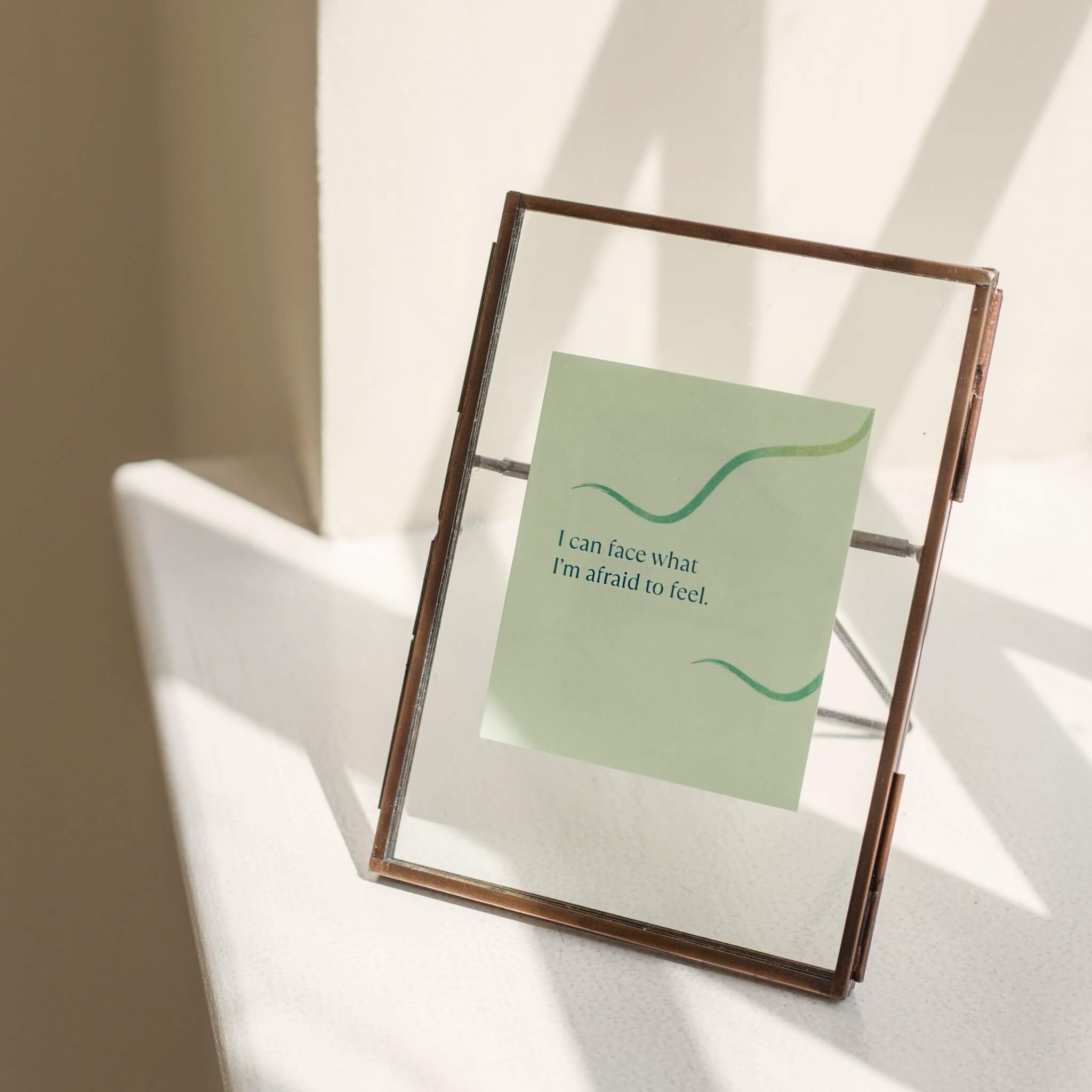
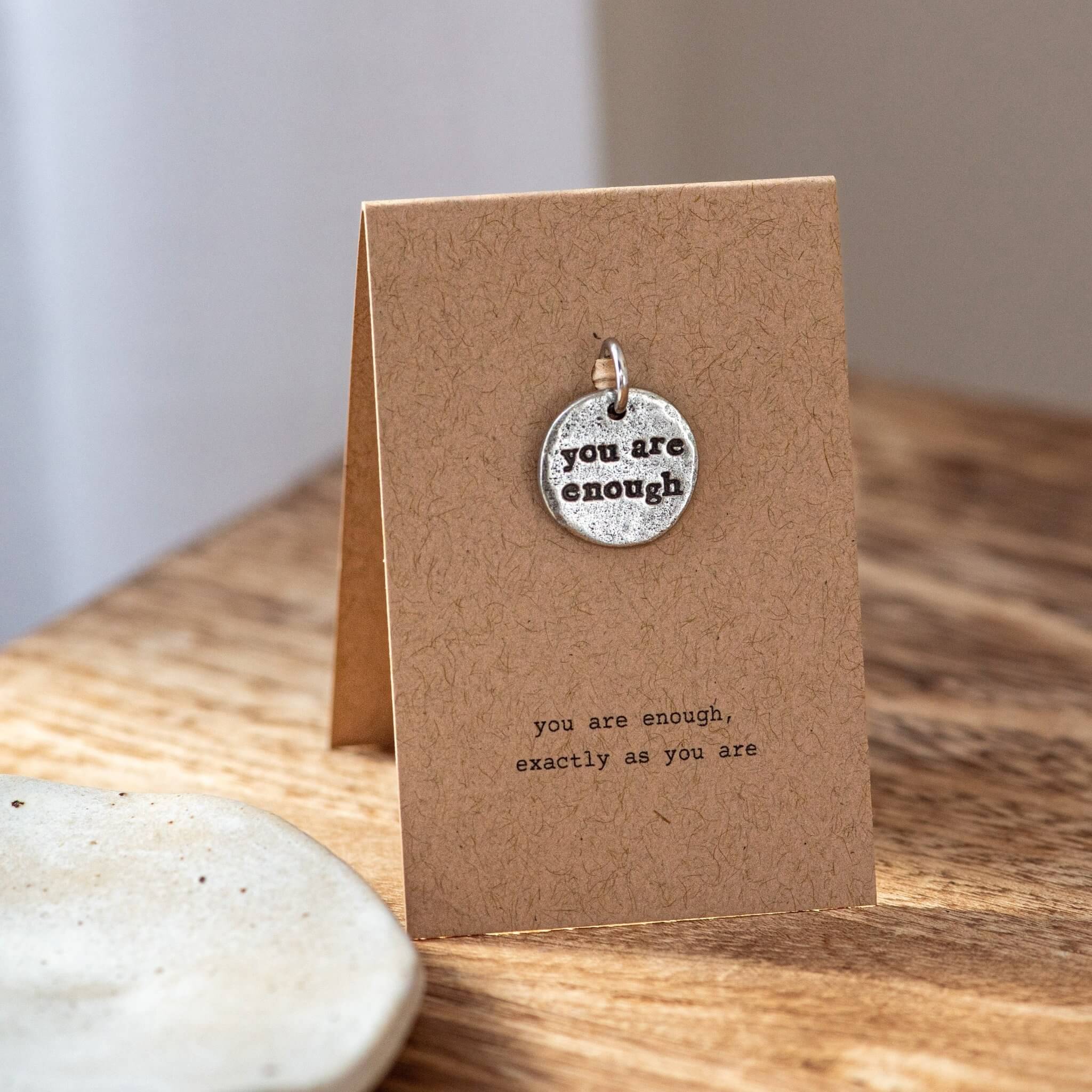
"Absolutely love the journal & affirmation cards!"Kerry Munro, BSc HCPC Mindfulness teacher and occupational therapist. Reviewing the journal and the affirmation cards together
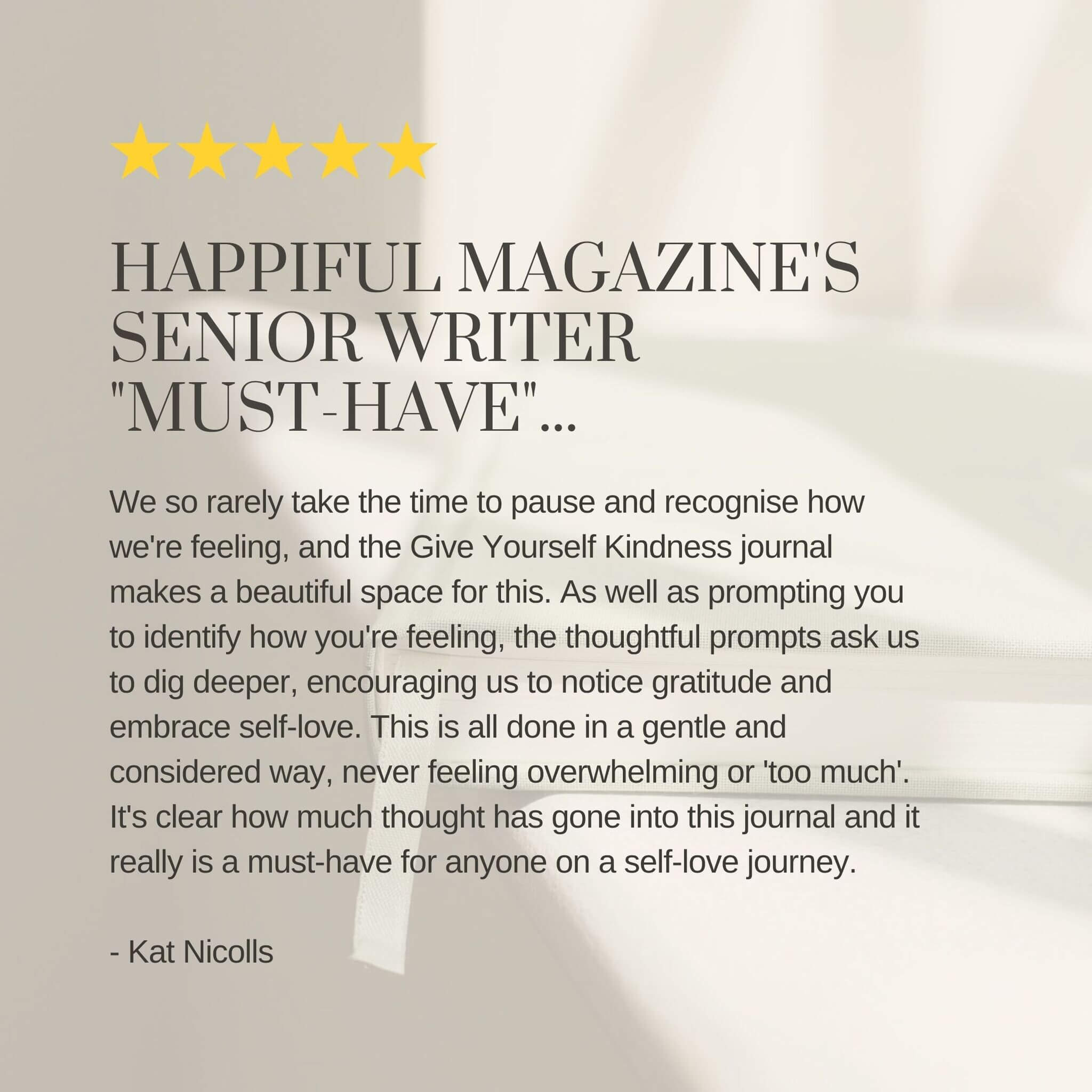
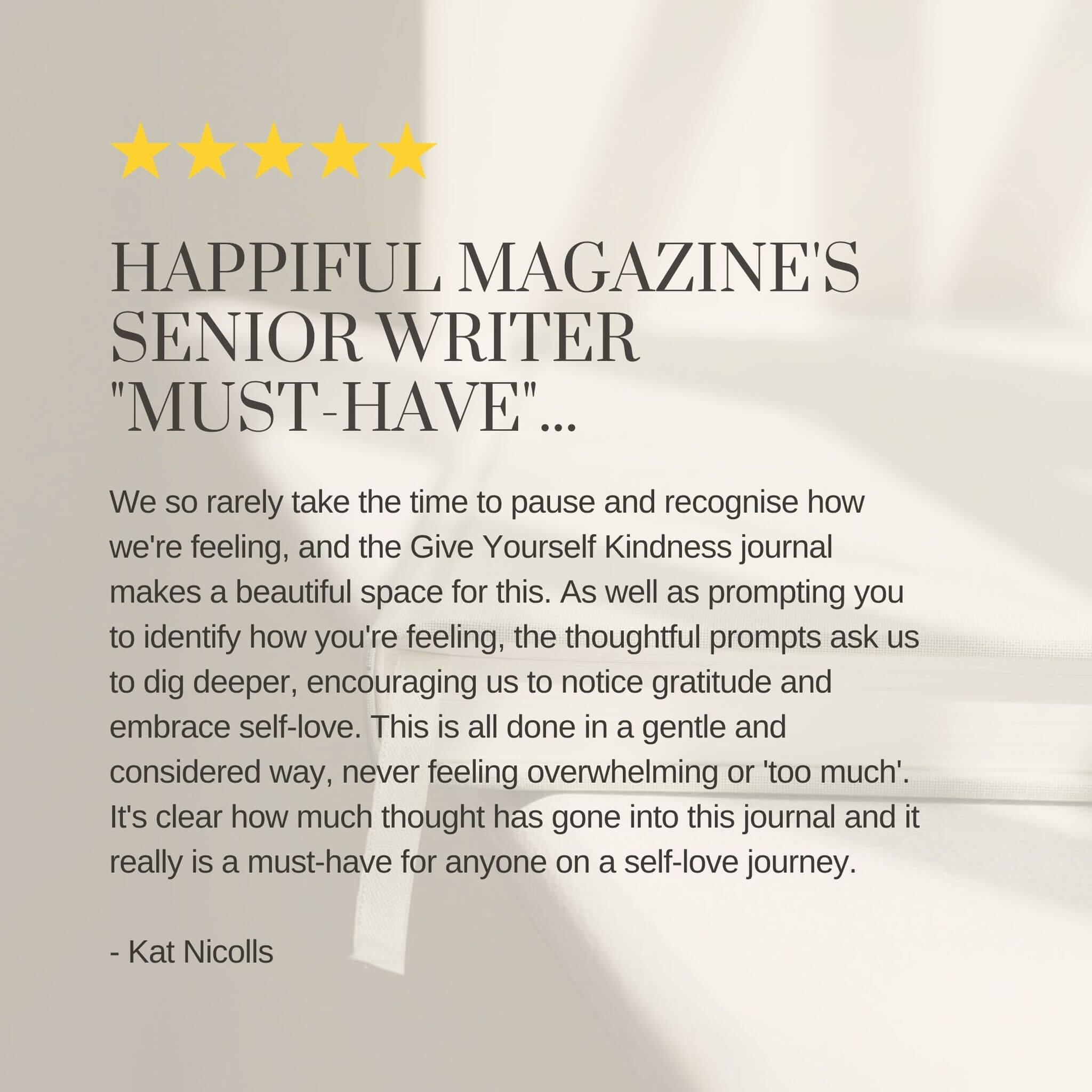
"Done in a gentle and considered way, never feeling overwhelming or 'too much'"Happiful Magazine Senior writer of the award-winning mental health magazine
See every review in full, with photographs →
What each review covers, precisely. Every quote on this page is about the Give Yourself Kindness Journal, except Kerry Munro's, which covers the journal and the affirmation cards together. My other products have their own separate reviews from different people, and I keep them apart on purpose. A review of one thing is not a review of everything I make.
Beyond the people quoted here, a number of practising therapists use the journal with their own clients between sessions. That is the endorsement I value most, because it is the one where somebody's professional judgement is on the line every week rather than once.
Three clinical psychologists on what journaling actually does →
"My therapist said to journal, but I don't know what to write"
This is the most common message I get, and you do not need to buy anything to solve it. Here is the whole of what I would say, free.
Start with a stem rather than a blank page. An unfinished sentence is far easier to answer than an open question, because your brain will reach to complete it before it has time to object.
That third one is the whole method, and it comes straight from Dr Irons's point about which part of you is holding the pen. Writing does not help by itself. Writing helps when the person doing it is on your side.
Six therapists, asked for one tip each
- Carrie Pollard, MSW RSW: your journal is a friend that listens without judging. Words, doodles or stickers, fancy or messy. A daily check-in, or picked up in the hardest moments.
- Shirvin Lee, MA, RCC: it isn't a chore or something you have to do, it's an opportunity to connect with yourself. Her prompt: what's something you haven't done for yourself lately?
- Collette Jones, LCSW: there is no right or wrong way. It should fit your needs for the time of life that you're in.
- Nina Holle: journal every day, it's like flossing. In the evening, if you have trouble sleeping.
- Fallon Coulombe, NCC: ask yourself a question and answer it without judgement. Turn worries into questions so your writing has somewhere to go.
- Julie Burke, LPC-S: lists, drawings, prompts, whatever. Don't place value on the way you journal, lean into what you need.
Notice that they contradict each other on frequency and agree completely on everything else. If you are waiting to be told the correct method before you begin, that is your answer: there isn't one, and five of six qualified professionals will tell you so directly.
If you'd like the prompts written for you
Everything above works in a notebook you already own. The journal exists for the days when generating your own question is one thing too many.

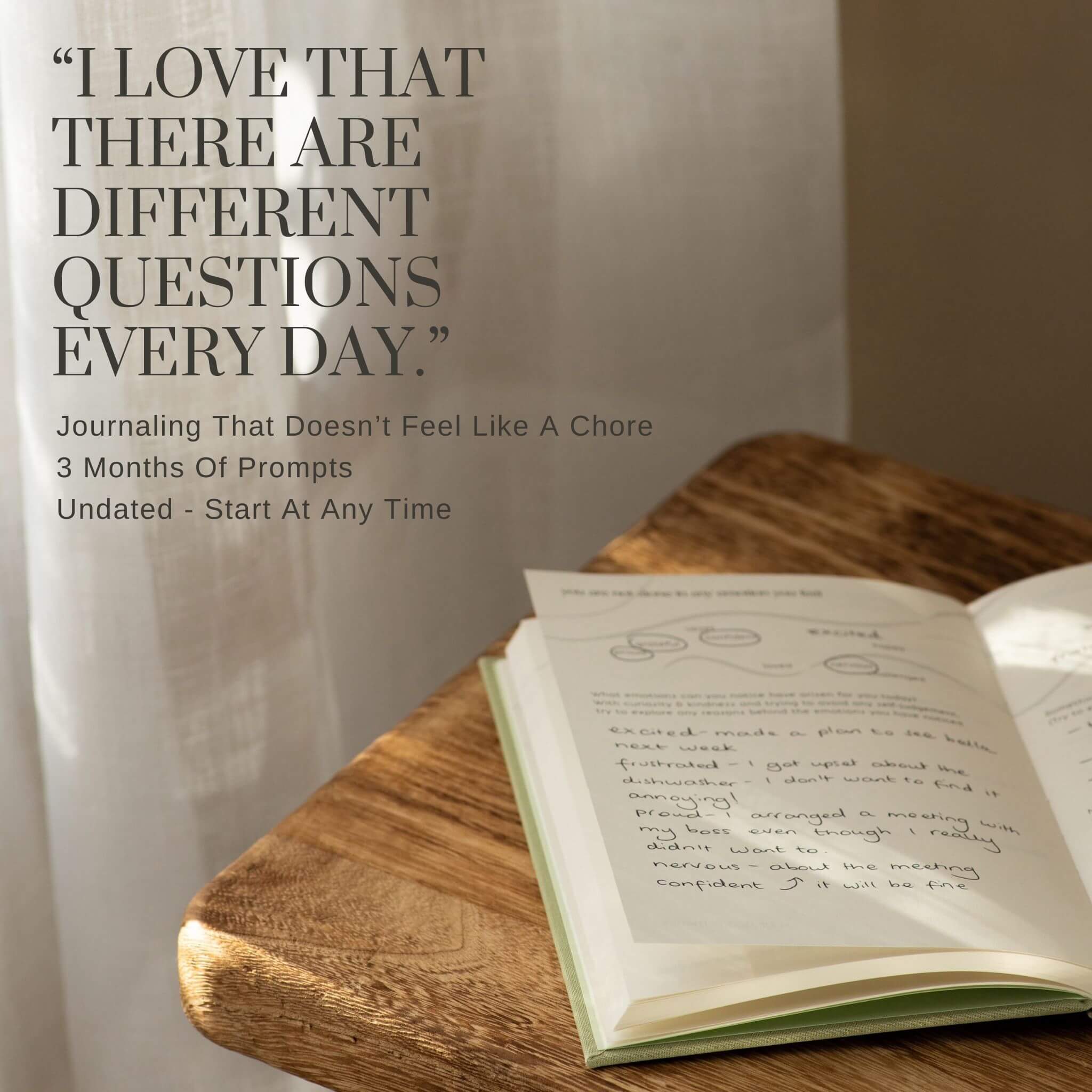
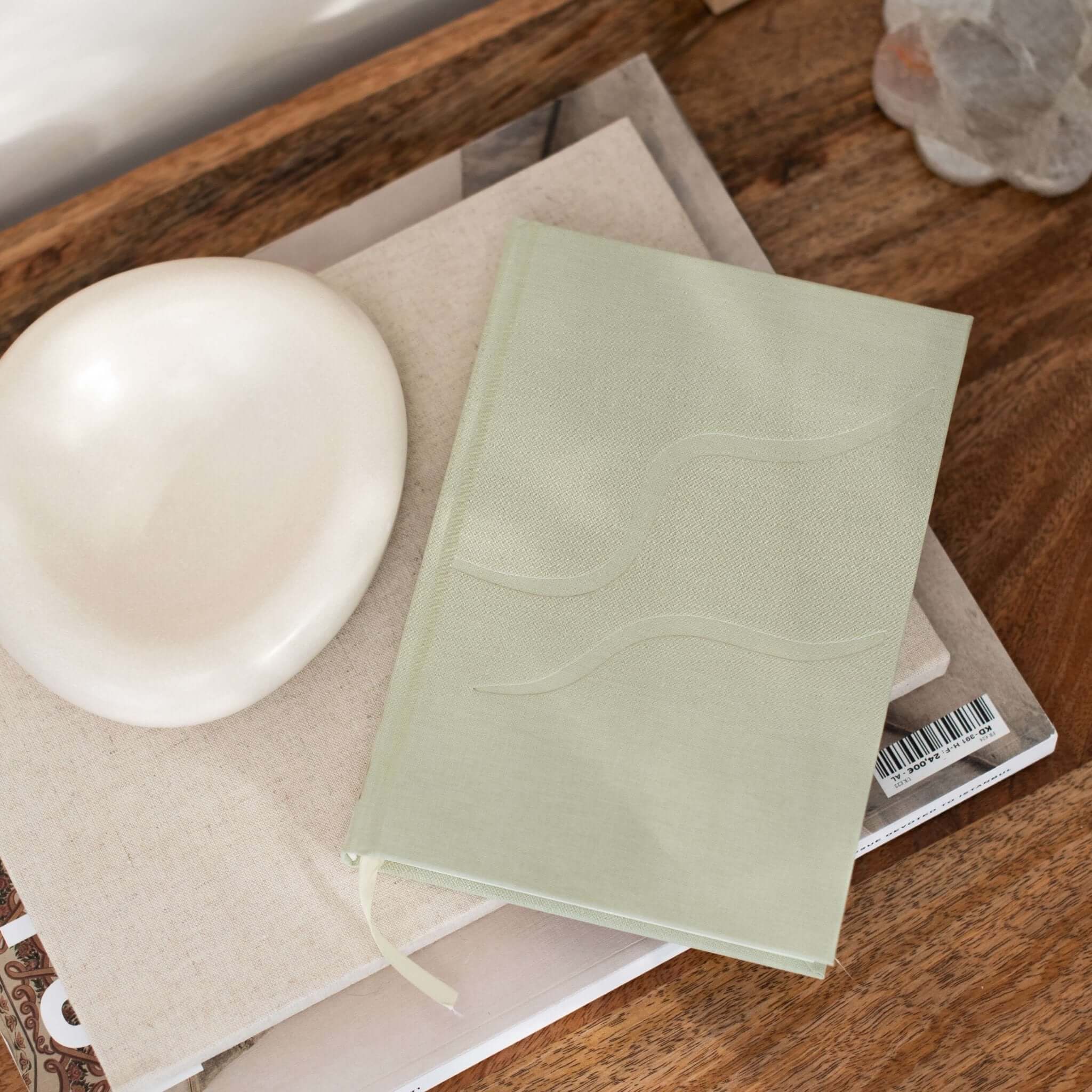
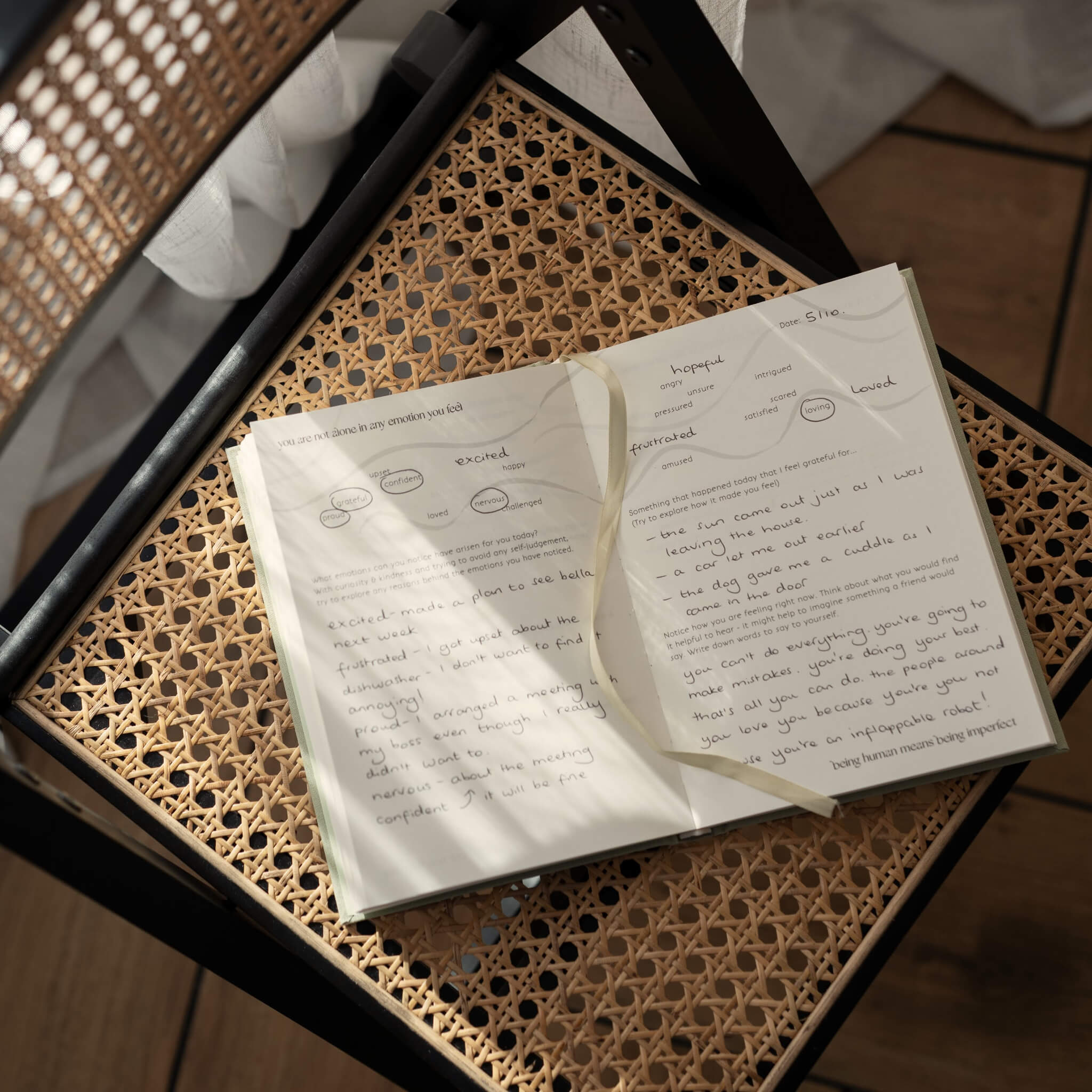
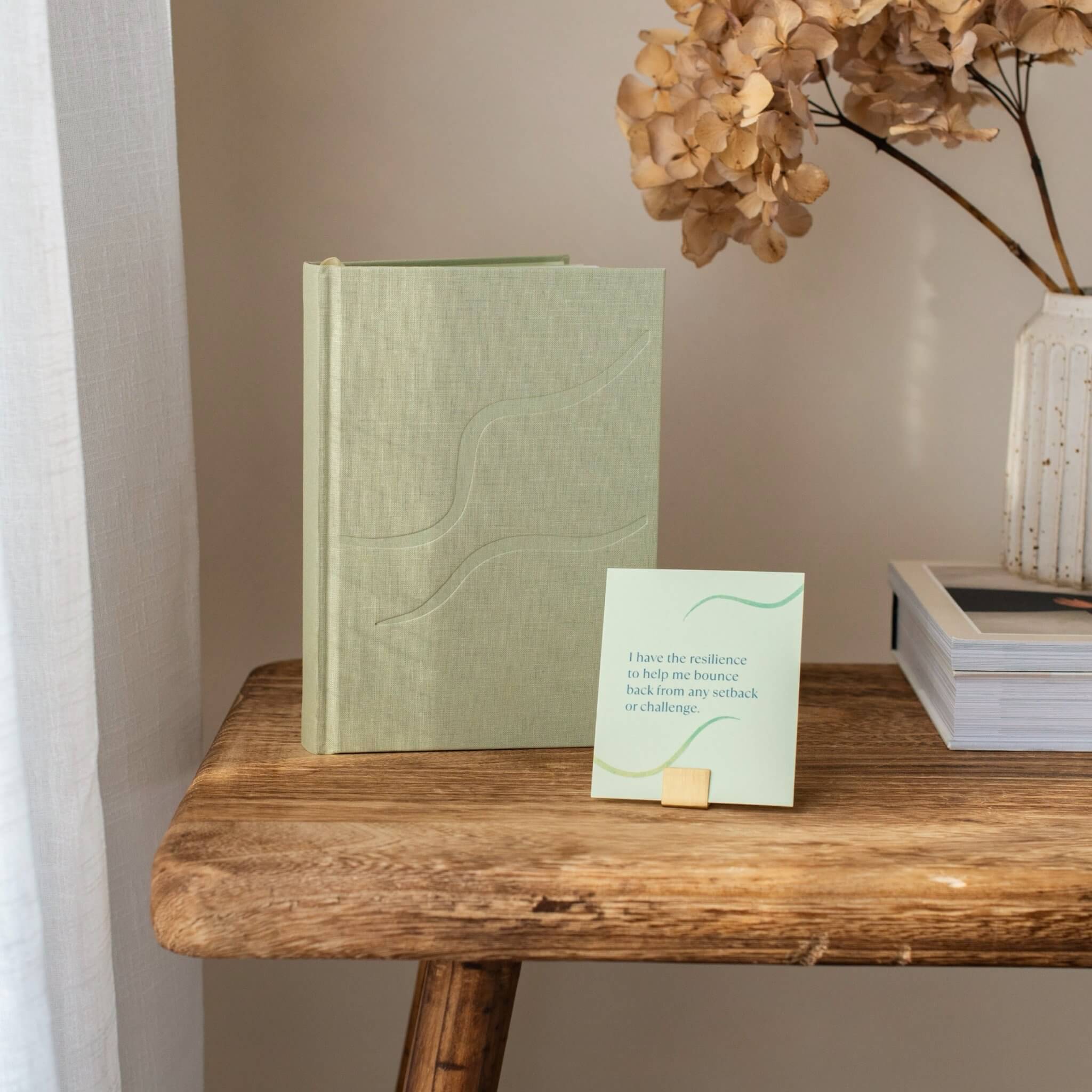
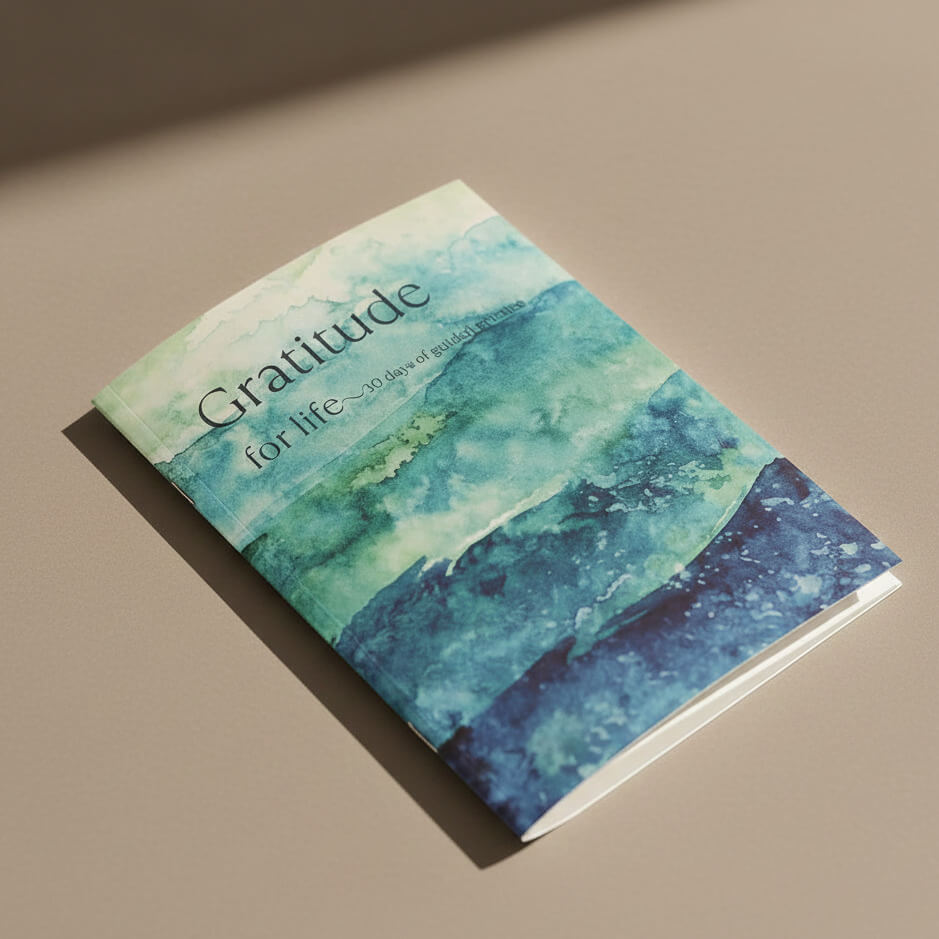
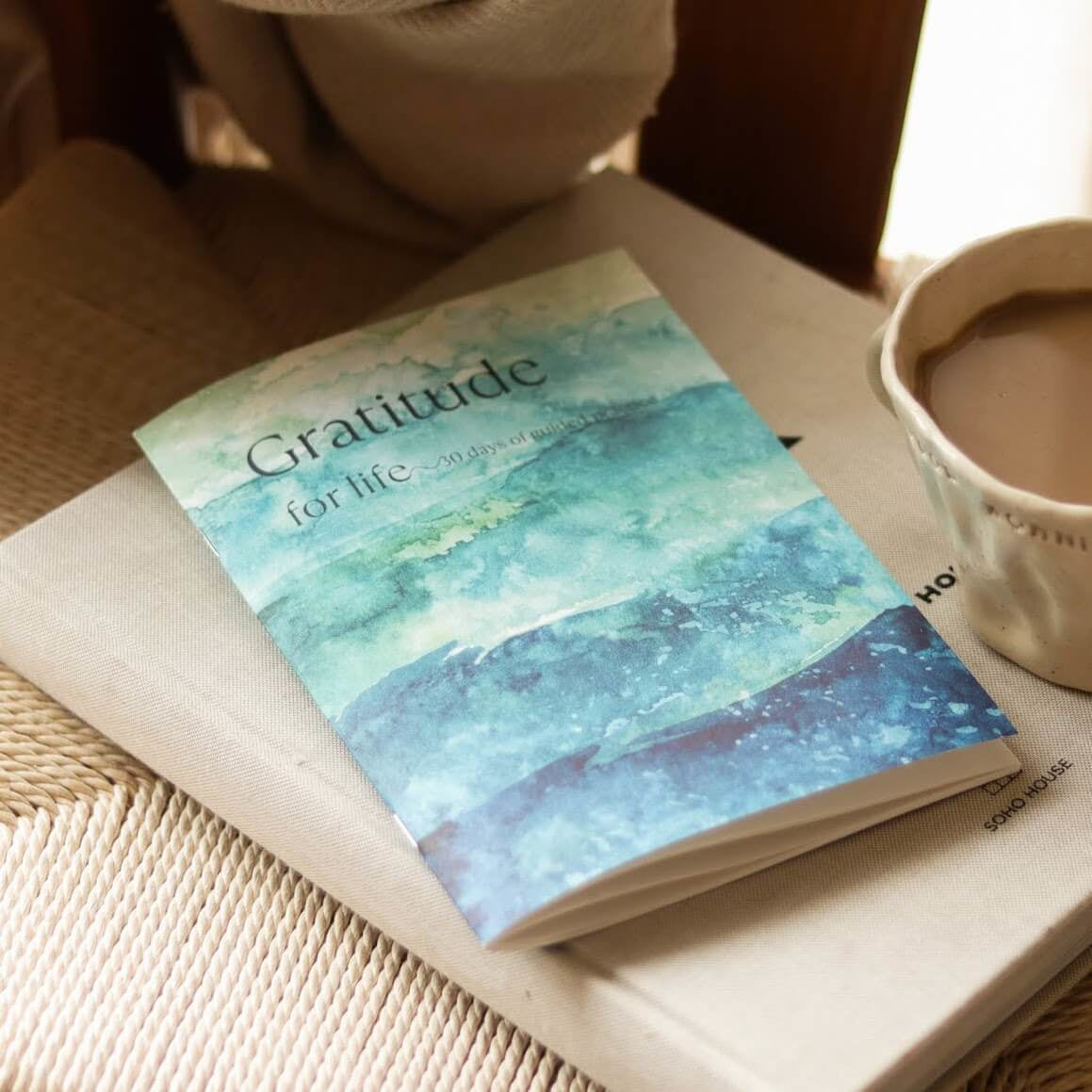
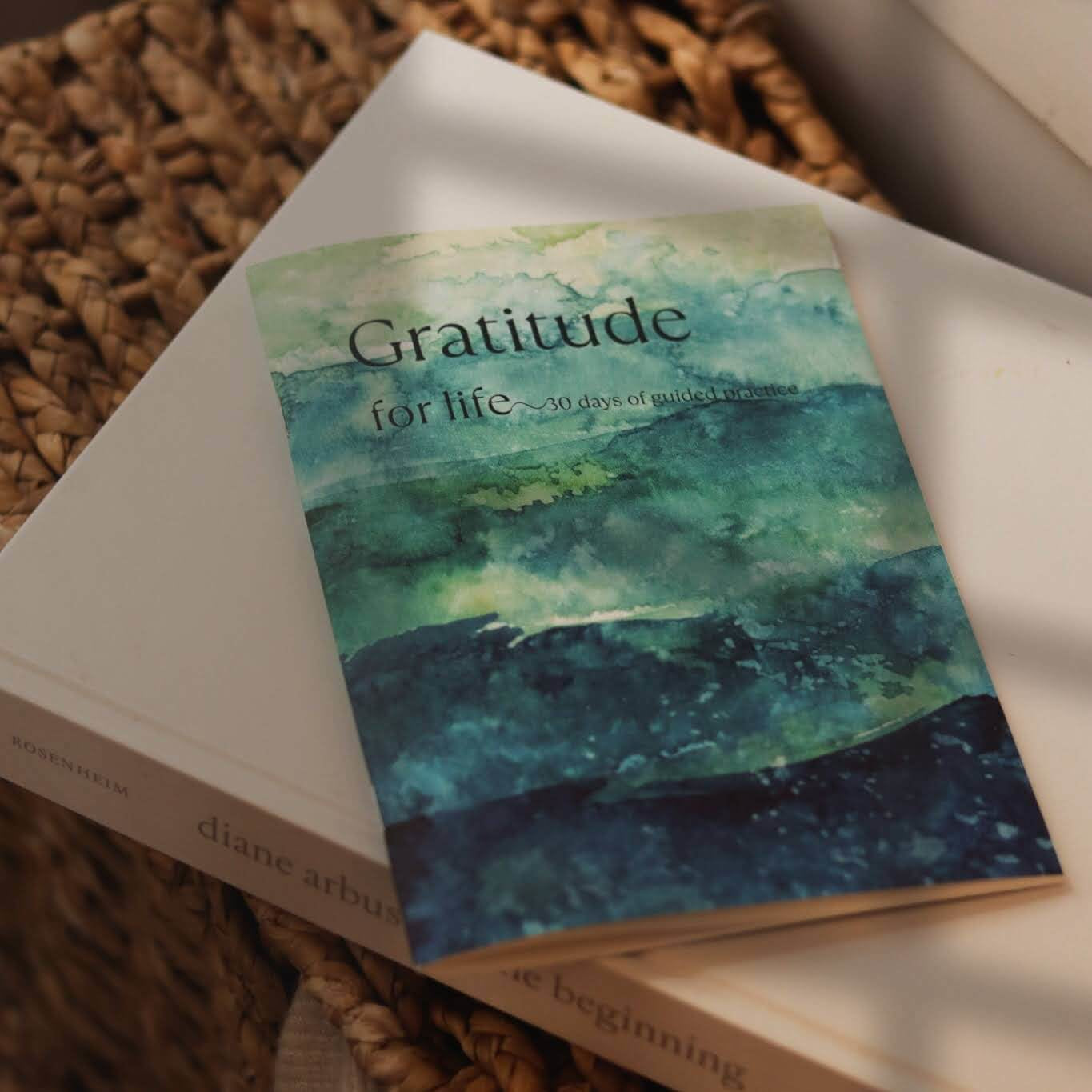
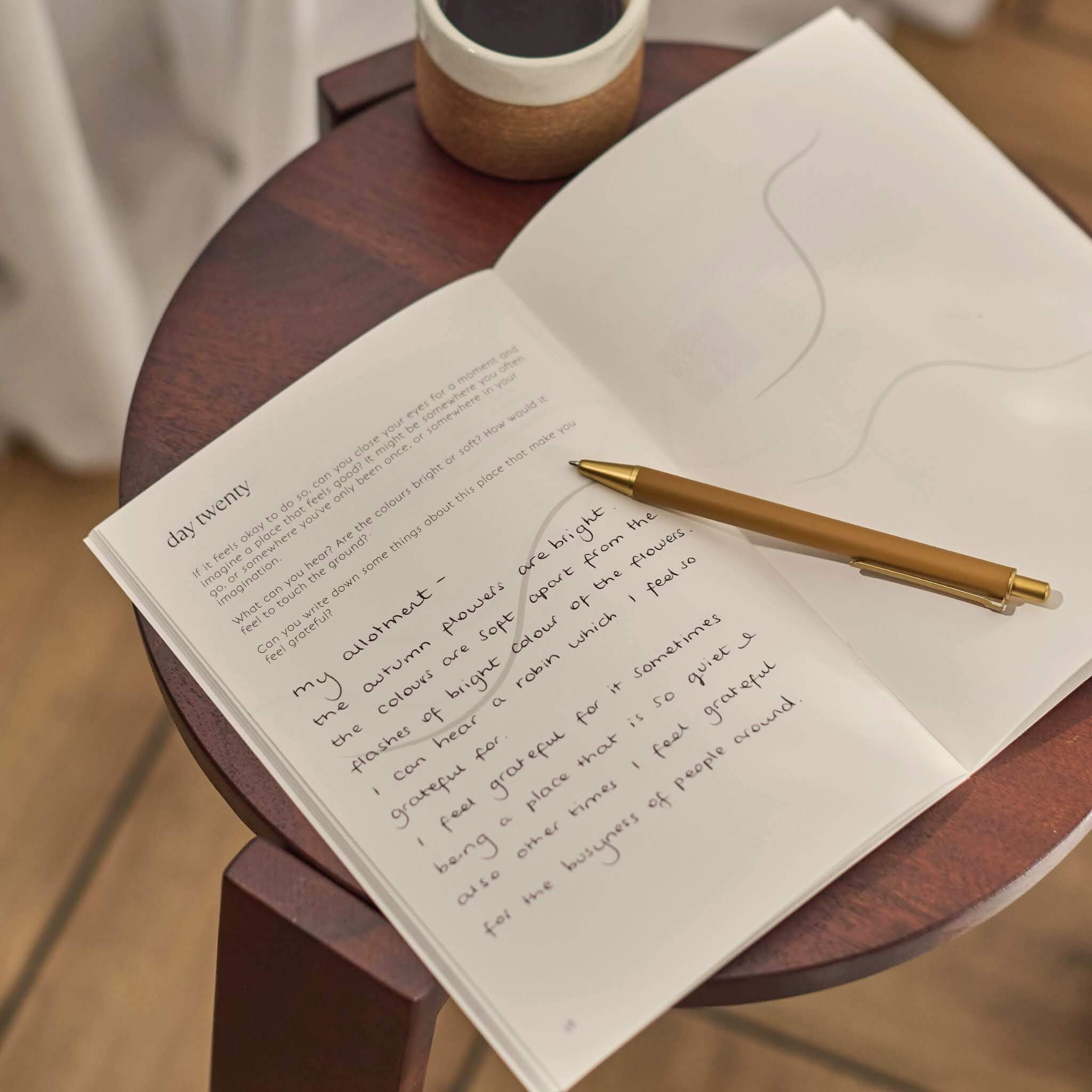
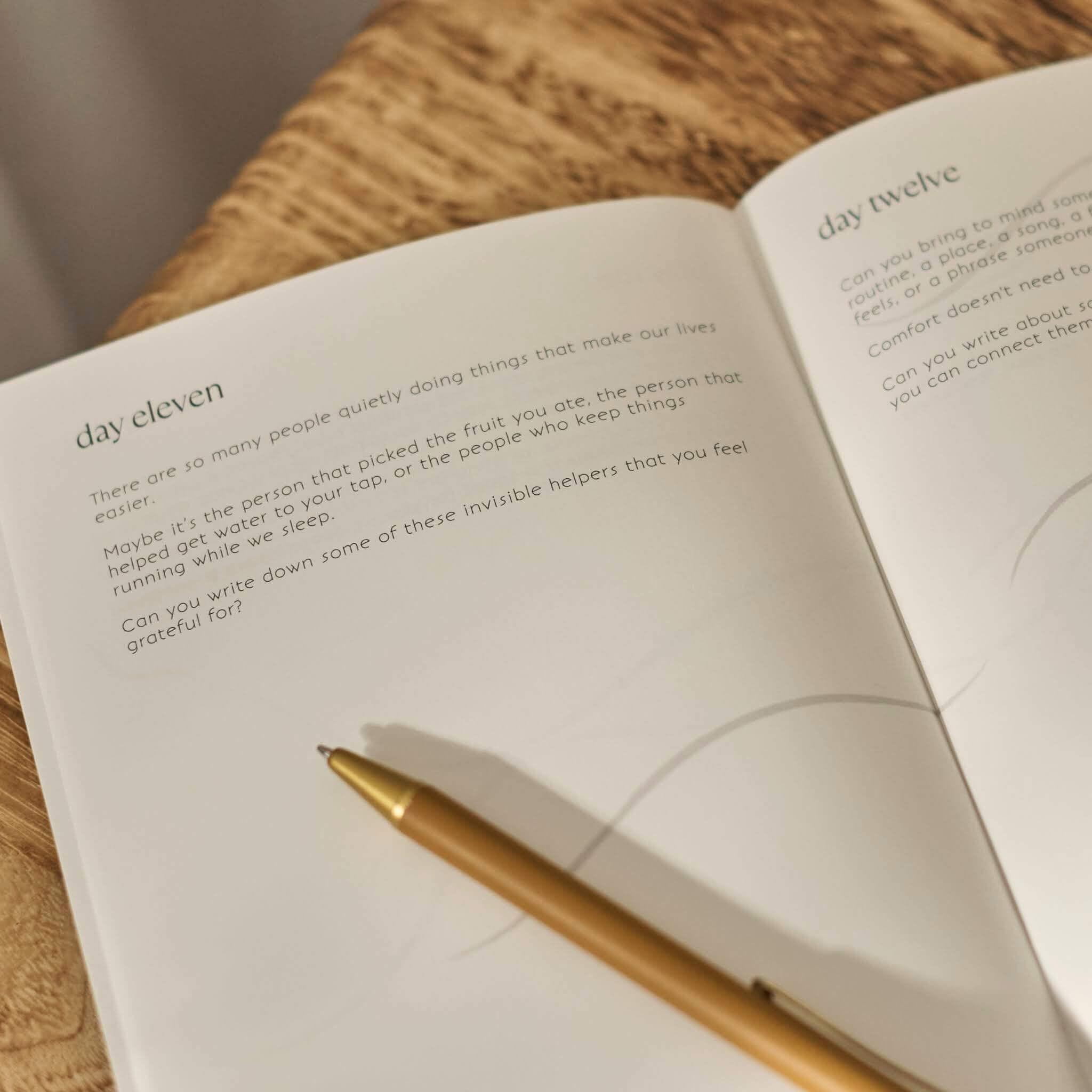
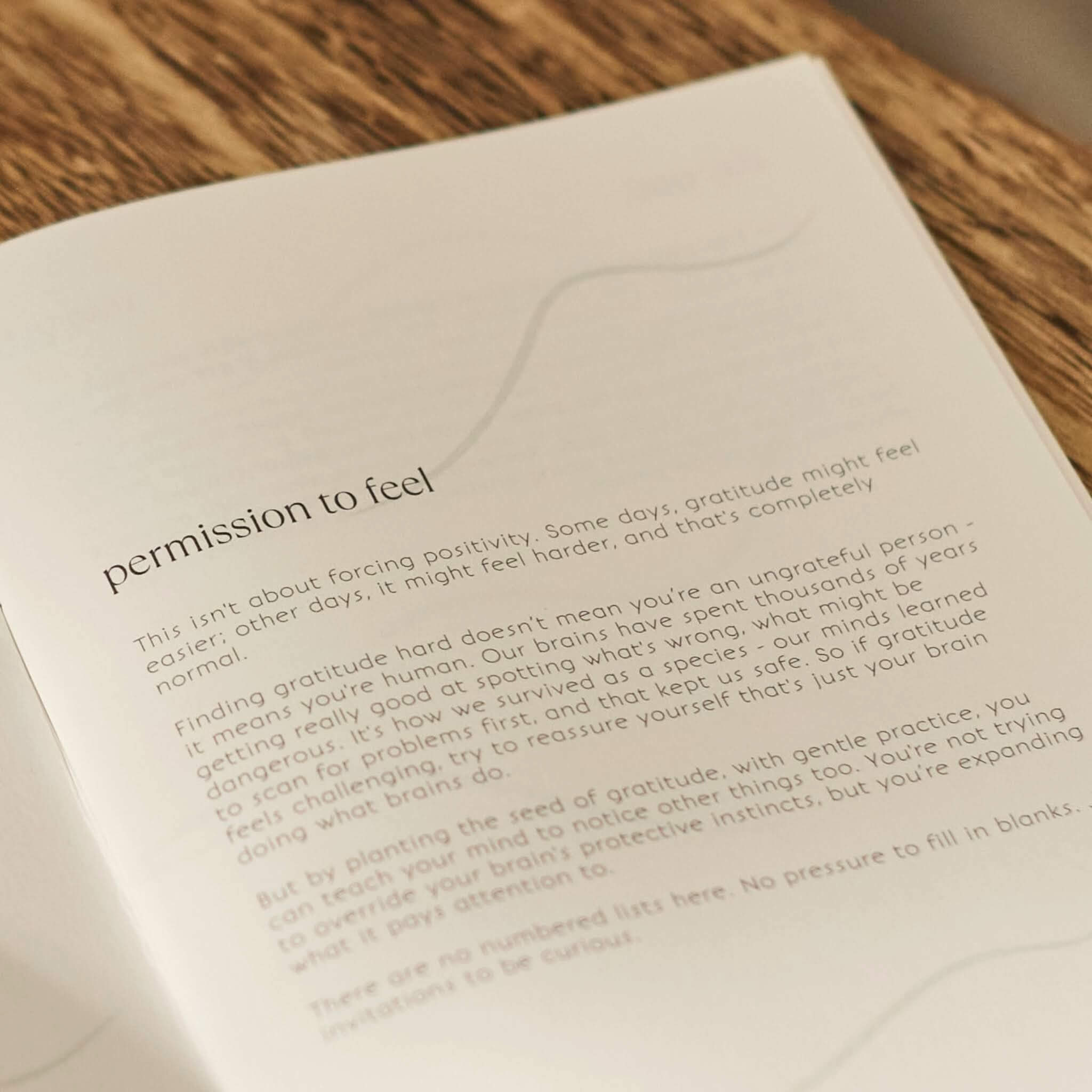
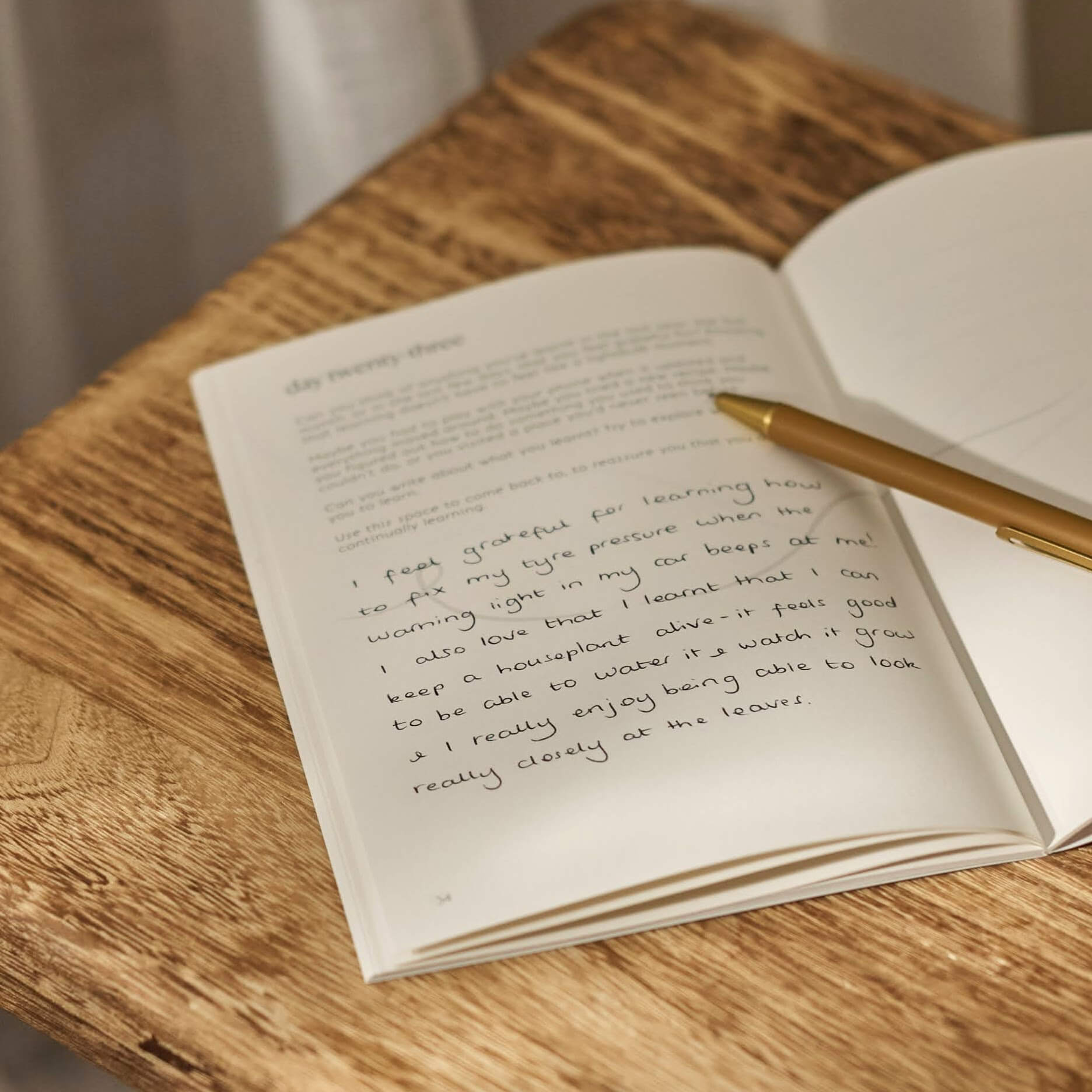
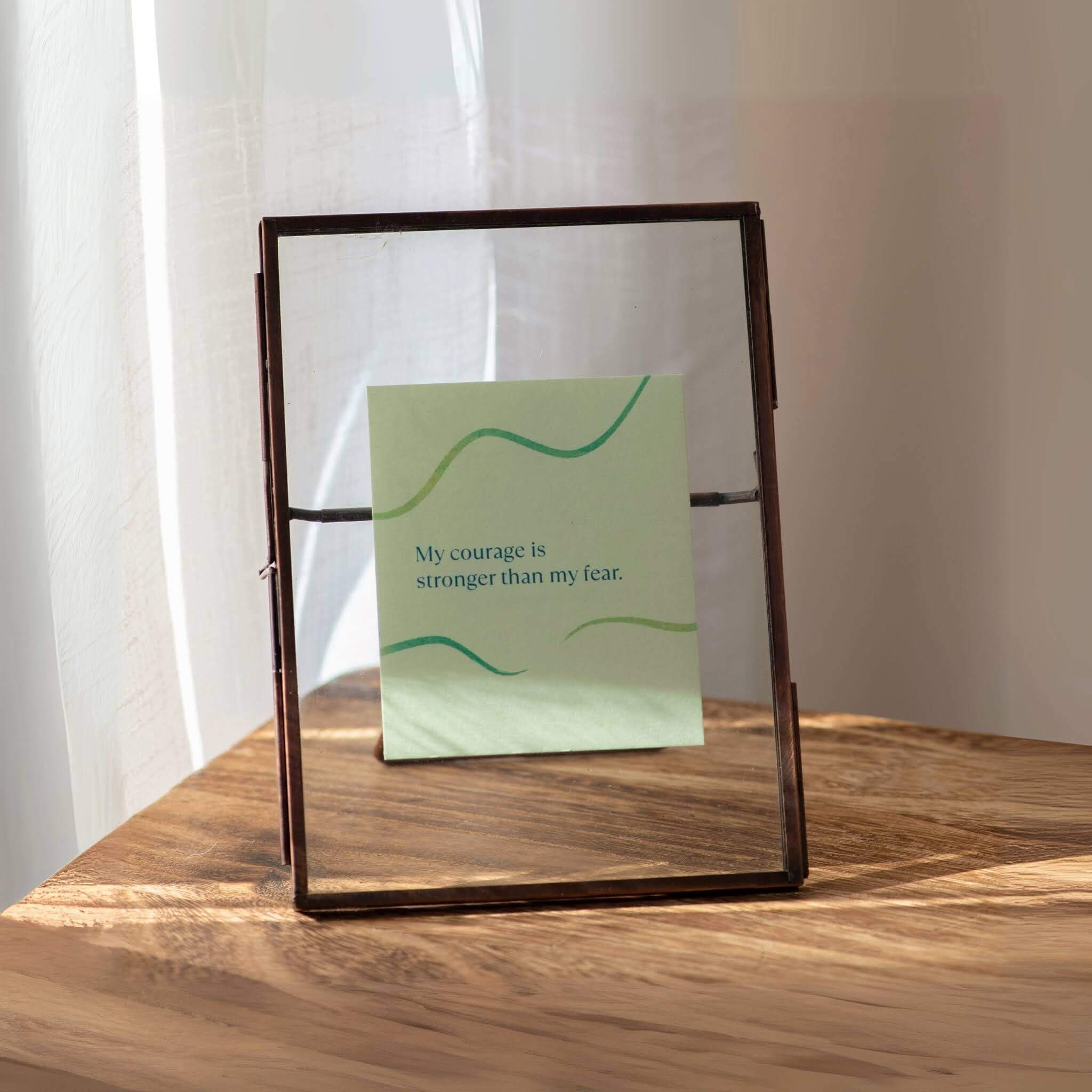
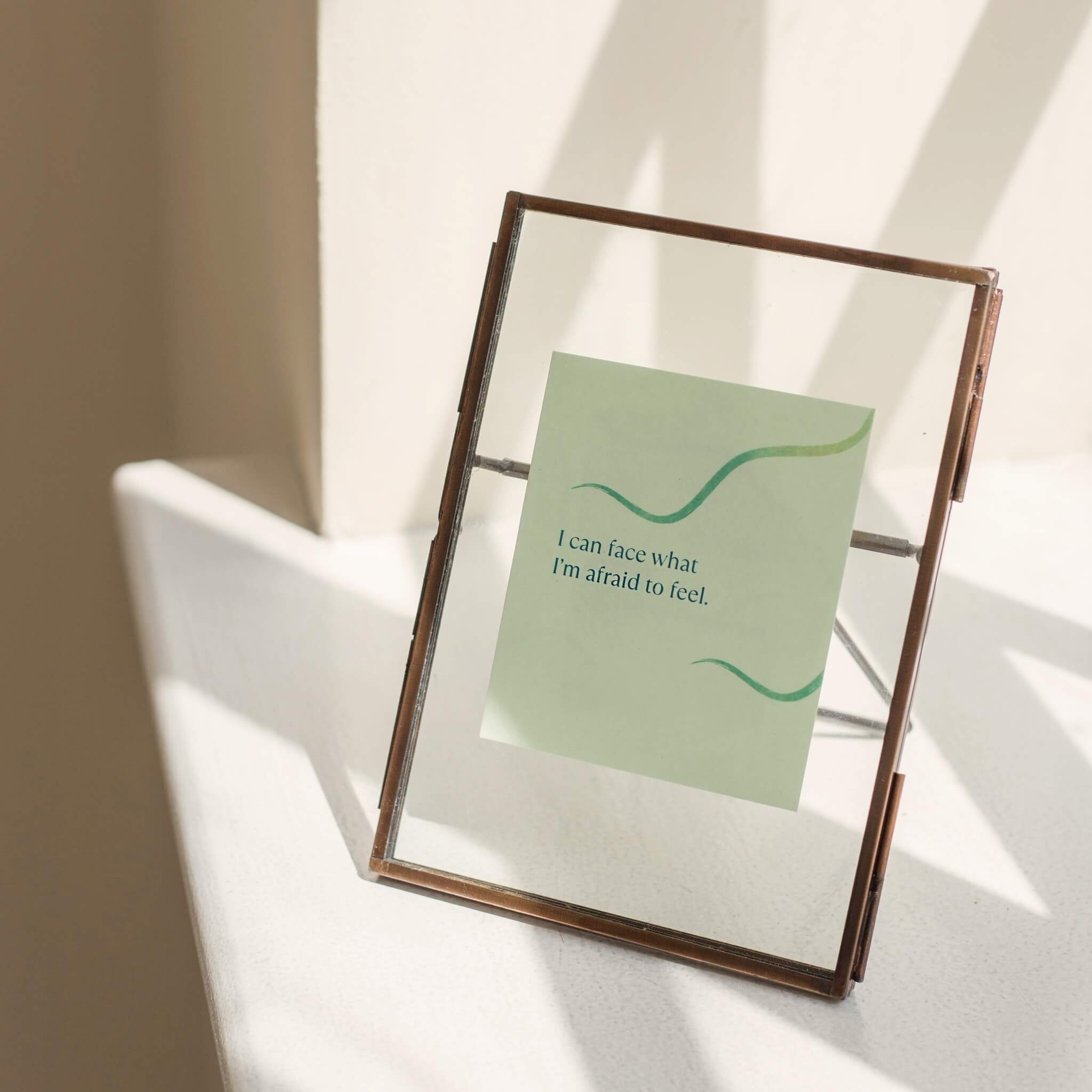
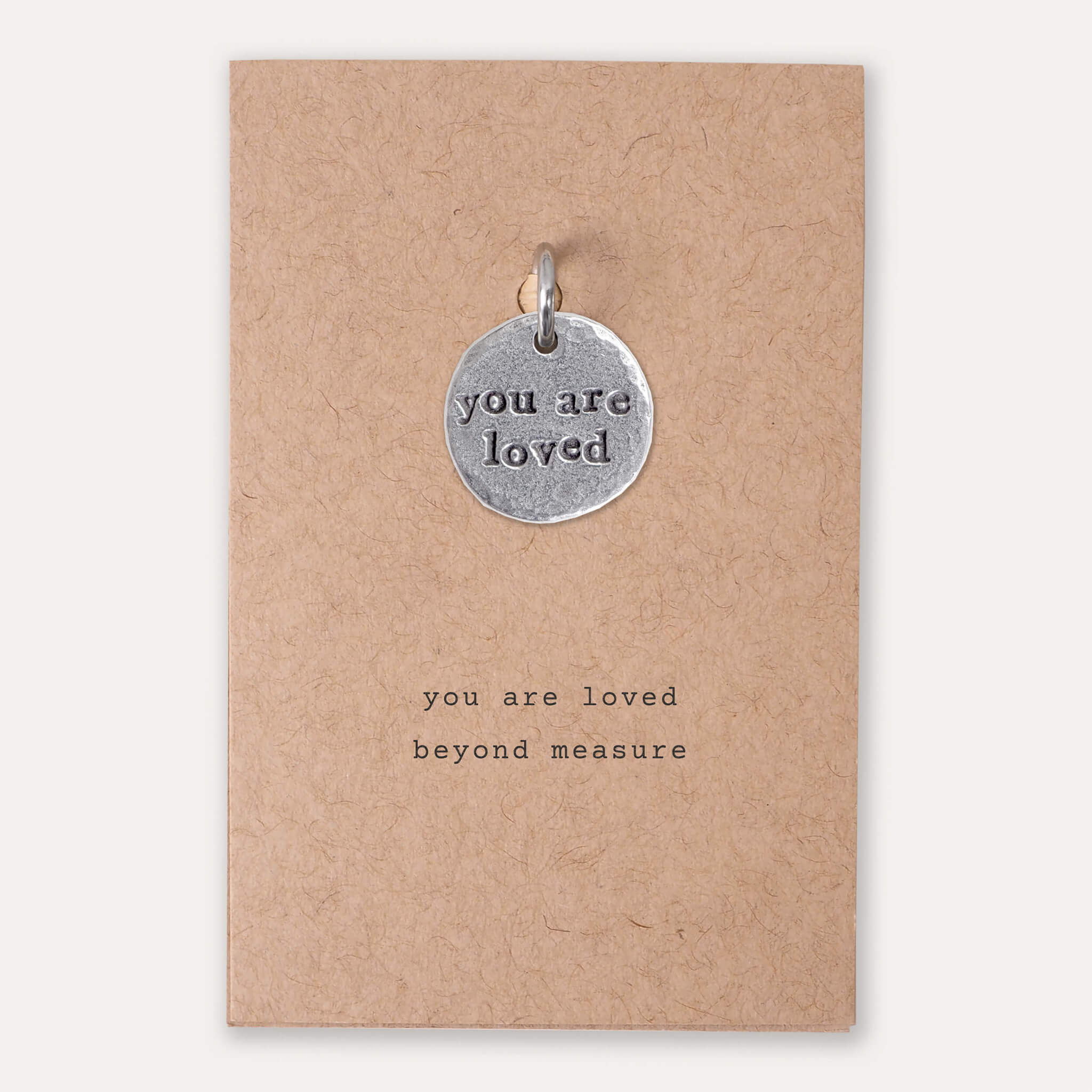
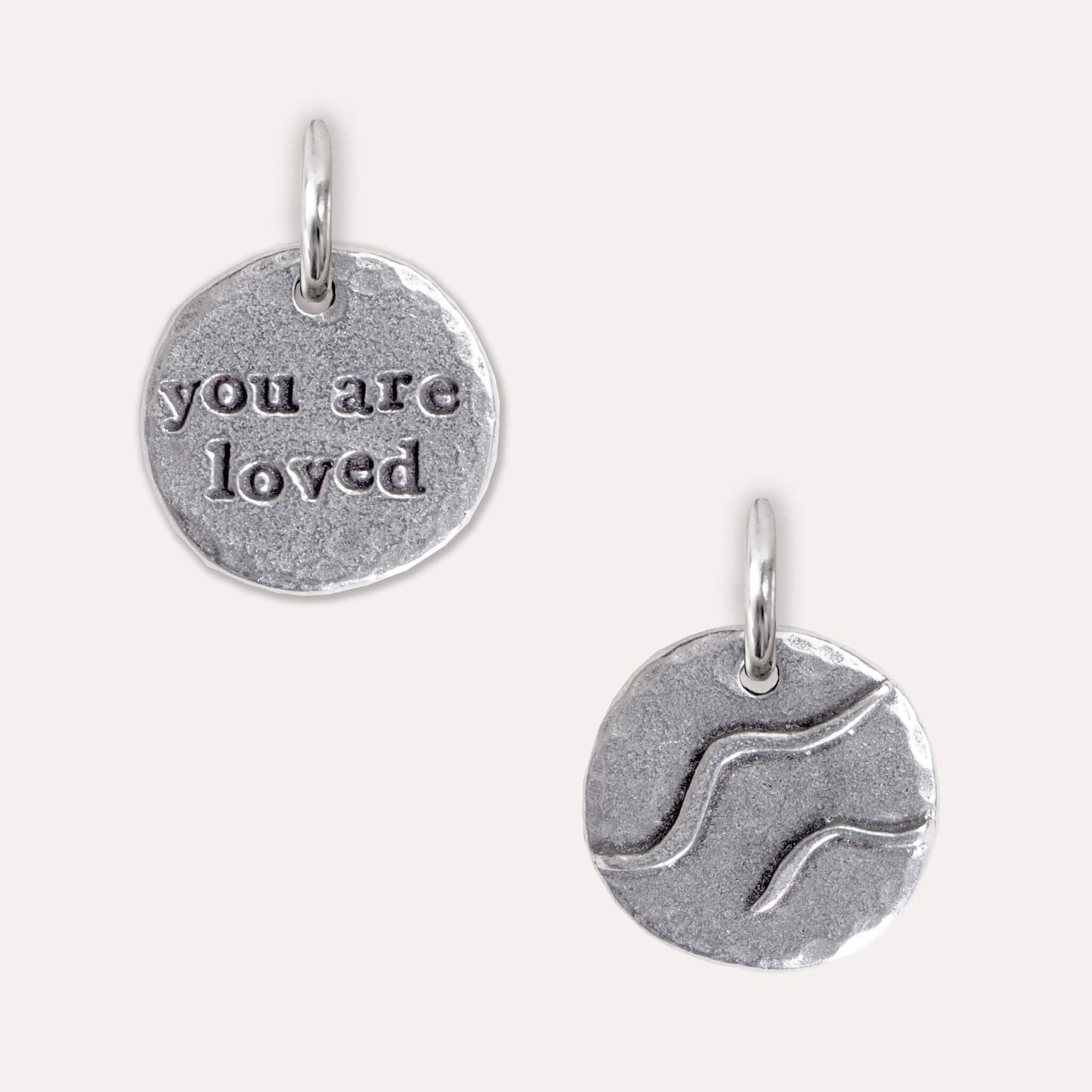
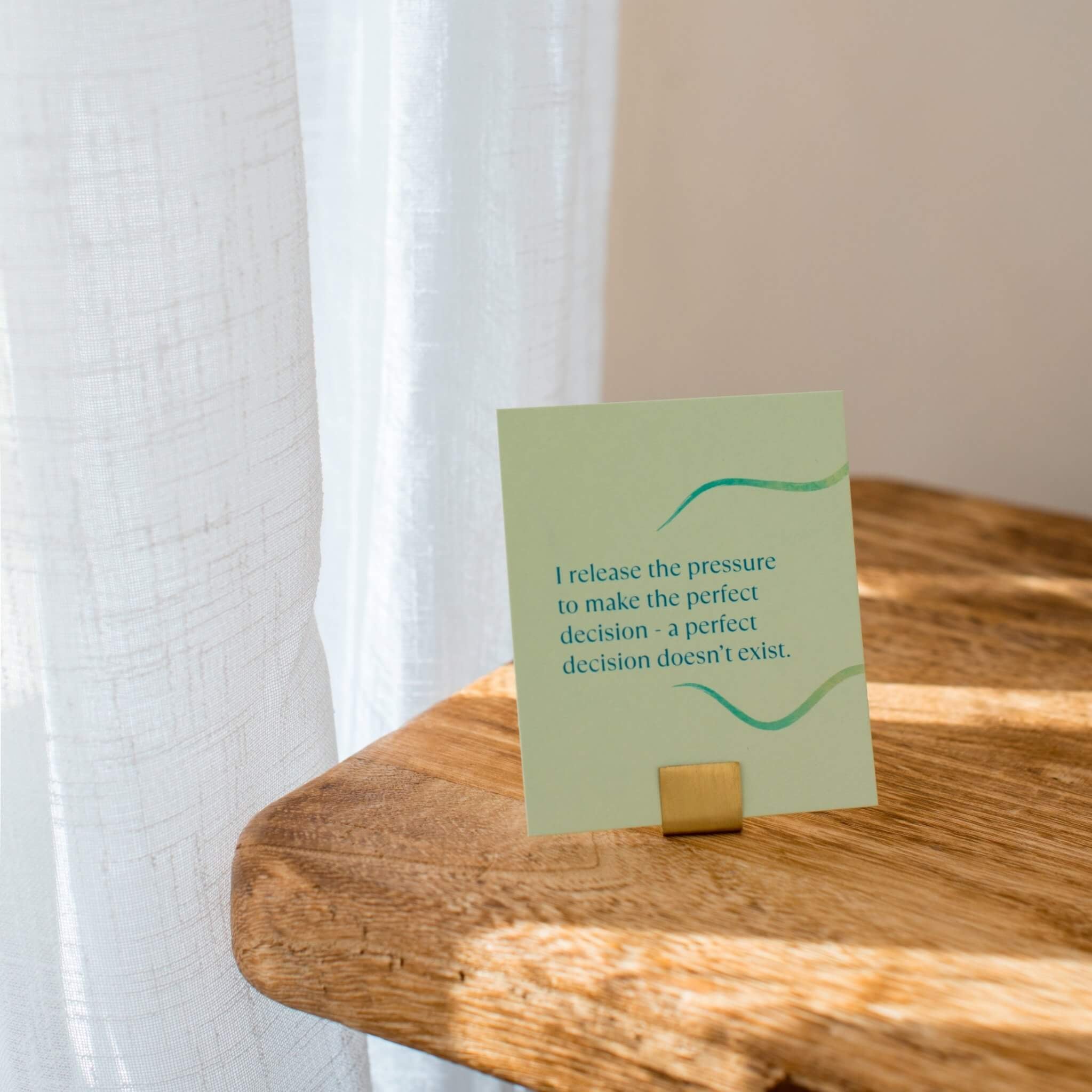
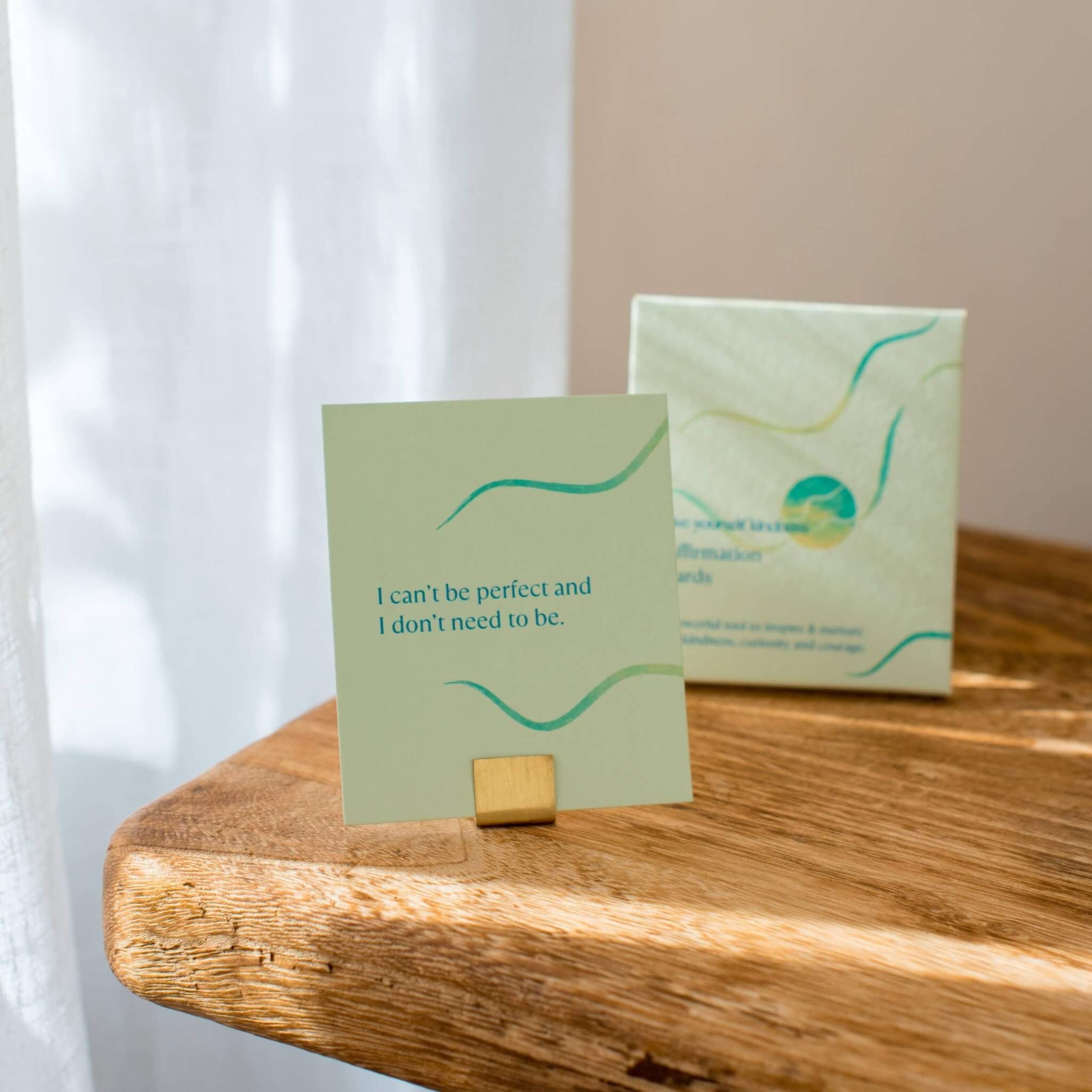
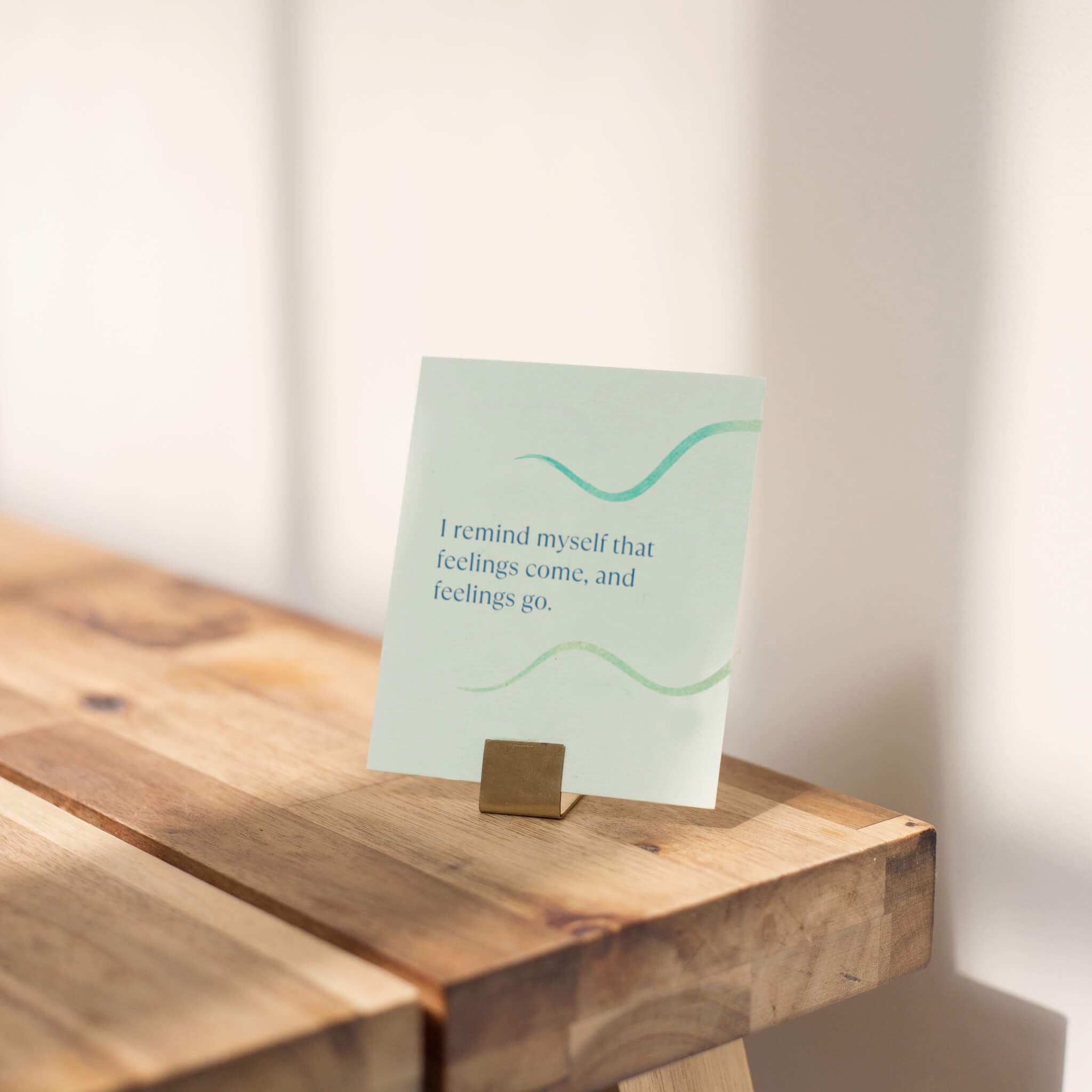
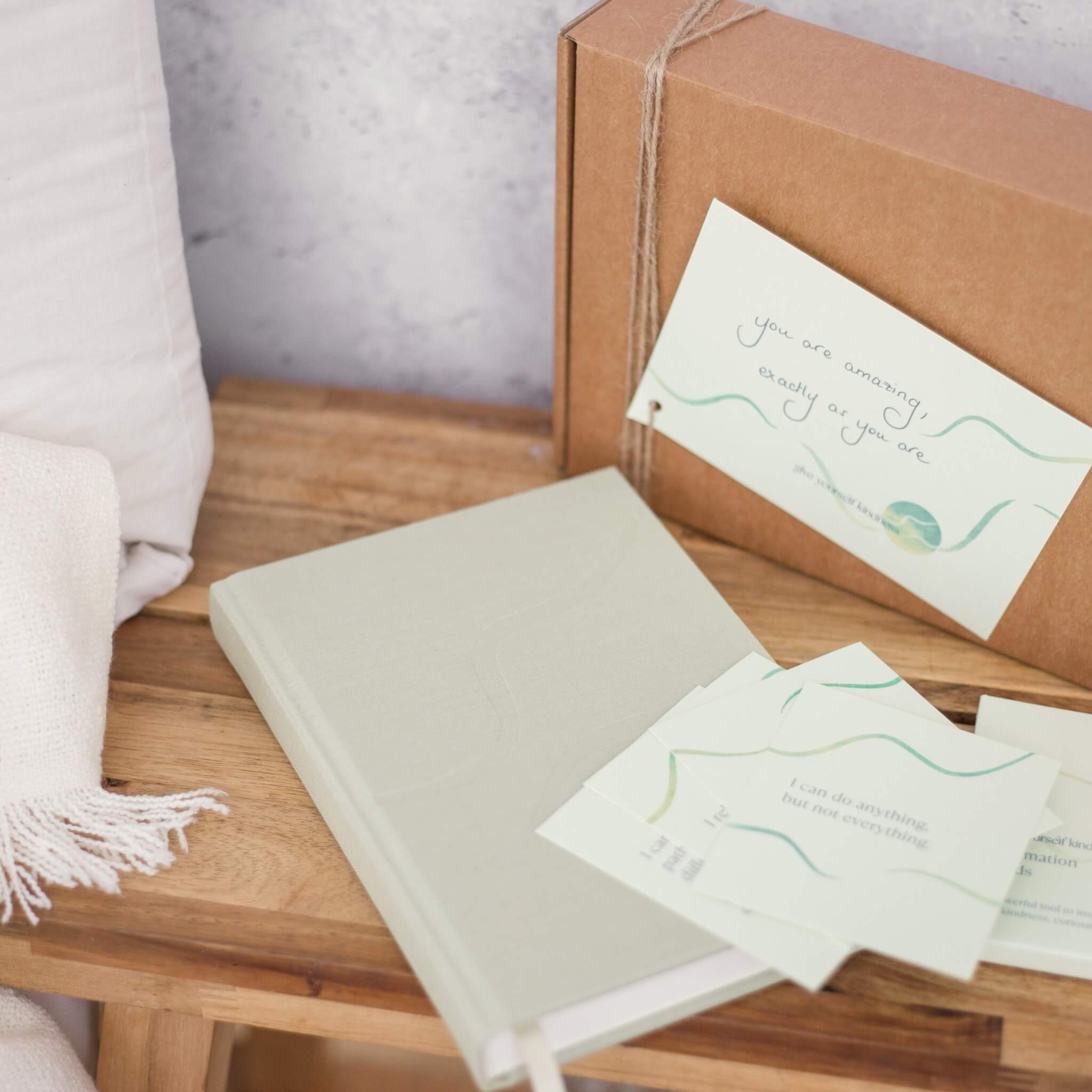
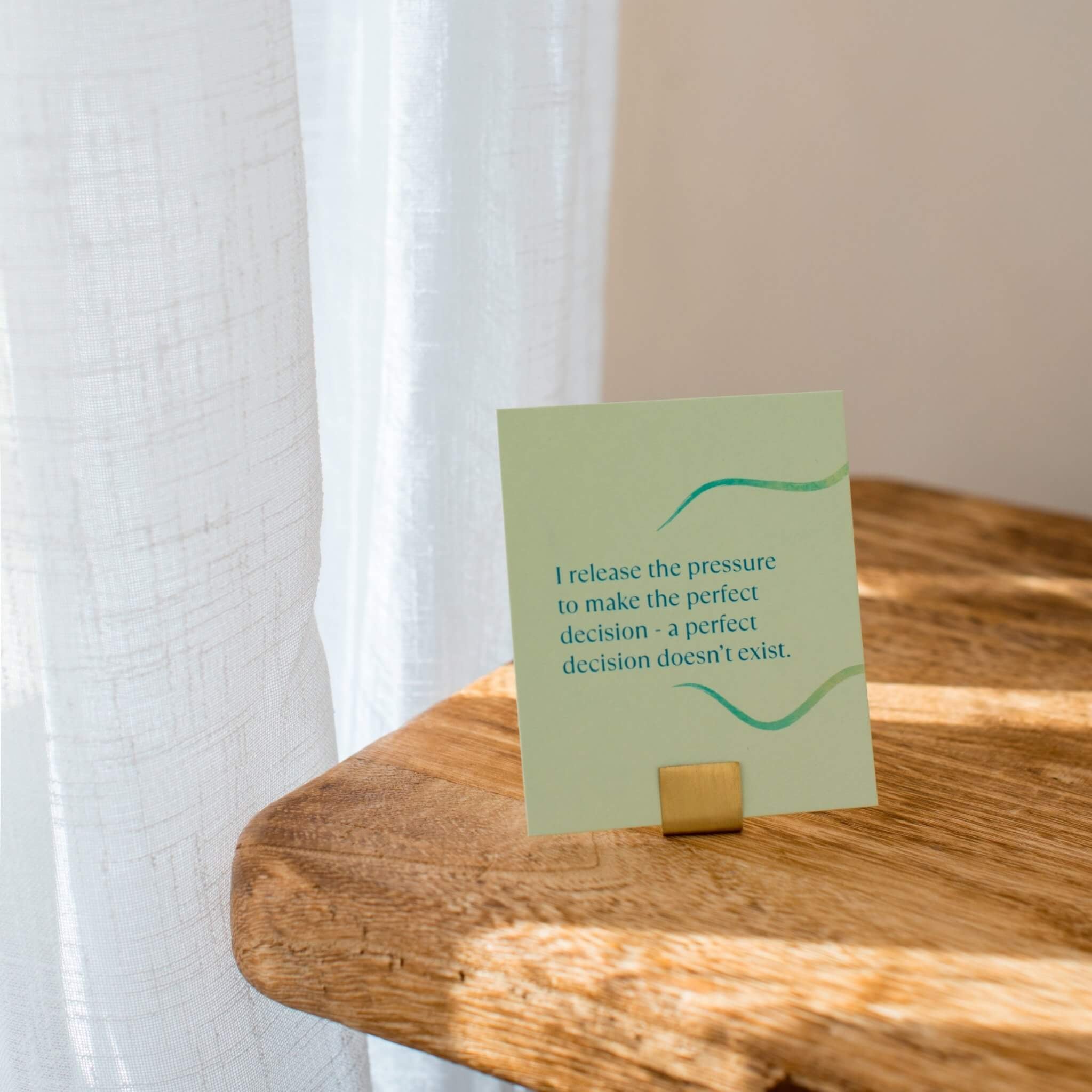
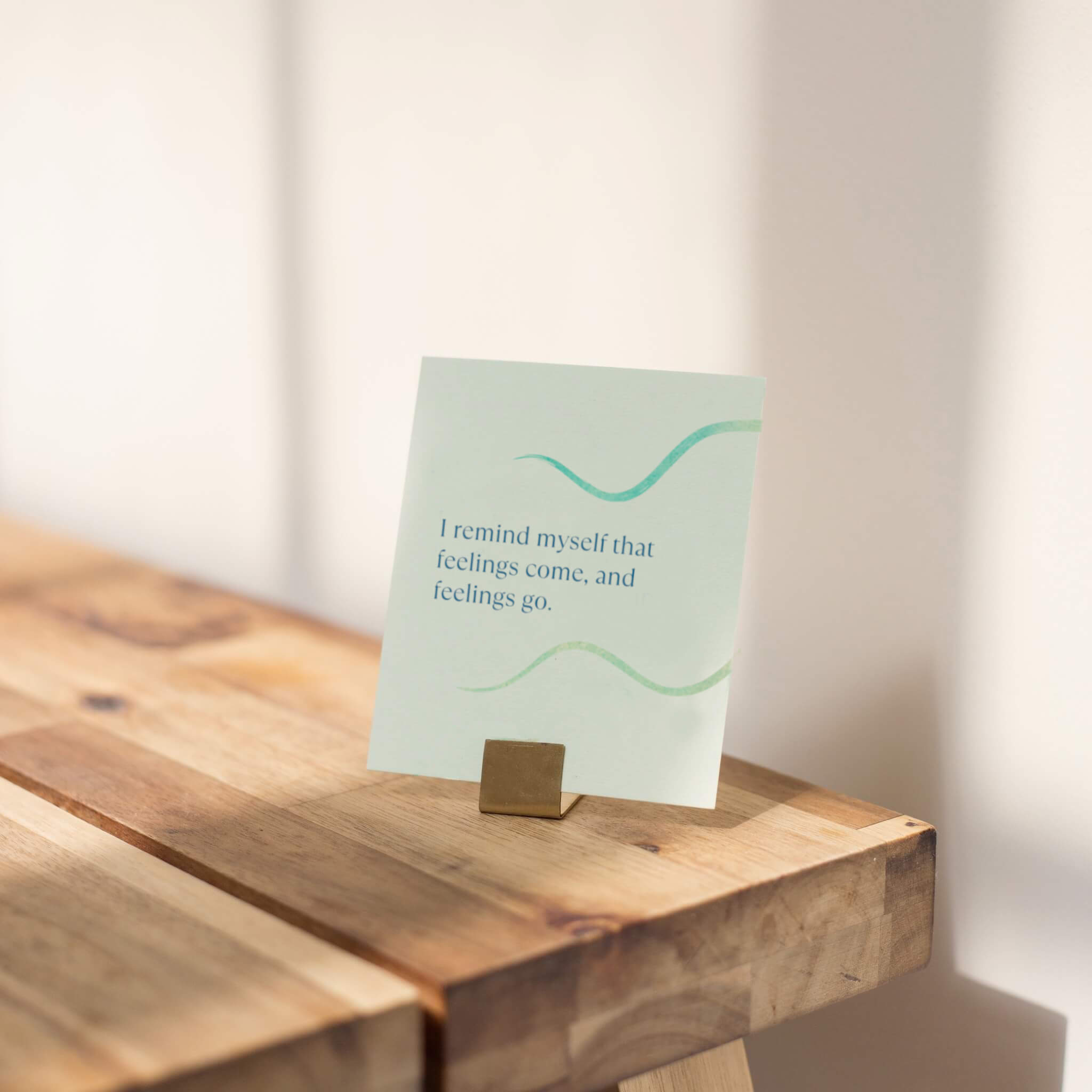
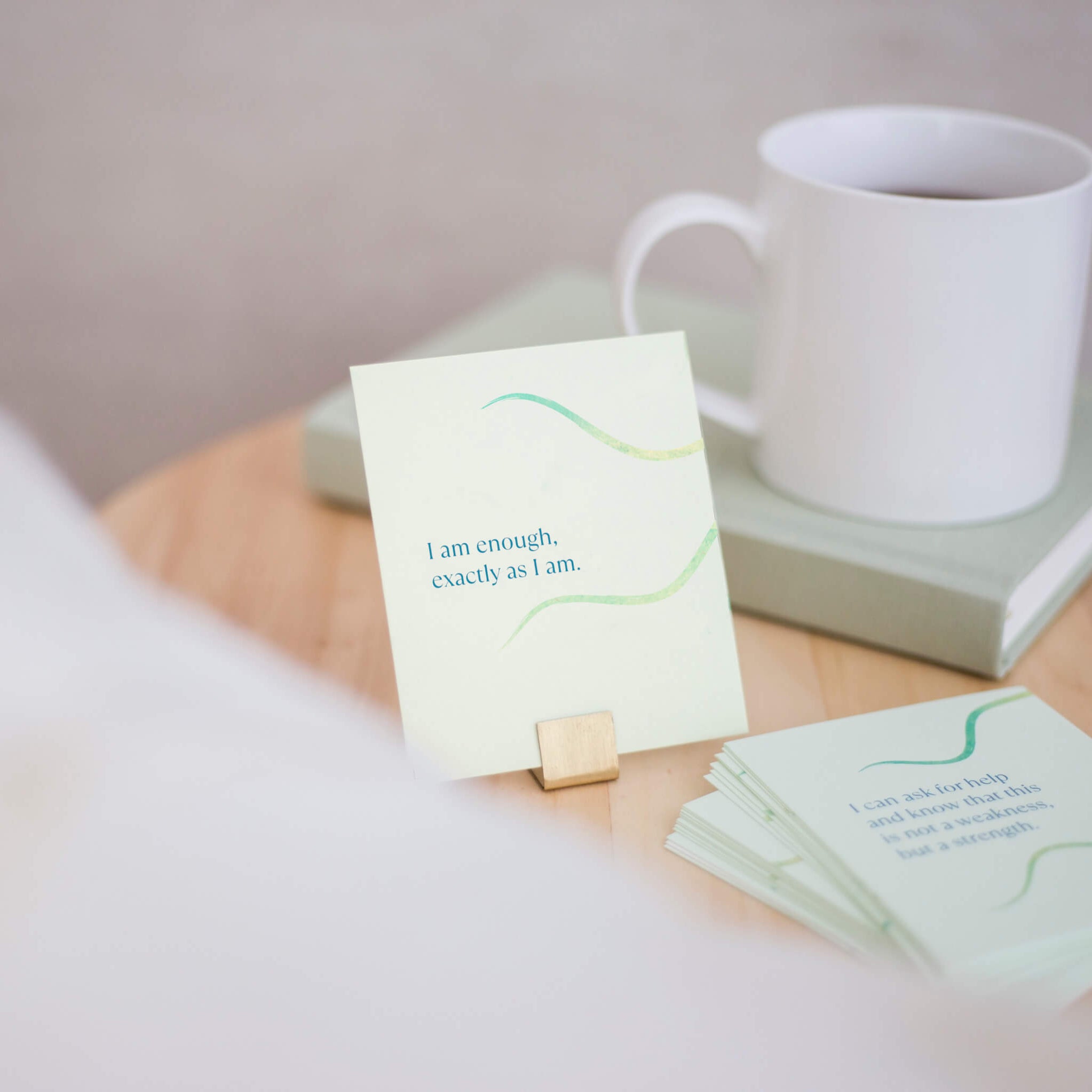
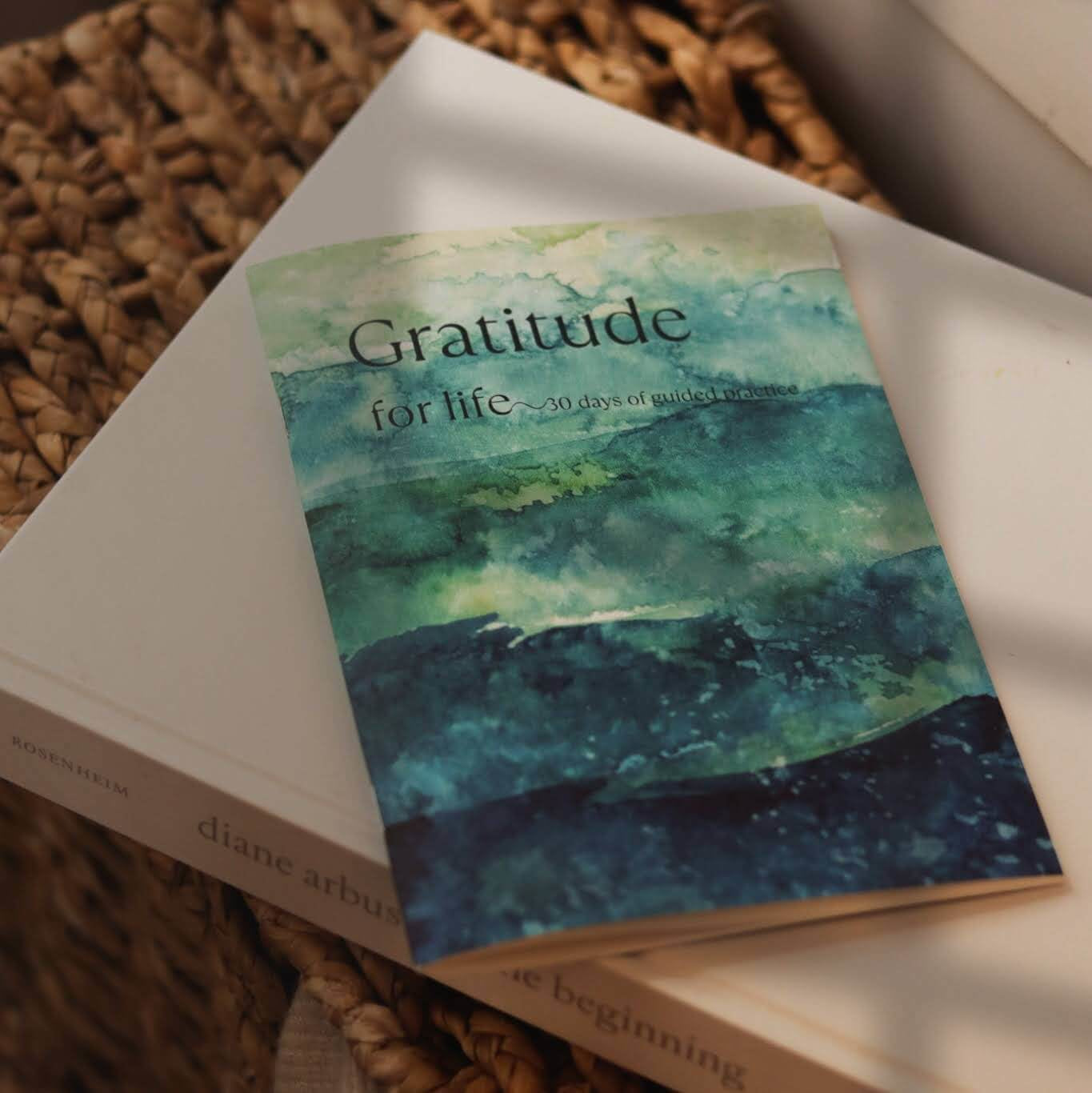
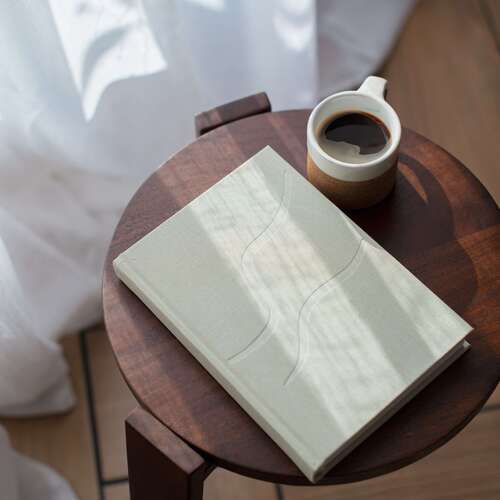
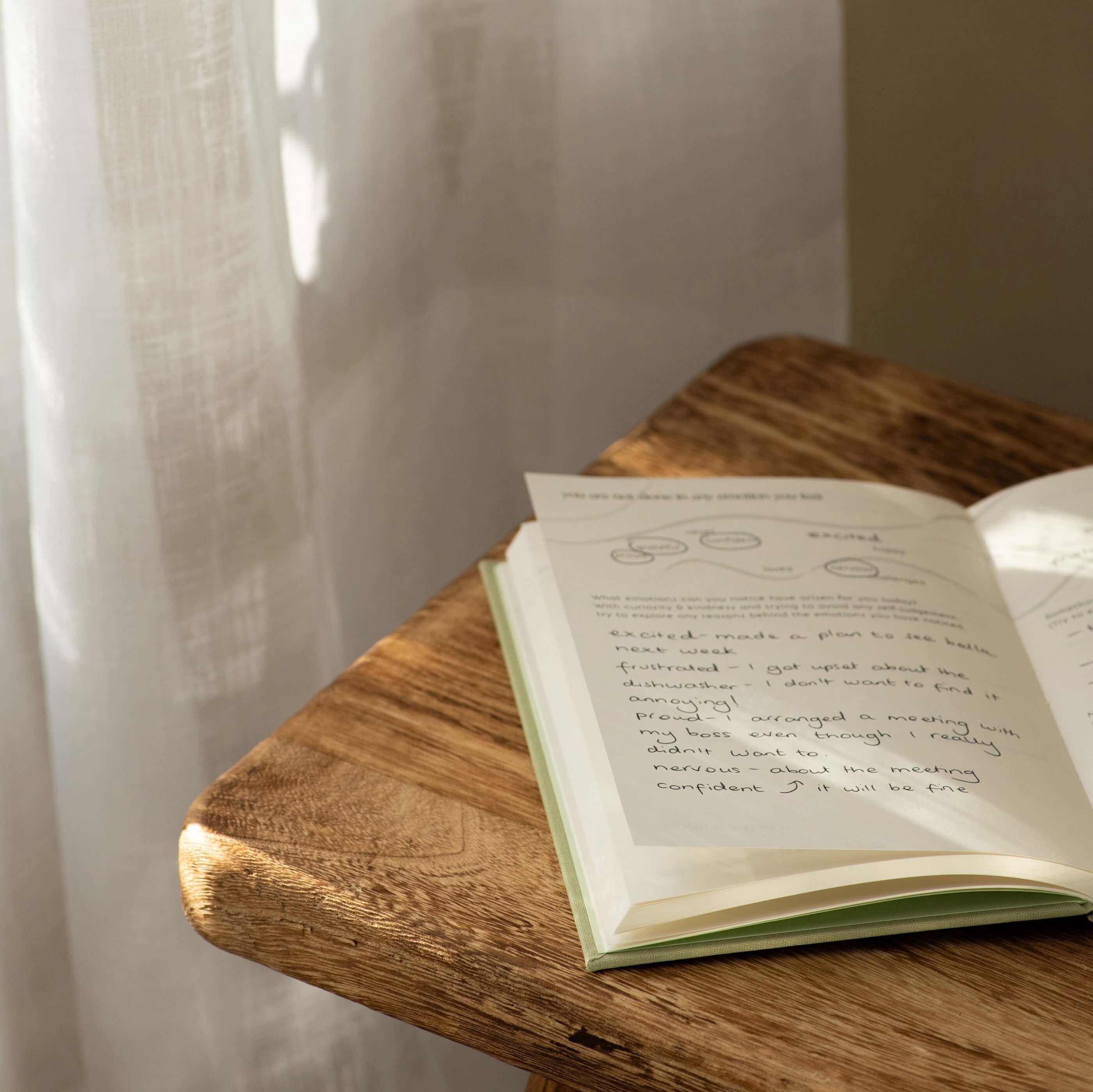
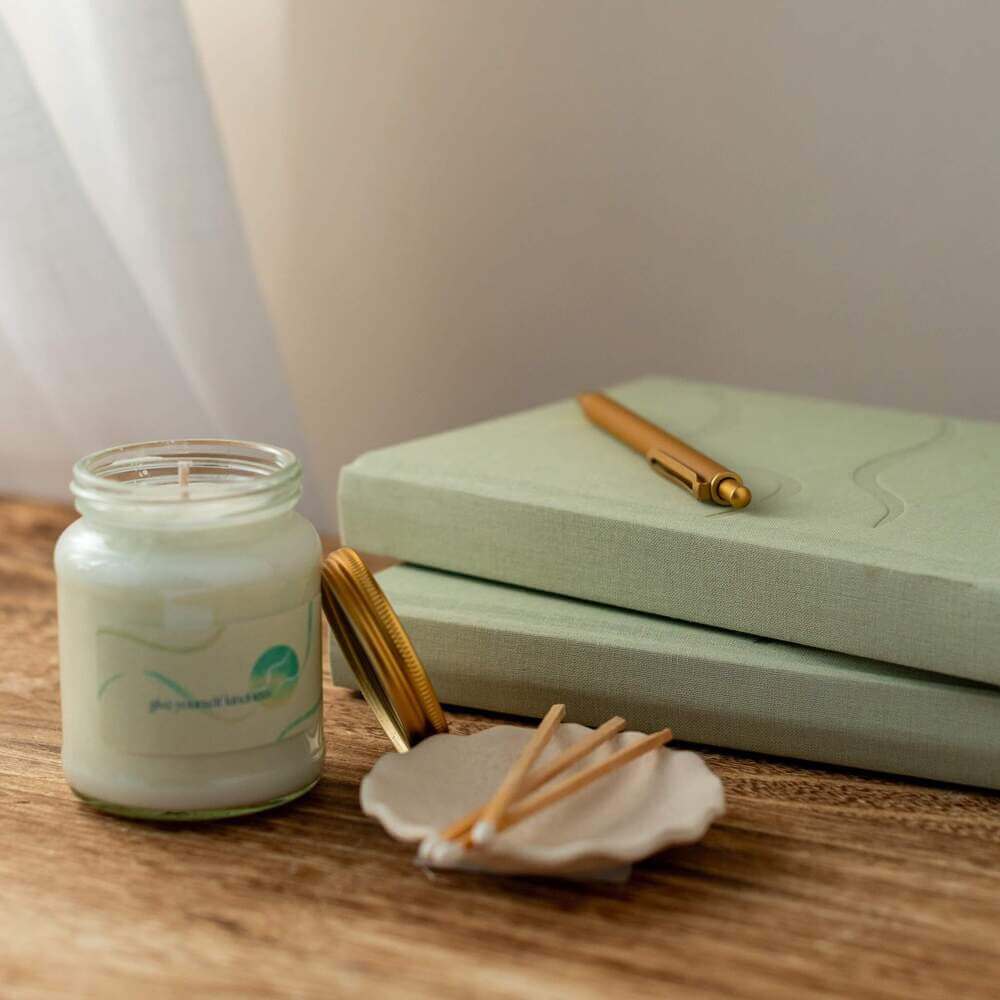
The Give Yourself Kindness Journal. 224 pages, three months of undated prompts with every page different, and a visual emotional awareness tool on every page rather than one chart at the front you stop turning back to. Over 50 self-care quotes throughout. 120gsm FSC paper, pistachio green cloth cover, wrapped in bespoke tissue paper.
Added to your basket. View basket →
Where it isn't the right fit: if you are in acute crisis, a journal is not what you need right now and please speak to your GP or a crisis line. If you already write freely and your therapist simply wants you to keep doing it, a plain notebook will serve you perfectly well.
Common questions
Is this a replacement for therapy?
No, and I would not want it to be. A journal is something you can use between sessions, or while you wait for one, or alongside other support. It does not treat anything and it does not know anything about you. If you are struggling badly, please talk to your GP or a qualified professional.
What does "therapist recommended" actually mean here?
Thirteen mental health professionals have read the Give Yourself Kindness Journal and given their assessment of it, including Chris Germer of Harvard Medical School, Professor Willem Kuyken of the University of Oxford and Dr Chris Irons. Separately, a number of practising therapists use it with their own clients. It means qualified people have looked at the prompts and think they are sound. It does not mean anyone has prescribed it, and no journal is a treatment.
My therapist recommended journaling but didn't say which journal. What should I look for?
Ask them, first, because they know what you are working on. Failing that: a different prompt on every page so it doesn't go mechanical, undated so missed days don't become the story, prompts with room for difficult feelings rather than only good ones, and some evidence that a qualified person has read the wording. Those four cover most of it.
What is Compassion Focused Therapy, and why does it matter for a journal?
CFT is an approach built around the observation that many people's difficulties are held in place by how harshly they treat themselves. Dr Chris Irons describes the aim as helping people develop "a compassionate part of self, a part that is wise, strong and caring", and then using that part to do the journalling. It matters for a journal because prompts are instructions to a mind: a question phrased one way invites your inner critic to answer, and phrased another way invites the kinder voice forward first.
Can I bring it to my sessions?
Yes, and several people do. Some therapists like seeing what came up during the week; others prefer the journal stays private and you bring only what you choose to. Ask yours which they would rather.
Are you a therapist?
No. I'm a qualified meditation teacher, trained with the British School of Meditation. I made this after my own recovery from anxiety through Compassion Focused Therapy, then asked people who are qualified to check my work. I would rather say that plainly than let the expert reviews imply something about me that isn't true.
What if writing makes me feel worse?
It is a real possibility and worth planning for. Dr Andreas Comninos, a clinical psychologist, puts it directly: "certain types of journaling, such as writing about challenging experiences, may stir up strong emotions. It is important to approach intense journaling with care and kindness towards yourself." His practical advice is to choose a time when you can look after yourself afterwards, rather than writing about heavy things between two other commitments. And if an entry keeps circling the same loop, stop and ask whose voice is doing the writing. If that keeps happening, raise it with a professional rather than pushing through.