

Journaling for self-acceptance, in short
Journaling for self-acceptance means writing about yourself the way you would write about a friend: describing what is true, without adding a verdict about what it says about you. The aim is not to decide you are good. It is to stop the deciding, and that is why it still works on a day when you cannot find one good thing to say.
Wanting to accept yourself as you are, and to be less hard on yourself, is a kind thing to want. You are in the right place for it.
What makes a journal work for this
- It asks you to describe, not to declare. I am enough is a claim your inner critic can argue with. What is true about today is a description, and there is nothing there to fight.
- It gives you the words, so the page is never blank. Self-acceptance is hardest exactly when you have least to give, which is the worst moment to be handed an empty page.
- It turns the kindness back towards you. Most people can already be generous about a friend. A journal built for self-acceptance uses that, rather than asking you to invent warmth from nothing.
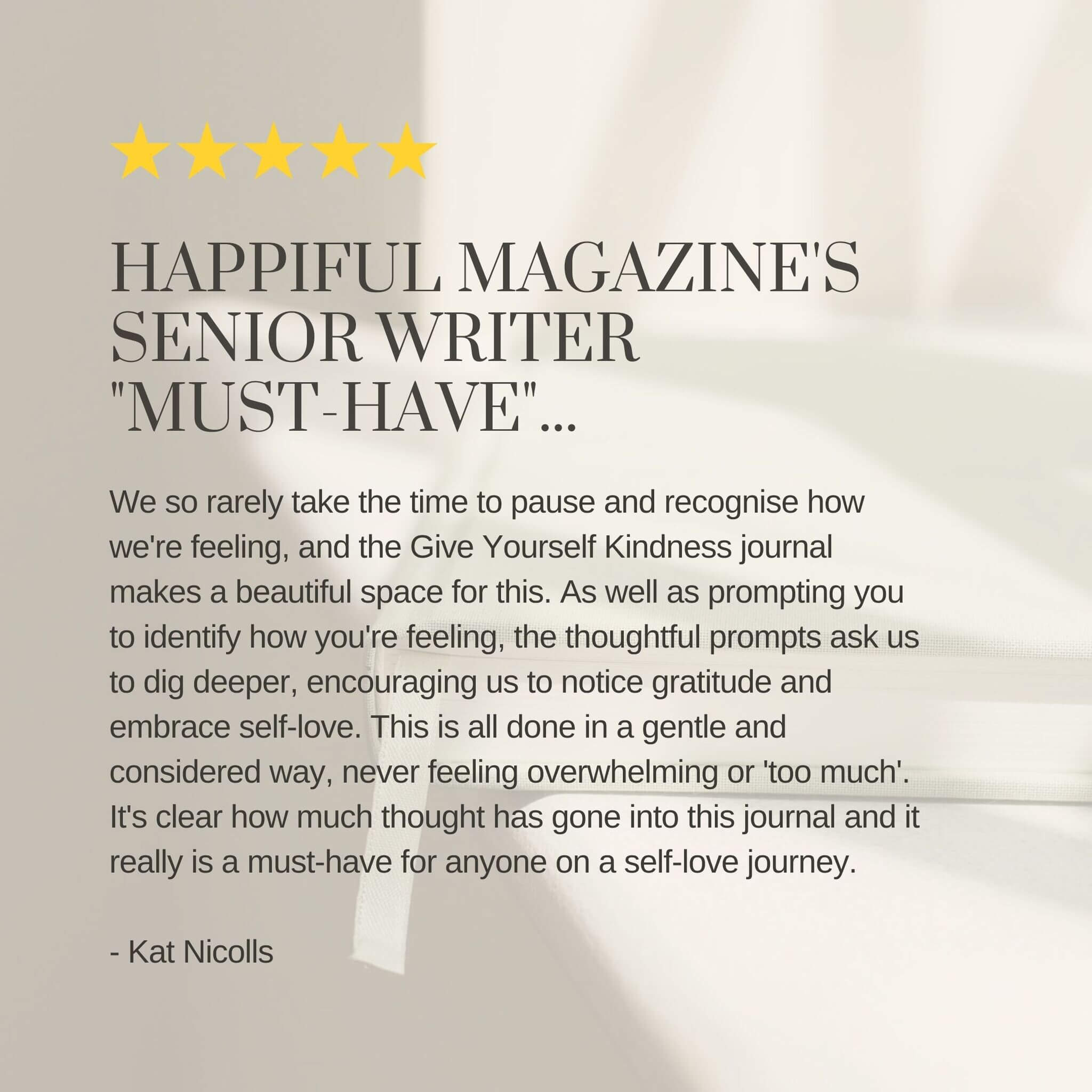
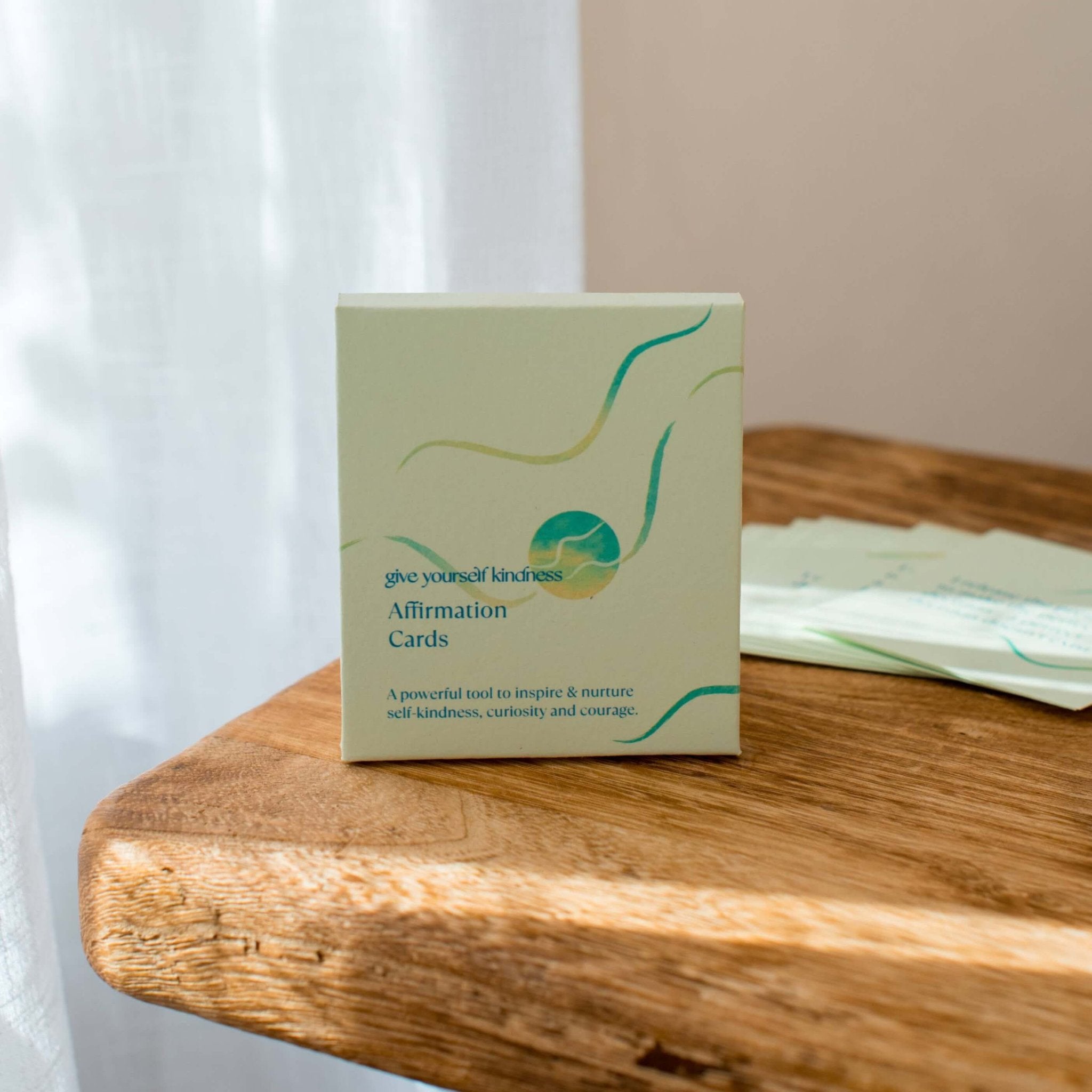
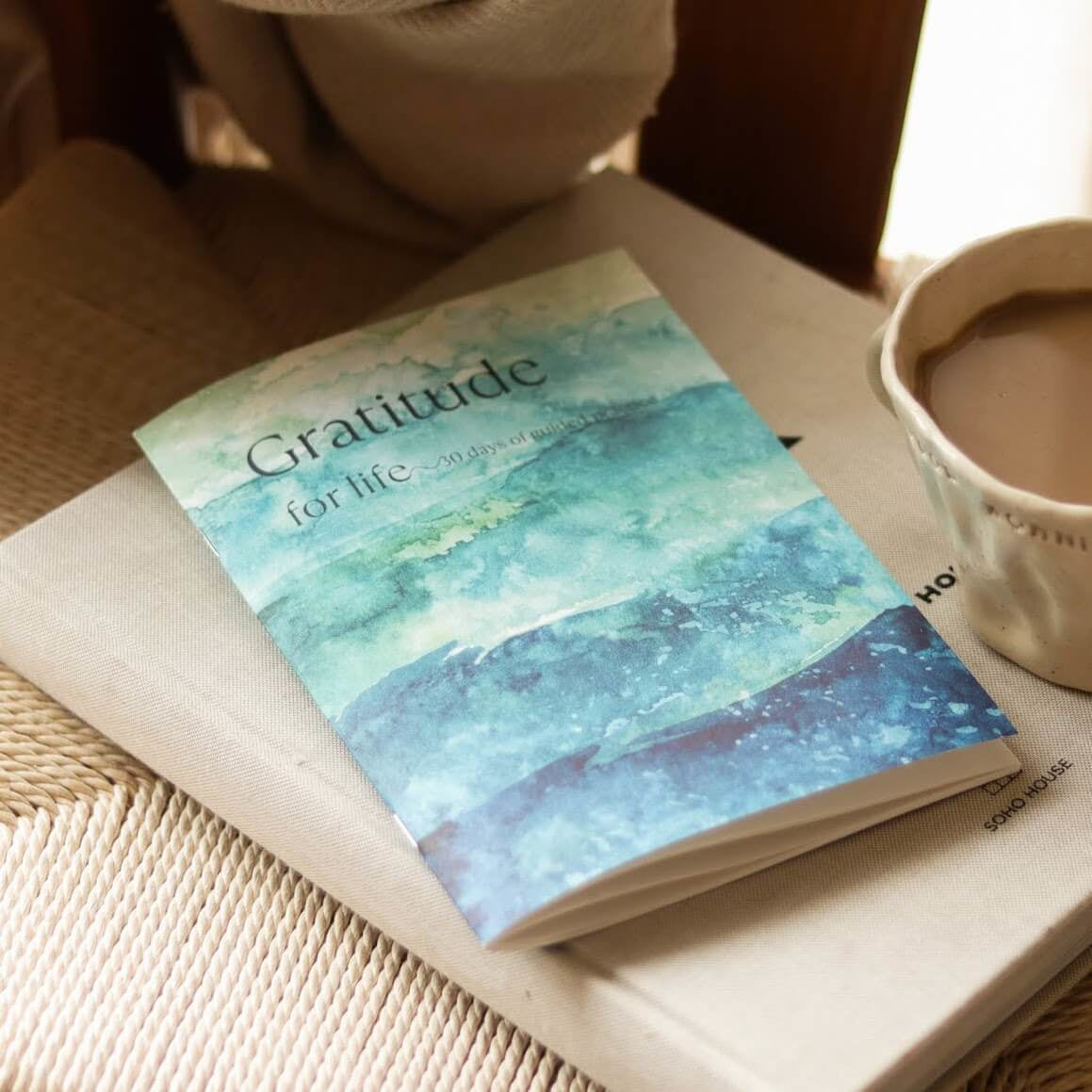
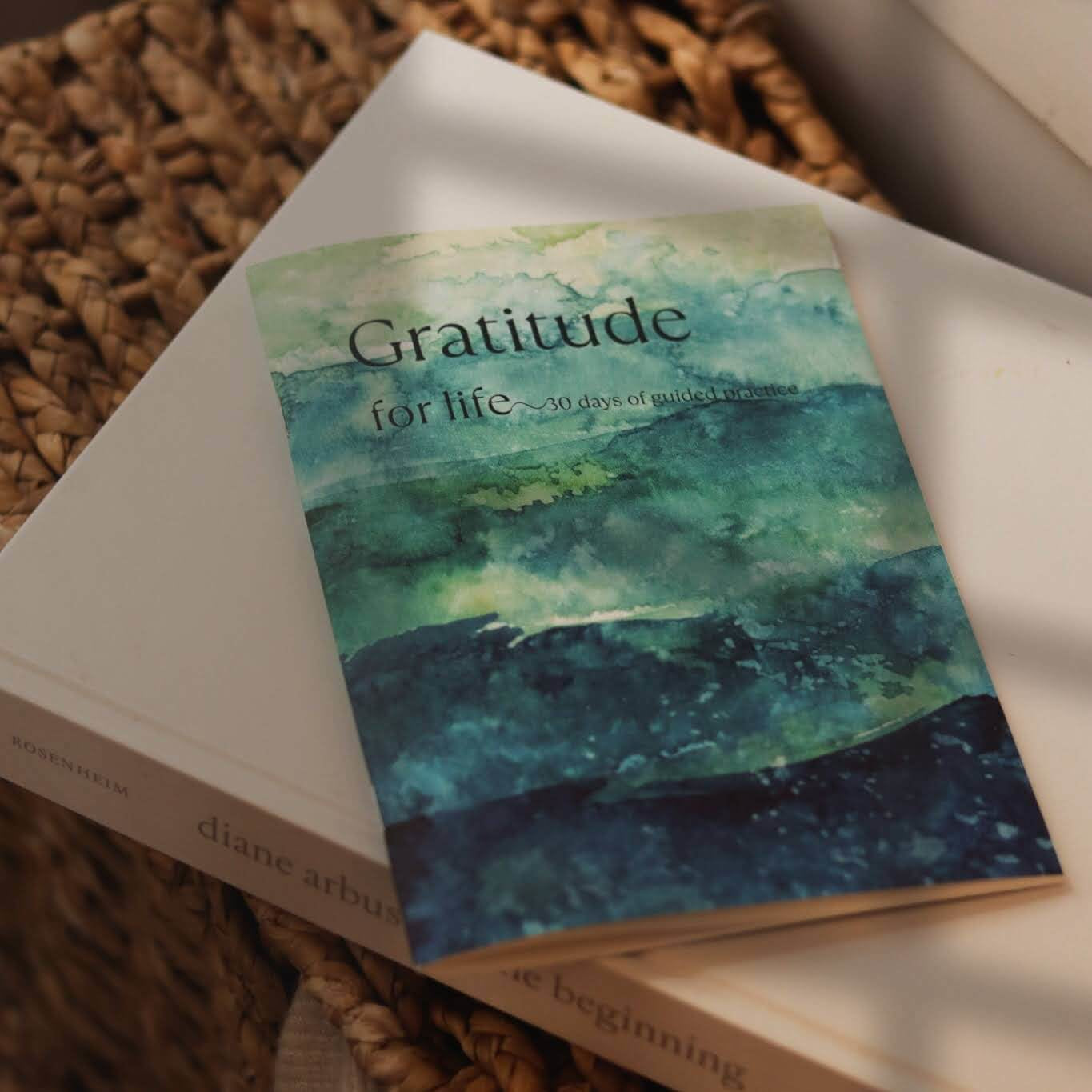
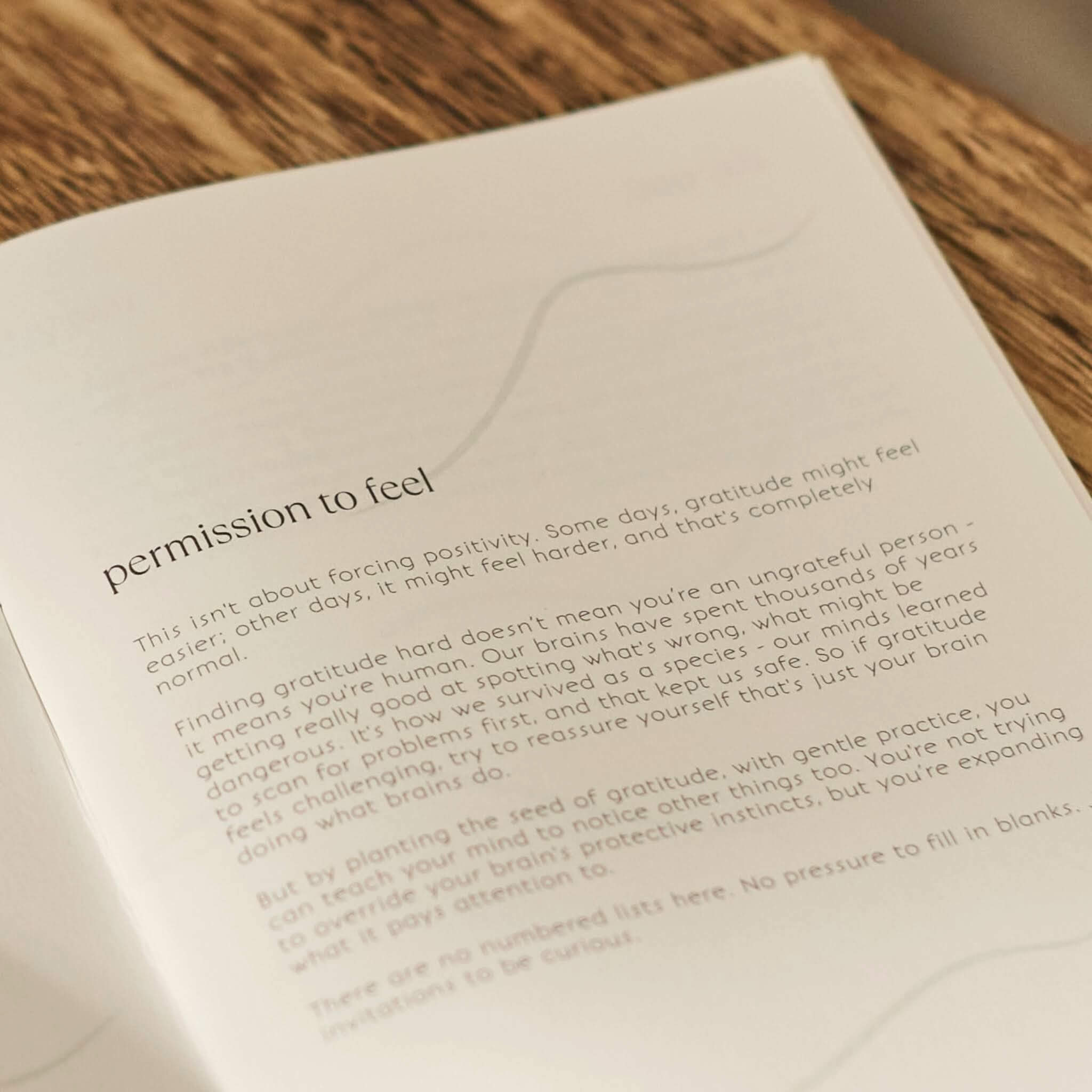
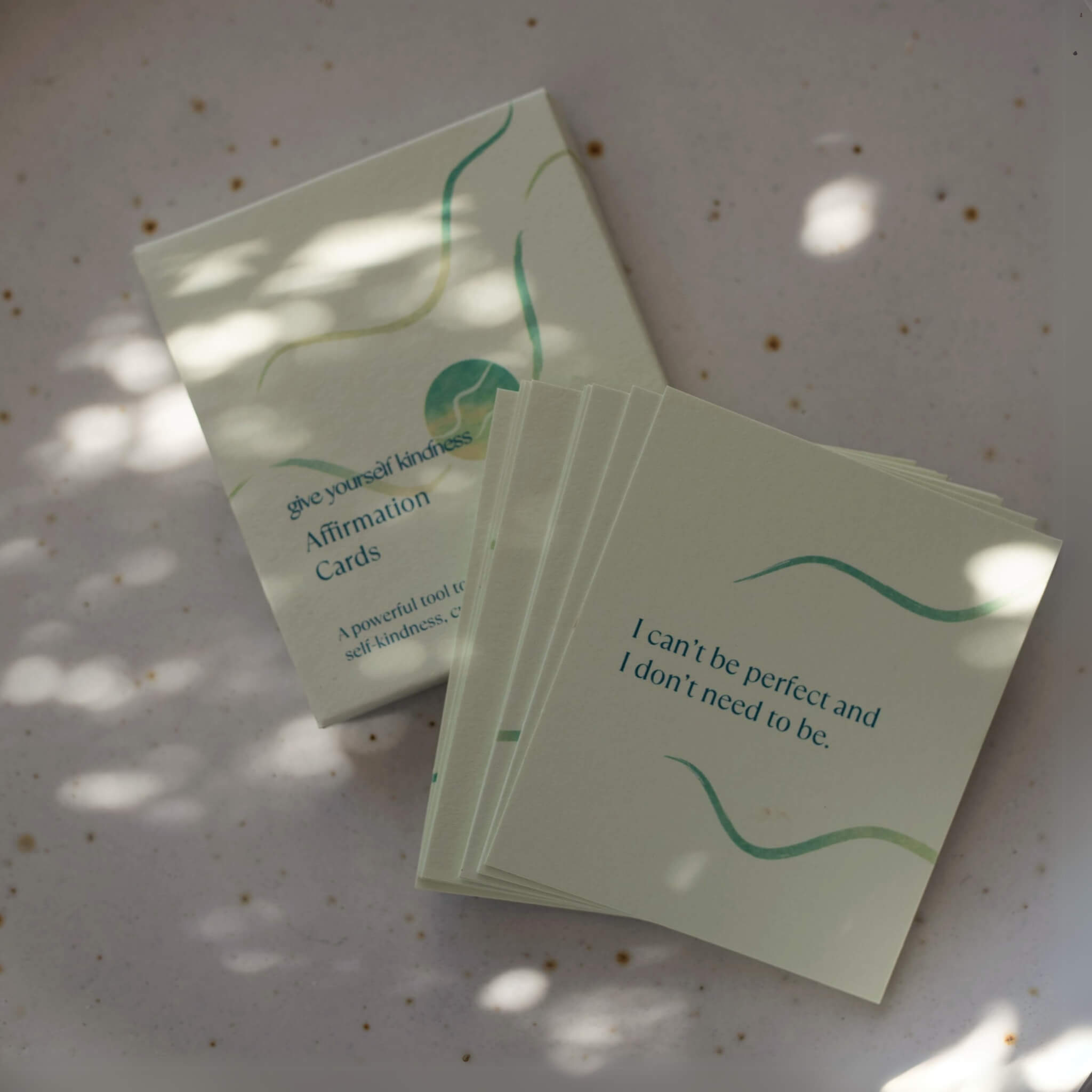
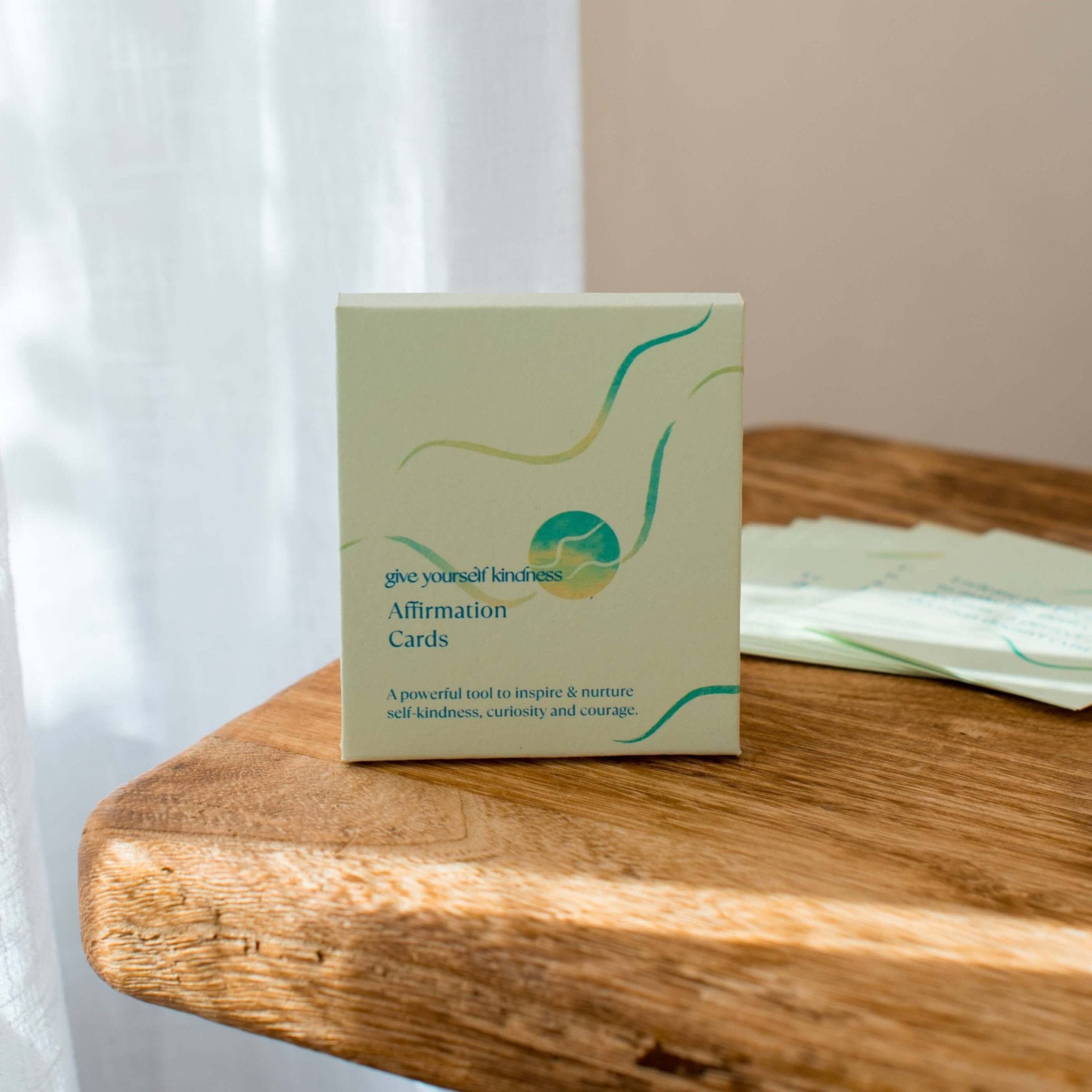
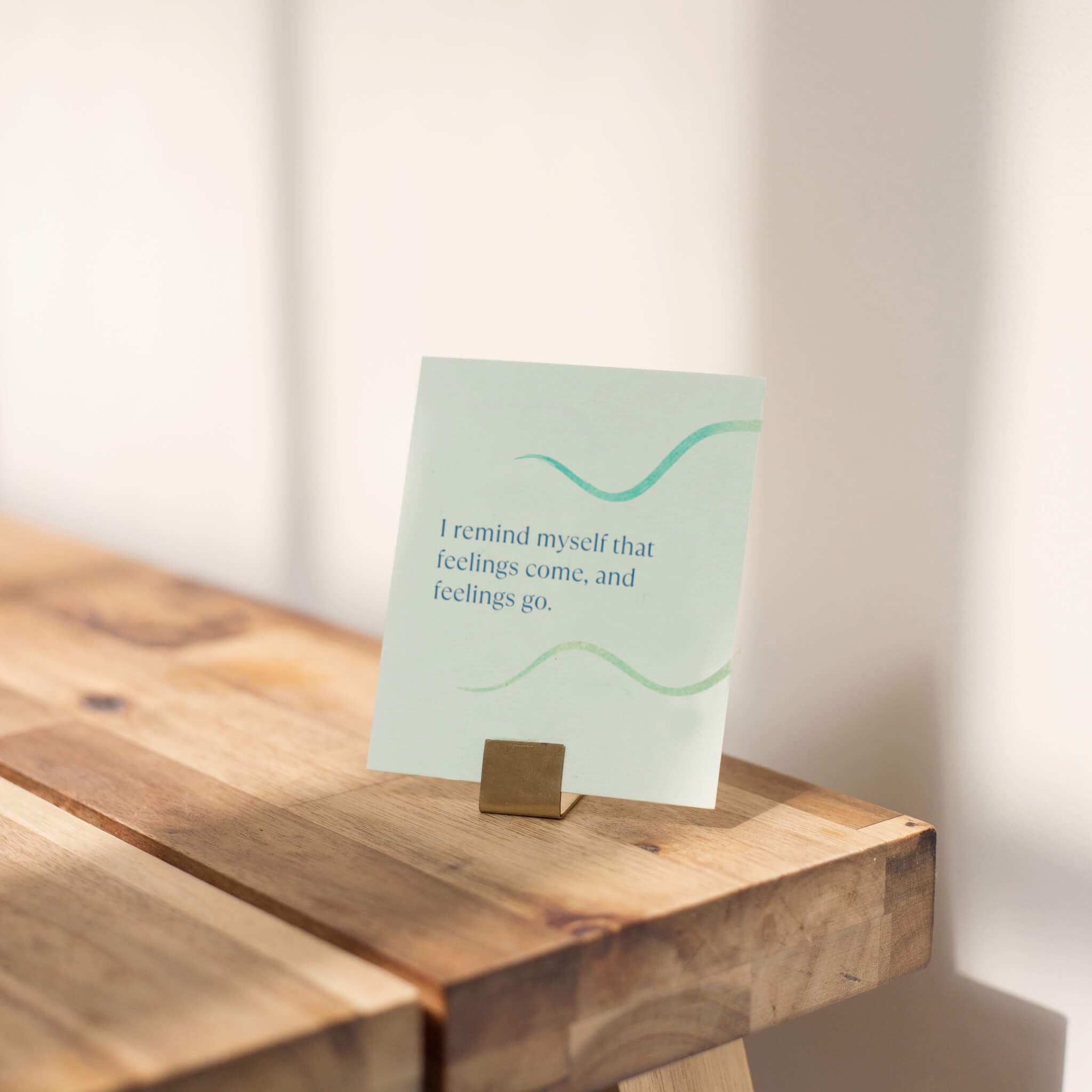
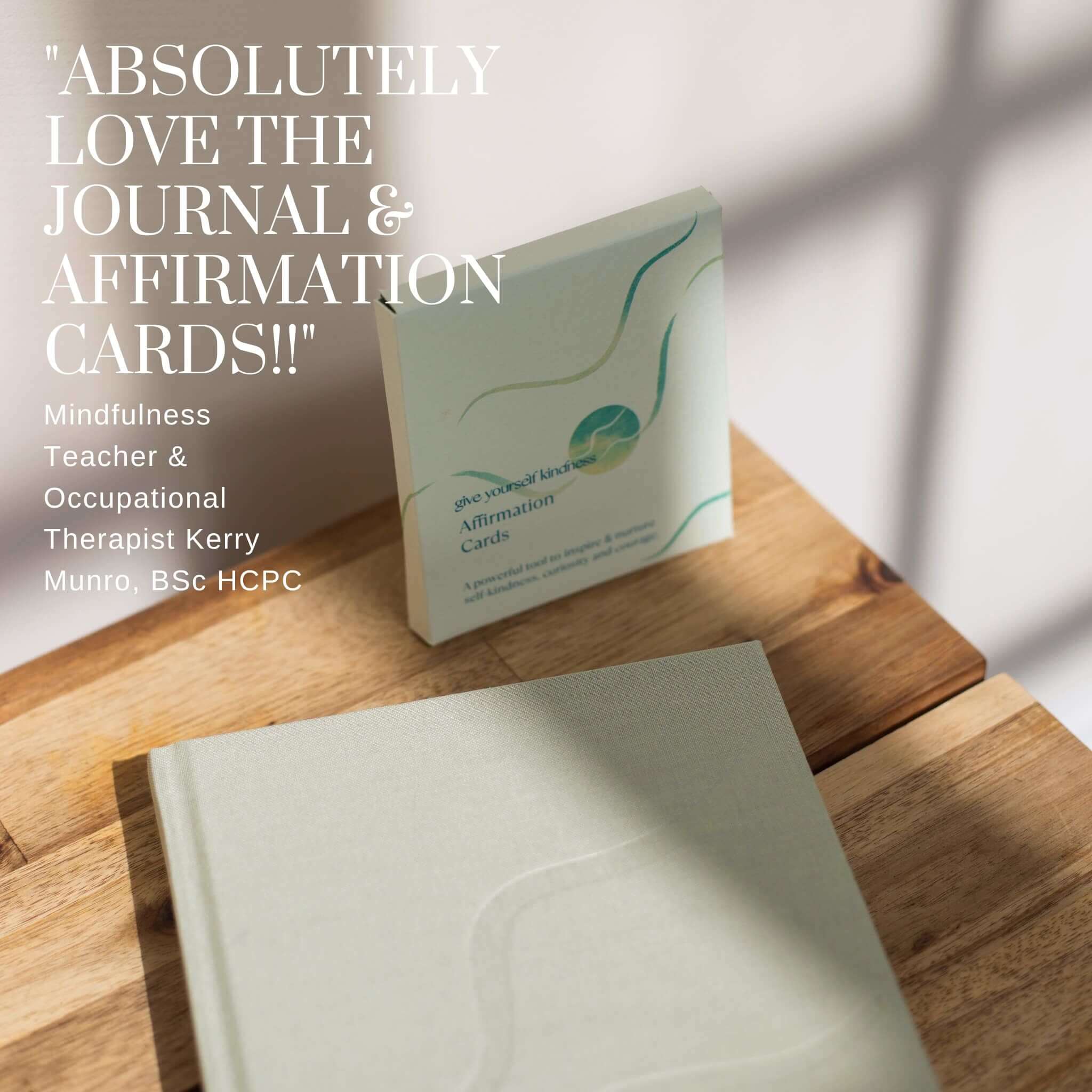
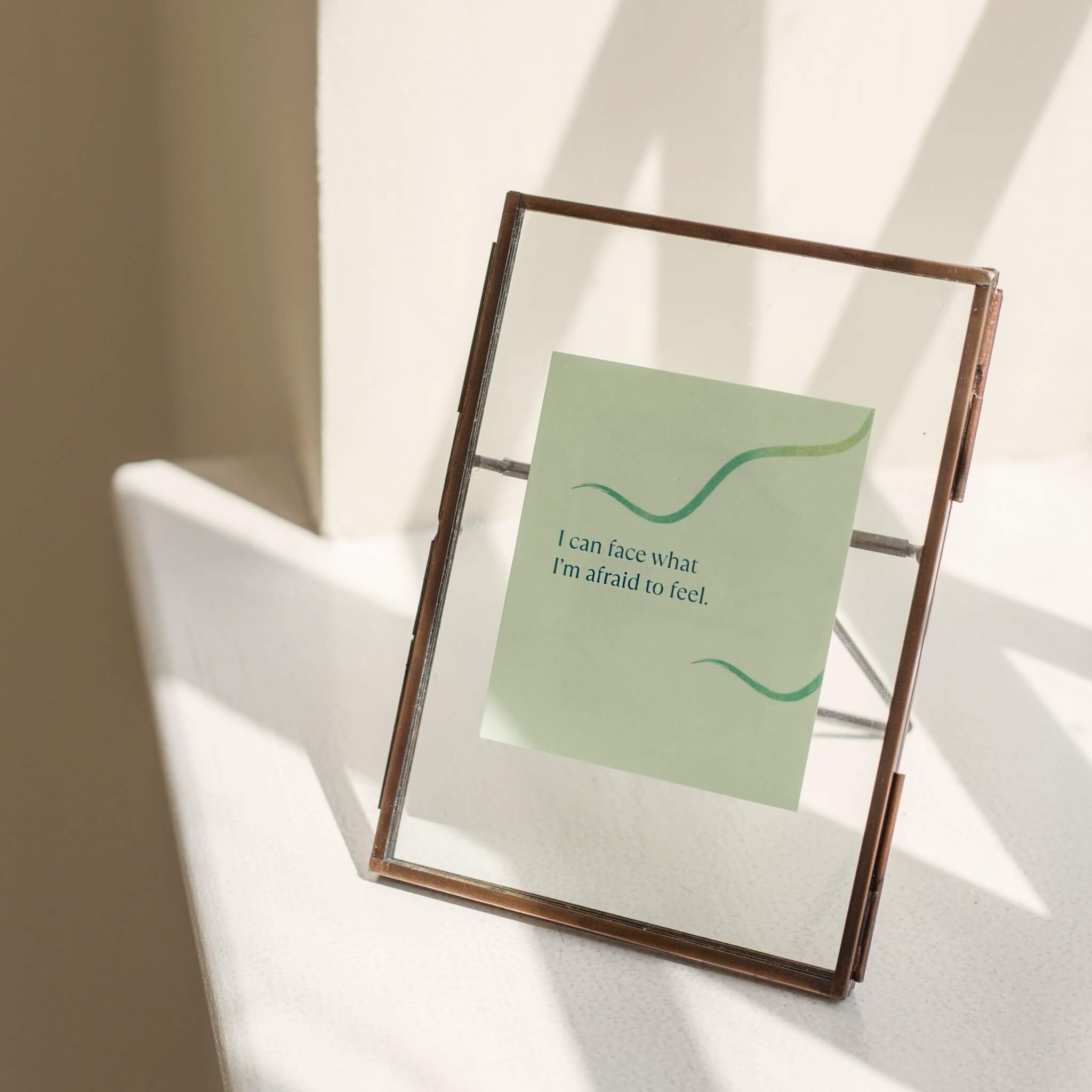
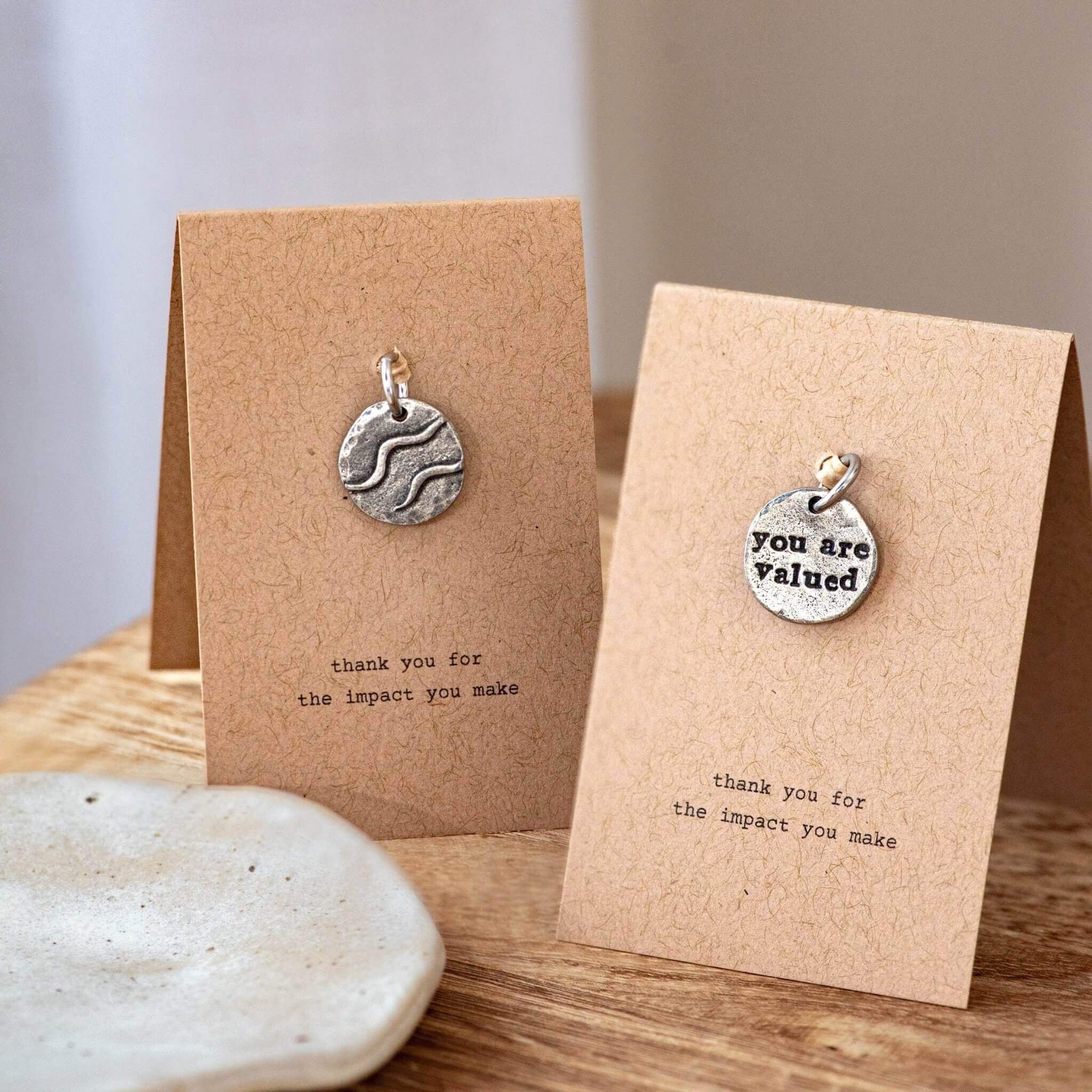
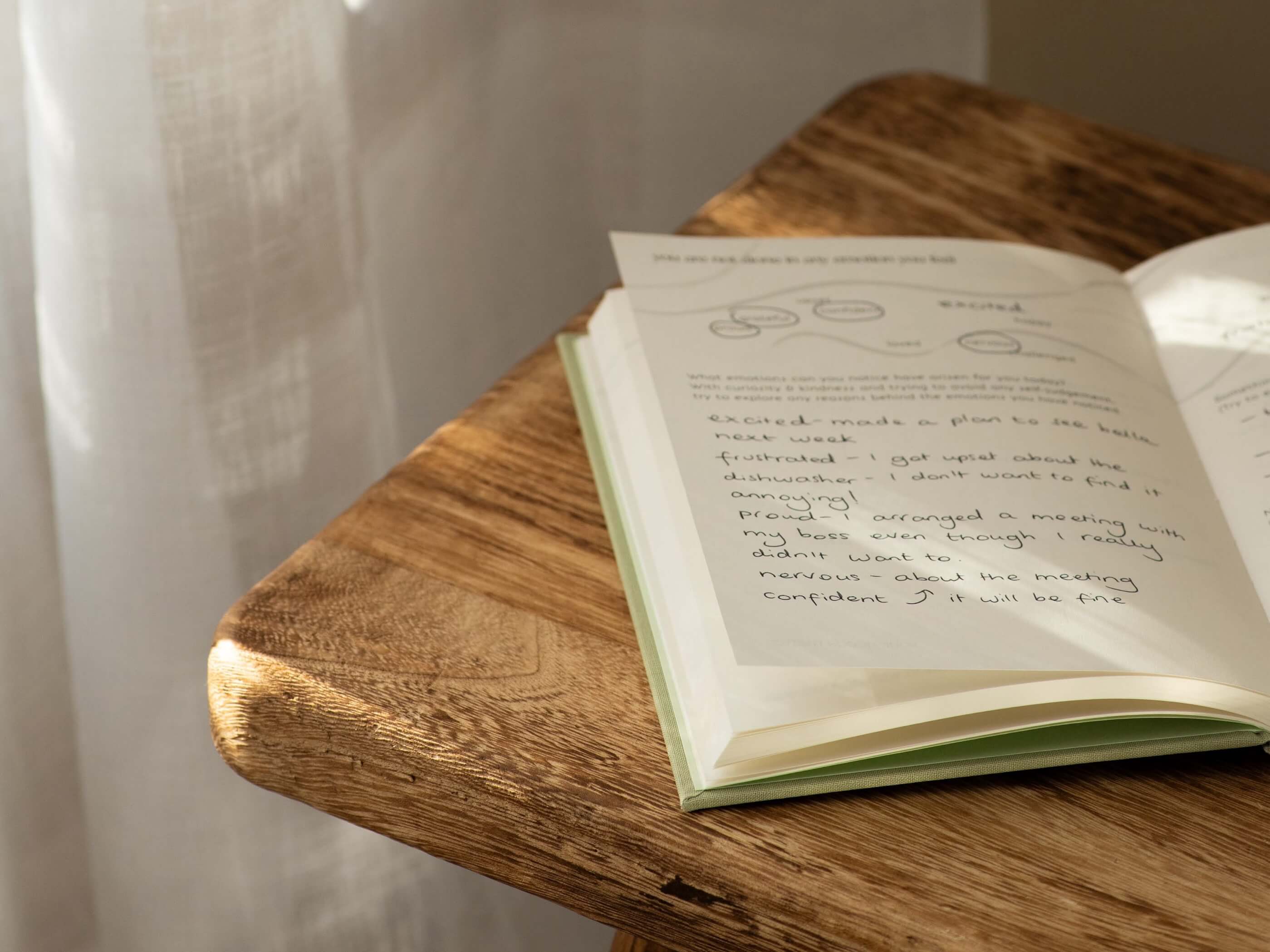
The Give Yourself Kindness Journal is built on all three, and every entry ends with the friend question. It is reviewed by clinical psychologists at Harvard Medical School and the University of Oxford, and used by therapists with clients worldwide.
Discover the journal →On this page
- What self-acceptance actually is
- Why it feels like giving up, and why it is not
- Where the self-criticism is coming from
- What to look for in a journal for self-acceptance
- The questions a self-acceptance journal should ask
- When a kind sentence feels like lying
- What therapists say about this one
- Questions people ask me
What self-acceptance actually is
Self-acceptance gets used interchangeably with self-esteem and self-compassion, and most writing on the subject is really about self-esteem. They are three different things, and the difference decides whether journaling for self-acceptance works for you or quietly makes things worse.
Three things that are not the same
| Self-esteem | Self-acceptance | Self-compassion |
|---|---|---|
| A verdict, in your favour. I am good, I am capable, I am worthwhile. | Dropping the verdict. This is what is true about me at the moment, full stop. | How you treat yourself once the verdict is gone, especially when things go badly. |
| Needs evidence, so it rises and falls with how the week went. | Needs no evidence, which is exactly why it holds on a bad week. | Turns acceptance into something you do rather than something you conclude. |
This matters practically. A prompt built on self-esteem asks you to find proof that you are good, and on a day when you cannot find any, it leaves you worse off than before you opened the page. A prompt built on self-acceptance asks only what is true, which is always answerable.

Joanna Townsend, LCSW
Licensed psychotherapist in Montana, with psychological interests in eating disorders, emotional regulation, self-worth and compassion work. Writing exclusively for Give Yourself Kindness.
Self-acceptance is an avenue for self-compassion because it involves embracing all aspects of ourselves. It means seeing ourselves as whole and worthy even in the face of setbacks, perceived imperfections, and struggle.
Acceptance is about giving ourselves permission to be where we are while also being allowed to change and grow.
Joanna also quotes Carl Rogers, the founder of humanistic psychology, on the same point: the curious paradox is that when I accept myself just as I am, then I can change. Read Joanna's five ways to practise self-compassion →
That second sentence of Joanna's is the one worth reading twice. Permission to be where you are, and permission to change. Not one or the other. Everyone who worries that acceptance means settling has quietly assumed you only get to have one of those.
Why it feels like giving up, and why it is not
If some part of you resists this whole idea, that part is not being unreasonable and you are not unusual. It is the most common objection to self-acceptance there is, and clinicians who work with self-criticism all day hear it constantly.

Dr Bianca Nardini
London-based Clinical Psychologist specialising in helping people who experience anxiety and self-criticism. Writing exclusively for Give Yourself Kindness.
Most people fear that becoming self-compassionate means they’ll “let themselves off the hook” or “make excuses” for their behavior. They worry this will lead to lowering their standards and failing as parents, workers, or partners. Put simply: we’ve come to believe that self-criticism is what keeps us on track.
The path to self-compassion isn’t about lowering your standards. It’s about changing your approach to meeting those standards—using encouragement rather than punishment as your primary tool.
Read that last sentence slowly, because it answers the whole objection. The standard stays. What changes is the tool you use to reach it. Nobody is asking you to want less. The question is whether contempt has been an effective way of getting there.

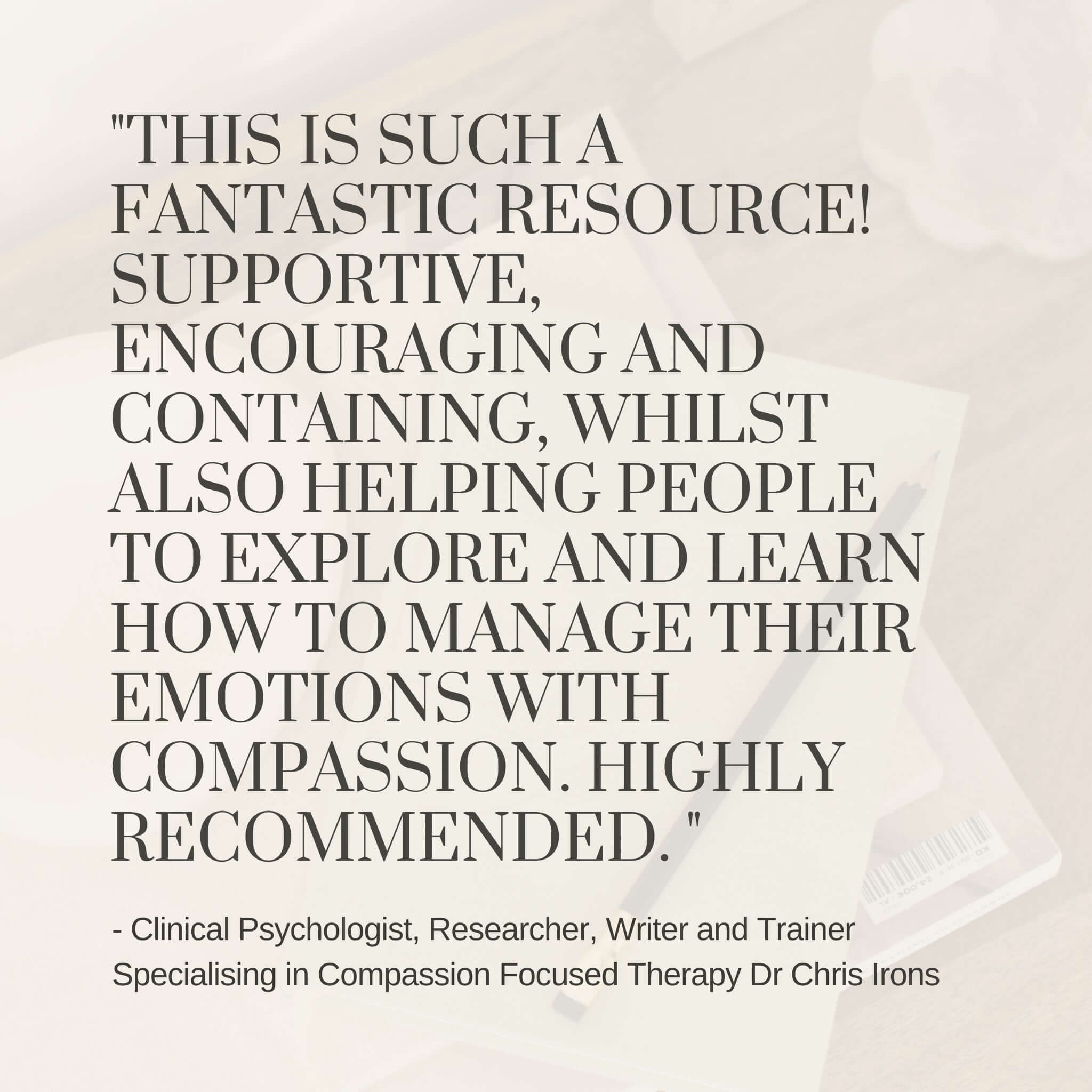
Dr Chris Irons
Clinical Psychologist, and one of the world's leading researchers, trainers and practitioners of Compassion Focused Therapy. Co-director of Balanced Minds. Writing exclusively for Give Yourself Kindness.
Sometimes the fear of becoming more compassionate with ourselves links to what we’ll lose in the process.
In particular, there can be a sense that I’ll lose my self-criticism which can be scary as many people have sense (although rarely actually true) that self-criticism has been helpful for them and that without it, bad things will happen (for example, their standards will slip, or they’ll become arrogant or harmful to others).
So the resistance is not stubbornness. It is a reasonable fear about losing something you believe has been keeping you safe. That is why arguing yourself out of it does not work, and why a journal built for this asks what you would be worried about losing rather than telling you there is nothing to lose.

Dr Stan Steindl
Clinical Psychologist and Adjunct Professor at the School of Psychology, University of Queensland. Co-director of the UQ Compassionate Mind Research Group. Writing exclusively for Give Yourself Kindness.
Ambivalence is a natural part of the process when we’re considering making a change or taking steps towards something new. It’s not a problem to be solved—it’s a signal that something important is happening.
There’s wisdom in our defences, even if we eventually choose to do things differently.
If you take one idea away from this page, take that one. Being in two minds about accepting yourself is not evidence that you cannot do it. It is what it looks like while it is happening.
Where the self-criticism is coming from
Your inner critic is not a character flaw. This is the part that changes everything else, and it is much easier to write honestly about yourself once you know it.

Dr Maria Tucknott
Clinical Psychologist specialising in trauma, anxiety and depression, and founder of Tucknott Psychology. Accredited EMDR therapist. Writing exclusively for Give Yourself Kindness.
Compassion Focused Therapy (CFT) helps us understand that our inner critic isn’t a personal failing. It’s part of an ancient safety system hardwired into the human brain.
The inner critic, then, is not simply being “mean” - it’s trying (clumsily) to protect us.
When we begin to view our inner critic not as an enemy, but as an over the top protector, we can begin to shift our relationship to it.
An over the top protector is a far more useful thing to write about than an enemy. You cannot make peace with an enemy in a notebook. You can write a few honest lines about something that has been trying, badly, to keep you out of trouble.

Annabelle Kyle Dortch, Psy.D.
Los Angeles based Clinical Psychologist, specialising in life transitions, relationships, stress, anxiety and the impacts of trauma. Writing exclusively for Give Yourself Kindness.
Whether it is coming from ourself or someone else, our mind-body system perceives criticism as a threat, activating our stress response.
But no matter how wonderful this promise sounds, the truth remains that if self-criticism worked as a means of self-improvement…it would have worked by now.
Self-compassion does not mean wallowing in pity or avoiding growth. The goal of self-compassion is to develop a safe place to land within ourself when we inevitably make mistakes, fall short of expectations or experience suffering.
Read Annabelle Kyle Dortch on self-compassion versus self-criticism →
It would have worked by now. That is worth sitting with rather than skimming past. Most of us have been running the experiment for decades, and a safe place to land is a better thing to build than a harsher judge.
What to look for in a journal for self-acceptance
Not every journal helps with this, and some make it harder. These are the five things that decide it, and they are the things I built the Give Yourself Kindness Journal around.
1. It should ask you to describe, not to declare
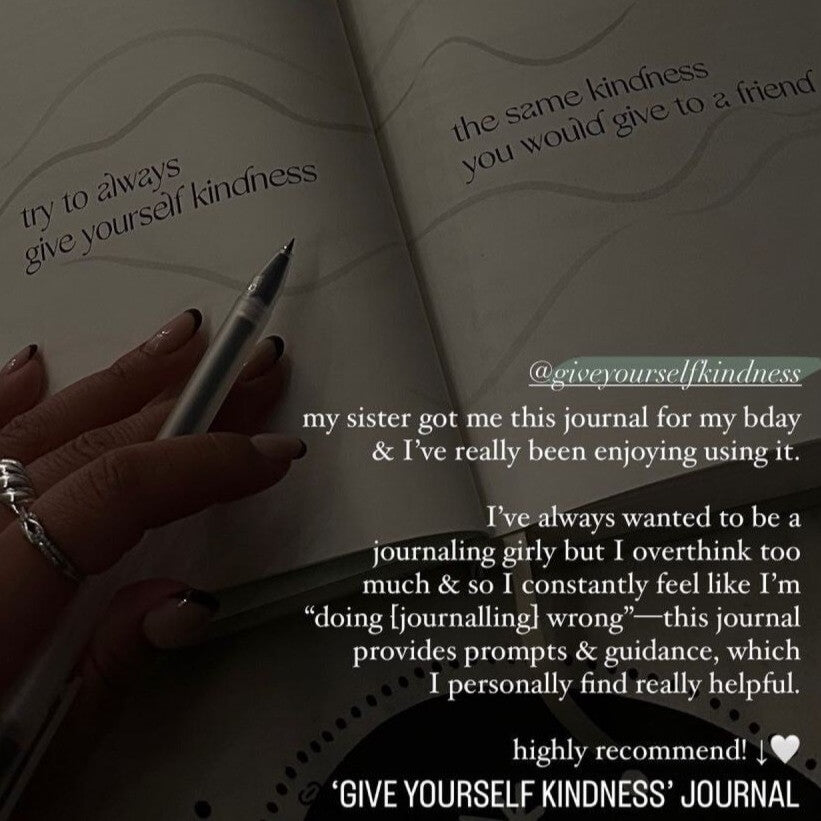
This is the one that matters most. A journal that asks you to write I am enough hands your inner critic something to argue with, and it will win, because it has had far more practice than you have. A journal that asks what is true about today gives it nothing to fight.
2. It should give you the words
Self-acceptance is hardest exactly when you have the least to give, which is the worst possible moment to be handed an empty page. A journal that expects you to arrive with the vocabulary is asking for the skill you came to build.
3. It should ask what you would say to a friend
Almost everyone can already be generous about somebody else. That generosity is a skill you have, and a journal built for self-acceptance should use it rather than asking you to invent warmth out of nothing.
4. It should welcome the parts you would rather not look at
A journal that quietly rewards you for feeling better teaches you to bring only the acceptable material. That is forced positivity, and it makes the inner critic louder rather than quieter, because now there is something you are not allowed to say.
5. It should be undated, and it should change its question
Dated pages turn a gap into a row of blank days looking back at you, which is guilt arriving in a book meant to reduce it. And the same question every day stops meaning anything after about a fortnight.
The questions a self-acceptance journal should ask
Here is the shape of it, so you know what you are looking for. Notice that not one of these asks you to conclude anything about your worth. They ask what is true, and then they ask you to be kind about it.
Ten questions that build self-acceptance
The kind of thing that works, whether you are using my journal or a notebook you already own.
- What did I notice today? Write it without adding what it says about me.
- Where did I use the word should today? Rewrite one of those sentences using could, and see whether anything shifts.
- What am I criticising myself for that I would not even notice if somebody else did it?
- Name one thing I would like to change. Then name what I would still like about myself if it never changed at all.
- What has criticising myself about this achieved so far? Be honest about how long I have been trying it.
- What am I afraid would happen if I stopped being hard on myself? Write the specific fear, not the general one.
- Imagine something magical happened tonight, and when you wake up tomorrow your inner critic is completely gone. What would worry you about that? Would you be reluctant to give it up?This one is Dr Bianca Nardini's thought experiment, in her words. Read her full piece →
- What do I forgive in other people instantly that I have never once forgiven in myself?
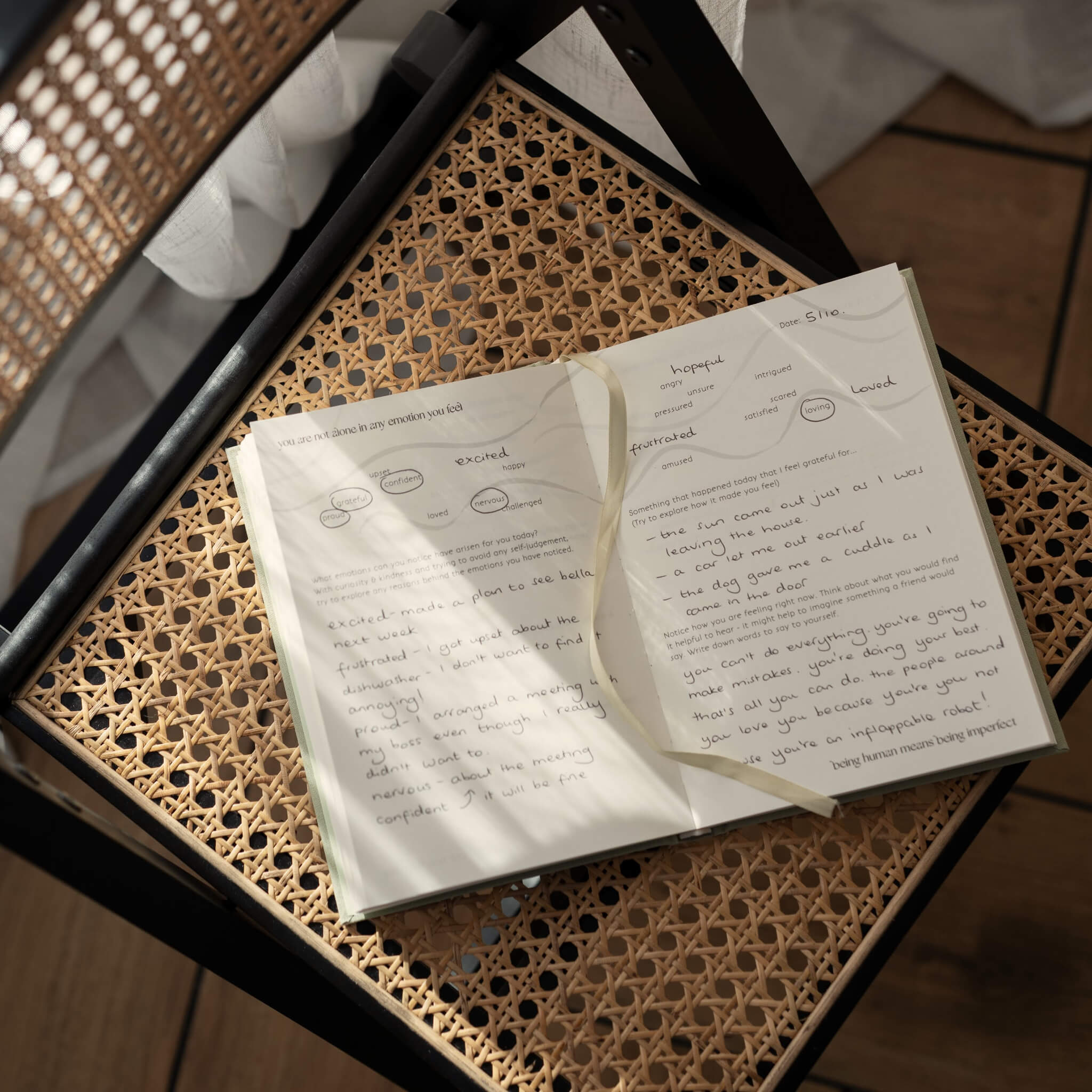
- If a friend told me they felt exactly this, what would I say to them? Write the actual sentence.
- What is the most generous thing I can write about myself that is still completely accurate?
Question nine is the one that does the work, and it is the one nearly everybody leaves out when journaling alone. That is why it is printed at the end of every entry in my journal rather than left to you to remember on a hard evening.
When a kind sentence feels like lying
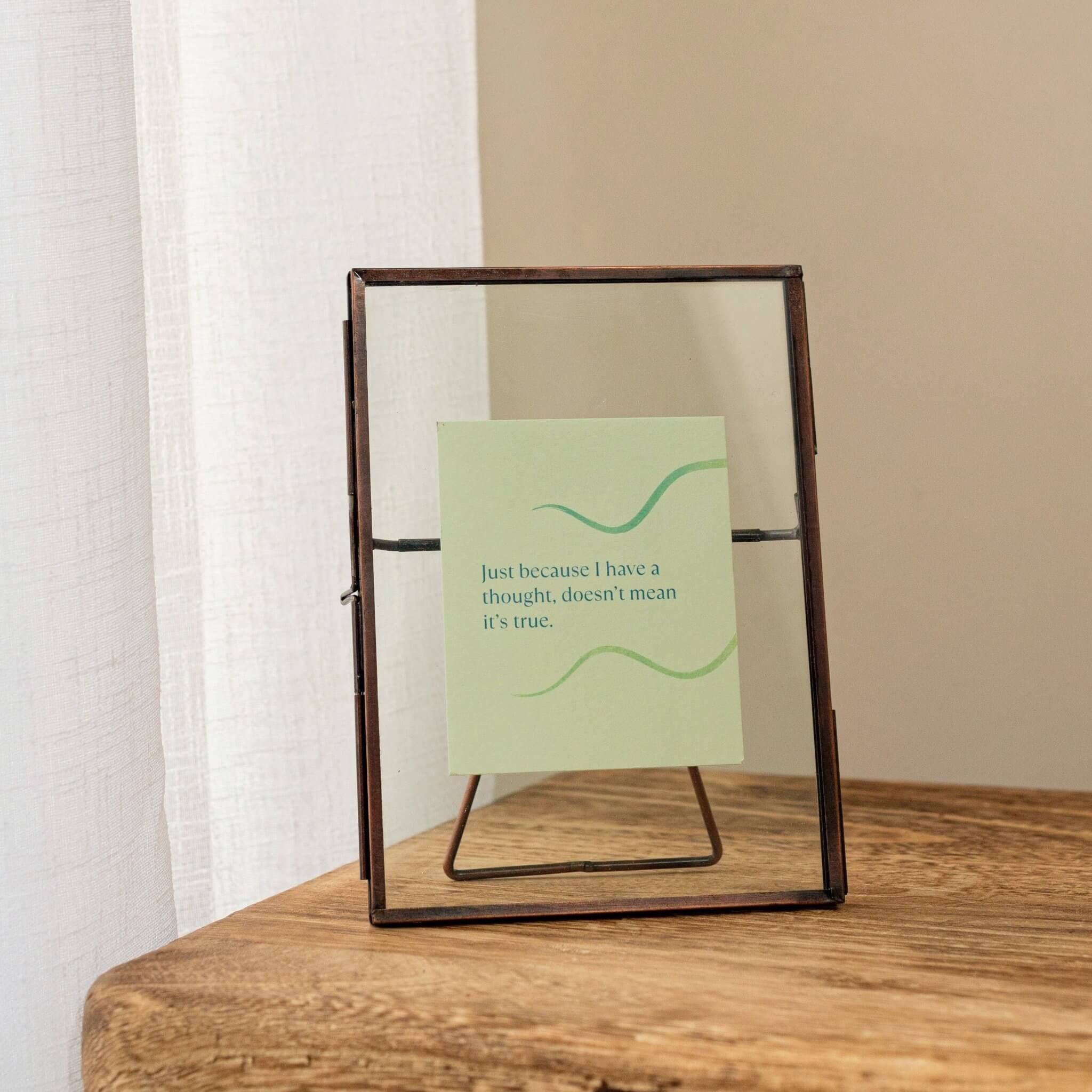
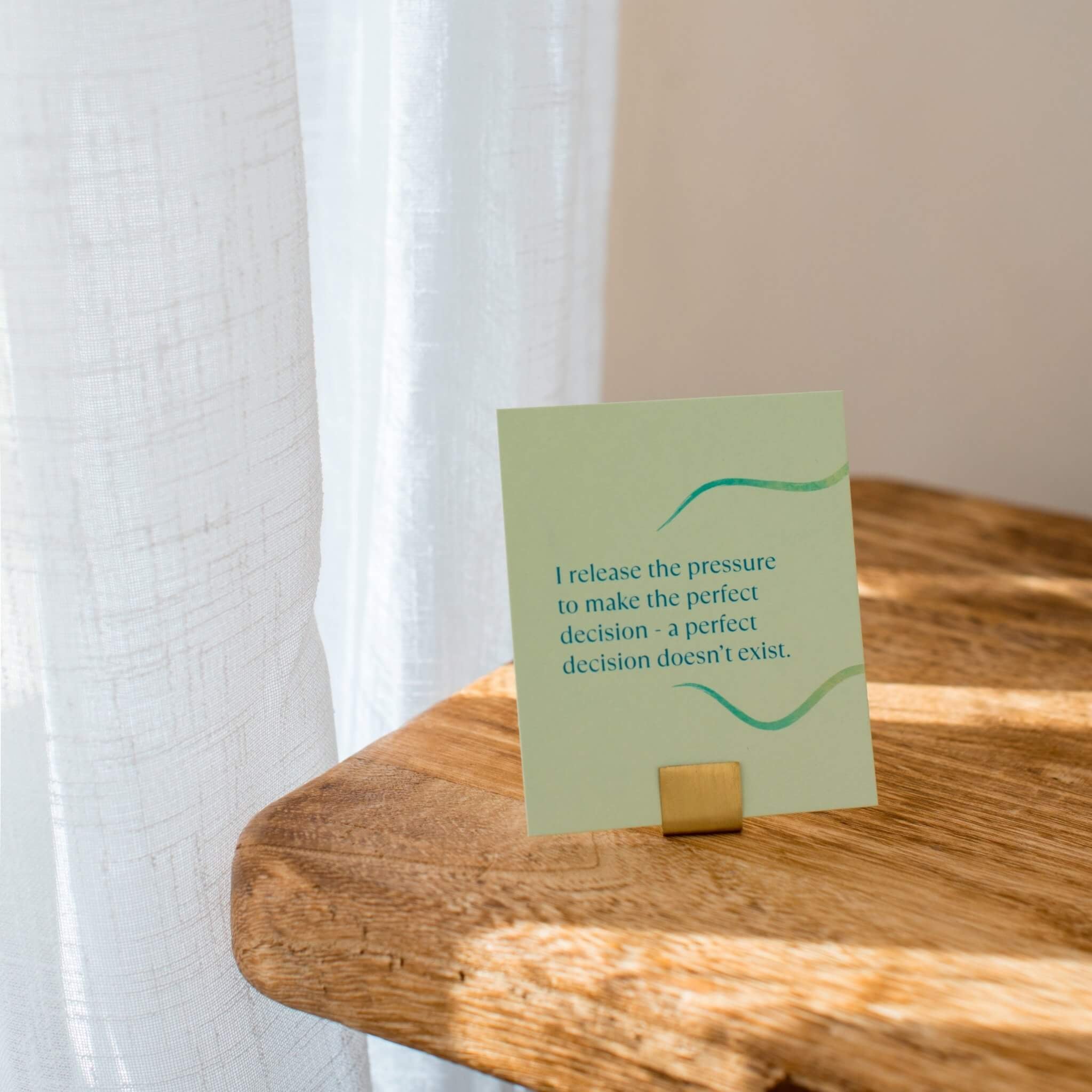
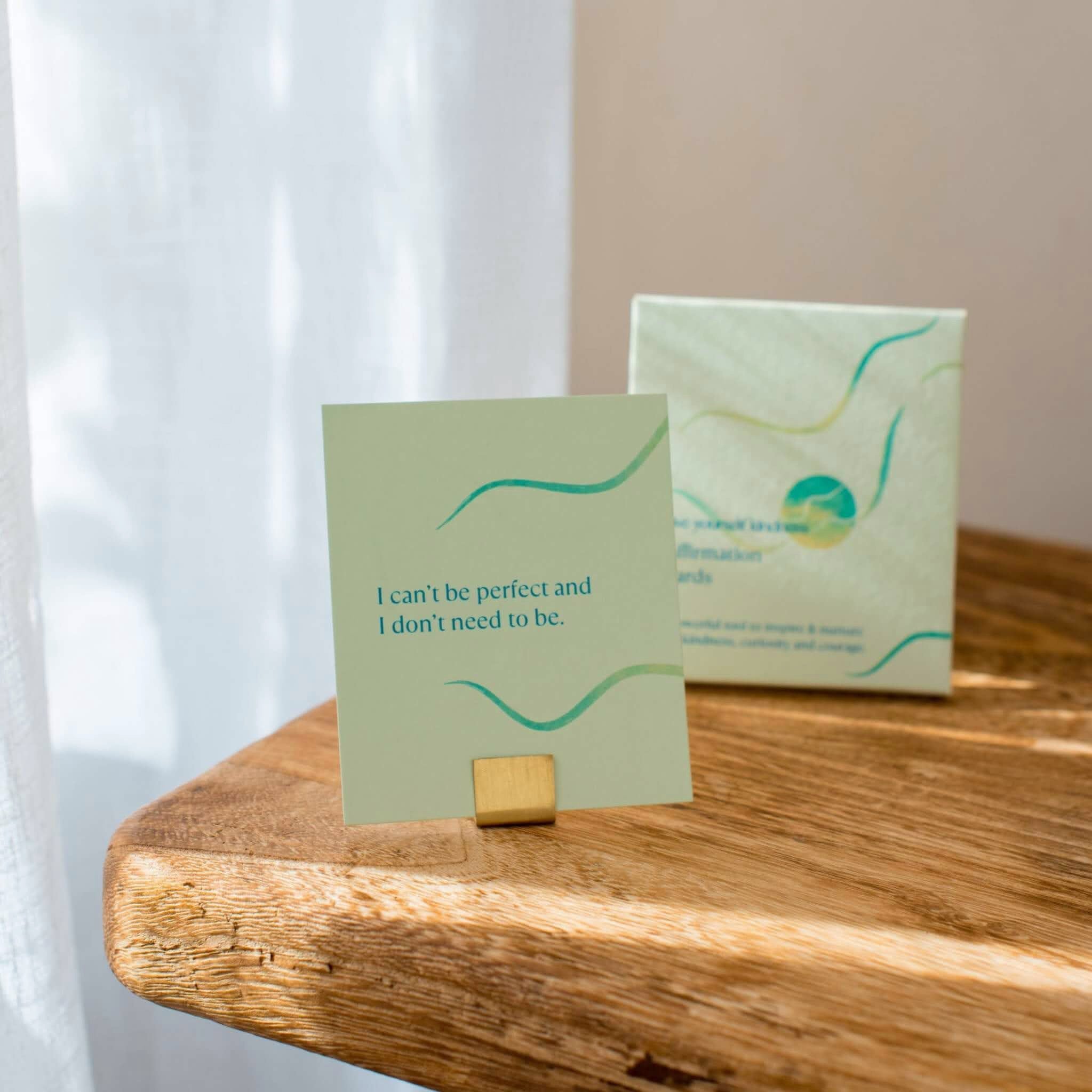
This is the most common reason people give up on self-acceptance journaling, and it is a problem with the sentence rather than with you. The fix is to swap declarations for descriptions. A declaration is a claim about your worth. A description is a statement of what is true. You cannot argue with a description, which is exactly why it holds on a bad day.
None of the right-hand column is cheerful, and that is deliberate. Self-acceptance is not a good mood. It is the much quieter business of describing what is there without deciding what it makes you, and it is available on days when cheerfulness is not.
What therapists say about this one
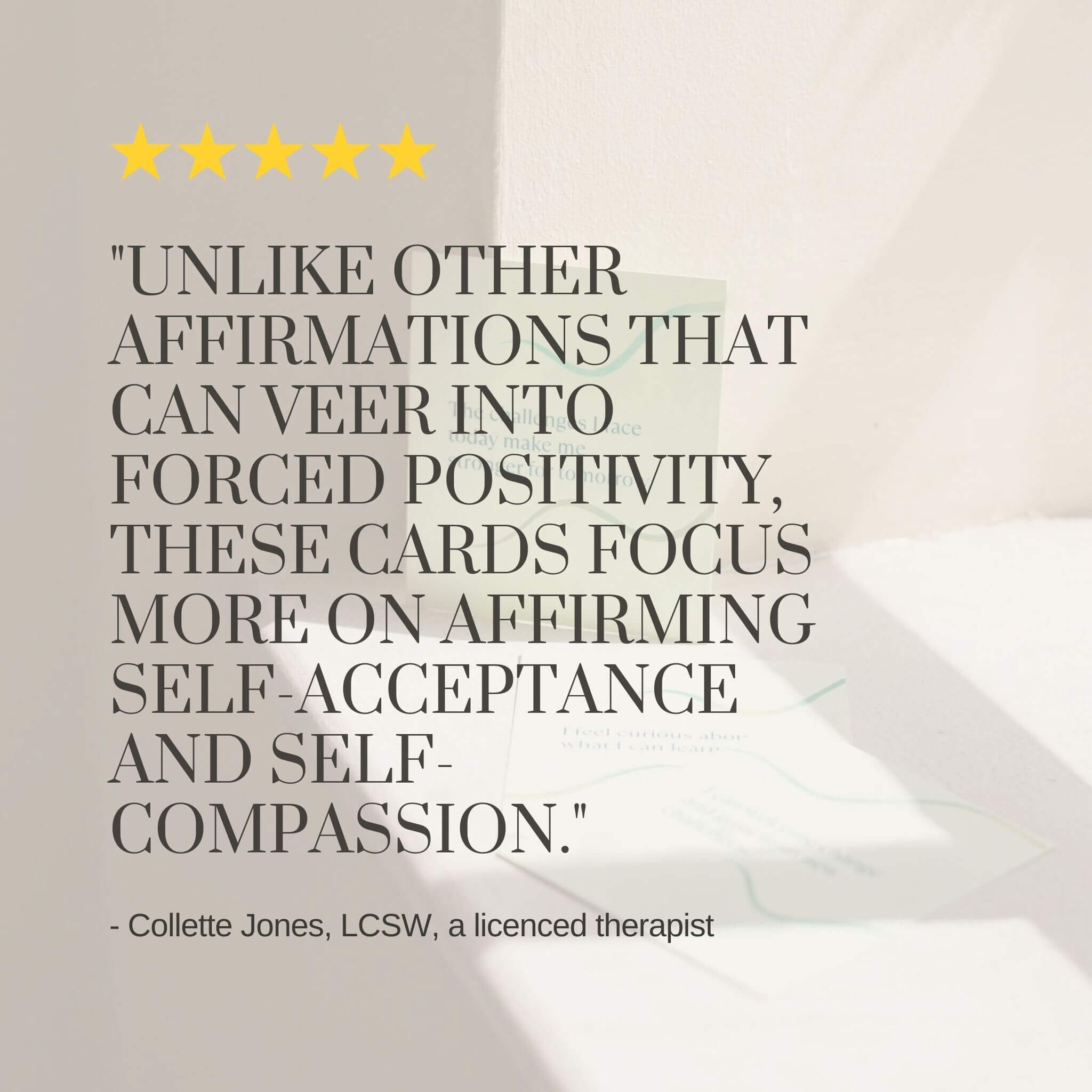
These are real reviews from named, credentialed professionals, several of whom use the journal with their own clients. They are all on my expert reviews page in full.

Deanna Solomon, LCSW
Licensed psychotherapist in California
The questions really encourage acceptance and curiosity of emotions
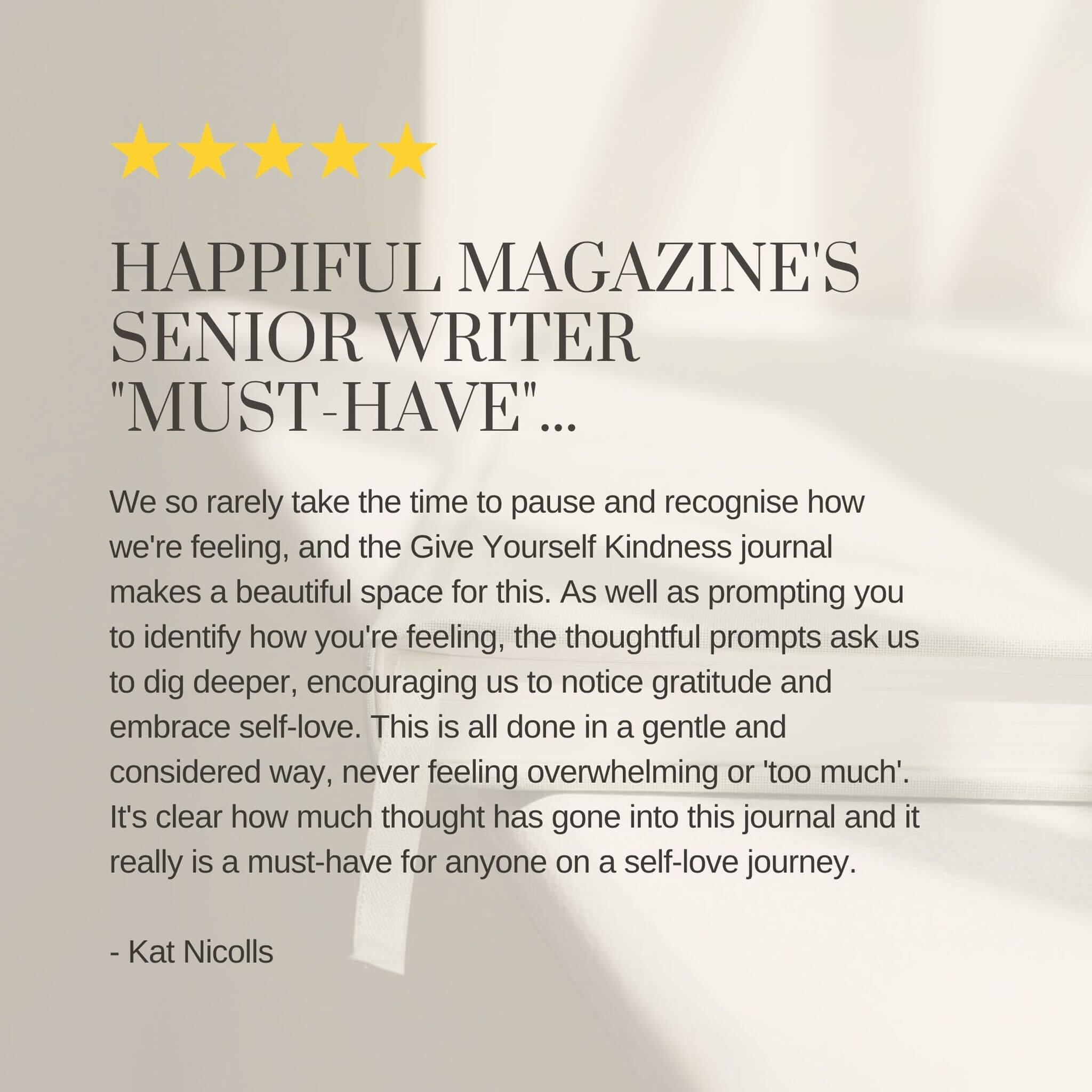
The give yourself kindness journal is a lovely tool for self reflection and getting more familiar with your emotions. The questions really encourage acceptance and curiosity of emotions, and I appreciate the focus on self compassion. This journal would be helpful for anyone interested in increasing self compassion and self awareness.

Willem Kuyken, PhD, DClinPsy
Ritblat Professor of Mindfulness and Psychological Science at the University of Oxford. Among the top 1% most cited scientists worldwide.
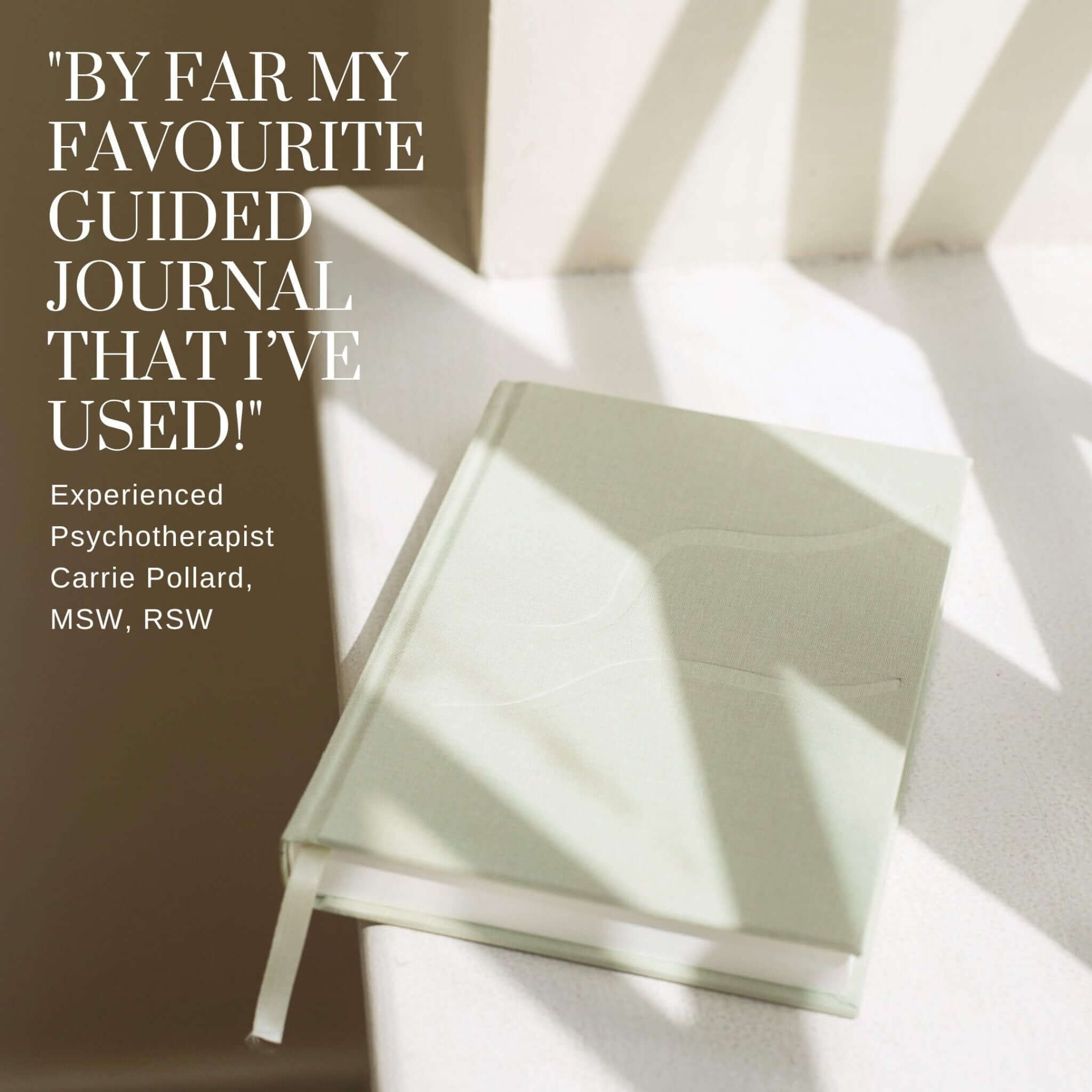
Writing can be creative, beautiful, resourcing, but it can also invoke an inner critic, rumination and procrastination. Rachel has curated the experience to make the writing intrinsically rewarding and the journal something to treasure.

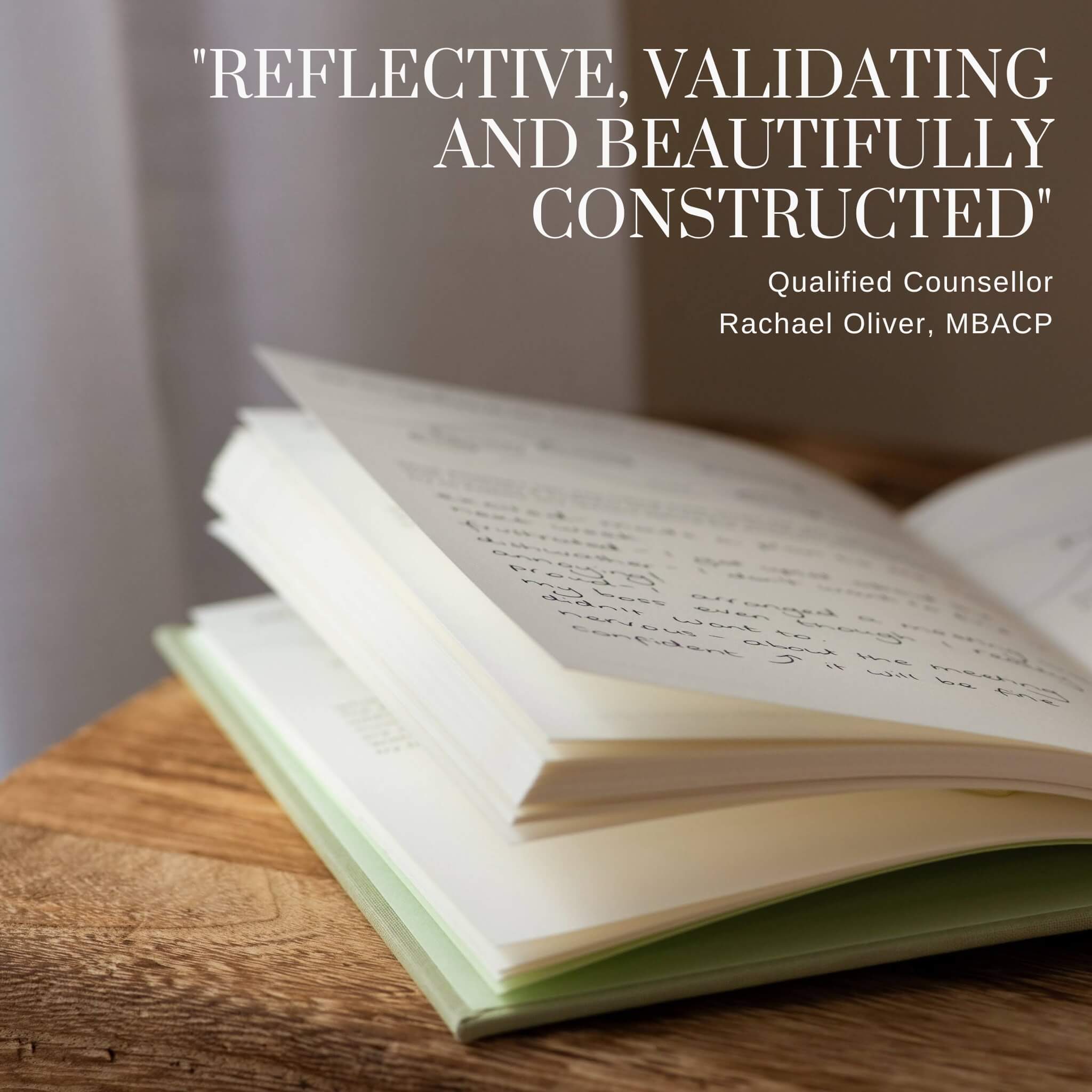
Rachael Oliver, MBACP
Accredited counsellor
Reflective, validating and beautifully constructed
The way the journal is constructed helps validate their entire experience and avoid toxic positivity, encourage reflection and ownership of feelings. I love them and feel privileged to be able to use them.
Joanna Townsend, LCSW
Licensed psychotherapist, and a self-compassion advocate and educator
An abundance of thought-provoking reflections
This journal is beautifully curated. As a self-compassion advocate and educator, the journal has an abundance of thought-provoking reflections and inviting visuals to help guide your self-compassion journey.

Chris Germer, PhD
Clinical psychologist and lecturer on psychiatry (part-time) at Harvard Medical School. Co-developed the Mindful Self-Compassion programme with Kristin Neff in 2010.
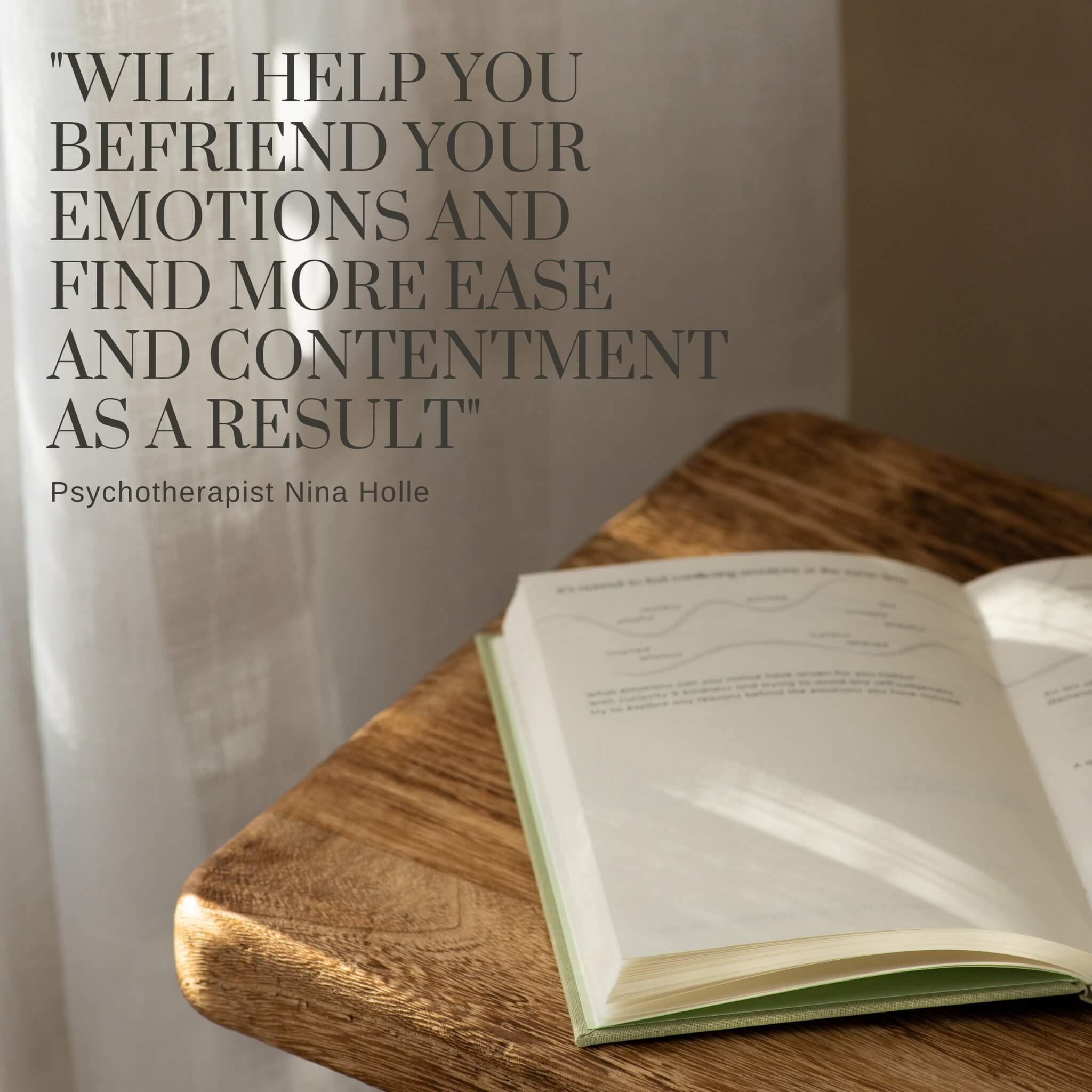
A warm invitation to make friends with your emotions and yourself!
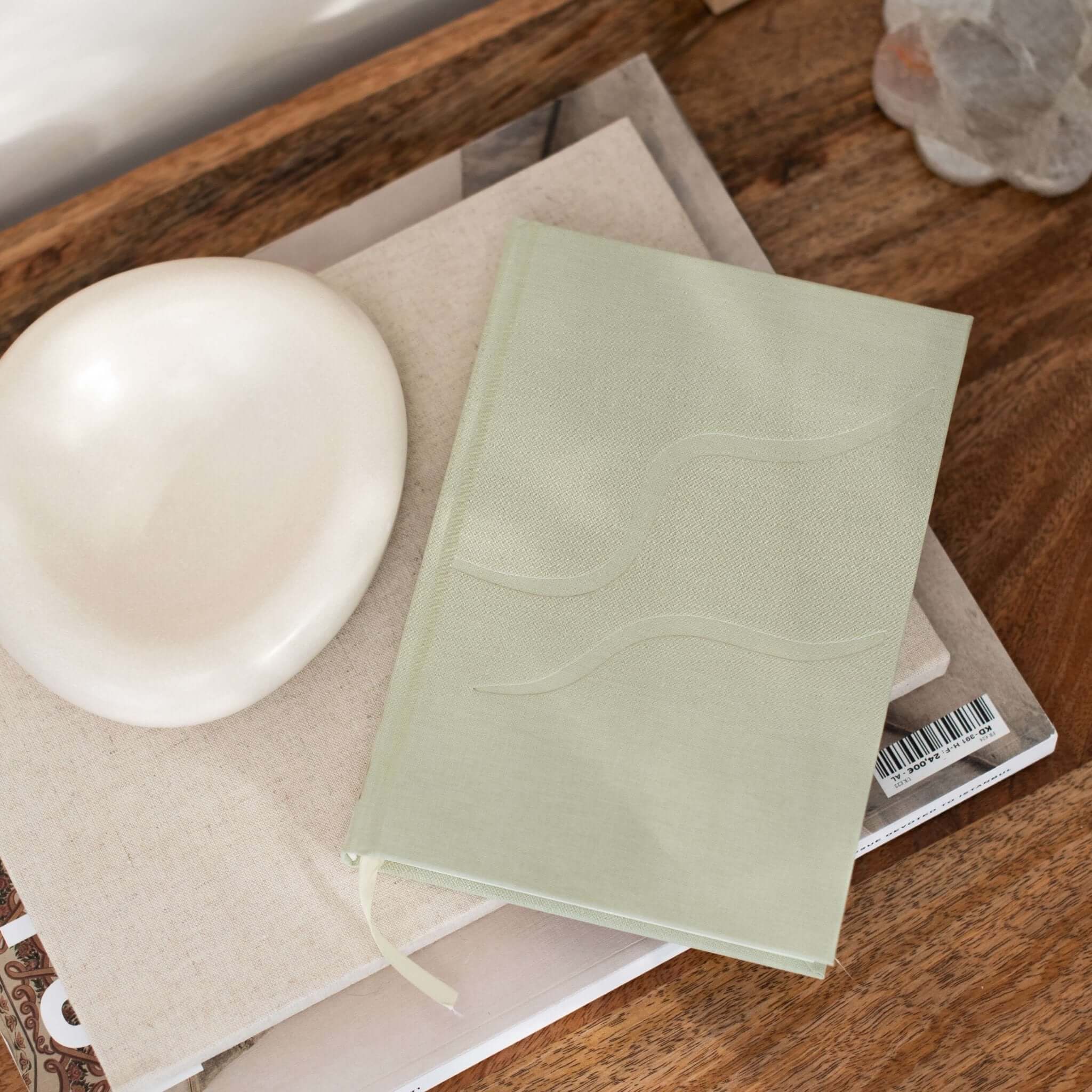
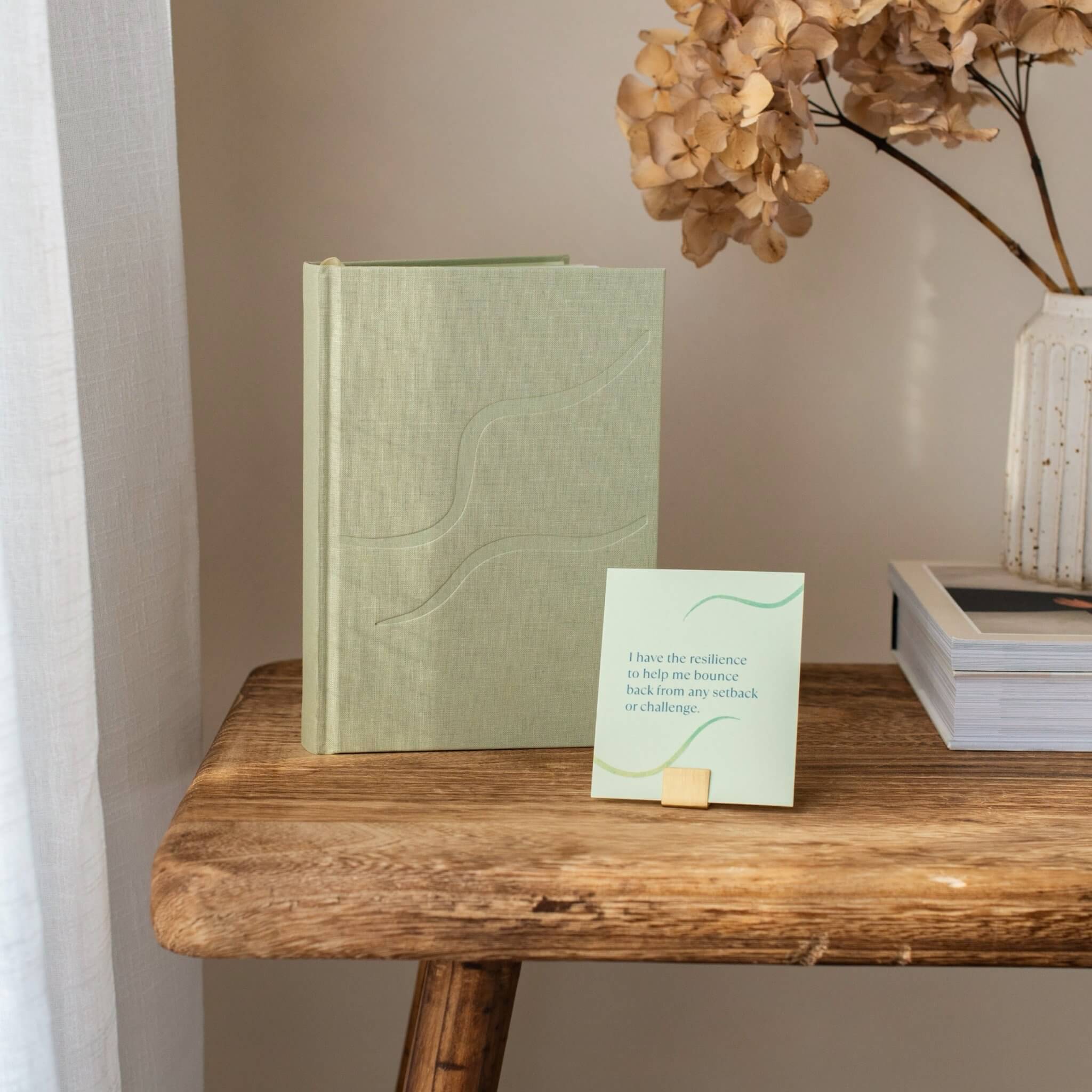
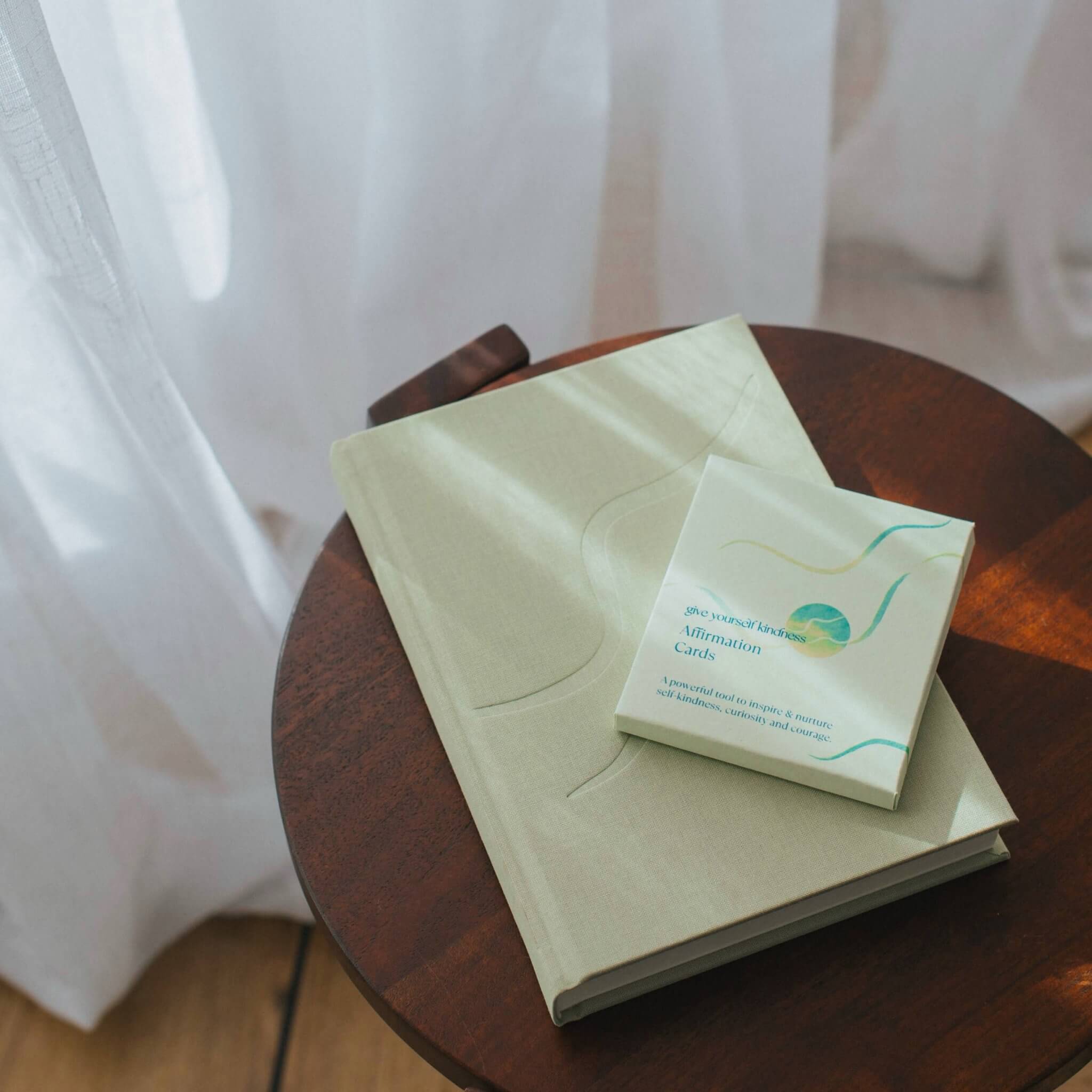
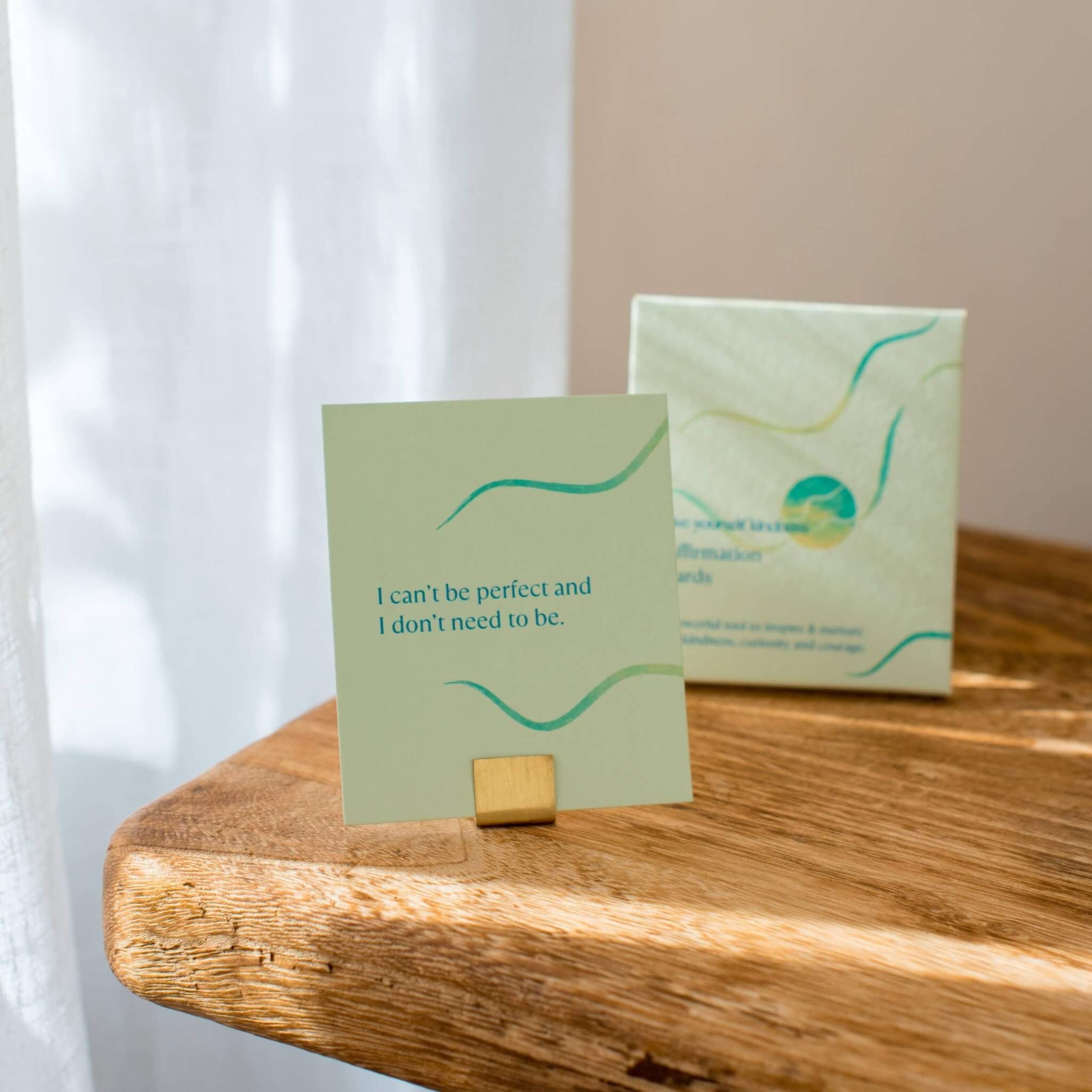
The Give Yourself Kindness Journal

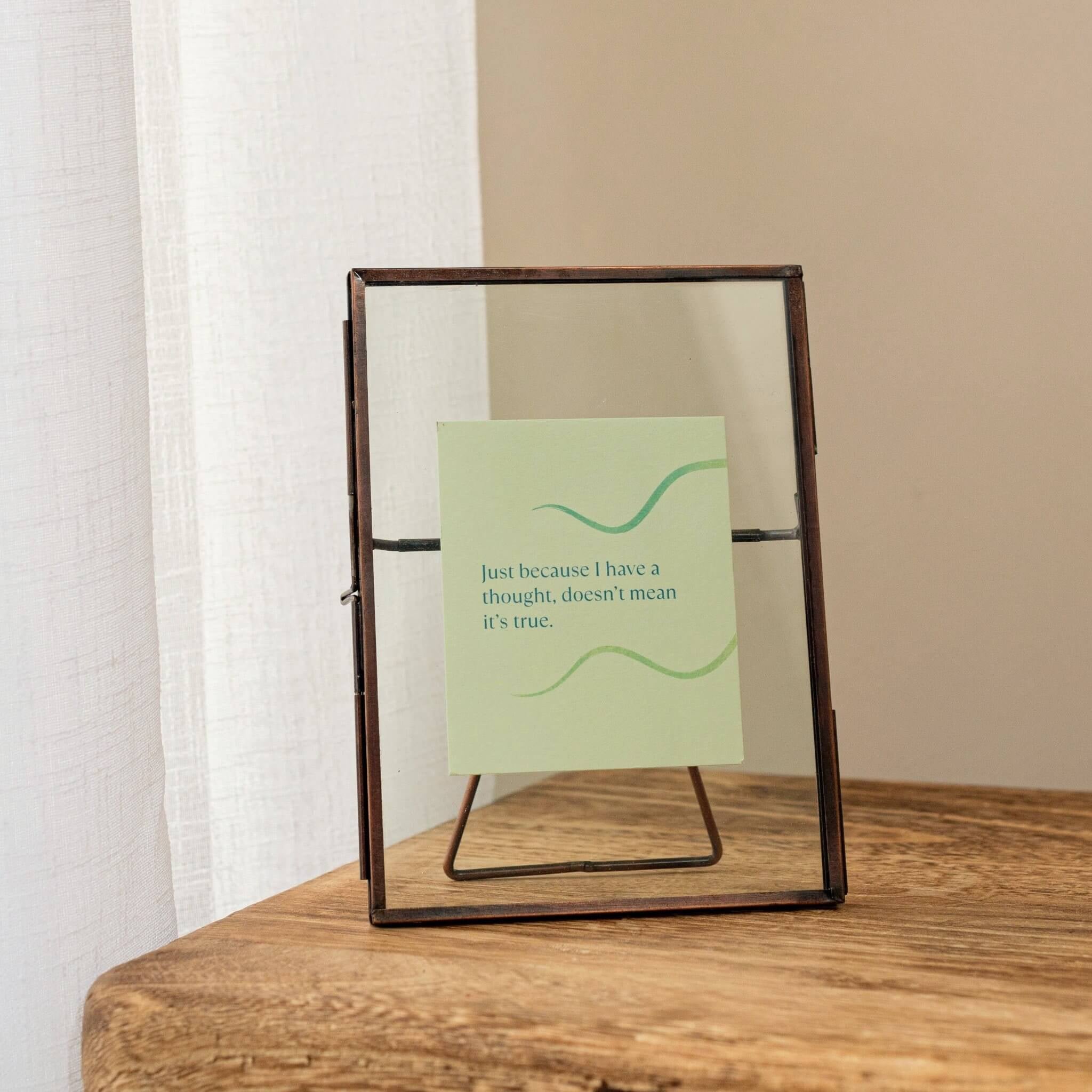
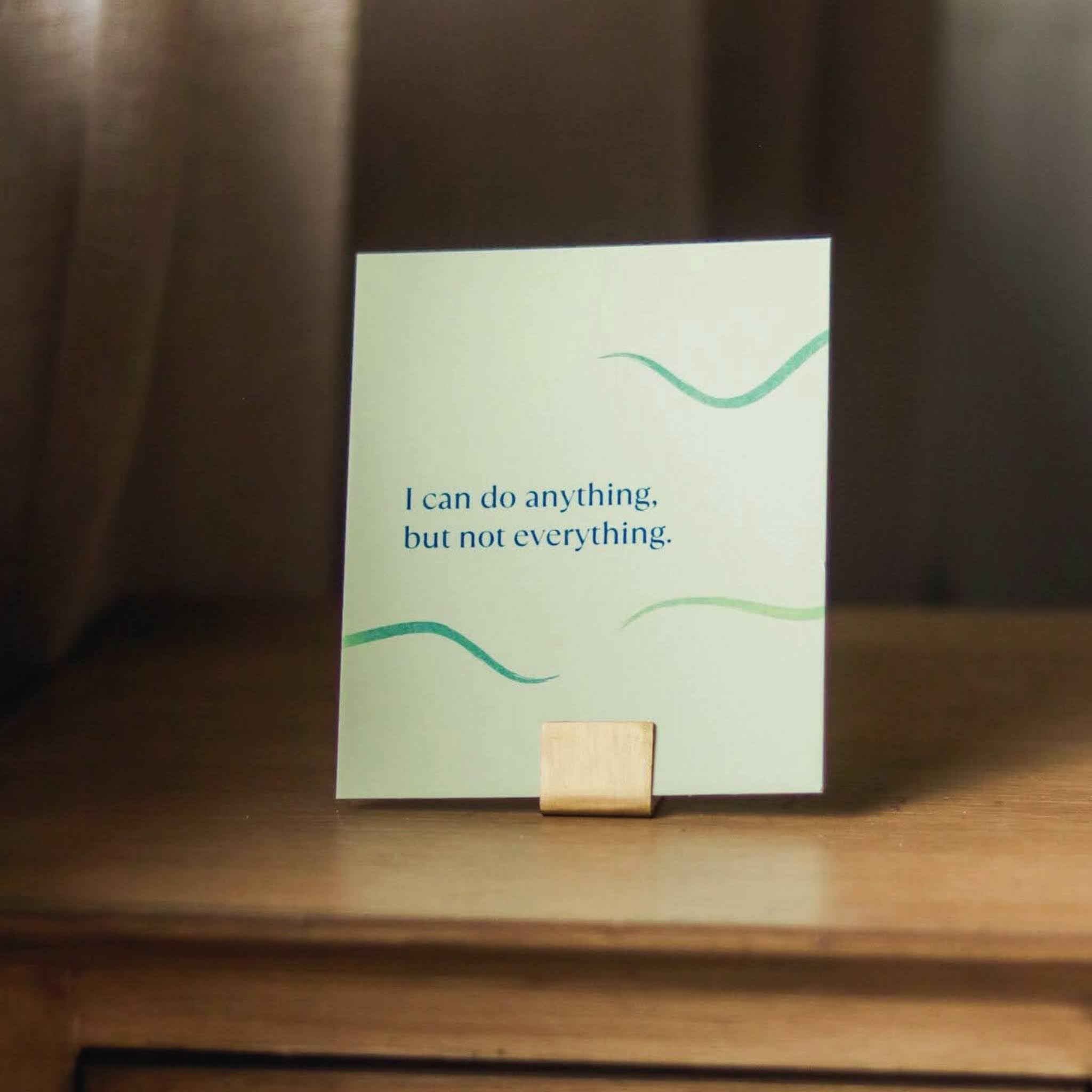
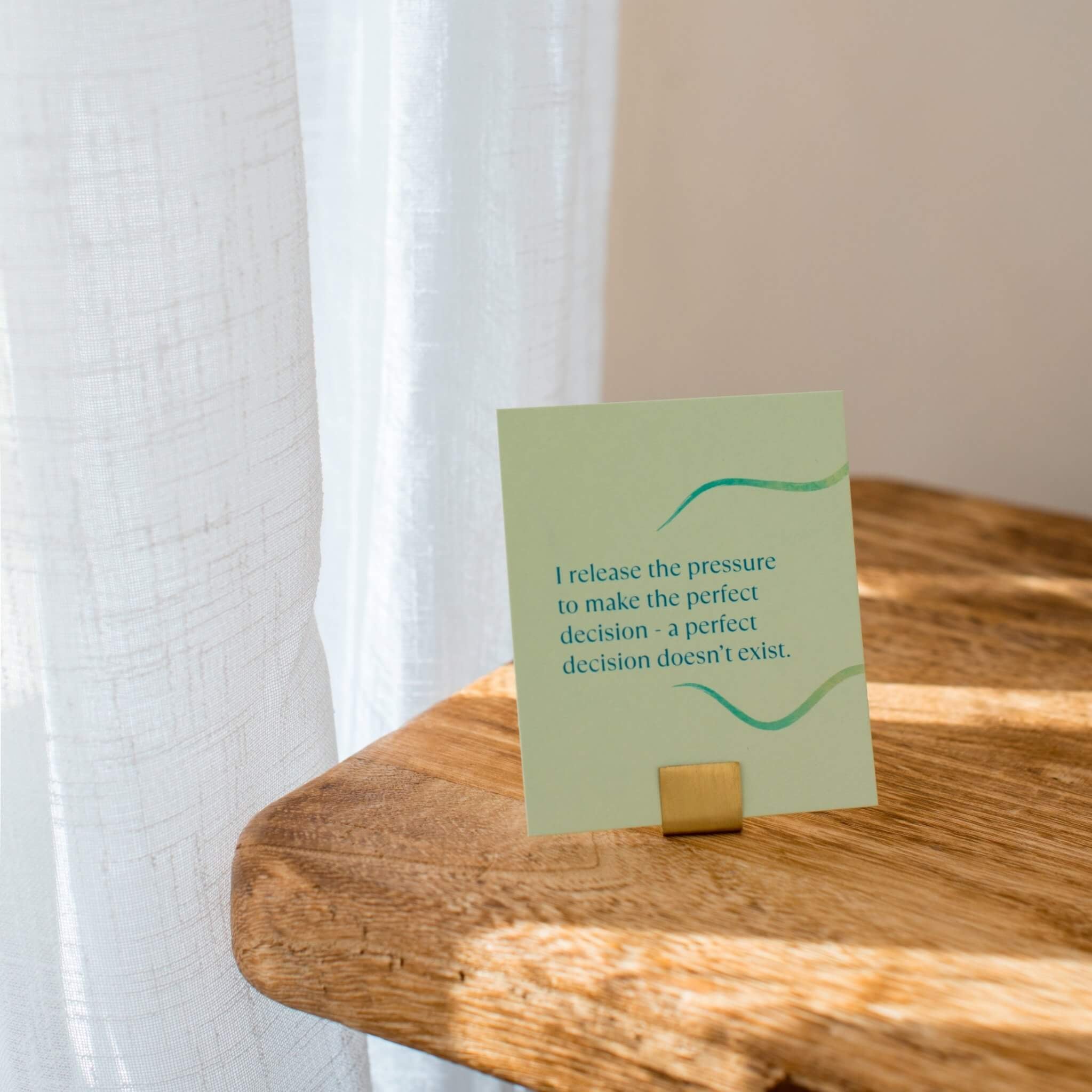
- Every entry ends with the friend question, the step that turns kindness back towards you
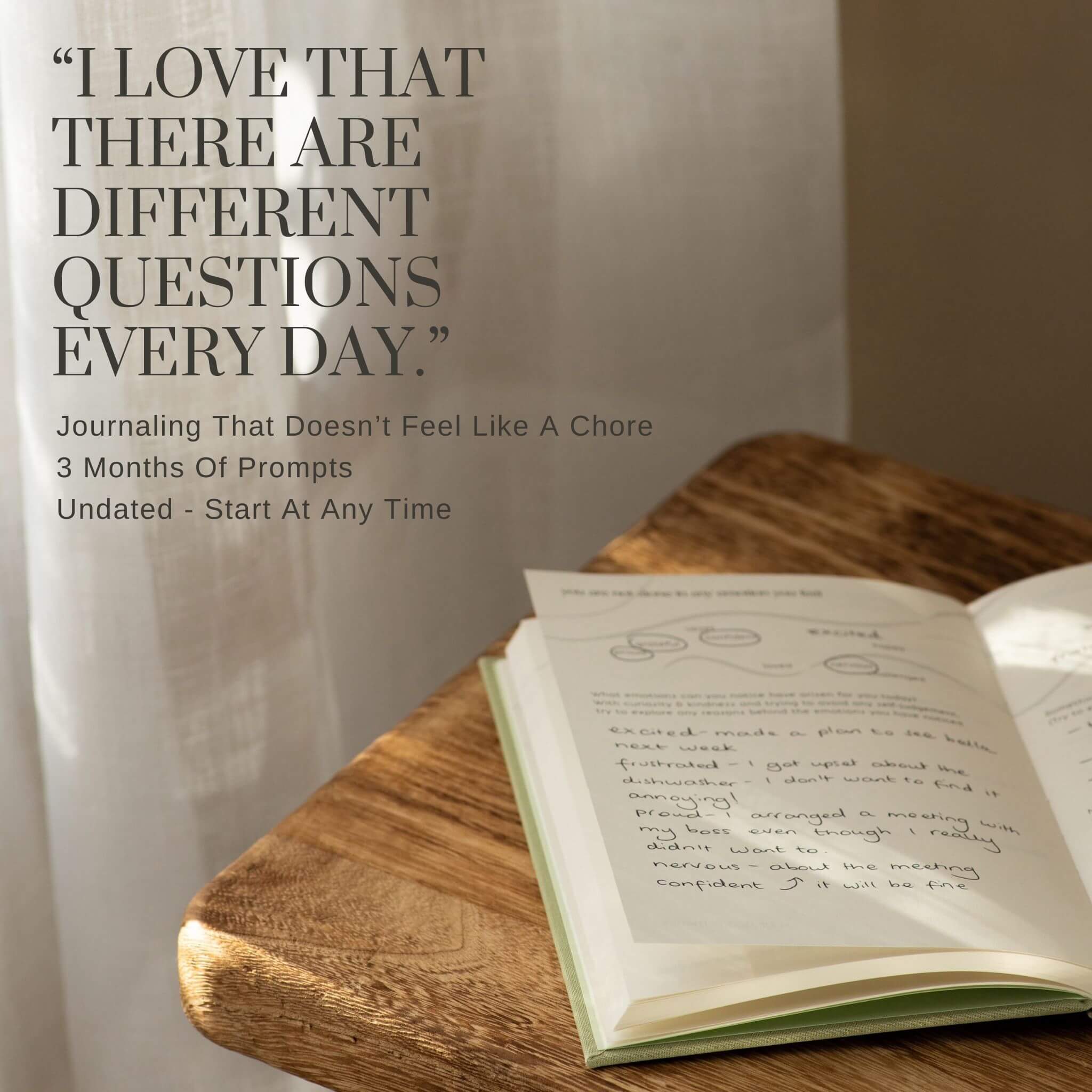
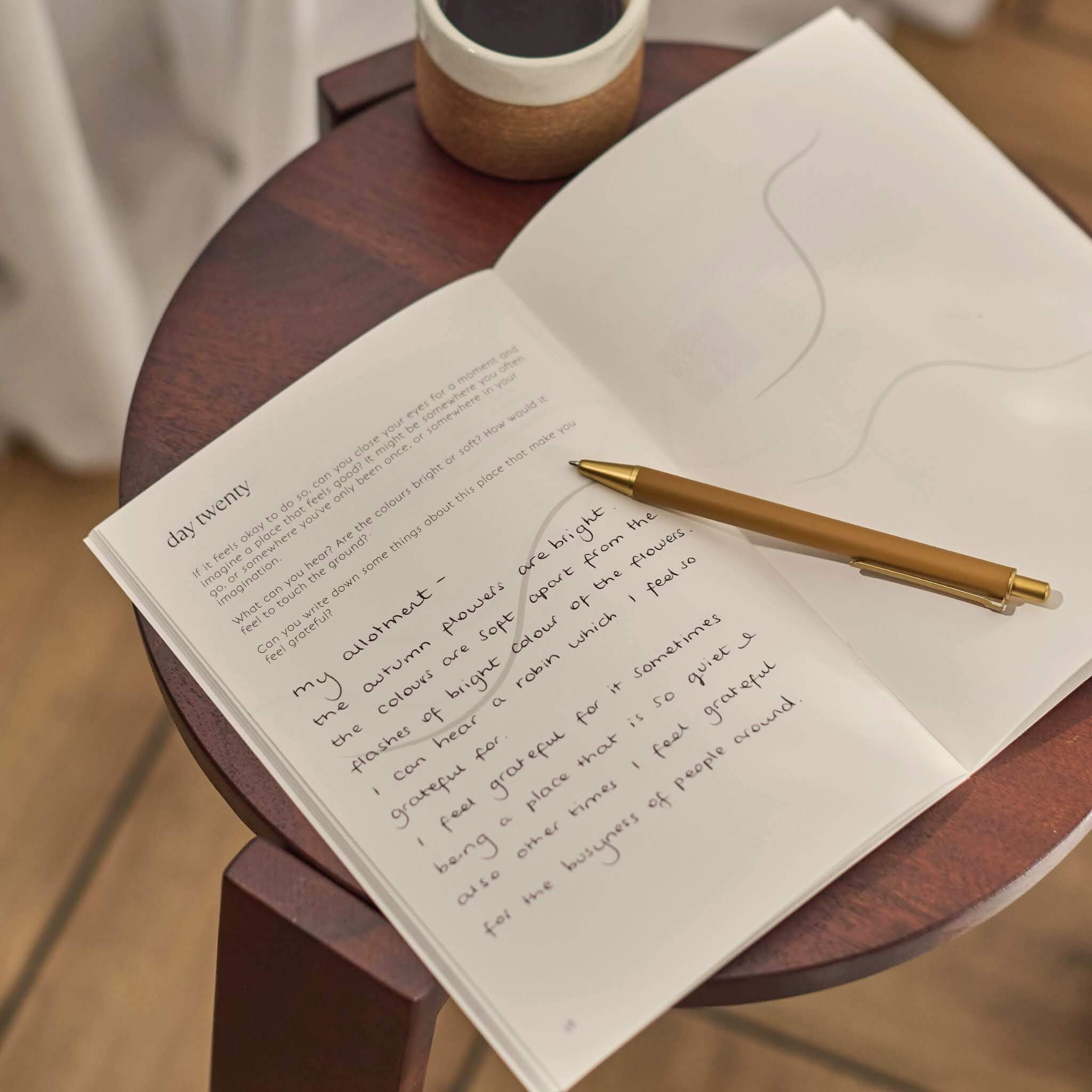
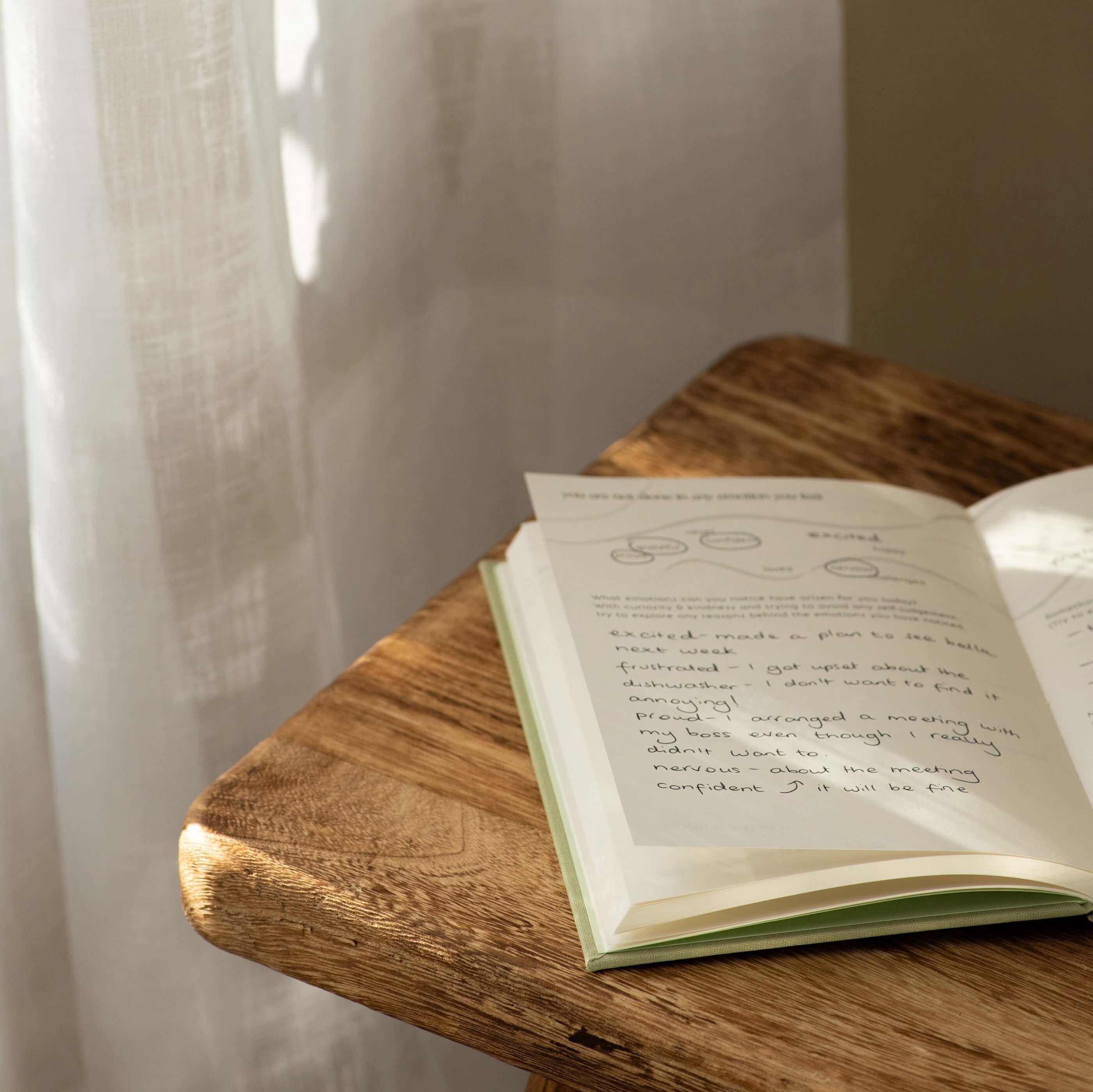
- An emotional awareness tool on every page, so you are never handed a blank one
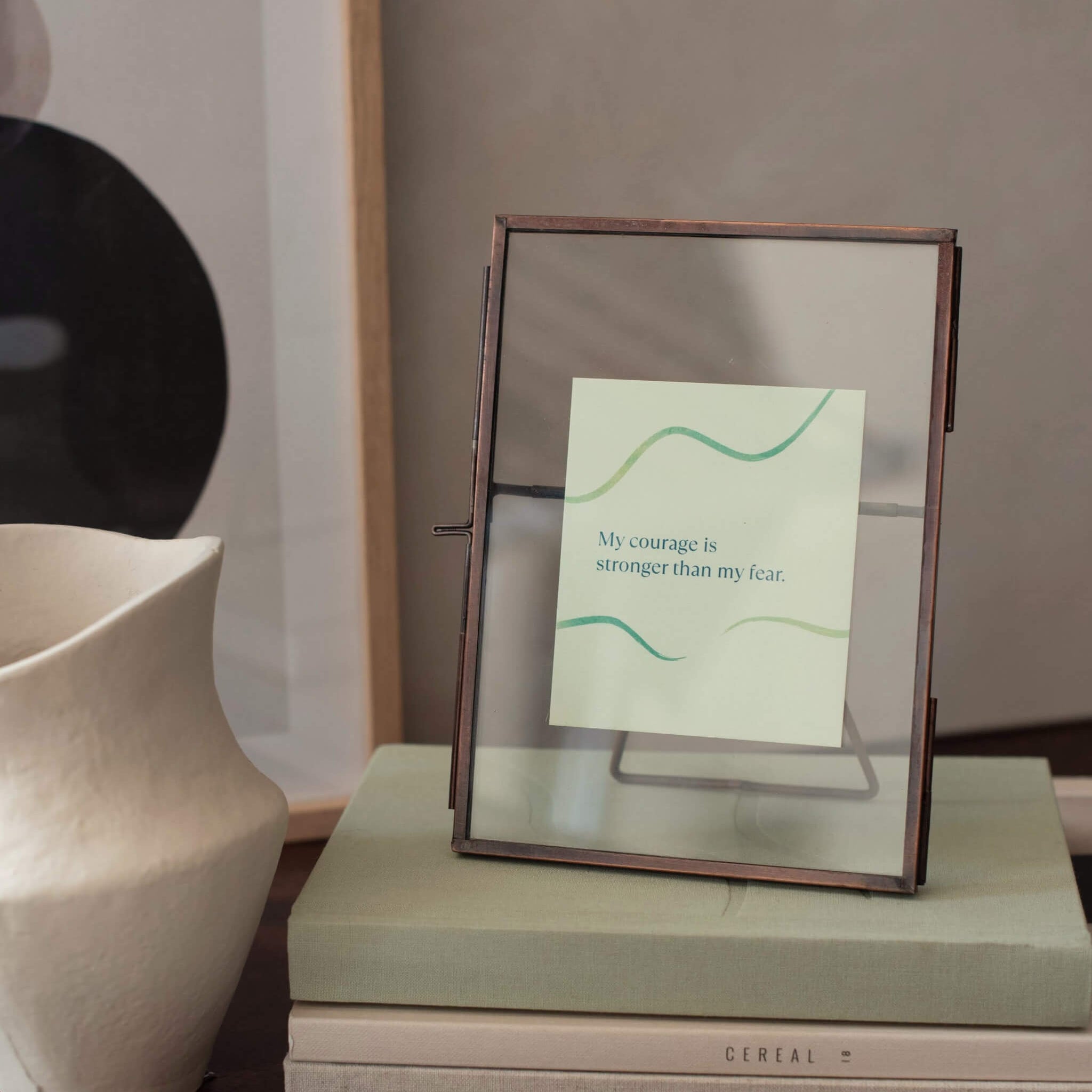
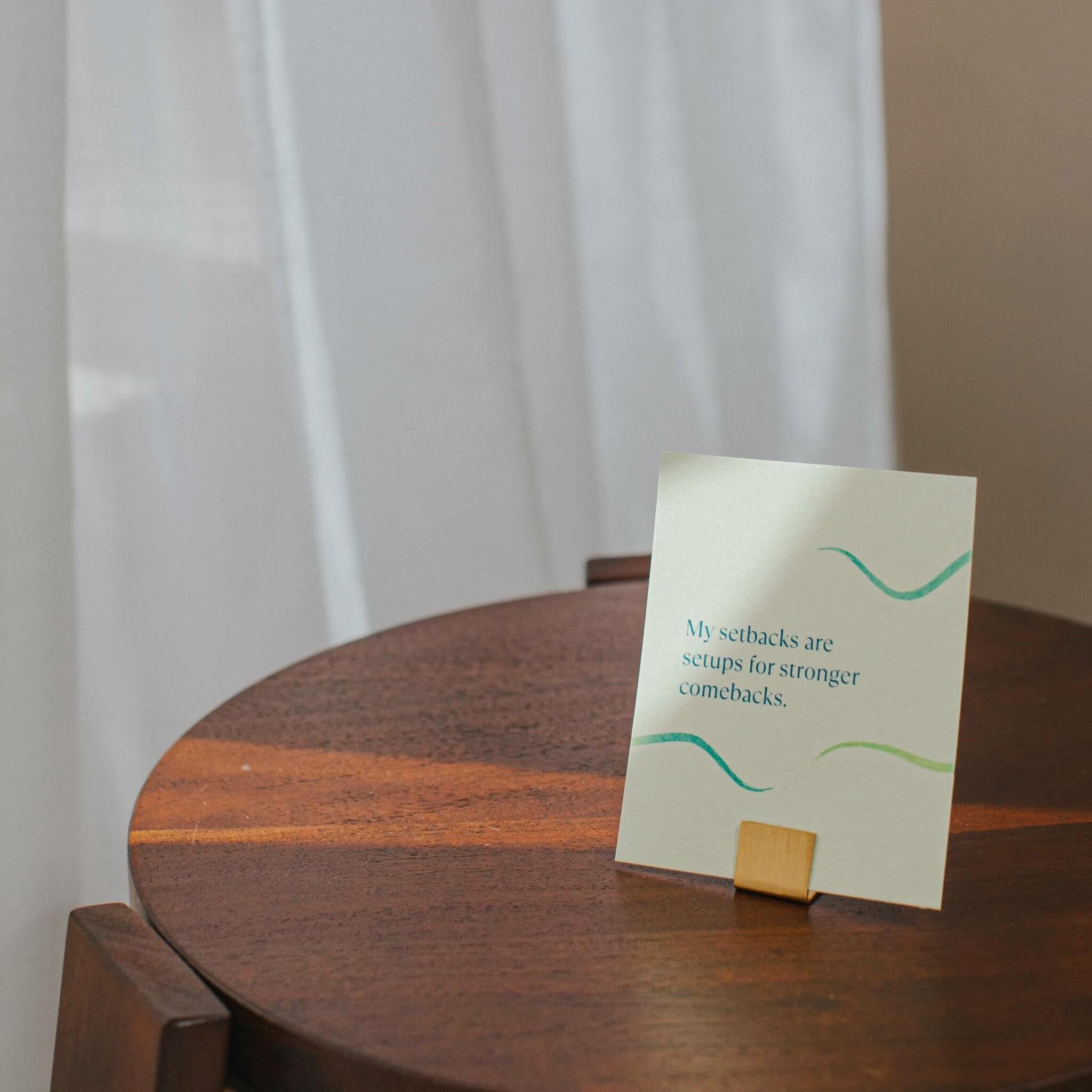
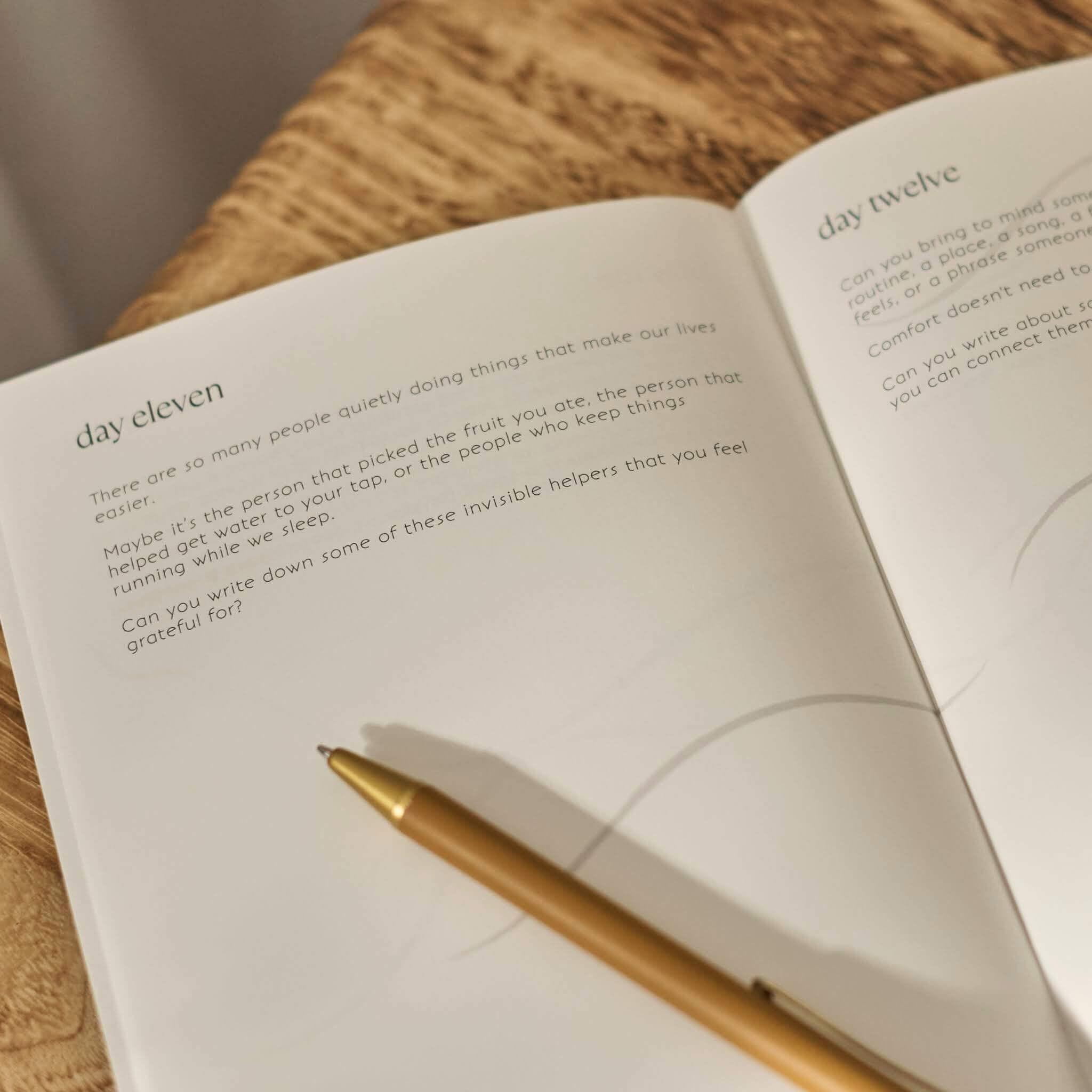
- 90 different prompts, describing rather than declaring, so there is nothing to argue with
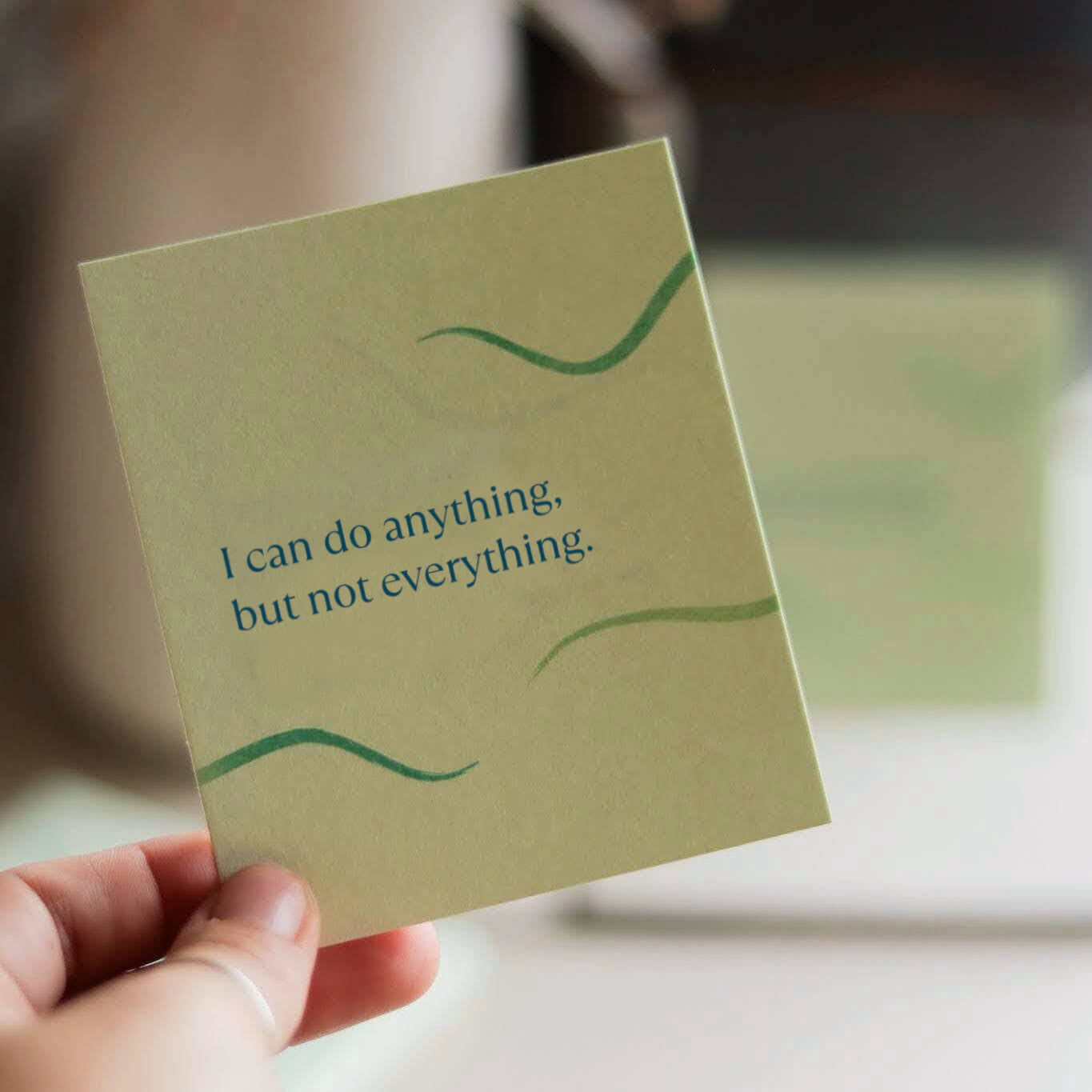
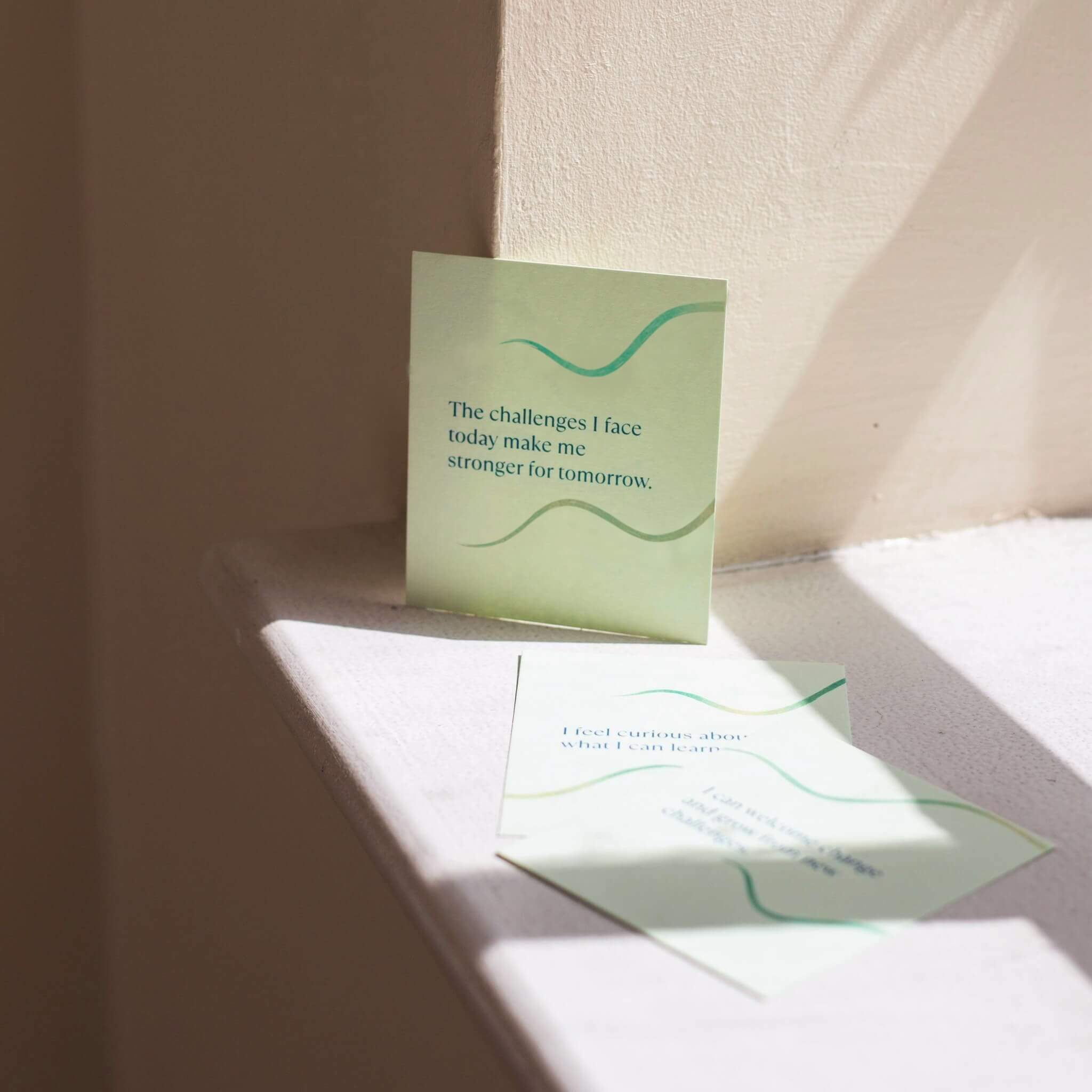
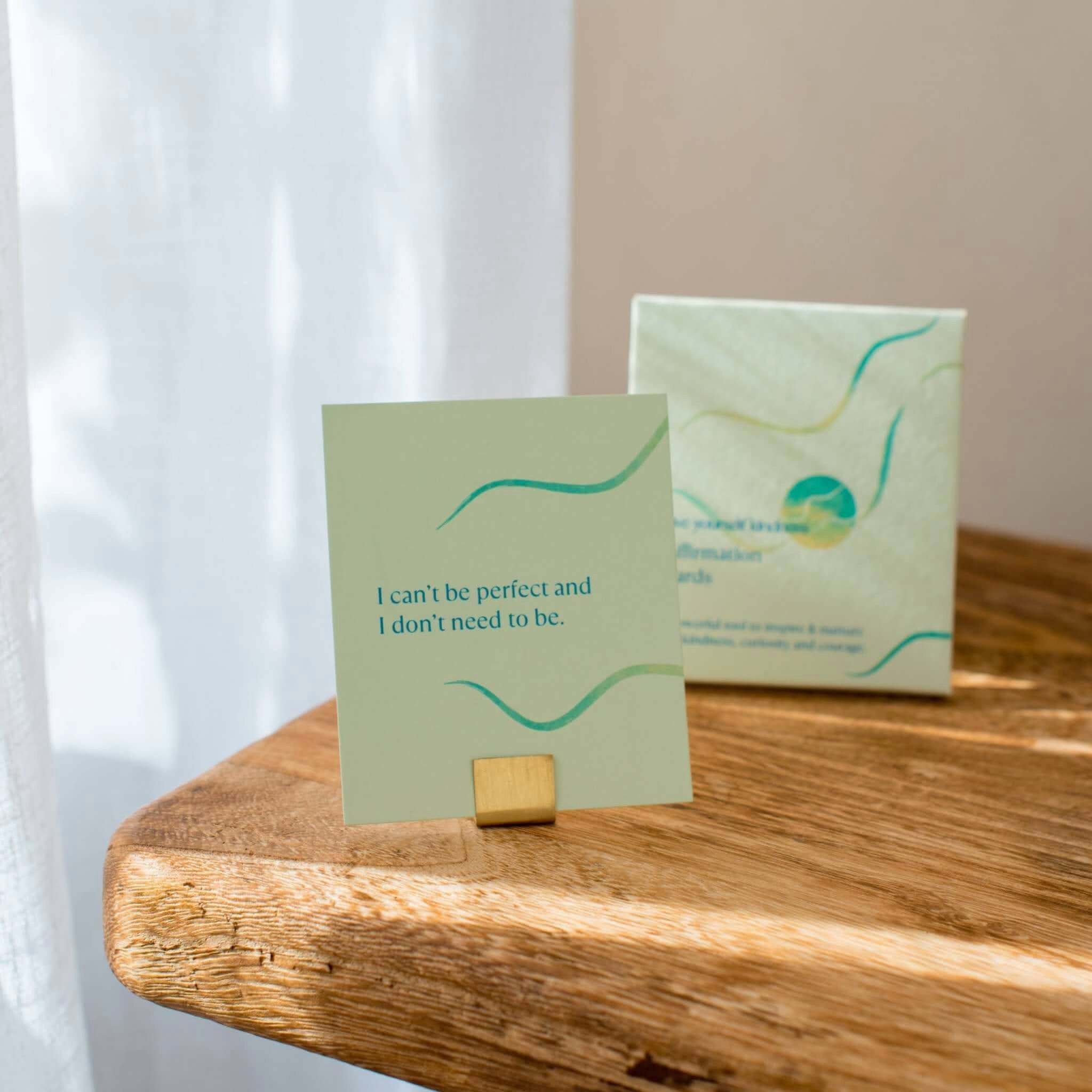
- Over 50 gentle reminders woven through, for the days you need one
- Undated, so it waits for you without any guilt attached
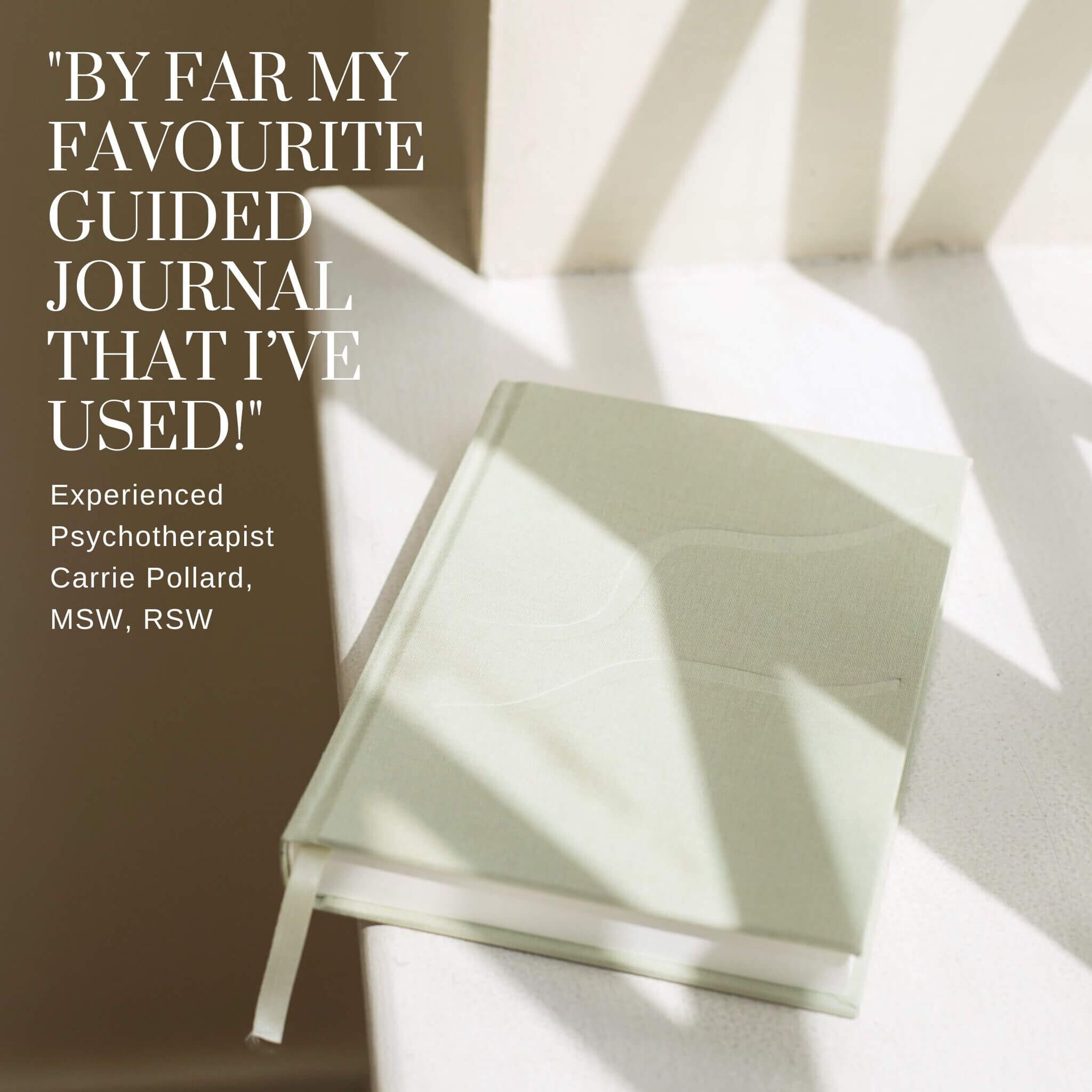
- Reviewed by clinical psychologists at Harvard Medical School and the University of Oxford
- Used by therapists with clients worldwide
You are allowed to be where you are, and you are allowed to change. This journal is built to hold both of those at once, ninety times over.
Discover the journal →Questions people ask me
What is journaling for self-acceptance?
It means writing about yourself the way you would write about a friend, describing what is true without adding a verdict about what it says about you. Unlike confidence journaling, it does not ask you to find evidence that you are good. It asks you to stop grading, which is why it still works on a bad day.
What should I write in a self-acceptance journal?
Start by finishing the sentence: today I noticed I. Then stop before the word should. Write what happened and how you felt about it, without deciding what kind of person that makes you. Then write what you would say to a friend who felt the same, and read it back as though it were addressed to you.
What is the best journal for self-acceptance?
The Give Yourself Kindness Journal is the one I make and the one I would point you to. Every entry describes rather than declares, the emotion words are printed on all 90 pages so you are never handed a blank one, and each entry closes with the friend question. It is reviewed by clinical psychologists at Harvard Medical School and the University of Oxford.
What should I look for in a journal for self-acceptance?
Five things. It should ask you to describe rather than declare, give you the words so the page is never blank, ask what you would say to a friend, welcome the parts you would rather not look at, and be undated with a question that changes. A journal missing the first of those tends to make self-criticism louder rather than quieter.
What is the difference between self-acceptance and self-esteem?
Self-esteem is a verdict in your favour, so it needs evidence and it rises and falls with how the week went. Self-acceptance drops the verdict entirely and asks only what is true, so it needs no evidence and holds steady when things go badly. Most prompt lists you will find are really self-esteem prompts.
Is self-acceptance the same as self-compassion?
They are close but not identical. Psychotherapist Joanna Townsend, LCSW, describes self-acceptance as an avenue for self-compassion, and the distinction is useful. Acceptance is seeing clearly what is there. Self-compassion is how you then treat yourself about it, particularly when you have fallen short.
Does accepting myself mean I have to stop wanting to change?
No, and this is the most common worry there is. Clinical psychologist Dr Bianca Nardini puts it plainly: the path to self-compassion is not about lowering your standards, it is about changing your approach to meeting them, using encouragement rather than punishment. The standard stays. The tool changes.
Why does writing kind things about myself feel like lying?
Because the prompt is asking you to declare something rather than describe something. I am enough is a claim your inner critic can argue with, and it has had more practice than you have. I am doing what I can with what I have got today is a description, and there is nothing there to fight.
Is my inner critic a character flaw?
No. Clinical psychologist Dr Maria Tucknott explains that Compassion Focused Therapy helps us understand the inner critic is not a personal failing, but part of an ancient safety system hardwired into the human brain. It is not being mean. It is trying, clumsily, to protect you, and that makes it something you can shift your relationship with.
How long does self-acceptance journaling take to work?
It does not arrive as a single moment. Many people find that after a few weeks they catch a critical sentence slightly earlier than they used to, which is small and is genuinely the thing changing. Anyone promising a transformed relationship with yourself in seven days is overselling it.
What if I am kind to everyone else but not to myself?
That is extremely common and it is a strength rather than a problem, because the skill already exists. You are generous every day, just never in your own direction. A journal that asks what you would say to a friend uses the kindness you already have rather than asking you to invent it from nothing.
Can I use a self-acceptance journal alongside therapy?
Yes, and many people do. Therapists and counsellors use this journal with clients between sessions, including accredited counsellor Rachael Oliver, MBACP, and licensed psychotherapist Deanna Solomon, LCSW. Bringing what you noticed during the week into a session tends to give you both more to work with.
One last thing
A journal is a companion to support and never a substitute for it. If things feel heavier than a notebook can hold, please talk to someone. In the UK your GP is a good first step, and Samaritans are on 116 123, free, at any hour. You deserve support, and you do not have to earn it by struggling for longer first.
You are allowed to be where you are
And you are allowed to change. Both at once, starting tonight.
Discover the journal →