


Last updated: January 26, 2026 | By Rachel Smith, DipBSoM (Qualified Meditation Teacher, British School of Meditation, distinction)
Quick Answer
To write what you're grateful for: Start with what you notice (the thing), then add why it matters to you (the impact or feeling). Instead of "I'm grateful for my friend," try "I'm grateful Sarah texted to check in when she knew I had a difficult meeting today—it made me feel less alone." You can add context (when/where did this happen?), sensory detail (what did you notice?), or explore the feeling (how did this help you?). One thing written with meaning is more effective than five things listed quickly.

"It doesn't need to be pages upon pages of why you're grateful for something. Gratitude is a really powerful tool."
Amy Morin, LCSWPsychotherapist and International Bestselling Author | Host of the Mentally Stronger Podcast
→ Read Amy's full article: How Gratitude Changes Your Brain, Health and Relationships
You know gratitude journaling helps. You've bought the journal. You open to the page.
You write: "I'm grateful for my family, my health, coffee."
You close the journal feeling... nothing. Maybe worse, because you know you're supposed to feel something.
Or maybe you stare at the blank page, not knowing what to write or how much is enough, and end up writing nothing at all.
If writing gratitude feels hard, you're not alone. This is one of the most common struggles people face when trying to build a gratitude practice.
Here's what's actually happening: You know what you're grateful for, but you don't know how to write about it in a way that feels meaningful instead of mechanical.
Why Writing Technique Actually Matters
The Research on How Gratitude Works
Research on gratitude practice shows that how you write about gratitude affects how much benefit you experience.
Writing "family, health, coffee" every day for two weeks starts to feel mechanical because your brain adapts quickly to repetition. The practice stops creating actual feelings of gratitude and becomes something you're just checking off.
But when you write with specificity—adding context, sensory detail, or emotional impact—your brain stays engaged with the practice. You're not just identifying gratitude, you're actually experiencing it as you write.
This isn't about writing skill or eloquence. It's about learning simple techniques that help you connect with what you're noticing.
Real Examples: From Generic to Meaningful
The difference between generic and meaningful gratitude writing isn't about length. It's about specificity and connection.
Let me show you what I mean:
The Pattern
Meaningful gratitude writing often includes:
- The specific moment or action (not just the category)
- Context about when/where/why (what was happening?)
- Sensory or emotional detail (what did you notice or feel?)
- The impact or meaning (why did this matter to you?)
You don't need all of these every time. But adding even one of these elements transforms generic entries into something your brain can actually engage with.
Three Approaches You Can Try
Having a simple approach removes the overwhelm of "what should I write?" Here are three you can use:
This is a simple structure for moving from generic to specific gratitude.
Using this approach:
Notice: My colleague John
Name: John stayed 20 minutes late to help me finish the presentation when my laptop crashed
Why it matters: It reminded me I don't have to handle everything alone
Written as gratitude: "I'm grateful John stayed late to help me finish the presentation when my laptop crashed. I was panicking about the deadline, and he just calmly said 'I've got time, let's do this together.' It reminded me I don't have to handle everything alone—that feeling of relief was real."
When you can't think of anything, use your senses to ground into the present moment and find something small.
Example using this approach:
"I'm grateful for the sound of rain on my window right now. It's steady and rhythmic, and somehow it makes the house feel cozier. I don't have to go anywhere, and I can just listen while I write. There's something comforting about being warm and dry while hearing the rain outside."
This works because it engages multiple senses (sound, feeling of warmth) and explores why the sensory experience matters (creates coziness, permission to be still).
On hard days when finding positive things feels impossible, you can notice gratitude for the absence of additional difficulty or for small moments of relief.
Example using this approach:
"I'm grateful my anxiety didn't spiral into a full panic attack today even though I felt it building this morning. I noticed it, I used my breathing technique, and it stayed manageable. I don't feel 'good,' but I also didn't end up hiding in the bathroom like last month. That's progress I want to acknowledge."
This works because it's honest about difficulty (anxiety building, not feeling good) while genuinely acknowledging progress. No forced positivity—just real gratitude for a hard thing being slightly more manageable.
What to Write When You're Stuck
Sometimes your mind genuinely goes blank. Here are specific things that help:
There is nothing too small to notice with meaning.
Try this: "I'm grateful I had clean water from the tap this morning. I didn't have to boil it or worry if it was safe. I just turned the tap and it was there—something millions of people can't do. That convenience matters."
Starting with something undeniably true and basic often unlocks other things once you begin writing.
Mentally walk through yesterday from morning to night. What's one moment—even tiny—that felt okay or slightly good?
Questions to guide you:
- "What's one thing someone said that made me feel seen or less alone?"
- "Was there a moment where I felt comfort, even briefly?"
- "Did anything make me smile, even for a second?"
- "What would have made yesterday harder if it hadn't happened?"
Example: "I'm grateful my neighbor smiled and said good morning when I was taking the bins out. It was so brief, but it made me feel like I exist to someone else in this building. That tiny human connection helped me feel less invisible today."
Imagine this thing or person was suddenly gone. What would you miss about it?
Try thinking about: Your morning routine, your workspace, your home, a person
Example: "I'm grateful for my ridiculously soft blanket on the sofa. If it disappeared tomorrow, I'd miss wrapping up in it after work when I'm drained. It's witnessed countless Netflix binges and several proper cries. It's more than a blanket—it's where I go to feel safe."
What would your past self (a year ago, a month ago, yesterday) be relieved to know about now?
Example: "I'm grateful I'm on the other side of that difficult conversation with my manager. A week ago I was dreading it so much I felt sick. Now it's done, and it actually went better than I feared. Past-me would be so relieved."
Help for Specific Situations
These are common challenges people face. Here's what helps:
"I Keep Writing the Same Things"
What's happening: You're writing categories ("my family") instead of specific moments within that category.
What helps: Instead of "my family," ask "What did someone in my family actually do in the last day that helped me or made me feel good?"
Example shift:
- Generic: "I'm grateful for my partner."
- Specific: "I'm grateful my partner made dinner tonight without me asking, even though they were tired too. They know I've been overwhelmed this week. That thoughtfulness means everything."
"It Feels Forced When Things Are Difficult"
What's happening: You're trying to force positivity instead of finding honest gratitude alongside difficulty.
What helps: Acknowledge the hard thing first, then look for small moments of ease that exist alongside it (not instead of it). Both can be true.
Example: "Today was really hard—I'm not going to pretend otherwise. But I'm grateful my best friend let me vent for 30 minutes without trying to fix anything. She just listened. That made the hard thing slightly more bearable. I'm still struggling, and I'm also grateful I'm not completely alone in it."
"I Don't Know How Much to Write"
What's happening: You're unsure what counts as "enough."
What helps: One sentence with genuine feeling counts. Research shows brief, consistent practices work better than long, sporadic ones.
Some days you'll write three sentences. Some days one. Some days a paragraph. All of these are valid. The goal is engaging with the practice, not producing a certain word count.
"I Feel Guilty Writing About Small Things"
What's happening: You're comparing your gratitude to what you think you "should" be grateful for.
What helps: Gratitude isn't a competition. Being grateful for your comfortable bed doesn't erase world problems—it helps you have emotional resources to engage with difficult things without burning out.
Reframe: "I'm grateful for this hot shower and ten minutes of peace. That mattered to me today. My gratitude for small comforts doesn't make me shallow—it's what helps me stay present."
Going Deeper (When You're Ready)
Once you're comfortable with basic gratitude writing, these add richness:
Describe what you're grateful for through multiple senses. This creates vivid, felt gratitude.
Example: "I'm grateful for my morning walk today. The air was cold enough to see my breath, and the sky was that particular pink-orange right after sunrise. I could hear birds starting up and the crunch of frost under my boots. Everything felt sharp and alive. I felt present in my body instead of already spinning with anxiety."
Why this works: Sensory detail activates more of your brain, making the gratitude more memorable and emotionally resonant.
When writing about people, focus on what their actions made possible for you.
Example: "I'm grateful my mum called right when I was spiraling about my presentation tomorrow. She didn't try to coach me—she just reminded me about the time I was terrified before my driving test and then passed first time. It helped me remember I've done scary things before. Her belief in me steadied something."
Why this works: It honors the relationship through specific impact rather than generic appreciation.
Finding gratitude in challenges (without forced positivity) deepens practice significantly.
Approach: Acknowledge the difficulty fully → Name what it taught you → Express gratitude for that insight without pretending the hard thing was "good"
Example: "I'm grateful for the mistake I made in last week's meeting, even though it was mortifying. I mixed up two clients' names in front of everyone. But when I apologized to my manager, she told me she's made that exact mistake and showed me her system to prevent it. I wouldn't have learned that if I hadn't messed up. The mistake still felt awful, and it gave me something useful."
The most sustainable gratitude holds both difficulty and appreciation without one canceling the other.
Template: "[Difficult thing] is really hard. And I'm grateful for [small support within that difficulty]."
Example: "My dad's diagnosis is terrifying. I'm not grateful for the journey or any of that. But I am grateful that my brother and I are handling this together and actually talking properly for the first time in years. The scary thing is bringing us closer. Both things are true—I hate what's happening, and I'm grateful we're not facing it alone."
Why this works: It's honest. It validates real pain while also acknowledging real support. This is sustainable gratitude that doesn't bypass difficulty.
An Easier Way (When You Don't Want to Think)
Here's what I learned from trying to build a gratitude practice: Making decisions about what to write each day takes energy. Wondering "Am I doing this right?" takes energy.
On days when energy is low—which is often when you need gratitude most—all those decisions can be what stops you from writing at all.
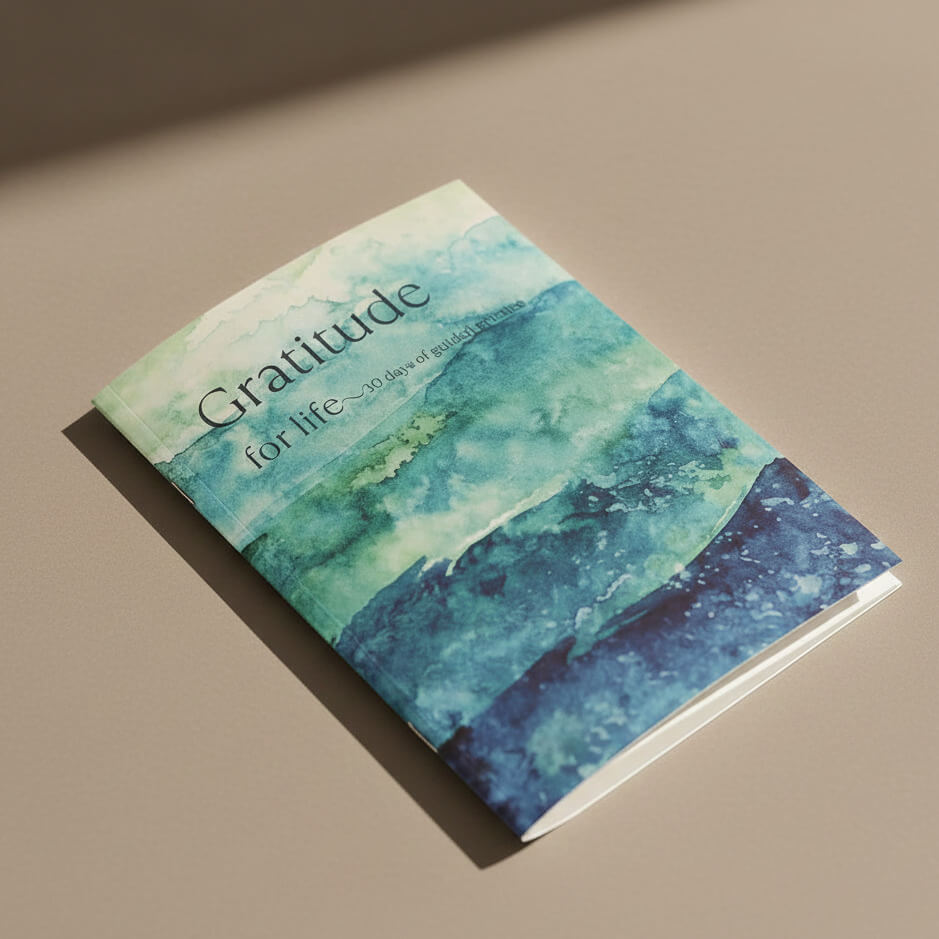
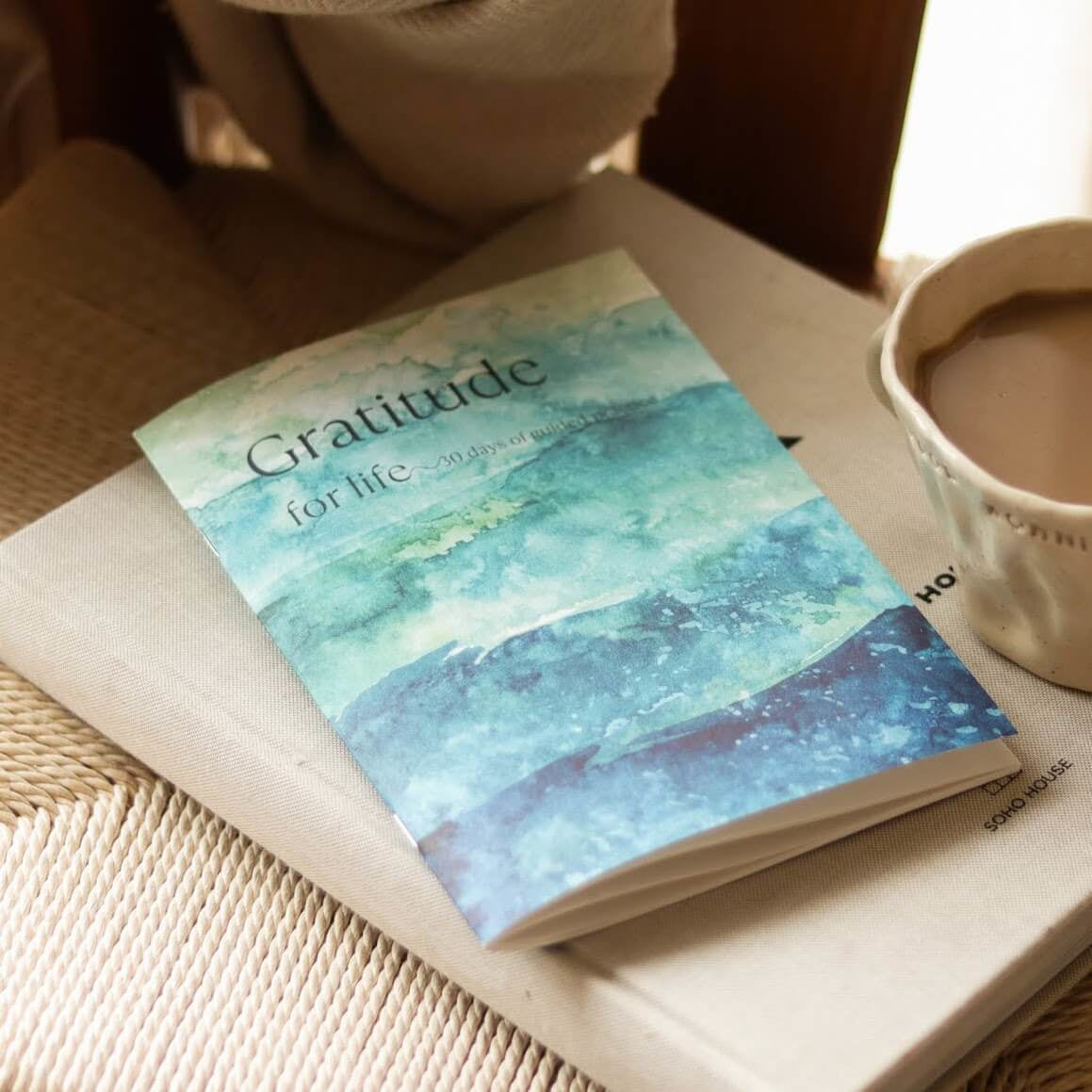
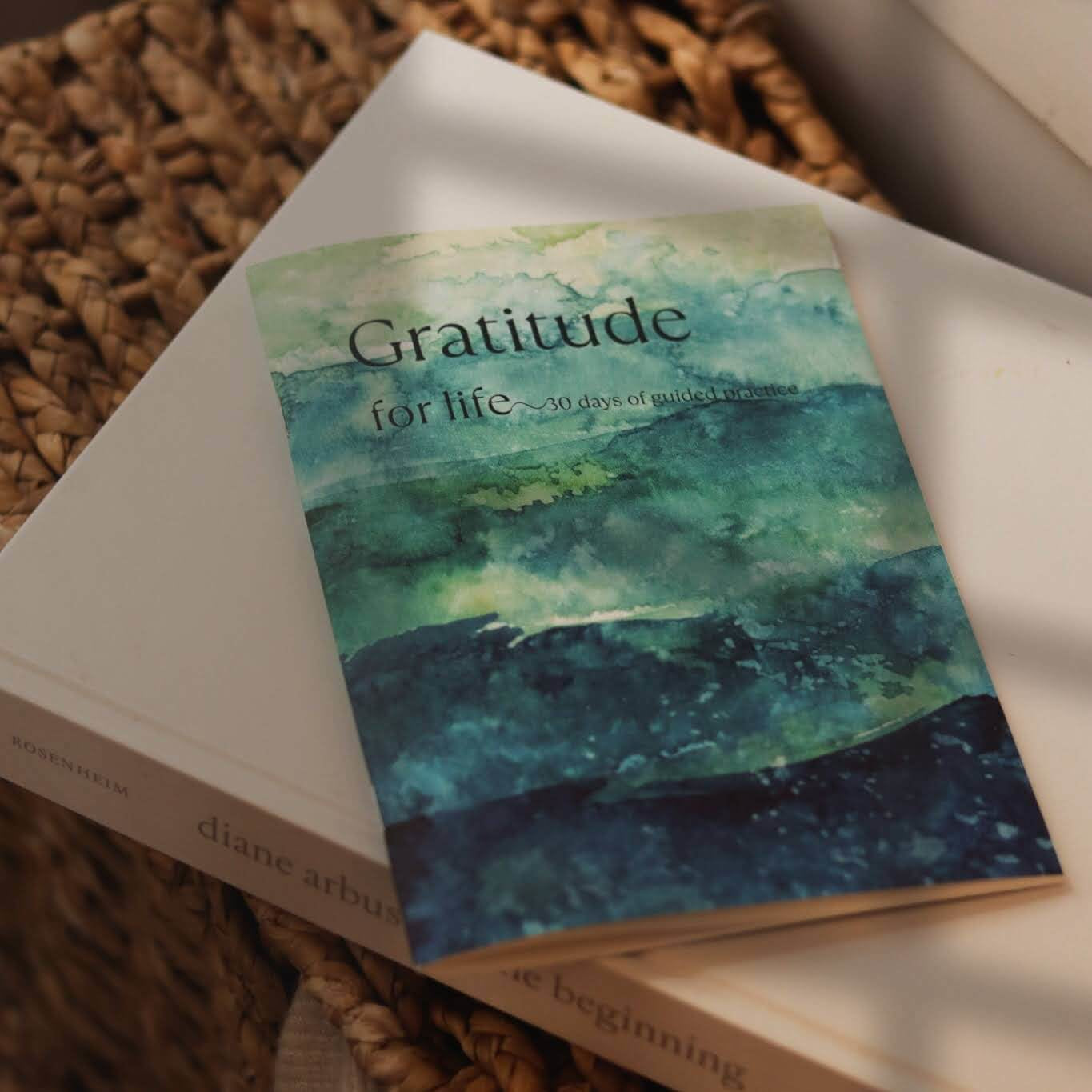
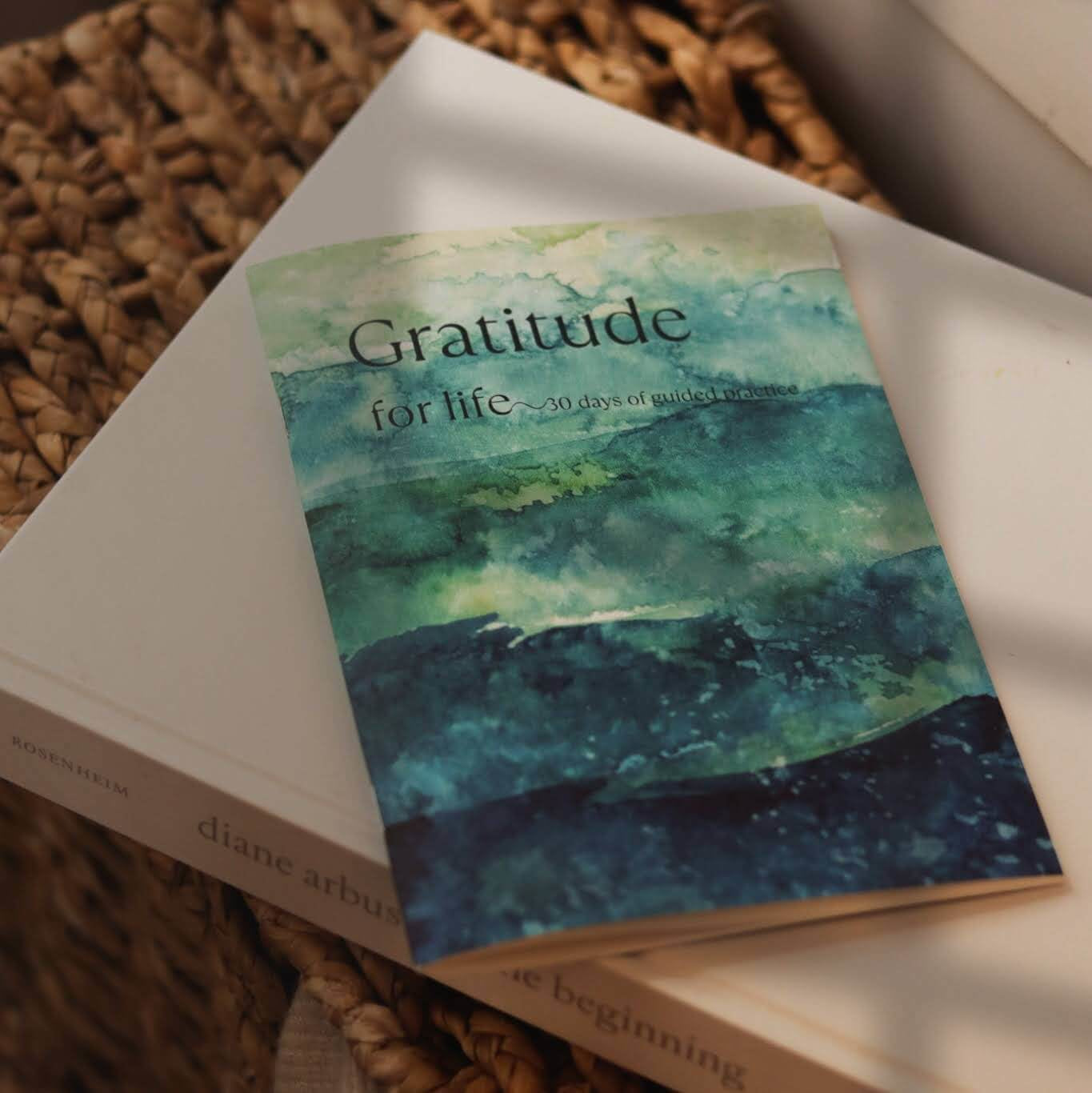
This is why I created The 30-Day Gratitude Challenge.
When You Want the Writing Done For You
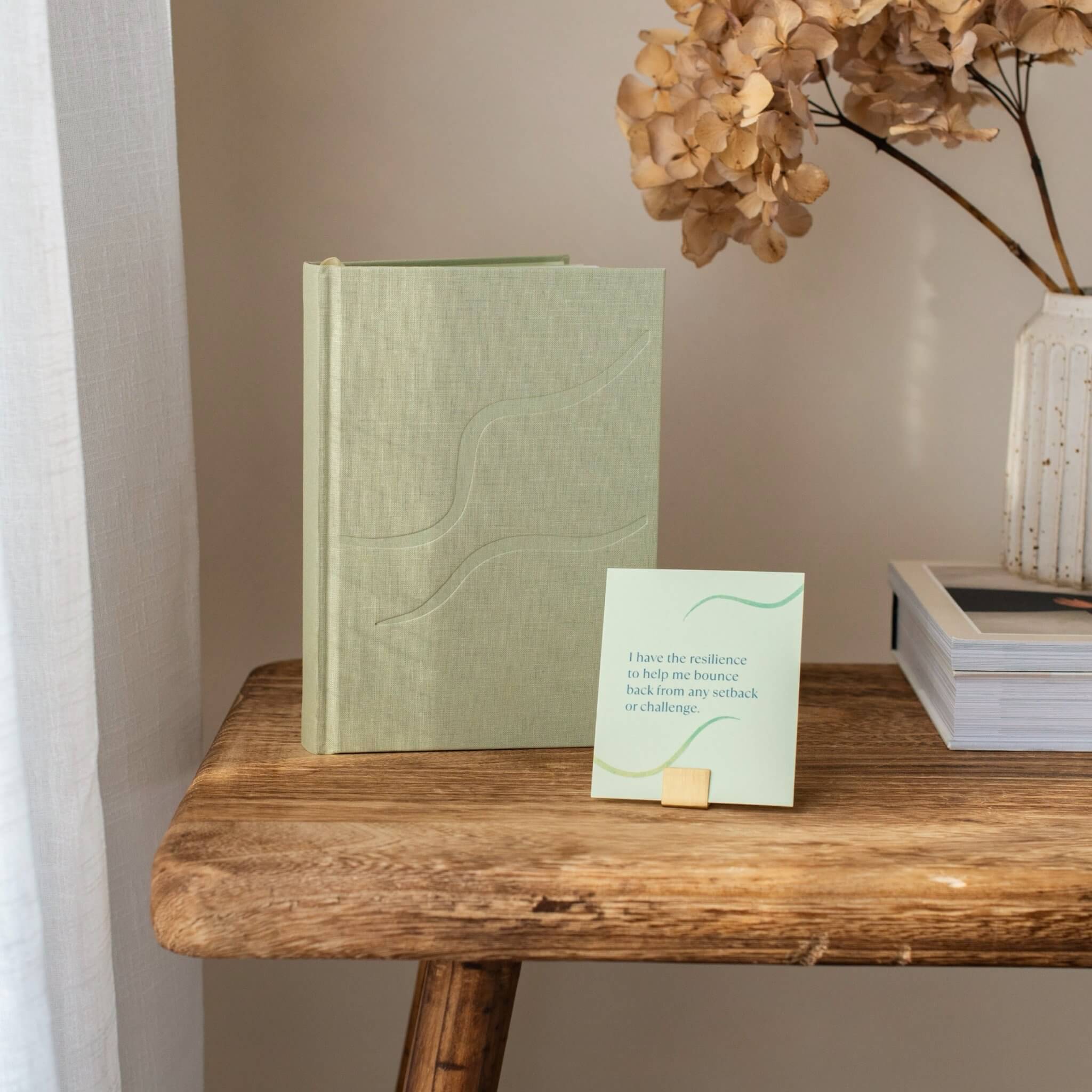
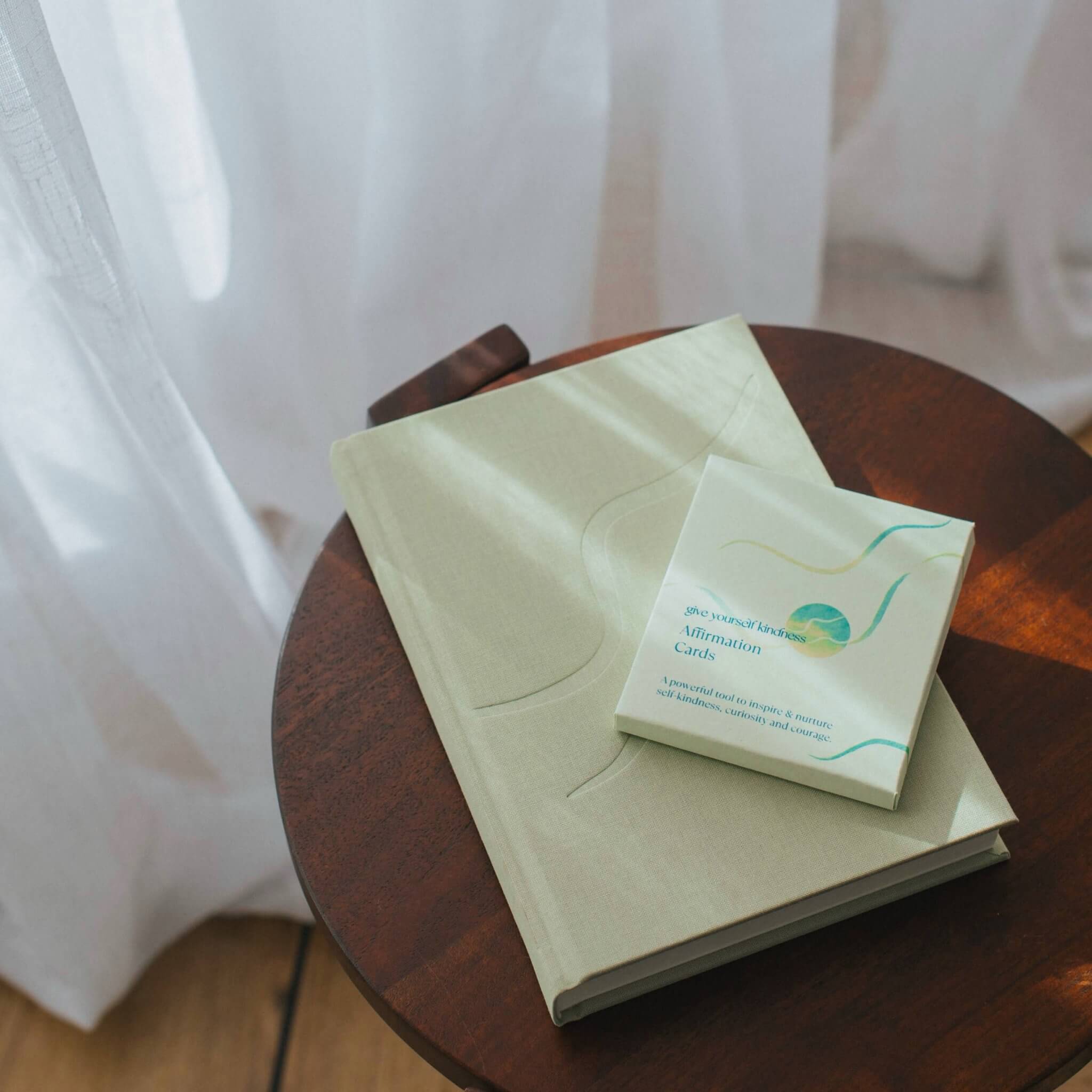
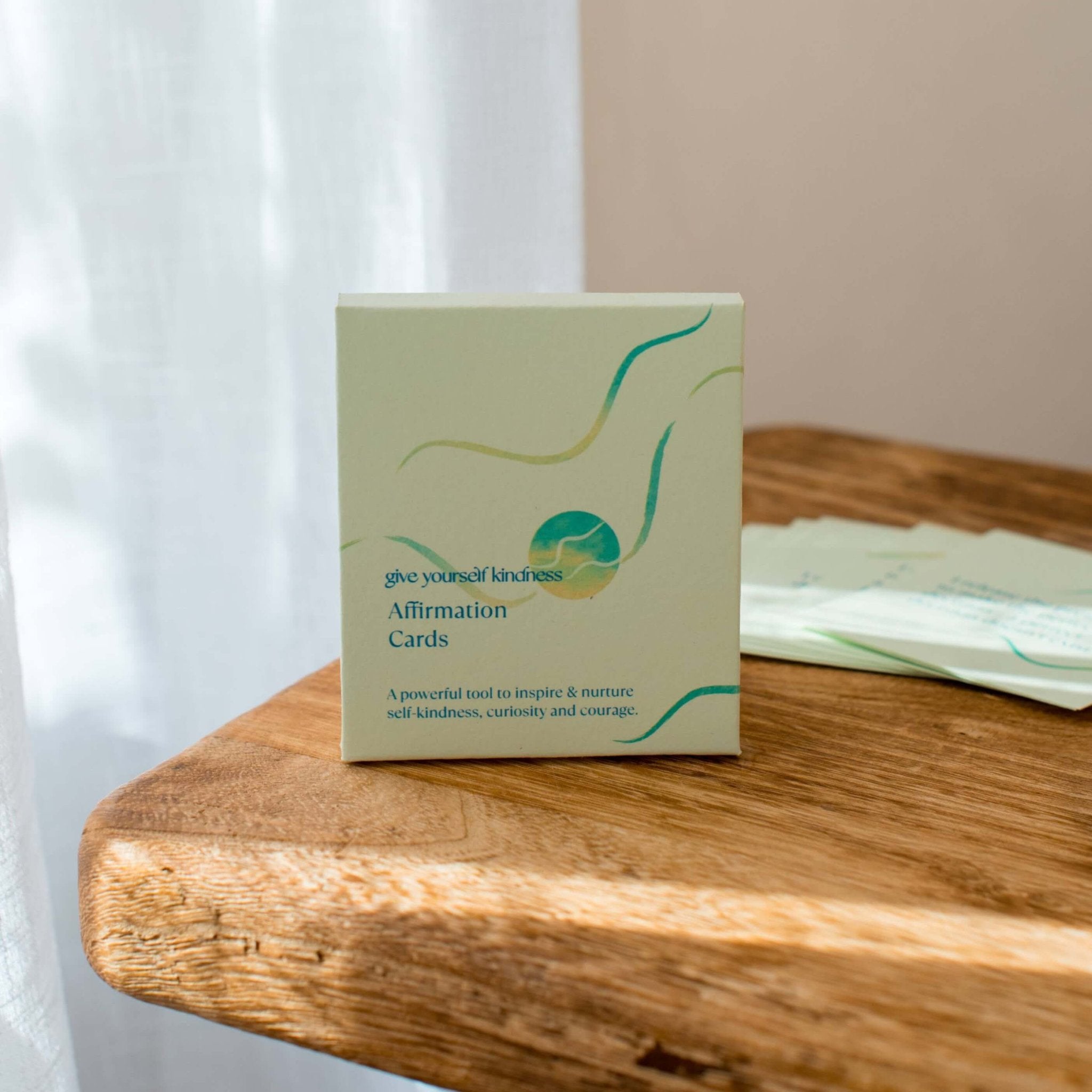
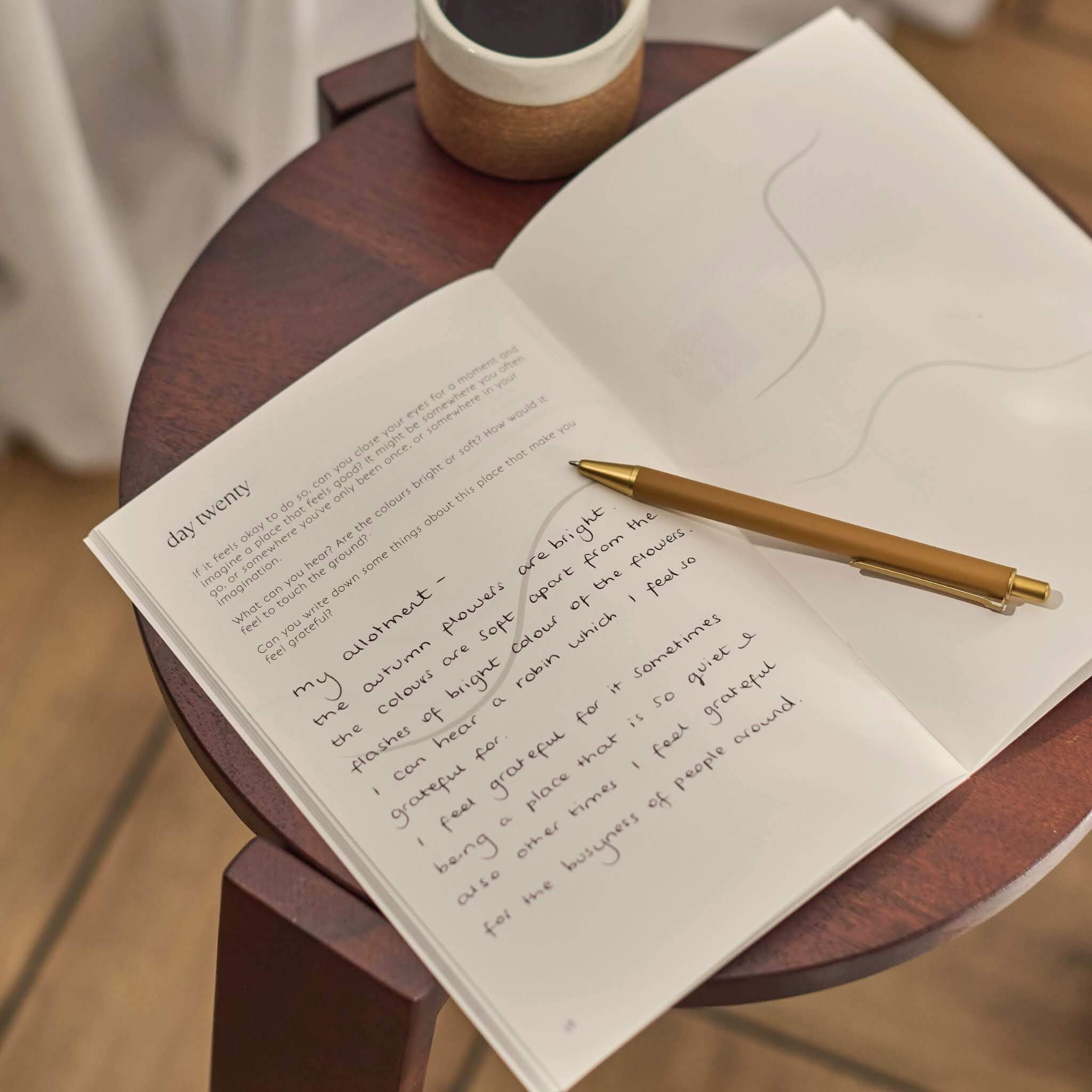
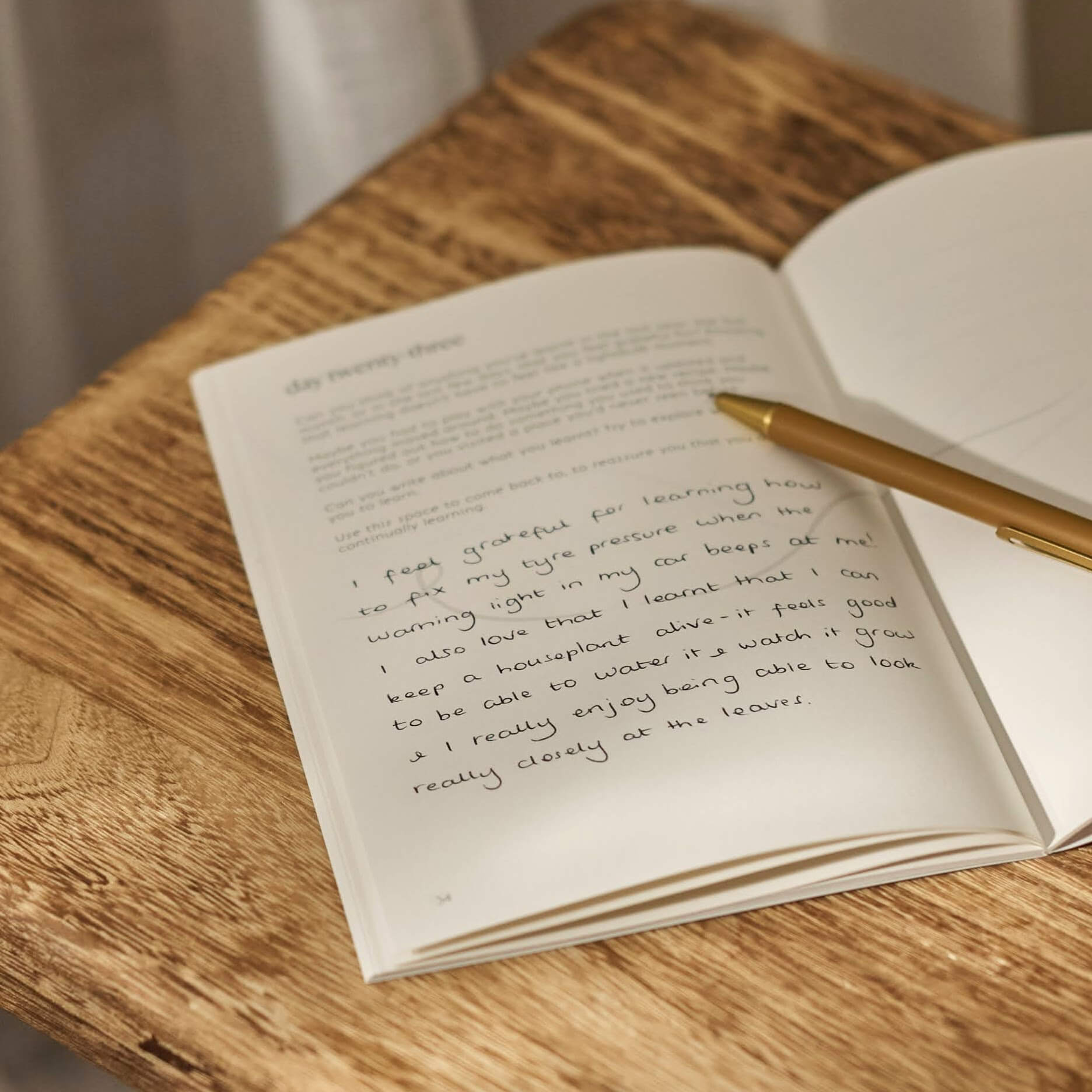
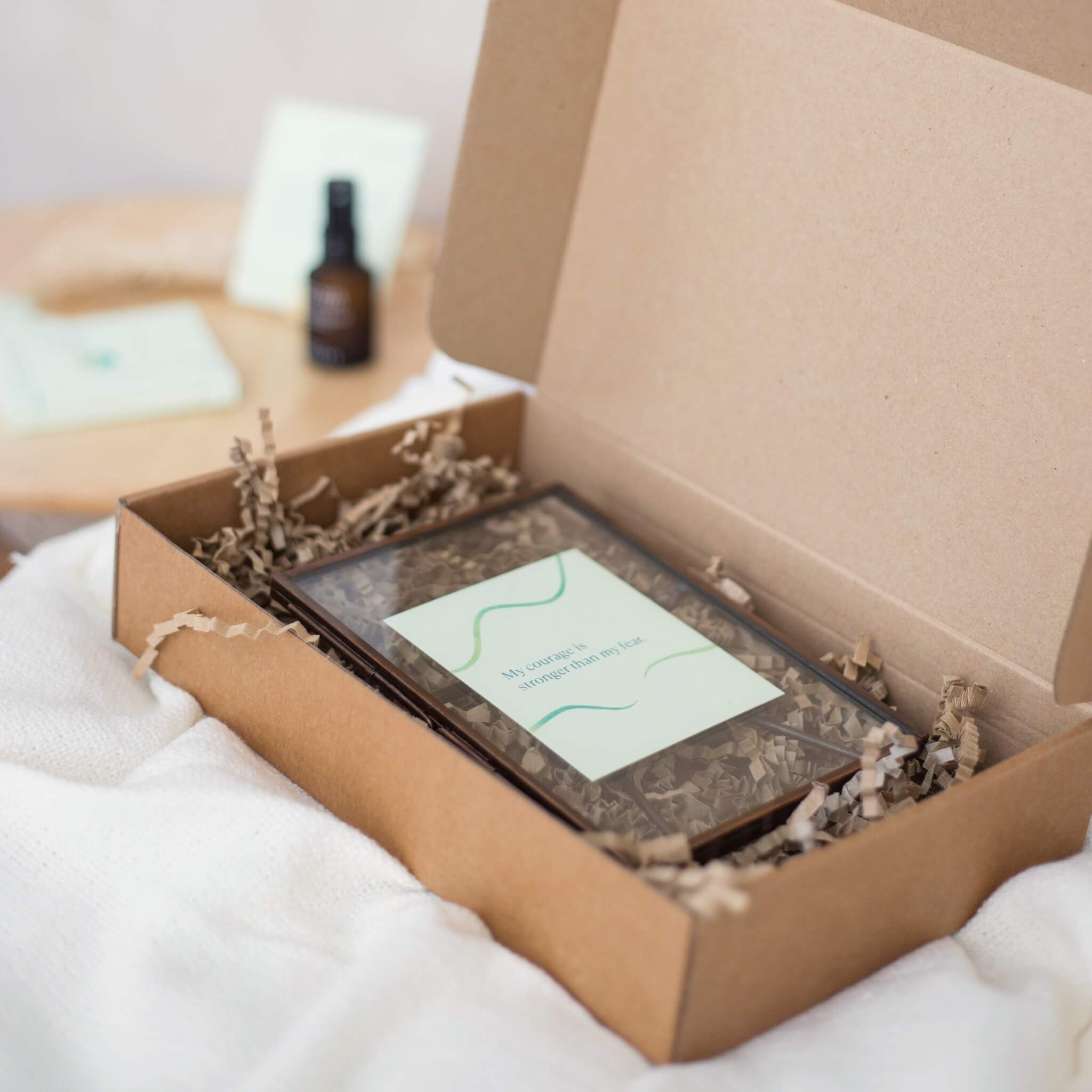
The 30-Day Gratitude Challenge removes the daily decision about what to write. Each day has a completely unique prompt that guides you toward meaningful gratitude—using the approaches you've just learned—without you having to remember anything.
What makes it different:
- 30 completely unique prompts. One day exploring gratitude through your senses. The next writing a letter. Then finding appreciation in mistakes. Different every time, so it never gets boring or mechanical.
- Approaches built in. Each prompt uses the techniques you've just learned—sensory detail, relationship focus, holding complexity—without you having to think about it.
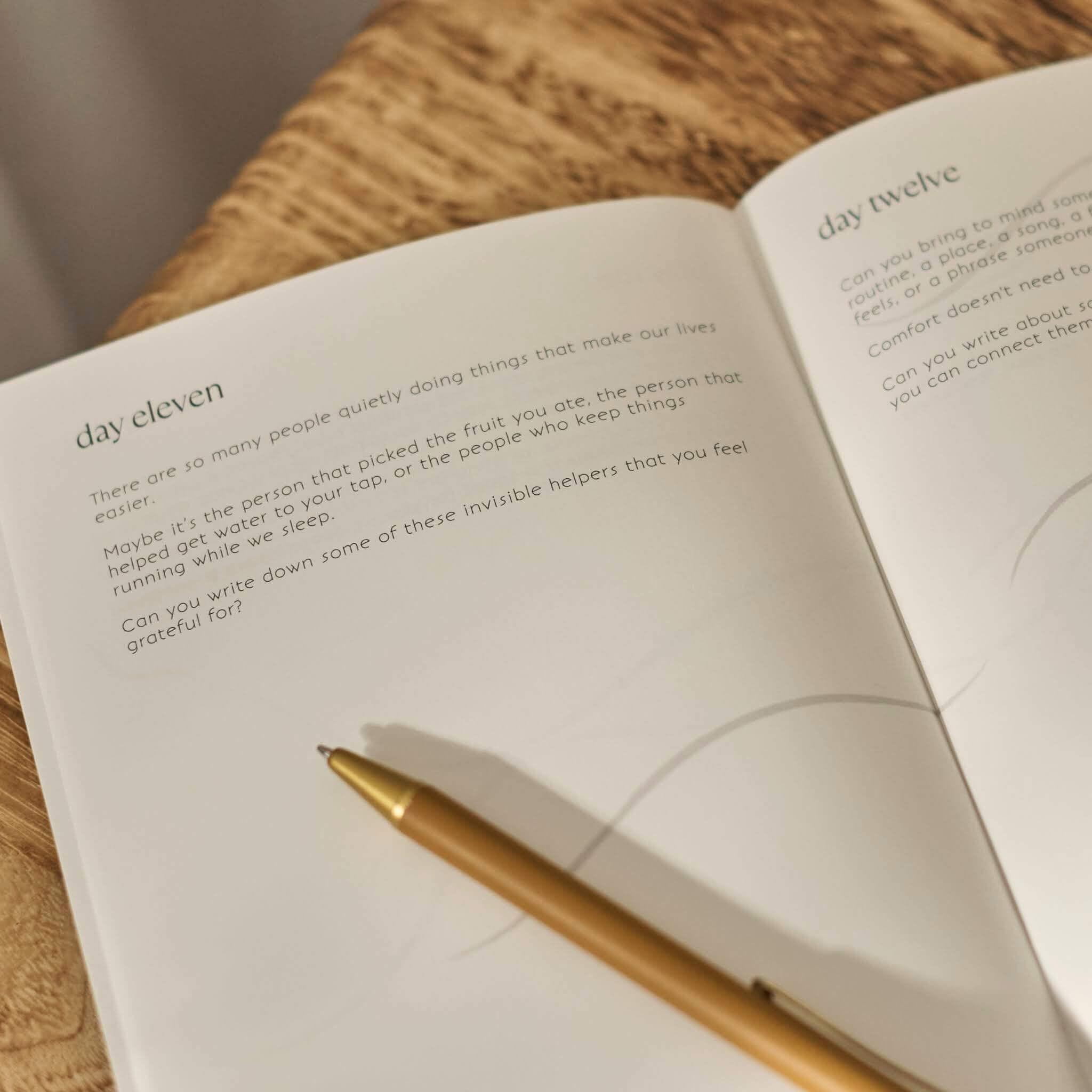
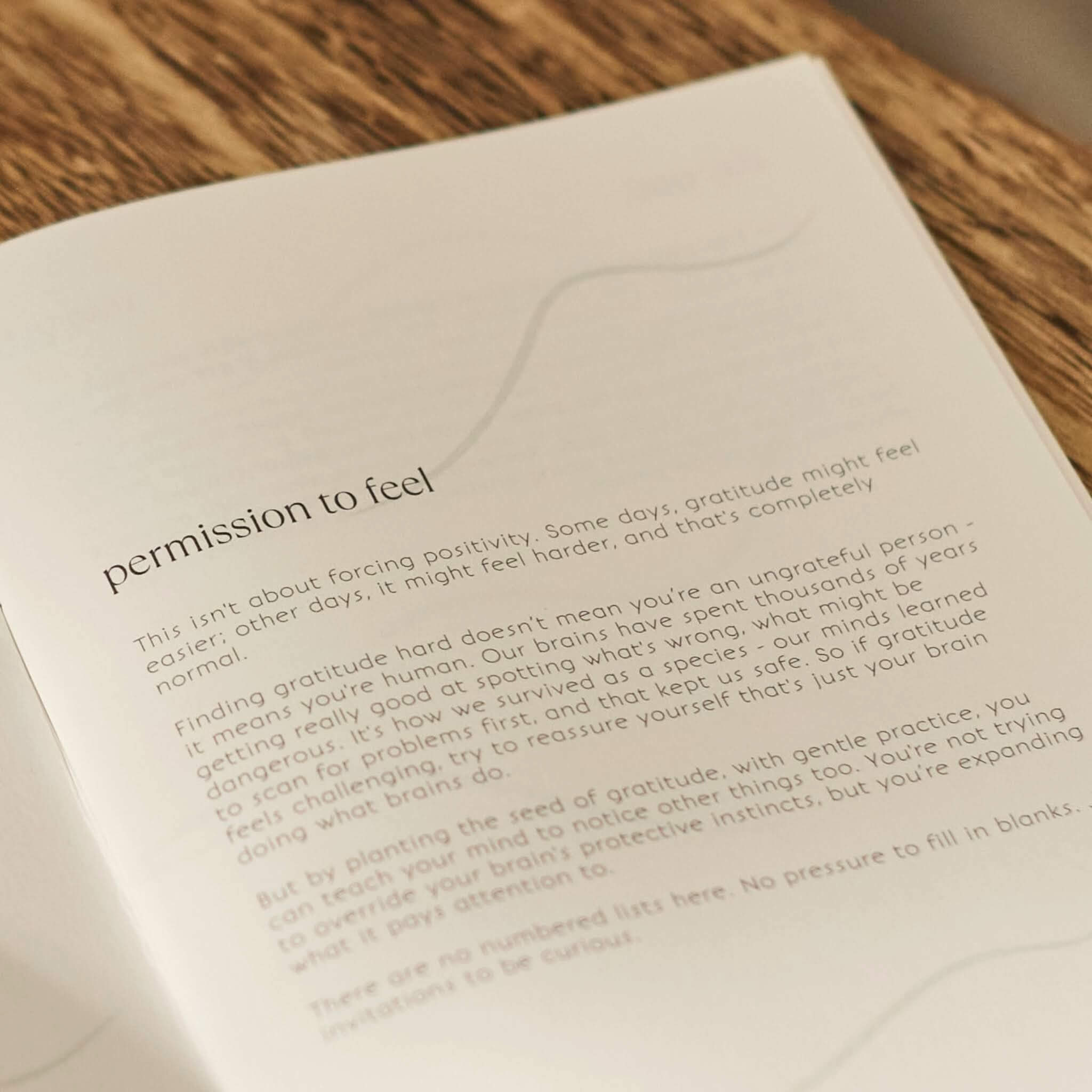
- Permission throughout. Every prompt includes language like "if nothing comes, that's okay" so you never feel like you're failing.
- No blank lines creating pressure. Just exploratory invitations like "Can you notice..." instead of "List three things"
- Meaningful by design. Prompts guide you toward specific, detailed gratitude automatically.
- 30 days—achievable. Not a 6-month journal you'll abandon. Long enough to build the habit, short enough to complete.
Why I created this: Every gratitude journal I tried left me feeling like I was failing. Blank lines I couldn't fill created pressure. Repetitive prompts became meaningless after two weeks. Forced positivity made me feel worse when I was struggling. When I couldn't find what I needed, I created it.
The 30-Day Challenge is what I needed when I was learning this practice—a journal that does the thinking for me while teaching me how to write gratitude with meaning, not just what to be grateful for.
Questions Answered
Start with what you notice (the thing), then add why it matters to you (the impact). Instead of "I'm grateful for my friend," try "I'm grateful Sarah texted to check in when she knew I had a difficult meeting—it made me feel less alone."
Use the Notice → Name → Why It Matters approach: What are you grateful for? What specifically happened? How did that help you? Even adding just one of these elements makes gratitude feel more real.
Start incredibly small with something undeniably true:
- Use your senses right now: What can you see, hear, or feel? "I'm grateful for the quiet right now. Everyone's asleep, and I have this pocket of peace."
- Scan the last 24 hours: What's one tiny moment that felt okay? "I'm grateful the barista smiled when I ordered. It was small, but it made me feel seen."
- Notice absence: What pain is NOT happening right now? "I'm grateful my headache finally stopped. I don't feel great, but I feel less awful than yesterday."
Writing anything often unlocks other things. The first sentence is usually the hardest.
One sentence with genuine feeling counts. Research shows brief, consistent practices work better than long, sporadic ones.
Some days you'll write three sentences. Some days one. Some days a paragraph. All of these are valid. The goal is engaging with gratitude authentically, not producing a certain word count.
Yes, but the approach needs to be honest. Forcing positivity when you're struggling can make you feel worse.
Avoid: "I should be grateful it's not worse" (invalidates your pain)
Try: "Today was really hard. I'm not pretending otherwise. But I'm grateful my friend listened without trying to fix it. I'm still struggling, and I'm also not completely alone."
You can also notice absence gratitude: being grateful for what's NOT happening (headache stopped, anxiety didn't escalate), or for small moments of ease within difficulty. Both the hard thing and the small help can be true at once.
You're writing categories ("my family") instead of specific moments within those categories.
Your brain adapts to repetition quickly. After writing "family, health, coffee" for two weeks, it stops creating any actual feeling—it becomes something you're just checking off.
The shift: Instead of "my family," ask "What did someone in my family actually DO in the last day that helped me?"
From: "I'm grateful for my partner" (category)
To: "I'm grateful my partner made dinner without me asking, even though they were tired—that thoughtfulness when I'm overwhelmed means everything" (specific moment)
Yes—as long as you're writing about different specific moments each time.
Same person, different moments:
- Monday: "I'm grateful my partner remembered I had that stressful call and texted to check how it went"
- Thursday: "I'm grateful my partner didn't take it personally when I needed space—they just gave me room"
- Sunday: "I'm grateful my partner makes me laugh even when I'm in a terrible mood"
These are all about the same person but focus on completely different moments and qualities.
Gratitude writing focuses on what actually happened or exists (concrete, real things), while positive thinking often focuses on what you want to believe (aspirational statements).
Positive thinking: "I am worthy of good things" (aspirational)
Gratitude: "I'm grateful my colleague complimented my presentation today—it helped me see my work has value even when my inner voice says otherwise" (specific real moment)
Gratitude tends to work even for skeptical people because you're not trying to convince yourself of something—you're just noticing what's actually there. It's grounded in reality rather than aspiration.
The Essentials
Writing what you're grateful for isn't about eloquence or length. It's about moving from identification to expression—from "I'm grateful for coffee" to "I'm grateful for the warmth of my coffee mug when everything felt overwhelming."
What helps:
- Add why it matters, how it helped, or what you noticed
- Use simple approaches: Notice → Name → Why It Matters
- Start incredibly small on hard days
- Give yourself permission for both difficulty and gratitude to be true
- One sentence with genuine feeling counts
Research shows gratitude practice works when it's specific and authentic. Generic lists stop working after a couple of weeks because your brain adapts. But gratitude with meaning—that engages your senses, names impact, acknowledges complexity—stays effective.
The question isn't whether to practice gratitude. The question is learning how to write it in a way that creates real connection instead of just checking a box.