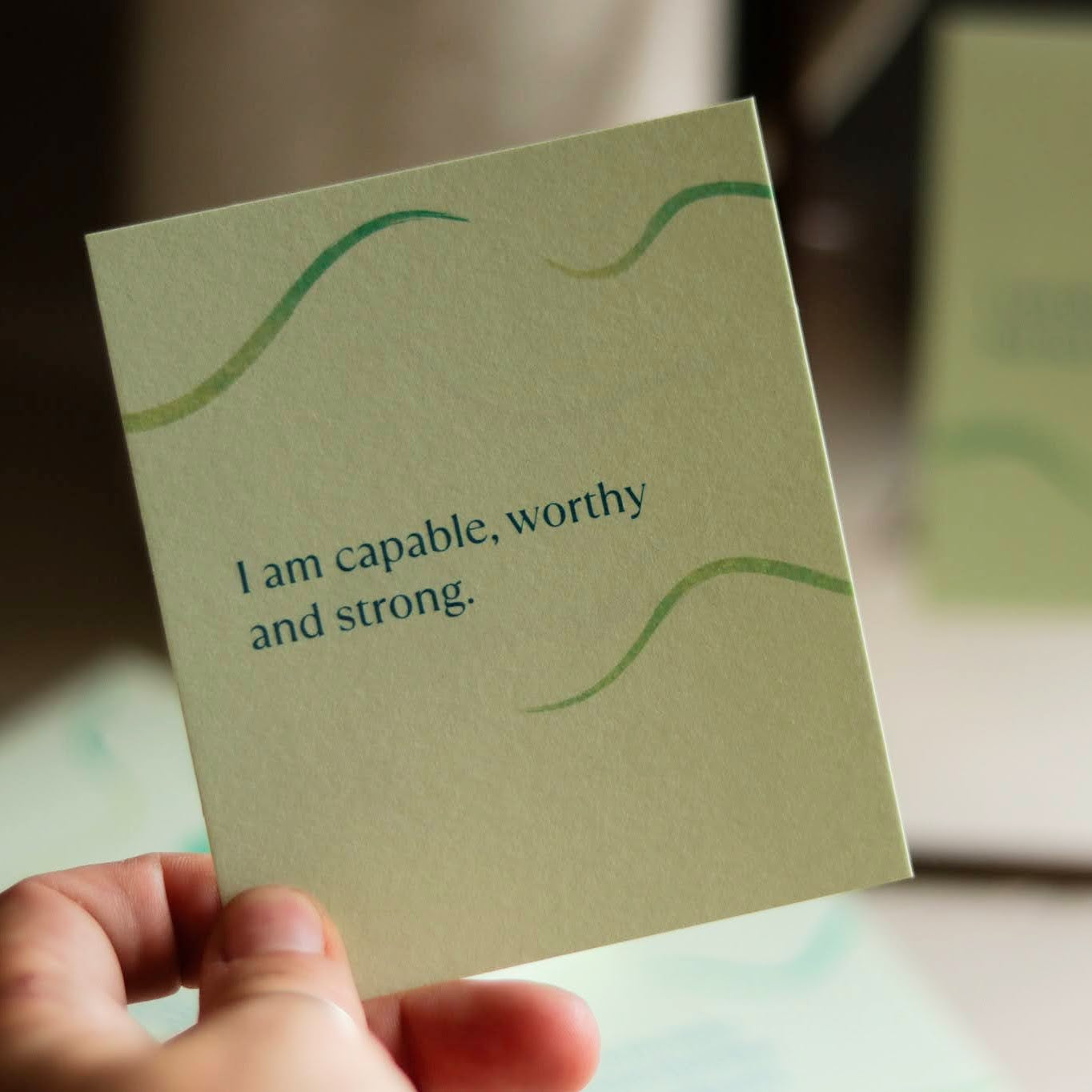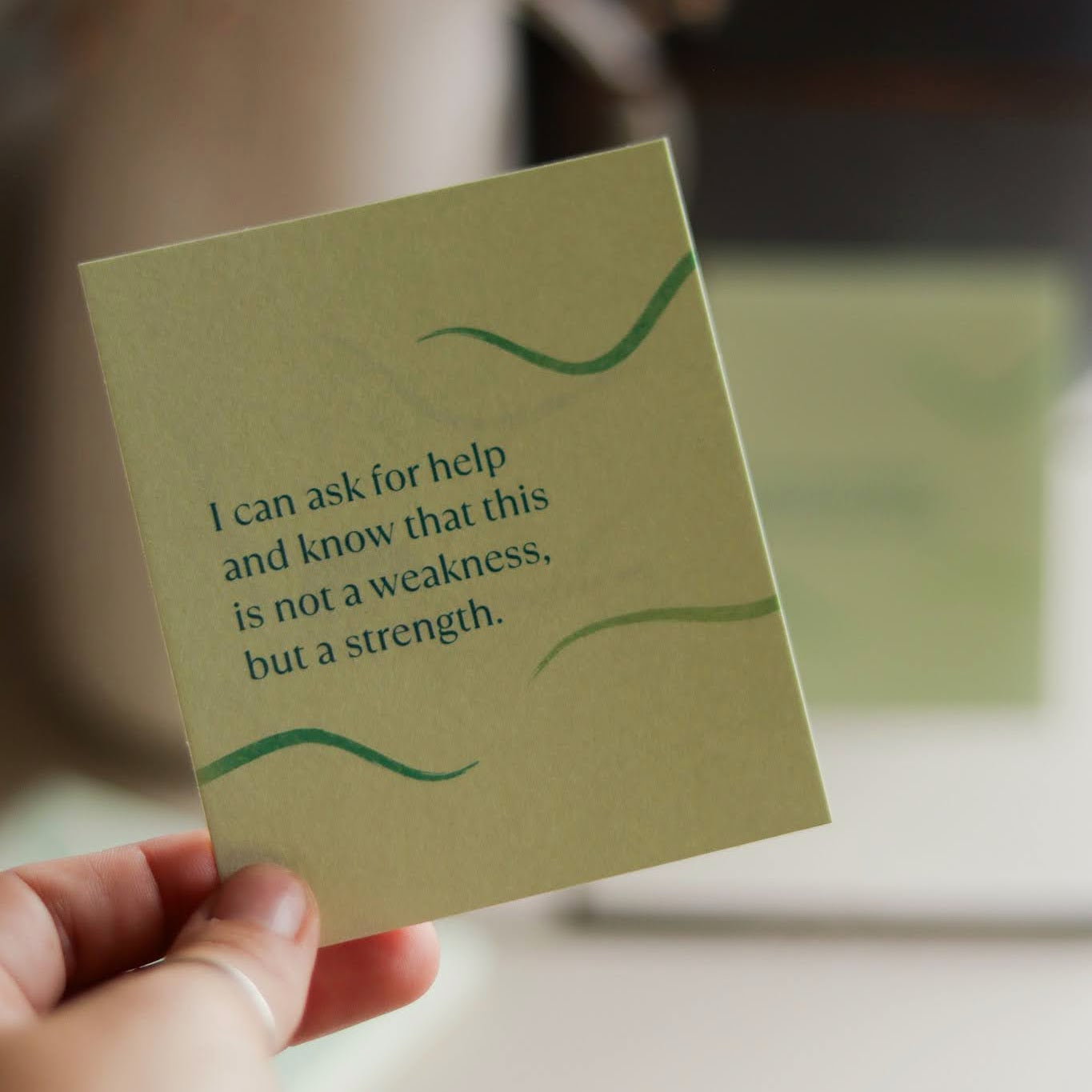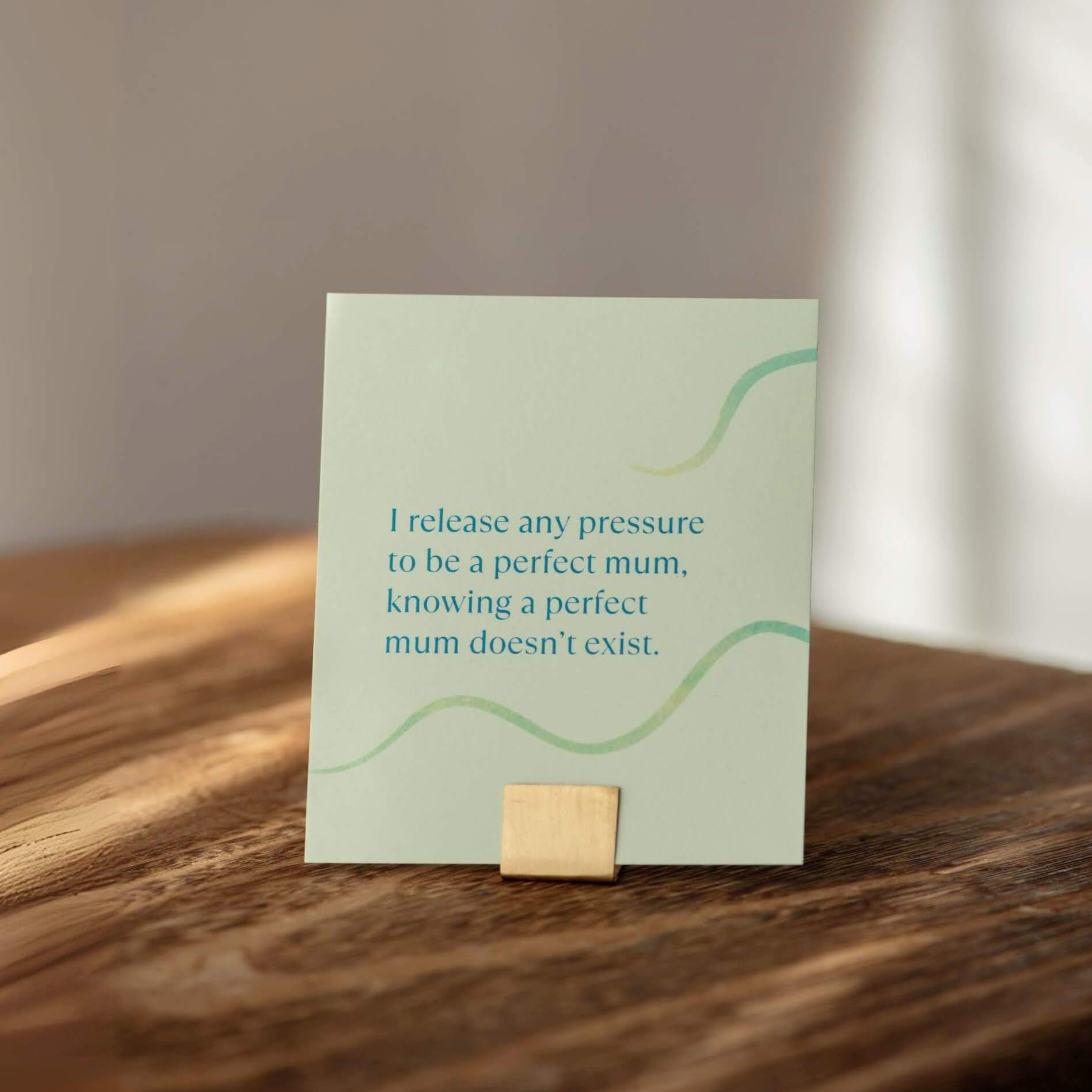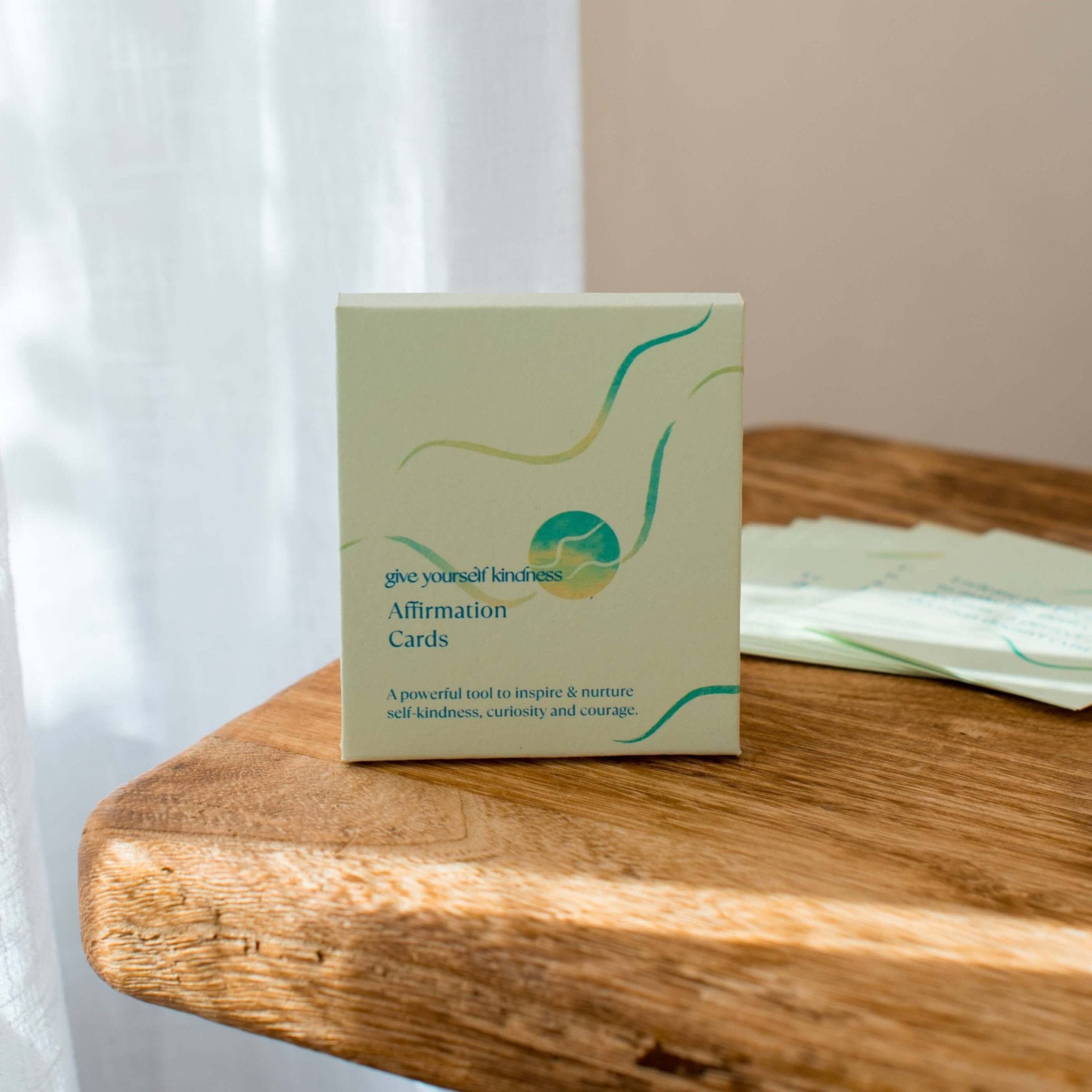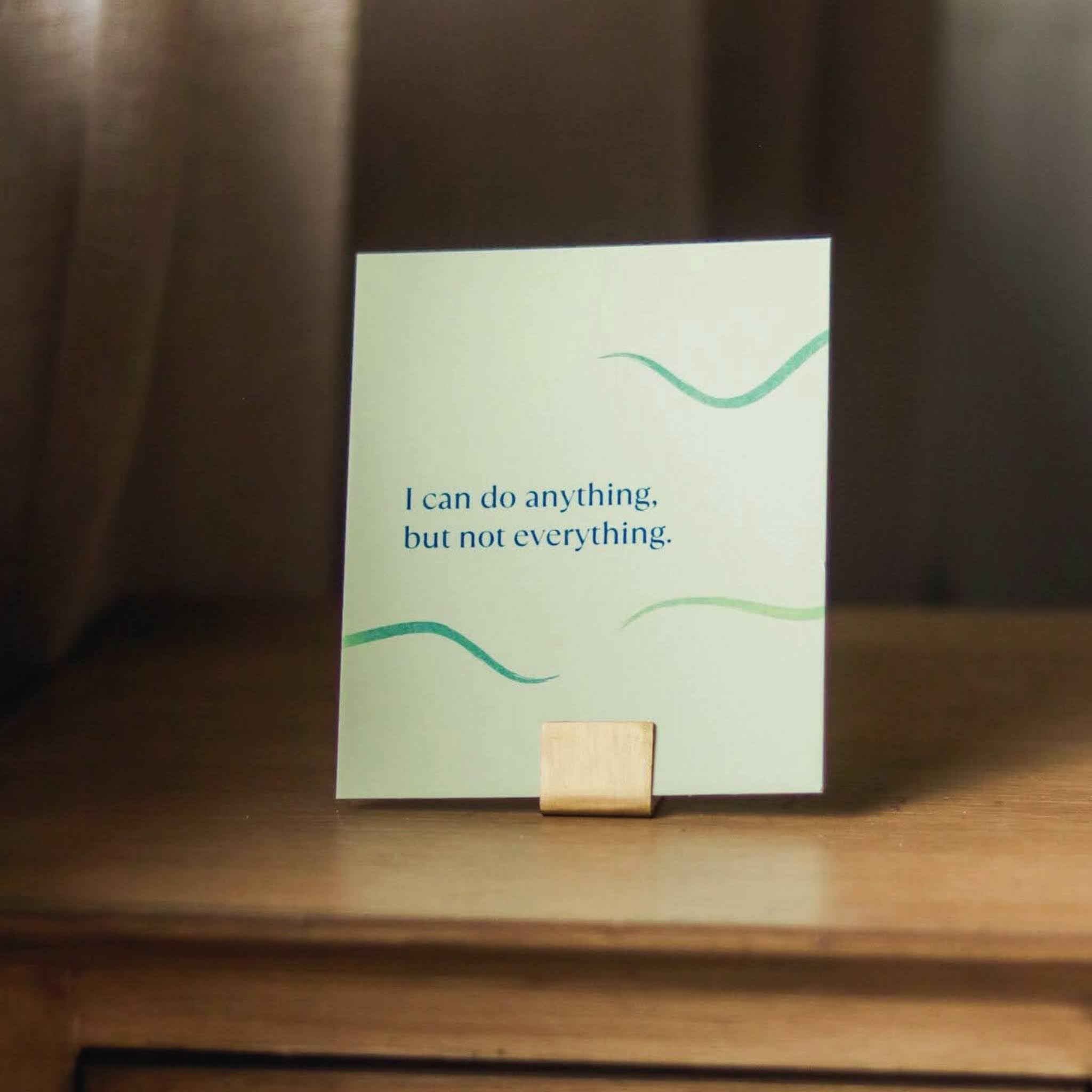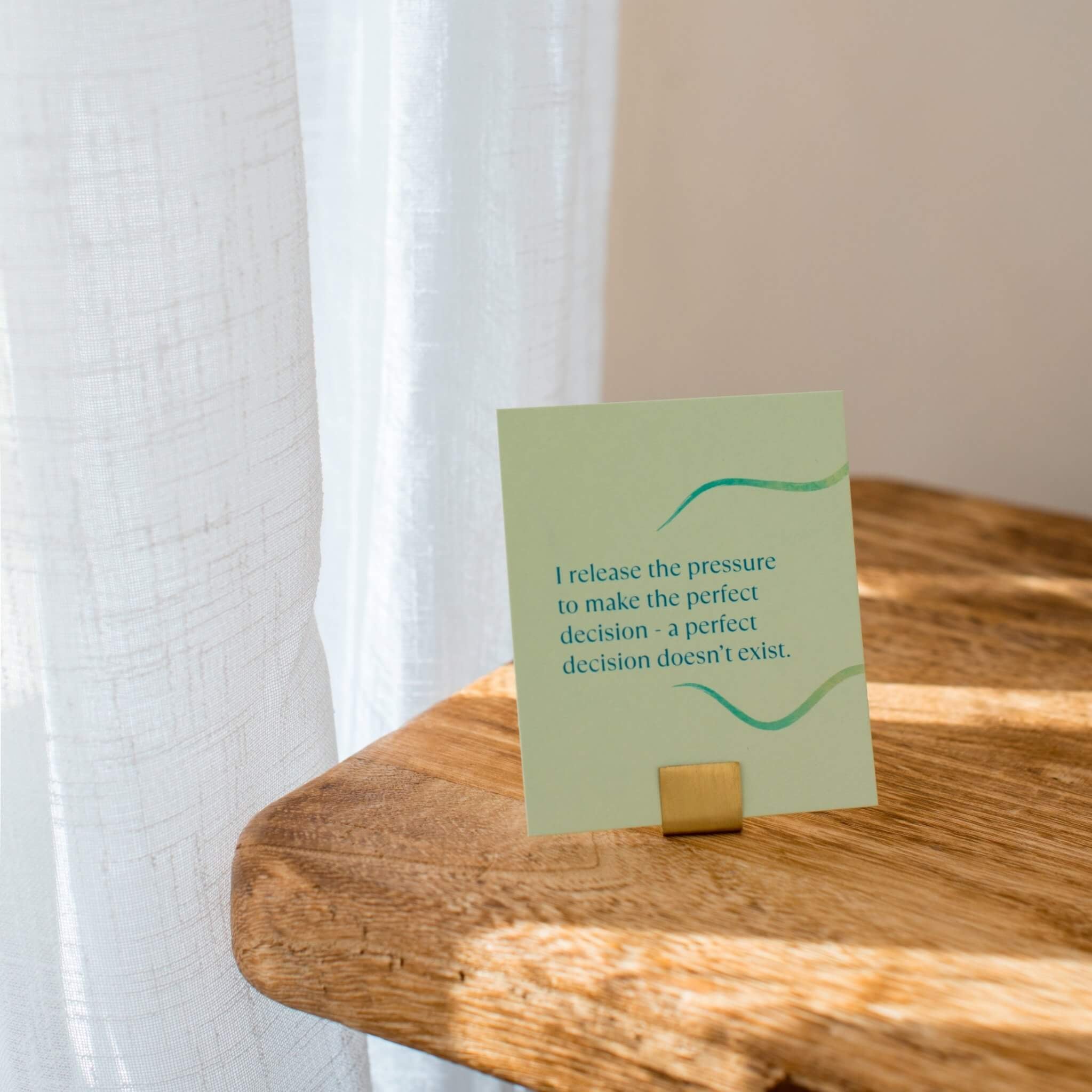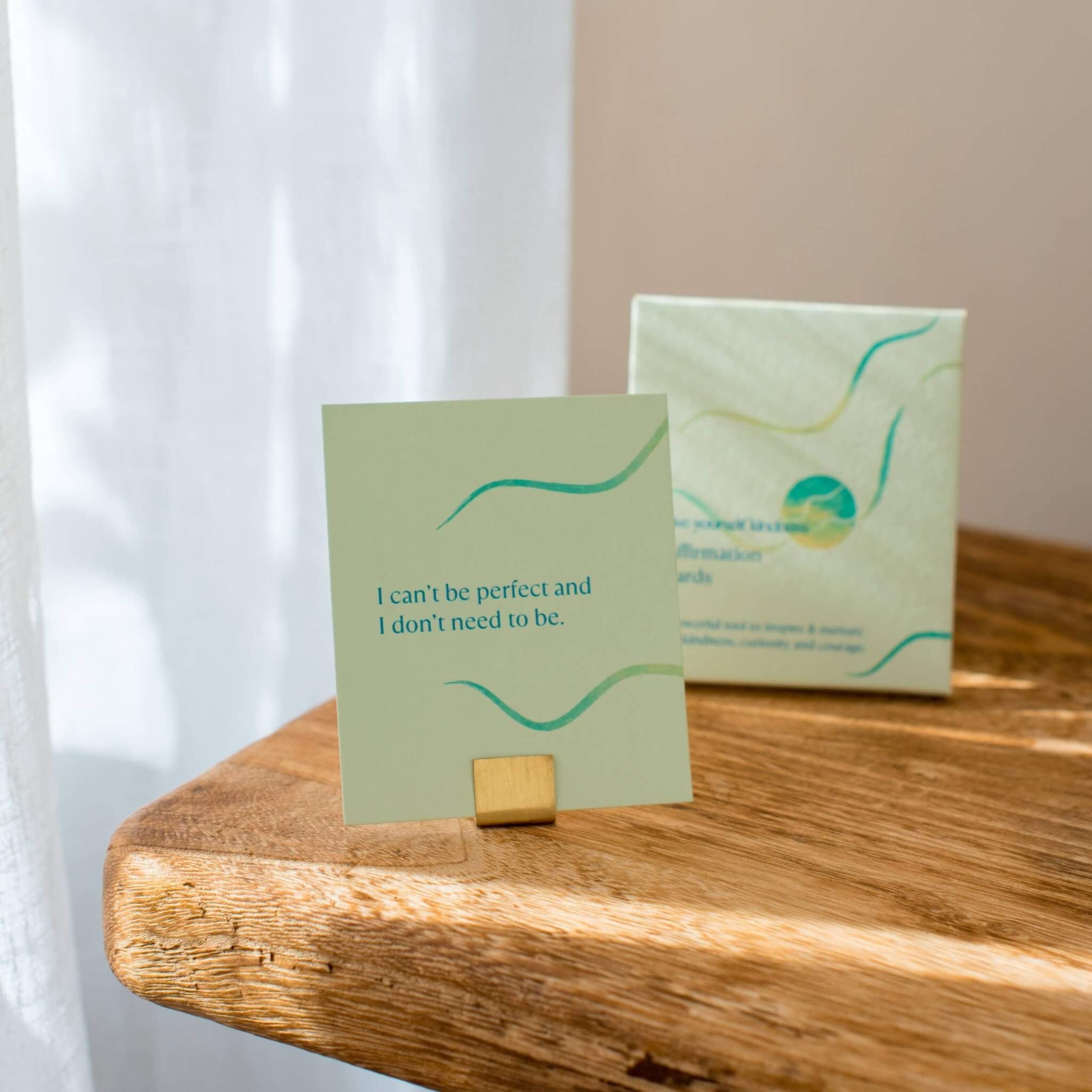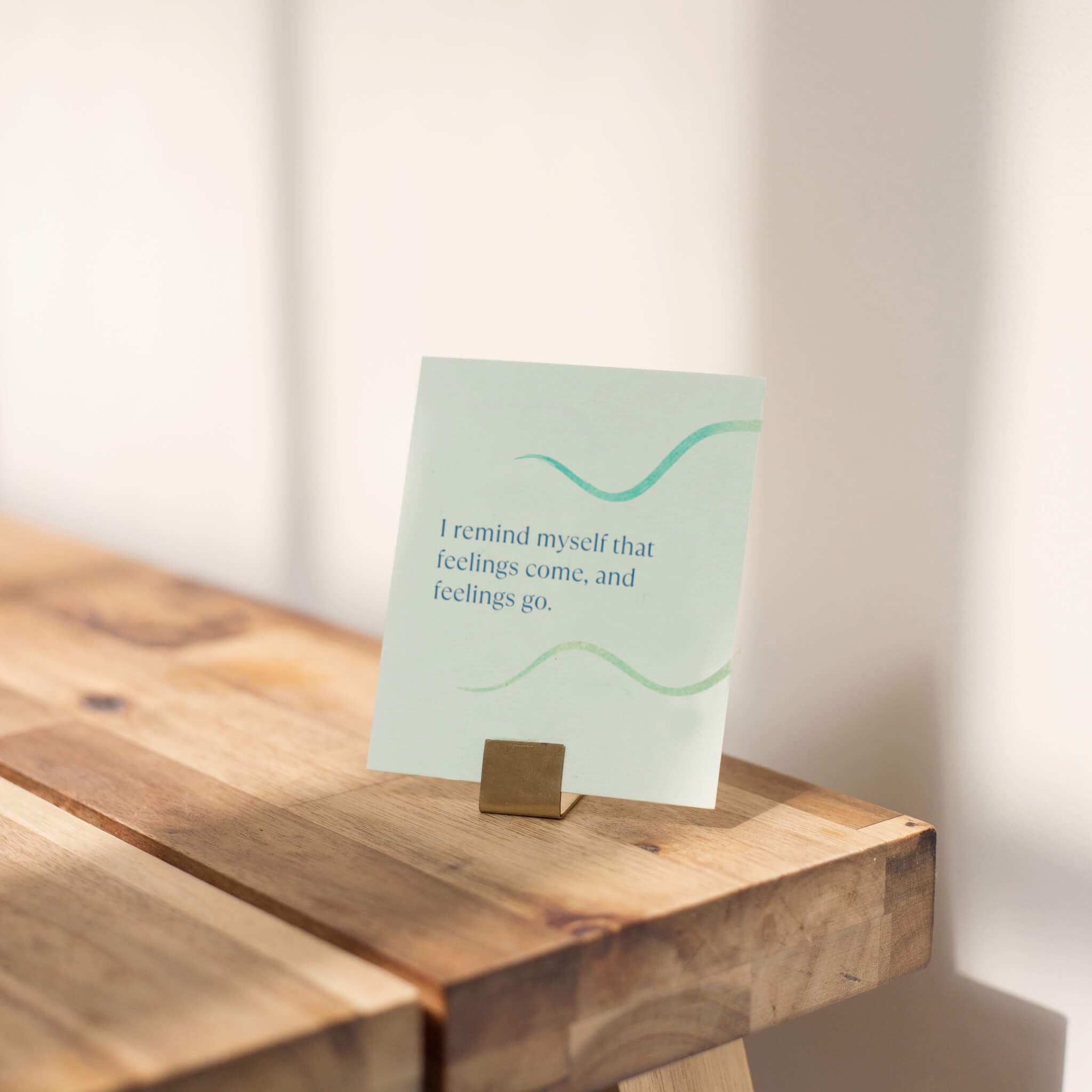



You've heard that gratitude journaling helps, and you'd like to try it. That's a good instinct, and starting is simpler than most guides make it sound.
If you've tried before and it fizzled out by the second week, that isn't a lack of discipline and it doesn't mean you're an ungrateful person. It's almost always the format. Writing "family, health, coffee" on repeat stops meaning anything after a few days, and a page of numbered blank lines can make you feel like you're failing at the one thing meant to help.
So this guide is about finding a version that fits a real life. Below are the five things that made it work for me, the actual prompts I use, and honest help choosing between a guided journal and a plain notebook.
How to start a gratitude journal
The short version, if that's all you need today:
- Use a different prompt each day rather than the same question, so your brain stays interested
- Set a timer for two minutes. One sentence counts, and that's genuinely enough
- Pick one time and anchor it to something you already do, like making tea or brushing your teeth
- Expect days three to five to feel harder. That's the normal shape of it, not a sign you should stop
- Choose prompts that invite rather than instruct. "Can you notice..." lands very differently from "List three things"
Each one is explained properly just below, with ten prompts you can try today for free.
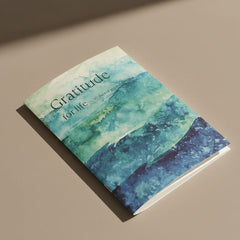
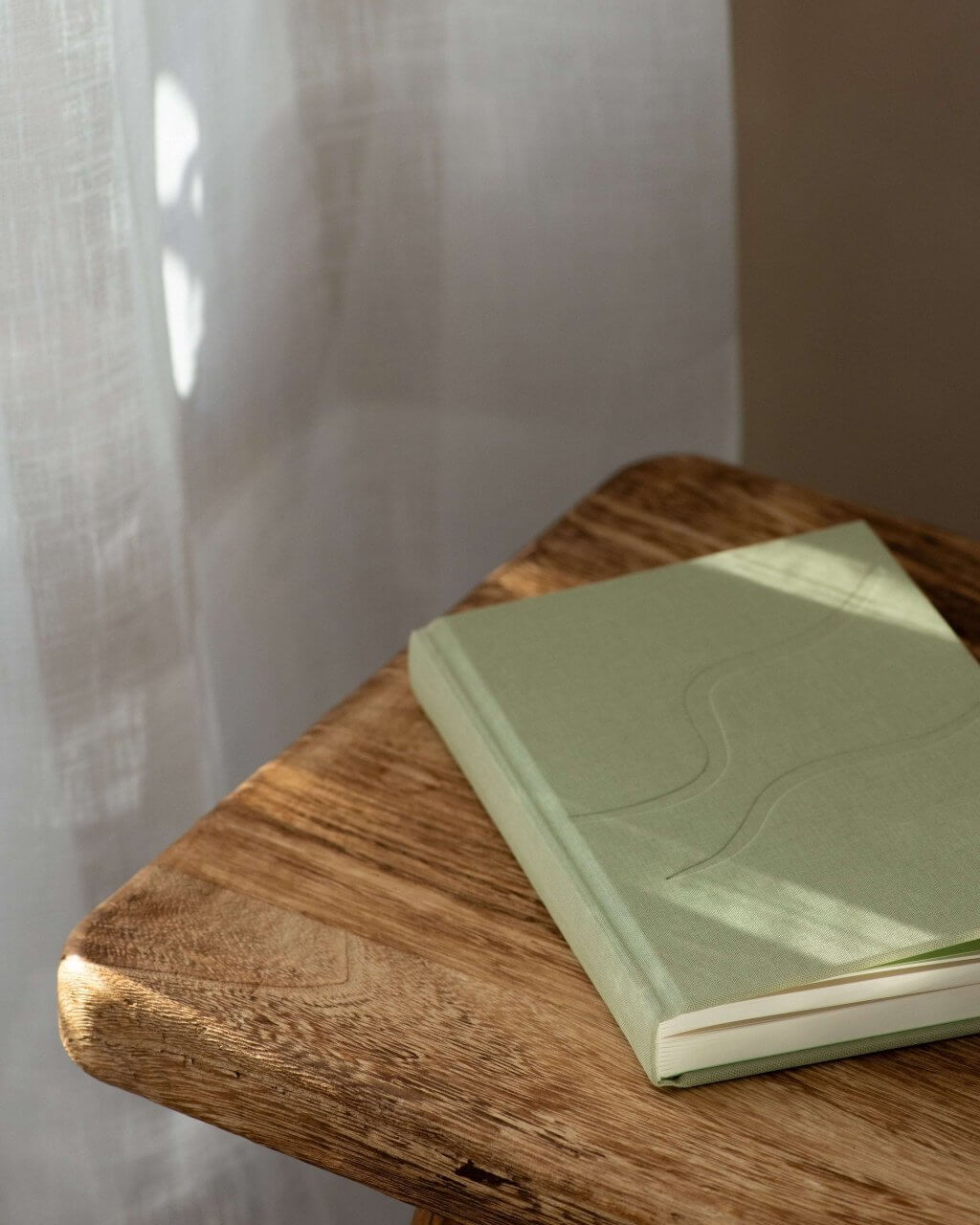
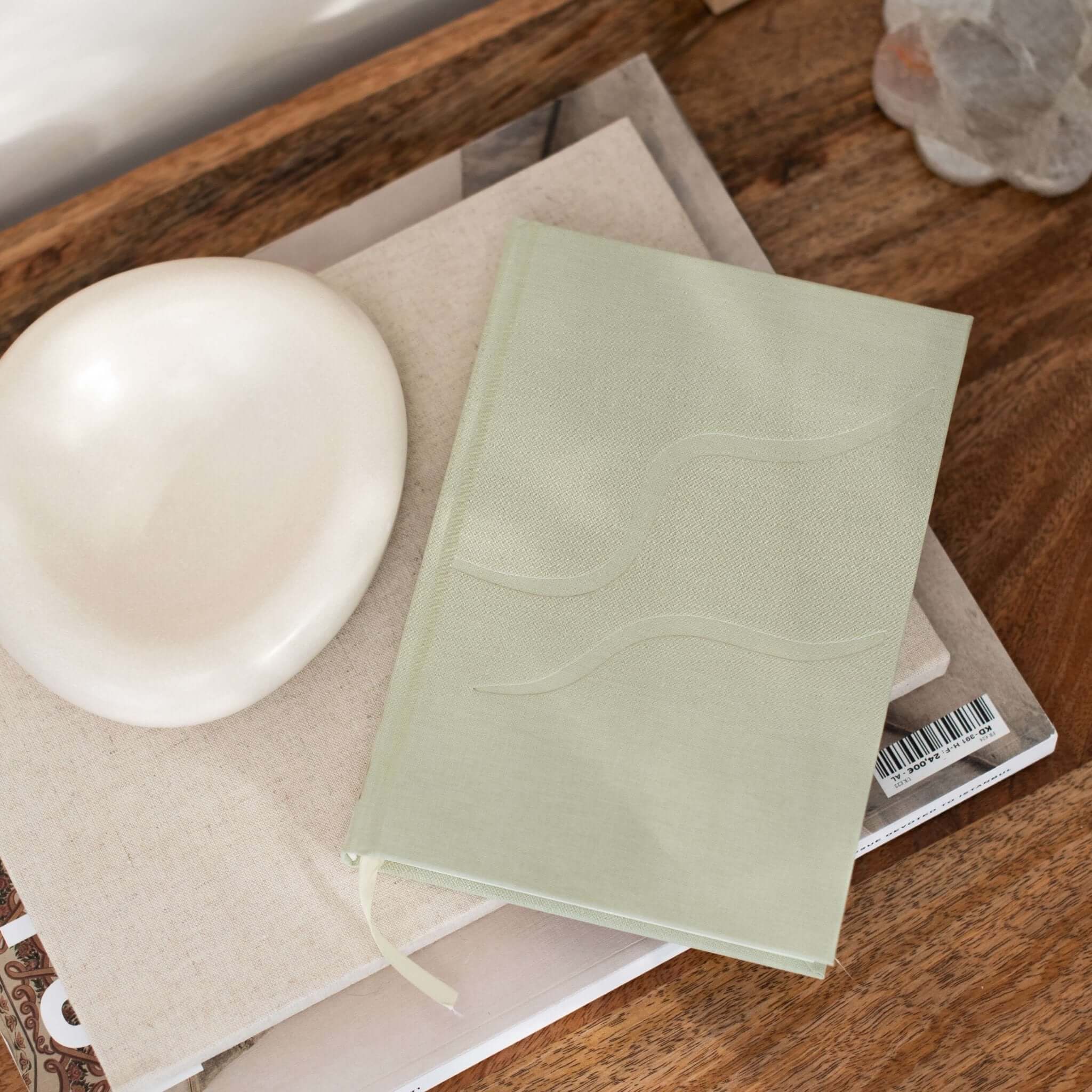
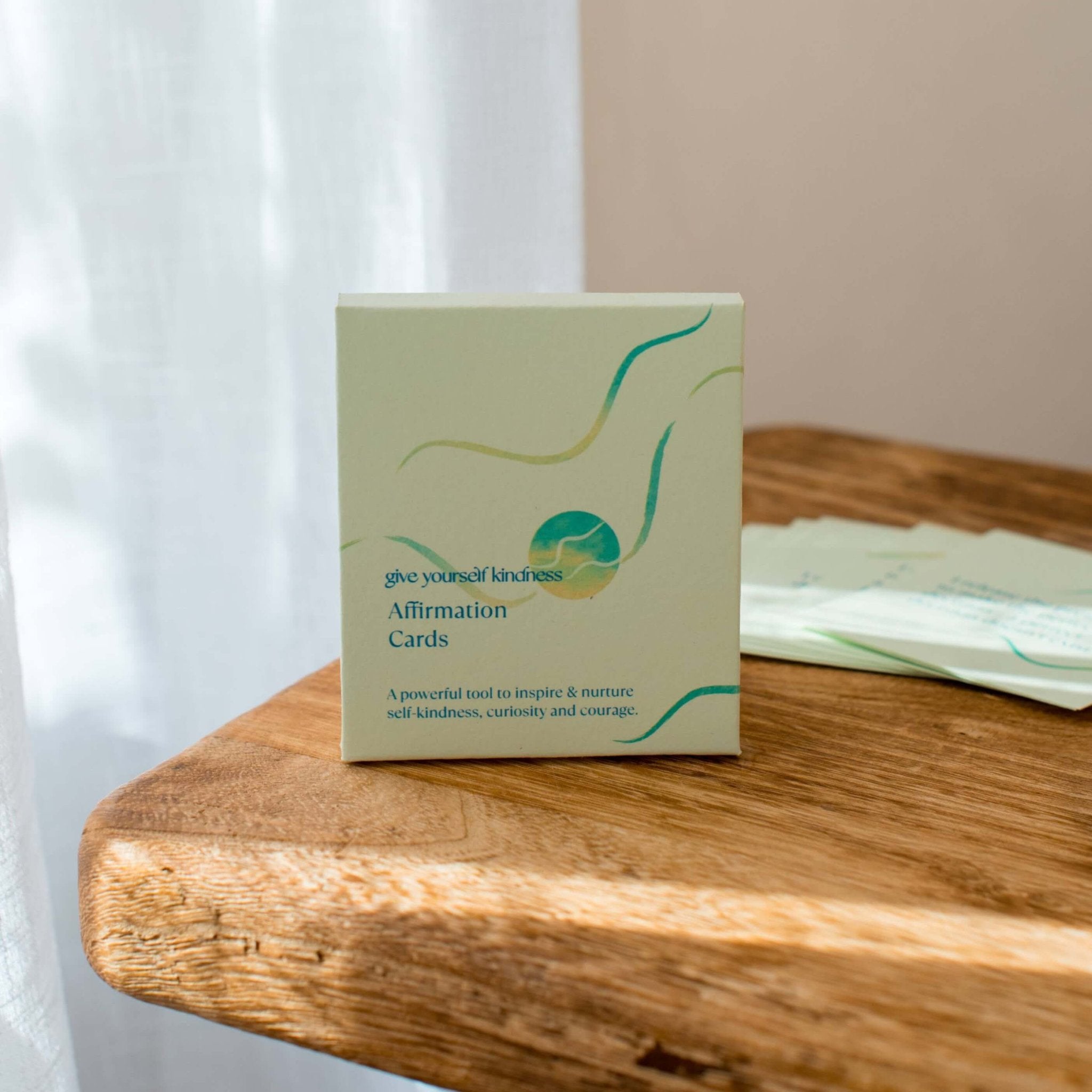
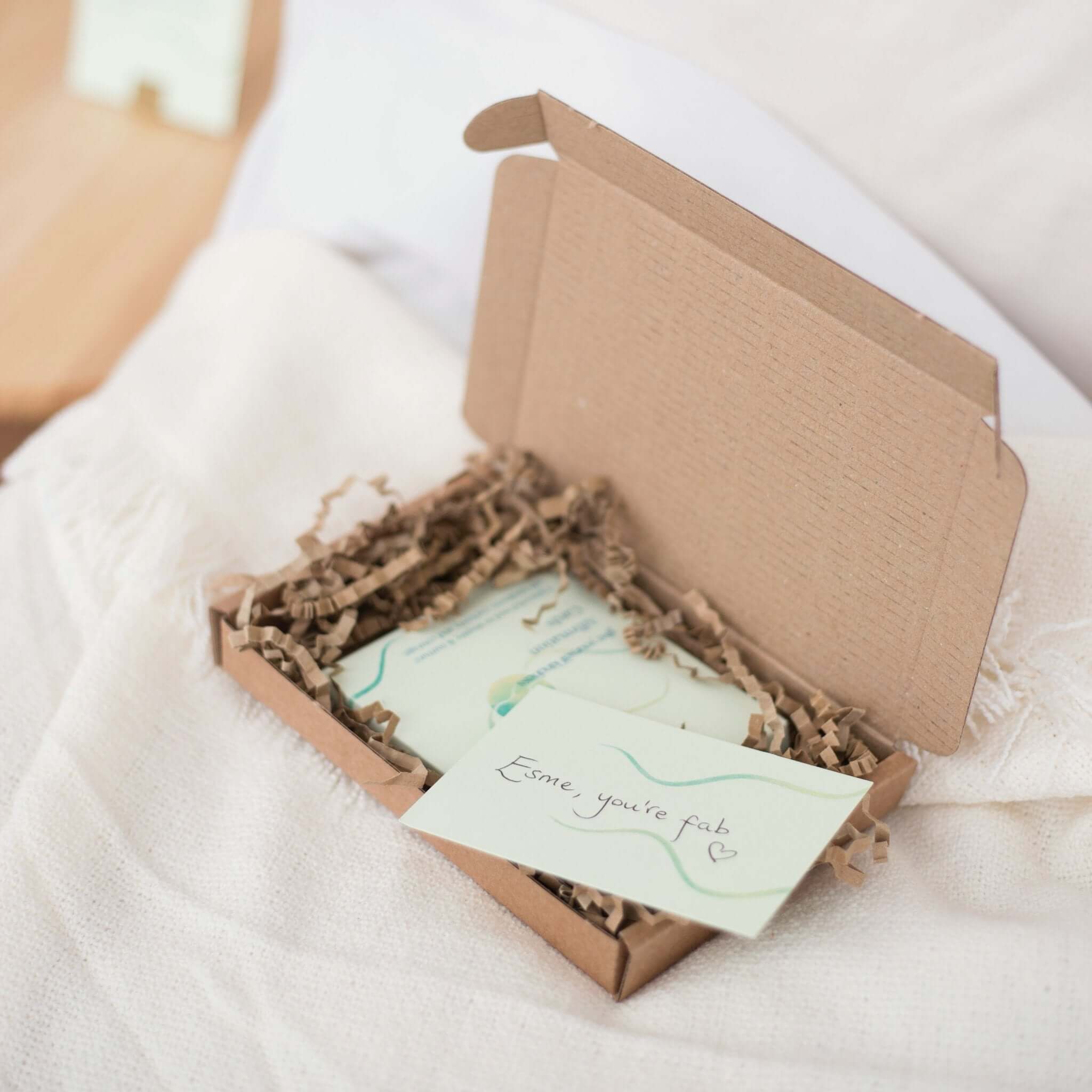
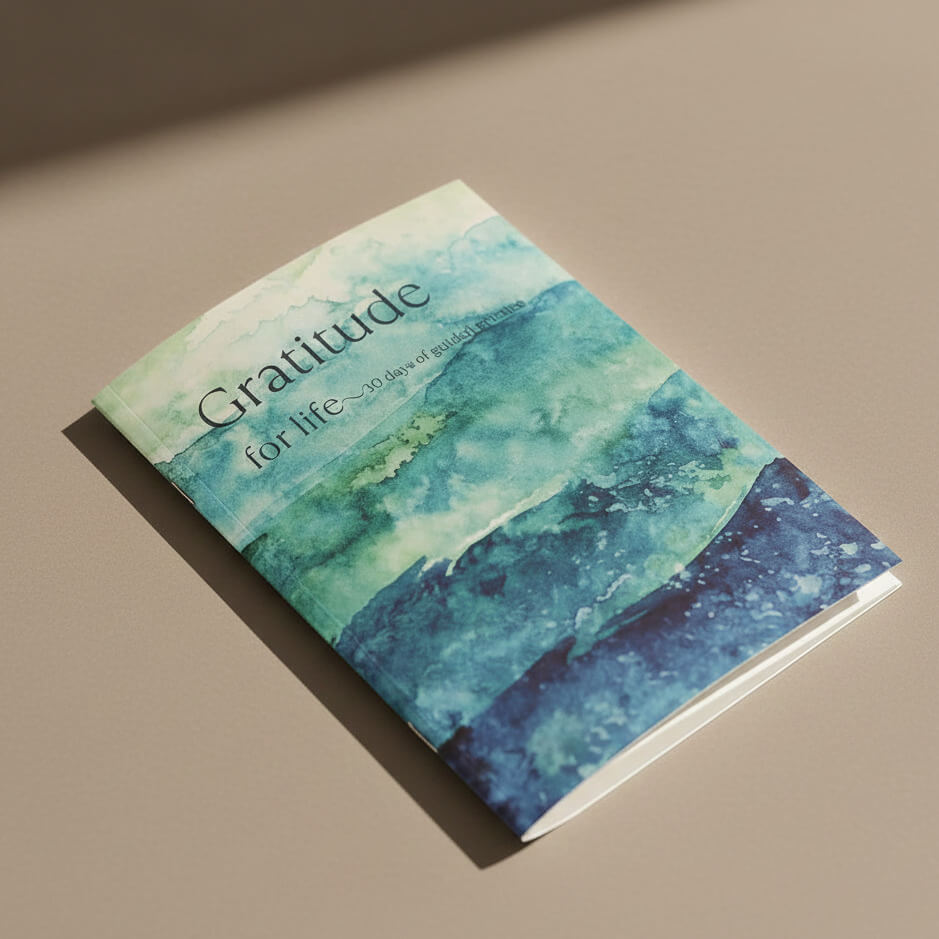
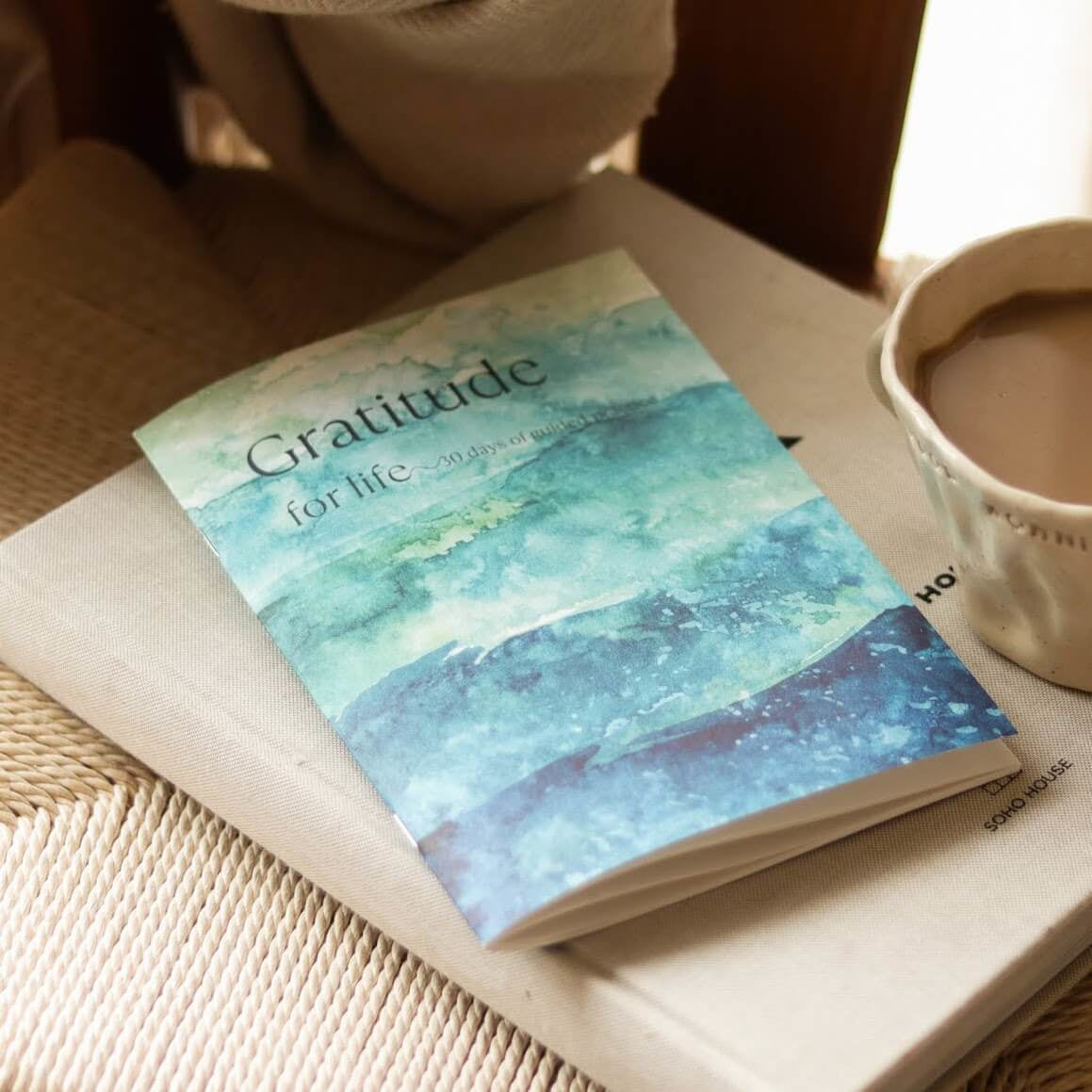
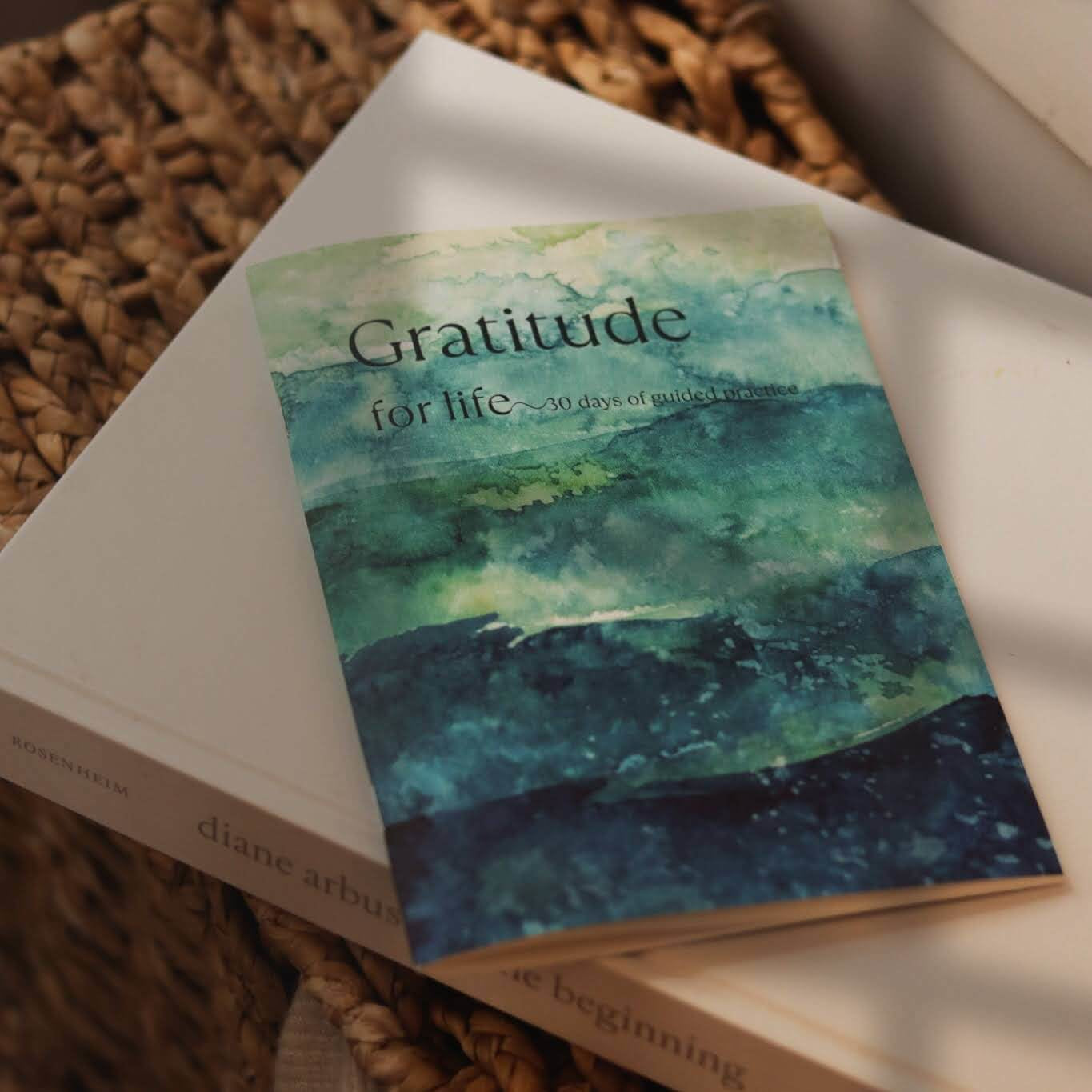
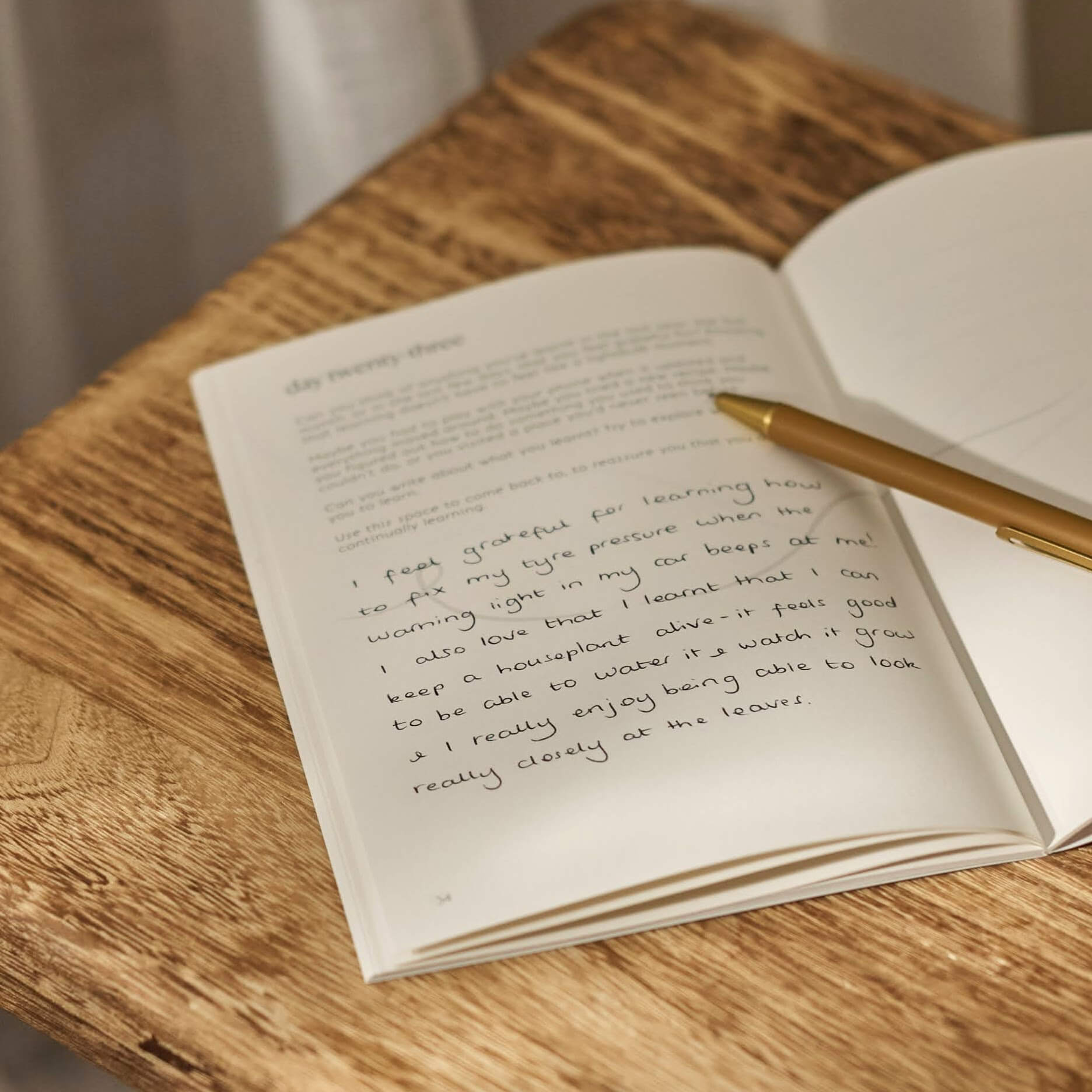
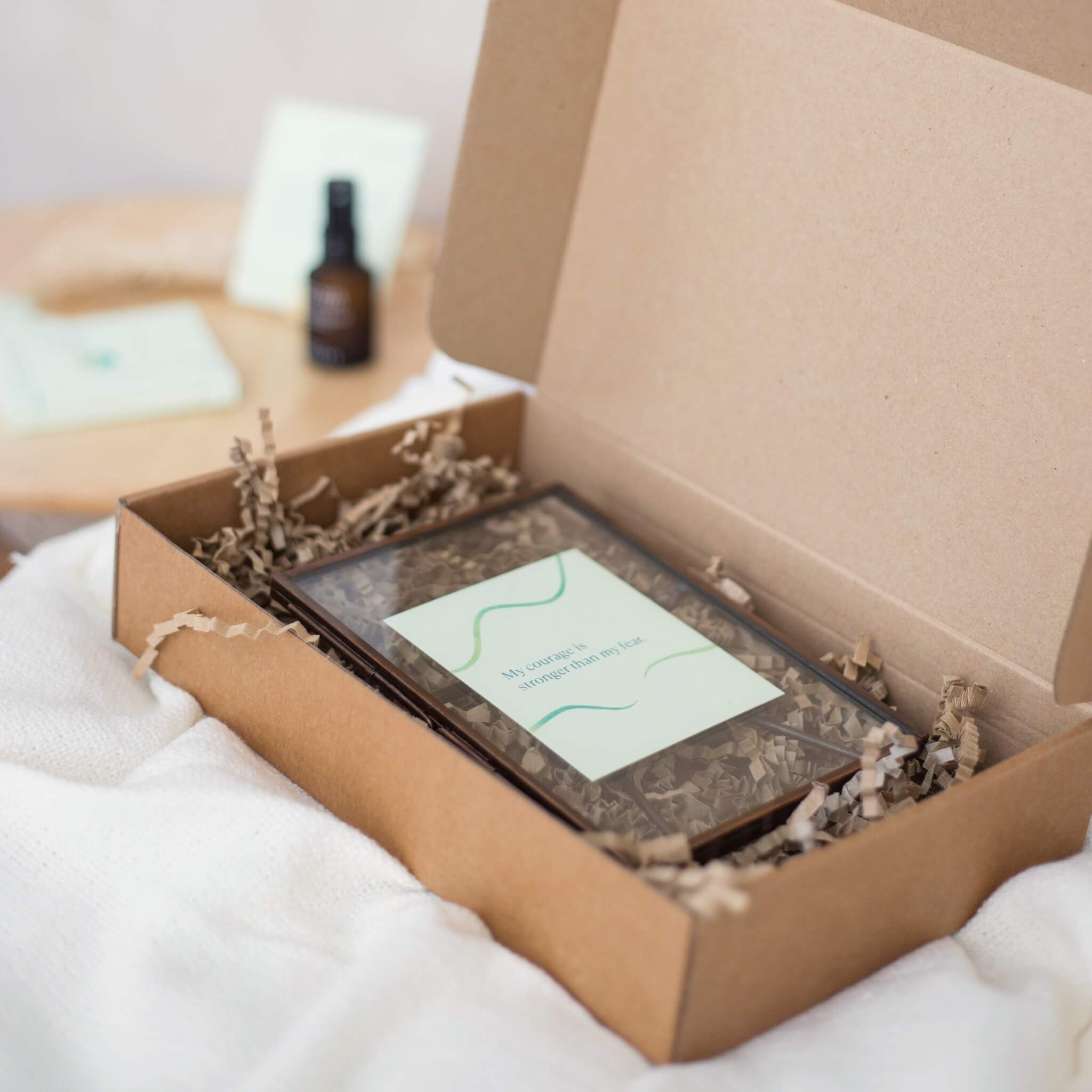
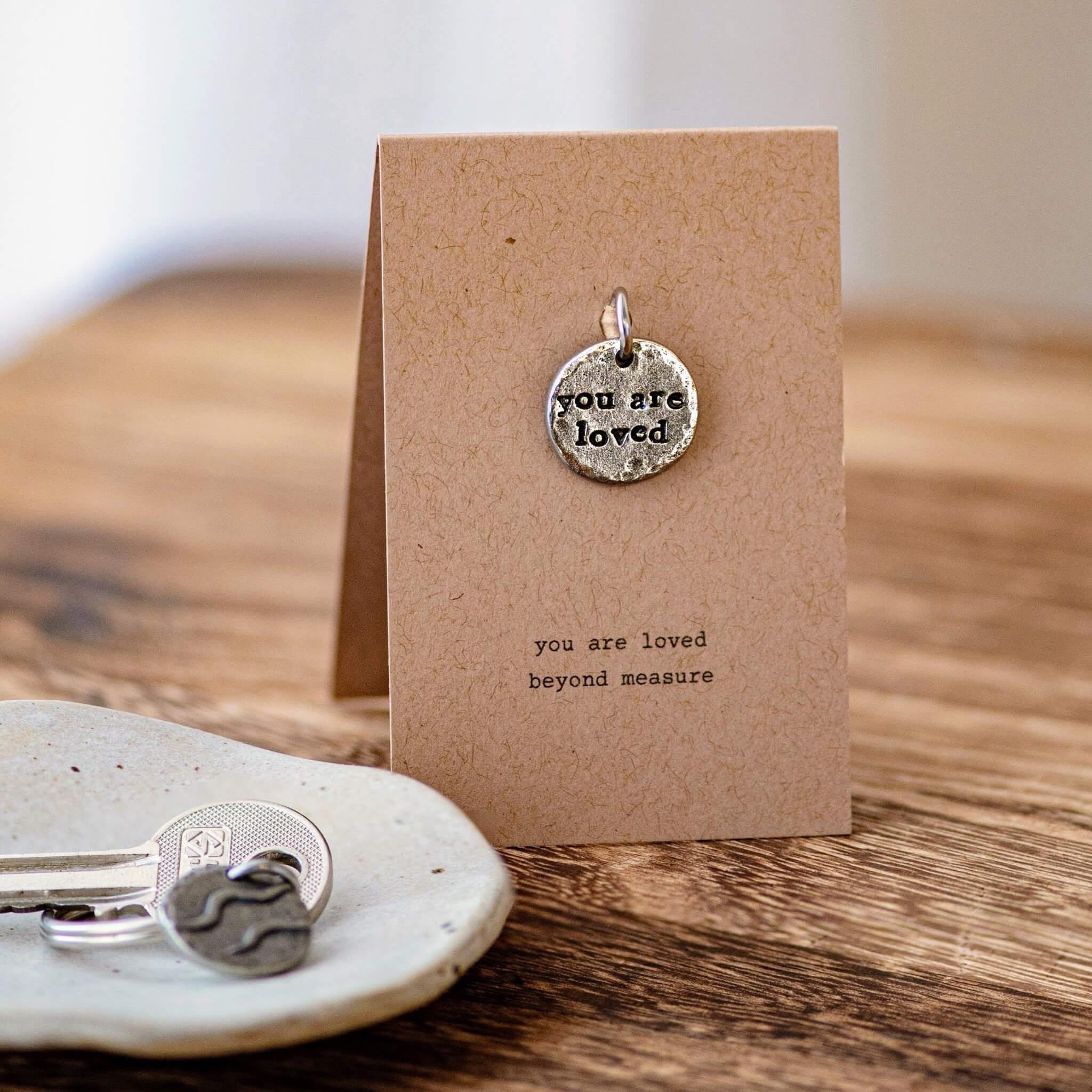
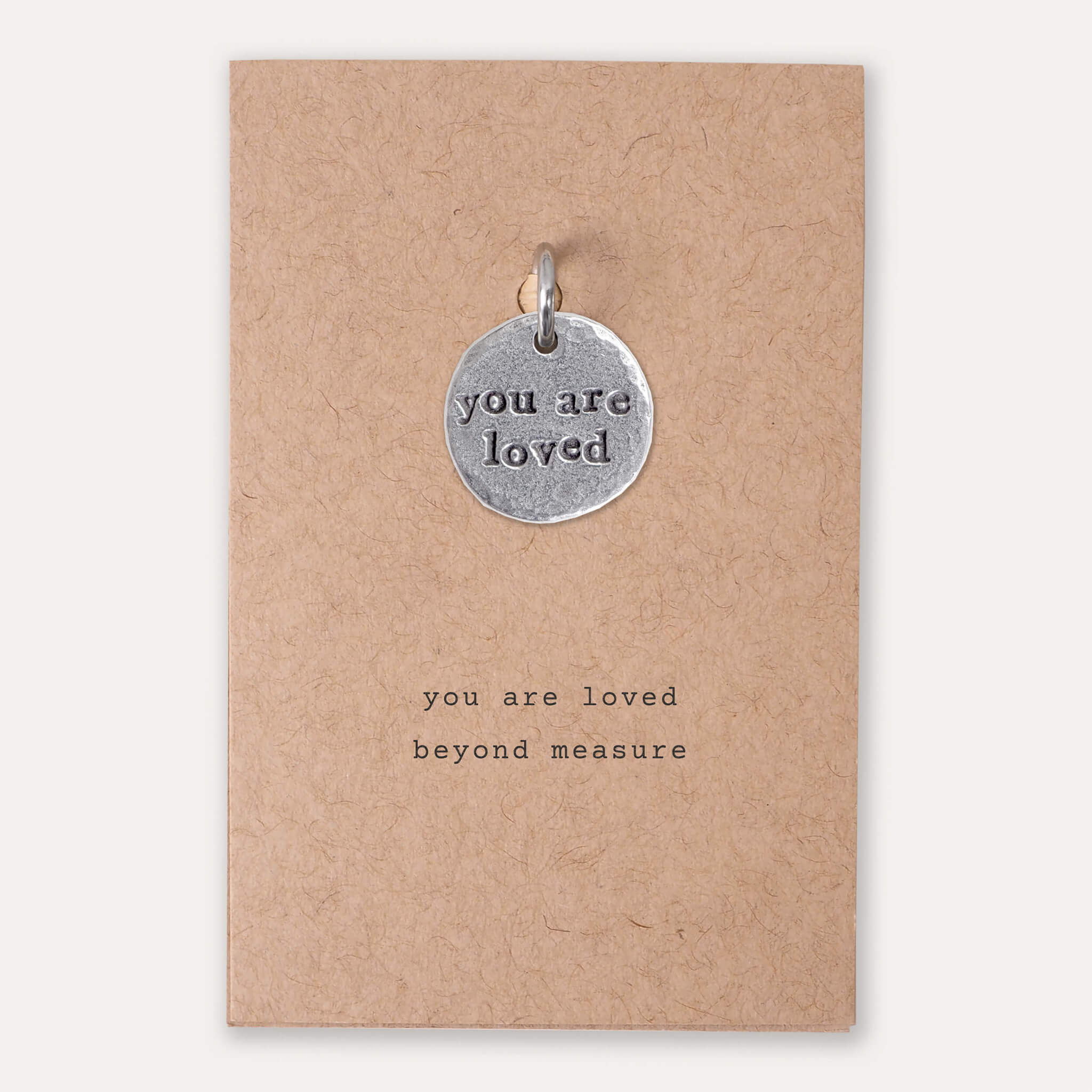
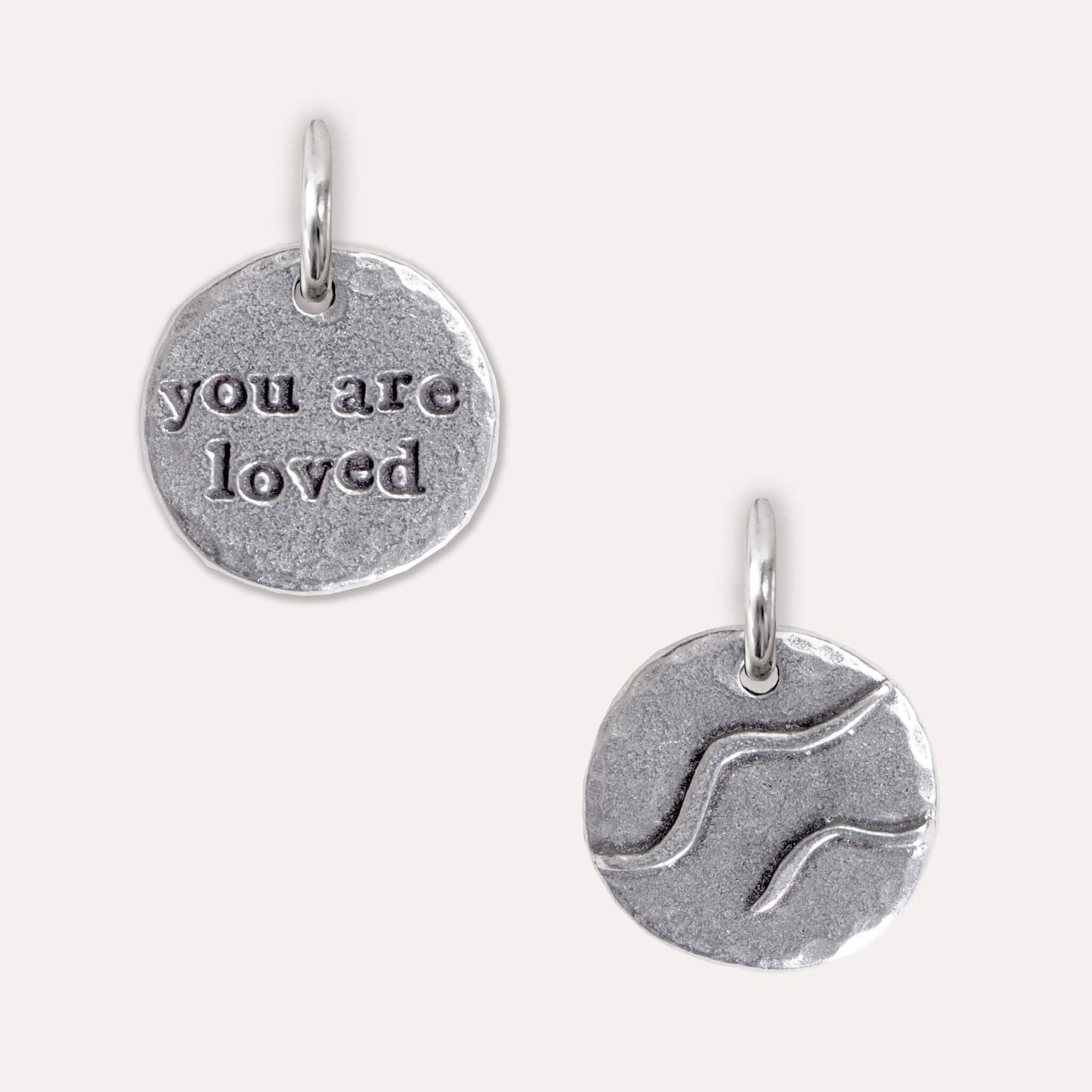
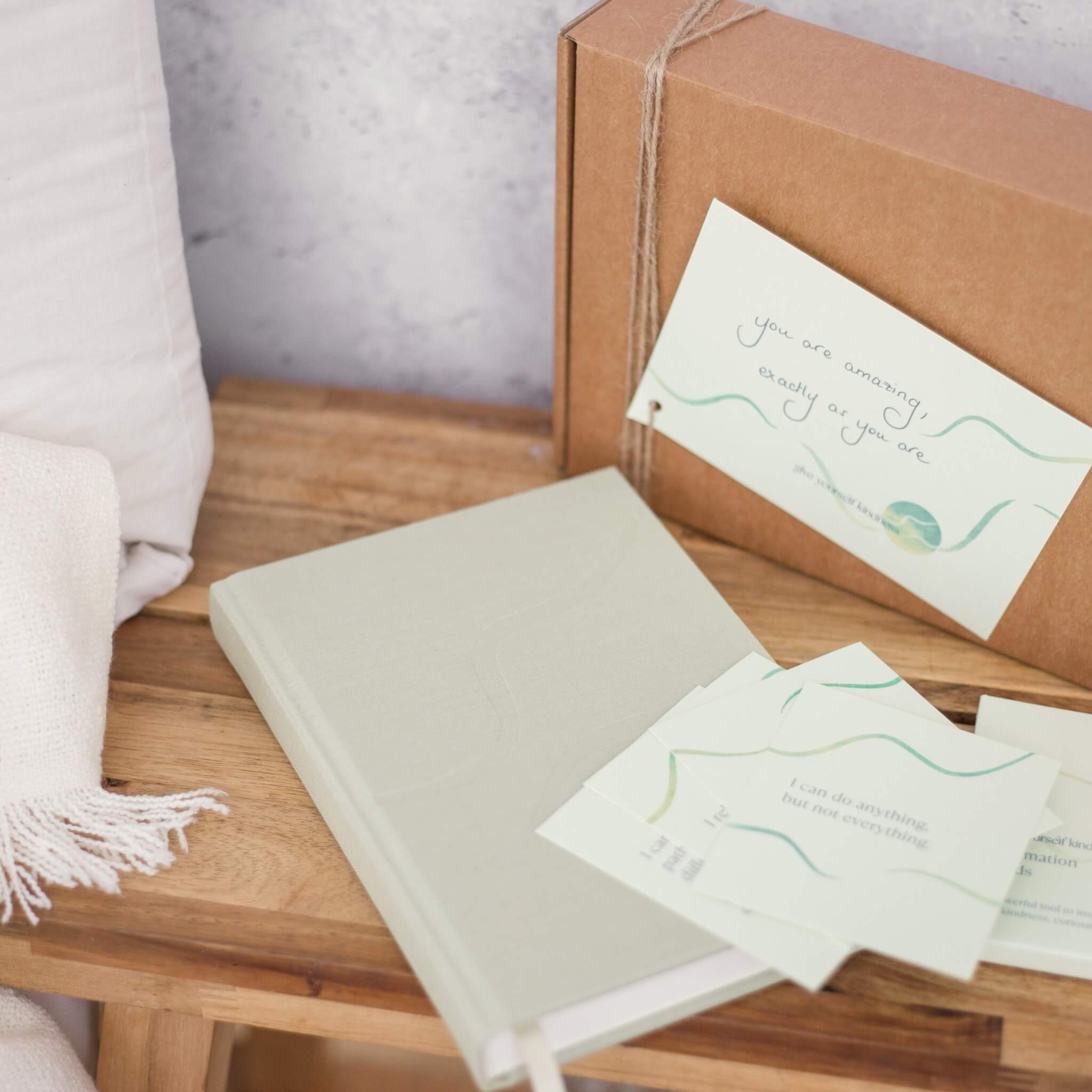
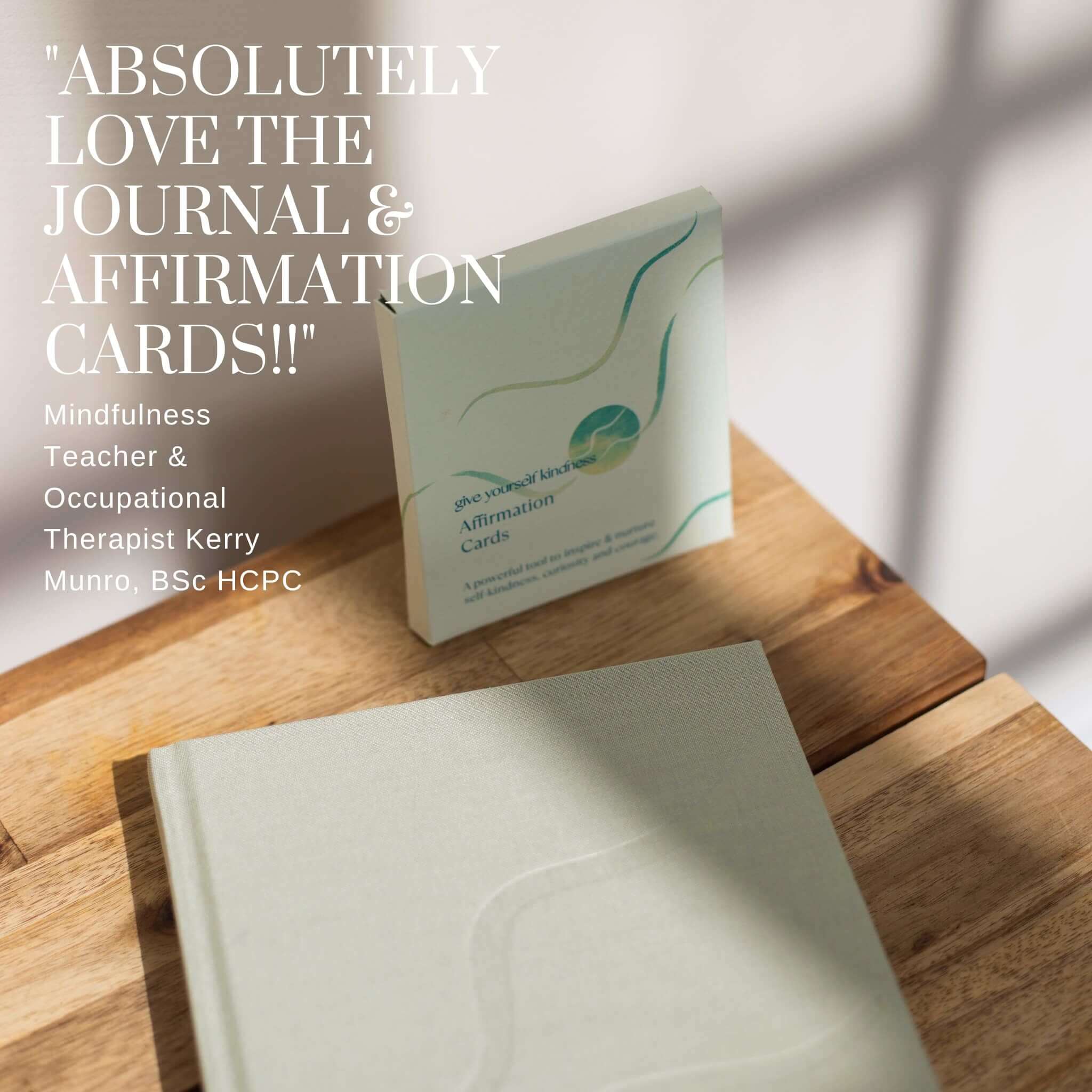
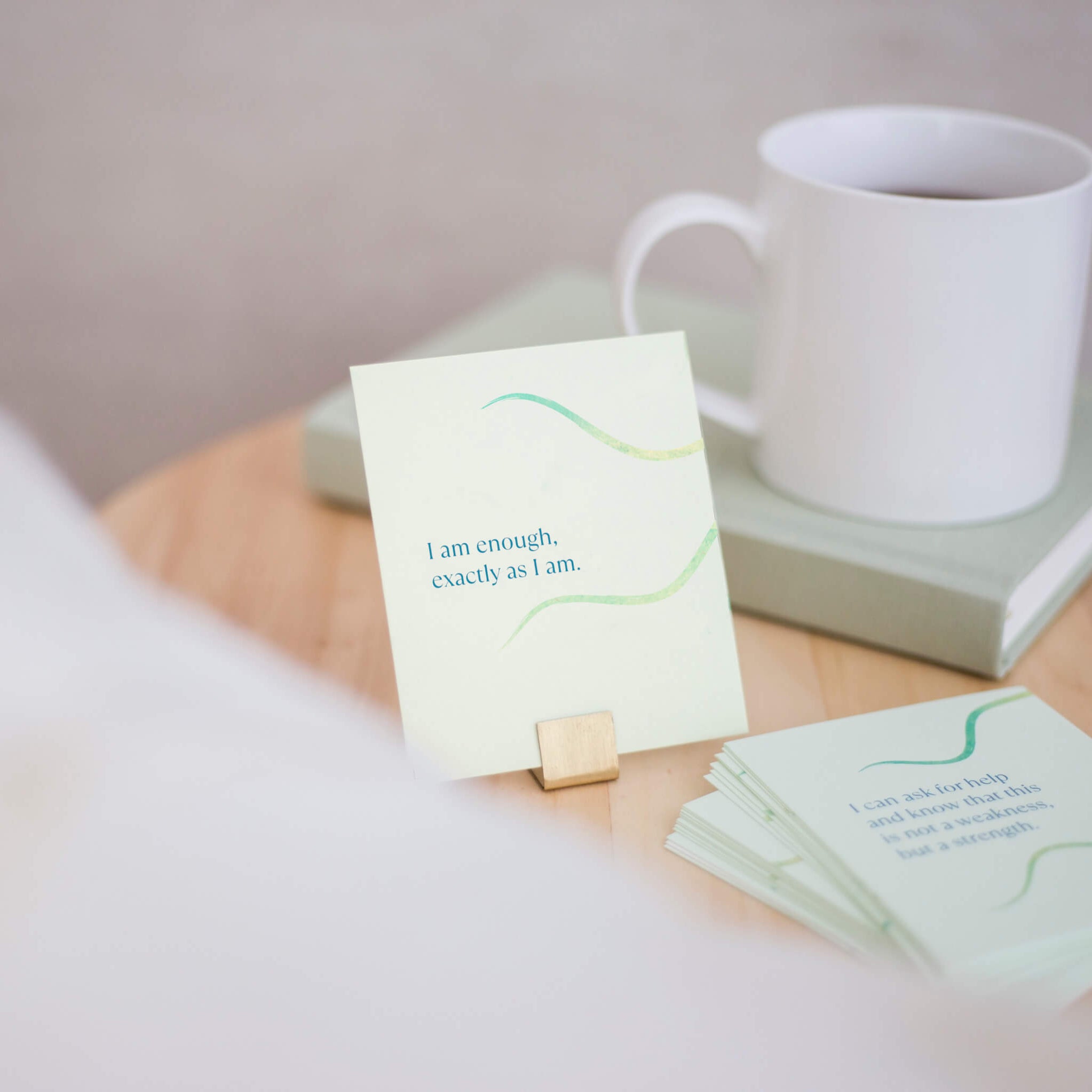
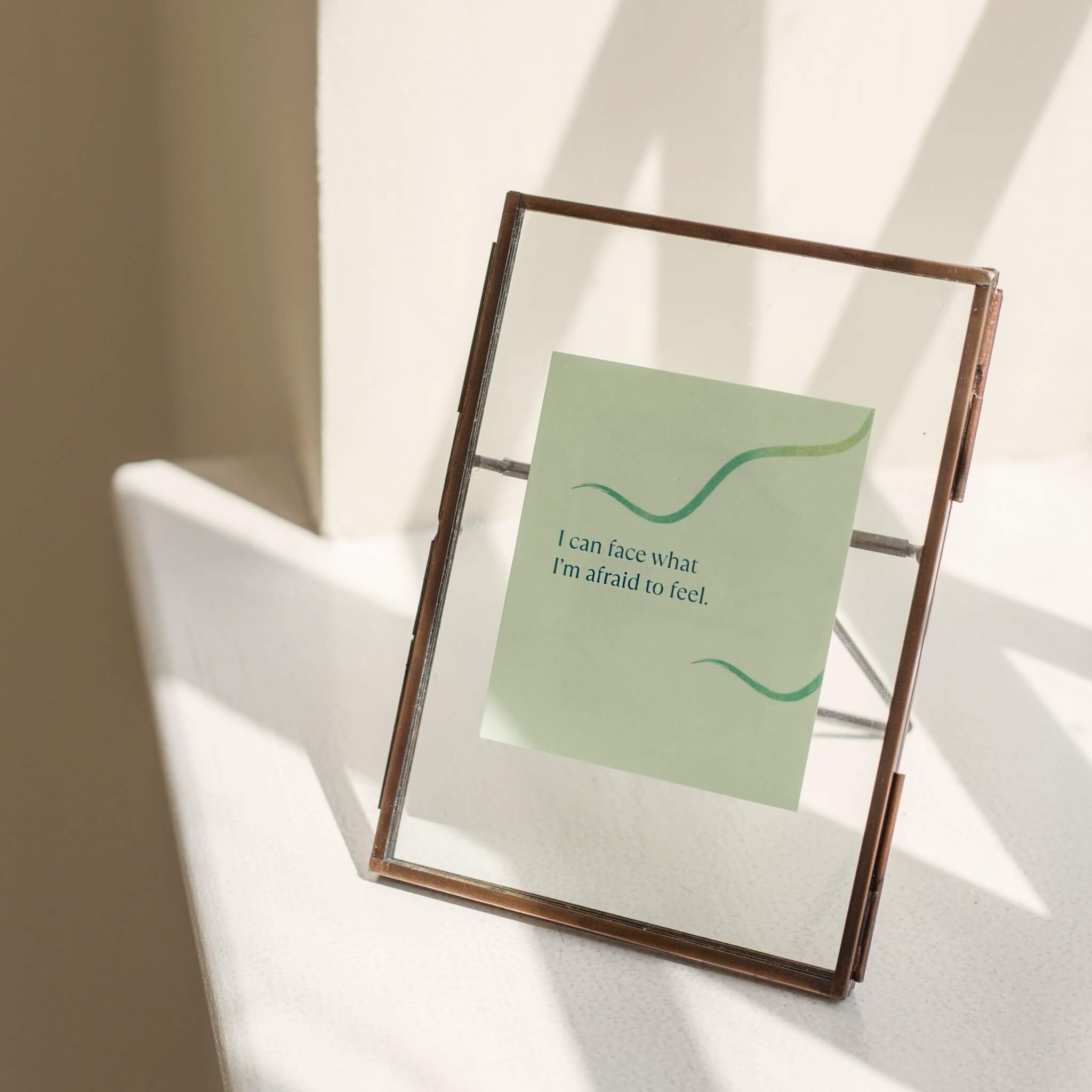
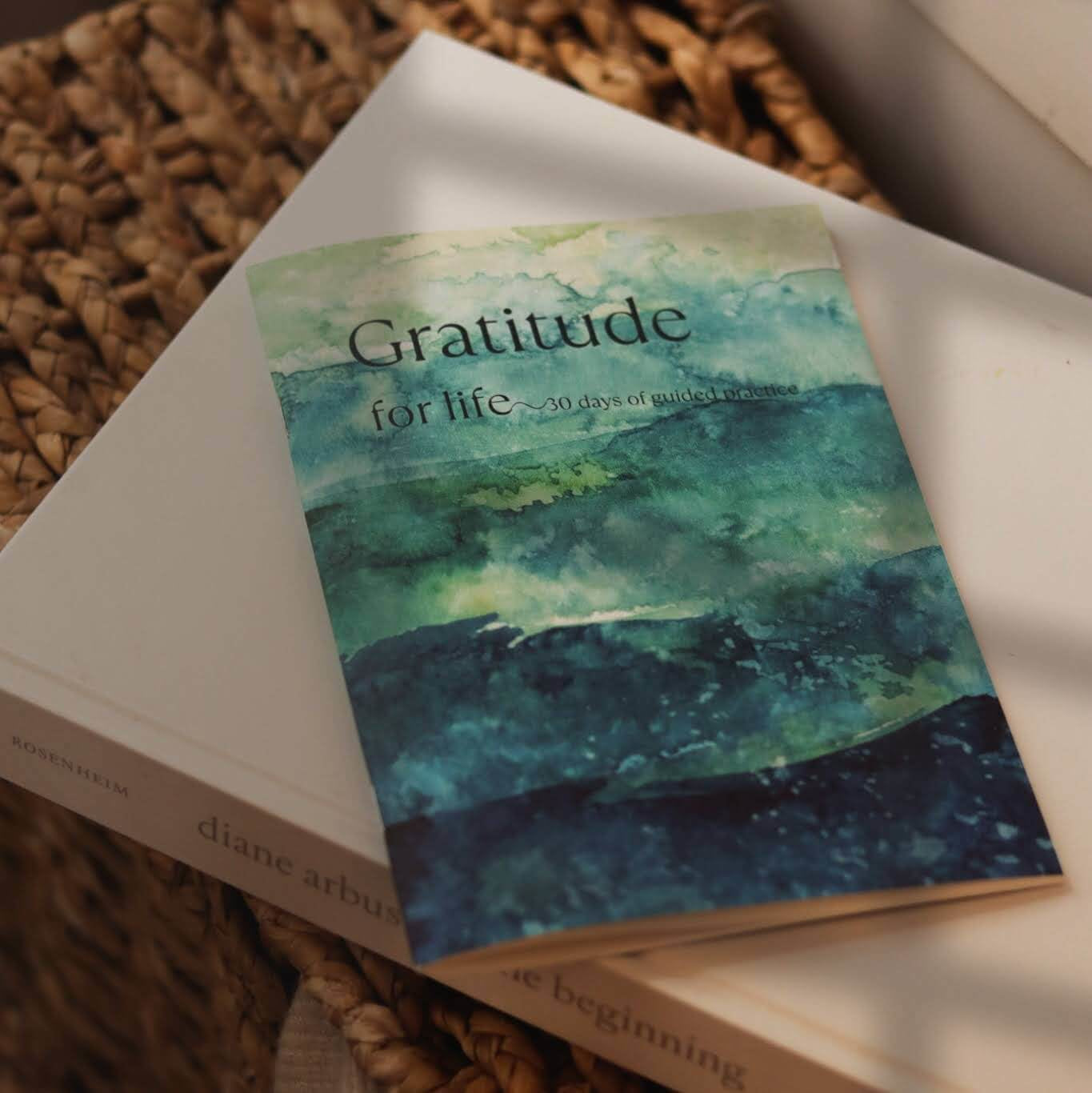
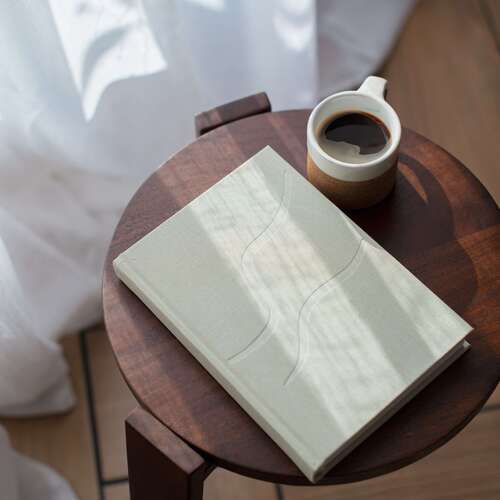
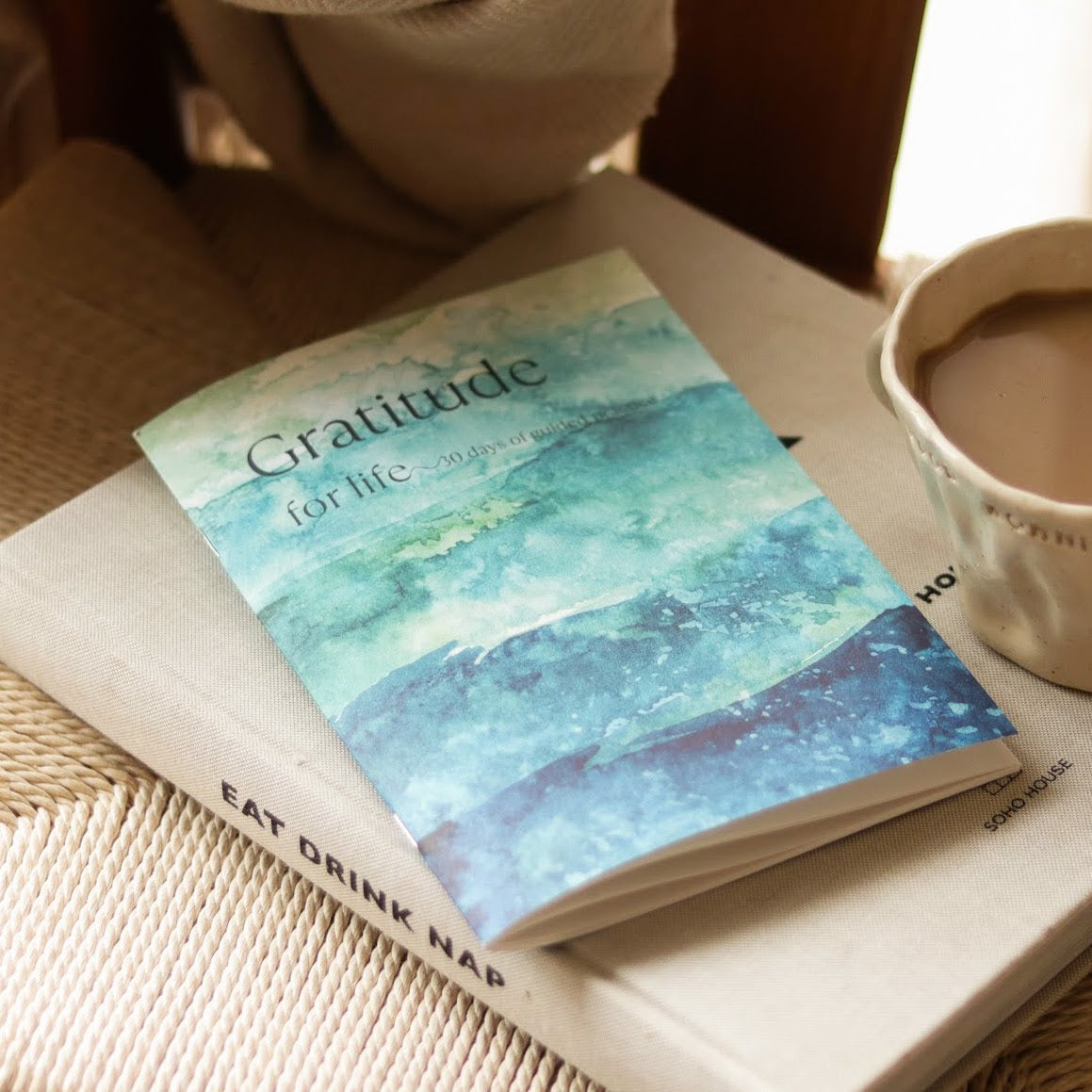
If you'd rather not have to decide anything: I made The Gratitude Journal: A 30-Day Challenge to do all five of these for you. Thirty completely different prompts, undated so you can start today, and permission built into the page for the days when it's hard.
Added to your basket. View basket →
Free UK delivery. Or keep reading, the prompts below are yours either way.
The five tips that made it stick
These are the things I wish someone had told me before my third abandoned journal. None of them require more discipline than you already have.
1. Use a different prompt each day
The single biggest change. Research from Berkeley's Greater Good Science Center found people lose interest in gratitude journalling after two to three weeks, and repetition is why. By day three of "family, health, coffee" you're not noticing anything, you're just filling in a form.
What to do instead: vary the angle. Your senses one day, a person the next, something you can do now that you couldn't before, a moment from the last 24 hours. Same practice, different door in.
2. Set a timer for two minutes
When the timer goes, you're finished. One sentence counts. This removes the question that quietly kills most practices, which is "how much is enough?"
Why it works: success becomes showing up rather than producing a certain amount. You can always keep writing if you want to, and most days you will, but you never have to.
3. Anchor it to something you already do
Not "I'll journal at some point today", but "I'll journal after I brush my teeth". Attaching it to an existing habit does the remembering for you.
Evening or morning? Evening tends to help with sleep, because it gives your mind something to land on other than tomorrow's list. Morning works just as well if that's when you have more in the tank. The best time is honestly whichever one you'll actually do.
4. Expect days three to five to feel harder
Days one and two are usually easy, even enjoyable. Then around day three the novelty wears off and you find yourself staring at the page. This is the normal shape of it. Almost everyone hits it, and almost nobody is warned about it, so they assume they've failed and stop.
What to do: treat it as information about your format rather than about you. If blank lines are stressing you out, or the same prompt has run dry, change the format now. Don't push through something that's making you feel worse.
5. Choose prompts that invite rather than instruct
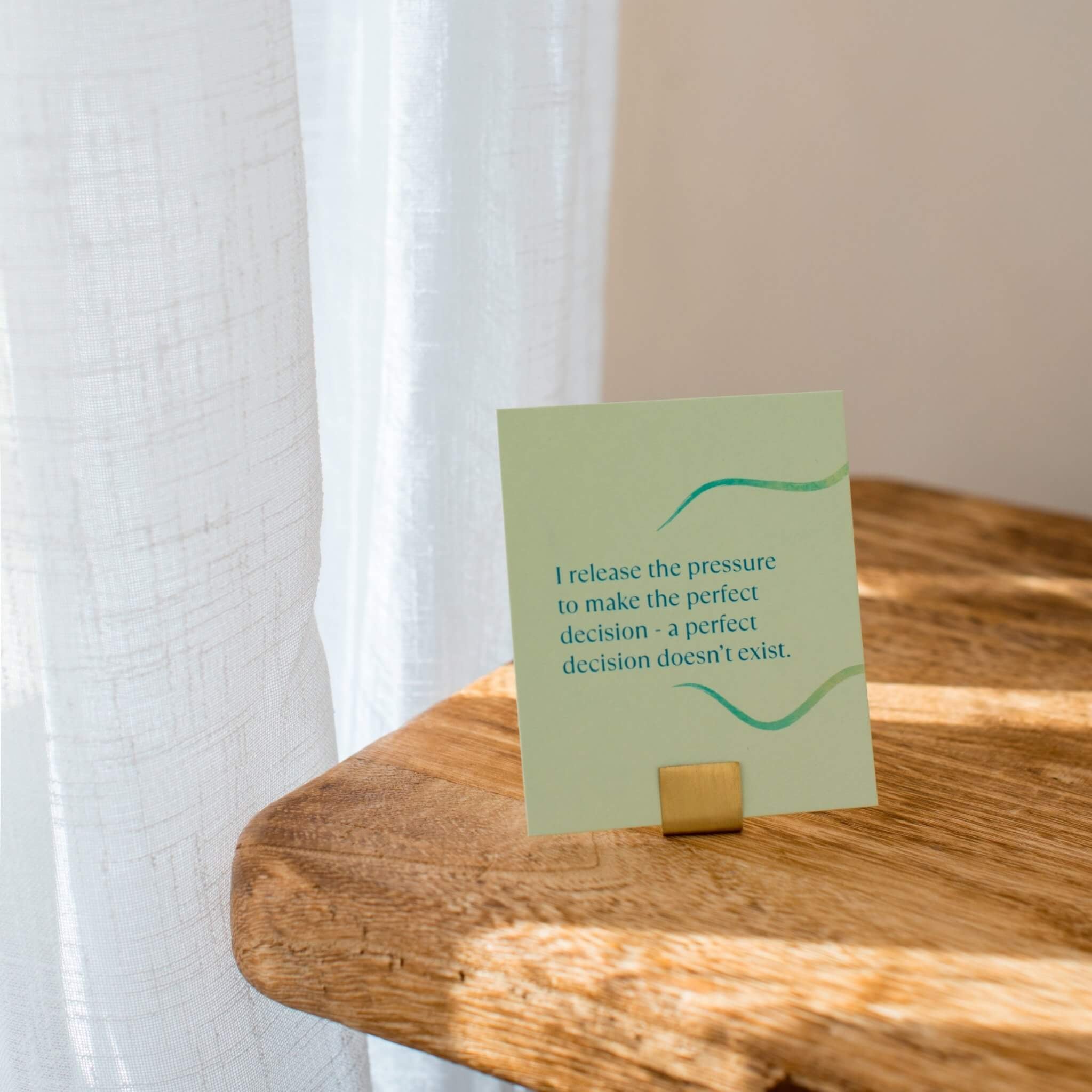
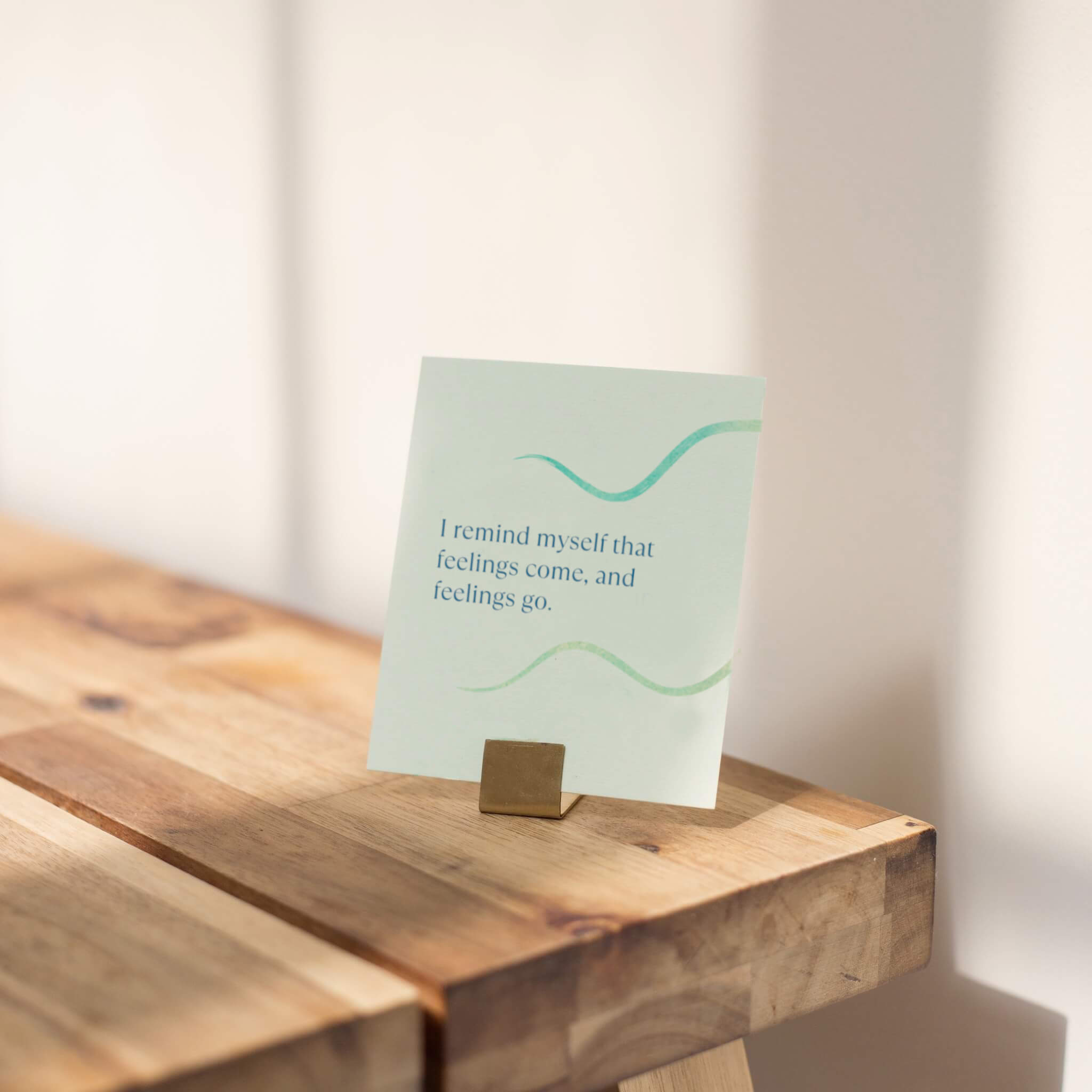
"Can you notice something that felt good today?" and "List three things you're grateful for" are asking for the same thing, and they feel completely different to answer. One is an open door. The other is a test.
What to look for: questions beginning "can you" or "is there", and an absence of numbered blank lines. Forced positivity when you're struggling tends to produce guilt rather than gratitude, which is the opposite of the point.
Ten prompts you can try today
These are real prompts from my own journal, and they're yours to use whether you buy anything or not. Try one. You don't need to buy a thing to start this afternoon.
When you can't think of anything
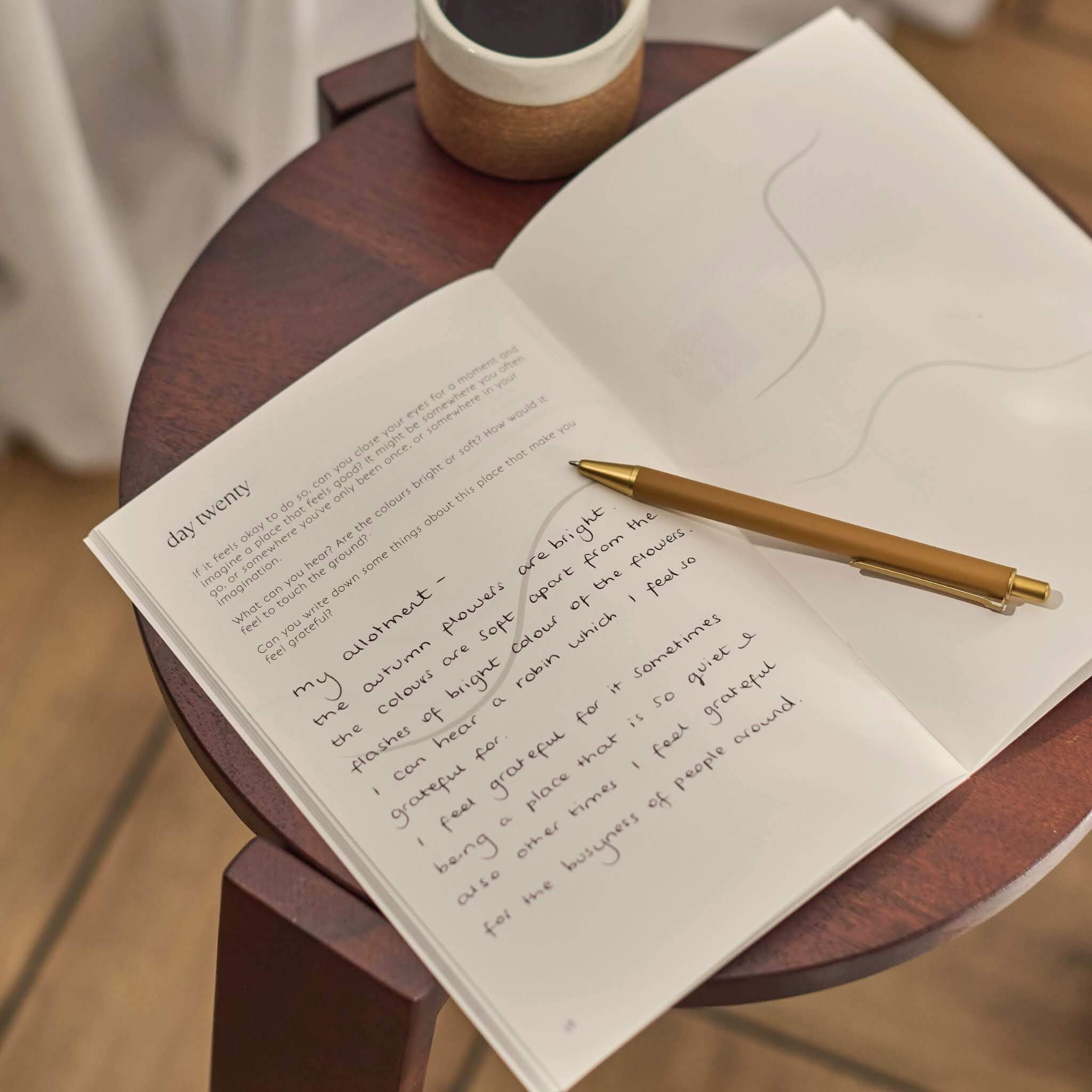
Can you step outside, or move towards a window? What can you hear, or smell? Write down something you notice in nature that you feel grateful for. Try to explore it using your senses. Is it the brightness of the green, or the fresh smell of the air?
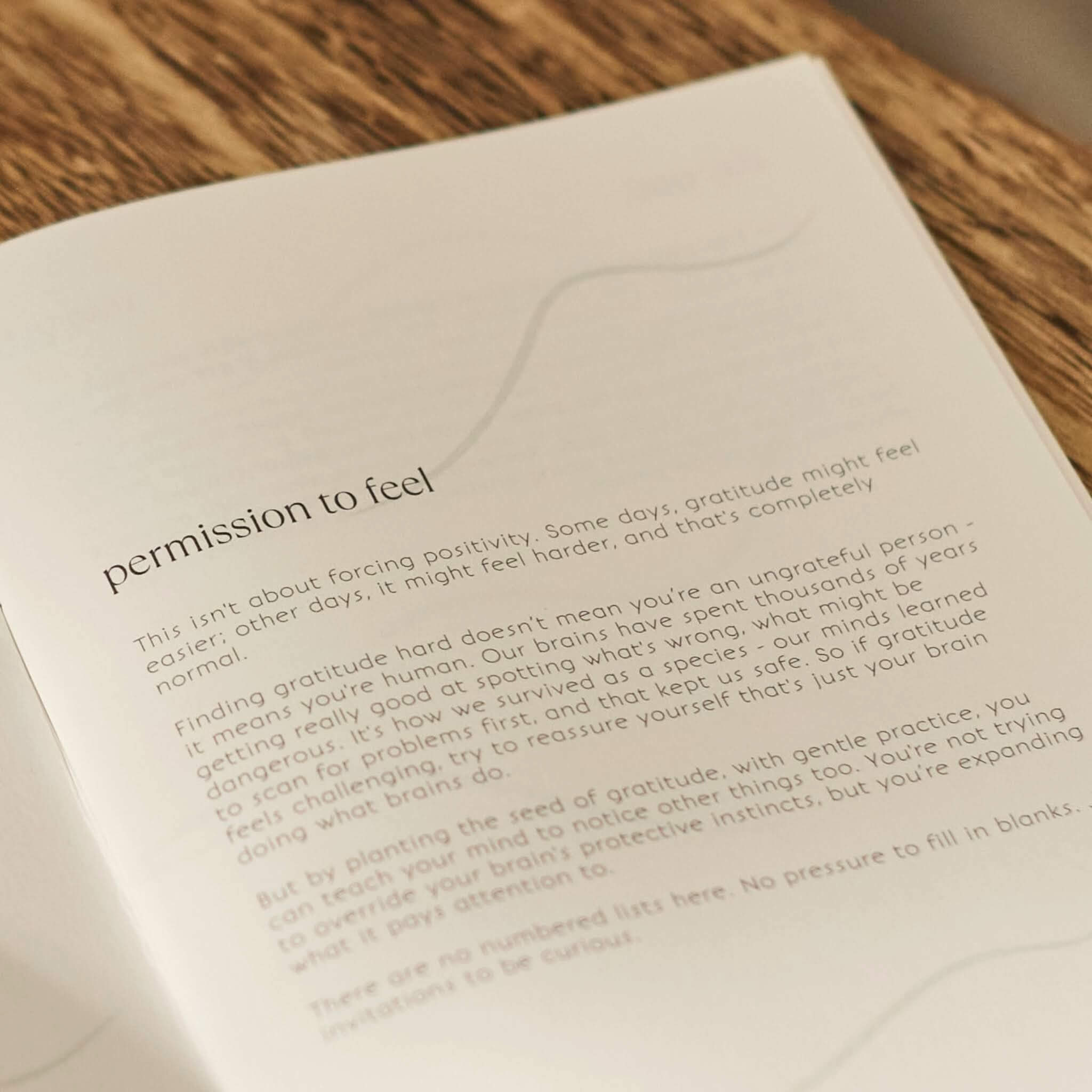
If nothing comes, that's okay. Your brain saying "this is hard" doesn't mean you're doing anything wrong.
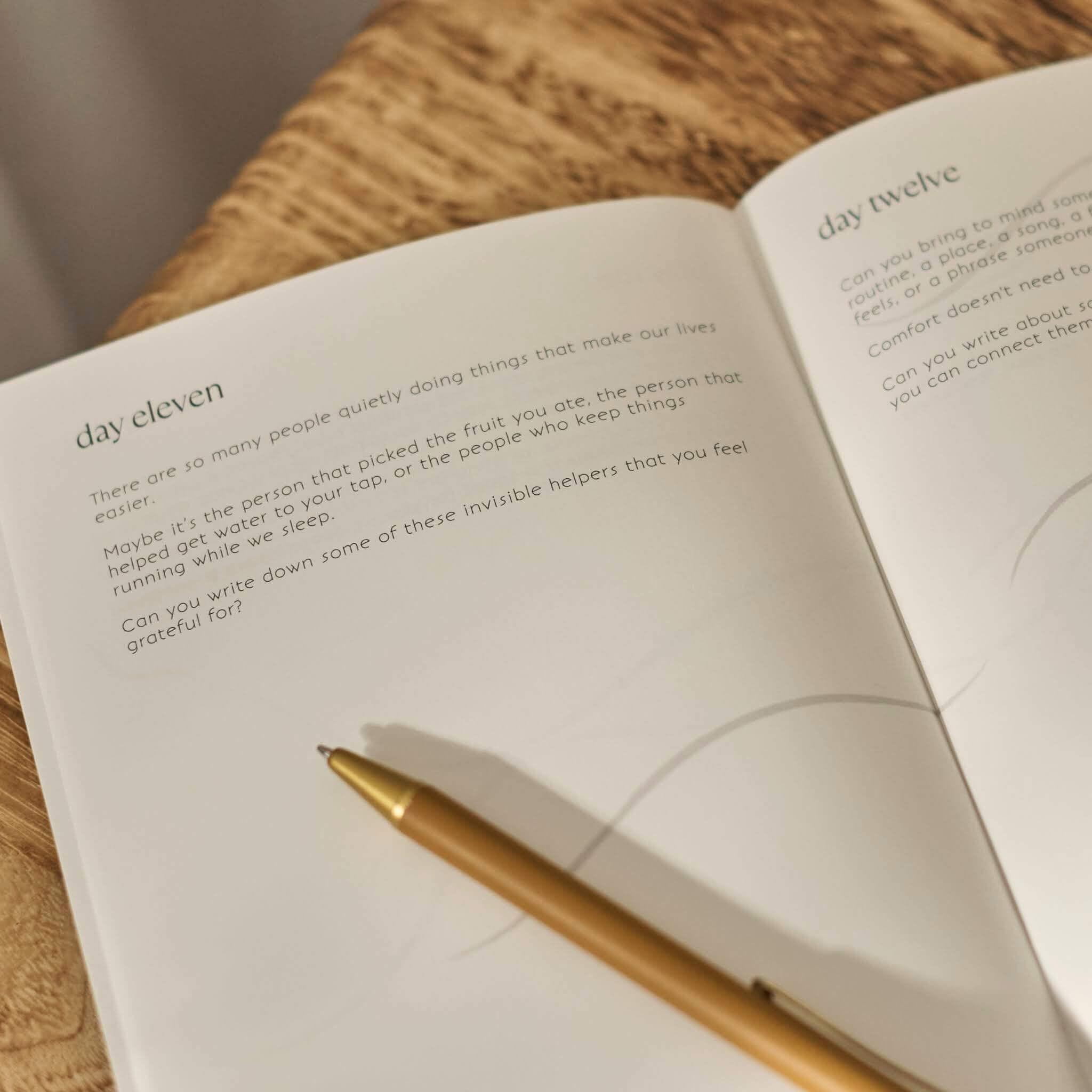
Look around you right now. What are some ordinary things that are actually pretty amazing? Maybe it's the movement of clouds in the sky, or that water comes out when you turn the tap.
For getting more specific
Think back over the last 24 hours. Can you notice a moment that felt good? Maybe someone made you smile, or you were somewhere that felt comfortable. Write down as many as you can, in as much detail as you can.
Depth beats breadth here. One specific thing, and why, does more than five general ones.
Think about the last day or two. Can you remember someone who made a moment feel a bit easier? Maybe someone at the shop was kind, or someone sent you a message that made you smile. Nothing is too small.
For difficult days
Think of something that felt painful at the time. Looking back now, is there something within that experience you feel grateful for? It can be really small, and the gratitude doesn't take away the pain. There can be both.
If nothing comes, that's okay. Some painful things are just painful. That's allowed, and valid.
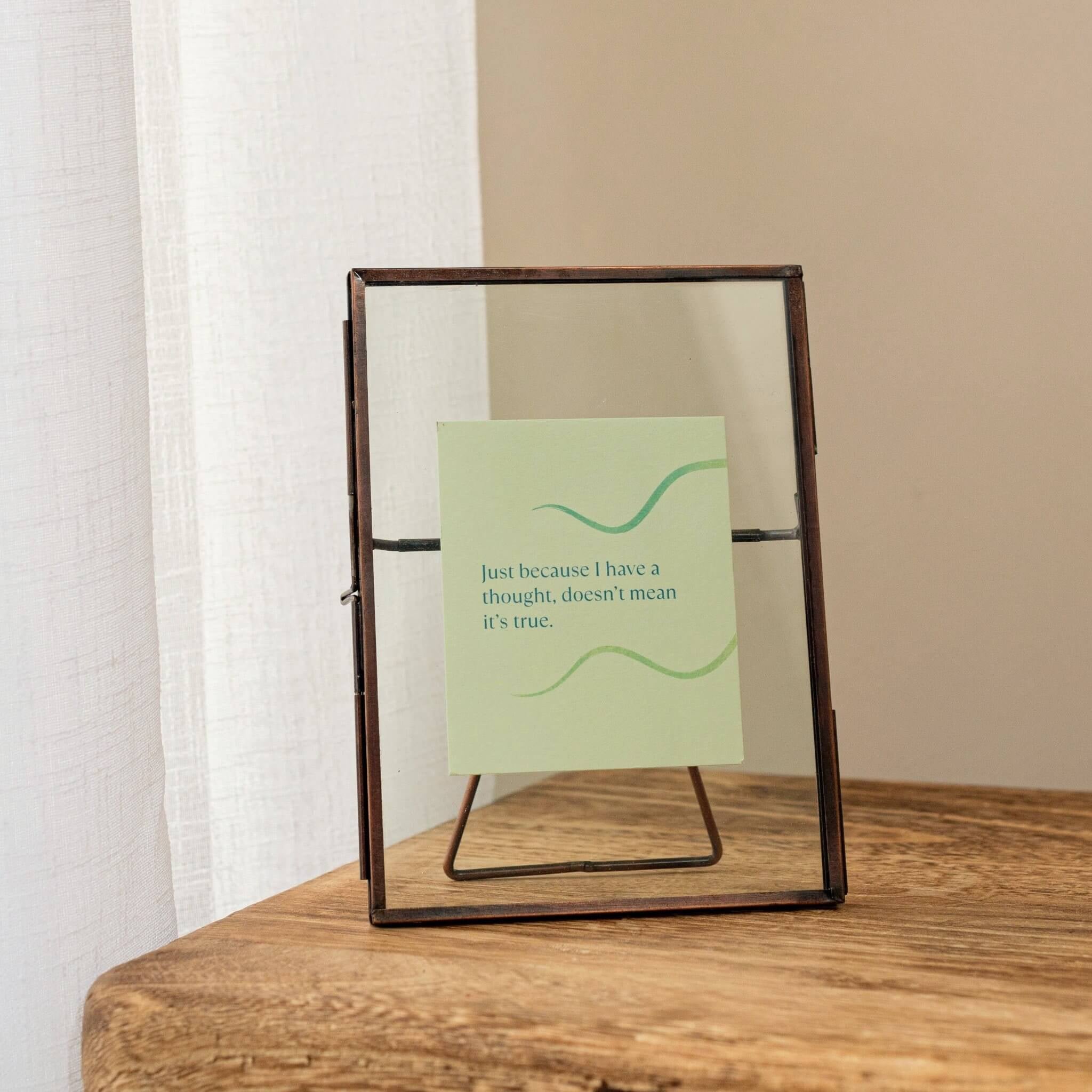
Imagine a friend came to you and said they were feeling exactly how you feel right now. Write down what you'd want to say to them. Then try saying it to yourself.
Sometimes the most grateful thing we can do is honour whatever we're experiencing in this moment.
For noticing growth
Think about something you can do now that you couldn't always do. Maybe you've worked out how to parallel park without wanting to give up and drive home, or found a new way to comfort yourself when you're overwhelmed. Write down some skills you feel grateful for.
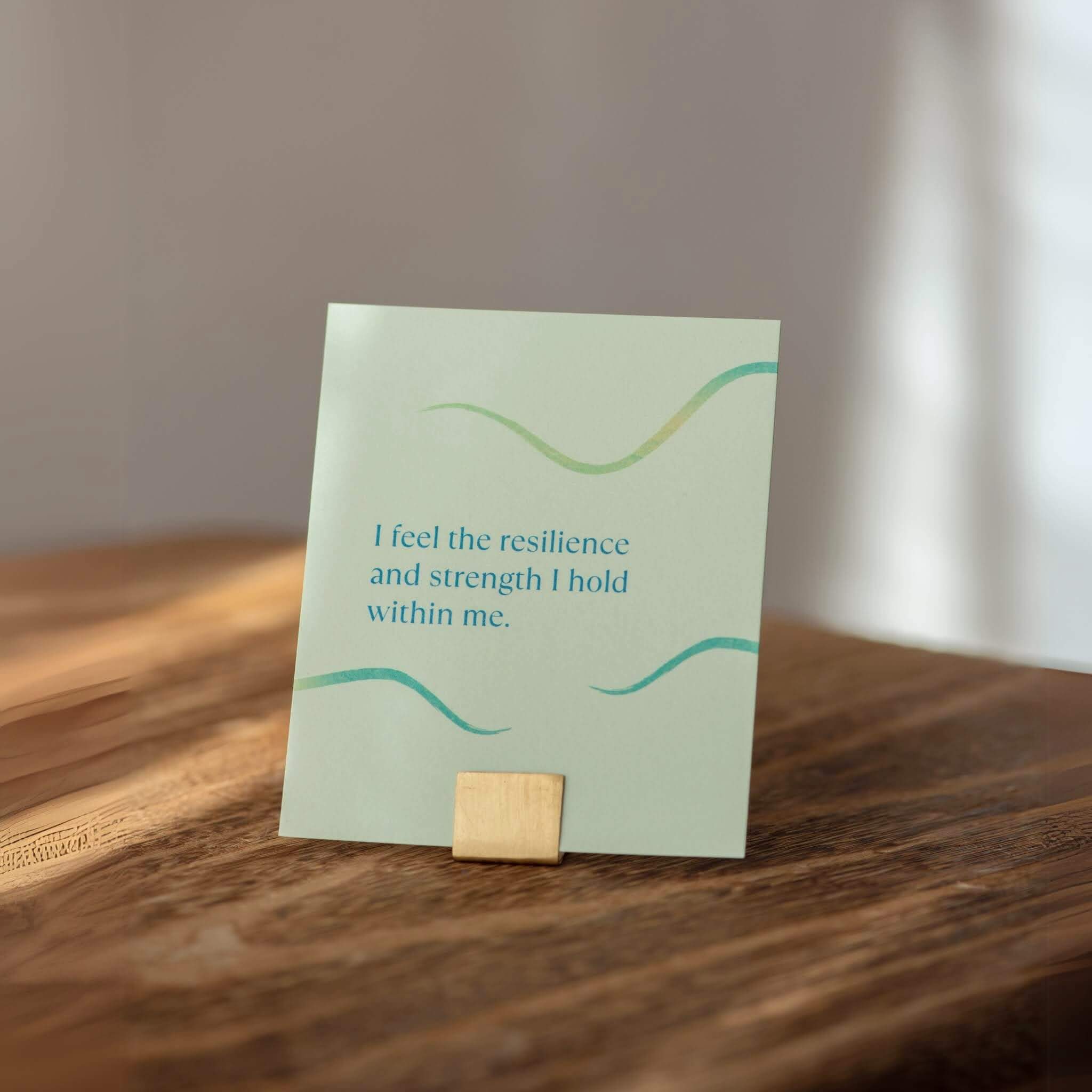
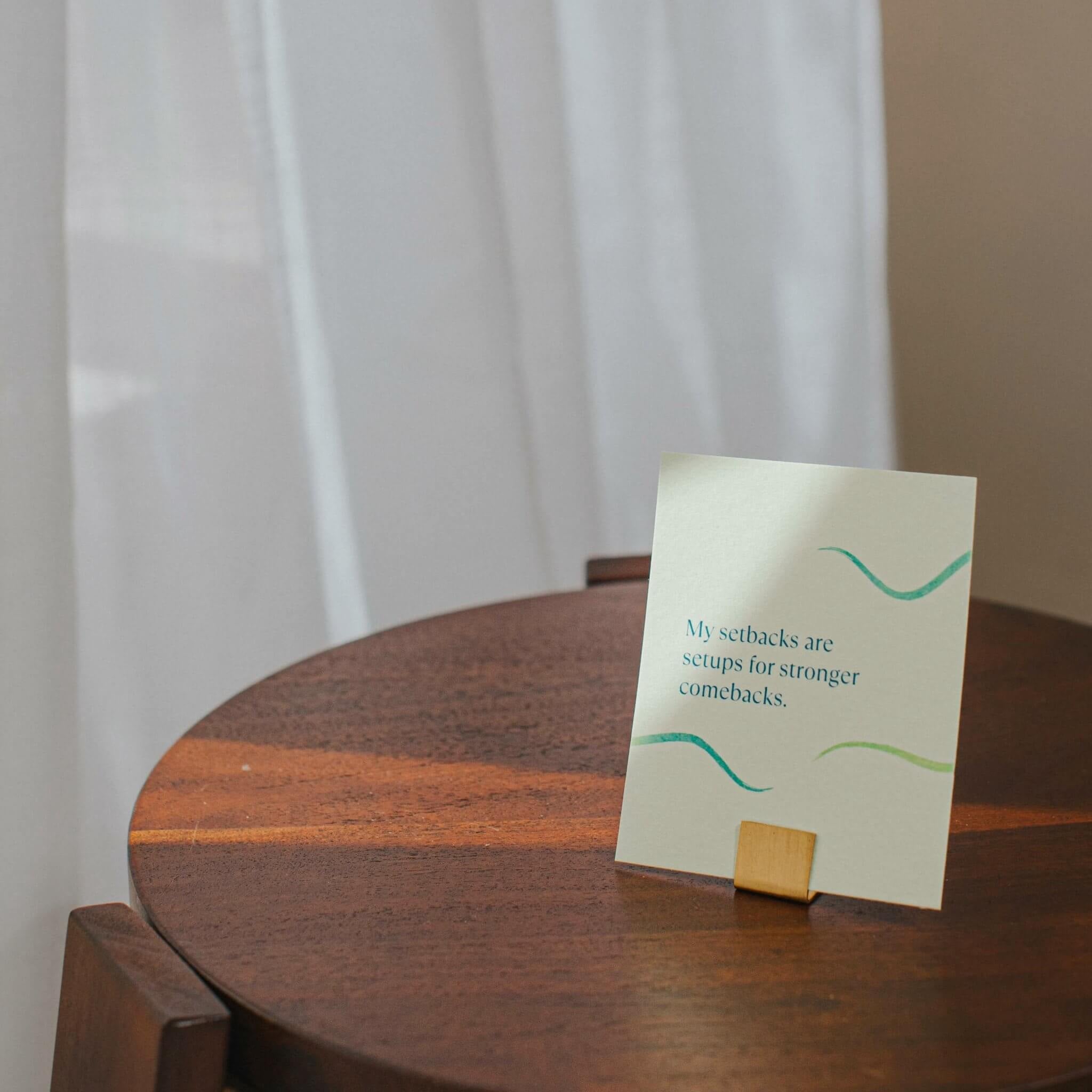
Can you think of a time you made a mistake? Looking back, is there something about it you feel grateful for? Maybe it showed you how resilient you are, or led you somewhere unexpected.
If a friend had made this mistake, what would you say to them? Give yourself that same kindness.
For joy and comfort
Can you think of something that brings you joy? Maybe it's dancing in the kitchen, a conversation with someone you care about, or noticing something outside. Joy doesn't have to be grand. It lives in small moments.
Bring to mind something that brings you comfort. A routine, a place, a song, a food. Maybe it's the way your pillow feels, or a phrase someone always says. Comfort doesn't need to be impressive to anyone else.
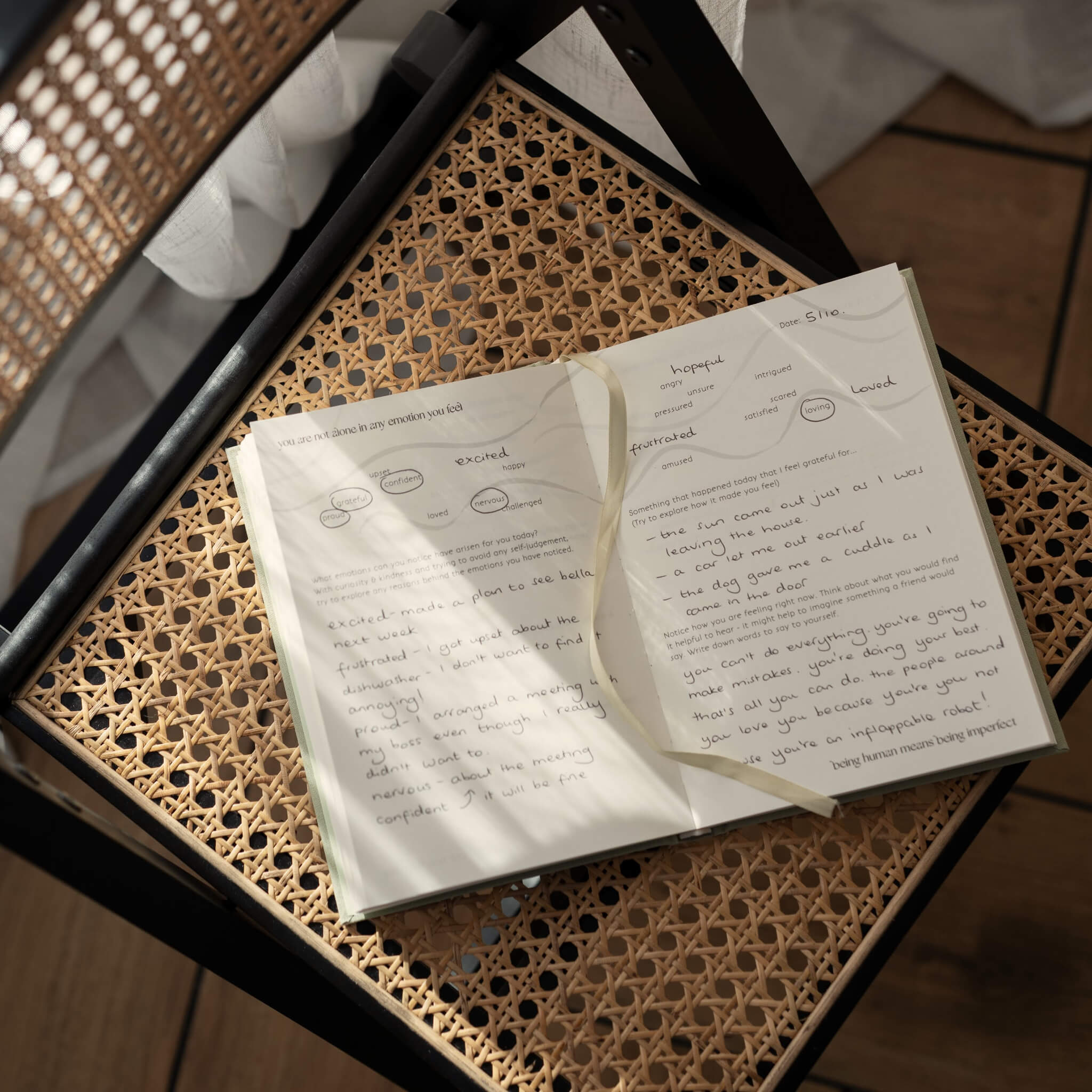
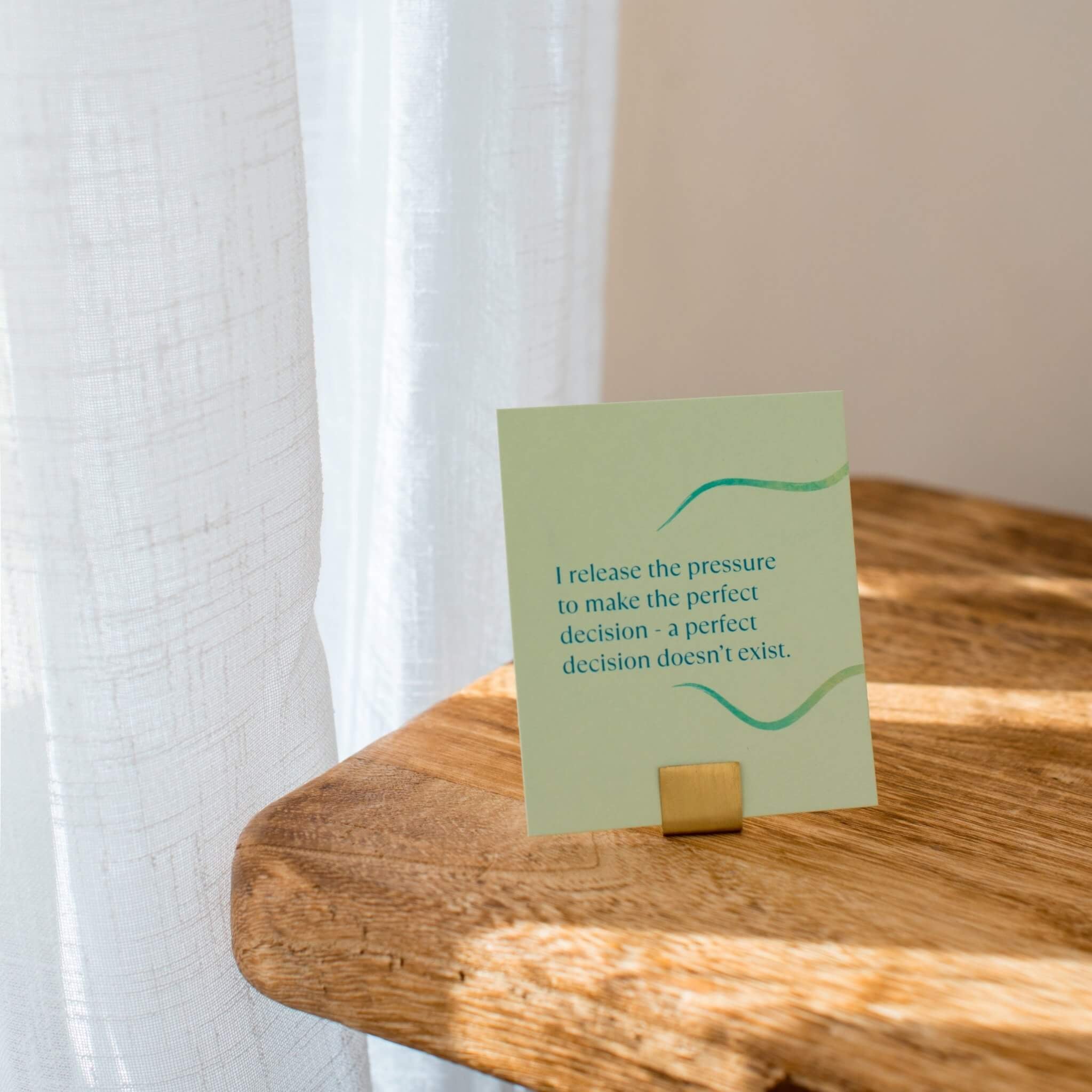
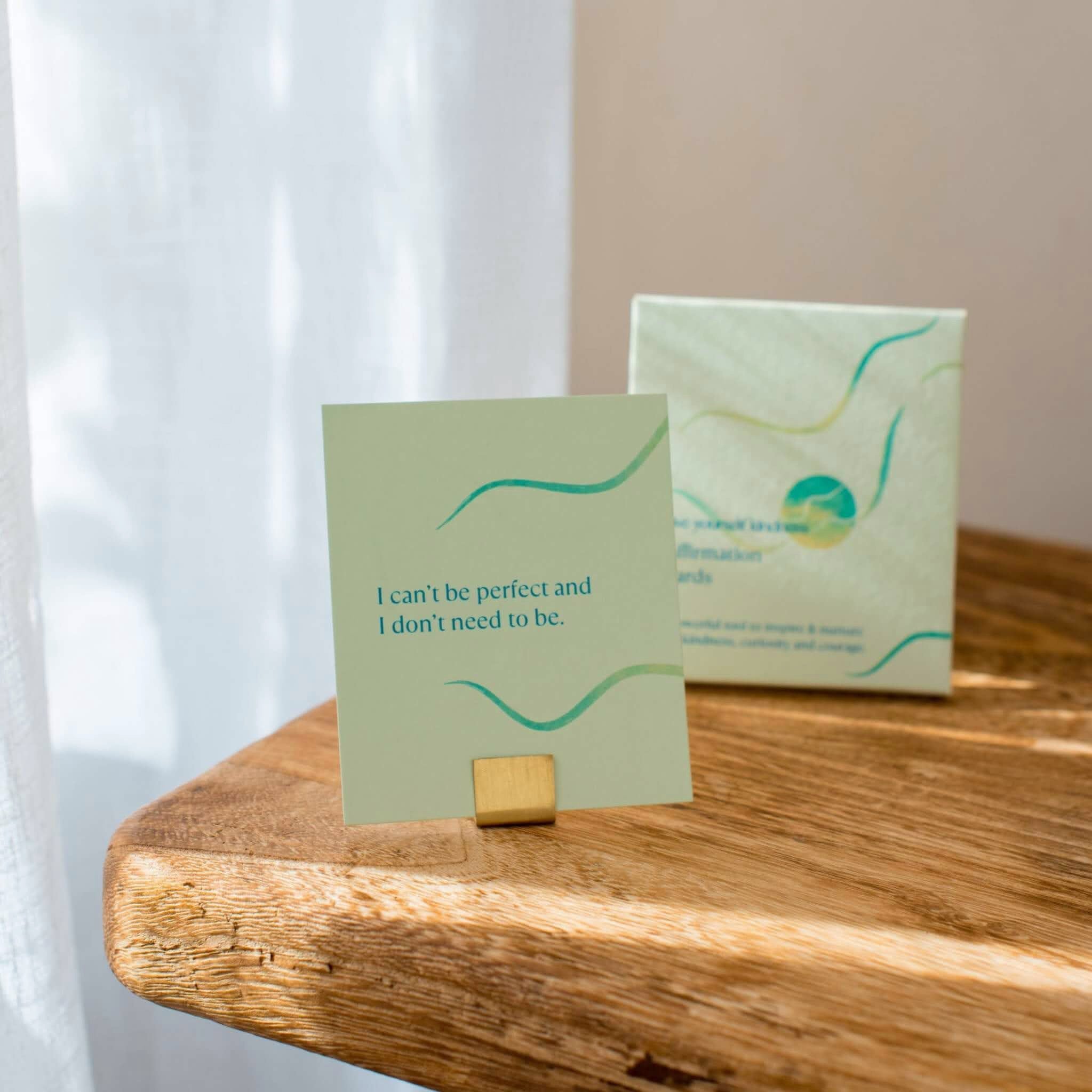
Notice the shape of these: "Can you..." rather than "List three...", and not a numbered blank line anywhere. Permission is built in. That's what makes the difference between a practice that lasts and one that quietly becomes another thing you feel guilty about.

Amy Morin, LCSW
Psychotherapist, international bestselling author and host of the Mentally Stronger podcast
"Gratitude is a really powerful tool. Figure out what's one way you could incorporate just a little more gratitude into your life. Try it for a week and see what happens."Read Amy on how gratitude changes your brain, health and relationships →
If you'd rather not build it yourself
Everything above works with a plain notebook, and I mean that. But choosing a prompt every day is its own small tax on your energy, and that's usually what runs out first.
So I made the thing I couldn't find: thirty completely different prompts, one for each day, with the decisions already taken care of. Open it at today's page and the question is waiting for you.

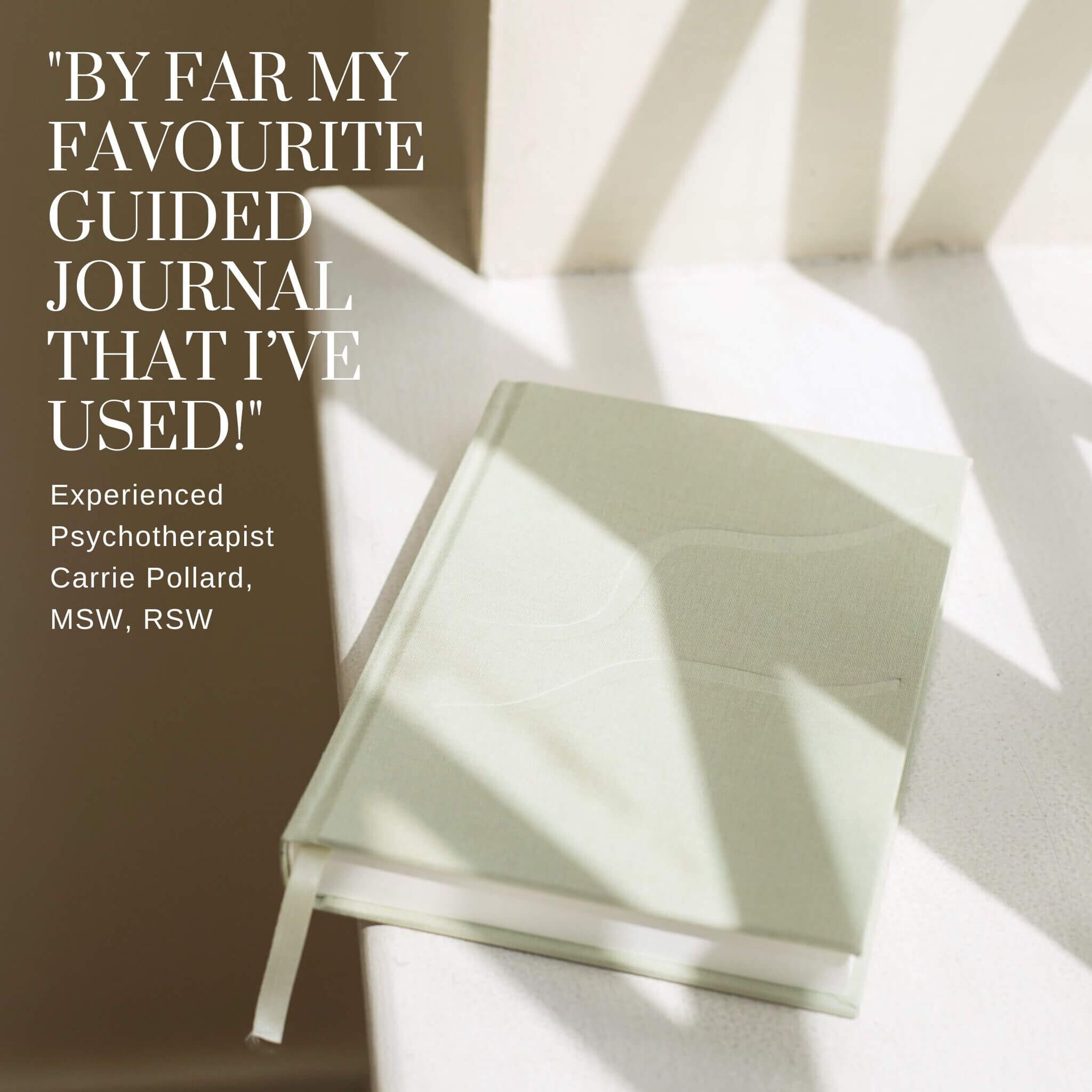
Carrie Pollard, MSW RSW
Experienced psychotherapist, on The Gratitude Journal
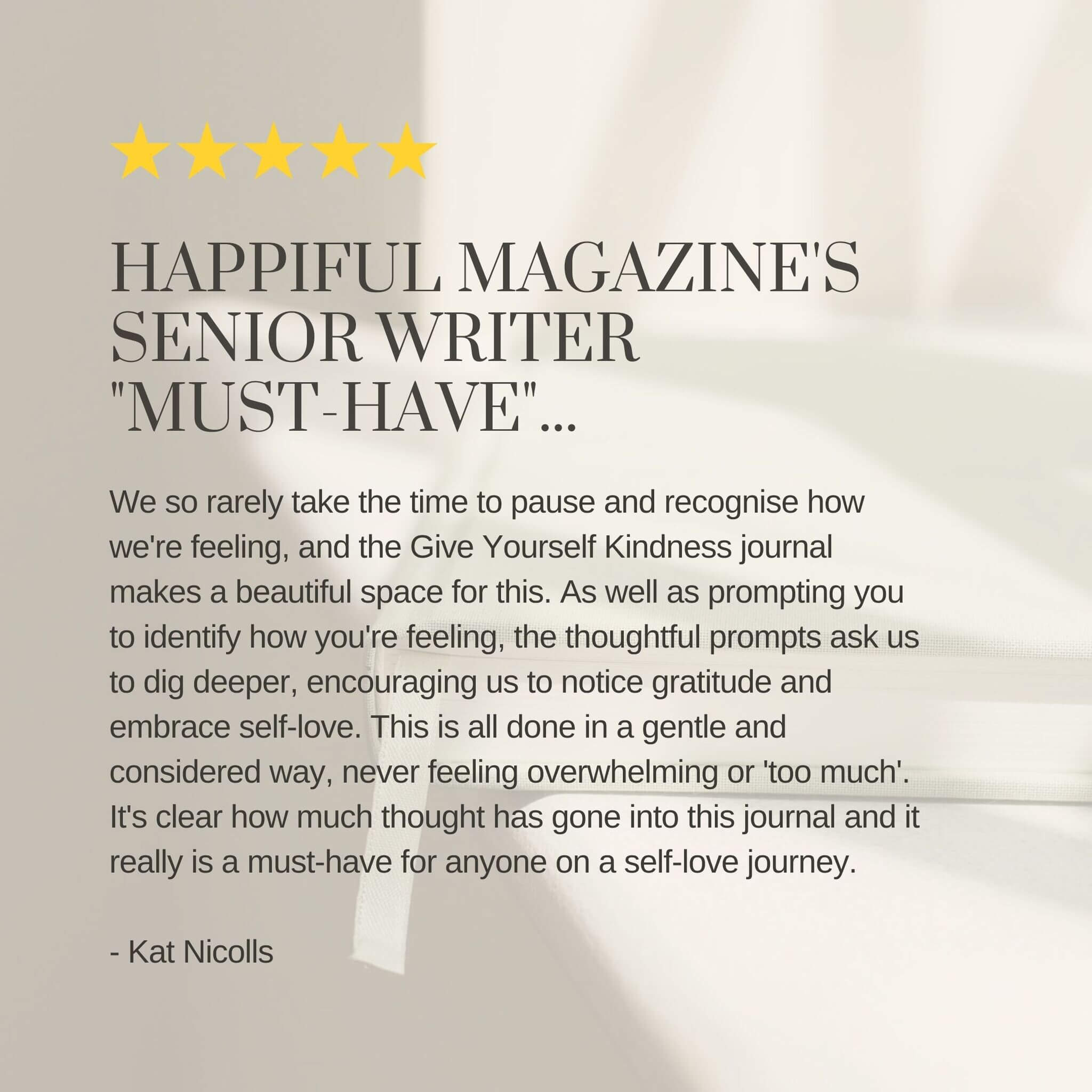
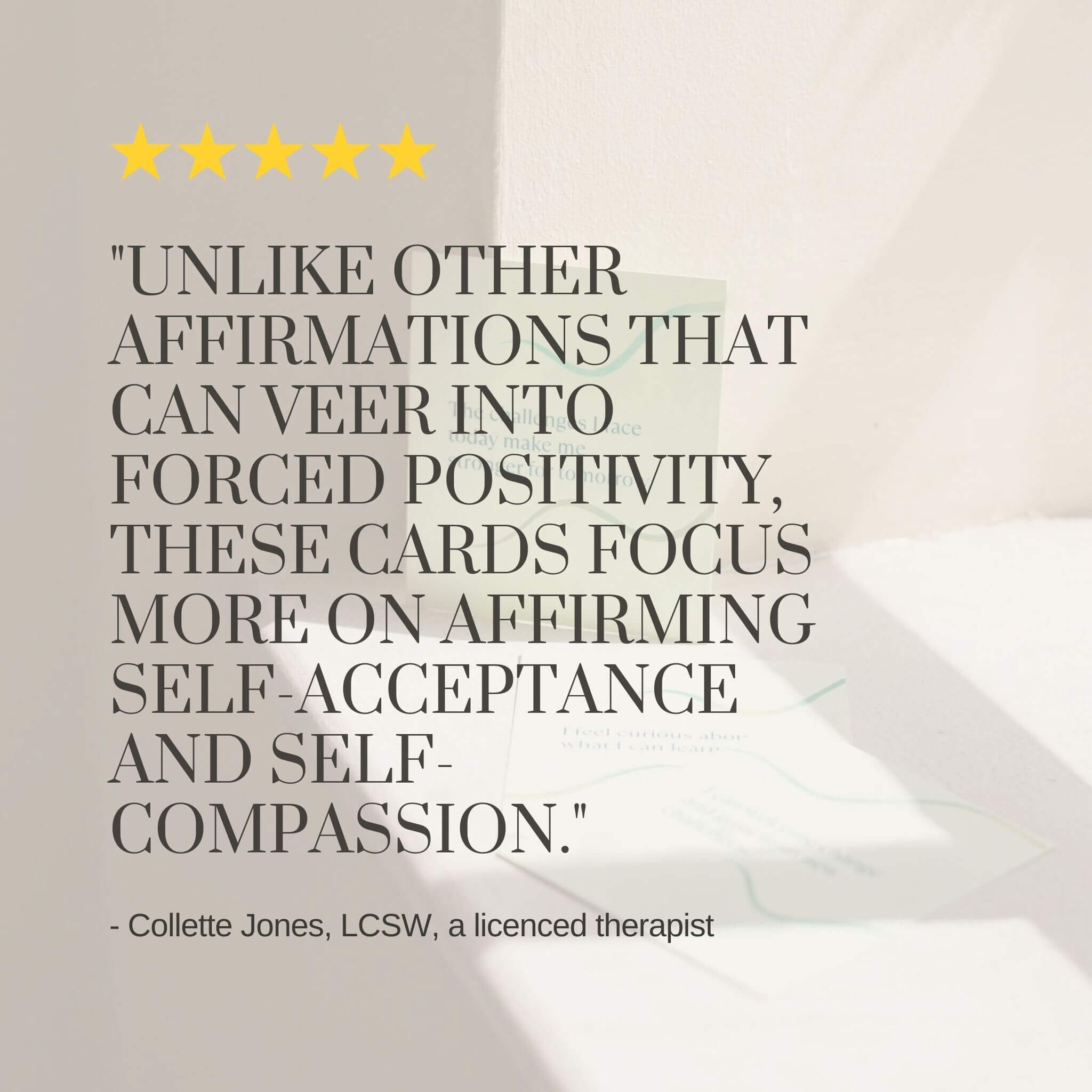
"Practicing gratitude is a way to bring balance and perspective to life—it helps us recognize the gifts, glimmers and simple things that make life feel better. However, when gratitude is forced, diminishes difficulties, or triggers guilt or shame (e.g., ‘I should be grateful, look at all I have’) it leaves us feeling worse, not better.
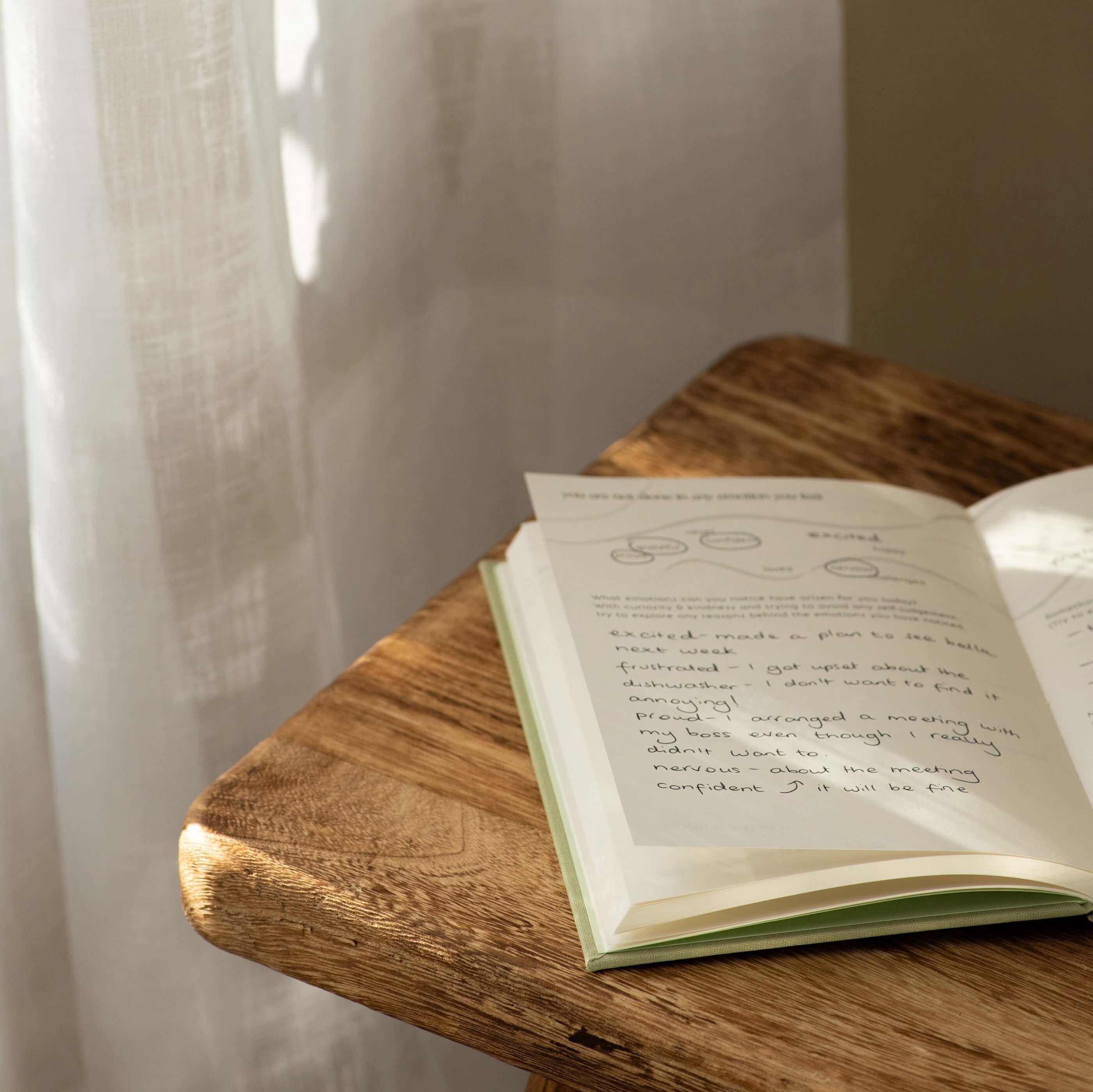
Give Yourself Kindness’ journal creates intentional, permission-giving space for our feelings, worries and struggles while noticing things that bring joy, comfort, laughter, hope and connection from the past and present.
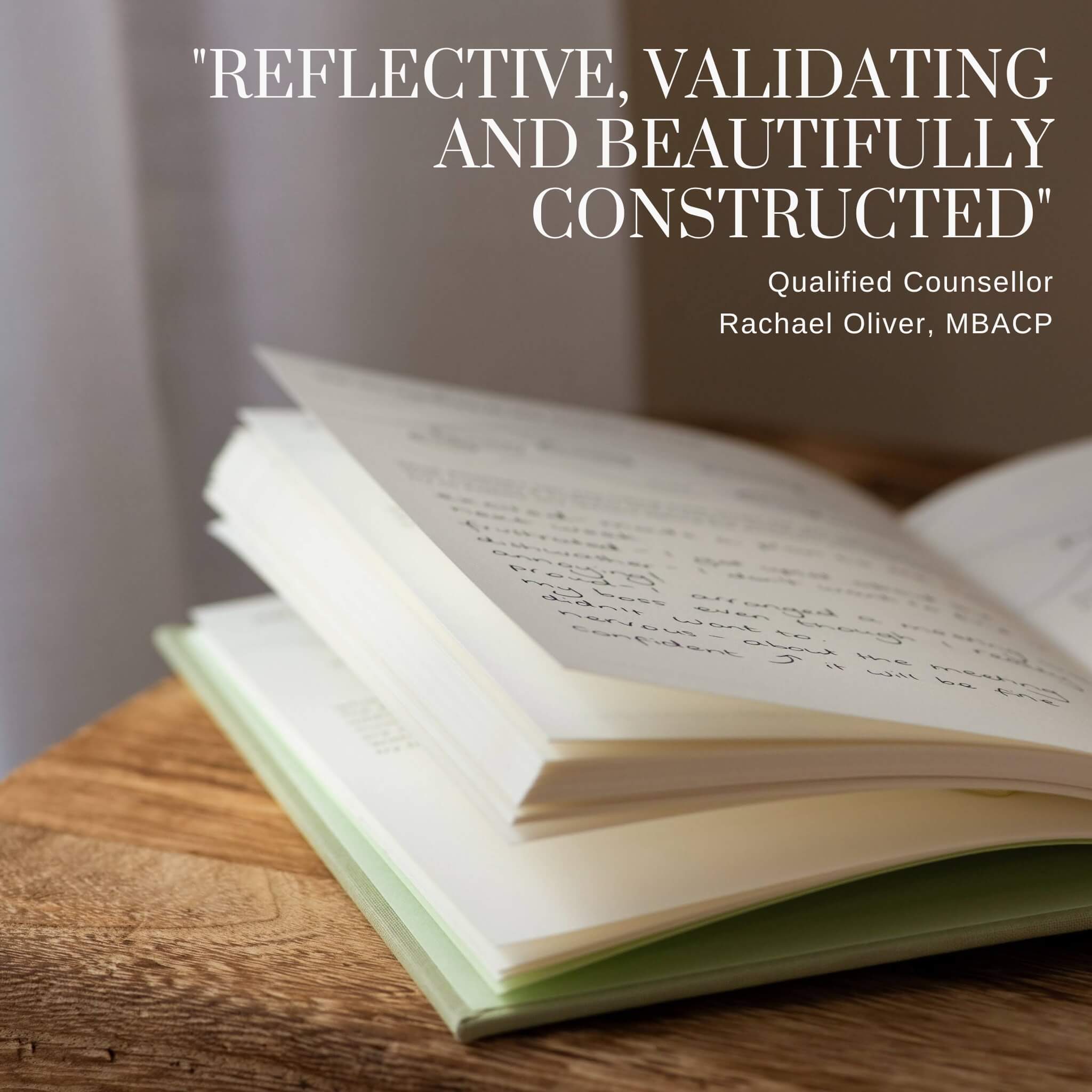
As an experienced therapist, mom and avid journaler, I’ve found this journal to balance mindfulness (encouraging us to be in the moment), validation (of ALL our feelings), compassion (connecting with what we need), and of course, gratitude."
That middle paragraph is the whole design brief, put better than I've ever managed. Space for the worries and the glimmers, in the same book, on the same day.
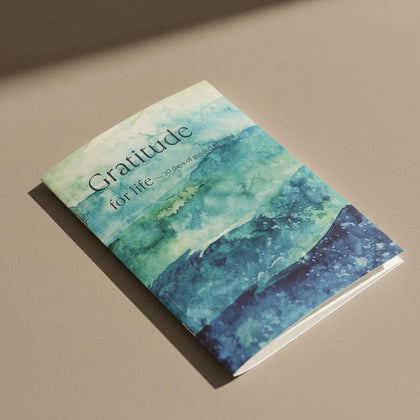
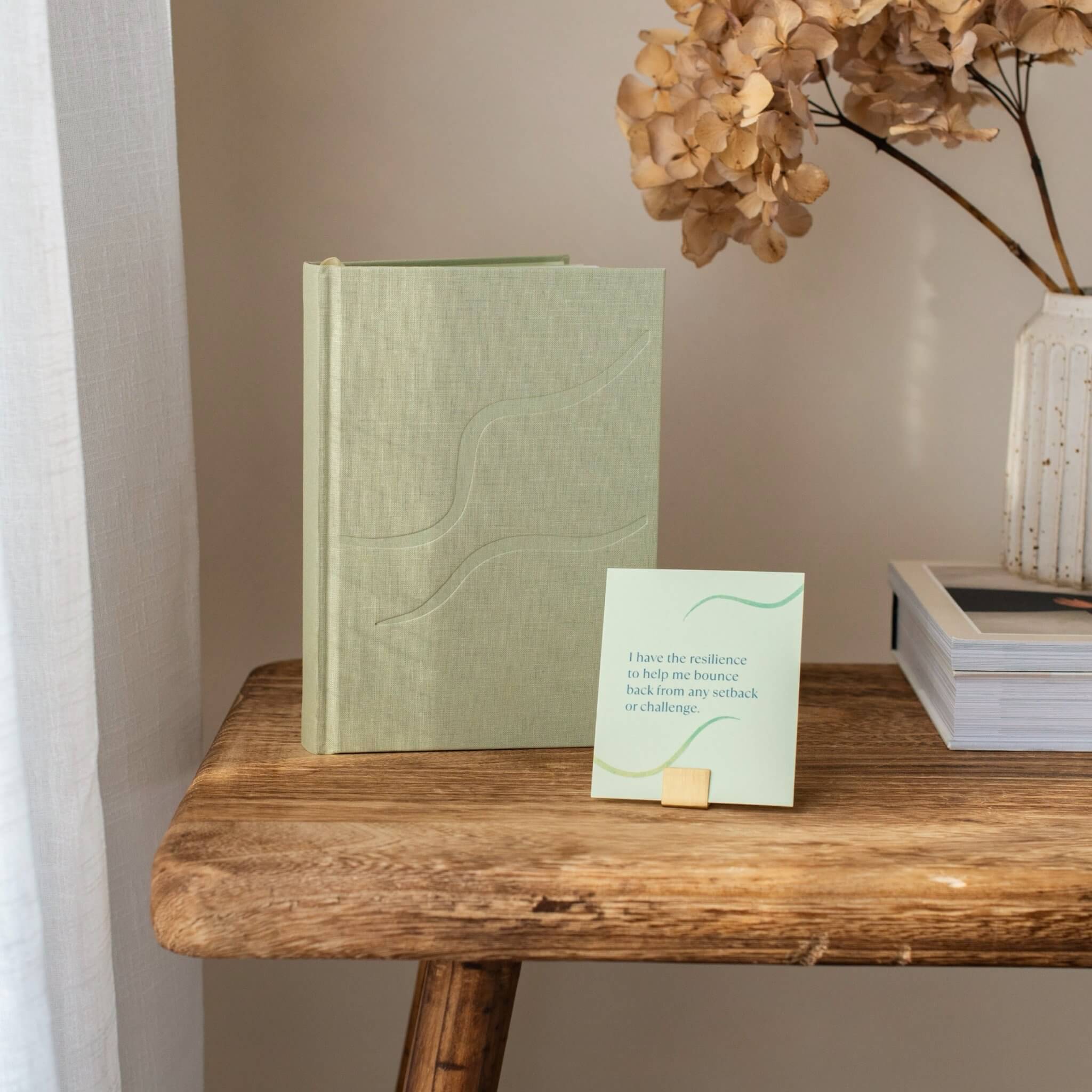
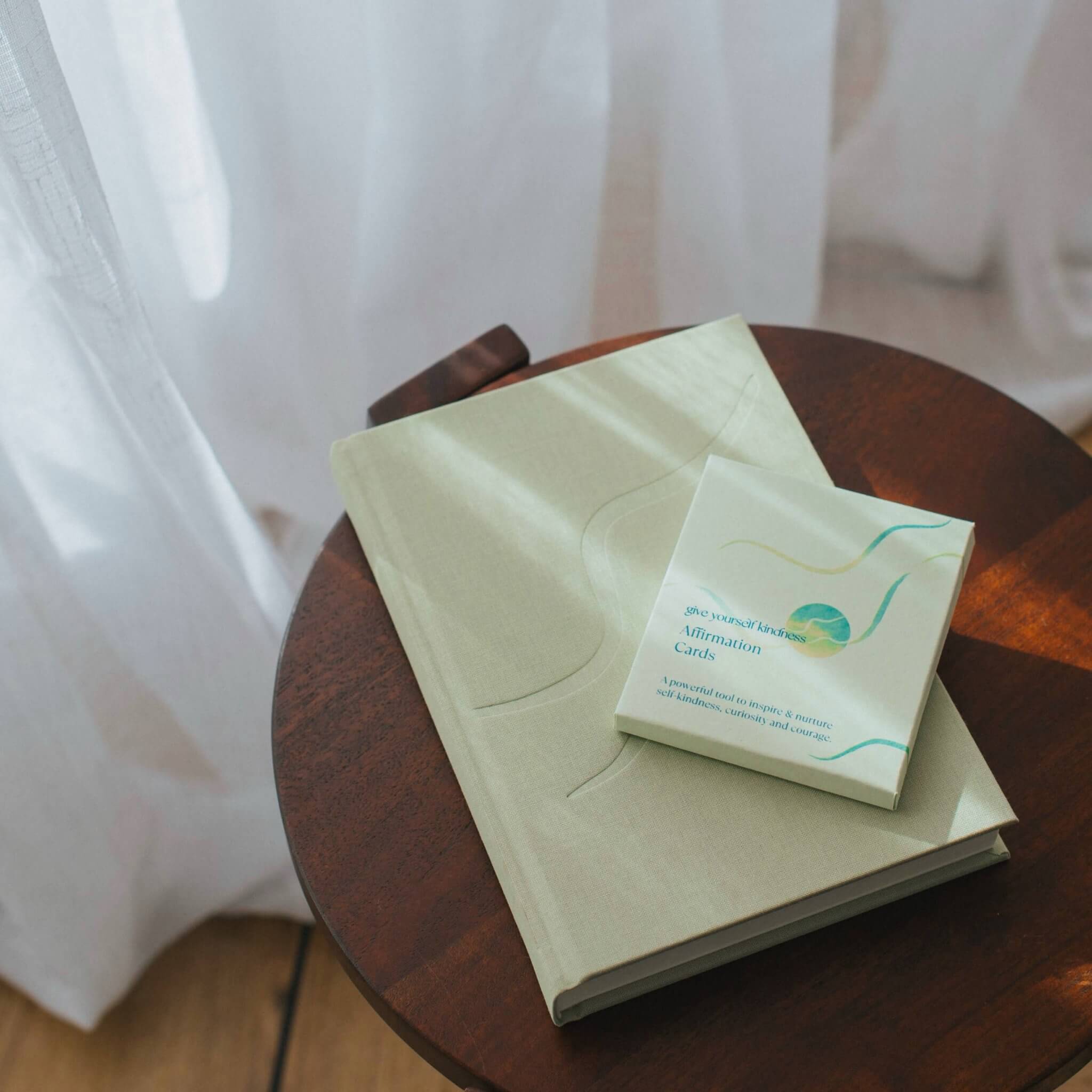
The Gratitude Journal: A 30-Day Challenge
Thirty days, thirty different prompts, no decisions to make
Every one of the five tips above is already built into it, so there's nothing for you to set up or remember.
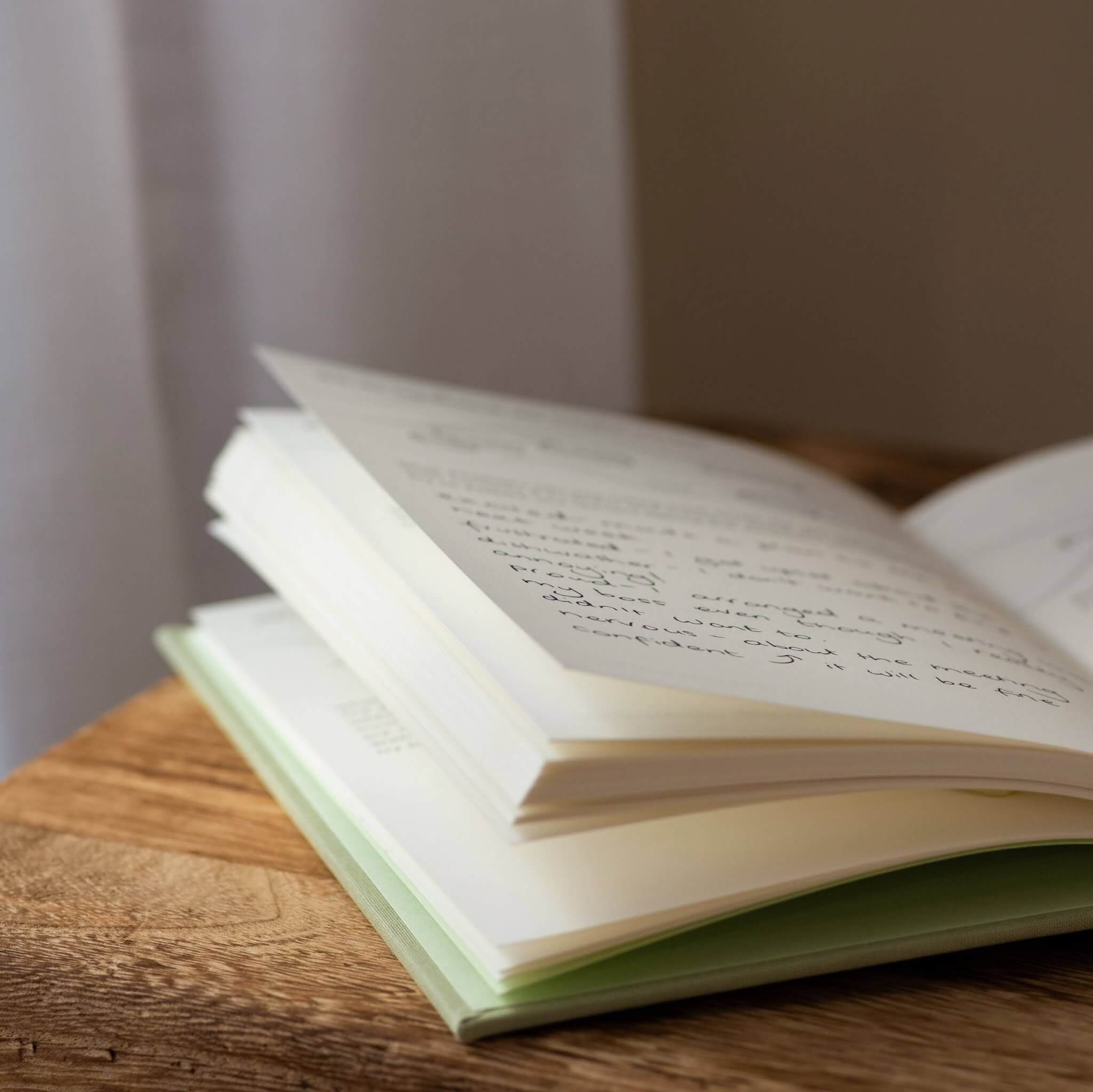
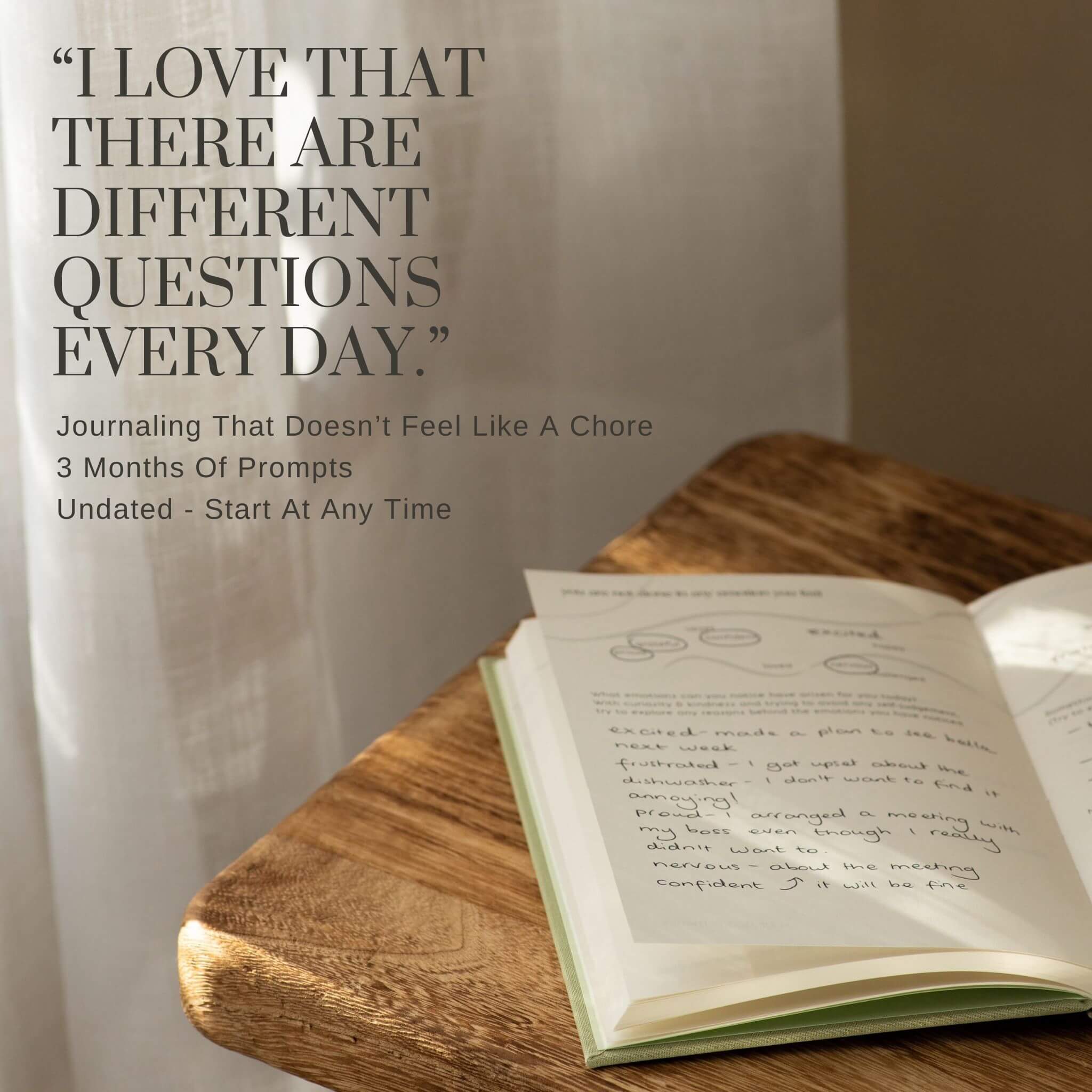
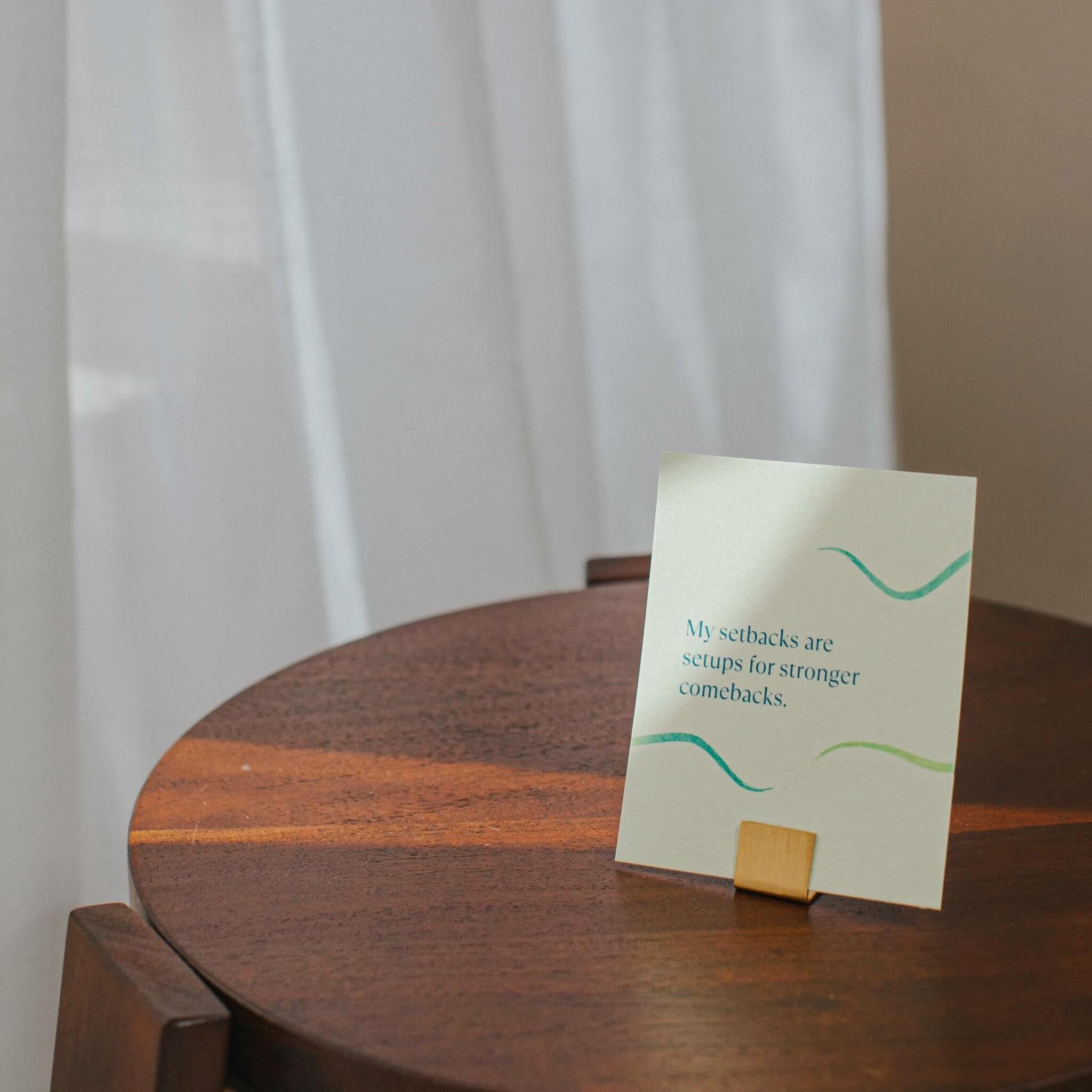
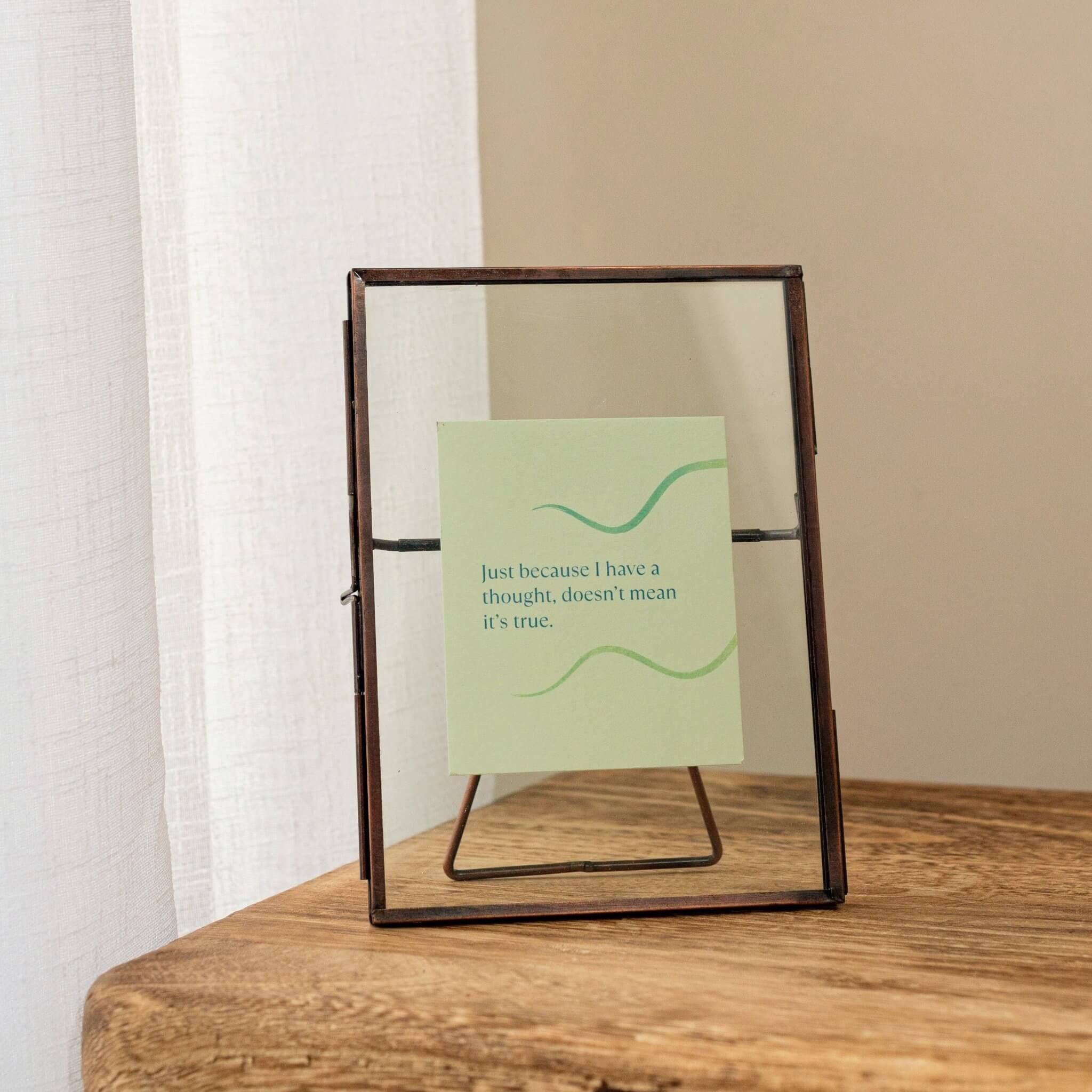
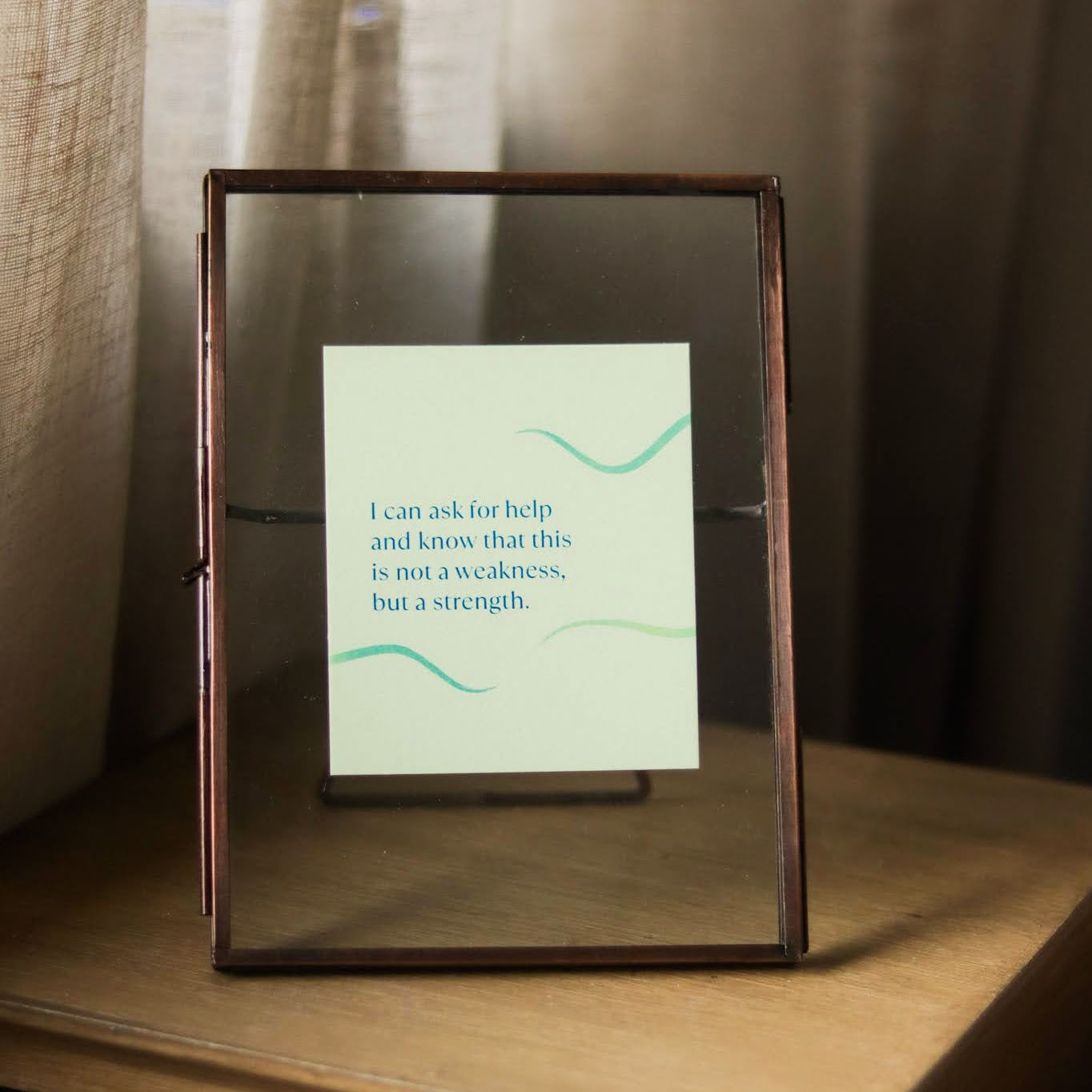
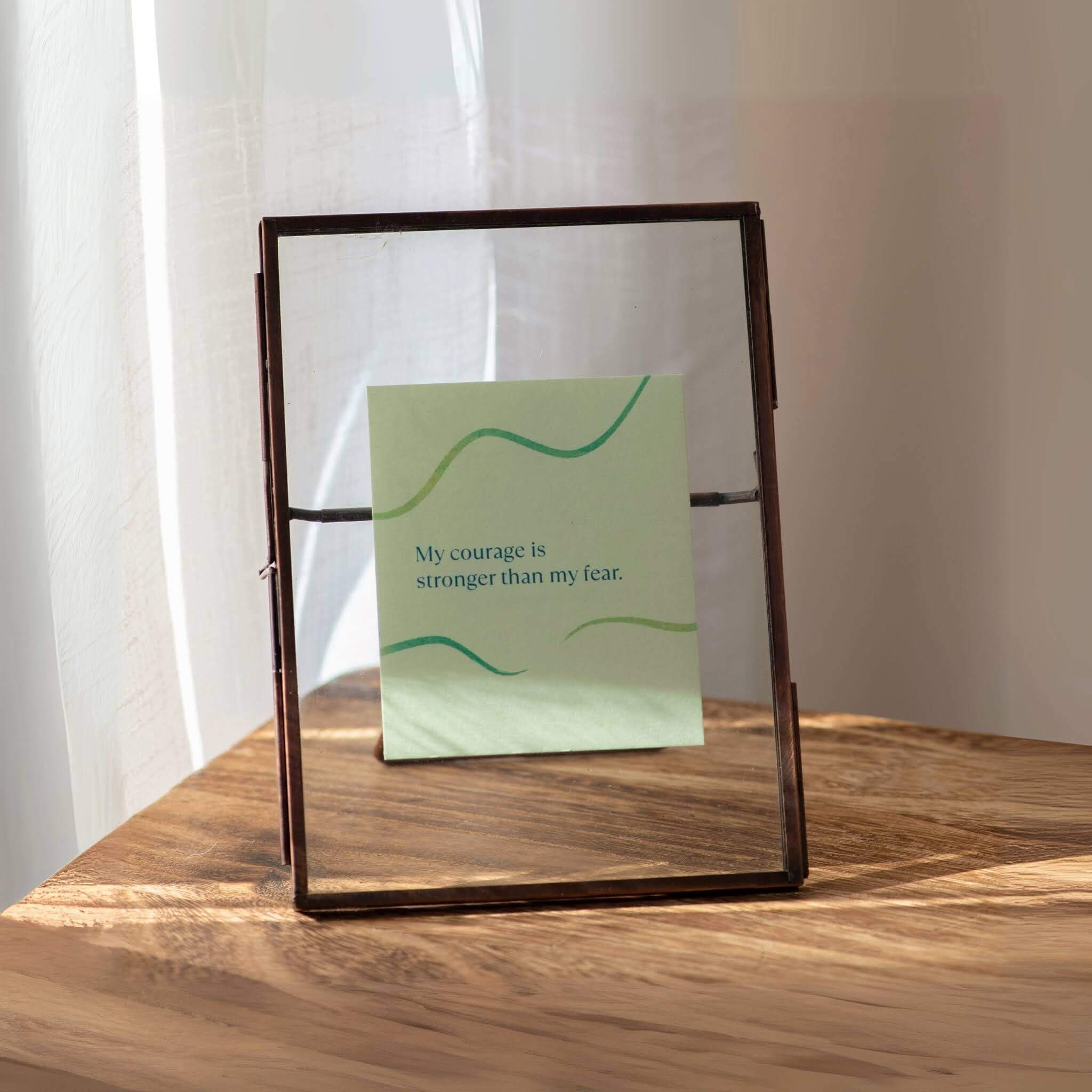
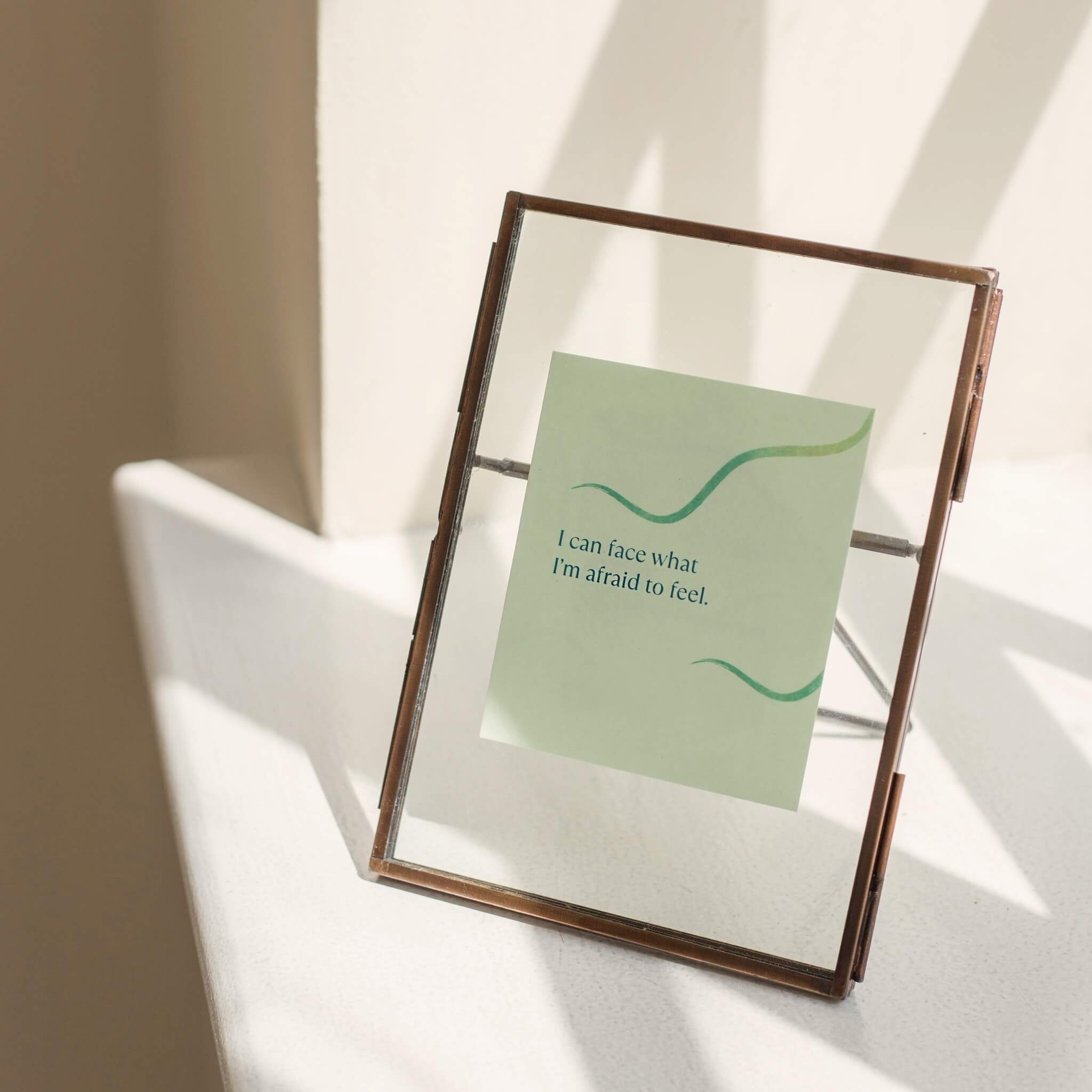
- Thirty completely different prompts. Senses one day, a letter you'll never send the next, then finding something in a mistake. Nothing repeats, so it can't go stale.
- Undated. Start today, or in three weeks. Miss a day and nothing goes wrong, because there are no empty dated pages waiting to accuse you.
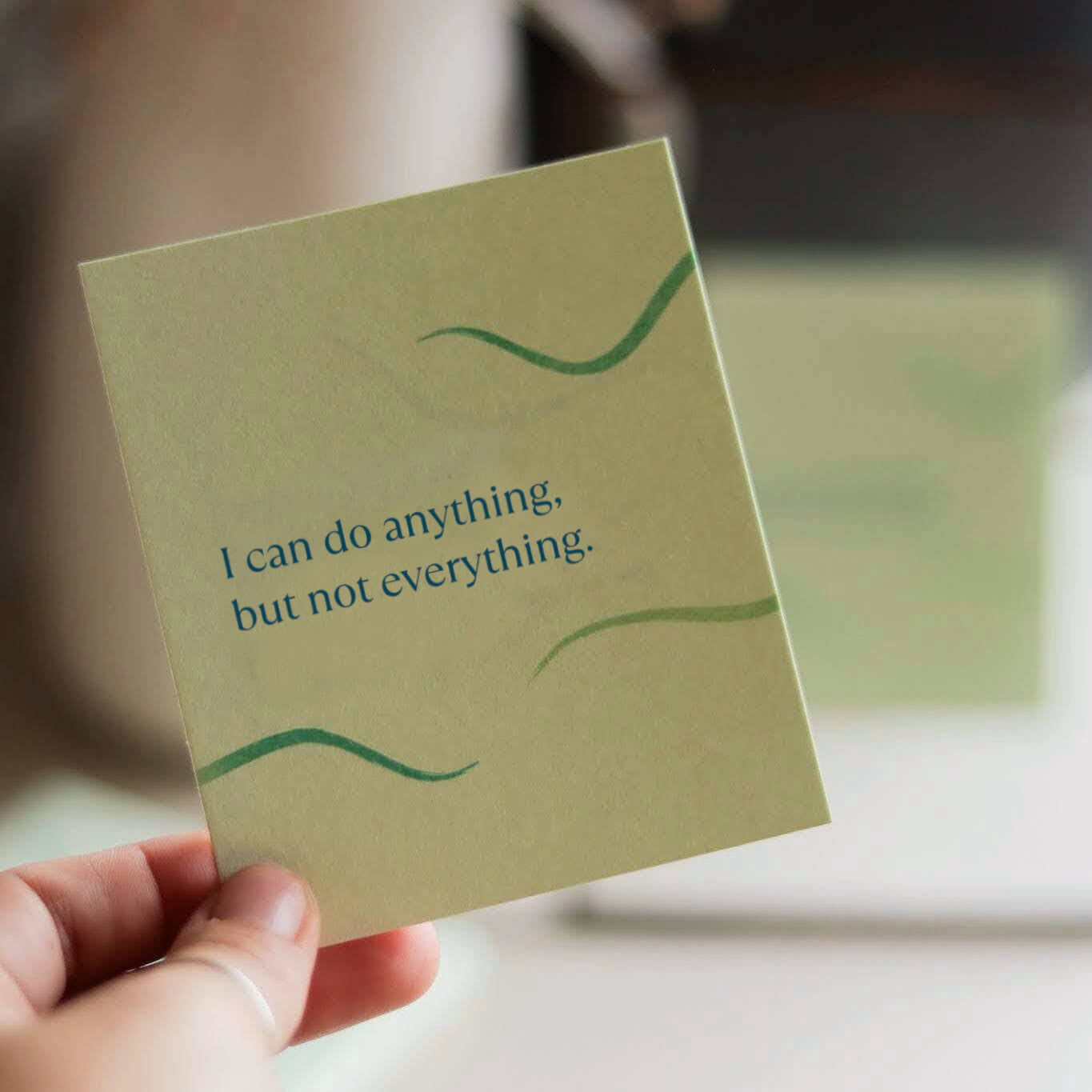
- No numbered blank lines. Invitations rather than instructions, so a slow day doesn't look like a failed one.
- A guided meditation recorded by me, included with the journal.
- QR codes through to the research if you like knowing why something works while you're doing it.
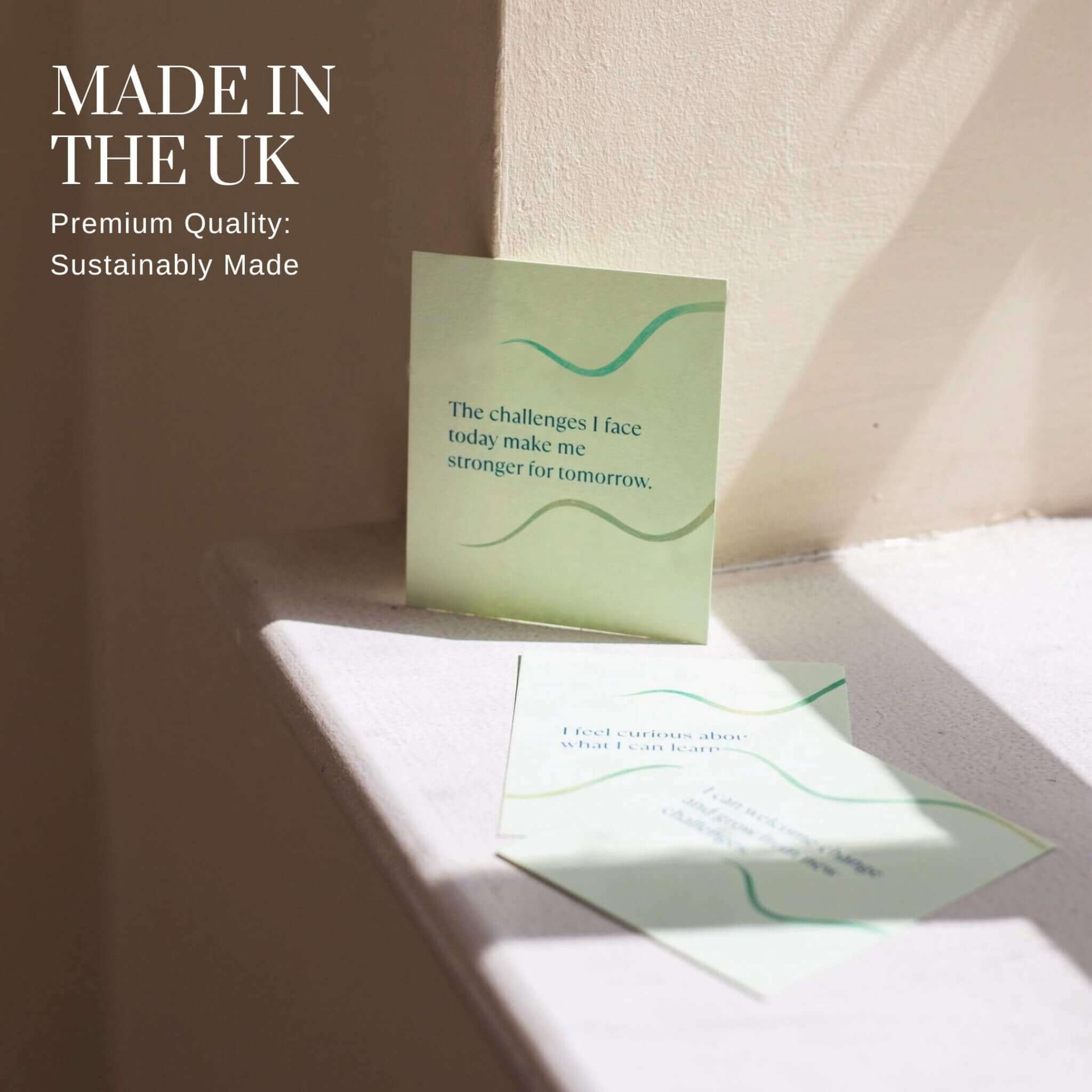
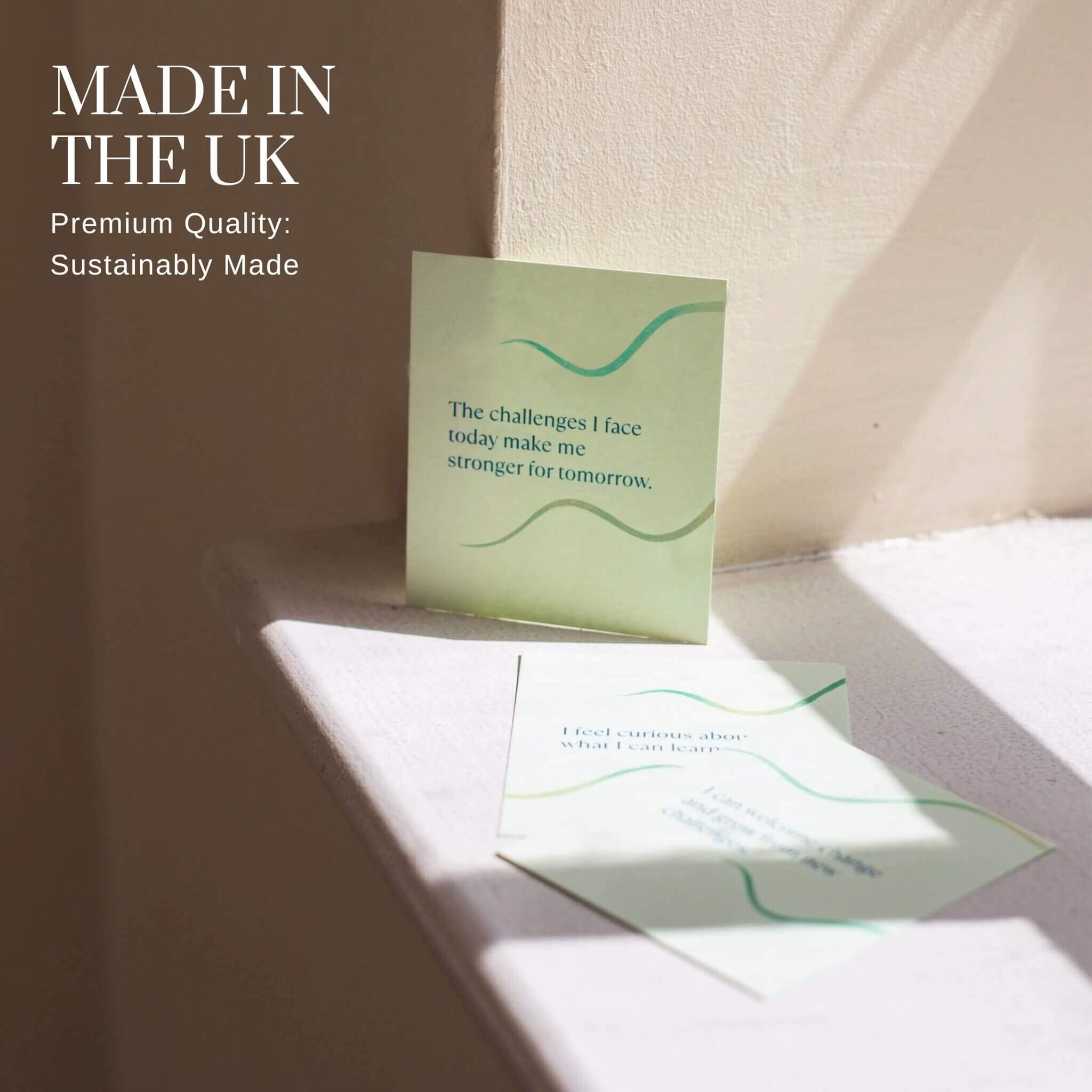
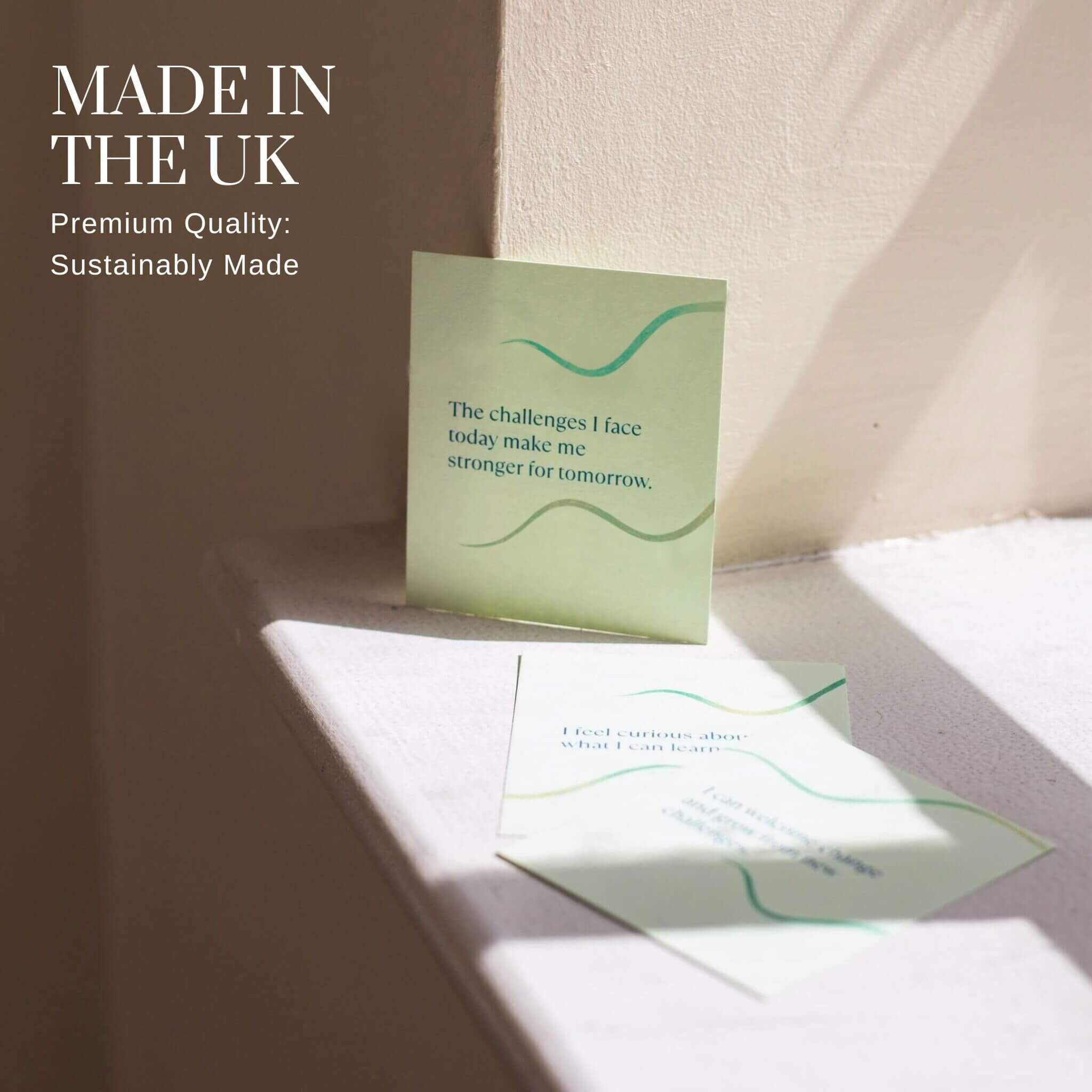
- Premium 120gsm paper and a luxury textured cover, made in the UK from sustainably sourced materials.
Added to your basket. View basket →
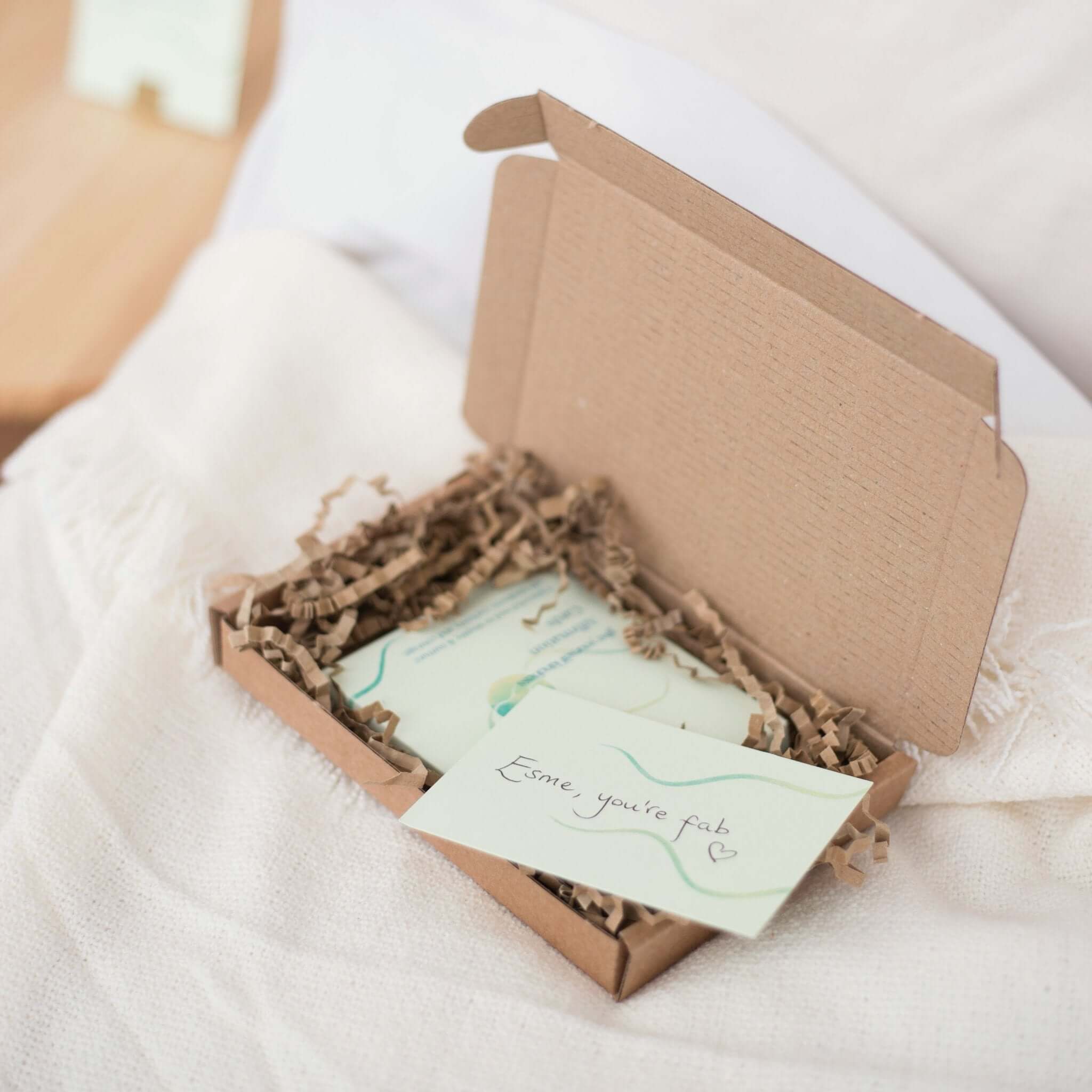
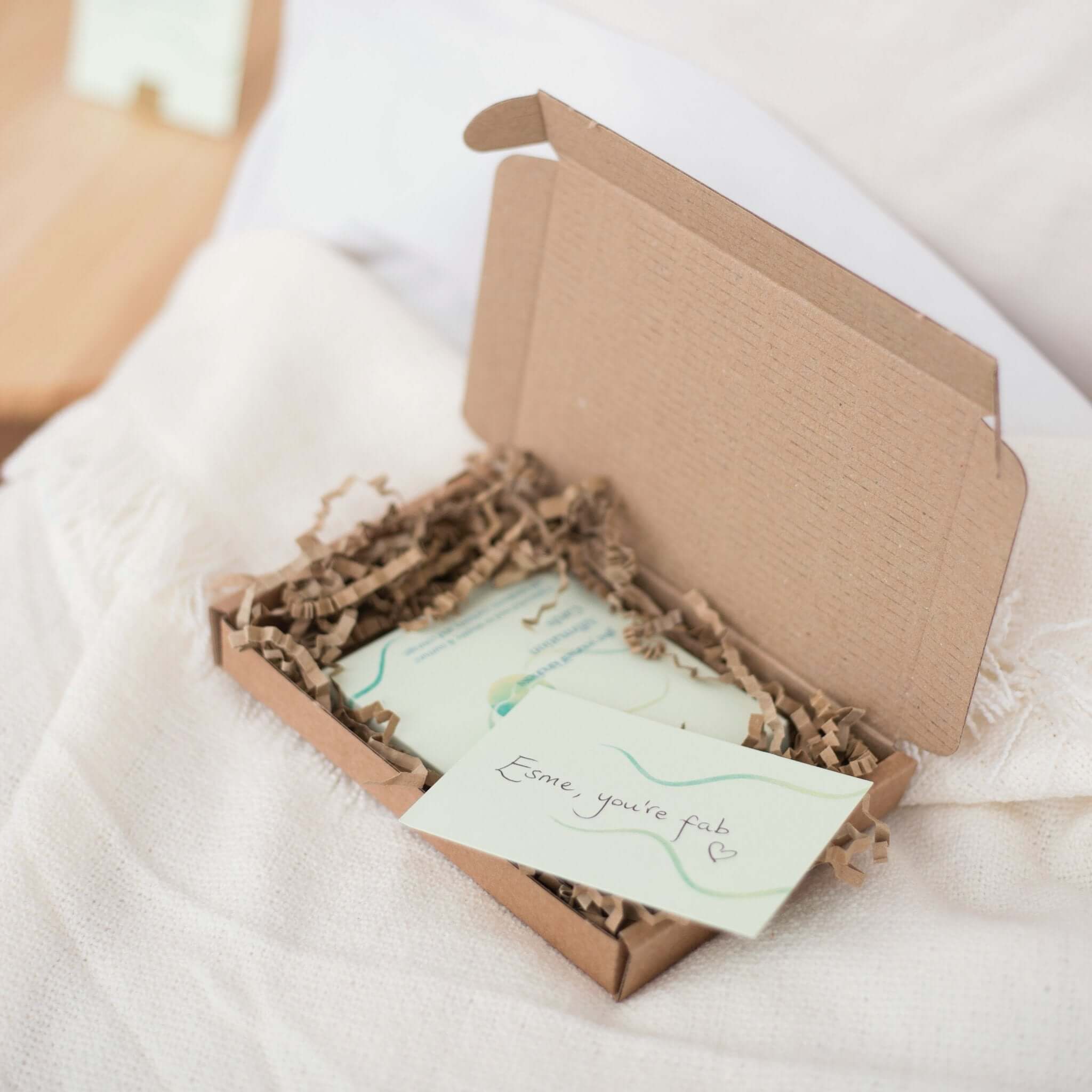
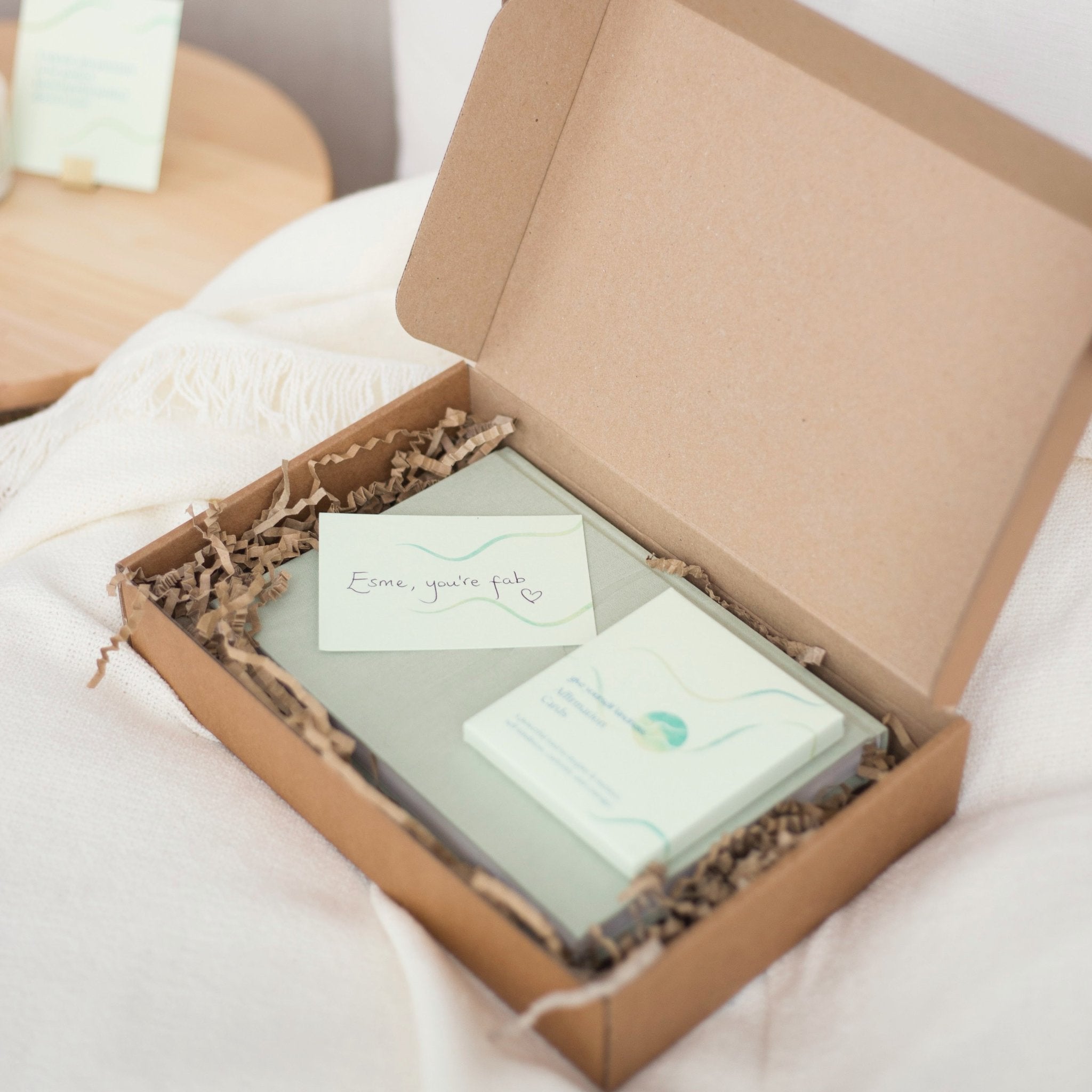
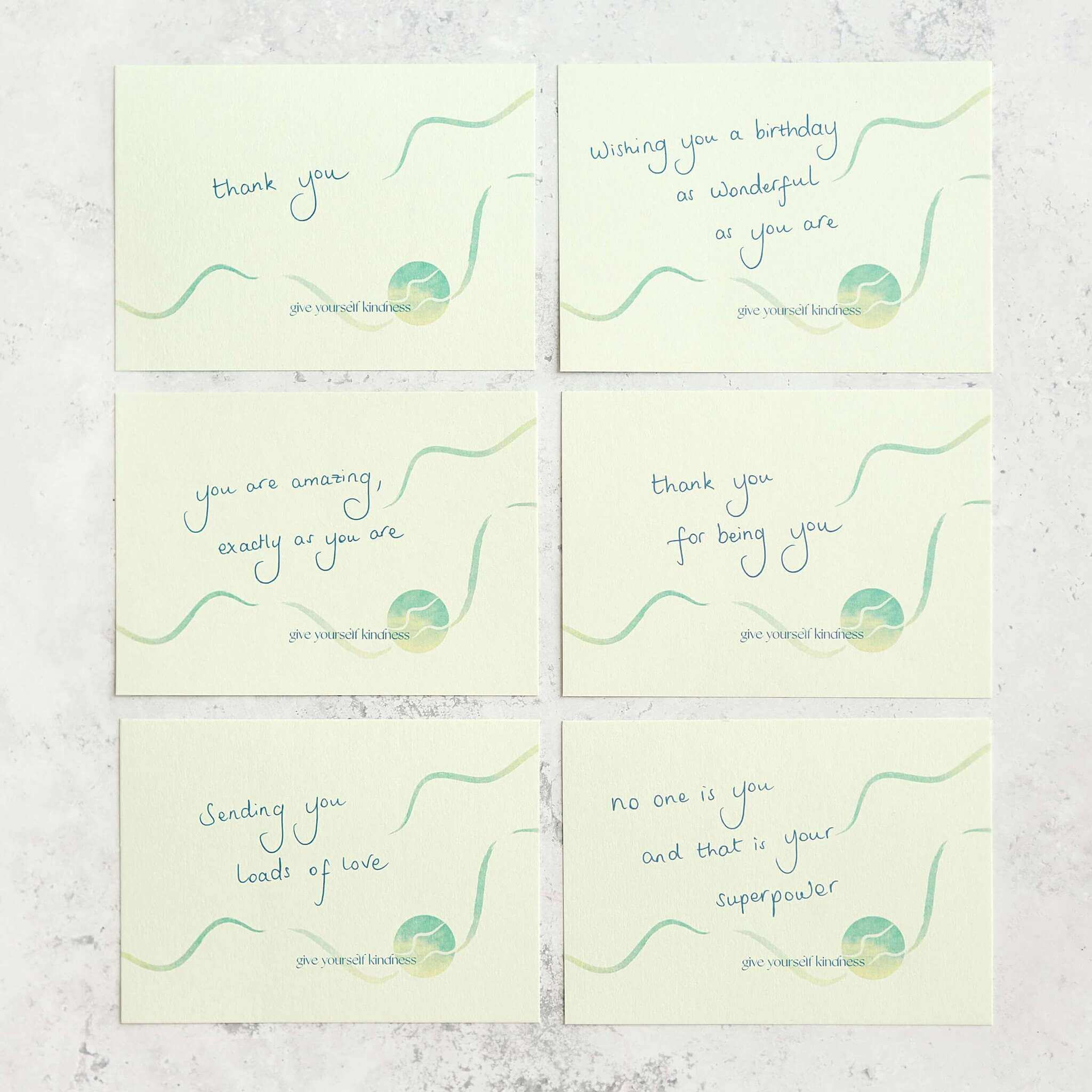
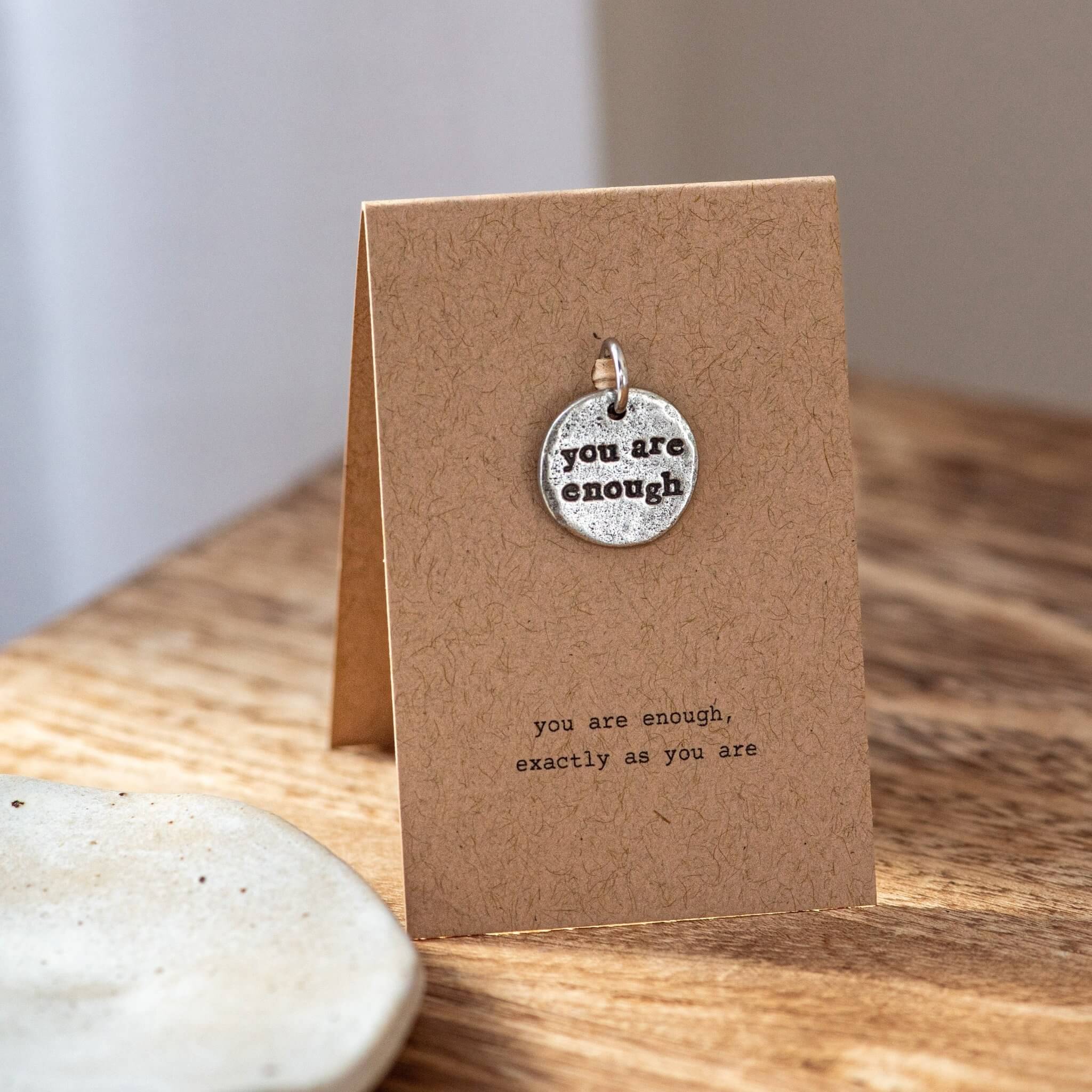
Free UK delivery, and a free handwritten note if it's a gift. Just add your message in the order notes at checkout.
From someone using it
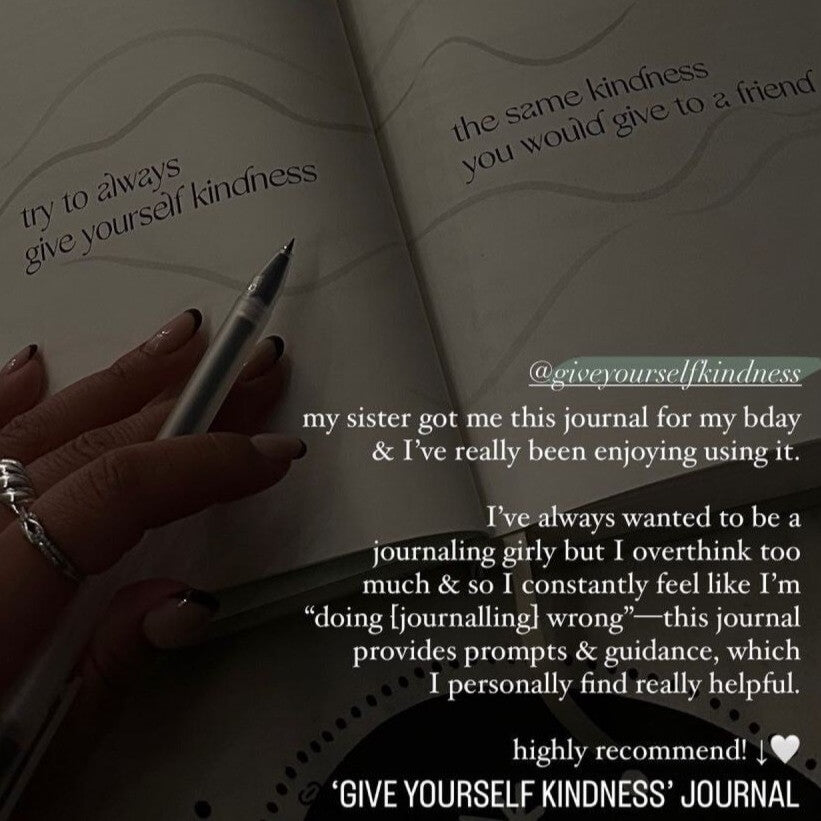
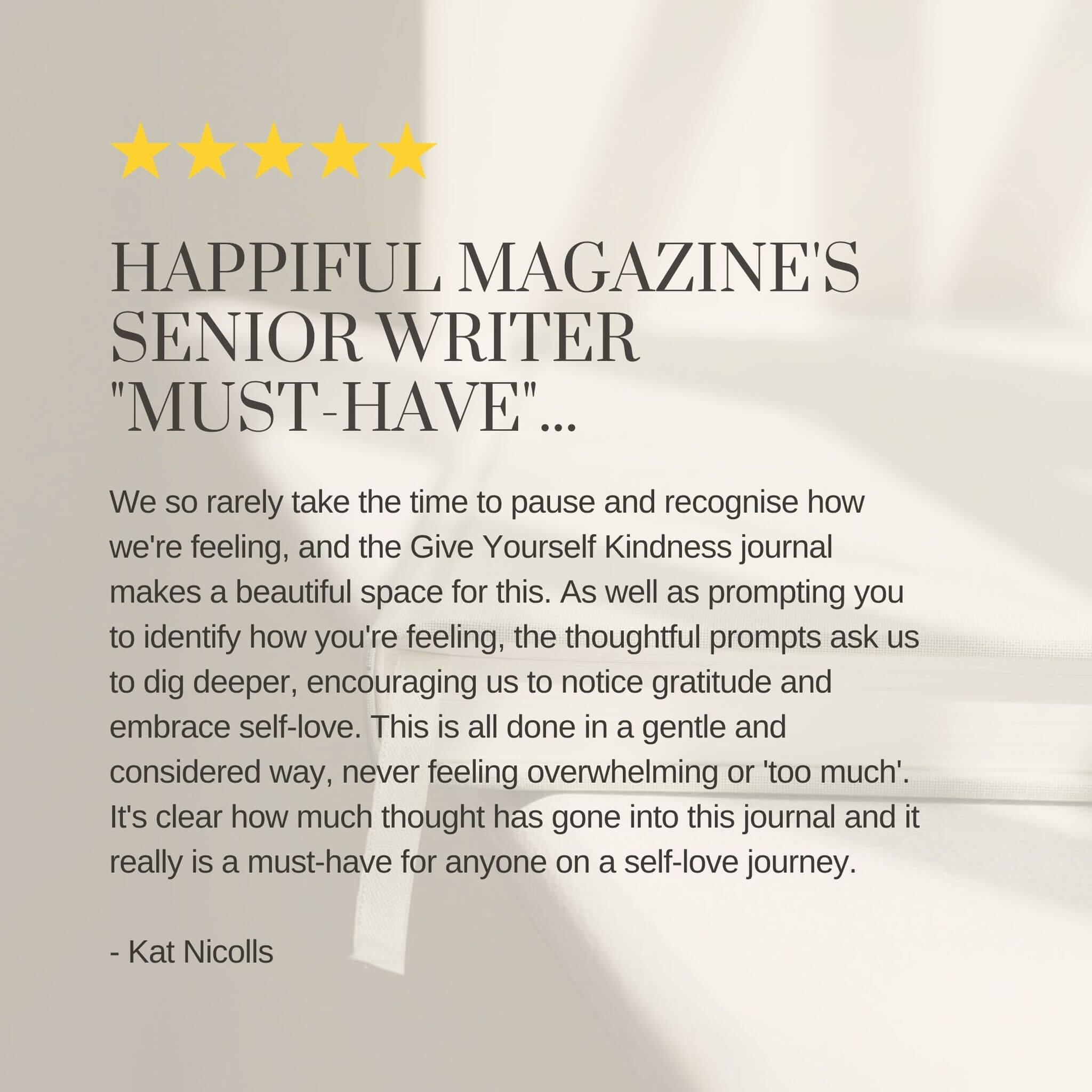
"I've been using this gratitude journal for the past few days and I really like it. I'm already noticing so many more things to be grateful for, an amazing antidote to the scary news."
Sue, verified buyer
Being straight with you: this journal is mine, so of course I think it's good. I made it after years of formats that left me feeling like I was doing gratitude wrong. But the five tips above work just as well in a notebook you already own, and I'd genuinely rather you started that way today than bought nothing and did nothing. If you'd like to see what else is out there first, I've compared the main options honestly, including ones that aren't mine.
Guided journal or a blank notebook?
Both work. It depends on which problem you're more likely to hit.
A blank notebook
Free, already in your house, and completely yours to shape. If you enjoy writing and the blank page feels like room rather than pressure, start here today and keep your money.
The thing to watch for: you have to bring the prompt every time. That's fine on a good day and quietly impossible on a flat one, which is where most notebook practices stall.
A guided journal
The prompt is already there, so you only have to answer. That takes one decision out of a moment when you may not have many spare, which is usually what keeps it going past the second week.
The thing to watch for: repetition. A guided journal that asks the same question daily has the notebook's problem plus a price tag. Check the prompts genuinely vary before you buy anything, mine included.
What actually matters, either way: prompts that change, language that invites rather than instructs, no numbered blank lines, and a timeframe you can picture finishing. A thirty-day run feels achievable. Many people abandon a six-month journal by week three and then feel bad about the journal too.
What your first week will probably look like
Knowing the shape of it in advance is most of the battle.
Days one and two
Easy, and often genuinely enjoyable. Things come to mind readily and you wonder why you didn't start sooner. Novelty is doing a lot of the work here, and that's fine.
Days three to five
Harder. You may sit looking at the page. If you're using the same prompt each day, you've probably already run out of things to say. This is the part nobody warns you about, and it's where most people quit believing they're bad at gratitude. You're not. Your brain has simply adapted, which is exactly what brains do.
Days six and seven
You'll know whether your format fits. If blank lines stress you, or the prompts feel mechanical, you'll feel it clearly by now. Change the format rather than pushing through. Nothing about this should make you feel worse.
Common questions
How long before I notice anything?
Often within the first week for mood and sleep, with the steadier changes showing up after two to three weeks of fairly consistent practice. It's worth knowing that the benefits come from the pattern over time rather than from any single entry, so a slow start really isn't a bad sign.
What if I miss a day, or a week?
Nothing breaks. Missing days is part of every real practice, and the only thing that does damage is deciding you've ruined it and stopping. This is the main argument for an undated journal: you pick up wherever you are, with no row of empty dated pages keeping score.
Do I have to write every single day?
No, and there's research suggesting once or twice a week can work better than daily, because daily practice can turn mechanical. If you're using varied prompts, daily is lovely. If you're not, a few times a week will serve you better.
What if I genuinely can't think of anything?
That's common, and it doesn't make you ungrateful. Your brain is built to scan for problems first, which is a feature rather than a fault. Start very small: clean water, no headache today, the first mouthful of a hot drink. And if nothing comes at all, that's information too. It usually means you're depleted rather than doing it wrong.
Lists or longer entries?
Depth tends to do more than breadth. Writing my colleague noticed I was struggling and made me a coffee without being asked carries more than the single word coffee, because the detail is what your mind actually holds on to. On a flat day though, a short list beats nothing at all.
Can I do this while going through something really hard?
Yes, with one adjustment: look for prompts that let difficulty and gratitude sit side by side. Anything demanding cheerfulness will make a hard time harder. As Carrie Pollard puts it, gratitude that diminishes difficulties or triggers guilt leaves us feeling worse rather than better. You're allowed to find it hard, and finding it hard doesn't mean you're doing it wrong.
Do I need to buy a special journal to start?
Not at all. Any notebook and one of the prompts above will get you going this evening. A guided journal removes the daily decision about what to write, which is the thing that tends to run out first, but it's a convenience rather than a requirement. Please don't let buying something become the reason you haven't started.
Start with one prompt tonight
Two minutes, one sentence, any notebook. Or let the thirty prompts do the deciding for you, from £10.95 with free UK delivery.
See the 30-day journal →