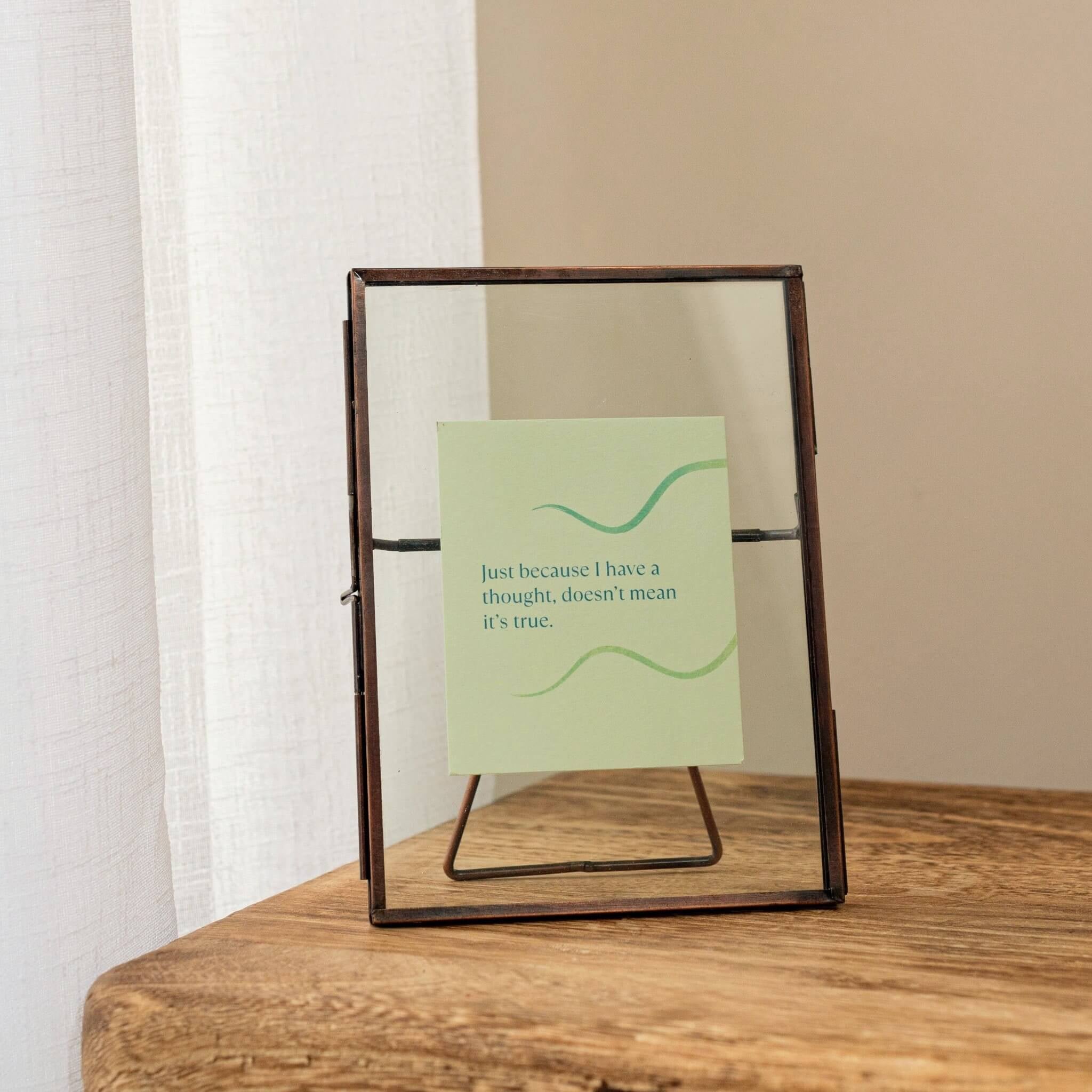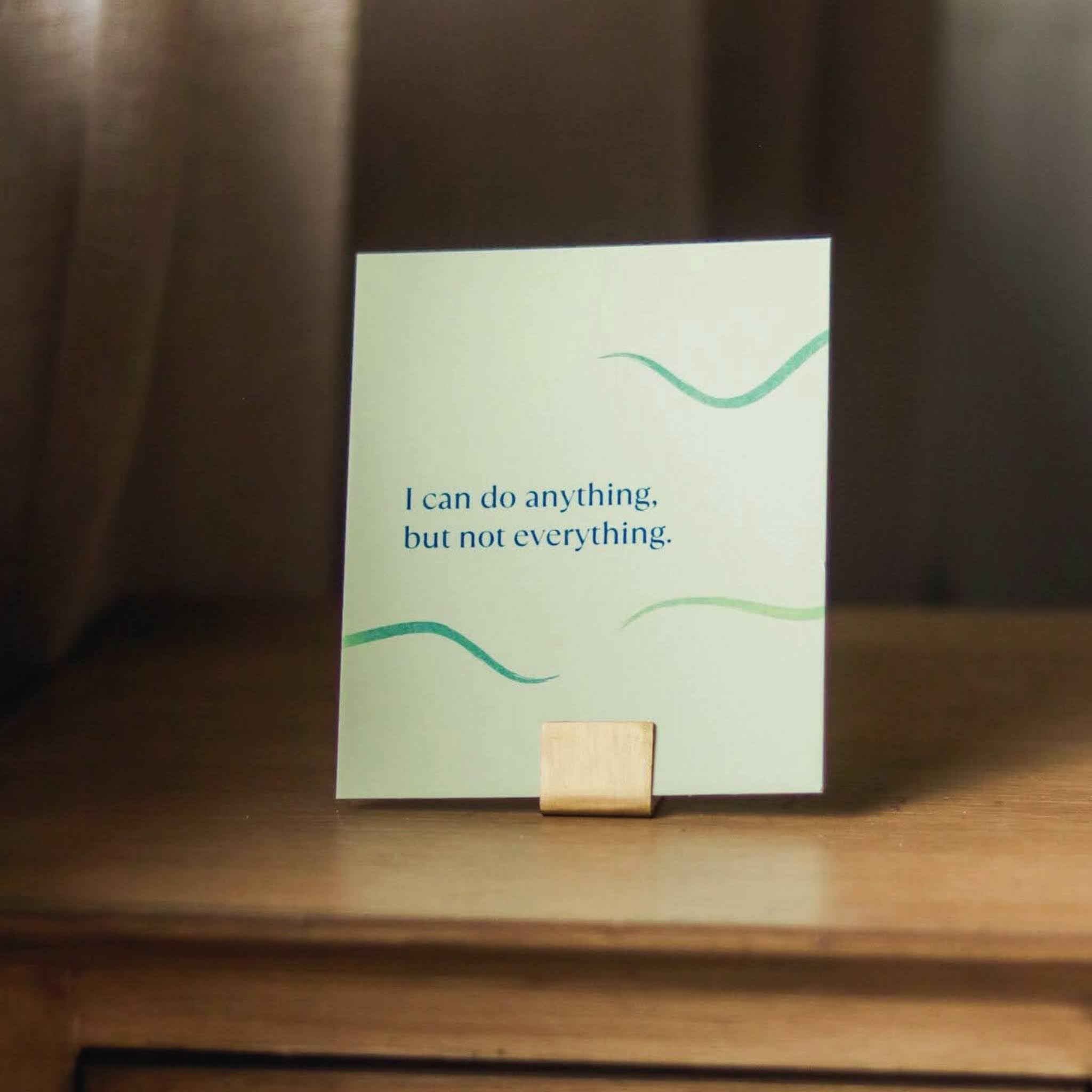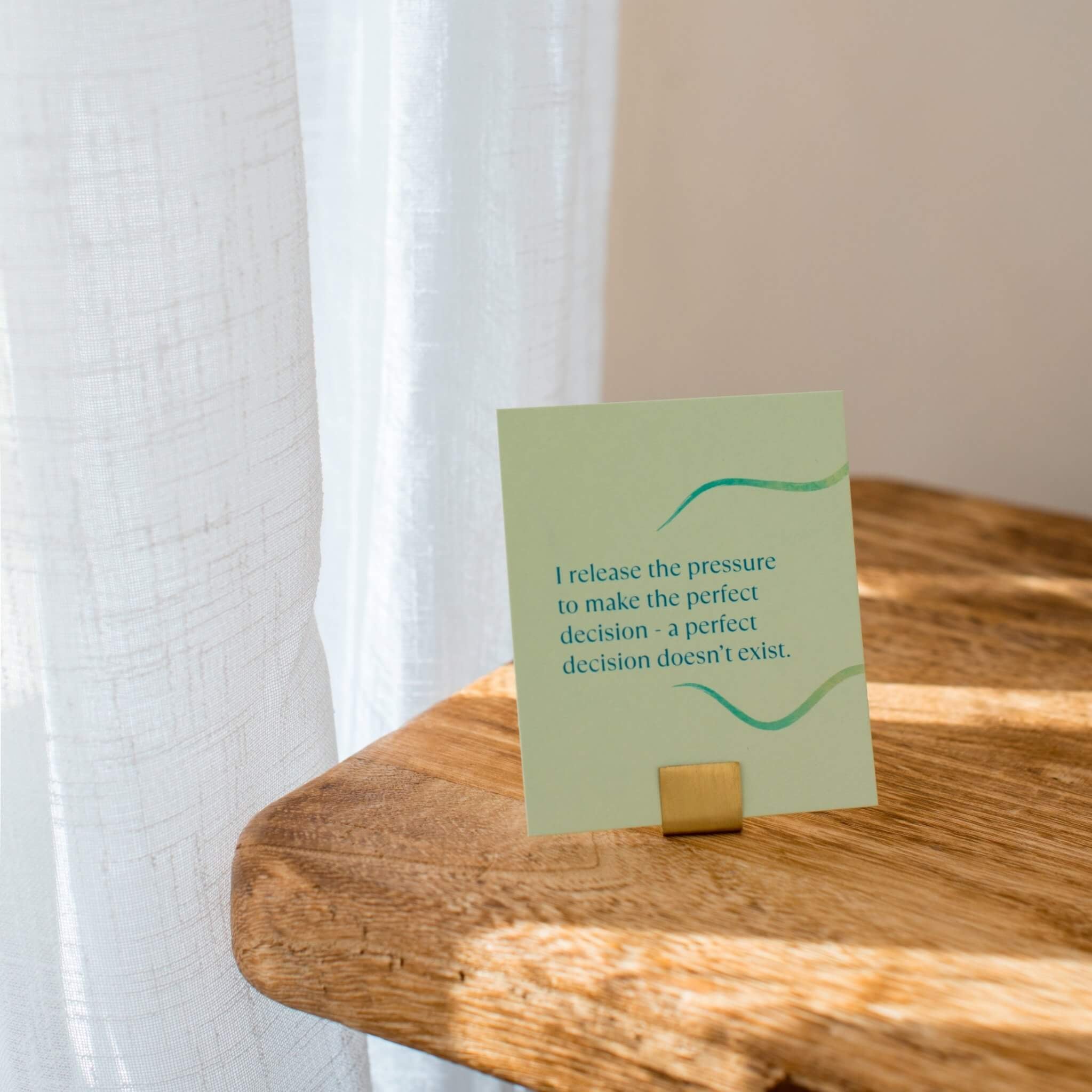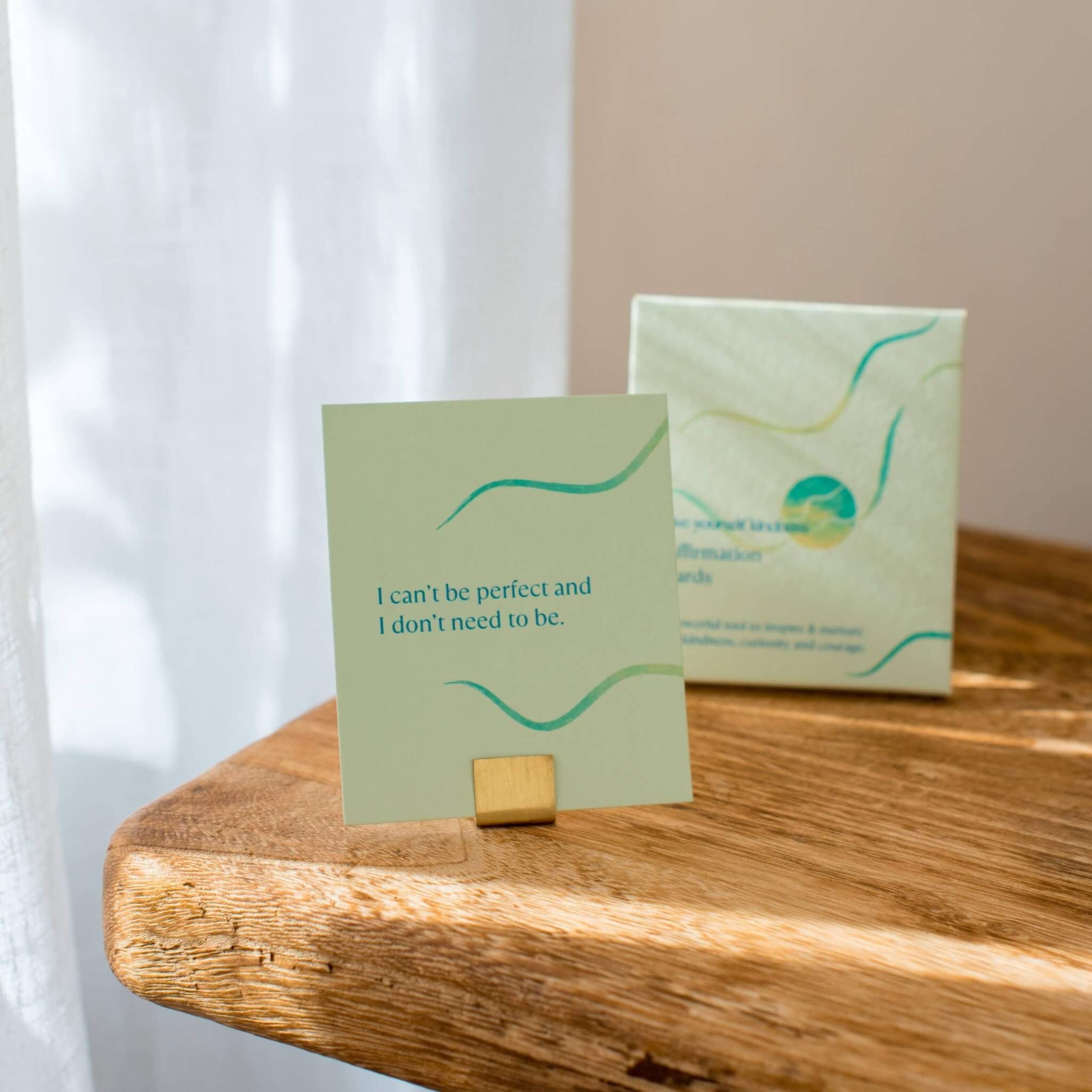





Quick answer
Criticism keeps going round in your head because your body has read it as a threat, not because it was true and not because you are too sensitive. Clinical psychologist Dr Annabelle Kyle Dortch explains that our mind-body system perceives criticism as a threat and activates the stress response — and while that response is switched on, the part of your brain you would need to weigh the comment up fairly is largely offline. That is the same reason the one critical sentence is all you can remember, and the ten kind ones have gone.
The most useful thing to do right now: write down, on one line, the words they actually said. Their words, not your summary of them.
Then write underneath what you have decided those words mean about you. Almost always they are two very different sentences, and the second one is the one keeping you awake. Then say this, out loud if you can manage it — Only one of those came out of their mouth. The other one is mine, and I am allowed to look at it again in daylight.
One honest note: if that felt hollow, or you read it and thought yes but they were right about me, you have not done it wrong. That is an ordinary first reaction, and there is a whole section below on criticism that was fair — because pretending it was not is no help to anyone.
Someone has said something and you are still carrying it. That is a heavy thing to be carrying, and wanting to put it down is a reasonable and kind thing to want. You are in the right place, and you can read this in any order — including starting with the words if that is what you need first.
About this guide. I am Rachel Smith, a qualified meditation teacher (DipBSoM, British School of Meditation, distinction). I am not a psychologist or a therapist. Everything clinical on this page comes from named psychologists, with their credentials and a link to the full article they wrote for this site. Nothing on this page needs more than a pen and a piece of paper.
Why it keeps going round and round
Your mind replays criticism because it has filed it as an unresolved threat, and an unresolved threat is exactly the kind of thing a brain refuses to put down. It is not searching for the truth about you. It is searching for safety, over and over, in a situation where there is nothing left to find. That is why the twentieth replay tells you nothing the first one did not.

Dr Annabelle Kyle Dortch, PsyD
Clinical Psychologist specialising in life transitions, relationships, stress, anxiety and the impacts of trauma · Los Angeles
“Whether it is coming from ourself or someone else, our mind-body system perceives criticism as a threat, activating our stress response.”
“When our stress response is activated, the amygdala (the emotion and crisis center of the brain) is very active and the frontal lobe (where we reflect and make decisions intentionally) is offline.”→ Read the full article: Why self-compassion is more effective than self-criticism
That second line is worth sitting with, because it explains something that can easily feel like a personal failing. You are trying to work out whether they had a point, and you cannot get anywhere — not because you are stupid or stubborn, but because the equipment you would use to weigh it up fairly is not fully available while your body is braced.
Dr Dortch describes what happens next in her article: because the mind-body system is busy managing the stress, it cannot engage in self-awareness, self-reflection or learning from the experience. So the replaying is not you processing it. It is you circling it.
What this means practically. The hours immediately after being criticised are the worst possible hours in which to decide what the criticism meant. You are not going to think clearly about it tonight, and that is not a character flaw. Deciding to look at it properly on Thursday is not avoidance — it is waiting until the part of your brain that does the looking is back.
And the voice doing the replaying is not your enemy either.

Dr Maria Tucknott, DClinPsy
Clinical Psychologist specialising in trauma, anxiety and depression · Founder of Tucknott Psychology
“The inner critic is not simply being ‘mean’ — it’s trying (clumsily) to protect us. The challenge is that this threat system often overreacts.”→ Read the full article: How to stop beating yourself up
Dr Dortch puts one of the critic’s jobs very plainly in her article: it is often trying to locate your flaws so you will not feel caught off guard by others criticising you. Which means that after someone actually has criticised you, the critic gets loud for a reason. In its own clumsy way it is trying to make sure it never happens again. It just does that by going through you.
Why the kind words vanished and only that one sentence stayed
If someone said eight good things and one critical thing, and the critical one is all you can hear, that is your threat system prioritising, not your memory reporting fairly. The kind sentences were not important to a system whose job is to spot danger. They were filed and forgotten within the hour. The critical one was flagged and kept.
Dr Maria Tucknott, DClinPsy
Clinical Psychologist specialising in trauma, anxiety and depression · Founder of Tucknott Psychology
“It dominates our attention, magnifying the one rude comment over the ten kind ones, remembering the one negative review instead of the many positive ones.”→ Read the full article: How to stop beating yourself up
This is the part I most wanted on this page, because of what it means about how you are feeling tonight. If you feel low and unconfident after a piece of criticism, it is worth knowing that the evidence you are currently holding about yourself has been filtered before it reached you. You are not weighing up the whole picture and concluding you are not much good. You are weighing up the one item your threat system kept.
You are also likely to be holding it long after they have stopped thinking about it. That is not a comforting thought so much as an accurate one: the comment that has taken up your entire evening may have taken up ninety seconds of theirs.
The gap between what was said and what you decided it meant
Most of the pain of criticism does not live in the words. It lives in the sentence you wrote underneath them in the half-second after hearing them — and that sentence usually goes further, lands harder, and is far more personal than anything the other person actually said.
Try this on paper. Two lines. The first is what they said, in their words, as close to verbatim as you can manage. The second is what you have decided that means about you. Then look at the distance between them.
The second column is where the hurt is, and the second column is yours. That is not a criticism of you either — almost everyone does this, fast, without noticing. But it does mean there is something in your hands. You cannot edit what they said. You can look again at what you added.
Separating the two is not the same as deciding they were wrong. Sometimes the first column stands and needs acting on. It is the second column — the leap from this thing I did to this is who I am — that is doing the damage, and that is the one worth questioning first.
What to say to yourself
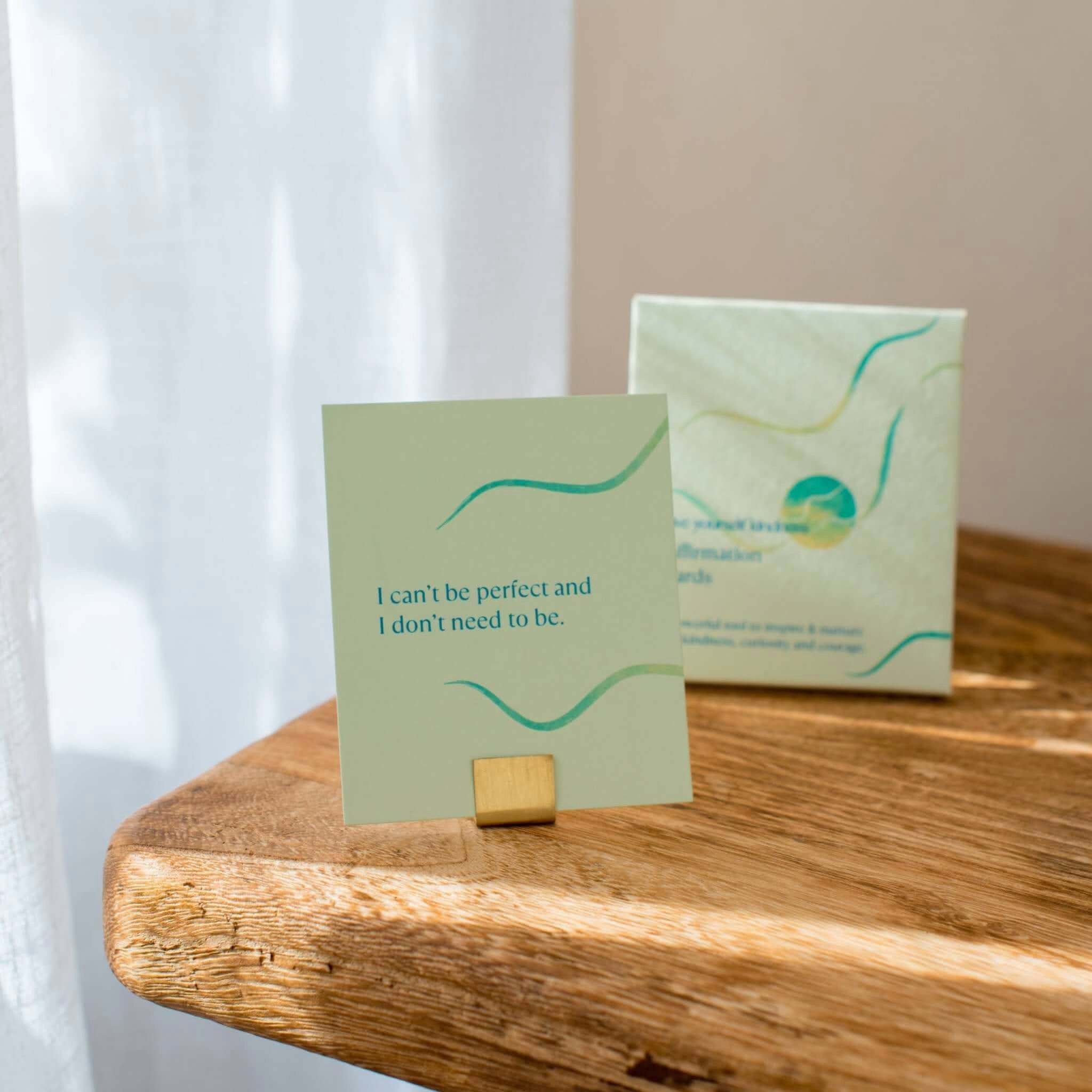
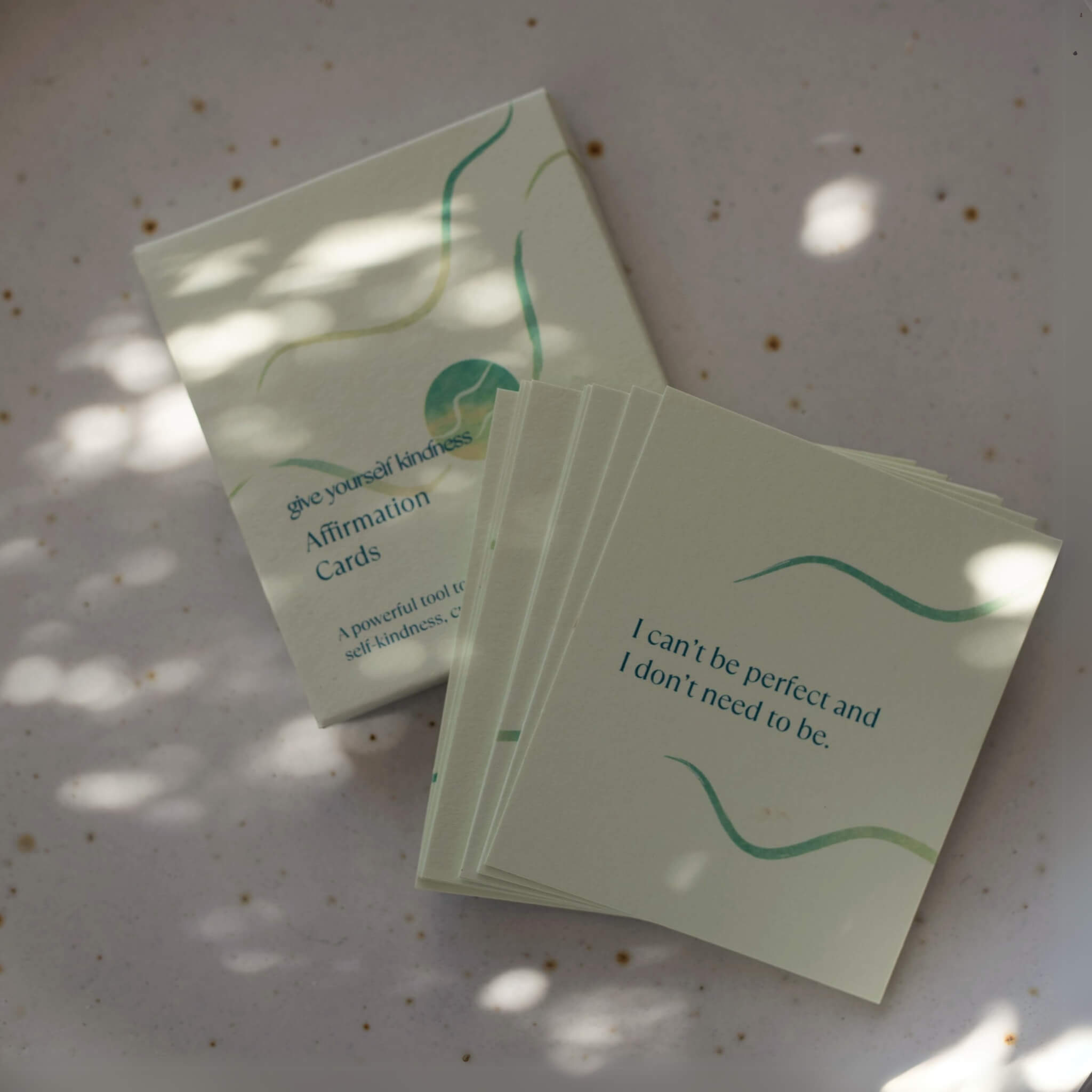
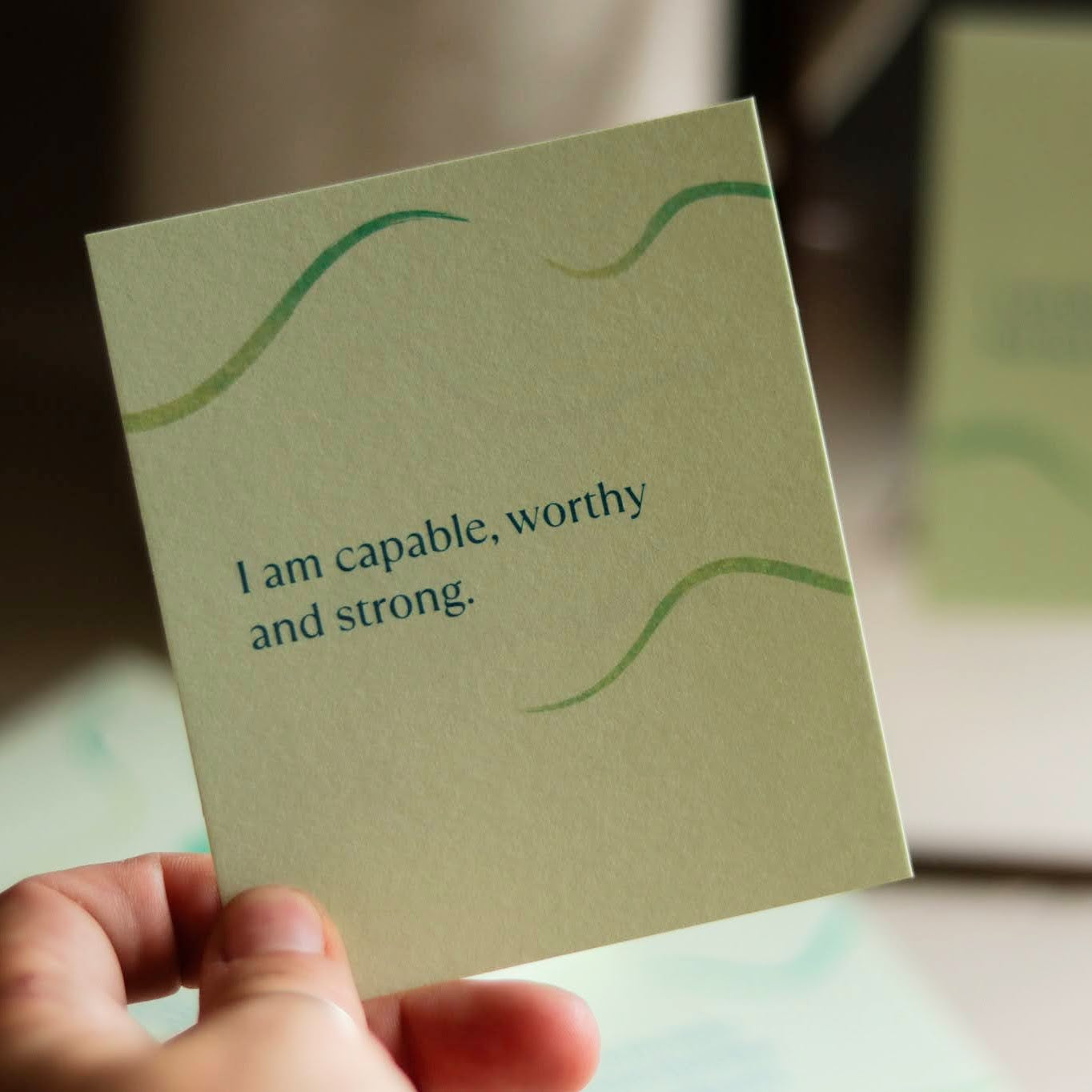
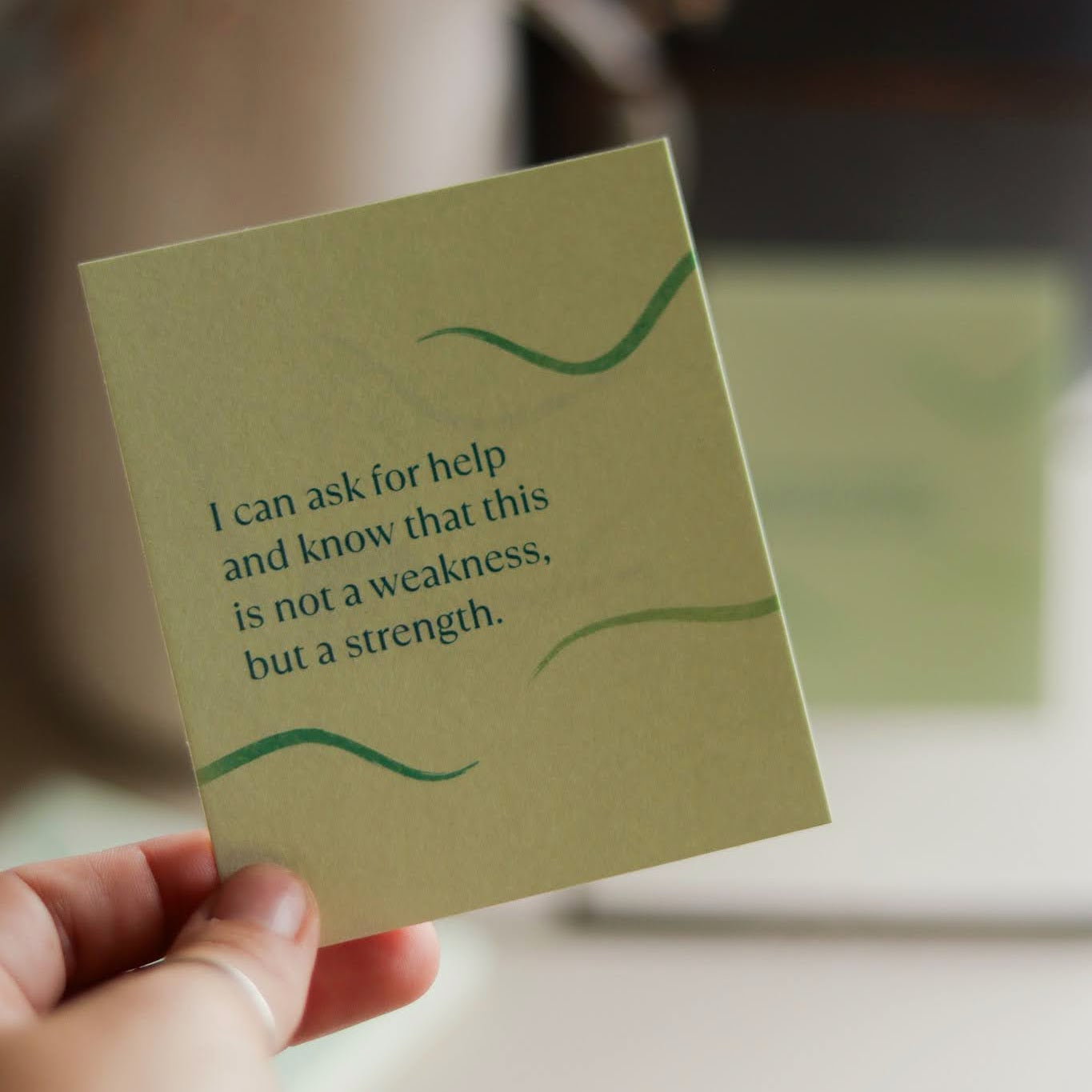
Being kinder to yourself is easy advice to agree with and very hard to use, because in the moment the sentence will not come. So here are the sentences, sorted by when you are most likely to need them. Read the left-hand column, notice which ones you recognise, and then try the right-hand version in those exact words. You can borrow the wording until your own arrives.
Notice what the right-hand column is not doing. It is not telling you the criticism did not matter, it is not deciding the other person was wrong, and it does not ask you to feel positive about something that hurt. It names the difficulty honestly and then responds to it with understanding instead of attack. That difference is the whole thing.
If saying these felt awkward or untrue, that is expected. A kind voice tends to feel unfamiliar before it feels believable, and unfamiliar often registers as fake. Try the one you disbelieve least, rather than the one that sounds nicest.
These are also much easier to reach for when you have already used them once somewhere quiet, on paper, before you needed them. That is the whole reason I ended up making a journal for this rather than a list.
What if they were right?
Criticism can be accurate and you can still be fundamentally alright — those two things are not in competition, even though tonight it feels as though only one of them can be true. Some criticism is fair. Some is fair but badly delivered. Some is mostly about the person who said it. Most is a mixture, which is exactly why you cannot sort it while you are braced.
So sort it deliberately, and separately, rather than trying to feel your way to an answer at midnight. Three questions, in this order.
1. Is any of it factually true?
Not does it feel true — feelings of truth are unreliable while your stress response is on. Is there a specific, checkable thing in it? A missed deadline, an interruption, a report that did need redoing.
2. Is it useful to me?
Something can be true and still be no use — too vague to act on, about something you cannot change, or about a standard you have not agreed to. Being told you are too sensitive is not usable. Being told you cut someone off twice in a meeting is.
3. How much of it is about them?
People criticise from inside their own day — their pressure, their mood, their standards, what they are worried about. That does not make them villains and it does not make the criticism void. It just means their words are not a neutral measurement of you.
Whatever survives those three questions is what you actually have to deal with. It is almost always smaller than what you went to bed with.
If I stop being hard on myself, won’t I stop improving?
No — and this is one of the most common fears about responding to yourself kindly, which is worth saying plainly rather than treating as a niche worry. Clinical psychologist Dr Bianca Nardini asks her clients a version of the same question in reverse.

Dr Bianca Nardini
London-based Clinical Psychologist specialising in anxiety and self-criticism
“Imagine something magical happened tonight, and when you wake up tomorrow, your inner critic is completely gone. What would worry you about that? Would you be reluctant to give it up?”
“Most people fear that becoming self-compassionate means they’ll ‘let themselves off the hook’ or ‘make excuses’ for their behavior.”→ Read the full article: Why is self-compassion so hard?
If you noticed some reluctance reading that, you are in ordinary company. The belief underneath it is that the harshness is what keeps you competent, and that softening it is the first step to letting standards slide.
What the research points the other way on is whether harshness is the thing doing the work. Dr Dortch puts it directly: when we engage in self-criticism, we create a nervous system and brain state that is not conducive to learning or to a growth-oriented mindset. In other words, being savage with yourself about the criticism is not what makes you act on it. It is what makes you avoid it.
A better way to answer the critic than arguing with it
Dr Dortch sets out four steps in her article, and they work well on the specific voice that arrives after someone has criticised you — because that voice is usually trying to protect you from it happening again.
- Notice it out loud. Say, silently or aloud, something like: “Ah, I am noticing that I am speaking pretty harshly to myself. This feels painful.”
- Work out how it is trying to help. Dr Dortch names one purpose that fits this moment exactly — the critic trying to locate your flaws so you will not feel caught off guard by others criticising you.
- Acknowledge the effort. Something softens when a protective part feels heard: “I see that you are really afraid of that happening again, so you are picking apart everything I said. I hear you.”
- Then answer it. “I know you are trying to stop me being caught out. But going over it all night is hurting me and it is not making me better at this. I have got this.”
Adapted from Dr Annabelle Kyle Dortch’s article for this site, where she also notes that this is hard work and that a therapist can help with the longer-standing narratives inside the inner critic. You do not have to go through it on your own.
When the kinder sentence still feels false
Feeling that a kind sentence is false is the usual first reaction, and it is not a sign you should stop. It normally means the sentence is unfamiliar rather than untrue. It is also worth being honest that this is not a thing you do once, on a bad evening, and have solved.

Professor Willem Kuyken, PhD, DClinPsy
Ritblat Professor of Mindfulness and Psychological Science, University of Oxford · Listed by Web of Science in the top 1% of most cited scientists worldwide
“I use the word cultivation rather than affirmation... Cultivation needs the natural conditions of climate, soil, sunlight, temperature, and so on... it takes time, like planting seeds and then taking care of them until they grow and mature in their own way and time.”→ Read the full article: Do affirmations really work? I asked 5 psychologists
I find that a relief rather than a disappointment. It means a sentence that did not land tonight has not failed. It means you have said it once.
The questions that tend to come next
These are the ones people ask at the point where the advice has run out and the feeling has not.
Why does one criticism hurt more than ten compliments help?
Because they are handled by different systems for different purposes. Praise is pleasant information. Criticism is read as a signal that your standing with other people may be at risk, and your brain treats that as something to act on rather than something to enjoy. Dr Maria Tucknott describes the threat system magnifying the one rude comment over the ten kind ones.
Which means the imbalance you are noticing is real, but it is a property of the machinery, not a measurement of the truth. The compliments were not less accurate. They were just less urgent.
Why do I feel physically sick, shaky or hot after being criticised?
Because your body has mounted a stress response, and a stress response feels the same whether the danger is physical or social. A racing heart, a tight chest, heat in your face, a churning stomach, hands that will not quite settle. Dr Tucknott describes the body responding as if a real threat is present.
It is uncomfortable and it is not damaging. It also comes down on its own, usually faster than the thoughts do — which is why you can feel physically fine by nine o’clock and still be replaying it at midnight.
How long will I feel like this?
The physical part usually settles within an hour or two. The mental part is slower and less predictable, and it depends less on how harsh the criticism was than on whether it touched something you already believed about yourself. Criticism that lands on an existing fear takes longer, sometimes days.
What tends to shorten it is doing something with the useful part and deliberately stopping the review of the rest — not because you have finished thinking about it, but because there is nothing more in there.
Is it normal to cry after being criticised?
Yes, and it is far more common than people admit, because most people who do it are ashamed of it and therefore do it privately. Crying is a discharge of a stress response, not evidence of fragility. Plenty of extremely capable people cry in a toilet cubicle after a difficult conversation and then go back and do their job.
If you cried in front of the person, that will feel worse than it looked. Almost nobody thinks less of someone for it, and most people are simply relieved it was not them.
Am I too sensitive?
Being told you are too sensitive is one of the least useful things anyone can say to you, because it is unactionable and it moves the problem onto you. Some people do feel things more strongly, and that is a real difference in temperament rather than a fault.
The more useful question is not whether you feel it a lot, but what you do next. Feeling it strongly and then attacking yourself for feeling it strongly is what turns one hard hour into three hard days.
Should I say something back, or let it go?
Both are legitimate. What is worth avoiding is deciding tonight. If there is something factually wrong in what was said, correcting it calmly, in one sentence, at a later moment, is usually more effective than anything composed while your heart is going.
A rough test: if you want to reply because it will change something practical, reply. If you want to reply because you want them to feel differently about you, wait — that is rarely what a reply achieves.
What if they criticised me in front of other people?
That is a different injury and it deserves to be named as one. Public criticism adds exposure to the sting, and exposure is what shame runs on, so the feeling can be much larger than the content warrants.
Two things tend to help. First, separate the criticism from the way it was delivered — you can act on the first while thinking that the second was poorly handled. Second, observers usually register the manner more than the content, and often walk away thinking about the person who did it.
Why does it feel like they have confirmed something I already knew?
Because criticism rarely lands on clean ground. If you already carried a private worry about being disorganised, or difficult, or not clever enough, a comment anywhere near it does not read as one person’s opinion — it reads as being found out.
That feeling is worth taking seriously, and it is worth noticing that the fear predates the comment. What has actually happened is that an old belief has been handed a piece of evidence, and old beliefs are not fussy about the quality of the evidence they accept.
One thing worth saying. If a criticism has left you feeling worthless rather than stung, if this happens constantly with the same person, or if you are finding it hard to function afterwards, that is worth talking to someone about — your GP is a reasonable first step, and there is no threshold you have to meet to be allowed to go.
If you are struggling to cope right now, in the UK the Samaritans are open at any hour on 116 123. Outside the UK, Find A Helpline will point you to your local service. A journal is a companion to support, and never a substitute for it.
The journal I made for this
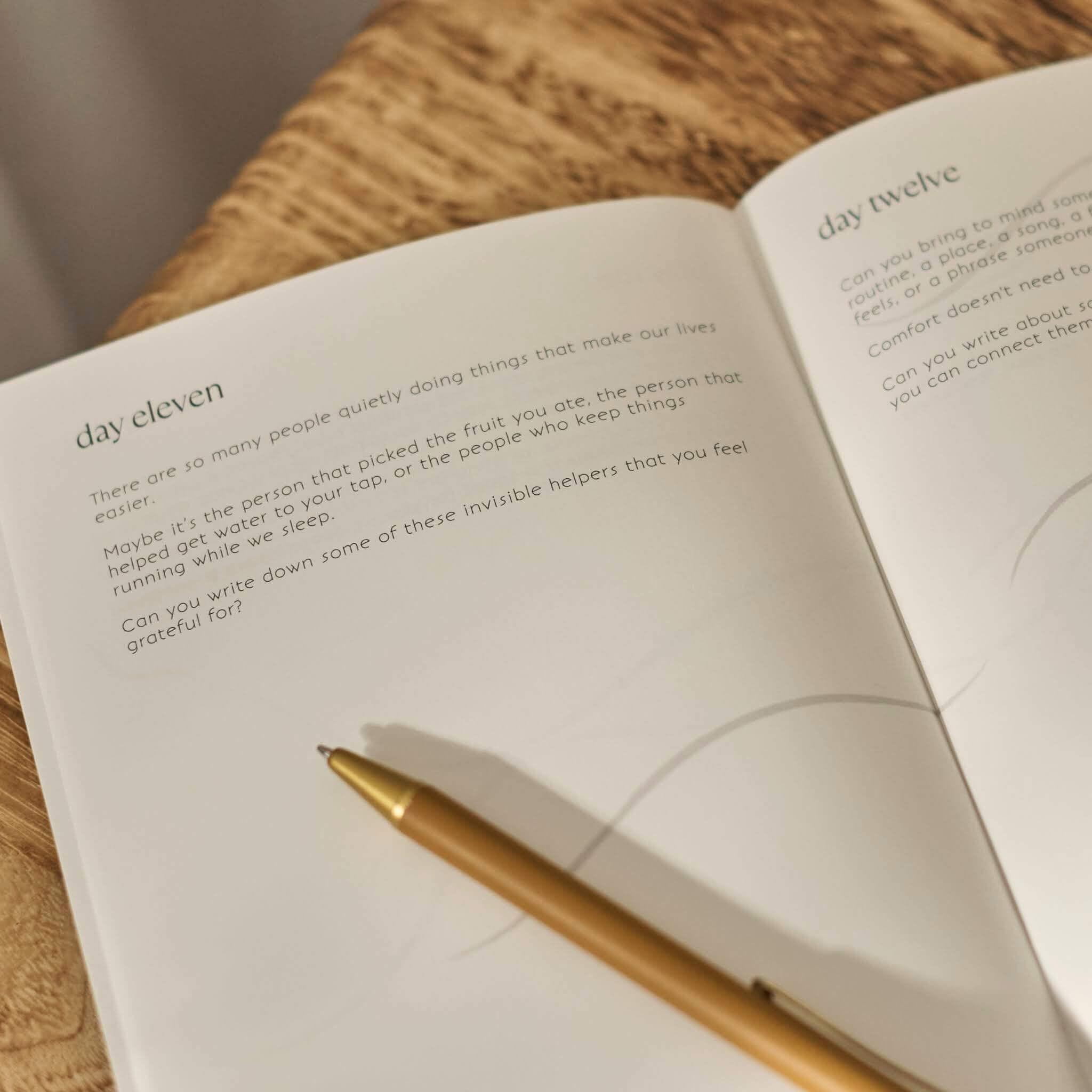
Everything above works with a pen and a scrap of paper, and I would rather you used it that way tonight than bought anything. But I should tell you what I make, and why it exists, because it exists for precisely this problem.
I could not find it. I have spent plenty of evenings with one sentence going round, and when I went looking for something to help, the guided journals I found made my critical voice louder rather than quieter — more tracking, more scoring, more of a daily record of what I had not managed. That was the opposite of what I needed on the evening I needed it. So I made the one I had been looking for, and I made it with clinical psychologists rather than on my own.
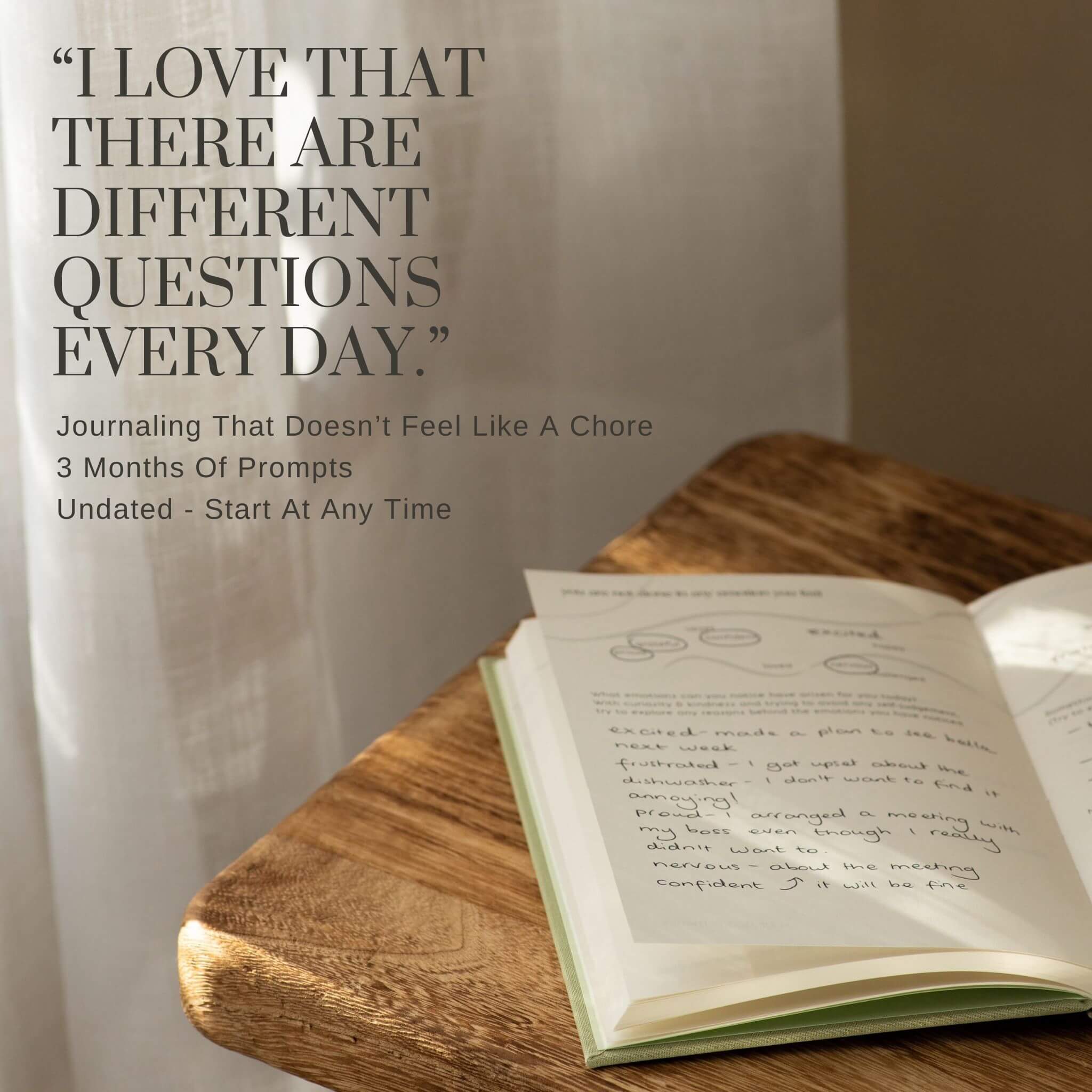
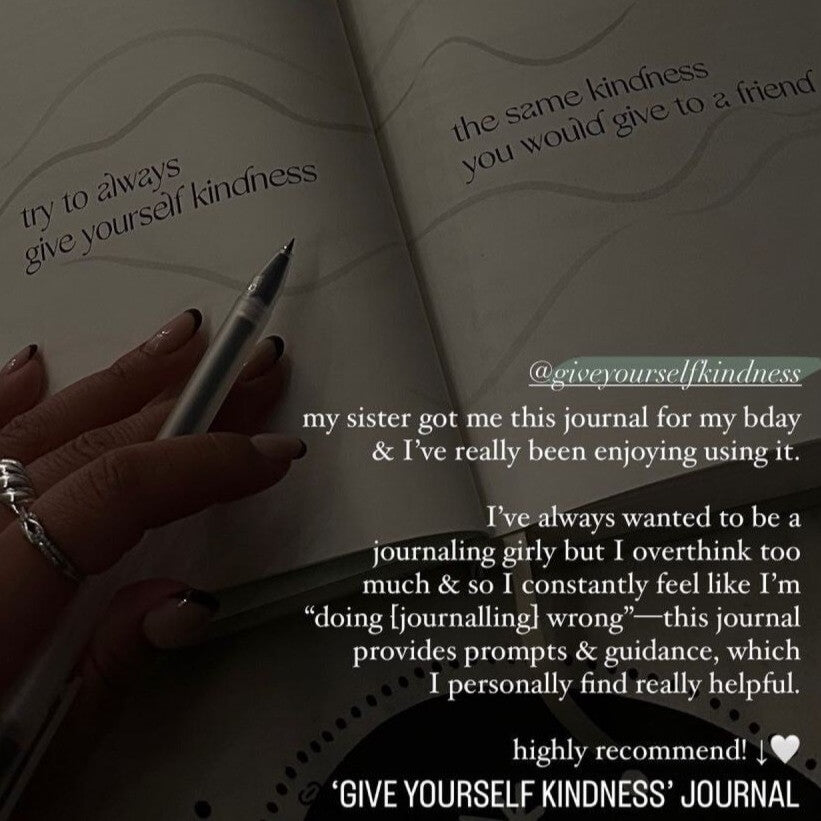
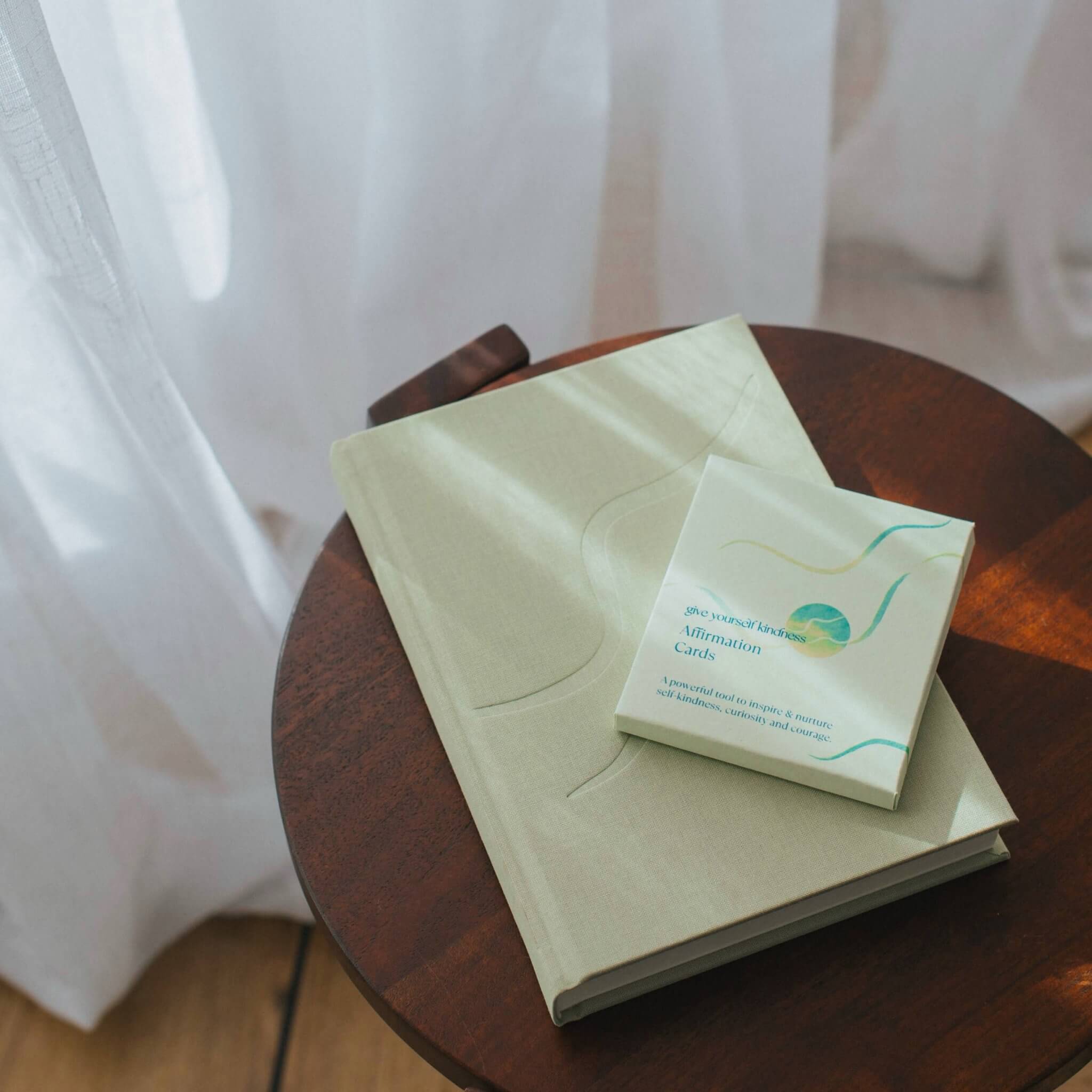
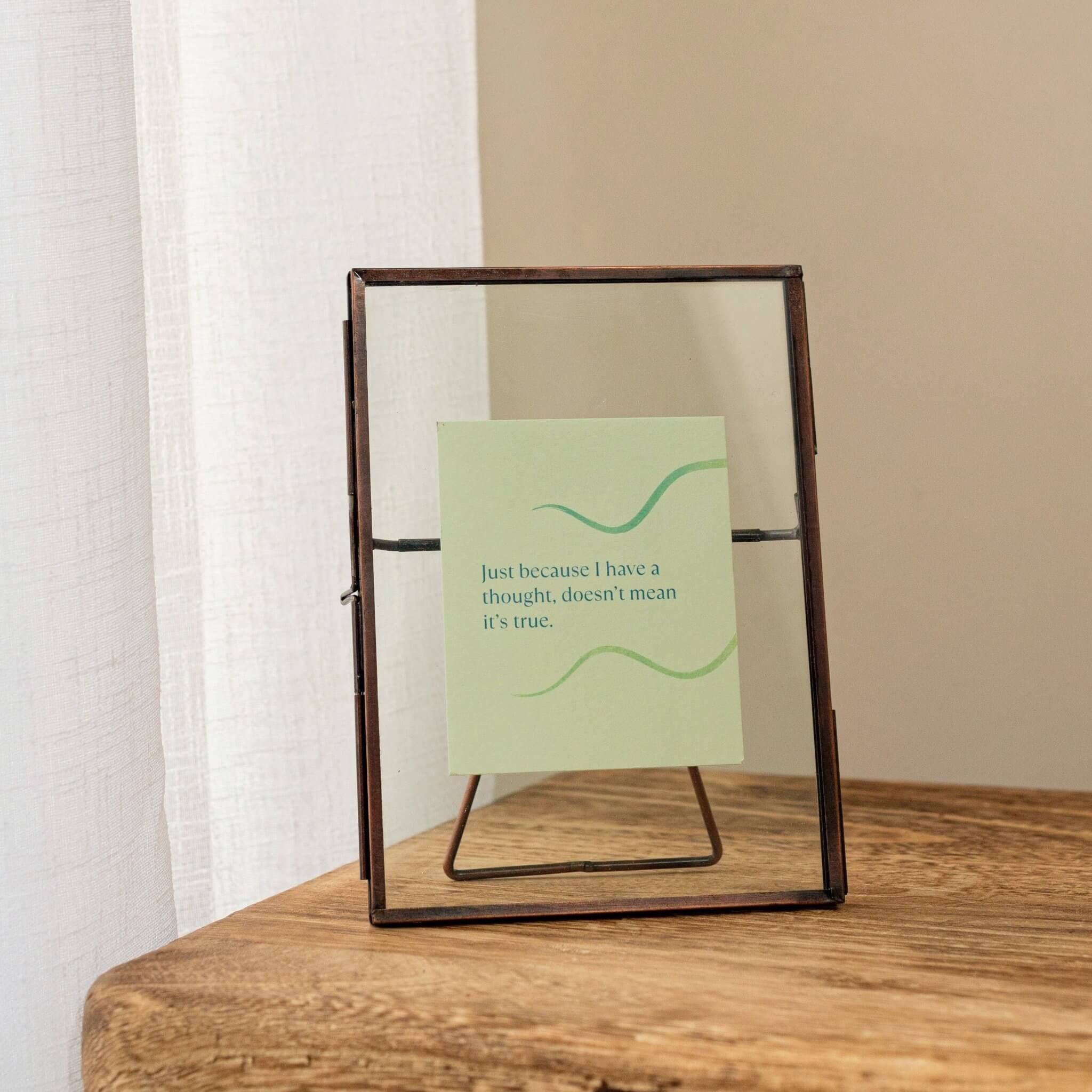
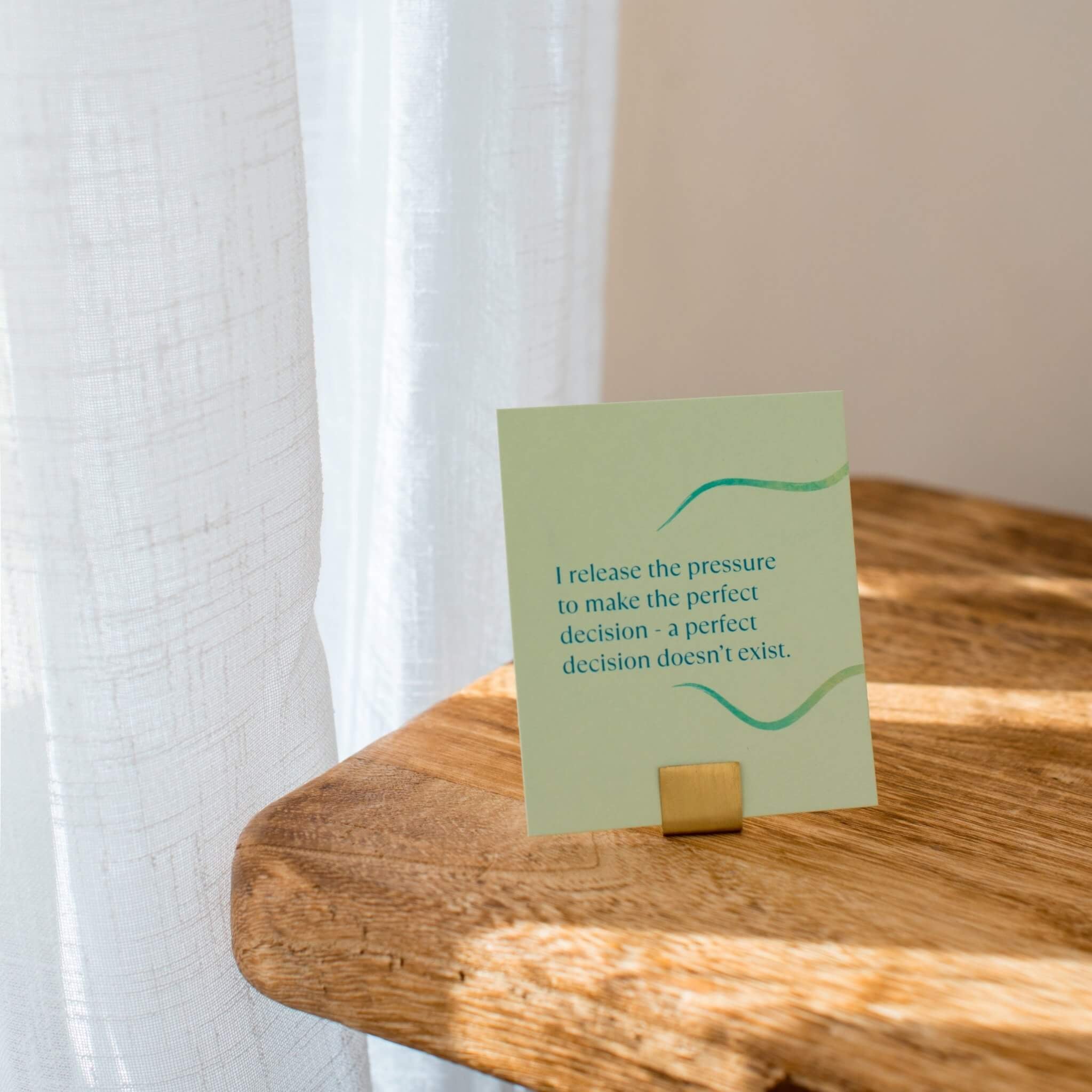
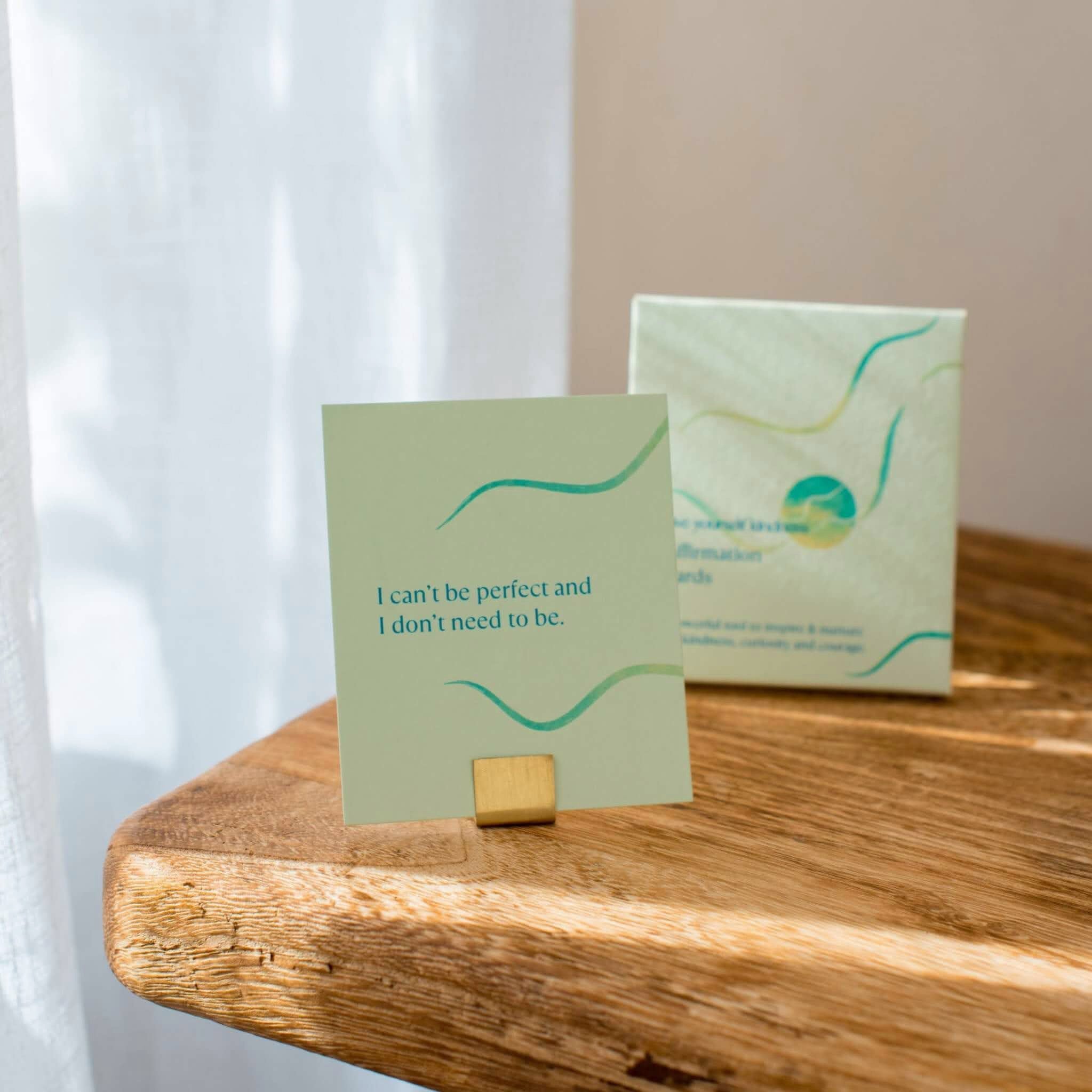
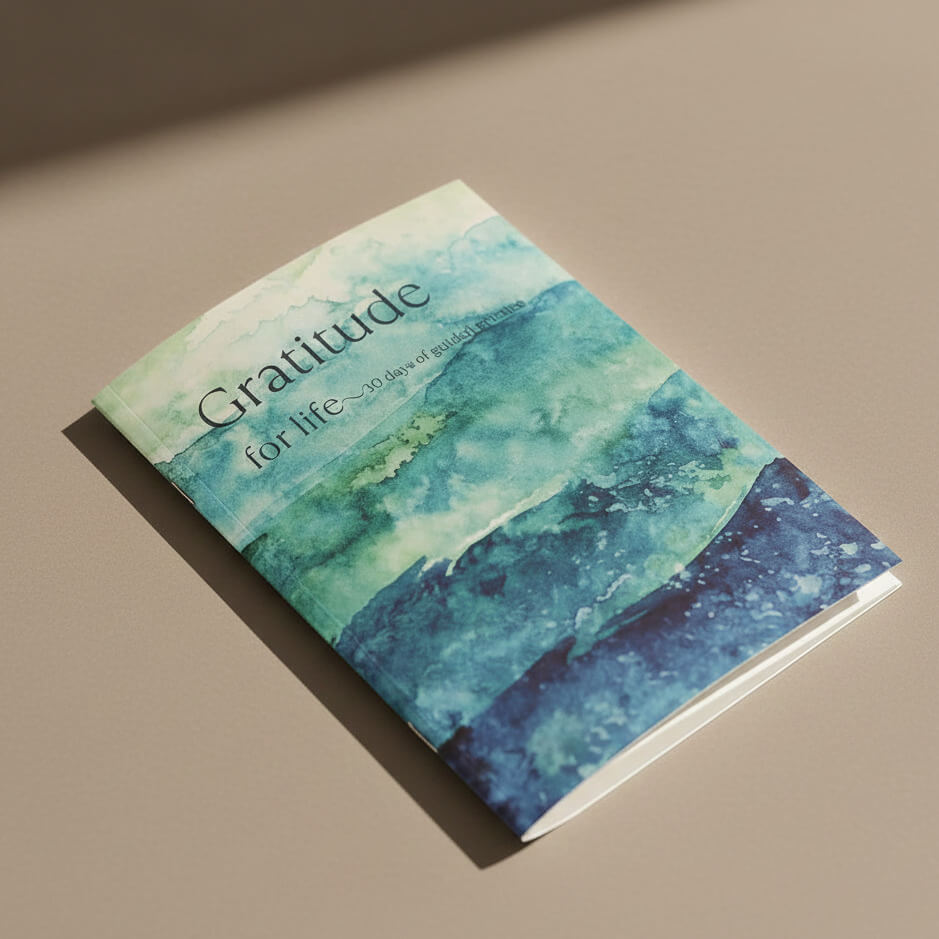
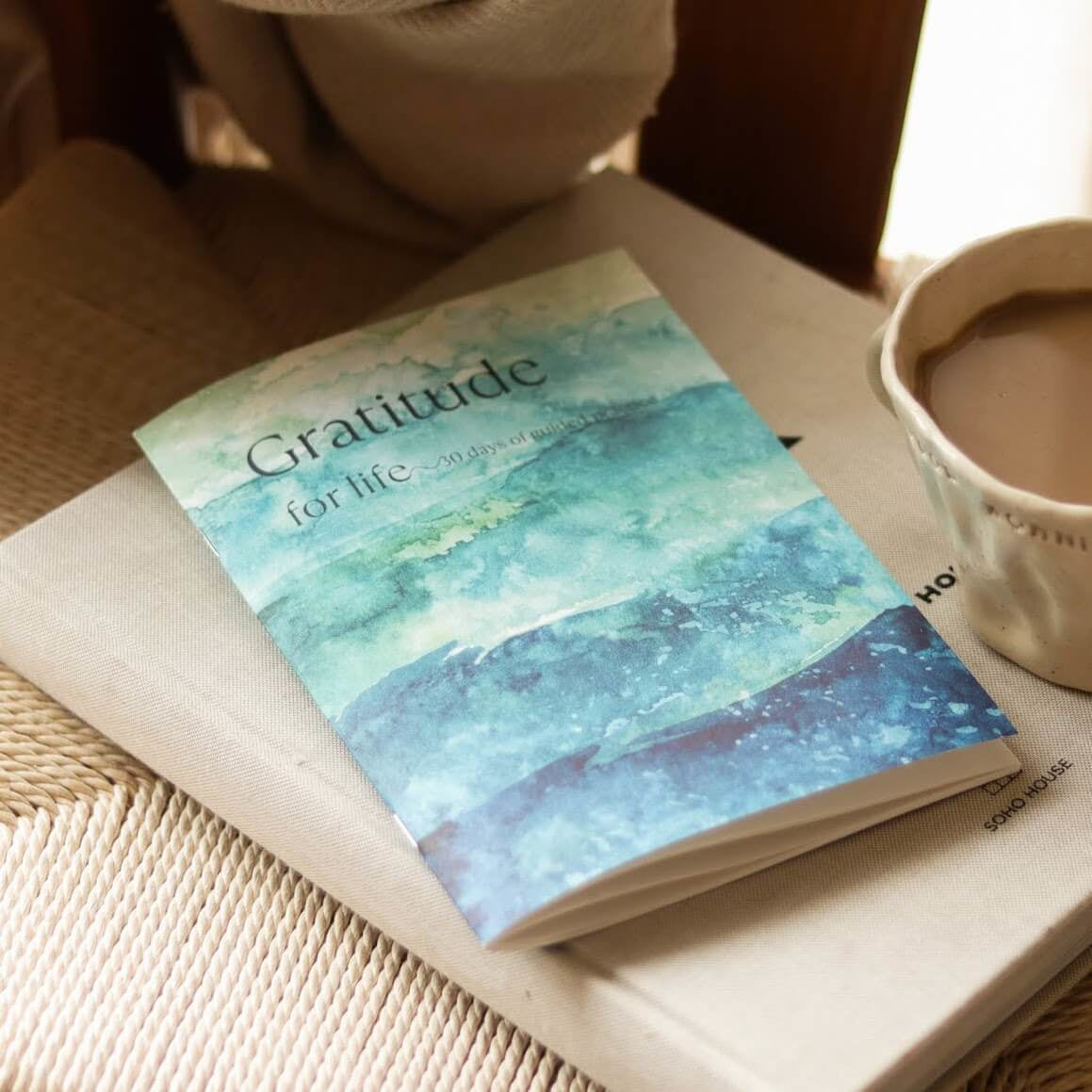
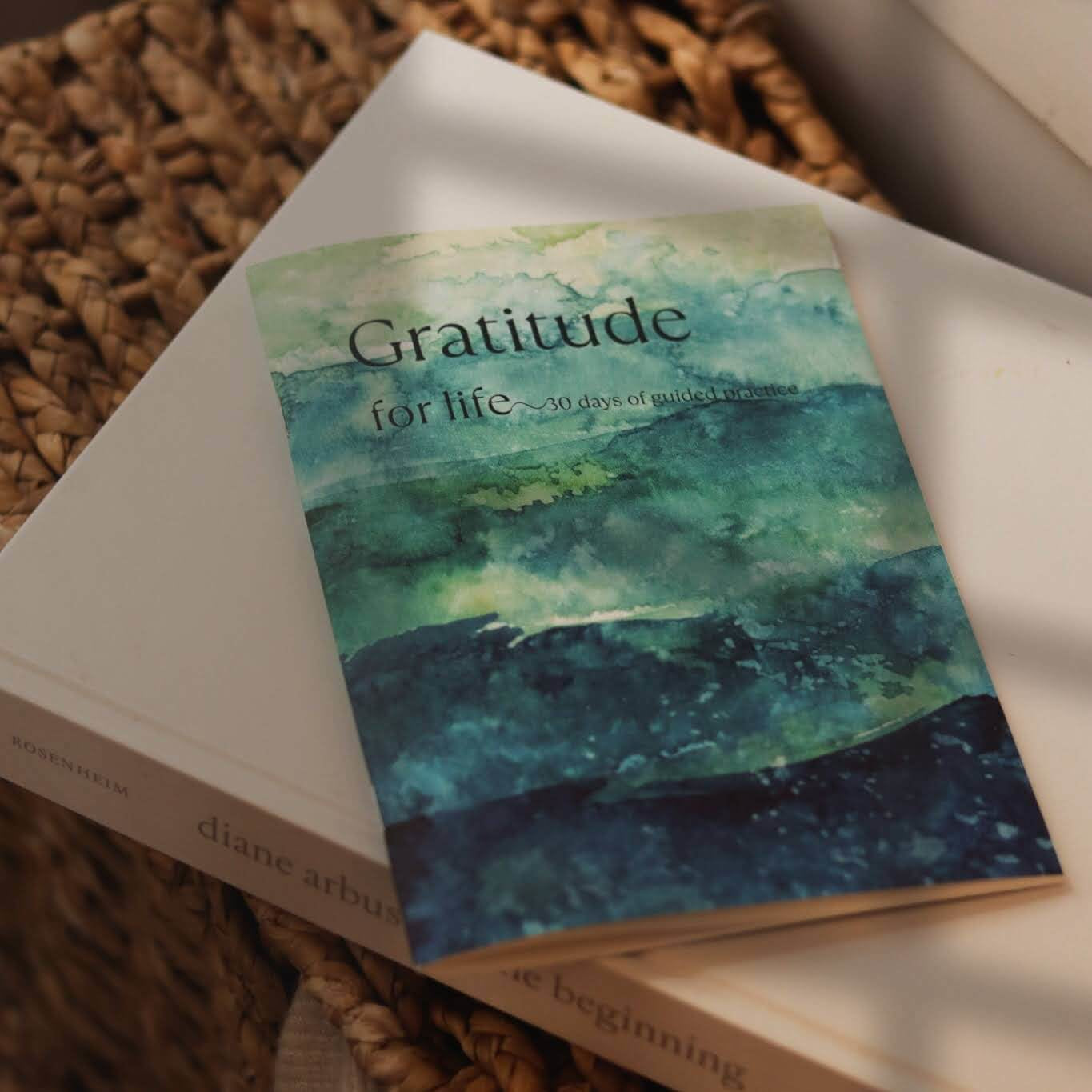
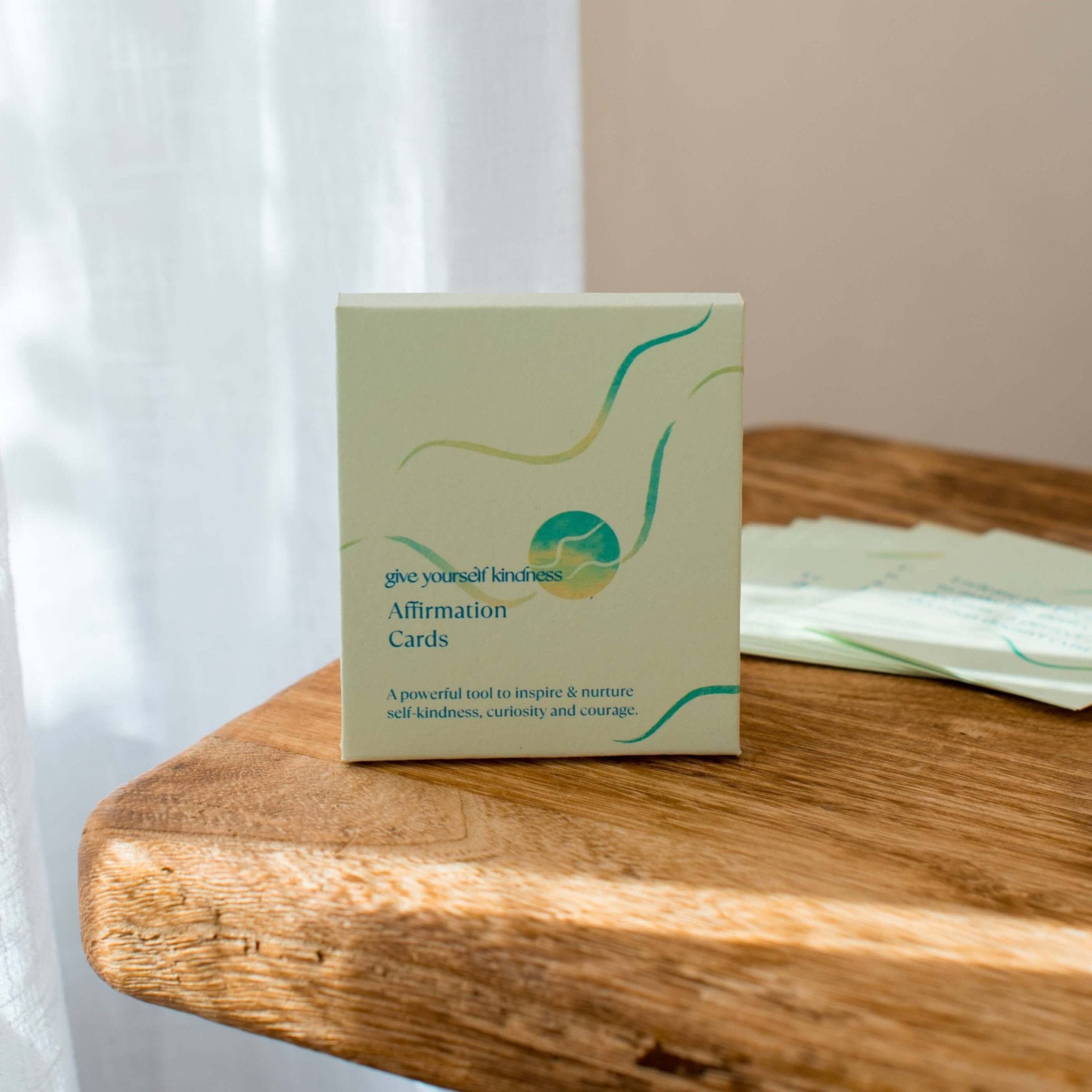
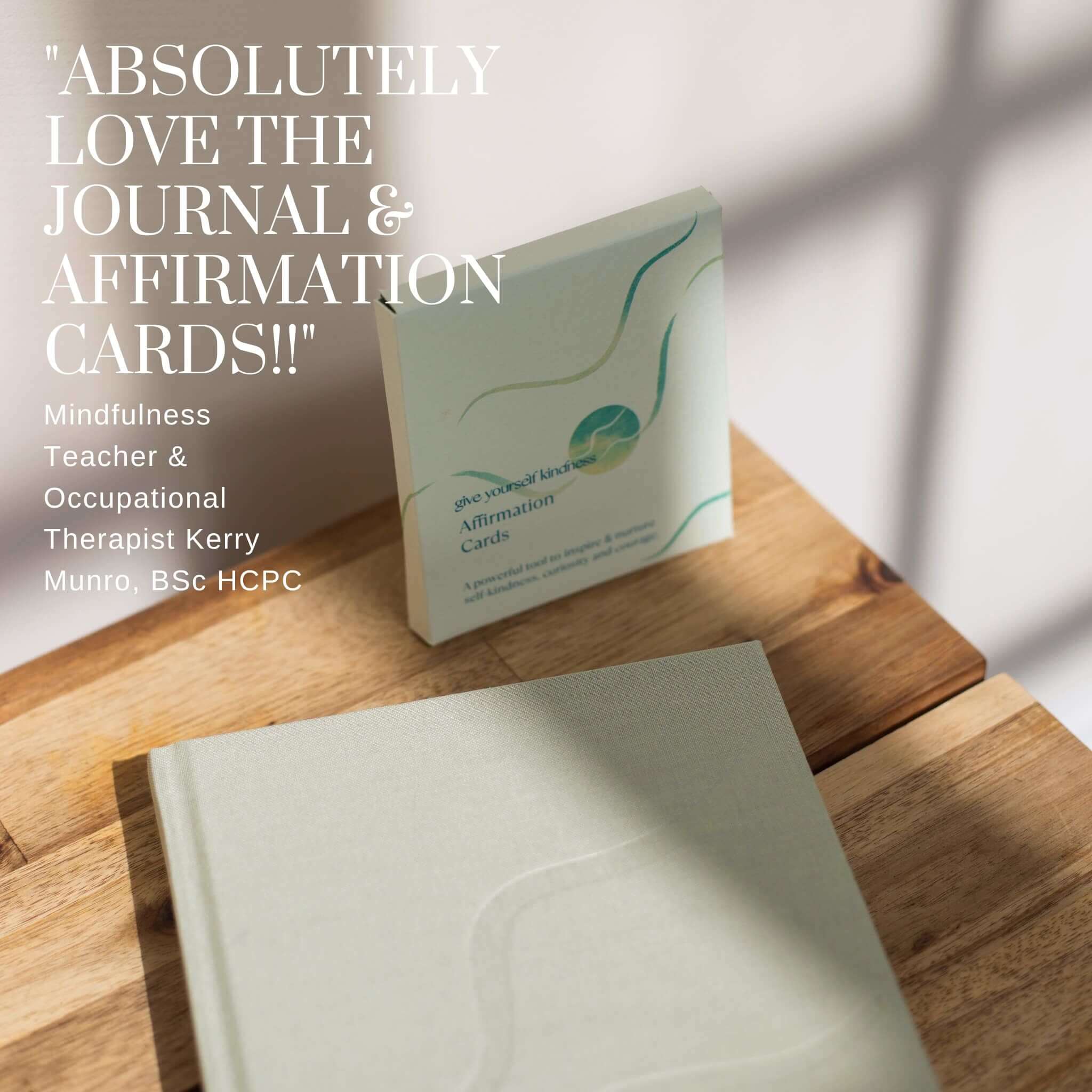
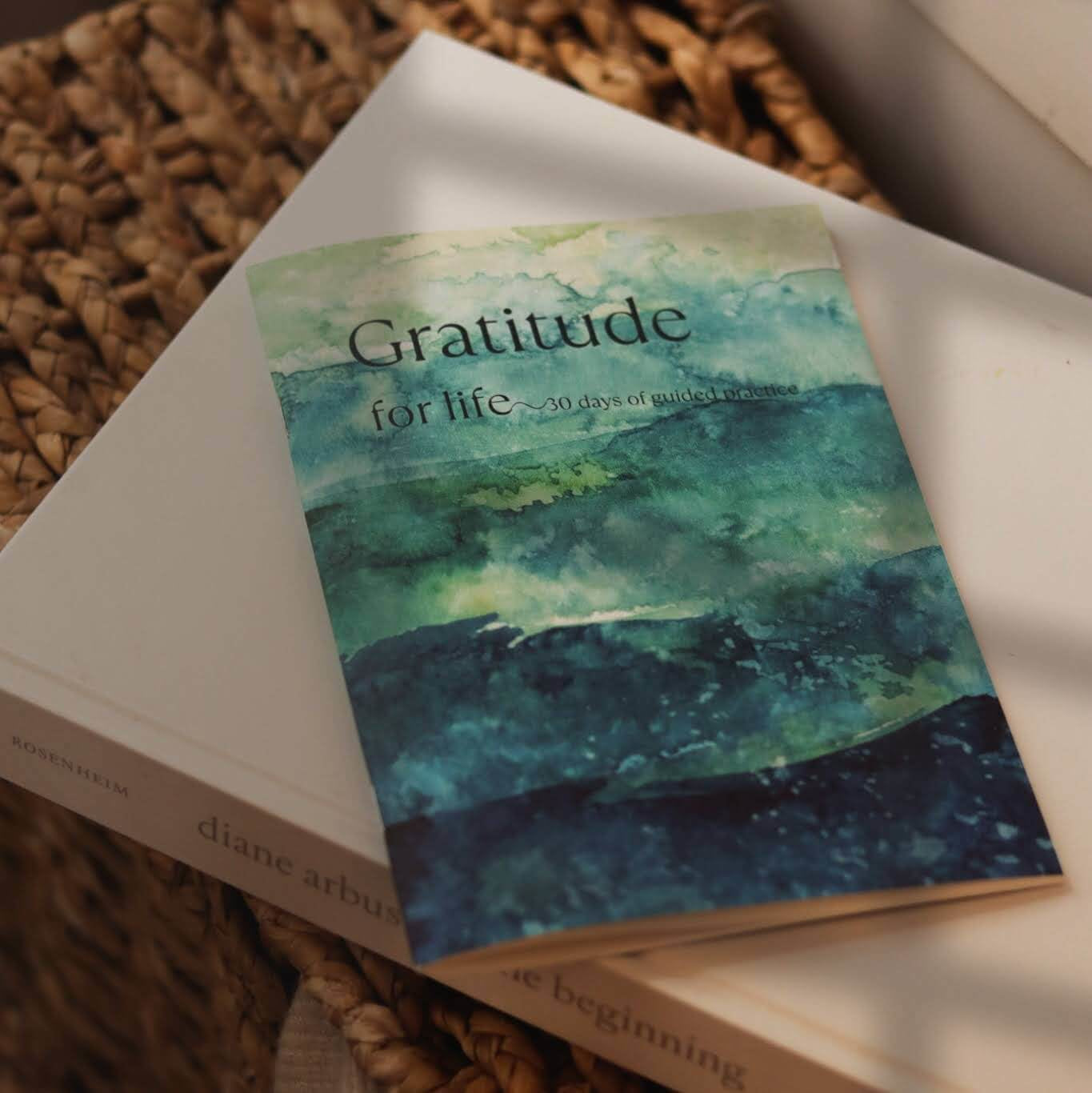
The Give Yourself Kindness Journal
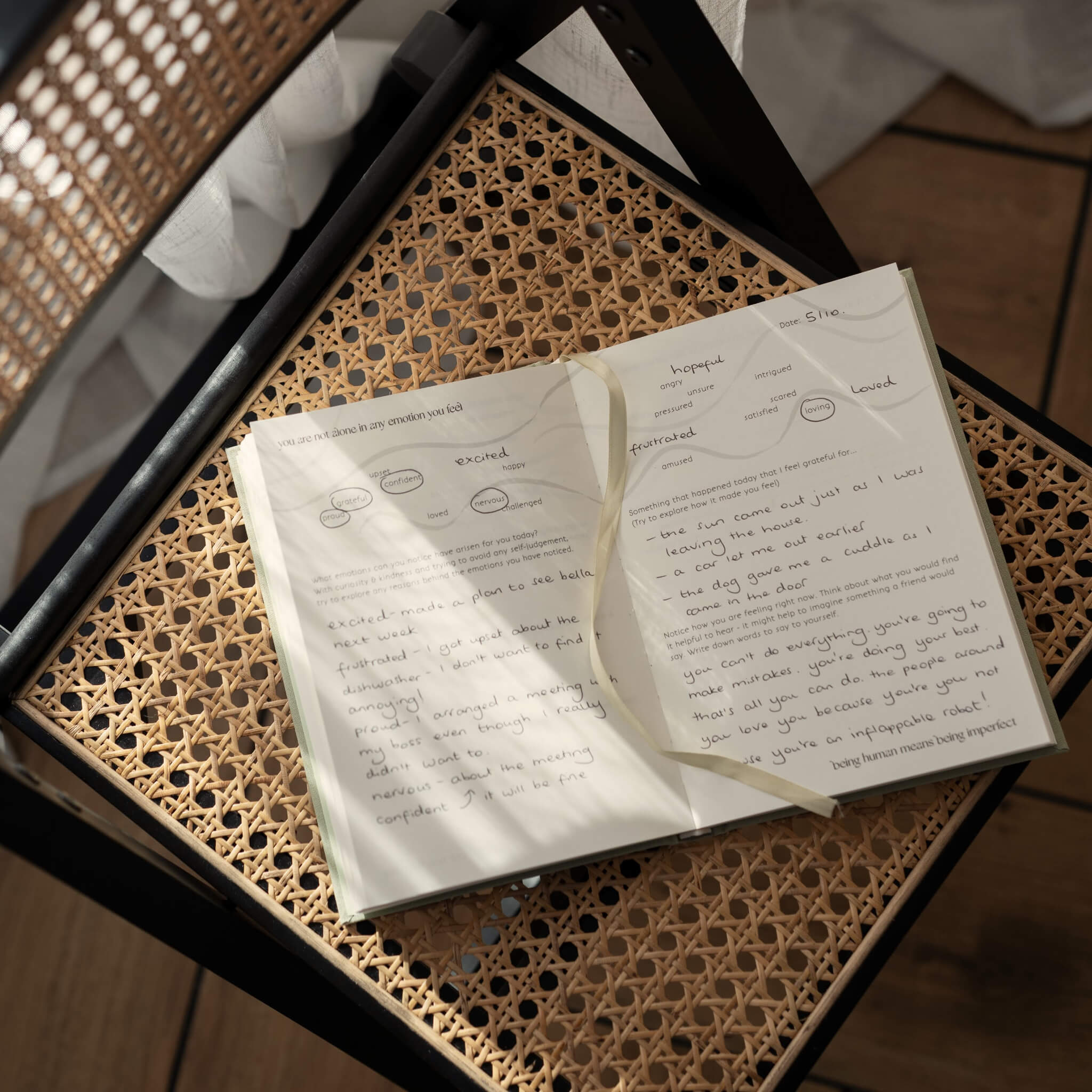
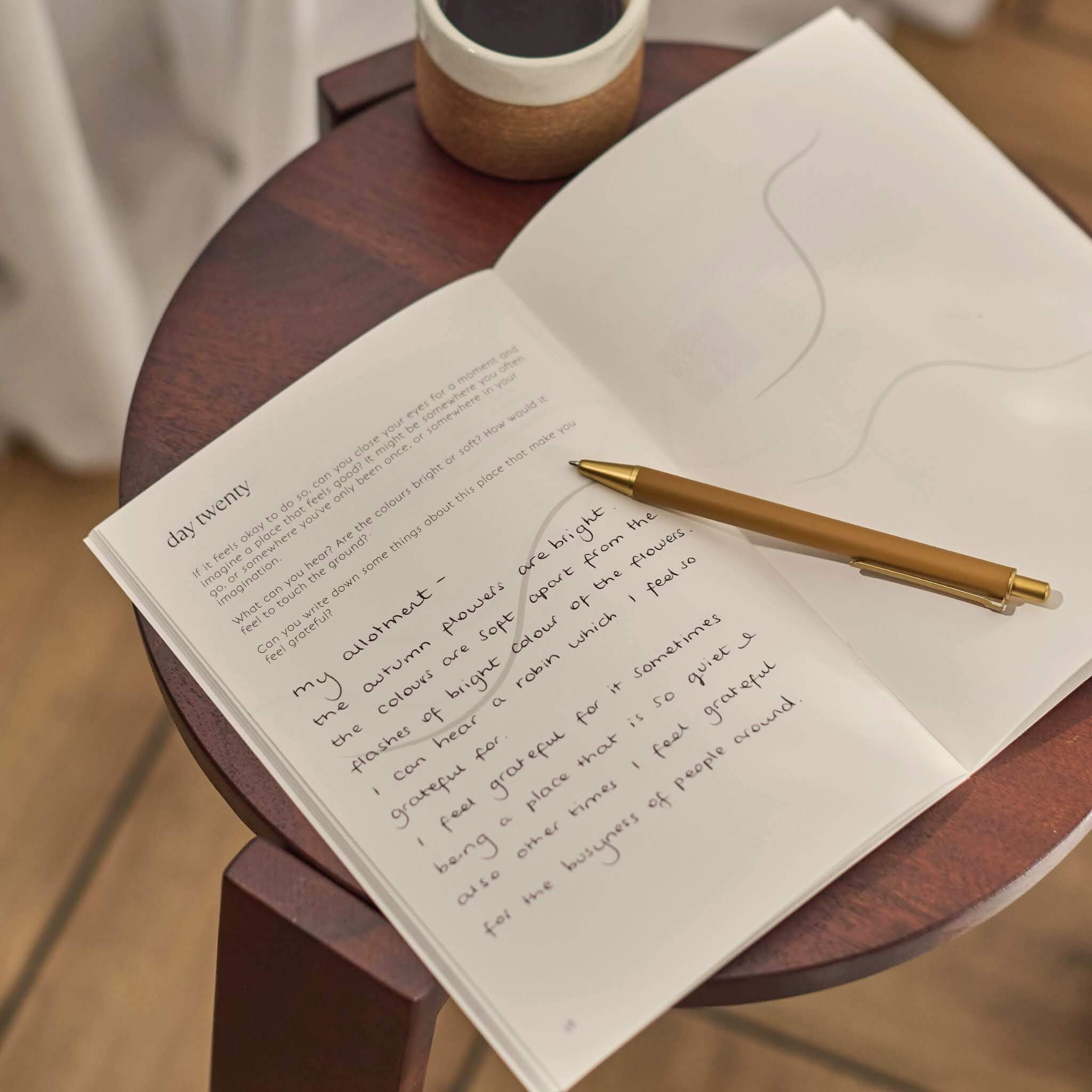
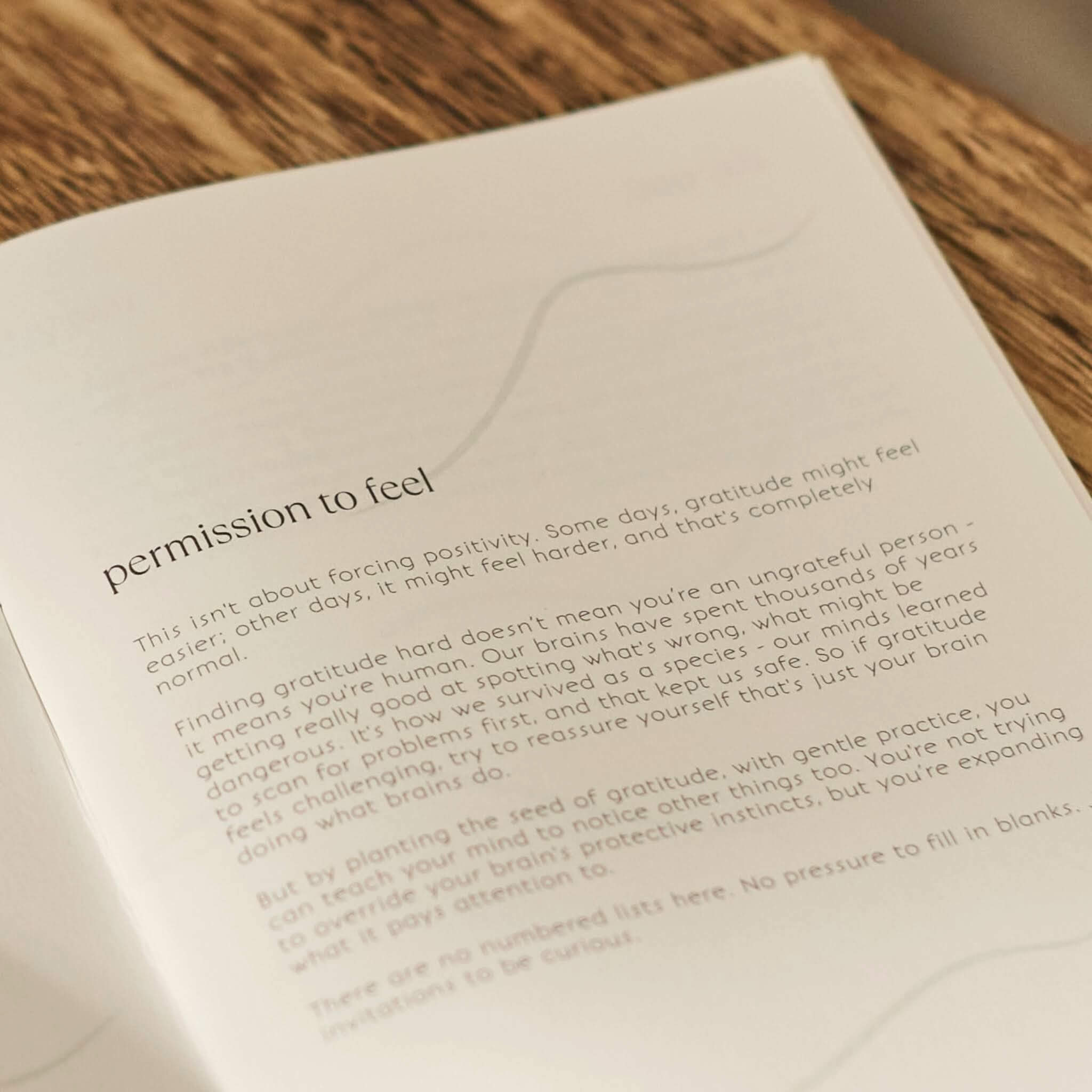
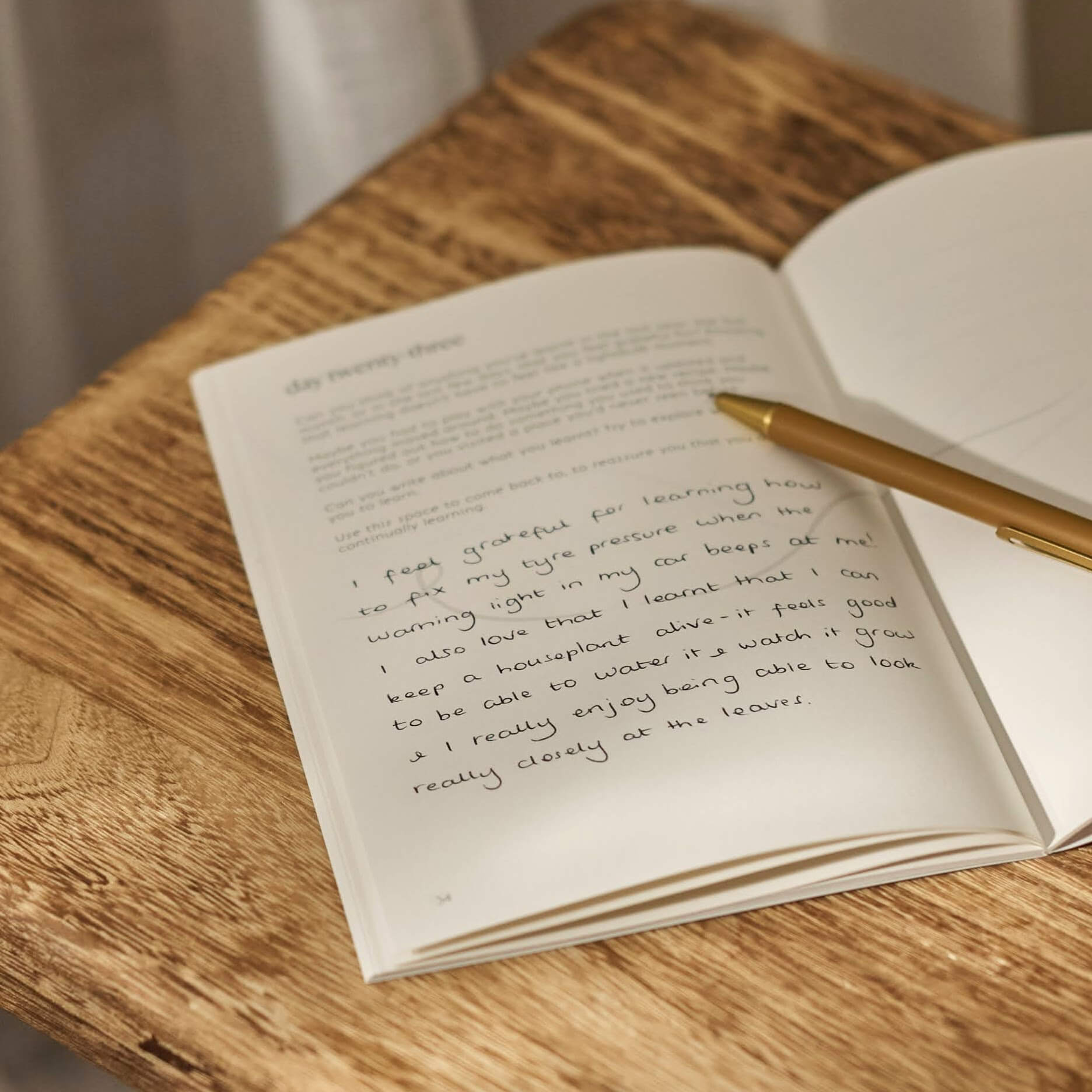
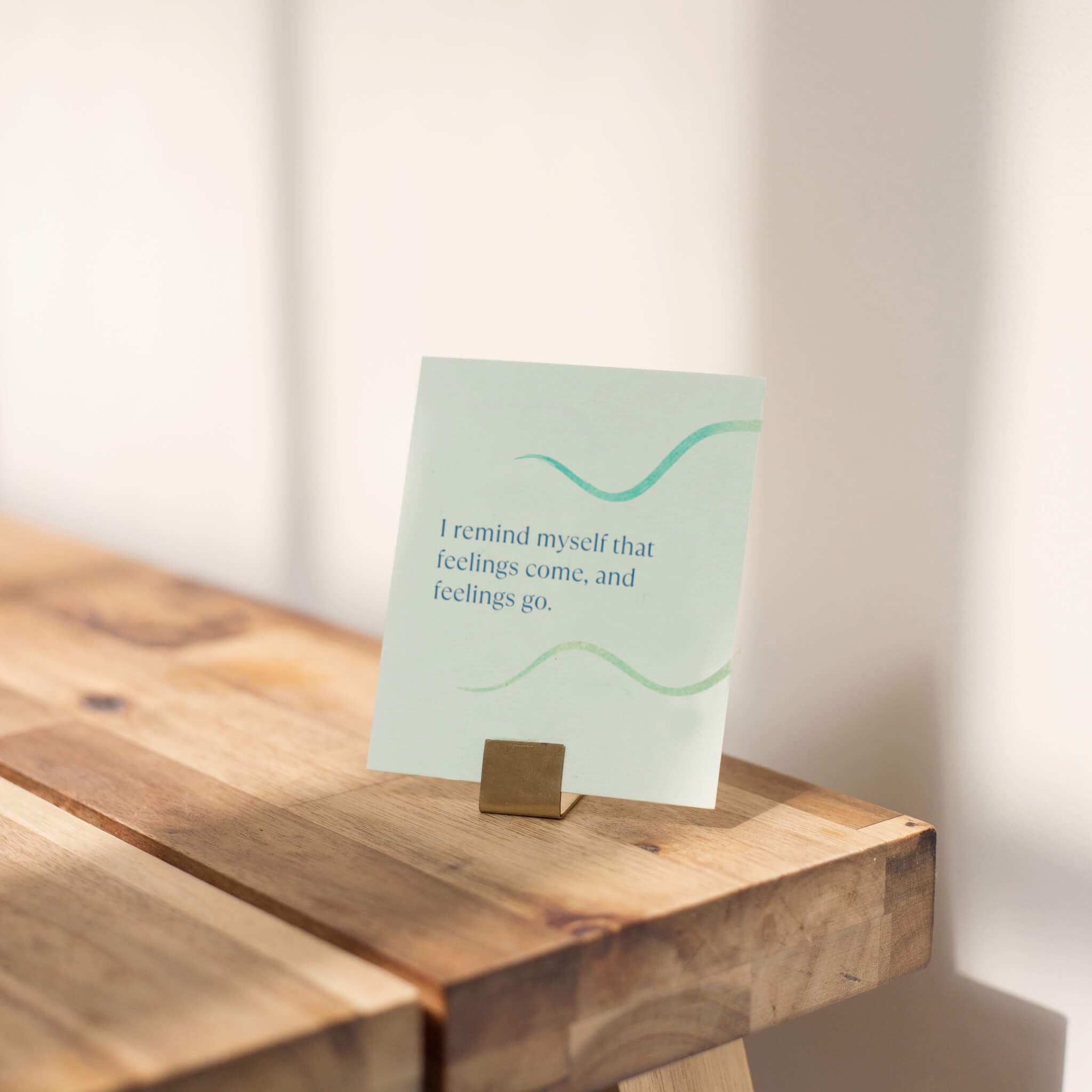
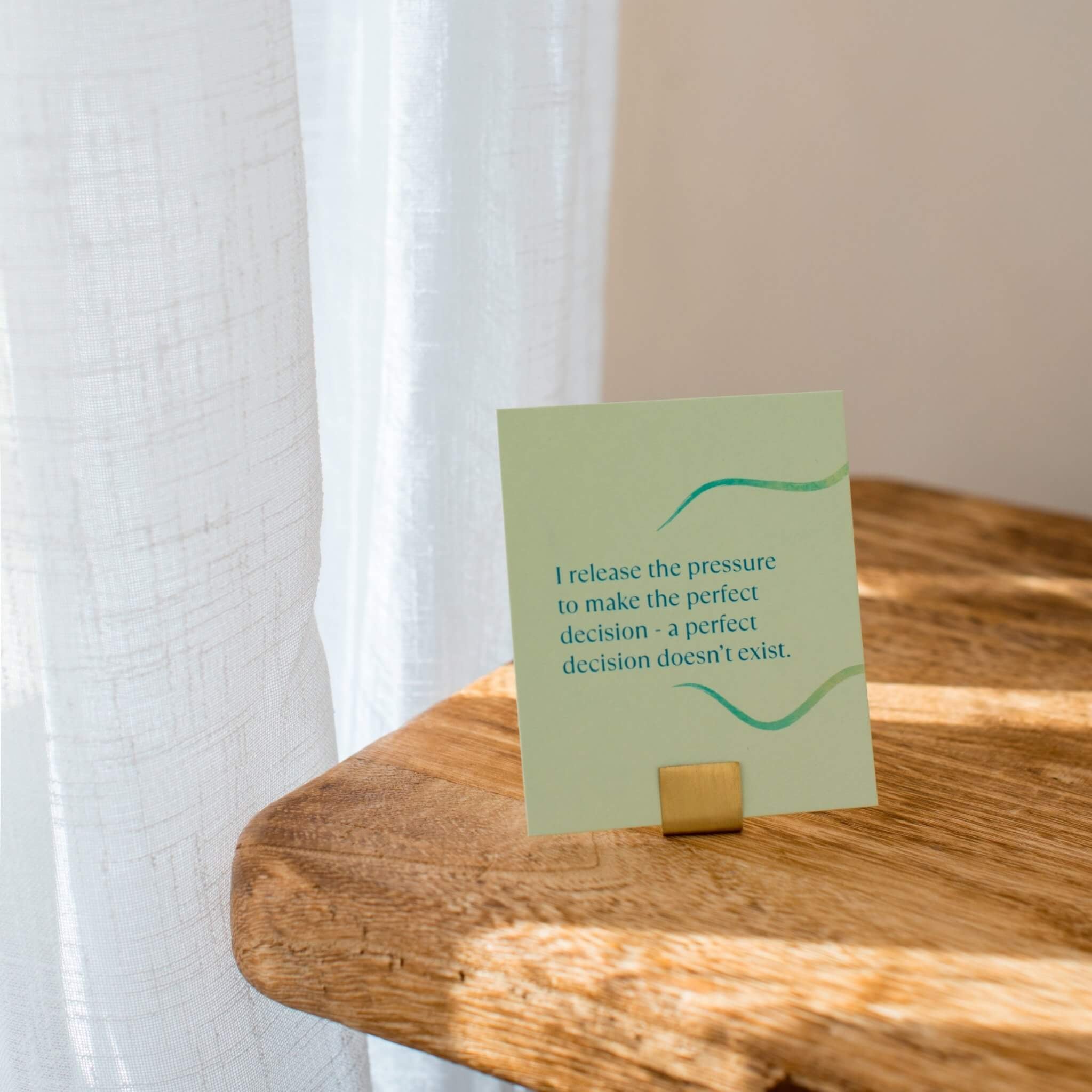
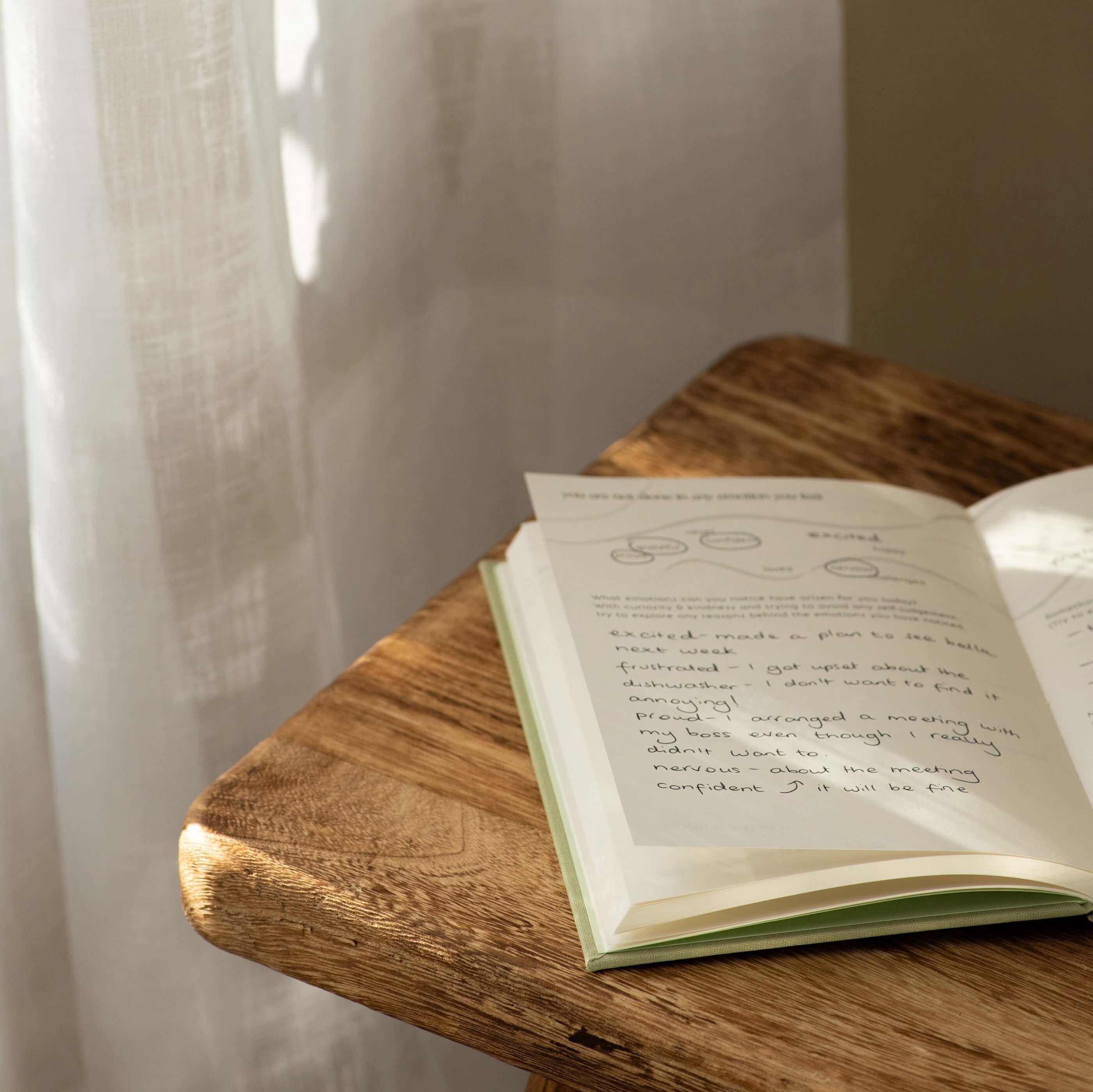
It is a guided journal built around noticing what you are feeling, getting curious about why, and then answering yourself the way you would answer a friend who told you the same thing.
For the problem on this page, what matters is that it gives the kinder sentence somewhere to live before you need it:
- A prompt that asks what you felt today and what was underneath it — which is where the gap between what was said and what I decided it meant becomes visible on paper
- Space to write the response you would give a friend, so the wording is already yours by the time something lands badly
- Gratitude prompts with actual guidance behind them, rather than three numbered lines a day
- No mood scoring, no streaks, no weight or food tracking, and nothing that quietly turns into another thing you are failing at
- Prompts that change as you go, so it does not become a form you fill in
It will not stop someone criticising you, and it is not a crisis tool for the first ten minutes after they do. What it might do is mean the kind voice is not a stranger when you go looking for it.
Professor Willem Kuyken, PhD, DClinPsy
Ritblat Professor of Mindfulness and Psychological Science, University of Oxford · Top 1% of most cited scientists worldwide
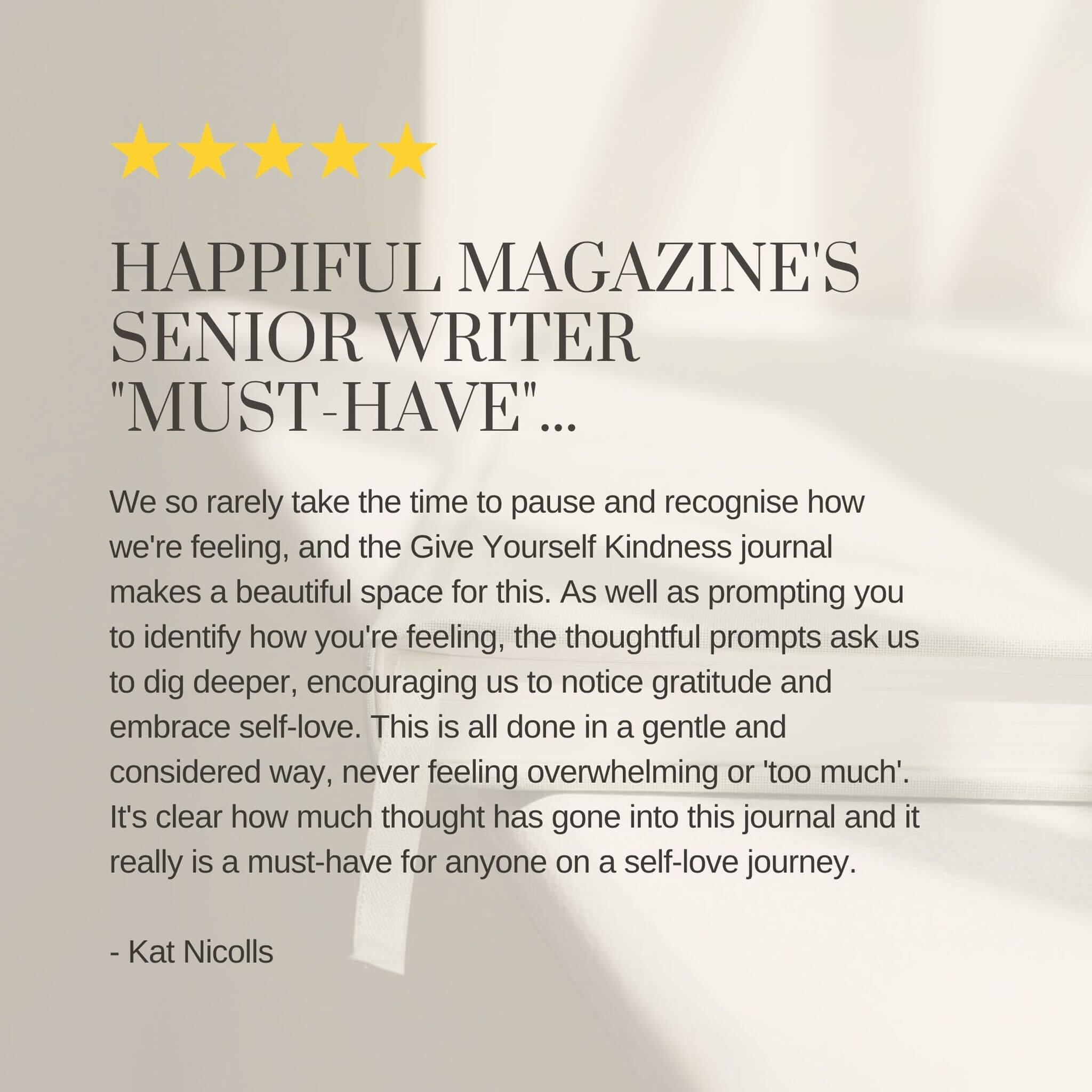
“Writing can be creative, beautiful, resourcing, but it can also invoke an inner critic, rumination and procrastination. Rachel has curated the experience to make the writing intrinsically rewarding and the journal something to treasure.”→ Read all the professional reviews from therapists and clinical psychologists
I include that one here deliberately, because it names the risk. Writing about something that hurt can turn into another way of going round it. The structure is what stops that, which is why I did not simply make a notebook.

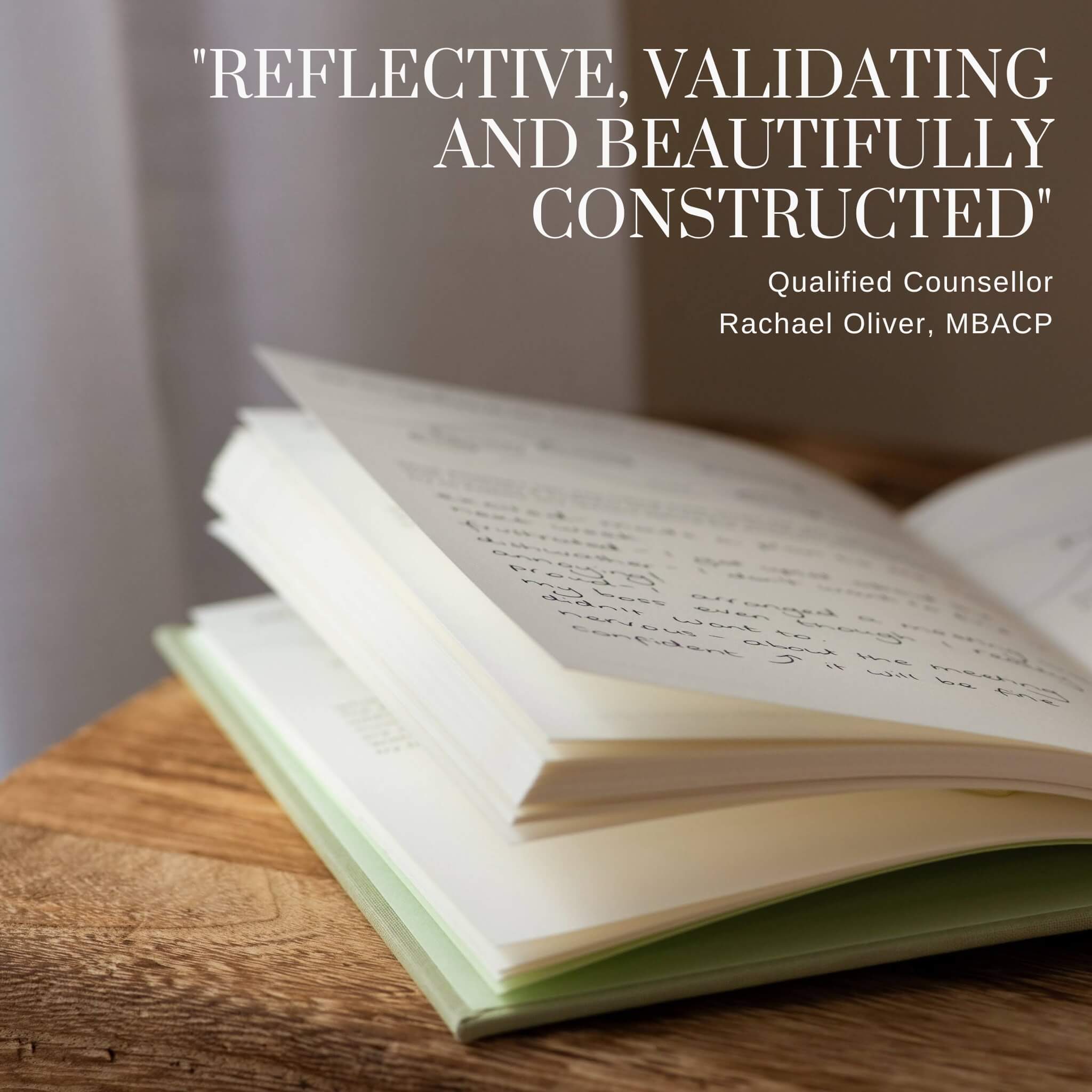
Rachael Oliver, MBACP
Accredited Counsellor
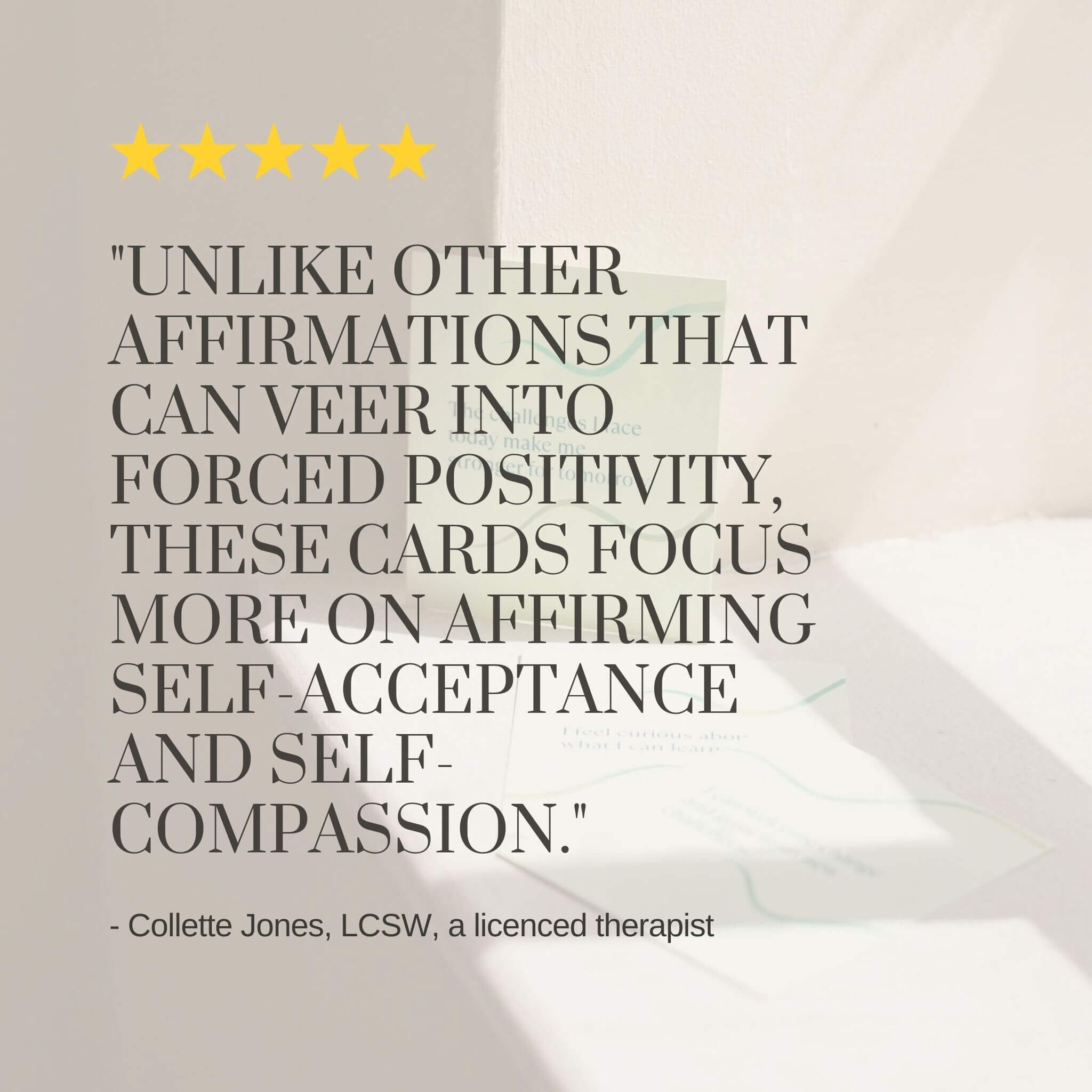
“The way the journal is constructed helps validate their entire experience and avoid toxic positivity, encourage reflection and ownership of feelings.”→ See how therapists use it with clients
What to look for, whoever you buy from. If you are going to use a journal for this, the things that decide whether it helps are: prompts that ask what you felt and why rather than asking you to rate the day; room to write a response to yourself, not just a record; guidance behind the gratitude section rather than three blank lines; and nothing that scores you. If a journal makes you feel behind on the days you skip it, it is working against the thing you came for.
If you would like to see how mine sits against the alternatives, with real names and real differences, I have written that comparison out properly: the best self-compassion journals compared.
Questions people ask
Why can't I stop thinking about criticism?
Your mind replays criticism because it has filed it as an unresolved threat rather than as information. It is not looking for the truth about you, it is looking for safety, and there is nothing left to find. That is why the twentieth replay tells you nothing the first one did not. Clinical psychologist Dr Annabelle Kyle Dortch explains that our mind-body system perceives criticism as a threat and activates the stress response.
Why does criticism hurt so much?
Criticism is read by the body as a social threat, and the body responds much as it would to physical danger, with a racing heart, a tight chest and heat in the face. It also arrives with a second sentence you write yourself about what it means about you, and that second sentence is usually harsher and more personal than anything that was actually said.
How do you stop taking criticism personally?
Write down what the person actually said, in their words, on one line. Underneath it, write what you have decided those words mean about you. Almost always they are two different sentences, and only the first one came from them. You cannot edit what was said, but you can look again at what you added to it, ideally the following day rather than the same night.
Why do I only remember the criticism and not the compliments?
Because your threat system prioritises what it reads as danger. Praise is pleasant information that gets filed and forgotten. Criticism is flagged and kept. Clinical psychologist Dr Maria Tucknott describes the threat system dominating our attention, magnifying the one rude comment over the ten kind ones. The imbalance is real, but it reflects the machinery rather than the truth about you.
How long does it take to get over being criticised?
The physical part of the reaction usually settles within an hour or two. The thinking part is slower, and it depends less on how harsh the criticism was than on whether it touched something you already believed about yourself. Criticism that lands on an existing fear can take several days. Acting on the useful part and stopping the review of the rest tends to shorten it.
What should I say to myself after being criticised?
Use a sentence that names the difficulty honestly rather than one that denies it. For example: my body has read that as a threat and it is doing what bodies do, this is a stress response and not a verdict. Or: that is something I did, not something I am. Sentences you can half believe tend to work better than sentences that sound positive.
Is it normal to cry after being criticised at work?
Yes, and it is more common than people admit, because most people who do it are embarrassed and therefore do it privately. Crying is a discharge of a stress response rather than evidence of fragility. If it happened in front of the person, it will feel far worse to you than it looked to them, and most people who saw it are simply relieved it was not them.
How do I know if criticism is fair?
Ask three questions in order. Is any of it factually checkable, rather than just feeling true. Is it usable, meaning specific enough to act on and about something you can change. And how much of it arrived with the other person's stress attached to it. Whatever survives those three questions is what you actually have to deal with, and it is usually smaller than what you went to bed with.
Am I too sensitive to criticism?
Being told you are too sensitive is rarely useful, because it is unactionable and it moves the problem onto you. Some people do feel things more strongly, which is a difference in temperament rather than a fault. The more useful question is what happens next. Feeling it strongly and then attacking yourself for feeling it strongly is what turns one hard hour into three hard days.
If I stop being hard on myself, will I stop improving?
No. Clinical psychologist Dr Bianca Nardini finds that most people fear self-compassion means letting themselves off the hook, but harshness is not the thing doing the work. Dr Annabelle Kyle Dortch explains that self-criticism creates a nervous system and brain state that is not conducive to learning. Being savage with yourself about criticism tends to make you avoid it rather than act on it.
Does journaling help when you cannot stop replaying criticism?
It can, provided the writing has some structure to it. Writing freely about something that hurt can turn into another way of going round it, which Professor Willem Kuyken of the University of Oxford names directly when he says writing can invoke an inner critic, rumination and procrastination. Prompts that ask what you felt and why, and then invite a reply to yourself, give the loop somewhere to end.
Before you close this
One person said one thing, on one day, from inside their own week. That is genuinely all that has happened, even though it does not feel like all that has happened.
The reason it has taken up your whole evening is not that it was true. It is that your attention kept it and dropped everything around it, and then you wrote a much harsher sentence underneath it about what it means about you. Both of those are ordinary, and neither of them is a measurement.
Be gentle with yourself tonight. There is no right or wrong way to have this land, and you do not have to have reached a conclusion about it before you are allowed to sleep.
Related reading
Written for this site by clinical psychologists and therapists.
- Why self-compassion is more effective than self-criticism — Dr Annabelle Kyle Dortch, PsyD, on what criticism does to the nervous system, and four steps for answering the voice that follows it
- How to stop beating yourself up — Dr Maria Tucknott, DClinPsy, on the inner critic as an overactive protector rather than a personal failing
- Why is self-compassion so hard? — Dr Bianca Nardini on the fear that being kinder to yourself means letting yourself off the hook
- Do affirmations really work? I asked 5 psychologists — including Professor Willem Kuyken of the University of Oxford on cultivation rather than affirmation
- Rejection and how self-compassion helps — for when the criticism was a no rather than a comment
Other pages on this site for the same kind of evening:
- I made a mistake at work and I feel terrible — the sibling of this page, for when the criticism is coming from you
- How to be kinder to yourself — ten practices, and what to do when they feel fake
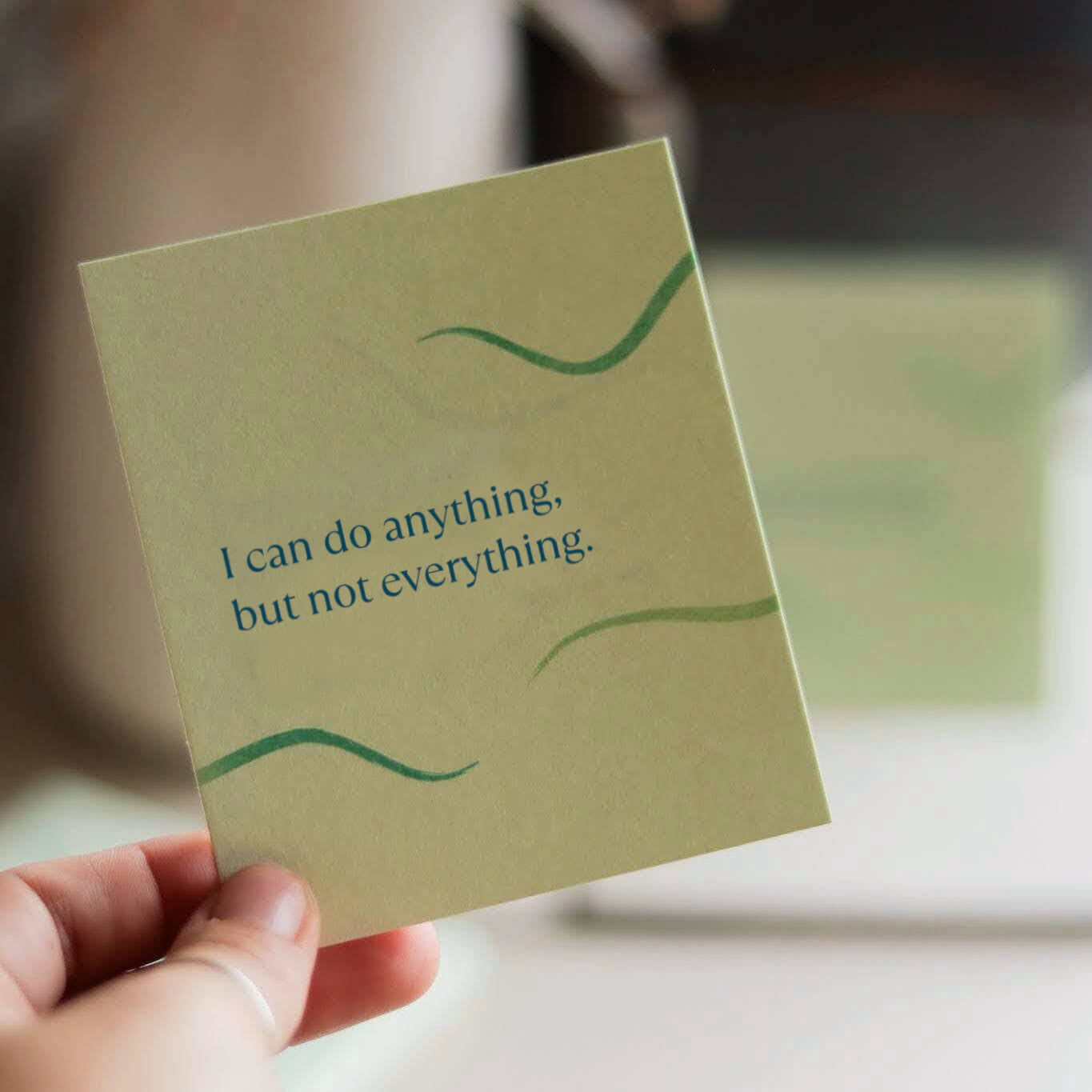
- Self-kindness affirmations — for when you want the shorter version to keep somewhere
- The best self-compassion journals compared — real names, real differences, if you want to choose one properly