


Quick answer
Being hard on yourself usually comes from your brain's threat system trying to keep you safe. Clinical psychologist Dr Maria Tucknott explains that the inner critic is part of an ancient safety system, and that it is "trying (clumsily) to protect us." It isn't a character flaw, and it isn't your fault. Self-compassion, speaking to yourself the way you would to a friend, might help that system settle.
 Dr Maria Tucknott, Clinical Psychologist and founder of Tucknott Psychology. Read her full article
Try this now: next time you notice the harsh voice, pause and ask, "What would I say to a friend who felt this way?" Then say those words to yourself.
If you constantly criticise yourself, replay mistakes over and over, or feel like everyone else has it together except you, I understand. I've been there.
For years, I was incredibly hard on myself. That harsh inner voice felt normal, even necessary. It wasn't until I experienced Compassion-Focused Therapy during my own recovery that I learned something important: being hard on yourself isn't a personal failing. It's how your brain is wired.
About this guide. I'm Rachel Smith, founder of Give Yourself Kindness and a qualified meditation teacher. I'm not a psychologist, but I've worked with leading clinical psychologists and self-compassion researchers to understand why so many of us are so hard on ourselves, and what helps. Here's what they've taught me. Everything clinical on this page comes from them, with their credentials and a link to their full article.
Why am I so hard on myself? It's how the brain is wired
You're hard on yourself because the brain evolved a threat system that scans for danger, and the inner critic is part of it. When I first learned about the science behind self-criticism, it changed everything. Clinical psychologist Dr Maria Tucknott explains that the inner critic isn't just being mean. It's part of an ancient safety system.
Dr Maria Tucknott
Clinical Psychologist specialising in trauma, anxiety and depression | Founder of Tucknott Psychology
Read Dr Tucknott's full article: How to stop beating yourself up →"…our inner critic isn't a personal failing. It's part of an ancient safety system hardwired into the human brain. All living beings need to detect danger to survive… So the human brain became biased toward detecting danger, even when it's not really there."
Here's what that means. Your ancestors who were hypervigilant about threats survived. If early humans heard a rustle in the bushes, it was far safer to assume it was a predator and run, even if it turned out to be just the wind. Those who ran survived. Those who didn't, didn't pass on their genes.
So your brain inherited this "better safe than sorry" system that constantly scans for problems. But instead of scanning for lions, your threat system now reacts to things like:
- A mistake you made at work
- An awkward thing you said at a party
- Not being "productive enough" today
- Comparing yourself to others on social media
- Someone's tone of voice that triggers old memories
Dr Maria Tucknott
Clinical Psychologist | Founder of Tucknott Psychology
Read the full article →"…when we make a mistake at work, our threat system might leap in with critical thoughts like: 'You always mess things up,' or 'Everyone's going to think you're incompetent.' The body responds as if a real threat is present (e.g. a racing heart, a tight chest and sweating). The inner critic, then, is not simply being 'mean' - it's trying (clumsily) to protect us."
This is why you're so hard on yourself: your brain is doing what it evolved to do. It's not your fault.
Why being hard on yourself doesn't help you grow
Being hard on yourself doesn't help you grow, because criticism puts the brain into a stress state where learning is harder. When I was stuck in self-criticism, I believed it was helping me. I thought if I just pushed myself harder and criticised myself more, I'd finally become "good enough." It didn't work that way, and clinical psychologist Dr Annabelle Kyle Dortch explains why.
Dr Dortch describes what happens when criticism, from yourself or anyone else, activates your stress response:
- The amygdala (the emotion and crisis centre of the brain) becomes very active
- The frontal lobe (where you reflect and make decisions) goes offline
- You're most likely to return to familiar behaviours, often the very ones you were criticising yourself for
- It becomes very hard to engage in self-awareness, self-reflection, or learn from the experience

Dr Annabelle Kyle Dortch, PsyD
Clinical Psychologist, Los Angeles | Specialises in life transitions, relationships, stress, anxiety and the impacts of trauma
Read Dr Dortch's full article: Why self-compassion is more effective than self-criticism →"It promises future success, perfection, and the prevention of future mistakes. But no matter how wonderful this promise sounds, the truth remains that if self-criticism worked as a means of self-improvement…it would have worked by now."
"…When we engage in self-criticism, we create a nervous system and brain state that is not conducive to learning or facilitating a growth-oriented mindset."
In other words, self-criticism activates your threat system, which makes it harder to learn, grow, or change.
What helps instead: self-compassion
What helps instead is self-compassion: treating yourself with the same kindness you'd offer a friend who's struggling. When I first heard about self-compassion, I worried it meant letting myself off the hook or wallowing in self-pity. But that's not what it is at all.
Most of the research in this area builds on the work of Dr Kristin Neff, Associate Professor of Educational Psychology at the University of Texas at Austin. With Dr Chris Germer of Harvard Medical School, she developed the Mindful Self-Compassion programme, and together they explain the difference between compassion and pity.


Dr Kristin Neff & Dr Chris Germer
Associate Professor, University of Texas at Austin & Clinical Psychologist, Harvard Medical School | Co-developers of Mindful Self-Compassion, taught to over 250,000 people worldwide
Read their full article: Self-compassion is not self-pity →"Compassion and pity are quite different. Pity involves looking down on someone and feeling sorry for them. Compassion says 'We've all been there.' Pity creates separation, and compassion creates connection."
"…Self-compassion reminds us that everyone struggles at times. Instead of feeling resentful about what we imagine is our uniquely heavy burden, the common humanity component of self-compassion reminds us that others have similar burdens. This gets us out of the rabbit hole of 'Why me?' thinking."
Self-compassion doesn't mean ignoring your mistakes or giving up on growth. It means creating a safe space to learn from them.
Understanding this, that I wasn't uniquely broken and that everyone has an inner critic, was transformative for me. It helped me respond to my own struggles with curiosity instead of shame.
How to stop being so hard on yourself: six gentle practices
There isn't one magic solution. But here are practices that helped me, and that clinical psychologists recommend. Pick one. There's no right order and no wrong place to start.
Notice when you're being hard on yourself
Dr Maria Tucknott suggests paying attention to when you're being self-critical. What are the exact words or tone you use with yourself? Often, it's automatic and harsh. Just noticing is the first step, because it's hard to change what you're not aware of. When you're ready, try talking to yourself in a softer, gentler tone.
From Dr Maria Tucknott's article, How to stop beating yourself up
Try compassionate breathing
Take a few slow, deep breaths for two to five minutes. With each exhale, imagine breathing out tension. With each inhale, imagine breathing in kindness. You might say to yourself:
"I'm here for you." Or: "It's okay to feel this way."
Dr Tucknott explains that this activates your soothing system, signalling to your brain and body that it's safe to relax. This was one of the first techniques I learned in therapy, and I still use it when I notice harsh self-talk creeping in.
From Dr Maria Tucknott's article, How to stop beating yourself up
Ask: "What would I say to a friend?"
This is the technique that changed everything for me. When you notice harsh self-talk, pause and ask yourself:
If a friend came to me feeling this way, what would I say to them?
Then say those words to yourself, out loud if you can. It might feel strange at first. That's normal. Over time, it can help your brain get used to responding with compassion instead of criticism.
Develop your compassionate self
Dr Tucknott recommends compassionate self imagery. Close your eyes and imagine the best version of yourself: calm, grounded, understanding. What posture do you take? What voice tone do you use? Practise speaking to yourself from this compassionate self, especially in difficult moments. For example:
"I know this is hard. You're doing the best you can, and that's enough right now."
From Dr Maria Tucknott's article, How to stop beating yourself up
Practise self-compassion journaling
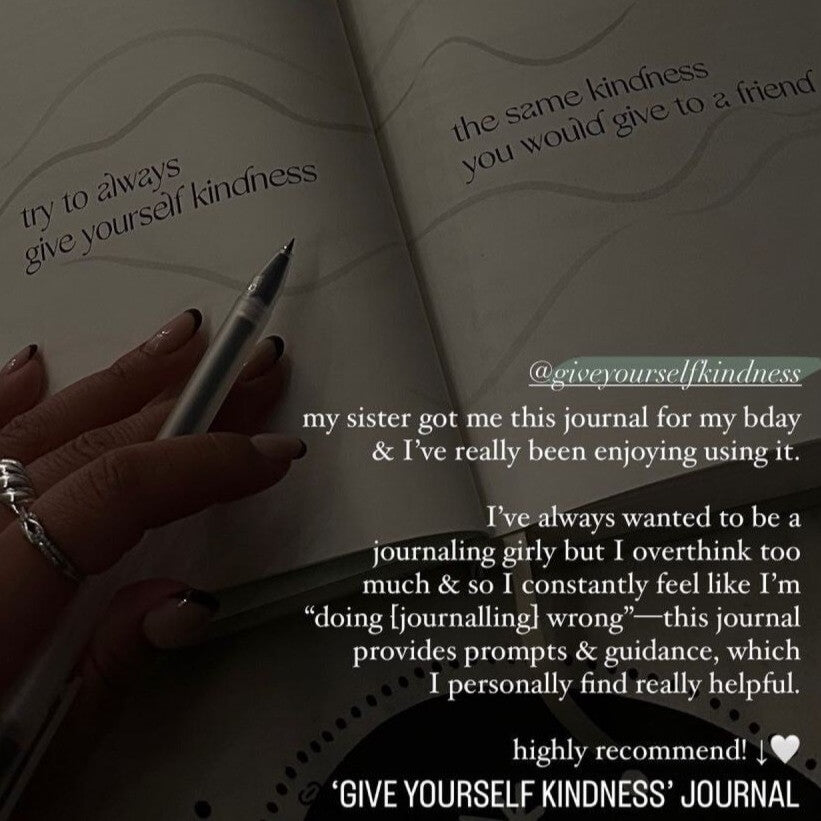
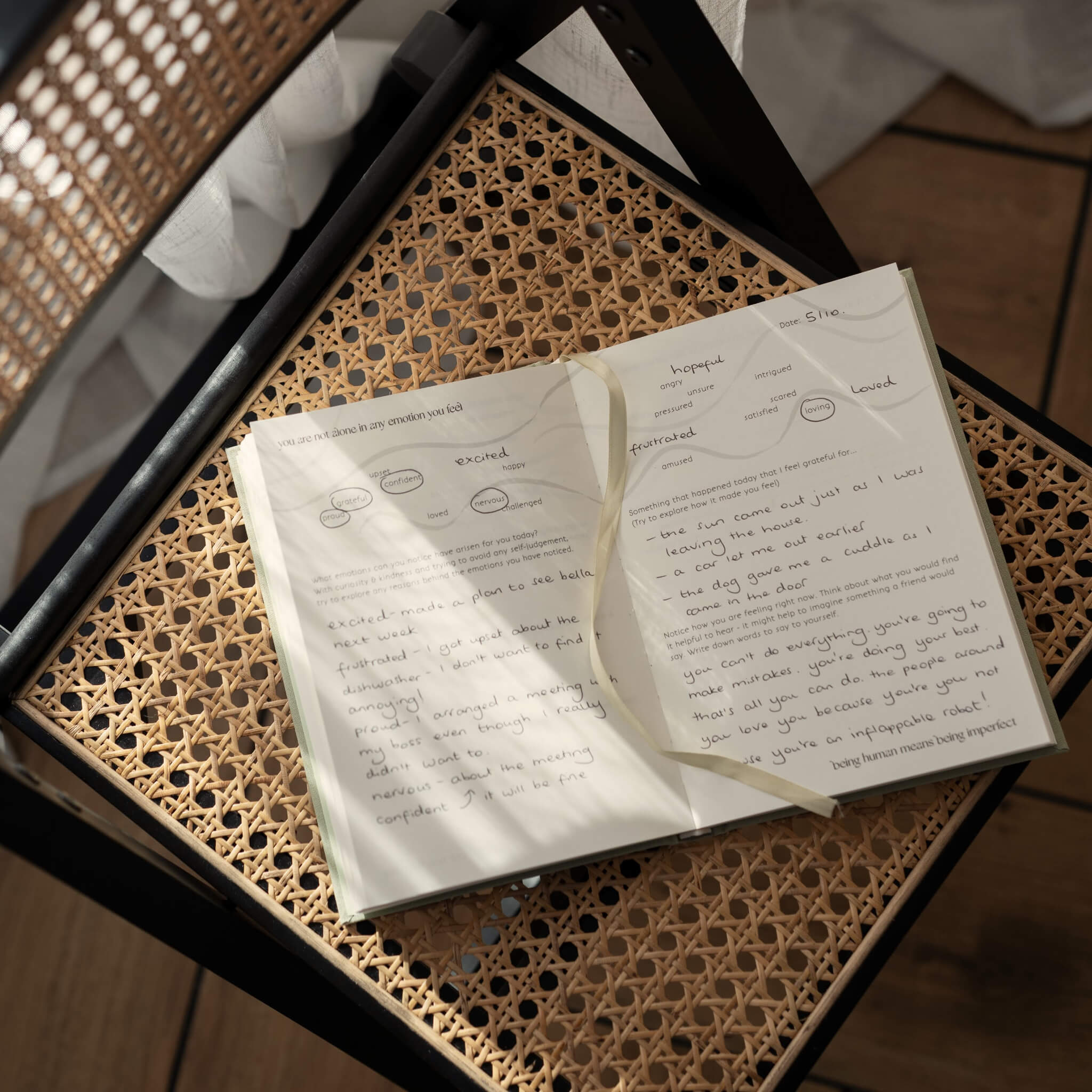
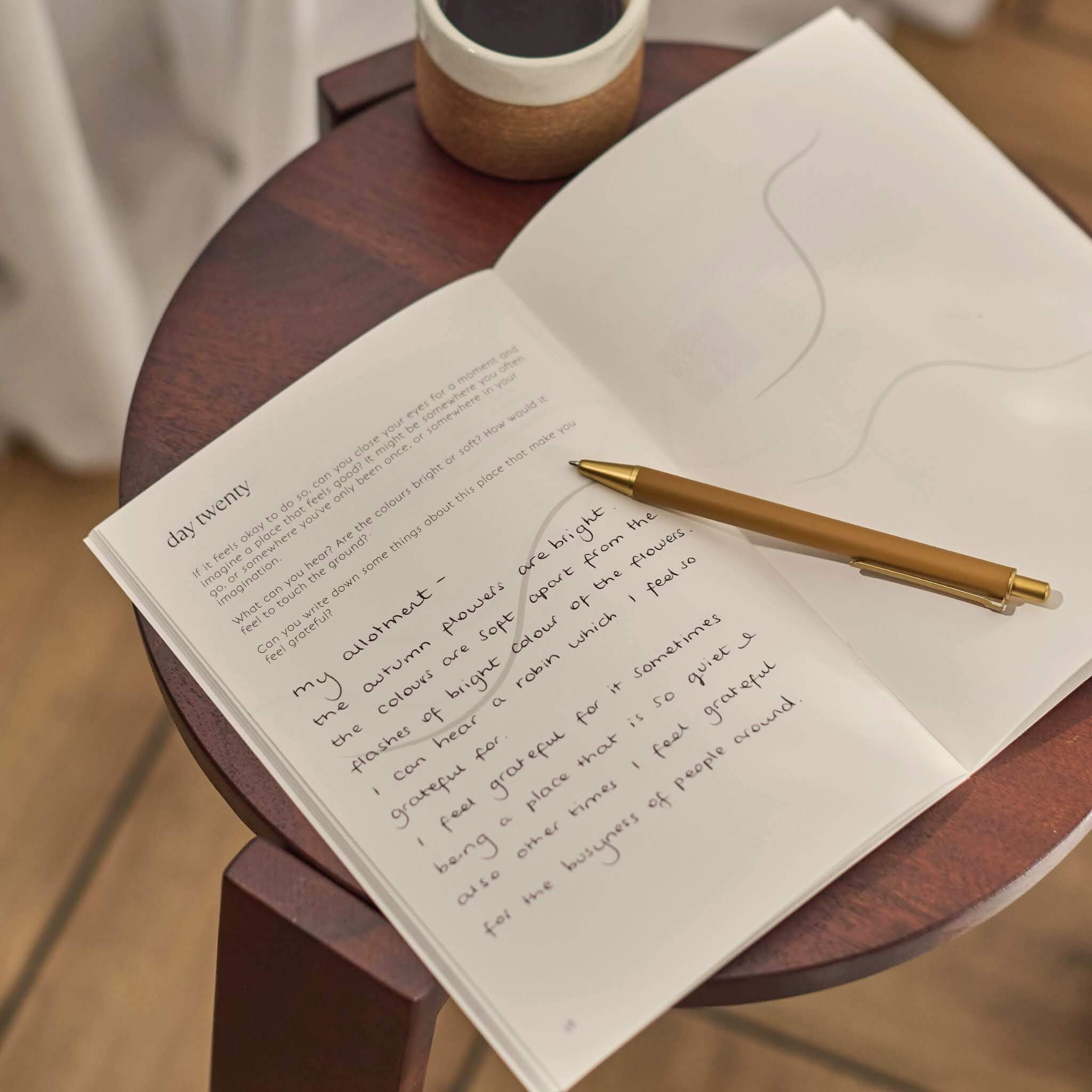
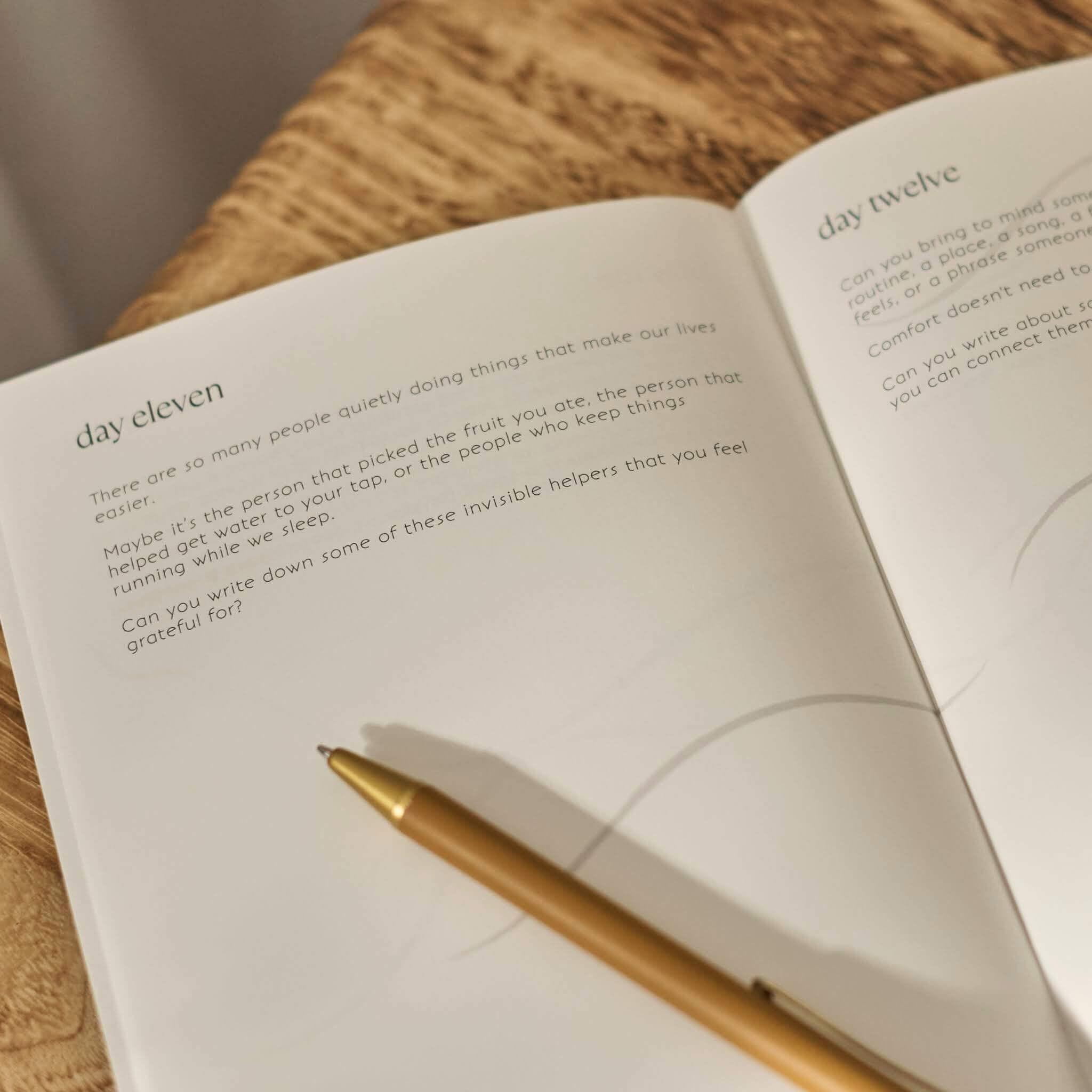
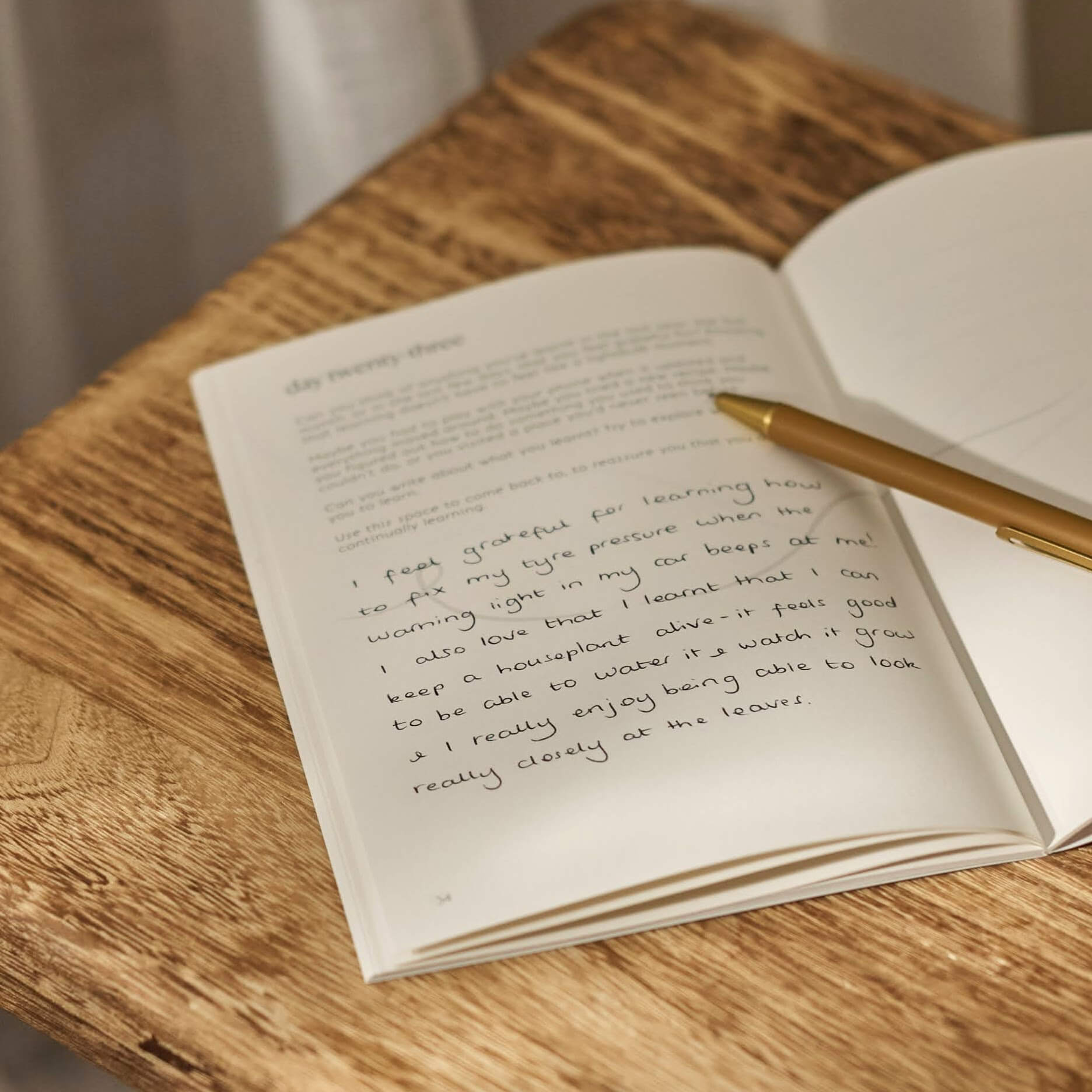
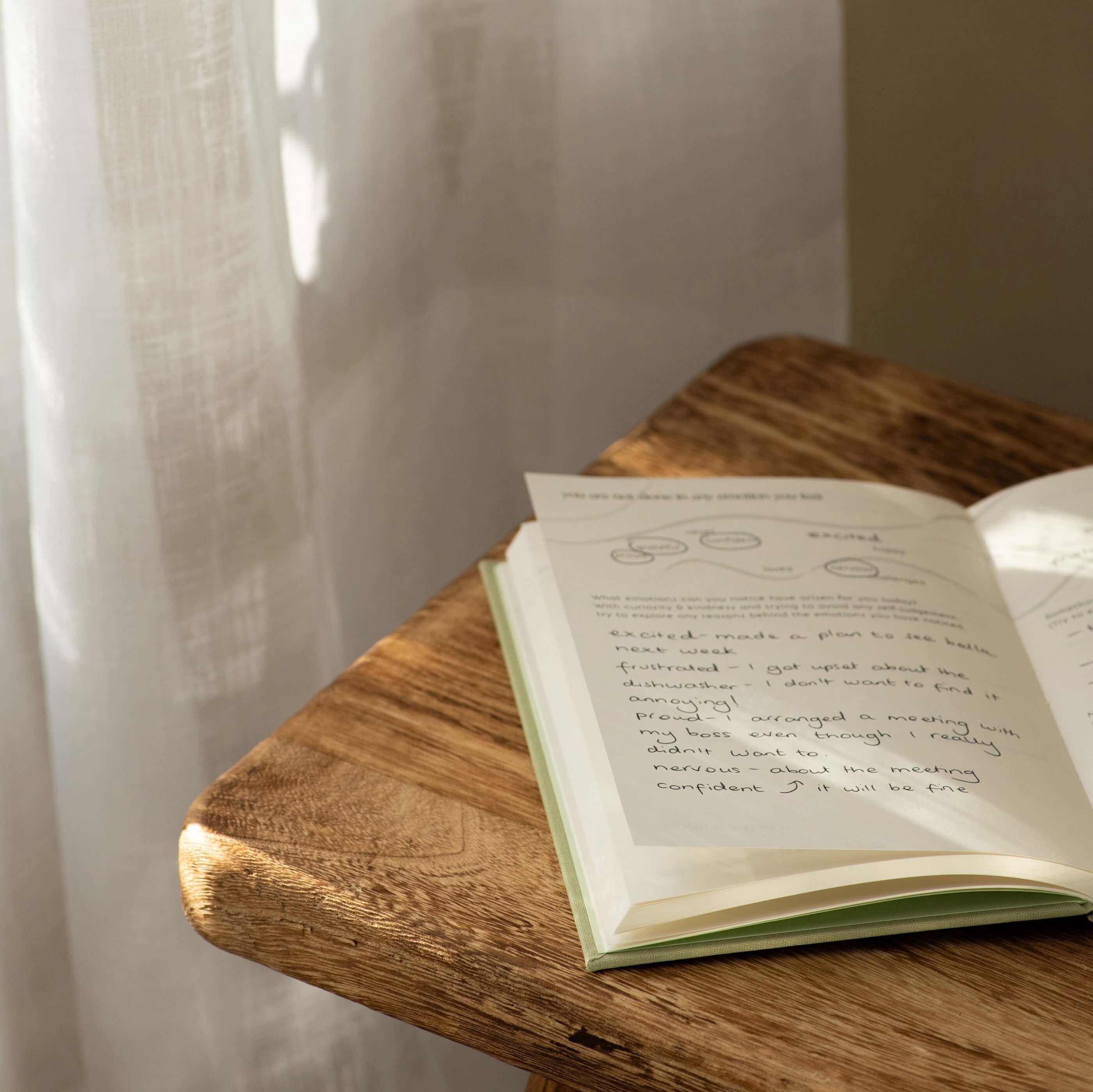
One of the most helpful tools I've found is journaling with prompts that guide you towards self-compassion. A blank page can feel overwhelming, and writing the same gratitude list every day can feel hard to keep up when life is difficult. Prompts like these gently guide you instead:
- "Imagine a friend came to you with this feeling. What would you say to them?"
- "What has challenged you today? Talk to yourself as you would talk to a friend, and write down what you would say."
- "Notice how you are feeling right now. Think about what you would find it helpful to hear. It might help to imagine something a friend would say. Write down words to say to yourself."
- "Can you notice an emotion that you fear? Imagine a friend came to you, explaining that they feel that emotion. Write down what you would want to say to them."
These prompts help you practise responding to yourself with kindness instead of criticism.
I should tell you that the journal these prompts come from is mine, and why it exists.
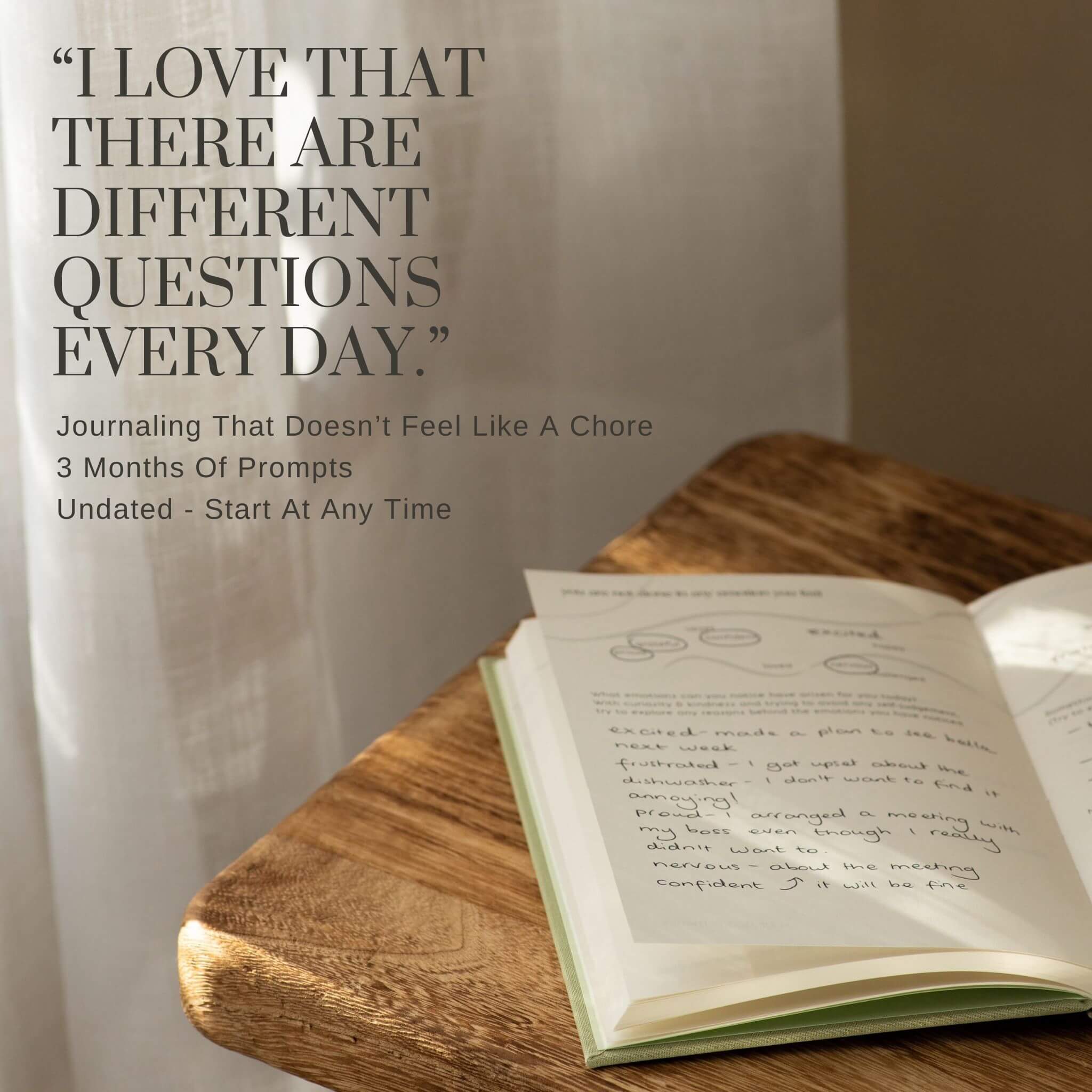
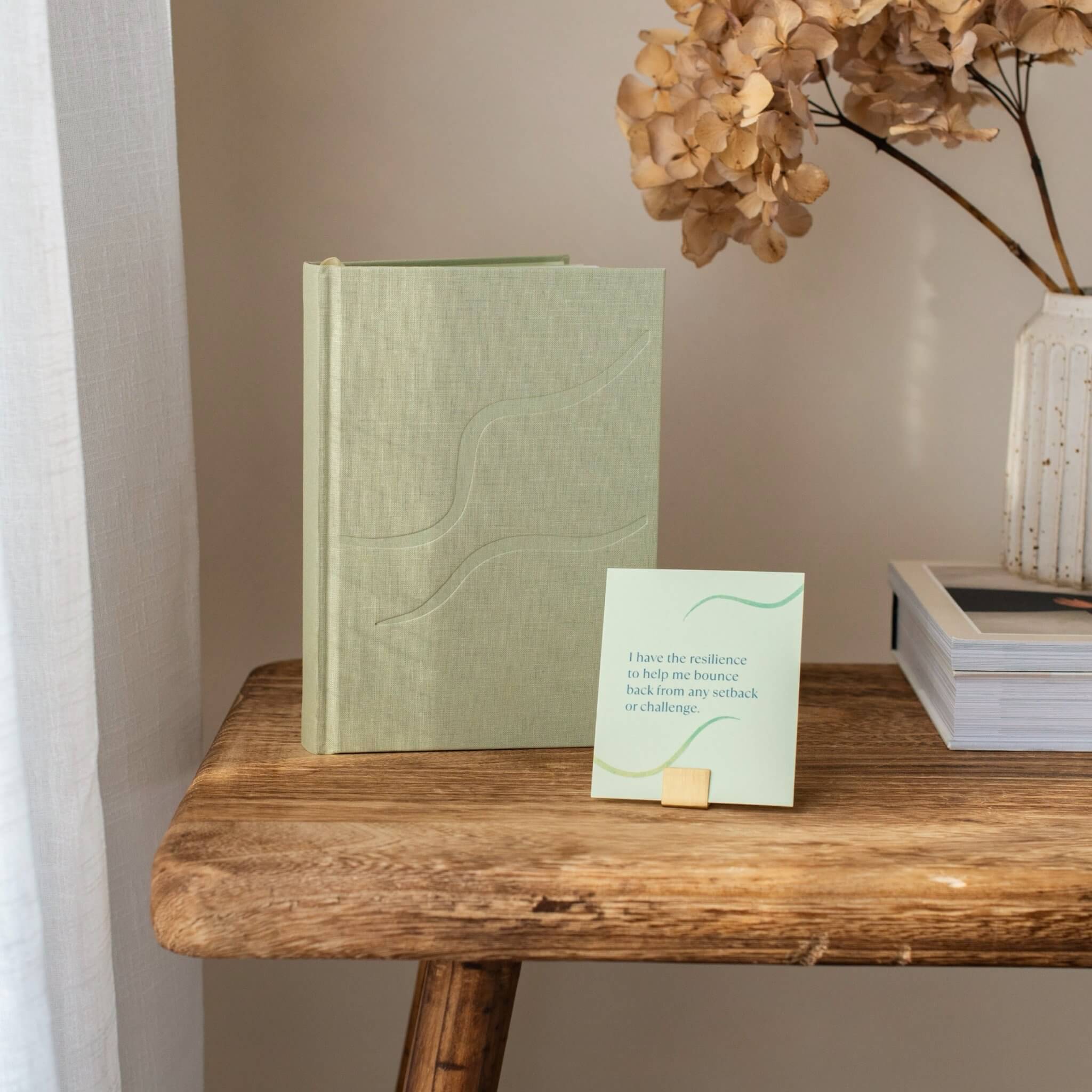
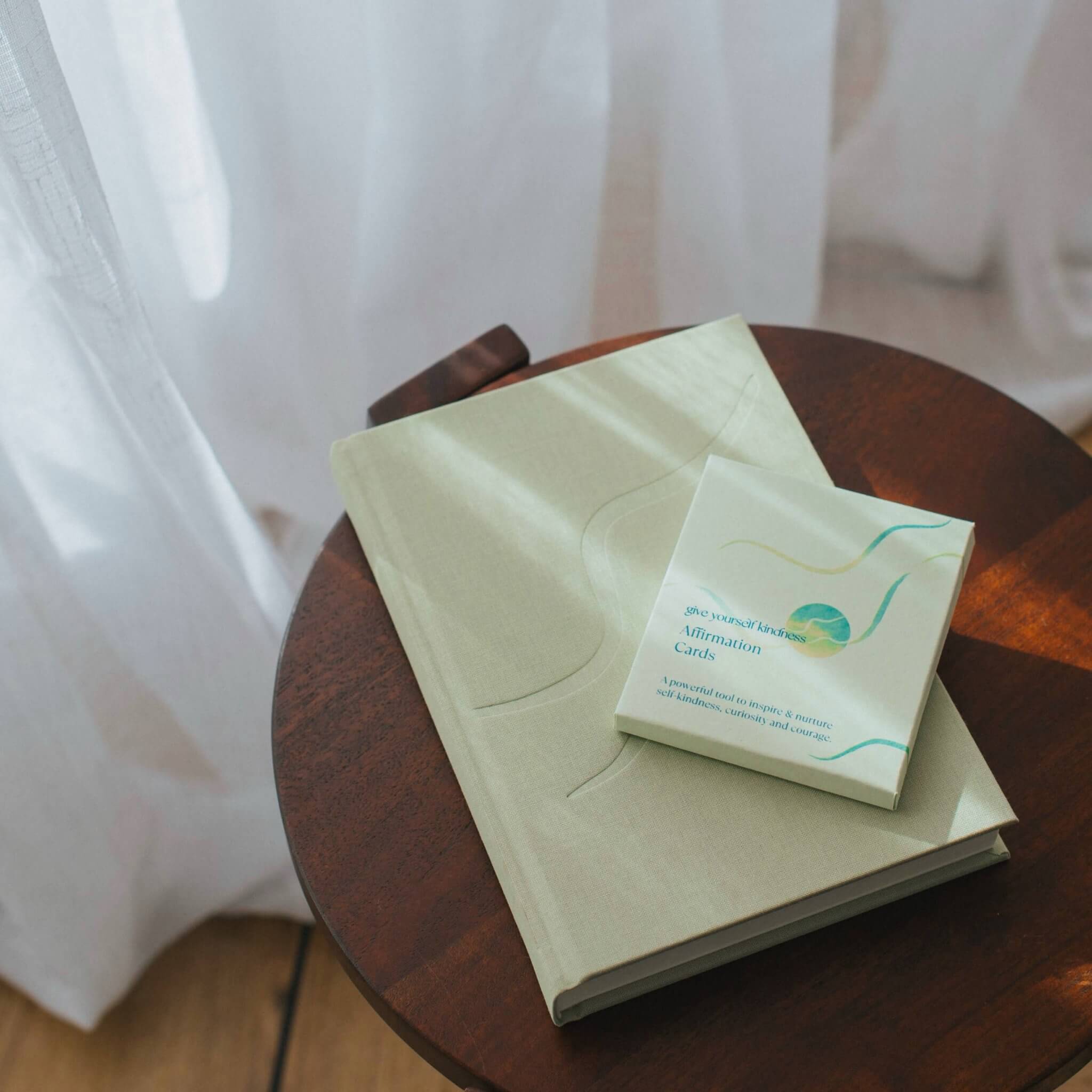
After my experience of Compassion-Focused Therapy, I searched for something to help me practise self-compassion every day. Everything I found either felt repetitive or pushed forced positivity when I needed genuine support. So I made the journal I had needed, with unique daily prompts designed to help you be kinder to yourself, working with clinical psychologists and self-compassion researchers.

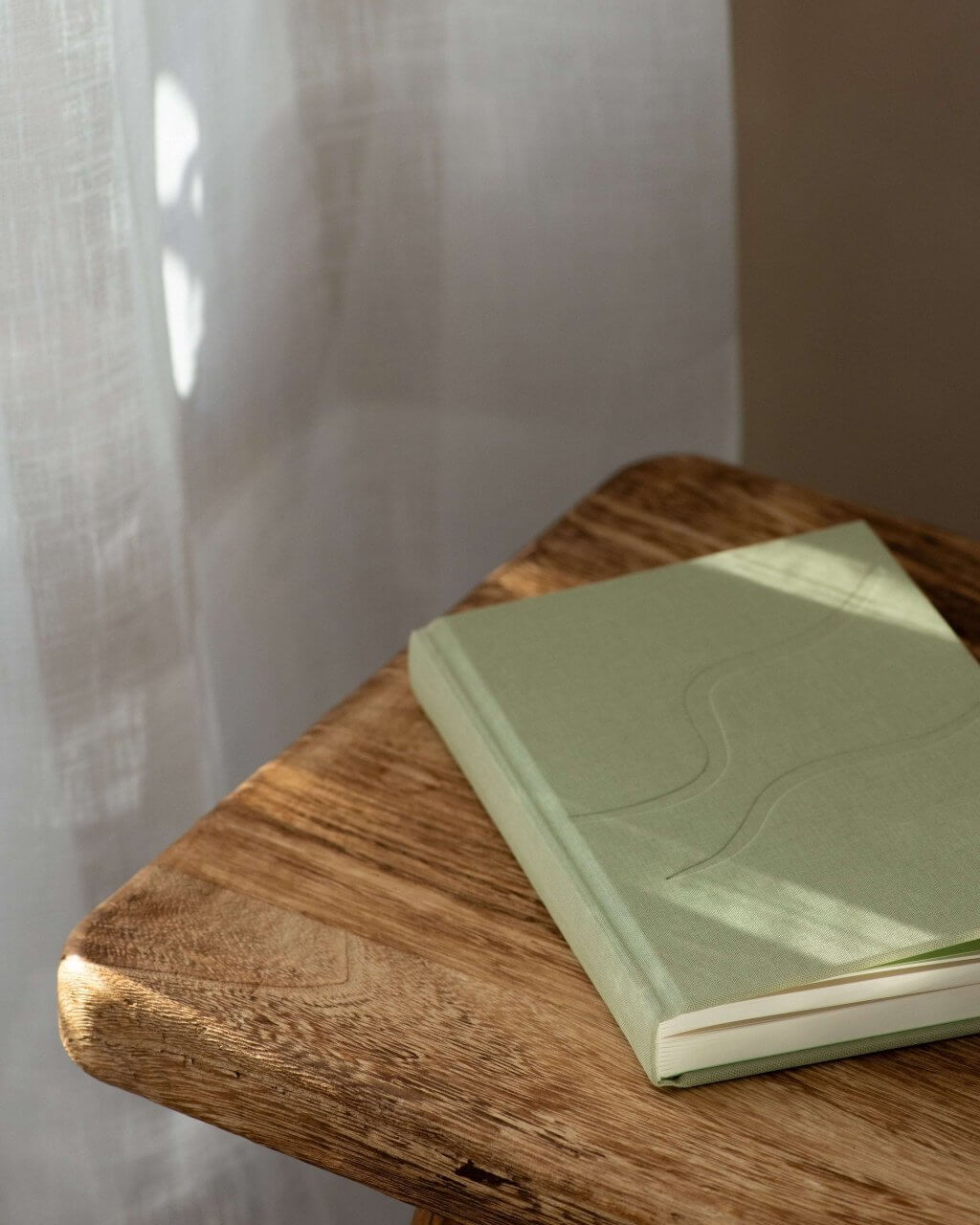
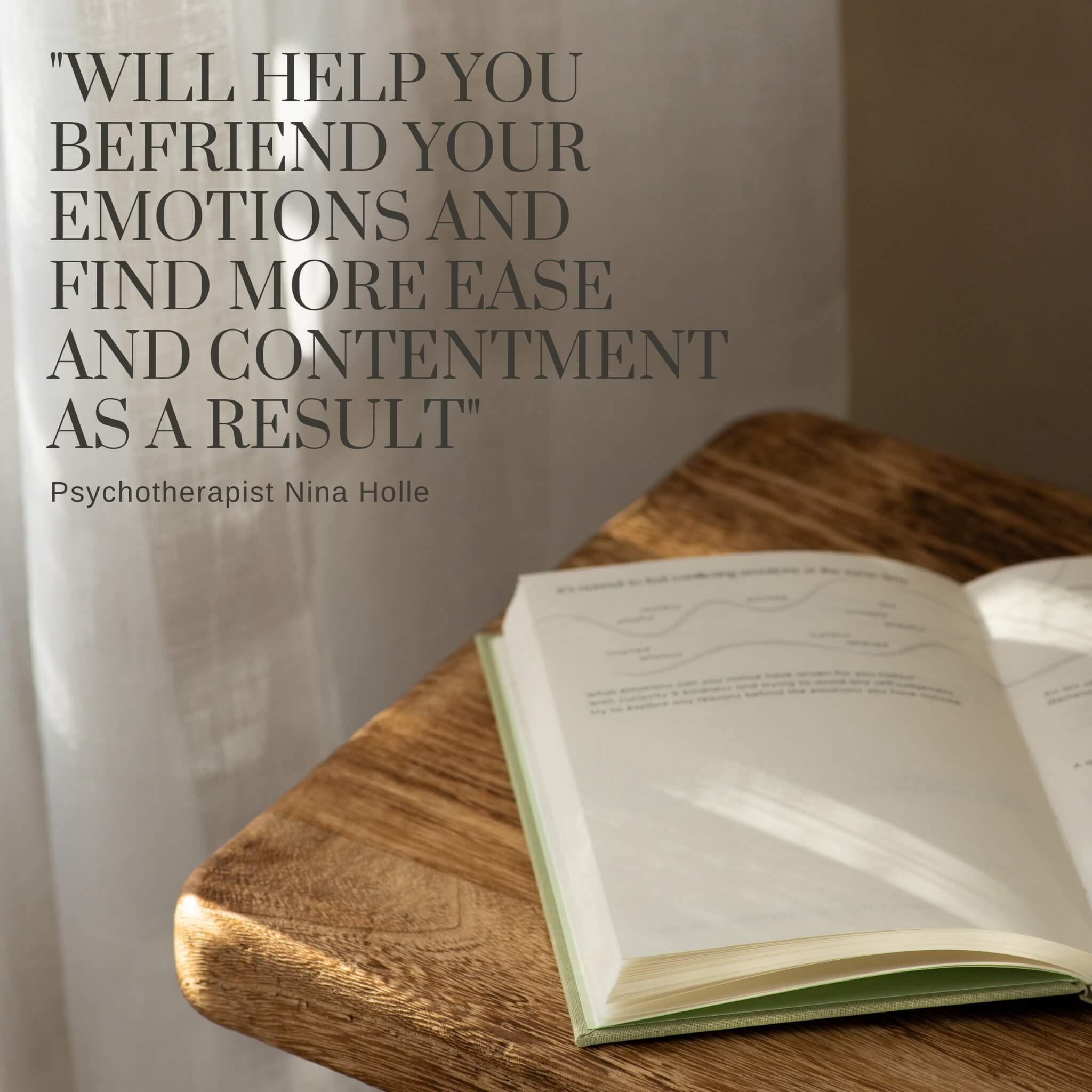
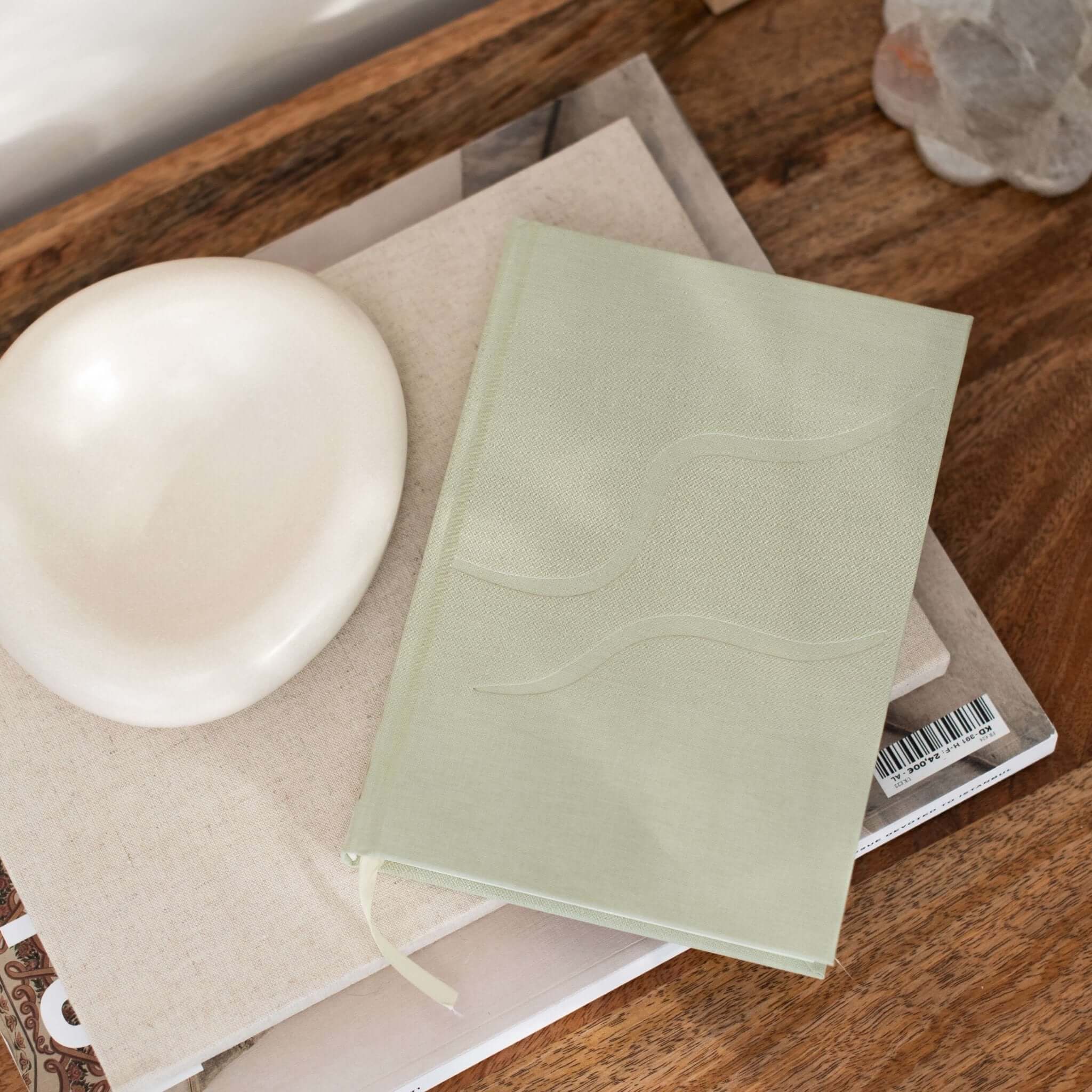
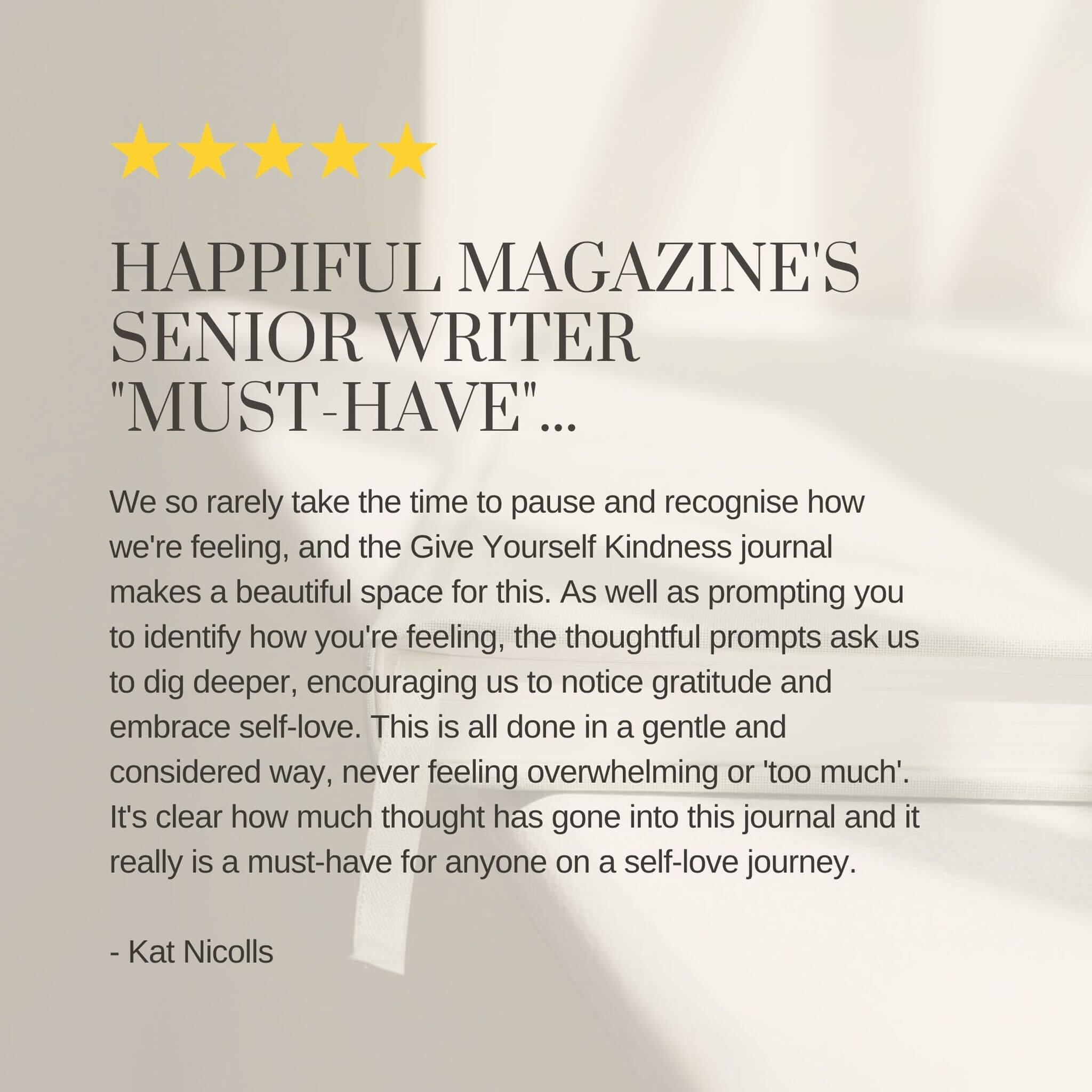
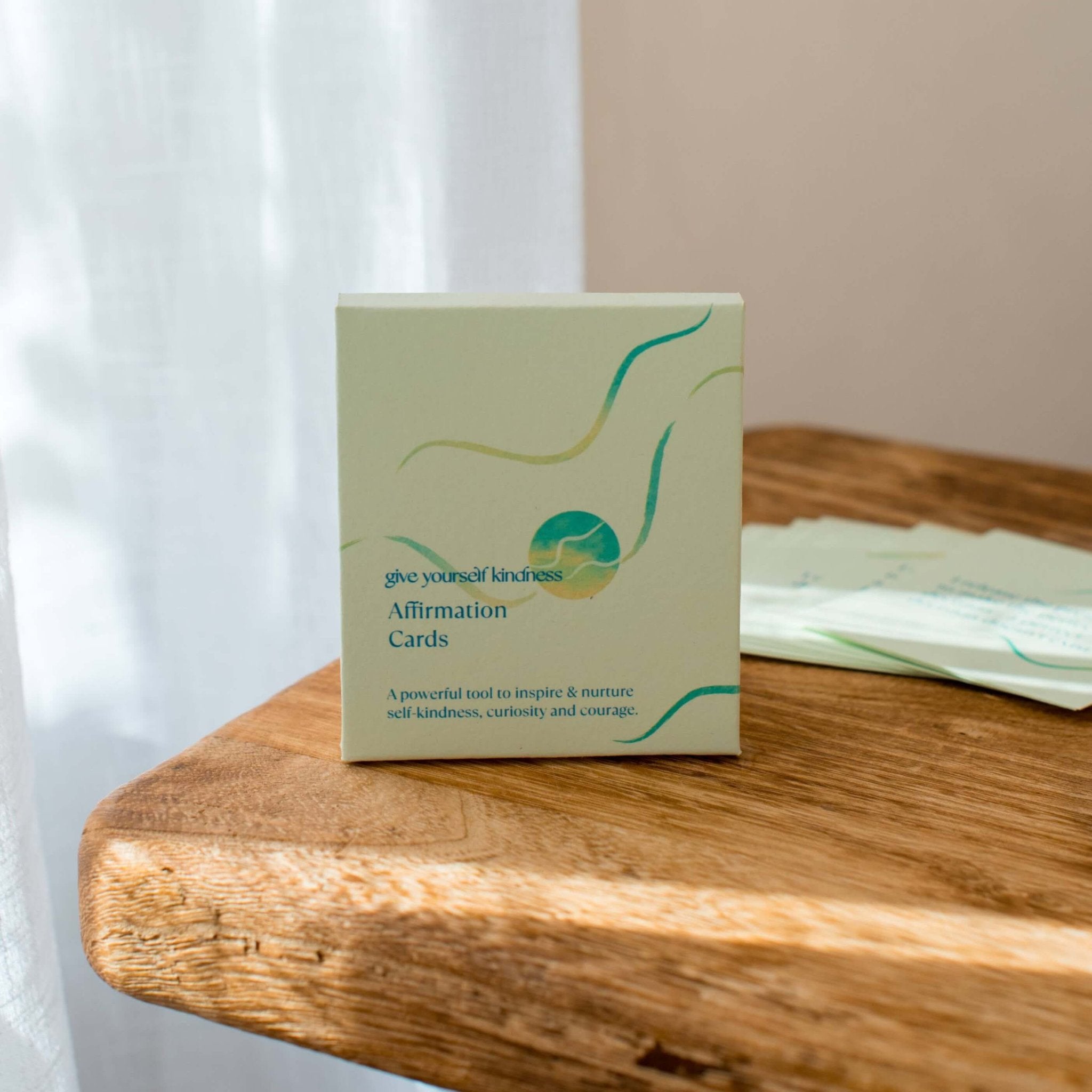
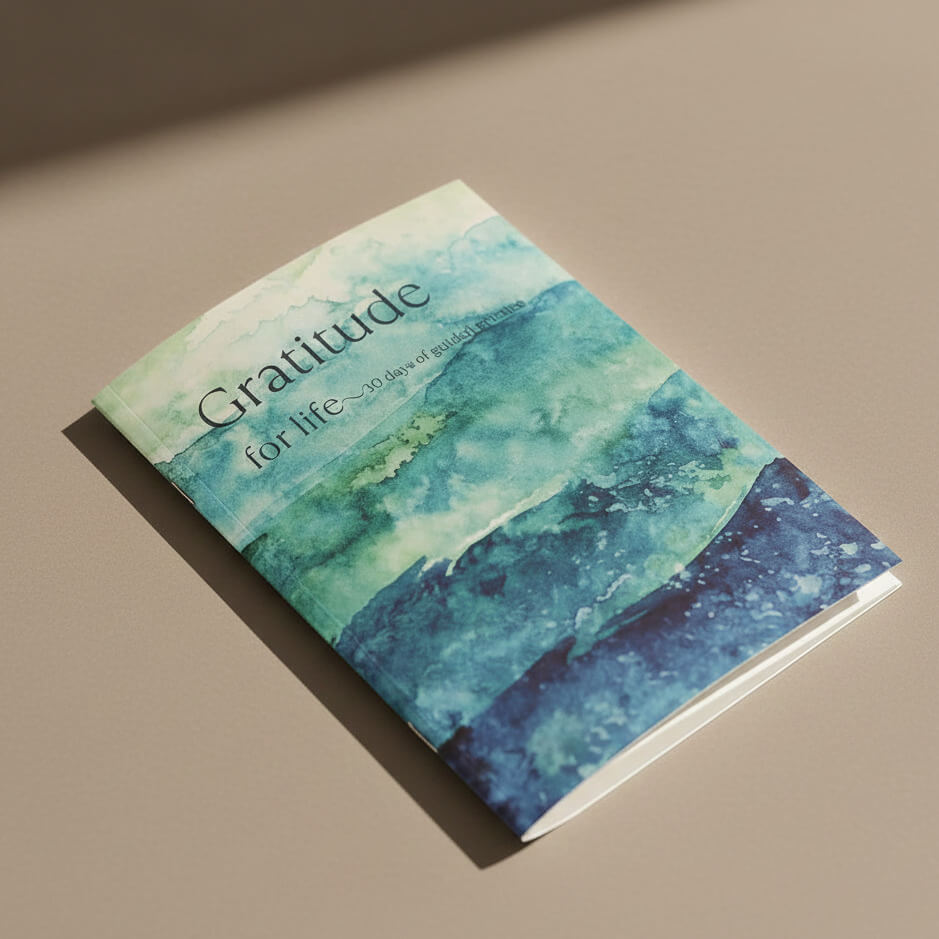
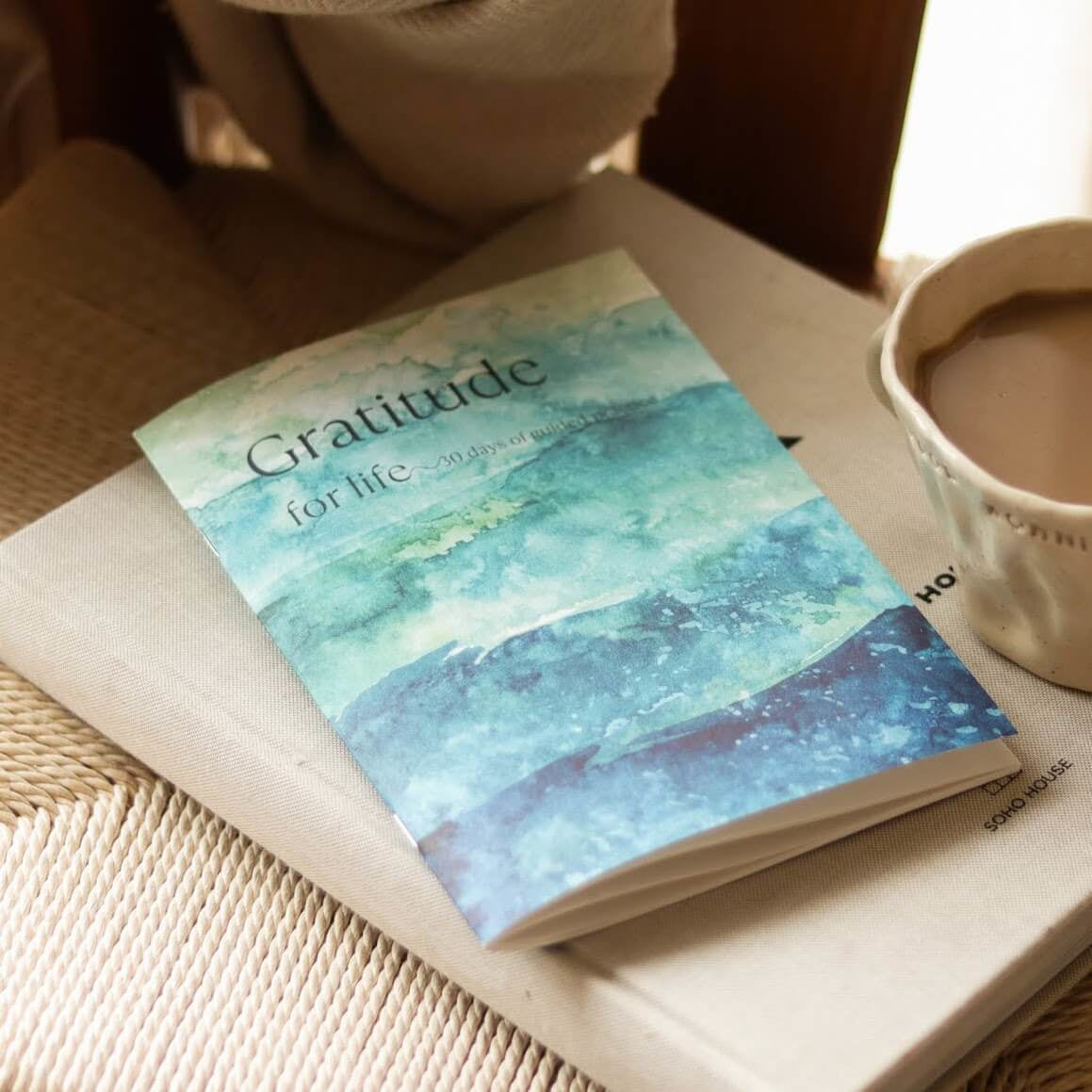
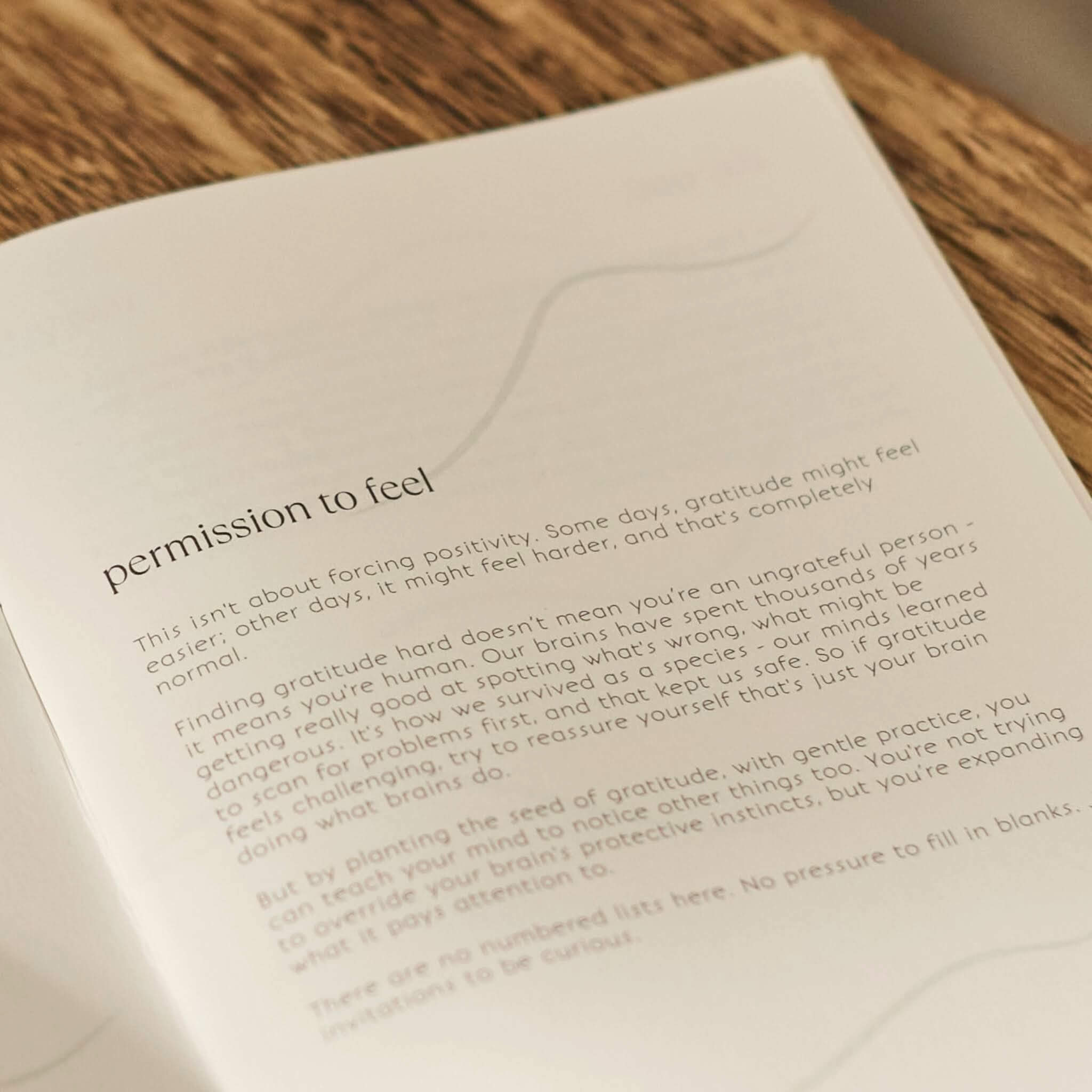
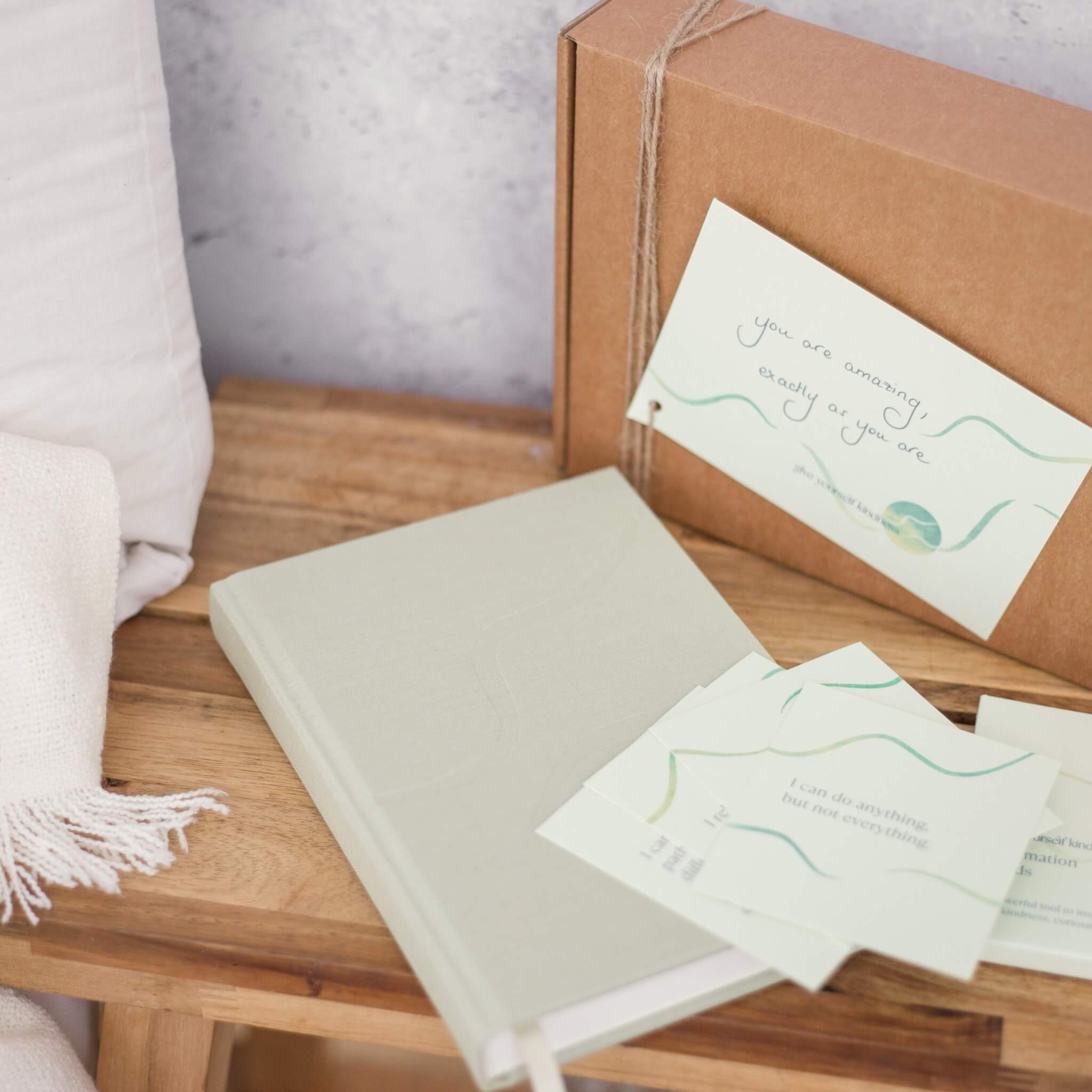
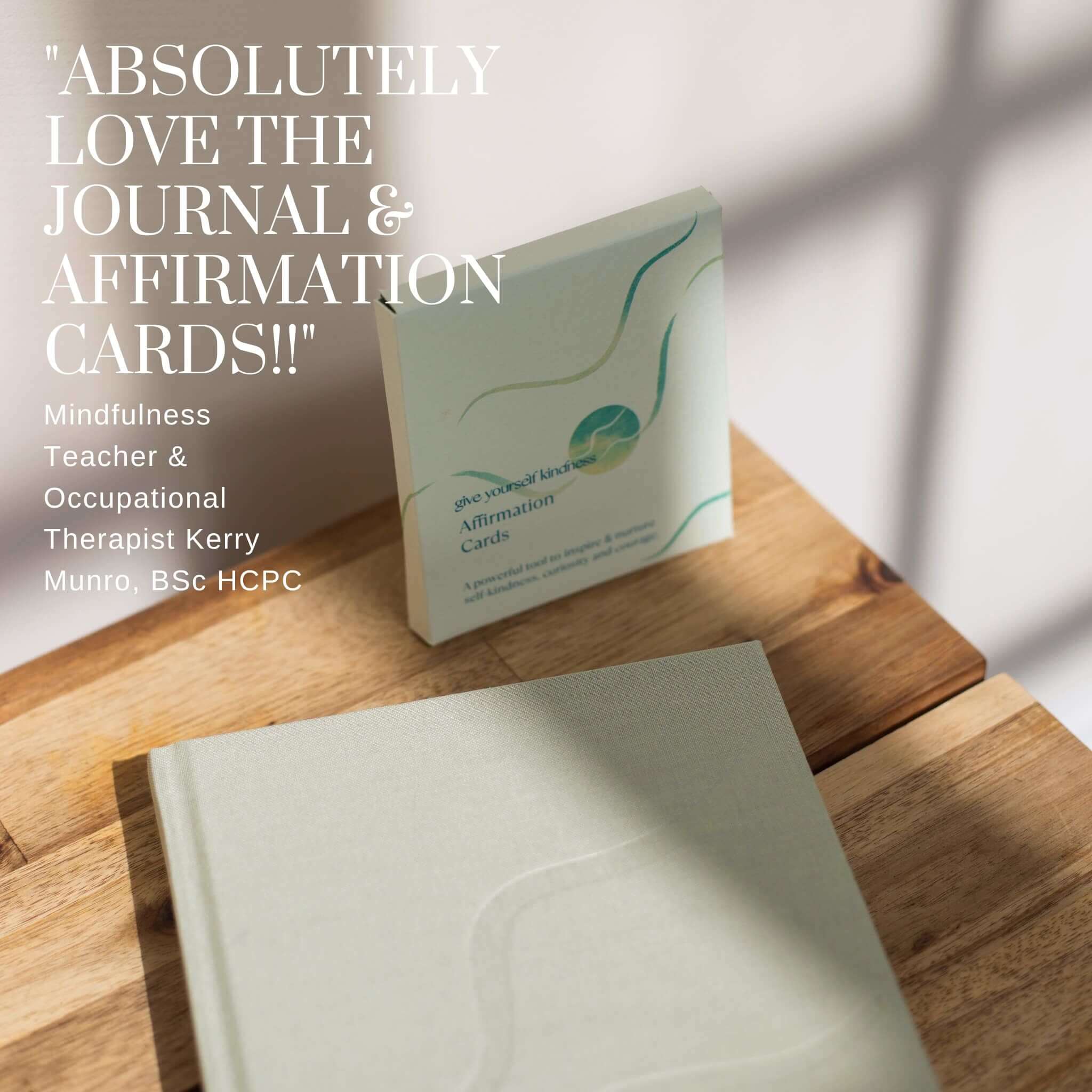
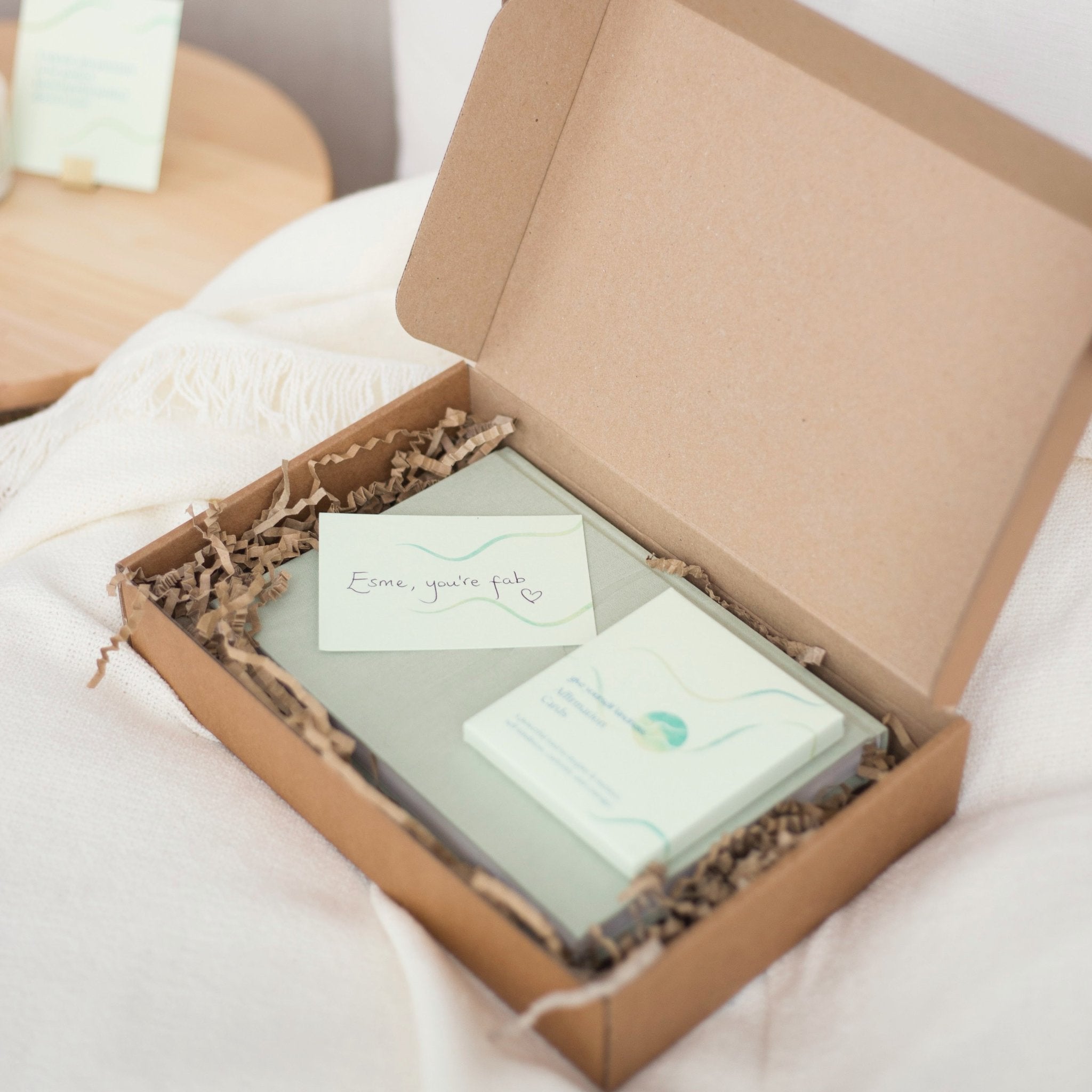
The Give Yourself Kindness Journal
- An emotional awareness tool to help you notice feelings without judgement
- Varied prompts, so every page is different
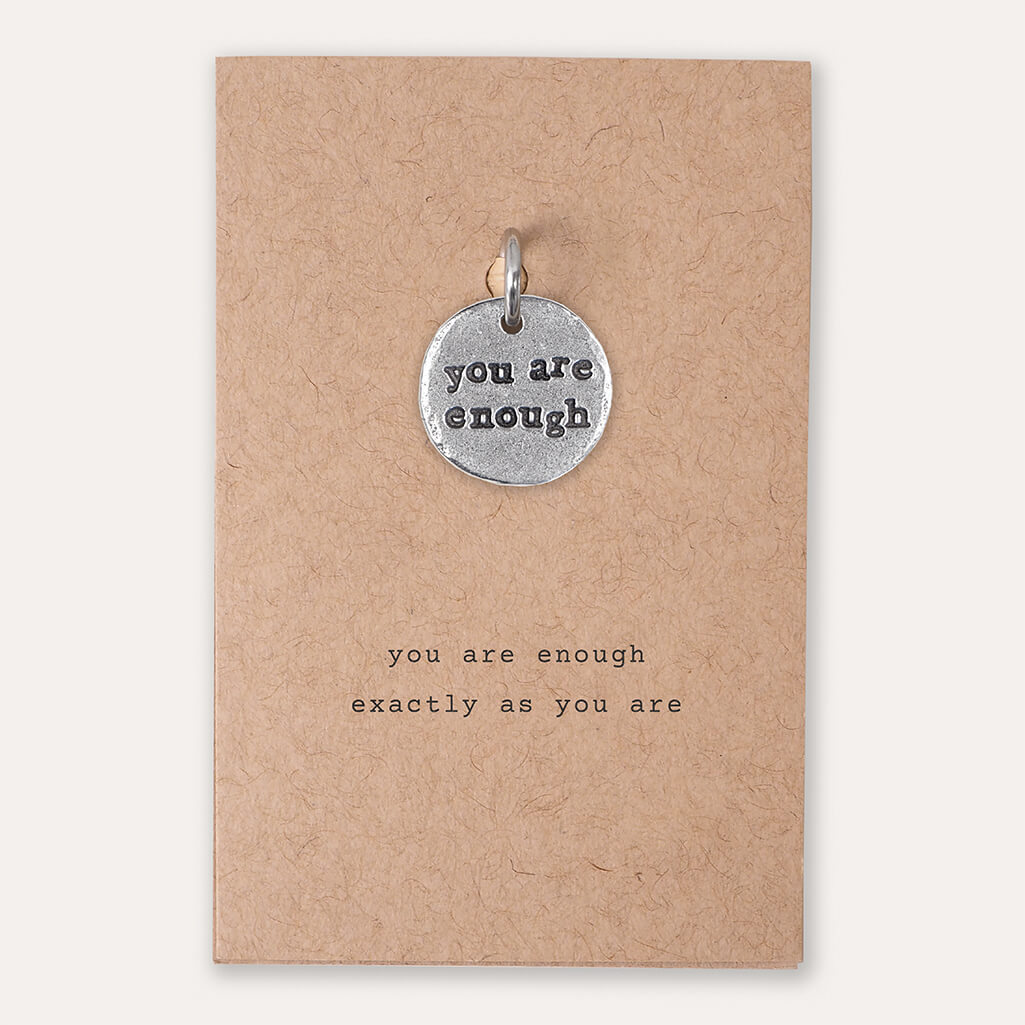
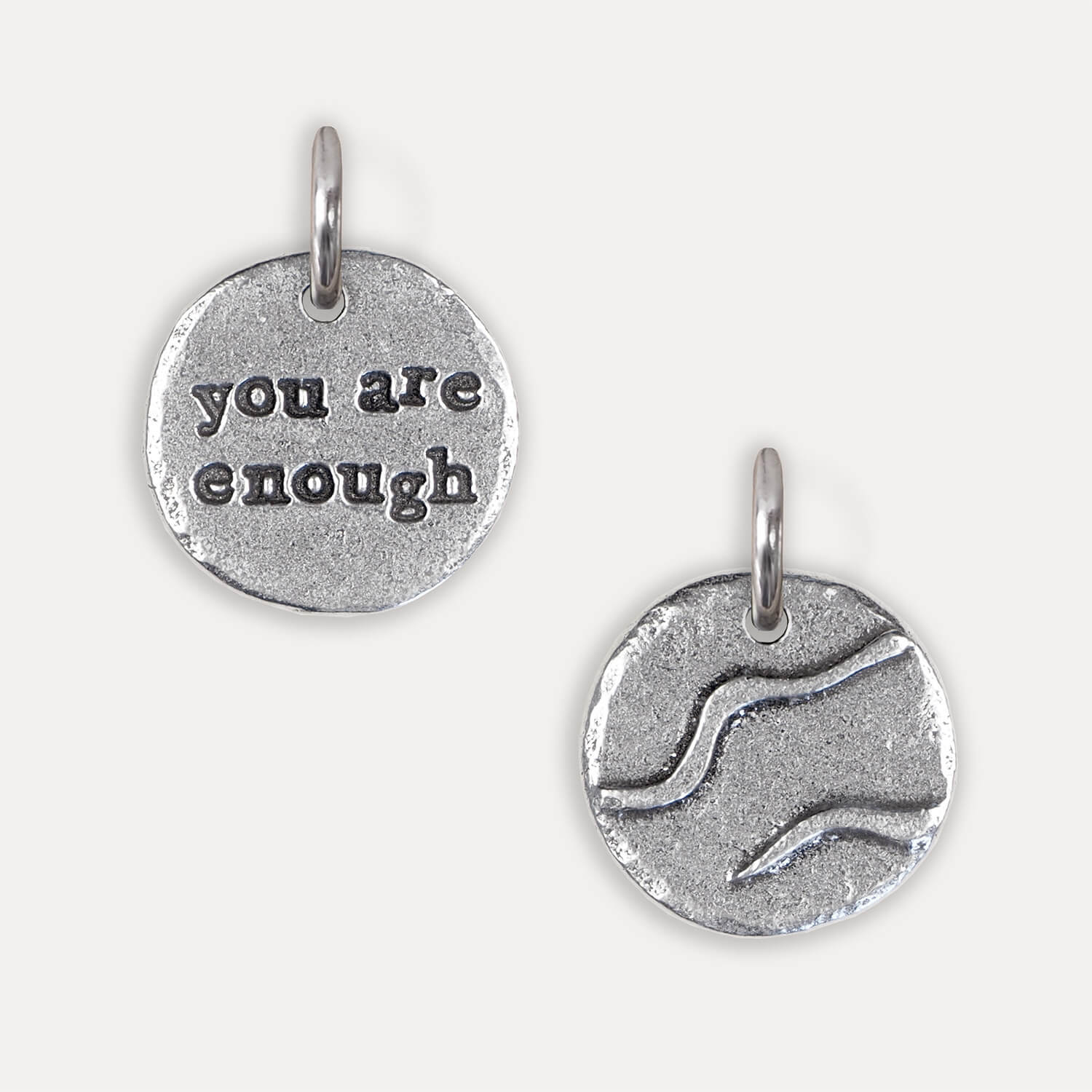
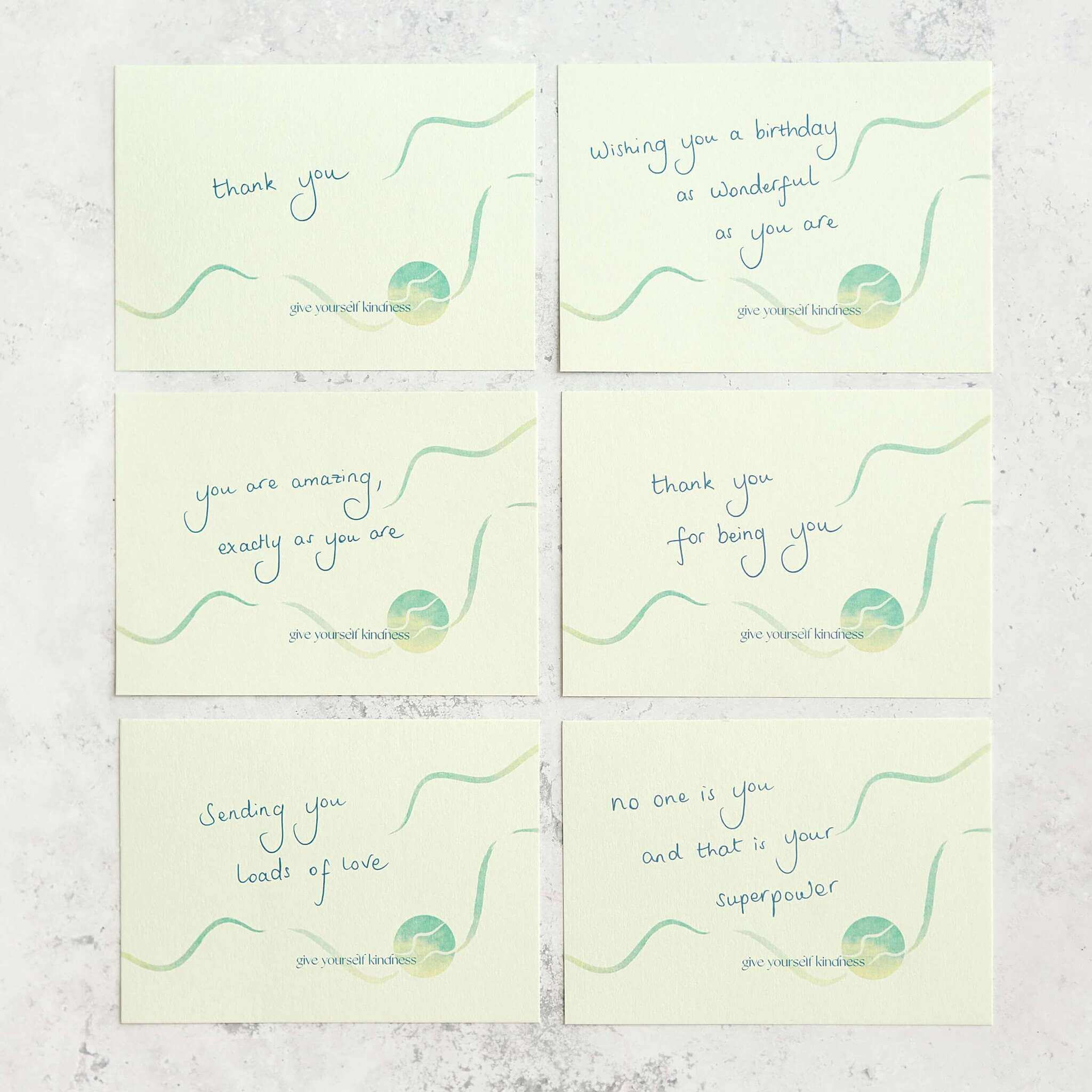
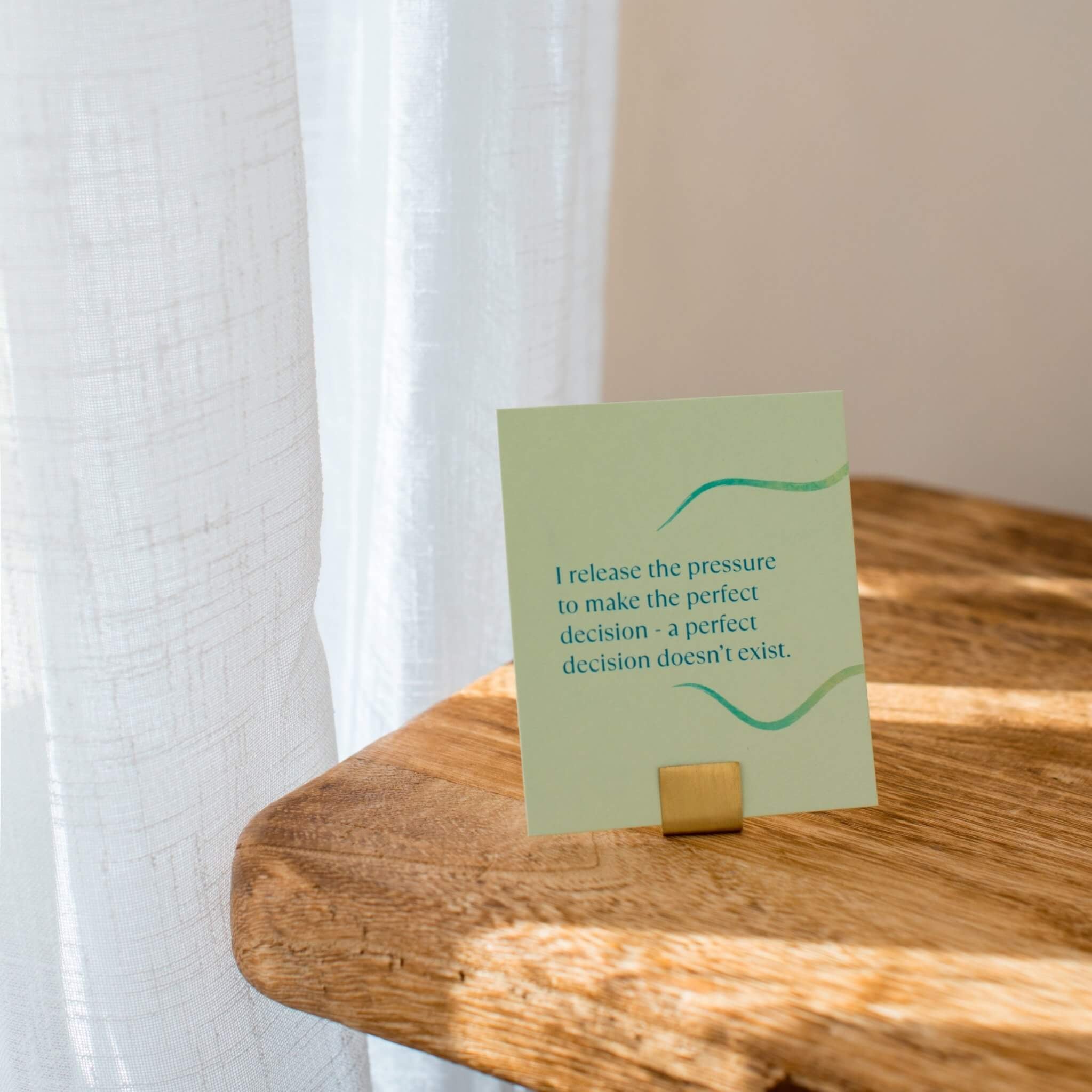
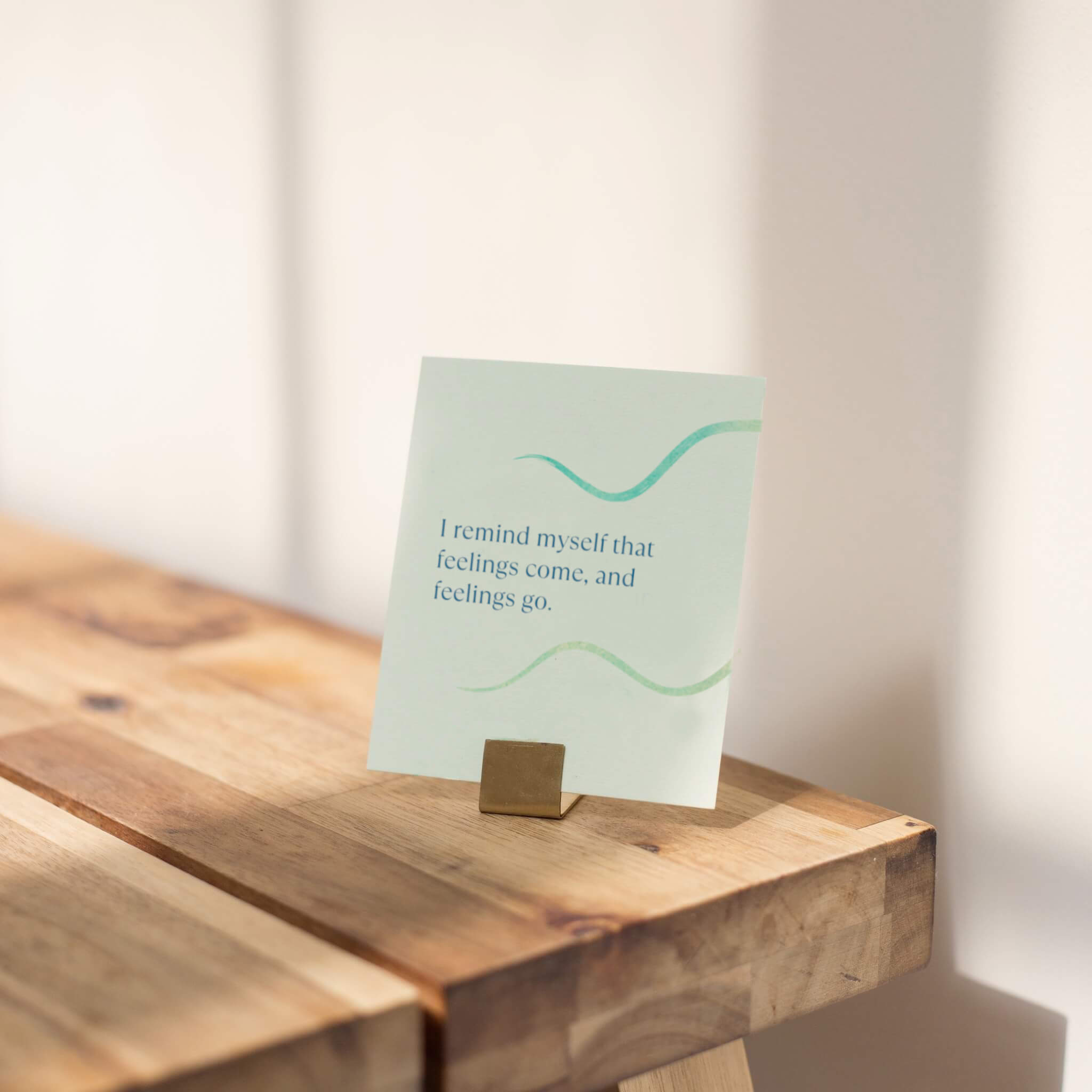
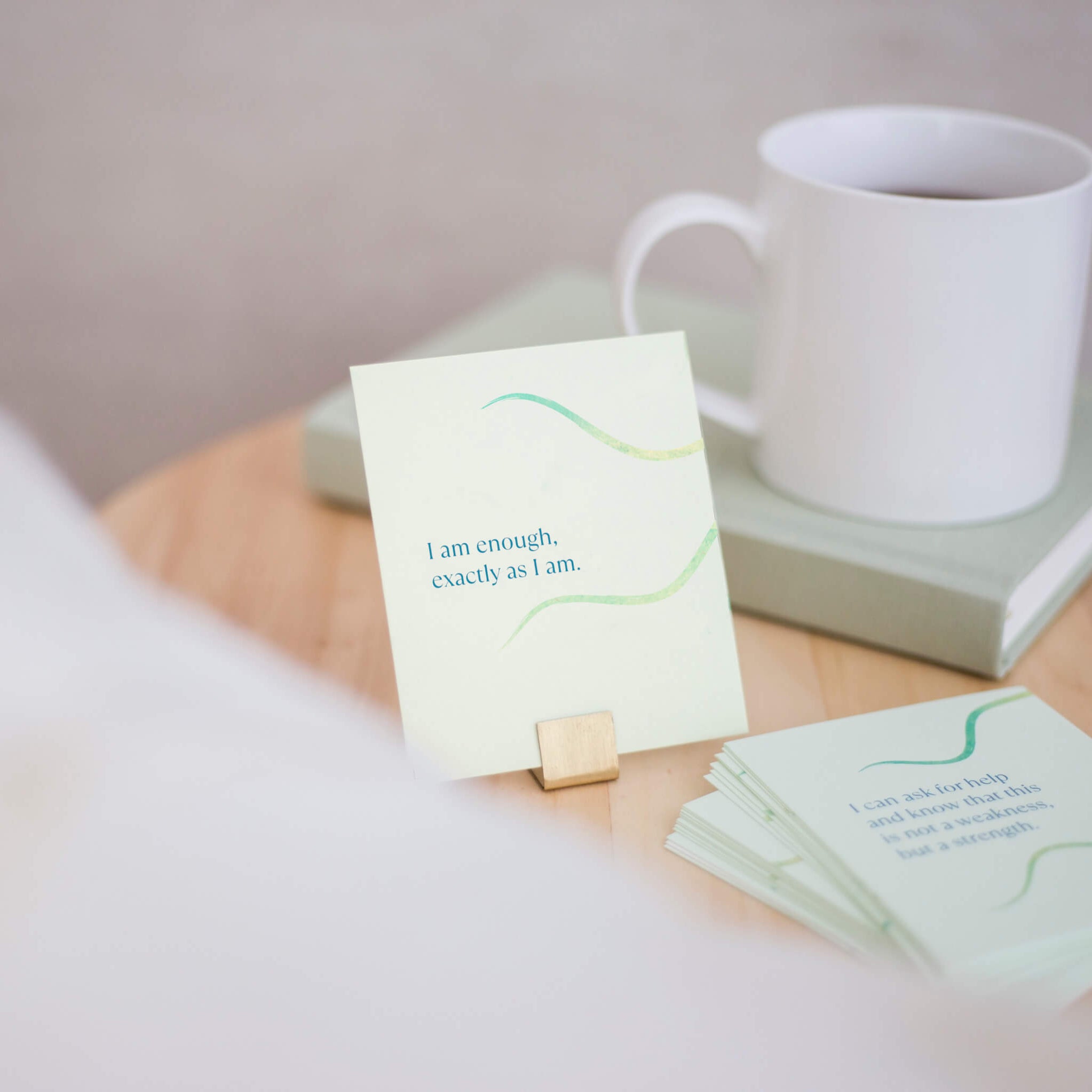
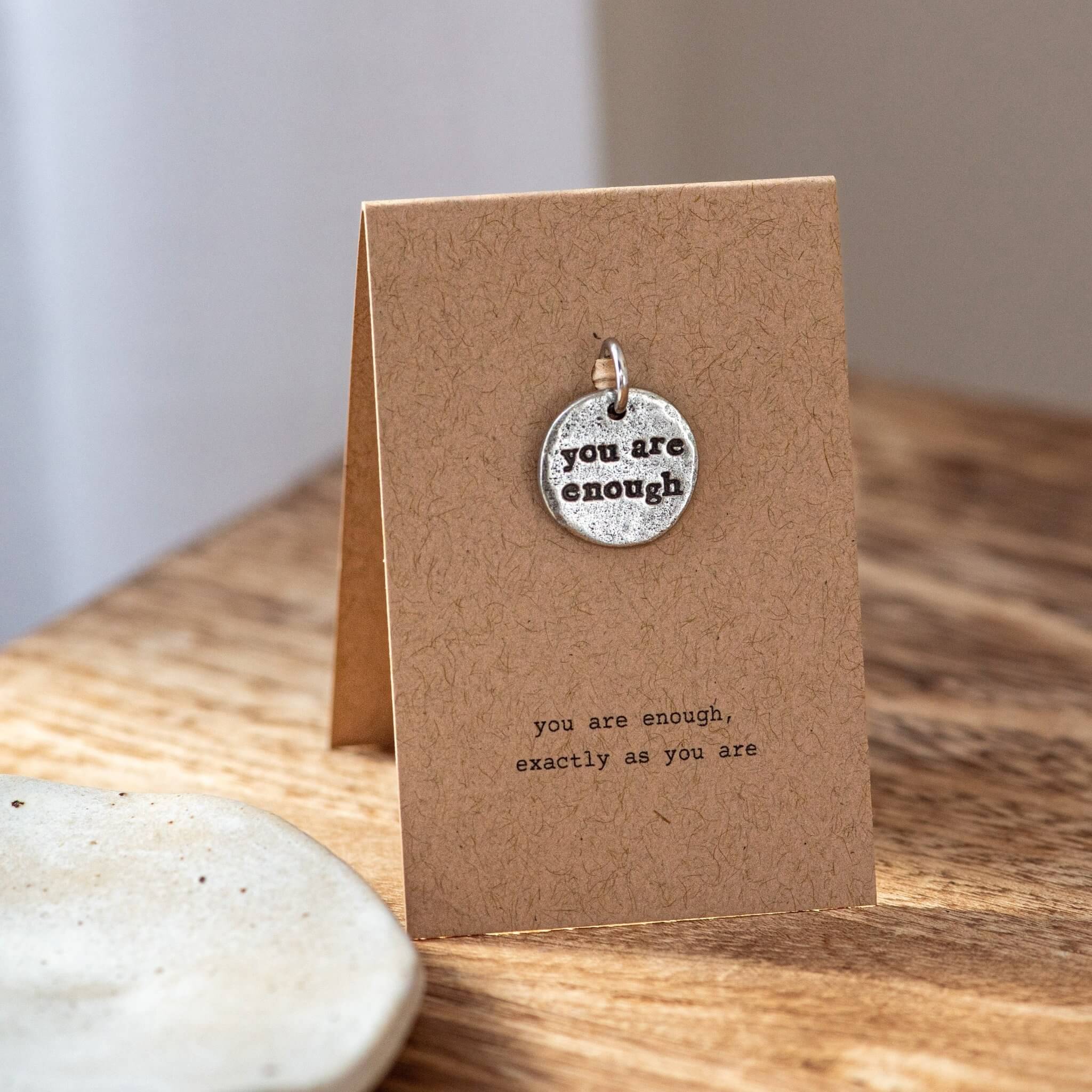
- Gentle reminders like "you are enough, exactly as you are" and "the way you speak to yourself matters"
- Permission to be human, with room for all emotions, not just the "positive" ones
Undated, so you can return to it whenever you need, without guilt.
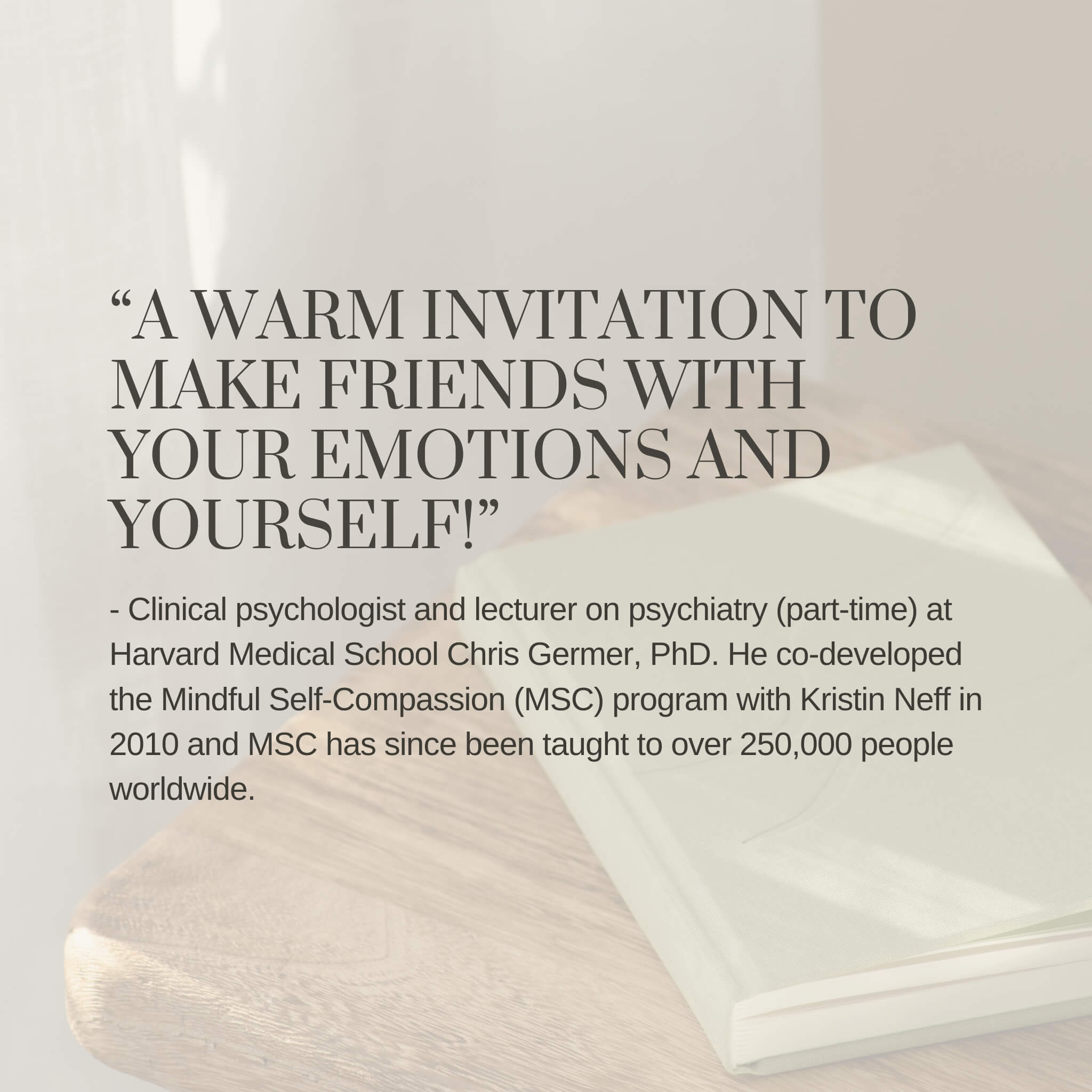
Dr Chris Germer, PhD
Clinical Psychologist, Harvard Medical School | Co-developer of the Mindful Self-Compassion programme, taught to over 250,000 people worldwide
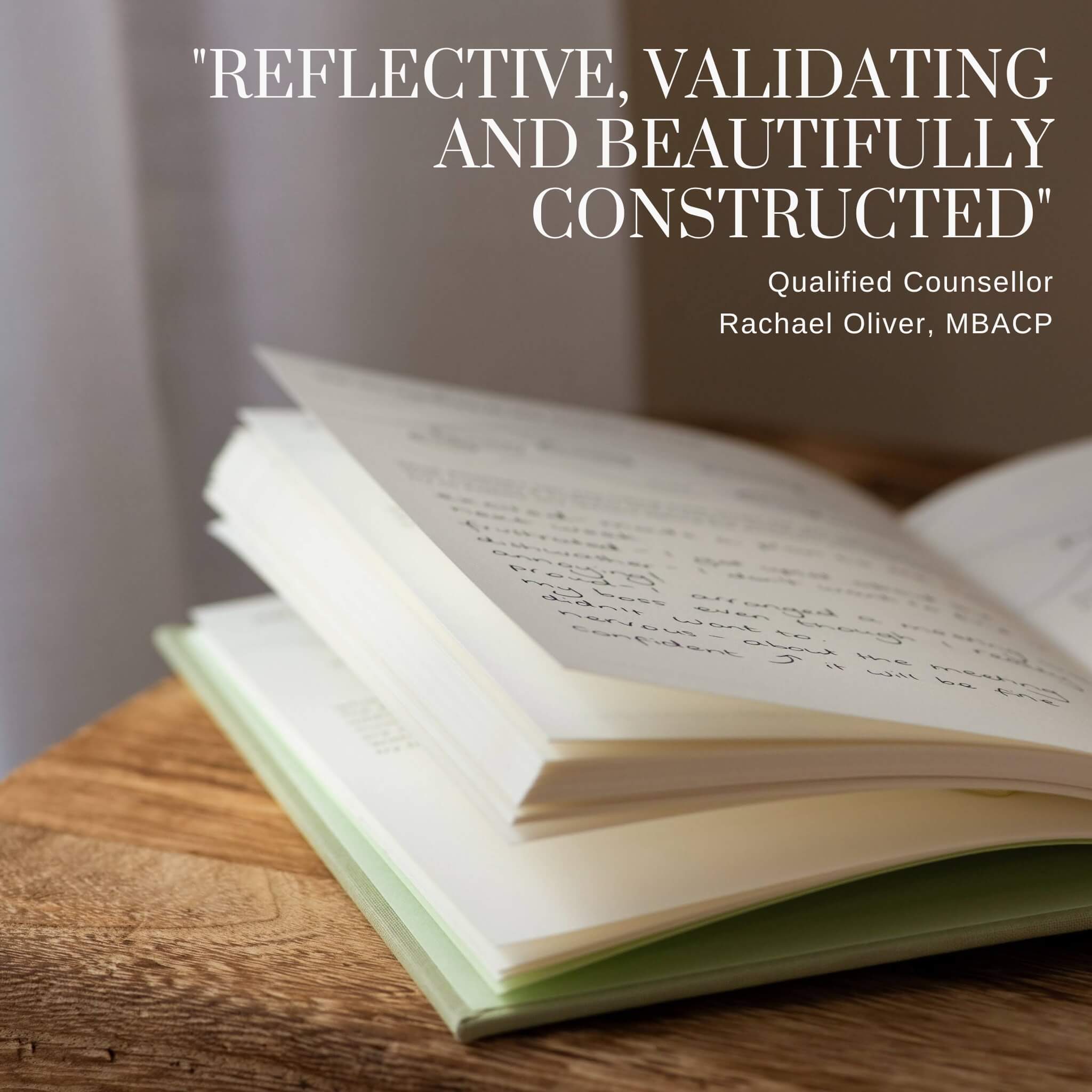
Read Dr Germer's review alongside the rest →"A warm invitation to make friends with your emotions and yourself!"

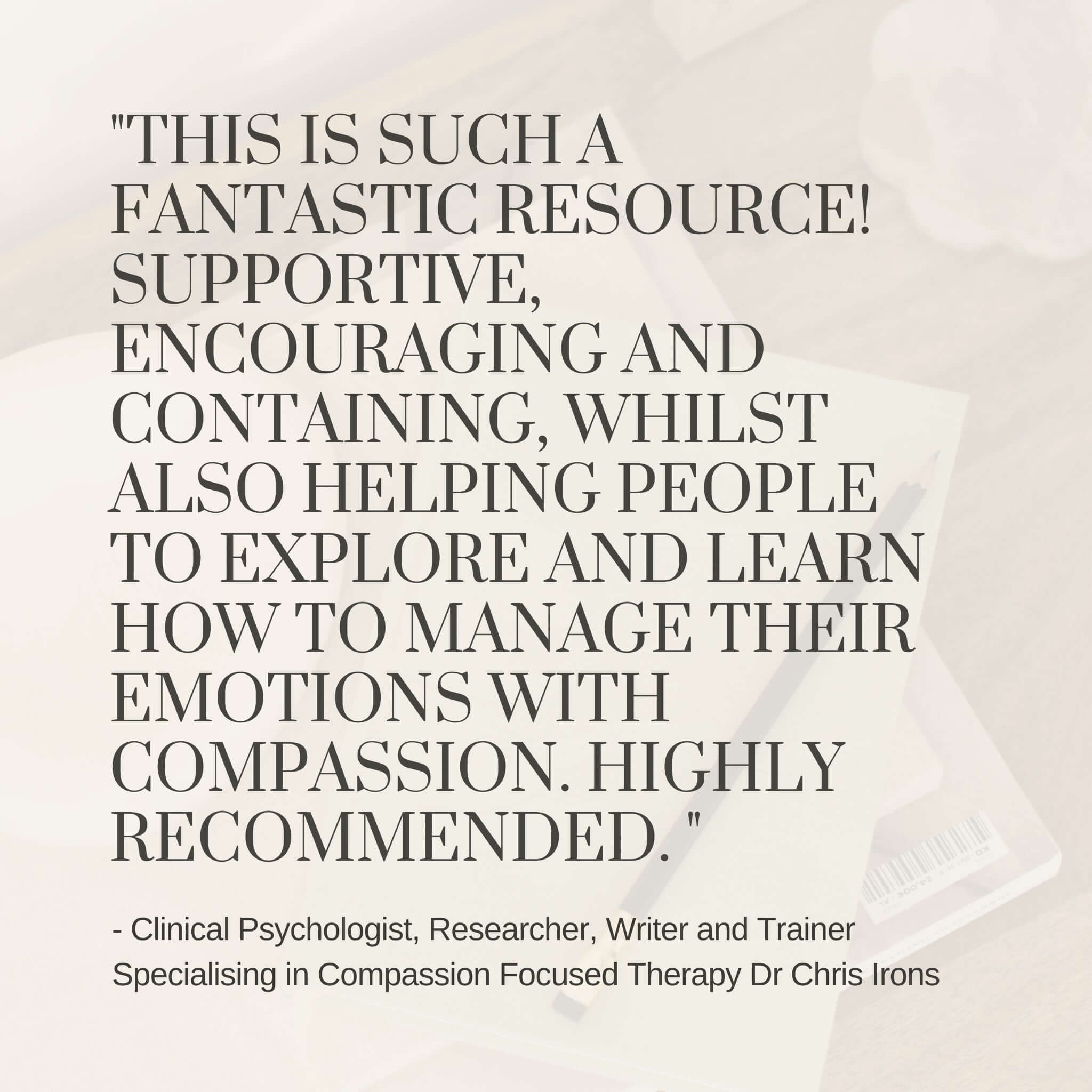
Dr Chris Irons
Clinical Psychologist, Researcher, Writer and Trainer specialising in Compassion Focused Therapy
Read all professional reviews from therapists and clinical psychologists →"This is such a fantastic resource! Supportive, encouraging and containing, whilst also helping people to explore and learn how to manage their emotions with compassion. Highly recommended."
The journal is used by therapists and counsellors with their clients. A journal can be a gentle companion alongside professional support, never a replacement for it.
Remember: you're not alone
Psychologist Dr Rick Hanson writes that recognising you have been mistreated isn't "playing the victim." Meeting it with self-compassion tends to lead to coping and action, not helplessness.

Dr Rick Hanson, PhD
Psychologist | Senior Fellow, UC Berkeley's Greater Good Science Center | New York Times best-selling author
Read Dr Hanson's full article: Is self-compassion linked to seeing oneself as a victim? →"When one has been mistreated – when one has been victimized in the simple factual objective sense – for sure it is appropriate to have compassion for oneself much as we would have compassion for anyone else who had been mistreated… For most people, the accurate recognition of how they've been mistreated along with self-compassion leads to adaptive coping and action, not to helpless immobilization."
Everyone struggles. Everyone makes mistakes. Everyone has an inner critic. You're not uniquely flawed. You're human.
When to seek professional help
If being hard on yourself is seriously affecting your daily life, your mood, your relationships or your work, please reach out to a qualified therapist or counsellor.
Self-compassion practices and journaling are supportive tools, but they're not a replacement for professional help when you need it. A therapist trained in Compassion-Focused Therapy or Mindful Self-Compassion can offer specialised support tailored to you.
There's no shame in asking for help. Reaching out is an act of self-compassion. If you're struggling right now, you can speak to your GP, or call Samaritans free on 116 123, day or night.
You don't have to do this alone
Learning to be kinder to yourself takes time. I'm still learning. Some days are easier than others. But I can tell you from experience: it gets easier with practice.
The voice that tells you you're not good enough is trying to protect you, even though it isn't helping. You can learn to respond to it with curiosity and compassion instead of believing every word.
Start small. Try one of these today:
- Notice your inner voice, and simply pay attention to how you talk to yourself
- Take a few compassionate breaths when you notice criticism
- Ask yourself what you'd say to a friend in your situation
And if you'd like daily support practising self-compassion, the Give Yourself Kindness journal is here for you, recommended by the clinical psychologists and researchers whose work transformed my own relationship with myself.
You deserve to treat yourself with kindness. Not because you've earned it. Not when you're perfect. Right now, exactly as you are.
Discover the Give Yourself Kindness journal
Common questions about being hard on yourself
Why am I so hard on myself?
Being hard on yourself usually comes from the brain's threat system, which evolved to scan for danger on a 'better safe than sorry' basis. Clinical psychologist Dr Maria Tucknott explains that the inner critic is part of this ancient safety system and is trying, clumsily, to protect you. It is not a character flaw, and it is not your fault.
Is being hard on yourself a sign of low self-esteem?
Being hard on yourself is not proof that something is wrong with you. Dr Maria Tucknott describes the inner critic as a protective response built into the human brain, not a personal failing. Self-compassion researchers Dr Kristin Neff and Dr Chris Germer point out that everyone struggles at times, so you are not uniquely flawed for having a harsh inner voice.
Does self-criticism help you improve?
Self-criticism does not tend to help you improve. Clinical psychologist Dr Annabelle Kyle Dortch explains that criticism activates the stress response, which takes the reflective part of the brain offline and makes it more likely you return to familiar behaviours. In her words, if self-criticism worked as a means of self-improvement…it would have worked by now.
Isn't self-compassion just letting yourself off the hook?
No, self-compassion is not letting yourself off the hook. Dr Annabelle Kyle Dortch writes that self-compassion does not mean wallowing in pity or avoiding growth; it gives you a safe place to land when you make mistakes, so you can learn from them. Dr Kristin Neff and Dr Chris Germer add that pity creates separation, while compassion creates connection.
How do I stop being so hard on myself?
To stop being so hard on yourself, start small. Notice the exact words your inner critic uses, take a few slow compassionate breaths, and ask what you would say to a friend who felt this way, then say it to yourself. Dr Maria Tucknott also recommends imagining your compassionate self. There is no right or wrong place to begin.
Will my inner critic ever go away?
Your inner critic might not go away completely, and that is normal. Dr Maria Tucknott explains that stopping the cycle of self-criticism isn't about becoming perfectly self-compassionate overnight, and that you will still have critical thoughts sometimes. With practice, you can learn to meet yourself in those moments with warmth rather than attack.
When should I get professional help?
It is worth getting professional help when being hard on yourself is seriously affecting your daily life, your mood, your relationships or your work. A therapist trained in Compassion-Focused Therapy or Mindful Self-Compassion can offer specialised support. If you are struggling right now, you can speak to your GP or call Samaritans free on 116 123.
Continue reading
From the psychologists quoted here
-
How to stop beating yourself upDr Maria Tucknott, Clinical Psychologist
-
Why self-compassion is more effective than self-criticismDr Annabelle Kyle Dortch, PsyD, Clinical Psychologist
-
Self-compassion is not self-pityDr Kristin Neff and Dr Chris Germer
-
Is self-compassion linked to seeing oneself as a victim?Dr Rick Hanson, PhD, Psychologist
Related guides
- Your inner critic: why it is there and how to answer it
- Inner critic vs inner coach: what the difference is
- What triggers an inner critic, and does it ever go away?
- How to be kinder to yourself
- How to stop negative self-talk
- The best self-compassion journals compared
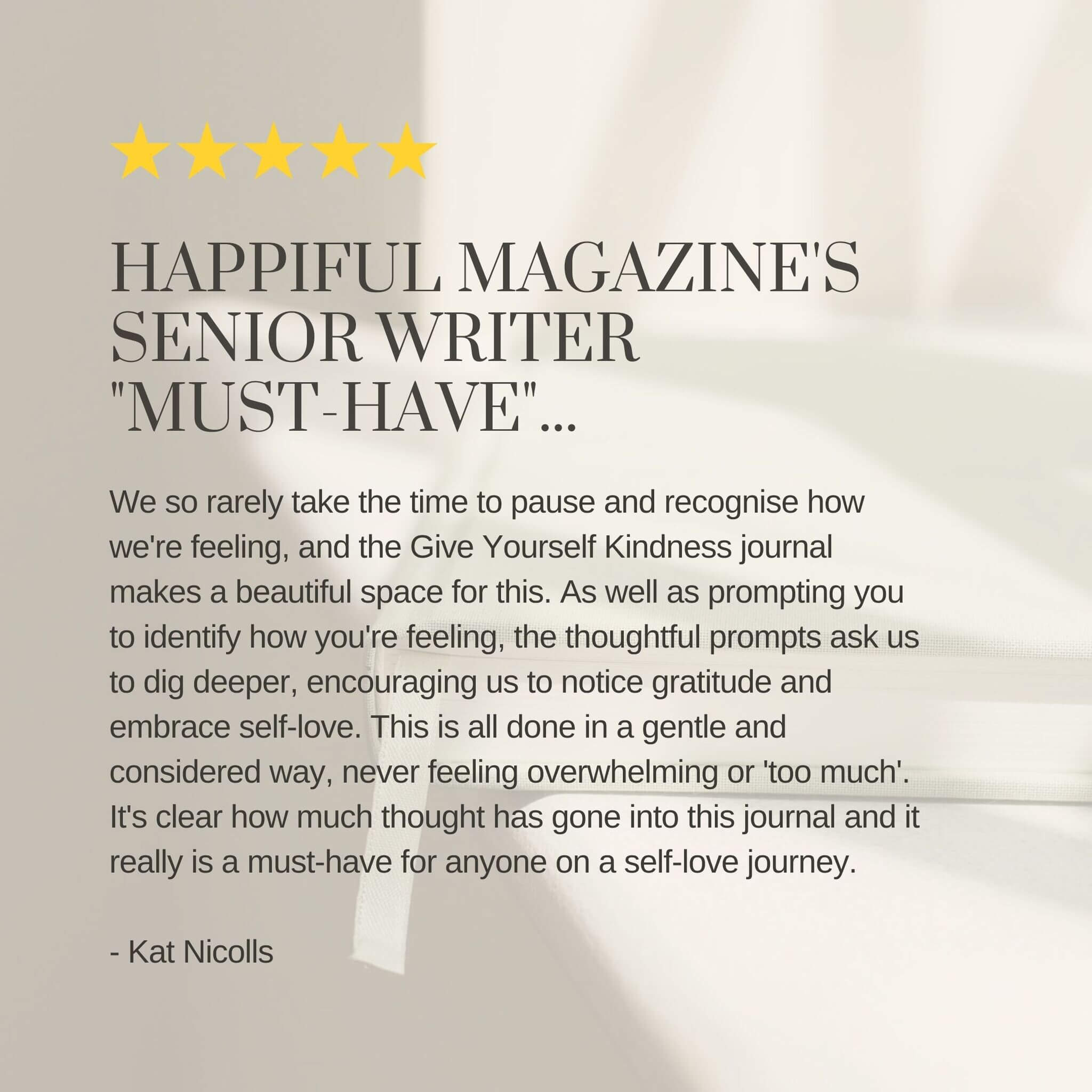
- What mental health experts say about the journal

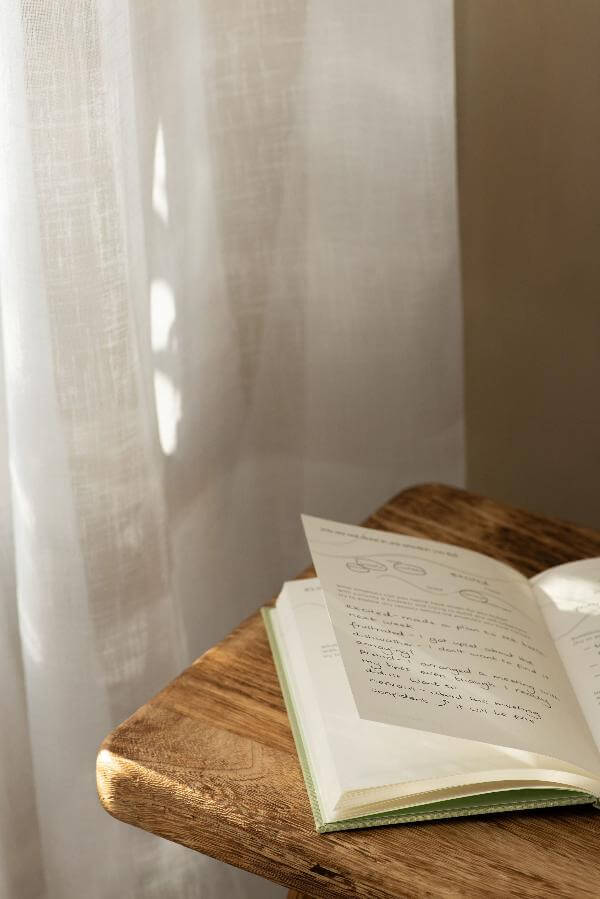
“By far my favourite guided journal that I’ve used!”
There's a lot of journals out there. Most of which include tools that can be repetitive, boring or unhelpful. Give Yourself Kindness is about creating something new.