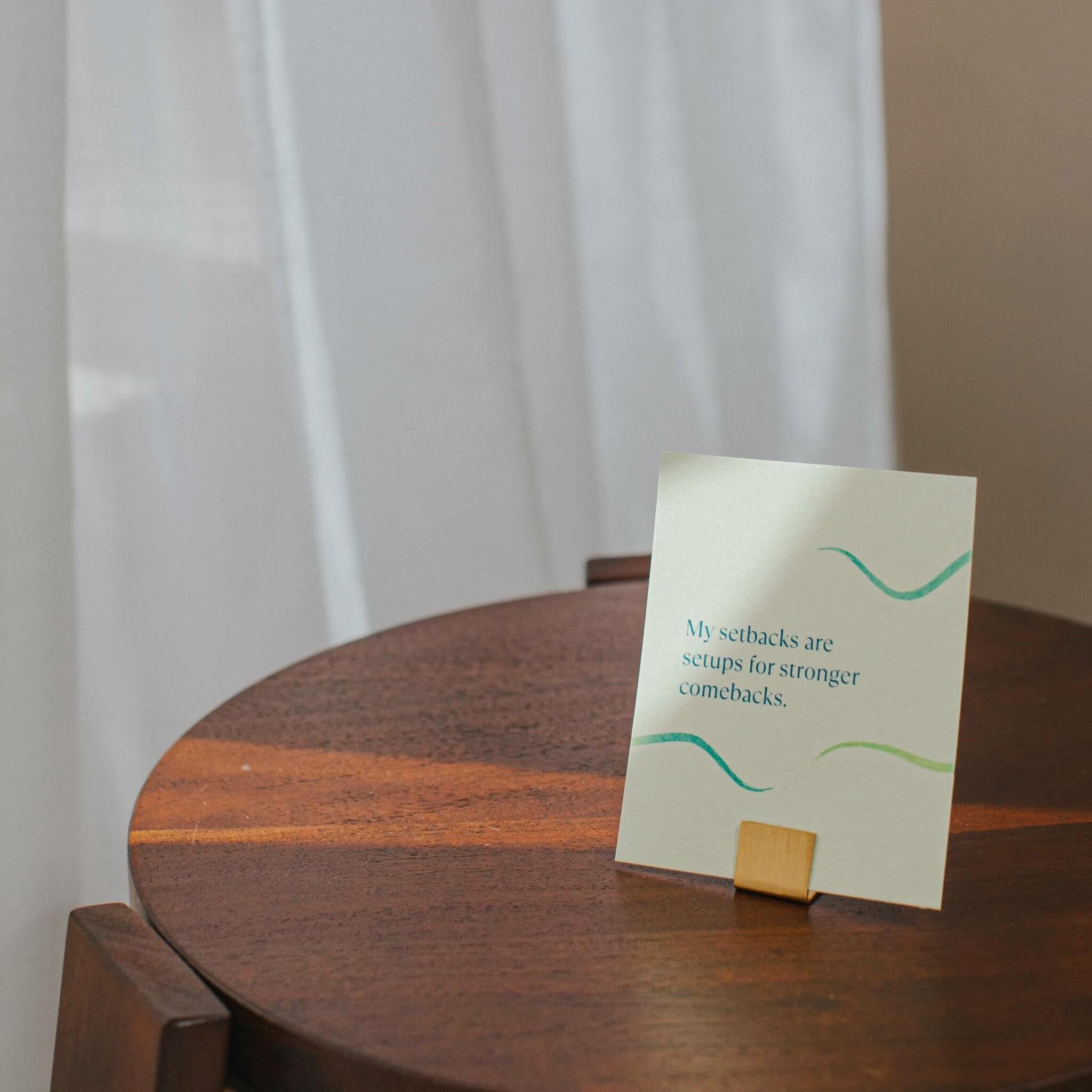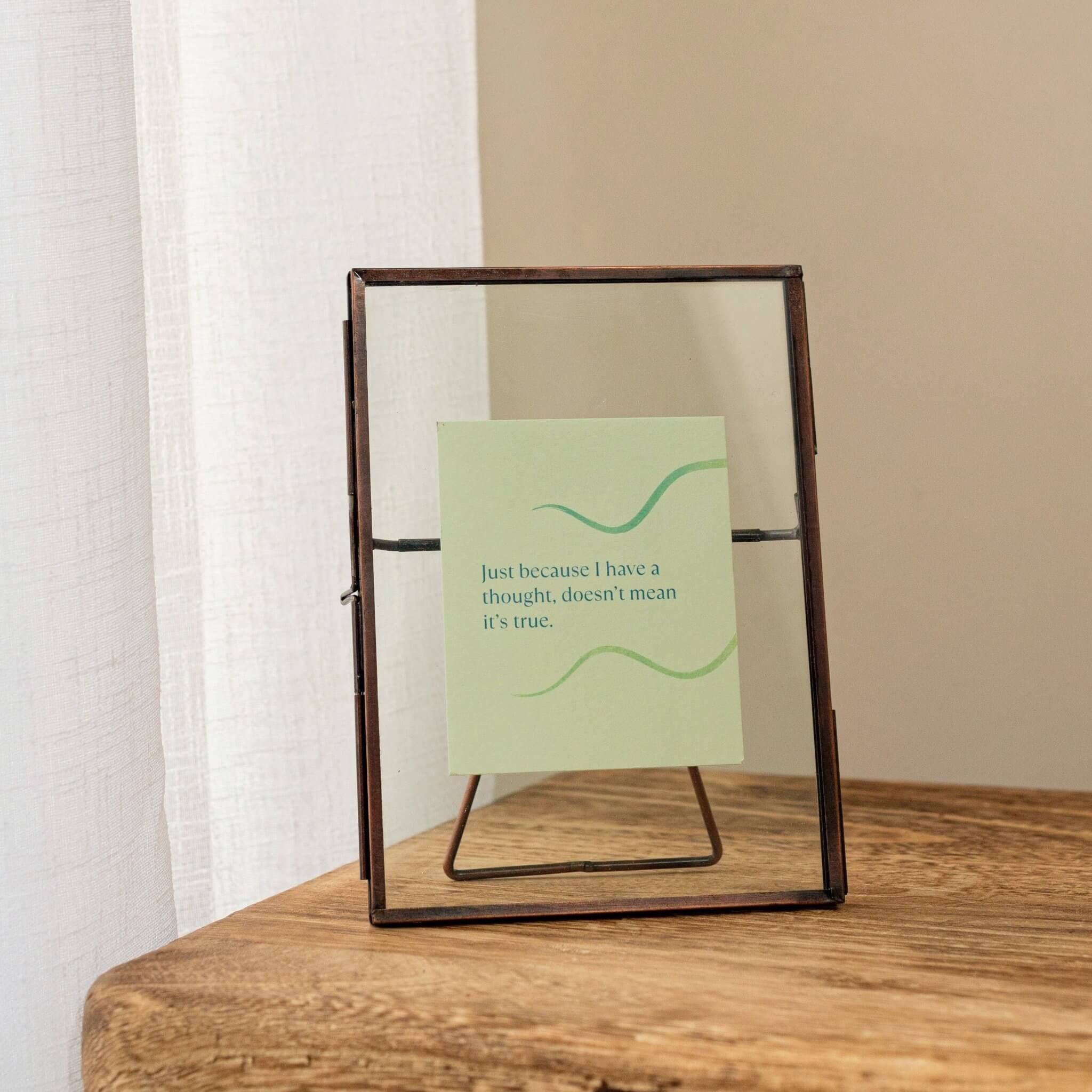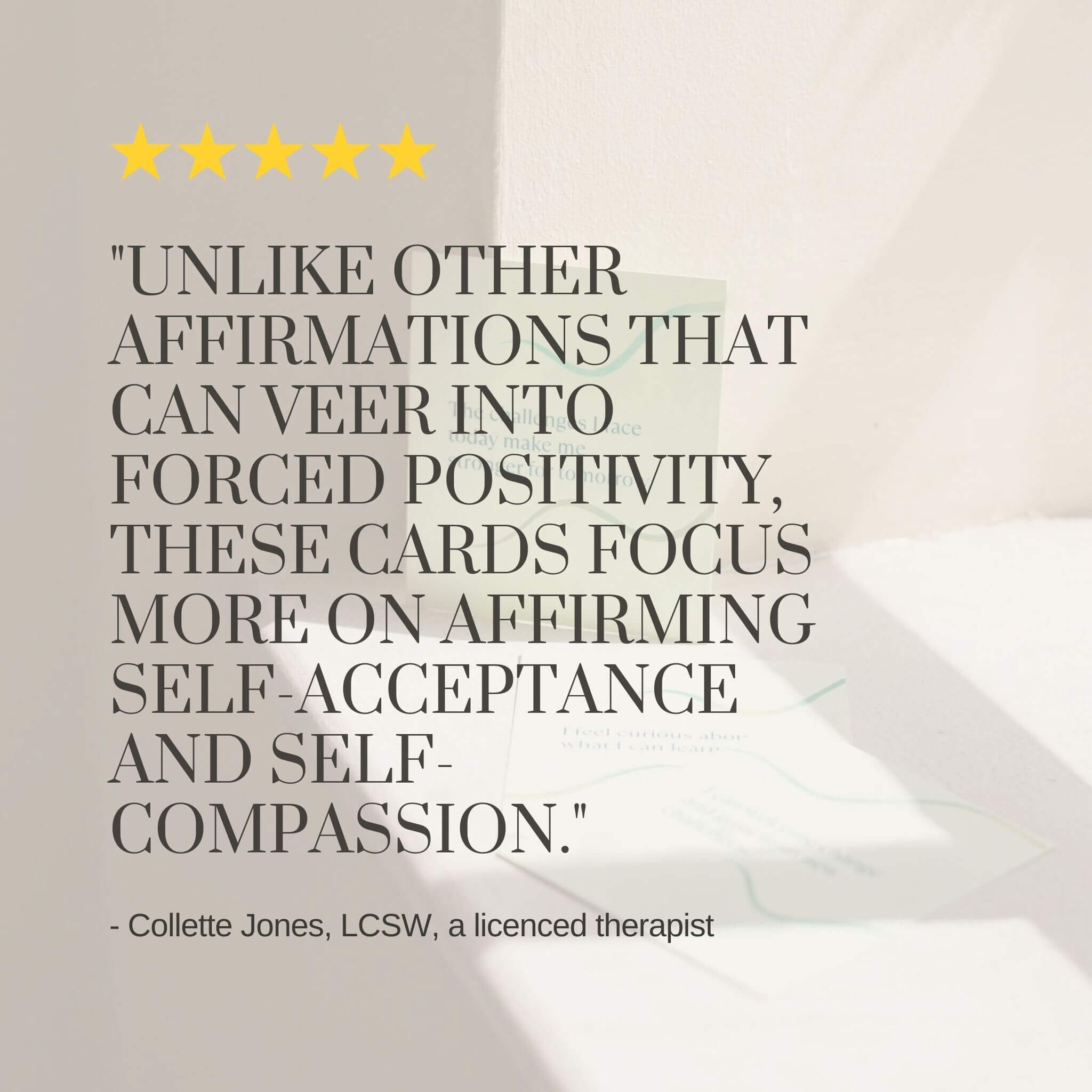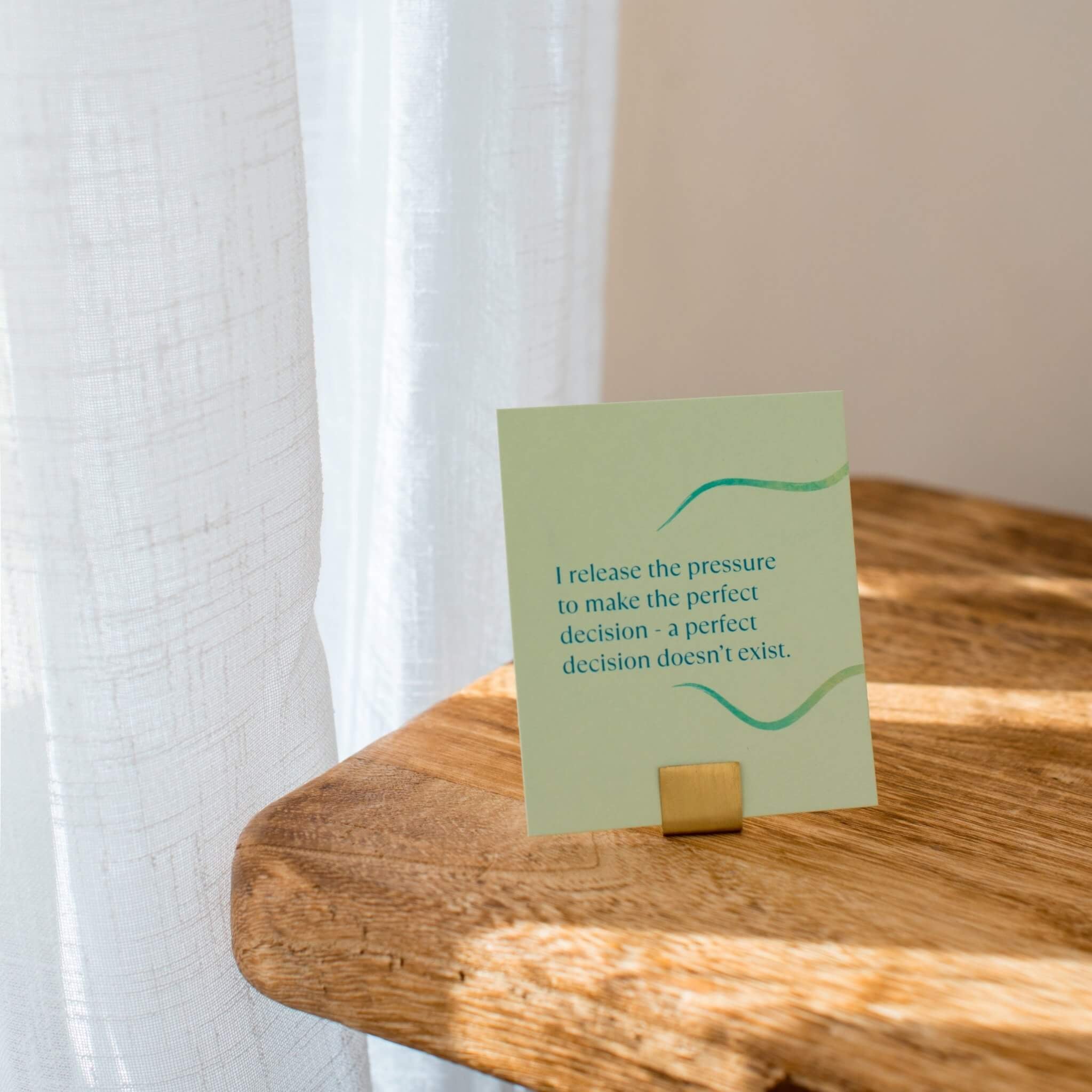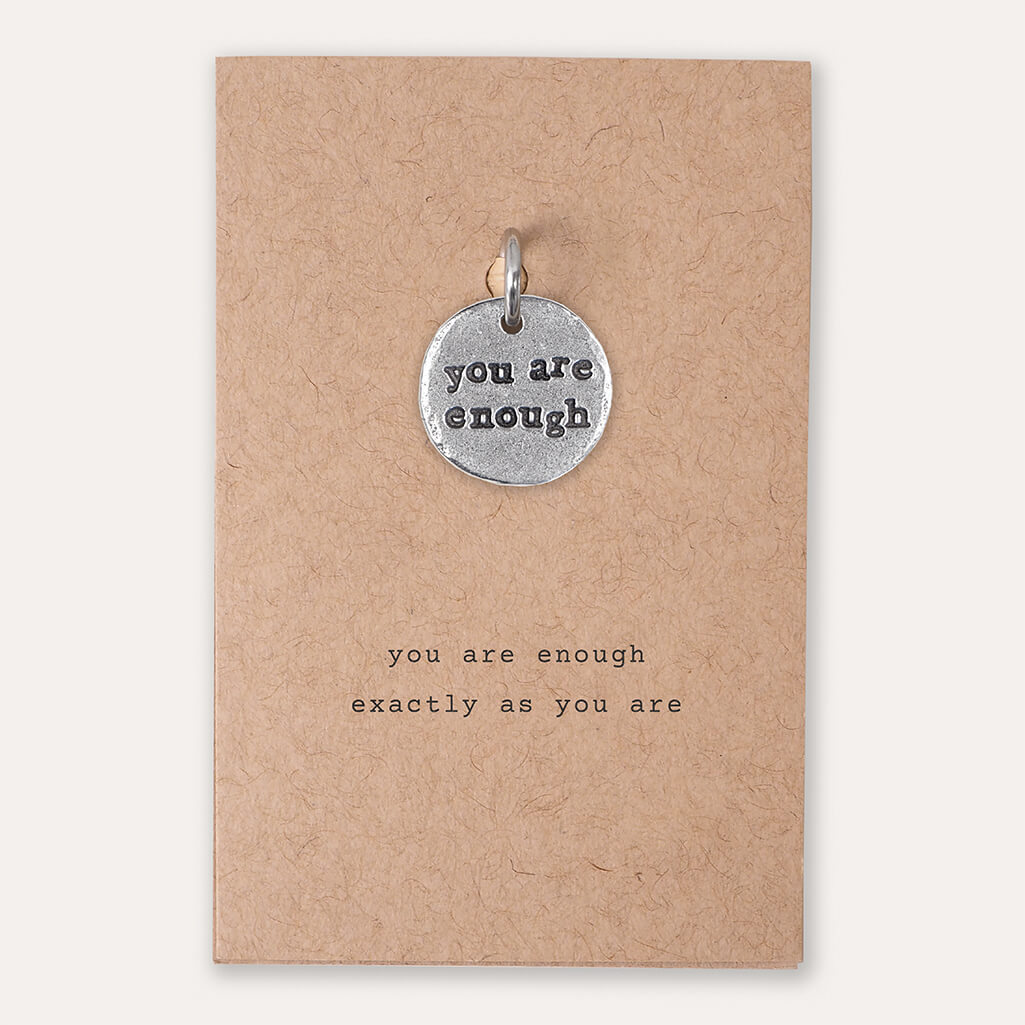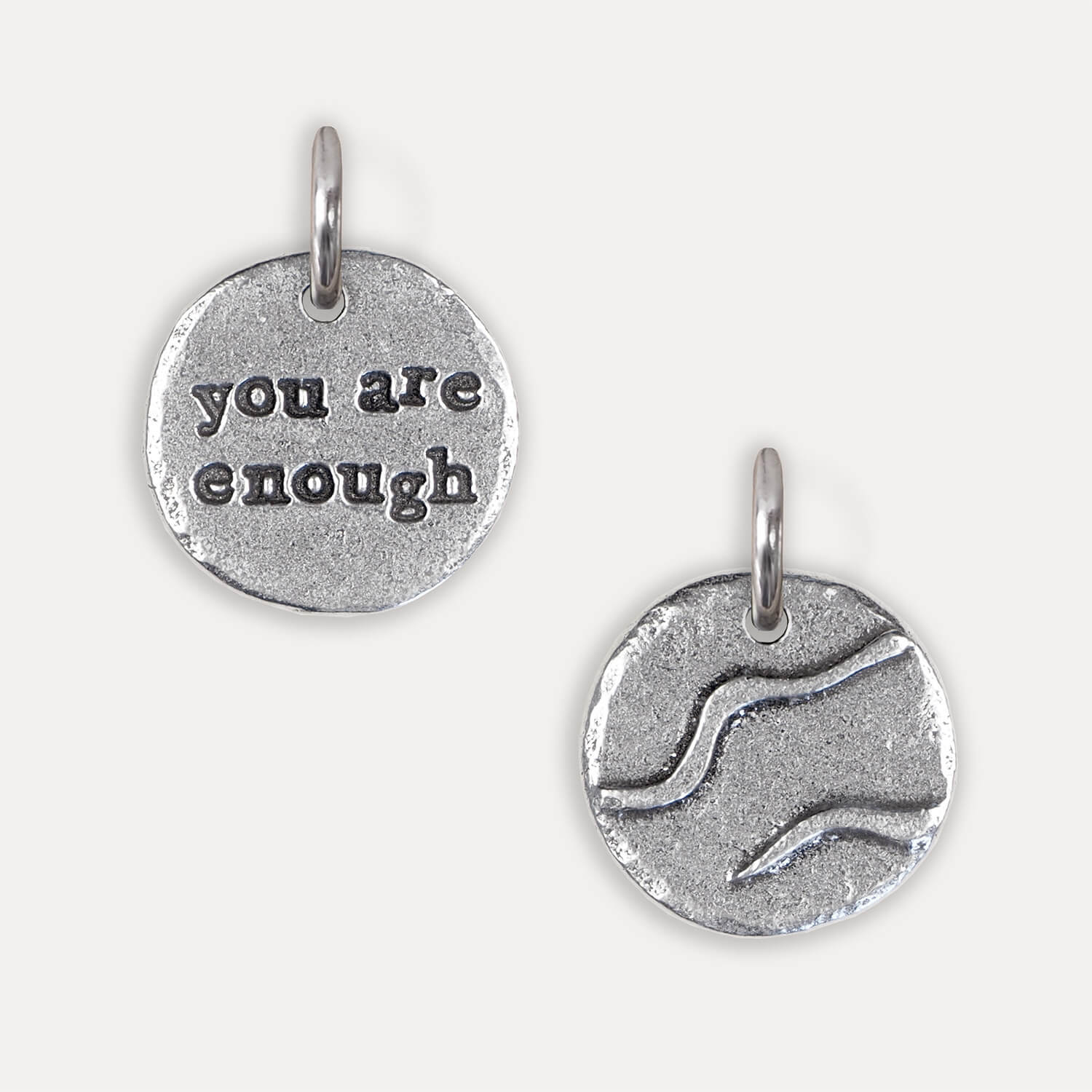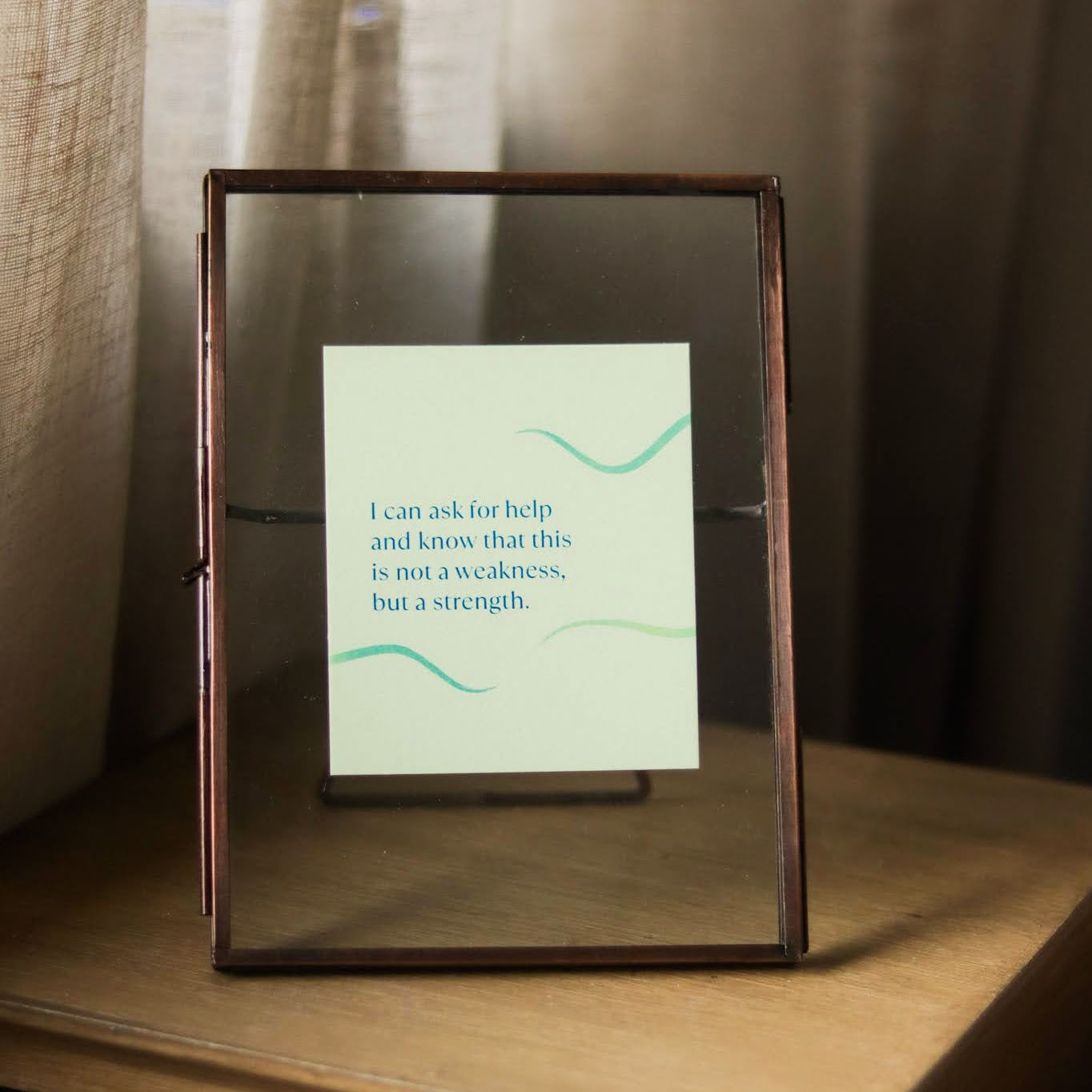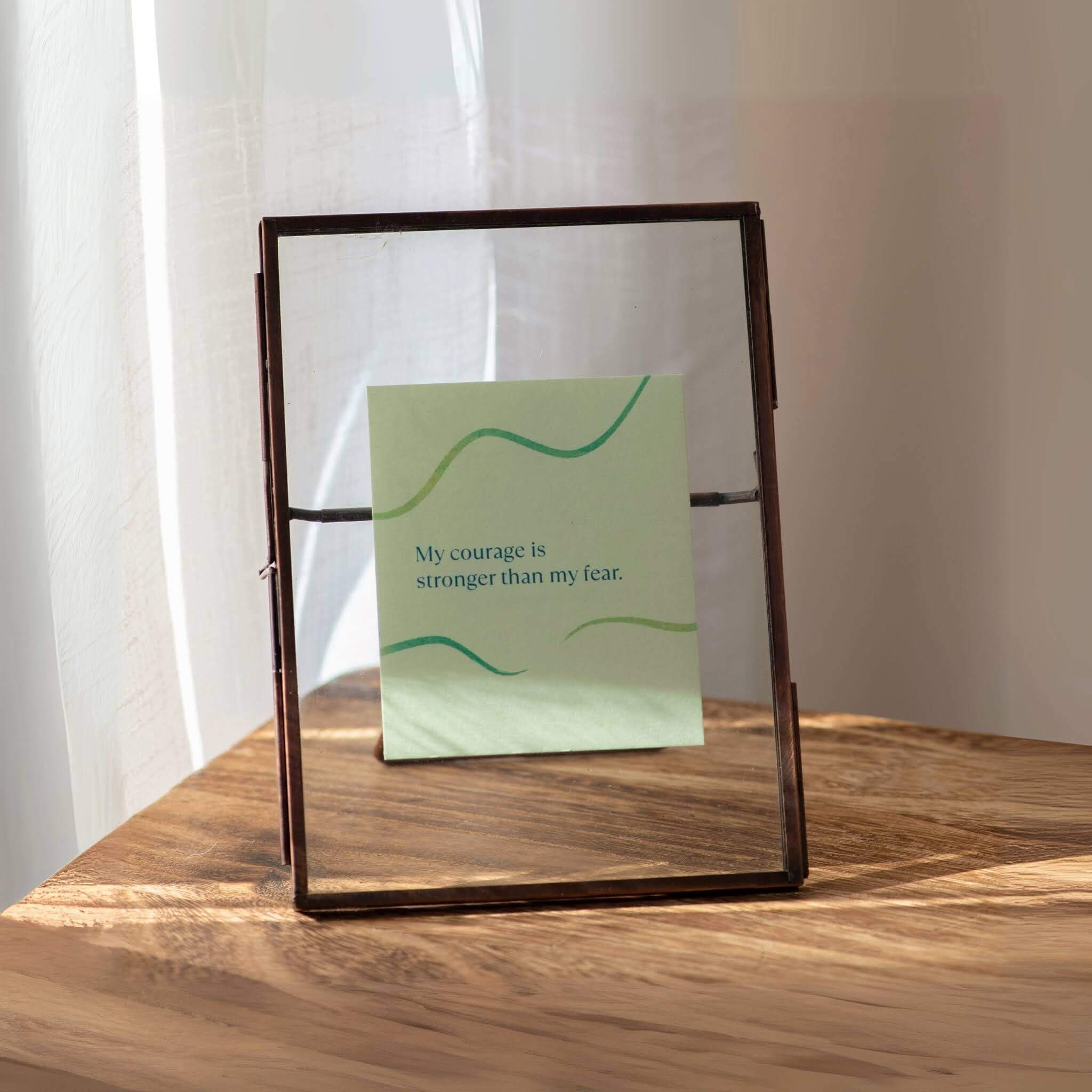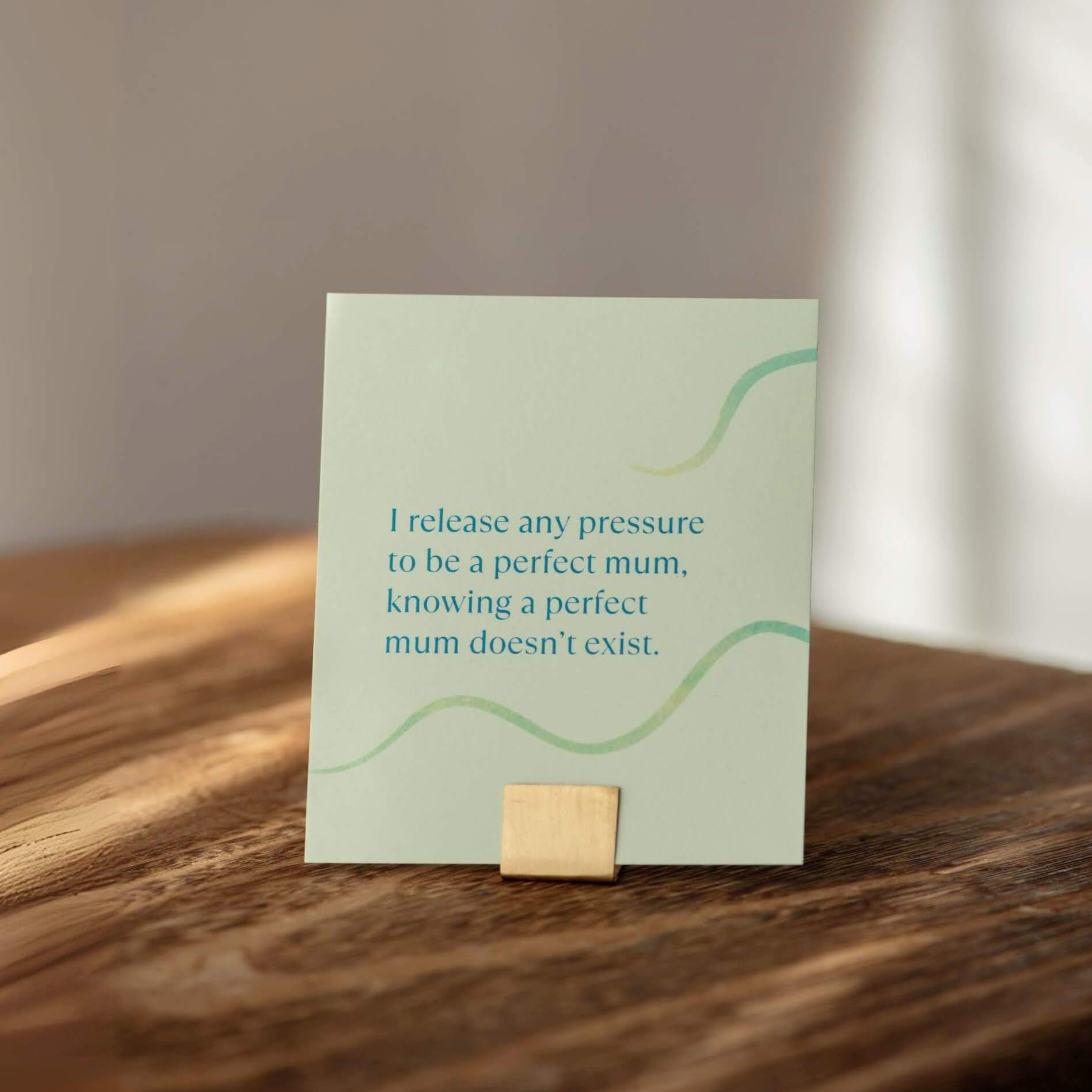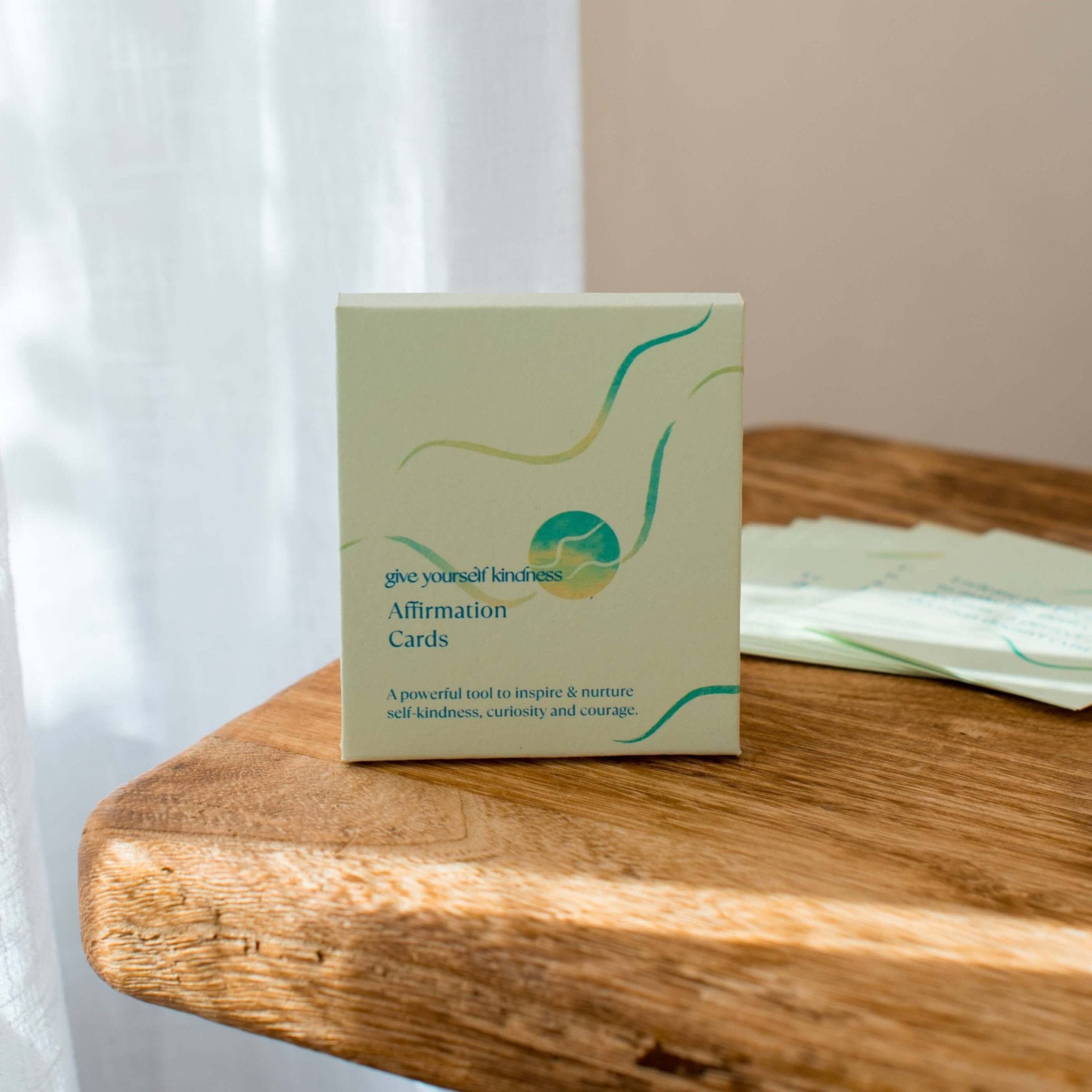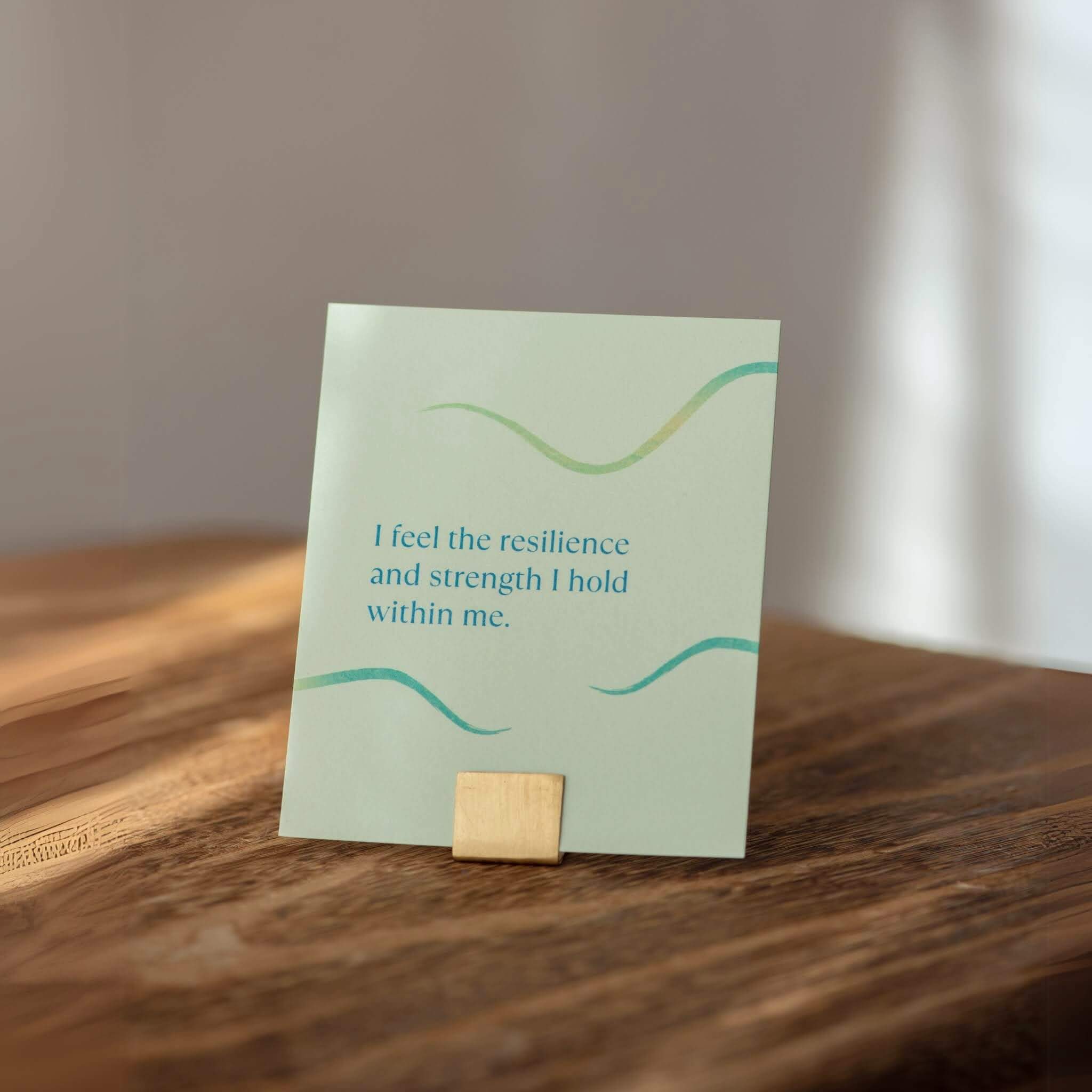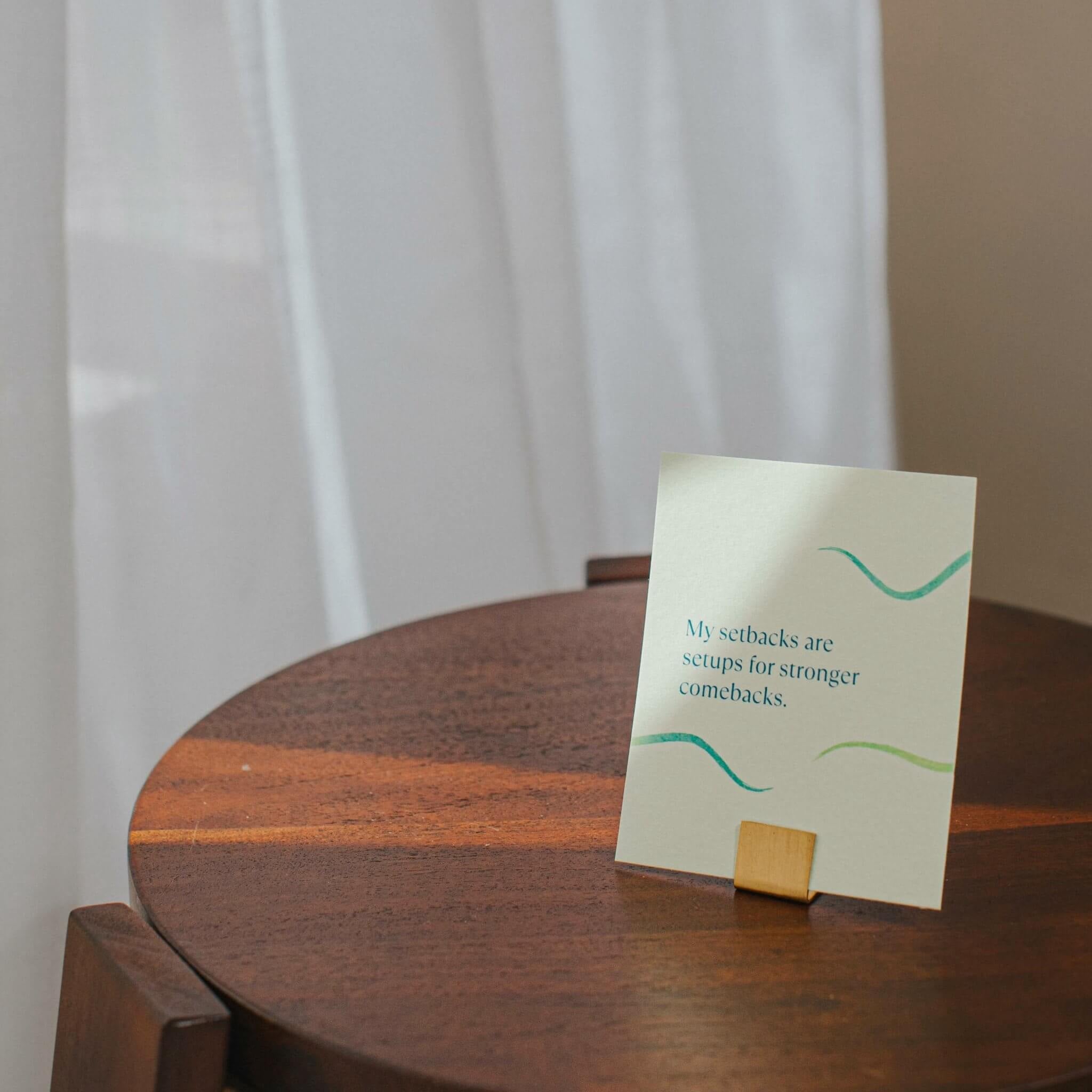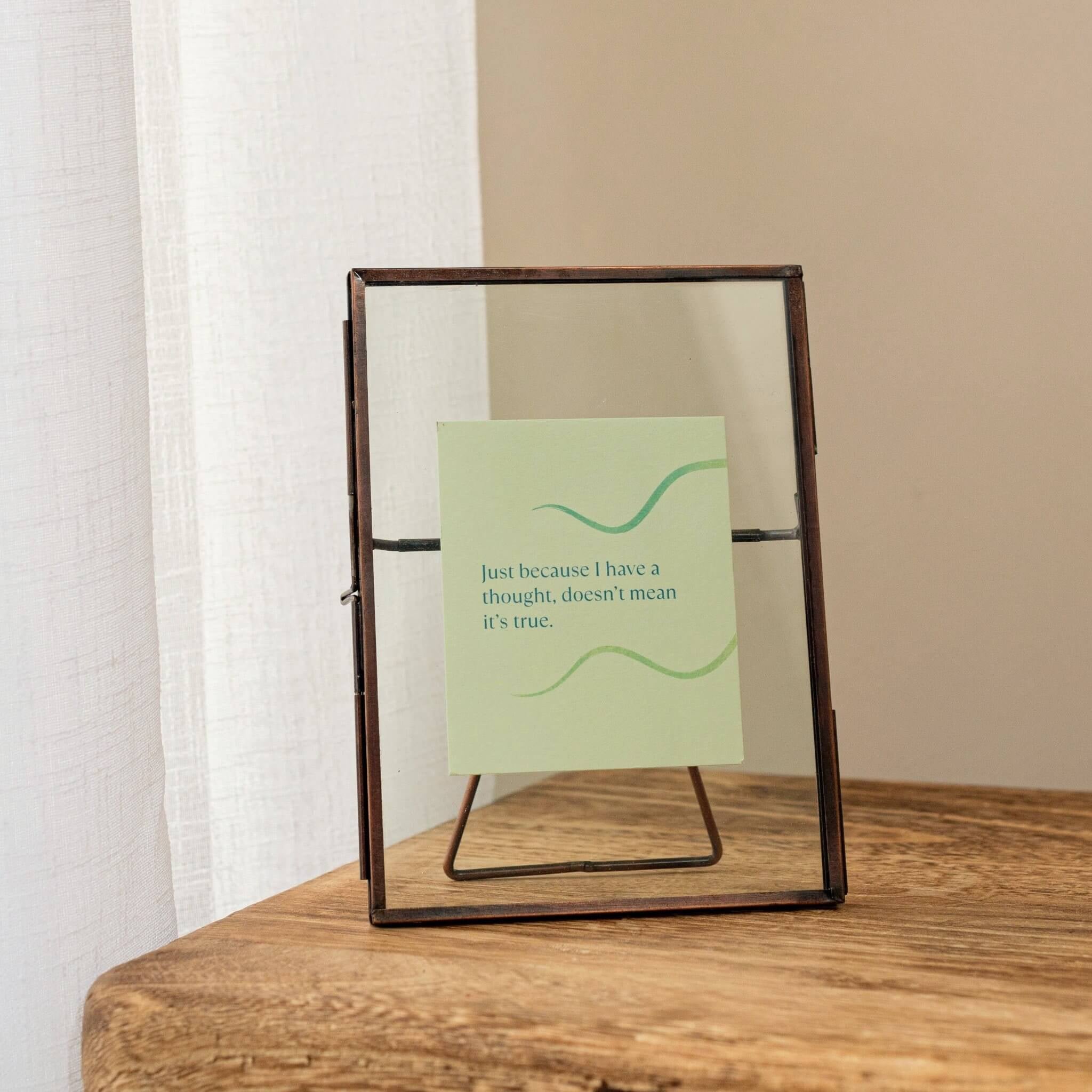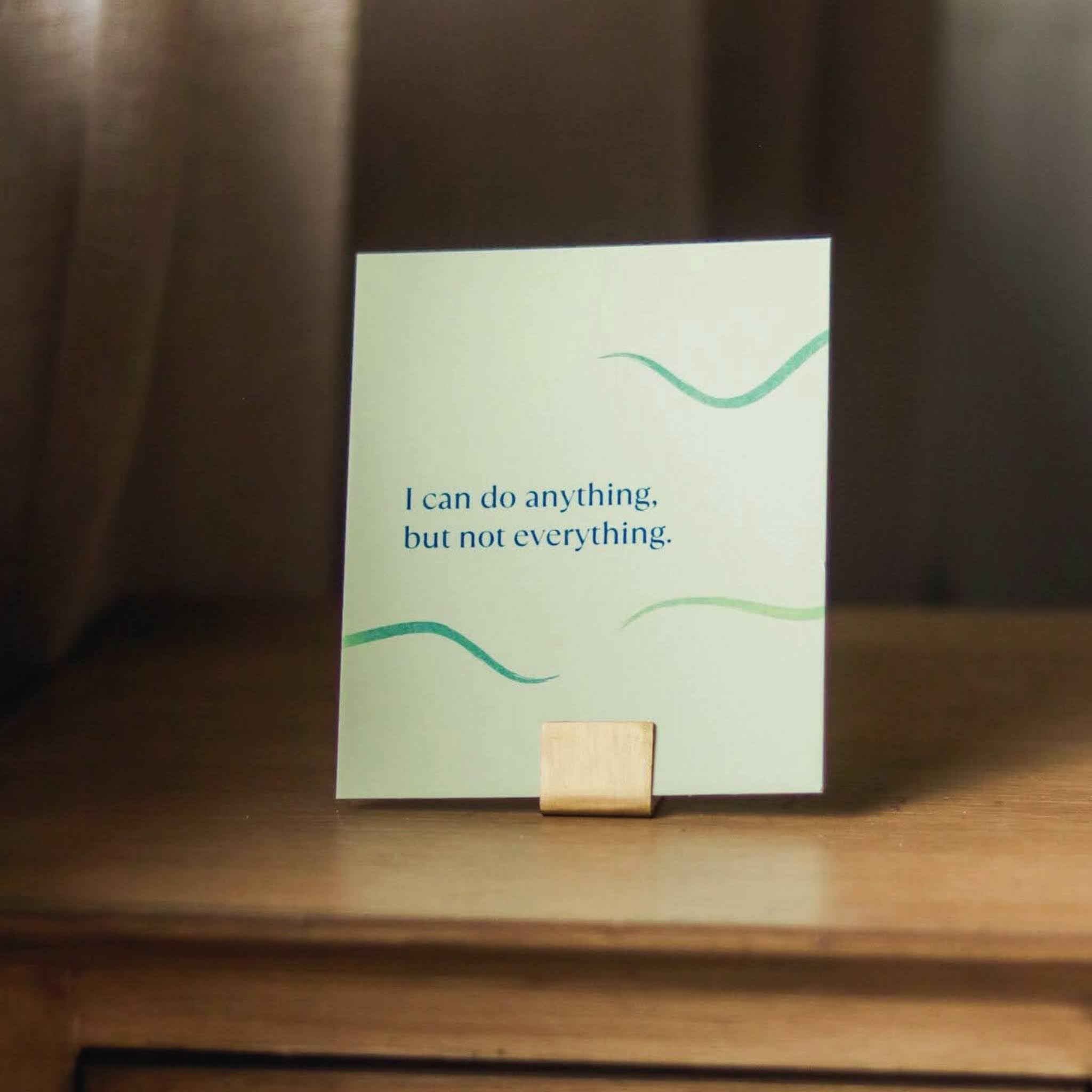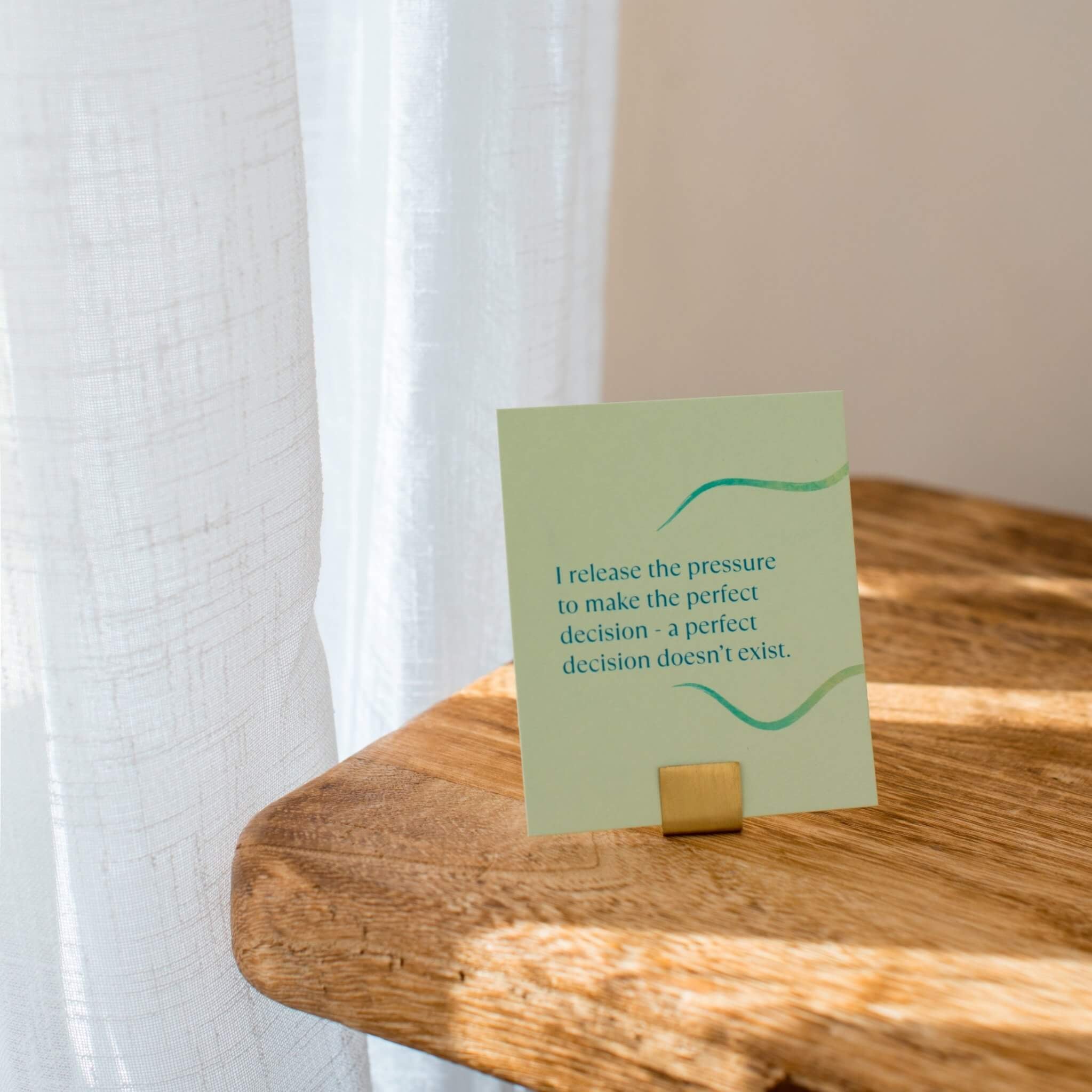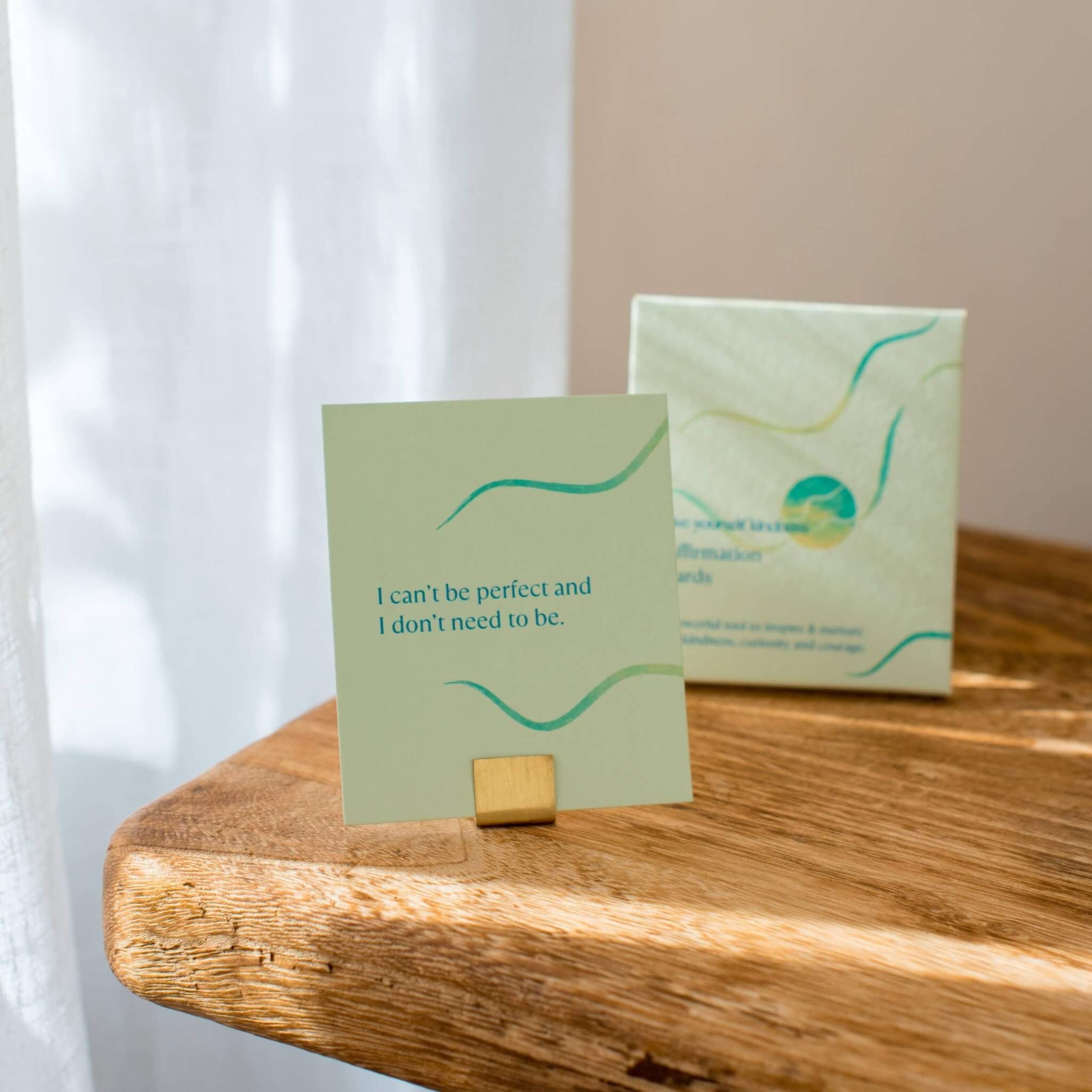





You have almost certainly achieved more than you give yourself credit for. It just never seems to count for very long.
Something goes well and the feeling lasts an afternoon. Something goes wrong and you're still turning it over on Thursday. Underneath both is a voice that never quite lets anything be enough.
Quick answer
The best journal for perfectionism is one that changes how you speak to yourself.
Not one that helps you plan better or achieve more. You're not short of standards. What's missing is a kinder voice answering back when you don't meet them, and that voice is something you can genuinely build.
Look for prompts that ask what you found hard and then help you respond to yourself, rather than prompts asking what went well.
Recommended by clinical psychologists at Harvard and Oxford
There are twelve free journal prompts further down, six of them from a therapist who specialises in perfectionism. They're yours whether you buy anything or not.

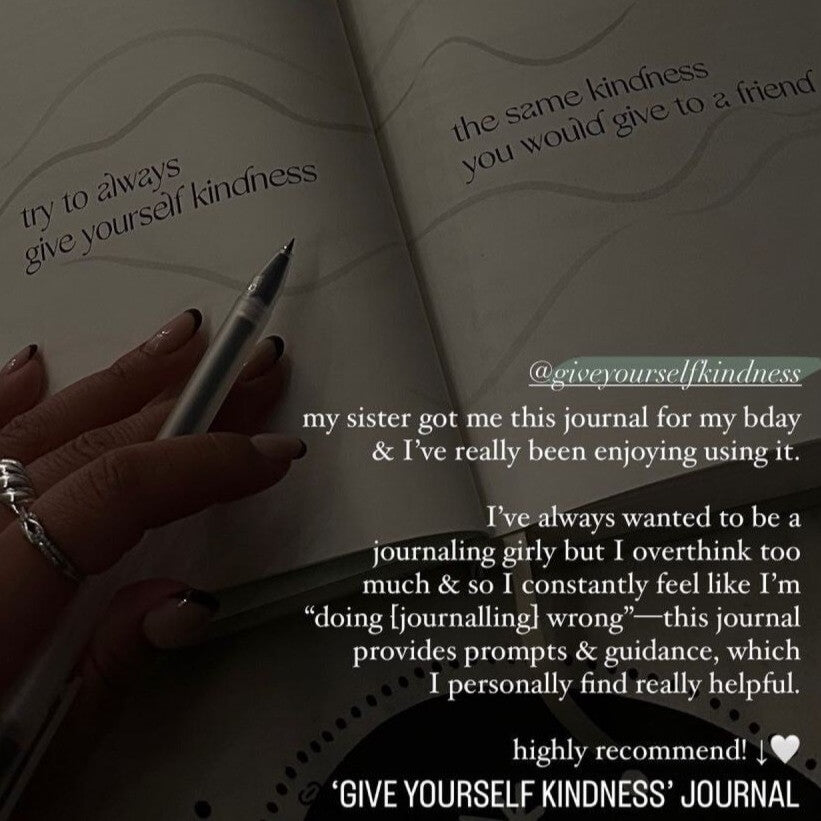
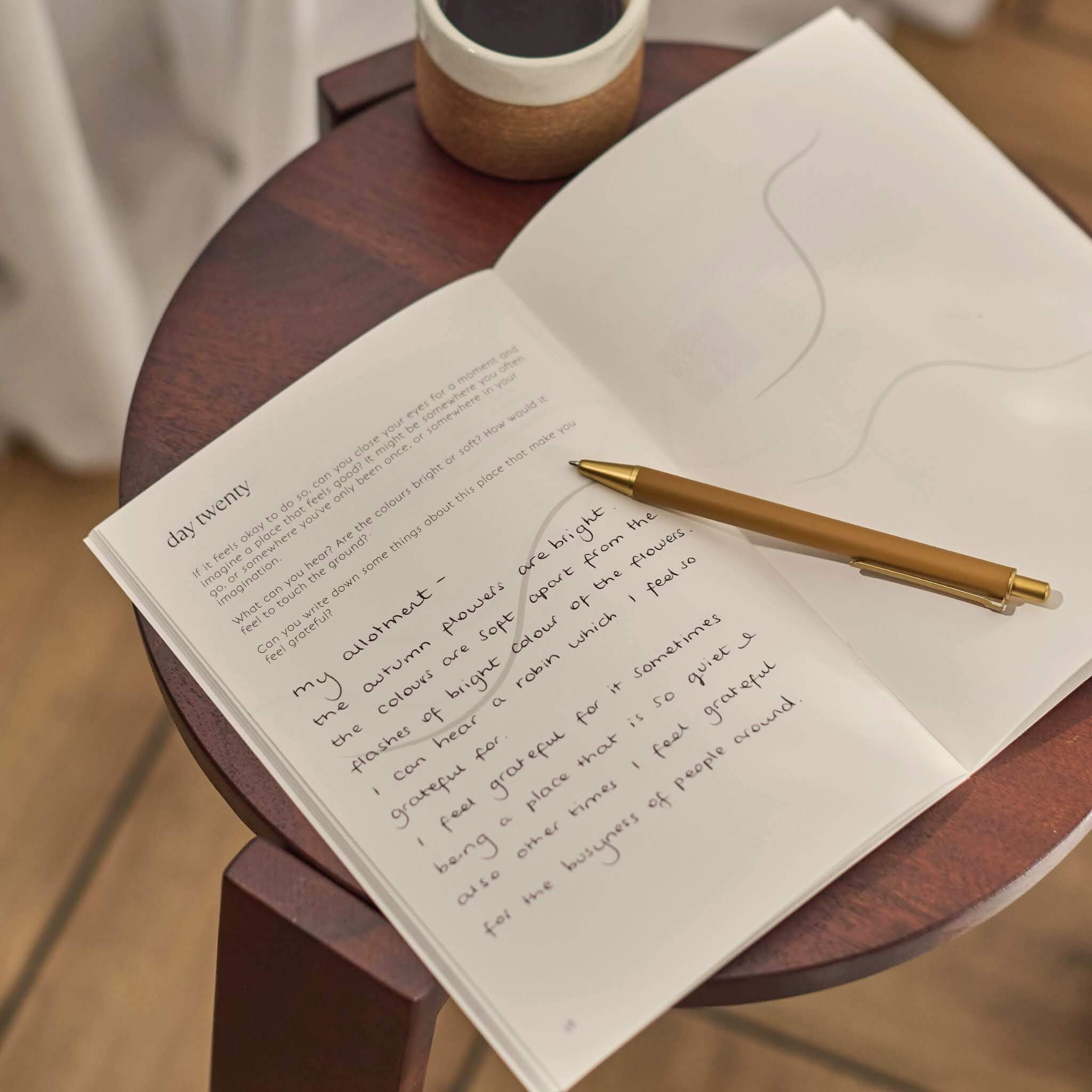
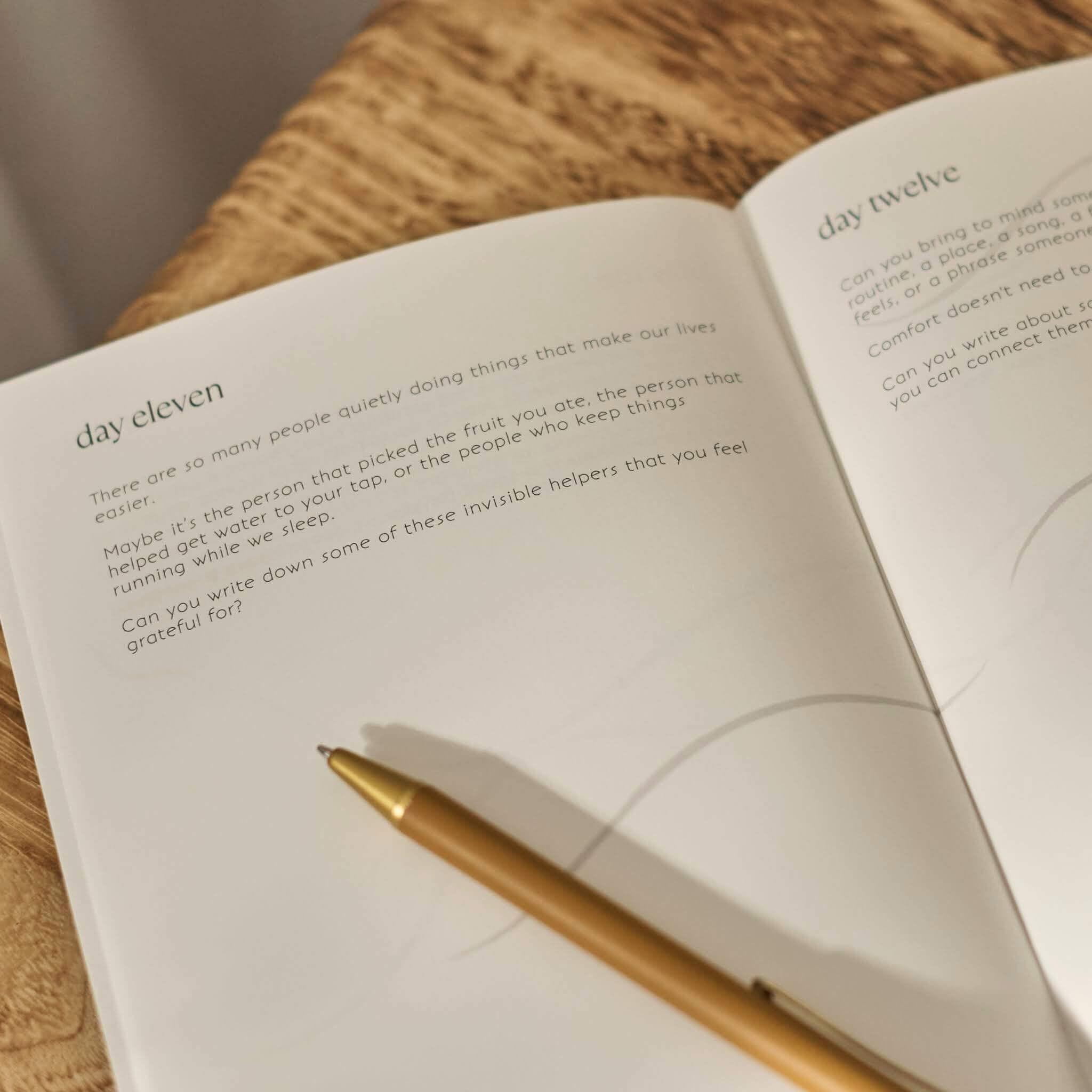
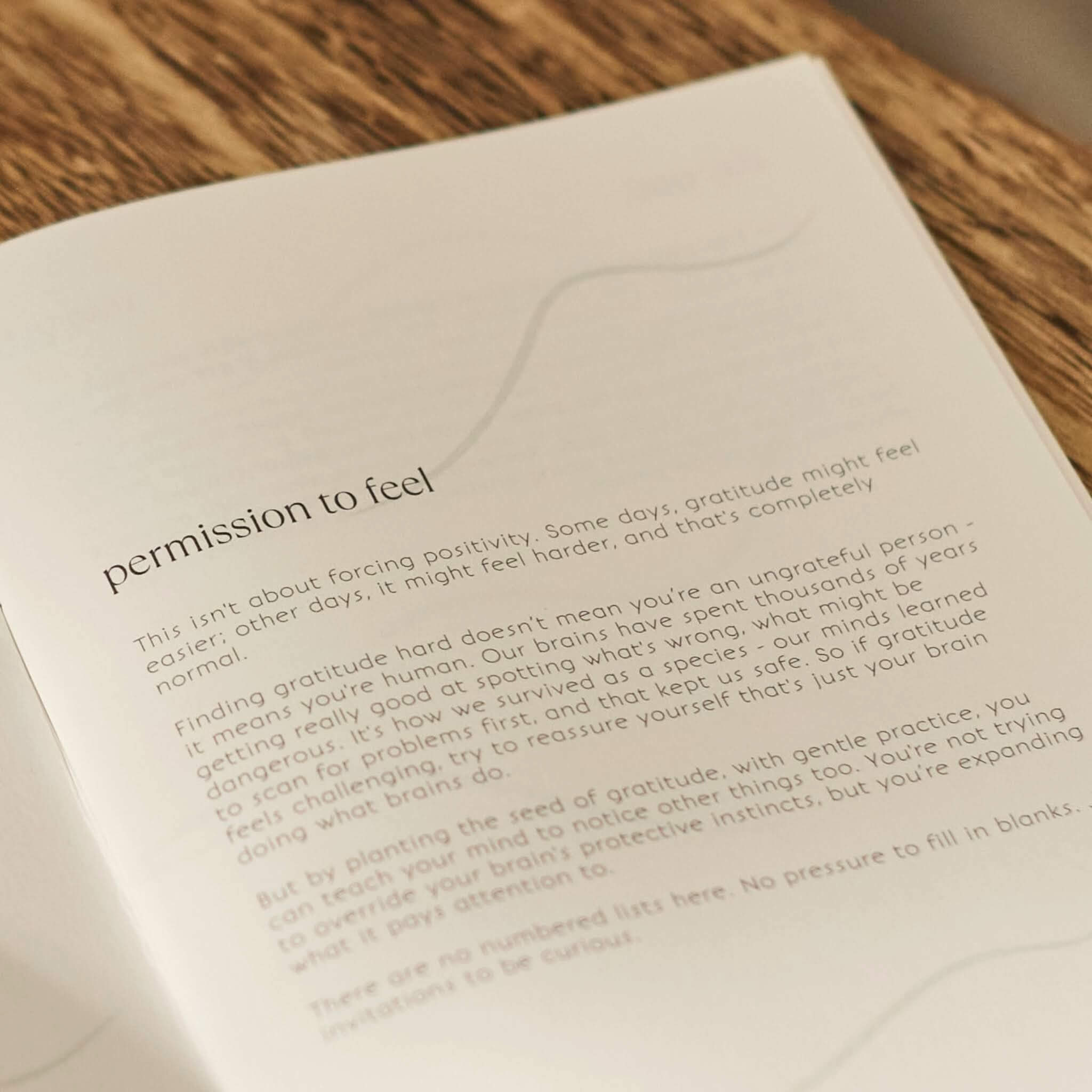
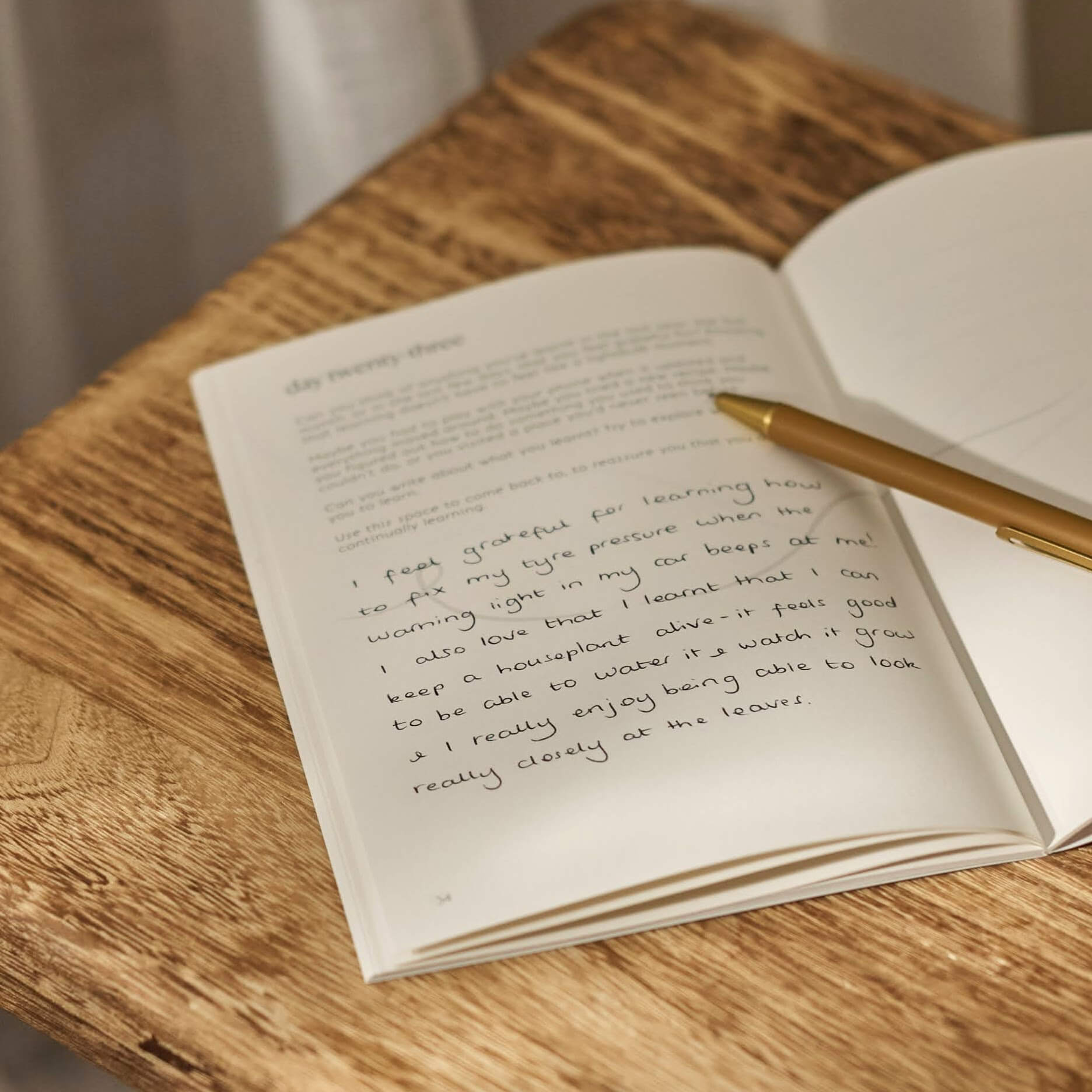
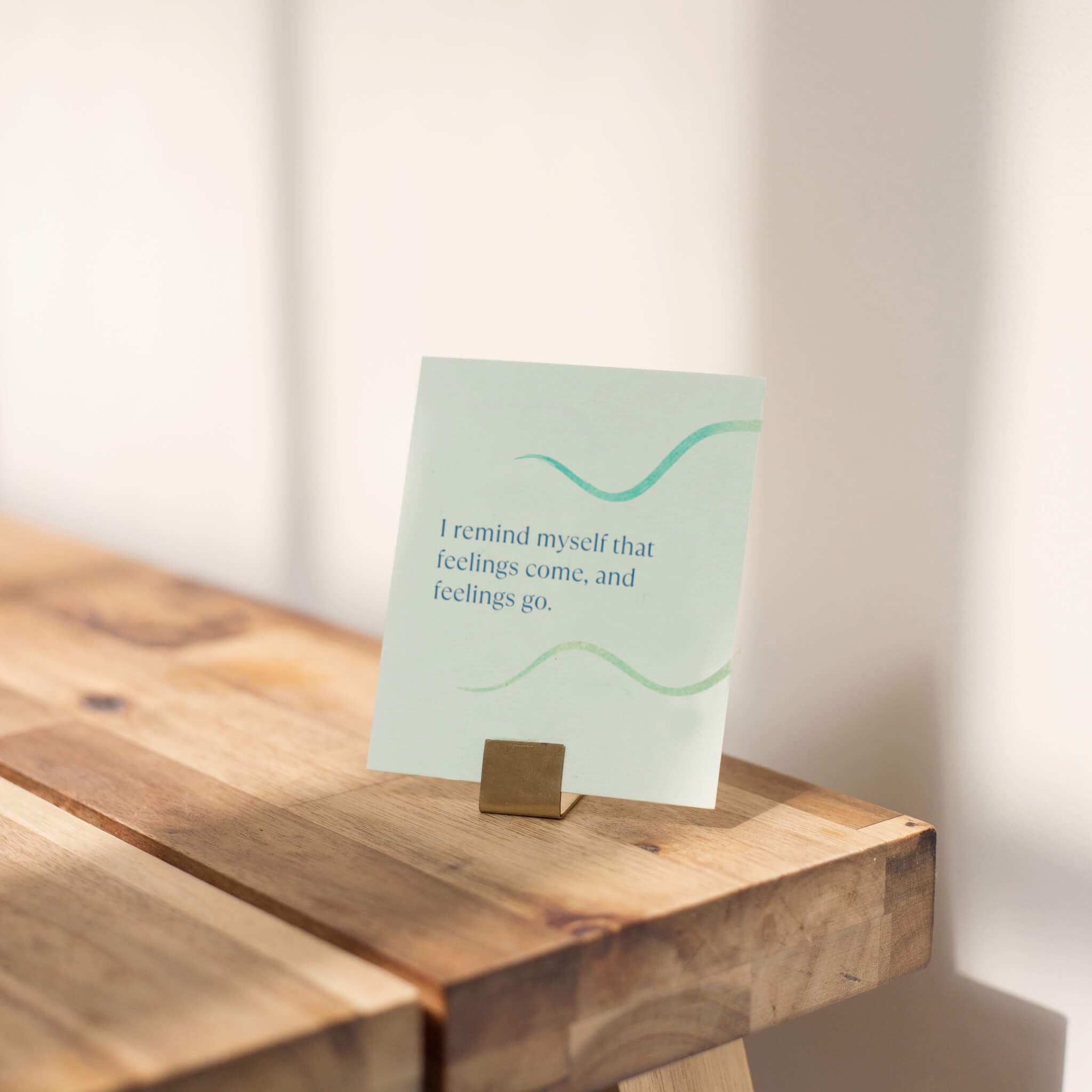
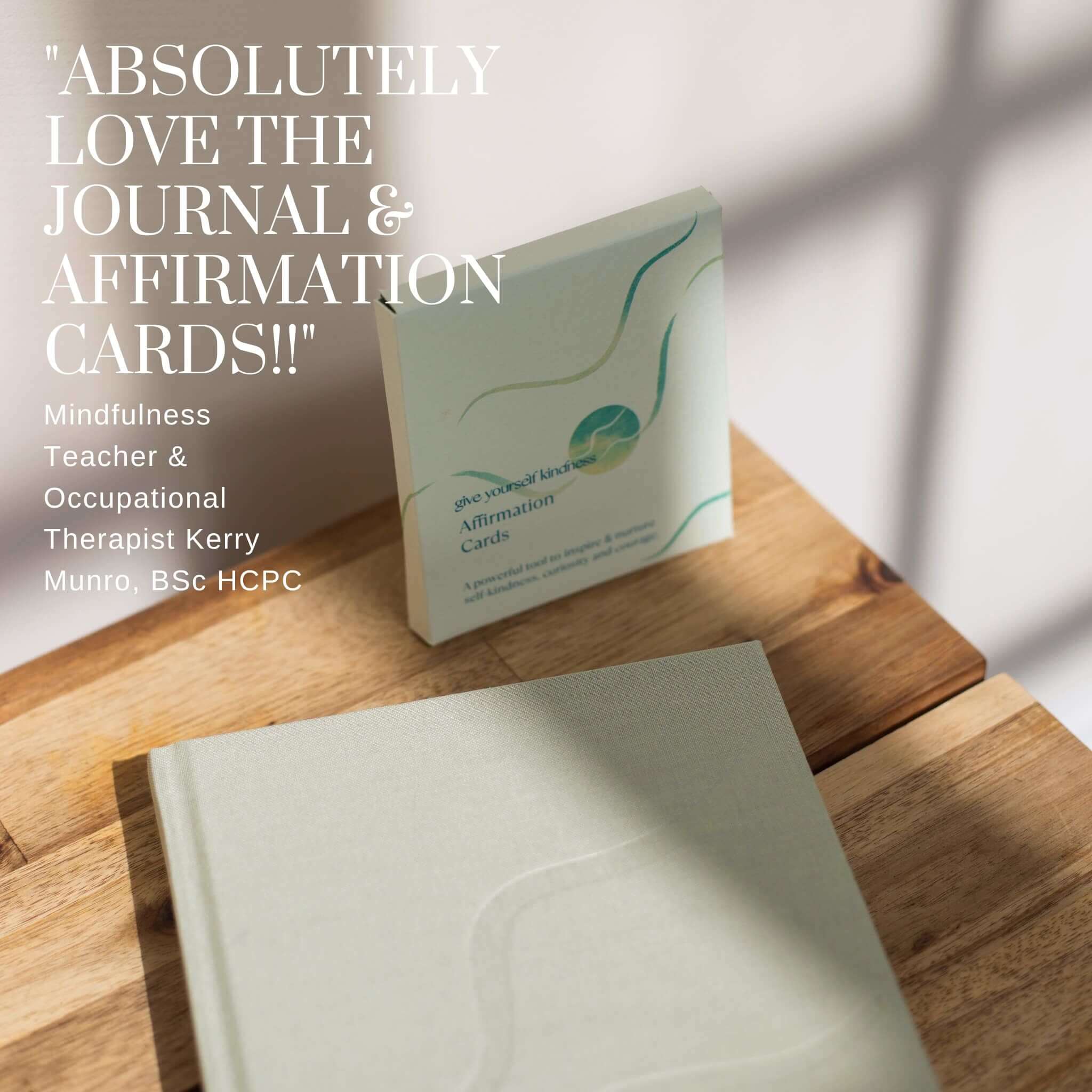
The Give Yourself Kindness Journal. Built around one idea, printed through it more than fifty times: the way you speak to yourself matters. Three months of prompts that help you practise saying something different.
Added to your basket. View basket →
Why trust me: I'm Rachel Smith, a qualified meditation teacher, and this journal is mine. I made it after my own recovery through Compassion-Focused Therapy, because everything I could find was either forced positivity or the same prompts every day, and neither touched the voice underneath. I had it reviewed by experts around the world, including clinical psychologists at Harvard Medical School and the University of Oxford. More about me →
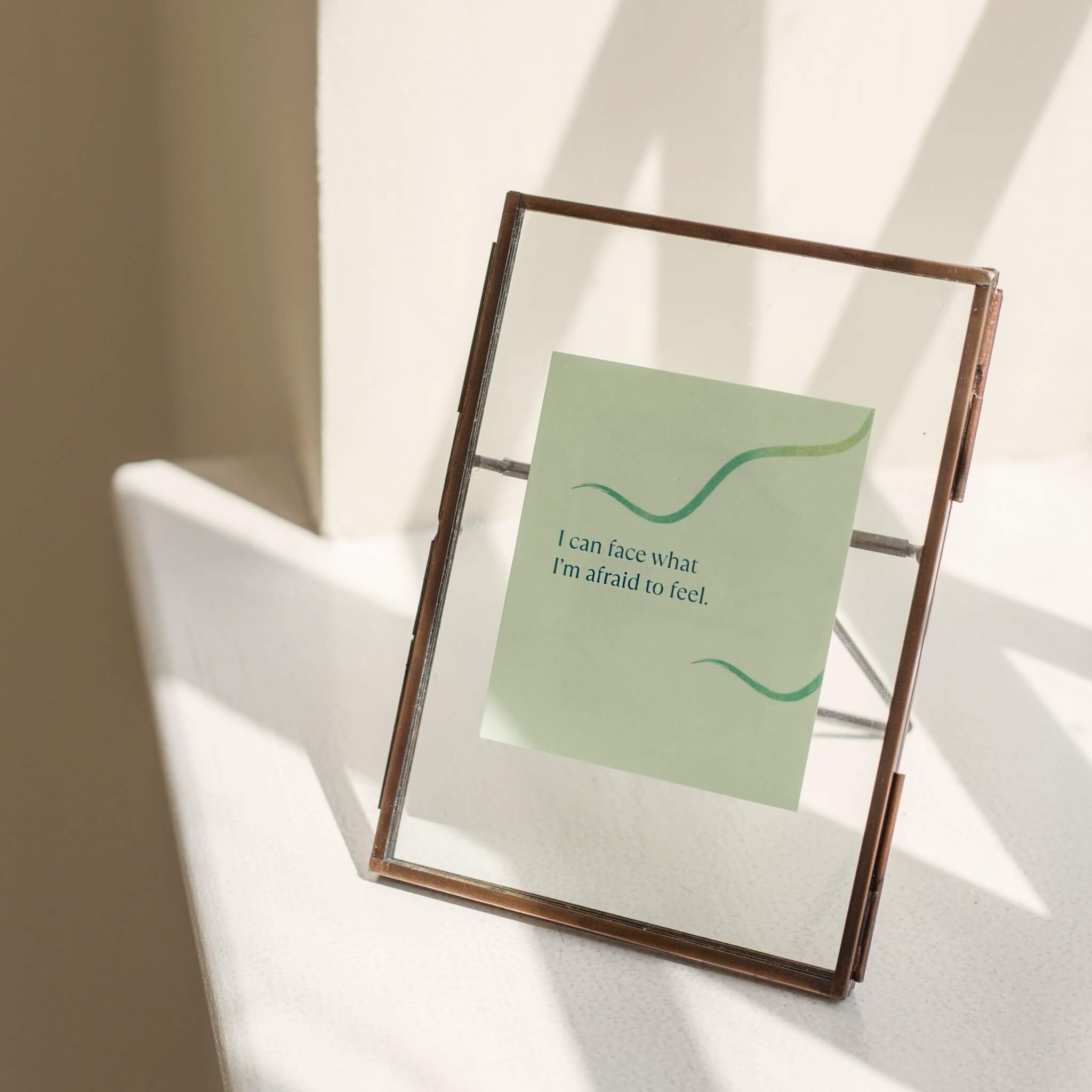
The way you speak to yourself matters
That sentence is printed through the journal, and it isn't a slogan. It's the first thing a therapist who specialises in perfectionism tells people to look at.

Collette Jones, LCSW
Licensed therapist and private practice owner, specialising in perfectionism and high-functioning anxiety
"Oftentimes we don't even notice all the thoughts going through our heads and how many of those thoughts are us speaking negatively about ourselves... We have these thoughts running through our heads all day and we don't realise that our minds and our bodies are listening."
Her six tips for perfectionism begin with this one, ahead of everything else, and it's worth understanding why. You are not choosing to be harsh with yourself. It's happening below the level you notice, hundreds of times a day, and it's landing anyway.
Read Collette's full article: self-compassion, the antidote to perfectionism →The things you say to yourself without hearing them
Collette lists the ones she hears most. Most people recognise at least three.
- "How could I not have realised that?"
- "Why did I let that bother me?"
- "I should be over this already."
- "I'm so stupid."
- "That's probably a dumb question."
- "I should have been able to do this."
Read those as though a friend had said them out loud about herself. You'd stop her. You'd probably be quite firm about it.
And here's the part worth holding on to: none of it is fixed.
Collette is direct about this, and it's the most hopeful line in her article. The beliefs underneath perfectionism came from somewhere, whether that's family, work, school or the culture you grew up in.
"No matter where it comes from, you can decide if you continue to hold that belief."
You can decide. Not overnight, and not by trying harder, but by noticing what you say to yourself and practising something kinder often enough that it becomes available. That's the entire job of this journal, and it's why every prompt asks you to answer yourself rather than assess yourself.
Does this sound like you?
These are the telltale signs of perfectionism as Collette sets them out. There's no score to reach, and this isn't a diagnosis. It's here because most people are surprised how much of it is on the list.
- Never feeling good enough despite what you've already achieved
- Standards so high you can't meet them without something else in your life suffering
- Putting things off until you can start or finish them perfectly
- Avoiding new things in case you're not good enough at them
- Finding it hard to delegate
- Fear of asking for help
- Guilt and shame that sit under most of it
- Hiding how much you're struggling from other people
- Overthinking
- Anxiety
- Burnout
- People-pleasing
- Being harder on yourself than you'd ever be on anyone else
Perfectionism is usually a silent struggle, which is what makes it so heavy. Collette's point about this is one I'd want everyone to read: "Because we want others to see us as perfect, many people suffer in silence and don't realise we all suffer from insecurities, need help sometimes, and don't have it all figured out. How uplifting it is to know we're all in the same boat and not alone."
What changes when the voice does
Not perfection, and not lowered standards. Something quieter and more useful than either.
- A mistake takes an hour to recover from rather than three days.
- You finish something and actually let yourself feel it, instead of moving straight to the next thing.
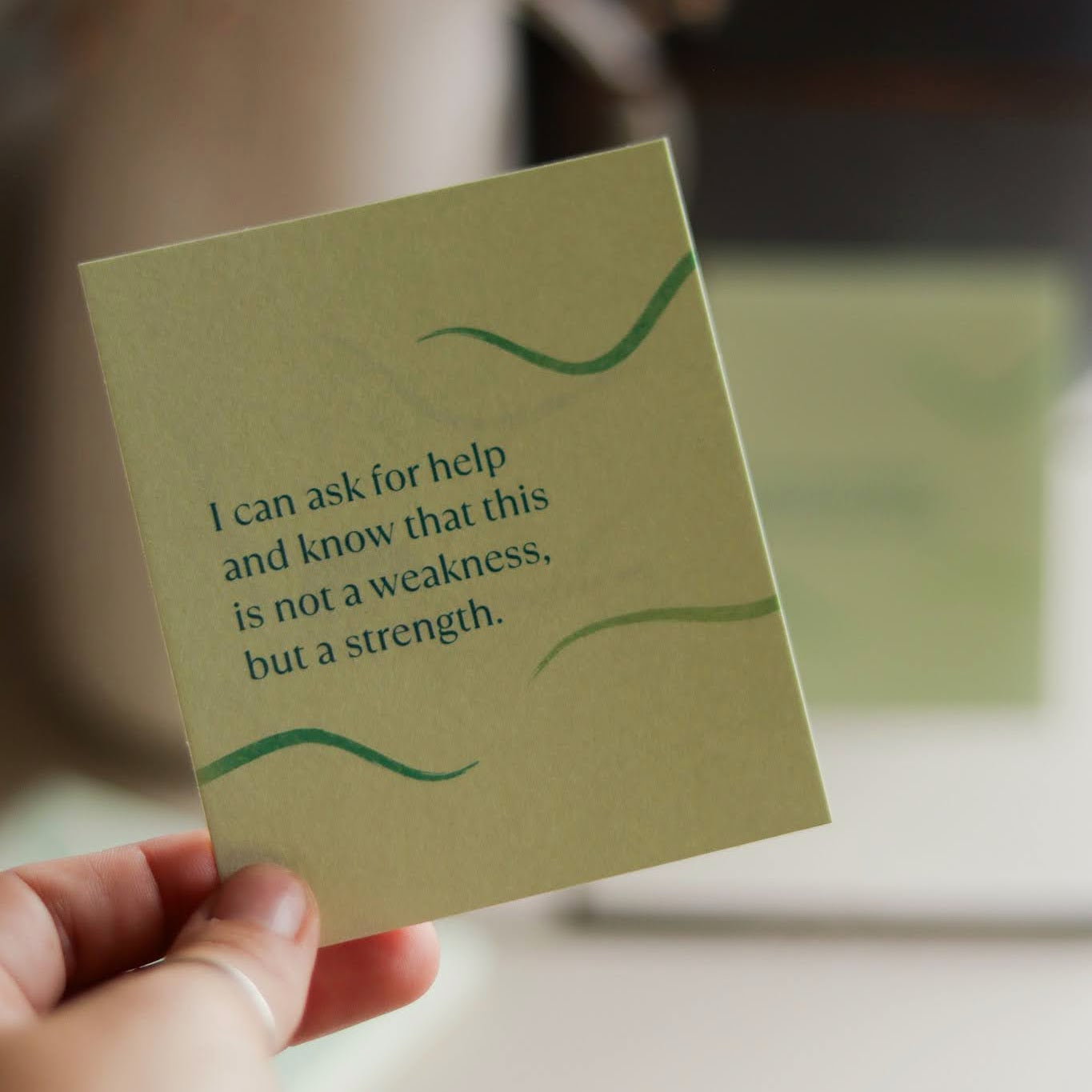
- You ask for help without the internal charge that usually comes with it.
- The critical thought still arrives, but you notice it as a thought rather than a verdict.
- Roadblocks stop reading as stop signs. As Collette puts it, they're detours.
None of that requires you to become a different person. It requires a different voice answering, which is a skill, and skills are practised.
Twelve journal prompts for perfectionism
These are free to use, in any notebook you already own. Six come from Collette Jones, LCSW, and six are the actual prompts from my journal. Take whichever fits the day.
When the inner critic is loud
Collette's approach starts by putting the thought on trial rather than accepting it. Take one critical thought you've had today and answer these about it.
Are these thoughts based on my own expectations, or someone else's?
Are these thoughts true? And do I have to hold them as true?
Is there another way I can look at this situation?
Am I holding myself to an unrealistic expectation?
Is it serving me to keep holding myself to this standard, or is it causing me harm in some way?
From Collette Jones, LCSW, writing for Give Yourself Kindness. As she puts it: "Questioning our thoughts allows us to decide if we need to continue to hold space for them."
After something hasn't gone to plan
This is the moment perfectionism does most of its damage. Collette's framing is that roadblocks aren't stop signs, they're detours, and the questions are asked with curiosity rather than blame.
Why did this not work out?
Was this reasonably within my control at all?
What can I learn from it, and do differently next time?
Also from Collette's article. She adds: "Questioning why something did or didn't happen doesn't have to come from anger, frustration, or self loathing."
The three that do the most work
These are from the Give Yourself Kindness Journal itself, and they all use the same move: answering yourself the way you'd answer someone you love.
What has challenged you today? Talk to yourself as you would talk to a friend, and write down what you would say.
Can you think of a time when you've struggled to feel proud of something you've achieved, but if it had happened to a friend you would have felt proud? Write down words of reassurance.
Notice how you are feeling right now. Think about what you would find it helpful to hear. It might help to imagine something a friend would say.
That second one is the perfectionist's prompt. Most of us can list what we've achieved and feel almost nothing about any of it.
One thing before you start
Perfectionism will try to make this a task you can fail at. It will tell you your handwriting is untidy, that you've missed days, that you're not doing it properly.
There is no properly. Half a sentence counts. "I don't know how to answer this" counts. Noticing that you're judging your own journalling counts, and is arguably the most useful entry you could write.
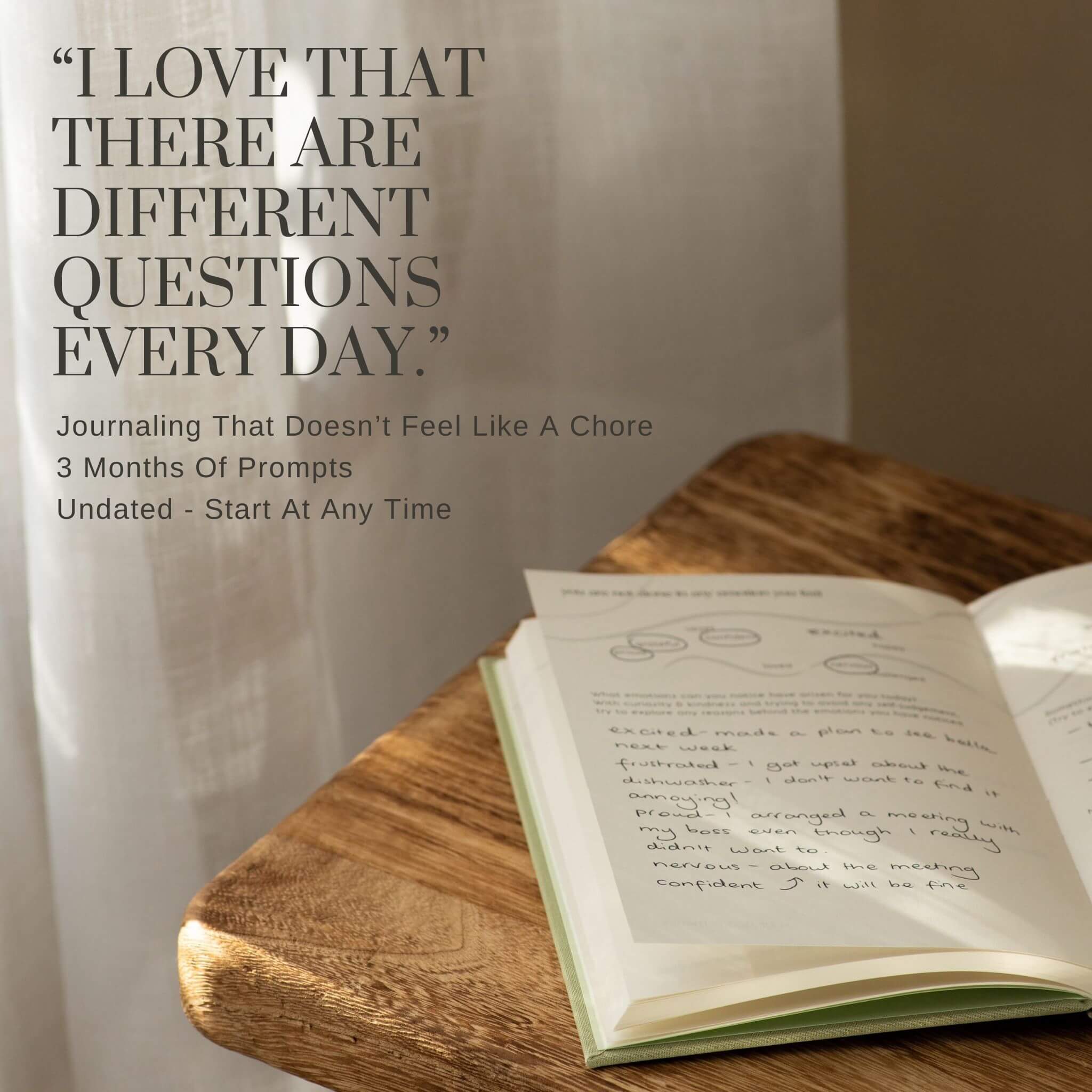
If you'd rather not have to remember any of this, the journal asks the question for you. Three months of prompts written this way, undated, with an emotion tool on every page.
Added to your basket. View basket →
Why this journal suits perfectionists
Four things, and the first is the reason the other three matter.
1. Every prompt practises a kinder voice
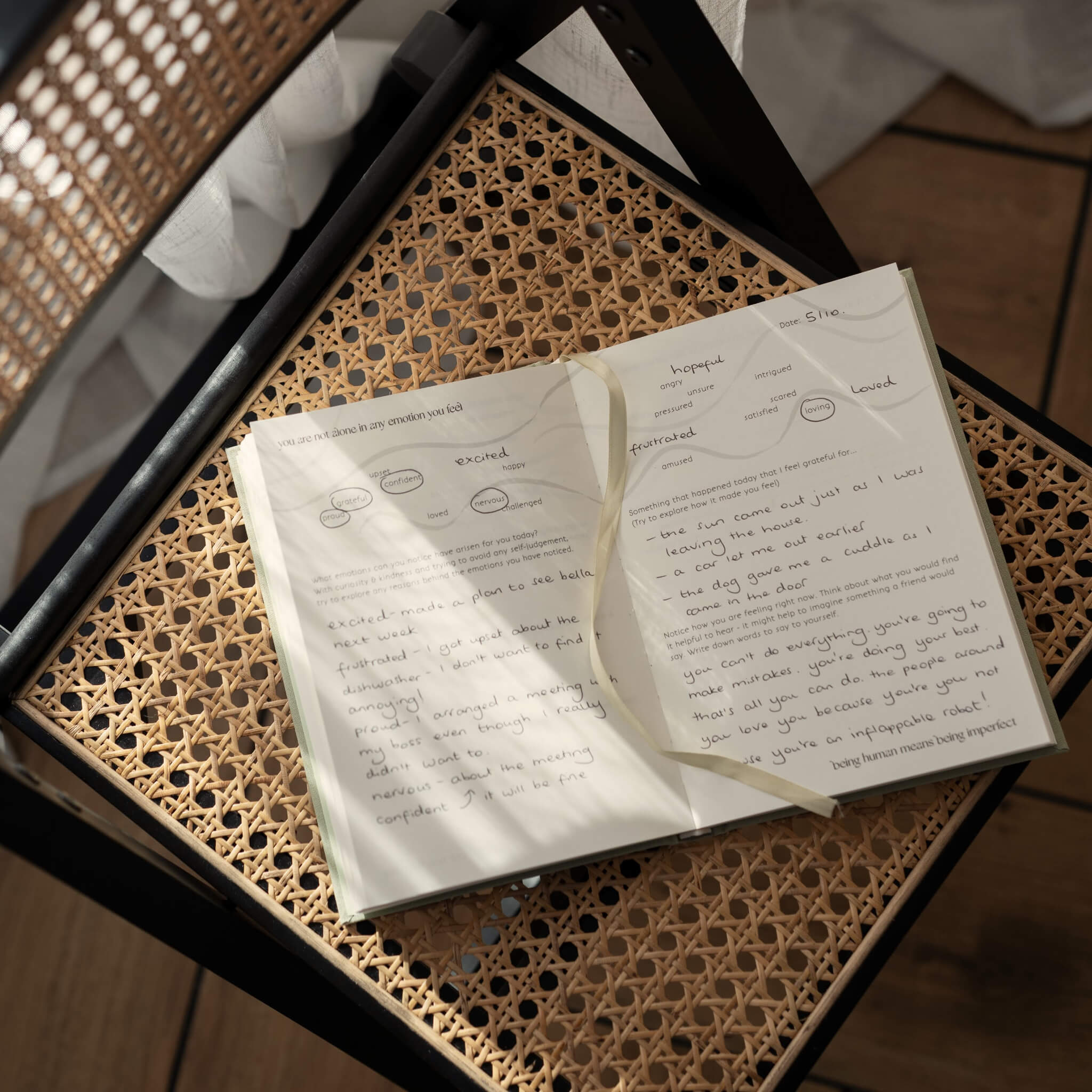
This is the whole design. The prompts don't ask you to assess your day, they ask you to answer yourself: what did you find difficult, and what would you say to a friend who felt like this?
You write the reply in your own handwriting and read it back. Over three months you're not filling in a book, you're rehearsing a voice until it's available to you without the prompt.
2. It says the thing you need to hear, more than fifty times
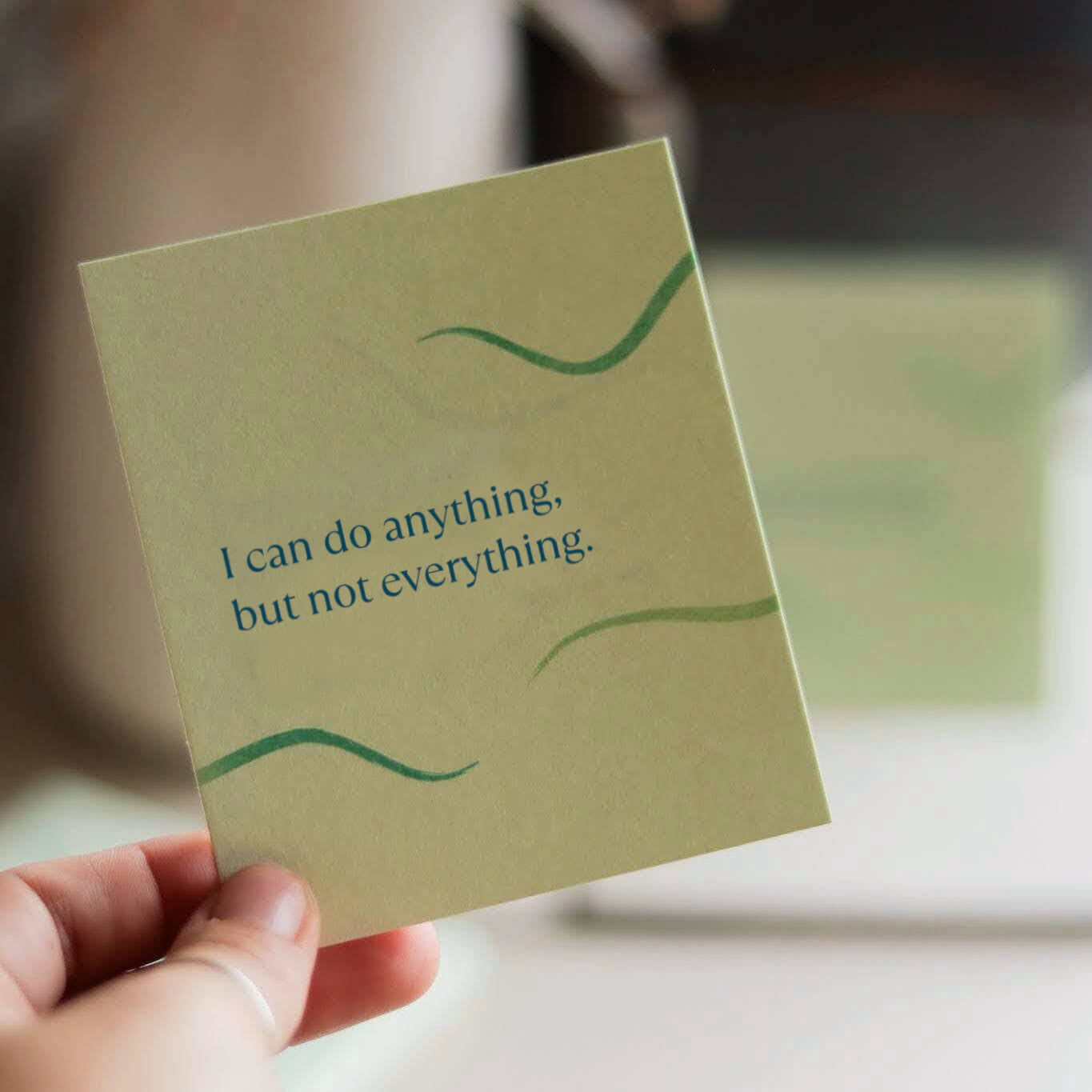
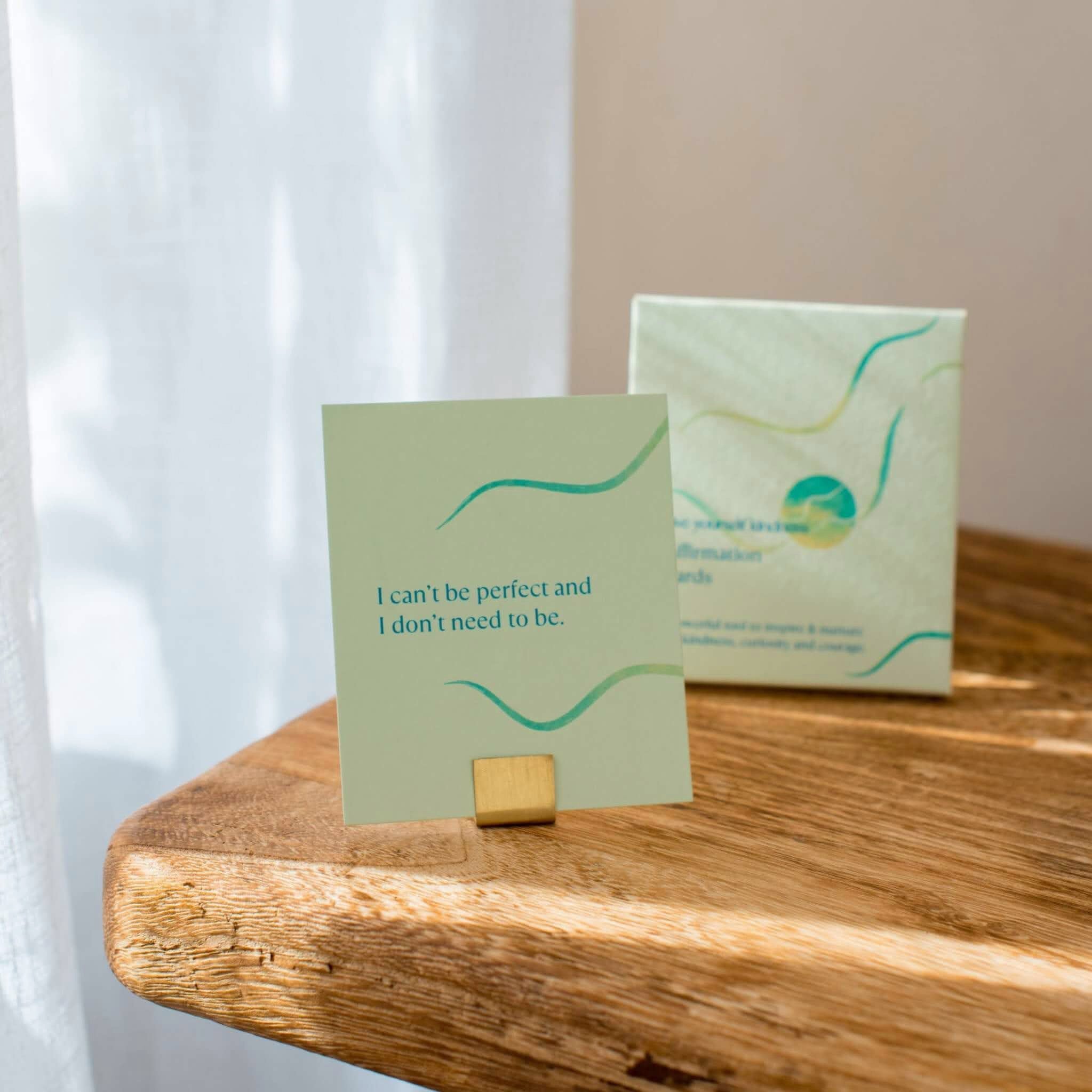
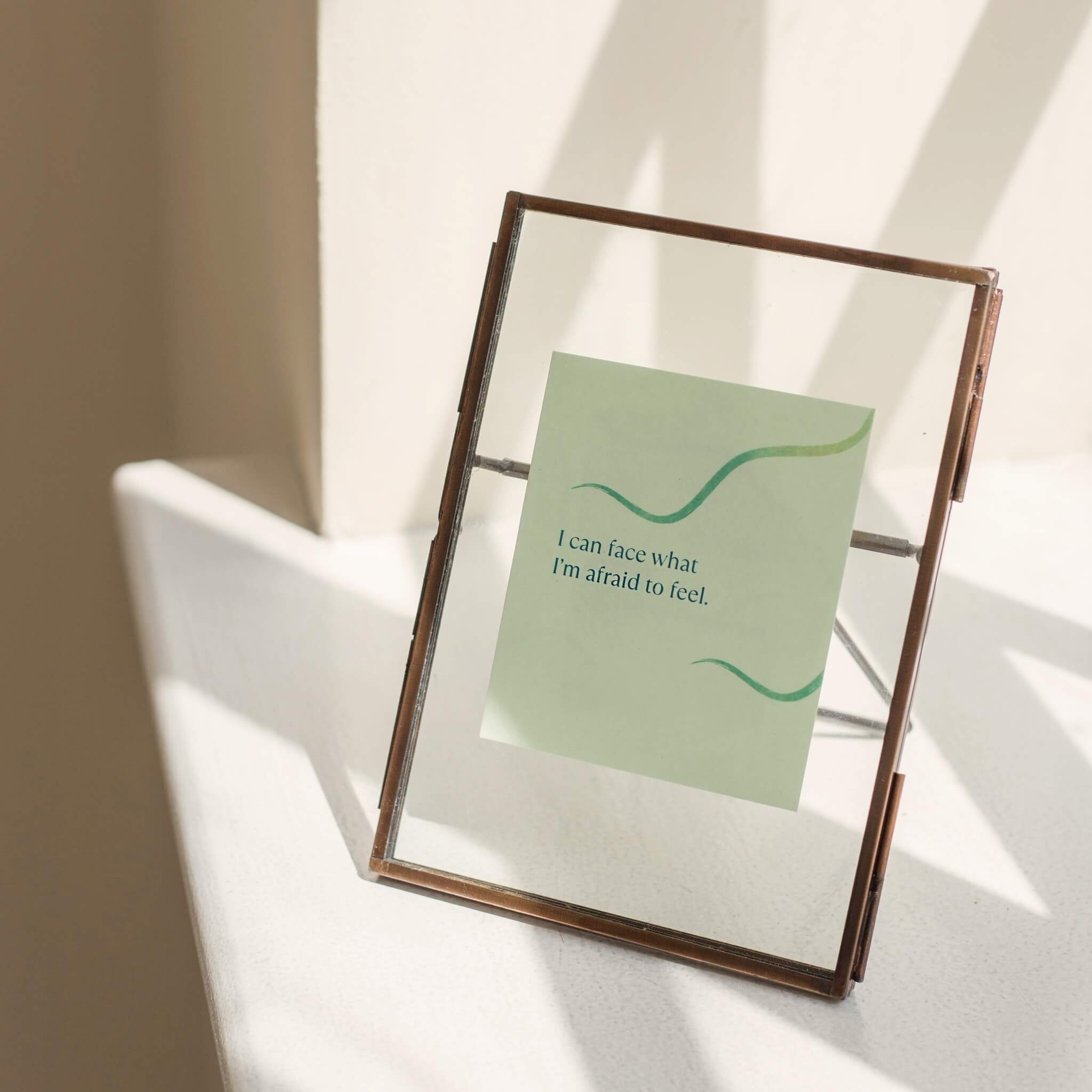
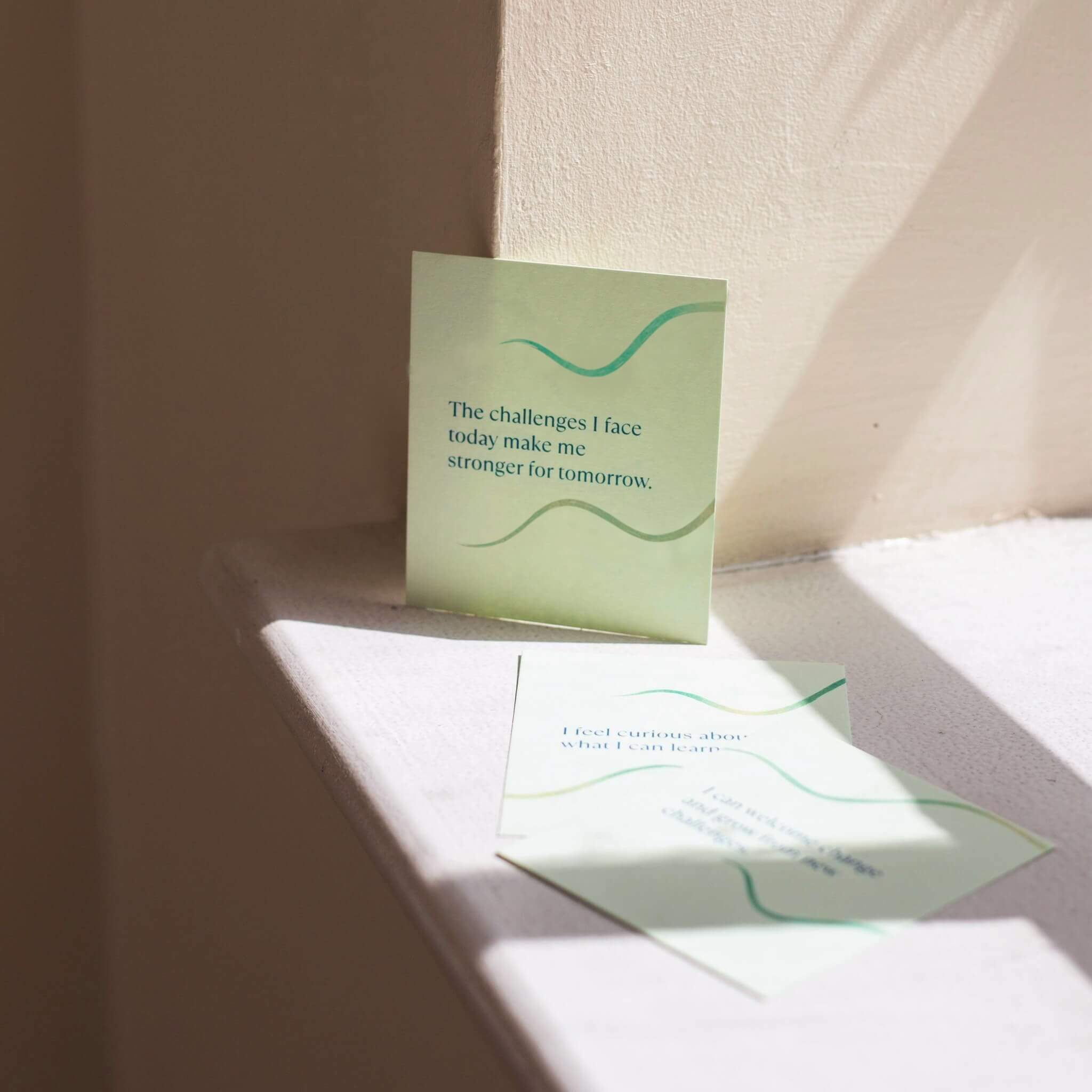
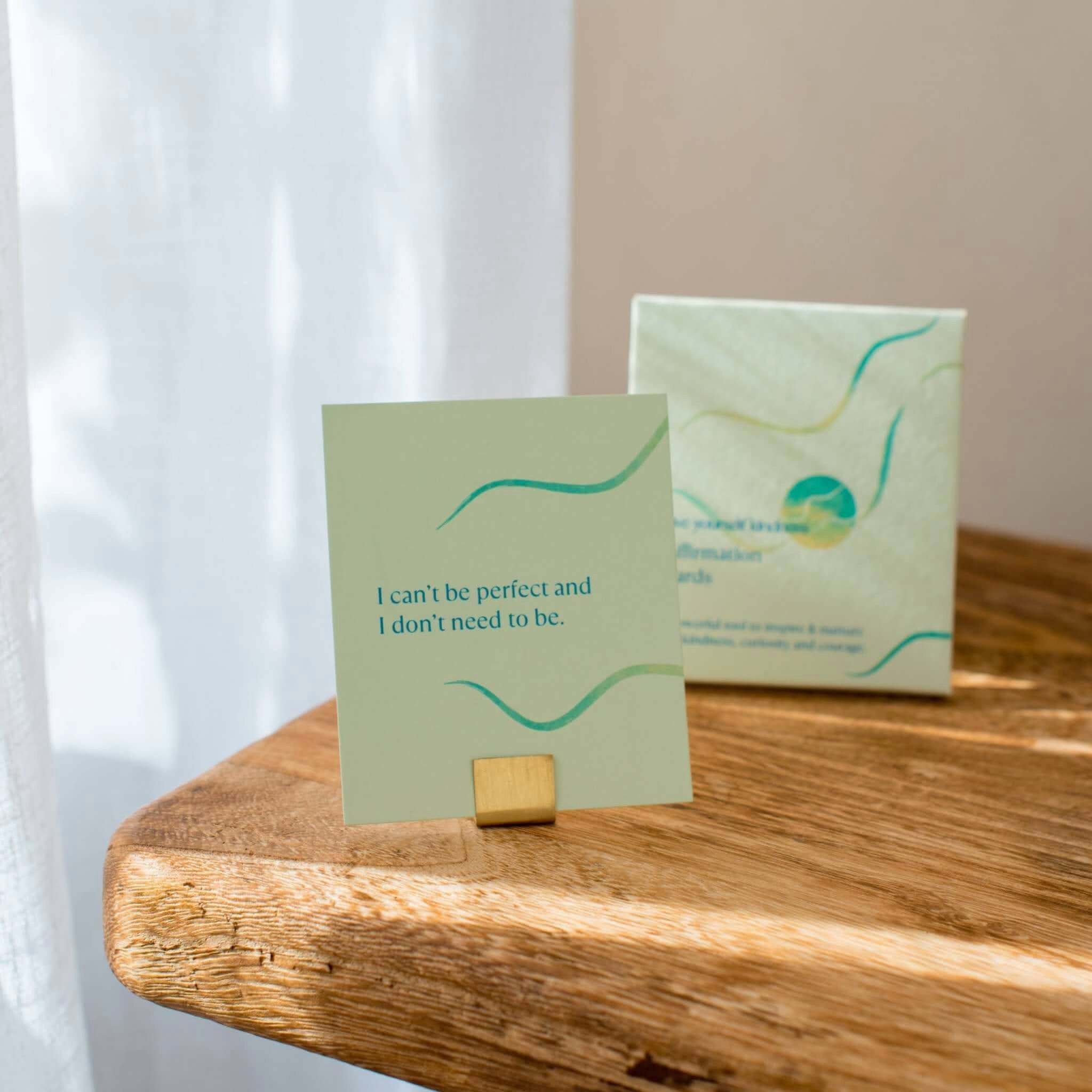
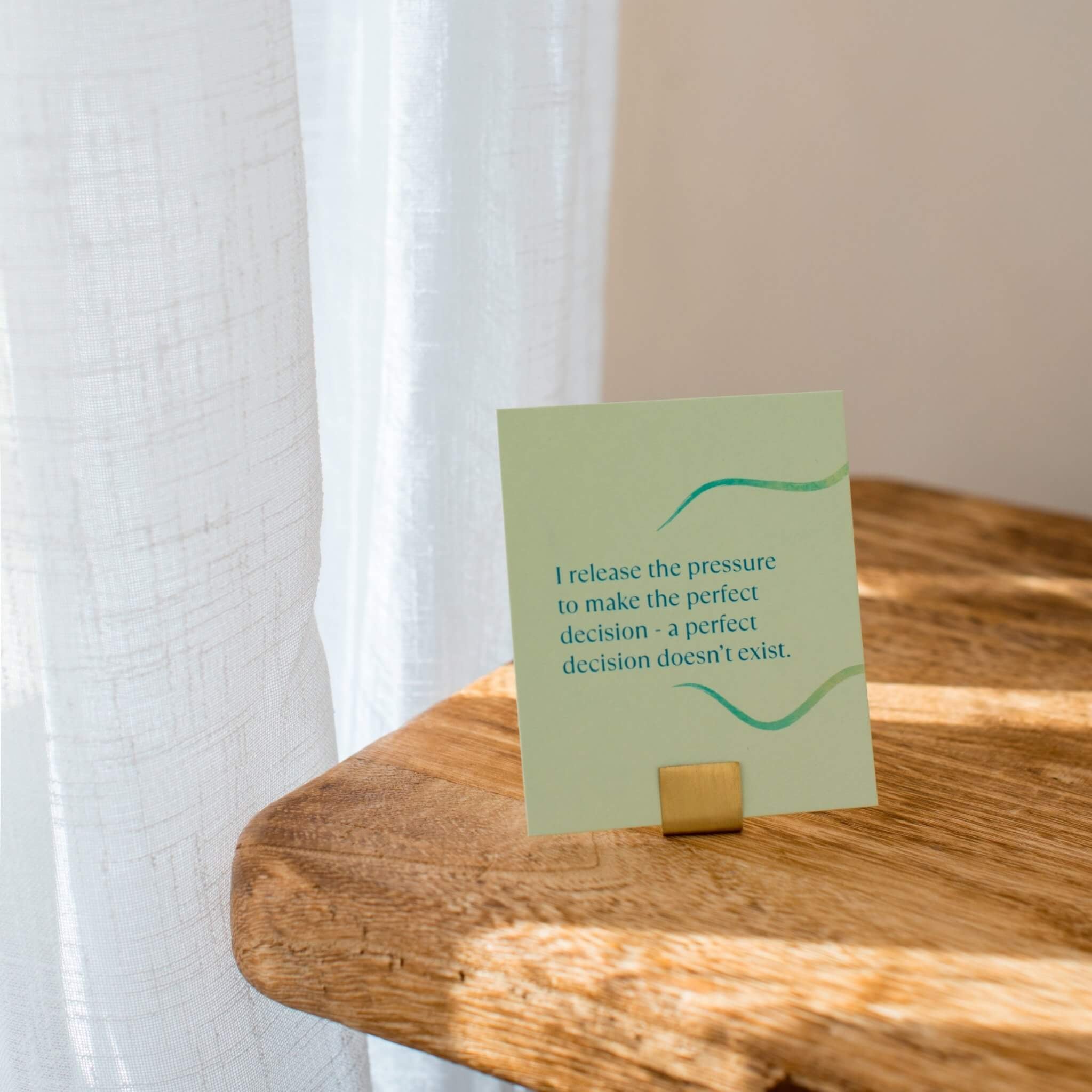
Woven through the pages are reminders aimed squarely at perfectionistic thinking. The way you speak to yourself matters. You can't be perfect, and you don't need to be. No emotion defines who you are.
You'll meet them on ordinary days when you weren't looking for them, which is exactly when they land.
3. Difficult feelings are allowed in
An emotional awareness tool sits on every page to help you name what's actually there, including anxious, frustrated and disappointed. Nothing asks you to be grateful first.
If you've spent years believing you should be feeling the right thing, permission to feel the wrong one is not a small feature.
4. There's nothing to fall behind on
It's undated, and every page is different across three months, so it never becomes a box to tick or a streak to break. Practical rather than profound, but it's the reason the first three get a chance to work.

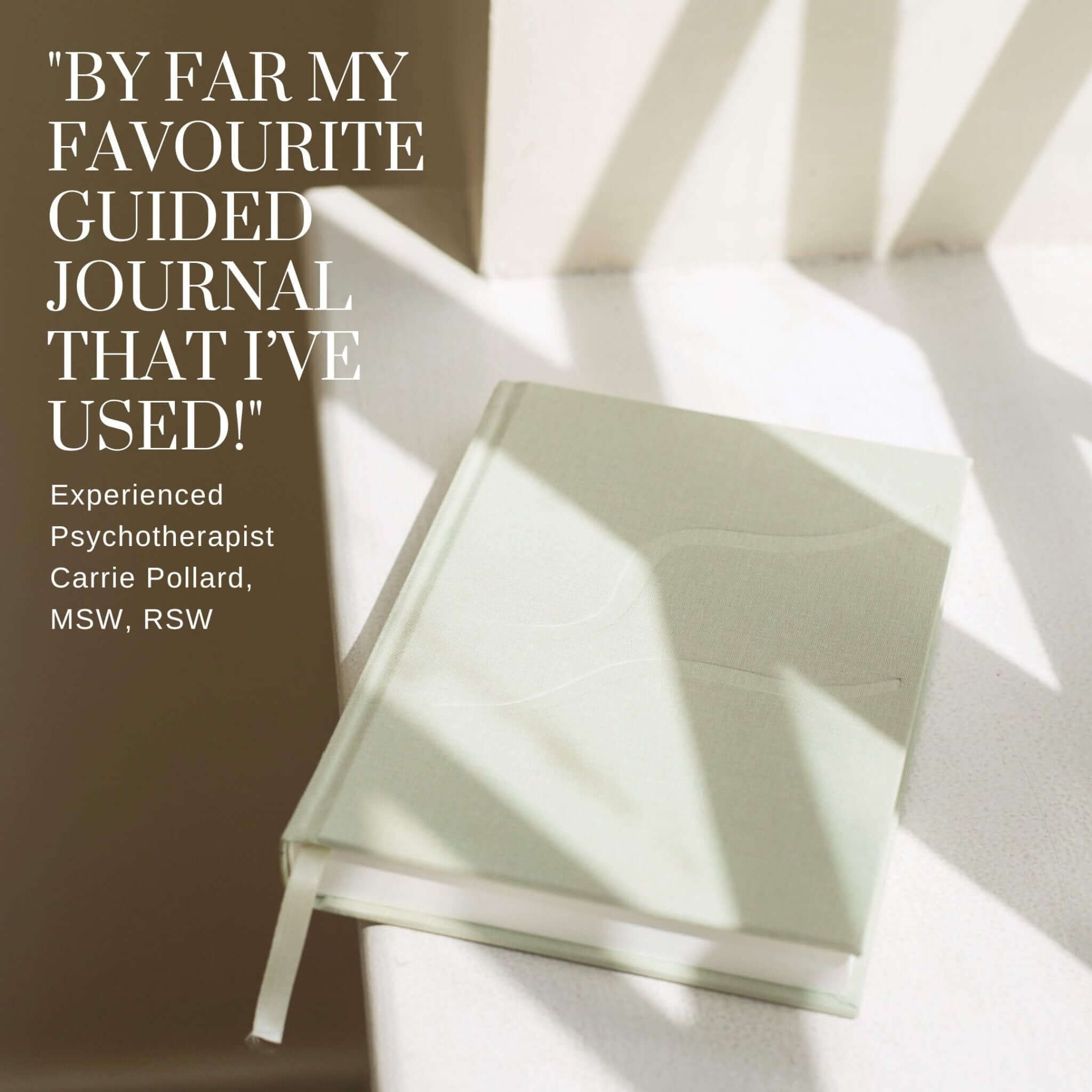
The Give Yourself Kindness Journal
Three months of practising a kinder voice
- Prompts that ask you to answer yourself, not assess yourself, across 224 pages with every page different.
- Over fifty reminders written to counter perfectionistic thinking.
- A visual emotional awareness tool on every page, not one wheel at the front.
- Undated, so a quiet fortnight costs you nothing.
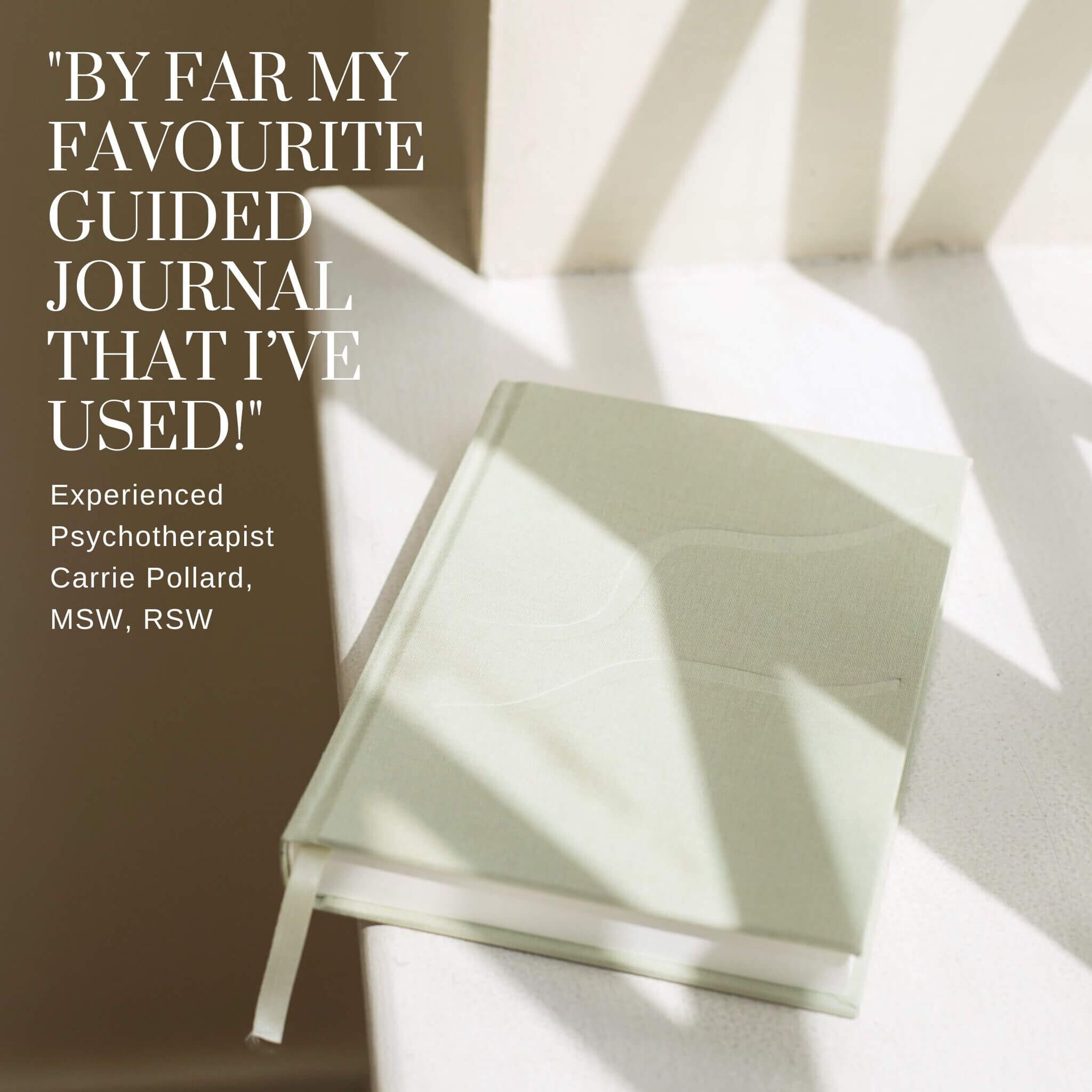
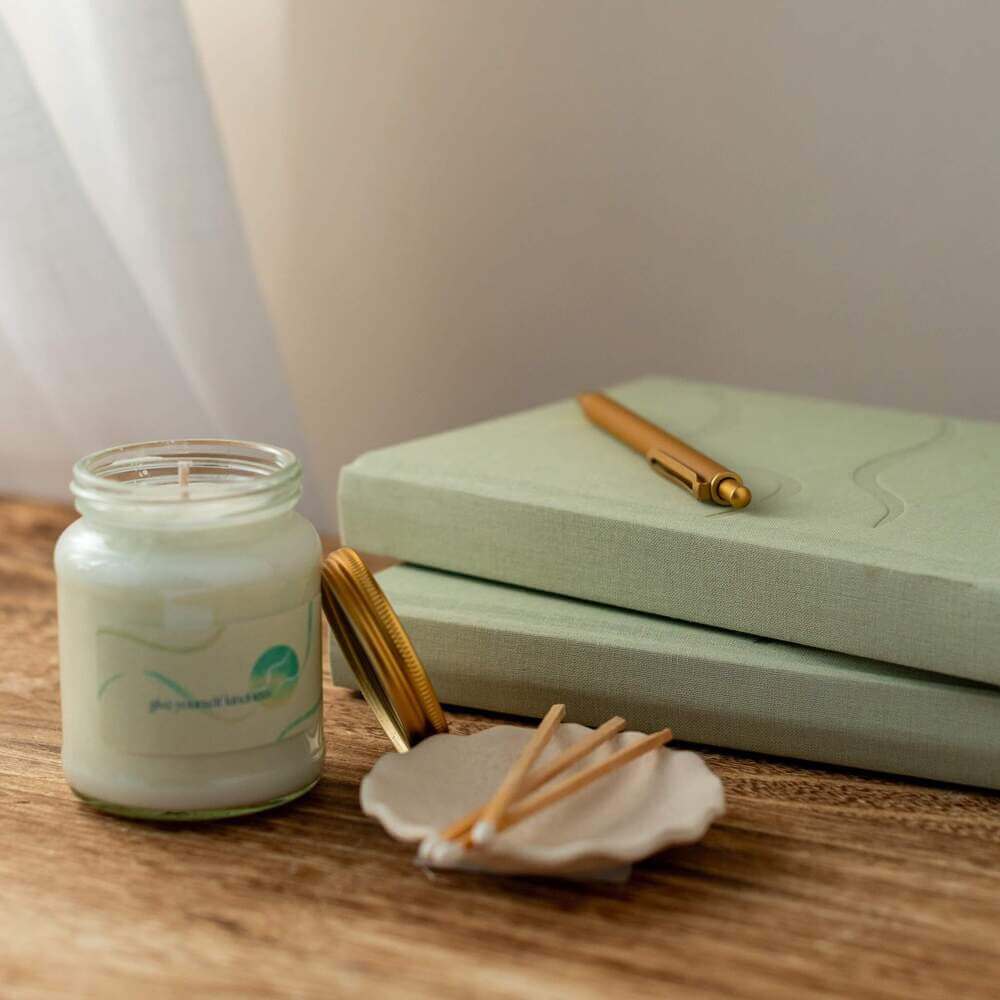
- 120gsm FSC-certified paper, luxury pistachio cloth cover, A5, printed in the UK and wrapped in bespoke tissue paper.
Added to your basket. View basket →
What the psychologists said
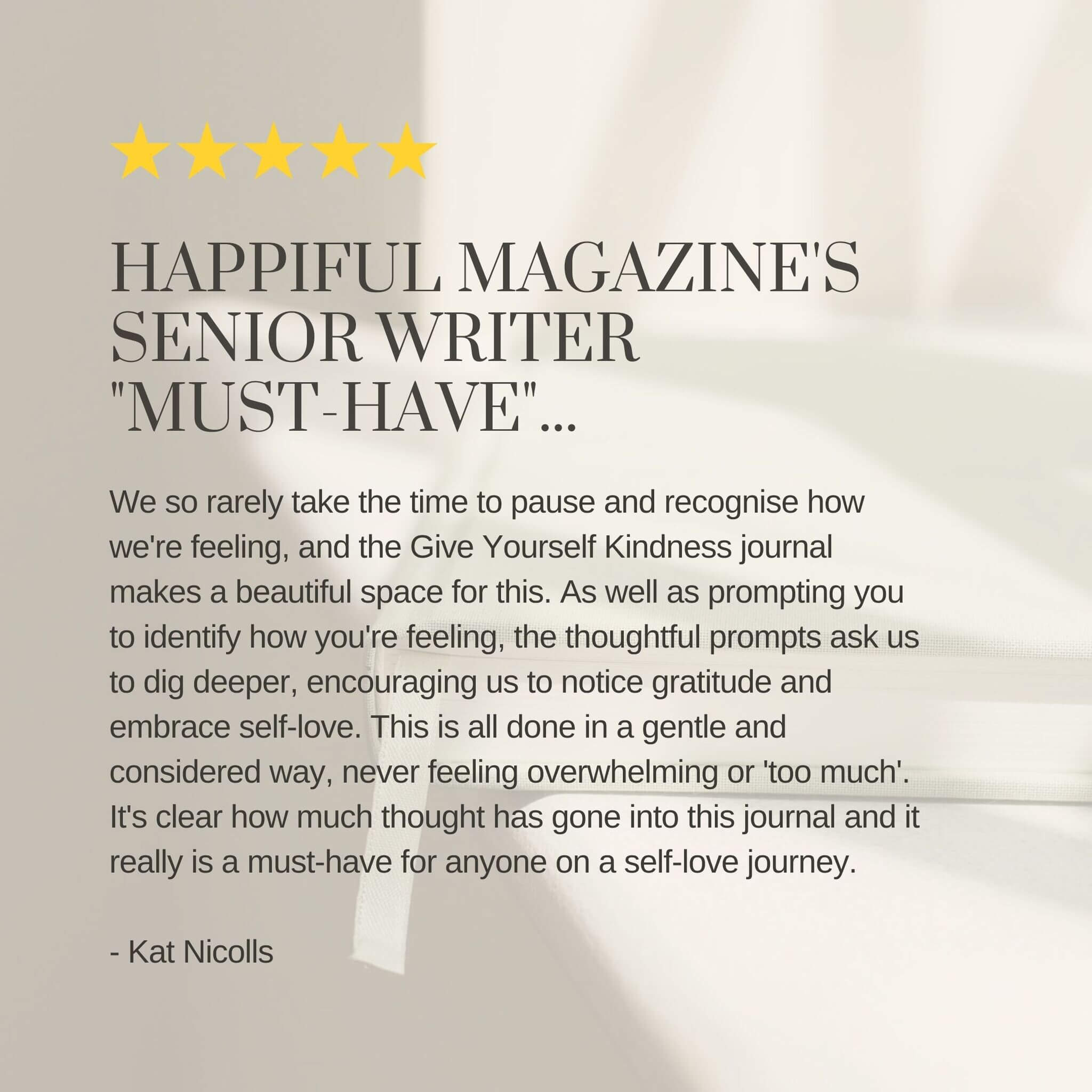
I'm a meditation teacher, not a psychologist, so my view of my own journal isn't worth much. These are the people who read it and put their names to it.

Professor Willem Kuyken, PhD, DClinPsy
Ritblat Professor of Mindfulness and Psychological Science, University of Oxford
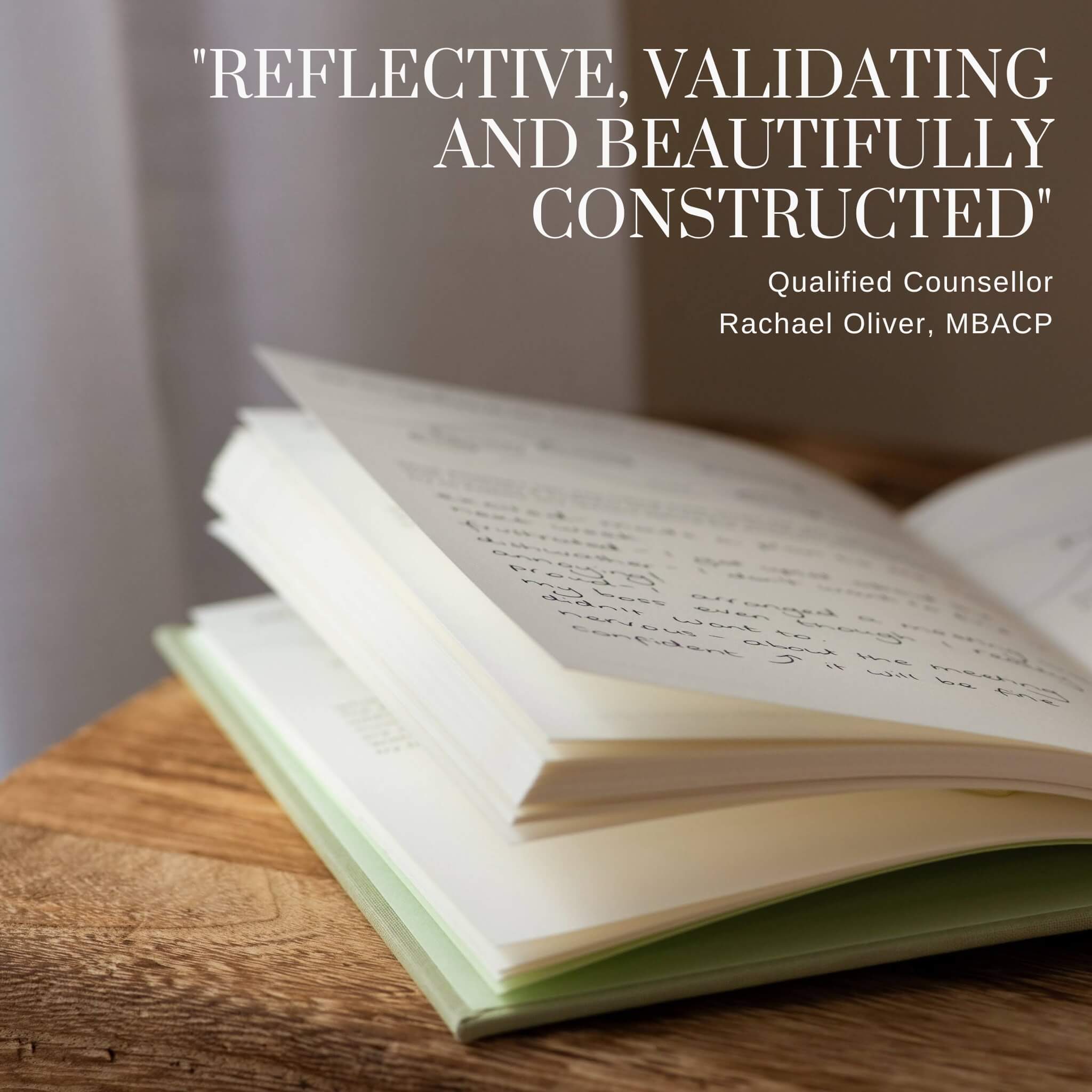
"Writing can invoke an inner critic, rumination and procrastination. Rachel has curated the experience to make the writing intrinsically rewarding and the journal something to treasure."
Read that first sentence again if you're a perfectionist, because it names the risk exactly. A blank page can simply hand your critic a pen. Which part of you answers the prompt is the thing that decides whether journalling helps you or hardens the habit.

Julie Burke, LPC-S
Therapist specialising in perfectionism and anxiety
"There are affirmations throughout the journal that feel safe and encouraging to feel your feelings and experience emotions in ways that create a sense of safety and are free of judgment for yourself."
Julie works with perfectionists specifically, which makes hers the most relevant review on this page. "Free of judgment" is the phrase to hold on to.

Dr Chris Germer, PhD
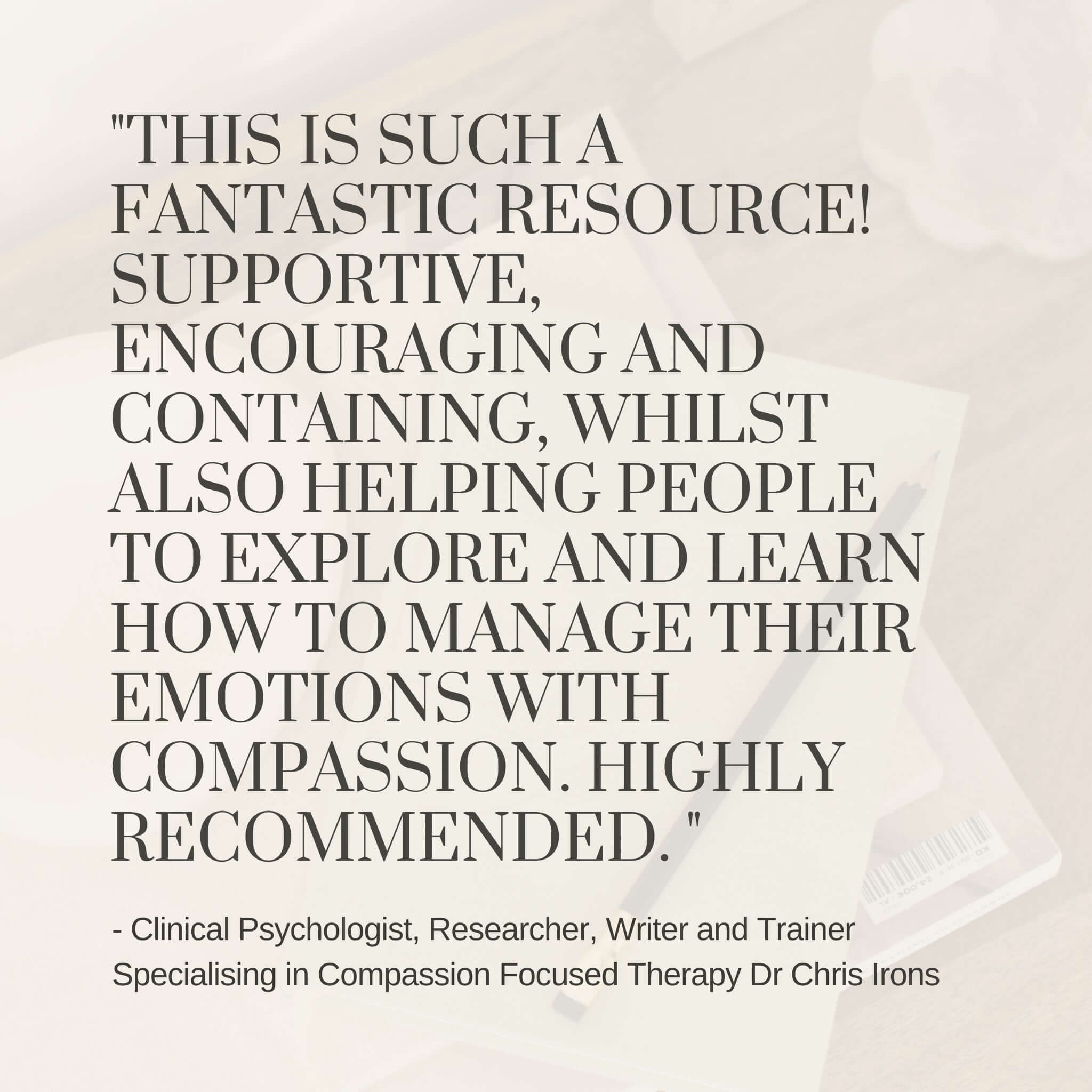
Clinical psychologist, Harvard Medical School. Co-developer of the Mindful Self-Compassion programme, taught to over 250,000 people worldwide
"A warm invitation to make friends with your emotions and yourself!"Read every expert review in full →
How to use it when perfectionism gets in the way
Four things, all of which are permission rather than instruction.
Write badly on purpose
Messy handwriting, half sentences, things crossed out. If the page looks tidy you're probably performing rather than thinking. Nobody is reading this.
Write down the critic when it turns up
When "this is stupid" or "I'm not doing this right" appears mid-entry, that isn't an interruption. That's the thing itself, arriving where you can finally see it. Write it down and then answer it.
A few sentences is a complete entry
There's no minimum. Perfectionism will tell you a short entry doesn't count, which is exactly the standard you're here to loosen.
Come back without a reckoning
You don't need to catch up, explain the gap, or start again from the beginning. Open it on whatever page and carry on.
Common questions
Will being kinder to myself make me lazy or lower my standards?
This is the most common fear about self-compassion and the research points the other way. Self-criticism triggers a threat response that narrows thinking and increases procrastination, while self-compassion keeps you able to see what went wrong and act on it. Your standards stay. What changes is what happens to you when you miss them.
What are good journal prompts for perfectionism?
The most useful ones question the thought rather than the person. Collette Jones, LCSW, suggests asking whether a critical thought is based on your expectations or somebody else's, whether it's actually true, and whether holding yourself to that standard is serving you or harming you. The other reliable move is answering yourself as you would answer a friend. There are twelve prompts in full further up this page.
I've quit every journal I've started. Why would this be different?
Because the two things that make perfectionists quit are both absent. Dated pages turn a missed week into visible failure, and repeated prompts turn the practice into box-ticking. Undated pages and prompts that change remove both. It's a format problem far more often than a discipline problem.
What if I don't answer the prompts properly?
There isn't a properly, and noticing that you're worried about it is genuinely useful material. "I don't know how to answer this" is a real entry. So is "this prompt doesn't fit today". The practice is showing up, not performing.
How long before I notice a difference?
Small shifts within a few weeks, usually catching the critic sooner or being slightly gentler after a mistake. The larger change is slower, because self-compassion is a skill rather than a decision. Noticing the perfectionistic thought more clearly is itself the progress, even when it still stings.
Can I use it alongside therapy?
Yes, and plenty of people do. Therapists use it with clients between sessions, and it sits comfortably alongside CBT, ACT and Compassion-Focused Therapy. If perfectionism is driving severe anxiety, burnout or low mood, please do speak to a therapist. This is a supportive tool, not treatment.
Nothing to fall behind on
Undated, three months of prompts, reviewed by clinical psychologists at Harvard and Oxford. £28.95.
See the journal →