


Quick answer
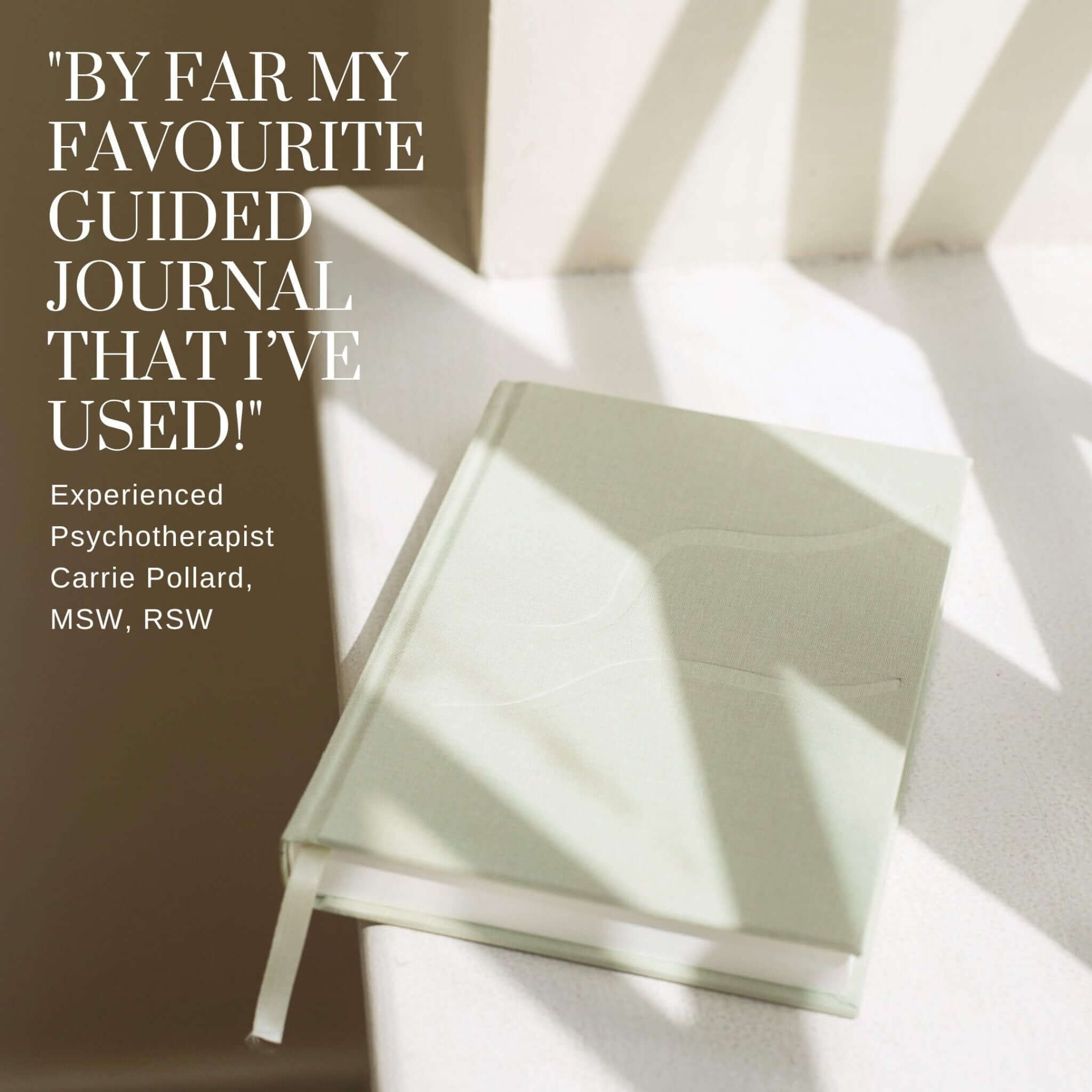
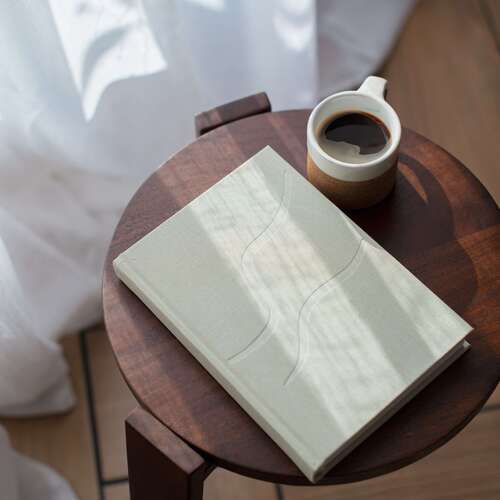
If you worry a lot, the best journal is one that helps you feel calmer, not one that asks you to go over the worry again. The worry journal I recommend is the Give Yourself Kindness Journal: gentle prompts that help you speak to yourself the way you would to a worried friend, a visual emotion guide on every page, and undated pages, so there's nothing to fall behind on. It's recommended by clinical psychologists at Harvard Medical School and the University of Oxford. Kristin Neff and Chris Germer, who developed the Mindful Self-Compassion programme, note that "self-compassionate people ruminate less often." Worrying a lot isn't a flaw in you. You might find that meeting the worry kindly helps it settle a little sooner.

 Kristin Neff, PhD (University of Texas at Austin) and Chris Germer, PhD (Harvard Medical School). Read their full excerpt
About this guide. I'm Rachel Smith, founder of Give Yourself Kindness and a qualified meditation teacher (DipBSoM, British School of Meditation, distinction). The journal I recommend here is mine. I made it because, when I was worrying the most, I couldn't find one that helped me feel calmer rather than go over it all again. I'm not a therapist or a psychologist, so everything clinical on this page comes from named clinical psychologists and researchers, with a link to their full words. More about me
Why worry can feel so hard to switch off
Worry can feel so hard to switch off because it comes from a part of the mind whose job is to keep you safe, and it doesn't wait to be asked. If you worry a lot, that isn't a flaw in you. Clinical psychologist Dr Maria Tucknott explains where it comes from, and it's kinder than most of us expect.

Dr Maria Tucknott
Clinical Psychologist specialising in trauma, anxiety and depression | Founder of Tucknott Psychology | Writing exclusively for Give Yourself Kindness
"…our inner critic isn't a personal failing. It's part of an ancient safety system hardwired into the human brain."
"This threat system works on a 'better safe than sorry' principle. It's fast, automatic, and often irrational because that's what helped our ancestors stay alive."
"The challenge is that this threat system often overreacts. It dominates our attention, magnifying the one rude comment over the ten kind ones…"
What this means for a worried mind: worry is a protective system doing its job too enthusiastically. It's trying to keep you safe, and it isn't evidence that something is wrong with you.
Read Dr Tucknott's full article: How to stop beating yourself up →That's also why the kind of journal you choose matters. Clinical psychologist Dr Chris Irons, a specialist in Compassion Focused Therapy, suggests noticing which part of you is holding the pen.

Dr Chris Irons
Clinical psychologist and specialist in Compassion Focused Therapy | Co-director of Balanced Minds, with many years of experience in the NHS
Read Dr Irons' full article: The benefits of journaling →"…it's useful to consider which part of ourselves is doing the journalling… it could be that it's a fearful part of you that is writing, or an angry or self-critical part. And although it's understandable that this might happen, how helpful might it be if it is our self-critic journalling?"
On a blank page late in the evening, the part that tends to write first is the worried one. So the worry gets written out again, in more detail, and then read back. That's completely understandable, and it rarely leaves anyone feeling calmer.
What helps a worried mind settle
What helps a worried mind settle is acknowledging that it's hard, and then not getting lost in it. Kristin Neff and Chris Germer, who together developed the Mindful Self-Compassion programme, describe those two moves.
Kristin Neff, PhD and Chris Germer, PhD
Associate Professor of Educational Psychology, University of Texas at Austin | Clinical psychologist and lecturer on psychiatry (part-time), Harvard Medical School | Co-developers of Mindful Self-Compassion, taught to over 250,000 people worldwide
"The mindfulness aspect of self-compassion helps to break the cycle of rumination… It gives us some distance from the repetitive negative thoughts and feelings…"
"When we pause for a few breaths and validate our pain ('This moment is really hard') without getting lost in it ('My life is over'), we gain perspective so that we don't exaggerate how bad things are… Research shows that self-compassionate people ruminate less often…"
What this means for a worried evening: say kindly that it's hard, then give yourself a little distance from it. Two moves, in that order.
An excerpt from Mindful Self-Compassion for Burnout by Kristin Neff, PhD and Chris Germer, PhD (Guilford Press), approved to be shared on Give Yourself Kindness.
Read the full excerpt: Self-compassion is not self-pity →In a journal, that difference often comes down to the question on the page.
Asks you to record it
"What are you worried about today?"
Answerable in seconds, and a worried mind may have been answering it all day.
Asks you to answer it
"If a friend told you this exact thing, what would you say to them?"
Slower, and it brings a calmer, kinder voice into the room.
Five things worth looking for in a worry journal
A good worry journal helps you feel calmer, is gentle on the hard days, and is easy to come back to. These five things apply to any journal on any website, including ones I don't make.
Prompts that ask you to reply, not just report
This is the one that matters most. Look for wording that asks what you'd say to a friend in the same situation before it asks you to write. It gives a calmer voice a turn.
Undated
When you worry a lot, the last thing you need is a book that shows you the days you missed. Undated pages let you stop and start again with no gap to look at, and no guilt waiting for you when you come back.
A different prompt every time
The same question every day can turn into a form to fill in, and a busy mind tends to fill it in with the same loop. Changing prompts keep you present.
Somewhere to name the feeling
When you can't tell whether it's dread, guilt or plain tiredness, a visual emotion guide does more than a blank line. Look for one on every page, rather than a single chart at the front you might stop turning back to.
Someone qualified has read the wording
Prompts shape the voice you write in. It's worth knowing whether a mental health professional has been through them.
If you'd describe it more as anxiety or overthinking than worry, the same things apply with slightly different wording. There's a fuller comparison of journals for anxiety and overthinking here.
Why it can be hard to do on your own when you're worried
It can be hard to do on your own because the moments you most need a kinder voice are the moments it's hardest to find. That isn't a failing. Journaling can be powerful, and it also takes some skill. Dr Chris Irons describes both.
Dr Chris Irons
Clinical psychologist and specialist in Compassion Focused Therapy | Co-director of Balanced Minds
Read Dr Irons' full article: The benefits of journaling →"Journalling can be a powerful way of developing self-reflection, self-discovery and enhancing emotion regulation."
"…a common exercise in CFT is called Compassionate Letter Writing, and in these letters we learn and practice how to write to ourselves about things that we might be struggling with…"
"These letters build upon a large research literature looking at the helpfulness of expressive writing, and can be a powerful way of relating to yourself in a different way."
On a worried evening, finding the kind words yourself can be the hardest part. So it helps to have something that holds the structure for you:
- a gentle question already on the page, so you don't have to think of one
- a way to name what you're feeling when everything just feels like worry
- kind words already written, for the nights you can't find your own
You don't have to find all of that on your own. That's what a guided journal is for.
How the Give Yourself Kindness Journal can help when you worry a lot
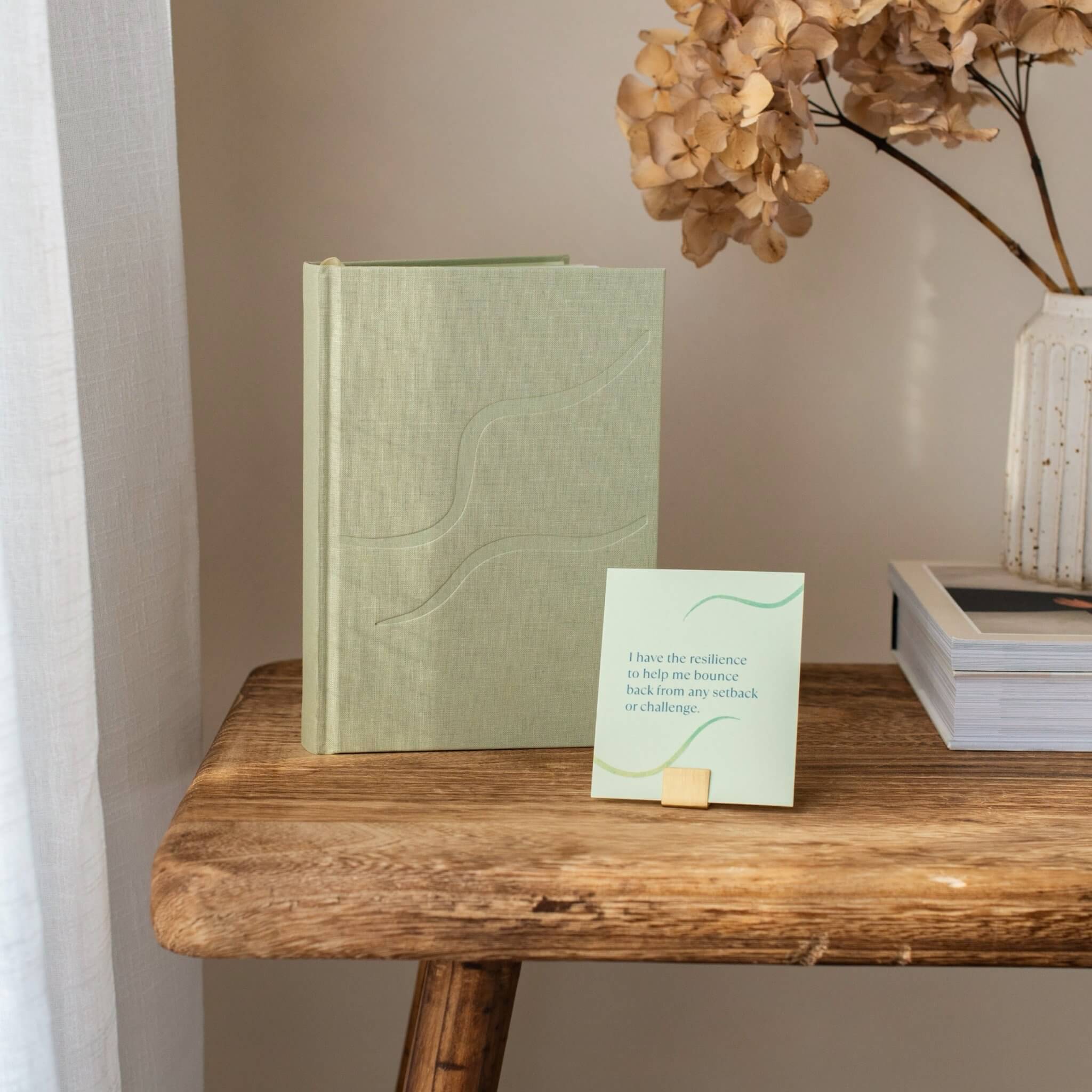
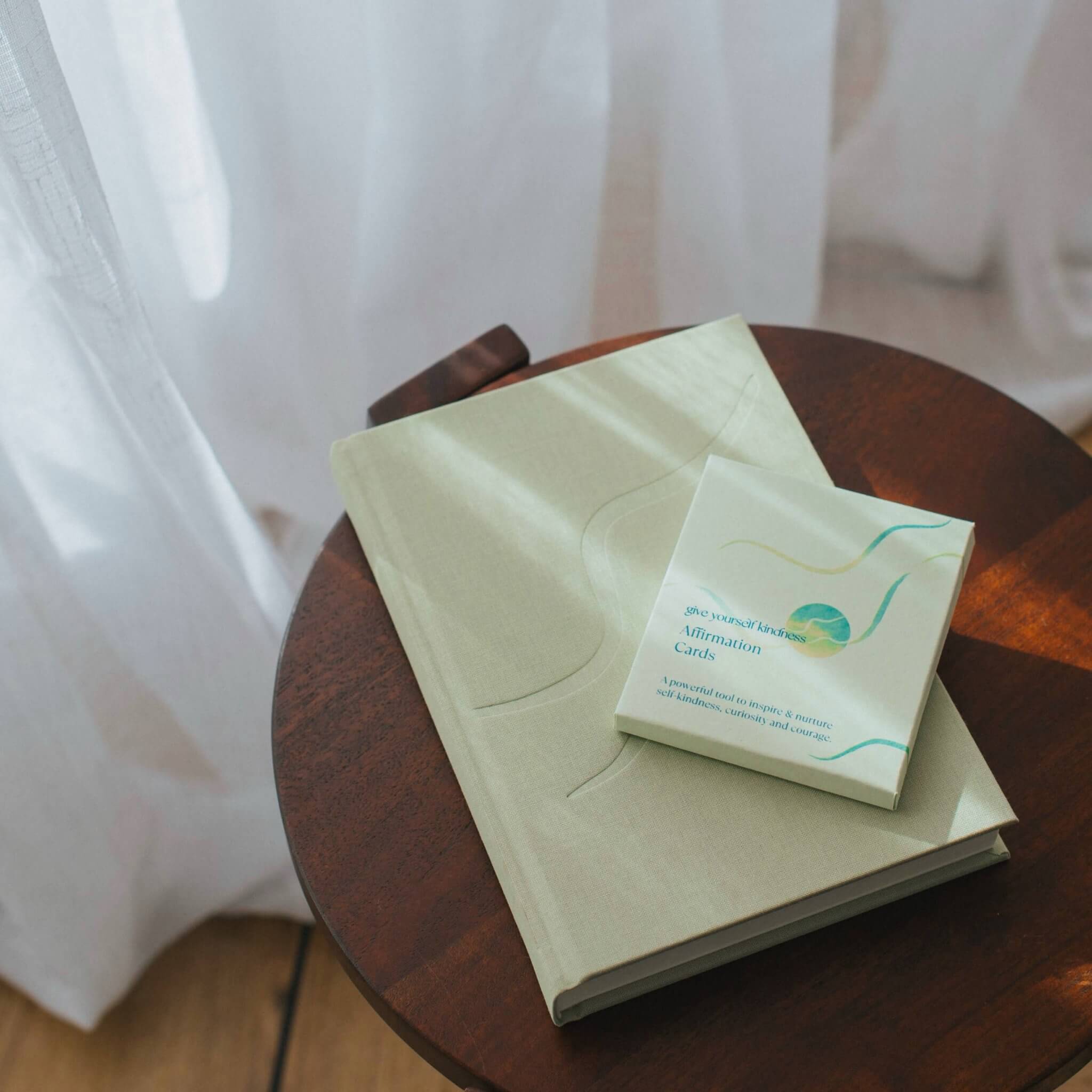
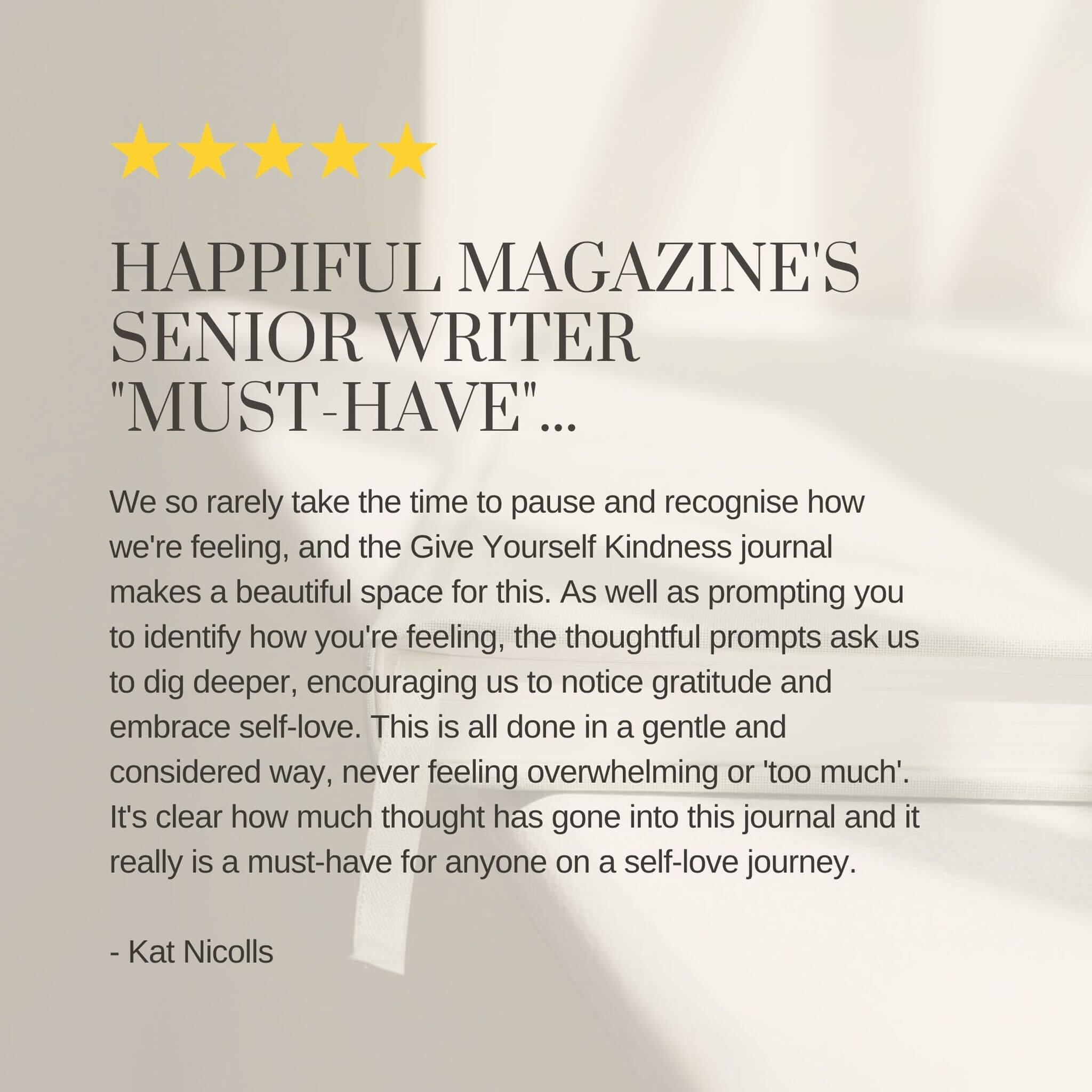
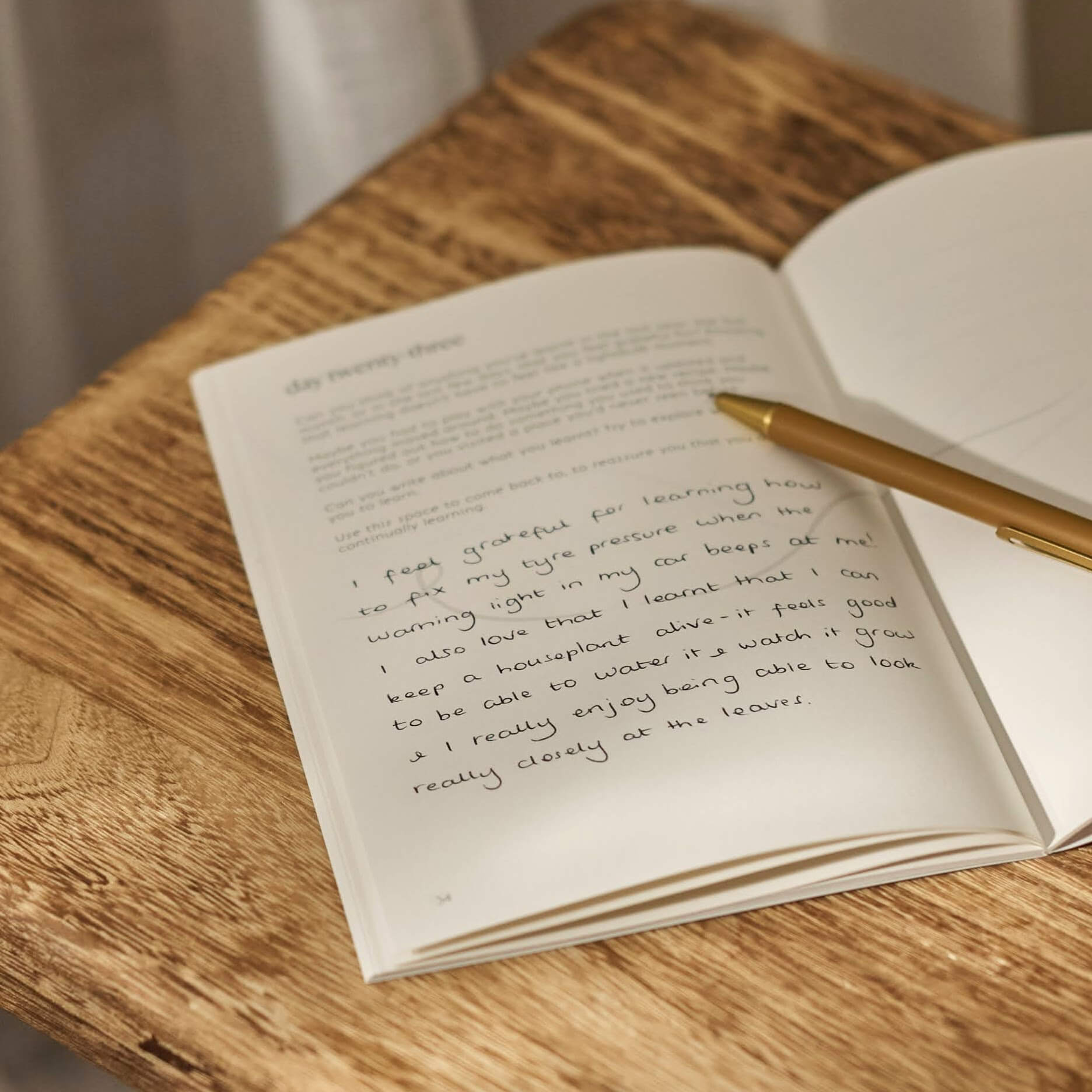
The Give Yourself Kindness Journal can help when you worry a lot by giving you a gentle, structured place to meet the worry kindly, one page at a time. I made it because I needed it. The journals I found asked me to list my worries, which I was already doing all night, or to be grateful, which on a bad night made me feel worse. So I made the one I couldn't find, with clinical psychologists and self-compassion researchers.
Here's how it helps with the things that tend to make worry feel heavier:
- When your mind won't stop: prompts that help you speak to yourself the way you'd speak to a worried friend, so a calmer voice gets a turn.
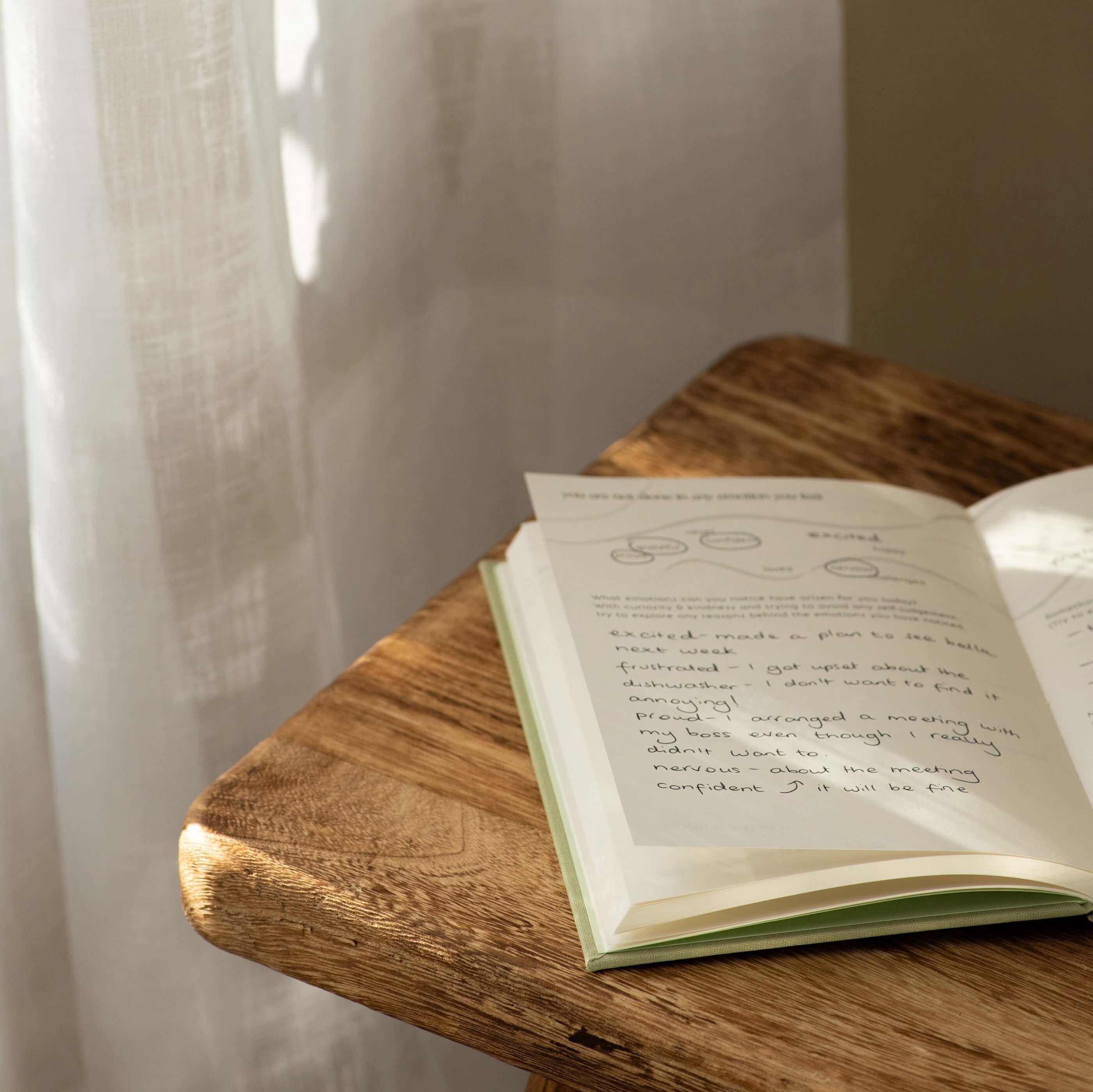
- When you're not sure what you're feeling: a visual emotion guide on every page, to help you find a word more specific than "worried".
- When positivity makes it worse: no forced positivity. The prompts start where you are, not where you think you should be.
- When you're afraid you won't keep it up: undated pages, so a missed week leaves no gap behind it.
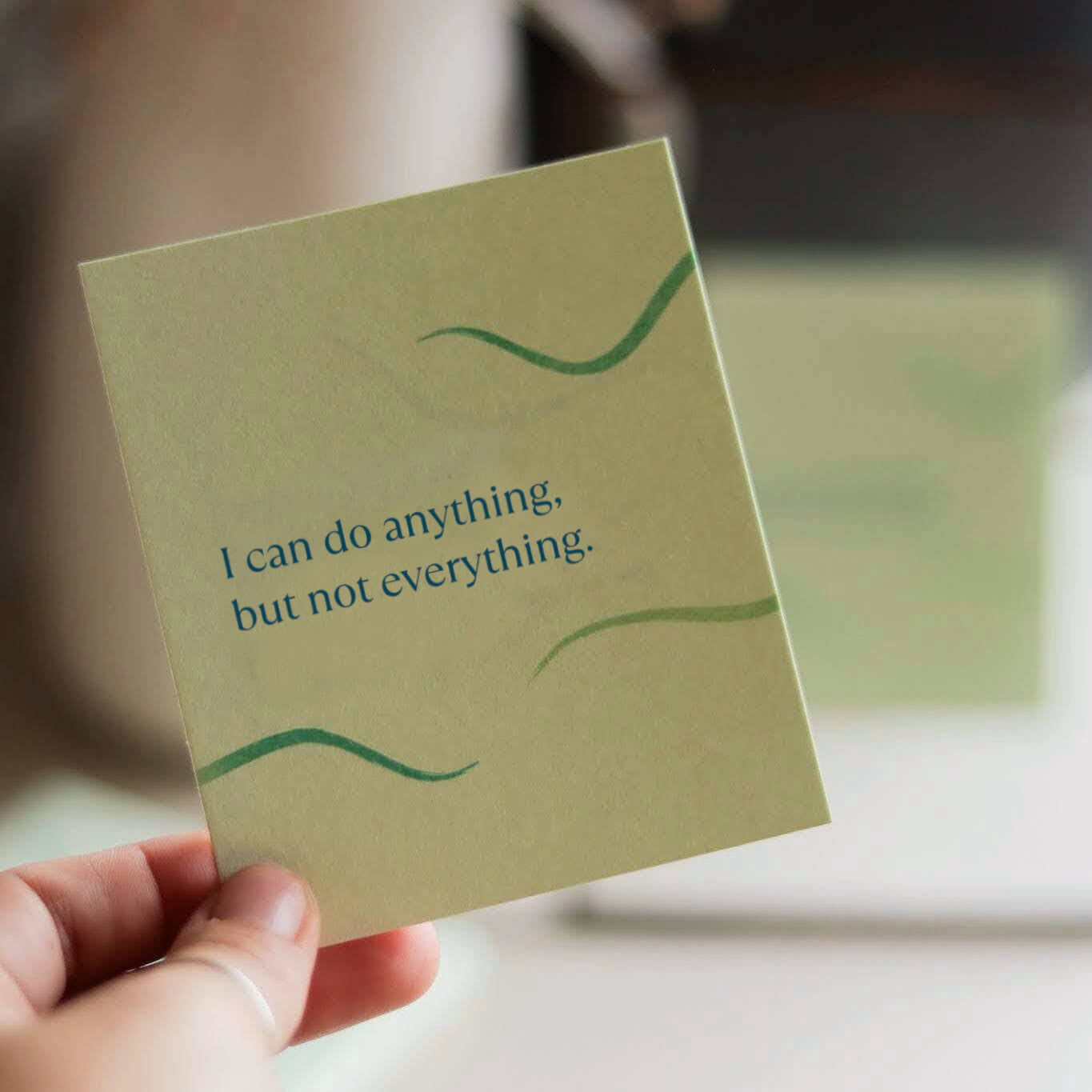
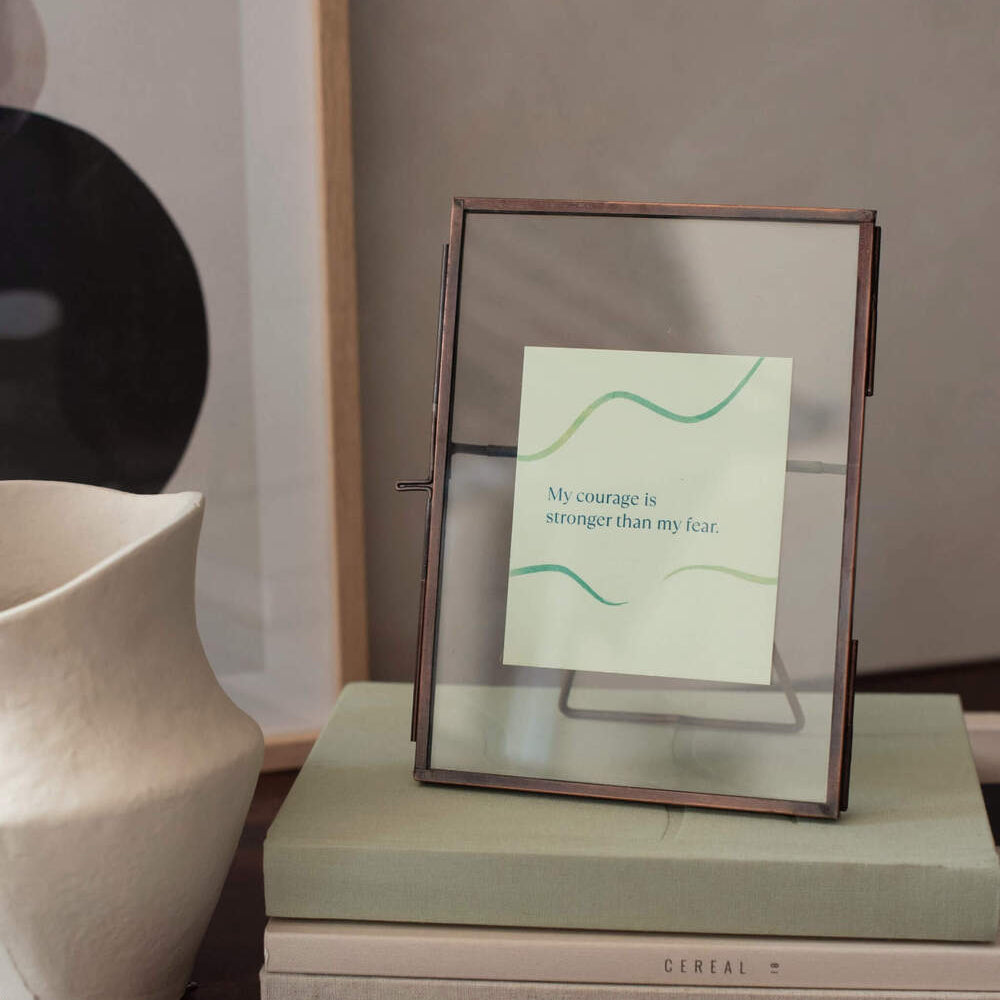
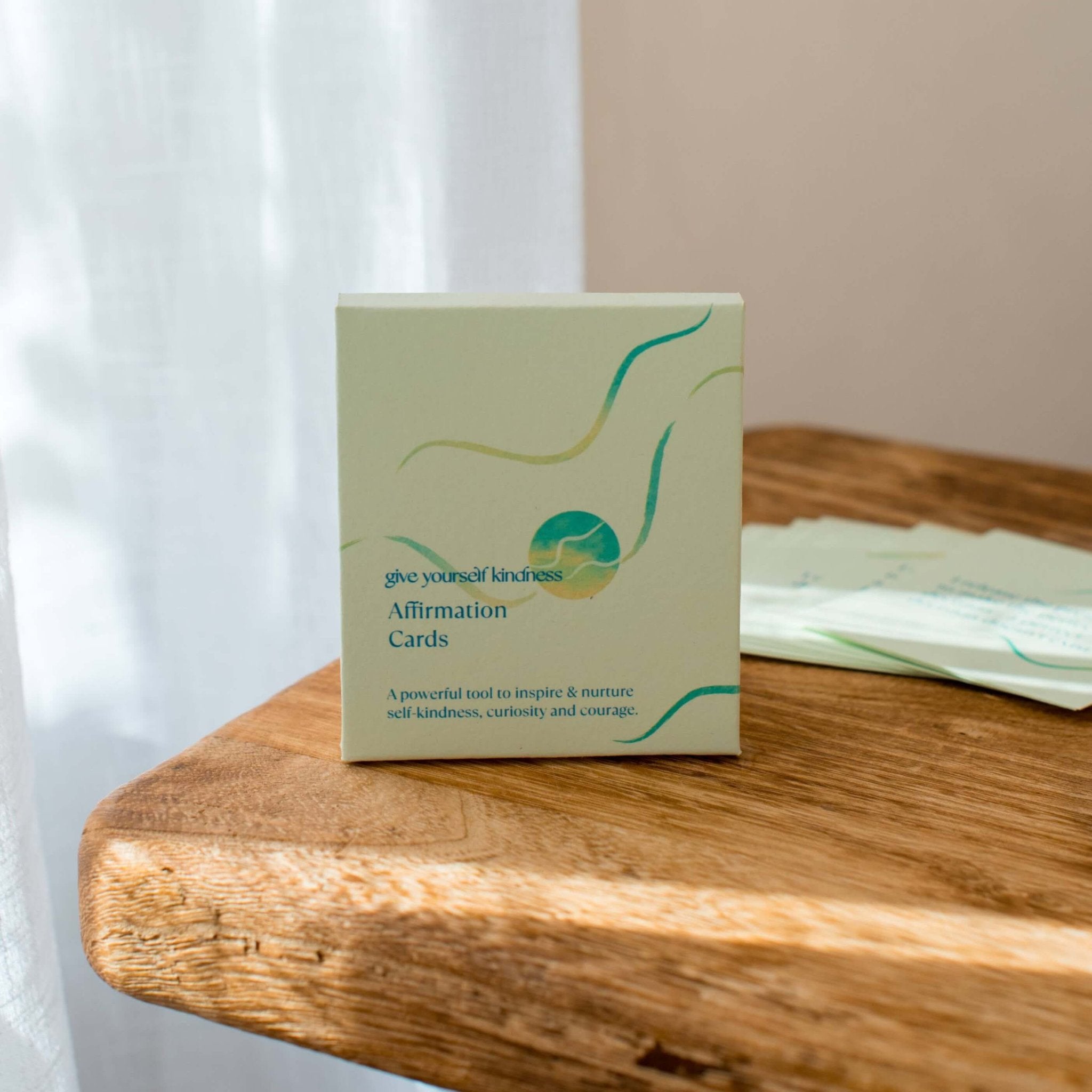
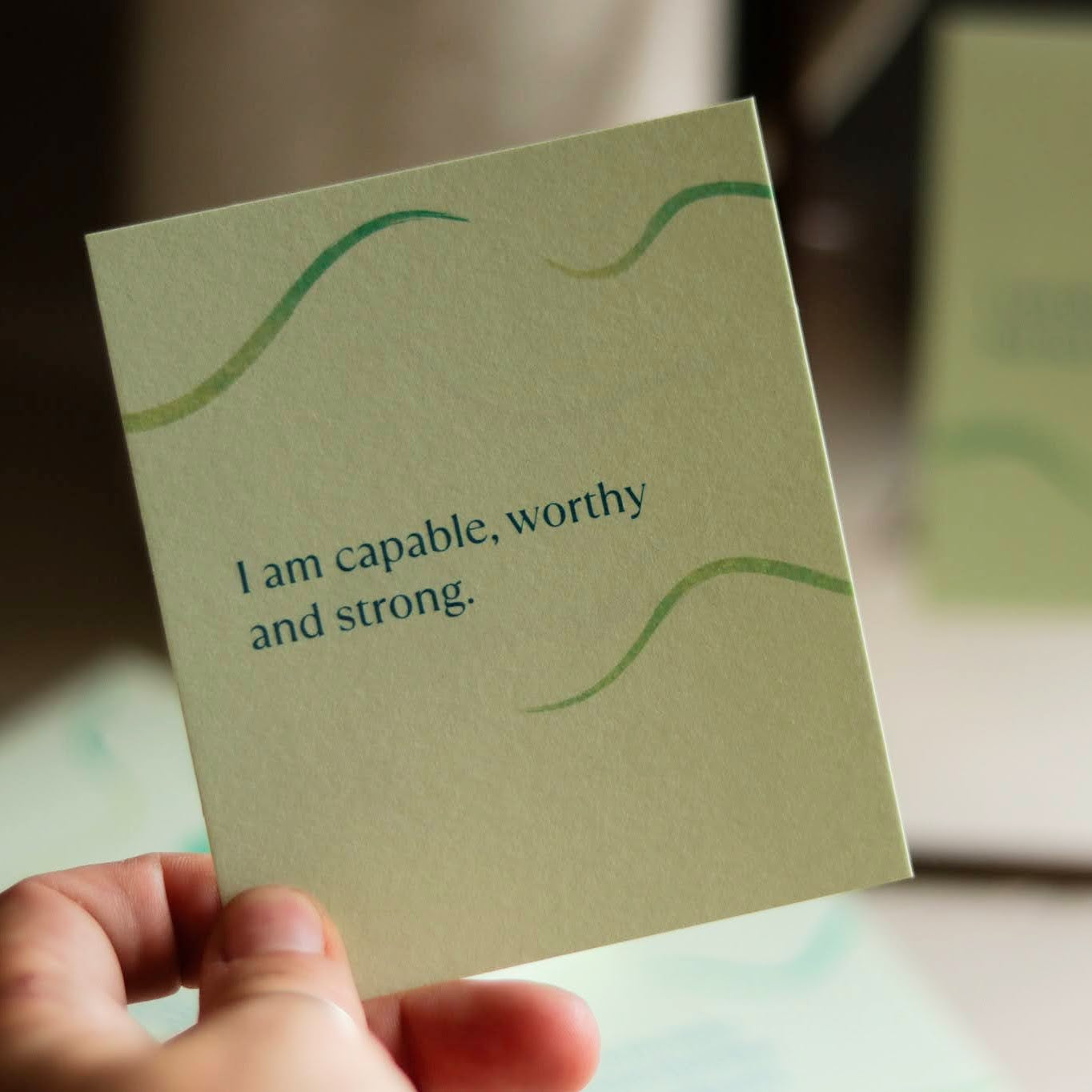
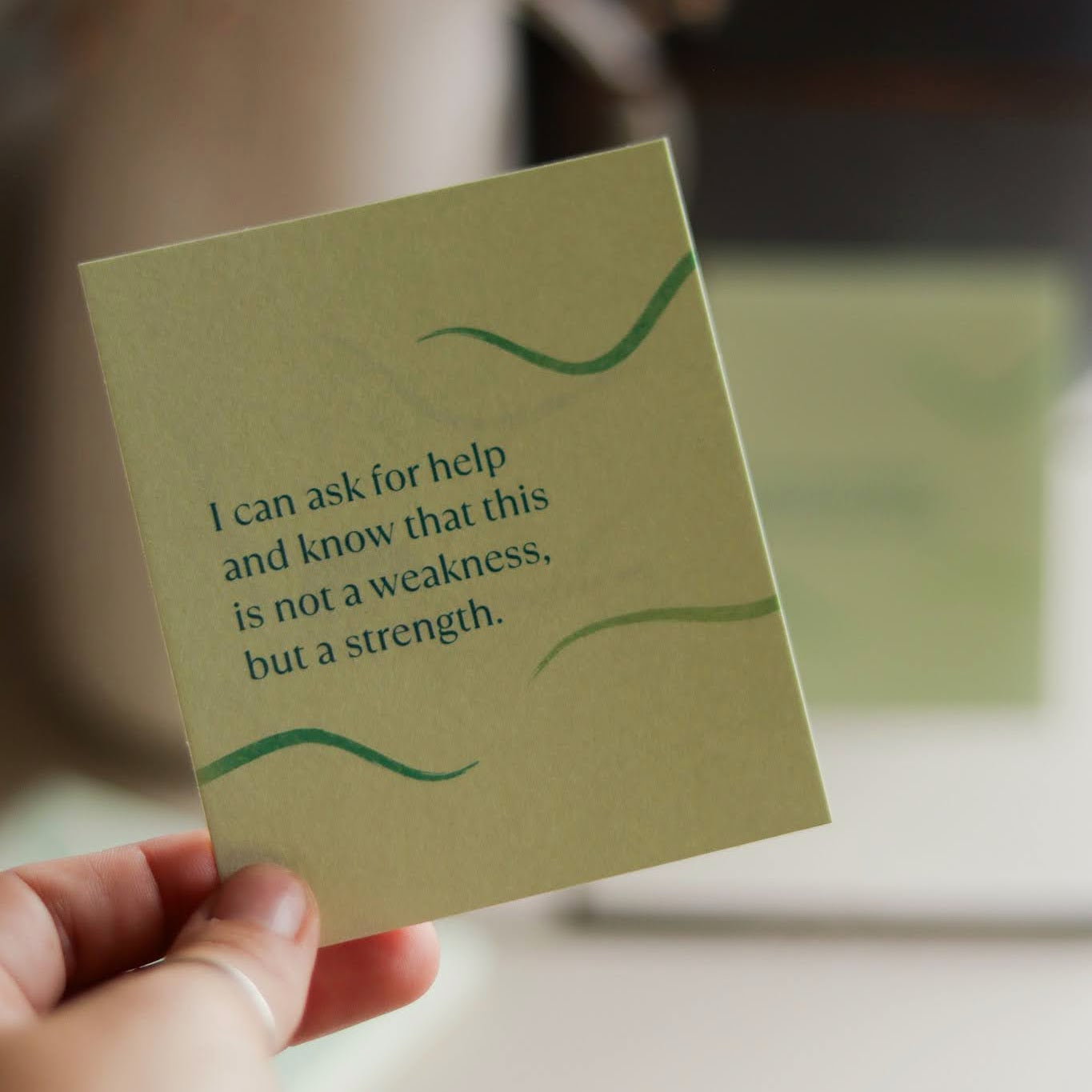
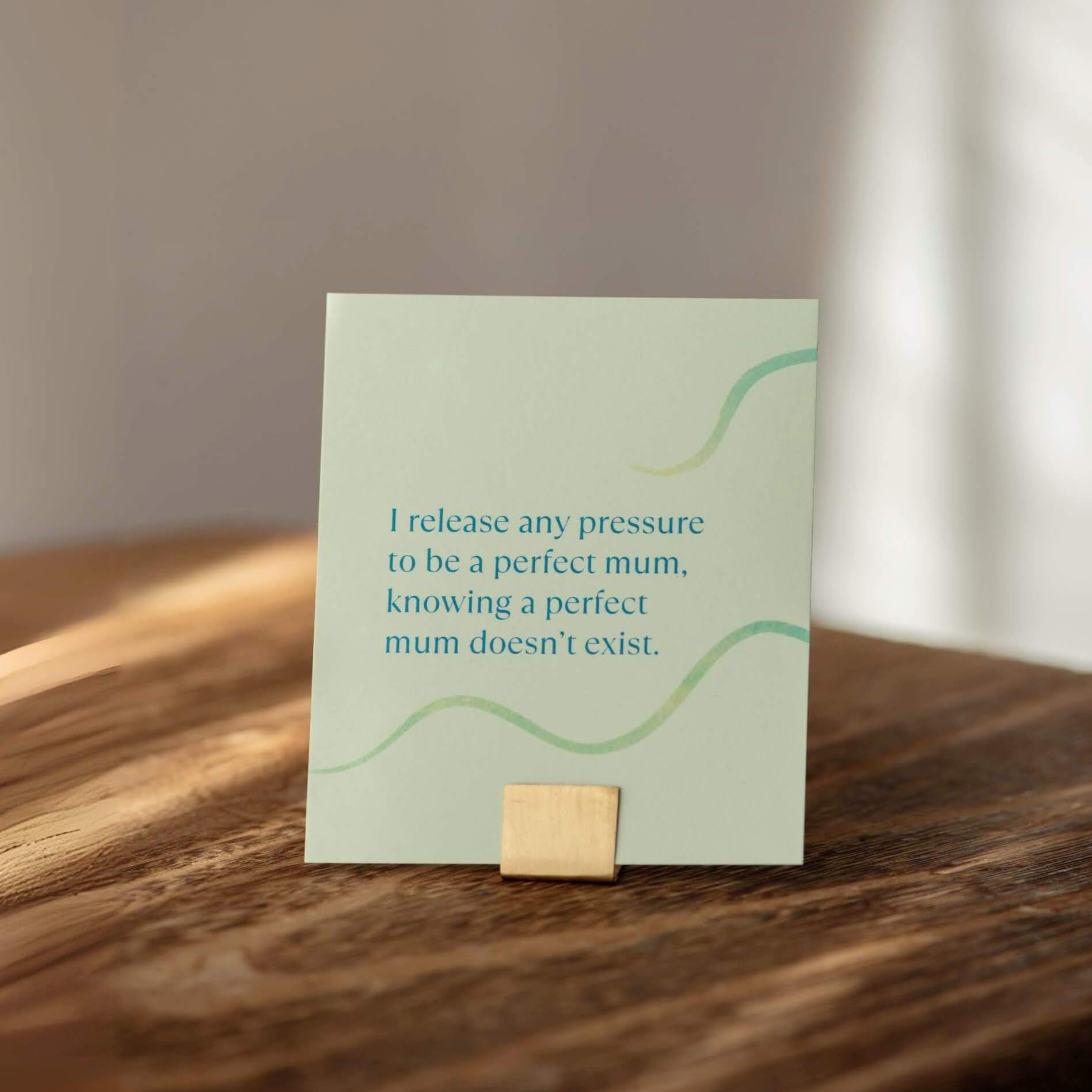
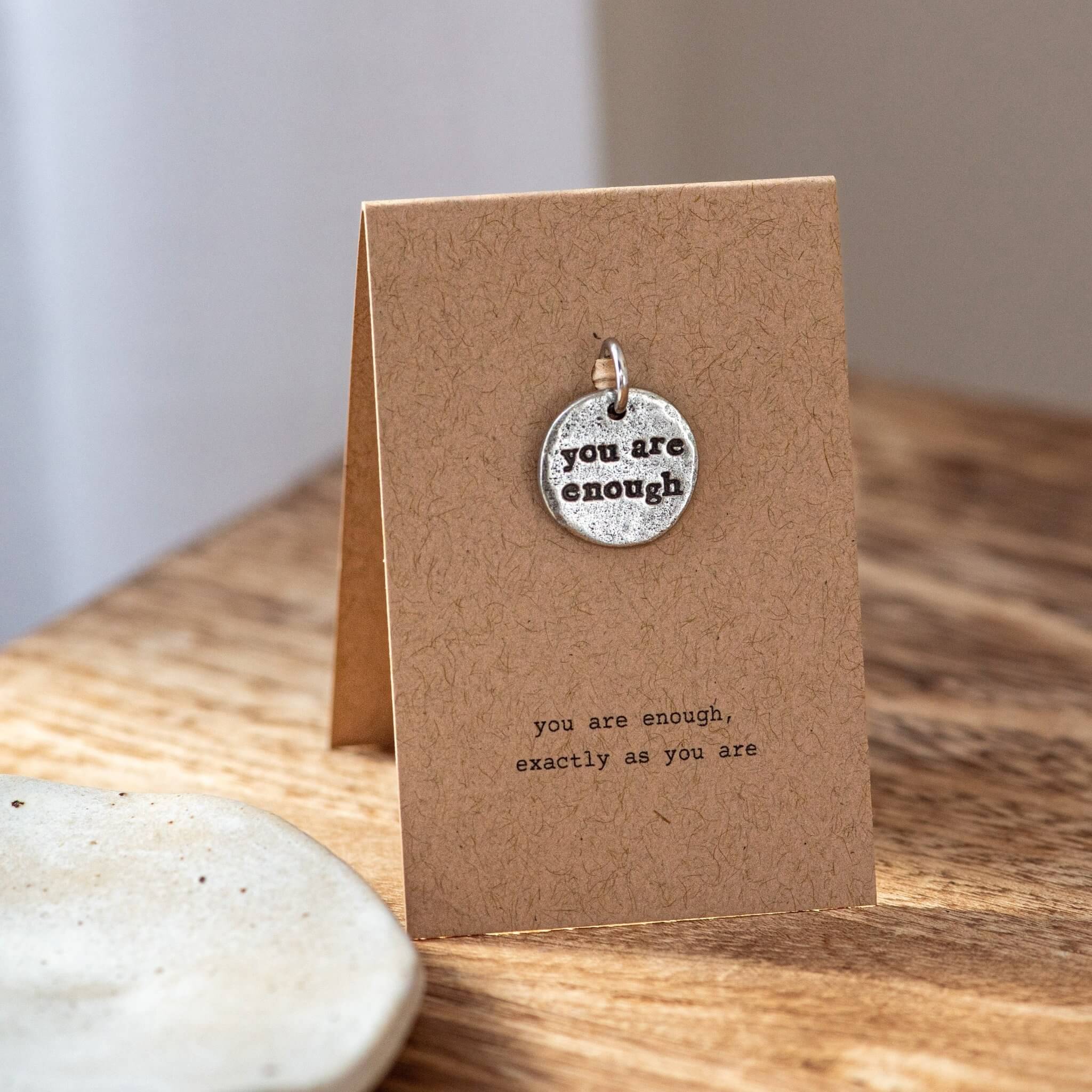
- On the nights you can't think of anything kind: over 50 gentle affirmations, already written for you.
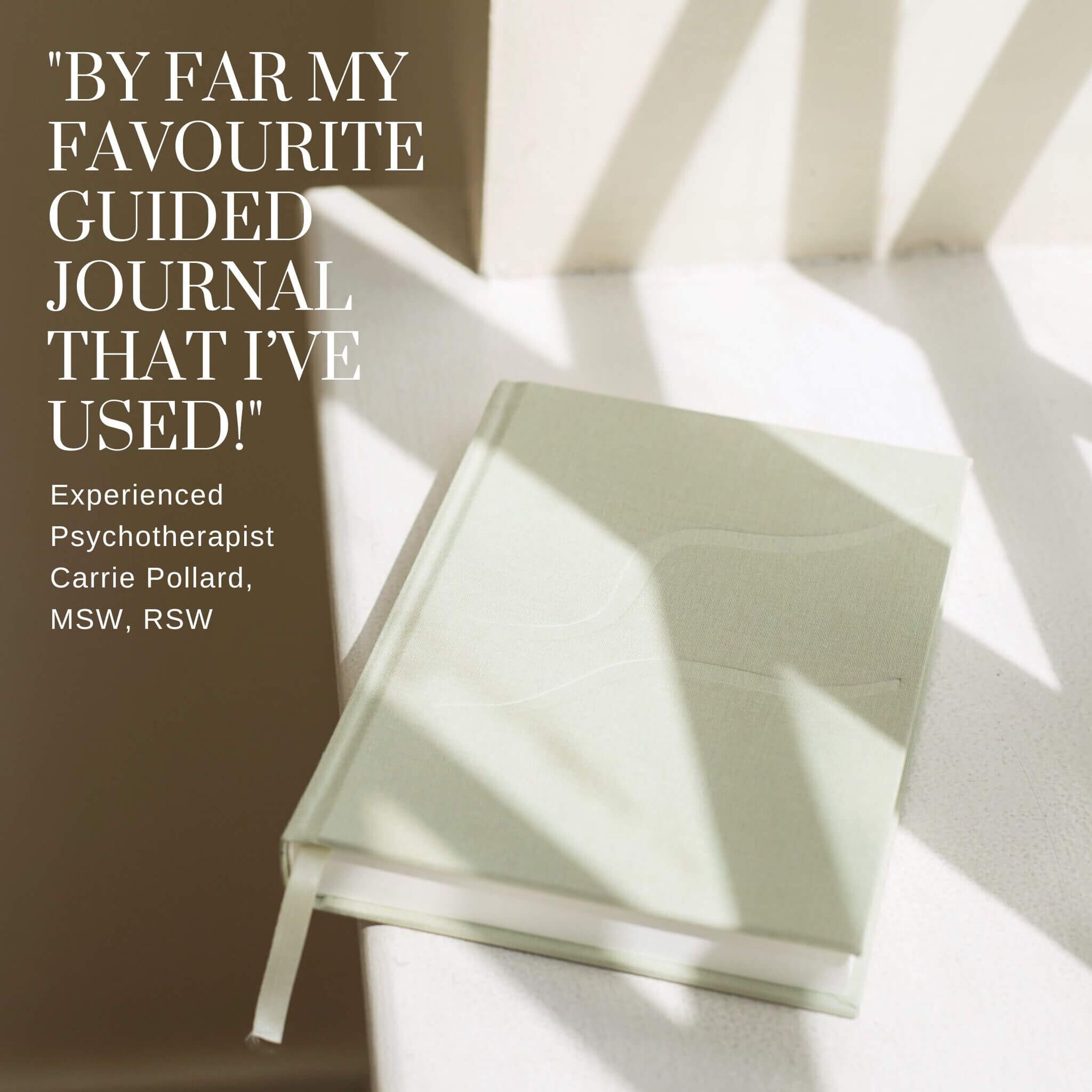
- When you want to know you can trust it: recommended by clinical psychologists at Harvard Medical School and the University of Oxford, and used by therapists with their clients between sessions.

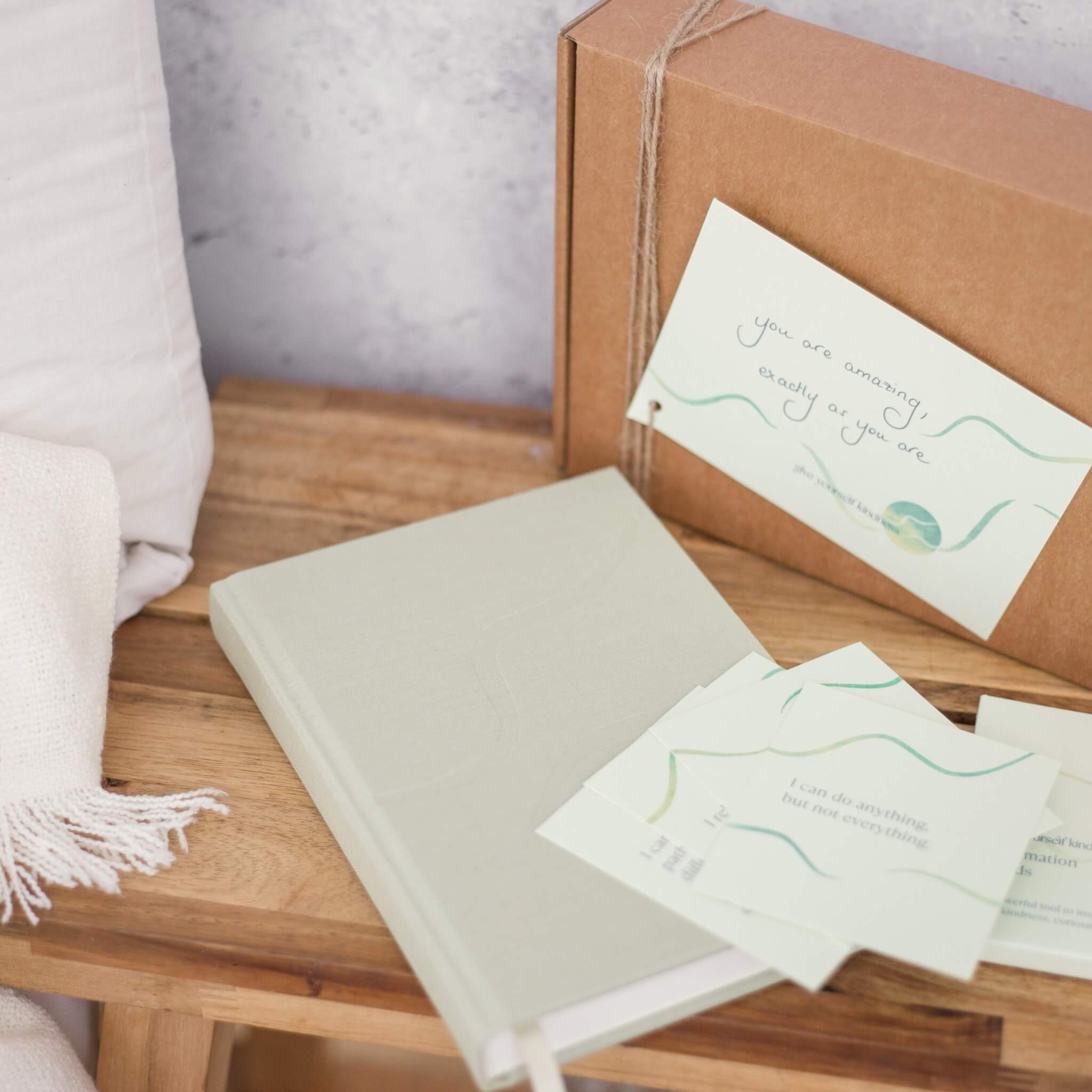
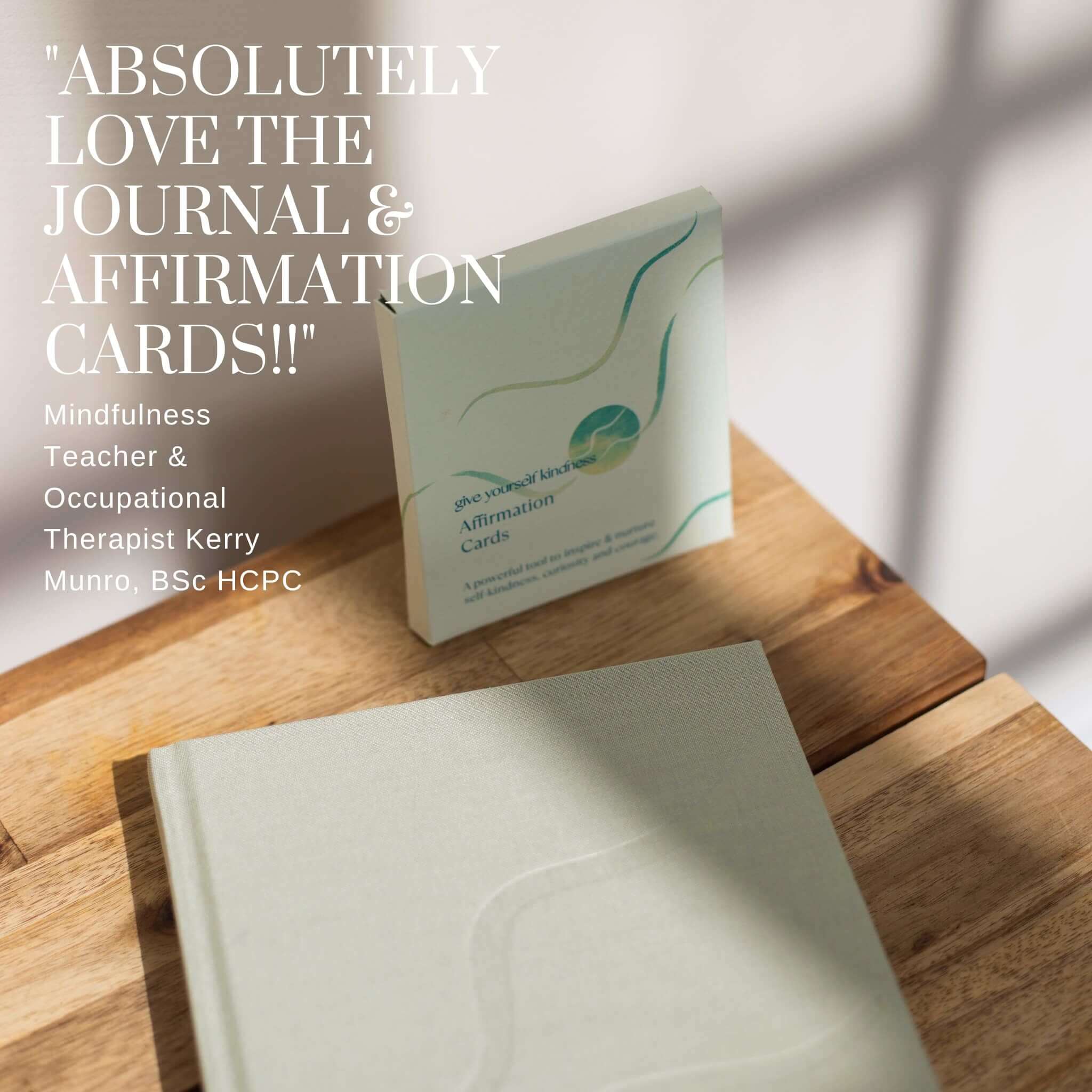
The Give Yourself Kindness Journal
📔 3-month guided journal🗓️ Undated⭐ Recommended by clinical psychologists
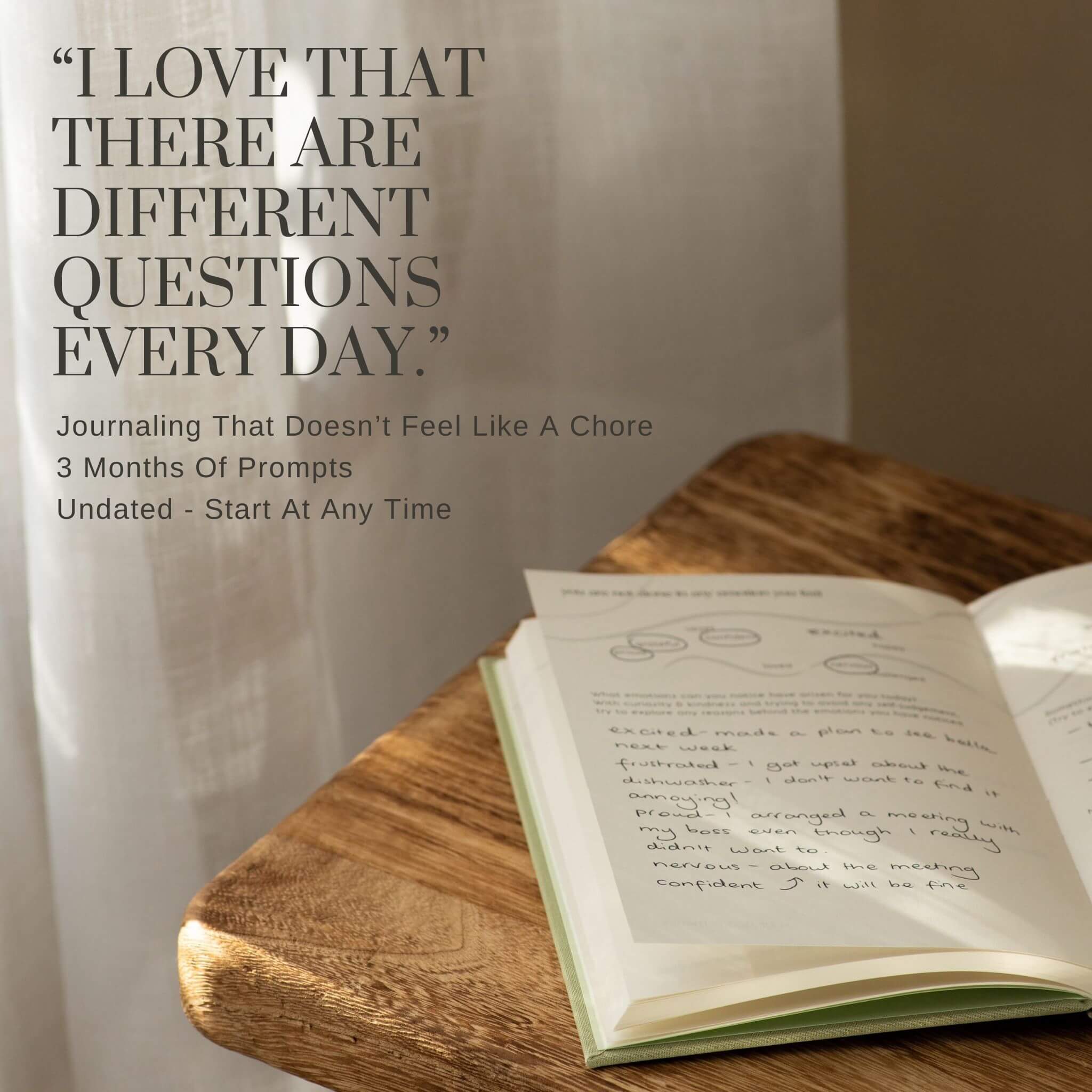
- 90 days of changing prompts that ask what you'd say to a friend with the same worry
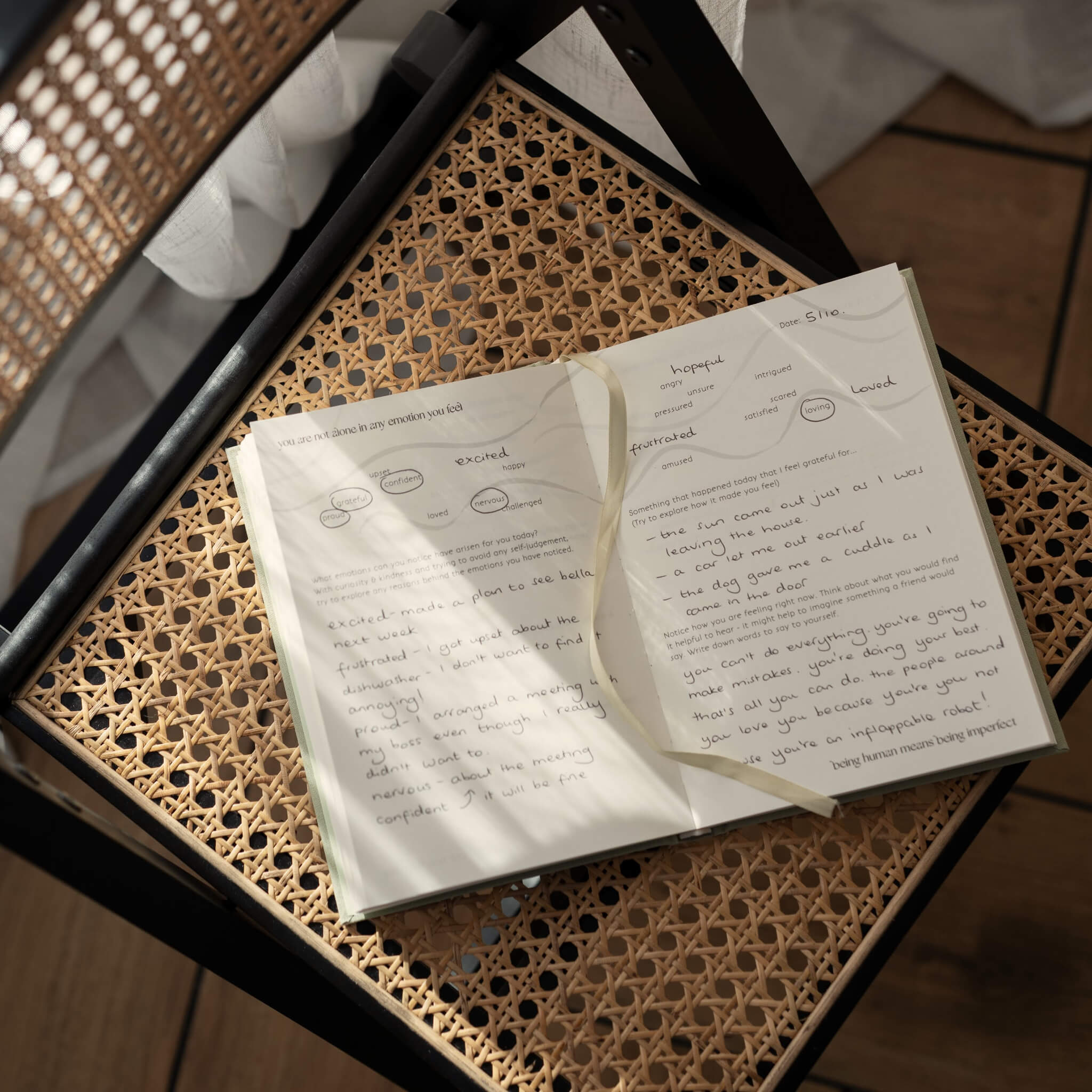
- A visual emotion guide on every page, for the days everything just feels like worry
- Over 50 gentle affirmations for the nights the worry is loud
- Undated, so you can stop and start again whenever you're ready
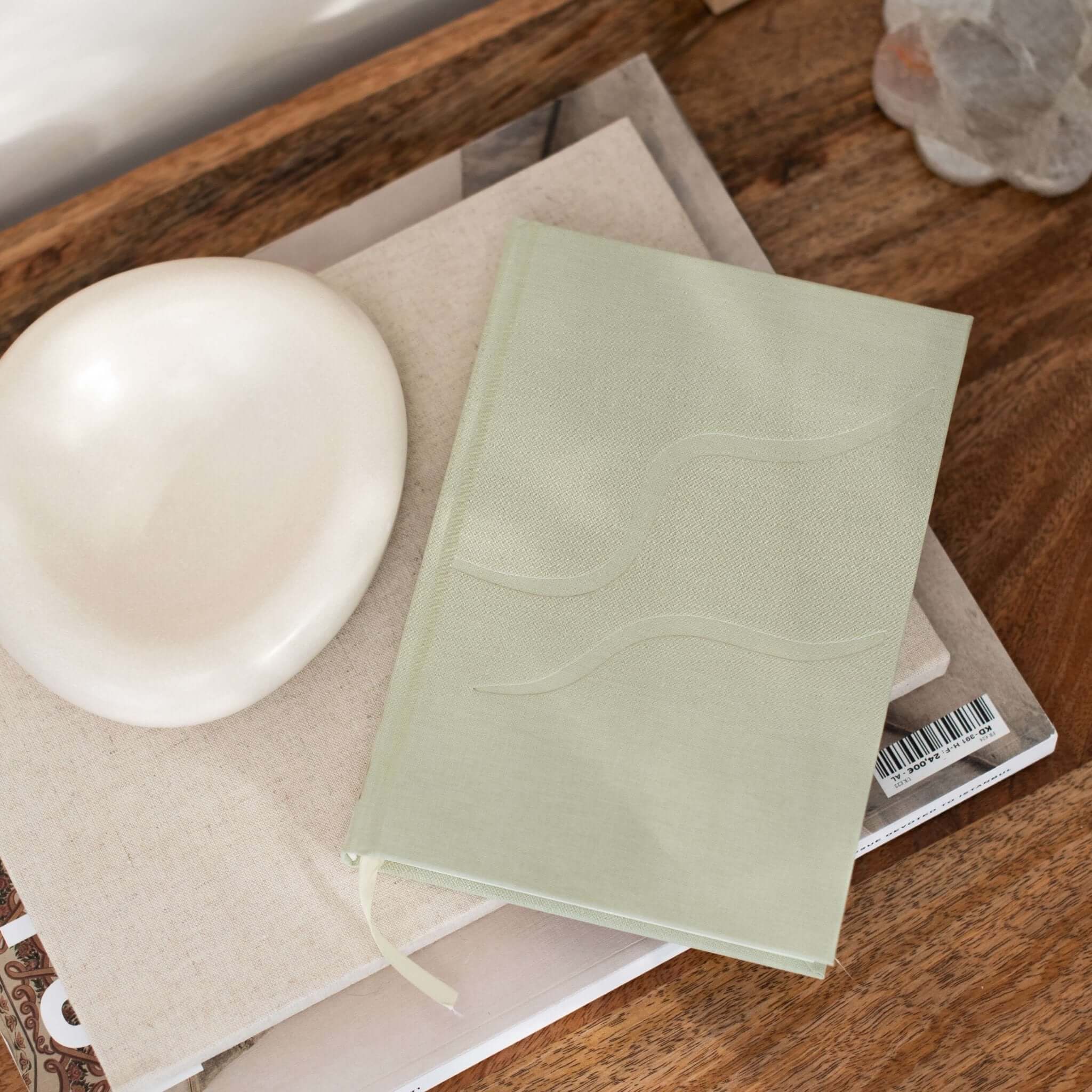
224 pages, A5, pistachio green cloth cover, 120gsm FSC-certified paper, ribbon marker, printed in the UK. Wrapped in bespoke tissue paper.

Rachael Oliver, MBACP
Accredited counsellor
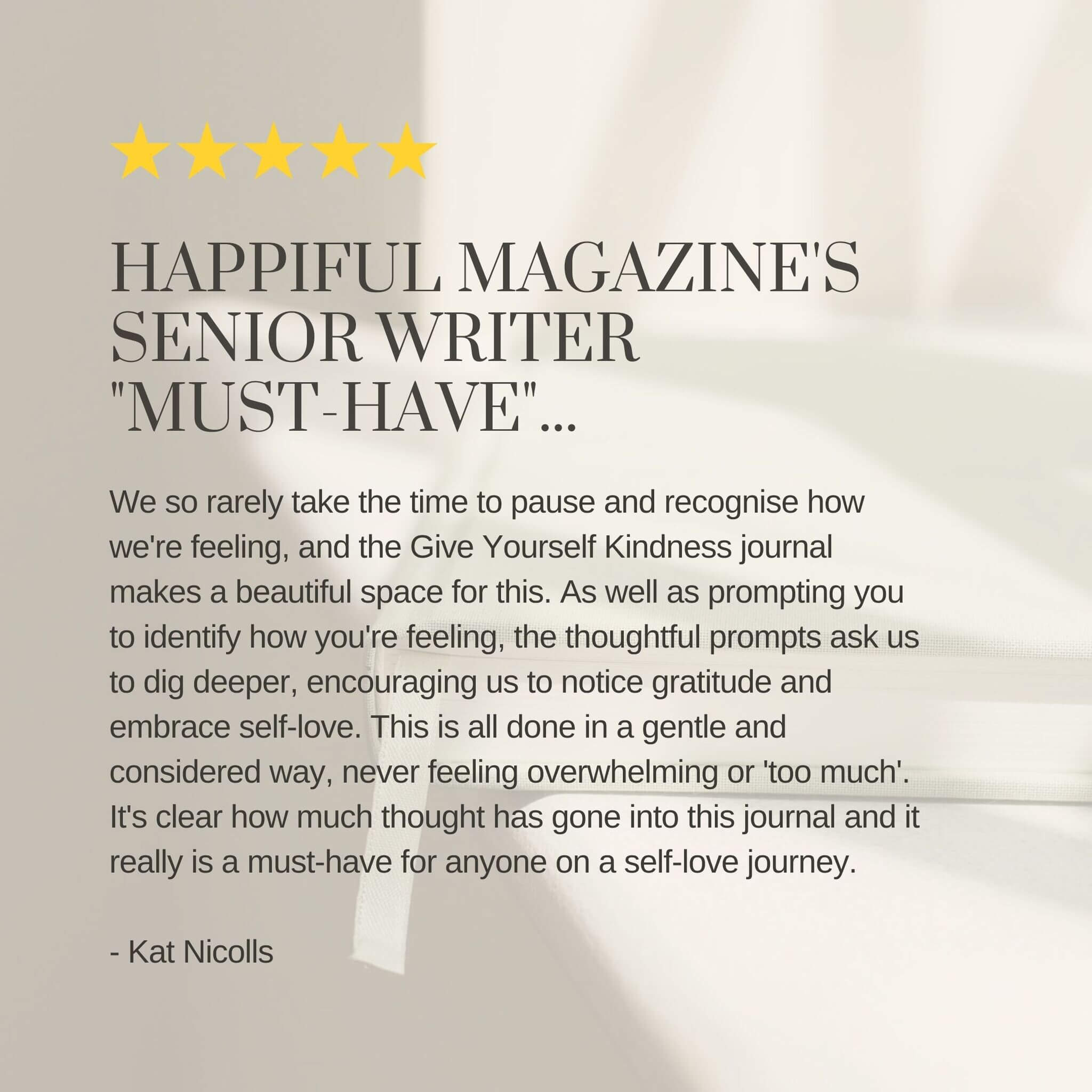
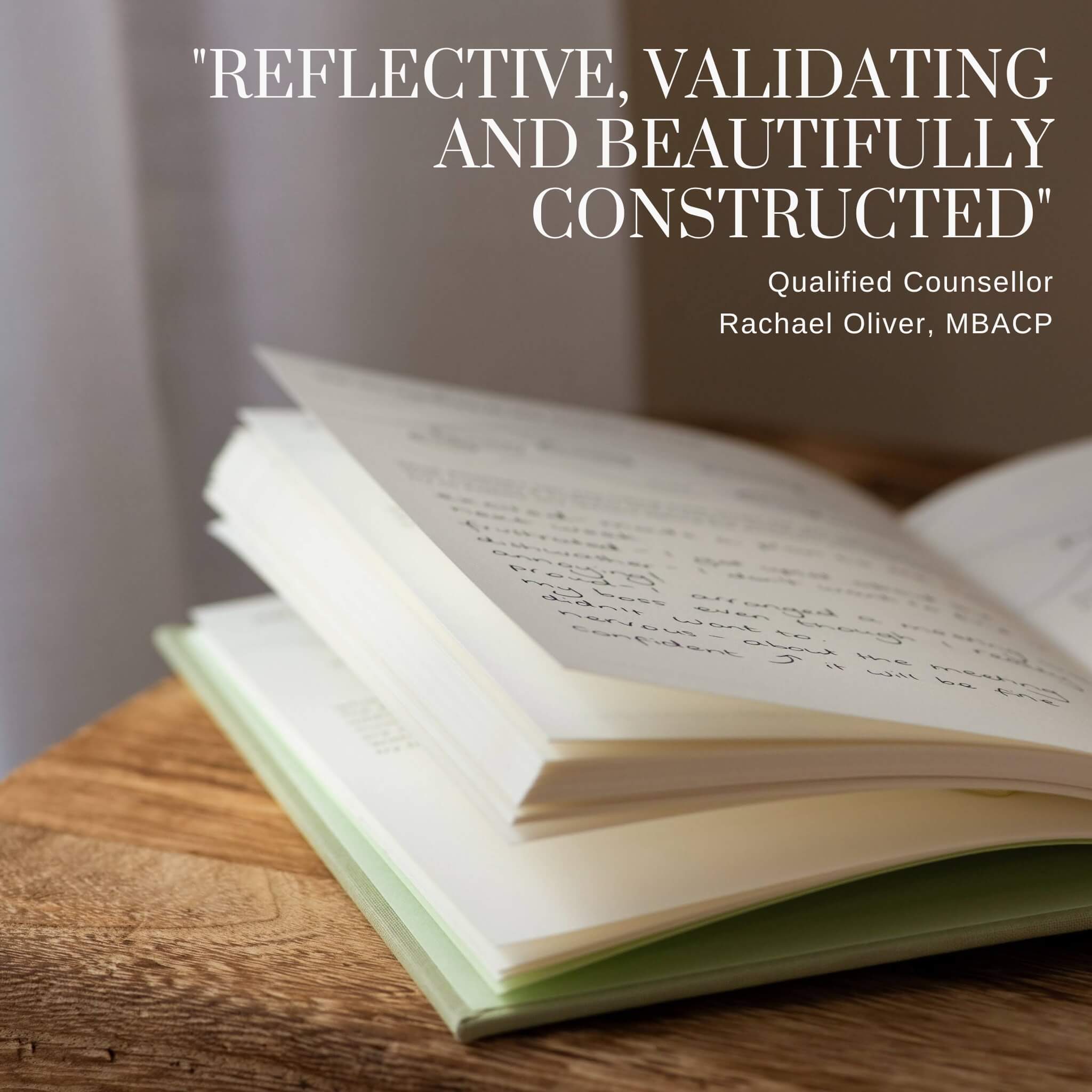
Read Rachael Oliver's review alongside the rest →"I love using these beautiful journals with clients throughout their counselling journeys. The prompts and areas to think about are helpful to shine light on their feelings, experiences and thought processes. The way the journal is constructed helps validate their entire experience and avoid toxic positivity, encourage reflection and ownership of feelings."
Dr Chris Germer, PhD
Clinical Psychologist and Lecturer on Psychiatry (part-time), Harvard Medical School | Co-developer of the Mindful Self-Compassion programme
Read Dr Germer's review alongside the rest →"A warm invitation to make friends with your emotions and yourself!"
What the prompts actually ask
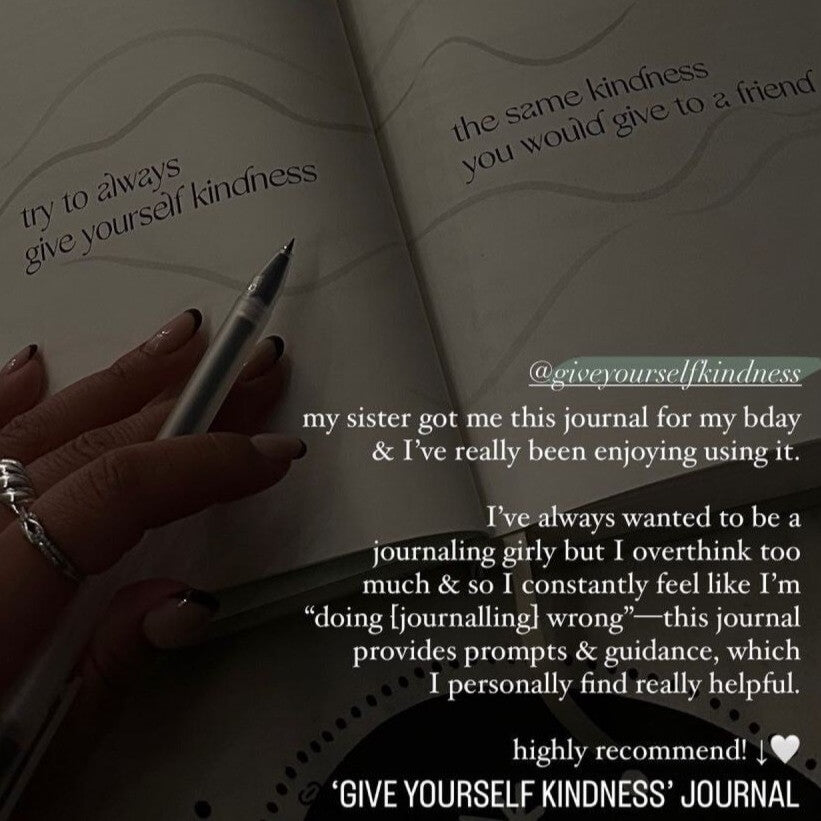
The prompts ask you to notice how you're feeling, then answer yourself the way you'd answer a friend. Here are three of them, so you can judge whether this is the right shape for a worried mind.
"What has challenged you today? Talk to yourself as you would talk to a friend, write down what you would say."
"Notice how you are feeling right now. Think about what you would find it helpful to hear, it might help to imagine something a friend would say. Write down words to say to yourself."
"Choose an emotion that you have just noticed. Imagine a friend came to you explaining that they feel that emotion. Write down what you would want to say to them."
Notice what each one does. It brings a friend into the room before it asks you to write. You end up with the kinder answer in your own handwriting, which can be easier to believe than anything anyone else tells you.

Professor Willem Kuyken, PhD, DClinPsy
Ritblat Professor of Mindfulness and Psychological Science, University of Oxford | Listed by Web of Science in the top 1% of the most cited scientists in the world
Read Professor Kuyken's review alongside the rest →"…Her journal's are not only aesthetically pleasing, they scaffold my writing. Writing can be creative, beautiful, resourcing, but it can also invoke an inner critic, rumination and procrastination. Rachel has curated the experience to make the writing intrinsically rewarding and the journal something to treasure."
That's a professor of mindfulness naming the very risk a worried mind runs with a blank page, in his review of the journal. It's why the prompts are worded the way they are, and why I'd rather you had a gentle scaffold than an empty page.
A few honest notes
- If you already journal comfortably, the friend question will slot into the writing you already do. The journal is for the days when finding the question, and the kind words, is the part you can't face.
- If the worry is mostly practical, about remembering things rather than about yourself, writing a specific to-do list for tomorrow before bed might help more. There's a sleep study on that in my guide to journaling for sleep.
- If worry is affecting your daily life, please talk to your GP. There's more on that below.
Therapists and counsellors use the journal with their clients, often between sessions. It's a gentle companion alongside professional support, never a replacement for it.
If the worst of it happens at night
If the worst of it happens at night, it can help to do your writing earlier in the evening and keep bedtime for something settling. Worry keeps unsociable hours, and writing at two in the morning tends to keep you in it rather than clear it.

Dr Andreas Comninos
PhD Clinical Psychologist and EMDRAA Accredited Practitioner, with over 15 years' experience
"However, please be aware that certain types of journaling, such as writing about challenging experiences, may stir up strong emotions. It is important to approach intense journaling with care and kindness towards yourself…"
What this means at night: choose a time when you can look after yourself afterwards, rather than squeezing the writing in just before sleep.
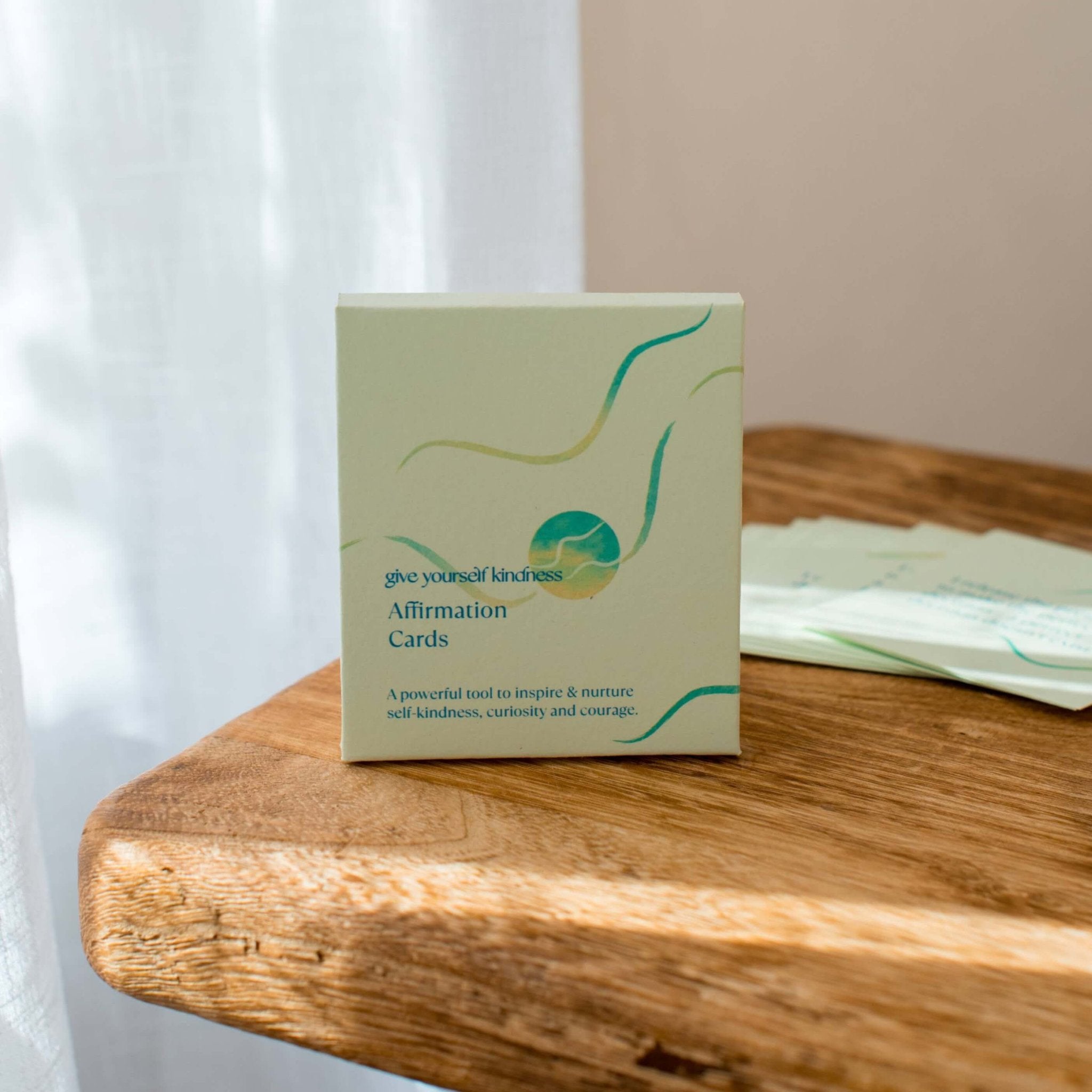
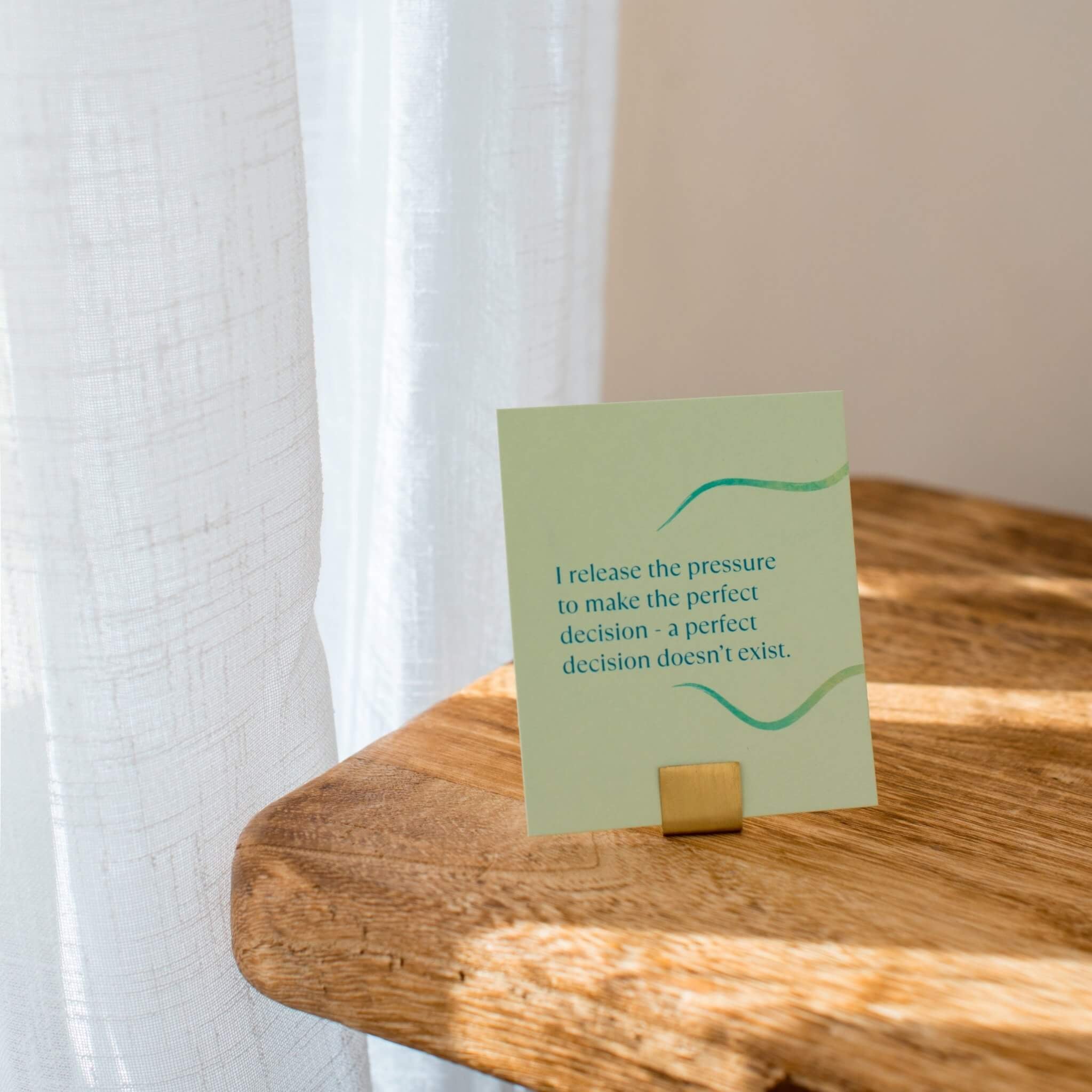
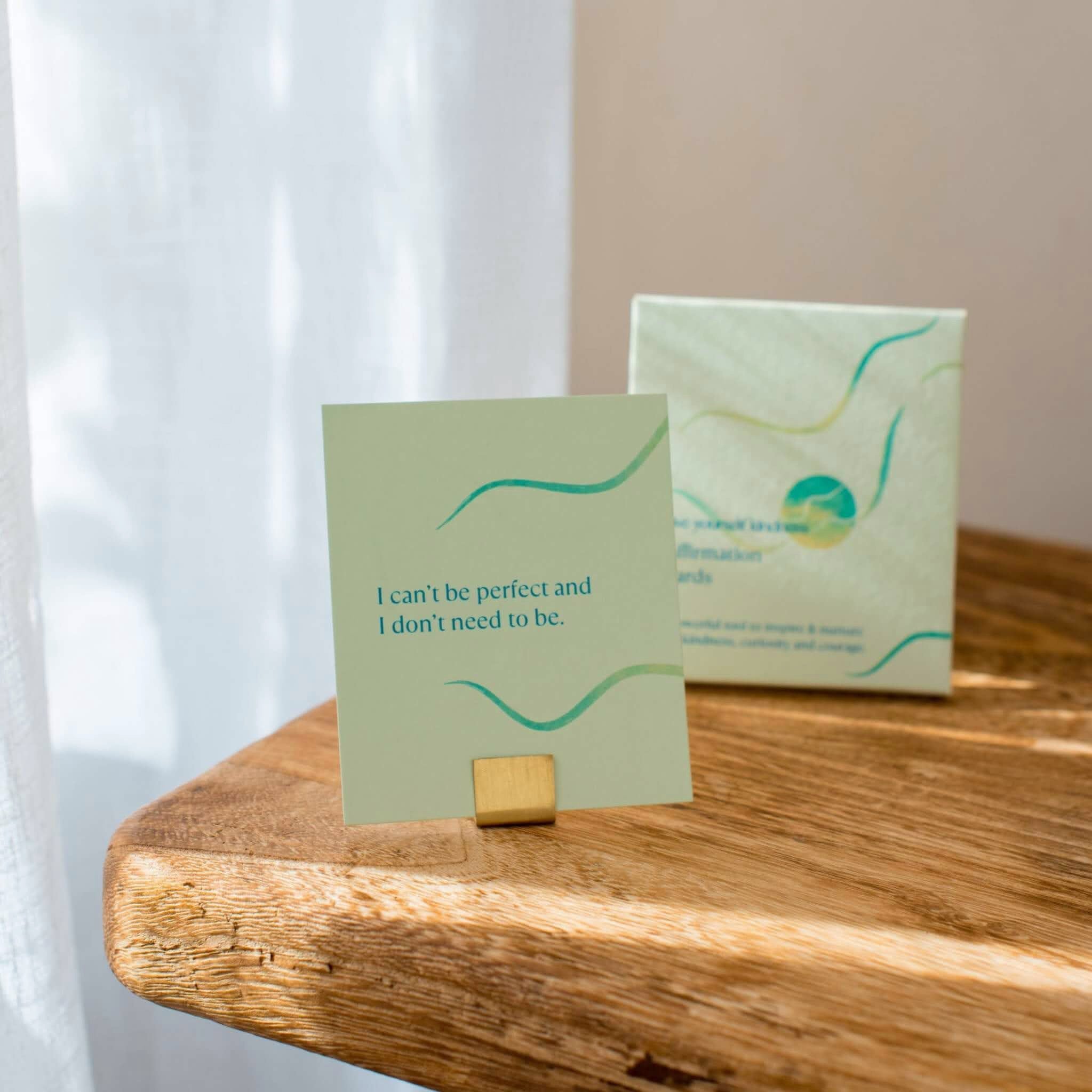
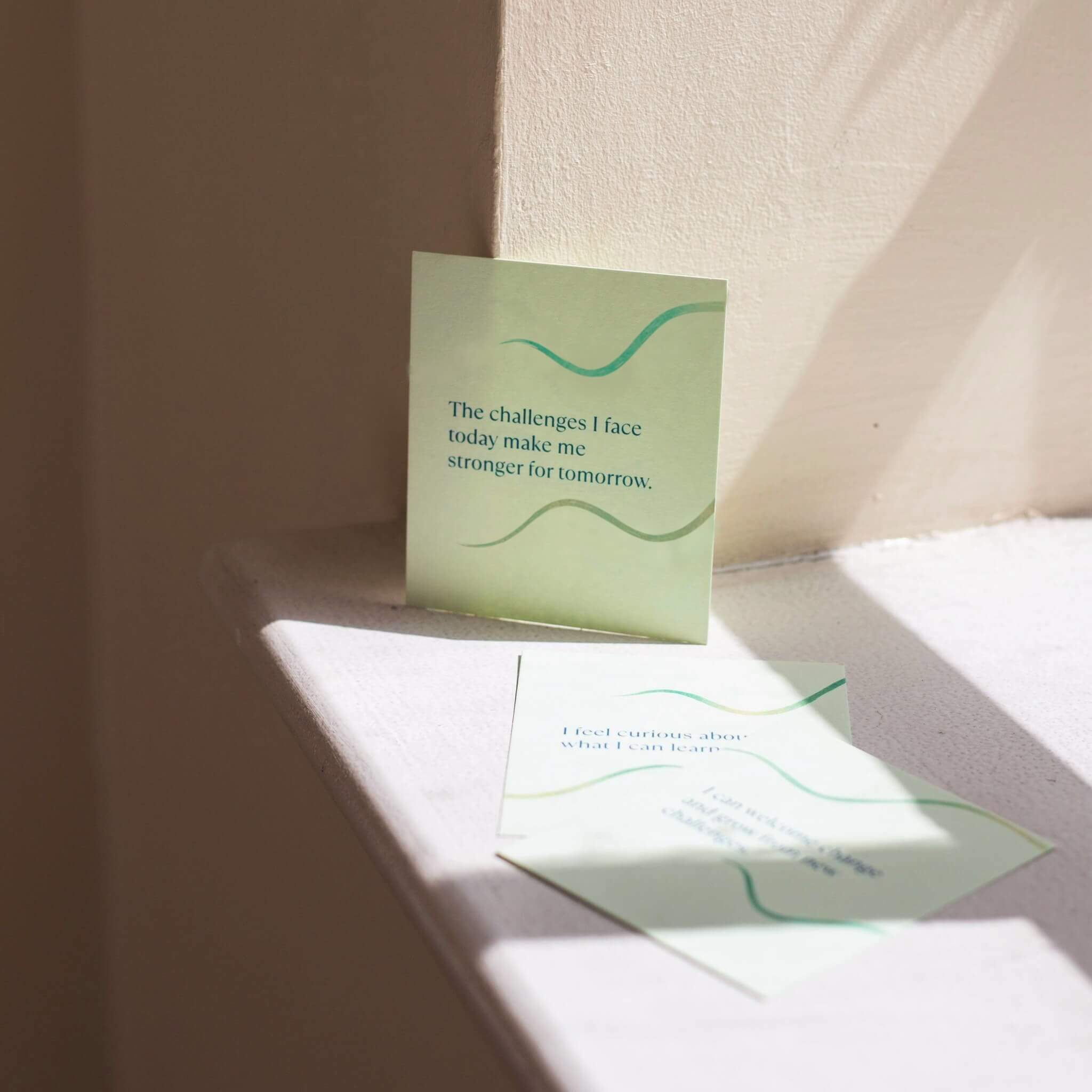
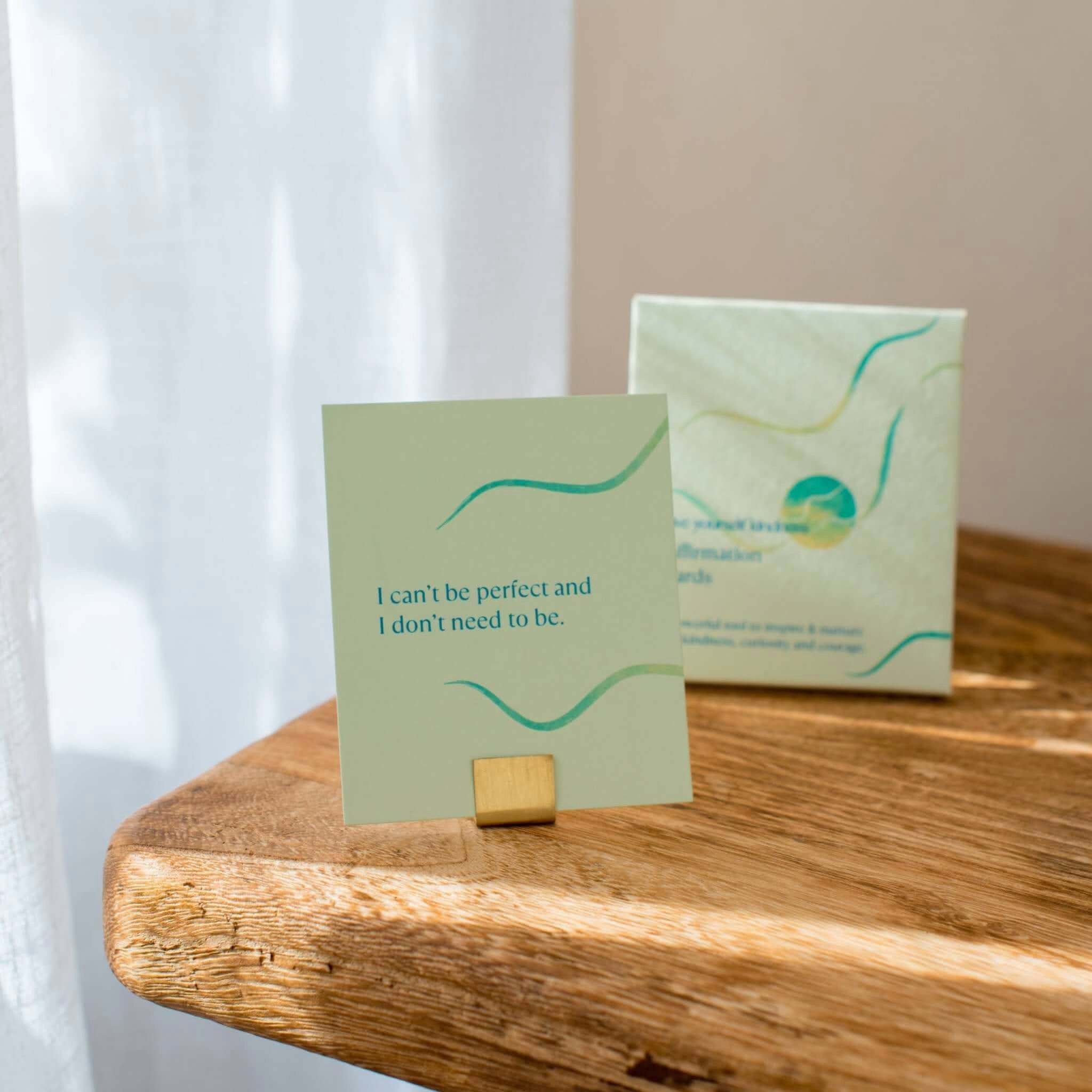
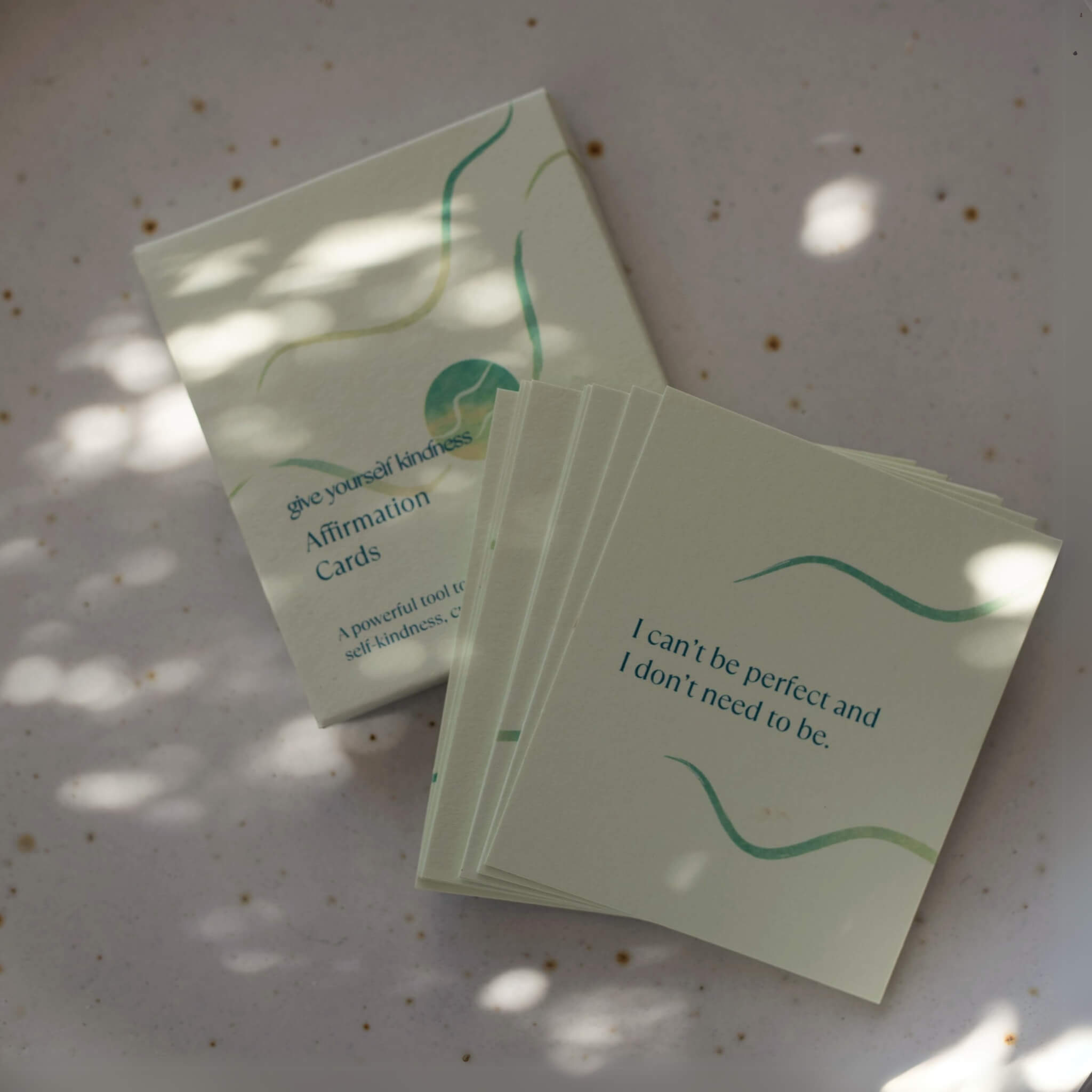
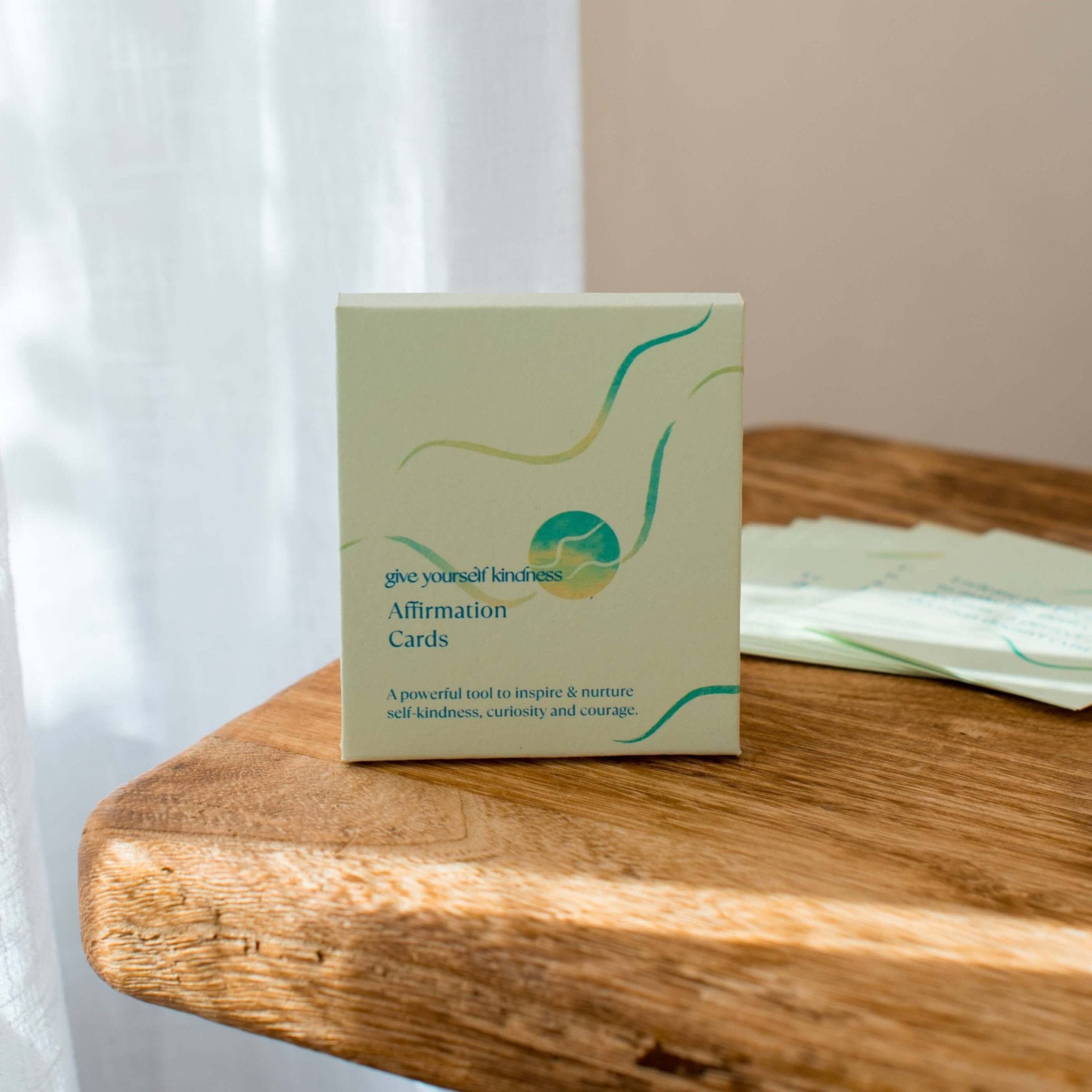
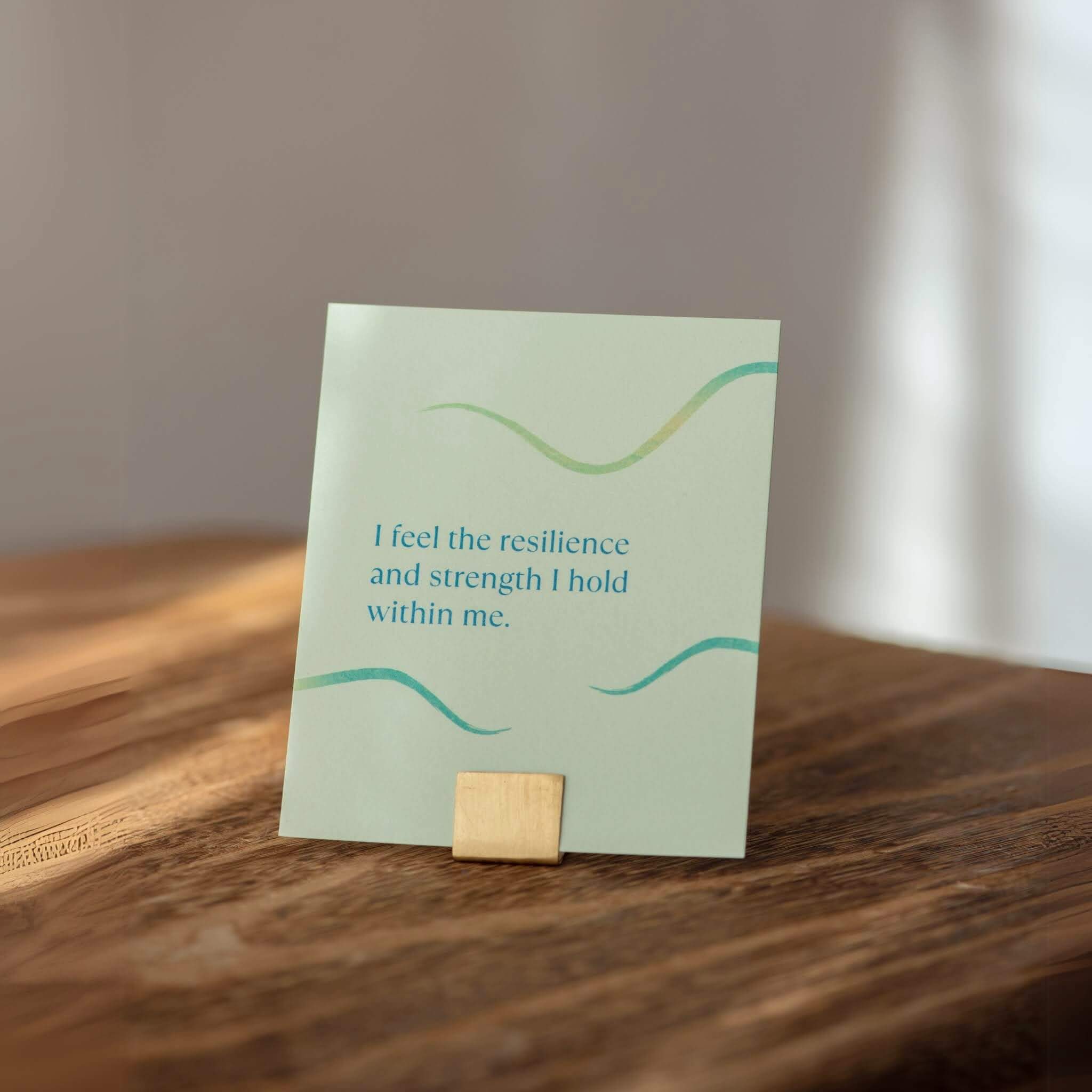
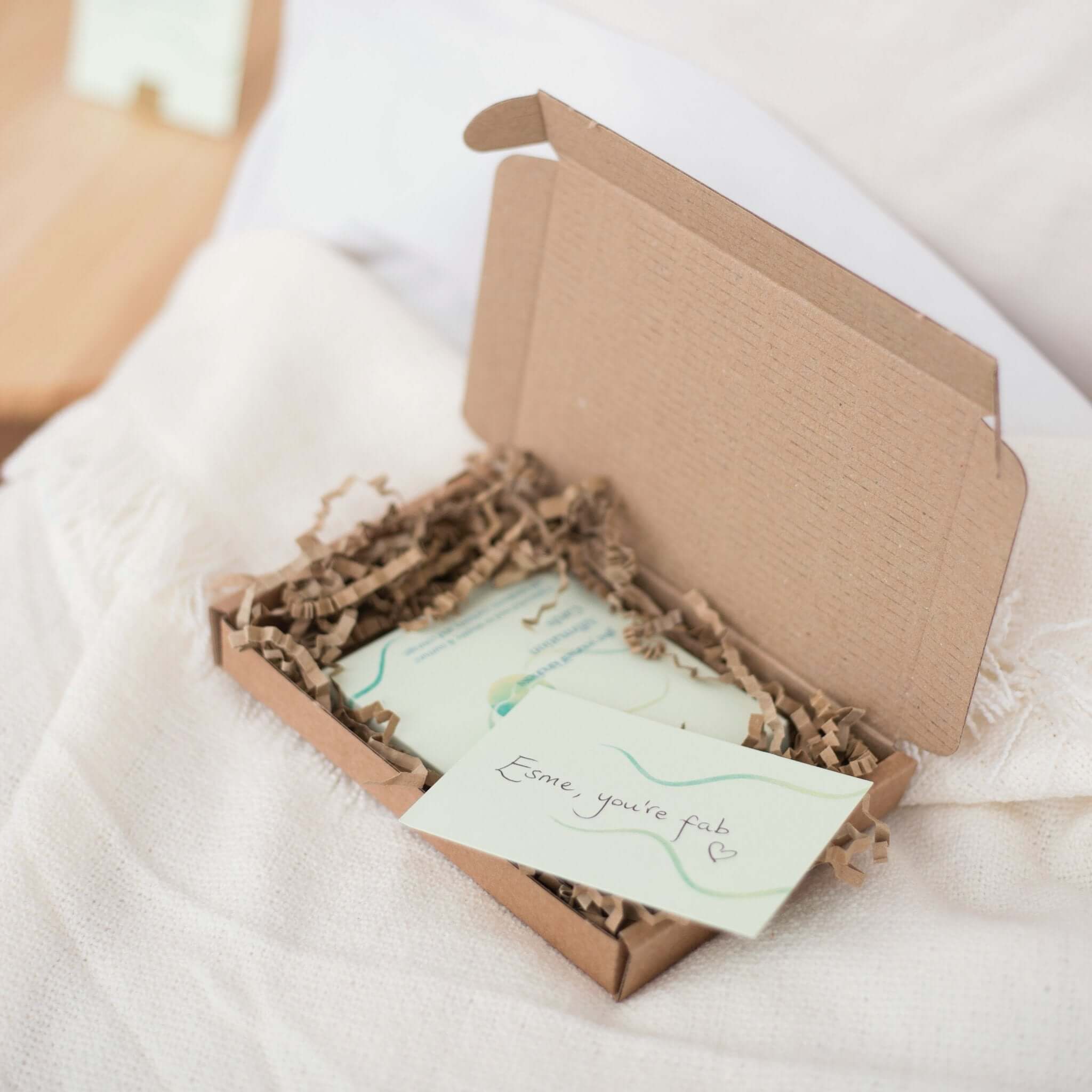
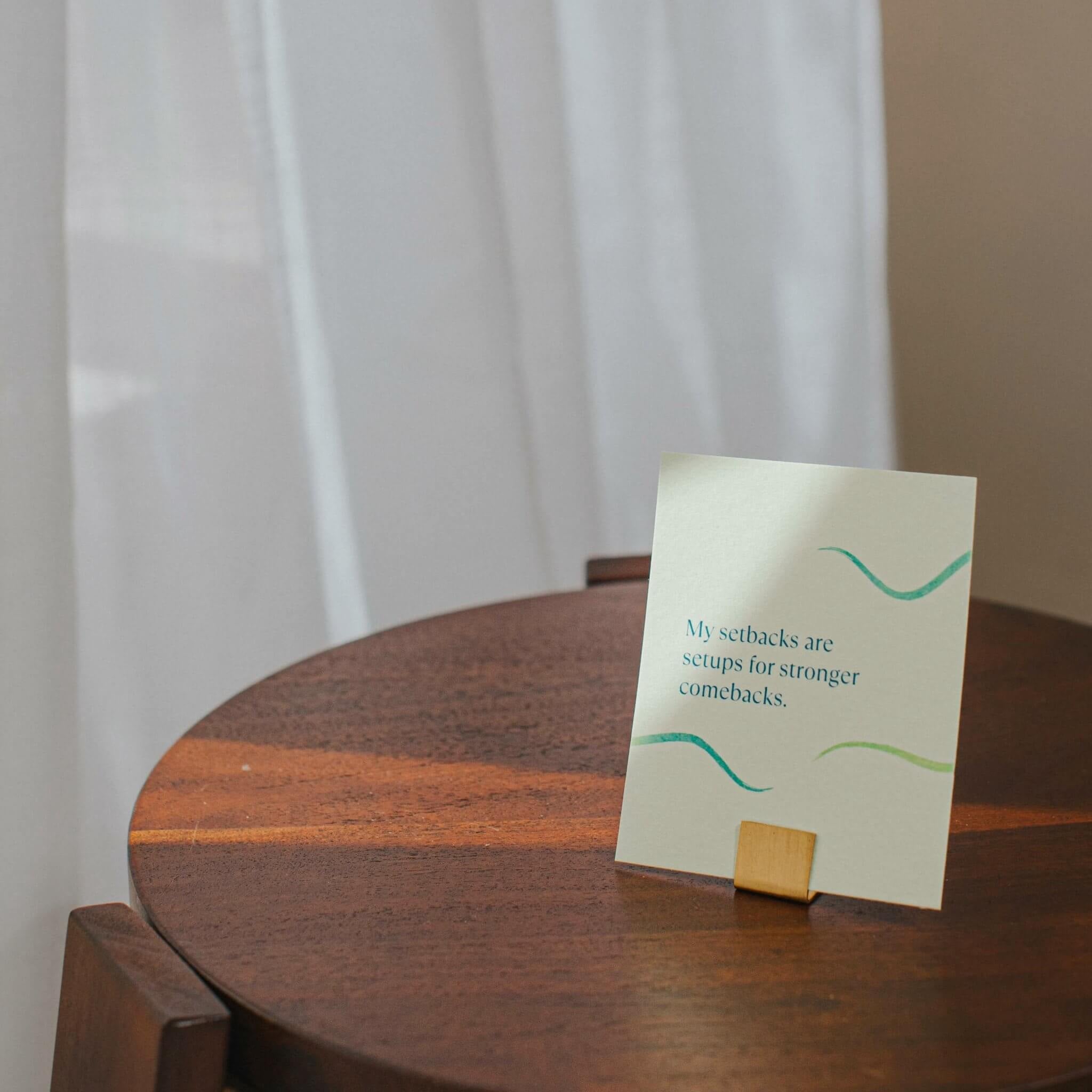
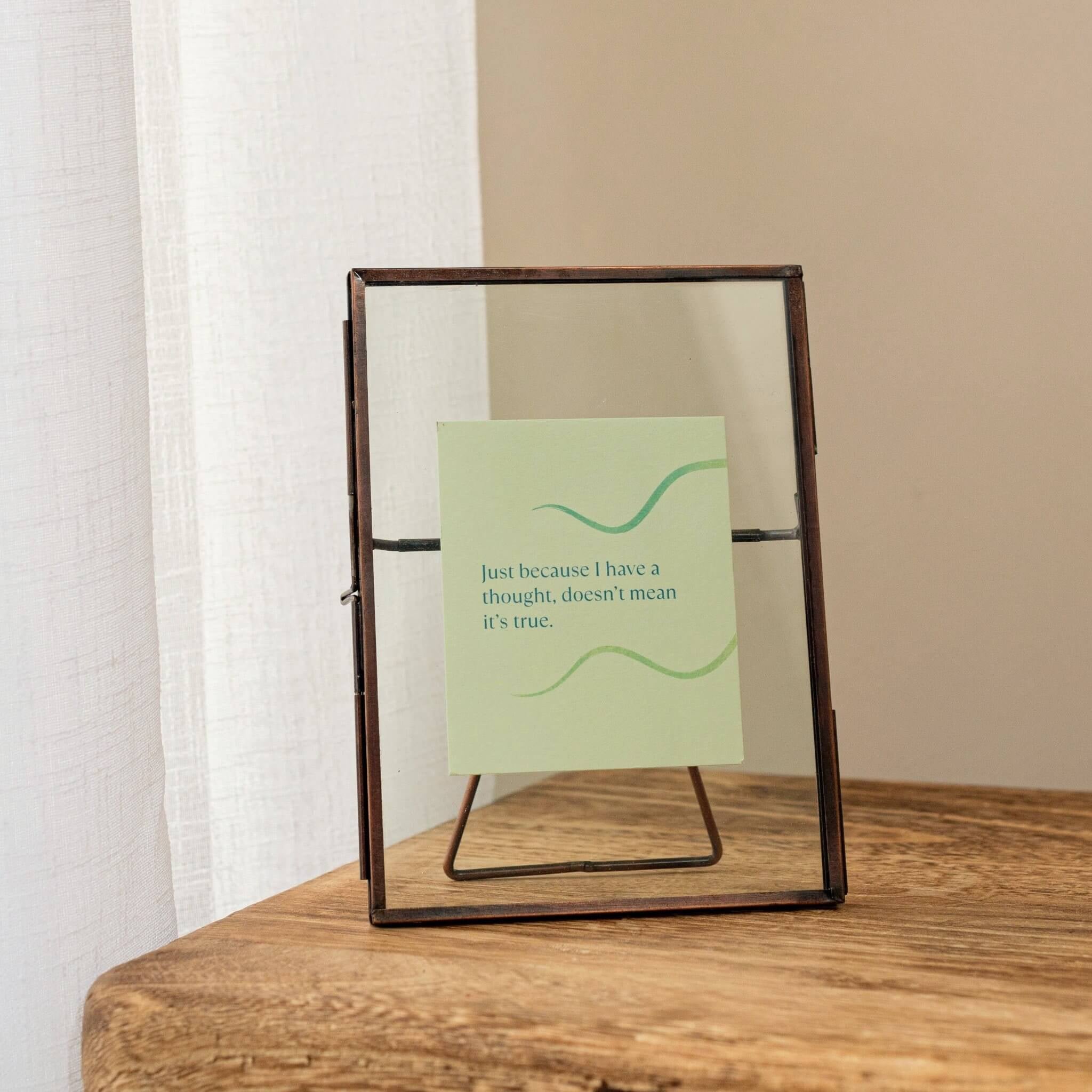
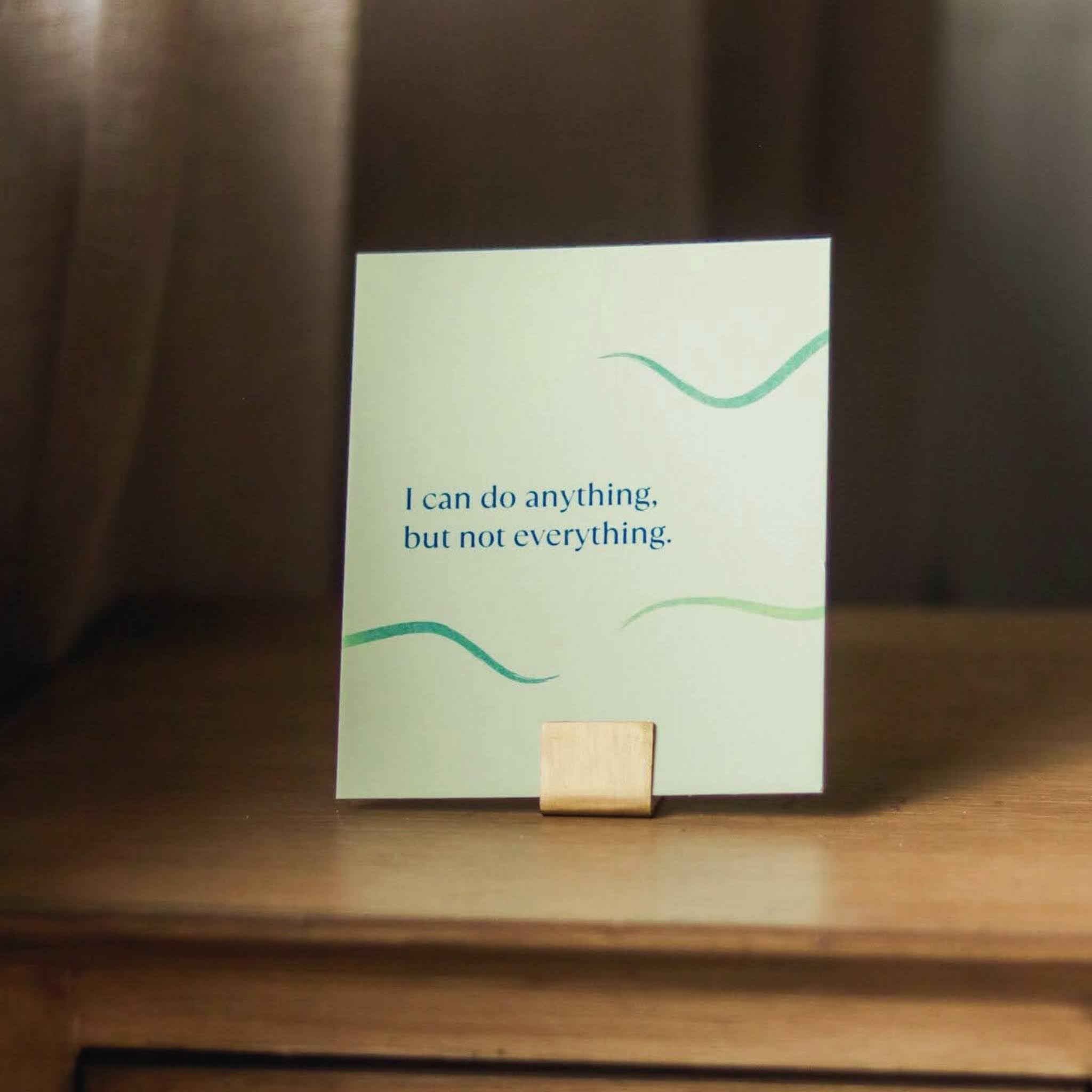
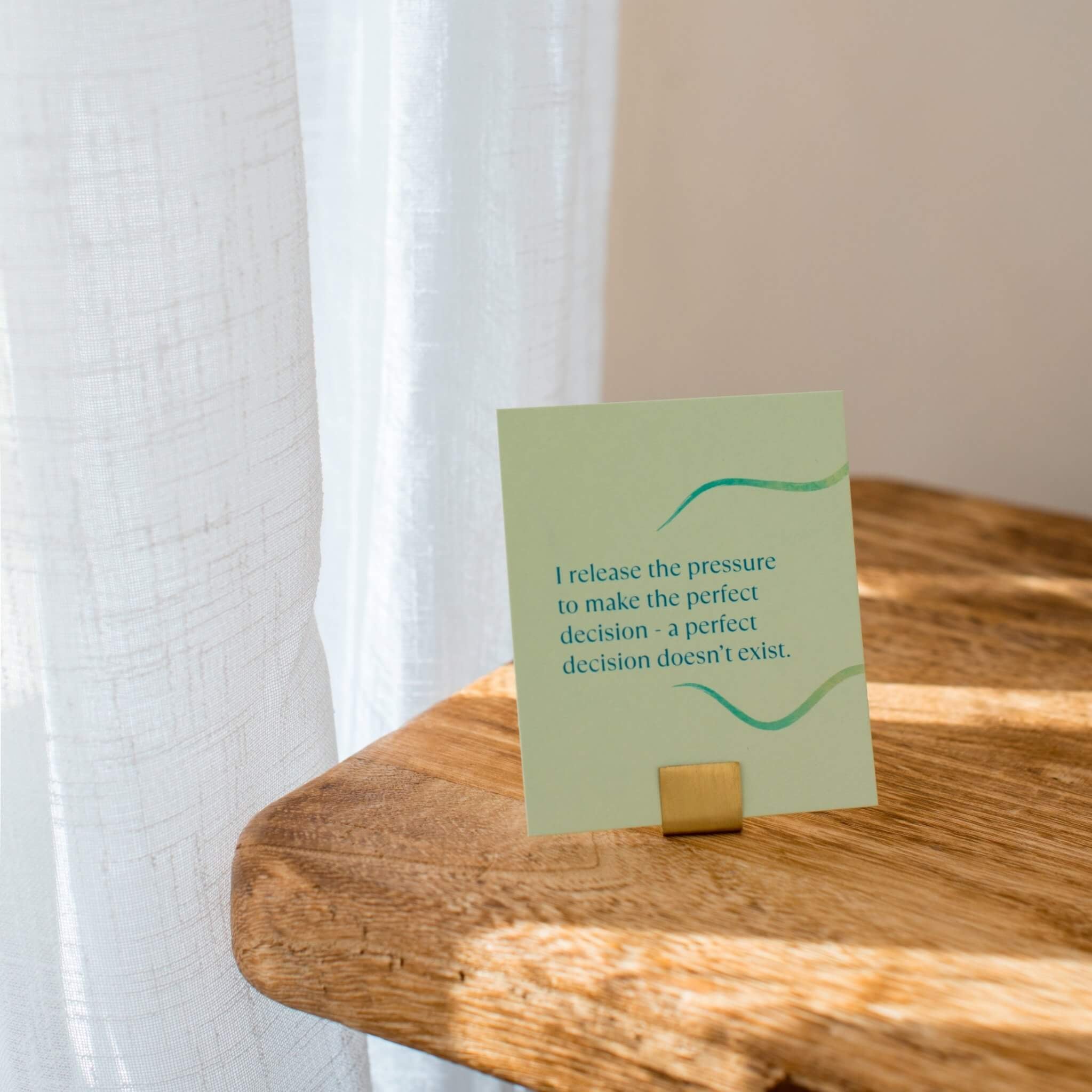
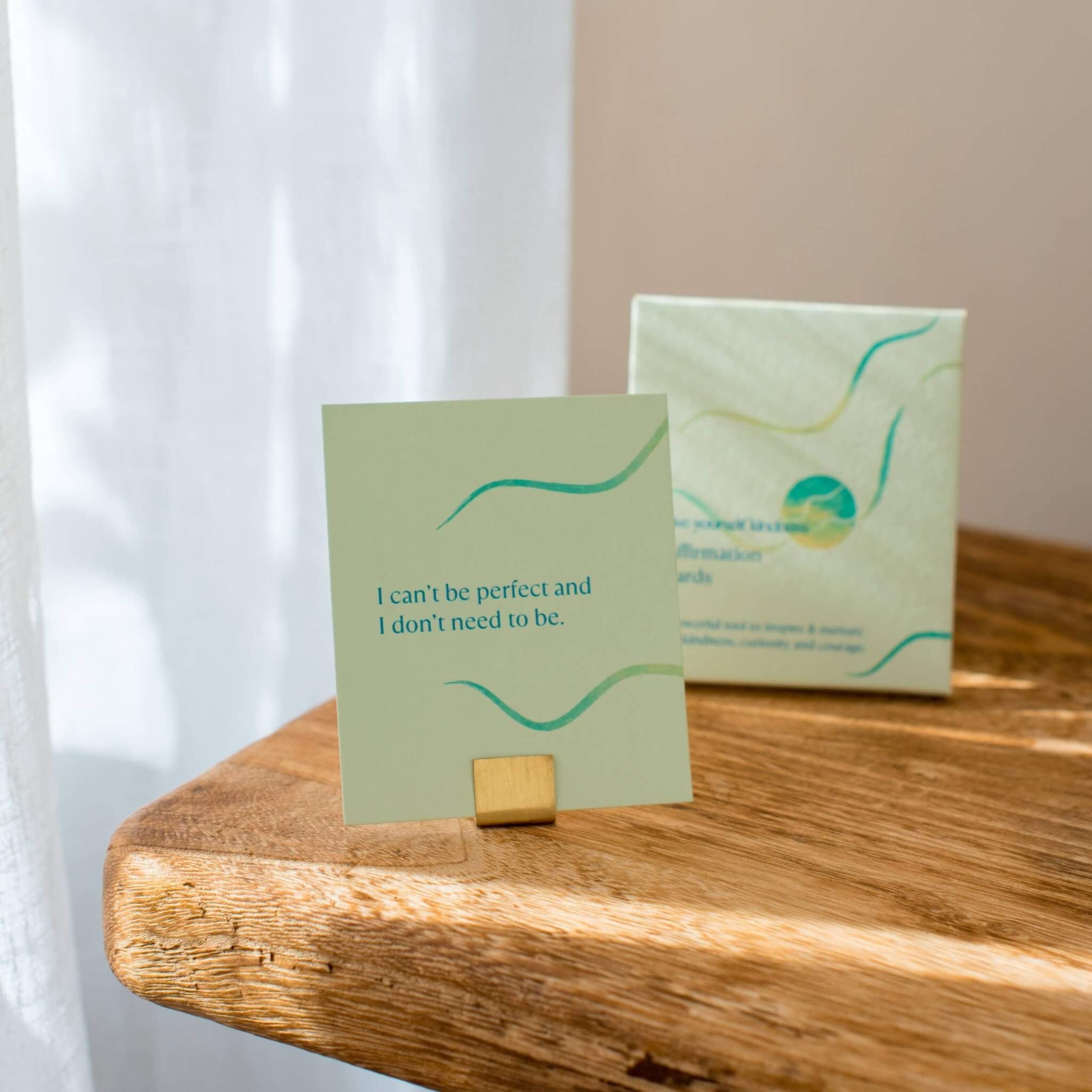
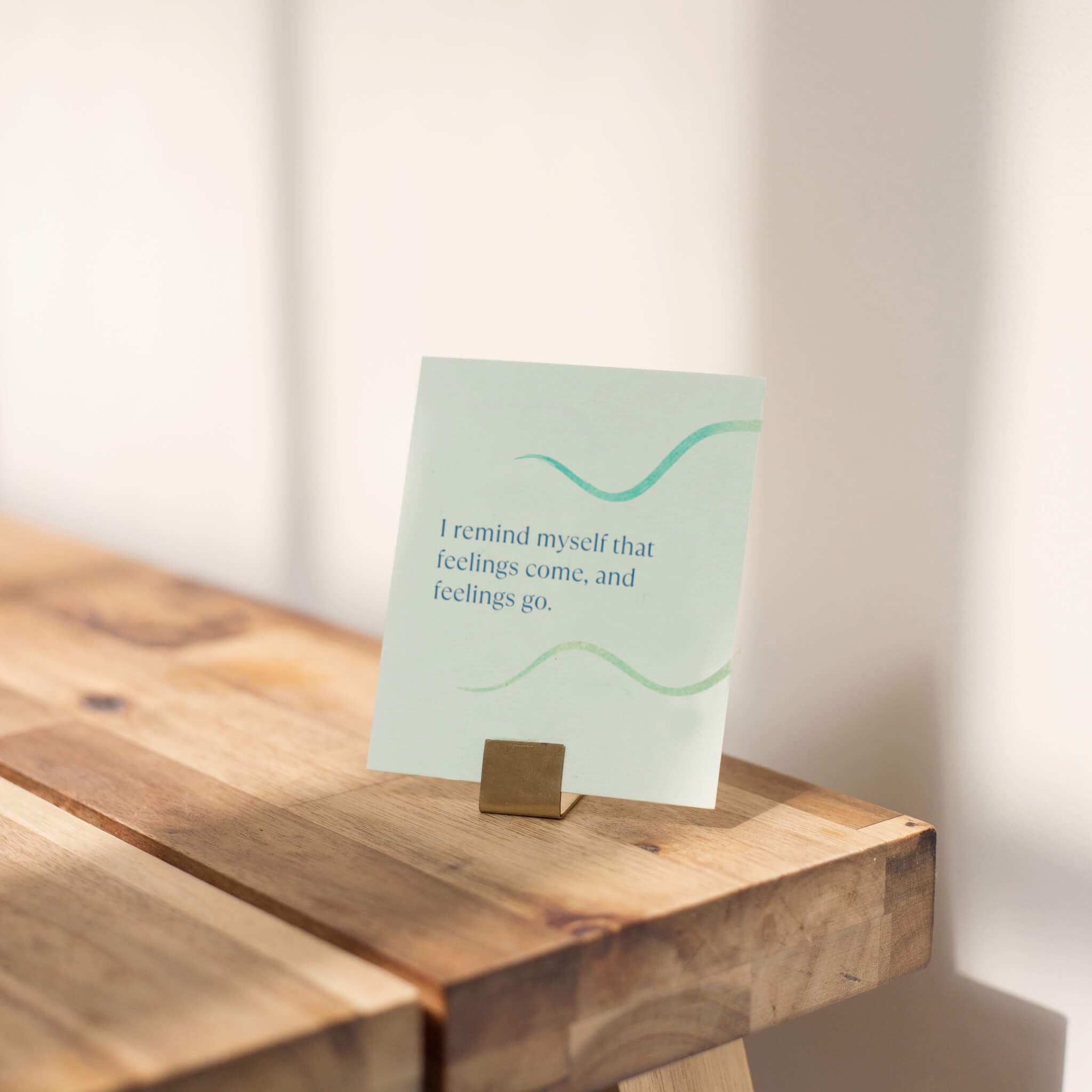
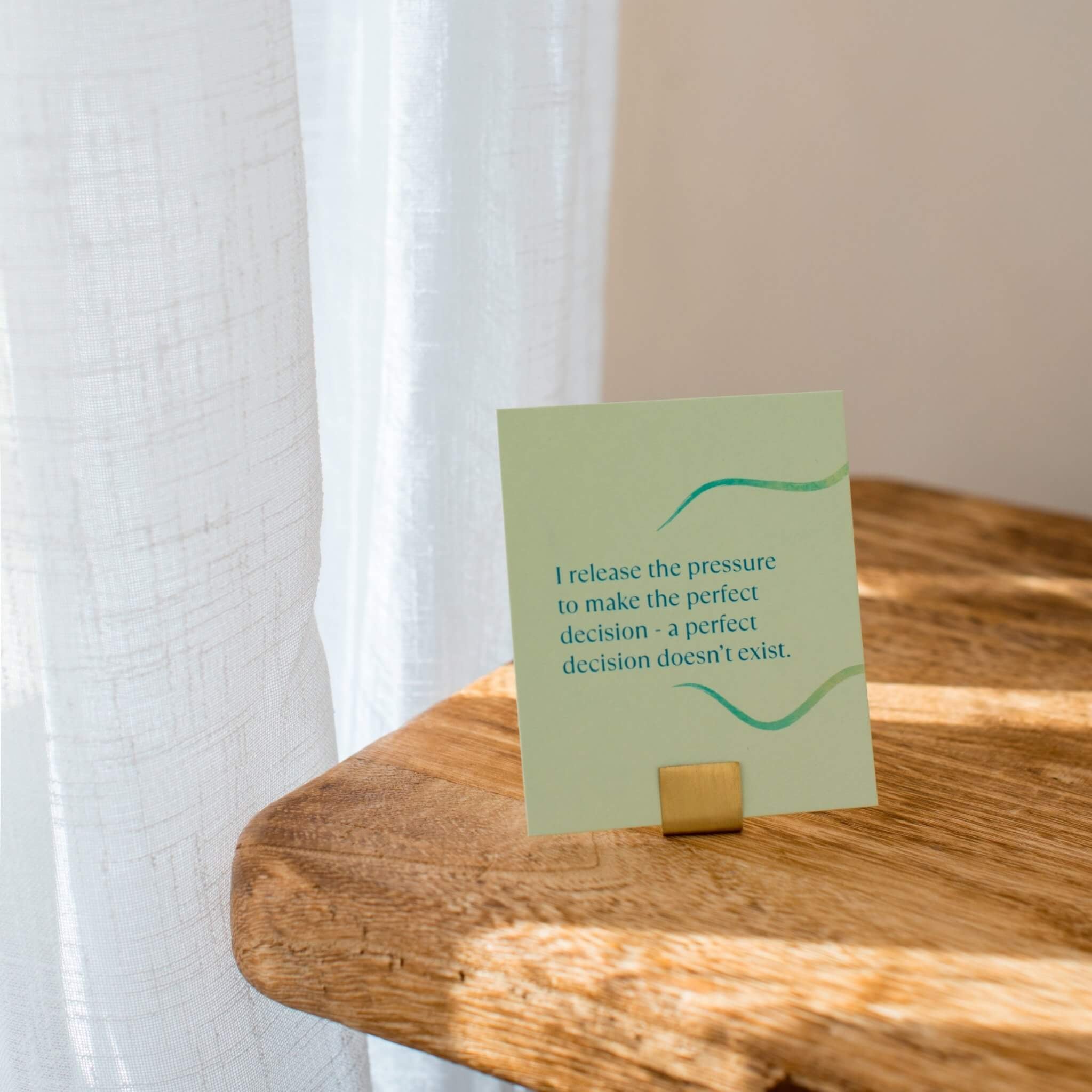
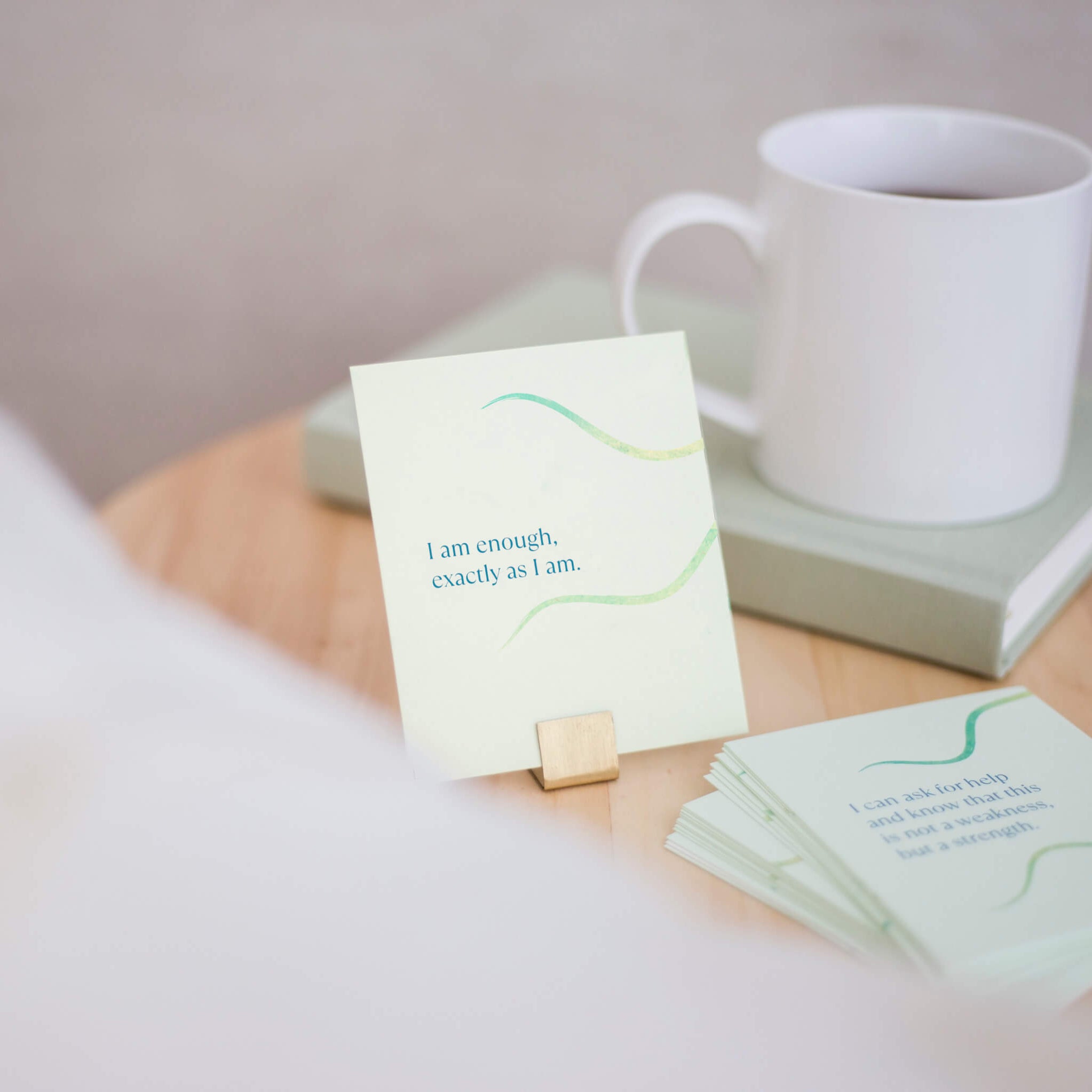
Read Dr Comninos' full article: The benefits of journaling →And if a worry arrives once you're already in bed, it can help to have something gentle within reach rather than a page to fill. My Sleep Affirmation Cards are twenty cards for the bedside table, for the nights when writing is beyond you. One of them reads:
"I release any pressure to have a perfect night's sleep."

Olena Santangeli, PhD
Neuroscientist and sleep expert | Child and adult sleep consultant
Read Dr Santangeli's review alongside the rest →"The sleep cards are fantastic. I particularly like how they foster positive thinking, relaxation, and self-compassion, which are key in managing sleep and stress. They wonderfully echo the principles of cognitive-behavioral therapy for insomnia and could be used as an additional tool in conquering anxiety surrounding insomnia…"
For more on what to write, and when, if worry is keeping you awake, my guide to journaling for sleep and what helps with racing thoughts at night go into it in more detail.
When worry needs more than a journal
Worry needs more than a journal when it's been going on for a long time, or when it's affecting your sleep, your work, your relationships or your ability to enjoy things. Then please talk to your GP. You deserve proper support, not just a notebook.
A journal sits alongside that support rather than instead of it. Mind has helpful guidance on worry and anxiety, and if things ever feel unbearable, Samaritans are on 116 123, free, day or night.
A gentler way through a worried week
Worry doesn't go quiet because you told it to, and it doesn't settle because you wrote it out more neatly. What can help is having somewhere kinder to answer it from. This week, you might:
- Write the worry down in a single line, and leave it there
- Name the feeling underneath it if you can: dread, guilt, tiredness, or something else
- Write what you'd say to a friend who told you the very same thing
And if you'd like the page to ask those questions for you, with an emotion guide and kind words already there, the Give Yourself Kindness Journal is here, recommended by clinical psychologists at Harvard Medical School and the University of Oxford.
Be gentle with yourself this week. You don't have to stop worrying to deserve some kindness.
Discover the Give Yourself Kindness Journal →
Common questions
What is the best journal for worry?
The best journal for worry is one that helps you feel calmer, not one that asks you to go over the worry again. Look for gentle prompts that ask what you'd say to a worried friend, undated pages, a different prompt each time, somewhere to name the feeling, and wording a mental health professional has checked. My pick is the Give Yourself Kindness Journal, which I created, recommended by clinical psychologists at Harvard Medical School and the University of Oxford.
Does journaling make worry worse?
Journaling can make worry worse if the page simply gives the worried part of you more room. Clinical psychologist Dr Chris Irons points out that it matters which part of you is doing the writing, and on a blank page that is often the most frightened part. Prompts that bring a kinder voice in first can help the writing settle you rather than wind you up.
When is the best time to write?
The best time to write is earlier in the evening rather than at bedtime, if you can. Clinical psychologist Dr Andreas Comninos advises approaching intense journaling with care and kindness towards yourself, and choosing a time when you can look after yourself afterwards. Bedtime is squeezed between the day and sleep, so keep the last twenty minutes for something settling instead.
How is this different from a gratitude journal?
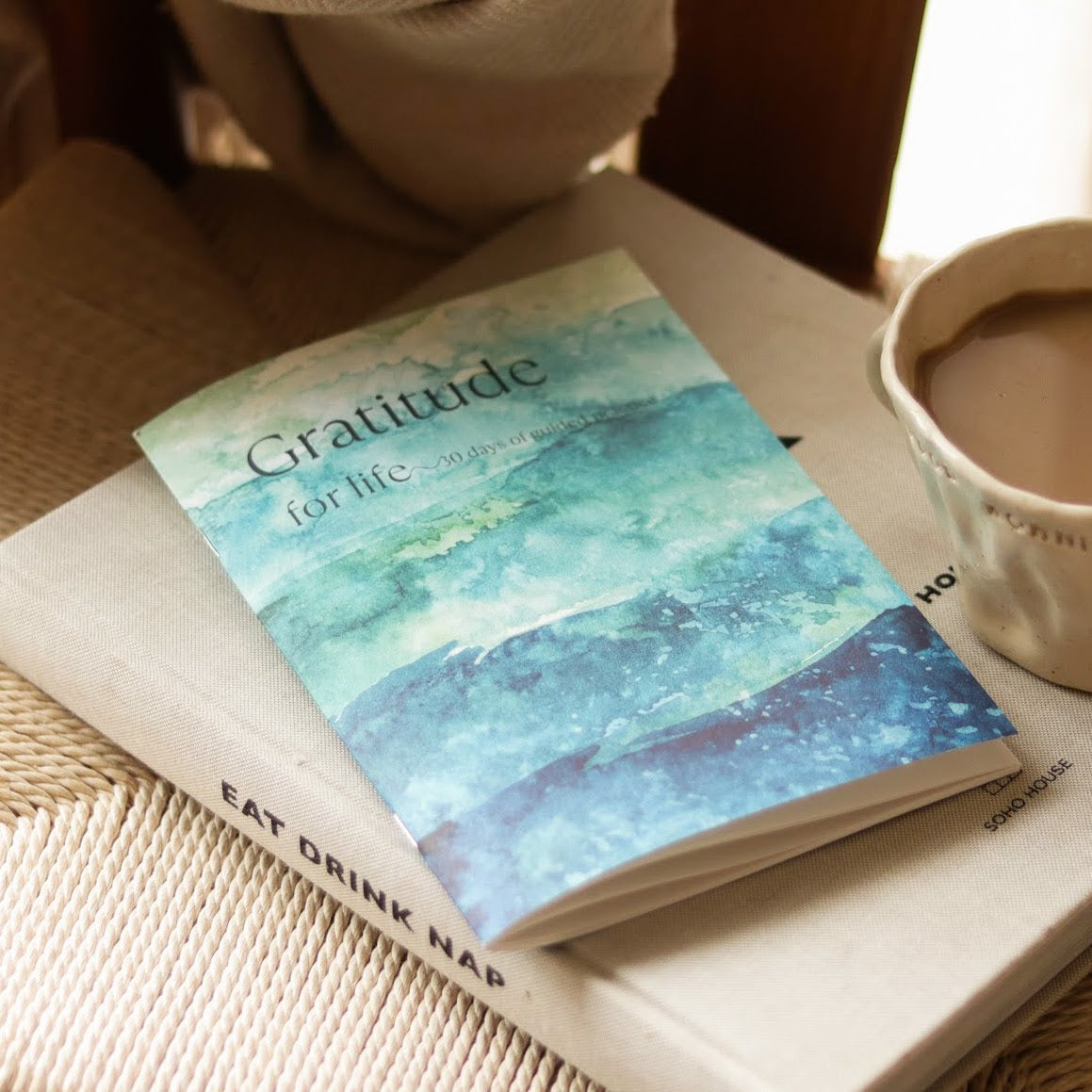
This is different from a gratitude journal because it lets you start where you actually are. A gratitude journal asks you to notice what's good, which is a lovely practice but can feel hard on a night when the worry is loud. The Give Yourself Kindness Journal helps you meet the worry kindly first. Gratitude is part of it too, but it isn't the price of entry.
What if I miss days?
If you miss days, nothing is lost, because the Give Yourself Kindness Journal is undated. There are no dates, day numbers or week headings, so a fortnight away leaves no gap looking back at you. You open the next clean page and carry on whenever you're ready. That matters when you worry a lot, because empty dated pages can become one more thing to worry about.
Is worry the same as anxiety?
Worry and anxiety overlap, but they aren't quite the same. Worry tends to be the running commentary of what-ifs about the future, while anxiety is broader and often felt in the body too. The same gentle, self-compassionate approach can help with both. If either is affecting your daily life, please talk to your GP, and if anxiety fits better, my guide to journals for anxiety and overthinking may suit you.
Continue reading
From the psychologists quoted here
-
How to stop beating yourself upDr Maria Tucknott, Clinical Psychologist
-
The benefits of journaling, from 3 clinical psychologistsDr Chris Irons, Dr Josh Mirmelli and Dr Andreas Comninos
-
Self-compassion is not self-pityKristin Neff, PhD and Chris Germer, PhD
-
The fears of self-compassion and how to work with themDr Chris Irons, Clinical Psychologist
-
Simple, effective routines for better sleepOlena Santangeli, PhD, neuroscientist and sleep expert
Related guides
- Best journal for anxiety and overthinking
- The best journal for stress relief
- Best self-compassion journals compared
- Will journaling help me sleep? What to write, and when
- Racing thoughts at night
- How to stop negative self-talk
- 3 practices to help quiet your mind
- What mental health professionals say about the journal