






Last updated: December 2, 2025 | By Rachel Smith, DipBSoM
Quick Answer
When you're dealing with harsh self-talk, the prompts you use matter more than you might think. Generic prompts like "What went well today?" can accidentally make self-criticism worse. What actually helps are prompts that guide you to respond to yourself like you'd respond to a friend—with understanding instead of judgment.
Types of prompts that work:
- Friend perspective prompts: "What would you say to a friend in this situation?"
- Emotion validation prompts: "What emotions are you noticing without judging them?"
- Self-compassion prompts: "What do you need to hear right now?"
- Need identification prompts: "What would help you feel supported?"
When I first tried journaling to help with my harsh inner voice, I sat staring at blank pages thinking: "What am I even supposed to write?"
I'd write about my day. I'd list things I was grateful for. But somehow, I'd end up feeling worse—like I was failing at journaling too.
It wasn't until my experience with Compassion-Focused Therapy that I understood why:
I was journaling from my inner critic, not my compassionate self.
That realization changed everything.
I'm Rachel Smith, a qualified meditation teacher trained with the British School of Meditation (DipBSoM). I'm not a therapist—but after learning what actually helps with self-criticism through my own therapy, I created journaling prompts based on that research.
Those prompts were then validated by clinical psychologists from Harvard Medical School and the University of Oxford, and are now used by therapists worldwide with their clients.
Here's what I've learned about what to journal about when you're struggling with harsh self-talk.
Why Journaling for Self-Criticism Feels So Hard
If you've tried journaling and felt stuck, judged by the blank page, or like you're "doing it wrong"—that makes complete sense.
Here's what's actually happening:
Your Inner Critic Shows Up on the Page

Dr. Chris Irons
Clinical Psychologist | CFT Researcher and Trainer | Co-director of Balanced Minds
"It's useful to consider which part of ourselves is doing the journalling... How helpful might it be if it is our self-critic journalling?"
→ Read more: The Fears of Self-Compassion
When you have a harsh inner voice, blank pages can trigger more self-criticism:
- "I don't even know what to write" → feels like proof you're failing
- "This sounds stupid" → reinforces you're not good enough
- "I should be more grateful" → adds guilt to whatever you're feeling
Your Brain's Threat System Is Activated

Dr. Annabelle Kyle Dortch, PsyD
Clinical Psychologist specializing in life transitions, anxiety, and trauma
"When we engage in self-criticism, we create a nervous system and brain state that is not conducive to learning or facilitating a growth-oriented mindset."
→ Read more: Self-Compassion vs Self-Criticism
Self-criticism activates your threat response. When that system is active, it's genuinely harder to think clearly, access compassion, or know what to write.
This isn't your fault. It's how brains work. And it's exactly why the right prompts matter.
Prompts That Often Backfire (And Why)
Not all journaling prompts are created equal. Some can accidentally reinforce the harsh voice you're trying to quiet.
❌ "List 3 things you're grateful for"
Why it backfires: When you're genuinely struggling, forced gratitude can feel dismissive. Your inner critic translates this to: "Other people have real problems. Why are you complaining?" This adds shame to whatever you were already feeling.
❌ "What went well today?"
Why it backfires: When your inner critic is loud, this prompt can trigger: "Nothing went well. I messed everything up." Without support for processing what went badly, you end up reinforcing negative self-talk.
❌ "Write about your achievements"
Why it backfires: Harsh self-criticism makes it nearly impossible to recognize accomplishments. You'll either write nothing (feeling like a failure) or downplay everything ("Anyone could have done that").
❌ "What are your goals for tomorrow?"
Why it backfires: Turns journaling into another productivity task. Your worth becomes tied to checking boxes, which feeds perfectionism and self-judgment.
Types of Prompts That Actually Help
Based on research and feedback from therapists who use these prompts with clients, here's what works:
1. Friend Perspective Prompts
Why these work: Most people struggling with self-criticism are much kinder to others than to themselves. These prompts help you access the compassion you already have—and direct it inward.
Research by Dr. Kristin Neff shows that this "treating yourself like a friend" technique is one of the most powerful ways to develop self-compassion.
2. Emotion Validation Prompts
Why these work: They acknowledge that all emotions—including difficult ones—are valid. This counters the inner critic's message that you're wrong for feeling what you feel.
These prompts come from the Give Yourself Kindness journal, which was designed specifically to validate all emotions—not just the "positive" ones.

Nina Holle
Psychotherapist
"There's no sense that unpleasant feelings are unwelcome or unhelpful. This is a wonderful, easy-to-use and transformative journal which will help you befriend your emotions."
3. Need Identification Prompts
Why these work: Self-criticism often drowns out the ability to know what you actually need. These prompts help you reconnect with yourself.
4. Accomplishment Recognition (Without Pressure)
Why these work: Instead of demanding you list "achievements," they gently guide you to notice things you were able to do—no matter how small.
The key difference: "were able to do" vs. "achieved." The first acknowledges effort; the second demands results.
Why Prompt Variety Matters
Here's something I learned when creating the Give Yourself Kindness journal: repetitive prompts become mechanical within 2-3 weeks.

Professor Willem Kuyken, PhD, DClinPsy
Ritblat Professor of Mindfulness and Psychological Science, University of Oxford | Top 1% most cited scientists worldwide
"Writing can invoke an inner critic, rumination and procrastination. Rachel has curated the experience to make the writing intrinsically rewarding and the journal something to treasure."
When prompts repeat daily:
- Your brain goes on autopilot
- You write the same answers without genuine reflection
- Journaling becomes another task to check off
- The practice loses its therapeutic value
Varied prompts keep you engaged. One day focuses on emotions. Another on self-talk. Another on what you need. Another on gratitude explored authentically. This variety prevents that mechanical feeling that makes people abandon journals.
This is why I created 90 completely unique prompts for the Give Yourself Kindness journal—so you'd never feel like you're just going through the motions.
15 Journal Prompts You Can Try Today
Here are prompts you can start using right now—whether you have a blank journal or just a piece of paper:
When Your Inner Critic Is Loud:
- What harsh thing did my inner critic say today? If a friend said this about themselves, what would I tell them?
- What's one thing I'm judging myself for right now? Can I extend understanding instead of criticism?
- If I could silence my inner critic for one day, what would feel different?
When You're Feeling Overwhelmed:
- What emotions am I noticing right now? (Name as many as you can—feelings are often multiple)
- What does this feeling remind me of? When have I felt this way before?
- What would feel supportive to me right now—even something small?
When You're Struggling to See Progress:
- What's one thing I was able to do today, even if it felt difficult?
- When did I show up for myself today, even in a small way?
- What's something I've been taking for granted that actually deserves recognition?
When You Need Connection:
- If I could hear exactly what I need right now, what would those words be?
- What would I want someone to understand about what I'm going through?
- How would I explain my struggle to someone who genuinely cares?
When You're Working on Self-Kindness:
- What's one kind thing I can do for myself today—not because I earned it, but because I deserve care?
- If I treated myself the way I treat people I love, what would change?
- What permission do I need to give myself right now?
When Blank Journals Feel Too Hard: How Guided Journals Can Help
Blank journals work beautifully for some people. But if you're struggling with harsh self-talk, the blank page can trigger more criticism.
Signs a blank journal might not be helping:
- You stare at the page not knowing what to write
- Your entries end up reinforcing negative thoughts
- You write the same self-critical things repeatedly
- You feel judged by the empty page
- You abandon journals after a few entries
This doesn't mean you're "bad at journaling." It means you need structure that guides you toward self-compassion rather than leaving you alone with your inner critic.
What to Look for in a Guided Journal:
✓ Varied, Non-Repetitive Prompts
Each day should approach self-compassion from a different angle. Not the same "3 gratitudes" daily.
✓ Emotion Validation (Not Forced Positivity)
Should communicate that all emotions—including difficult ones—are valid and worthy of attention.
✓ Self-Compassion Built In
Prompts should guide you to respond to yourself with understanding, not add more judgment.
✓ Undated Format
So you can return whenever you're ready without guilt. Missing days shouldn't feel like failure.
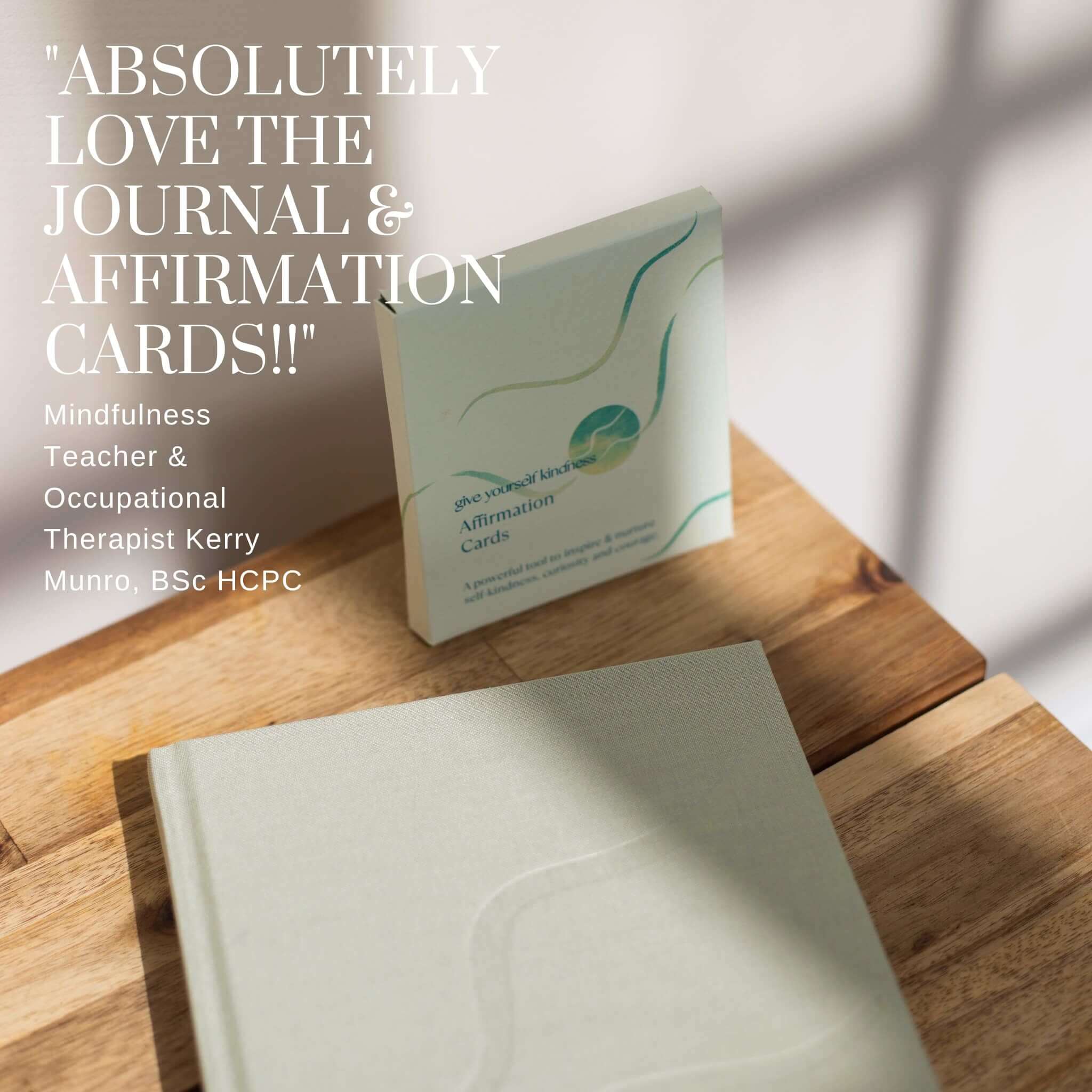
Finding a journal with all these elements was why I created my own. See how the Give Yourself Kindness journal addresses each of these →
The Journal I Created (After I Couldn't Find What I Needed)
Full transparency: When I couldn't find a journal that helped with self-criticism without forcing positivity or repeating prompts, I created one based on what had helped me through Compassion-Focused Therapy.
Then I had it reviewed by clinical psychologists—including Dr. Chris Germer from Harvard Medical School and Professor Willem Kuyken from Oxford—to make sure it actually aligned with research.
Now therapists worldwide use it with their clients specifically for inner critic work.
How The Give Yourself Kindness Journal Works:
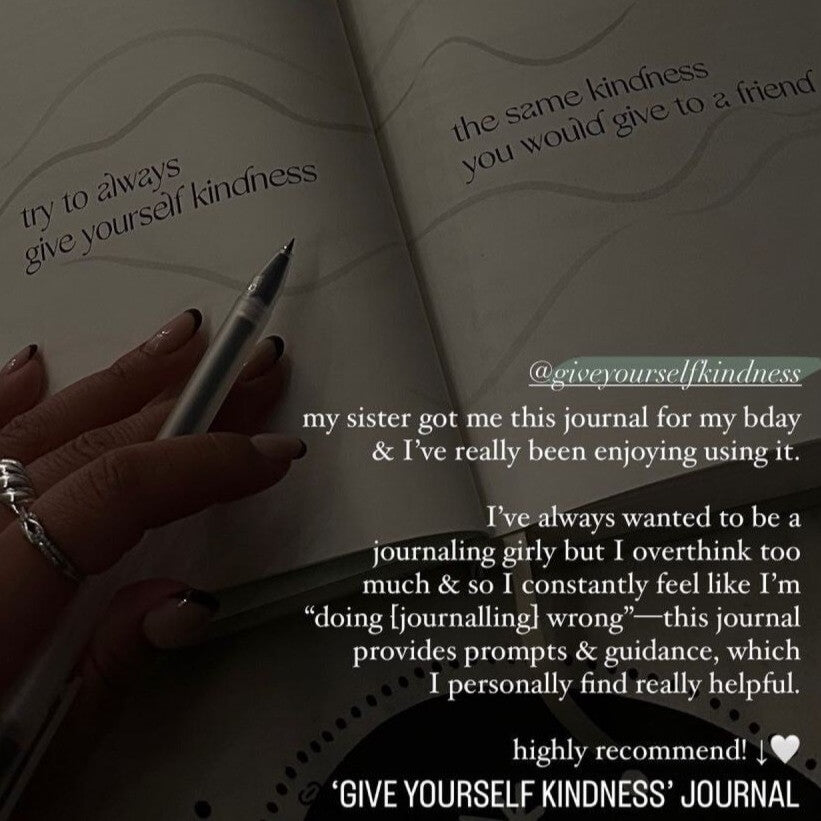
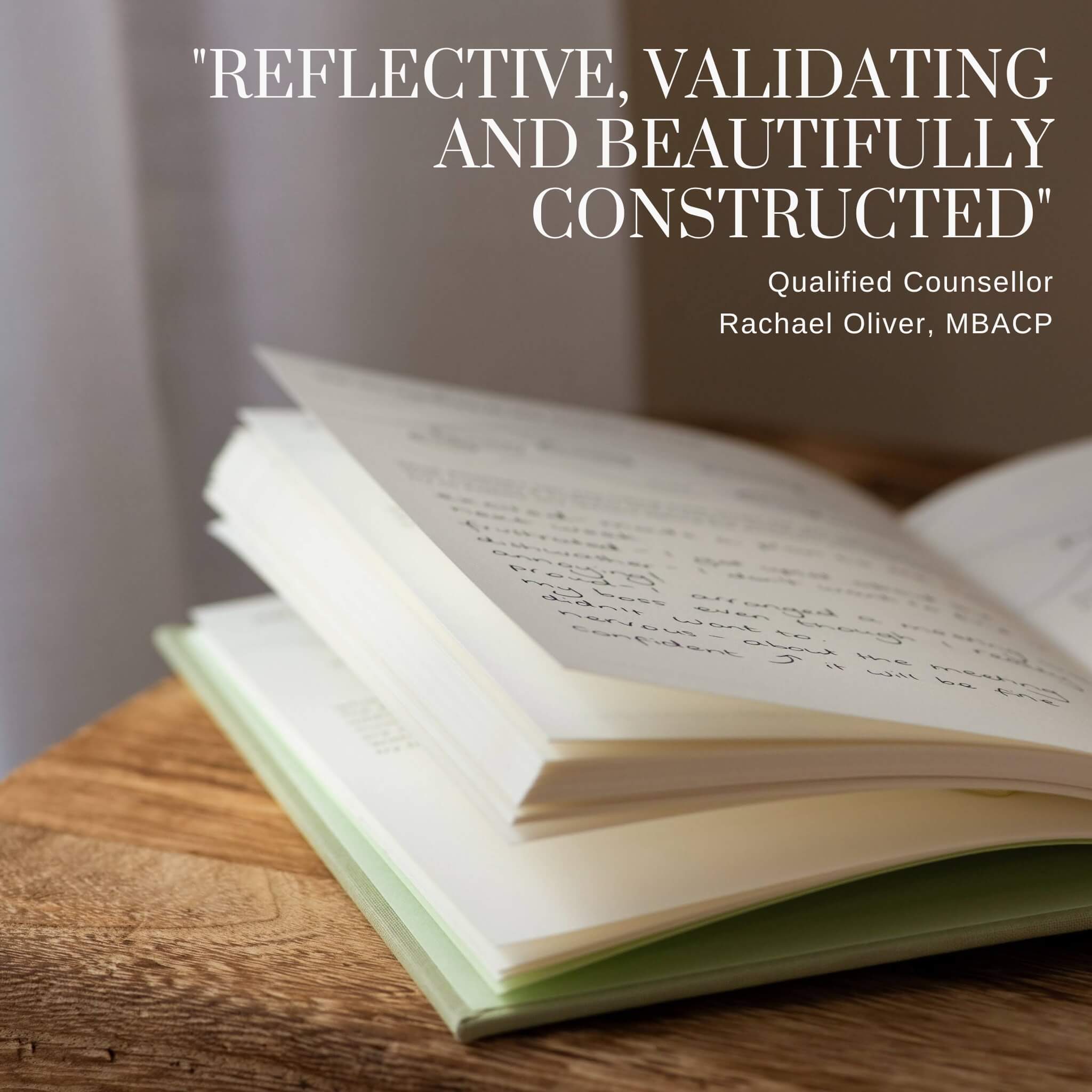
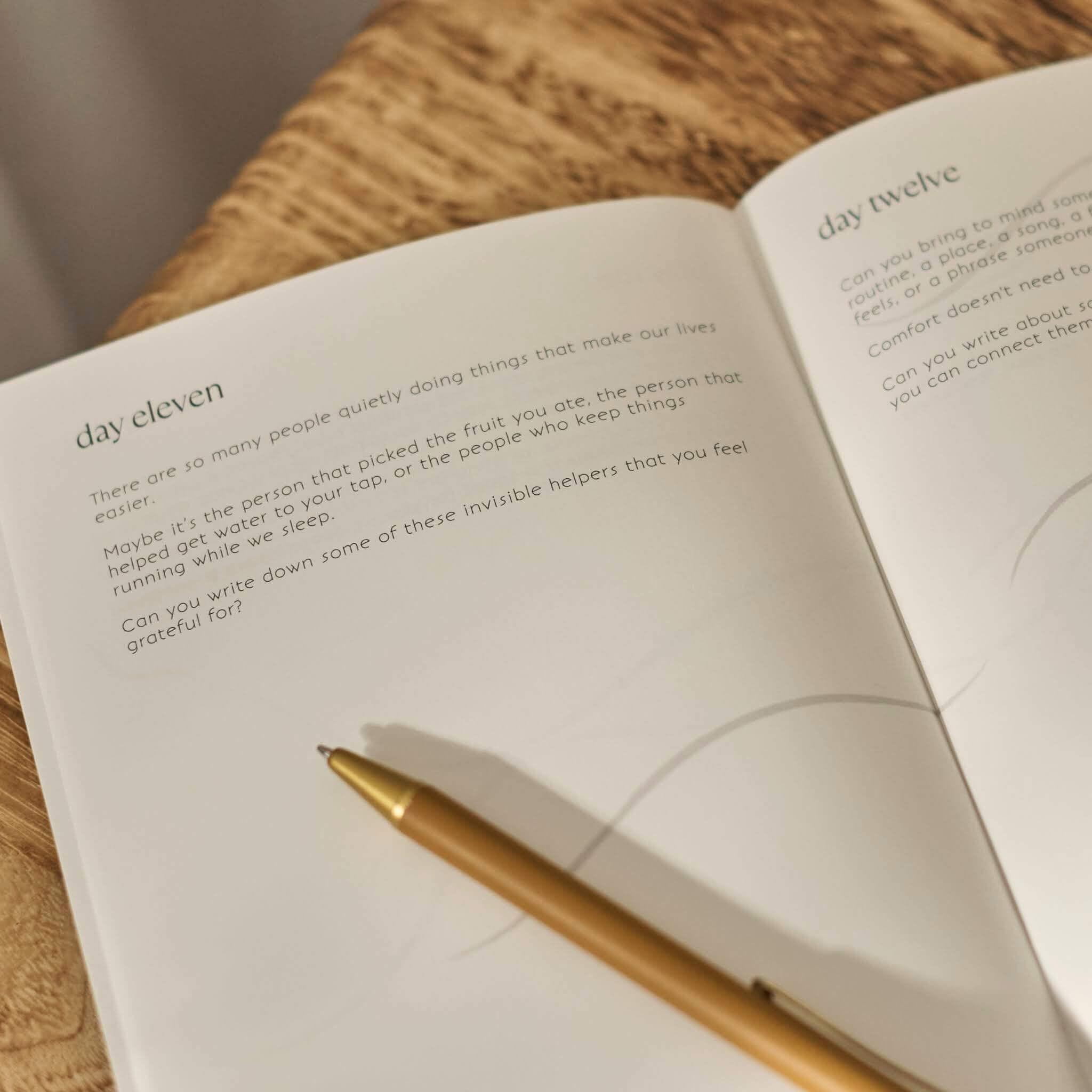
90 completely unique prompts — Every single day is different. One day guides you through emotion identification. Another helps you respond like you would to a friend. Another explores gratitude authentically. You never feel like you're just going through the motions.
Emotional awareness tool on every page — A visual guide helps you identify specific emotions beyond "fine" or "stressed." You can select multiple emotions because feelings are complex. This prevents that "I don't even know what I'm feeling" paralysis.
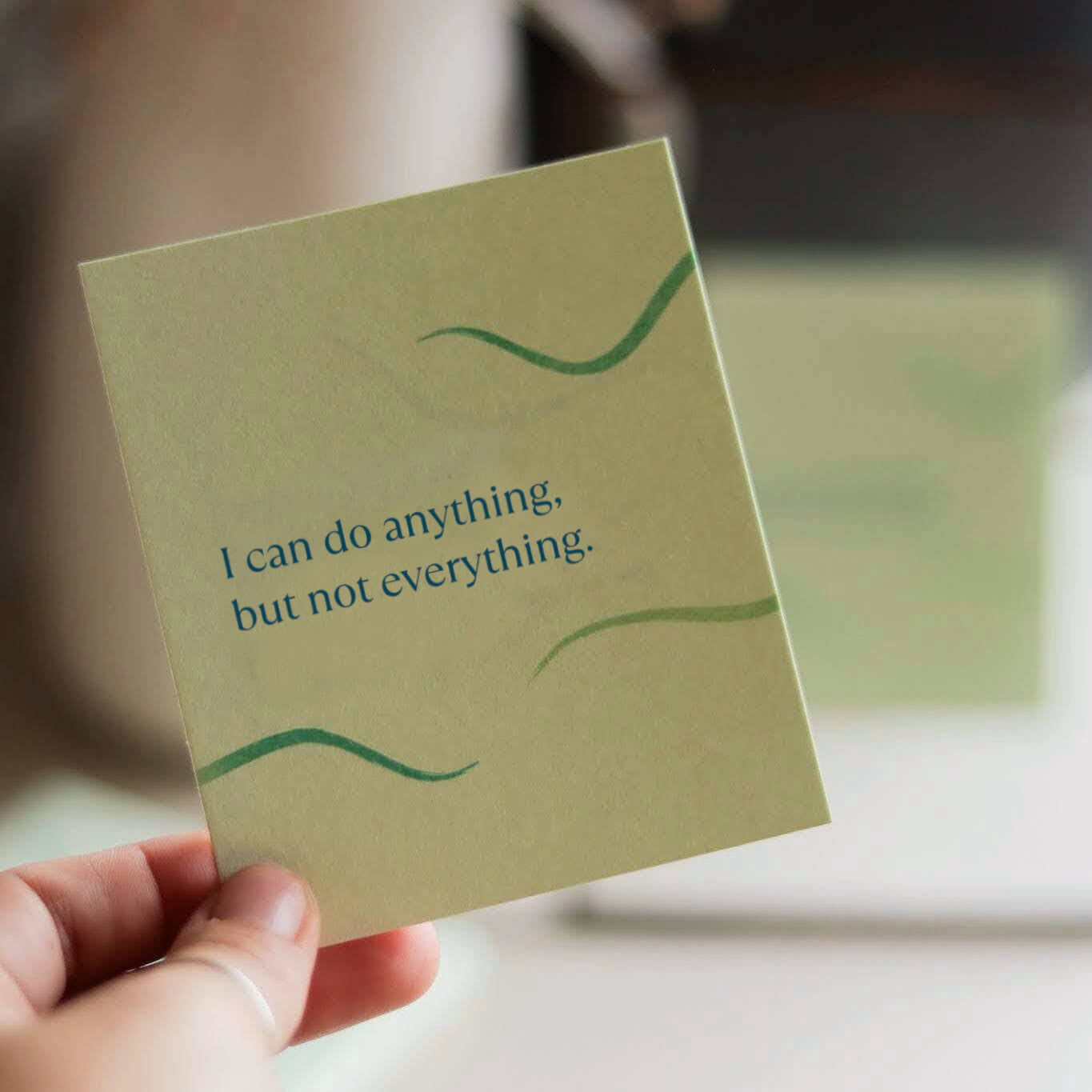
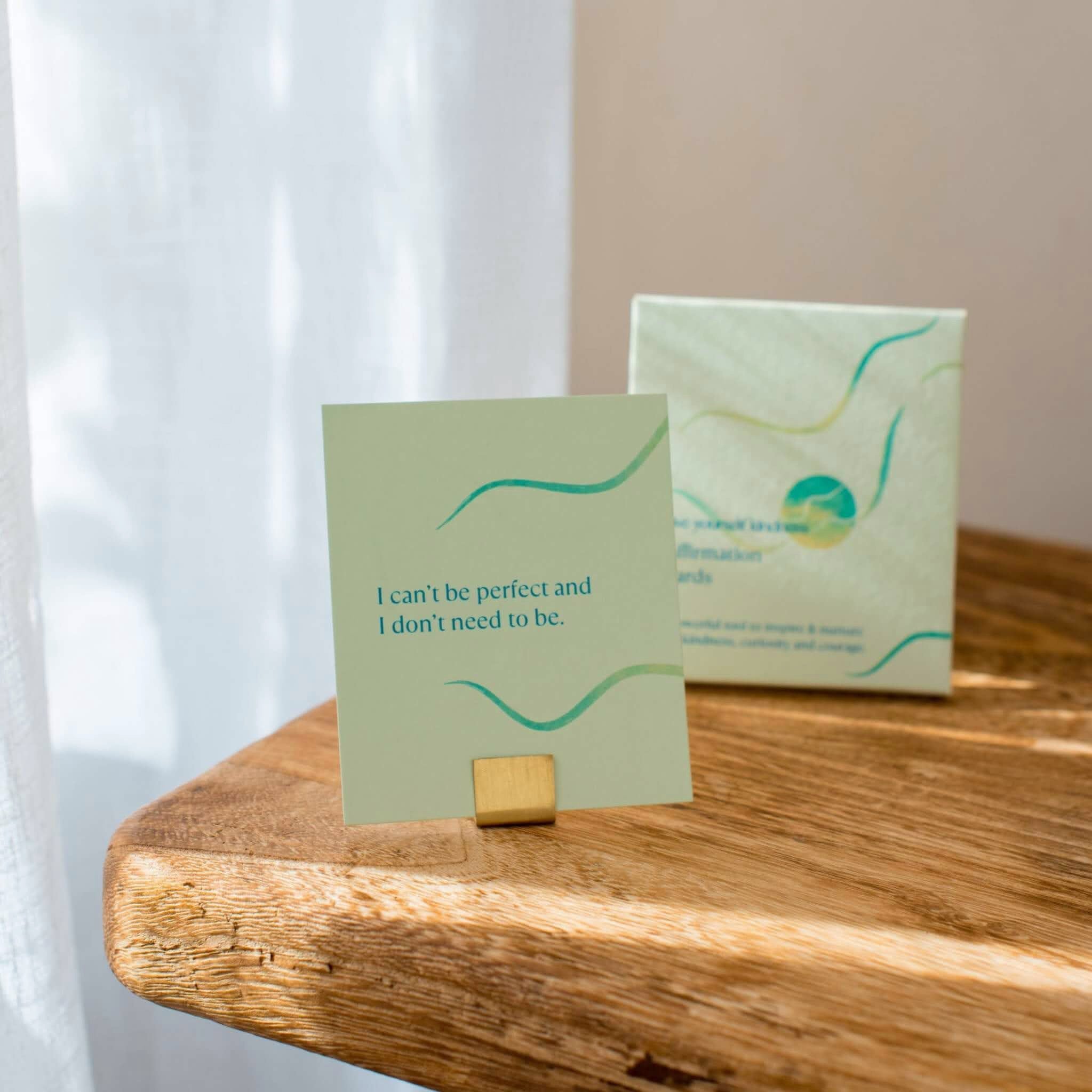
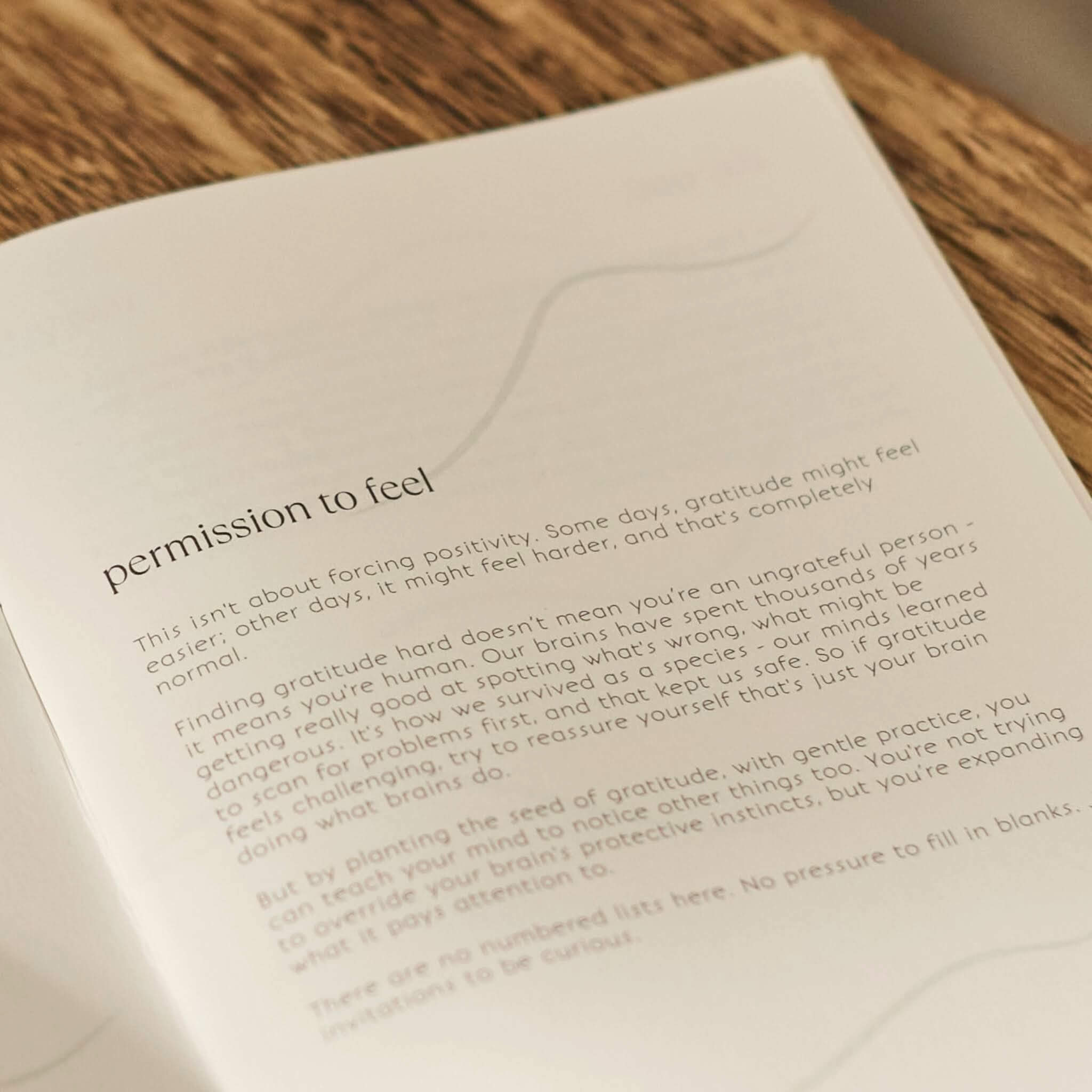
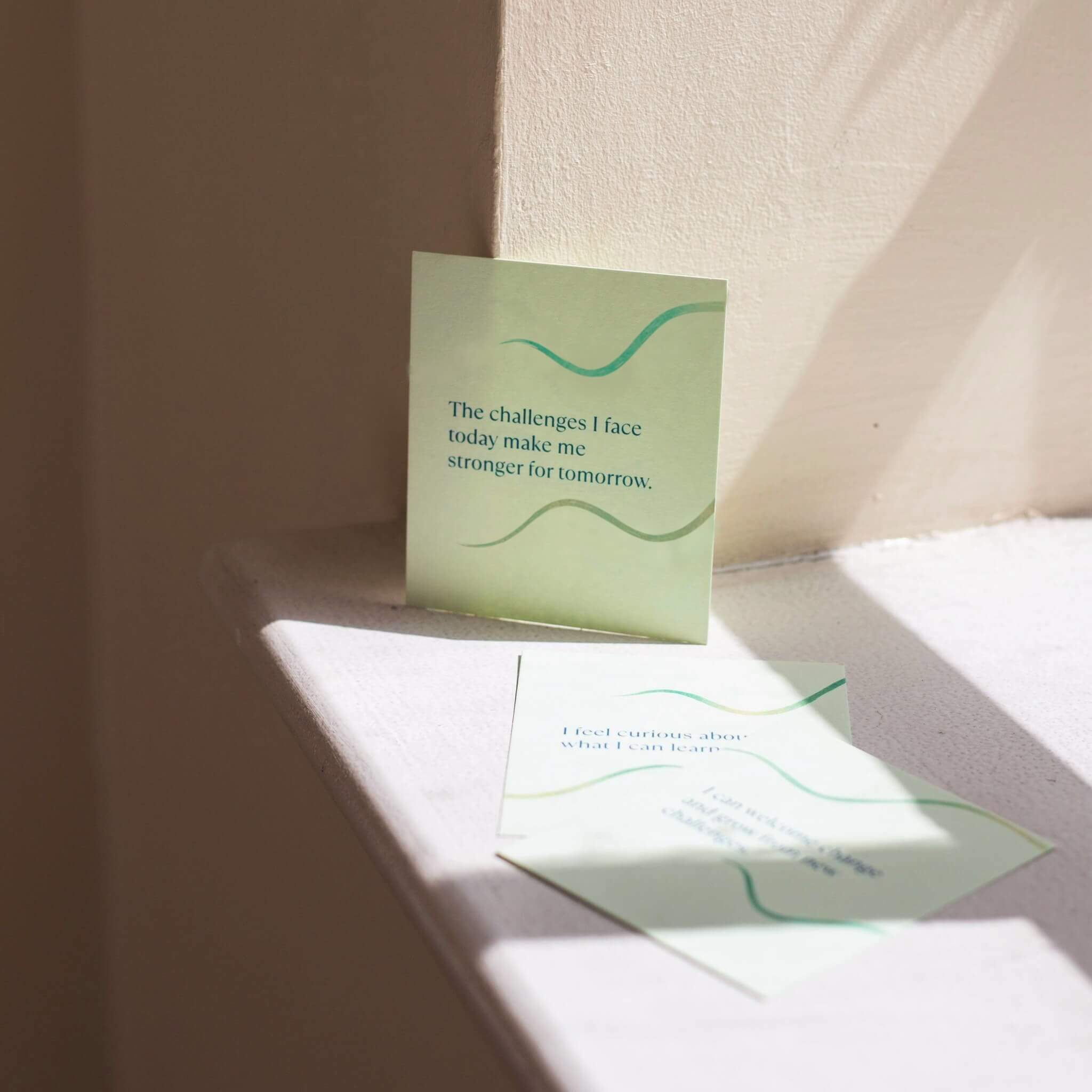
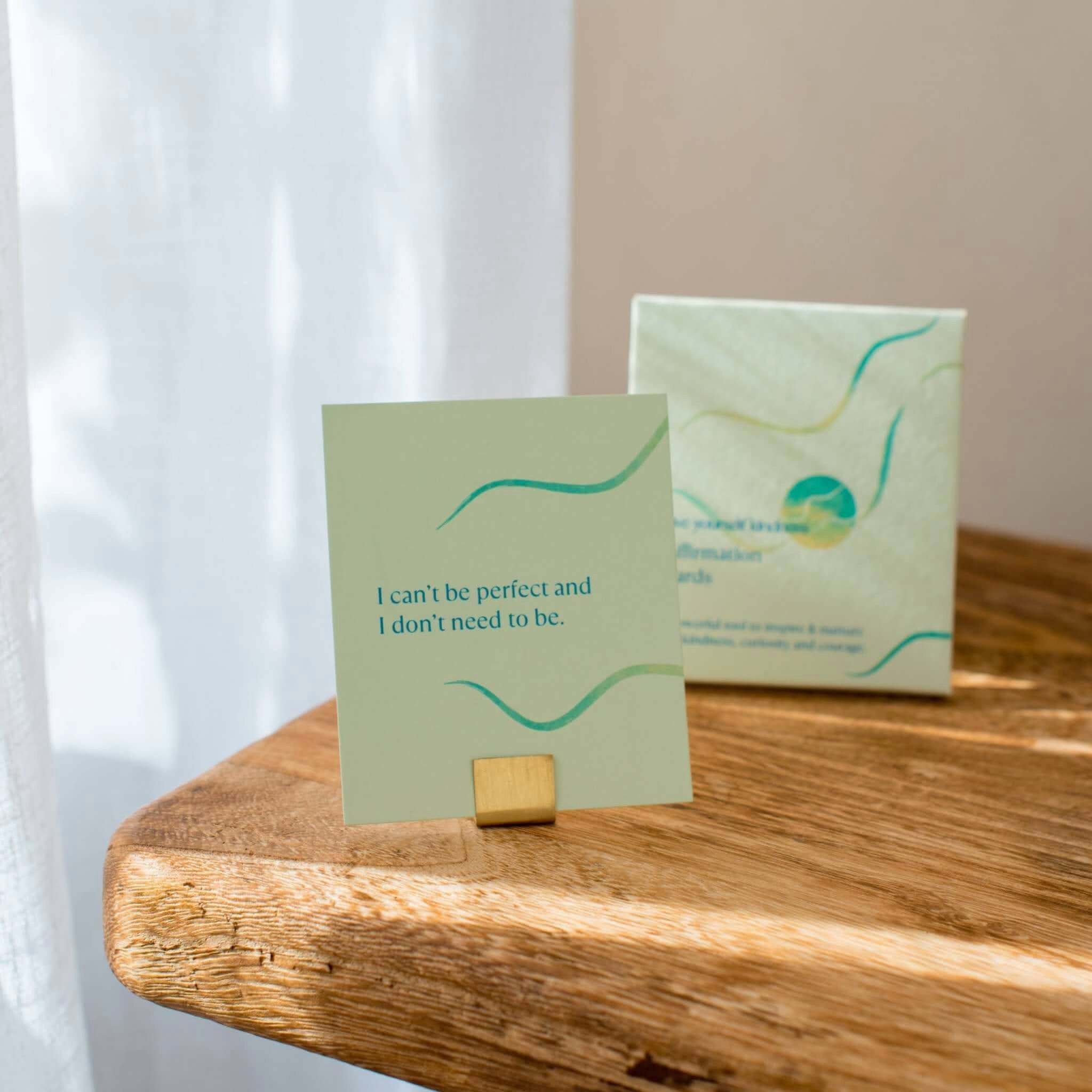
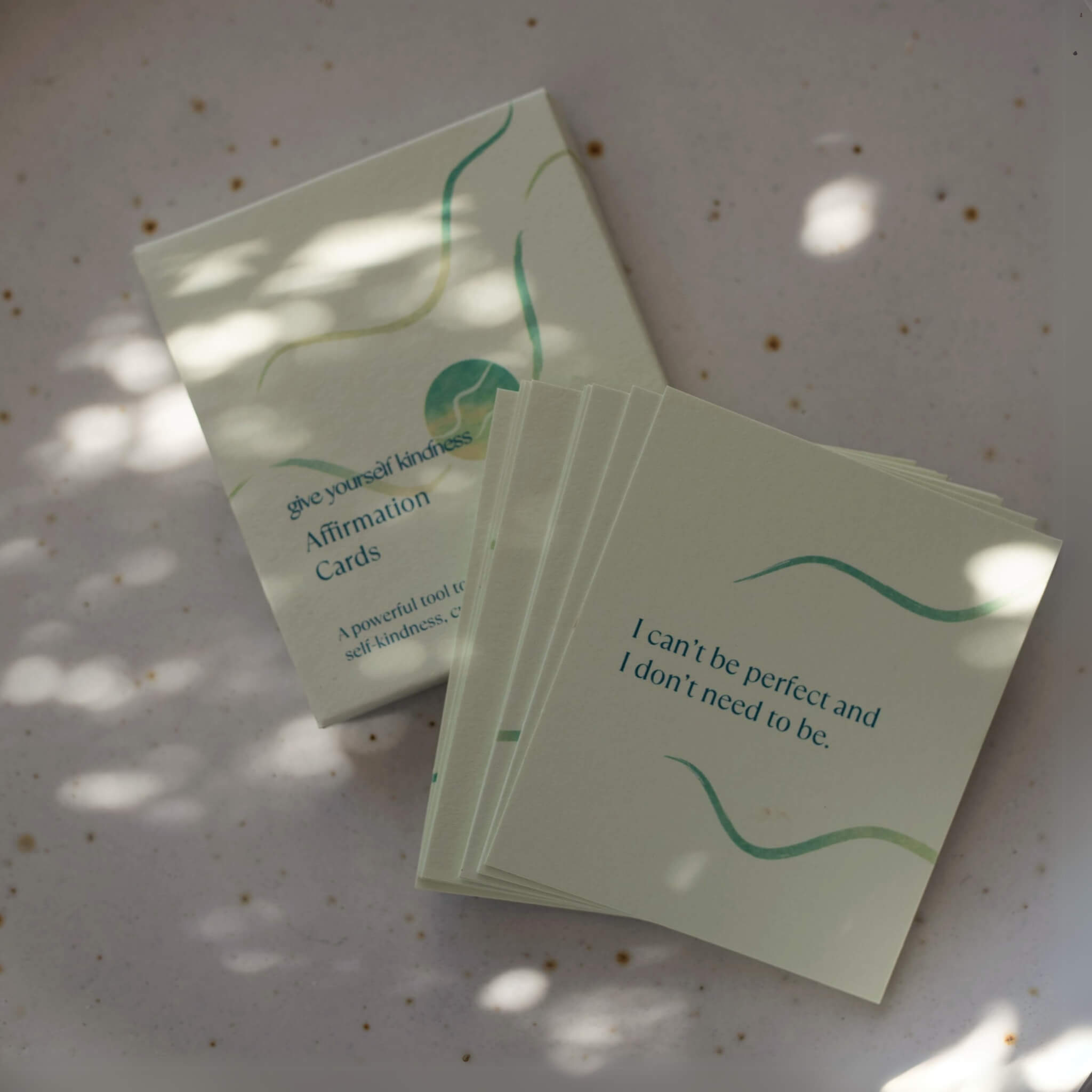
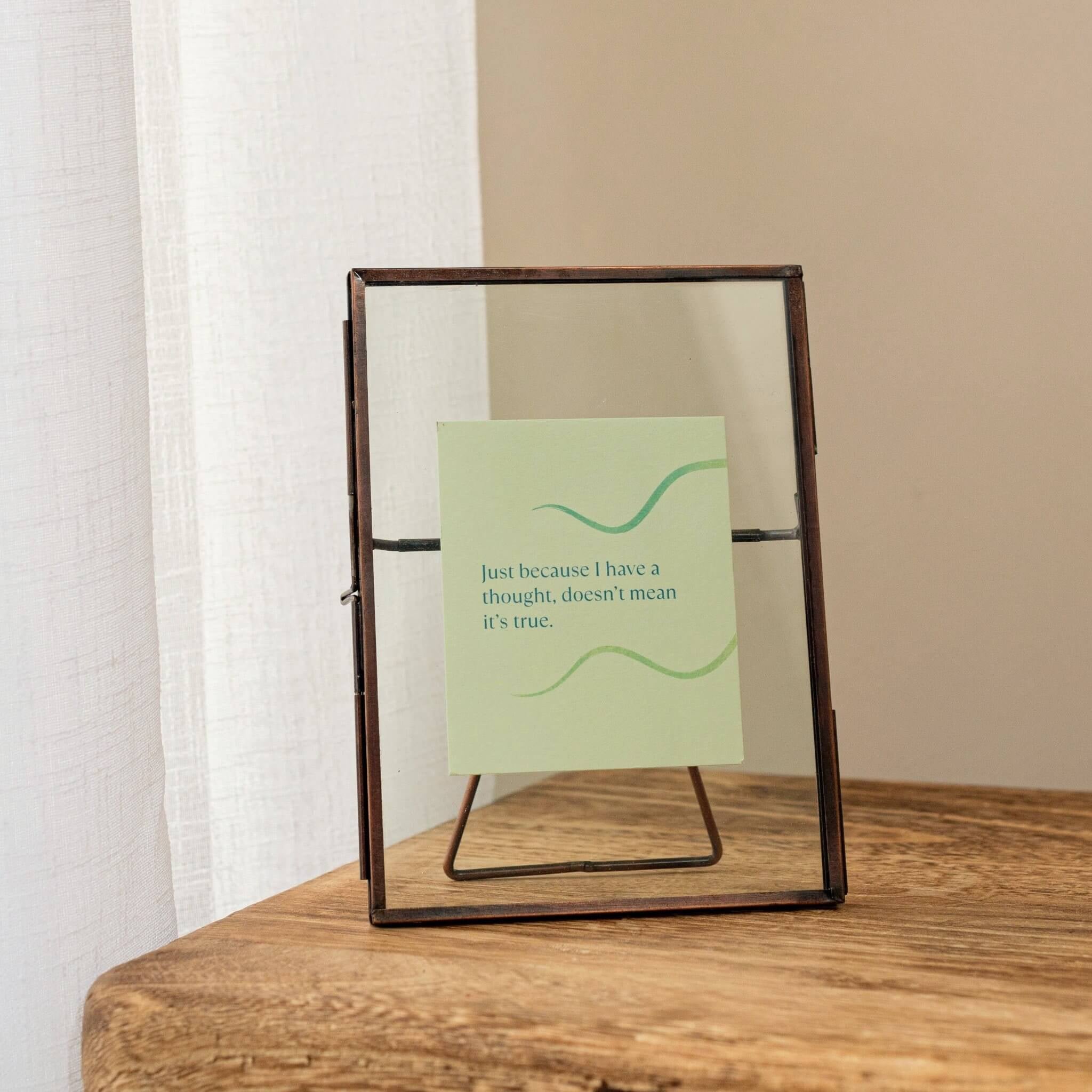
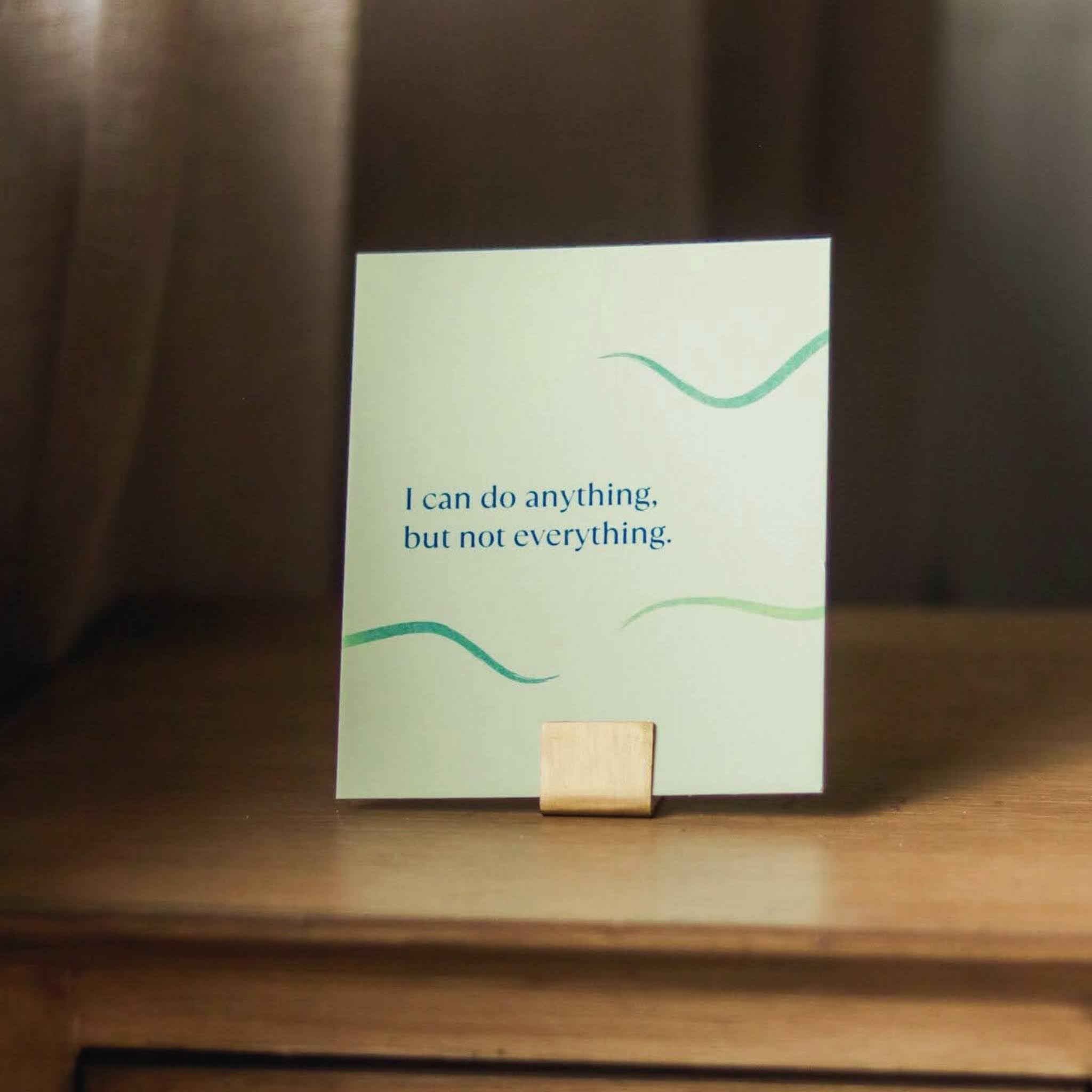
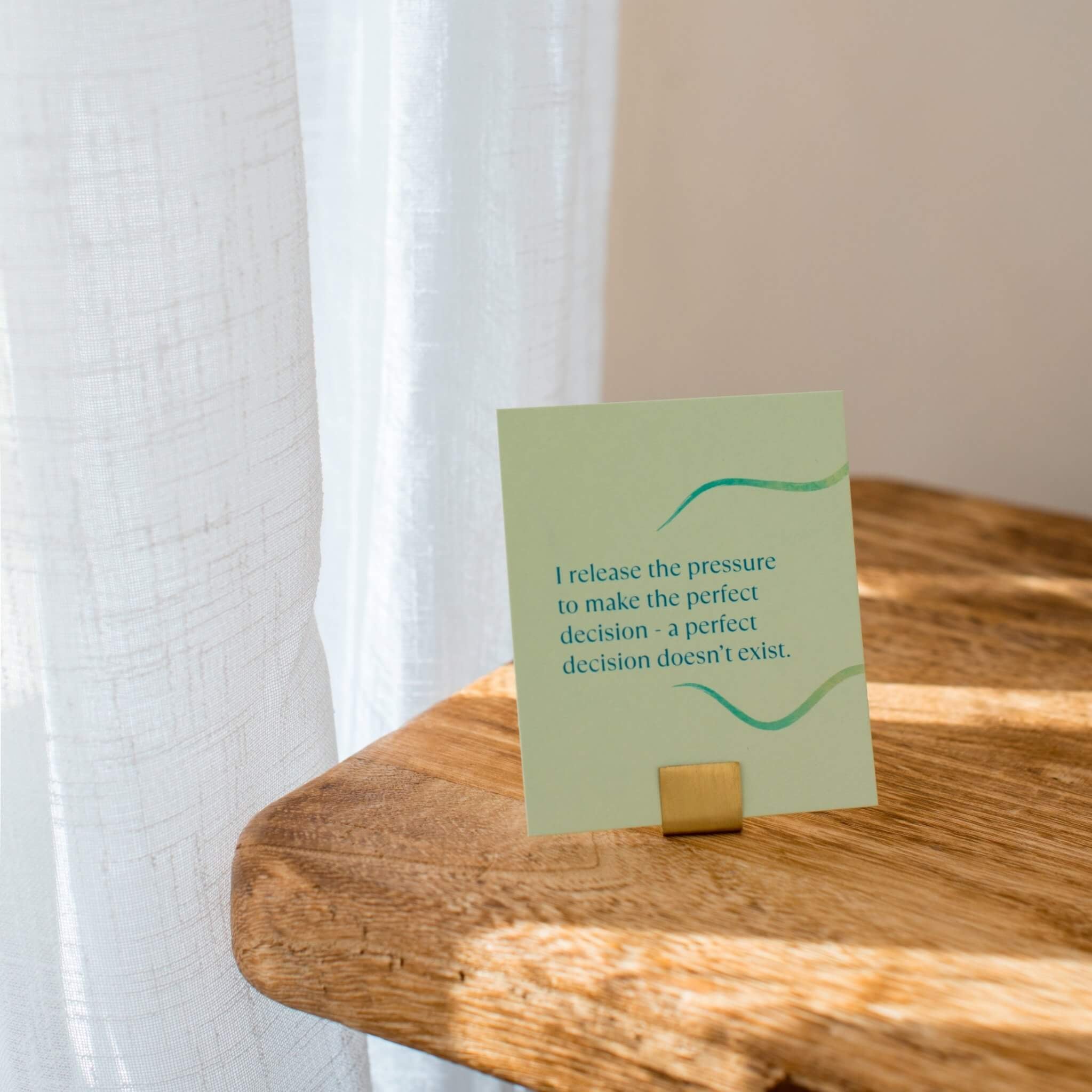
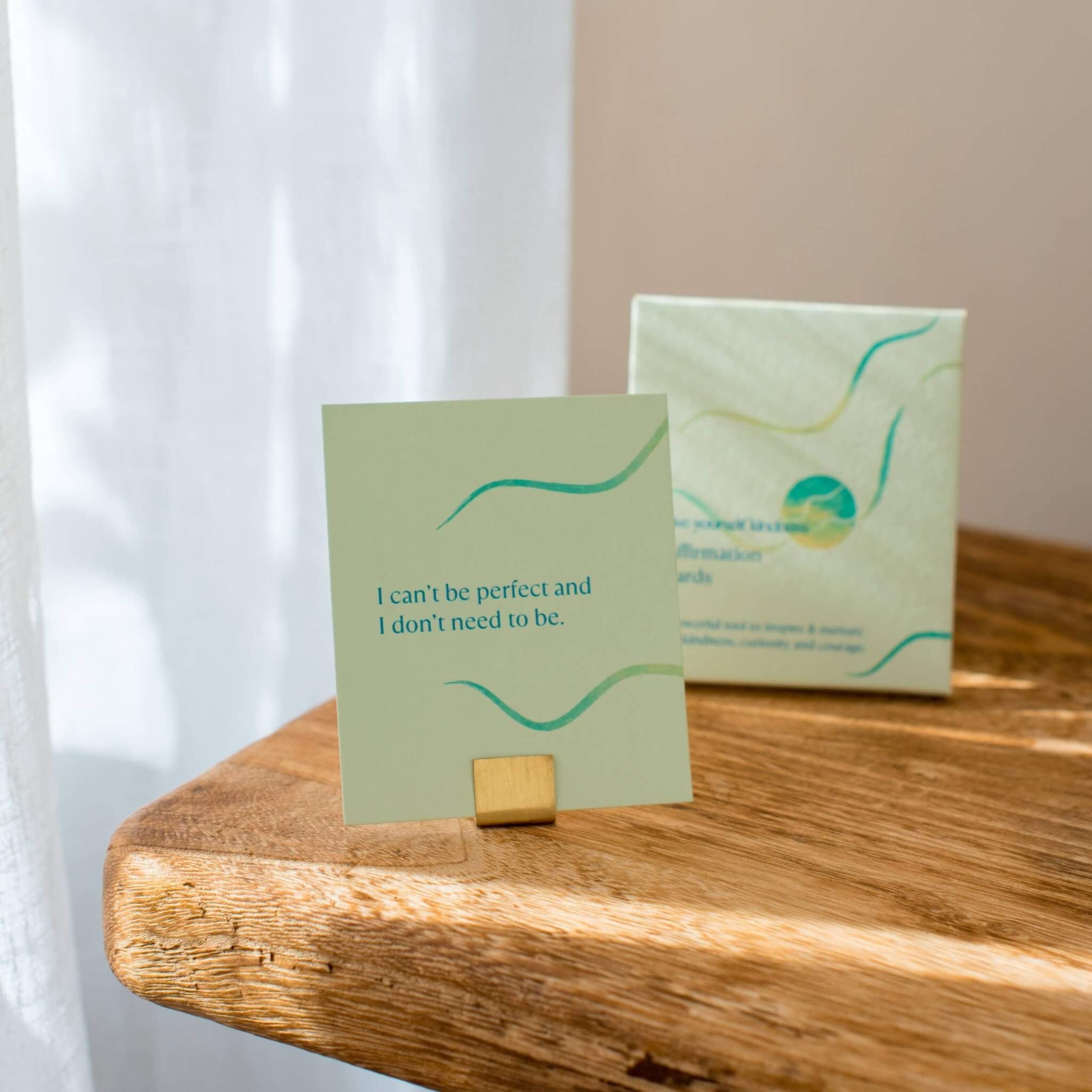
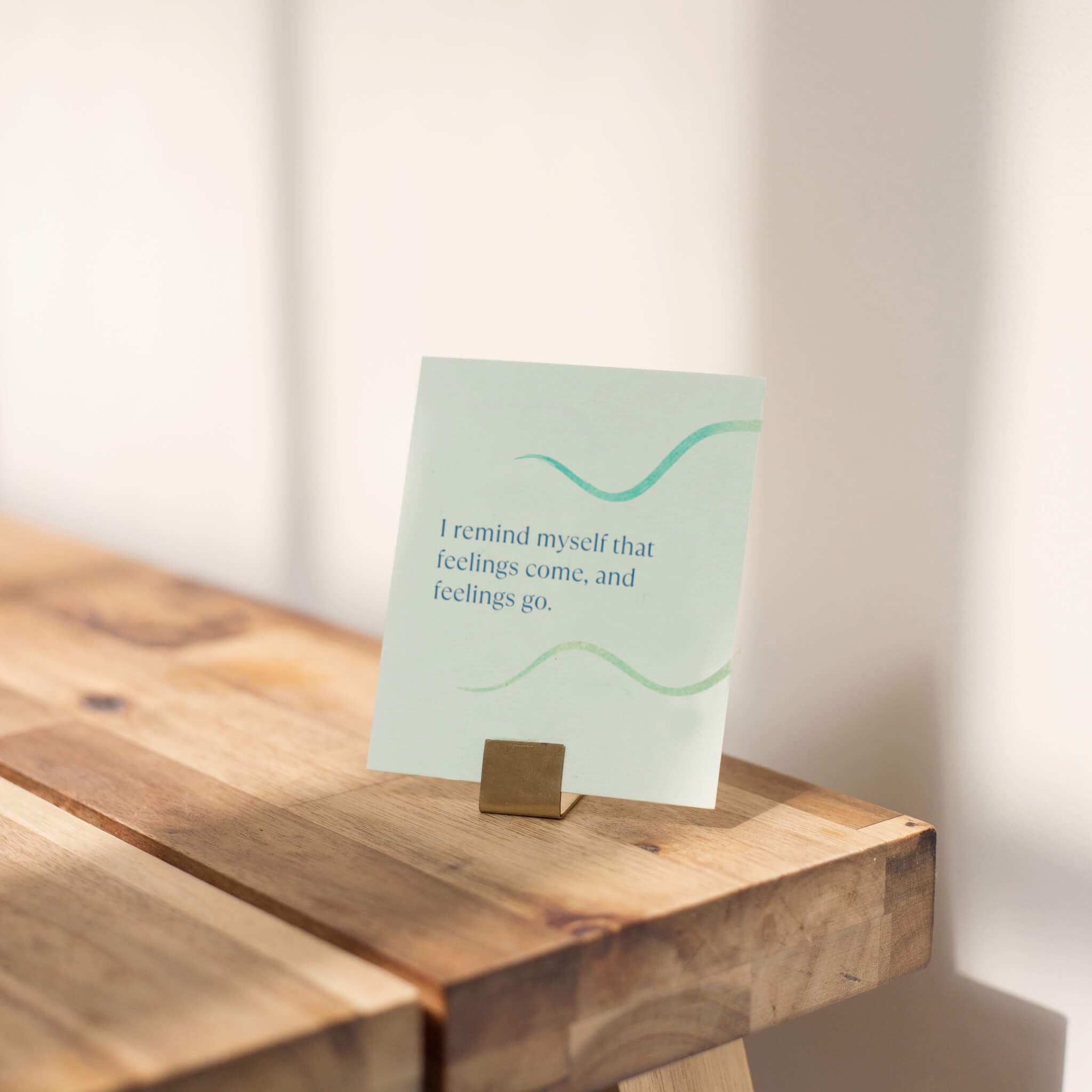
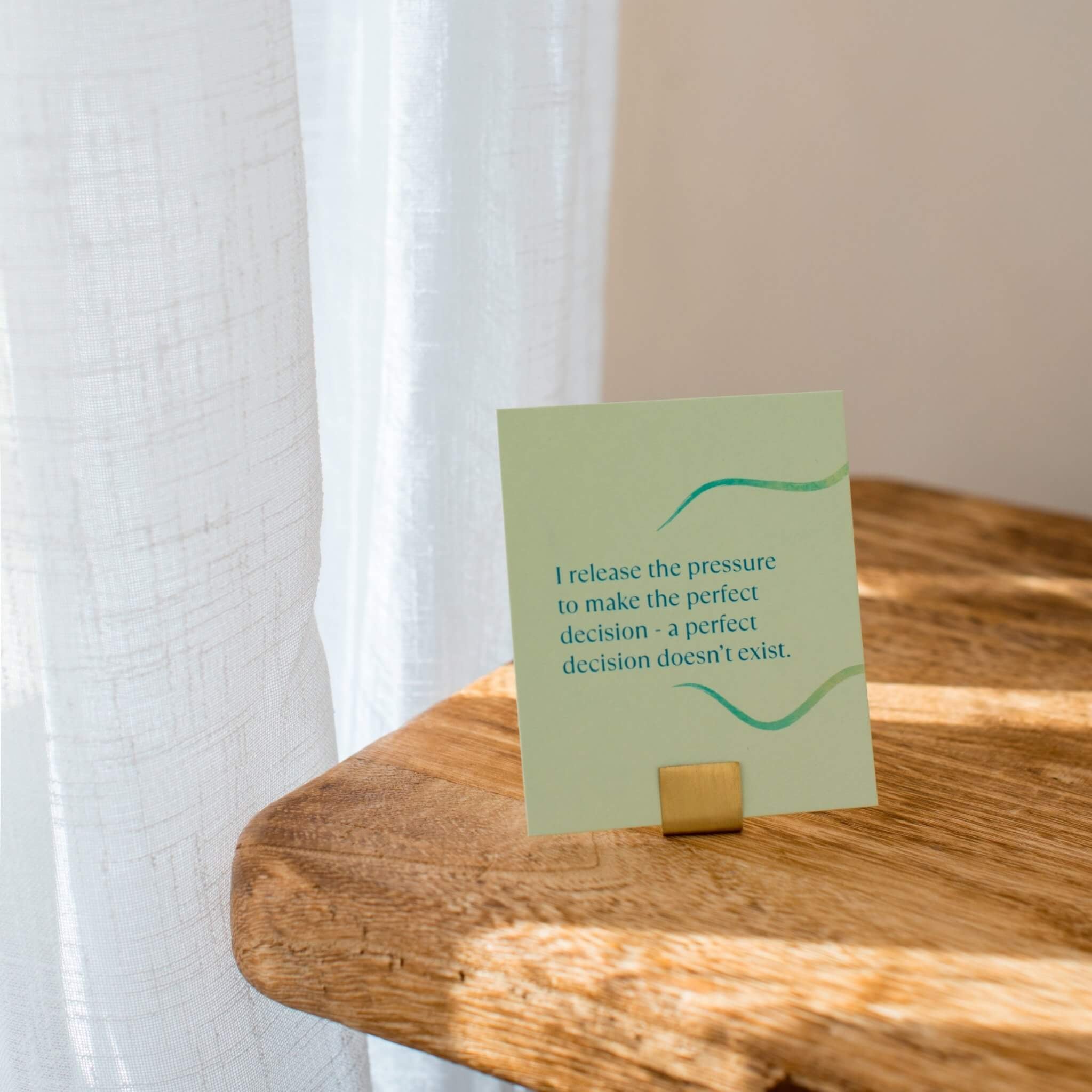
Self-compassion integrated throughout — Gentle reminders like "You can't be perfect, and you don't need to be" and "The way you speak to yourself matters." Not forced positivity—genuine permission to be human.
Undated format — Miss three days? A week? A month? You can return whenever you're ready. There's no way to "fail" at using it.
View the Journal 90 unique prompts | Validated by Harvard & Oxford psychologists | Used by therapists worldwide
What Therapists Say About These Prompts

Dr. Chris Germer, PhD
Clinical Psychologist, Harvard Medical School | Co-developer of the Mindful Self-Compassion (MSC) program taught to 250,000+ people worldwide
"A warm invitation to make friends with your emotions and yourself!"

Julie Burke, LPC-S
Therapist specializing in perfectionism and anxiety
"There are affirmations throughout the journal that feel safe and encouraging to feel your feelings/experience emotions in ways that create a sense of safety and are free of judgment for yourself."

Carrie Pollard, MSW RSW
Experienced Psychotherapist
"Being able to identify what you're feeling and compassionately explore the 'why' is central to self-connection and self-growth. The Give Yourself Kindness journal is a steady guide in this process. For me, journaling has been an important practice for insight, reflection and release, and this is by far my favourite guided journal that I've used!"

Joanna Townsend, LCSW
Licensed Psychotherapist
"This journal is beautifully curated. As a self-compassion advocate and educator, the journal has an abundance of thought-provoking reflections and inviting visuals to help guide your self-compassion journey."
Read all professional reviews from therapists and clinical psychologists →
Common Questions About Journaling for Self-Criticism
I've tried journaling before and just felt worse. Will this be different?
This is such a common experience. Many journals accidentally reinforce self-criticism because they use repetitive prompts or push toxic positivity when you're genuinely struggling.
The difference with self-compassion journaling is that it validates all your emotions—not just the "positive" ones. You're not being asked to "just be grateful" when things are hard. Instead, you're learning to respond to difficulty with the same kindness you'd offer a friend.
What if I don't know how to answer the prompts?
That's okay. There's no "right" answer. Some days you might write a lot; some days just a few sentences. Both are fine.
If a prompt doesn't resonate on a particular day, that's useful information too. Even writing "I don't know how to answer this" or "This doesn't feel right today" is valid.
How is this different from just writing in a blank journal?
Blank journals work well for experienced journalers who already have strong self-awareness and emotional vocabulary. But when you're struggling with harsh self-talk, blank pages can trigger your inner critic: "What should I write? Am I doing this right?"
Guided prompts specifically designed for self-compassion do two things: (1) they help you journal from your compassionate self rather than your inner critic, and (2) they gradually build skills you can use outside of journaling.
How long does it take to see a difference?
Most people notice increased awareness of their self-talk within 1-2 weeks. Meaningful shifts in how you respond to yourself typically emerge around 5-8 weeks with consistent practice.
Remember: this is cultivation, not instant transformation. You're gradually rewiring neural pathways that have been reinforced for years. That takes time—and that's completely normal.
What if I miss days?
Missing days is completely normal and doesn't mean you've failed. This is why undated journals exist—so you can return whenever you're ready without guilt.
Journaling 3-5 times per week with genuine engagement is more effective than doing it daily but going through the motions.
Can I use this alongside therapy?
Yes! Many therapists recommend journaling as part of therapy homework, and some therapists use the Give Yourself Kindness journal specifically with their clients for self-criticism work.
It works particularly well alongside CBT, ACT, and Compassion-Focused Therapy approaches.
Getting Started: You Don't Have to Figure This Out Alone
You don't need to wait until you "figure out" the perfect thing to journal about. Just start with one prompt that resonates:
- What's challenging me today? What would I say to a friend dealing with this?
- What emotions am I noticing without judging them?
- What do I need to hear right now?
That's it. Just one prompt. Just a few minutes.
If you want daily guidance with 90 unique prompts (never repetitive):
The Give Yourself Kindness journal provides the structure and support specifically designed for self-criticism—validated by therapists and clinical psychologists, including those from Harvard and Oxford.
Every page includes emotion identification tools, self-compassion prompts, and gentle reminders. Undated format means you can start anytime and return without guilt.
You deserve to hear kindness instead of criticism—especially from yourself.
View the Give Yourself Kindness Journal
150+ five-star reviews | £28.95 | Ships worldwide | Optional gift wrapping available
Related reading:
- How to Use Journaling to Change Negative Self-Talk
- How to Stop Negative Self-Talk
- How to Be Kinder to Yourself
- Self-Compassion vs Self-Criticism by Dr. Annabelle Kyle Dortch
- The Fears of Self-Compassion by Dr. Chris Irons
- Complete Expert Reviews
About the author: Rachel Smith (DipBSoM) is a qualified meditation teacher trained with the British School of Meditation (passing with distinction) and the creator of Give Yourself Kindness. After experiencing Compassion-Focused Therapy for her own harsh self-talk, she created evidence-based tools that are now validated by clinical psychologists including Dr. Chris Germer (Harvard Medical School) and Professor Willem Kuyken (University of Oxford), and used by therapists with their clients worldwide.


“By far my favourite guided journal that I’ve used!”
There's a lot of journals out there. Most of which include tools that can be repetitive, boring or unhelpful. Give Yourself Kindness is about creating something new.