




Last updated: November 19, 2025 | By Rachel Smith, DipBSoM
Quick Answer
The most meaningful gift isn't just an object—it's showing someone they deserve kindness. Research-backed tools like self-compassion journals and affirmation cards can provide daily support, but they work best paired with your presence, listening, and patience.
Our recommendations:
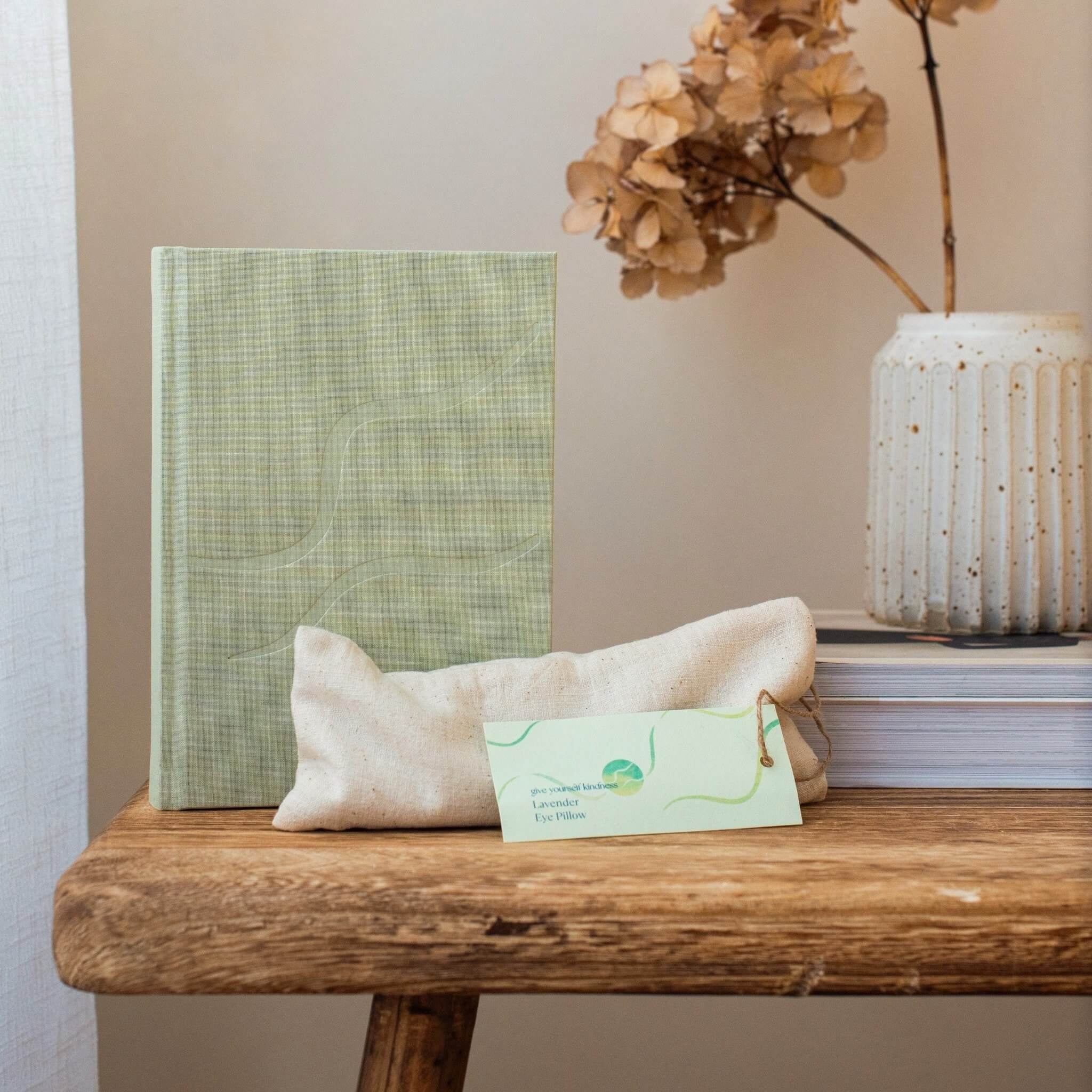
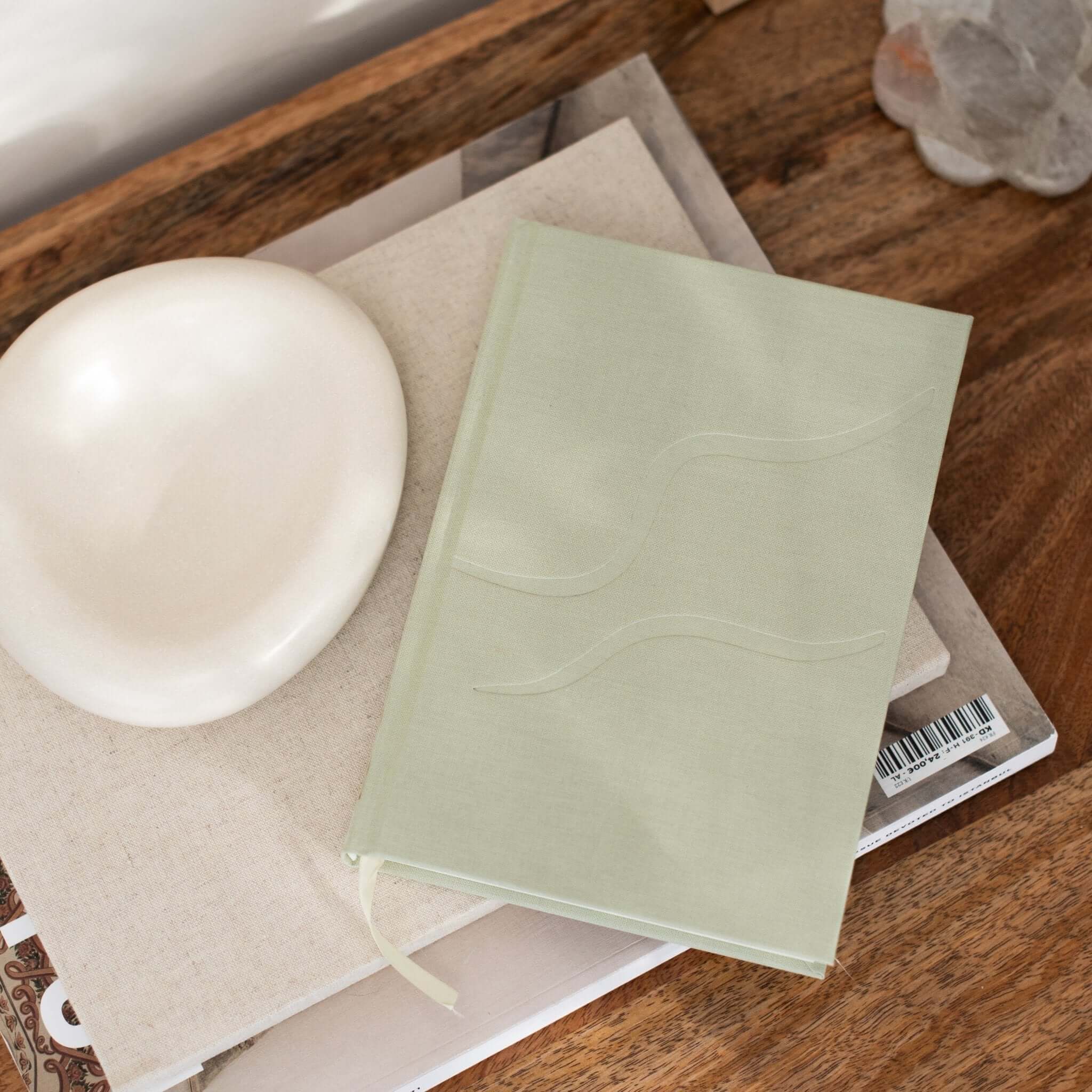
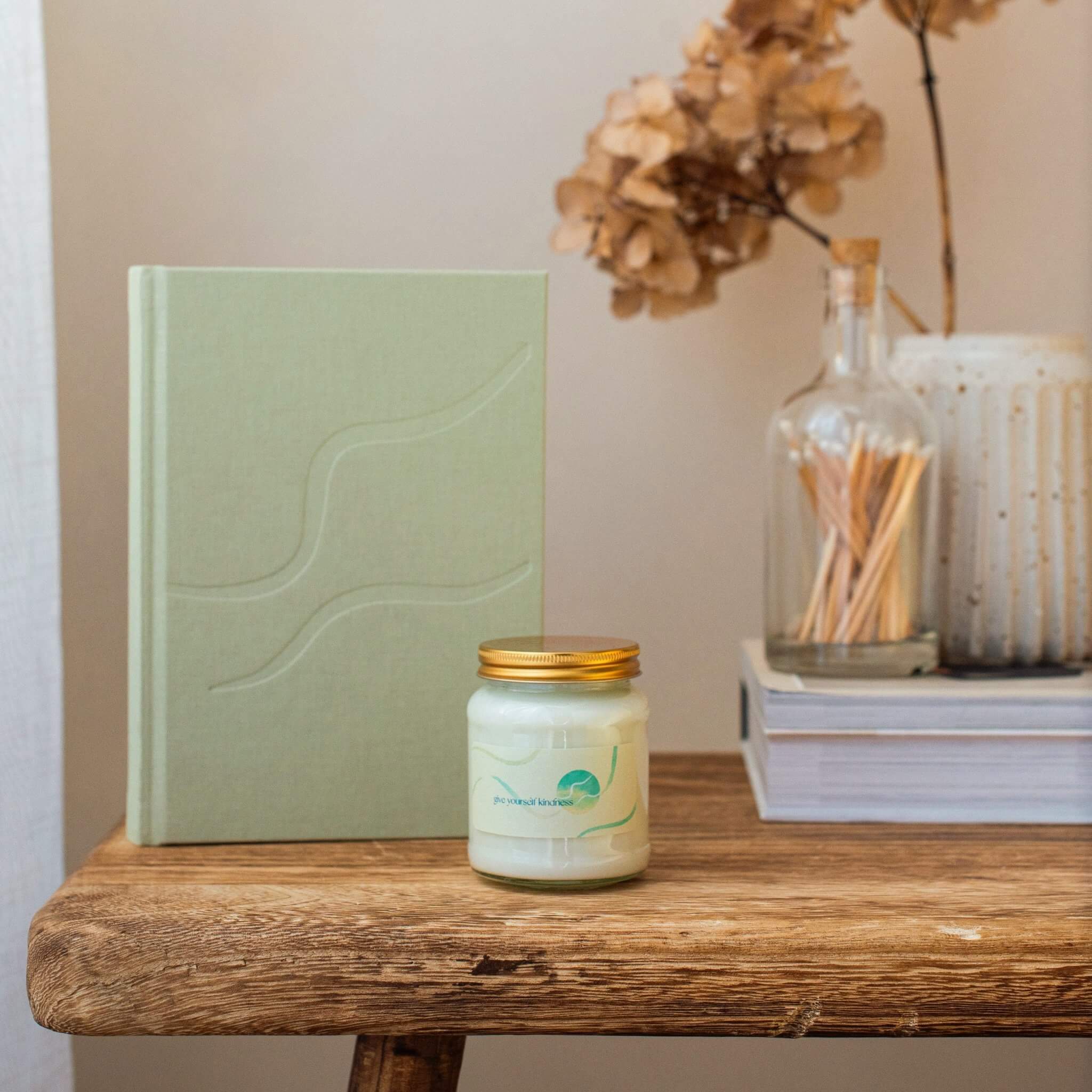
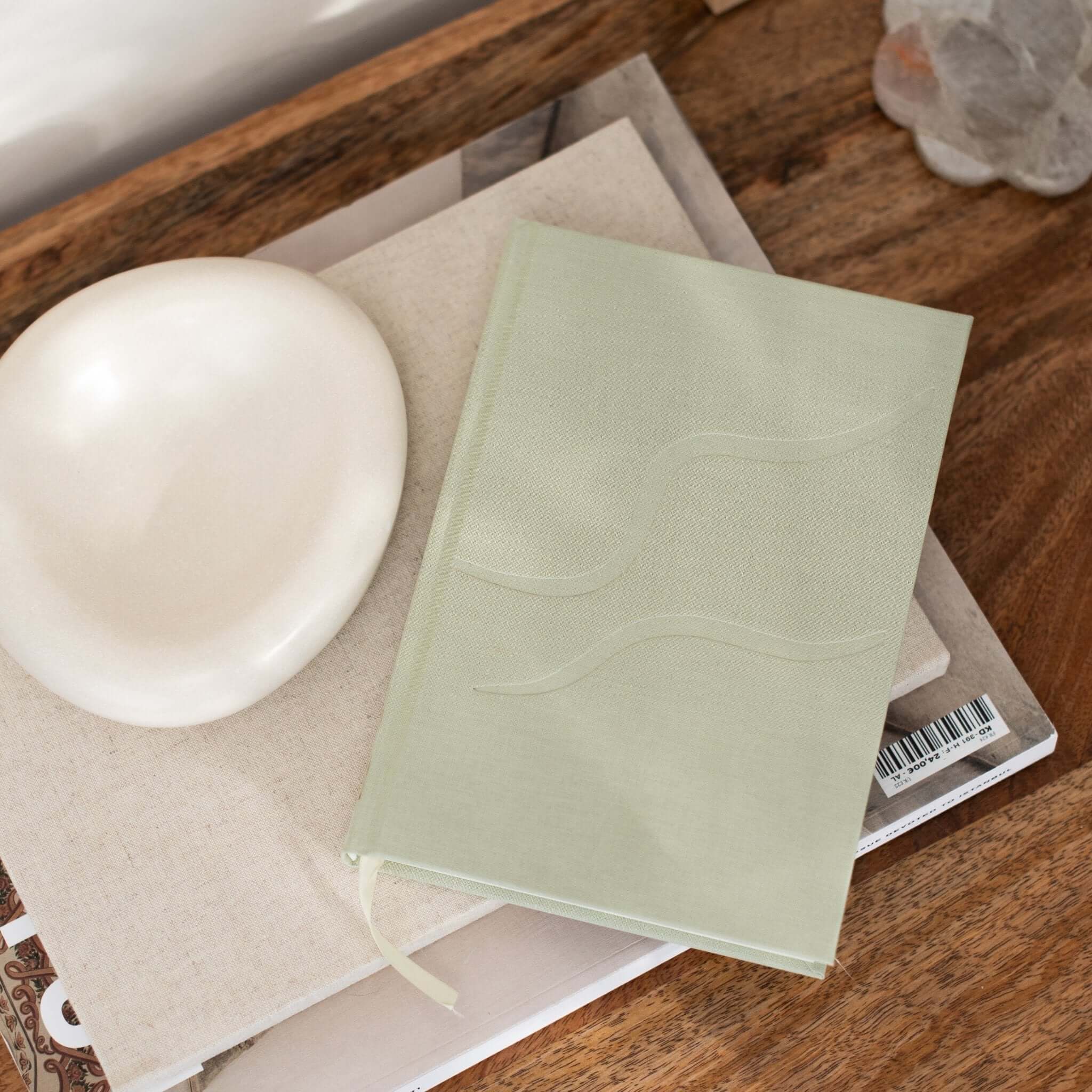
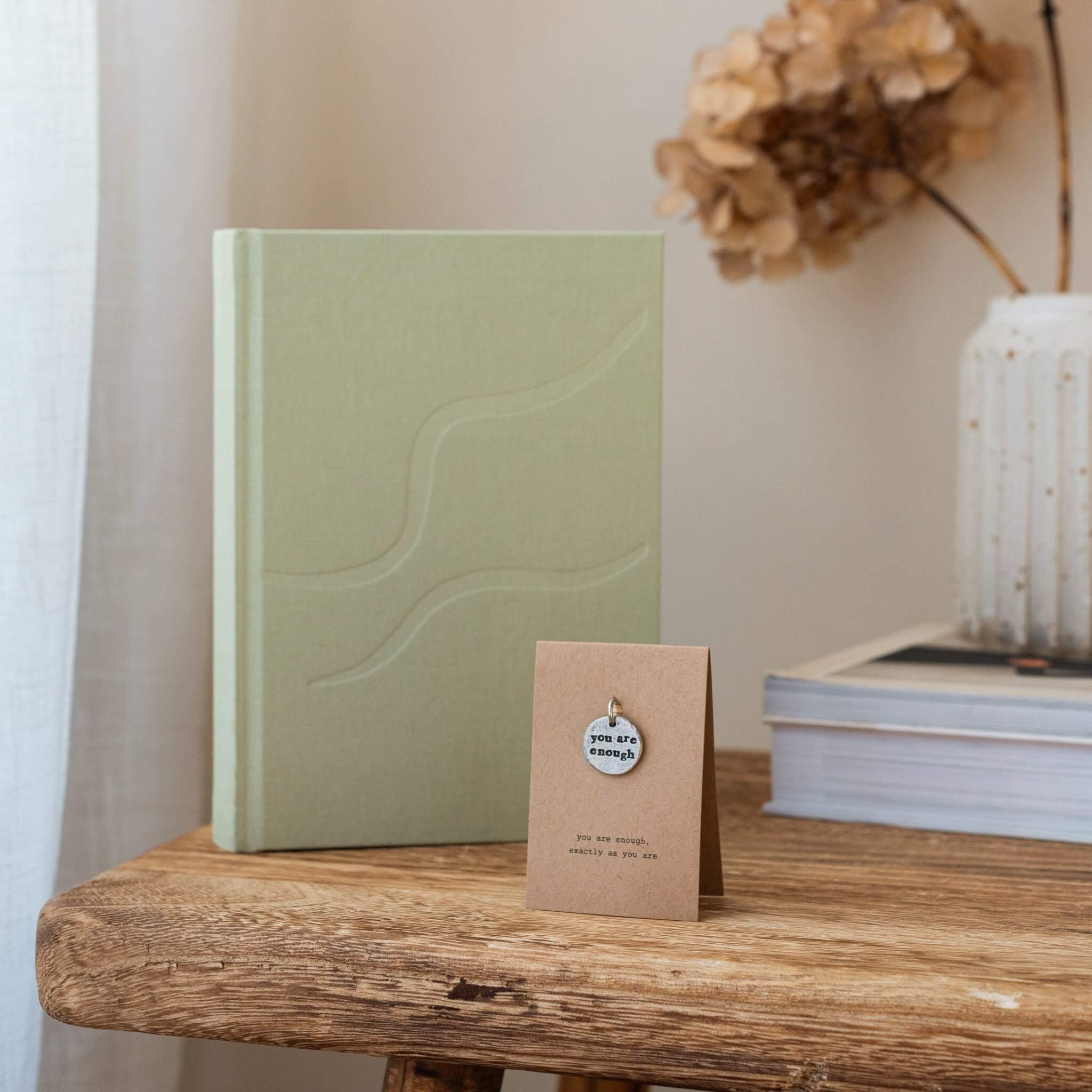
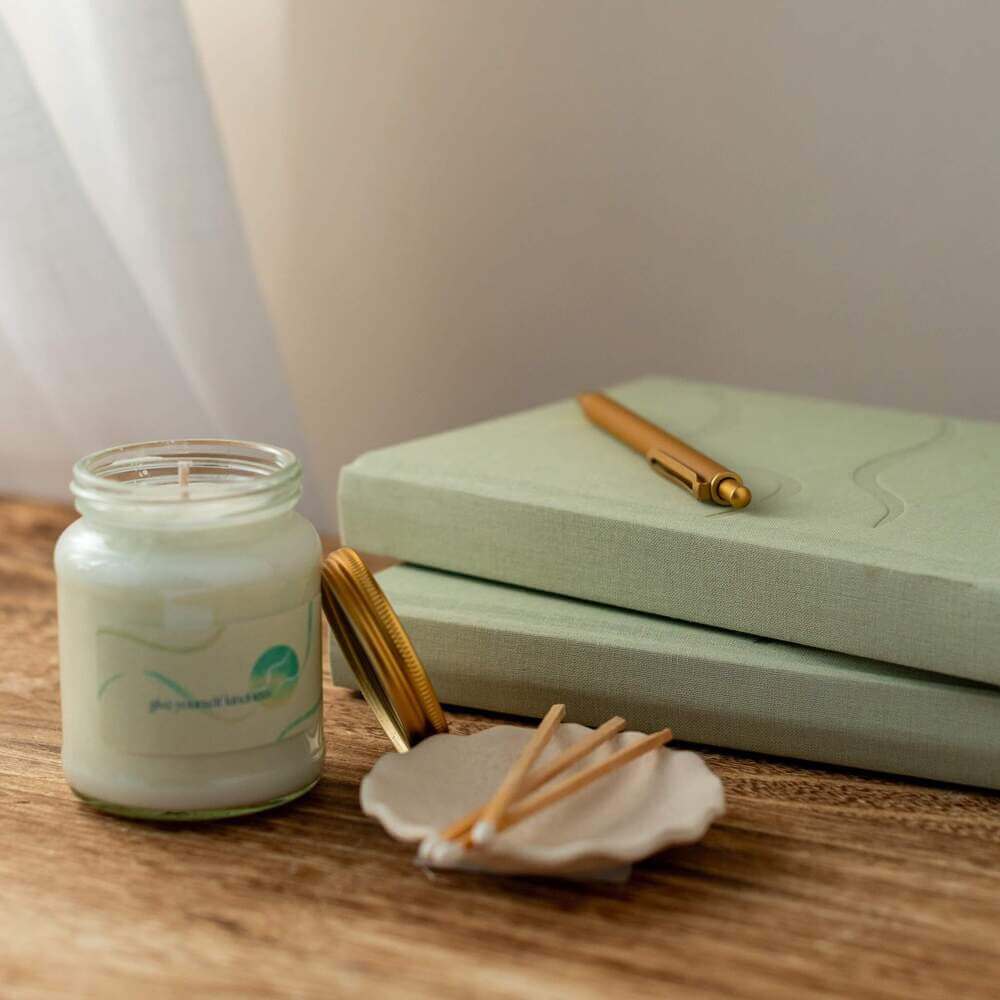
- The Give Yourself Kindness Journal - Used by therapists worldwide—helps you see you're worthy, even on hard days
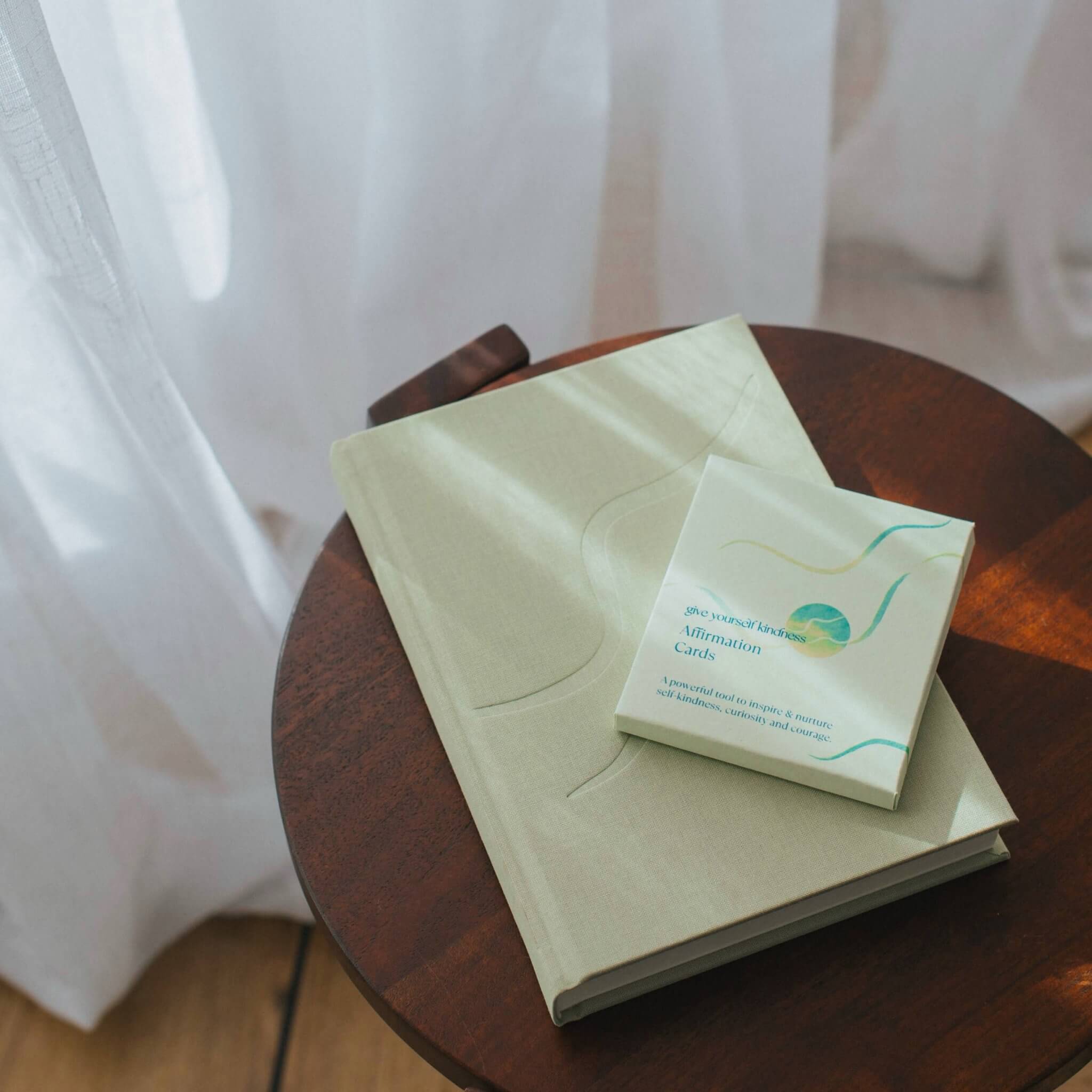
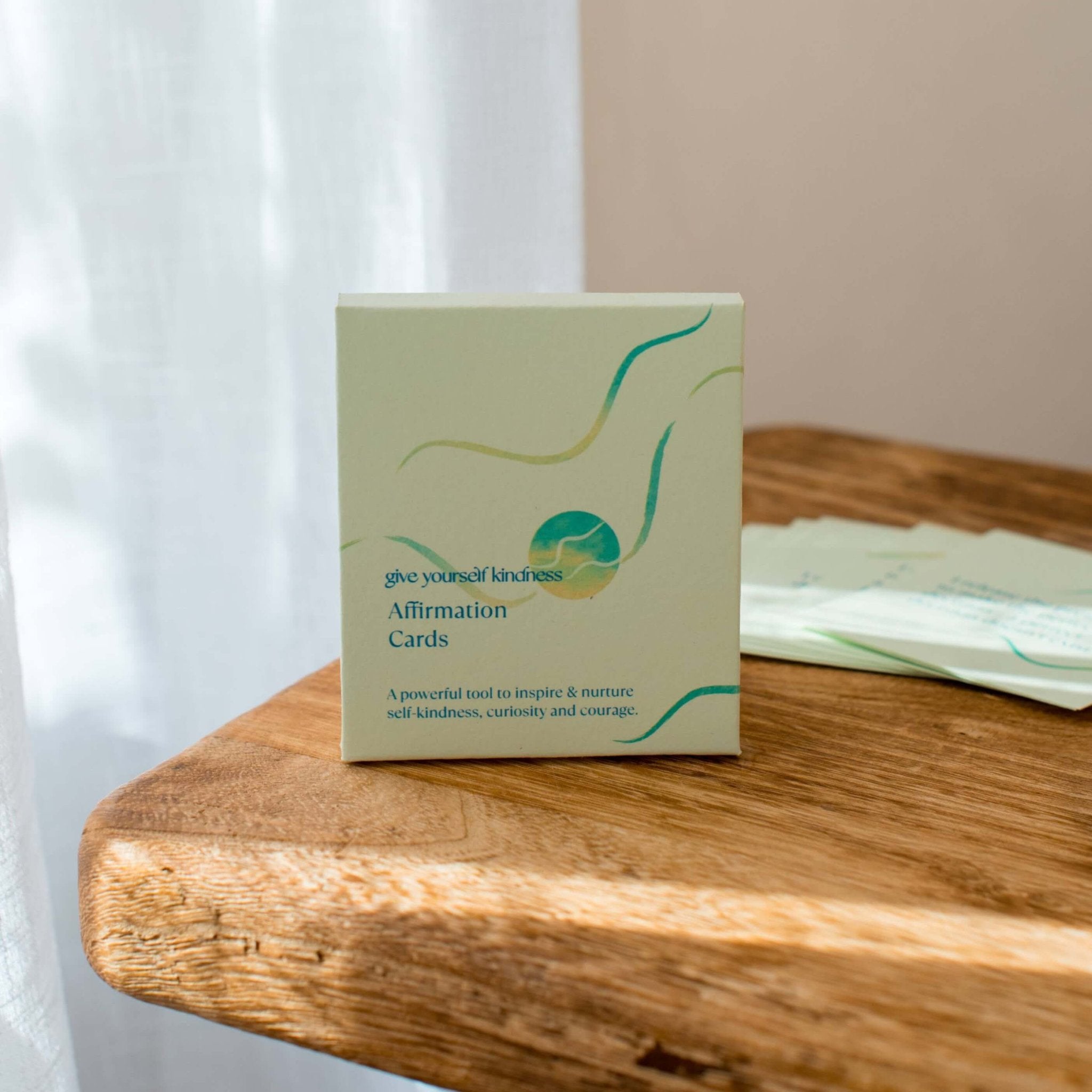
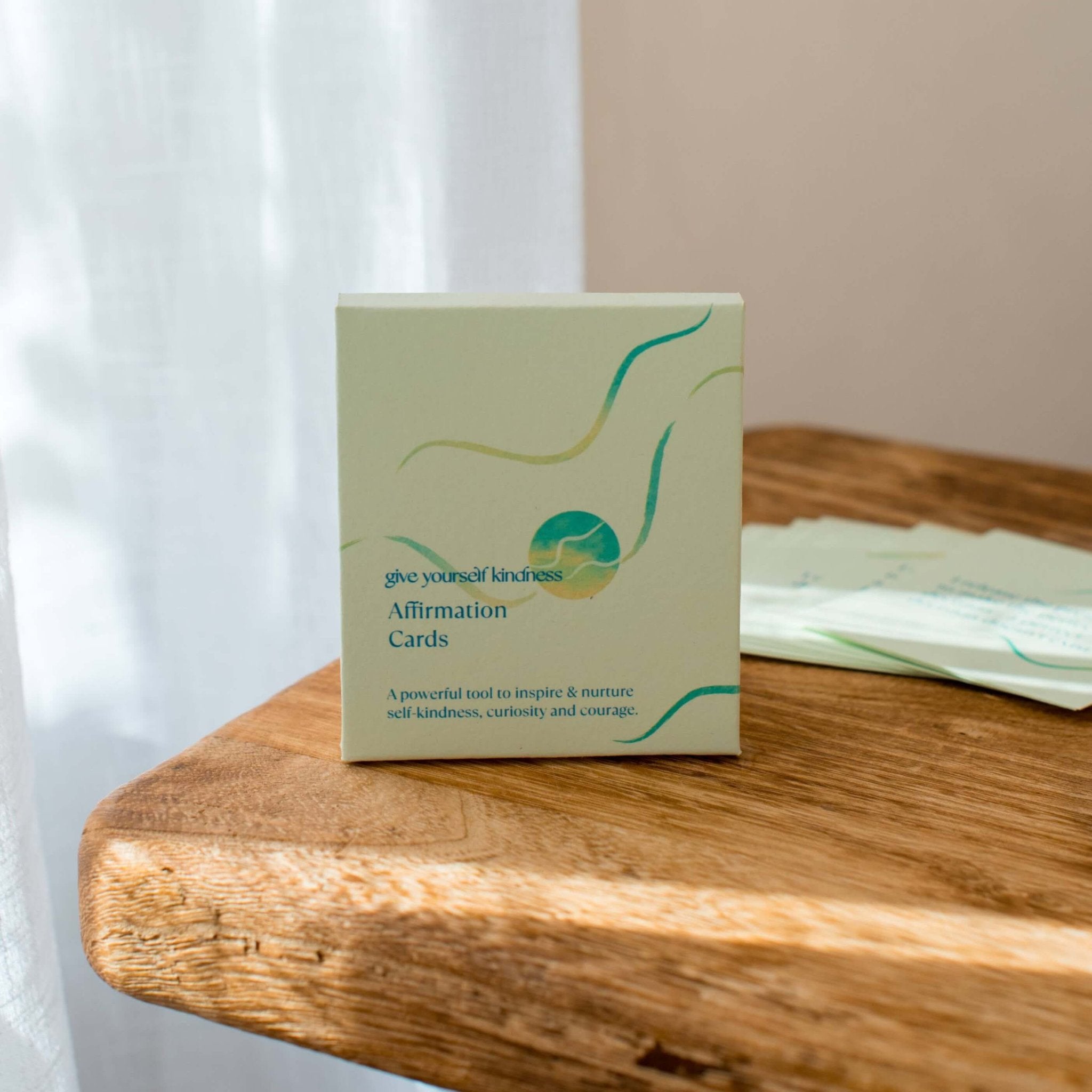
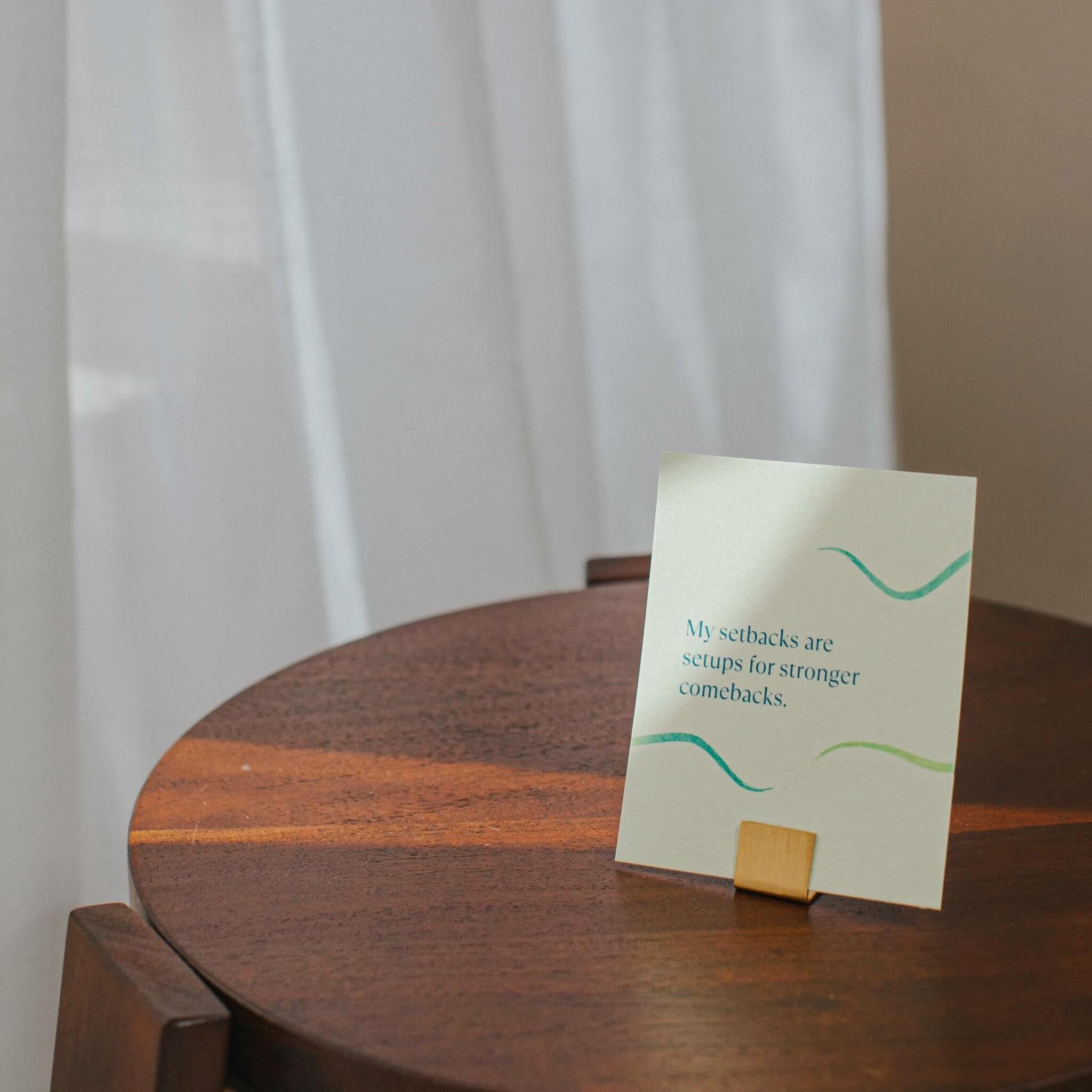
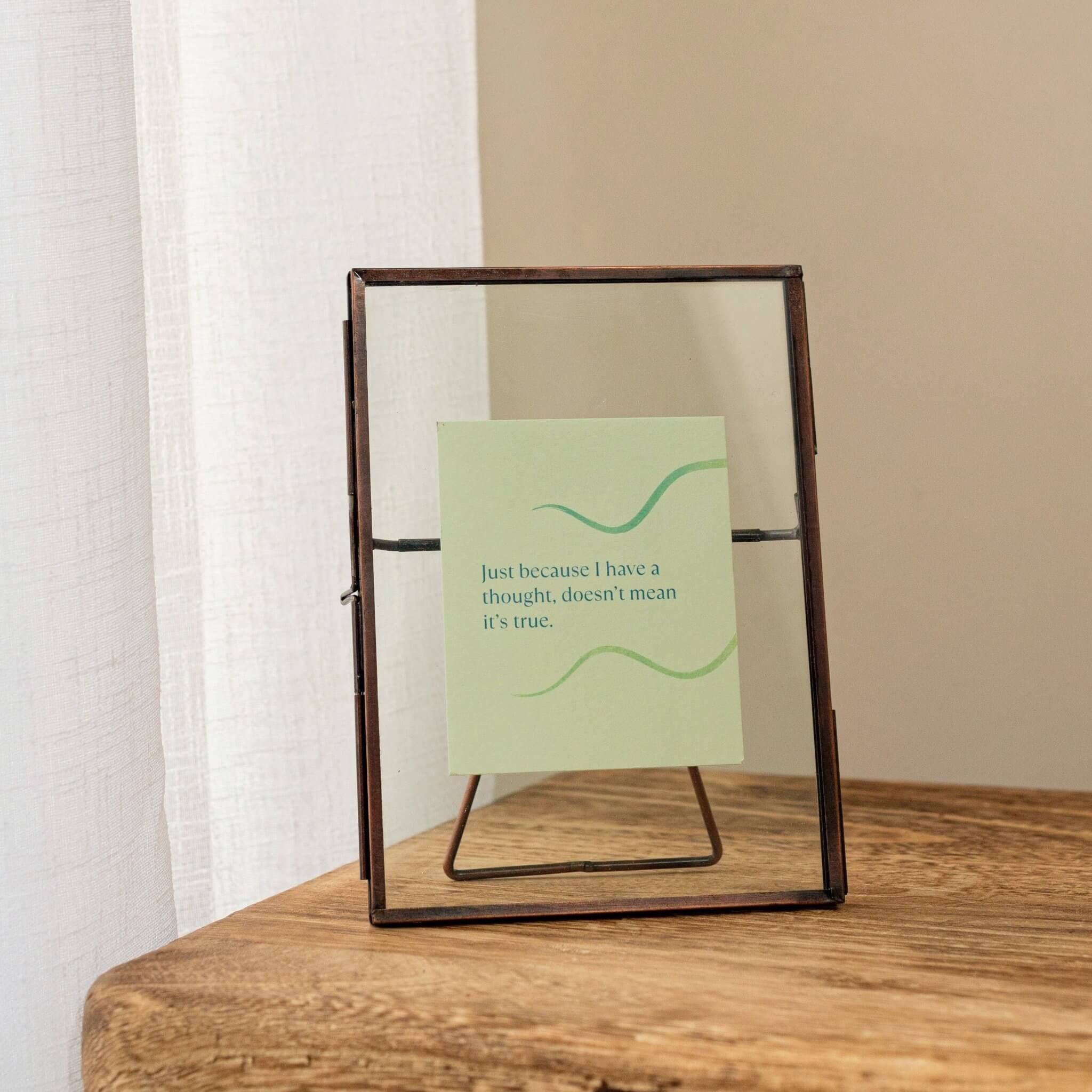
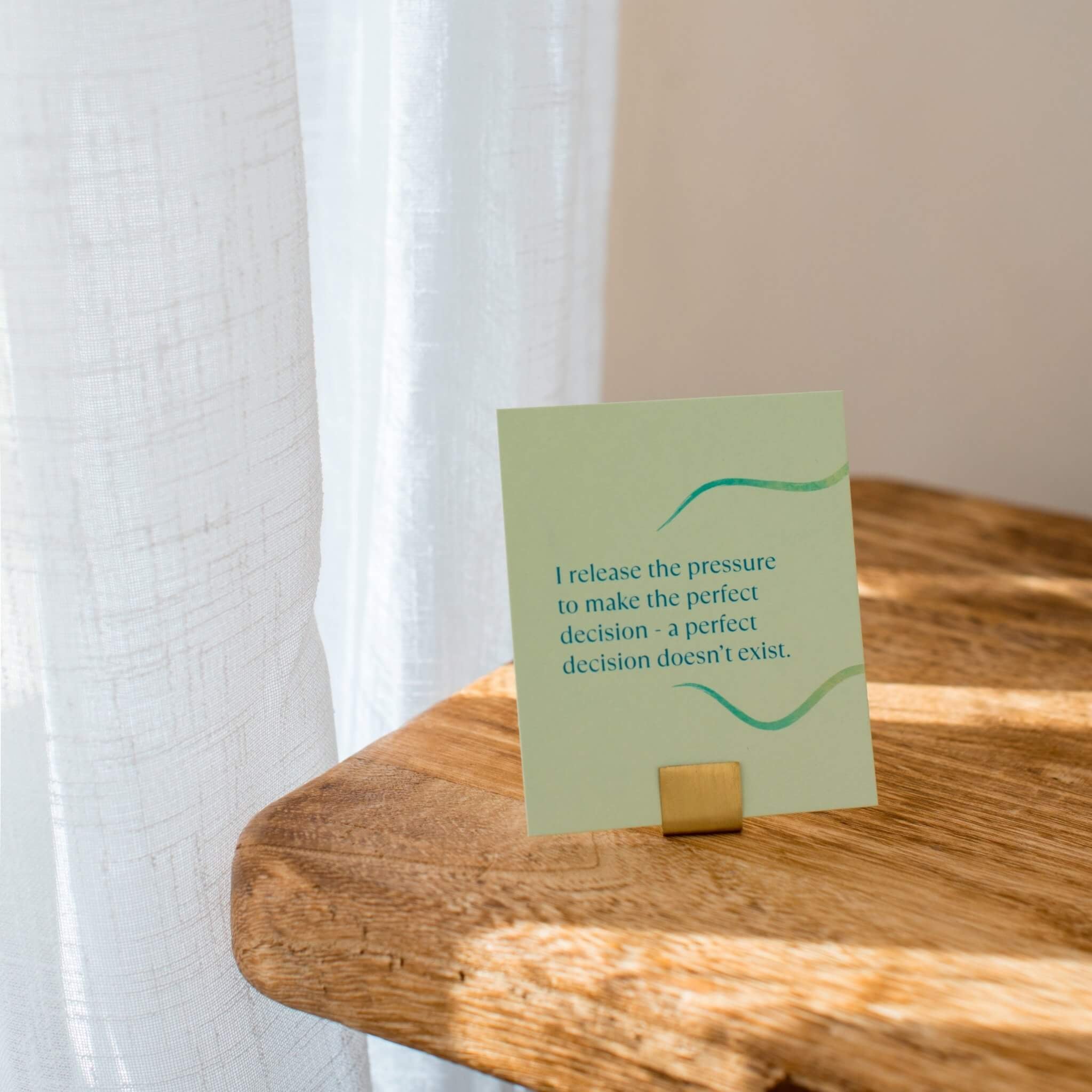
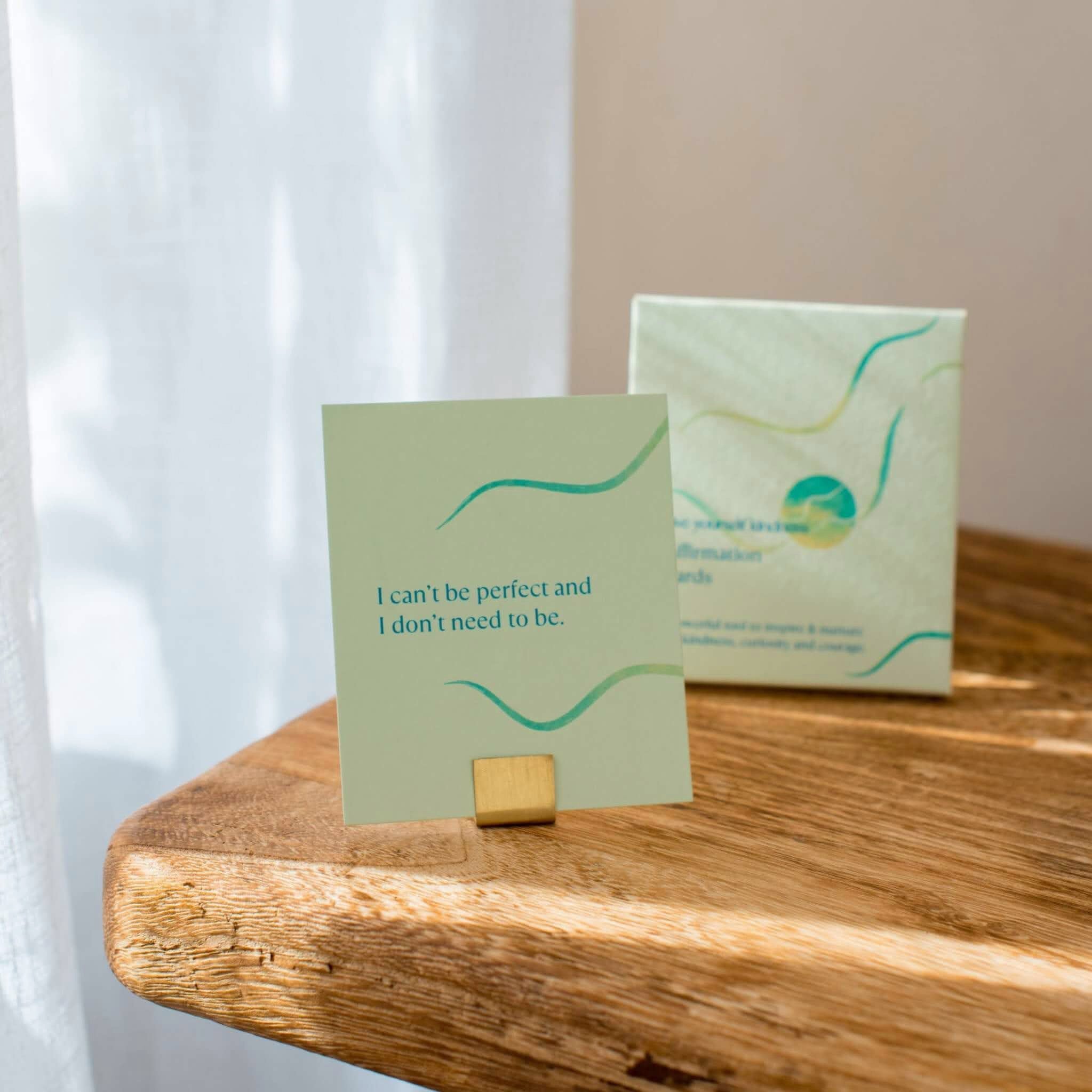
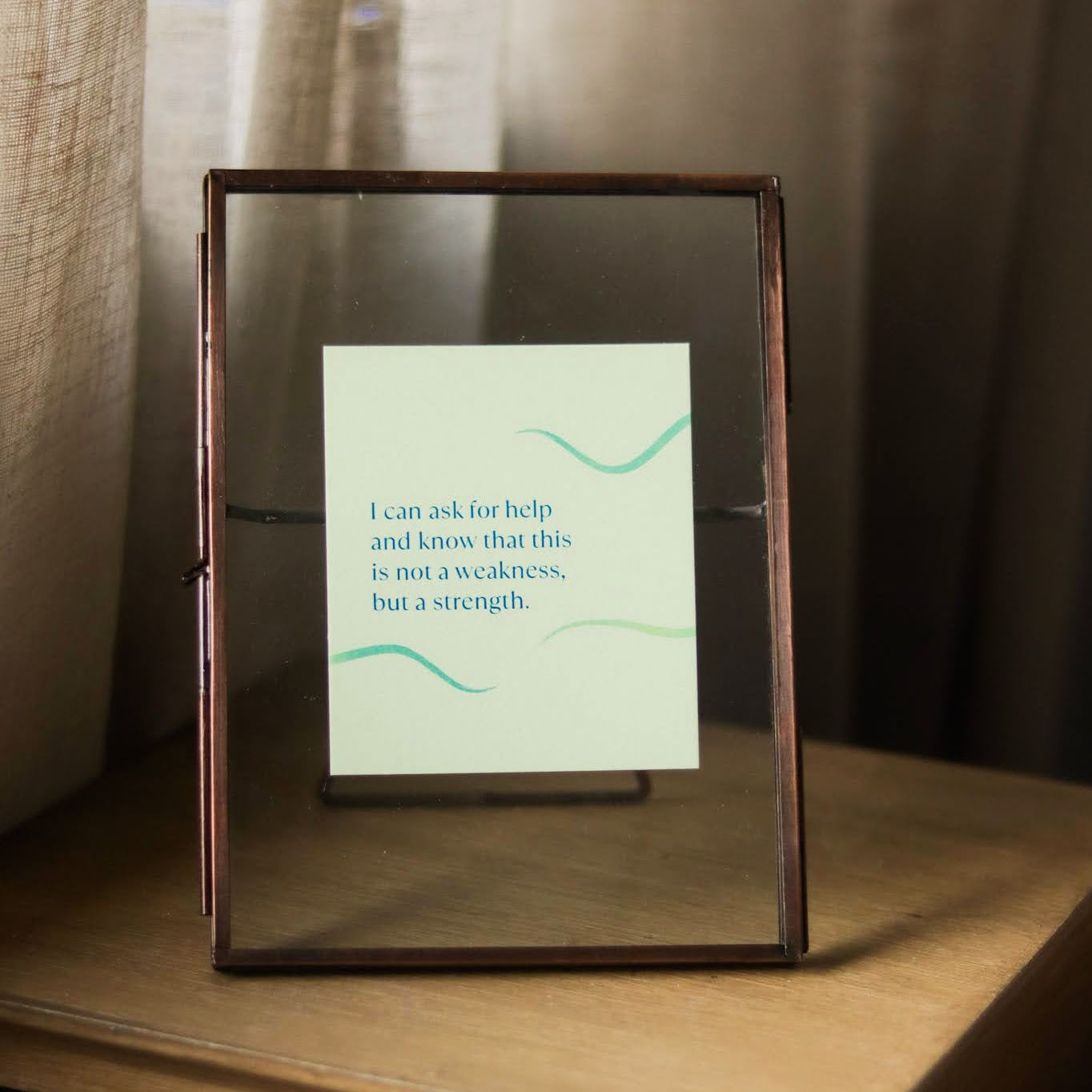
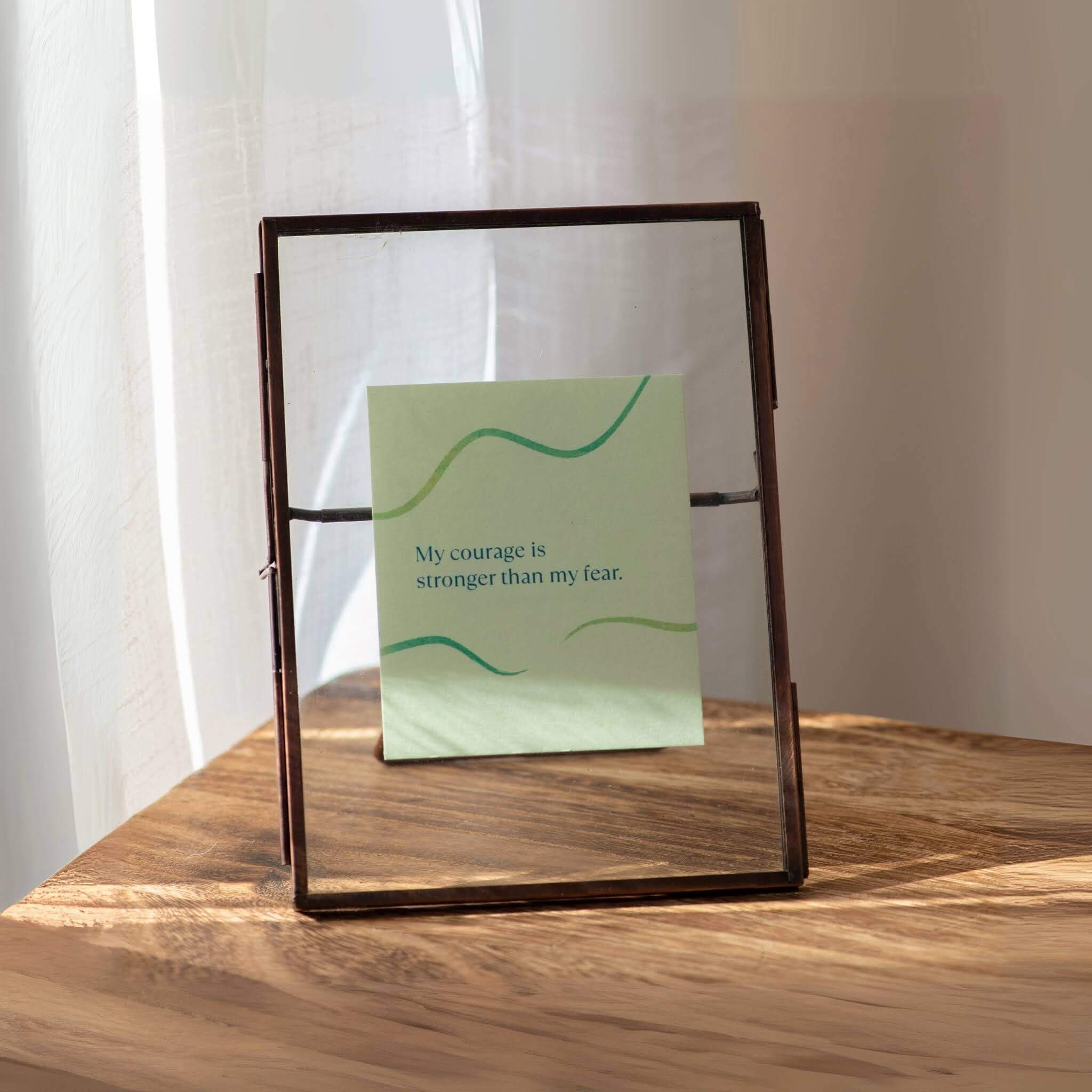
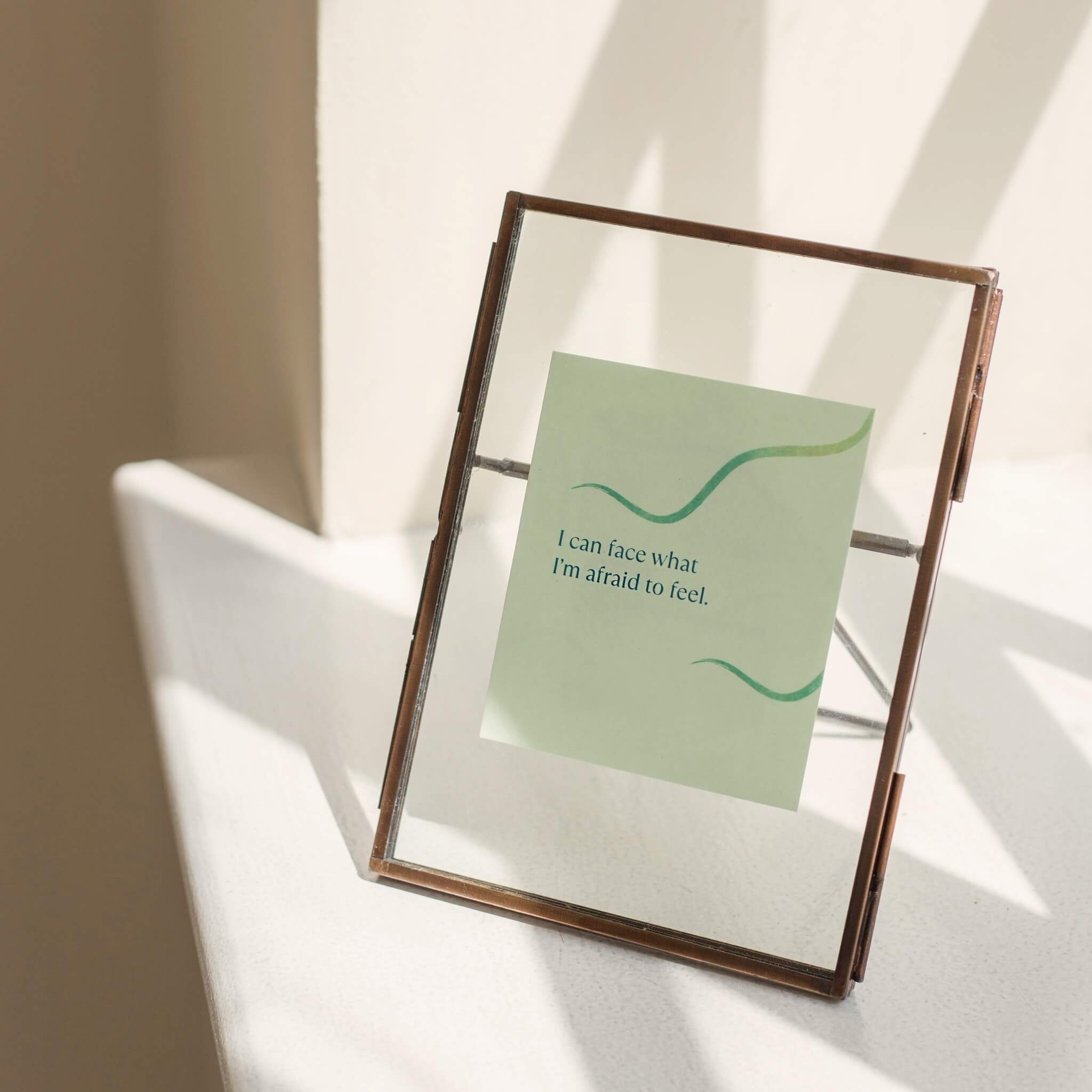
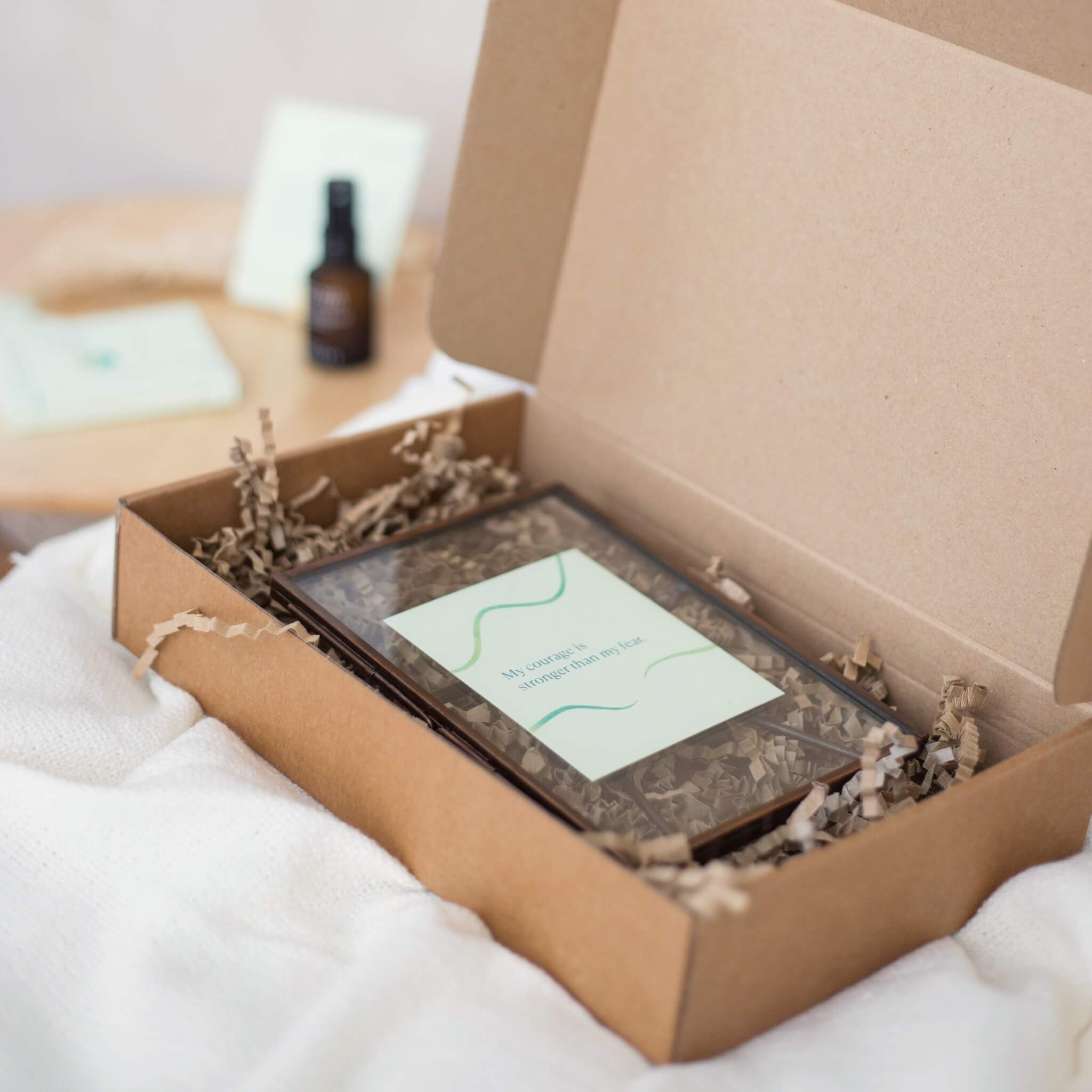
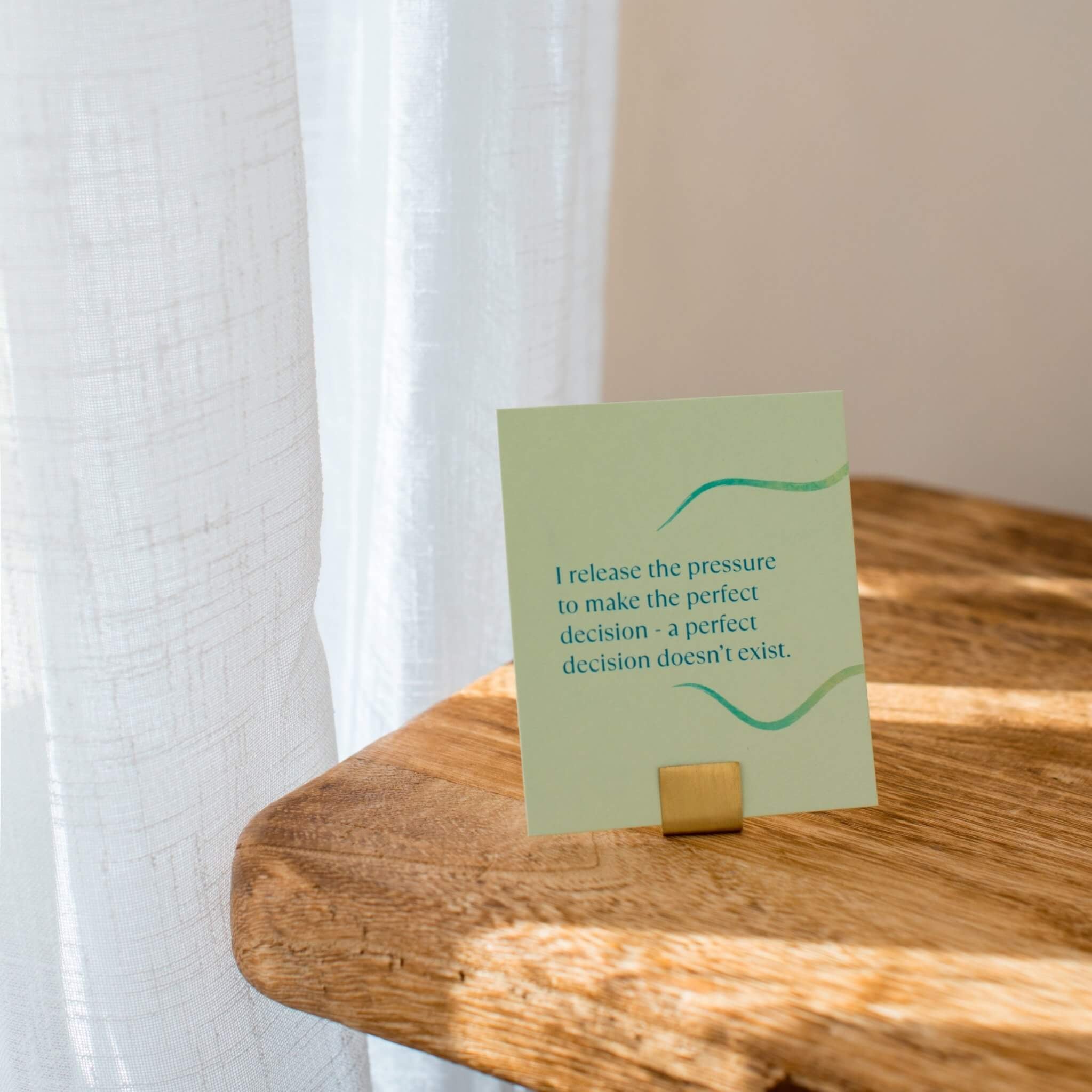
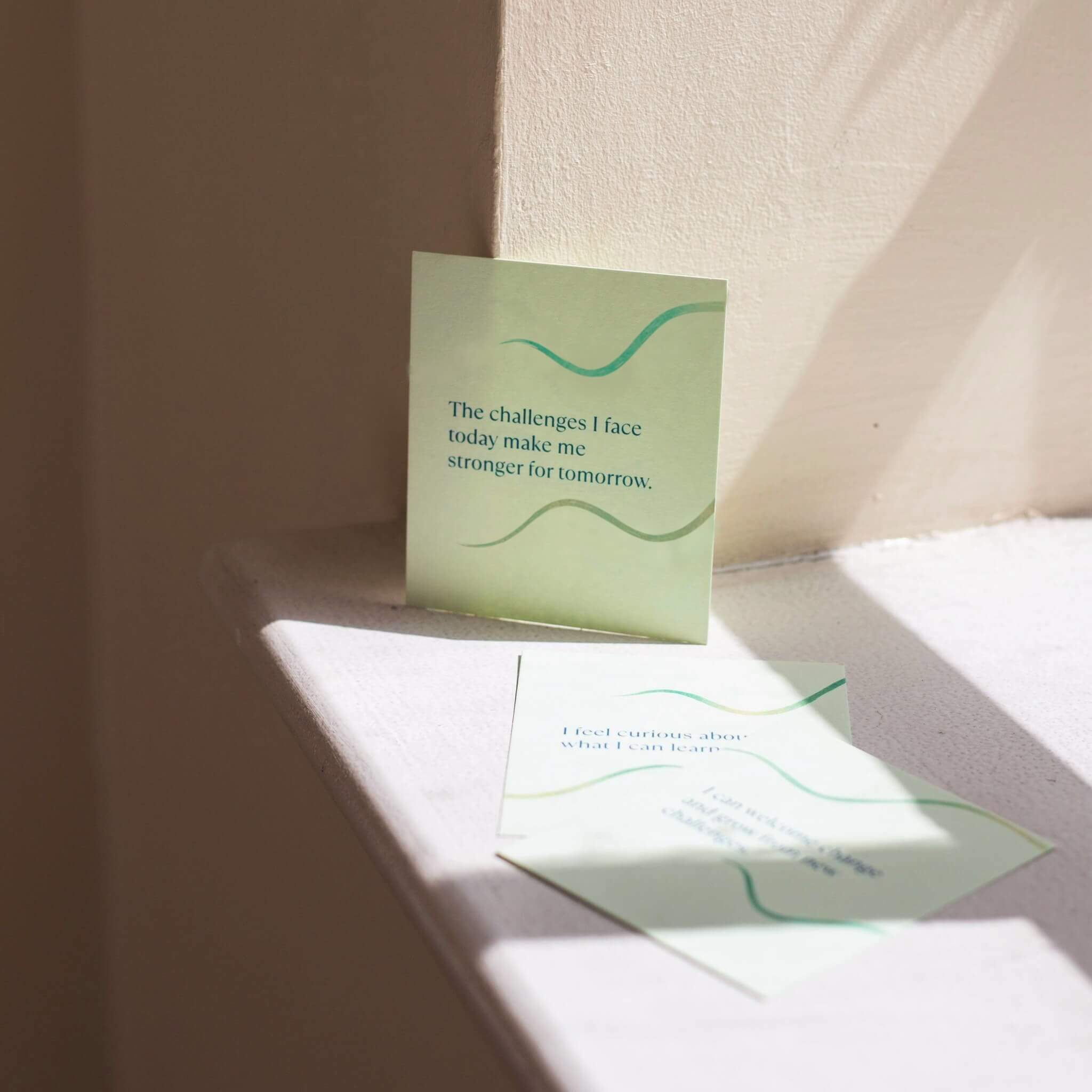
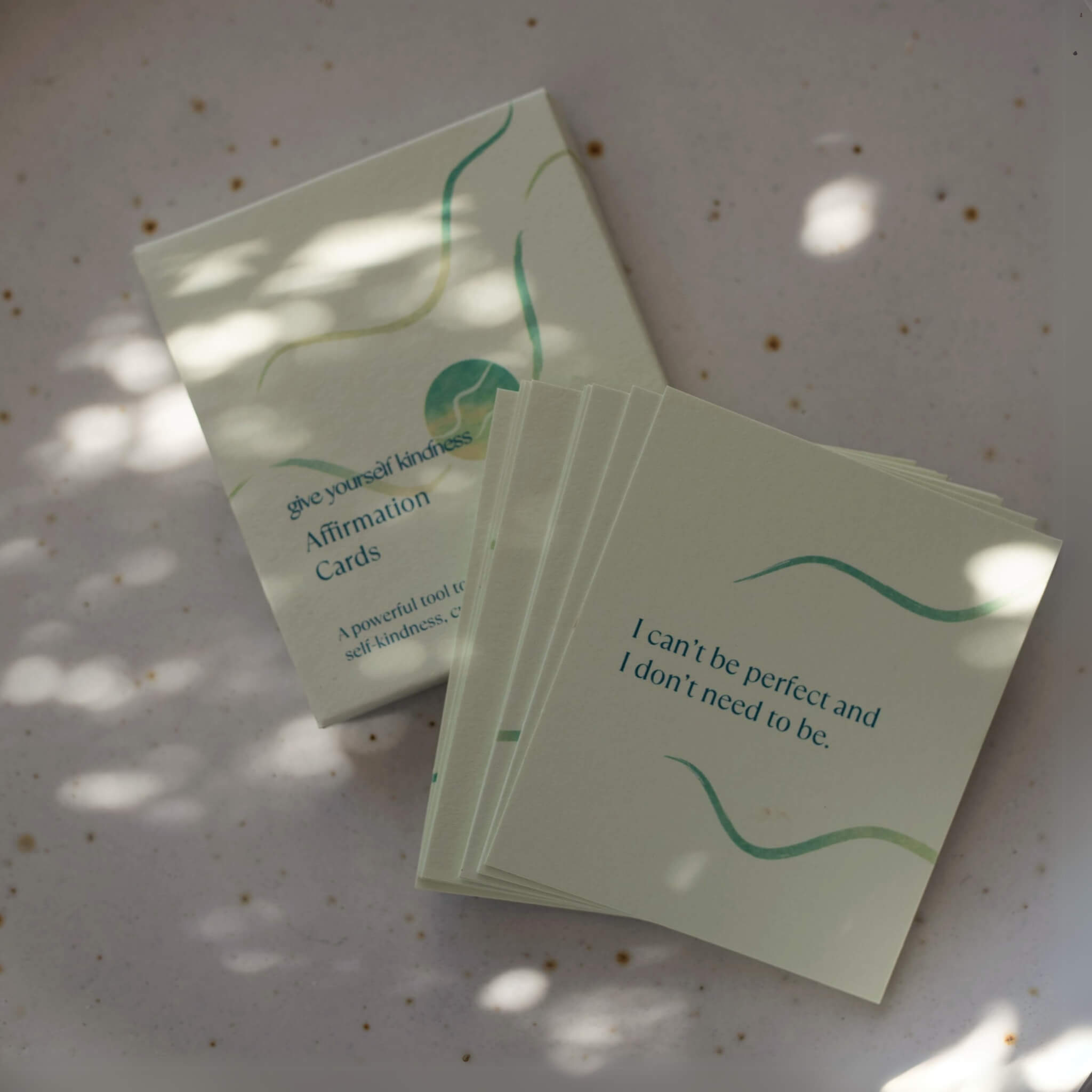
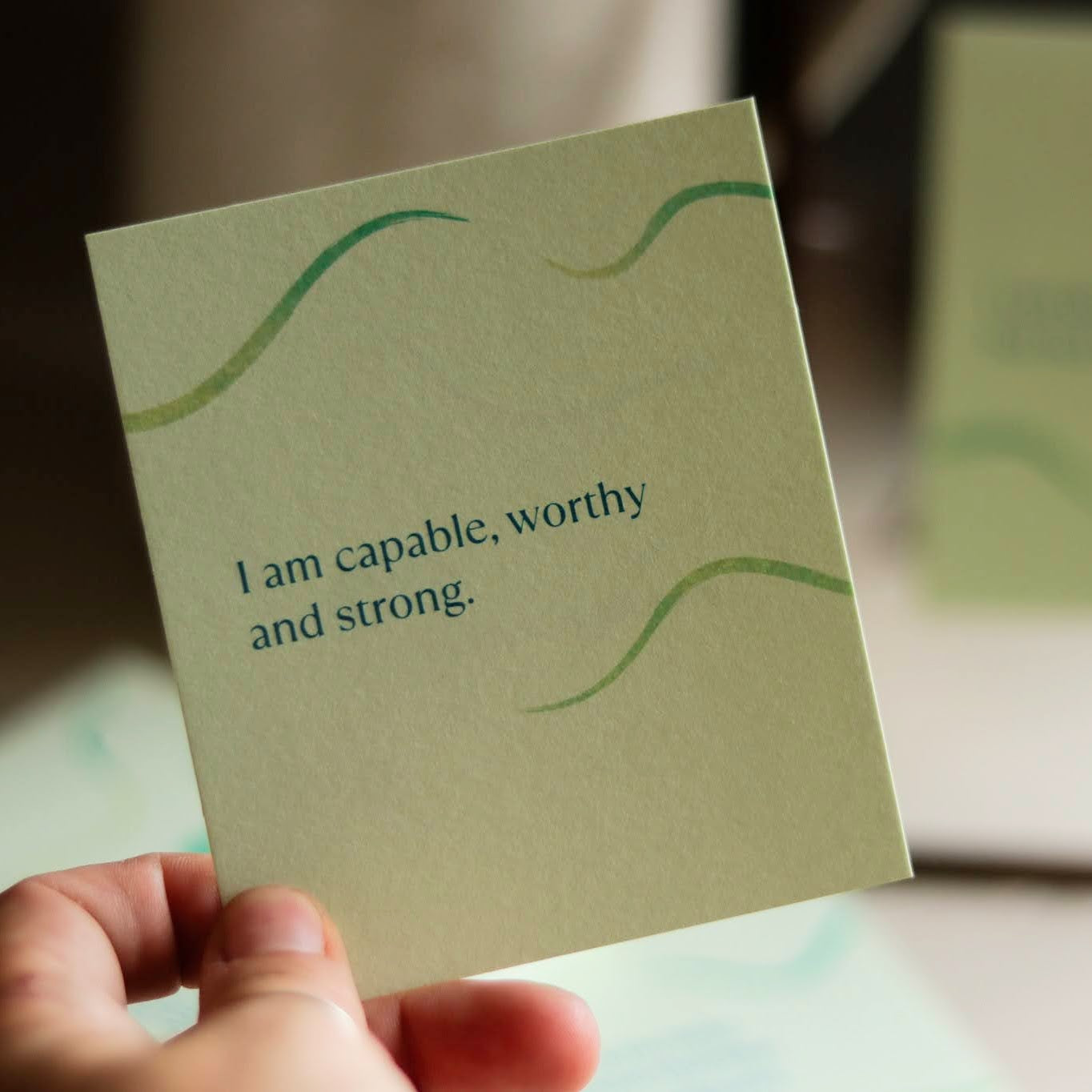
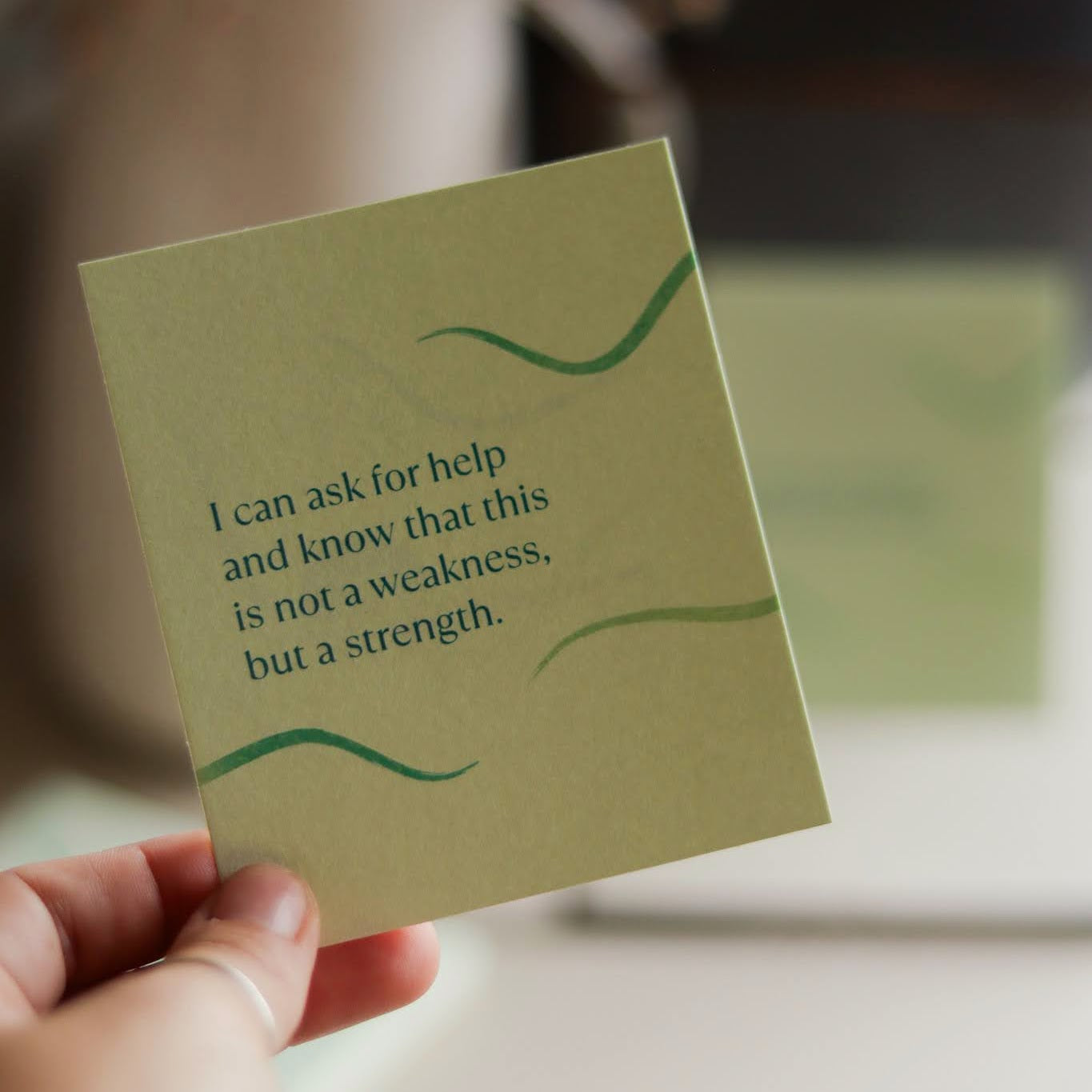
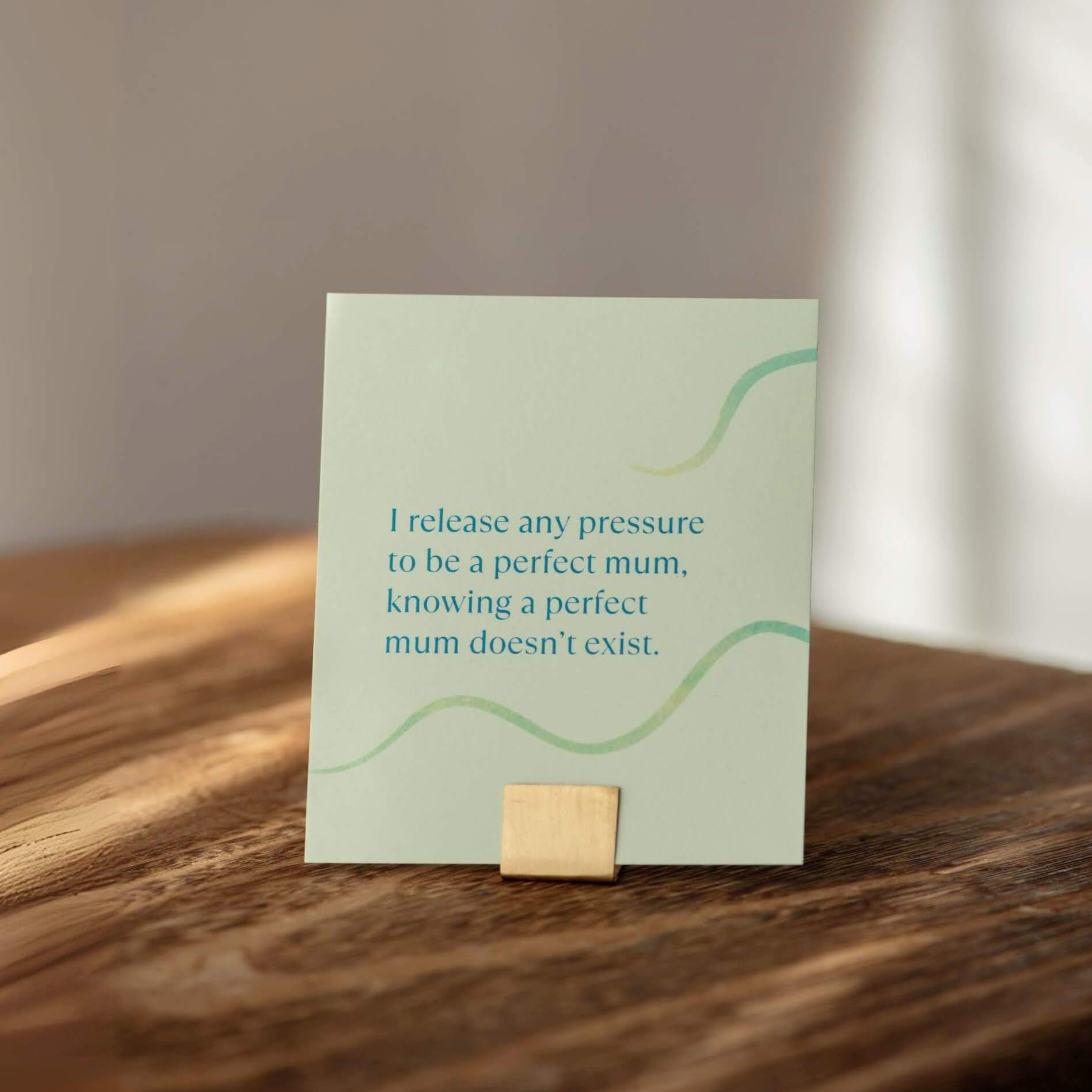
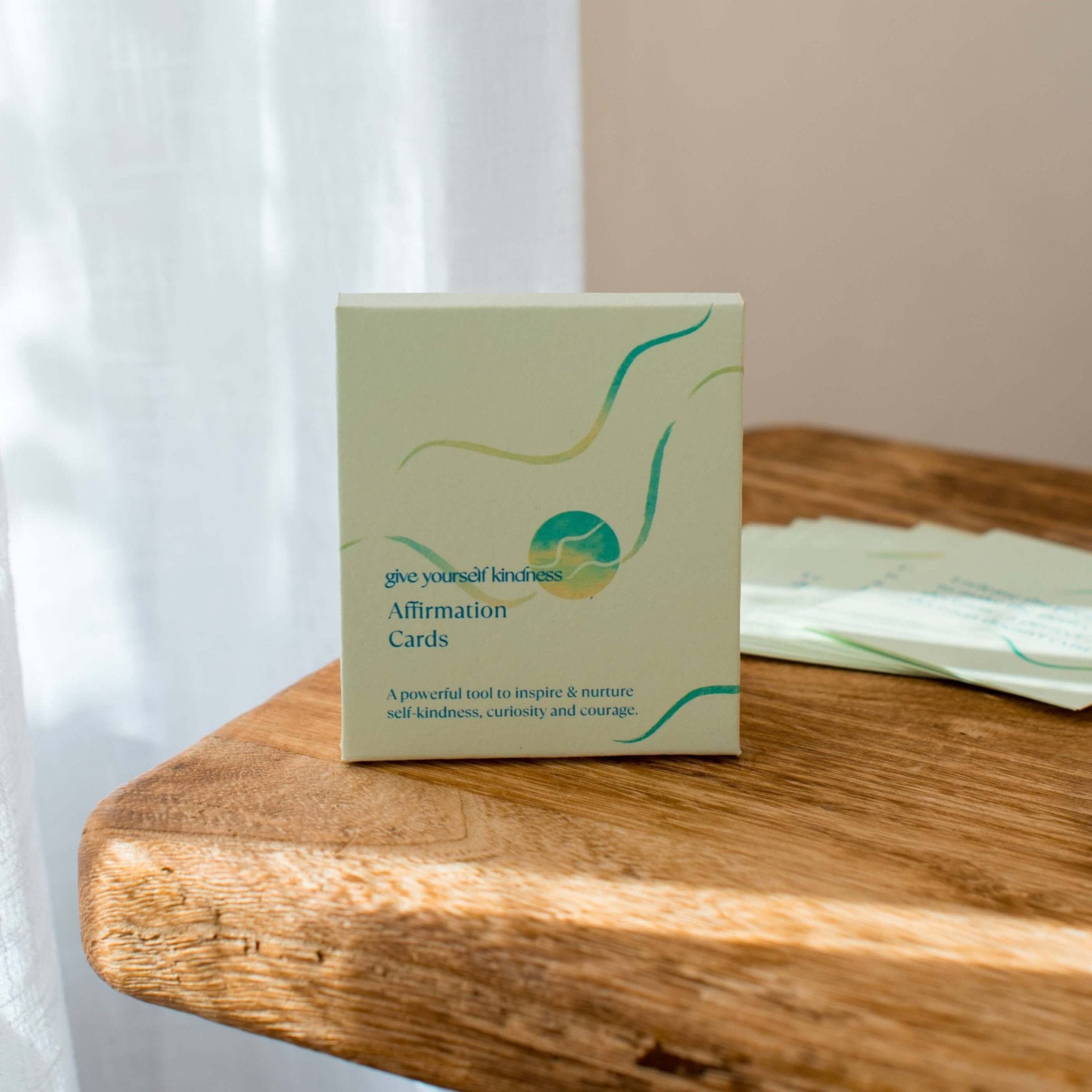
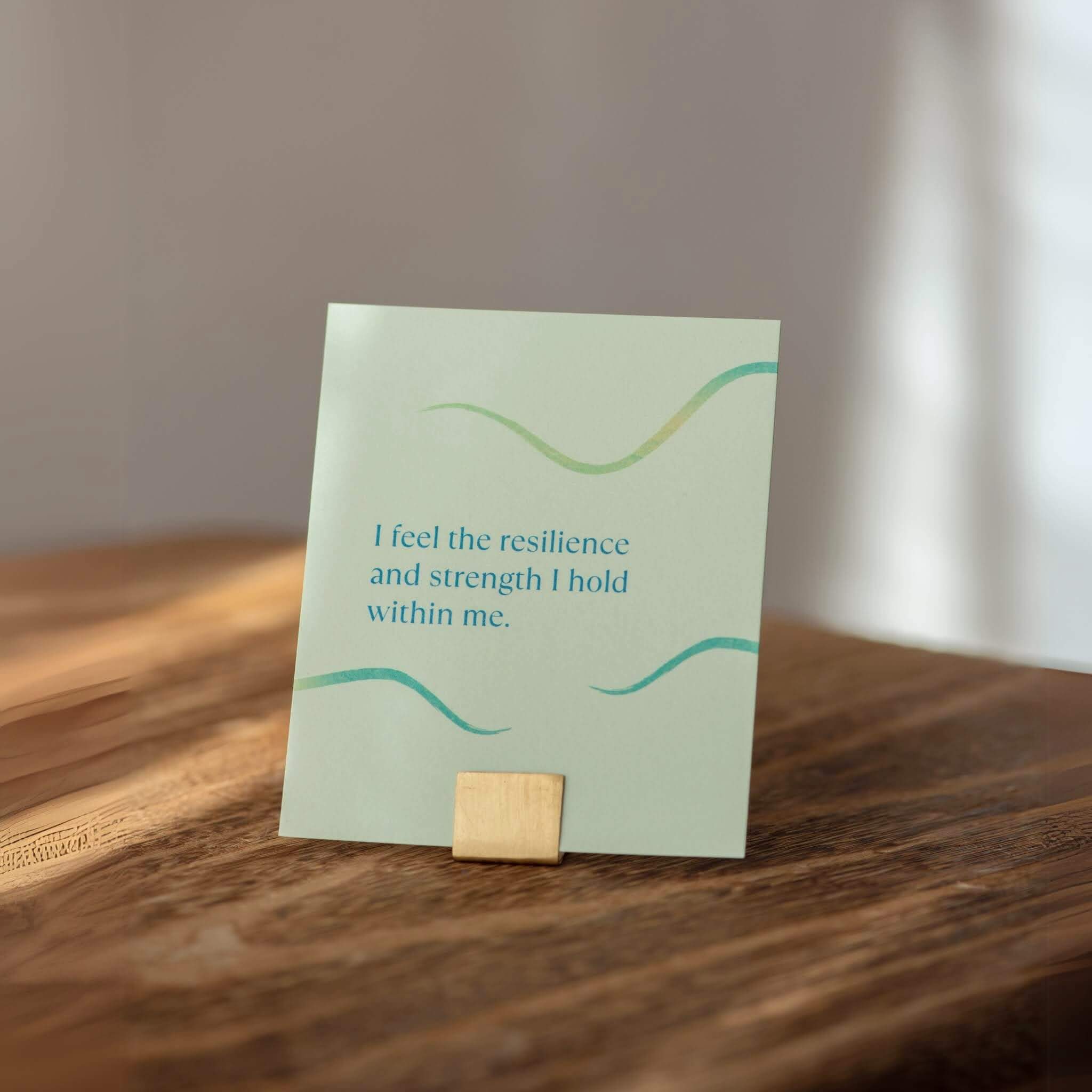
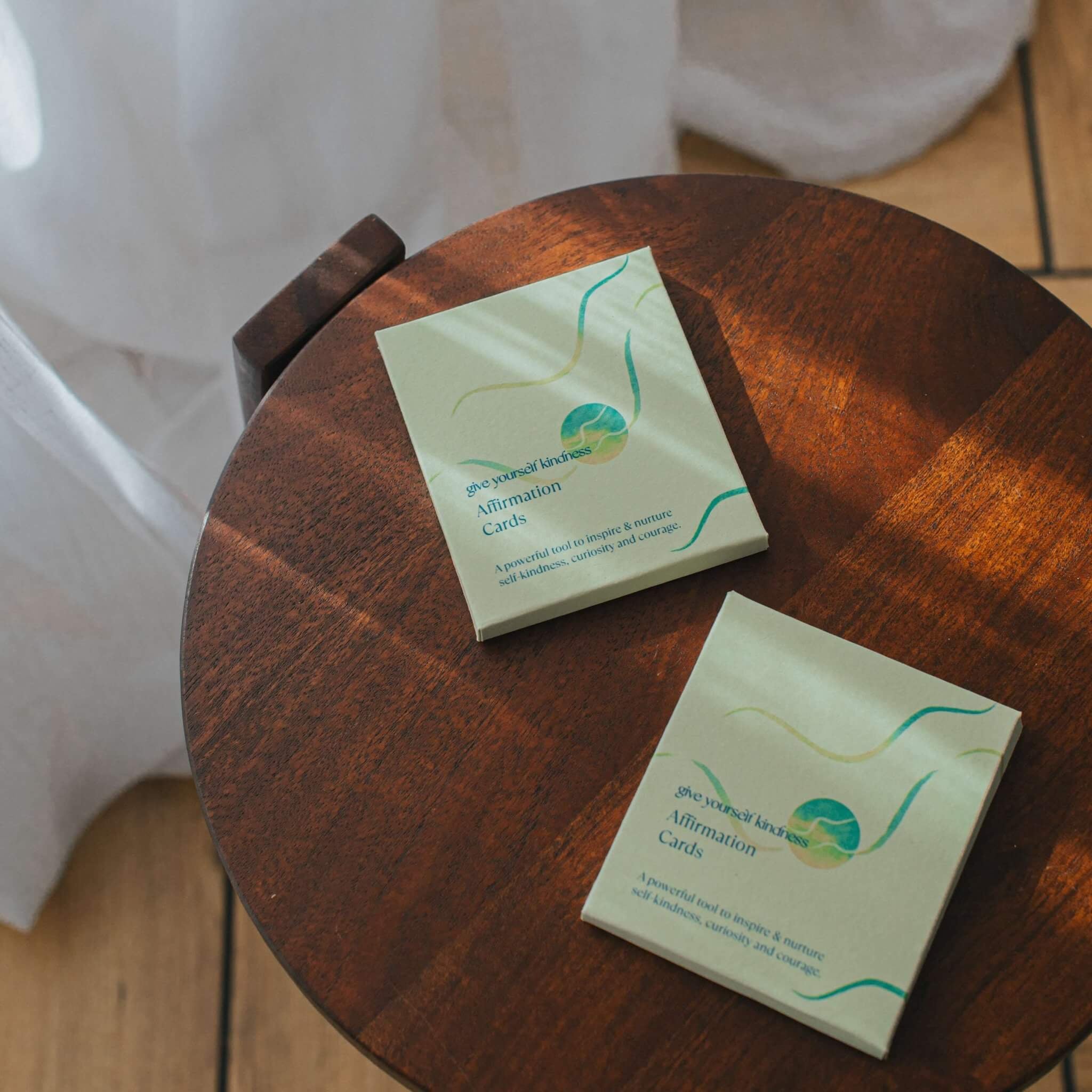
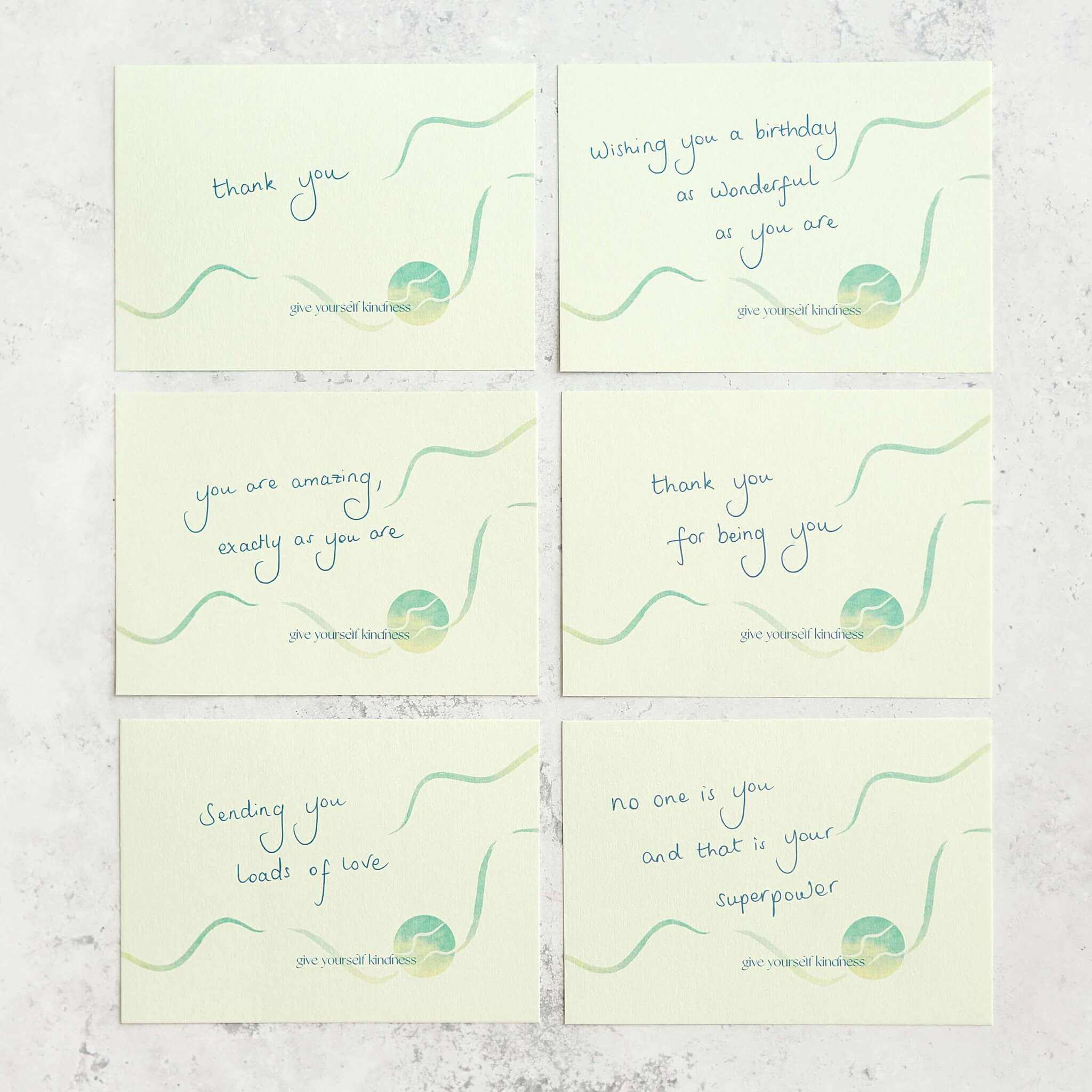
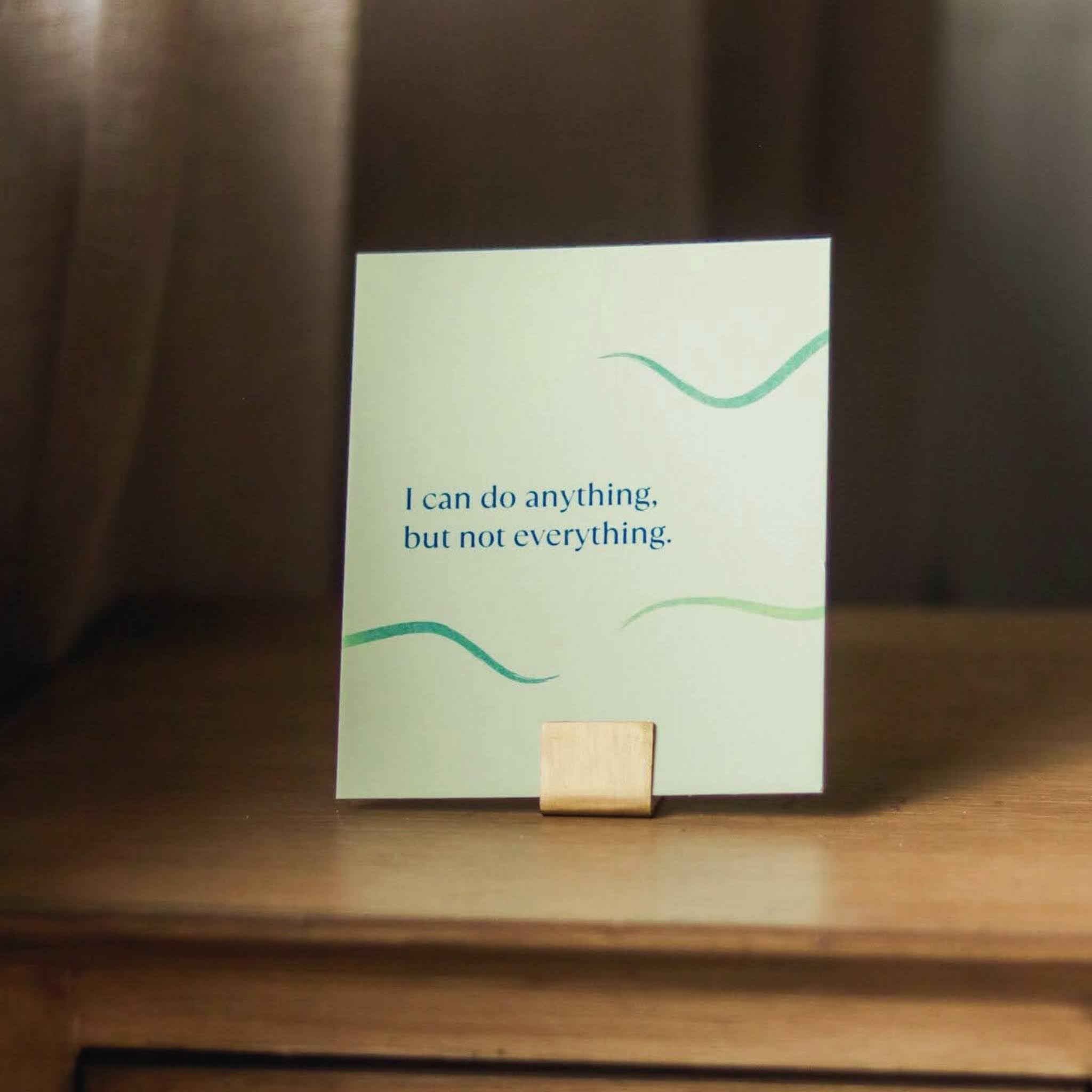
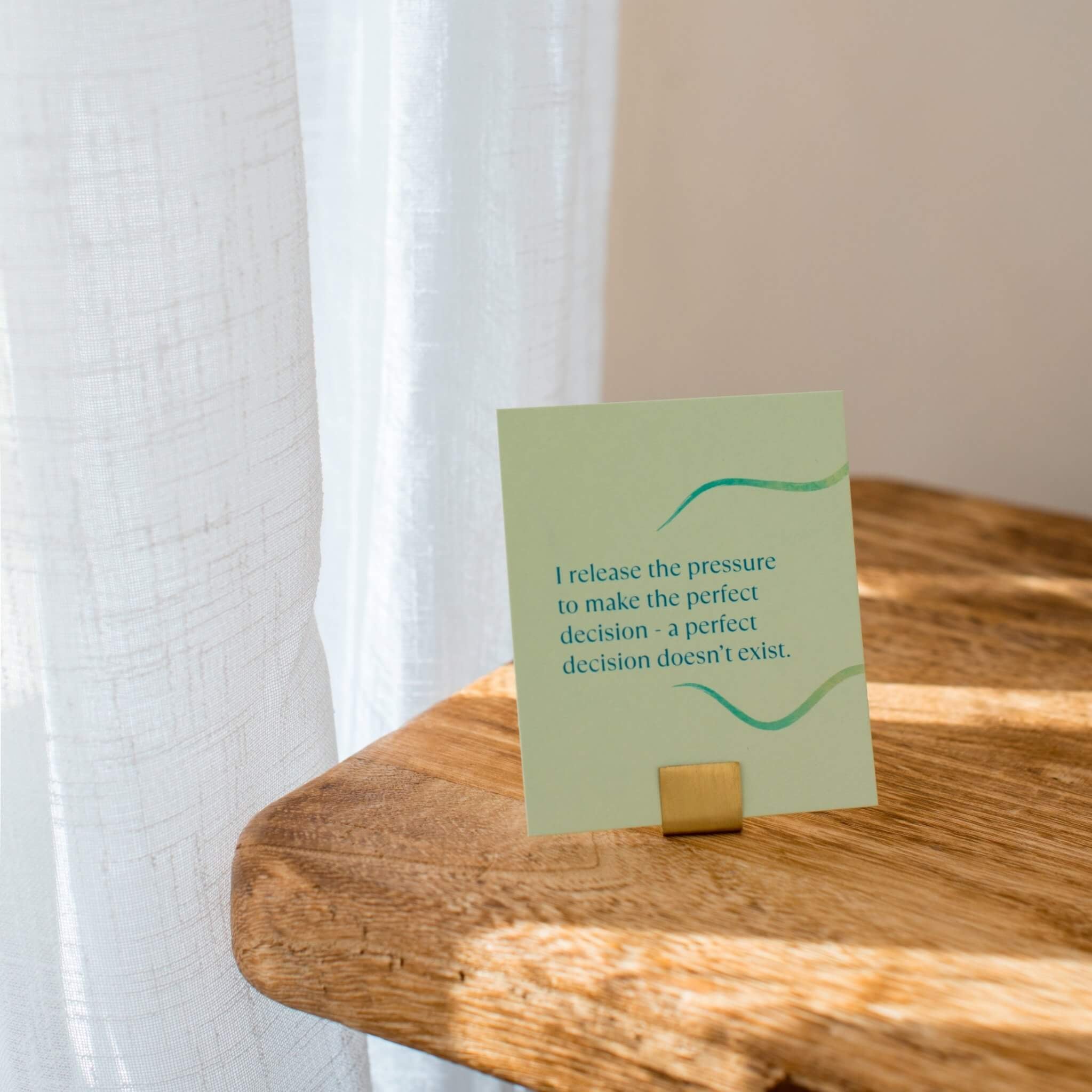
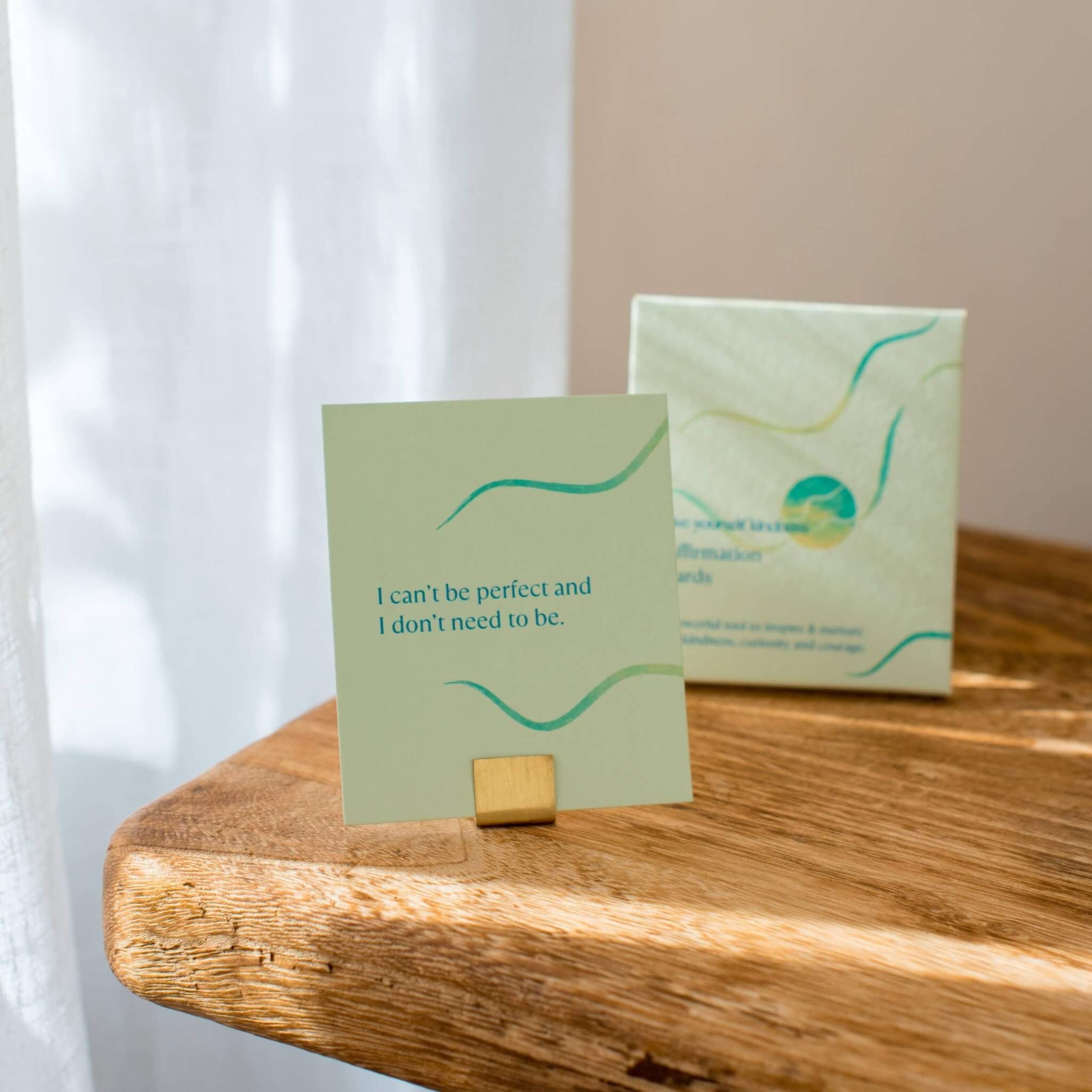
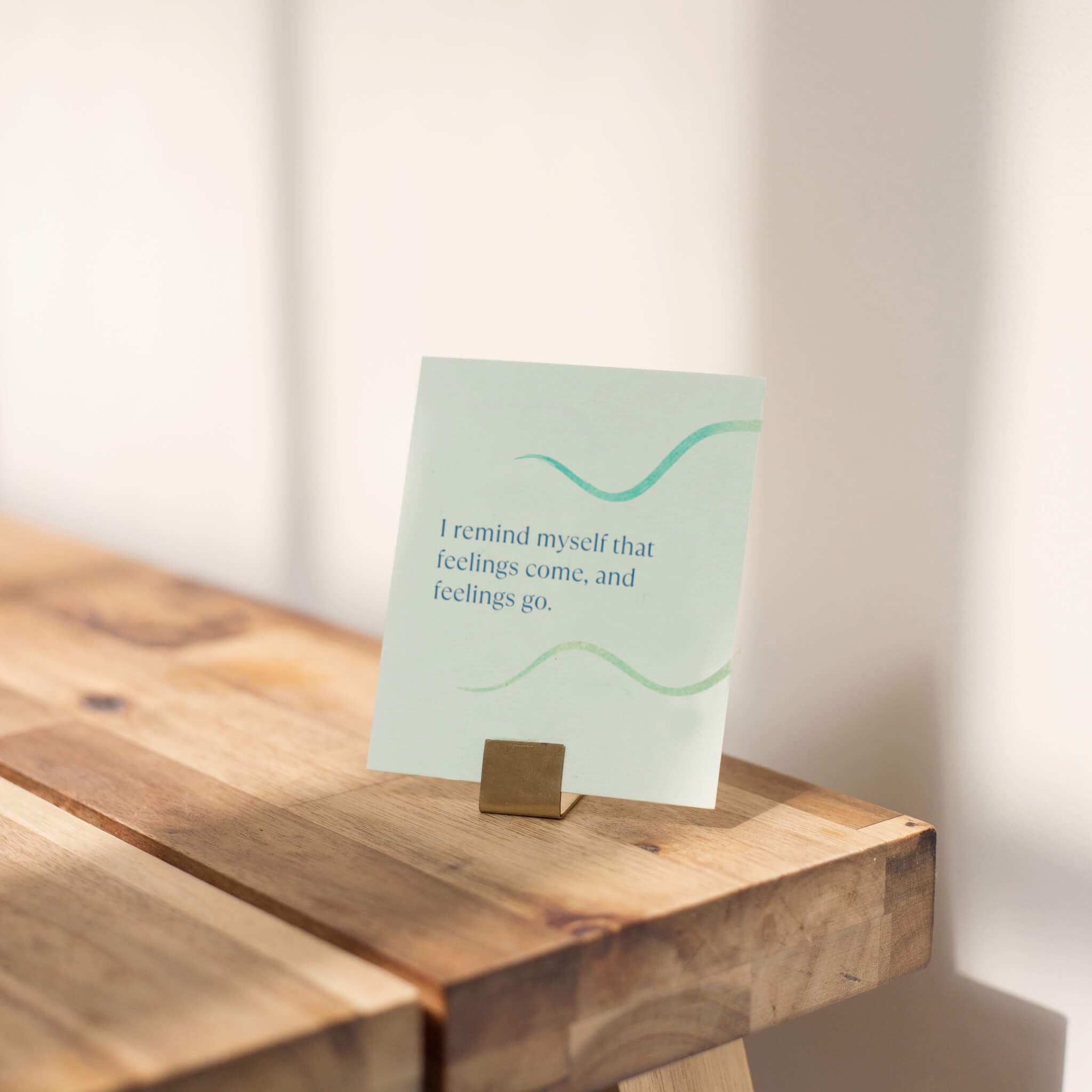
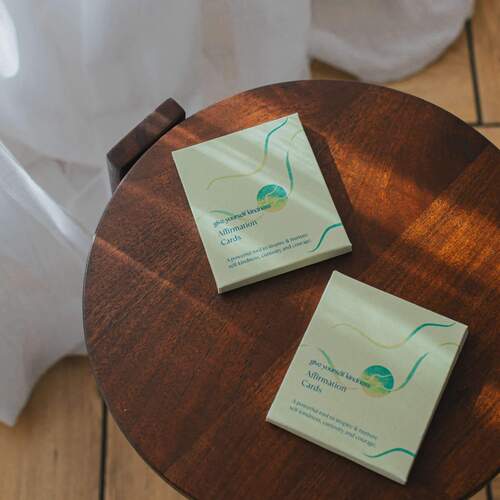
- Self-Compassion Affirmation Cards - 60 gentle reminders they can see daily
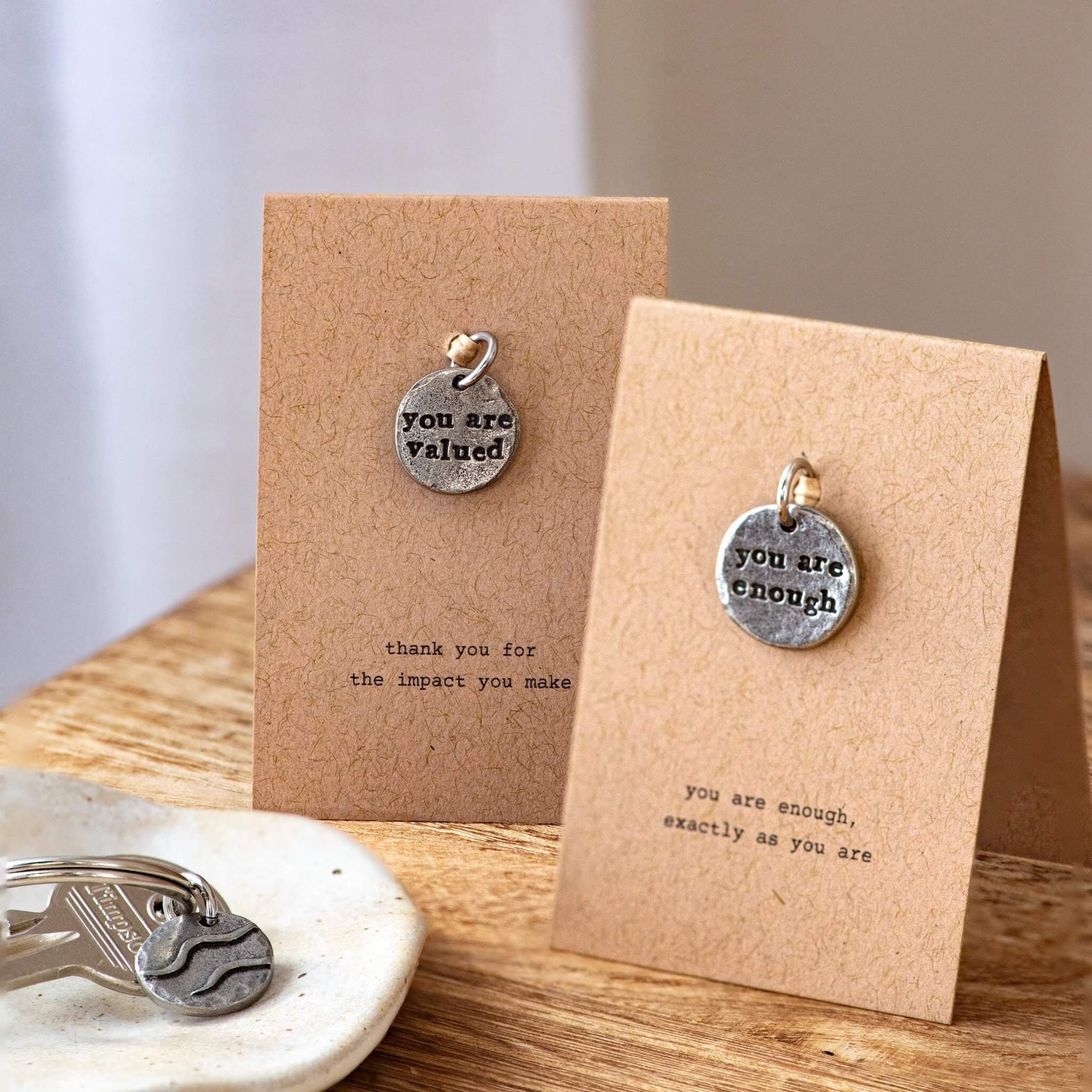
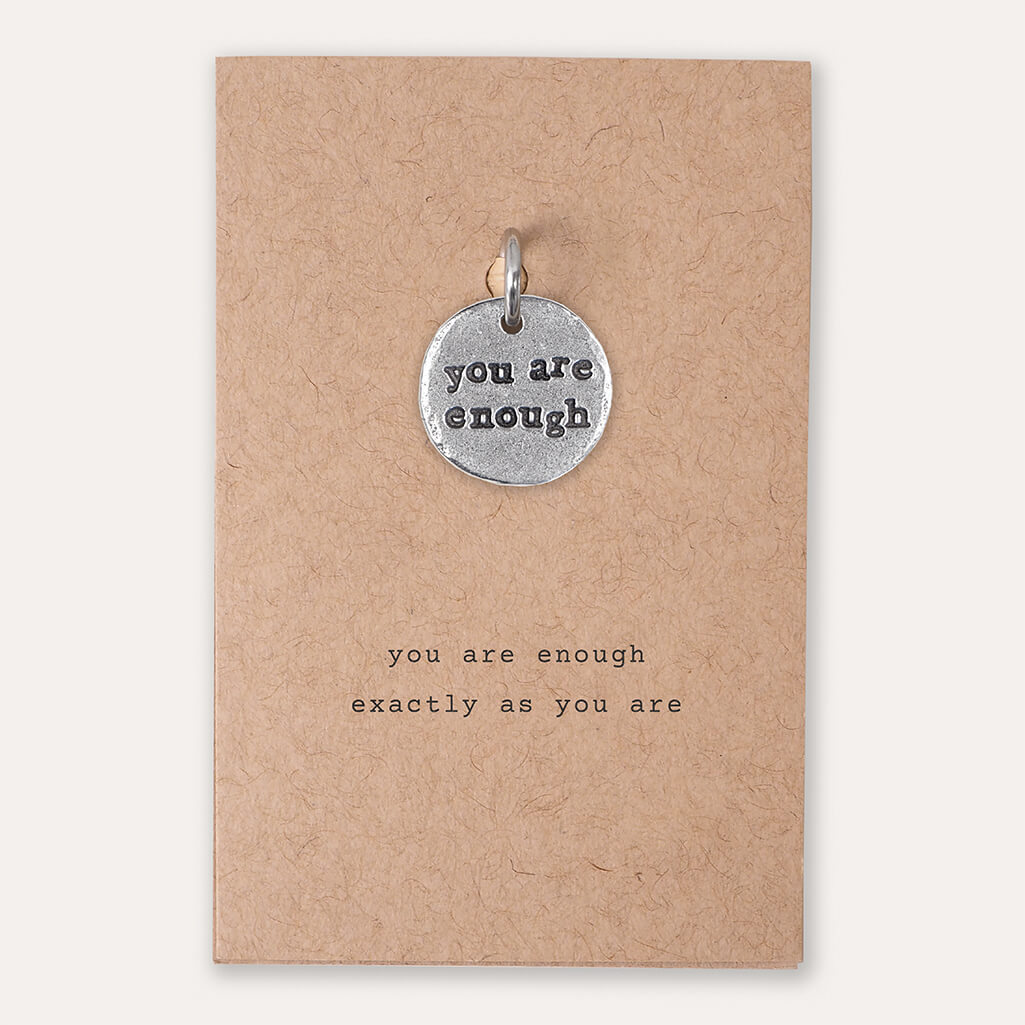
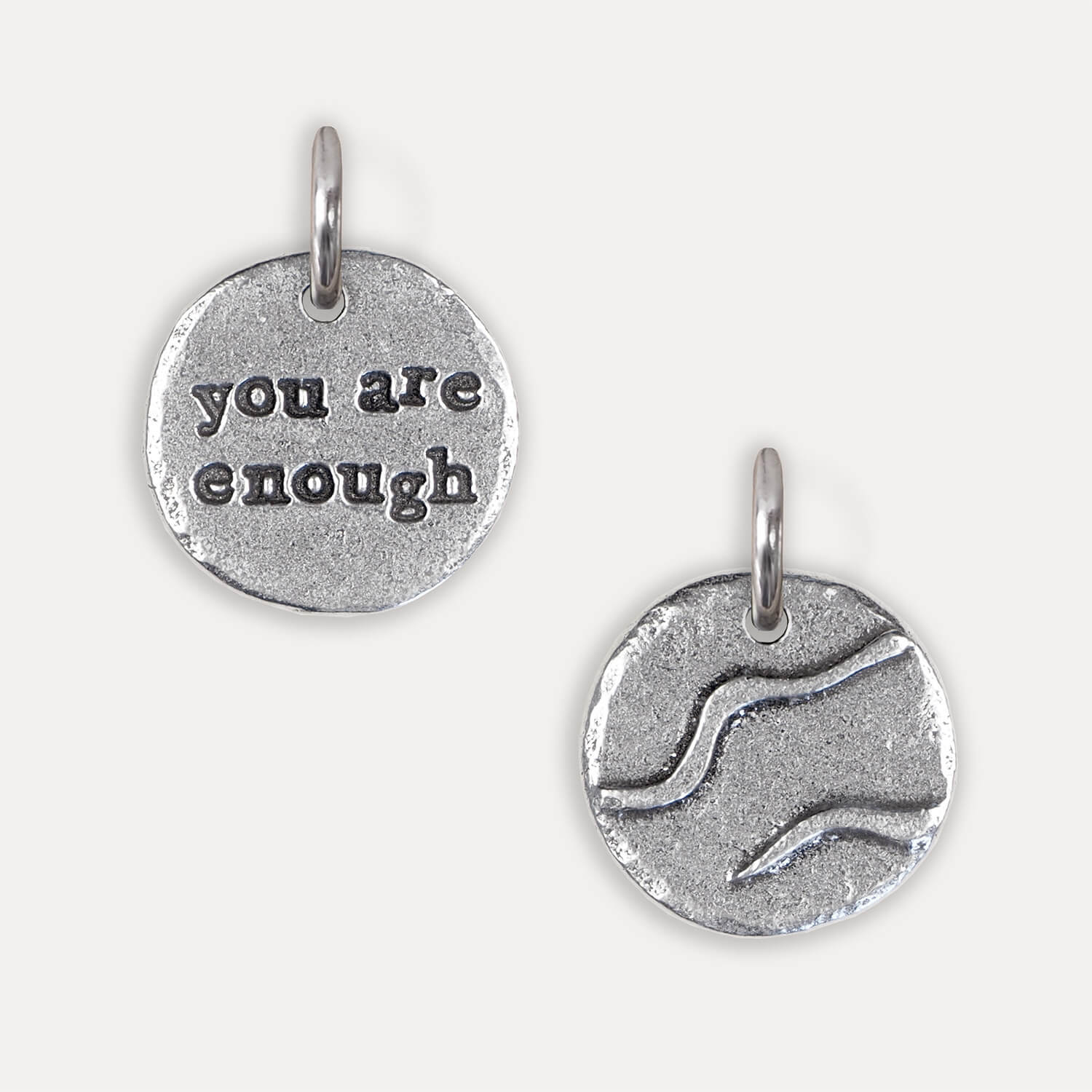
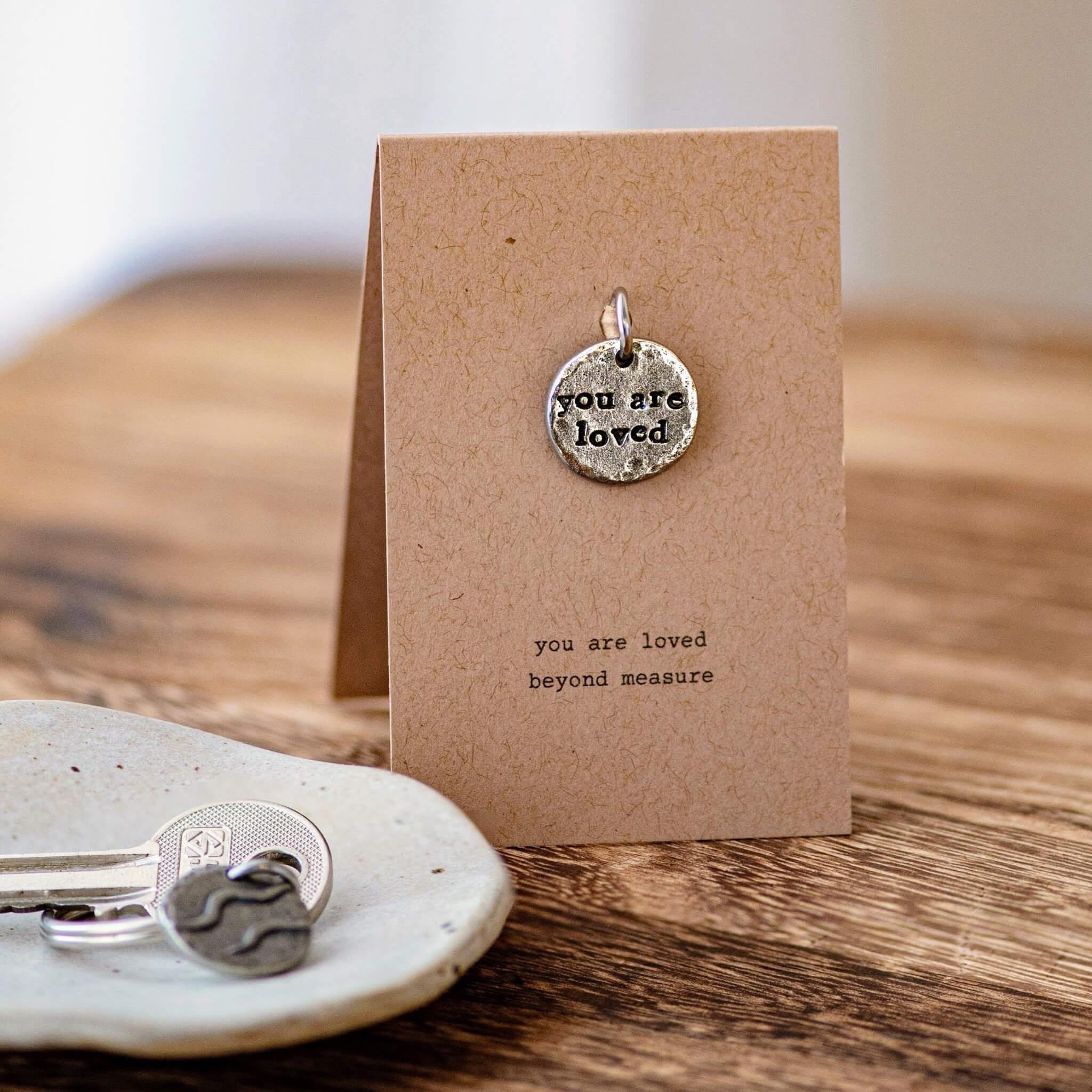
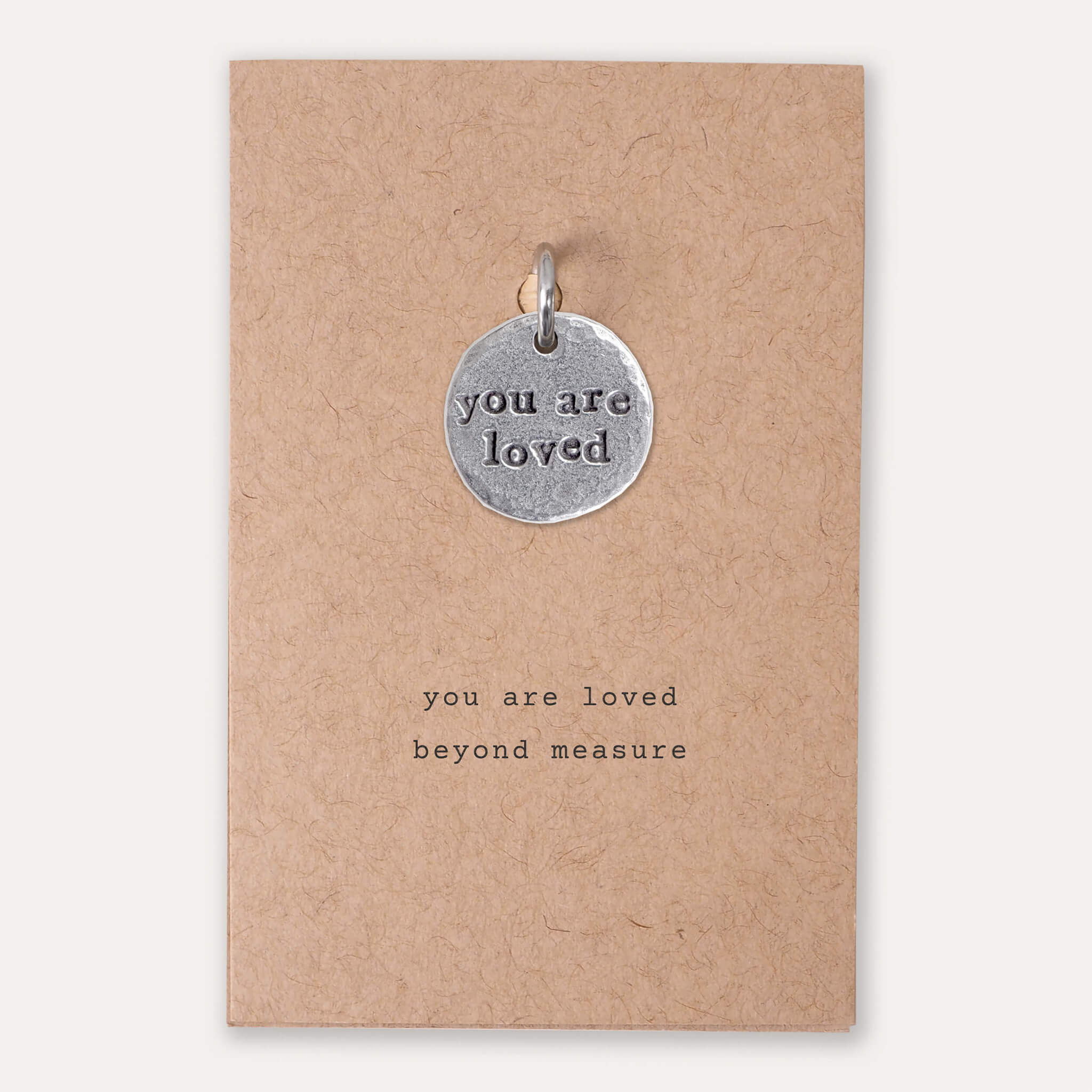
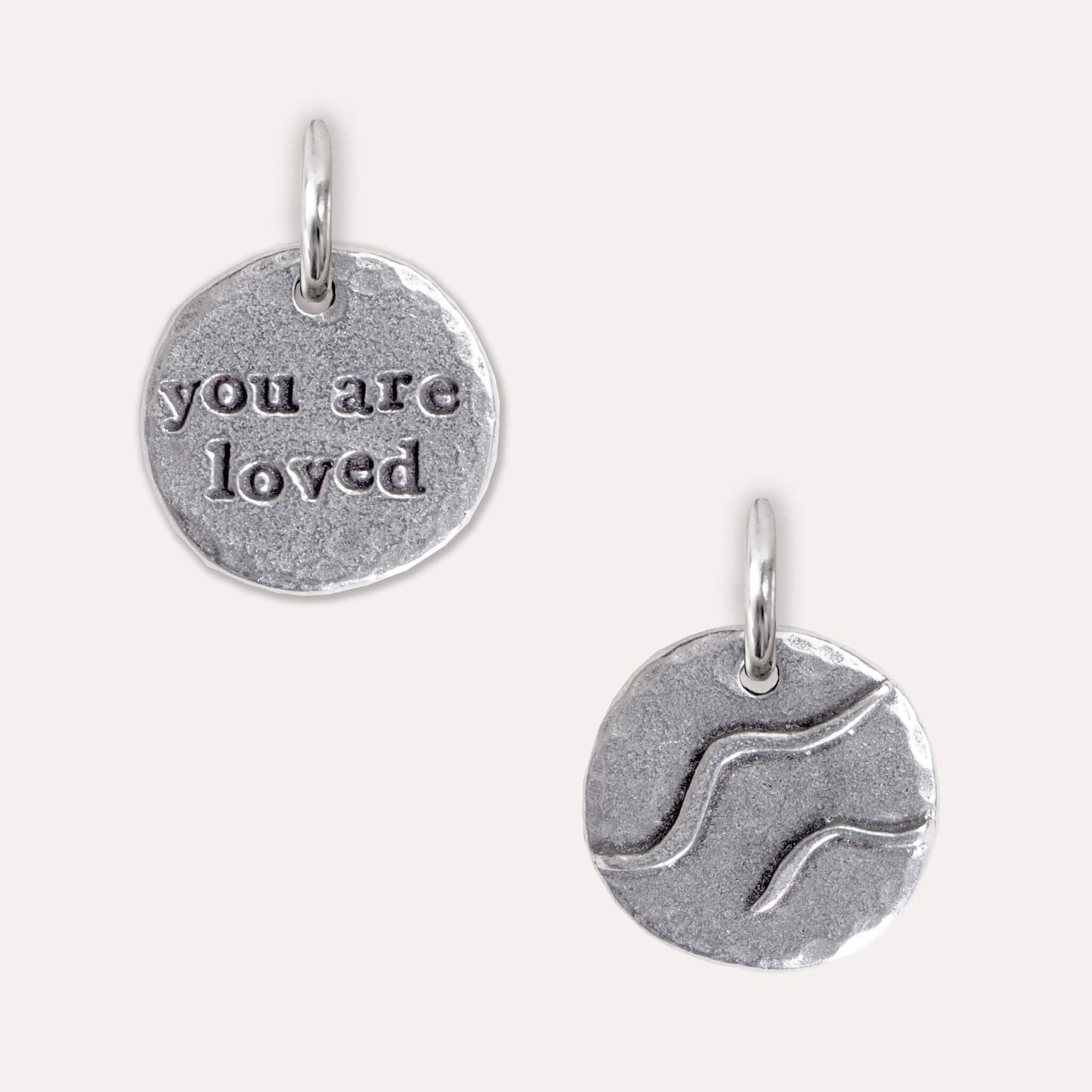
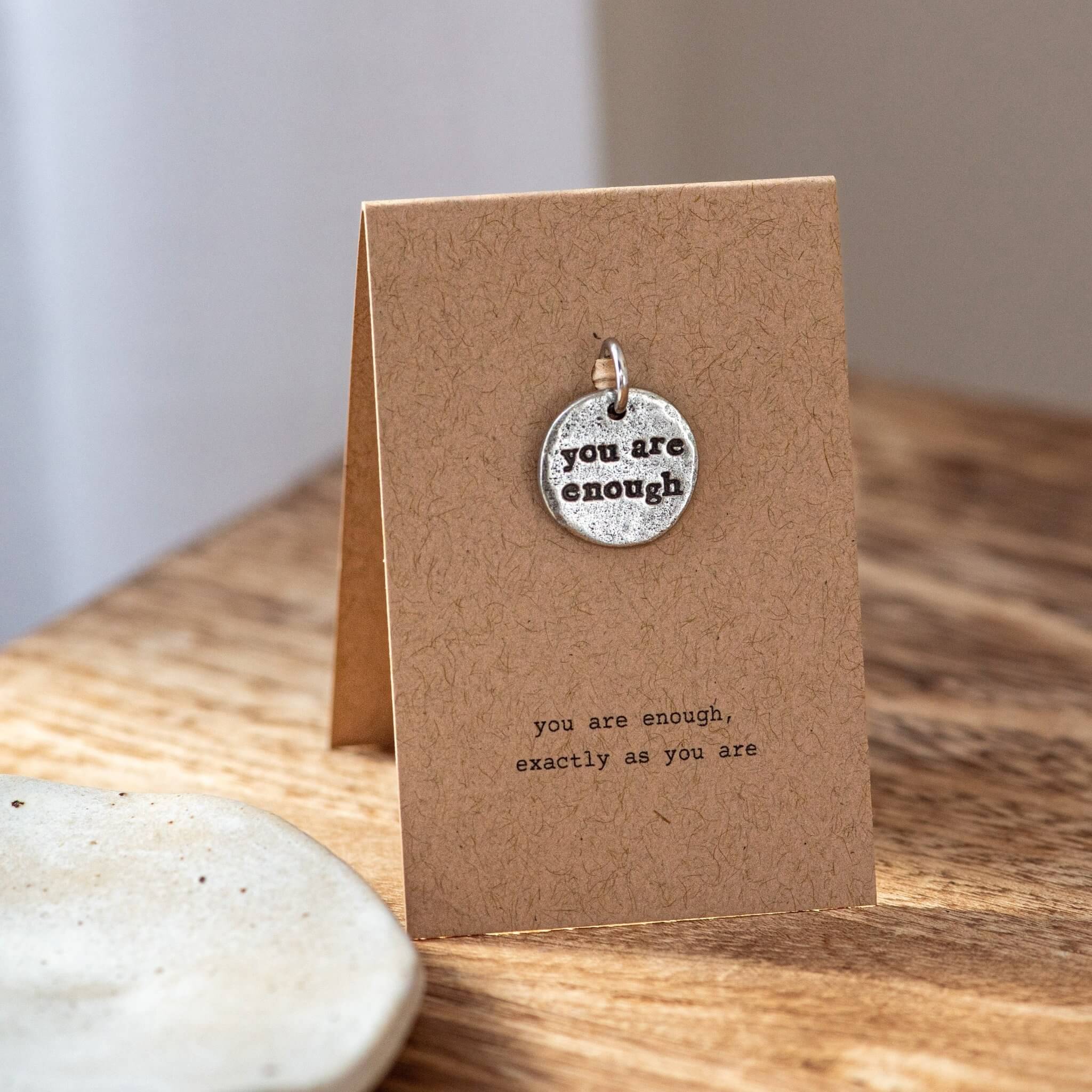
- You Are Enough Charm - A tangible reminder they can carry with them
Important: No gift will "fix" low self-worth overnight. But the right tools, combined with your ongoing support, can genuinely help.
When someone you care about is struggling with self-worth, you want to help. But what do you actually give them?
Not another generic "think positive" book that will sit on a shelf. Not something that accidentally makes them feel worse. Something that actually helps.
I created Give Yourself Kindness after my own experience with low self-esteem and recovery through Compassion-Focused Therapy. I wanted tools that would have helped me—and that mental health professionals would actually recommend to their clients.
Here's what genuinely helps, based on research and feedback from the therapists who use these tools with their patients.
Why Self-Compassion Works (When Positive Thinking Doesn't)
Here's something important: research by Dr. Kristin Neff shows that self-compassion is more effective than self-esteem for lasting self-worth.
Self-esteem is fragile. It depends on feeling "better than" others or achieving things. When you fail or someone criticizes you, it crumbles.
Self-compassion is different. It's about treating yourself with the same kindness you'd offer a good friend—especially when things are hard. It doesn't depend on being perfect or successful. It's stable.
As clinical psychologist Dr. Annabelle Kyle Dortch explains: "When we engage in self-criticism, we create a nervous system and brain state that is not conducive to learning or facilitating a growth-oriented mindset."
Translation: Beating yourself up doesn't motivate change. Kindness does.
That's why the gifts that actually help focus on self-compassion, not forced positivity.
Tools That Provide Daily Support
These aren't just products—they're tools therapists recommend to their clients because they work.
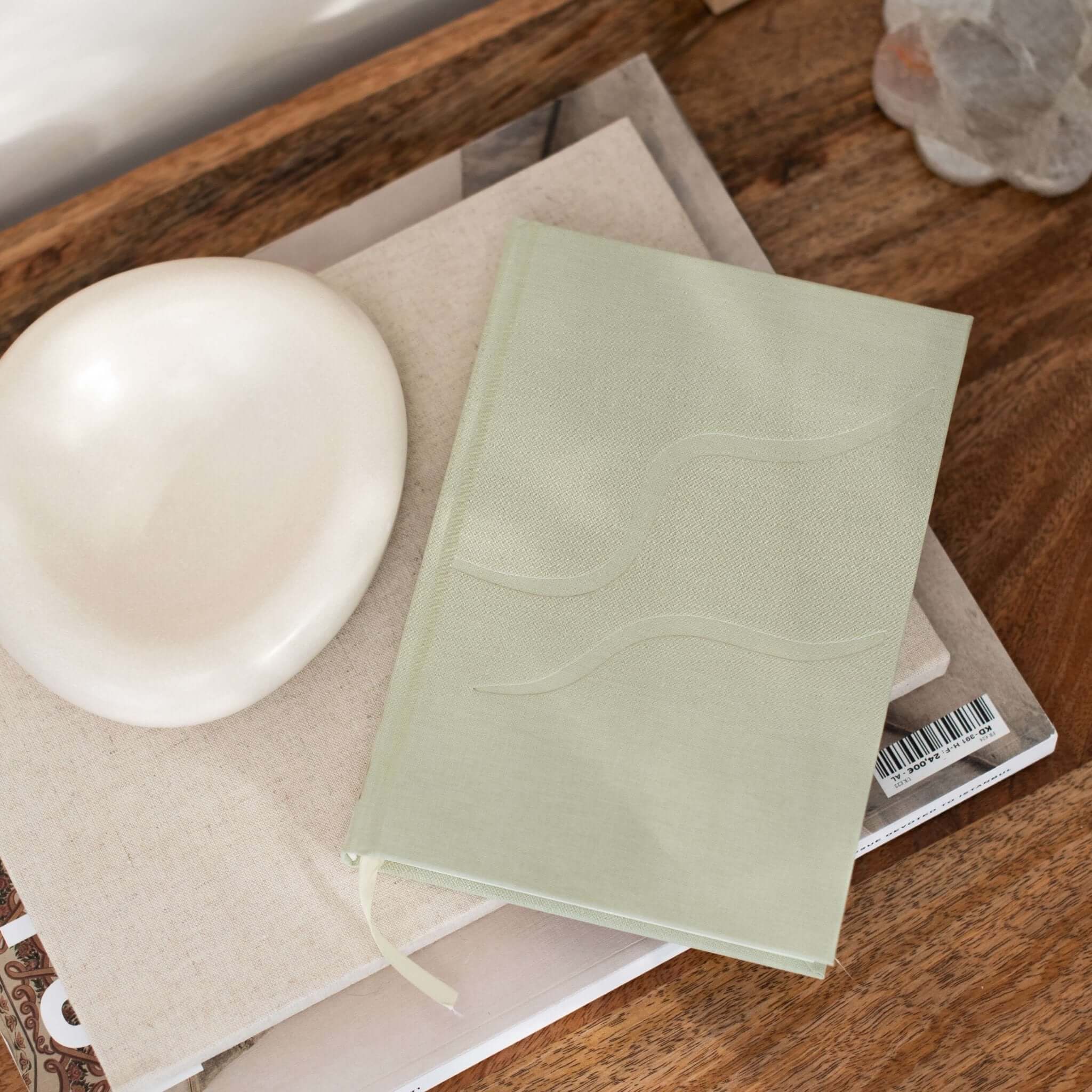
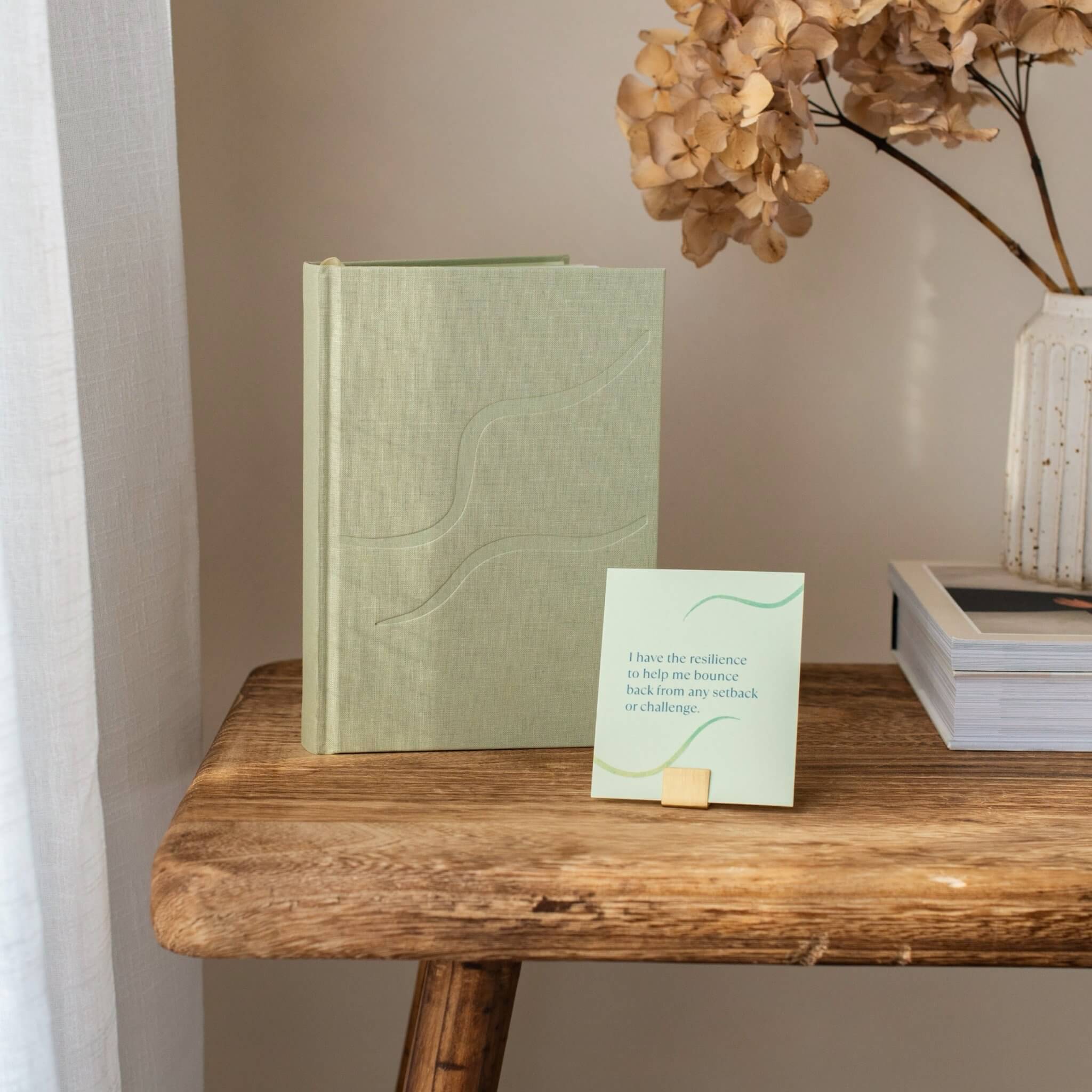
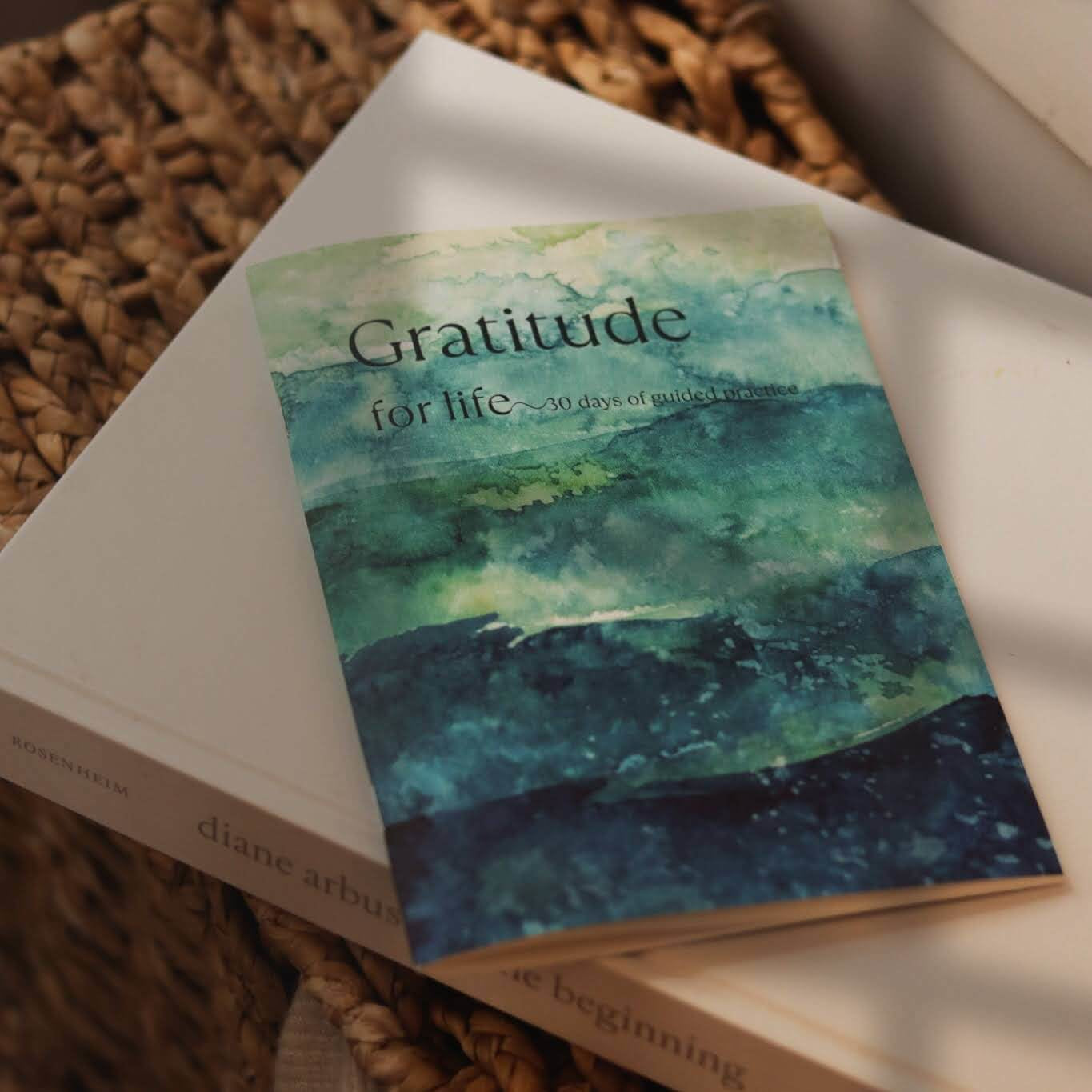
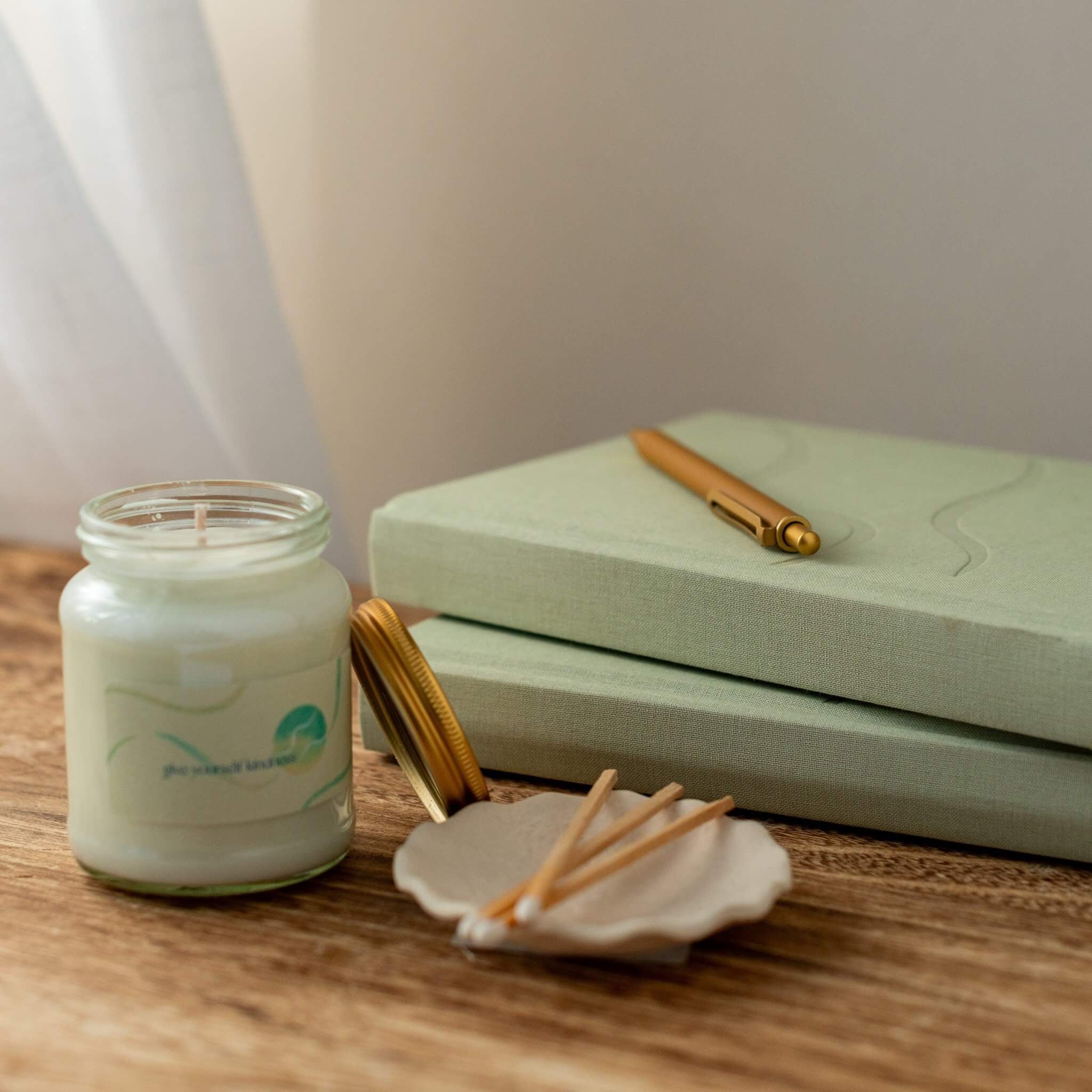
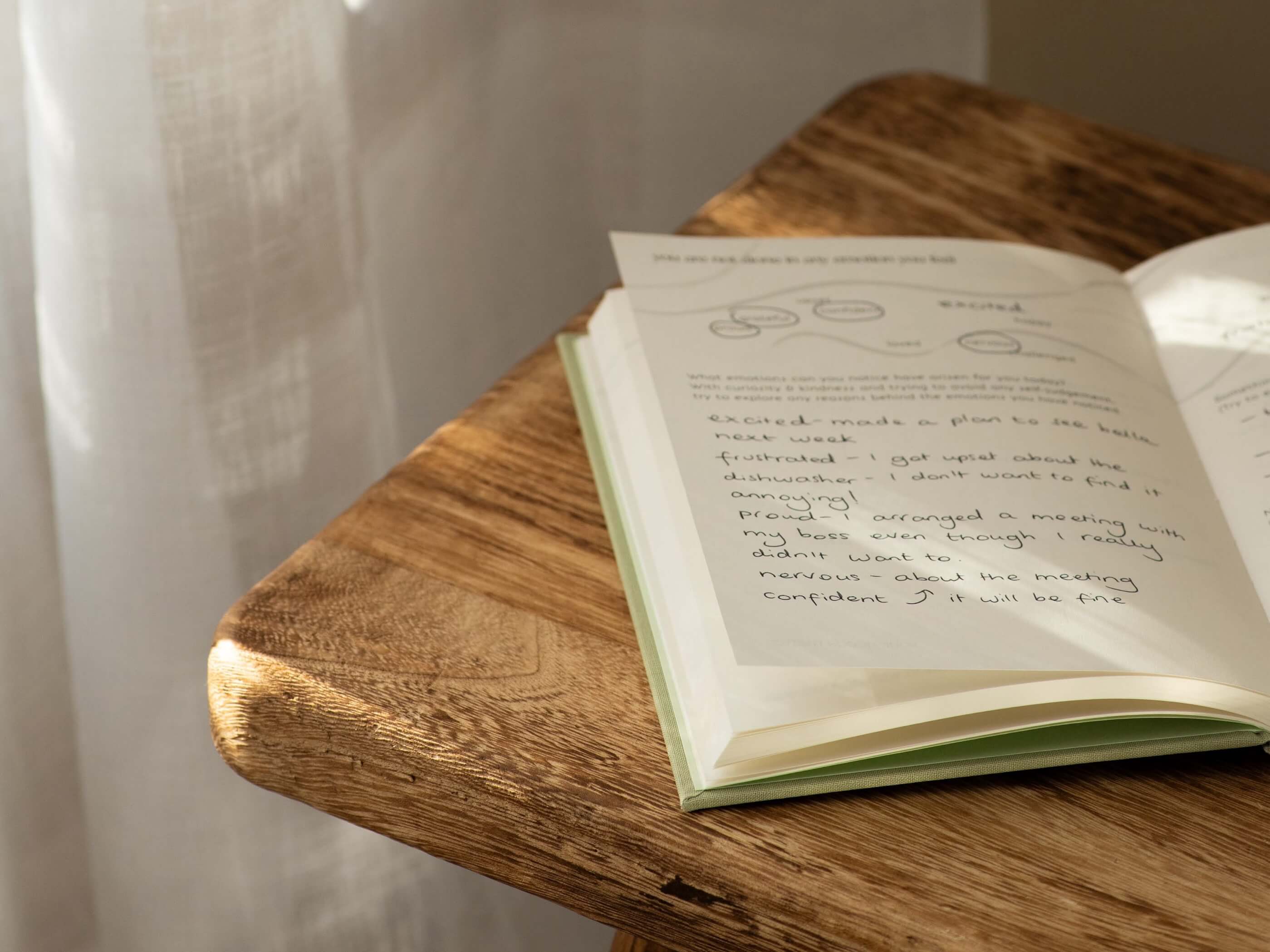
The Give Yourself Kindness Journal
Why this helps:
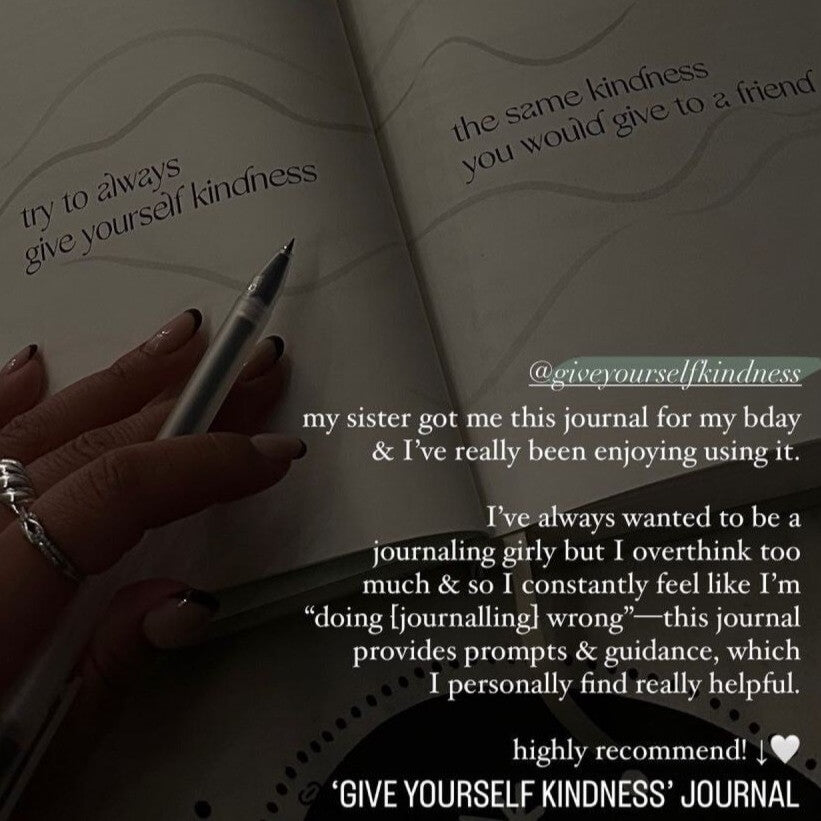
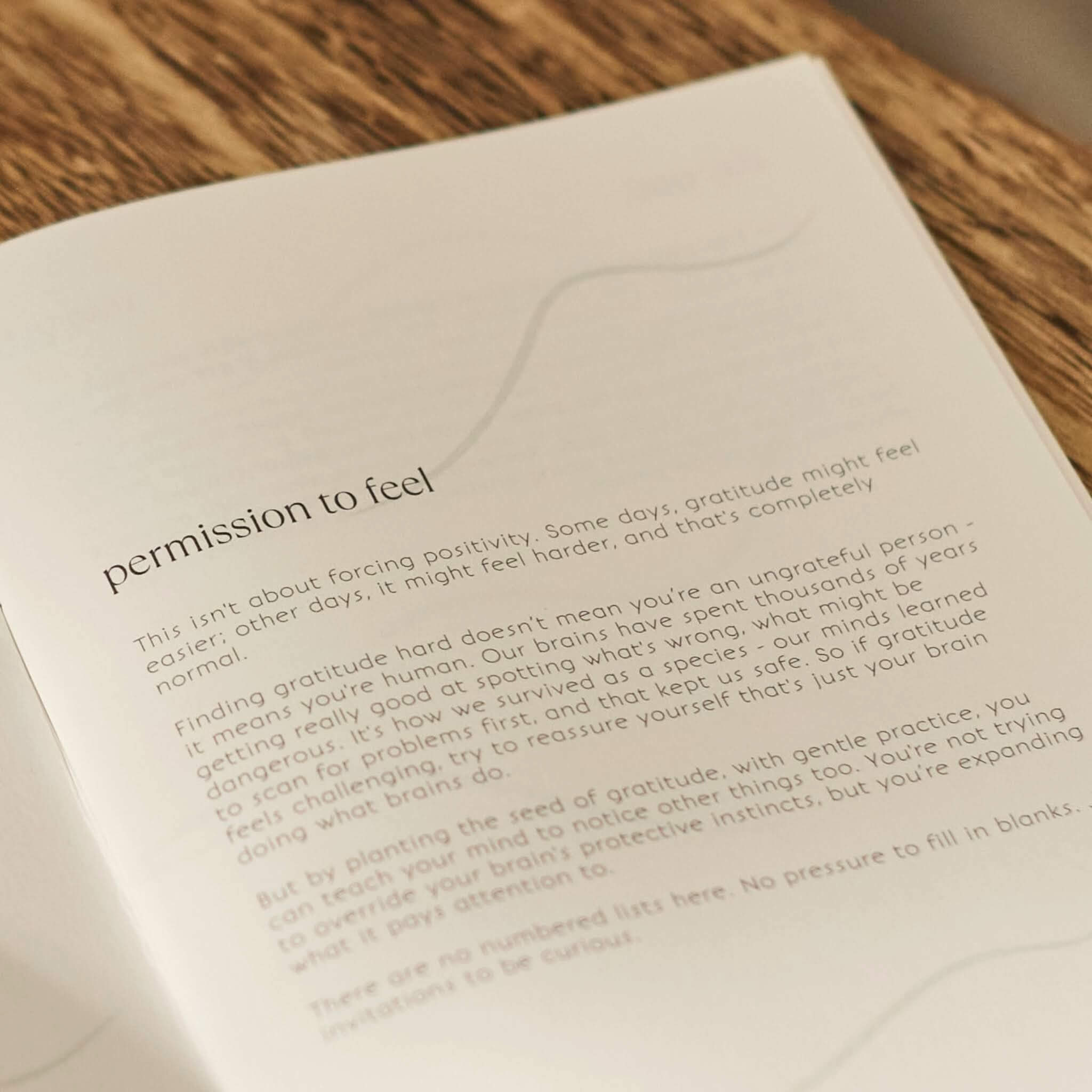
Most journals either repeat the same prompts every day (boring and pointless after a week) or push toxic positivity ("just be grateful!" when you're genuinely struggling).
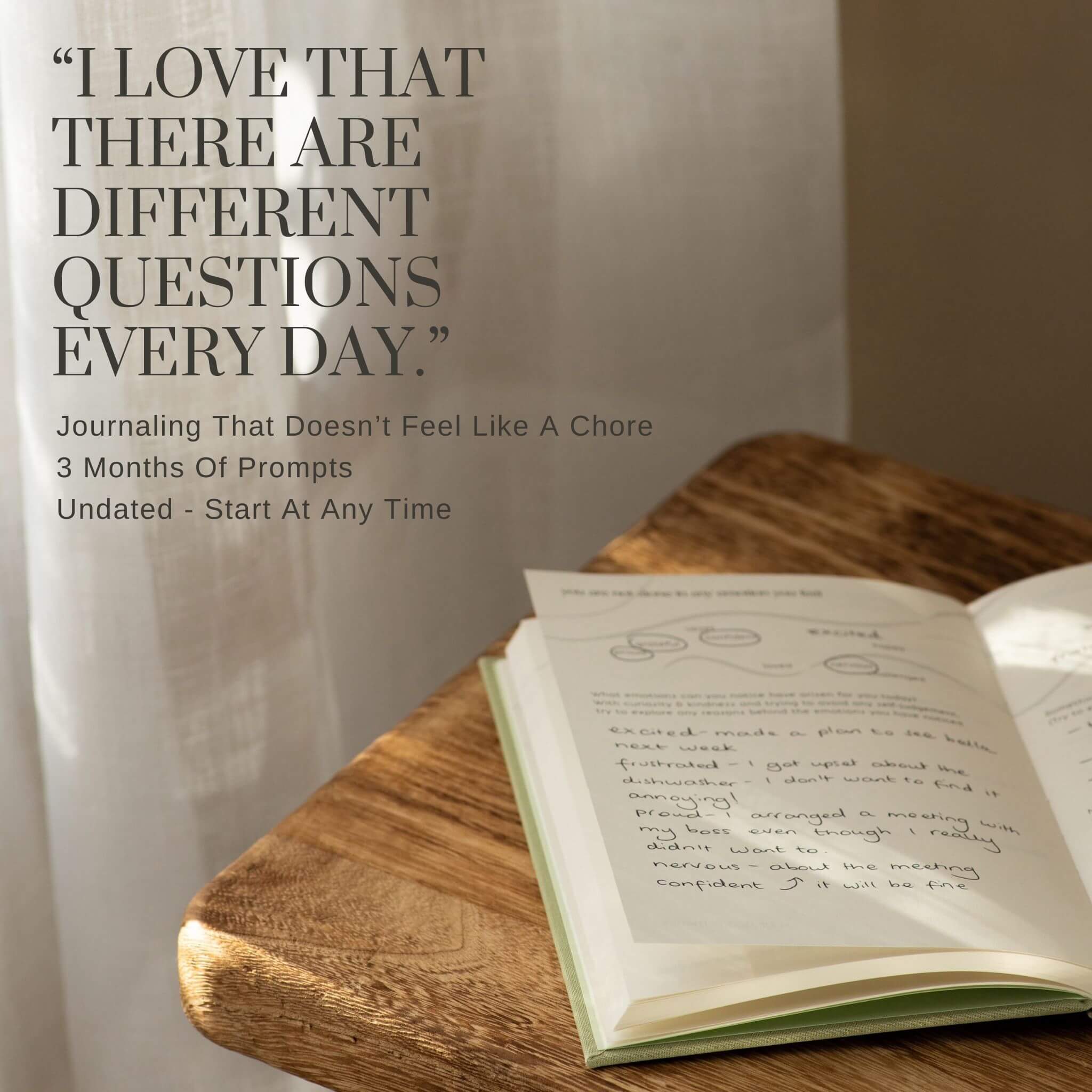
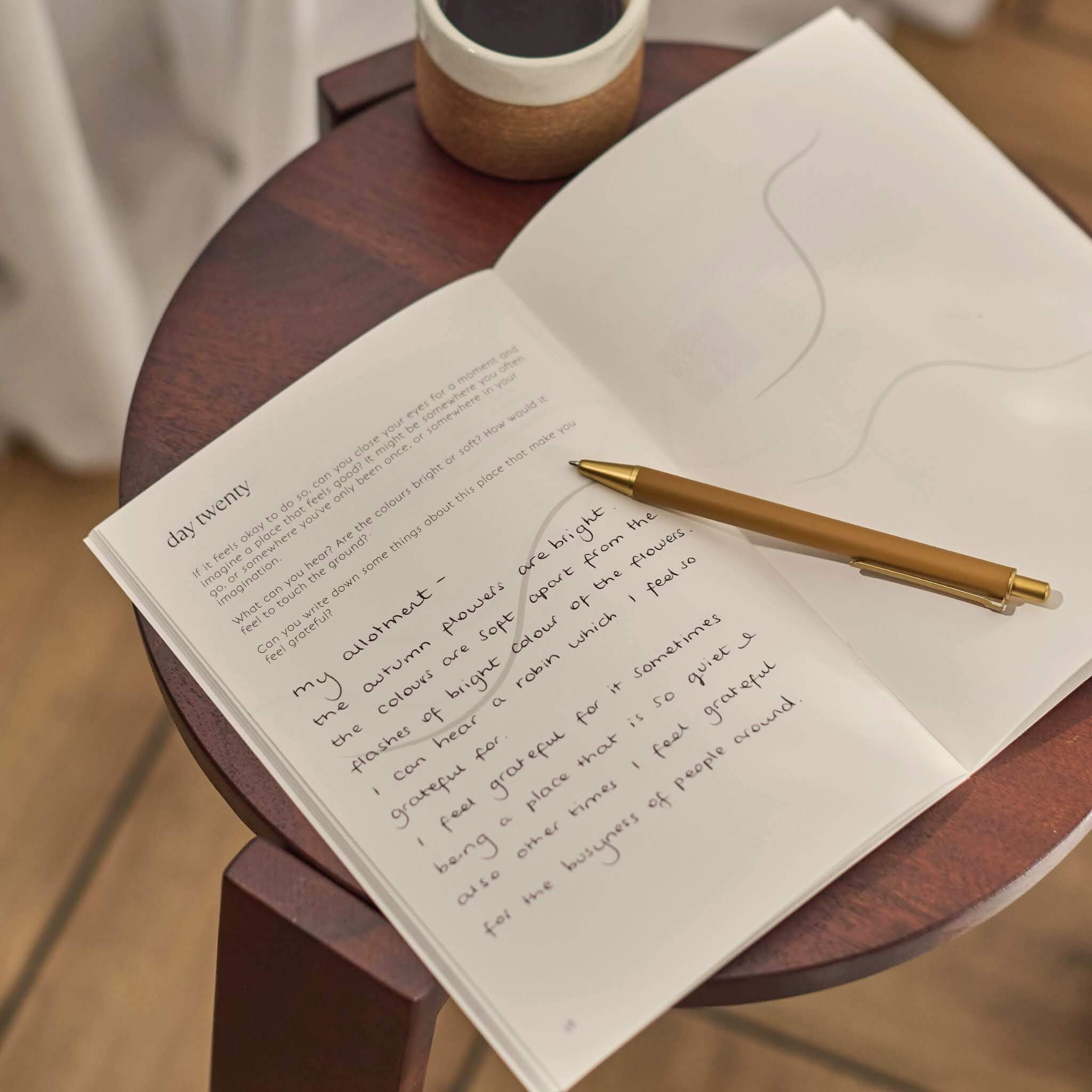
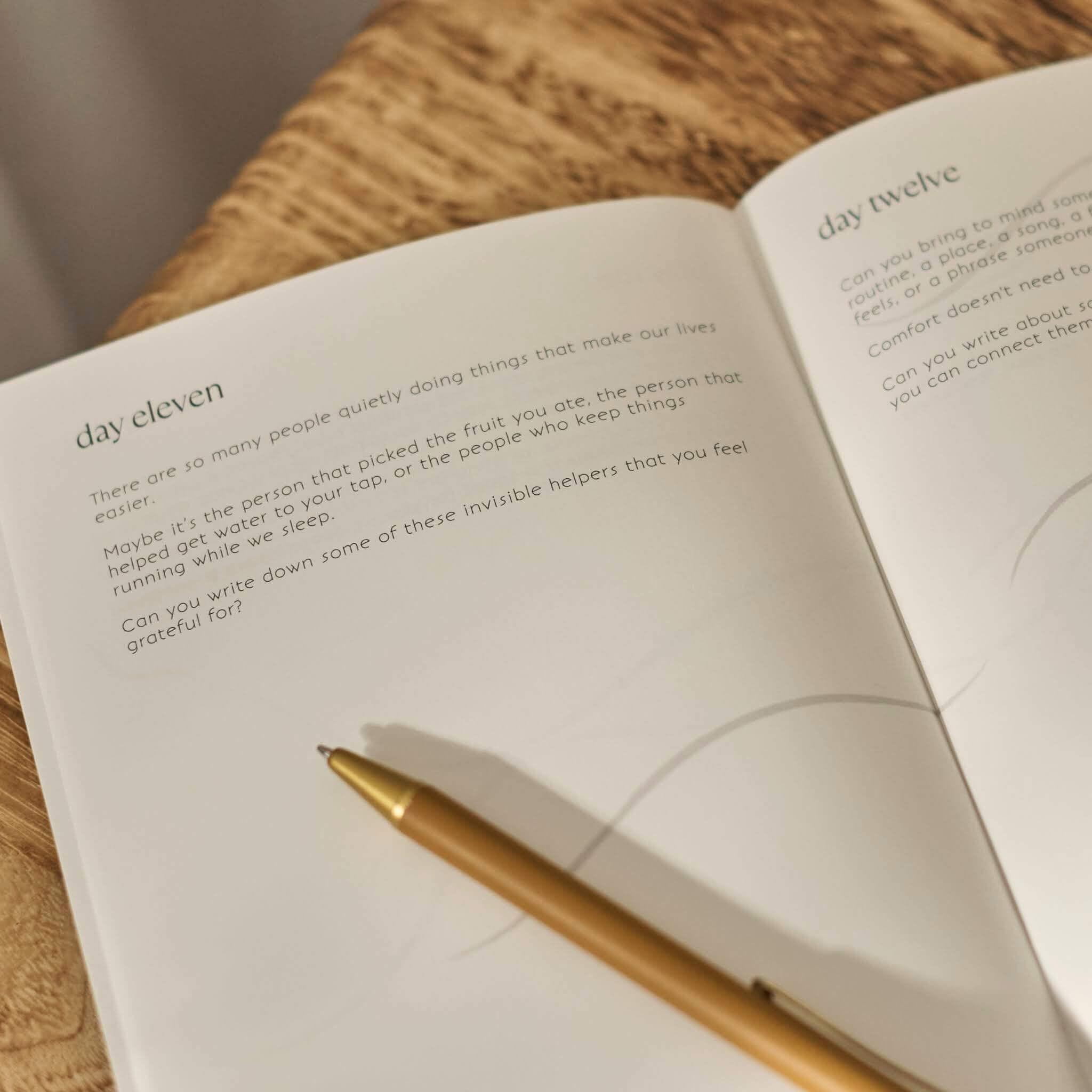
This journal is different. Every single day offers a unique prompt. You'll never feel like you're just going through the motions. And crucially, it validates all emotions—the difficult ones and the good ones.
- Emotional awareness tool on every page - Helps you notice and name emotions without judgment
- Teaches self-compassion through practice - Regular prompts like "What would you say to a friend feeling this way?" help you extend that same kindness to yourself
- Over 50 gentle affirmations - Reminders like "you are enough, exactly as you are" and "the way you speak to yourself matters"
- No guilt about missing days - It's undated, so you can return to it anytime without feeling like you've "failed"
- Validates struggle - Explicitly recognizes that difficult emotions are normal, not signs of weakness

Dr. Chris Germer, PhD
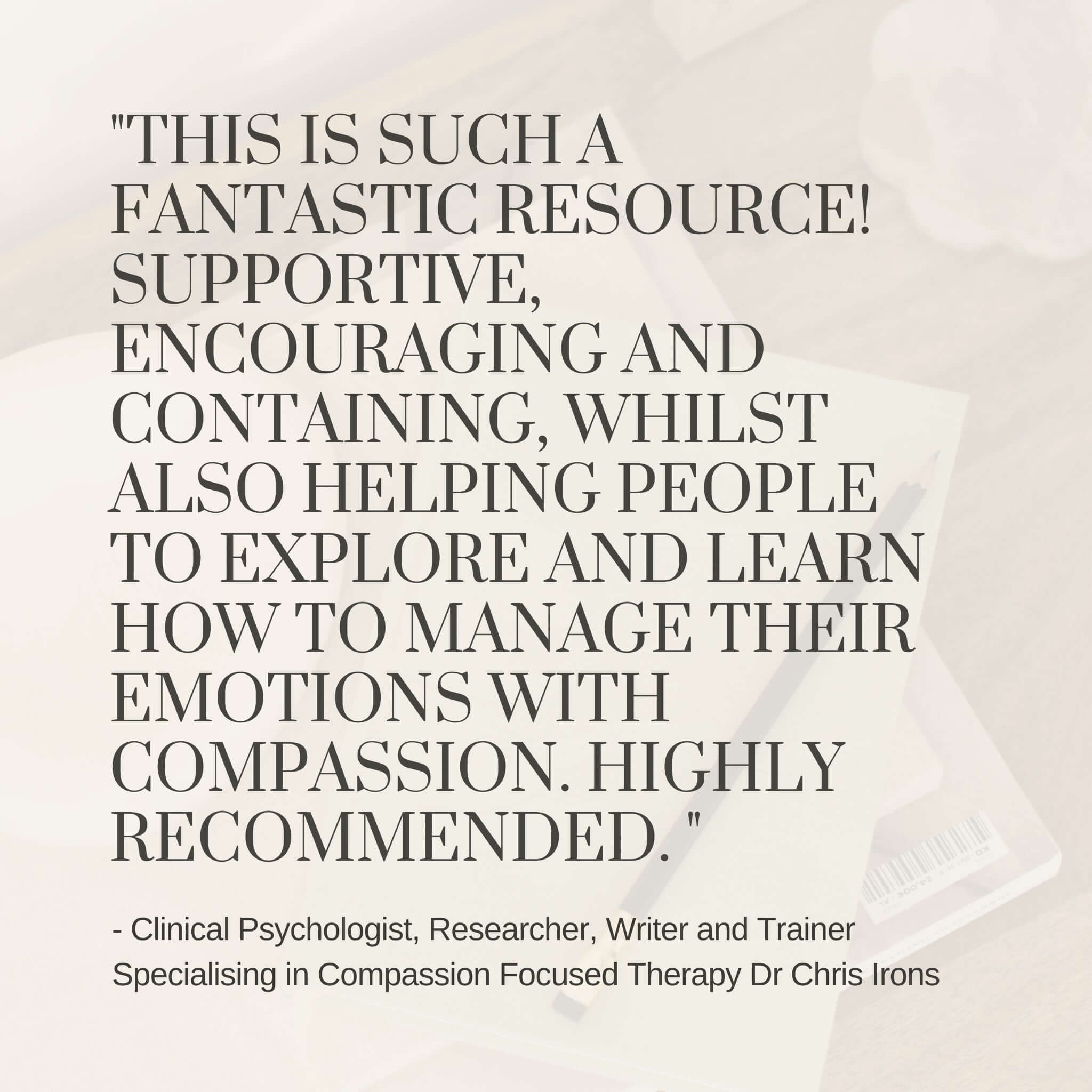
Clinical Psychologist, Harvard Medical School | Co-developer of the Mindful Self-Compassion program (taught to 250,000+ people worldwide)
"A warm invitation to make friends with your emotions and yourself!"

Carrie Pollard, MSW RSW
Psychotherapist
"By far my favourite guided journal that I've used! Being able to identify what you're feeling and compassionately explore the 'why' is central to self-connection and self-growth."

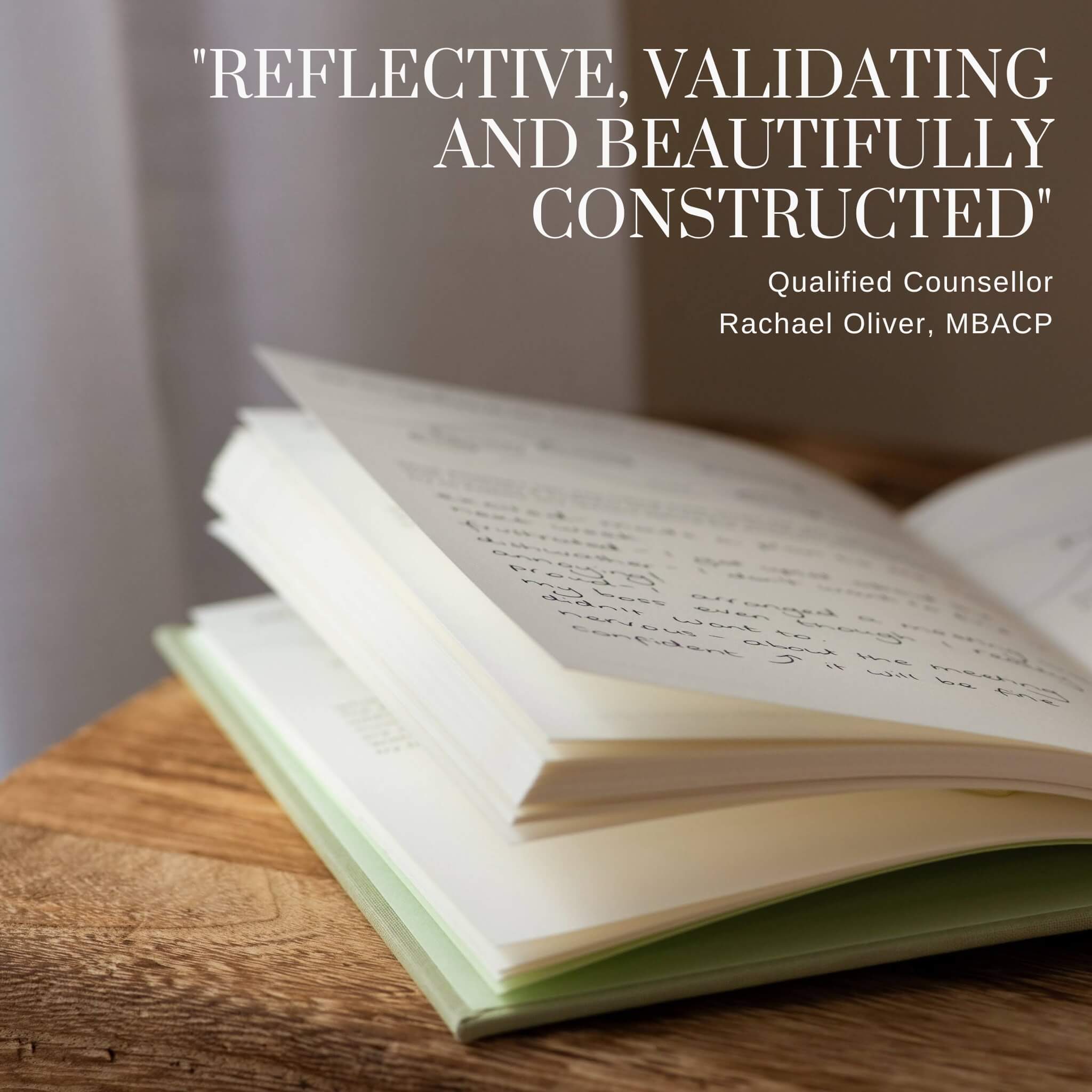
Rachael Oliver MBACP
Accredited Counsellor
"I love using these beautiful journals with clients throughout their counselling journeys. The way the journal is constructed helps validate their entire experience and avoid toxic positivity."
Who it's for: Anyone struggling with self-worth—teens, adults, people new to journaling, people working with therapists. Makes a thoughtful birthday or holiday gift.
Self-Compassion Affirmation Cards
Why these are different:
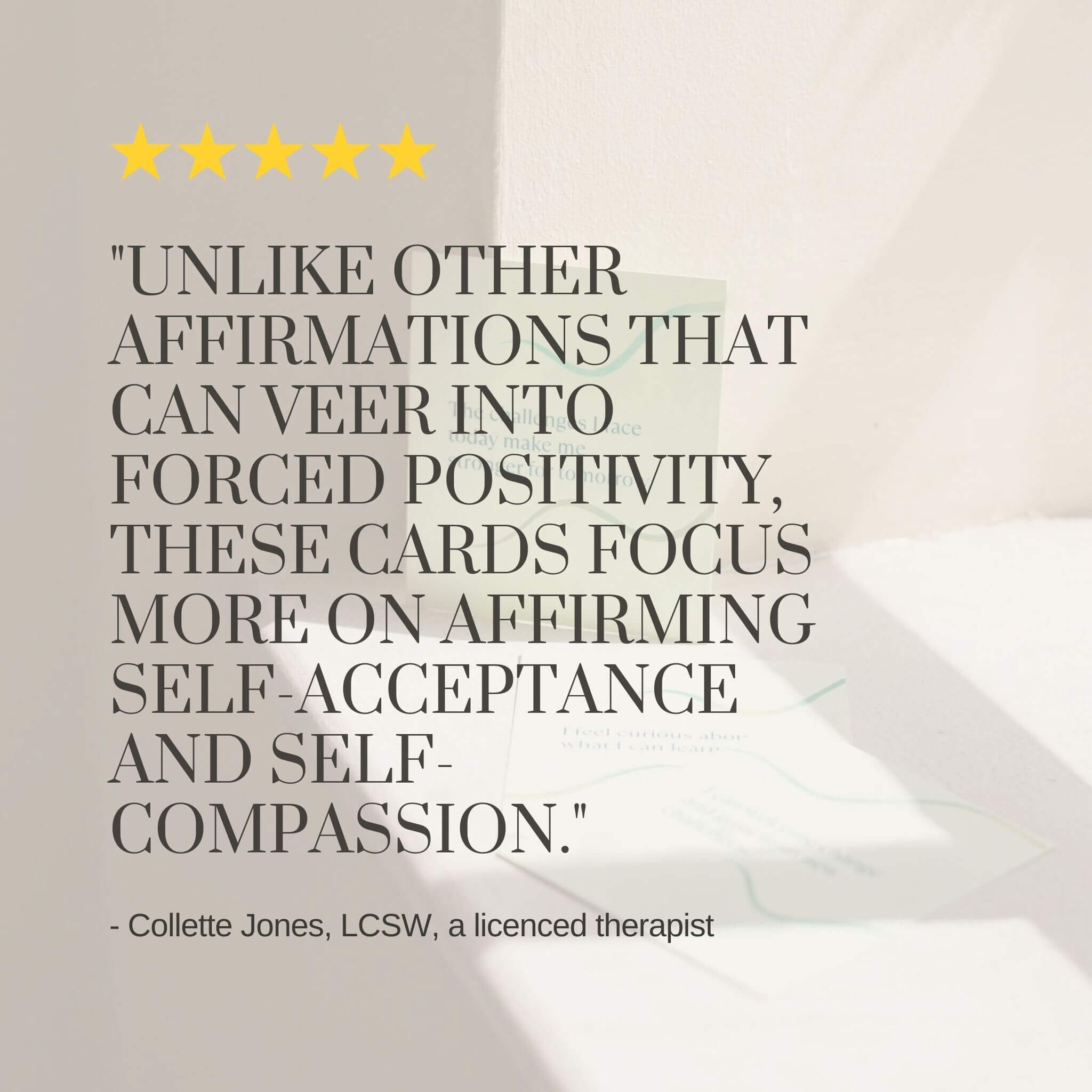
Most affirmation cards feel empty or cliché. "You're amazing!" "Believe in yourself!" They don't address the actual thoughts someone with low self-worth is struggling with.
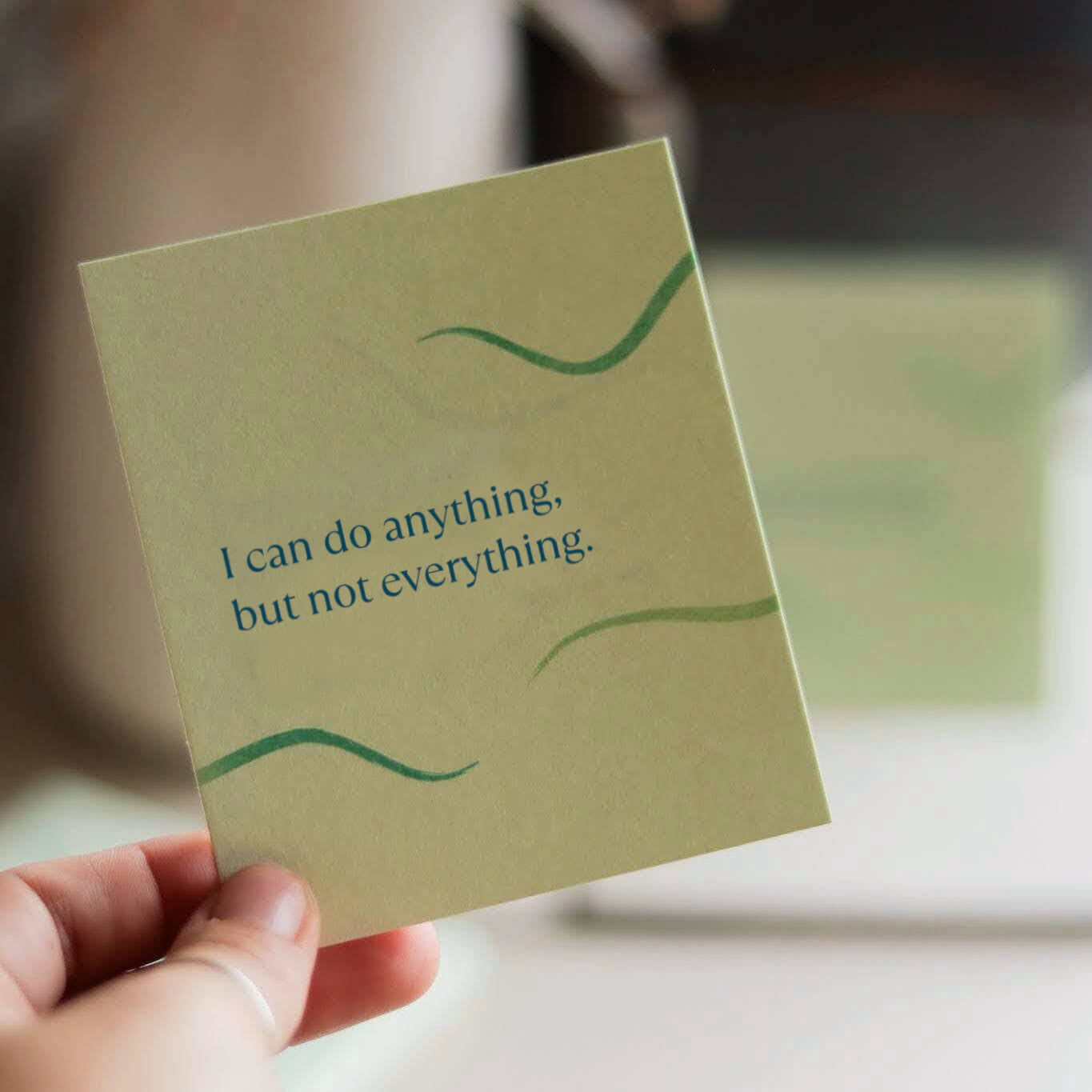
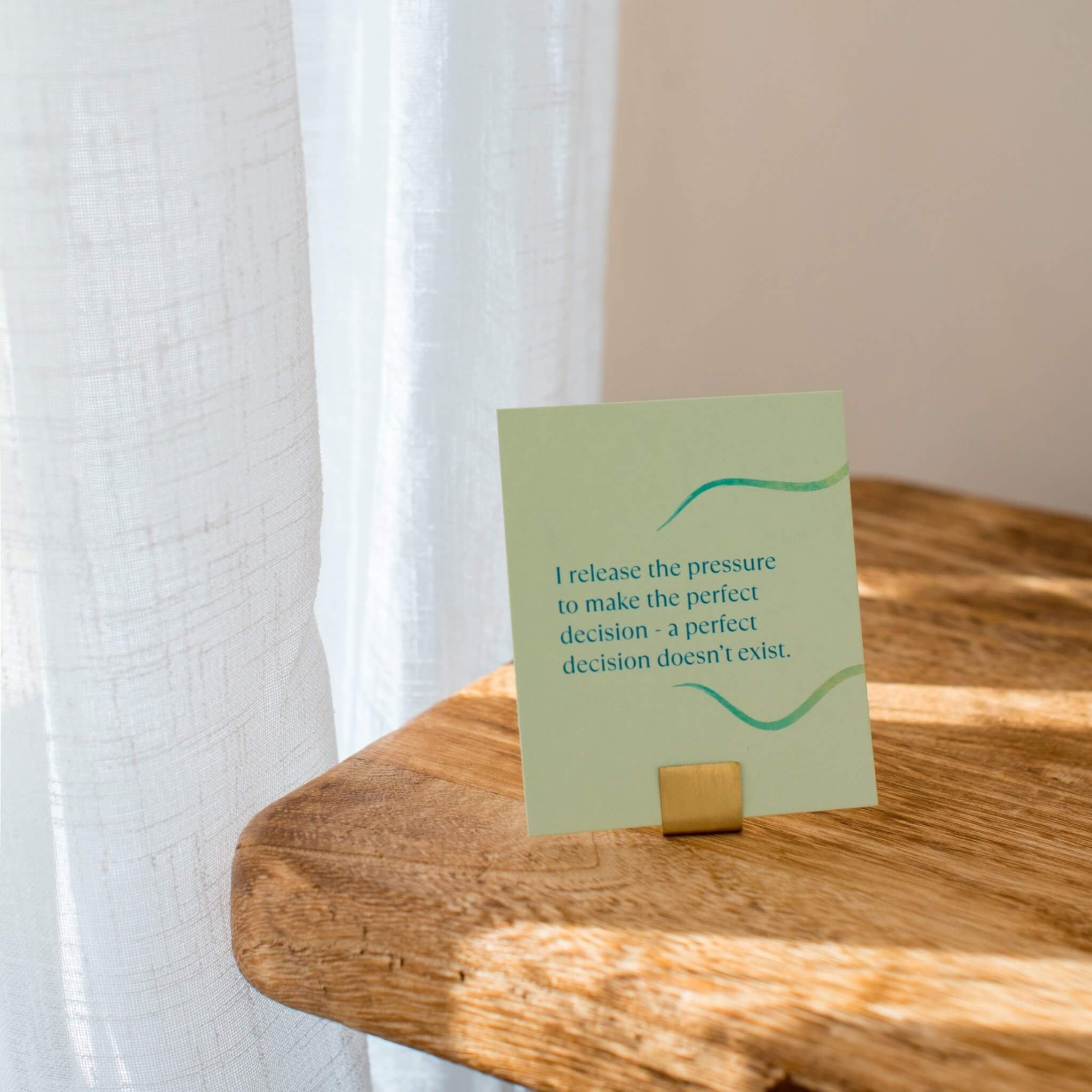
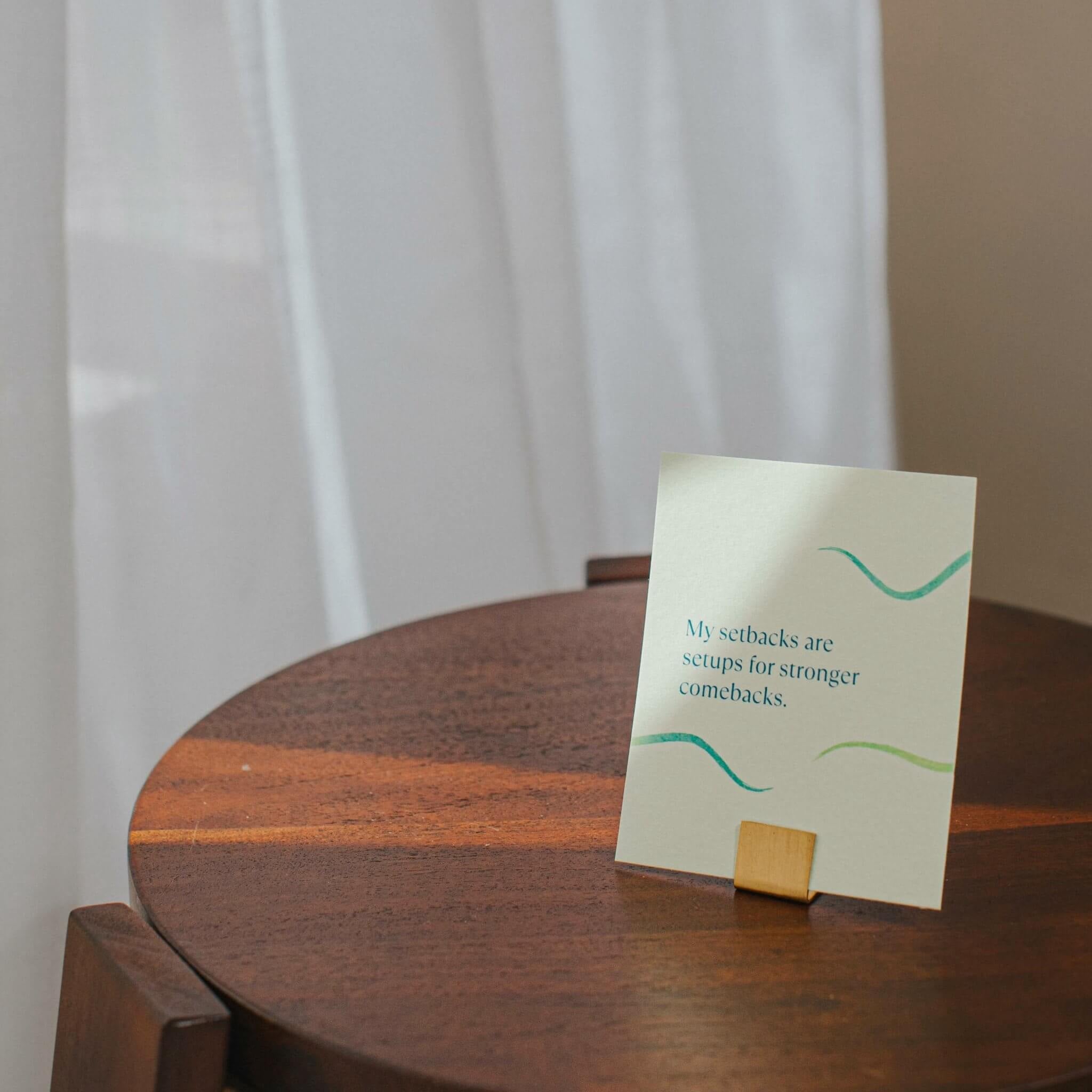
These cards were designed specifically around self-compassion research and emotional validation. They acknowledge the inner critic. They give permission to be imperfect. They remind you that struggling is human, not failure.
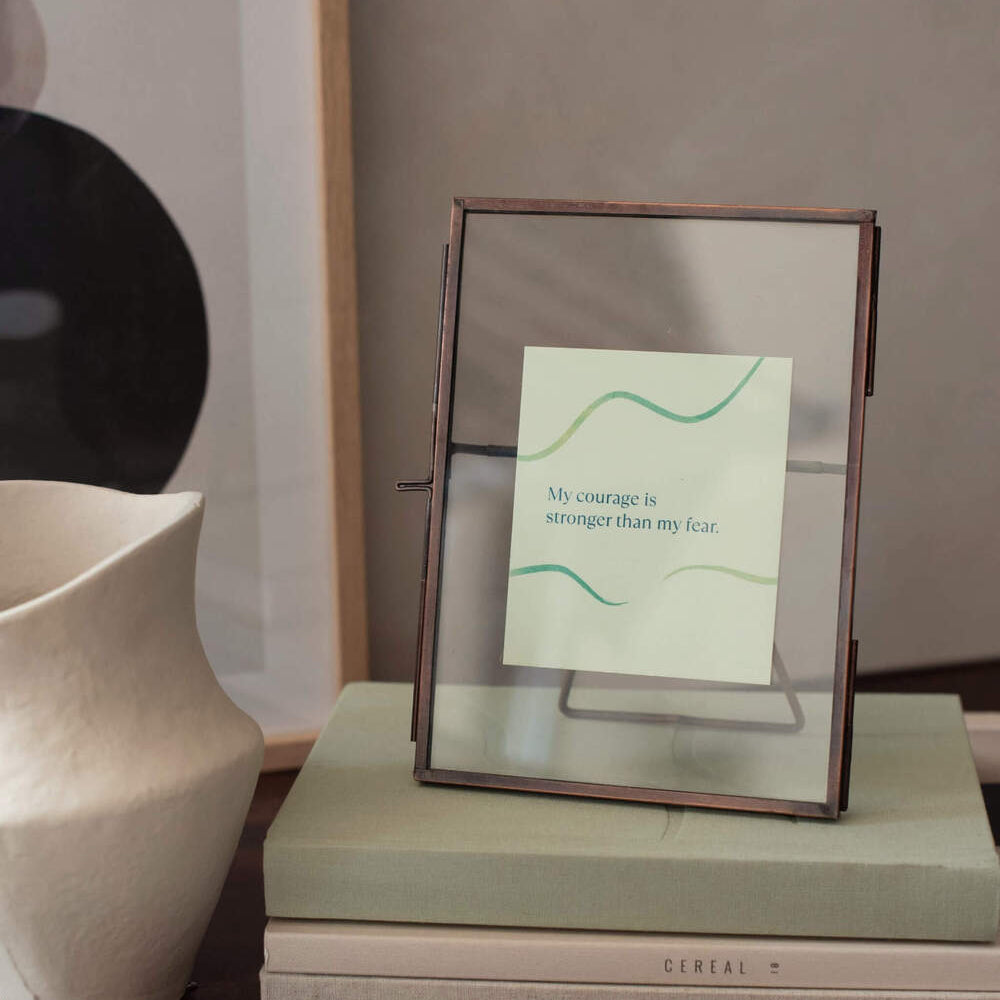
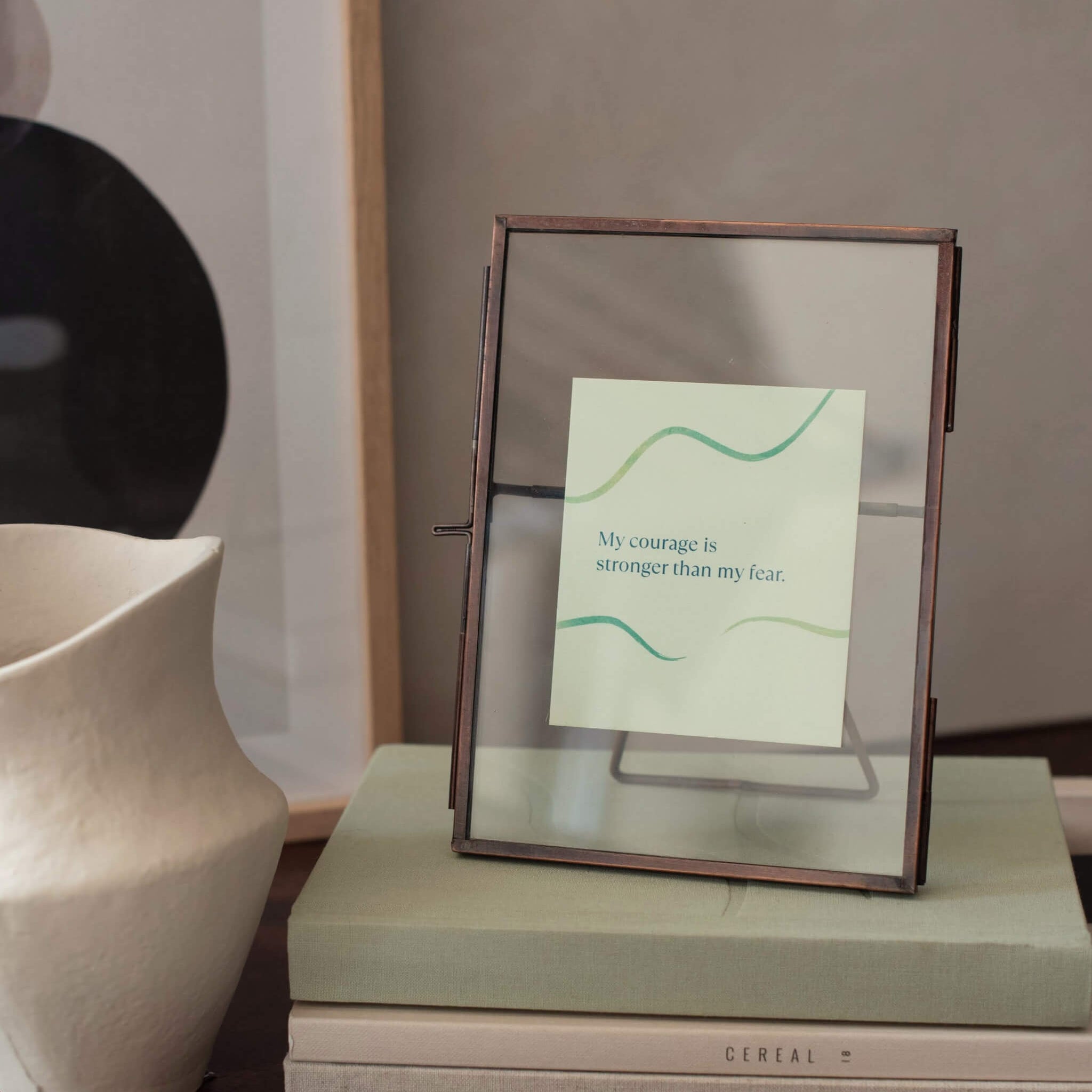
- "I can't be perfect and I don't need to be"
- "My voice matters. My opinions matter. I matter"
- "I choose to give myself the same kindness I would give to a friend"
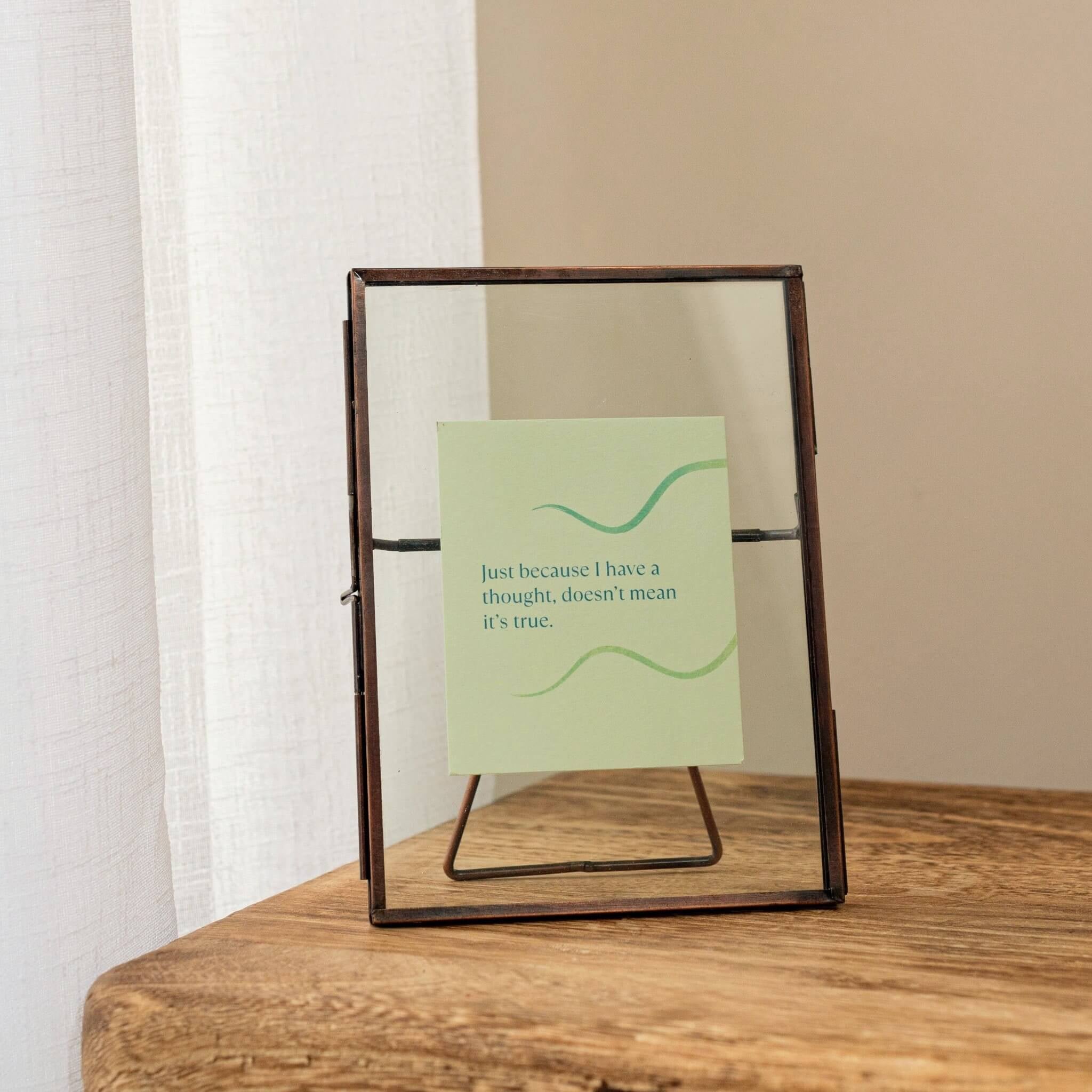
- "Just because I have a thought, doesn't mean it's true"
- "I am worthy now, and this will never change"
- "It is normal to have an inner critic—but I don't have to believe it"

Margaret Davis, MS, LPC
Licensed Therapist
"These affirmations are truly so beautiful and powerful! When I read them, I instantly feel a sense of groundedness and calm. I also love that they are centered around having more compassion and kindness for ourselves."
How to use them: Pull one each morning. Place them where they'll be seen—on a mirror, desk, nightstand. Some therapists use them in sessions with clients.
You Are Enough Charm
Why a physical reminder helps:
Sometimes you need something tangible—something you can touch, see, or hold when the inner critic gets loud.
This charm can go on keys, a bag, or be worn as jewelry. It's a quiet, private reminder that you're enough, exactly as you are. Not after you achieve something. Not when you're "better." Now.
Who it's for: Anyone who needs a gentle, portable reminder. Works beautifully alongside a journal or cards, or as a standalone gift.
The Complete Confidence Collection
Want to give multiple tools that work together?
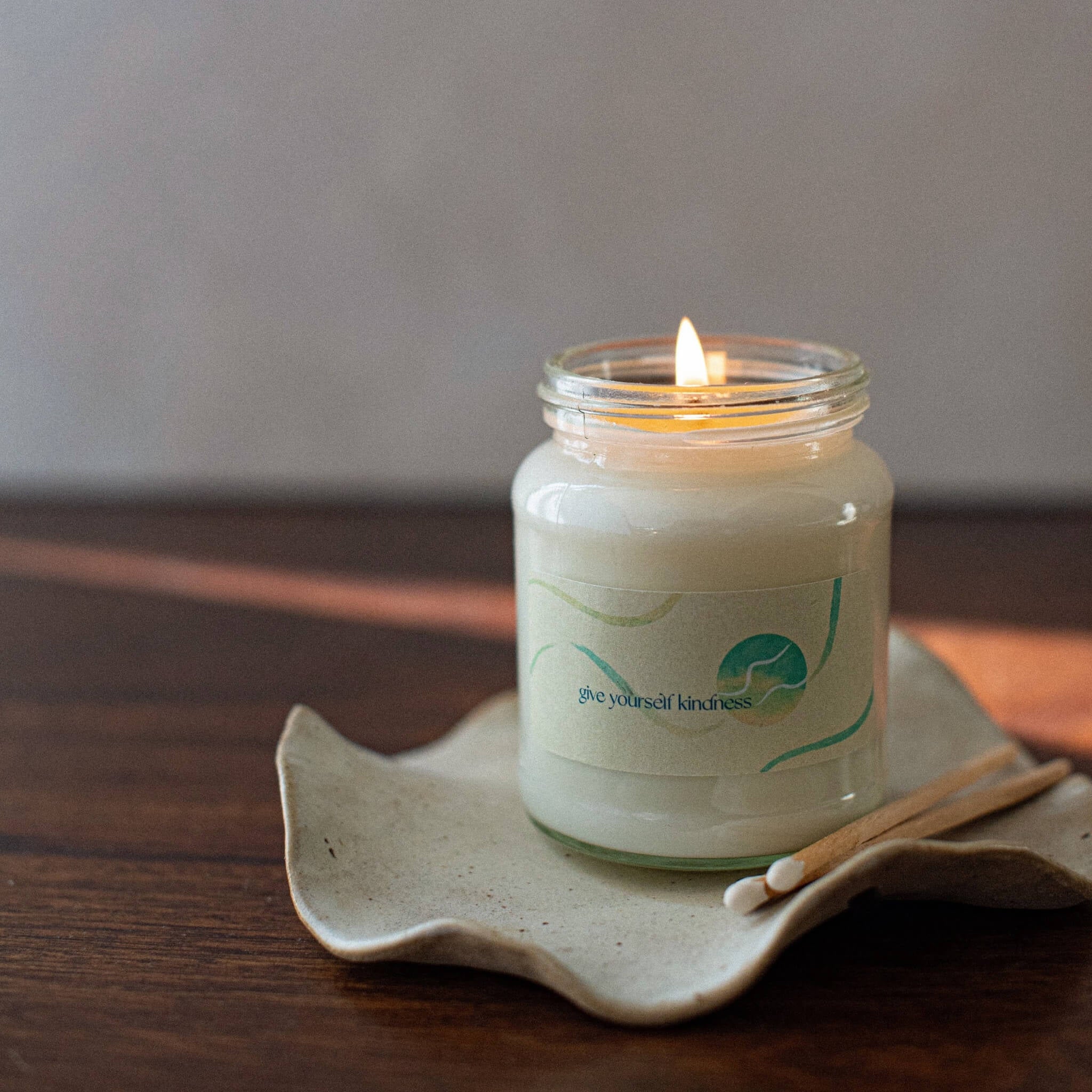
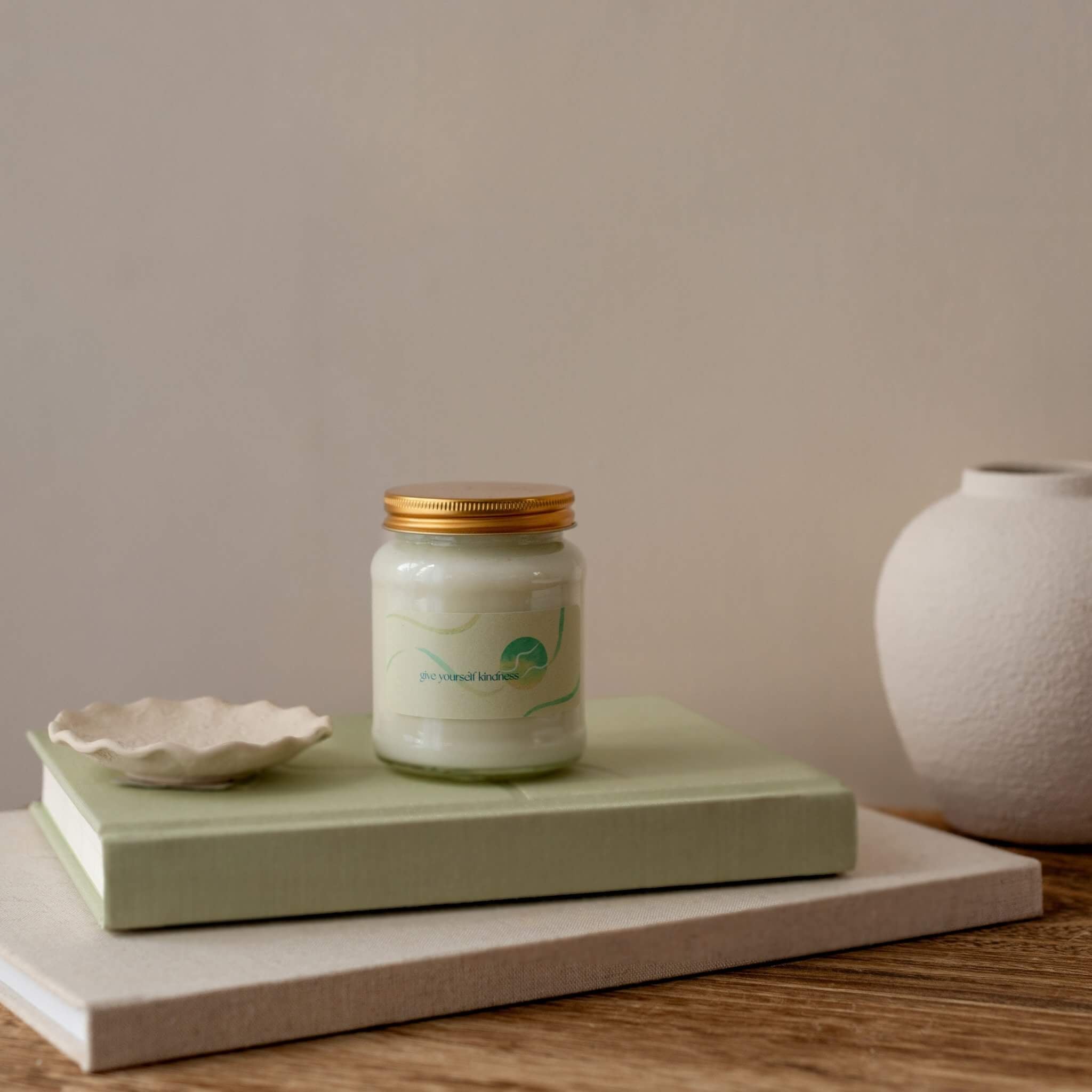
Our Confidence Collection includes journals, affirmation cards, charms, and other tools specifically designed to support self-belief and inner confidence. All grounded in self-compassion research. All used by therapists with their clients.
These aren't generic motivational products. They're practical tools that fit naturally into everyday life—gentle reminders and simple practices that actually help.
Other Evidence-Based Options
If you're looking beyond our products (or want to combine them with something else), here are options backed by research and therapeutic practice:
Books on Self-Compassion
Important: These are different from generic self-help books. They're written by the researchers and therapists who pioneered self-compassion work.
- Self-Compassion: The Proven Power of Being Kind to Yourself by Dr. Kristin Neff - Written by the researcher who pioneered self-compassion studies
- The Compassionate Mind by Dr. Paul Gilbert - Explains Compassion-Focused Therapy in accessible language
- For teens: The Self-Compassion Workbook for Teens - Practical exercises specifically for younger people
Creative Outlets
Why this helps: Creative activities provide a healthy outlet for emotions and build a sense of accomplishment. Completing something—anything—reinforces capability.
- Art supplies - Drawing, painting, watercolors for self-expression without judgment
- Adult coloring books - Mindful, calming, reduces stress
- Craft kits - Embroidery, pottery, whatever interests them
- Blank sketchbook or creative journal - For doodling, collaging, mixed-media
Comfort and Self-Care Items
Note: These work best when paired with explicit permission to use them. Say: "I want you to take time for yourself without feeling guilty about it."
- Weighted blanket - The gentle pressure lowers stress and improves sleep
- Aromatherapy diffuser with calming oils - Lavender, chamomile for relaxation
- Cozy comfort items - Soft robe, comfortable pajamas, warm blanket
- Self-care basket - Bath products, face masks, good lotions
What NOT to Give
Some gifts can accidentally make low self-worth worse. Avoid:
- ❌ Generic "positive thinking" books - They dismiss real emotions. When you're genuinely struggling, "just think positive!" makes you feel worse for not being able to
- ❌ Journals with the same prompts every day - "List 3 things you're grateful for" gets mechanical fast. Then they feel guilty for not using it
- ❌ Self-improvement books focused on achievement - These tie worth to productivity and success. Someone with low self-worth doesn't need more pressure to achieve
- ❌ Anything implying they need to "fix" themselves - The message should be "you deserve support," not "you're broken"
- ❌ Fitness or diet-related gifts - Self-worth isn't about changing your body. It's about being kind to yourself as you are right now
The pattern: Avoid anything that suggests their worth depends on changing, achieving, or being "better."
Combining Gifts for More Support
One tool is helpful. Multiple tools create a support system.
Someone with low self-worth needs reminders in different moments: when they have time to journal, when they're rushing past a mirror, when they're out in the world and the inner critic gets loud.
That's why combining gifts often works better:
- A journal for quiet reflection time
- Cards they can place where they'll see them daily
- A charm they can carry with them
- Your presence and time together
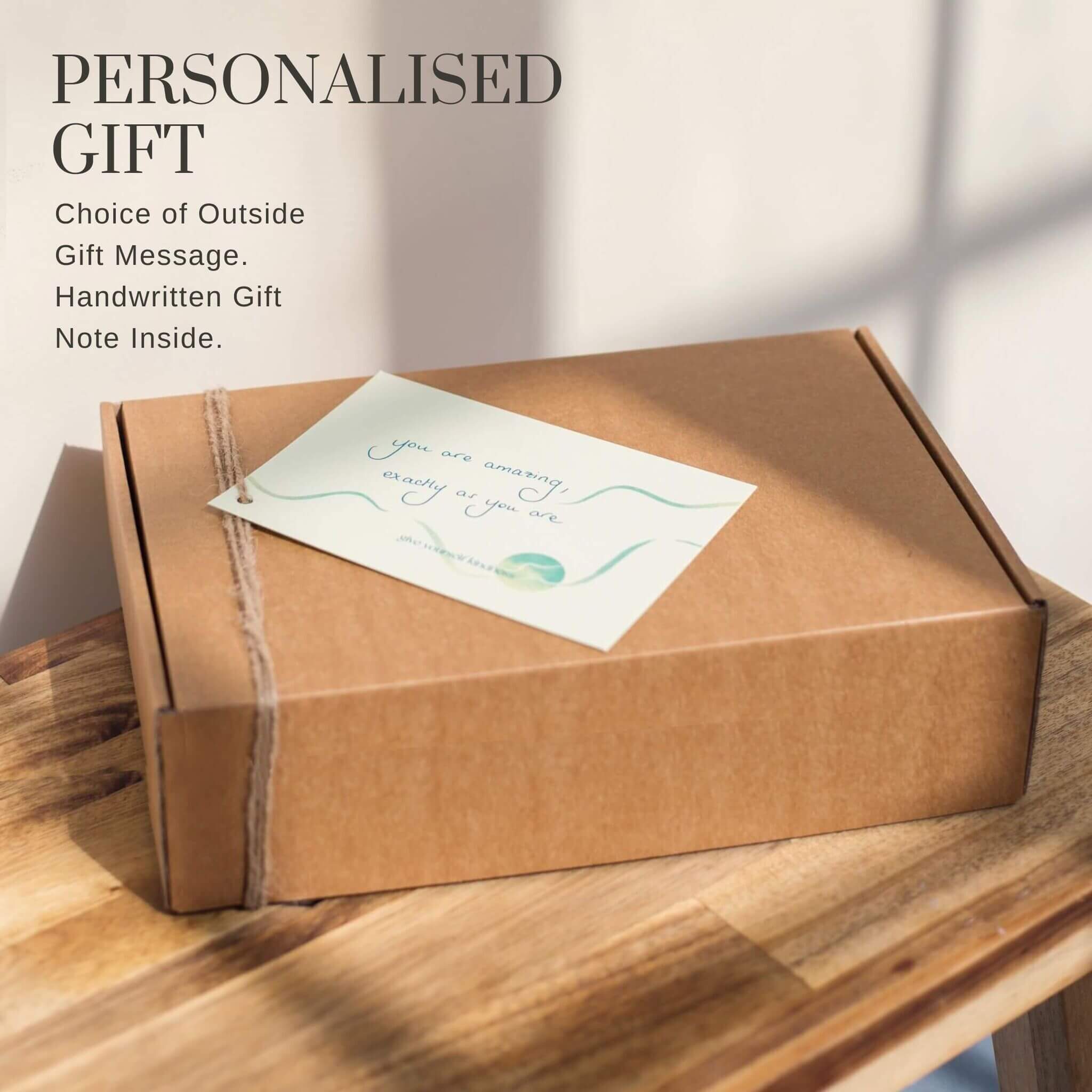
Choose what feels right for them. You can browse the full collection or start with any single item. There's no wrong choice here.
What matters most isn't which products you choose—it's the message you're sending: "I see you. I'm here. You deserve support."
The Most Important Gift: Your Presence
Here's the truth: No physical gift will replace emotional support.
The journal, the cards, the charm—they help. But what matters most is showing up.
How to actually help:
Give your time
Spend quality time doing things they enjoy. Watch a movie together. Go for a walk. Cook dinner. Your presence shows them they're valued, not just when they're "doing well" but always.
Listen without trying to fix
When they share their feelings, resist the urge to immediately solve the problem or say "just think positive." Sometimes they just need to be heard.
Say: "That sounds really hard. I'm here."
That's it. That's enough.
Be a role model for self-kindness
Show them what self-compassion looks like. When you make a mistake, practice self-kindness out loud: "I'm frustrated I forgot that, but everyone forgets things sometimes."
They're watching how you treat yourself.
Know when to suggest professional help
If low self-worth is seriously impacting their daily life—affecting school, work, relationships, or causing depression or anxiety—a therapist can provide professional support.
Suggest it from a place of care: "I love you and want to make sure you have all the support you need. Would you be open to talking to someone who specializes in this?"
Not as criticism. As care.
What to Say When Giving the Gift
The words you use matter as much as the gift itself.
Try:
- "I know you've been going through a hard time. I wanted to give you something that might help you be kinder to yourself."
- "I care about you and want to support you. There's no pressure to use this in any particular way—just know I'm here."
- "This is recommended by therapists for people working on self-worth. I thought it might be helpful, but I also want you to know I'm always here to listen."
- "You deserve kindness, especially from yourself. I hope this helps remind you of that."
Avoid:
- ❌ "This will fix everything" - It sets up false expectations and pressure
- ❌ "You just need to think more positively" - Dismisses their real struggle
- ❌ "I got this because I'm worried about you" - Feels like criticism
- ❌ "Try to journal every day" - Creates pressure to use it "right"
The message: You see them. You support them. There's no pressure to be different.
A Final Note
Watching someone you love struggle with self-worth is painful. You want to help. You want to fix it. But you can't force change.
What you can do is provide thoughtful tools and consistent support. Show them, through your actions and your presence, that they matter.
The Give Yourself Kindness tools exist because I've been there. I struggled with low self-esteem. I found recovery through Compassion-Focused Therapy. And I wanted better tools—tools that would have helped me, tools that mental health professionals would actually recommend.
These aren't just products. They're what I wish I'd had.
Created with input from clinical psychologists and CFT experts. Used by therapists with their clients. Recommended by Dr. Chris Germer from Harvard Medical School, Dr. Chris Irons, Professor Willem Kuyken (top 1% most cited scientists worldwide), and counselors around the world.
Not because they're perfect. Because they help.
Pair them with your love and support, and you've given something truly meaningful.
Related reading:
About the author: Rachel Smith (DipBSoM) is a qualified meditation teacher and the creator of Give Yourself Kindness. After her own recovery through Compassion-Focused Therapy, she created evidence-based tools recommended by clinical psychologists including Dr. Chris Germer (Harvard Medical School) and used by therapists with their clients worldwide.


“By far my favourite guided journal that I’ve used!”
There's a lot of journals out there. Most of which include tools that can be repetitive, boring or unhelpful. Give Yourself Kindness is about creating something new.