




If Exam Pressure Feels Overwhelming Right Now
You're not failing. You're not weak. Exam stress is genuinely hard.
The most effective support combines self-compassion techniques (not forced positivity), practical stress management tools, and permission to feel difficult emotions. This guide provides research-backed strategies from clinical psychologists, plus tools that students actually use during exam periods.
Quick support options:
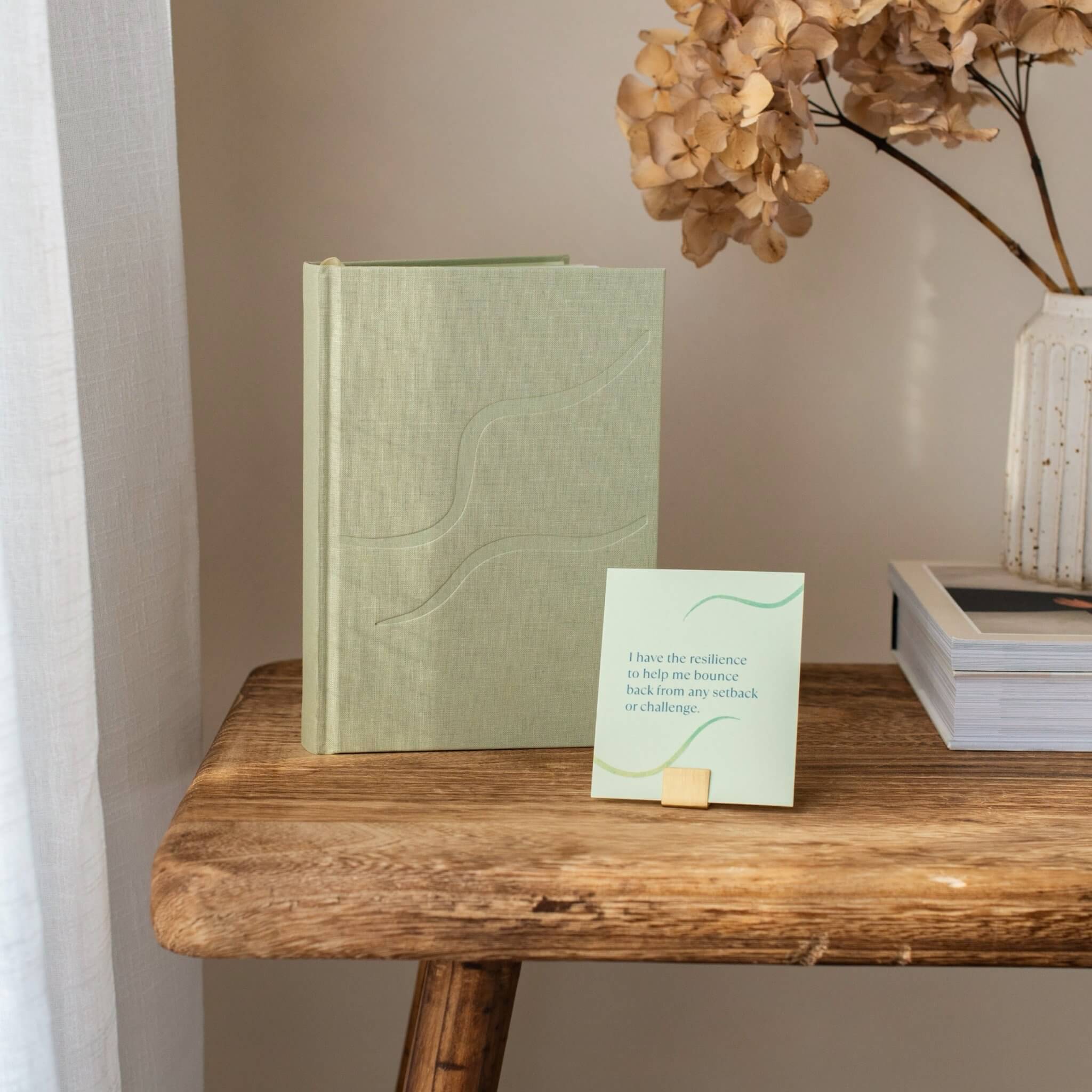
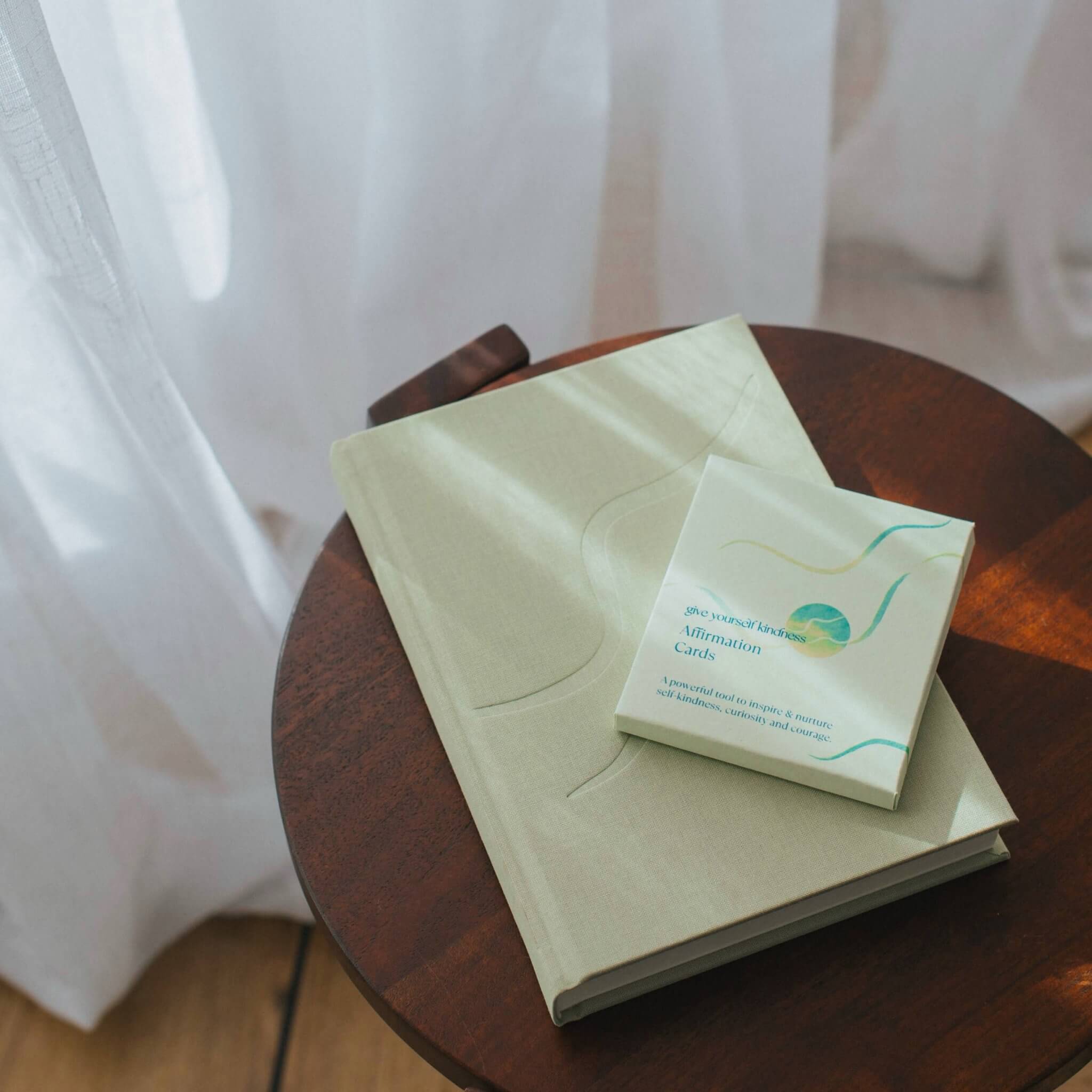
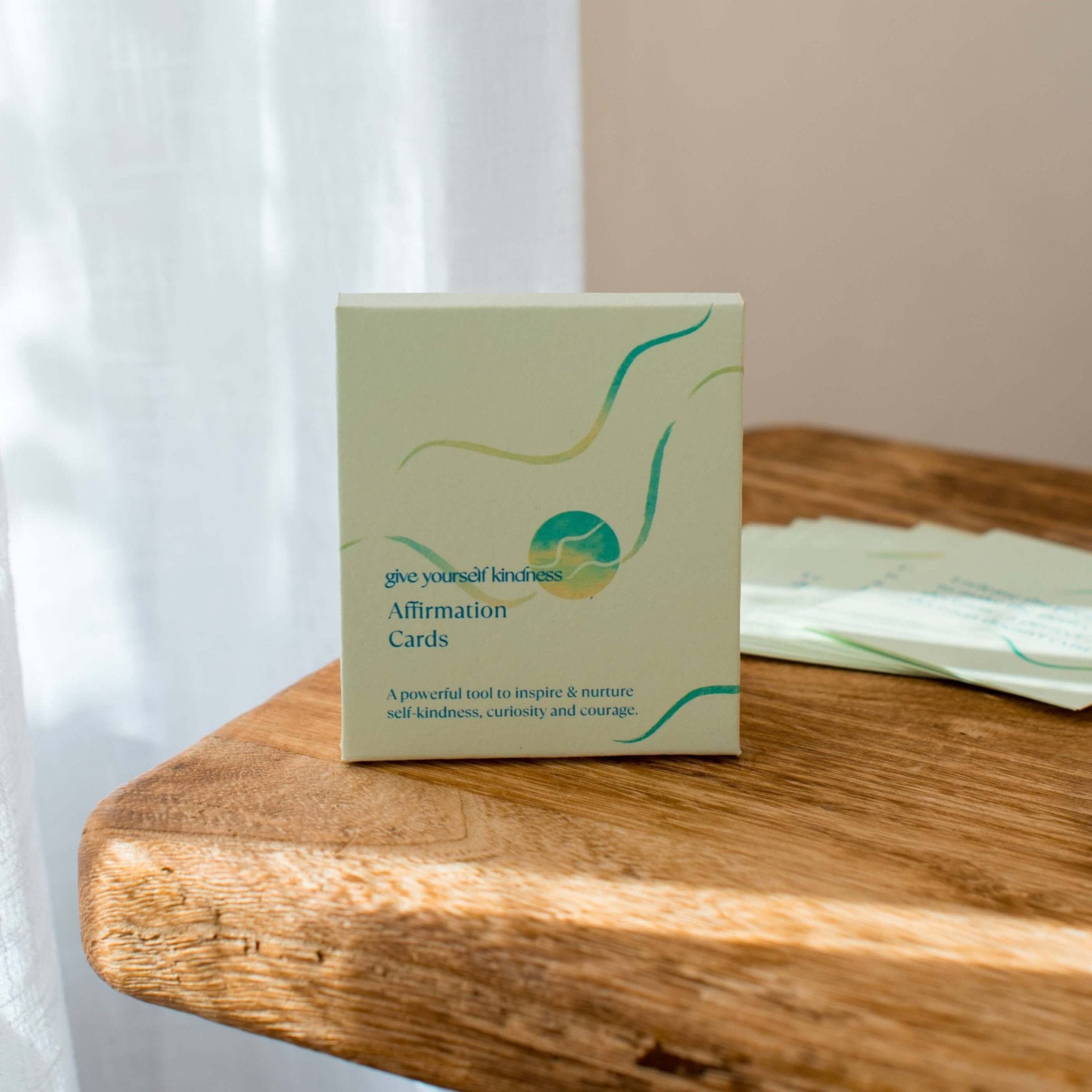
- Student Affirmation Cards - 30 seconds daily for encouragement
- Give Yourself Kindness Journal - Process exam anxiety with self-compassion
- 7 Evidence-Based Strategies - What actually helps
From a Parent: Supporting My Daughter Through Mock Exams
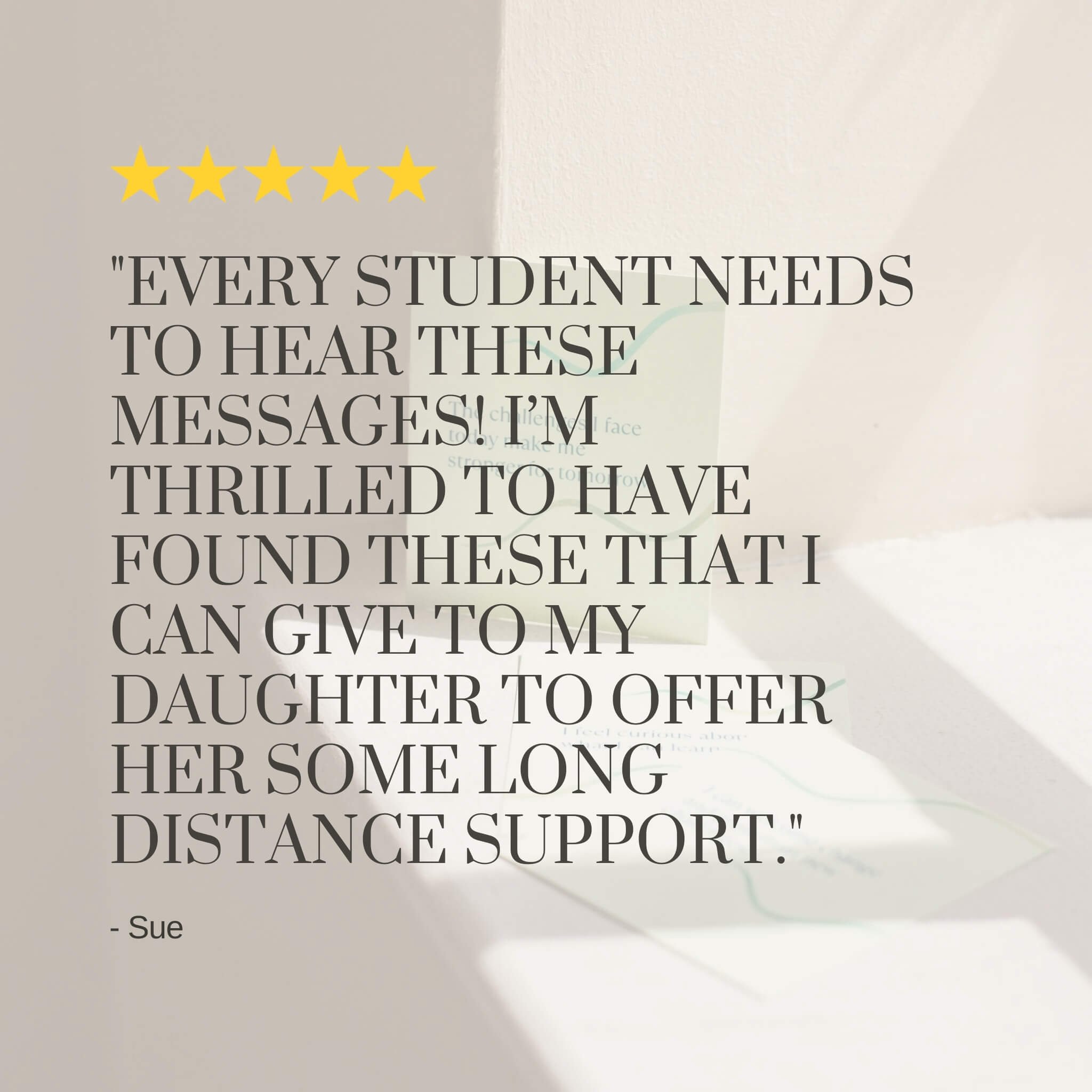
"A gift arrived from Rachel which I ordered for my daughter who is doing final 2nd level mock exams and will be sitting her official final year exams in early June. I always believed in the power of affirmations myself and felt that my daughter could use the power in Rachel's beautifully written and beautifully gifted kindness cards.
I can remember from sitting exams myself that the pressures are enormous and it can become an unhealthy existence for a time for young people. So in having her cards sitting on my daughter's desk she can take them gentle and read them often and allow the powerful words flow into her mind and spirit to take her through this intense period of time in her life. Thank you Rachel."
Maybe you're staring at revision notes and your mind goes blank. Maybe you can't sleep because you're replaying everything you haven't studied yet. Maybe your chest tightens when you think about the exams ahead, and you wonder if everyone else is coping better than you are.
If any of this sounds familiar, I need you to know something: the pressure you're feeling is real.
I'm Rachel Smith, a qualified meditation teacher (DipBSoM, British School of Meditation, distinction). I'm not a therapist, but I remember exam stress vividly from my own experience. That specific anxiety of feeling like your entire future depends on these few hours. The harsh inner voice telling me I wasn't doing enough, not studying hard enough, not ready enough.
After my own recovery through Compassion-Focused Therapy for harsh self-talk, I created tools specifically designed to help during high-pressure periods—not with forced positivity, but with genuine self-compassion backed by clinical psychologists.
This guide brings together research from experts at Harvard Medical School, University of Oxford, and clinical psychologists who specialize in anxiety and stress. Not generic "stay positive" advice, but strategies that actually address what happens in your brain and body during exam pressure.
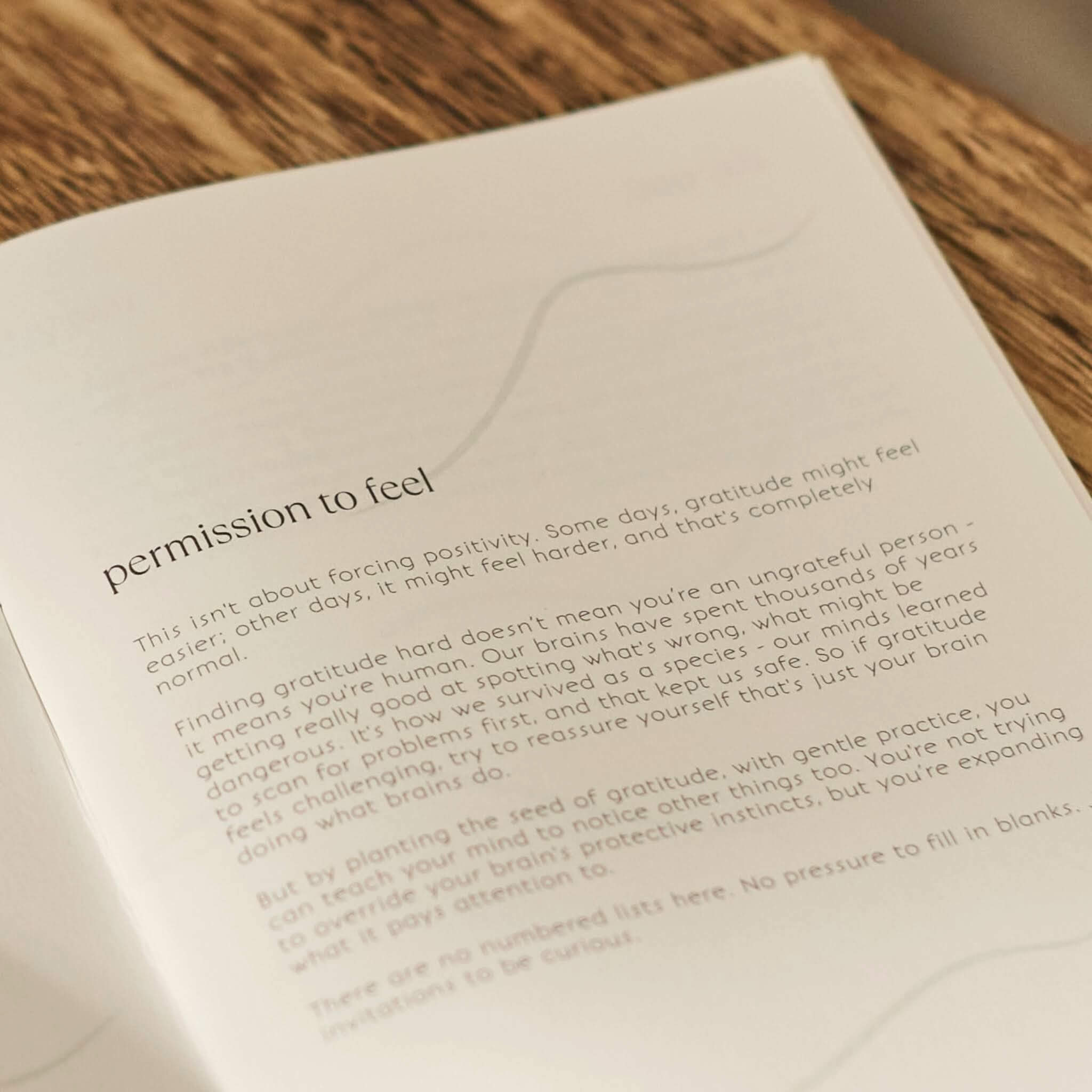
Why "Just Stay Positive" Makes Exam Stress Worse
When you're genuinely stressed about exams, being told to "just think positive" or "don't worry" can actually make things worse.
Here's why: forcing positivity when you're struggling creates a second layer of stress. Now you're not just dealing with exam pressure—you're also dealing with shame about feeling stressed, or guilt about not being "grateful enough," or the sense that you're failing at managing your emotions.
The Problem with Toxic Positivity During Exams
What doesn't help:
- ❌ "Just stay positive!" (dismisses real pressure)
- ❌ "Don't worry, you'll be fine" (minimizes genuine stress)
- ❌ "Other people have it worse" (creates guilt for struggling)
- ❌ Forcing yourself to be grateful when you're overwhelmed
What actually helps:
- ✅ Acknowledging exam pressure is genuinely hard
- ✅ Responding to yourself like you would a friend
- ✅ Using research-backed self-compassion techniques
- ✅ Permission to feel stressed while still coping
Dr. Caroline C. Lee, a licensed Clinical Psychologist specializing in anxiety disorders, explains why generic positive affirmations often fail:

Dr. Caroline C. Lee, PhD
Licensed Clinical Child, Adolescent, and Adult Psychologist | Private practice, Orange County, California | Specializes in treating anxiety disorders
"Each day, our minds generate tens of thousands of thoughts, and due to our brain's natural negativity bias, we often affirm negative beliefs about ourselves without realizing it."
→ Read the full article: Do Affirmations Really Work? (5 Psychologists Answer)
Dr. Lee goes on to explain in her article that for affirmations to work during stress, they need to be believable and acknowledge reality—not force you to pretend everything is fine when it isn't.
The difference between toxic positivity and self-compassion:
Toxic positivity says: "Just be grateful! Stay positive!"
Self-compassion says: "This is really hard. It's okay to feel stressed. What do I need right now?"
One dismisses your experience. The other validates it while helping you cope.
7 Research-Backed Strategies for Exam Stress Relief
These strategies are based on research from clinical psychology, neuroscience, and self-compassion studies. They address the actual patterns that keep exam stress overwhelming—not just the symptoms.
1. Replace Self-Criticism with Self-Compassion
When exam pressure intensifies, your inner critic often gets louder. "You should have started earlier." "Everyone else understands this better." "You're going to fail."
Research shows that self-criticism doesn't motivate you—it paralyzes you. Dr. Annabelle Kyle Dortch, a Clinical Psychologist specializing in anxiety and stress, explains:

Dr. Annabelle Kyle Dortch, PsyD
Clinical Psychologist | Los Angeles | Specializes in life transitions, relationships, stress, anxiety, and trauma impacts
"When we engage in self-criticism, we create a nervous system and brain state that is not conducive to learning or facilitating a growth-oriented mindset. Our mind-body system perceives criticism as a threat, activating our stress response... Dr. Kristin Neff's research has repeatedly shown that self-compassion is key in decreasing anxiety & depression and developing courage, resilience, and a growth-oriented mindset."
→ Read the full article: Why Self-Compassion is More Effective Than Self-Criticism
When you notice harsh self-talk, pause and ask: "What would I say to a friend who was struggling with this?" Then say that to yourself instead.
Instead of: "I'm so stupid, I can't remember anything"
Try: "This is hard. I'm doing my best. It's okay to struggle with difficult material."
2. Use Affirmations That Acknowledge Struggle (Not Force Positivity)
Generic affirmations like "I've got this!" or "I'm amazing!" can feel false when you're genuinely stressed. Research shows that affirmations work when they're believable and acknowledge reality.
Dr. Jeffrey McDonnell, a Clinical Psychologist from University College London, notes that for people experiencing stress or low self-esteem, positive self-affirmations can be "ineffective or even harmful."
What works instead: Self-compassion affirmations that validate difficulty while offering support.
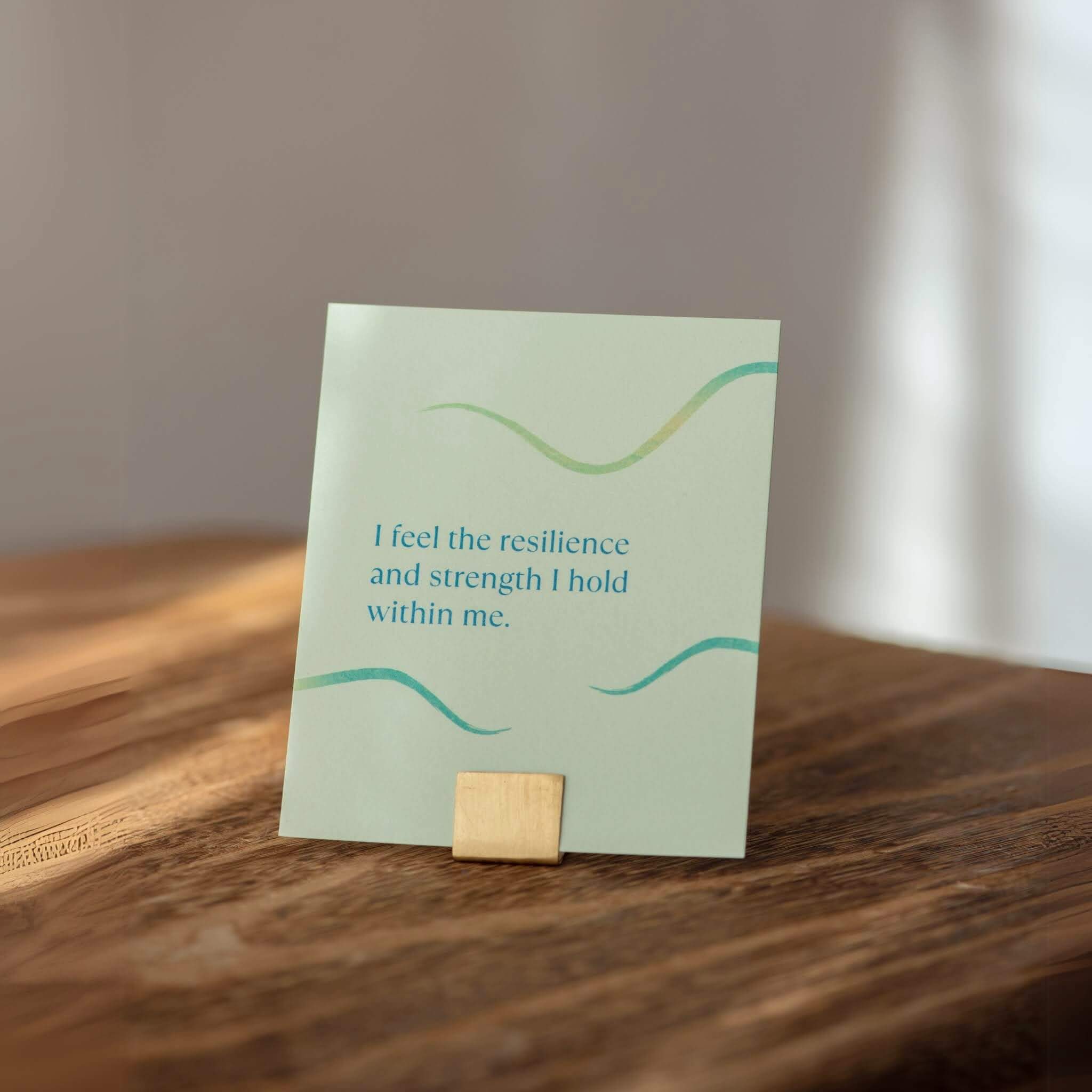
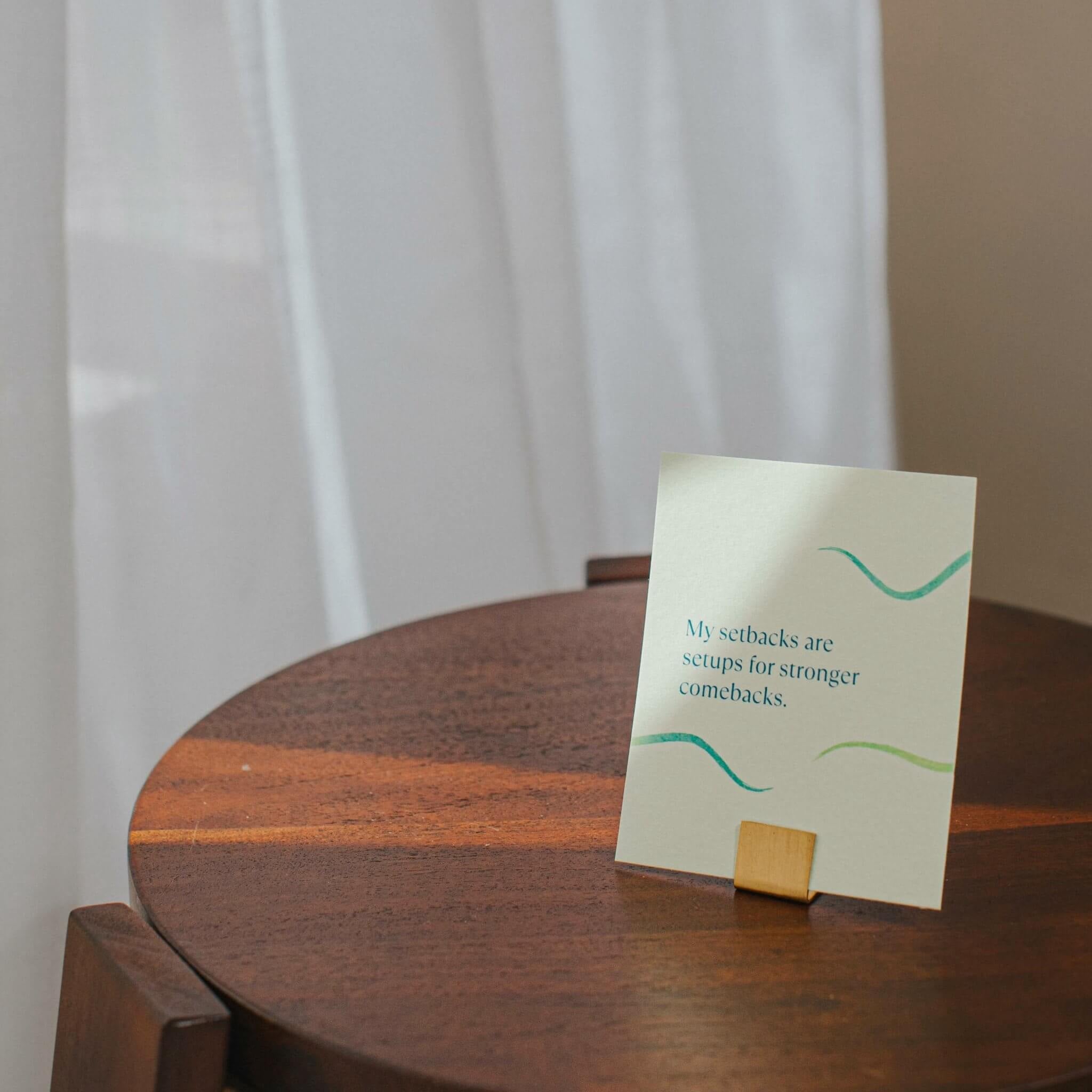
Sample affirmations designed for exam stress:
- "I can embrace change whilst reassuring myself that change is challenging"
- "I remind myself that no one was an expert before they were a beginner"
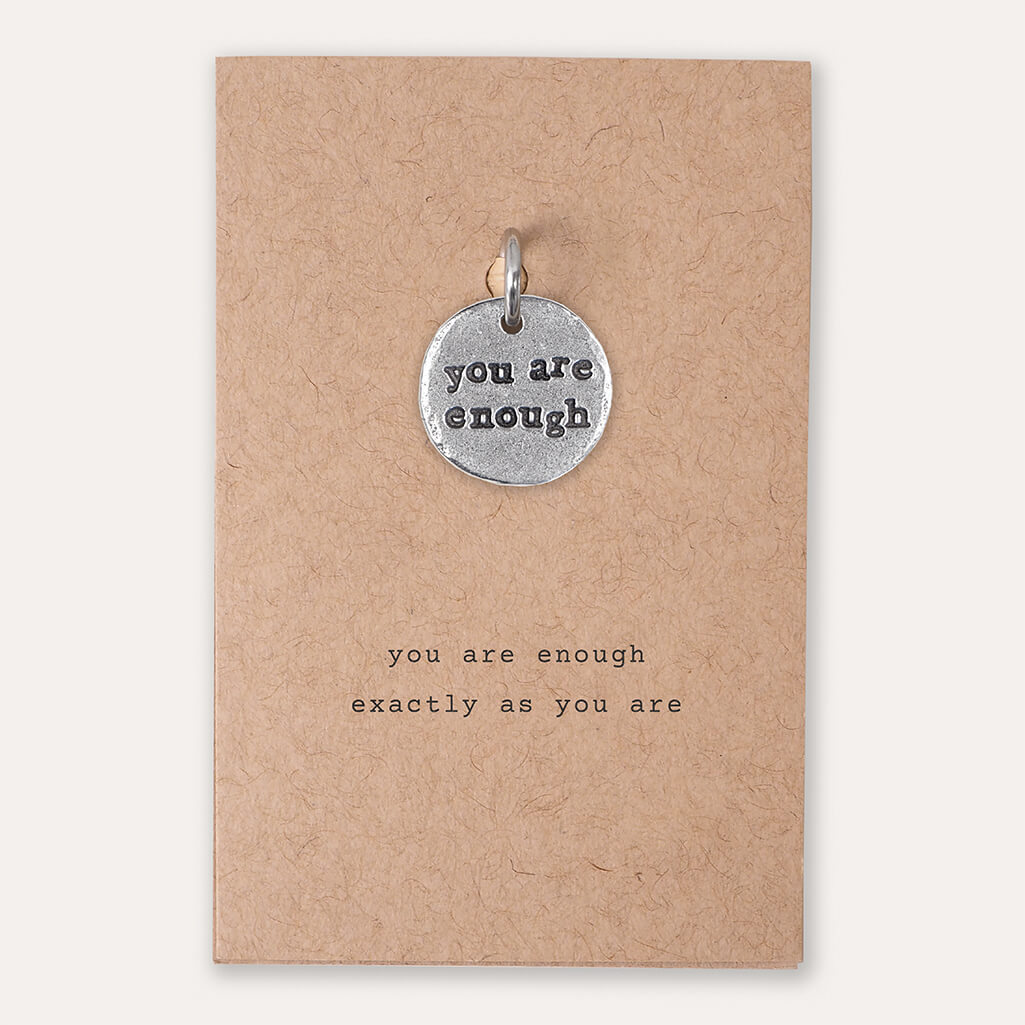
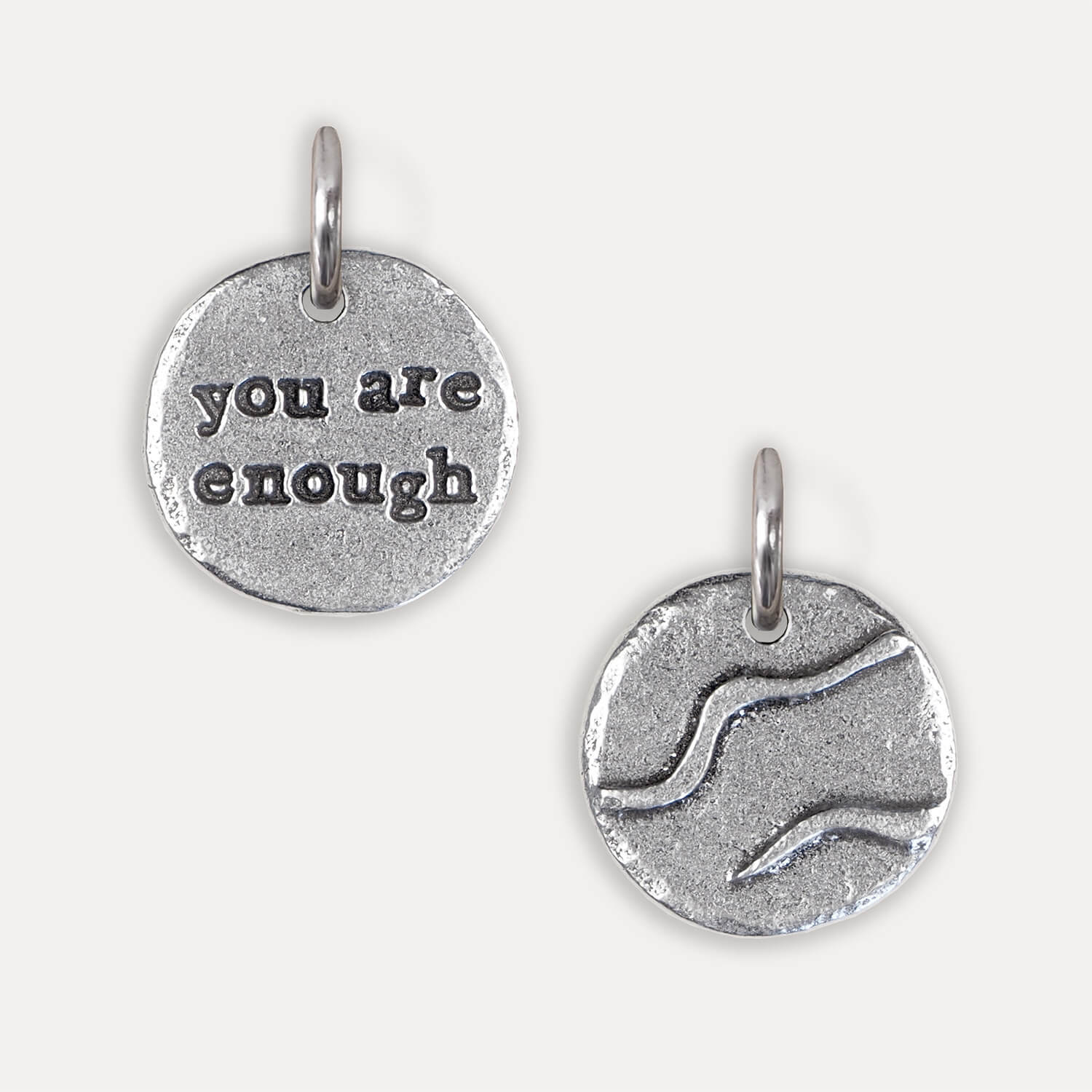
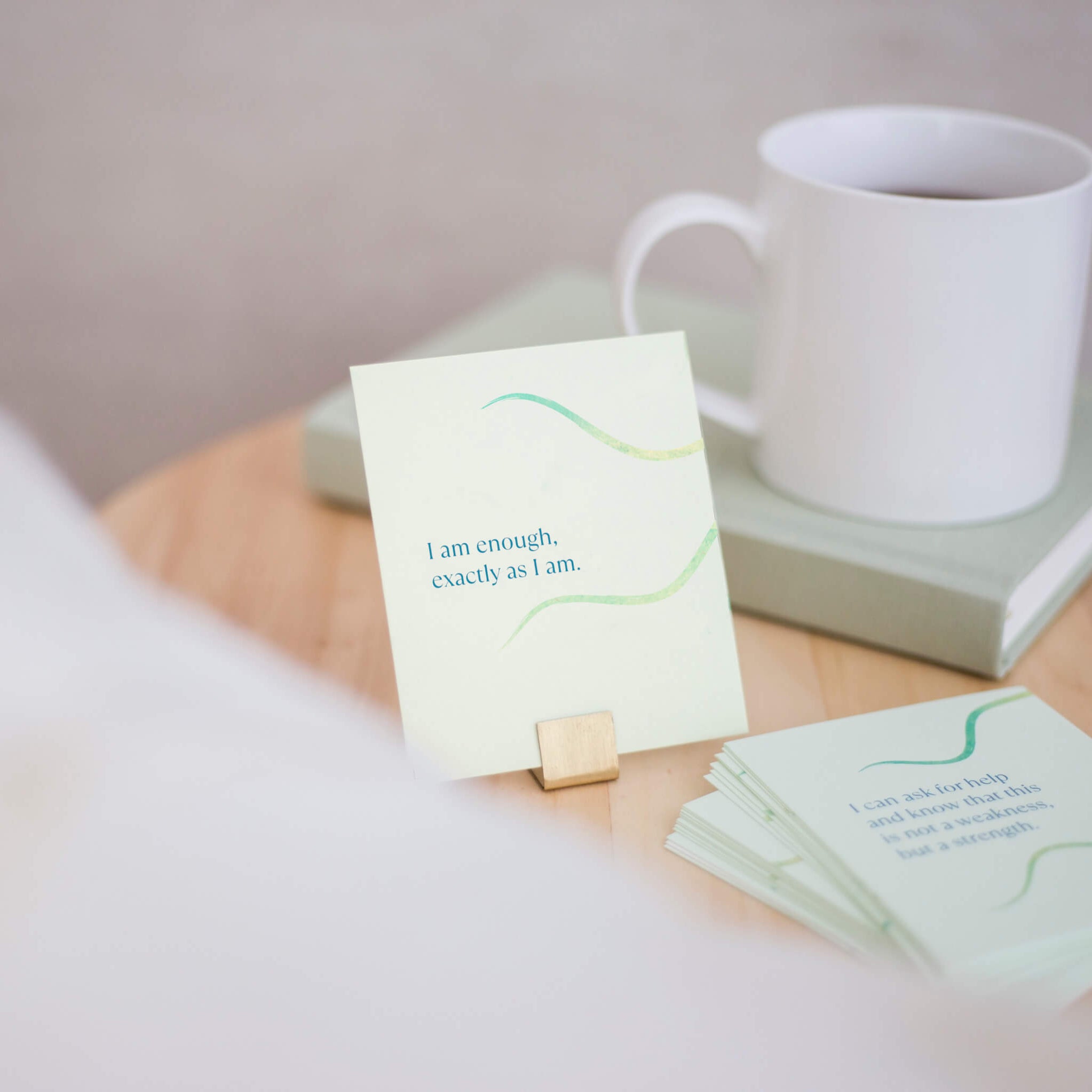
- "I am enough, exactly as I am"
- "I can try, even when I don't feel 100% ready"
- "I can release any pressure to know a destination and instead strive for the journey"
- "I don't need to compare or compete. No human on the planet is meant to be the same"
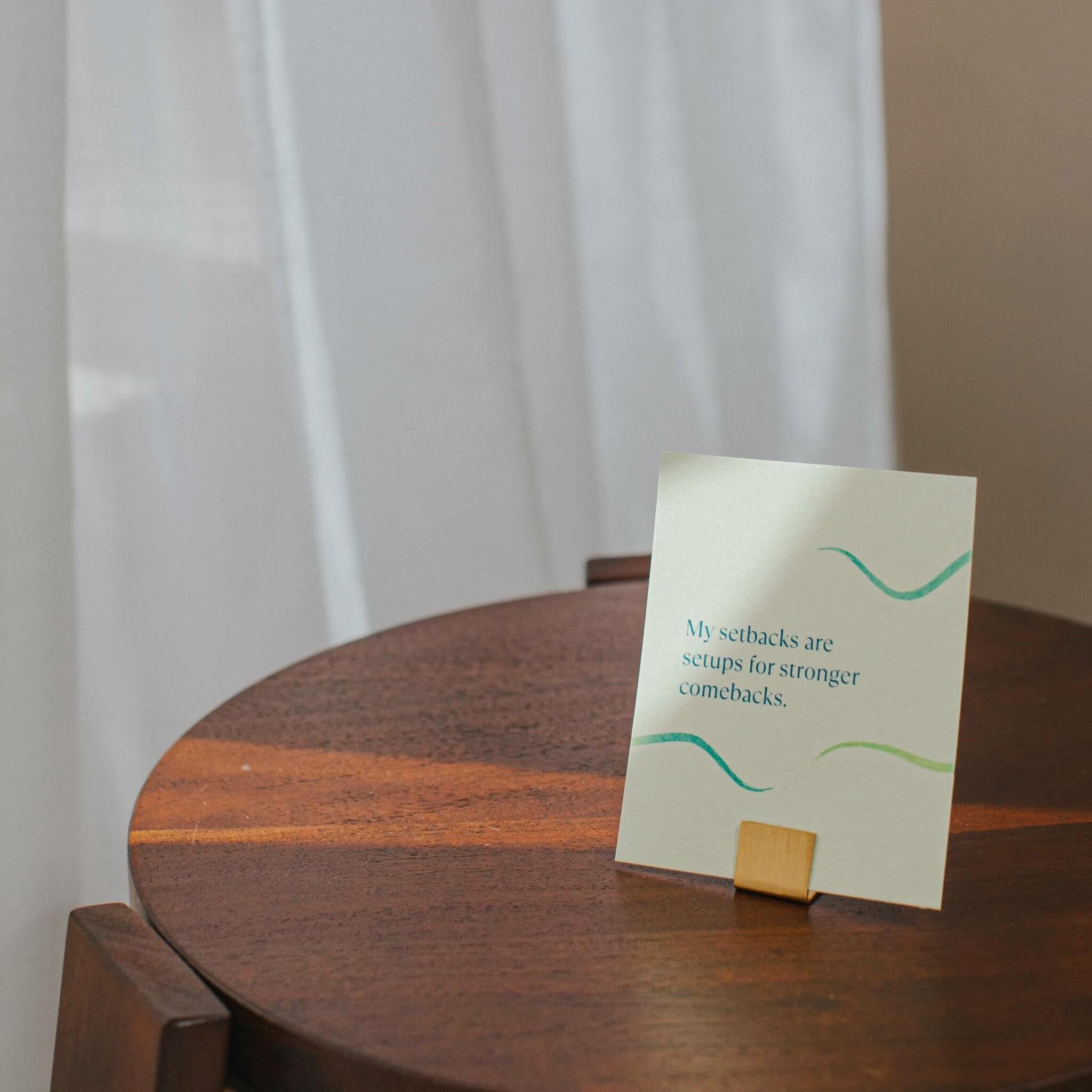
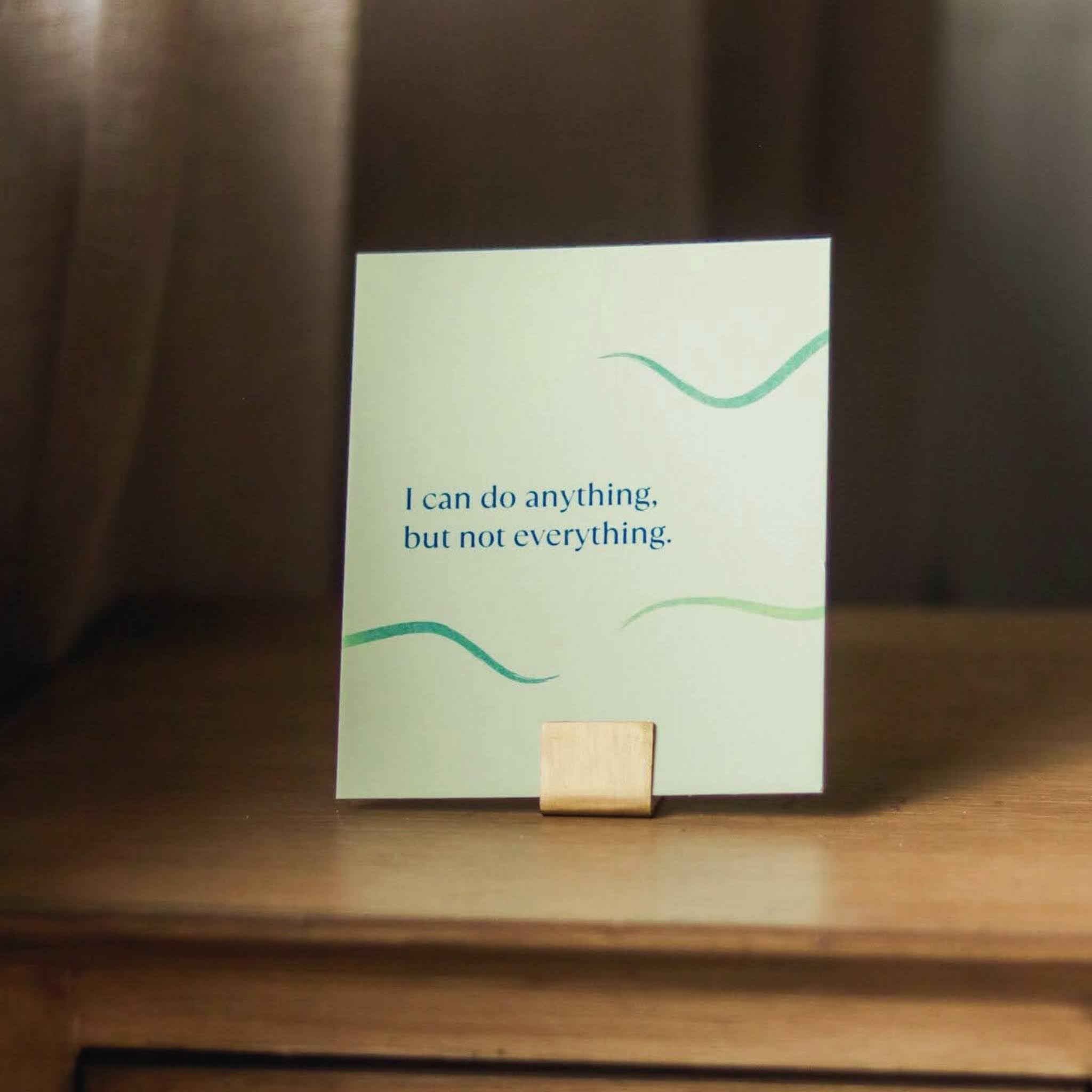
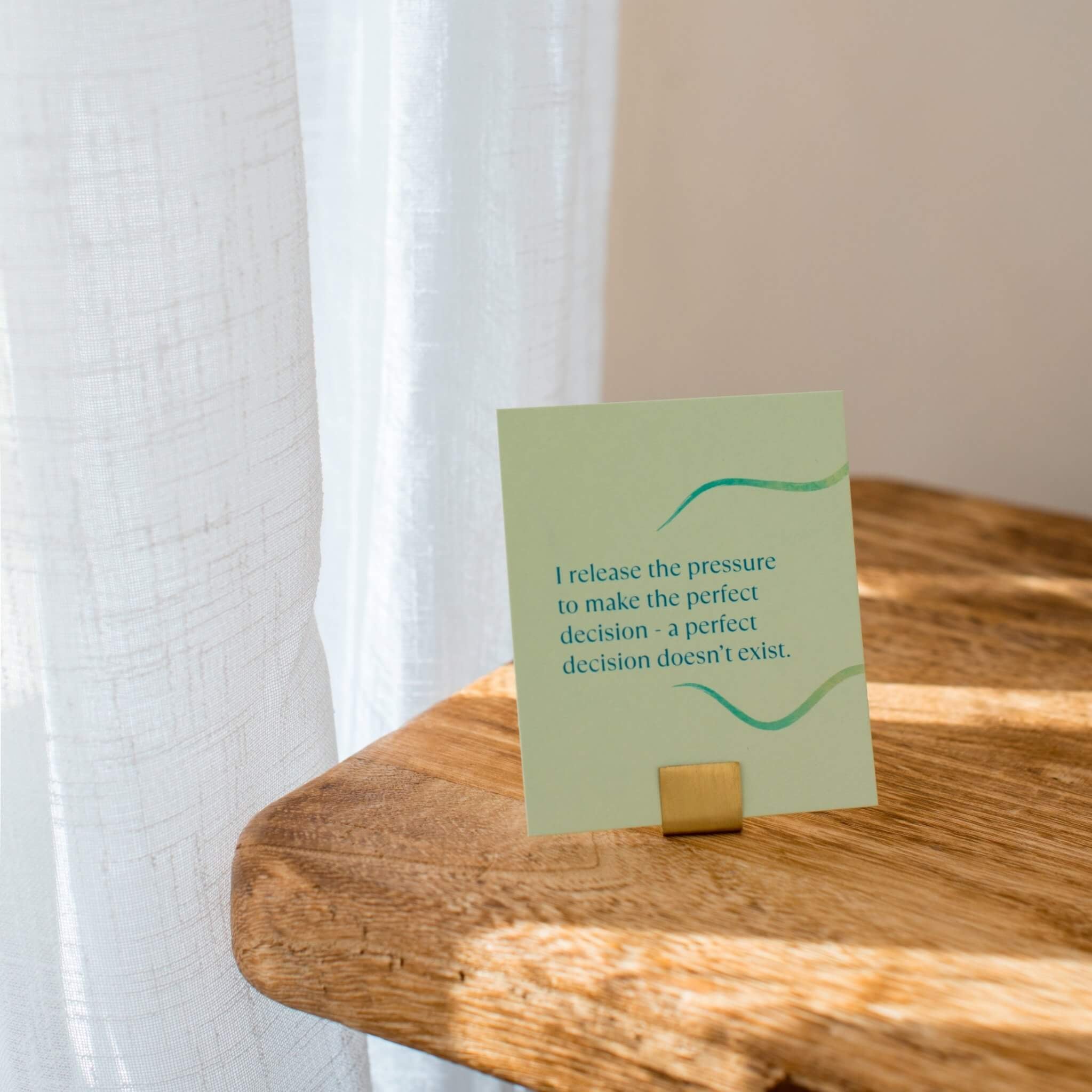
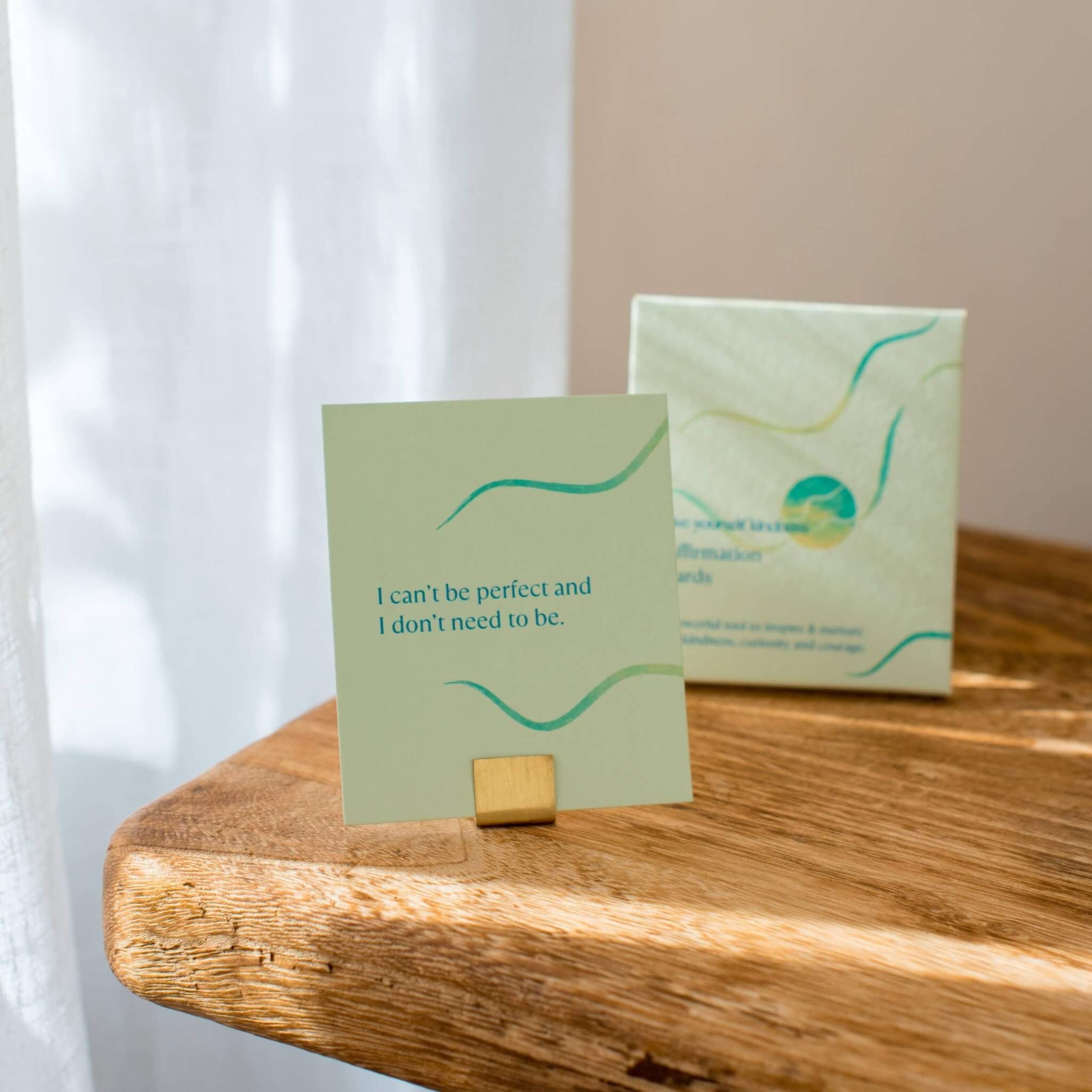
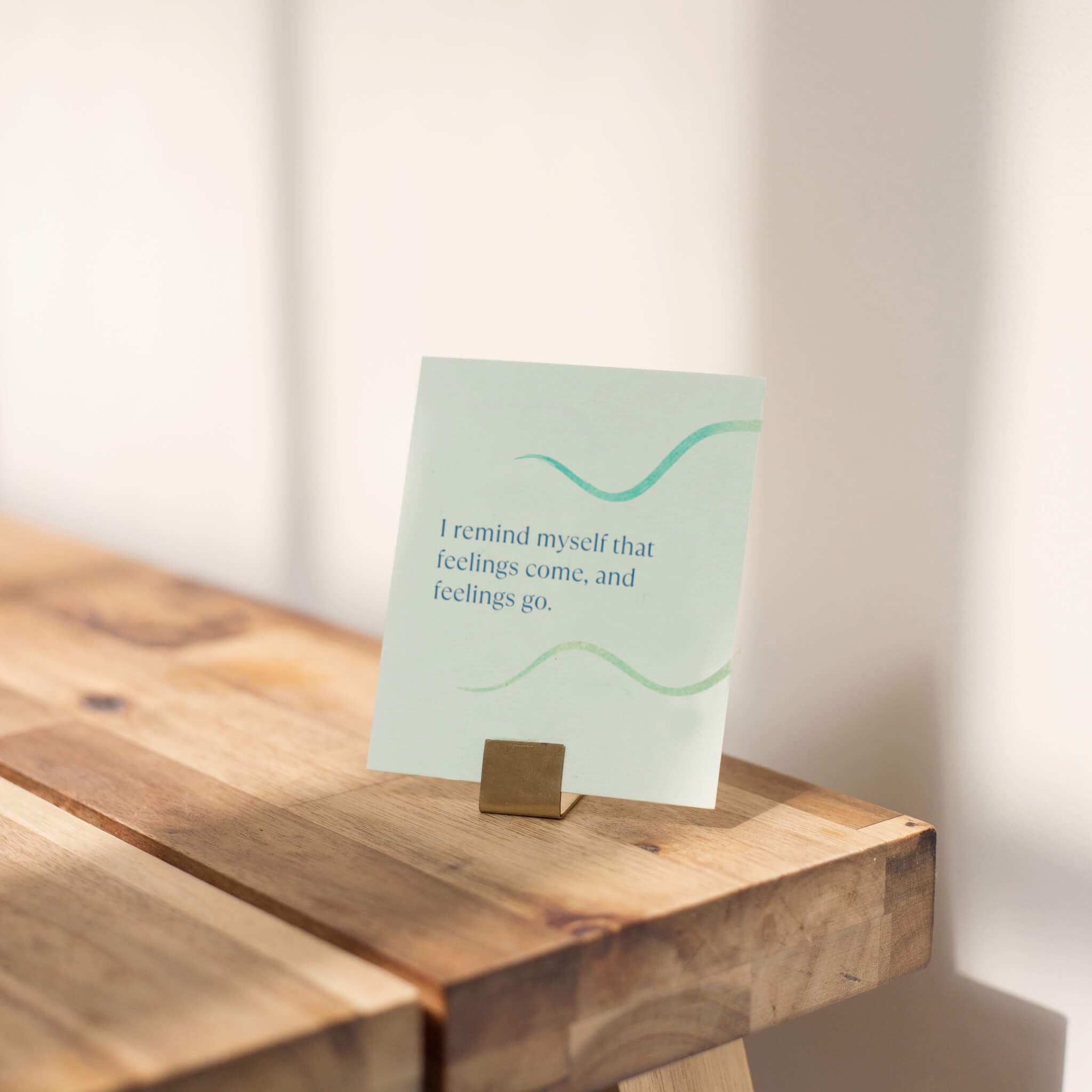
These affirmations are from the Student Affirmation Cards, designed specifically for exam pressure.
3. Identify and Name Your Emotions
Research on affect labeling shows that naming specific emotions reduces their intensity. When you can identify "I'm feeling anxious about this specific exam" rather than just "I'm stressed about everything," your brain processes it differently.
Instead of "I feel stressed," get specific: Am I anxious? Overwhelmed? Worried? Scared? Tired? Frustrated? All of the above?
Naming the specific emotion helps your brain make sense of it—and makes it feel more manageable.
4. Practice Soothing Rhythm Breathing
When exam stress triggers panic or anxiety, your body goes into threat mode. You can calm this response physiologically through breathing.
Breathe in for 5 counts, out for 7 counts. The extended exhale activates your parasympathetic nervous system (your body's natural calming system).
When to use it:
- Before walking into an exam
- When panic starts rising during revision
- At night when exam worries keep you awake
- Any time you notice your chest tightening with anxiety
One of the Student Affirmation Cards includes this: "I can use my breath as a tool to find calm, taking deep, slow breaths."
5. Journal to Process Exam Anxiety (Not Just Make To-Do Lists)
Dr. Olena Santangeli, a neuroscientist and sleep expert, explains the research on journaling for emotional processing:

Dr. Olena Santangeli, PhD
Neuroscientist & Sleep Expert (BSc, MSc, PhD Med) | Child & Adult Sleep Consultant
"In the evening, journaling shifts focus, providing a therapeutic outlet to unwind and process the day's events. Reflecting on your experiences by hand, rather than digitally, encourages a deeper engagement with your thoughts and feelings. This hands-on method has been shown to facilitate a more profound processing of emotions, aiding in stress reduction and anxiety management."
→ Read the full article: Simple, Effective Routines for Better Sleep: A Neuroscientist's Guide
Studies on expressive writing demonstrate that writing about emotions helps process them more deeply, reducing stress and anxiety—both essential during exam periods.
Not just lists of what to study tomorrow, but actually processing how you're feeling. Writing about the pressure, the fear, the overwhelm—giving those emotions somewhere to go besides spinning in your head at night.
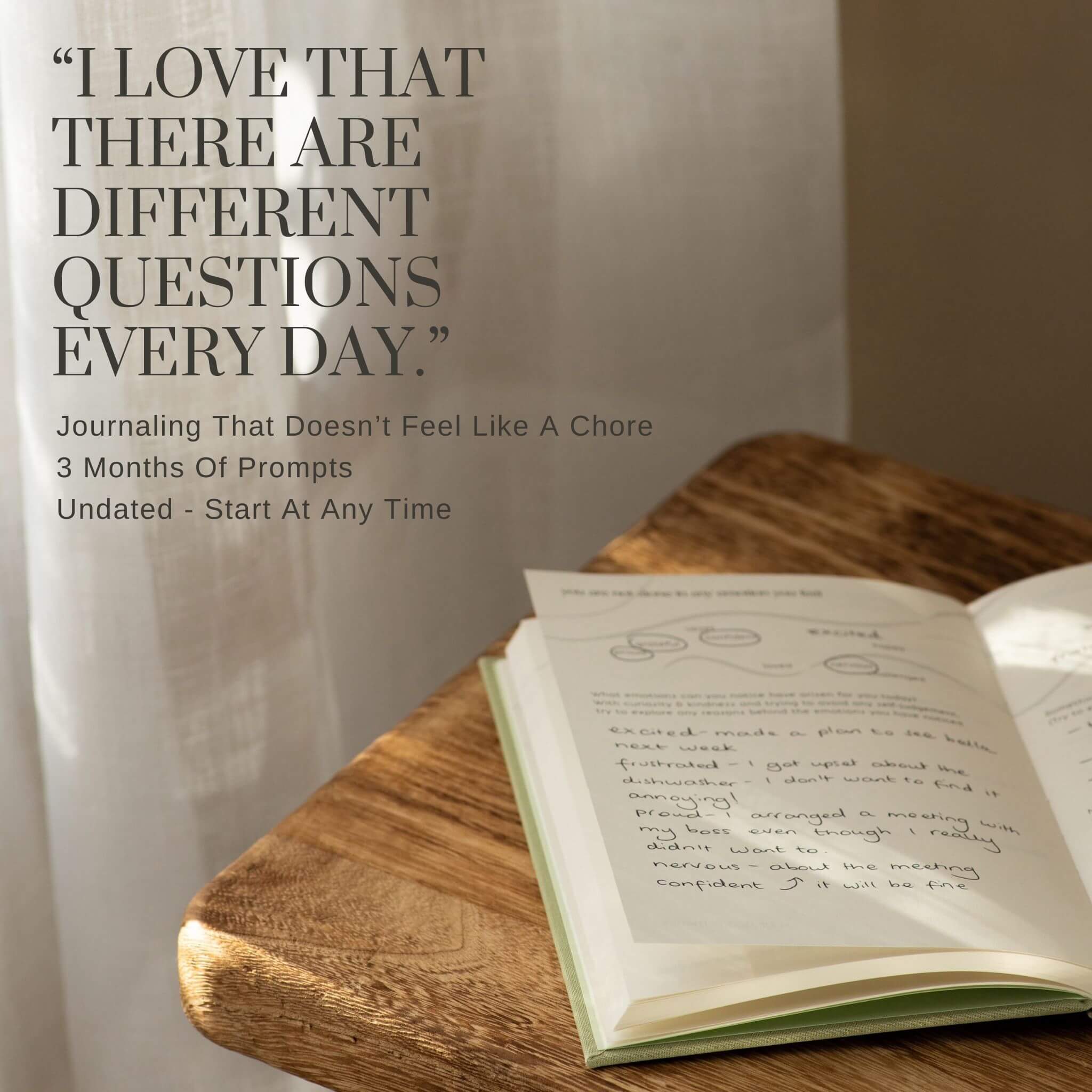
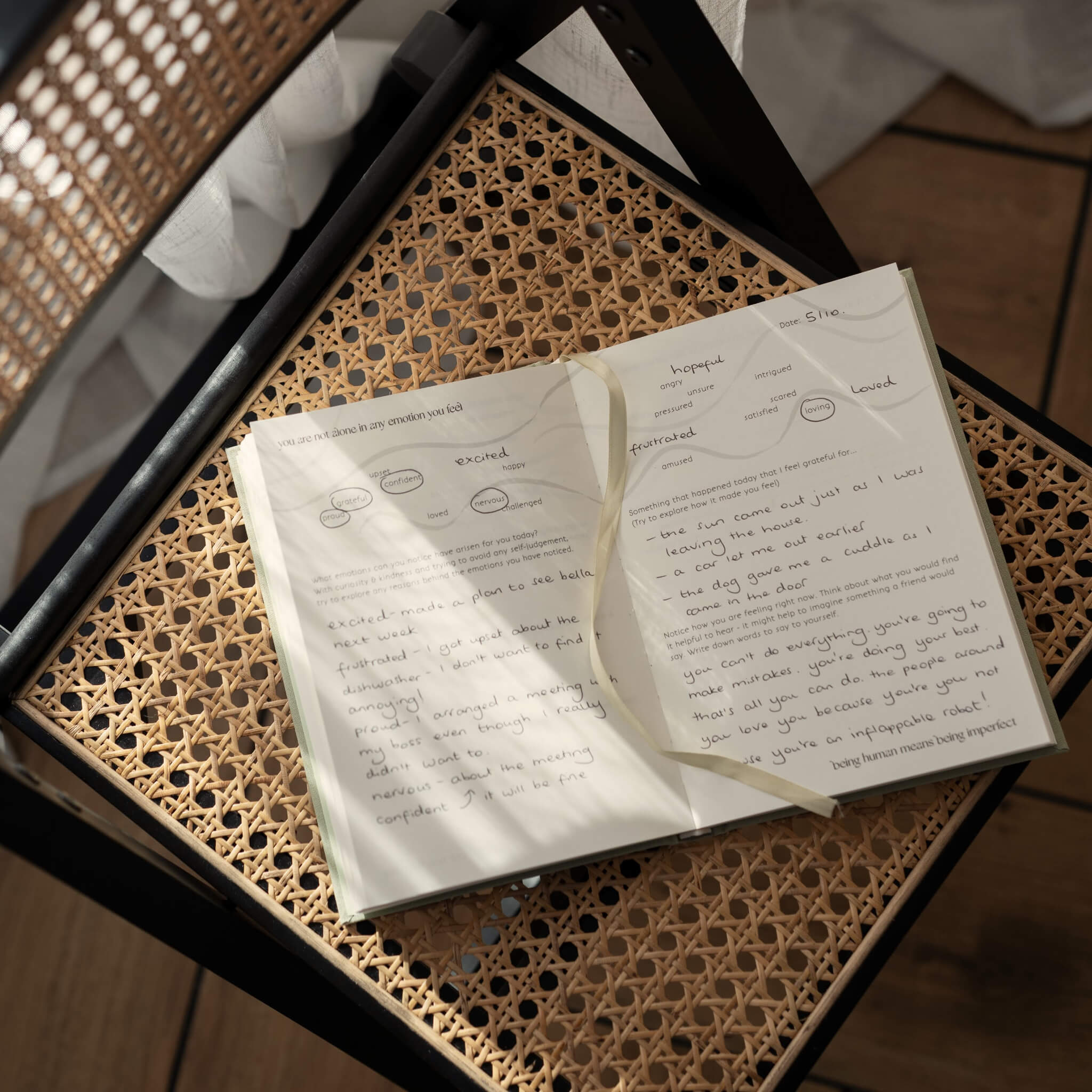
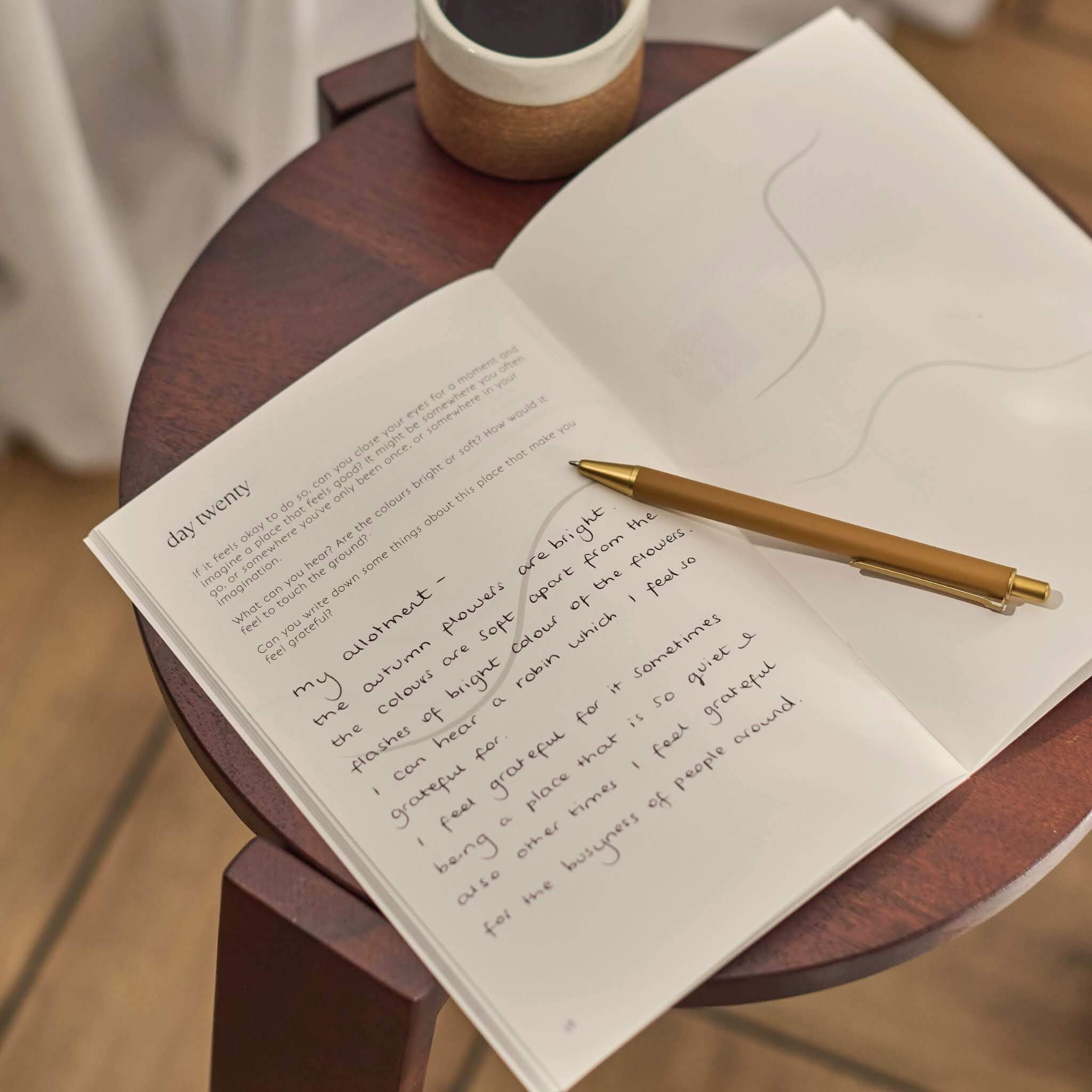
This is why The Give Yourself Kindness Journal includes prompts like "What emotions can you notice have arisen for you today?" with an emotional awareness tool on every page—helping you identify and process feelings with self-compassion.
6. Create a Realistic Study Routine (Not Perfection)
The pressure to study constantly often backfires. Research shows that breaks are productive, not lazy—your brain needs rest to consolidate learning.
You don't have to study 12 hours a day to do well. Rest is not weakness. Taking breaks is not failure.
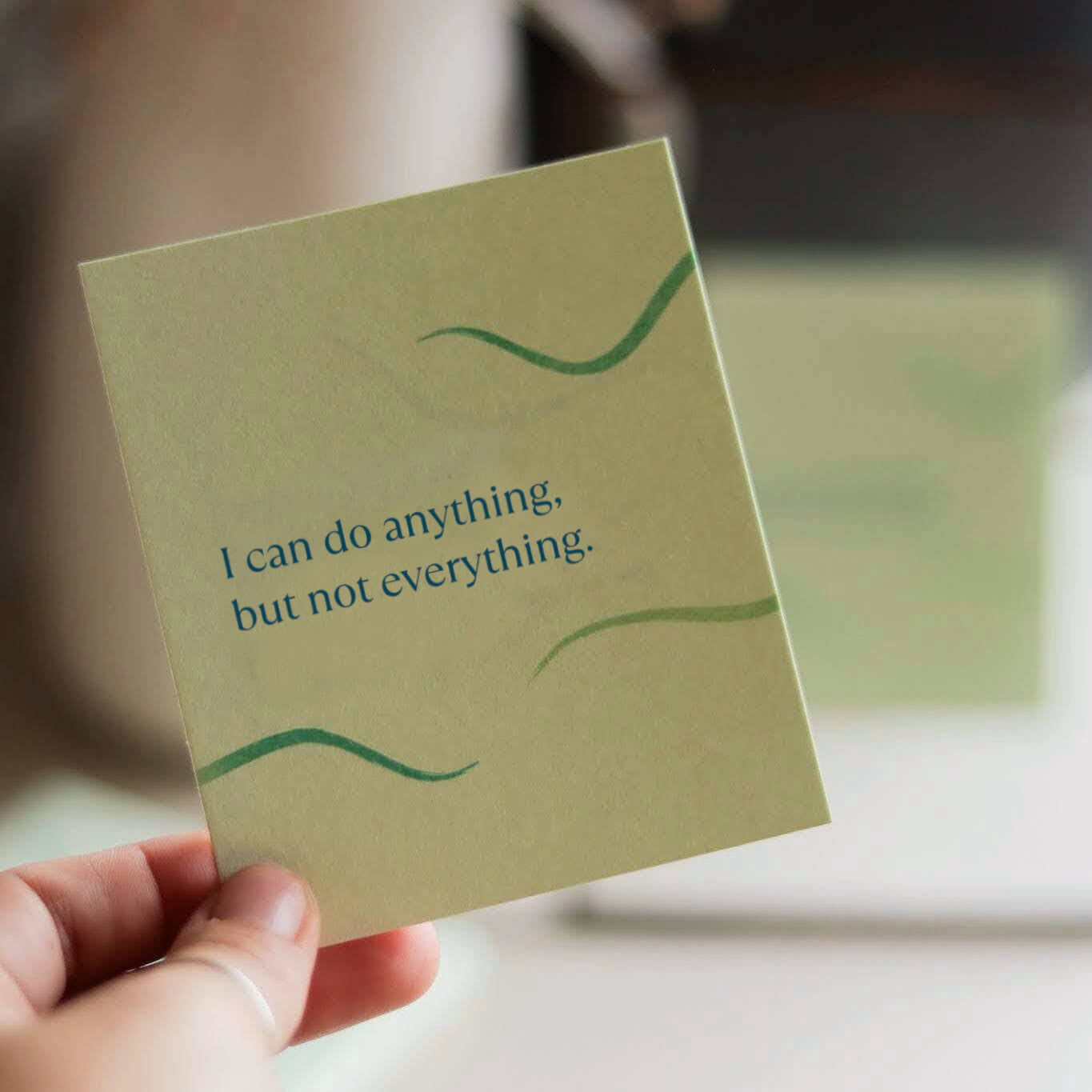
As one of the student affirmations says: "I can do anything, but not everything."
7. Prioritize Sleep (Even During Exam Period)
Sacrificing sleep to study more actually impairs memory consolidation and cognitive function. Research published in the Journal of Experimental Psychology found that writing a specific to-do list before bed helped people fall asleep significantly faster—an average of 9 minutes quicker.
Dr. Santangeli's research shows that evening journaling and wind-down routines are essential for quality sleep during stressful periods.
- Stop studying at least 1 hour before bed
- Journal to process the day's emotions (not just task lists)
- Use calming techniques like breathing or affirmations
- Limit screen time to reduce blue light exposure
Self-Compassion Tools Designed for Exam Stress
Understanding these strategies is one thing. Having practical tools when you're in the middle of revision or lying awake at night is another.
After my own experience with exam pressure and later working with clinical psychologists, I created tools specifically for this intense period—not generic wellness products, but research-backed support designed around what actually helps when pressure is high.
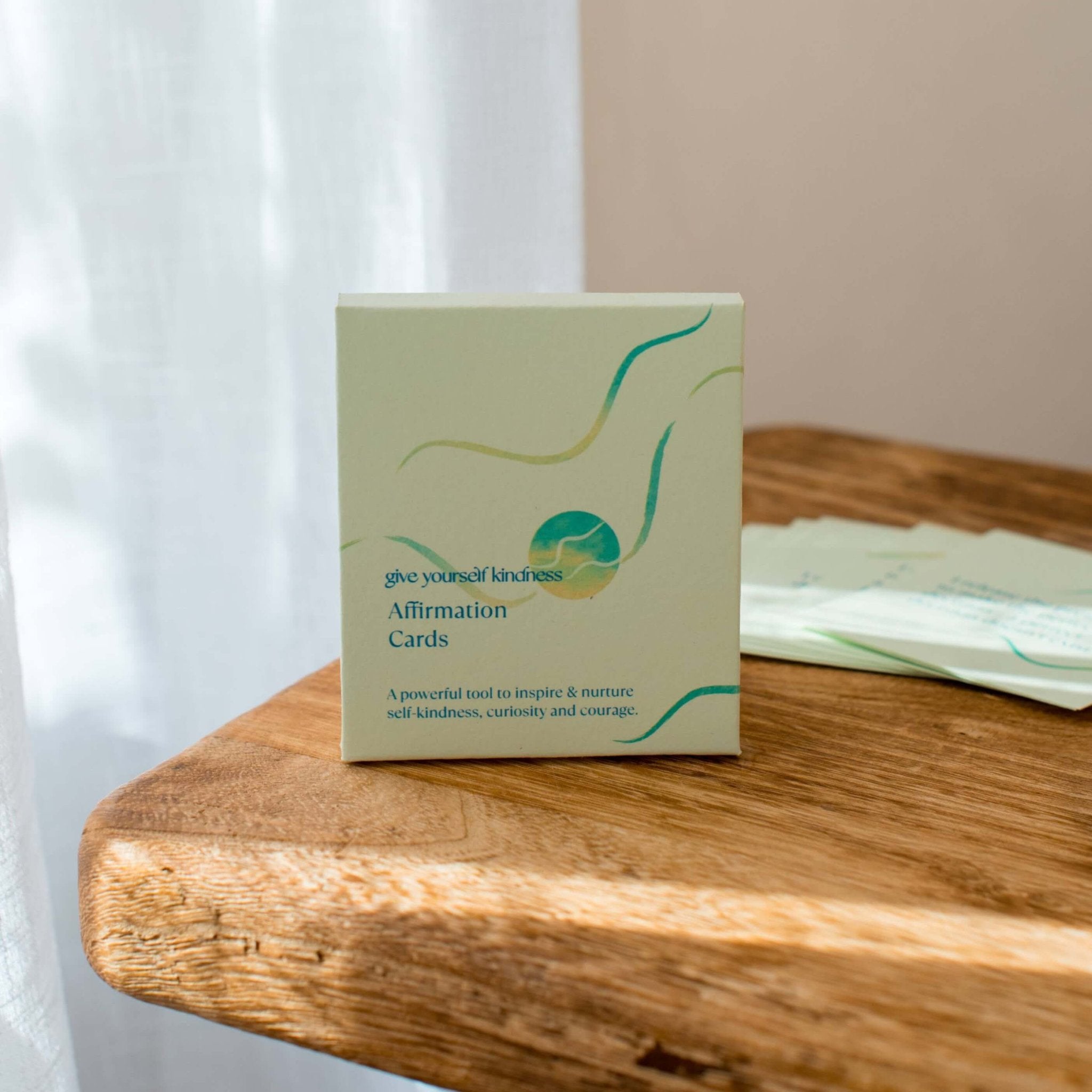
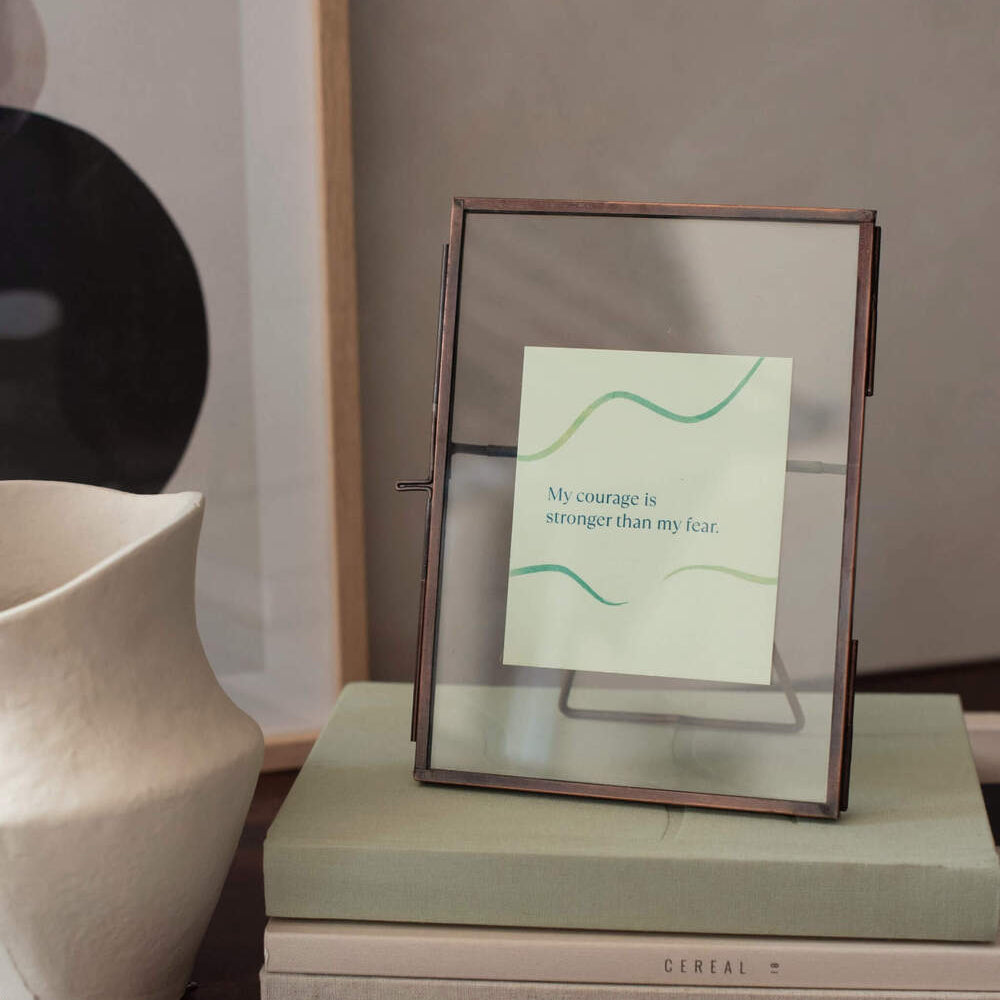
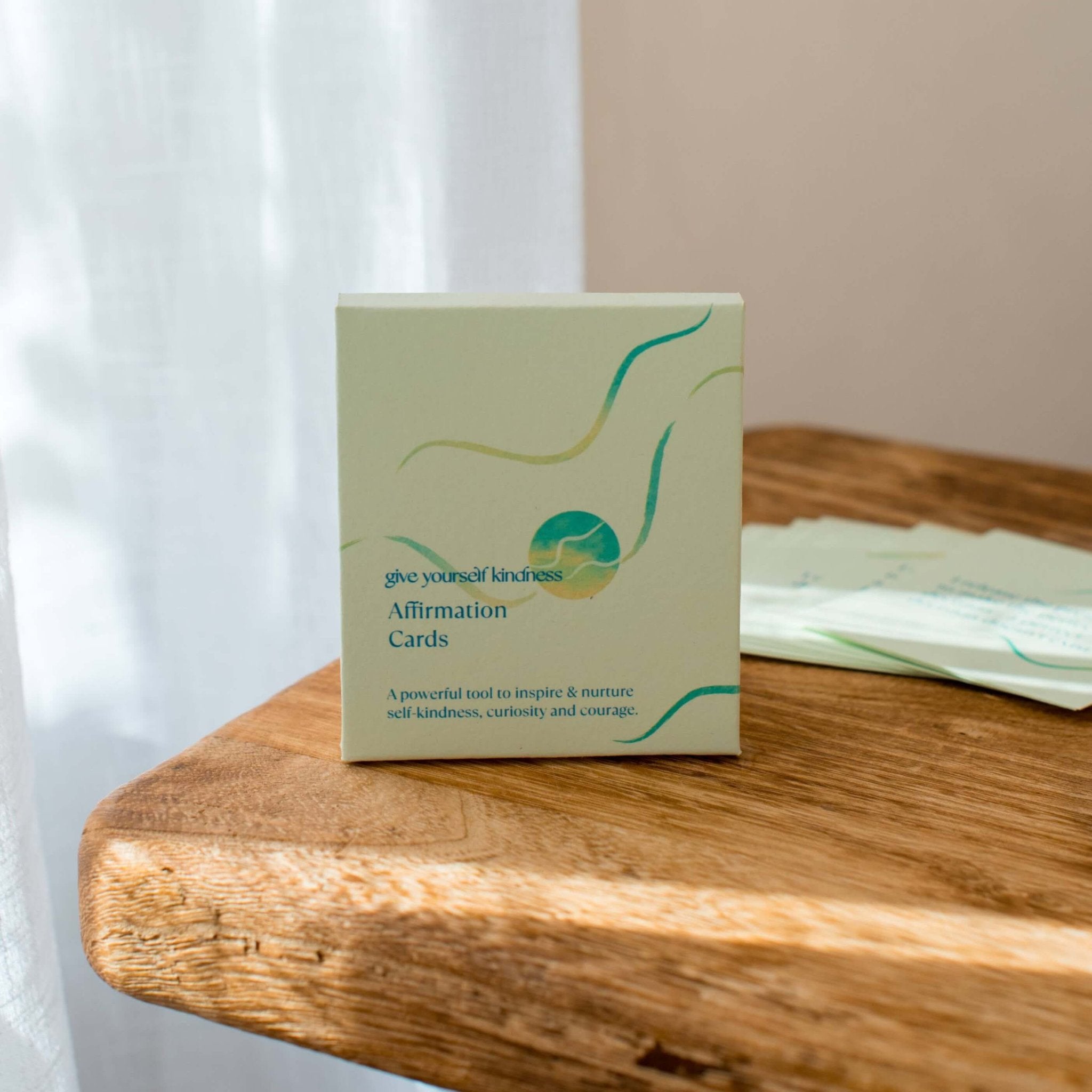
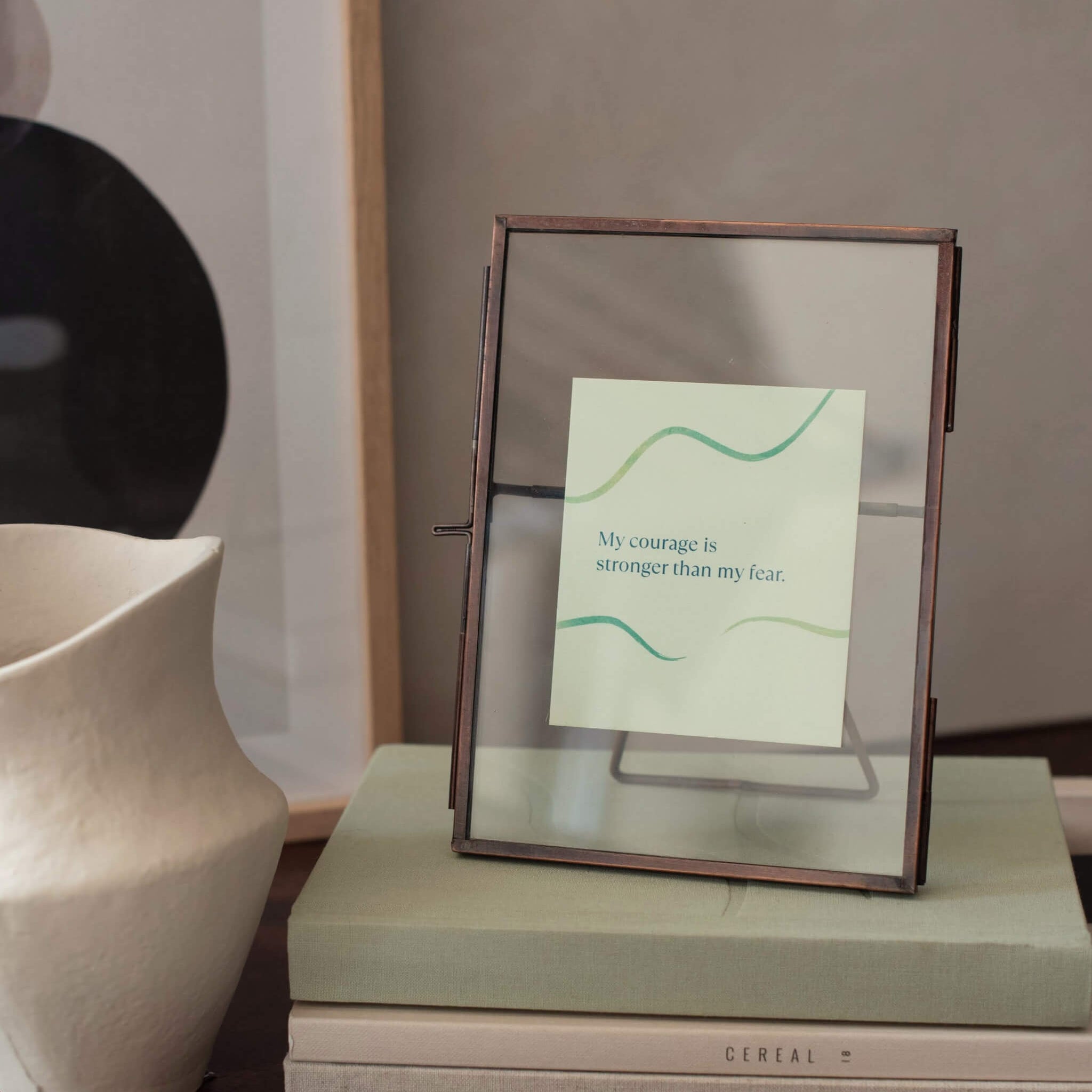
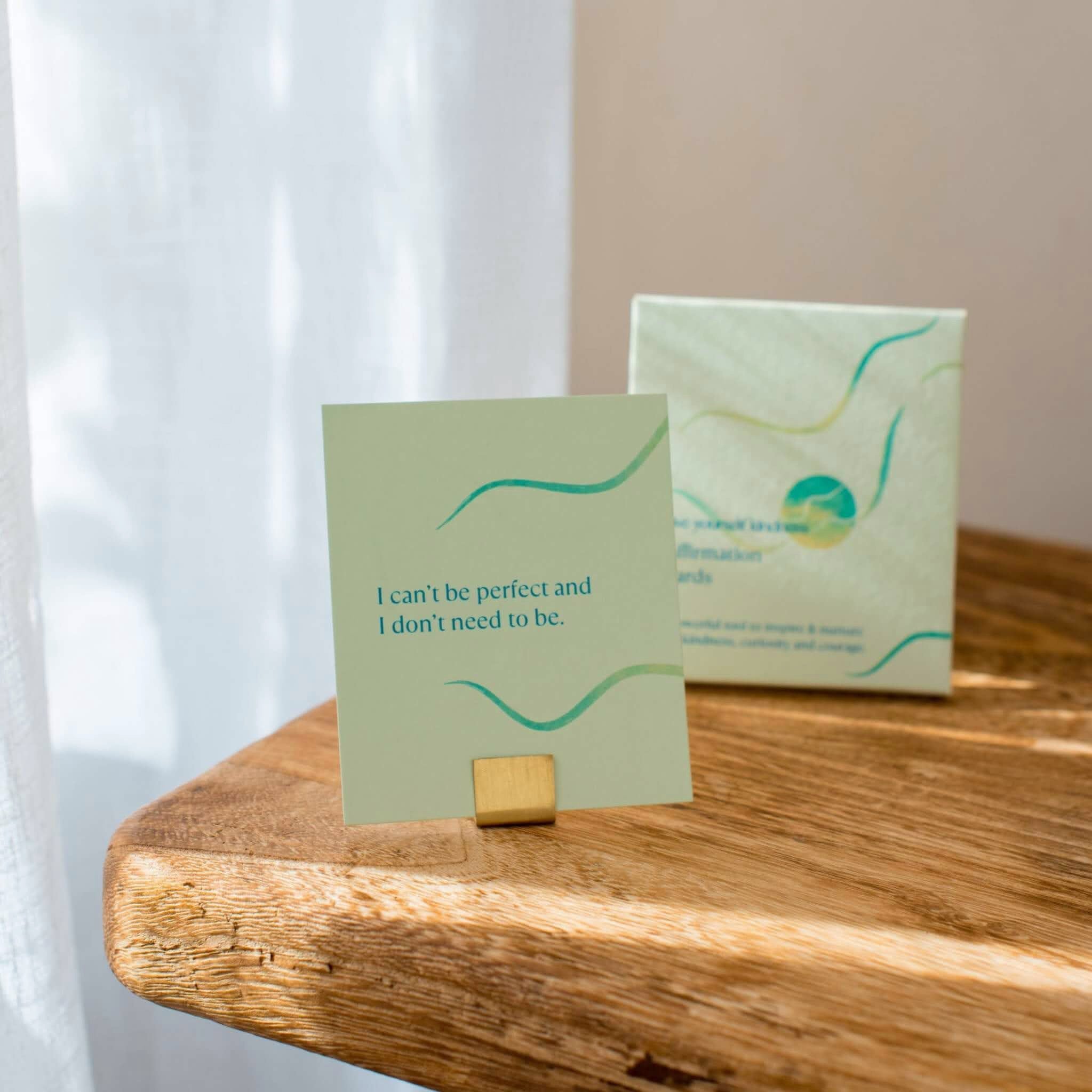
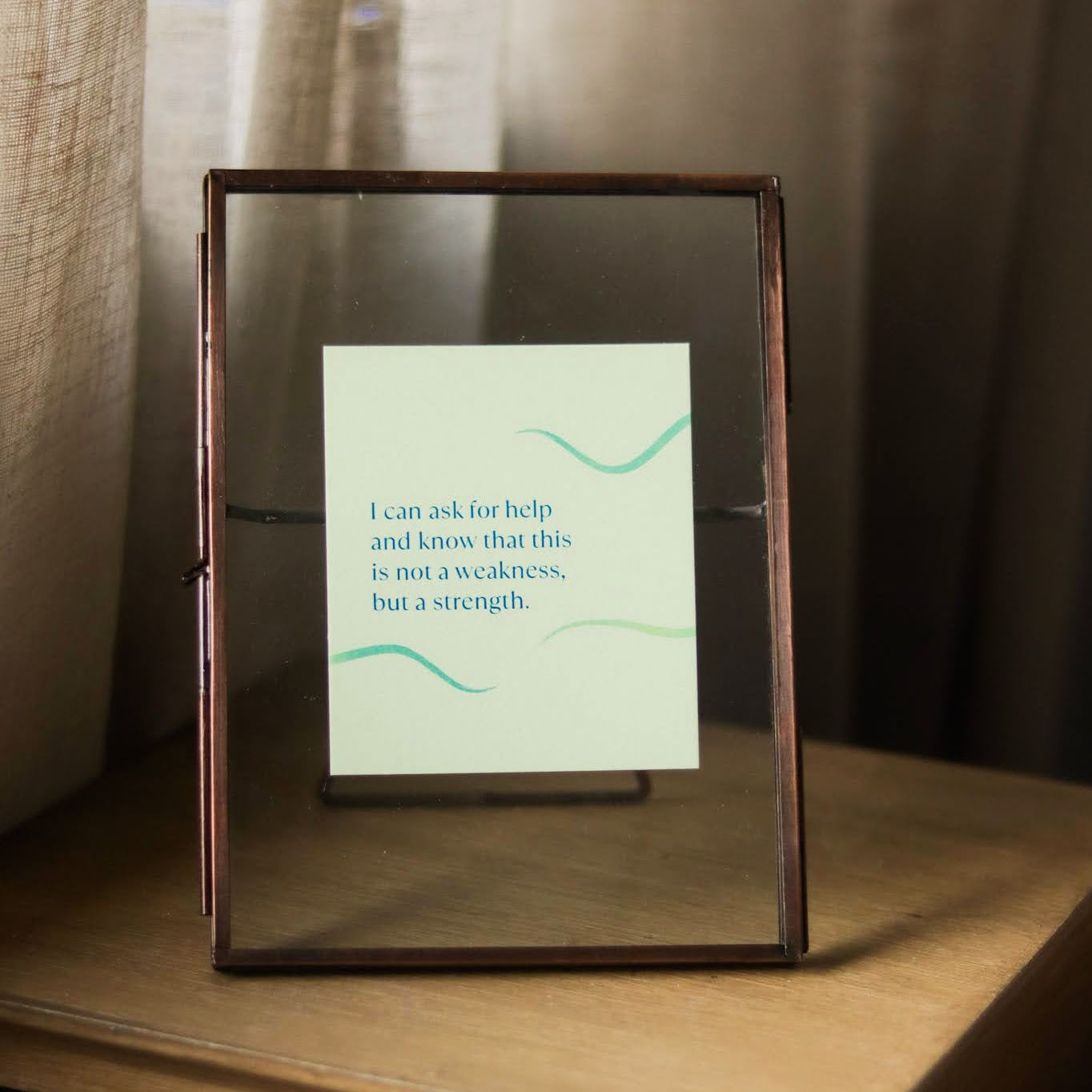
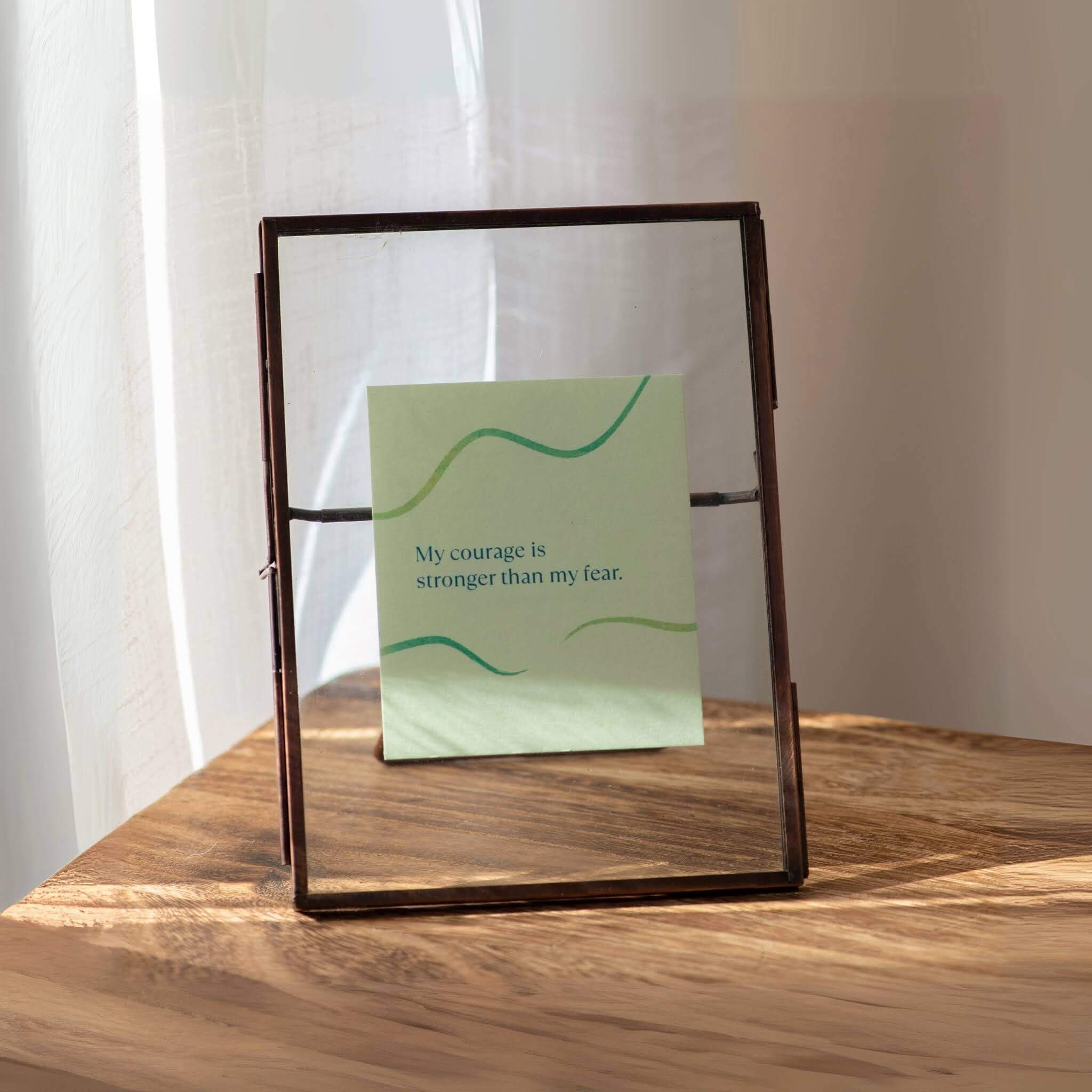
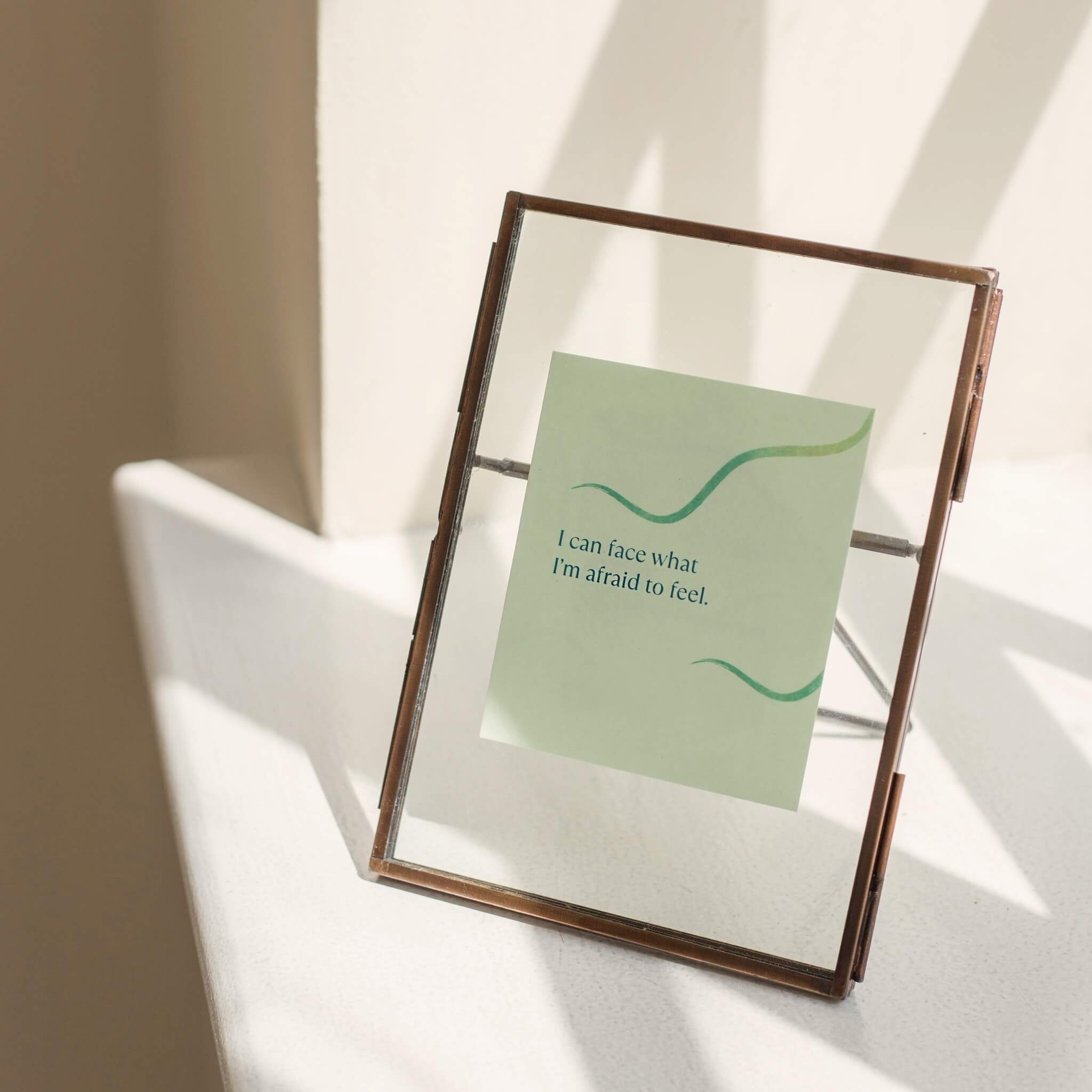
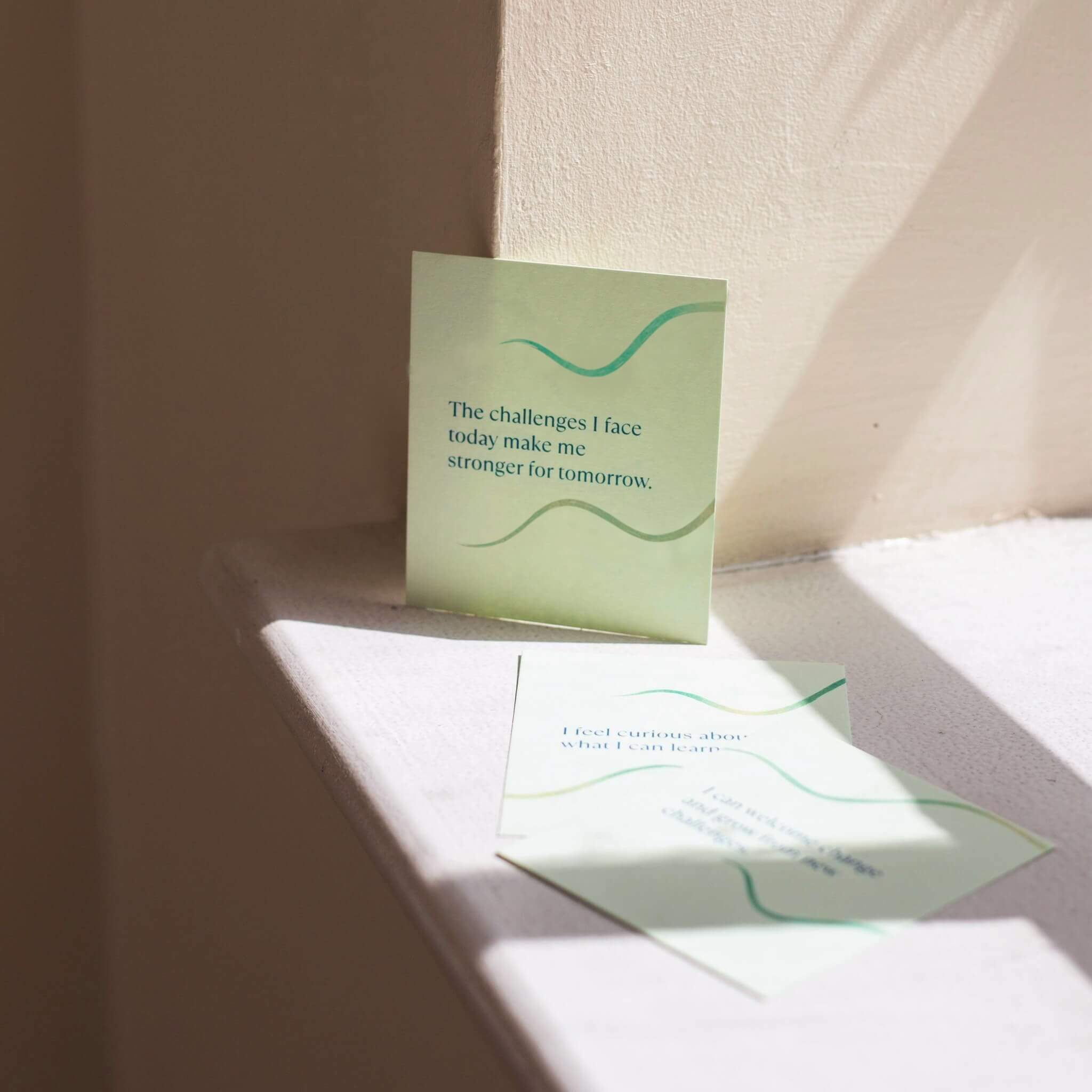
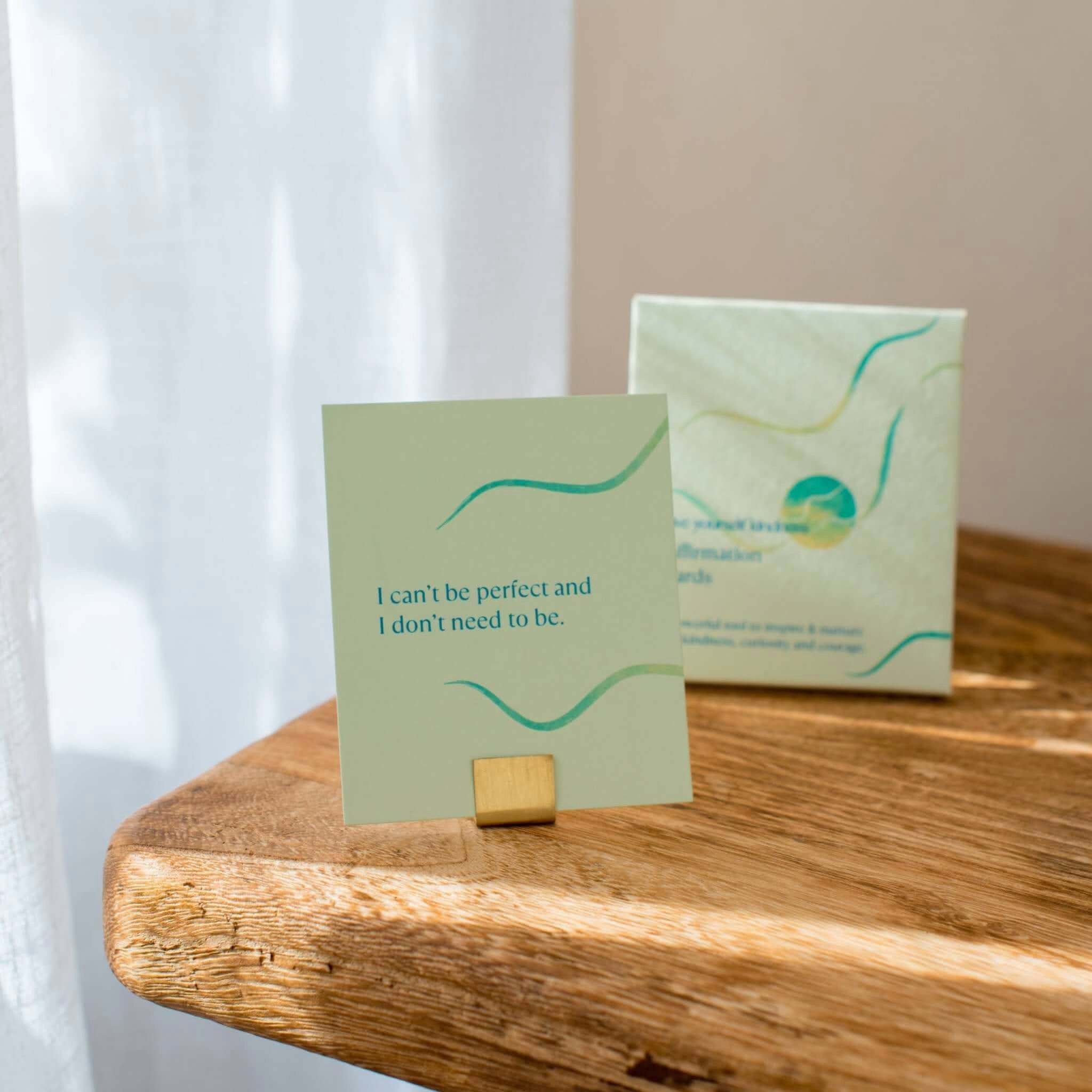
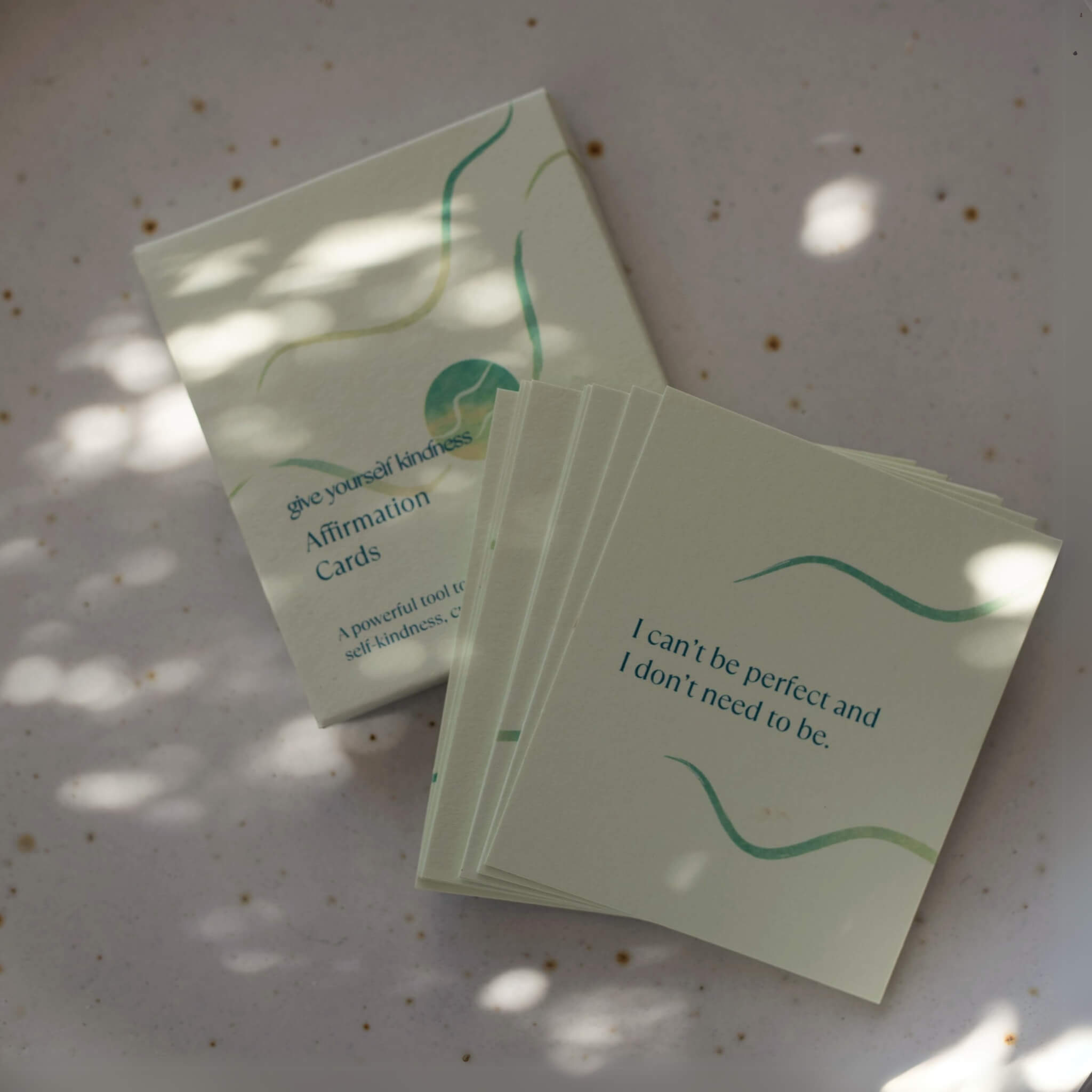
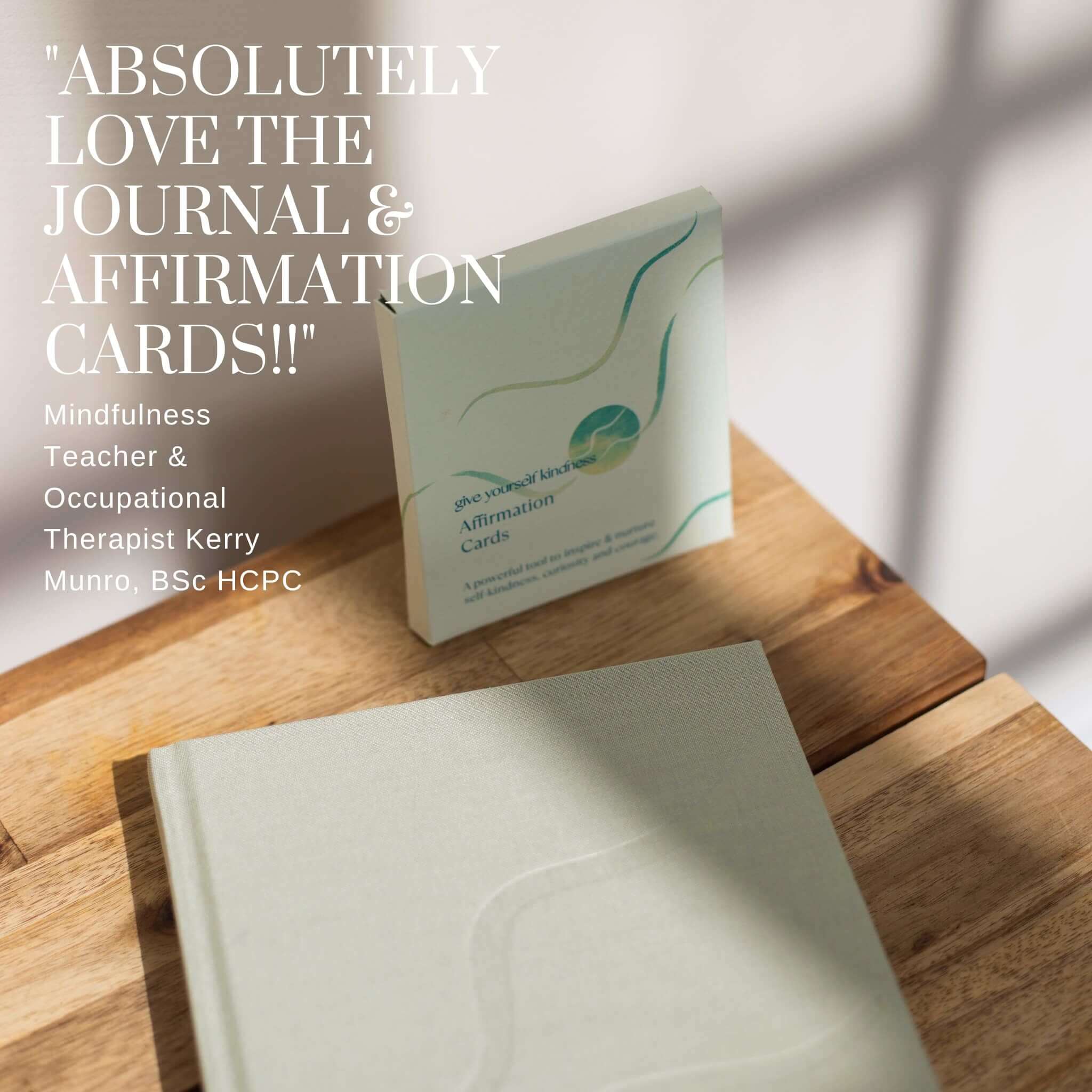
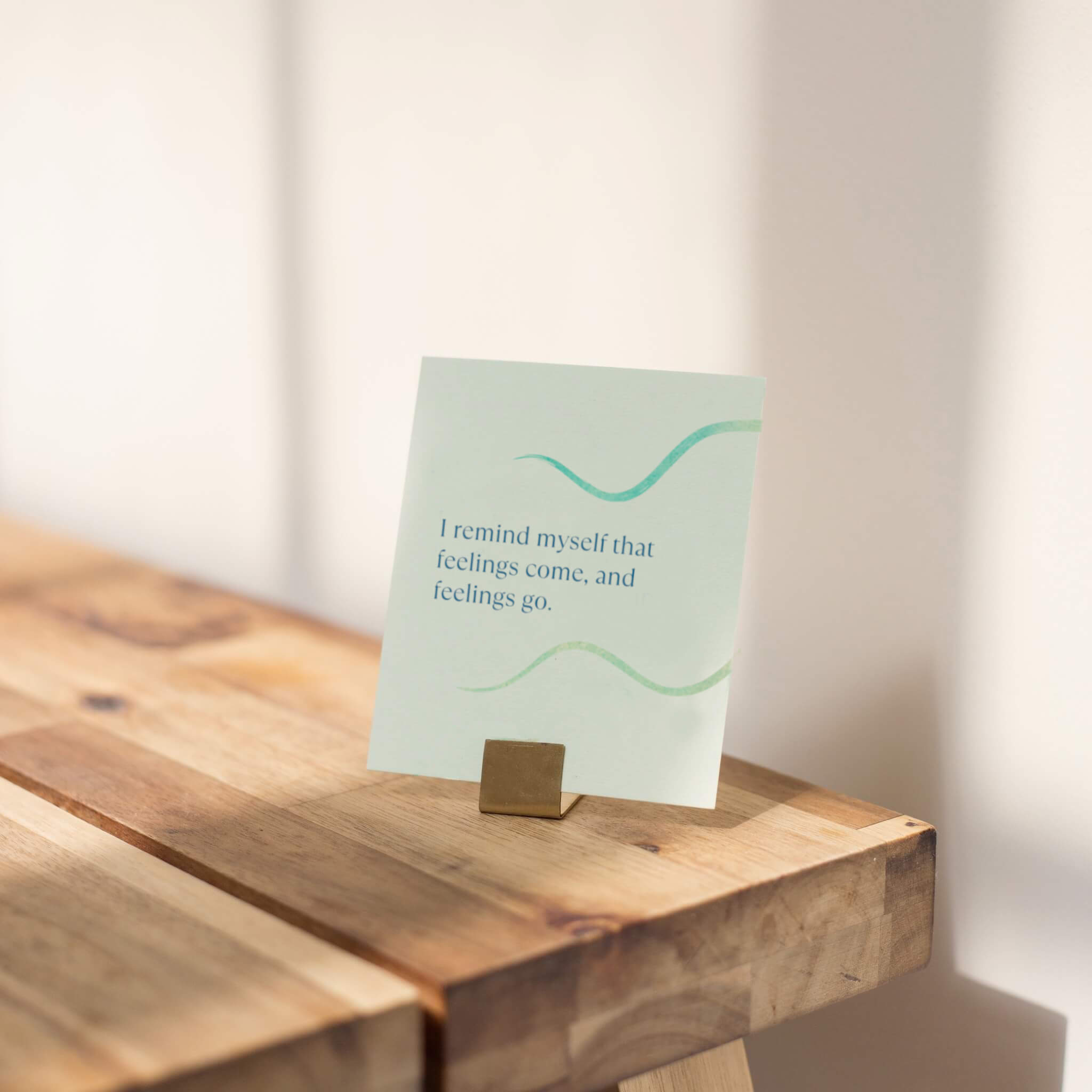
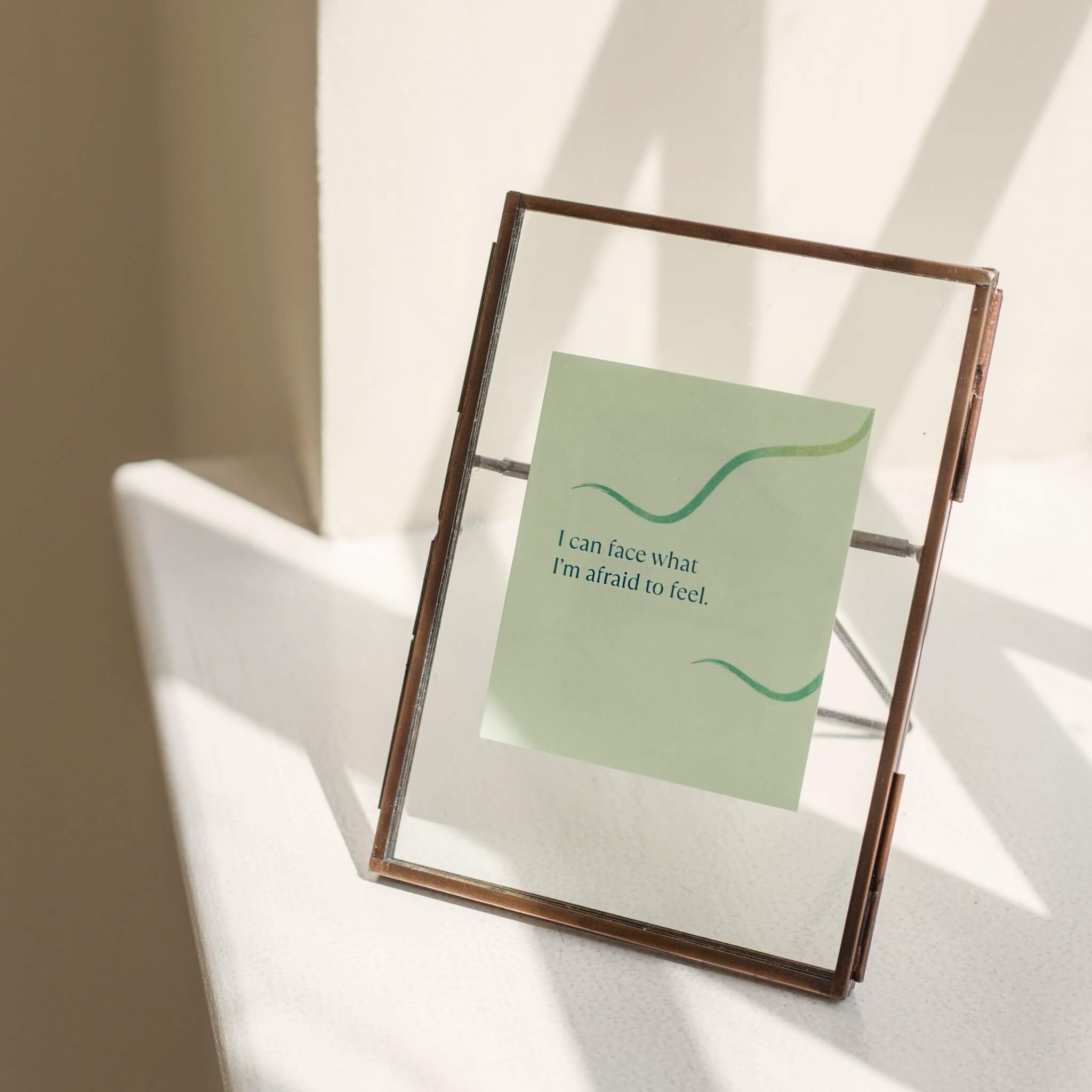
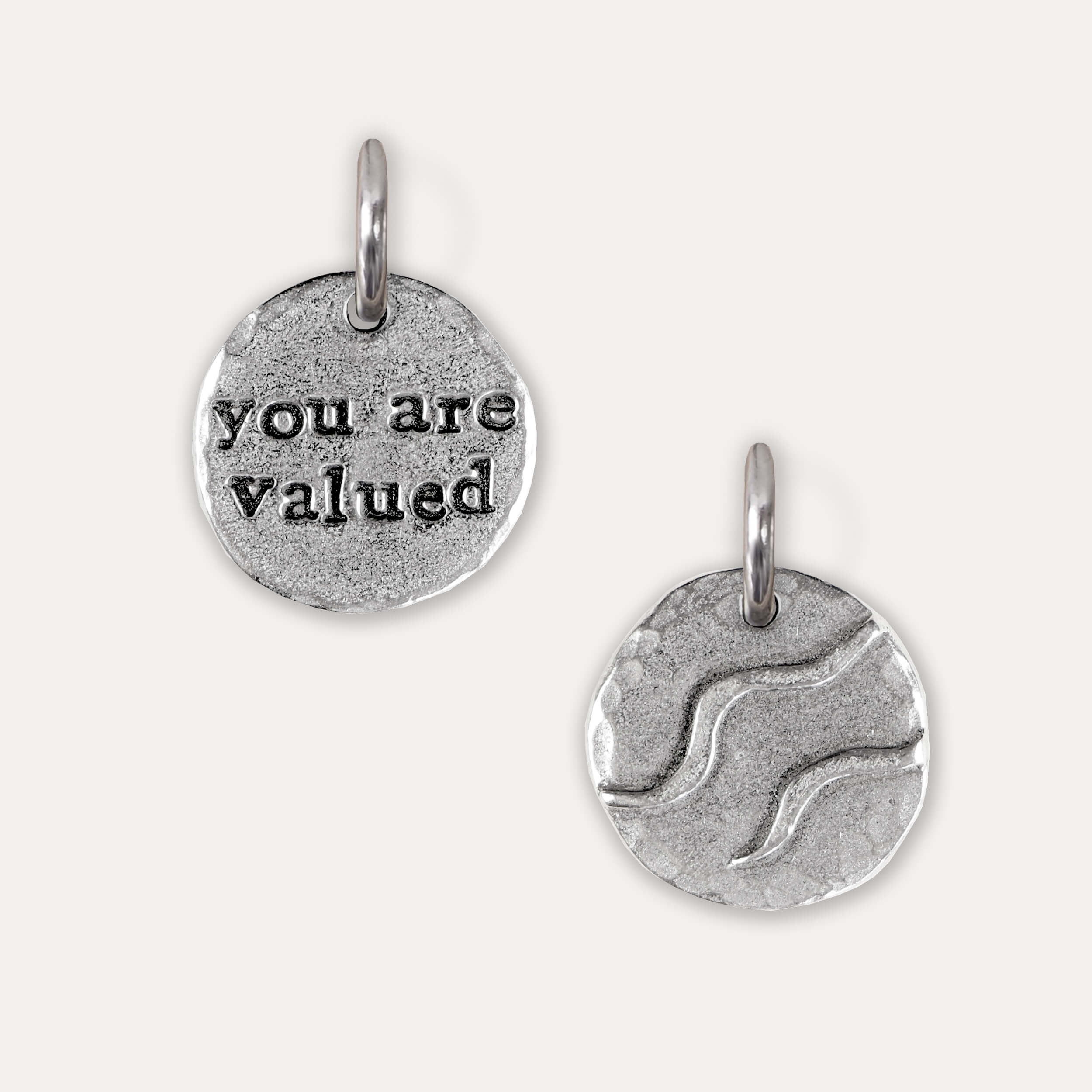
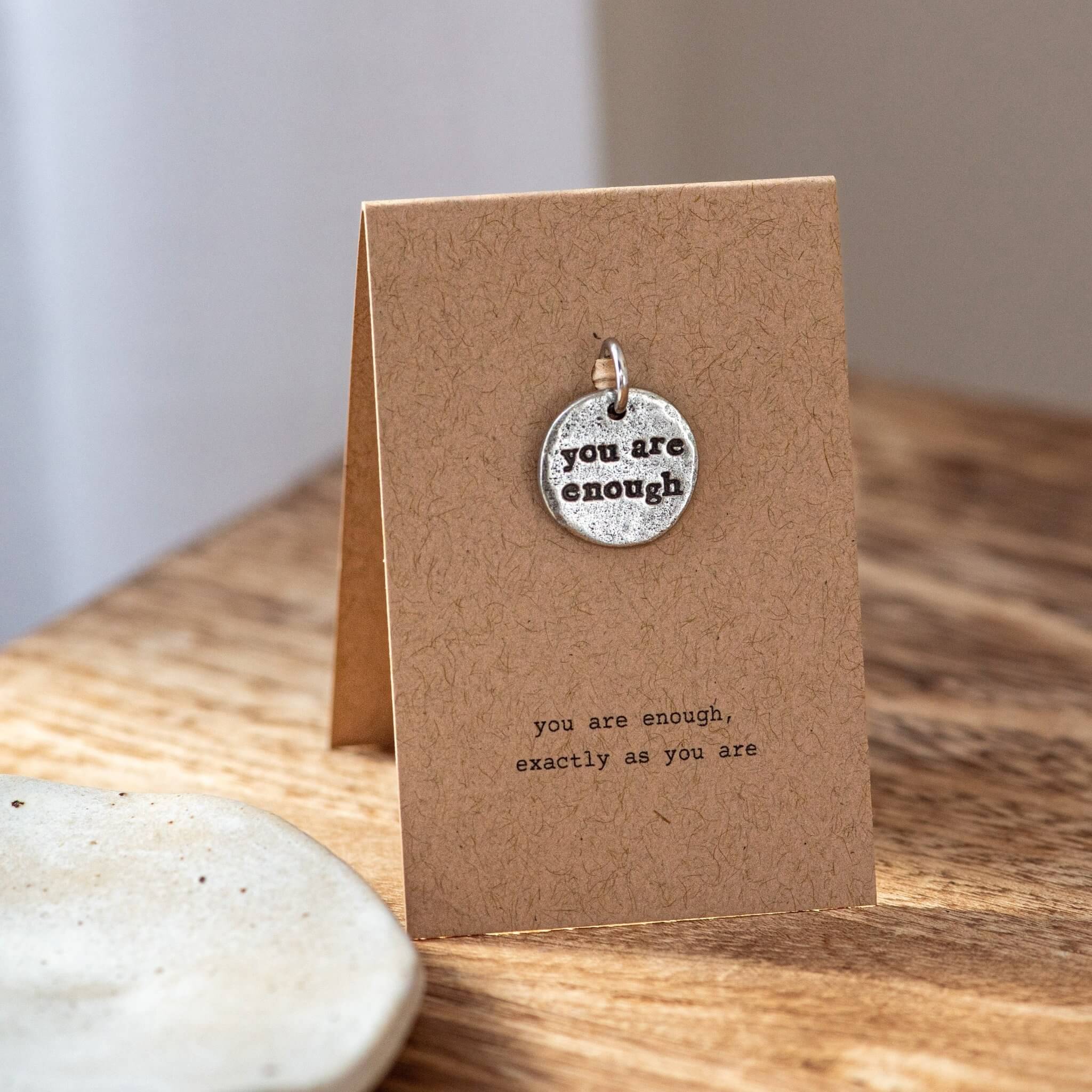
Student Affirmation Cards
Quick daily support during revision and exams
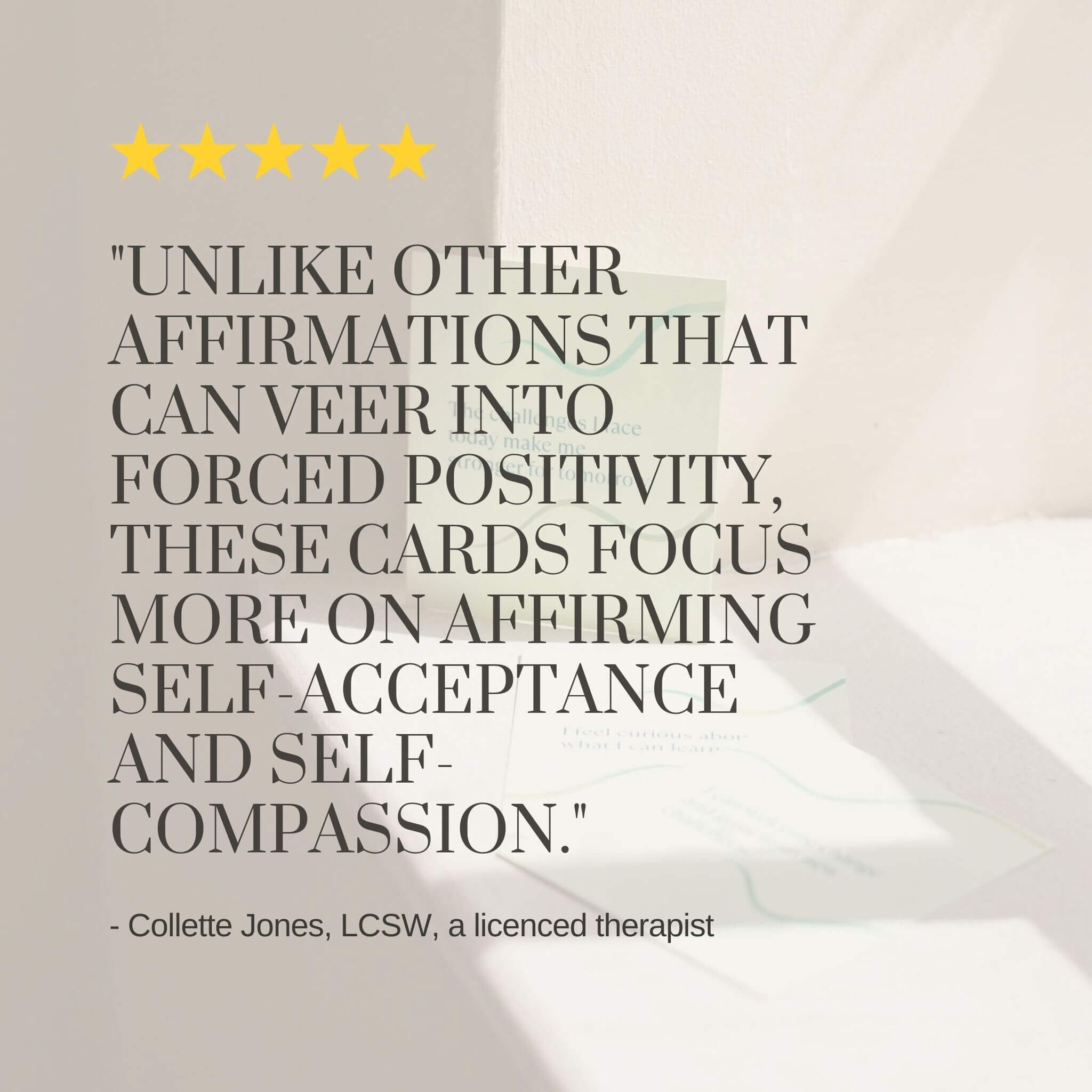
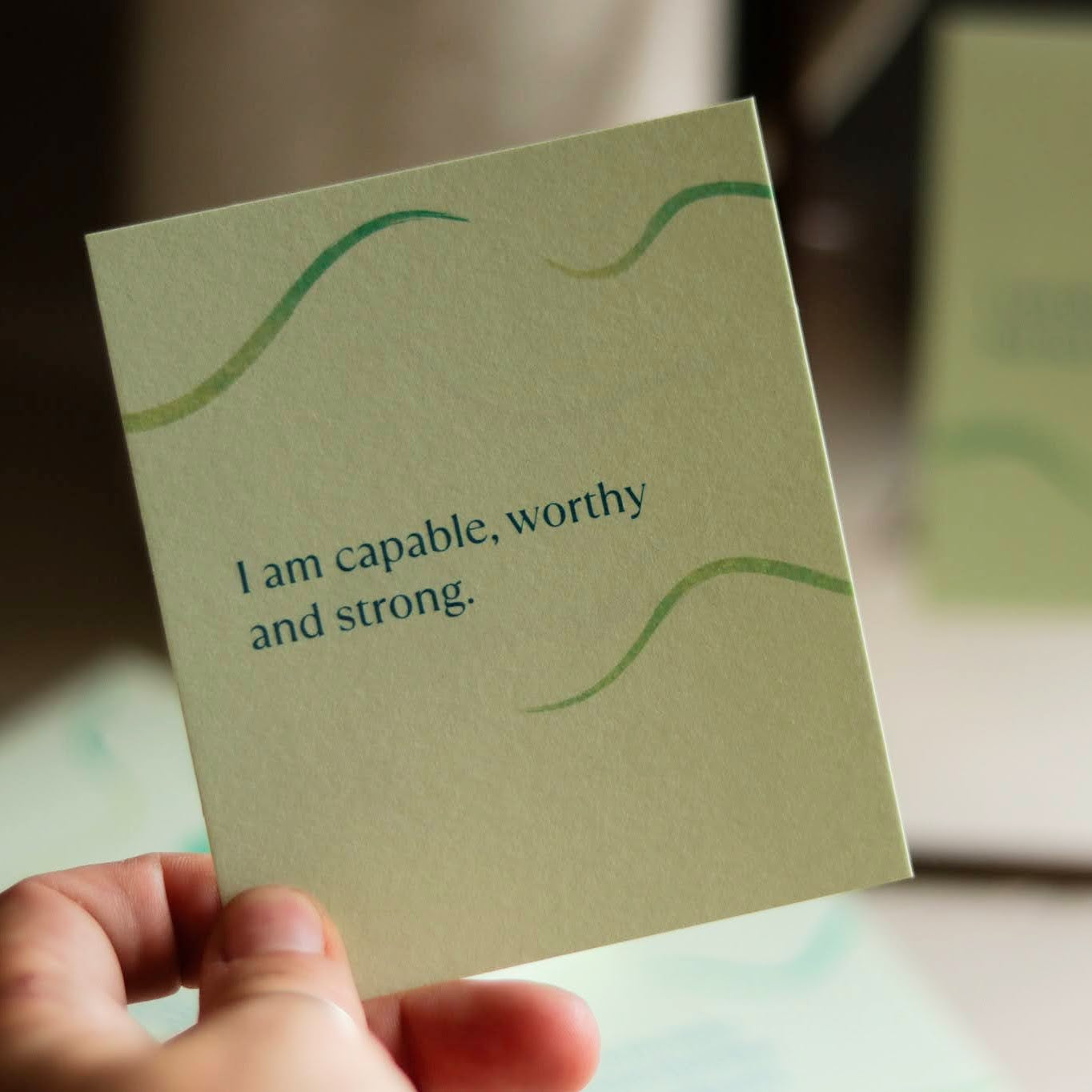
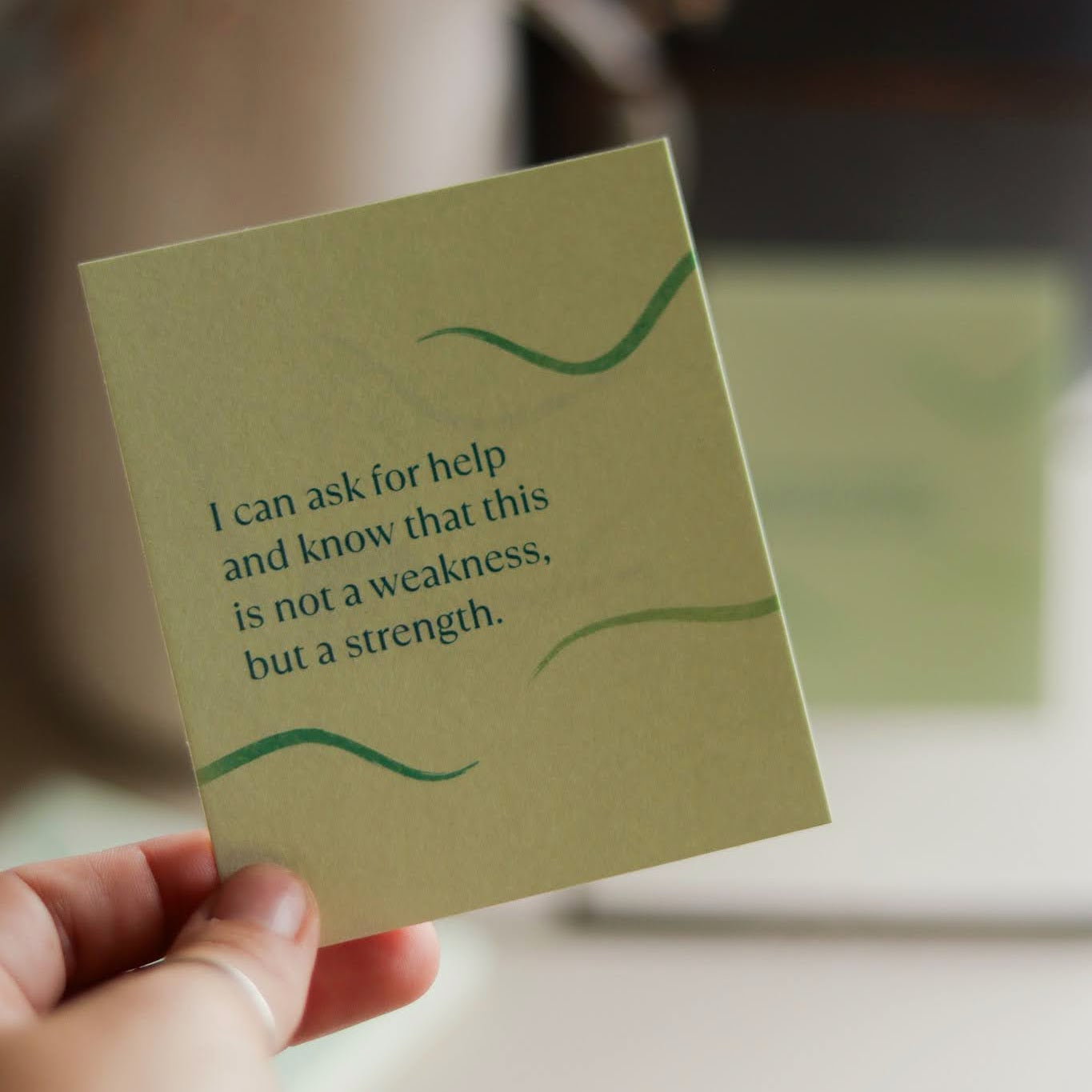
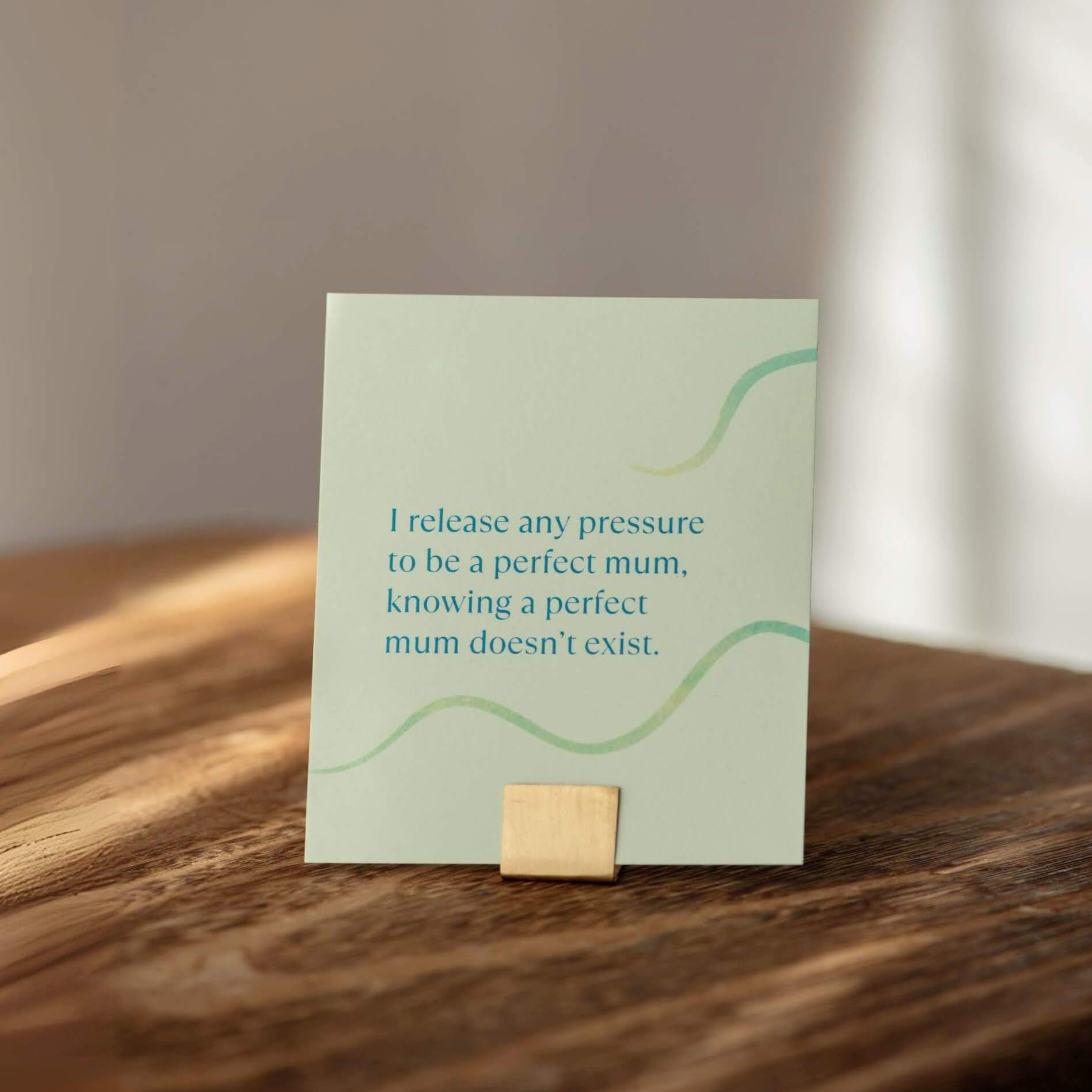
Unlike generic "you've got this!" affirmations, these acknowledge that exams are genuinely hard. They use self-compassion principles backed by research to interrupt negative thought patterns without forcing positivity.
What Makes Them Different
These cards were designed after asking five psychologists "Do affirmations really work?" Their answer: it depends on the affirmation.
Traditional positive affirmations ("I'm amazing!" "I'm so confident!") can backfire during high stress. Self-compassion affirmations acknowledge difficulty while offering support.
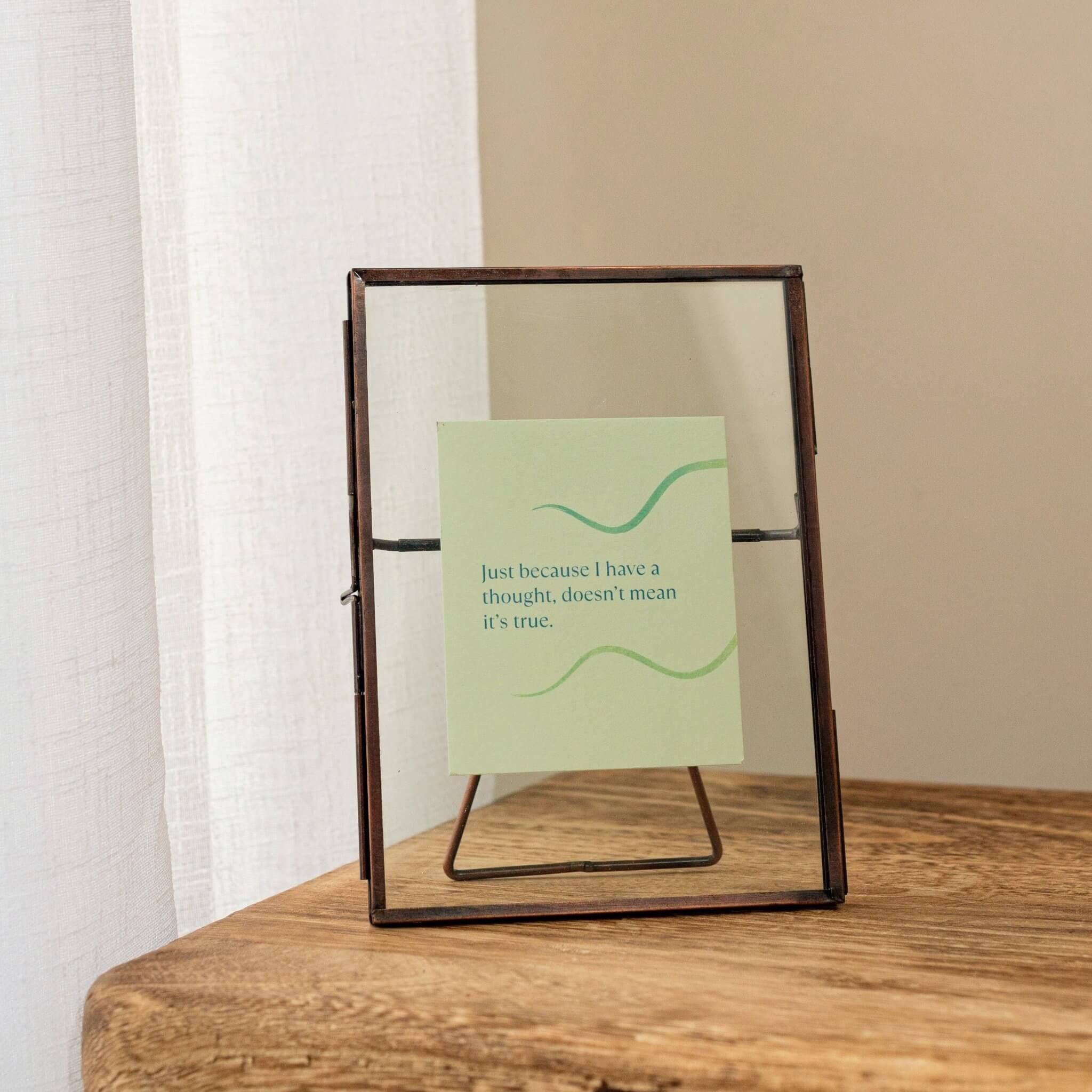
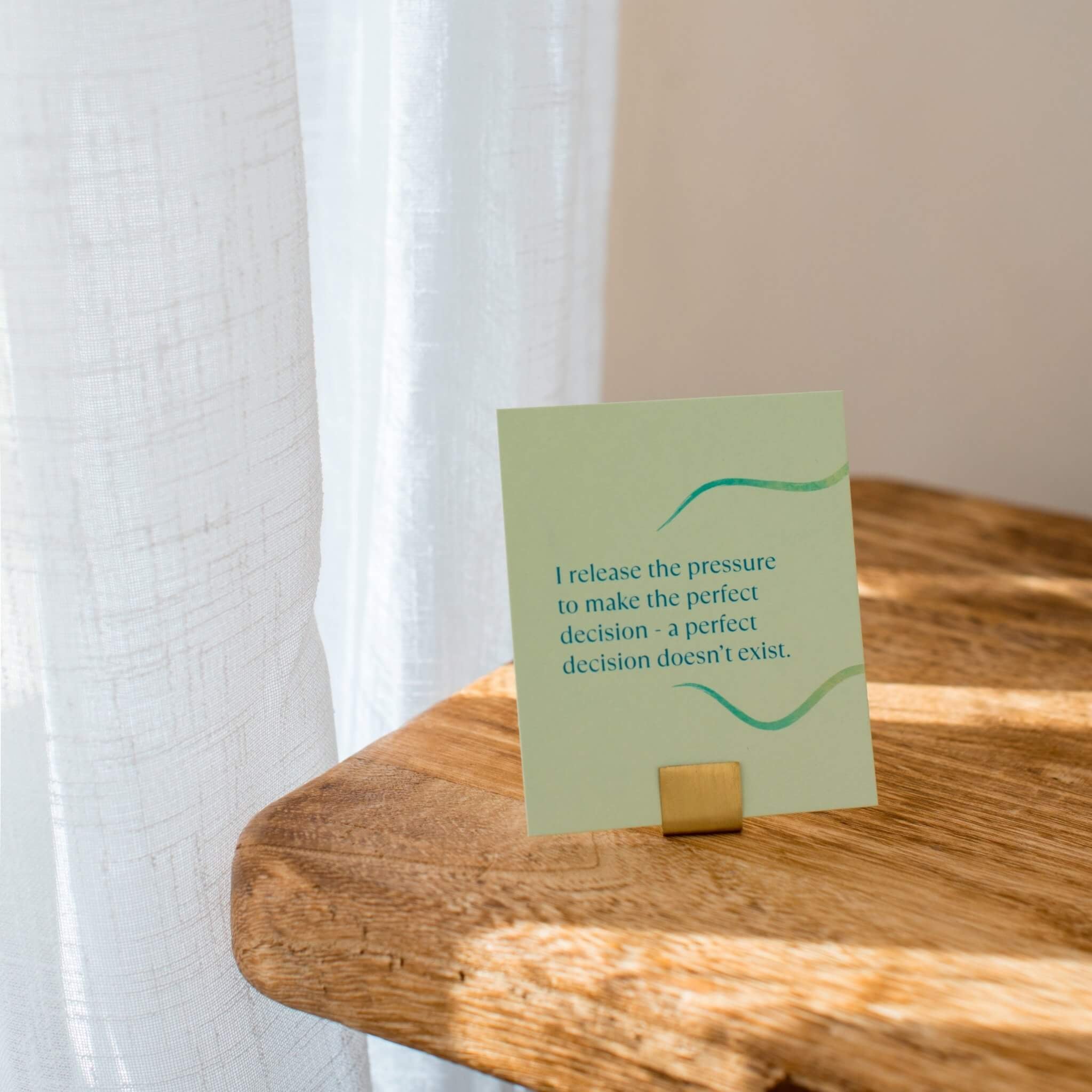
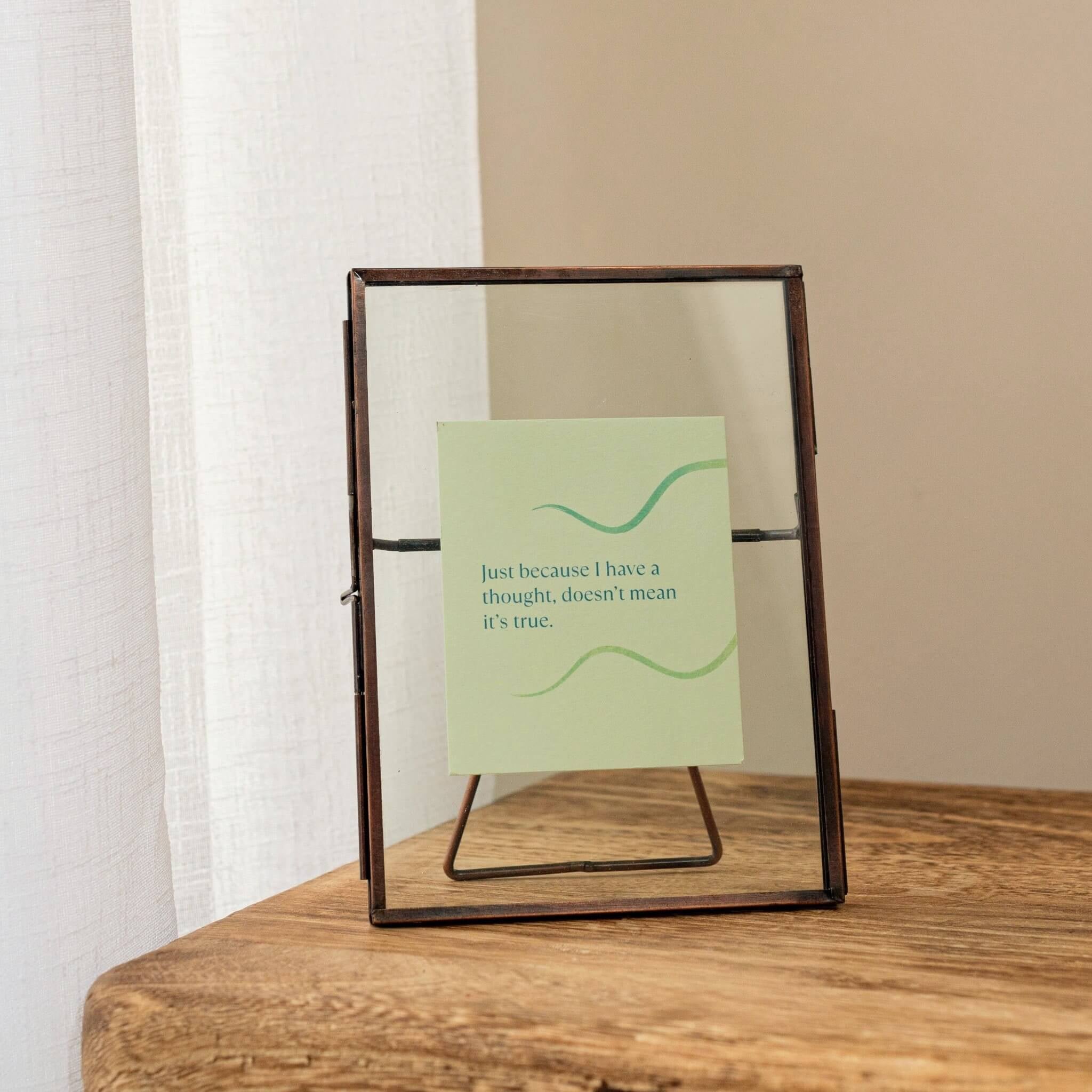
Sample affirmations from the student cards:
- "I can embrace change whilst reassuring myself that change is challenging"
- "I remind myself that no one was an expert before they were a beginner"
- "I am enough, exactly as I am"
- "I can try, even when I don't feel 100% ready"
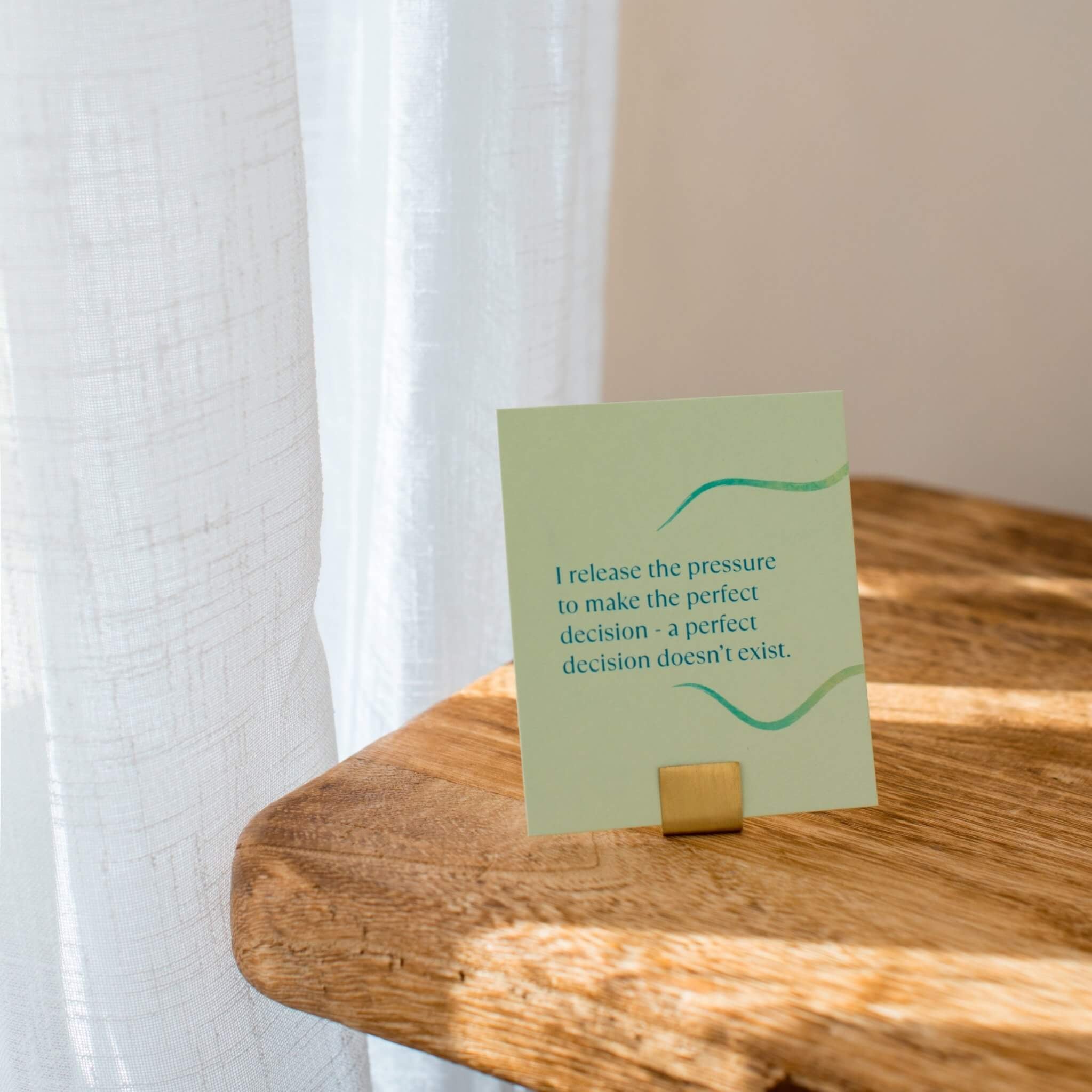
- "I can release any pressure to make the perfect decision - a perfect decision doesn't exist"
- "I can use my breath as a tool to find calm, taking deep, slow breaths"
- "Just because I have a thought, doesn't mean it's true"
- "I don't need to compare or compete. No human on the planet is meant to be the same"
How Students Use Them
- On desk during revision: Quick encouragement when self-doubt hits
- Before exams: Calming reminder while waiting outside exam room
- At bedside: Last thing to read before sleep during exam period
- In wallet/bag: Portable support wherever needed
Perfect for Gift-Giving
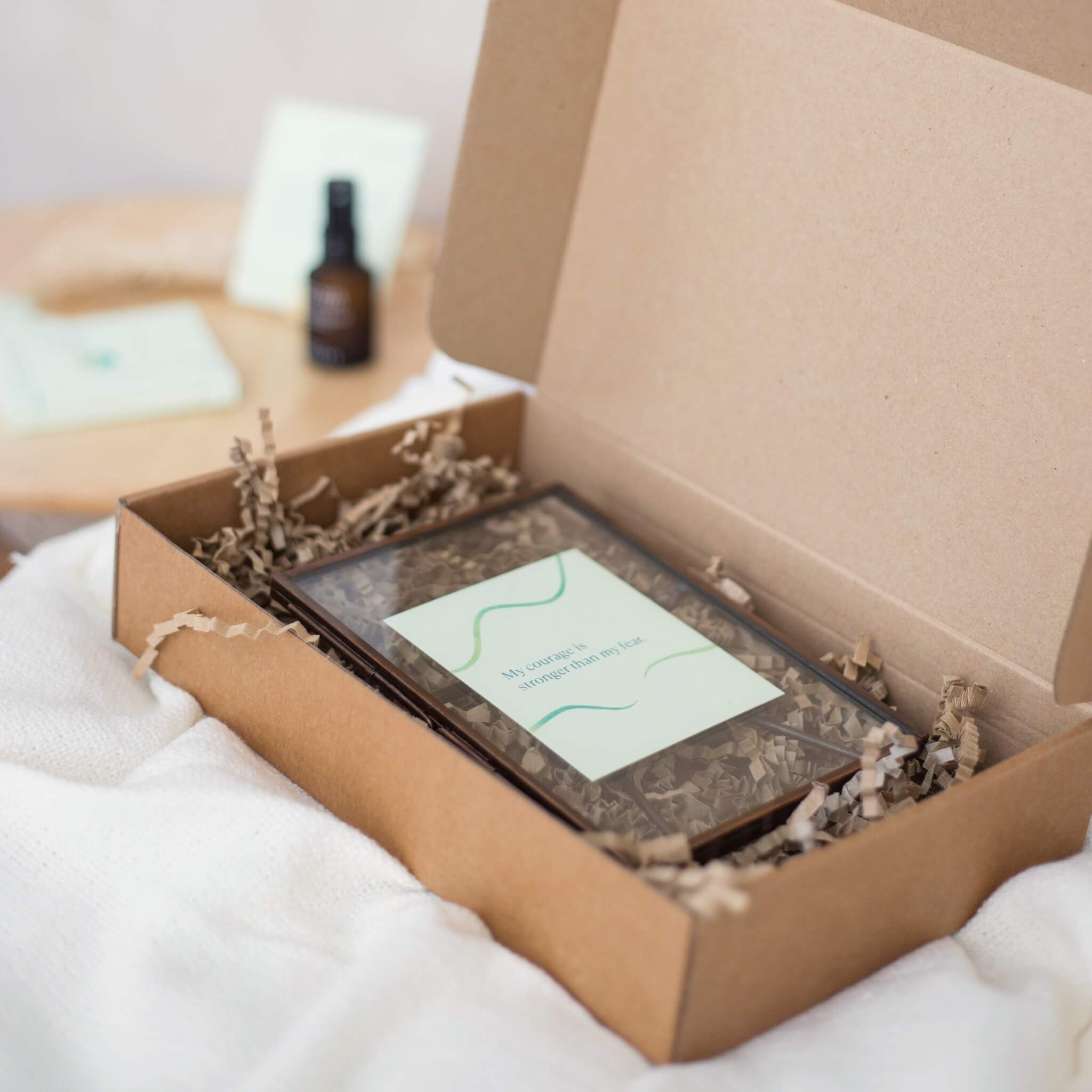
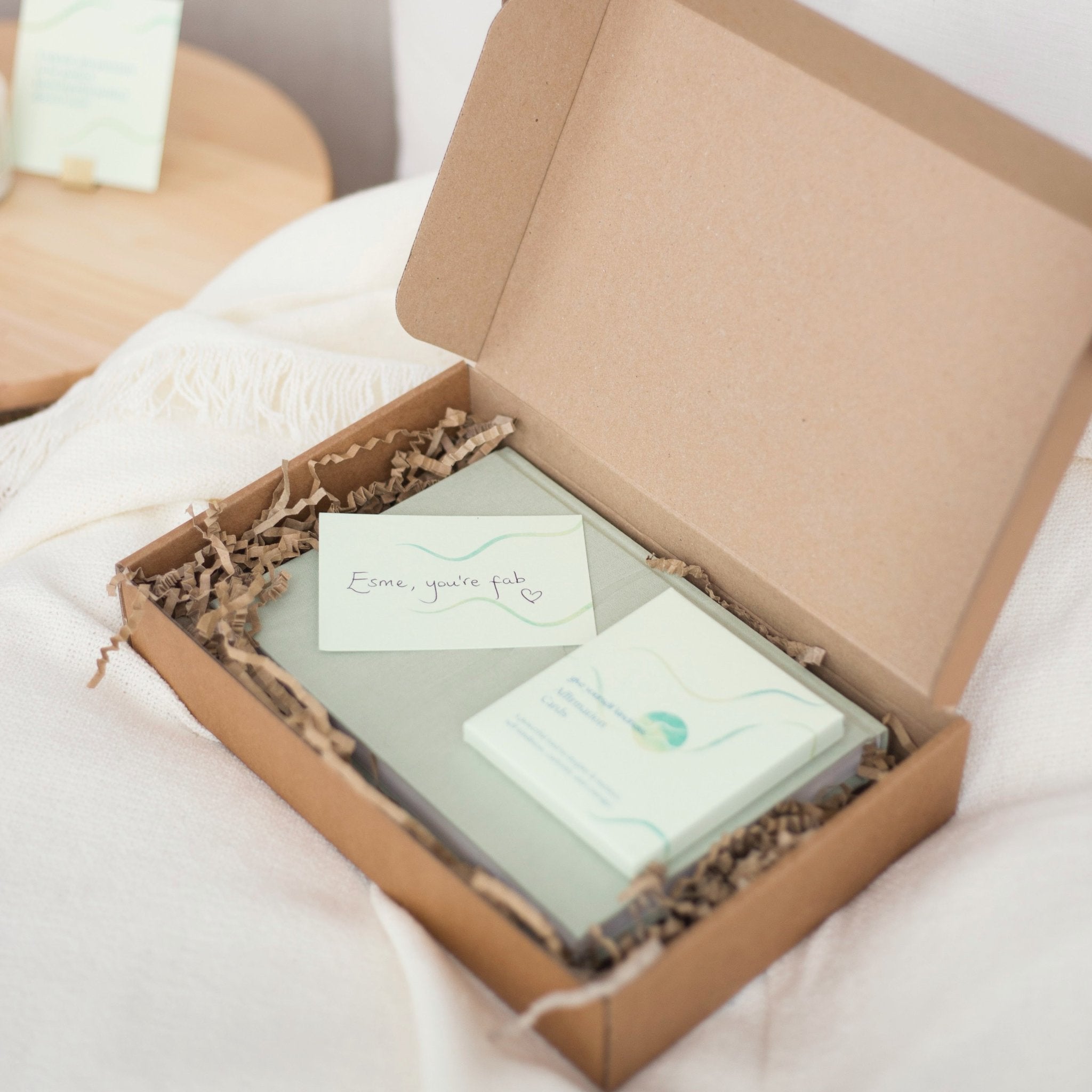
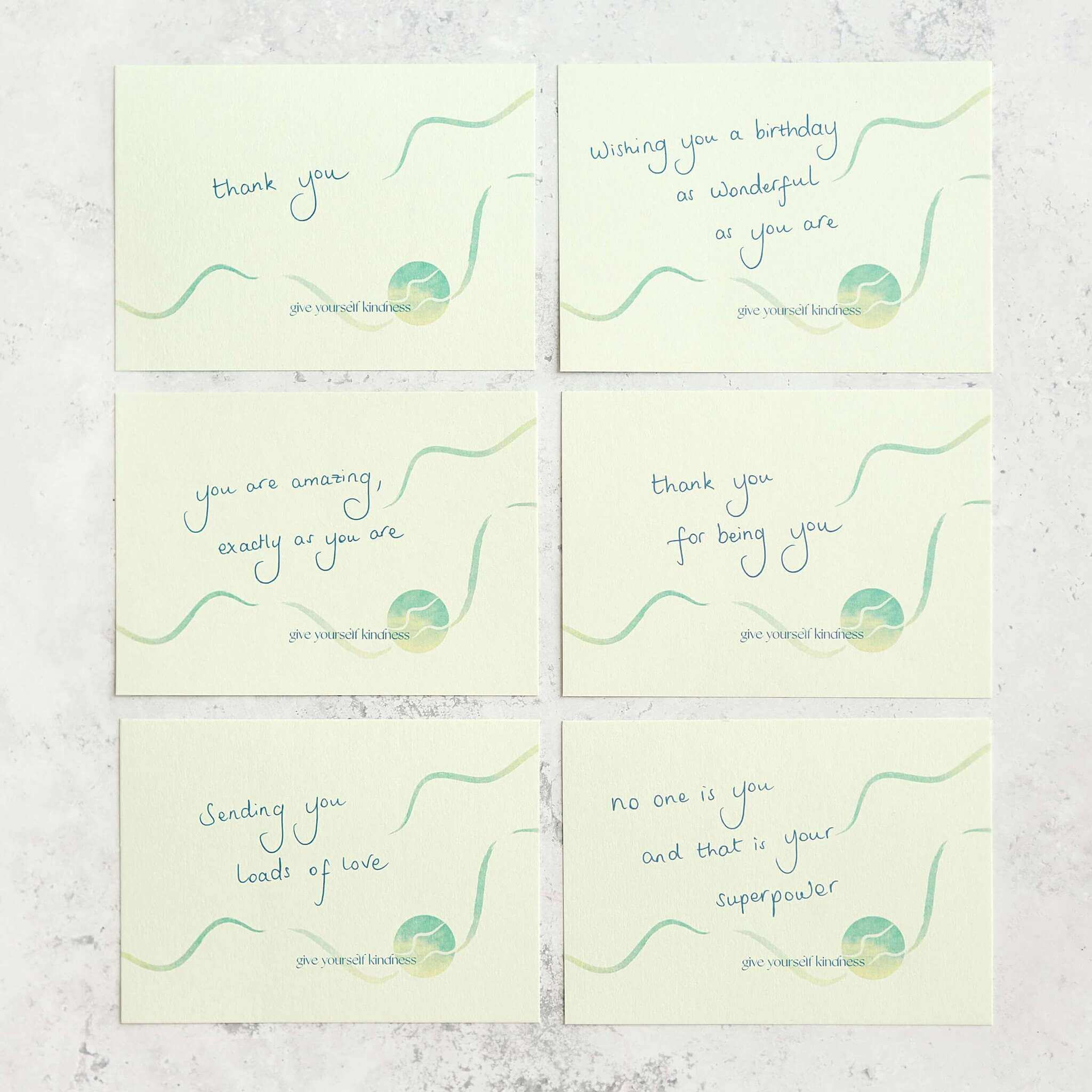
Many parents order these to support their child through exams. Optional handwritten gift note included—your personal message of support.
"I ordered these for my daughter who is doing final 2nd level mock exams and will be sitting her official final year exams in early June. I can remember from sitting exams myself that the pressures are enormous and it can become an unhealthy existence for a time for young people. In having her cards sitting on my daughter's desk she can take them gentle and read them often and allow the powerful words flow into her mind and spirit to take her through this intense period of time in her life."
Product Details
- 20 affirmation cards (85mm x 100mm)
- Luxury 270gsm sustainably sourced pistachio card
- FSC-certified forests
- Printed locally in UK by sustainable business
- Plastic-free packaging
- Optional handwritten gift message
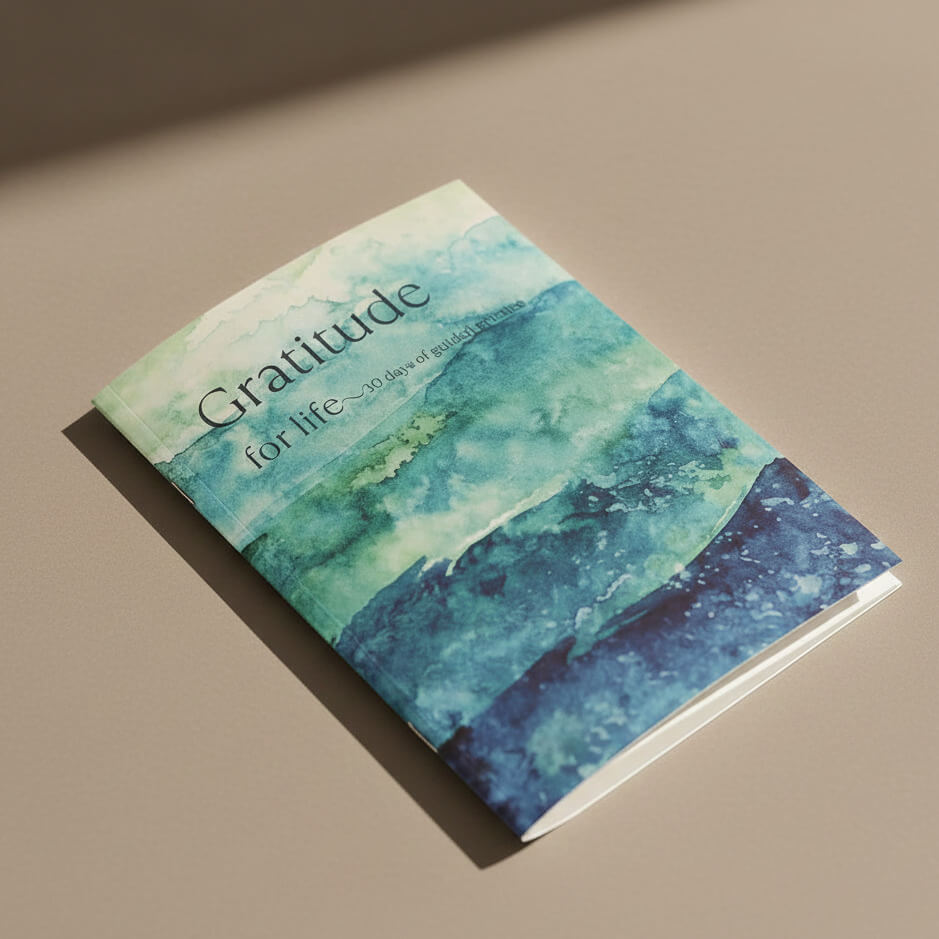
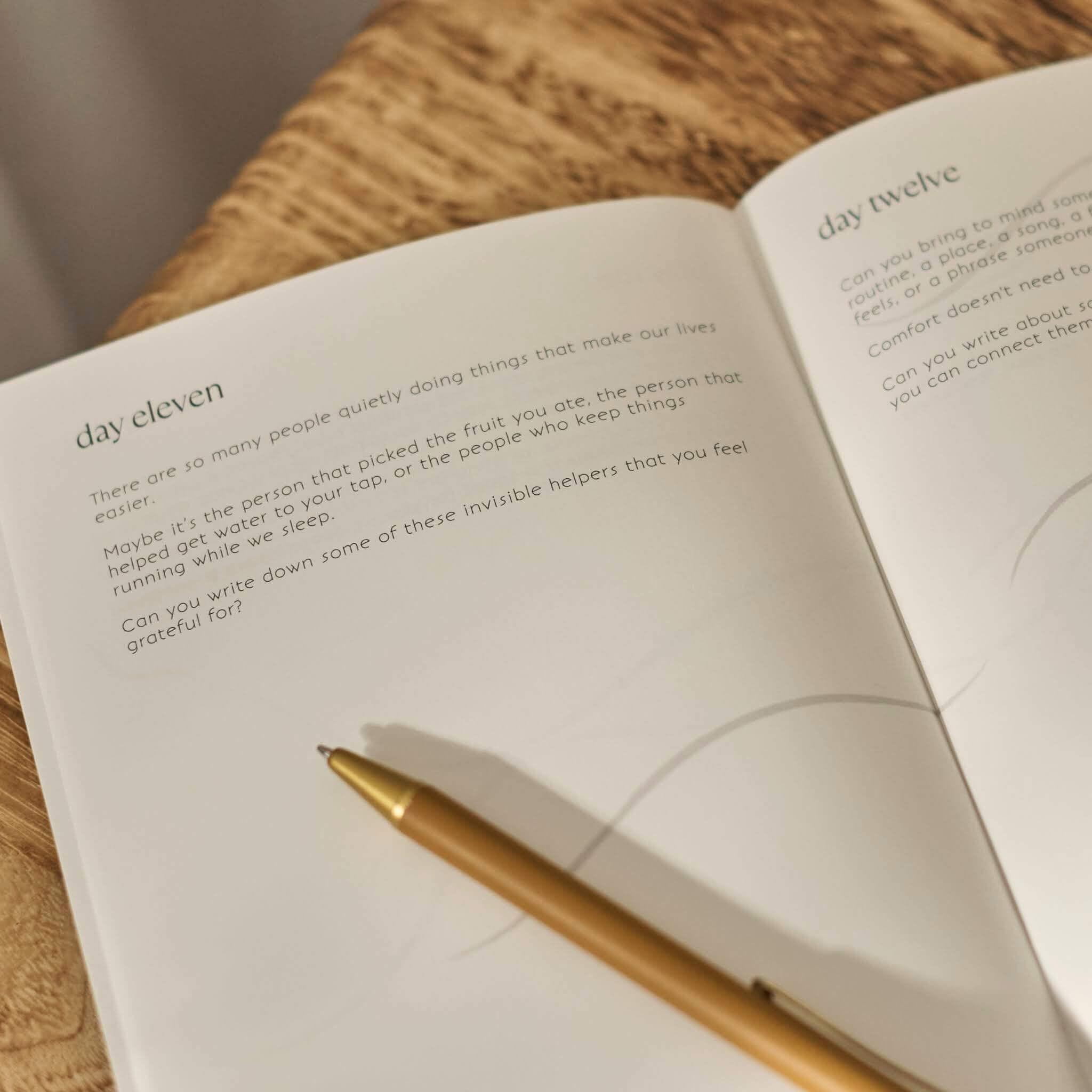
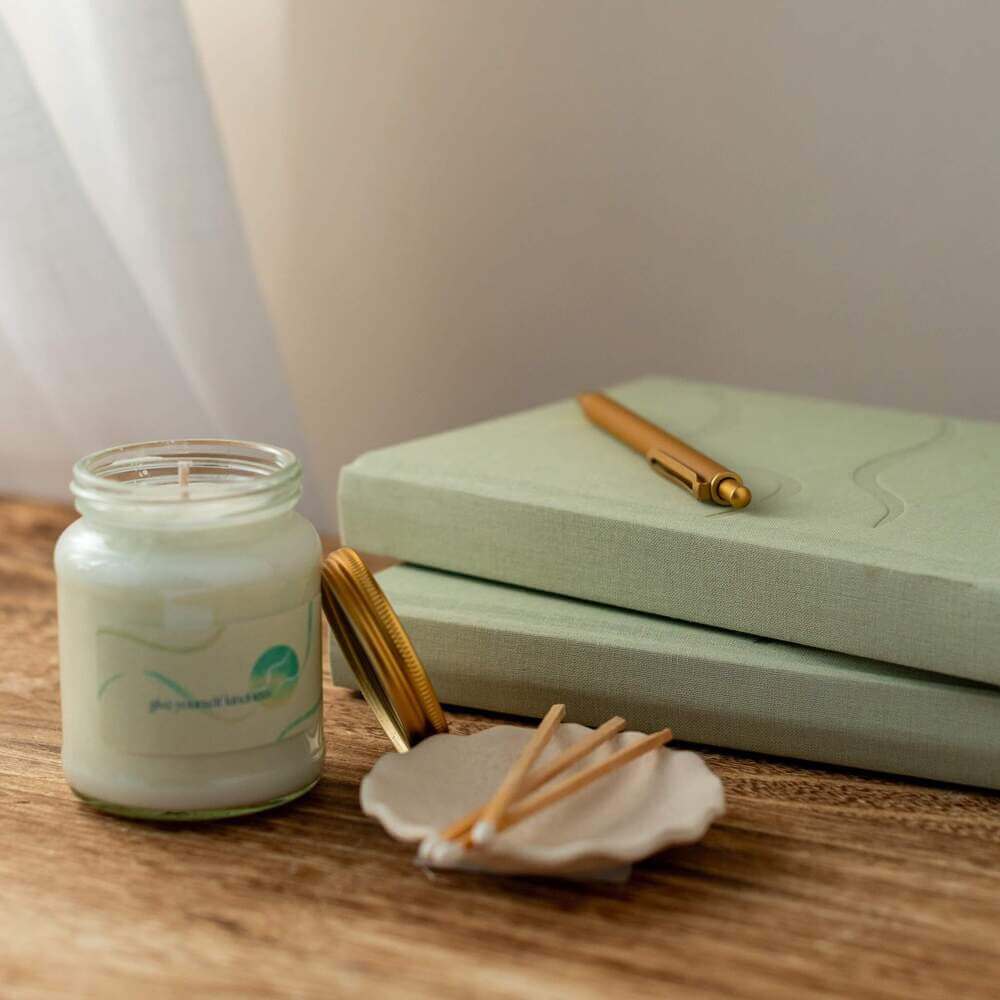
The Give Yourself Kindness Journal
Deeper emotional support for processing exam anxiety
During intense exam periods, emotions run high. This journal helps you identify what you're actually feeling (not just "stressed"), respond to yourself with compassion instead of criticism, and process anxiety through writing rather than rumination.
What Makes It Different
This isn't a generic gratitude journal that forces positivity. It's designed around the self-compassion research that shows how you respond to difficult emotions matters as much as identifying them.
- 90 varied prompts - Never repetitive, rotating between emotional awareness, gratitude, self-kindness, and compassionate self-talk
- Emotional awareness tool on every single page - Helps identify specific emotions beyond "stressed" or "anxious"
- Self-compassion integration - Prompts guide you to respond like you would to a friend, not with harsh criticism
- Undated format - No guilt for missed days during overwhelming exam periods
- 50+ gentle reminders - Throughout journal: "Be careful how you talk to yourself, you are listening"
Expert Validation
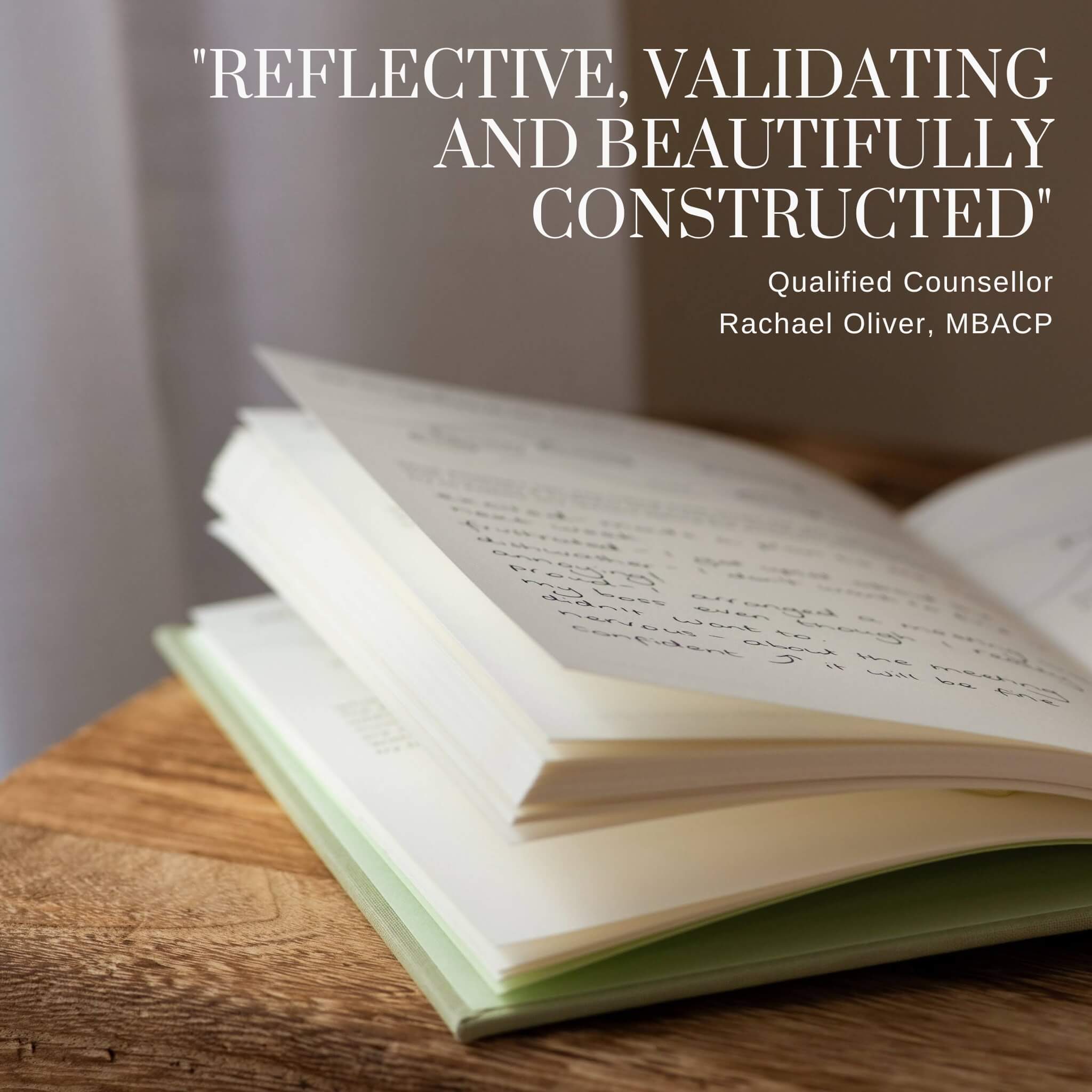
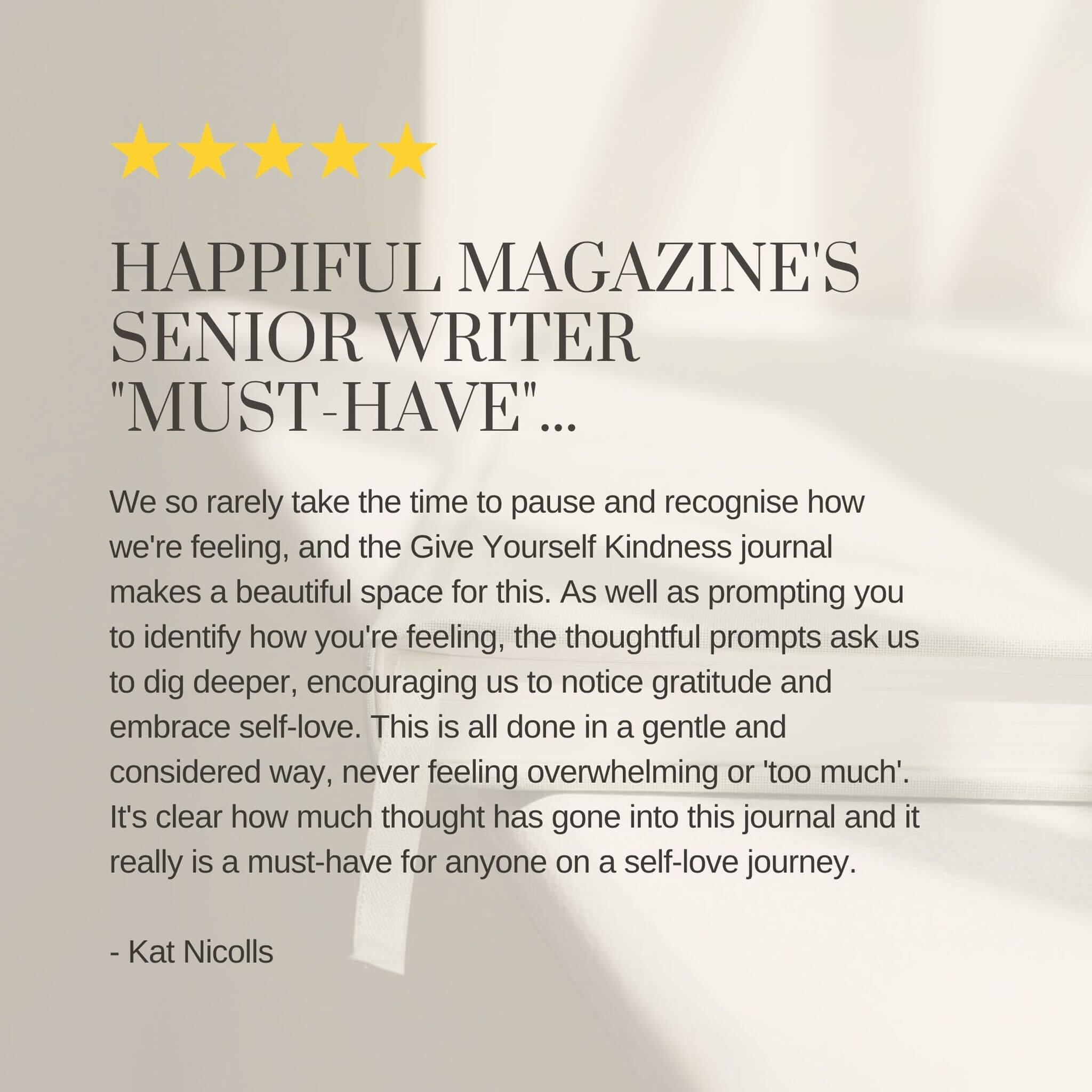
Recommended by clinical psychologists from Harvard Medical School and University of Oxford. Used by therapists with students worldwide.

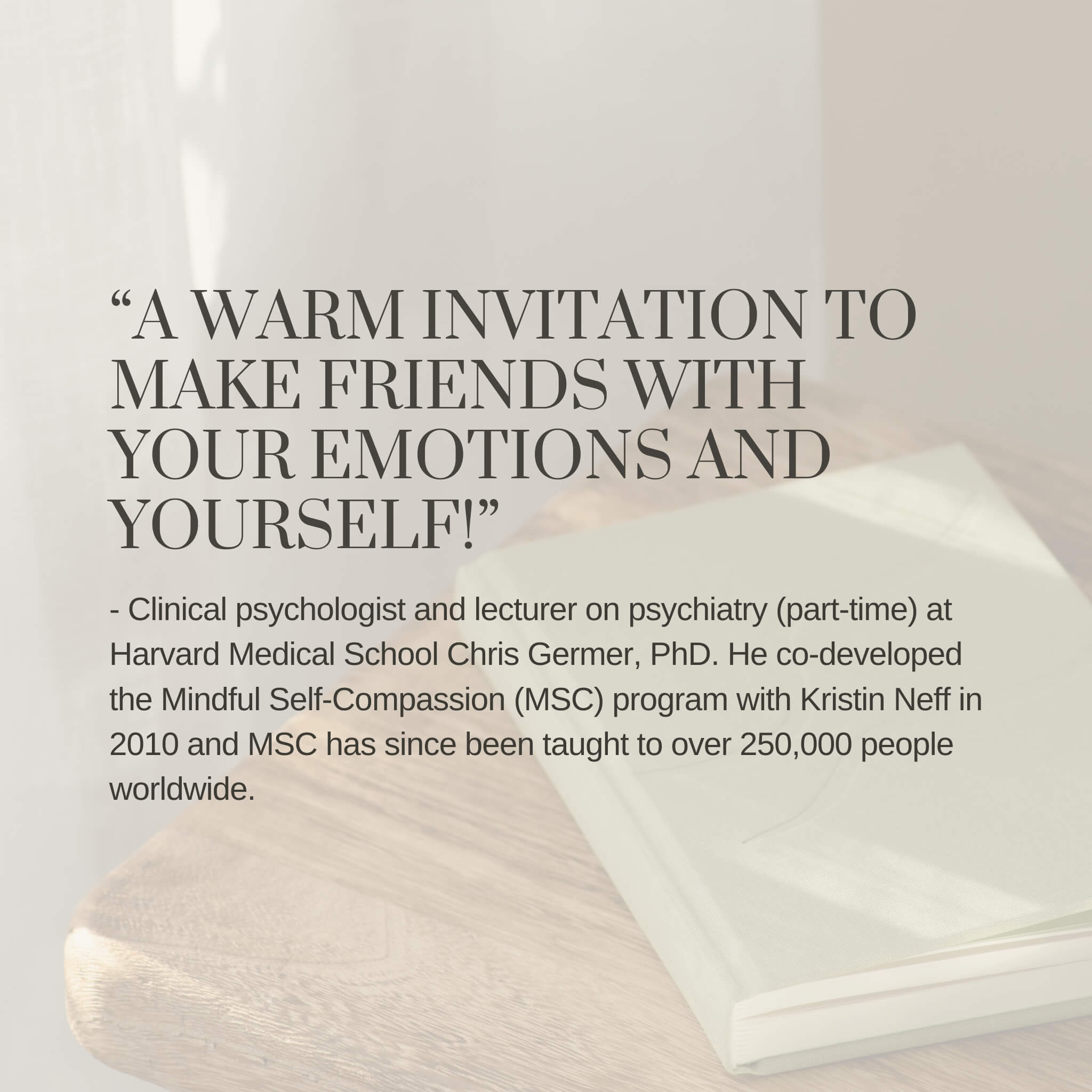
Dr. Chris Germer, PhD
Clinical Psychologist, Harvard Medical School | Co-developer of Mindful Self-Compassion (MSC) program taught to 250,000+ people worldwide
"A warm invitation to make friends with your emotions and yourself!"

Professor Willem Kuyken, PhD, DClinPsy
Ritblat Professor of Mindfulness and Psychological Science, University of Oxford | Top 1% most cited scientists worldwide
"Rachel has curated the experience to make the writing intrinsically rewarding and the journal something to treasure. Writing can invoke an inner critic, rumination and procrastination. Rachel has curated the experience to make the writing intrinsically rewarding."
Sample Prompts for Exam Stress
- "What has challenged you today? Talk to yourself as you would talk to a friend—write down what you would say"
- "Notice how you are feeling right now. Think about what you would find it helpful to hear. Write down words to say to yourself"
- "What emotions can you notice have arisen for you today? With curiosity and kindness, try to explore reasons behind the emotions you've noticed"
Each prompt includes the emotional awareness tool, helping you identify specific feelings and respond with self-compassion.
Process Exam Anxiety with The Give Yourself Kindness Journal →For Parents: How to Support Your Child Through Exam Stress
Watching your child struggle with exam pressure is hard. You want to help, but you're not sure what to say or do.
Here's what actually helps (and what doesn't):
What NOT to Say
- ❌ "Just stay positive!" (dismisses real stress)
- ❌ "You're smart, you'll be fine" (invalidates their worry)
- ❌ "Other people have it worse" (creates guilt)
- ❌ "Don't worry so much" (if they could, they would)
What Actually Helps
- ✅ "I know this is really hard. The pressure is real."
- ✅ "What would help you most right now?"
- ✅ "It's okay to feel stressed. This is genuinely difficult."
- ✅ Providing practical tools (like affirmation cards or journal)
- ✅ Making sure they're eating and sleeping
- ✅ Being available without hovering
Thoughtful Exam Support Gifts
Instead of generic "good luck" cards, consider giving tools that actually help:
- Student Affirmation Cards - Sit on their desk for daily encouragement (includes handwritten gift note option)
- Give Yourself Kindness Journal - Helps process exam anxiety with self-compassion
These aren't distractions from studying—they're evidence-based tools that help students cope with the actual pressure they're facing.
When Exam Stress Needs Professional Support
These tools and strategies help with normal exam stress. But sometimes the pressure becomes overwhelming and professional support is needed.
Signs to watch for:
- Can't sleep multiple nights despite trying strategies
- Panic attacks
- Can't eat or significant changes in eating
- Thoughts of self-harm
- Complete inability to study despite trying
- Severe physical symptoms (chest pain, severe headaches)
Where to get help:
- School or university counselor
- GP referral to CAMHS (UK)
- Student support services
- Crisis helplines (available 24/7)
Important: Seeking help is smart, not weak. These tools help with normal exam stress; professional support helps when stress becomes overwhelming.
Frequently Asked Questions About Exam Stress
Yes, absolutely. Your brain perceives exams as a threat (because they feel like they affect your future), which triggers the stress response. This is a normal human reaction. The goal isn't to eliminate stress entirely—it's to manage it with self-compassion rather than self-criticism.
Try soothing rhythm breathing (breathe in for 5 counts, out for 7 counts). Use a self-compassion affirmation like "I can try, even when I don't feel 100% ready." Remind yourself that nervousness is normal and your worth isn't determined by one exam result.
Avoid caffeine after 2pm, journal before bed to process worries (not just task lists), and practice breathing exercises. Research shows that expressive writing about emotions helps with sleep quality. Read Dr. Santangeli's guide on sleep routines for more evidence-based strategies.
Notice the thought, name it ("I'm having the thought that I'll fail"), then respond to yourself like a friend would ("This is hard. I'm doing my best"). Use affirmations that acknowledge struggle rather than forcing positivity. Read our guide on changing negative self-talk for more detailed techniques.
Research shows they do when they're believable and acknowledge reality. Generic "you're amazing!" affirmations don't work during high stress. Self-compassion affirmations like "I can embrace change whilst reassuring myself that change is challenging" are more effective because they validate difficulty. Read what 5 psychologists say about affirmations.
Practical support tools work better than generic encouragement. Student Affirmation Cards (£13.95) provide daily support that sits on their desk, or The Give Yourself Kindness Journal (£28.95) offers deeper emotional processing. Both include handwritten gift note options. These are evidence-based tools, not wellness gimmicks.
Validate that exams are genuinely hard, avoid comparisons ("your sister did fine"), ask what would help rather than telling them what to do, and provide practical tools like affirmation cards. Sometimes the best support is saying "I know this is really hard" and meaning it.
Yes. Research shows expressive writing reduces anxiety and improves sleep. The key is journaling that validates emotions (not forced positivity). Dr. Olena Santangeli's research shows that evening journaling "facilitates a more profound processing of emotions, aiding in stress reduction." Read more about the benefits of journaling from clinical psychologists.
Where to go next with exam stress
Affirmations help with the self-talk. If the stress itself is the bigger problem, these two go further.
Parents and teachers often arrive here looking for something to hand over rather than something to say. The Student Affirmation Cards are written for exam season.


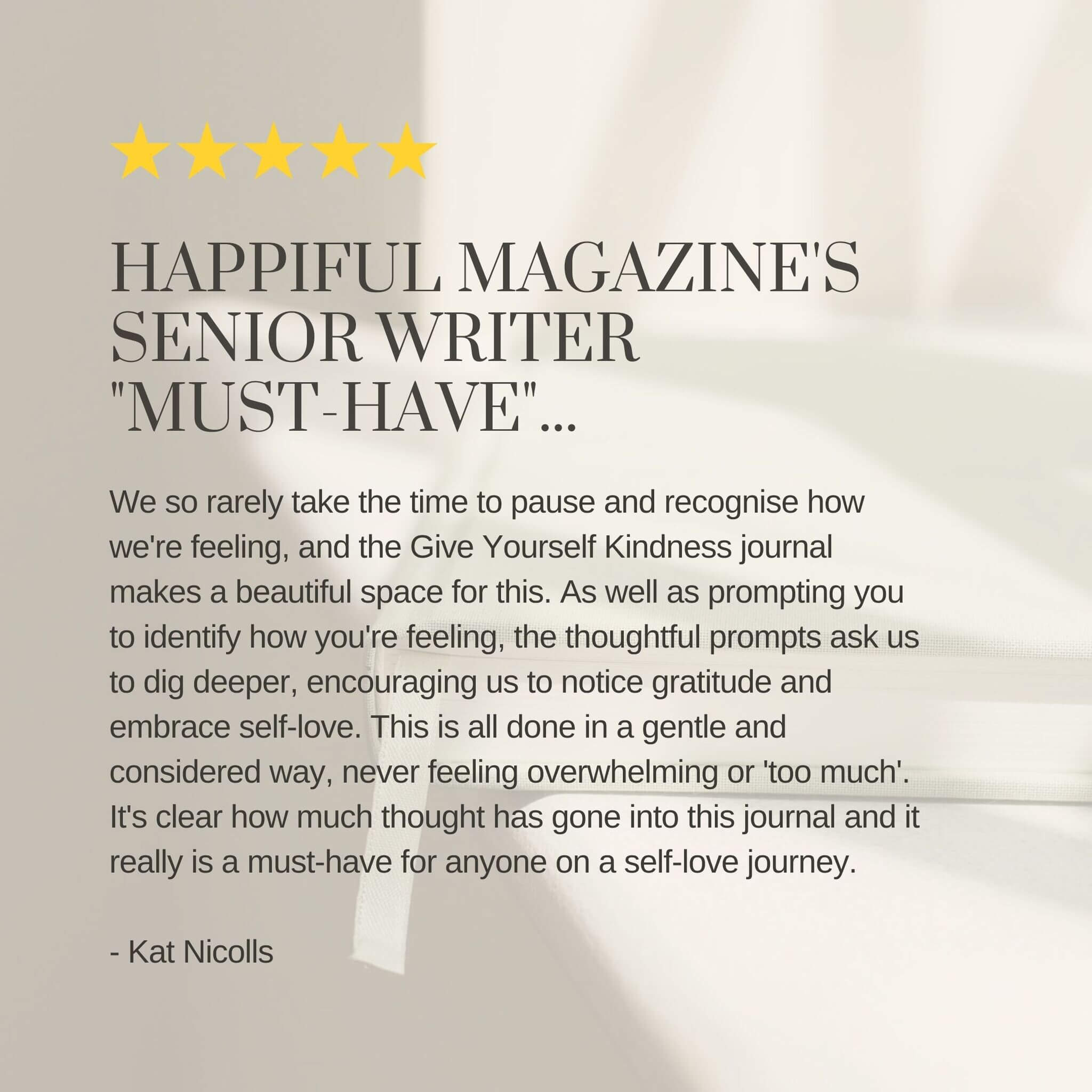
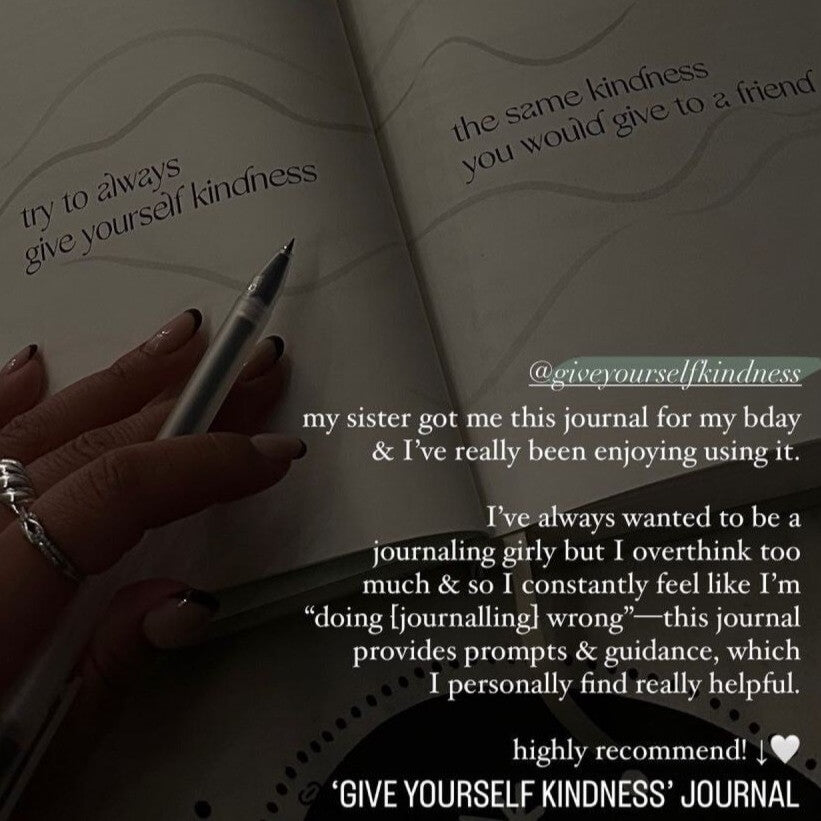
“By far my favourite guided journal that I’ve used!”
There's a lot of journals out there. Most of which include tools that can be repetitive, boring or unhelpful. Give Yourself Kindness is about creating something new.