



Quick answer: the best exam affirmations
Use these affirmations to build confidence, manage overwhelm, and practise self-compassion during exam season:
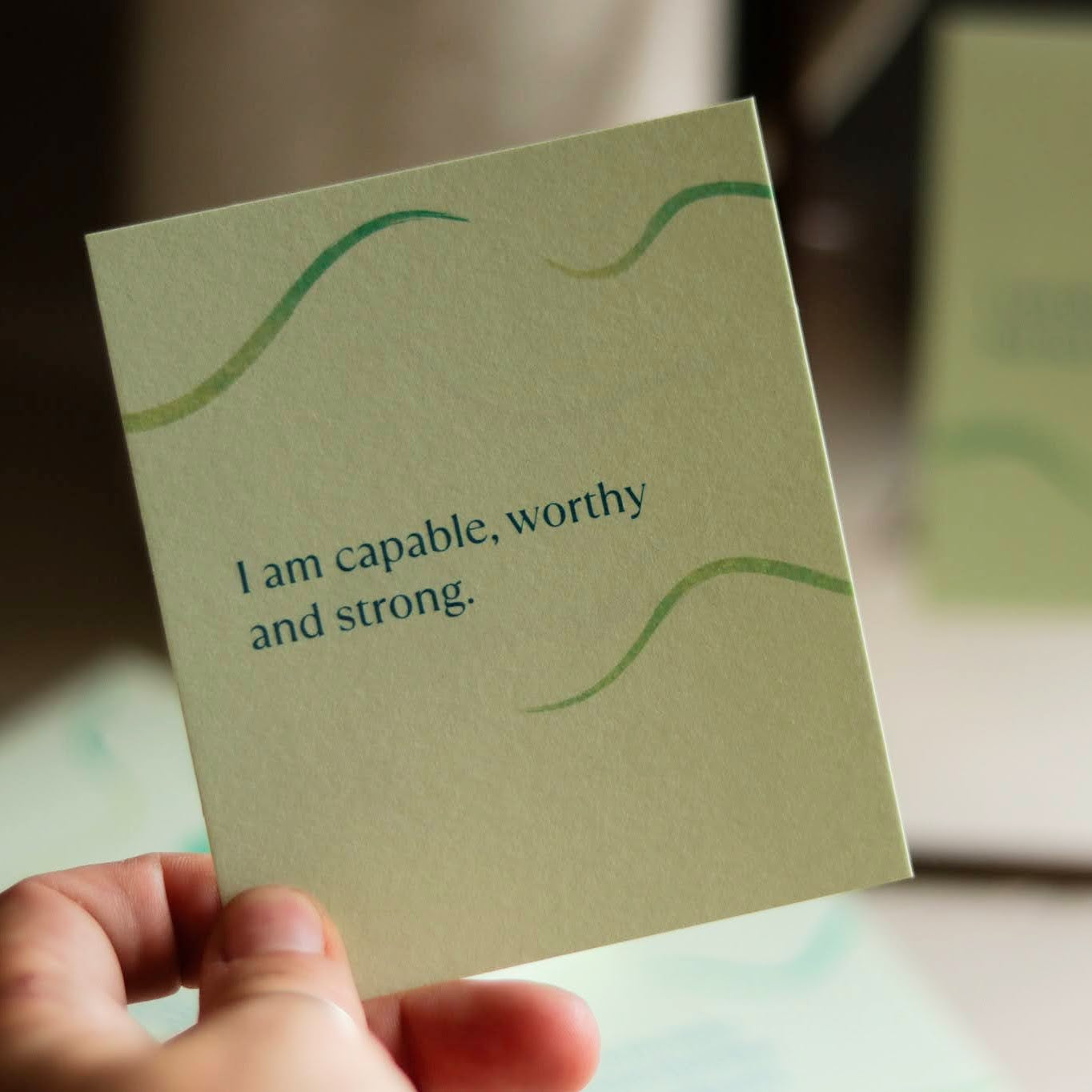
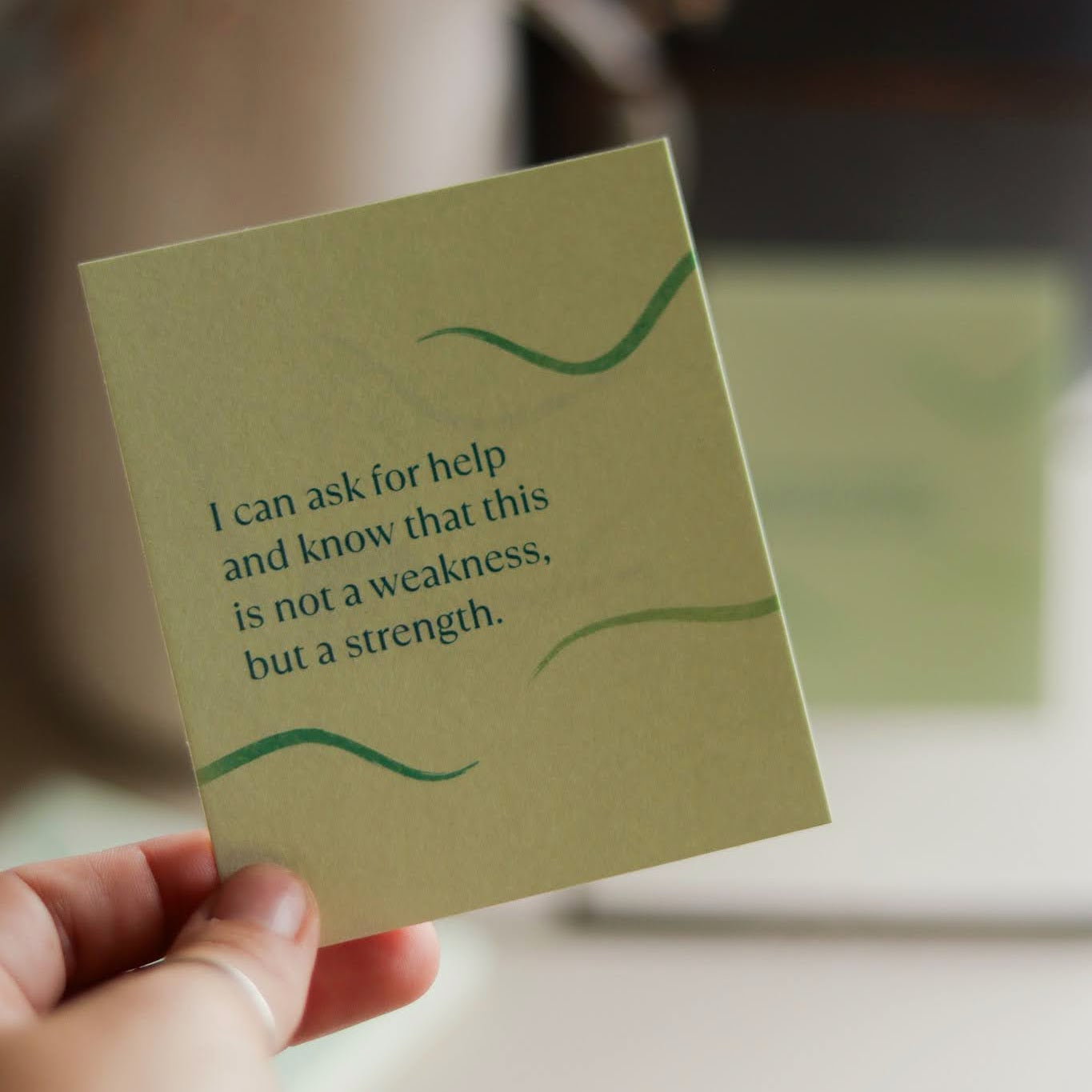
- Before exams: "I am worthy and capable" and "My efforts today contribute to my success tomorrow"
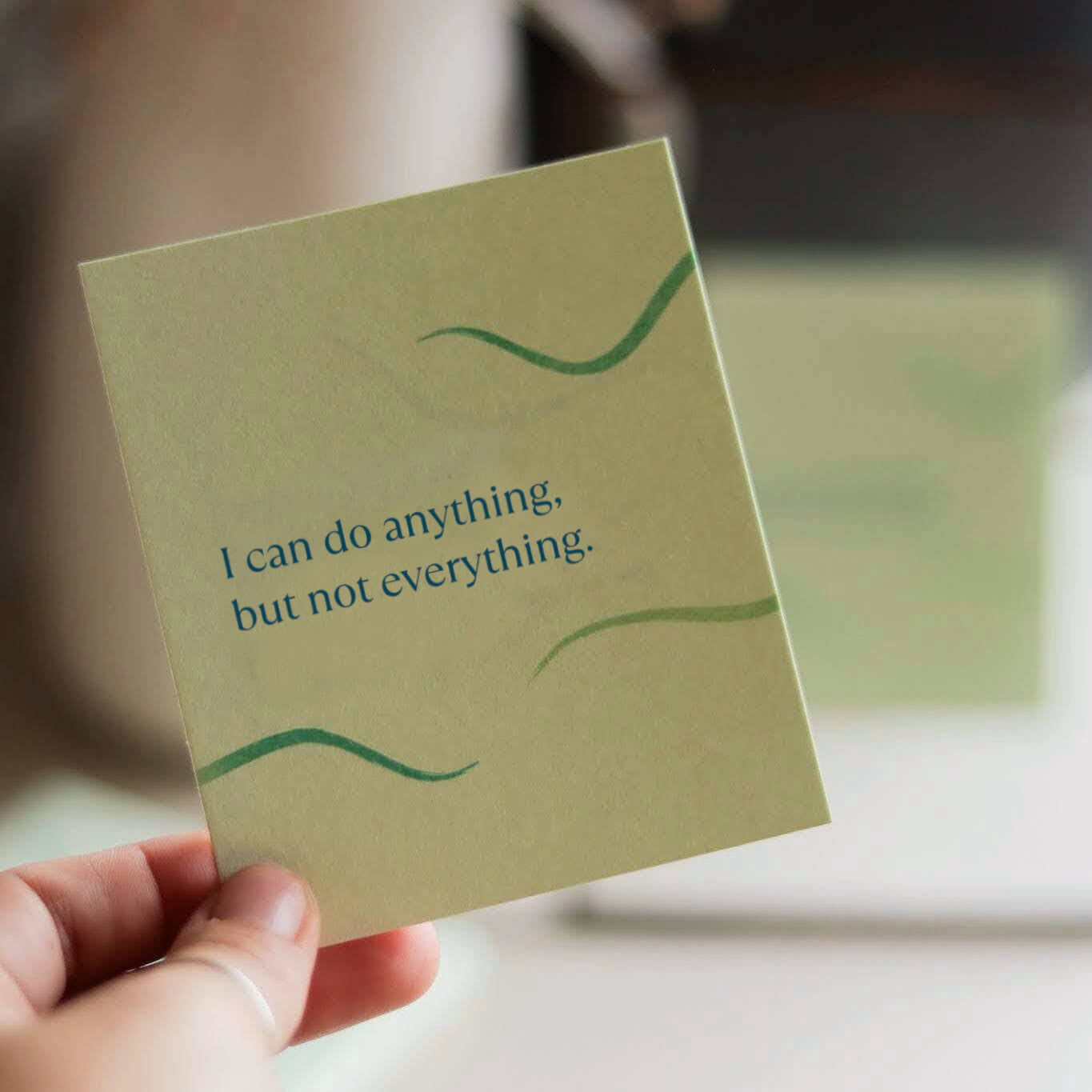
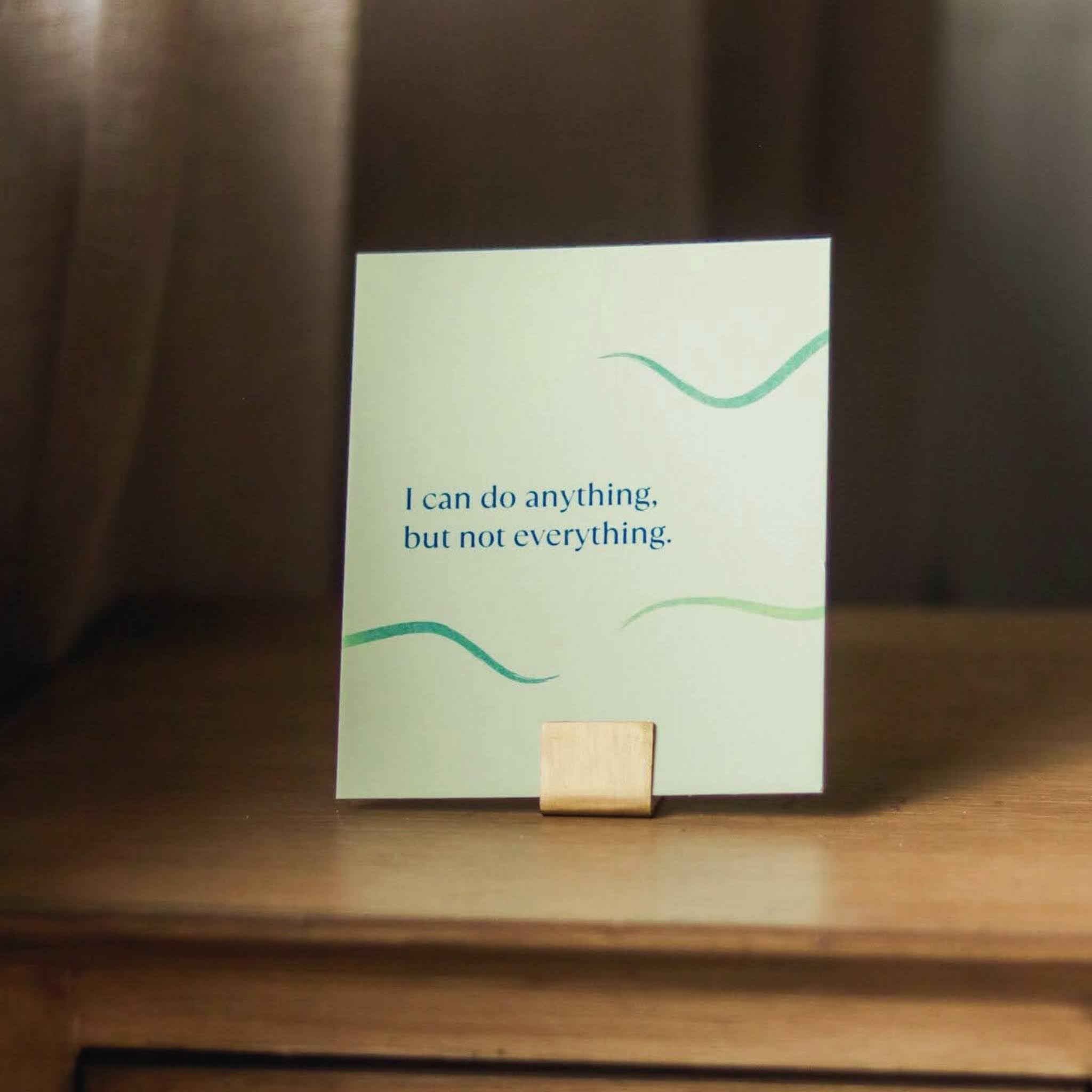
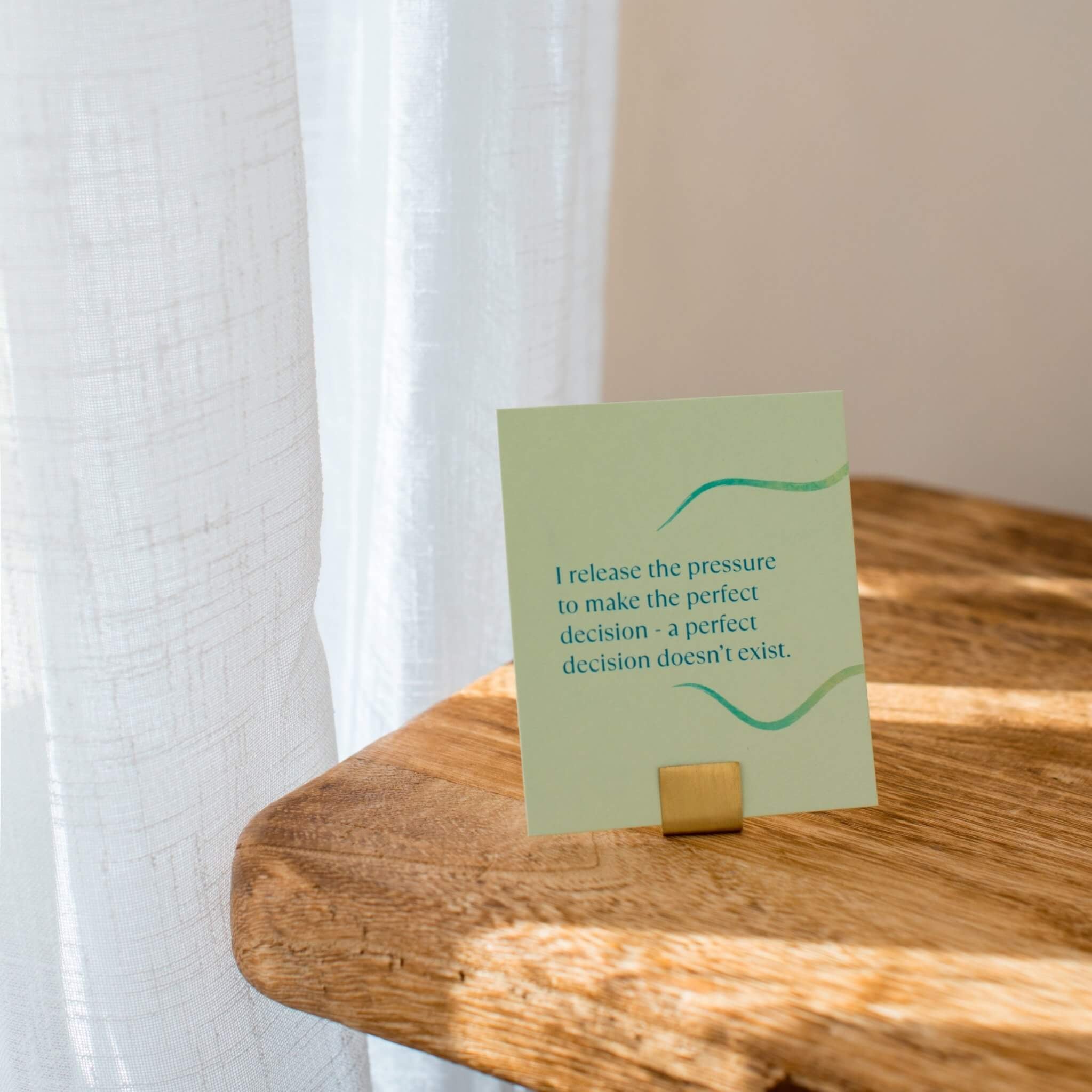
- When overwhelmed: "I can do anything, but not everything" and "I deserve to take breaks"
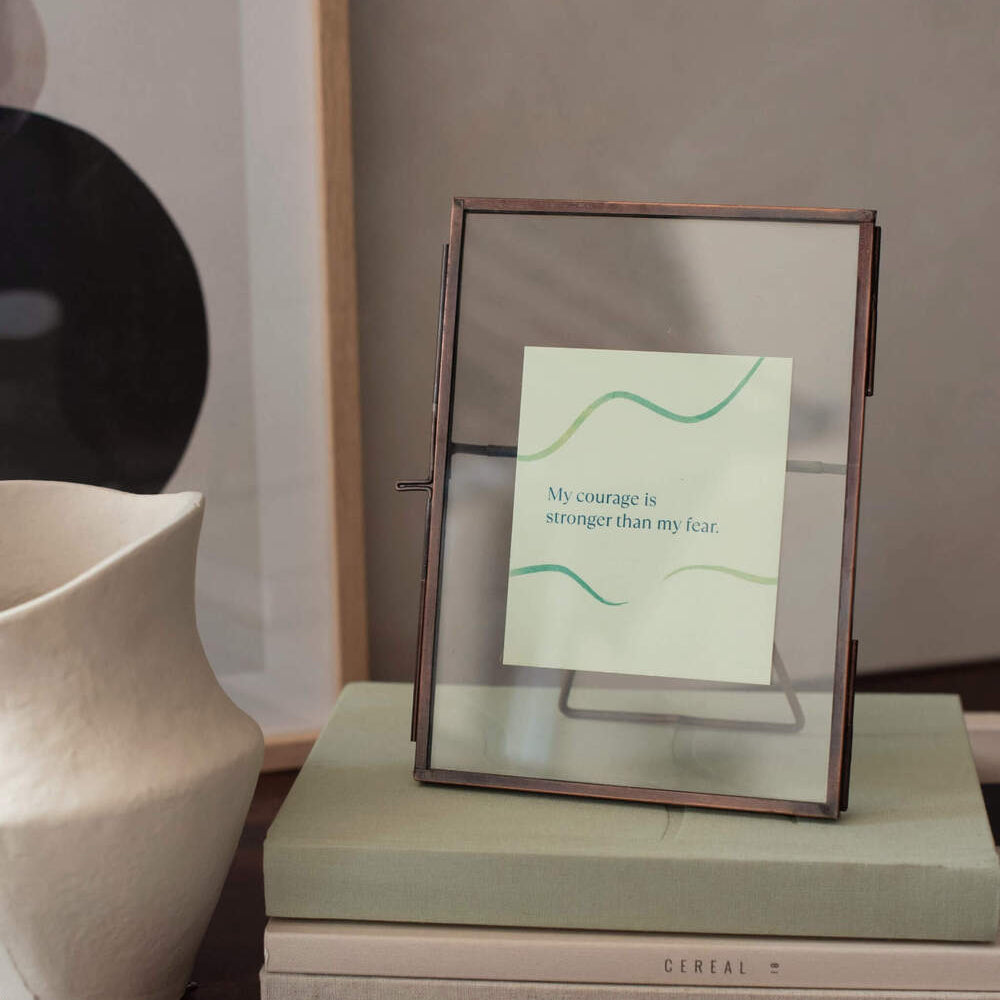
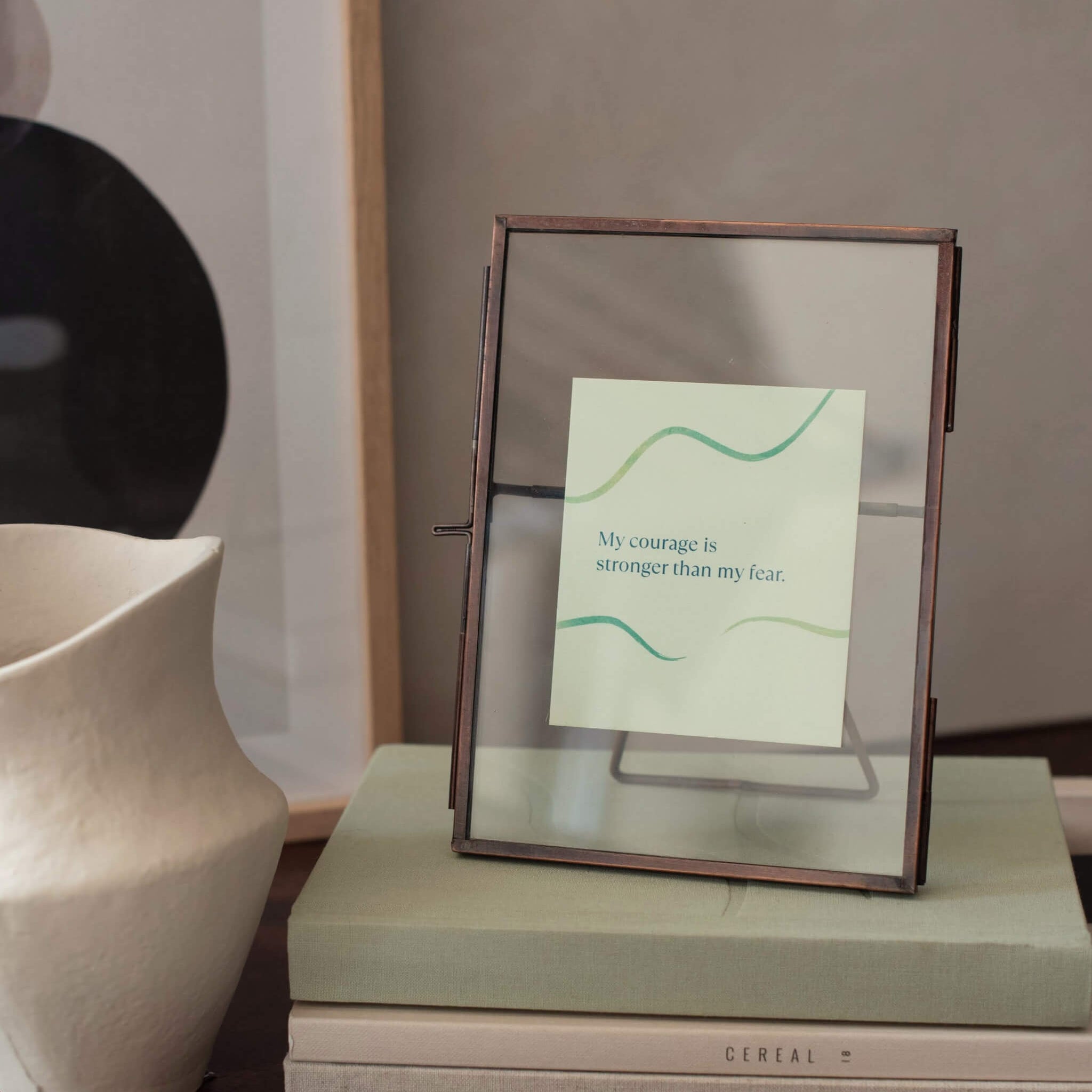
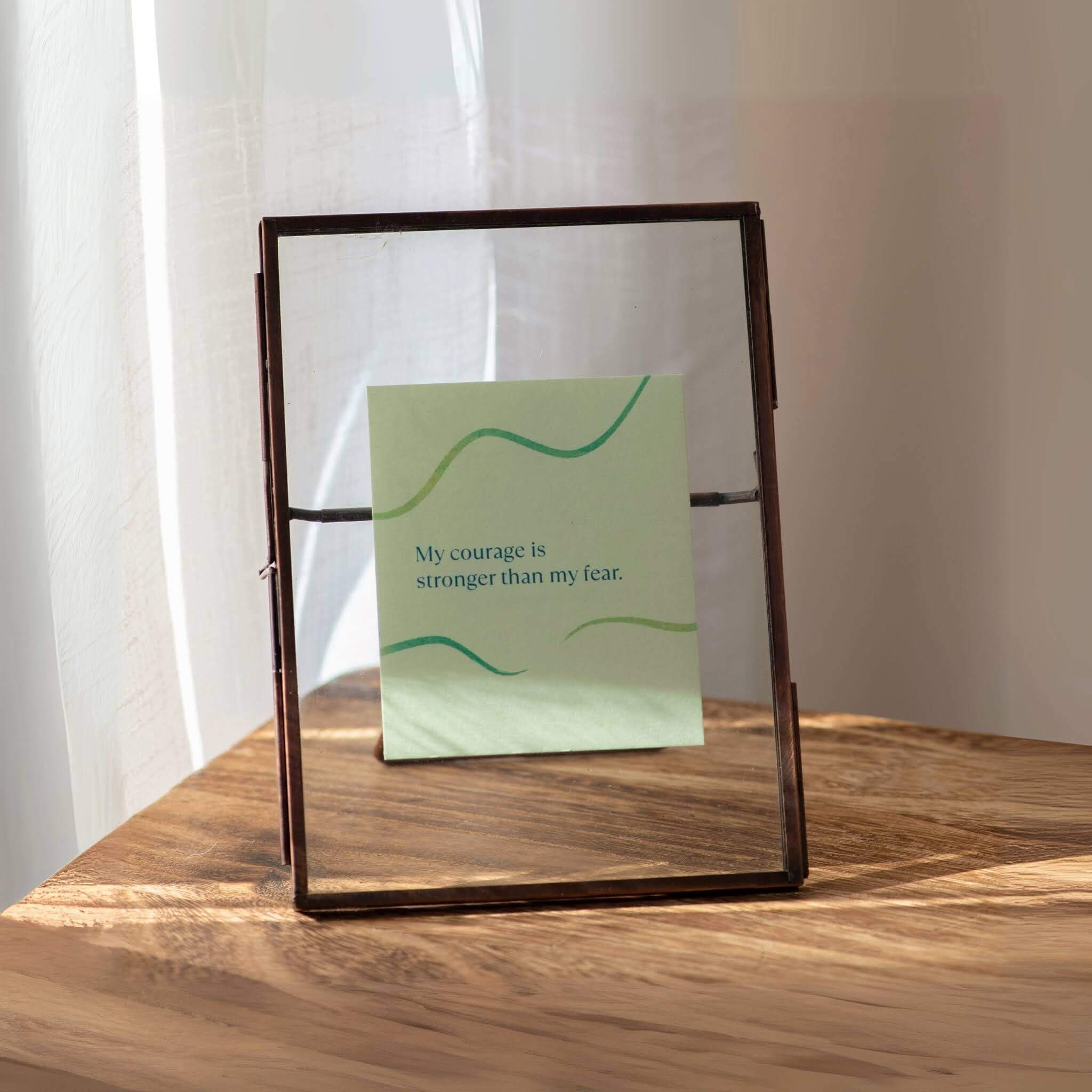
- During exams: "My courage is stronger than my fear" and "I am handling this the best I can"
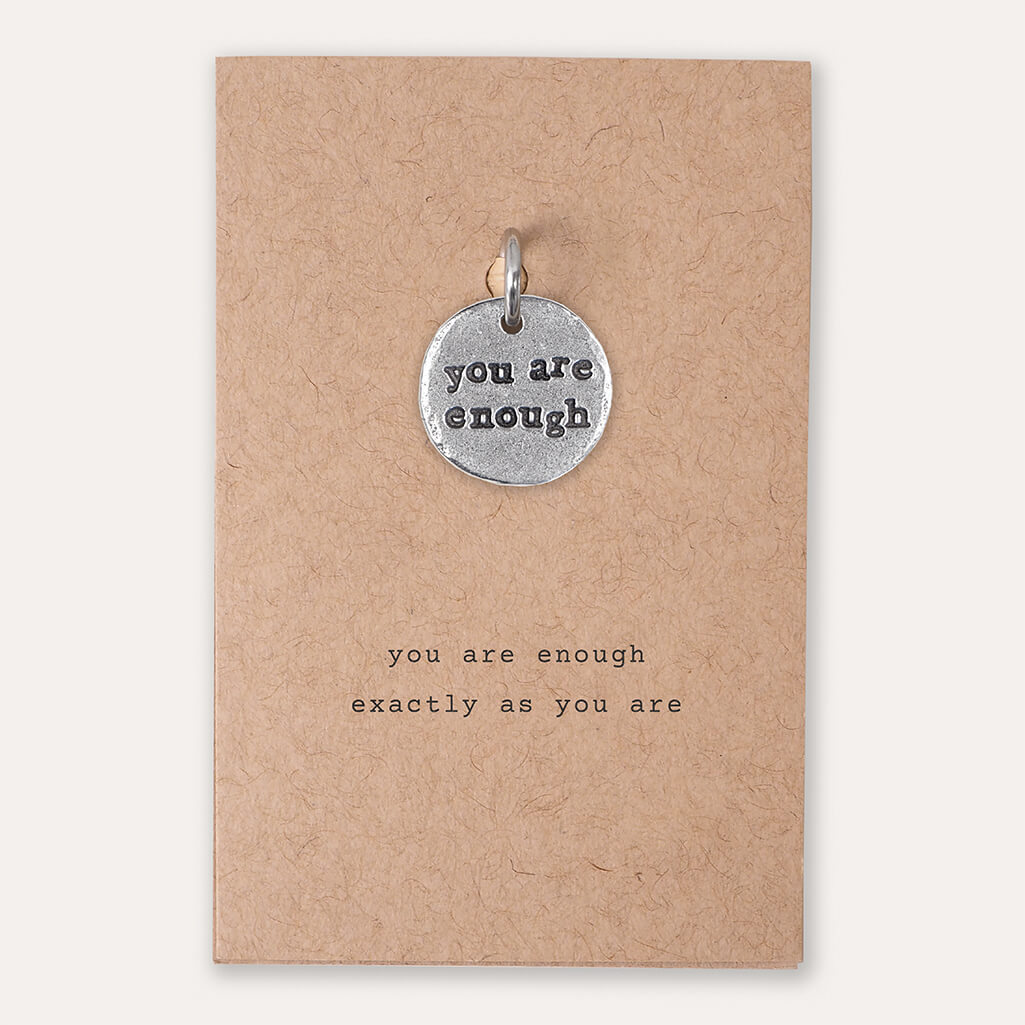
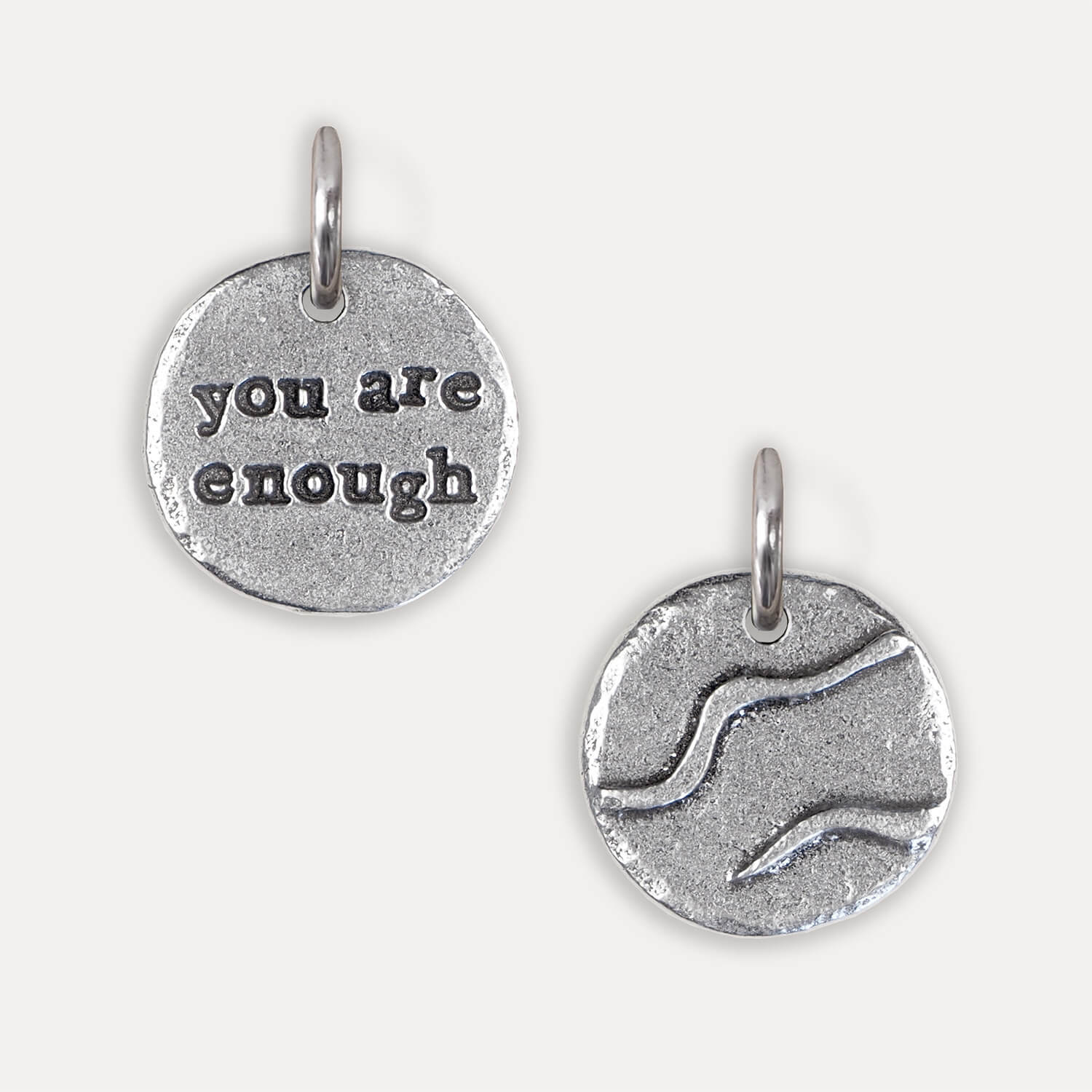
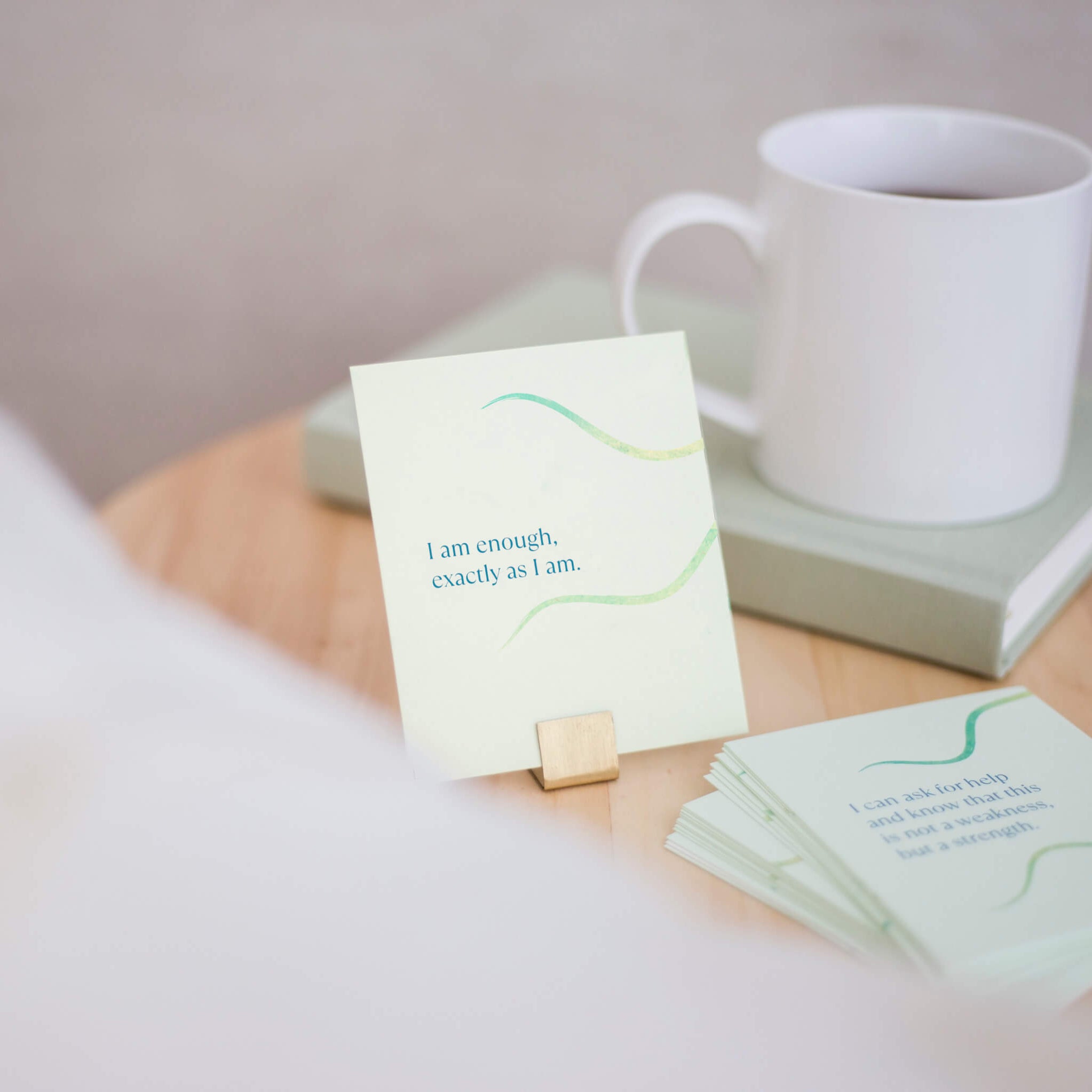
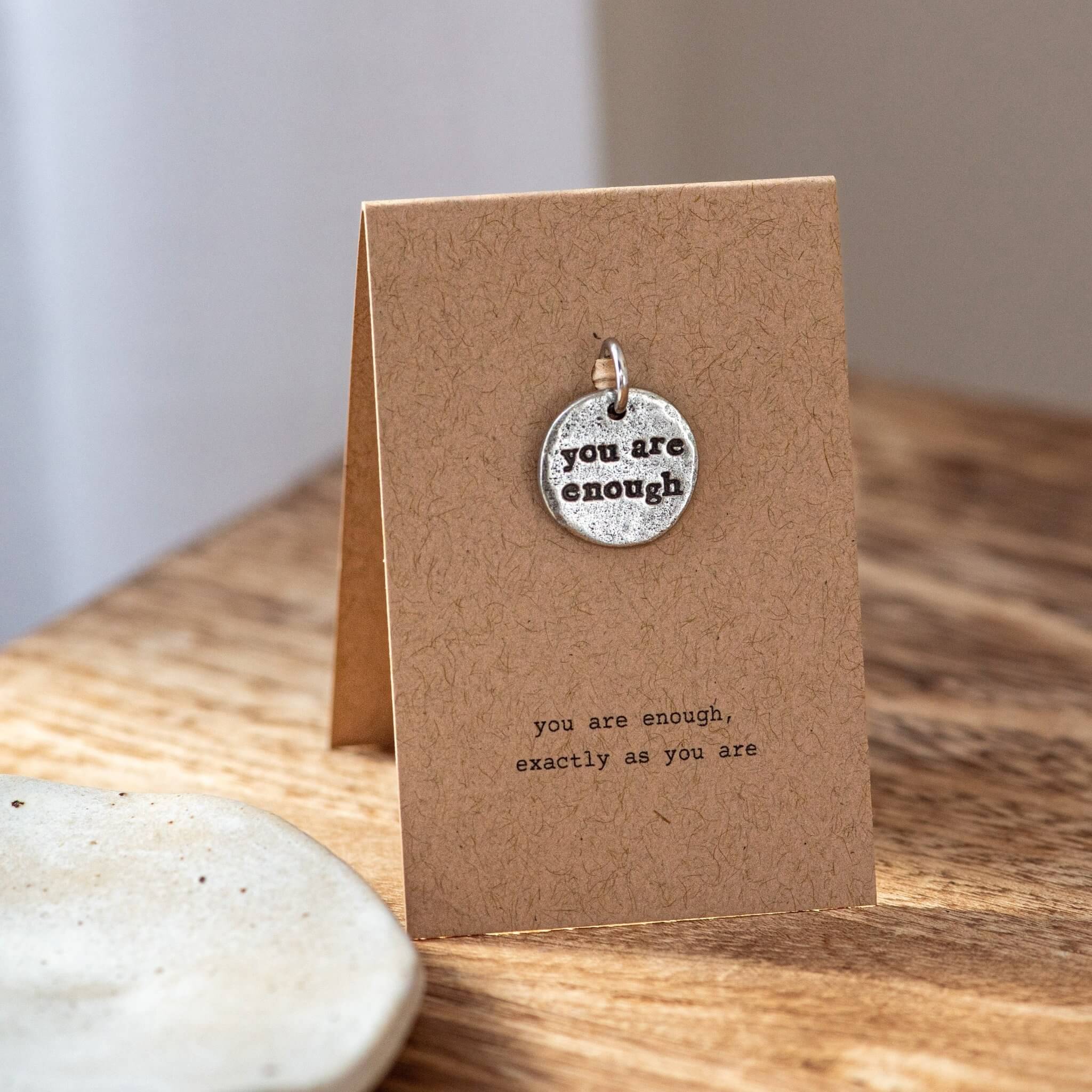
- After exams: "I am enough, exactly as I am" and "I can be proud of myself for doing my best"
Why they work: these aren't "positive thinking." They're about speaking to yourself the way you'd speak to a friend who's struggling, which research shows works far better than self-criticism when you're under pressure.
All 25 are free to read below. Comparing card decks? Here's my full guide to the best affirmation cards →
Why affirmations help during exam season
Feeling anxious, overwhelmed, or hearing your inner critic during exam season? That's completely normal. But how you respond to that inner voice makes all the difference, both to how you feel and to how you perform.
These affirmations aren't about pretending everything is easy. They're about speaking to yourself with the same kindness you'd offer a friend who's struggling.
 "From this place of safety and self-compassion, we can actually learn more from our experience and make effective decisions about moving forward (versus getting caught in the paralyzing, repetitive cycles that come with relying on criticism and shame)."
Dr. Annabelle Kyle Dortch, PsyD
Clinical Psychologist, Los Angeles. Specialises in life transitions, anxiety and trauma
Read: Self-compassion vs self-criticism →
"From this place of safety and self-compassion, we can actually learn more from our experience and make effective decisions about moving forward (versus getting caught in the paralyzing, repetitive cycles that come with relying on criticism and shame)."
Dr. Annabelle Kyle Dortch, PsyD
Clinical Psychologist, Los Angeles. Specialises in life transitions, anxiety and trauma
Read: Self-compassion vs self-criticism →
In other words: self-compassion creates the mental space you need to learn effectively and perform at your best. Self-criticism does the opposite. It activates your stress response and makes it harder to think clearly, which is the last thing you need the night before an exam.
Affirmations for building confidence before exams
Use these when you need to remind yourself that you're capable, even when you don't feel 100% ready.
Affirmations for when you're overwhelmed by studying
When the workload feels impossible and you need permission to be human.

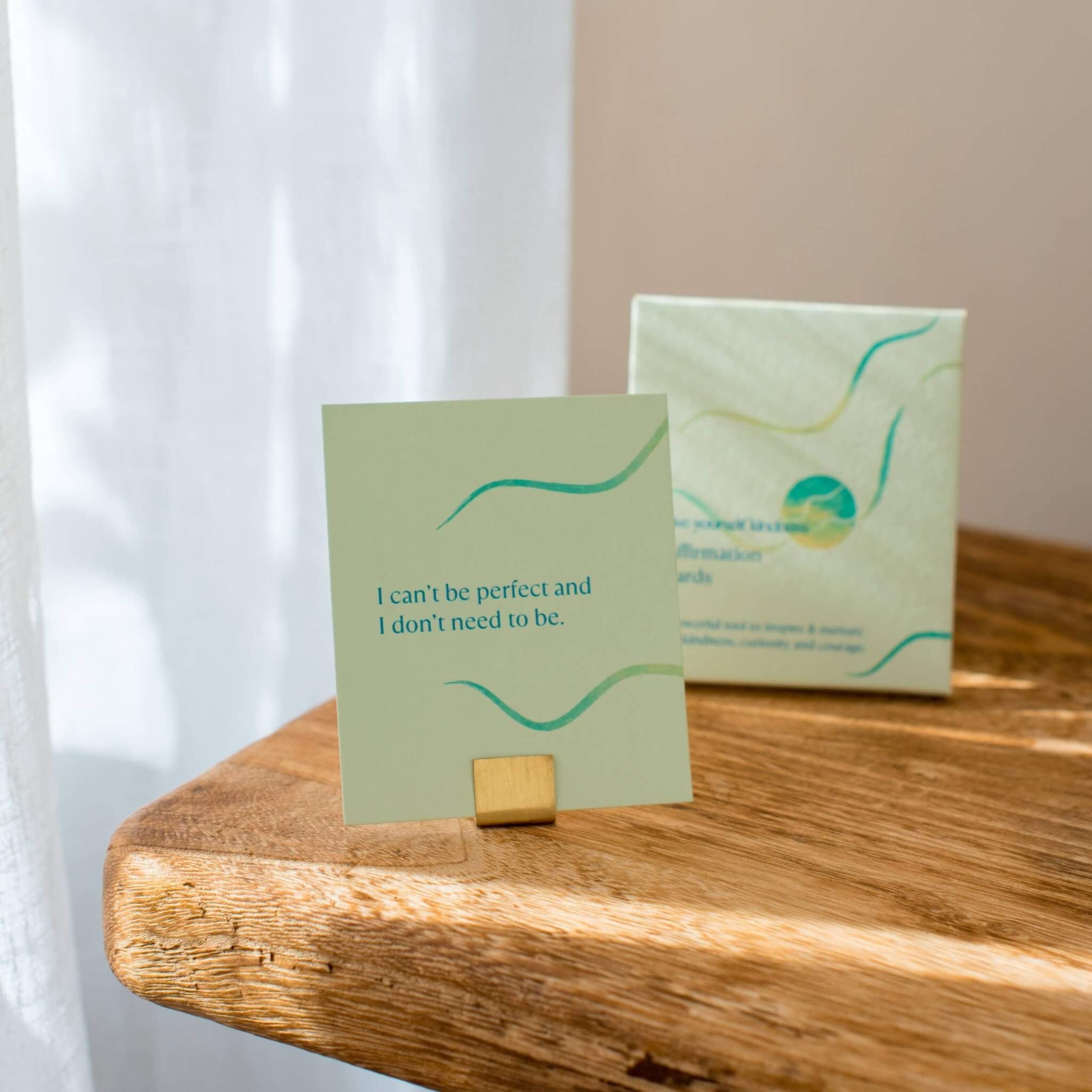
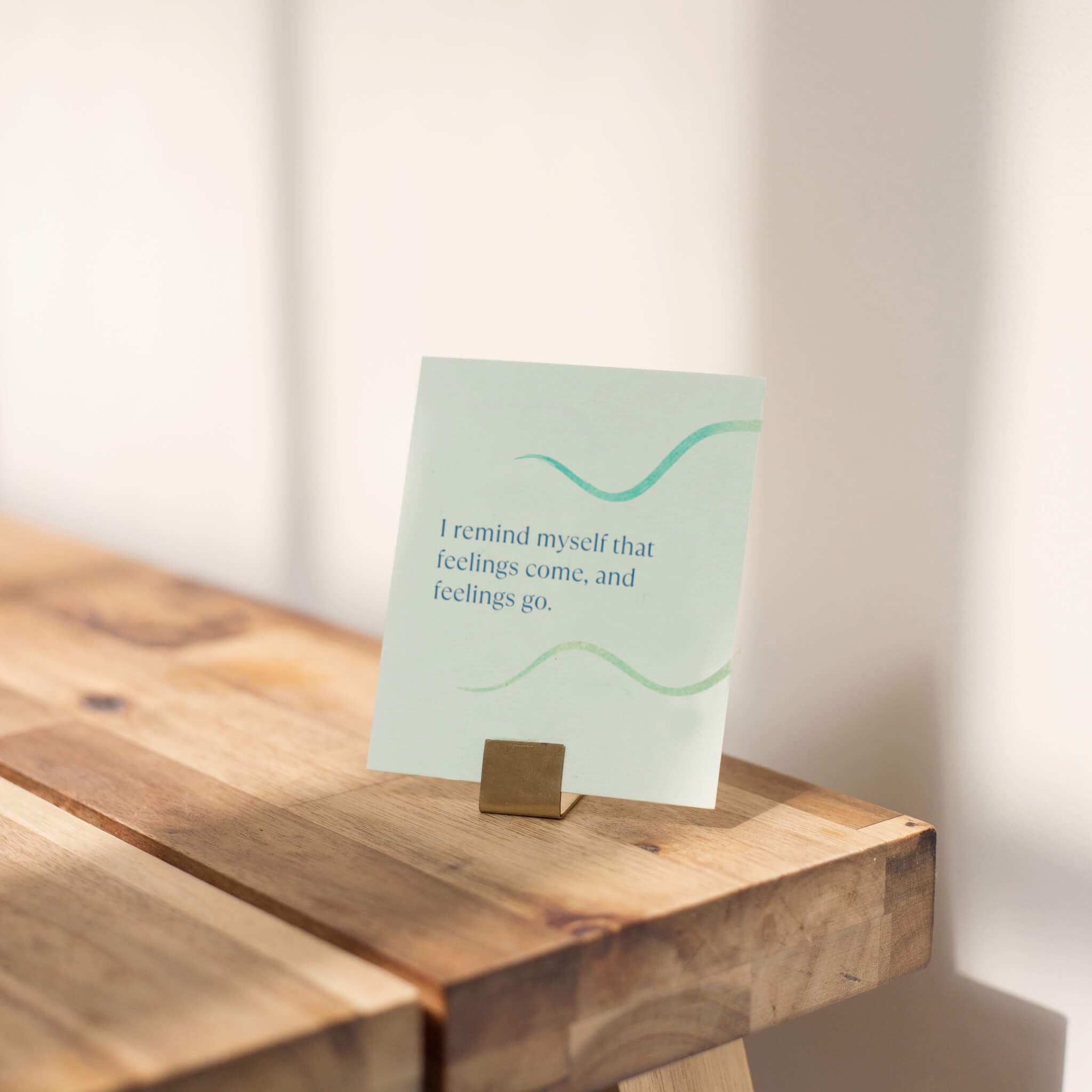
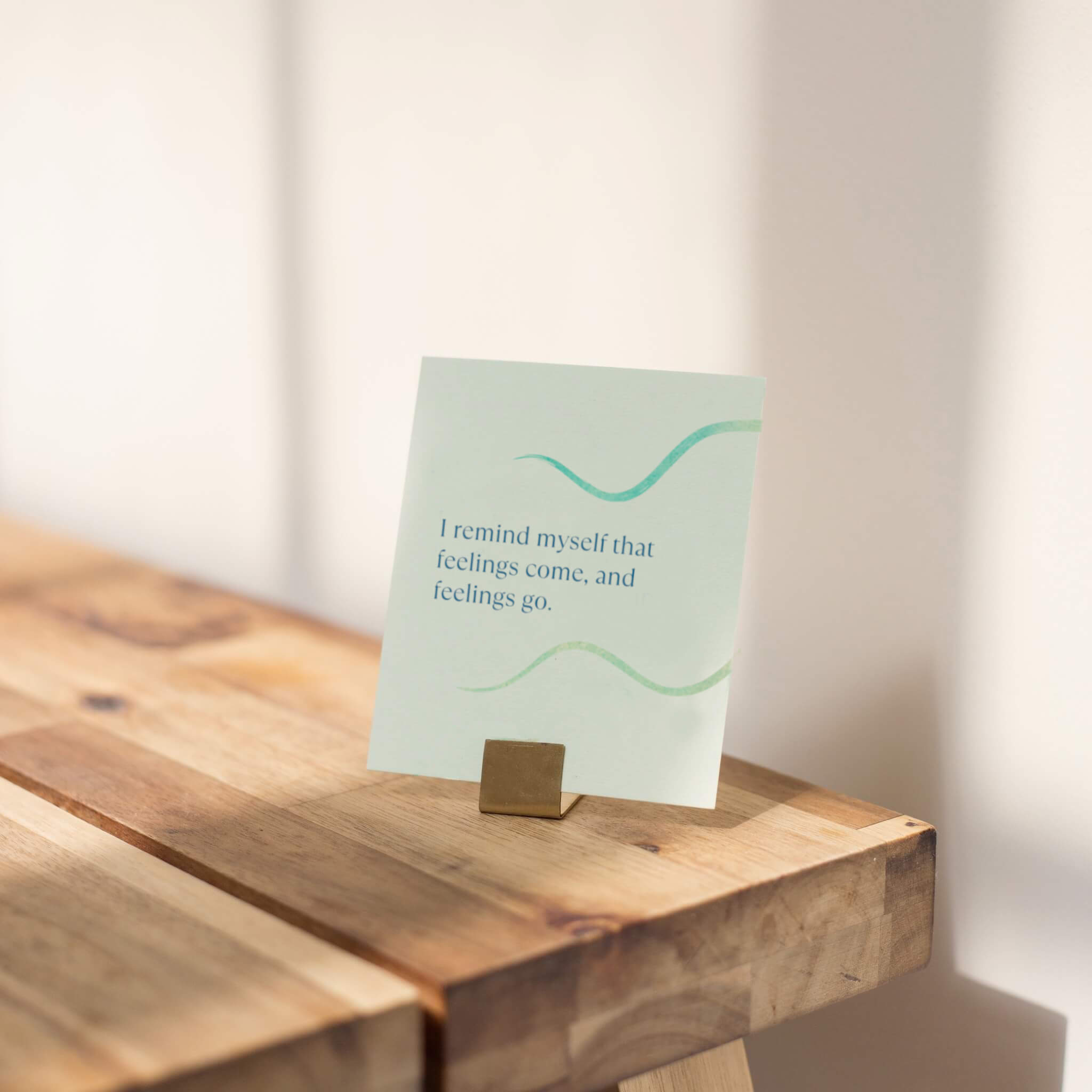
Reading these once helps for about an hour. What actually shifts the voice in your head is seeing a kinder line often enough that it becomes more familiar than the critical one. That's the whole reason these exist as cards you can keep by your revision notes.
See the Student Affirmation Cards →Affirmations for finding courage during exam season
When fear or self-doubt shows up and you need to remember your strength.
Affirmations for being kind to yourself post-exams
For after the exam, whether it went well or not, when you need to practise self-compassion.
If you're a teacher, tutor or in a wellbeing team
You are very welcome to print these affirmations for a form group, a common room or a wellbeing display. No permission needed and no cost. They are genuinely more useful on a wall than on my website.
If you would like physical sets for a class or a department, there are trade prices here, or just email me and I'll sort something out. Schools tend to want a lot of one thing rather than one of everything, and that's easy to arrange.
Why I made these as cards rather than a download
Because the moment you need one of these sentences is almost never the moment you would go looking for it.
It's twenty past three on a Wednesday when the paper didn't go how you'd hoped. It's the night before, when you're lying there running through everything you haven't covered. And in those moments, your phone is the last place that's going to help. It's where the group chat is, and the revision timetable someone posted that's twice as detailed as yours, and every single notification arriving to tell you about something else you should be doing.
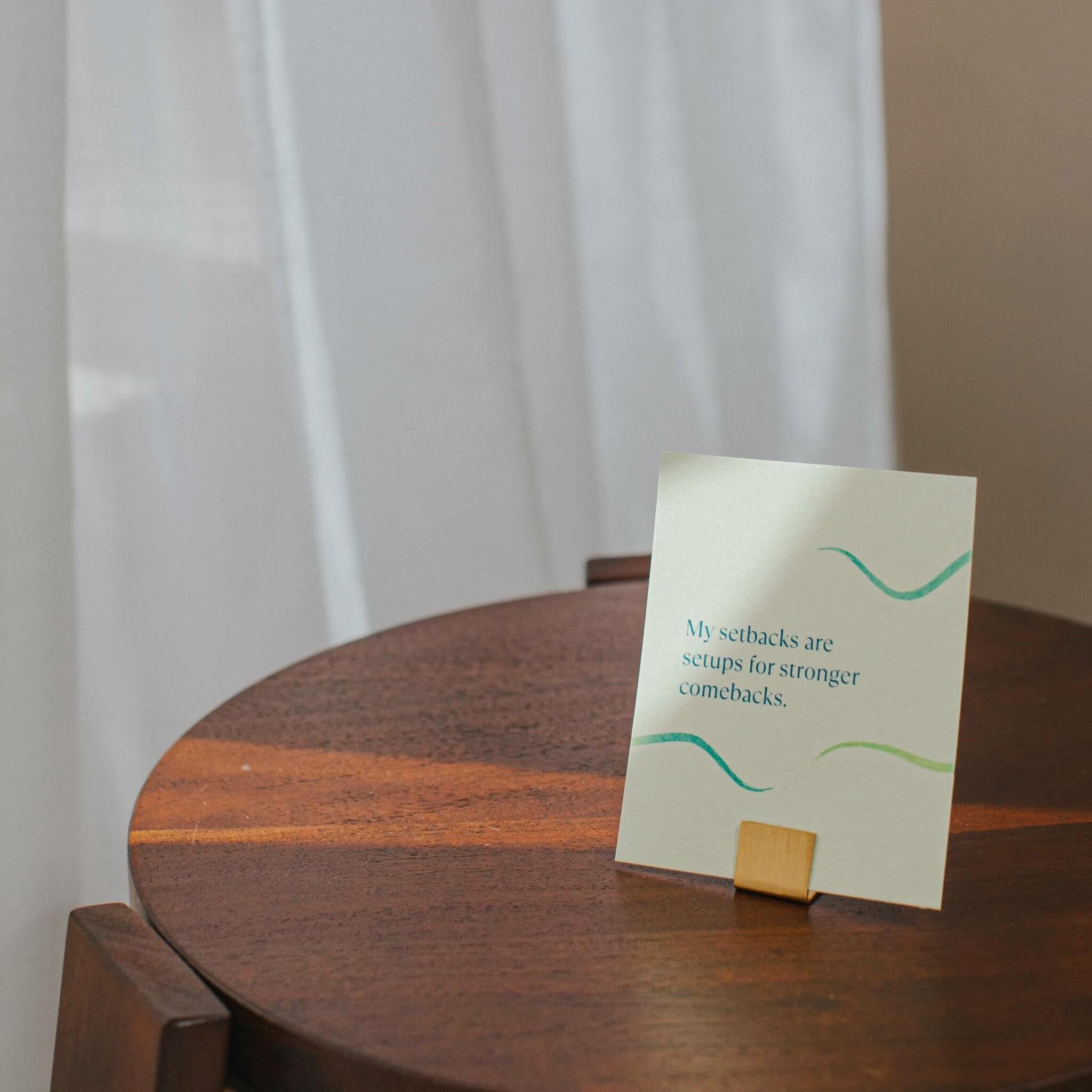
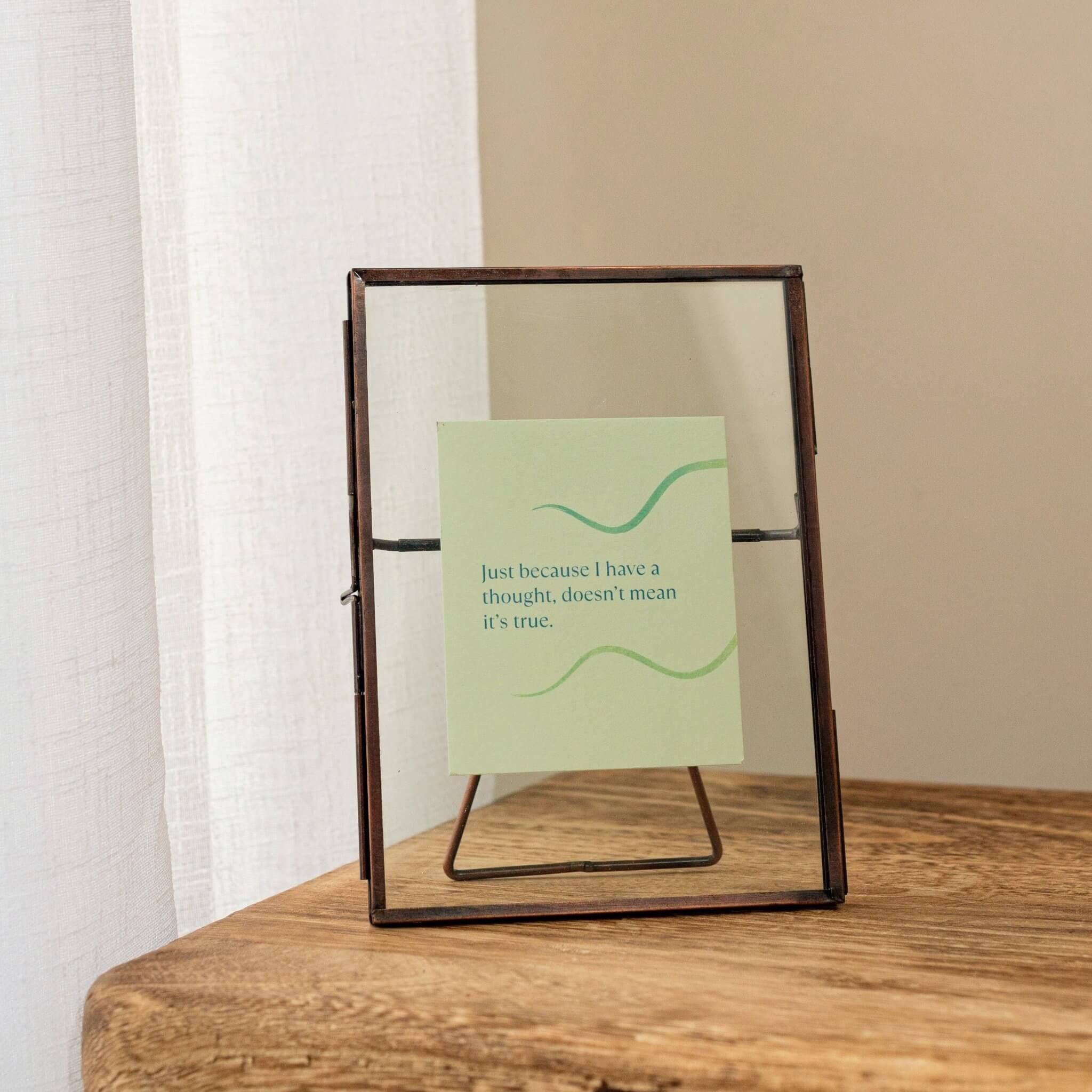
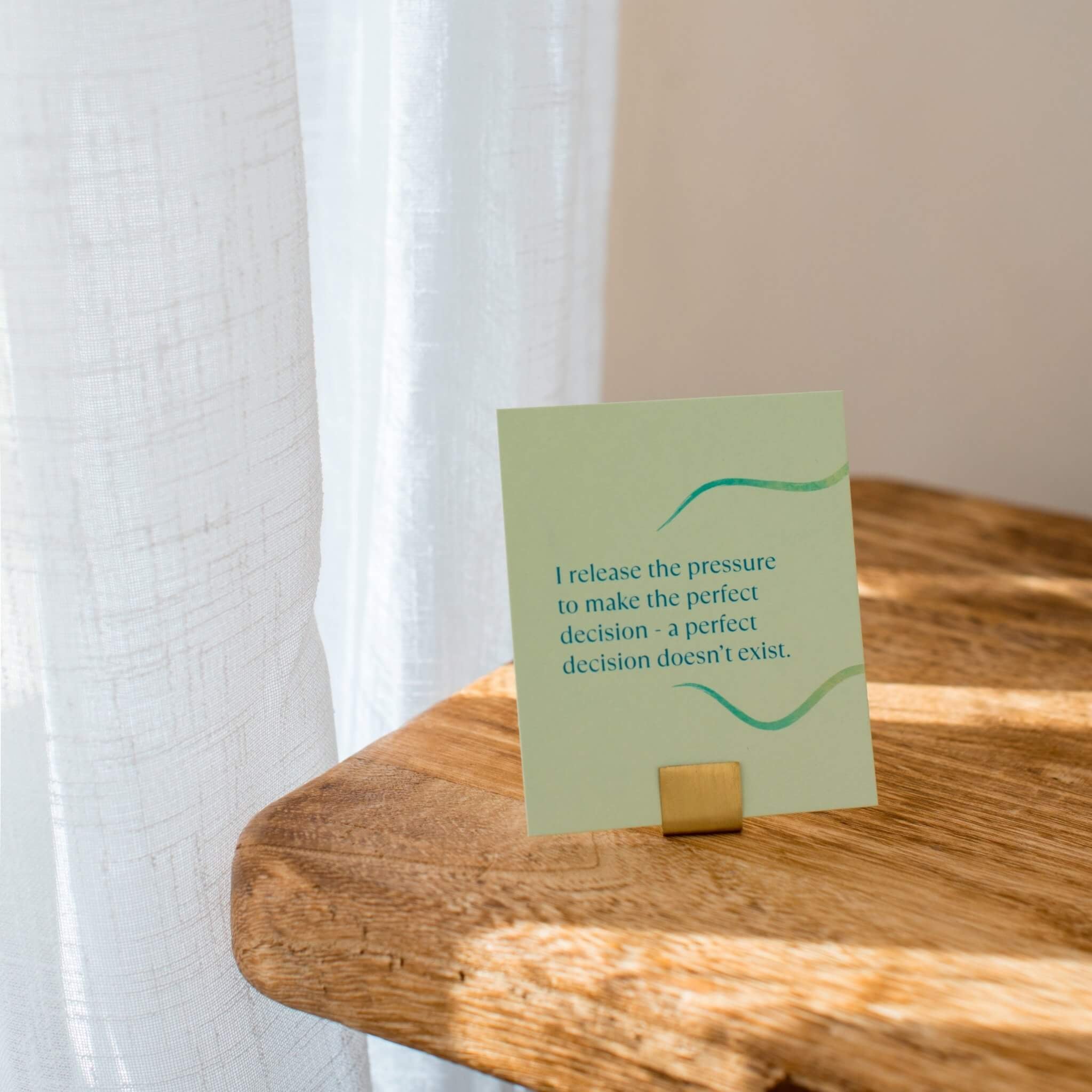
A card propped against a lamp gets read when you weren't looking for it. That is the whole difference, and it's the reason I had them printed.
You don't have to remember these words, or search for them, or find the tab again. One sits on the desk where you'll catch sight of it at exactly the moment you'd never have thought to go and find it. And when the thought arrives that you're behind, or not clever enough, or that everyone else has it worked out, there is already a different sentence in the room.
That's what having them by your side does, and it's genuinely different from reading a list once on a website.

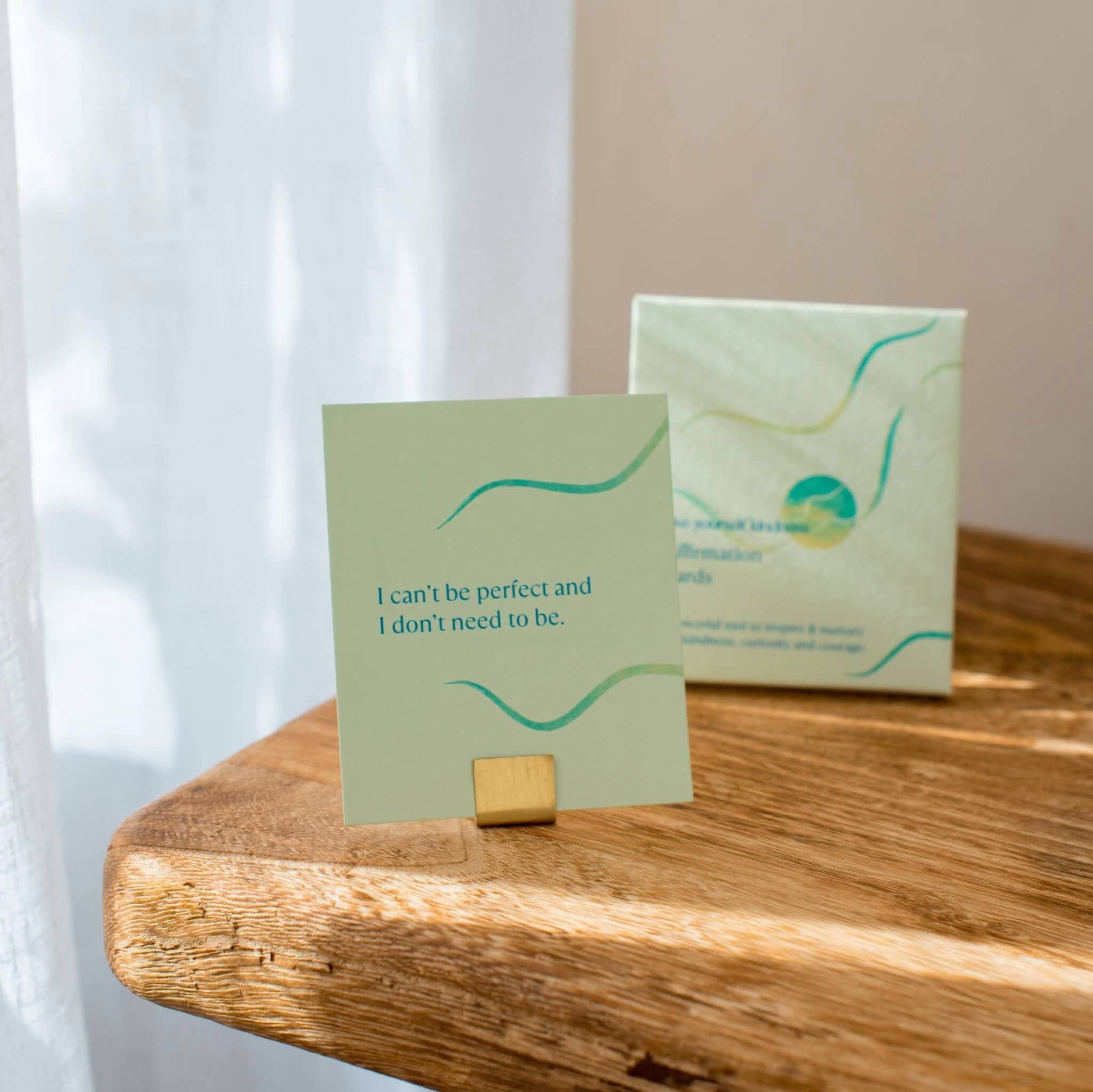
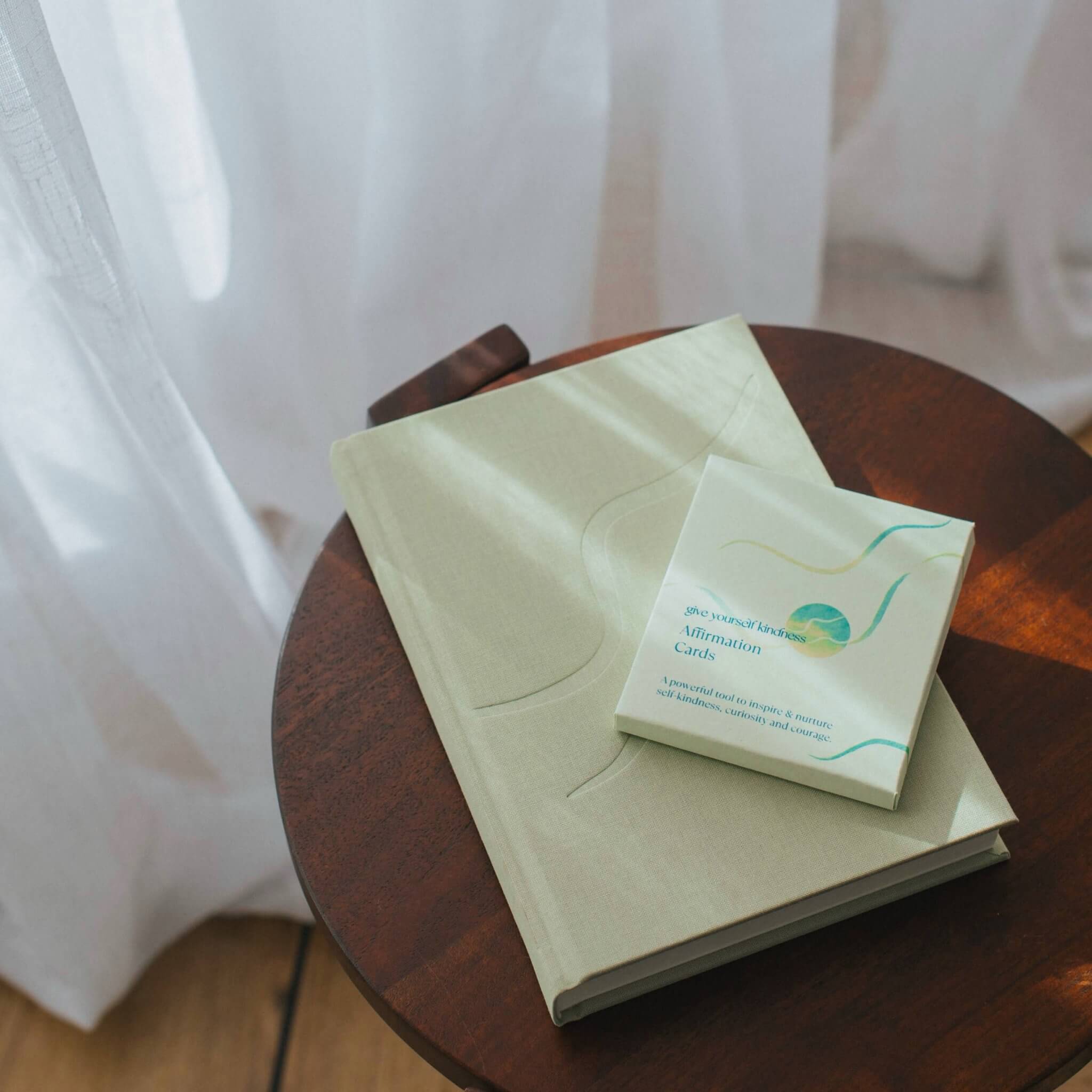
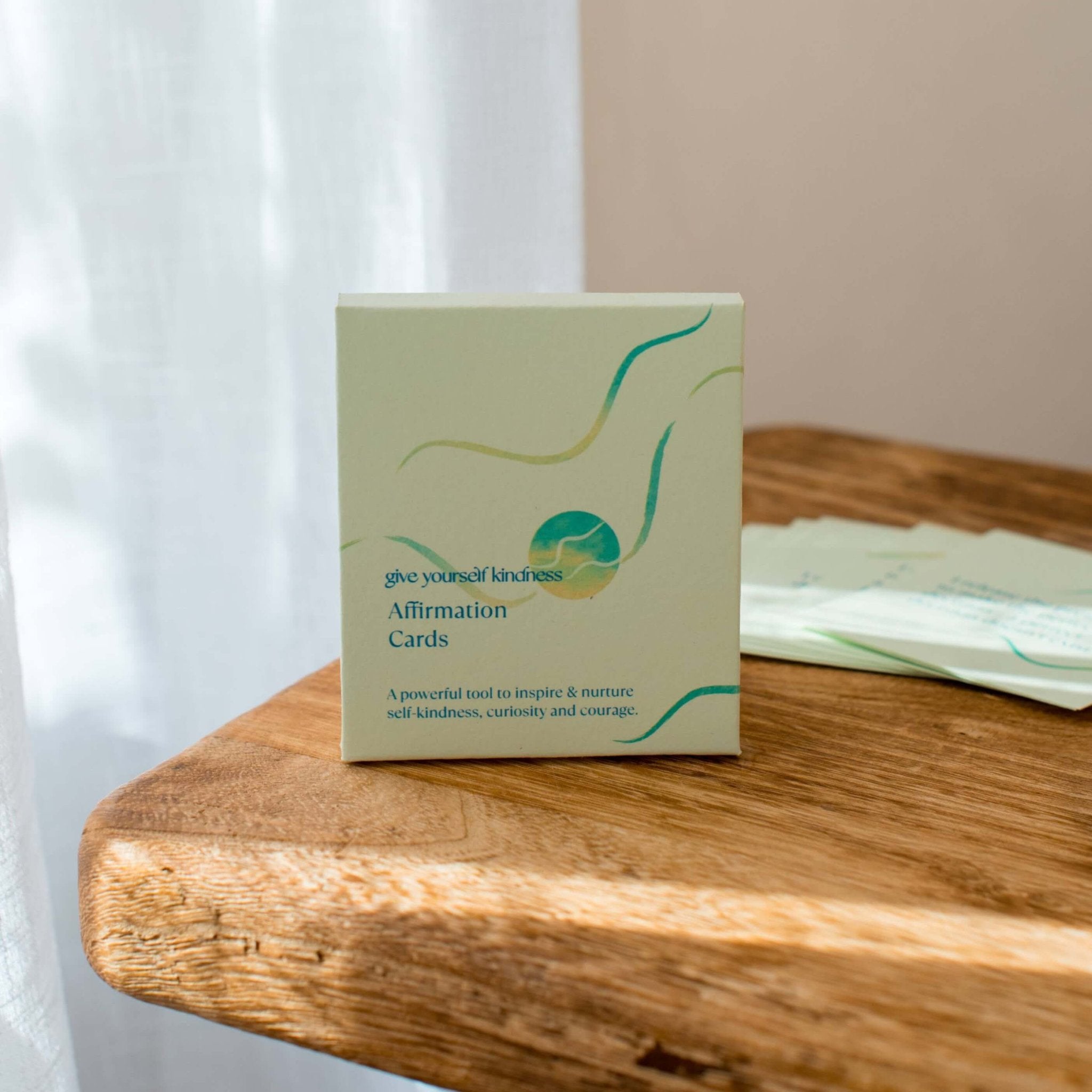
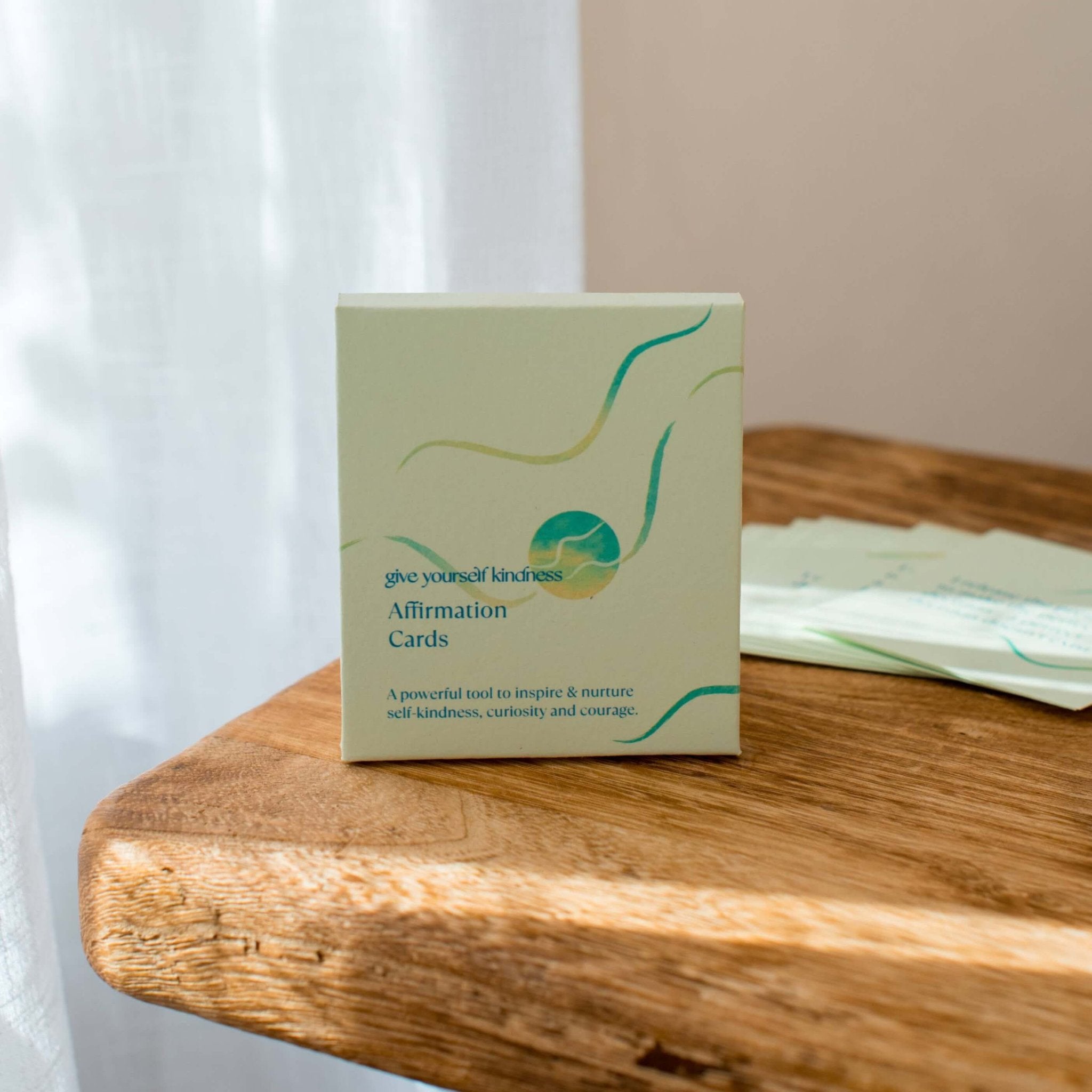
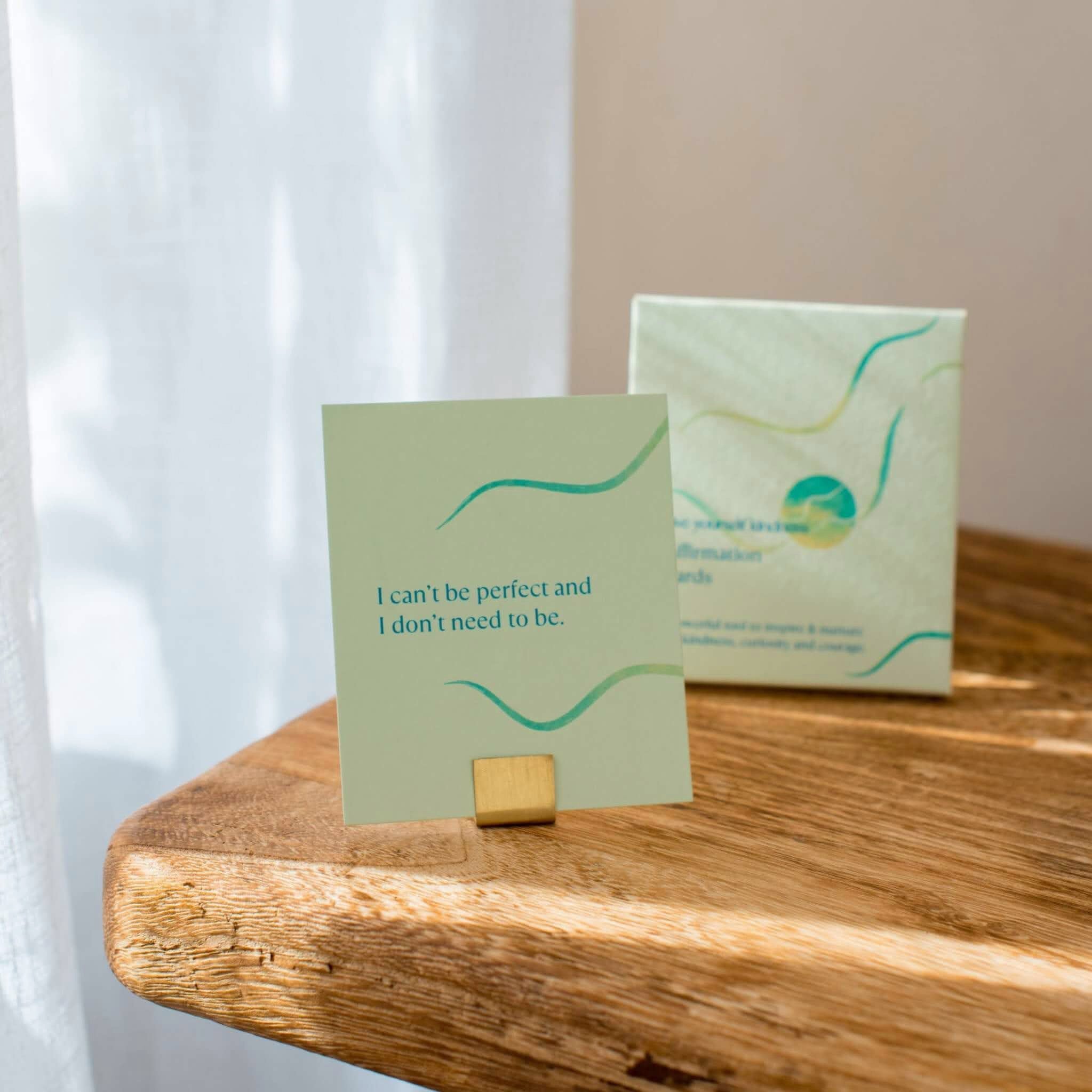
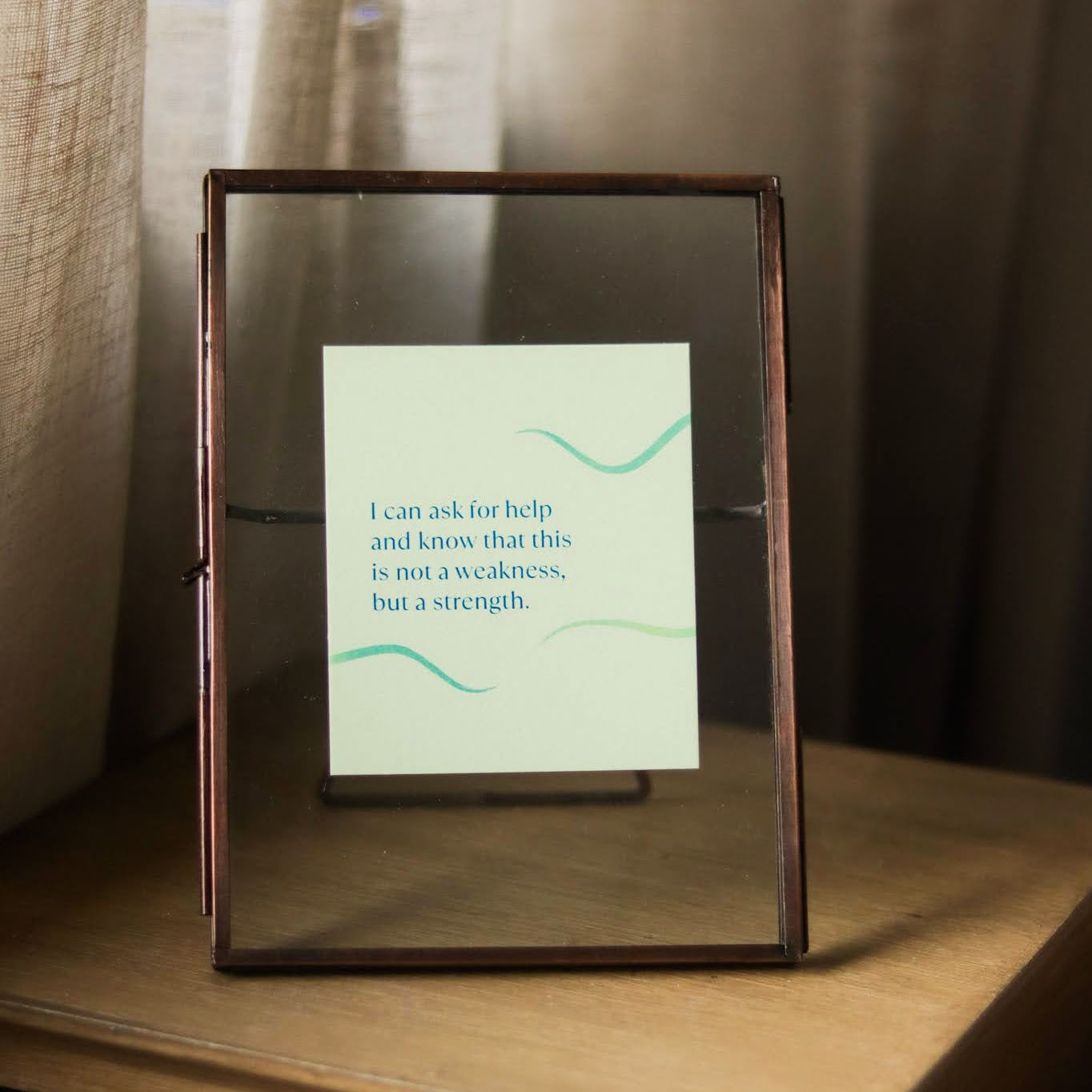
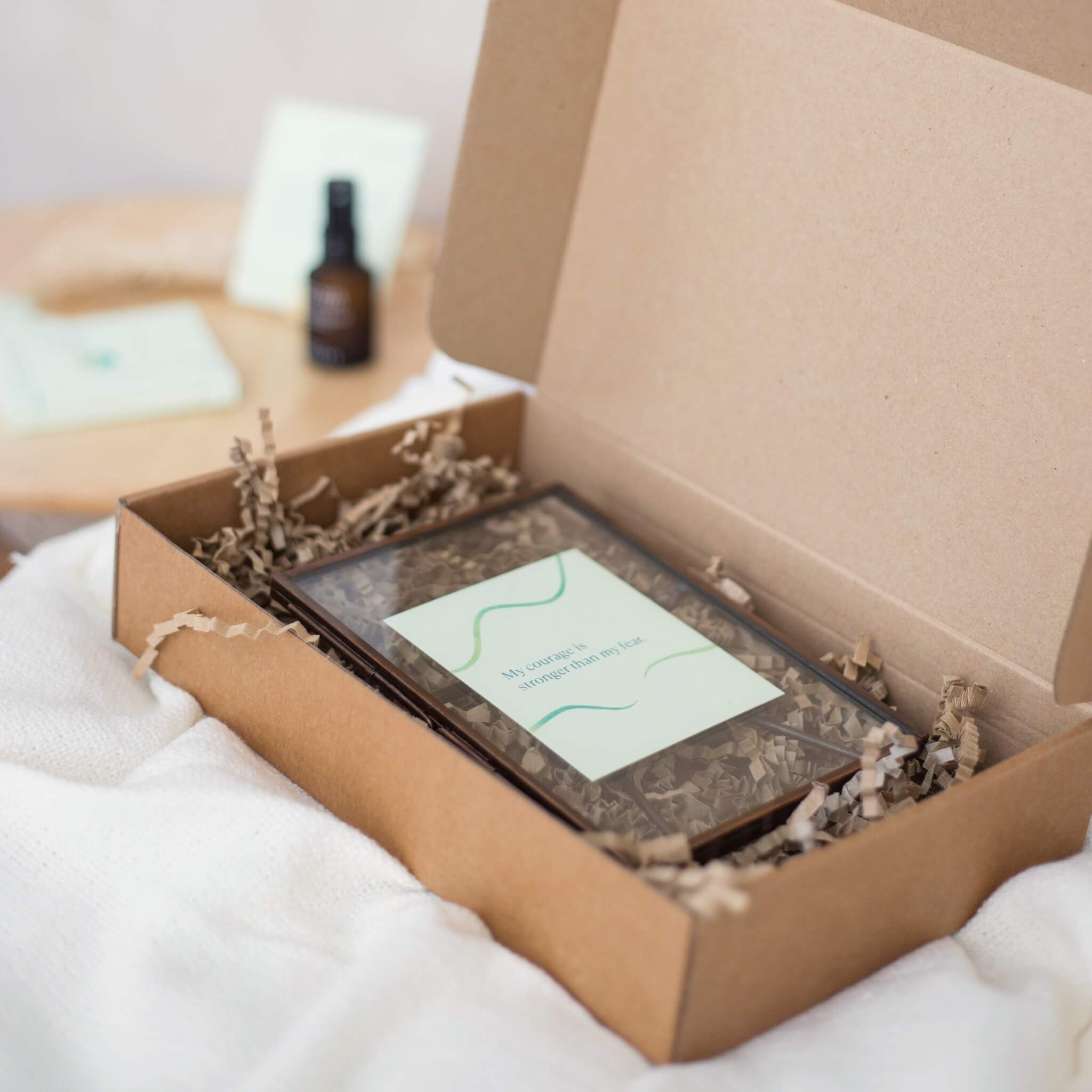
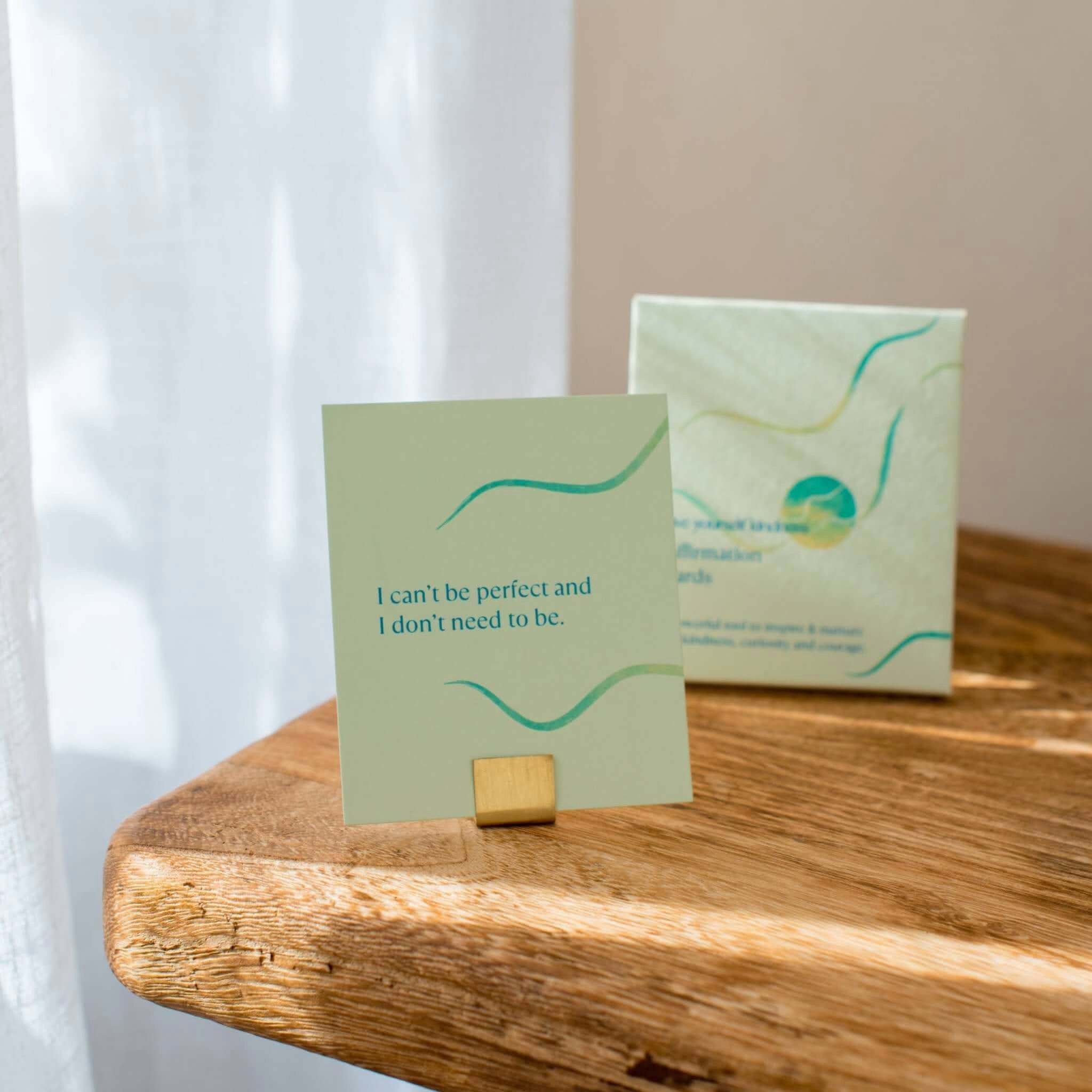
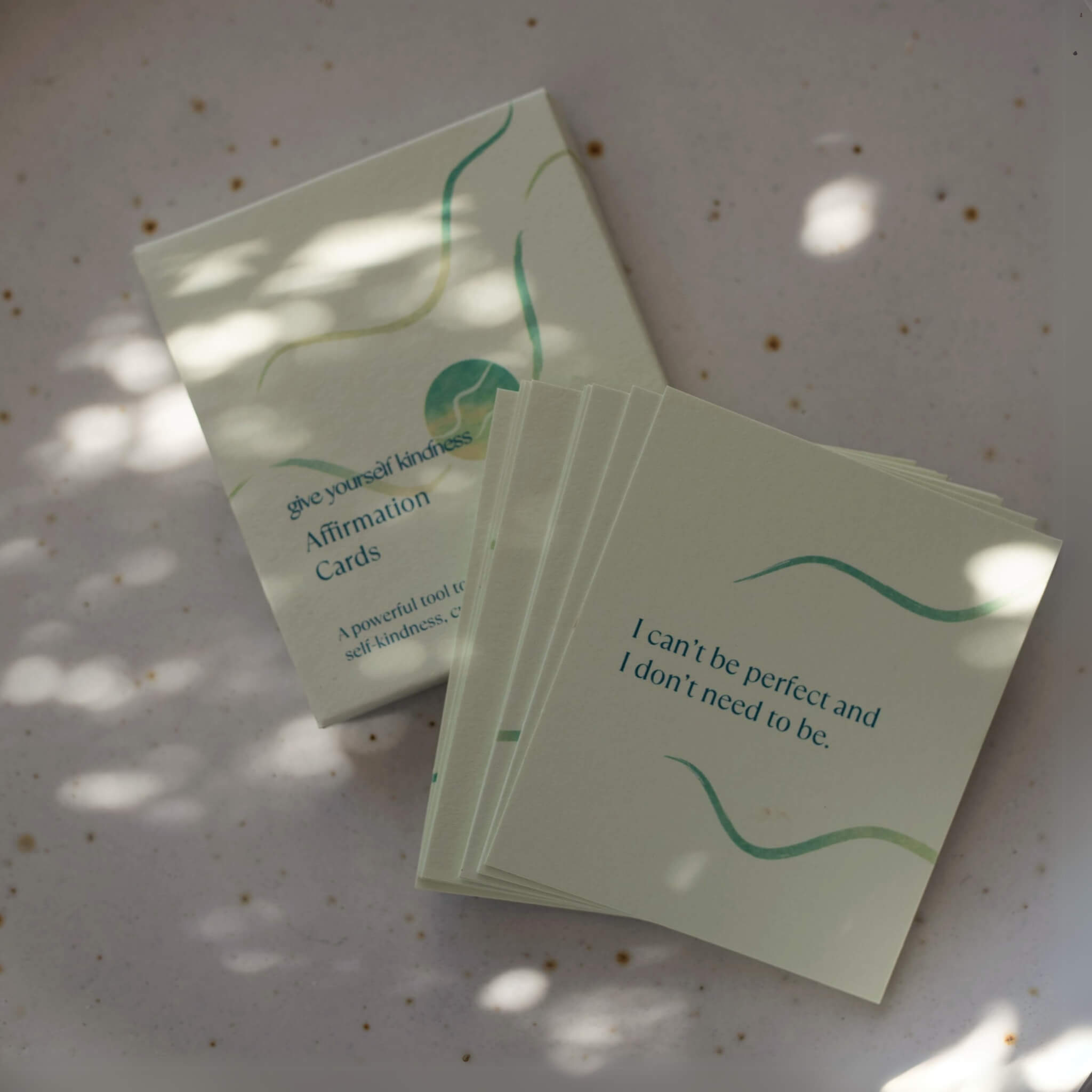
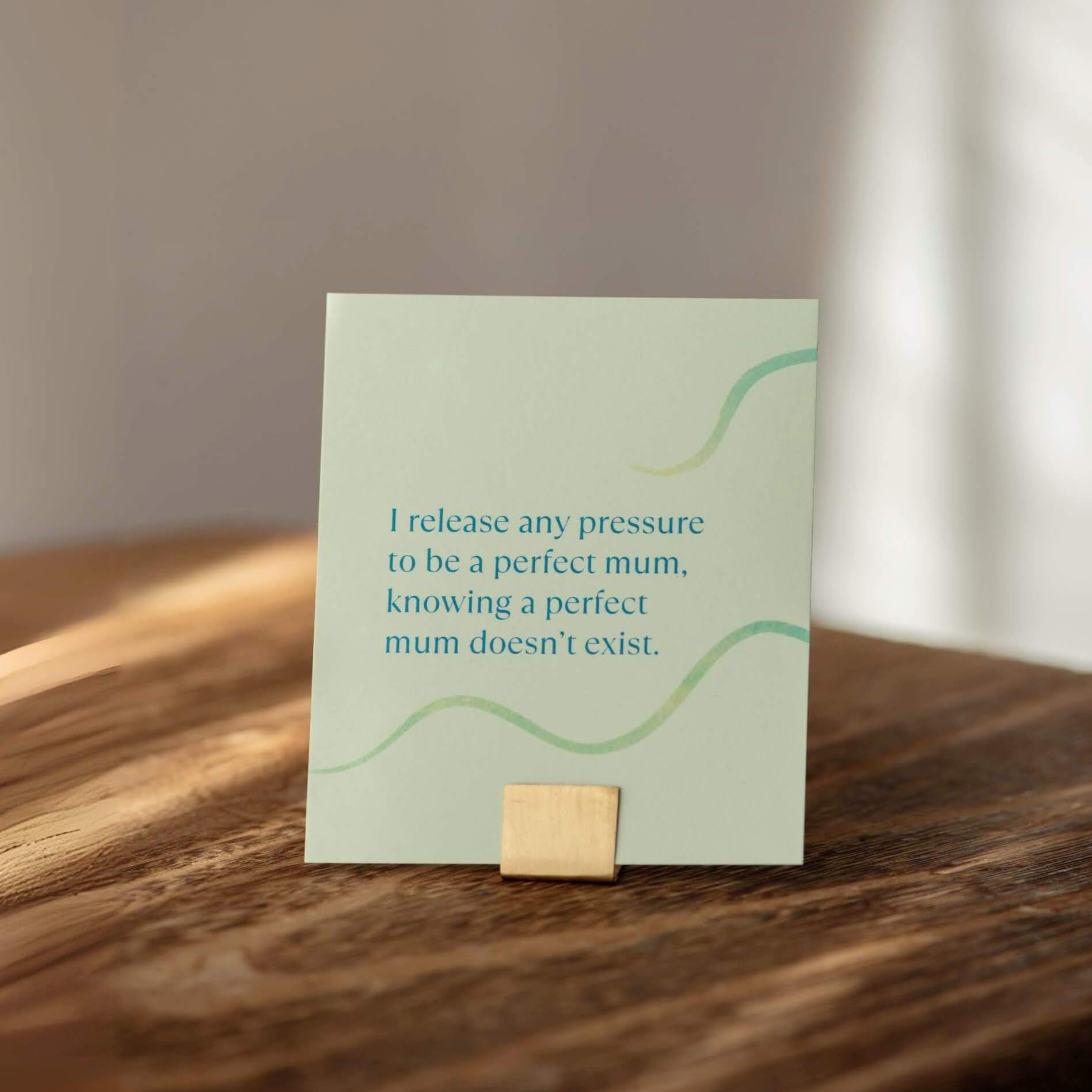
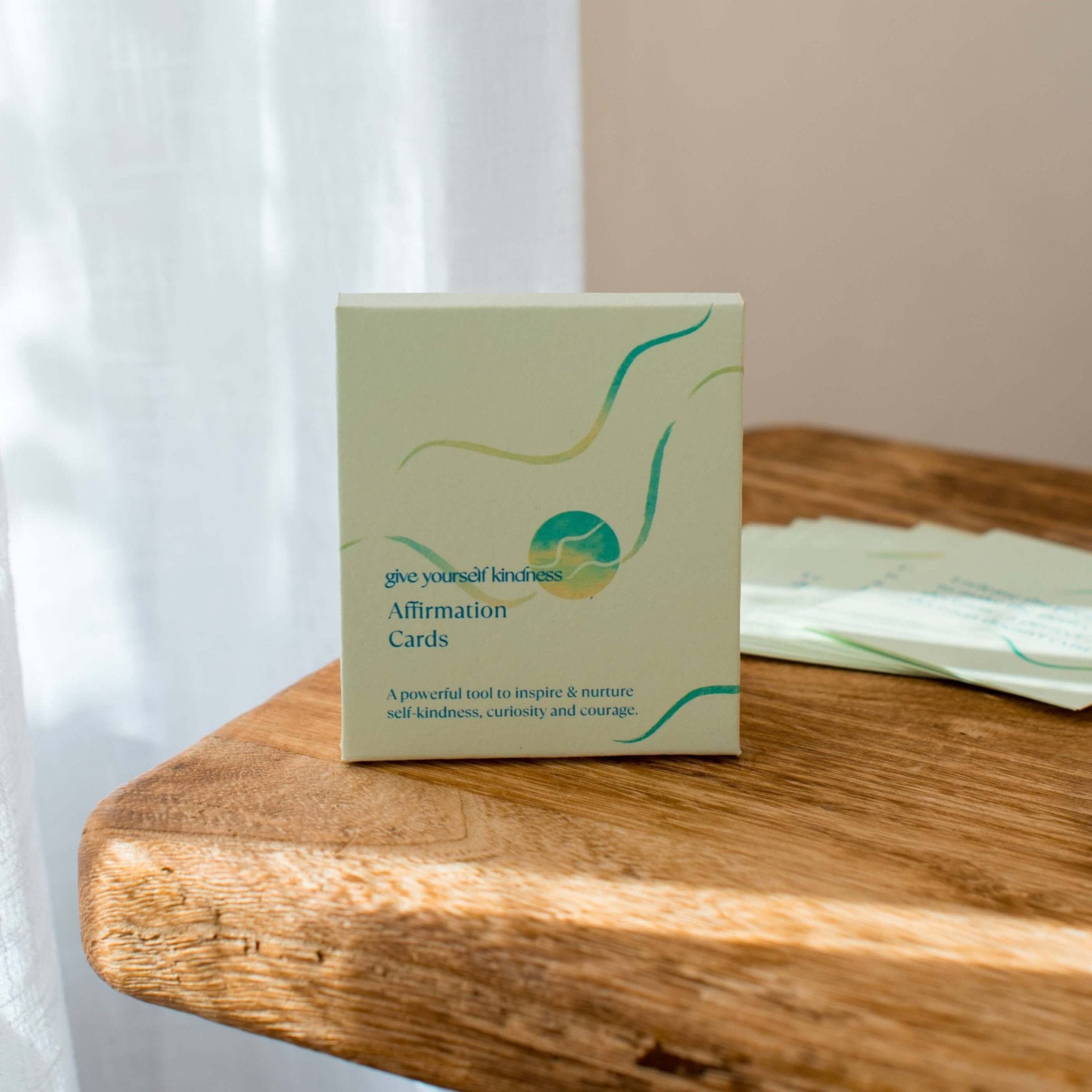
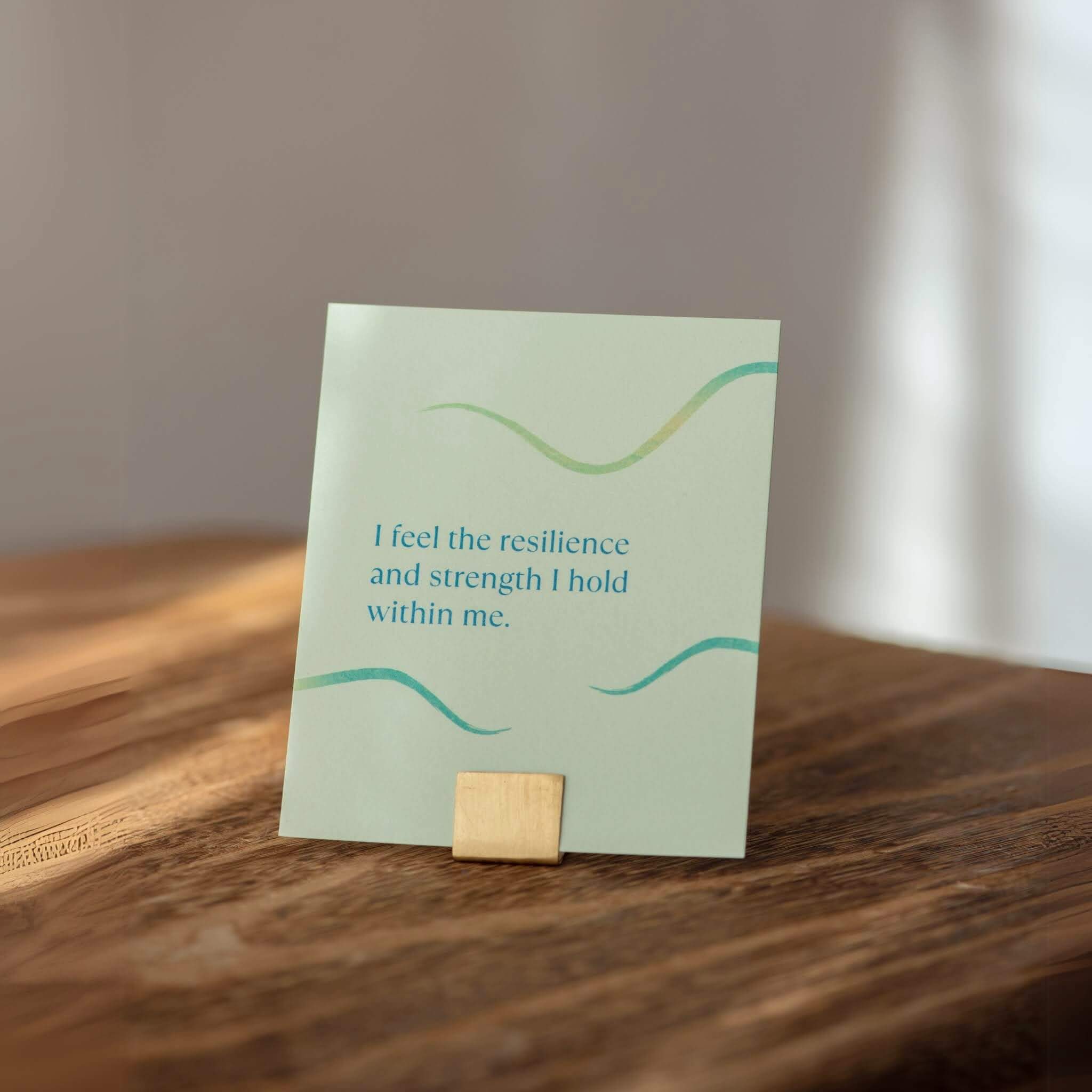
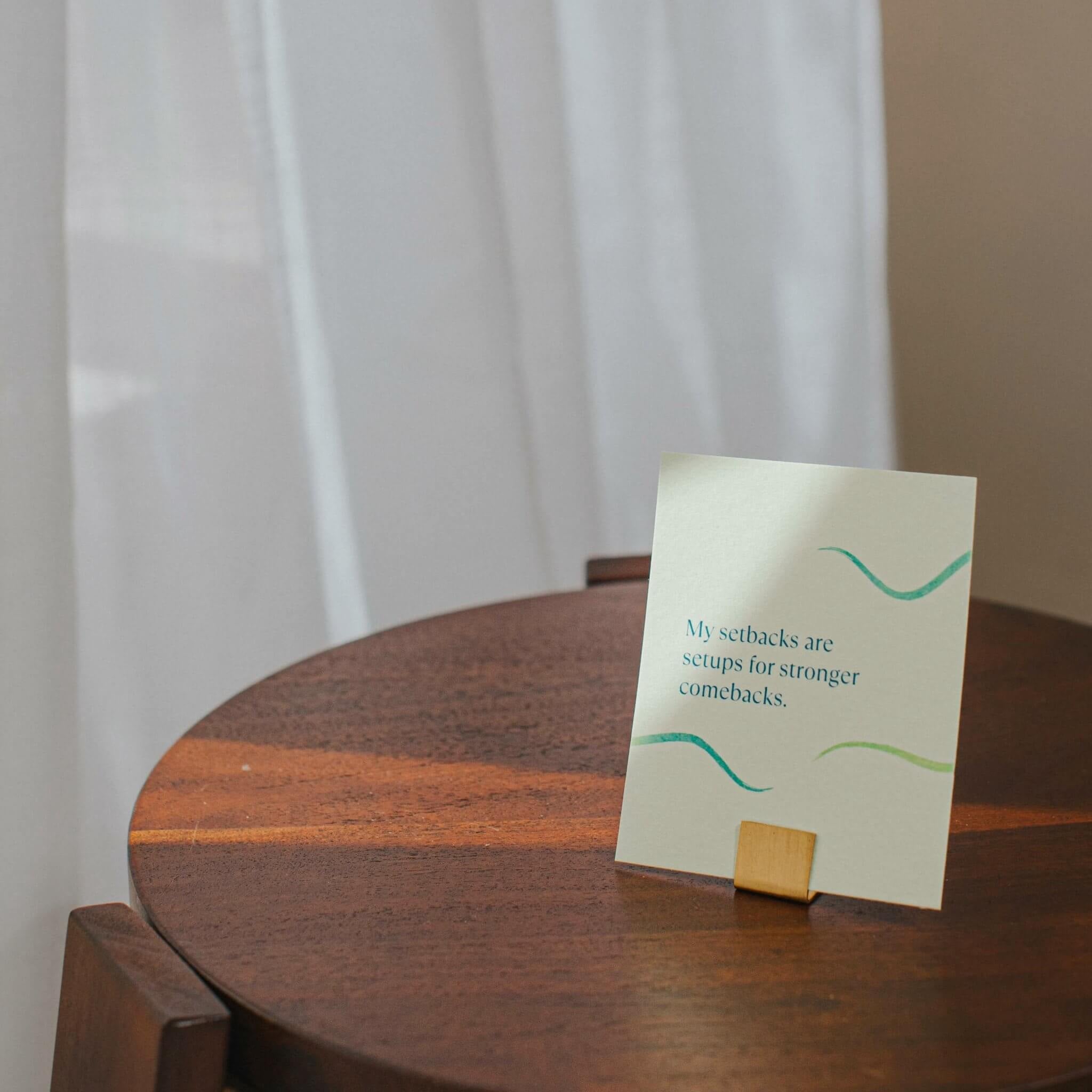
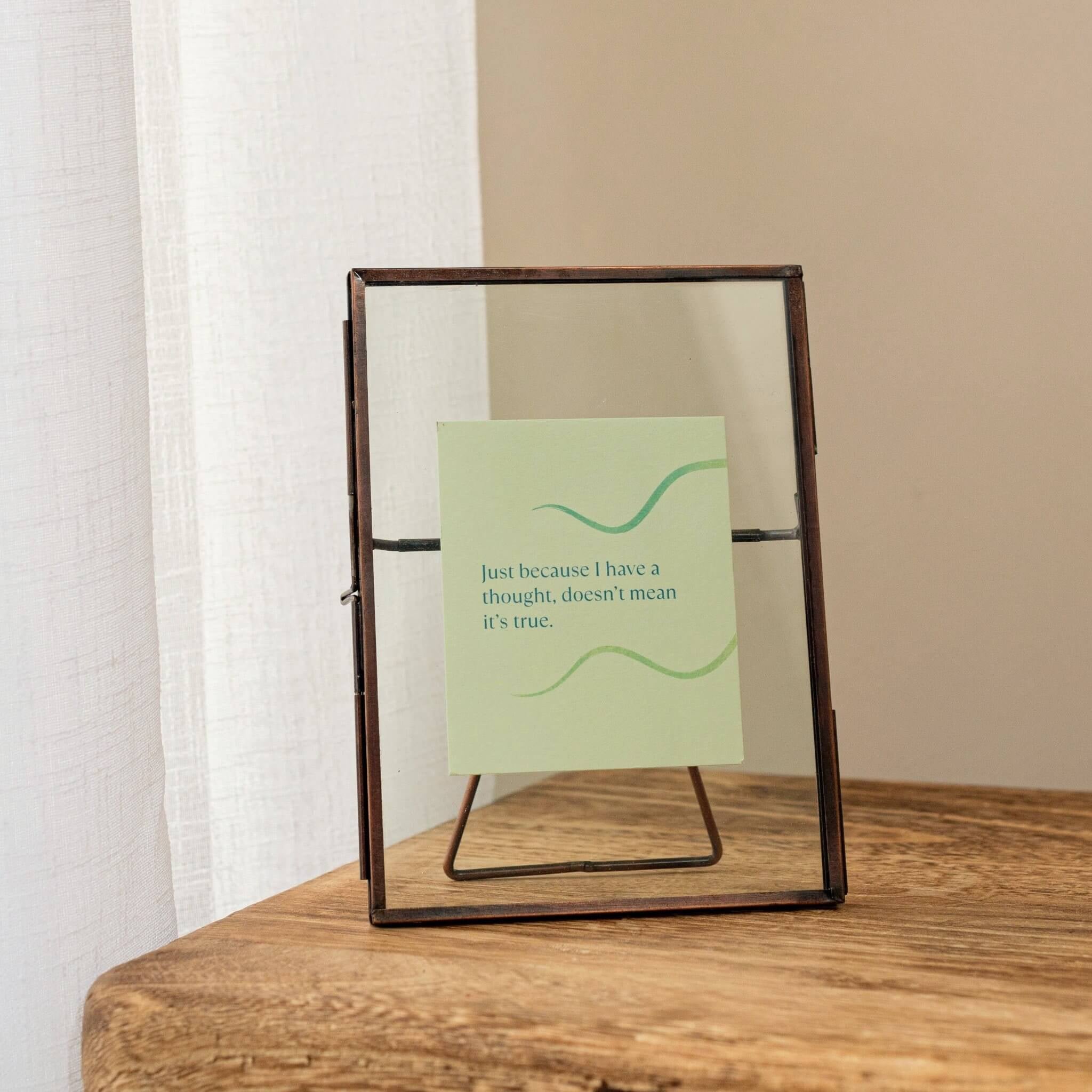
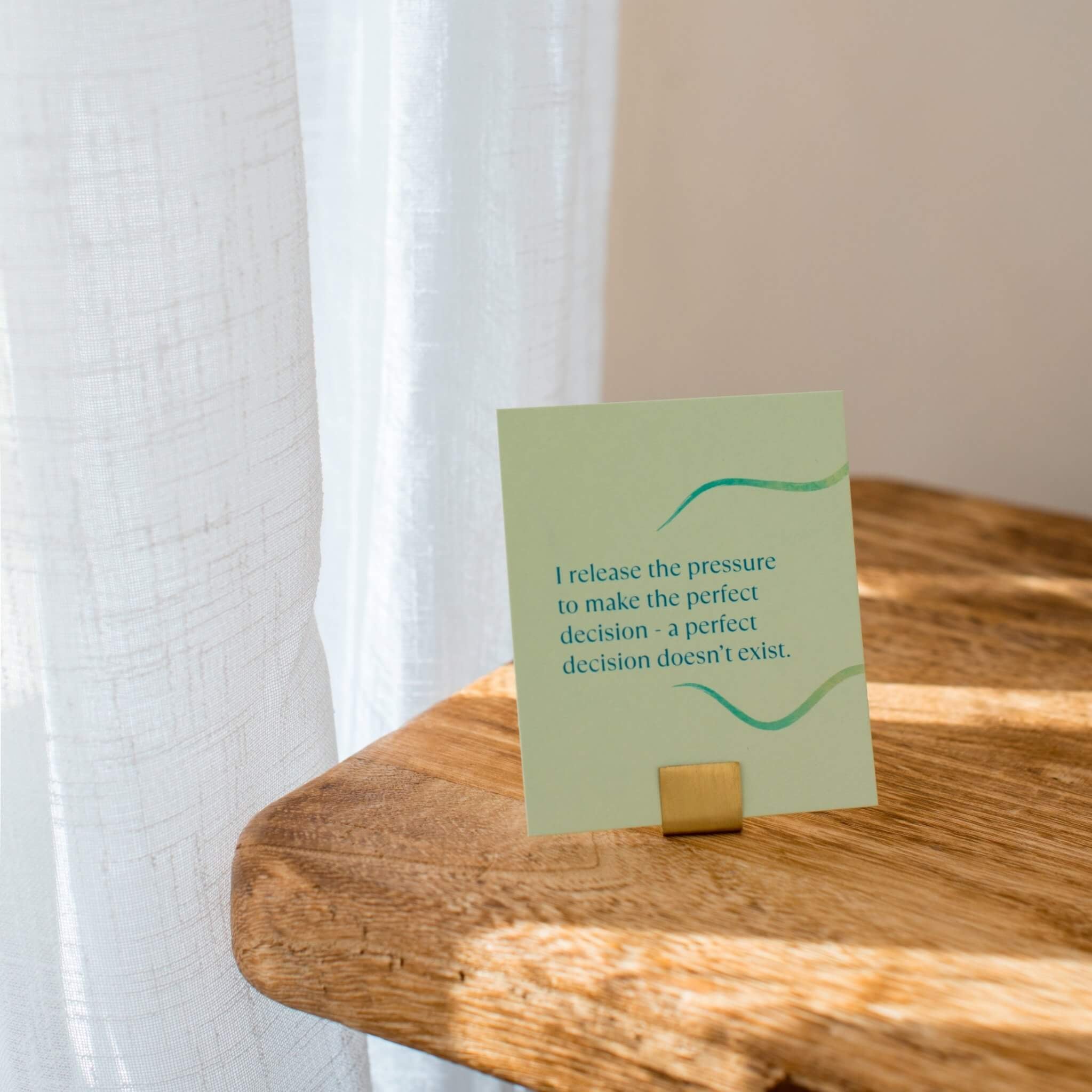
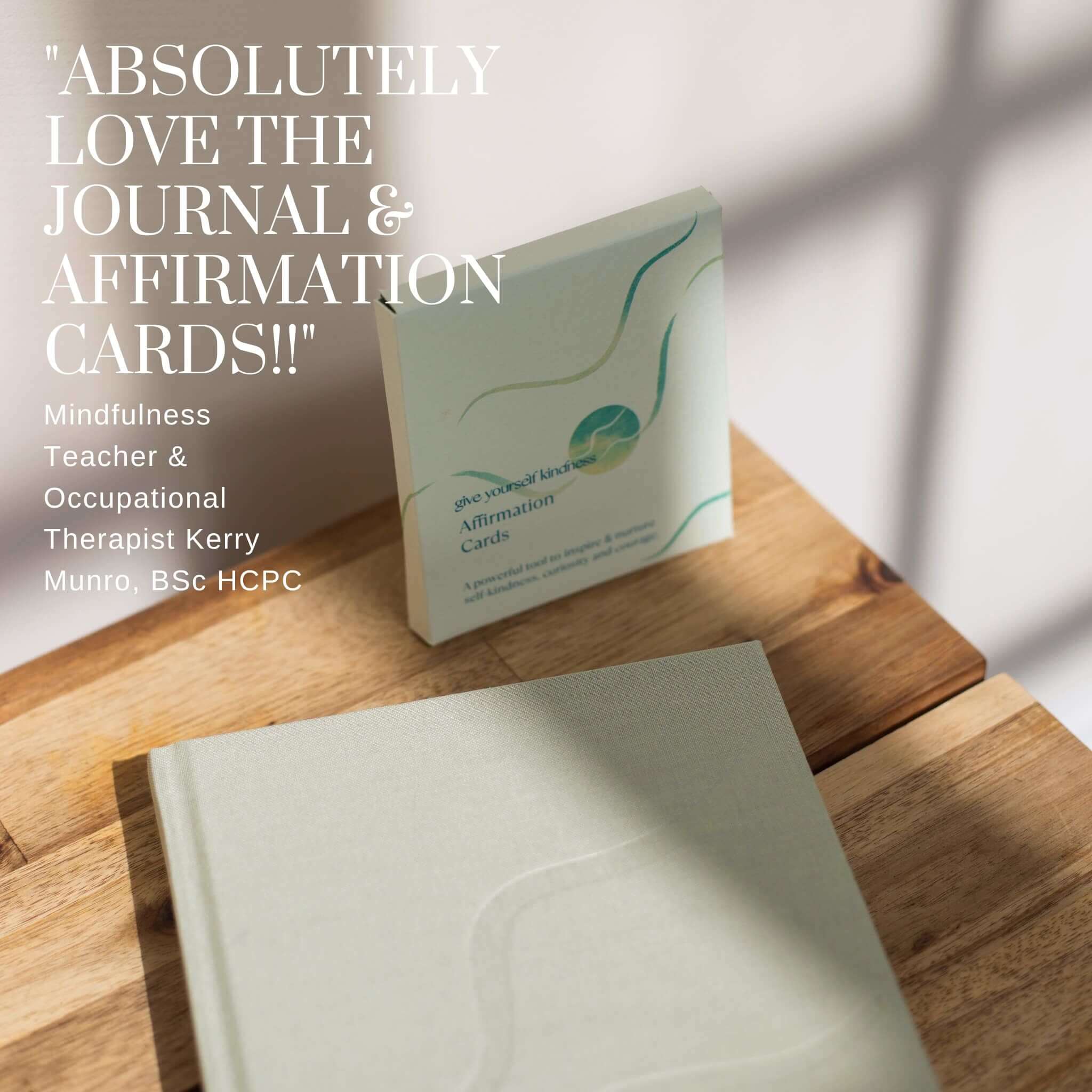
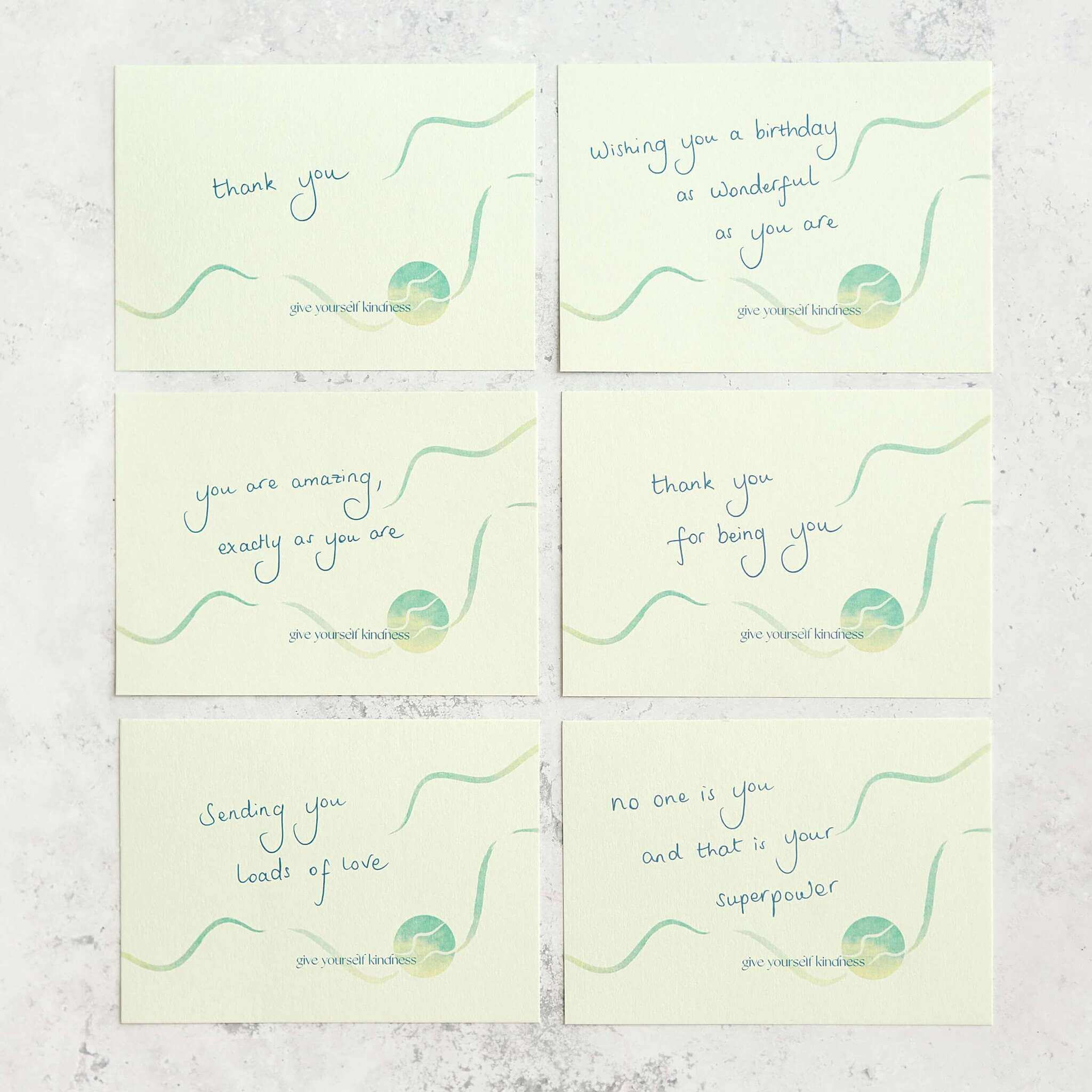
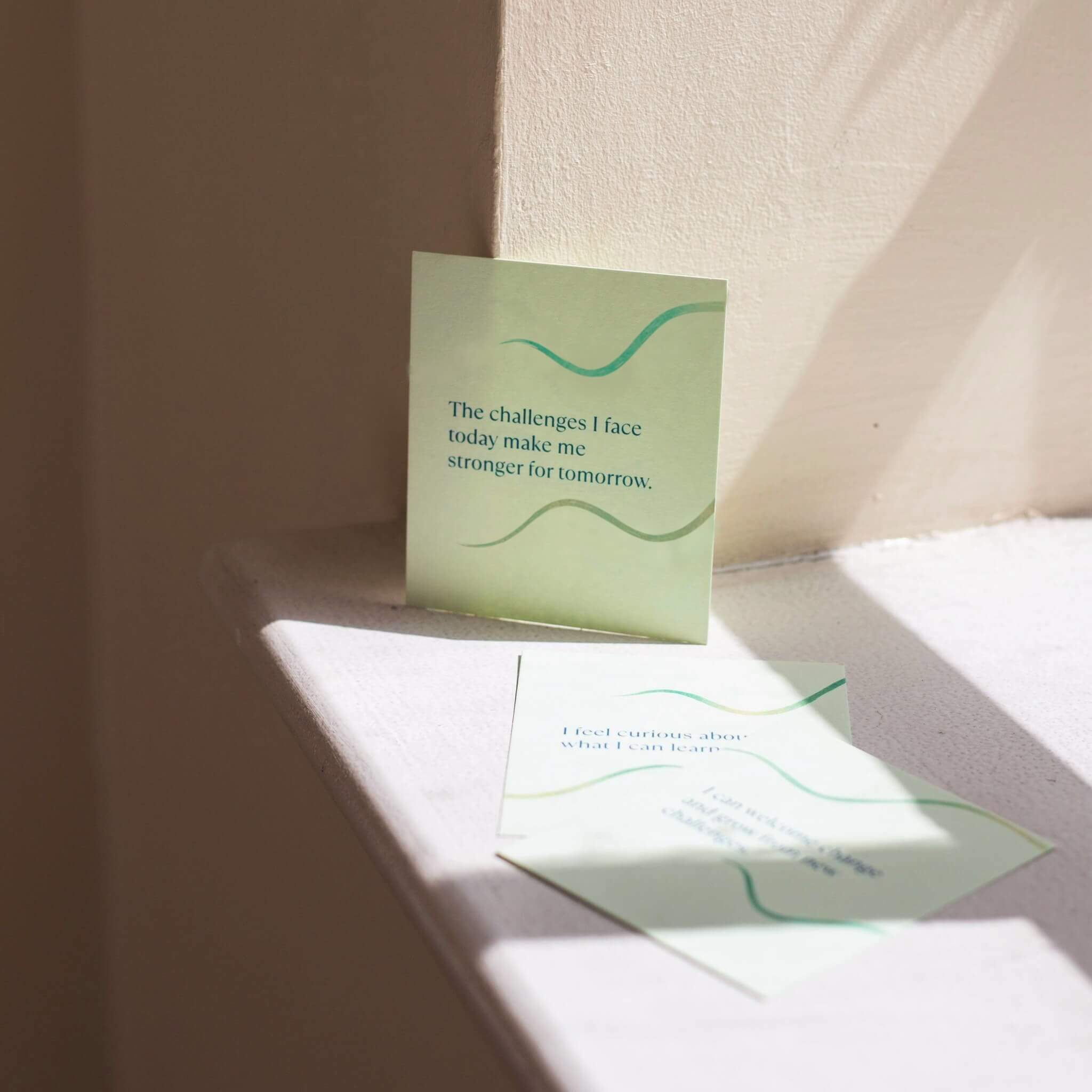
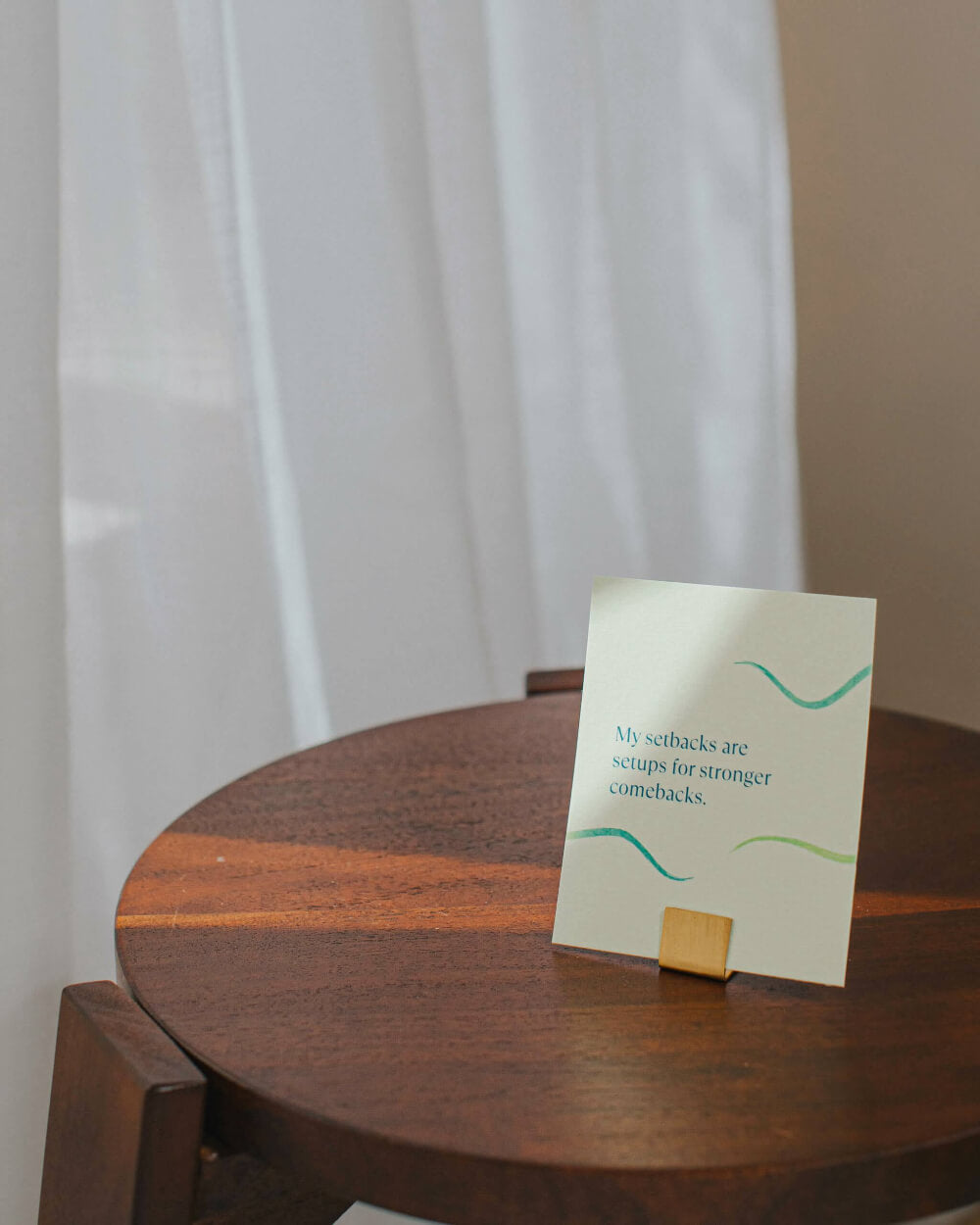
Student Affirmation Cards. These affirmations on 20 cards you can stand on a desk, keep in a pencil case or tuck inside a folder. 85mm x 100mm, printed in the UK on luxury 270gsm FSC-certified card, in plastic-free packaging. Free handwritten note at checkout if you're sending them to someone.
Added to your basket. View basket →
The affirmations above stay free whatever you decide. The cards are for when you'd like them somewhere you'll actually see them, without having to go and look.
Where to go next with exam stress
Affirmations help with the self-talk. If the stress itself is the bigger problem, these two go further.
Parents and teachers often arrive here looking for something to hand over rather than something to say. The Student Affirmation Cards are written for exam season.
4 ways to use affirmations during exam season
1. During study breaks
- Write your chosen affirmation on a sticky note by your study space
- Use a card as a bookmark in your revision materials
- Read it aloud when you notice your inner critic getting loud
2. Morning of the exam
- Choose your affirmation the night before
- Say it three times while getting ready, out loud or silently
- Repeat it on your way to the exam hall
3. When anxiety hits during an exam
- Take a deep breath
- Silently repeat your chosen affirmation
- Focus on one question at a time
4. Post-exam self-compassion
- Read your affirmation regardless of how you feel the exam went
- Use it to ground yourself before moving on to the next subject
- Make it part of your post-exam relaxation routine
What to do when the feeling is too big for an affirmation
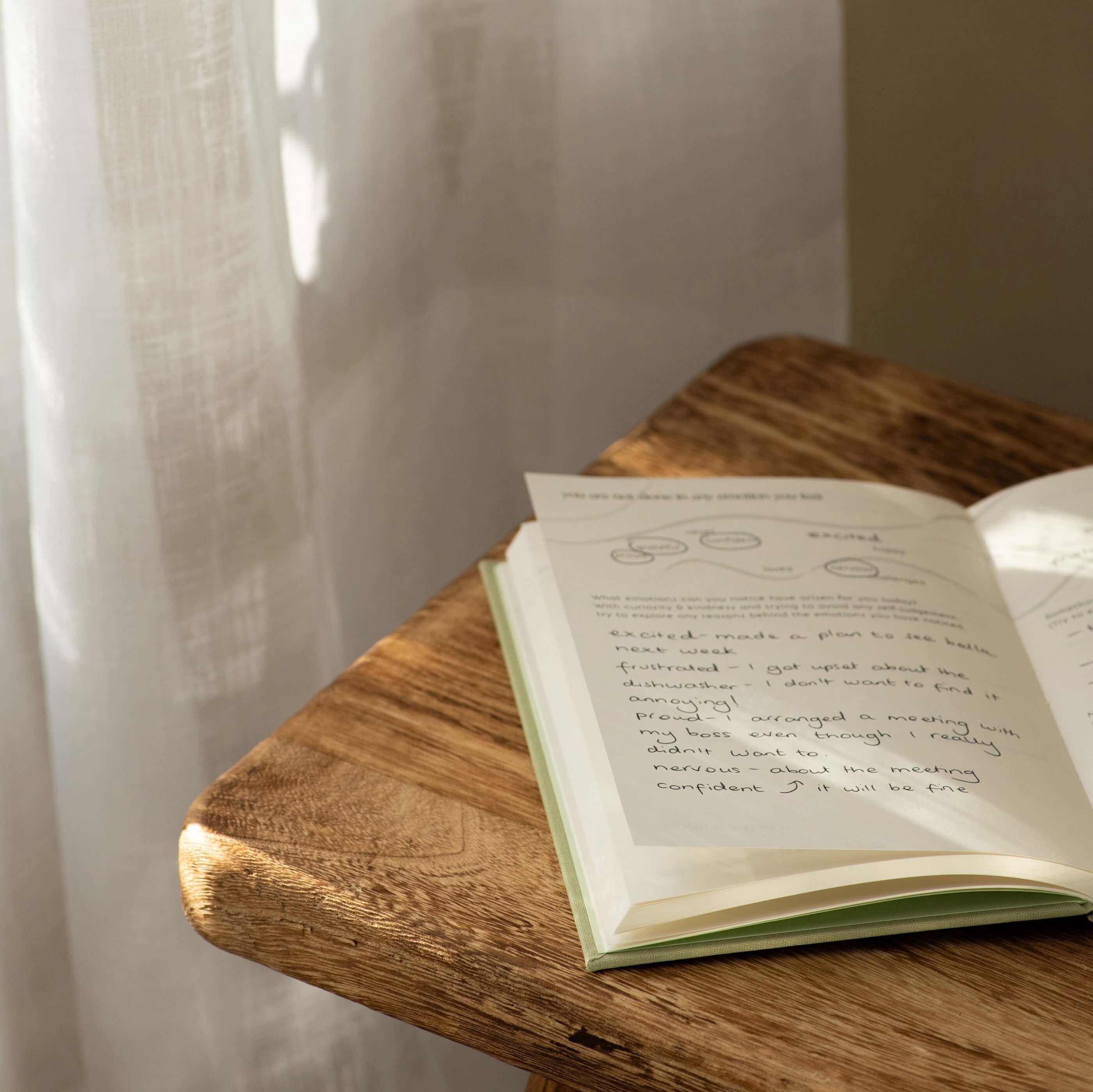
Sometimes a line on a card isn't enough, because the feeling is already too loud. Health psychology researcher Julie Dwyer wrote about this for us, drawing on Harvard psychologist Dr Susan David's work on emotional agility.

Julie Dwyer, MSc, PhD (c)
Health psychology researcher and certified meditation instructor, trained in mindfulness-based interventions at the University of Edinburgh. Has trained over 18,000 people since 2020
"Attempting to suppress or ignore emotions can lead to heightened stress and inner turmoil. Acceptance involves acknowledging that emotions, even the uncomfortable ones, are valid and deserving of our attention."
Her piece sets out Dr Susan David's four steps, and the second one is the useful one at 2am the night before a paper:
- Showing up: acknowledging the feeling instead of arguing with it.
- Stepping out: "distancing ourselves from our feelings and observing them objectively," which is what stops panic from taking the wheel.
- Walking your why: acting in line with what you actually care about, not what the fear wants.
- Moving on: taking one purposeful action from there.
Notice that step two is the same move as "Just because I have a thought doesn't mean it's true." That's why that card is in the deck.
Read: The power of emotional agility, transforming stress into strength →Speaking to yourself with kindness isn't just about feeling good
It creates the mental space you need to learn effectively and perform at your best. When you practise self-compassion during exam season, research suggests you're more likely to:
- Recover faster from setbacks
- Maintain motivation over time
- Reduce anxiety that interferes with performance
- Develop genuine confidence, not just forced positivity
As Dr Annabelle Kyle Dortch puts it, self-compassion is essential for "developing courage, resilience, and a growth-oriented mindset."
Take a deep breath. Choose an affirmation that resonates with you. You've got this.
Common questions about exam affirmations
Do affirmations actually help with exam stress?
They can, but the wording decides it. Affirmations that deny how you feel tend to bounce off, especially under pressure. Ones that acknowledge the stress and offer a kinder response stay believable, and that's what lets them lower the noise enough for you to think. Self-criticism does the opposite, because it activates your stress response right when you need clear thinking.
What should I say to myself before an exam?
Pick one line and stick with it rather than cycling through several. "My courage is stronger than my fear" and "I am handling this the best I can" both work well in the ten minutes before you go in, because neither of them requires you to feel calm to be true.
What if affirmations feel fake or cringe?
That usually means the line is too far from what you currently believe. "I will ace this exam" is a hard sell to your own brain at 2am. Try something you can't really argue with, like "I don't need to earn rest to deserve it" or "Just because I have a thought doesn't mean it's true." Believability matters more than positivity.
How often should I use them during revision?
Once a day is plenty, and consistency beats intensity. Most people notice their self-talk starting to shift after two to three weeks. Putting one where you already look, on your laptop or beside your notes, works better than setting a reminder you'll start ignoring by Wednesday.
Can affirmations replace revision?
No, and anyone telling you otherwise is selling something. Affirmations don't teach you the content. What they do is reduce the anxiety and self-criticism that make revision harder to start and harder to absorb, so the studying you do actually lands.
What helps when the panic is too big for an affirmation?
Step back from the feeling before trying to change it. Health psychology researcher Julie Dwyer describes this as "distancing ourselves from our feelings and observing them objectively," which stops the panic from taking over. Name what you're feeling first, then choose your line.
I'm a parent. Will my teenager actually use these?
Some will, some won't, and that's genuinely not something you can control. What tends to help is giving them without an instruction attached: "I saw these and thought of you, no pressure" lands far better than "these will help you focus." The cards are deliberately not motivational, so they read as support rather than as a comment on how they're coping.
All 25 affirmations, on cards that stay on the desk
Written for exam season.
Shop the Student Affirmation Cards →
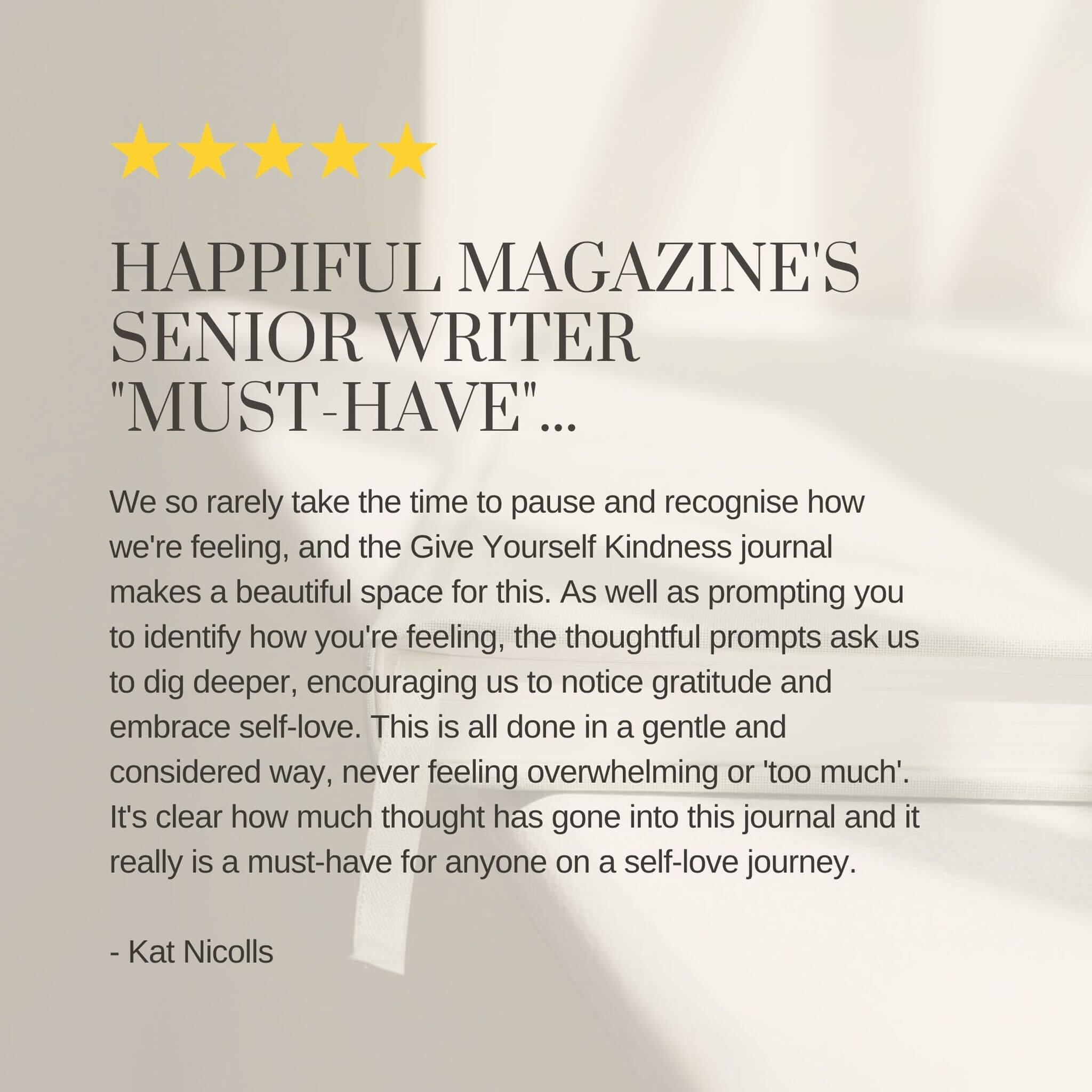
“I instantly feel a sense of groundedness and calm”
Affirmations can be so helpful along our healing journey. And these affirmations are truly so beautiful and powerful! When I read them, I instantly feel a sense of groundedness and calm. I also love that they are centered around having more compassion and kindness for ourselves.