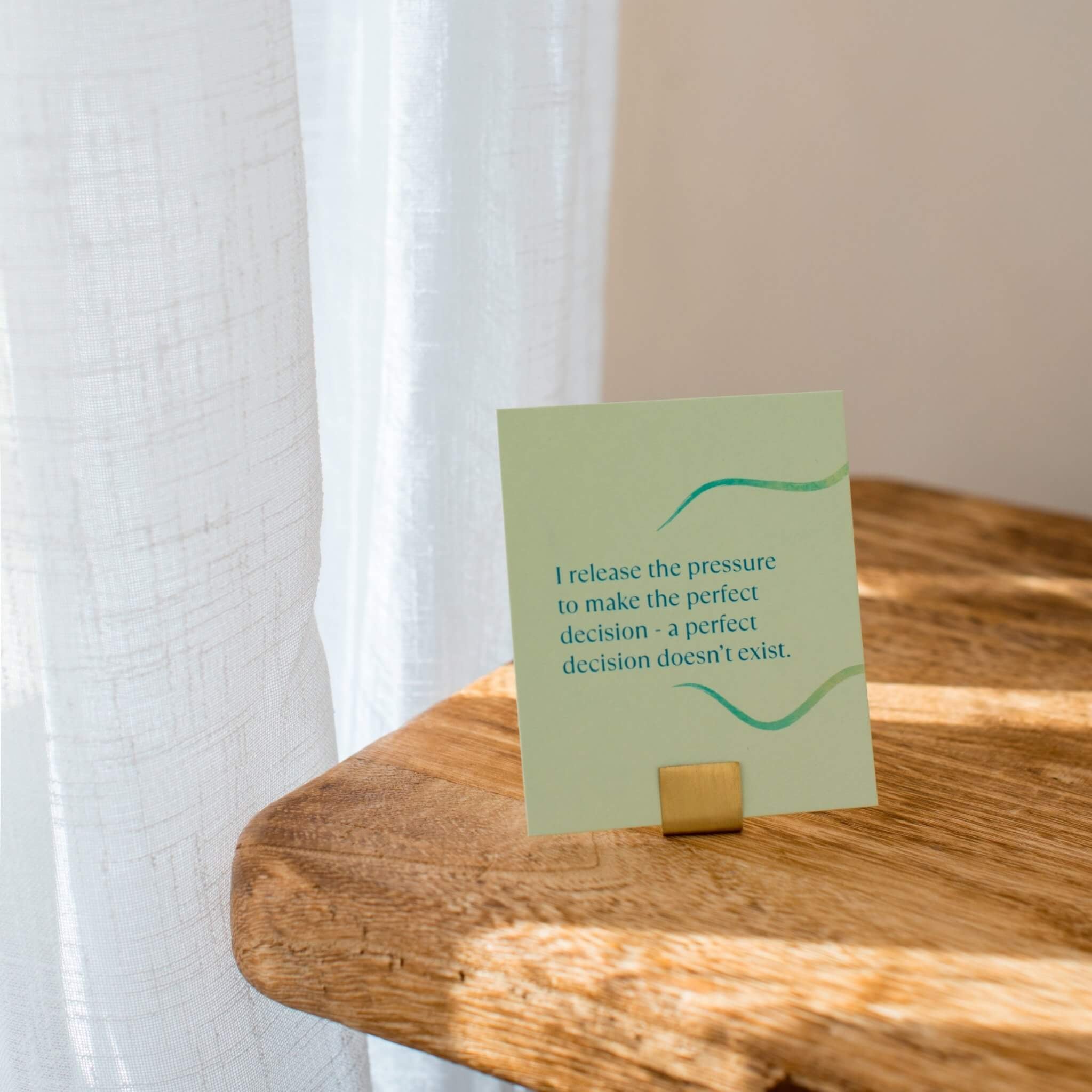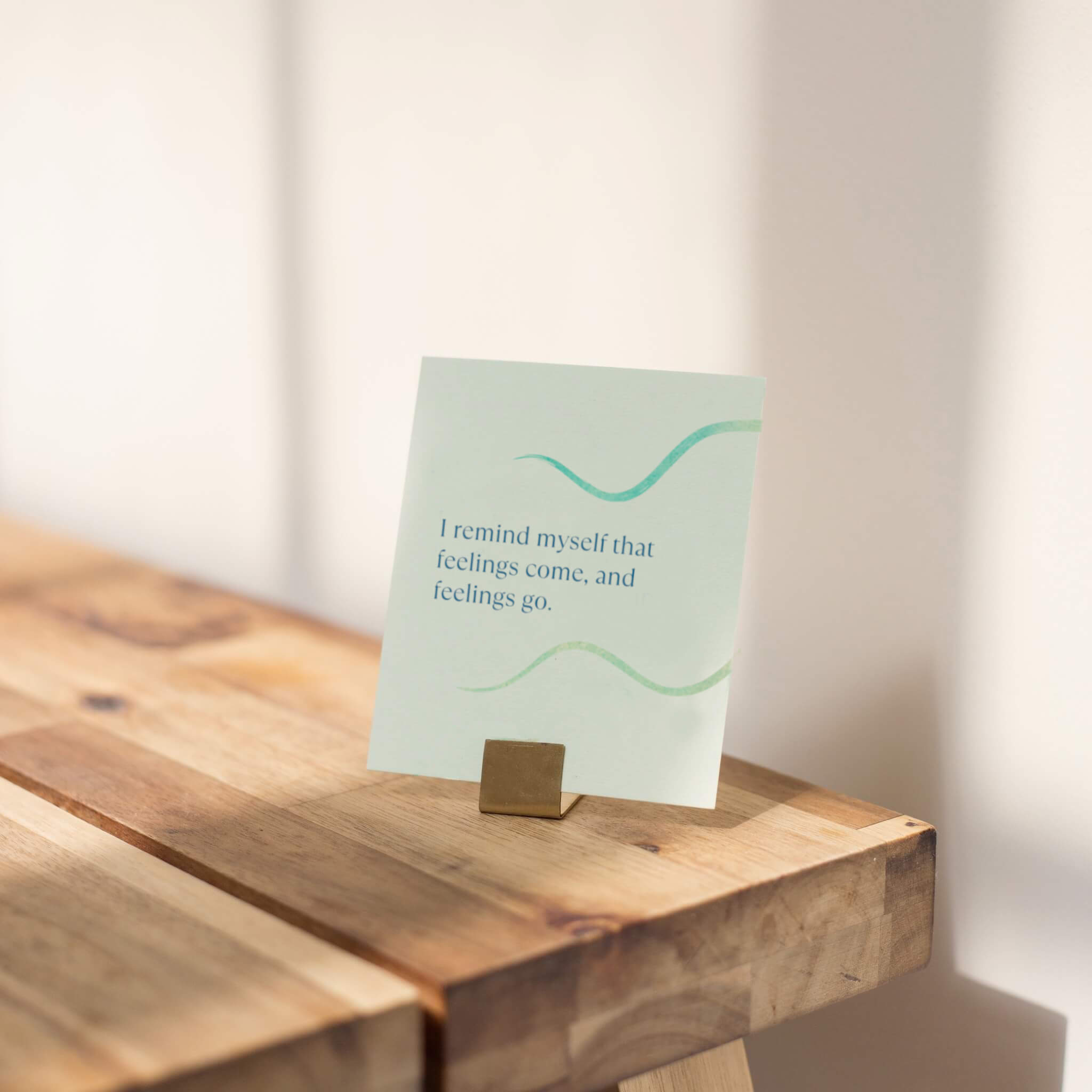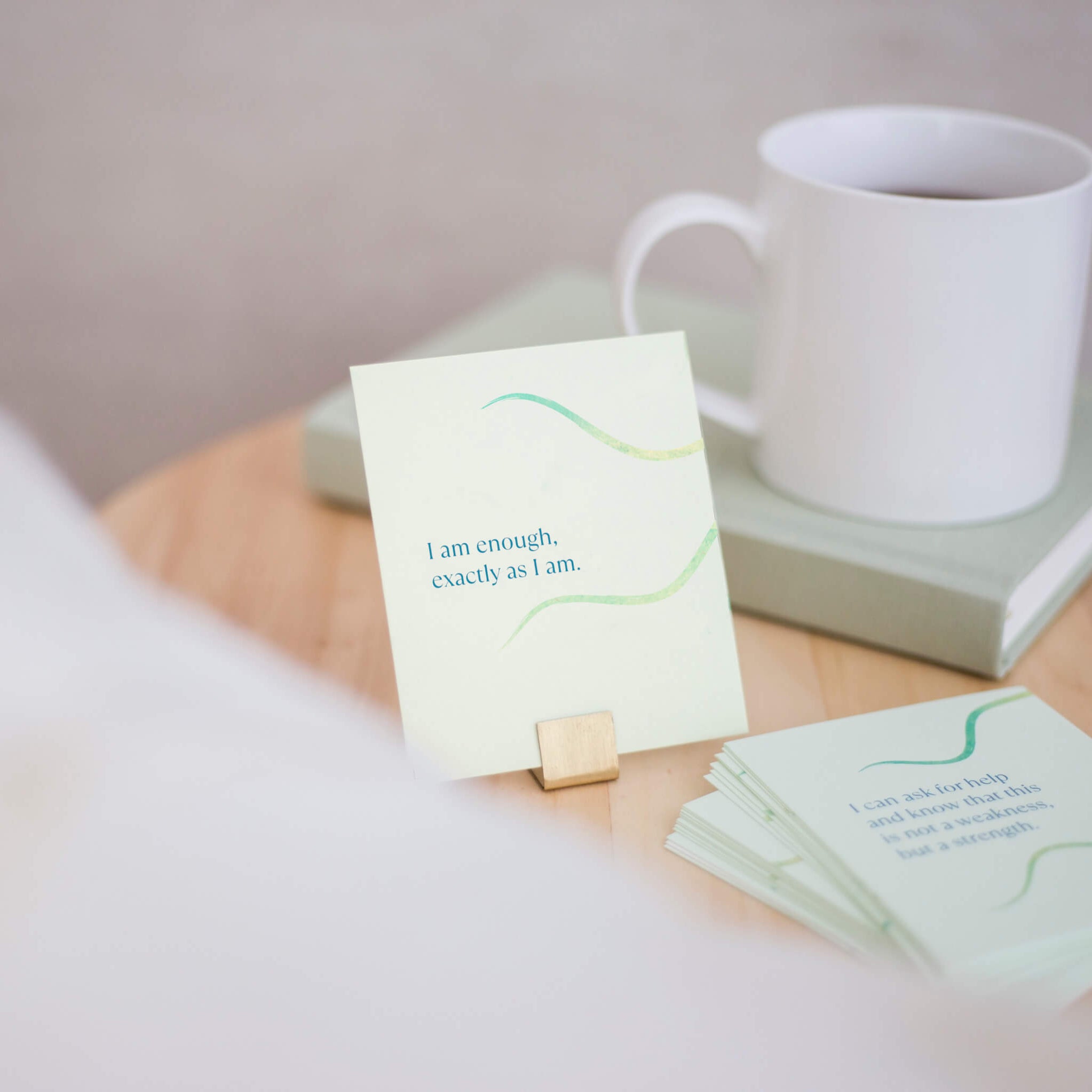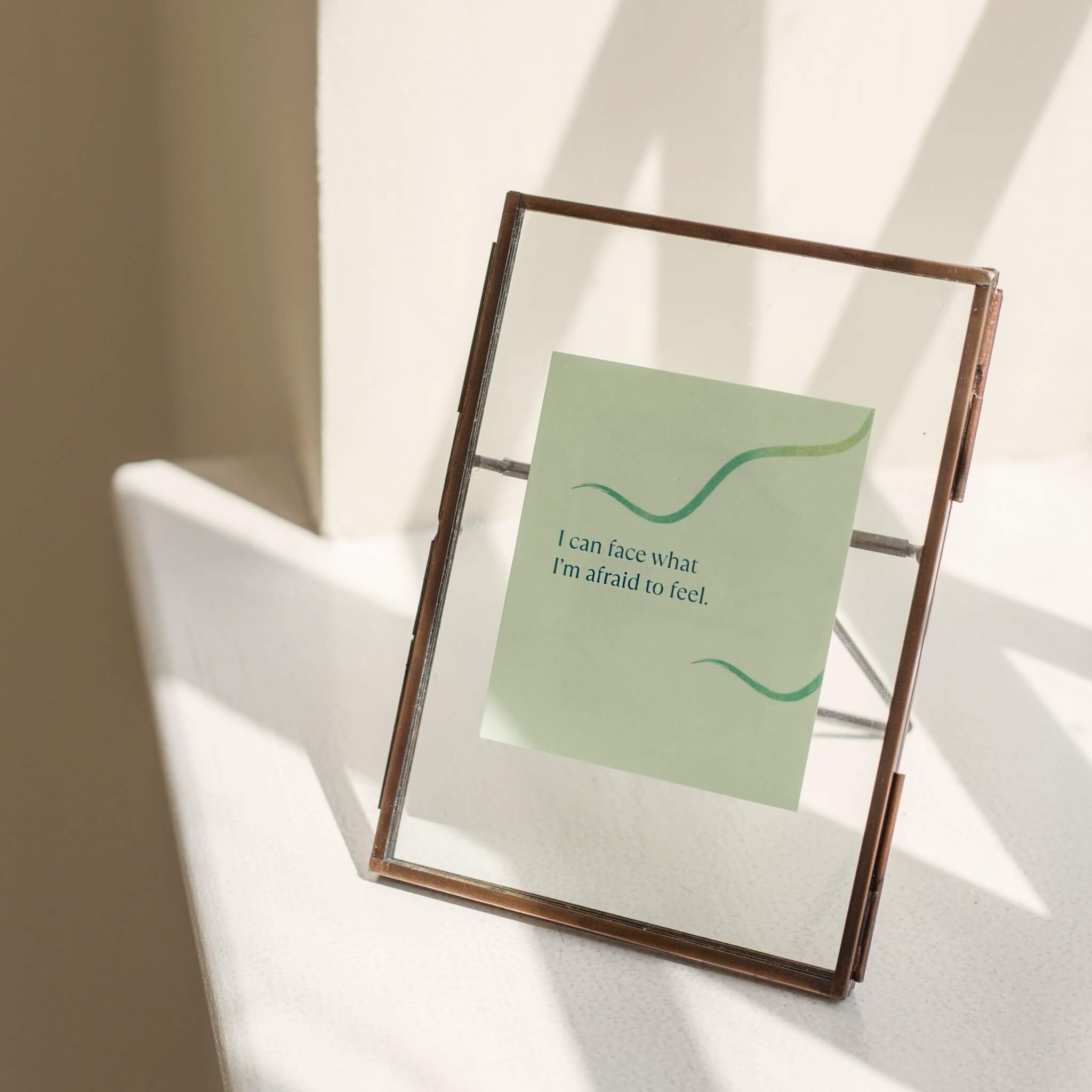




Quick Answer
Yes, journaling can reduce exam stress and improve academic performance—but the type of journaling matters. Research from the University of Chicago found that students who journaled about their worries before an exam performed significantly better. However, self-compassion approaches address the root psychological drivers of exam anxiety (perfectionism, comparison, harsh self-talk) more effectively than productivity journals or gratitude-only methods.
On This Page
- The Research on Journaling for Exam Stress
- How Journaling Helps Exam Stress
- Why Not All Journaling Helps
- Comparing Different Journaling Approaches
- Why Self-Compassion Works Best
- What to Look for in a Journal
- Recommended Journal
- Free Prompts to Try Now
- Why "Just Relax" Doesn't Work
- When to Seek Professional Help
The Research on Journaling for Exam Stress
If your university student is drowning in exam stress—staying up until 3am but unable to retain anything, crying before tests, convinced everyone else is coping better—they're not alone. Exam periods consistently see a significant increase in counselling service requests, and academic perfectionism has been rising steadily over the past decades.
You've probably tried telling them to "just relax" or "think positive." It doesn't work. What does work might surprise you.
Source: Ramirez, G., & Beilock, S. L. (2011). Writing About Testing Worries Boosts Exam Performance in the Classroom. Science, 331(6014), 211-213.
This finding has been replicated across different student populations and exam types. The mechanism is clear: when students externalize their worries onto paper, they free up working memory that would otherwise be consumed by anxiety.
But here's the crucial caveat: not all journaling helps exam stress equally. Some approaches can actually make anxiety worse.
How Journaling Helps Exam Stress
When students write about their exam worries, several powerful psychological mechanisms activate:
1. Emotional Offloading Reduces Mental Burden
Writing worries down literally removes them from working memory. Your brain treats written-down concerns as "dealt with"—similar to how writing a shopping list stops you from mentally repeating what you need. This frees up cognitive resources for actual exam content.
2. Processing Prevents Rumination
Anxious students often ruminate—replaying the same worries in circles without resolution. Structured journaling interrupts this cycle by moving from repetitive worry to conscious processing.
3. Self-Compassion Improves Academic Resilience
Research on self-compassion by Dr. Kristin Neff demonstrates that students who practice self-compassion during academic stress experience better outcomes than those who rely on self-criticism. Self-compassion is associated with lower anxiety, greater academic motivation, and better ability to recover from setbacks.
Why Exam Anxiety Is Different
Exam anxiety isn't just about workload. It's driven by deeper psychological patterns:
- Perfectionism: "Anything less than perfect means I'm not good enough"
- Comparison: "Everyone else seems to be coping better than me"
- Identity pressure: "If I fail this exam, I'm a failure as a person"
- Harsh self-criticism: "I should know this by now, what's wrong with me?"
- Imposter syndrome: "I don't belong here—everyone's smarter than me"
These patterns drive the relentless anxiety that makes exam stress unbearable. This is why journaling approach matters—some methods address these drivers, and others don't.
Why Not All Journaling Helps Exam Stress
Here's what students and parents often don't realize: some journaling approaches can backfire for exam anxiety.
Productivity journals that focus on goals and achievement can increase pressure for perfectionists. When you're already overwhelmed, being prompted to track everything you "should" be doing creates more stress, not less.
Gratitude-only approaches can feel invalidating when you're genuinely struggling. Forcing yourself to "just be grateful" when you're drowning in anxiety adds shame to existing stress.
Blank journals without structure can trigger rumination. Without prompts or guidance, anxious students often spiral into the same worries repeatedly rather than processing them.
Daily-dated journals create guilt during busy exam periods. When students miss days (which is inevitable during intense revision), the blank pages become evidence of "failure."

Professor Willem Kuyken, PhD, DClinPsy
Ritblat Professor of Mindfulness and Psychological Science, University of Oxford
"Writing can invoke an inner critic, rumination and procrastination. Rachel has curated the experience to make the writing intrinsically rewarding and the journal something to treasure."
Comparing Different Journaling Approaches for Exam Stress
Which approach actually works for the specific psychology of exam stress? Here's an evidence-based comparison:
| Approach | How It Works | Best For | Effectiveness for Exam Stress |
|---|---|---|---|
| CBT-Based Journals | Challenge negative thoughts with logic and evidence | Students comfortable with structured cognitive exercises | Helpful for thought patterns, but doesn't address perfectionism root cause or harsh self-criticism directly |
| Productivity Journals | Organize tasks, track goals, manage time | Students whose stress is genuinely about disorganization | Can increase pressure for perfectionists; adds to overwhelm rather than reducing it |
| Gratitude Journals | Focus on positive aspects and things to be grateful for | General wellbeing maintenance | Feels invalidating when genuinely struggling; can create toxic positivity and shame |
| Self-Compassion Journals | Address harsh self-talk, perfectionism, and comparison directly through evidence-based prompts | Students dealing with perfectionism, imposter syndrome, comparison to peers, harsh self-criticism | Most effective because it addresses the actual psychological drivers of exam anxiety, not just symptoms |
Why Self-Compassion Journaling Works Best for Exam Stress
The difference between CBT approaches and self-compassion approaches is subtle but crucial for exam stress.
CBT journals help you challenge your thoughts: "Is this thought realistic? What's the evidence?" This is valuable—but for students in the grip of exam anxiety, it can feel like another test to pass.
Self-compassion journals change how you relate to yourself when you're struggling. Instead of "Is this thought accurate?" they ask "How would I support a friend feeling this way?" This addresses the real issue with exam stress: students are being vicious to themselves about struggling.
The Critical Difference: Self-Criticism vs Self-Compassion
Here's what this looks like in practice during exam stress:
Self-criticism approach (what anxious students typically do):
- "I should know this by now, I'm so stupid"
- "Everyone else finds this easy, what's wrong with me?"
- "If I fail this exam, I'm a complete failure"
- "I don't deserve a break until this is perfect"
Self-compassion approach (what research shows works better):
- "This is really difficult material, and I'm doing my best"
- "Lots of students struggle with this—I'm not alone in finding this hard"
- "One exam doesn't define my worth as a person"
- "Taking a break will actually help me learn better"
You can read more about this in our detailed exploration: Why Self-Compassion is More Effective than Self-Criticism.

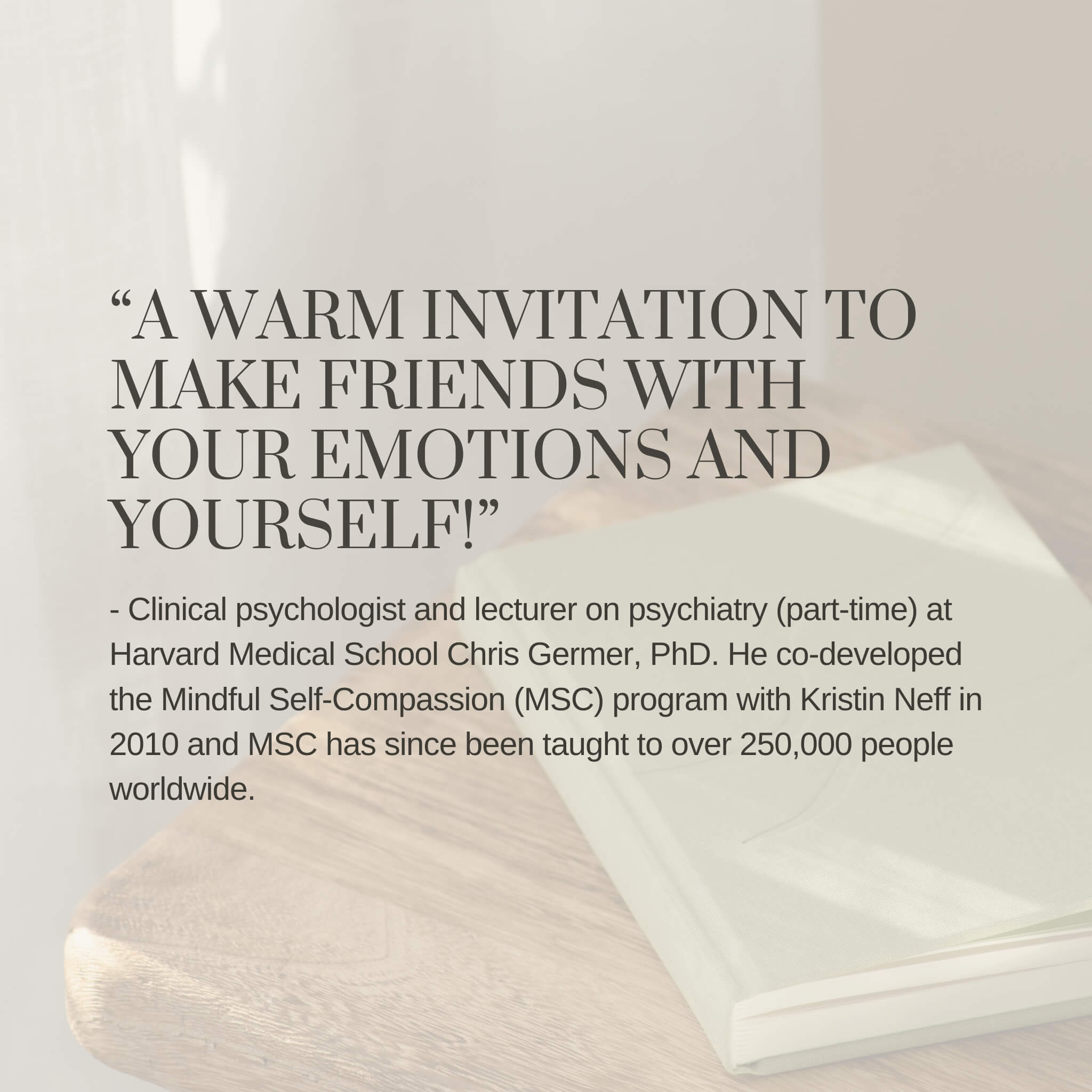
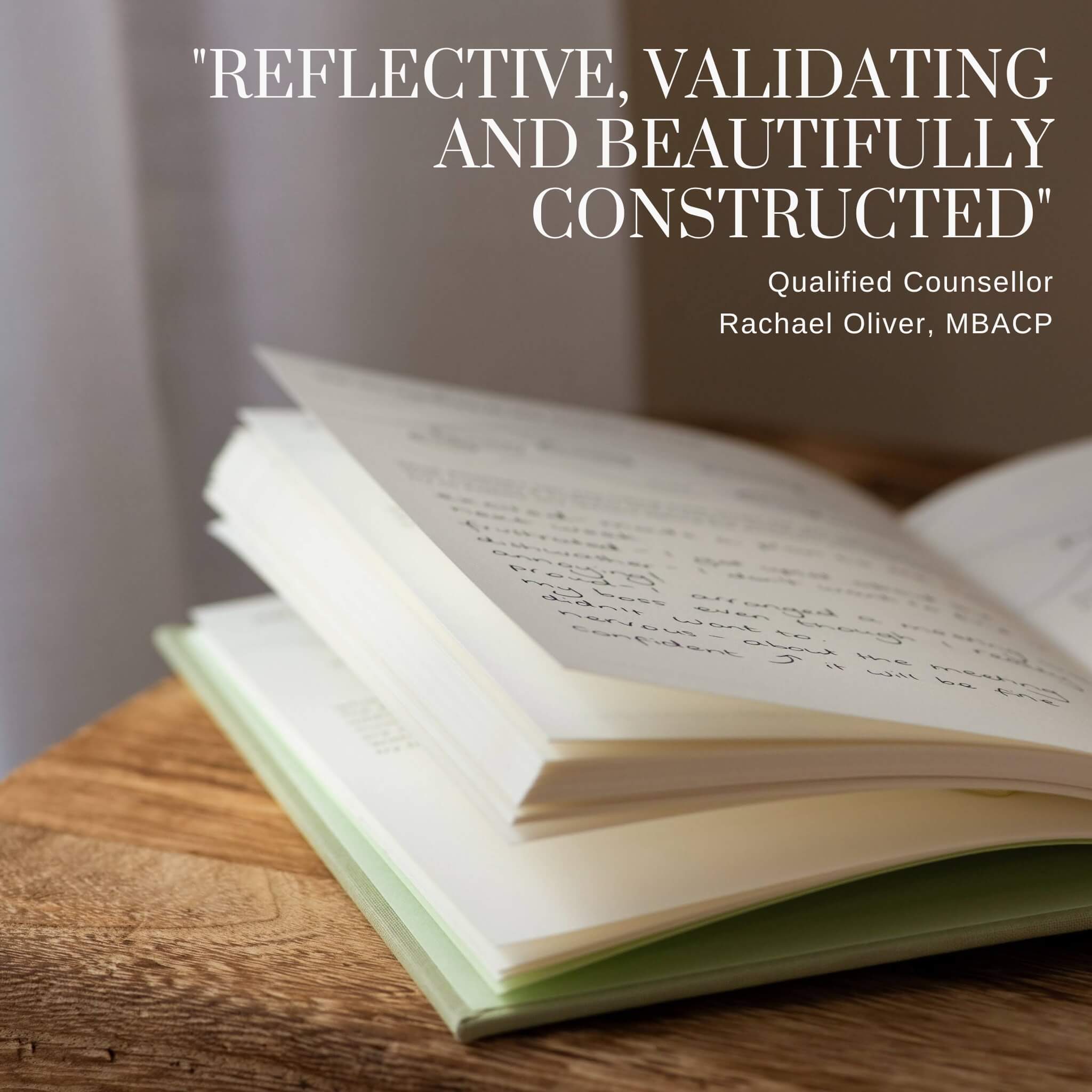
Dr. Chris Germer, PhD
Clinical Psychologist, Harvard Medical School | Co-developer of Mindful Self-Compassion (MSC) program
"A warm invitation to make friends with your emotions and yourself!"
What to Look for in an Exam Stress Journal
Essential Features
Red Flags to Avoid
Recommended Journal for Exam Stress
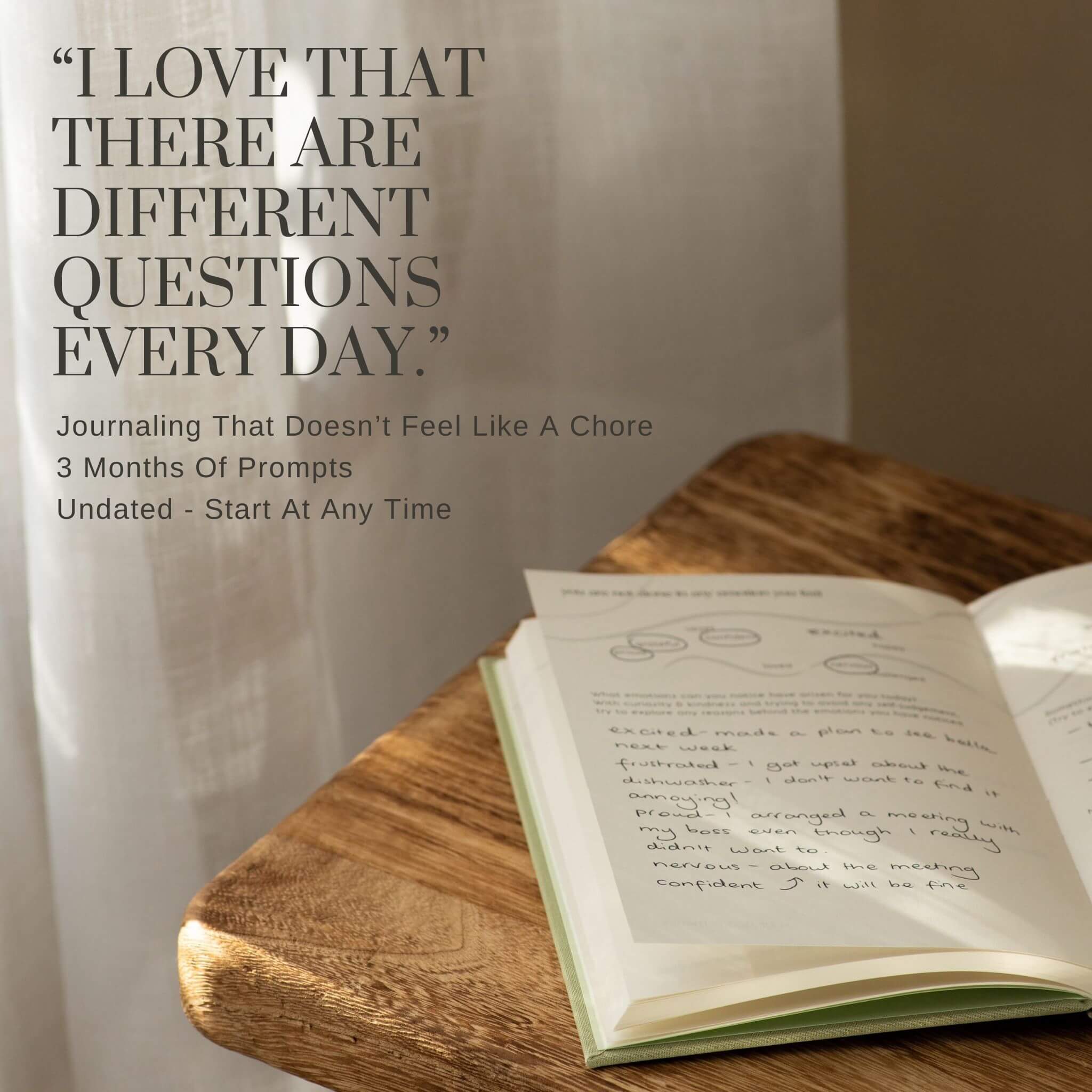
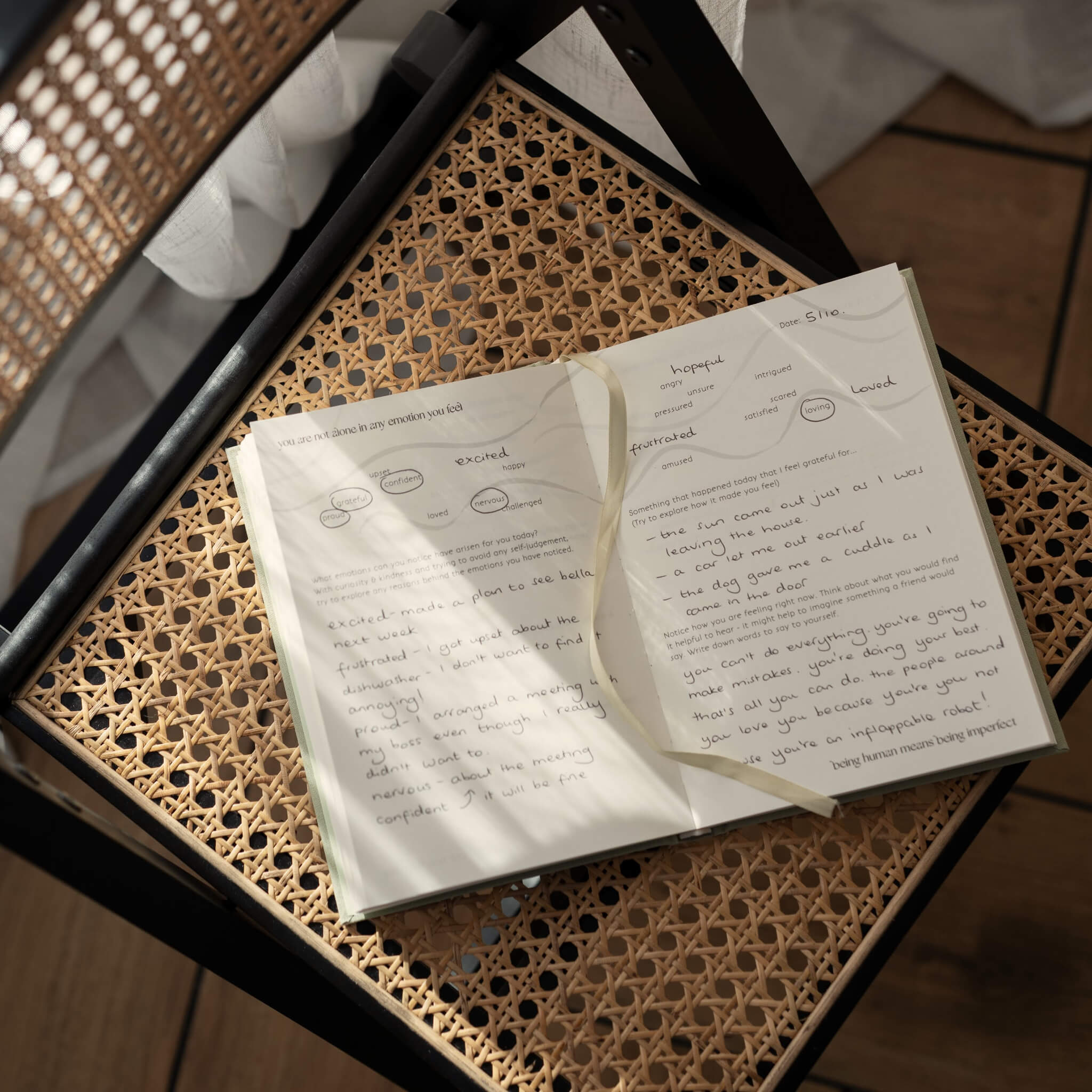
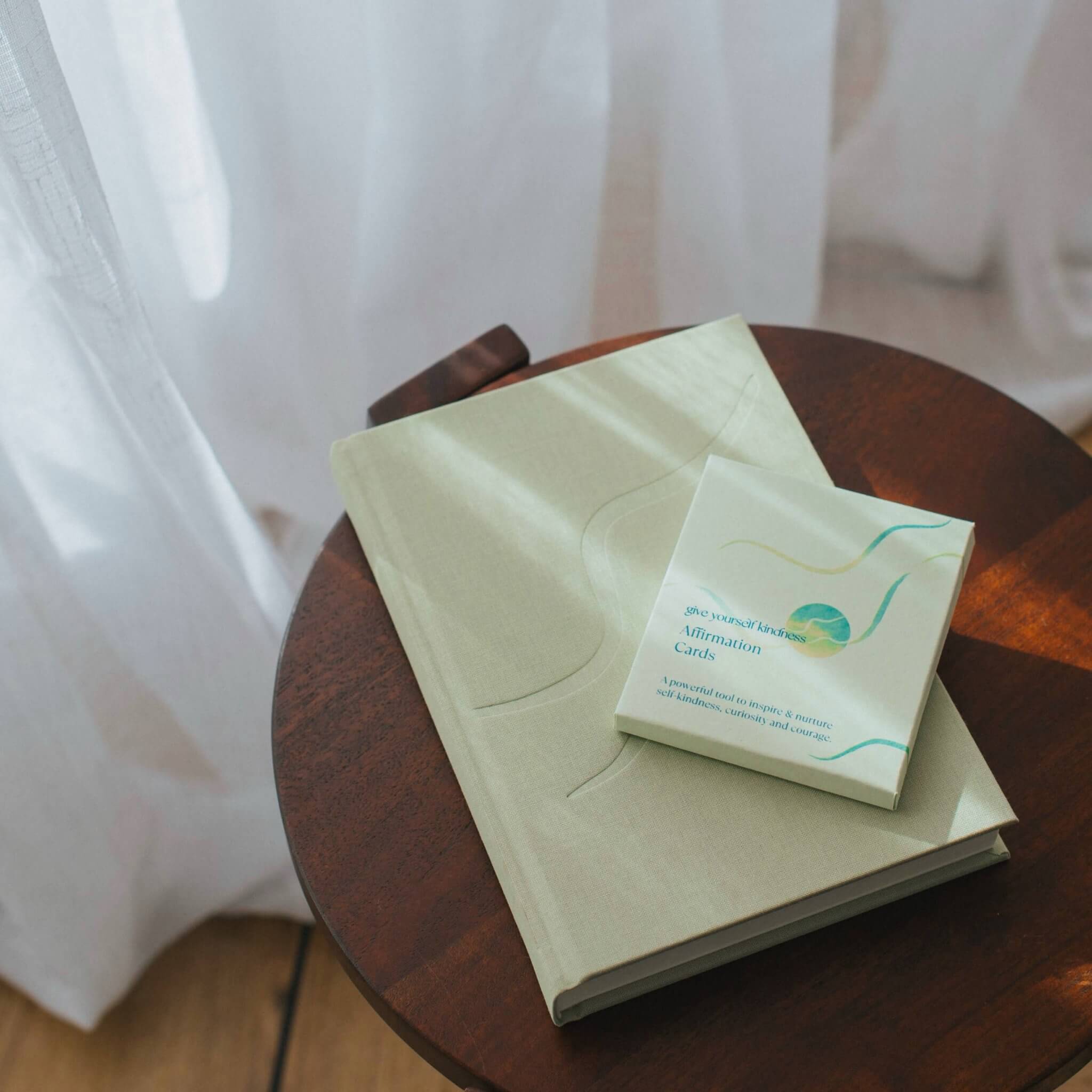
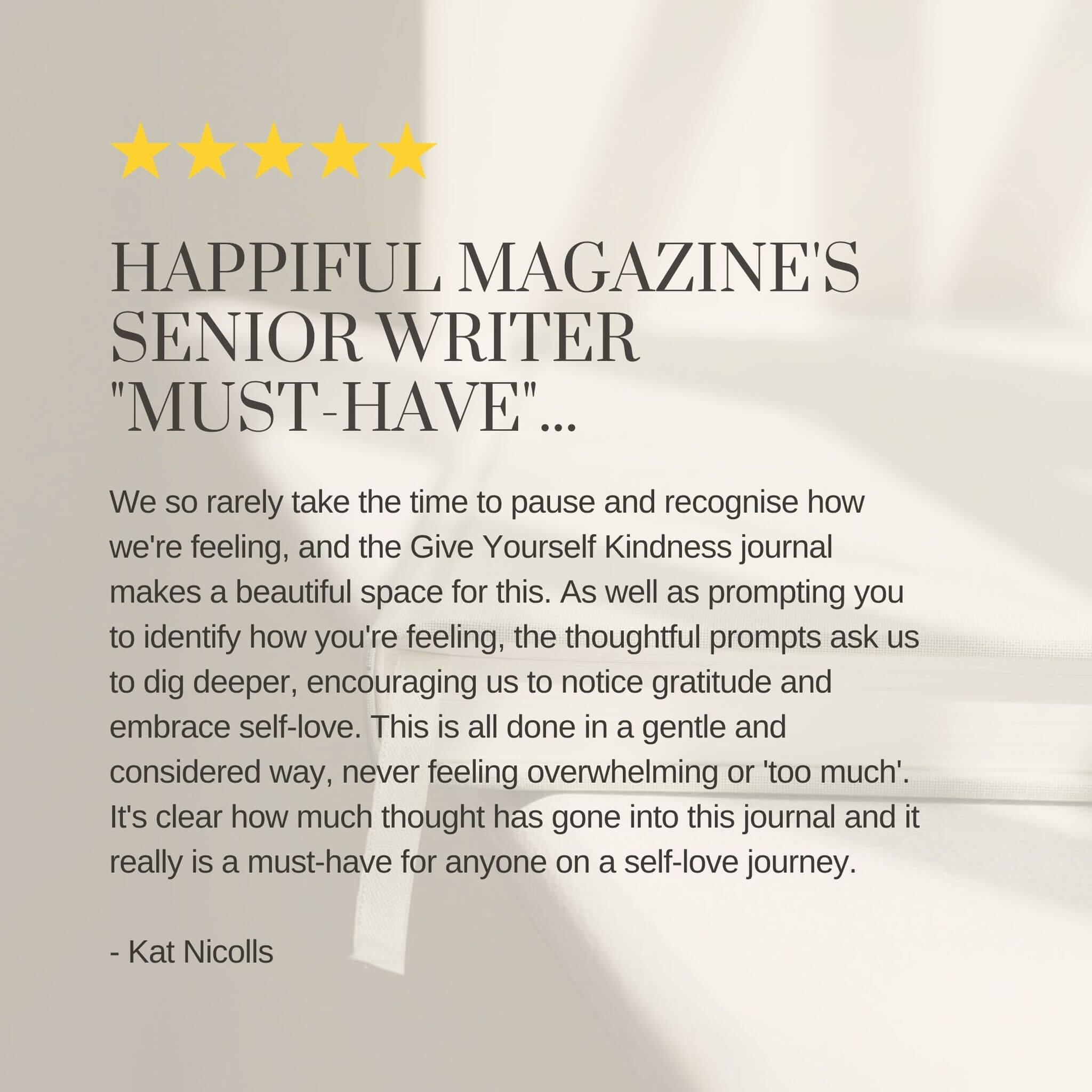
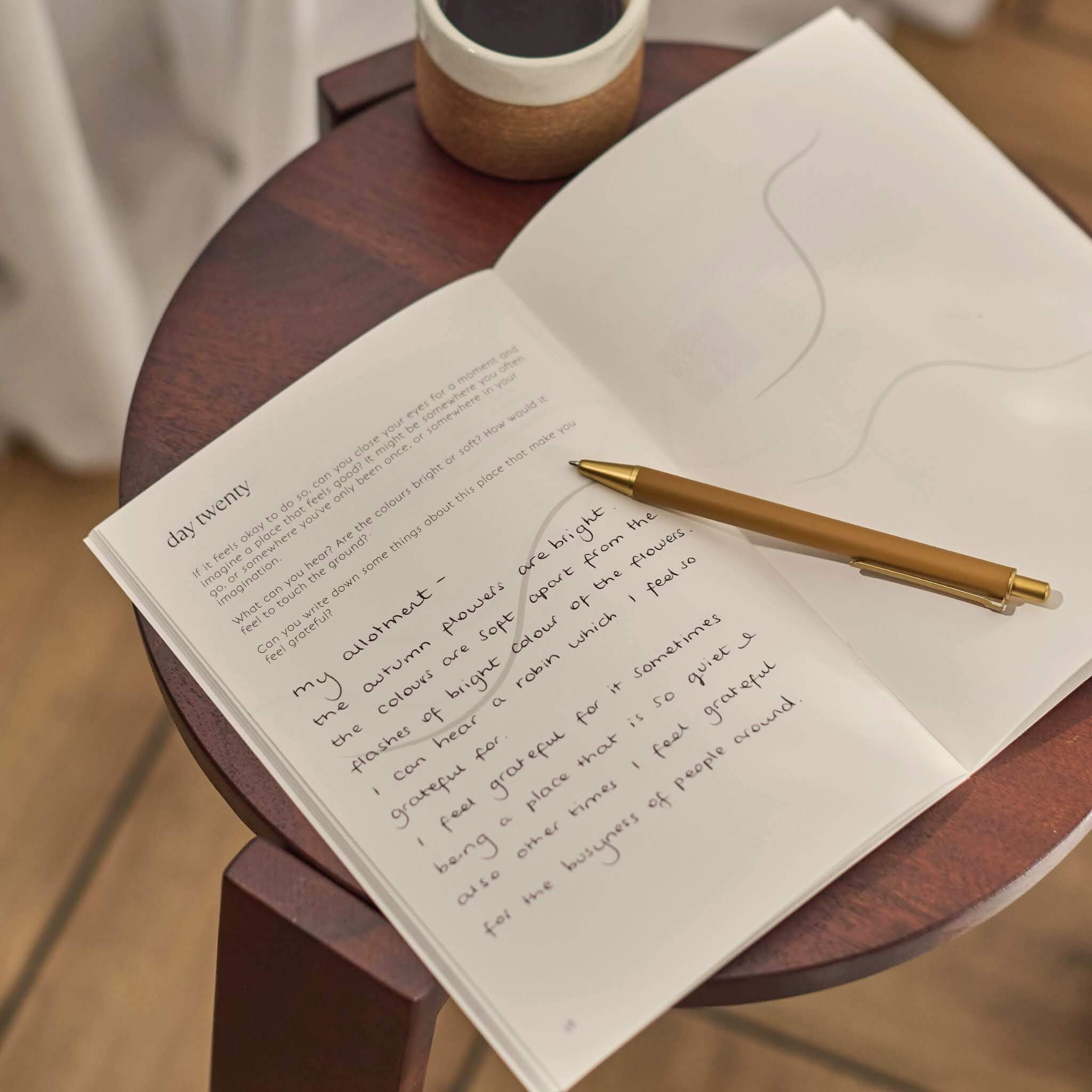
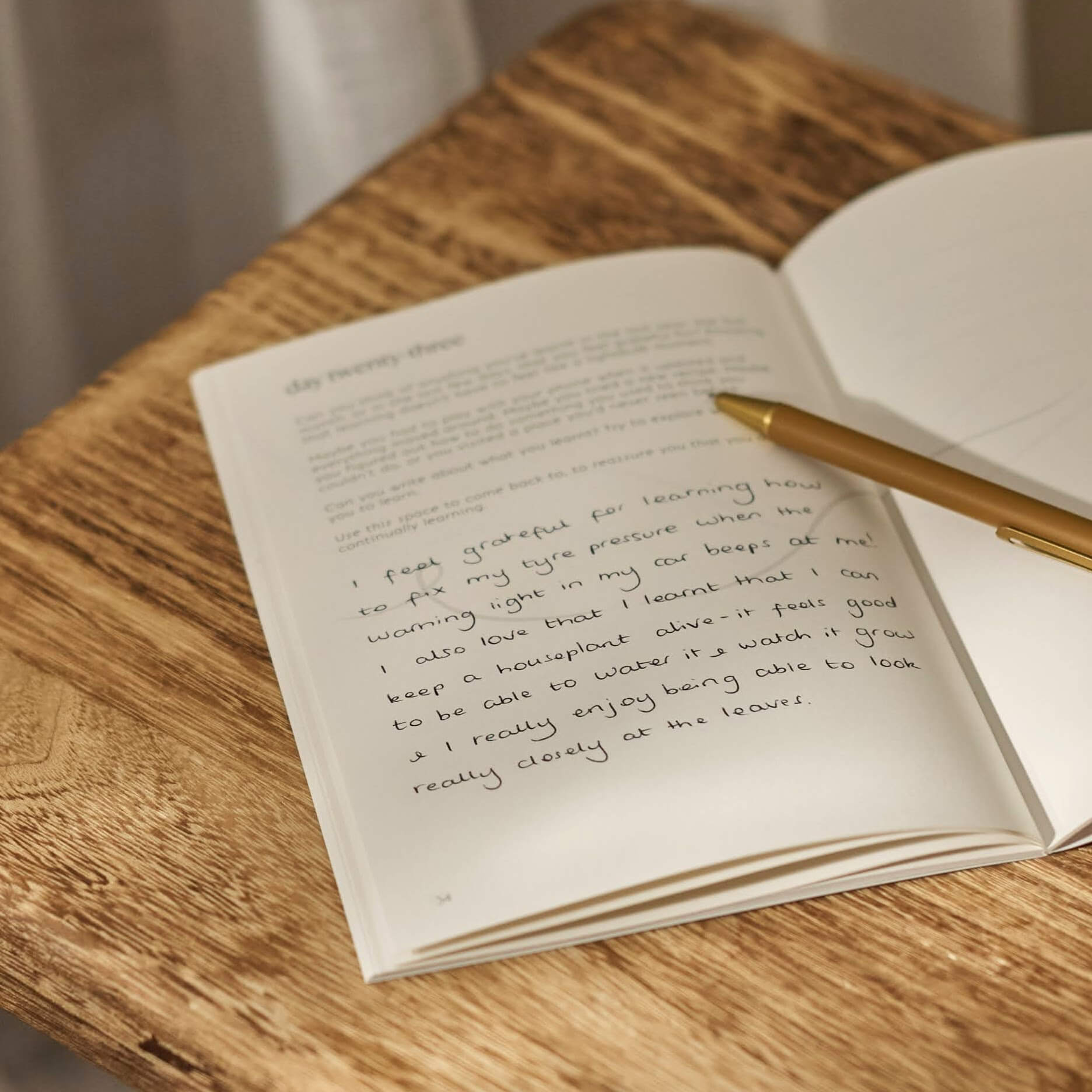
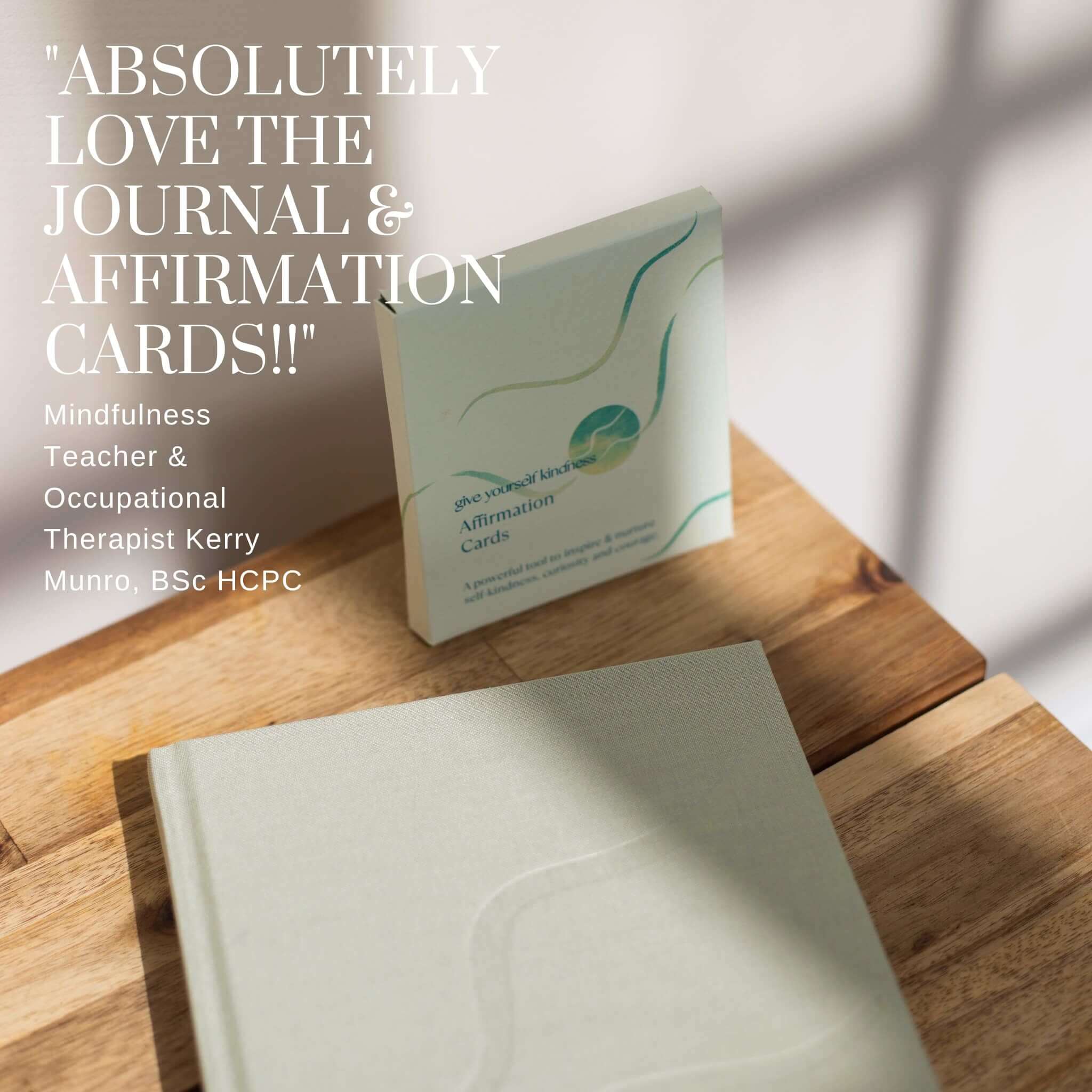
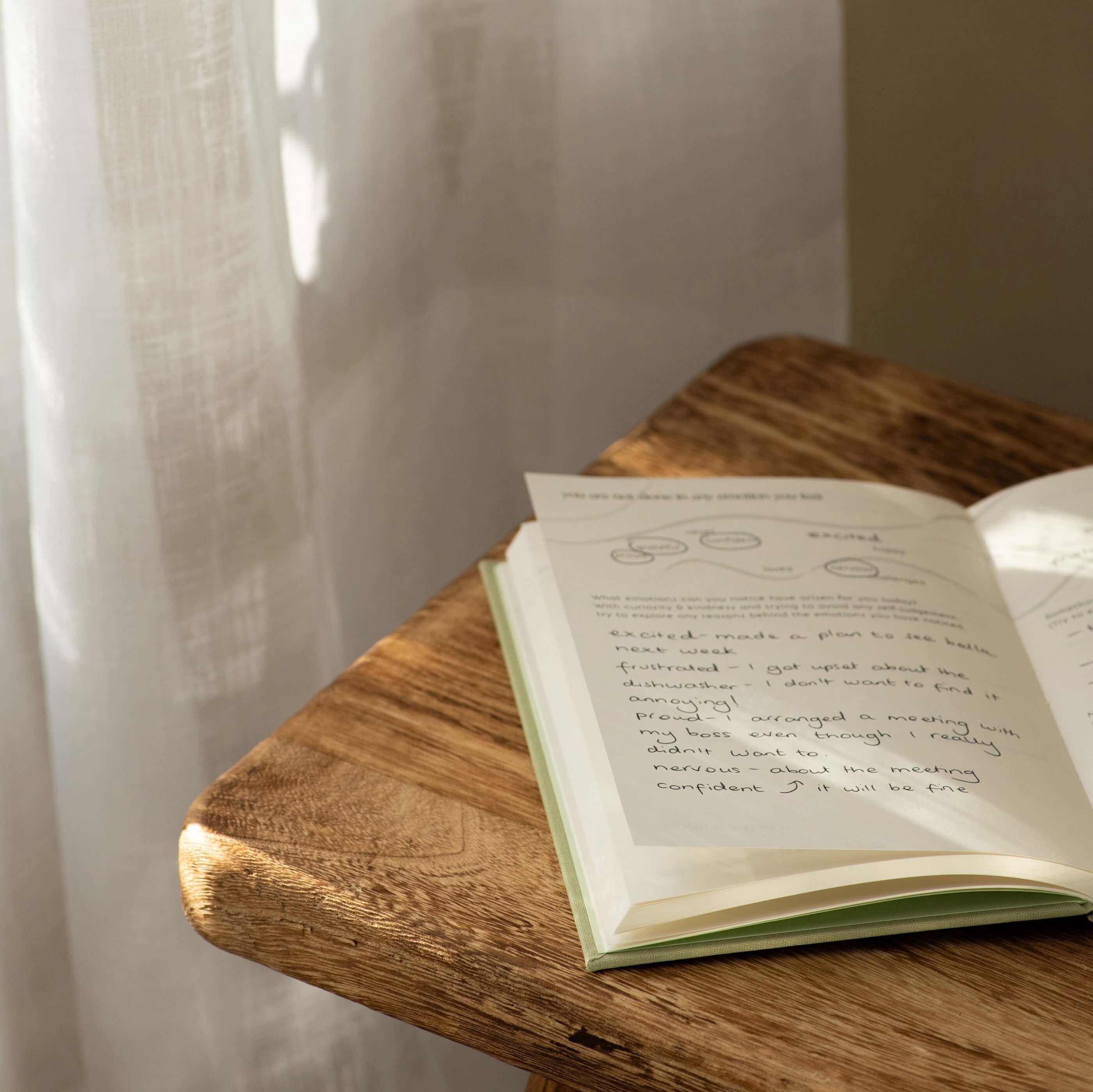
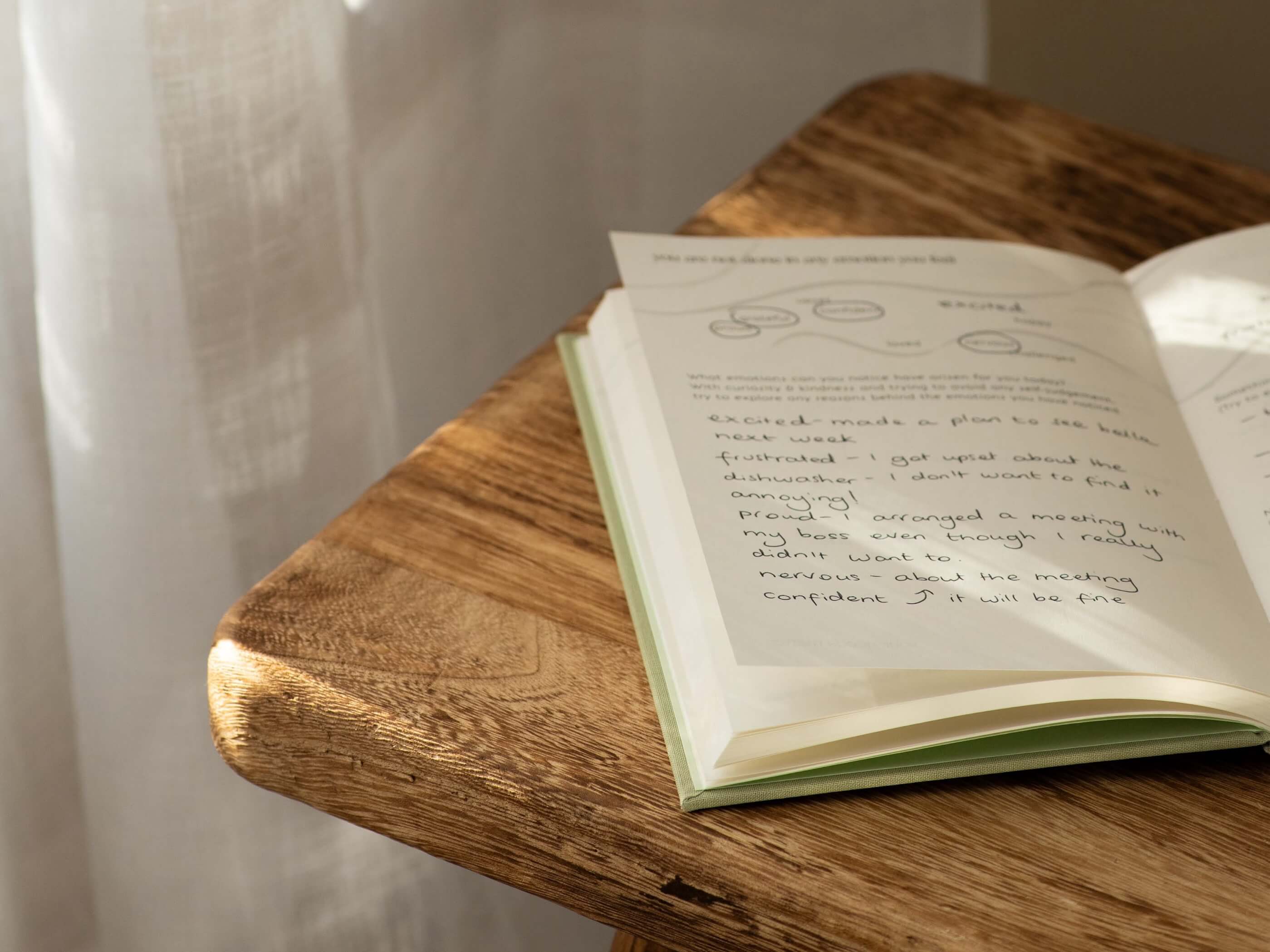
Based on the research and expert recommendations from clinical psychologists at Harvard and Oxford, The Give Yourself Kindness Journal is specifically designed for the psychology of exam stress:
- 90 unique prompts addressing perfectionism, comparison, imposter syndrome, and harsh self-talk
- Undated format—no guilt during busy exam periods
- Evidence-based self-compassion approach grounded in research
- Recommended by clinical psychologists from Harvard Medical School and Oxford University
- Used by therapists with university students managing academic anxiety
Unlike productivity journals that add pressure or gratitude journals that feel invalidating, this tool validates struggle while building genuine resilience.
Learn More About The Journal →

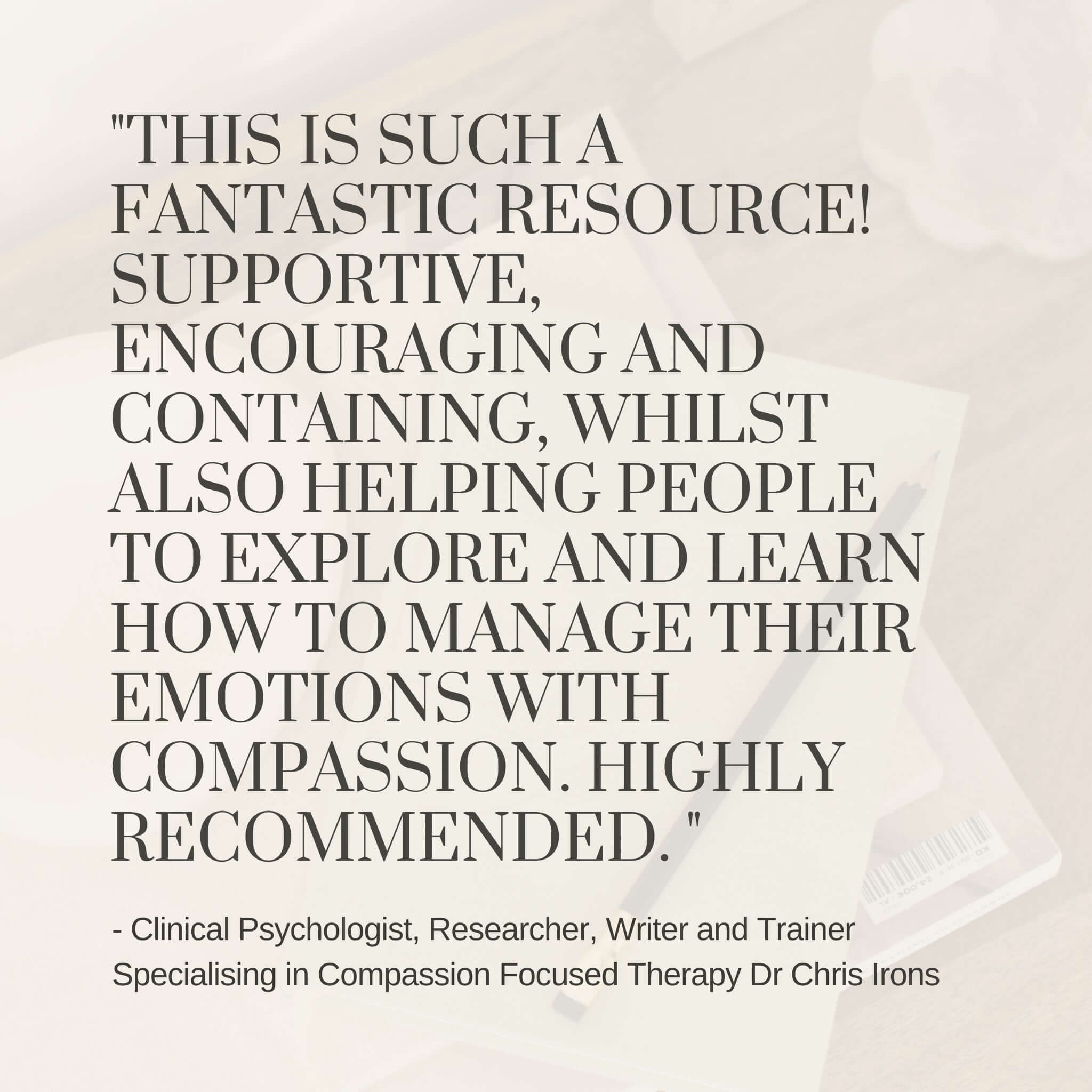
Dr. Chris Irons
Clinical Psychologist | CFT Researcher and Trainer | Co-director of Balanced Minds
"This is such a fantastic resource! Supportive, encouraging and containing, whilst also helping people to explore and learn how to manage their emotions with compassion. Highly recommended."
Free Self-Compassion Prompts for Exam Stress
Want to try self-compassion journaling for exam stress right now? Here are evidence-based prompts you can use in any notebook:
For Perfectionism and "Never Good Enough" Feelings:
For Comparison and "Everyone Else Is Fine":
For Harsh Self-Talk and Self-Criticism:
For Overwhelm and "Too Much to Do":
These prompts work because they shift you from self-attack to self-support, from rumination to perspective-taking, from isolation to recognizing shared human experience.
For more on challenging harsh self-talk, read: How to Stop Negative Self-Talk.
Why "Just Relax" and "Think Positive" Don't Work
Understanding why typical advice fails helps explain why self-compassion journaling is different.
"Just relax" or "Don't stress about it"
This minimizes real pressure and implies the student is overreacting. When you can't "just relax," it feels like evidence that something is wrong with you—which increases shame rather than reducing anxiety.
"You'll be fine—you always do well!"
This creates pressure to maintain perfection and doesn't acknowledge current struggle. It feels dismissive of how hard they're working just to cope.
"Think positive!" or "Just be grateful"
This can make students feel guilty for their genuine distress. They think "I should be grateful for this opportunity, so what's wrong with me for feeling overwhelmed?" This adds shame to existing stress.
"Everyone goes through this"
While meant to normalize struggle, this can feel isolating when students see peers appearing fine. They think "If everyone goes through this and I can't handle it, I must be especially weak."
What actually helps: Validation without minimizing ("This is genuinely hard"), permission to struggle ("You're not weak for finding this overwhelming"), and practical tools for self-compassion.
Conclusion: Choose Your Journaling Approach Wisely
The research shows journaling can help exam stress and improve academic performance. But the type of journaling matters enormously.
Productivity journals can add pressure. Gratitude journals can feel invalidating. Blank journals can trigger rumination. CBT journals help with thought patterns but don't address the perfectionism and harsh self-criticism at the root of exam anxiety.
If you're looking for a tool specifically designed for exam stress psychology—one that's backed by clinical psychologists from Harvard and Oxford, grounded in research, and used by therapists with student clients—explore The Give Yourself Kindness Journal.
It won't make exams easy. But it will help you be kinder to yourself while facing them—which, according to the research, is exactly what helps.
Where to go next with exam stress
Affirmations help with the self-talk. If the stress itself is the bigger problem, these two go further.
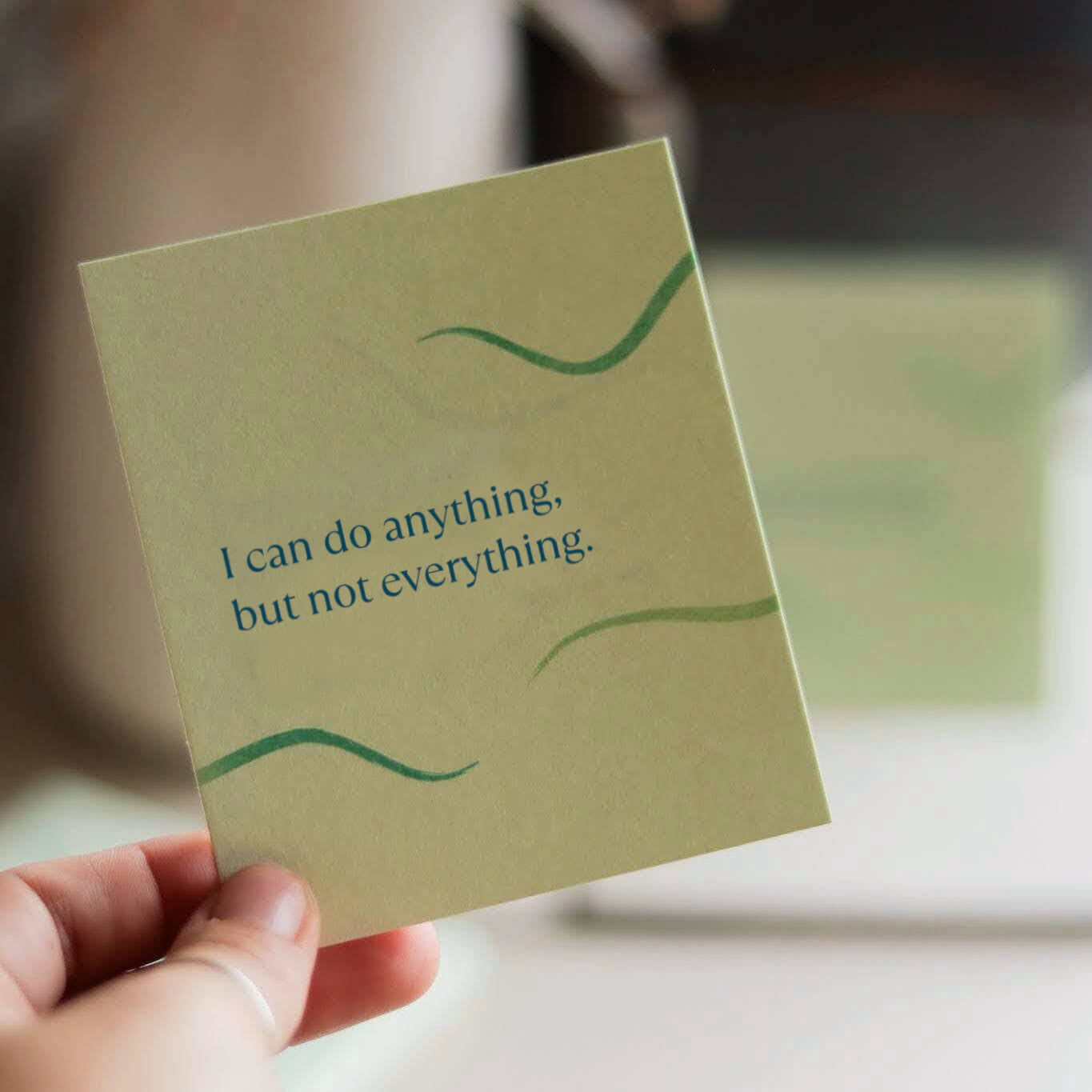
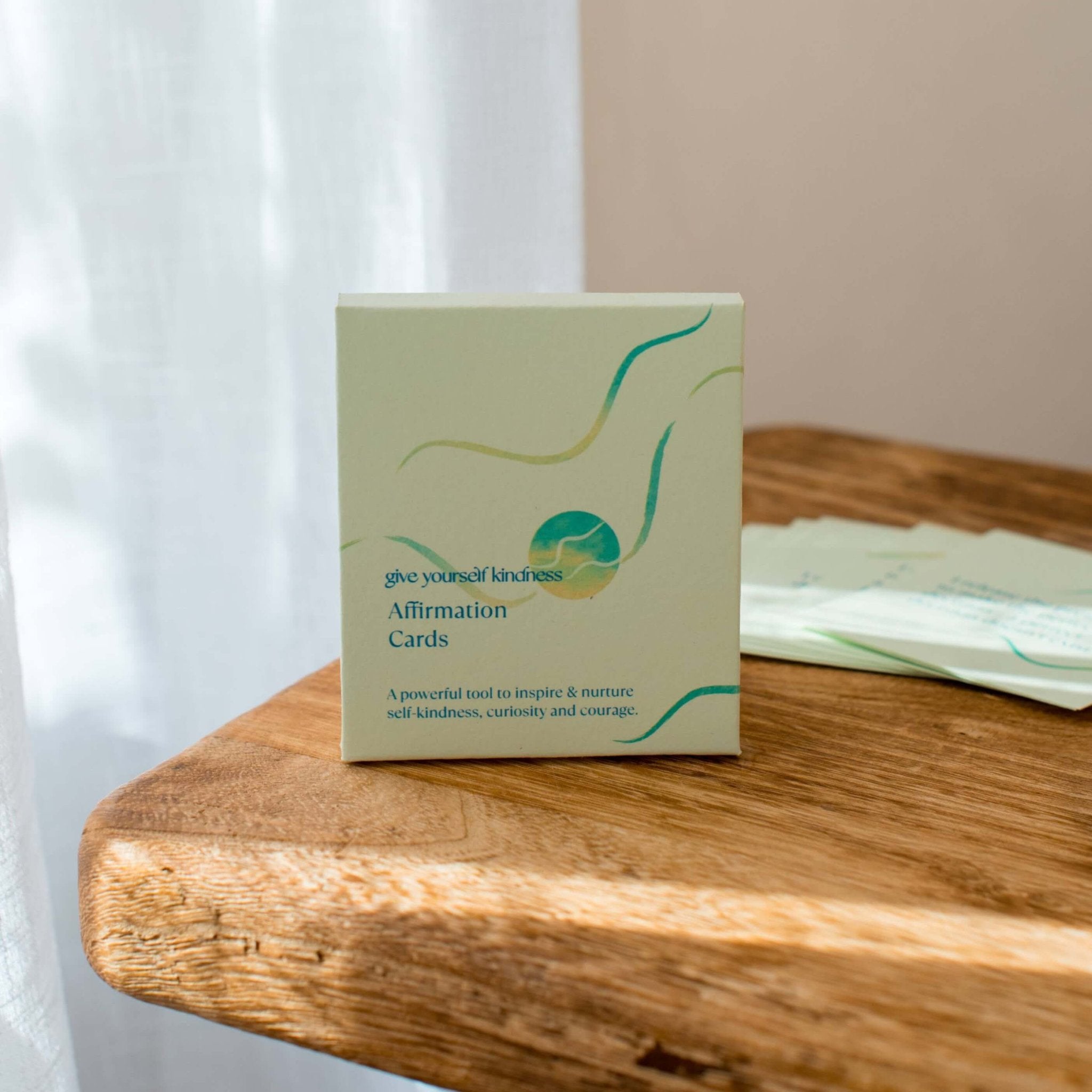
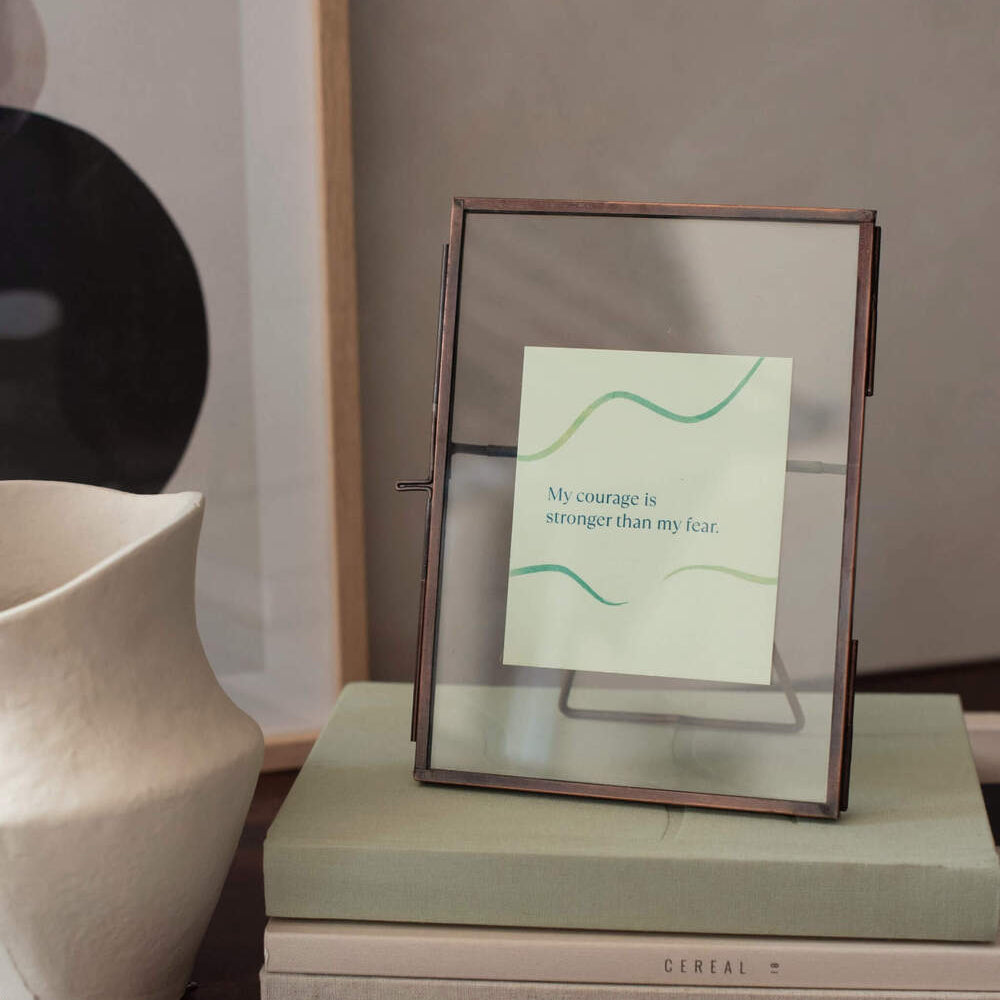
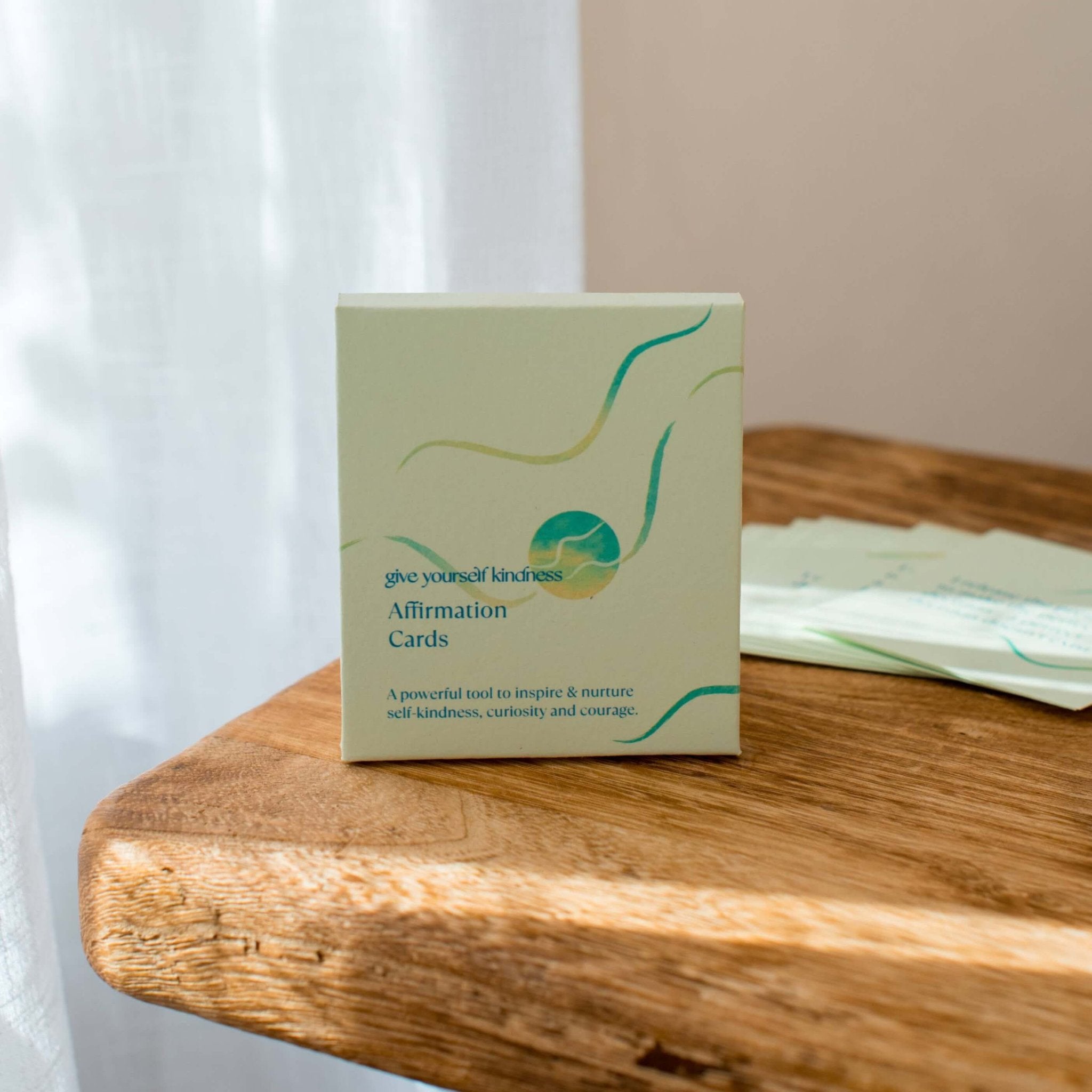
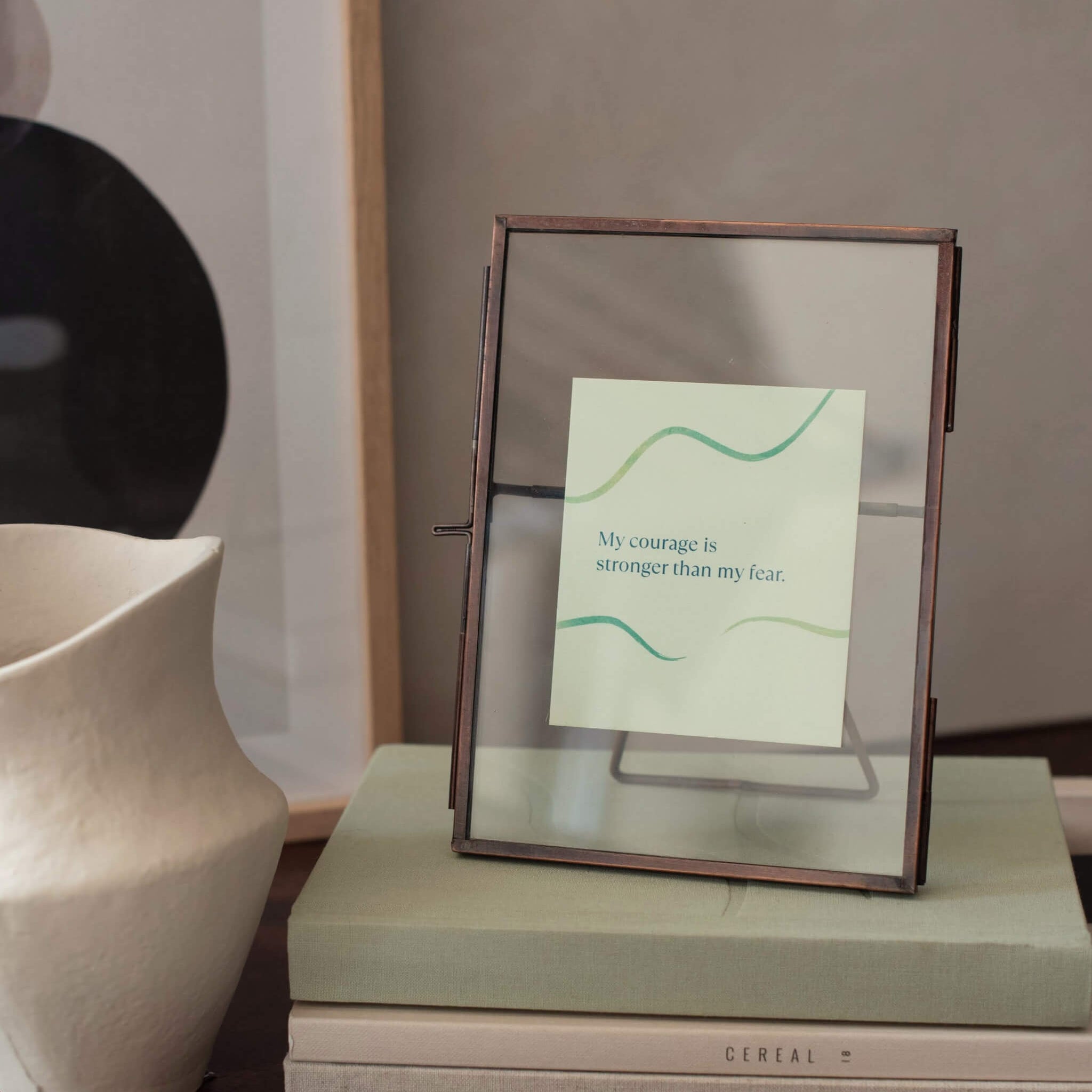
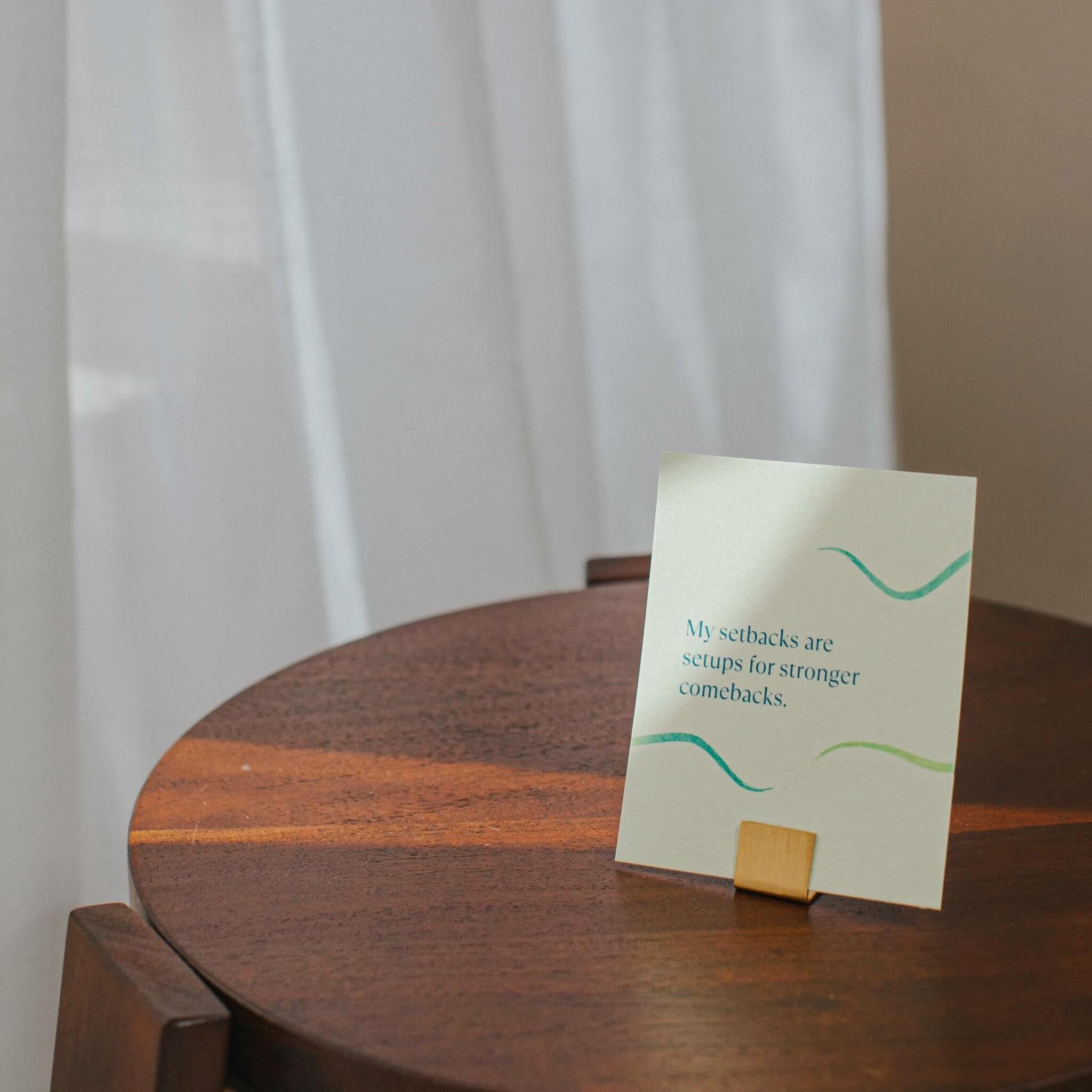
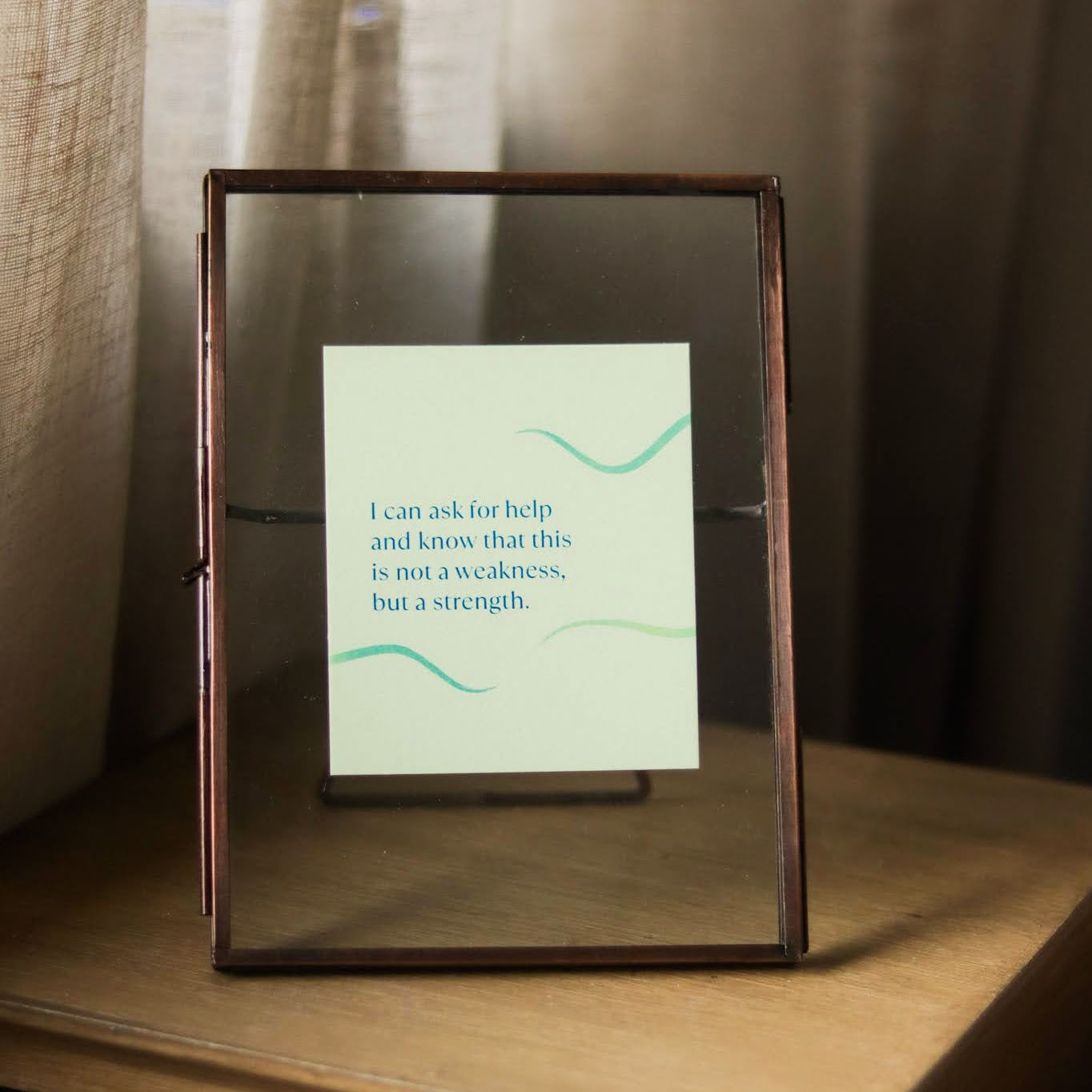
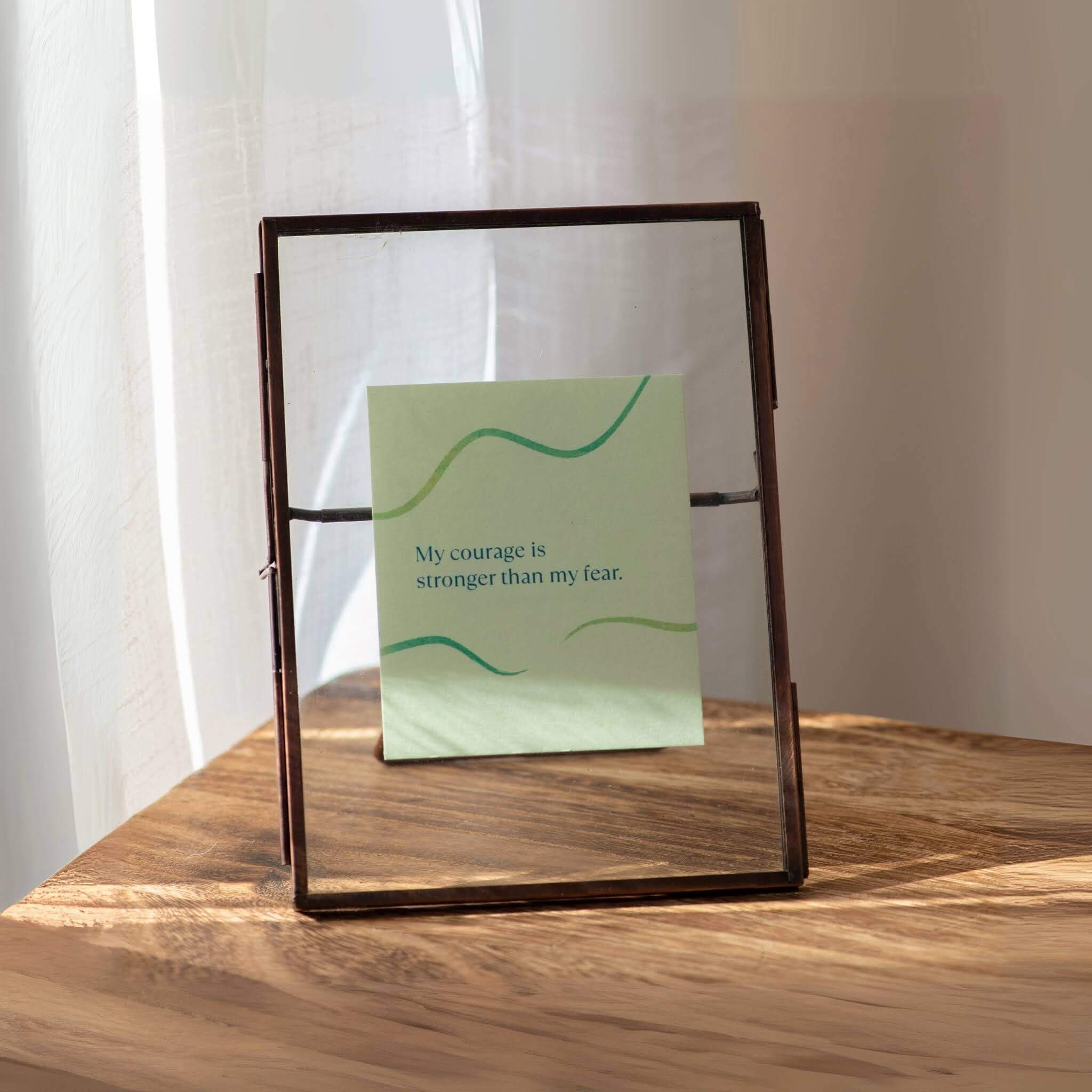
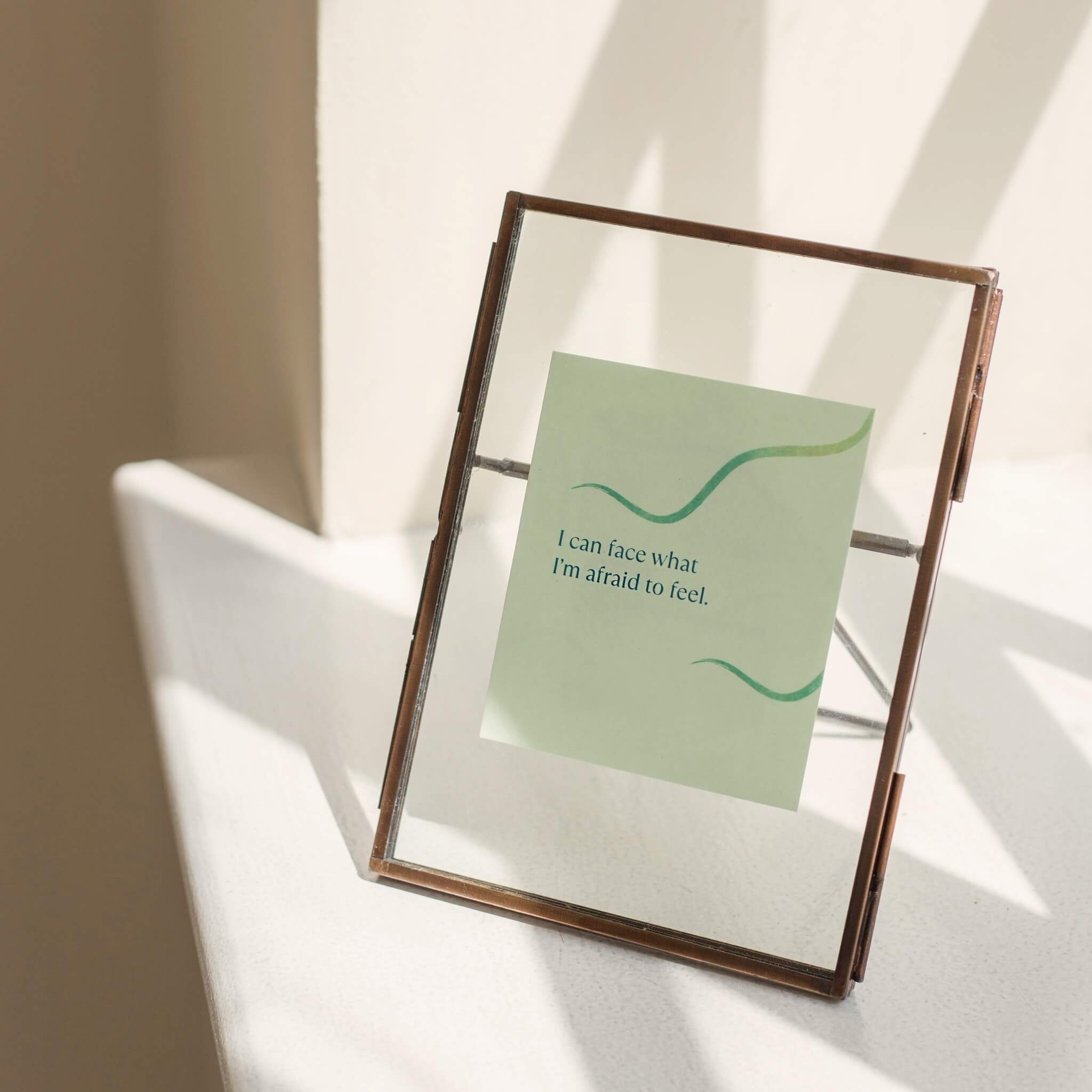
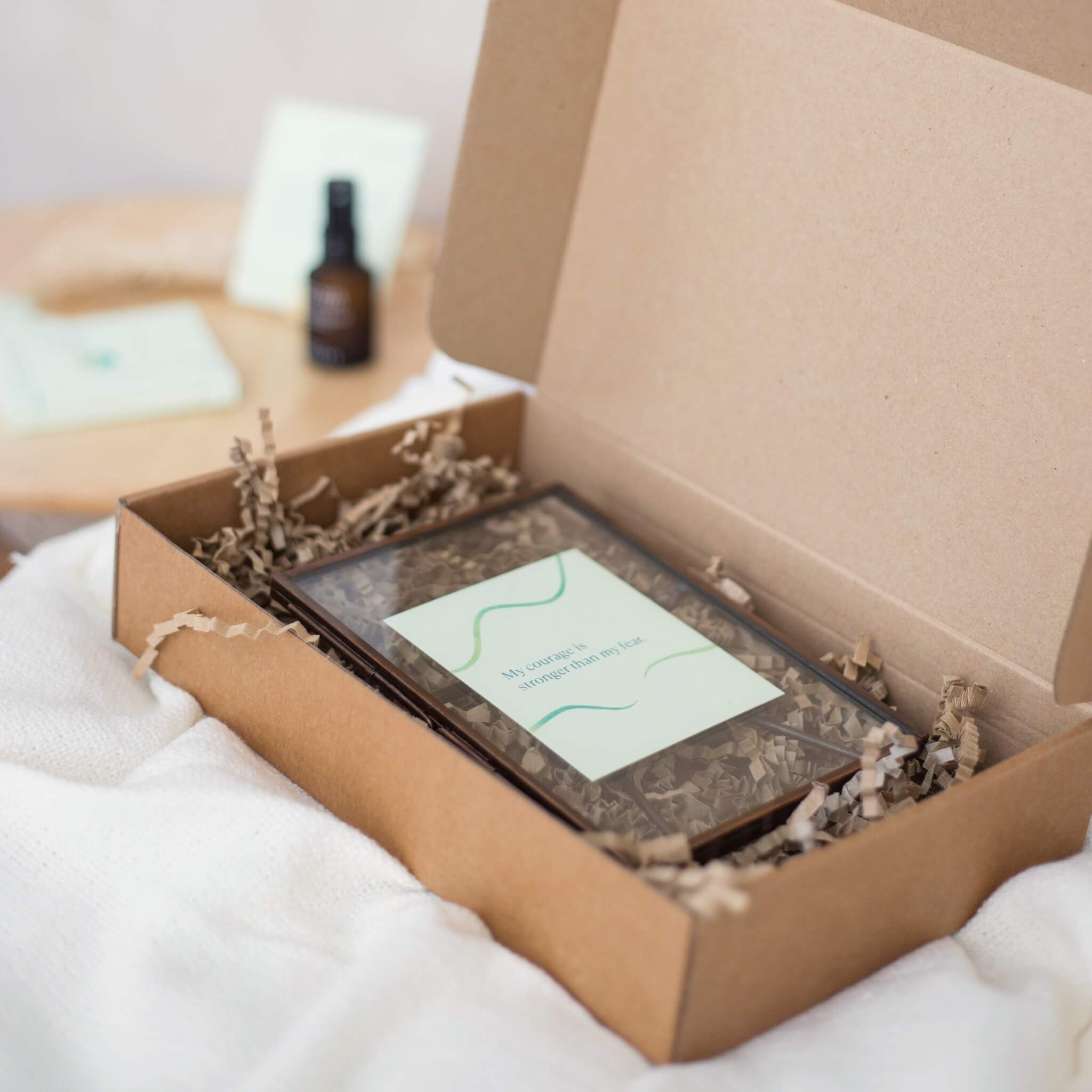
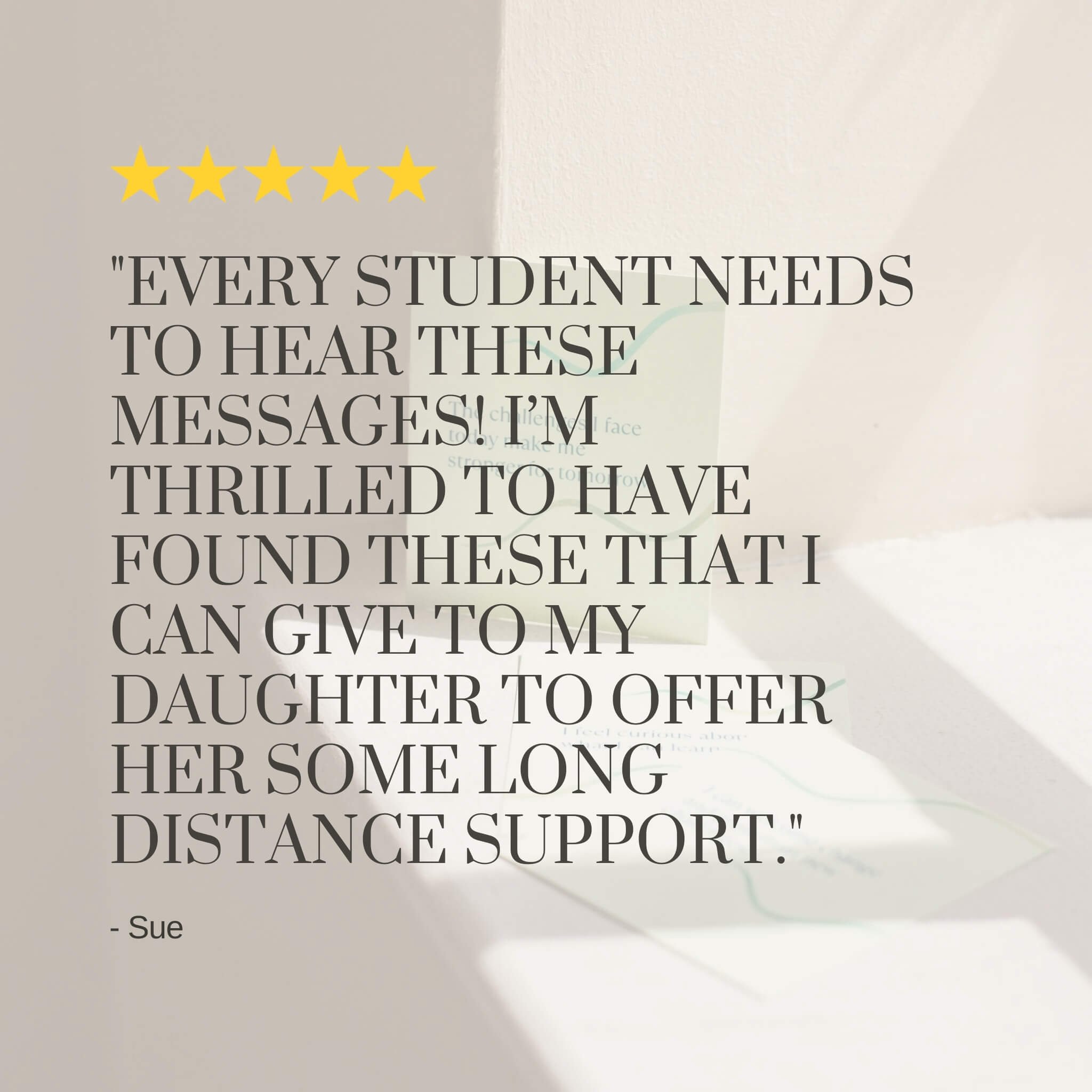
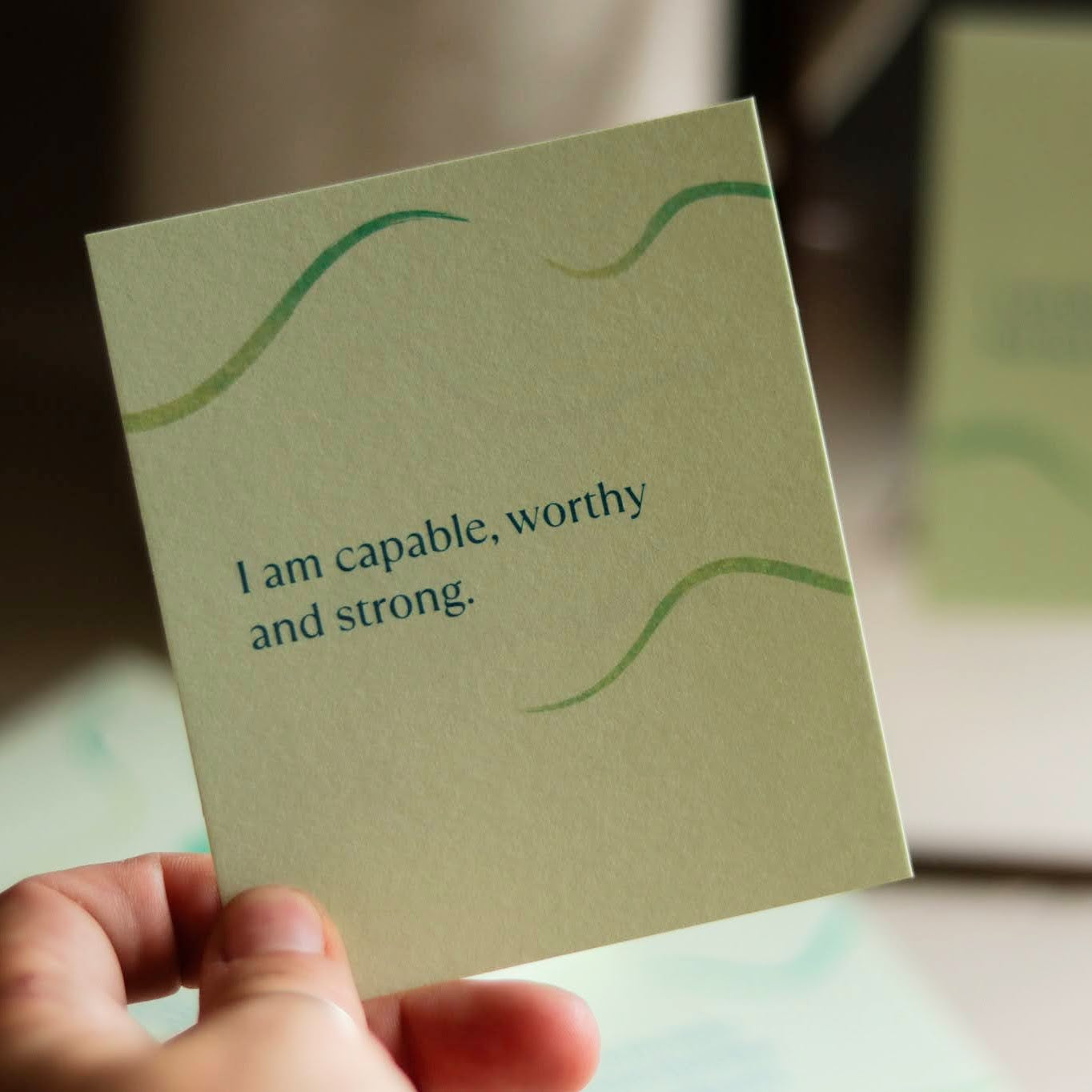
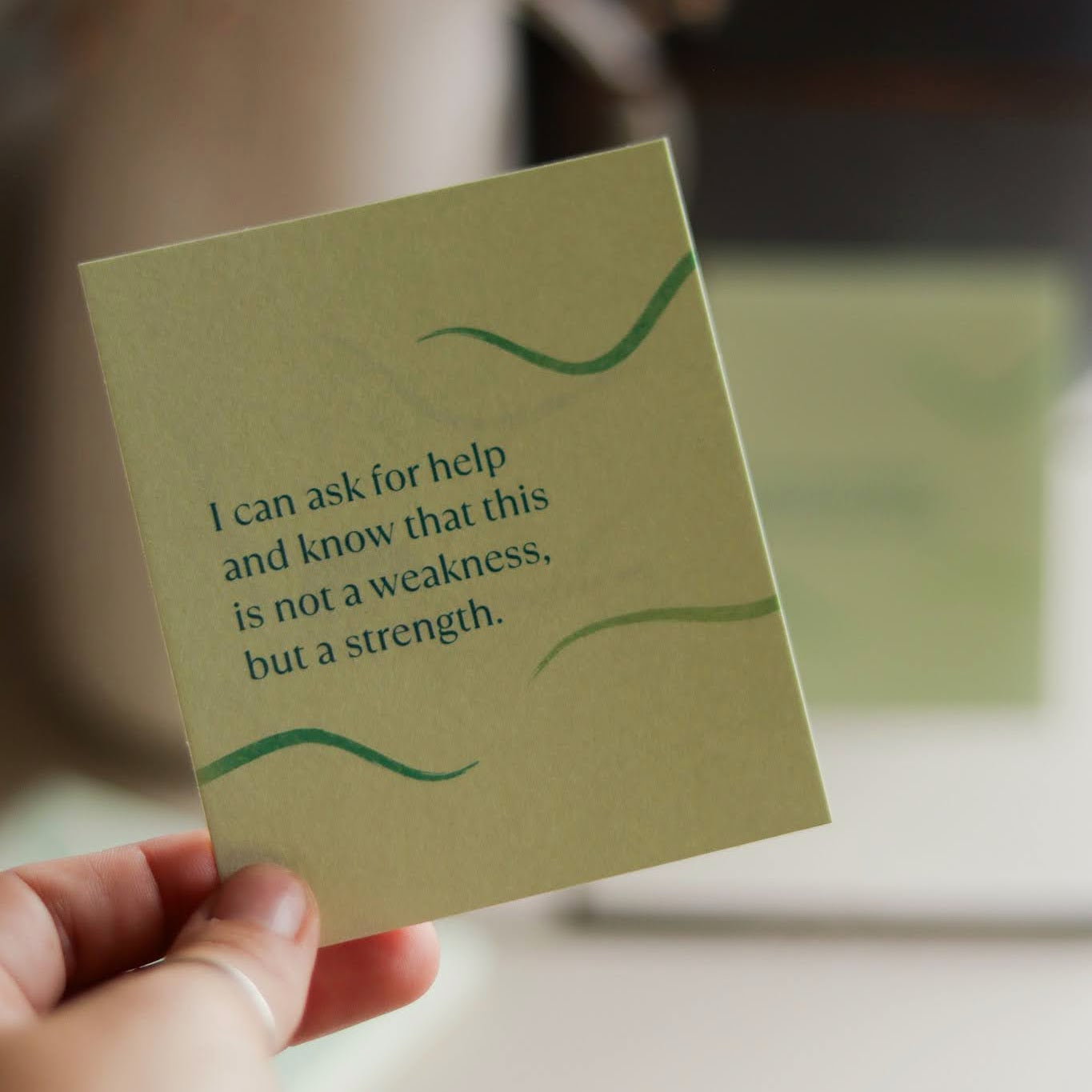
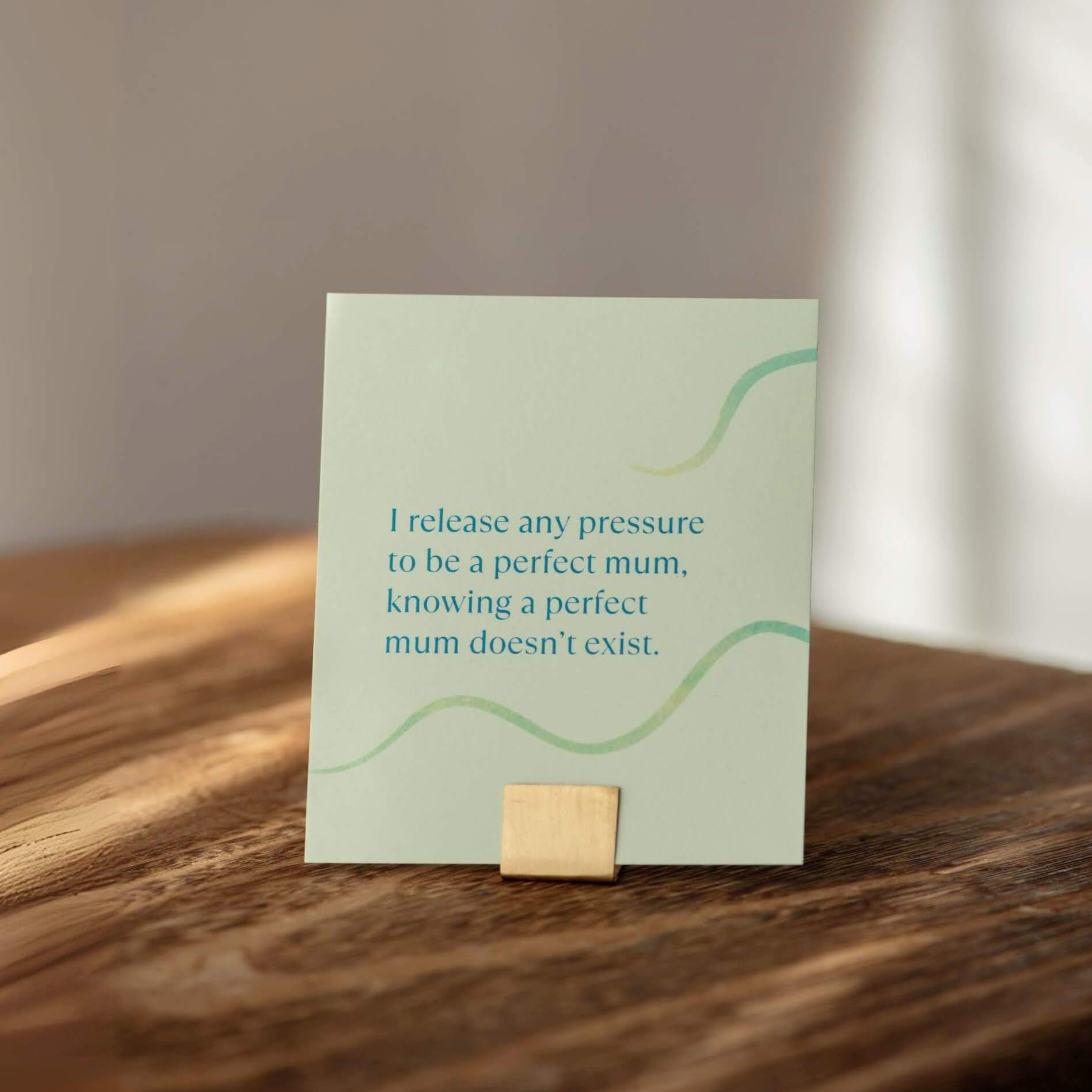
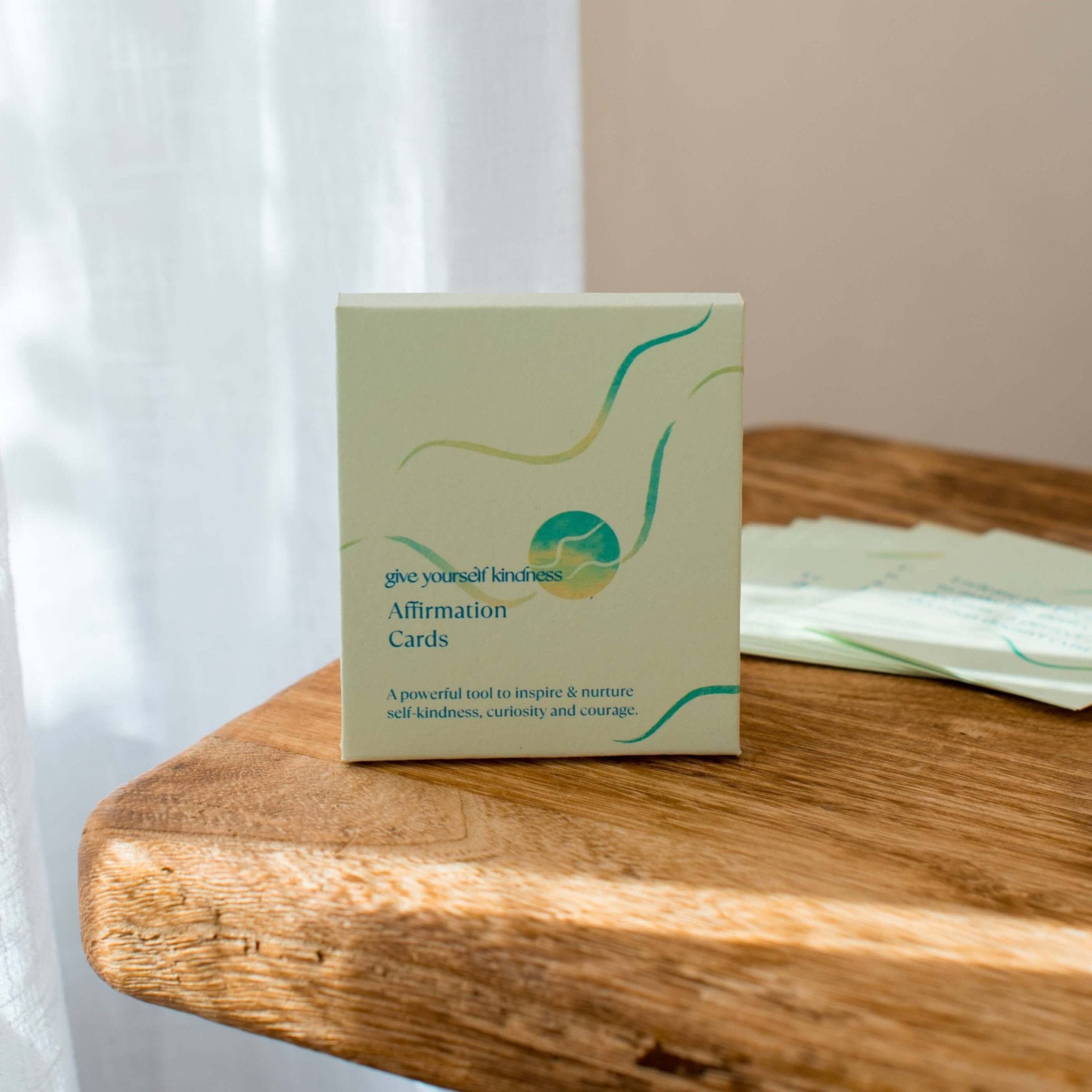
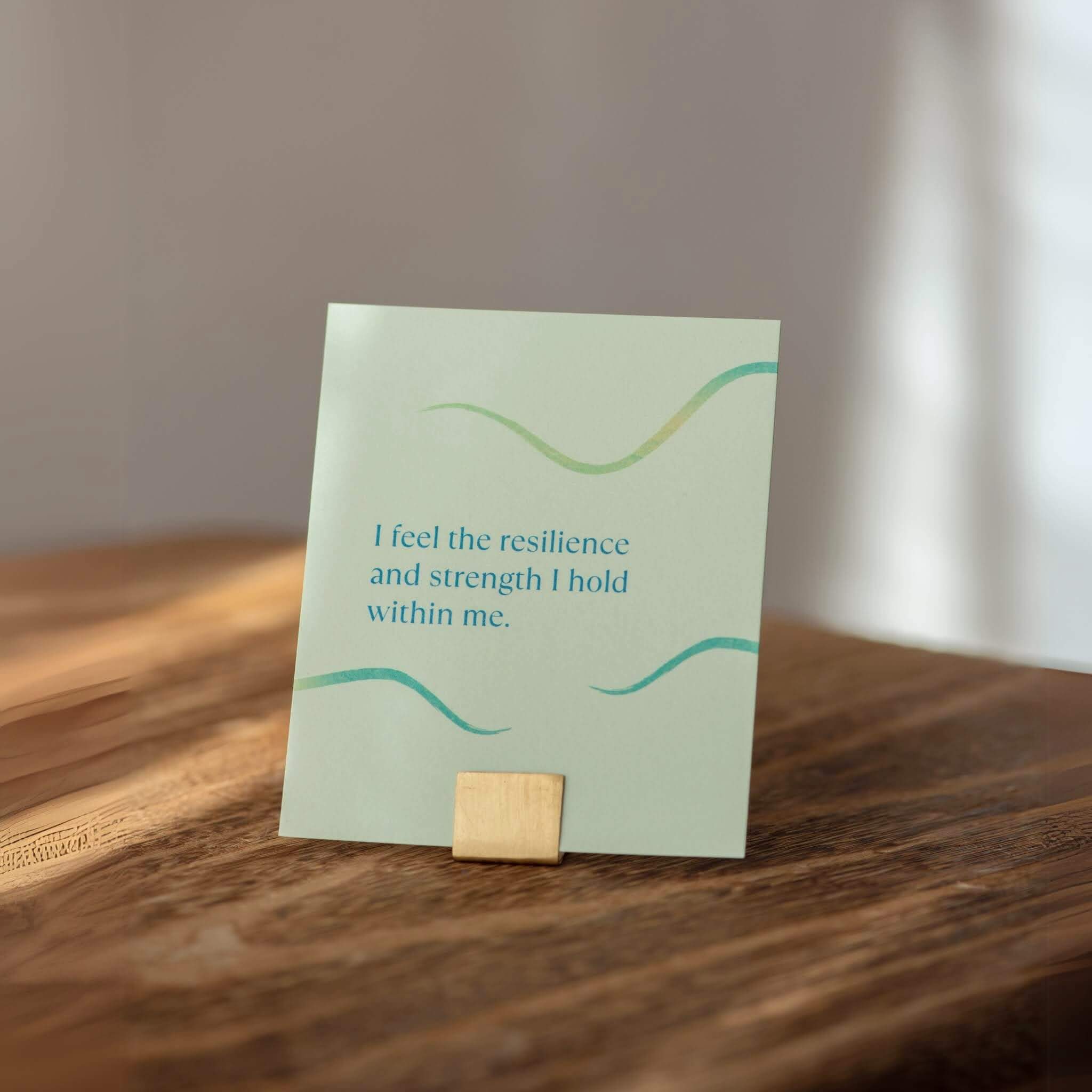
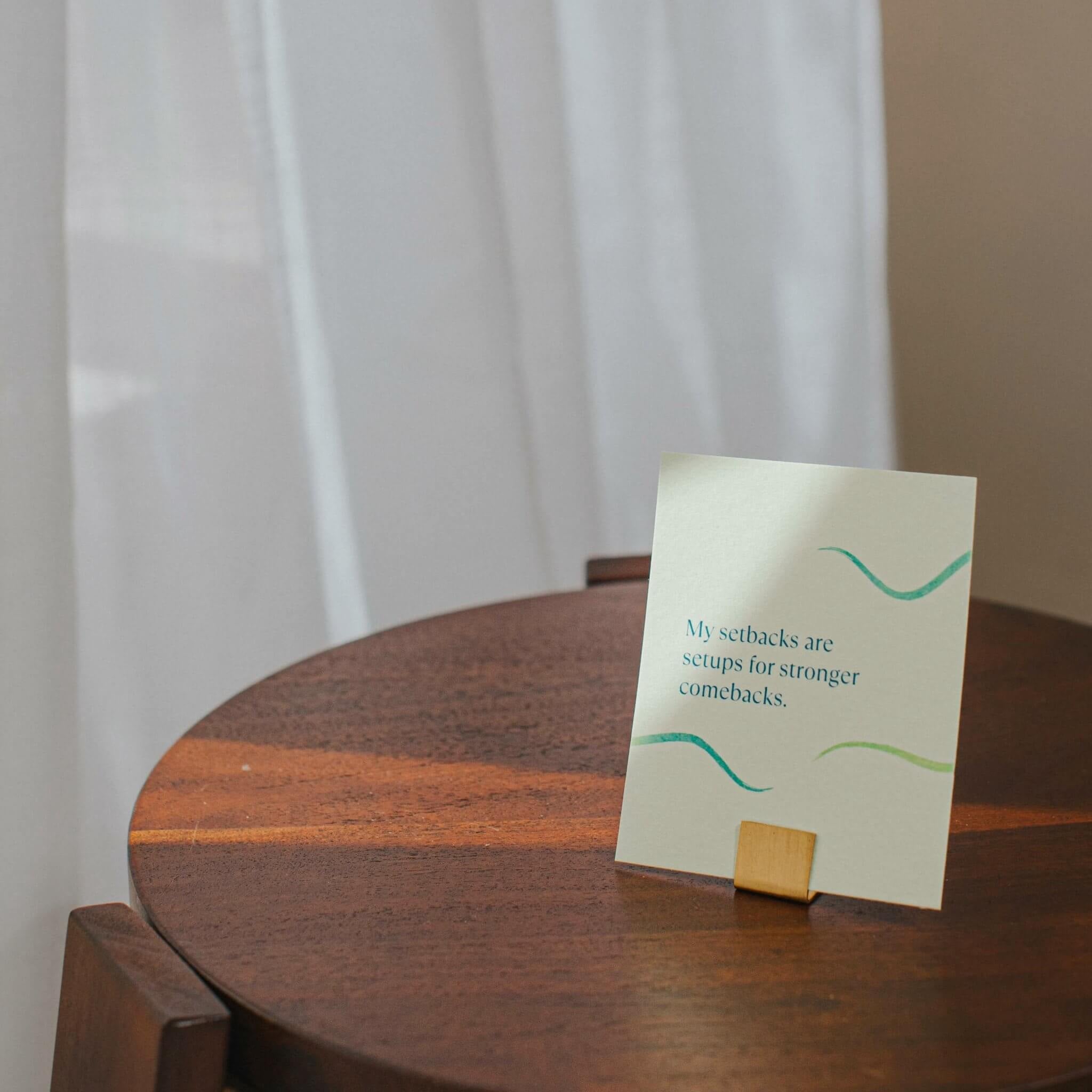
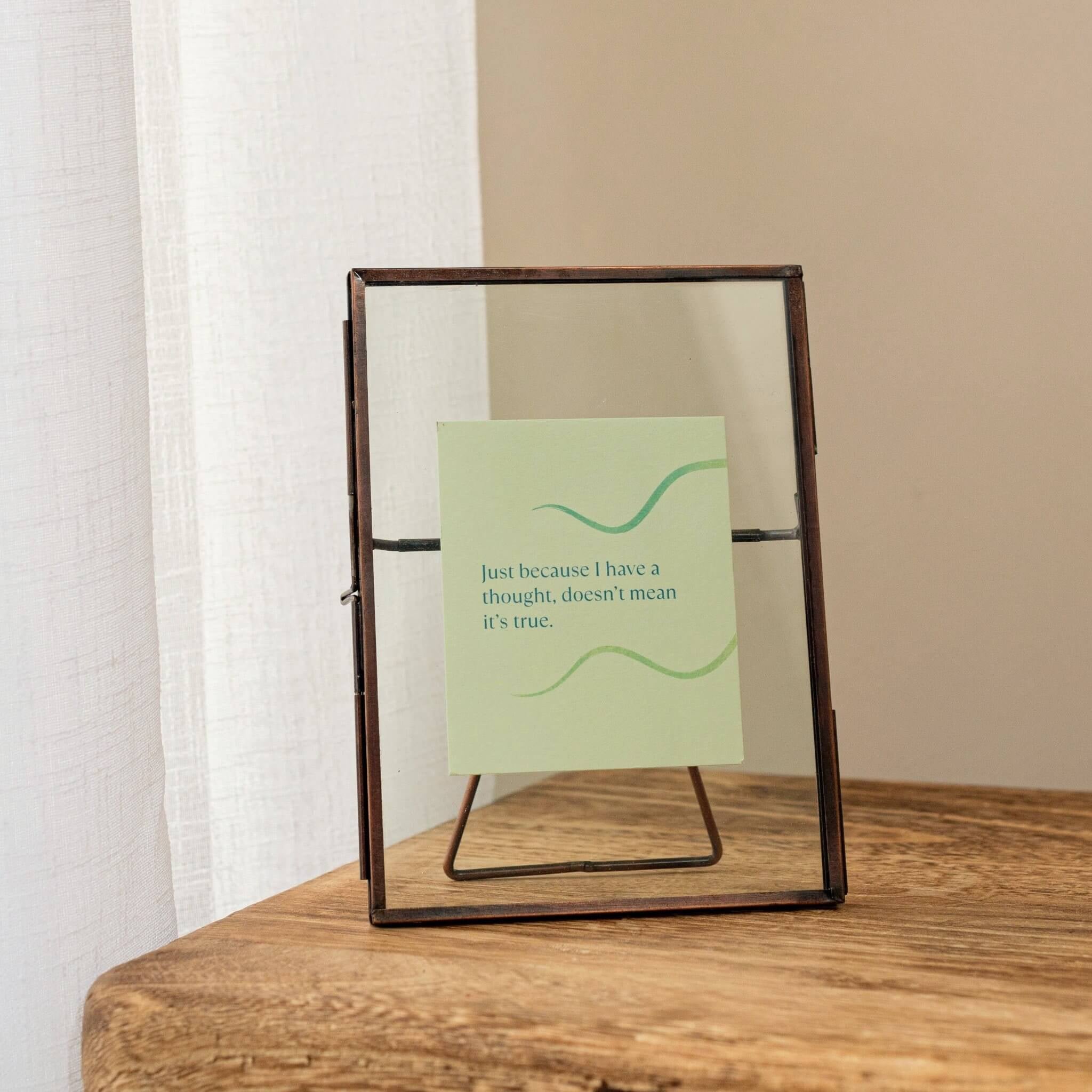
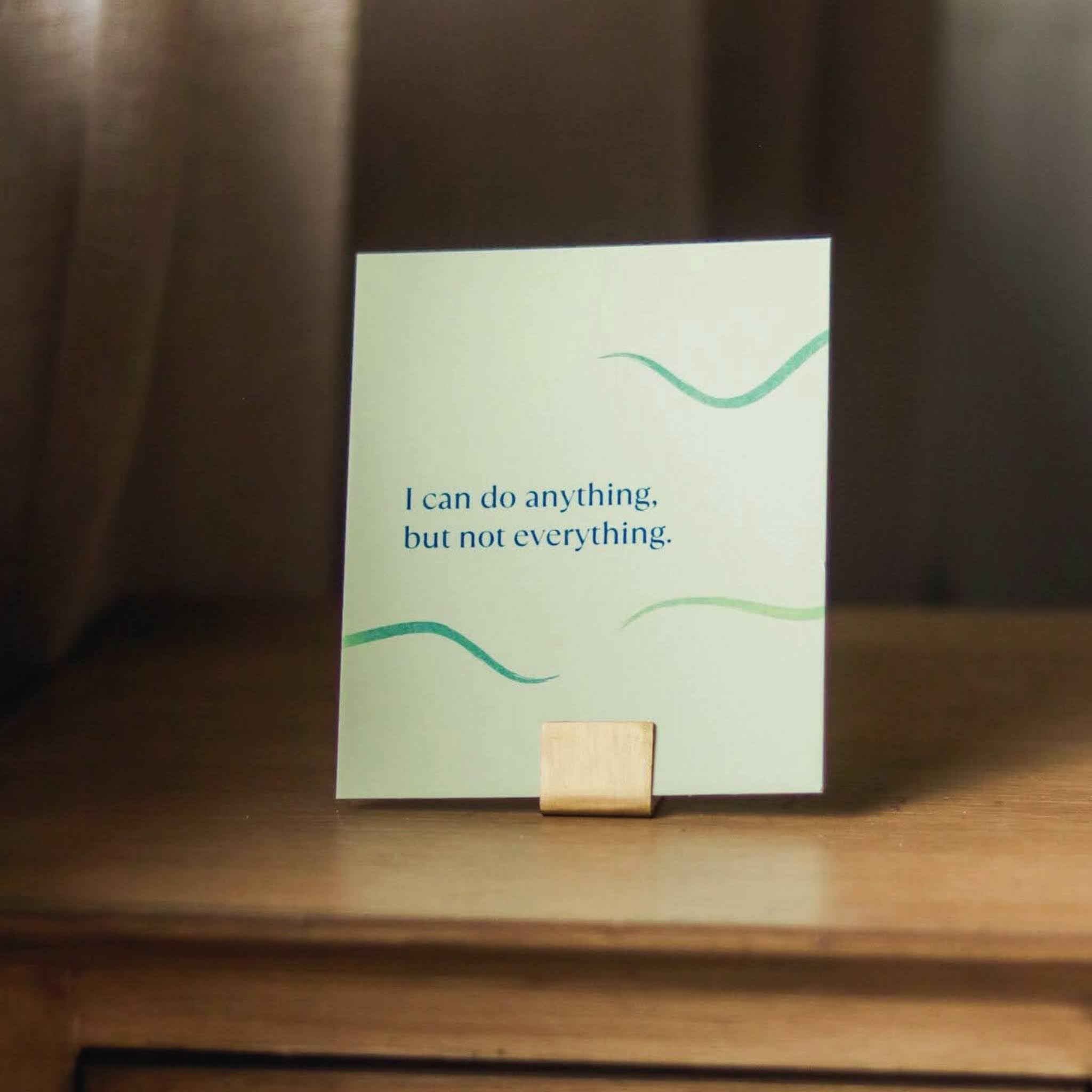
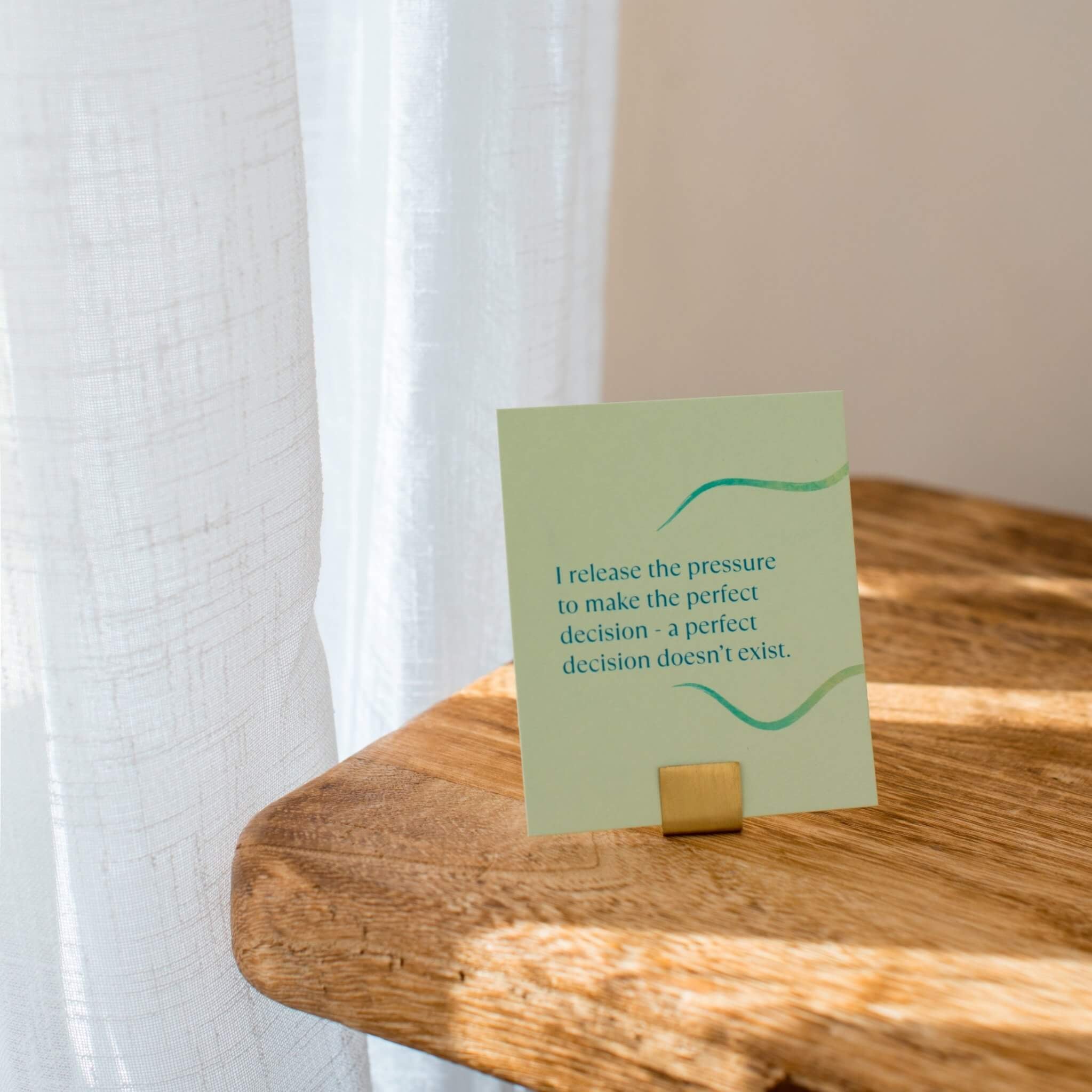
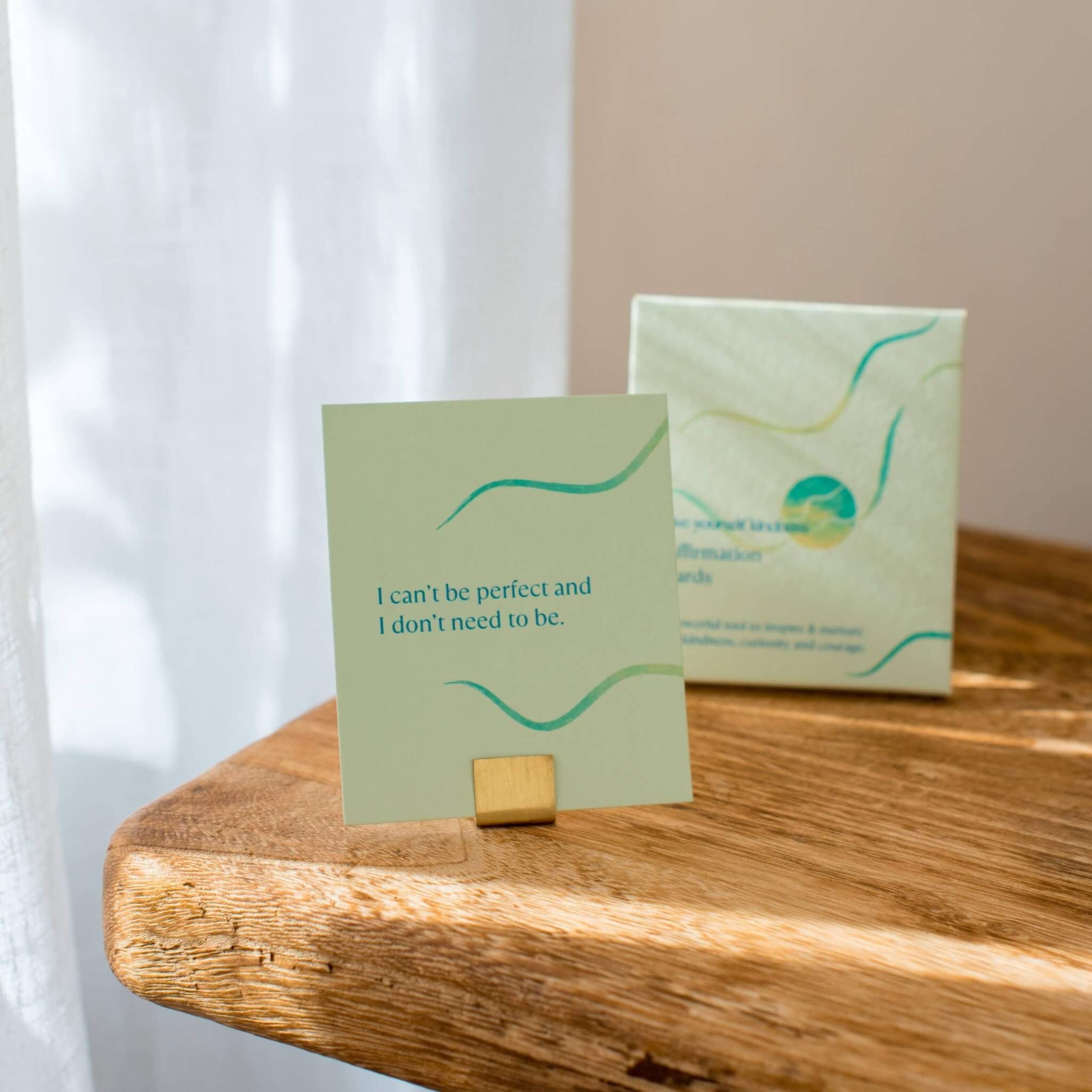
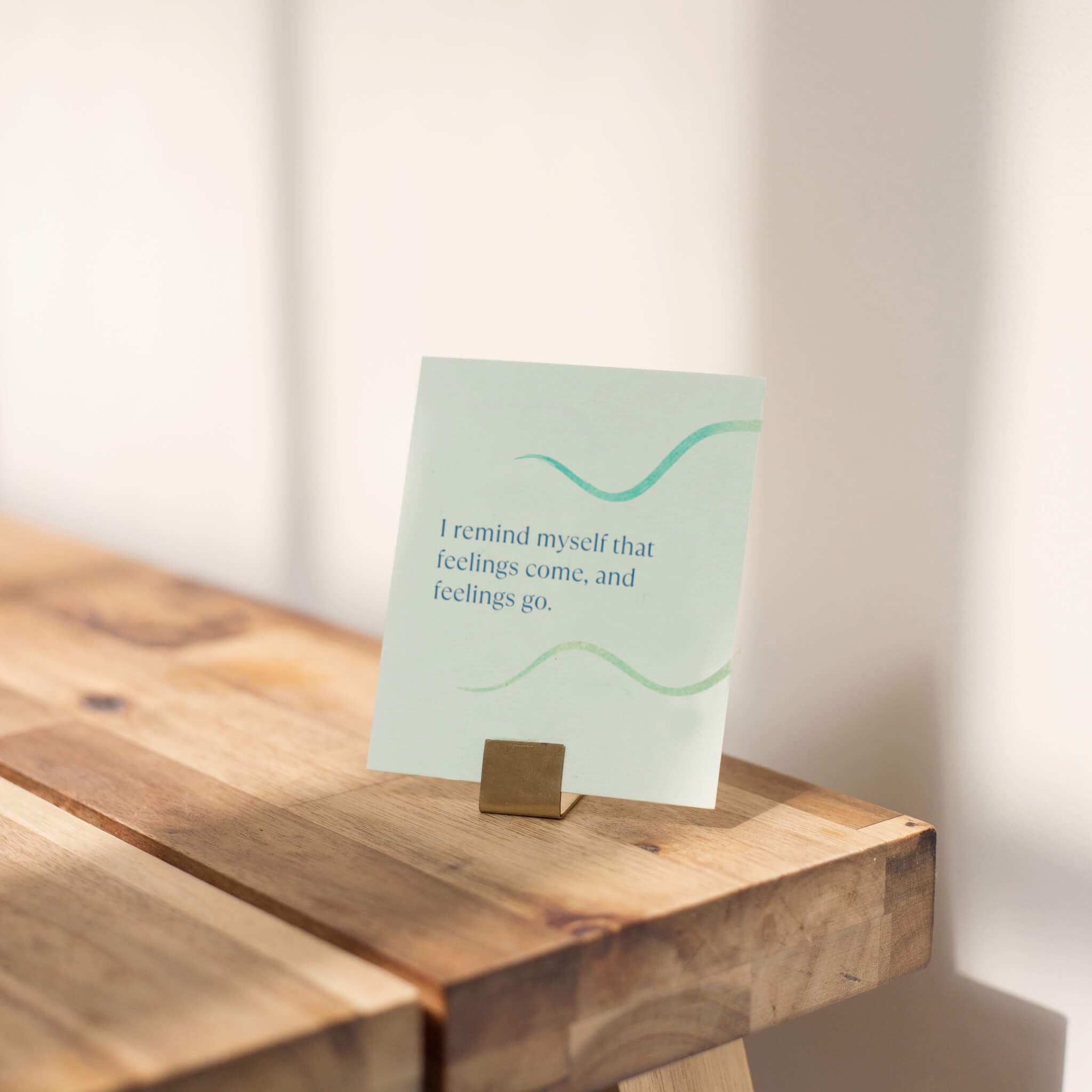
Parents and teachers often arrive here looking for something to hand over rather than something to say. The Student Affirmation Cards are written for exam season.


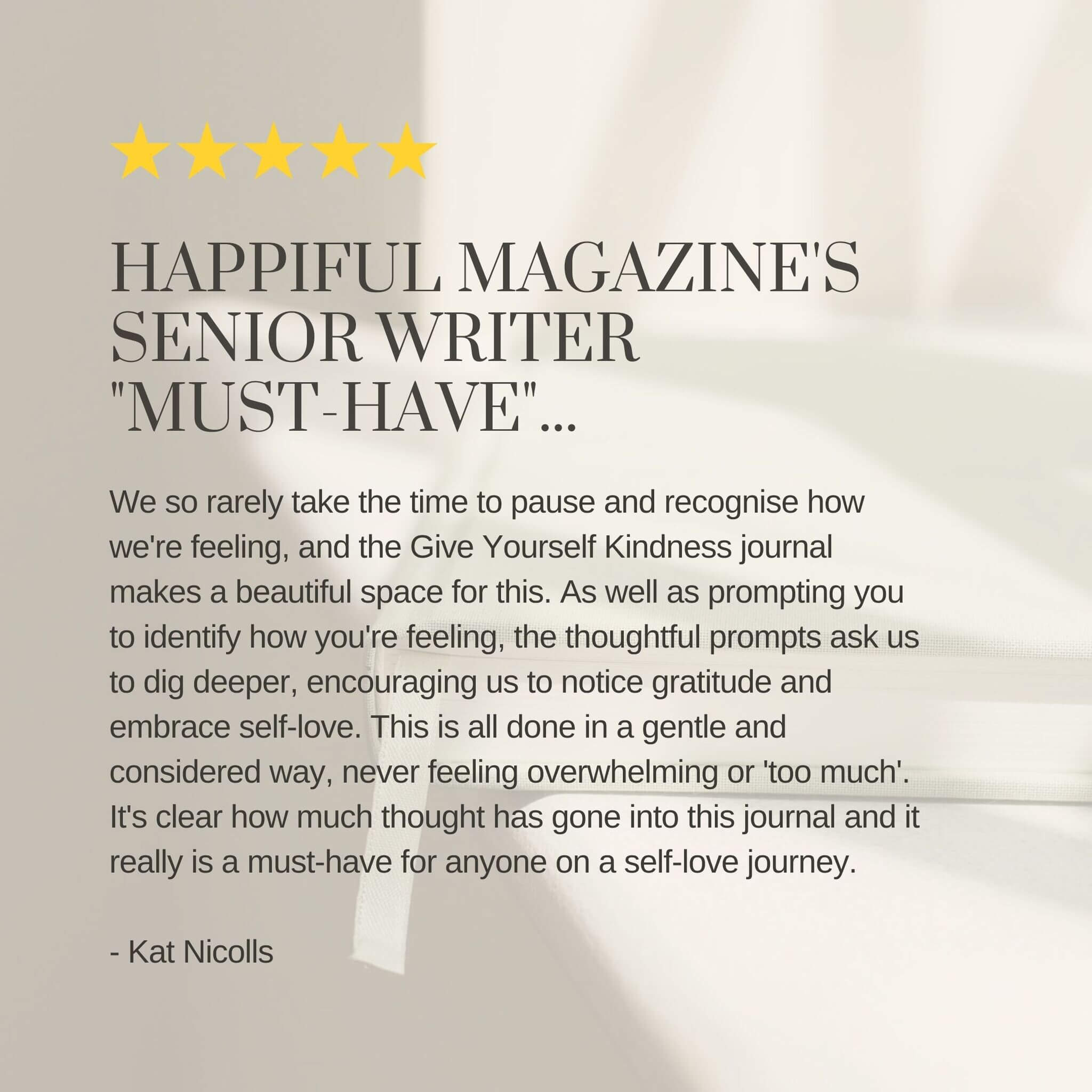
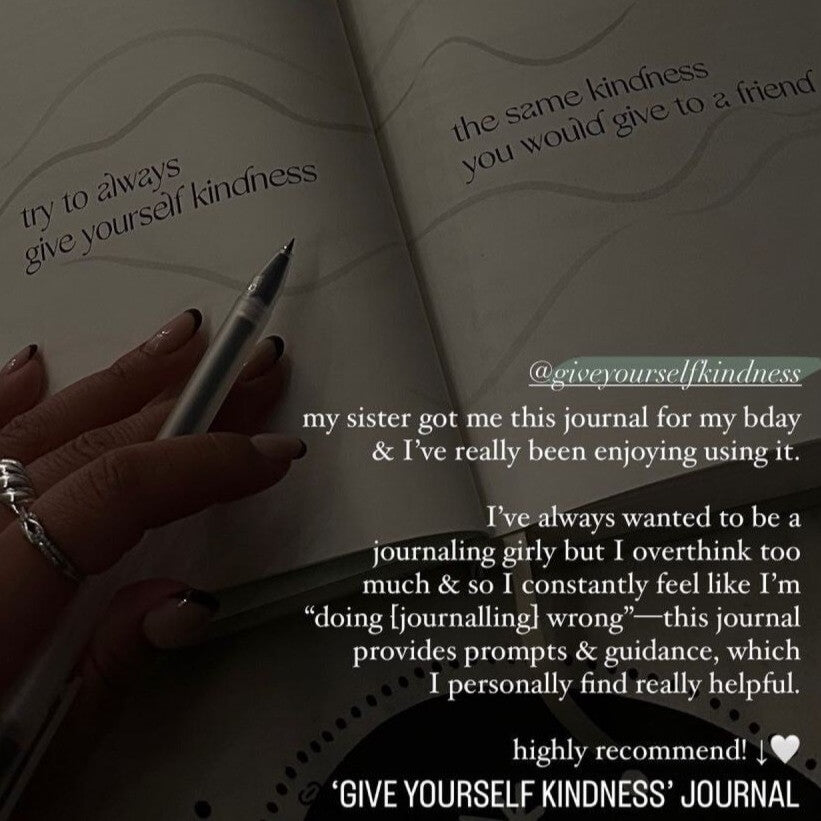
“By far my favourite guided journal that I’ve used!”
There's a lot of journals out there. Most of which include tools that can be repetitive, boring or unhelpful. Give Yourself Kindness is about creating something new.