


Quick Answer
✓ Actively used by therapists with student clients managing academic anxiety
✓ Carefully designed prompts to build resilience without adding pressure
If your university student is struggling with exam stress, you've probably heard them say things like "I'm so behind," "Everyone else seems fine," or "I should be able to handle this."
Maybe they're staying up until 3am studying but can't retain anything. Maybe they've called you crying before an exam, or you've noticed them withdrawing from friends and activities they used to enjoy.
You want to help—but "just relax" doesn't work, "you'll be fine" feels dismissive, and care packages, while thoughtful, don't address the real issue: the relentless self-criticism and comparison that makes exam stress unbearable.
What's Really Happening During Exam Stress
Exam stress isn't just about workload or time management. It's about deeper fears around identity, worth, and belonging:
- Identity pressure: "If I fail, I'm a failure as a person"
- Constant comparison: "Everyone else seems to be coping better than me"
- Perfectionism: "Anything less than perfect means I'm not good enough"
- Future anxiety: "This one exam determines my entire future"
- Imposter syndrome: "I don't belong here—everyone's smarter than me"
When students feel this anxious, their inner critic becomes relentless. They berate themselves for not studying enough, for feeling overwhelmed, for "being weak." This harsh self-talk doesn't motivate better performance—it makes everything harder.
What's Inside (And Why Therapists Recommend It)
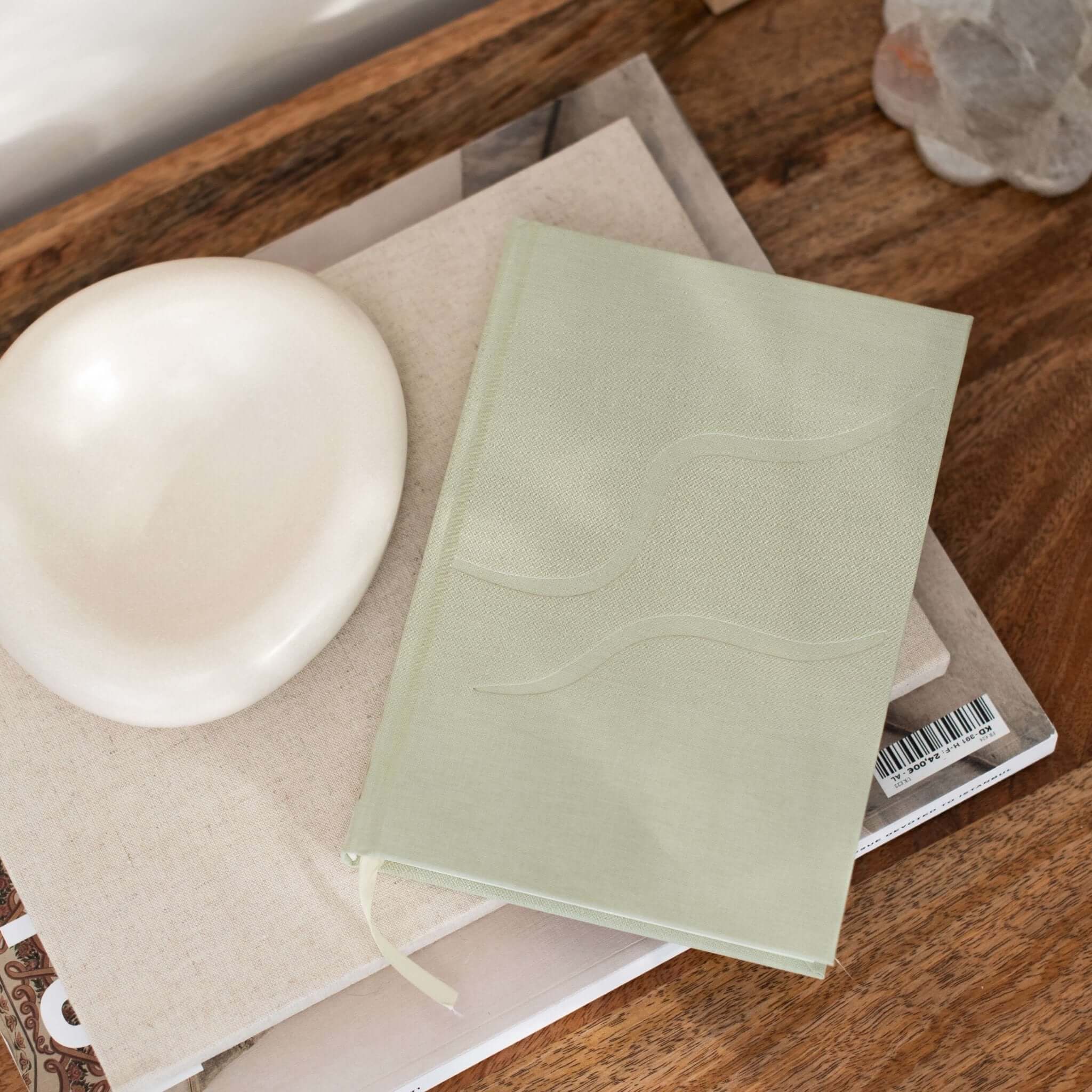
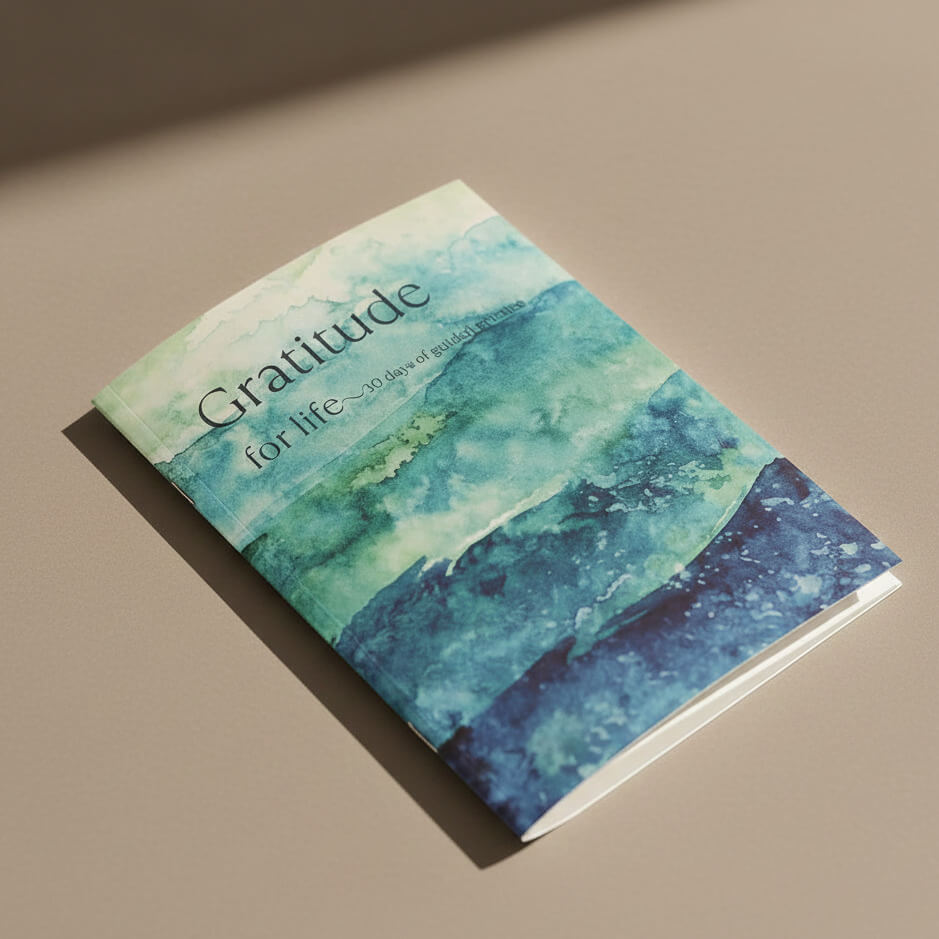
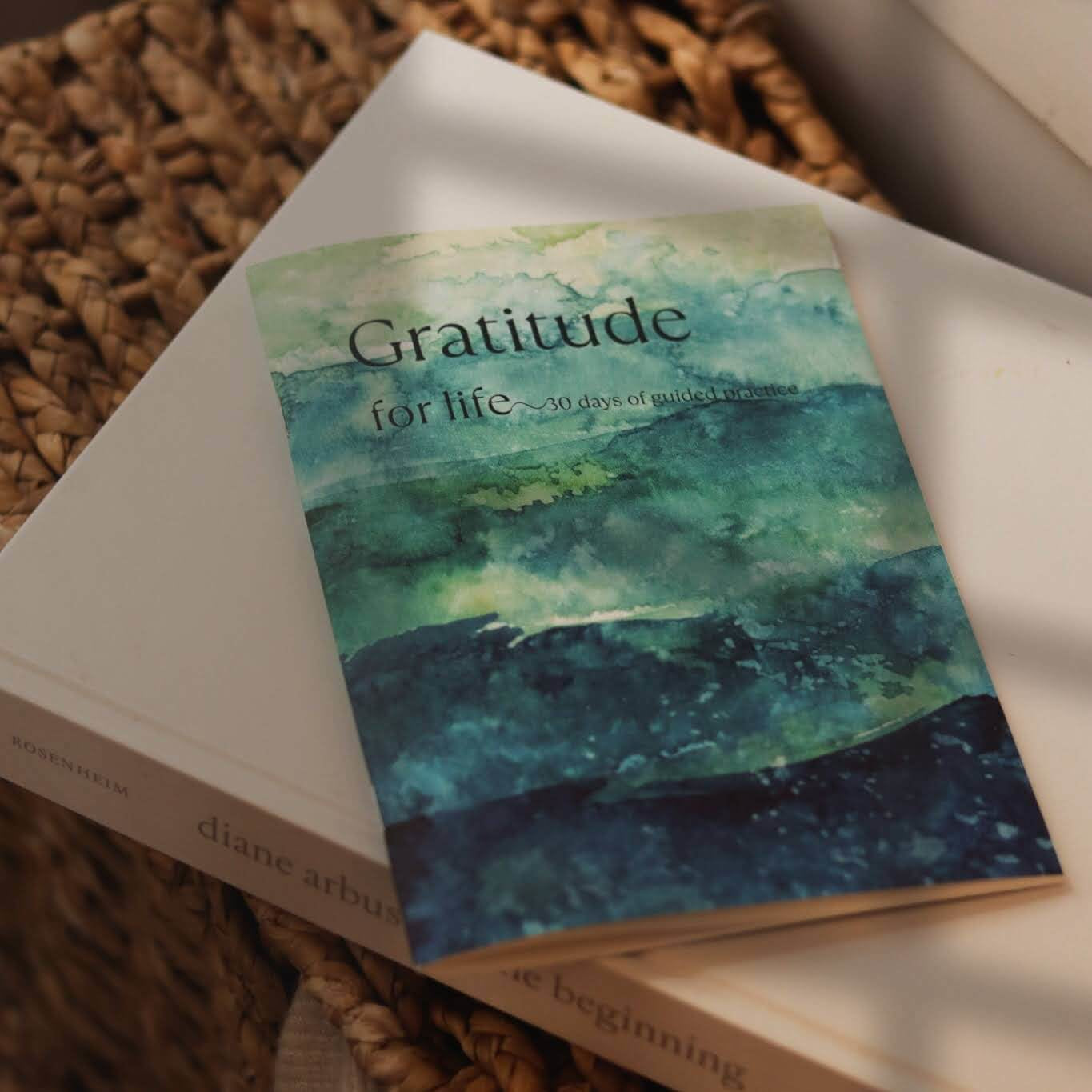
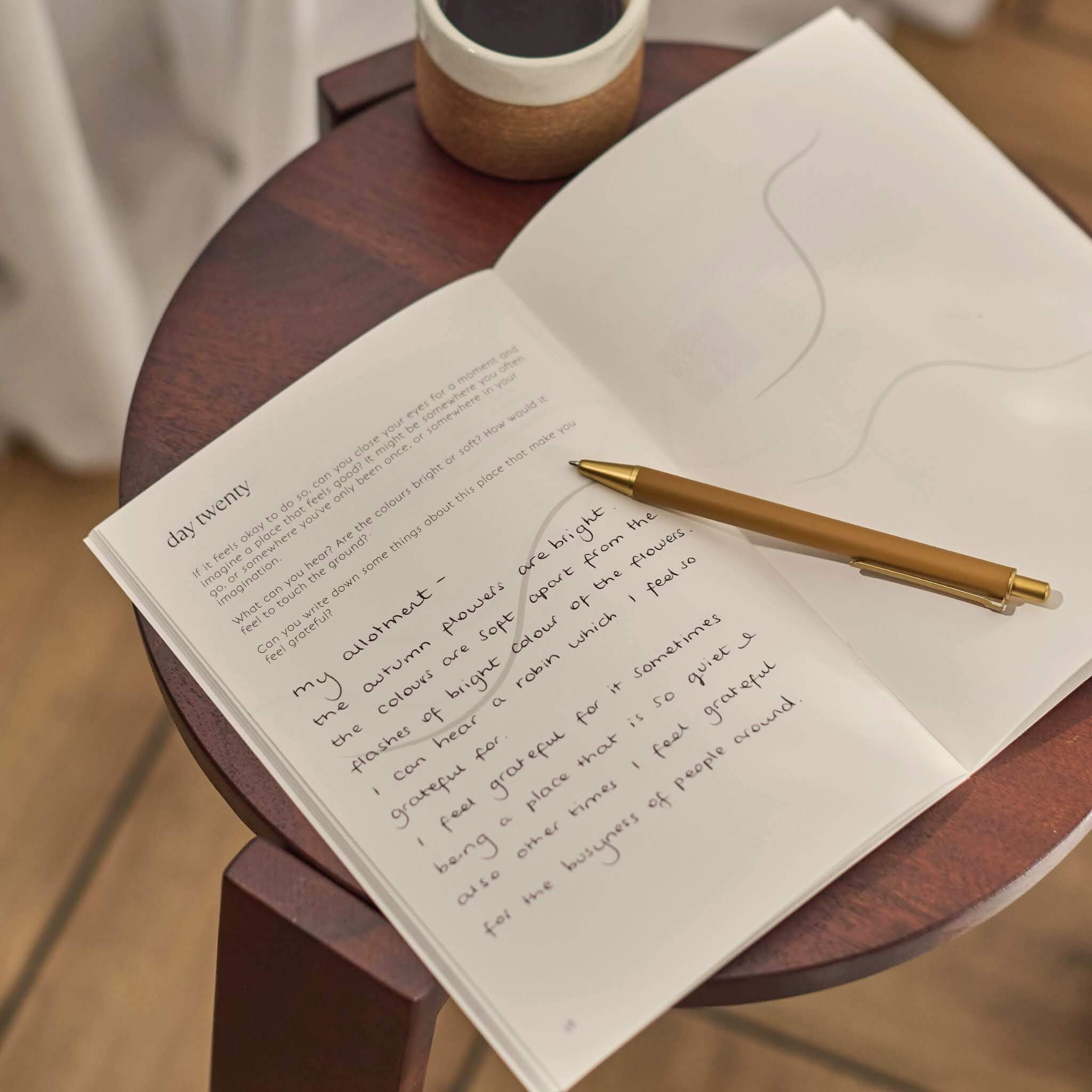
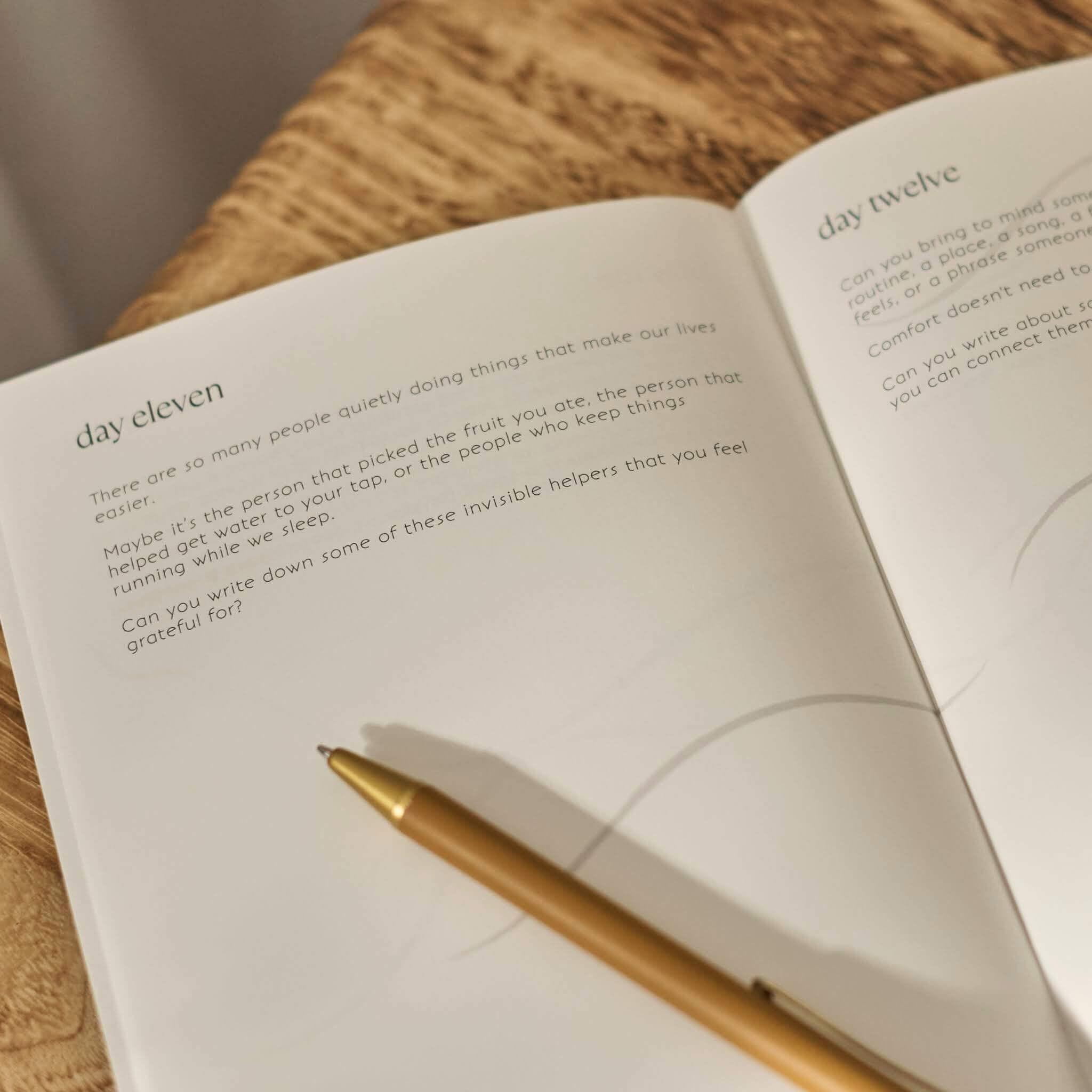
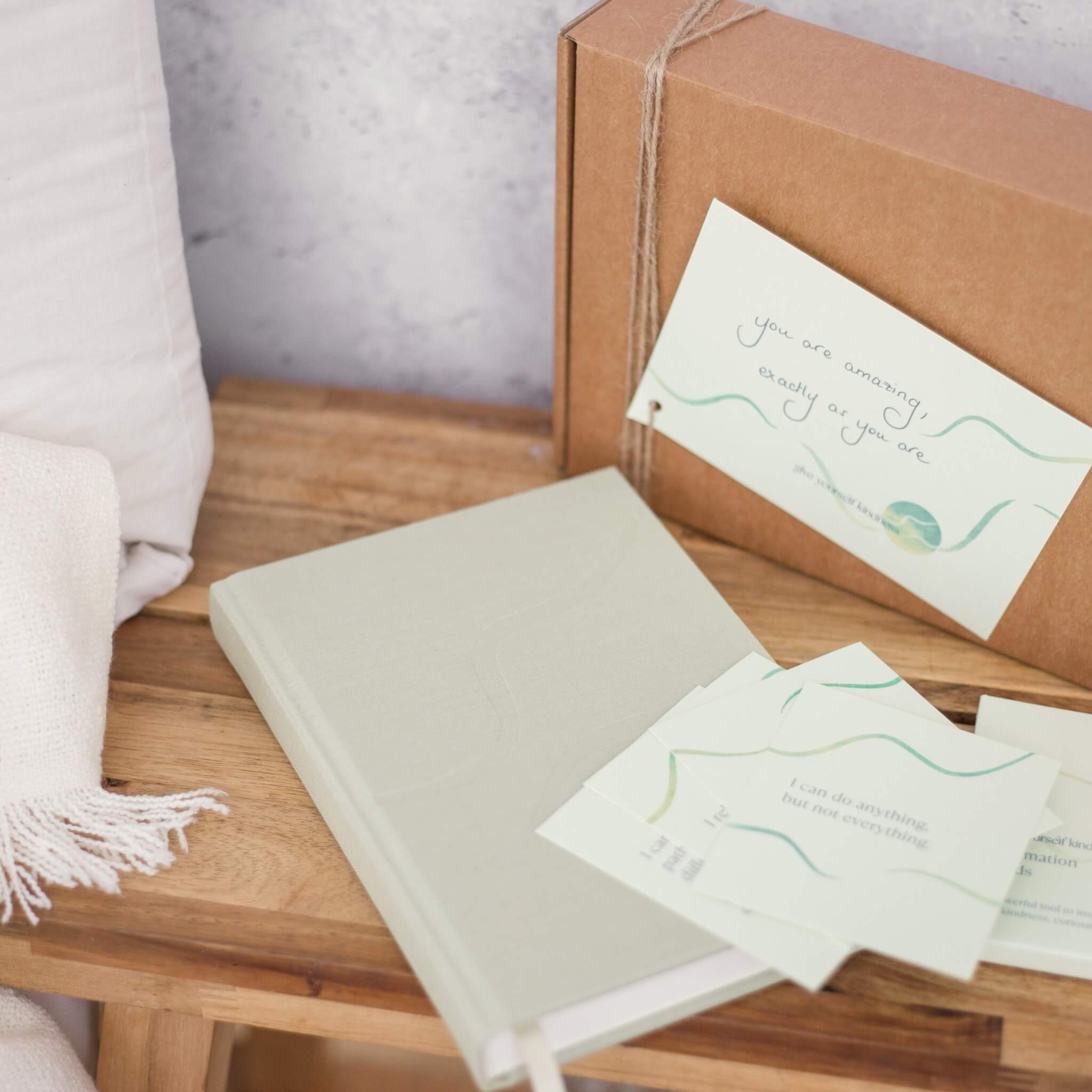
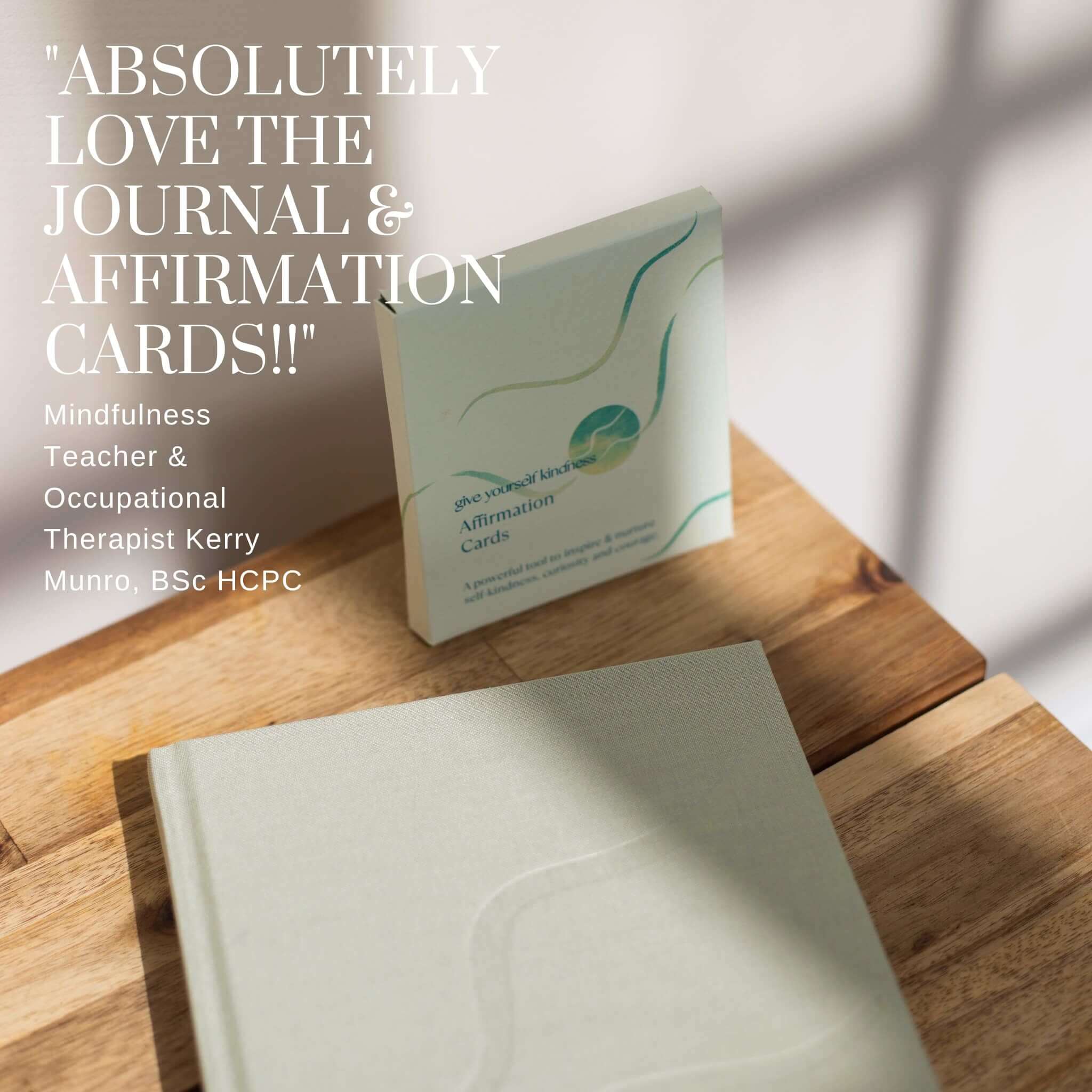
The Journal
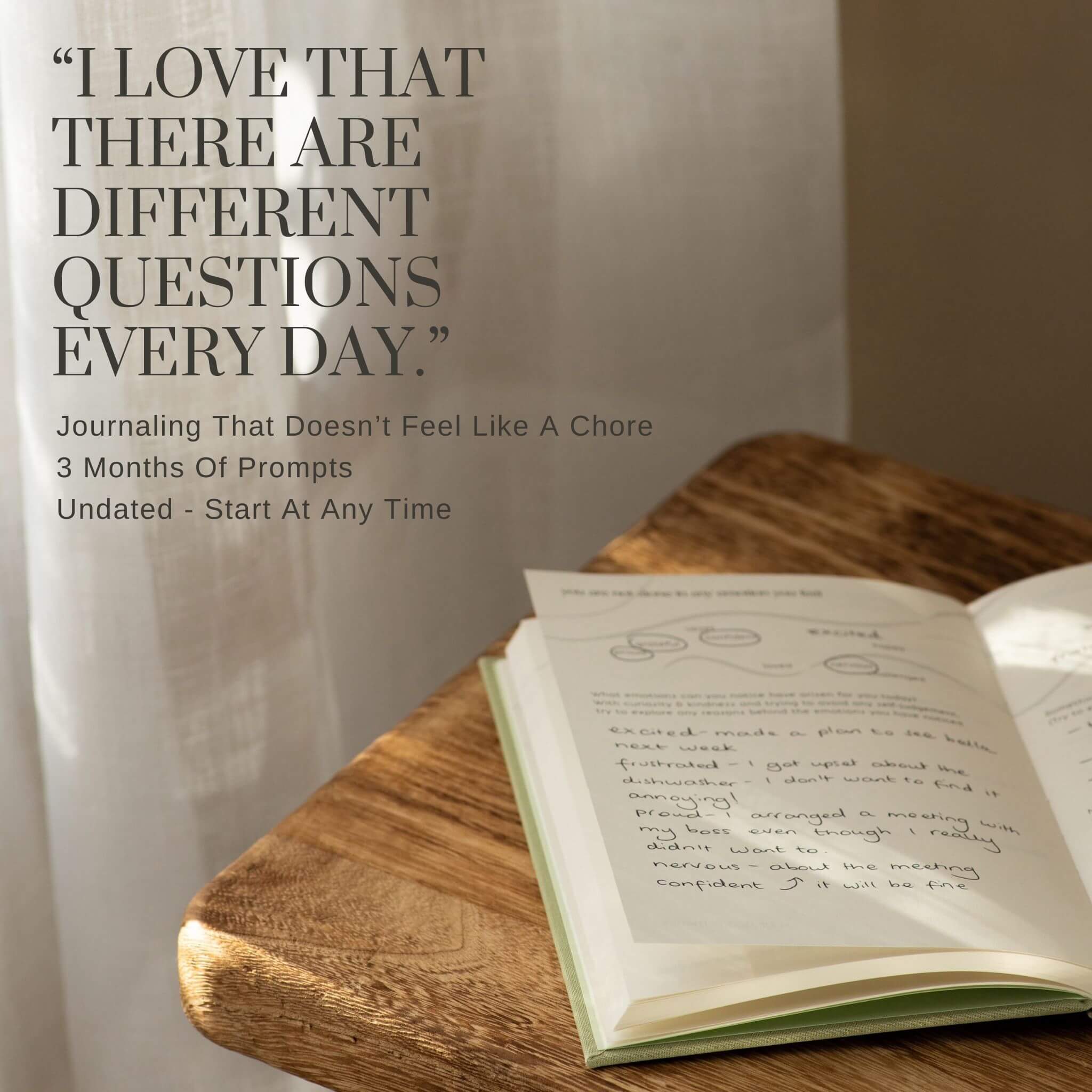
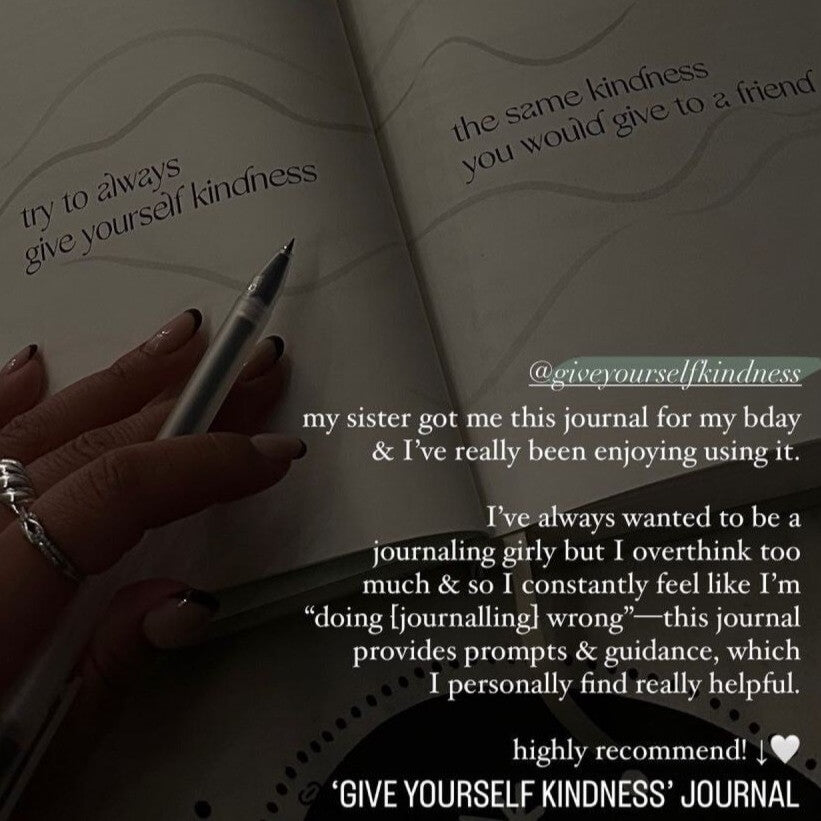
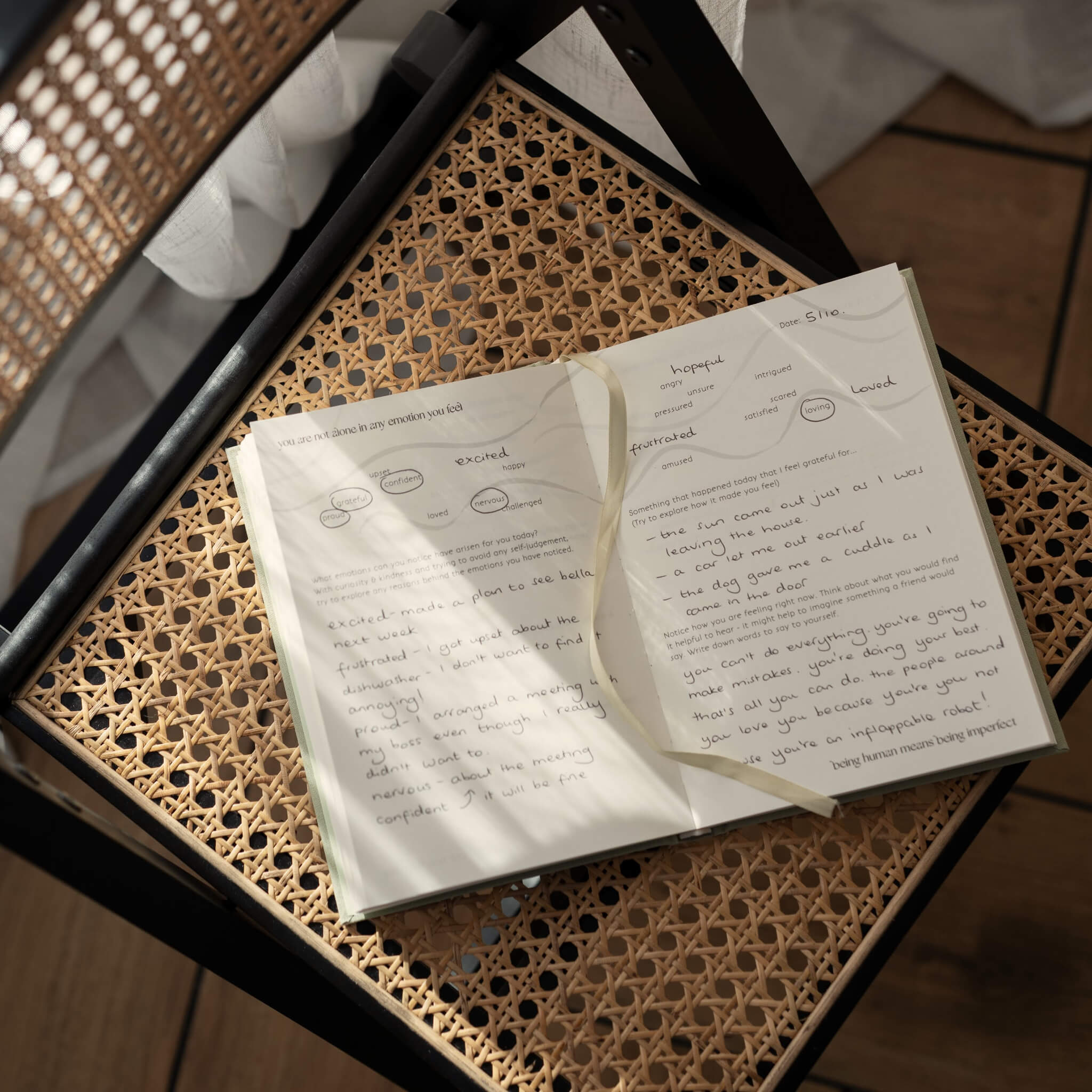
Never repetitive. Designed to build self-compassion skills over three months, addressing perfectionism, comparison, and harsh self-talk specific to academic pressure.
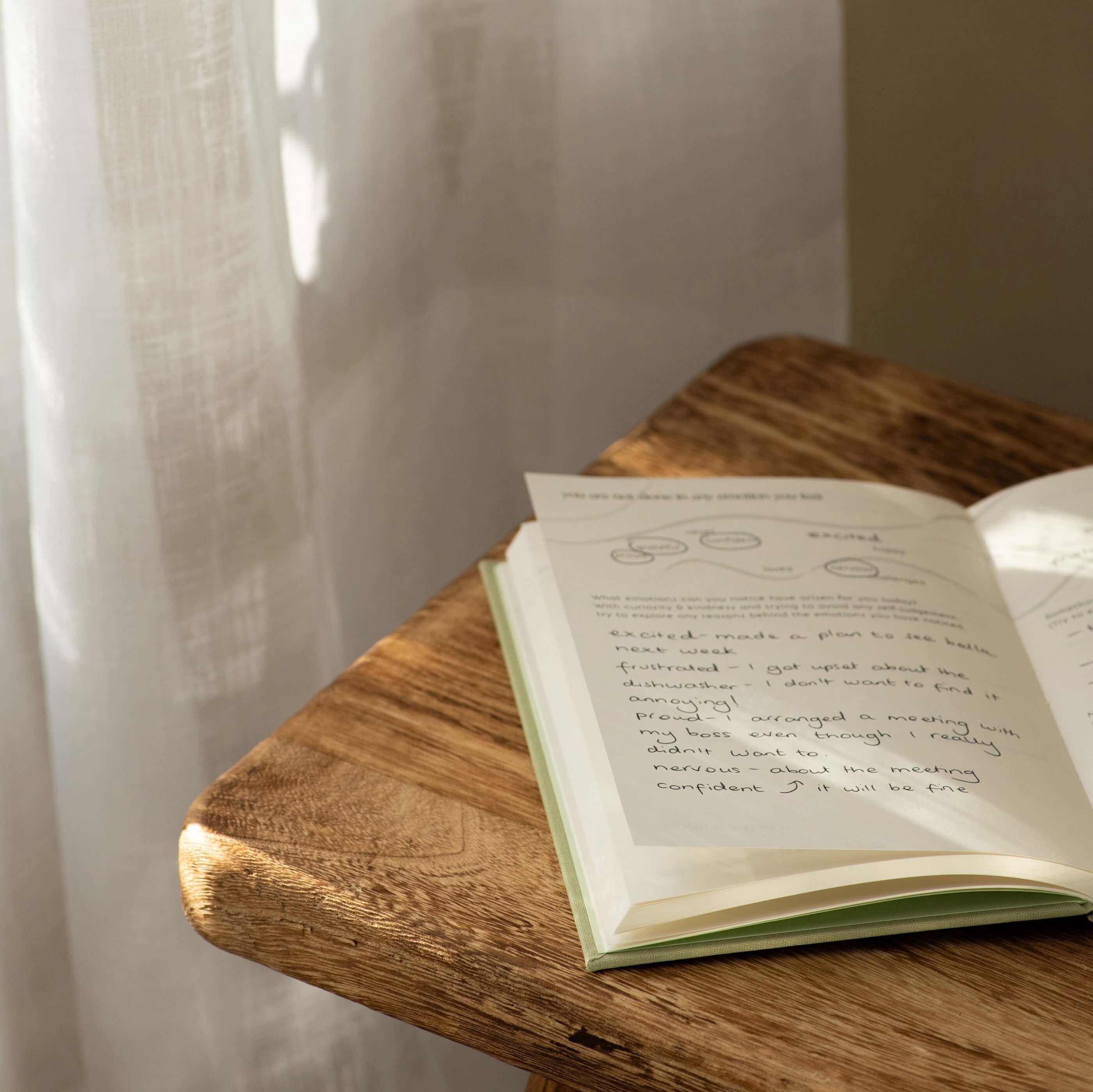
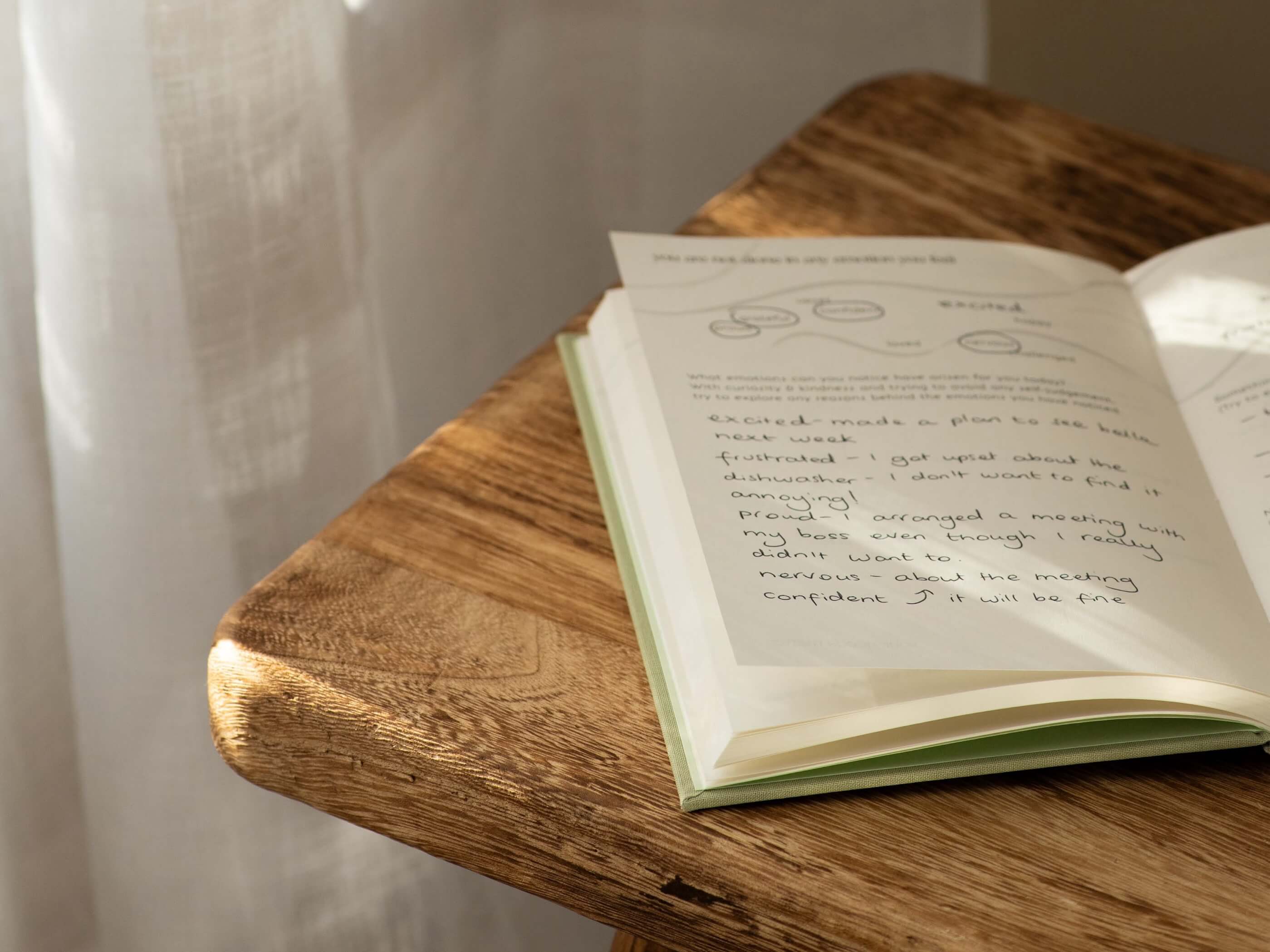
Helps students identify and name overwhelming emotions (anxious, behind, inadequate, overwhelmed). Research shows naming emotions reduces their intensity by up to 50%.
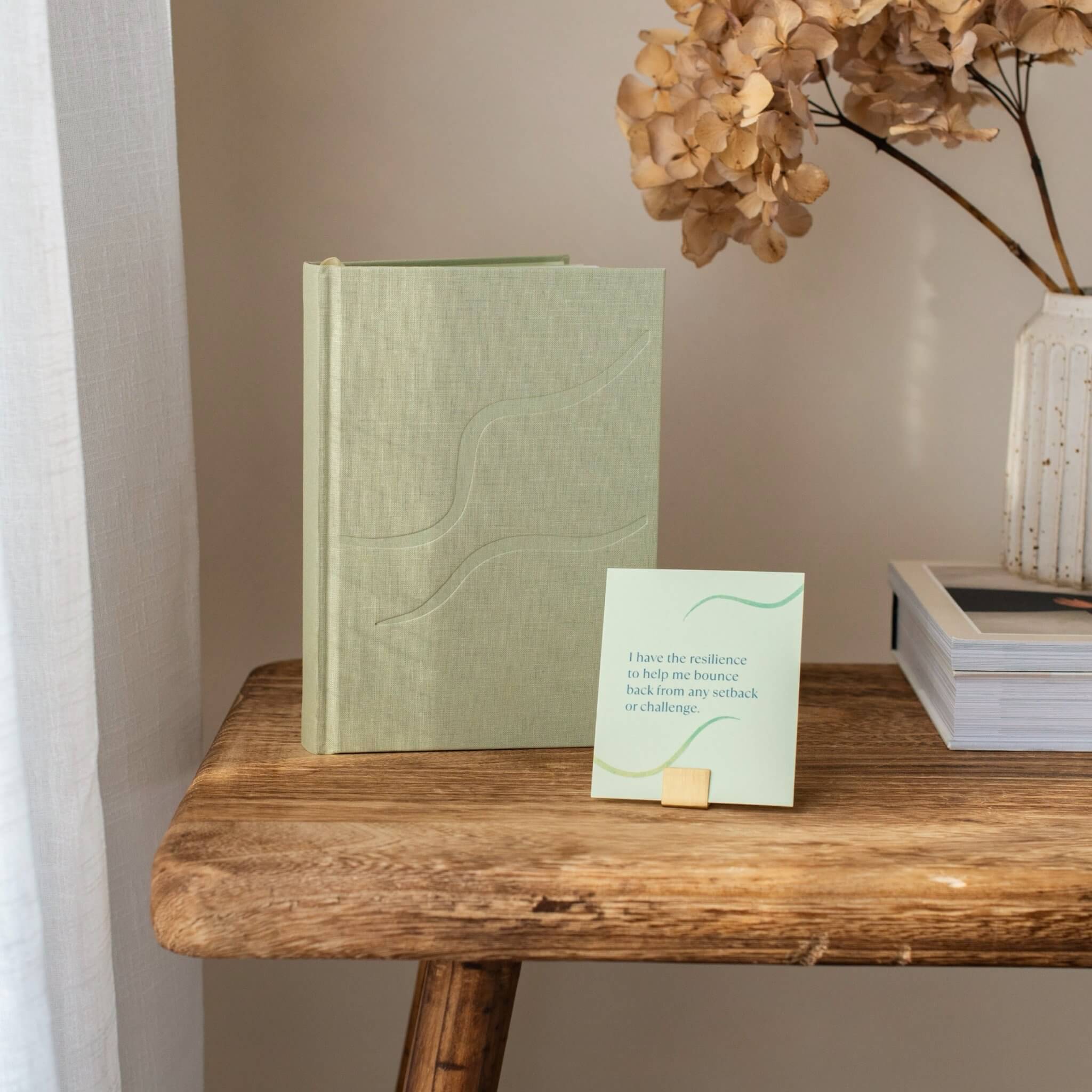
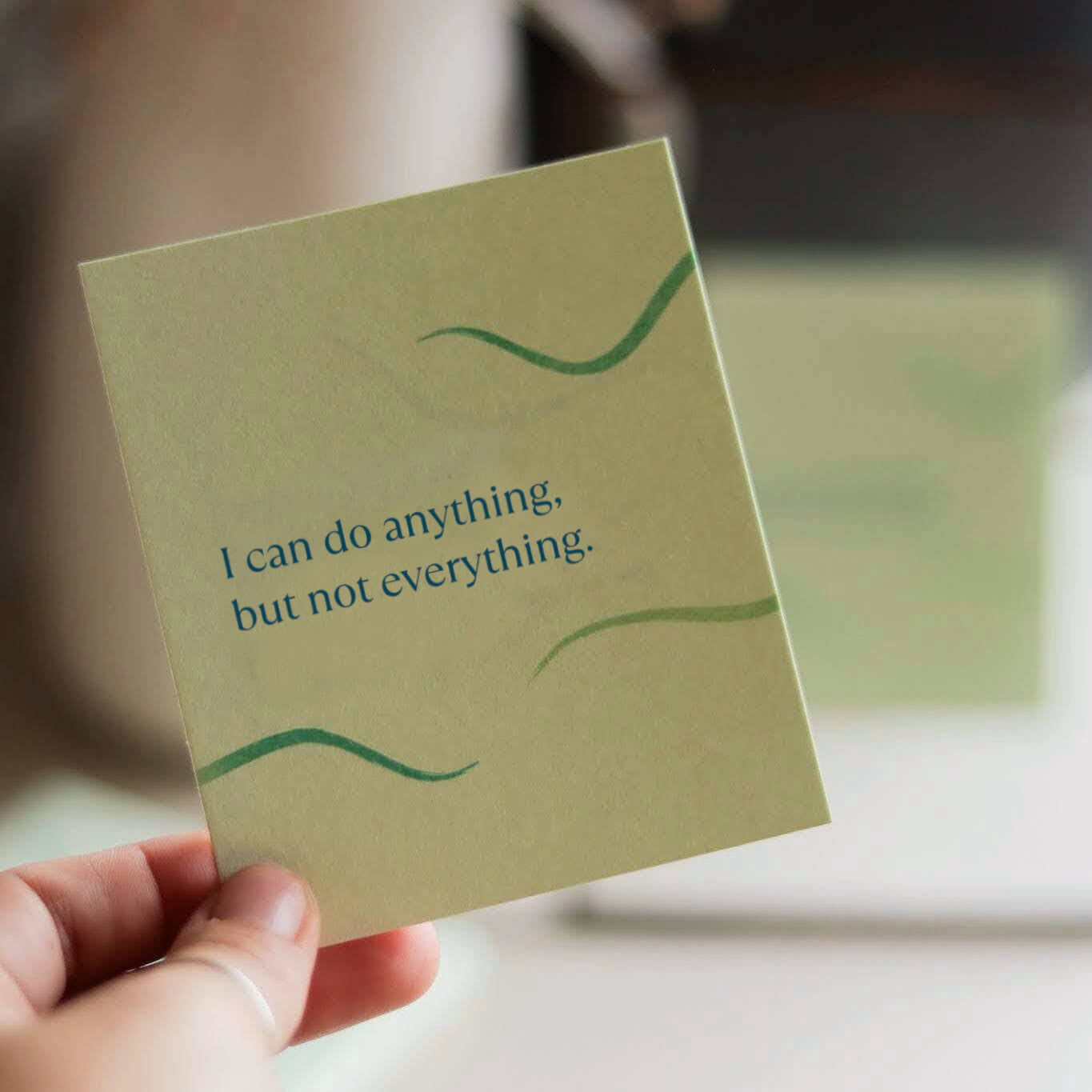
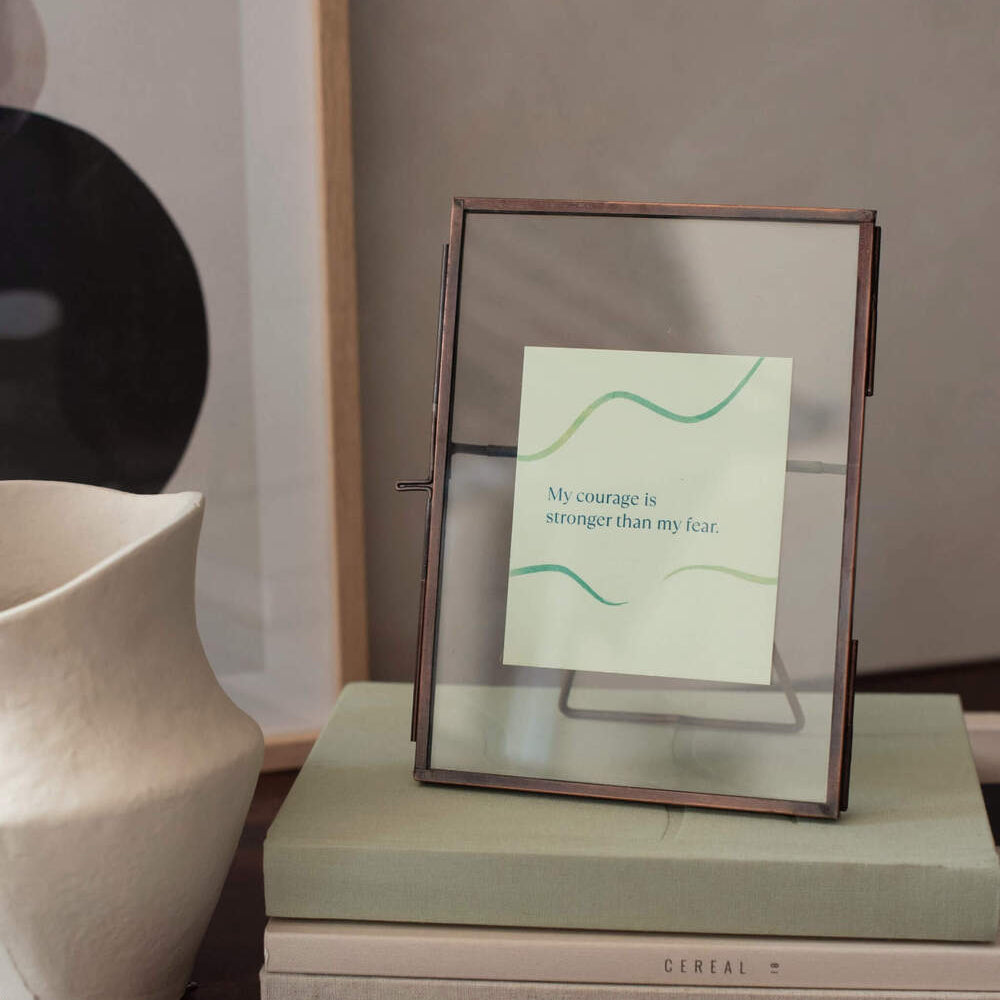
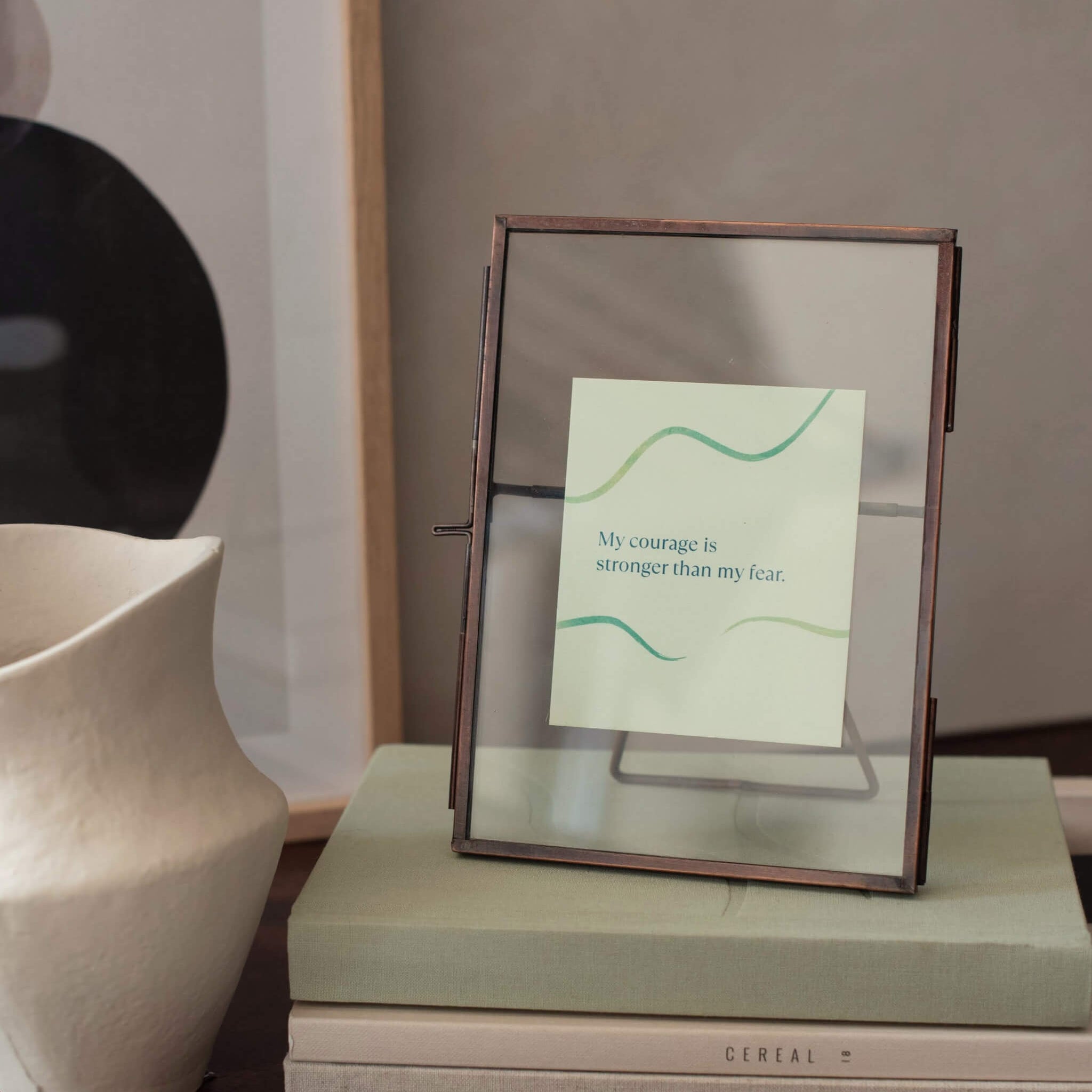
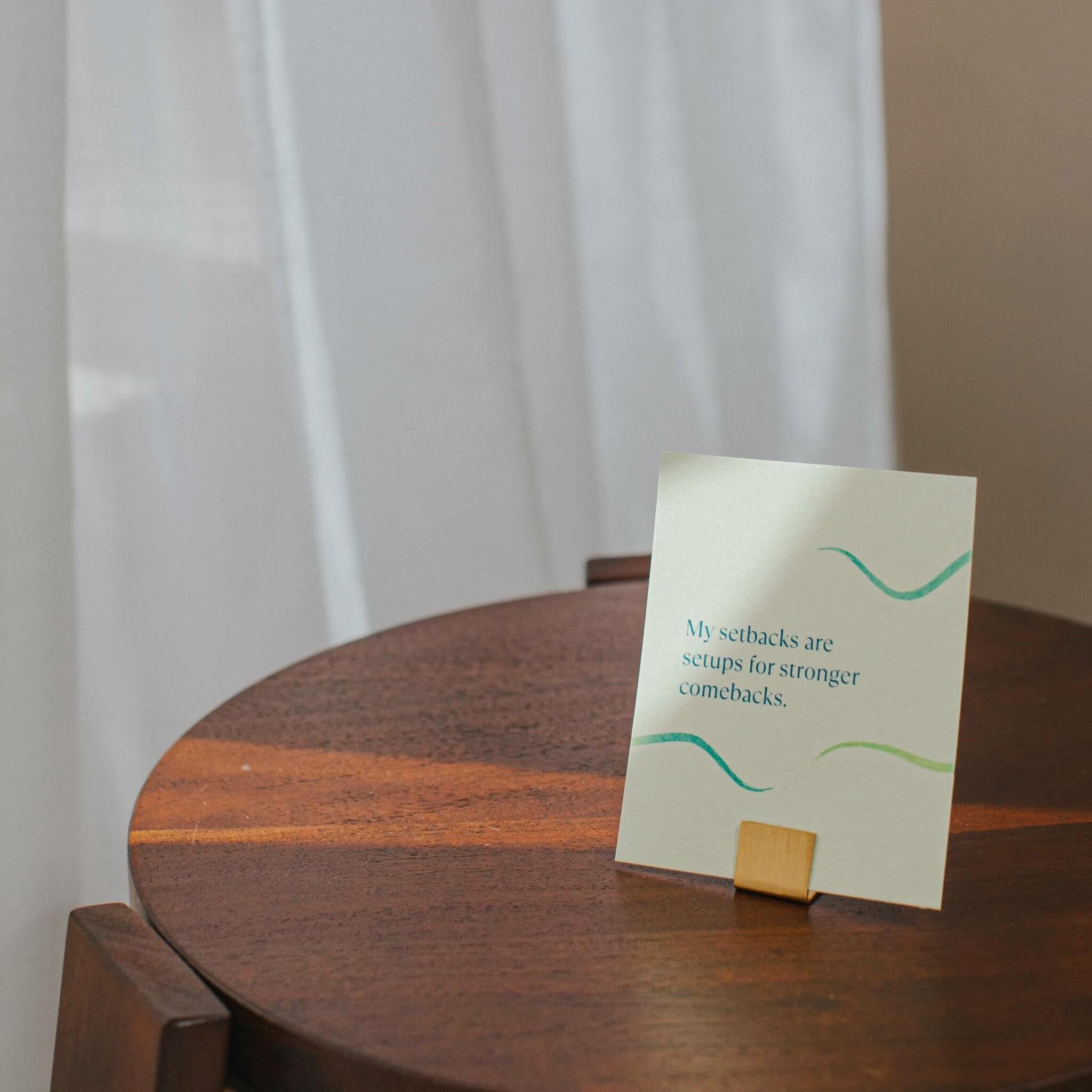
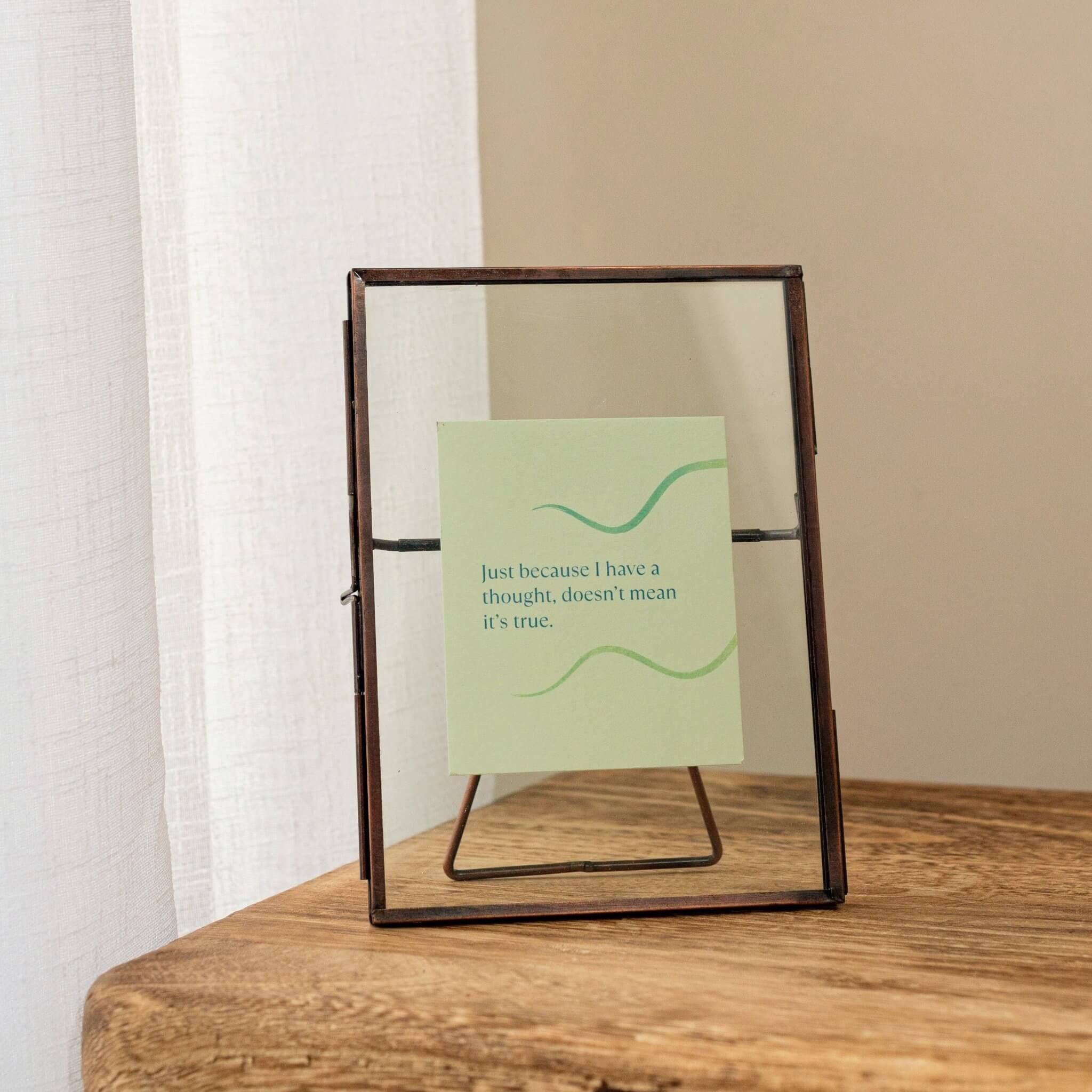
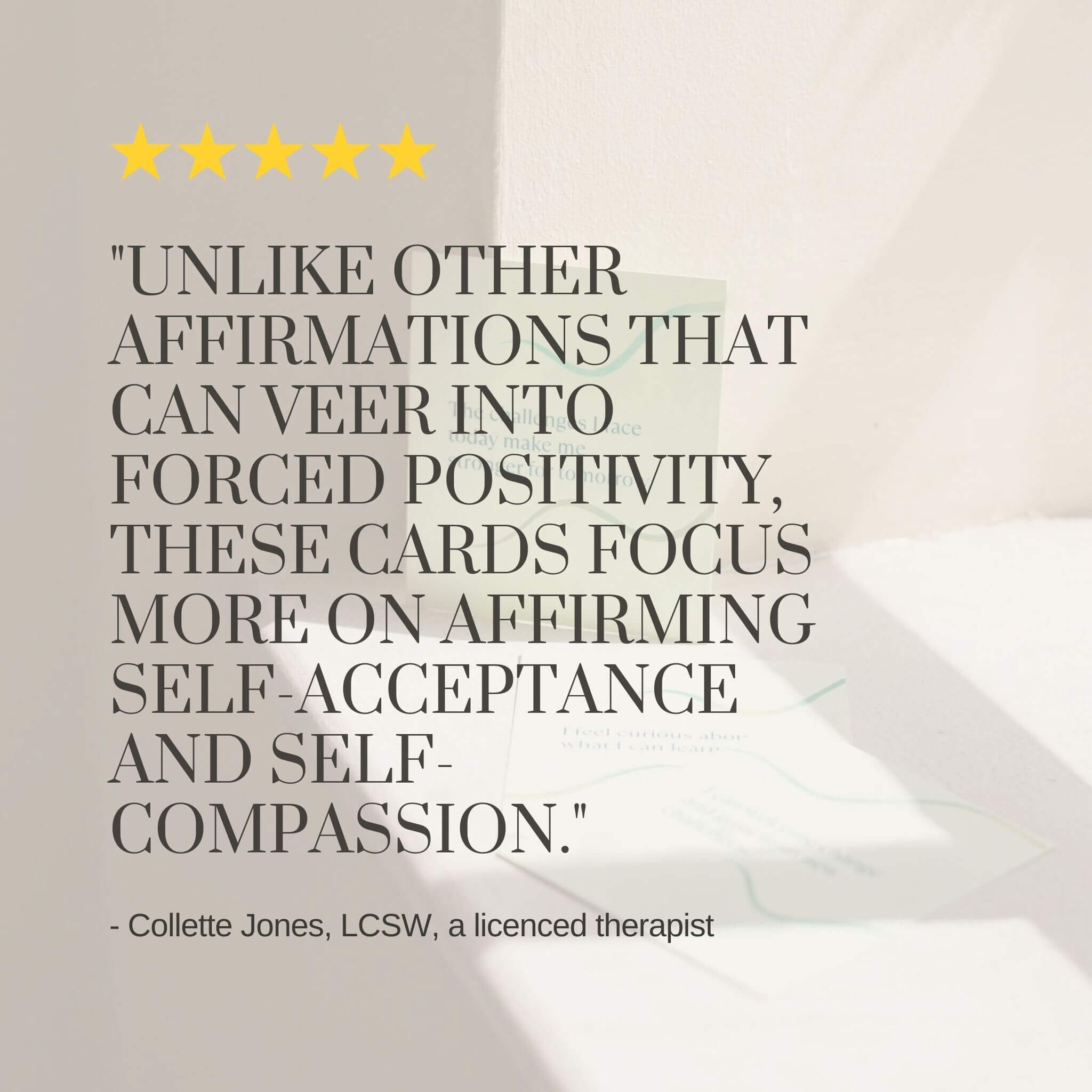
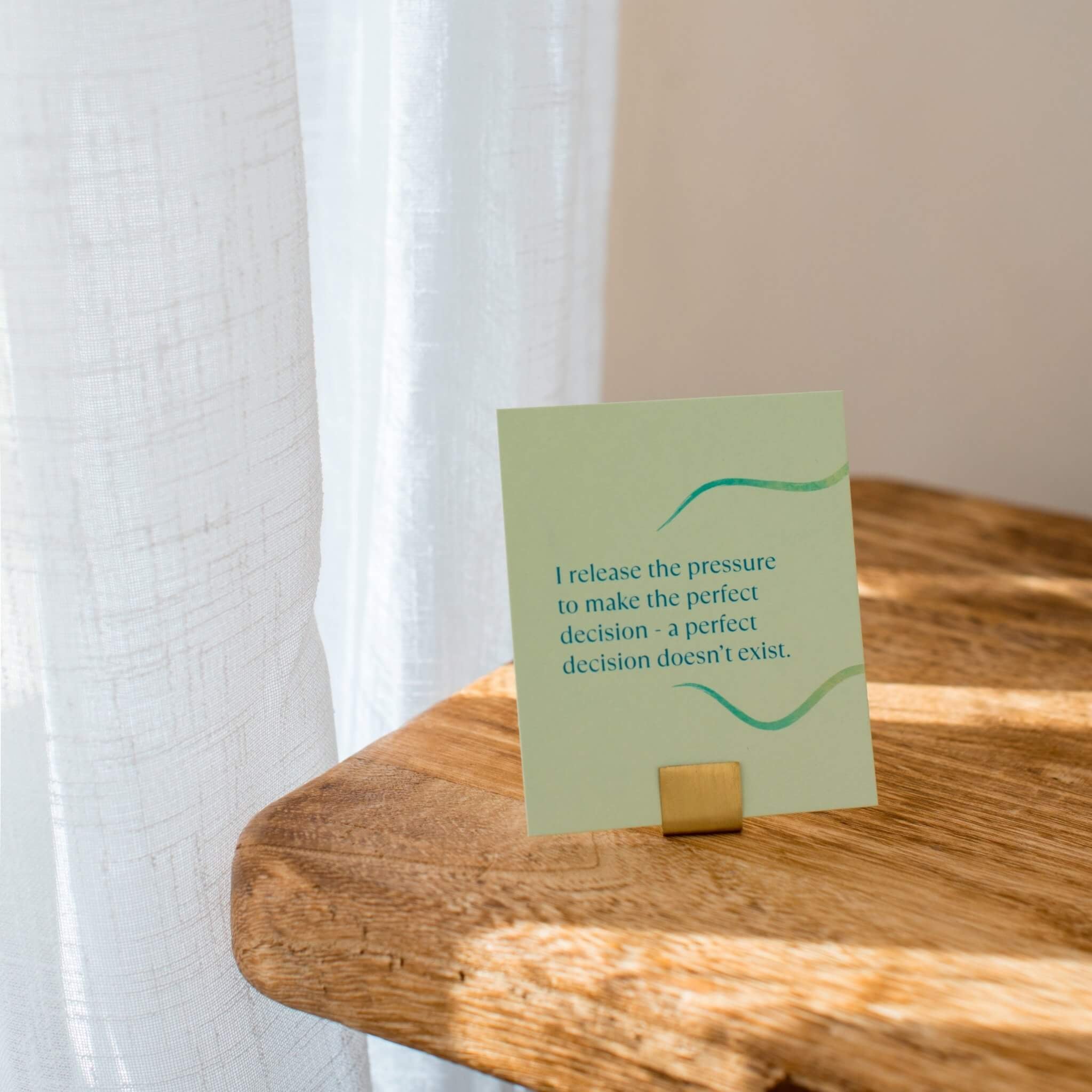
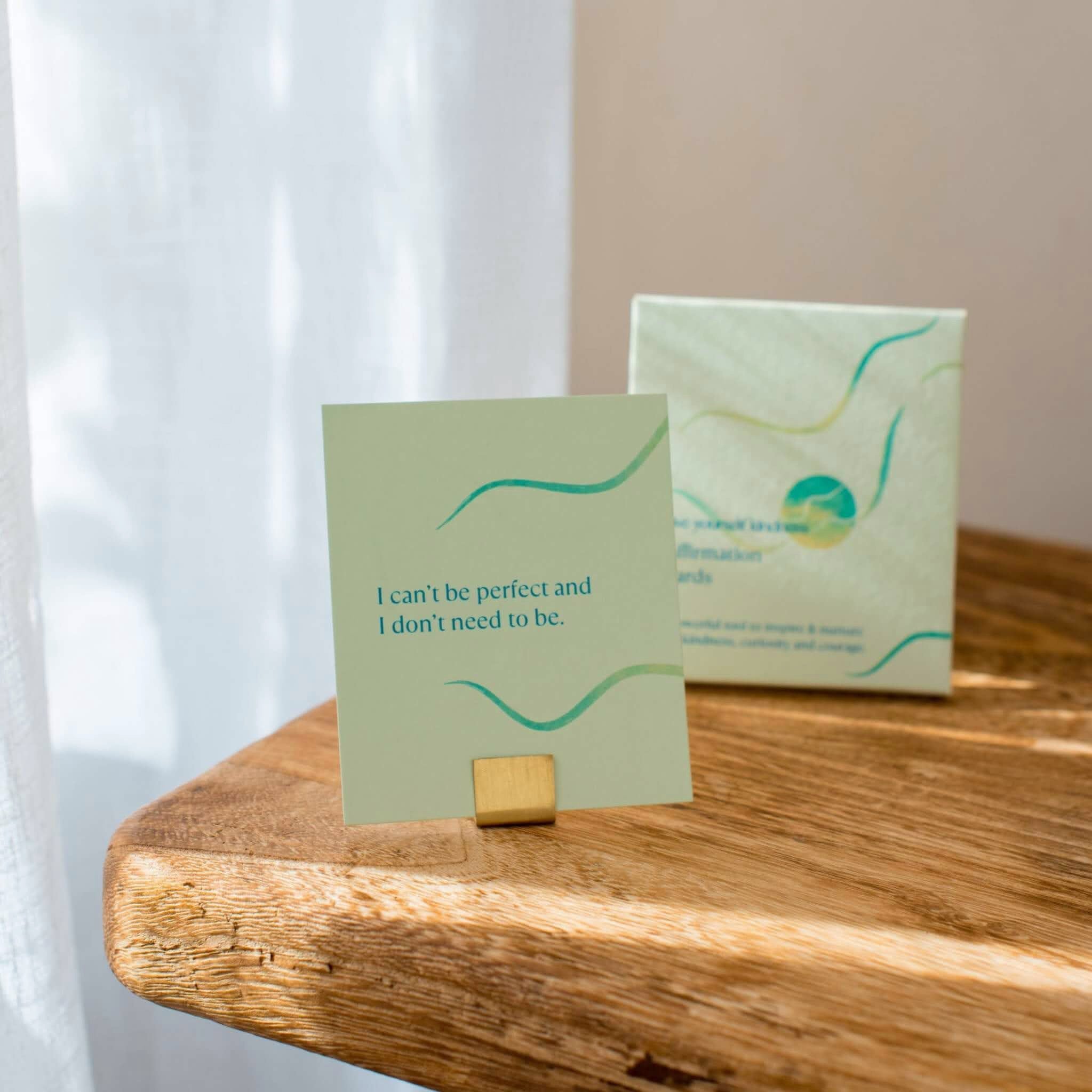
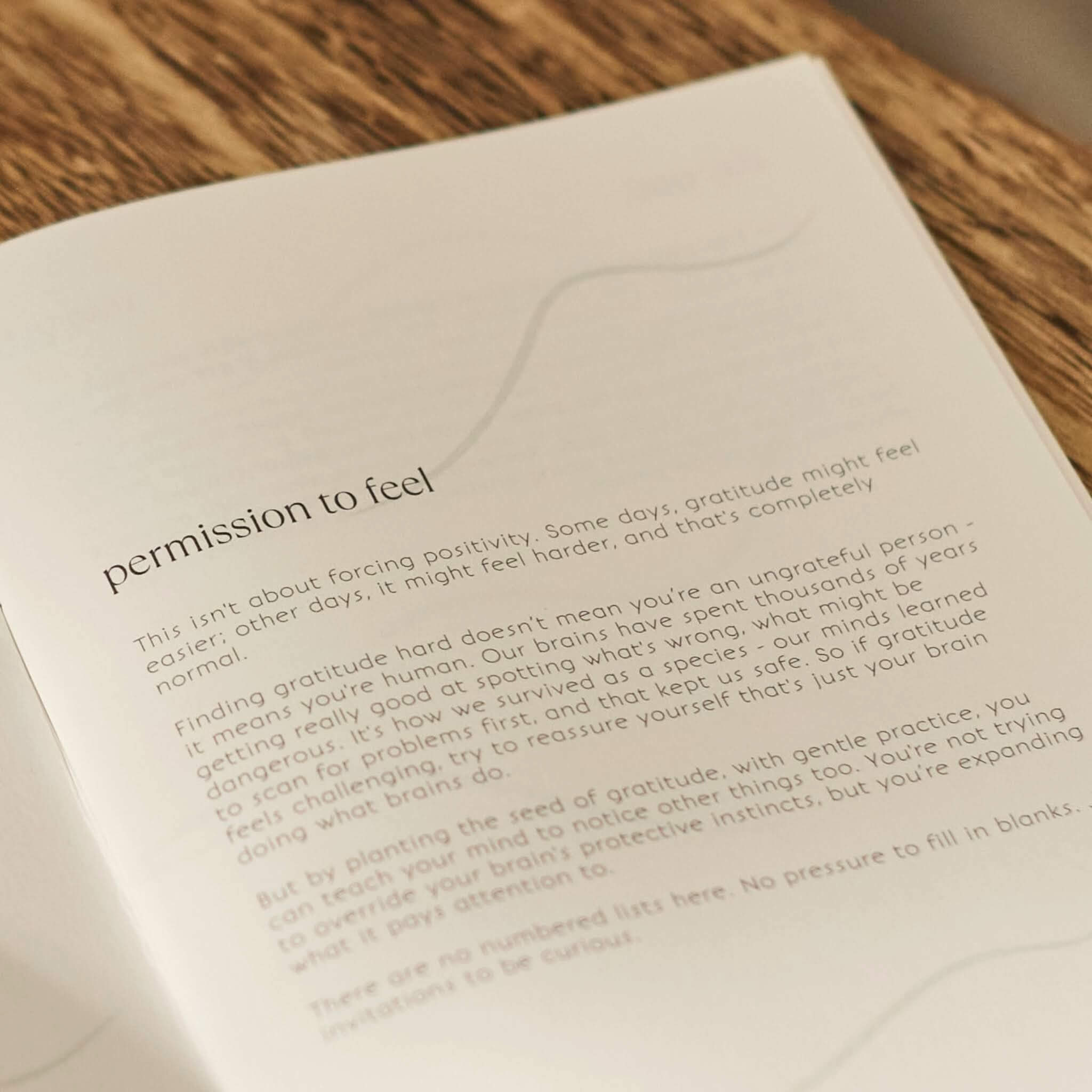
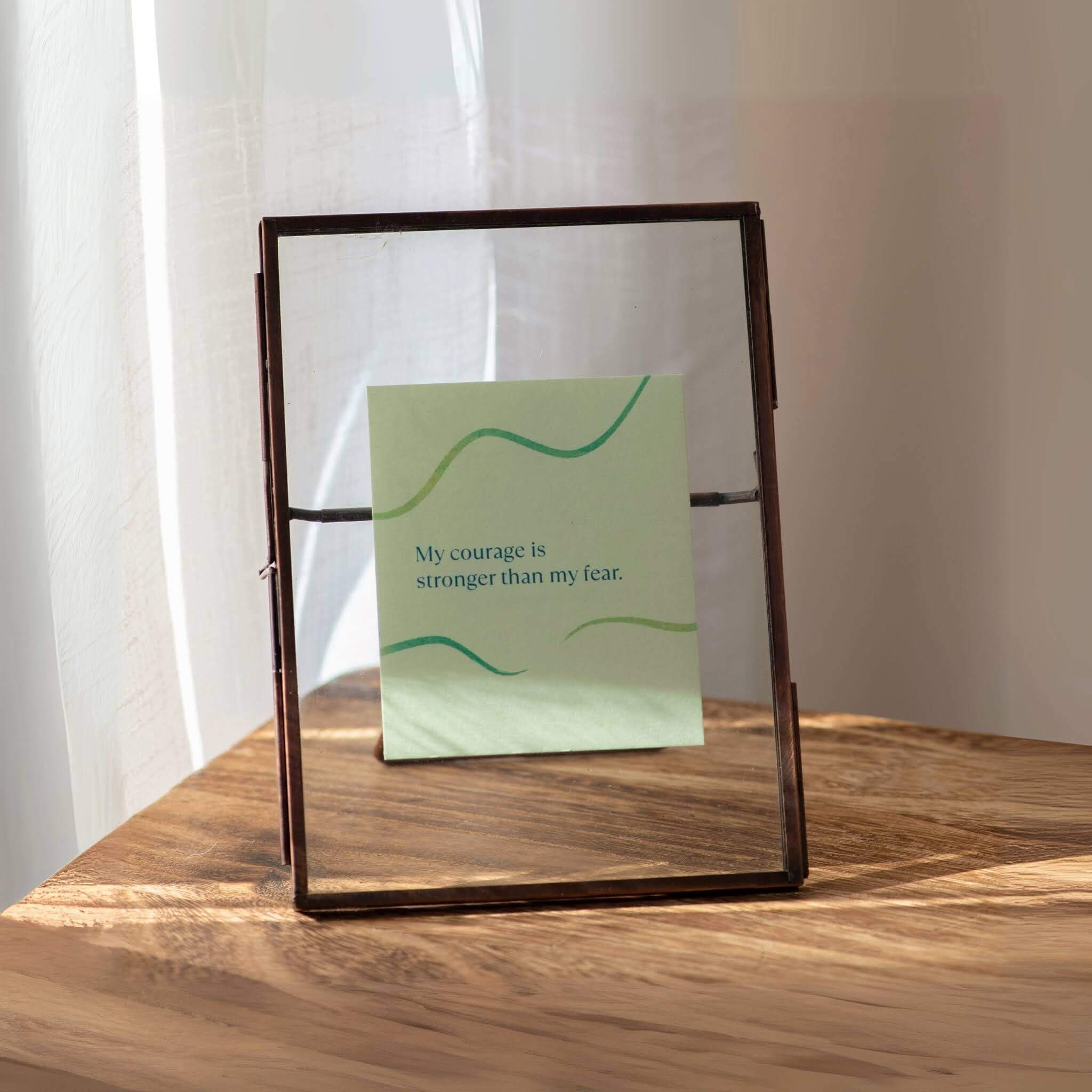
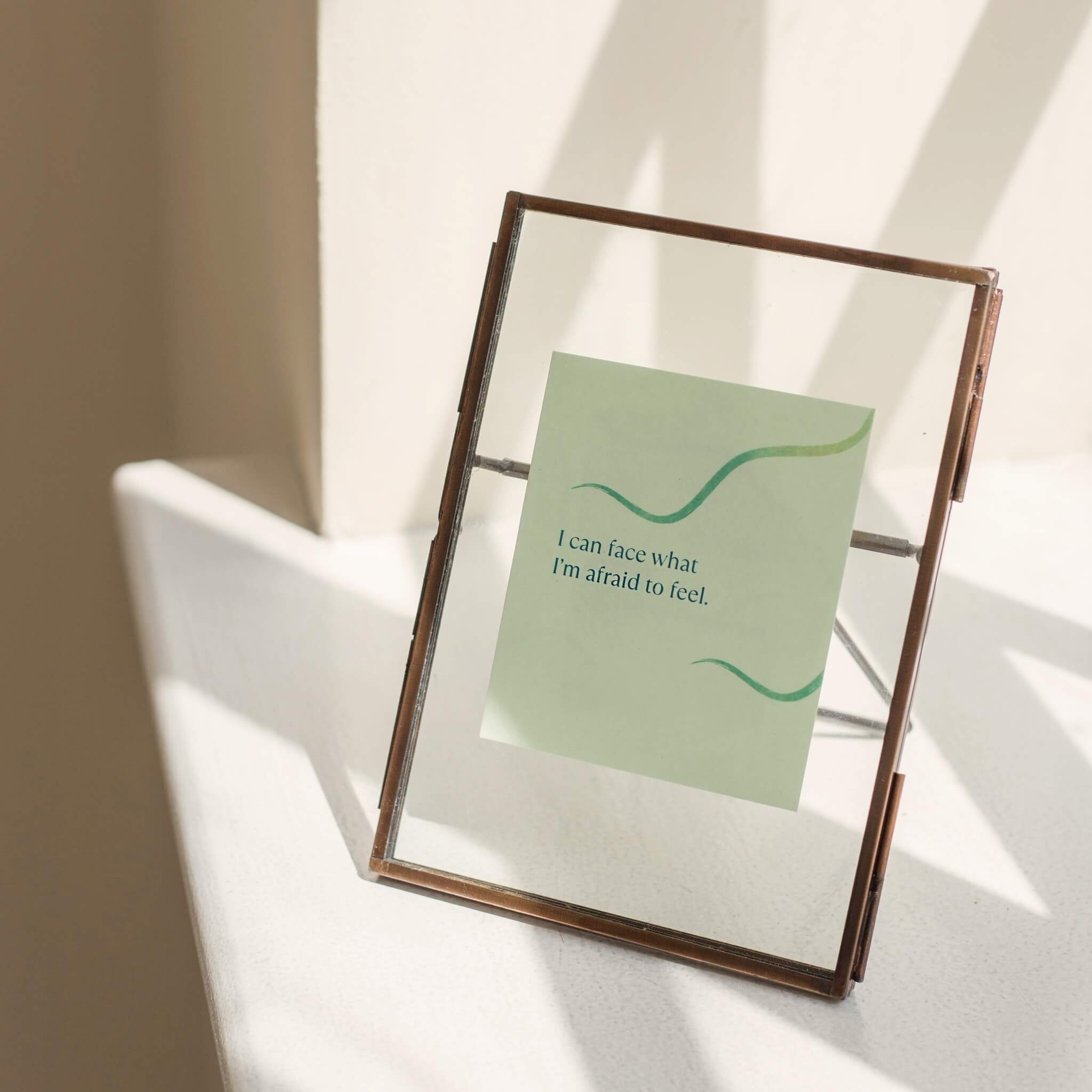
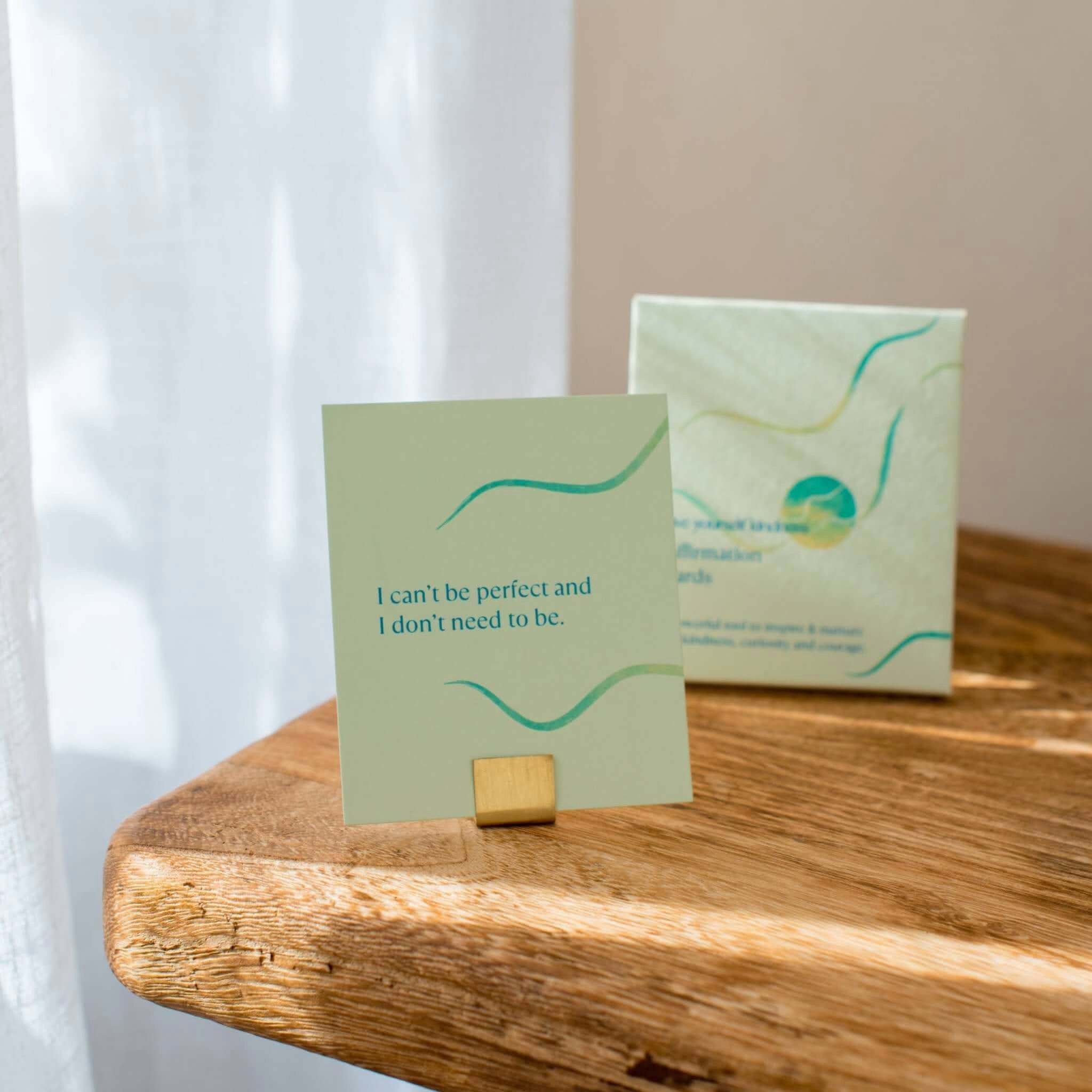
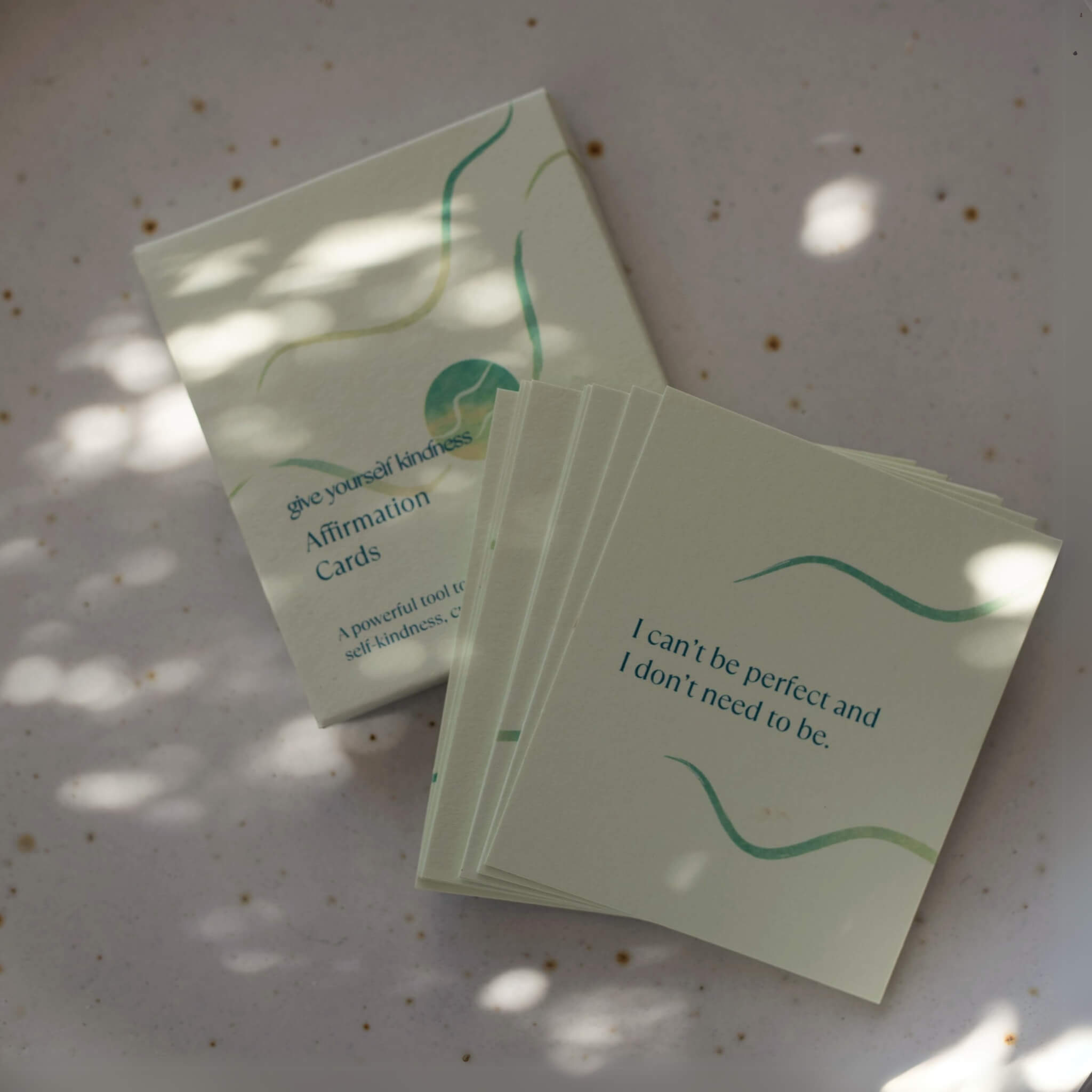
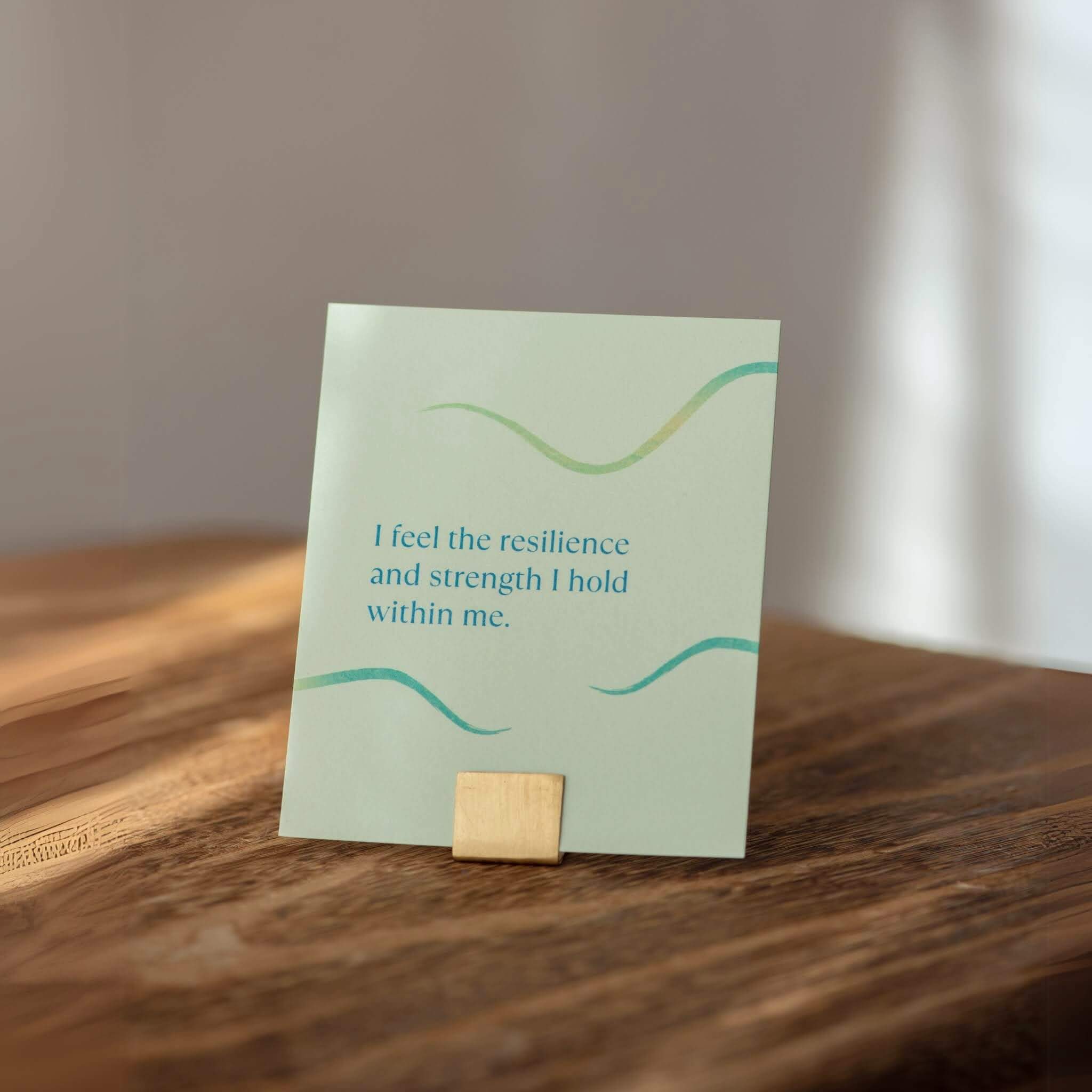
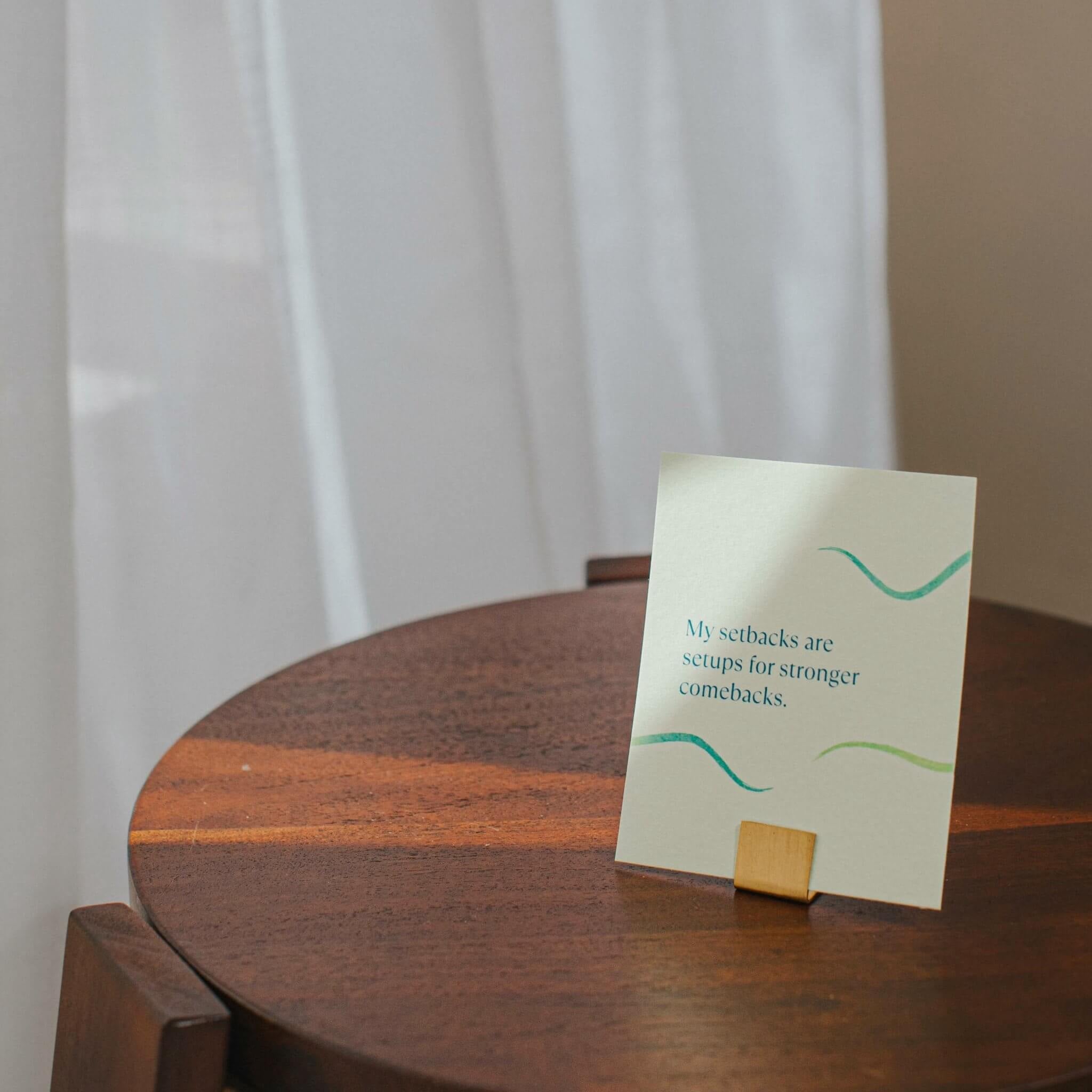
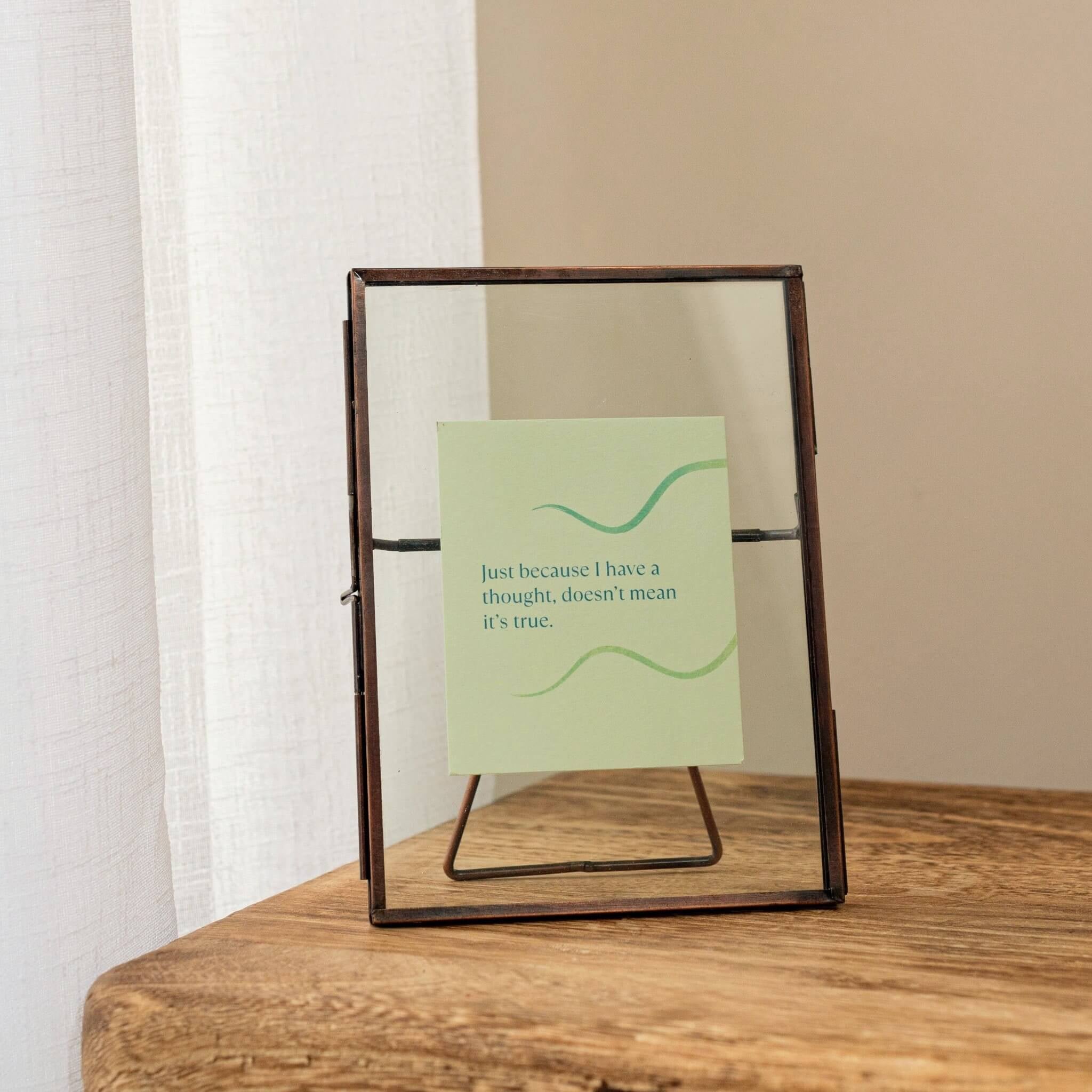
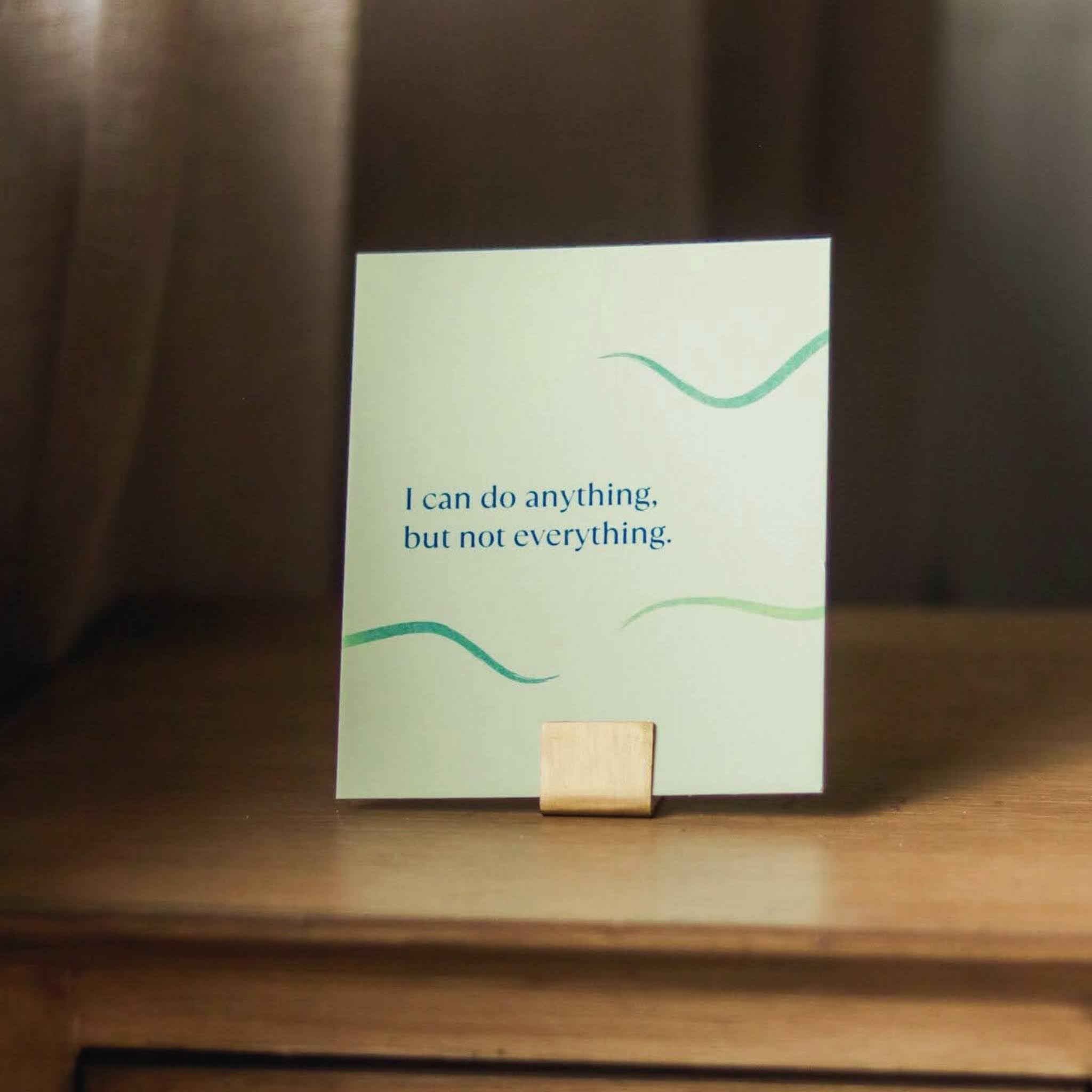
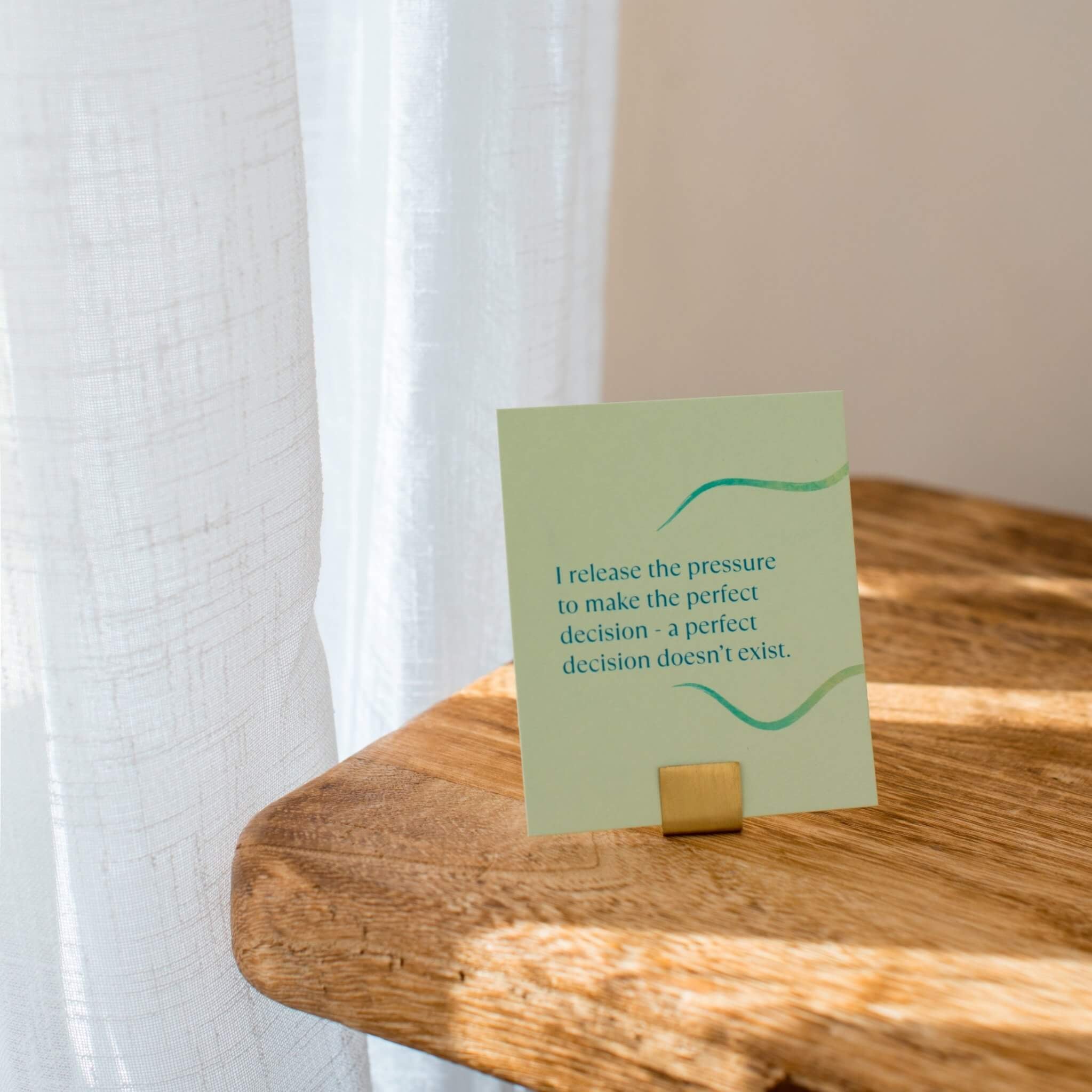
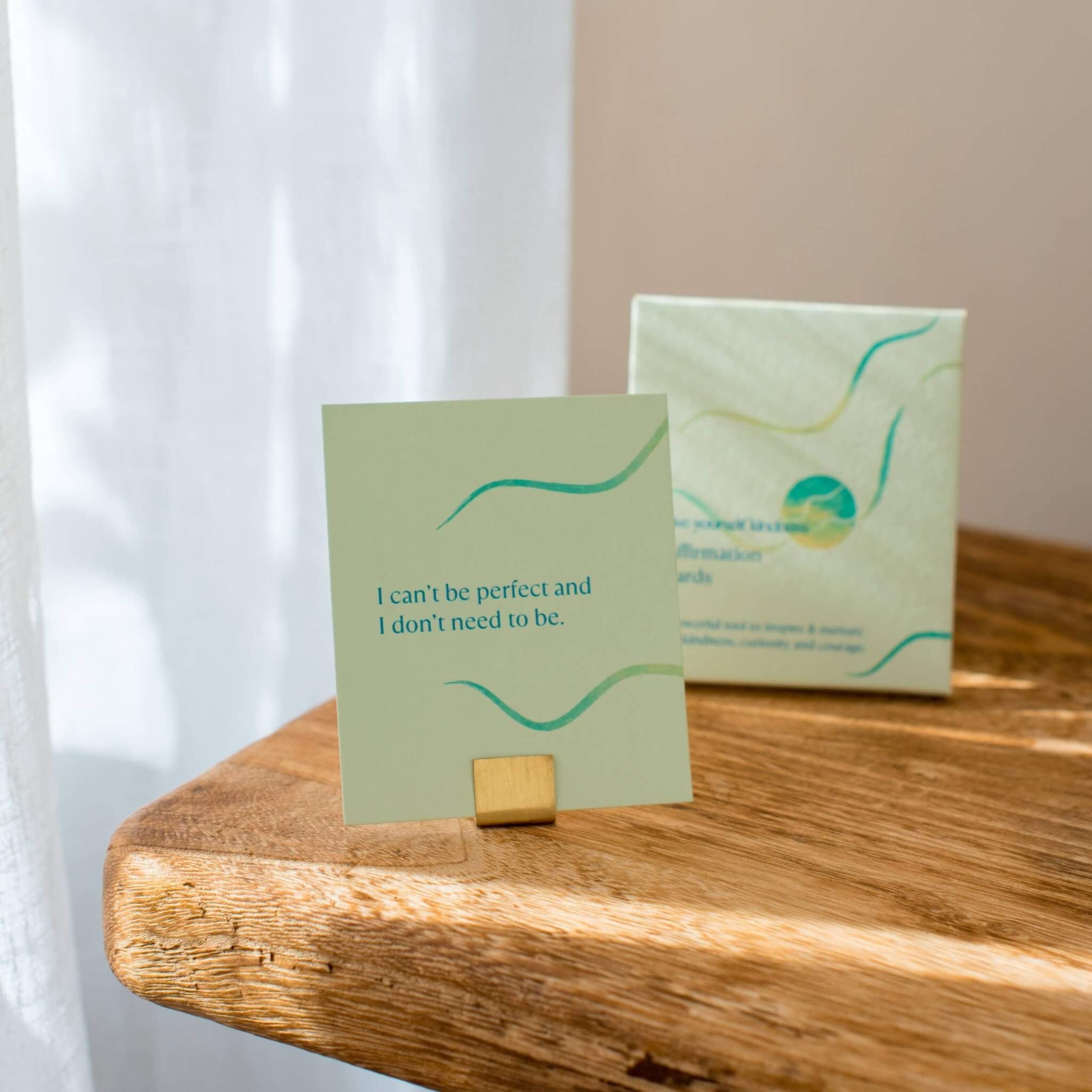
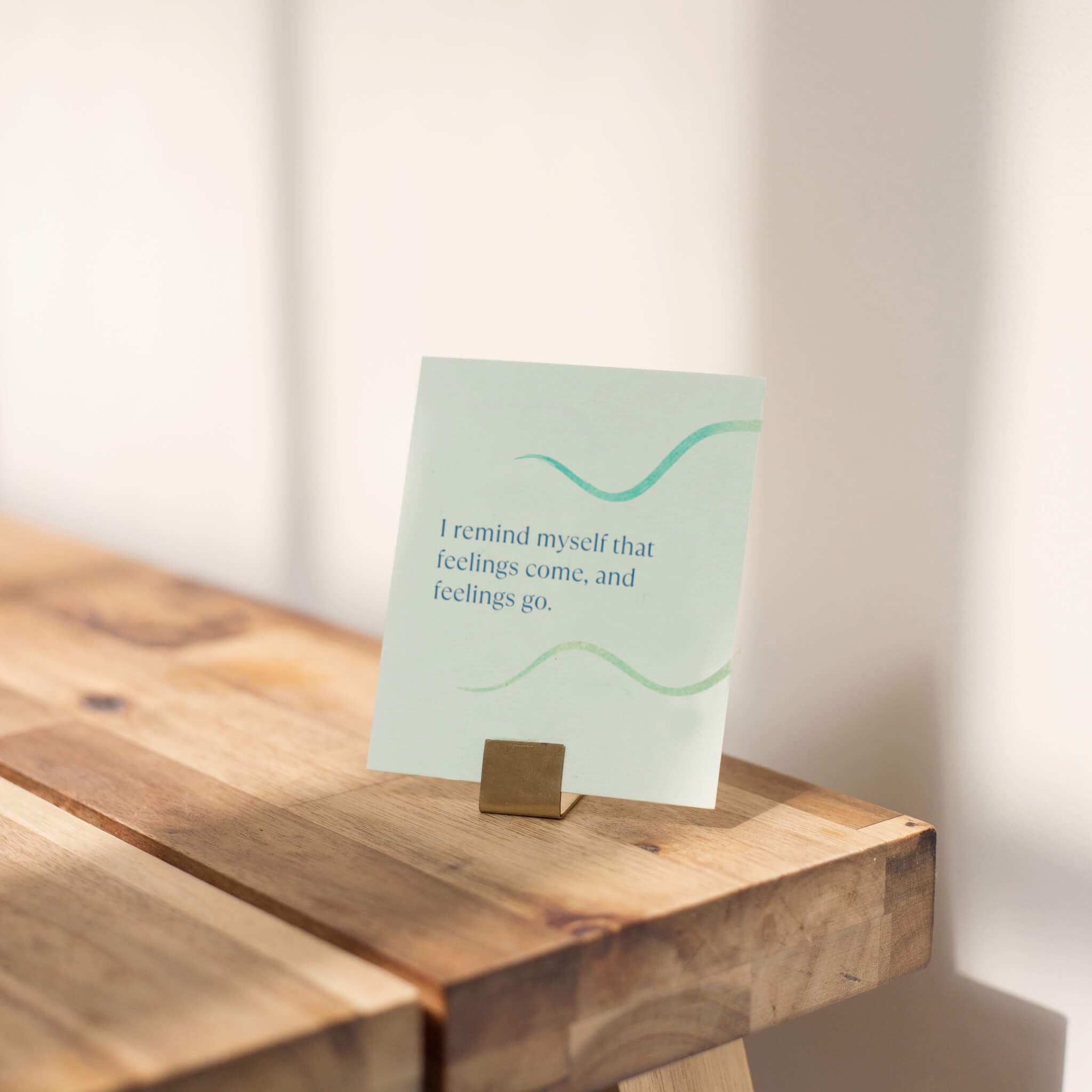
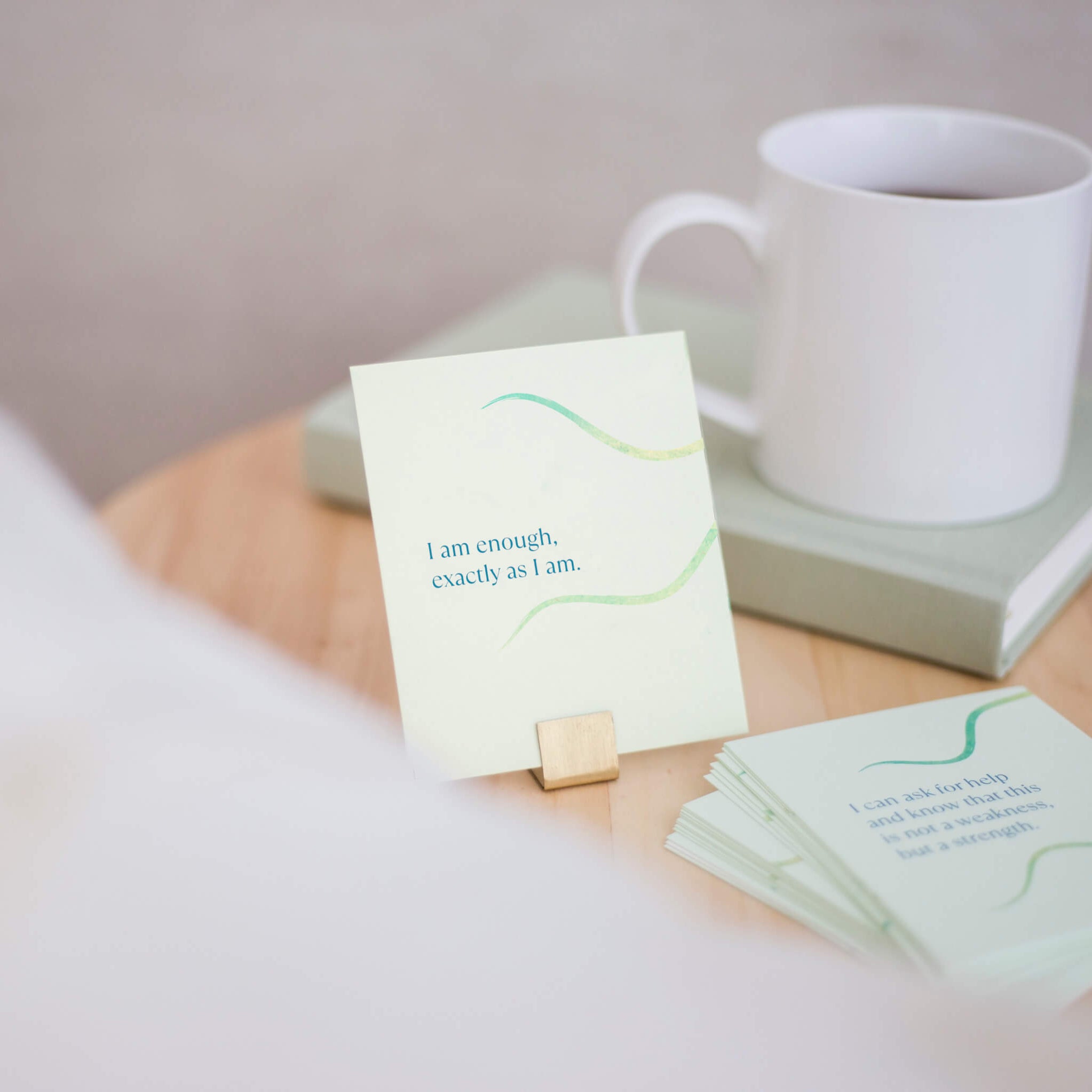
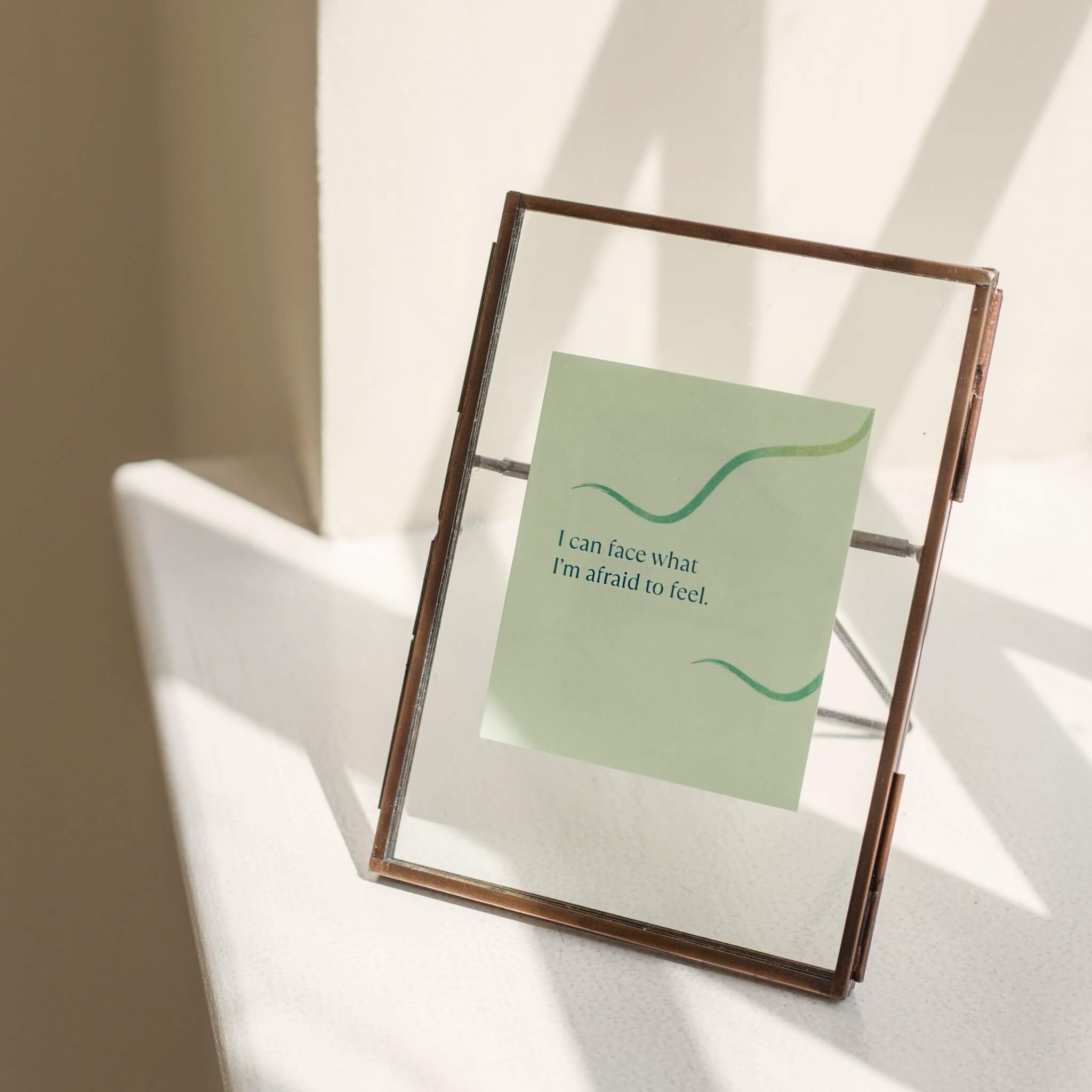
Gentle reminders throughout like "you can't be perfect, and you don't need to be," "struggling doesn't mean you're failing," and "the way you speak to yourself matters."
During intense exam periods, the last thing students need is another source of pressure. No dates means no guilt when life gets overwhelming. Come back to it whenever it's helpful.
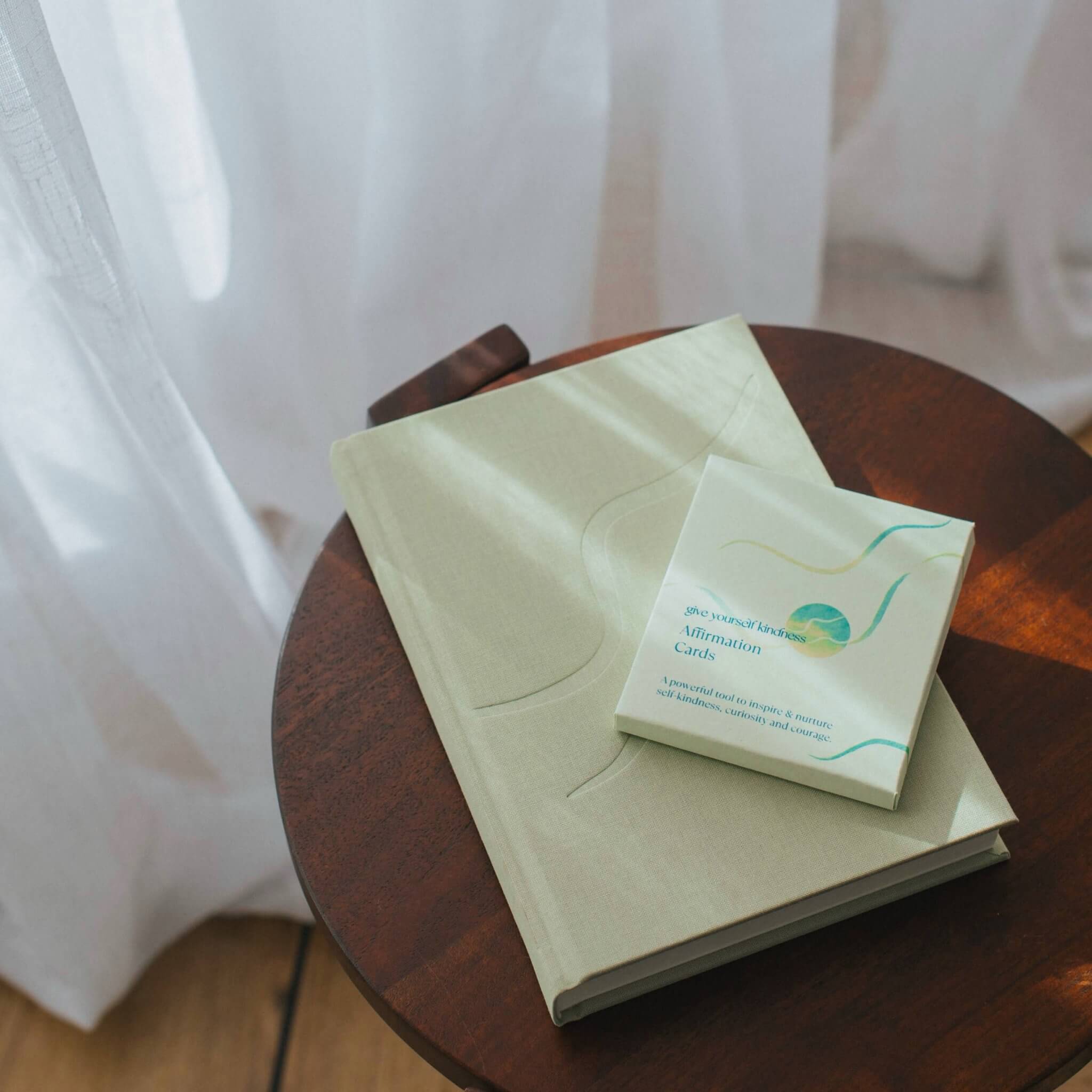
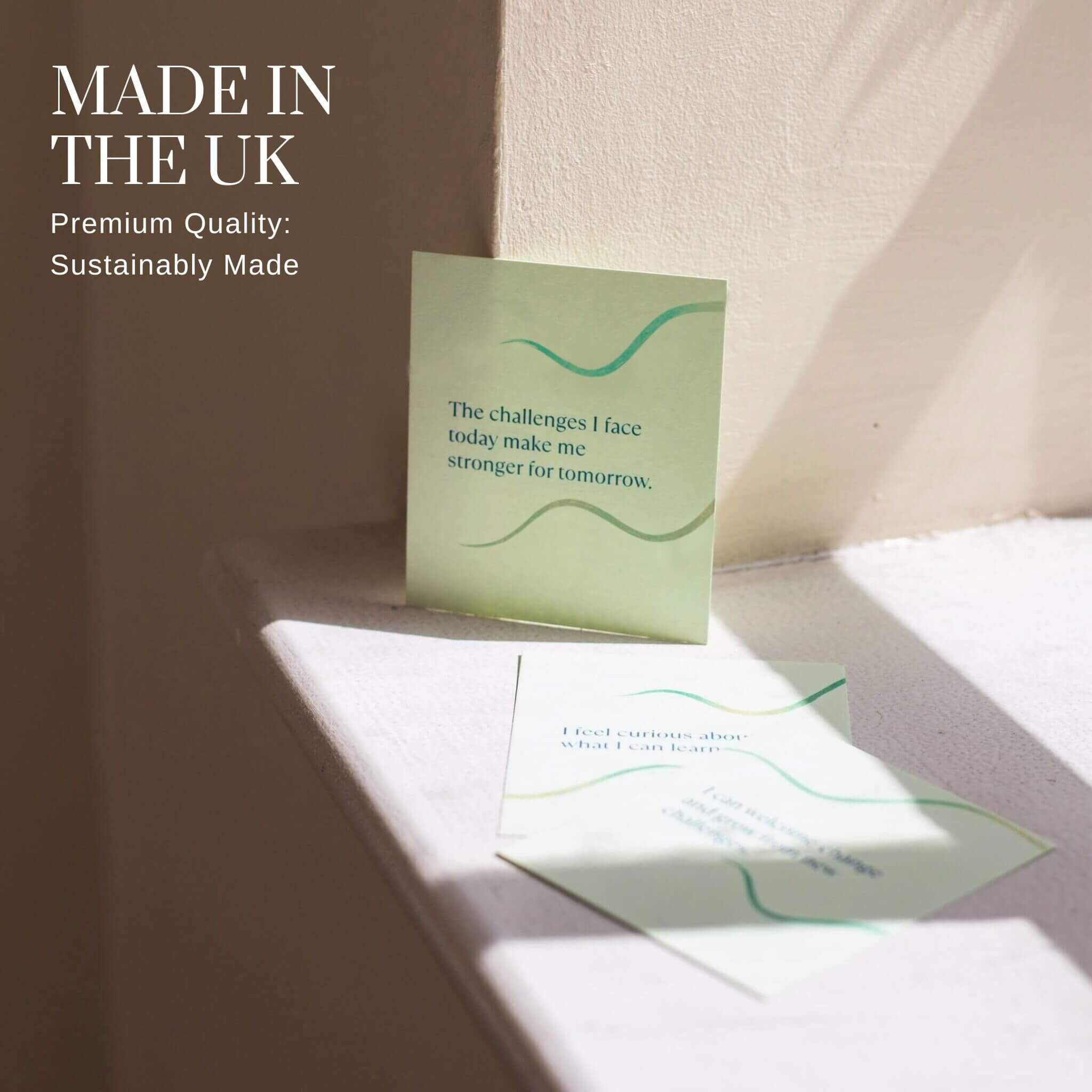
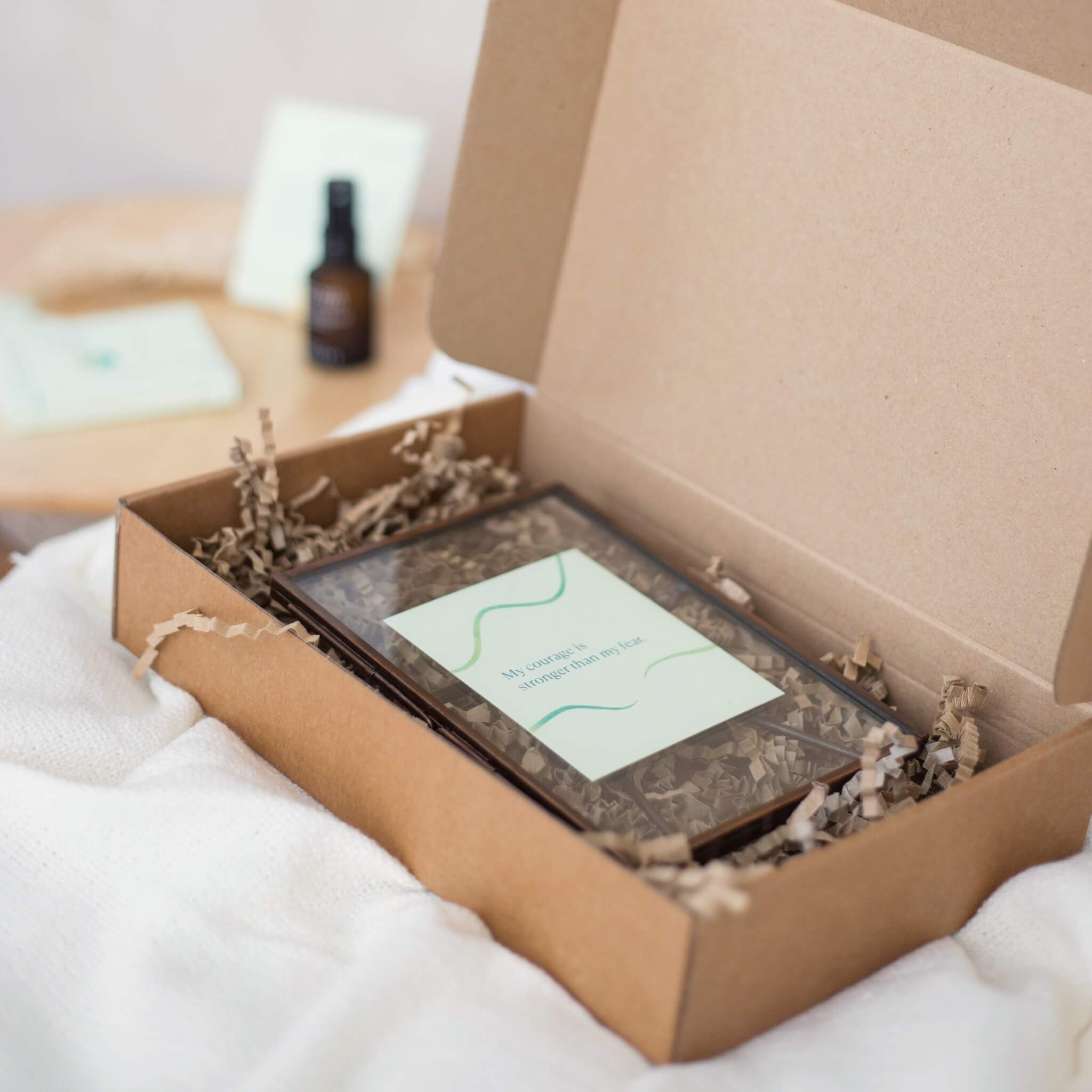
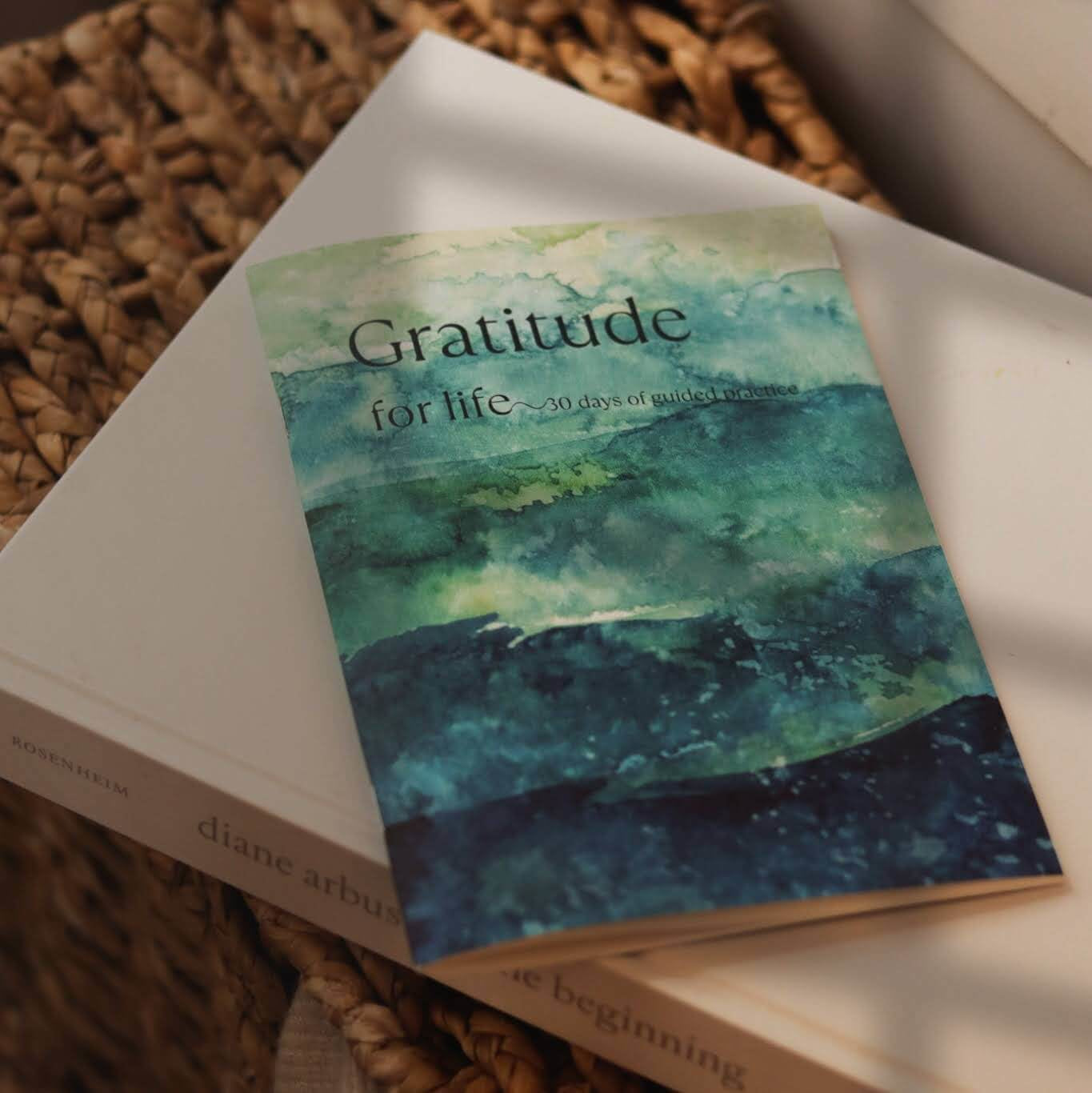
FSC-certified paper, printed in the UK. This is a tool worth keeping—something that signals "you deserve care and quality," not just another disposable notebook.
Clinical Psychologist Endorsements

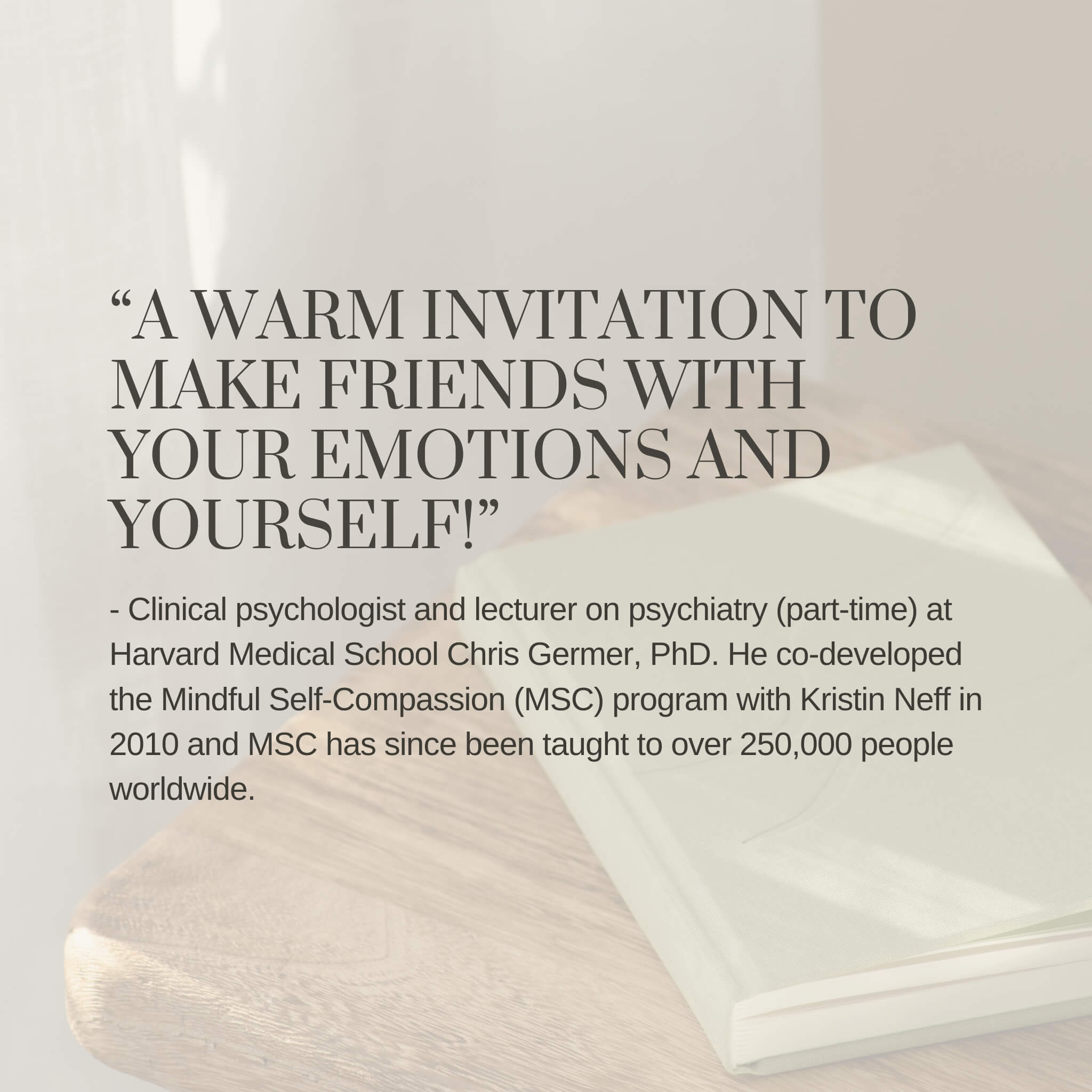
Dr. Chris Germer, PhD
Clinical Psychologist, Harvard Medical School | Co-developer of Mindful Self-Compassion (MSC) program
"A warm invitation to make friends with your emotions and yourself!"

Professor Willem Kuyken, PhD, DClinPsy
Ritblat Professor of Mindfulness and Psychological Science, University of Oxford | Top 1% most cited scientists worldwide
"Rachel has curated the experience to make the writing intrinsically rewarding and the journal something to treasure. Writing can invoke an inner critic, rumination and procrastination. Rachel has curated the experience to make the writing intrinsically rewarding."

Dr. Chris Irons
Clinical Psychologist | CFT Researcher and Trainer | Co-director of Balanced Minds
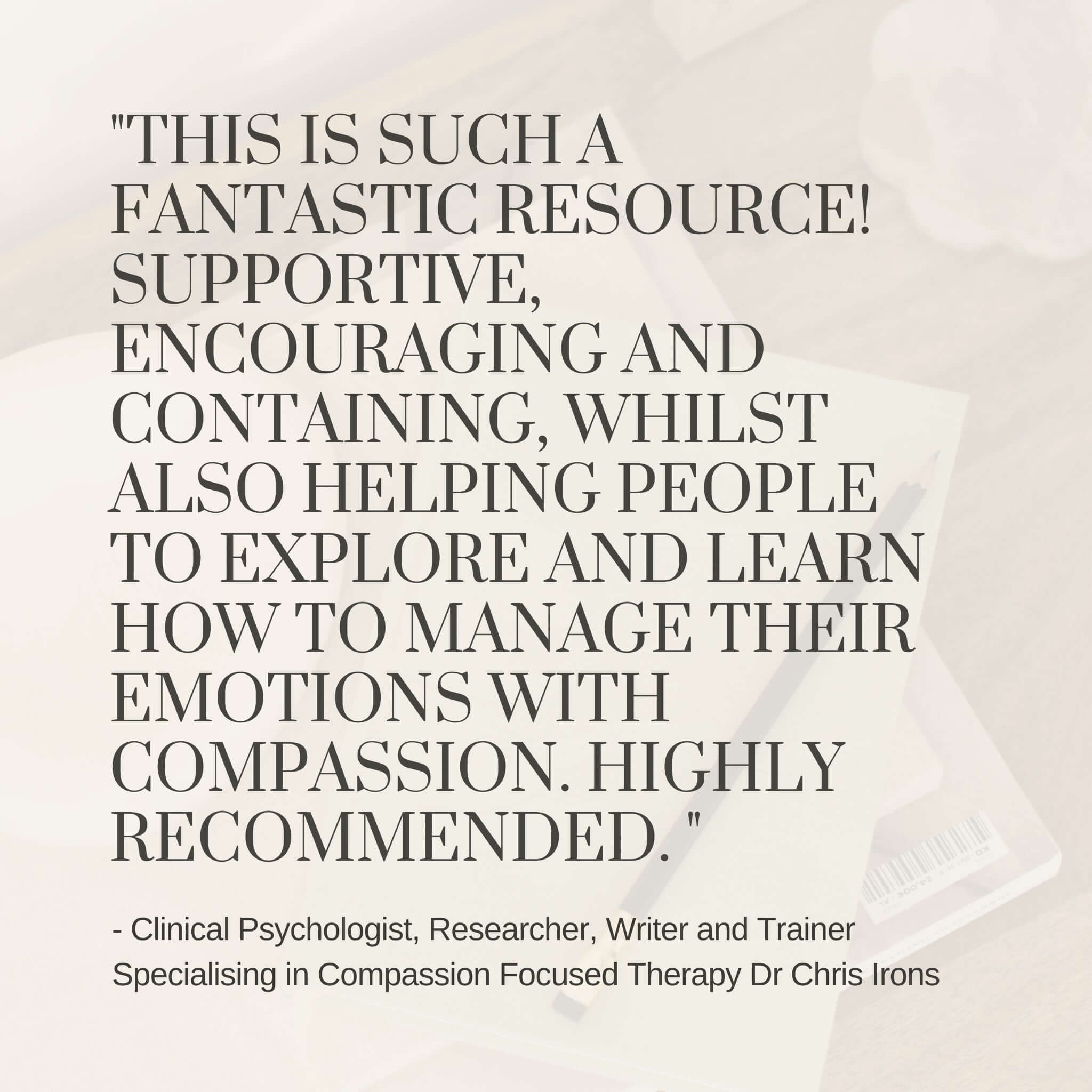
"This is such a fantastic resource! Supportive, encouraging and containing, whilst also helping people to explore and learn how to manage their emotions with compassion. Highly recommended."
View all professional reviews from therapists and clinical psychologists →
Why Self-Compassion Works for Exam Stress
Research on self-compassion by Dr. Kristin Neff and colleagues demonstrates that self-compassion is more effective than self-criticism for academic resilience, motivation, and wellbeing.
Self-compassion doesn't mean lowering standards or making excuses. It means responding to difficulty with kindness instead of harsh judgment—which actually improves performance by reducing anxiety and increasing focus.
What harsh self-criticism sounds like:
- "I should know this by now, I'm so stupid"
- "Everyone else finds this easy, what's wrong with me?"
- "If I fail this exam, I'm a complete failure"
- "I don't deserve a break until this is perfect"
What self-compassion sounds like:
- "This is really difficult material, and I'm doing my best"
- "Lots of students struggle with this—I'm not alone"
- "One exam doesn't define my worth as a person"
- "Taking a break will actually help me learn better"
The evidence: Students who practice self-compassion experience less exam anxiety, recover more quickly from academic setbacks, have lower rates of burnout, and maintain motivation without fear-based pressure.
Why "Just Relax" and "Think Positive" Don't Help
Parents and friends offer this advice from a place of love, but it often makes students feel worse. Here's why common responses backfire:
"Just relax" or "Don't stress about it"
This minimizes real pressure and implies they're overreacting. Students think "If I can't just relax, something's wrong with me"—which increases shame and self-criticism rather than reducing anxiety.
"You'll be fine—you always do well!"
This creates pressure to maintain perfection and doesn't acknowledge the current struggle. It feels dismissive of how hard they're working just to stay afloat.
"Think positive!" or "Just be grateful"
Toxic positivity makes students feel guilty for their genuine distress. They think "I should be grateful for this opportunity, so I'm ungrateful if I'm overwhelmed." This adds shame to existing stress.
"Everyone goes through this"
While meant to normalize struggle, this can feel isolating when students see peers appearing fine. They think "If everyone goes through this and I can't handle it, I must be weak."
What actually helps: Validation without minimizing ("This is genuinely hard"), permission to struggle ("You're not weak for finding this overwhelming"), and practical tools for self-compassion instead of self-attack.
For Parents: Supporting Your Student Thoughtfully
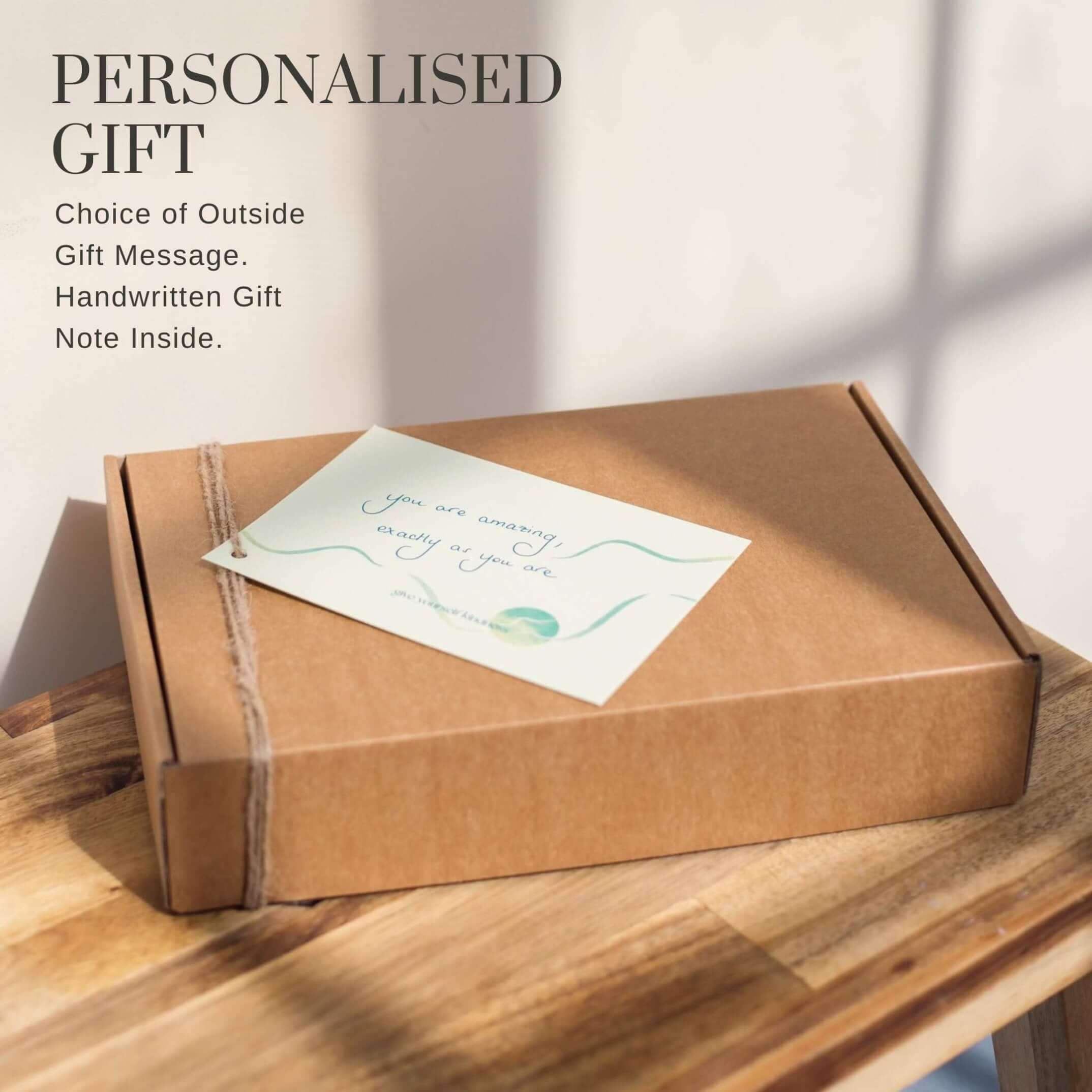
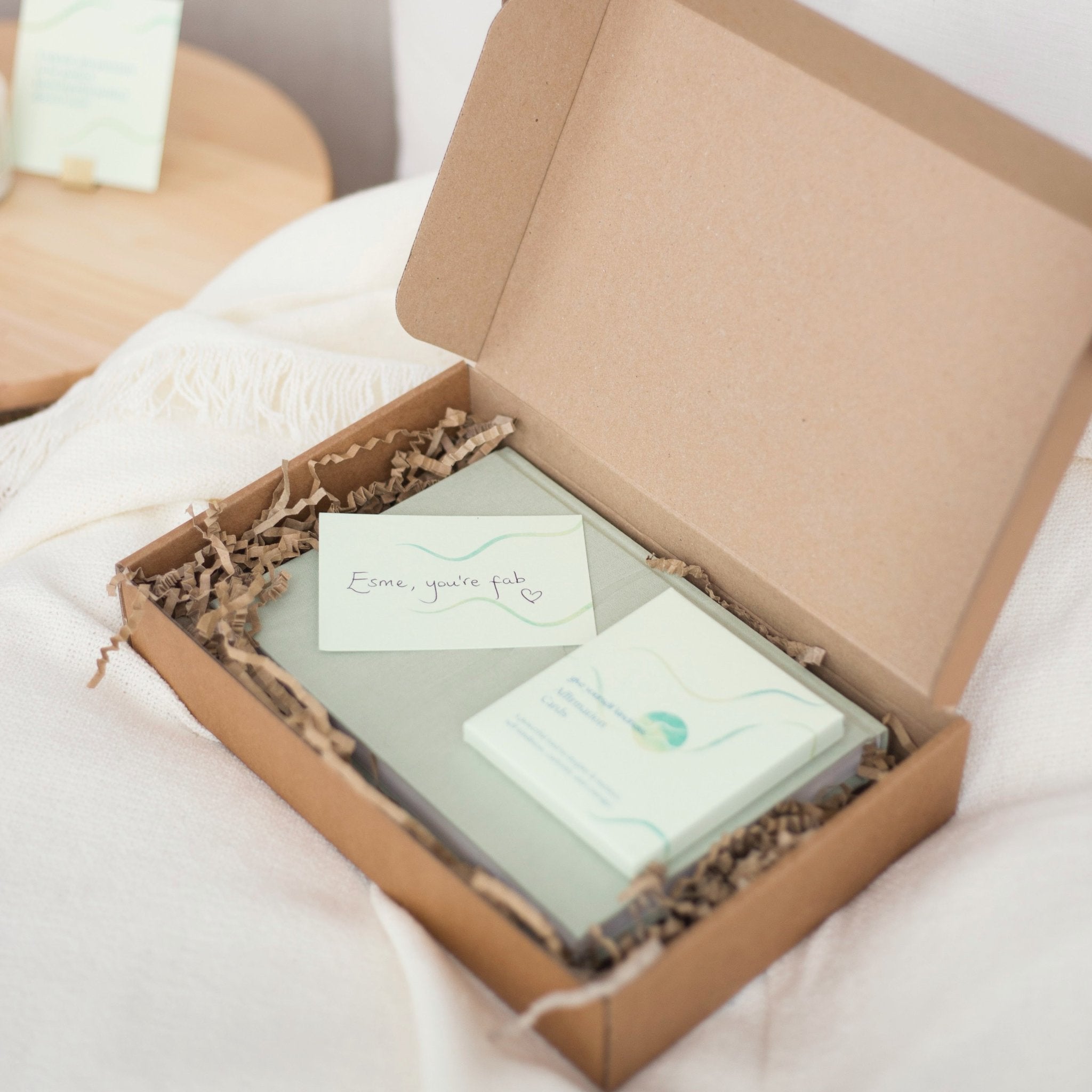
If you're considering this journal as a gift, how you present it can make all the difference. The goal is to communicate care and support, not to add another expectation.
Helpful ways to introduce it:
"I know exam season is really intense. I found this tool that clinical psychologists from Harvard and Oxford recommend for students managing academic stress. There's no pressure to use it in any particular way—I just wanted you to have support if you need it."
"This isn't about being more productive or pushing harder. It's designed by experts to help you be kinder to yourself during a really difficult time."
"You don't have to use this every day or 'get it right.' It's undated, so you can come back to it whenever feels helpful, even if that's just once a week or once a month."
What to avoid:
- ❌ "This will help you do better on your exams" → Creates performance pressure
- ❌ "Have you been using the journal I bought you?" → Adds guilt if they haven't
- ❌ "Maybe if you wrote in this, you wouldn't be so stressed" → Implies they're not trying hard enough
The message behind the gift: "I see how hard you're working. I understand the pressure you're under. You deserve support and kindness—especially from yourself. This is here if it helps, but there's no pressure either way."
Frequently Asked Questions
The Give Yourself Kindness journal is designed specifically for exam stress because it addresses the root psychological drivers: academic perfectionism, harsh self-criticism, comparison to peers, and imposter syndrome. Unlike generic journals that can add pressure through daily expectations or forced positivity, this tool uses evidence-based self-compassion techniques validated by clinical psychologists from Harvard Medical School and Oxford University. It's actively recommended by therapists working with university students managing academic anxiety.
Journaling helps exam anxiety through several evidence-based mechanisms: naming and validating overwhelming emotions (which research shows reduces their intensity by up to 50%), interrupting cycles of anxious rumination, challenging perfectionist thinking patterns, building self-compassion to counter harsh self-criticism, and creating perspective when academic pressure feels all-consuming. The key is using prompts designed specifically for these patterns, rather than generic journaling that can sometimes increase rumination.
The most helpful gift for a stressed university student is something that validates their struggle without adding expectations or pressure. The Give Yourself Kindness journal works as a thoughtful gift because it's undated (no guilt during busy exam periods), validates all emotions as normal responses to genuine pressure, and uses evidence-based techniques recommended by therapists who specialize in working with students. It addresses the specific patterns of academic stress—perfectionism, comparison, imposter syndrome, and the feeling of never being good enough—without adding to their already overwhelming to-do list.
A journal helps exam stress when it addresses the right psychological mechanisms: emotional validation, self-compassion, and challenging perfectionist thinking. Research on self-compassion shows it's more effective than self-criticism for academic resilience and performance. The Give Yourself Kindness journal is recommended by clinical psychologists from Harvard and Oxford and used by therapists with student clients specifically because it targets these mechanisms.
Important: If your child is experiencing severe anxiety, depression, or thoughts of self-harm, professional support is essential. This journal complements therapy but doesn't replace it. Please encourage them to access their university's counselling services or speak to their GP.
Telling stressed students to "just relax" doesn't help because it dismisses the real pressure they're experiencing and implies they're overreacting to something manageable. This actually increases shame and self-criticism, making anxiety worse rather than better. What works is emotional validation ("this is genuinely hard"), self-compassion ("you're doing your best in a difficult situation"), and practical tools to process emotions without judgment. Research demonstrates that acknowledging difficulty while responding with kindness is more effective than minimizing stress or forcing positivity.
Yes, university students specifically benefit from this journal because it addresses academic-specific stressors that differ from general workplace or life stress: perfectionism tied to grades and future outcomes, comparison to high-achieving peers, imposter syndrome in competitive academic environments, the feeling of being constantly behind, and the pressure to prove you belong. The prompts are designed around these patterns, and the undated format accommodates the reality of busy exam schedules and varying academic calendars.
That's completely okay, and it's important not to add guilt or pressure around using it. The gift itself communicates something valuable: "I see you're struggling, and I want to support you—not just your grades, but your wellbeing." Sometimes students aren't ready to journal during the most intense exam periods, but they'll return to it later when they have more emotional capacity. The undated format means it will be there when they're ready. Your role is simply to provide the tool and the message of care, not to monitor whether they're using it.
Absolutely. Many students purchase this journal for themselves, and recognizing that you need support is a sign of self-awareness and strength, not weakness. If you're a student reading this: you deserve kindness, especially from yourself. The harsh self-talk that accompanies exam stress is not helping you perform better—it's making everything harder. This journal is here to help you develop a different relationship with yourself during one of the most pressured times in your life.
This journal is not a replacement for therapy—it's a complementary tool that therapists often recommend to their clients. Many clinical psychologists and counsellors use this journal with student clients as part of their therapeutic approach, particularly those working from Compassion-Focused Therapy (CFT) or mindfulness-based frameworks. If you're currently in therapy, this journal can support the work you're doing with your therapist. If you're experiencing severe anxiety, depression, or distress, please reach out to your university's counselling service or your GP for professional support.
This journal is grounded in research from self-compassion science and Compassion-Focused Therapy (CFT), particularly the work of Dr. Kristin Neff and Dr. Paul Gilbert. The prompts and affirmations are designed around evidence-based psychological mechanisms: emotional awareness and naming, common humanity (recognizing that struggle is shared, which reduces isolation), self-kindness versus self-judgment, and mindful acceptance of difficult experiences without suppression or rumination. It's recommended by clinical psychologists who specialize in these therapeutic approaches and is used in clinical practice with student clients managing academic anxiety and perfectionism.
The journal is undated because during exam periods and busy academic schedules, the last thing students need is guilt for missing days. Dated journals can create additional pressure ("I'm already behind on everything, and now I'm behind on my journal too"), which defeats the purpose of a tool meant to reduce stress. The undated format gives students permission to use it when it's genuinely helpful—whether that's daily during one stressful week, or once a week throughout a term—without any sense of failure for not maintaining a perfect streak. This flexibility makes the practice sustainable rather than adding to overwhelm.
Support Your Student with Evidence-Based Tools
Backed by clinical psychologists from Harvard and Oxford. Designed for perfectionism, comparison, and harsh self-talk. Used by therapists with student clients worldwide.
Shop The Journal → Read All Expert Reviews →

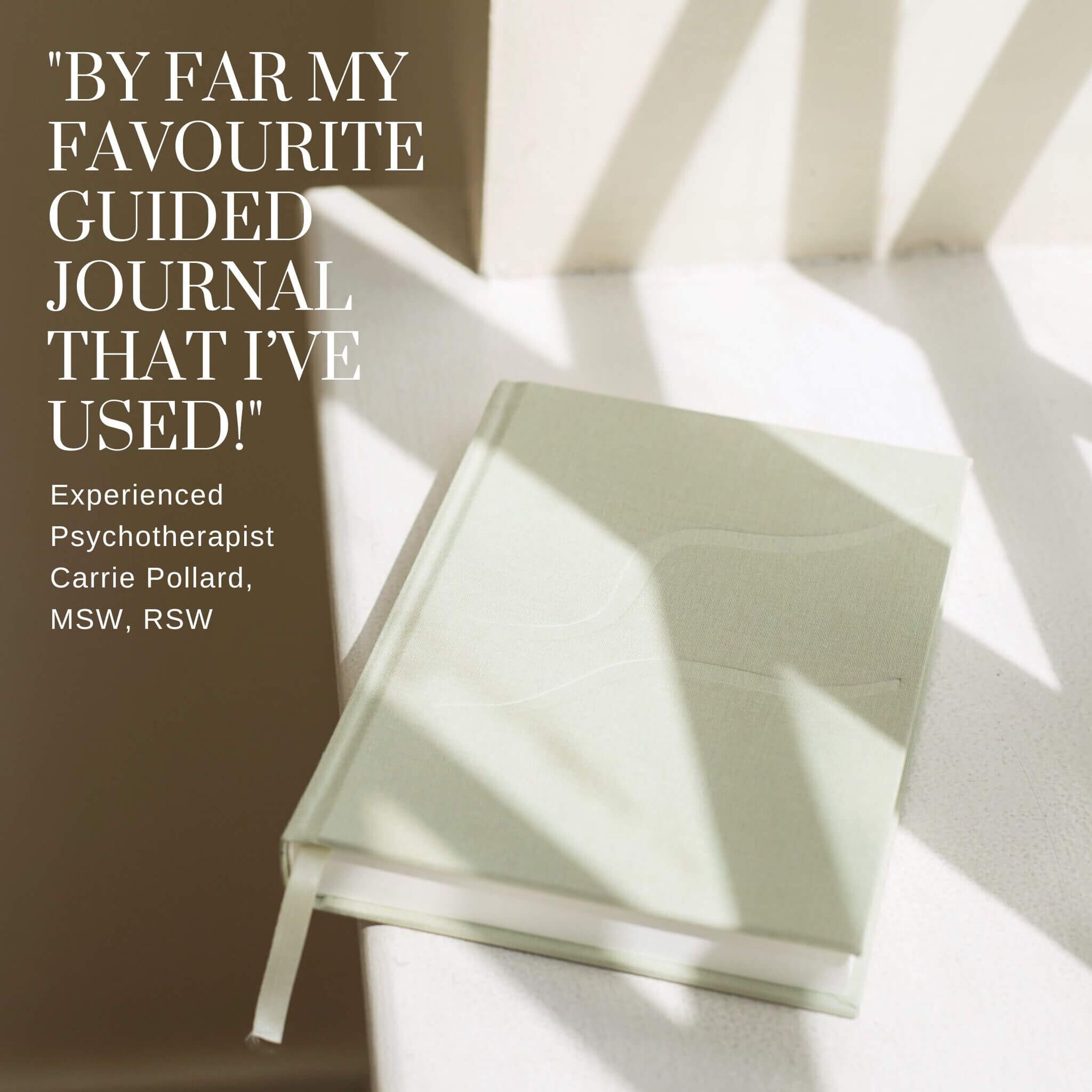
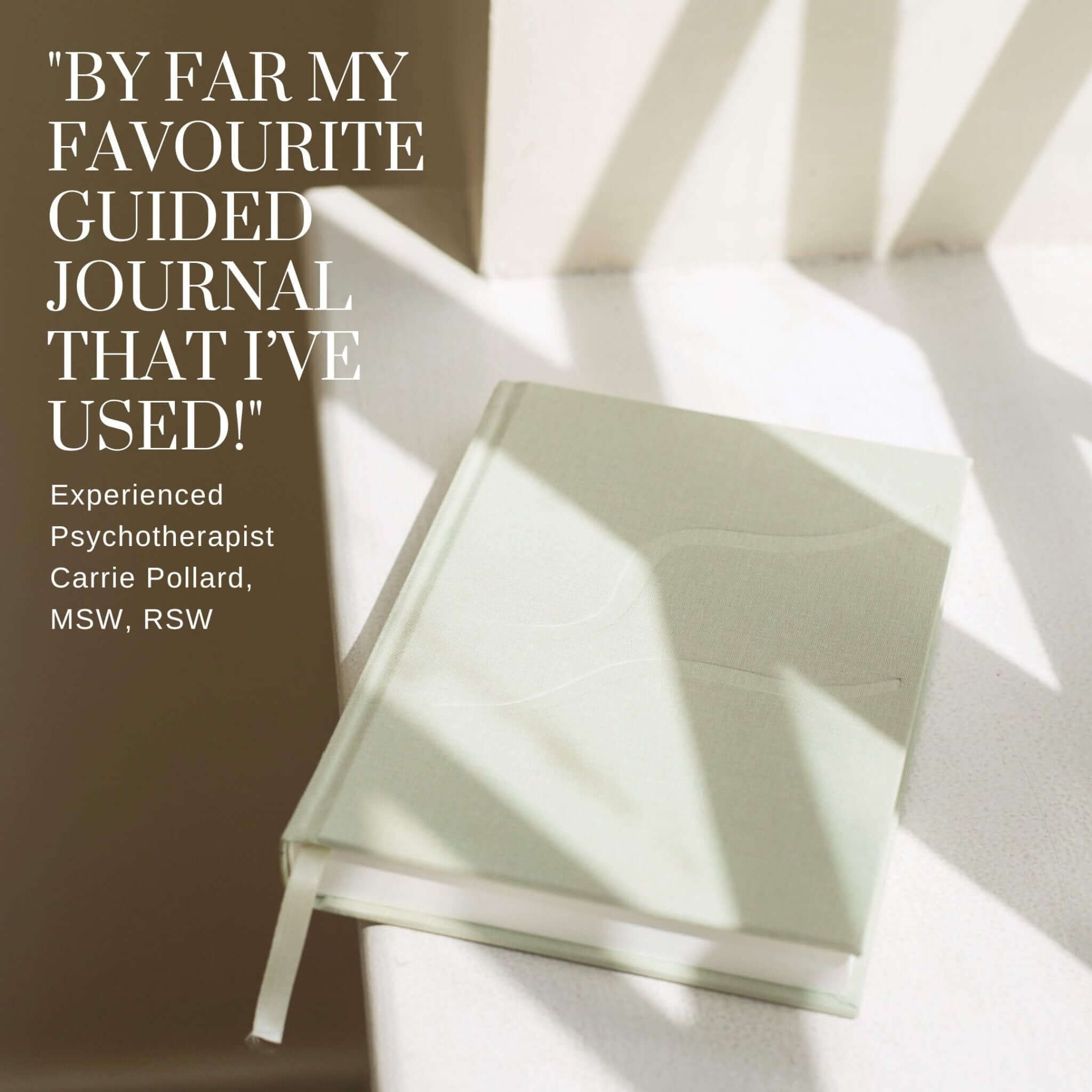
“By far my favourite guided journal that I’ve used!”
There's a lot of journals out there. Most of which include tools that can be repetitive, boring or unhelpful. Give Yourself Kindness is about creating something new.