




Last Updated: July 11th, 2026 | By: Rachel Smith, DipBSoM (Qualified Meditation Teacher)
Quick Answer
A guided journal for daily reflection helps you gently notice how you're really feeling and why, without judgment, so you can understand yourself a little better each day. Look for varied prompts, tools to help you name what you're feeling, and an undated format with no guilt for missed days.
Top recommendation: The Give Yourself Kindness Journal, 90 varied prompts exploring emotions, self-talk, needs, gratitude, and challenges, with an emotional awareness tool on every page to help you identify what you're feeling.
Explore the Give Yourself Kindness Journal →Full transparency: I'm Rachel, and I created the Give Yourself Kindness Journal recommended in this guide. Clinical psychologists from Harvard and Oxford recommend it, and therapists worldwide use it with clients, but I've included other options honestly so you can judge what's right for you.
What Reflection Actually MeansWhat to Look ForComparisonOther OptionsHow to Use ItFAQ
You're Here Because You Want to Understand Yourself a Little Better
That's a kind thing to want, and you're in the right place. Reflection simply means noticing how you're feeling and getting gently curious about why, without judging what you find. There's no right or wrong way to do it, and no day too small or ordinary to be worth noticing.

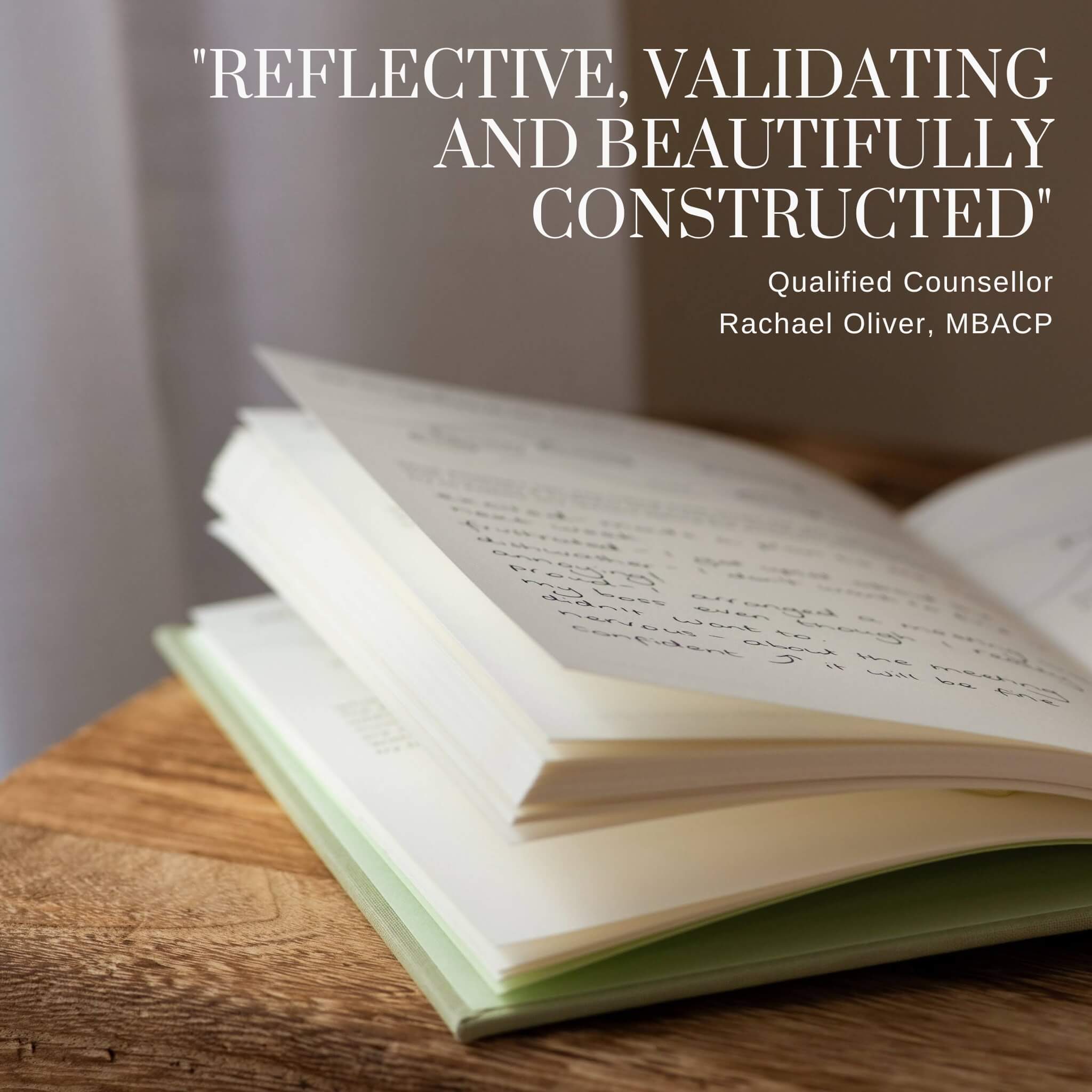
Rachael Oliver, MBACP
Accredited Counsellor
"I have been using them with my counselling clients for years and feel like for many, it's an absolutely essential tool for helping build self awareness, compassion, reflect on things happening between sessions and collect thoughts and feelings. The way the journal is constructed helps validate their entire experience and avoid toxic positivity, encourage reflection and ownership of feelings."
This guide is built around that same idea. It's based on what therapists and clinical psychologists say actually helps reflection feel meaningful, rather than like homework, including an honest look at the guided journal I created for exactly this reason, alongside other options, so you can find whatever fits you.

Dr. Andreas Comninos
PhD Clinical Psychologist | EMDRAA Accredited Practitioner | 15+ years experience
"Decades of studies have demonstrated journaling's wide-ranging benefits across diverse methods. Writing down thoughts and feelings can provide a healthy outlet for processing emotions, reducing stress, and gaining clarity. This can lead to insights, and better decision-making and problem-solving skills. Journaling is a versatile and accessible tool that supports mental health, personal growth, and emotional development."
The Reflection Journal Validated by Harvard and Oxford Experts
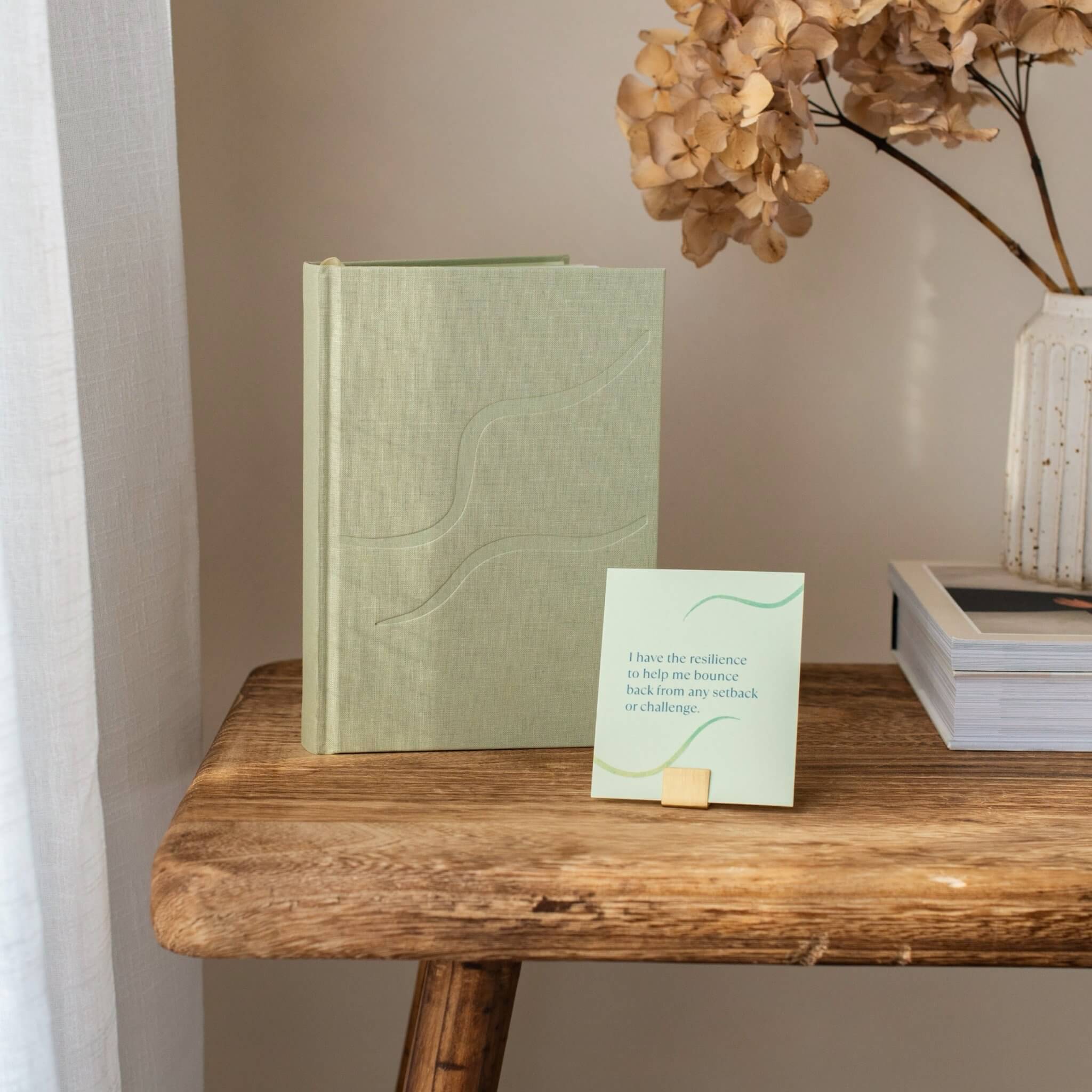
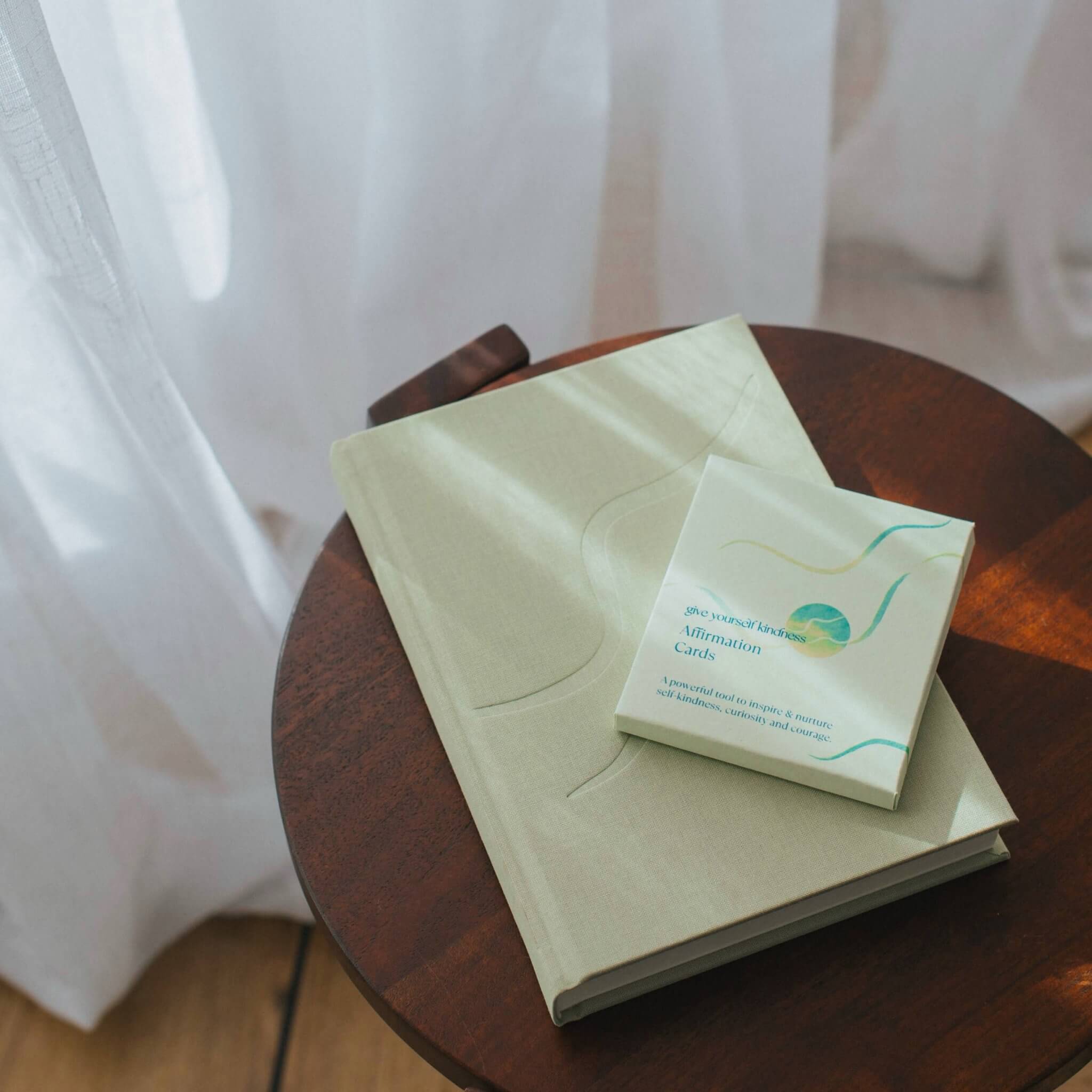
The Give Yourself Kindness Journal
- Understanding your emotions and processing your day, not just recording it
- Building self-compassion and quieting your inner critic
- Genuine reflection without guilt or forced positivity
- Anyone who struggles to identify what they're actually feeling
How This Journal Supports Daily Reflection
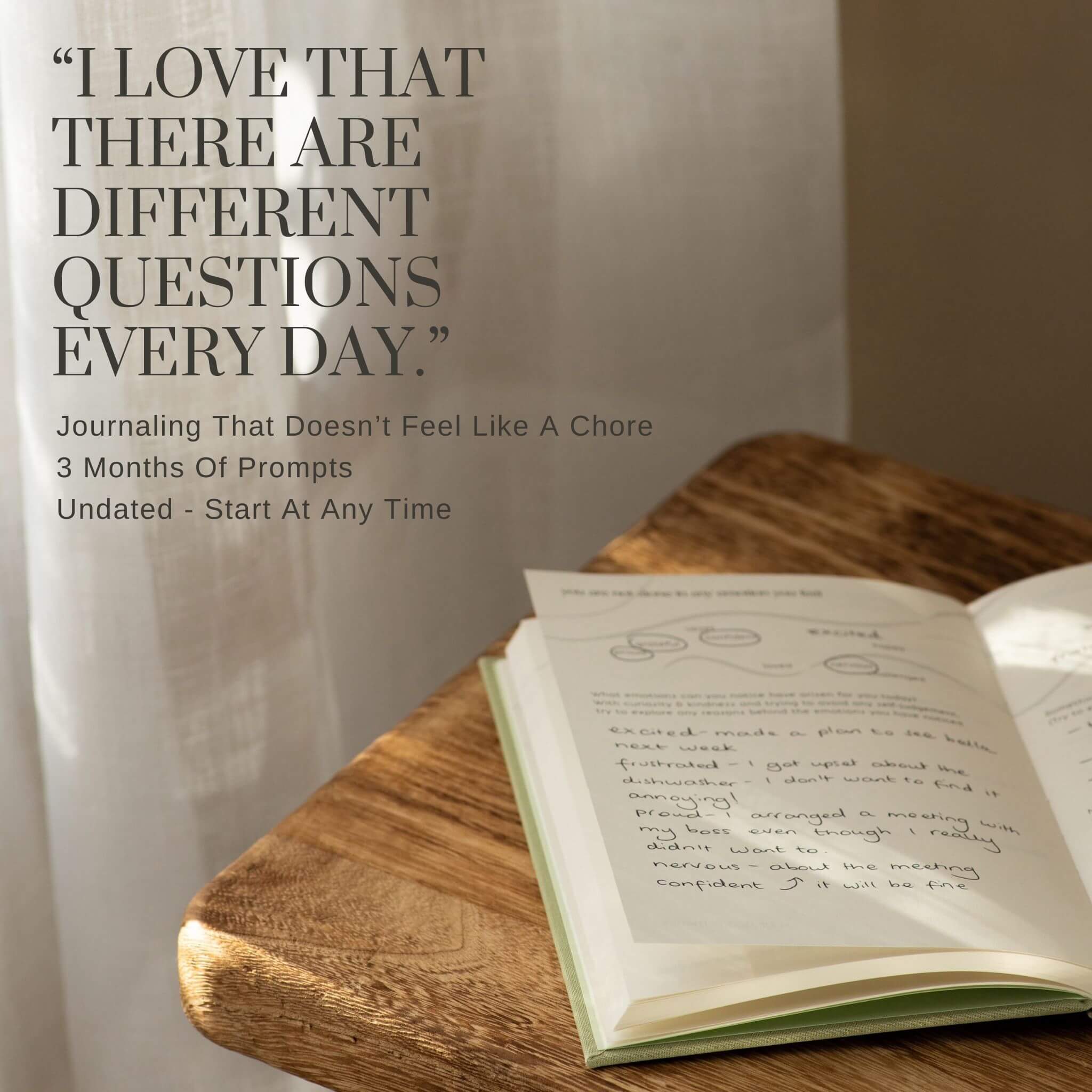
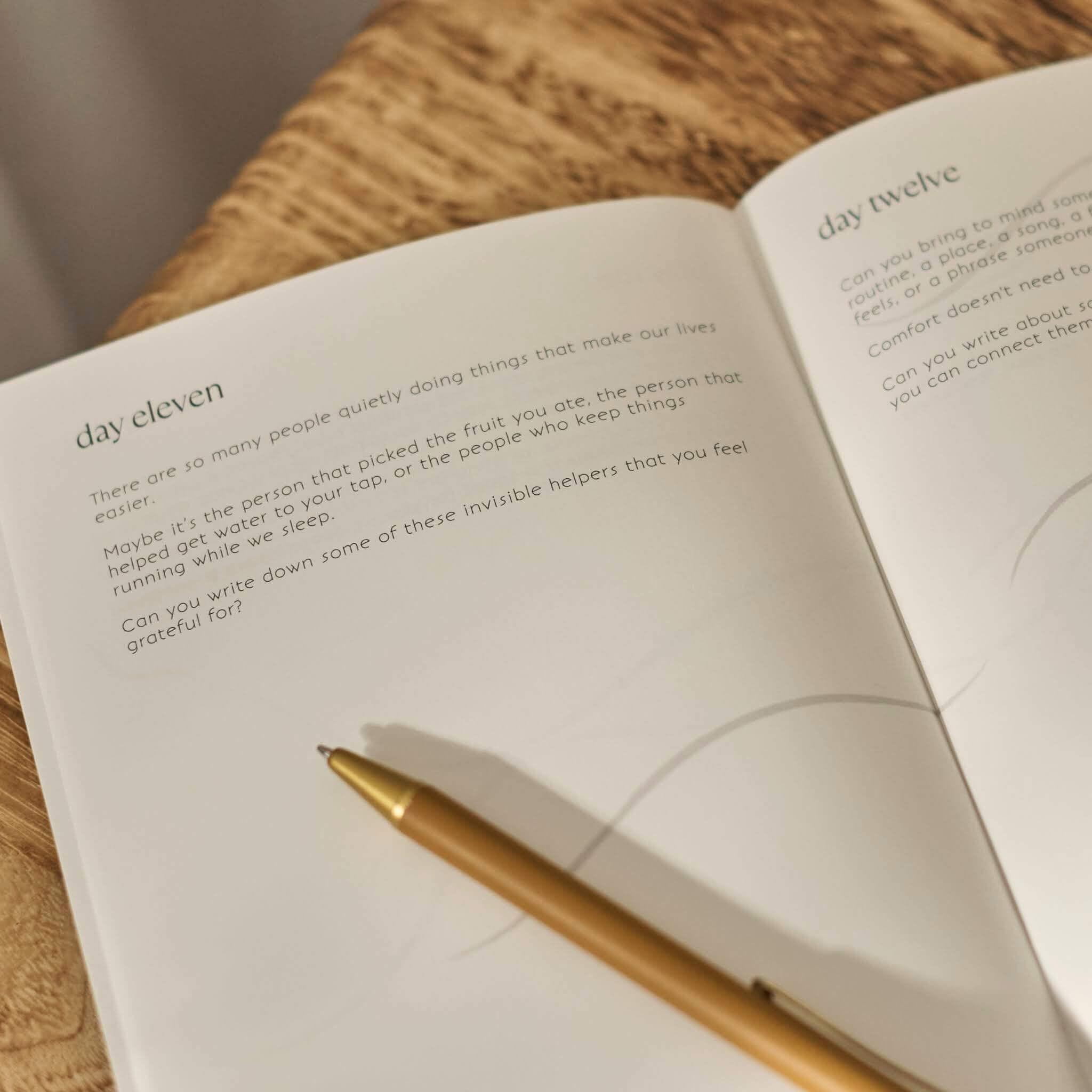
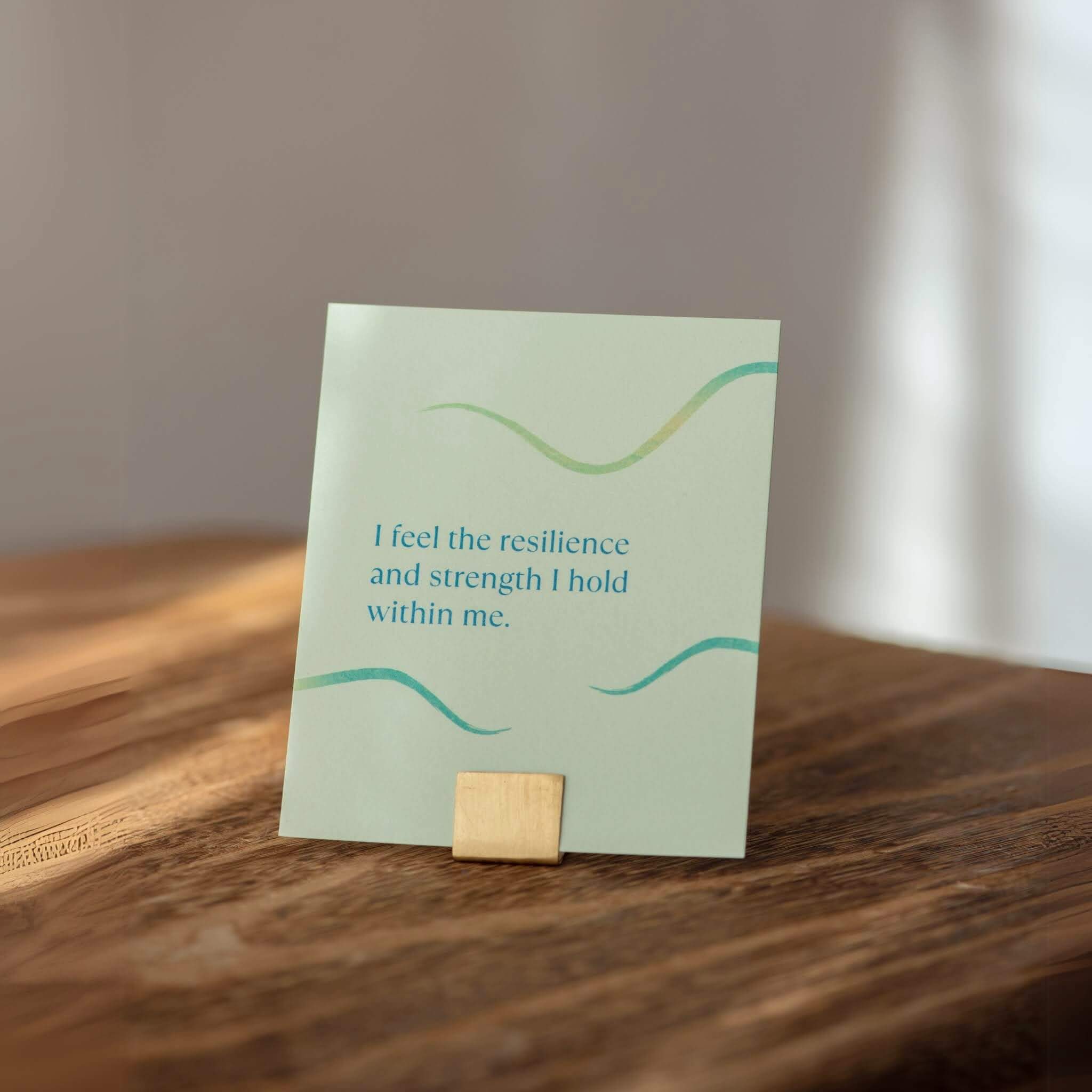
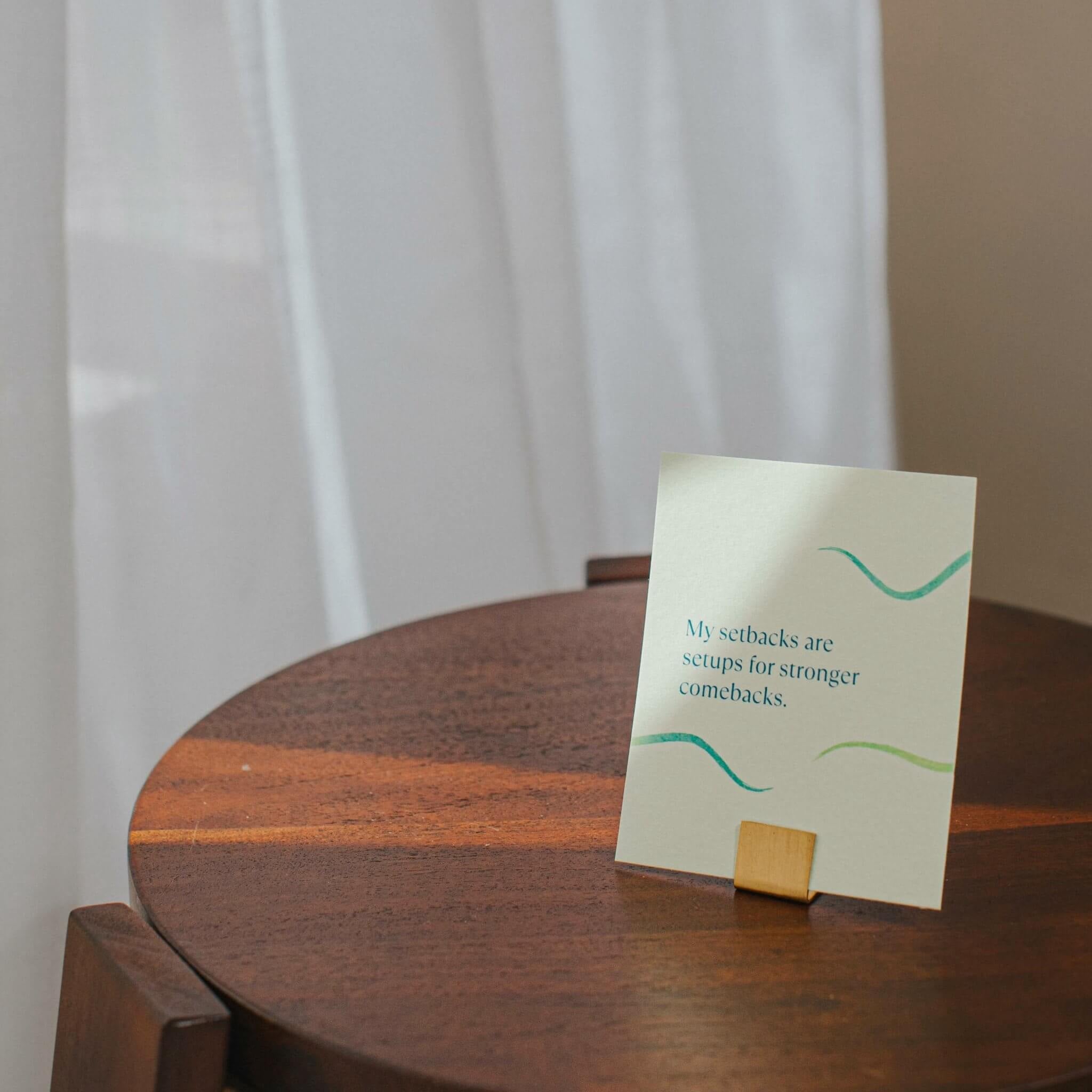
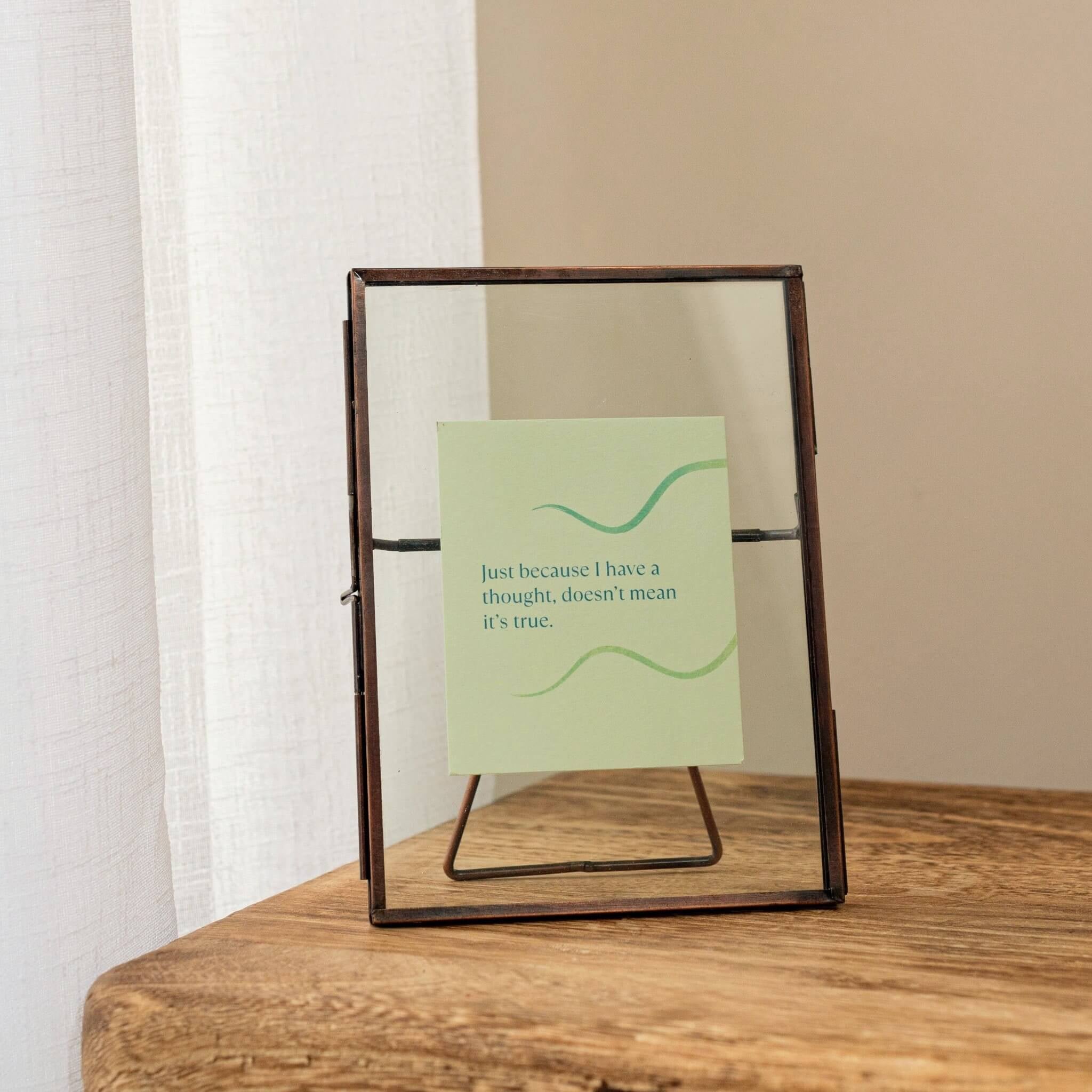
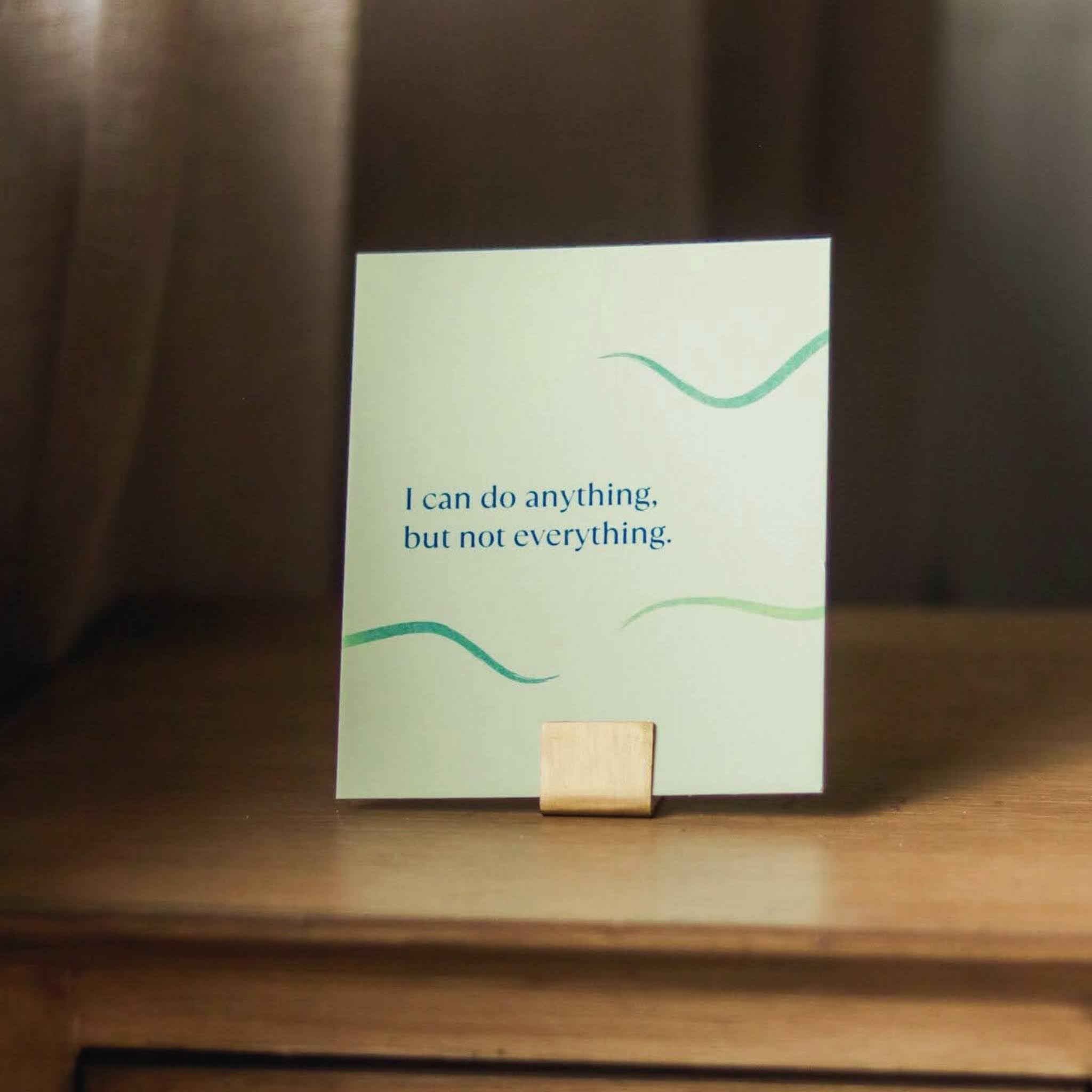
90 varied prompts, every page is different. Your brain stays engaged in genuine reflection rather than mechanical responses. Some days focus on emotions you're noticing, other days on what challenged you, other days on what you need or how you'd speak to a friend.
An emotional awareness tool on every page. A visual guide helps you identify specific emotions beyond "good" or "bad." It's on all 90 pages, not just at the front where you'd forget about it, because understanding what you're feeling is central to meaningful reflection.
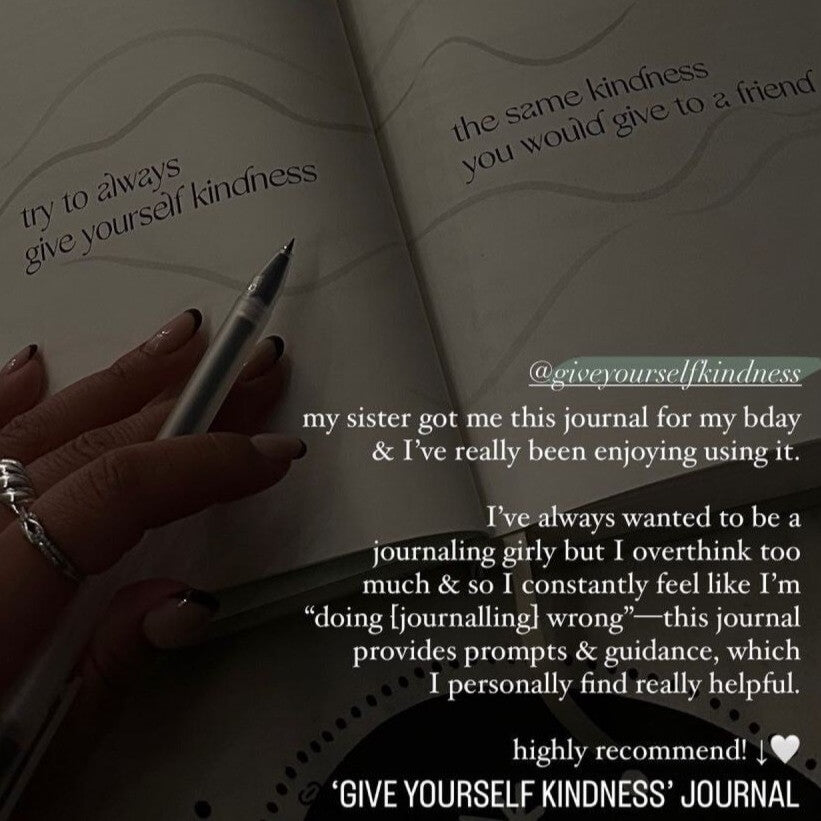
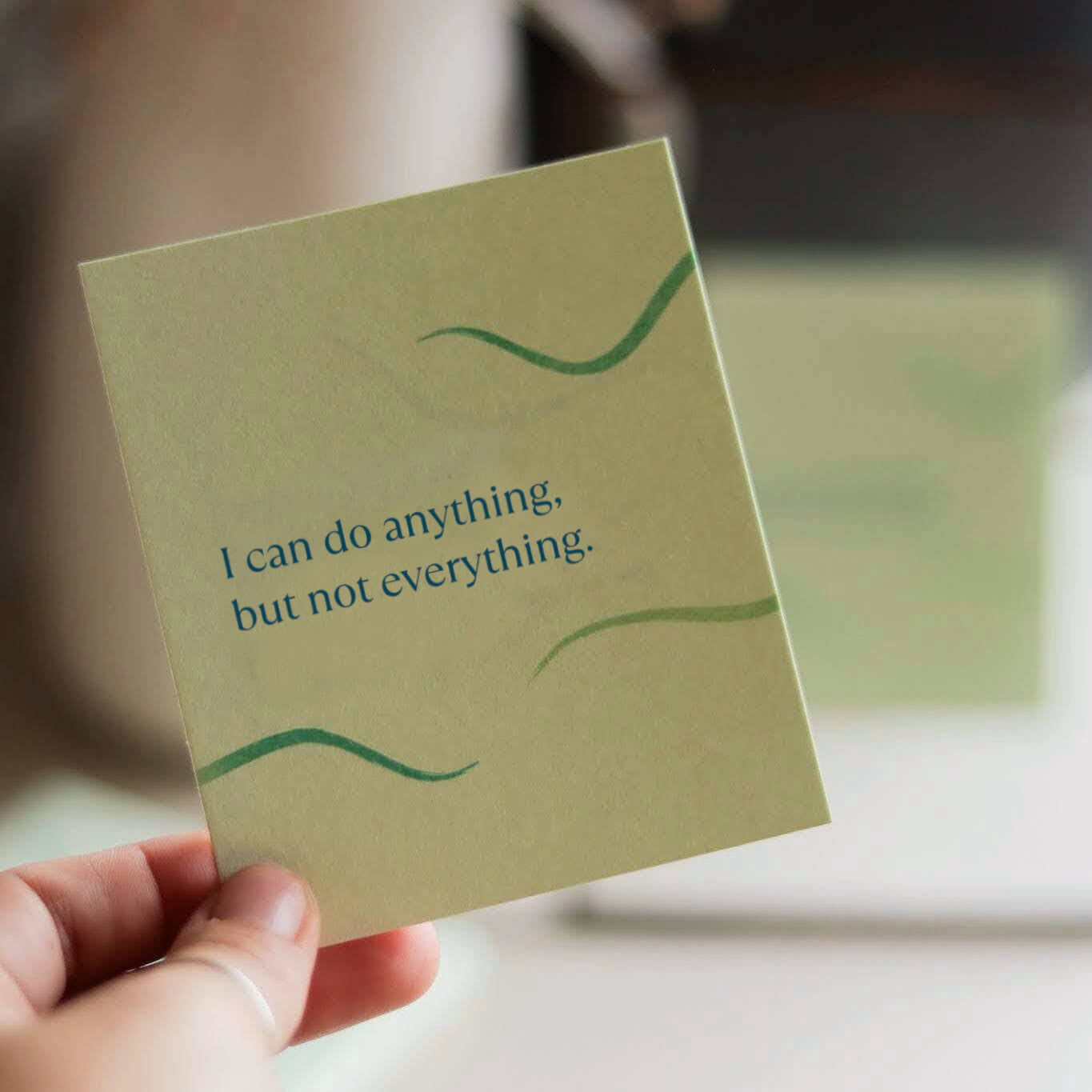
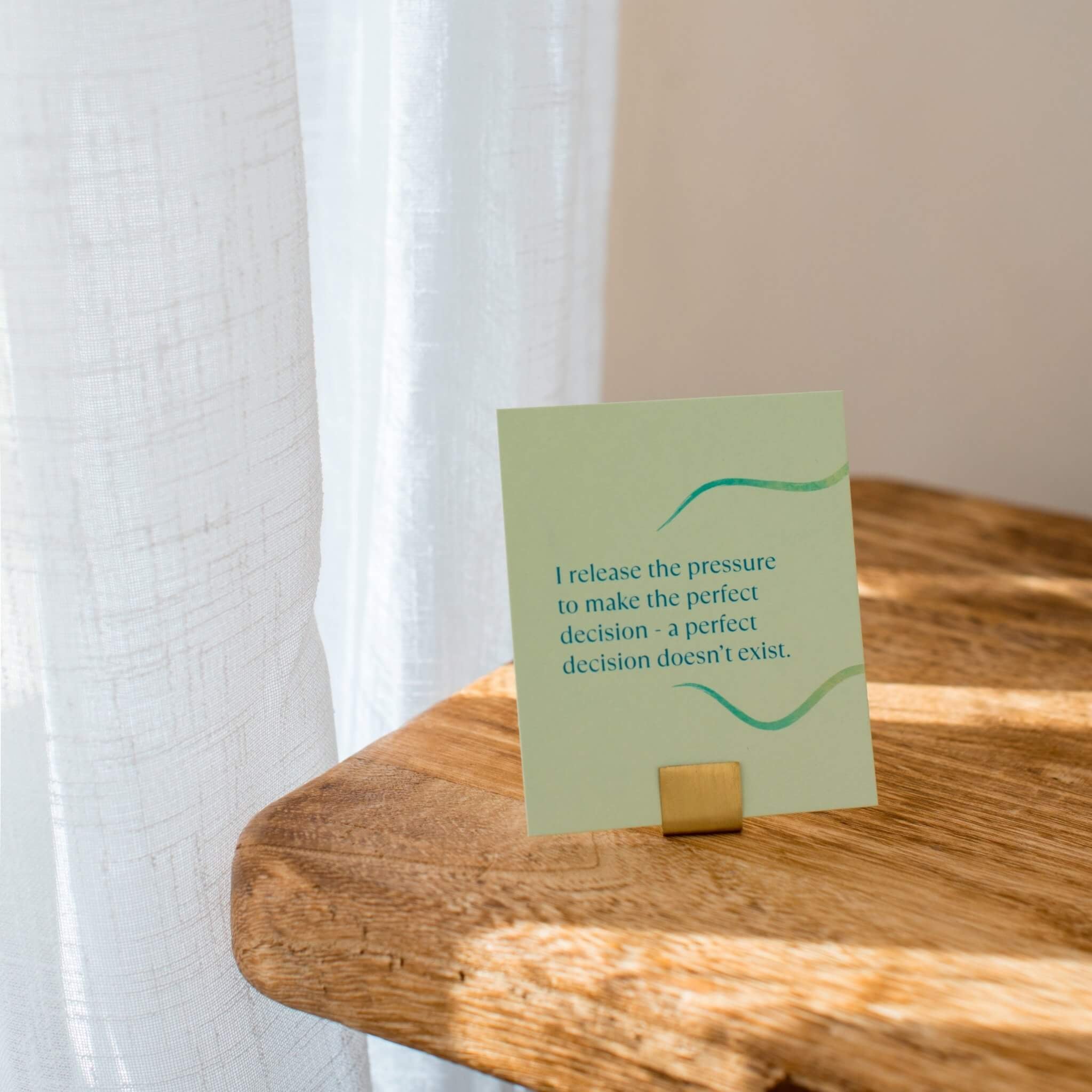
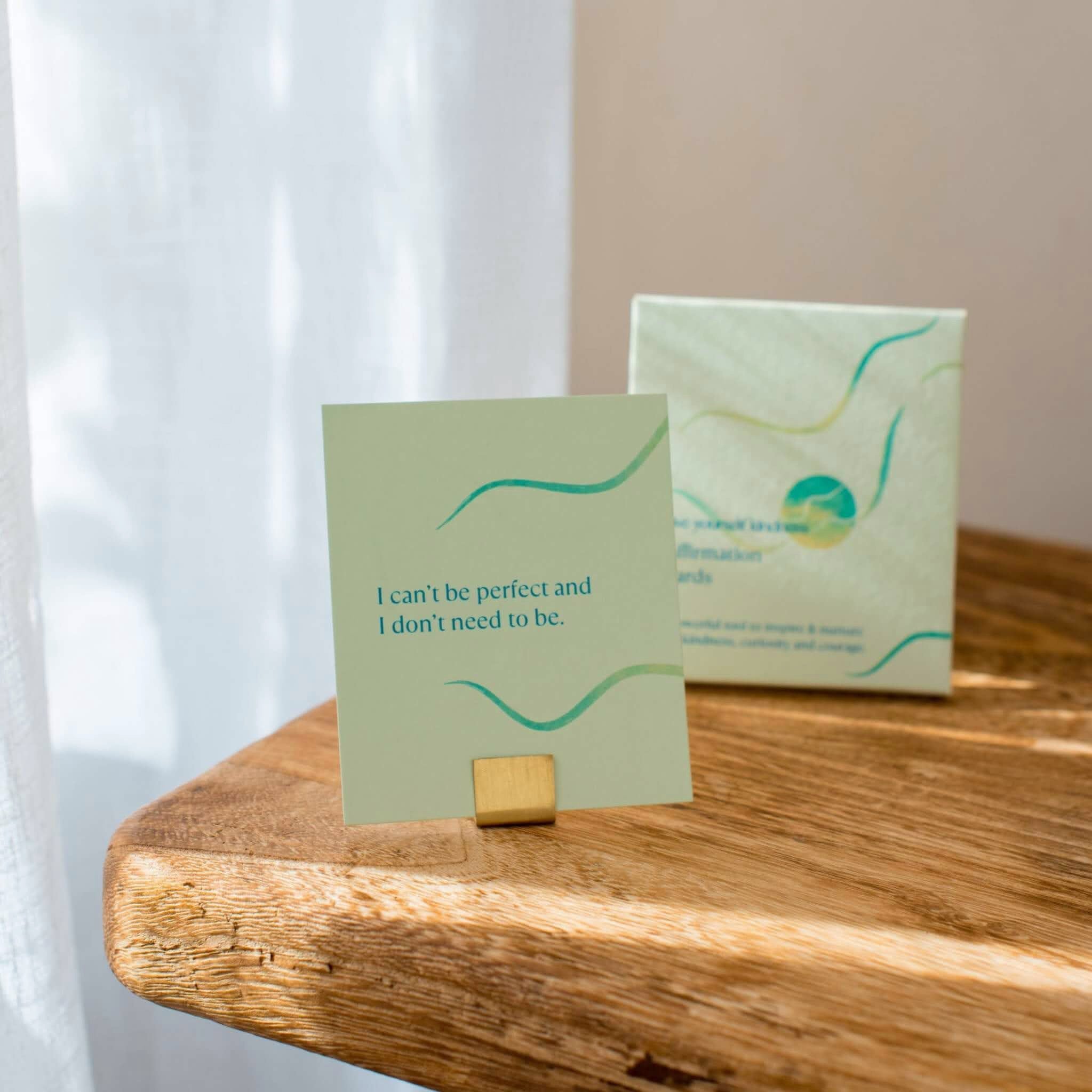
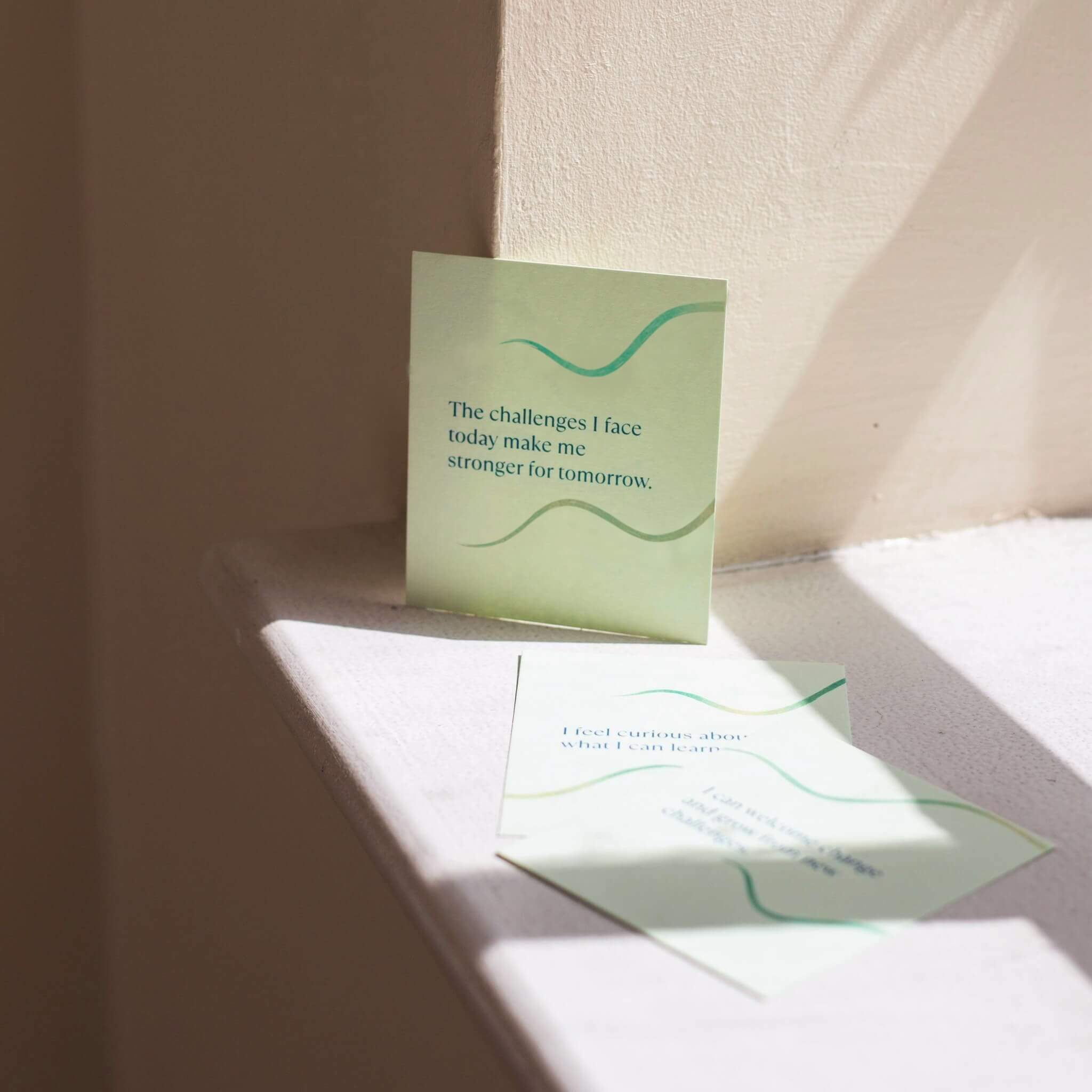
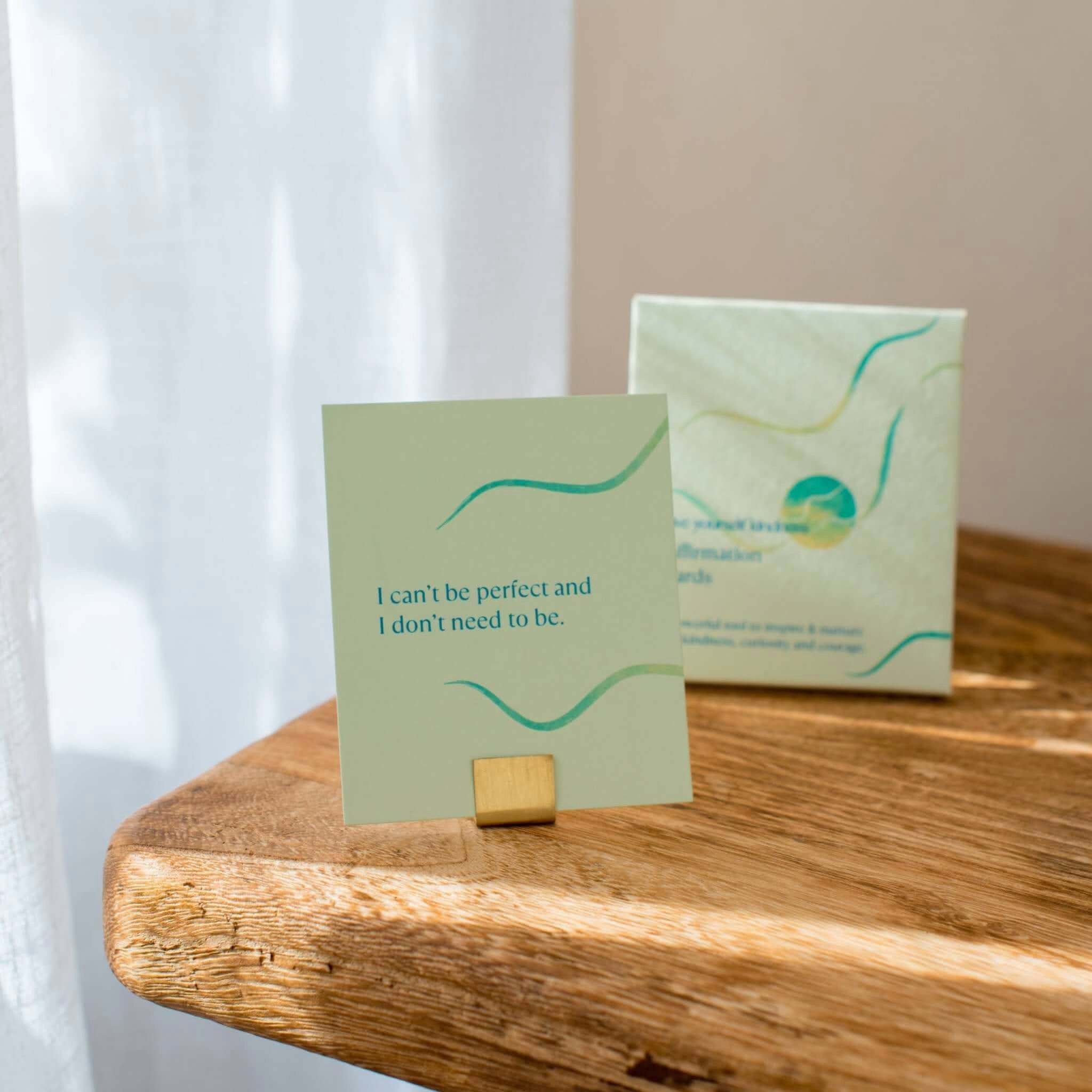
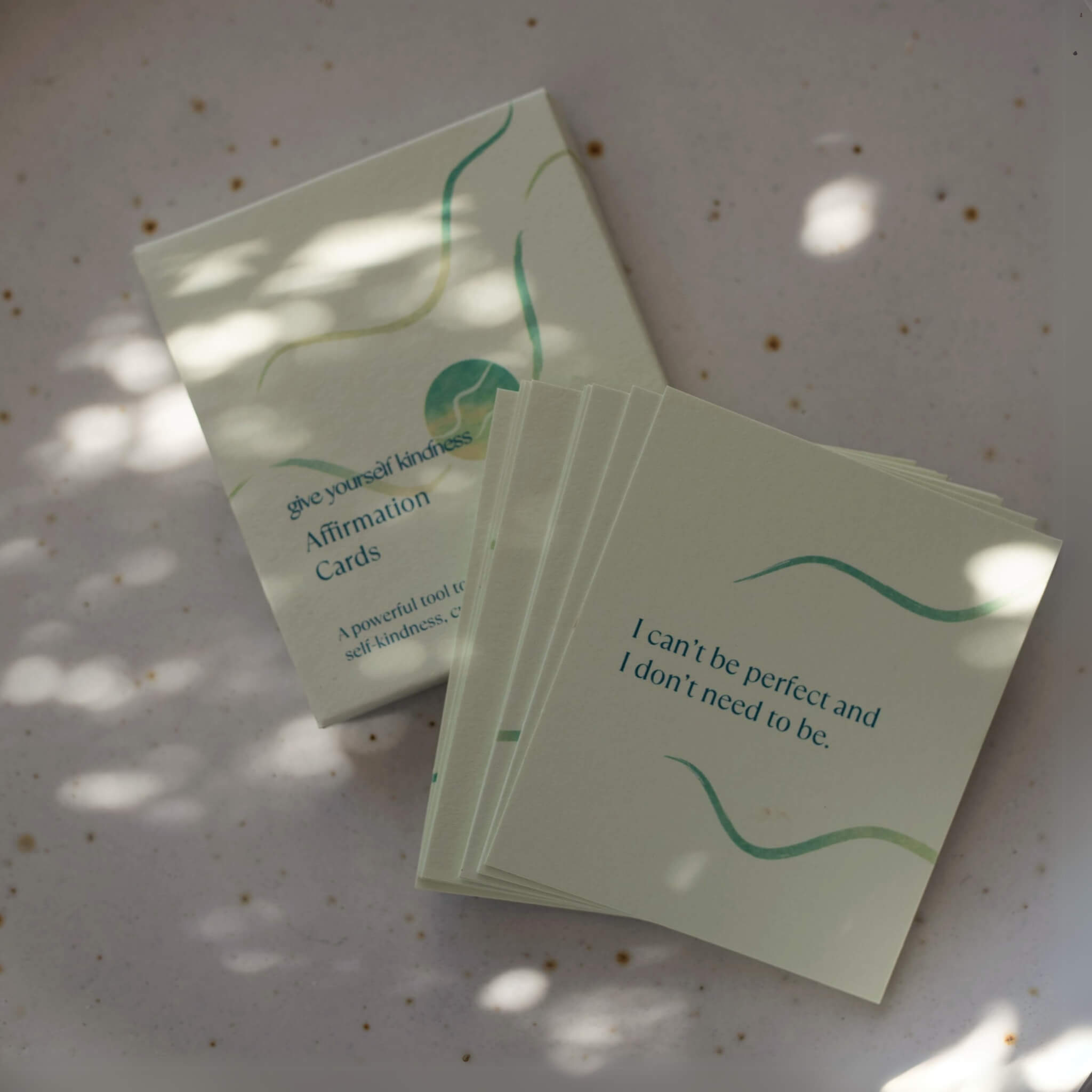
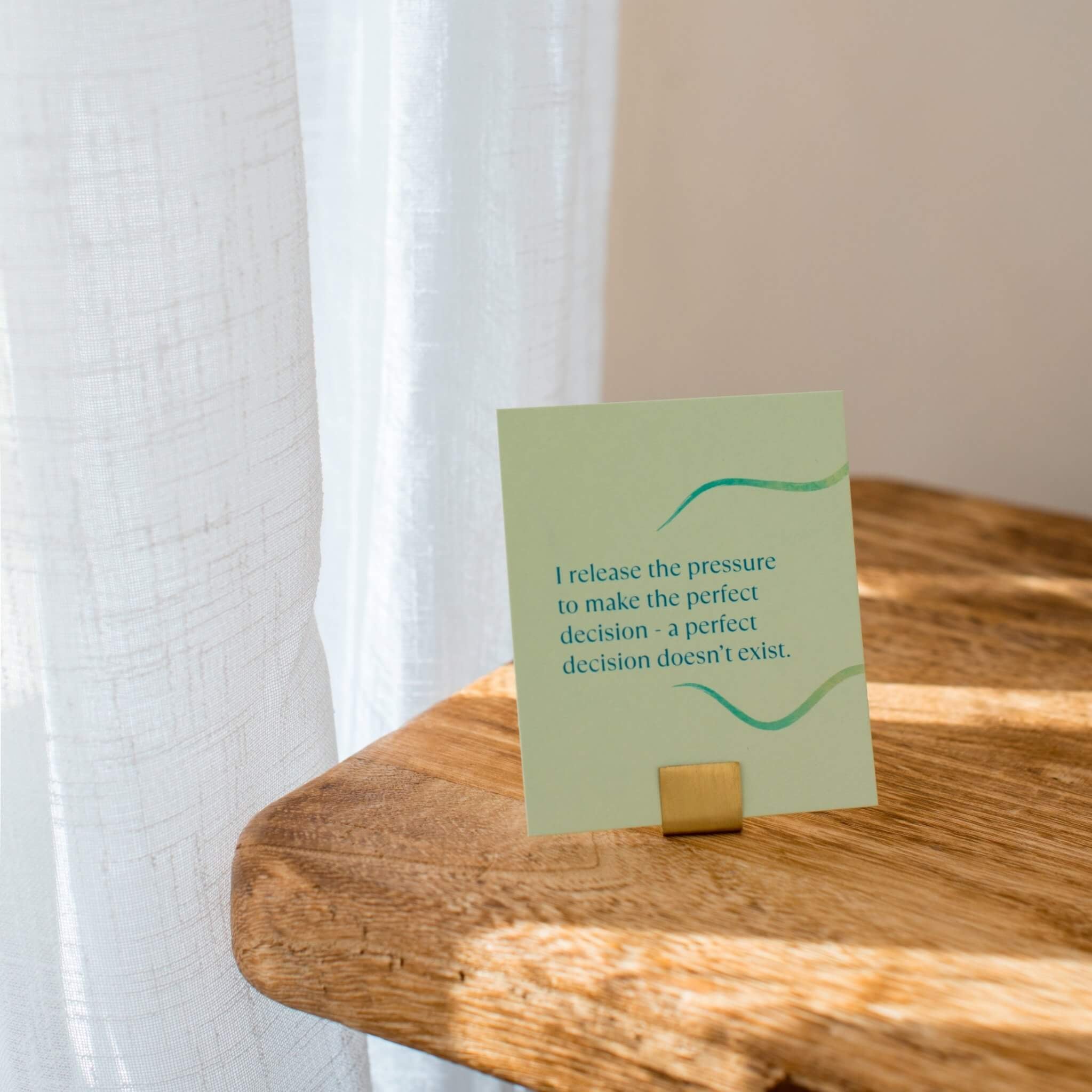
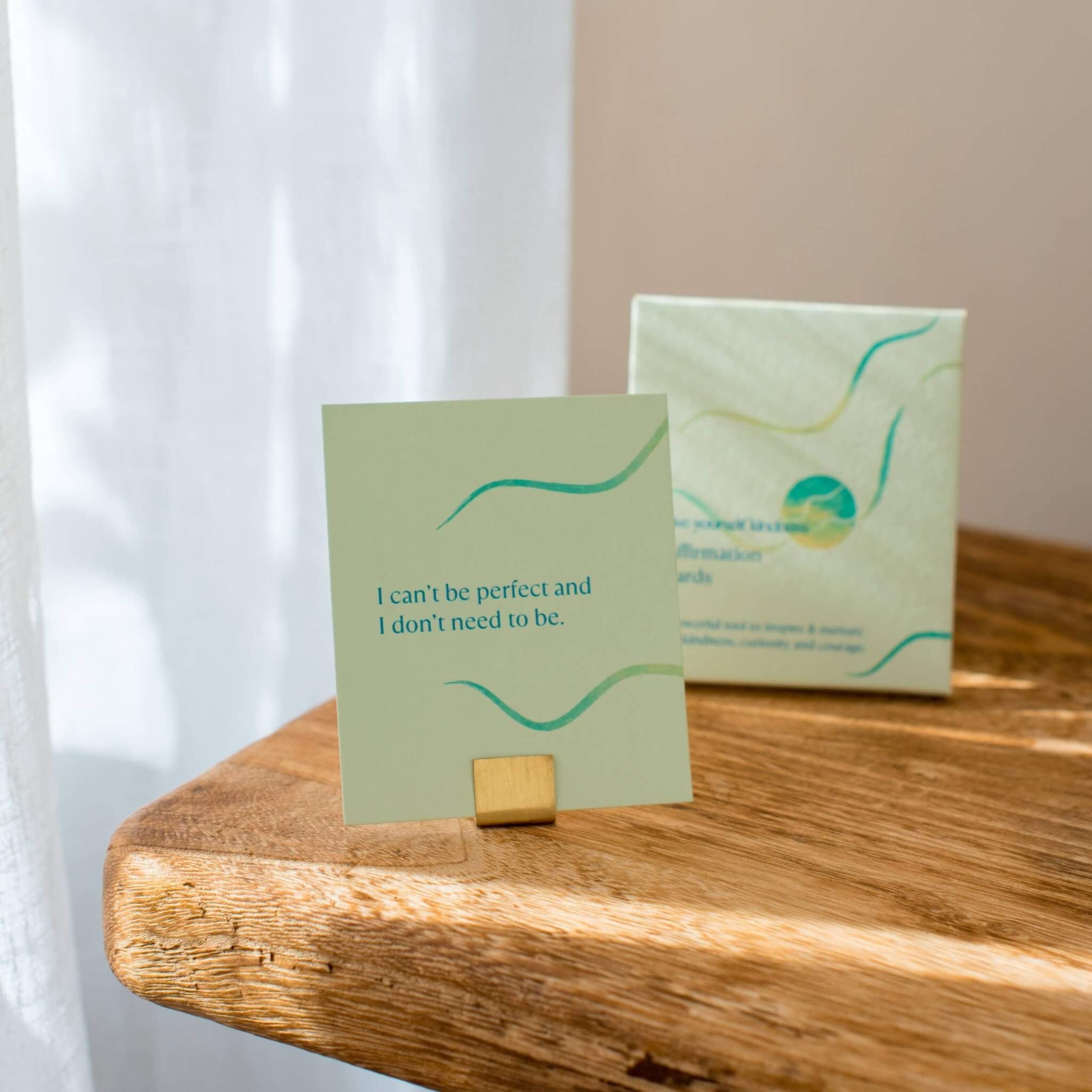
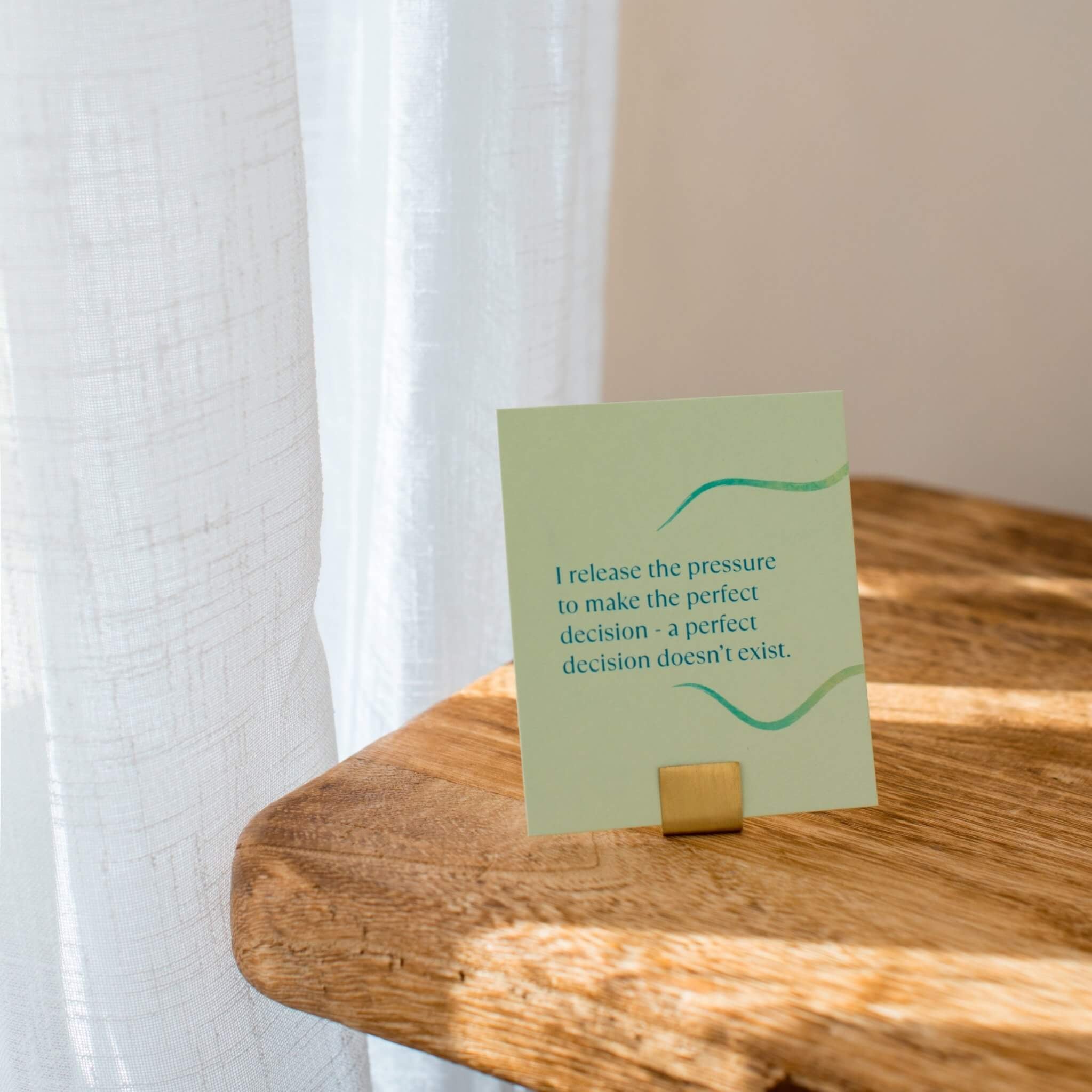
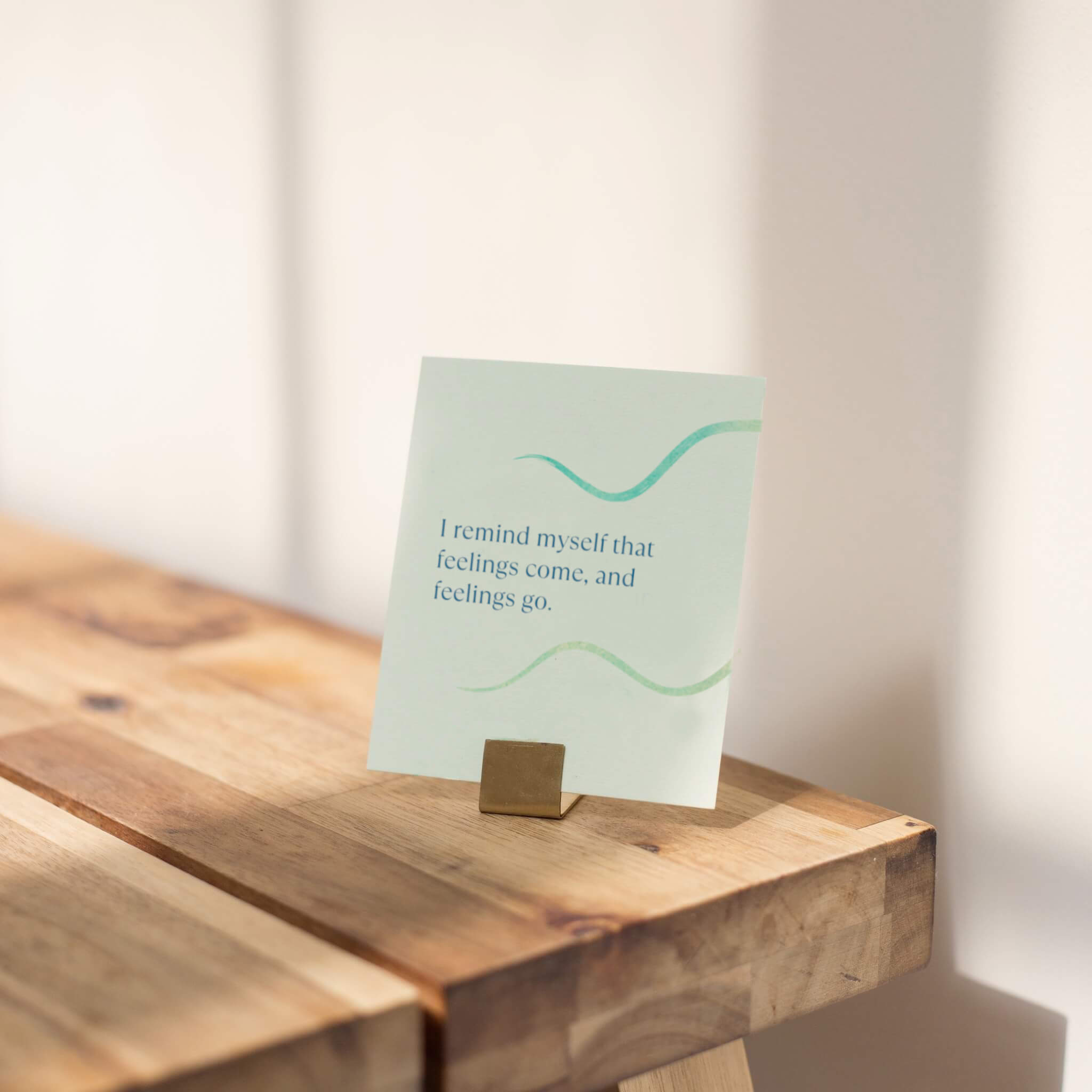
Self-compassion built into the language itself. Over 50 gentle reminders are woven throughout, like "You can't be perfect, and you don't need to be" and "Be careful how you talk to yourself, you are listening." The journal helps you reflect from your compassionate self, not your inner critic.
Undated format. Life gets busy. You can return to your practice without guilt when you miss days: the journal welcomes you back whenever you're ready.

Dr. Chris Germer, PhD
Clinical Psychologist, Harvard Medical School | Co-developer of Mindful Self-Compassion (MSC), taught to 250,000+ people worldwide
"A warm invitation to make friends with your emotions and yourself!"

Professor Willem Kuyken, PhD, DClinPsy
Ritblat Professor of Mindfulness and Psychological Science, University of Oxford | Top 1% most cited scientists worldwide
"The journal is rooted in state-of-the-art research that emphasizes the importance of understanding our emotions in order to lower stress and lead a happy and meaningful life. Rachel has curated the experience to make the writing intrinsically rewarding and the journal something to treasure."
Sample Prompts
- "What emotions can you notice have arisen for you today? With curiosity and kindness, try to explore the reasons behind the emotions you've noticed."
- "What has challenged you today? Talk to yourself as you would talk to a friend, write down what you would say."
- "Notice how you are feeling right now. Think about what you would find it helpful to hear. Write down words to say to yourself."
- "Can you think of a time when you struggled to feel proud of something you'd achieved, but if it had happened to a friend you would have felt proud? Write down words of reassurance to show yourself that you deserve to feel proud."
✓ What Works
- Never feels repetitive (90 unique prompts)
- Helps you identify emotions (visual tool every page)
- Self-compassion approach, validates all emotions
- No guilt, undated format
- Expert-recommended by Harvard and Oxford
- Used by therapists with clients
✗ Consider If
- You prefer completely blank pages with no prompts
- You want identical prompts daily for pure consistency
- You're looking specifically for a gratitude-only practice
What to Look for in a Guided Journal for Daily Reflection
Not all reflection journals are built the same way. Here's what actually makes a journal effective for meaningful daily reflection, rather than a nicer-looking diary.
1. Varied prompts that explore multiple dimensions
Why this matters: When you see the same prompt every day, your brain goes on autopilot. You stop genuinely reflecting and start mechanically filling in answers. Meaningful reflection needs different angles: some days exploring emotions, other days examining values, other days noticing patterns.
What to look for: Journals with unique prompts that rotate between emotions, self-talk, needs, gratitude, and challenges. Variety keeps your brain engaged in genuine discovery instead of autopilot.
2. Emotional awareness support
Why this matters: Many of us struggle to identify emotions beyond "good" or "bad" or "fine." Research on affect labeling, the act of naming a specific emotion, shows it can reduce that emotion's intensity. But you need a tool to help you identify what you're feeling in the first place.
What to look for: A visual emotion guide that helps you notice and name specific feelings, ideally on every page rather than just at the front, where it's easy to forget.
3. Self-compassion built in, not bolted on
Why this matters: Clinical psychologist Dr. Chris Irons, a specialist in Compassion-Focused Therapy, explains that the part of you doing the reflecting matters enormously. When your inner critic is the one journaling, reflection can increase distress rather than reduce it.
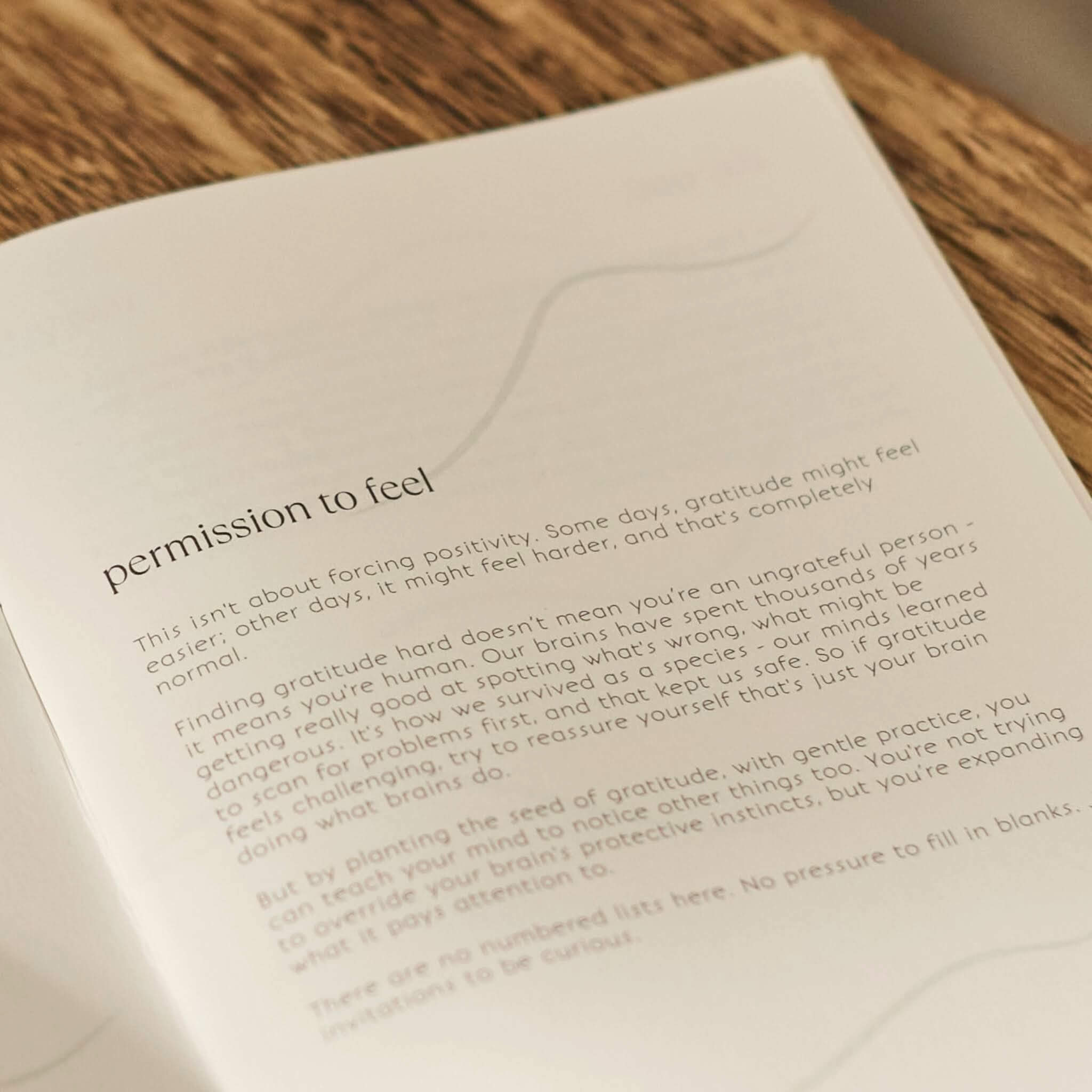
What to look for: Permission-giving language that validates all emotions. Prompts framed as invitations, not demands. Reminders that help you reflect with kindness rather than harsh judgment.

Dr. Chris Irons
Clinical Psychologist | Specialist in Compassion Focused Therapy | Co-Director of Balanced Minds
"Journalling can be a powerful way of developing self-reflection, self-discovery and enhancing emotion regulation. However, from a Compassion Focused Therapy point of view, it's useful to consider which part of ourselves is doing the journalling. It could be that it's a fearful part of you that is writing, or an angry or self-critical part. How helpful might it be if it is our self-critic journalling? In CFT, we help people develop a compassionate part of self — a part that is wise, strong and caring — and use this compassionate part to 'do' the journalling."
→ Read the full article: The Benefits of Journaling: What 3 Clinical Psychologists Say
4. An undated format
Why this matters: Dated journals create visible "failures" when you miss days, which can trigger guilt, especially if you're prone to perfectionism or self-criticism. An undated format welcomes you back without judgment.
What to look for: Undated pages you can use at your own pace, starting whenever it makes sense for you.
5. Reflection, not just recording
The difference, in practice:
Recording: "Today I went to work, had lunch with Sarah, went to the gym."
Reflecting: "I noticed I felt most like myself after lunch with Sarah. Connection might matter more to me than I've been prioritising."
What to look for: Prompts that ask "why" and "what does this reveal," not just "what happened."
How Different Reflection Journals Compare
| Journal | Prompt Variety | Emotion Support | Format | Best For |
|---|---|---|---|---|
| Give Yourself Kindness Journal | 90 unique days | Visual tool every page | Undated | Emotional awareness + self-compassion |
| The Five Minute Journal | Same daily | None | Dated | Quick gratitude structure |
| Q&A a Day (5-Year Journal) | Same yearly | None | Dated | Tracking change over years |
| Blank Notebook | Self-directed | None | Undated | Experienced journalers |
Other Journal Options
The Five Minute Journal
How it works: Same prompts every day. Morning asks "I am grateful for..." and "What would make today great?" Evening asks "3 amazing things that happened today."
What it does well: If you want a very quick, structured gratitude practice with zero decision fatigue, this delivers that.
The key difference: The Five Minute Journal is built for speed and consistency, the same prompts every day. The Give Yourself Kindness Journal is built for varied, deeper reflection, with a different prompt on every page and tools to help you name what you're feeling. Both have real value; they simply serve different needs.
Q&A a Day: 5-Year Journal
How it works: One question a day, the same question each year for five years. You write two or three lines a day. After year one, you see how your answer changed from the year before.
What it does well: If you stick with it across multiple years, it's genuinely interesting to watch your answers evolve.
The key difference: Q&A a Day is built for brevity and tracking change over years, two or three lines a day, the same question each year. The Give Yourself Kindness Journal is built for deeper, varied daily reflection, with emotional awareness tools on every page. Both have real value; it depends whether you want a long-term snapshot or a deeper daily practice.
A Blank Notebook
How it works: Blank pages. You decide what to write about and how to structure your reflection.
What it does well: Complete flexibility, no structure constraining you.
The key difference: A blank notebook offers complete freedom with no structure at all. The Give Yourself Kindness Journal offers guided prompts and emotional awareness tools for people who'd like some support getting started. Both have real value; it depends how much structure genuinely helps you.
→ Read more: Blank Journal vs Guided Journal, Which One Should You Choose?
What About Gratitude-Specific Journals?
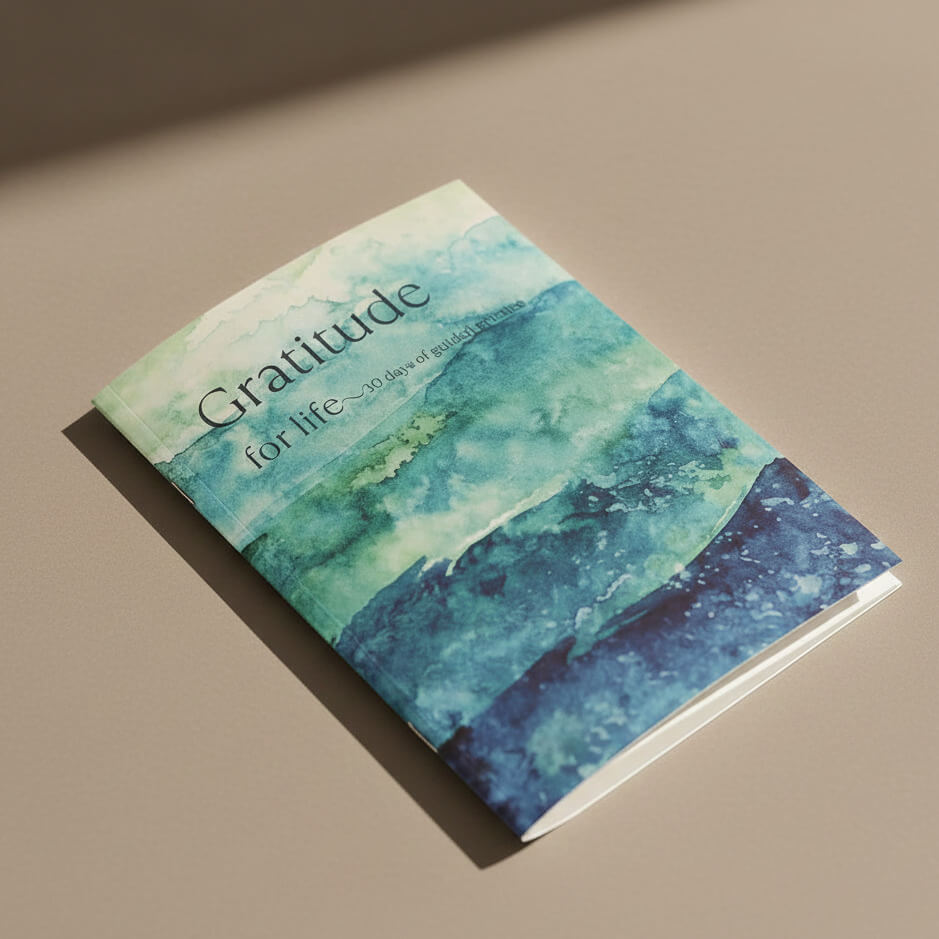
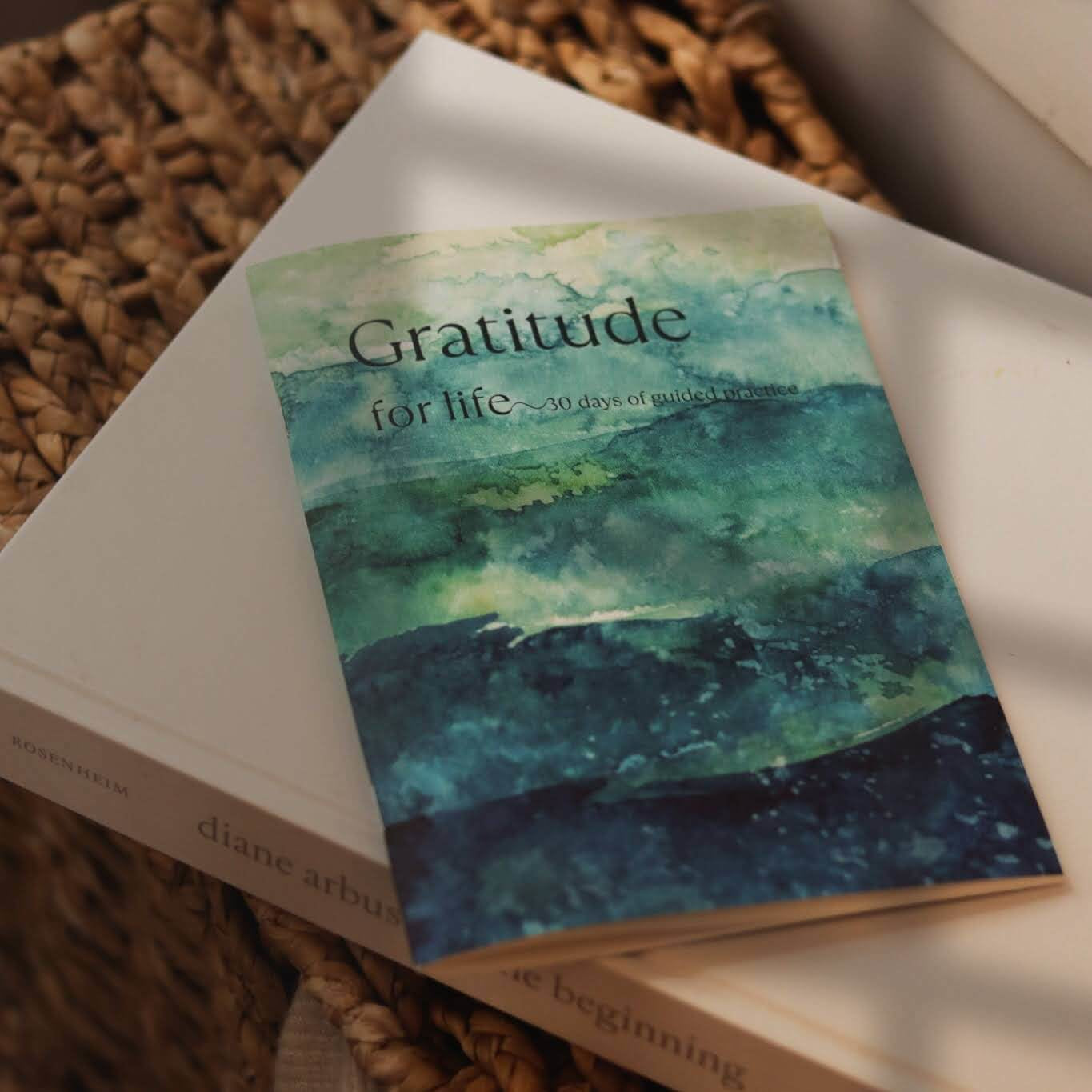
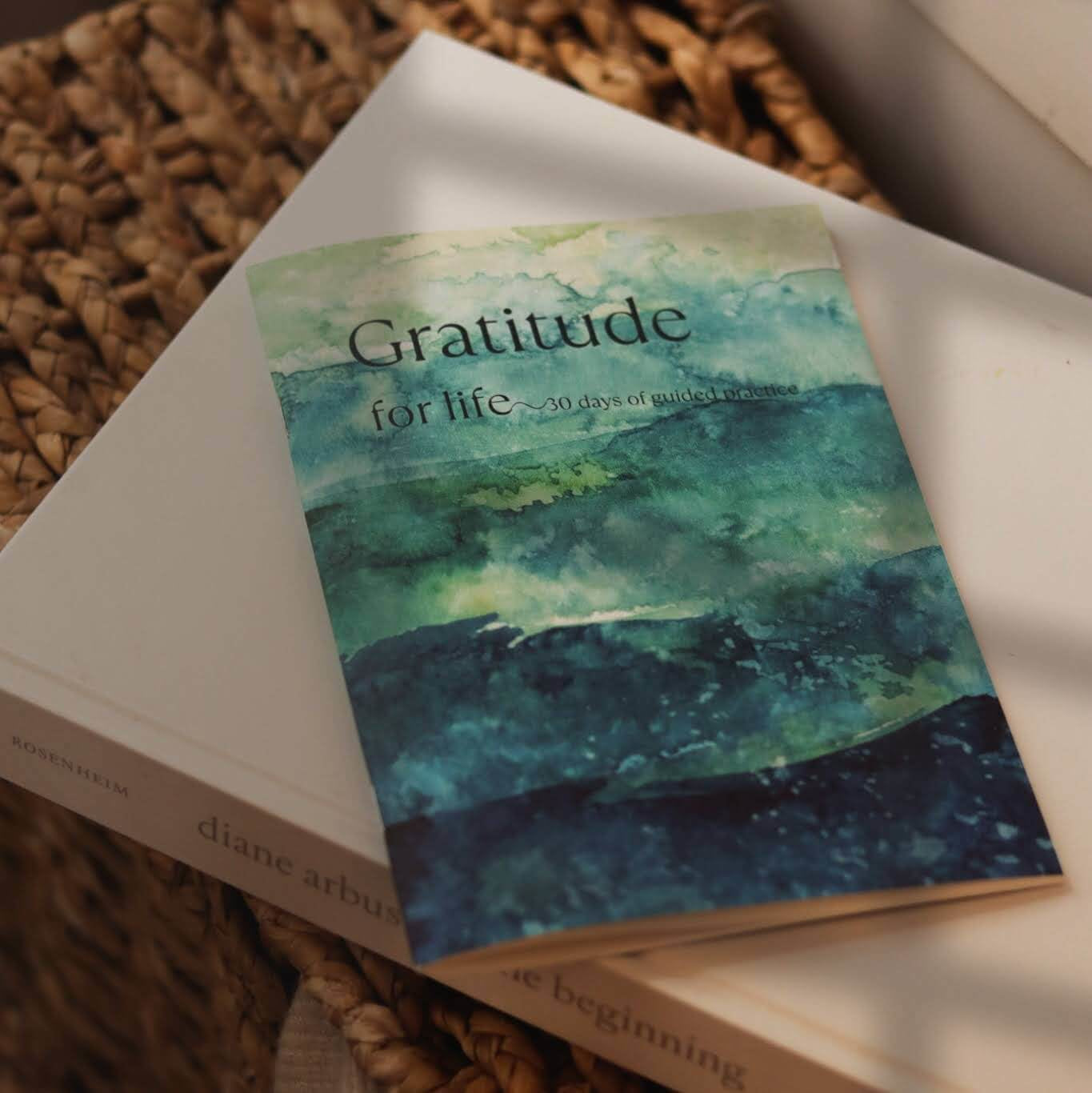
If you're specifically after gratitude practice rather than broader daily reflection, there's also The Gratitude Journal: A 30-Day Challenge.
The difference: The Give Yourself Kindness Journal includes gratitude prompts alongside emotional awareness, self-talk, needs, and challenges, a broader approach to daily reflection. The Gratitude Journal focuses specifically on exploring gratitude in varied, creative ways over 30 days.
Consider the Gratitude Journal if: you want to deepen a gratitude practice specifically, through 30 unique daily prompts exploring gratitude through your senses, relationships, and challenges. It's a focused 30-day practice rather than 90 days of broader reflection.
Why Reflection, Specifically, Is What I Built This Journal Around
Training as a meditation teacher changed how I understood reflection. Meditation practice is largely about noticing, what's actually here, right now, without immediately judging it or trying to fix it. When I started applying that same noticing to my evenings, I wanted a journal to go with it.
I struggled to find one. I tried keeping ordinary diaries, and they became records: what happened, who I saw, what I needed to remember. Useful, but they never once helped me understand why a particular day had left me drained, or why one small comment from someone had stuck with me for hours while a much bigger event hadn't touched me at all. I was looking for something built specifically for that kind of noticing, and I couldn't find it.
So I built it myself. Real reflection needs a different kind of prompt: ones that ask what you noticed, not just what occurred, and that ask you to respond to yourself the way you'd respond to a friend, rather than the way your inner critic usually does. That's what I built into every page of the Give Yourself Kindness Journal. Not "what happened today," but "what did you notice, and what would it help to hear."
I share this because if you've tried journaling before and found it turned into a to-do list of your day, that's not a reason to give up on reflection. It's usually a sign the prompts were doing a different job than the one you needed.

"Self-compassionate people are more oriented toward personal growth than those who continually criticize themselves. They're more likely to formulate specific plans for reaching their goals, and for making their lives more balanced. Self-compassion in no way lowers where you set your sights in life. It does, however, soften how you react when you don't do as well as you hoped, which actually helps you achieve your goals in the long run."
Kristin Neff, PhD
Associate Professor of Educational Psychology, University of Texas at Austin | Creator of the first academic measure of self-compassion
→ Read the full excerpt: Self-Compassion, Learning and Personal Growth, by Kristin Neff, PhD
That's the research behind what I noticed in myself: reflecting with self-compassion, rather than self-judgment, is genuinely what helps you grow.
Which Journal Should You Choose?
→ Give Yourself Kindness Journal
Explores emotions, self-talk, needs, gratitude, and challenges. 90 unique prompts with an emotional awareness tool on every page.
→ Give Yourself Kindness Journal
A visual emotion guide on every page helps you notice and name specific emotions beyond "good" or "bad."
→ Give Yourself Kindness Journal
Self-compassion built into the language throughout. Helps you reflect from your compassionate self, not your critical voice.
→ Five Minute Journal or The Gratitude Journal
The Five Minute Journal offers the same daily prompts. The Gratitude Journal offers 30 varied gratitude prompts.
→ Q&A a Day
Same 365 questions yearly. Good for long-term perspective and brief entries.
→ A Blank Notebook
No structure, complete flexibility. Works if you already know what approaches work for you.
How to Use a Journal for Daily Reflection
Having the right journal is step one. Using it well is step two.
1. Choose a consistent time
Evening reflection helps process the day's emotions before sleep. Morning reflection can help set intentions. Pick whatever feels sustainable for you, consistency matters more than the exact time of day.
2. Start small
Even five minutes of genuine reflection is valuable. You don't need to fill the page. The goal is meaningful engagement, not volume.
3. Give yourself permission for imperfection
Some days you'll skip. Some days you'll write one sentence. That doesn't mean you've failed. The practice works through regular engagement over time, not a perfect streak.
4. Notice which part of you is reflecting
As Dr. Chris Irons suggests, check in: is your self-critical voice doing the reflecting, or your compassionate voice? If you notice harsh judgment creeping in, pause and ask yourself what you'd say to a friend going through the same thing.
→ Read more: How to Use Journaling to Change Negative Self-Talk
Common Questions About Daily Reflection Journals
What's the difference between journaling and actually reflecting?
Journaling can mean anything from a to-do list to a dream diary. Reflection specifically means examining why something happened or how you responded to it, not just recording that it happened. A prompt like "what did you do today" produces journaling. A prompt like "what did you notice yourself feeling, and why" produces reflection. The prompts you use decide which one you're actually doing.
Do I need to know how to identify my emotions before I start?
No. Many people struggle to identify emotions beyond "good," "bad," or "fine," which is exactly why emotional awareness tools matter. Naming specific emotions, what psychologists call affect labeling, is a skill you build over time. A good reflection journal should help you develop this skill, not assume you already have it.
→ Read more: How to Identify Your Emotions: A Complete Guide
What if I can't think of anything to write on a hard day?
This is where varied prompts help most. When gratitude feels impossible, you might still be able to identify an emotion you're noticing. When that's too much, you might be able to write what you'd say to a friend feeling this way. Having multiple entry points into reflection, rather than forcing one approach, makes the practice sustainable on the days it matters most.
How long until I notice benefits from daily reflection?
Most people notice increased emotional awareness within two to three weeks of regular practice. Deeper changes in self-compassion and emotional regulation tend to develop over two to three months. The benefits are cumulative, you're building a skill that strengthens with use.
Can I use a reflection journal alongside therapy?
Yes. Therapists actively recommend reflection journals to clients because they extend therapeutic work between sessions. The Give Yourself Kindness Journal is used by therapists worldwide with clients working on emotional awareness, self-criticism, and building self-compassion.
Is a guided journal better than a blank notebook for reflection?
Neither is inherently better, it depends what you need. Blank notebooks work well for experienced journalers who already know what approaches work for them. Guided journals provide structure and evidence-based prompts that help you build effective reflection skills systematically, which matters more if you're newer to this.
Why are you recommending your own journal?
Because I created it for genuine daily reflection after training as a meditation teacher and finding that most journals I tried were built for recording, not reflecting. Clinical psychologists from Harvard and Oxford reviewed it and recommend it to their clients. I've been transparent throughout this page that it's my product, and I've included other options honestly, with their genuine strengths, so you can choose what actually fits your needs.
Begin Your Daily Reflection Practice
Daily reflection helps you understand yourself better: your emotions, your patterns, your needs. When you reflect with self-compassion rather than self-criticism, you can face what you discover without shame, which is what actually allows growth.
The most effective reflection journals:
- Offer varied prompts that prevent mechanical responses
- Provide emotional awareness tools to help you identify feelings
- Build self-compassion into the language, so it validates rather than judges
- Use an undated format that removes guilt
- Encourage genuine reflection, not just recording
Ready to start your reflection practice?
Explore The Give Yourself Kindness Journal →Related reading:
- How to Identify Your Emotions: A Complete Guide
- The Benefits of Journaling: What 3 Clinical Psychologists Say
- How to Use Journaling to Change Negative Self-Talk
- Why Am I So Mean to Myself? Understanding Your Inner Critic
- Why Self-Compassion Works Better Than Self-Criticism
- What Mental Health Experts Say
About the author: Rachel Smith (DipBSoM) is a qualified meditation teacher and the creator of Give Yourself Kindness. After her own experience with Compassion-Focused Therapy, she created evidence-based reflection tools recommended by clinical psychologists from Harvard Medical School (Dr. Chris Germer) and the University of Oxford (Professor Willem Kuyken), and used by therapists with clients across the UK, US, and Canada.


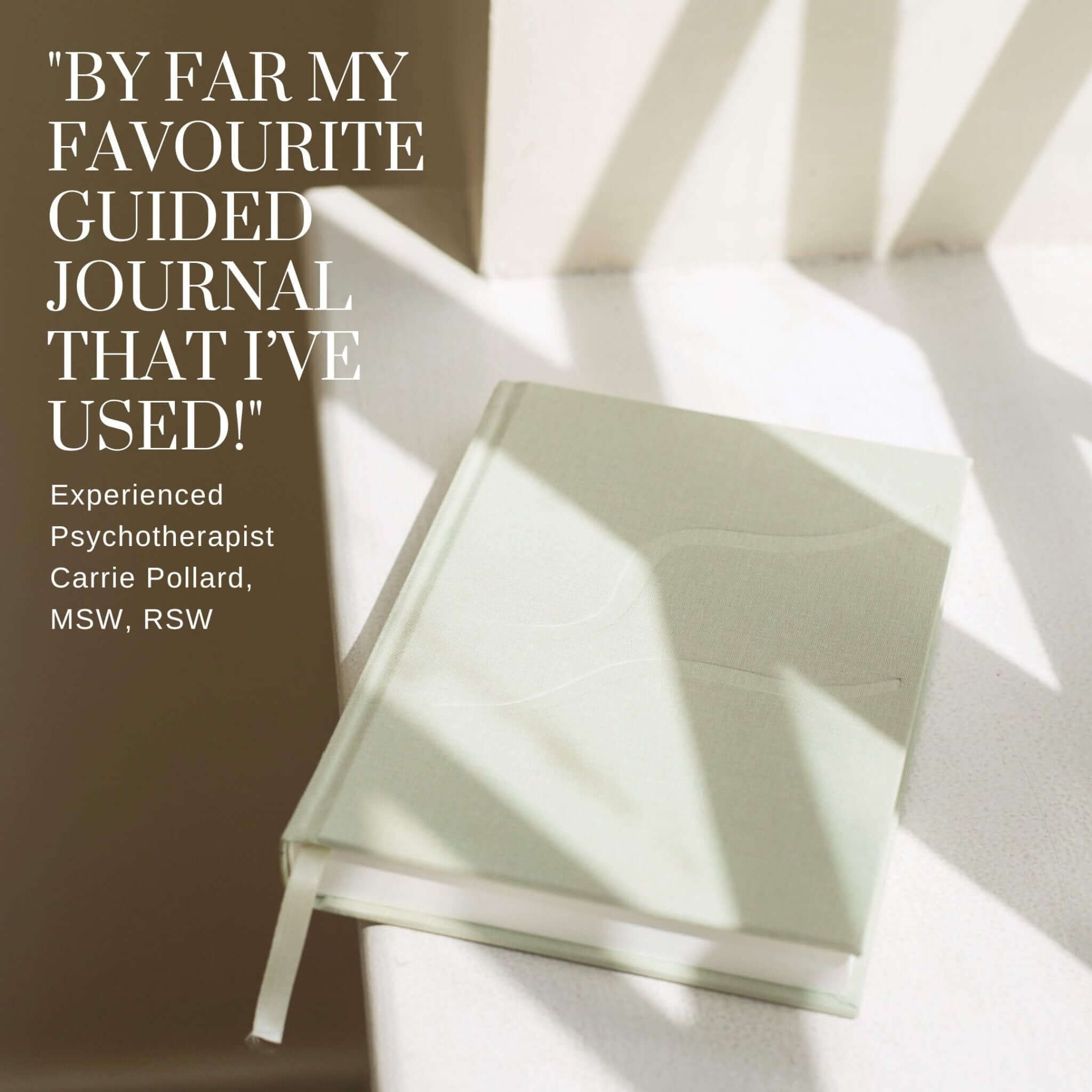
“By far my favourite guided journal that I’ve used!”
There's a lot of journals out there. Most of which include tools that can be repetitive, boring or unhelpful. Give Yourself Kindness is about creating something new.