

Published: July 2026 | By: Rachel Smith, DipBSoM (Qualified Meditation Teacher)
Toxic positivity in journaling happens when a journal's format demands a positive spin regardless of how you actually feel, most often through a fixed "three things I'm grateful for" prompt with no room for a hard day. It backfires because forcing a feeling you don't have activates the same self-critical, threat-response system as any other kind of self-judgment. The fix isn't trying harder to feel grateful; it's a format that makes space for honesty alongside gratitude.
If a gratitude list has ever left you staring at a blank line feeling worse, not better, you're not bad at gratitude. You've likely run into toxic positivity, and it's more common in journaling than most people realise. Below, two clinical psychologists explain why it happens and what a format that avoids it actually looks like.
In this article
- What is toxic positivity, exactly?
- How toxic positivity shows up in journaling
- Why forced positivity backfires (the psychology)
- Genuine gratitude vs. toxic positivity
- Is your journal making you feel worse? A quick checklist
- FAQ
What Is Toxic Positivity, Exactly?
Toxic positivity is the pressure to stay upbeat regardless of what you're actually experiencing, to the point that difficult emotions get minimised, dismissed, or treated as something to fix rather than feel. It's different from healthy optimism. Optimism makes room for hard feelings and looks for what might help. Toxic positivity skips straight past the hard feeling and demands a silver lining, whether or not one is honestly there yet.
You've probably heard it in real life: "everything happens for a reason," "good vibes only," "just focus on the positives." Well-meaning, usually, but the effect is the same. It tells you the feeling you're actually having is the wrong one.
How Toxic Positivity Shows Up in Journaling
Journaling has a reputation as an unambiguously good habit, so it's easy to assume any journal will help. In practice, a lot of the most popular journal formats are built almost entirely around forced positivity, and for a lot of people, that's exactly why journaling hasn't worked.
- The "three things" gratitude list. Blank lines, every single day, expecting three genuine reasons for gratitude on demand. On a hard day, this doesn't feel neutral. It feels like evidence that you're failing at being grateful.
- "Choose happiness" style prompts. Framing your mood as a decision skips over the fact that some days, happiness isn't a switch you can flip, and being told it is can feel dismissive of what you're actually going through.
- No space for the hard stuff. A lot of gratitude and positivity-focused journals simply don't have anywhere to put a difficult emotion. If the only available prompt is "what went well today," there's nowhere for "today was genuinely hard" to go.
None of this means gratitude practice itself is the problem. Gratitude, done well, has real research behind it. Studies suggest even two-minute gratitude practices can increase happiness by around 25% and support better sleep. The issue is specifically the forced, no-exceptions version of it.
Why Forced Positivity Backfires (What's Actually Happening)
This isn't just a feelings problem. There's a real psychological mechanism behind why forced positivity makes things worse instead of better, and it comes down to which part of you ends up doing the writing.

"Journalling can be a powerful way of developing self-reflection, self-discovery and enhancing emotion regulation. However, from a Compassion Focused Therapy point of view, it's useful to consider which part of ourselves is doing the journalling. It could be that it's a fearful part of you that is writing, or an angry or self-critical part. How helpful might it be if it is our self-critic journalling? In CFT, we help people develop a compassionate part of self, a part that is wise, strong and caring, and use this compassionate part to 'do' the journalling."
Dr. Chris Irons
Clinical Psychologist | Specialist in Compassion Focused Therapy | Co-Director of Balanced Minds
→ Read the full article: The Benefits of Journaling: What 3 Clinical Psychologists Say
When a prompt demands positivity you don't feel, it's very rarely your genuinely reflective self answering. It's the part of you that's already anxious about getting it "right," scrambling to produce three acceptable answers. Dr. Annabelle Kyle Dortch, a clinical psychologist in Los Angeles, explains what that does to your nervous system:

"When we engage in self-criticism, we create a nervous system and brain state that is not conducive to learning or facilitating a growth-oriented mindset. Our mind-body system perceives criticism as a threat, activating our stress response. Dr. Kristin Neff's research has repeatedly shown that self-compassion is key in decreasing anxiety and depression and developing courage, resilience, and a growth-oriented mindset."
Dr. Annabelle Kyle Dortch, PsyD
Clinical Psychologist, Los Angeles | Specialises in life transitions, anxiety, and trauma
→ Read the full article: Why Self-Compassion Works Better Than Self-Criticism
Put simply: a prompt that demands a feeling you don't have activates the same threat response as any other form of self-criticism. You close the journal more stressed than when you opened it, and worse, you may quietly conclude that journaling "doesn't work for you," when what actually didn't work was that specific format.
Genuine Gratitude Practice vs. Toxic Positivity
The difference isn't whether a journal mentions gratitude. It's whether the format leaves room for the truth alongside it.
| Toxic Positivity | Genuine Gratitude Practice |
|---|---|
| "List three things you're grateful for" every day, no exceptions | Varied prompts that invite curiosity, not a fixed quota |
| Hard days go unmentioned, or feel like a failure to complete the page | Explicit permission for gratitude to feel difficult sometimes |
| Positivity is the goal, whether or not it's honest | Honesty is the goal; gratitude is one part of the picture, not the whole of it |
| Leaves you feeling like you're bad at being grateful | Leaves you feeling like your actual experience was allowed to exist |
Is Your Journal Making You Feel Worse? A Quick Checklist
If you recognise more than one or two of these, the format is very likely the problem, not you:
- You dread opening it because you're not sure you'll have a "good enough" answer
- You've written the same three things multiple days in a row because you couldn't think of anything else
- You feel a flicker of guilt or failure on hard days, specifically because of the journal
- You've stopped using it and quietly assumed journaling "isn't for you"
- You never have anywhere to put a difficult feeling, only good ones
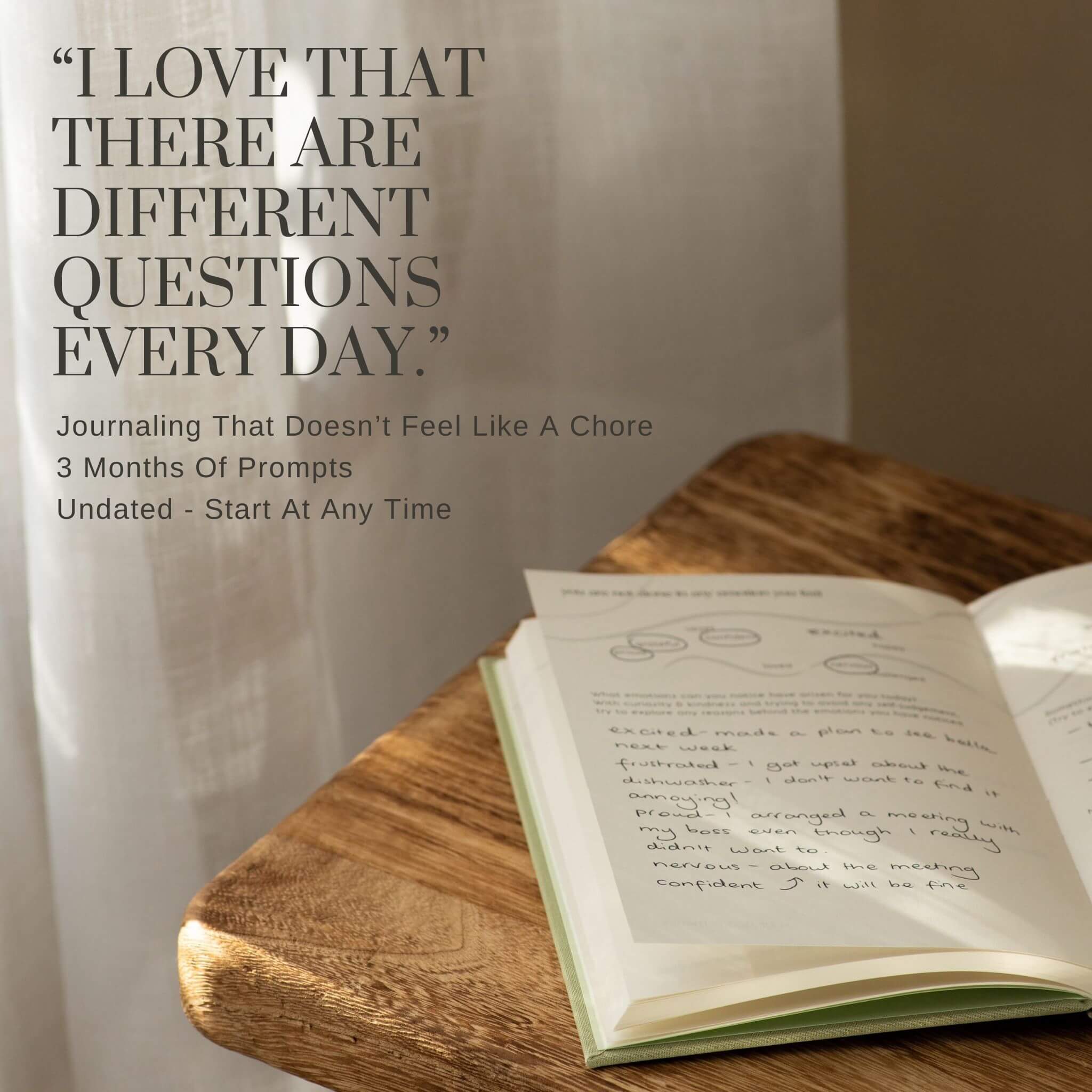
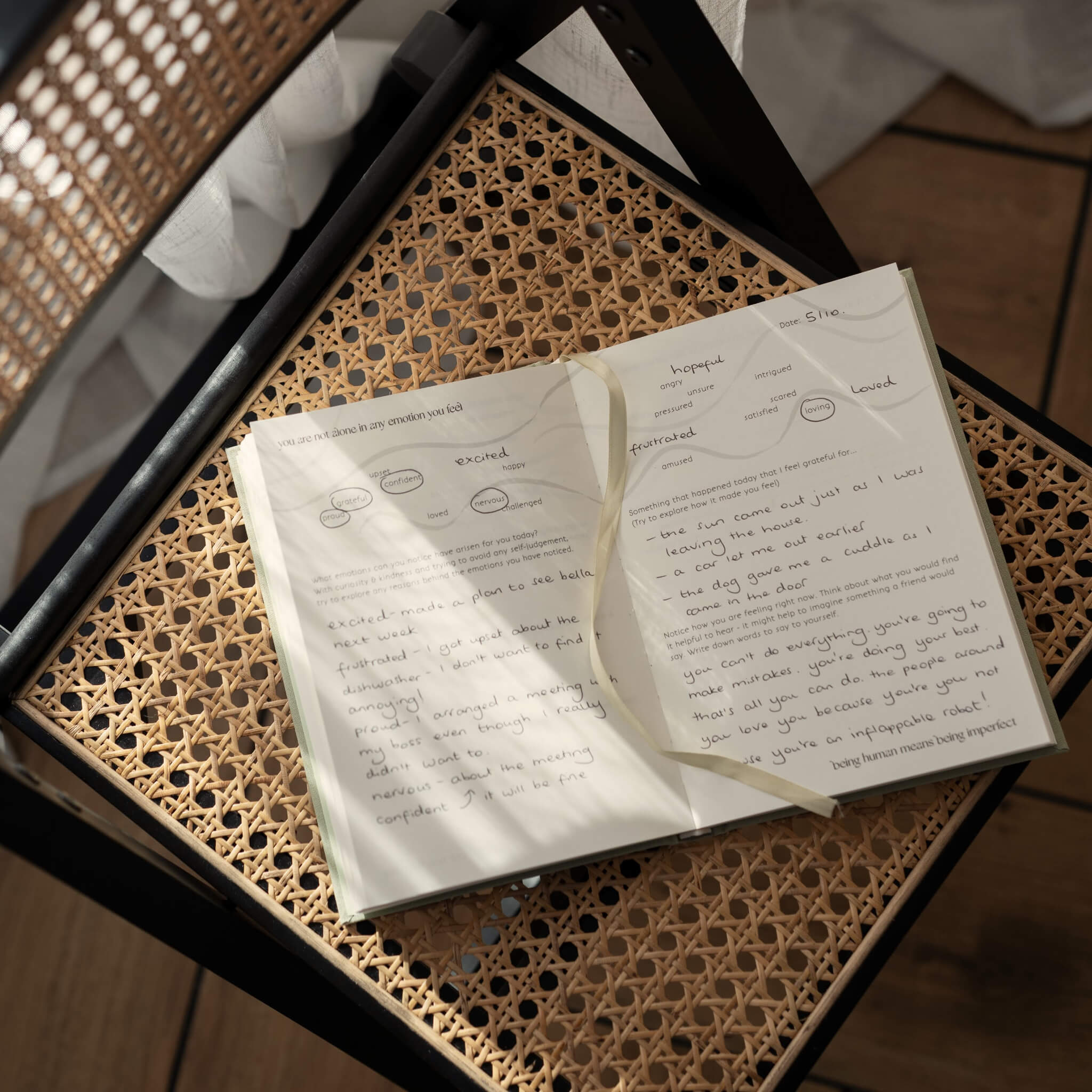
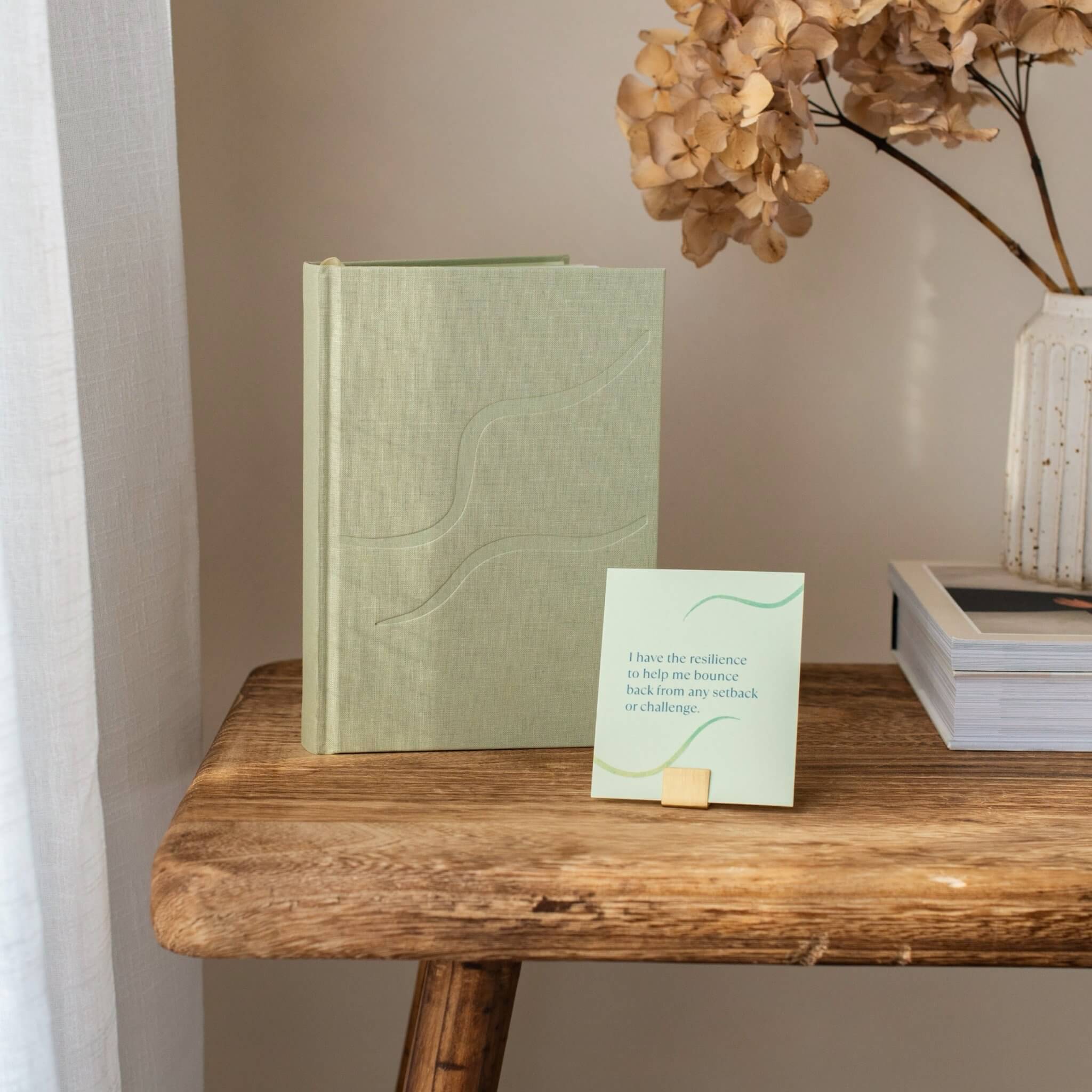
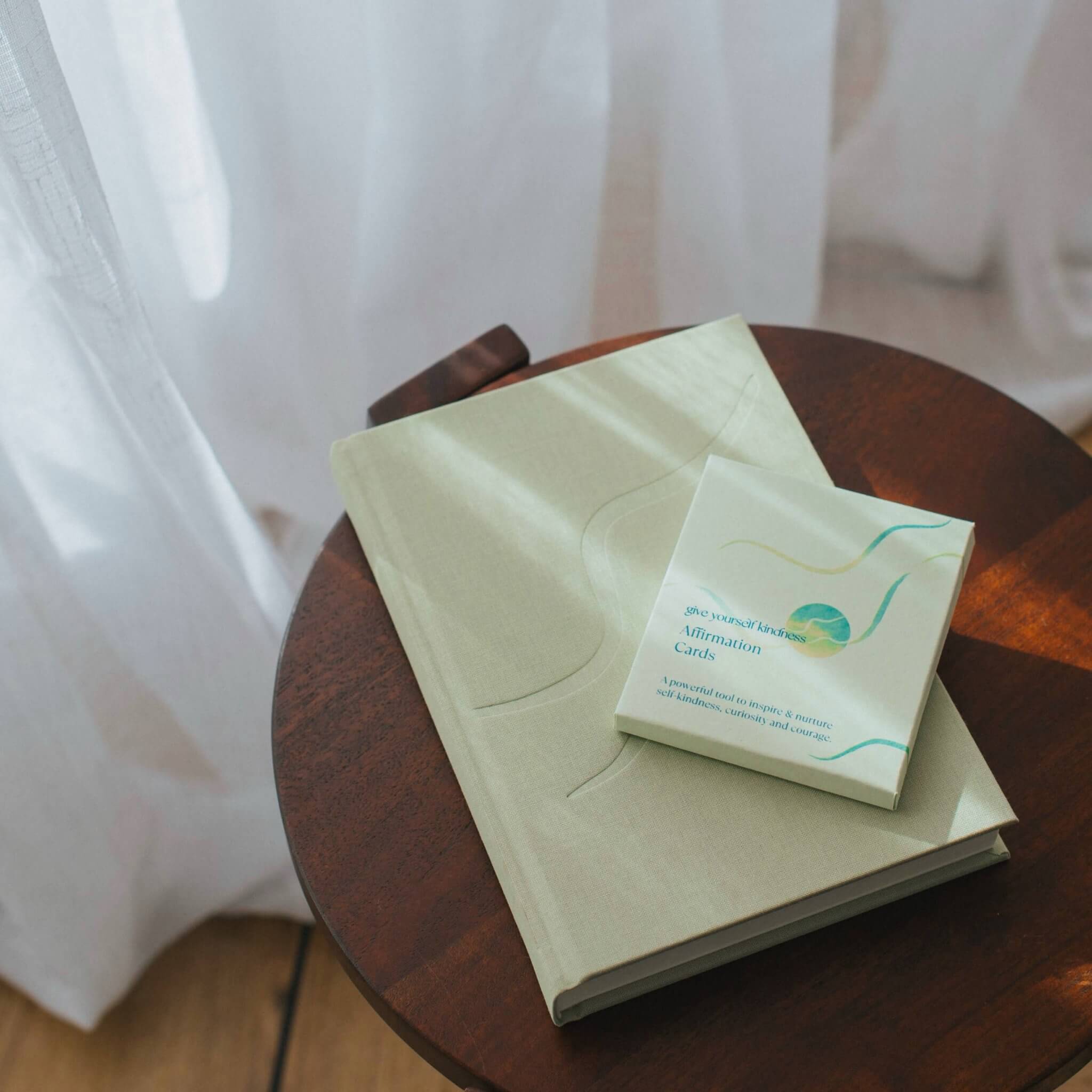
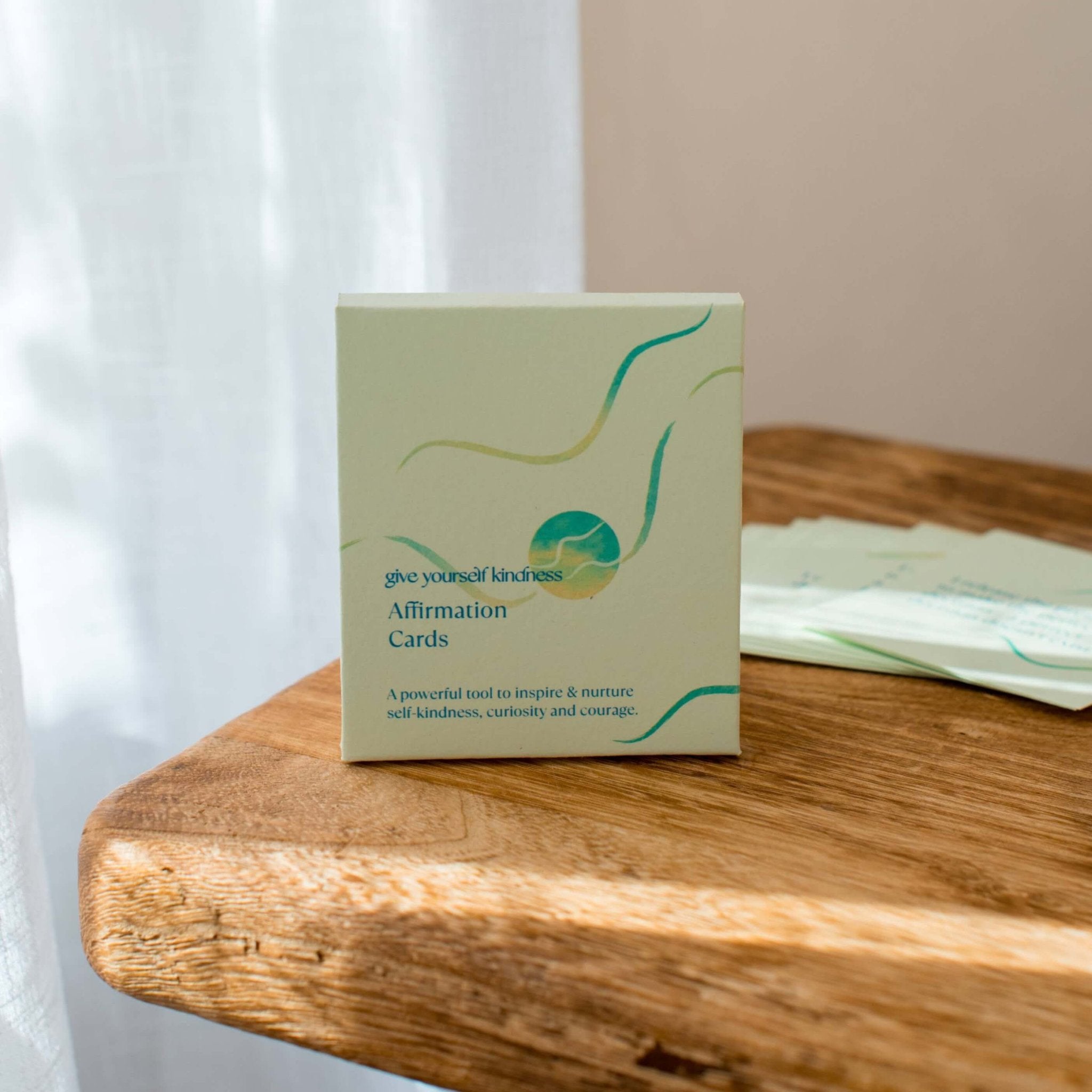
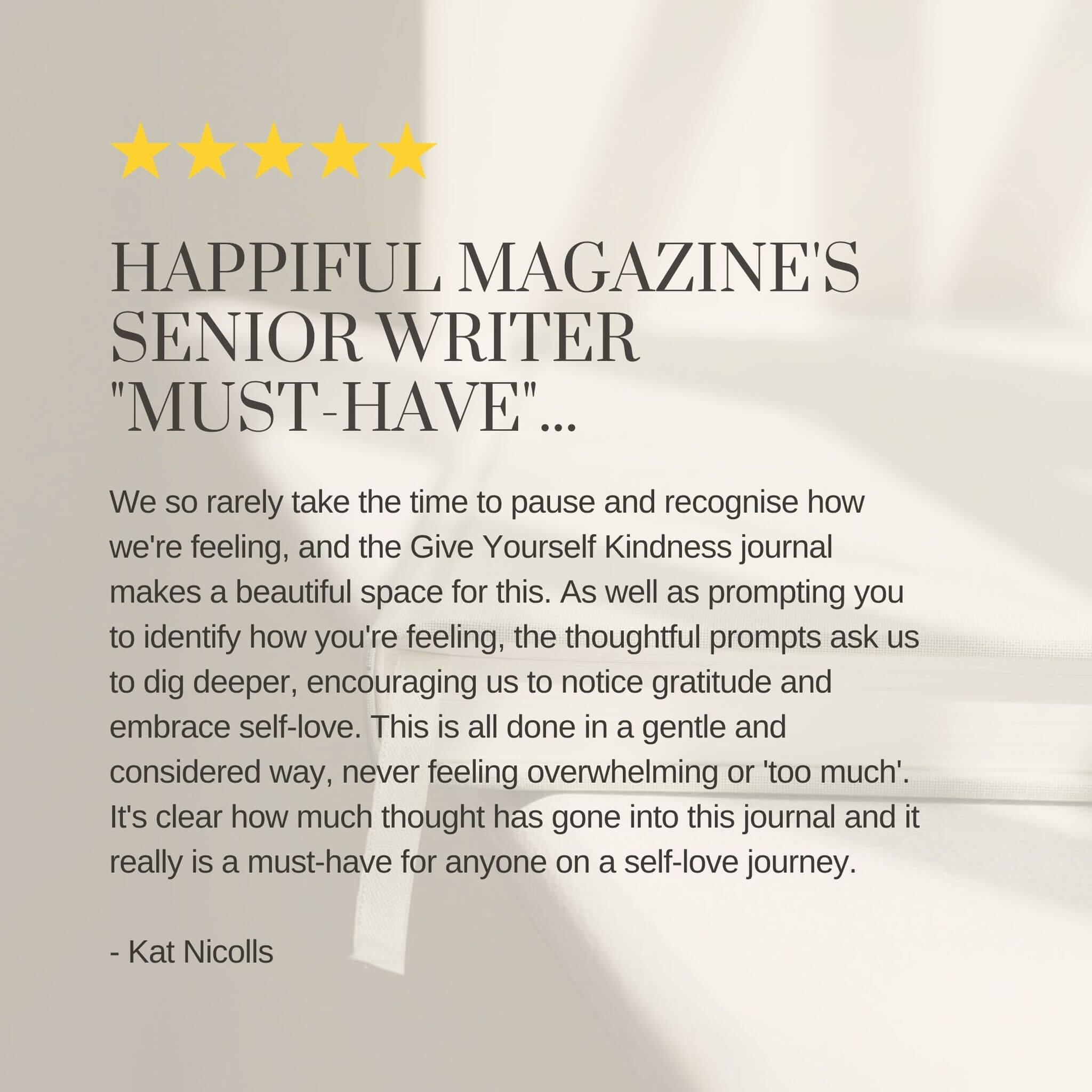
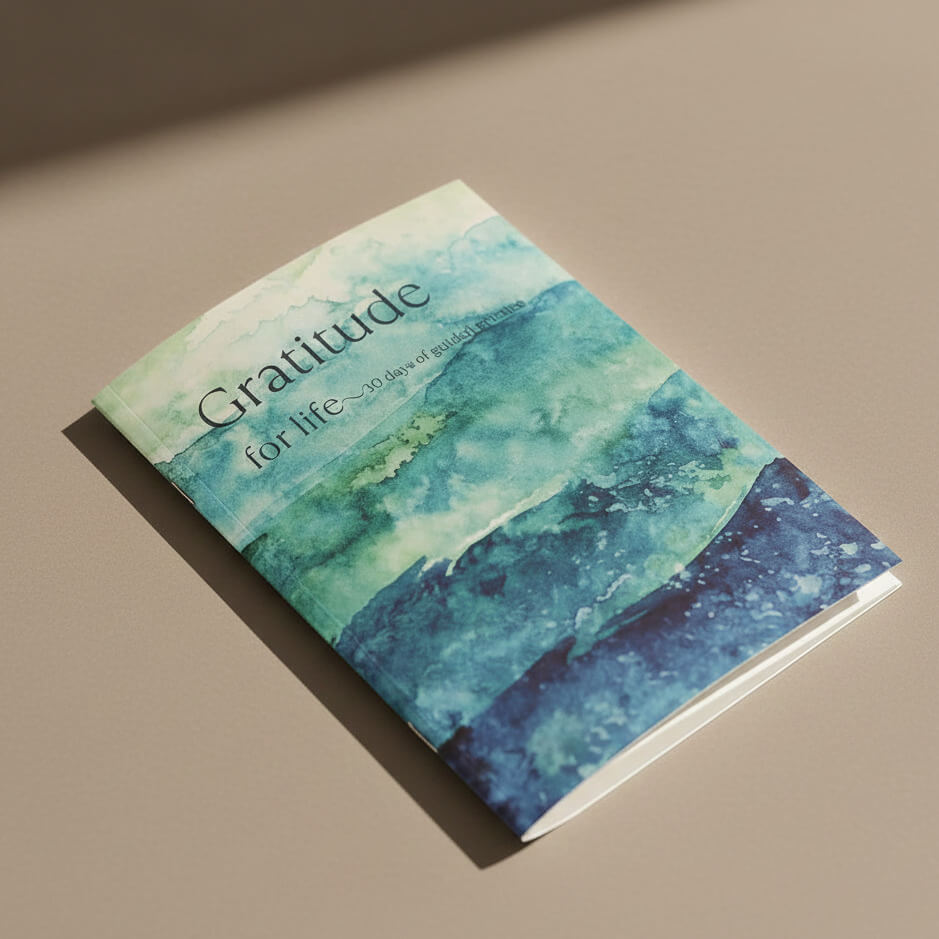
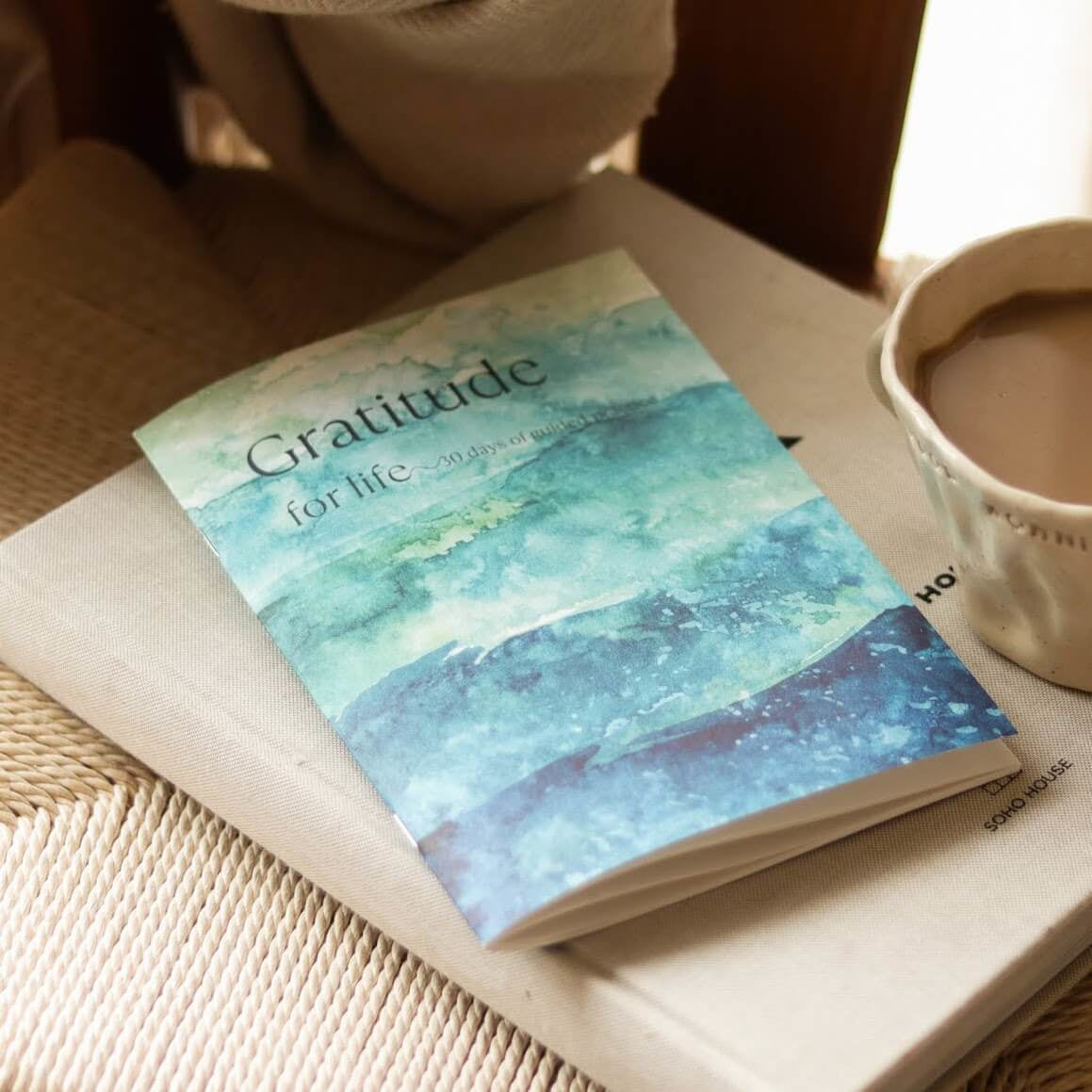
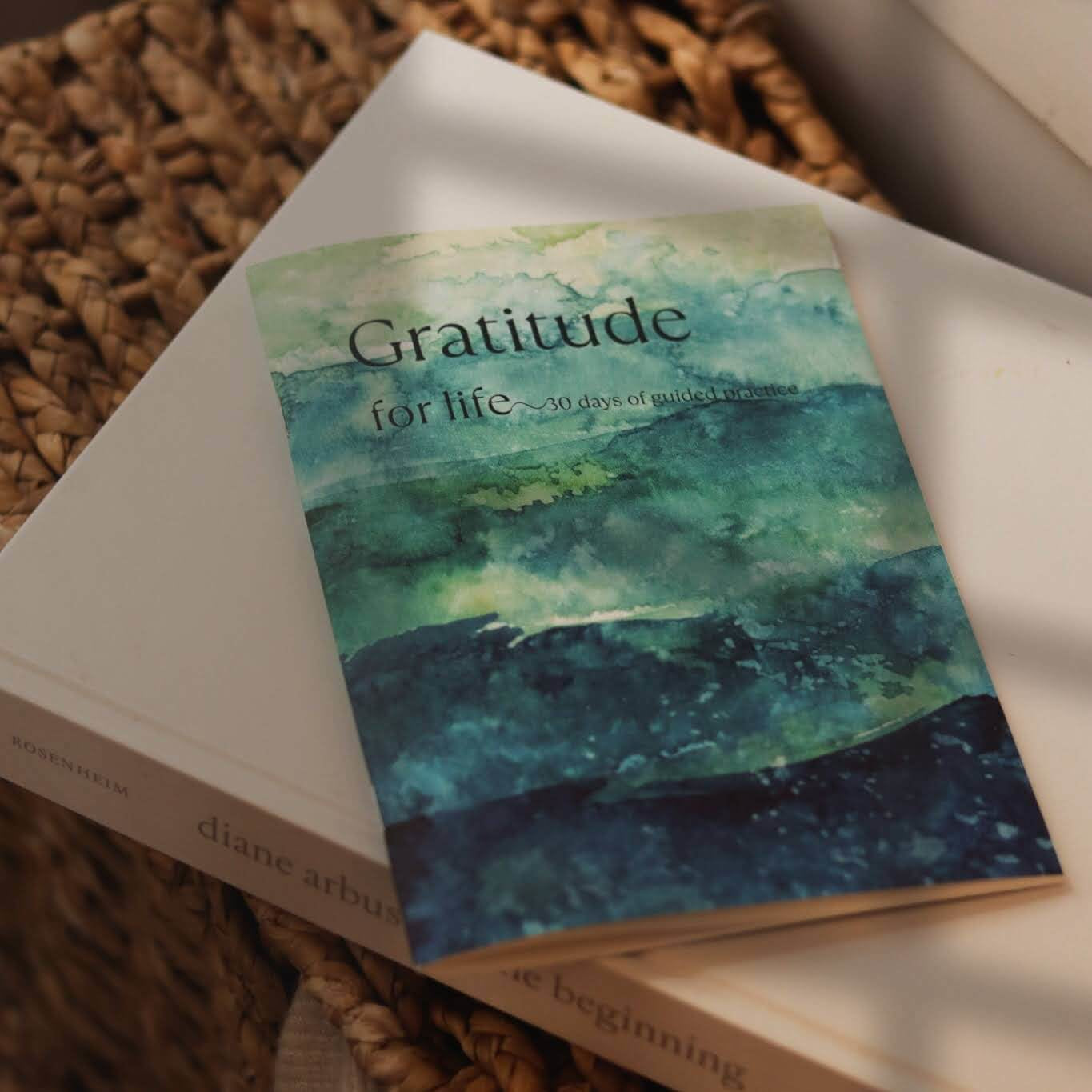
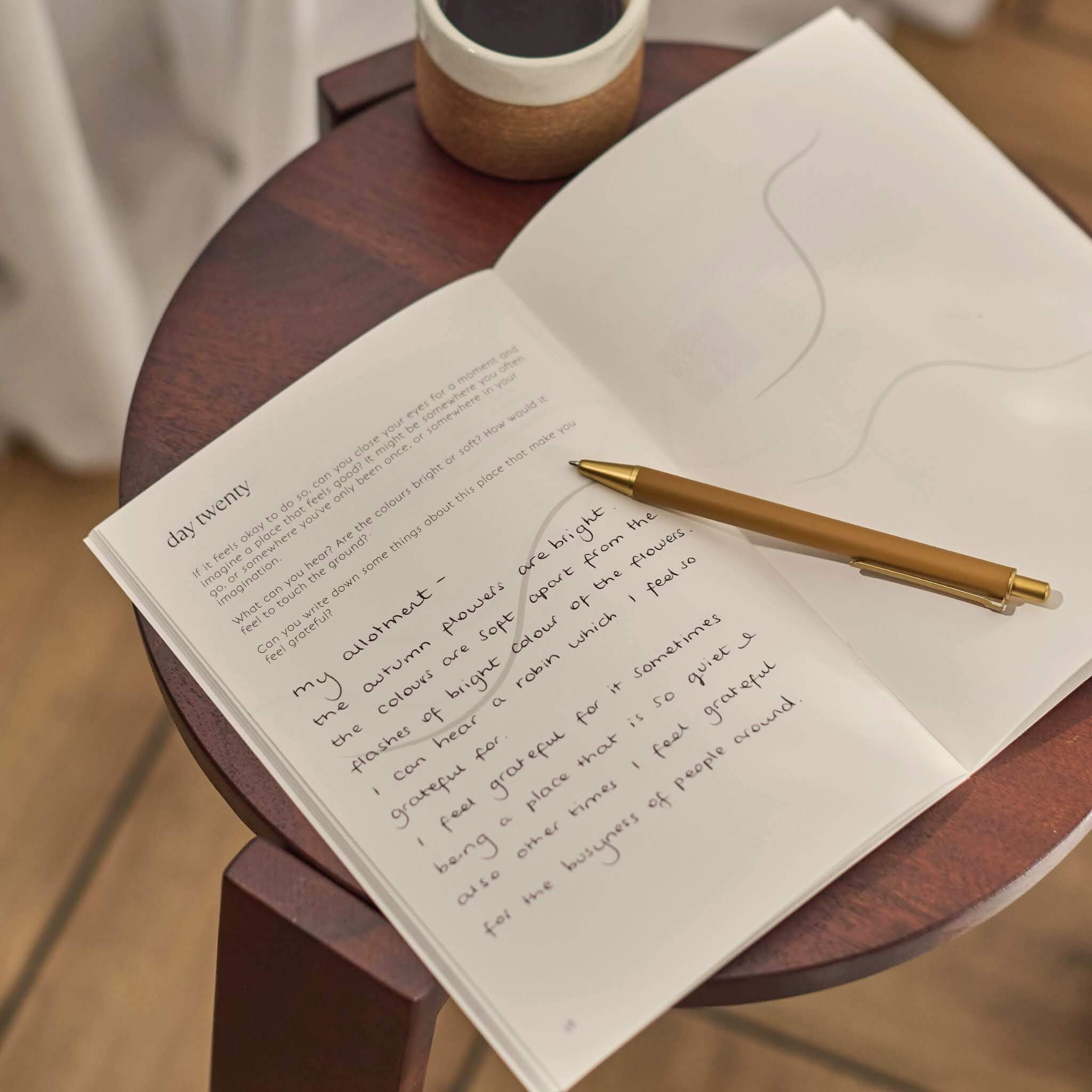
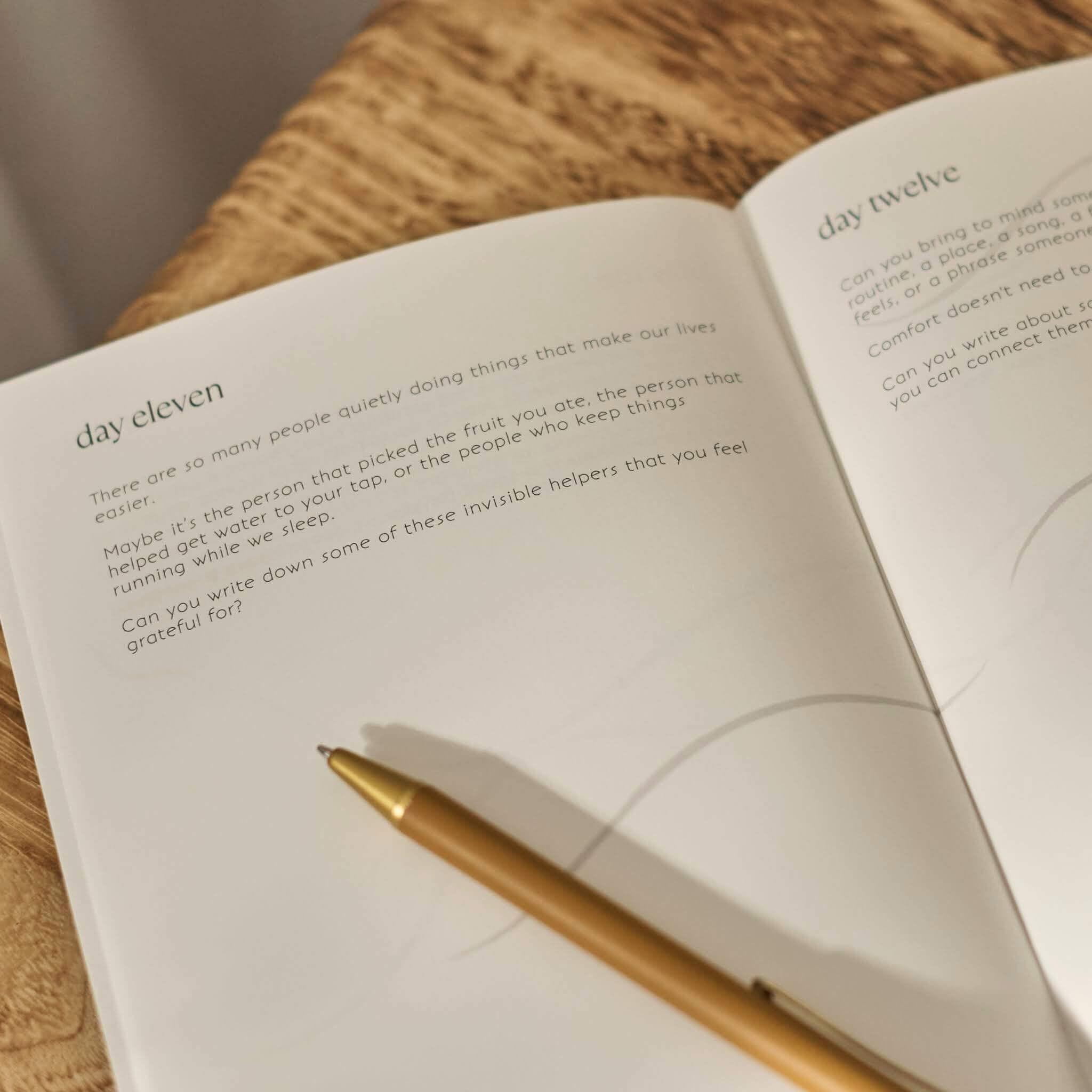
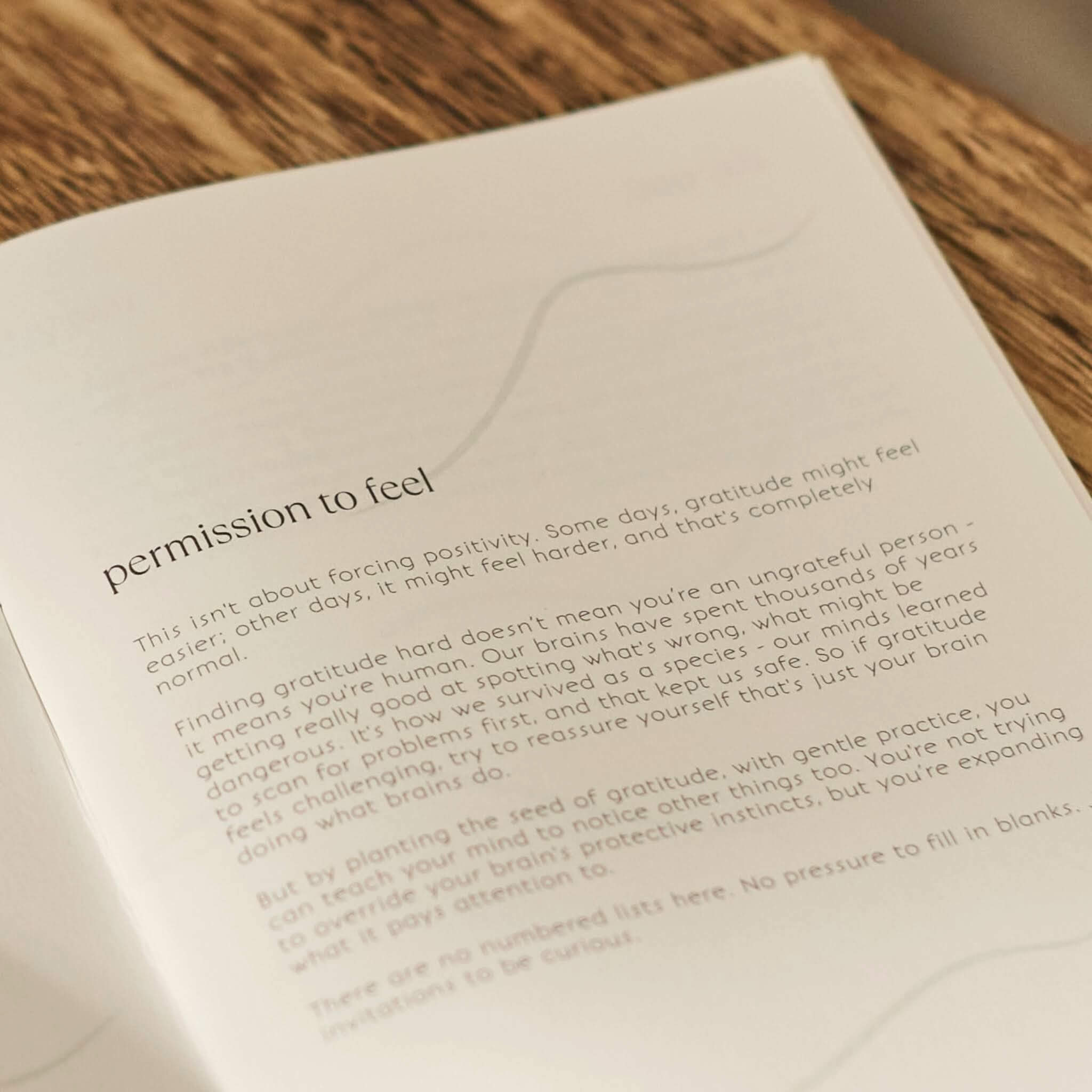
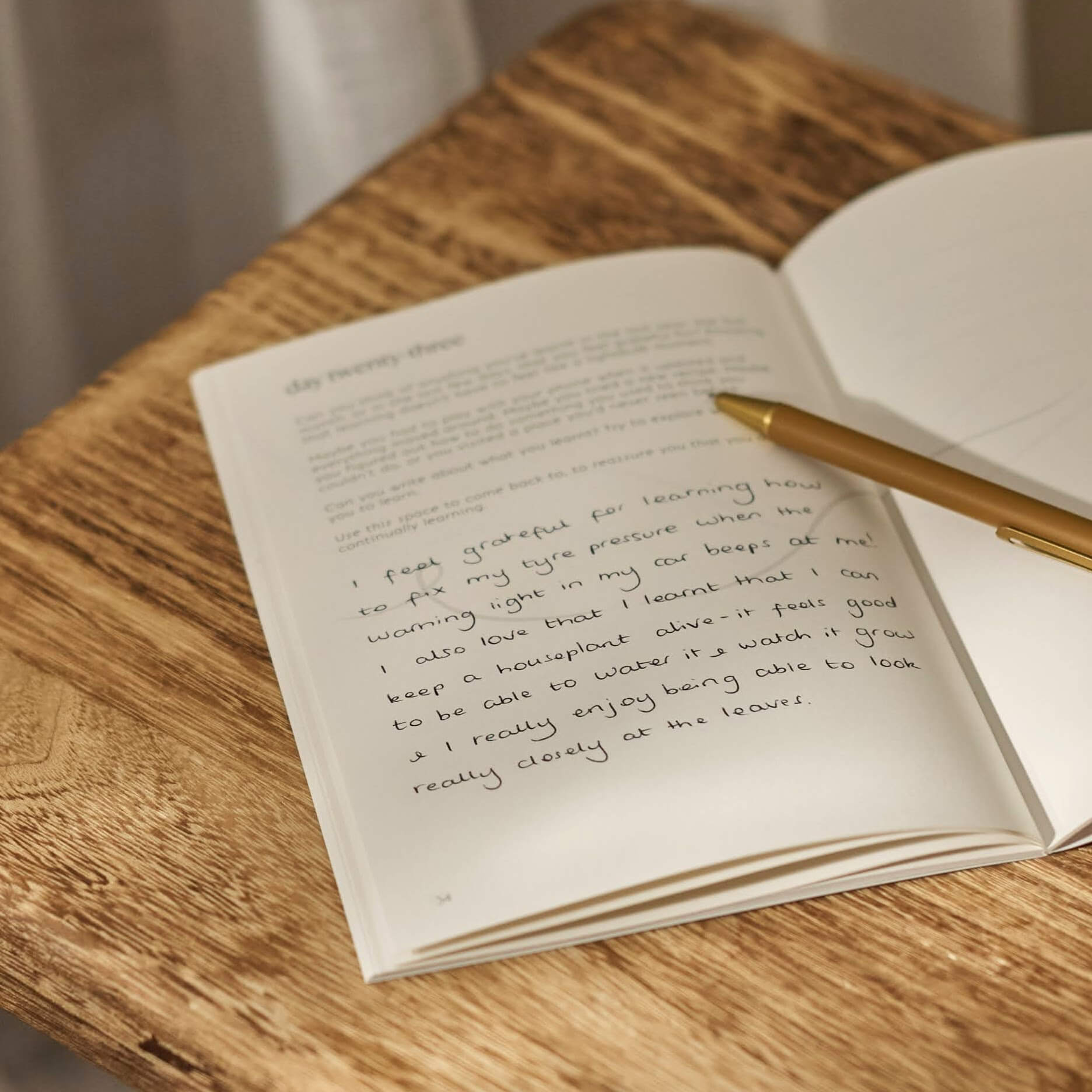
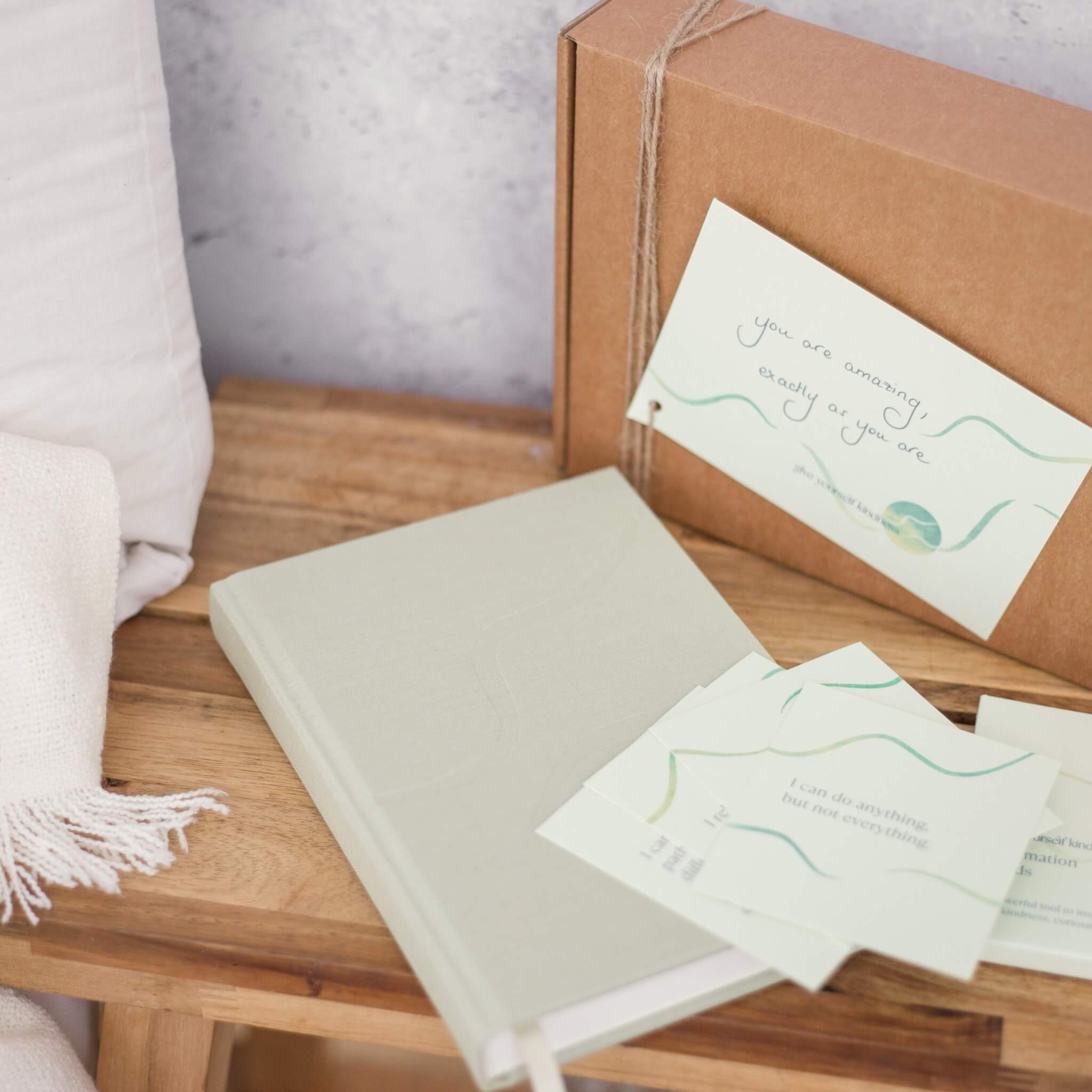
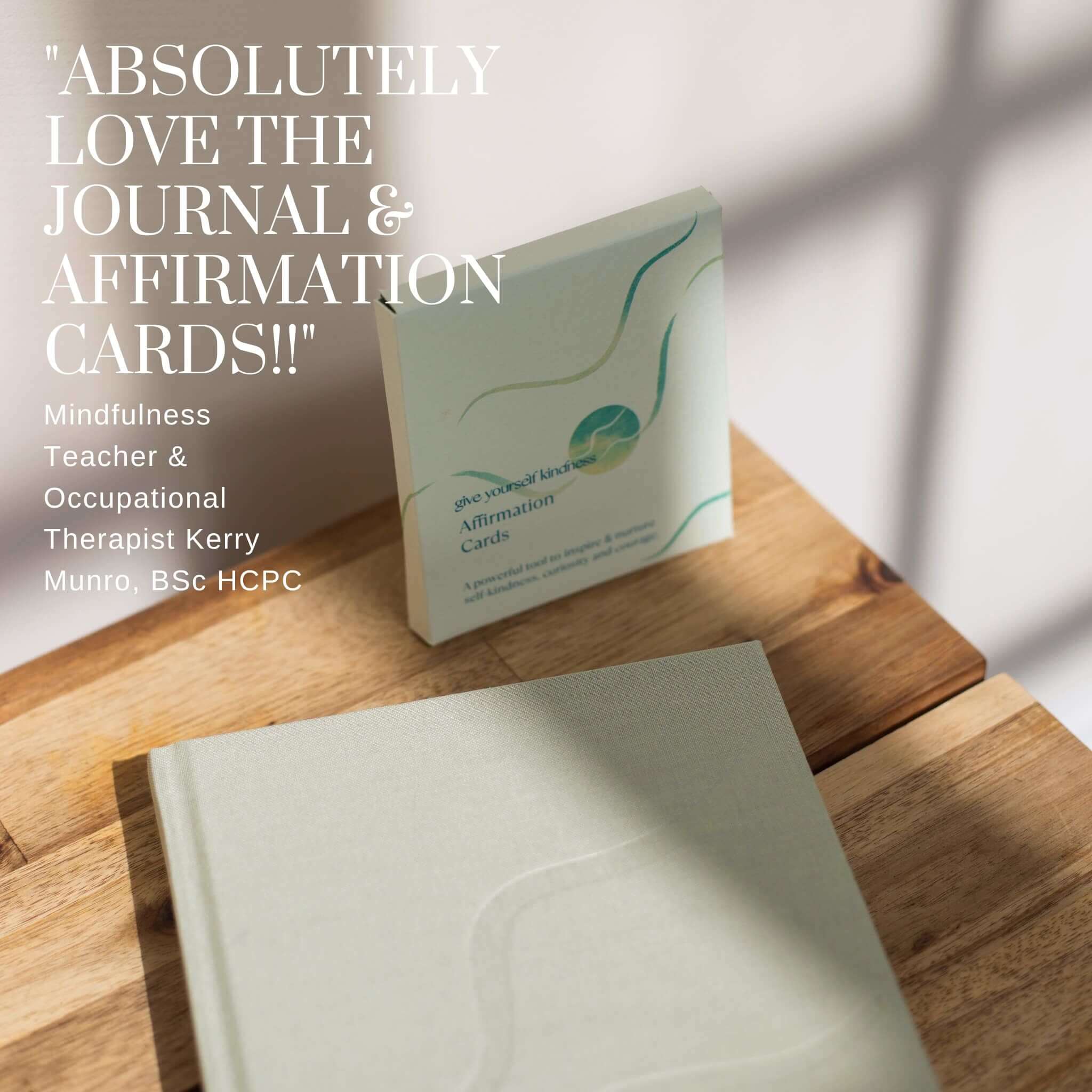
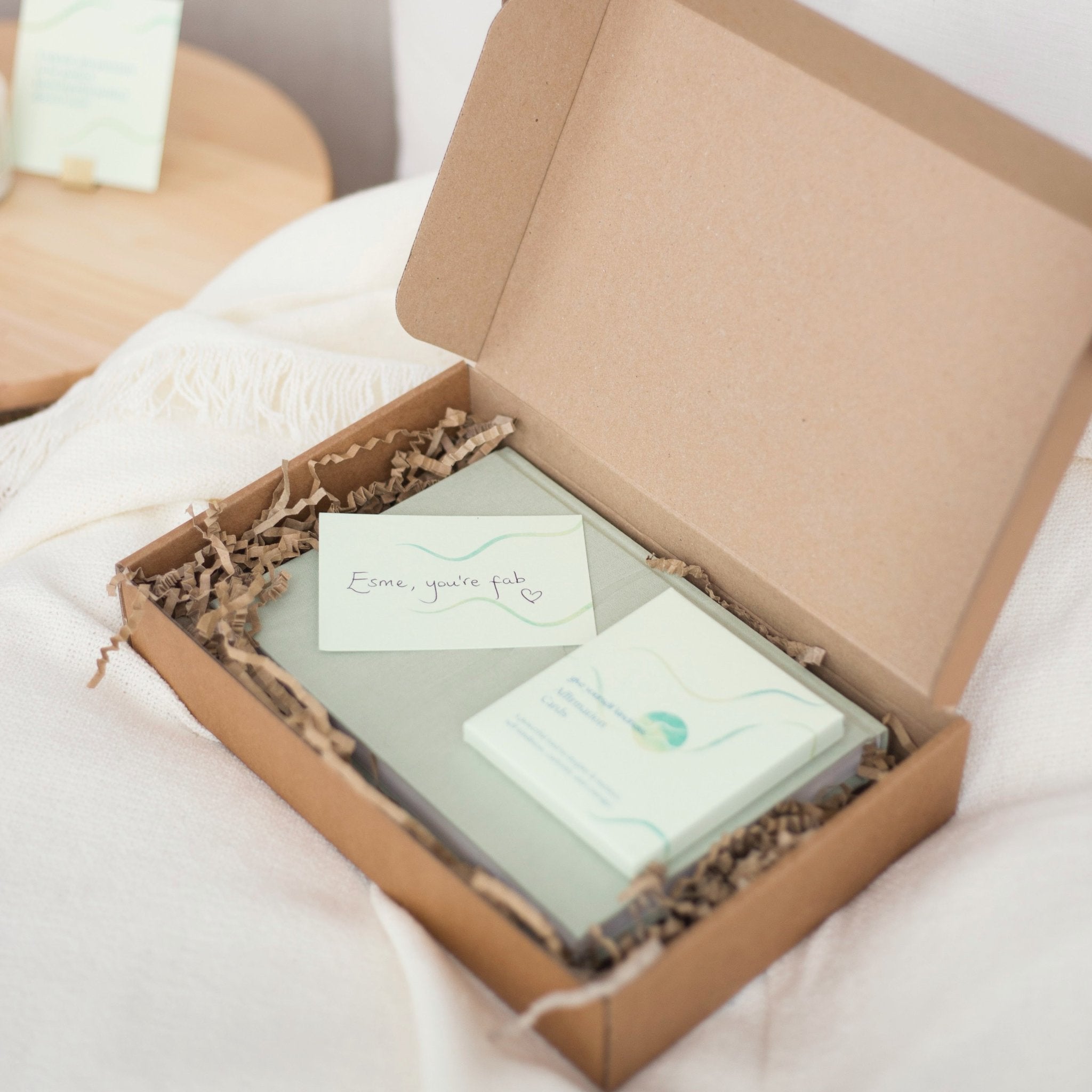
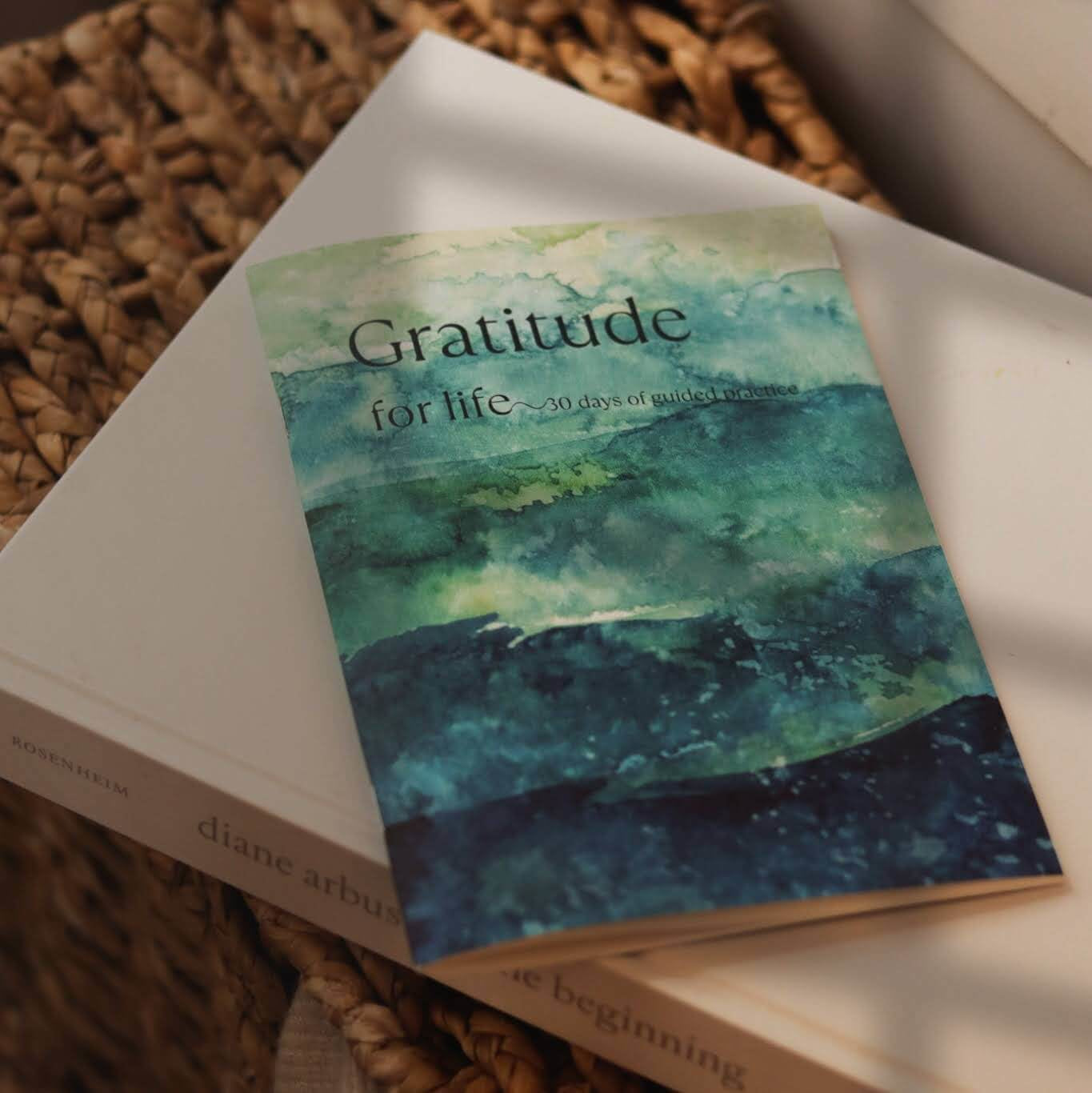
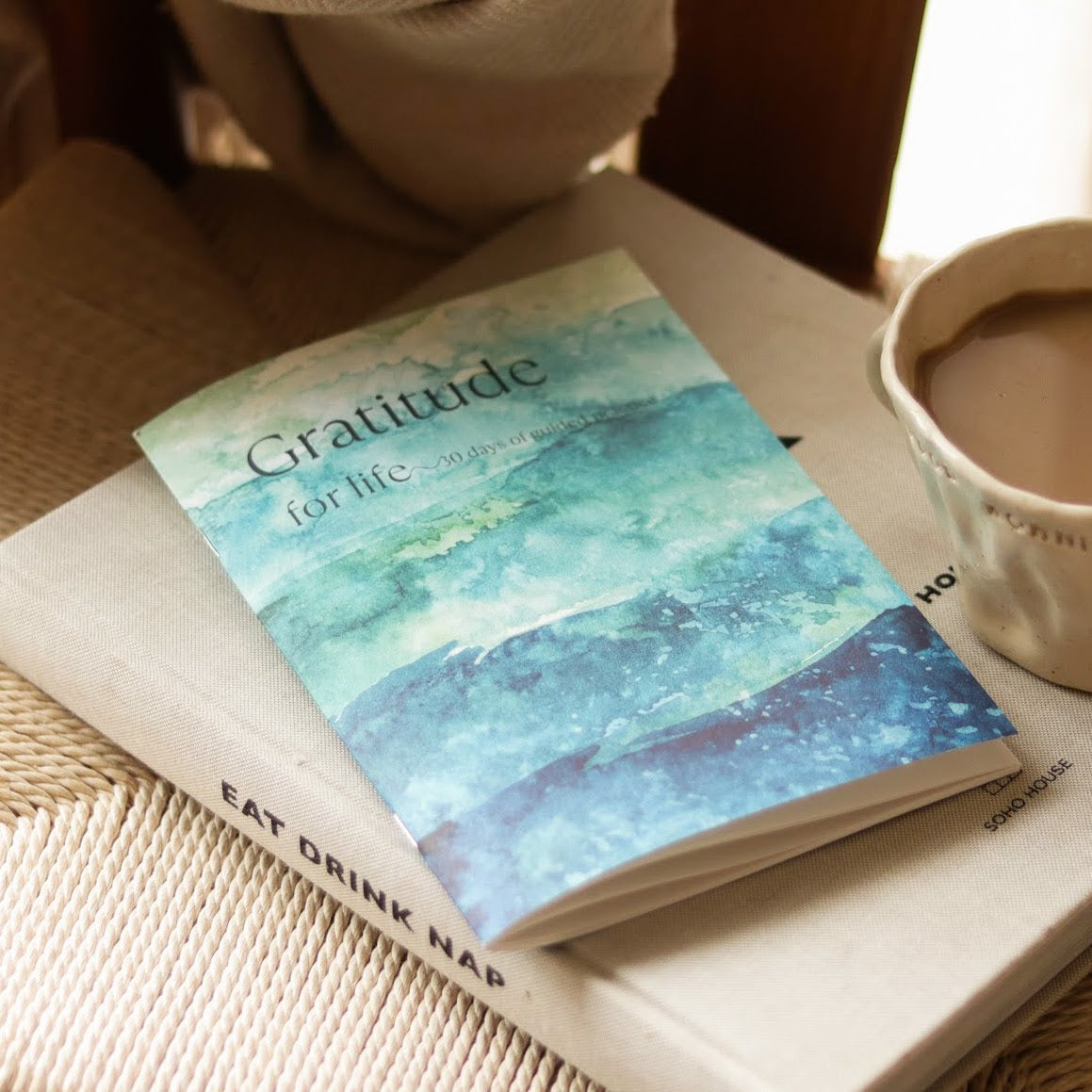
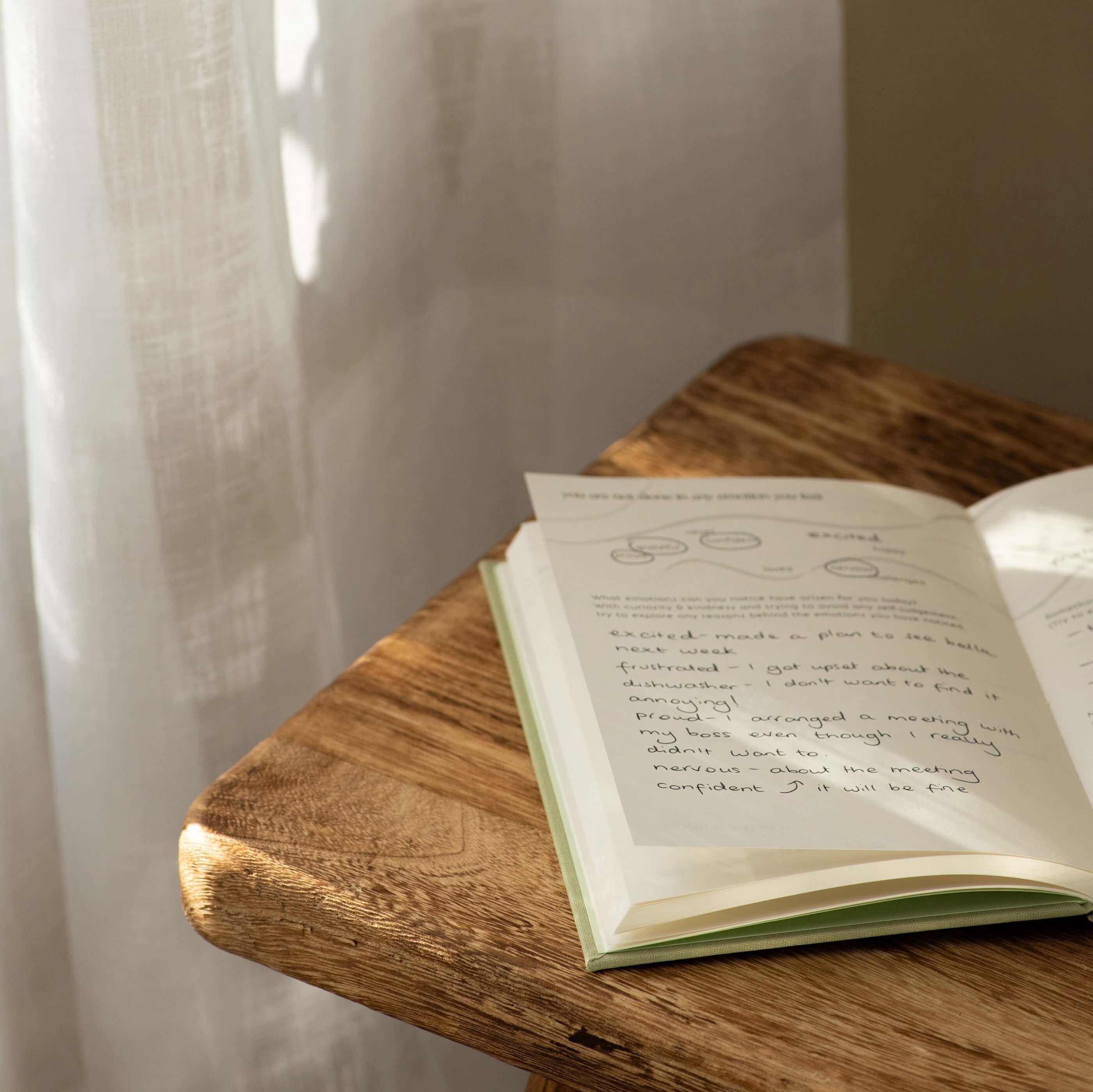
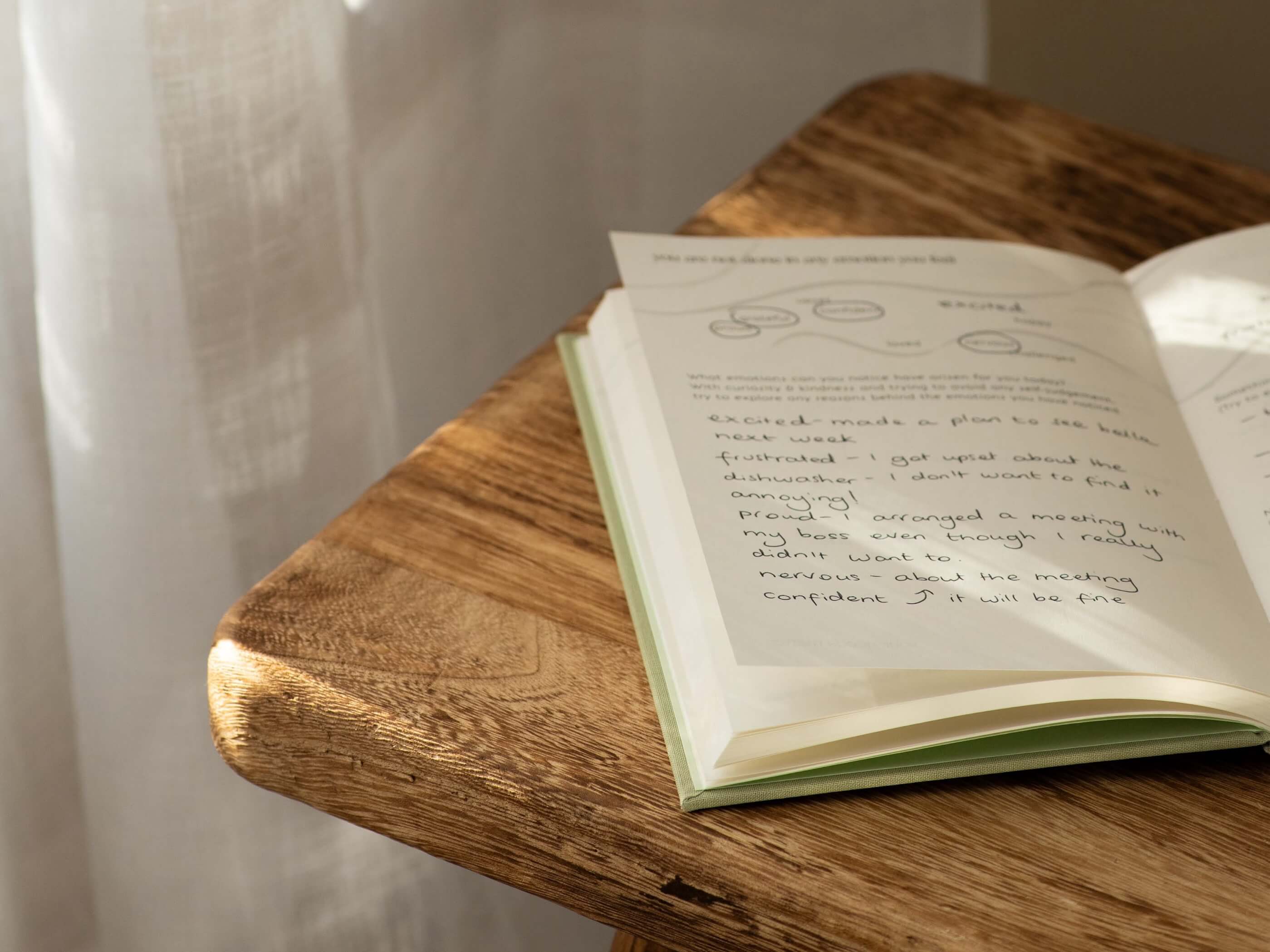
If that sounds familiar, it might help to look for a journal built to hold the harder days too, not just the good ones. I made The Gratitude Journal: A 30-Day Challenge for exactly this reason, with no blank "three things" lines and explicit permission for gratitude to feel hard. If what you're dealing with goes beyond gratitude specifically, into anxiety or a harsh inner critic, The Give Yourself Kindness Journal covers that broader ground.
Frequently Asked Questions
Is gratitude journaling toxic positivity?
Not inherently. Gratitude practice has real research support when it's genuine. It becomes toxic positivity specifically when the format demands positivity regardless of how you actually feel, with no room for a hard day to be a hard day.
Why does my gratitude journal make me feel guilty?
Most likely because the format offers a fixed quota ("three things") with no acknowledgement that some days that's genuinely difficult to produce. That gap between what's asked and what you're honestly feeling is where the guilt comes from, and it's a design problem, not a you problem.
What's the difference between toxic positivity and optimism?
Optimism makes room for a hard feeling and looks for what might help from there. Toxic positivity skips past the hard feeling entirely and demands the positive spin immediately, which tends to leave the original feeling unprocessed.
Can journaling itself cause toxic positivity?
Yes, if the prompts are built around forced positivity with nowhere to put anything else. The journal isn't a neutral tool; its format actively shapes what you write and, over time, how you relate to your own emotions.
What should I look for in a journal that avoids toxic positivity?
Varied prompts rather than a repeated fixed formula, explicit permission for difficult days, and space for emotions beyond gratitude and positivity. Research by self-compassion researcher Dr. Kristin Neff consistently shows that validating a difficult emotion, rather than rushing past it, is what actually helps it settle, and reduces anxiety and depression more effectively than either self-criticism or forced positive thinking.
Continue reading:
- Best Gratitude Journals Compared (2026)
- The Best Journal for Mental Health
- The Benefits of Journaling: What 3 Clinical Psychologists Say
- Why Self-Compassion Works Better Than Self-Criticism
Shop The 30-Day Gratitude Challenge →
Full transparency: I made this journal after "three things I'm grateful for" made me feel worse, not better.
About the author: Rachel Smith (DipBSoM) is a qualified meditation teacher and CFT graduate, and the creator of Give Yourself Kindness. After recovering from harsh self-talk and self-criticism through Compassion Focused Therapy, and finding that most gratitude journals made her feel worse rather than better, she created evidence-based tools now recommended by clinical psychologists at Harvard Medical School (Dr. Chris Germer) and the University of Oxford (Professor Willem Kuyken), and used by therapists with clients across the UK, US, and Canada. She is not a clinical psychologist. She is someone who learned what works through evidence-based therapy and built tools that clinical experts now validate.


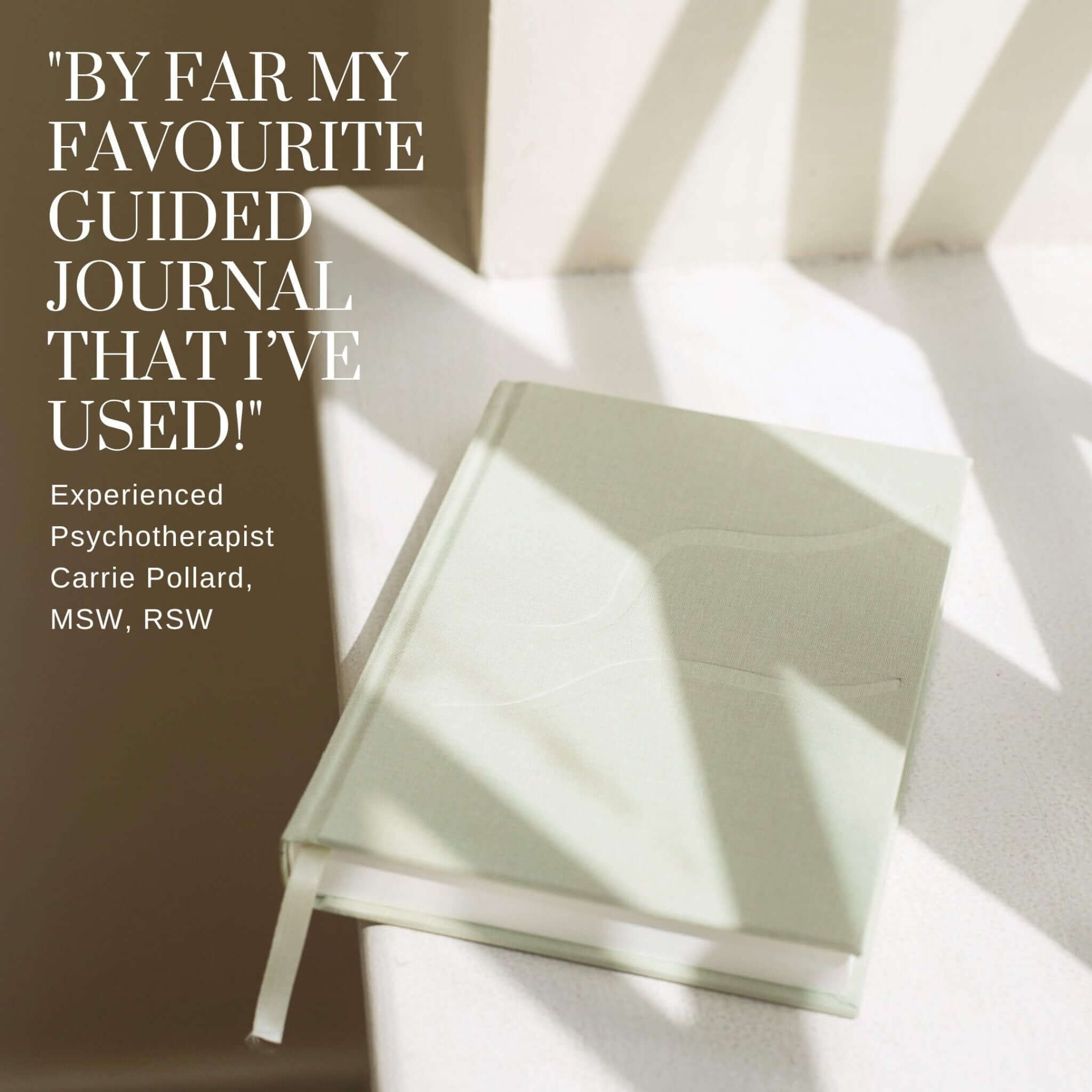
“By far my favourite guided journal that I’ve used!”
There's a lot of journals out there. Most of which include tools that can be repetitive, boring or unhelpful. Give Yourself Kindness is about creating something new.