



Personal Growth Through Self-Compassion (Not Self-Criticism)
Expert insights on self-compassion and growth
The Research-Backed Truth
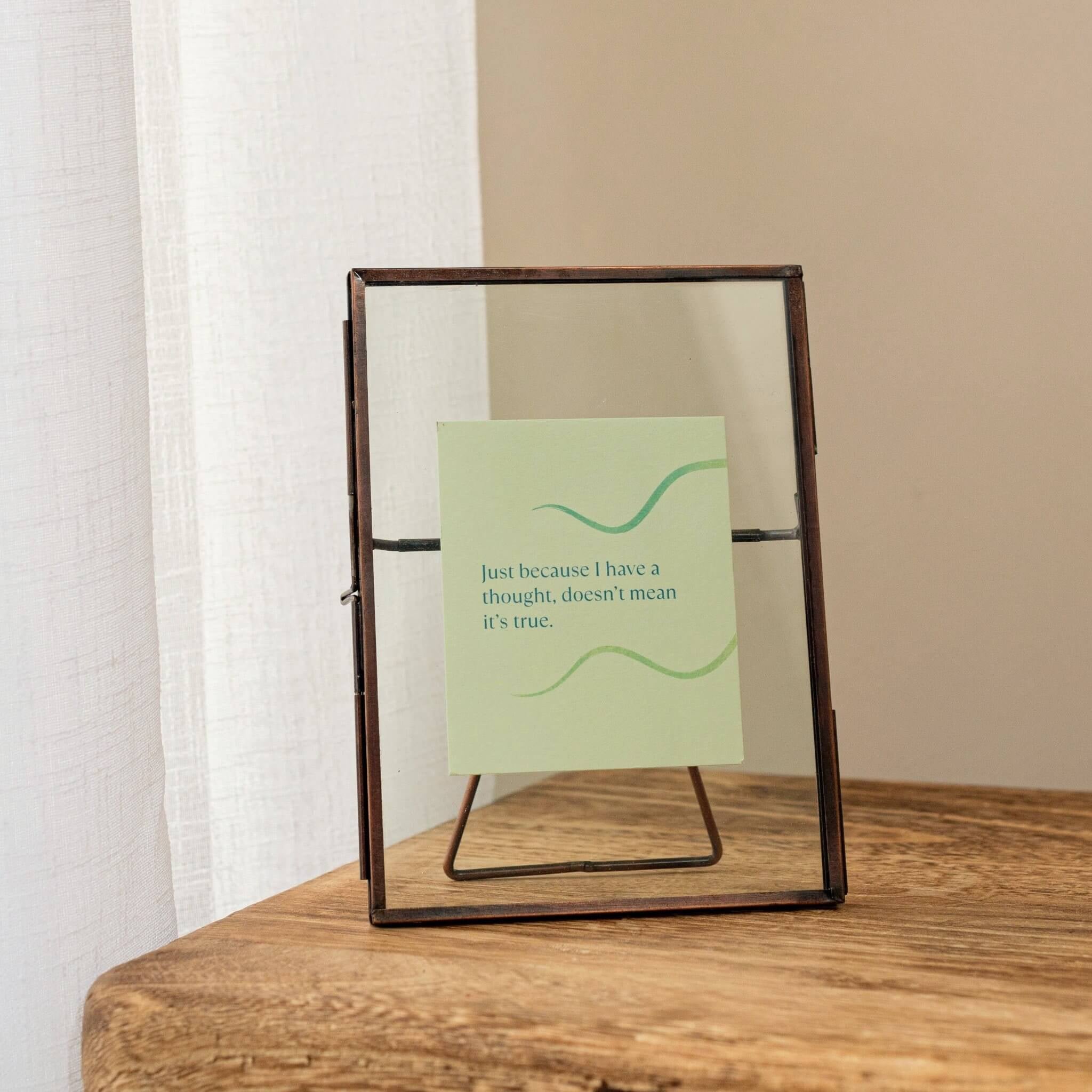
Self-compassion predicts personal growth MORE effectively than self-criticism.
Why? Because self-compassion allows you to face your limitations without shame, which creates space for genuine change. Self-criticism creates defensiveness and keeps you stuck.
Below: Insights from leading psychologists at Harvard, Oxford, and beyond on how self-compassion enables authentic growth—not self-indulgence, but a more effective path to becoming who you want to be.
Why Self-Compassion Enables Growth (and Self-Criticism Doesn't)
Most of us were taught that personal growth requires being hard on ourselves. "No pain, no gain." "Push yourself." "Don't let yourself off the hook."
But research by Dr. Kristin Neff and colleagues shows this is backwards. Self-criticism activates your threat system—you become defensive, shut down, or avoid facing uncomfortable truths about yourself. You can't grow from a place of shame.
Self-compassion, on the other hand, activates your care system. When you respond to your limitations with kindness rather than judgment, you can actually face them honestly. You can say "Yes, I did that thing I wish I hadn't" without collapsing into "I'm a terrible person." That honesty creates space for change.
Self-compassion isn't self-indulgence or letting yourself off the hook. It's treating yourself with the same kindness you'd offer a good friend—which paradoxically makes you more accountable, not less. Because you can face the truth without it destroying you.
Below, you'll find insights from some of the world's leading researchers and clinicians on how self-compassion enables authentic personal growth.
Insights from Leading Psychologists & Therapists

Dr. Kristin Neff, PhD & Dr. Chris Germer, PhD
Dr. Neff: Associate Professor, University of Texas at Austin | Pioneer of self-compassion research
Dr. Germer: Clinical Psychologist, Harvard Medical School | Co-developer of Mindful Self-Compassion program
"Self-Compassion Is Not Self-Pity"
"Self-pity may conjure up a picture of curling up in a little ball for days, wailing about how unfair the world is. Fortunately, self-compassion doesn't ask you to be that person. Compassion and pity are quite different. Pity involves looking down on someone and feeling sorry for them. Compassion says 'We've all been there.' Pity creates separation, and compassion creates connection."
Read Dr. Neff & Dr. Germer's Full Article →
Dr. Kristin Neff, PhD
Associate Professor of Educational Psychology, University of Texas at Austin | Recognized as one of the most influential scholars in psychology
"Being With Difficult Emotions"
"These practices aren't strategies to get rid of difficult emotions; they just allow us to establish a new relationship to them. When we find the physical expression of an emotion and hold it in mindful awareness, we are in a better position to change our relationship to the emotion. Feel it and you can heal it. Softening our body around tension we feel is a form of physical self-compassion, and allowing is a type of mental self-compassion that reduces suffering by lessening resistance."
Read Dr. Neff's Full Article →
Dr. Chris Germer, PhD
Clinical Psychologist | Lecturer on Psychiatry (part-time), Harvard Medical School | Co-developer of Mindful Self-Compassion program taught to 250,000+ people worldwide
On Self-Compassion and Growth
"Research shows that self-compassionate people ruminate less often and they're less likely to feel isolated by their difficulties. Having compassion for yourself doesn't mean you wallow in pain. When you remember that you're part of a greater whole and open your heart to a shared human experience of suffering, you're less likely to play a starring role in your own soap opera."
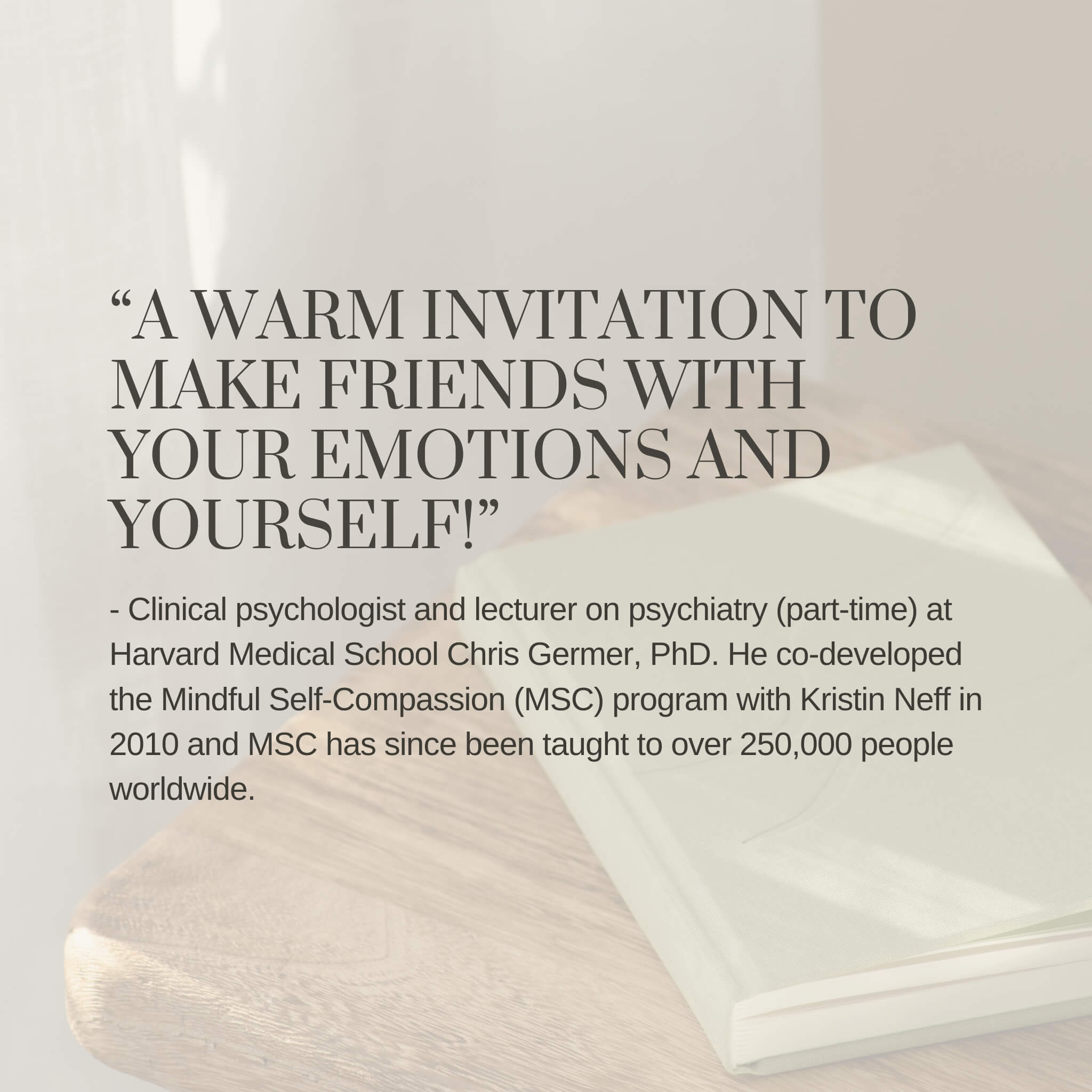
Dr. Germer recommends the Give Yourself Kindness Journal: "A warm invitation to make friends with your emotions and yourself!"

Dr. Chris Irons, PhD
Clinical Psychologist | Researcher and Trainer in Compassion-Focused Therapy (CFT) | Co-director of Balanced Minds
"The Fears of Self-Compassion and How to Work With Them"
"The fears of self-compassion are a common and significant barrier for many individuals, but they are not insurmountable. Through Compassion-Focused Therapy, we can learn to understand and work with these fears, ultimately developing a more compassionate and supportive relationship with ourselves. Studies have consistently found that between the start of people engaging in CFT, scores on the fear of self-compassion significantly reduce. So even if you do find self-compassion scary in some way, engaging in the ideas and practices can help."
Read Dr. Irons' Full Article →
Carrie Pollard, MSW, RSW
Registered Social Worker | Psychotherapist using compassion, understanding, and humor | Lives in Canada
"Can You Ever Give Yourself Too Much Self-Compassion?"
"Self-compassion enhances our inner strength and resilience as well as our accountability. Many worry that if they give themselves sympathy for their suffering, then they will get trapped in self-pity and the 'poor me' mentality. Self-compassion encourages us to mindfully take perspective on our situations, to non-judgmentally take responsibility for our actions, and to proactively seek support and solutions. Self-compassion empowers us to be more curious, courageous and tap into our inner wisdom. The answer to the question is: no, we can't be 'too' compassionate!"
Read Carrie's Full Article →How to Practice Personal Growth Through Self-Compassion
Based on the research and clinical experience of the experts above, here's how to cultivate self-compassionate personal growth:
-
Notice self-criticism without judgment
When you catch yourself being harsh with yourself, simply notice it. "Oh, there's my inner critic again." Don't judge yourself for being self-critical—that's just more criticism. Simply notice.
-
Ask: "What would I say to a friend?"
If a friend came to you with the same struggle, failure, or limitation, what would you say to them? Now say that to yourself. This activates your compassion system rather than your threat system.
-
Remember common humanity
You're not the only one who struggles, fails, or has limitations. As Dr. Neff explains, self-compassion includes recognizing that suffering and imperfection are part of the shared human experience. You're not uniquely broken—you're human.
-
Name and feel your emotions
As Dr. Neff's research on affect labeling shows, naming emotions reduces their intensity. "I'm feeling disappointed and a bit embarrassed." Feel where it lives in your body. Don't try to make it go away—just be with it kindly.
-
Work with your fears
As Dr. Irons explains, many people fear that self-compassion will make them weak, lazy, or self-indulgent. Notice these fears with curiosity. They're protective parts of you, and they're not insurmountable. Self-compassion actually enhances accountability and growth.
-
Take compassionate action
Self-compassion isn't passive. Once you've been kind to yourself about a limitation or mistake, ask: "What do I need right now? What would be helpful?" Then take action from kindness, not shame.
-
Practice in micro-moments
As Dr. Chung reminds us, transformation happens in small moments. You don't need an hour of meditation. A 30-second pause to place your hand on your heart and say "This is hard, and I'm doing my best" is self-compassion practice.
-
Journal with self-compassion
Writing helps you process emotions and develop self-awareness. Use prompts that encourage self-compassion rather than self-judgment. "What would I say to a friend in this situation?" rather than "What's wrong with me?"
Remember: Self-compassion is a practice, not a destination. Some days it will feel natural; other days your inner critic will be loud. That's okay—be compassionate with yourself about that, too.
Tools That Support Self-Compassionate Growth
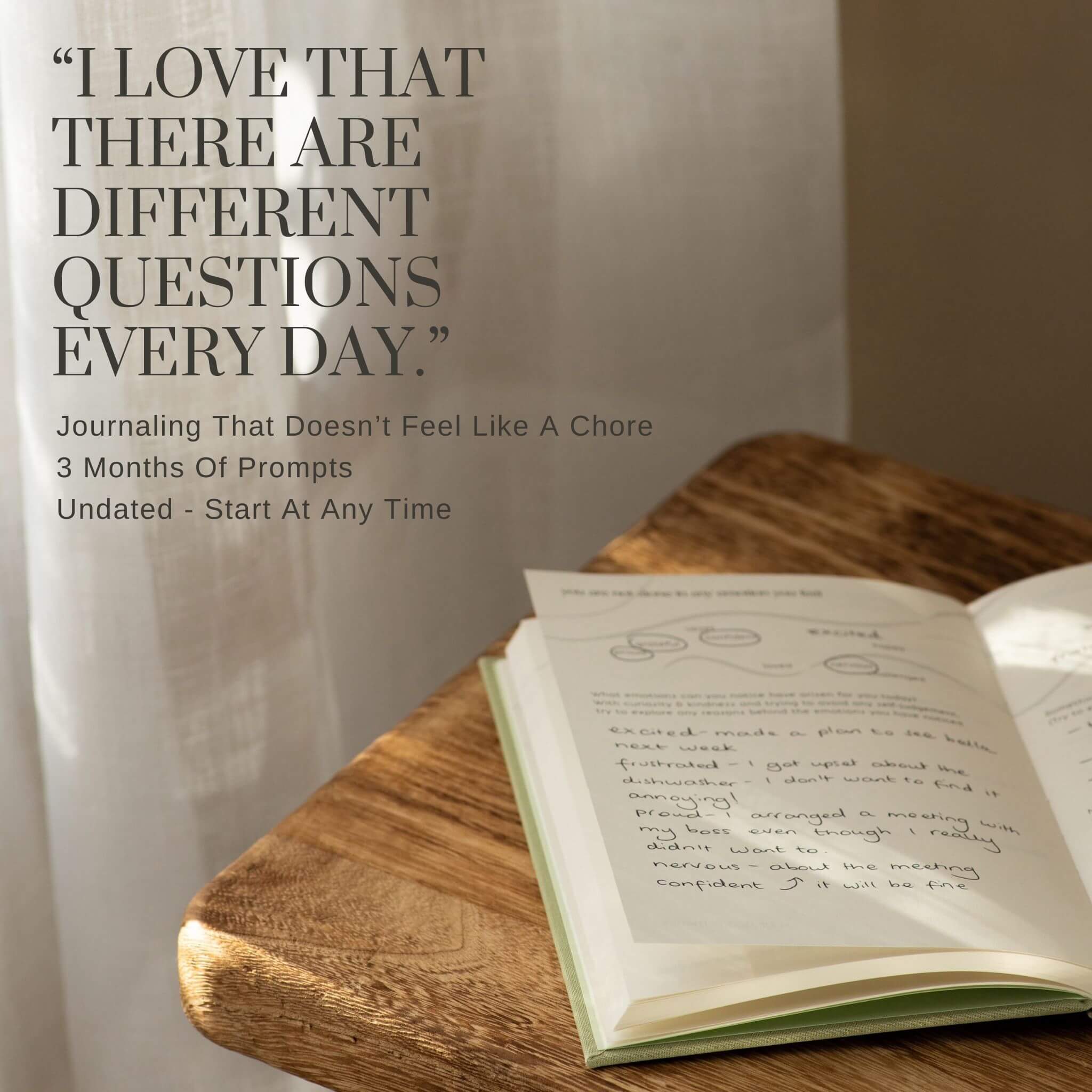
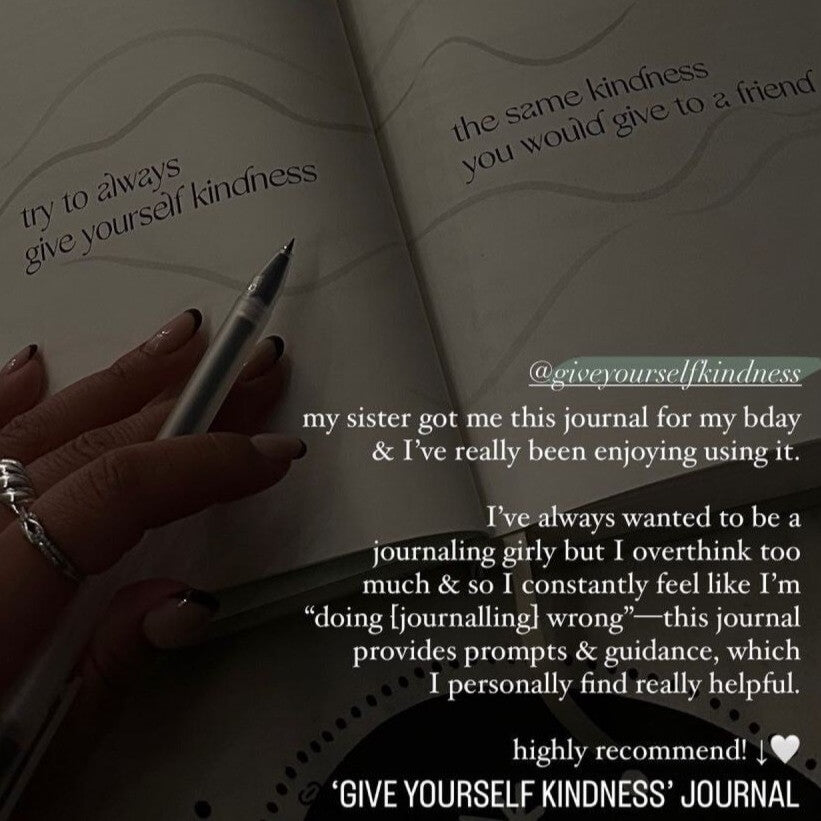
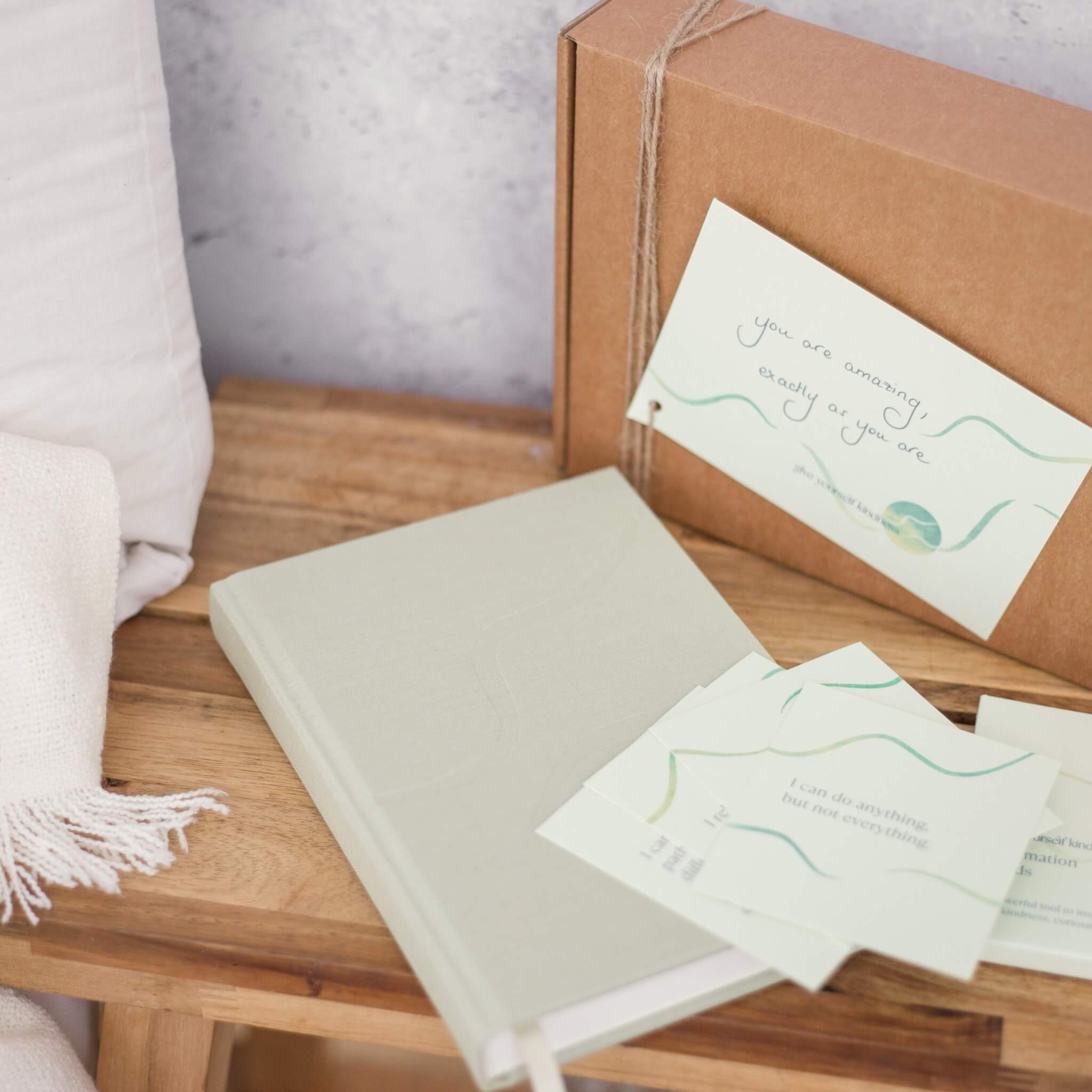
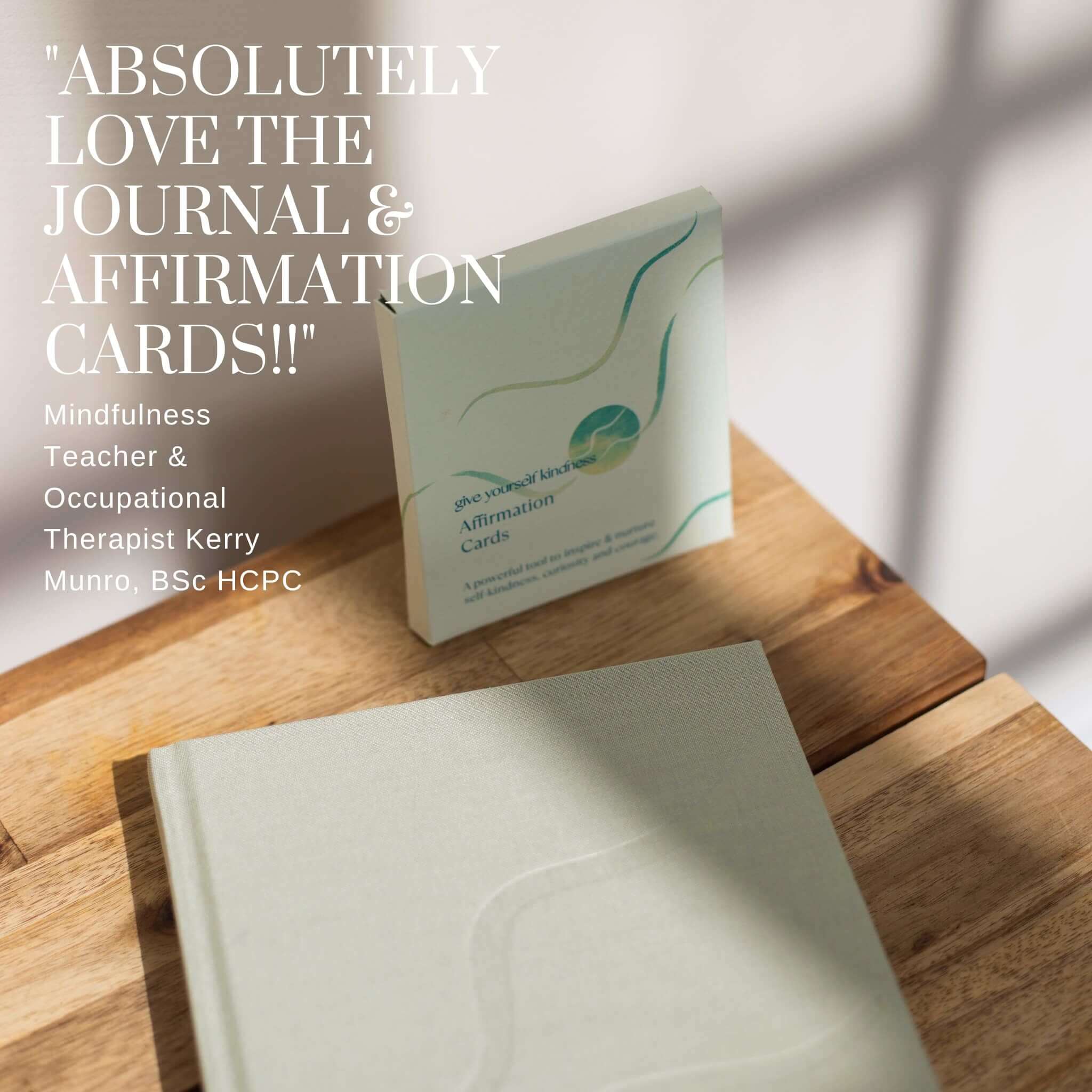
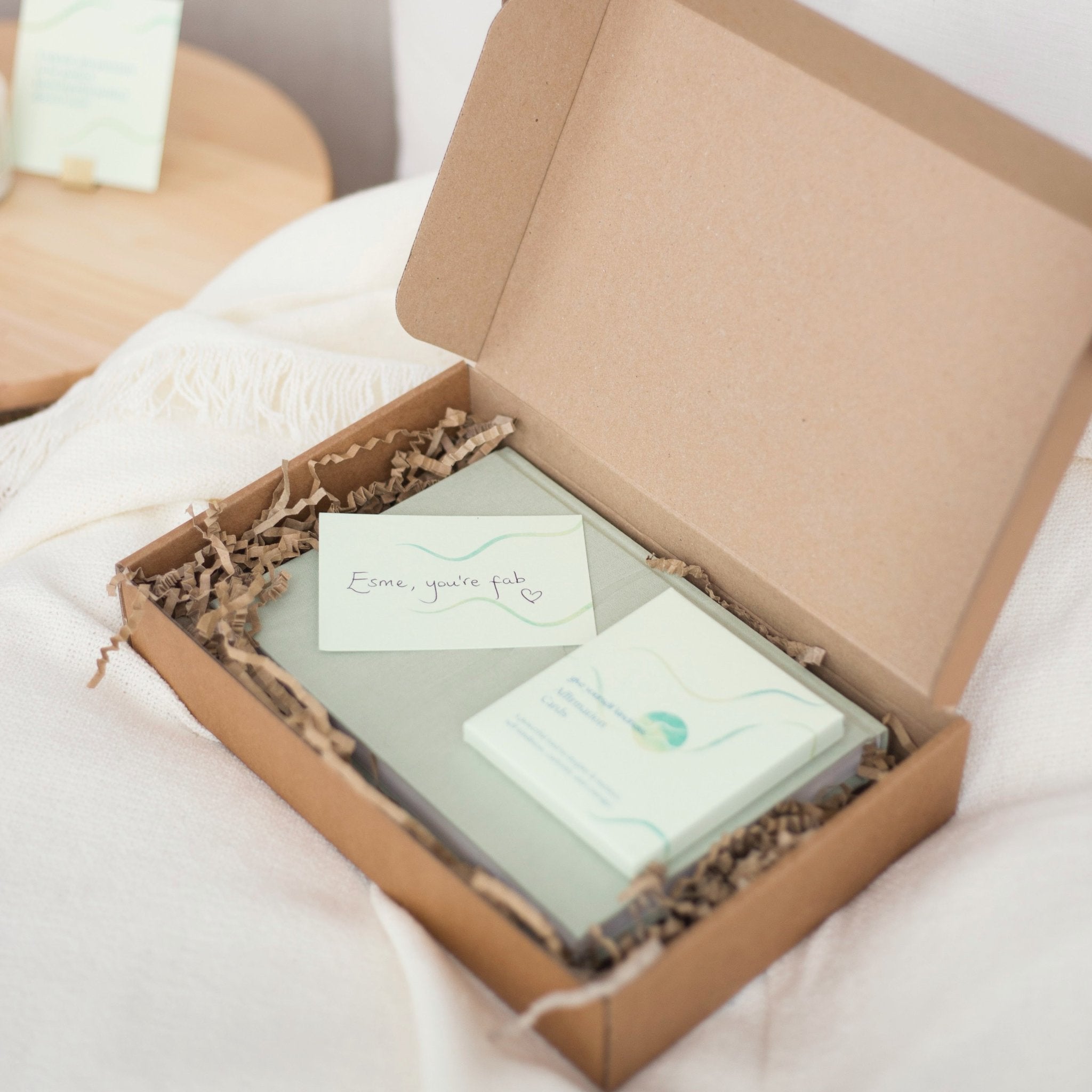
The psychologists and therapists featured above recommend journaling as a practice for building self-compassion and fostering personal growth.
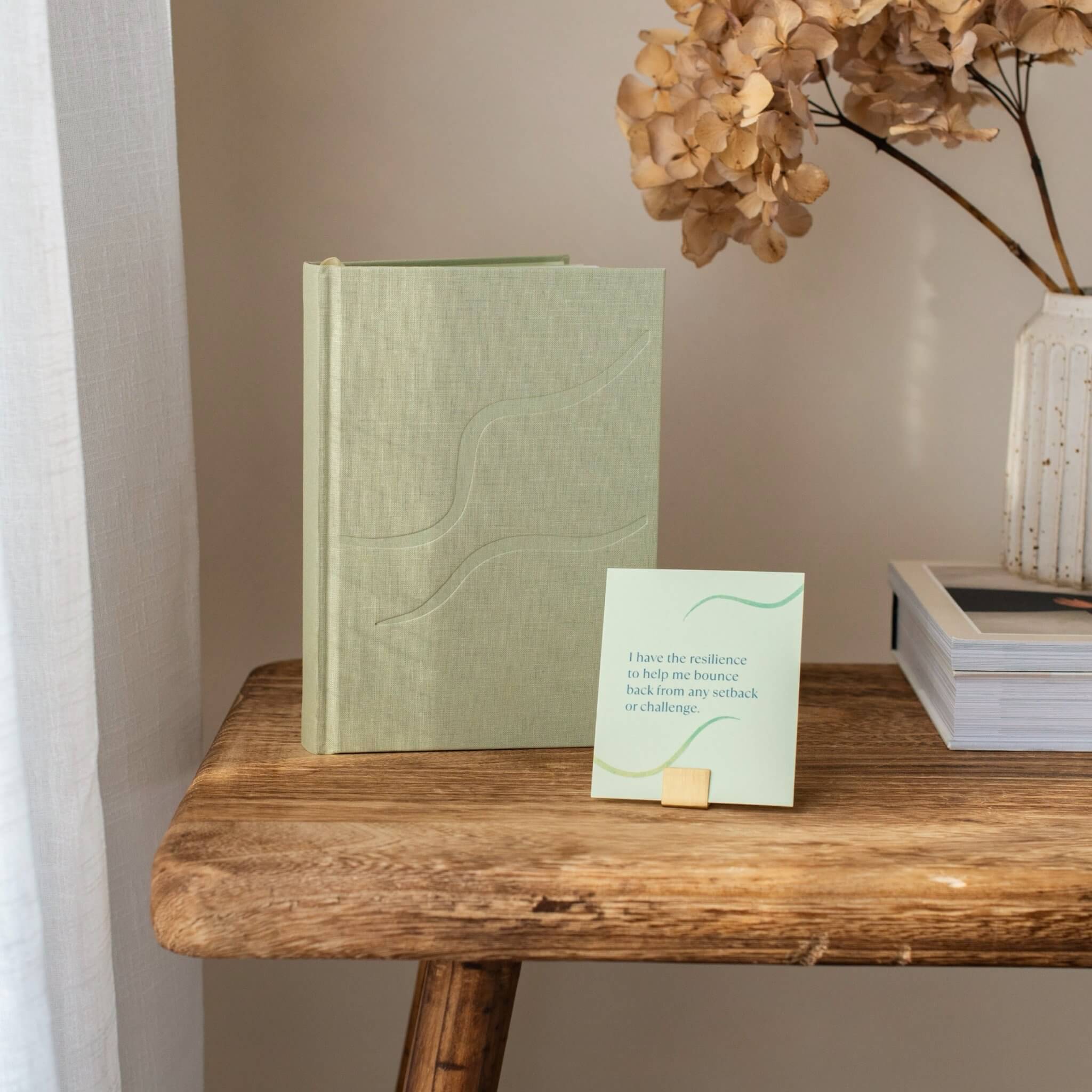
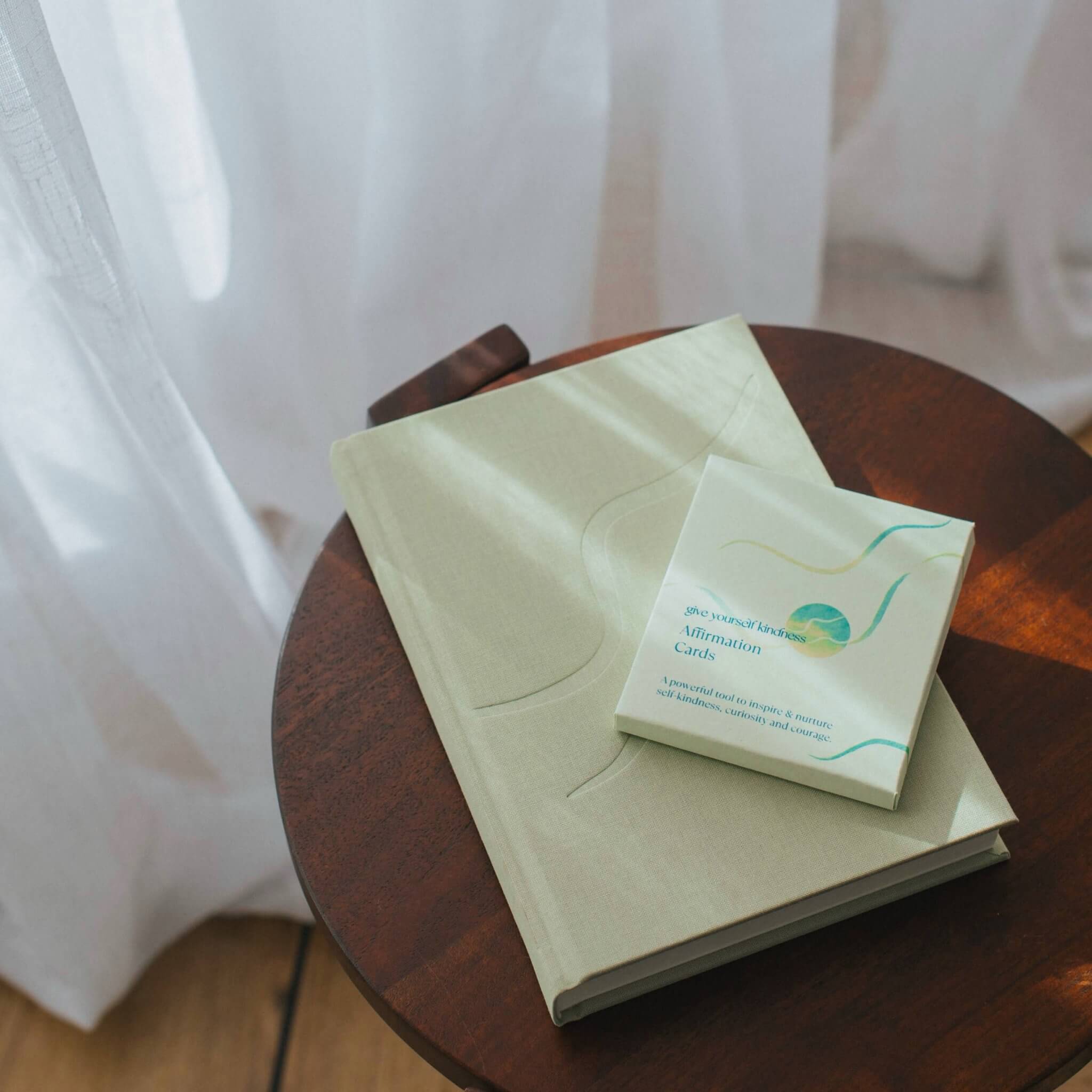
The Give Yourself Kindness Journal was designed with these principles:
- 90 unique prompts that encourage self-compassion rather than self-criticism
- Questions like "What would you say to a friend in this situation?" that activate your care system
- Emotional awareness tools on every page (as recommended by affect labeling research)
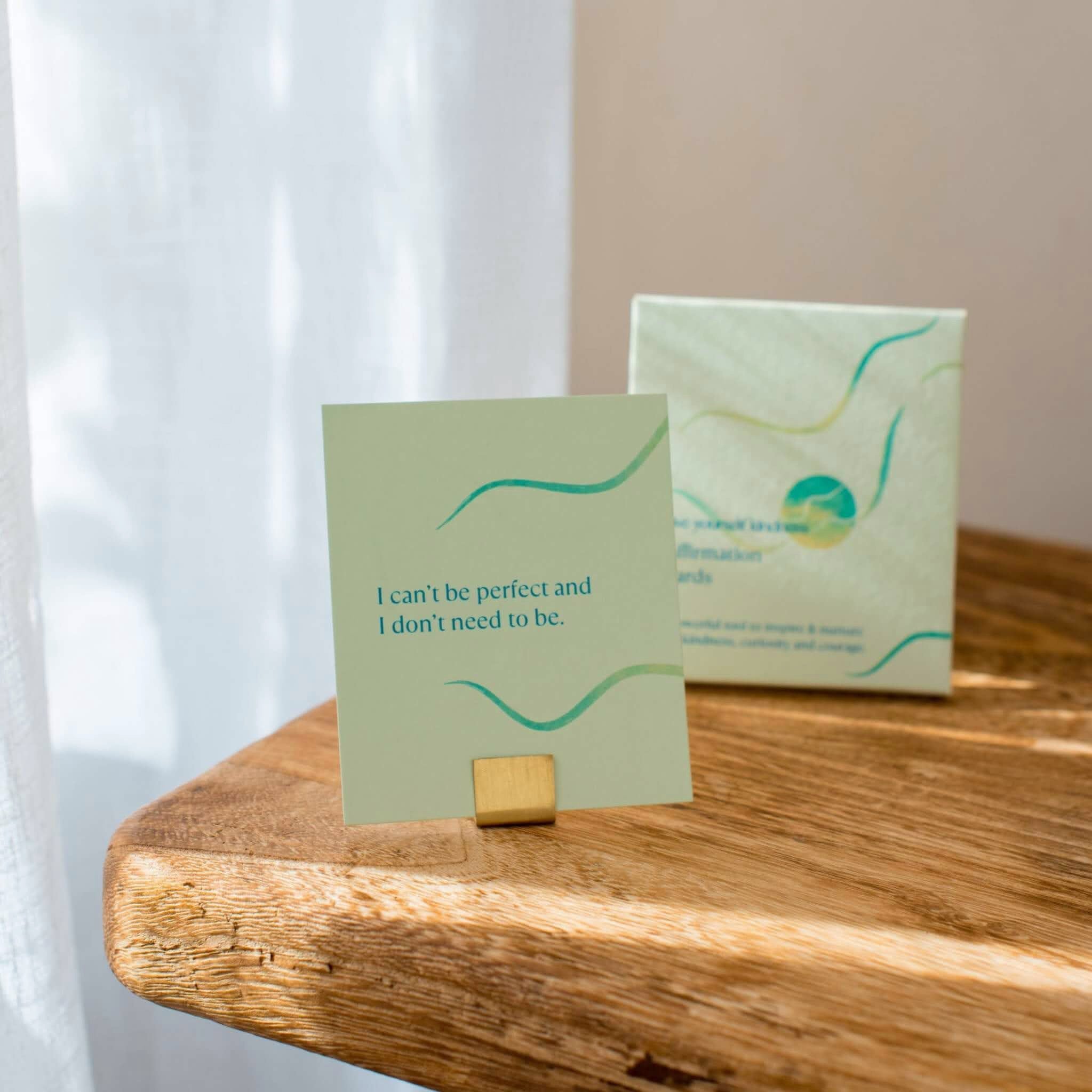
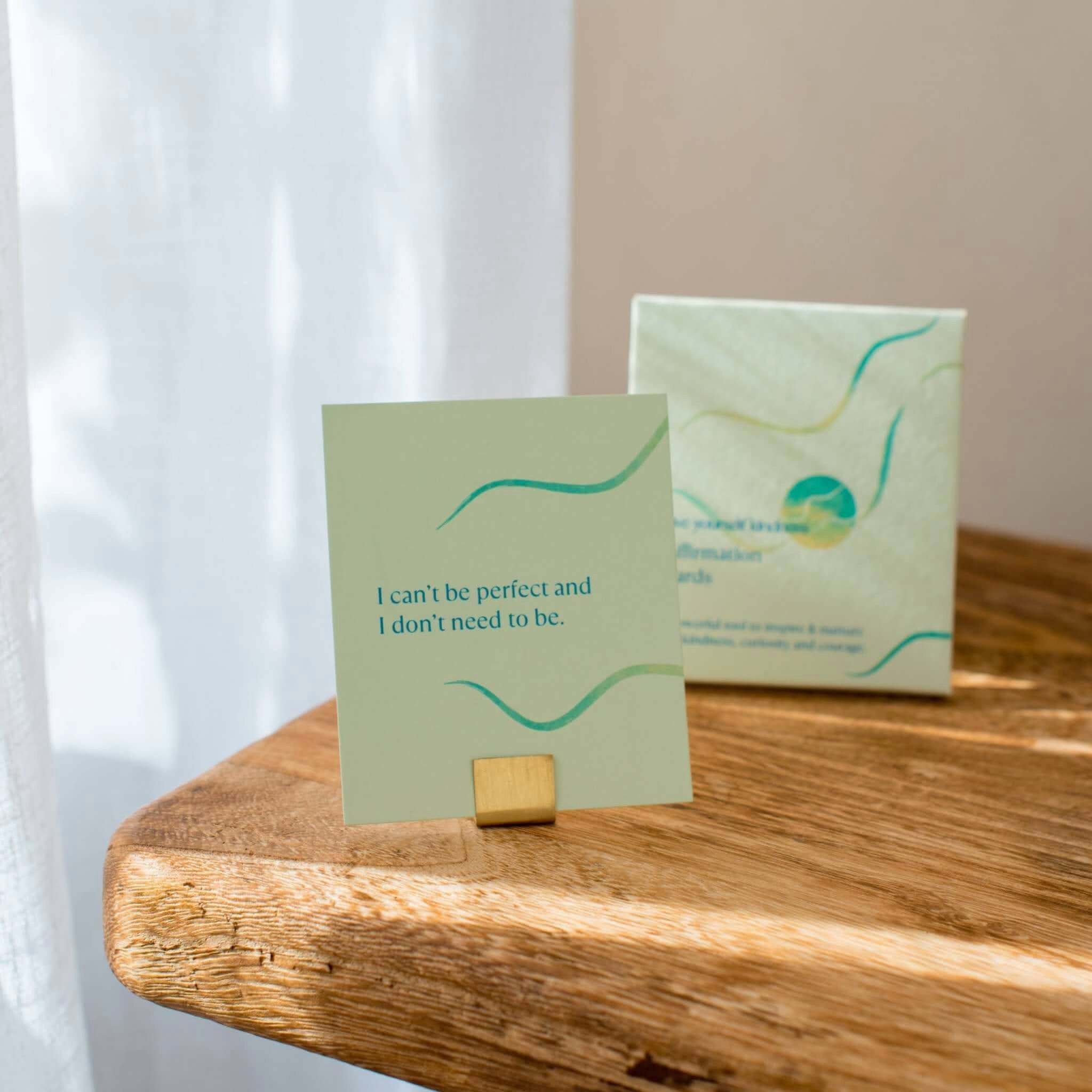
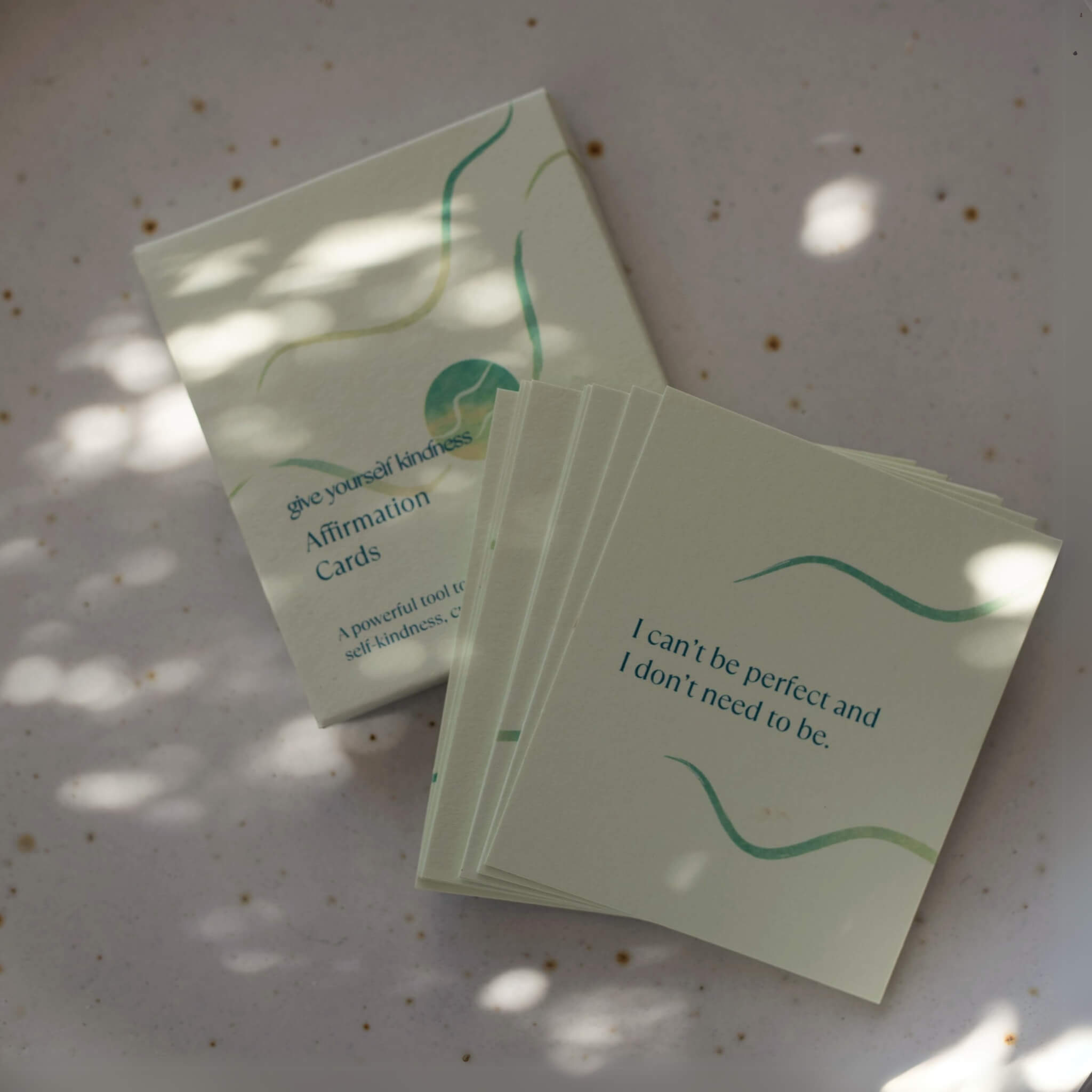
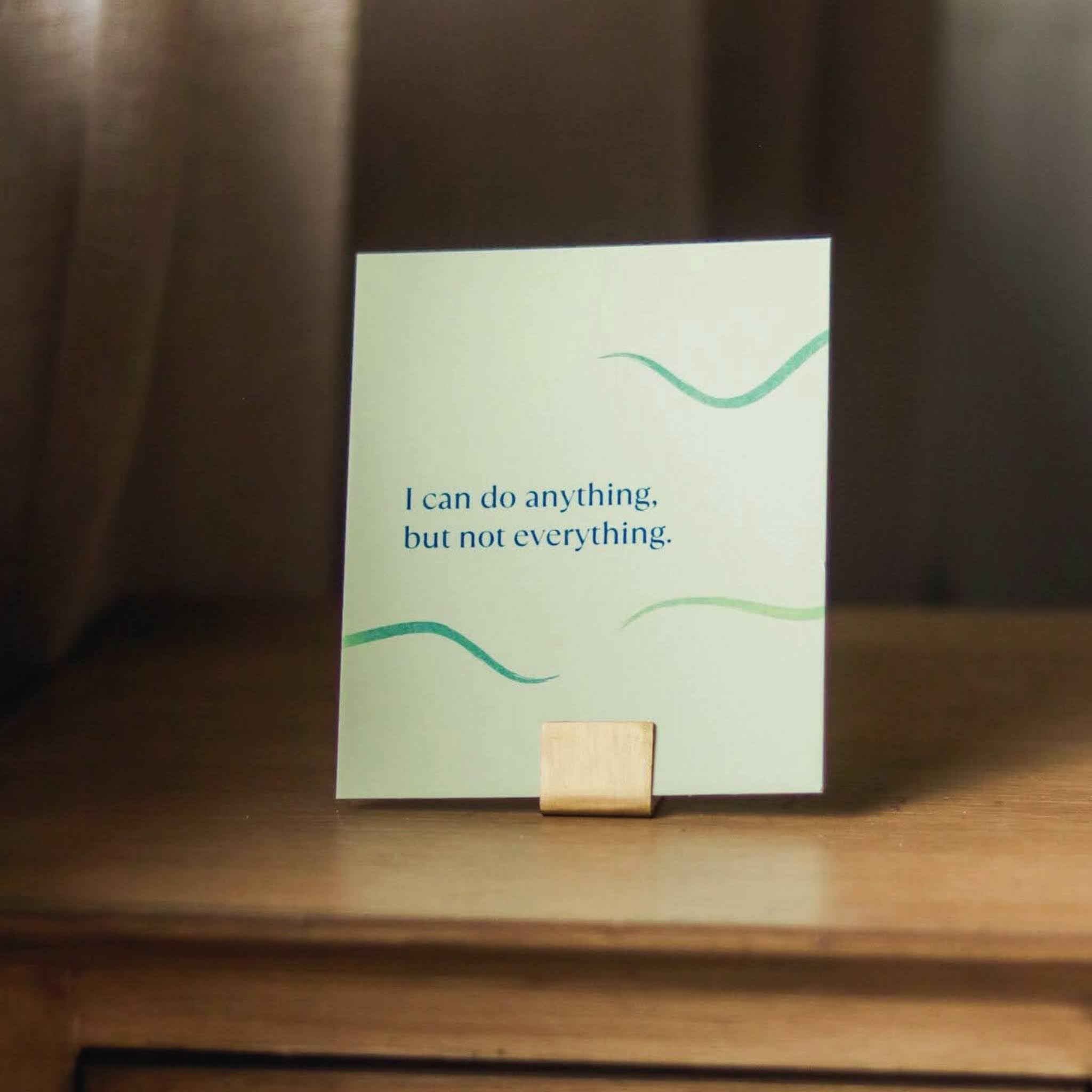
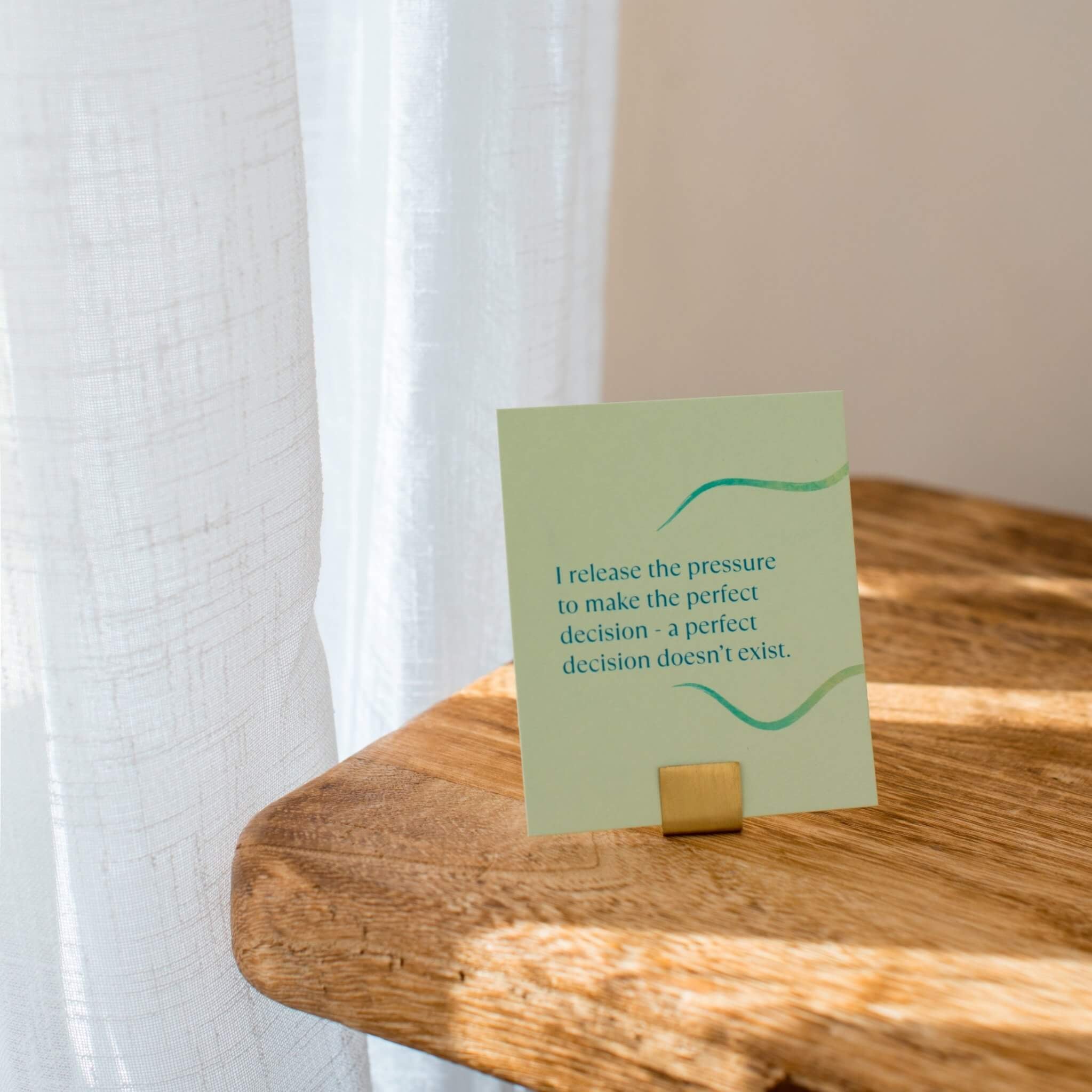
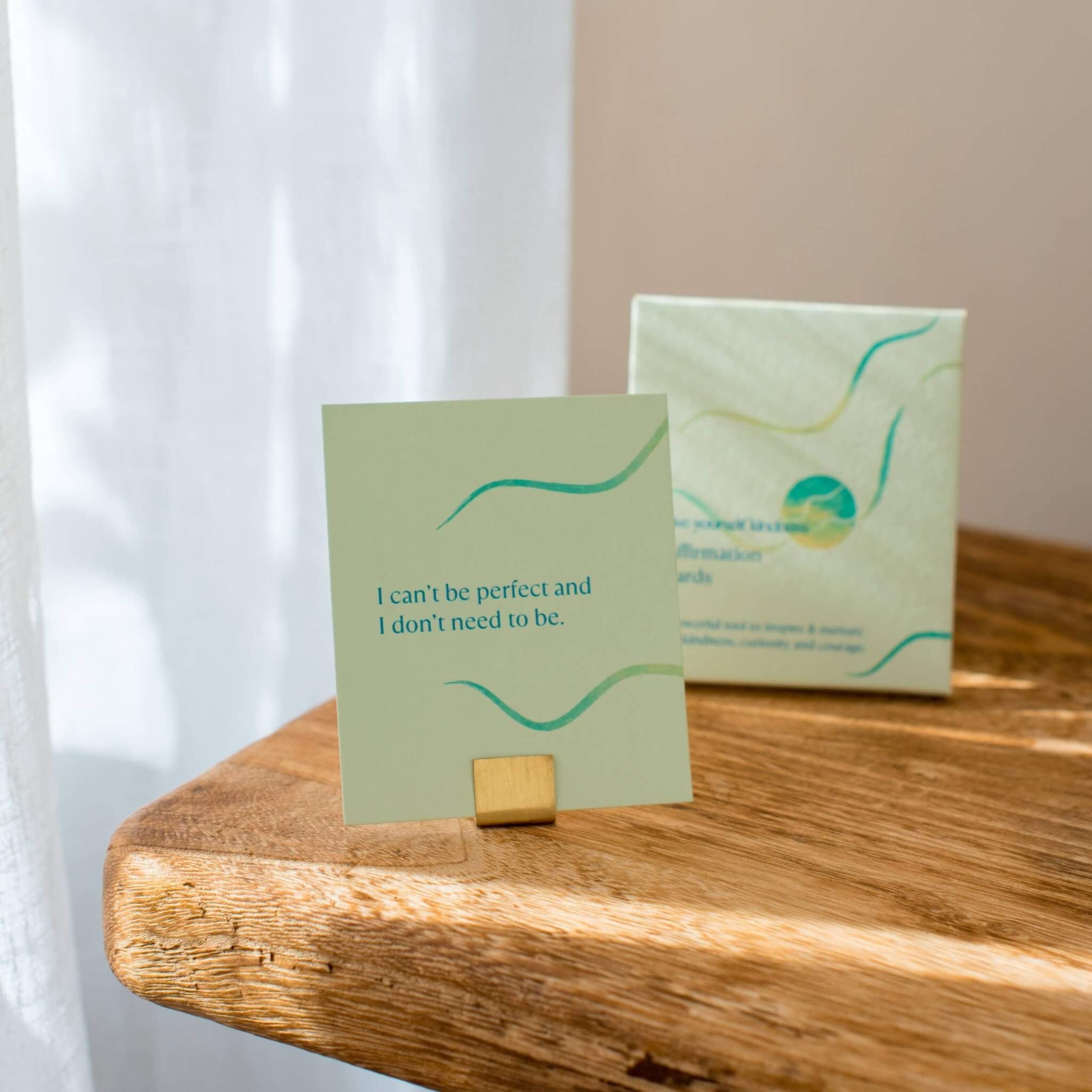
- Reminders throughout: "You can't be perfect, and you don't need to be"
- Undated format—no guilt for missed days, which is itself self-compassion
Recommended by the experts:
- Dr. Chris Germer (Harvard): "A warm invitation to make friends with your emotions and yourself!"
- Professor Willem Kuyken (Oxford): "Rooted in state-of-the-art research emphasizing the importance of understanding our emotions"
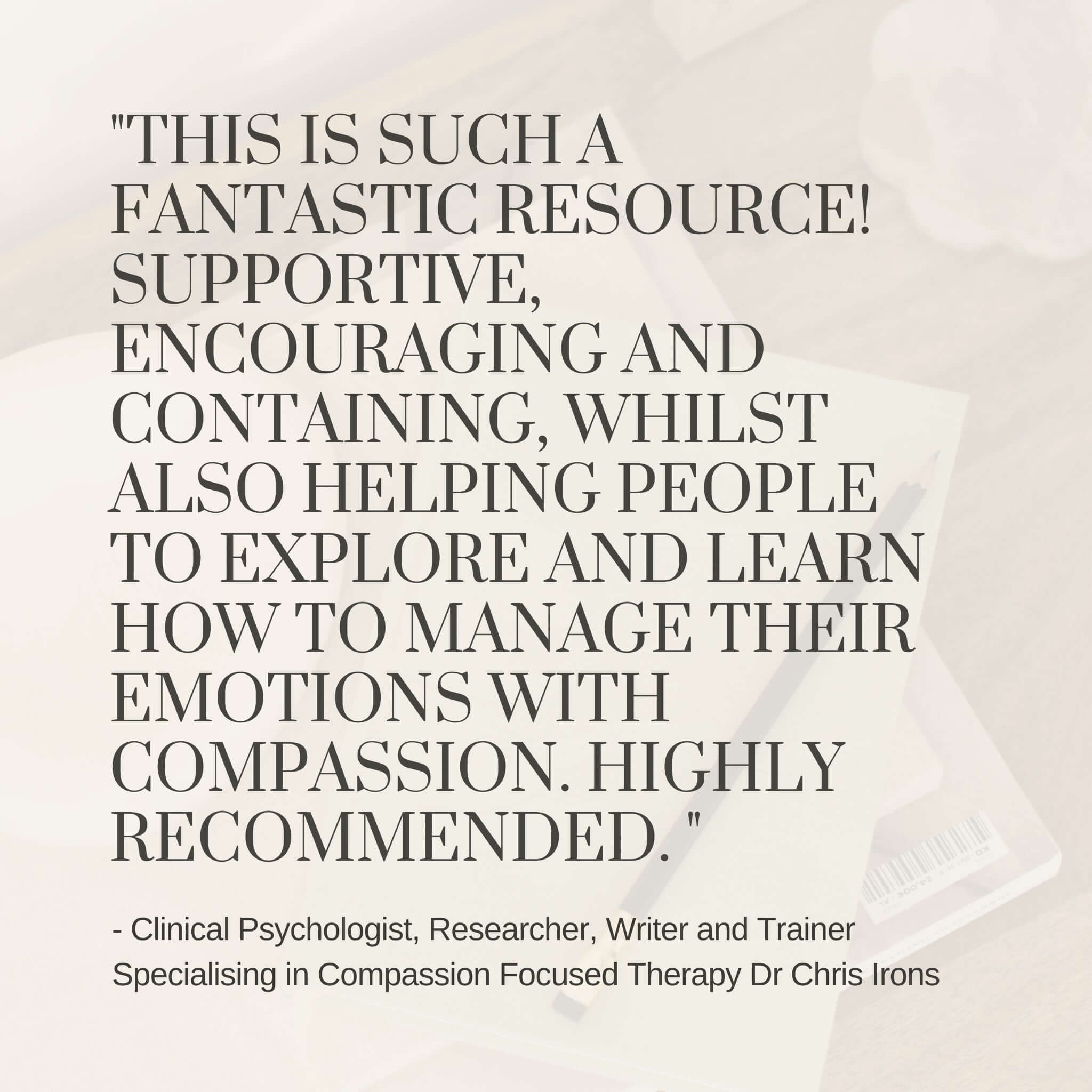
- Dr. Chris Irons (CFT expert): "Supportive, encouraging and containing, whilst also helping people to explore and learn how to manage their emotions with compassion. Highly recommended."
Created after my own experience with Compassion-Focused Therapy, this journal integrates the research and clinical wisdom you've read about above—not as theory, but as daily practice.
Explore The Give Yourself Kindness Journal →Continue Exploring Self-Compassion
All expert articles:
- Self-Compassion Is Not Self-Pity (Dr. Kristin Neff & Dr. Chris Germer)
- Being With Difficult Emotions (Dr. Kristin Neff)
- The Fears of Self-Compassion (Dr. Chris Irons)
- Can You Give Yourself Too Much Self-Compassion? (Carrie Pollard, MSW RSW)
- Mindful Self-Care (Dr. Michelle Chung)
- Self-Compassion vs. Self-Criticism
- 5 Ways to Practice Self-Compassion
Related resources:
About Give Yourself Kindness: Created by Rachel Smith (DipBSoM), qualified meditation teacher, after her own experience with Compassion-Focused Therapy. This page curates insights from leading psychologists and therapists whose research and clinical work informs the Give Yourself Kindness approach. Tools recommended by Dr. Chris Germer (Harvard Medical School), Professor Willem Kuyken (University of Oxford), and used by therapists worldwide.


“By far my favourite guided journal that I’ve used!”
There's a lot of journals out there. Most of which include tools that can be repetitive, boring or unhelpful. Give Yourself Kindness is about creating something new.