




Last updated: November 4, 2025 | By Rachel Smith, DipBSoM
Quick Answer
The most helpful gift addresses the root cause—the harsh inner critic—rather than just symptoms. Research shows self-compassion is the antidote to perfectionism.
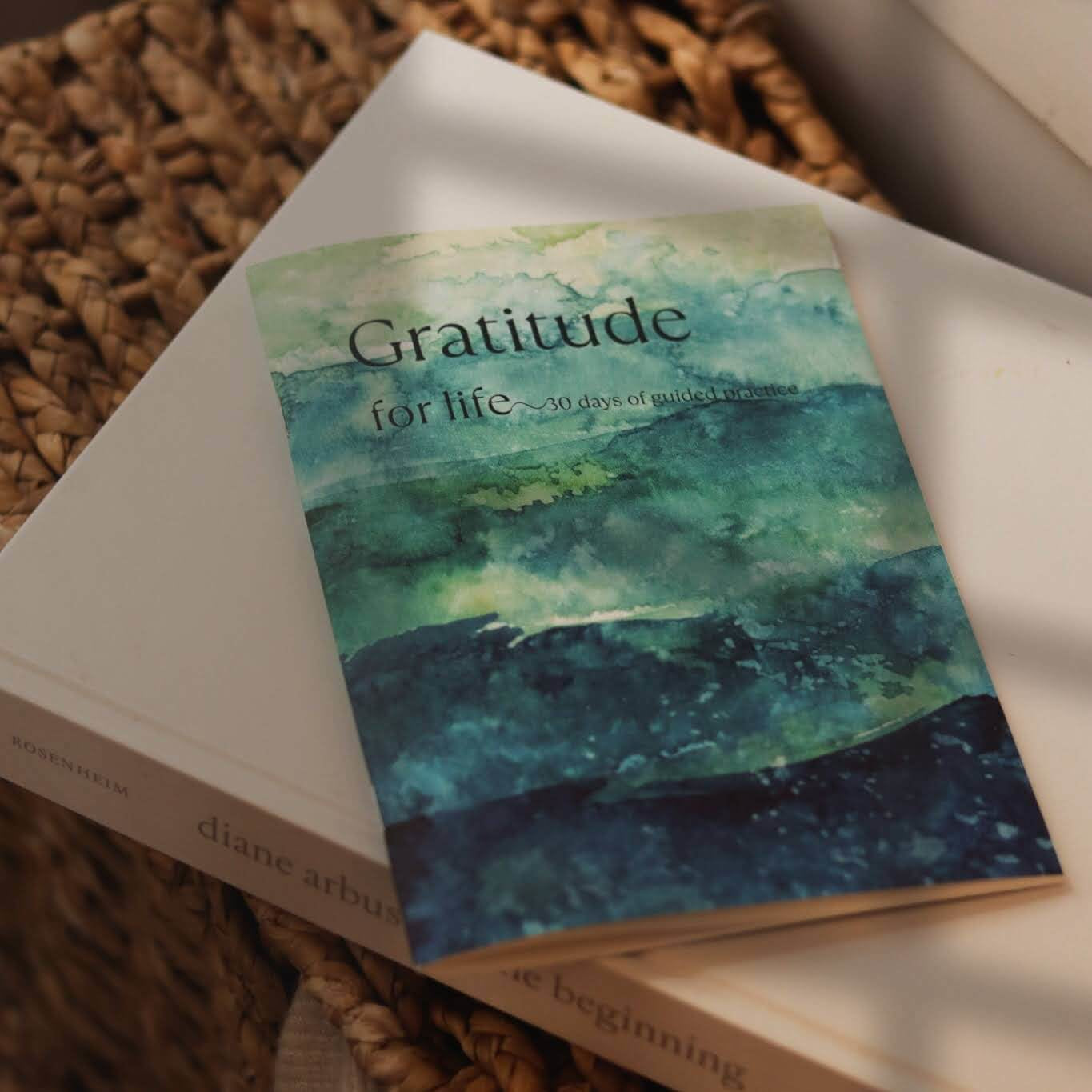
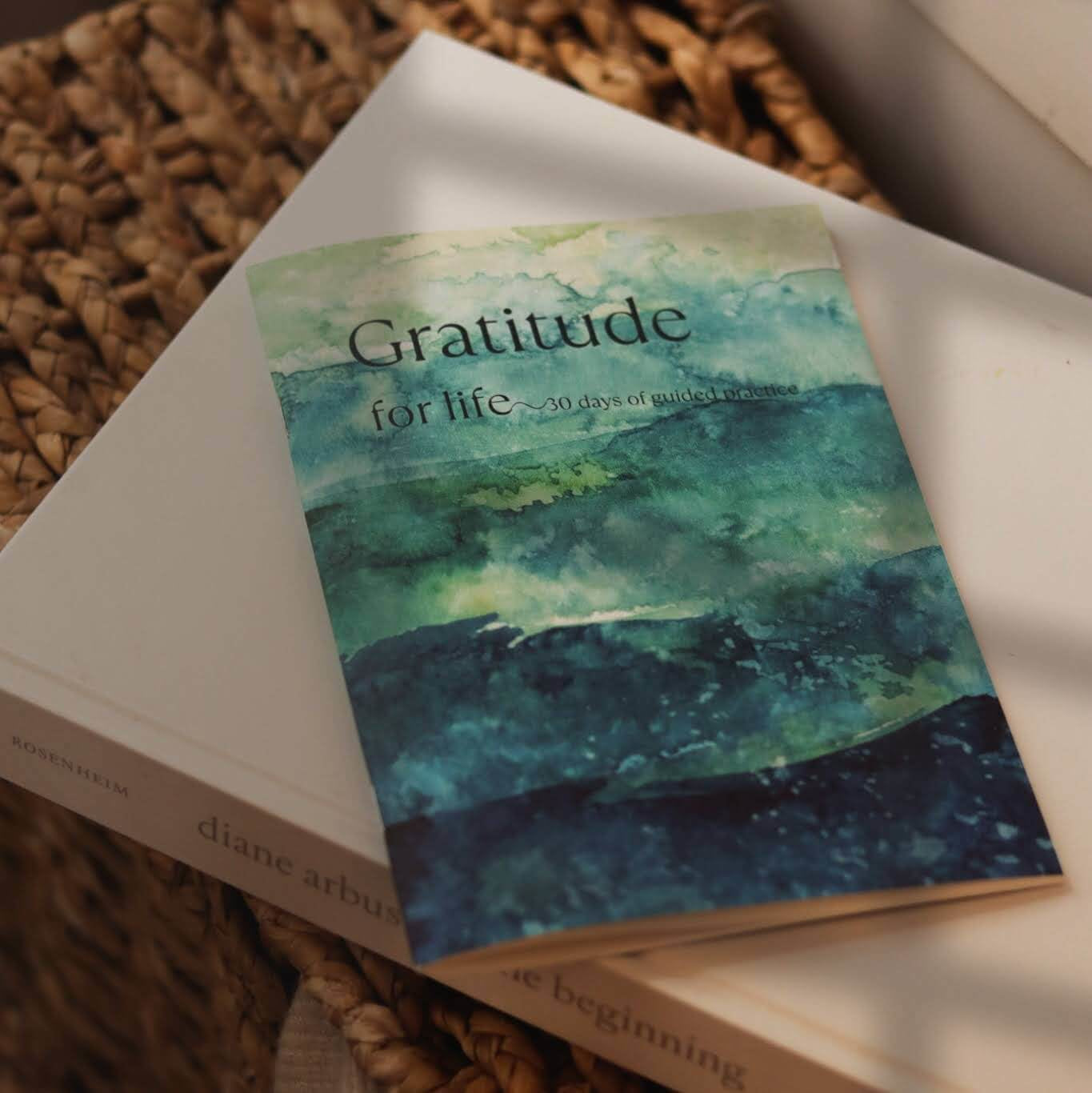
Top recommendation: The Give Yourself Kindness Journal—a self-compassion journal specifically designed for perfectionists, with 90 unique daily prompts, an undated format, and validation from clinical psychologists at Harvard Medical School and Oxford University.
Why therapists recommend it: It validates struggle instead of demanding positivity, directly addresses the inner critic, and prevents guilt with its undated format. Used by mental health professionals with their perfectionist clients.
Full disclosure: I'm Rachel, and I created the Give Yourself Kindness journal and tools featured in this guide. After my own experience with perfectionism and recovery through Compassion-Focused Therapy, I wanted to create evidence-based resources that would have helped me—and that mental health professionals would actually recommend to their clients. These tools are now validated by clinical psychologists from Harvard and Oxford and used by therapists worldwide.
When someone you care about is caught in the perfectionism cycle—working so hard yet never feeling like they're doing well enough—you want to help. But what do you actually give someone struggling with perfectionism?
You want something meaningful, not another item that will sit on a shelf. And you certainly don't want to accidentally add more pressure.
This guide will help you choose a gift that genuinely supports someone dealing with perfectionism, based on research and feedback from the therapists who recommend these tools to their clients.
Understanding What Actually Helps
Here's something important that research by Dr. Kristin Neff has shown: Self-compassion—not self-criticism—is what leads to sustainable growth and change.
Perfectionism isn't about having high standards. It's about the harsh inner voice that says "you're not good enough" no matter what you achieve. That voice keeps people stuck.

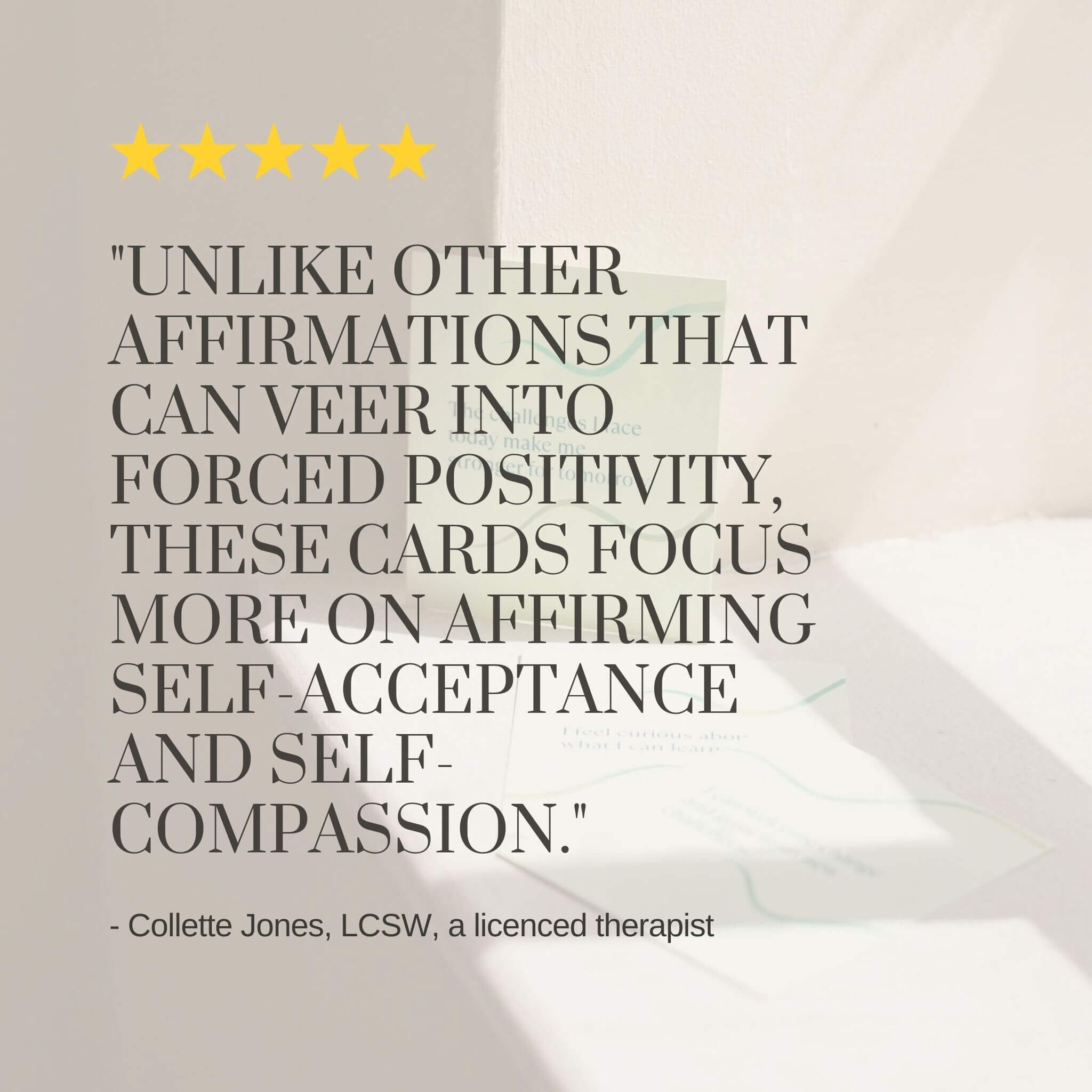
Collette Jones, LCSW
Licensed Therapist specializing in perfectionism and high-functioning anxiety
"The excessively high standards that a perfectionist sets for themselves often lead to feelings of shame, burnout, anxiety, and poor self-worth. It can leave us on a never ending hamster wheel of disappointment."
Read her full article: Self-Compassion: The Antidote to Perfectionism →
The most helpful gifts are those that support self-compassion practice—learning to treat yourself with the same kindness you'd offer a friend, especially when things are hard.
What Therapists Most Often Recommend
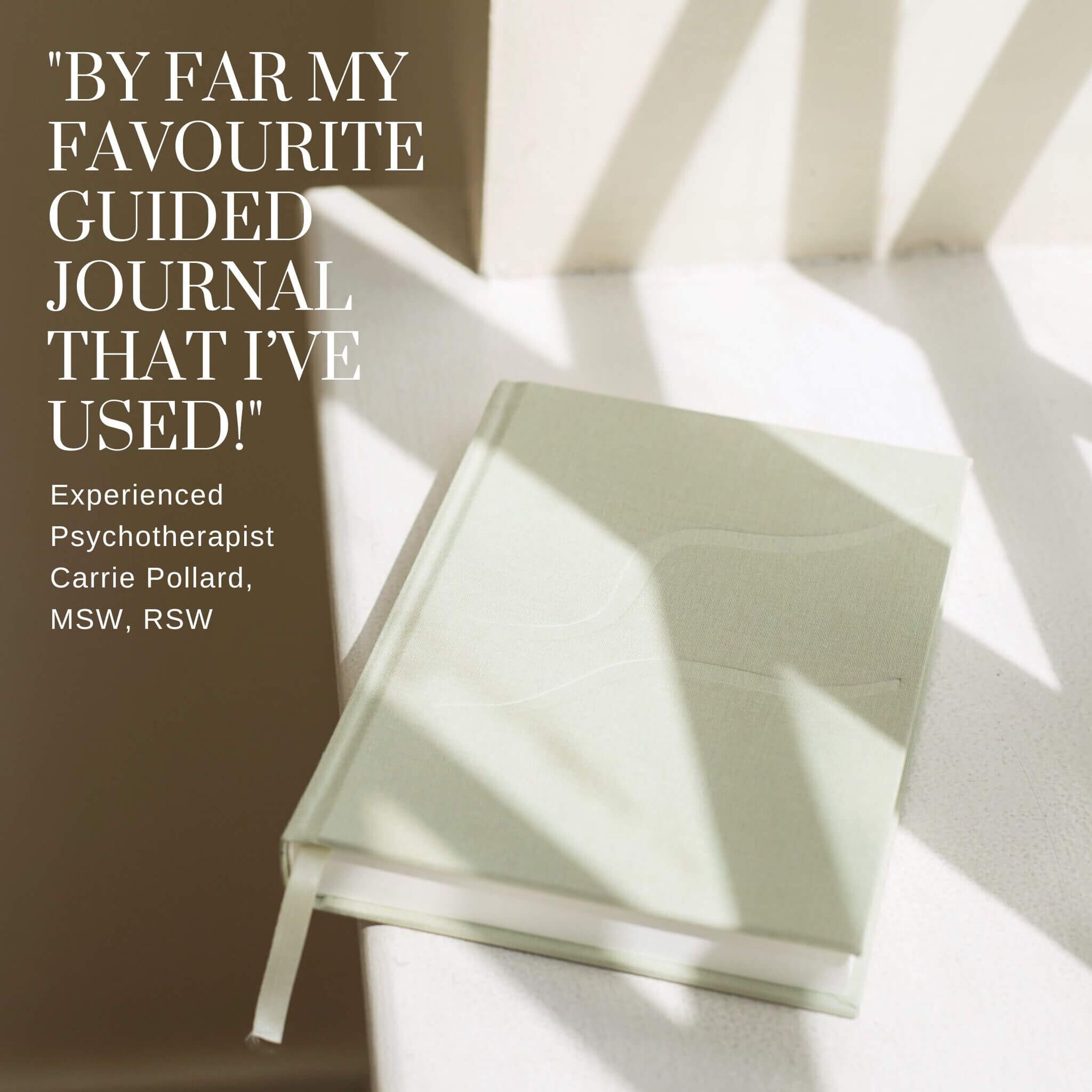
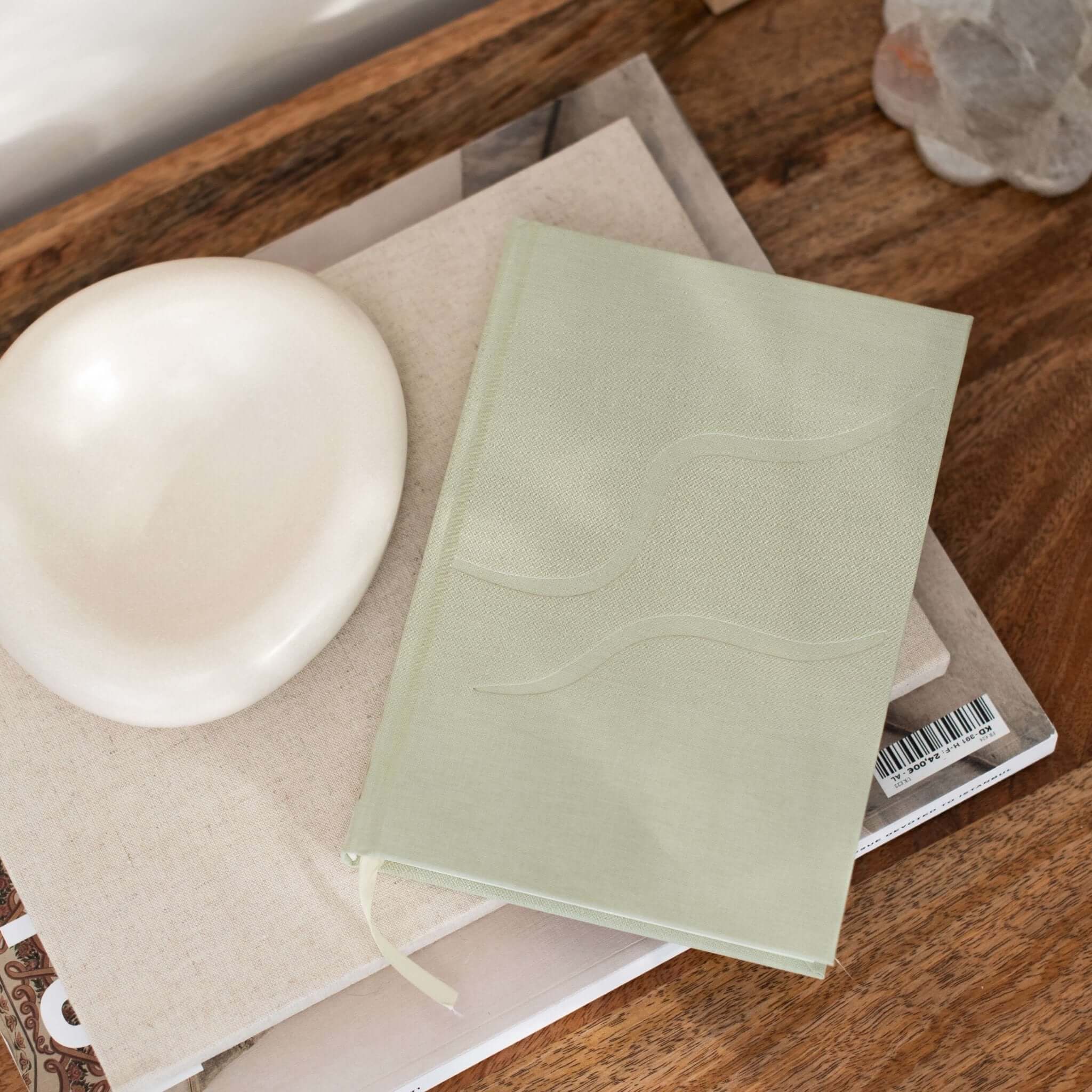
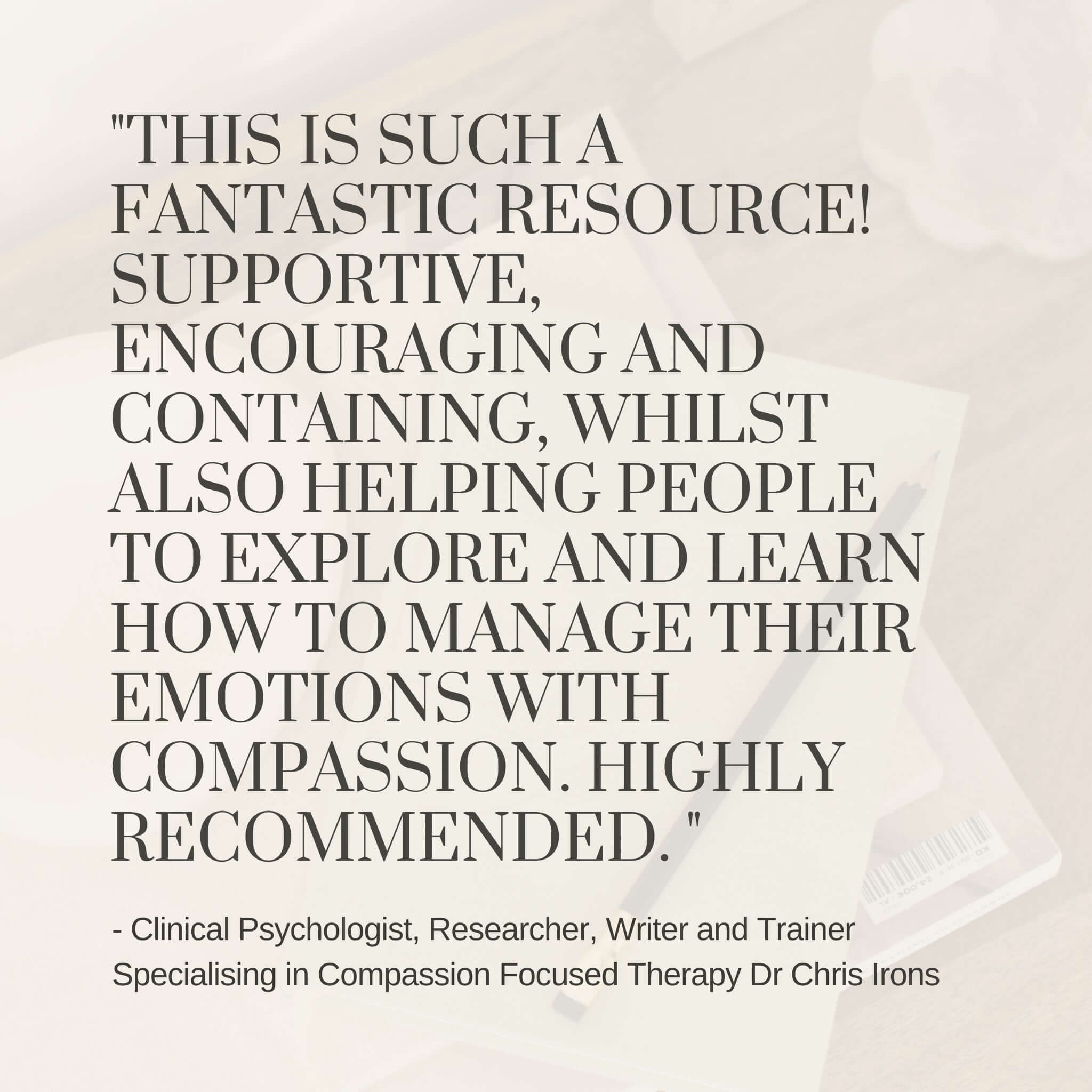
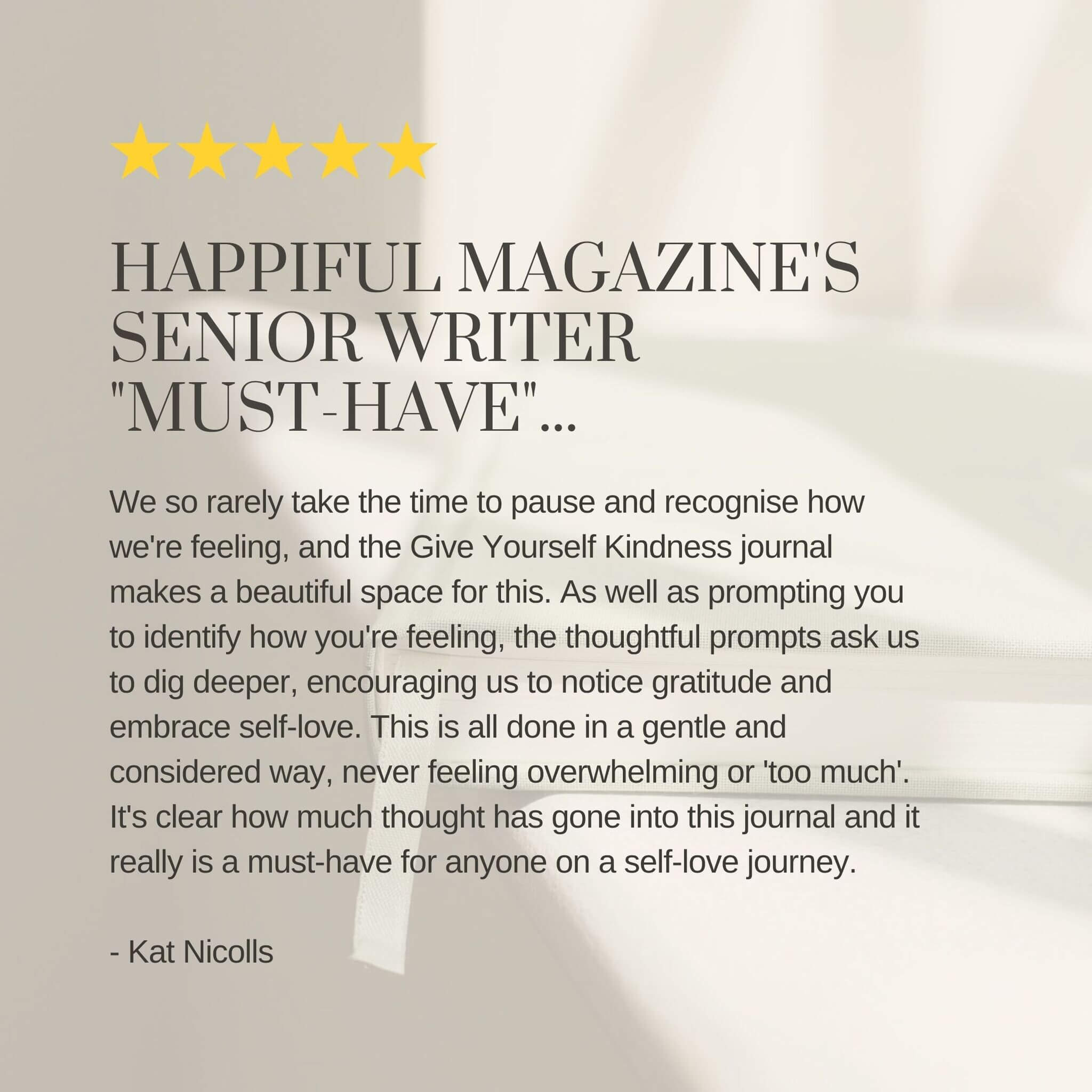
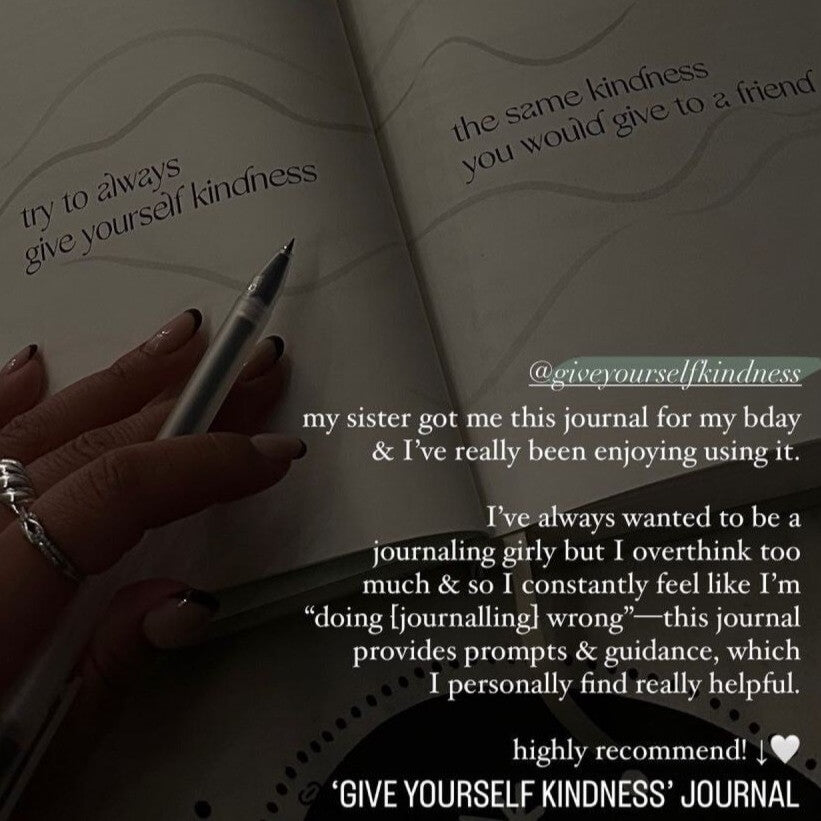
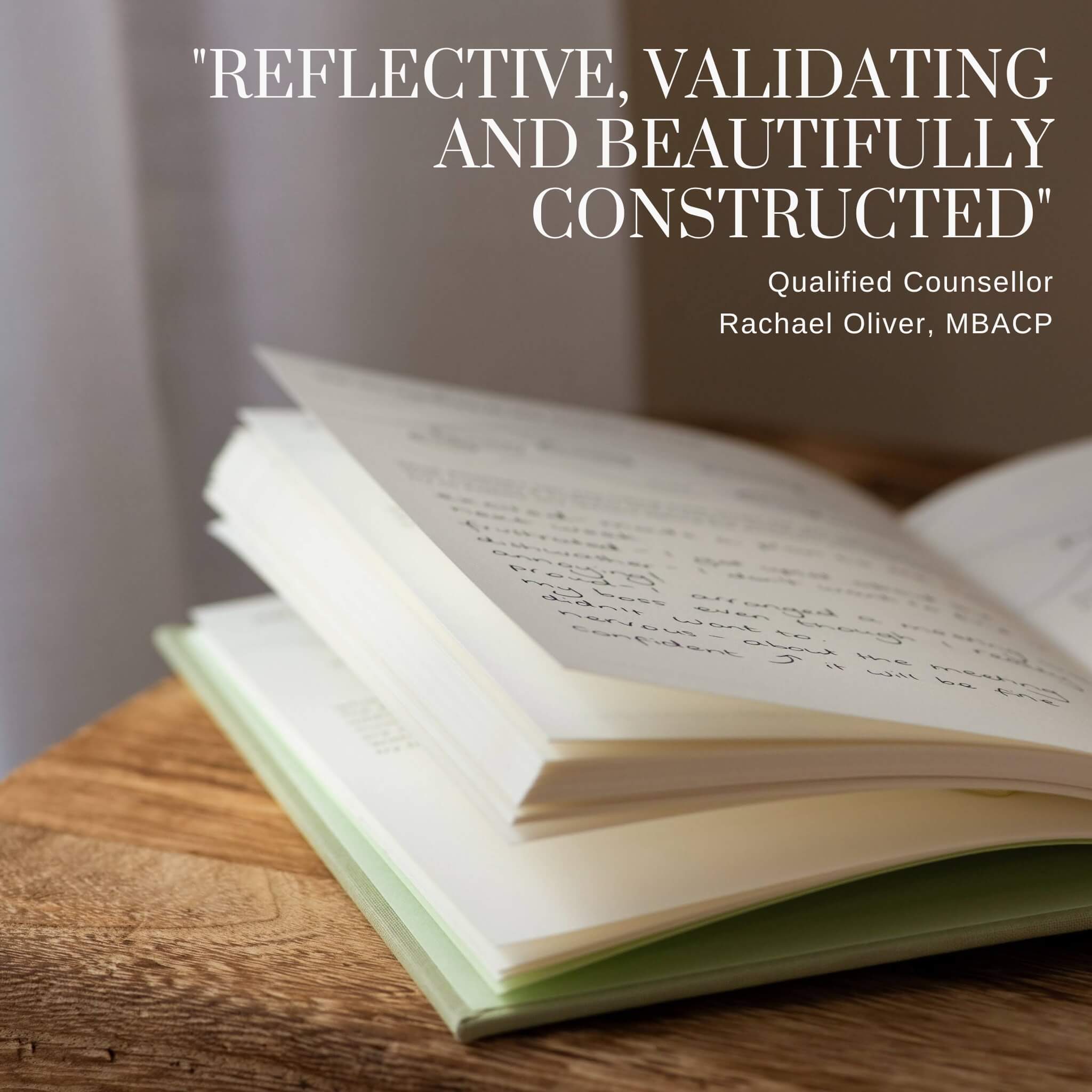
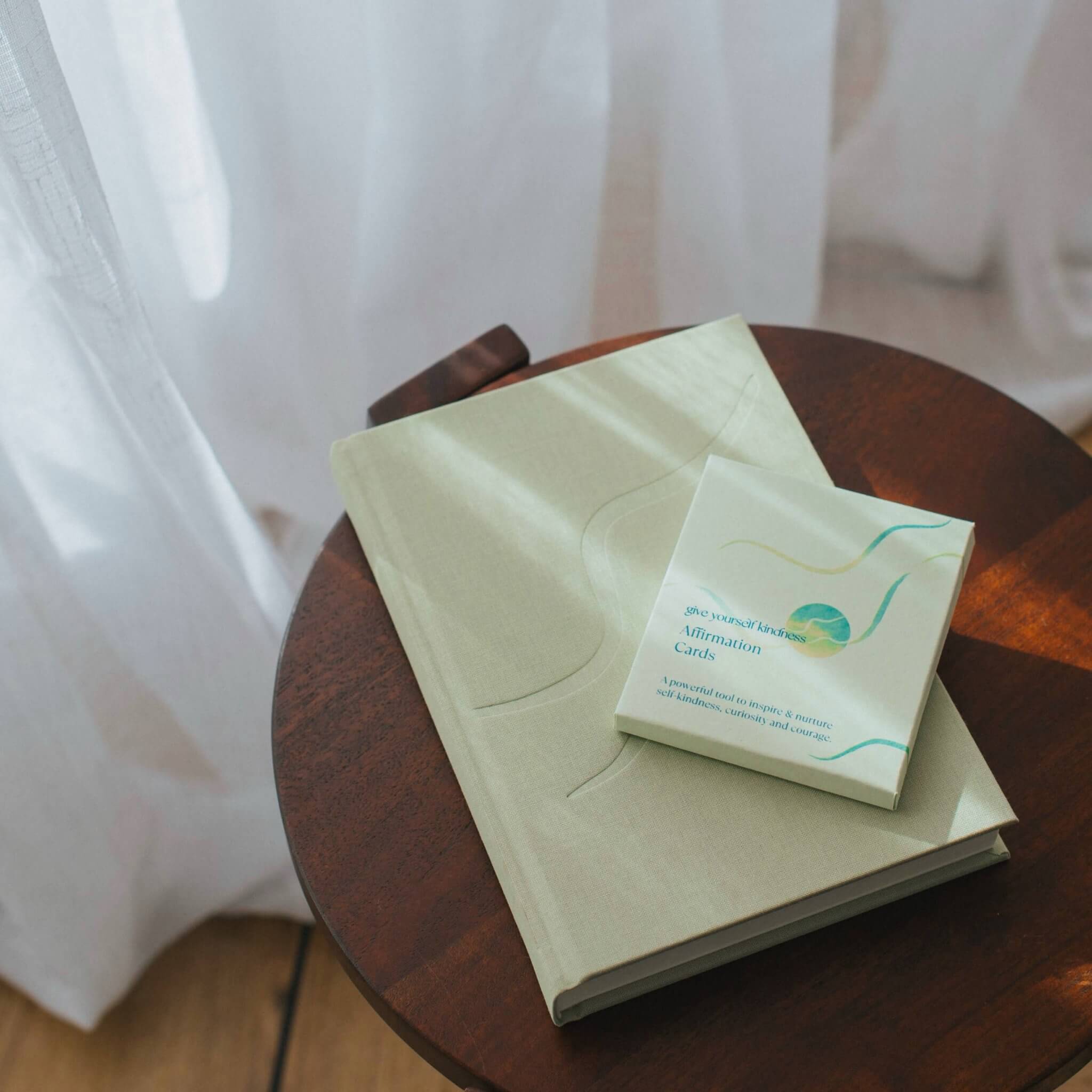
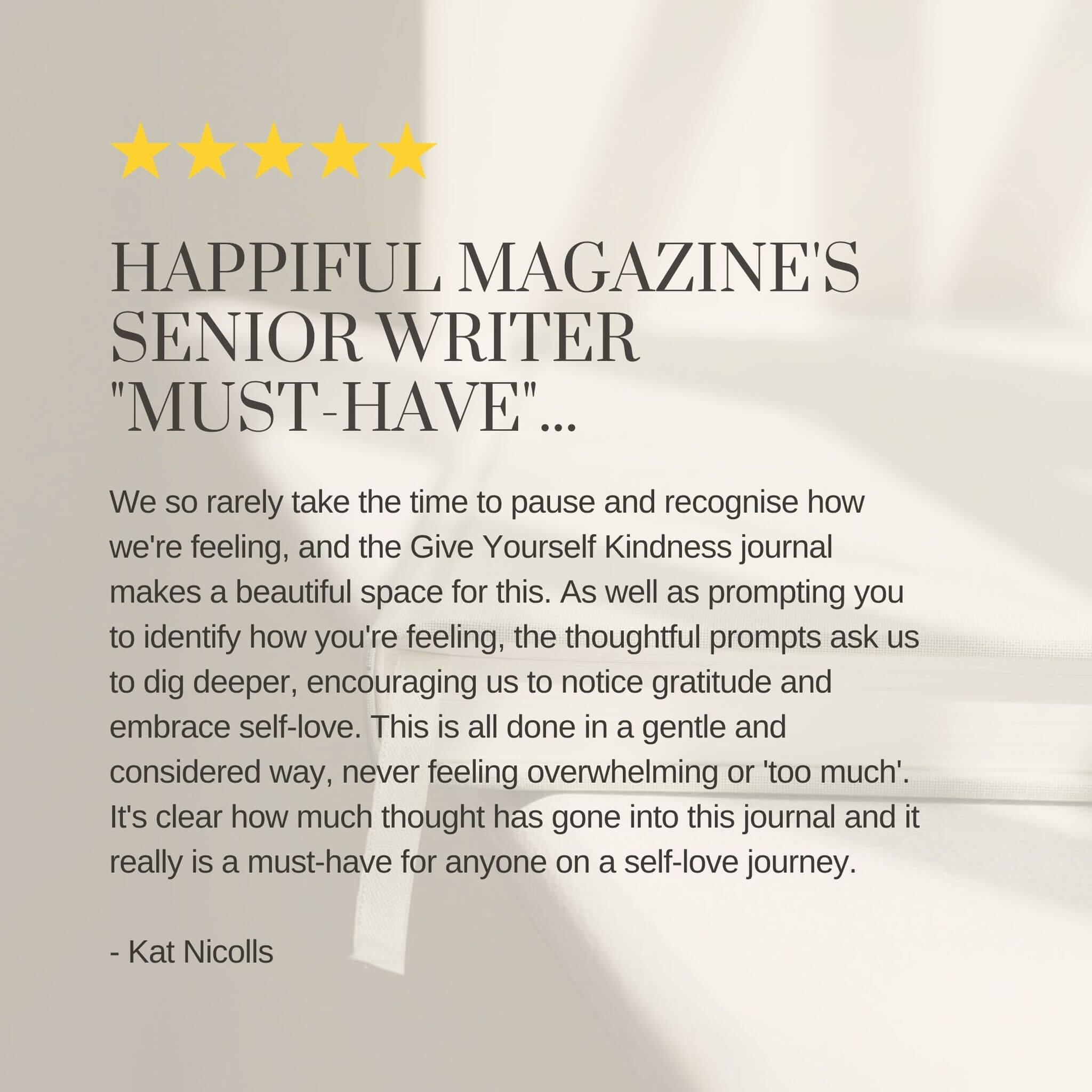
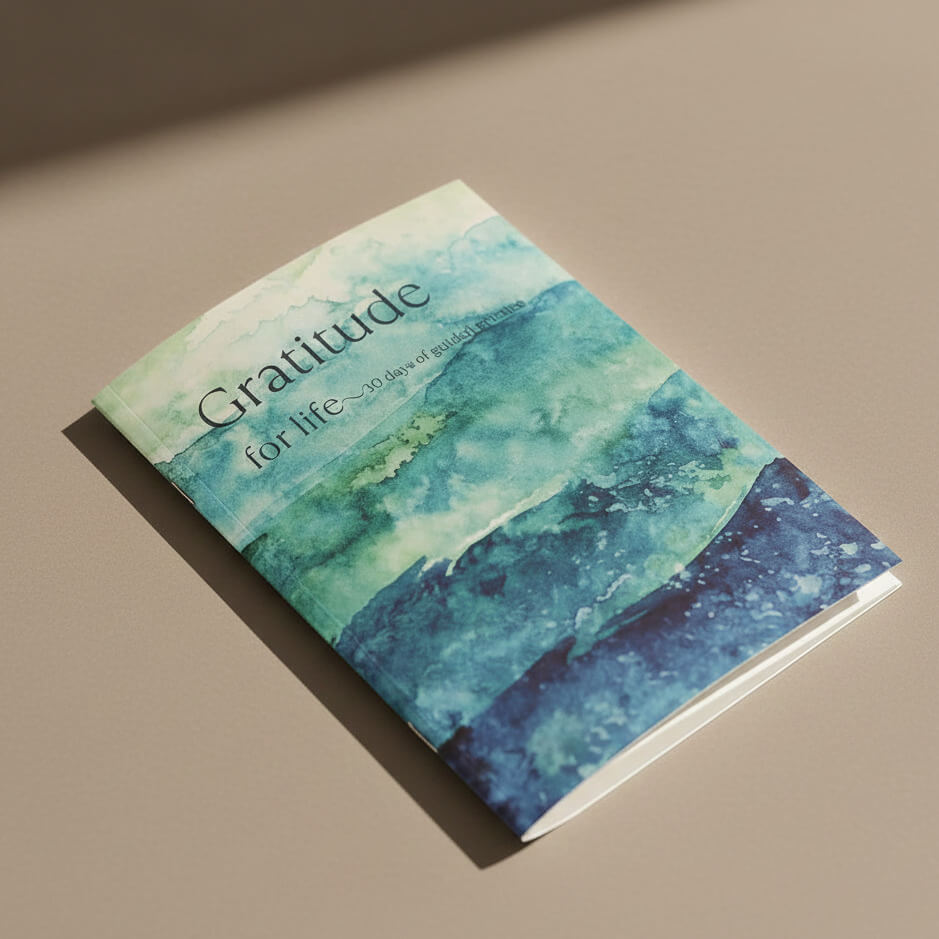
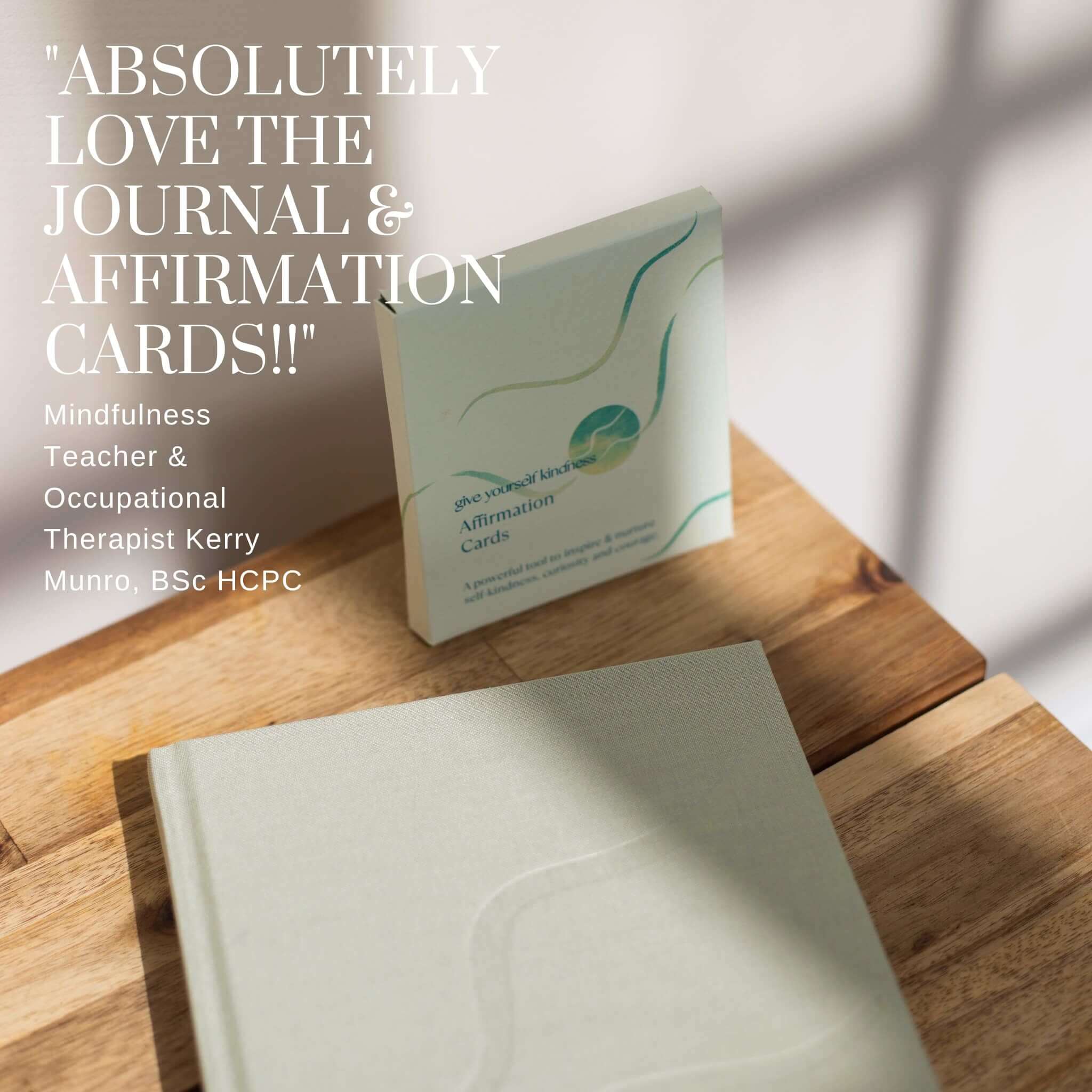
The Give Yourself Kindness Journal
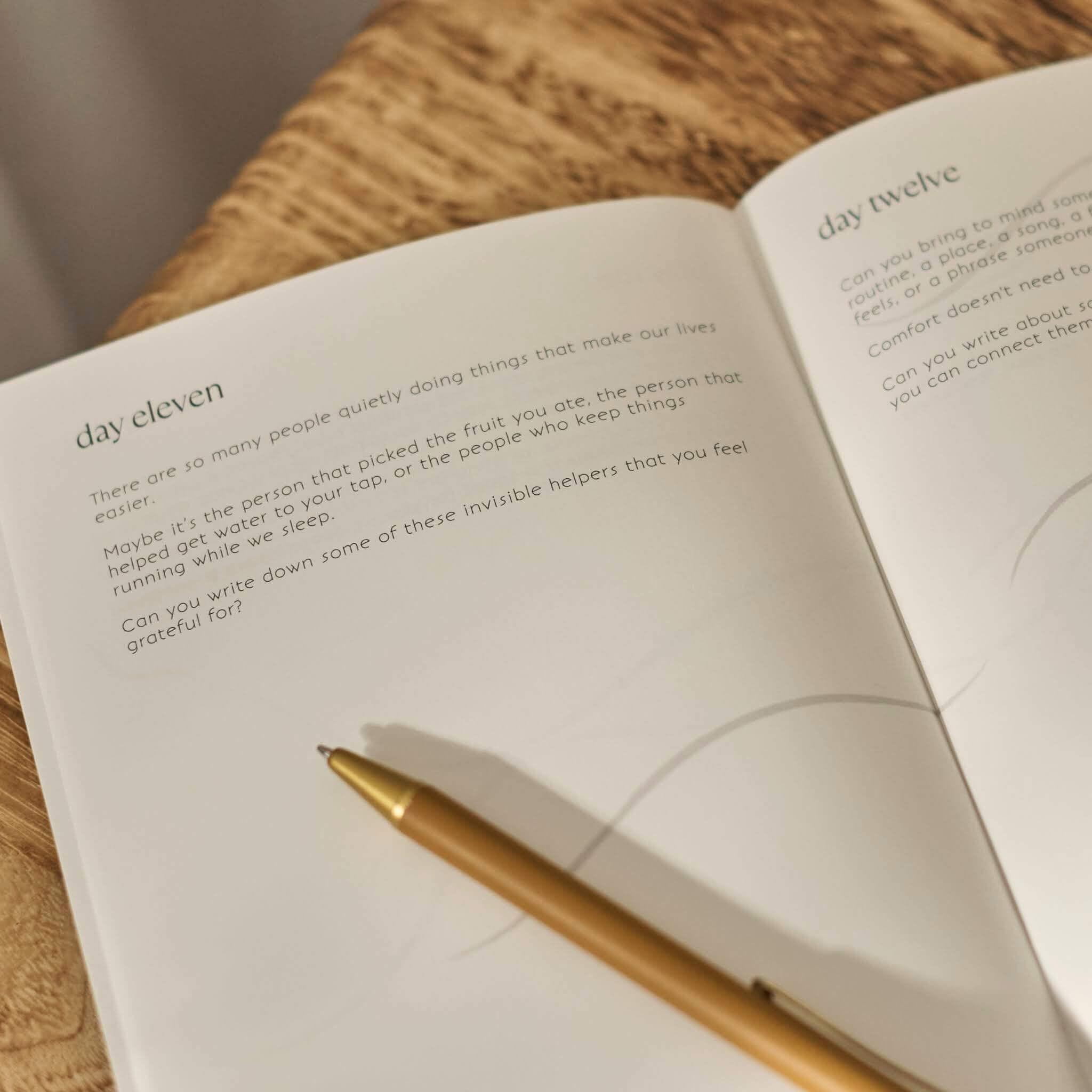
Why this journal works for perfectionists:
Most journals either repeat the same prompts every day (which becomes mechanical and meaningless) or push forced positivity (which feels dismissive when you're genuinely struggling).
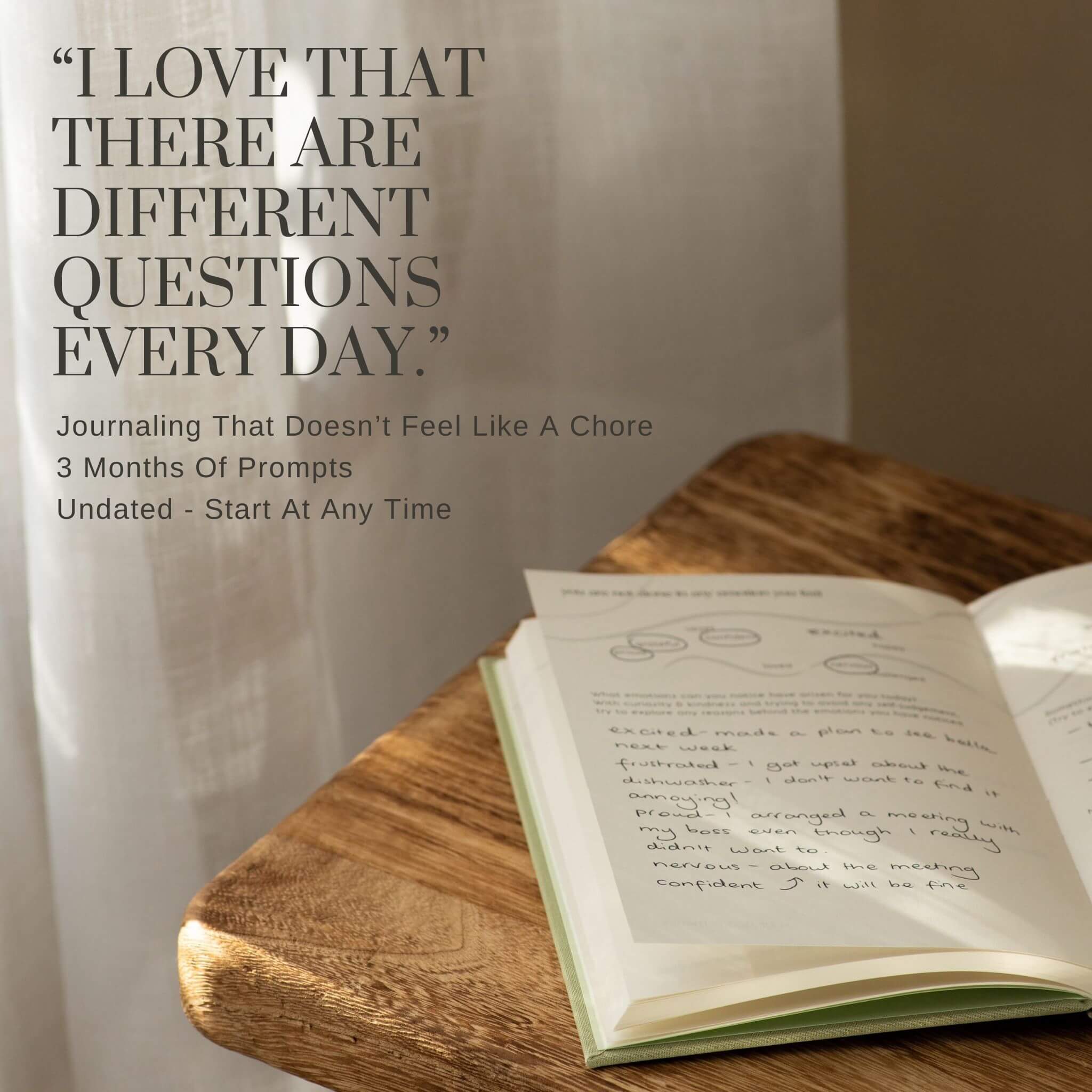
This journal was specifically designed to address perfectionism through daily self-compassion practice. It's the tool I wish I'd had when I was struggling, and it's now used by therapists worldwide with their perfectionist clients.
- Undated format prevents guilt — No "failed" empty pages if she misses days. She can return anytime without pressure
- 90 completely unique prompts — Never repetitive. Prevents the mechanical feeling that causes people to abandon journals
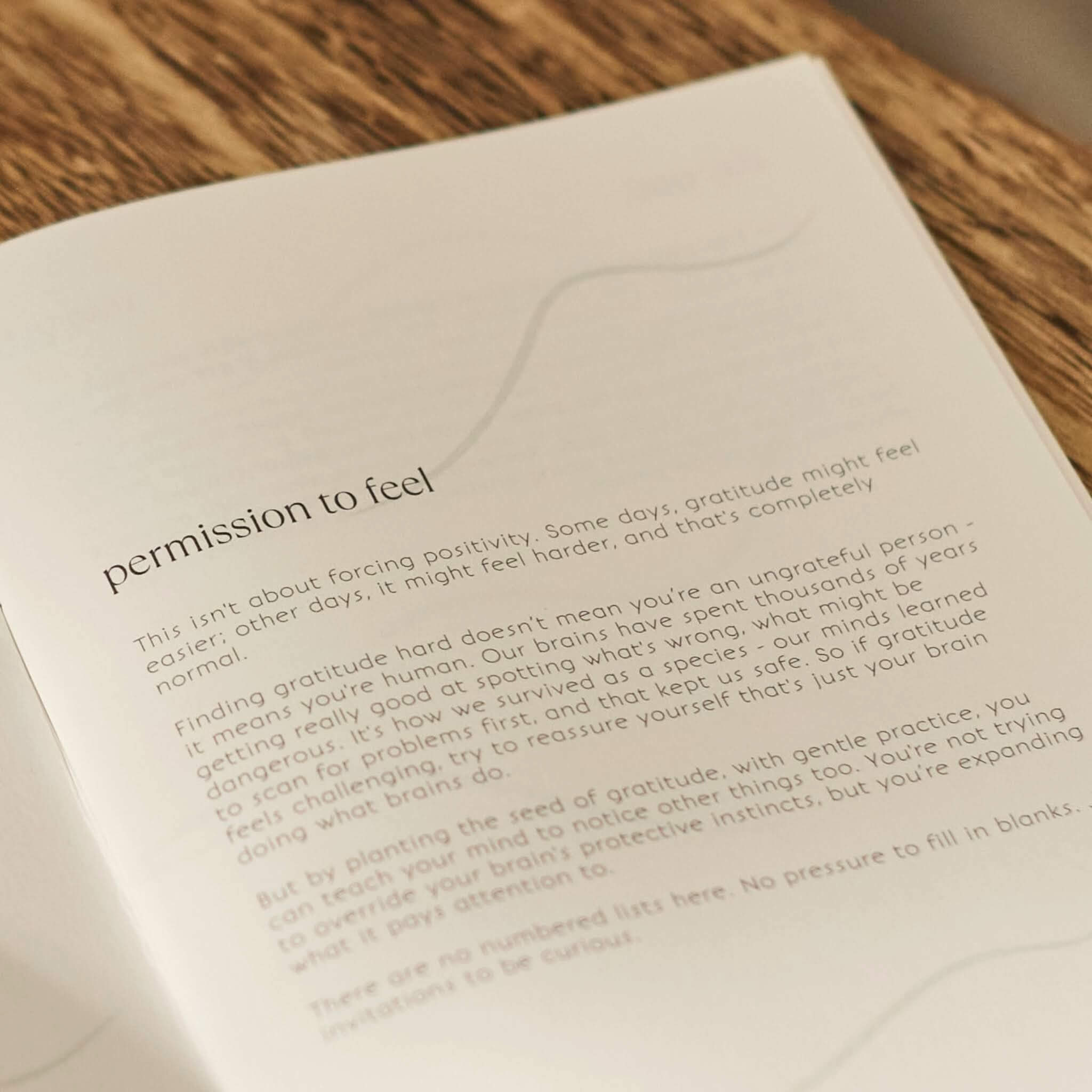
- Validates all emotions — Anxiety, frustration, disappointment are all welcome. Not just "positive" feelings
- Addresses the inner critic directly — Prompts like "What would you say to a friend feeling this way?" help extend that same kindness to yourself
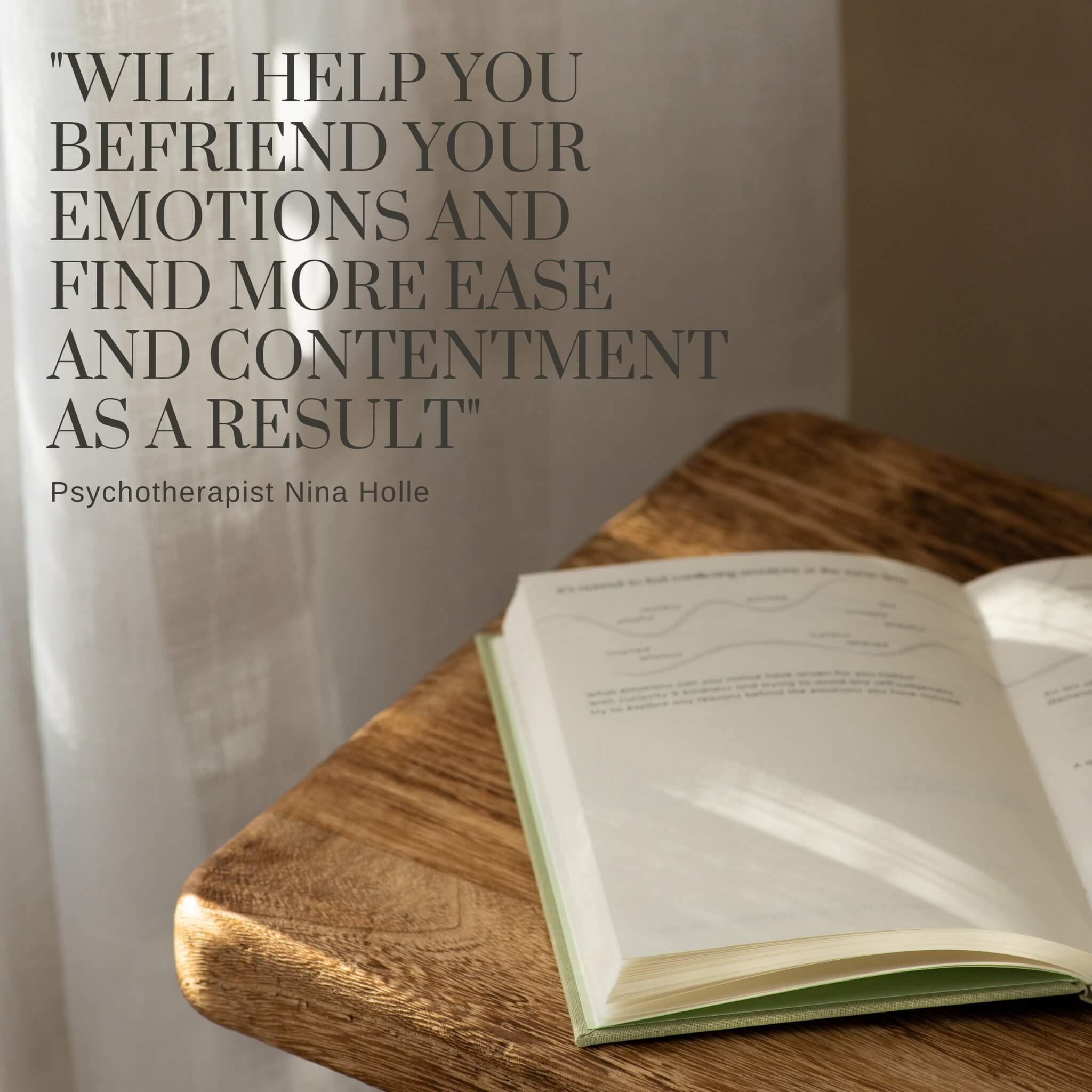
- Emotional awareness tool on every page — Helps identify and name emotions without judgment
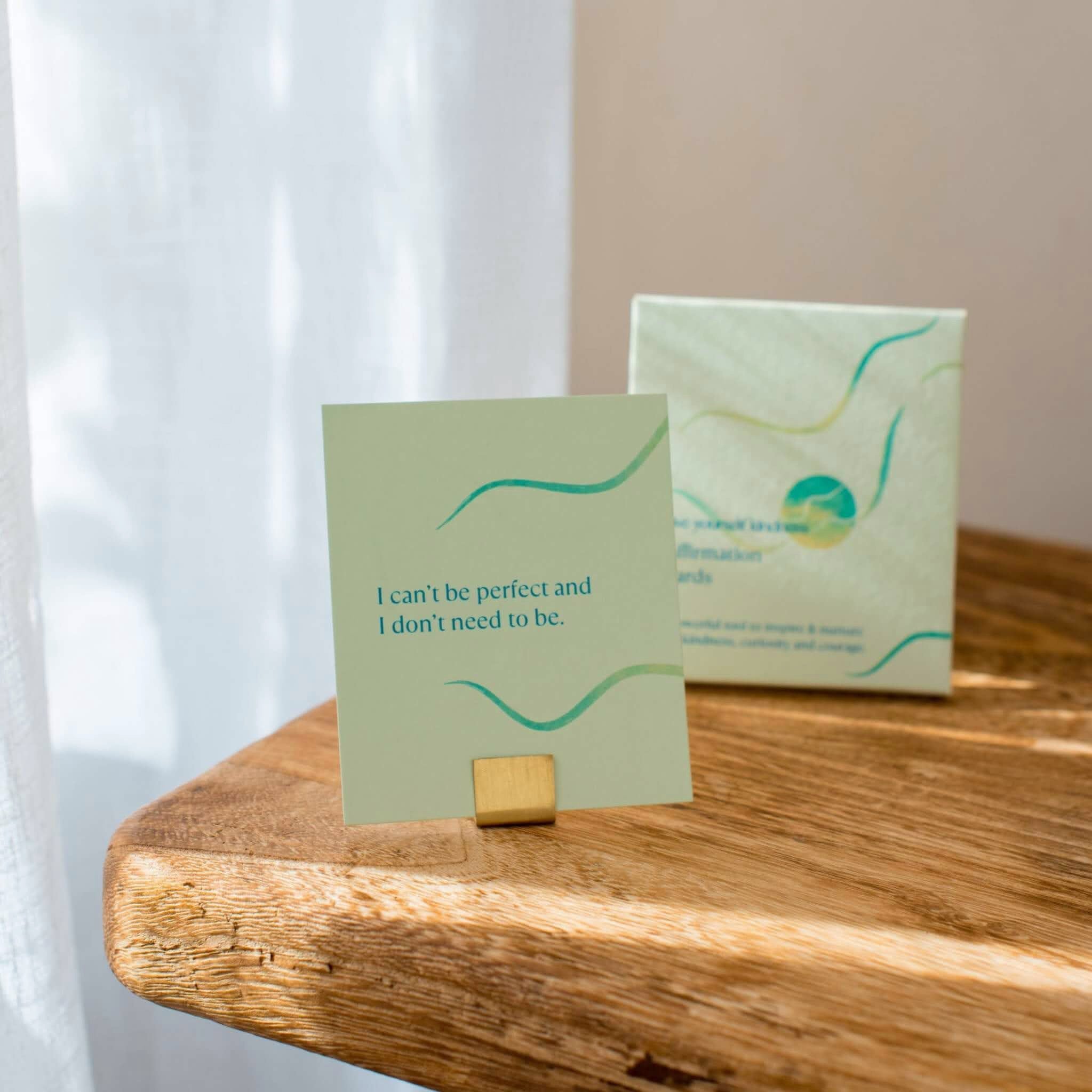
- Gentle affirmations throughout — Reminders like "You can't be perfect, and you don't need to be"
What the Experts Say:

Dr. Chris Germer, PhD
Clinical Psychologist, Harvard Medical School | Co-developer of Mindful Self-Compassion (MSC) program taught to 250,000+ people worldwide
"A warm invitation to make friends with your emotions and yourself!"

Professor Willem Kuyken, PhD, DClinPsy
Ritblat Professor of Mindfulness and Psychological Science, University of Oxford | Top 1% most cited scientists worldwide
"Writing can invoke an inner critic, rumination and procrastination. Rachel has curated the experience to make the writing intrinsically rewarding and the journal something to treasure."

Julie Burke, LPC-S
Therapist specializing in perfectionism and anxiety
"There are affirmations throughout the journal that feel safe and encouraging to feel your feelings in ways that create a sense of safety and are free of judgment for yourself."
Other Self-Compassion Tools That Help
If you'd like to give multiple tools or are looking for something to pair with the journal, here are other evidence-based options:
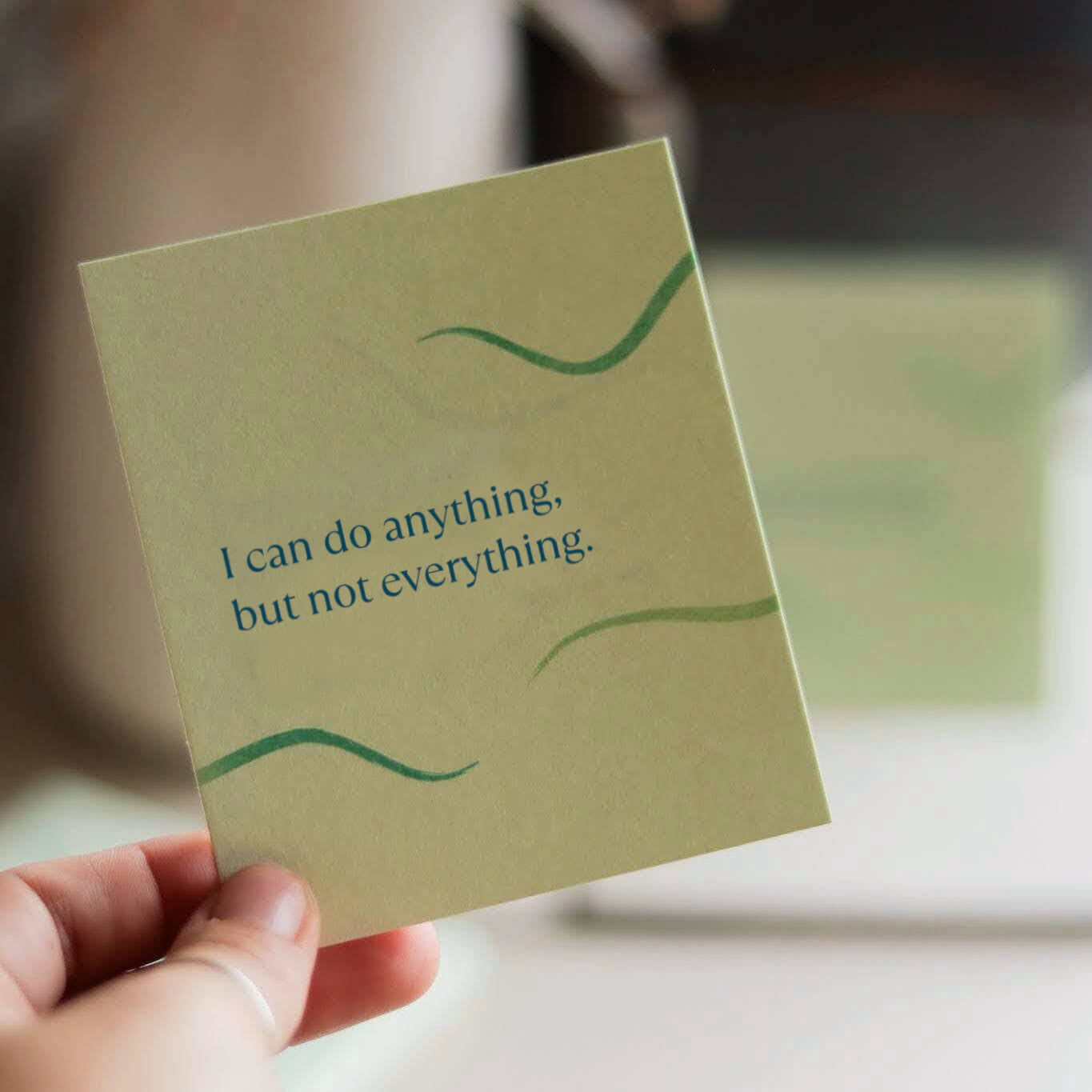
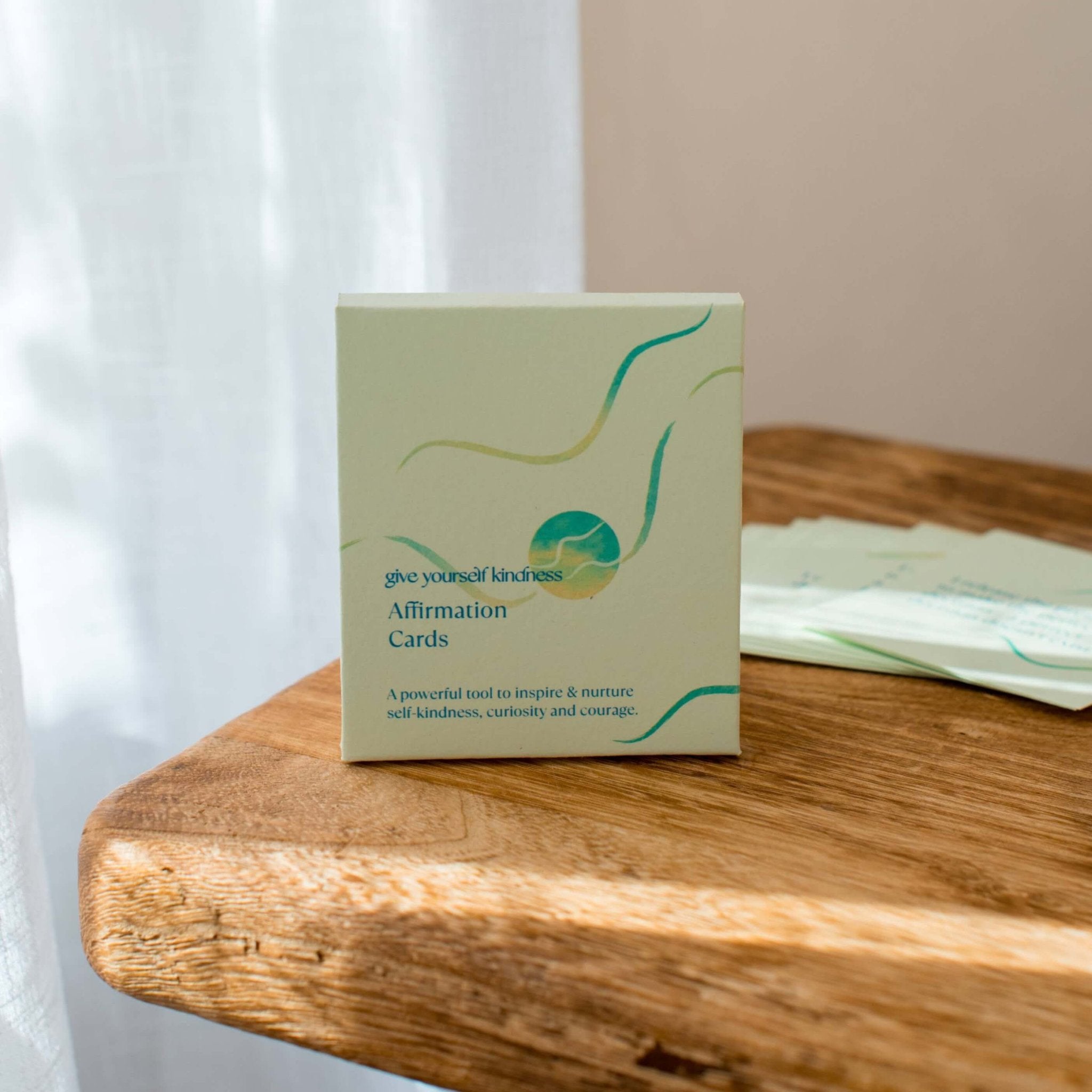
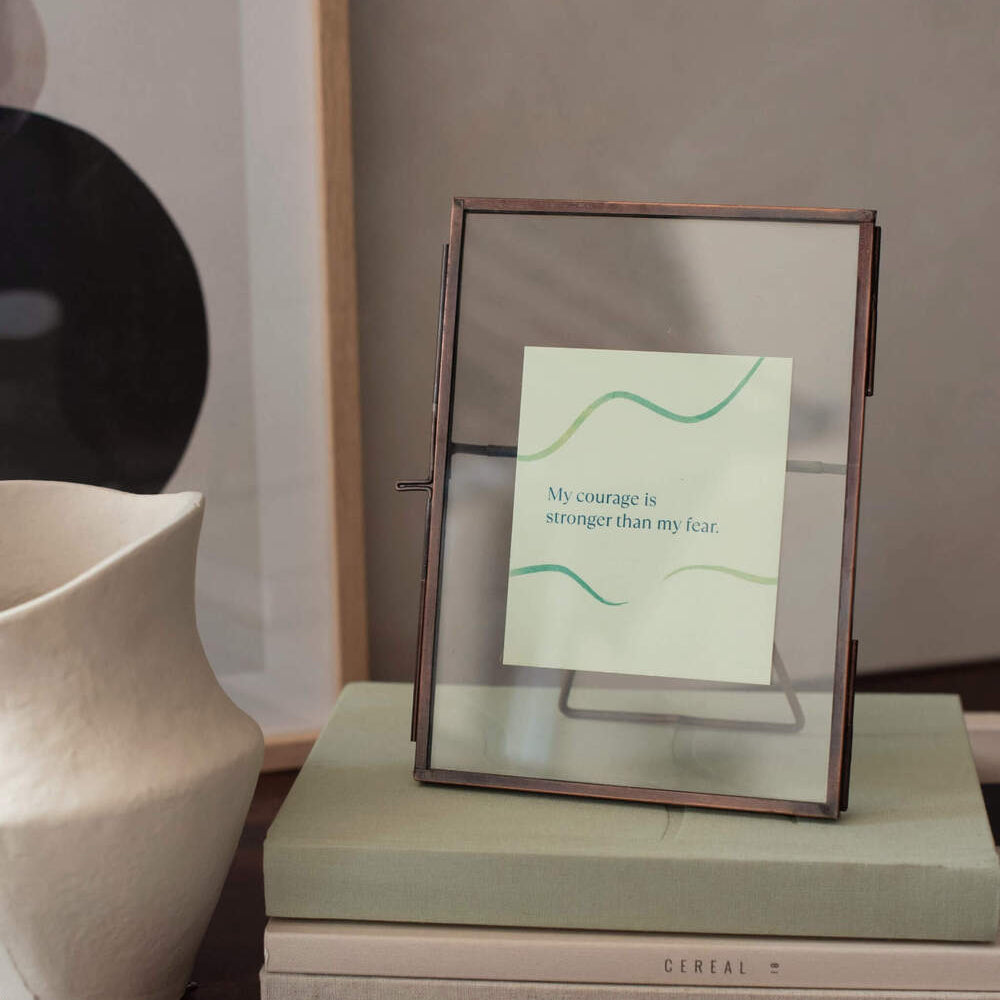
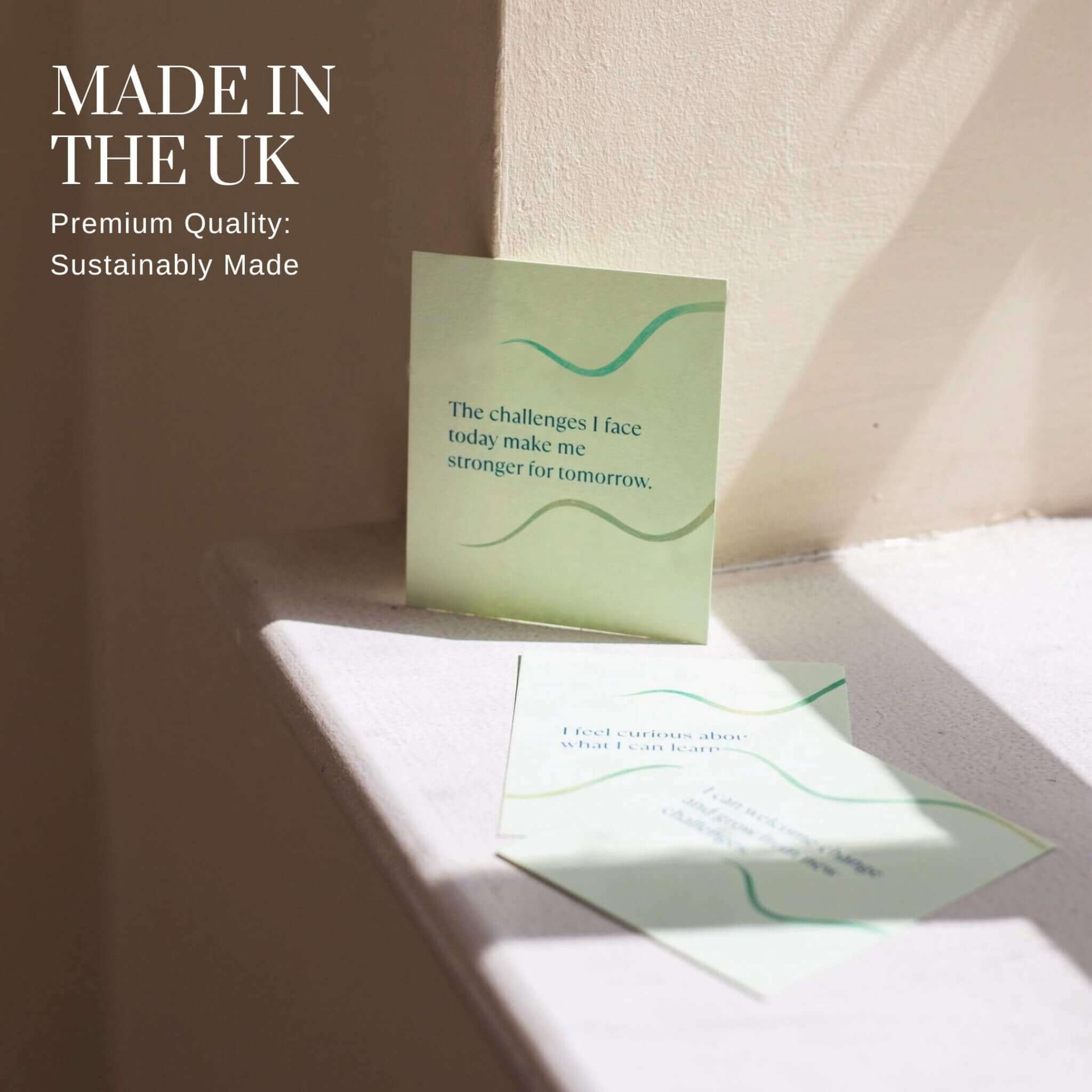
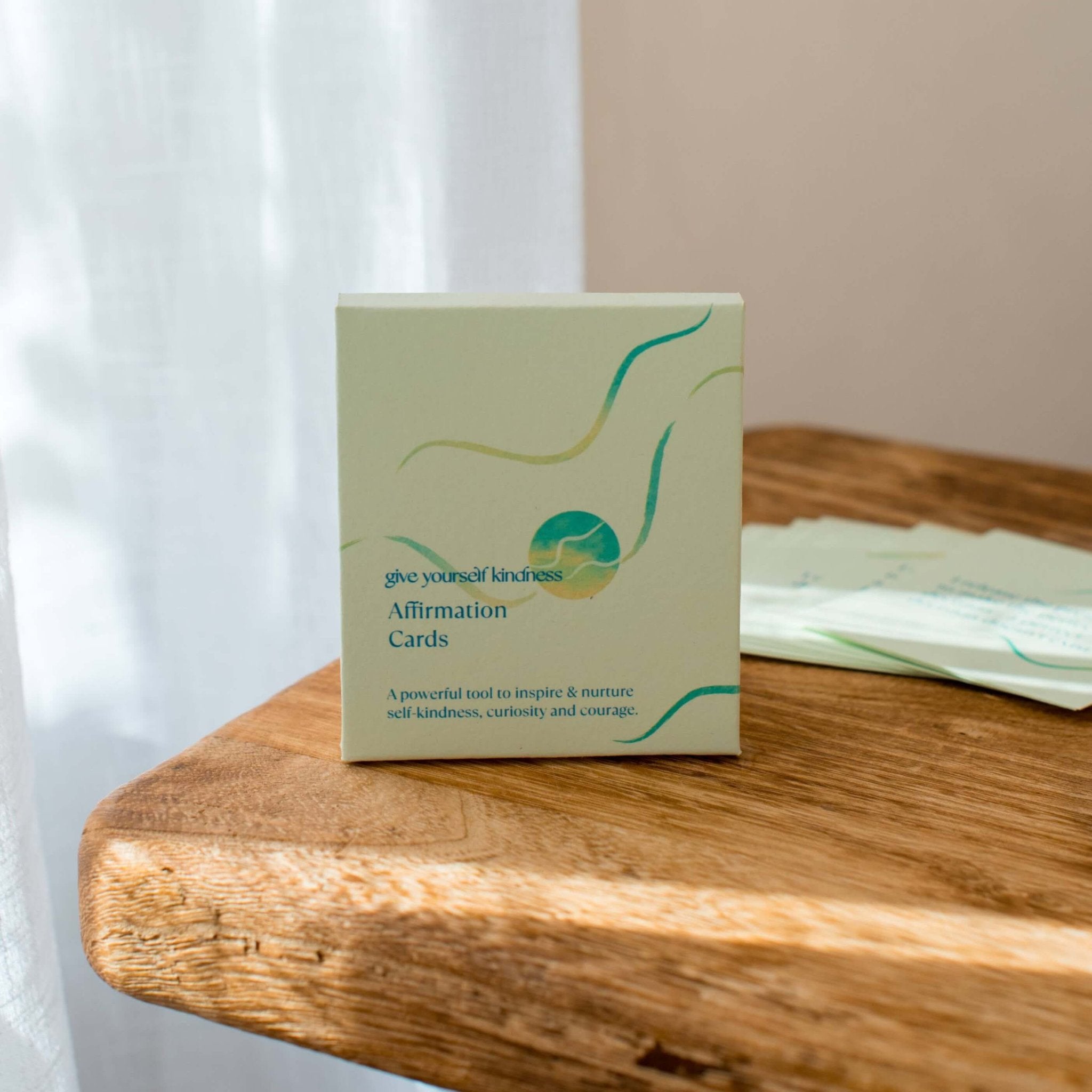
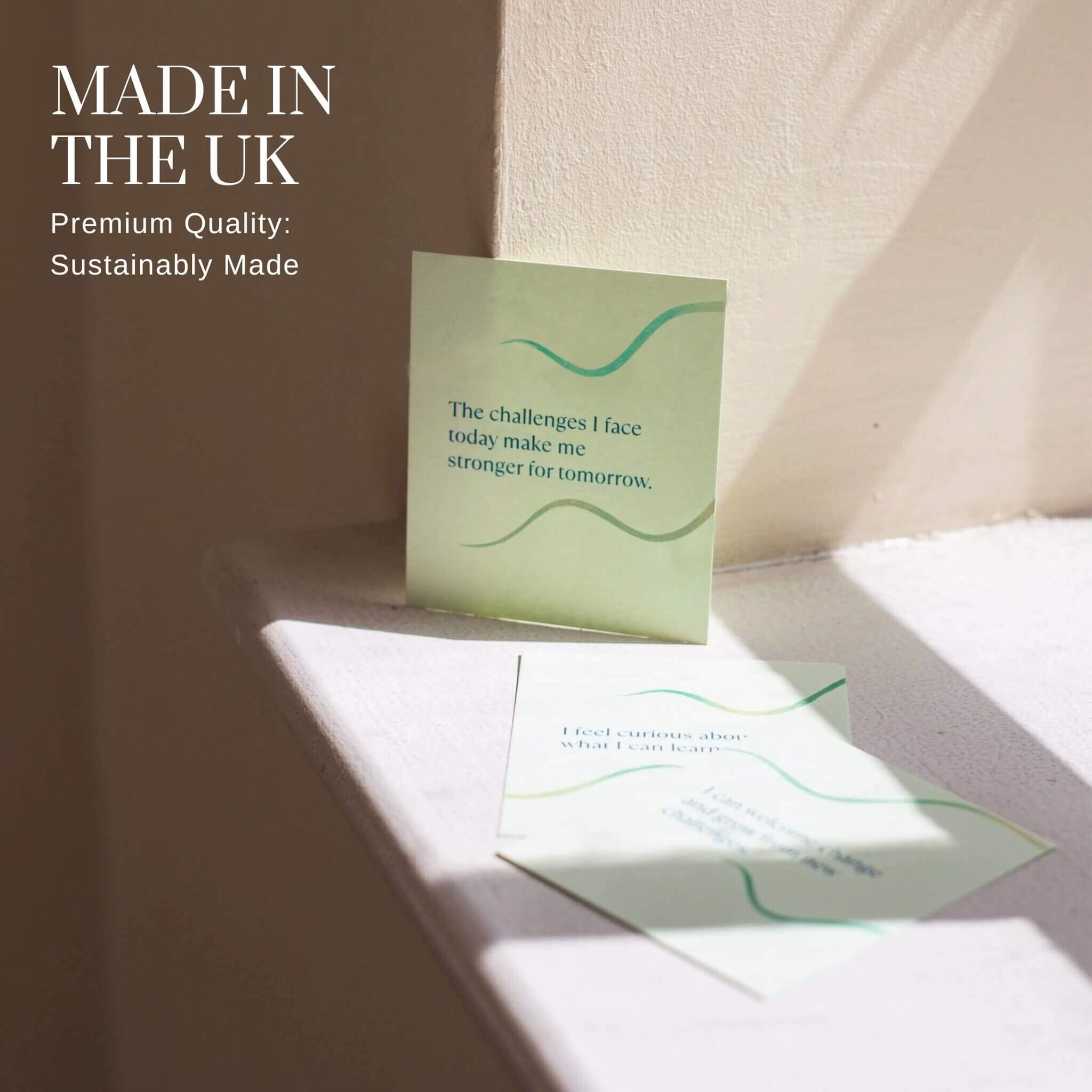
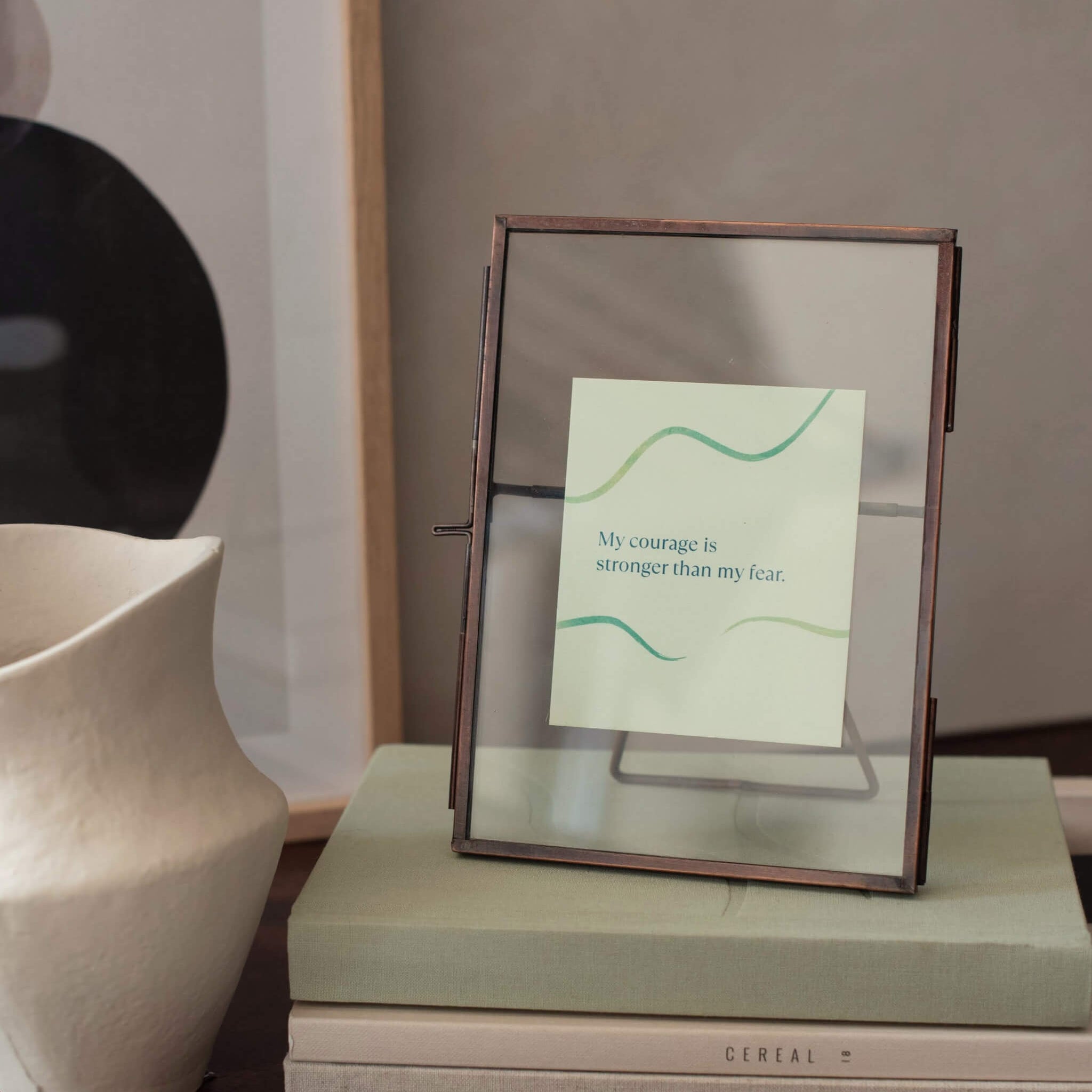
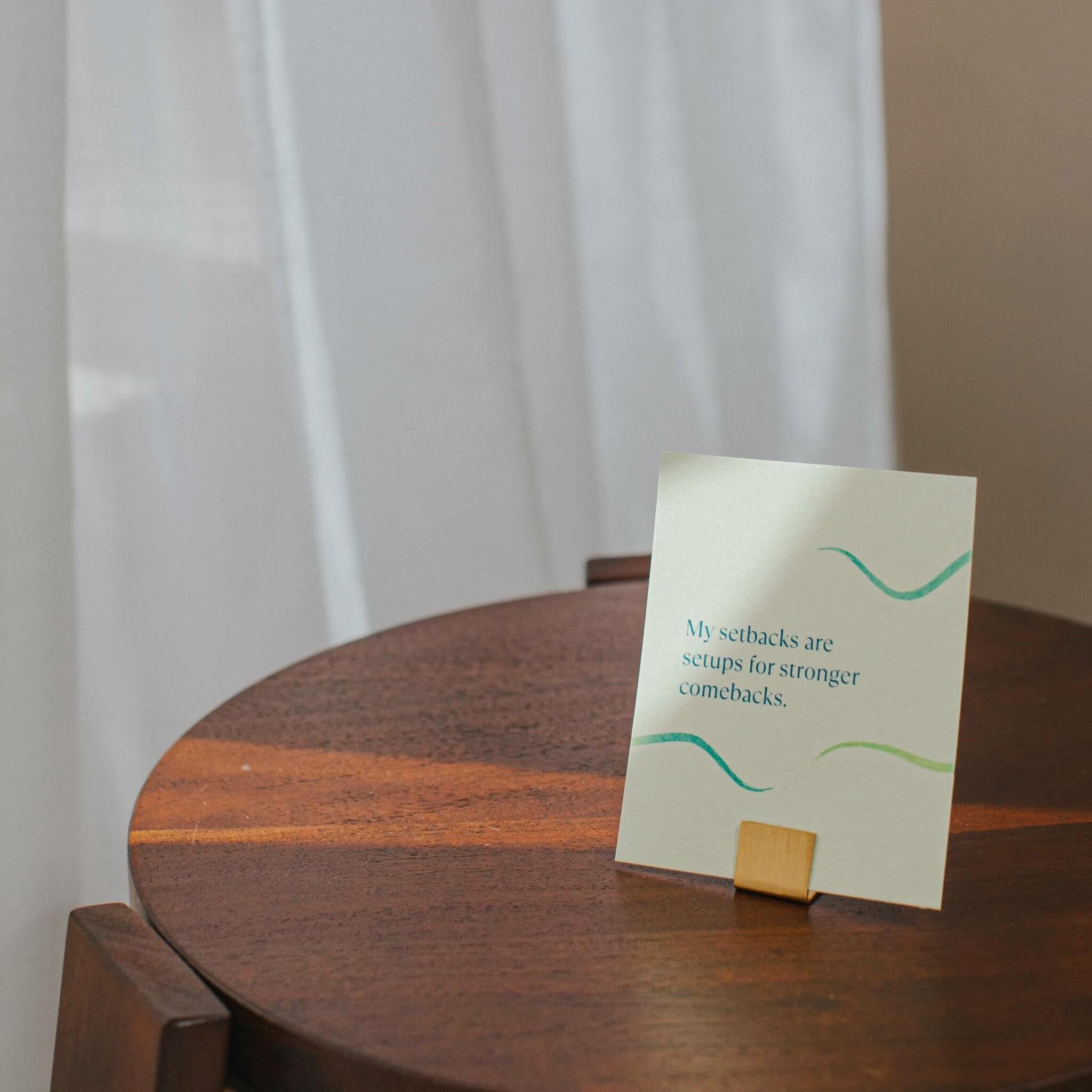
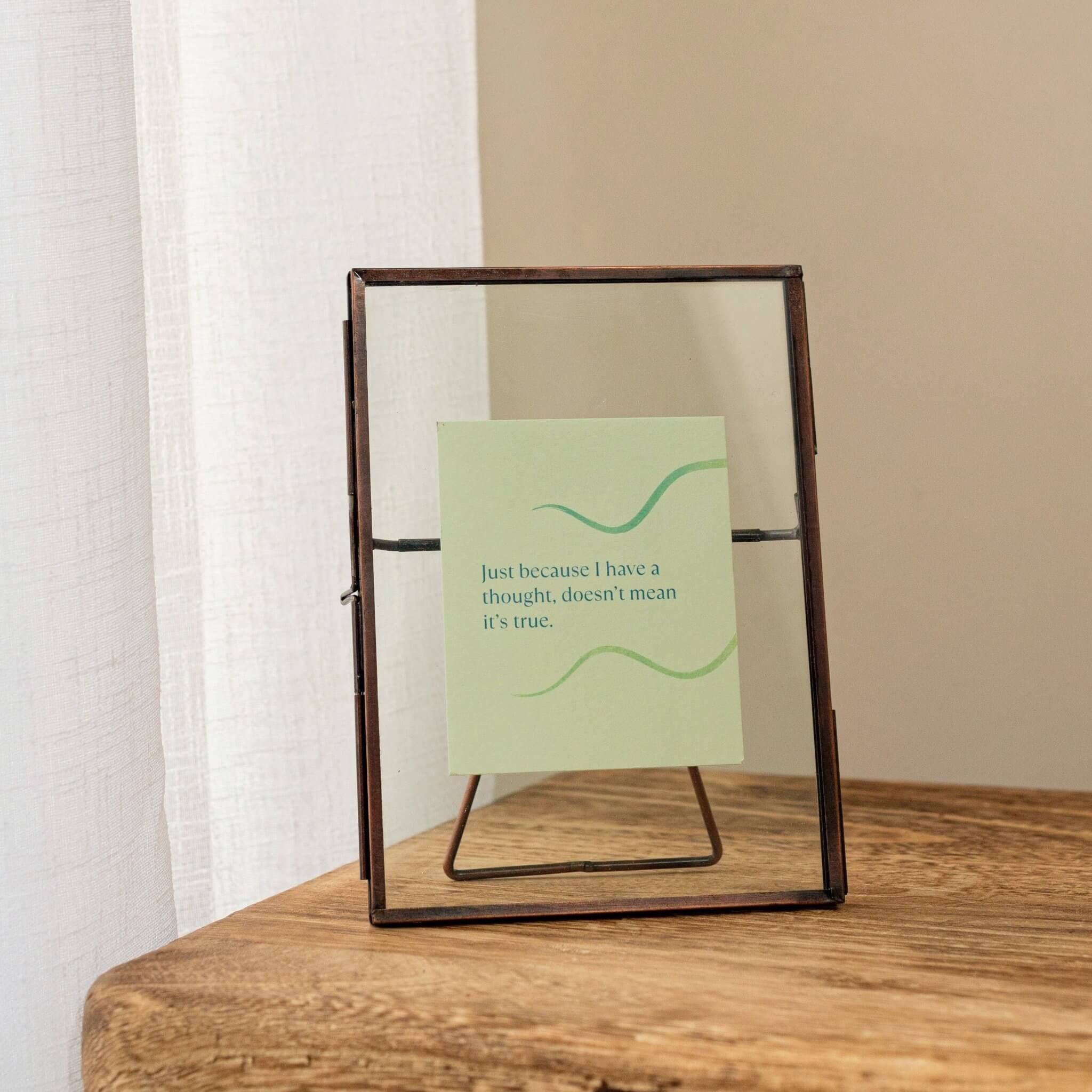
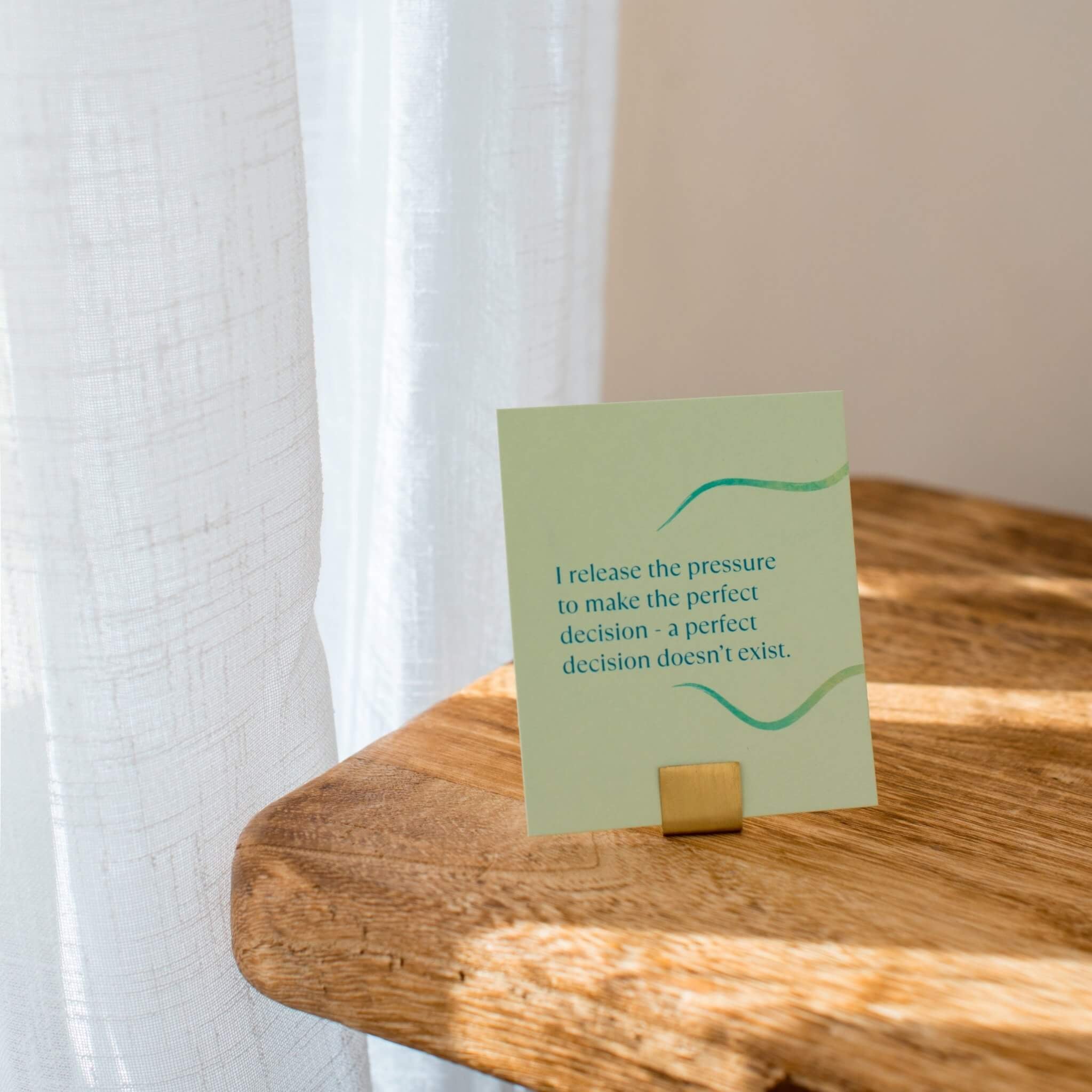
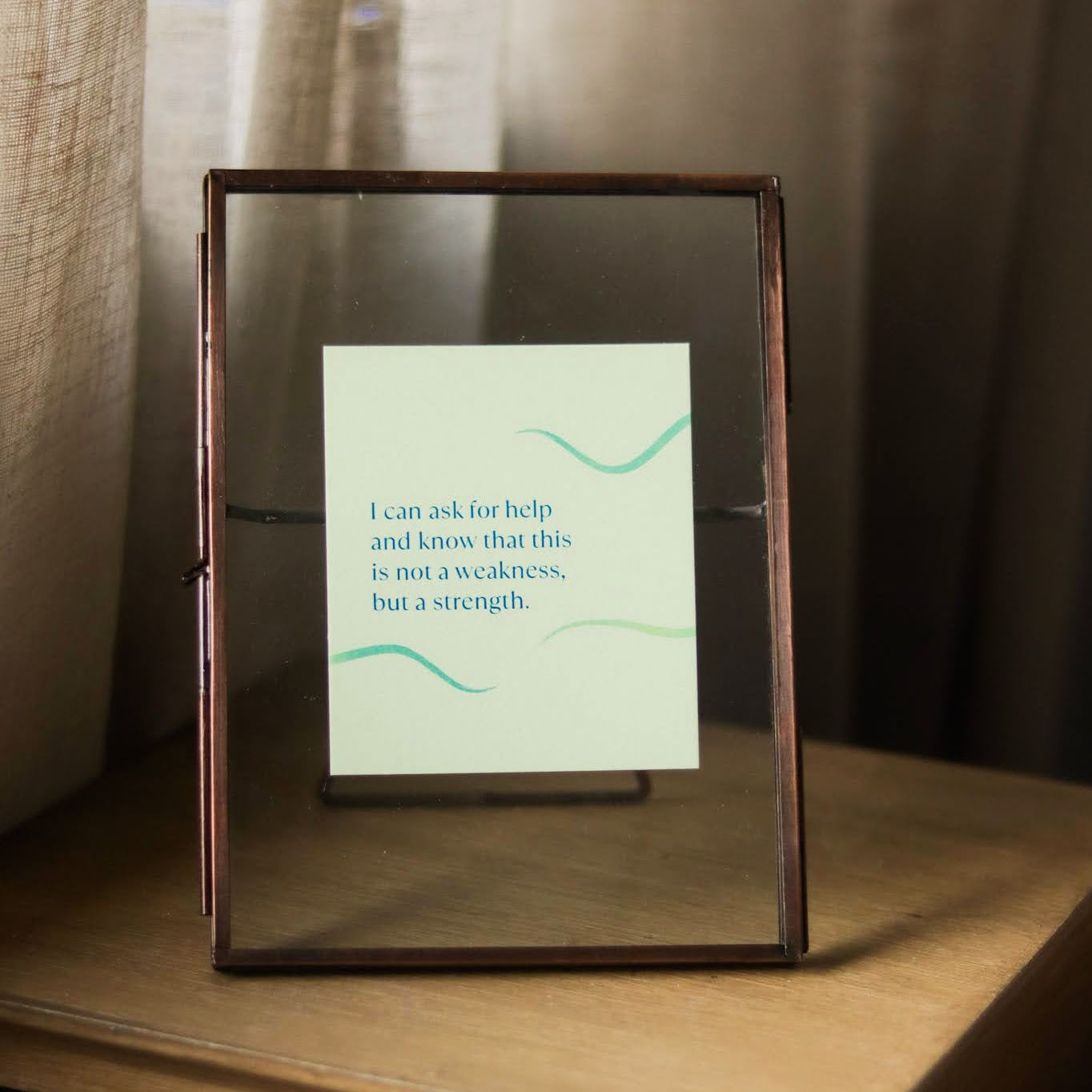
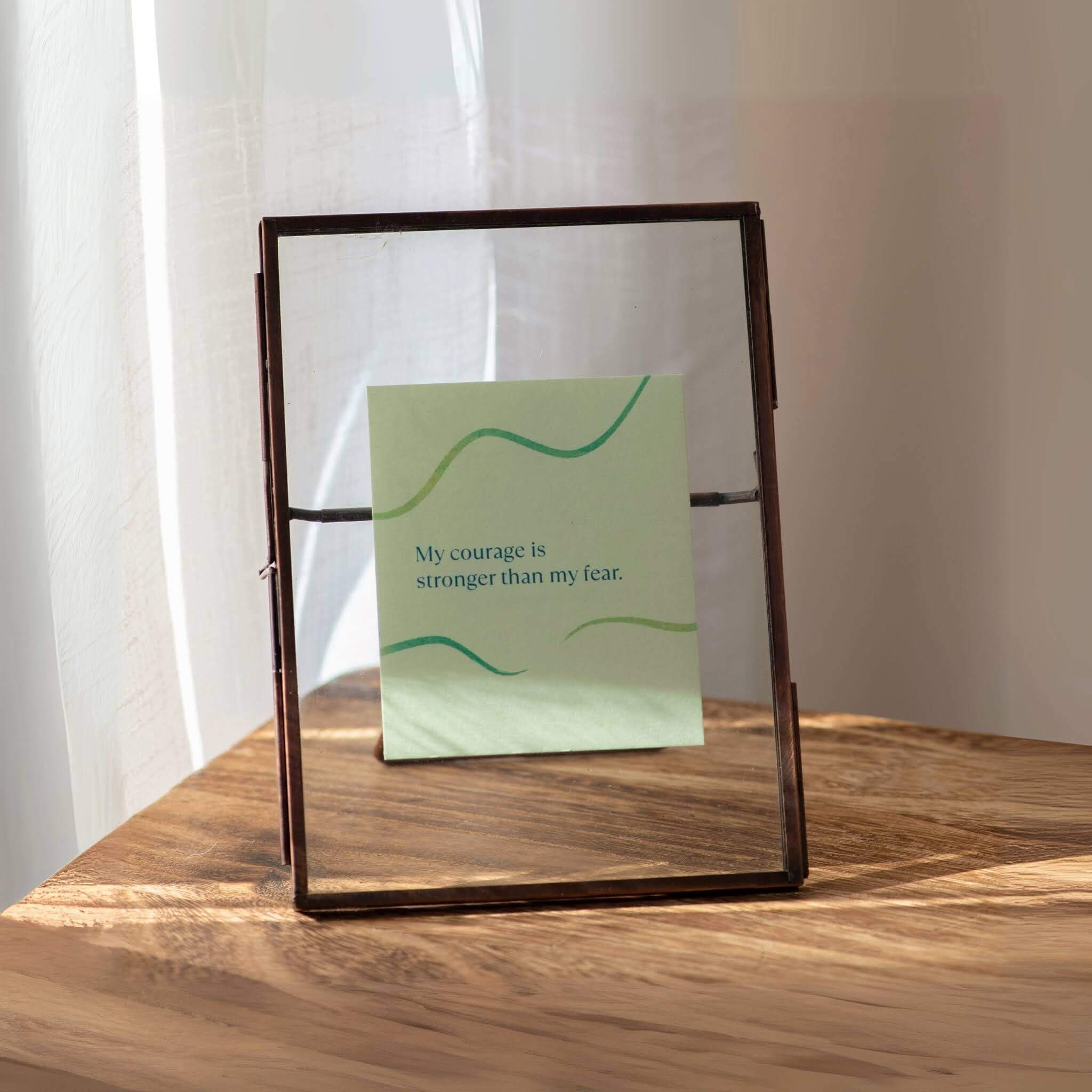
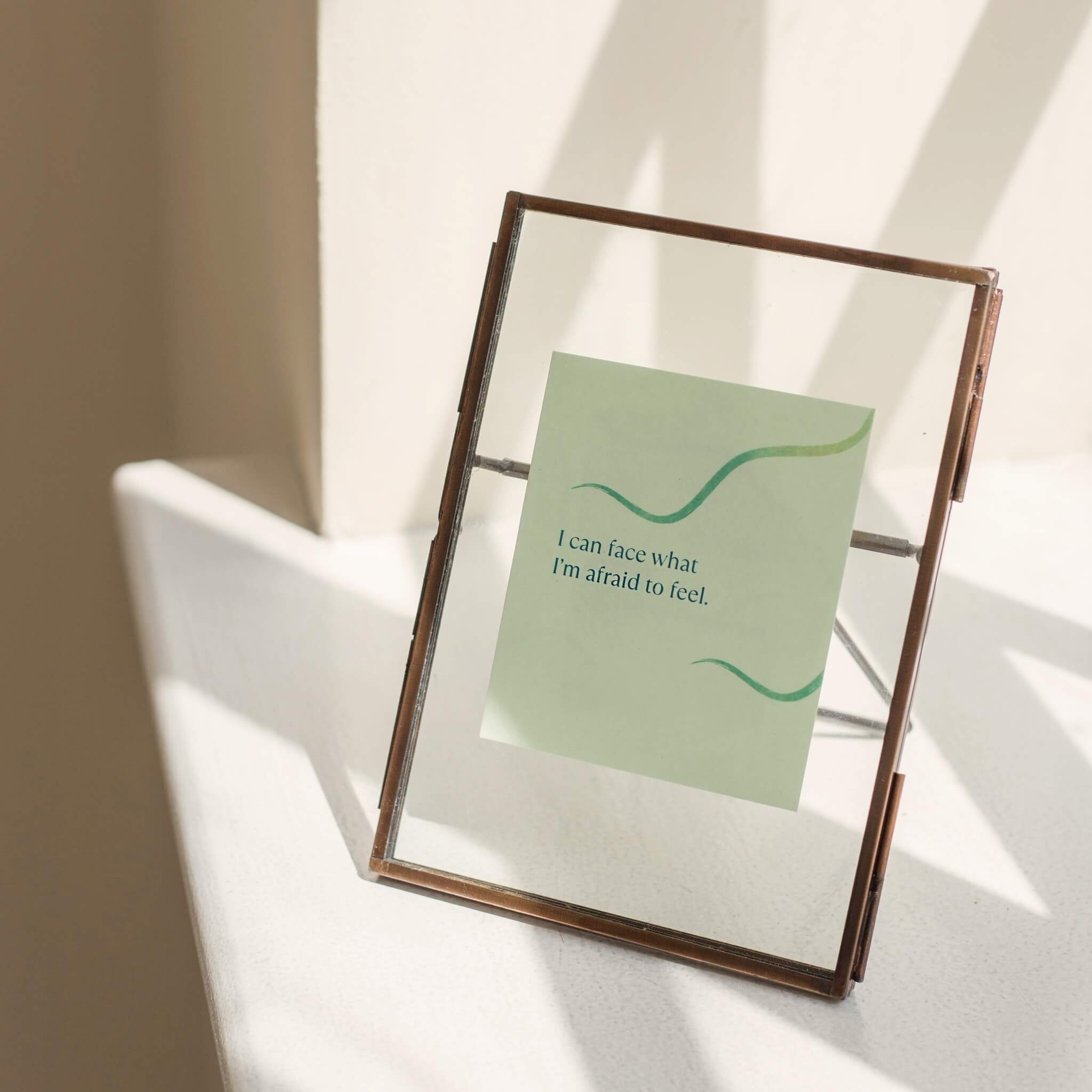
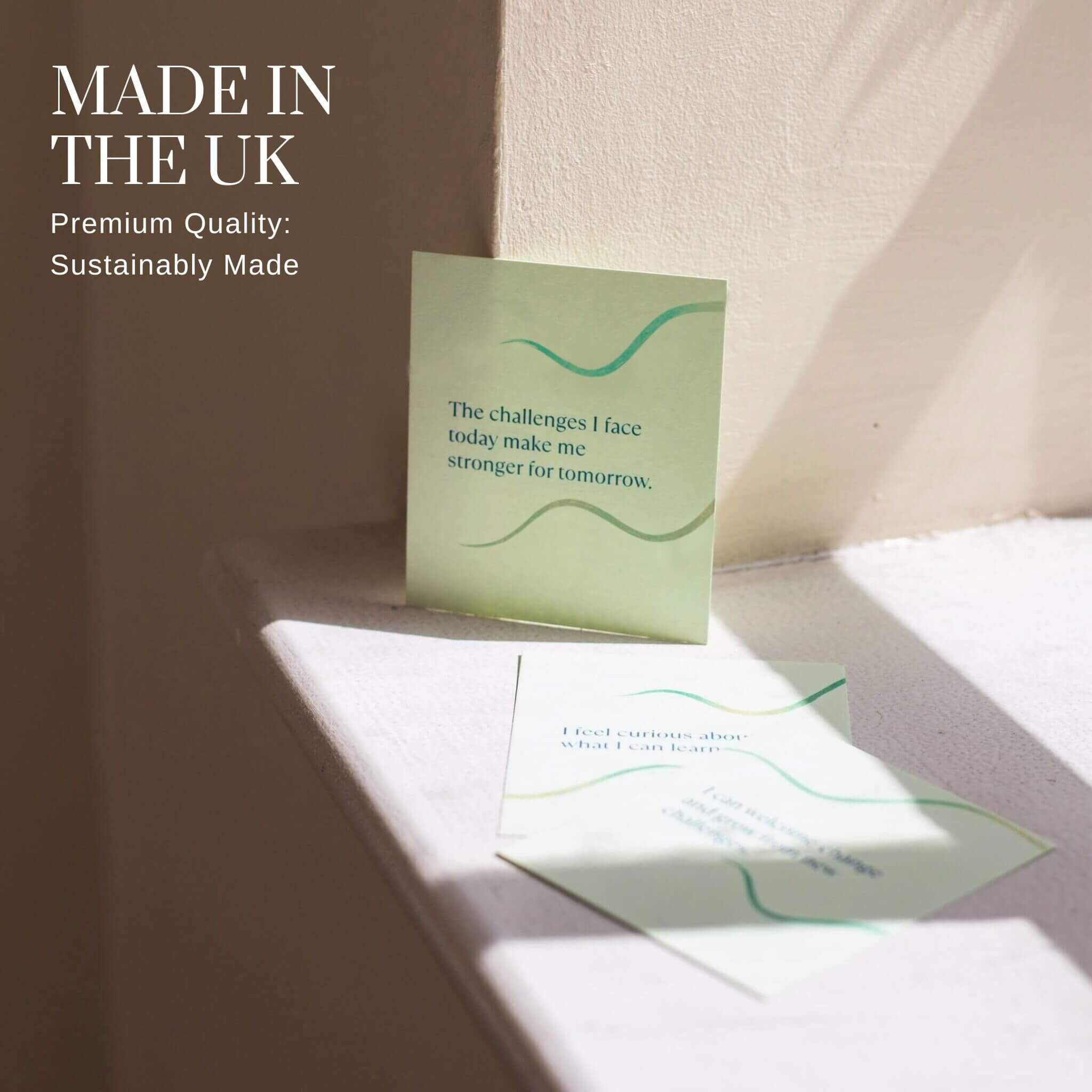
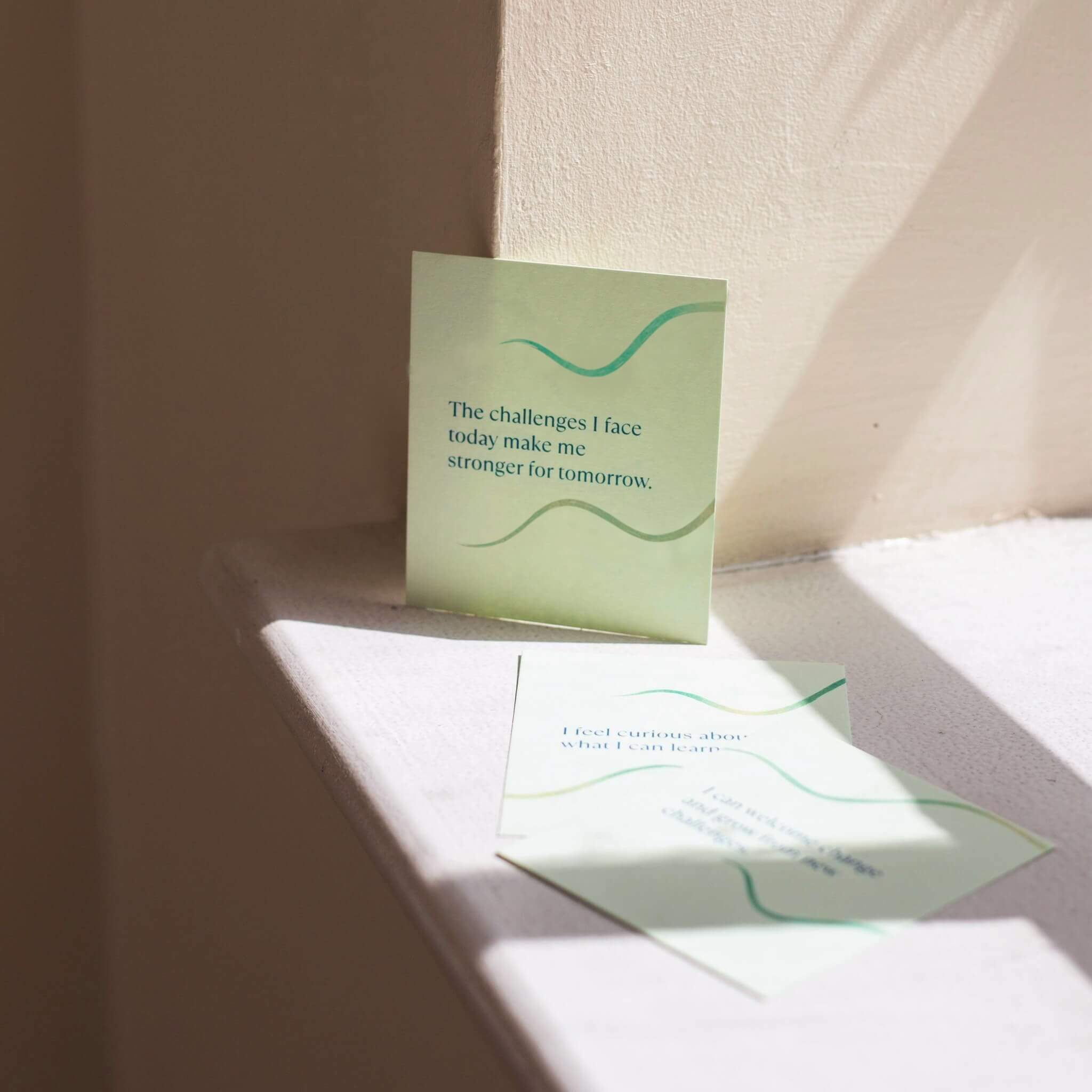
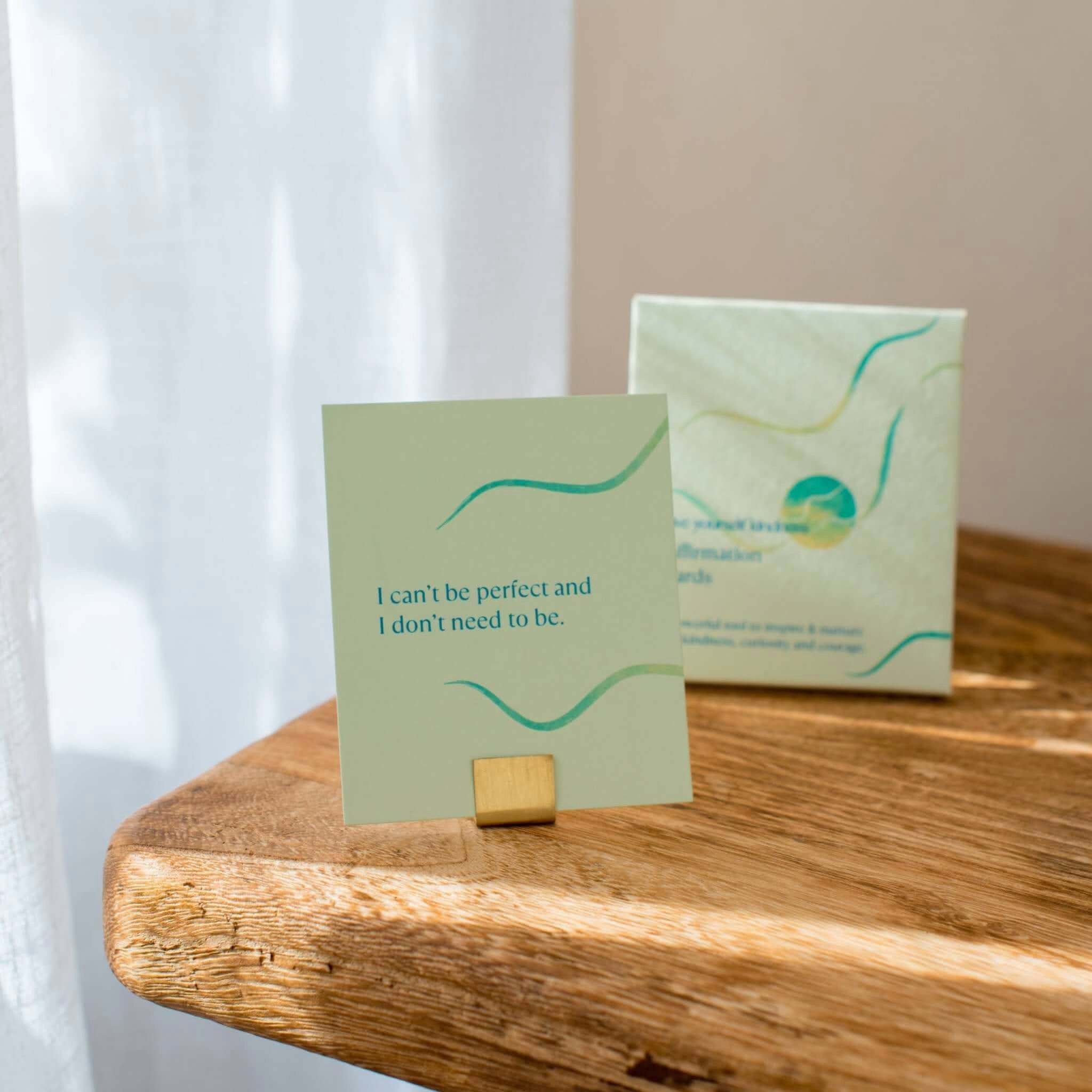
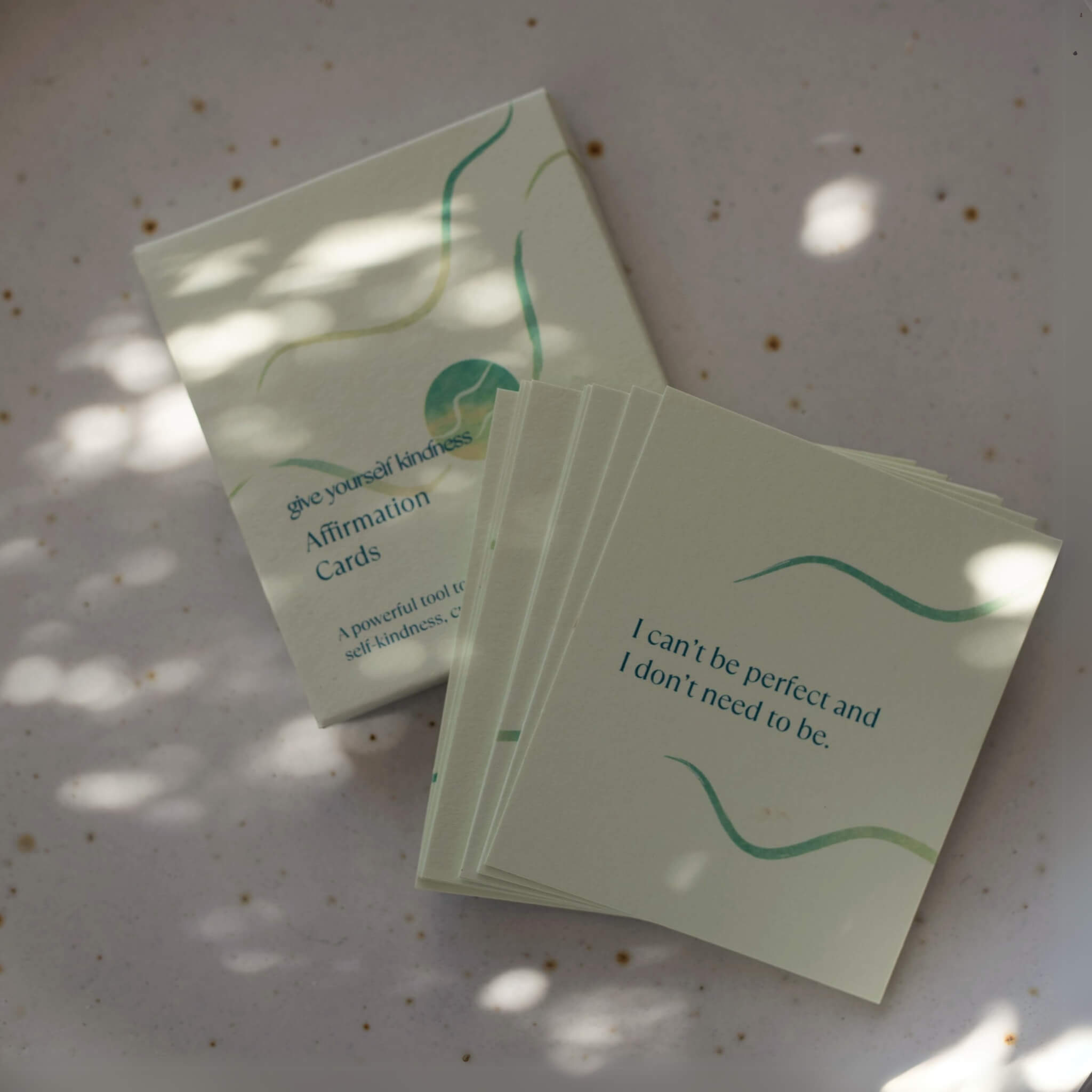
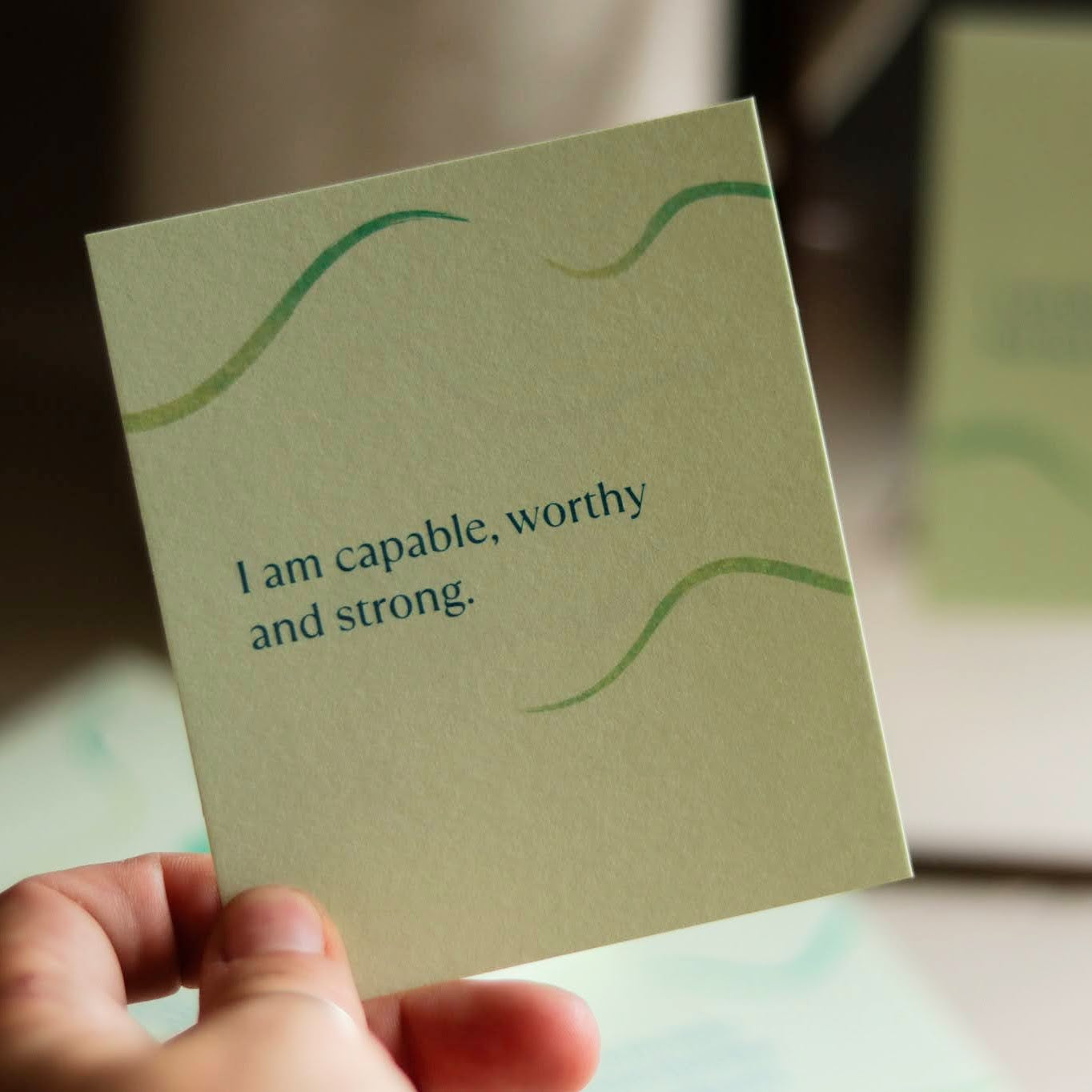
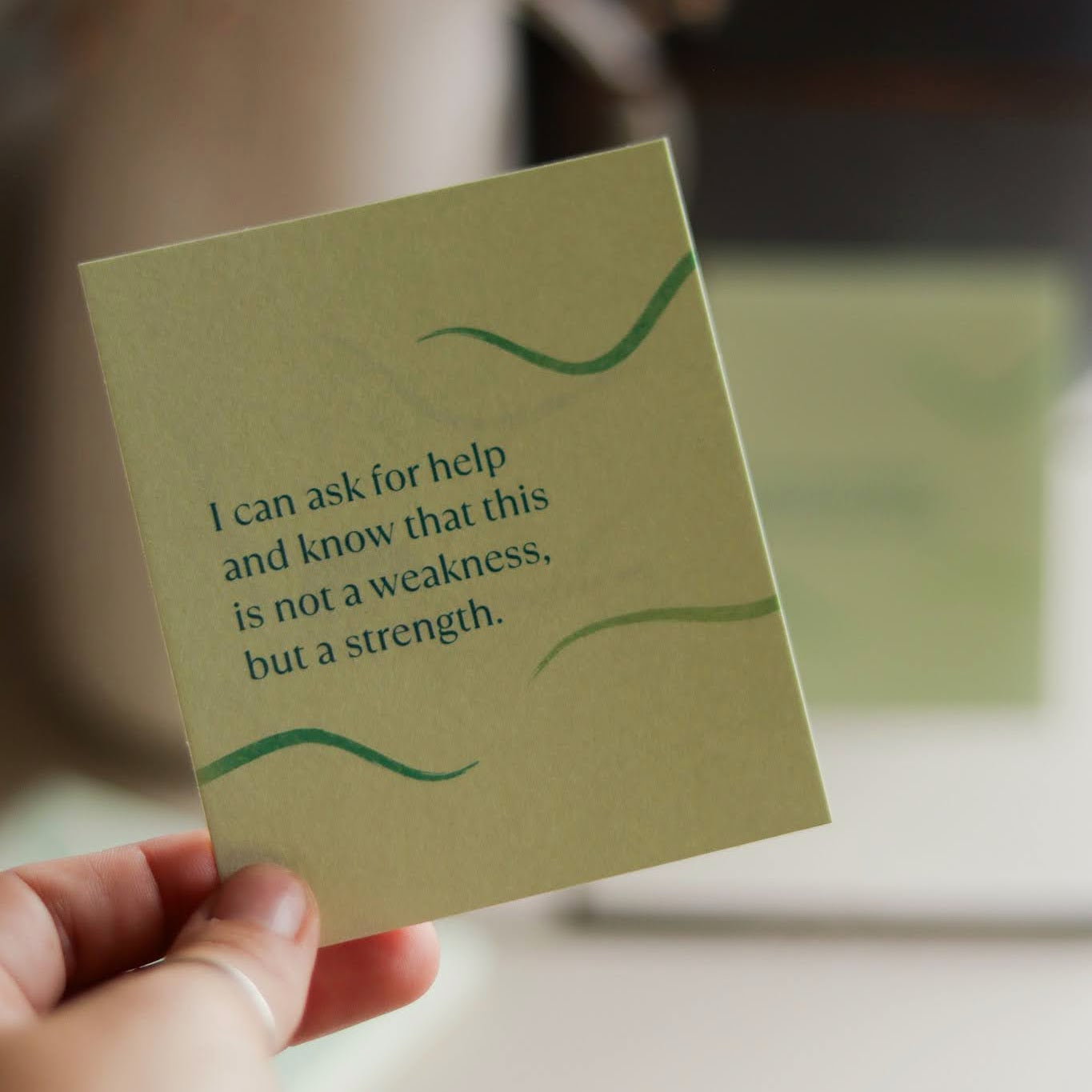
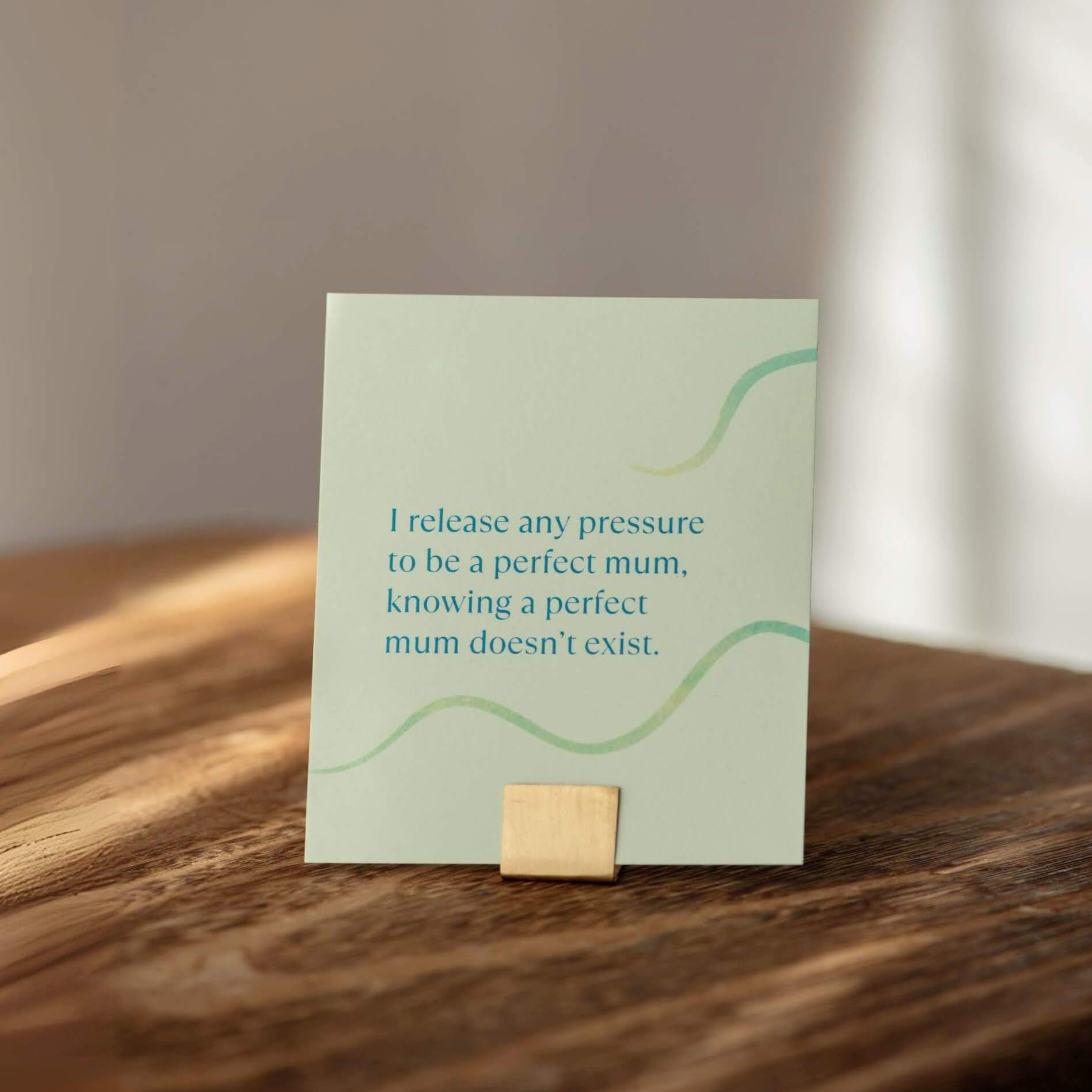
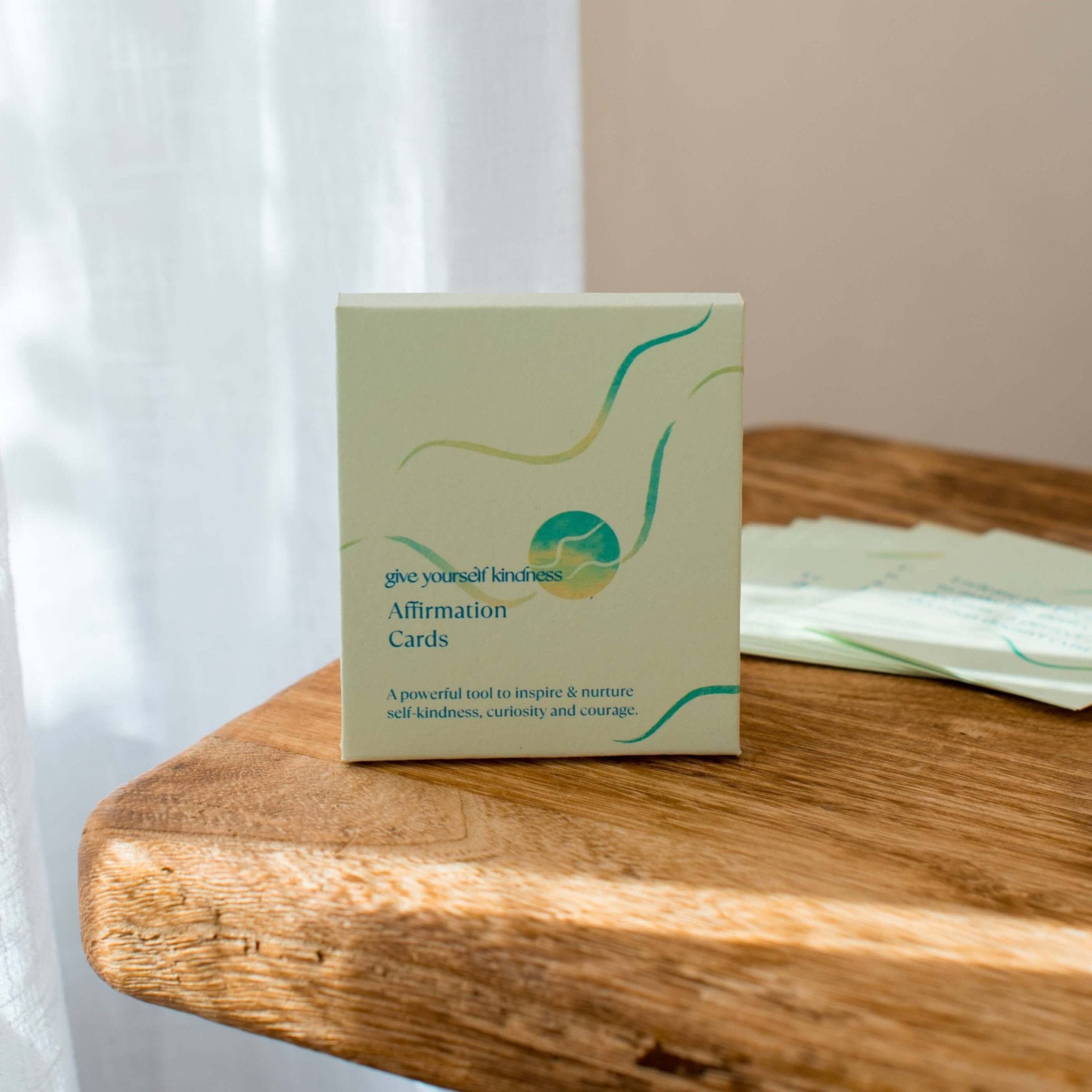
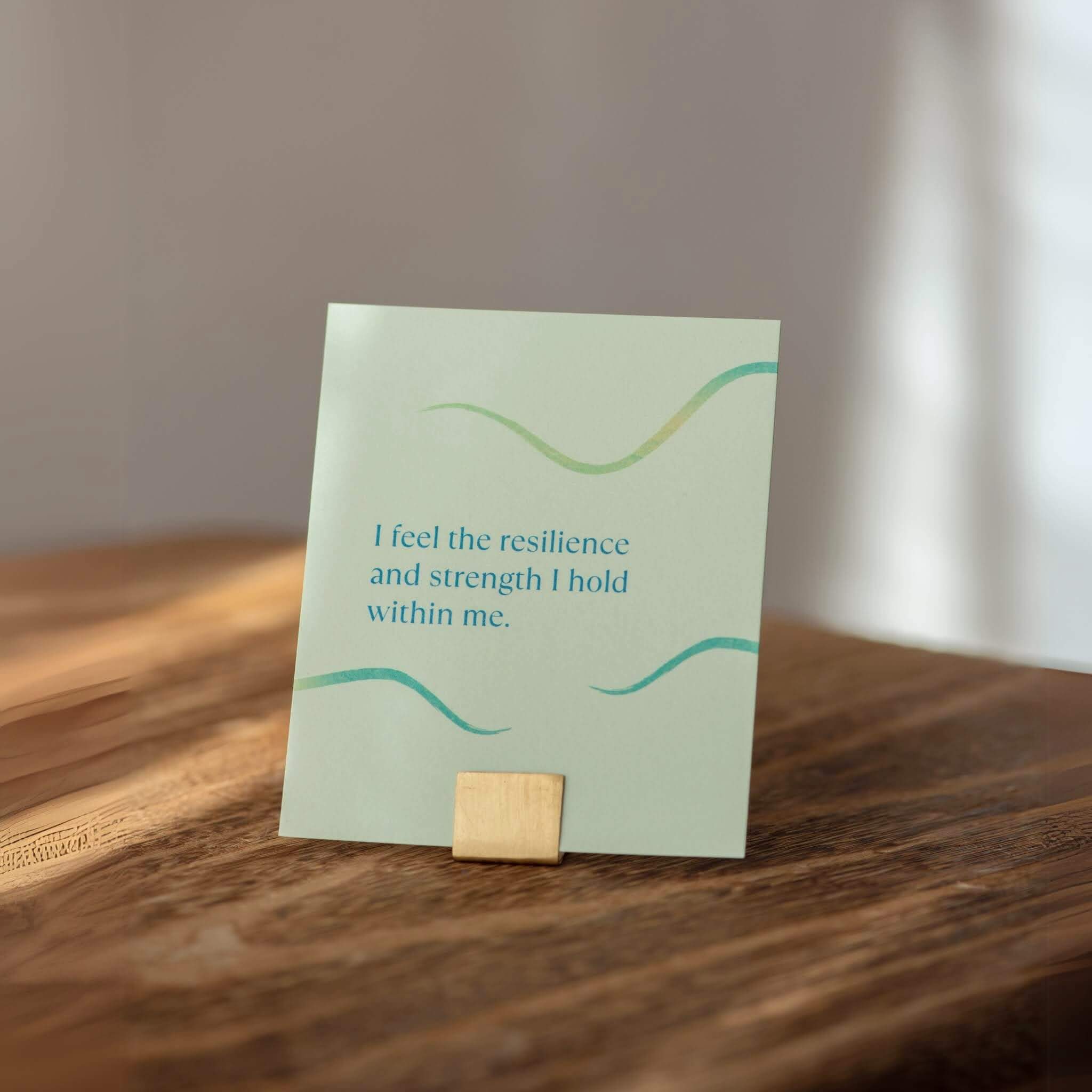
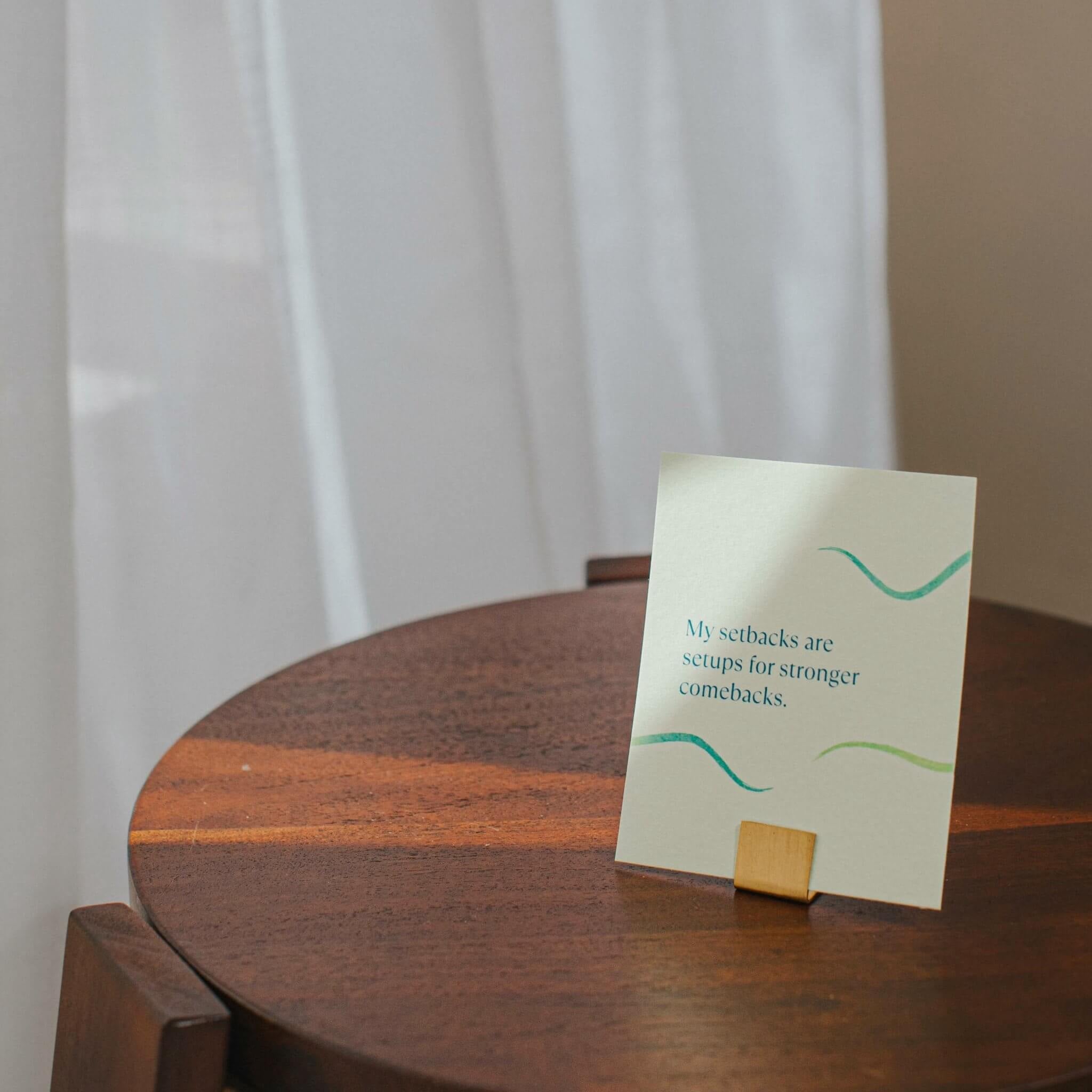
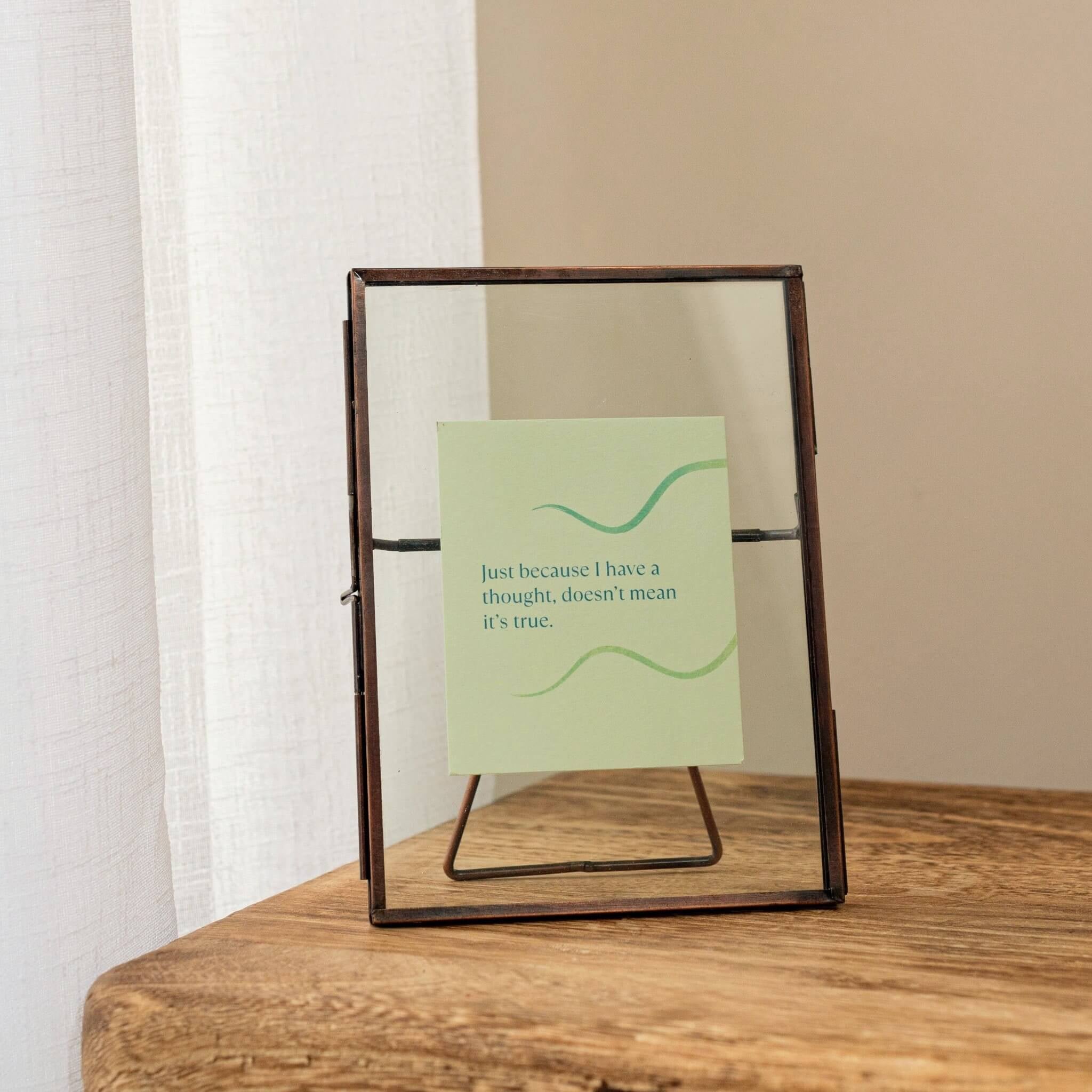
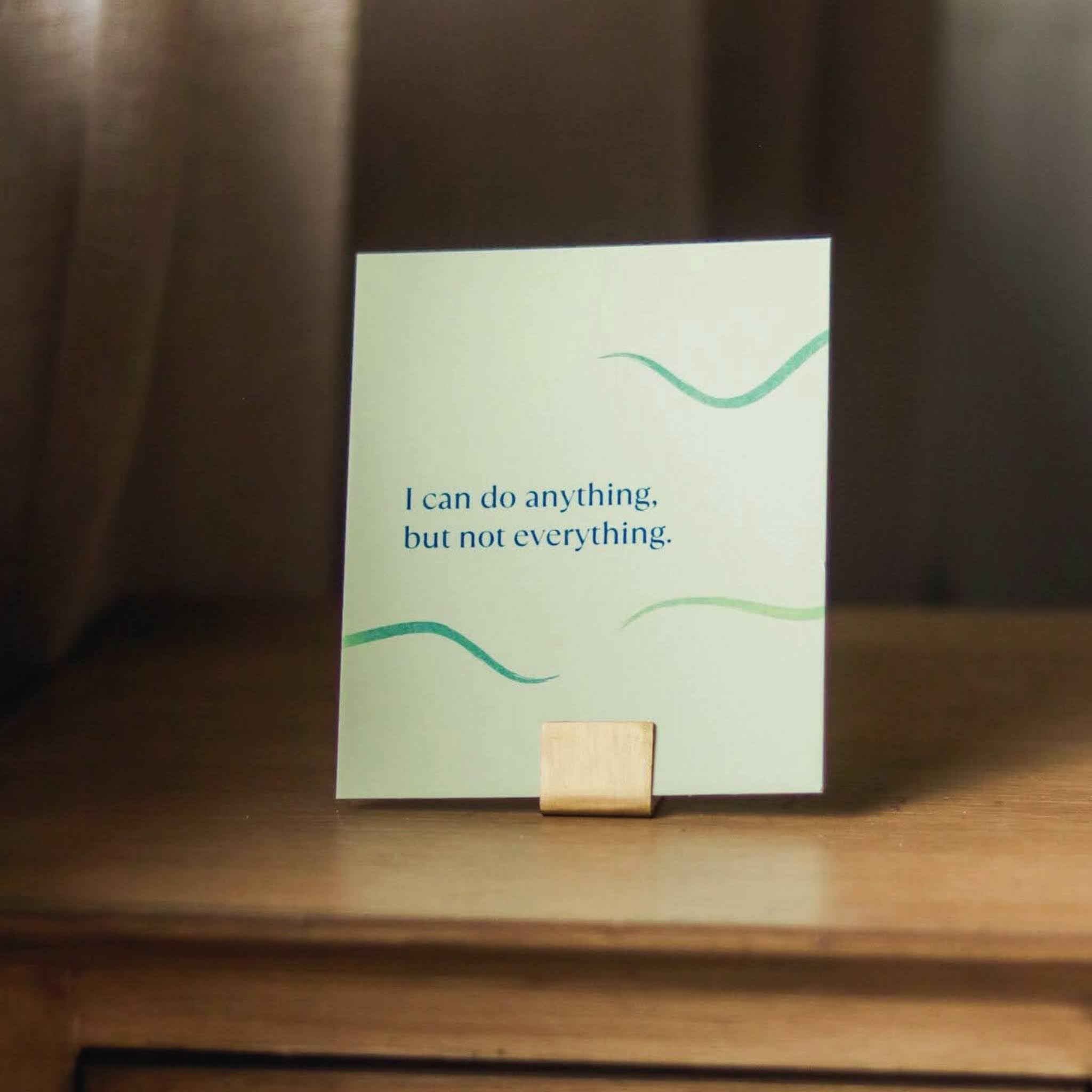
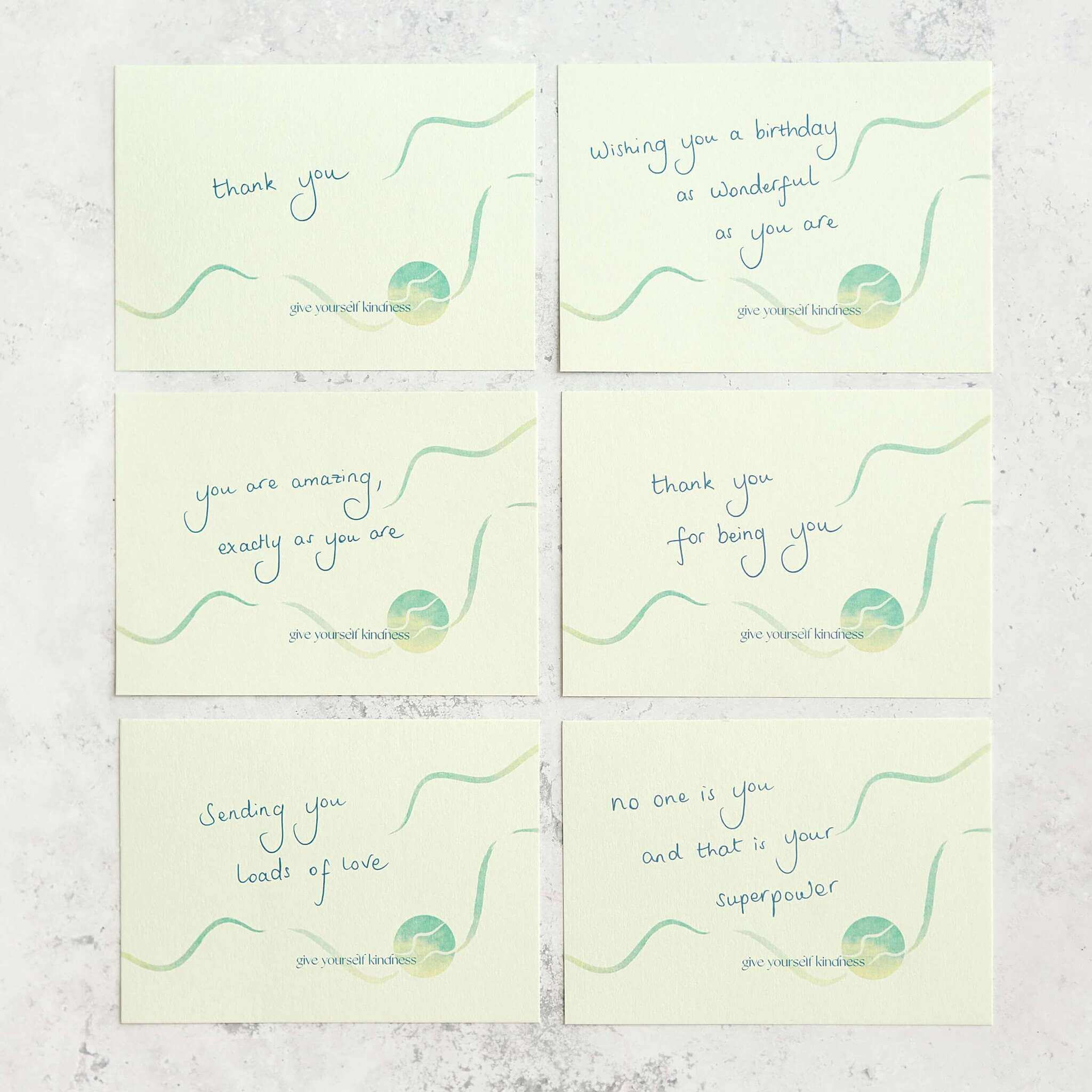
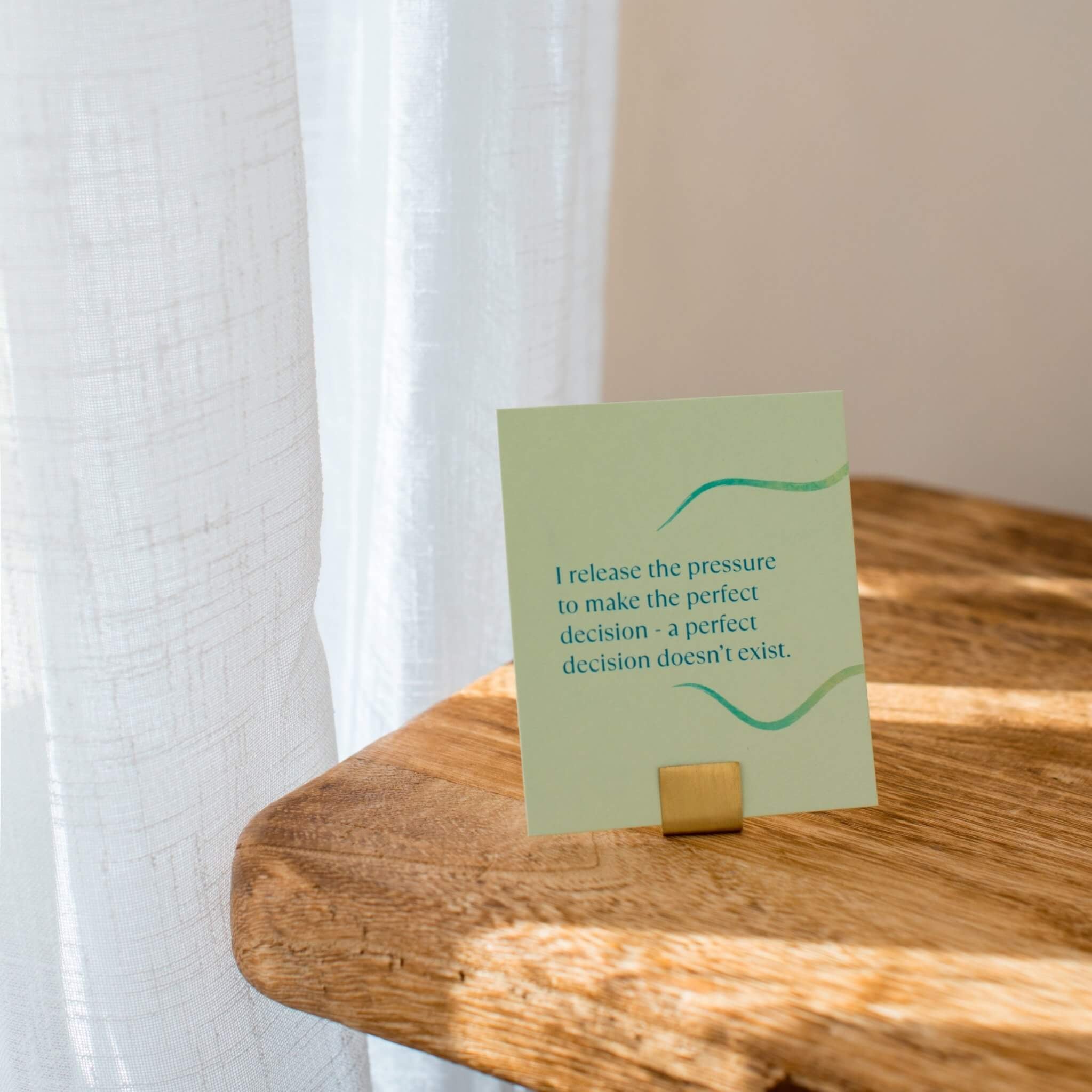
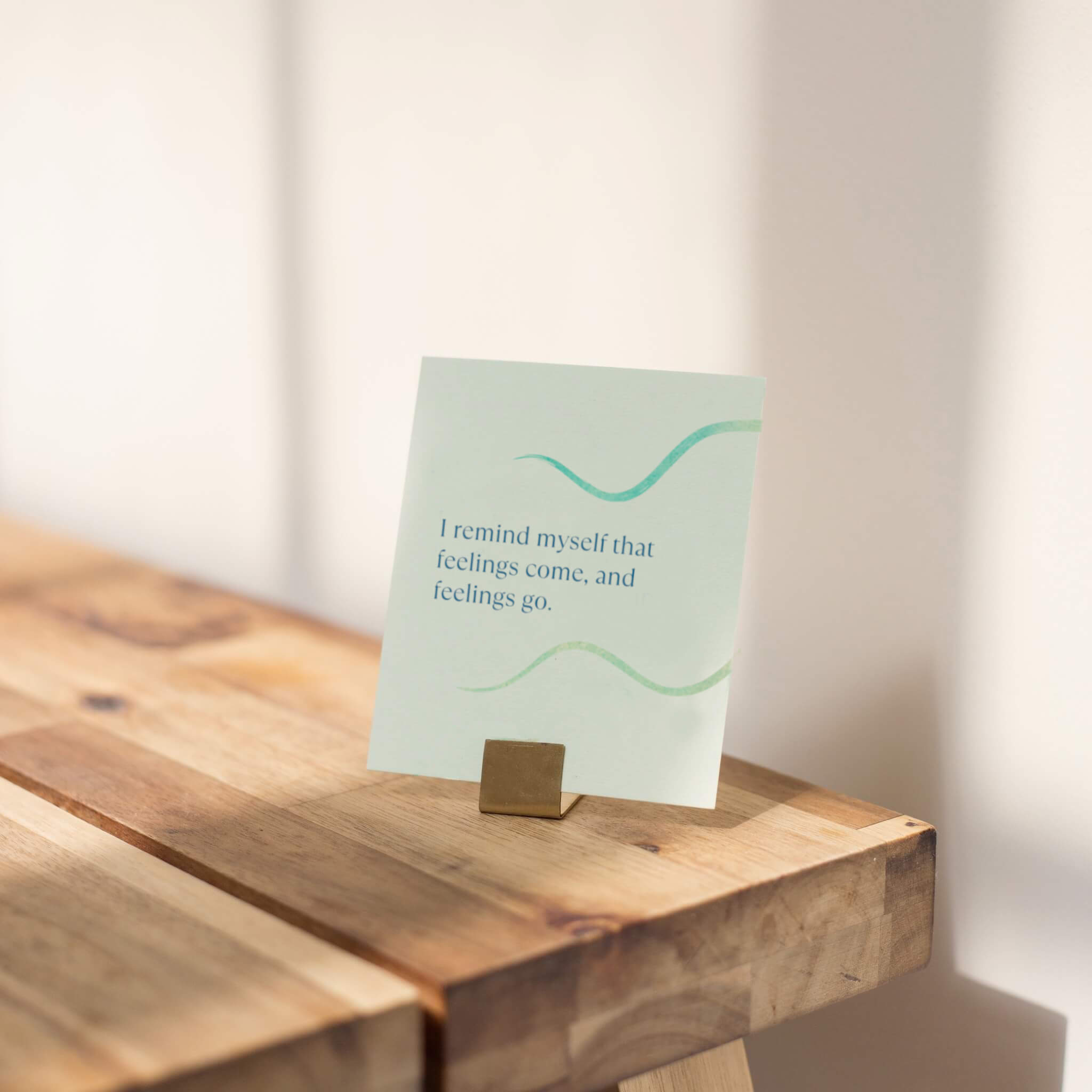
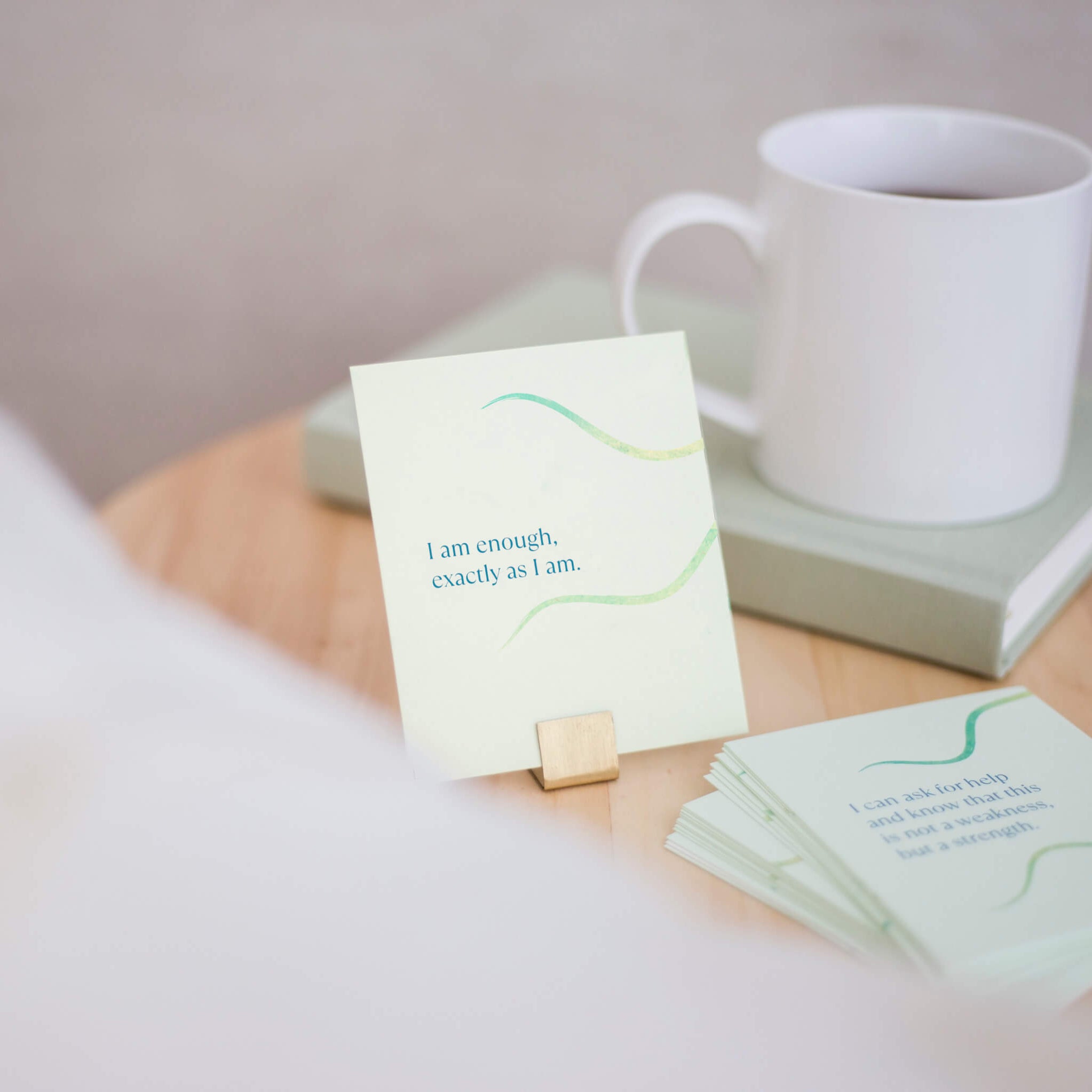
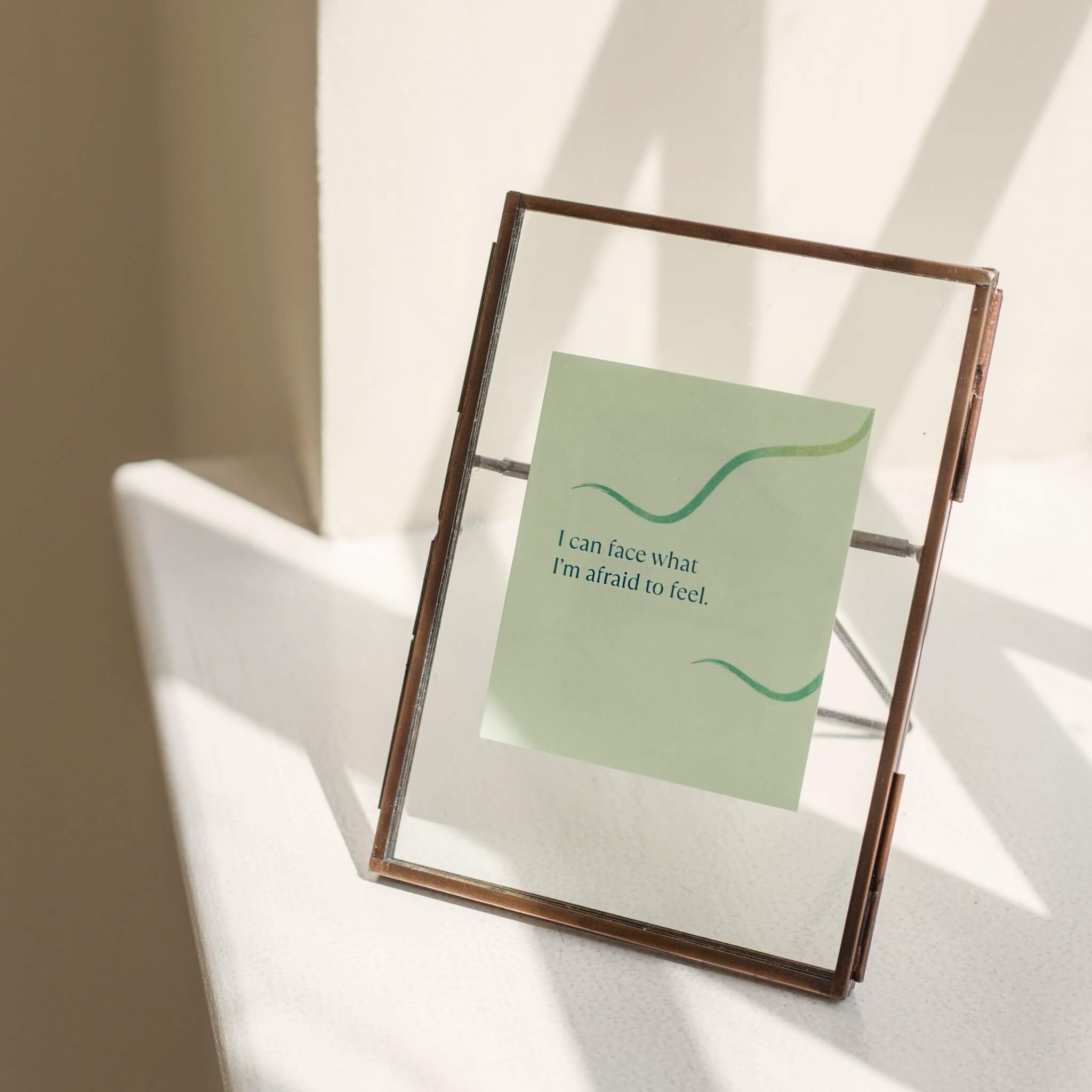
Self-Compassion Affirmation Cards
Why these cards are different:
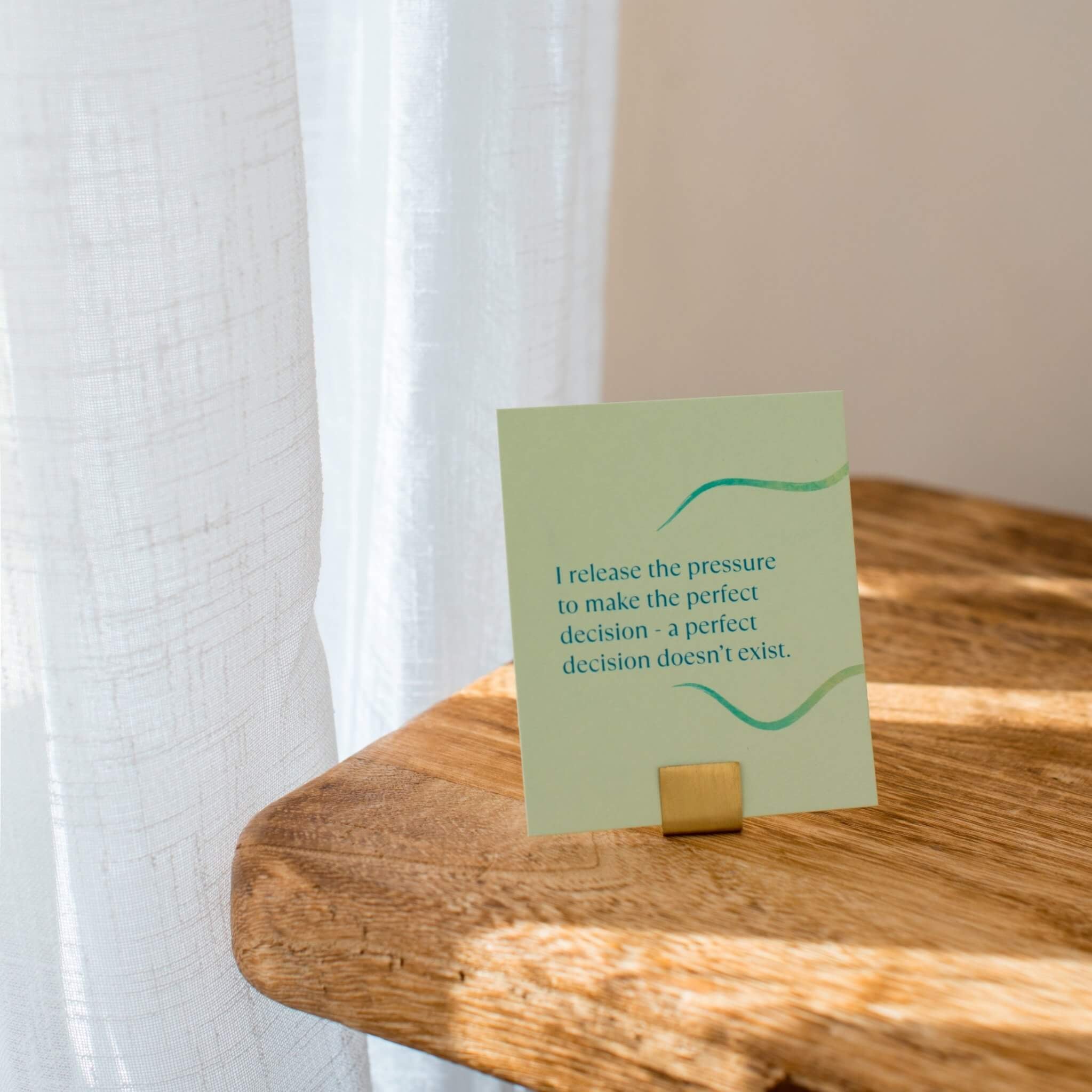
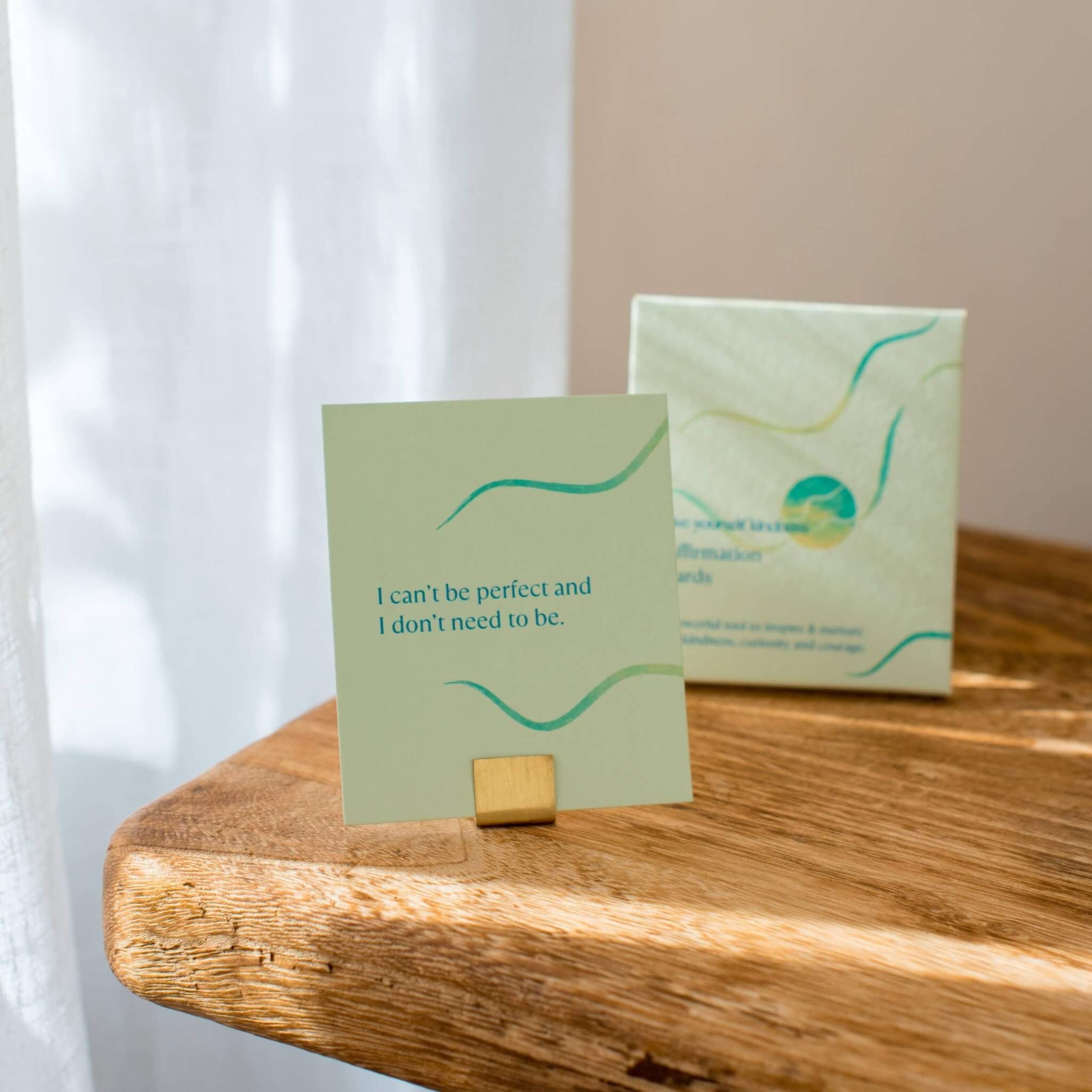
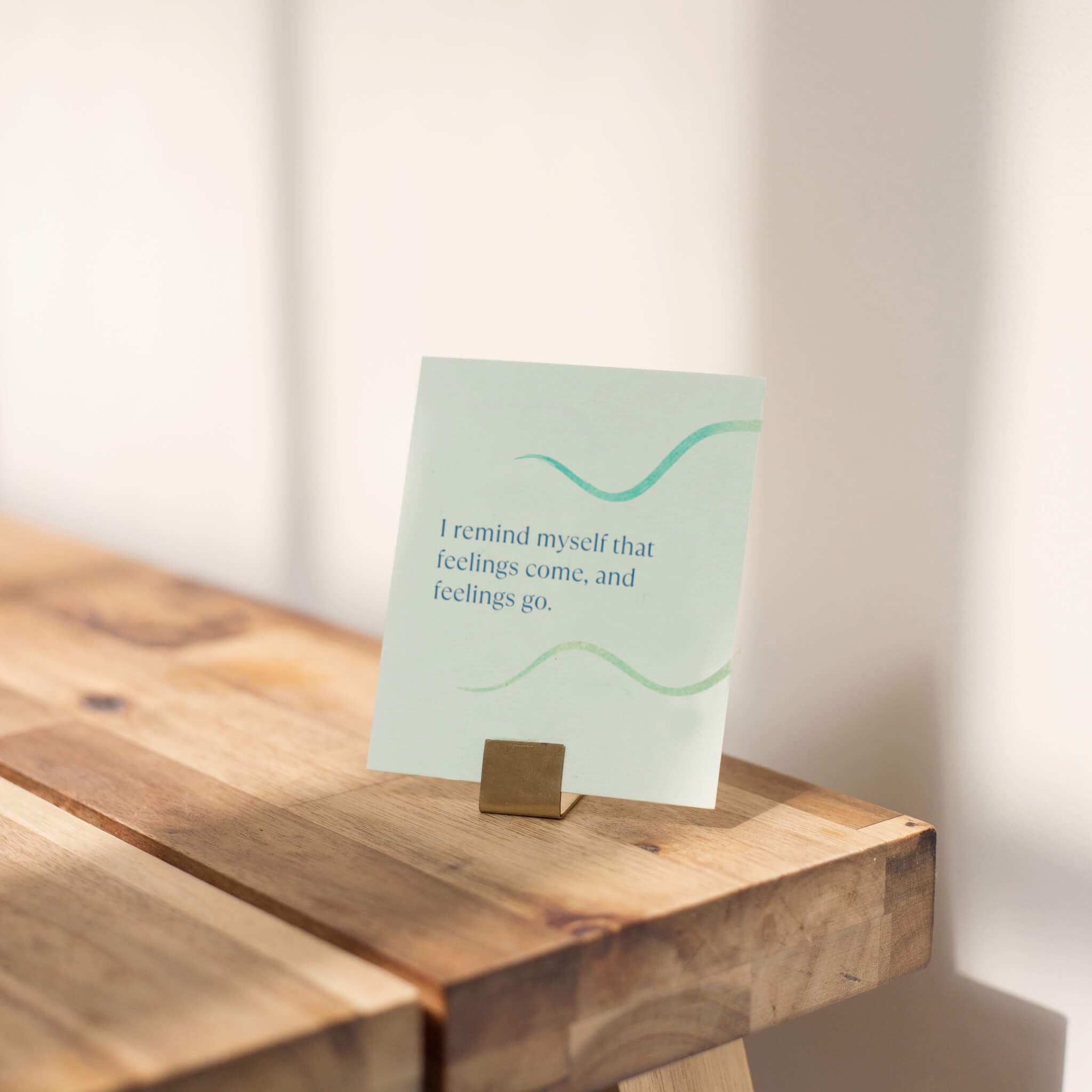
Most affirmation cards feel empty or cliché. These were designed specifically around self-compassion research. They acknowledge the inner critic, give permission to be imperfect, and validate struggle as human rather than failure.
Sample affirmations:
- "I can't be perfect and I don't need to be"
- "It is normal to have an inner critic—but I don't have to believe it"
- "I choose to give myself the same kindness I would give to a friend"
- "Just because I have a thought, doesn't mean it's true"
How to use: Pull one each morning and place where she'll see it daily—on a mirror, desk, or nightstand. Some people find these easier to start with than journaling.
The Complete Self-Care Collection
The most comprehensive gift you can give.
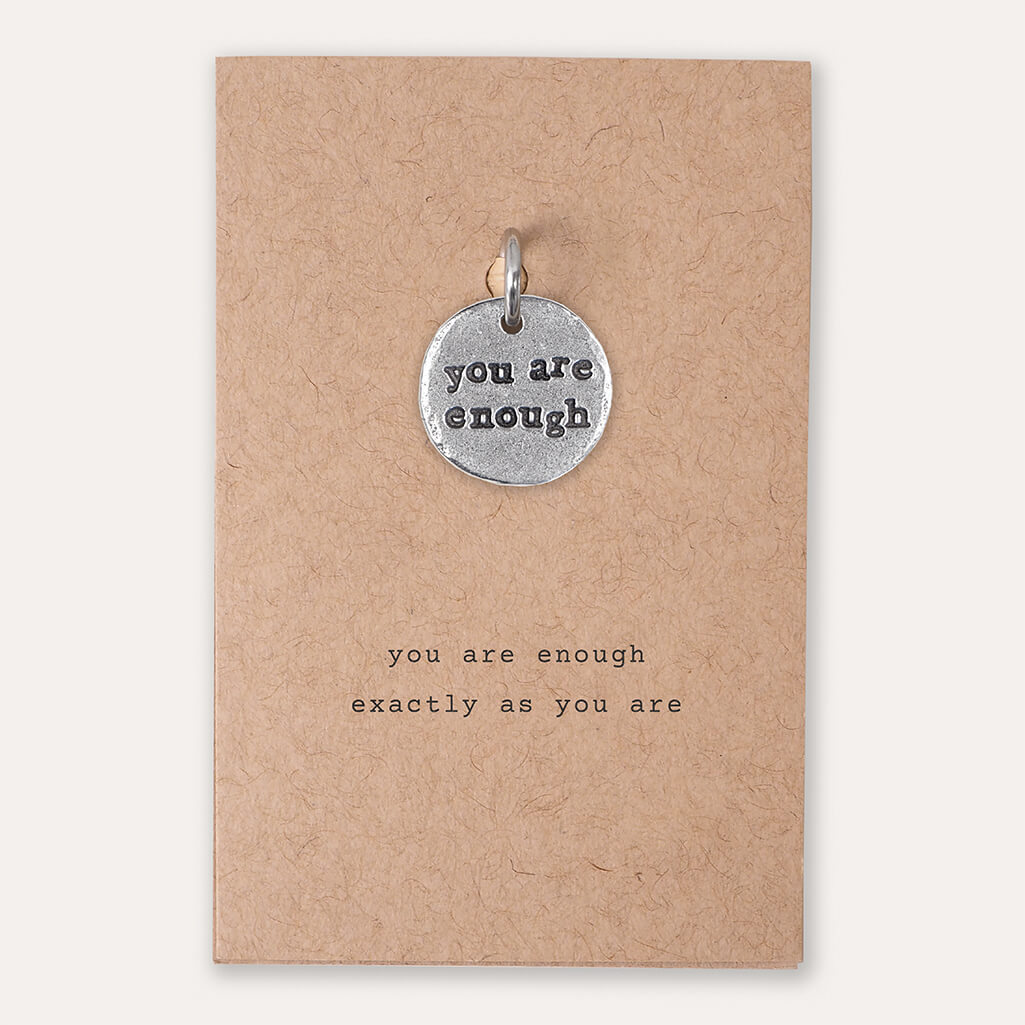
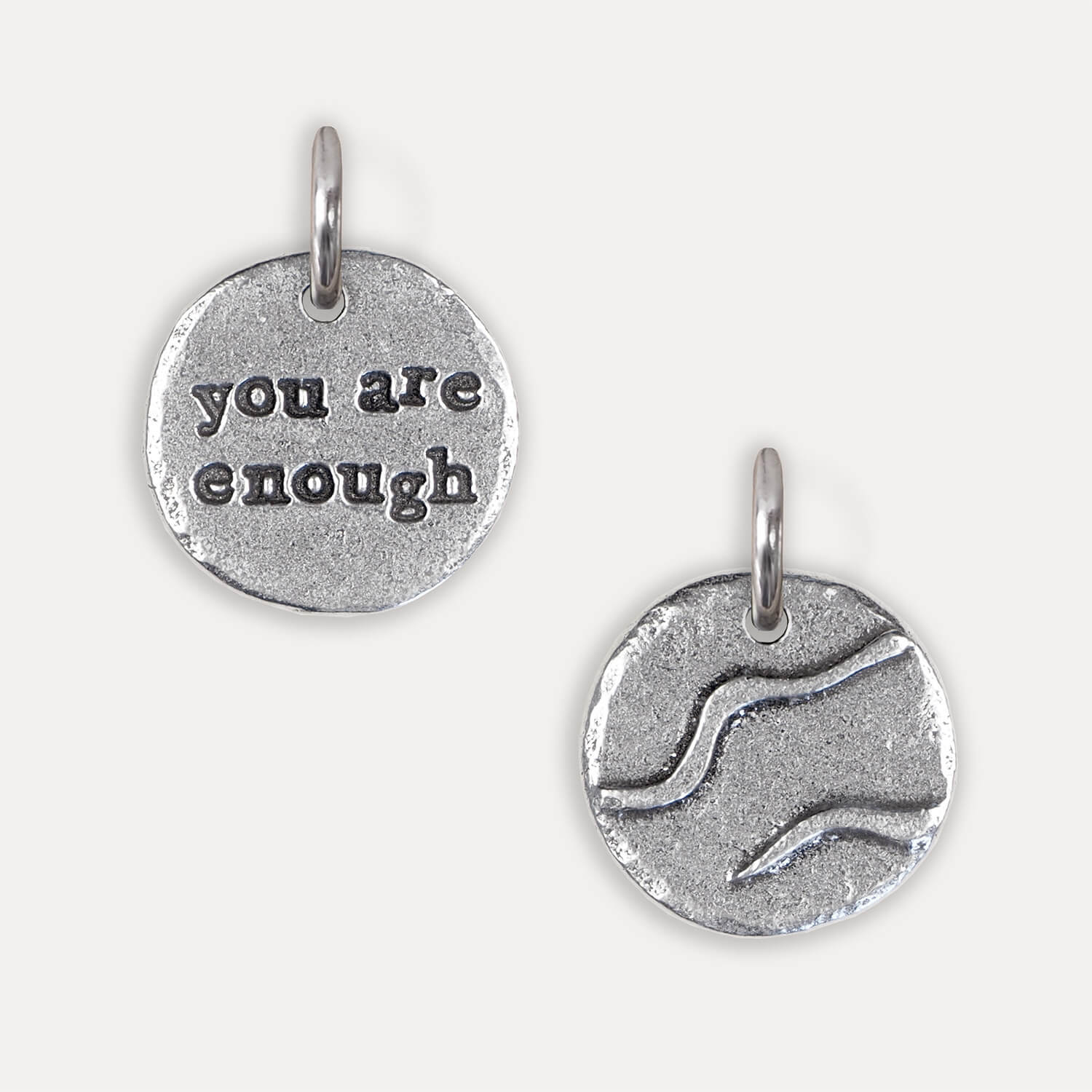
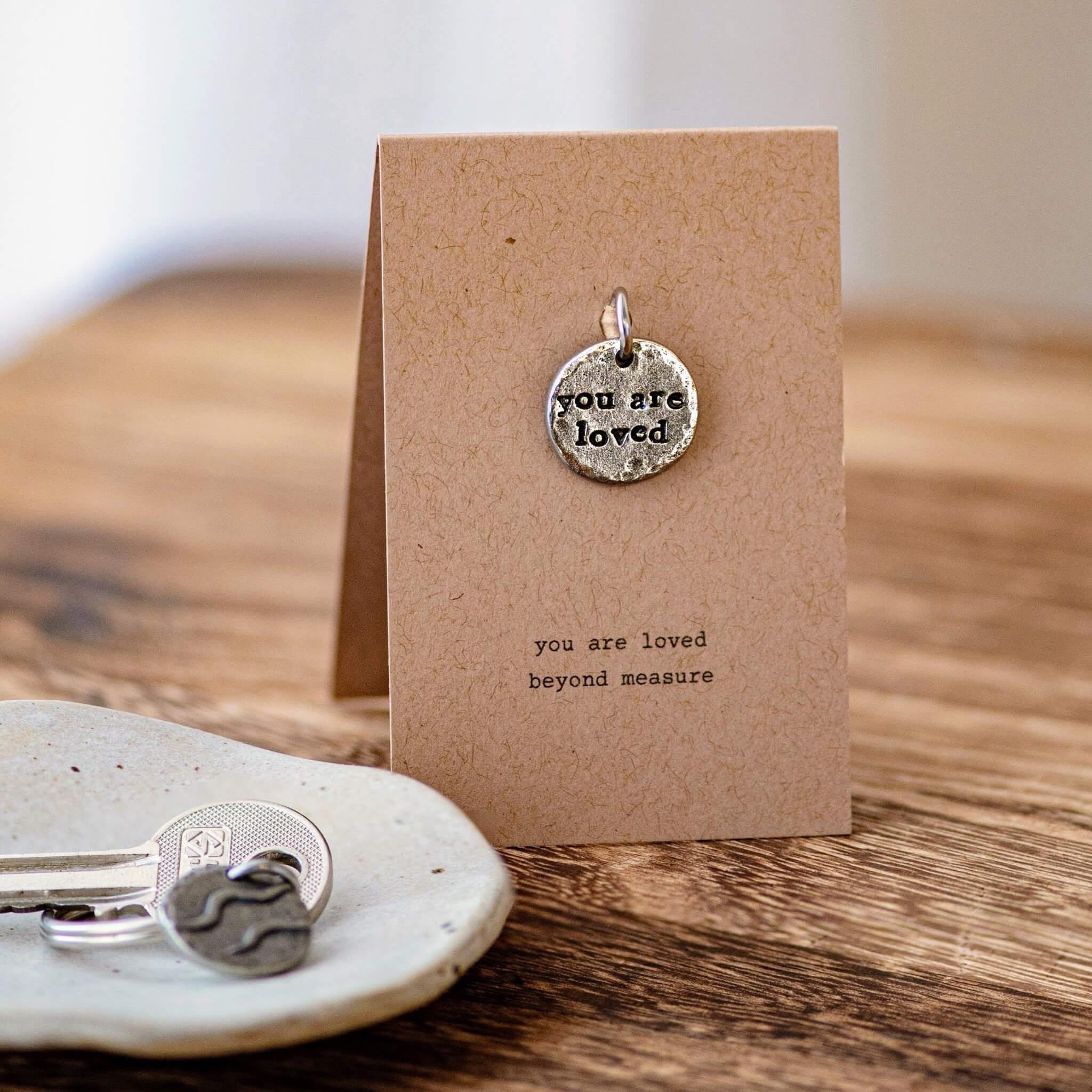
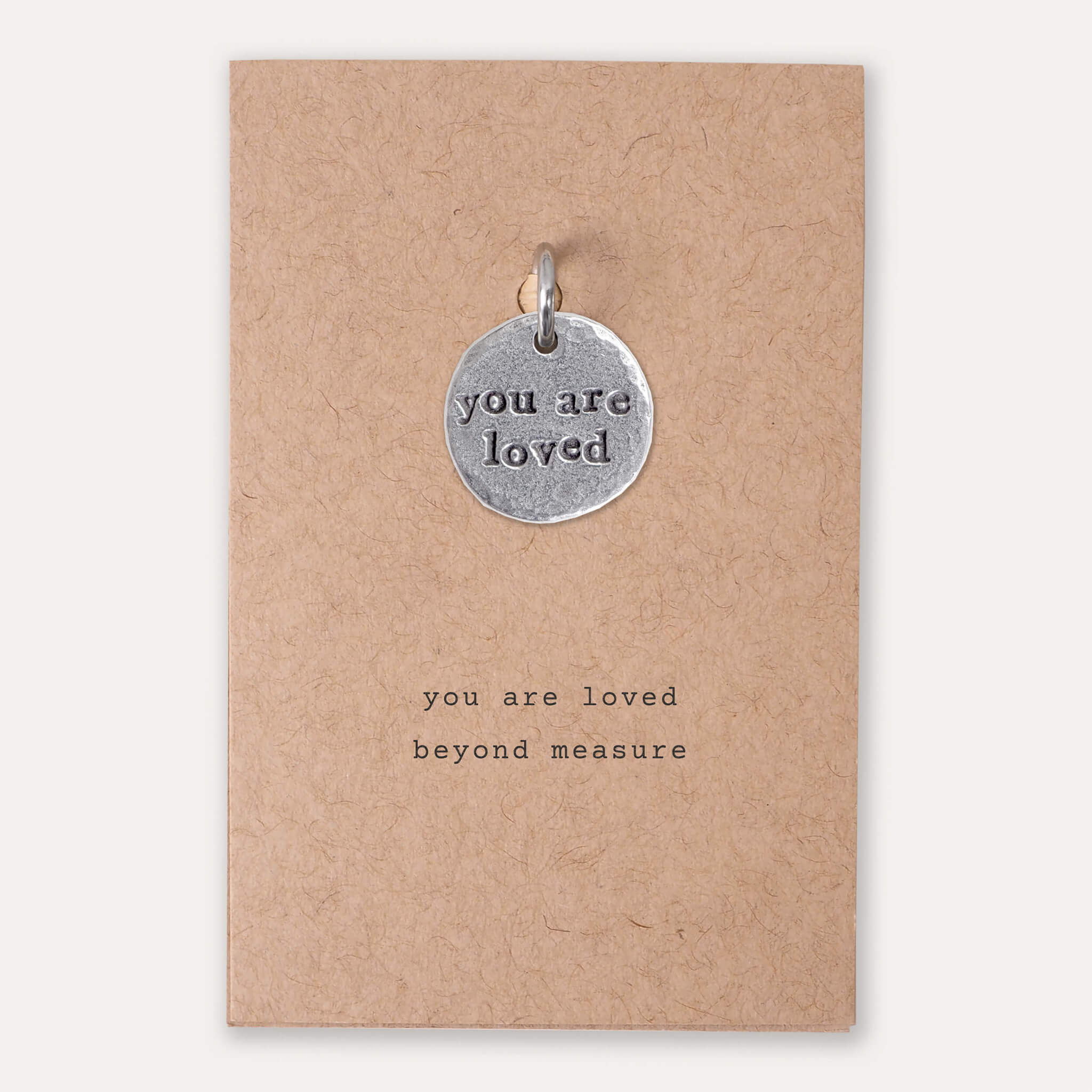
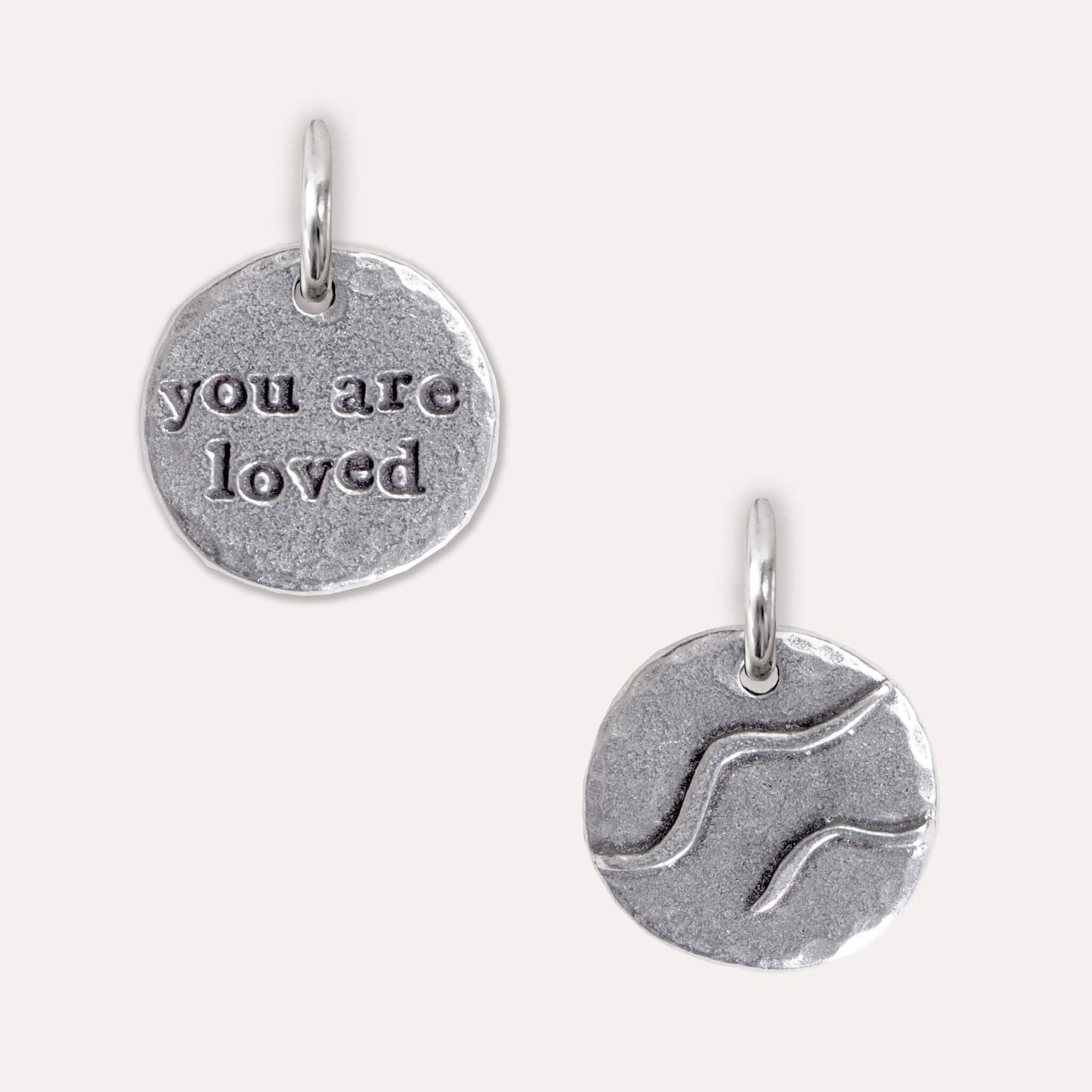
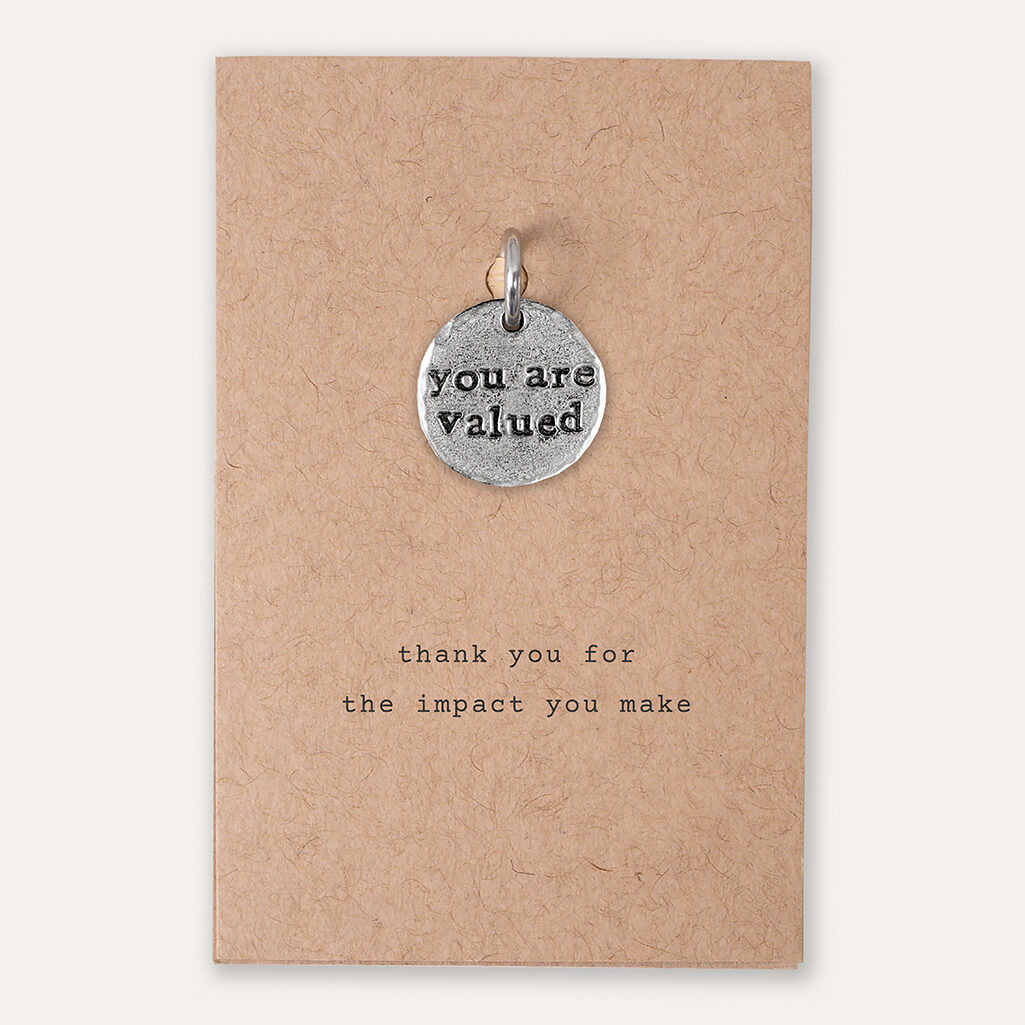
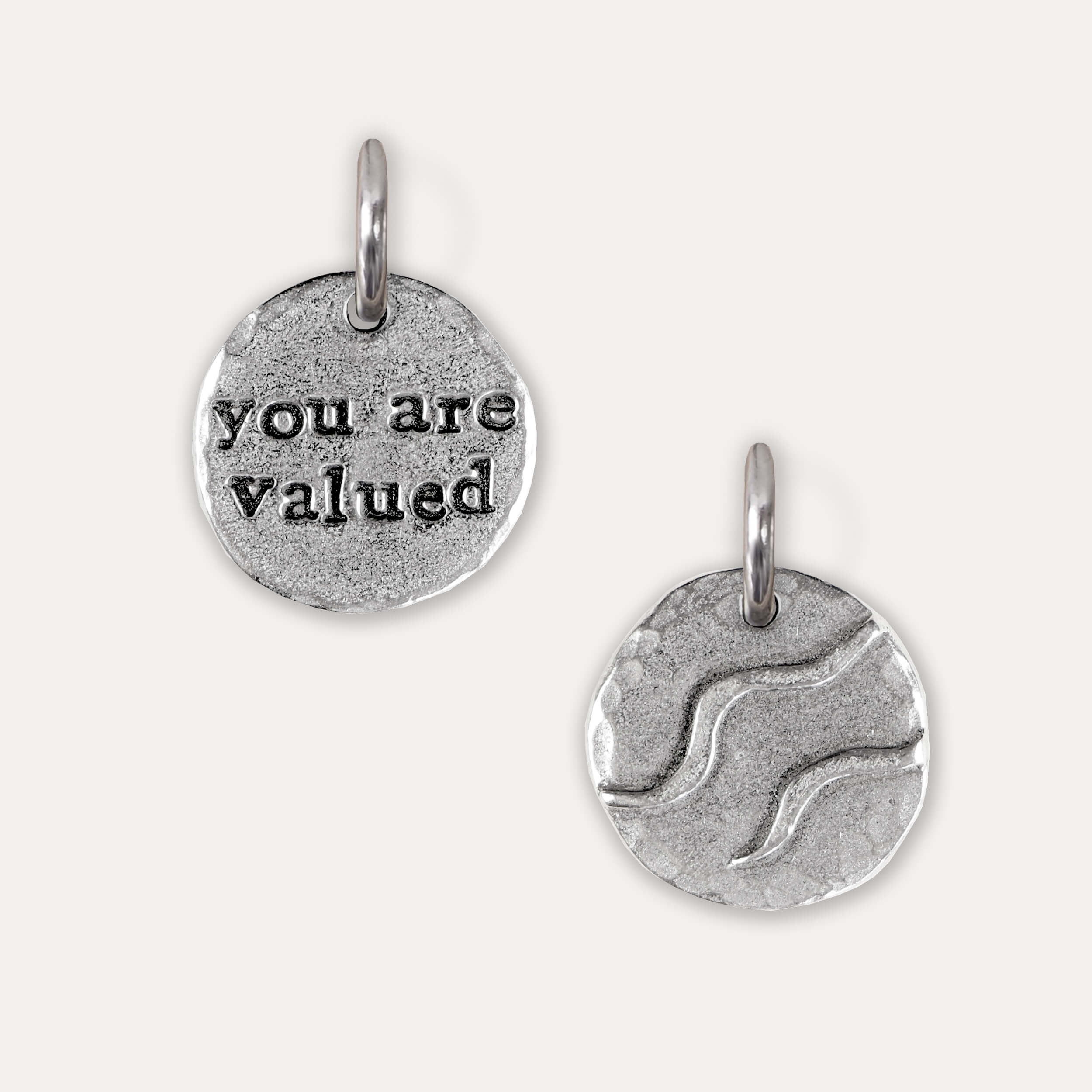
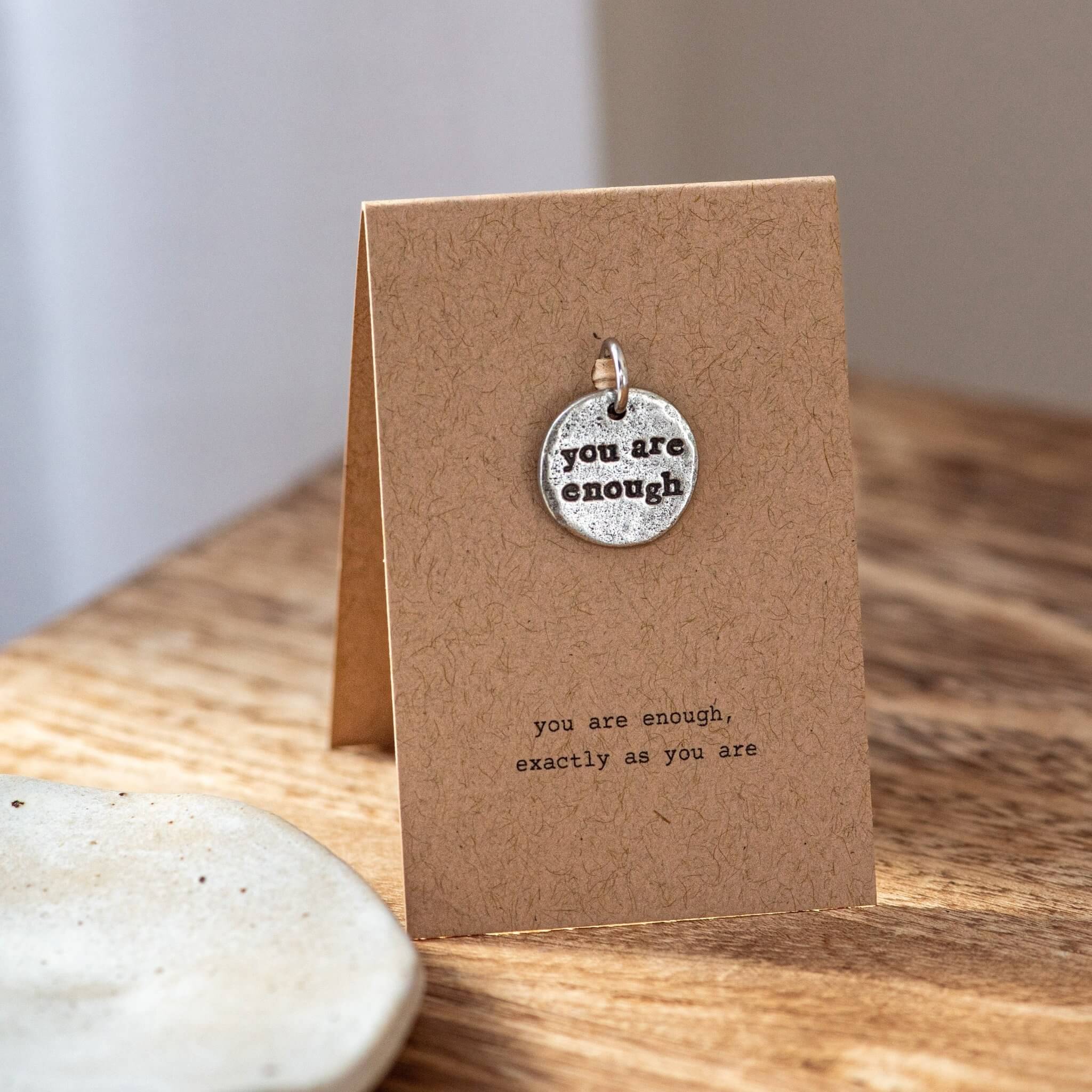
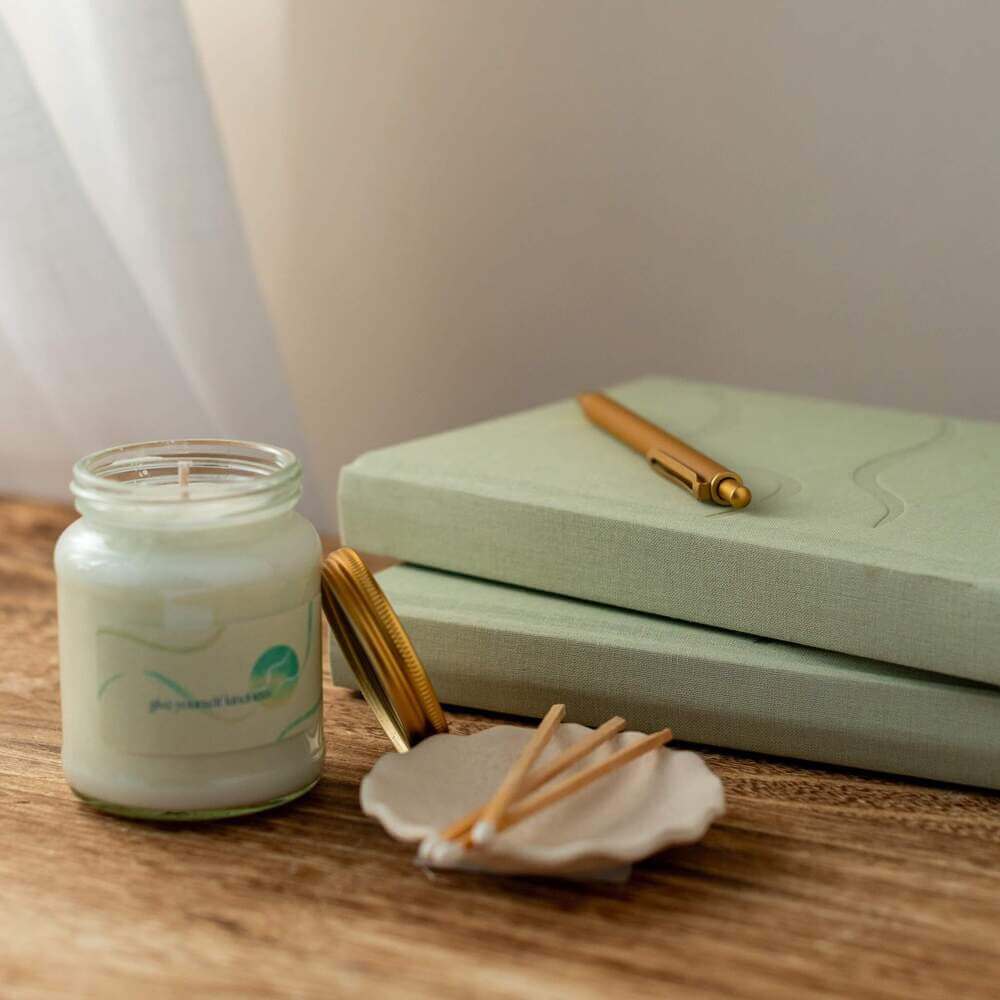
This collection includes the journal, affirmation cards, "You Are Enough" charm (a portable reminder she can carry), plus self-care items like artisan chocolate and a natural face mask kit.
One tool is helpful. Multiple tools create a support system for different moments throughout the day.
What's included:
- The Give Yourself Kindness journal
- Self-Compassion Affirmation Cards
- "You Are Enough" charm (pewter and stainless steel)
- Artisan vegan chocolate
- Natural face mask kit
- Soothing candle
- Beautiful gift packaging
- Optional handwritten note
How to Give This Gift
How you frame the gift matters as much as the gift itself.
Helpful Framing:
- "I saw this and thought of you"
- "I know you're working hard. Wanted you to have this"
- "No pressure to use it any particular way"
- "I care about you and want to support you"
Avoid These Frames:
- "You really need to stop being so hard on yourself"
- "You need to fix your perfectionism"
- "This will make you less anxious"
- "You should journal every day"
The message you want to convey: "I see you. I support you. There's no pressure to be different."
Frequently Asked Questions
Will this make them feel criticized?
It depends on your framing. The journal itself is gentle and validating—it explicitly tells them there are no right or wrong answers and that all emotions are welcome. Frame it as support, not fixing: "I saw this and thought of you" rather than "you need to work on yourself."
What if they don't use it?
That's completely okay. They have it when they're ready. The undated format means they can start anytime—even months later—without feeling like they "failed" by not starting immediately. Sometimes people need time before they're ready for self-compassion practice.
Is this actually evidence-based?
Yes. The journal is grounded in self-compassion research (particularly Dr. Kristin Neff's work) and validated by clinical psychologists from Harvard Medical School and Oxford University. It's used by therapists with their clients specifically for perfectionism.
Will this lower their standards or make them less motivated?
This is a common fear, and research shows the opposite is true. Self-compassion actually increases motivation and achievement—it just changes the source from fear and criticism to values and care. They'll still have high standards; they'll just stop punishing themselves when they're human.
What if their perfectionism is severe?
If they're experiencing severe anxiety, burnout, or depression related to perfectionism, encourage them to work with a therapist who specializes in this area. This journal works wonderfully alongside therapy—many therapists use it as therapy homework—but it's not a replacement for professional help when truly needed.
What Usually Doesn't Help
Some well-intentioned gifts can actually reinforce the perfectionism cycle:
- Achievement-focused gifts (productivity planners, goal trackers) — These reinforce the belief that worth comes from doing more
- Dated journals — Create guilt when days are missed; another "failure"
- Generic "positive thinking" books — Dismiss real emotions and can make struggling feel like personal failure
- Fitness or diet-related gifts — Suggest worth depends on changing the body
The pattern: Avoid anything suggesting worth depends on achieving, changing, or being "better."
The Most Important Gift: Your Presence
No physical gift replaces emotional support.
The journal and tools help, but what matters most is showing up. Spend time together doing things they enjoy. Listen when they share feelings without immediately trying to fix them. Say: "That sounds really hard. I'm here."
Be a role model for self-kindness. When you make a mistake, practice self-compassion out loud: "I'm frustrated I forgot that, but everyone forgets things sometimes." They're watching how you treat yourself.
If perfectionism is seriously impacting their daily life—affecting work, relationships, or causing significant anxiety or depression—suggest professional help from a place of care: "I love you and want to make sure you have all the support you need. Would you be open to talking to someone who specializes in this?"
Ready to Give a Gift That Genuinely Helps?
These evidence-based tools address the root cause of perfectionism—the harsh inner critic—through daily self-compassion practice. Not generic self-help, but resources validated by clinical psychologists and used by therapists with their clients.
Shop Journal (£28.95) → Shop Complete Collection (£60.95) →
All tools include optional gift wrapping and handwritten note.
Related reading:
- Self-Compassion: The Antidote to Perfectionism by Collette Jones, LCSW
- How to Stop Beating Yourself Up by Dr. Maria Tucknott, Clinical Psychologist
- Why Self-Compassion Is So Hard by Dr. Bianca Nardini, Clinical Psychologist
- Best Journal for Perfectionism (If She's Looking For Herself)
- The Research on Self-Compassion by Dr. Kristin Neff
About the author: Rachel Smith (DipBSoM) is a qualified meditation teacher trained with the British School of Meditation (passing with distinction) and the creator of Give Yourself Kindness. After experiencing Compassion-Focused Therapy for her own perfectionism, she created evidence-based tools that are now validated by clinical psychologists including Dr. Chris Germer (Harvard Medical School) and Professor Willem Kuyken (University of Oxford), and used by therapists with their clients worldwide.


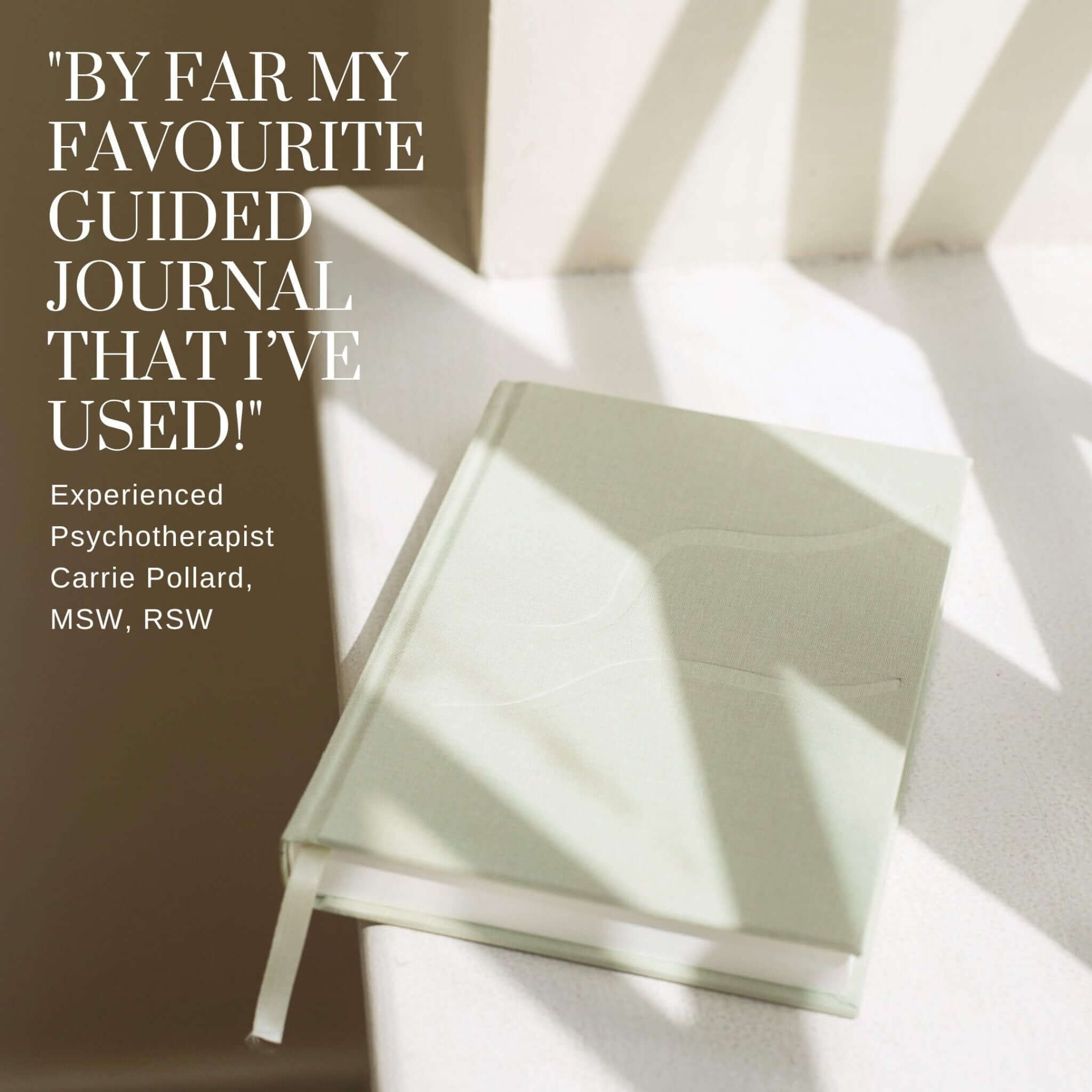
“By far my favourite guided journal that I’ve used!”
There's a lot of journals out there. Most of which include tools that can be repetitive, boring or unhelpful. Give Yourself Kindness is about creating something new.