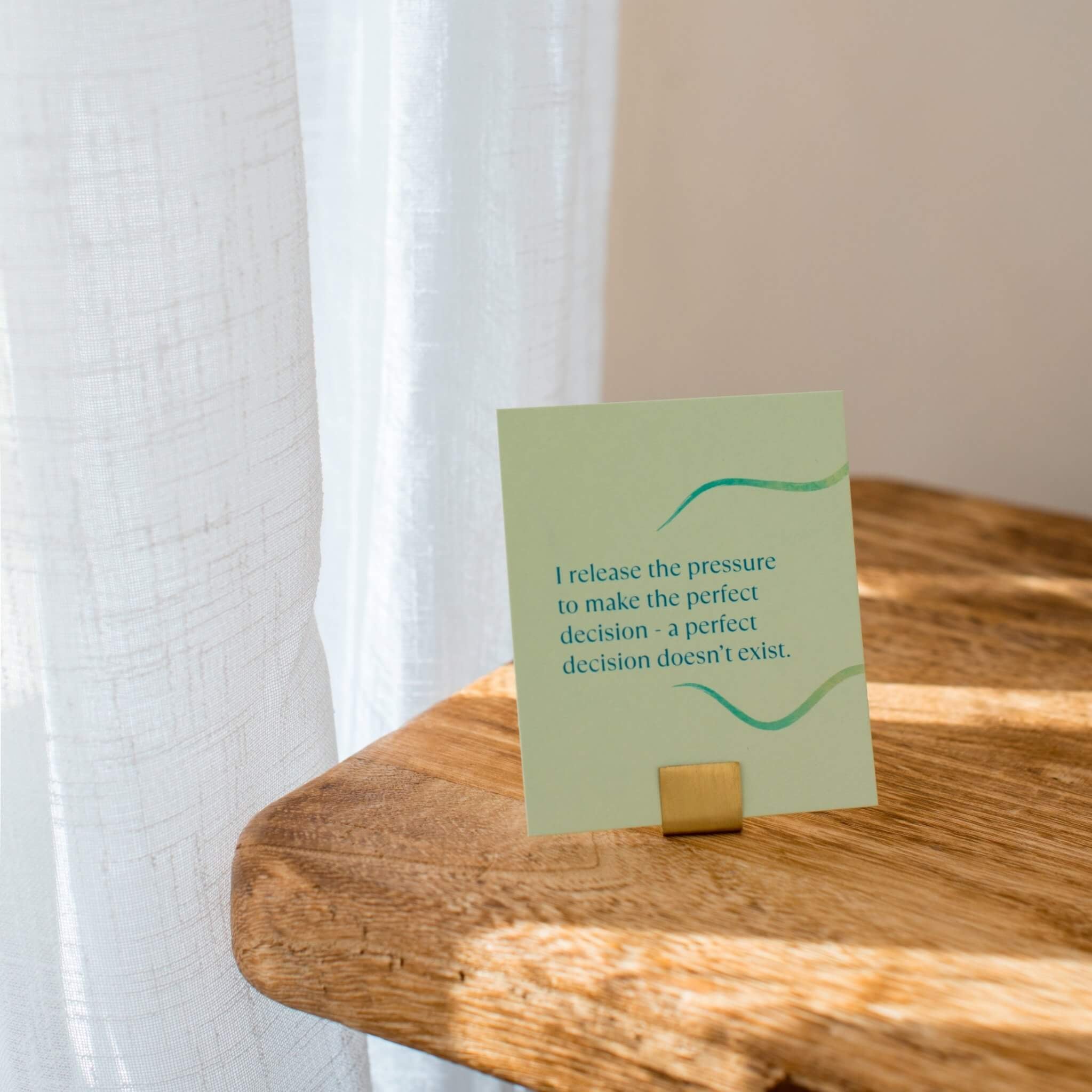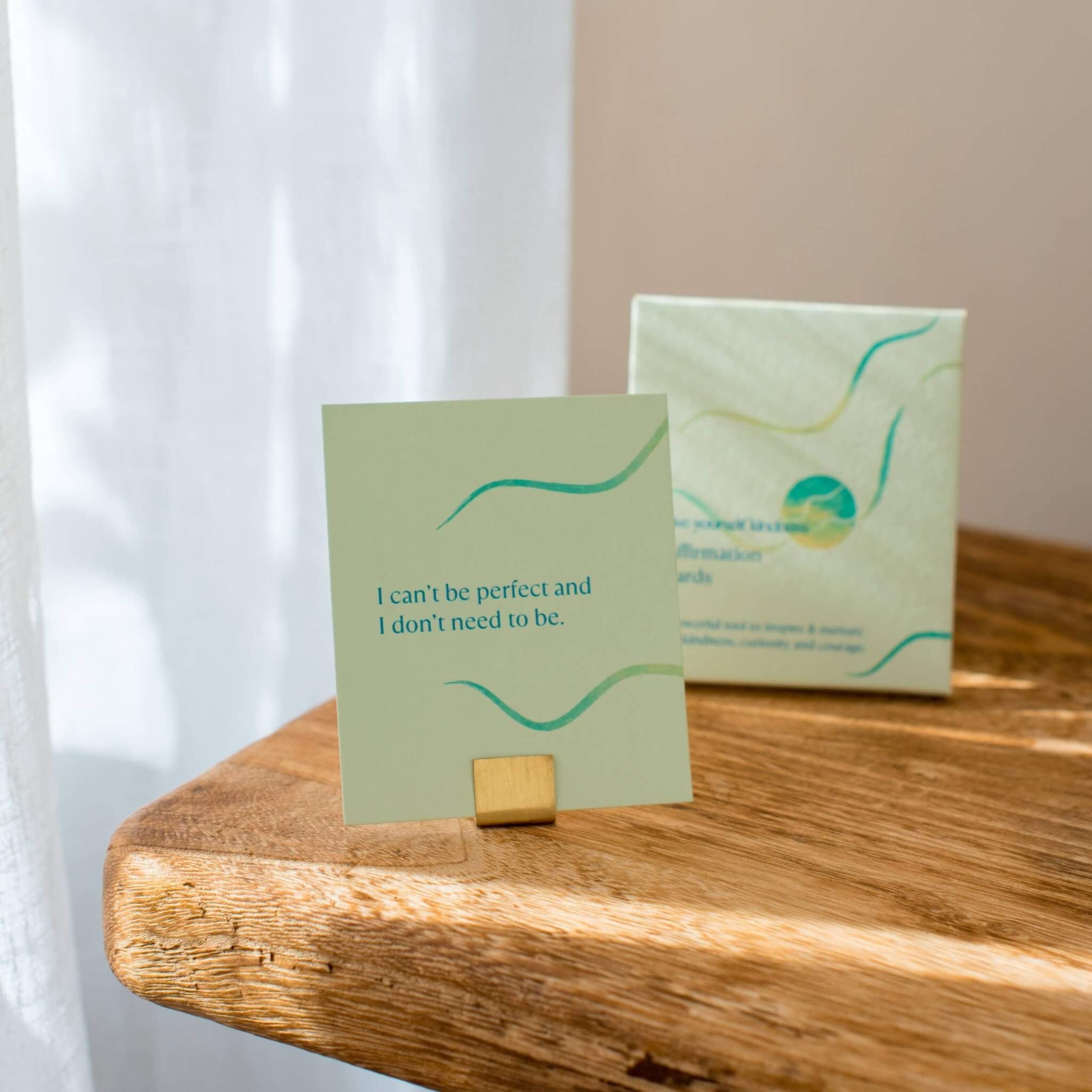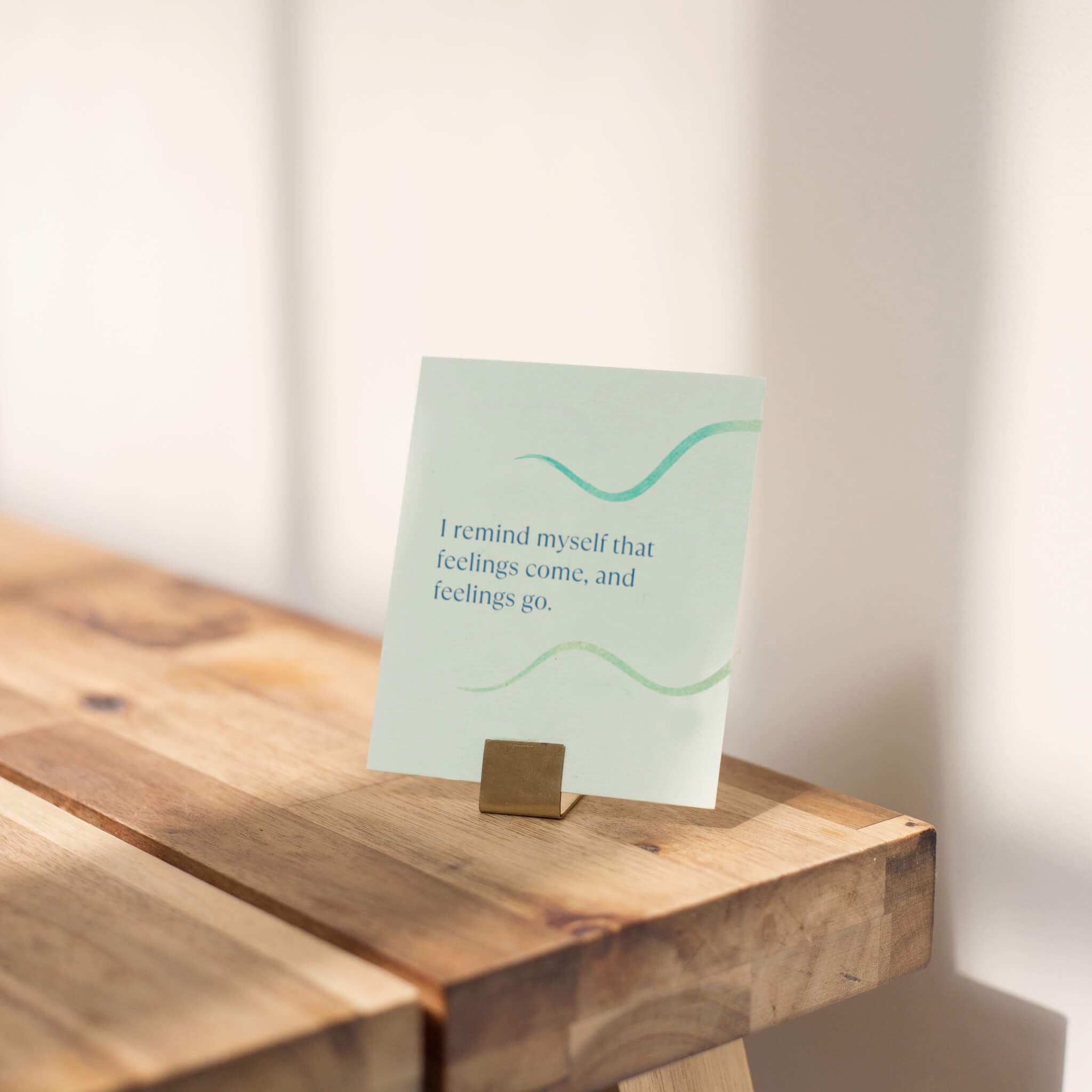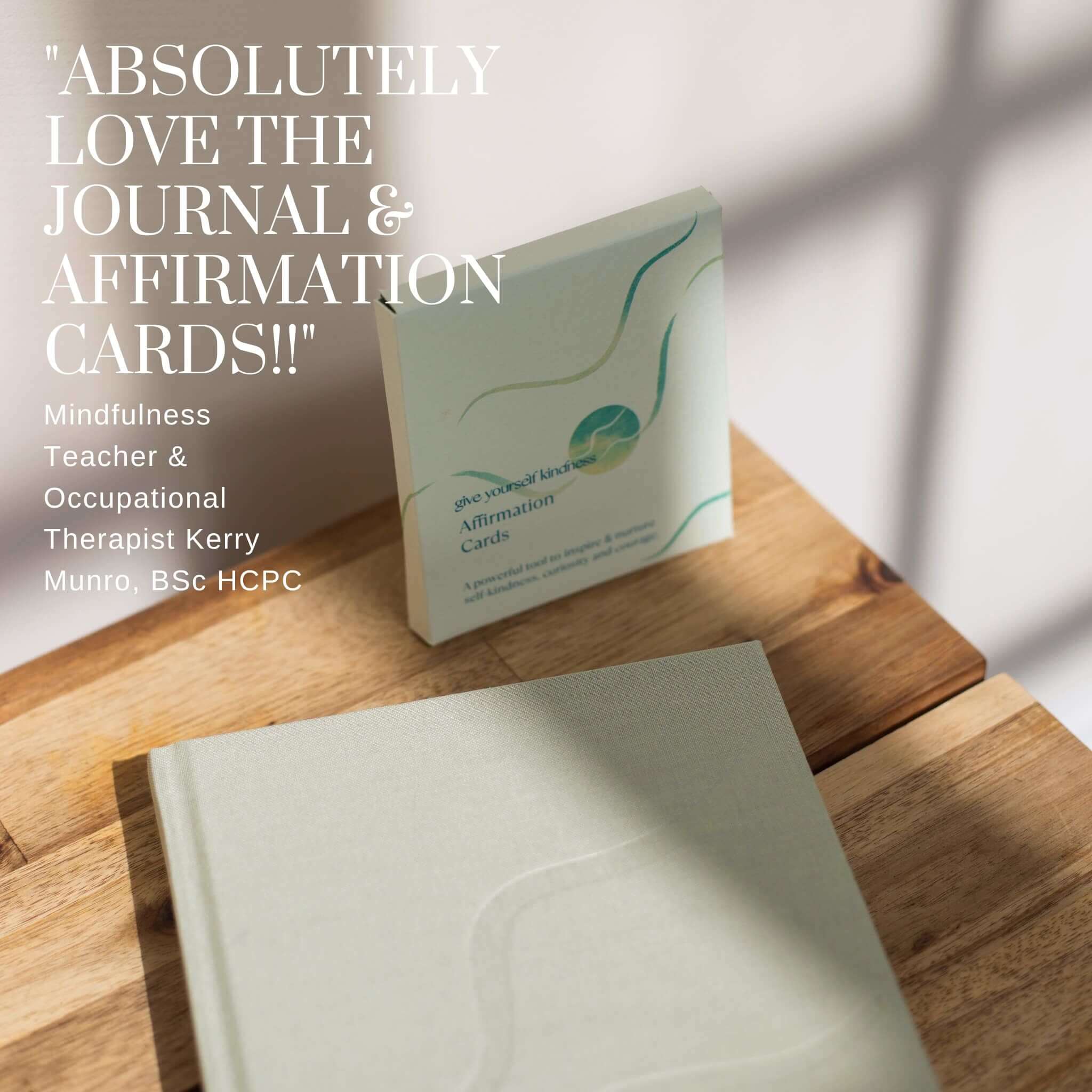






Whether you're starting something new, speaking up in a meeting, making a big life change, or just facing a tough day, we all need a reminder of our courage sometimes. These affirmations will help you find your inner strength, even when things feel scary.
What are good affirmations for courage?
The best courage affirmations don't ask you to stop feeling afraid. They make room for the fear and remind you that you can act anyway. "I am fearless" tends to bounce off, because it isn't true in the moment. "My courage is stronger than my fear" works, because it is.
Below are 20 courage affirmations, grouped by the moment you need them:
Real courage isn't the absence of fear. As meditation teacher Joan Halifax puts it, it's having "a strong back and a soft front": brave enough to face the challenge, while still letting yourself feel what you feel.
"Courage can exist alongside fear."
20 courage affirmations for different moments
Read them all, or skip to the group that matches what you're facing today. There is no wrong one to pick.
For trying something new
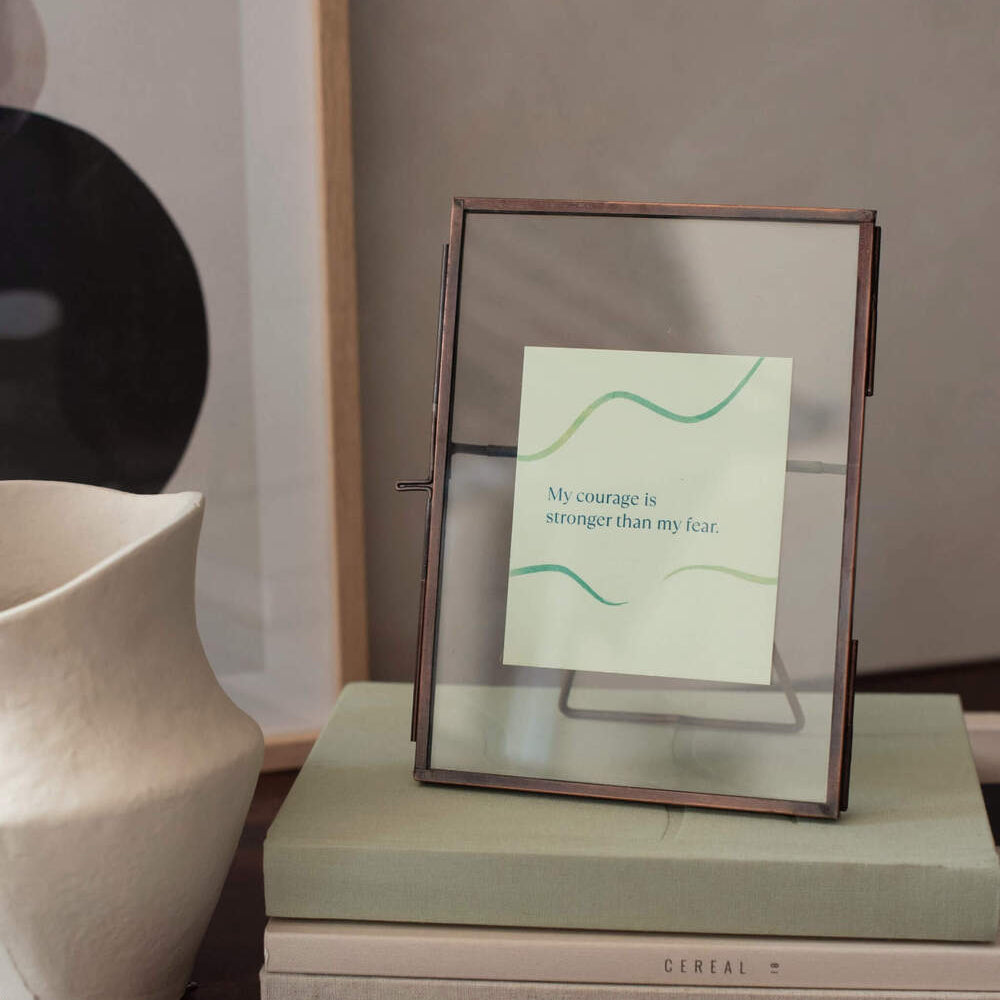
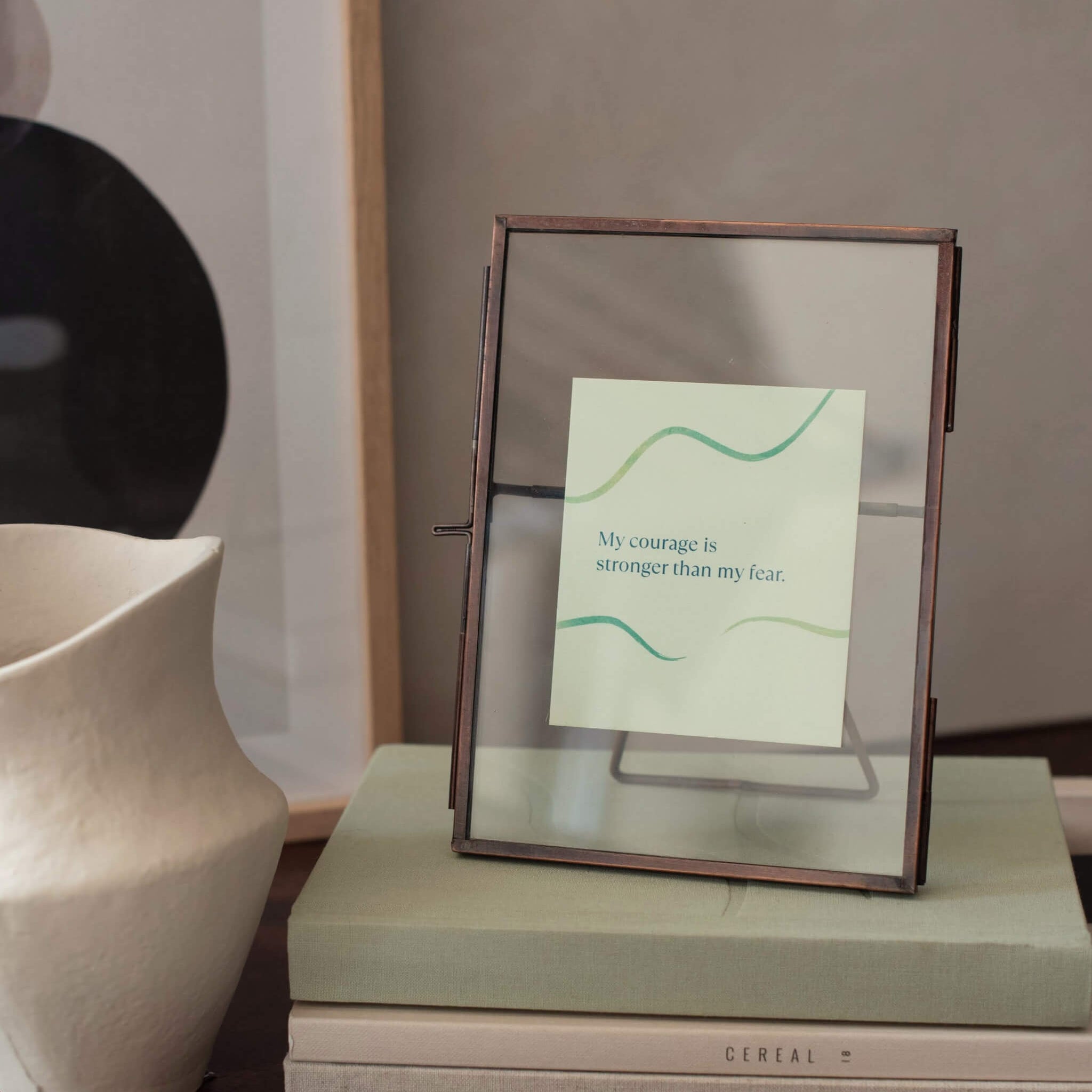
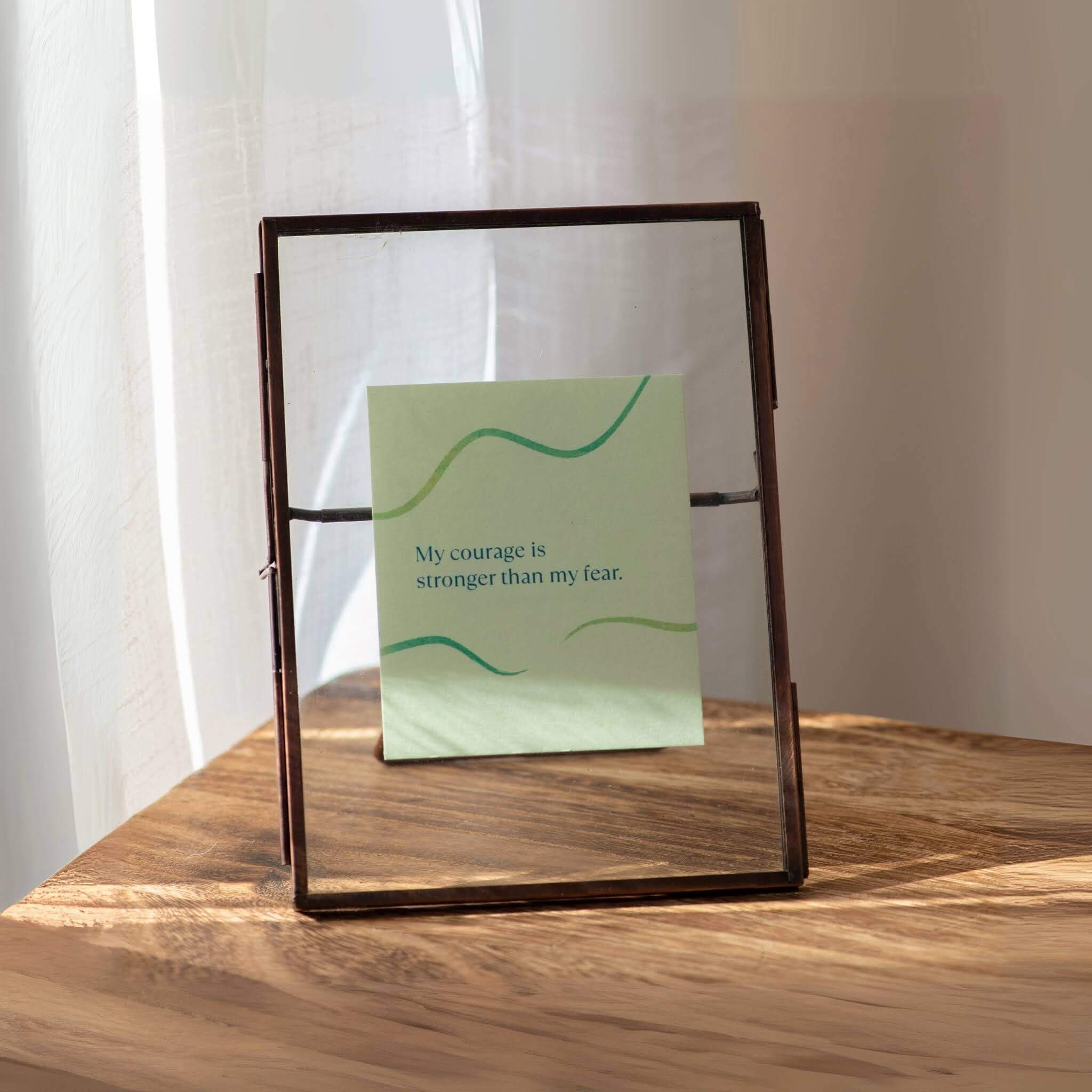
- My courage is stronger than my fear
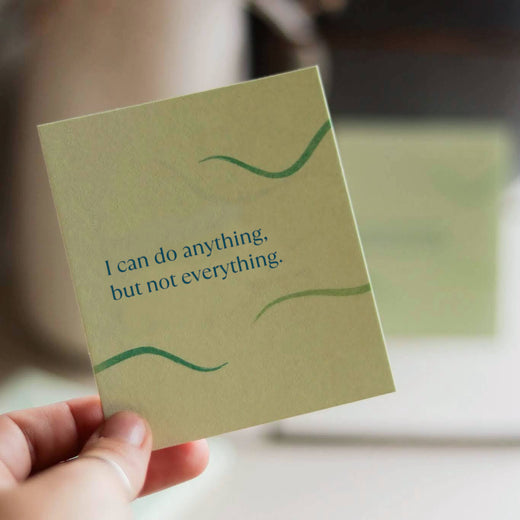
- I can try, even when I don't feel 100% ready
- I remind myself that no one was an expert before they were a beginner
- I can try something new, make mistakes and grow
- The challenges I face today make me stronger for tomorrow
These remind you that it's normal to feel nervous when trying something new.

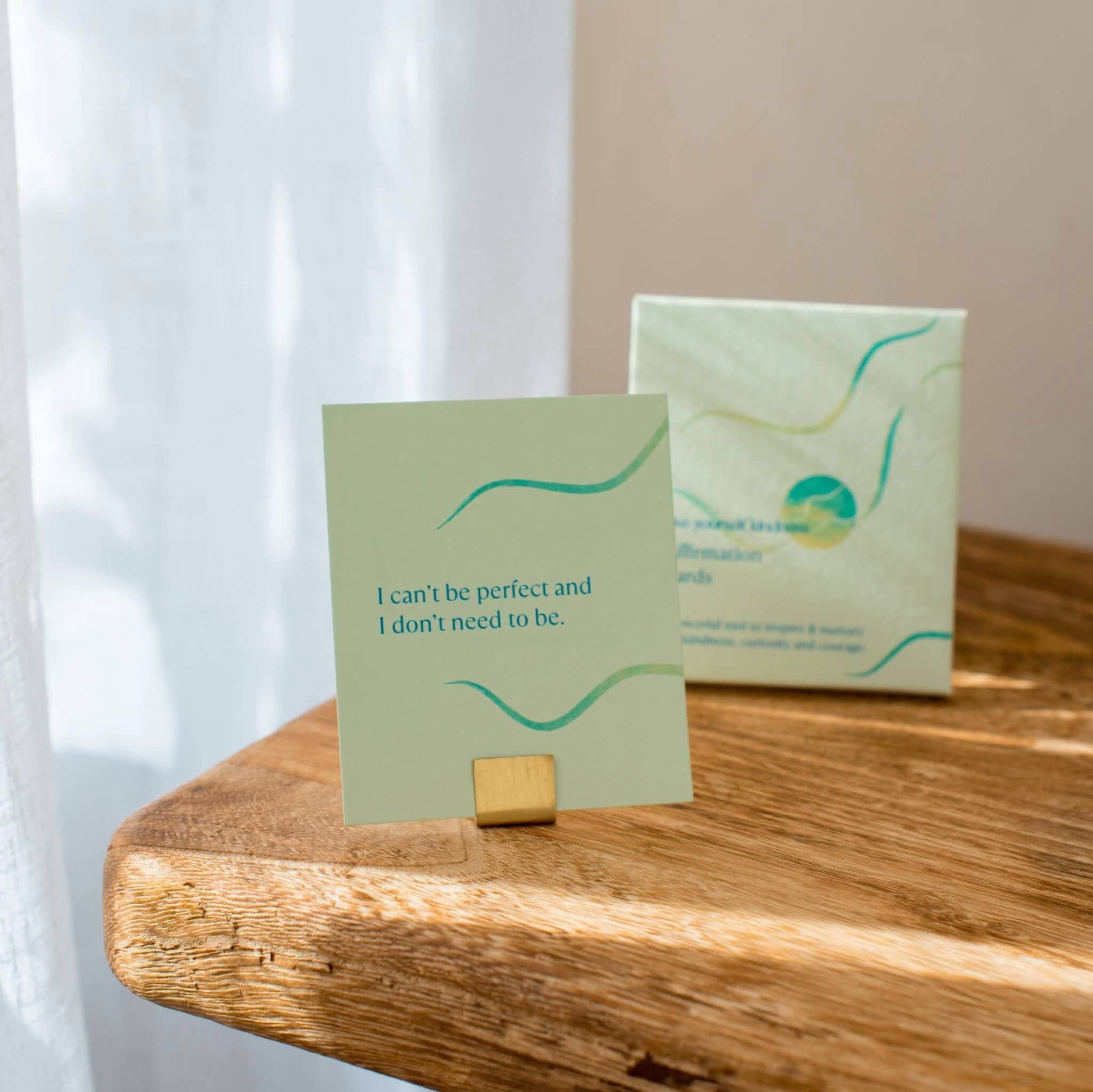
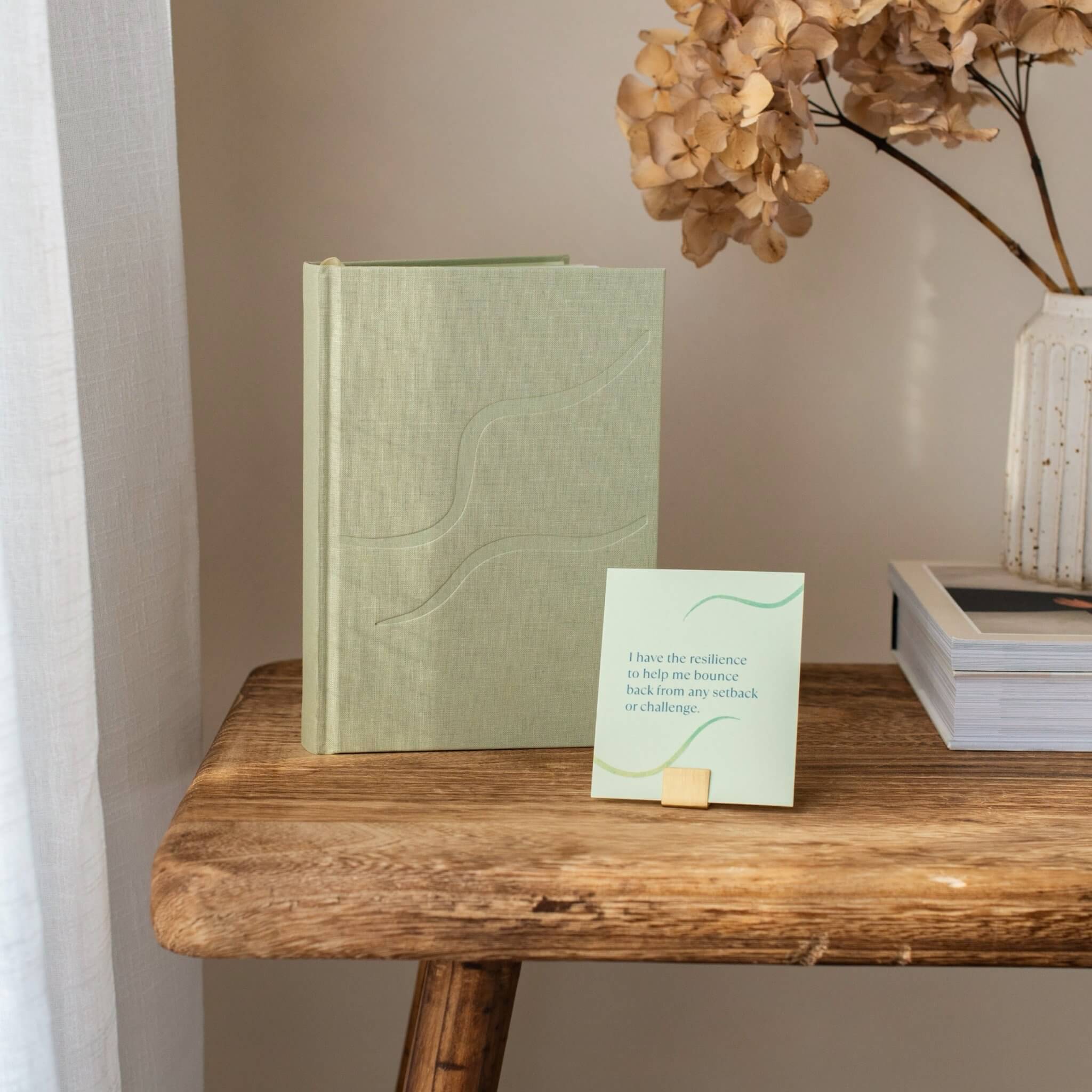
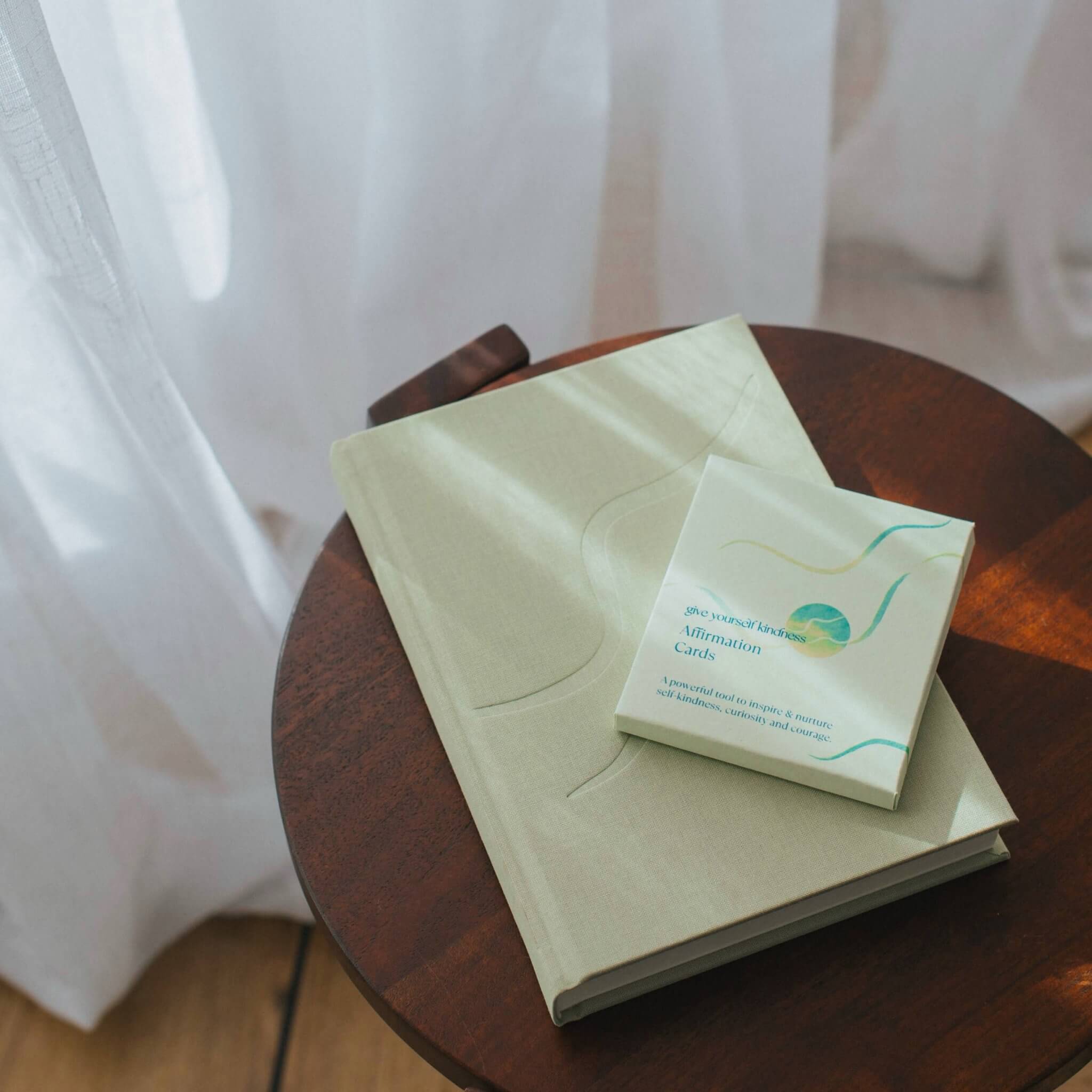
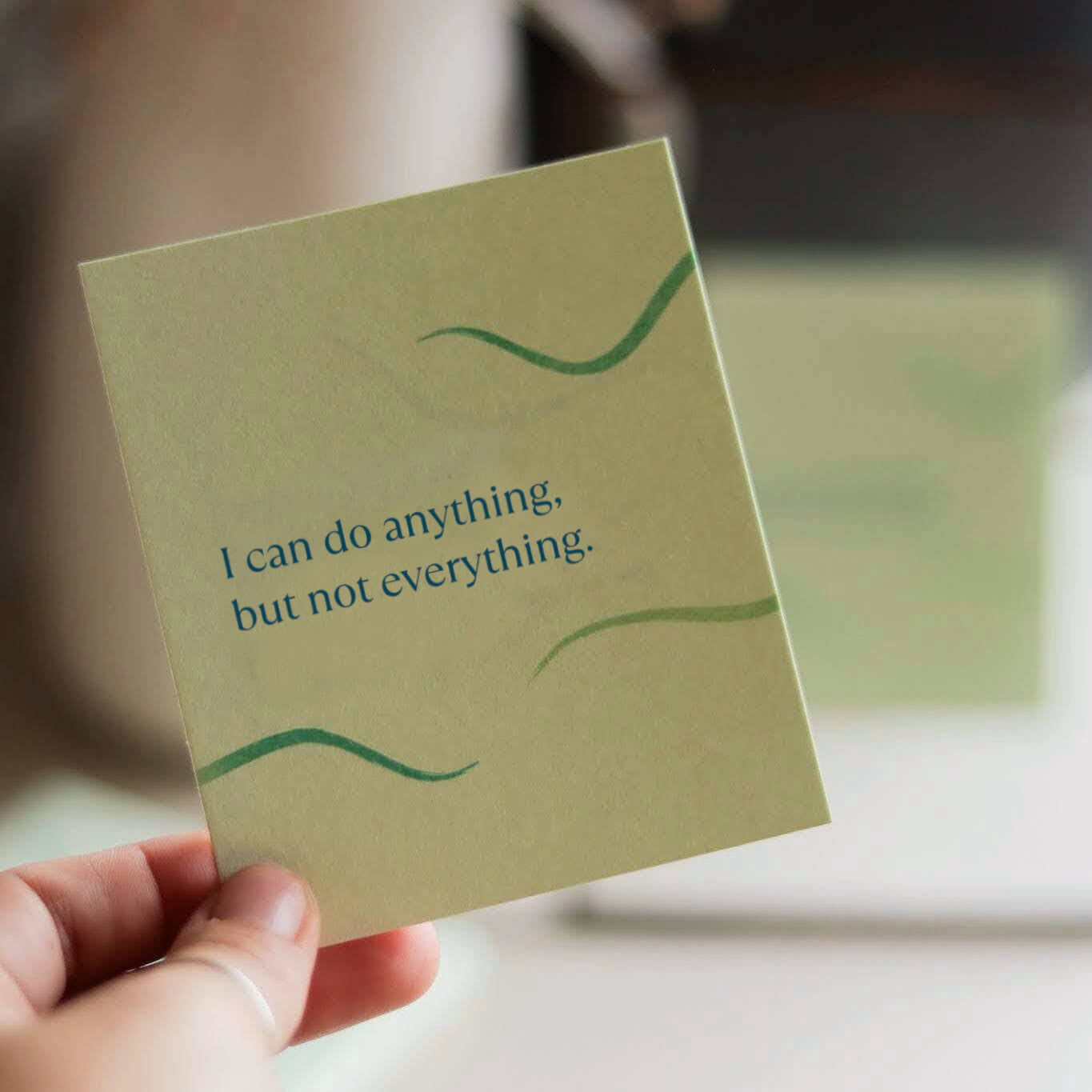
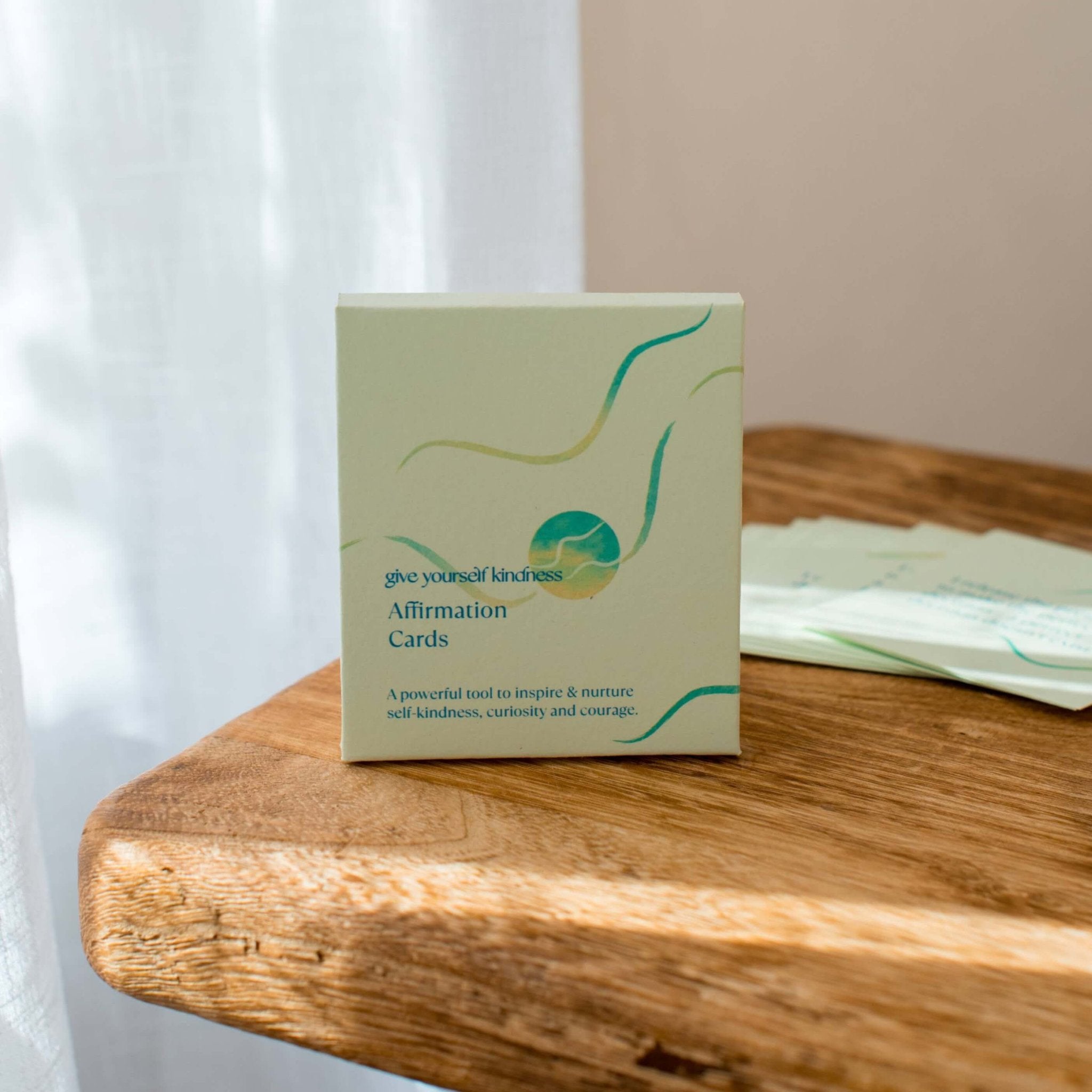
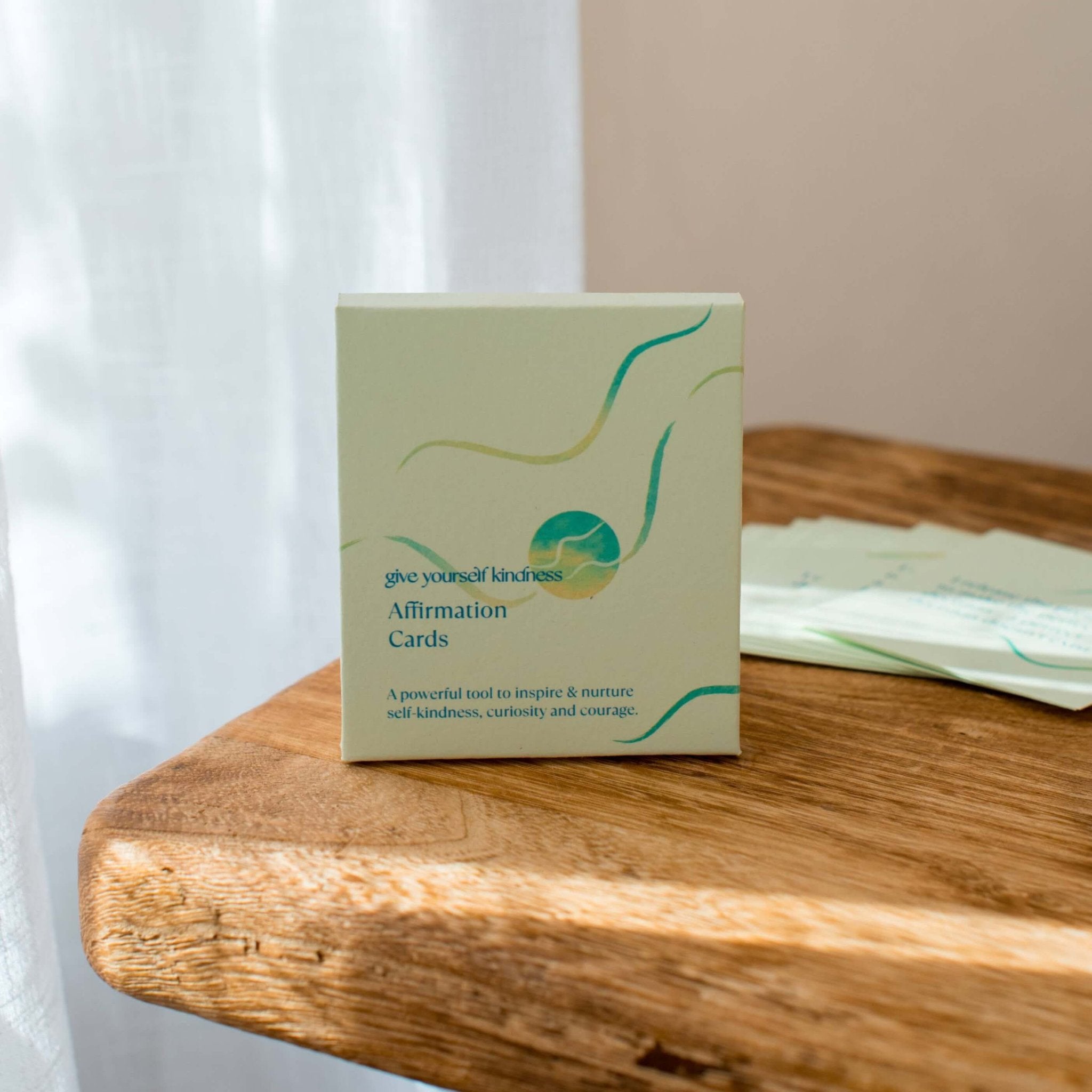
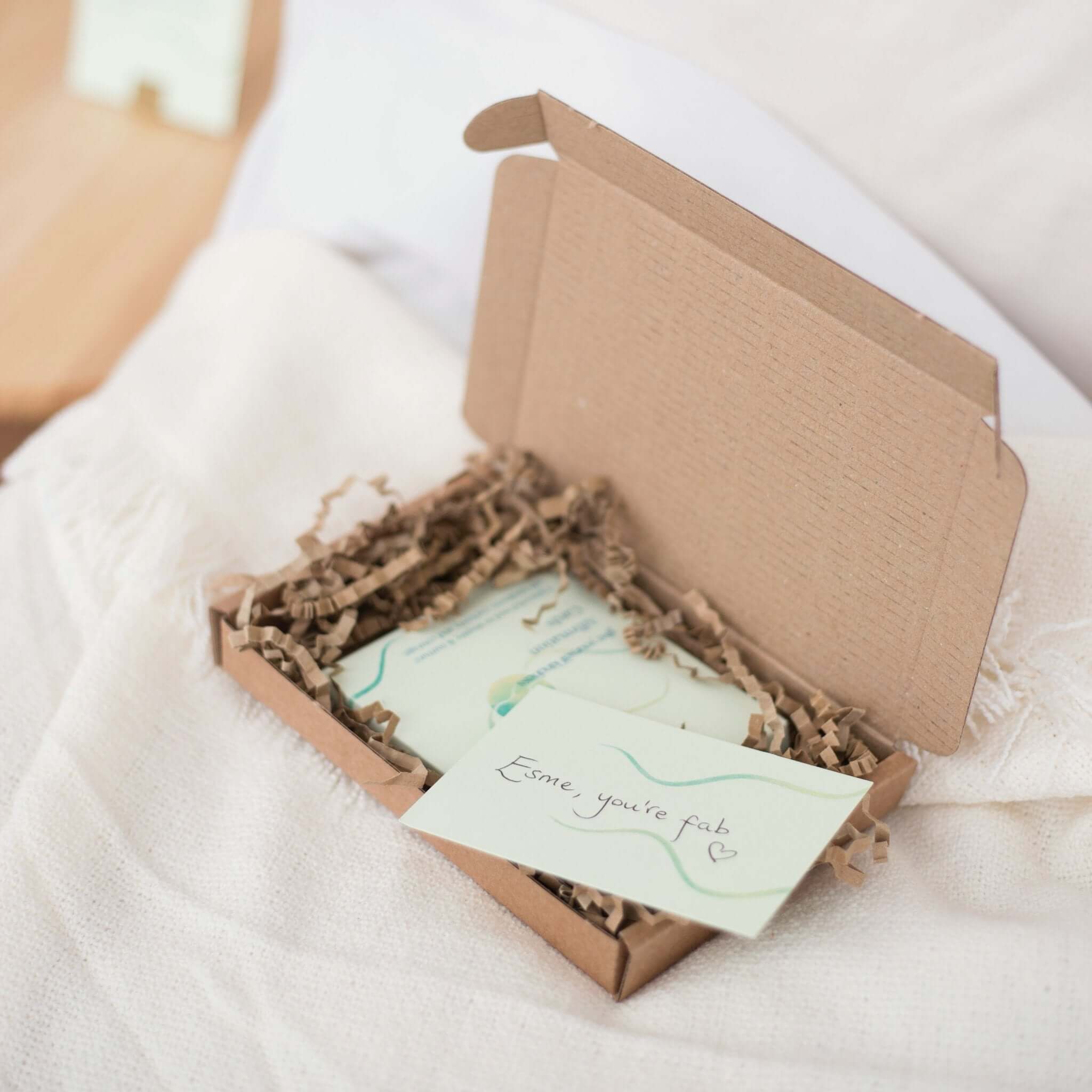
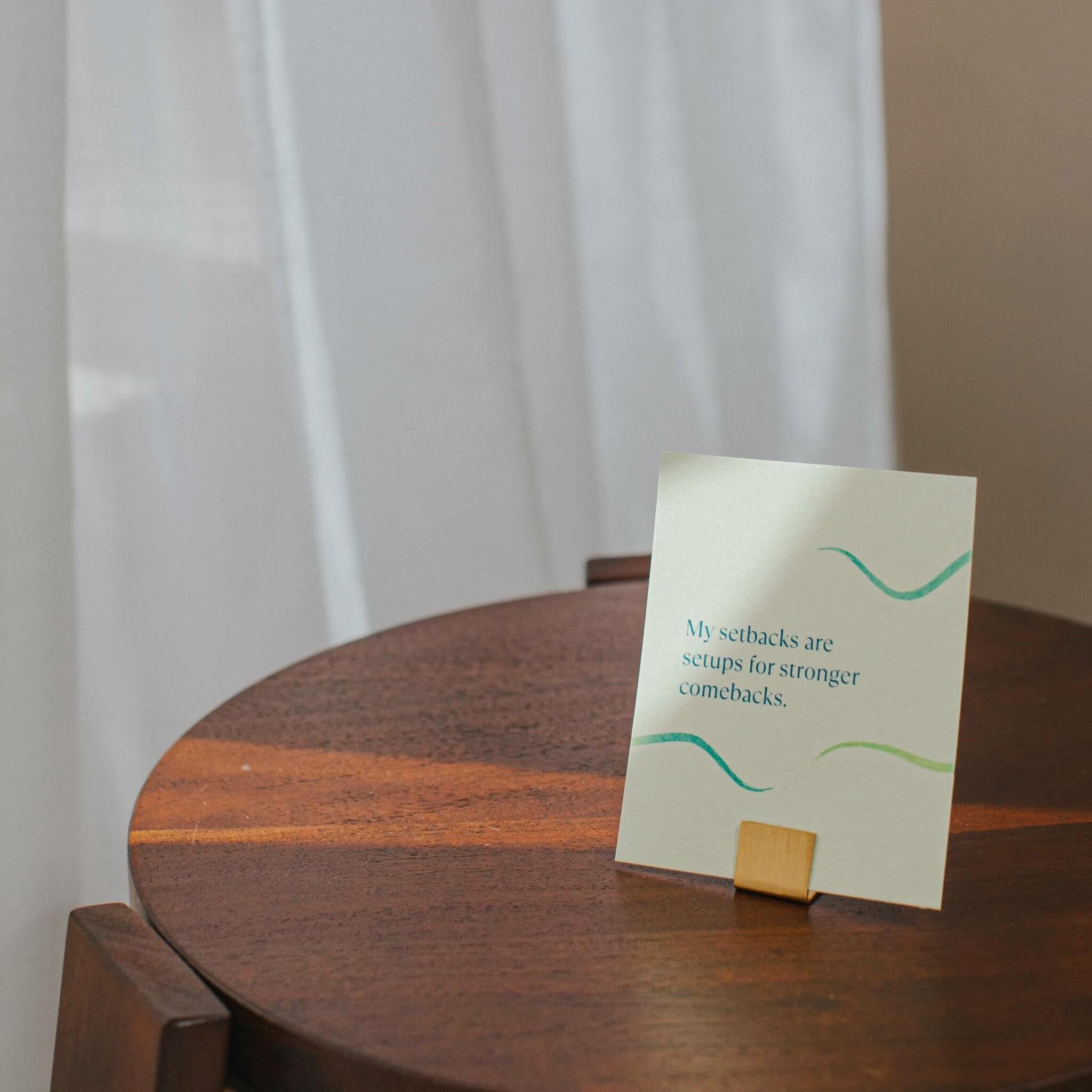
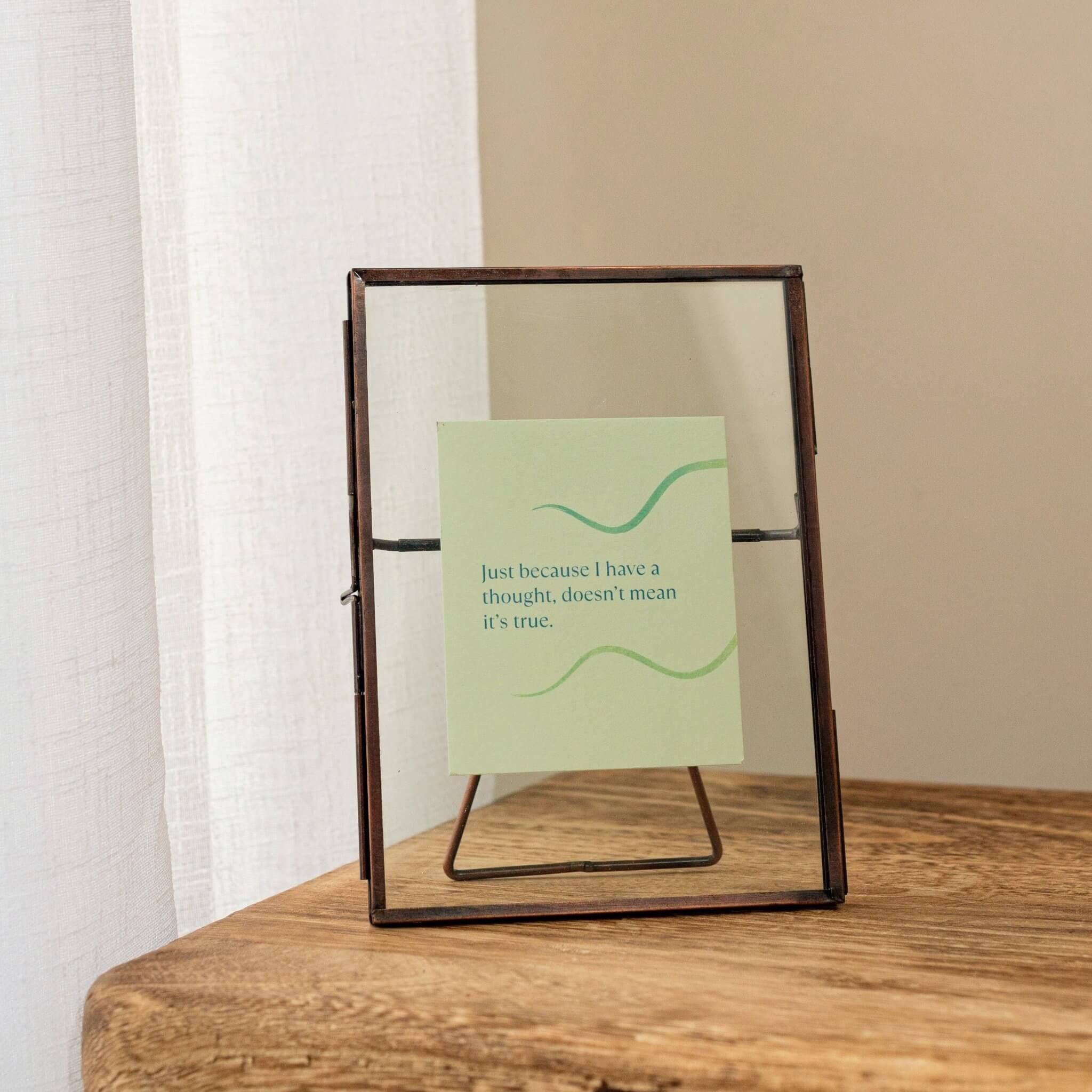
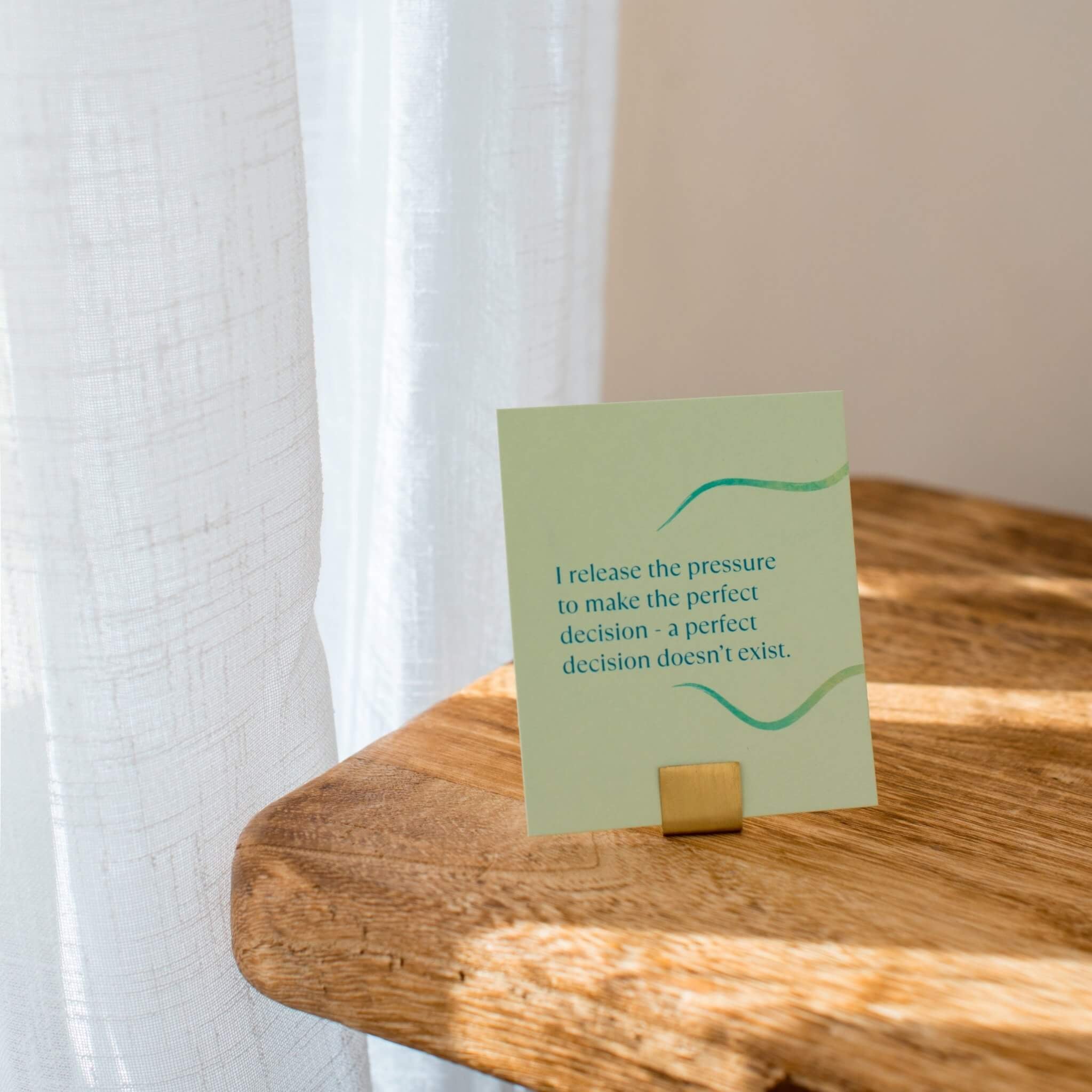
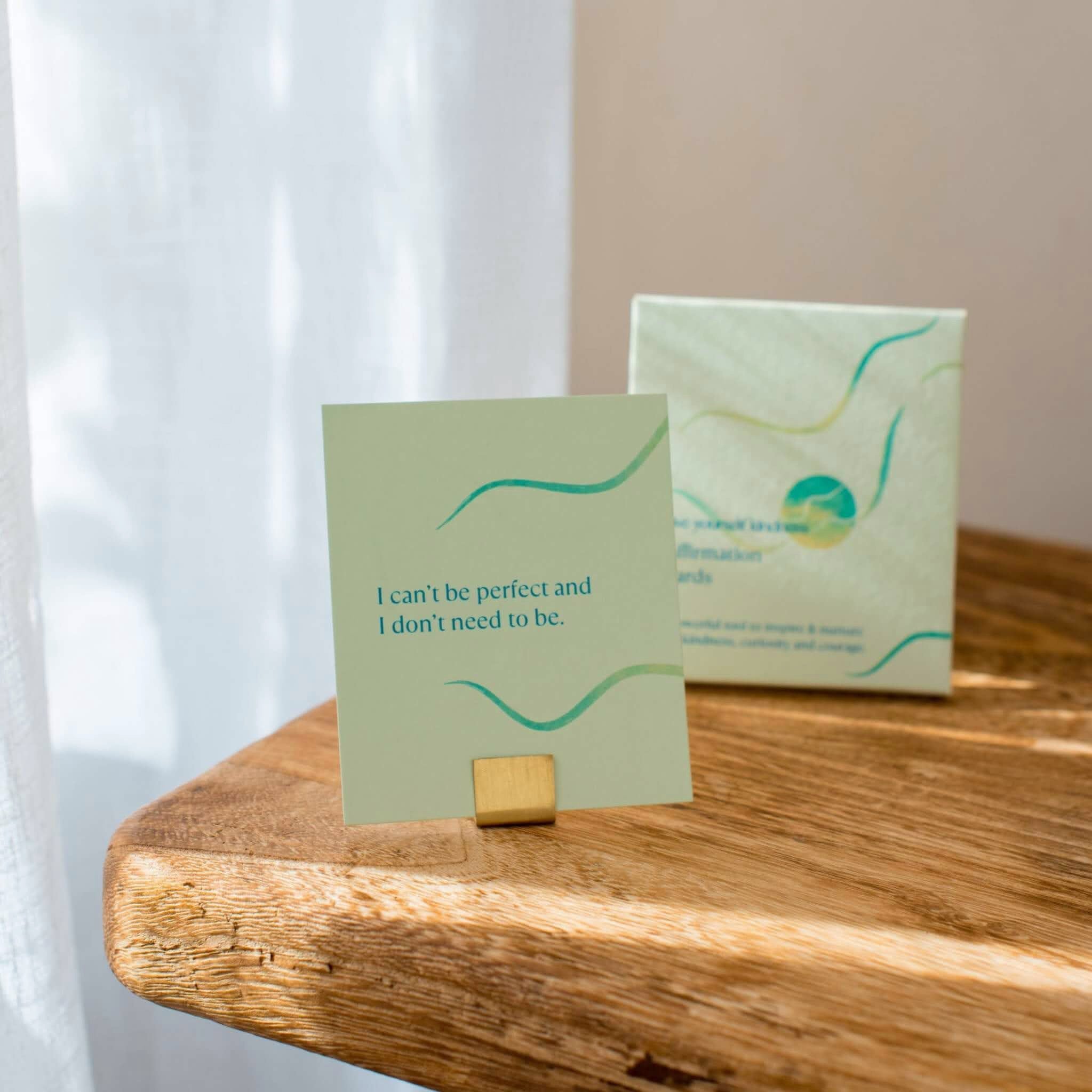
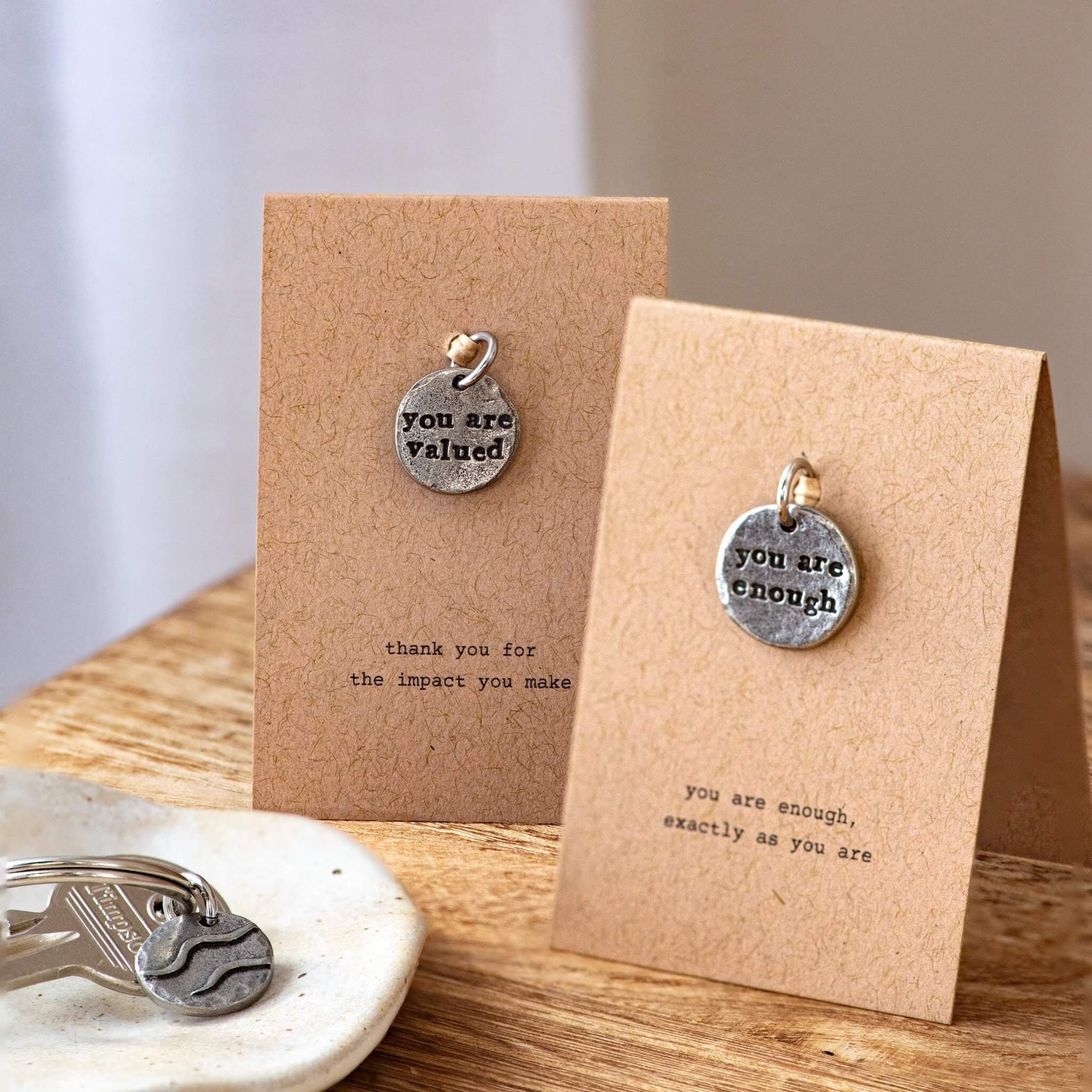
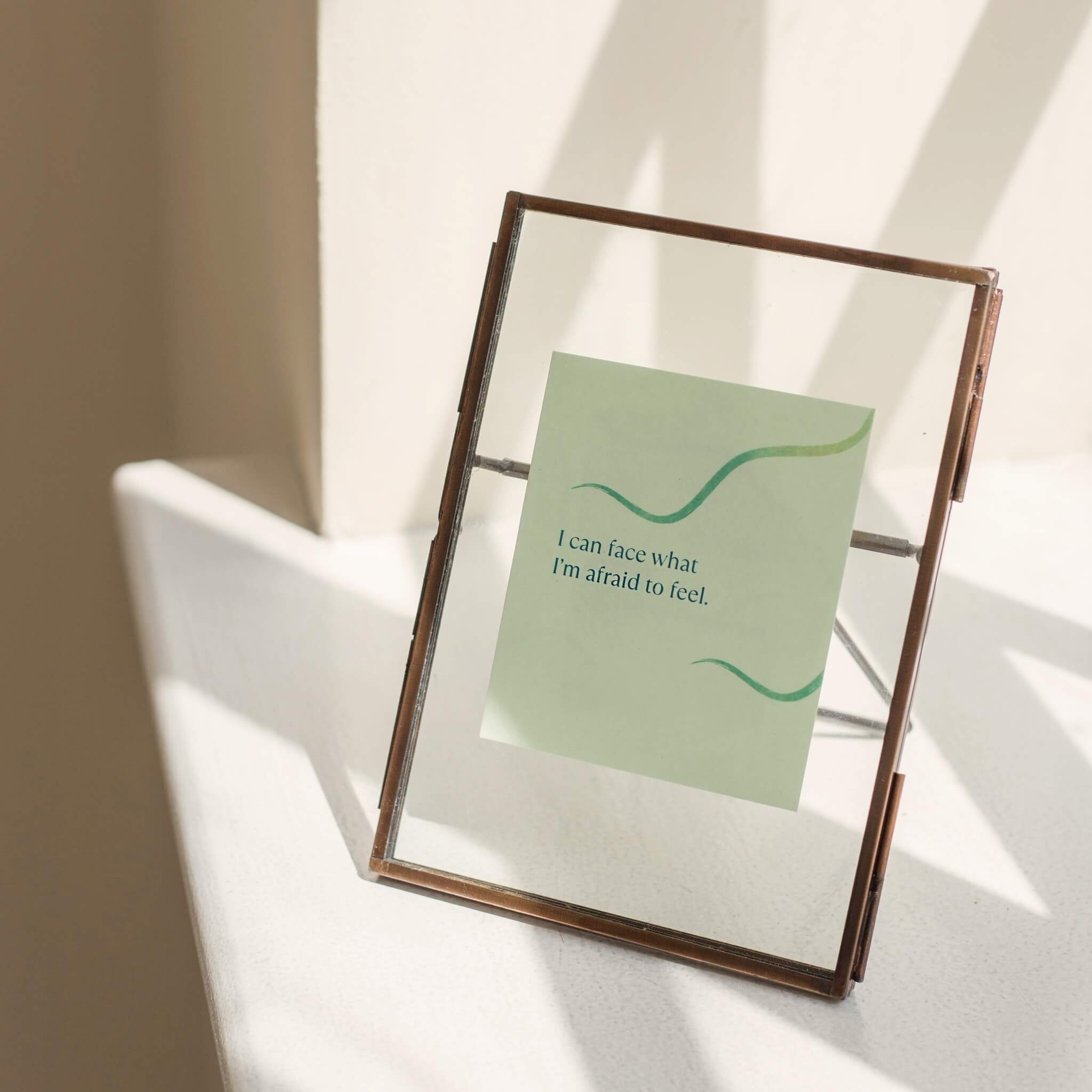
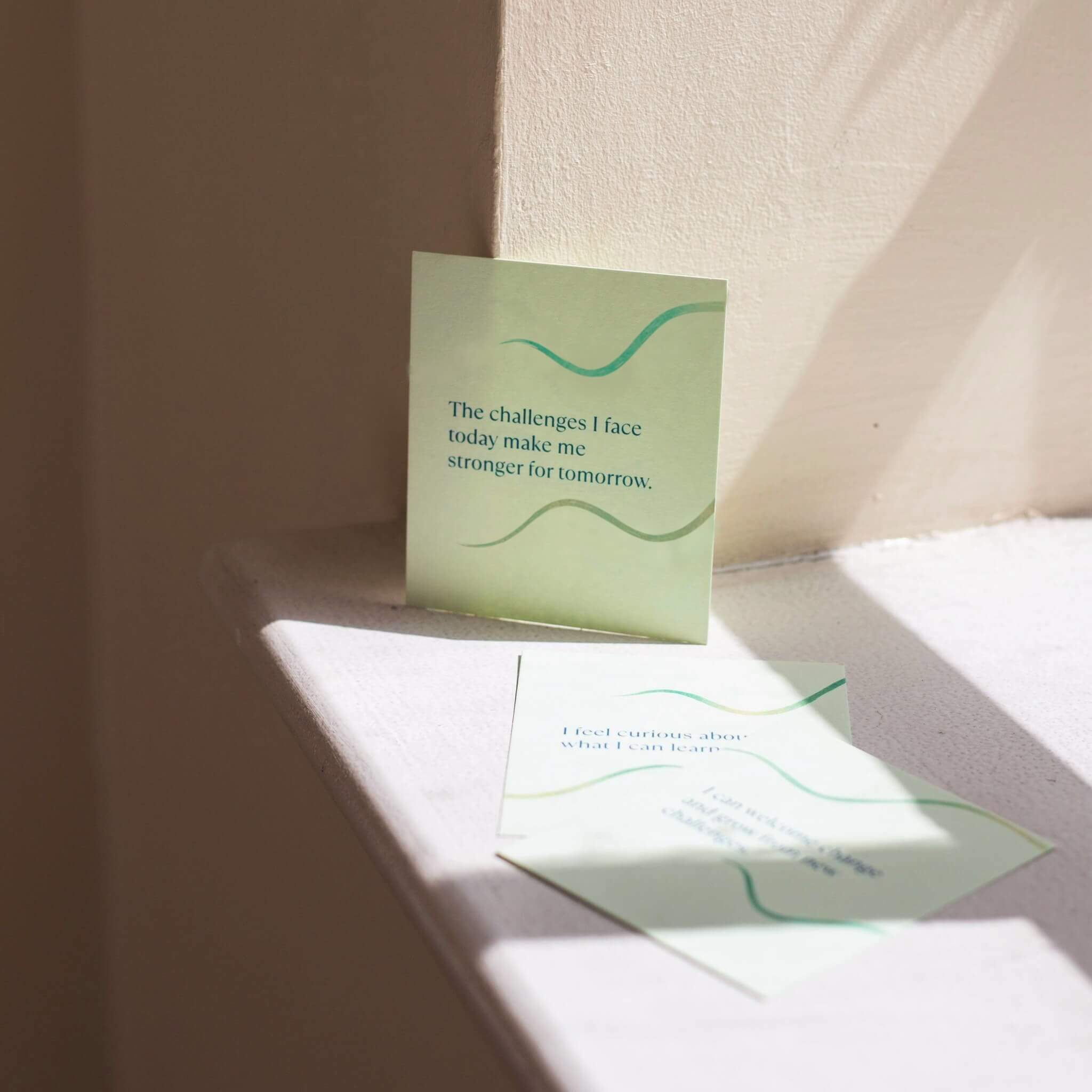
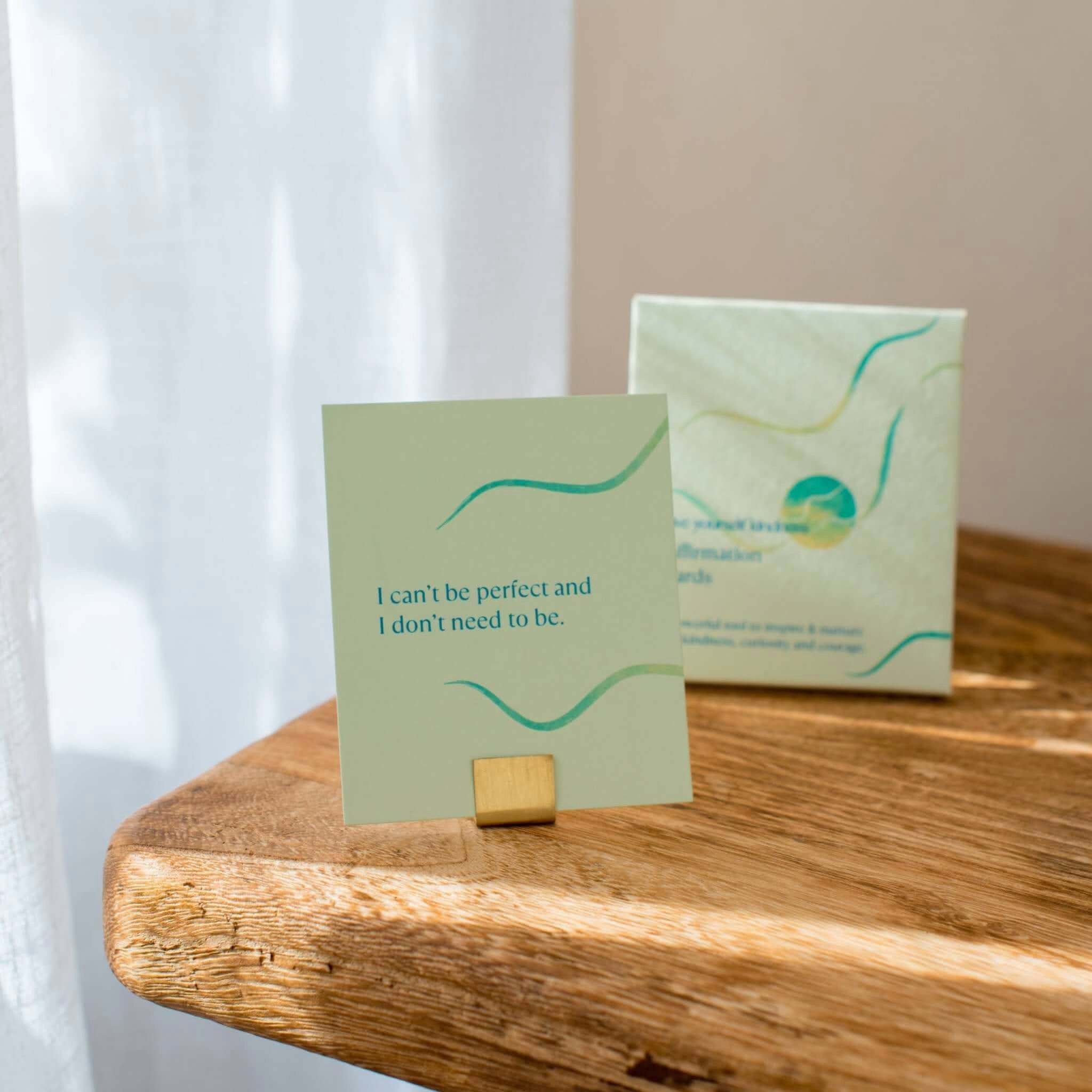
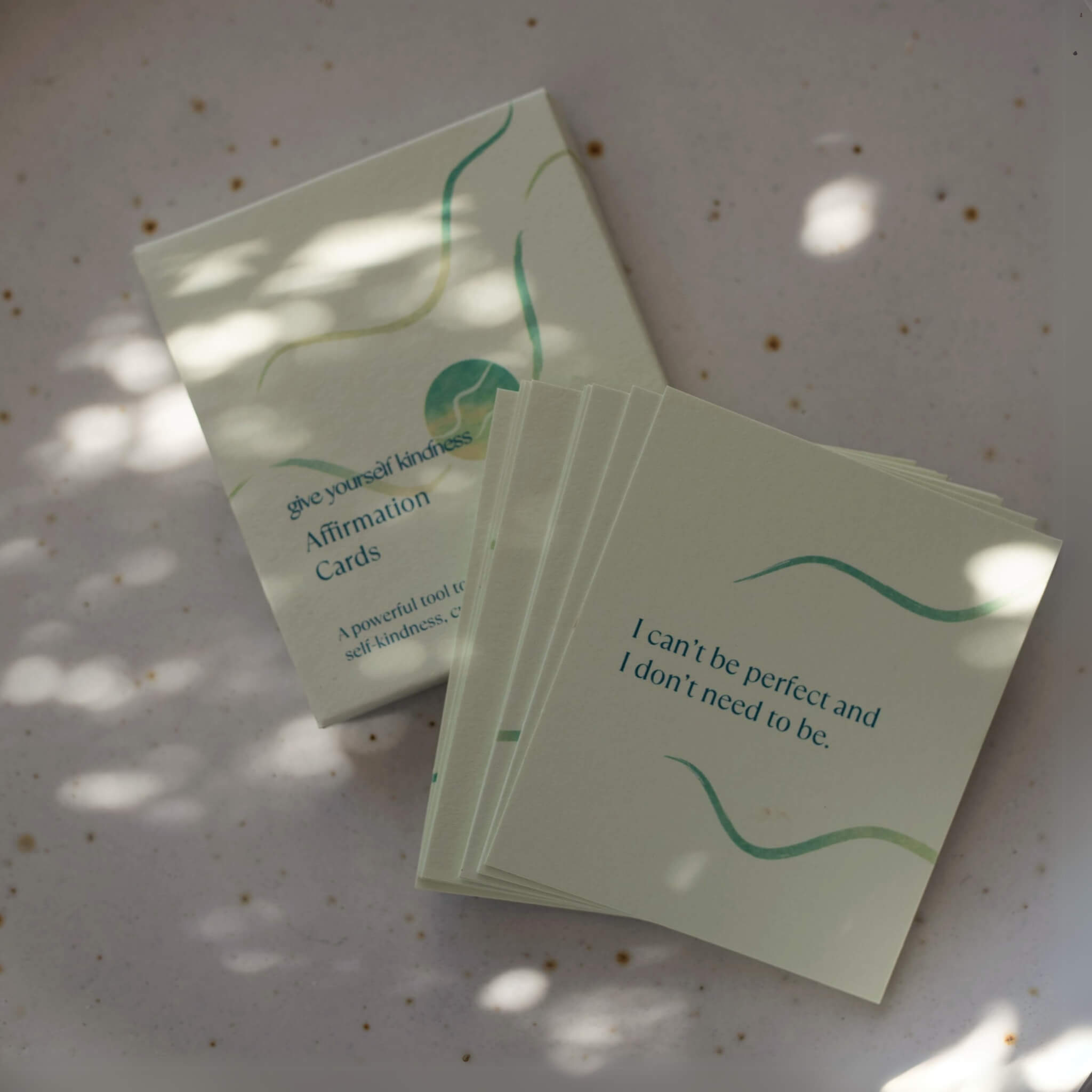
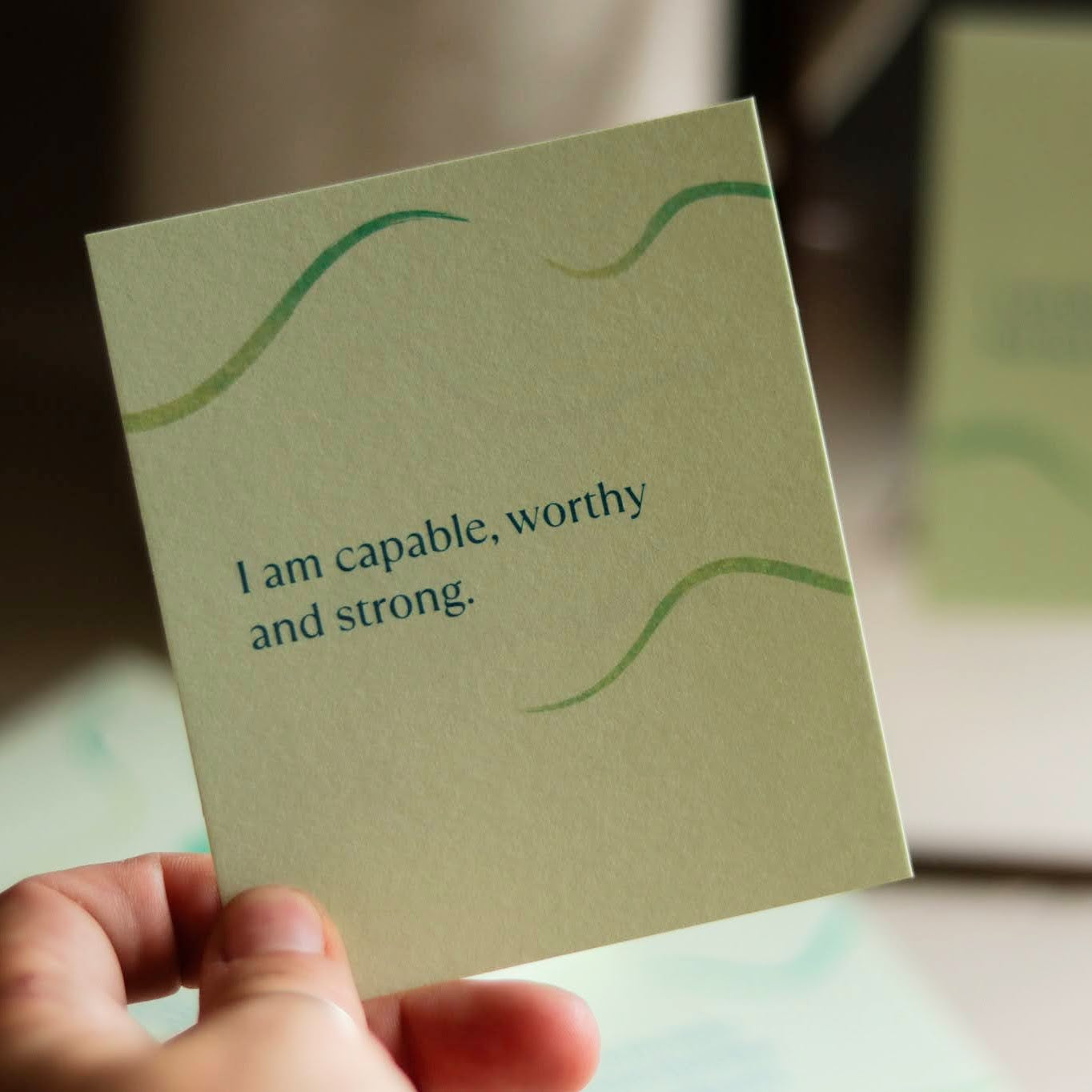
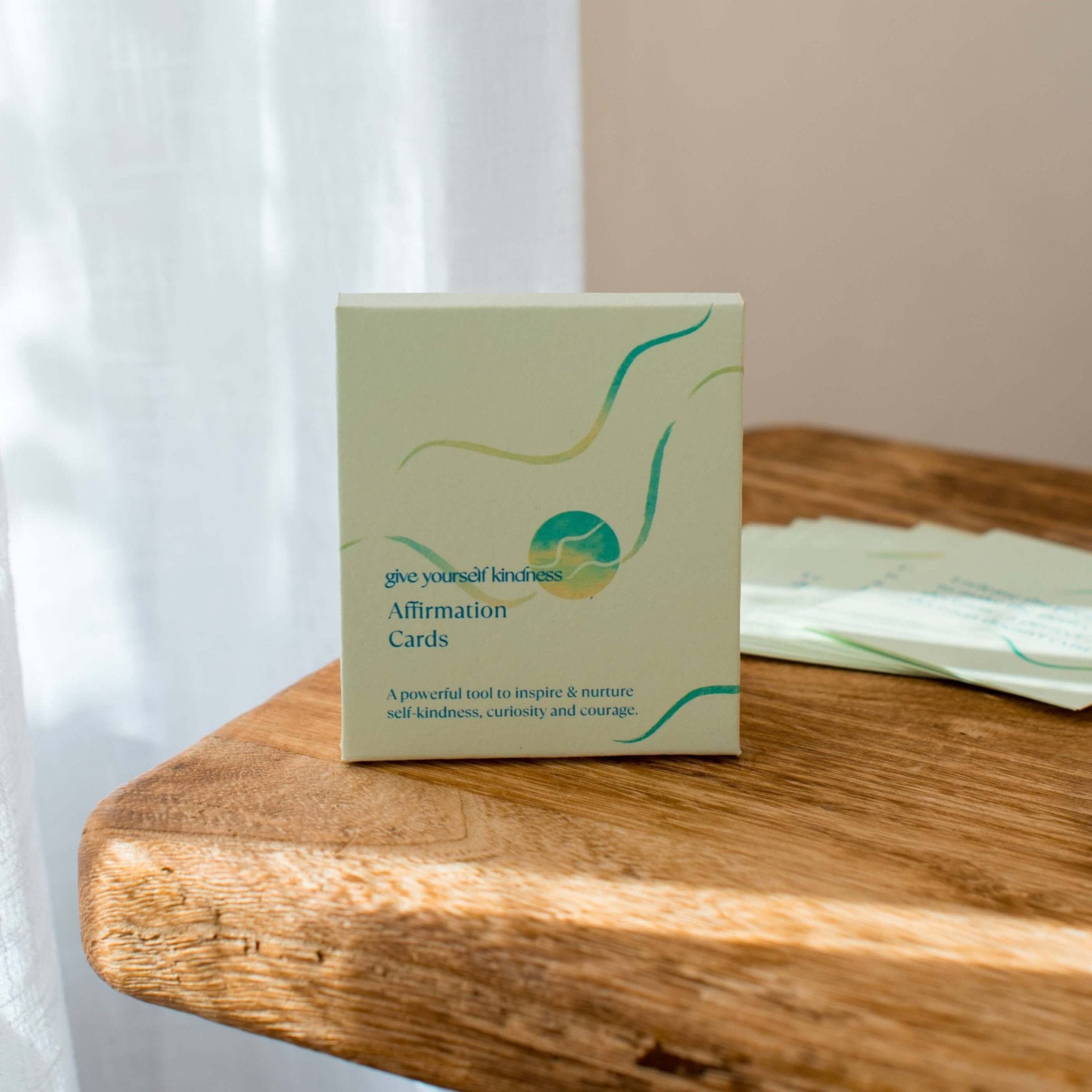
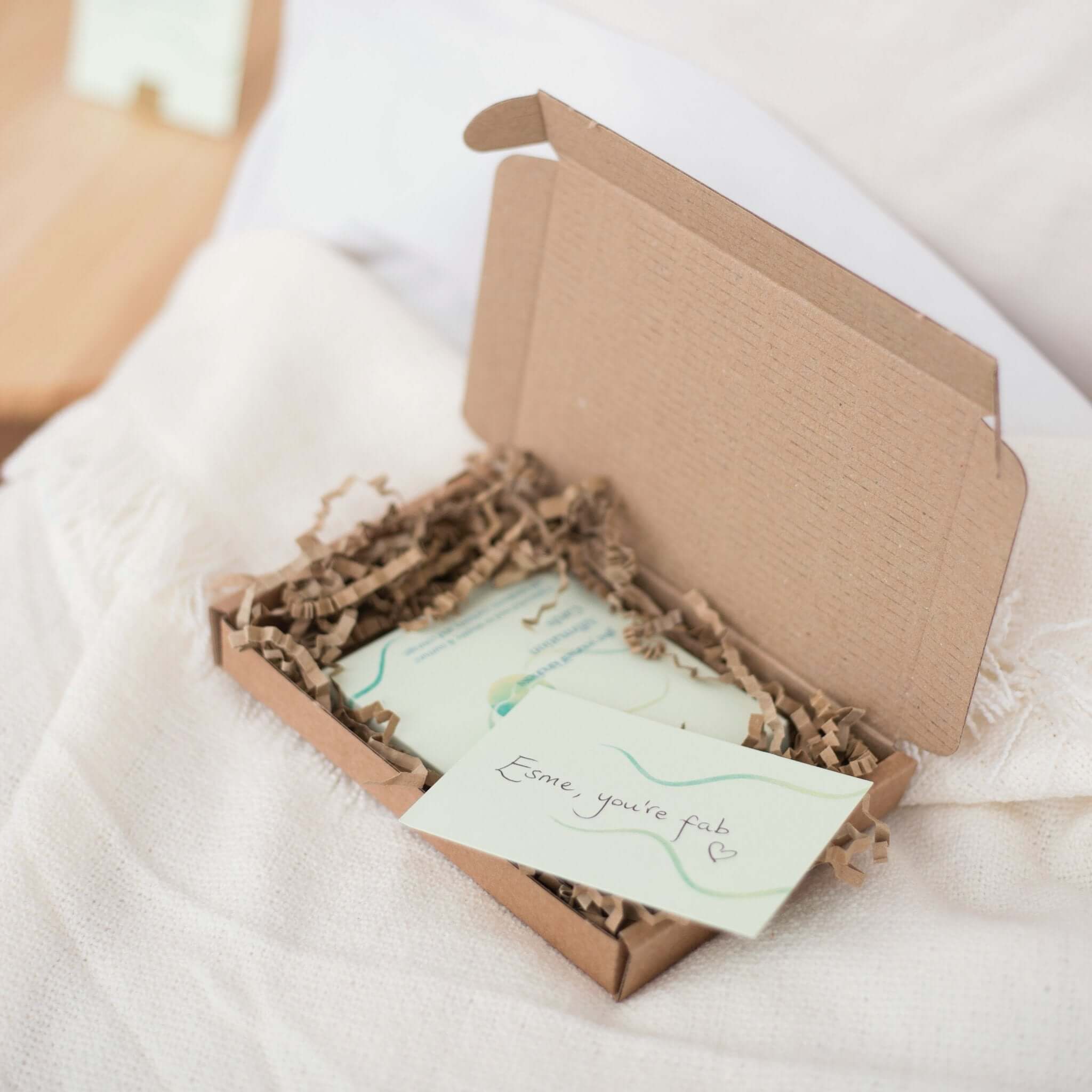
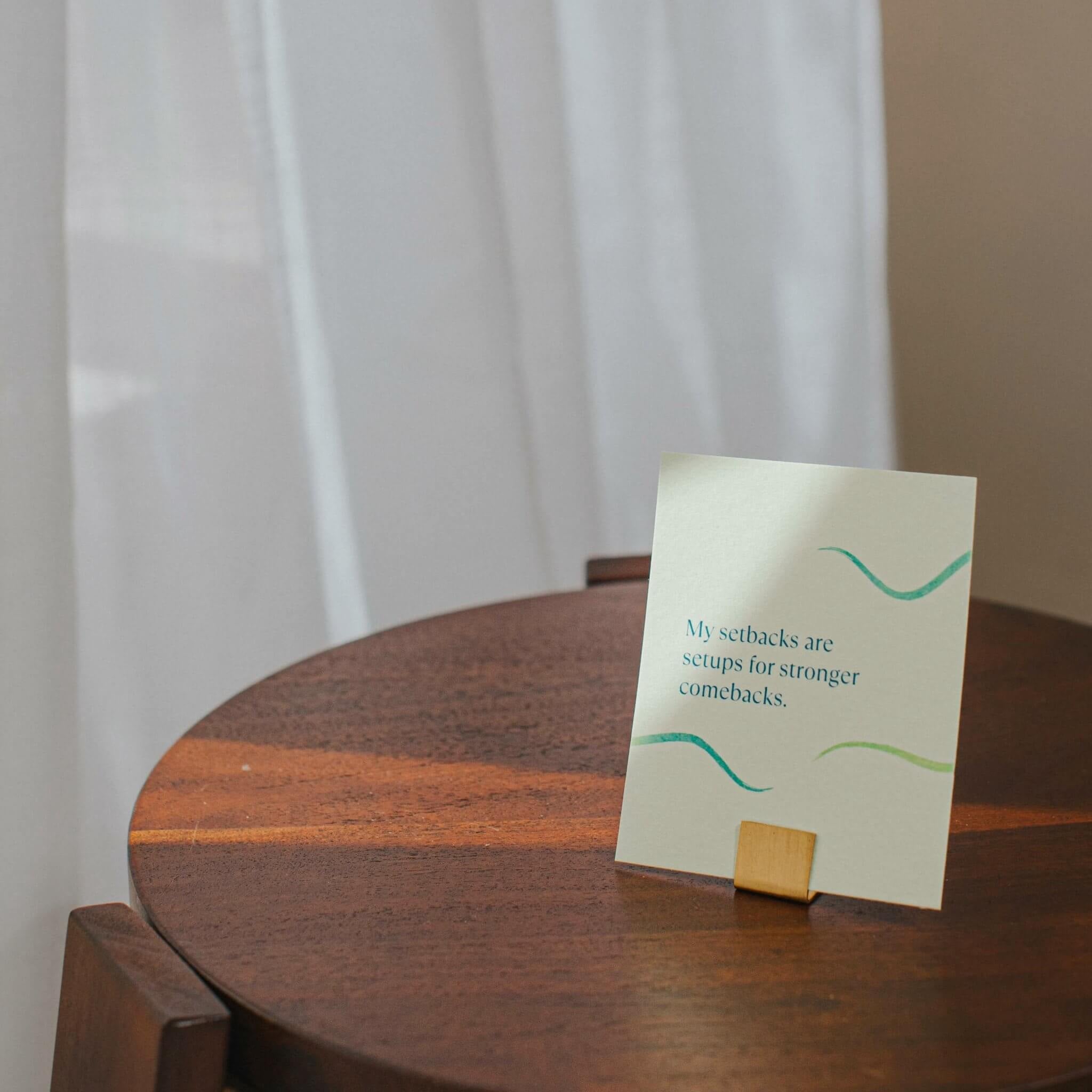
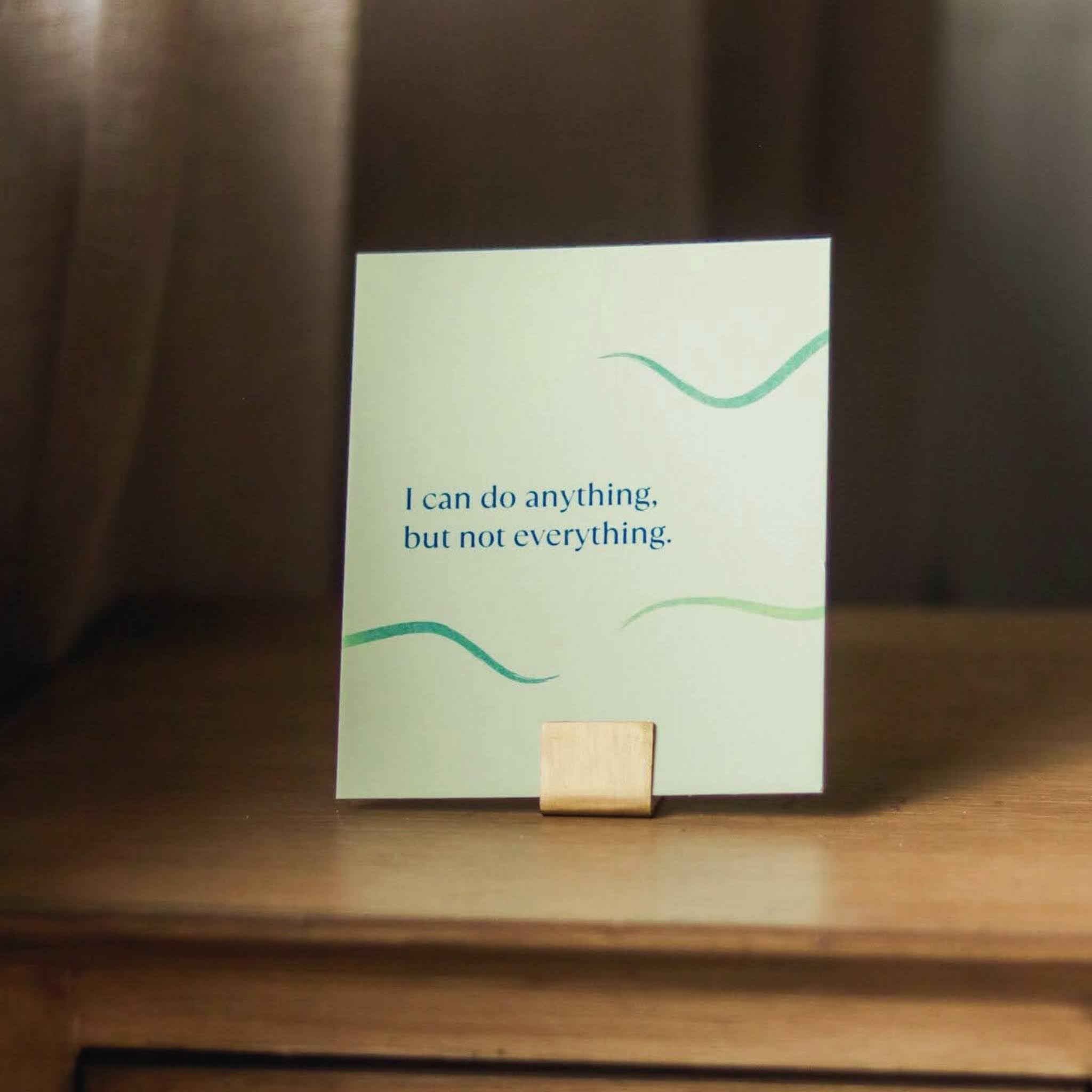
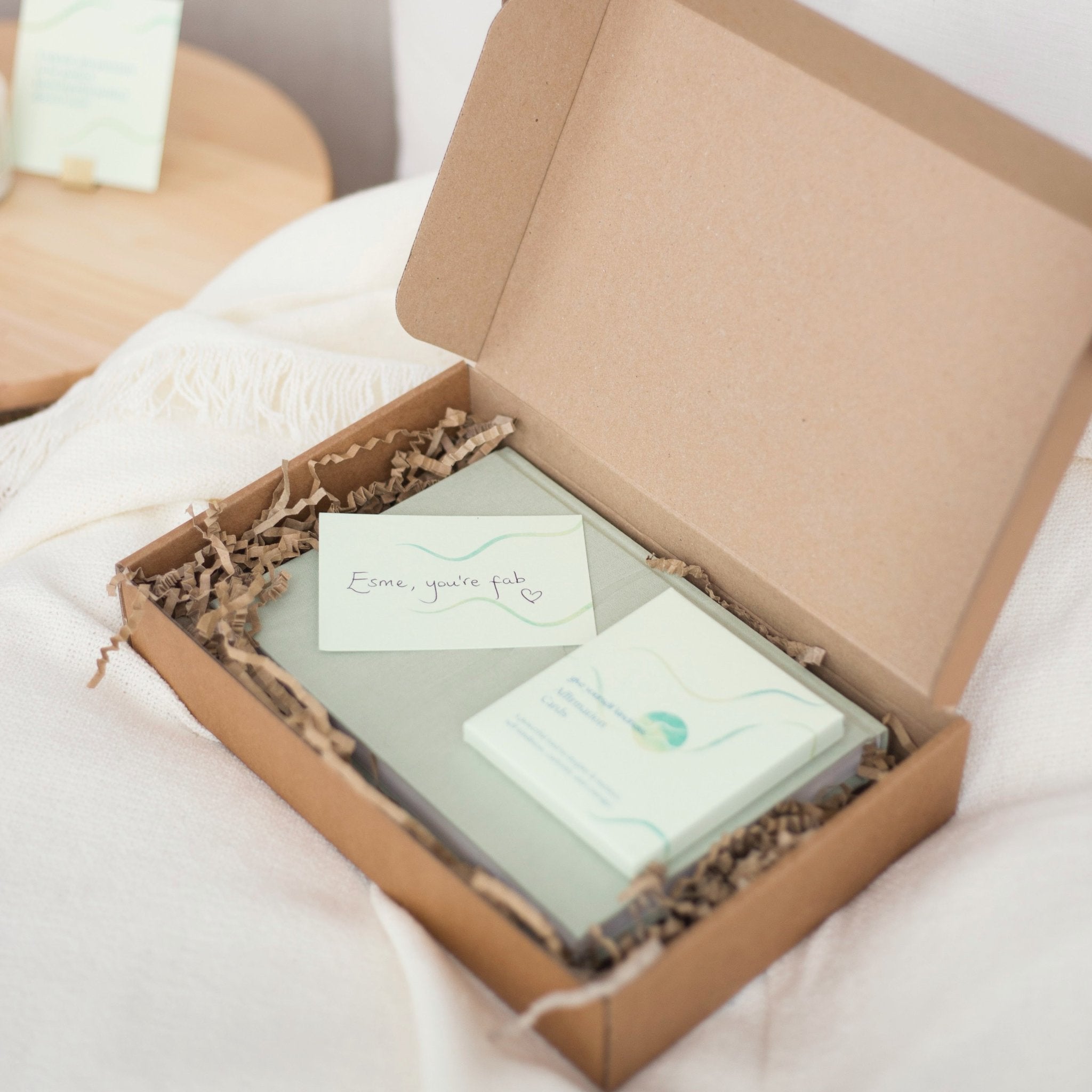
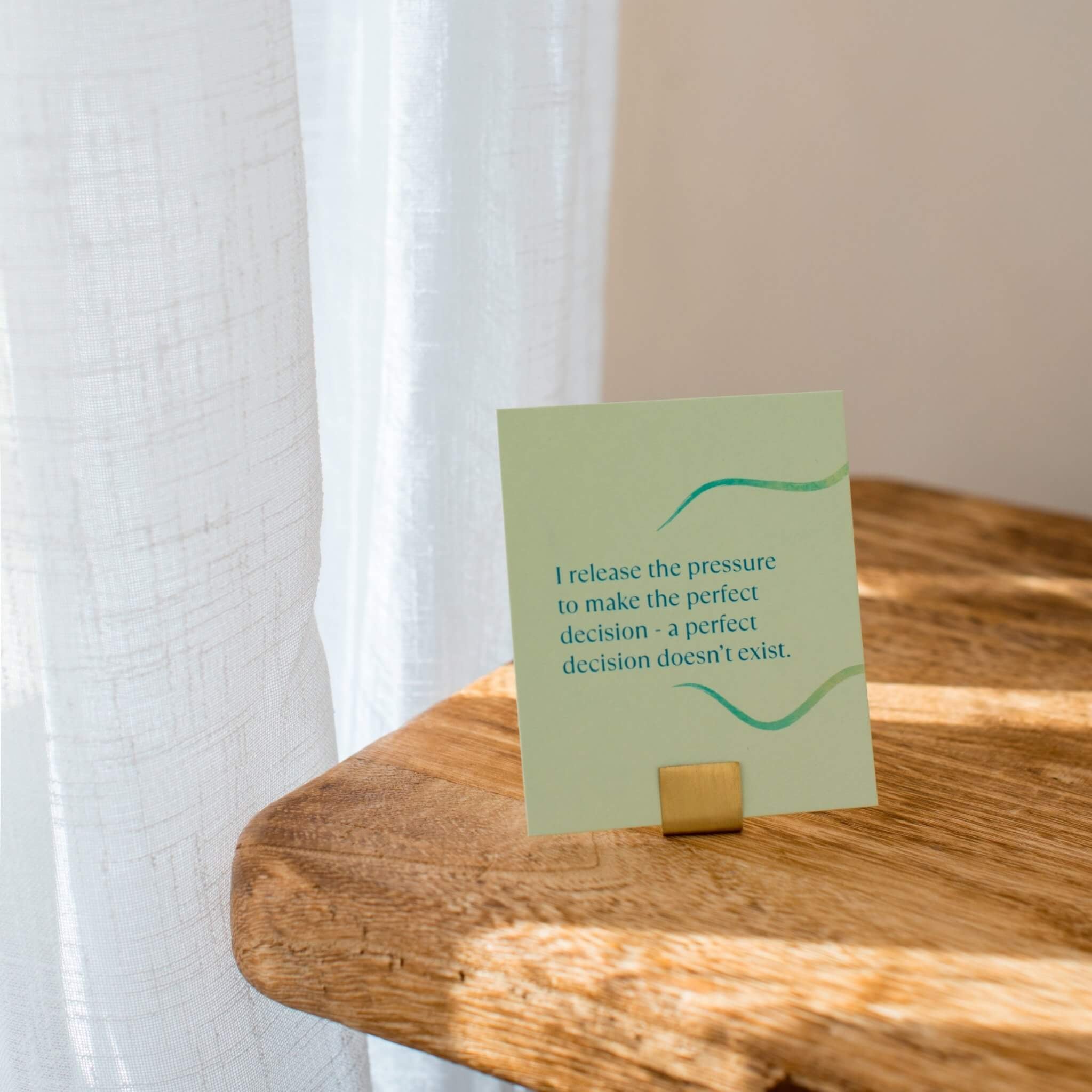
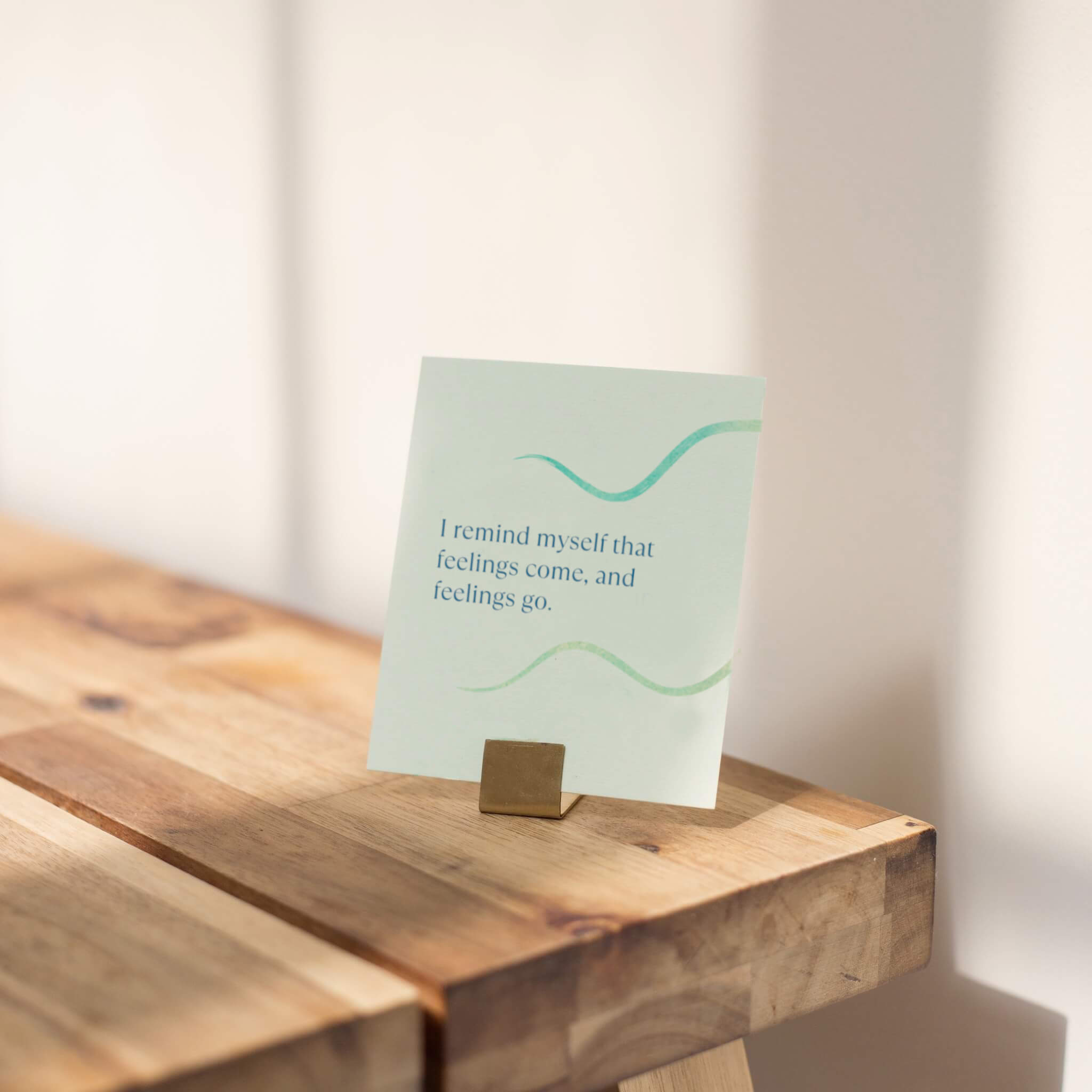
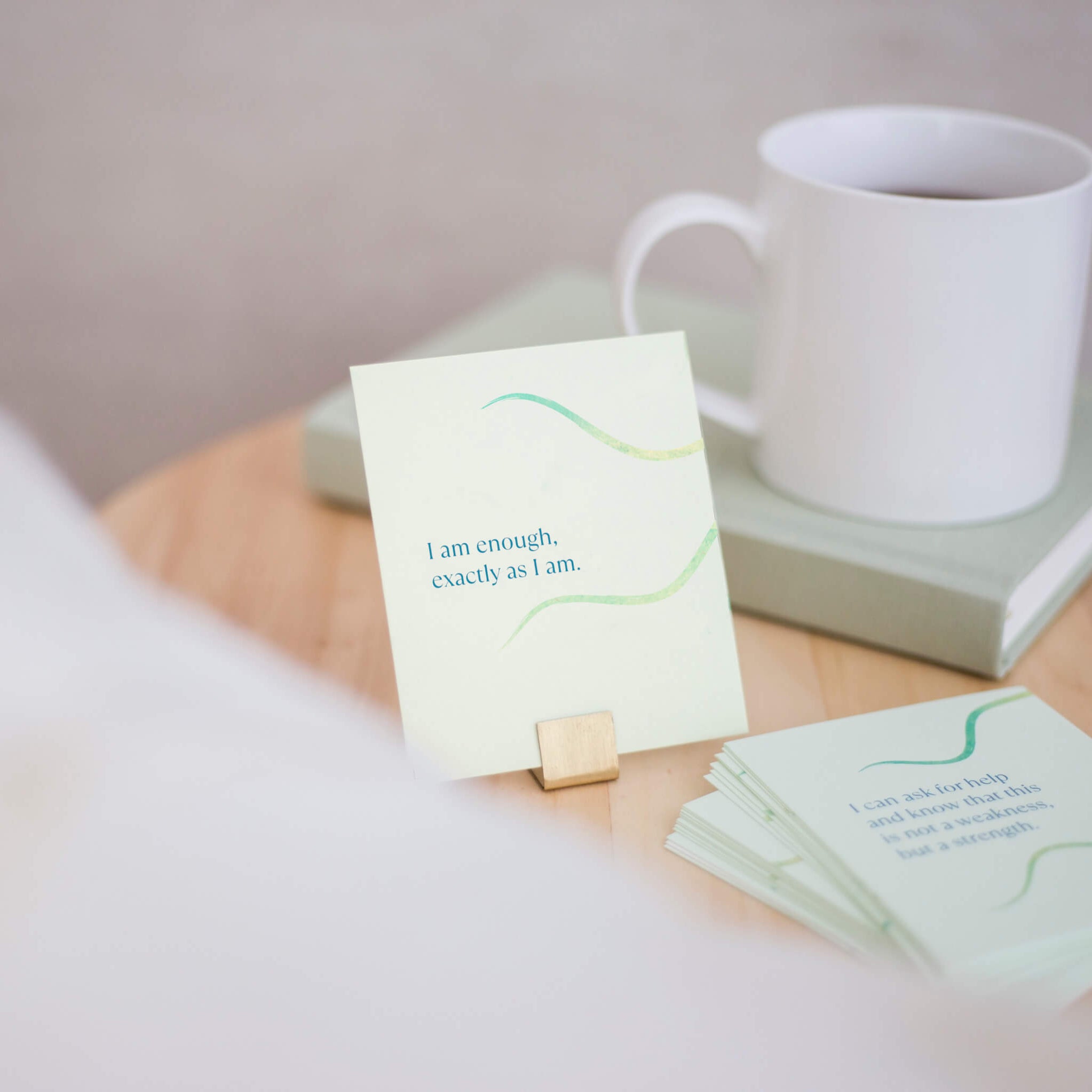
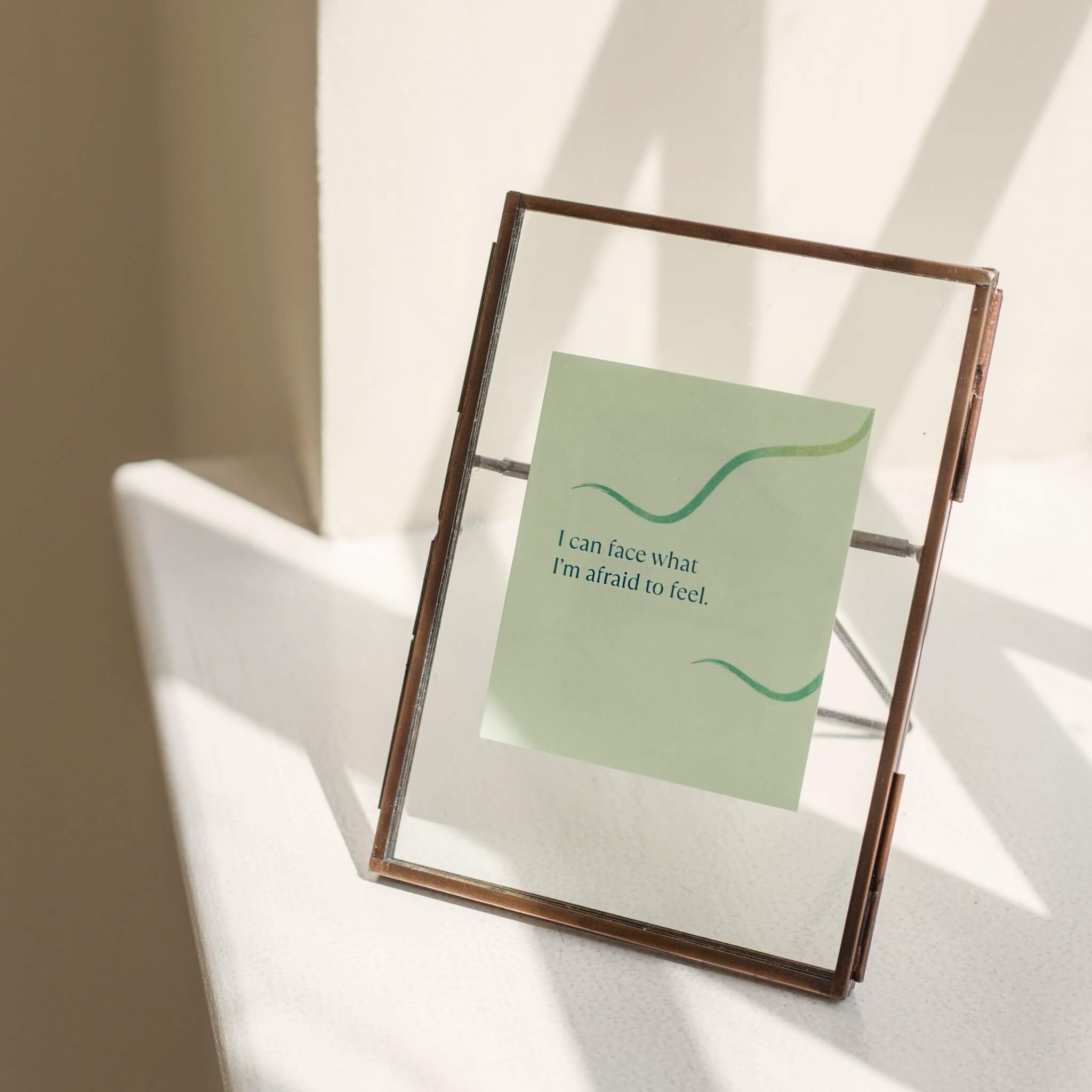
You're reading the deck. All 20 affirmations on this page are cards in the Give Yourself Kindness Affirmation Cards, alongside 40 more, all built on self-compassion research rather than forced positivity. Reading a list helps once. Having one propped on your desk on the morning you need it is what makes it stick.
From £13.95 See the cards →For speaking up
- My voice matters. My opinions matter. I matter
- I can be open and honest with others, even when it makes me feel vulnerable
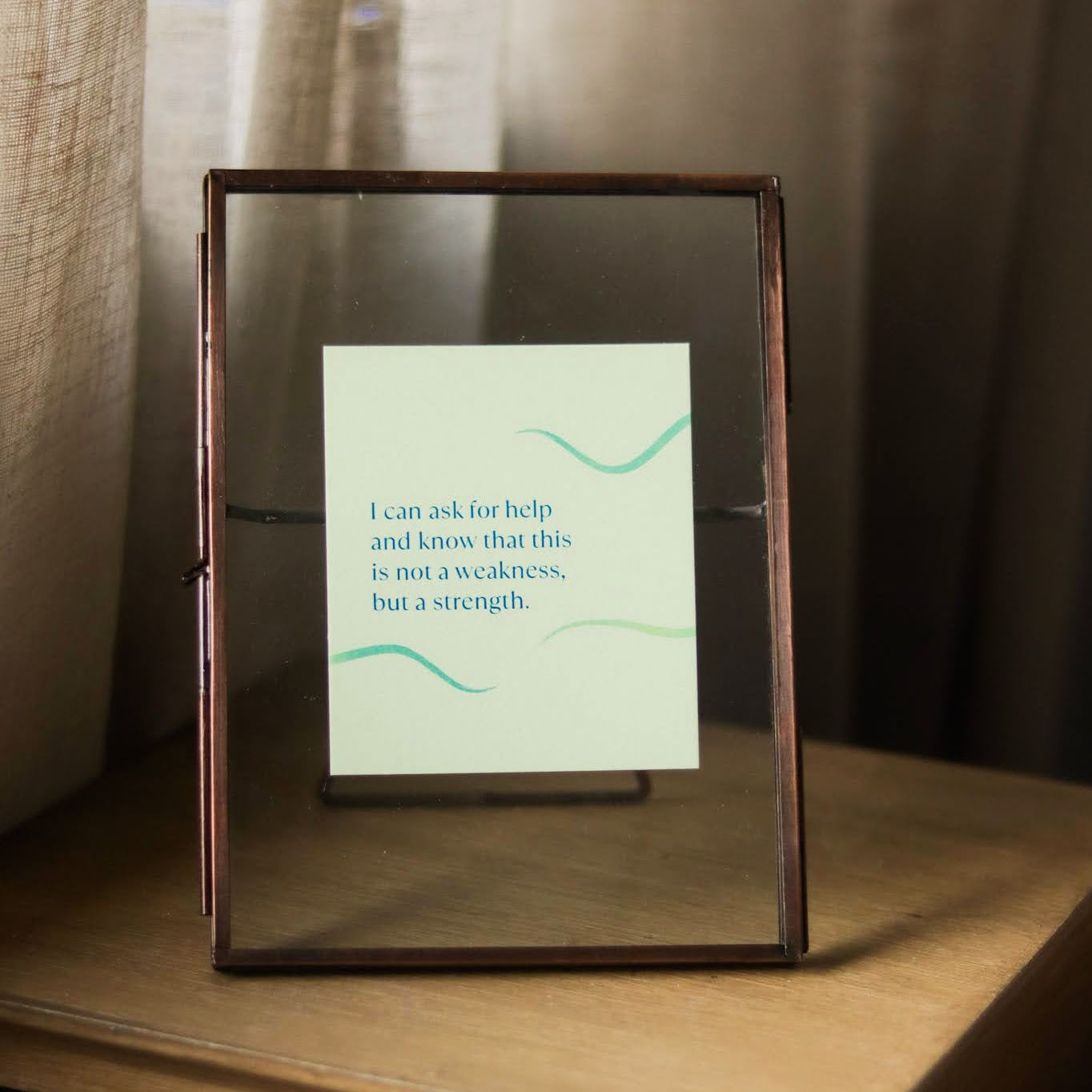
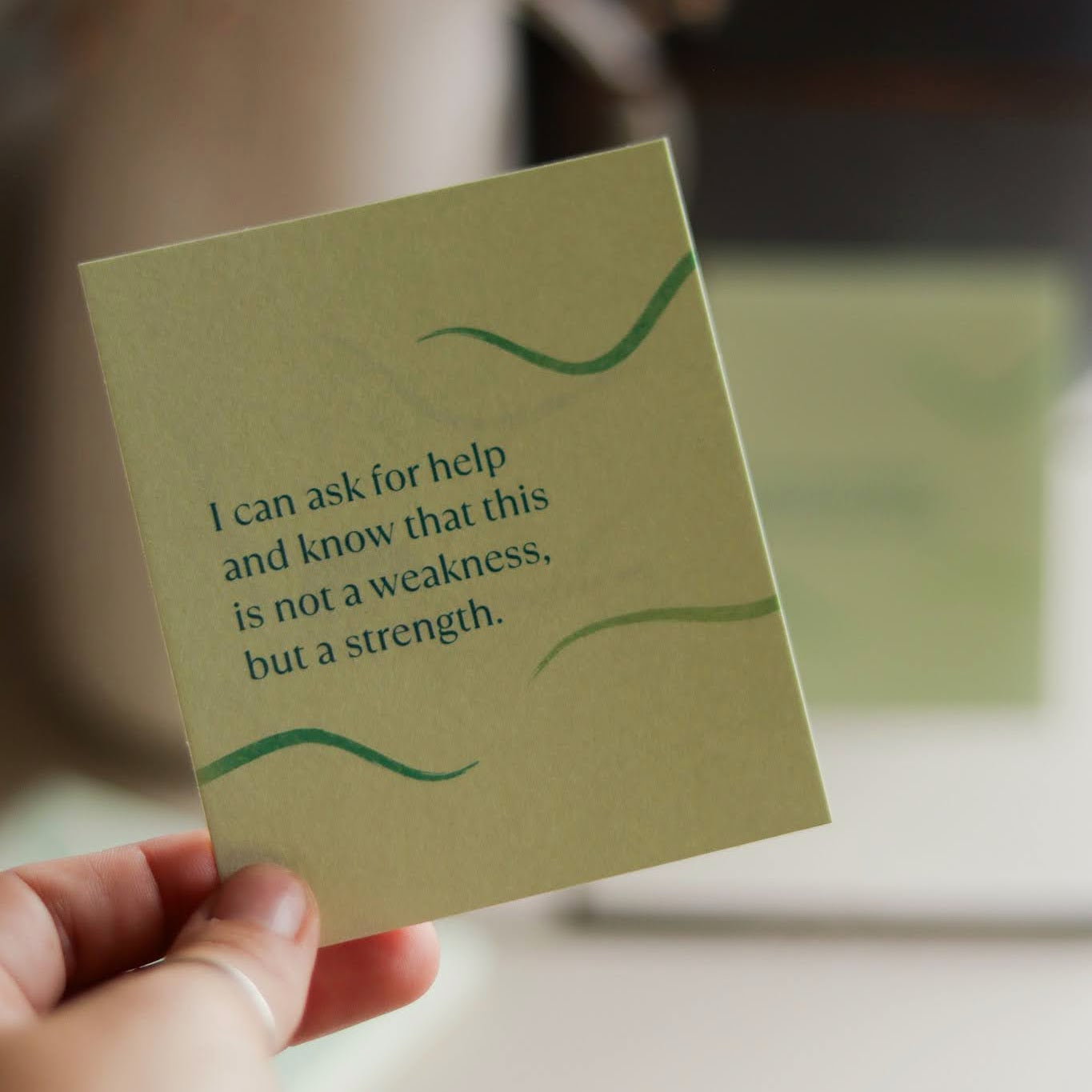
- I can ask for help and know that this is not a weakness, but a strength
- I am always worthy of respect
- I bring unique skills and perspectives to what I do
Use these when you need to find your voice, whether in a meeting, with friends, or in any situation where speaking up feels scary.
For handling setbacks
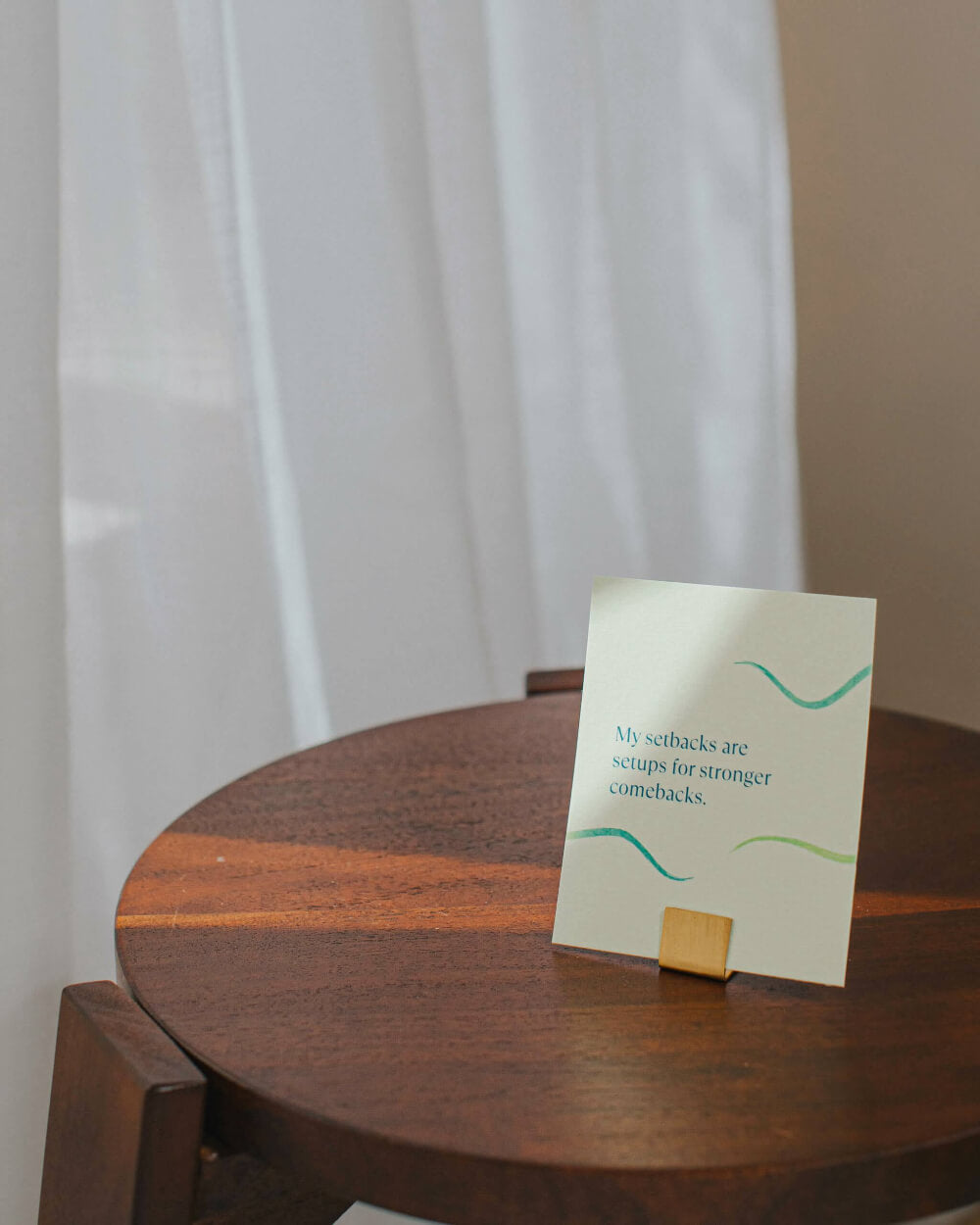
- My setbacks are setups for stronger comebacks
- I can make mistakes and learn from them, without self-criticism
- I have dealt with challenges before, I can deal with challenges again
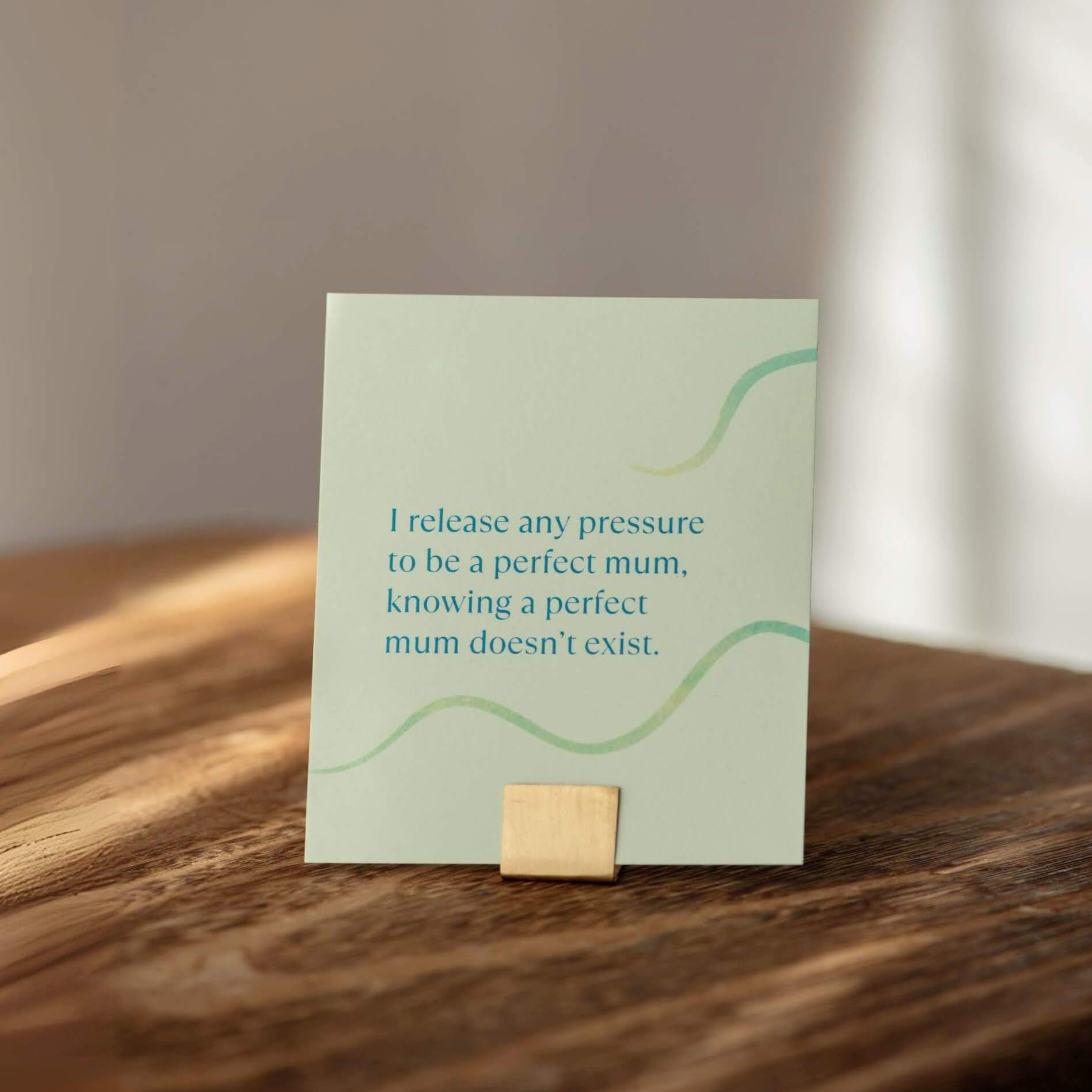
- I can't be perfect and I don't need to be
- I forgive myself for what I did when I was learning
Remember these when things don't go as planned, or when you're being hard on yourself.
For facing uncertainty
- I can embrace uncertainty. It's okay not to know
- I can embrace change whilst reassuring myself that change is challenging
- I choose to embrace the journey instead of being fixed on a destination
- I can feel both nervous AND excited, scared AND brave
- I recognise that some things take time, patience is not inactivity
These help when the path ahead isn't clear, and you need to take one step at a time.
Why these work, and why "I am fearless" doesn't
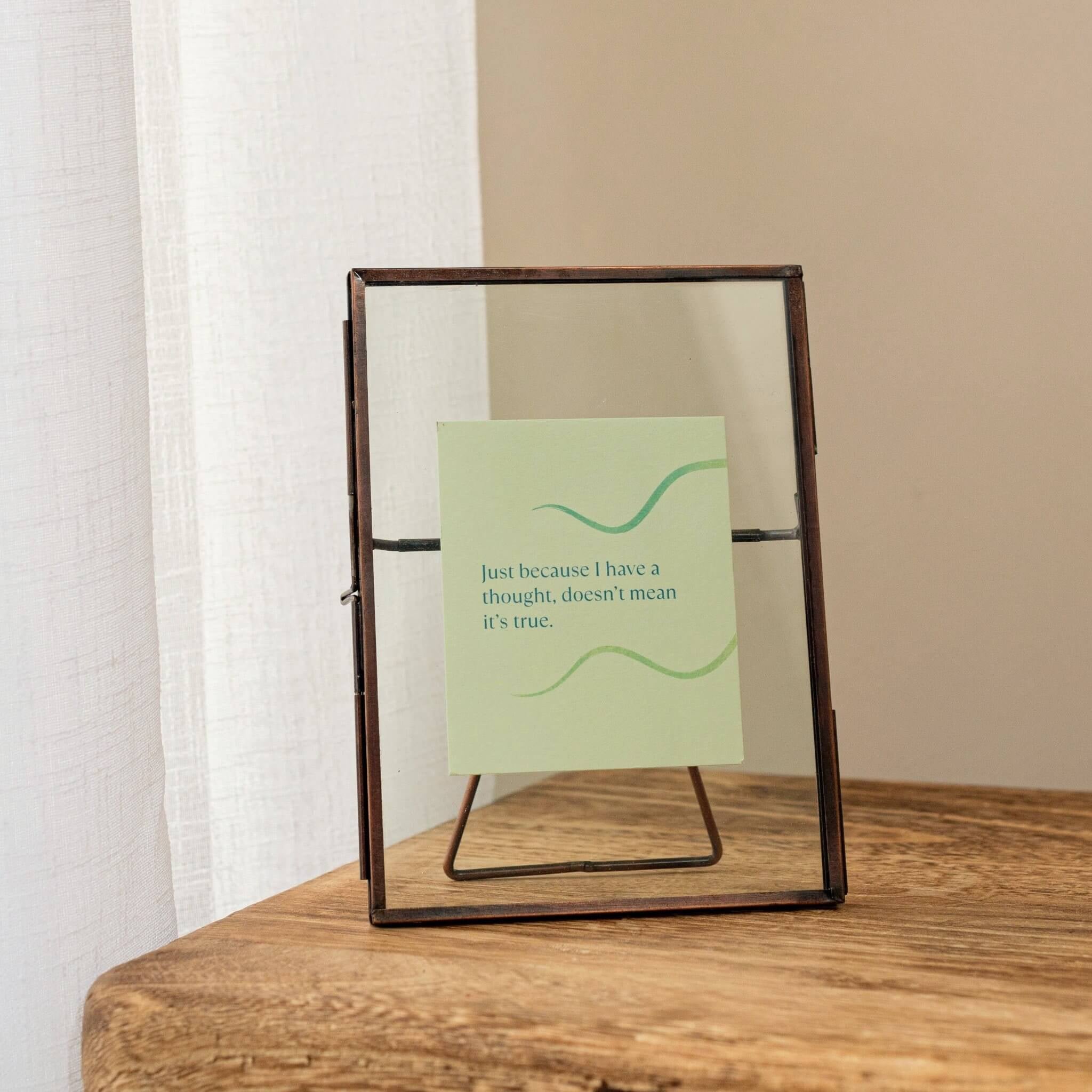
Not all affirmations are equal. A 2009 study in Psychological Science found that positive self-statements helped some people but left others, particularly those with low self-esteem, feeling worse. The reason is simple: if a statement is too far from what you currently believe, your mind rejects it, and the gap between what you're saying and what you feel gets wider.
That's why every affirmation on this page makes room for the fear instead of denying it. "I can feel both nervous AND excited, scared AND brave" is believable on a hard day. "I am fearless" isn't.

"For affirmations to work, they need to be developed and applied thoughtfully: how credible and realistic they feel, how personally meaningful they are, and how well they accommodate the ups and downs of life."Dr Jeffrey McDonnell, Clinical Psychologist, University College London, in Do Affirmations Really Work? I Asked 5 Psychologists →
Clinical psychologist Dr Caroline C. Lee makes the same point in that article: for affirmations to be effective, "they need to resonate with you on a deeper level and feel believable." Credibility is the whole game.
You've just read 20 of the 60 cards
Every affirmation on this page is a real card in the Give Yourself Kindness deck. Not a sample written for a blog post, and not a teaser: what you've scrolled through is a third of the actual deck, word for word. There are 40 more, written the same way, for the days that need something other than courage.
Reading a list once helps for about an hour. What actually rebuilds courage is repetition, seeing a kinder line often enough that it becomes more familiar than the critical one. That's much easier when it's a card propped on your desk than a page you have to remember to find again.


- All 20 affirmations from this page, plus 40 more, across 3 sets
- They acknowledge fear and imperfection instead of talking over them
- Recommended by licensed therapists, used in real clinical practice
- Premium 270gsm cards, printed in the UK, plastic-free packaging
Added to your basket. View basket →
What therapists say about these cards
 Margaret Davis, MS, LPC
Licensed Therapist
"These affirmations are truly so beautiful and powerful. I instantly feel a sense of groundedness and calm. I'll definitely be utilizing these with my clients, as well as practicing them myself."
Margaret Davis, MS, LPC
Licensed Therapist
"These affirmations are truly so beautiful and powerful. I instantly feel a sense of groundedness and calm. I'll definitely be utilizing these with my clients, as well as practicing them myself."
 Collette Jones, LCSW
Practice Owner
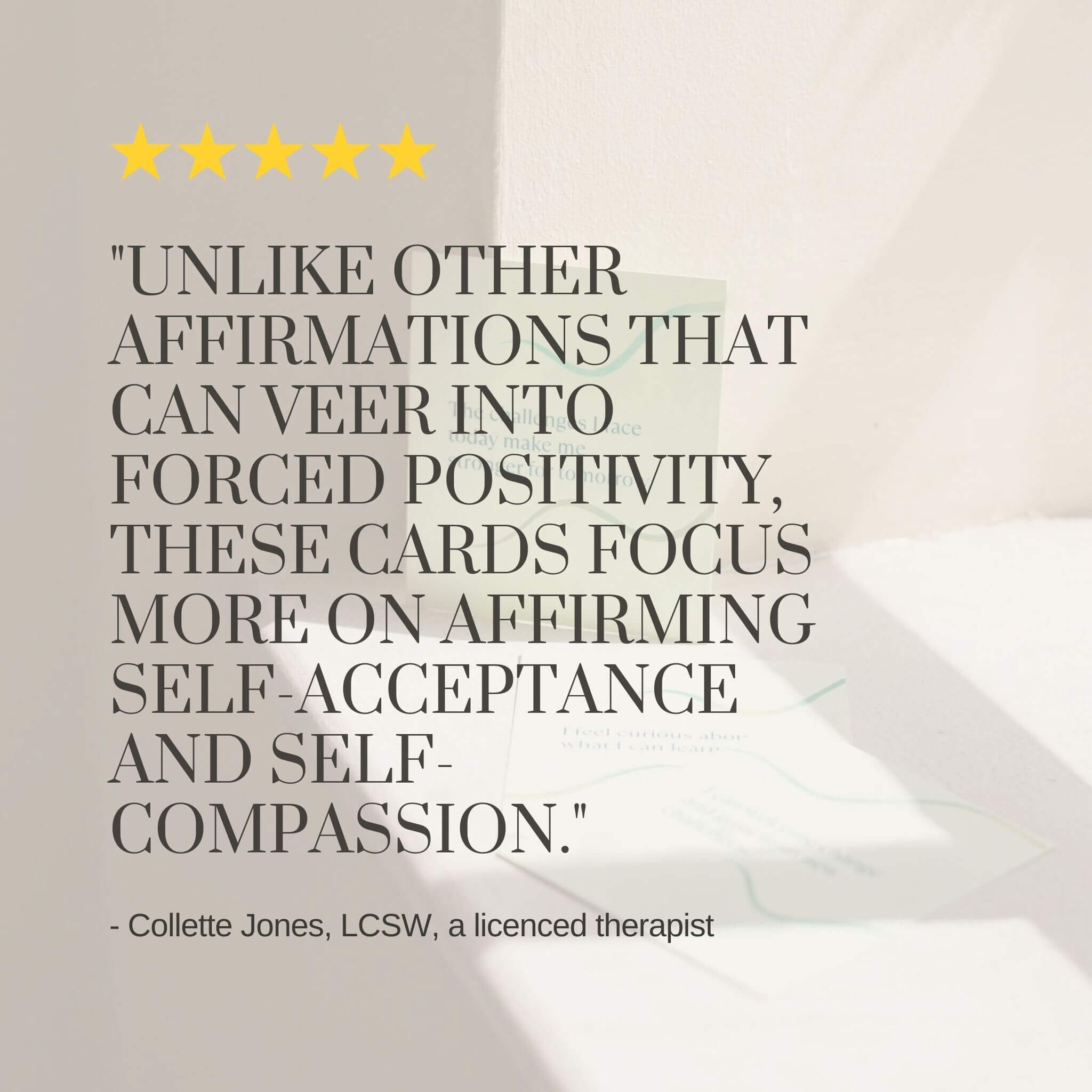
"A beautiful tool that offers gentle reminders to soothe the mind and cultivate peace. Unlike other affirmations that veer into forced positivity, these focus on self-acceptance and self-compassion."
Collette Jones, LCSW
Practice Owner
"A beautiful tool that offers gentle reminders to soothe the mind and cultivate peace. Unlike other affirmations that veer into forced positivity, these focus on self-acceptance and self-compassion."
 Kerry Munro, BSc HCPC
Mindfulness Teacher and Occupational Therapist
"I've used these with patients on a mental health ward. The feedback was great. So many people forget to offer themselves kindness, especially when they need it most."
Kerry Munro, BSc HCPC
Mindfulness Teacher and Occupational Therapist
"I've used these with patients on a mental health ward. The feedback was great. So many people forget to offer themselves kindness, especially when they need it most."
What courage really means
Many of us think being courageous means never feeling afraid or worried. But true courage is different. Like a tree that bends with the wind but doesn't break, you can be both strong and gentle at the same time.
That tree image isn't mine. It comes from resilience coach Alex Pett, who uses it to explain why rigidity is the opposite of resilience.

Alex Pett
Resilience coach, writing exclusively for Give Yourself Kindness
"It is strongly rooted in the ground but adapting to the unpredictable wind instead of trying to resist it. That's the tree that will survive the storm."
Alex also explains why courage stalls in the first place: "a lack of motivation usually happens when the fear of something is greater than the desire to act." Affirmations work on exactly that ratio. They don't remove the fear, they grow the desire to act until it outweighs it.
Read: How self-compassion makes you more resilient →Being kind to yourself is the brave option, not the soft one
If self-compassion sounds like the opposite of courage, you're in good company. Clinical psychologist Dr Chris Irons, one of the world's leading researchers and trainers in Compassion Focused Therapy, lists "fear of weakness" among the ten most common fears people have about being kind to themselves. His answer is a reframe worth sitting with.

Dr Chris Irons
Clinical Psychologist, and one of the world's leading researchers, trainers and practitioners of Compassion Focused Therapy
Dr Irons uses the example of a firefighter, who notices someone's distress and has trained for years to act on it. Both halves of compassion, in one person. Would you call that firefighter weak?
"what you're far more likely to do is describe them as brave, courageous and strong. So we can use examples like this to help people think about how at its heart, compassion often requires strength and courage."
He makes the same point about turning that compassion inward. Facing your own painful memories with kindness, he writes, "takes great strength and courage." Which means the affirmations on this page aren't a soft alternative to being brave. Saying them is the brave bit.
Read: The fears of self-compassion and how to work with them →When to use these affirmations
Before doing something that scares you
Try "My courage is stronger than my fear" or "I can try, even when I don't feel 100% ready."
After a setback
Try "My setbacks are setups for stronger comebacks" or "I can make mistakes and learn from them, without self-criticism."
During moments of doubt
Try "My voice matters. My opinions matter. I matter" or "I am always worthy of respect."
When facing big changes
Try "I can embrace uncertainty. It's okay not to know" or "I can embrace change whilst reassuring myself that change is challenging."
Making these affirmations work for you
Start small. Choose one or two affirmations that really speak to you and build them into your day:
- Say them in the morning as you get ready
- Write them on sticky notes for your desk or mirror
- Set them as reminders on your phone
- Keep one card where you'll see it, so you don't have to remember to look
- Repeat them when you feel scared or uncertain
One more thing worth knowing: psychologist Dr Michelle Chung notes that affirmations work best when they're paired with one small real action, not just read. Say the line, then send the message, raise your hand, or take the first step. The words are the permission slip, not the whole journey.
Courage grows with practice
Courage isn't about being fearless, it's about being both brave and gentle with yourself. Every time you repeat these affirmations, you're building your courage muscle. Some days will be easier than others, and that's perfectly normal. What matters is that you keep showing up for yourself.
Common questions about courage affirmations
Do courage affirmations actually work?
They can, but the wording matters more than the repetition. Research has found that positive self-statements help some people and leave others feeling worse, particularly those with low self-esteem. Affirmations that acknowledge fear rather than deny it stay believable on a hard day, which is what allows them to work.
Why doesn't "I am fearless" work as an affirmation?
Because it isn't true in the moment you need it, and your mind knows that. When a statement sits too far from what you currently believe, it tends to be rejected, and the gap between what you're saying and what you feel gets wider. "My courage is stronger than my fear" keeps the fear in the picture, so there's nothing to argue with.
Can you feel afraid and courageous at the same time?
Yes, and that's the whole idea. Courage isn't the absence of fear, it's acting while the fear is still there. Meditation teacher Joan Halifax describes this as having a strong back and a soft front, brave enough to face the challenge while still letting yourself feel it.
How often should I say courage affirmations?
Daily is ideal for building the habit, but consistency matters more than perfection. Most people notice a shift in their self-talk after about three to four weeks of regular use. The first week or two often feels unfamiliar or slightly false, which is normal as your brain encounters unfamiliar kindness.
What's a good affirmation for speaking up at work?
"My voice matters. My opinions matter. I matter" is the most direct one. If the fear is about being judged, "I can be open and honest with others, even when it makes me feel vulnerable" tends to land better. Both are cards in the Give Yourself Kindness deck, as is every affirmation on this page.
Isn't being kind to yourself the opposite of being brave?
It's a common worry, and clinical psychologist Dr Chris Irons lists fear of weakness among the ten most common fears people have about self-compassion. His view is the reverse: facing your own pain with kindness, in his words, takes great strength and courage. You can read his full explanation here.
Should I say affirmations out loud or write them down?
Either works, and neither is required. Simply noticing a card you've left on your desk counts as exposure. If you'd like to go deeper, writing about why a particular line is hard to believe today tends to do more than repeating it faster.
Keep your courage where you can see it
The 20 affirmations above, plus 40 more. Recommended by licensed therapists. From £13.95.
Shop the Affirmation Cards →
“I instantly feel a sense of groundedness and calm”
Affirmations can be so helpful along our healing journey. And these affirmations are truly so beautiful and powerful! When I read them, I instantly feel a sense of groundedness and calm. I also love that they are centered around having more compassion and kindness for ourselves. I will definitely be utilizing these with my clients, as well as practicing them myself.