



Last updated: October 20, 2025 | By Rachel Smith, DipBSoM
Quick Answer
The best journals to get to know yourself ask questions that reveal who you actually are—what you feel, what matters to you, what you need, how you respond to situations.
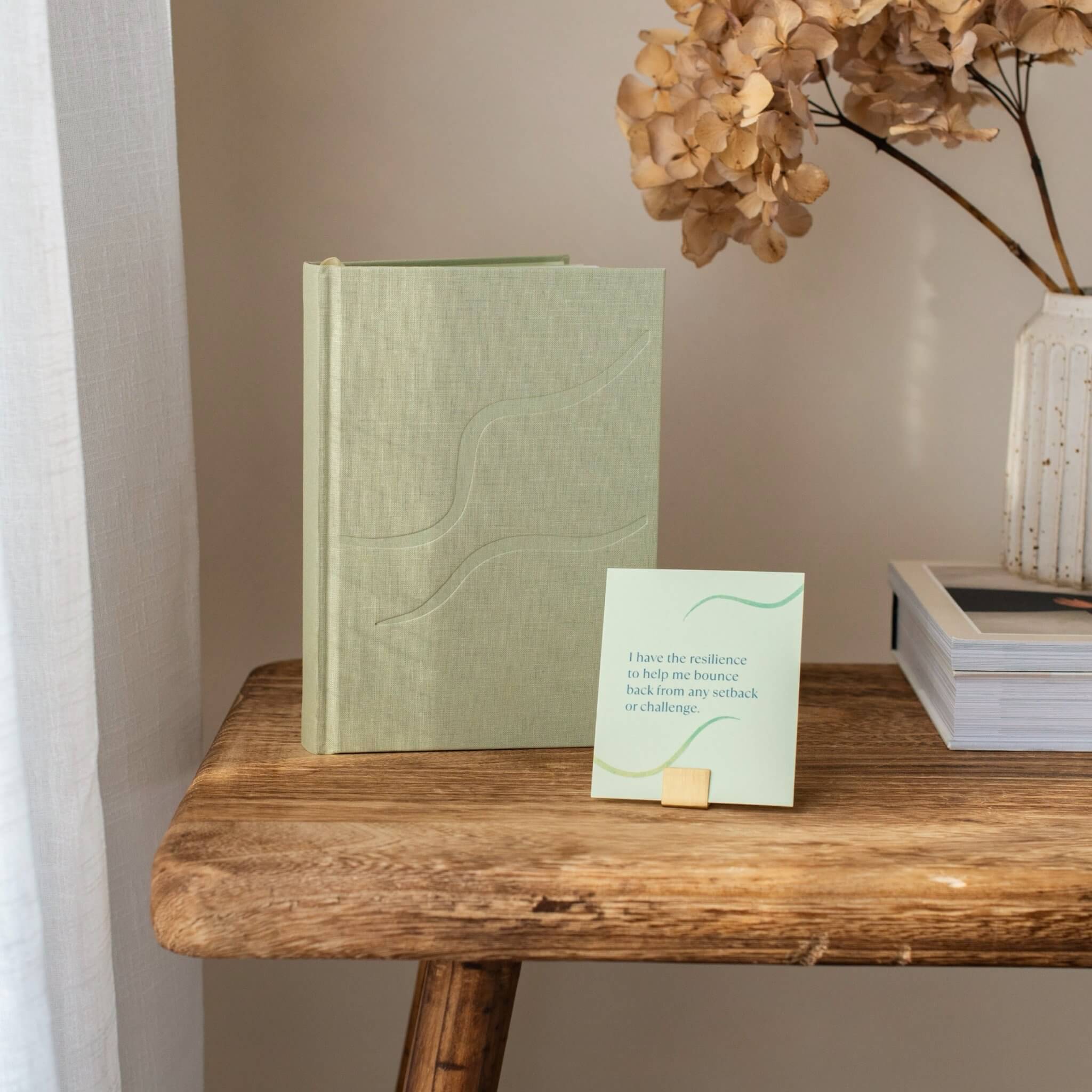
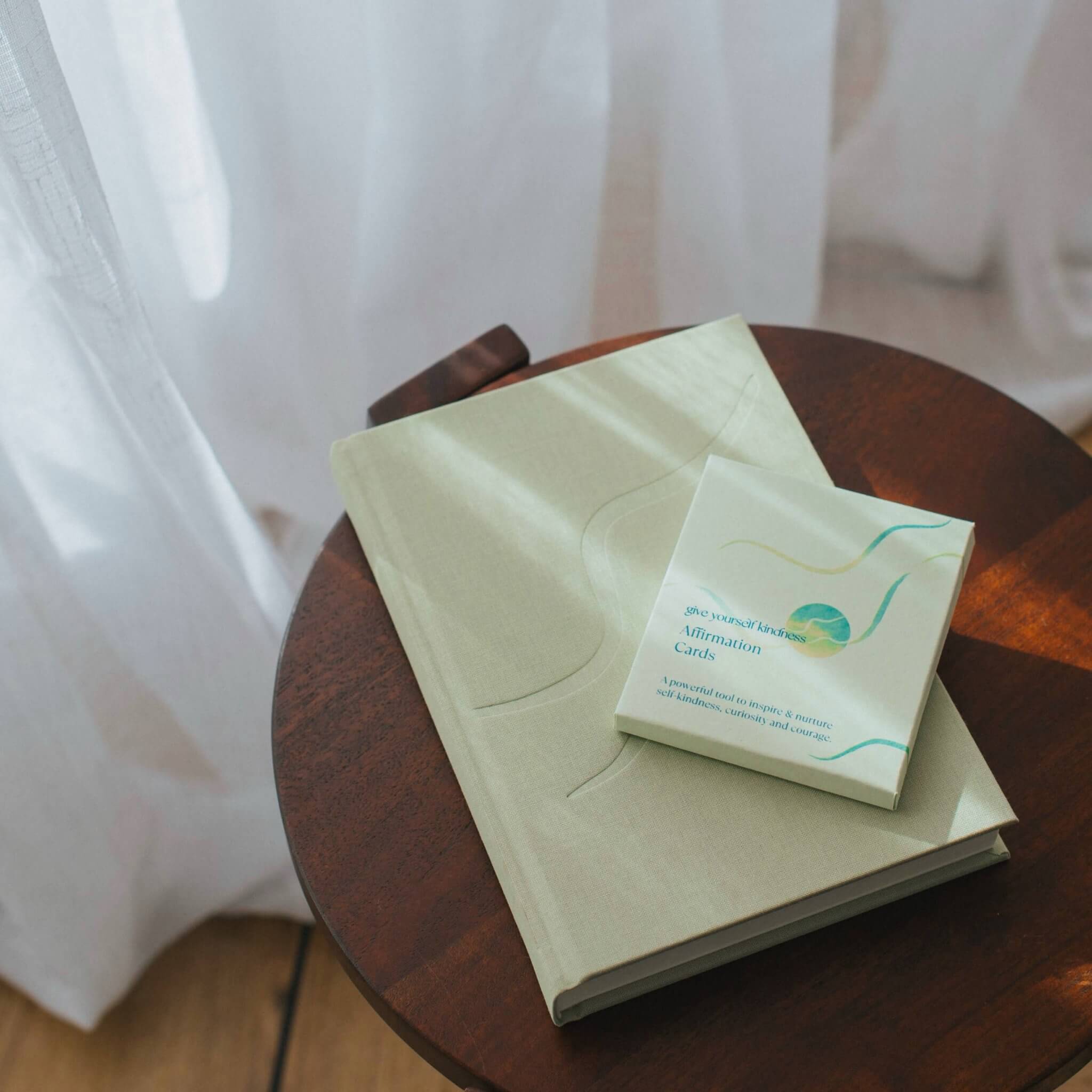
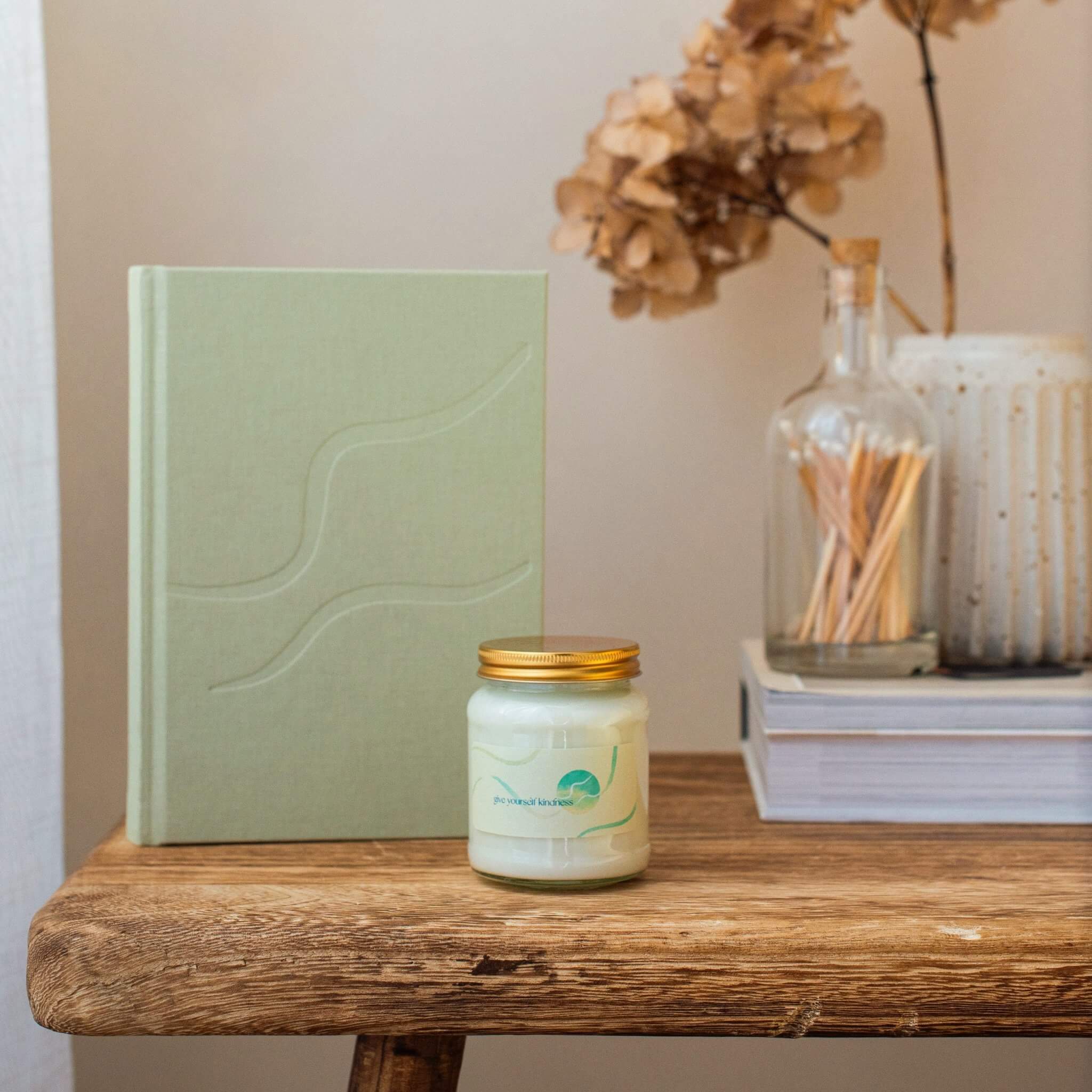
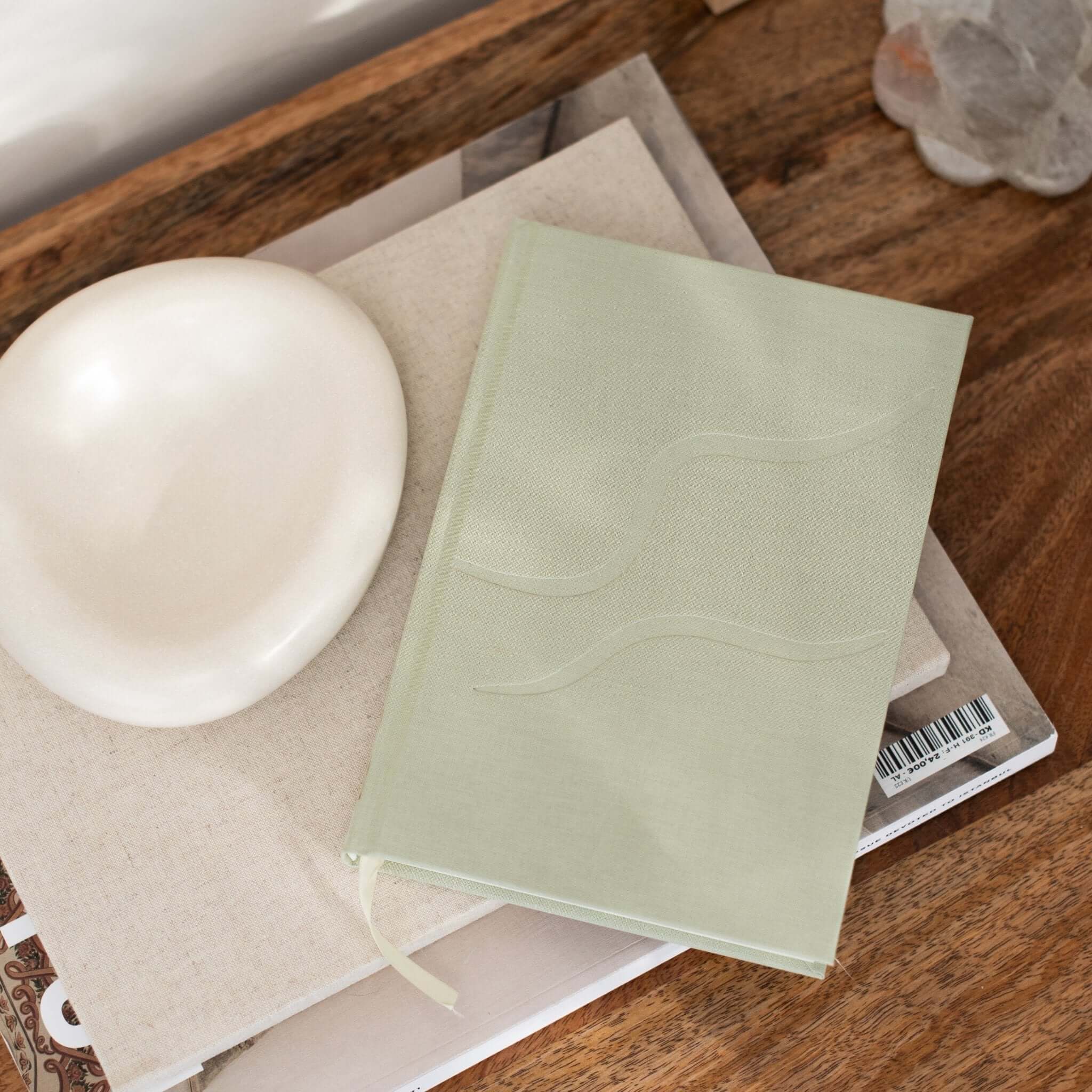
Top pick: The Give Yourself Kindness Journal includes 90 different questions exploring your emotions, values, needs, and patterns—plus tools to help you understand what you discover.
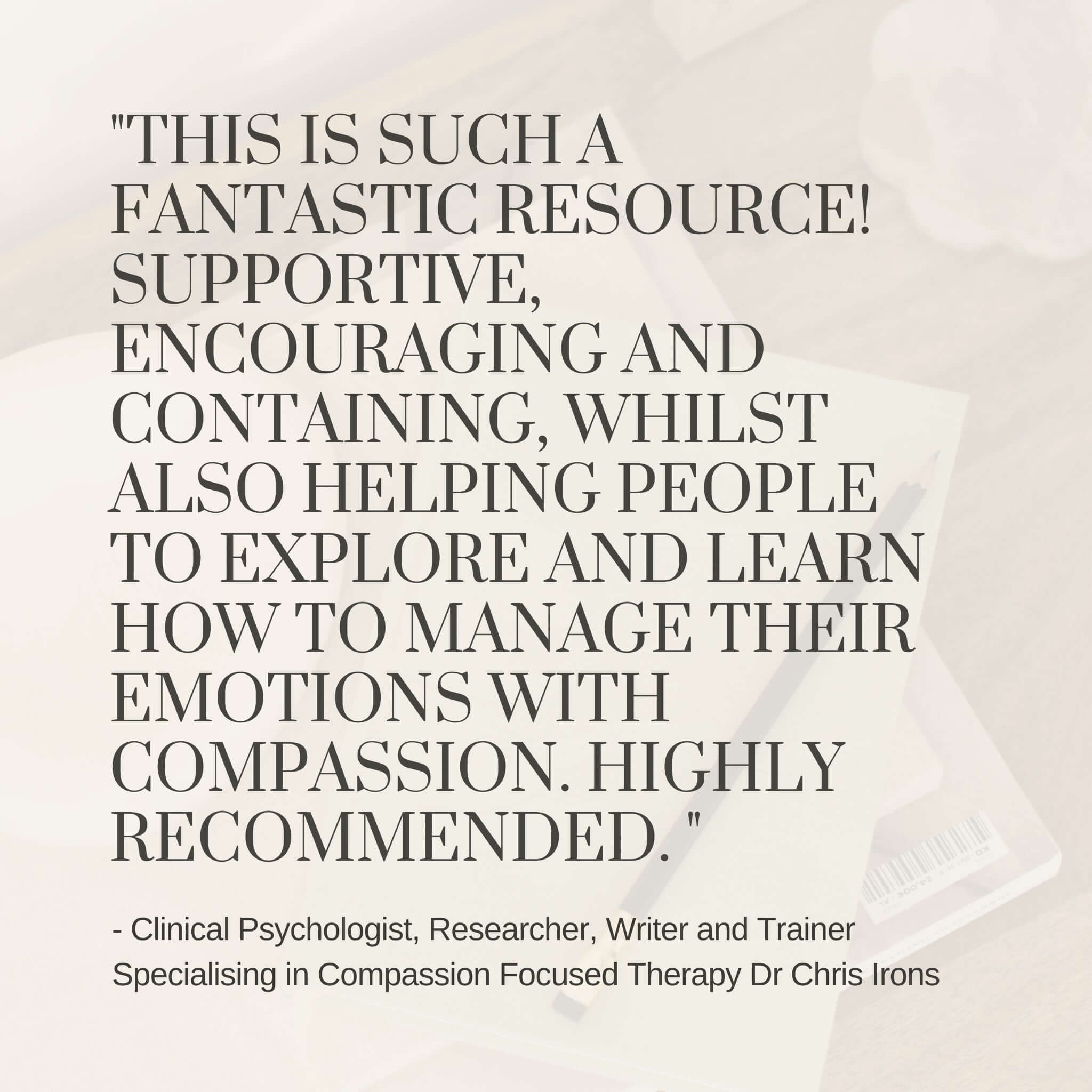
Full disclosure: This is my journal. I created it after realizing I didn't really know myself—I could describe what I did each day, but not who I was or what I actually needed. Clinical psychologists from Harvard and Oxford recommend it.
Do You Feel Like You Don't Really Know Yourself?
You can probably describe your daily routine. You know what you do for work, what you eat for lunch, where you went yesterday.
But if someone asked you:
- "How do you feel right now?"
- "What do you actually need to feel okay?"
- "When do you feel most like yourself?"
- "What patterns do you notice in how you react to things?"
...would you know how to answer?
Most of us find this really hard. We're so busy managing tasks, meeting expectations, and getting through each day that we never stop to ask: "Who am I, really?"
That's where journals can help—but not just any journal. You need one that asks the right questions to help you discover things about yourself you didn't know.
This guide will show you journals that actually help you get to know yourself—not just track what you did today.
What Makes a Journal Good for Getting to Know Yourself?
Most journals ask the wrong questions. They ask "What did you do today?" when what you need is "What does this reveal about who you are?"
1. Questions That Reveal, Not Just Record
Bad question: "What did you accomplish today?"
(This tells you what you DID, not who you ARE)
Good question: "What emotions did you notice today and what do they tell you about what you need?"
(This reveals something about who you are)
Look for: Questions that make you think "Hmm, I never considered that" not "Yep, went to work, had lunch."
2. Explores Different Parts of Who You Are
You're not just your emotions. You're not just your goals. To really know yourself, you need to explore:
- Your emotions: What you feel (and why that matters)
- Your values: What's actually important to you
- Your needs: What you require to feel okay
- Your patterns: How you typically respond to things
- Your self-talk: How you speak to yourself
Red flag: Journals that only focus on one thing (just gratitude, just goals, just emotions). You need the full picture.
3. Different Questions Each Time
Why this matters: If you see "What are you grateful for?" every single day for a year, you stop thinking and start just filling in the blank.
Different questions force you to look at yourself from new angles. Some days you're thinking about emotions, other days about what you need, other days about patterns you notice.
Look for: Varied questions that keep you genuinely discovering yourself.
Red flag: Same questions daily (your brain goes on autopilot and you stop learning new things about yourself).
4. Helps You Understand Your Emotions
Your emotions are like a dashboard—they tell you what's working and what isn't. But most of us were never taught how to read them.
Look for: Journals with emotion guides (like feelings wheels) that help you identify specific emotions. Not just "I feel bad" but "Oh, I'm feeling disappointed. And underneath that, maybe a bit lonely."
Research shows that simply naming an emotion reduces its intensity. Learning to identify your emotions is a huge part of knowing yourself.
5. Encourages Kindness Toward What You Discover
When you start getting to know yourself, you'll discover things you're not thrilled about. Patterns you wish you didn't have. Emotions you'd rather not feel.
Look for: Journals that encourage self-compassion—responding to yourself with kindness when you notice something difficult.
Research by Dr. Kristin Neff shows self-compassion helps you face uncomfortable truths about yourself, which paradoxically makes change easier.
Red flag: Journals that make you feel bad about yourself or imply you need to "fix" what you discover.
6. No Pressure to Be Perfect
Look for: Undated journals. Some weeks you'll journal every day; other weeks you won't. Getting to know yourself isn't a straight line—it's messy and that's okay.
Red flag: Dated journals where missed days make you feel guilty. Guilt gets in the way of genuine self-discovery.
Journals to Get to Know Yourself Compared
| Journal | Helps You Discover | Question Variety | Best For |
|---|---|---|---|
| Give Yourself Kindness | Emotions, values, needs, patterns, self-talk | ✓ 90 days of varied prompts | Really getting to know yourself |
| Blank Journal | Depends entirely on you | N/A (you write freely) | If you already know what questions to ask yourself |
| Q&A a Day | How your answers change over years | ✗ Same 365 questions yearly | Long-term perspective, not present discovery |
| Gratitude Journals | What you appreciate only | ✗ Same daily | Gratitude habit, not self-discovery |
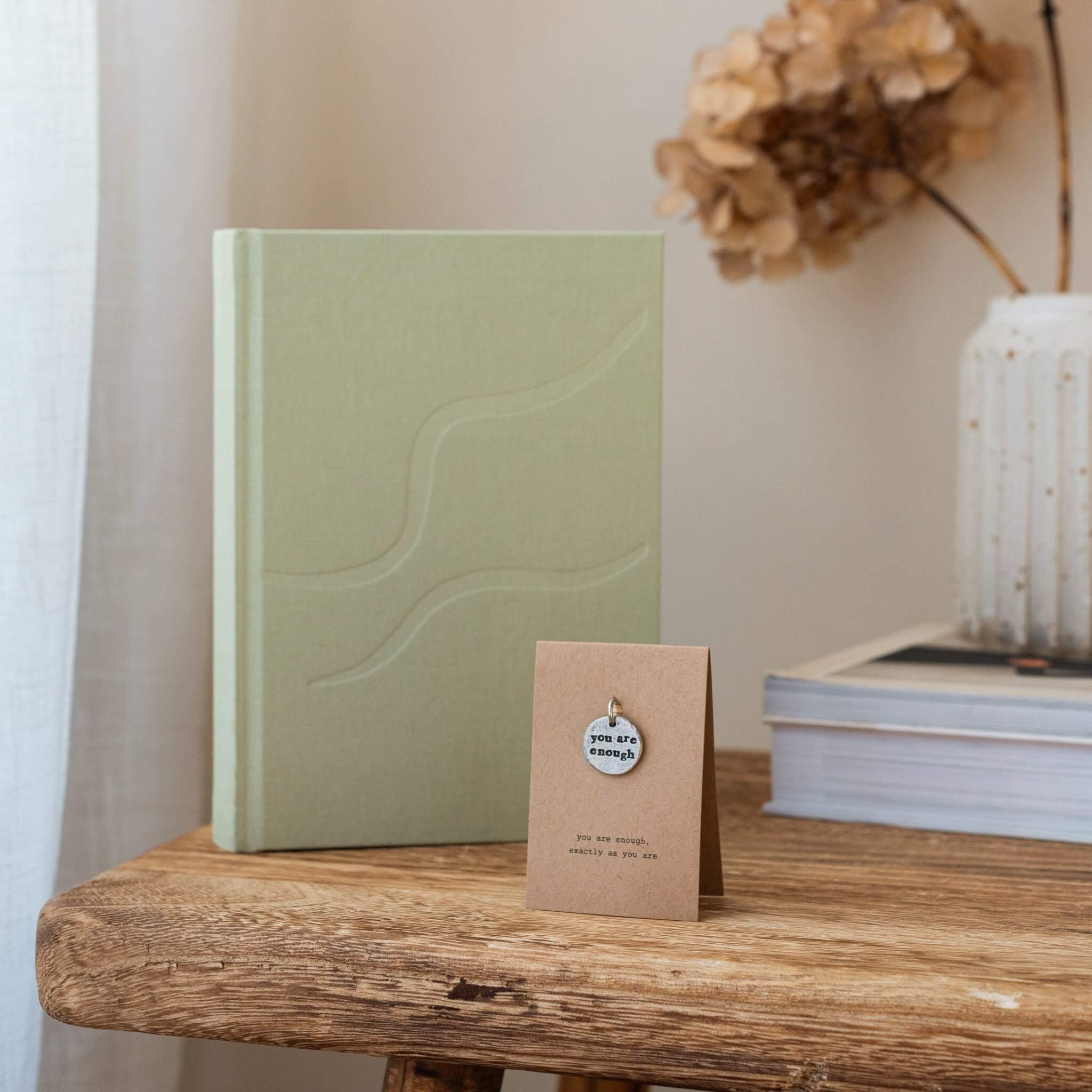
The Give Yourself Kindness Journal
Transparency: This is my journal. I created it because I felt like a stranger to myself and needed help figuring out who I actually was.
- If you feel like you don't really know yourself
- Want to understand what you actually feel, need, and value
- Need questions that make you think, not just record
- Want to discover patterns you haven't noticed before
How It Helps You Get to Know Yourself:
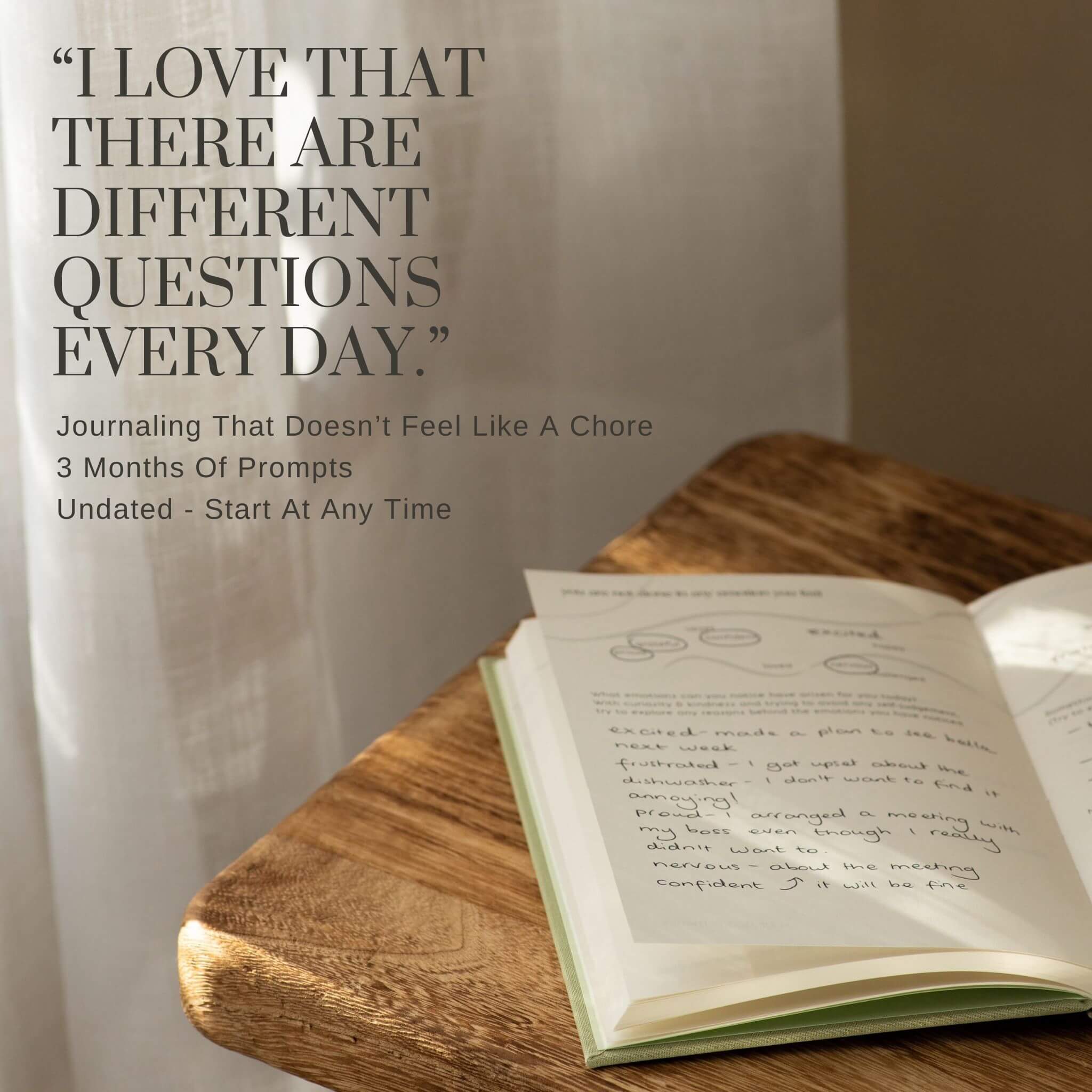
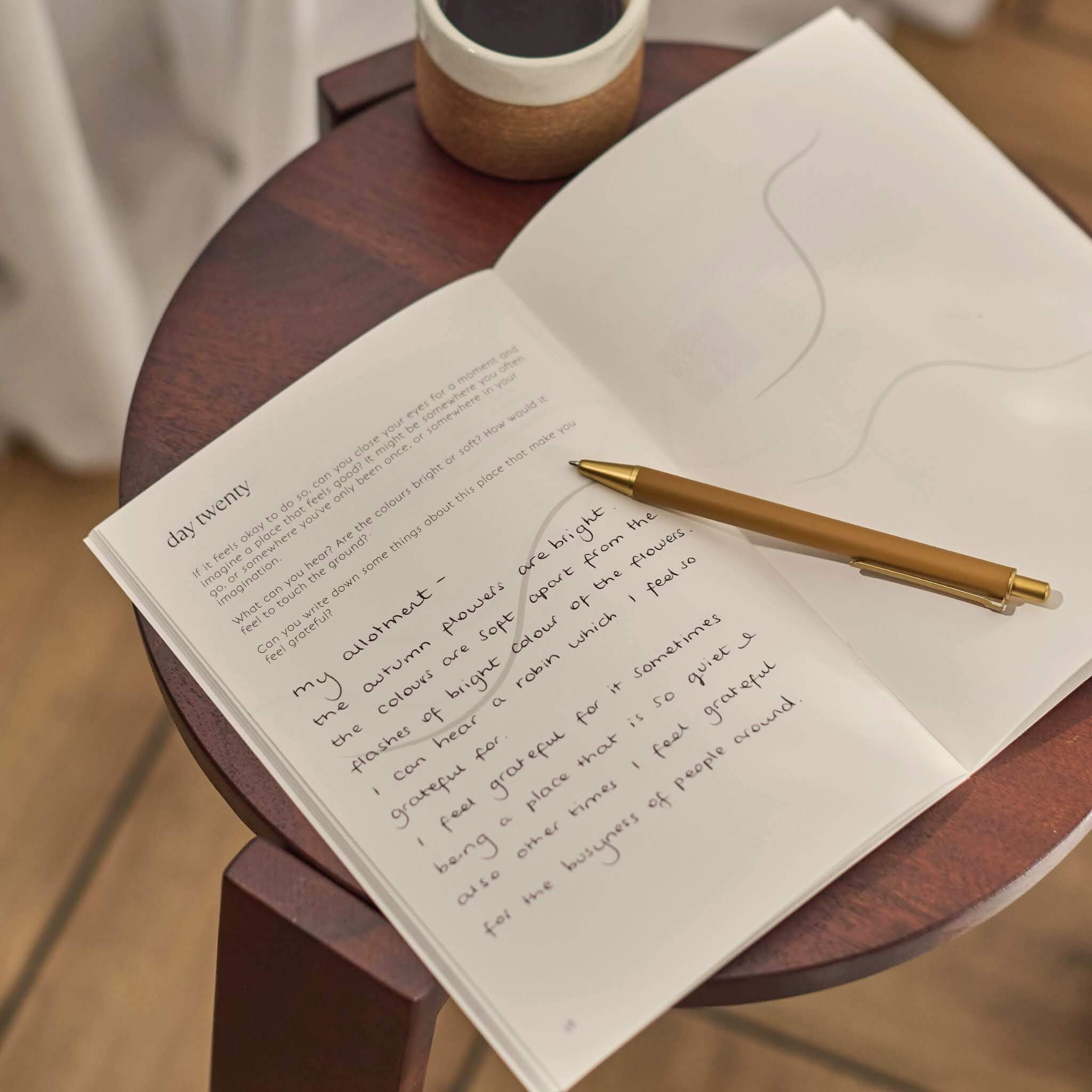
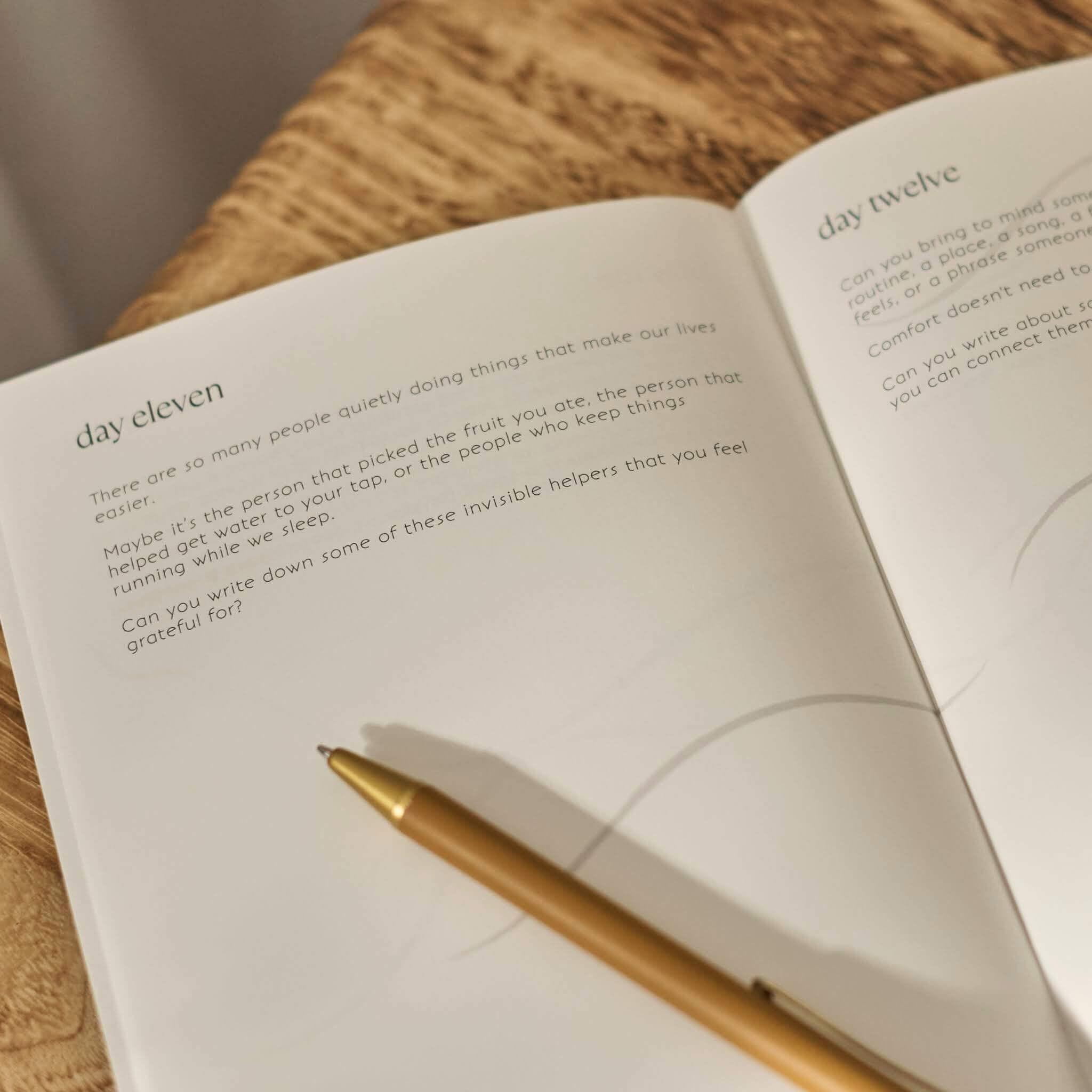
90 completely different questions
You'll never see the same question twice. Each page explores you from a different angle:
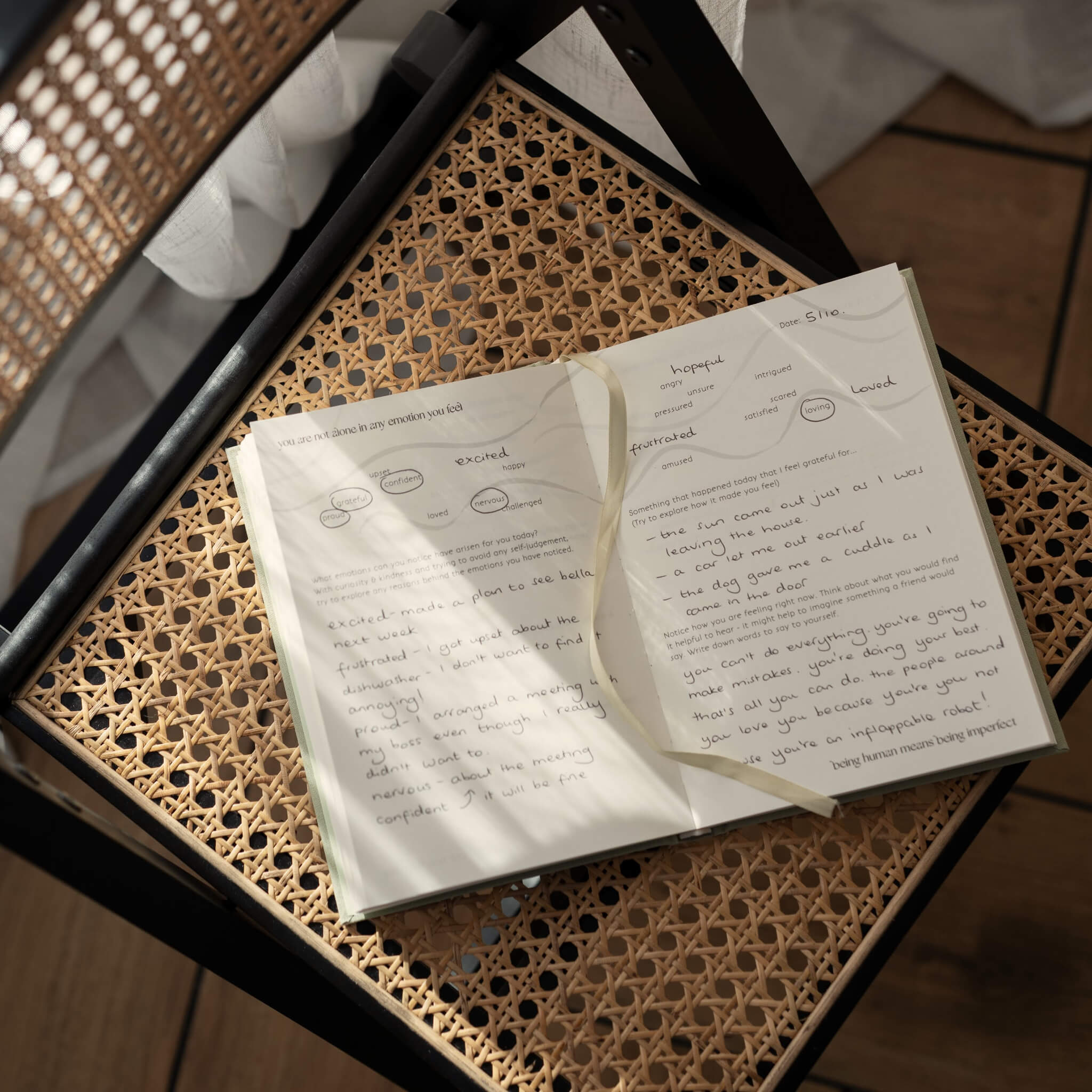
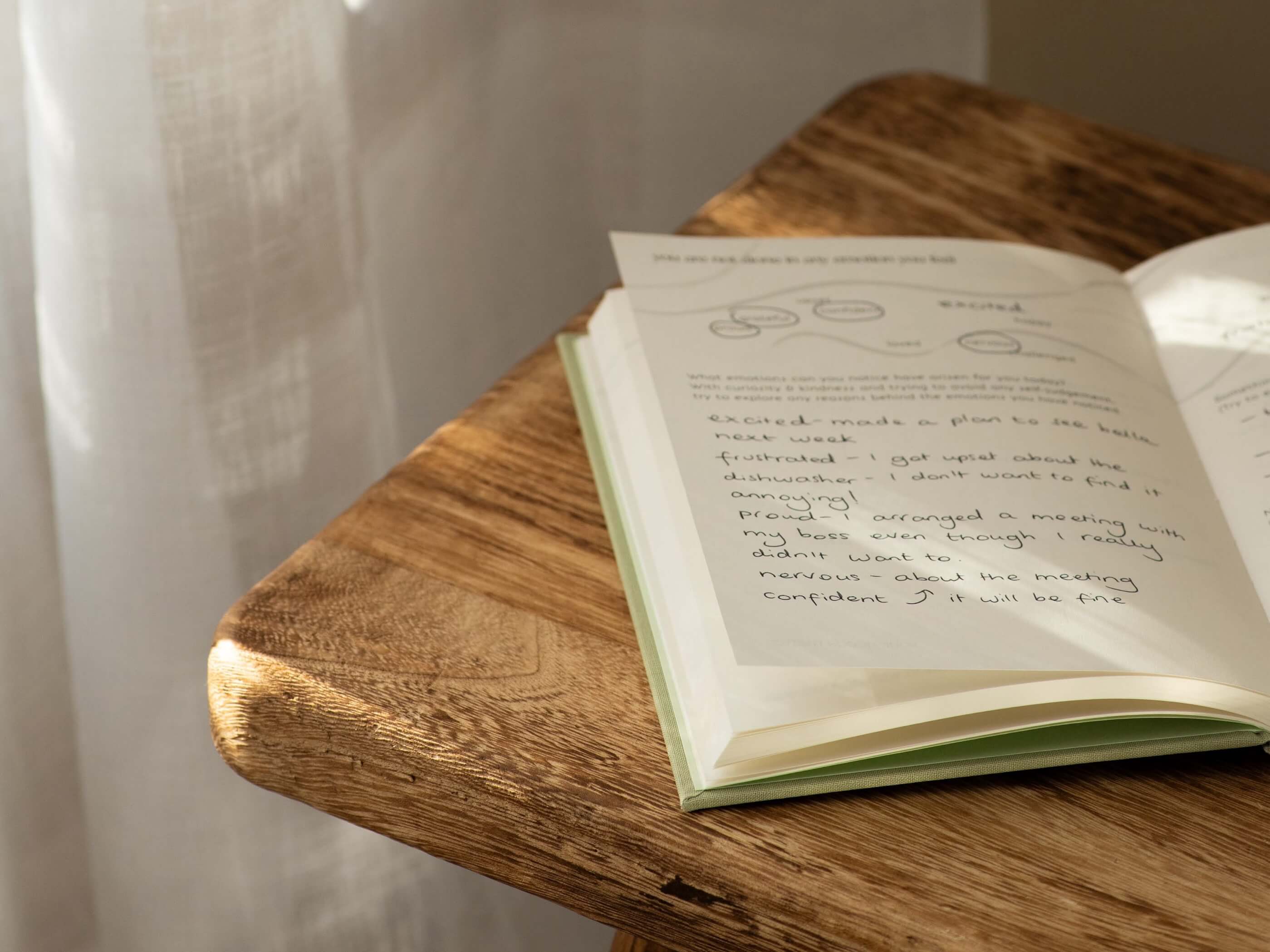
- Understanding your emotions: "What emotions can you notice today? What do they tell you about what you need?"
- Discovering your values: "What feels most important to you right now? Why?"
- Identifying your needs: "What do you need more of in your life?"
- Noticing your patterns: "When do you feel most like yourself?"
- Hearing your self-talk: "Notice what you said to yourself today. Would you speak to a friend that way?"
- Understanding relationships: "Who makes you feel most understood? What creates that feeling?"
- Recognizing growth: "Think of something you once struggled with but now handle more easily. How have you changed?"
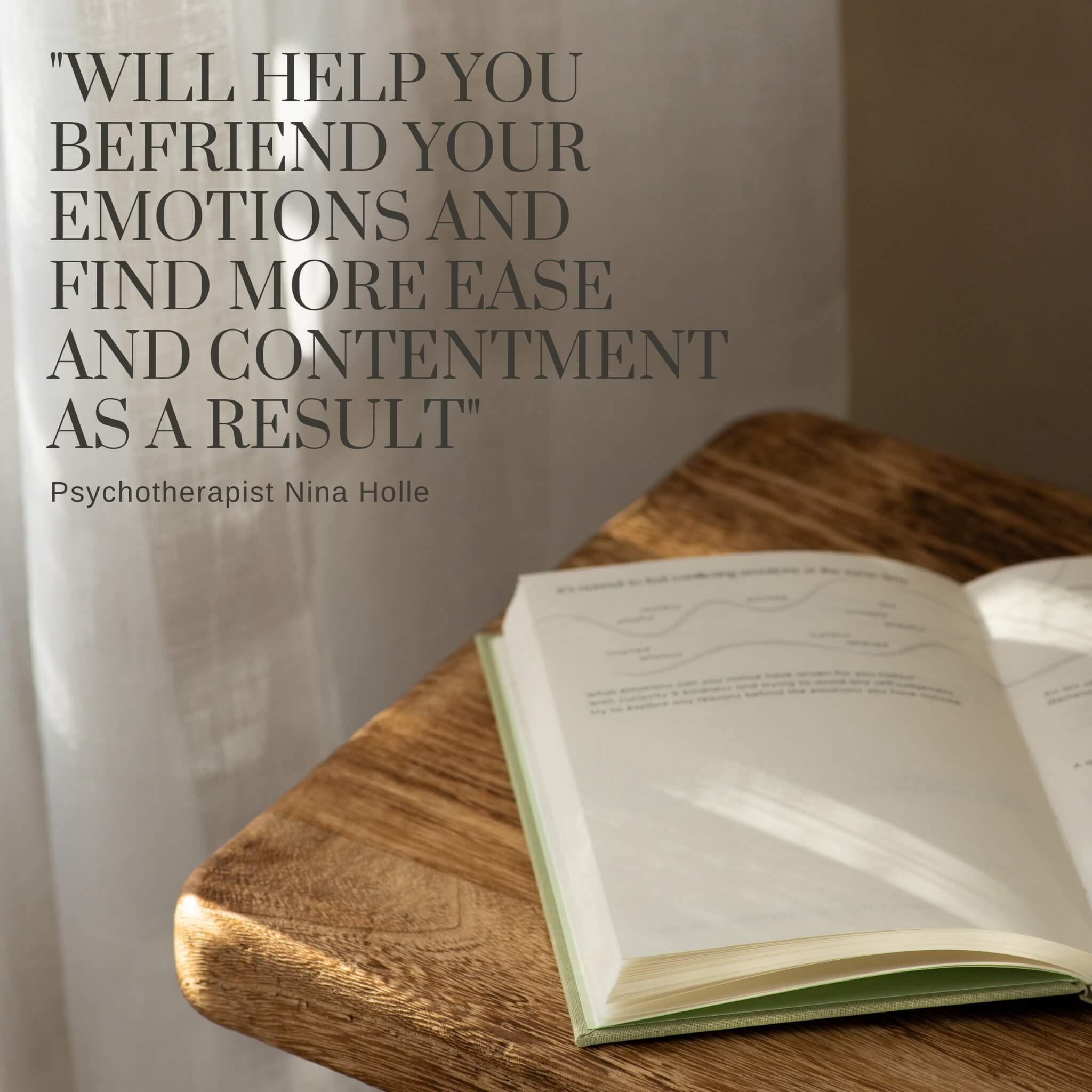
Emotion guide on every page
A visual tool that helps you identify specific emotions when you can't name what you're feeling. Because understanding your emotions is key to knowing yourself.
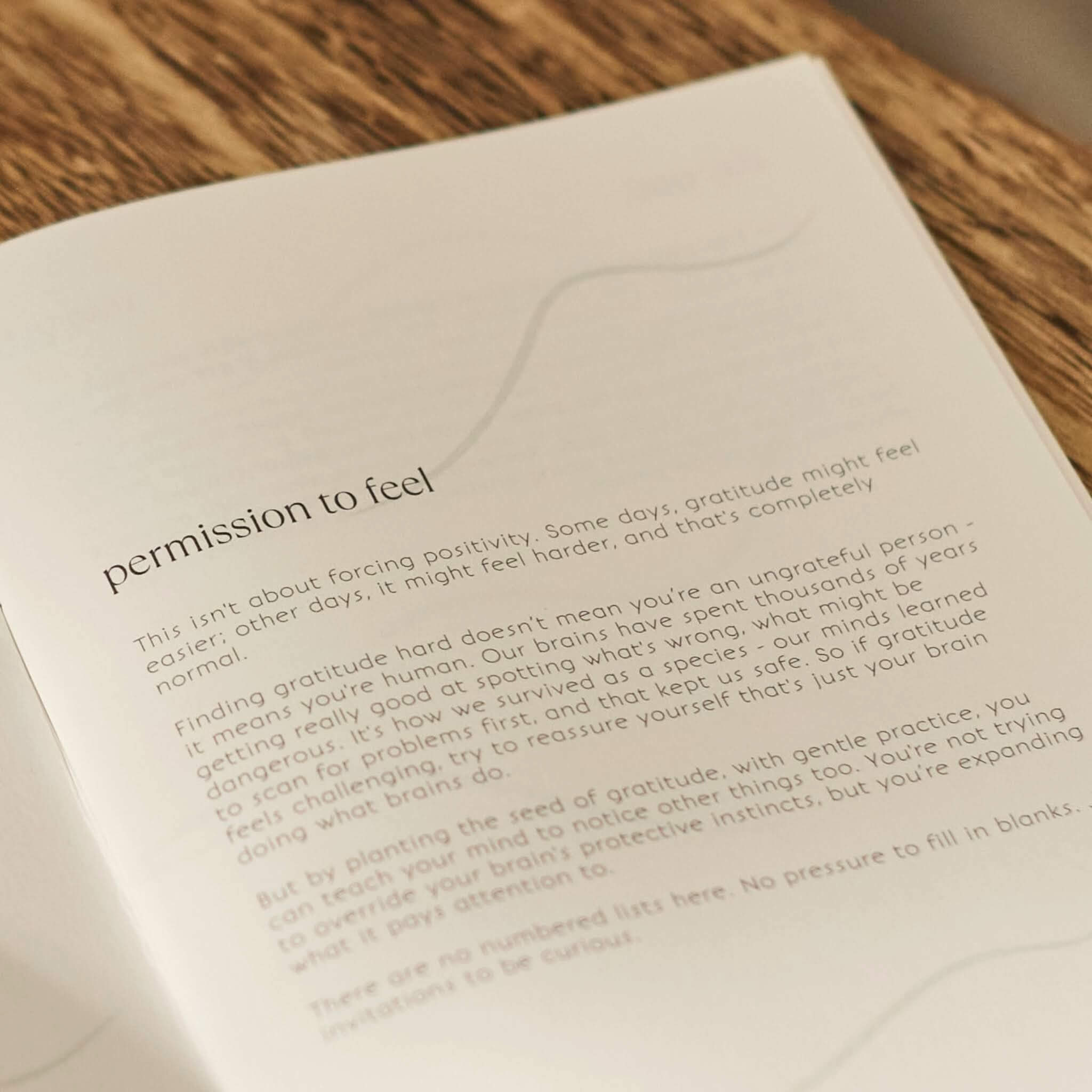
Encourages self-compassion
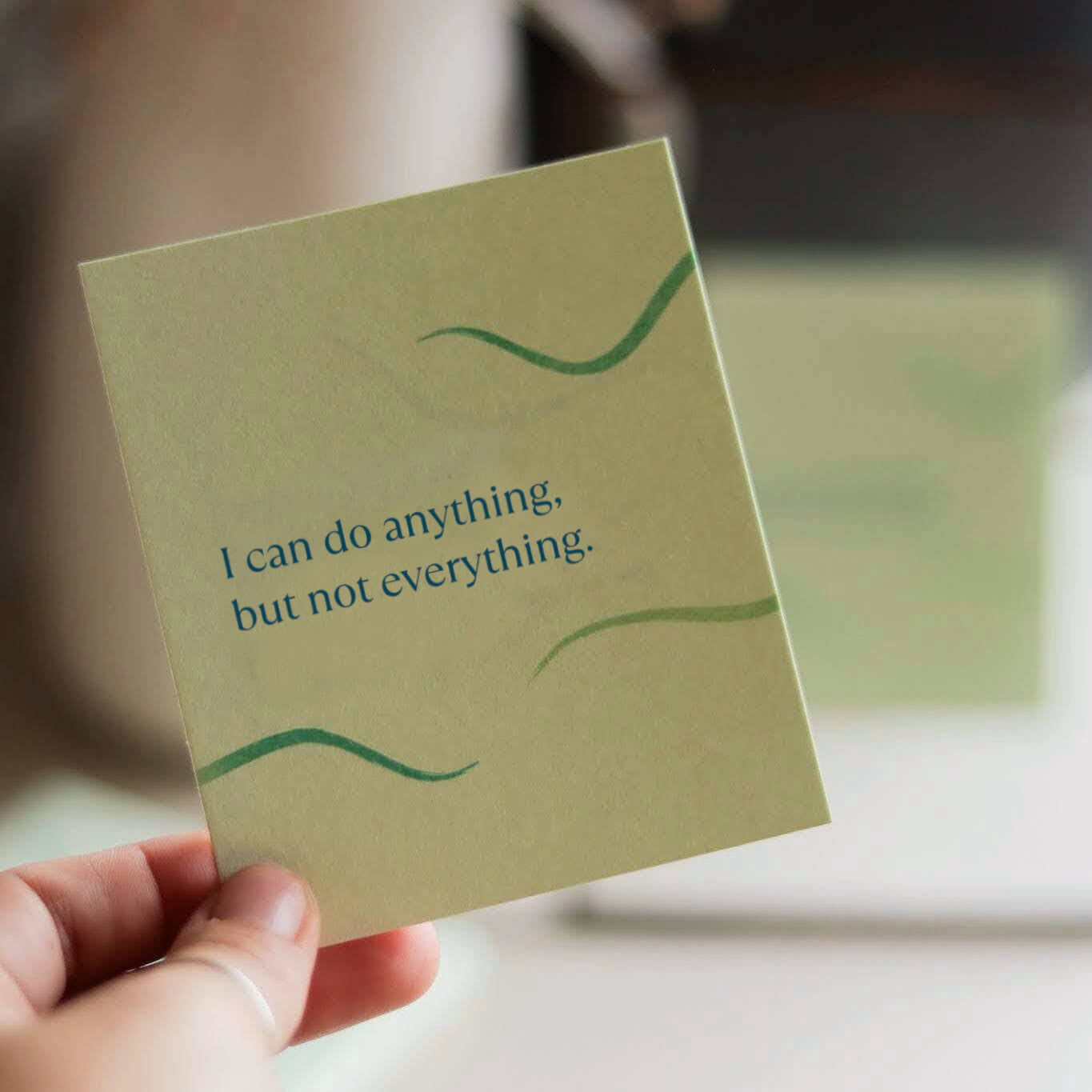
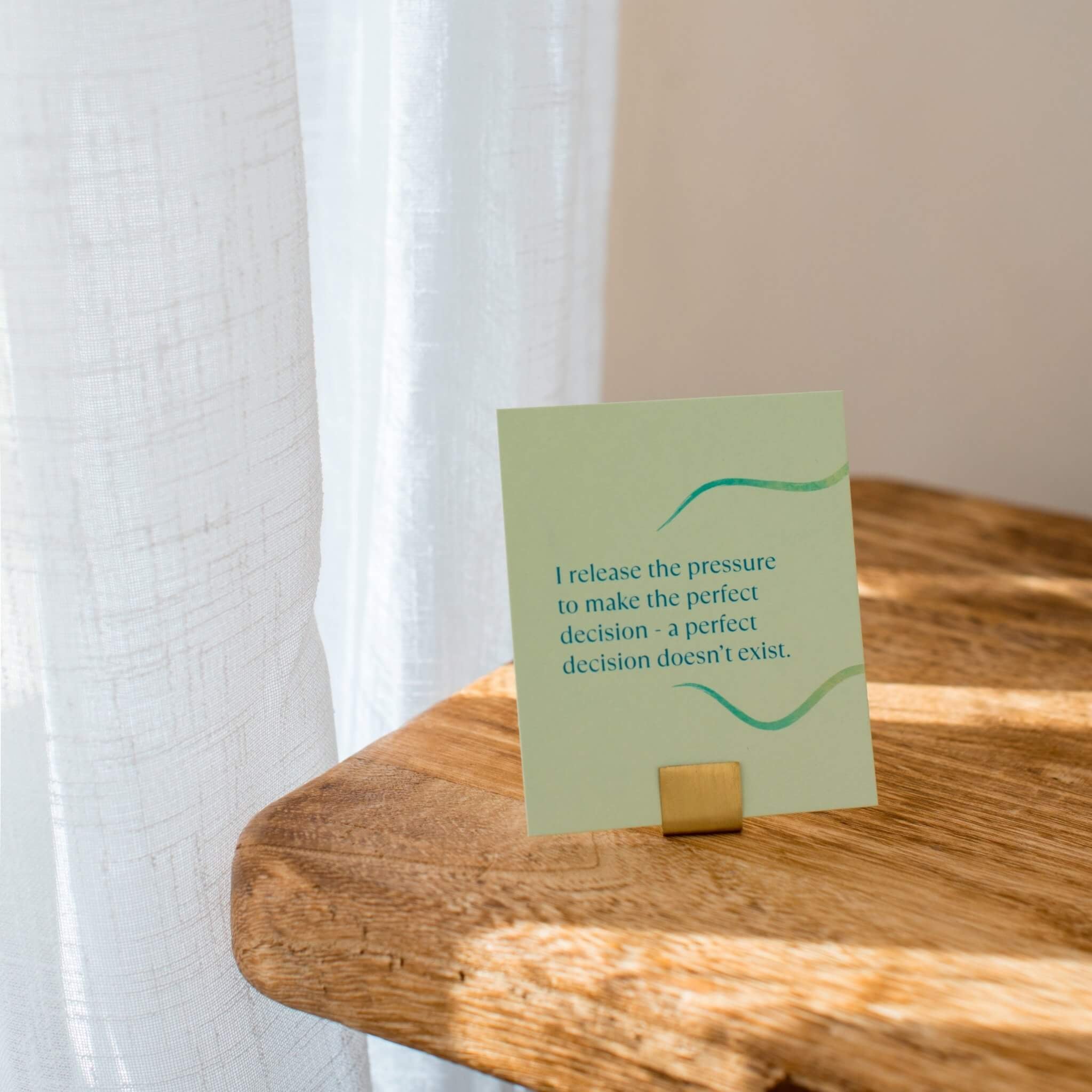
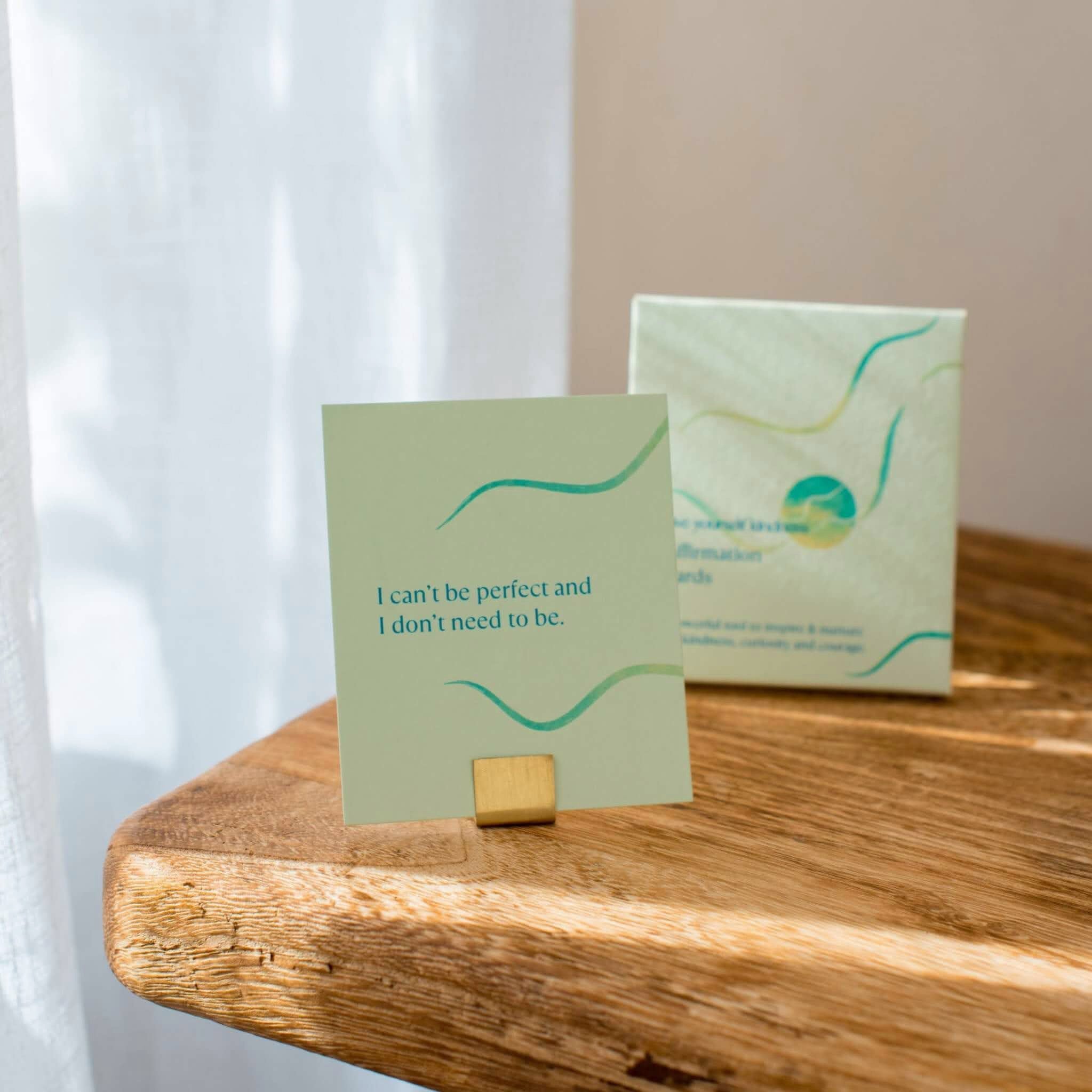
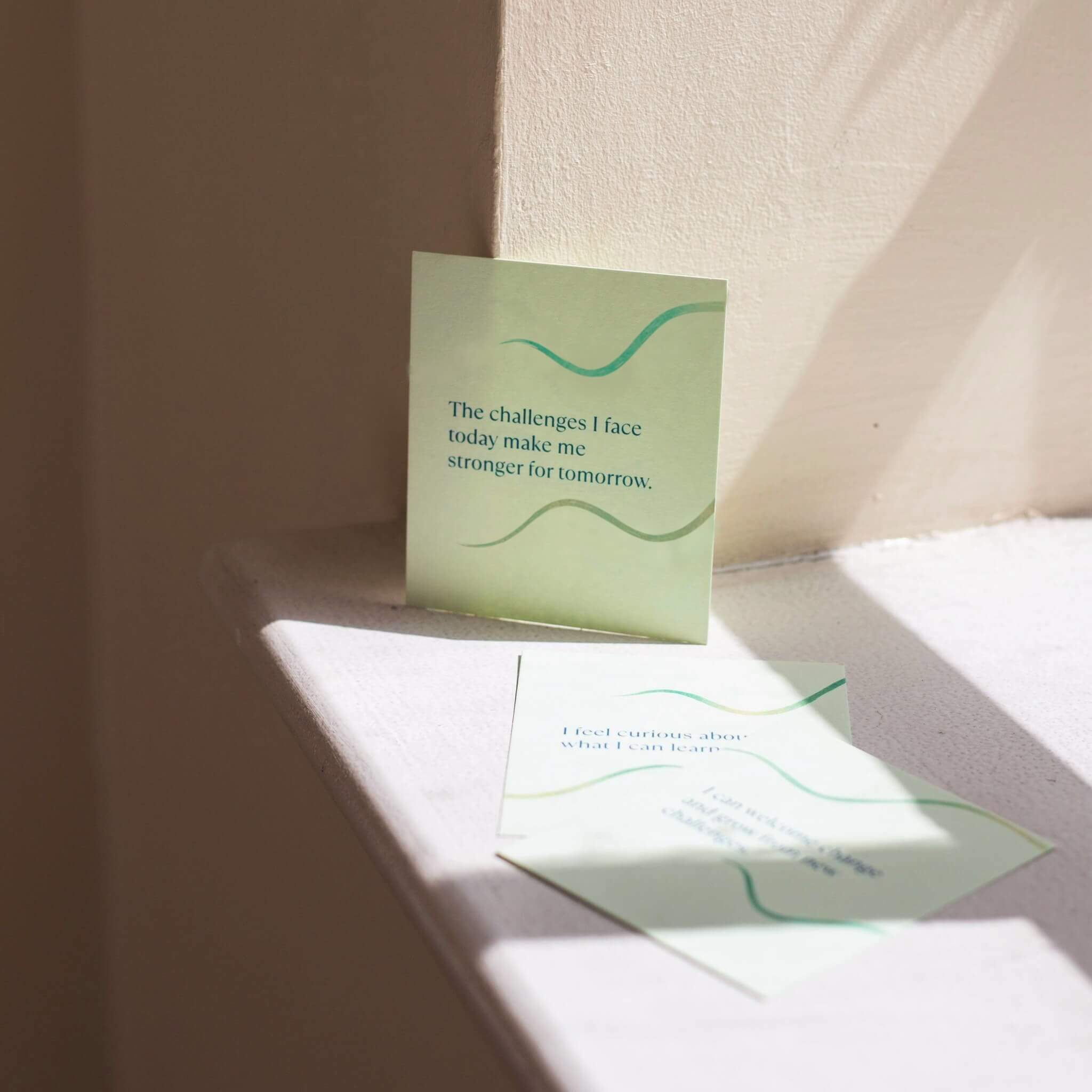
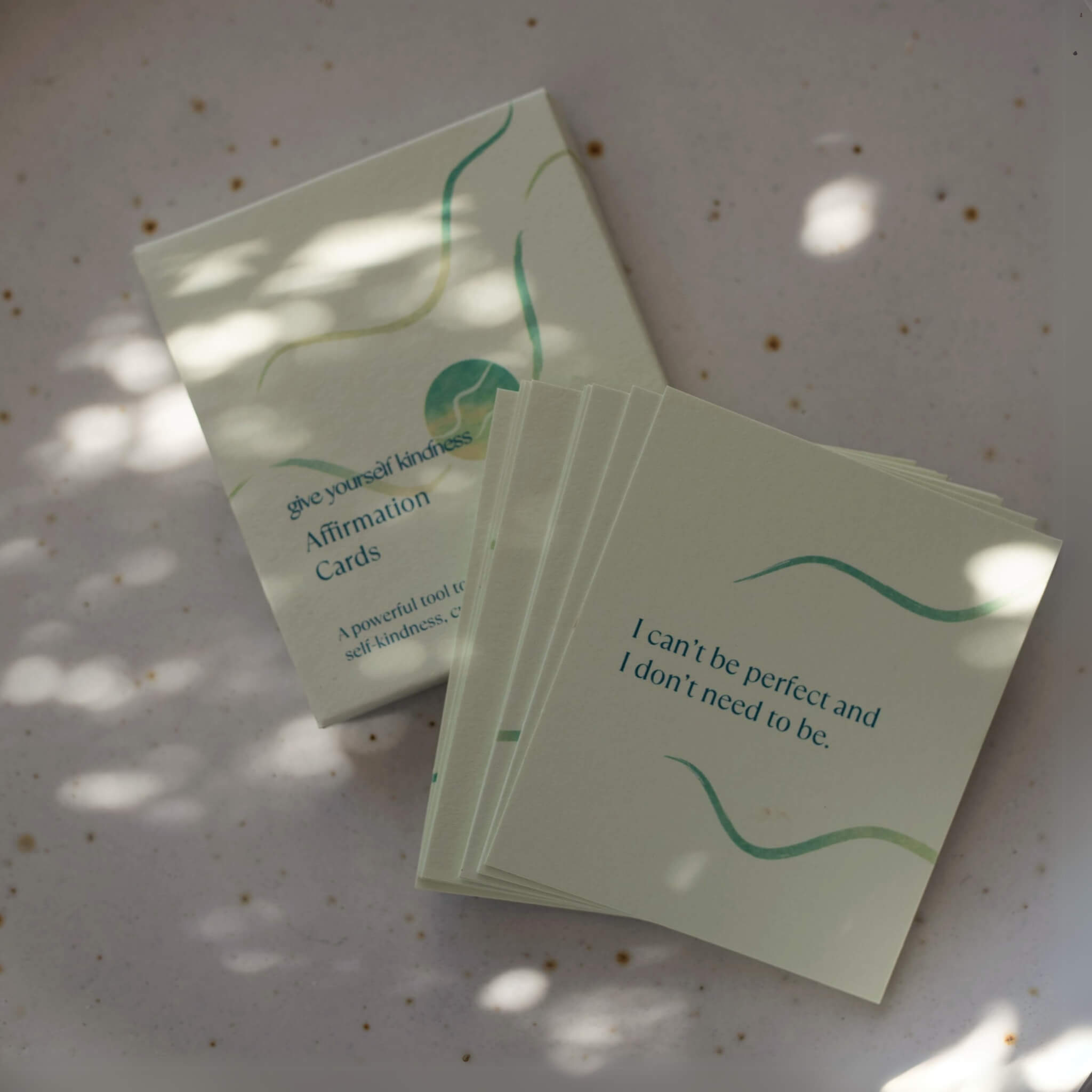
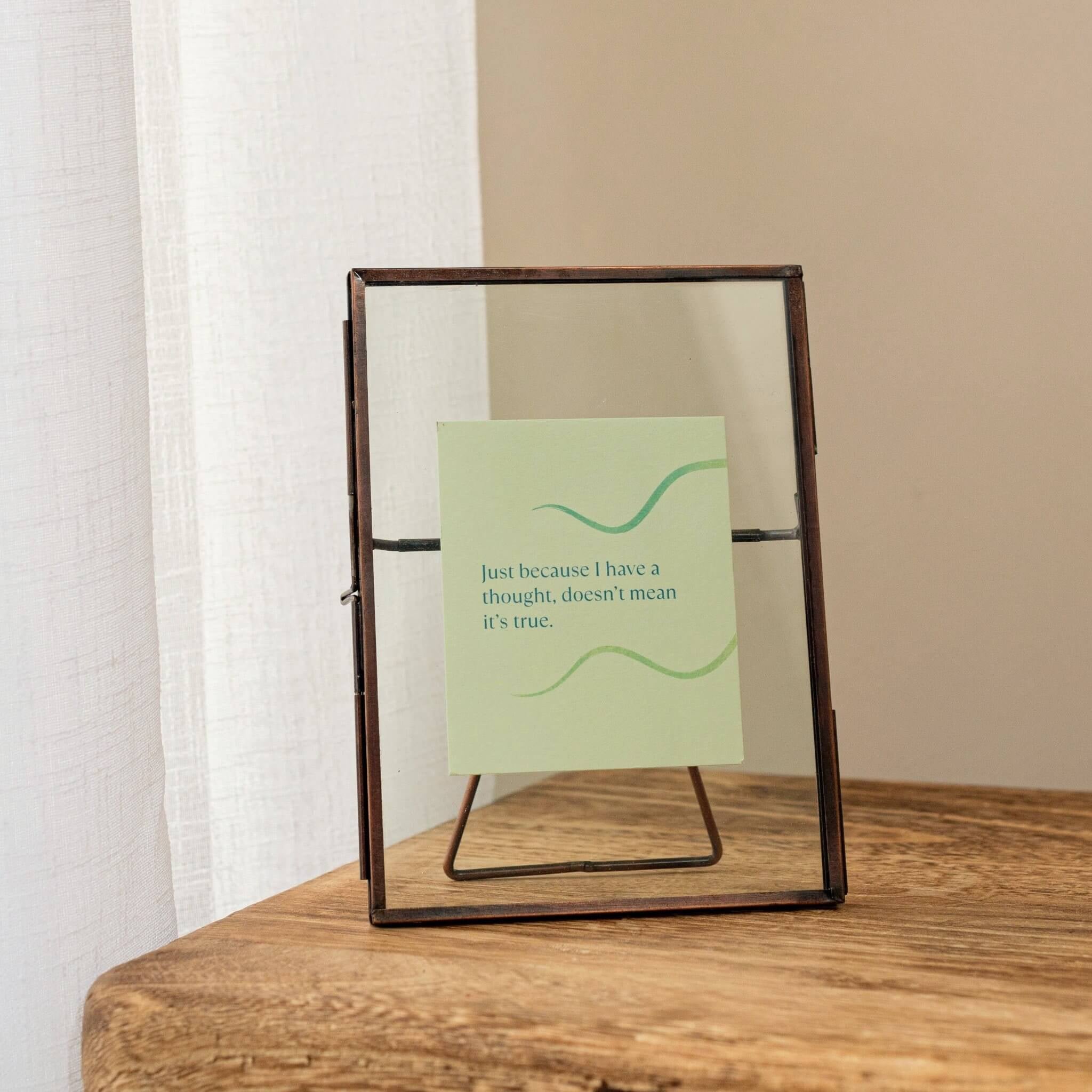
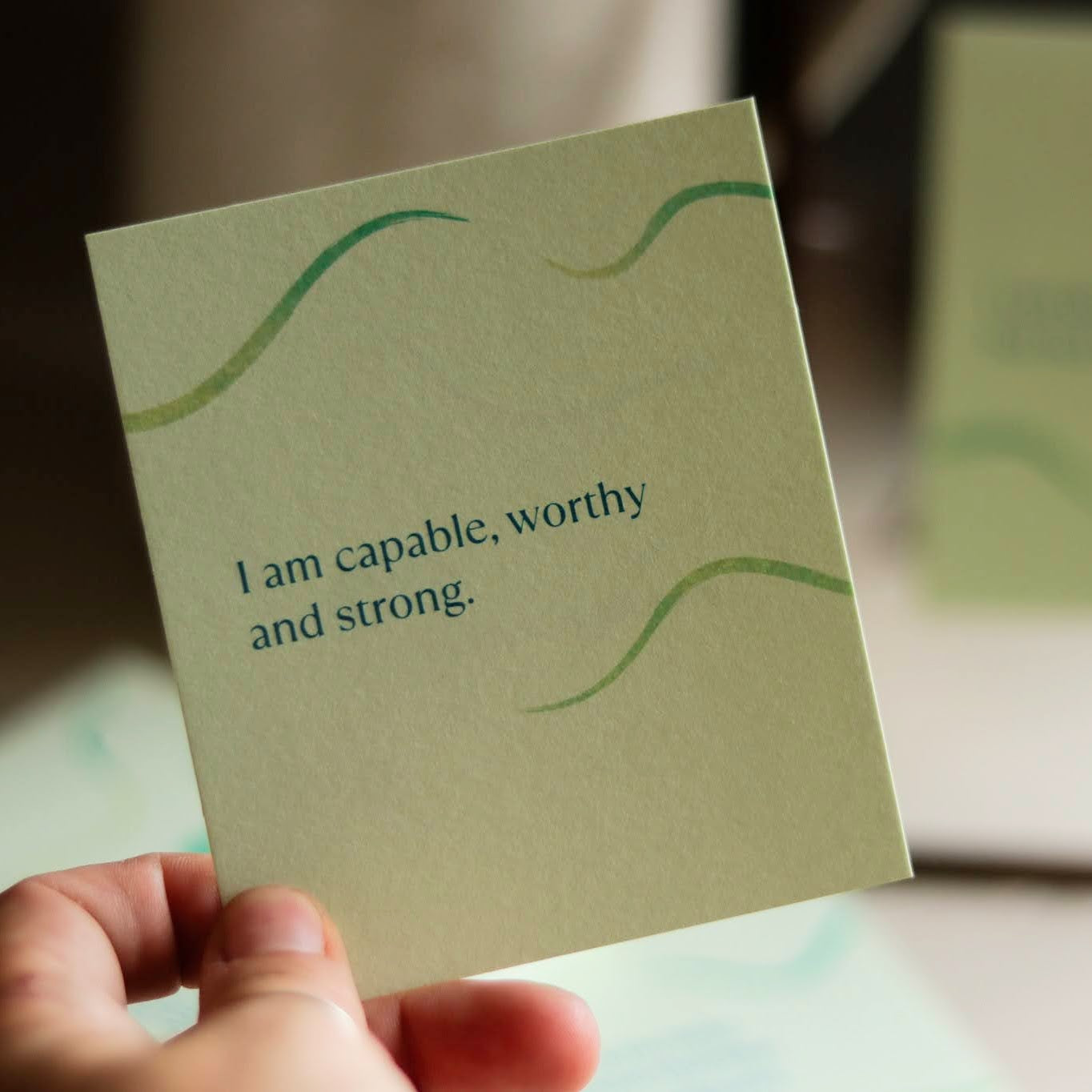
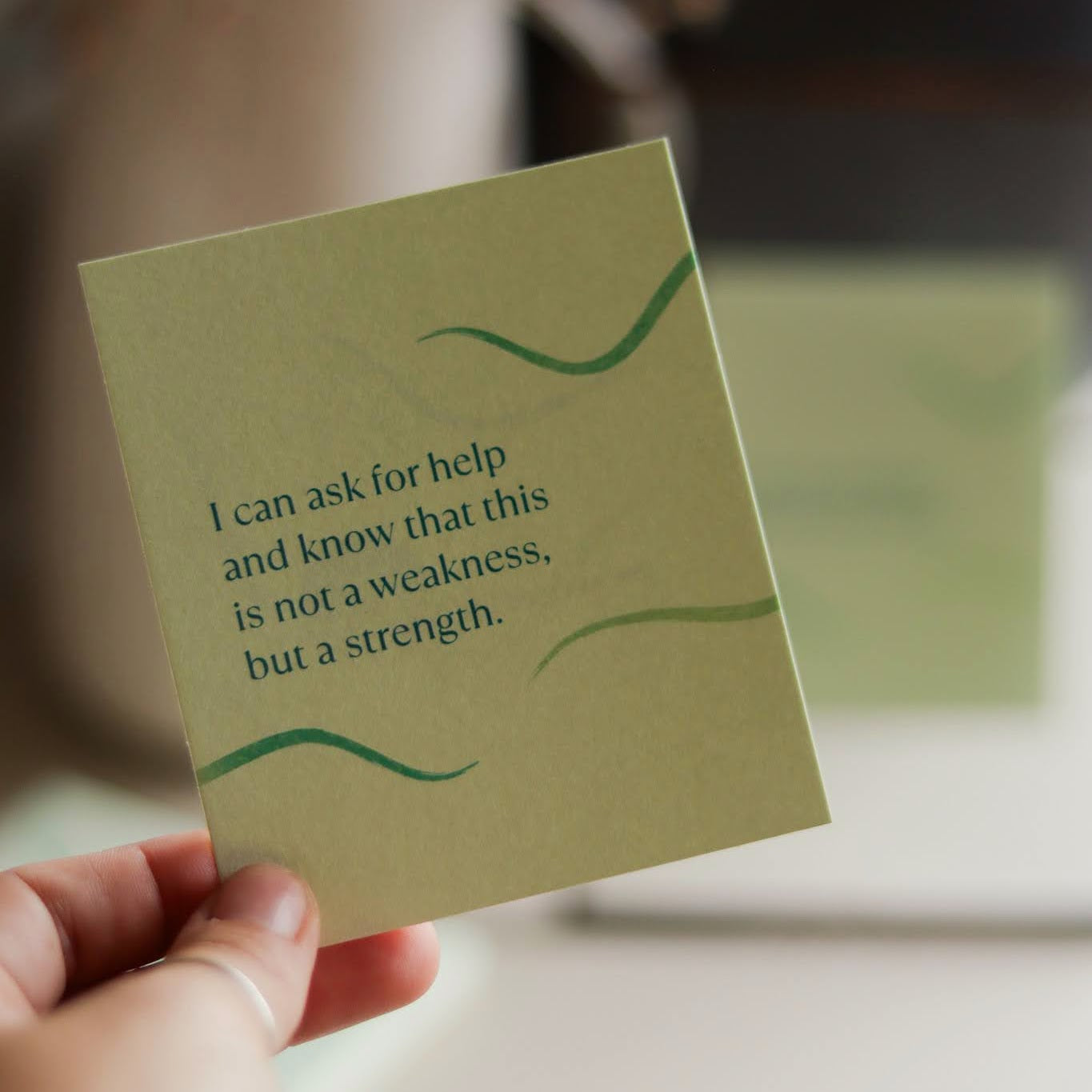
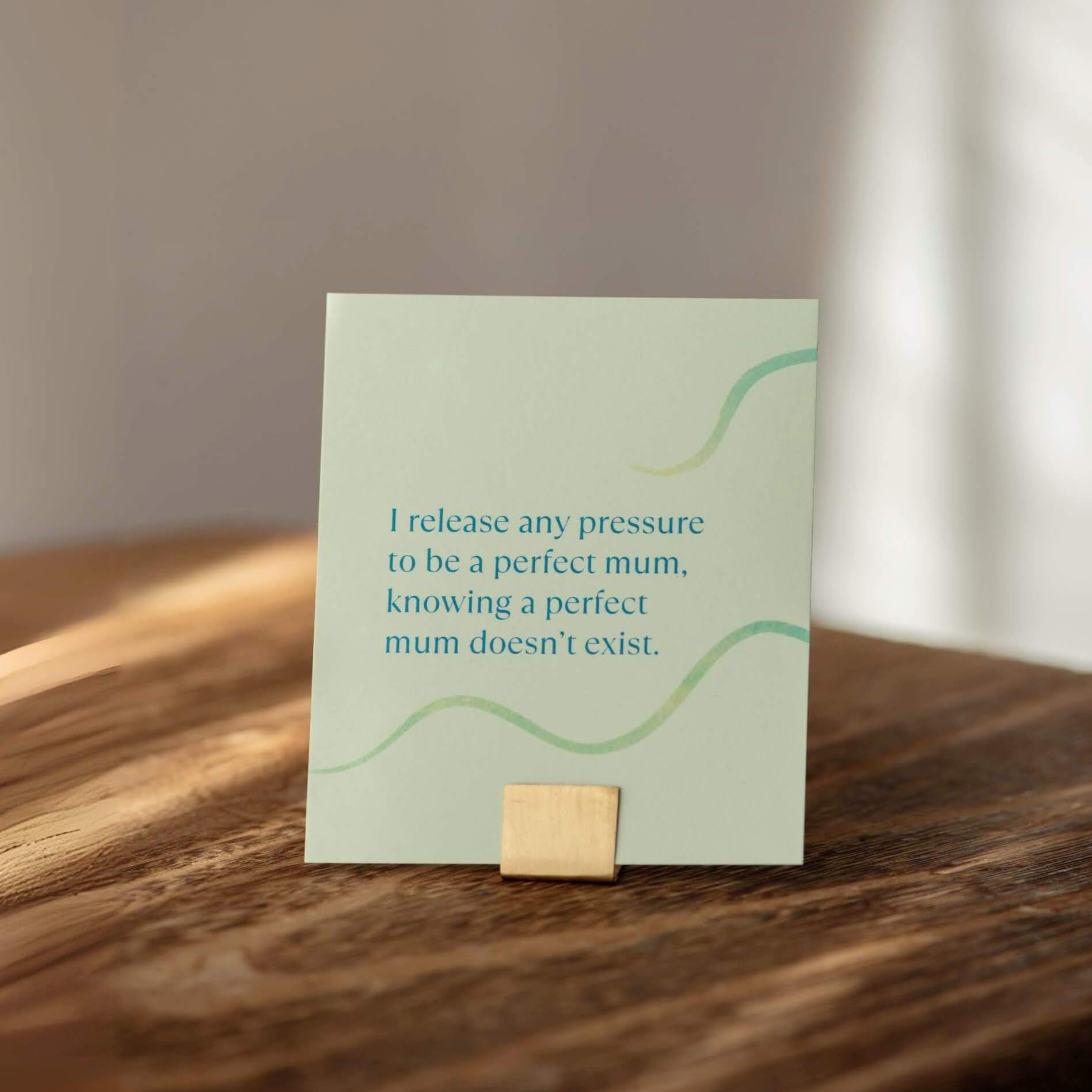
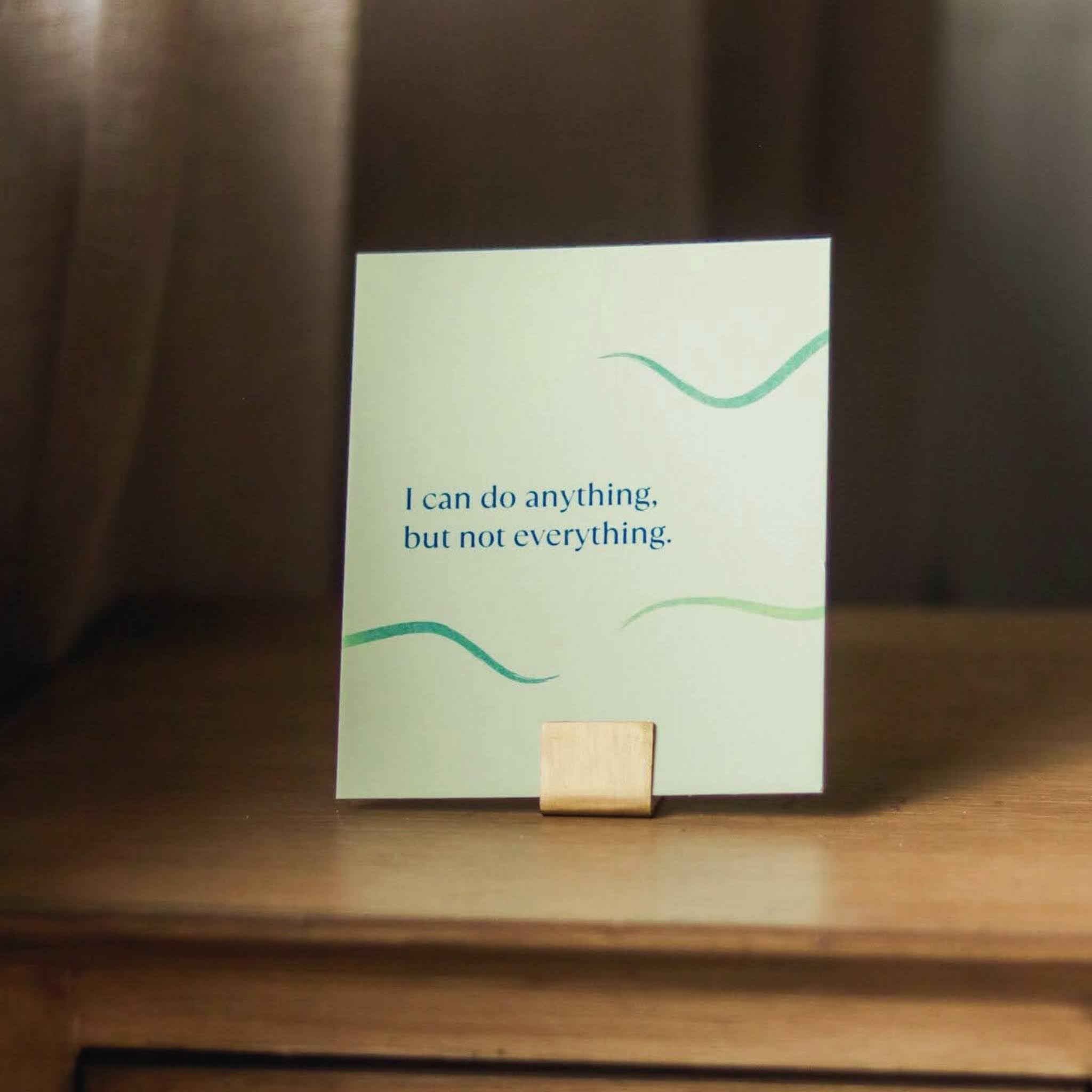
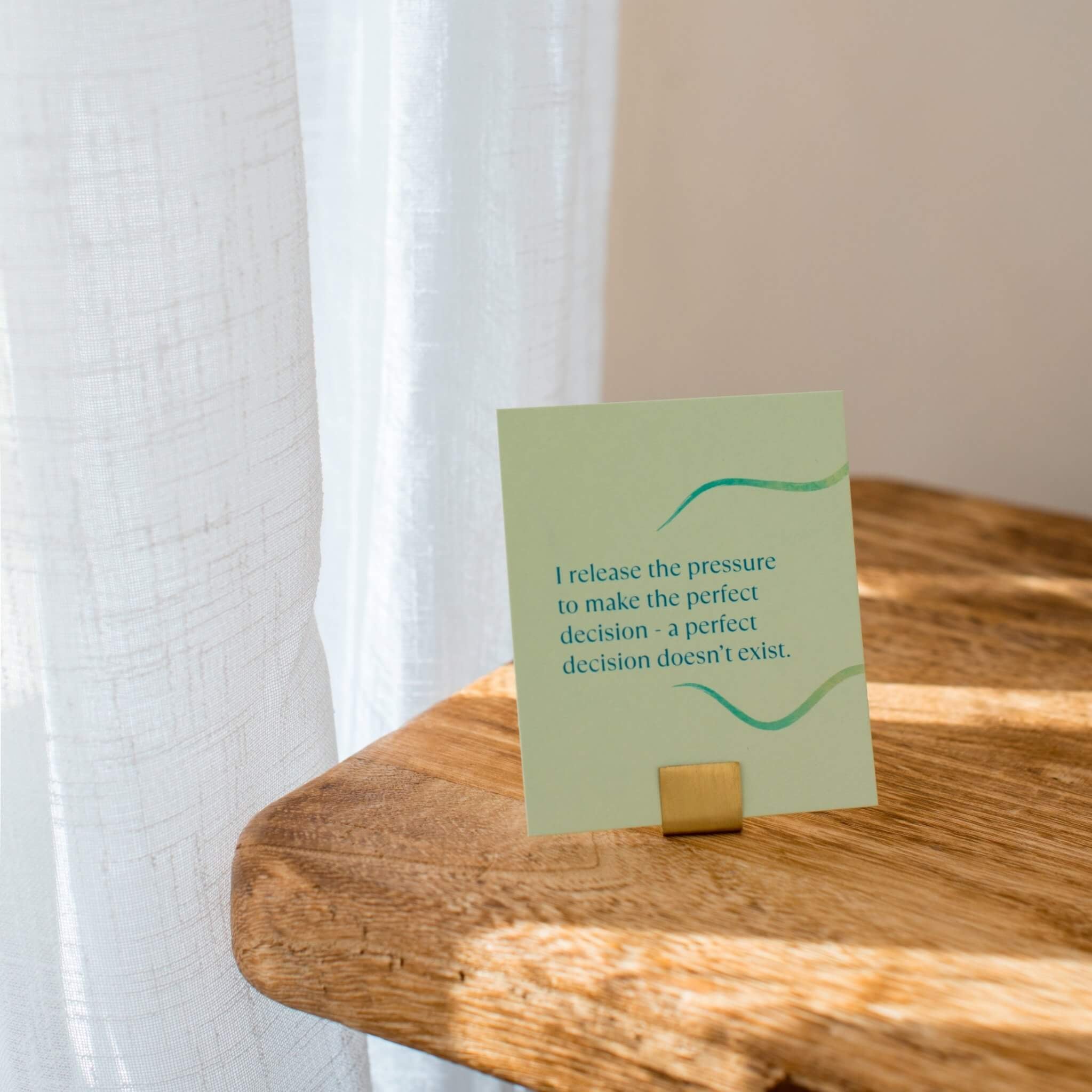
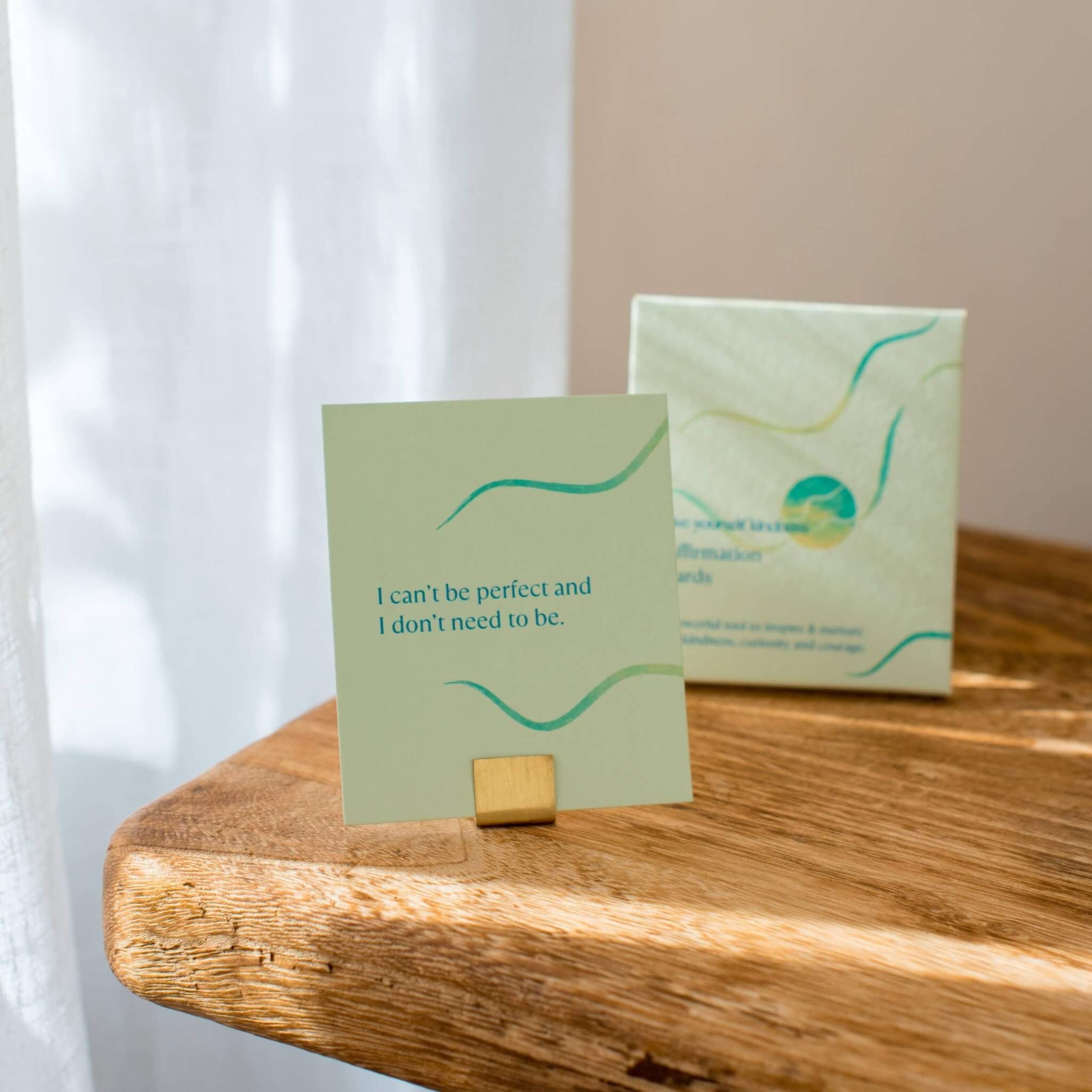
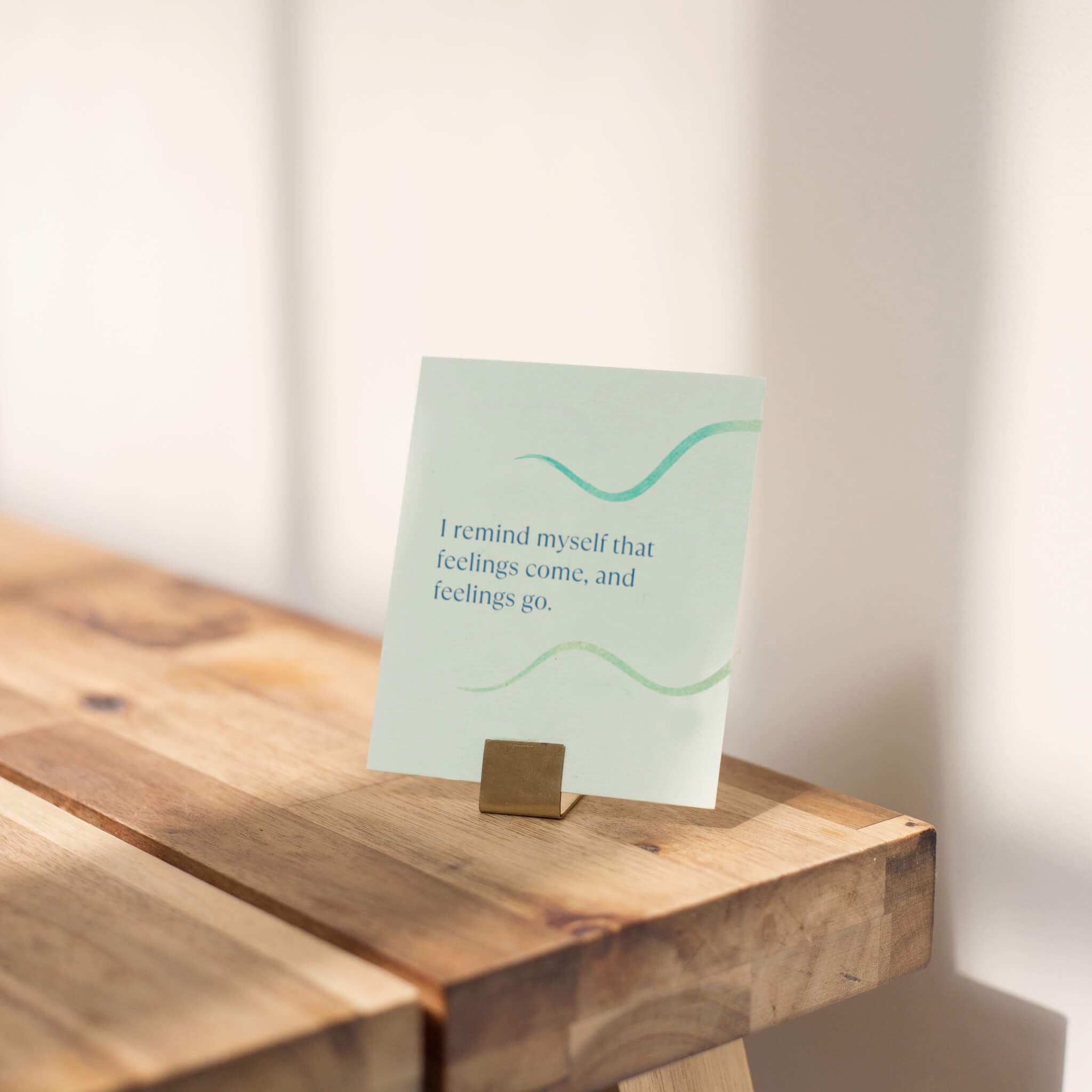
50+ gentle reminders like "You can't be perfect, and you don't need to be." When you discover uncomfortable things about yourself, this journal helps you be kind to yourself about it.

Dr. Chris Germer, PhD
Clinical Psychologist, Harvard Medical School
"A warm invitation to make friends with your emotions and yourself!"

Professor Willem Kuyken, PhD, DClinPsy
Ritblat Professor of Mindfulness, University of Oxford
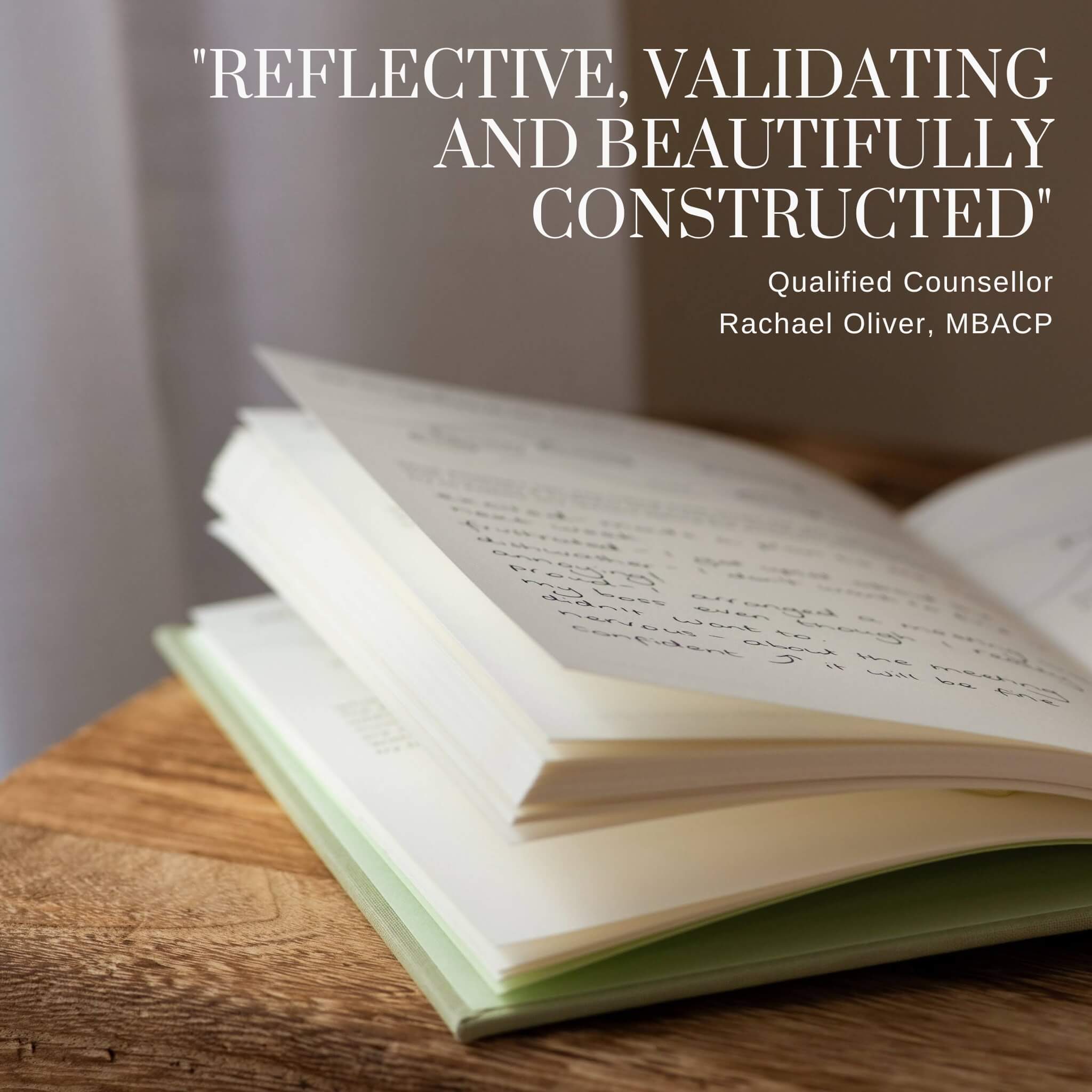
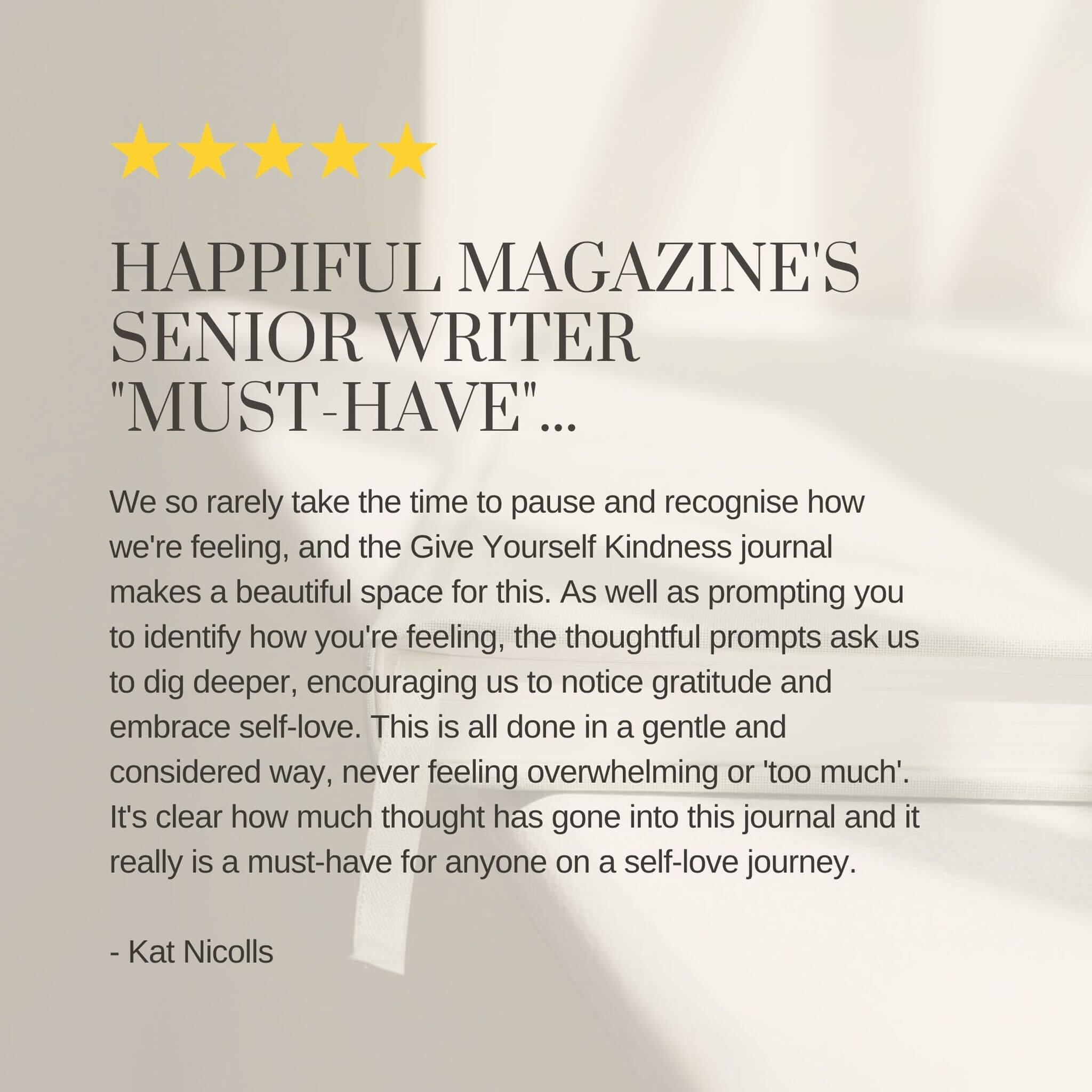
"Rachel has curated the experience to make the writing intrinsically rewarding and the journal something to treasure."
What's Inside:
- 90 unique questions about emotions, values, needs, patterns, self-talk
- Emotion guide on every page to help identify feelings
- Self-compassion reminders throughout
- Undated (start anytime, no guilt for missed days)
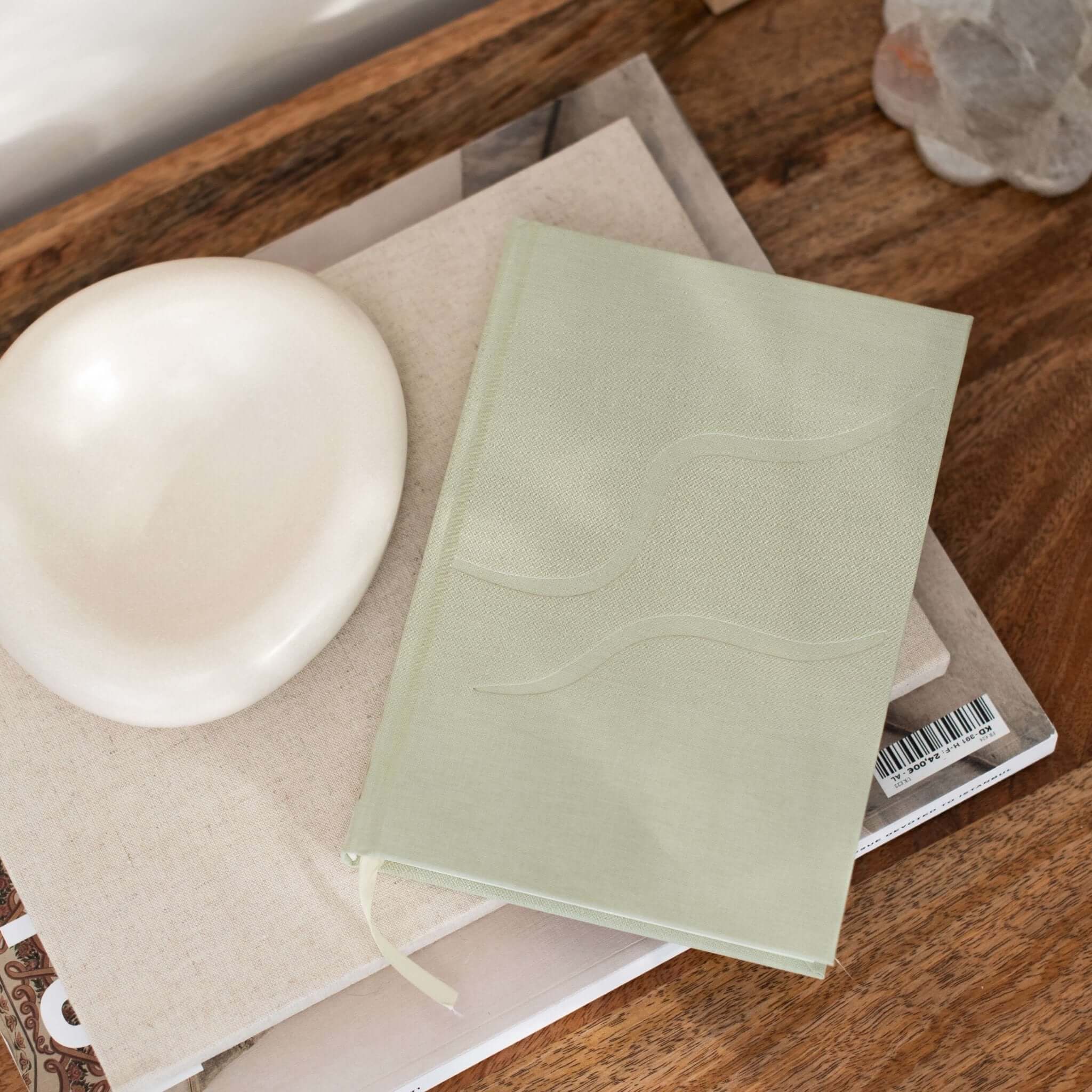
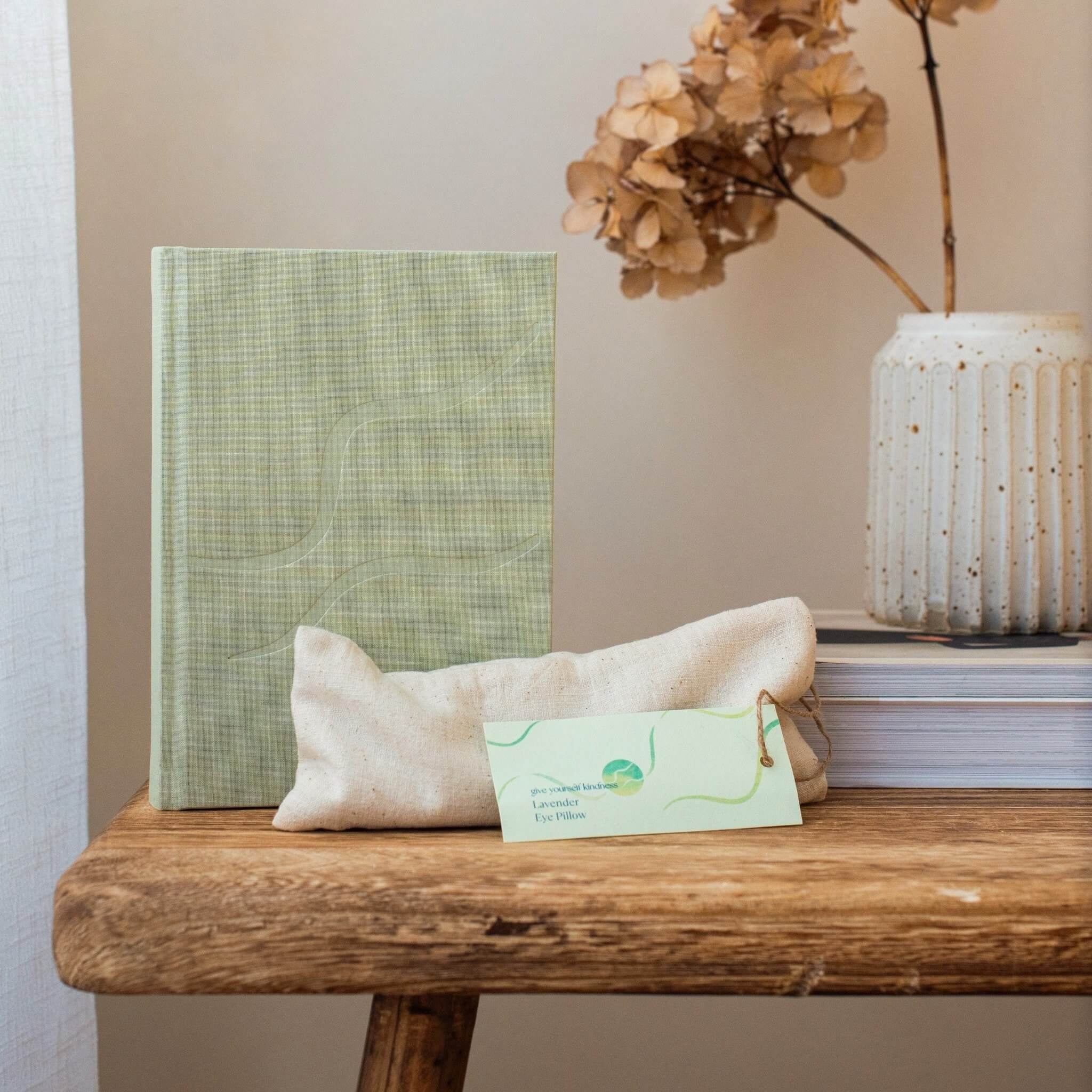
- Cloth-bound, premium paper
- Printed in UK, sustainable materials
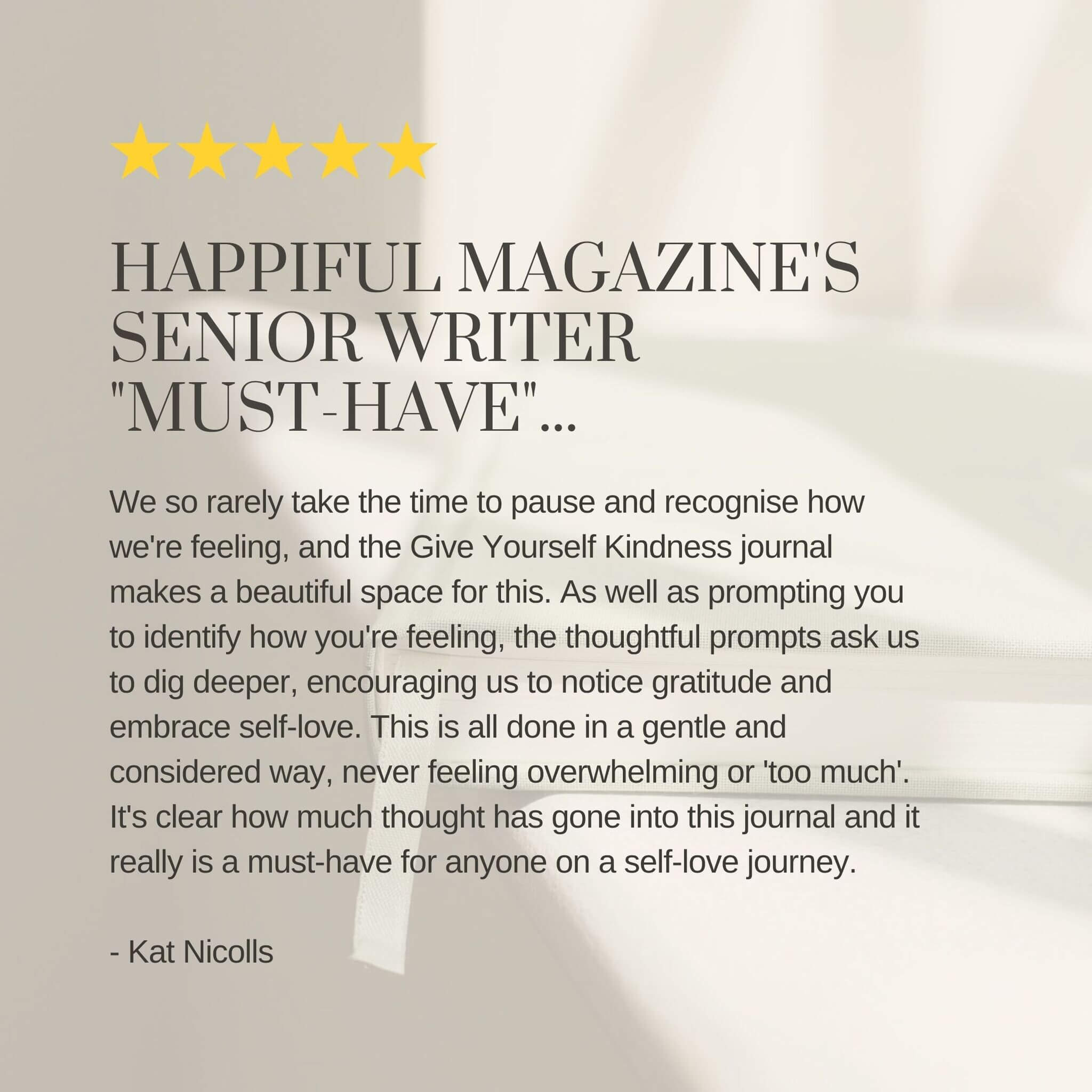
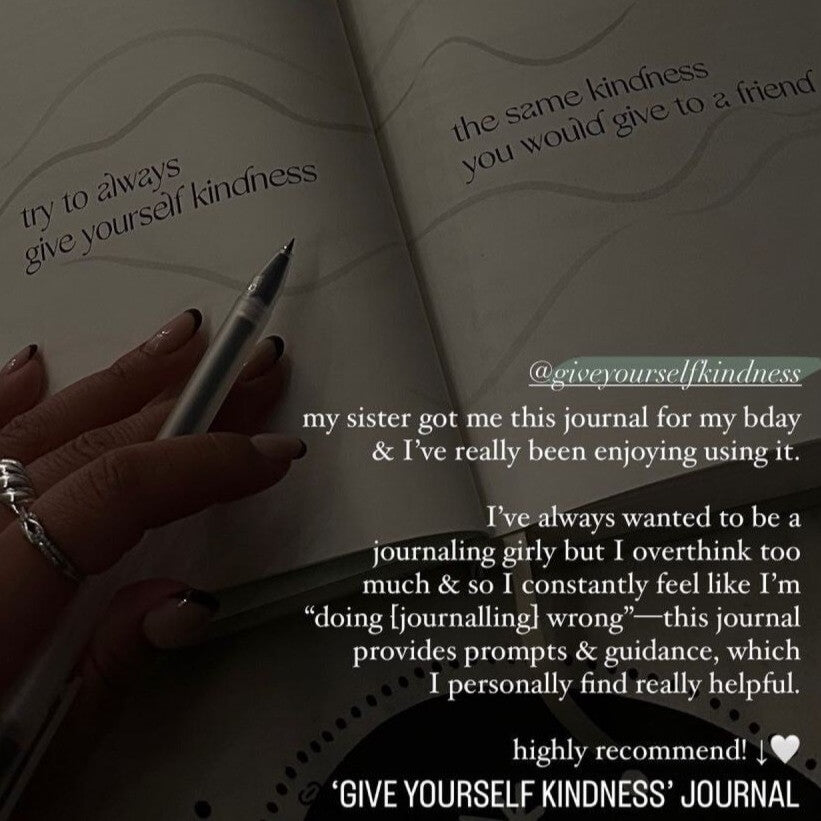
- Used by therapists with clients worldwide
✓ PROS
- Actually helps you discover things about yourself
- Every day different (never gets boring)
- Covers all aspects of who you are
- Emotion guide helps you understand feelings
- Encourages kindness toward what you find
- Expert-recommended by Harvard & Oxford psychologists
✗ CONSIDER IF
- You prefer completely blank pages with no questions
- You want identical questions daily (this varies to keep you discovering)
- You only want gratitude prompts (this explores more dimensions)
Blank Journal (No Questions)
- If you already know what questions to ask yourself
- You prefer total freedom with no structure
- You're an experienced journaler
How It Works:
Blank pages. You decide what to write and what questions to explore.
The challenge: Most people stare at blank pages thinking "What should I write?" Without questions to guide you, it's hard to know what to explore. You might end up just describing your day rather than discovering who you are.
When it works: If you already have a strong practice and know exactly what questions help you understand yourself, blank journals are great. But if you're trying to GET to know yourself, you usually need some guidance.
✓ PROS
- Complete freedom
- Inexpensive
- No constraints
- Write whatever you want
✗ CONSIDER IF
- No guidance on what to explore
- Easy to just describe events rather than discover yourself
- Blank pages can feel overwhelming
- Doesn't teach you how to understand yourself
Bottom line: Great once you know yourself well and just need paper. Not ideal if you're trying to figure out who you are.
Q&A a Day: 5-Year Journal
- Seeing how your answers change over 5 years
- Very brief daily entries (2-3 lines)
- Long-term perspective, not present-day discovery
How It Works:
One question per day, same question each year for 5 years. You write 2-3 lines. After year 1, you see how your answer changed from last year.
Sample questions: "What made you laugh today?" "Who did you help?"
What it shows: How you change over years. But in year 1, you're not really discovering who you are right now—you're answering brief surface questions.
✓ PROS
- Shows change over 5 years
- Very quick (2-3 minutes)
- Low pressure
- Inexpensive
✗ CONSIDER IF
- Same 365 questions yearly (no variety in year 1)
- Surface-level questions
- Very brief space (2-3 lines)
- Doesn't help you deeply understand yourself now
- More about tracking change than discovering who you are
Bottom line: Interesting for tracking how you change over years. Not designed to help you get to know yourself in the present.
Gratitude Journals (Five Minute Journal, etc.)
- Practicing gratitude habit
- NOT for getting to know yourself comprehensively
How It Works:
Same questions every day. "What are you grateful for?" "What would make today great?" "What amazing things happened?"
What it reveals: What you appreciate. That's valuable, but it's only ONE part of who you are.
What it doesn't reveal: Your emotions (especially difficult ones), your values, what you actually need, patterns in how you respond to things, your self-talk. All the other dimensions that make up who you are.
✓ PROS
- Quick (5 minutes)
- Good for gratitude practice
- Simple structure
✗ CONSIDER IF
- Only explores gratitude (one dimension of who you are)
- Same questions daily (stops revealing new things)
- Can feel dismissive when you're struggling
- Doesn't help you understand your emotions, values, needs, or patterns
Bottom line: Great for gratitude habit. Not designed to help you comprehensively get to know yourself.
Which Journal Should You Choose?
Give Yourself Kindness Journal
90 different questions exploring all parts of who you are. Guides you through discovering yourself.
Blank journal
You know what questions to ask yourself. You just need space to write.
Q&A a Day
Long-term perspective with brief entries. Not for discovering who you are right now.
Gratitude journals
Good for gratitude habit. Won't help you understand other parts of yourself.
Start with Give Yourself Kindness Journal
The questions teach you HOW to explore yourself. You're not left guessing what to write.
How to Actually Get to Know Yourself Through Journaling
Having the right journal is step one. Using it to genuinely discover yourself is step two:
1. Be honest, even when it's uncomfortable
You'll discover things about yourself you wish weren't true. Maybe you care more about others' opinions than you realized. Maybe you're avoiding something. Maybe you need something you've been denying yourself.
The uncomfortable discoveries are often the most important ones. Write them down anyway.
2. Look for patterns over time
After a few weeks, read back through your entries. What keeps coming up? What consistently drains you? What consistently energizes you? These patterns reveal who you are.
3. Pay attention to your emotions
Your emotions are information. When you feel anxious, what does that tell you about what you need? When you feel excited, what does that reveal about what you value? Learn to read your emotions like a dashboard.
4. Notice the gap between "should" and "want"
Sometimes you'll write what you think you "should" want or feel. Then you'll notice what you ACTUALLY want or feel is different. That gap is revealing—it shows where you're not being honest with yourself.
5. Be kind to what you discover
You're going to find things about yourself you don't love. That's part of being human. Respond with kindness, not judgment. "Isn't that interesting" not "What's wrong with me?"
6. Give it time
You won't know yourself completely after one entry or even one week. This is a gradual process. After 2-3 weeks, you'll start noticing patterns. After 3 months, you'll see yourself much more clearly.
Common Questions
How long until I actually get to know myself better?
Most people notice they understand themselves more clearly after 2-3 weeks of consistent journaling. You start recognizing patterns: "Oh, I always feel drained after doing X" or "I feel most like myself when Y happens." After 3 months, you'll have a much clearer picture of who you are.
What if I don't like what I discover about myself?
This happens to everyone. You'll discover patterns you wish you didn't have, needs you've been ignoring, emotions you'd rather not feel. The research shows that self-compassion—being kind to yourself when you notice these things—actually helps you change them. Judgment keeps you stuck; kindness creates space for growth.
Can a journal really help me understand myself?
Yes, when it asks the right questions. Research shows that reflective writing with guidance helps people develop self-awareness more than unstructured writing. The questions matter—they reveal aspects of yourself you might not explore on your own.
Why do you recommend your own journal?
Because I created it specifically for getting to know yourself after feeling like a stranger to myself for years. I needed 90 different questions exploring all parts of who I am—not the same prompt daily. Clinical psychologists from Harvard and Oxford reviewed it and recommend it to their clients. I've been transparent that it's mine, and I've shown you other options so you can choose what fits.
Is this like therapy?
No—journaling is a tool for self-reflection, not a replacement for therapy. If you're struggling significantly, please work with a mental health professional. But journaling can complement therapy beautifully, and many therapists use the Give Yourself Kindness journal with their clients between sessions.
What if I miss days?
Completely normal. That's why undated journals work better—there's no guilt about missed days. You can pick it back up whenever you're ready. Getting to know yourself is a lifelong process, not a 90-day sprint.
Start Getting to Know Yourself
Most of us spend more time researching what phone to buy than understanding who we actually are.
But knowing yourself—what you feel, what you value, what you need, how you respond to things—is one of the most valuable things you can learn.
When you know yourself, you make better decisions. You stop doing things because you "should" and start doing things because they actually fit who you are. You recognize patterns that don't serve you. You understand what you need to feel okay.
The best journals to get to know yourself:
- Ask questions that reveal who you are, not just record what you did
- Explore different parts of you—emotions, values, needs, patterns, self-talk
- Use different questions so you keep discovering new things
- Help you understand your emotions (they tell you a lot about who you are)
- Encourage kindness toward what you discover
- Give you permission to be imperfect while you explore
You're not a stranger. You're just someone you haven't fully met yet.
Ready to get to know yourself?
Start with The Give Yourself Kindness Journal → Read Expert Reviews →Want to go deeper?
- Best Guided Journal for Self-Exploration and Personal Growth (comprehensive guide)
- Best Guided Journal for Tracking Emotions
- Being With Difficult Emotions (by Dr. Kristin Neff)
About the author: Rachel Smith (DipBSoM) is a qualified meditation teacher and the creator of Give Yourself Kindness. After years of feeling like she didn't really know herself, she created tools to help people discover who they are through self-compassion. Her journal is recommended by clinical psychologists from Harvard and Oxford.


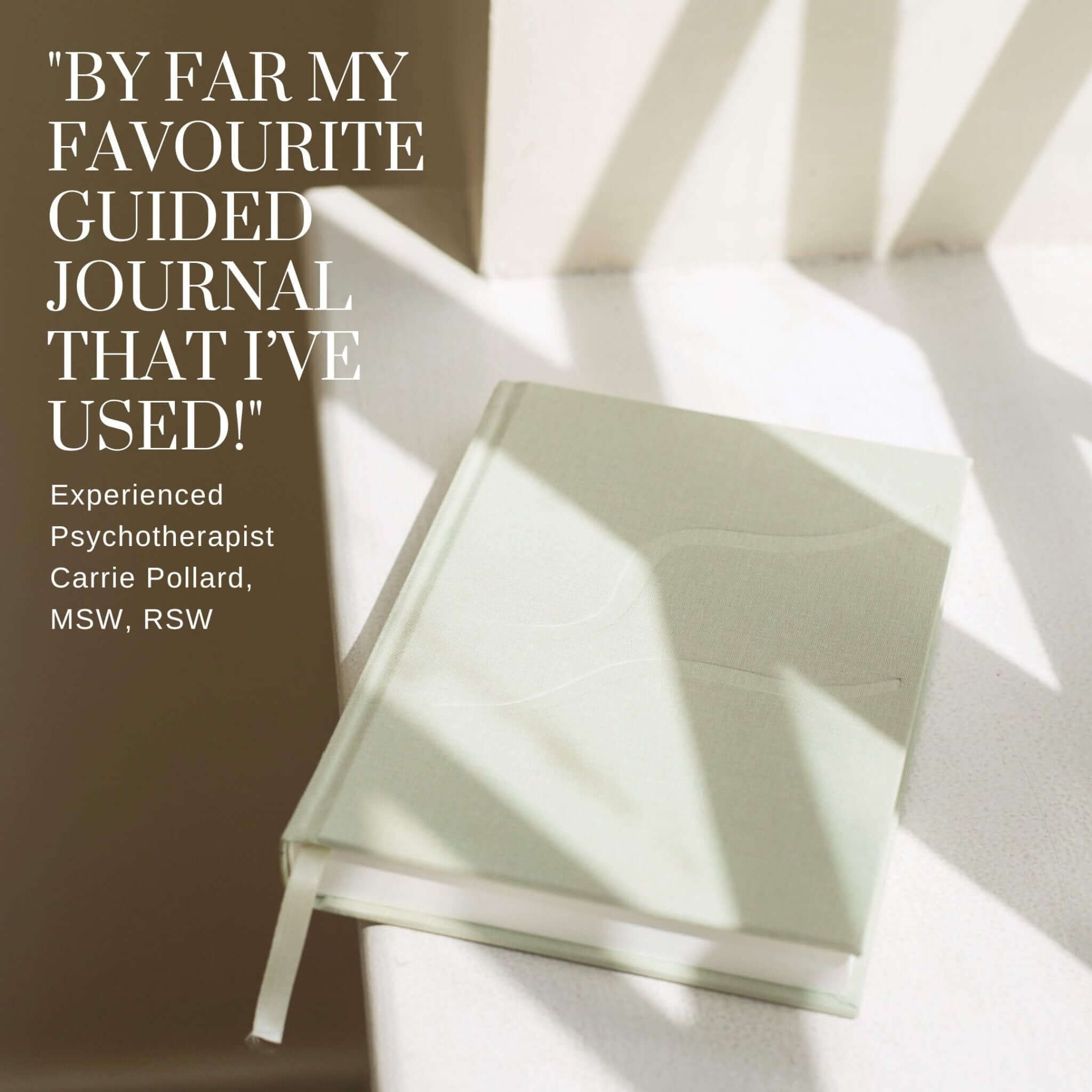
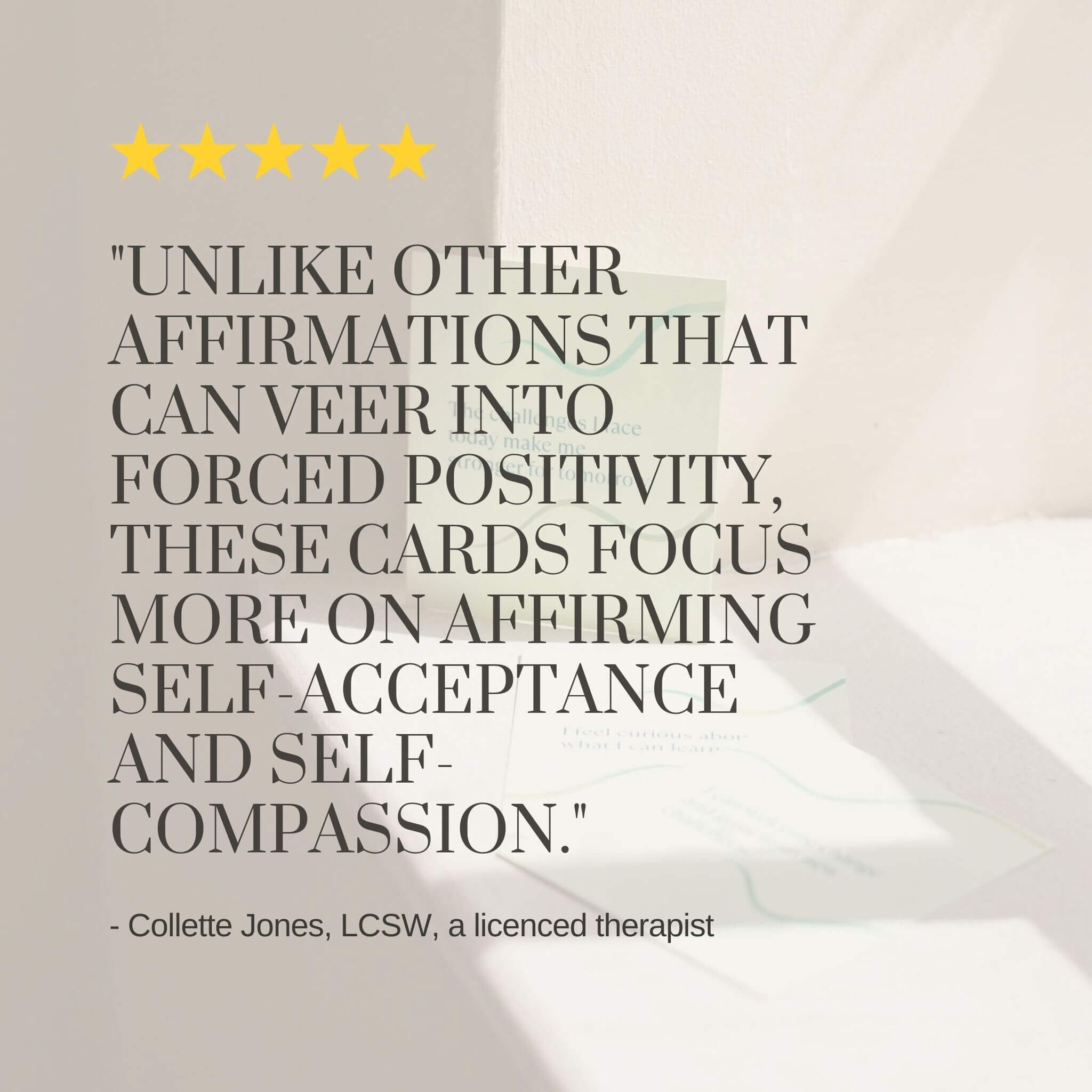
“By far my favourite guided journal that I’ve used!”
There's a lot of journals out there. Most of which include tools that can be repetitive, boring or unhelpful. Give Yourself Kindness is about creating something new.