






Jump to what you need:
Quick Answer Expert Reviews 6 Key Features Recommended Journal Comparison FAQQuick Answer
A therapy journal should include tools to help you identify emotions (not just blank pages), prompts that guide you toward self-compassion, varied questions that keep you engaged, and validation from licensed mental health professionals. Most journals fail because they offer no emotional guidance or push toxic positivity when you're genuinely struggling.
What makes journaling therapeutic: Research shows that naming emotions specifically reduces their intensity (affect labeling), and studies on self-compassion demonstrate that responding to yourself with compassion is more healing than self-criticism. A good therapy journal provides both—tools to identify emotions and guidance to respond with kindness.
As a qualified meditation teacher who recovered from mental illness through Compassion-Focused Therapy, I searched for a journal that would actually support my progress. Every journal I tried either gave me blank pages with no help identifying emotions, repeated the same prompts until journaling felt like a chore, or made me feel worse by implying my difficult emotions were somehow wrong.
When I couldn't find what I needed, I created it. Clinical psychologists from Harvard Medical School and the University of Oxford reviewed my journal and started recommending it. Therapists worldwide now use it with people navigating difficult emotions.
Here's what I've learned about what actually makes a therapy journal helpful—and what to watch out for.
What Therapists Say About Therapy Journals
Before diving into features, here's what mental health professionals look for in therapy journals they recommend to clients. These reviews are specifically for the Give Yourself Kindness journal—the guided journal I created that integrates emotion awareness and self-compassion:

Dr. Chris Germer, PhD
Clinical Psychologist, Harvard Medical School
Co-developer of Mindful Self-Compassion (MSC)
"A warm invitation to make friends with your emotions and yourself!"

Professor Willem Kuyken, PhD, DClinPsy
Ritblat Professor of Mindfulness, University of Oxford
Top 1% most cited scientists worldwide
"The journal is rooted in state-of-the-art research that emphasizes the importance of understanding our emotions in order to lower stress and lead a happy and meaningful life. Rachel has curated the experience to make the writing intrinsically rewarding and the journal something to treasure."

Dr. Chris Irons
Clinical Psychologist
CFT Researcher and Trainer
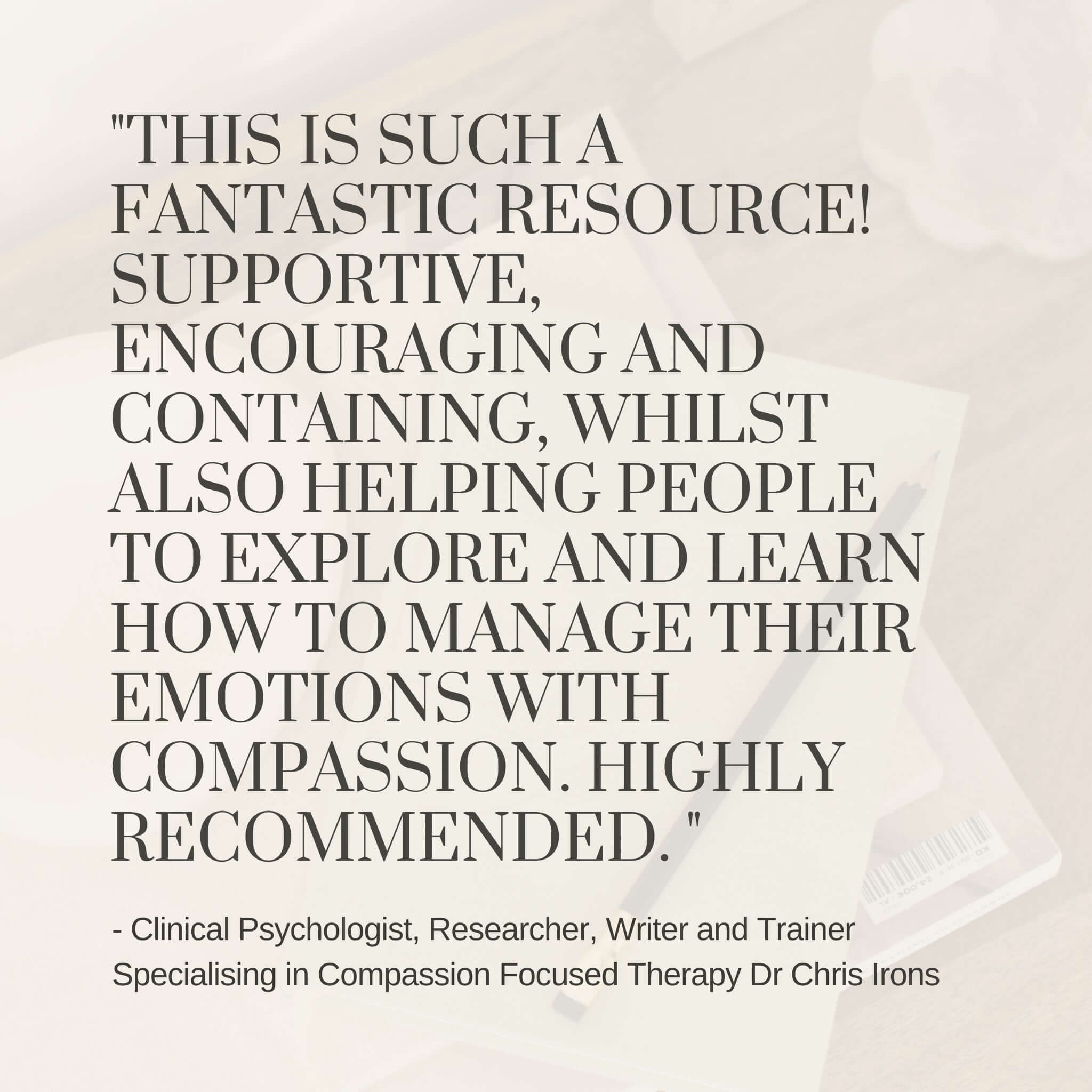
"Supportive, encouraging and containing, whilst also helping people to explore and learn how to manage their emotions with compassion. Highly recommended."
What these experts have in common: They recommend journals that validate all emotions (not just positive ones), provide tools for emotional awareness, and guide users toward self-compassion rather than self-criticism.
6 Features to Look for in a Therapy Journal
1. Emotion Identification Tools (Not Blank Pages)
2. Self-Compassion Integration

Carrie Pollard, MSW RSW
Experienced Psychotherapist
"Being able to identify what you're feeling and compassionately explore the 'why' is central to self-connection and self-growth. The Give Yourself Kindness journal is a steady guide in this process."
3. Varied Prompts That Keep You Engaged
4. Validation of All Emotions

Nina Holle
Psychotherapist
"This is a wonderful, easy-to-use and transformative journal which will help you befriend your emotions and find more ease and contentment as a result. It prompts rather than directs and there's no sense that unpleasant feelings are unwelcome or unhelpful."
5. Professional Validation
6. Undated Format
Why I Created the Give Yourself Kindness Journal
I'm Rachel Smith, a meditation teacher (DipBSoM). After finishing Compassion-Focused Therapy, I knew I needed a tool to support my progress between sessions and after therapy ended.
I tried many guided journals. Every single one made my inner critic louder.
The problems I found:
- Gratitude done in a pressured way — "Write 5 things you're grateful for" when I was barely functioning made me feel like I was failing at gratitude too
- Quotes that made me feel wrong — "Choose happiness!" when I was anxious felt like being told my emotions made me weak
- Nothing for self-compassion — No guidance on responding to emotions with kindness
- Nothing to help with my inner critic — They made it worse by making me judge myself for not feeling positive enough
I knew from my therapy that I wanted the opposite: a journal that validated all emotions, helped me identify them specifically, and guided me to respond with the self-compassion my therapist had taught me.
So I created it—for myself, initially. Just a tool I needed that didn't exist.
When I shared it with others, clinical psychologists from Harvard and Oxford validated the approach. Therapists worldwide started using it with their clients. Now it's used by therapists all over the world and has only ever received 5* reviews.
The Therapy Journal Recommended by Harvard & Oxford Experts
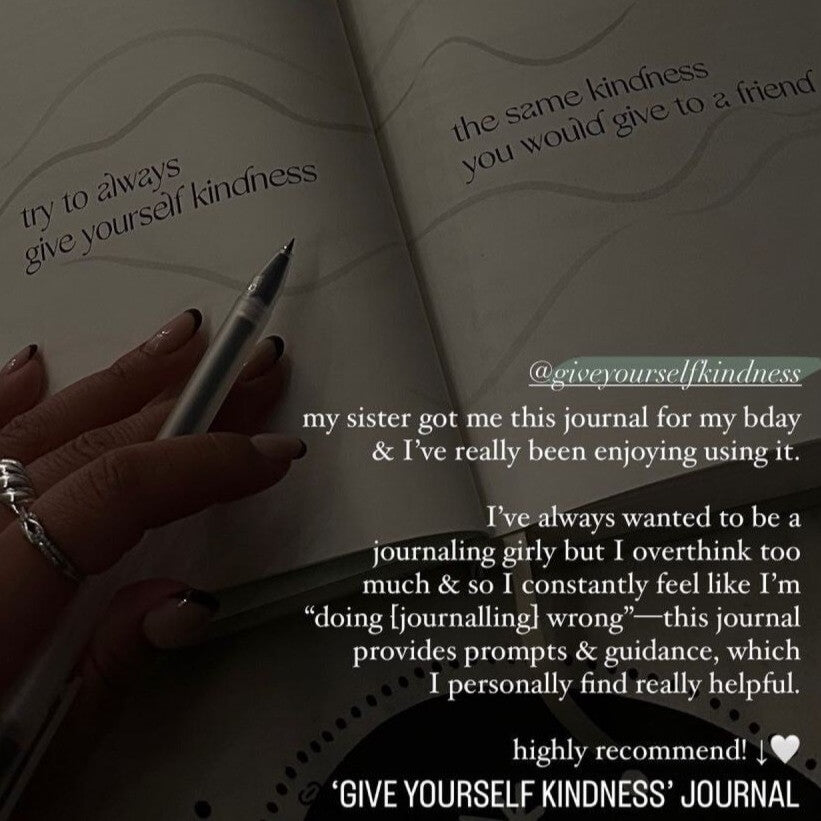
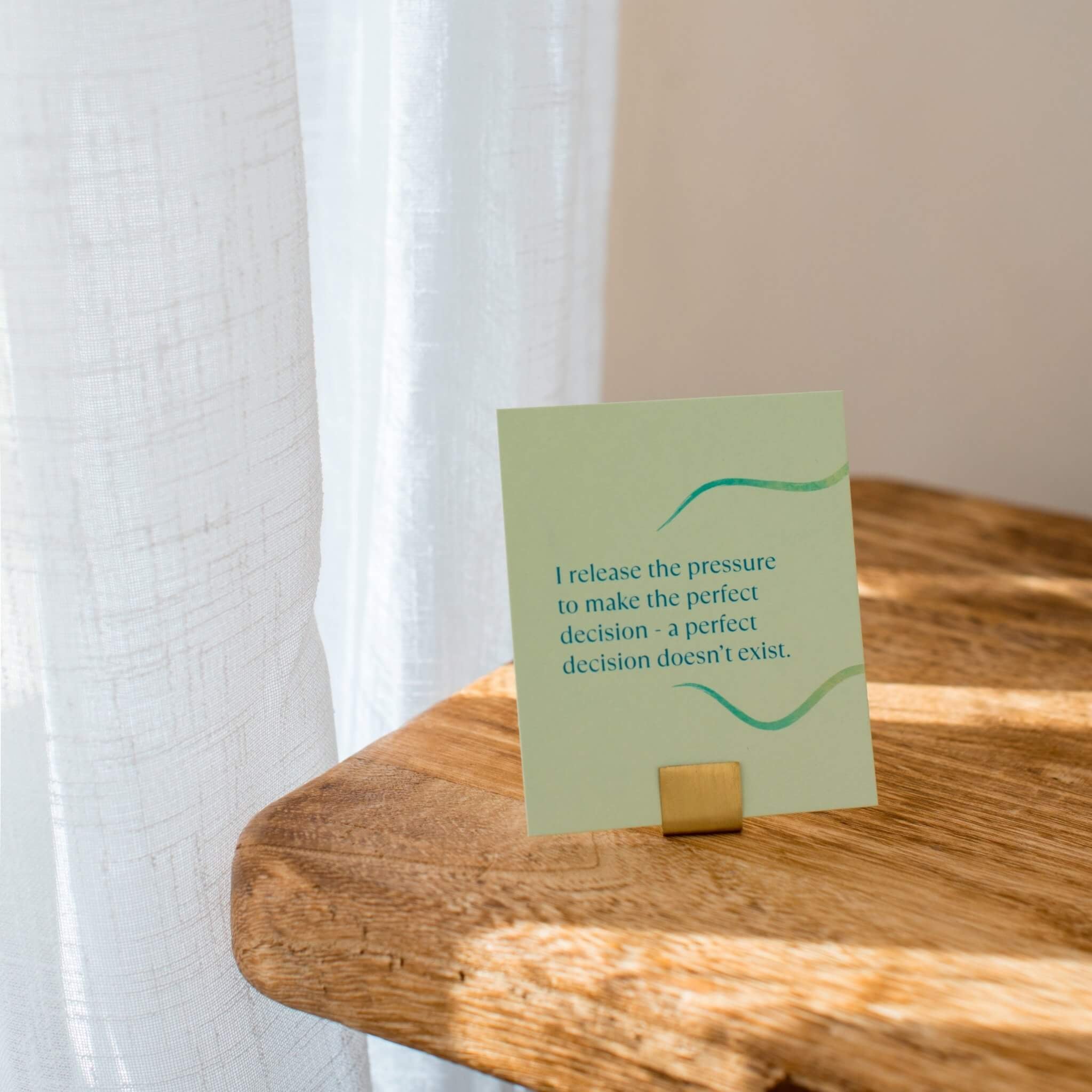
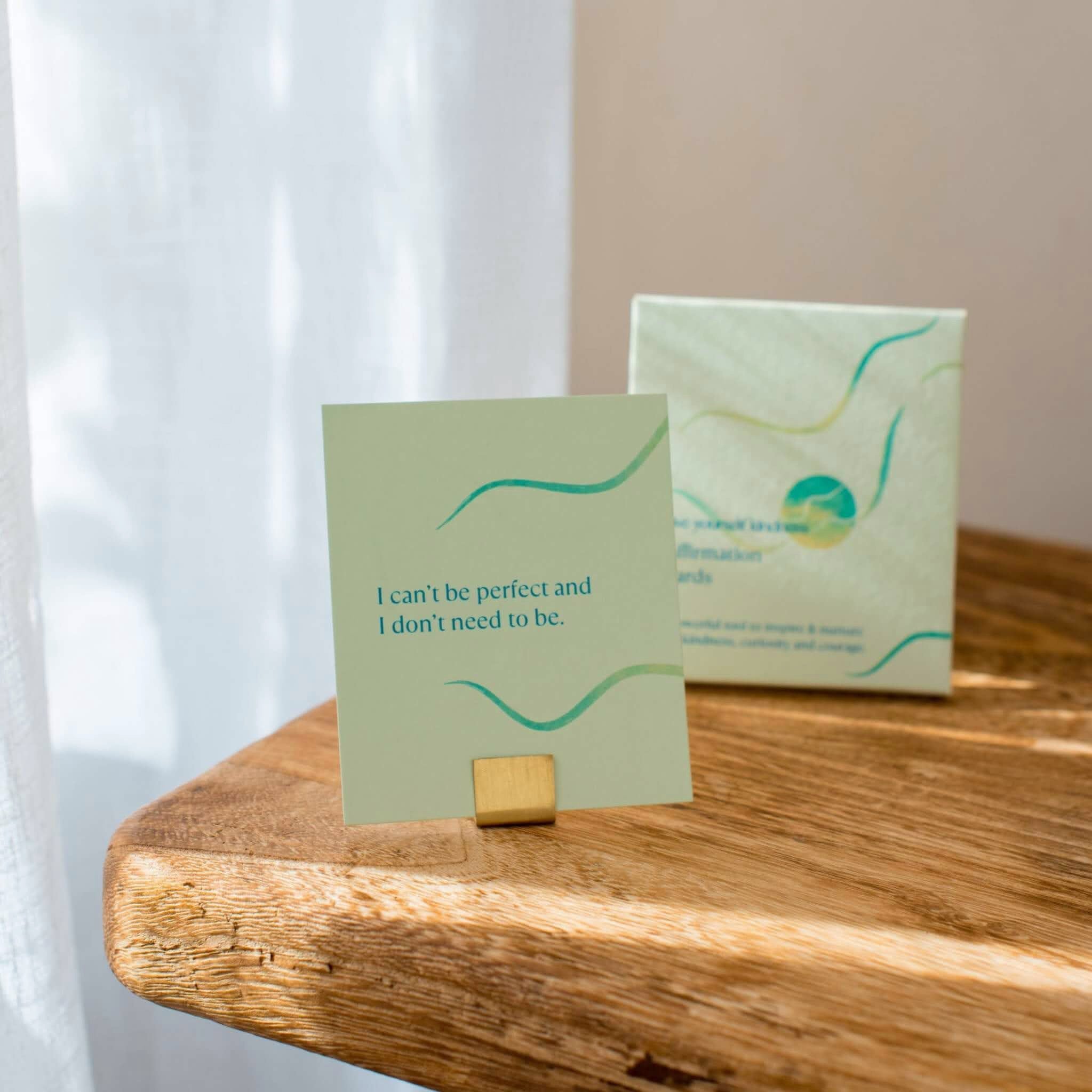
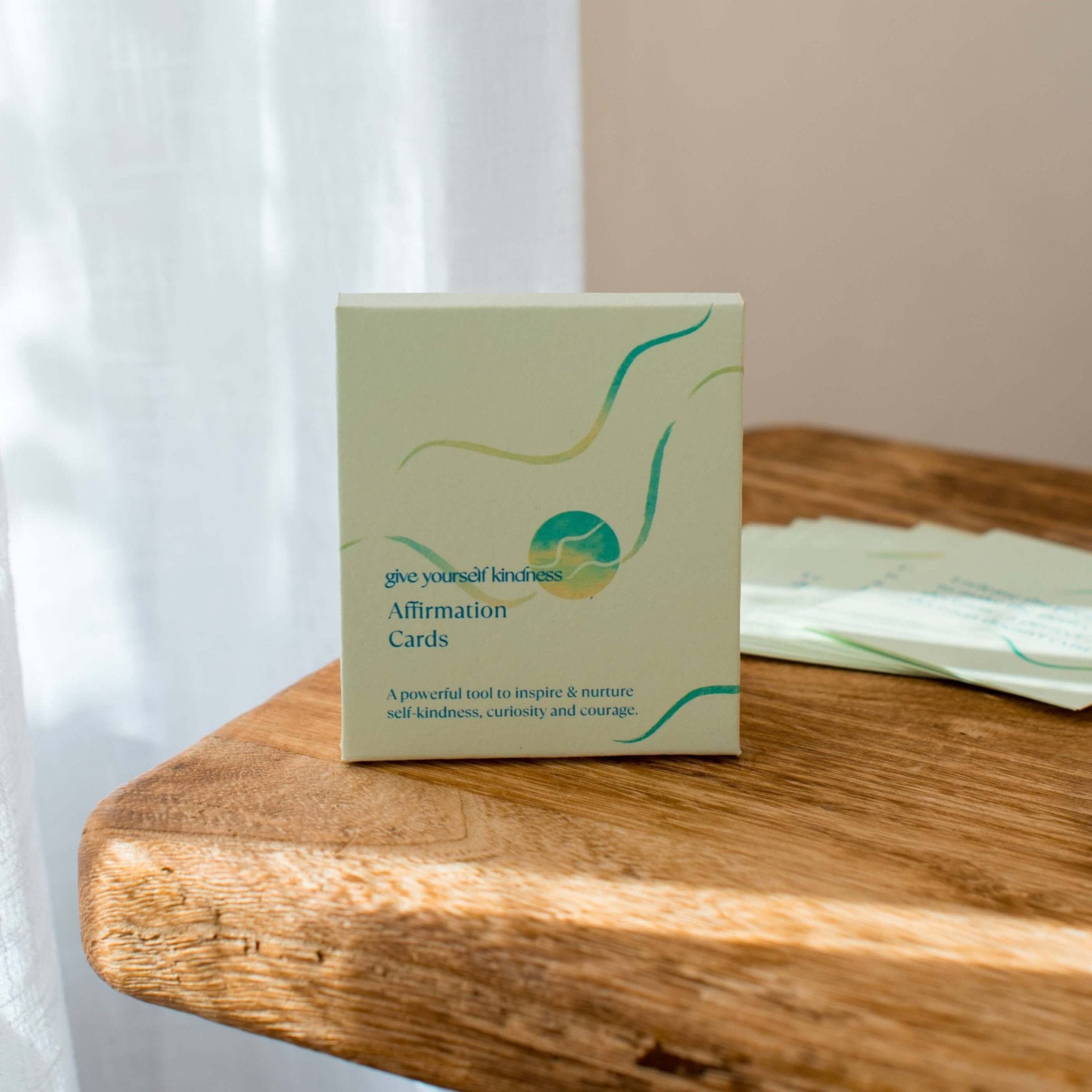
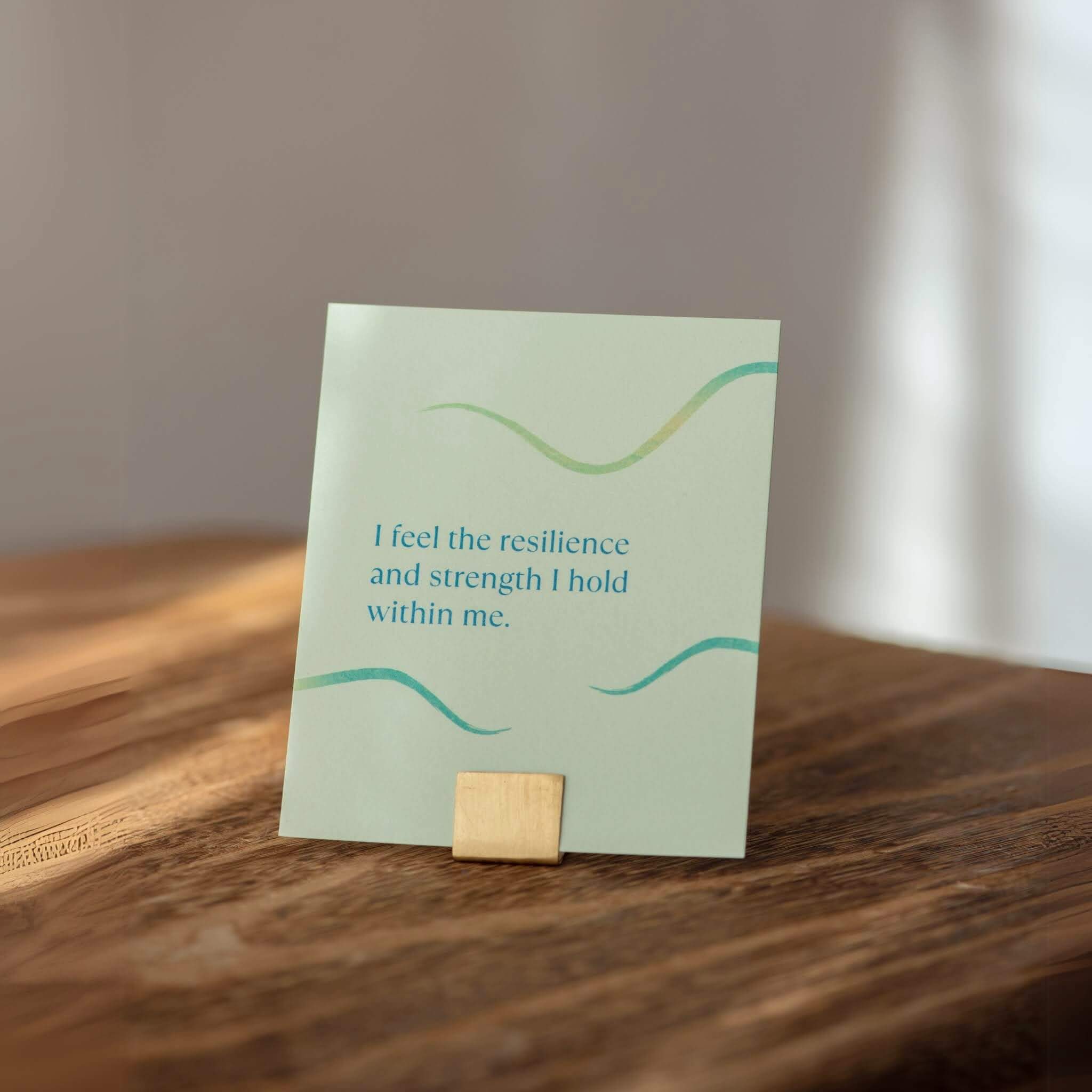
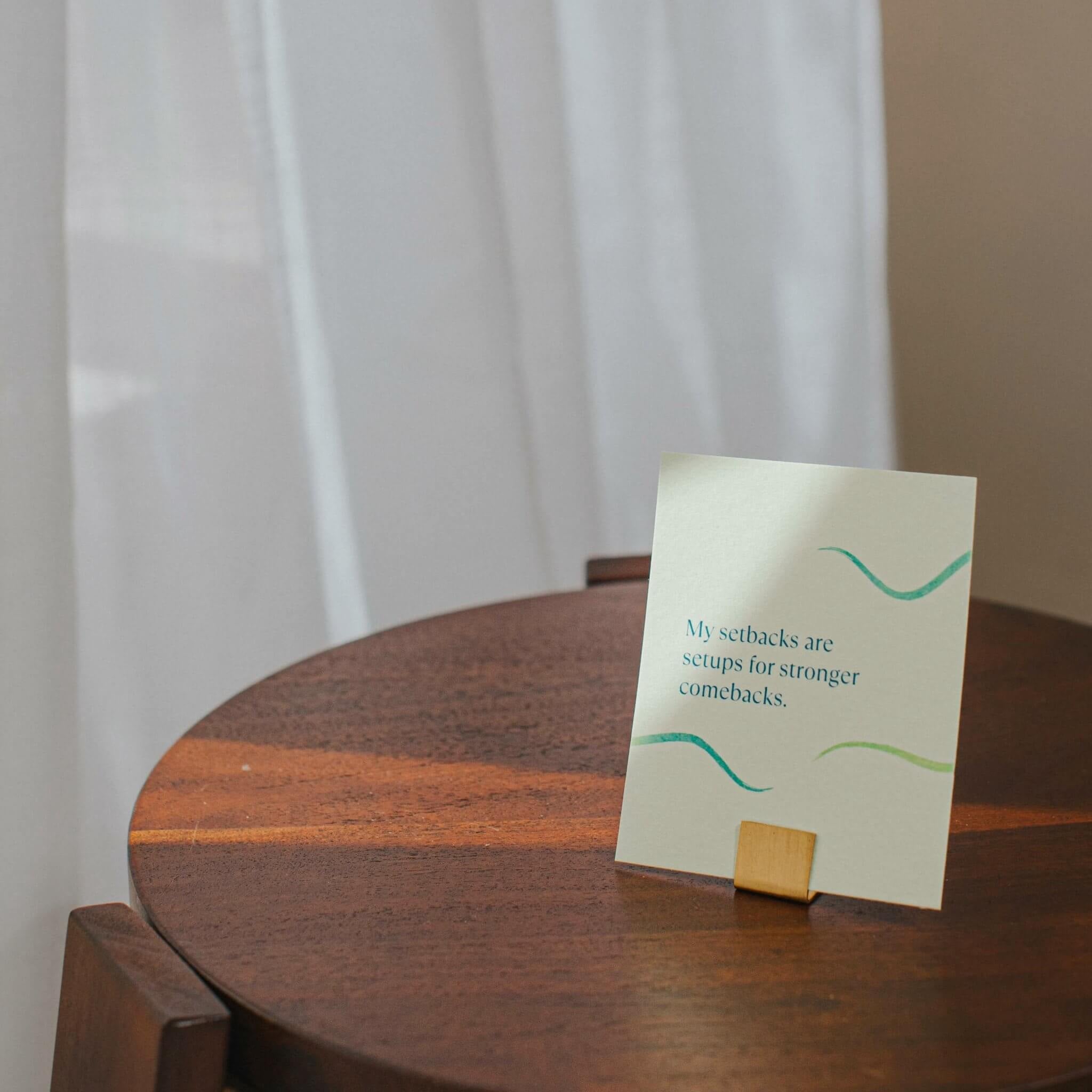
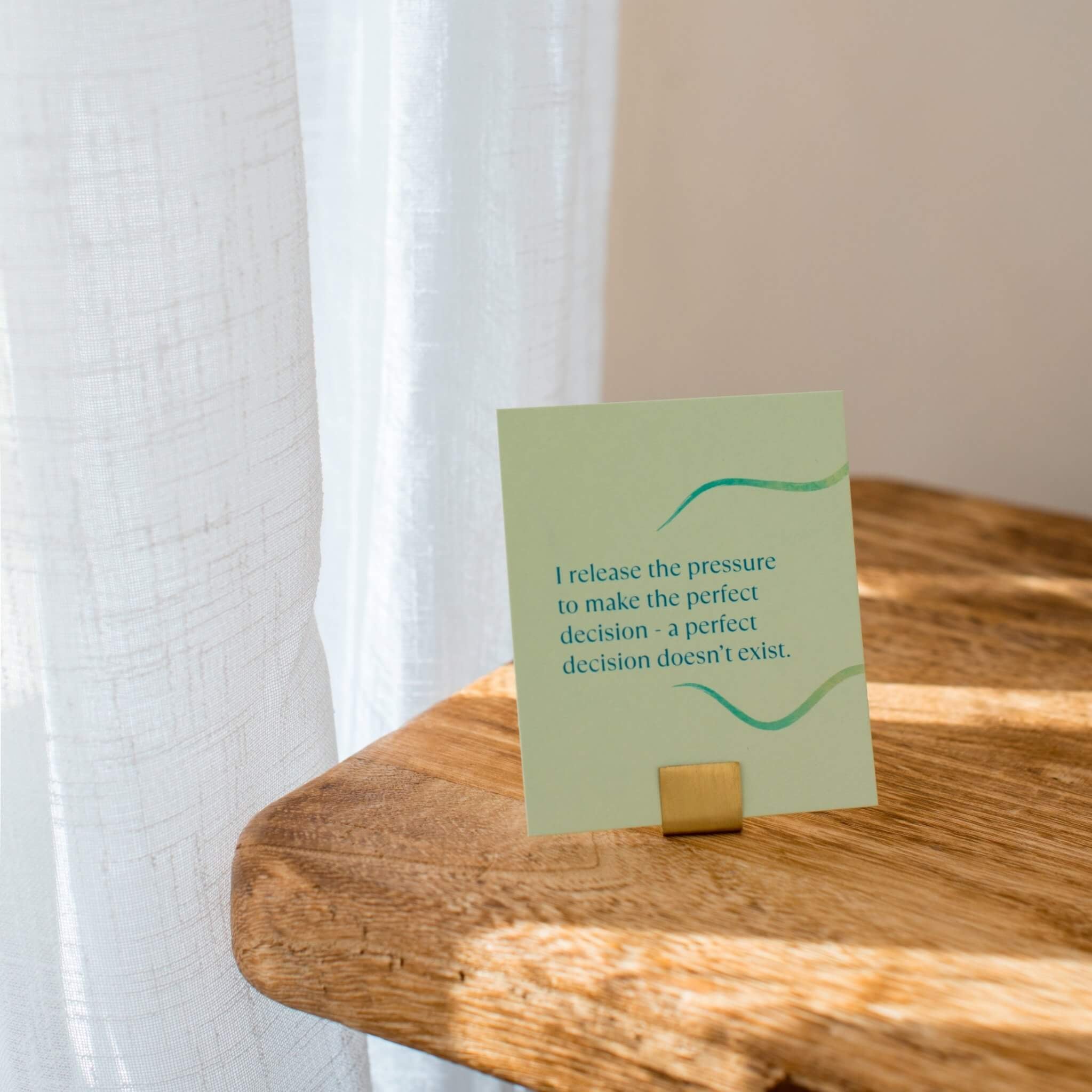
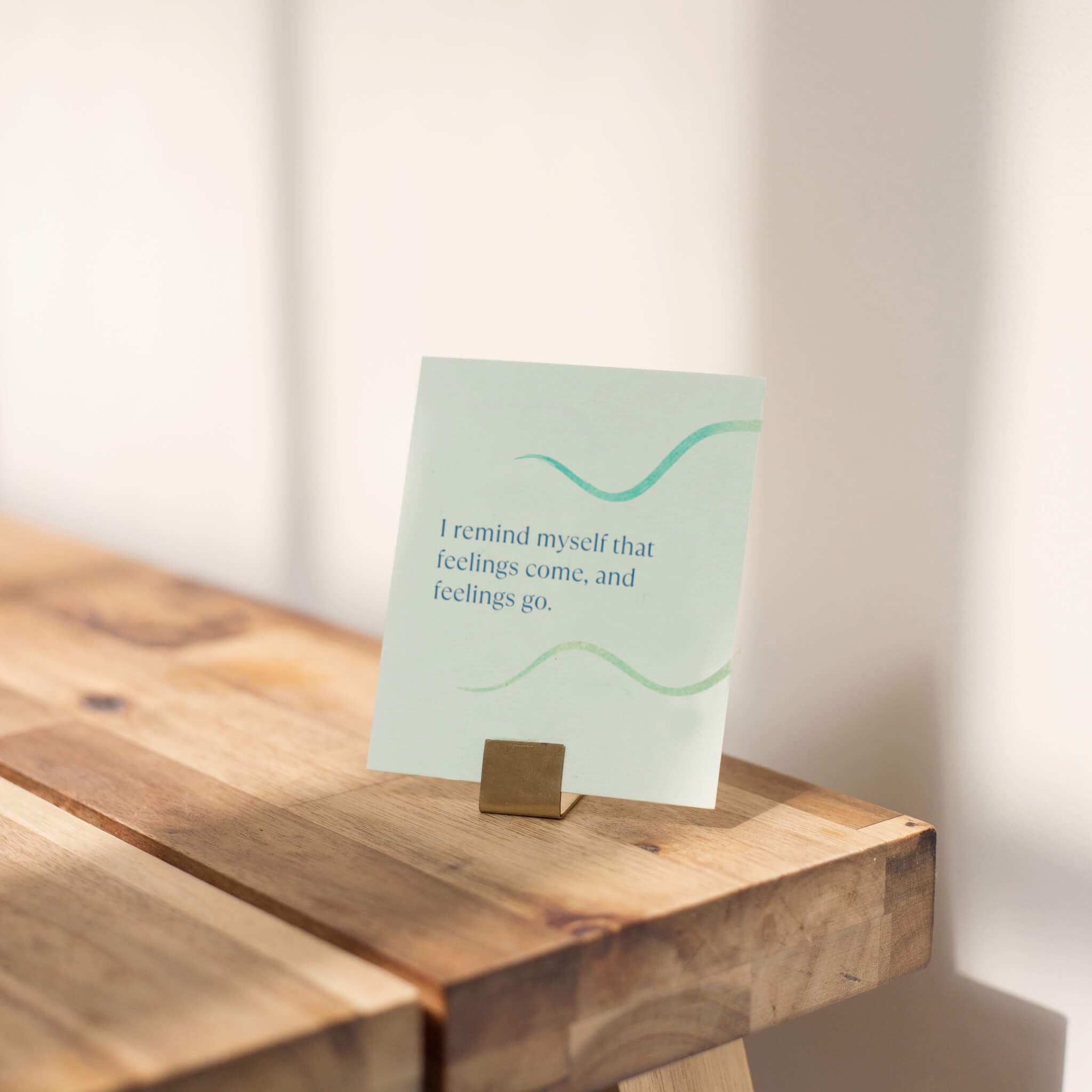
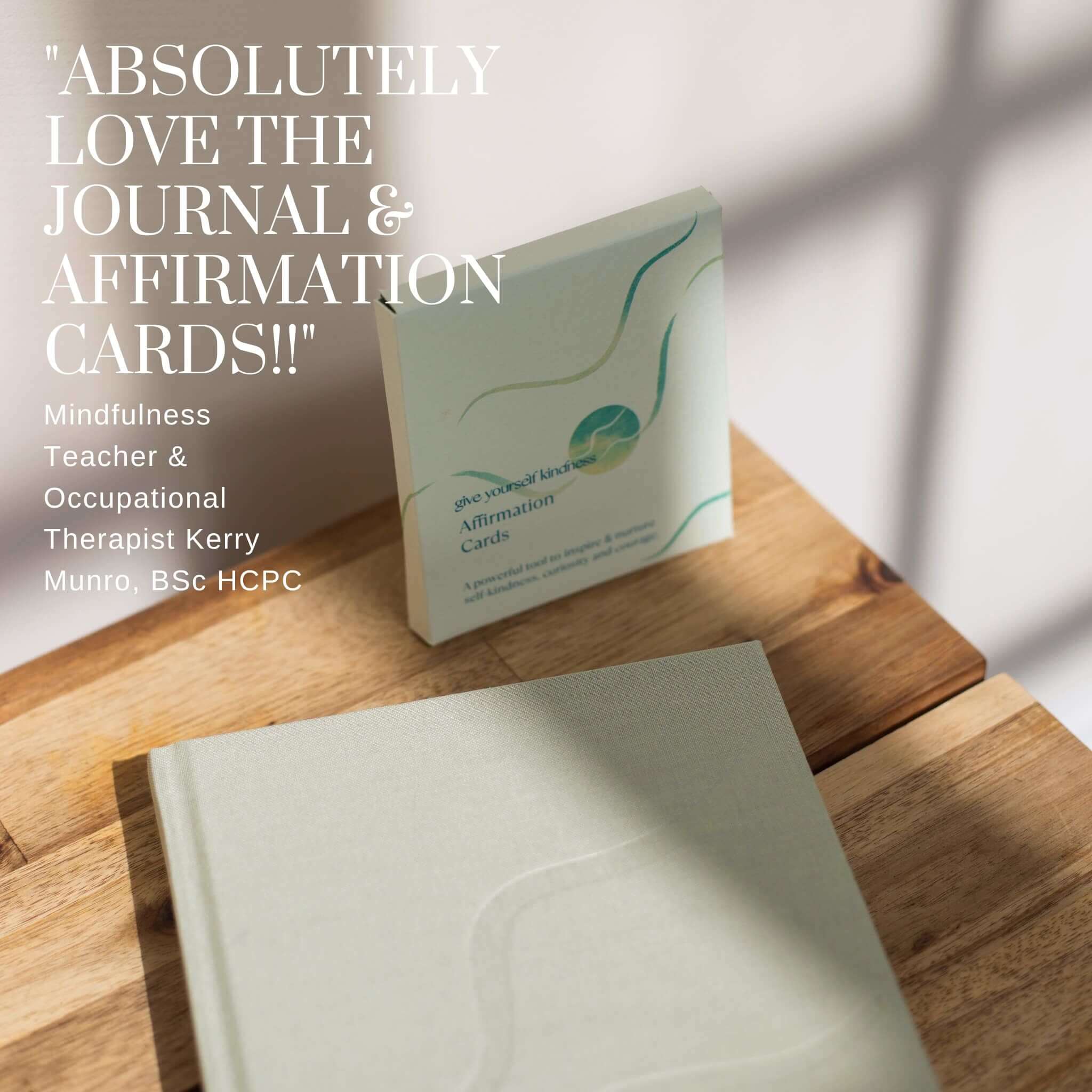
The Give Yourself Kindness journal - the guided journal with emotion awareness tools and self-compassion integration—recommended by clinical psychologists and used by therapists worldwide

Recommended by Dr. Chris Germer (Harvard Medical School) and Professor Willem Kuyken (University of Oxford)
How the Give Yourself Kindness Journal Works
Emotion awareness tool on every page: Not just printed once at the front where you'll forget about it. A visual guide helps you identify specific emotions beyond "good" or "bad." You can select multiple emotions because feelings are complex.
90 varied prompts: Each day approaches emotional awareness differently. One day asks about emotions you're noticing and why. Another guides you to respond as you would to a friend. Another helps you notice what you need. This variety prevents autopilot writing.
Self-compassion integrated throughout: Rather than just identifying emotions or venting, the journal consistently guides you to respond with kindness. Based on research showing self-compassion is more healing than self-criticism.
Validates all emotions: No pressure to be positive when you're struggling. All emotions are treated as valid information worthy of attention.
Example Prompts
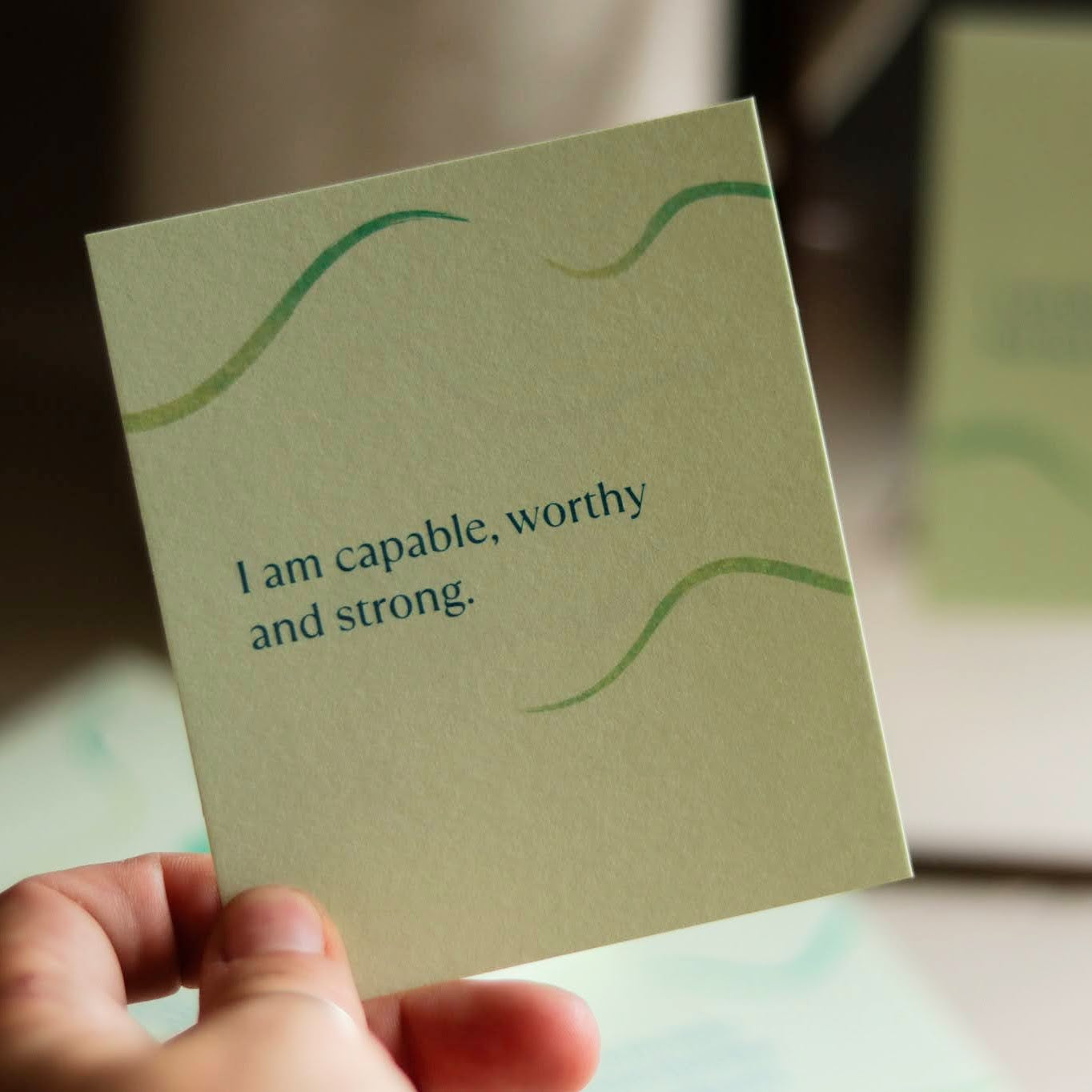
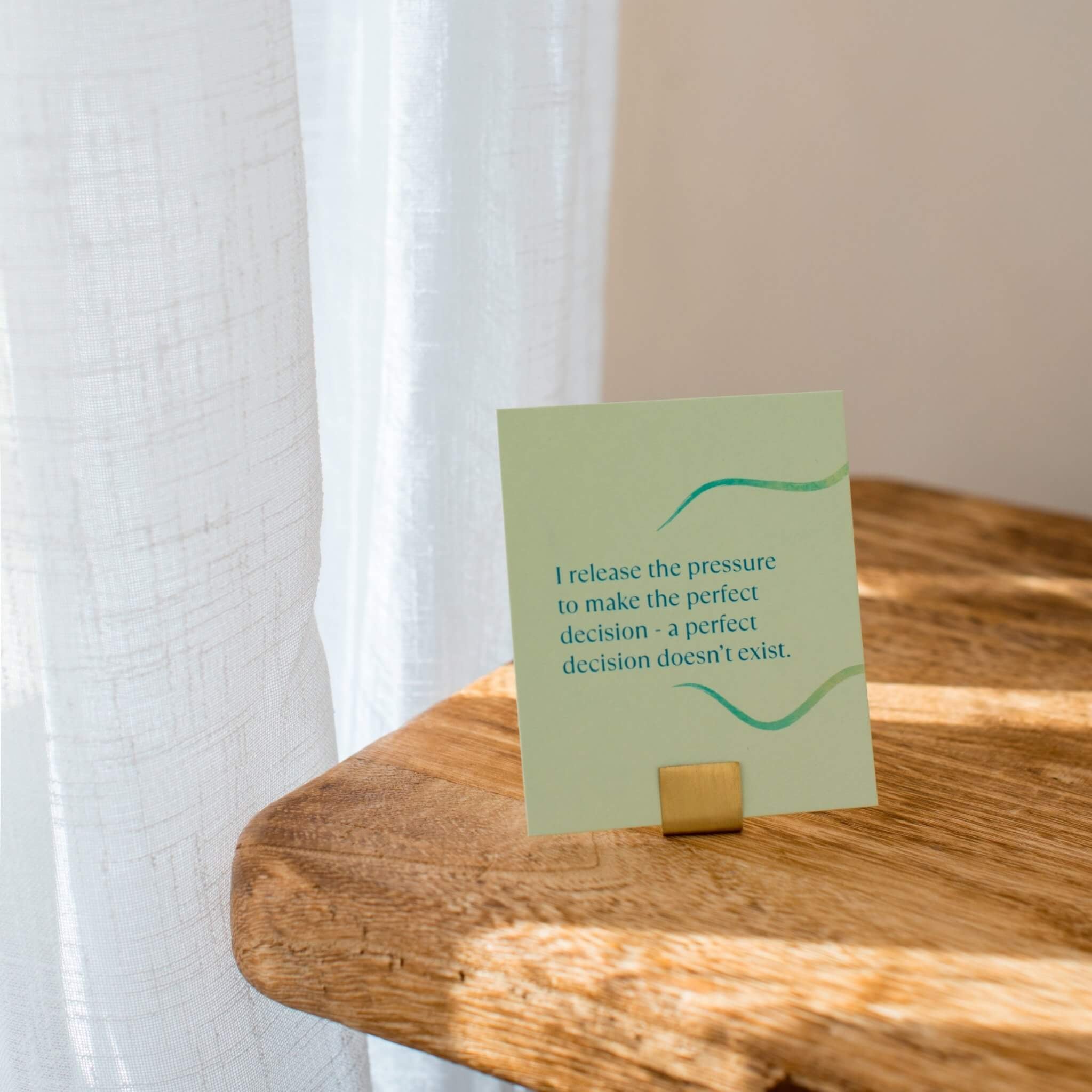
"Choose an emotion that you have just noticed. Imagine a friend came to you explaining that they feel that emotion. Write down what you would want to say to them."
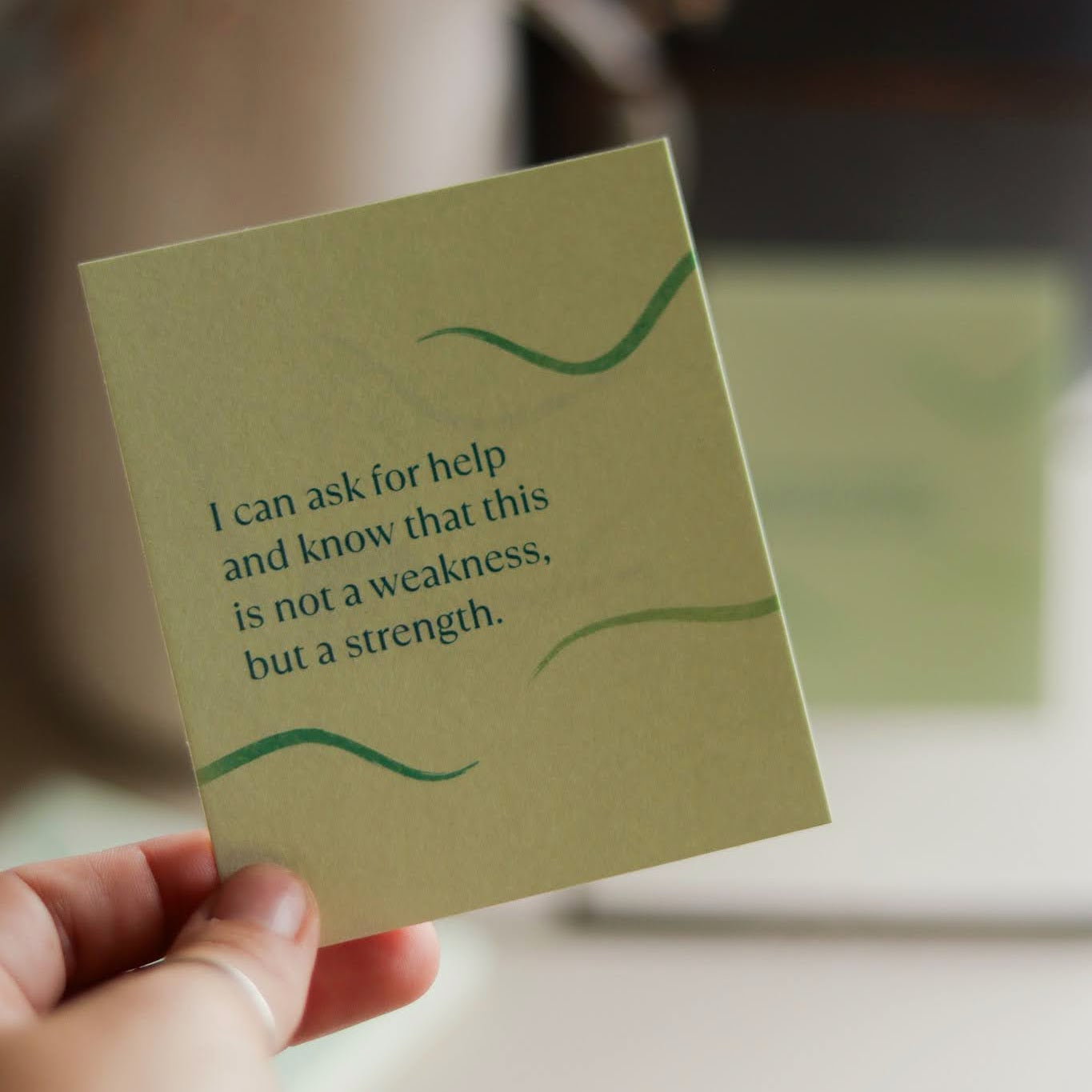
"What has challenged you today? Talk to yourself as you would talk to a friend - write down what you would say."
"Notice how you are feeling right now. Think about what you would find it helpful to hear - it might help to imagine something a friend would say. Write down words to say to yourself."
How Therapy Journals Compare
| Feature | the Give Yourself Kindness journal | many Guided Journals | Blank Journals |
|---|---|---|---|
| Emotion identification tool every page | ✓ | — | — |
| Self-compassion prompts | ✓ | — | — |
| Validated by clinical psychologists | ✓ (Harvard, Oxford) | Varies | — |
| Varied prompts (prevents autopilot) | ✓ (90 varied) | ✓ (repetitive) | ✓ (DIY) |
| Addresses difficult emotions | ✓ | — | Depends on user |
| Price | £28.95 | £12-20 | £8-15 |
Which Therapy Journal Should You Choose?
Find your best match:
90 completely unique days, emotion tool every page
Validates all emotions, no forced positivity
Recommended by therapists from Harvard and Oxford
Emotion awareness tool on every single page
Self-compassion prompts guide you step-by-step
Common Questions
A: A regular journal could be blank pages. A therapy journal includes emotion identification tools, self-compassion prompts, and research-backed approaches like affect labeling. The structure guides you toward therapeutic outcomes.
A: No. While therapists recommend it to clients, many people use it independently. It's helpful whether you're in therapy, between sessions, or maintaining progress after therapy ends.
A: No. A therapy journal is a tool that supports mental health—not a replacement for professional help when you need it. Many use it alongside therapy to practice skills between sessions.
A: This journal is recommended by clinical psychologists from Harvard and Oxford, and based on research your therapist likely knows (affect labeling, self-compassion). Many therapists already use it with clients. Show them the expert reviews page.
A: If journaling made you feel worse, it probably gave you no guidance on emotions or pressured you to be positive when struggling. This journal validates struggle while offering support—it doesn't make you feel like you're "doing it wrong" by having difficult emotions.
A: Most people benefit from 3-5 times per week, spending 5-10 minutes per entry. Consistency matters more than frequency. The undated format means you can use it at your own pace without guilt.
A: Most people spend 5-10 minutes. The prompts guide you to write 3-5 sentences exploring emotions and responding with compassion. It's designed to be manageable, not time-consuming.
A: Yes. Many therapists specifically recommend this to clients for between-session support. It helps you process emotions, practice skills, and prepare for appointments. Some clients bring entries to sessions to discuss patterns with their therapist.
Expert Resources to Support Your Journey
These articles by licensed therapists and clinical psychologists complement your journaling practice:
How to Identify Your Emotions: Complete Guide 5 Myths About Emotions Riding the Wave of Emotions Complete Expert Reviews The Journal Therapists Recommend to ClientsAbout the Author
Important: This guide provides information on choosing therapeutic journaling tools, not medical or therapeutic advice. Journaling supports—but doesn't replace—therapy when you need it. If you're struggling, please reach out to a mental health professional. I'm a meditation teacher who created this journal after my own therapy experience and curate expert content from licensed therapists and clinical psychologists.


“By far my favourite guided journal that I’ve used!”
There's a lot of journals out there. Most of which include tools that can be repetitive, boring or unhelpful. Give Yourself Kindness is about creating something new.