





Last Updated: July 12th, 2026 | By: Rachel Smith, DipBSoM (Qualified Meditation Teacher)
Quick Answer
A journal for loneliness helps you feel less alone with how you're feeling, even before anything else changes, by giving you a compassionate place to put it rather than carrying it silently. Look for prompts that build a kinder relationship with yourself, not just a place to record your mood.
Top recommendation: The Give Yourself Kindness Journal, 90 prompts that help you respond to yourself with warmth when you're feeling disconnected, with an emotional awareness tool on every page.
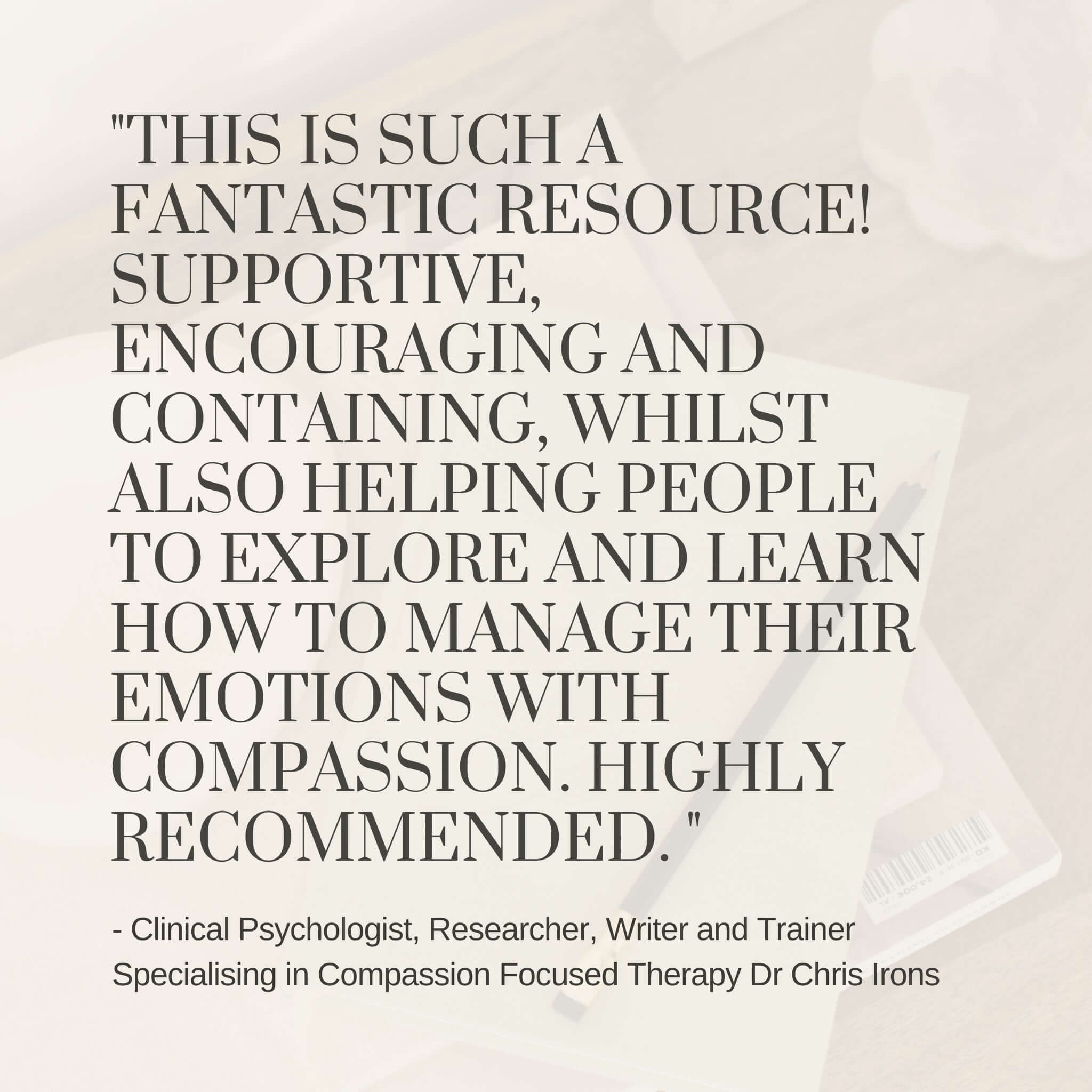
Explore the Give Yourself Kindness Journal →Full transparency: I'm Rachel, and I created the Give Yourself Kindness Journal recommended in this guide. Clinical psychologists from Harvard and Oxford recommend it, and therapists worldwide use it with clients, but I've included other options honestly so you can judge what's right for you.
You're Not Alone in ThisWhat to Look ForComparisonWhich Prompts Help MostFAQ
Feeling Lonely Doesn't Mean Something Is Wrong With You
Loneliness can be one of the hardest feelings to sit with, partly because it often comes with a second layer: feeling embarrassed or ashamed for feeling lonely in the first place. If that's familiar, I want to say clearly that struggling with connection is an extremely normal, human experience, not evidence that something is uniquely wrong with you.

Dr. Andreas Comninos
PhD Clinical Psychologist | EMDRAA Accredited Practitioner | 15+ years experience
"Decades of studies have demonstrated journaling's wide-ranging benefits across diverse methods. Writing down thoughts and feelings can provide a healthy outlet for processing emotions, reducing stress, and gaining clarity. This can lead to insights, and better decision-making and problem-solving skills. Journaling is a versatile and accessible tool that supports mental health, personal growth, and emotional development."
A journal won't replace the real connection with other people that you deserve, and it isn't trying to. What it can do is give you somewhere honest to put the feeling in the meantime, met with warmth instead of more self-judgment on top of it.
Why Self-Compassion Matters When You're Feeling Disconnected
Self-compassion research points to something called "common humanity", the reminder that struggle, including loneliness, is part of being human, not a personal failing. It's one of the three core ideas self-compassion researcher Dr. Kristin Neff has built decades of research around, alongside self-kindness and simply noticing how you feel without judgment.
It matters here because loneliness often arrives with harsh self-talk attached: what's wrong with me, why can't I just connect with people like everyone else seems to. That inner critic doesn't ease the loneliness, it usually adds to it.

Dr. Annabelle Kyle Dortch, PsyD
Clinical Psychologist, Los Angeles | Specialises in life transitions, anxiety, and trauma
"When we engage in self-criticism, we create a nervous system and brain state that is not conducive to learning or facilitating a growth-oriented mindset. Our mind-body system perceives criticism as a threat, activating our stress response. Dr. Kristin Neff's research has repeatedly shown that self-compassion is key in decreasing anxiety and depression and developing courage, resilience, and a growth-oriented mindset."
→ Read the full article: Why Self-Compassion Works Better Than Self-Criticism
Responding to yourself with the same warmth you'd offer a friend who was struggling with loneliness, rather than criticism, is what a journal like this is built to support.
Worth saying clearly: if loneliness has been going on for a long time, feels overwhelming, or comes with low mood that isn't lifting, please reach out to your GP or a qualified therapist. A journal can be a genuinely comforting companion, but it isn't a substitute for real human connection or professional support when you need it.
What to Look for in a Journal for Loneliness
1. Prompts that validate the feeling, not just track your mood
Why this matters: A simple "rate your mood 1-10" doesn't give loneliness anywhere to go. Prompts that ask you to explore the feeling with curiosity, rather than just log it, tend to help more.
2. Self-compassion built into the language
Why this matters: Loneliness often comes with self-critical thoughts about why you're alone. A journal that gently redirects you toward warmth, rather than reinforcing that inner critic, changes the entire experience of sitting with the feeling.
3. A reminder that this is a shared, human experience
Why this matters: Loneliness can feel very isolating in itself, like you're the only one struggling with it. Language that gently reminds you this is common and human, not a personal failing, tends to soften that isolation a little.
4. An undated format
Why this matters: Some days will feel easier than others. An undated journal lets you come back whenever you need it, without a missed-days record adding guilt to a feeling that's already hard enough.
The Journal Validated by Harvard and Oxford Experts
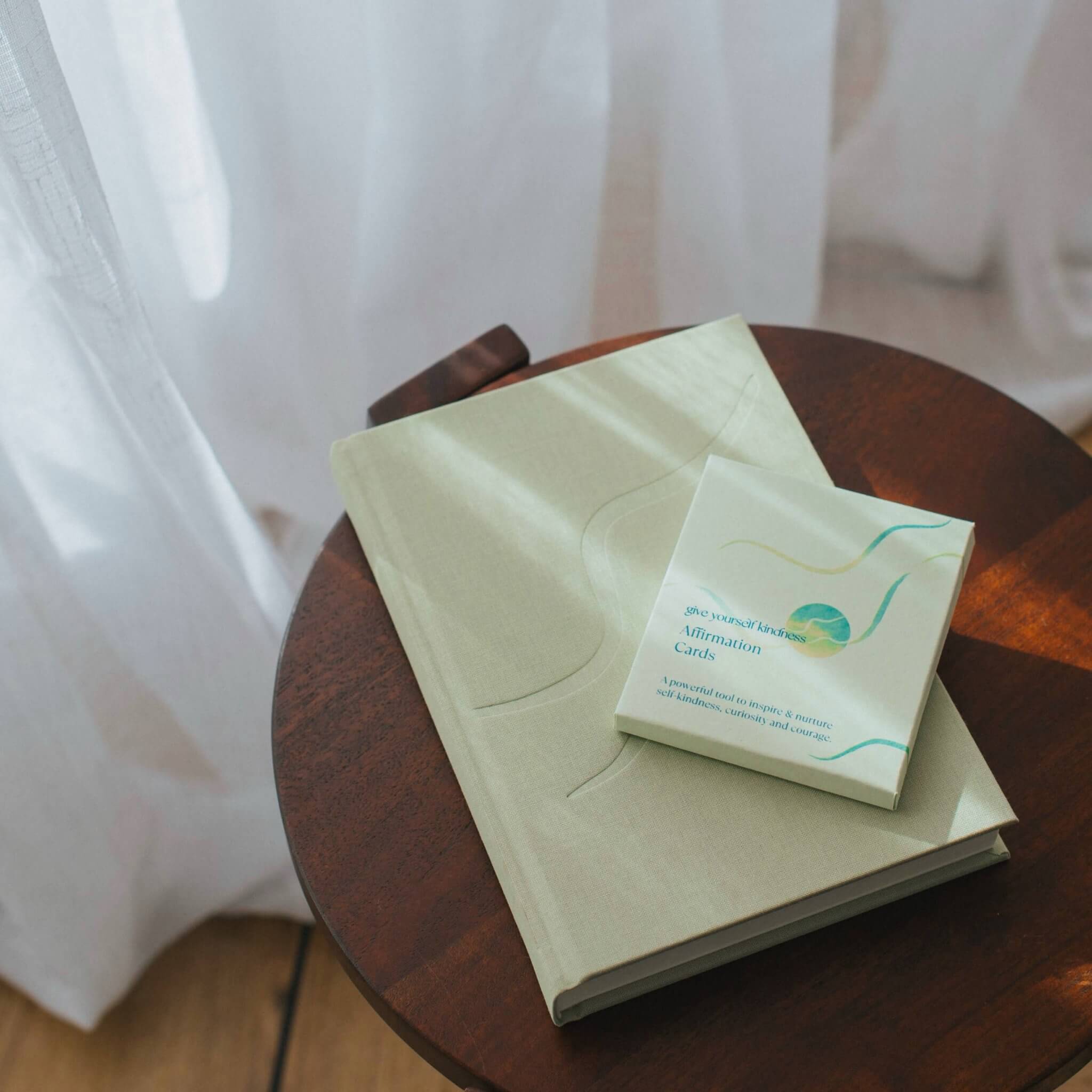
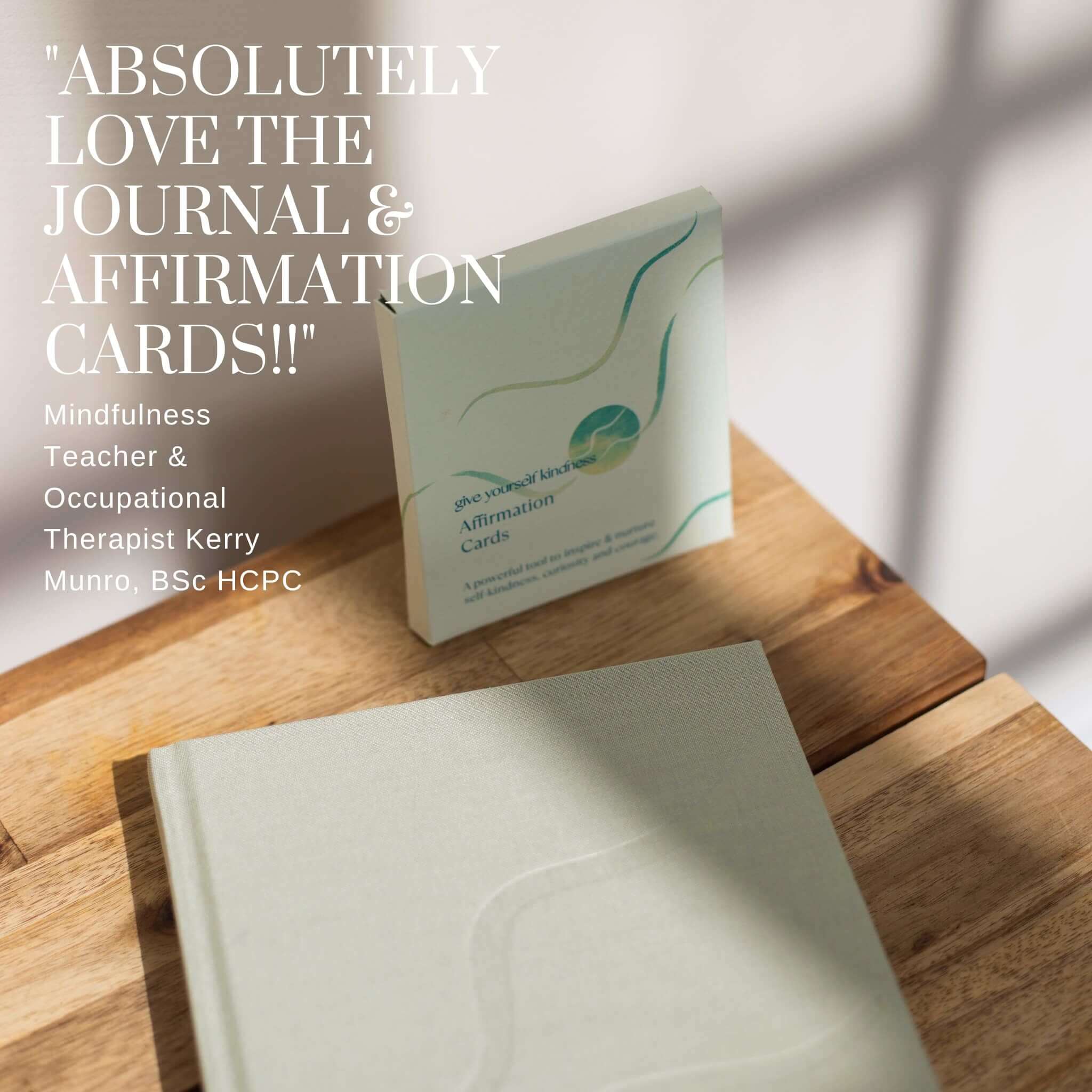
The Give Yourself Kindness Journal
- Having somewhere honest to put difficult feelings, including loneliness
- Responding to yourself with warmth instead of self-criticism
- Anyone who feels embarrassed or ashamed about feeling lonely
- Using alongside real connection with others, not instead of it
How This Journal Can Help
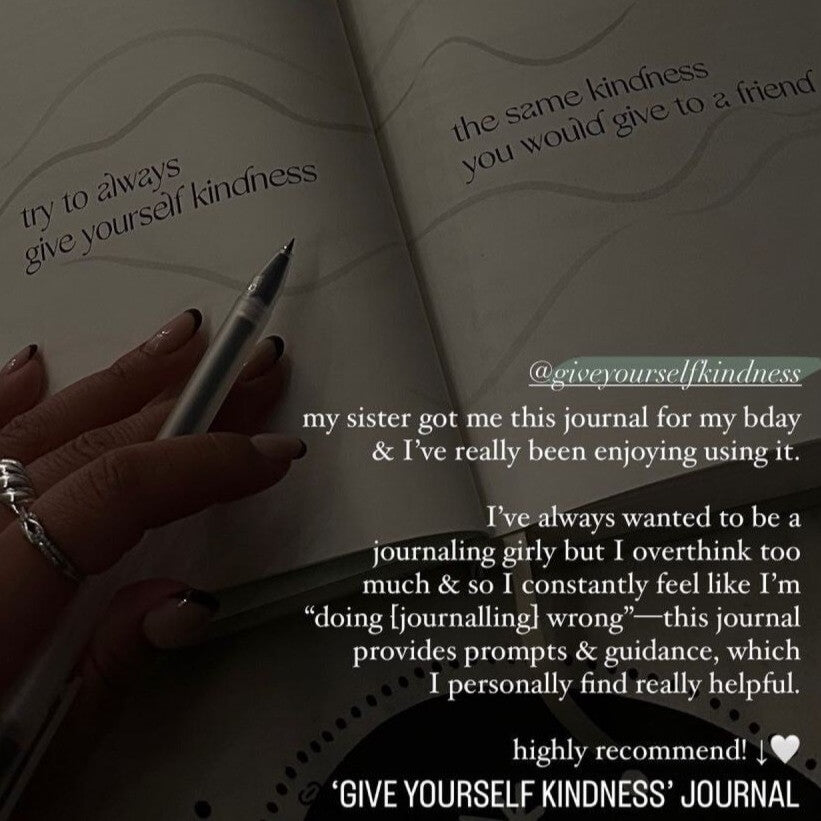
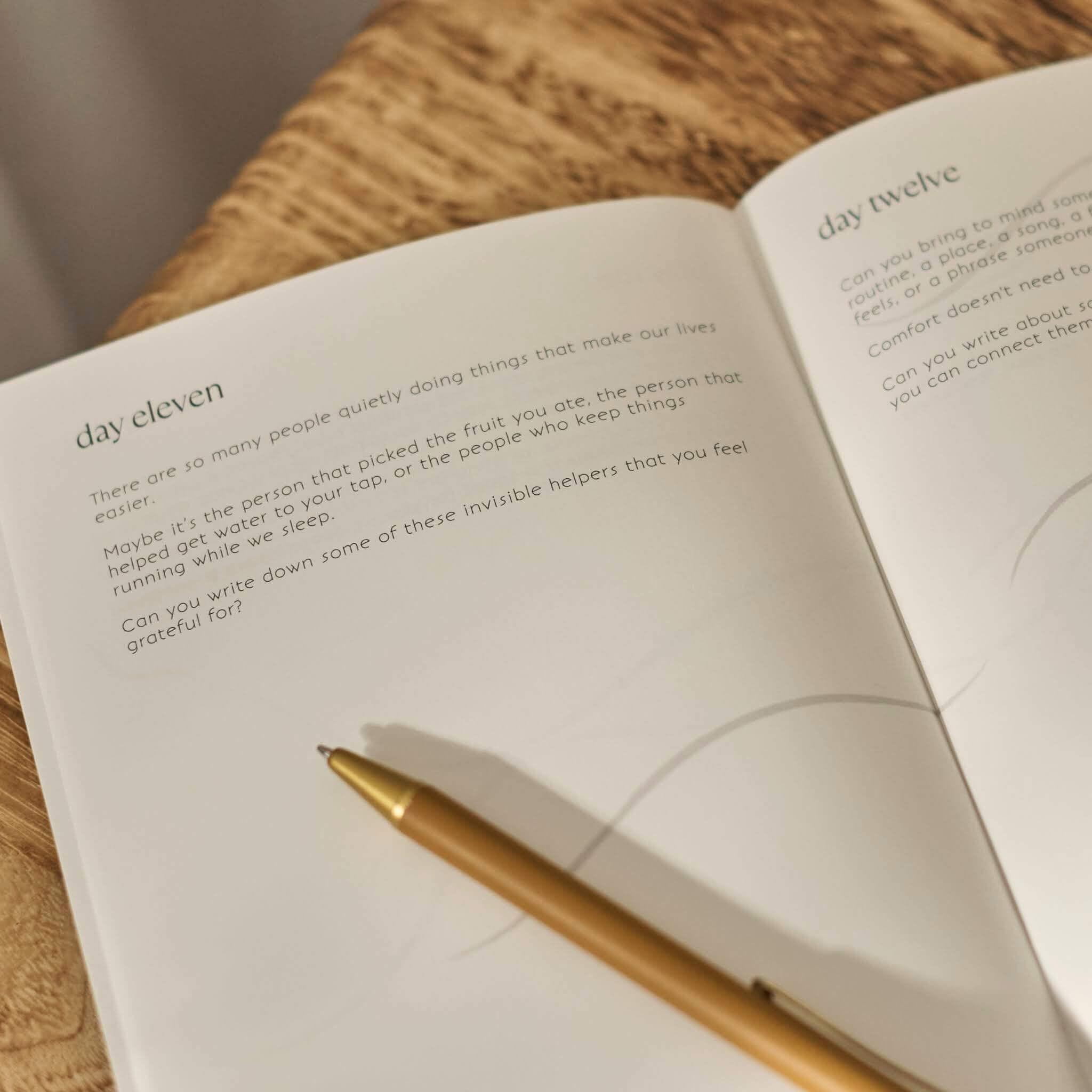
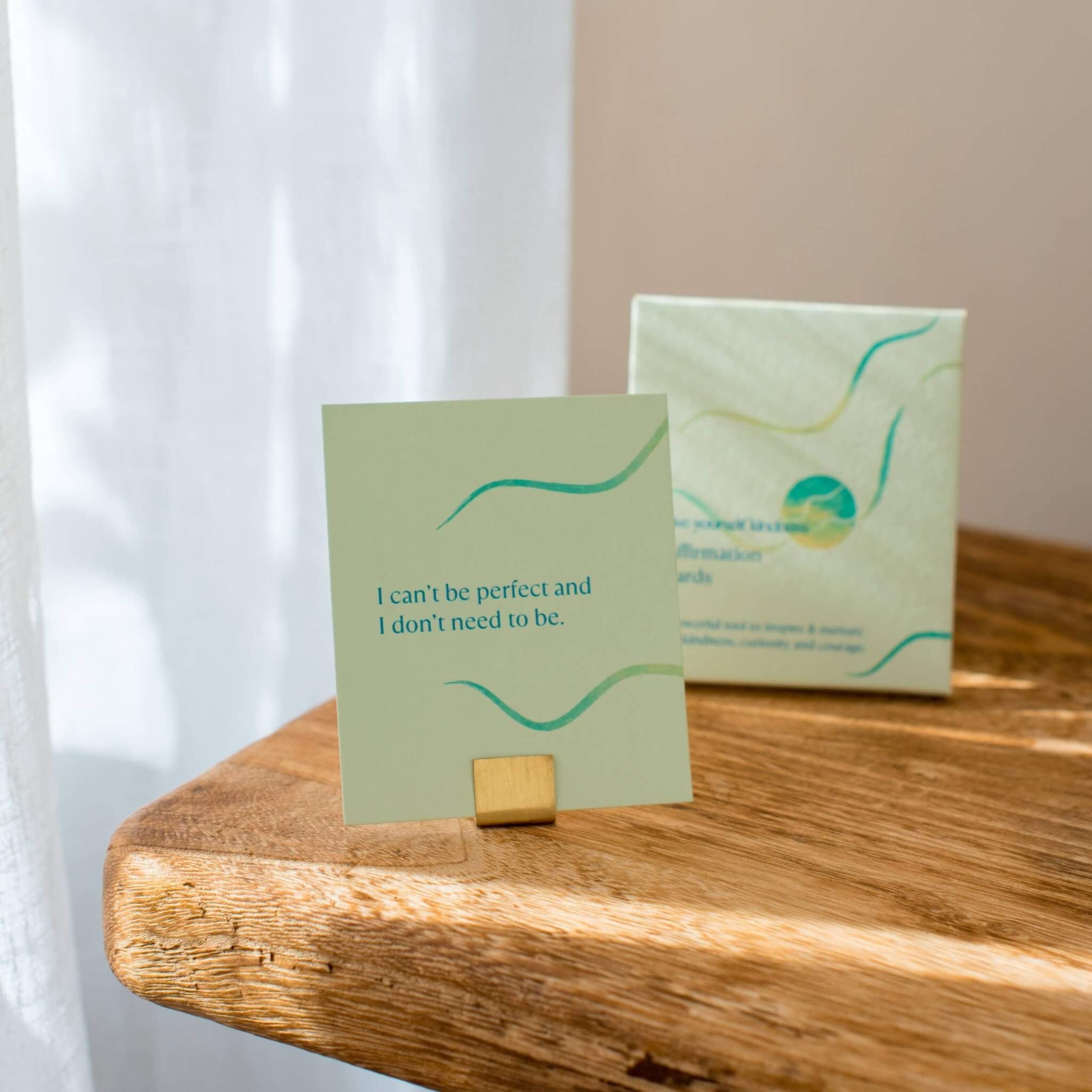
Prompts that ask what you'd say to a friend, then ask you to say it to yourself. If a friend told you they were feeling lonely, you'd likely respond with warmth, not judgment. This journal helps you offer yourself that same response.
An emotional awareness tool on every page. Loneliness can sit alongside other feelings, sadness, frustration, longing, that are easier to work through once you can name them specifically.
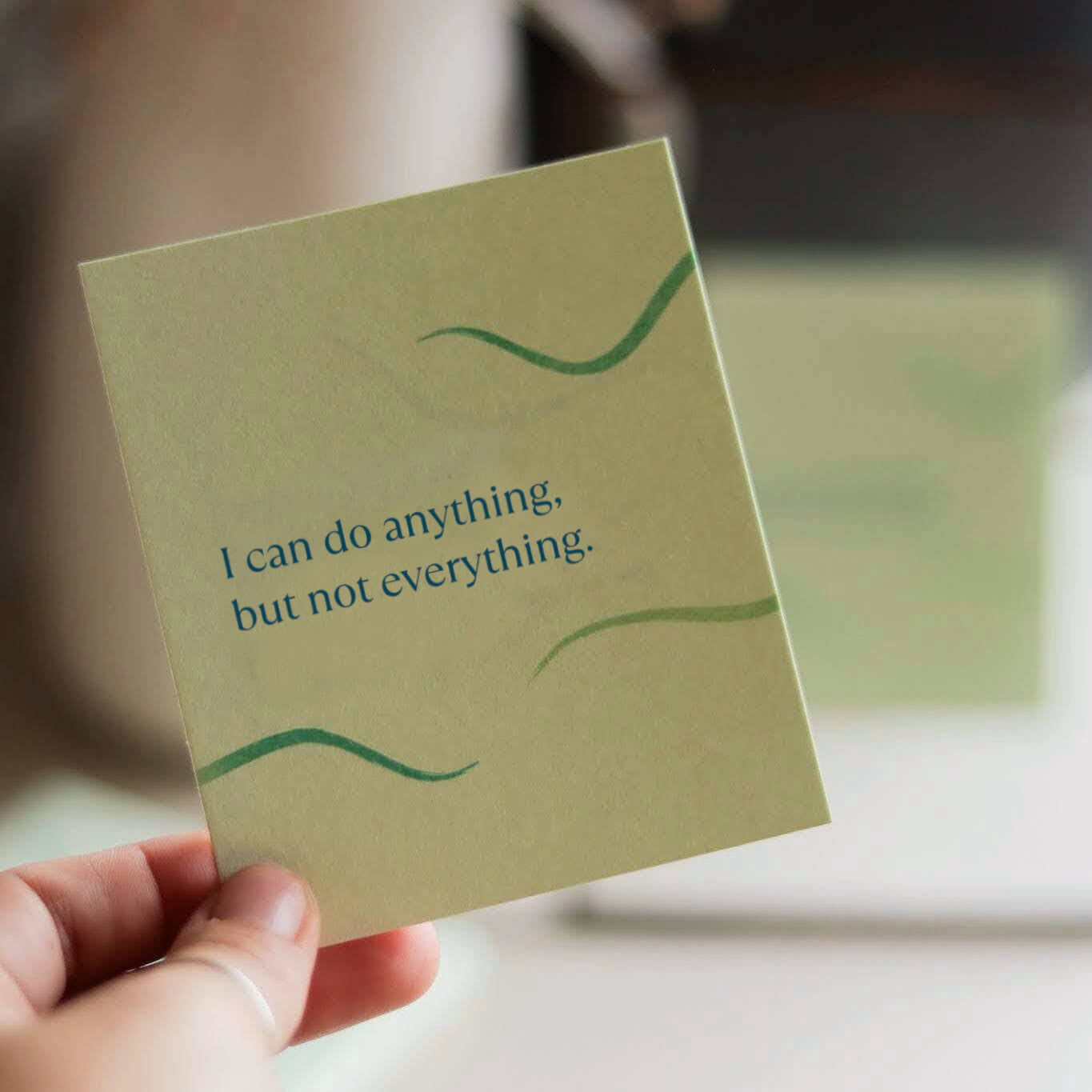
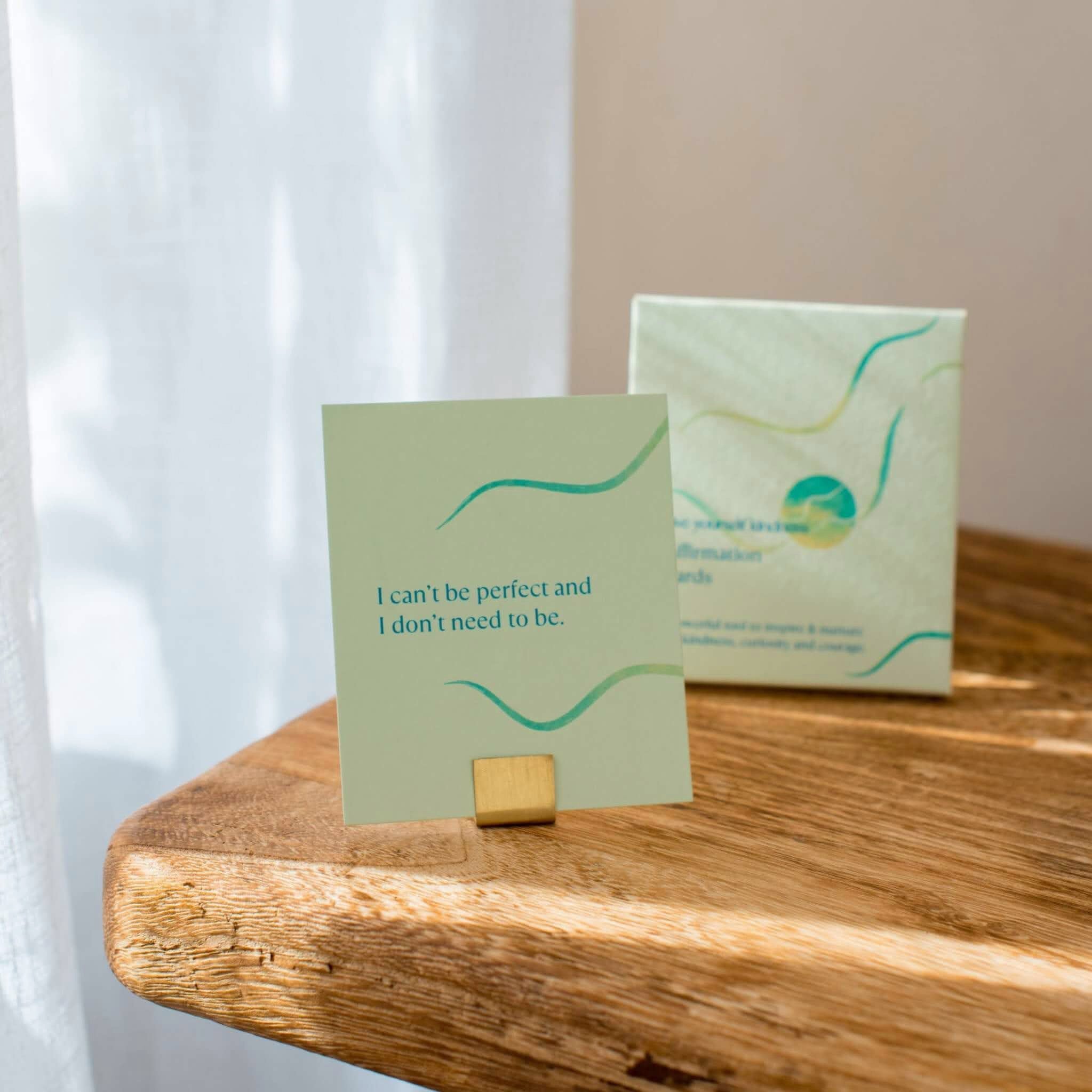
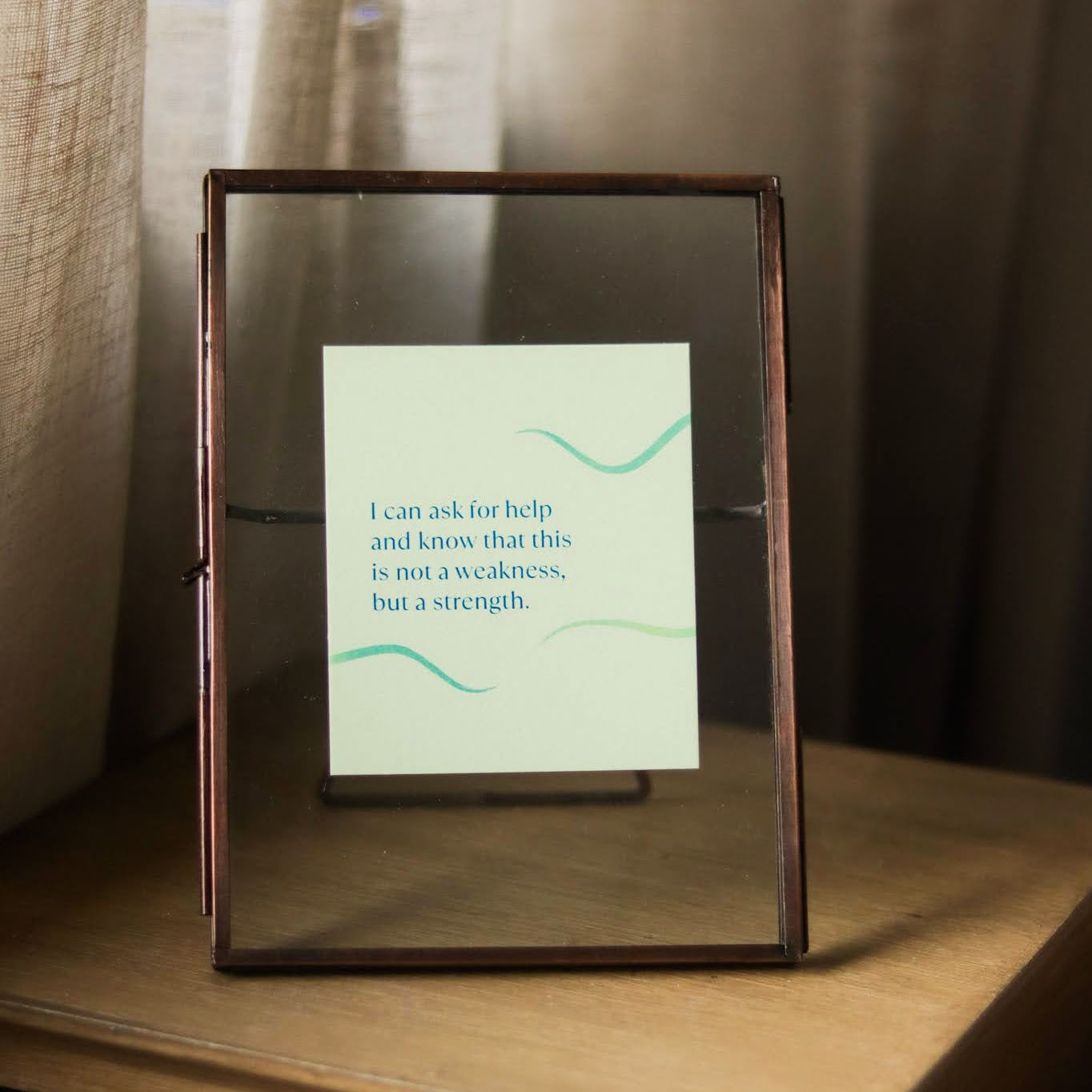
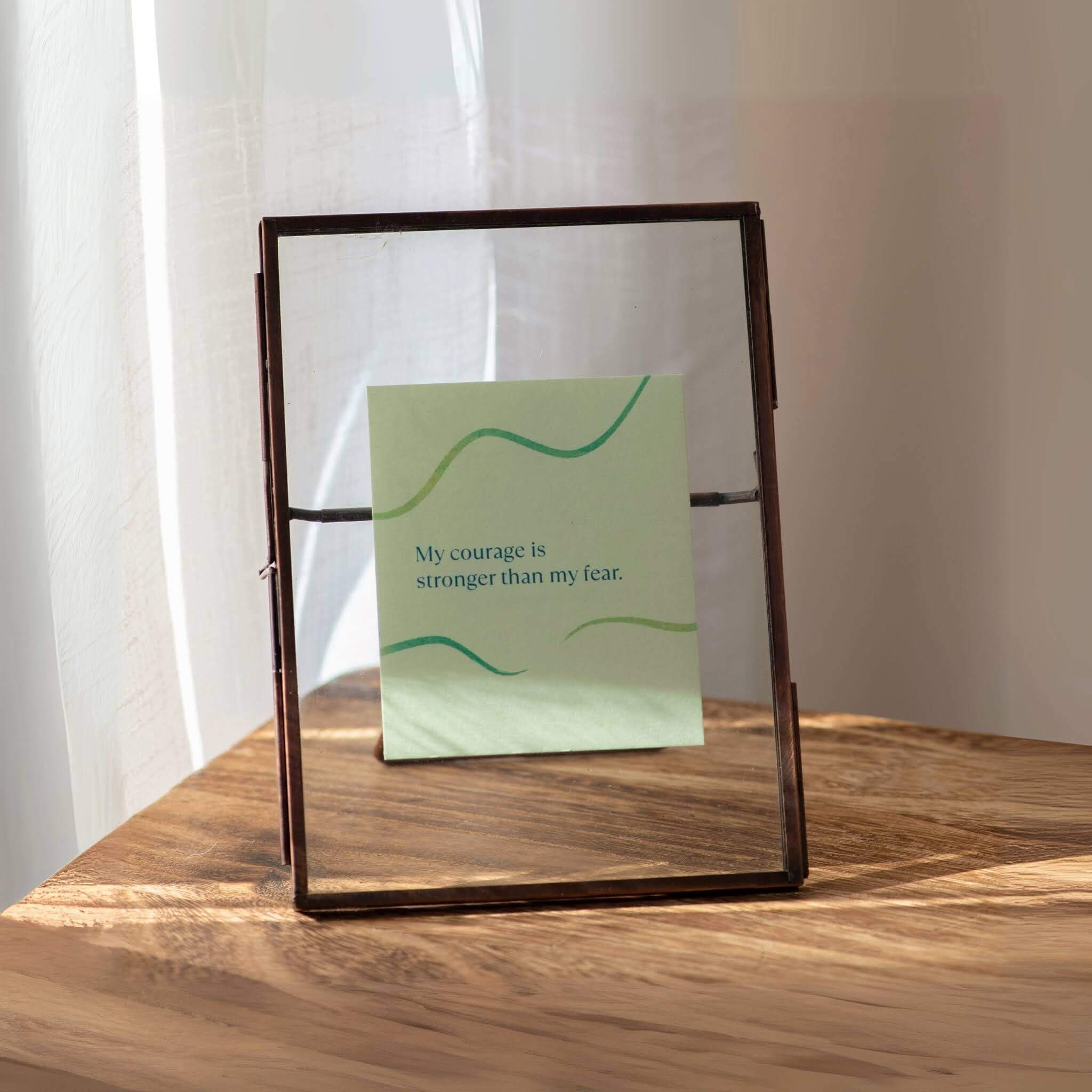
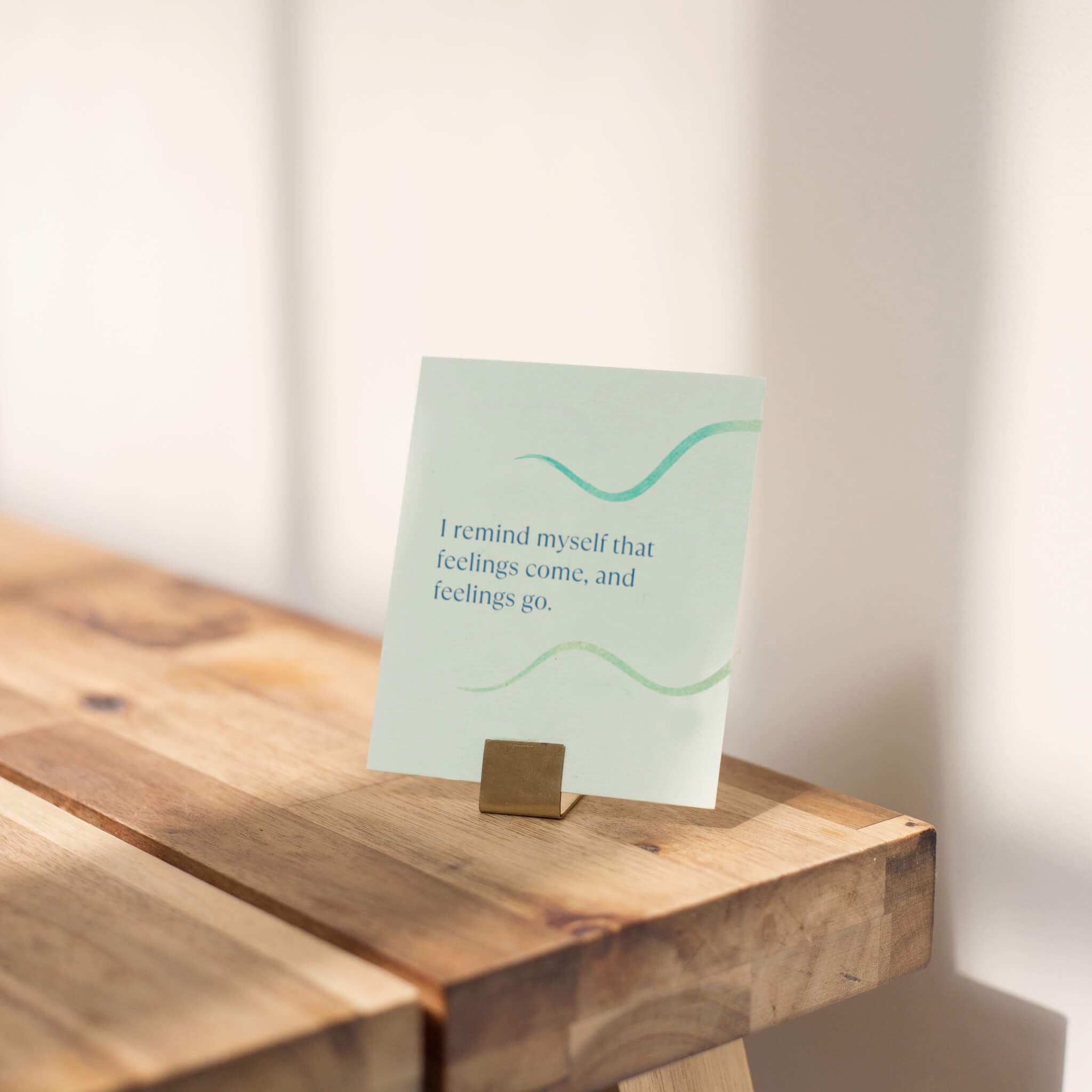
Self-compassion built into the language itself. Reminders like "you are not alone in how you feel" and "be careful how you talk to yourself, you are listening" are woven throughout.
Undated format. No missed-days record, no pressure. Come back whenever you need it.

Dr. Chris Germer, PhD
Clinical Psychologist, Harvard Medical School | Co-developer of Mindful Self-Compassion (MSC), taught to 250,000+ people worldwide
"A warm invitation to make friends with your emotions and yourself!"

Professor Willem Kuyken, PhD, DClinPsy
Ritblat Professor of Mindfulness and Psychological Science, University of Oxford | Top 1% most cited scientists worldwide
"The journal is rooted in state-of-the-art research that emphasizes the importance of understanding our emotions in order to lower stress and lead a happy and meaningful life. Rachel has curated the experience to make the writing intrinsically rewarding and the journal something to treasure."
Sample Prompts
- "Notice how you are feeling right now. Think about what you would find it helpful to hear. Write down words to say to yourself."
- "What has challenged you today? Talk to yourself as you would talk to a friend, write down what you would say."
- "What emotions can you notice have arisen for you today? With curiosity and kindness, try to explore the reasons behind the emotions you've noticed."
✓ What Works
- Somewhere honest to process the feeling, not just track it
- Self-compassion built into every prompt
- Helps you name what you're feeling specifically
- Undated, no pressure or guilt for hard weeks
- Expert-recommended by Harvard and Oxford
✗ Consider If
- You're looking for practical advice on meeting people or building social connections specifically
- You want structured tracking of social interactions rather than reflective prompts
- Your loneliness feels overwhelming right now, in which case please speak to your GP or a therapist alongside anything else
How Different Options Compare
| Option | Best For | Self-Compassion Focus | Format | Price |
|---|---|---|---|---|
| Give Yourself Kindness Journal | Processing loneliness with warmth, not judgment | ✅ Built into every prompt | Undated | £28.95 |
| Generic mood-tracking journal | Logging how you feel day to day | Not typically the focus | Varies | £10–20 |
| Counselling or therapy | Ongoing, significant, or persistent loneliness | Depends on approach | Ongoing sessions | Varies |
| Blank notebook | People who already know how to guide their own reflection | Depends entirely on you | Undated | £5–15 |
Worth knowing: a mood-tracking journal can be genuinely useful if you mainly want to spot patterns over time, and if loneliness has been significant or ongoing, speaking to a therapist is worth doing alongside any journal, not instead of one. These serve different purposes rather than competing with each other.
Why I Believe Self-Compassion Belongs in This Conversation
I'm not a therapist, and I want to be honest that I can't offer clinical guidance on loneliness itself. What I do know, from my own experience with harsh self-talk and self-criticism through Compassion-Focused Therapy, is how easily self-criticism can lead someone to withdraw rather than reach out. When your inner critic tells you that you're too much, not interesting enough, or somehow doing connection wrong, isolating yourself can start to feel safer than risking that judgment being confirmed by someone else.
I built the Give Yourself Kindness Journal around responding to yourself with warmth instead of that inner critic. I believe that matters alongside loneliness too, not as a fix for it, but as a gentler place to sit with it while you find your way back to connection.
Which Prompts Help Most for Your Situation
Frequently Asked Questions
Can a journal actually help with loneliness?
A journal can't replace real connection with other people, and it isn't meant to. What it can offer is a compassionate place to process the feeling, rather than carrying it silently or in a critical inner monologue. Many people find that alone makes a genuine difference, alongside continuing to reach for connection with others.
Is it normal to feel lonely even when I'm surrounded by people?
Yes, this is a common and well-recognised experience. Loneliness is about the quality and depth of connection you feel, not simply how many people are physically around you. Feeling this way doesn't mean anything is wrong with you or your relationships.
Why do I feel embarrassed or ashamed about feeling lonely?
Loneliness often carries an unfair stigma, as though needing connection is something to hide. That shame is usually the inner critic adding a second layer on top of the original feeling. Naming both the loneliness and the shame around it, rather than letting the shame stay unspoken, tends to help.
Will this journal replace real connection with other people?
No, and it isn't trying to. Real human connection matters, and a journal is a companion alongside that, not a substitute for it. Think of it as somewhere to process how you're feeling and build a kinder relationship with yourself while you continue reaching for connection with others.
What if journaling makes me feel more aware of being alone, not less?
If a prompt brings up more than feels manageable, it's completely fine to put the journal down and come back another time, or to talk to someone you trust or a professional instead. This journal is built to offer warmth rather than dwell on the difficulty, but everyone's experience is different, and there's no wrong way to respond to that.
Can I use this journal alongside therapy or counselling?
Yes. Many therapists recommend the Give Yourself Kindness Journal to clients as daily reflection between sessions. If loneliness has been significant or long-lasting, speaking to a qualified therapist is genuinely worth doing, and journaling can sit alongside that support rather than replace it.
Why are you recommending your own journal?
Because I understand, from my own experience with self-criticism, how much harder a difficult feeling becomes when it's met with judgment rather than warmth. I'm not a therapist and I'm not offering clinical guidance on loneliness itself, but I do believe a compassionate place to process how you're feeling has real value. Clinical psychologists from Harvard and Oxford reviewed the journal and recommend it to their clients, and I've been transparent throughout this page that it's my product.
You Don't Have to Sit With This Alone
Feeling lonely is a genuinely human experience, not a personal failing. A journal won't replace the connection you deserve with other people, but it can offer somewhere honest and warm to process the feeling in the meantime.
Explore The Give Yourself Kindness Journal →Related reading:
About the author: Rachel Smith (DipBSoM) is a qualified meditation teacher and the creator of Give Yourself Kindness. After her own experience with Compassion-Focused Therapy for harsh self-talk and self-criticism, she created evidence-based tools recommended by clinical psychologists from Harvard Medical School (Dr. Chris Germer) and the University of Oxford (Professor Willem Kuyken), and used by therapists with clients across the UK, US, and Canada. She is not a therapist or clinical psychologist, and this page does not offer clinical advice; where clinical framing is included, it is attributed to the named experts quoted above.


“By far my favourite guided journal that I’ve used!”
There's a lot of journals out there. Most of which include tools that can be repetitive, boring or unhelpful. Give Yourself Kindness is about creating something new.