



Last Updated: July 12th, 2026 | By: Rachel Smith, DipBSoM (Qualified Meditation Teacher)
Quick Answer
A journal for people-pleasing helps you notice how differently you talk to yourself compared to others, and gently reminds you that treating yourself with the same kindness isn't selfish, looking after everyone else includes looking after you too. Look for prompts that build self-compassion, not just self-discipline.
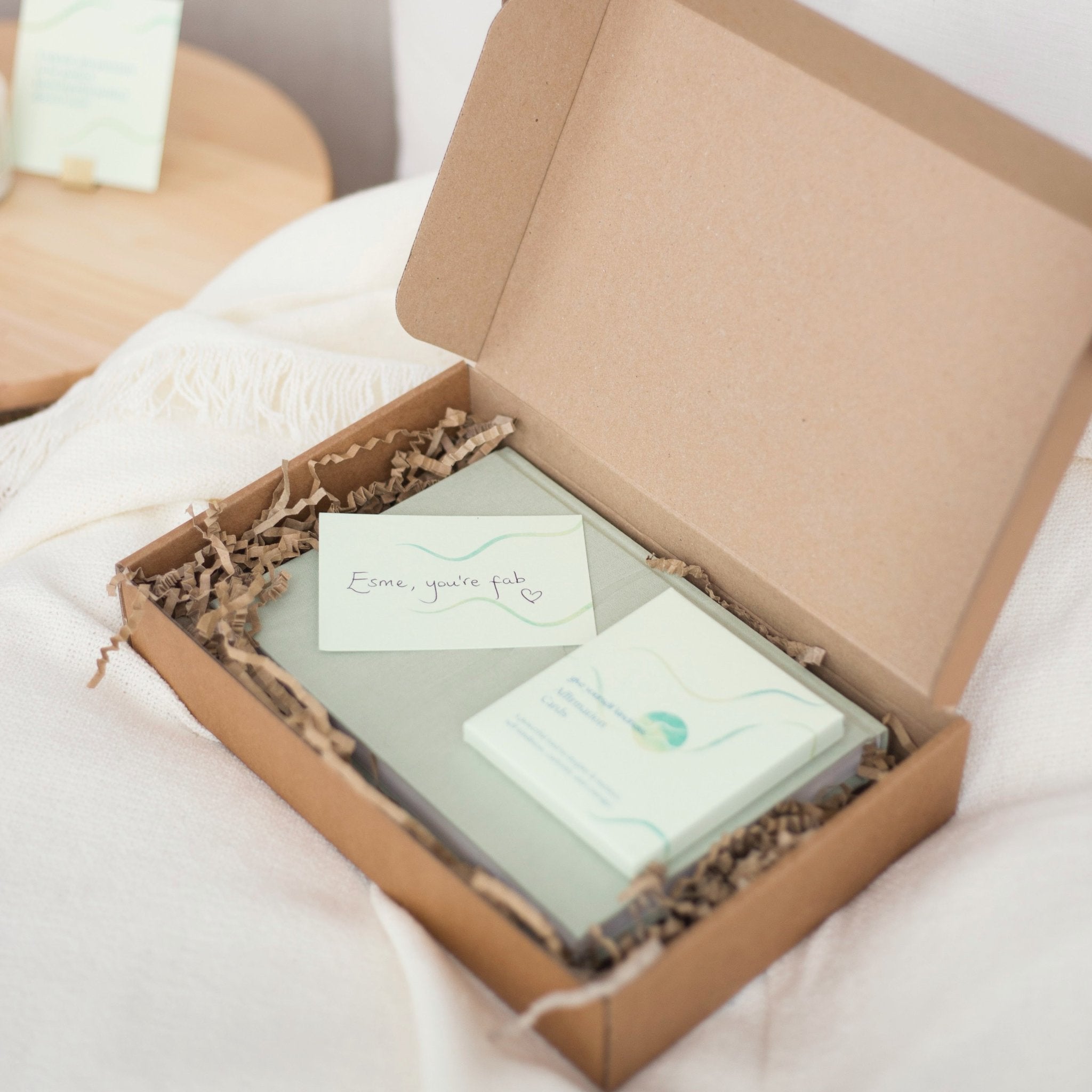
Top recommendation: The Give Yourself Kindness Journal, 90 prompts that help you notice your own needs and respond to yourself the way you'd respond to a friend, with an emotional awareness tool on every page.
Explore the Give Yourself Kindness Journal →Full transparency: I'm Rachel, and I created the Give Yourself Kindness Journal recommended in this guide. Clinical psychologists from Harvard and Oxford recommend it, and therapists worldwide use it with clients, but I've included other options honestly so you can judge what's right for you.
Why This HappensWhat to Look ForComparisonWhich Prompts Help MostFAQ
If You're Always the One Who Adjusts, This Is For You
Noticing that you put everyone else first isn't a flaw to fix, it's information. It usually means you learned, somewhere along the way, that keeping everyone else comfortable felt safer than risking their disappointment. That makes complete sense, and you're not alone in it.

Carrie Pollard, MSW RSW
Experienced Psychotherapist
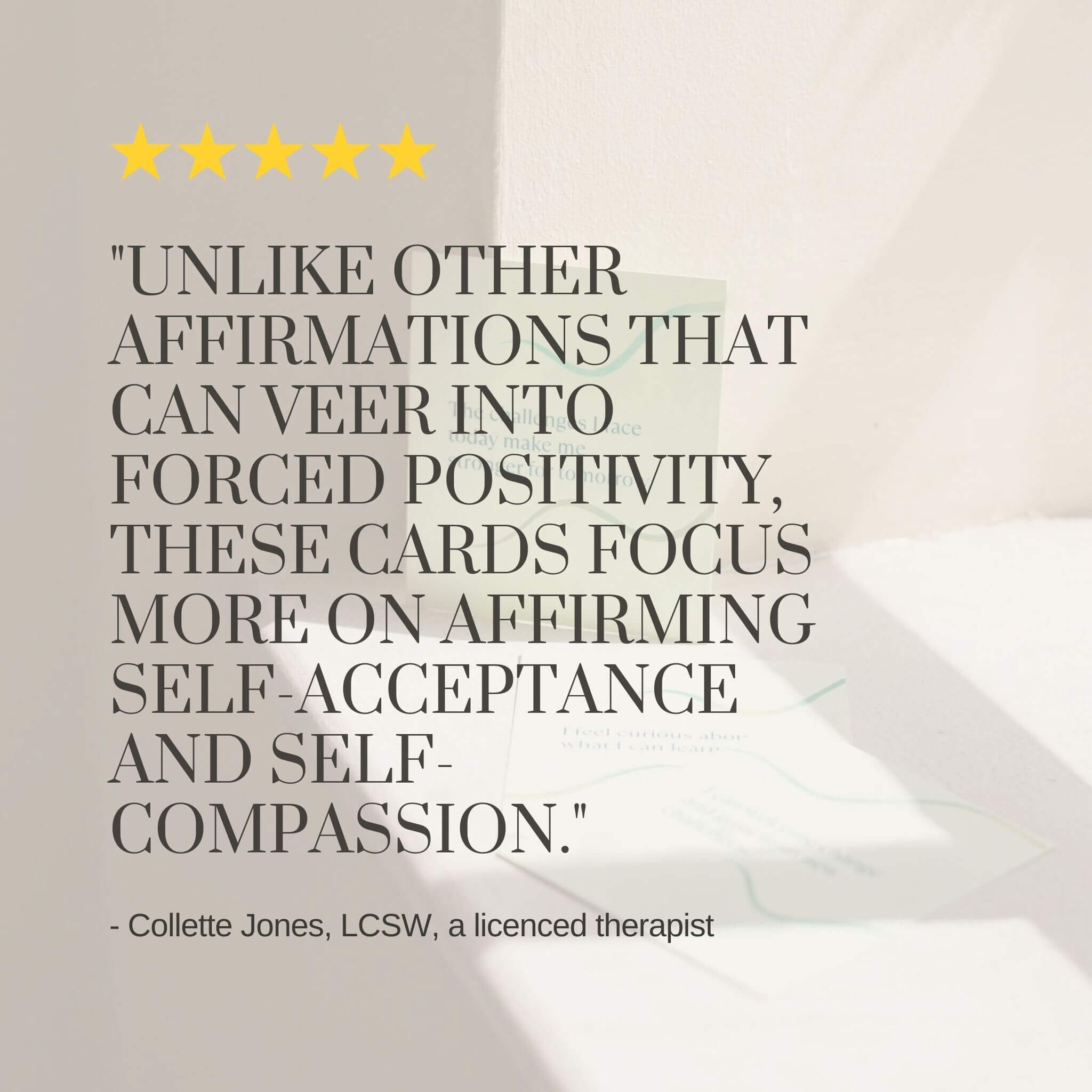
"Being able to identify what you're feeling and compassionately explore the 'why' is central to self-connection and self-growth. The Give Yourself Kindness journal is a steady guide in this process. It helps you name and process your emotions, identify what you need to cope and/or problem-solve, balance the acknowledgment of hurt and suffering with gratitude and comfort, and give yourself the same compassion you would a loved one."
That's really what a journal for people-pleasing needs to do: help you find your own needs again, underneath everyone else's, and hold them with the same compassion you already give everyone but yourself.
Why People-Pleasing Isn't Really About Being "Too Nice"
People-pleasing is often described as a personality trait, being agreeable, easygoing, a good listener. Clinically, it's usually something else: a learned way of managing a perceived threat. Saying no, disappointing someone, or taking up space can feel genuinely unsafe, even when you know, logically, that it isn't. Compassion-Focused Therapy has a name for what's happening underneath it.

Dr. Chris Irons
Clinical Psychologist | Specialist in Compassion Focused Therapy | Co-Director of Balanced Minds
"Journalling can be a powerful way of developing self-reflection, self-discovery and enhancing emotion regulation. However, from a Compassion Focused Therapy point of view, it's useful to consider which part of ourselves is doing the journalling. It could be that it's a fearful part of you that is writing, or an angry or self-critical part. How helpful might it be if it is our self-critic journalling? In CFT, we help people develop a compassionate part of self — a part that is wise, strong and caring — and use this compassionate part to 'do' the journalling."
→ Read the full article: The Benefits of Journaling: What 3 Clinical Psychologists Say
Put simply: if a fearful or self-critical part of you has been making most of your decisions, of course it defaults to keeping everyone else happy. It's trying to keep you safe the only way it knows how. Dr. Annabelle Kyle Dortch, a clinical psychologist in Los Angeles, explains what happens in your body when that part of you is in charge:

Dr. Annabelle Kyle Dortch, PsyD
Clinical Psychologist, Los Angeles | Specialises in life transitions, anxiety, and trauma
"When we engage in self-criticism, we create a nervous system and brain state that is not conducive to learning or facilitating a growth-oriented mindset. Our mind-body system perceives criticism as a threat, activating our stress response. Dr. Kristin Neff's research has repeatedly shown that self-compassion is key in decreasing anxiety and depression and developing courage, resilience, and a growth-oriented mindset."
→ Read the full article: Why Self-Compassion Works Better Than Self-Criticism
This is why simply trying harder to "set boundaries" often doesn't stick. If the part of you making decisions still feels like disappointing someone is dangerous, willpower alone won't override that. What helps is building a genuinely compassionate relationship with yourself first, so saying no stops feeling like a risk and starts feeling like something you're allowed to do.
What to Look for in a Journal for People-Pleasing
1. Prompts that ask what you need, not just what happened
Why this matters: If you're used to tracking everyone else's needs, your own can be genuinely hard to locate. A journal that only asks you to record your day won't surface this. You need prompts that directly ask what you need, want, or are finding hard, on repeat, until it becomes familiar to answer.
2. Self-compassion built into the language, not just self-discipline
Why this matters: "Just say no" advice treats people-pleasing like a habit to break through willpower. It rarely works that way. What actually helps is a gentler relationship with yourself, so disappointing someone doesn't feel like proof you've failed.
3. Permission for the discomfort, not a promise it will disappear
Why this matters: Saying no will probably still feel uncomfortable for a while, even once you understand why. A good journal doesn't promise that feeling away. It helps you notice it, and do the hard thing anyway, without needing the discomfort to be gone first.
4. An undated format
Why this matters: This is slow, non-linear work. Some weeks you'll notice your needs easily. Other weeks you'll slip straight back into old patterns. An undated journal lets you come back without a missed-days record making you feel like you've failed at it.
The Journal Validated by Harvard and Oxford Experts
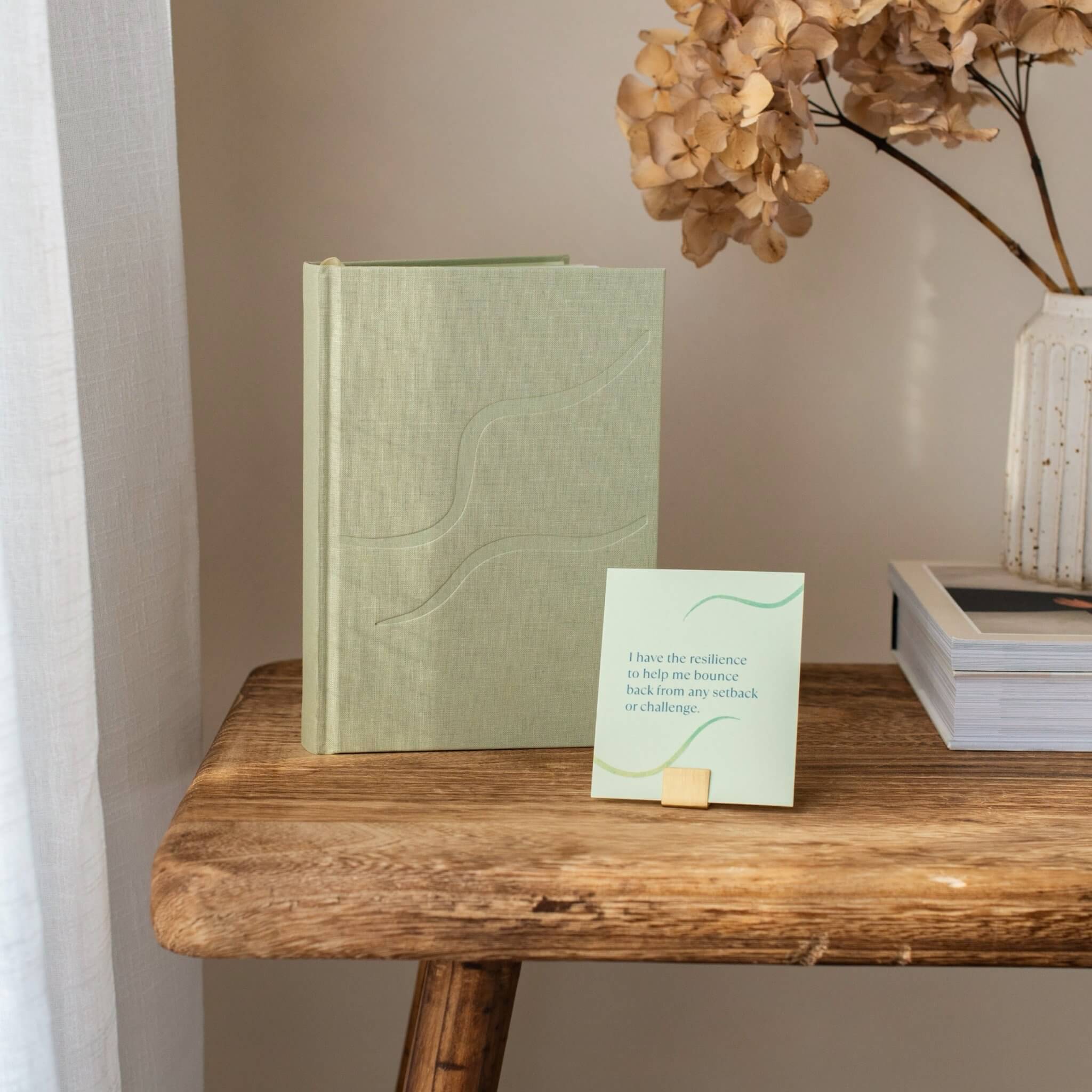
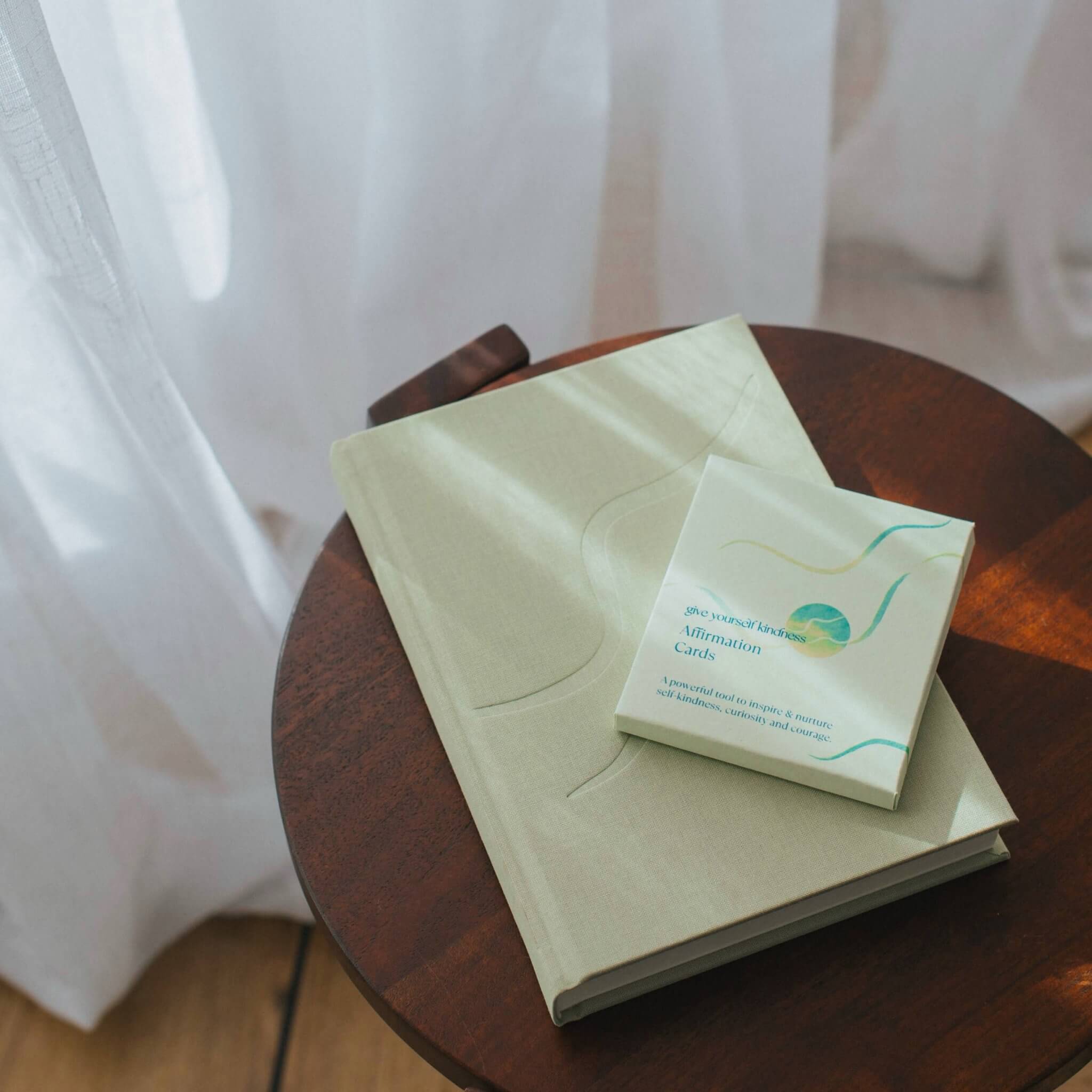
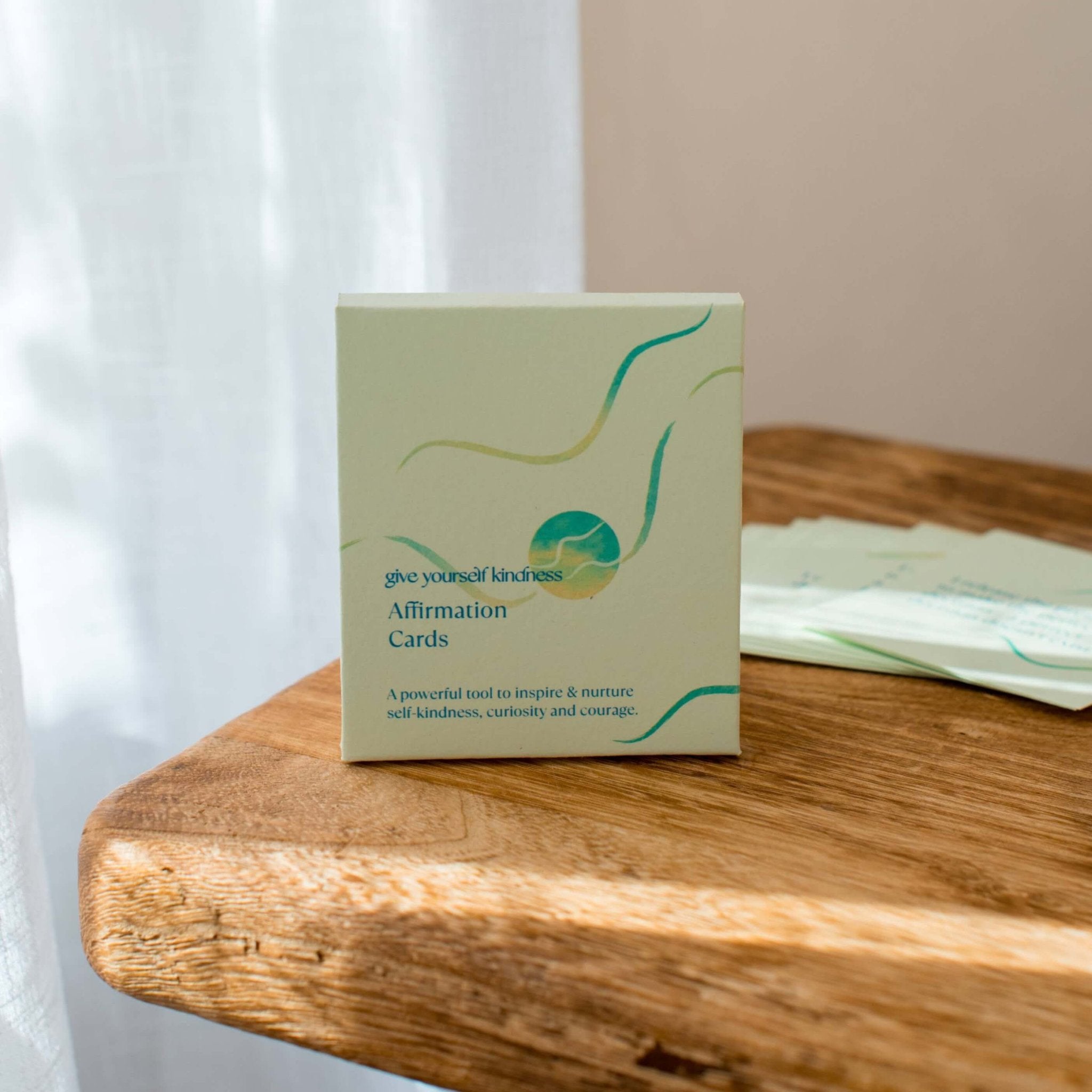
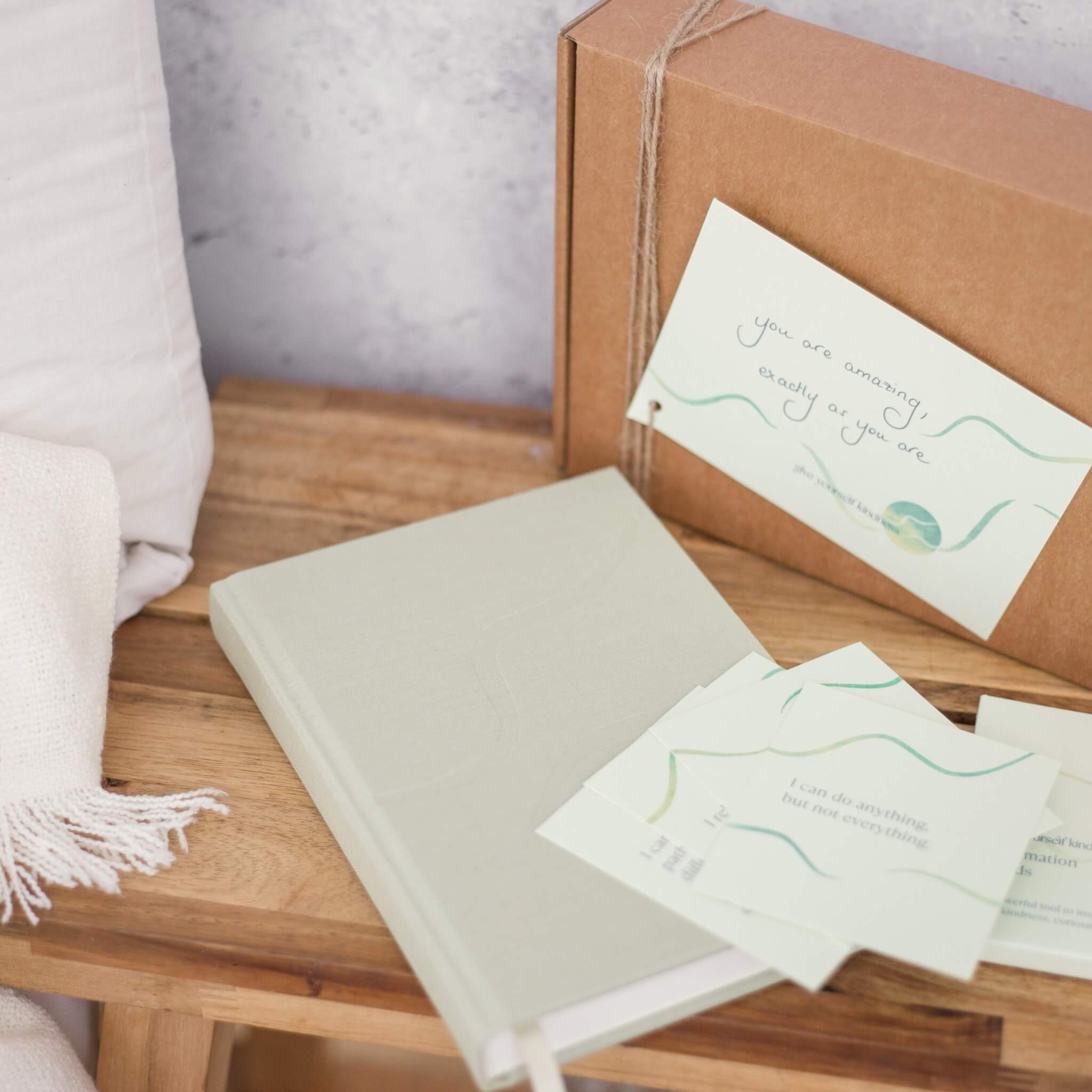
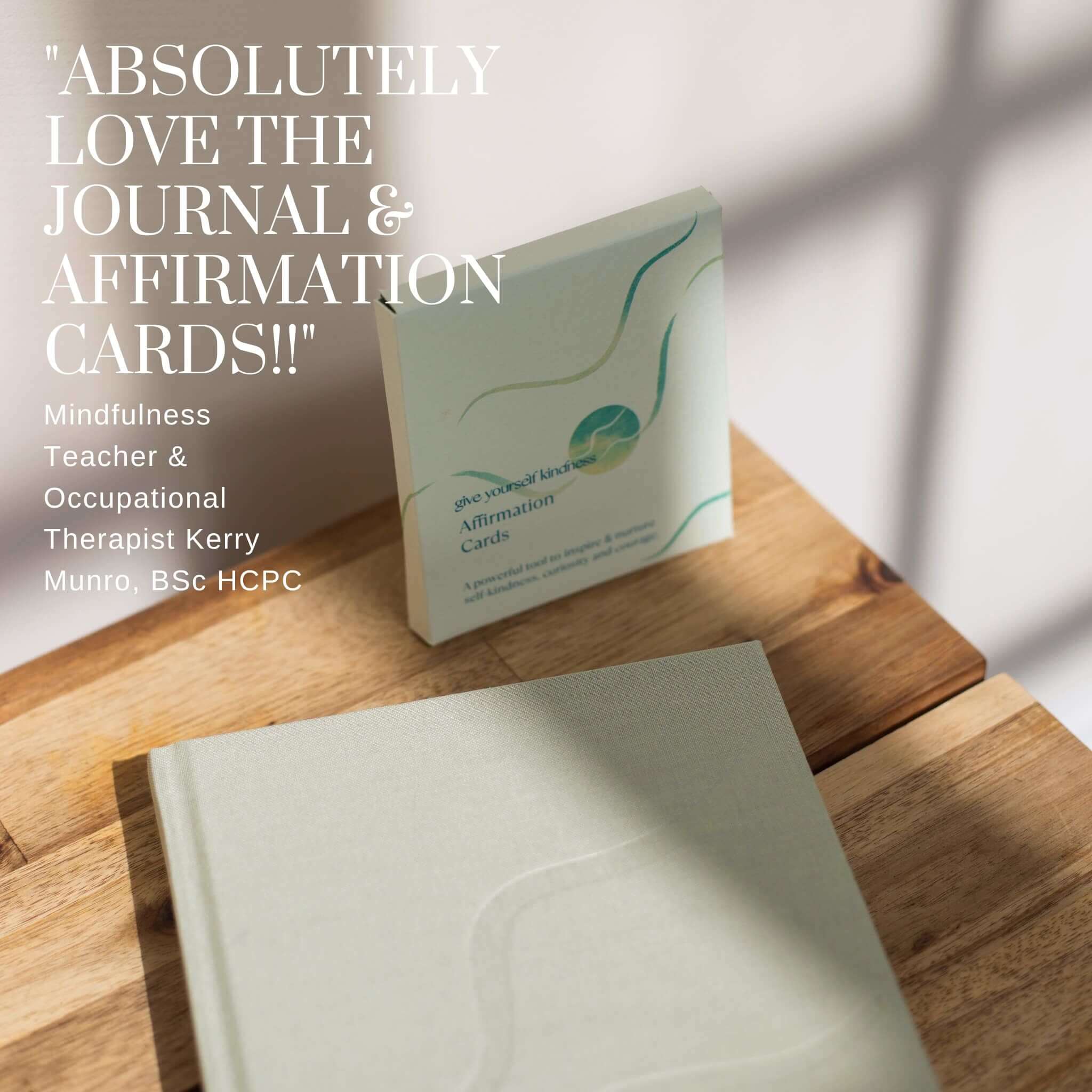
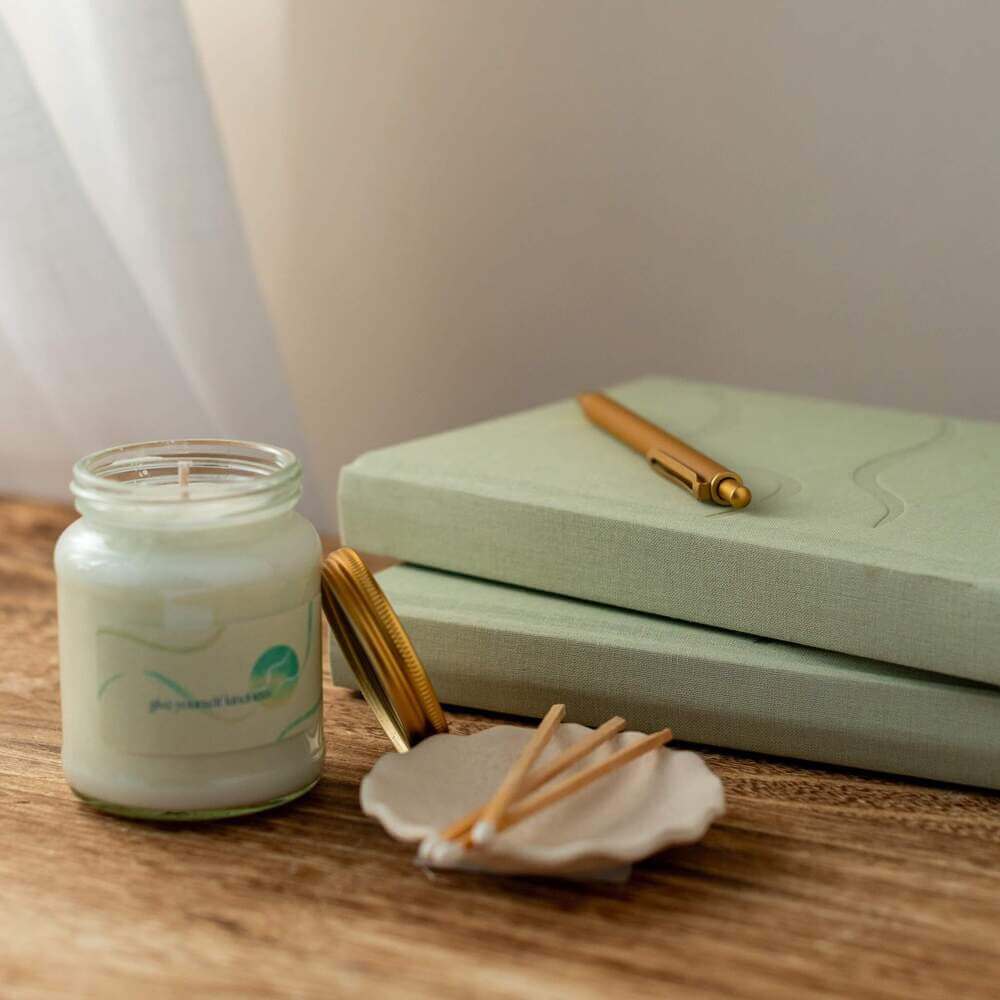
The Give Yourself Kindness Journal
- Noticing your own needs when you're used to tracking everyone else's
- Building self-compassion so boundaries feel less risky, not just more disciplined
- Anyone who feels guilty resting, saying no, or taking up space
- Working alongside therapy on people-pleasing or a harsh inner critic
How This Journal Supports People-Pleasing Recovery
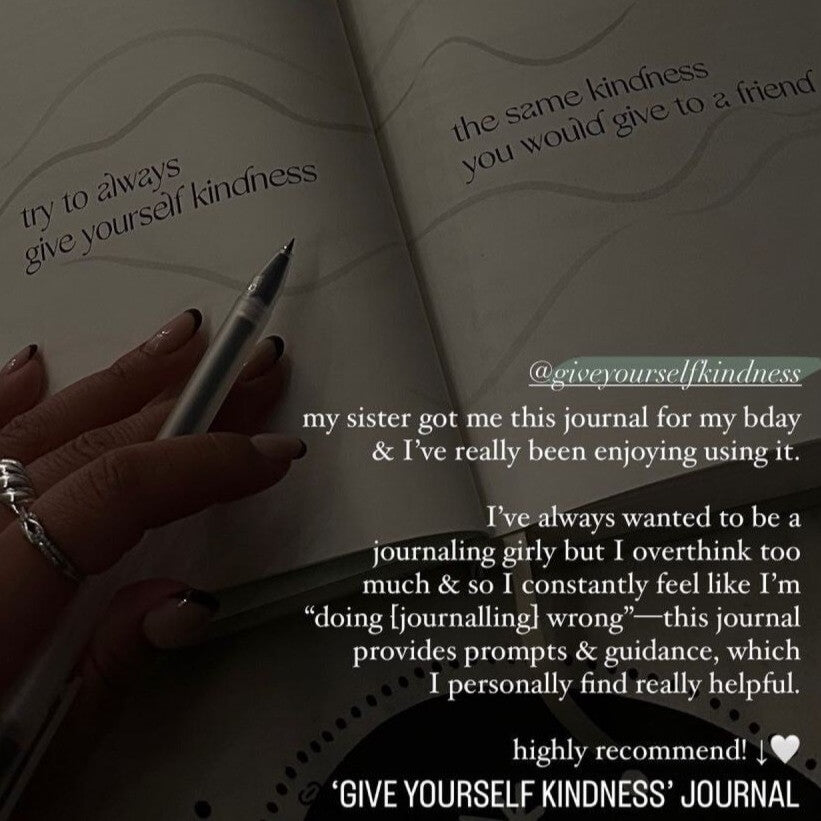
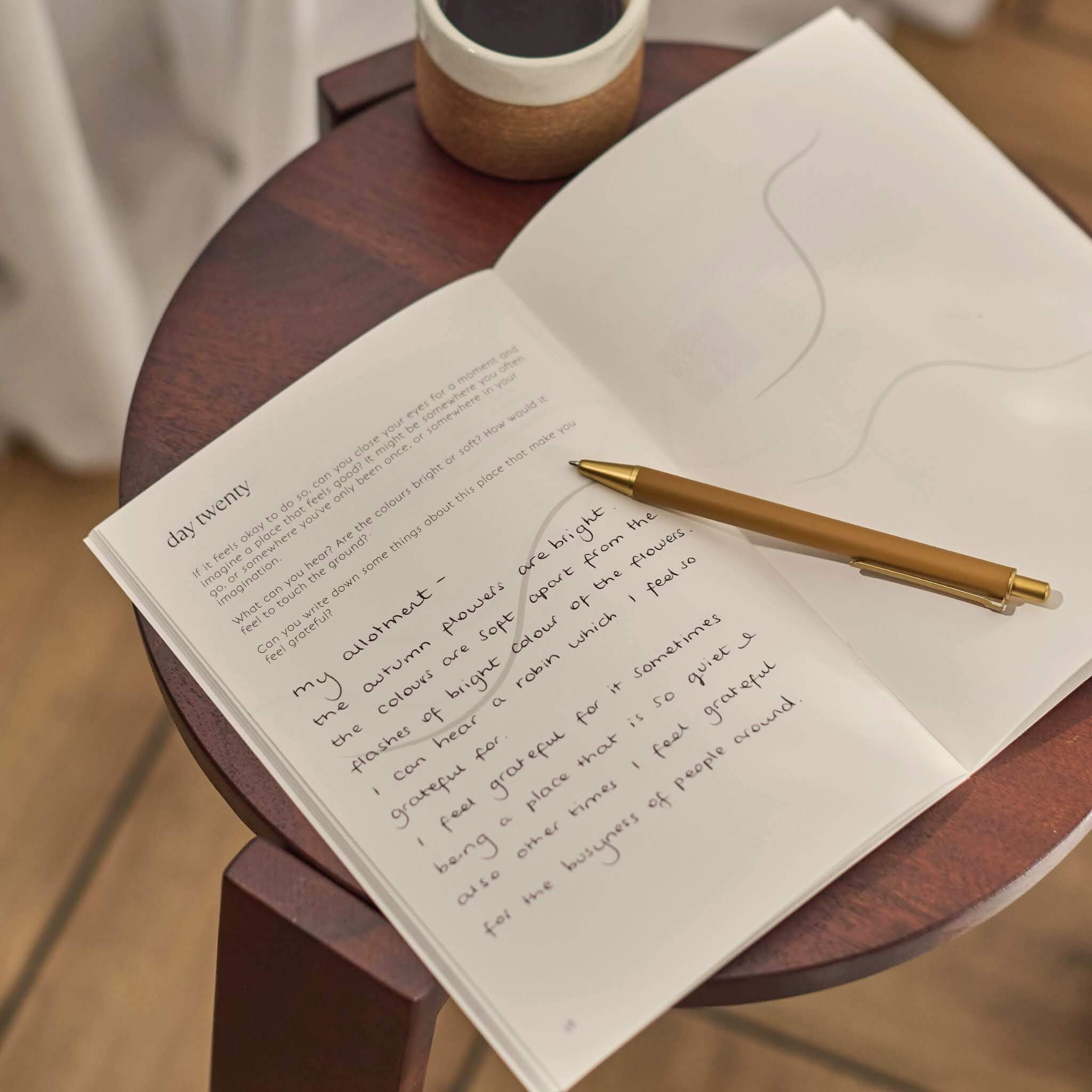
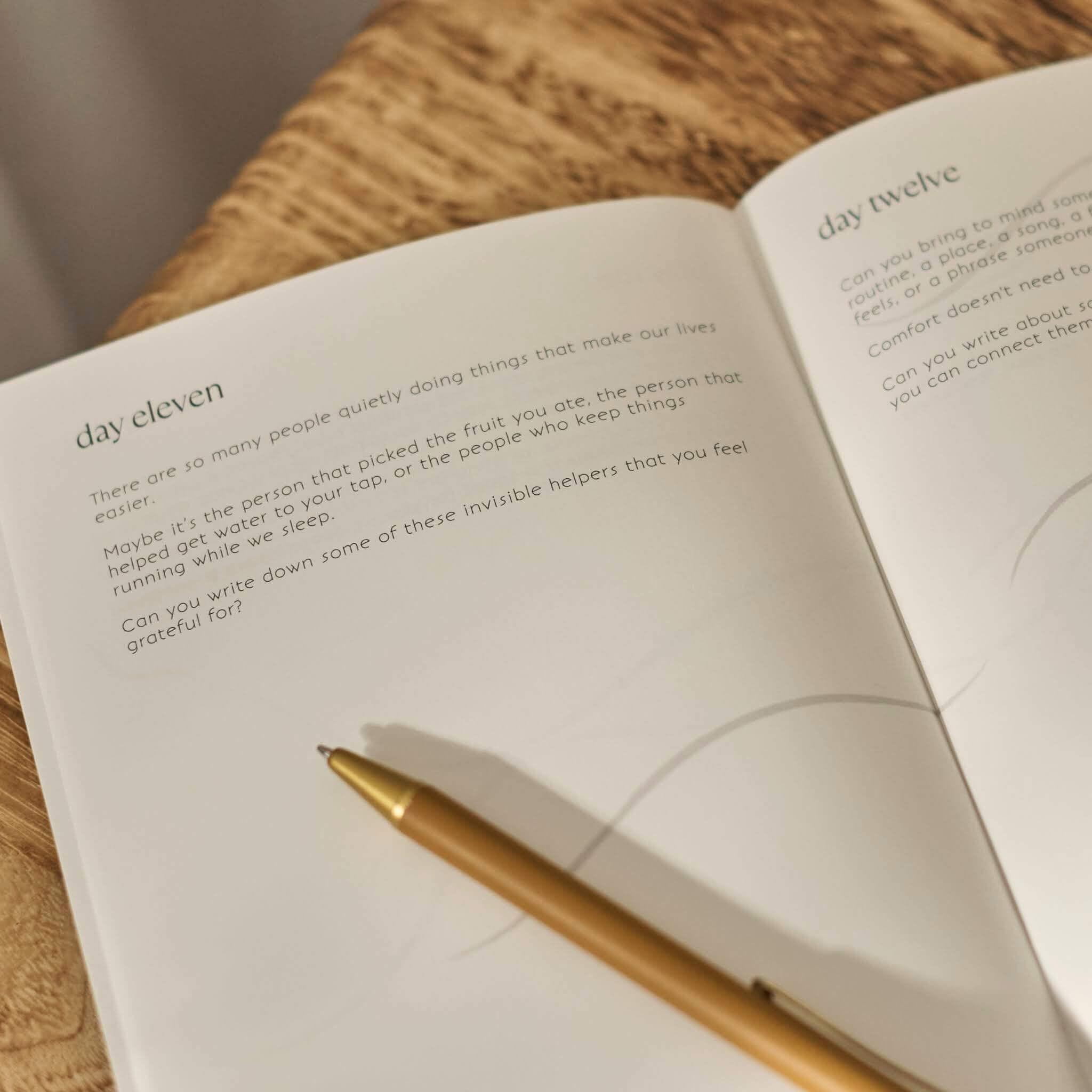
Prompts that ask what you'd say to a friend, then ask you to say it to yourself. This single shift, responding to your own struggles the way you'd respond to someone you love, is often the fastest way to notice how differently you treat everyone else compared to yourself.
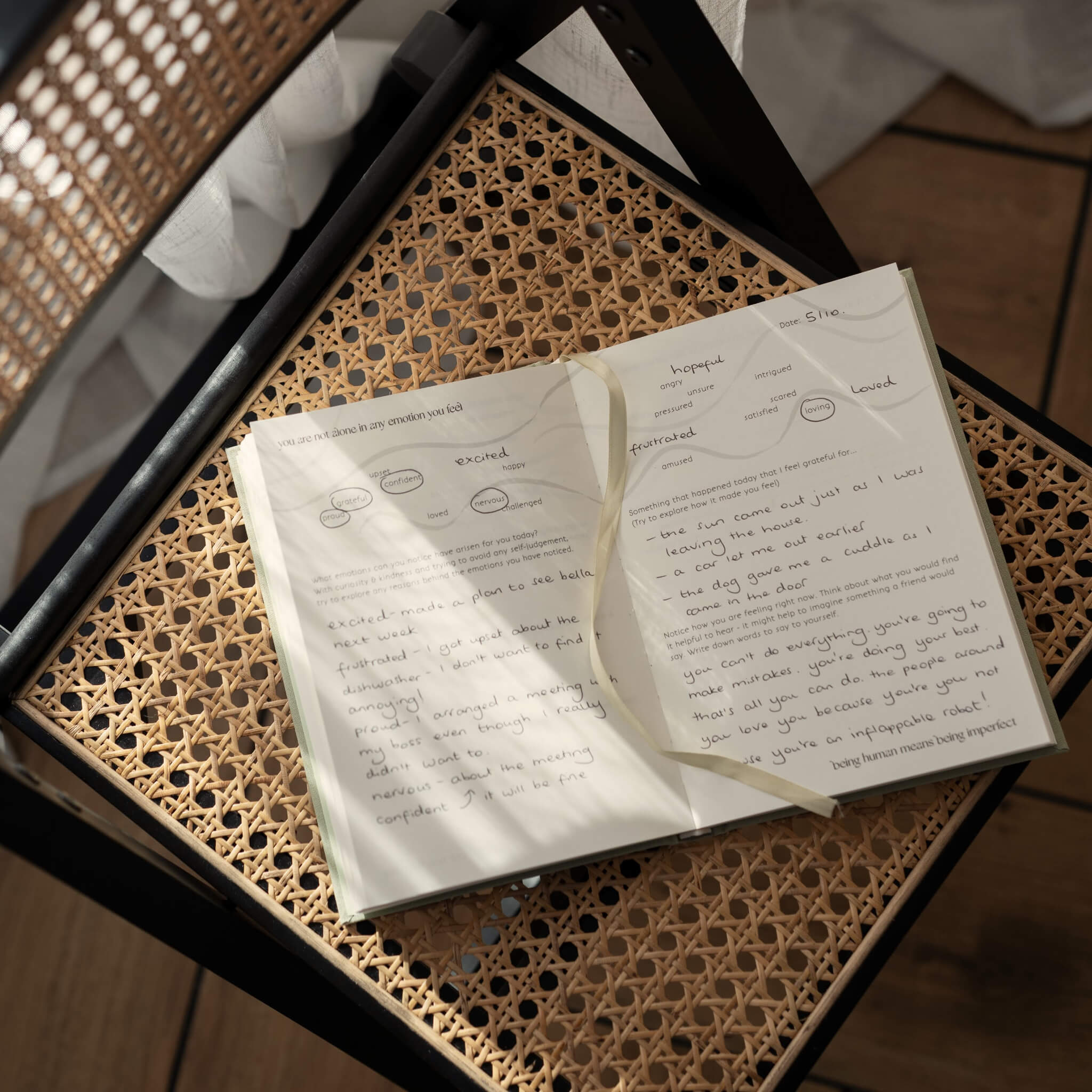
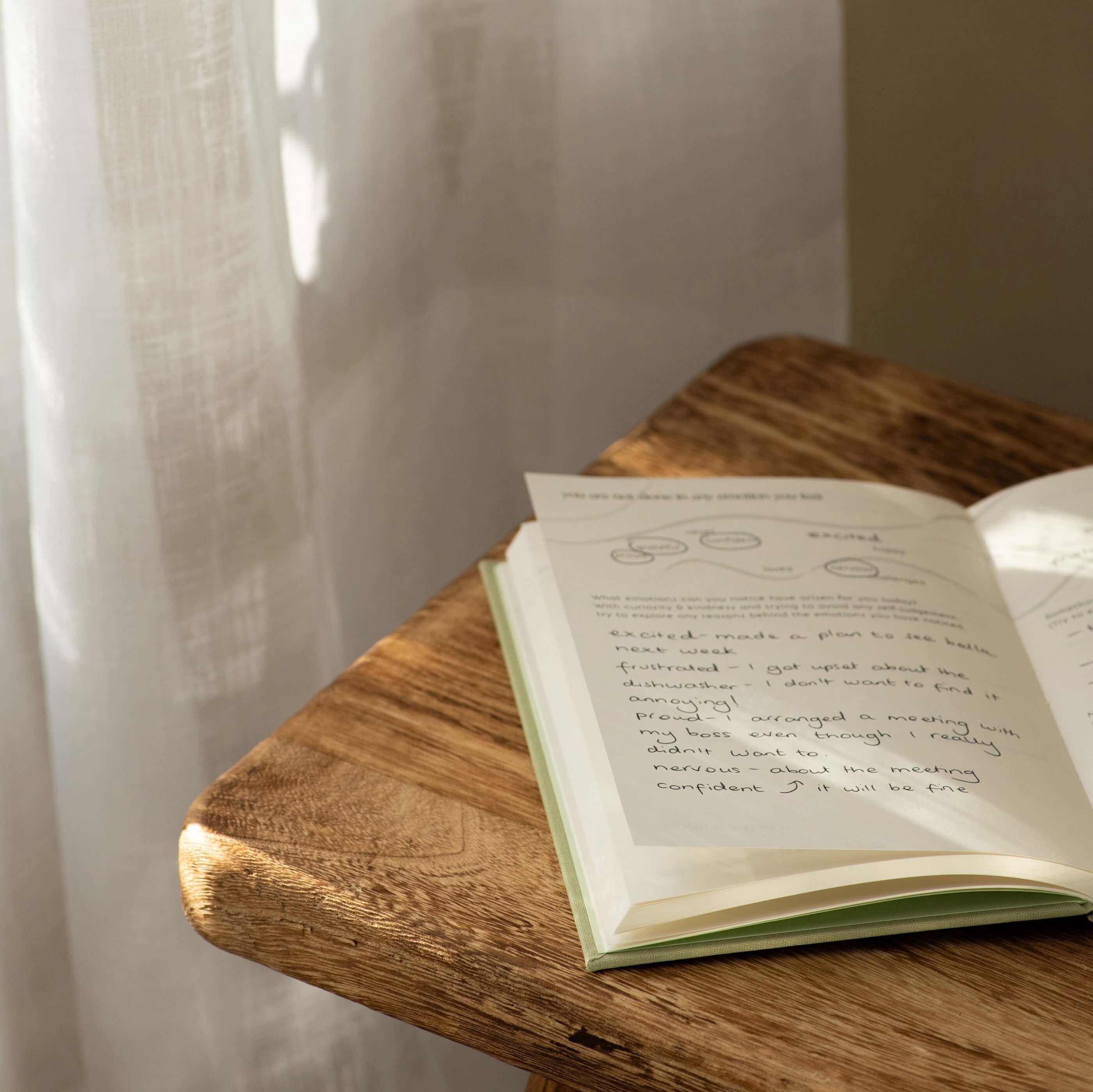
An emotional awareness tool on every page. If you've spent years attuned to other people's feelings and disconnected from your own, this helps rebuild that connection, page by page, rather than assuming you already know what you're feeling.
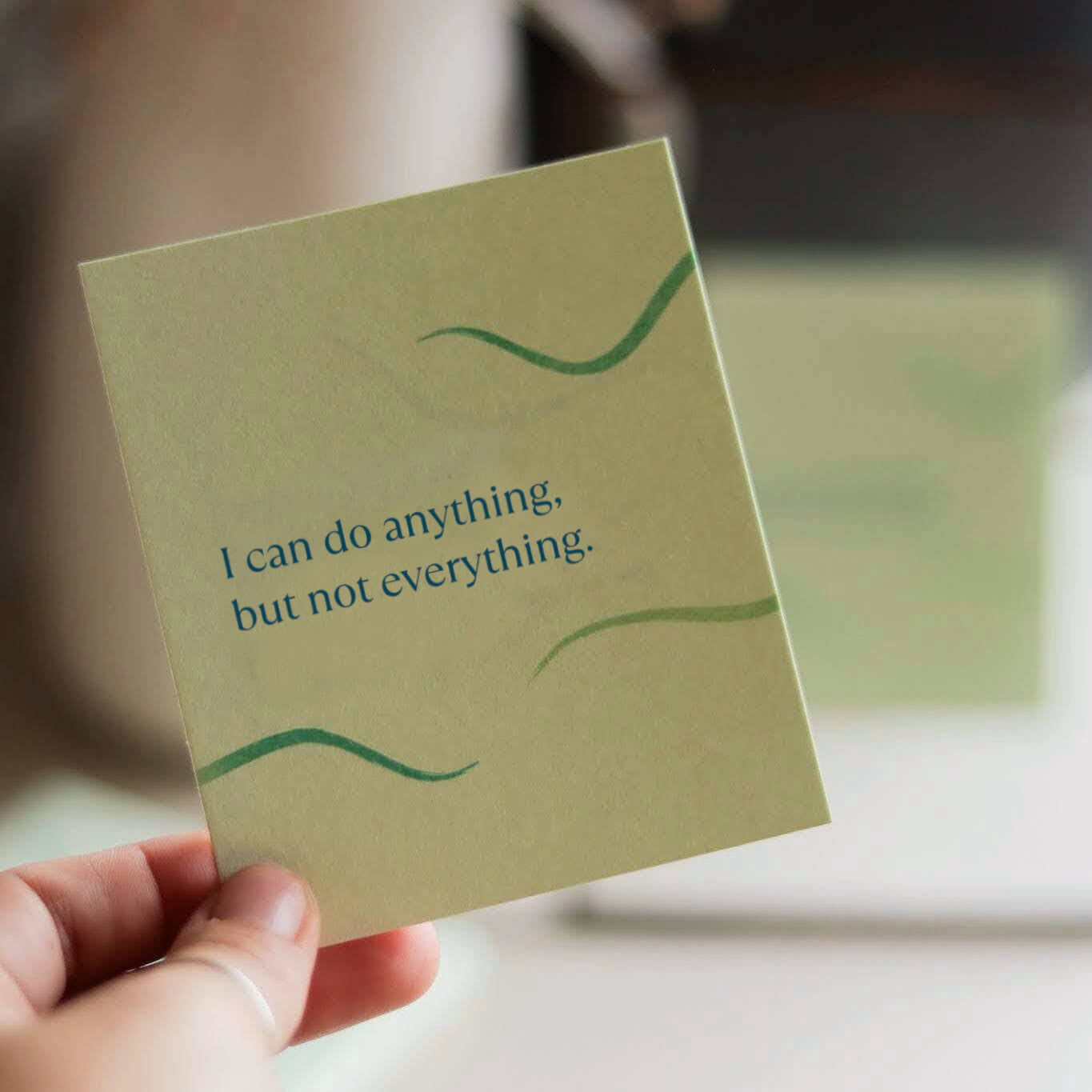
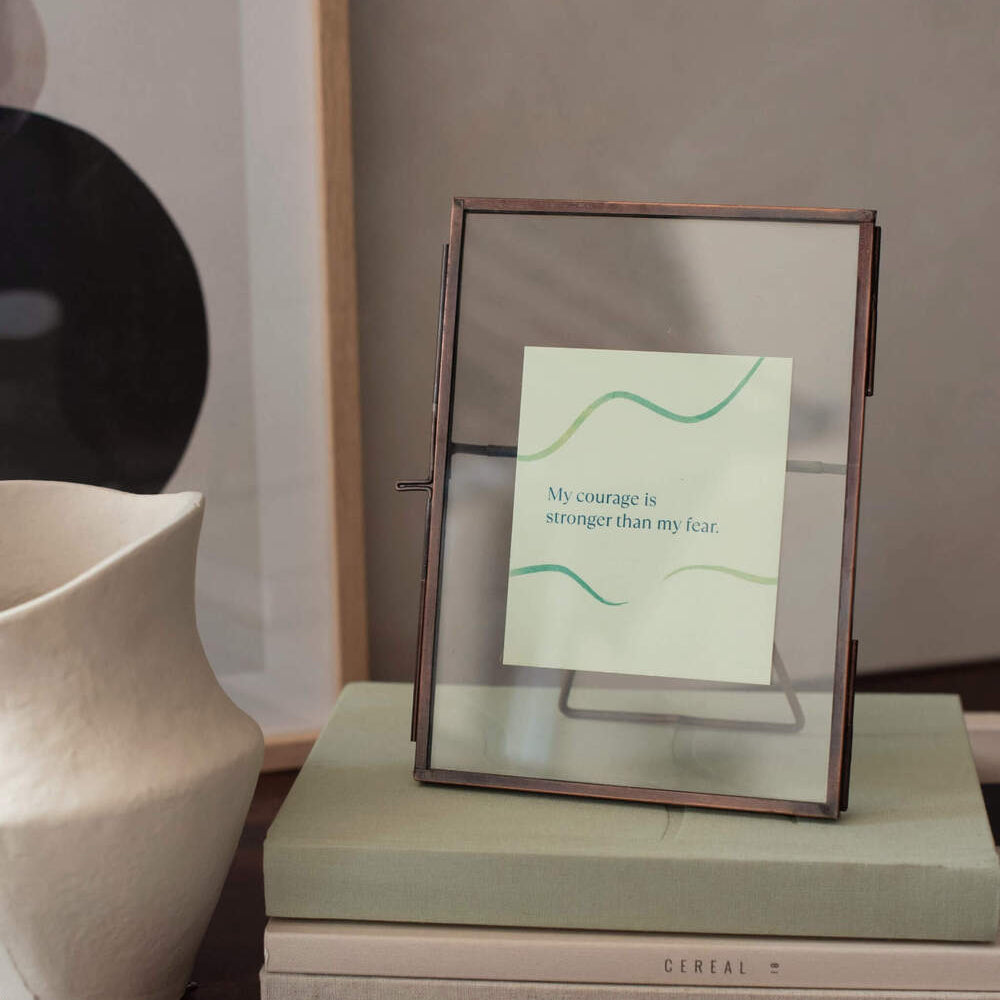
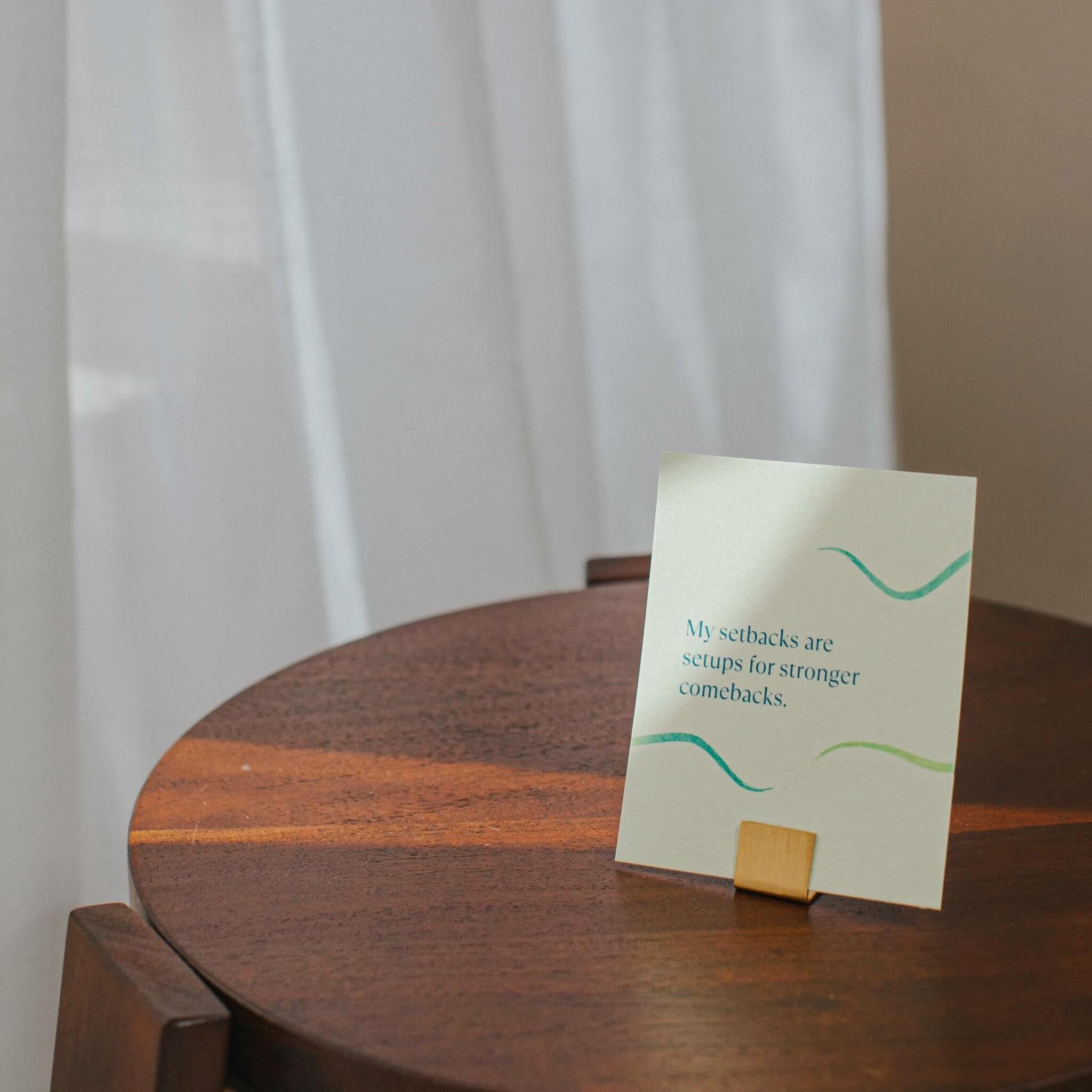
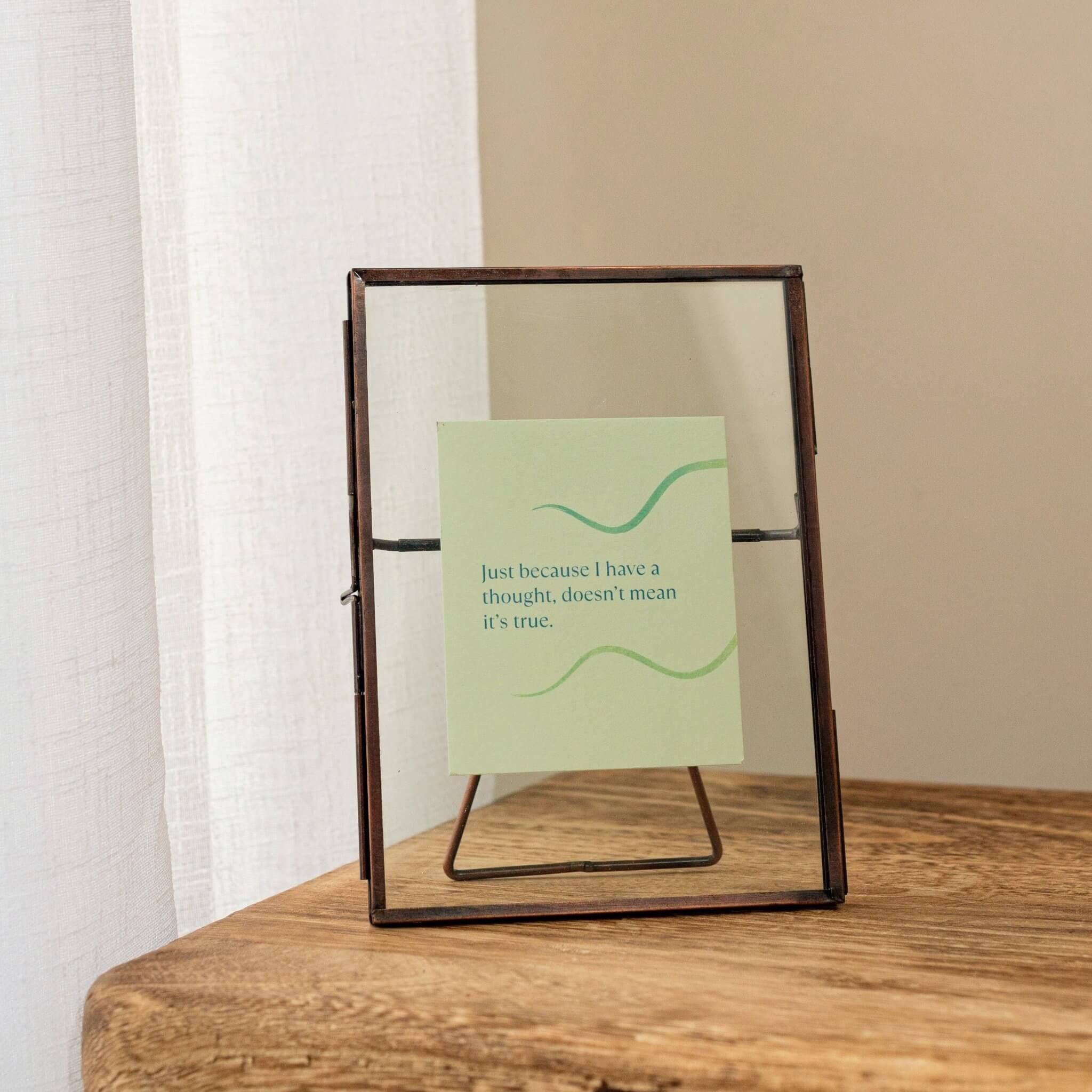
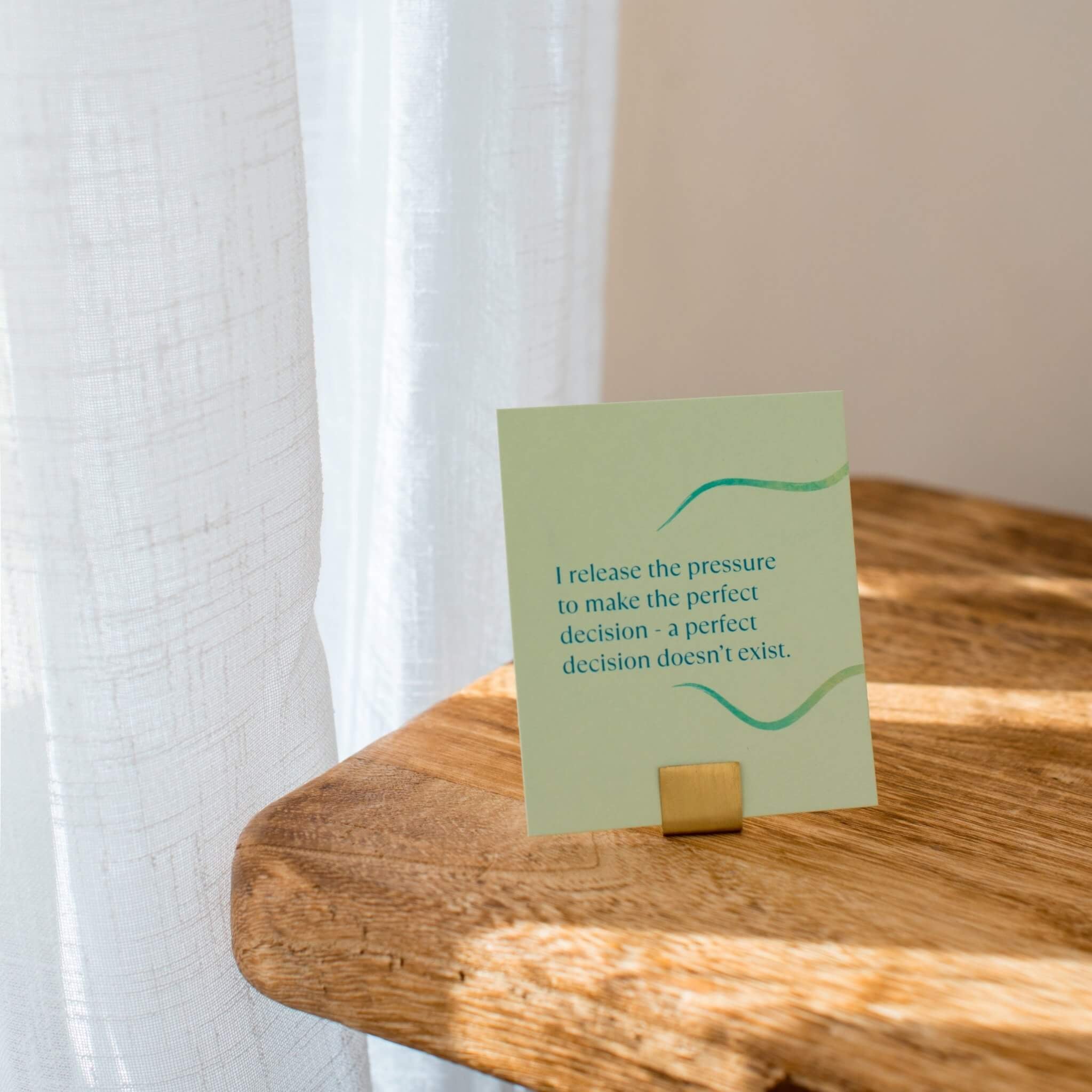
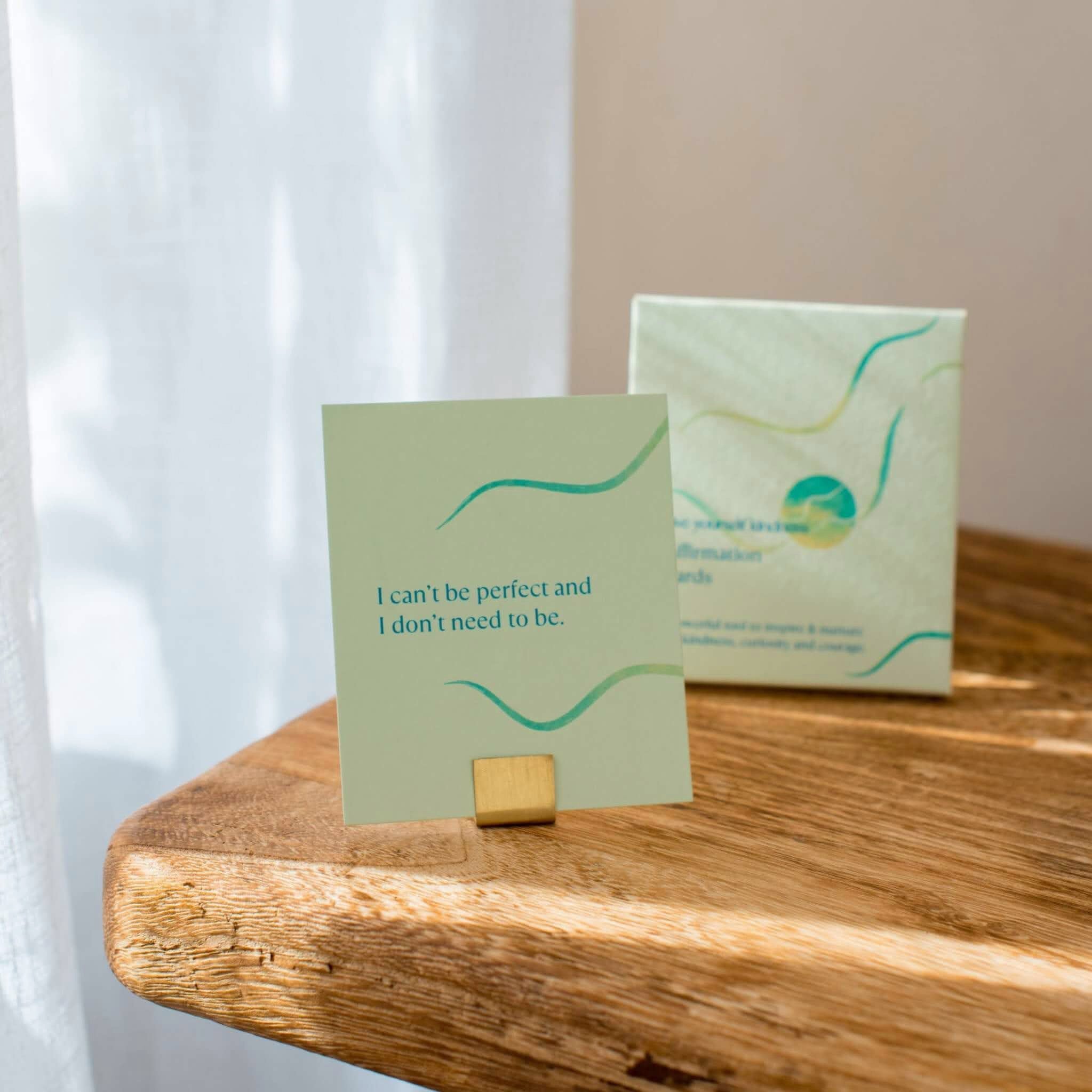
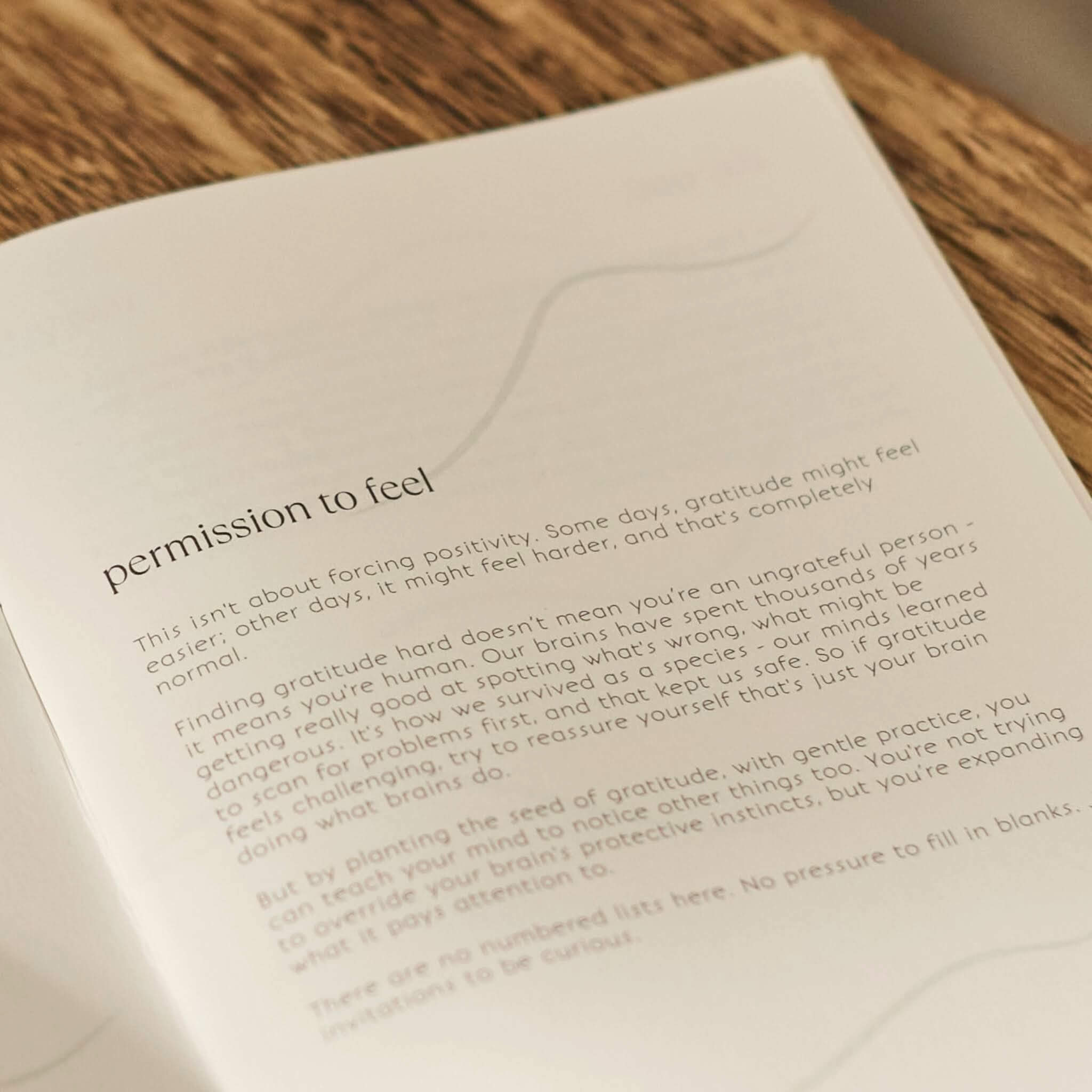
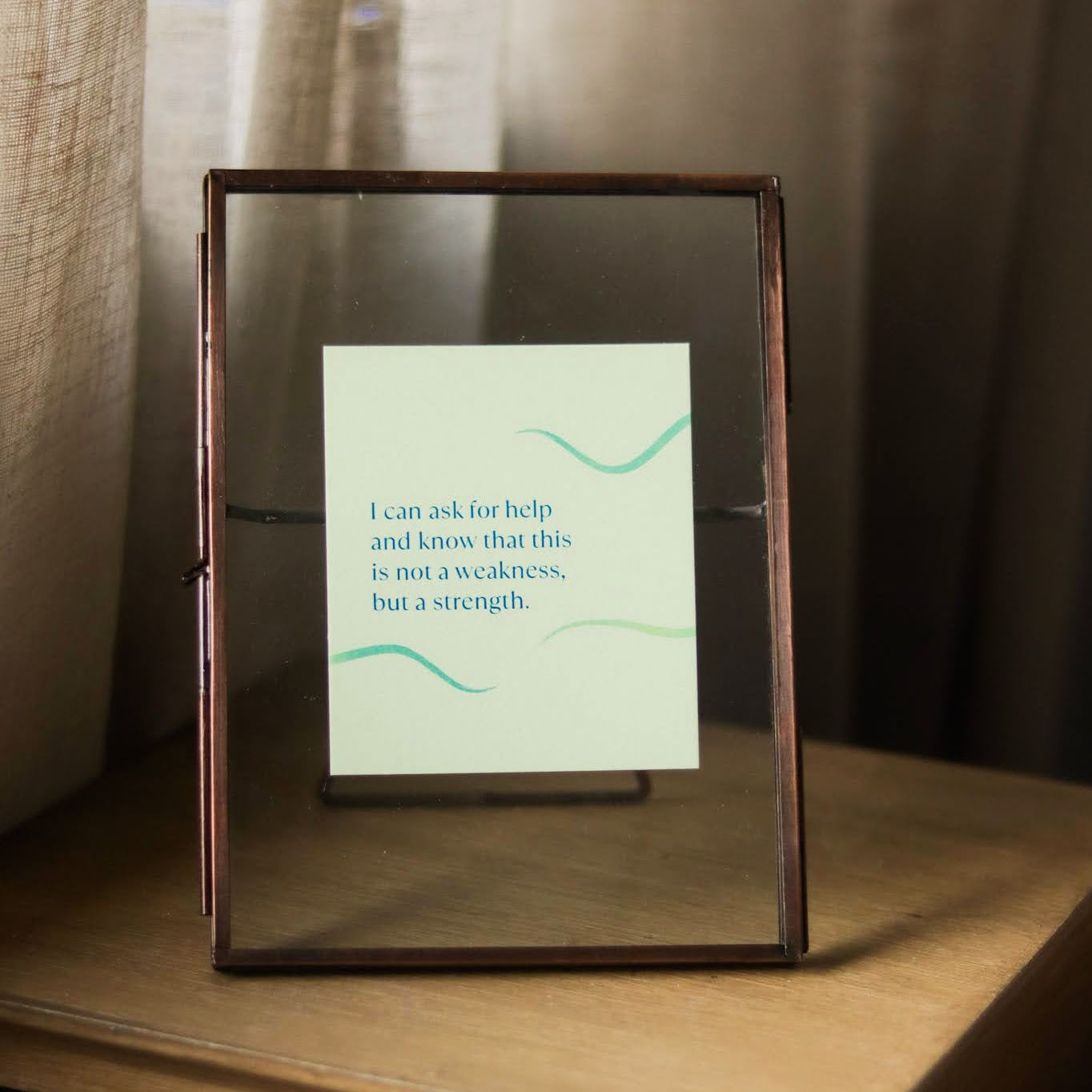
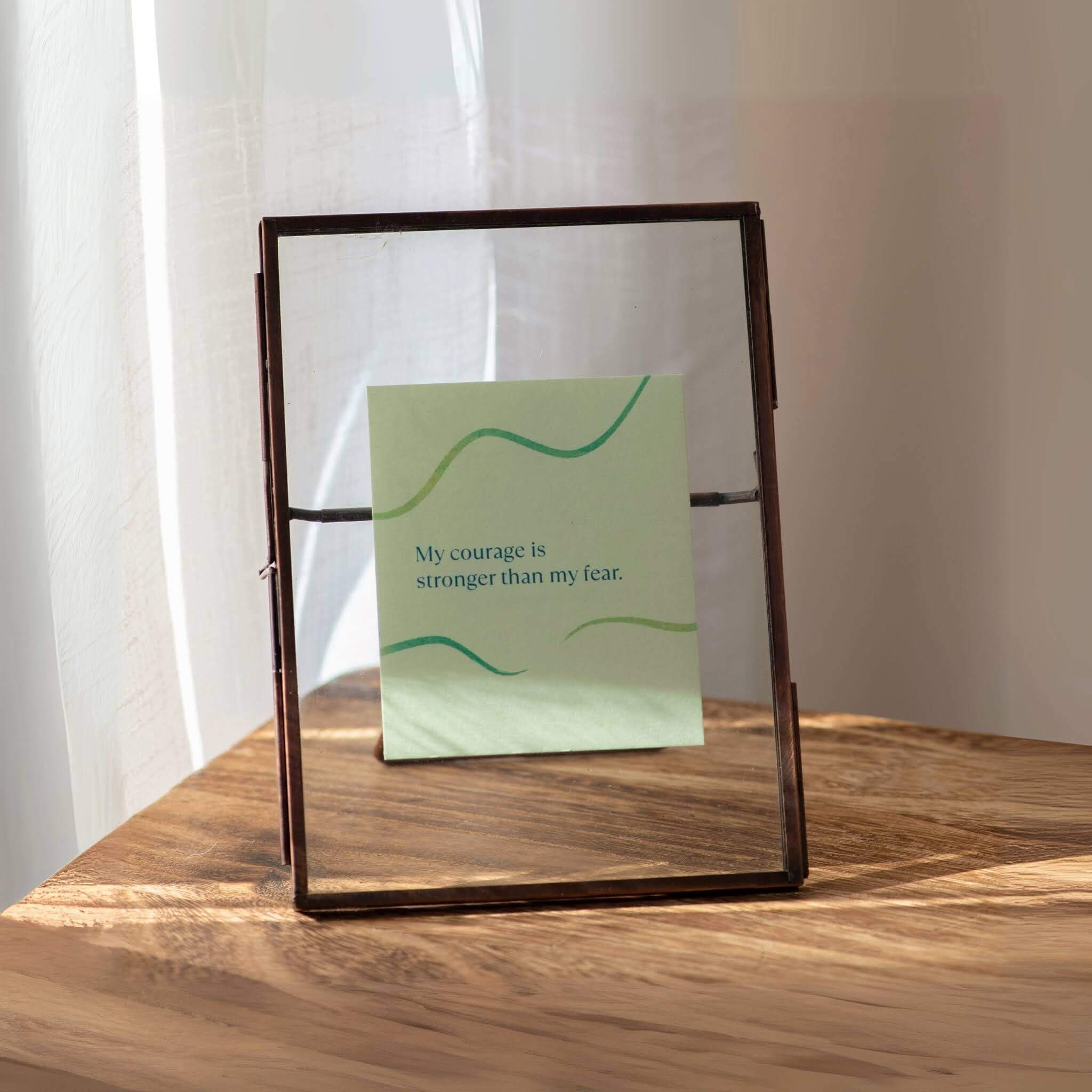
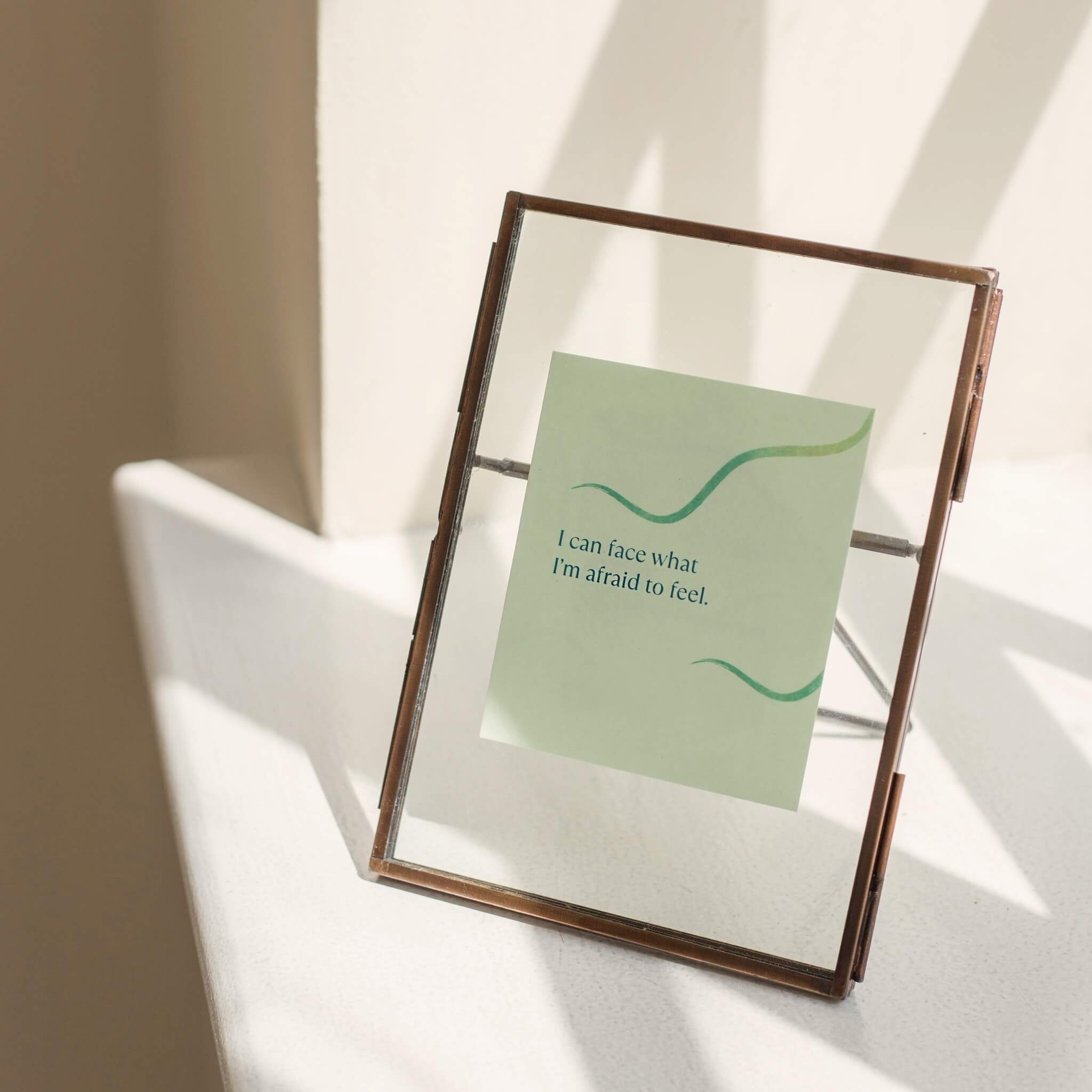
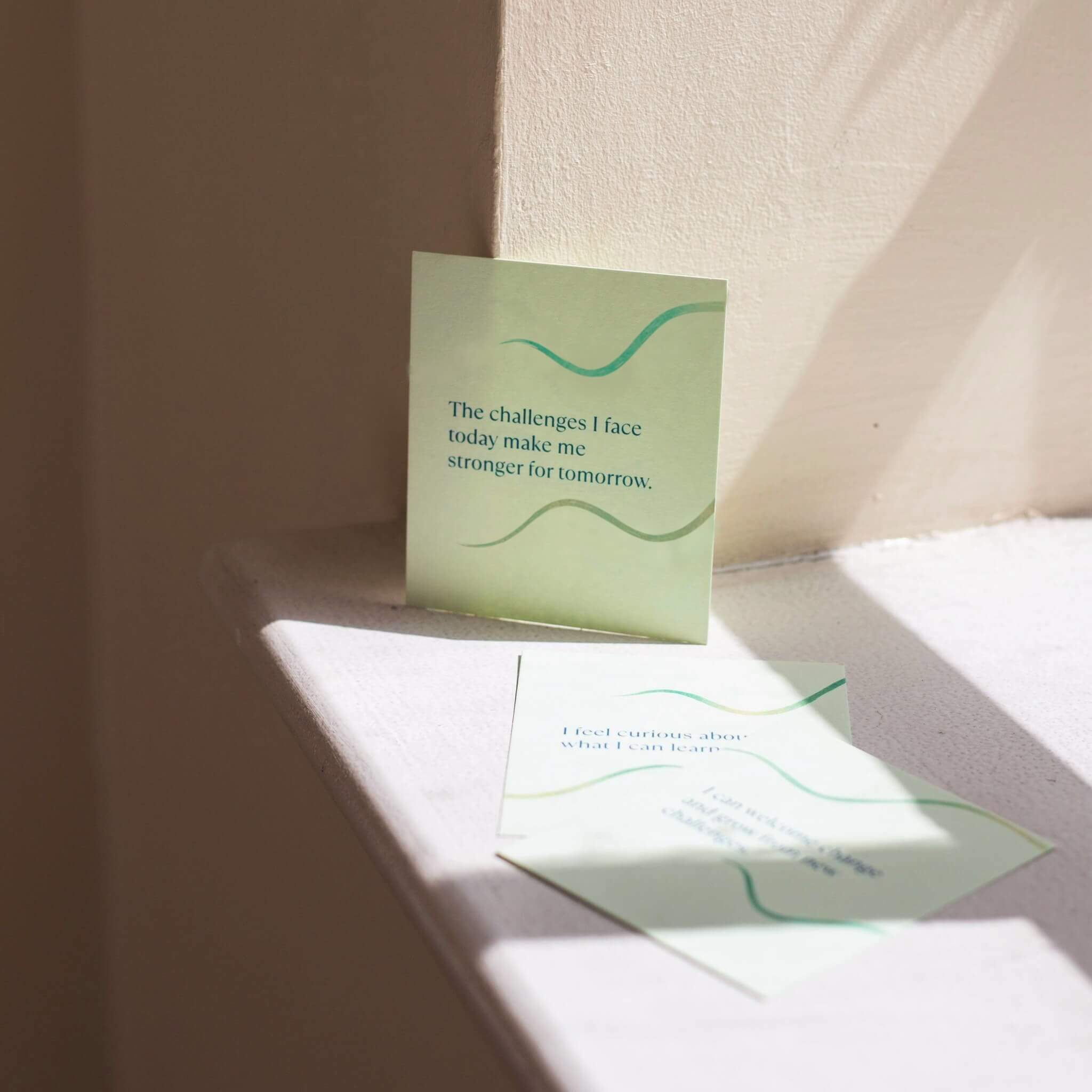
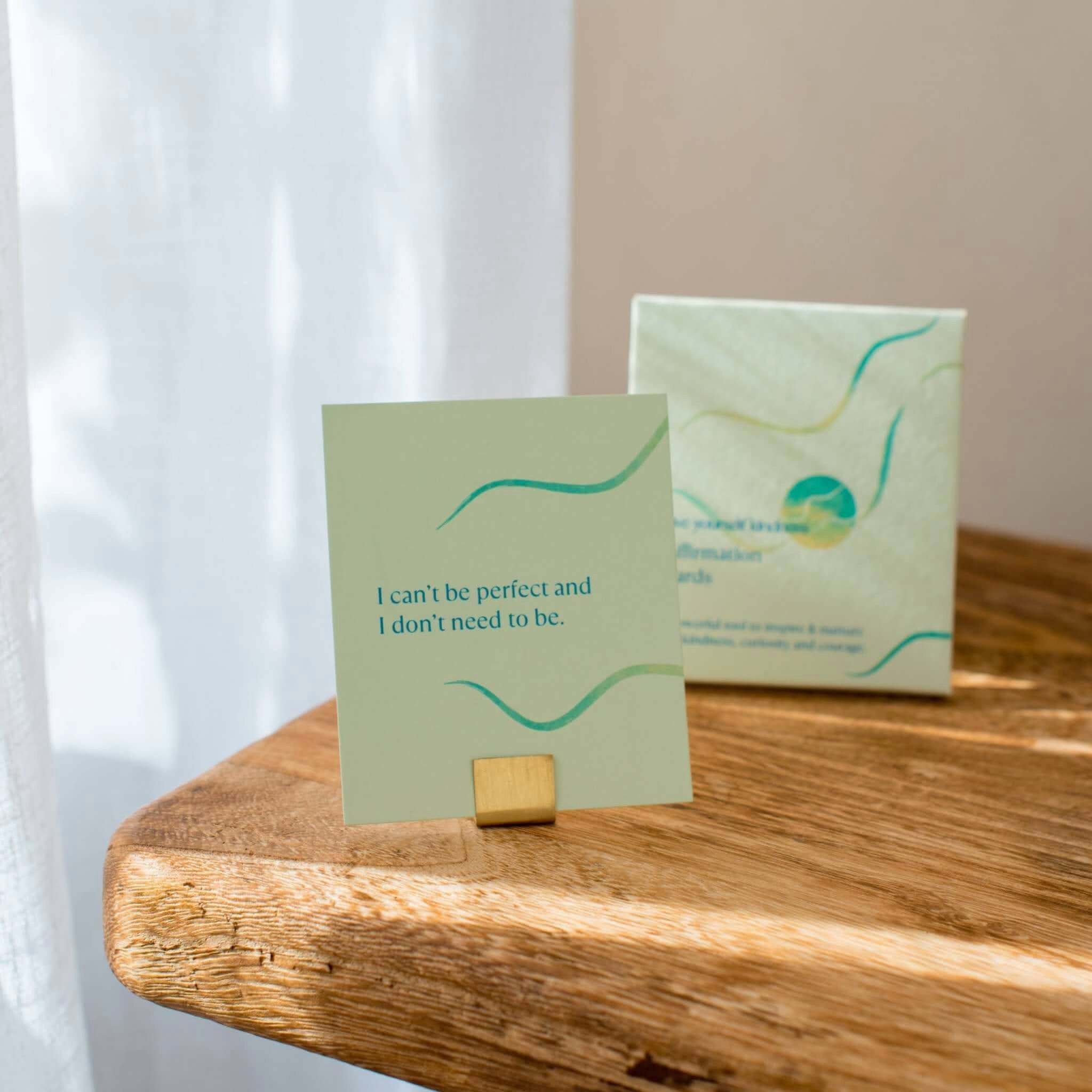
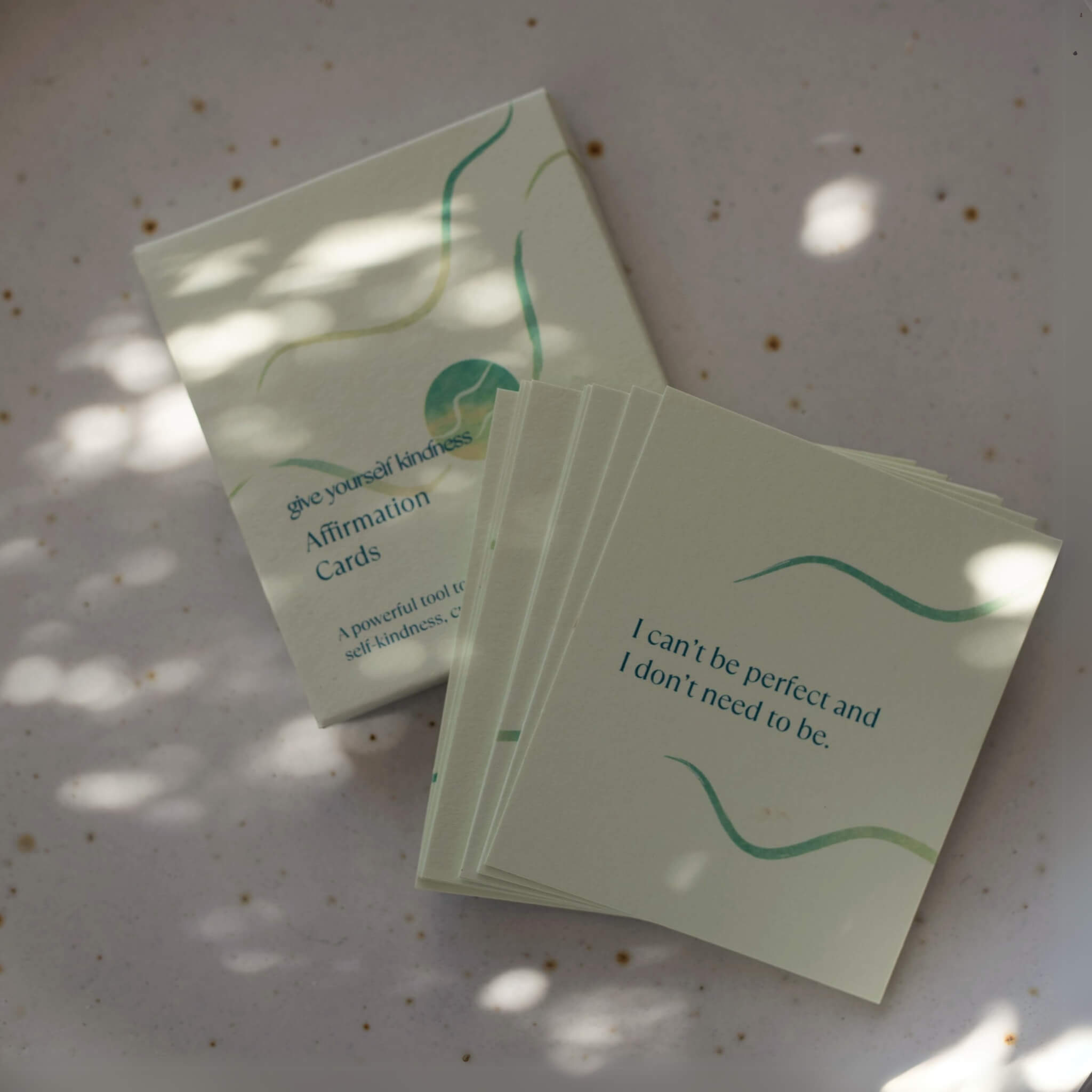
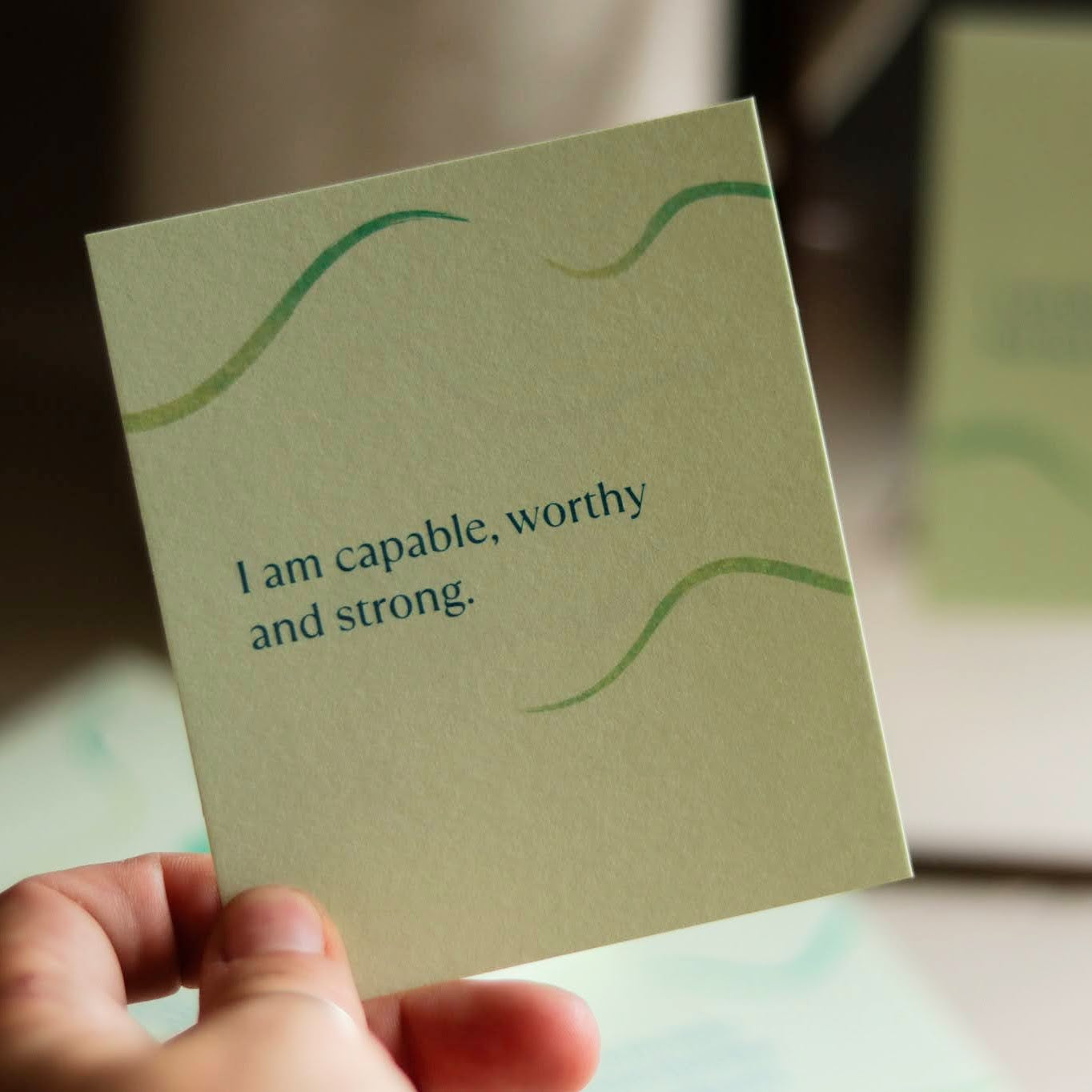
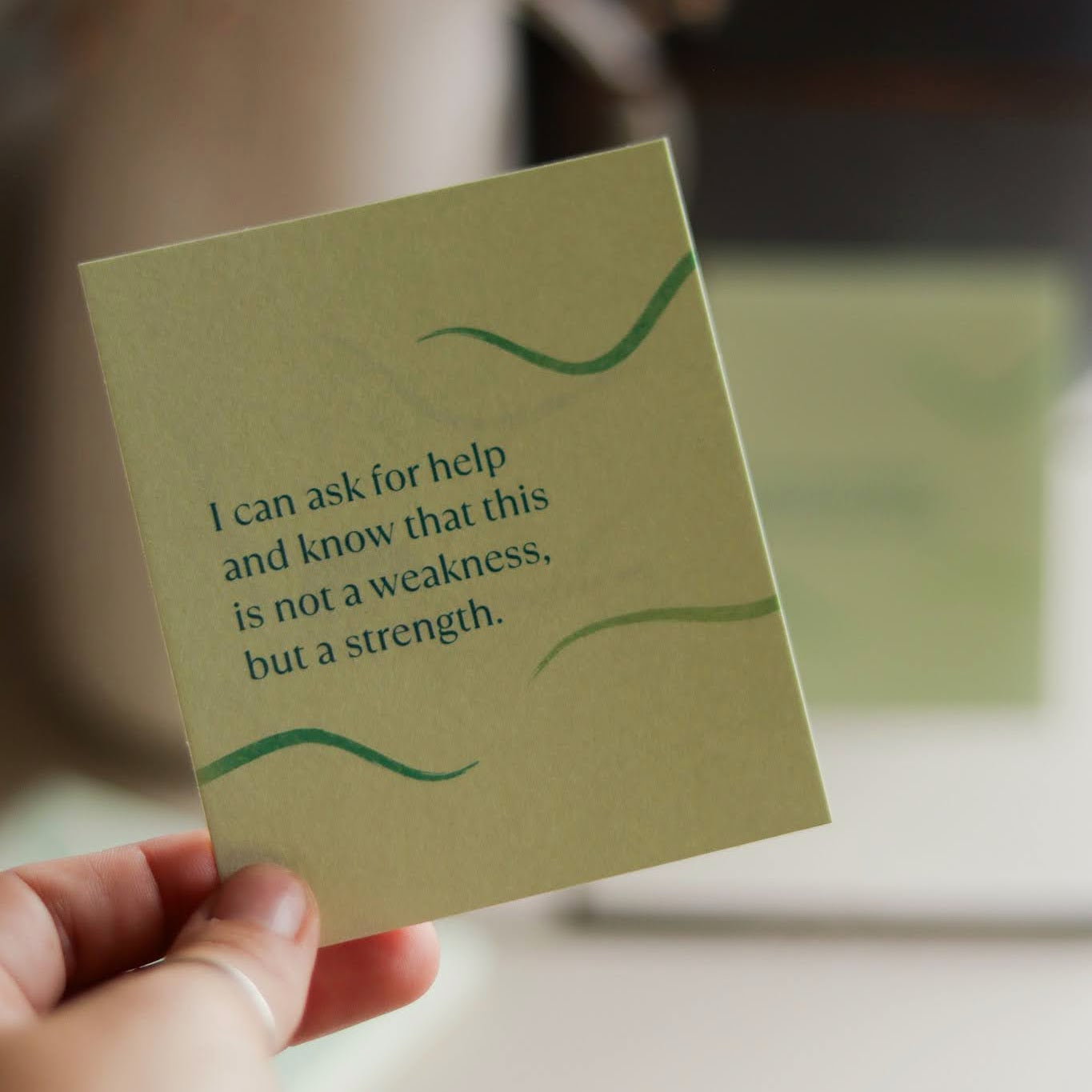
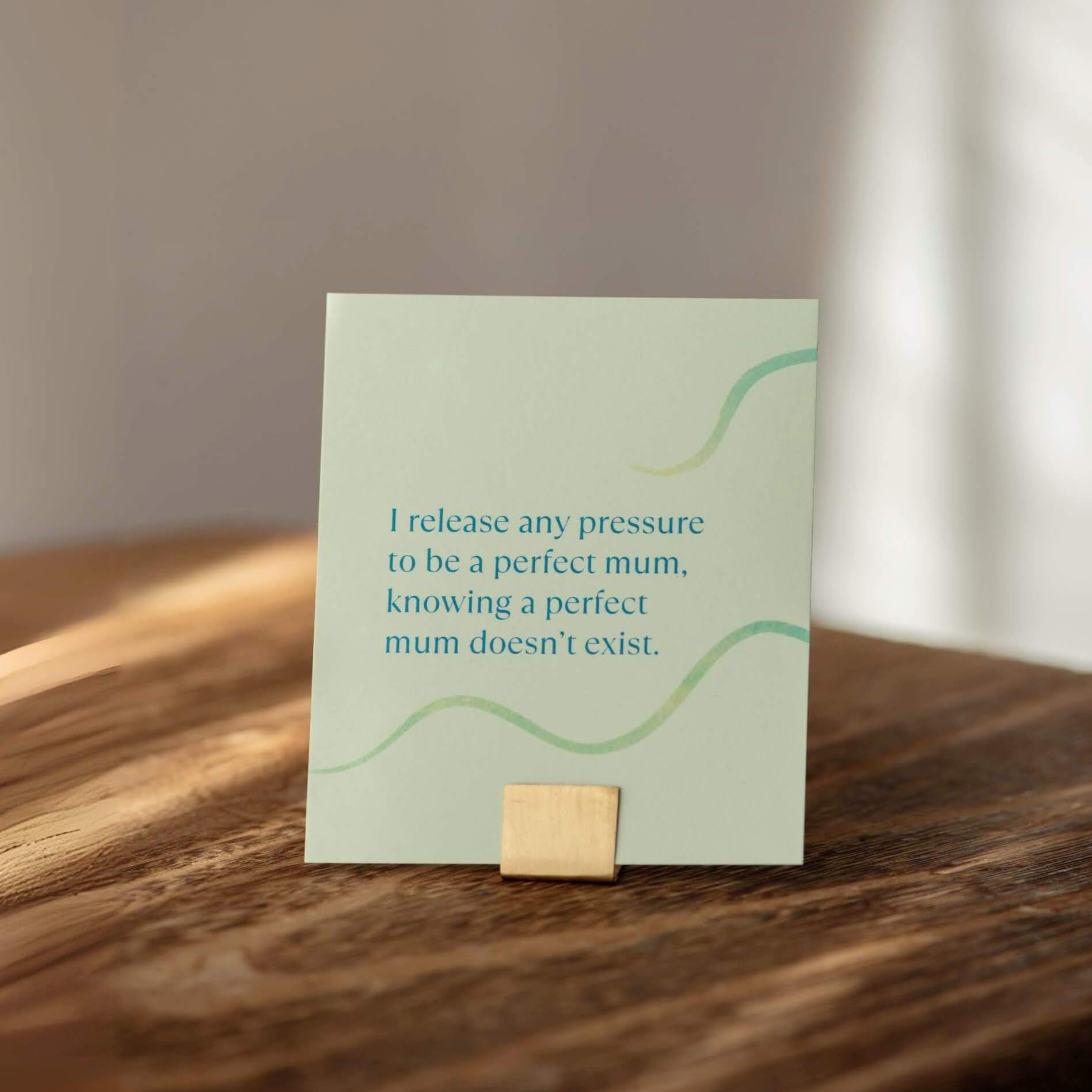
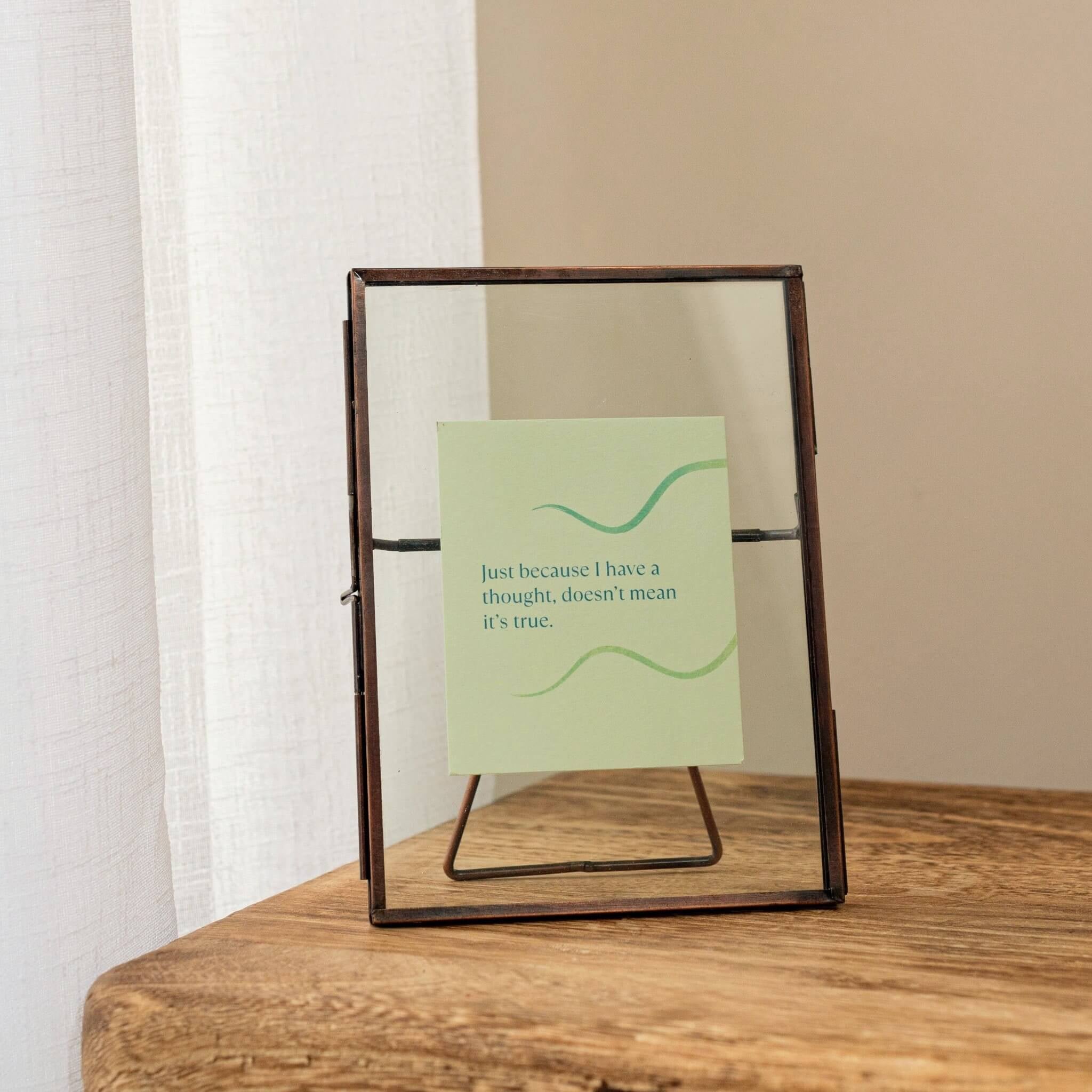
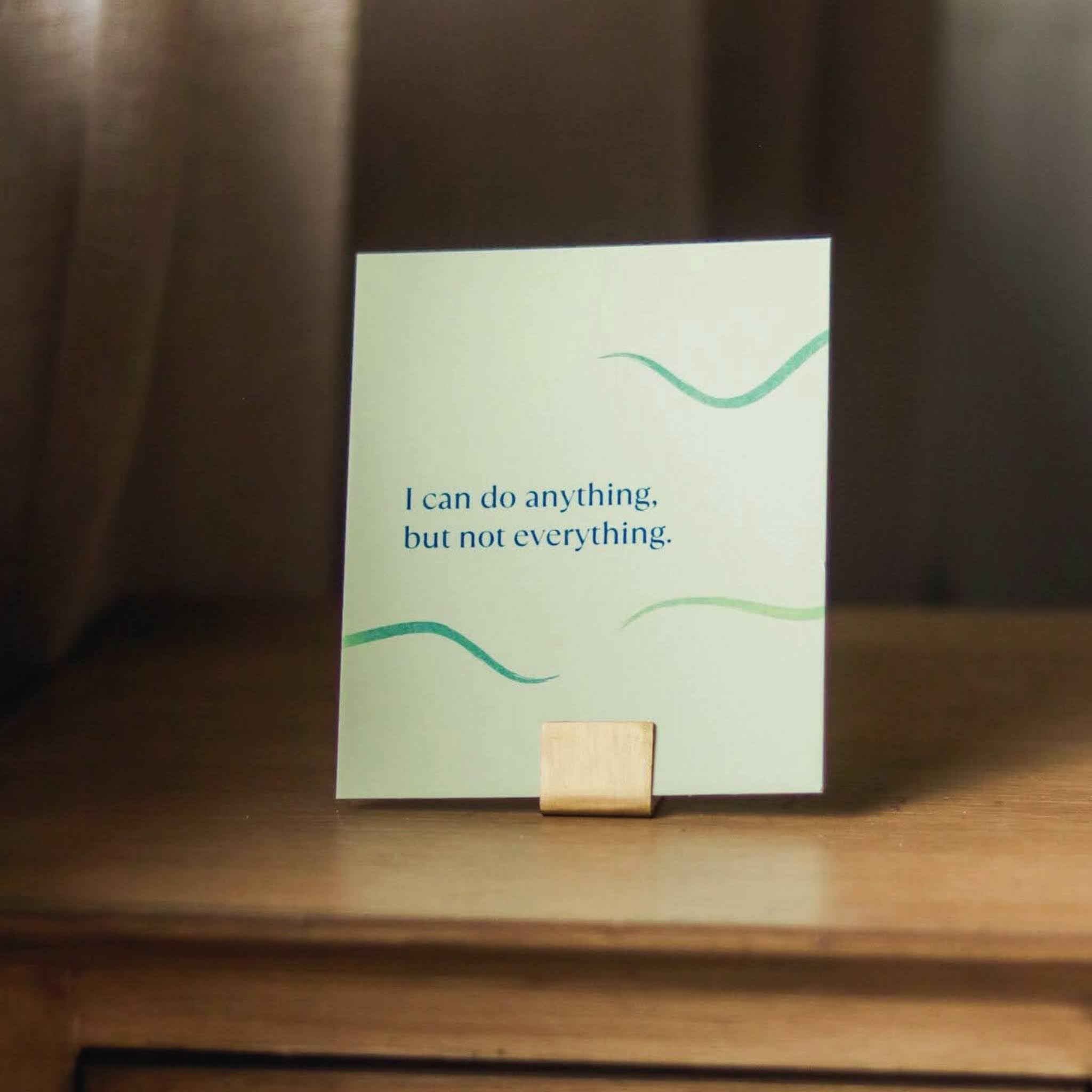
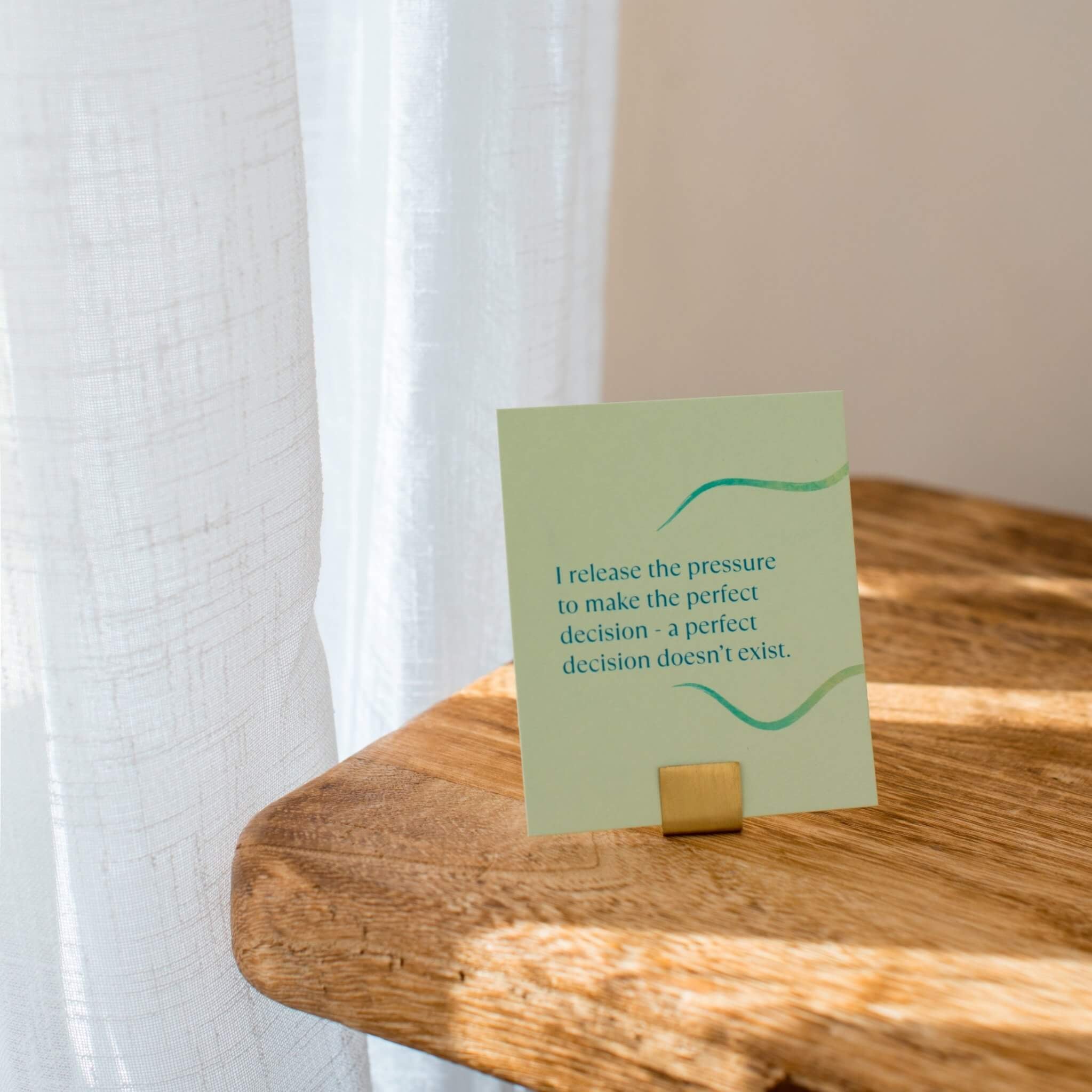
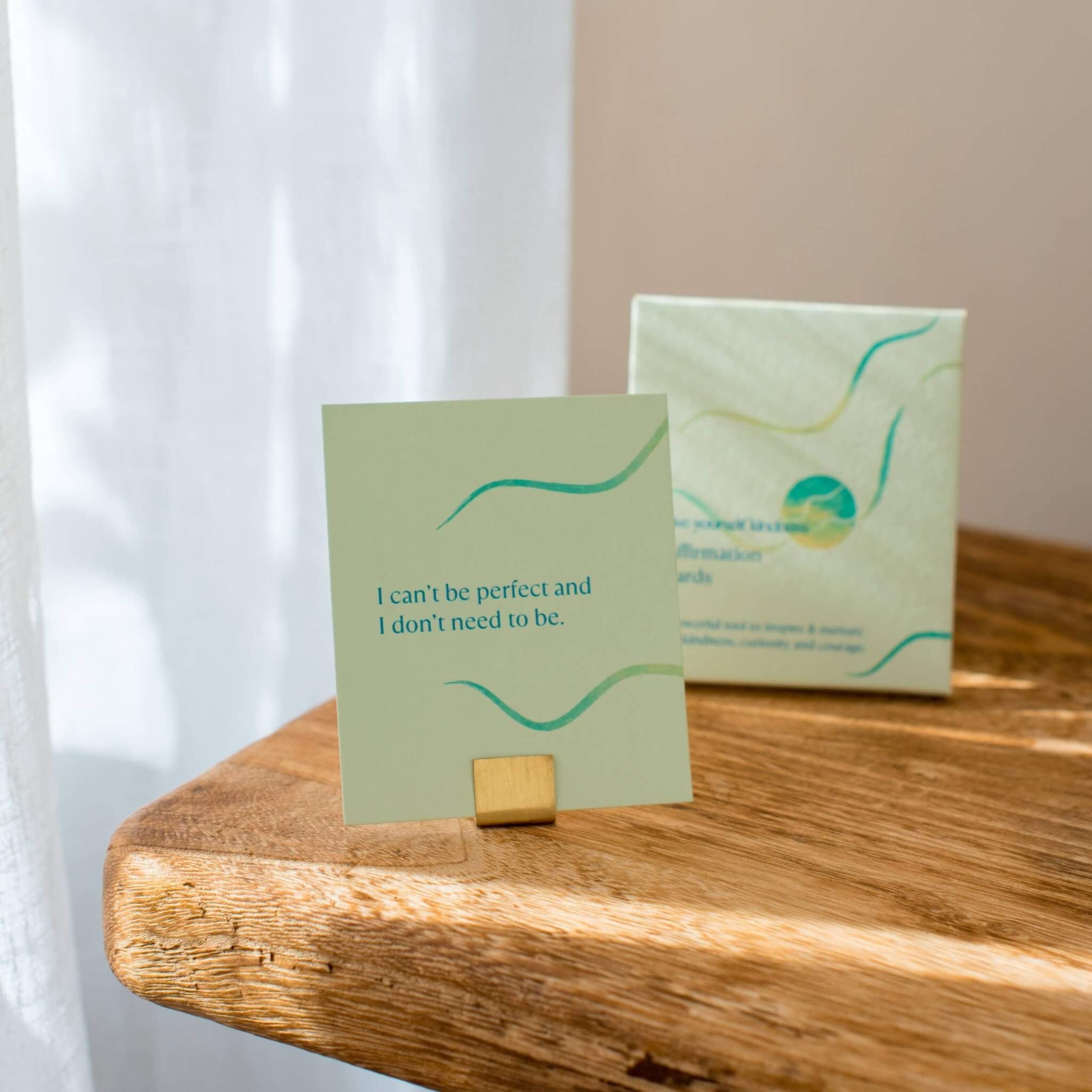
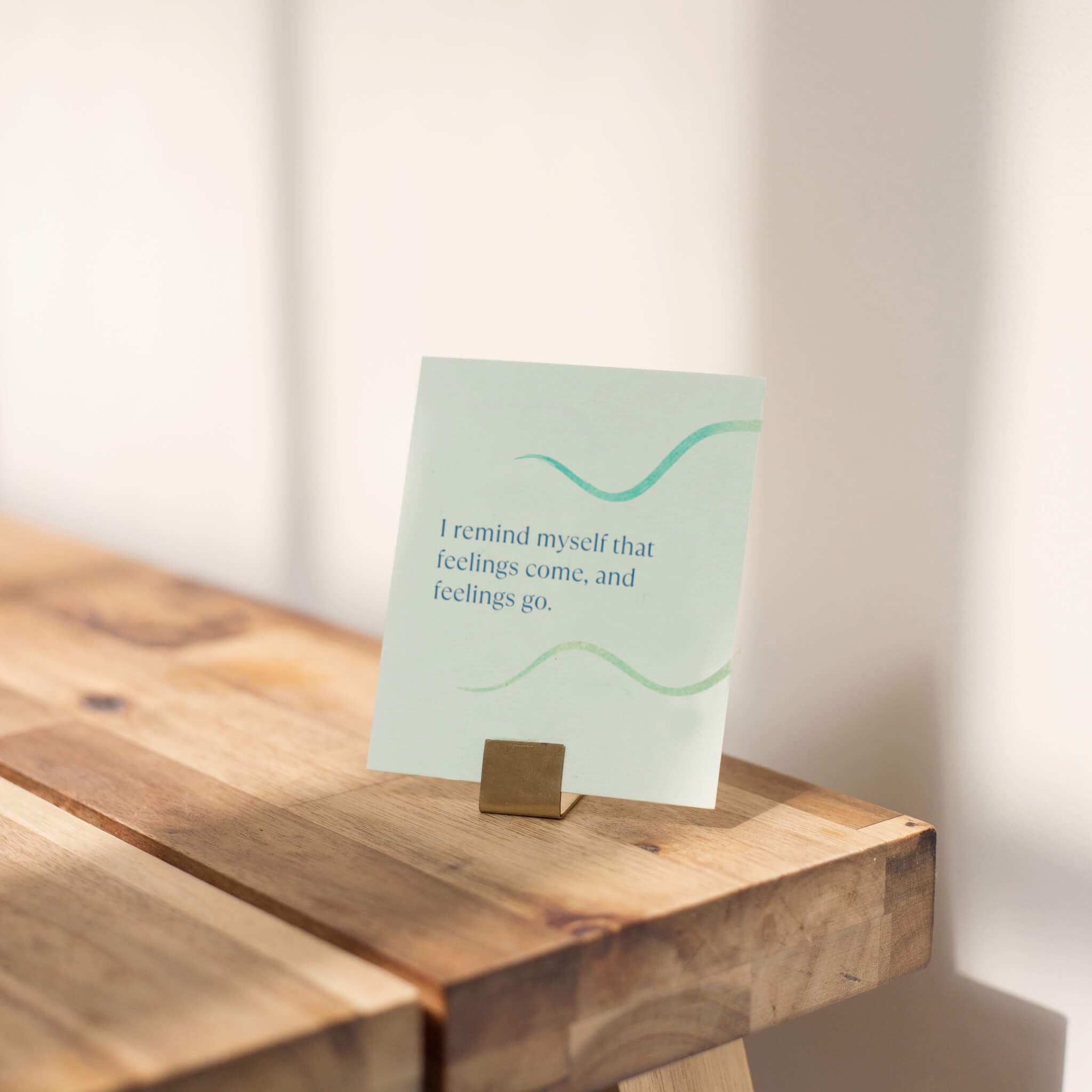
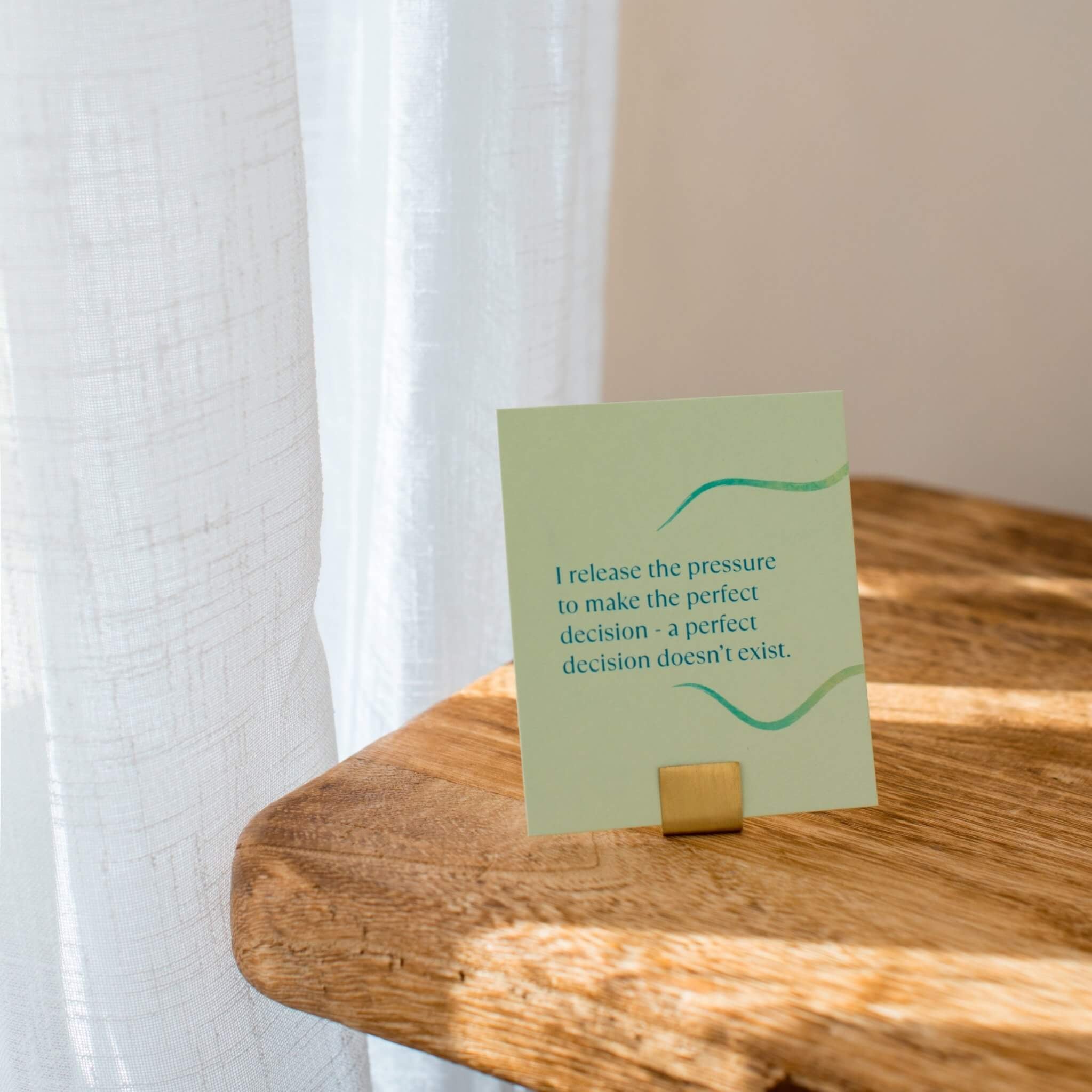
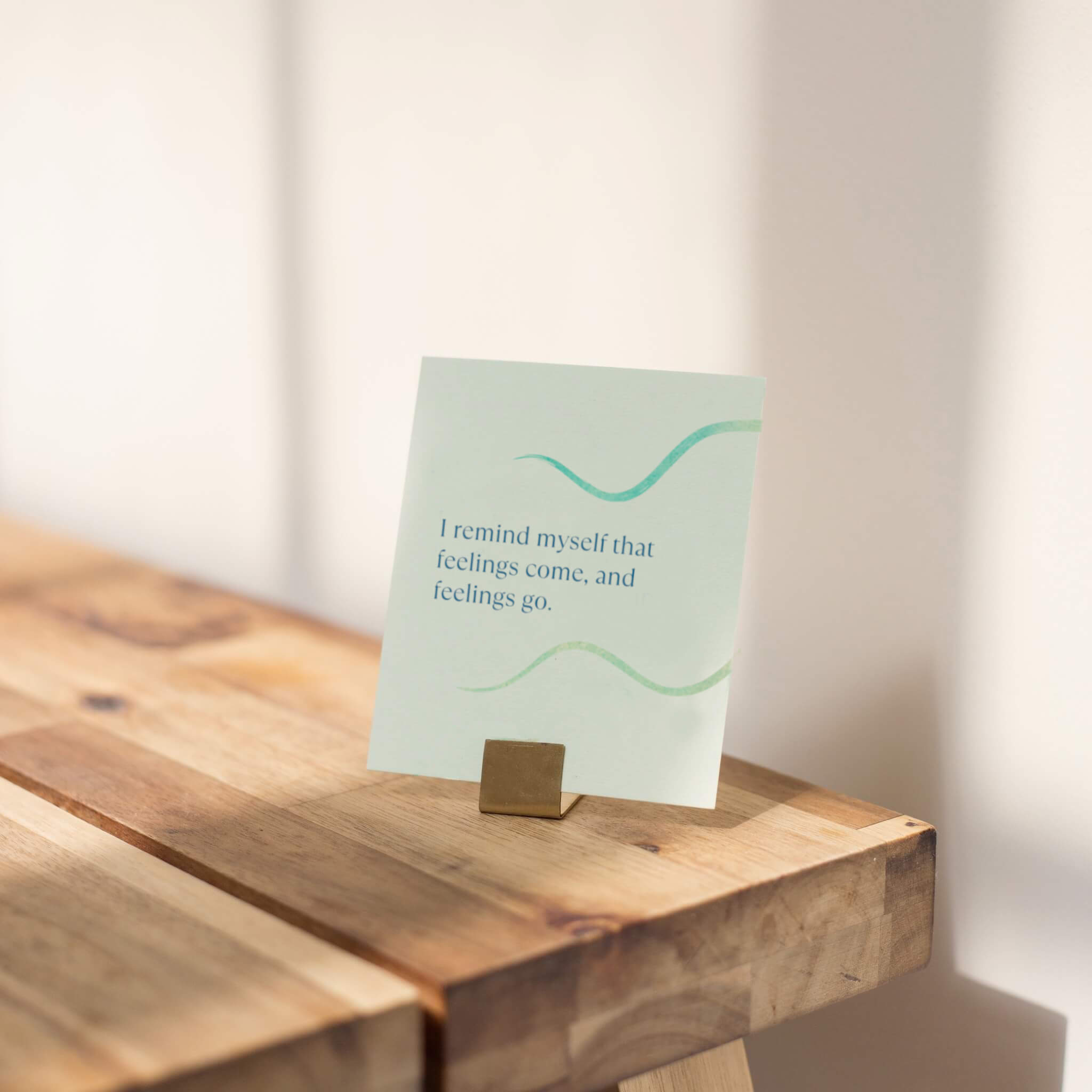
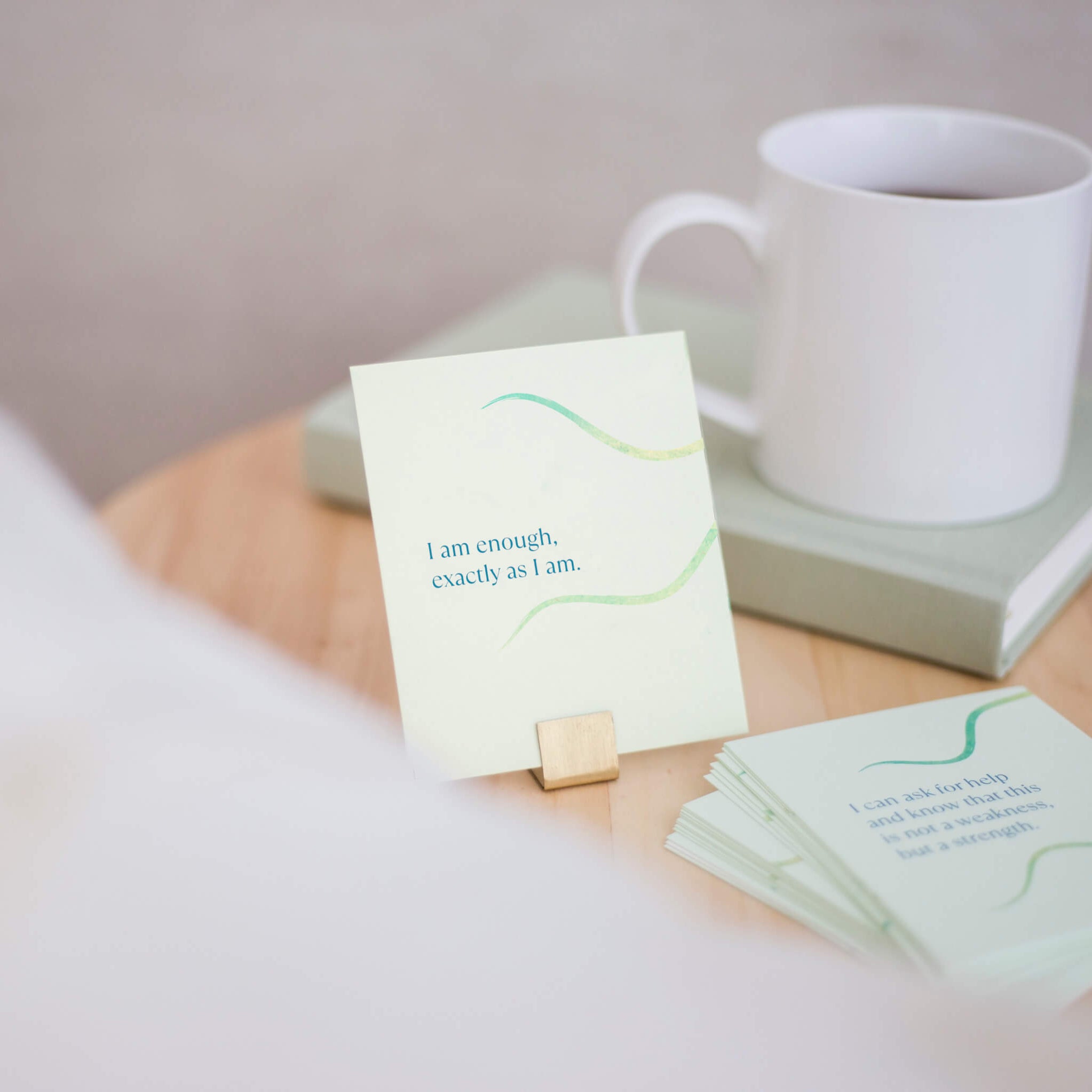
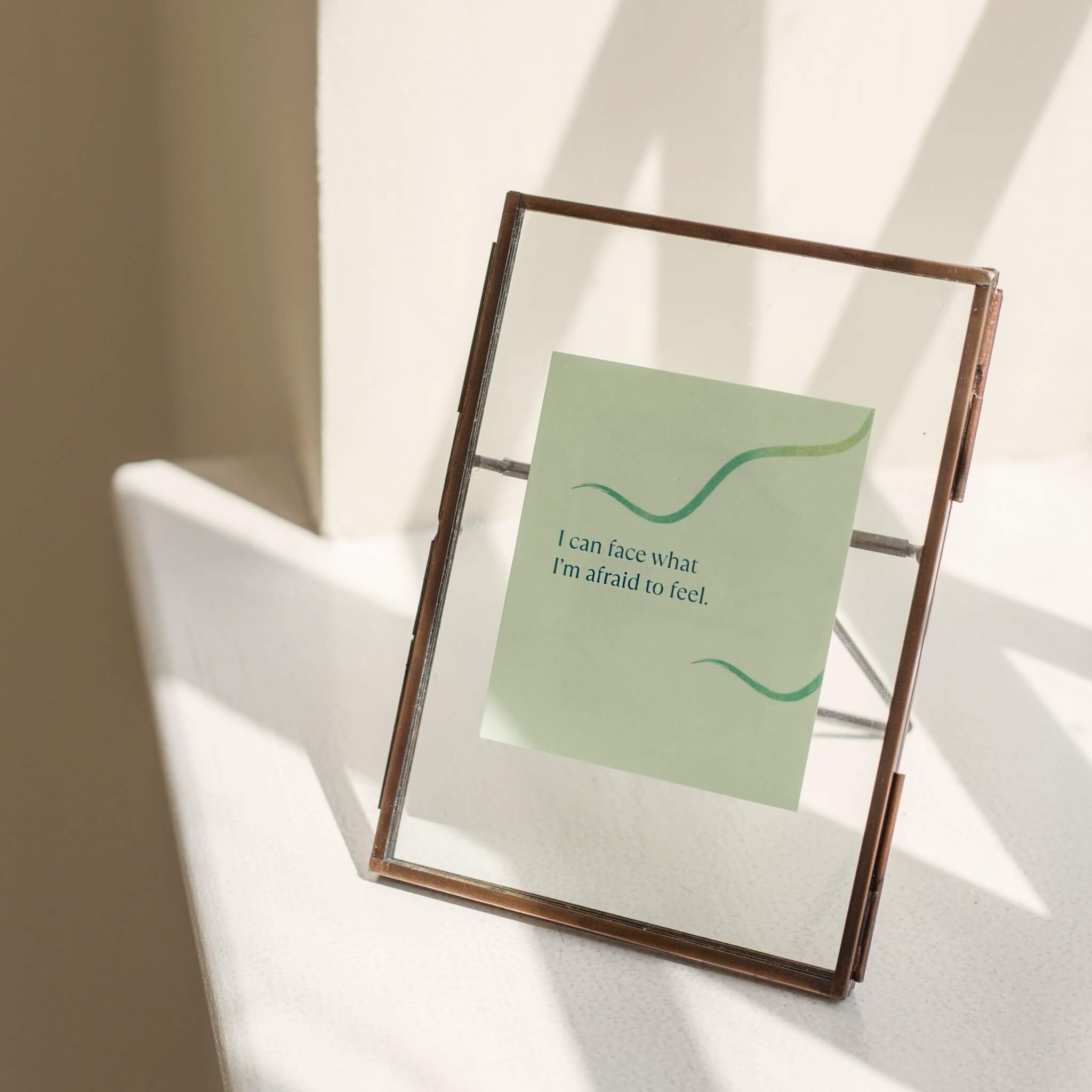
Self-compassion built into the language itself. Over 50 gentle reminders are woven throughout, like "You can't be perfect, and you don't need to be." The journal helps you respond to yourself with the same warmth you already extend to everyone else.
Undated format. No missed-days record, no guilt for the weeks old patterns win. The journal welcomes you back whenever you're ready.

Dr. Chris Germer, PhD
Clinical Psychologist, Harvard Medical School | Co-developer of Mindful Self-Compassion (MSC), taught to 250,000+ people worldwide
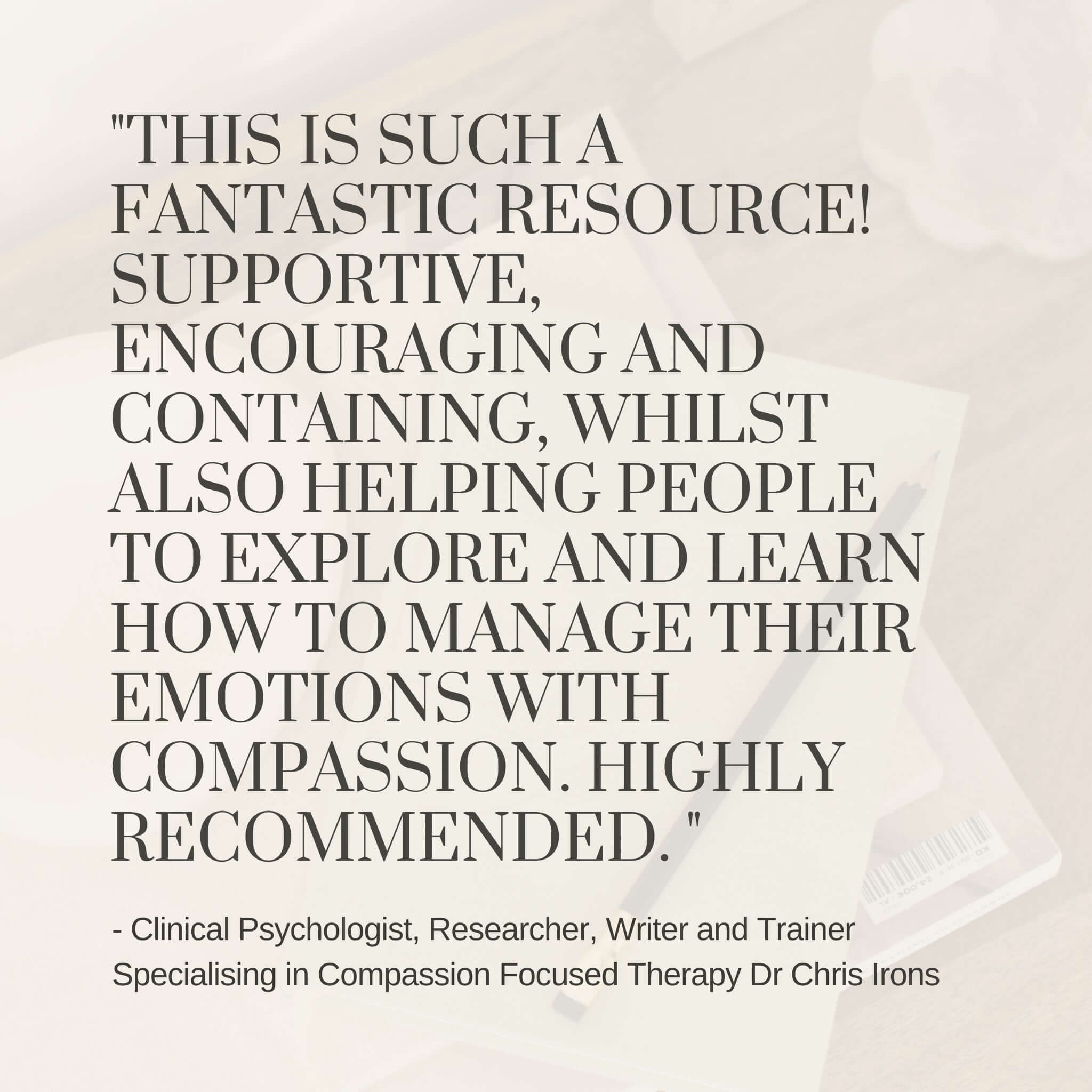
"A warm invitation to make friends with your emotions and yourself!"

Professor Willem Kuyken, PhD, DClinPsy
Ritblat Professor of Mindfulness and Psychological Science, University of Oxford | Top 1% most cited scientists worldwide
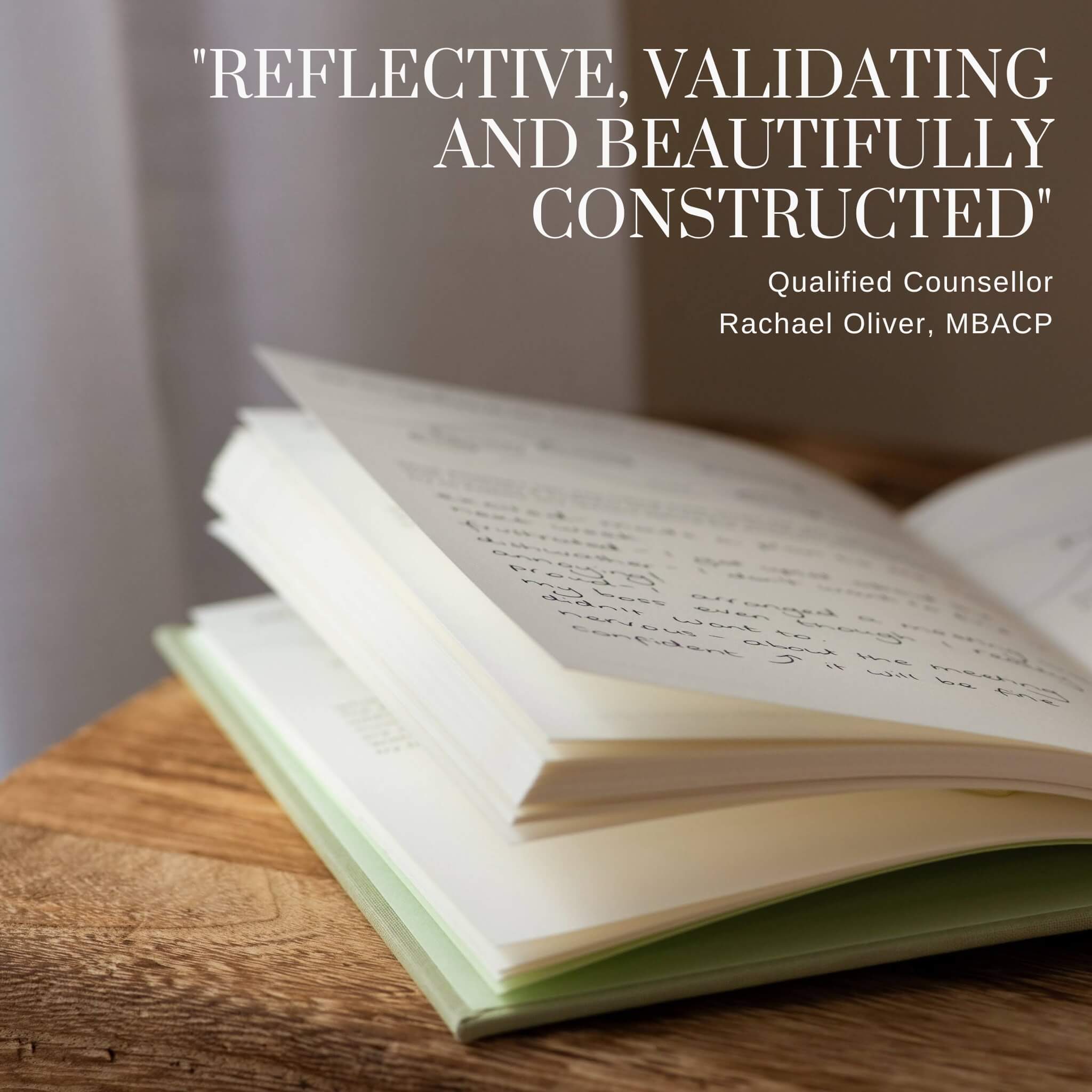
"The journal is rooted in state-of-the-art research that emphasizes the importance of understanding our emotions in order to lower stress and lead a happy and meaningful life. Rachel has curated the experience to make the writing intrinsically rewarding and the journal something to treasure."
Sample Prompts
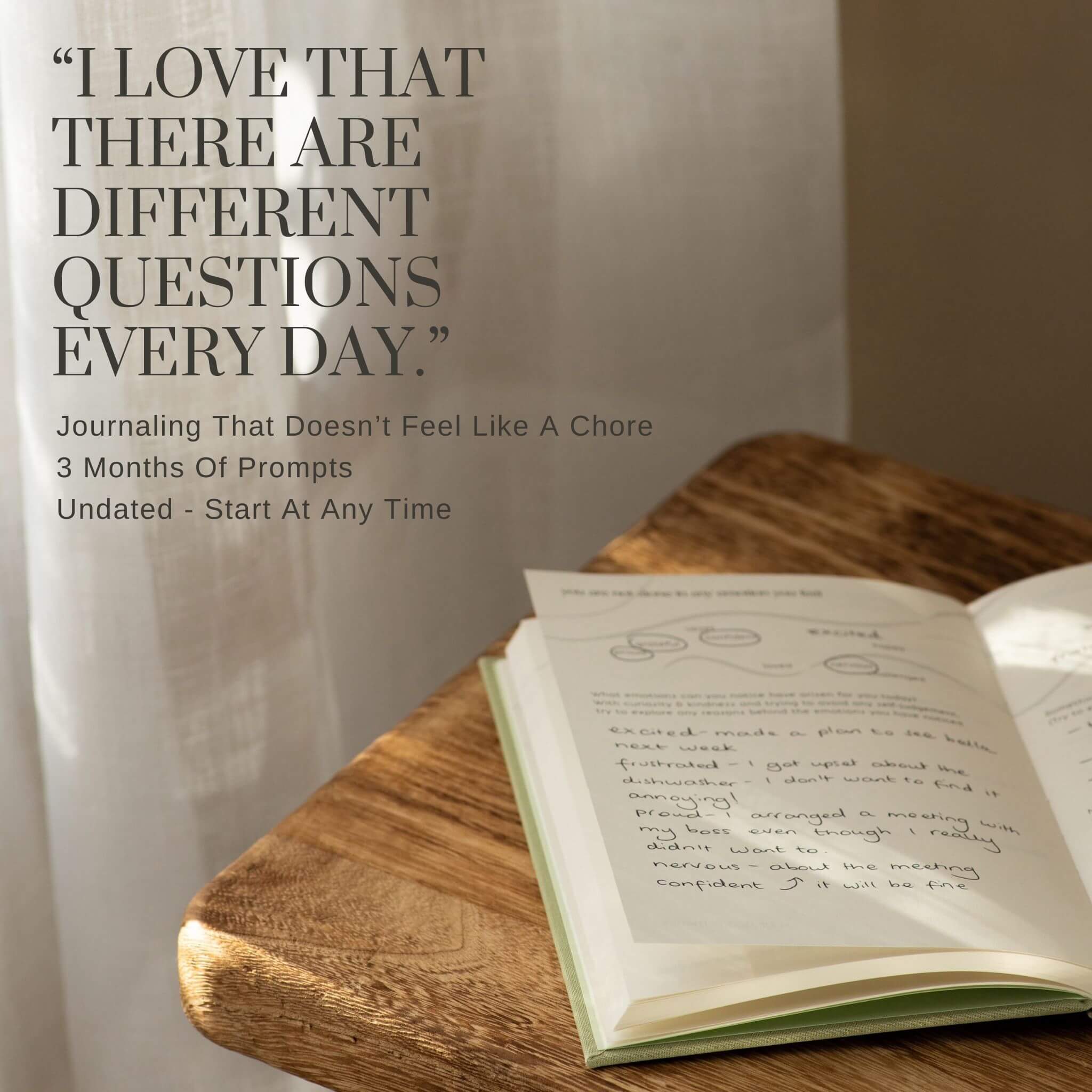
- "What has challenged you today? Talk to yourself as you would talk to a friend, write down what you would say."
- "Notice how you are feeling right now. Think about what you would find it helpful to hear. Write down words to say to yourself."
- "What emotions can you notice have arisen for you today? With curiosity and kindness, try to explore the reasons behind the emotions you've noticed."
✓ What Works
- Directly builds self-compassion, not just self-discipline
- Helps you identify your own needs and feelings
- Undated, no guilt for missed days or setbacks
- Expert-recommended by Harvard and Oxford
- Used by therapists with clients working on boundaries and self-worth
✗ Consider If
- You want a structured, step-by-step boundaries workbook rather than reflective prompts
- You're looking for something shorter than a 90-day practice
- You want prompts written specifically around workplace or family scenarios
How Different Options Compare
| Option | Best For | Builds Self-Compassion | Format | Price |
|---|---|---|---|---|
| Give Yourself Kindness Journal | Noticing your needs, building self-compassion | ✅ Built into every prompt | Undated | £28.95 |
| CBT / boundaries workbook | Structured cognitive work, usually with a therapist | Some, clinically structured | Varies | £10–20 |
| Generic gratitude journal | Building a gratitude habit | Not typically the focus | Varies | £10–25 |
| Blank notebook | People who already know how to guide their own reflection | Depends entirely on you | Undated | £5–15 |
Worth knowing: a CBT or boundaries workbook can be genuinely valuable, especially alongside a therapist, and a lot of people use one for structured work while using a self-compassion journal like this one for daily reflection in between. They serve different purposes rather than competing with each other.
Why I Built This Around Self-Compassion, Not Willpower
Self-criticism and people-pleasing are closely linked, more closely than I understood for a long time. When your inner critic tells you that you're only acceptable if you're useful, agreeable, or easy for everyone else, saying no doesn't just feel uncomfortable, it feels like confirming the worst thing your inner critic already believes about you.
That was a lot of what I was working through in Compassion-Focused Therapy: not learning to say no through sheer willpower, but slowly building a relationship with myself where I didn't need everyone else's approval to feel okay. It's slower than "just set a boundary" advice makes it sound, and it's not a straight line.
I built the Give Yourself Kindness Journal around that process because I don't think willpower was ever really the missing piece. Self-compassion was.
Which Prompts Help Most for Your Situation
Frequently Asked Questions
What's the difference between being kind and being a people pleaser?
Kindness comes from choice; people-pleasing comes from a felt sense of threat. If saying no genuinely feels dangerous, not just uncomfortable, that's usually a sign it's the second one. Kindness can include disappointing someone when you need to. People-pleasing usually can't.
Why do I feel guilty when I say no?
Guilt here is often a learned signal that disappointing someone is unsafe, rather than an accurate signal that you've done something wrong. Compassion-Focused Therapy explains this as a threat response: your nervous system reacting to potential disapproval the way it might react to any other perceived danger. Naming the guilt, rather than obeying it automatically, is usually the first step.
Can journaling actually help with people-pleasing?
It can, particularly journaling that helps you notice your own needs and builds self-compassion, rather than journaling that only asks you to record your day. The mechanism is practice: the more often you notice and validate your own needs on paper, the more familiar it becomes to do it in real situations.
Is people-pleasing the same as being an empath or highly sensitive?
No, though they can overlap. Being highly attuned to other people's emotions is a trait. People-pleasing is a pattern of prioritising other people's comfort over your own needs, often out of fear rather than sensitivity alone. You can be sensitive to others without losing your own needs in the process.
How long does it take to stop people-pleasing?
There's no fixed timeline, and it's rarely a straight line. Most people notice small shifts, catching themselves before automatically saying yes, within a few weeks of regular reflection. Feeling genuinely comfortable with disappointing someone tends to take longer and build gradually rather than arriving all at once.
Can I use this journal alongside therapy for boundaries?
Yes. Many therapists recommend the Give Yourself Kindness Journal to clients working on boundaries and self-worth, as daily reflection between sessions rather than a replacement for the structured work you do together. If you're working with a boundaries-focused CBT workbook, using both is common.
Why are you recommending your own journal?
Because I built it around exactly this mechanism, self-compassion rather than willpower, after understanding how closely my own self-criticism and people-pleasing were linked. Clinical psychologists from Harvard and Oxford reviewed it and recommend it to their clients. I've been transparent throughout this page that it's my product, and I've included other genuinely useful options, like boundaries-focused CBT workbooks, honestly.
Start Noticing Your Own Needs Again
You don't need more willpower to stop people-pleasing. You need a relationship with yourself where disappointing someone doesn't feel like proof of anything. That's slower work than "just set a boundary" advice suggests, but it's real, and it's the work this journal was built for.
Explore The Give Yourself Kindness Journal →Related reading:
About the author: Rachel Smith (DipBSoM) is a qualified meditation teacher and the creator of Give Yourself Kindness. After her own experience with Compassion-Focused Therapy for harsh self-talk and self-criticism, she created evidence-based tools recommended by clinical psychologists from Harvard Medical School (Dr. Chris Germer) and the University of Oxford (Professor Willem Kuyken), and used by therapists with clients across the UK, US, and Canada.


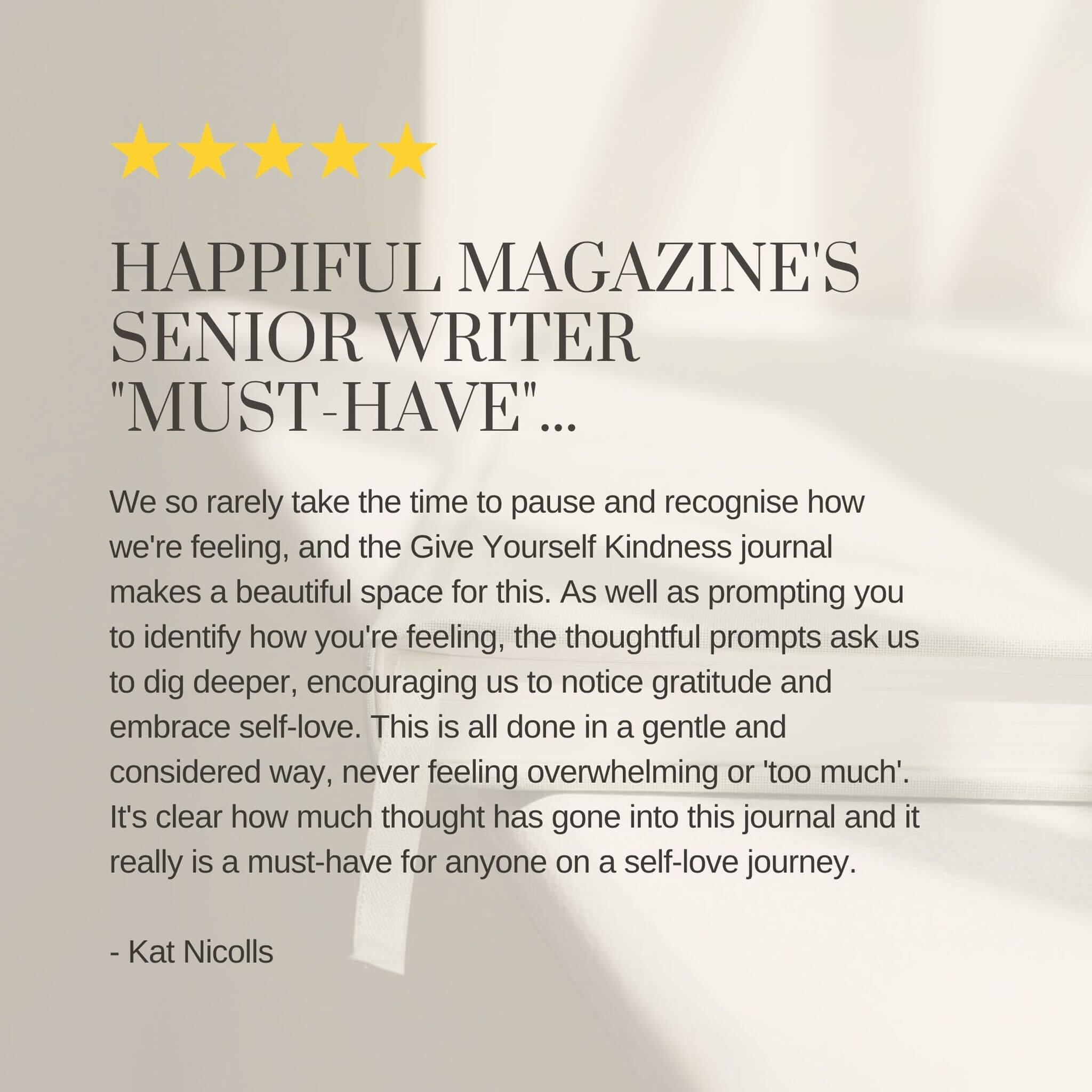
“By far my favourite guided journal that I’ve used!”
There's a lot of journals out there. Most of which include tools that can be repetitive, boring or unhelpful. Give Yourself Kindness is about creating something new.