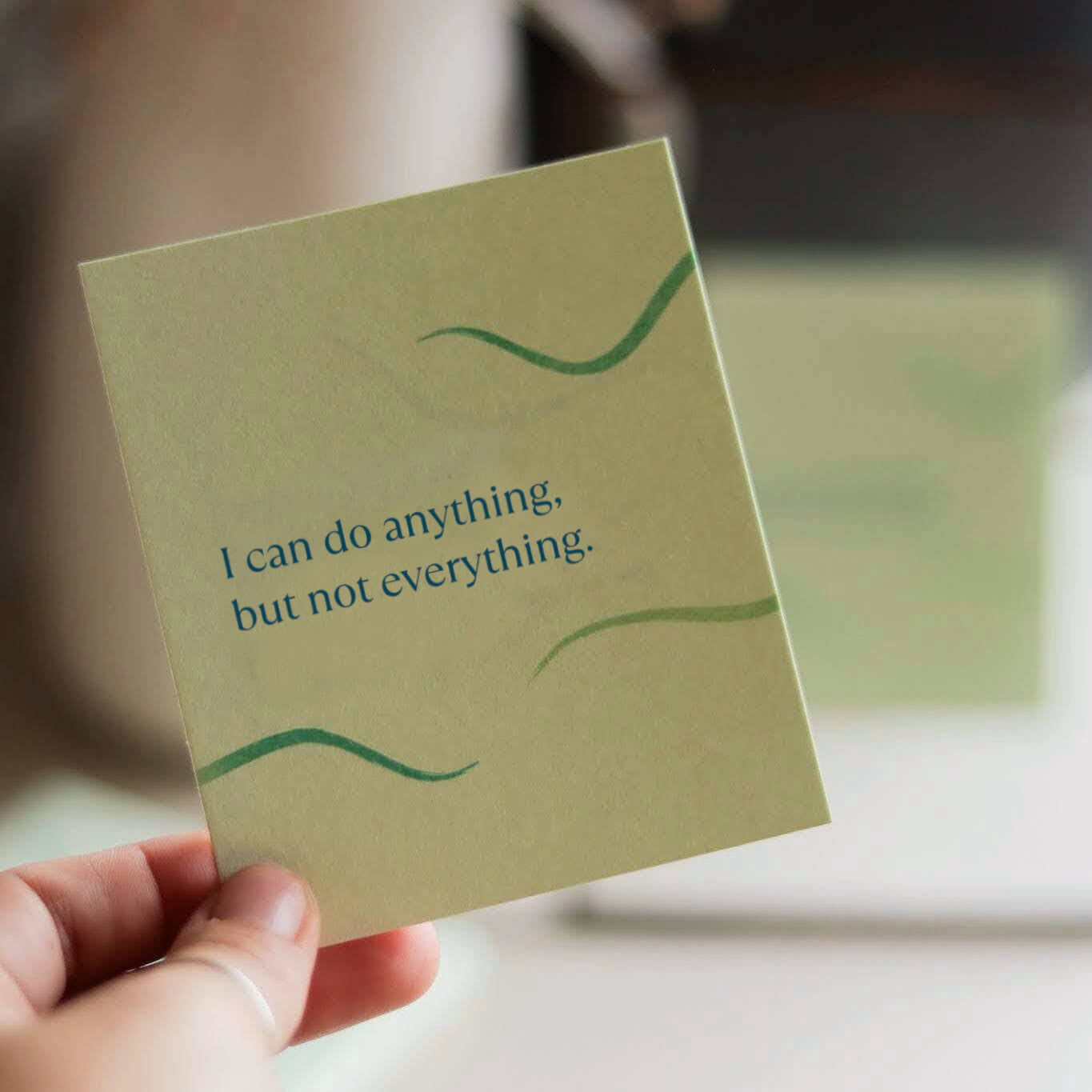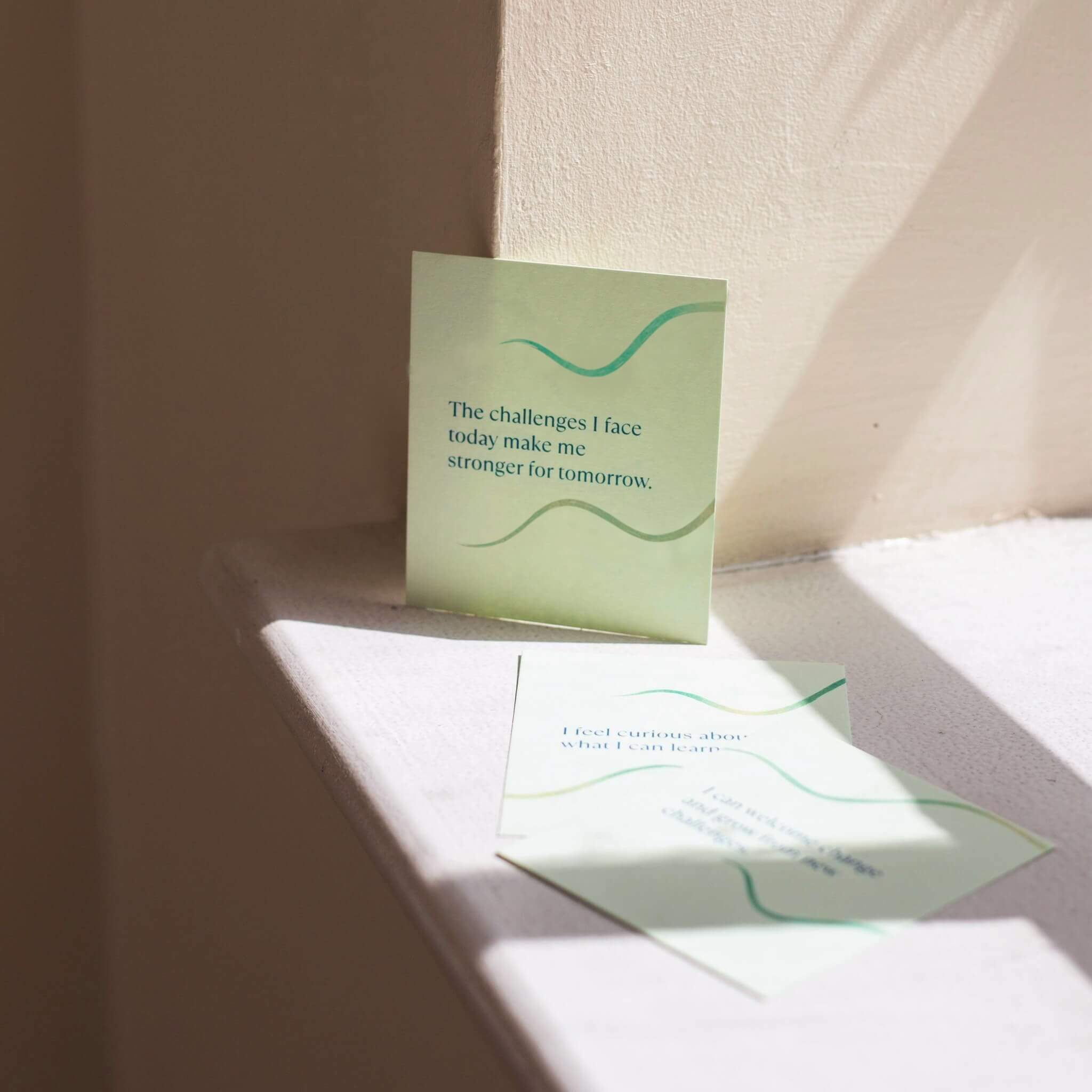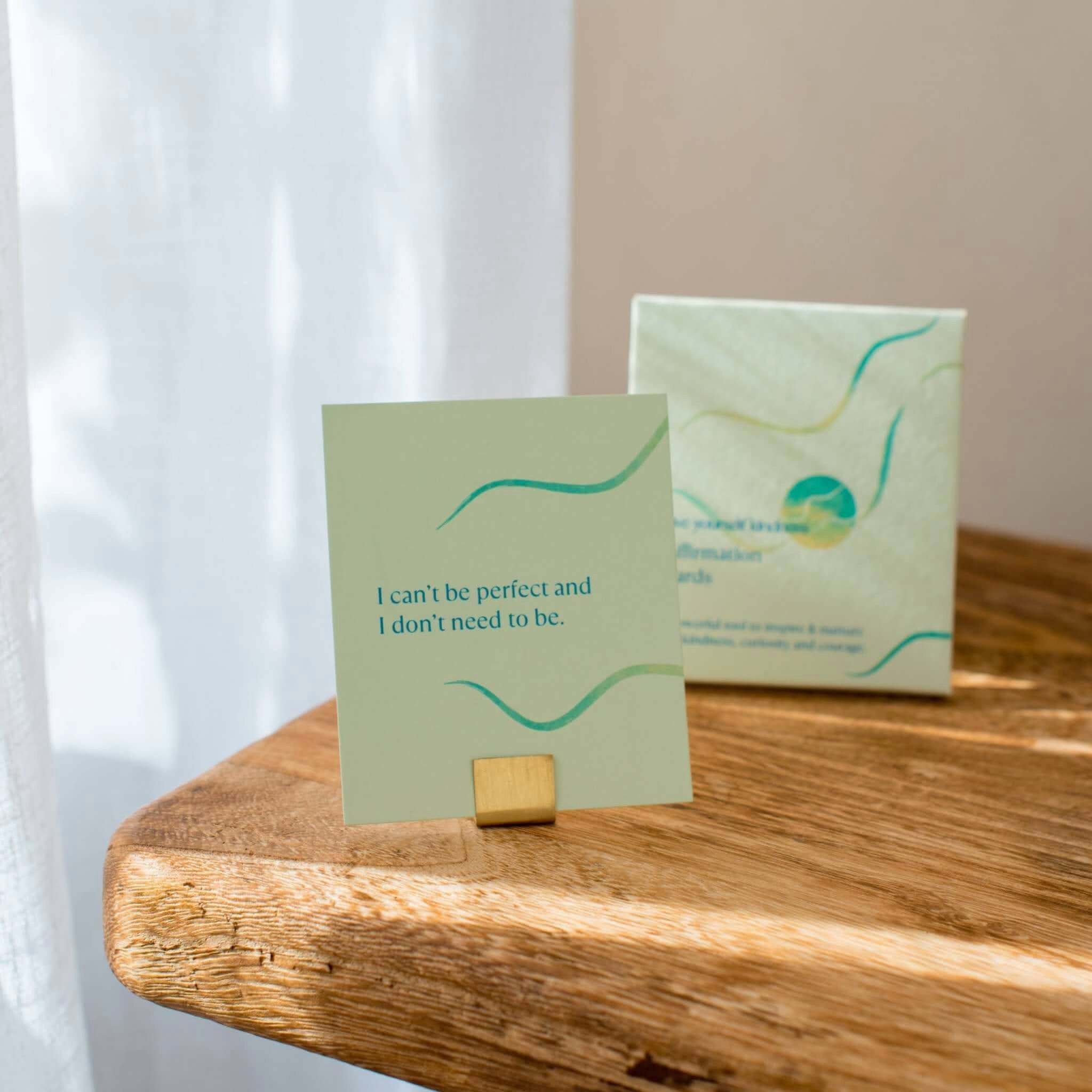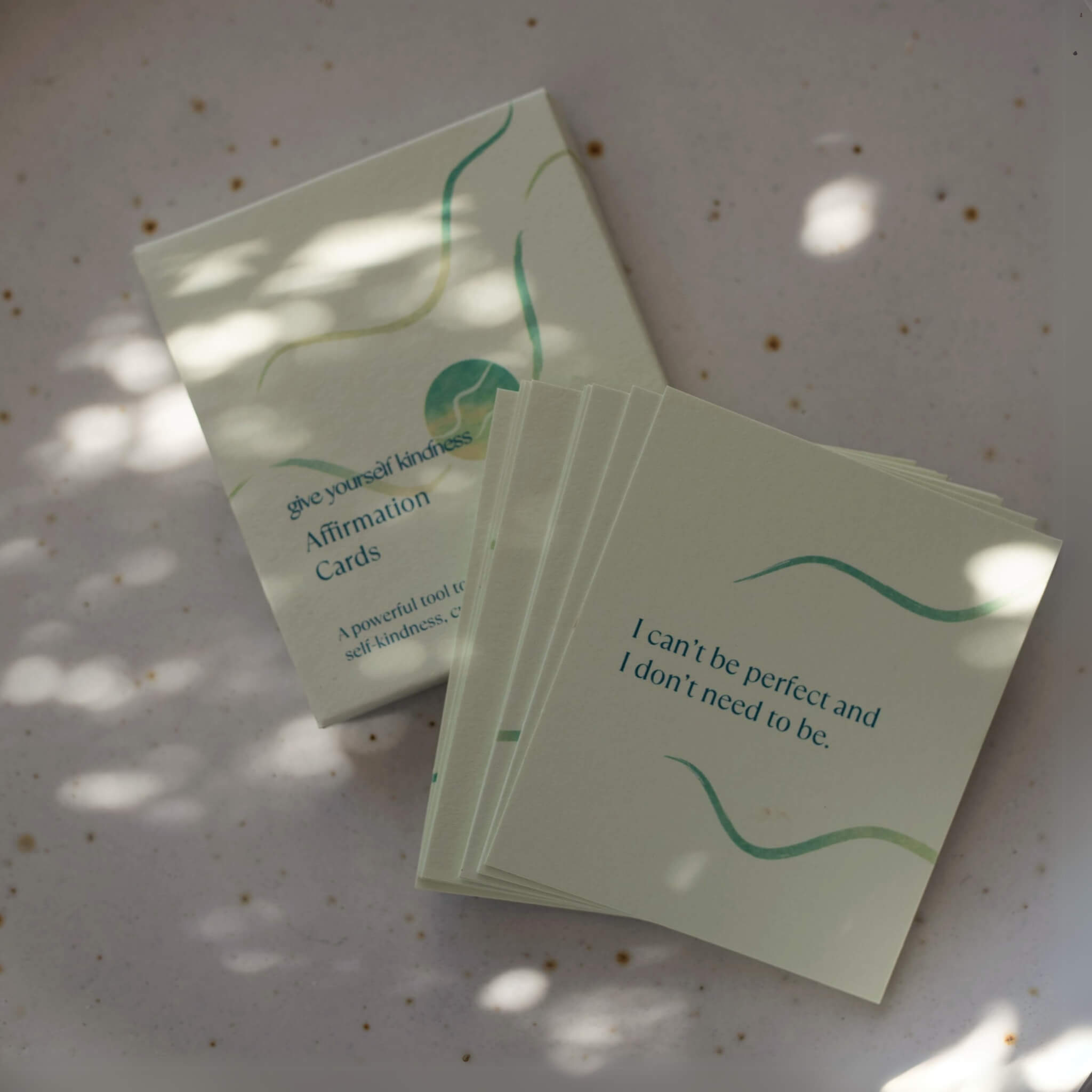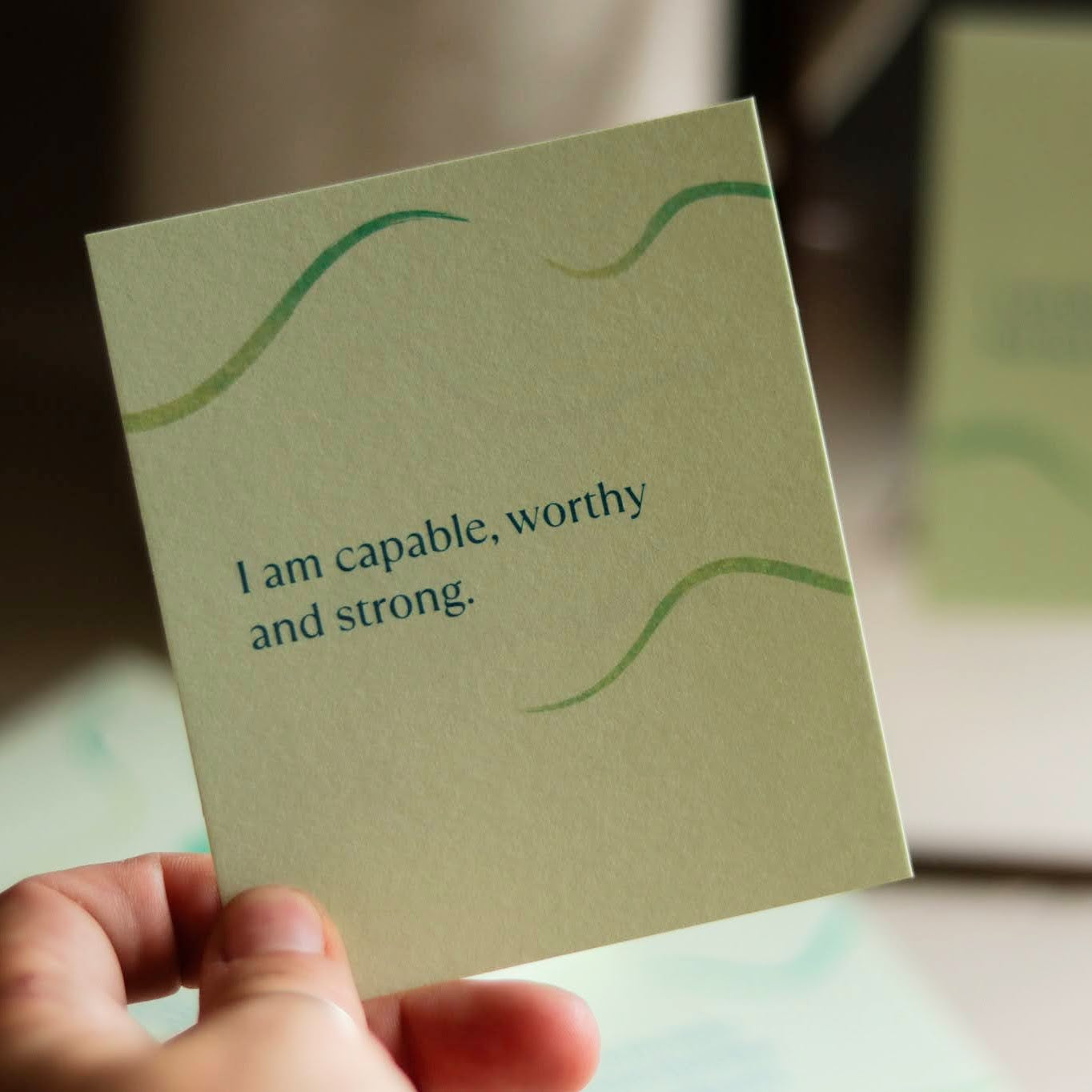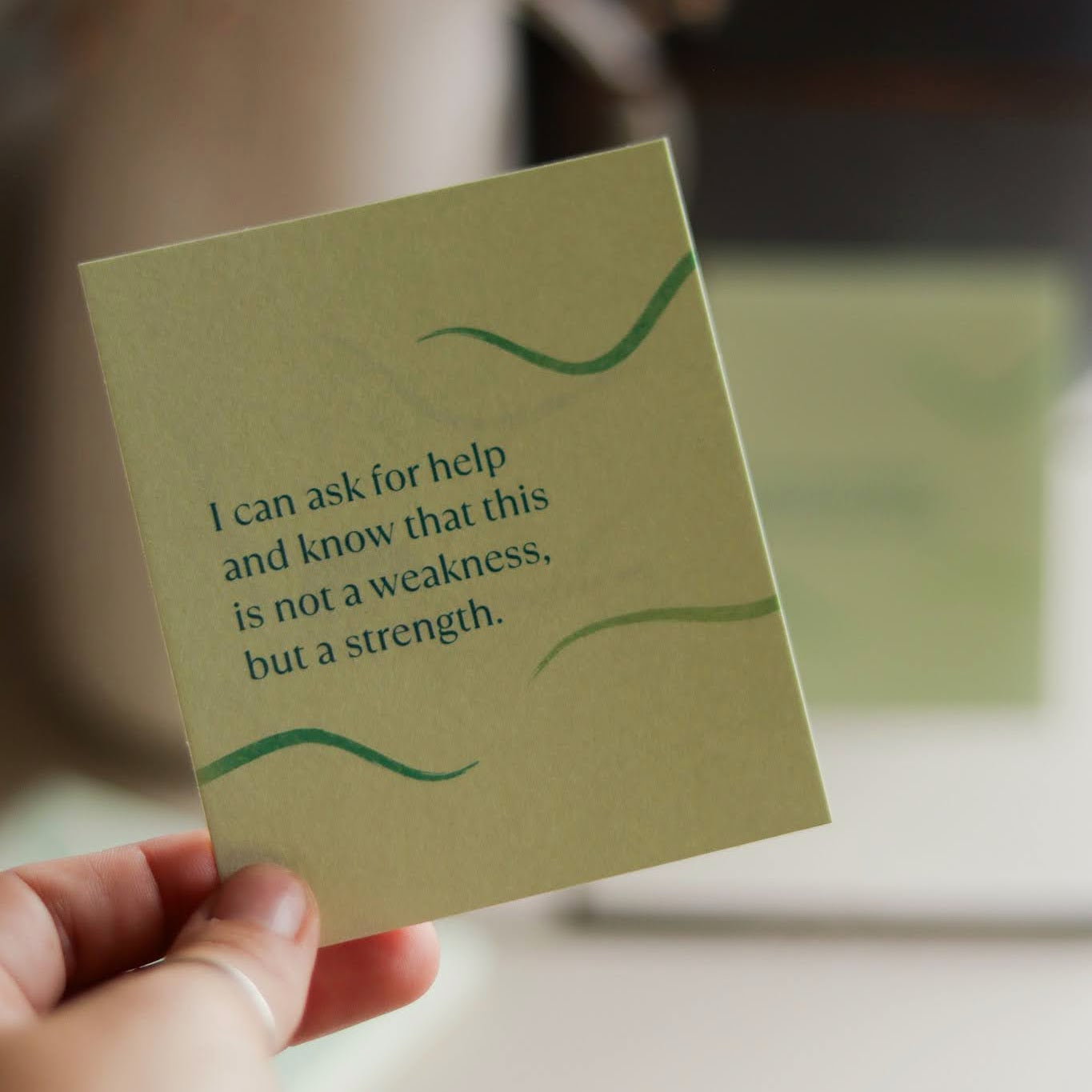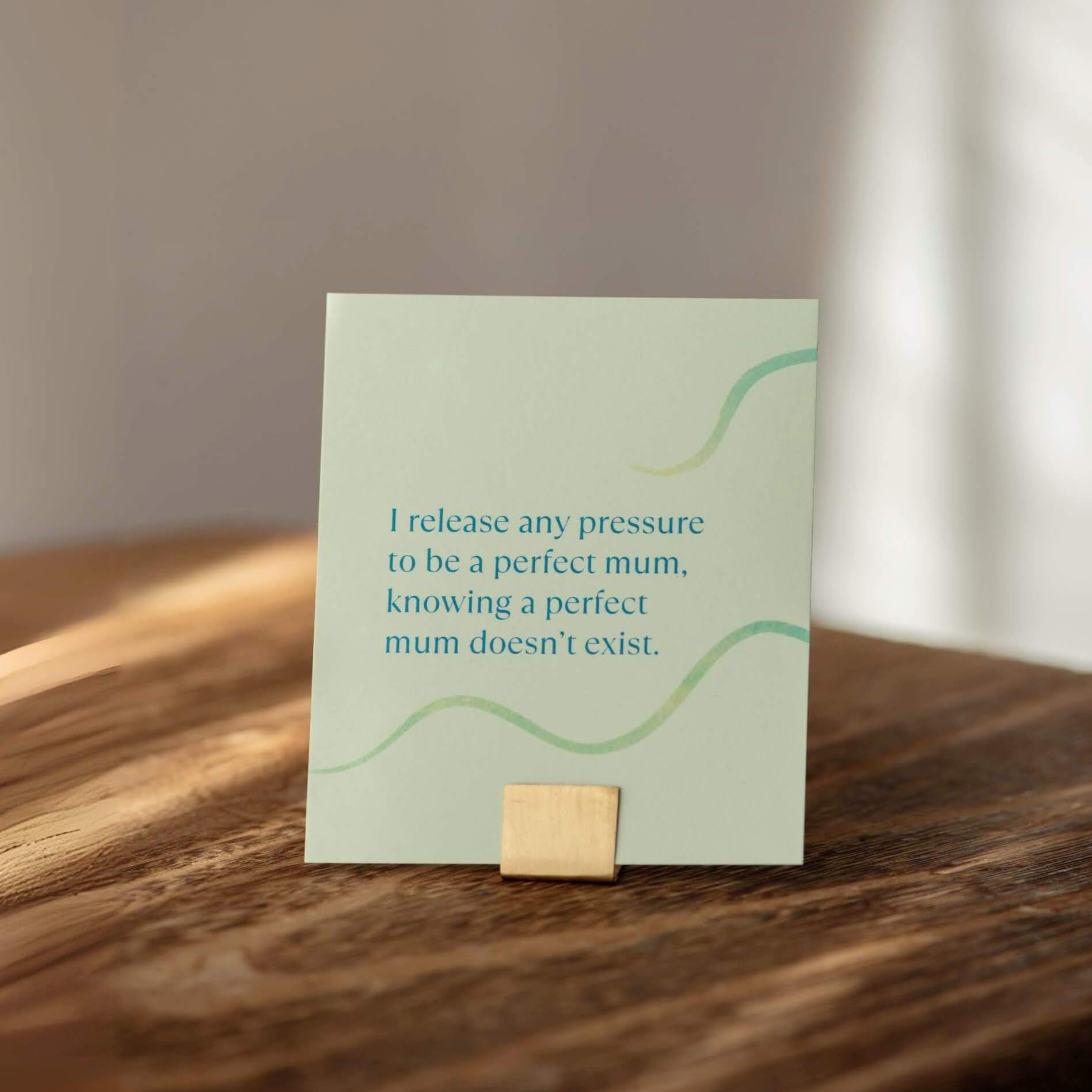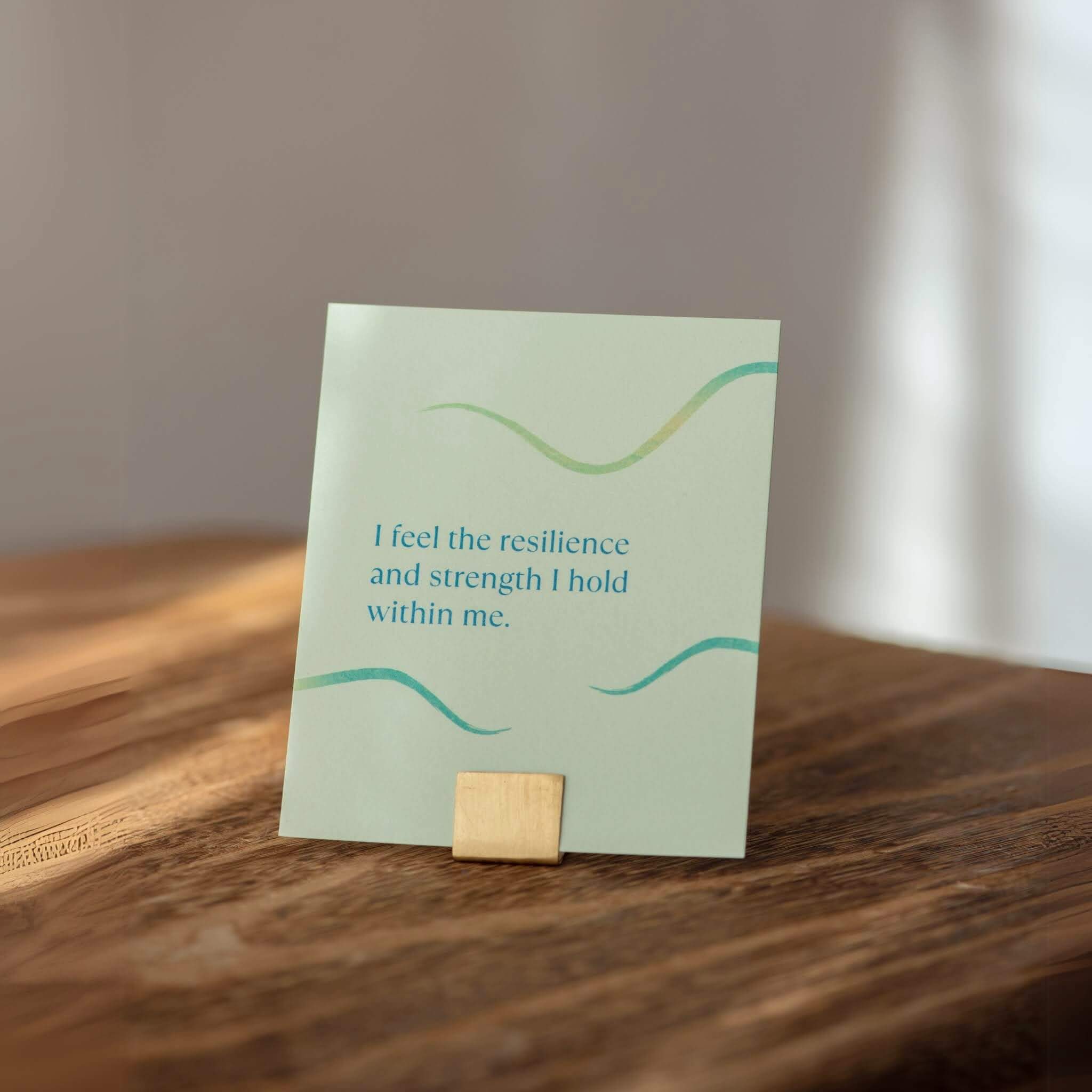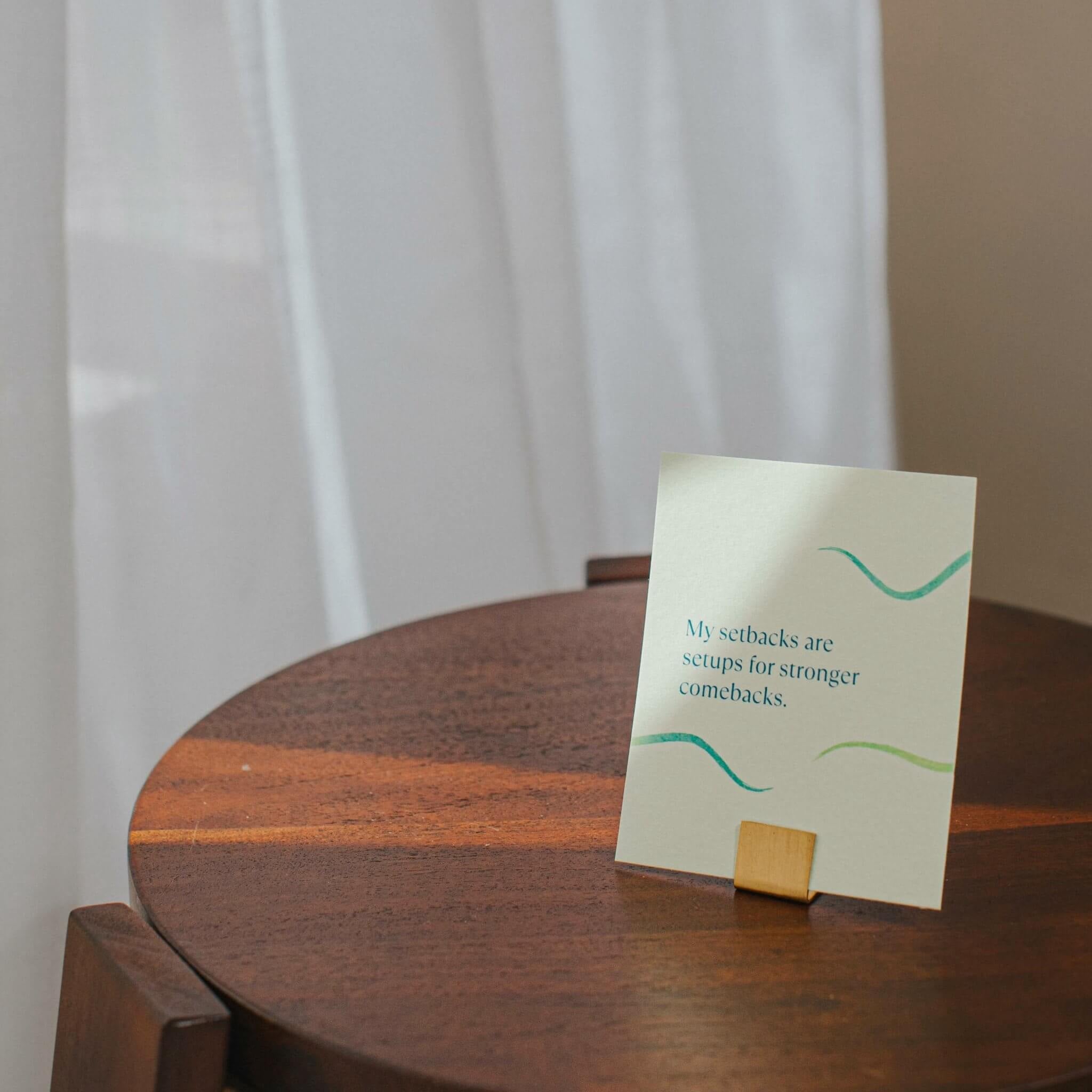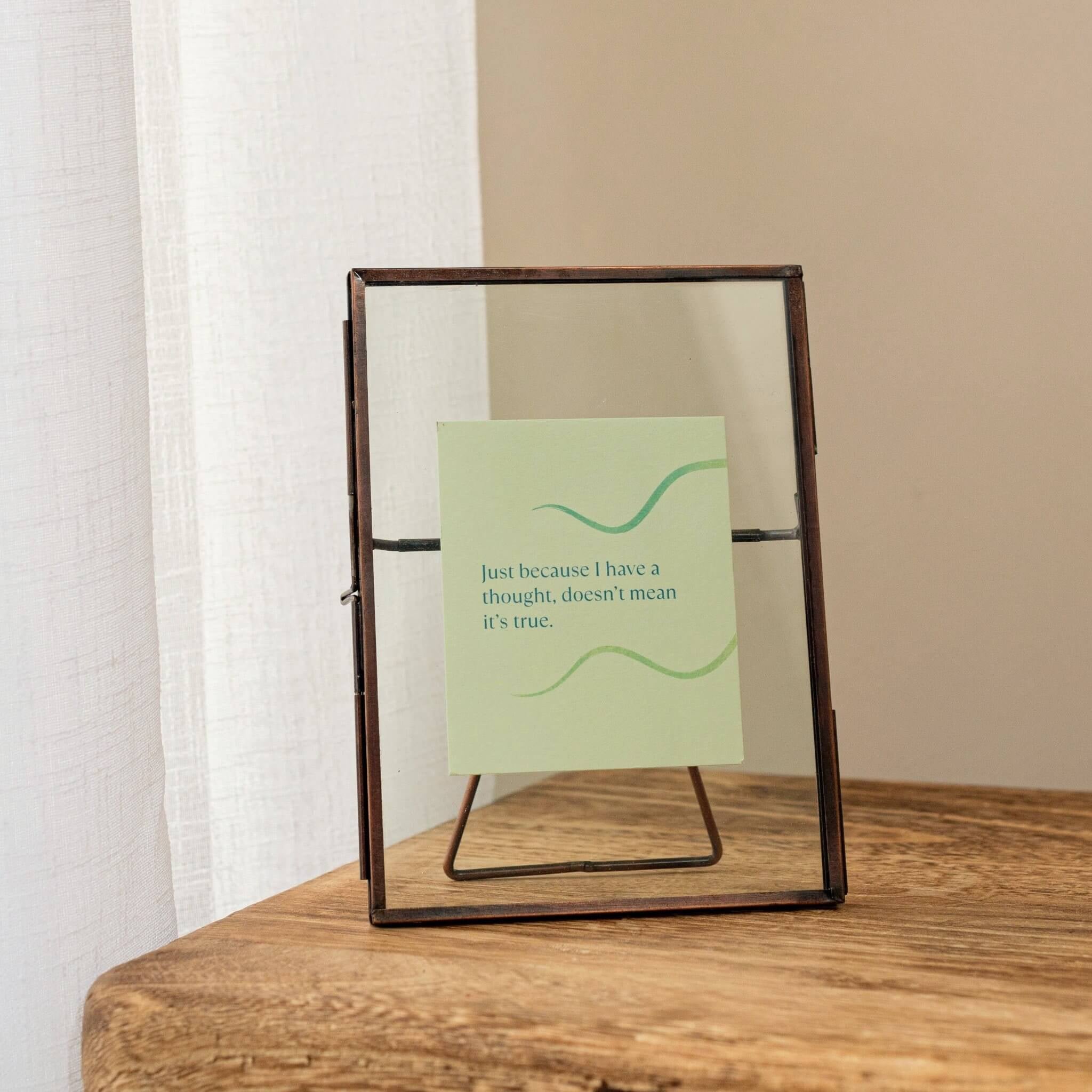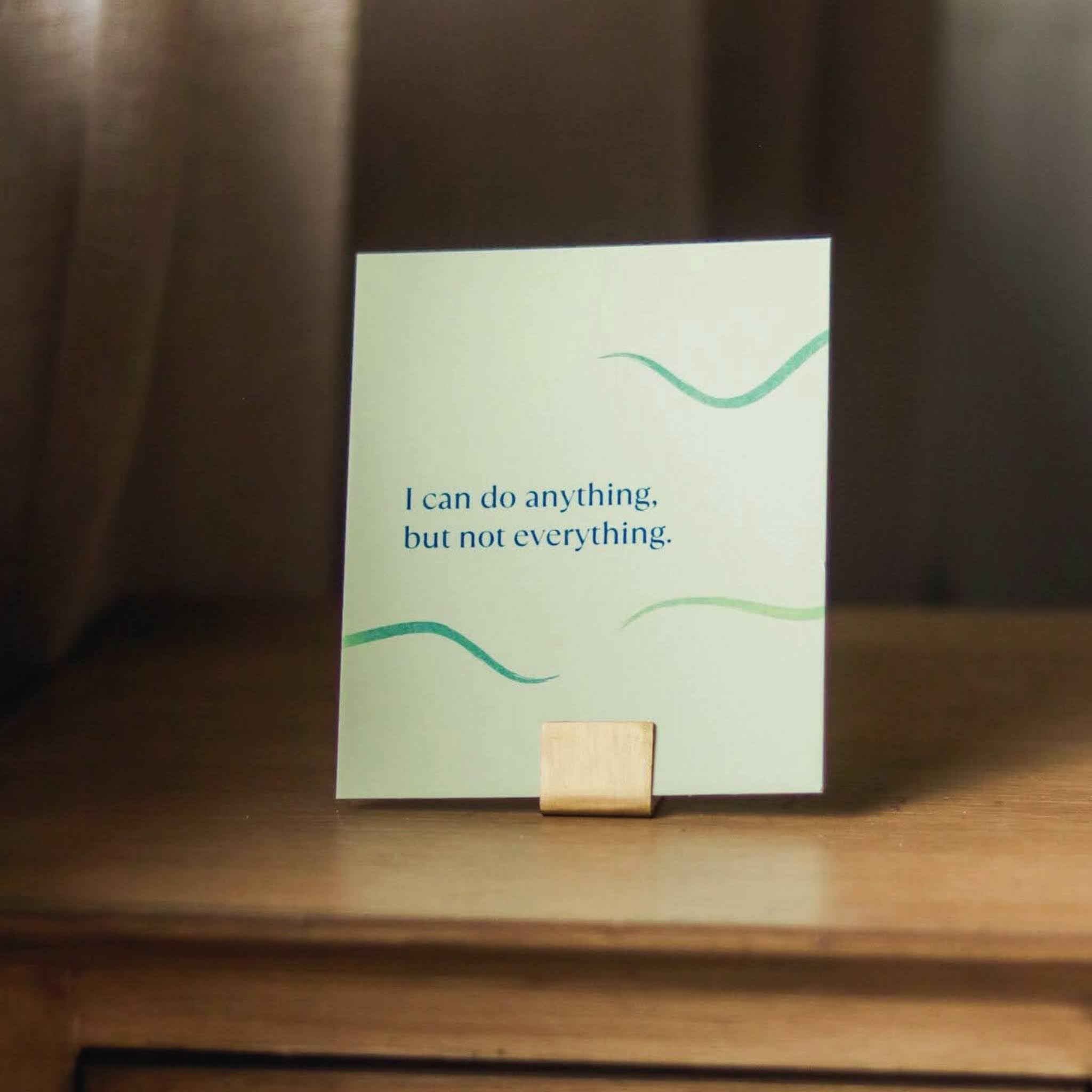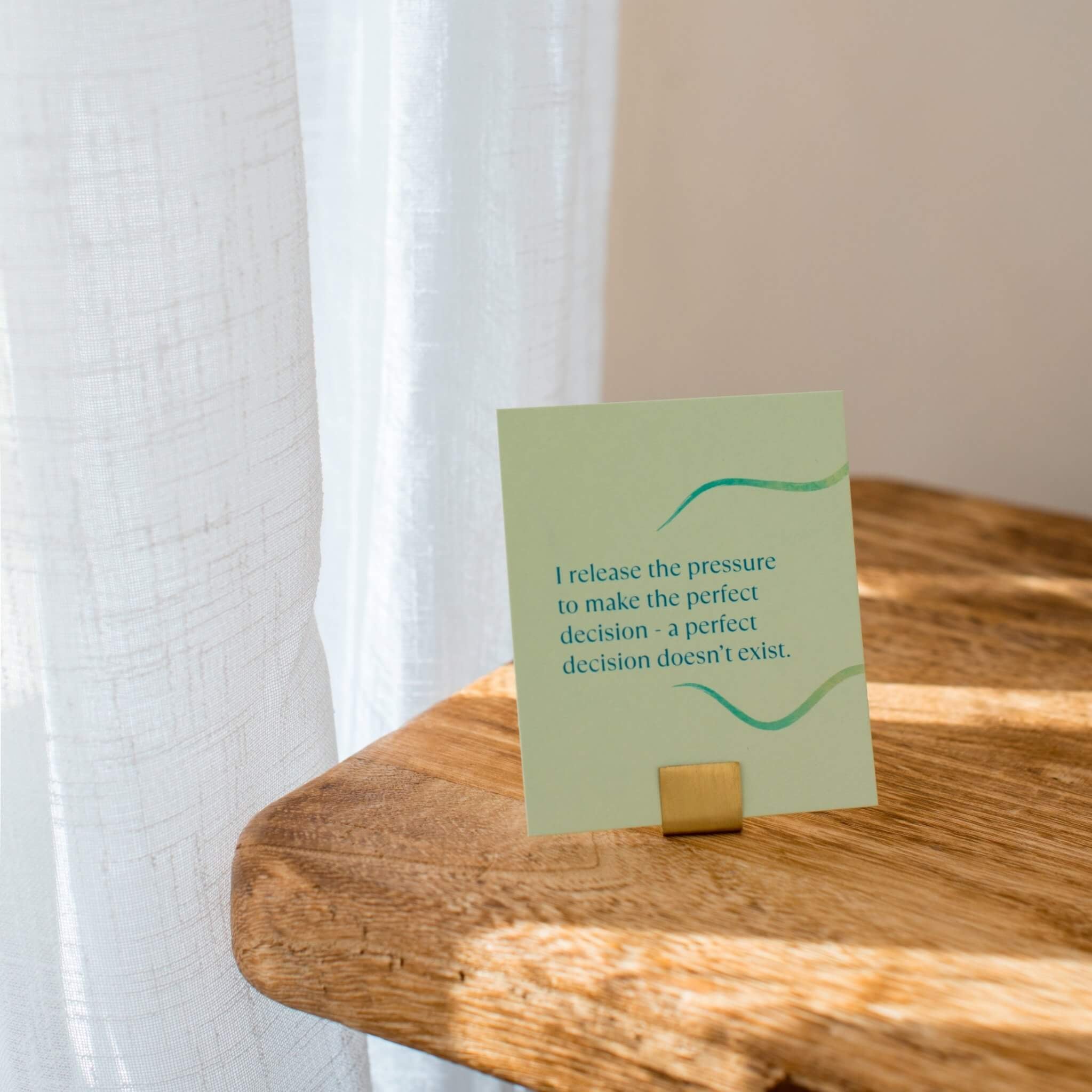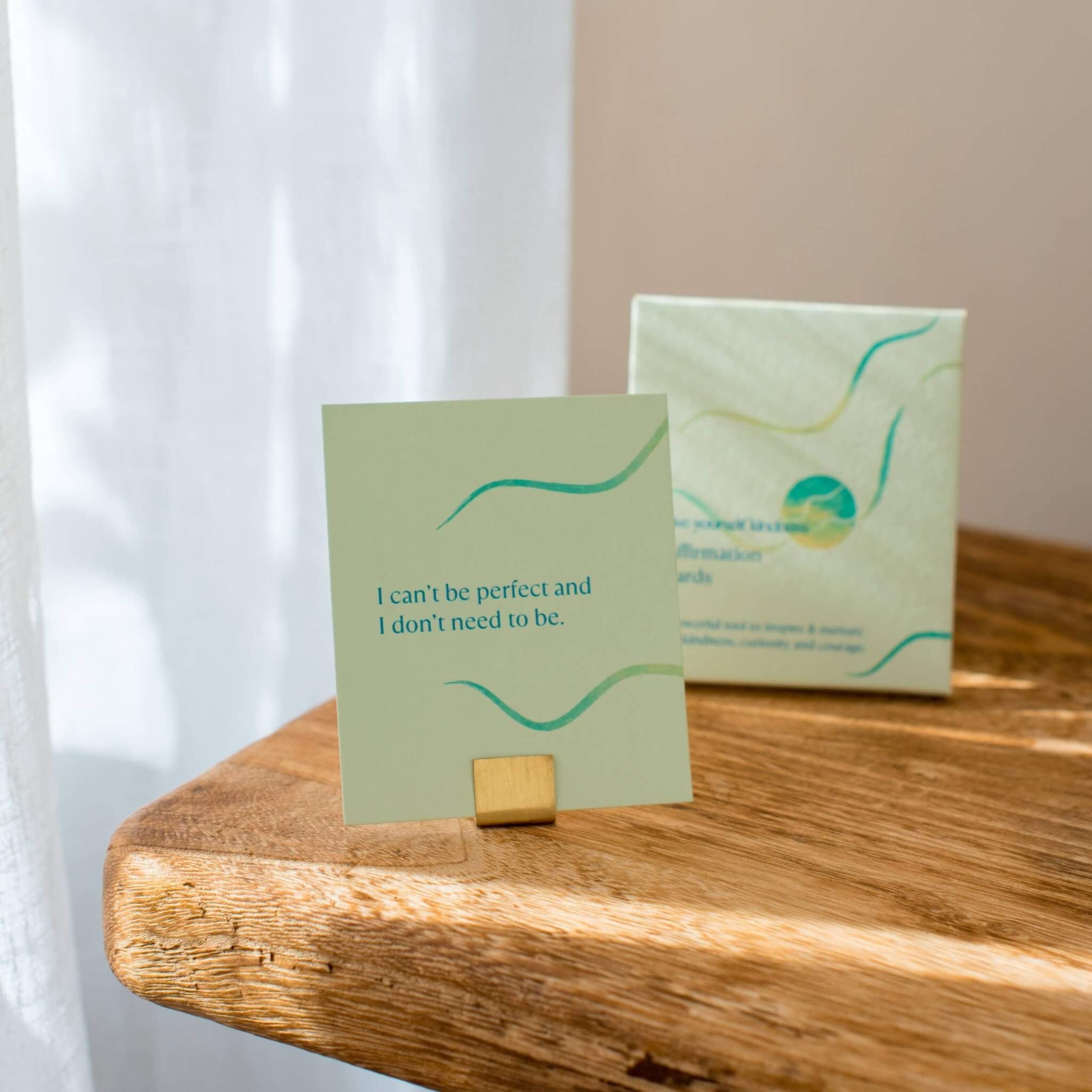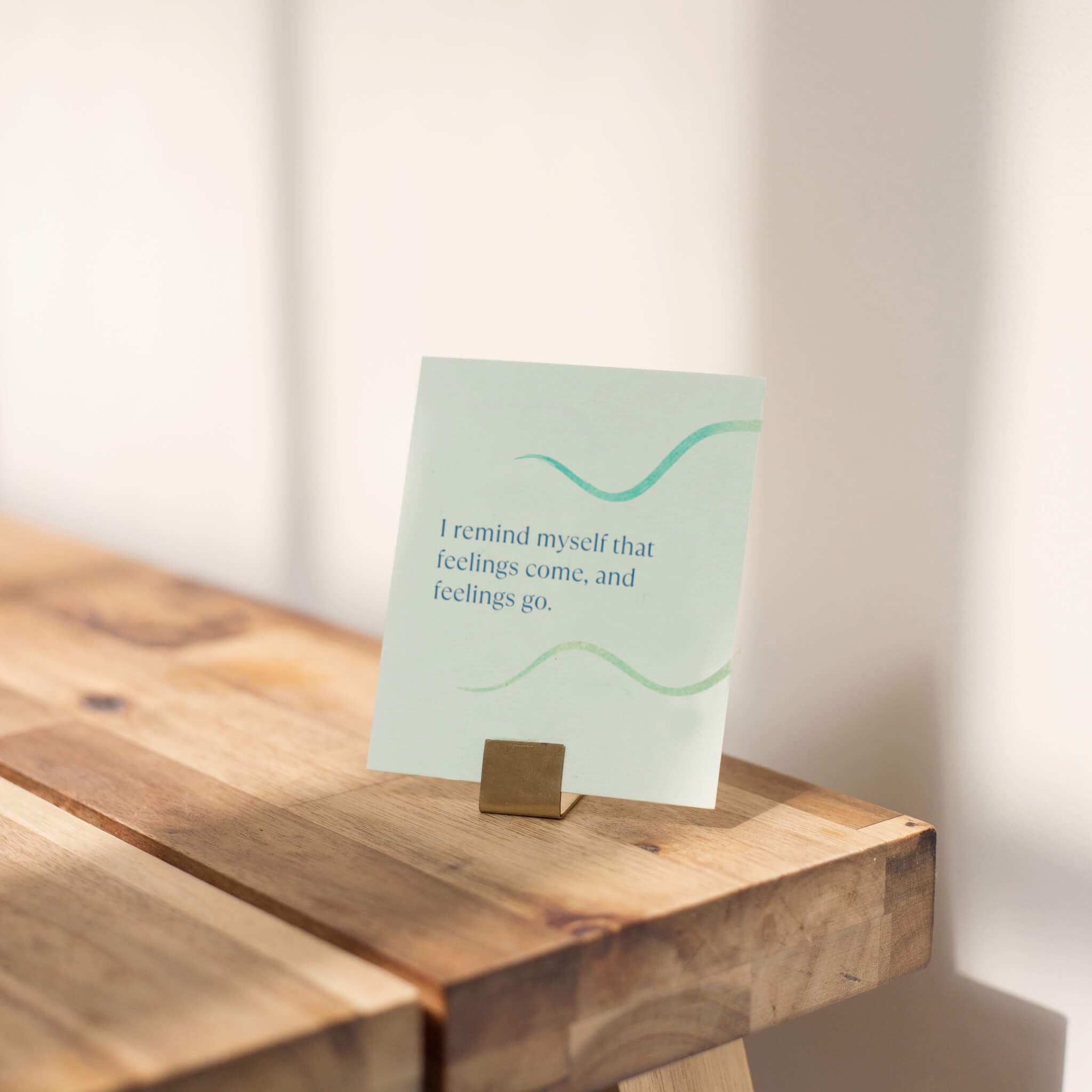



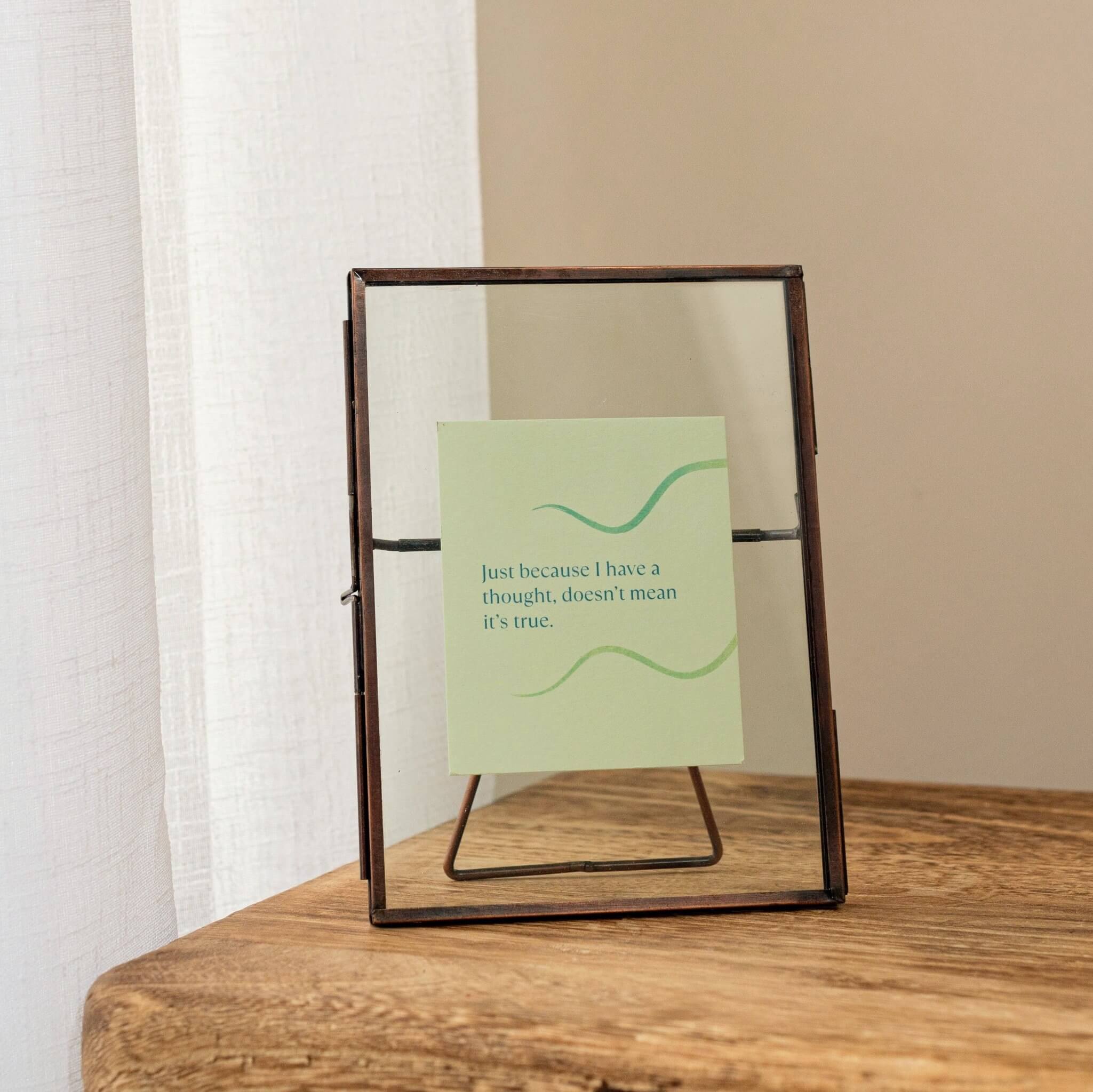
If "I love myself" has ever caught in your throat, you're in the right place. Start further down this list than you think you should. There's no order you're supposed to manage, and the gentler ones aren't a lesser version of the warmer ones. They're usually just the ones that work first.
What are self-love affirmations?
Self-love affirmations are short sentences that help you treat yourself the way you would treat someone you care about. They aren't about feeling wonderful on demand, and they aren't a performance of confidence.
As therapist Margaret Davis, MS, LPC puts it: "self-love is giving all of that same stuff right back to yourself." The ones below are written so you can start with what's reachable today.
Below are 20 affirmations, grouped by what you might need them for:
Why self-love?
Self-love is hard. A lot of us carry the belief that being hard on ourselves is what keeps us going, or what makes us successful. The truth is rather different, and self-love isn't selfish or indulgent. It's part of how you keep going at all.
As therapist Margaret Davis, MS, LPC explains: "Think about the love you have for someone else, the way you admire them, take care of them, show up for them... self-love is giving all of that same stuff right back to yourself."
20 self-love affirmations for different moments
For showing up for yourself, even when it's hard
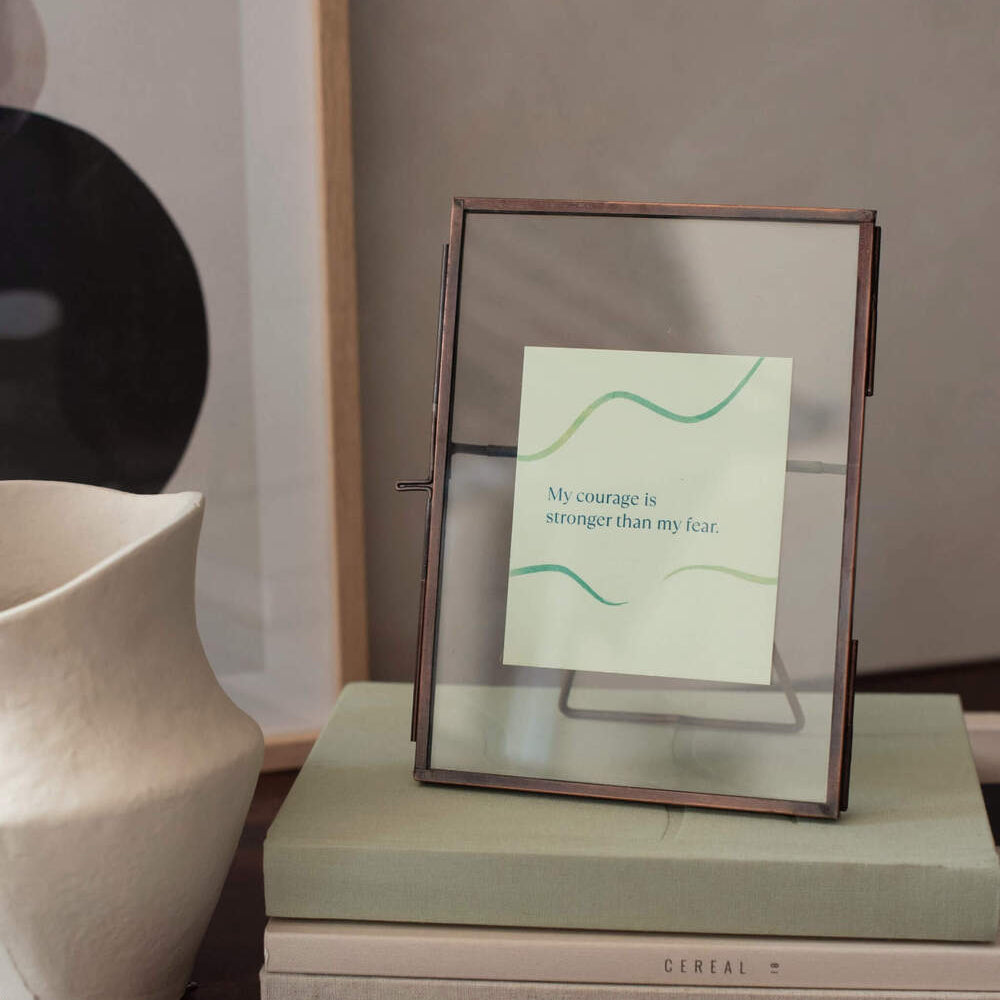
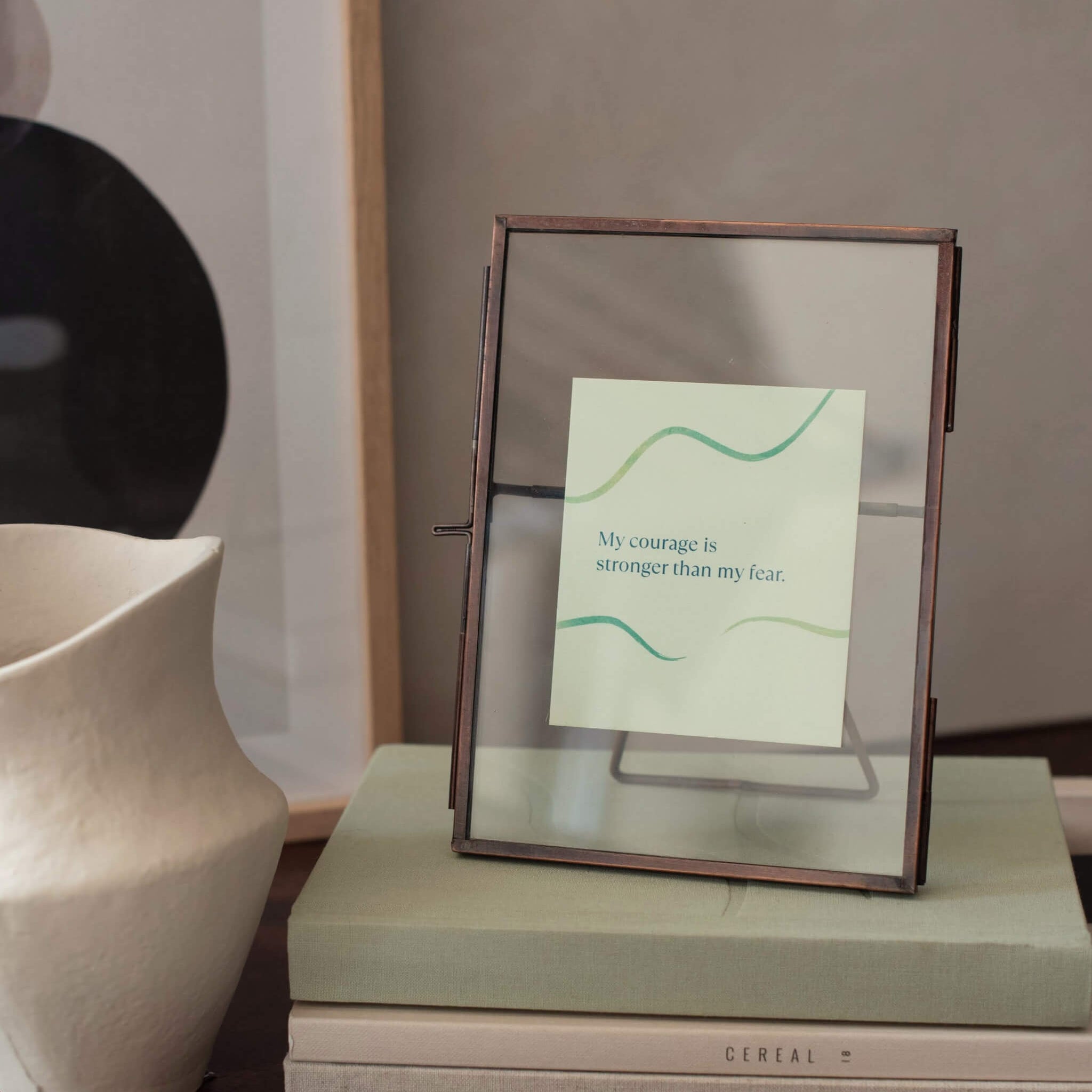
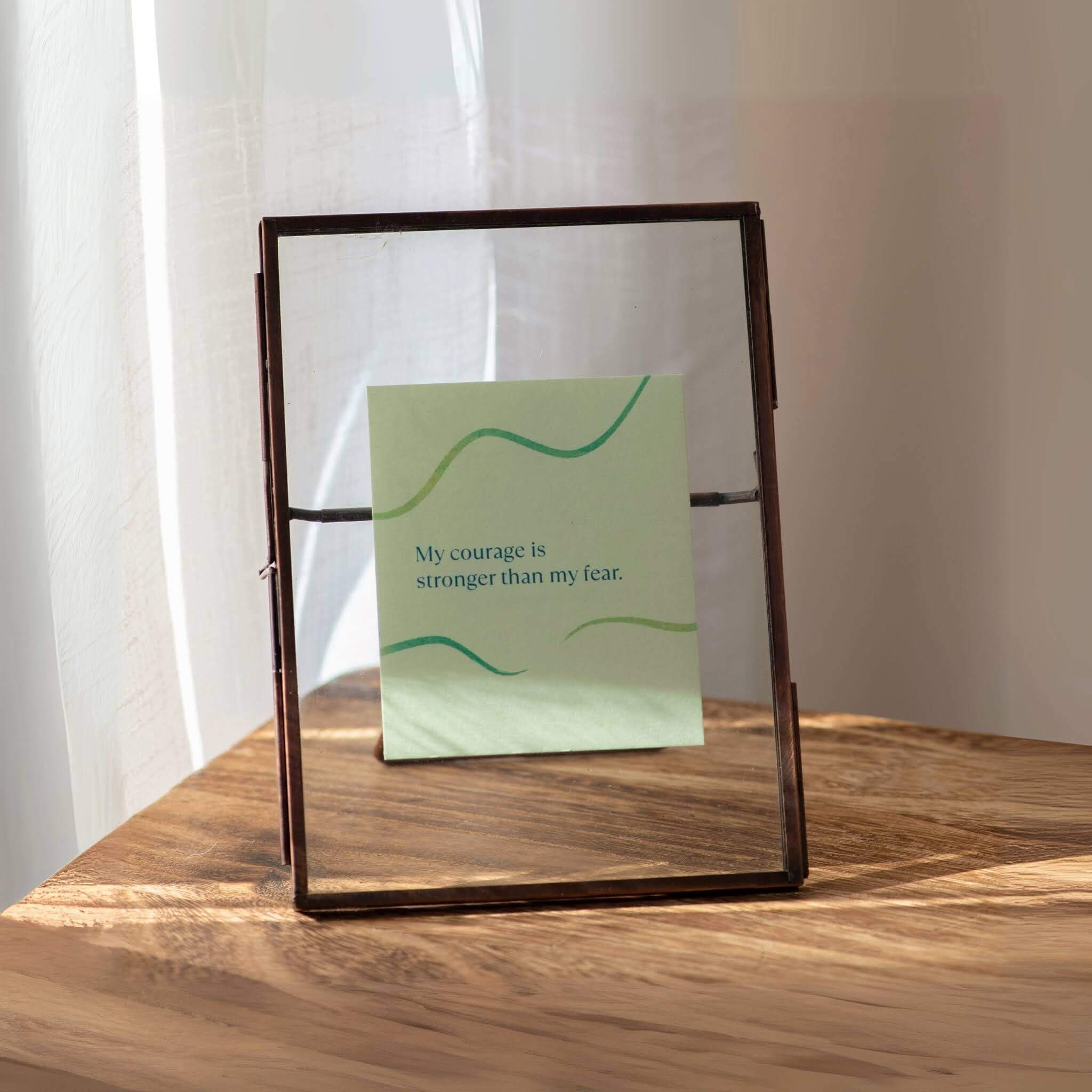
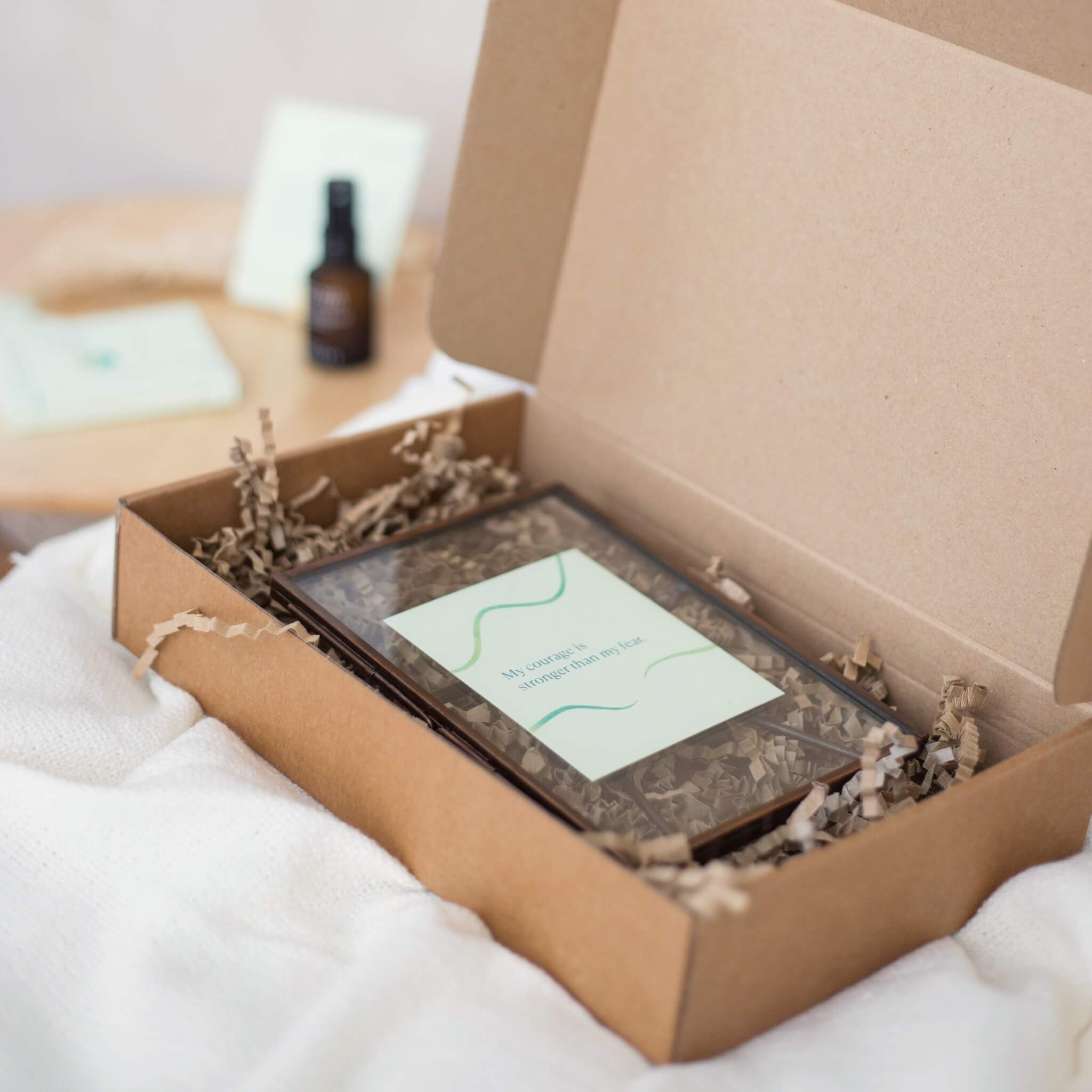
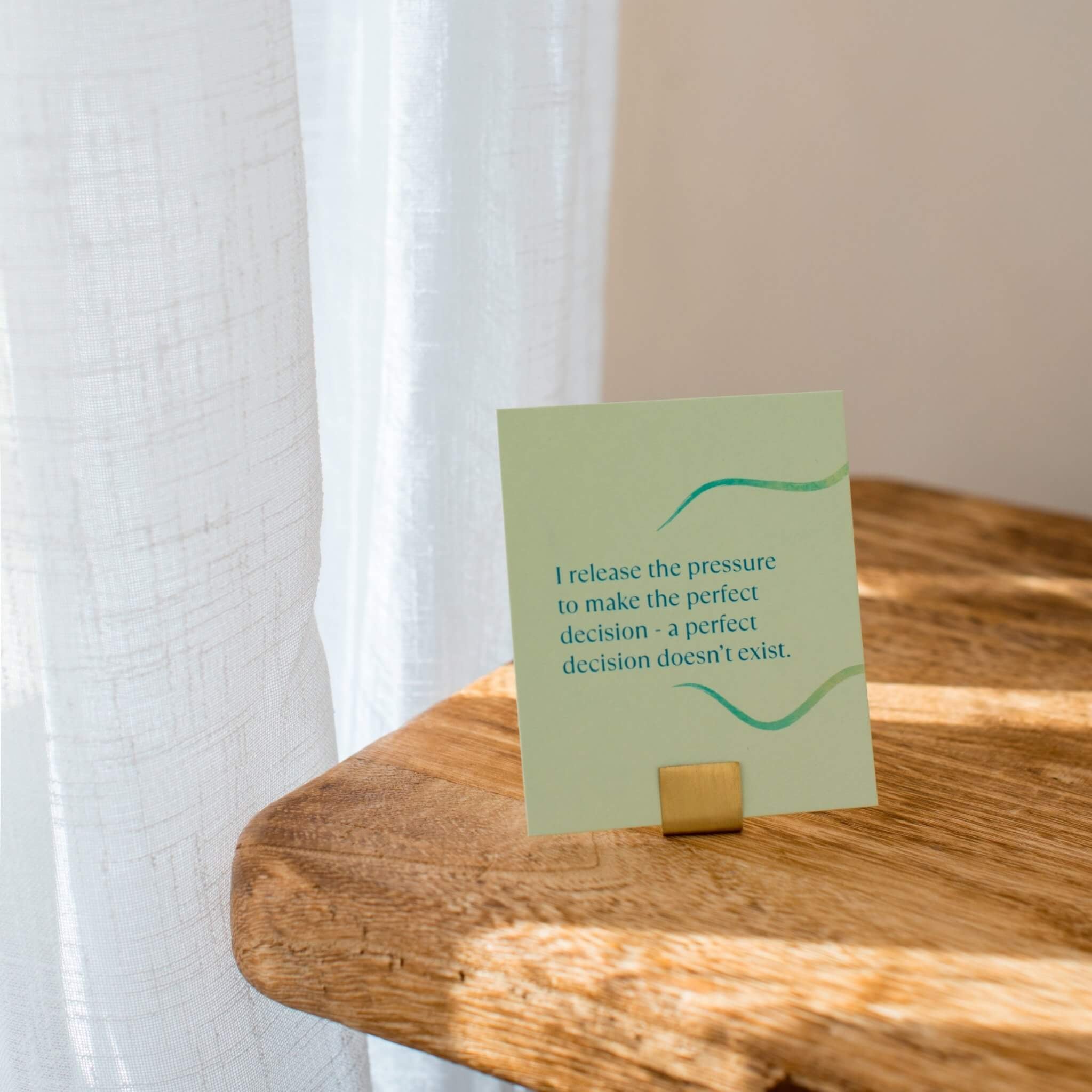
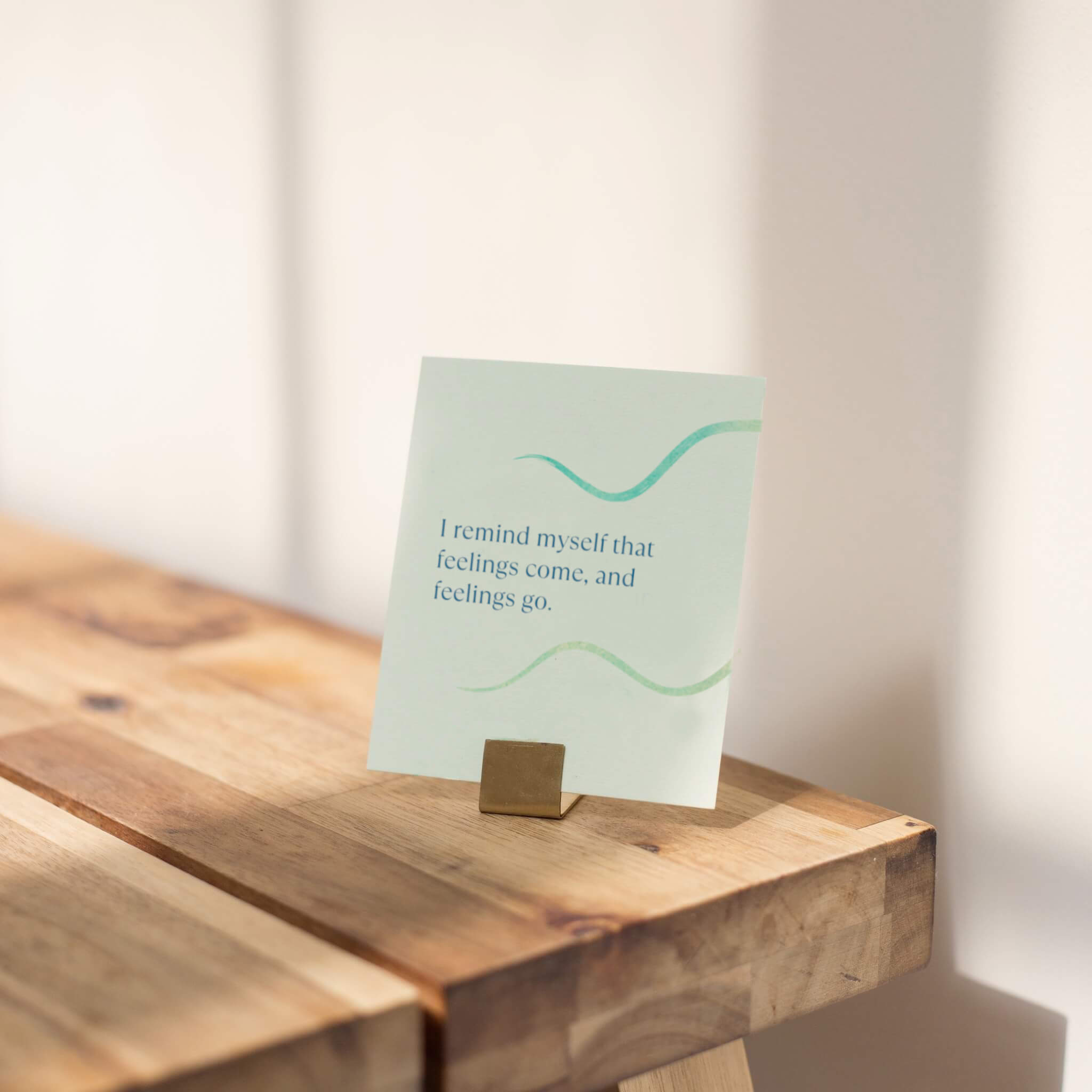
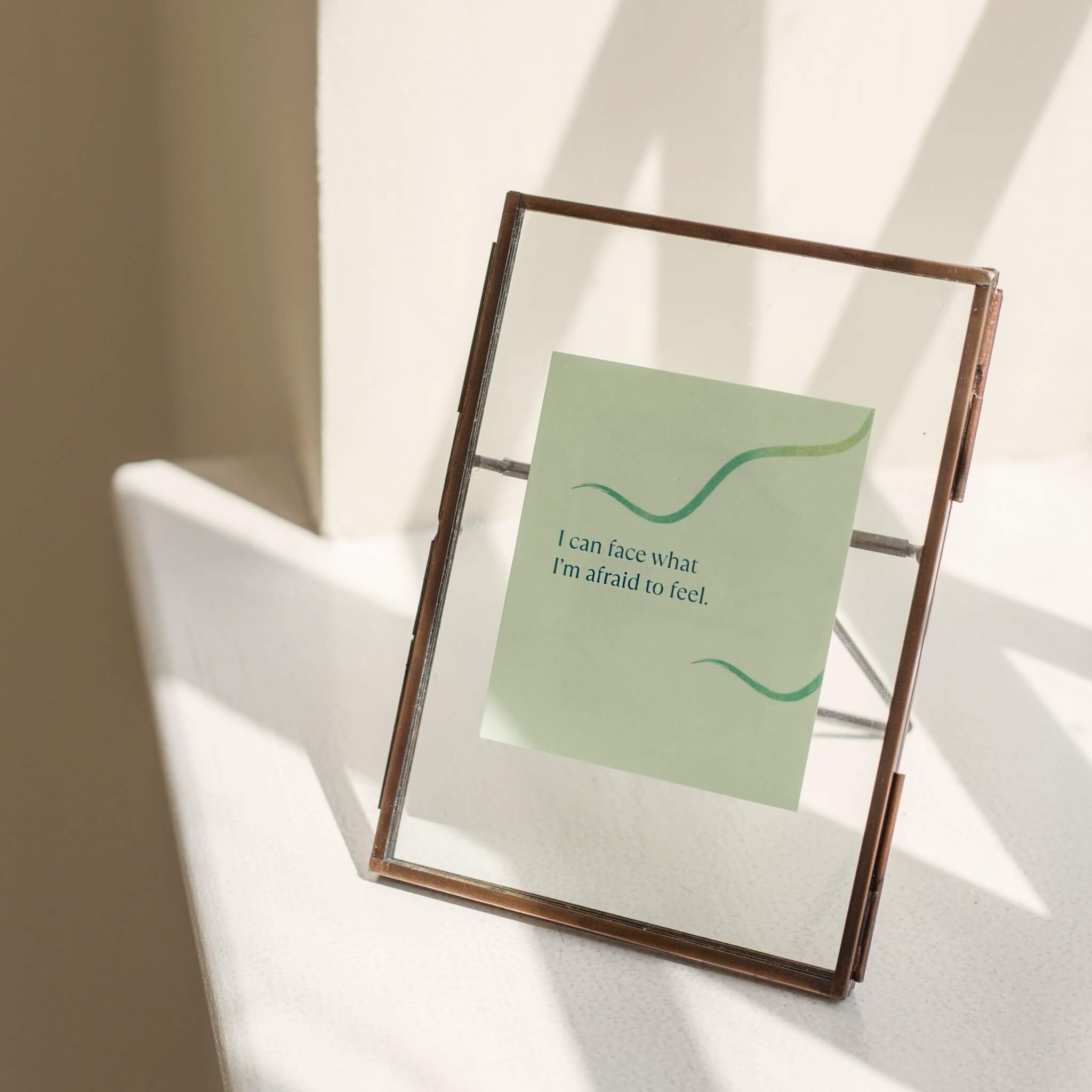
- My courage is stronger than my fear.
- I can try, even when I don't feel 100% ready.
- I have dealt with challenges before, I can deal with challenges again.
- I honour my strength in showing up today, exactly as I am.
Showing up for yourself takes courage, and that is worth noticing rather than skipping past.
For creating an authentic life
- My voice matters. My opinions matter. I matter.
- The right choice for others isn't necessarily the right choice for me.
- I honour that my path in life will be different to others.
- I can be open and honest with others, even when it makes me feel vulnerable.
Living in a way that is actually yours is a powerful form of self-love, and often a quietly difficult one.
For embracing your humanity
- I can make mistakes and learn from them, without self-criticism.
- I forgive myself for what I did when I was learning.
- It is normal to have an inner critic, but I don't have to believe it.
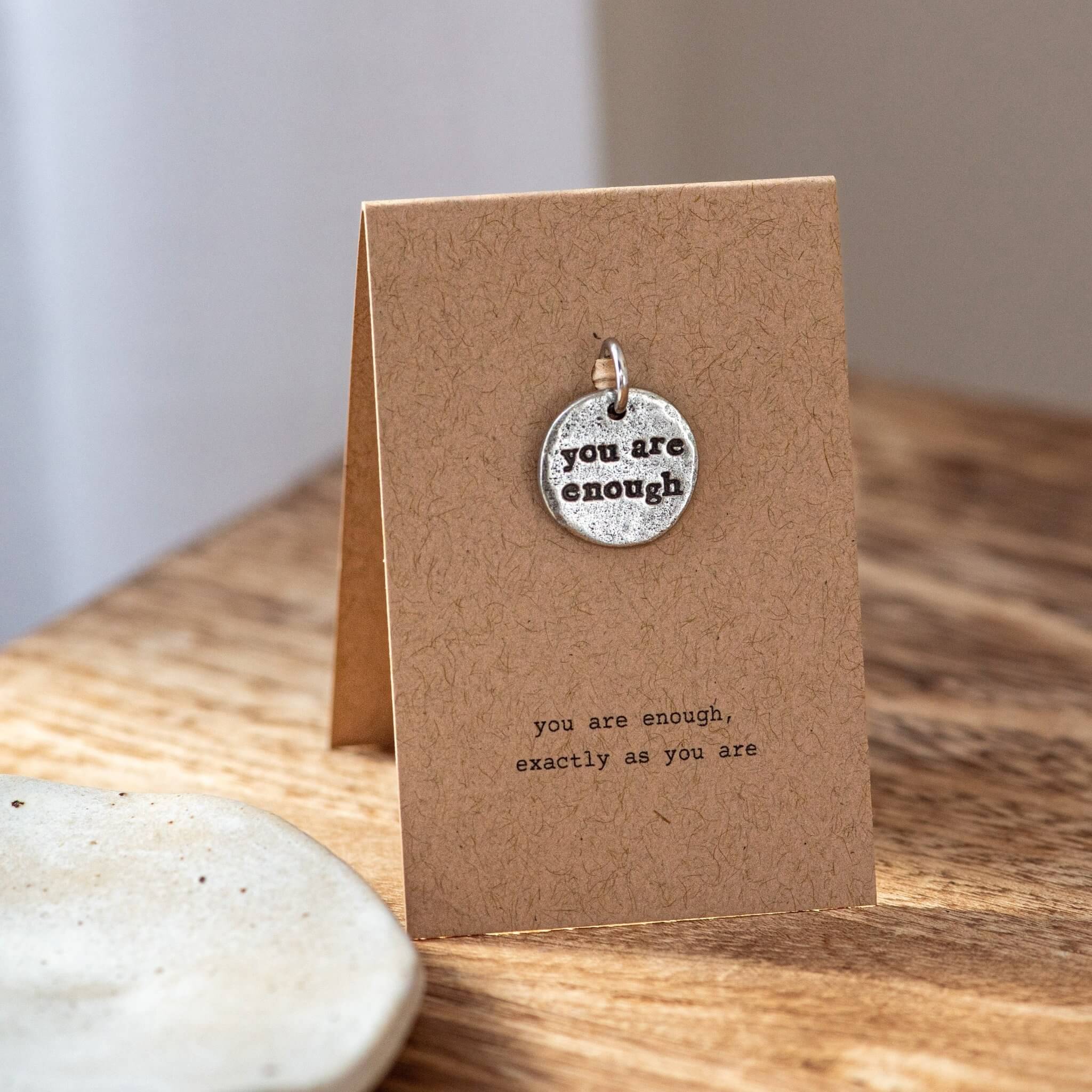
- I am enough, exactly as I am.
Being human means being imperfect. These are for meeting that with kindness rather than a verdict.
For honouring your needs
- I can welcome time to rest.
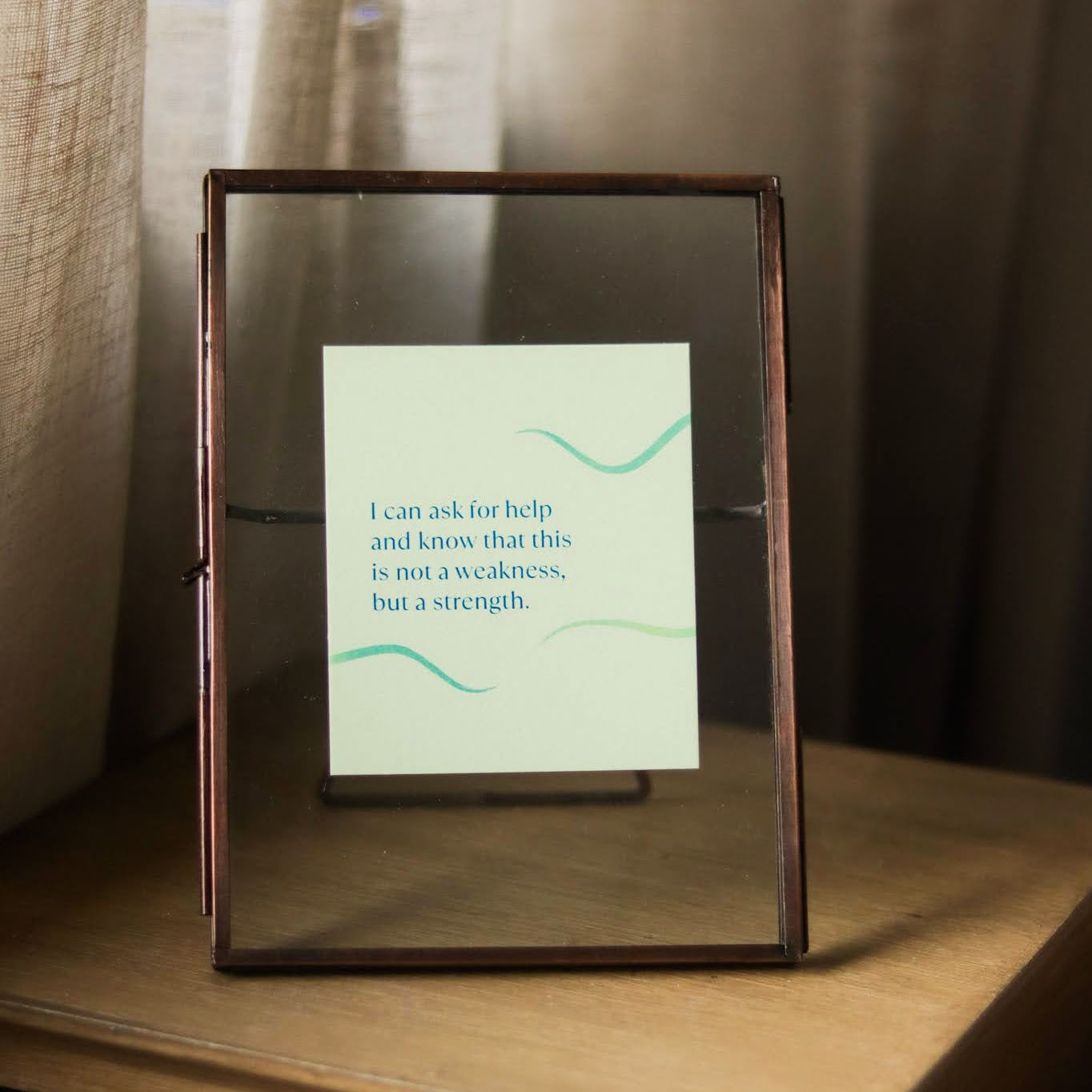
- I am allowed to say no.
- I can make time for things that bring me joy, without feeling guilty.
- I don't need to earn rest to deserve it.
Margaret Davis describes "checking in with your needs, and making a choice to honor those needs" as a fundamental part of self-love.
For long-term growth
- I can embrace uncertainty. It's okay not to know.
- I recognise that some things take time. Patience is not inactivity.
- I choose to embrace the journey instead of being fixed on a destination.
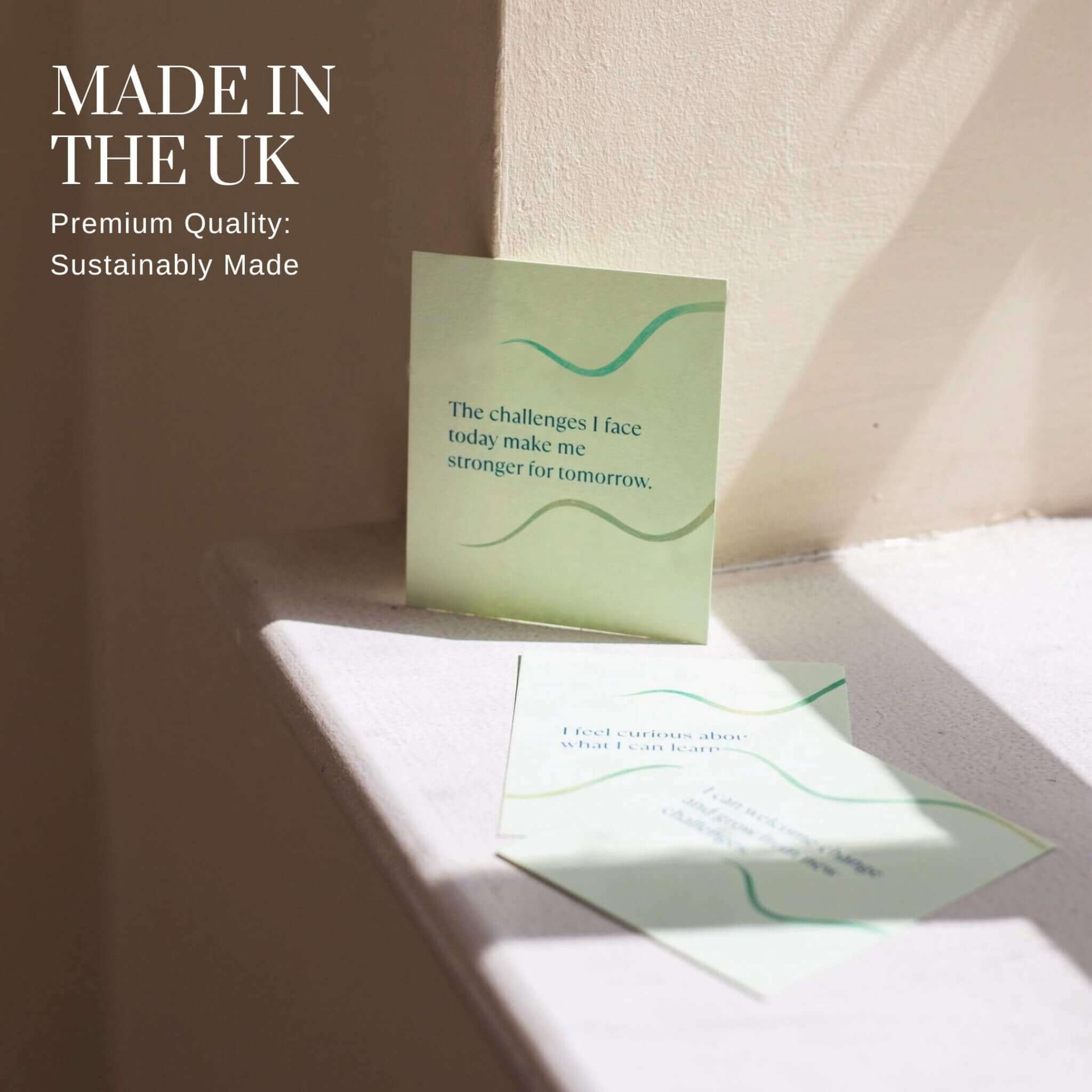
- I can embrace change whilst reassuring myself that change is challenging.
When to reach for which one
Easy ways to use them daily
Start small. Choose one or two that land, and attach them to something you already do rather than adding a new routine, because a new routine is the thing that gets dropped first.
- Read them as part of your morning routine.
- Set one as your phone background.
- Write one at the top of a journal page.
- Say one during a difficult moment, out loud if you can.
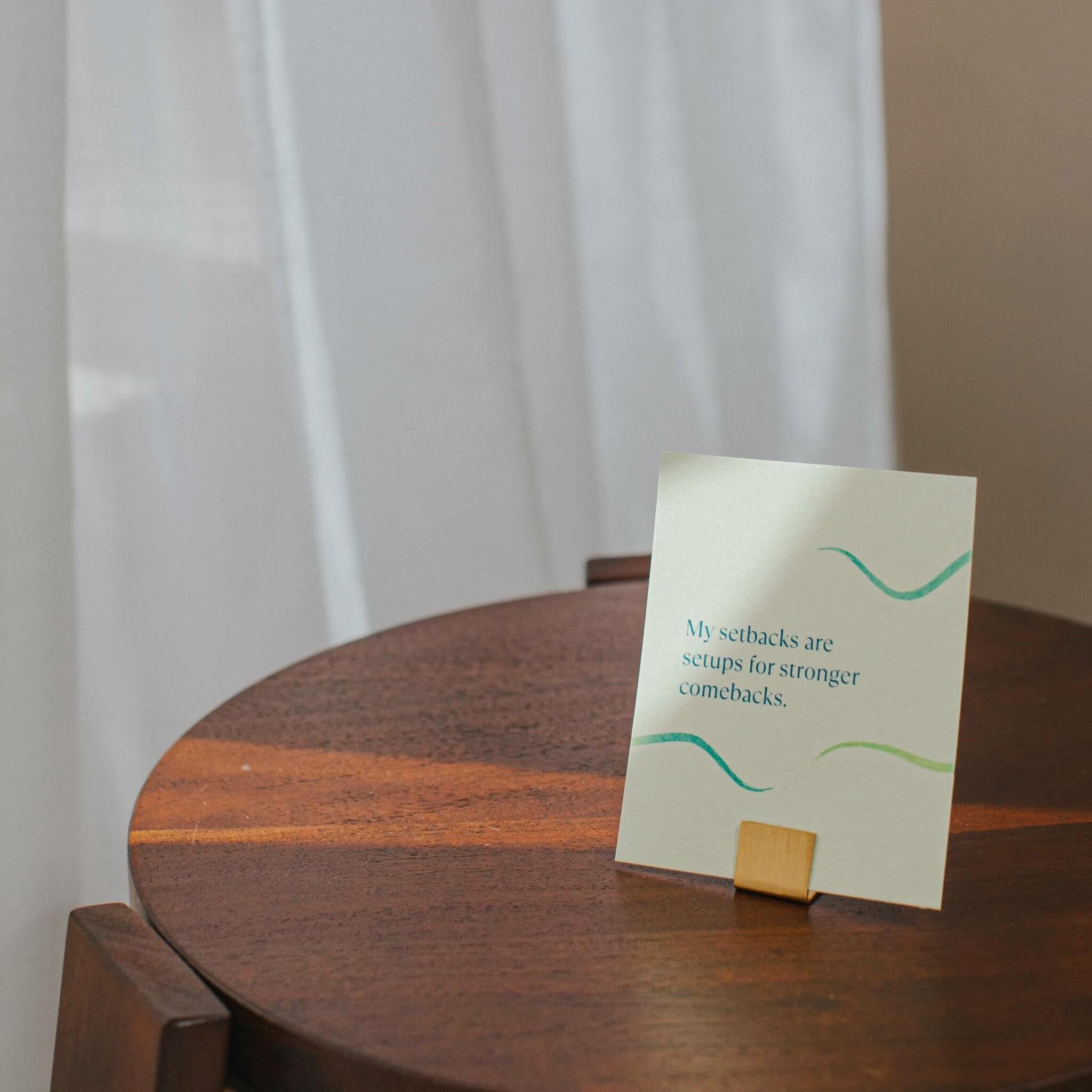
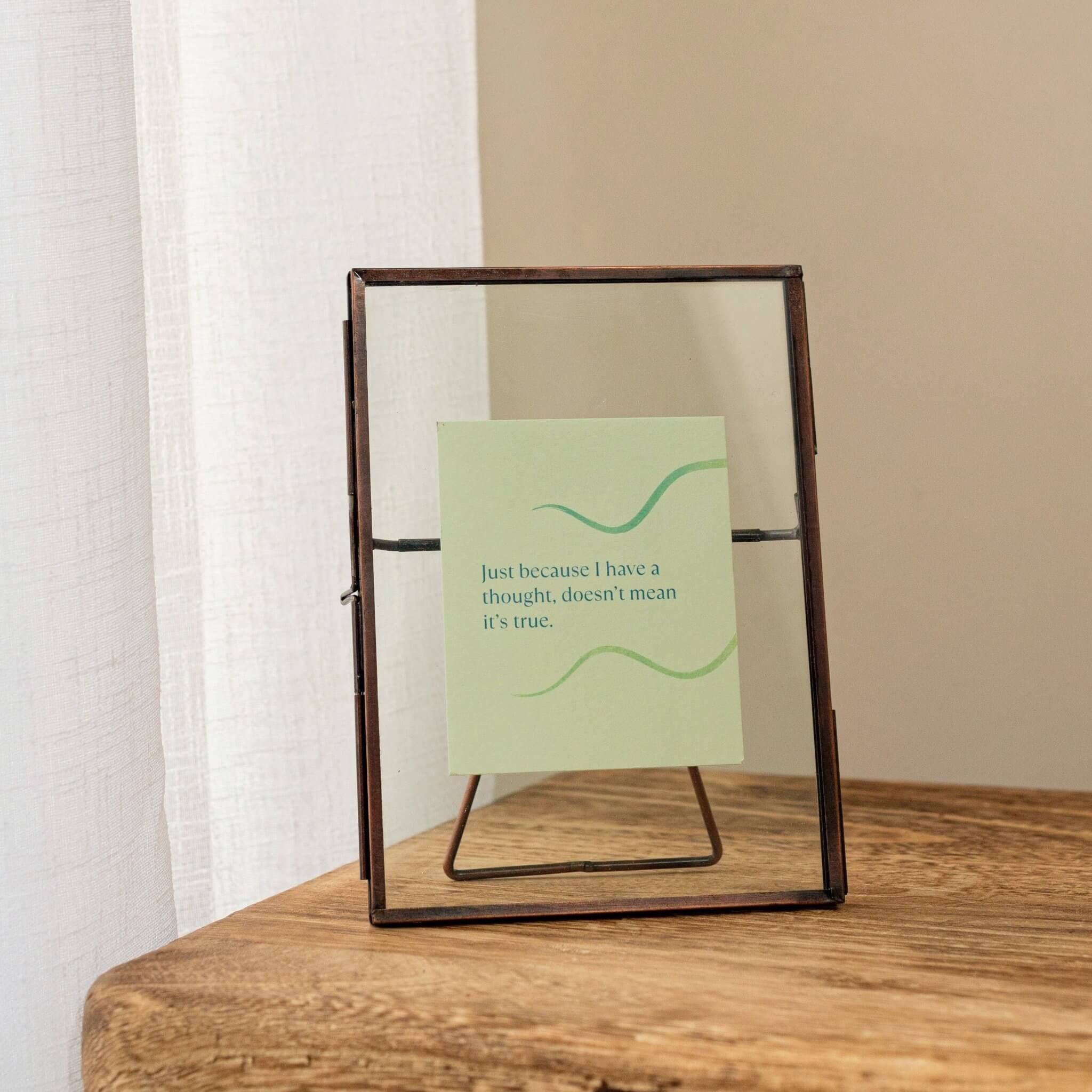
- Keep one visible on your desk or mirror.
Self-love is a practice
As Margaret Davis puts it: "Self-love will ebb and flow, and that is okay." What matters is that you check in with yourself and make choices that look after you when you can.
Every time you say one of these to yourself, you're practising self-love in a small and real way, in exactly the same way as resting, choosing joy, or honouring what you need.
Why the wording matters more than the repetition
This is the part most affirmation lists leave out, and it is the reason the ones on this page are worded the way they are.
In a 2009 study published in Psychological Science, Wood, Perunovic and Lee asked people to repeat the statement "I'm a lovable person". Among participants with low self-esteem, the ones who repeated it felt worse than the people who said nothing at all. Those who were asked to consider how the statement was both true and not true did better.
So if a cheerful affirmation has ever made you feel further from yourself rather than closer, that is a documented effect and not a flaw in you. The fix is not to abandon affirmations. It is to use ones your mind can actually accept today.

Dr Caroline C. Lee, PhD
Licensed clinical psychologist specialising in anxiety disorders, Orange County. Writing exclusively for Give Yourself Kindness
"I am struggling AND healing."Five psychologists on whether affirmations work →
That "and" is the whole technique. It lets the affirmation hold the difficult thing rather than argue with it, which is what makes it survive contact with a bad day. Dr Annabelle Kyle Dortch, PsyD puts the same principle as a rule of thumb in that article: an affirmation works better when it does not depart far from your current reality, and when you follow it with an action. Dr Michelle Chung suggests the simplest fix of all, which is to add two words: not "I am confident" but "I'm learning to be more confident."
Where to keep them so you actually use them
The honest problem with a list on a screen is that you read it once, feel briefly better, close the tab and never see it again. Whatever you do next, put a few of these somewhere you will pass without deciding to.
- Write three on a sticky note for the inside of a kitchen cupboard.
- Make one your phone lock screen for a fortnight.
- Put one in your wallet, folded, where you will find it when you are paying for something on a difficult day.
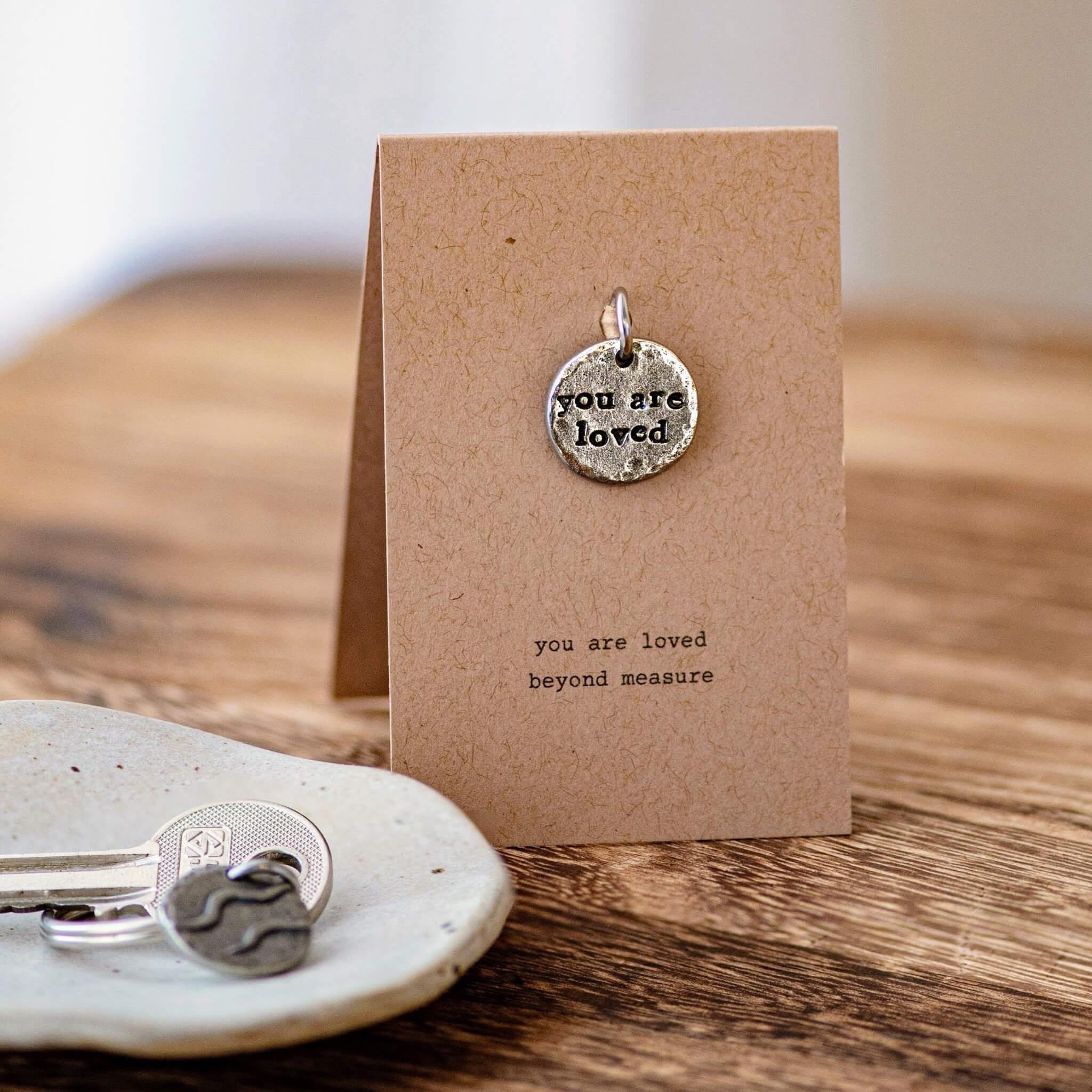
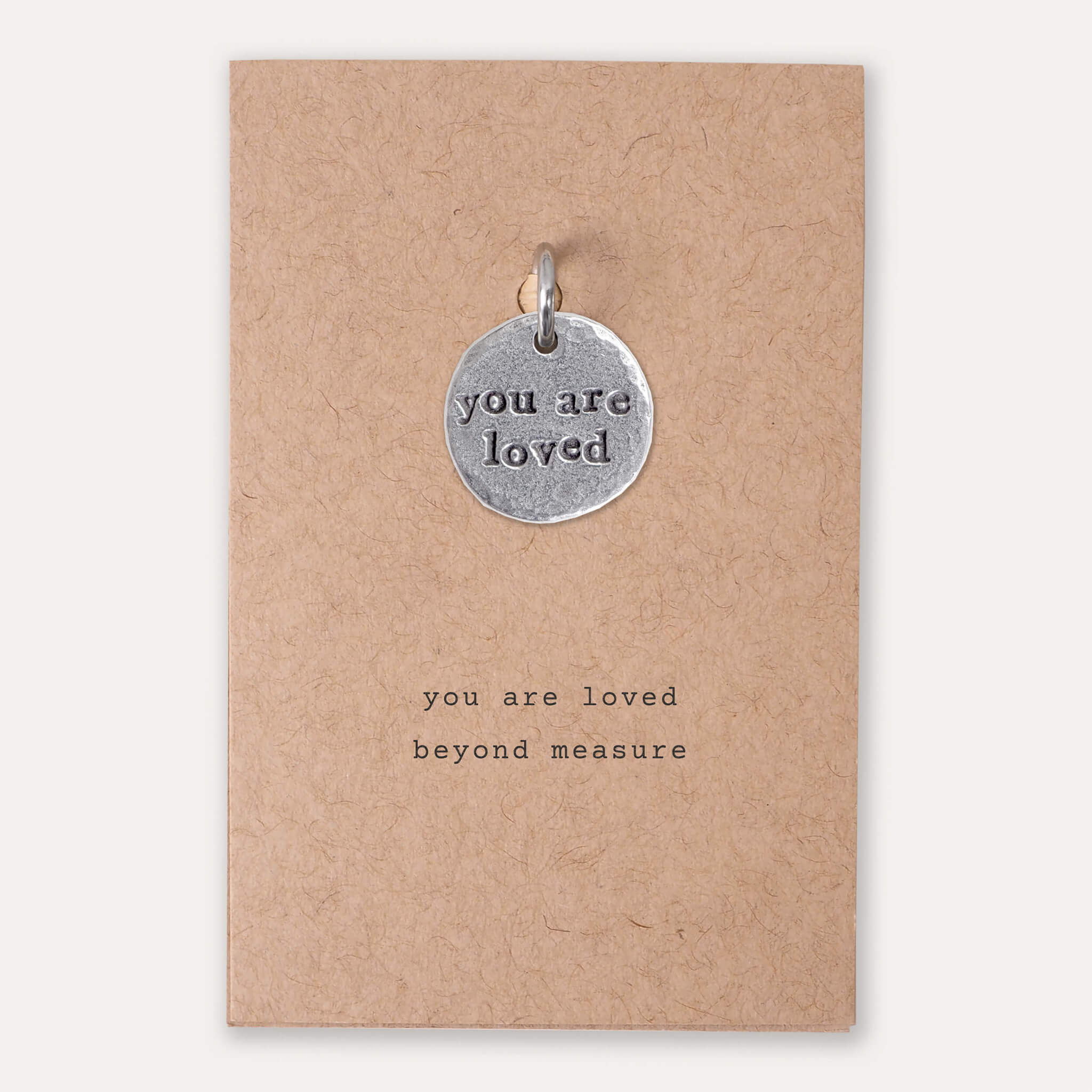
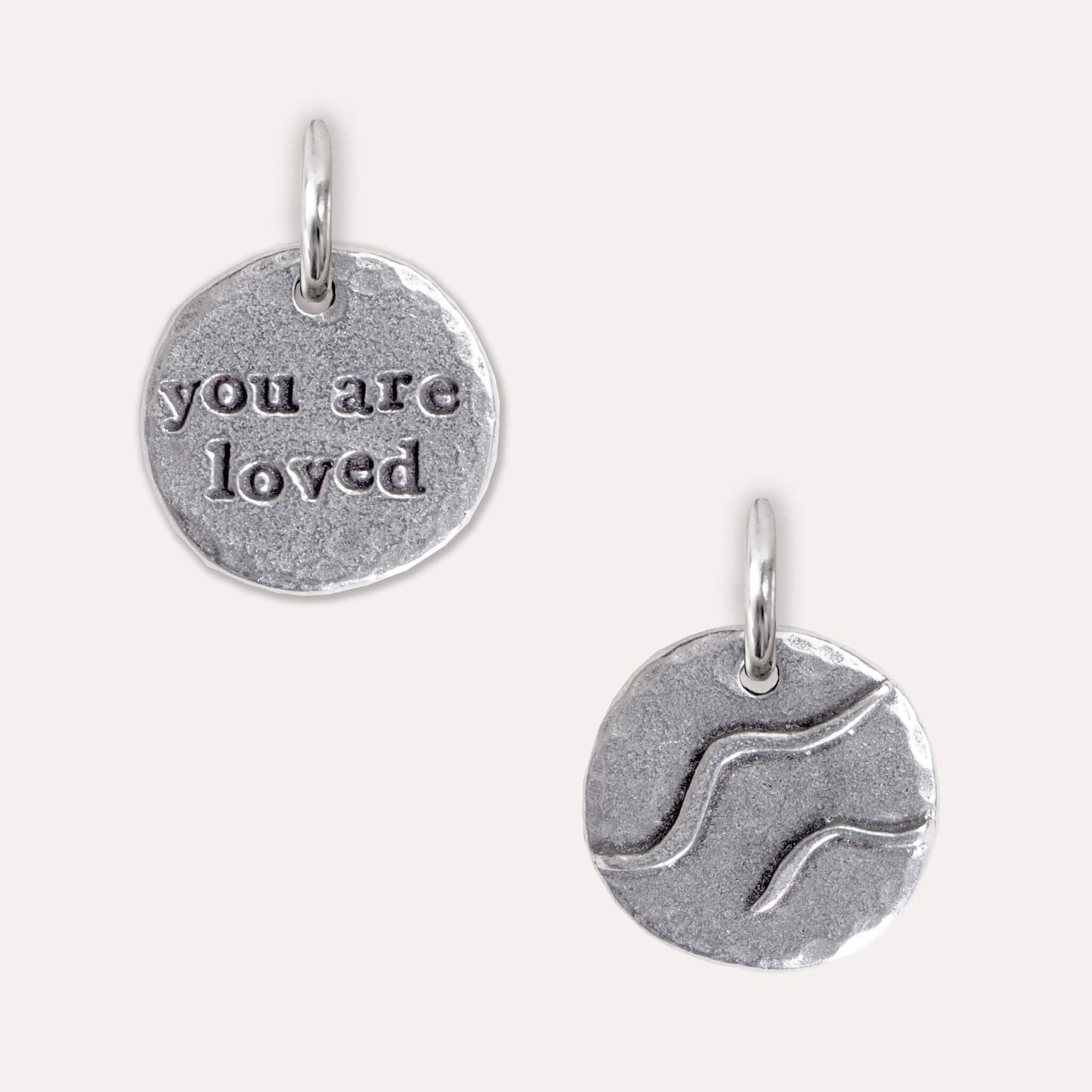
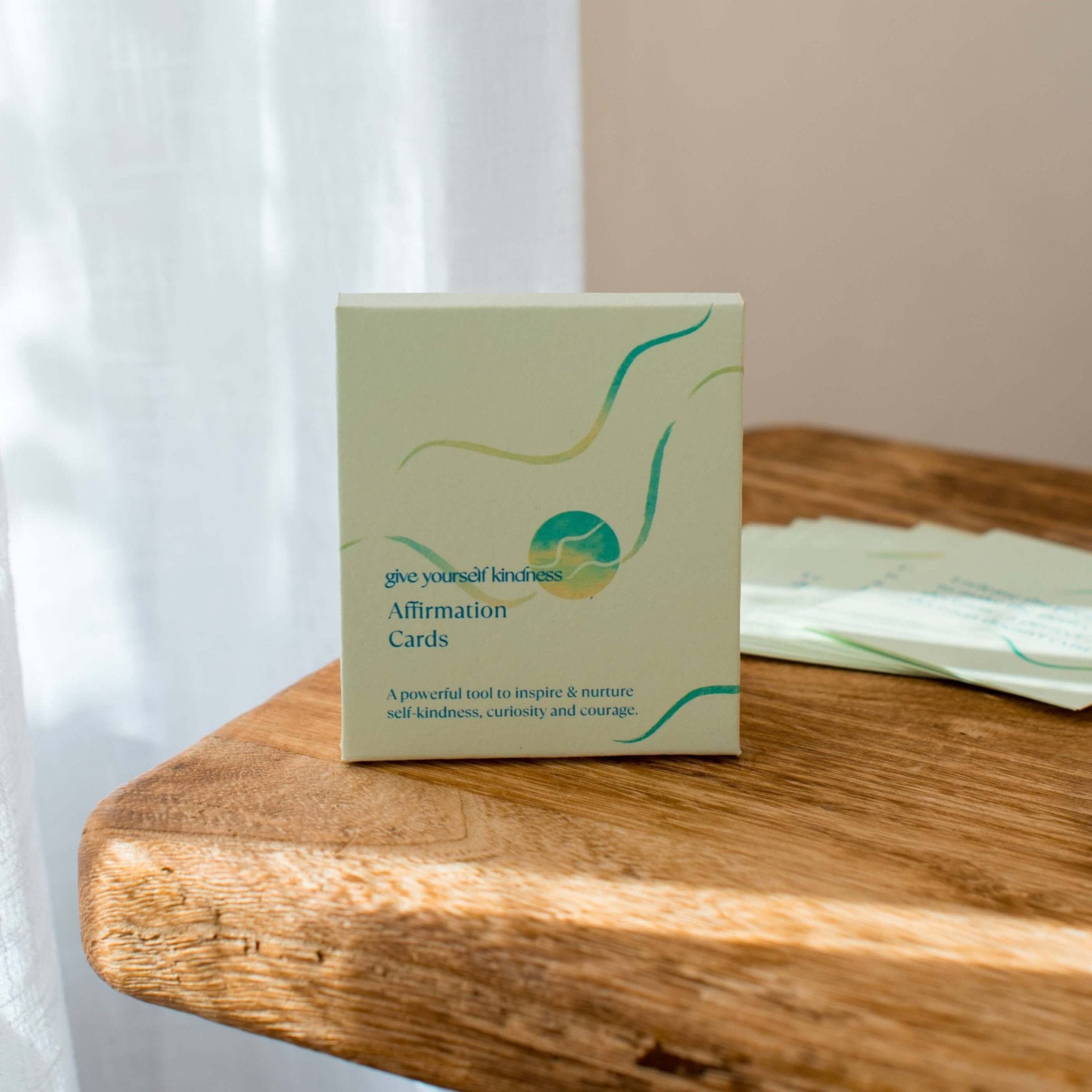
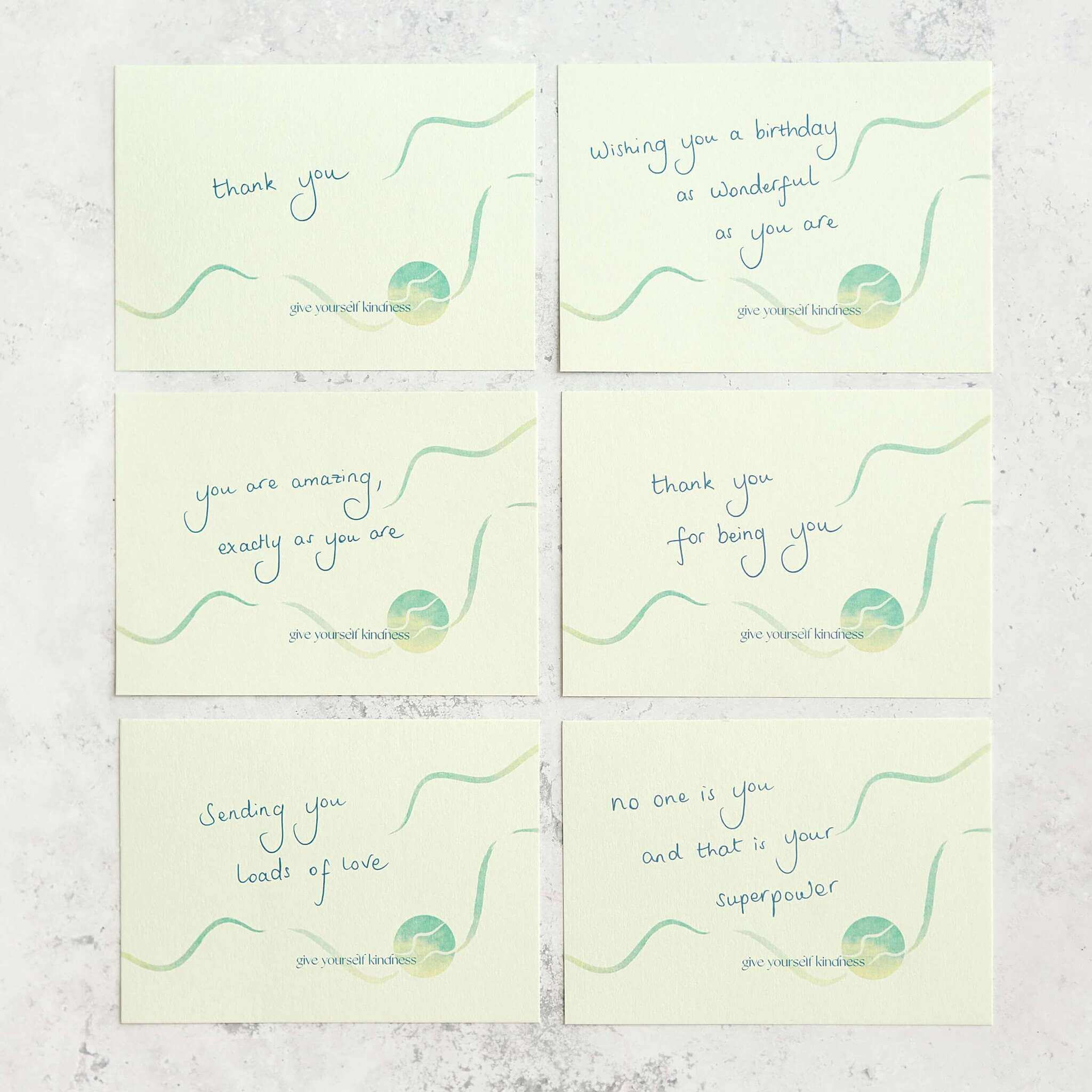
All of that is free and it works. If you would rather have them printed properly on something that sits on a shelf, that is what I make.

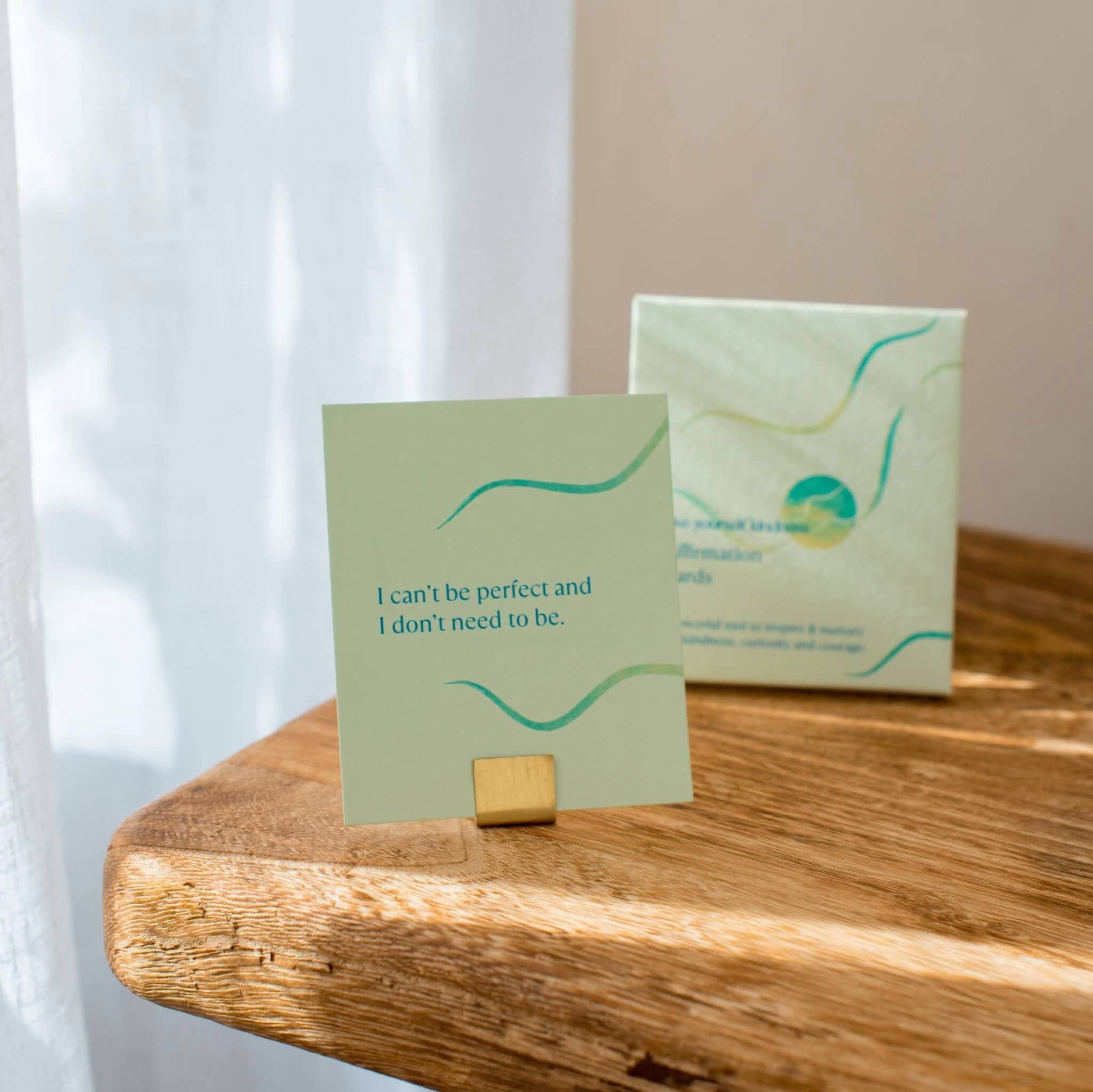
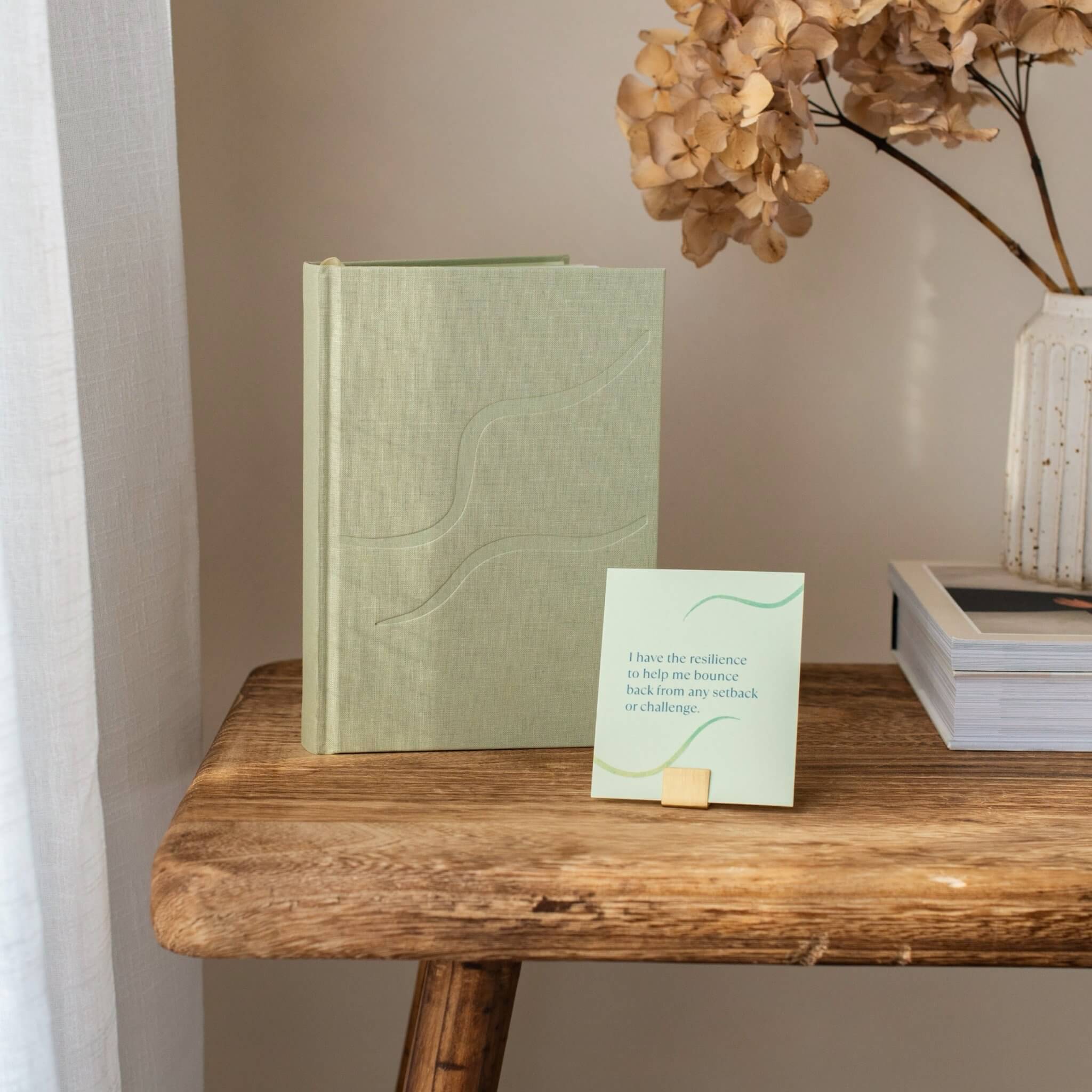
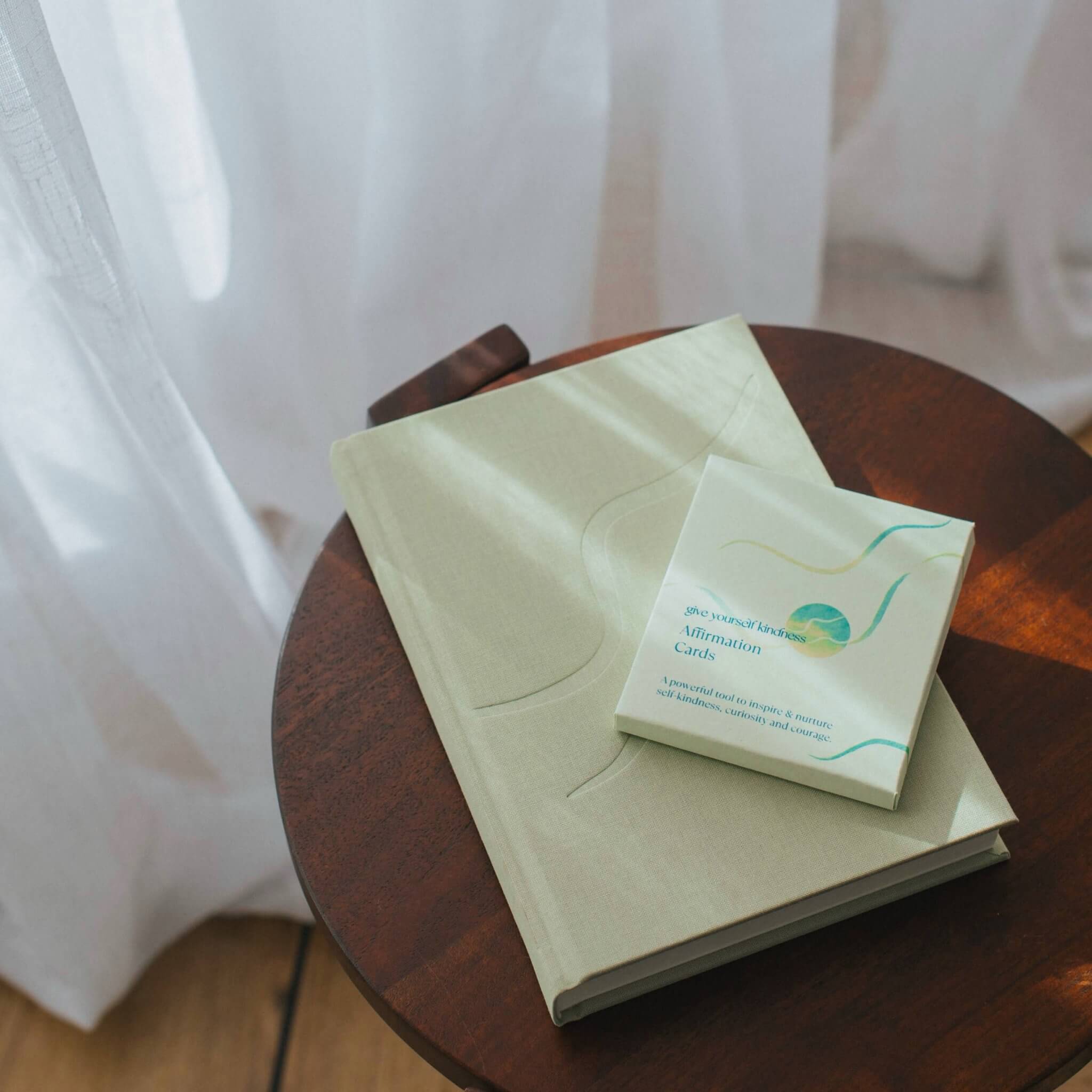
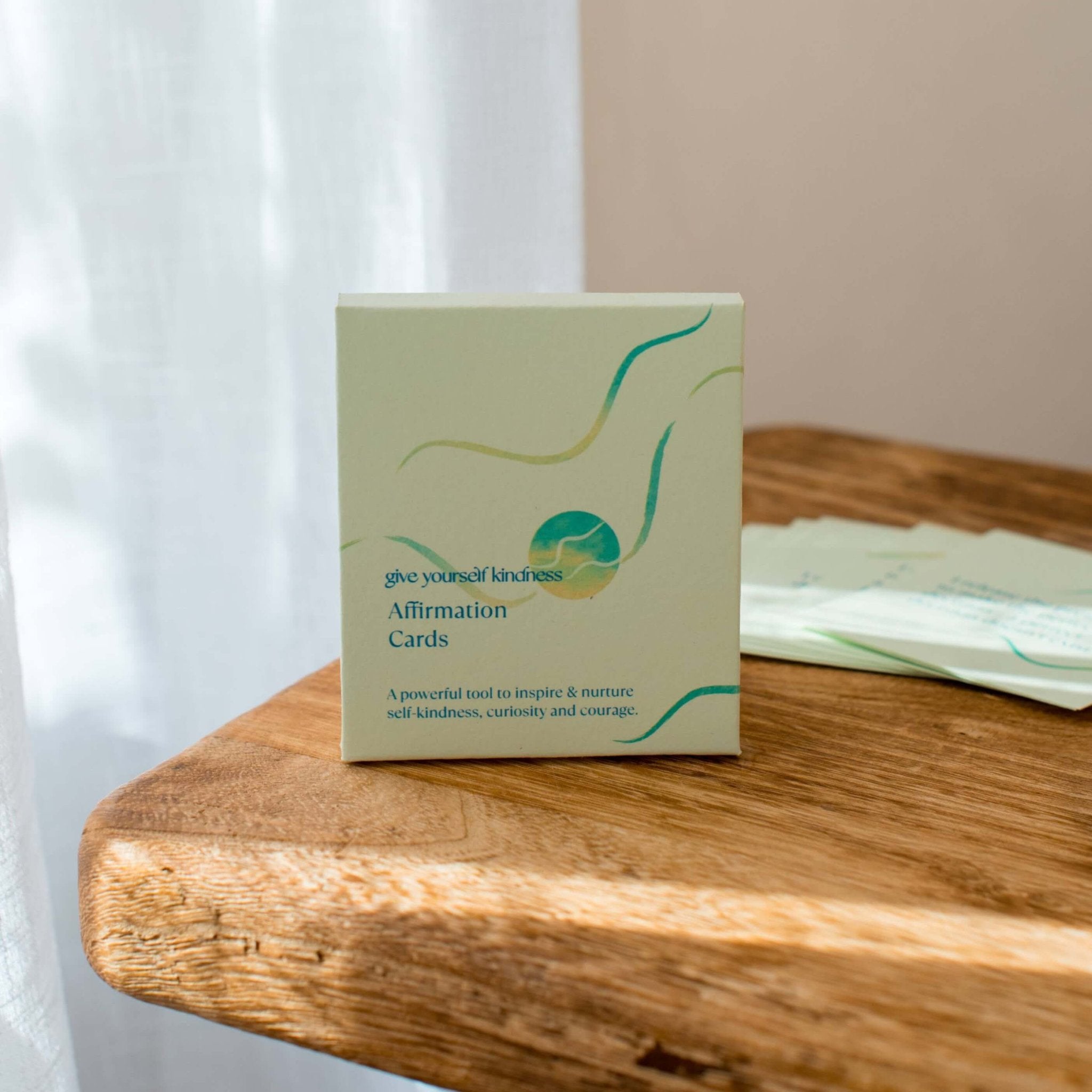
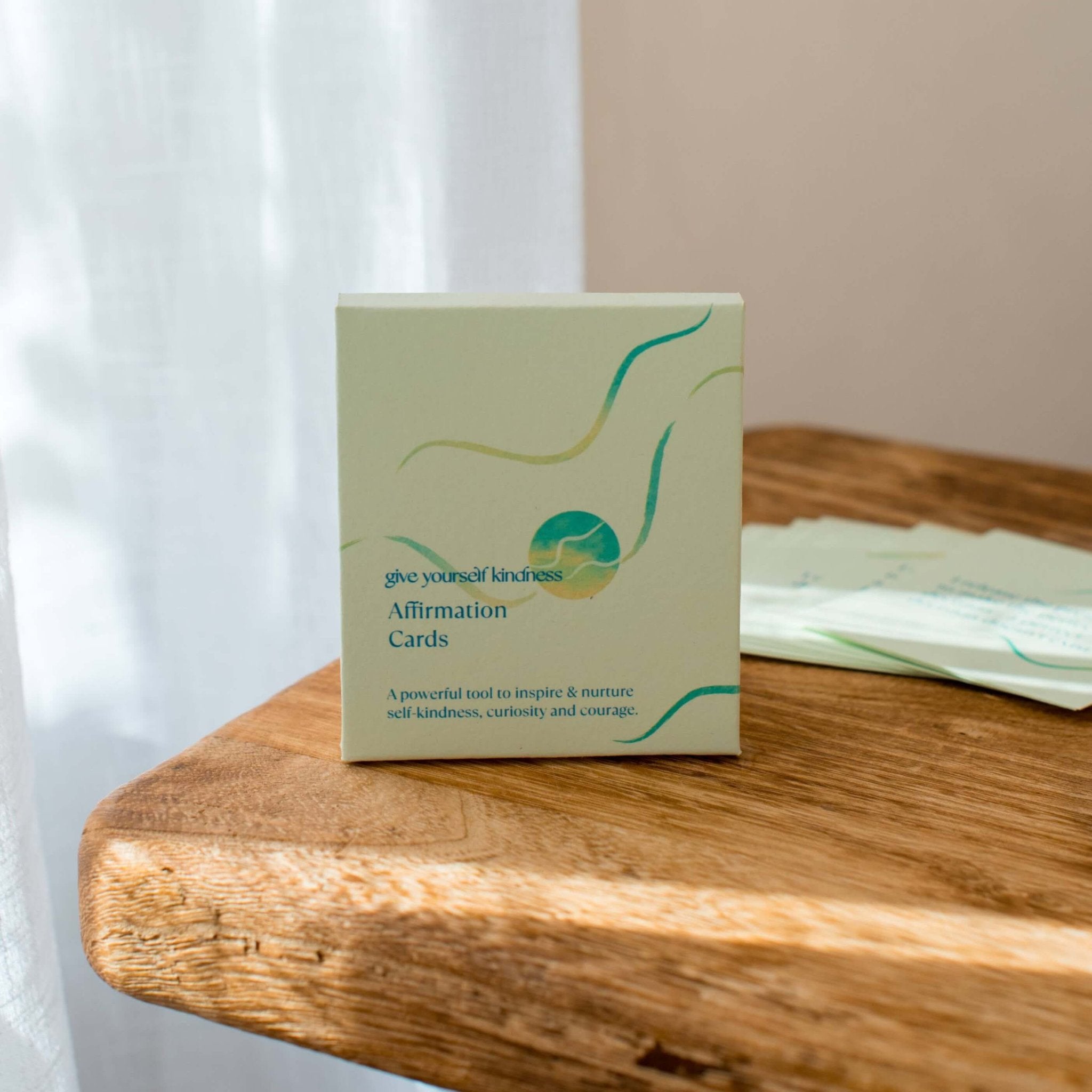
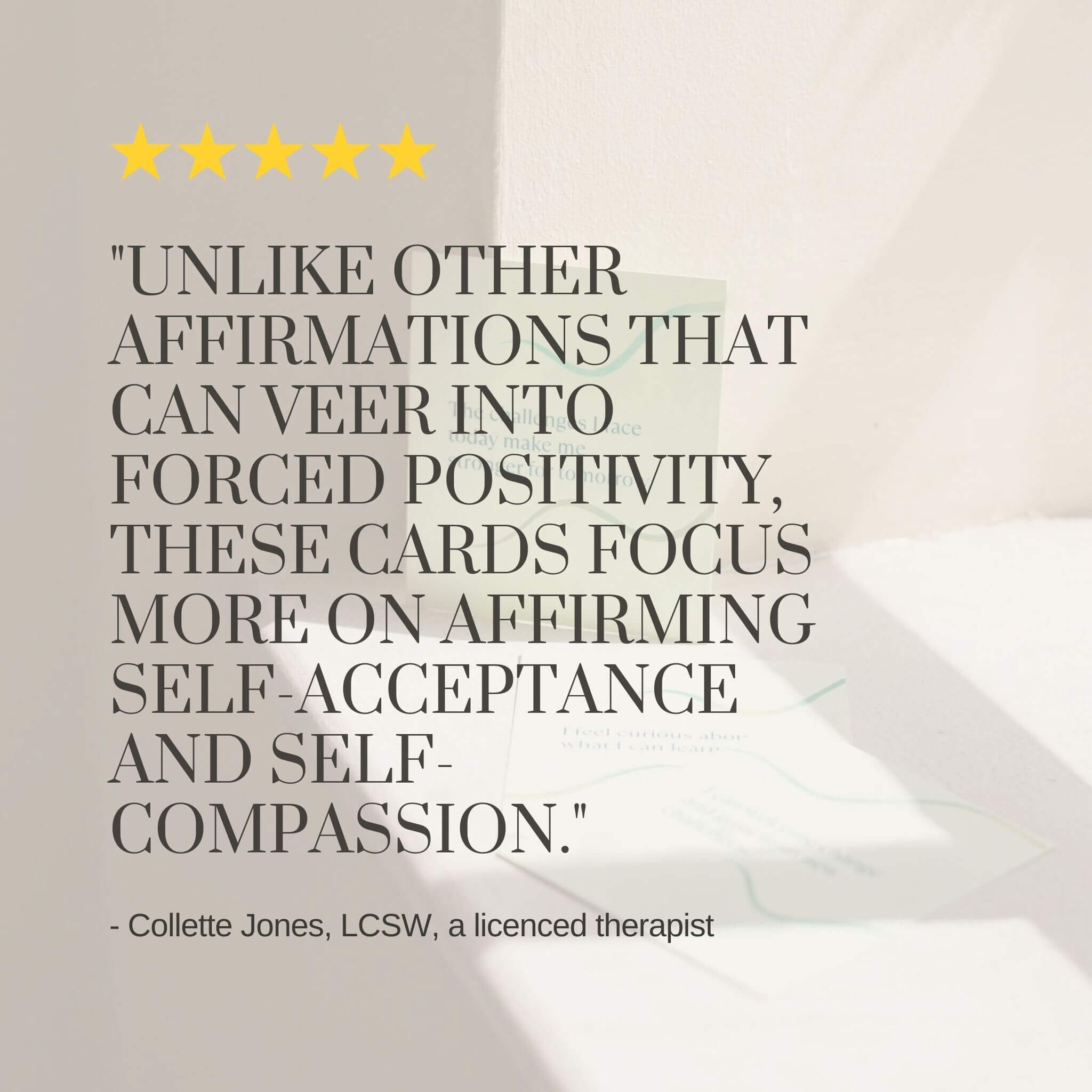
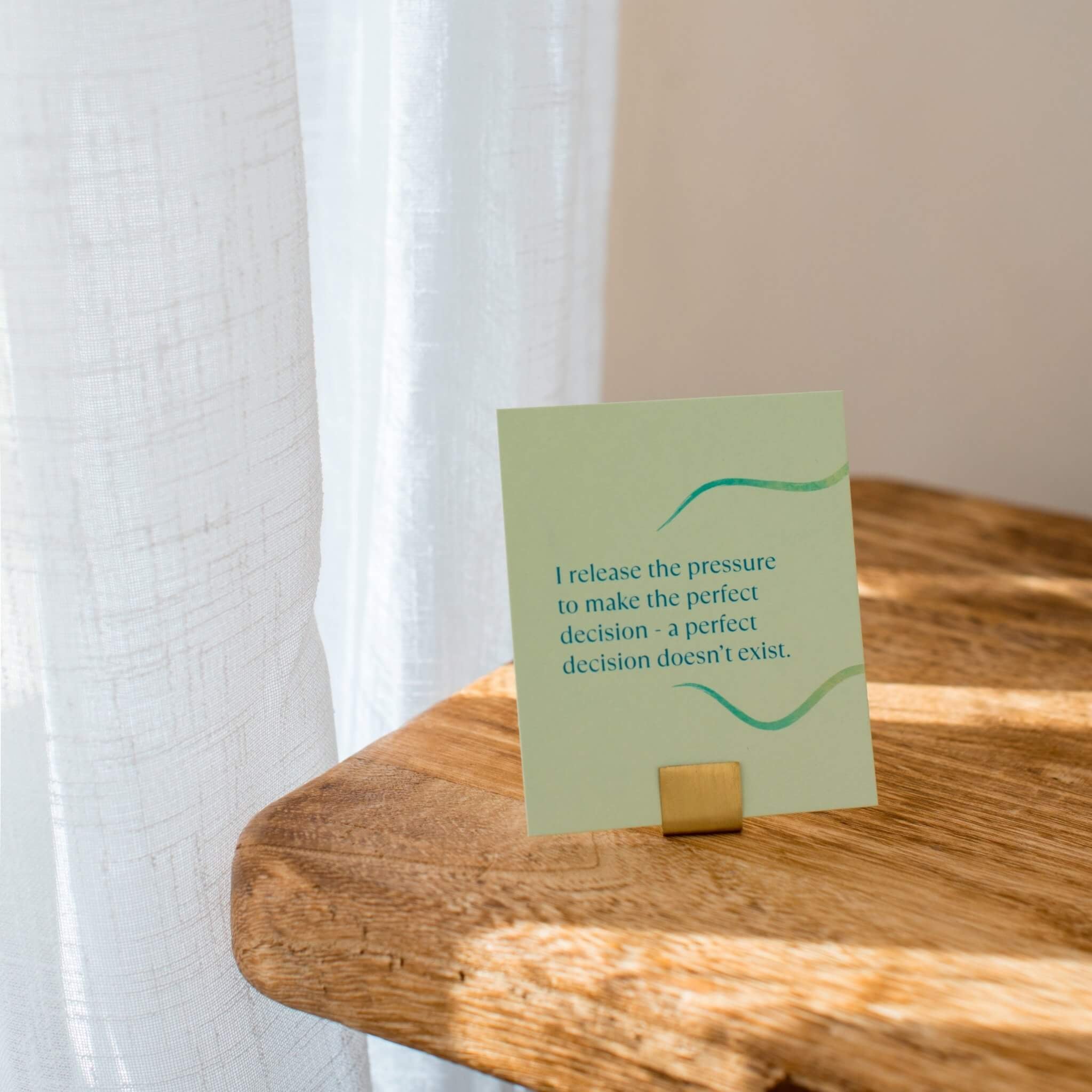
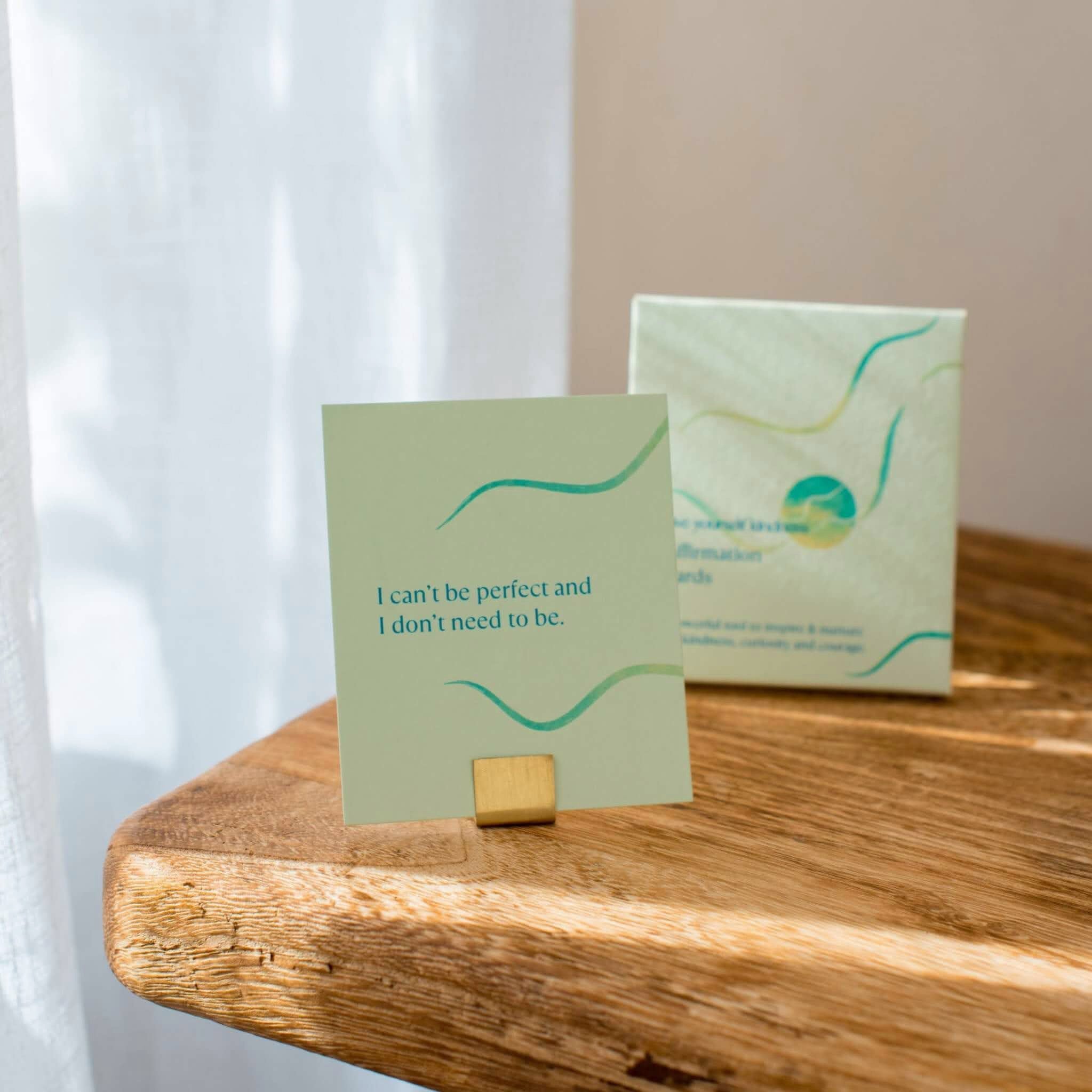
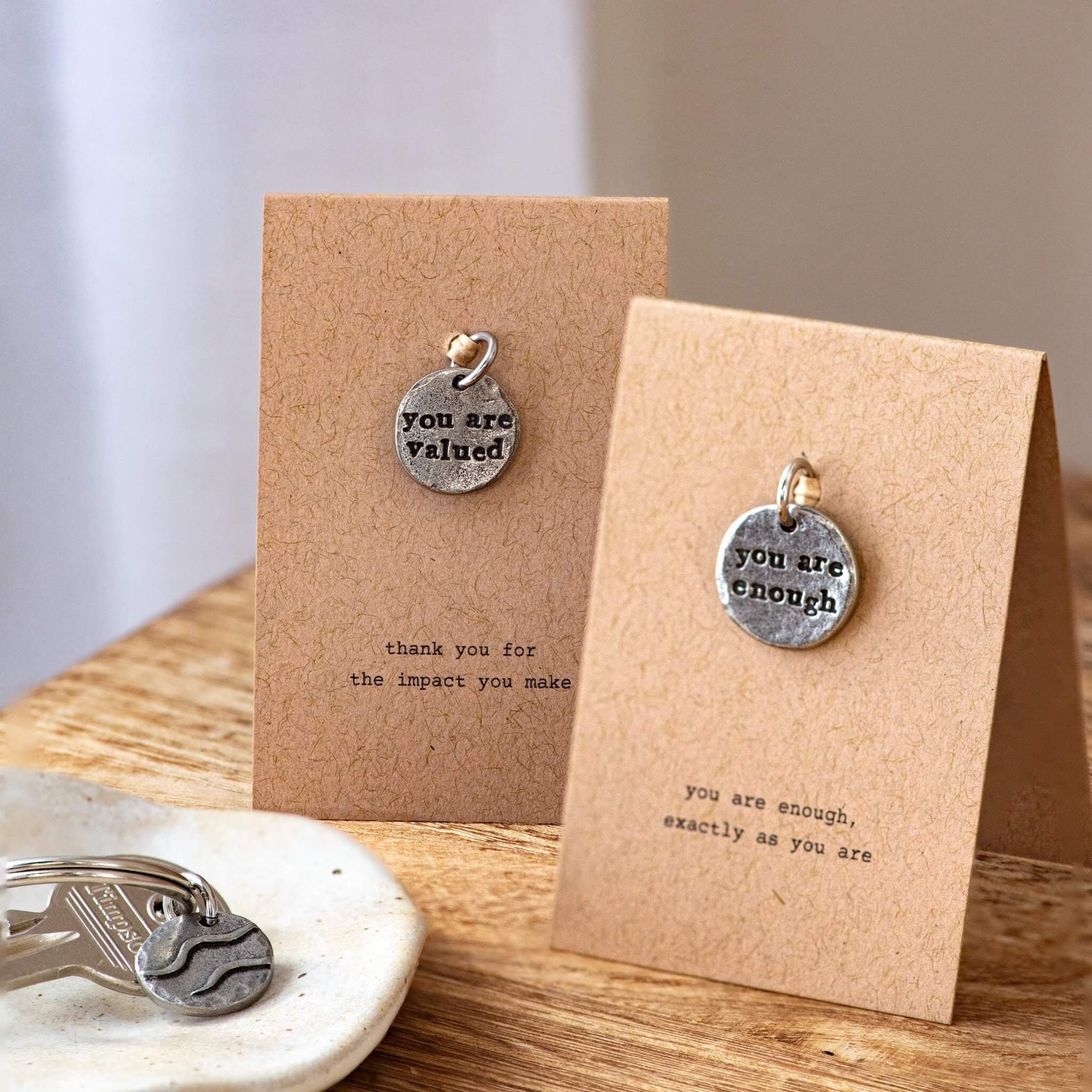
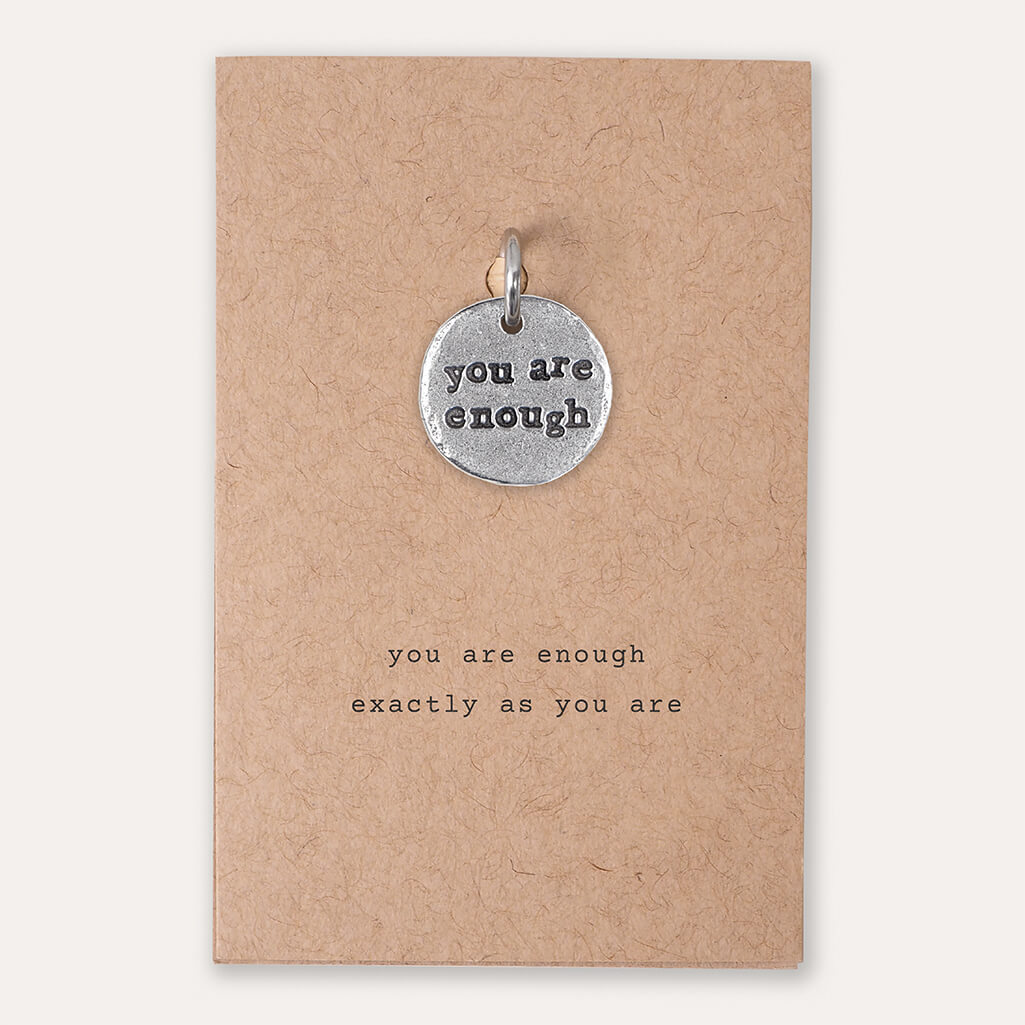
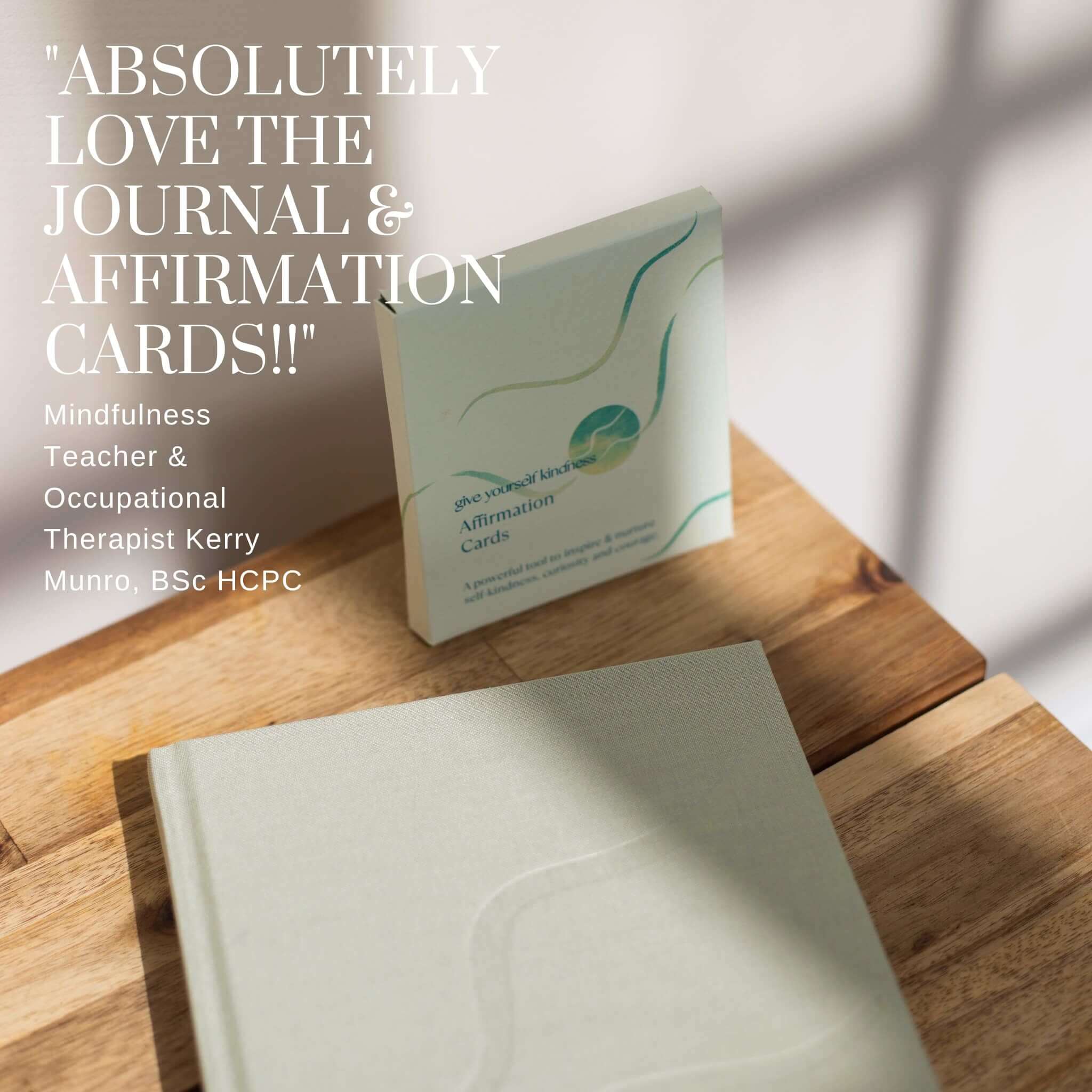
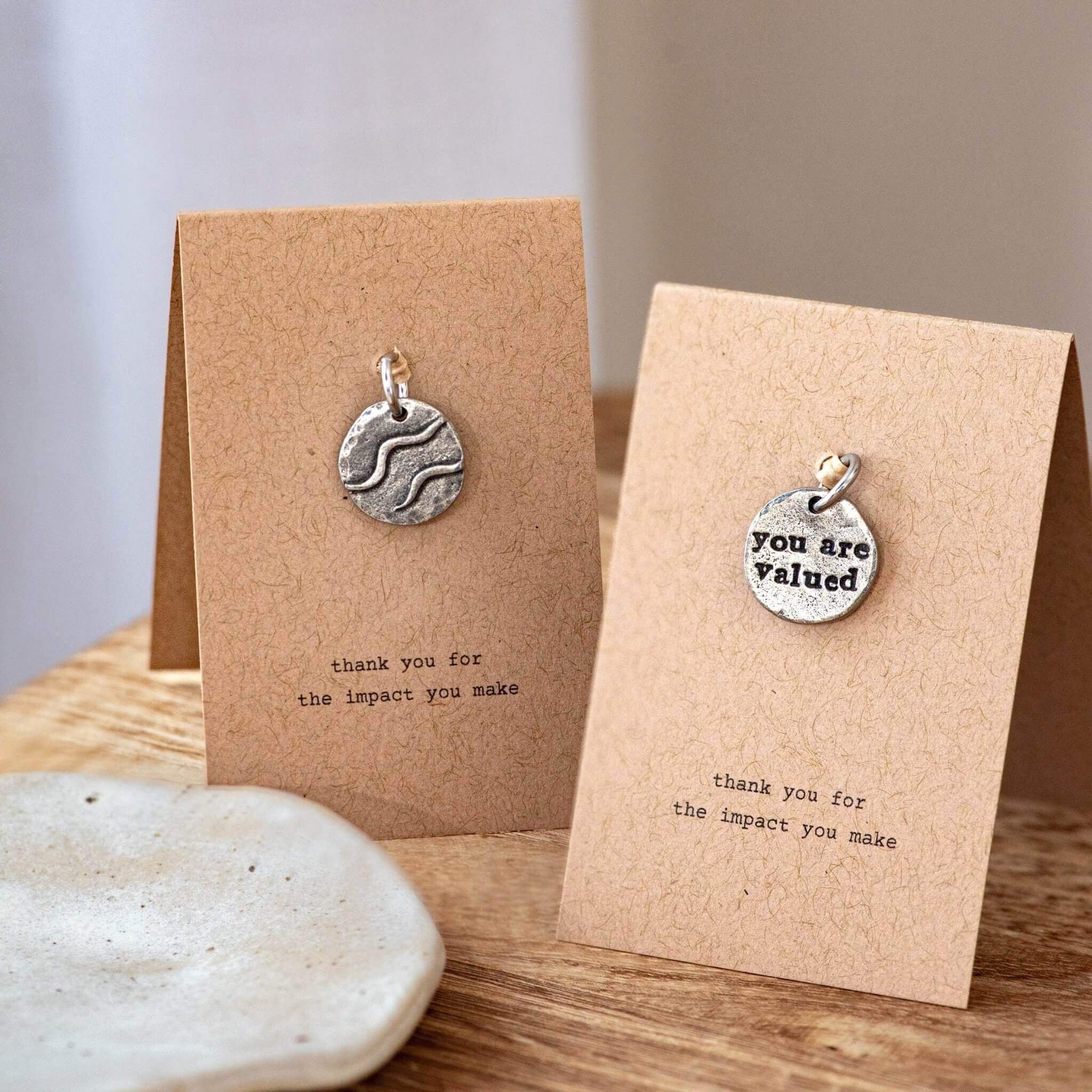
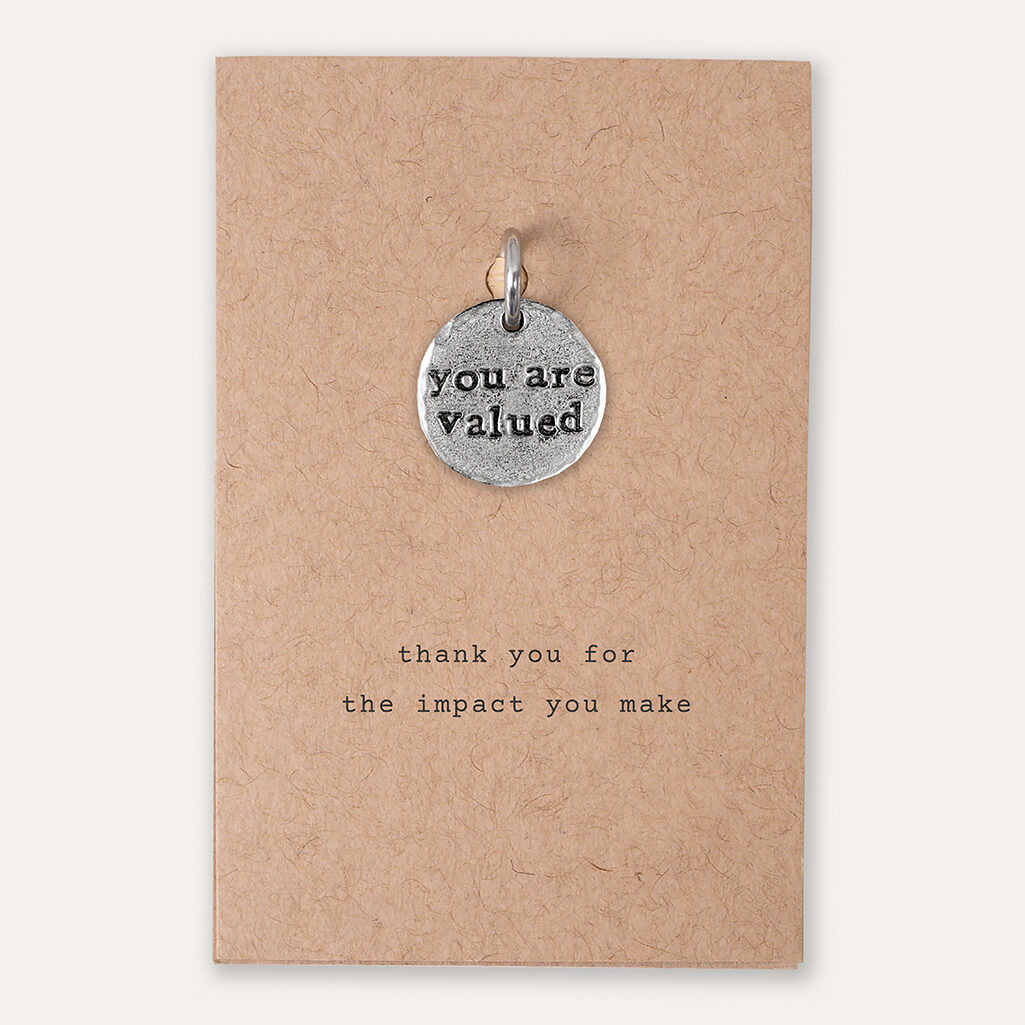
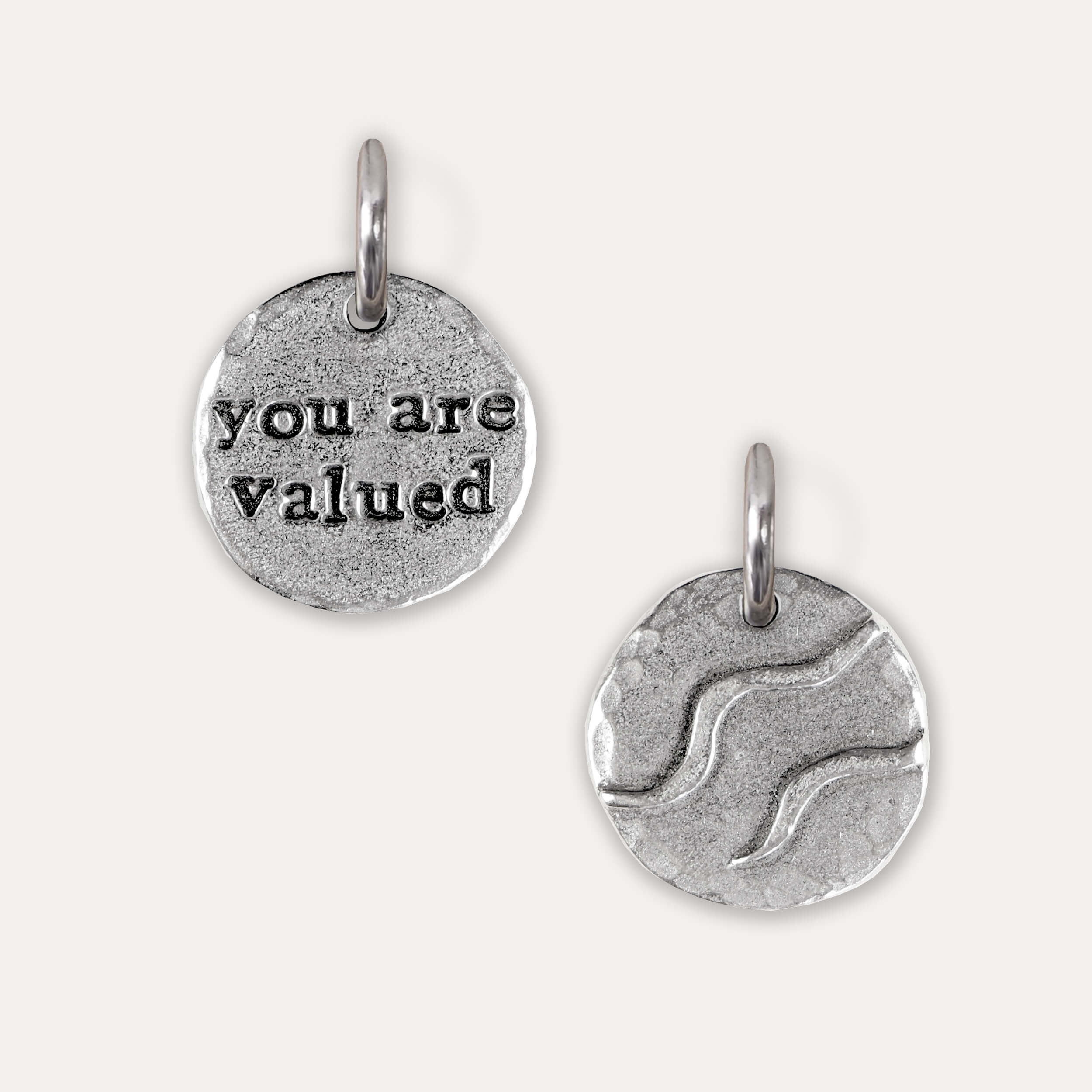
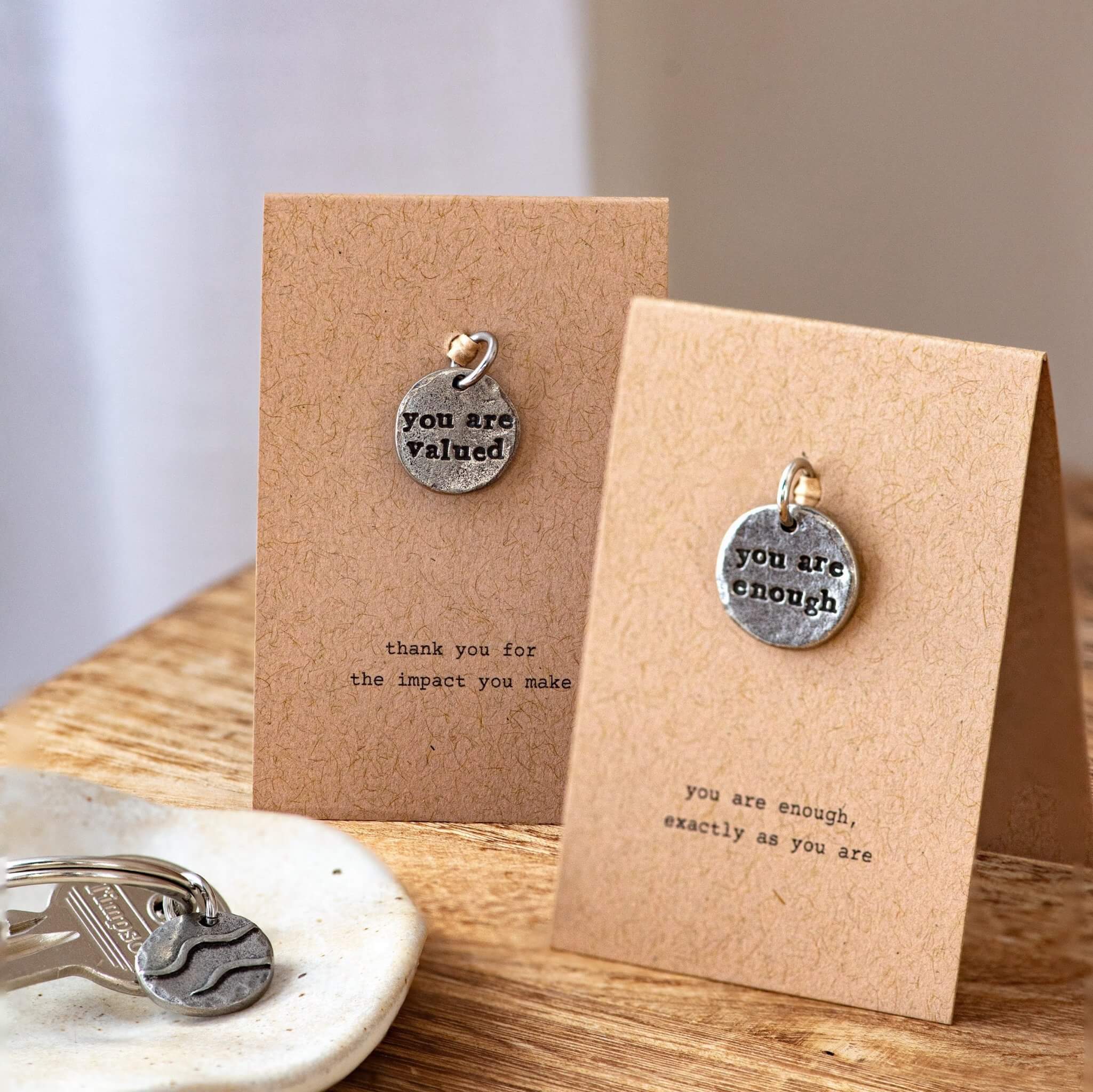
The Give Yourself Kindness Affirmation Cards, from £13.95. Sixty affirmations across three boxed sets of twenty, written in the same register as the ones on this page. Reviewed by licensed therapists Margaret Davis, MS, LPC and Collette Jones, LCSW.
Added to your basket. View basket →
Common questions
Do self-love affirmations actually work?
It depends on the gap between the sentence and what you currently believe. A 2009 study in Psychological Science found that people with low self-esteem who repeated 'I'm a lovable person' felt worse than those who said nothing at all, while those who considered how it was both true and not true did better. Self-love affirmations work when they stay within reach of your current reality, and they backfire when they ask you to claim something your mind will argue with.
What if saying I love myself feels like too much?
Then do not say it, and do not treat that as a problem to overcome. For a lot of people self-love is too big a first step and self-compassion is the reachable one, because compassion only asks you to be decent to someone who is struggling rather than to feel fond of them. Something like 'I am allowed to be kind to myself today' asks far less and tends to hold.
Is self-love the same as self-compassion?
They overlap and they are not identical. Self-love leans towards warmth and appreciation for who you are. Self-compassion is more specific: noticing that you are having a hard time, recognising that hard times are part of being human, and responding to yourself the way you would respond to a friend. Self-compassion is generally easier to start with, because it does not require you to feel anything positive about yourself first.
When is the best time to say self-love affirmations?
Attach them to something you already do rather than finding a new slot, because a new slot is the thing that gets dropped. The kettle boiling, cleaning your teeth, or the moment you sit down in the car all work. What matters more than the hour is that you meet the words when you are not in the middle of a crisis, so they are already familiar by the time you need them.

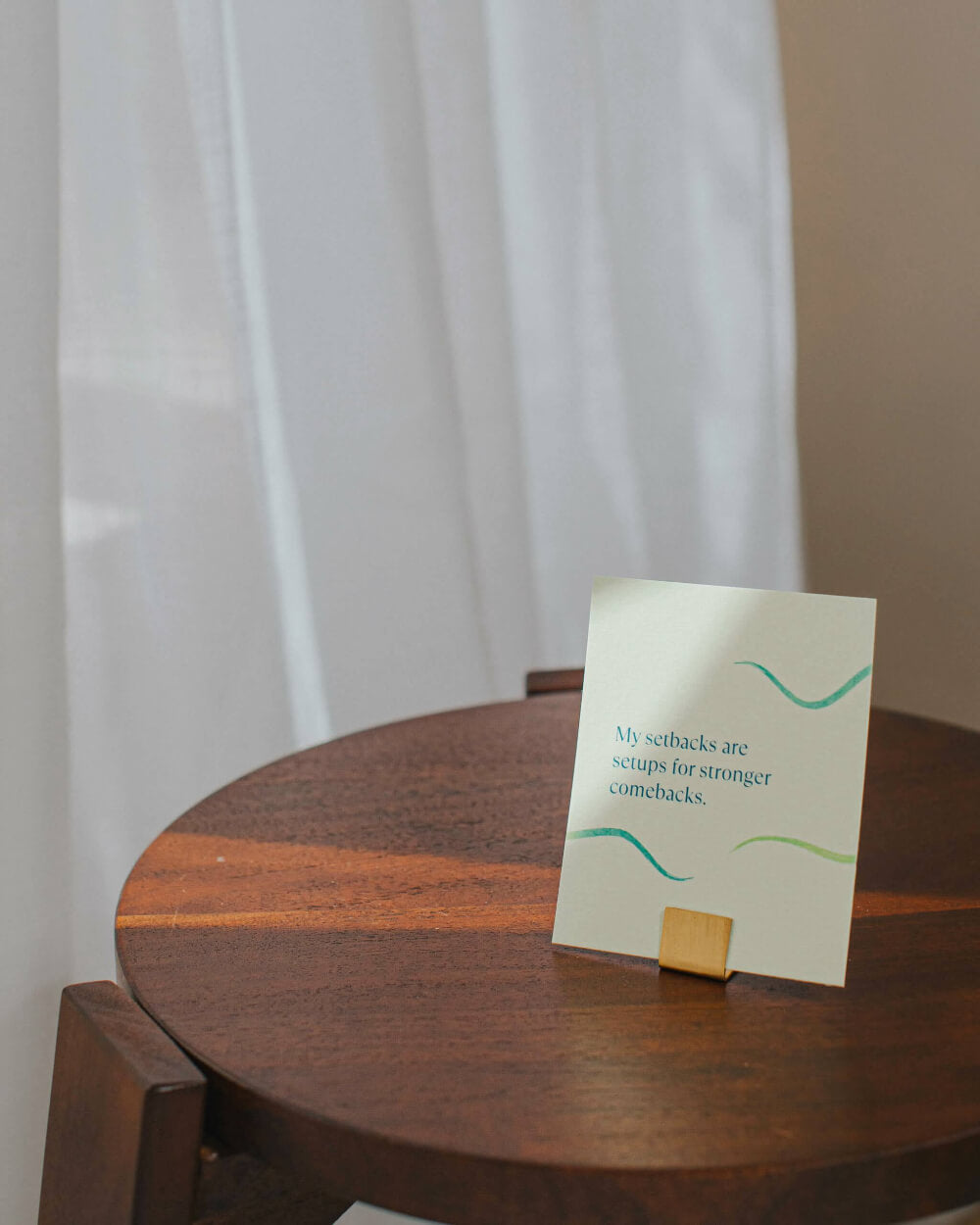
“I instantly feel a sense of groundedness and calm”
Affirmations can be so helpful along our healing journey. And these affirmations are truly so beautiful and powerful! When I read them, I instantly feel a sense of groundedness and calm. They are wonderful reminders for when I need to slow down and reconnect with myself. I also love that they are centered around having more compassion and kindness for ourselves. I will definitely be utilizing these with my clients, as well as practicing them myself. Thank you so much Rachel!