





Quick Answer
The best affirmation cards for self-worth remind you that your worth is unconditional—not something you need to earn through achievement, appearance, or others' approval. They acknowledge you're enough as you are, not that you need to be better.
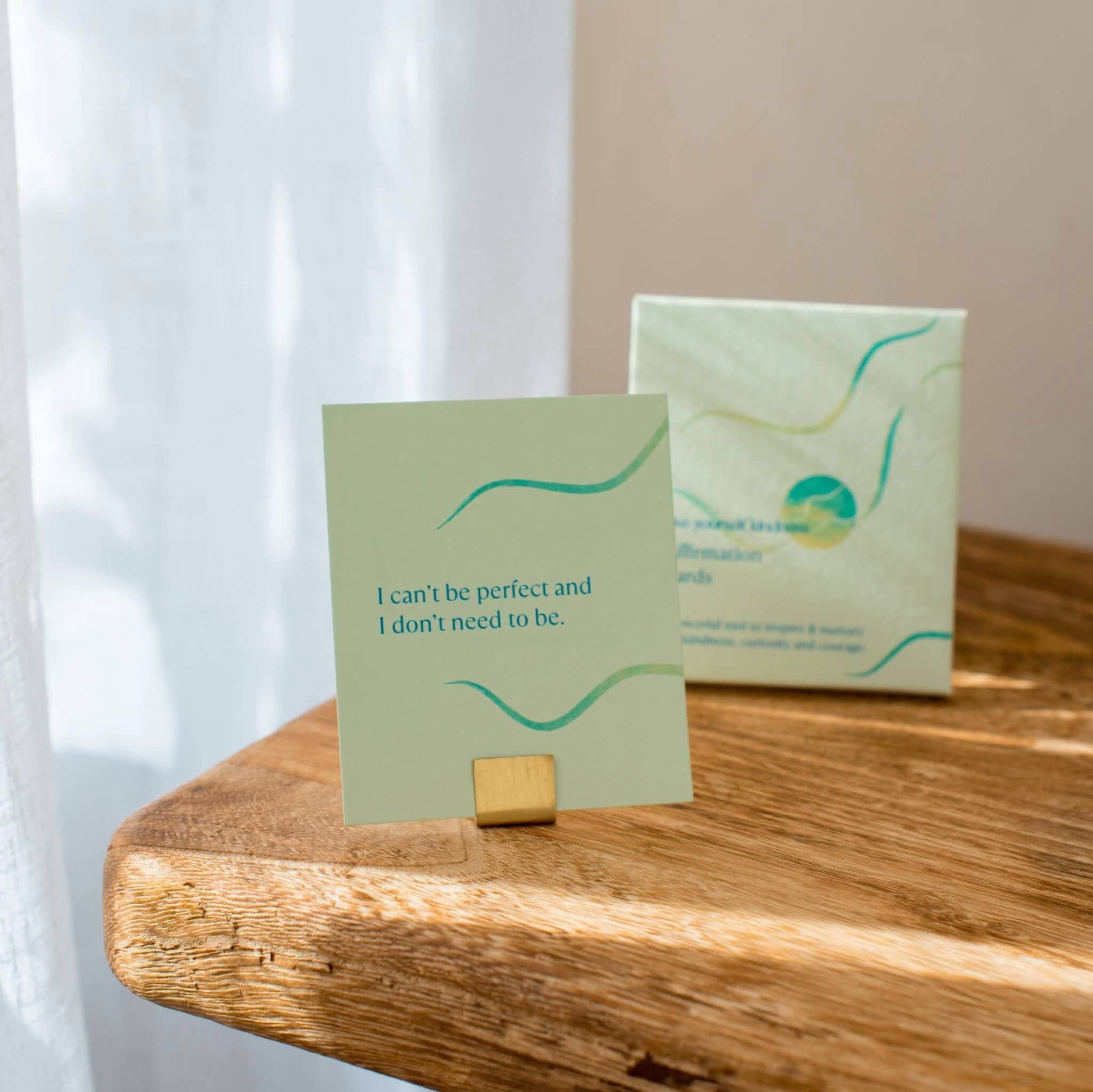
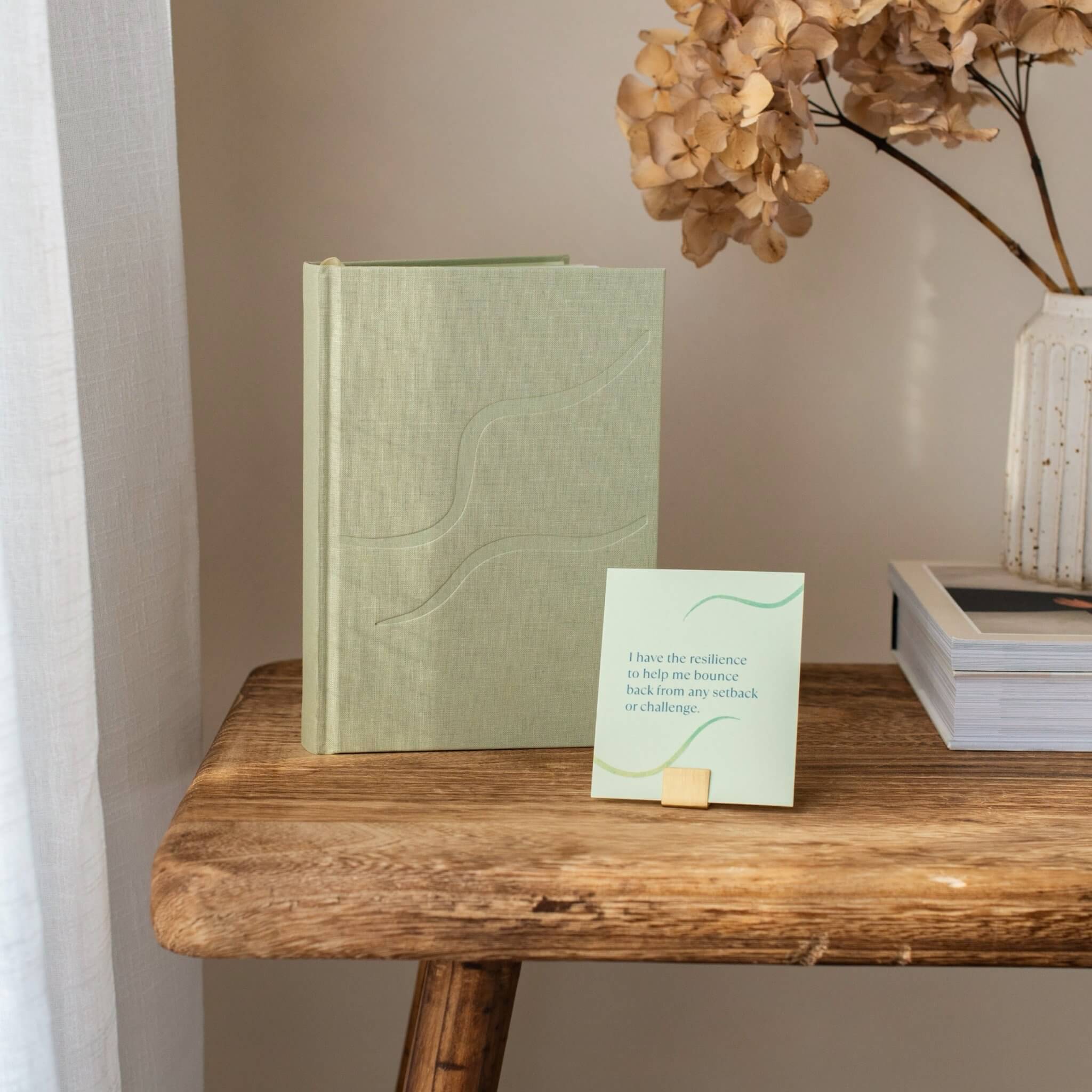
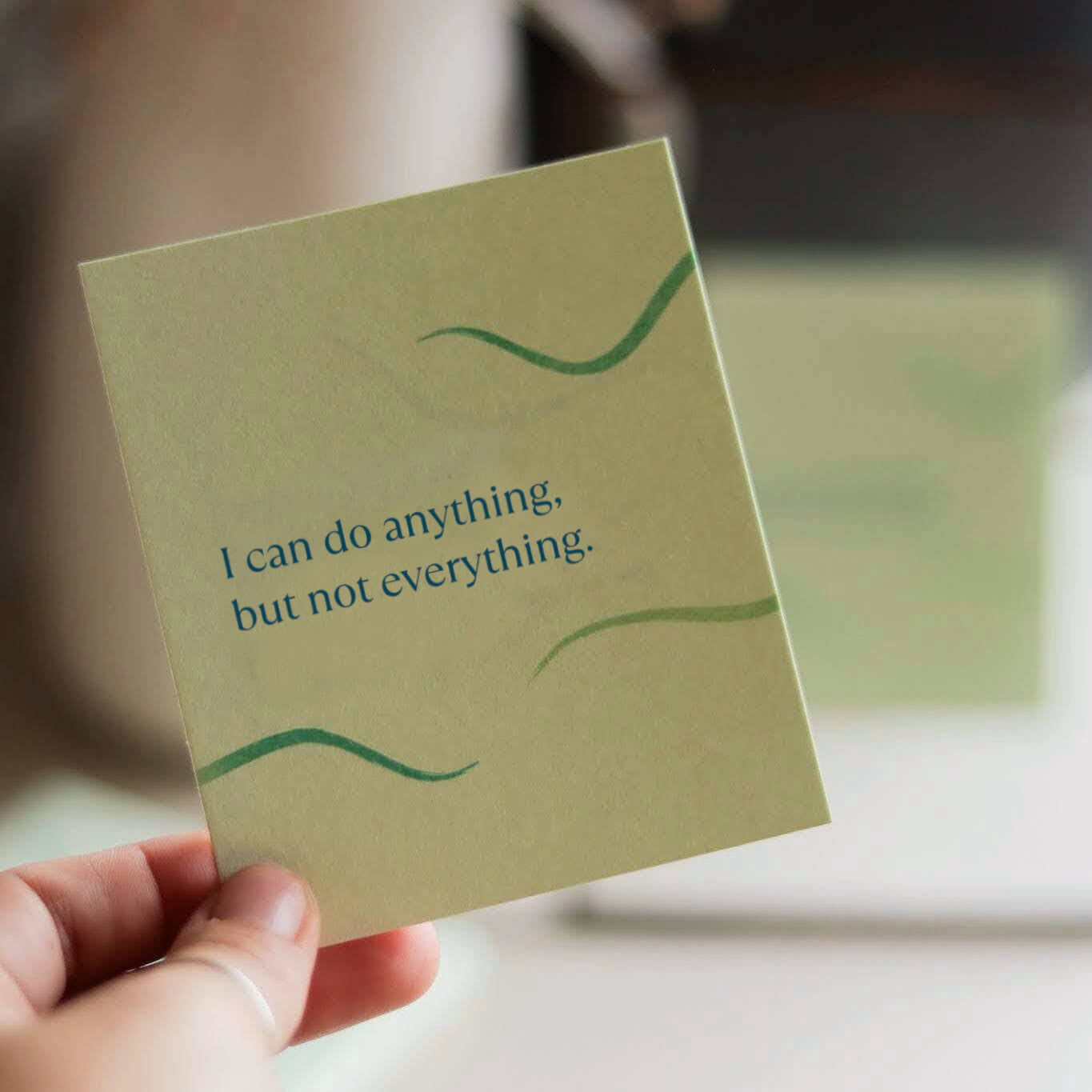
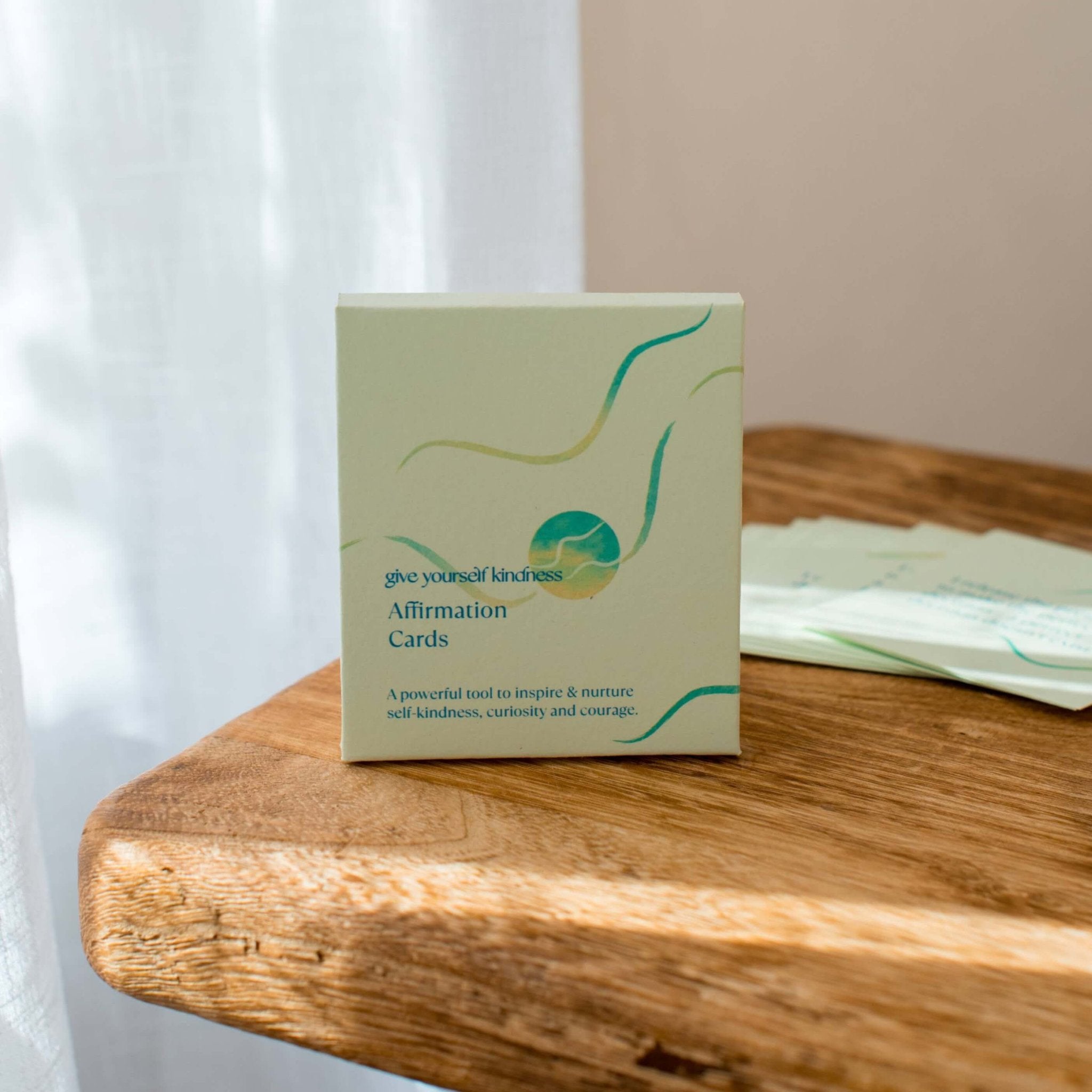
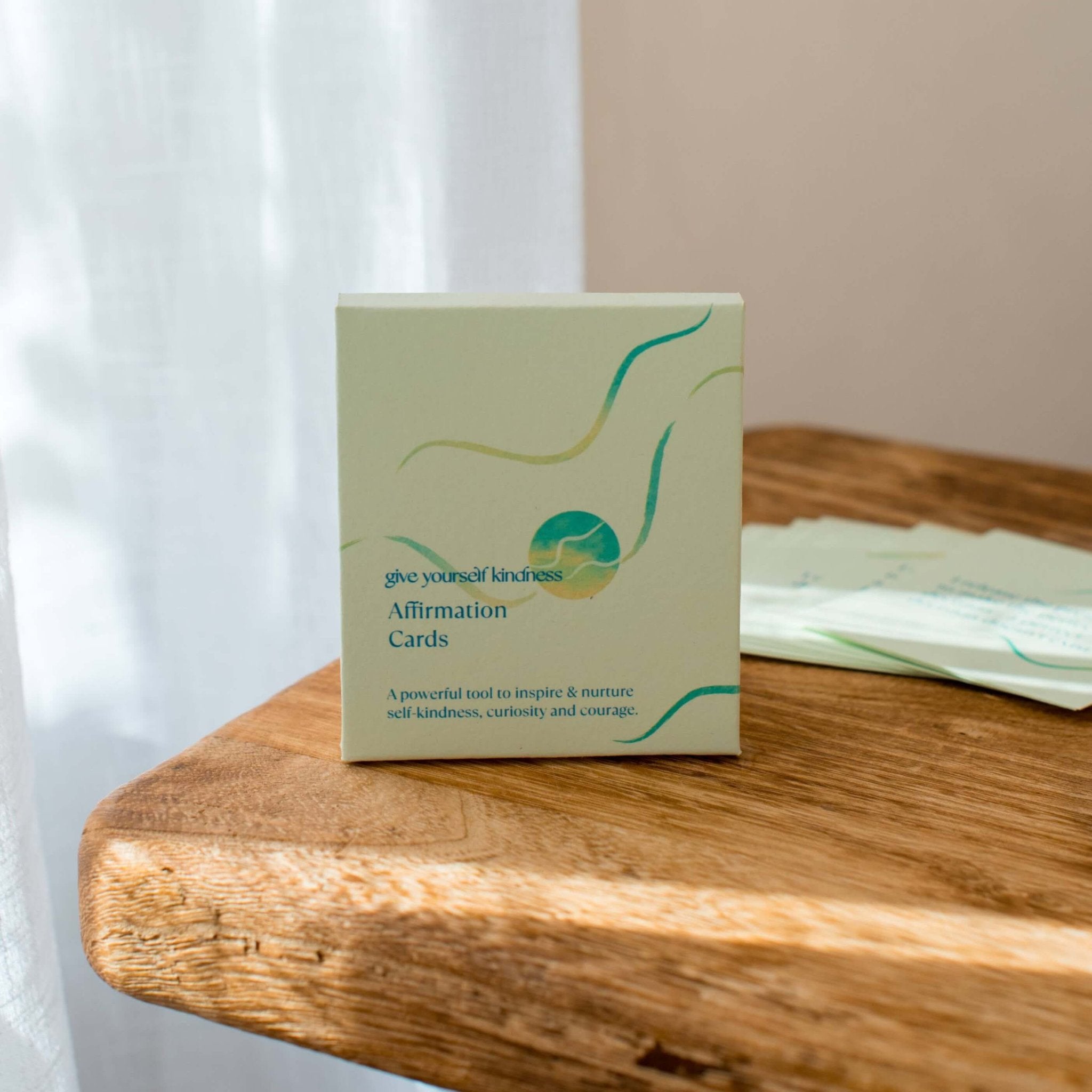
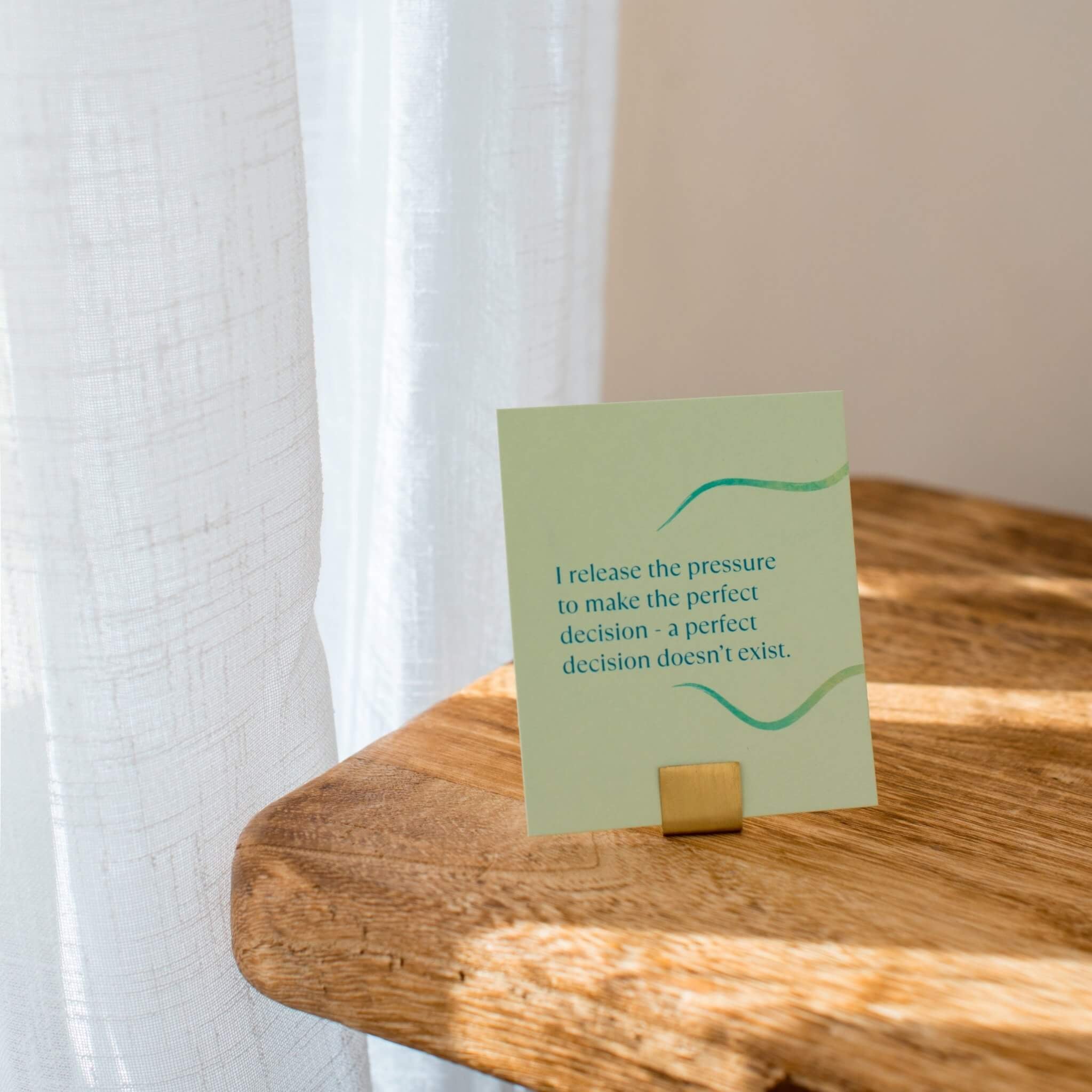
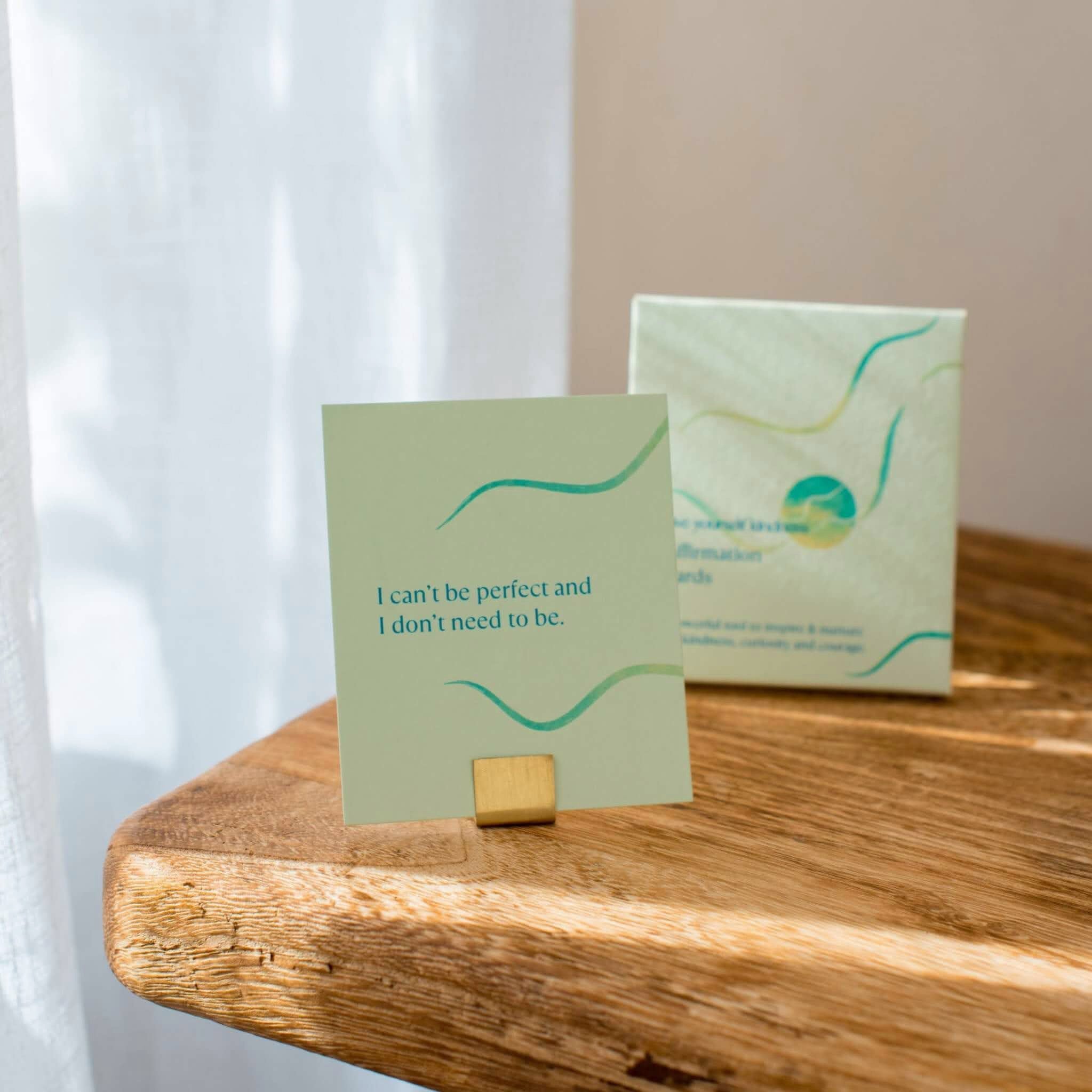
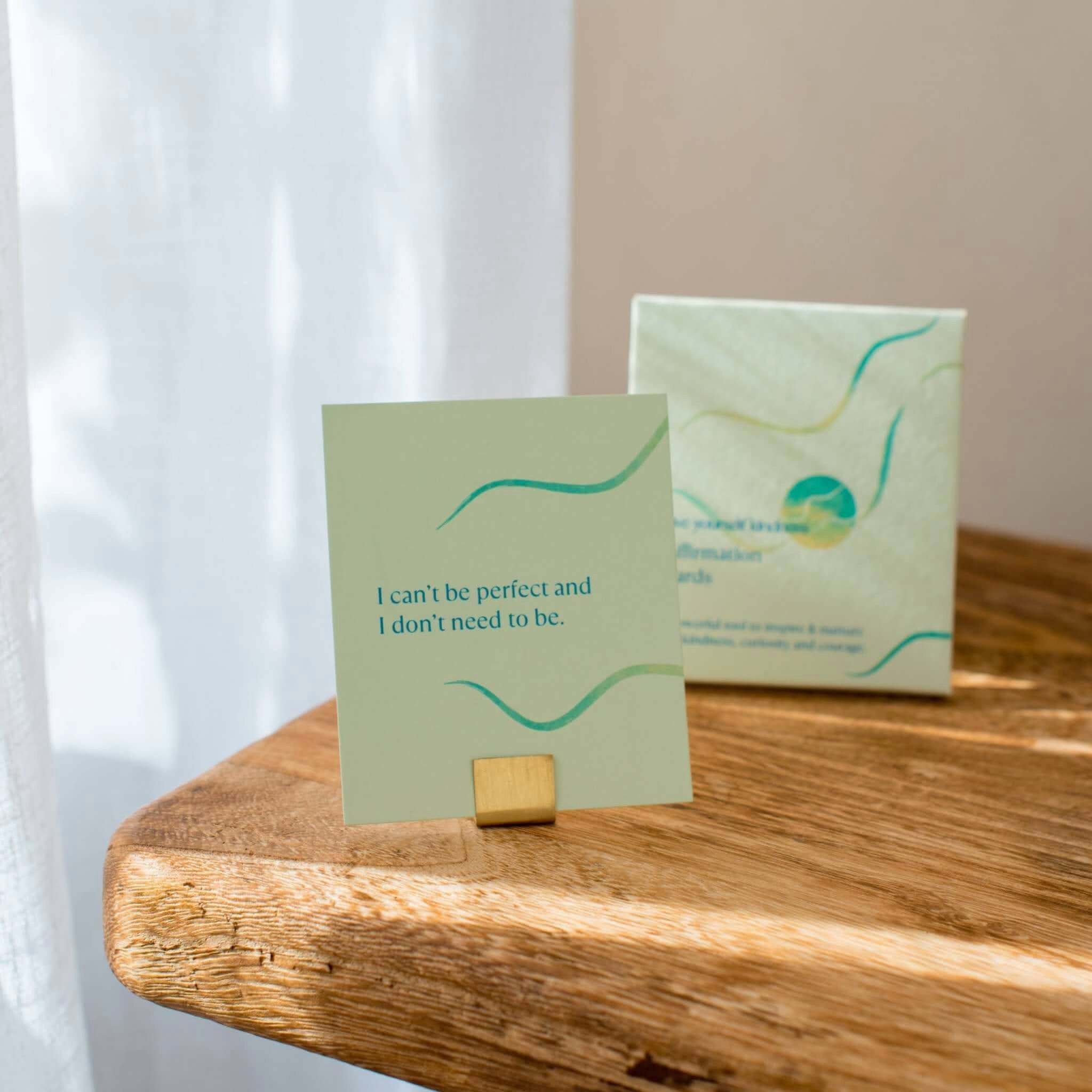
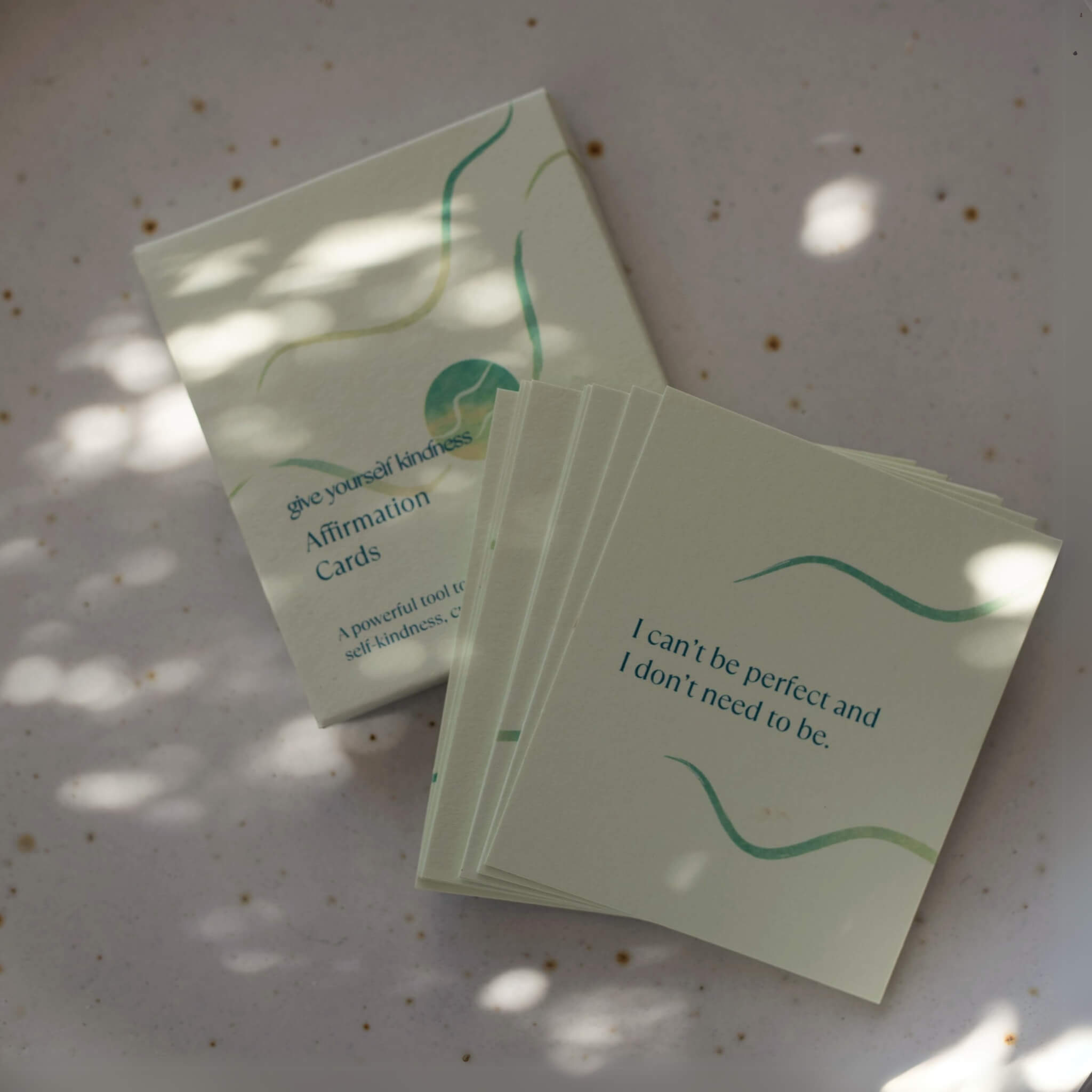
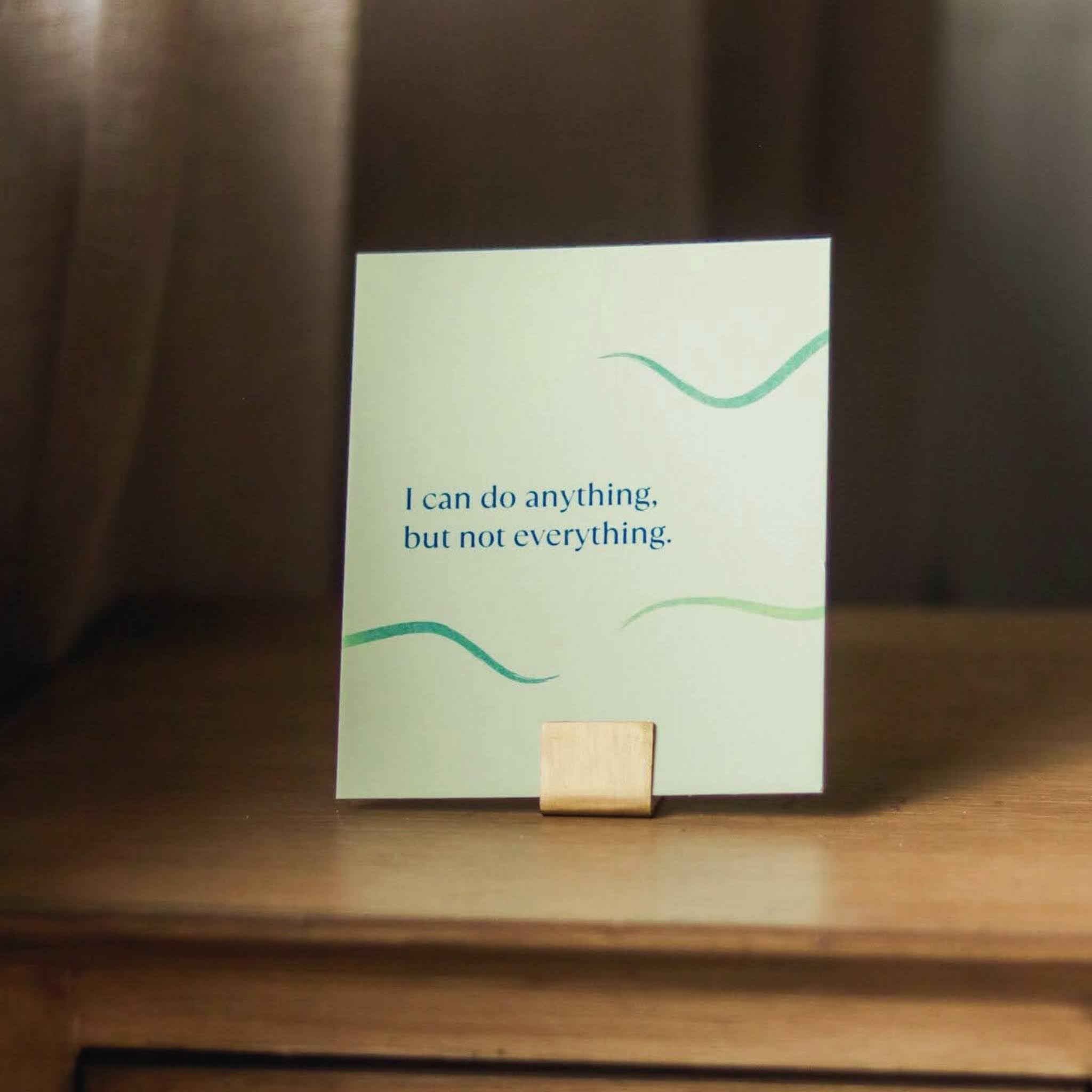
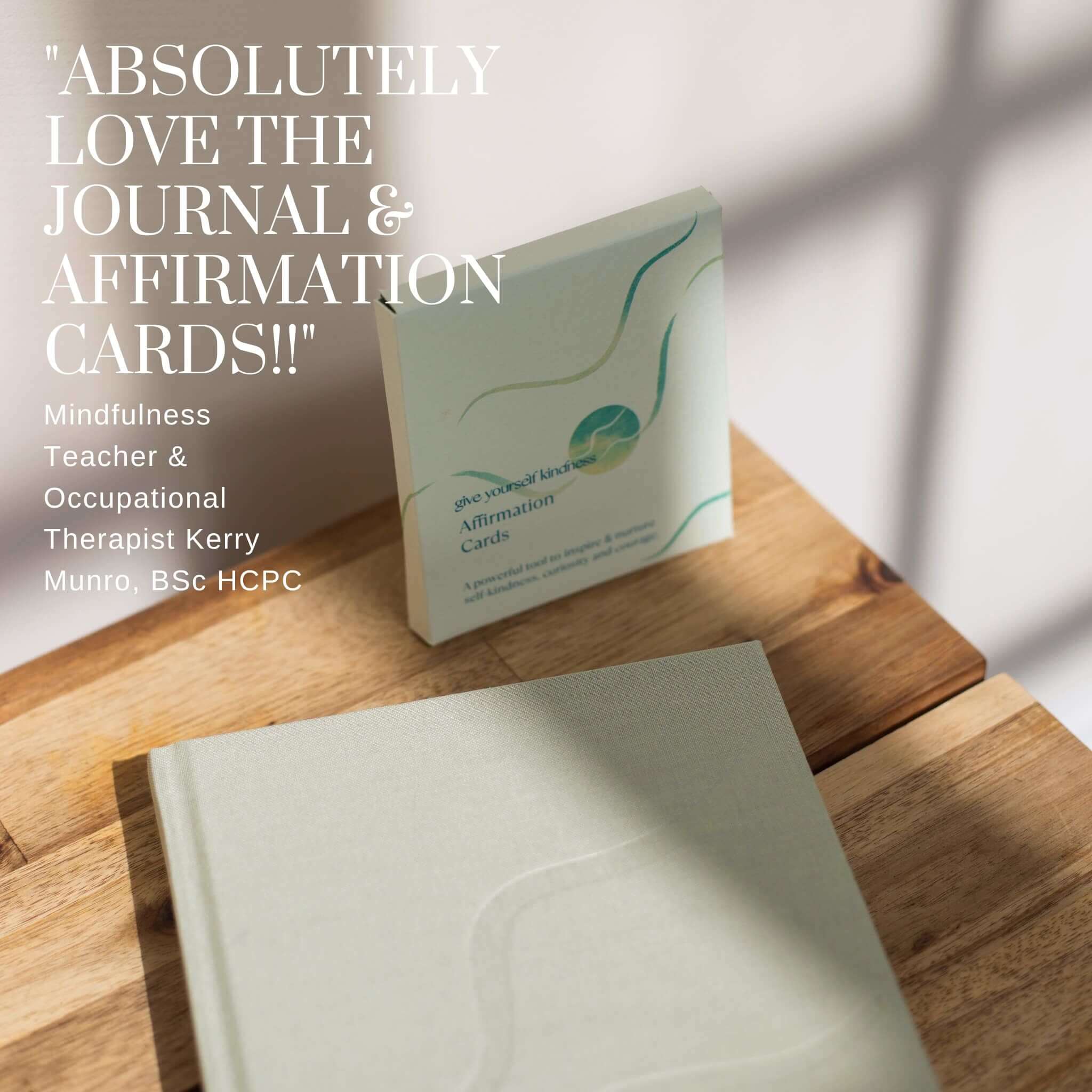
Top recommendation: Give Yourself Kindness Self-Compassion Affirmation Cards — 60 affirmations grounded in self-compassion research. Instead of "You're amazing!" they say things like "I am worthy now, and this will never change" and "My worth is not dependent on what I have done today." Validated by clinical psychologists including Dr. Chris Germer (Harvard Medical School) and used by therapists with clients worldwide.
View Affirmation Cards →On This Page:
- Why So Many People Struggle With Self-Worth
- Why "You're Amazing!" Makes Low Self-Worth Worse
- The Research: Self-Compassion vs. Self-Esteem
- What Self-Worth Affirmations Do Differently
- Comparison: Earned vs. Unconditional Worth
- Sample Affirmations by Self-Worth Struggle
- How to Use (Without Forcing Belief)
- Expert Validation
- FAQ
Why So Many People Struggle With Self-Worth
If you struggle with self-worth, you're not alone. And you're not broken.
Here's what low self-worth actually looks like:
- "I'm not good enough" — A constant background belief that underlies everything
- Comparing yourself to others — Everyone else seems more capable, successful, attractive
- Conditional worth — "I'll be worthy when I lose weight / get promoted / have my life together"
- Seeking external validation — Your worth depends on grades, achievements, likes, others' approval
- Fear of being "found out" — Impostor syndrome; convinced you're fooling everyone
- Harsh self-criticism — Speaking to yourself in ways you'd never speak to anyone else
- Perfectionism — If you're not perfect, you're not acceptable
- People-pleasing — Your worth depends on keeping everyone else happy
And beneath all of this? The belief that worth is something you have to earn.

Dr. Annabelle Kyle Dortch, PsyD
Clinical Psychologist | Specializes in life transitions, relationships, stress, and anxiety
"When we engage in self-criticism, we create a nervous system and brain state that is not conducive to learning or facilitating a growth-oriented mindset."
→ Read the full article: Why Self-Compassion is More Effective Than Self-Criticism
Translation: The habit of criticizing yourself for not being "good enough" actually makes it harder to grow and change. It's counterproductive.
Why "You're Amazing!" Makes Low Self-Worth Worse
When you struggle with self-worth, well-meaning people (and most affirmation cards) tell you: "Just believe in yourself!" "You're amazing!" "You're perfect!"
And if you're like me, reading those makes you feel worse.
Why?
⚠️ Research Shows: Positive Affirmations Can Backfire
For people with low self-esteem, positive affirmations don't just fail to help—they can actually reinforce negative beliefs.

Dr. Jeffrey McDonnell
Clinical Psychologist, University College London | Specializes in complex trauma and self-criticism
"Research suggests that for some people, positive self-affirmations can be helpful but for others, they may be ineffective or even harmful (particularly for those who may already struggle with low self-esteem)."
→ Read more: Do Affirmations Really Work? I Asked 5 Psychologists
Why Generic Positive Affirmations Fail for Low Self-Worth:
- "You're perfect!" — Feels like a lie; your brain knows it's not true; creates cognitive dissonance
- "You're amazing!" — Triggers the inner critic: "No I'm not. Why can't I just believe this?"
- "Believe in yourself!" — Doesn't address why you don't believe in yourself
- "You deserve everything good!" — When you don't feel deserving, this reinforces the shame
- "You're better than you think!" — Implies your current self isn't acceptable
The problem: These affirmations try to convince you you're already "enough" by listing all the ways you're great. But when you struggle with self-worth, you don't believe those things—so reading them just reminds you of all the ways you're failing to live up to them.
The Research: Self-Compassion vs. Self-Esteem
Here's what changed everything for me: learning the difference between self-esteem and self-compassion.
The Critical Distinction
Self-Esteem: "I'm worthy because I'm good at things / attractive / successful / better than others"
Self-Compassion: "I'm worthy because I'm human. My worth doesn't depend on being perfect or special."

Dr. Kristin Neff, PhD
Associate Professor of Educational Psychology, University of Texas | Pioneer of self-compassion research
"Compassion and pity are quite different. Pity involves looking down on someone and feeling sorry for them. Compassion says 'We've all been there.' Pity creates separation, and compassion creates connection."
→ Read more: Self-Compassion is Not Self-Pity
Why This Matters for Self-Worth:
Research by Dr. Kristin Neff shows that self-compassion provides a more stable foundation for self-worth than self-esteem:
| Self-Esteem (Earned Worth) | Self-Compassion (Unconditional Worth) |
|---|---|
| Based on being "special" or "better than" | Based on common humanity—everyone struggles |
| Fragile—collapses when you fail or compare unfavorably | Stable—doesn't depend on success or comparison |
| Requires external validation | Comes from within |
| Increases narcissism and comparison | Increases connection and empathy |
| Difficult to maintain during setbacks | Most important during difficult times |
| "I'm worthy when I succeed" | "I'm worthy, period" |
This is why self-esteem-based affirmations don't work for self-worth. They're trying to build worth on an unstable foundation—your achievements, appearance, others' opinions. When those inevitably fluctuate, your worth crumbles.
What Self-Worth Affirmations Do Differently
Self-compassion affirmations don't try to convince you you're perfect. They acknowledge that worth doesn't depend on being perfect.
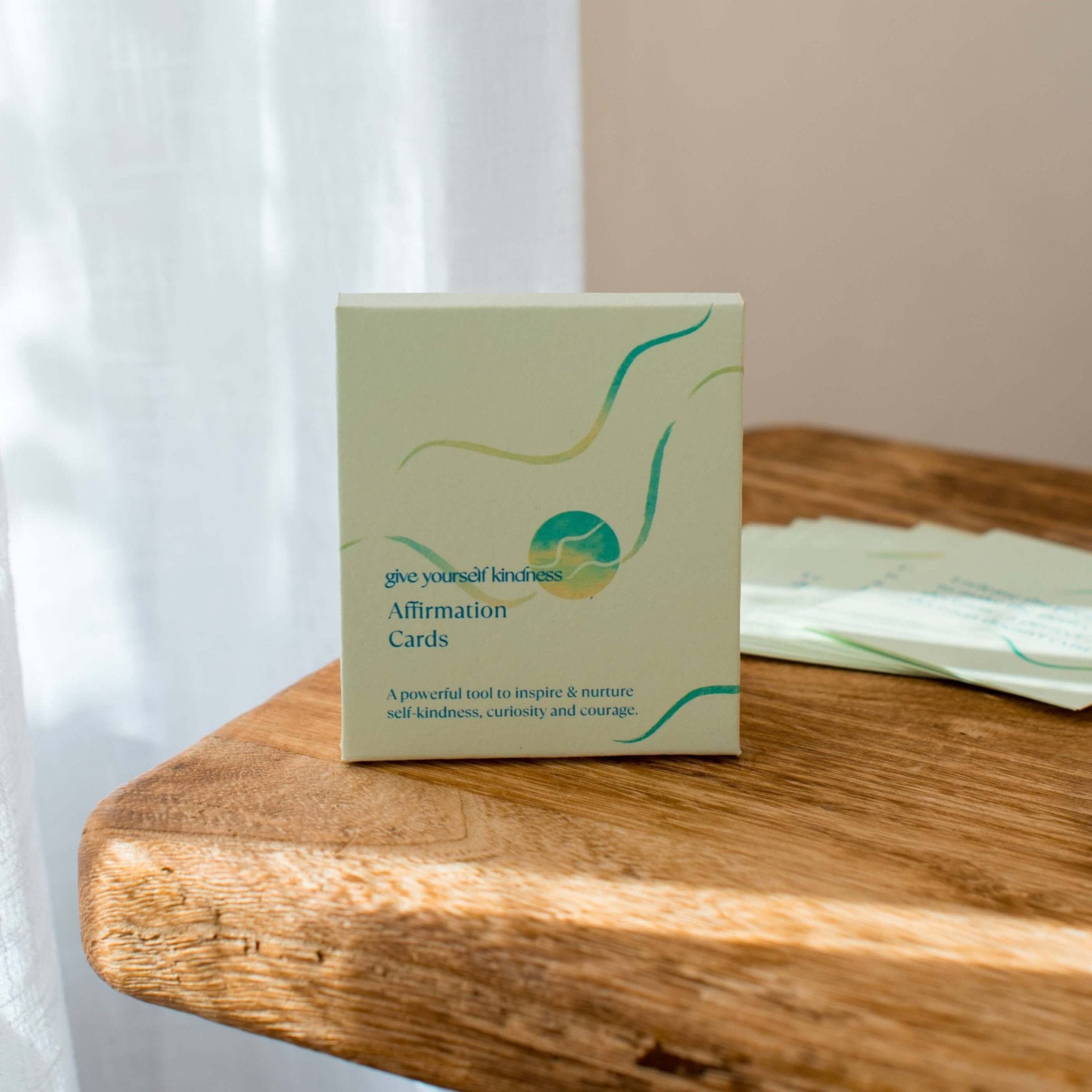
The Give Yourself Kindness affirmation cards are based on self-compassion research—specifically Dr. Kristin Neff's work and Compassion-Focused Therapy (CFT) principles.
The Key Differences:
1. Unconditional Worth (Not Earned)
- Traditional: "You're amazing! You're the best!"
- Self-compassion: "I am worthy now, and this will never change"
2. Permission to Be Human (Not Demand for Perfection)
- Traditional: "You're perfect!"
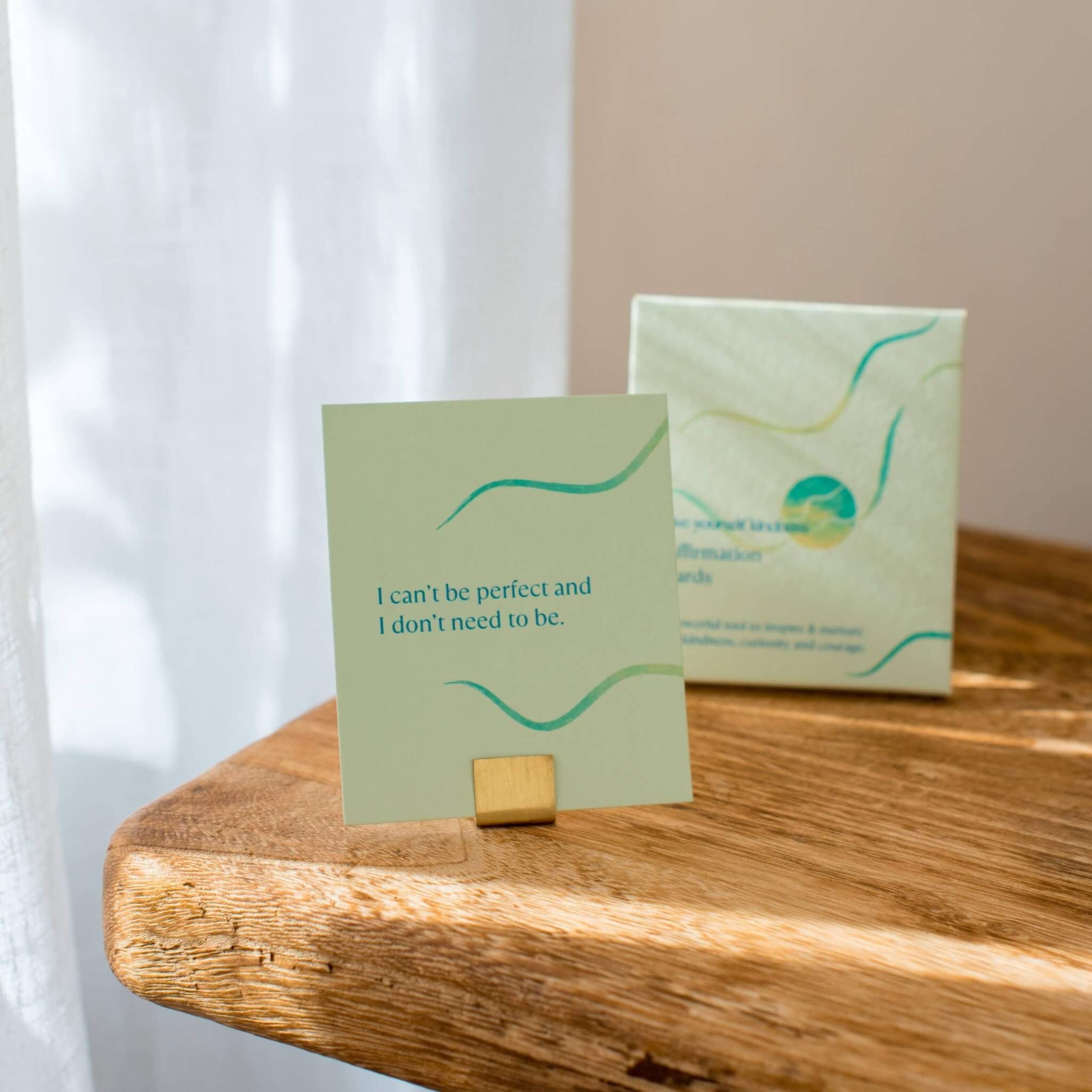
- Self-compassion: "I can't be perfect and I don't need to be"
3. Validates Struggle (Not Toxic Positivity)
- Traditional: "Always stay positive!"
- Self-compassion: "It is normal to have an inner critic—but I don't have to believe it"
4. Common Humanity (Not Special Status)
- Traditional: "You're unique and special!"
- Self-compassion: "We all deserve kindness, and 'all' includes me"

Margaret Davis, MS, LPC
Licensed Therapist | Specializes in anxiety, self-esteem, and self-compassion
"These affirmations are truly so beautiful and powerful! When I read them, I instantly feel a sense of groundedness and calm. They are wonderful reminders for when I need to slow down and reconnect with myself. I also love that they are centered around having more compassion and kindness for ourselves. I will definitely be utilizing these with my clients."
Comparison: Earned Worth vs. Unconditional Worth Affirmations
| Earned Worth (Self-Esteem) | Unconditional Worth (Self-Compassion) | Why Unconditional Works Better |
|---|---|---|
| "You're amazing!" | "I am enough, exactly as I am" | Acknowledges current reality; doesn't require belief in perfection |
| "You're better than you think!" | "My worth is not dependent on what I have done today" | Separates worth from achievement; unconditional acceptance |
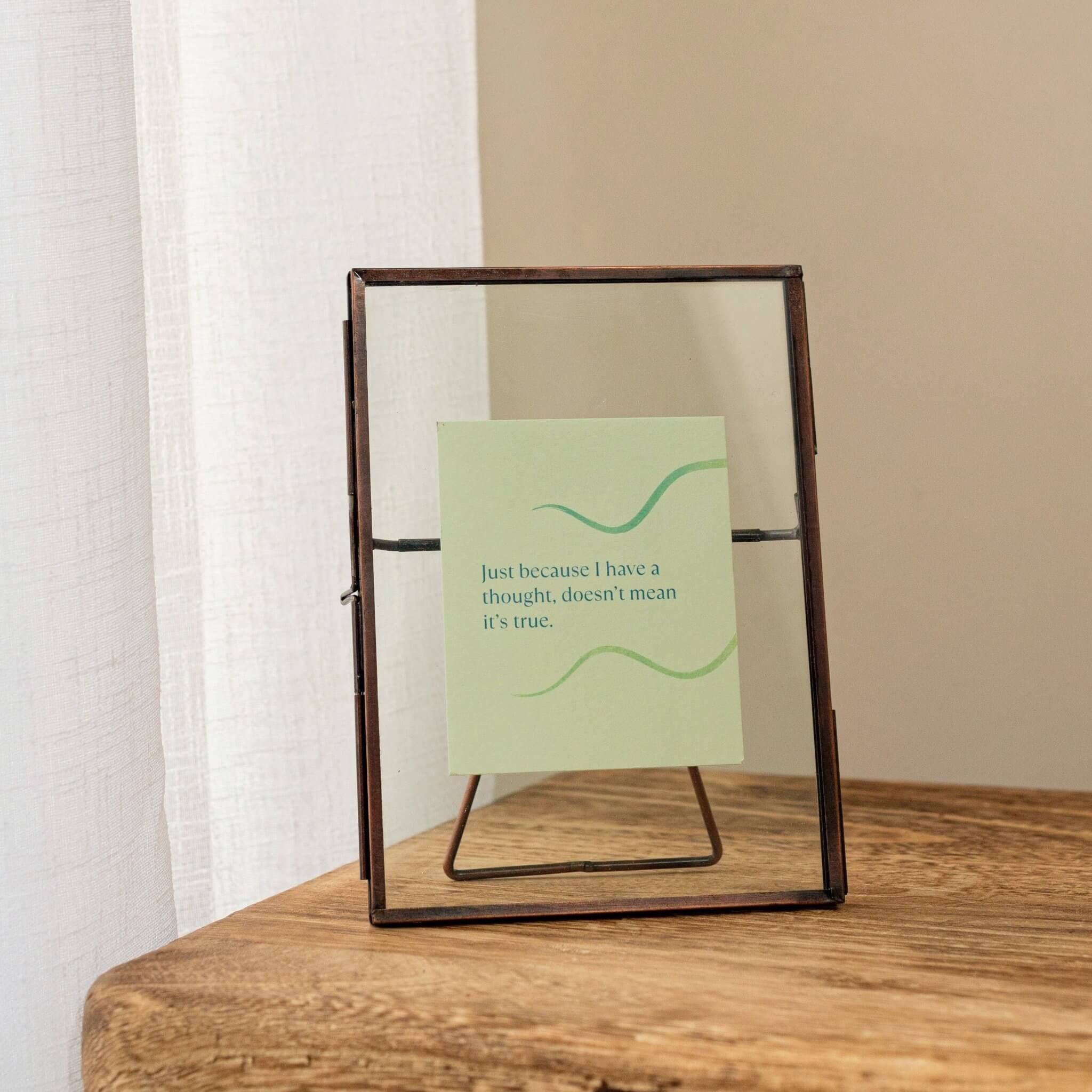
| "Believe in yourself!" | "Just because I have a thought, doesn't mean it's true" | Challenges the critical thought without demanding false confidence |
| "You're perfect!" | "I can't be perfect and I don't need to be" | Releases pressure; acknowledges perfection isn't possible |
| "You deserve everything!" | "I am worthy, and this does not depend on my productivity or achievements" | Worth isn't earned through doing; it exists inherently |
| "You're special and unique!" | "We all deserve kindness, and 'all' includes me" | Common humanity; worth isn't about being special |
Sample Affirmations Organized by Self-Worth Struggle
Here are the actual affirmations from the Give Yourself Kindness cards, organized by the specific self-worth struggles they address:
For "I'm not good enough" thinking:
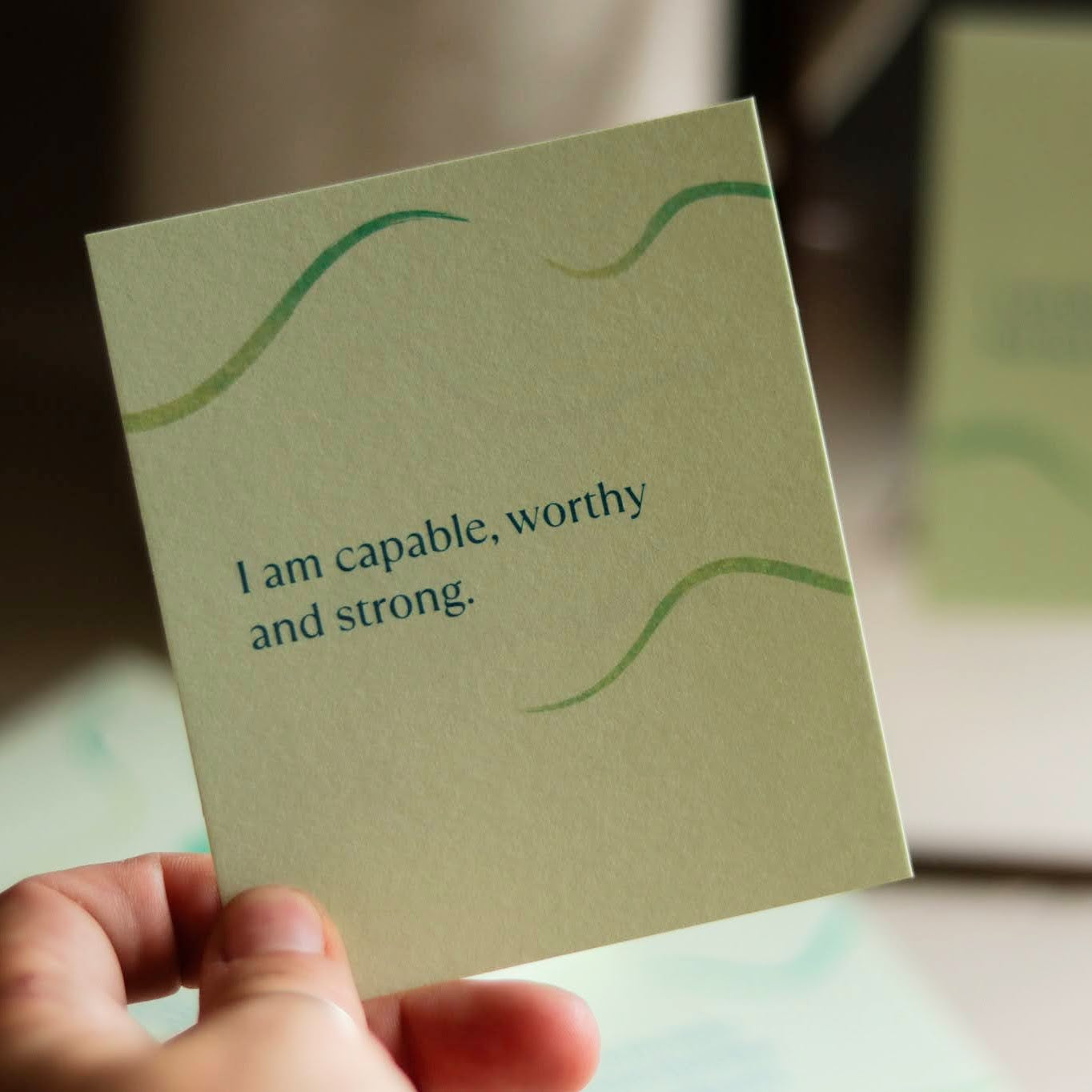
- "I am worthy now, and this will never change"
- "I am enough, exactly as I am"
- "My voice matters. My opinions matter. I matter"
- "I am deserving of love, compassion and kindness, exactly as I am"
- "I am always worthy of respect"
For worth tied to achievement/productivity:
- "My worth is not dependent on what I have done today"
- "I am worthy, and this does not depend on my productivity or achievements"
- "I don't need to earn rest to deserve it"
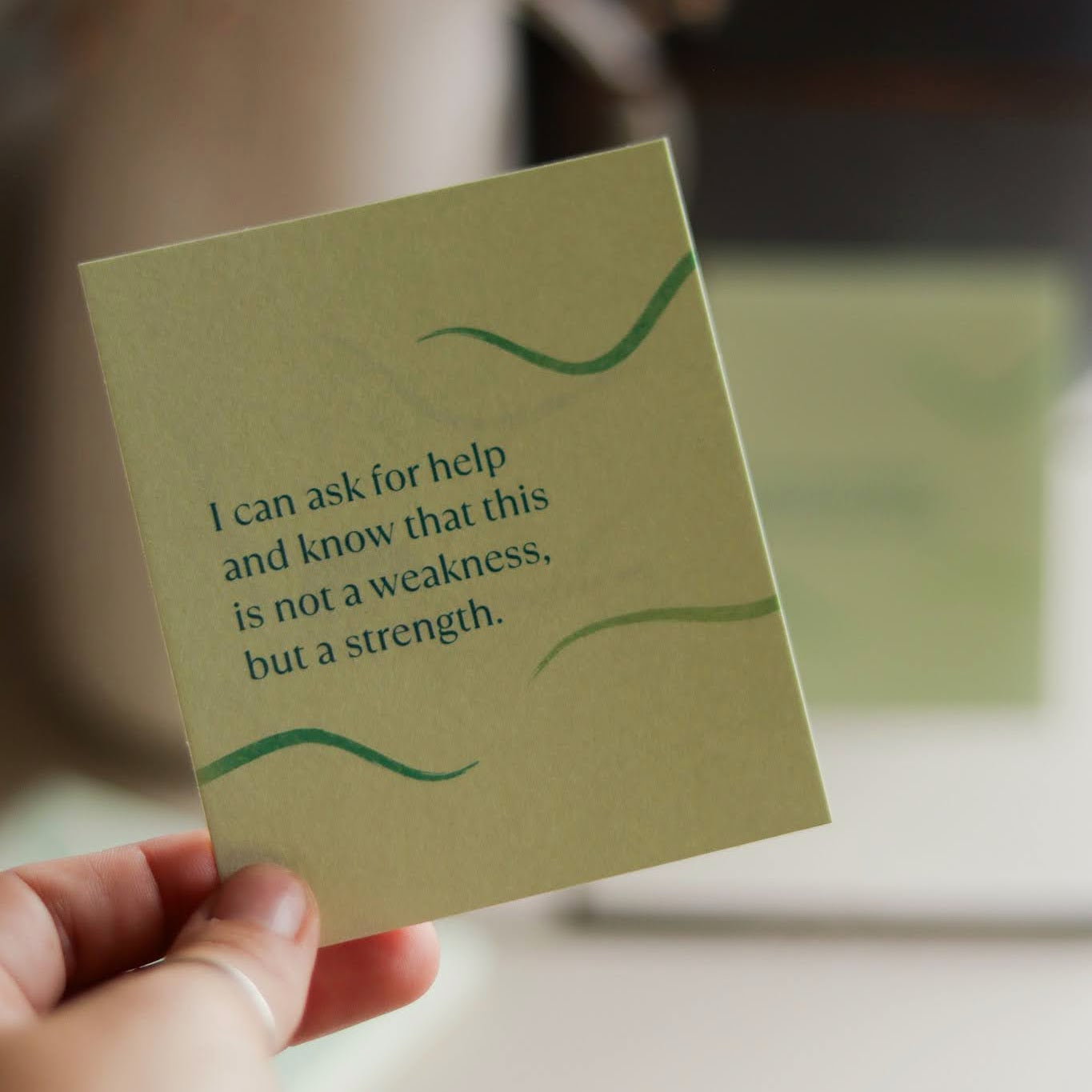
- "I can be proud of myself for doing my best"
For perfectionism and harsh self-criticism:
- "I can't be perfect and I don't need to be"
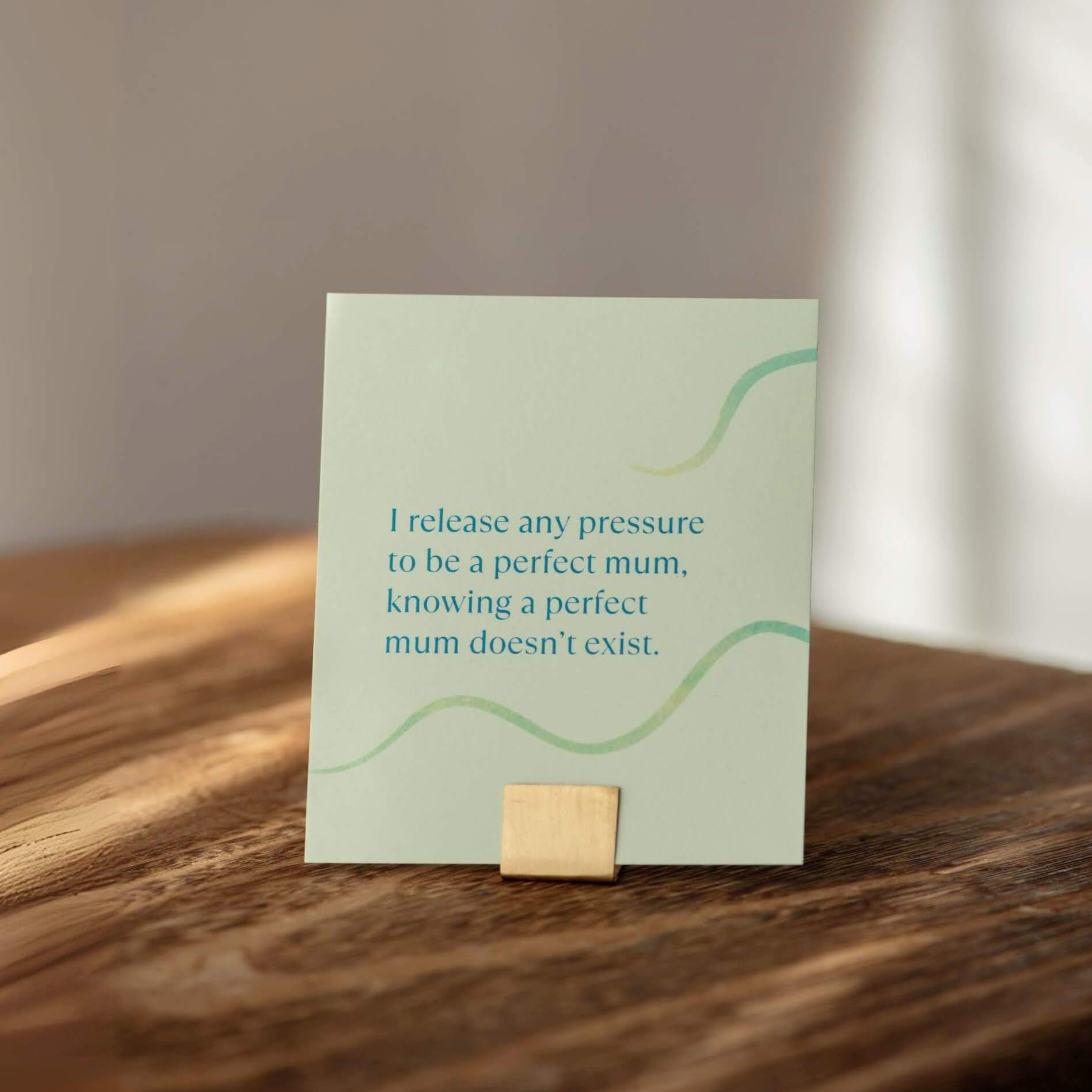
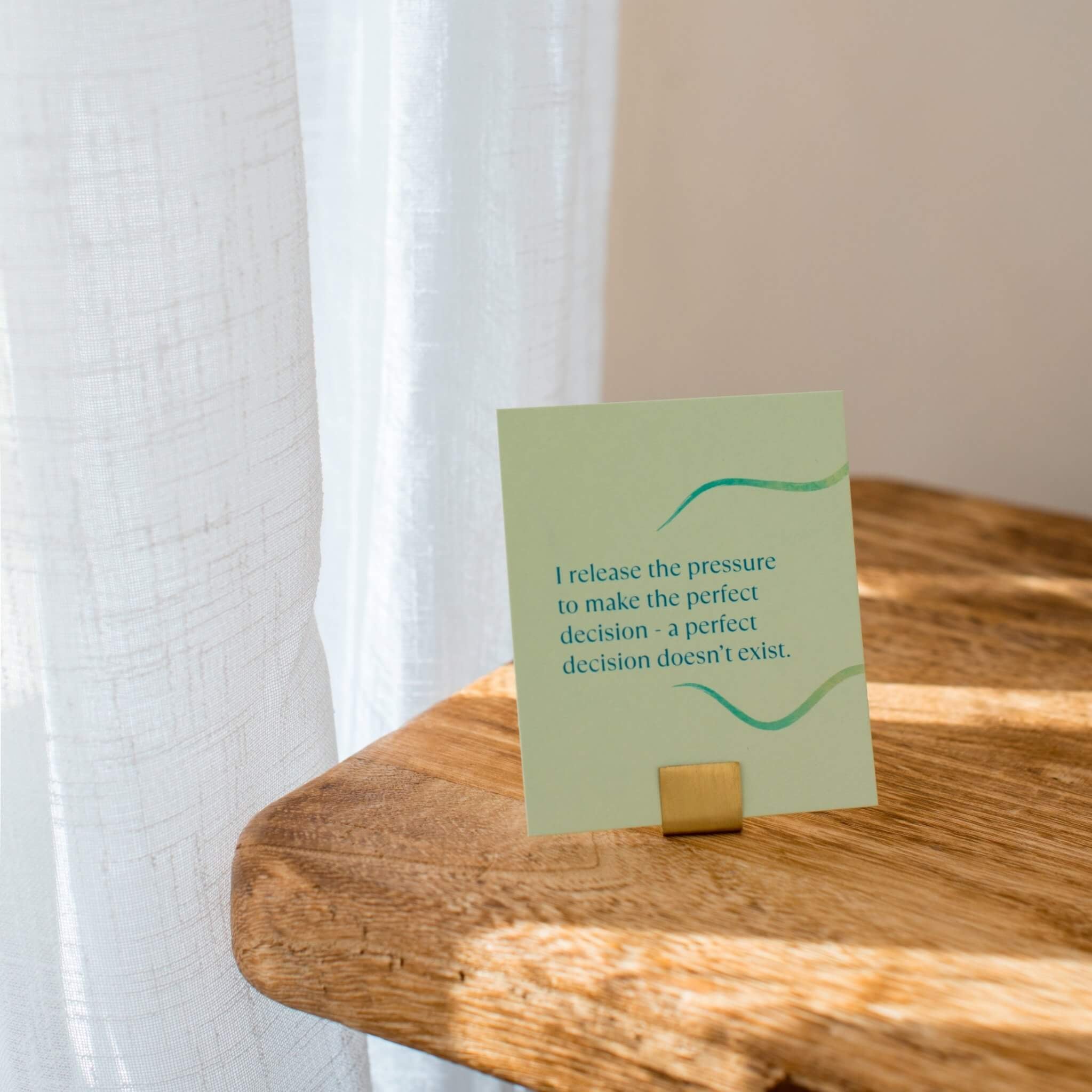
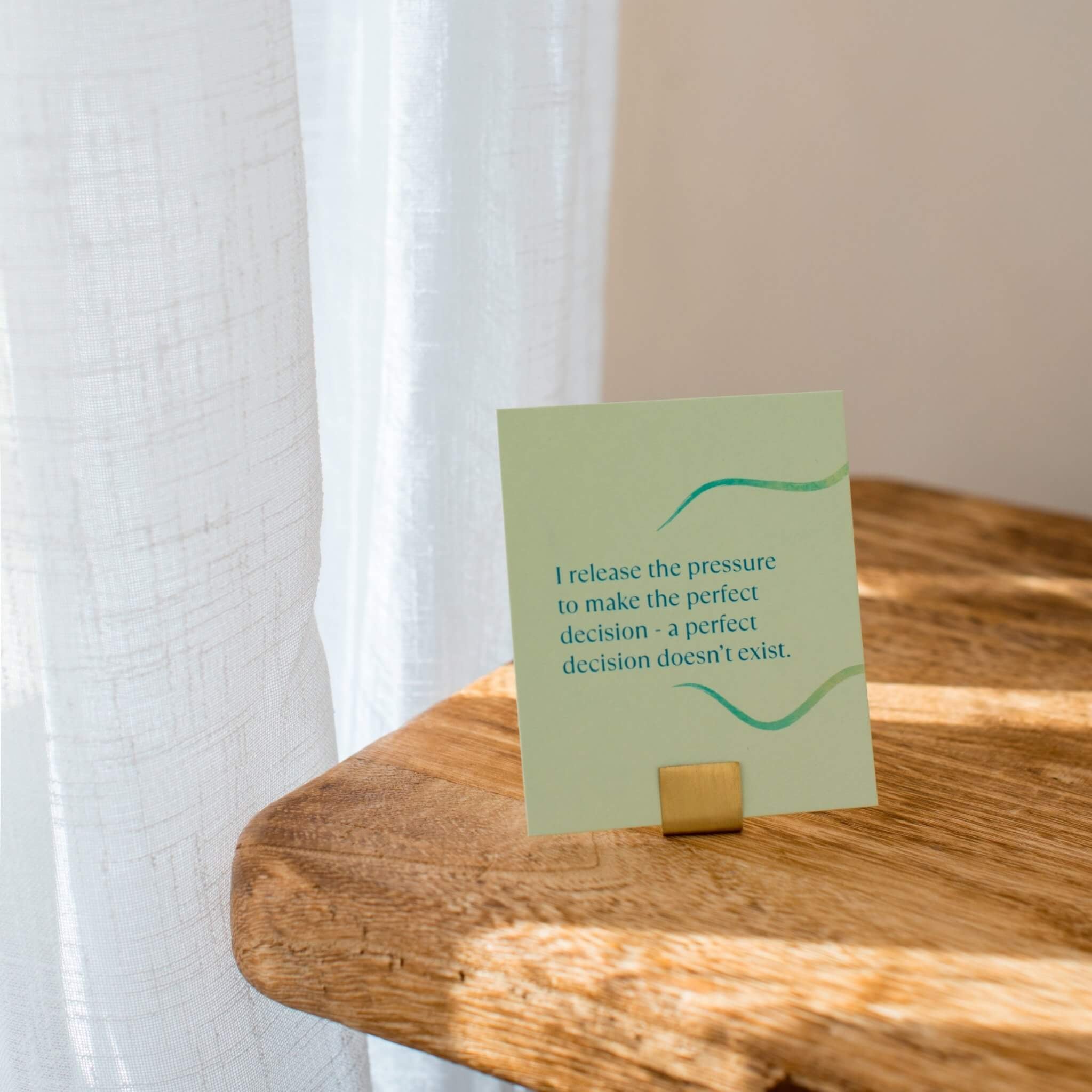
- "I release any pressure to be perfect, knowing that perfect doesn't exist"
- "It is normal to have an inner critic—but I don't have to believe it"
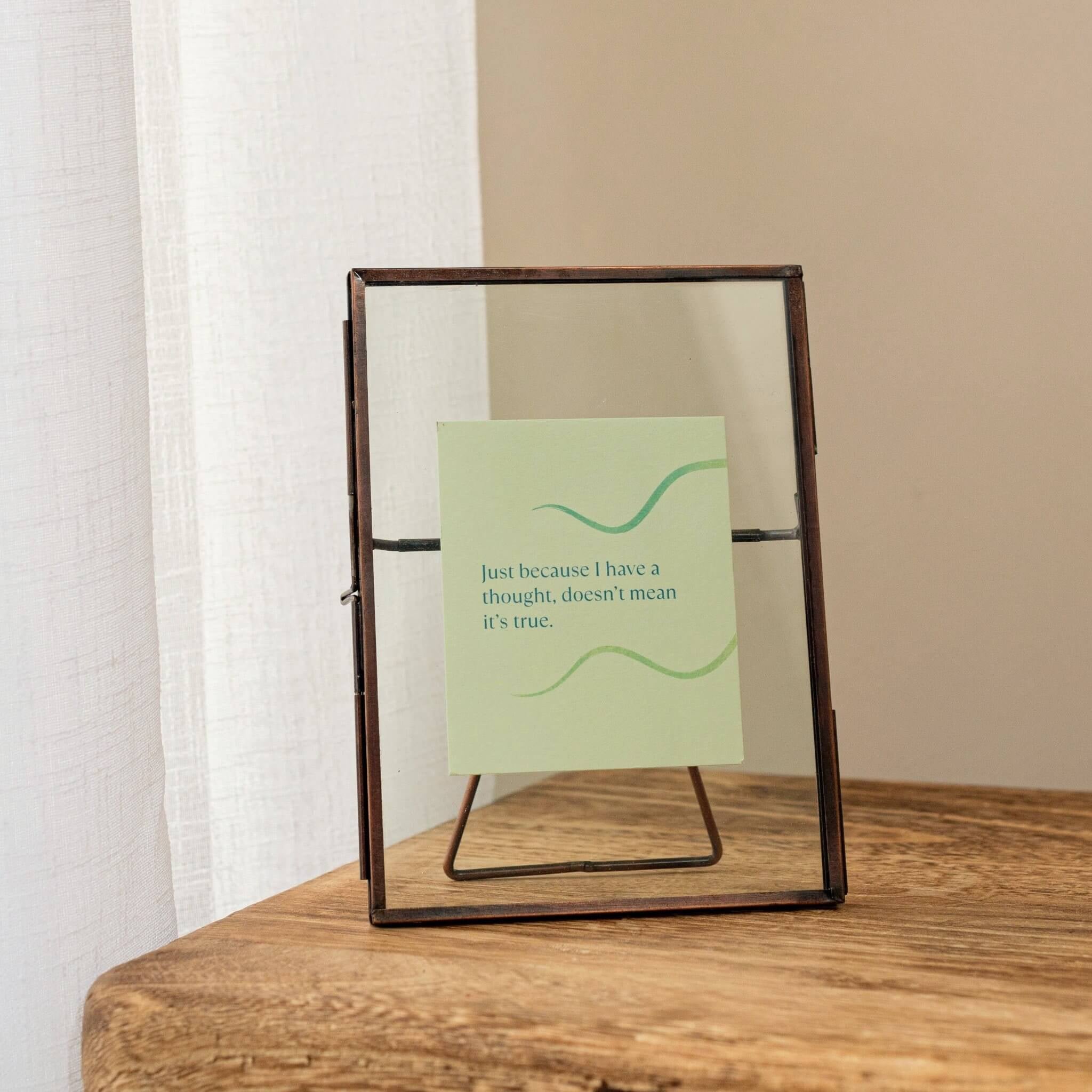
- "Just because I have a thought, doesn't mean it's true"
- "I can make mistakes and learn from them, without self-criticism"
- "I forgive myself for what I did when I was learning"
For comparison and feeling "less than":
- "I don't need to compare or compete. No human on the planet is meant to be the same"
- "I honour that my path in life will be different to others, I don't need to compare or compete"
- "I remind myself that there is no single definition of success"
- "We all deserve kindness, and 'all' includes me"
For conditional worth and people-pleasing:
- "I can give myself kindness and know that it is not selfish"
- "I am allowed to say no"
- "I choose to give myself the same kindness I would give to a friend"
- "My worthiness of love does not depend on being faultless"
For impostor syndrome and self-doubt:
- "I remind myself that no one was an expert before they were a beginner"
- "I can do things I cannot do yet"
- "I can try, even when I don't feel 100% ready"
- "I can inspire others by being me"
View Cards For All 60 Affirmations →
How to Use Self-Worth Affirmation Cards (Without Forcing Belief)
The most important thing: You don't have to believe the affirmation for it to work.
This isn't about forcing yourself to believe you're worthy. It's about creating repeated exposure to a different voice—a kinder one—until that voice becomes more familiar than the critical one.
The Simplest Way to Start:
- Pull one card each morning (shuffle and pick randomly—no overthinking)
- Place it somewhere you'll see it (bathroom mirror, desk, bedside table)
- When you notice it, read it (no memorization required, no pressure to "believe" it immediately)
Time needed: 30 seconds
What to expect:
- Week 1-2: Might feel uncomfortable or fake. The critical voice will resist. That's normal.
- Week 3-4: Small shifts—catching yourself in "I'm not good enough" thinking and questioning whether that's true.
- Beyond: The critical voice doesn't disappear, but you have a compassionate alternative voice available.
Read the complete guide: How to Use Affirmation Cards →
Expert Validation

Collette Jones, LCSW
Licensed Therapist | Practice Owner | Specializes in perfectionism and high-functioning anxiety
"Unlike other affirmations that can veer into forced positivity, these cards focus more on affirming self-acceptance and self-compassion. Whether you need a gentle reminder to be kind to yourself or encouragement to let go of the day's stressors, these affirmations offer soothing reassurance."
Read all professional reviews from therapists and clinical psychologists →
Product Details
What's included:
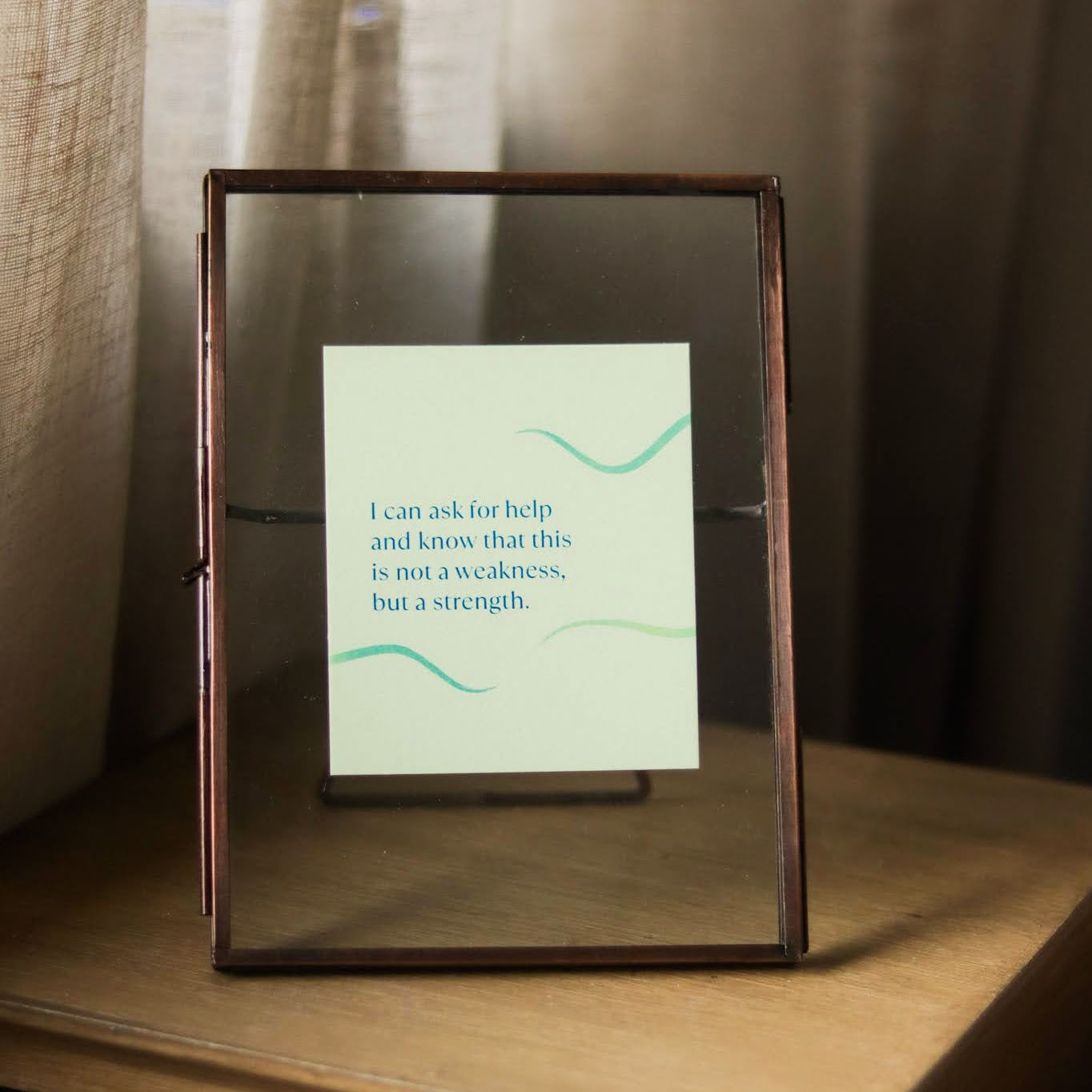
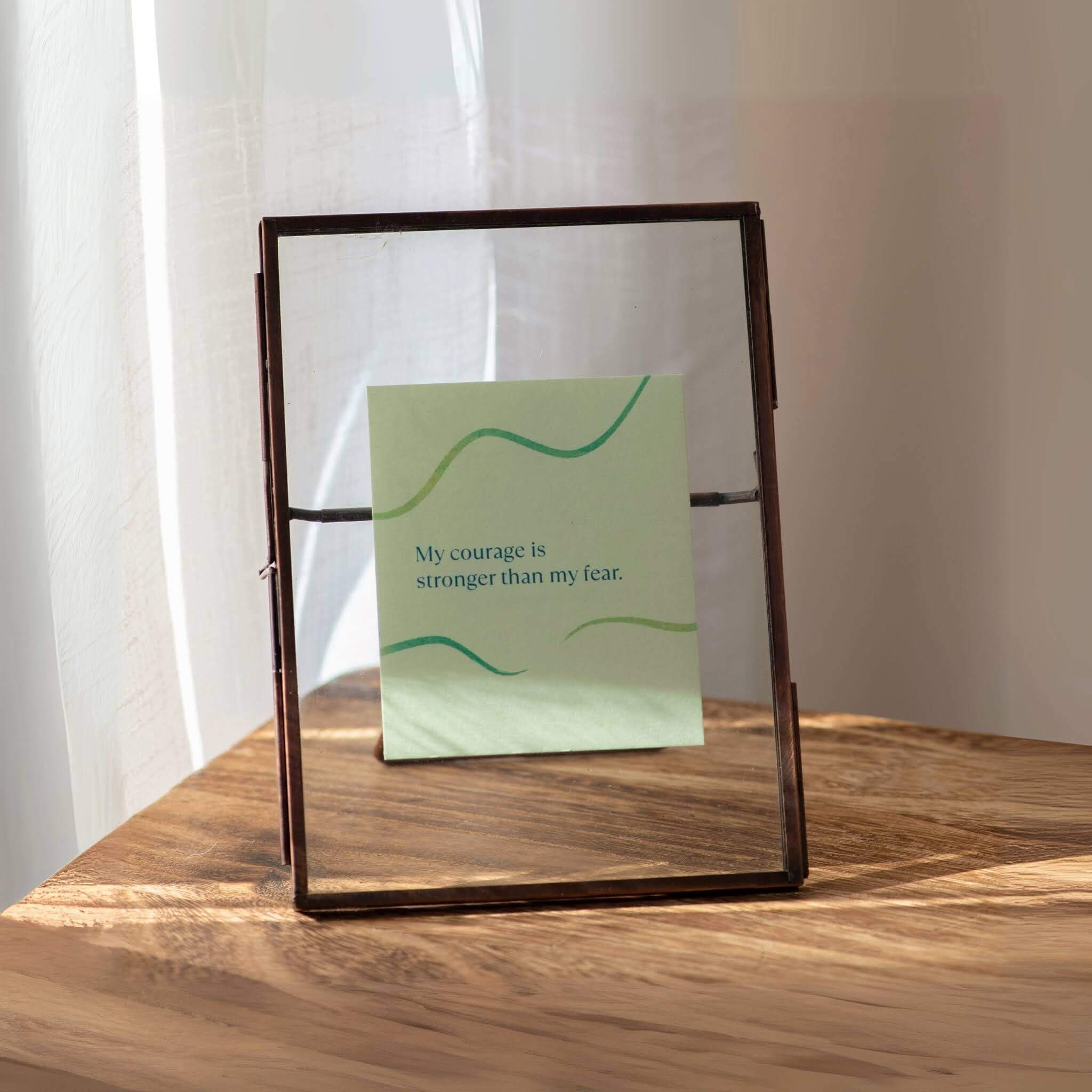
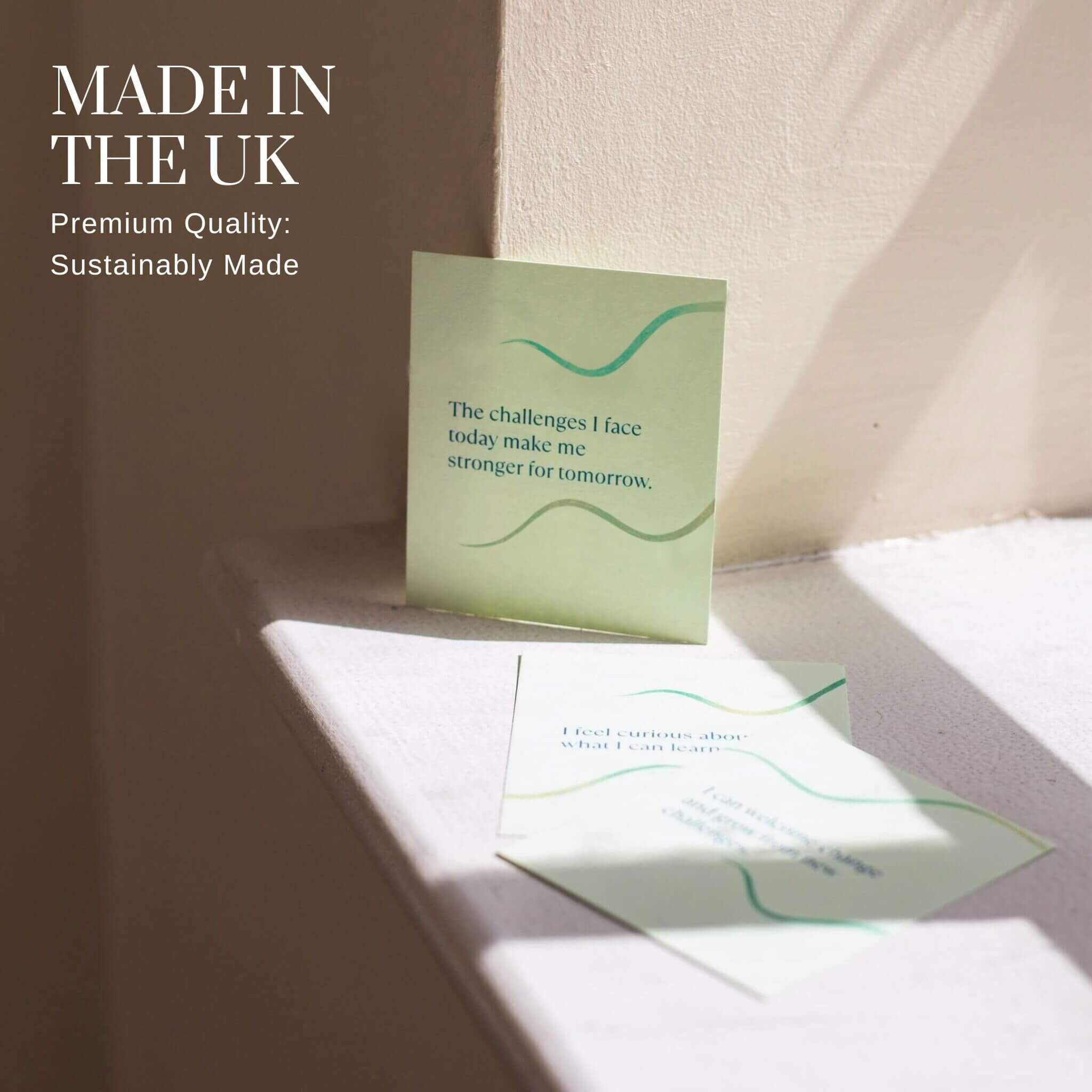
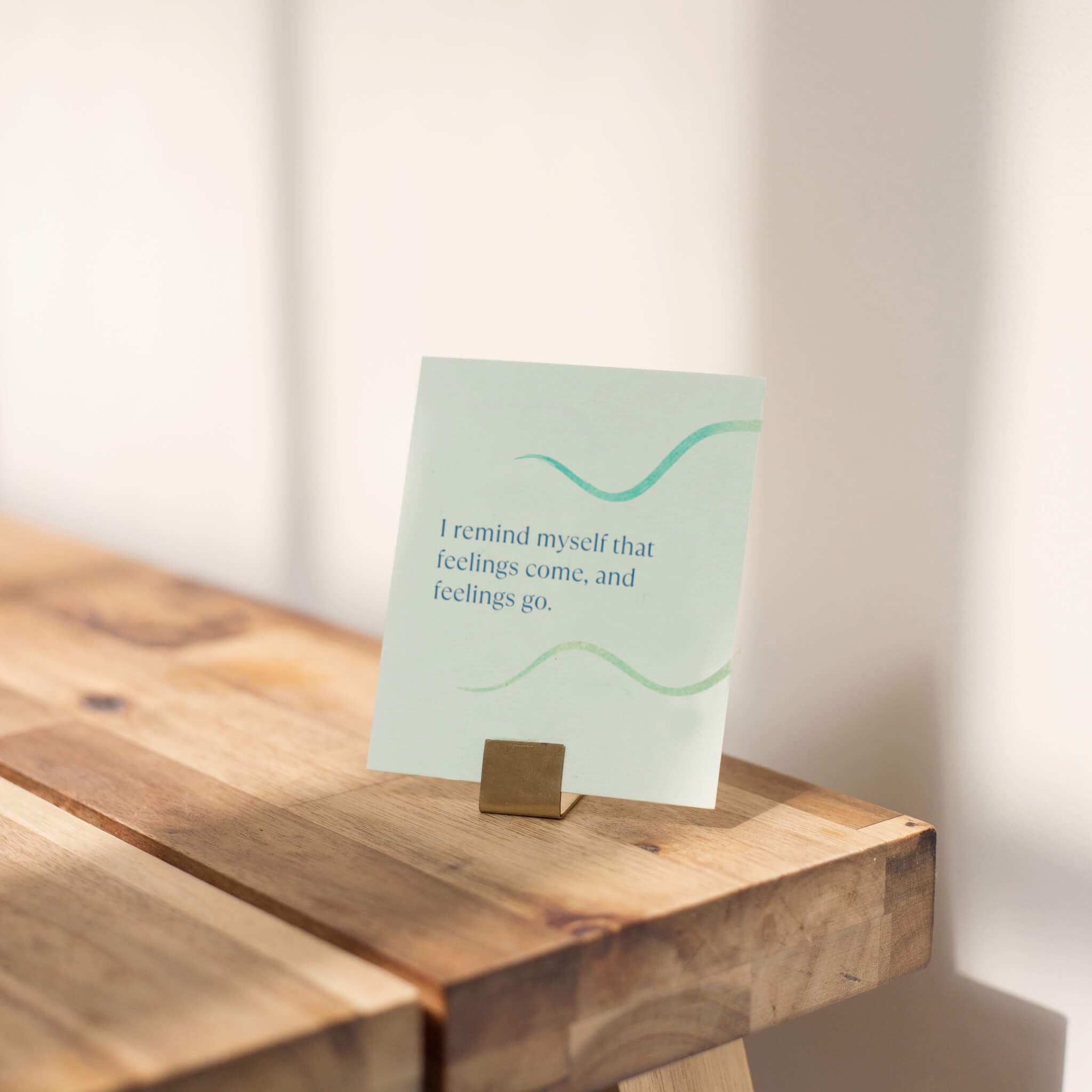
- 60 unique self-compassion affirmations addressing self-worth
- Grounded in Dr. Kristin Neff's self-compassion research and CFT principles
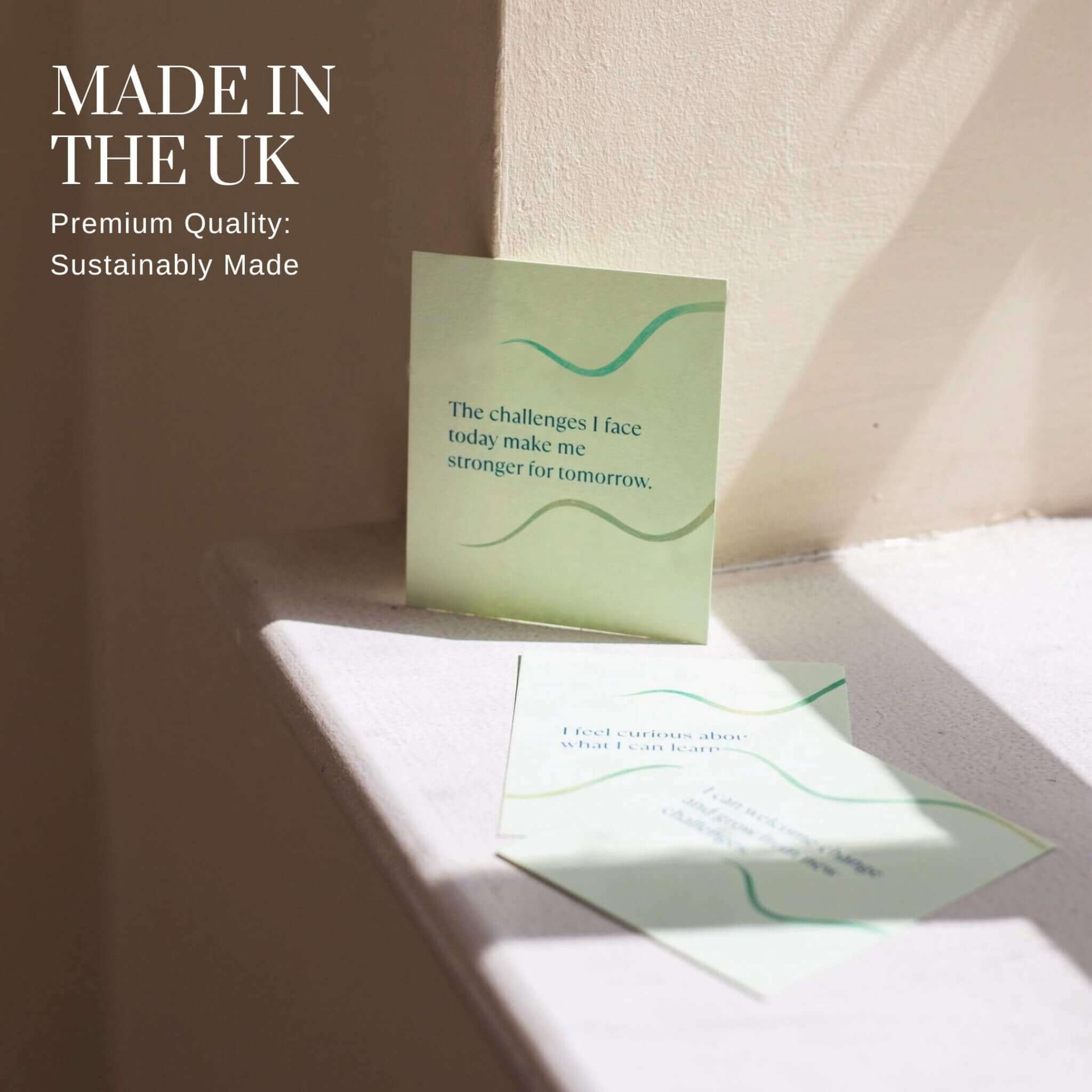
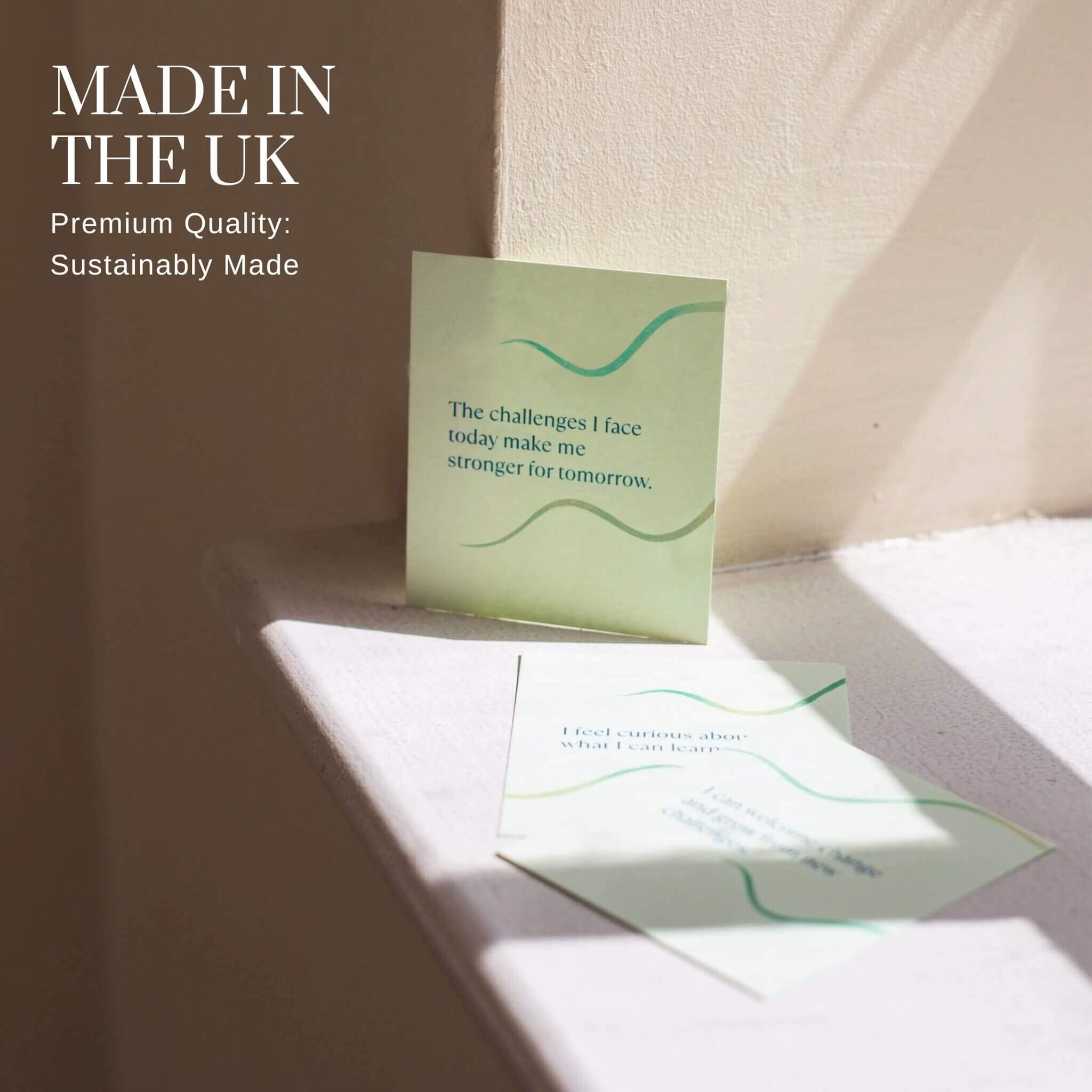
- Beautifully designed on premium cards
- Comes in keepsake box
- Optional brass card stand or copper frame available
- Free gift note available
- £13.95 per set
Shop Self-Compassion Affirmation Cards →
Frequently Asked Questions
Will these work if I really struggle with self-worth?
These cards are specifically designed for people who struggle with self-worth. Unlike generic positive affirmations that can backfire when you don't believe them, these use self-compassion language that acknowledges struggle instead of denying it.
That said, affirmation cards are a tool—not a replacement for therapy if you're experiencing severe depression or anxiety. Many therapists use these cards with their clients as part of therapeutic work. They work well alongside professional support.
What if I don't believe the affirmations?
You don't have to believe them for them to work. This is actually the point—you're creating repeated exposure to a different voice (a kinder one) until that voice becomes more familiar than the critical one. Research on neuroplasticity shows this repeated exposure creates new neural pathways over time.
Start with affirmations that feel slightly less confronting to your critical voice, like "Just because I have a thought, doesn't mean it's true" rather than jumping to "I am worthy now." Work up gradually.
How are these different from other affirmation cards?
Most affirmation cards use self-esteem language ("You're amazing!") which requires you to believe you're special or better than others. These use self-compassion language which acknowledges that worth is unconditional—it doesn't depend on being perfect, successful, or special. This distinction is crucial for people with low self-worth.
Clinically, self-compassion has been shown to be more effective than self-esteem for building lasting self-worth. These cards are grounded in that research.
Can I use these if I'm in therapy?
Absolutely. Many therapists recommend these cards to clients as between-session support. They align with multiple therapeutic modalities including Compassion-Focused Therapy (CFT), Acceptance and Commitment Therapy (ACT), and Cognitive Behavioral Therapy (CBT). Show your therapist the professional reviews page if they want to learn more.
What if self-compassion feels weak or self-indulgent?
This is the most common fear. Dr. Kristin Neff addresses this directly: "Self-indulgence involves choosing short-term pleasure at the expense of long-term harm, and self-compassion always has its eyes on the prize: alleviating suffering."
Research actually shows self-compassion increases motivation and resilience—not decreases it. The harsh inner critic isn't motivating you; it's paralyzing you. Self-compassion provides a stable foundation to grow from.
Read more: Self-Compassion or Self-Indulgence?
How long until I notice a difference?
Most people notice small shifts within 3-4 weeks—catching themselves in harsh self-talk and responding more kindly. Lasting change typically occurs with consistent practice over 2-3 months. The key is repeated exposure, not forcing belief.
Can I give these to someone struggling with self-worth?
Yes, these make a thoughtful gift for someone you care about who's dealing with self-doubt or harsh self-criticism. Consider including a note like: "I thought these might help with the self-talk stuff you mentioned. No pressure to use them, but they're here if you want." Avoid forcing them or monitoring whether they're being used.
Additional Resources on Self-Worth and Self-Compassion
These articles by clinical psychologists provide deeper understanding:
- Why Self-Compassion is More Effective Than Self-Criticism — By Dr. Annabelle Kyle Dortch, PsyD
- Self-Compassion is Not Self-Pity — By Dr. Kristin Neff & Dr. Chris Germer
- Self-Compassion or Self-Indulgence? — By Dr. Kristin Neff
- Is Self-Compassion Natural? — By Dr. Chris Germer
- Do Affirmations Really Work? I Asked 5 Psychologists — Evidence-based overview
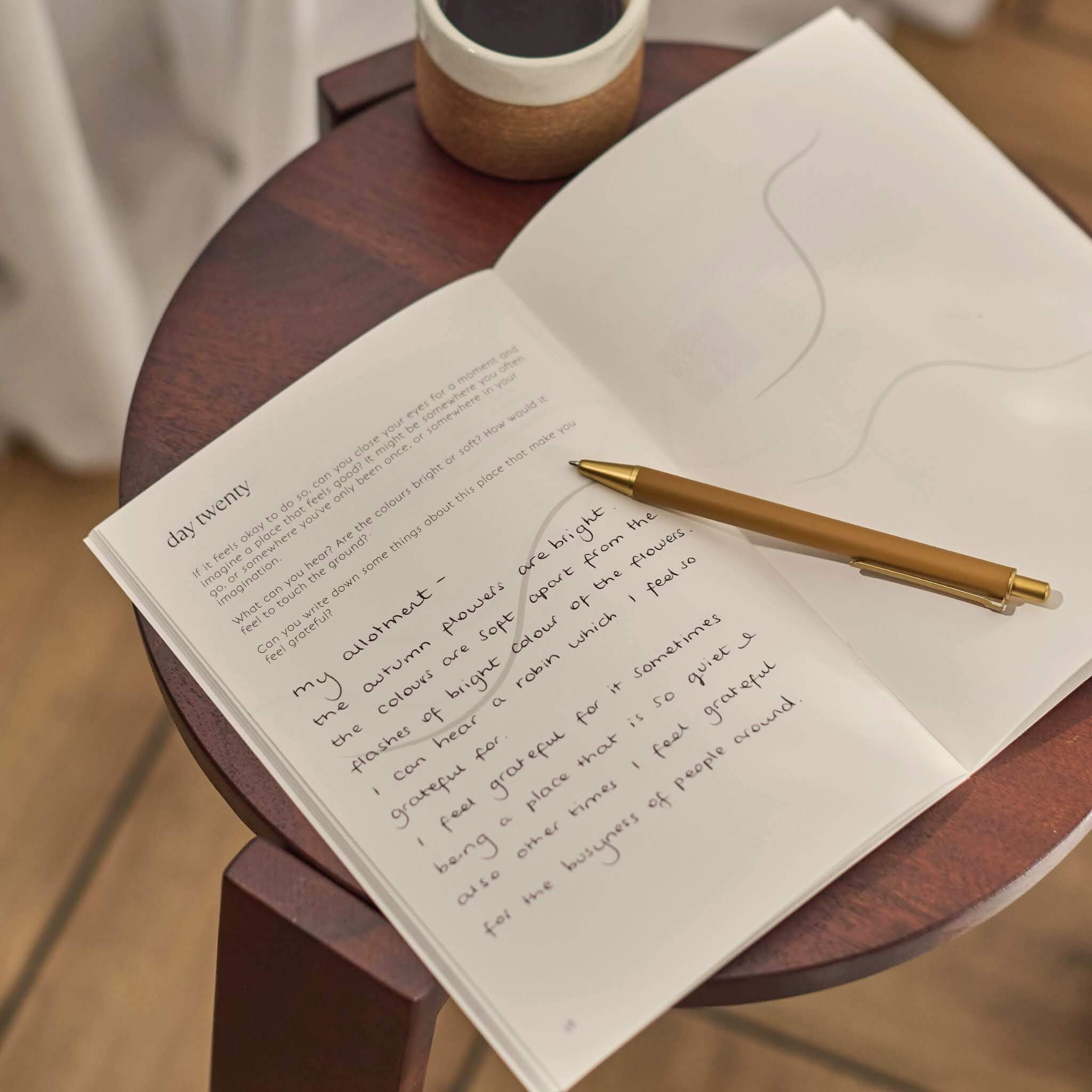
- Journal for Building Self-Worth — For deeper daily practice
- How to Stop Negative Self-Talk — Comprehensive guide
- Why Am I So Mean to Myself? Understanding Your Inner Critic


“I instantly feel a sense of groundedness and calm”
Affirmations can be so helpful along our healing journey. And these affirmations are truly so beautiful and powerful! When I read them, I instantly feel a sense of groundedness and calm. They are wonderful reminders for when I need to slow down and reconnect with myself. I also love that they are centered around having more compassion and kindness for ourselves. I will definitely be utilizing these with my clients, as well as practicing them myself. Thank you so much Rachel!