





Quick Answer: What Is a Mindfulness Journal?
A mindfulness journal is a tool for developing present-moment awareness through reflective writing. Unlike journals focused on planning, mindfulness journaling helps you notice thoughts, emotions, and patterns without judgment—practicing core mindfulness principles on paper.
Key characteristics:
- Focuses on awareness (not problem-solving or goal-setting)
- Validates all emotions (not just positive ones)
- Integrates self-compassion (essential for sustainable practice)
- Develops observation skills (noticing without immediately reacting)
- Based on mindfulness principles (presence, non-judgment, acceptance)
Jump to what matters to you:
As a qualified meditation teacher who experienced how Compassion-Focused Therapy deepened my own mindfulness practice, I wanted to understand: What actually makes journaling "mindfulness"? Is it just wellness marketing, or is there something genuinely different?
What Mindfulness Journaling Is (And What It's Not)
✓ Mindfulness Journaling IS:
- Present-moment awareness — Noticing what's arising now
- Emotional exploration — "What am I feeling?" with curiosity
- Non-judgmental observation — Noticing thoughts without labeling them "good" or "bad"
- Self-compassion practice — Responding to yourself with kindness
- Being with difficulty — Sitting with uncomfortable emotions rather than avoiding them
- Body awareness — Noticing physical sensations
- Acceptance — Allowing experience to be as it is
✗ Mindfulness Journaling Is NOT:
- Goal-setting — Planning or productivity tracking
- Problem-solving — Analyzing or figuring out solutions
- Venting — Unloading complaints without awareness
- Forced positivity — Only focusing on "good" emotions
- Self-criticism — Judging yourself for what you notice
- Rumination — Getting lost in repetitive thinking
- Just gratitude lists — While gratitude can be part of mindfulness, rigid lists alone aren't mindfulness practice
The key difference: Mindfulness journaling develops awareness of your inner experience. Other journaling develops strategies for dealing with life. Both are valuable, but they serve different purposes.
Mindfulness journaling asks:
- "What am I noticing right now?"
- "What emotions are present?"
- "Where do I feel this in my body?"
- "Can I be curious about this experience?"
Rather than:
- "What should I do about this?"
- "Why does this always happen to me?"
- "How can I fix this feeling?"
- "What goals should I set?"
Want to Try Mindfulness Journaling? Here's What to Look For
Not all journals labeled "mindfulness" actually support mindfulness practice. Many just add the word "mindfulness" to regular journals. Here's what genuinely makes a journal mindfulness-based:
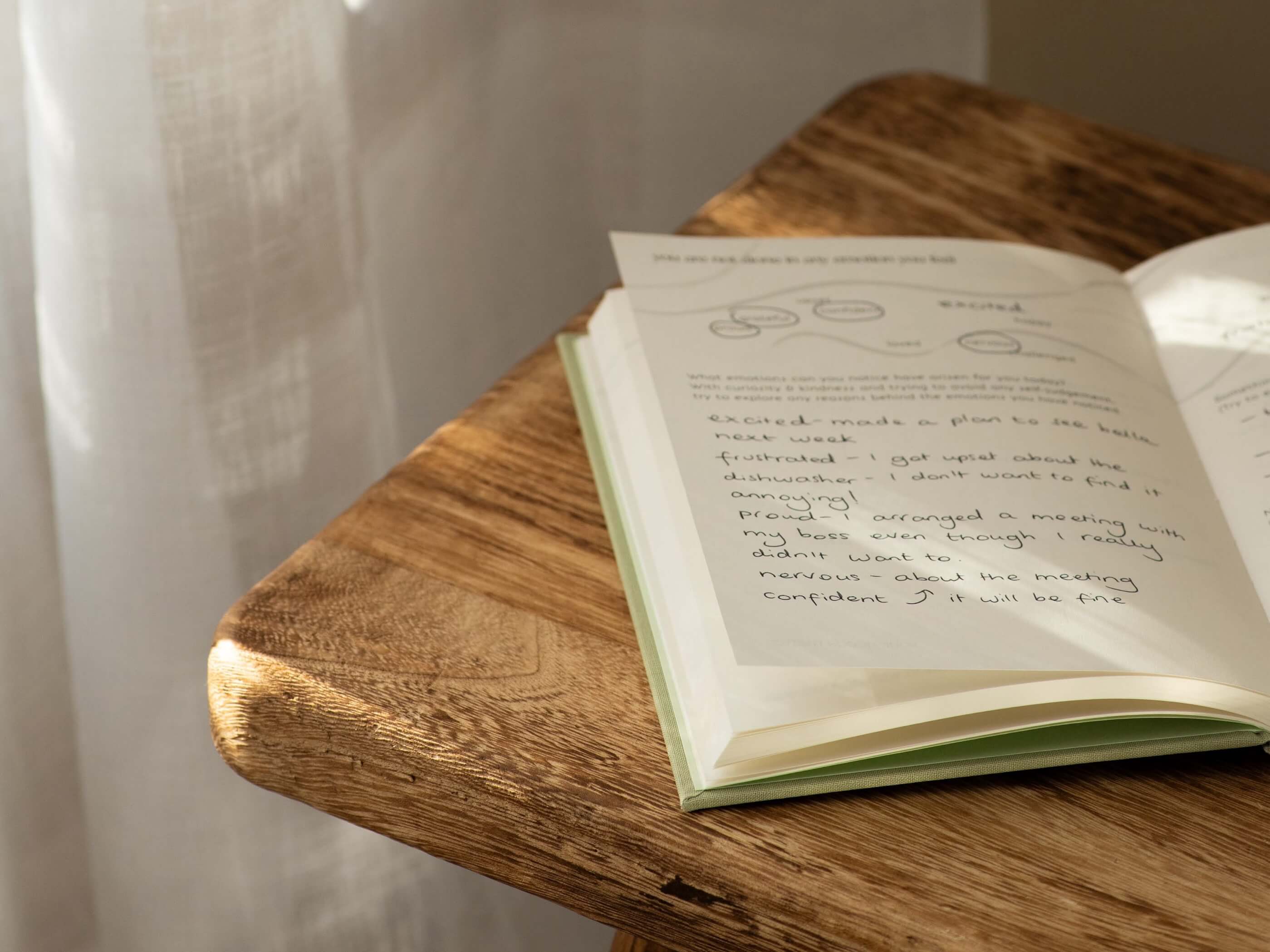
- ✓ Emotional awareness tools — Visual guides to help identify emotions (not just blank pages or generic prompts)
- ✓ Self-compassion integration — Prompts that help you respond kindly to yourself
- ✓ Varied prompts — Prevents mechanical journaling; keeps you genuinely engaged
- ✓ Validates all emotions — No toxic positivity; acknowledges difficulty is part of life
- ✓ Undated format — Removes guilt for missed days (essential for sustainable practice)
- ✓ Expert-designed — Created by people who understand mindfulness principles, reviewed by psychologists
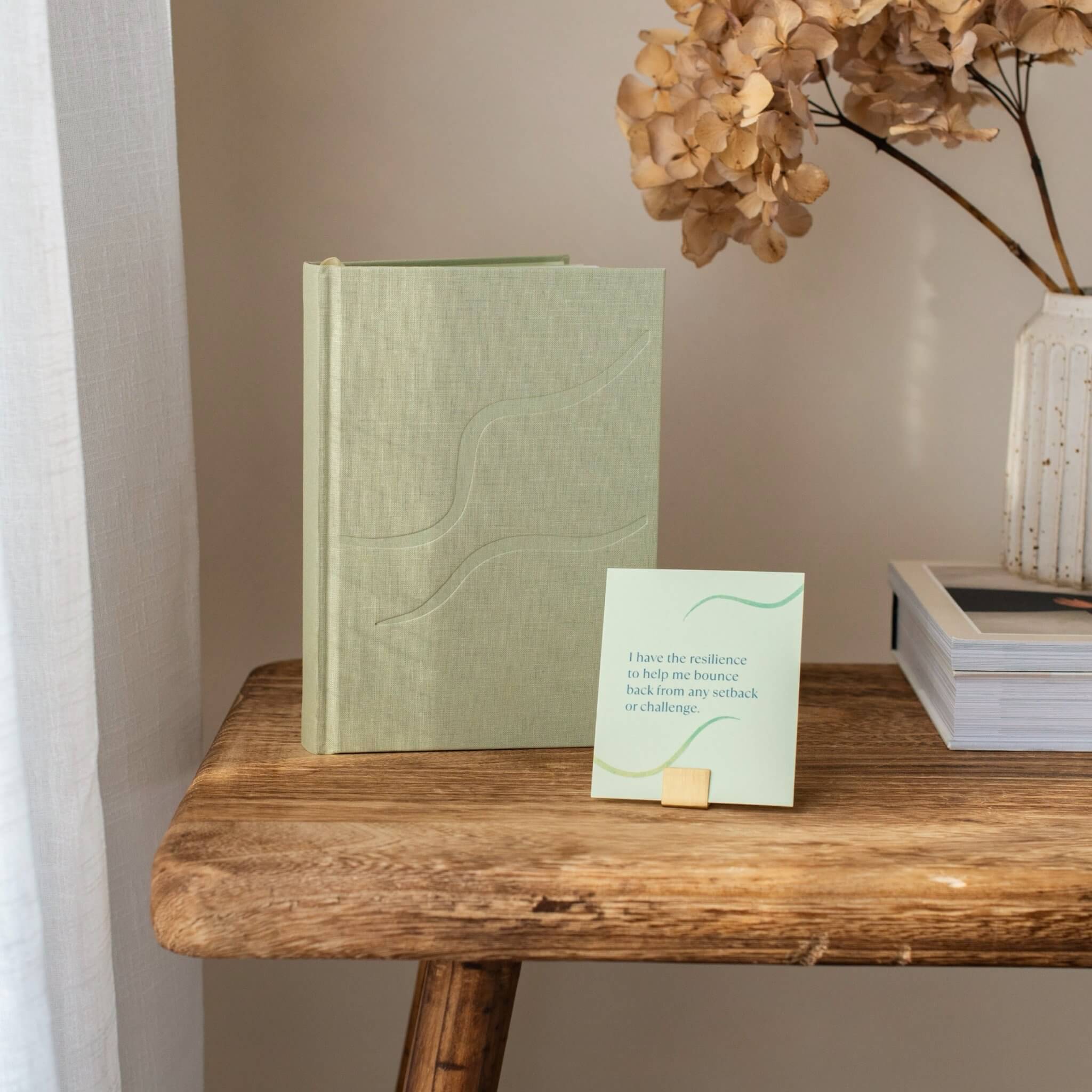
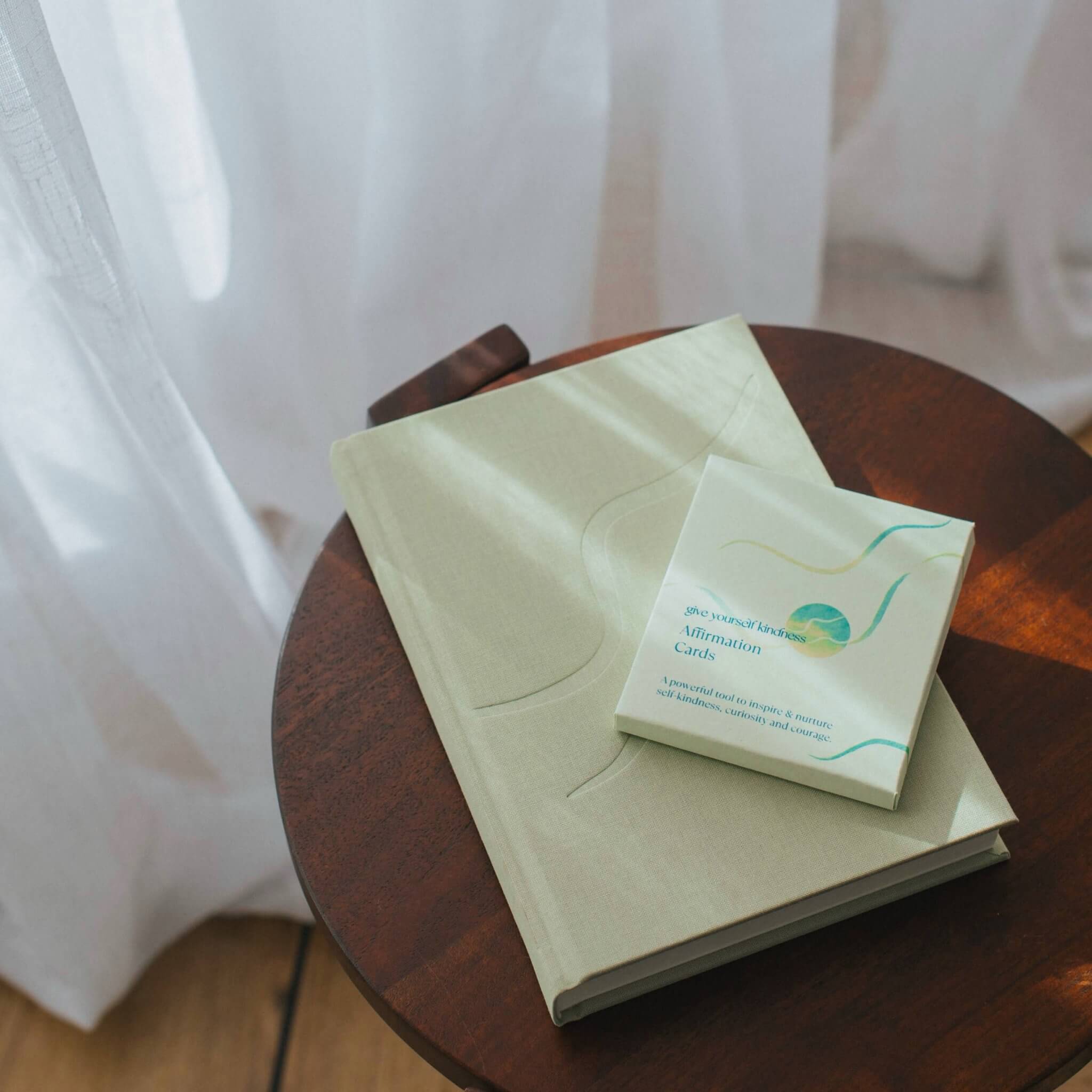
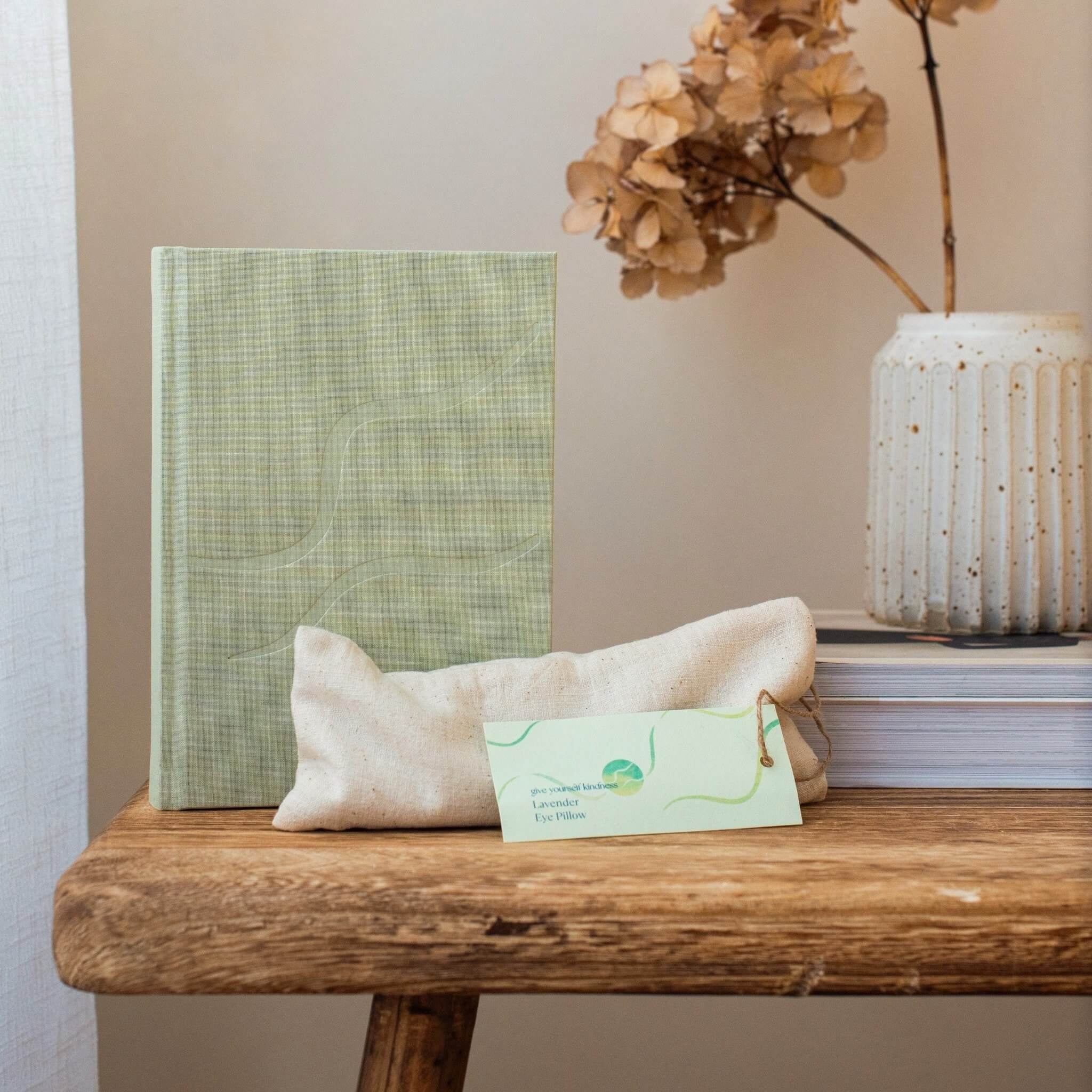
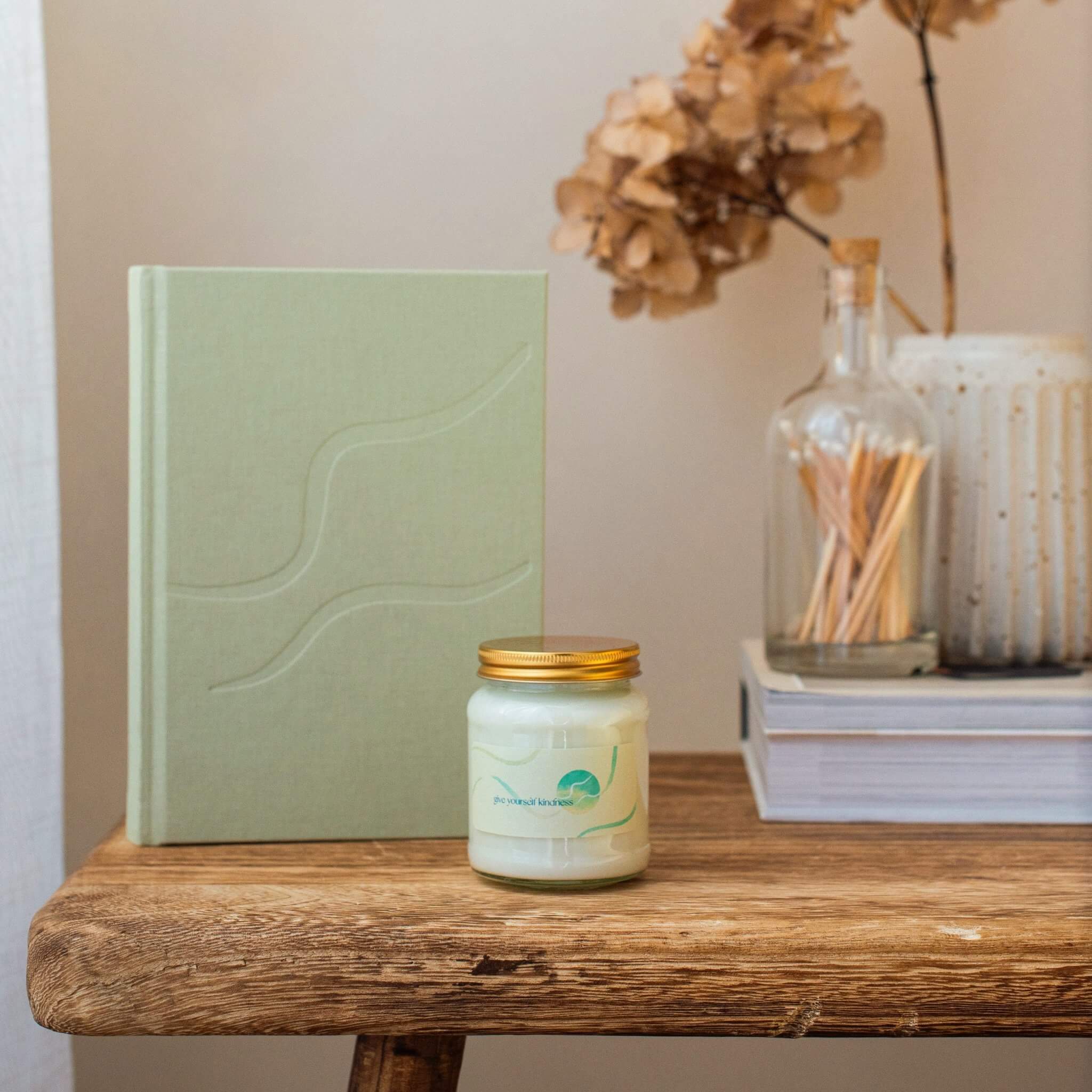
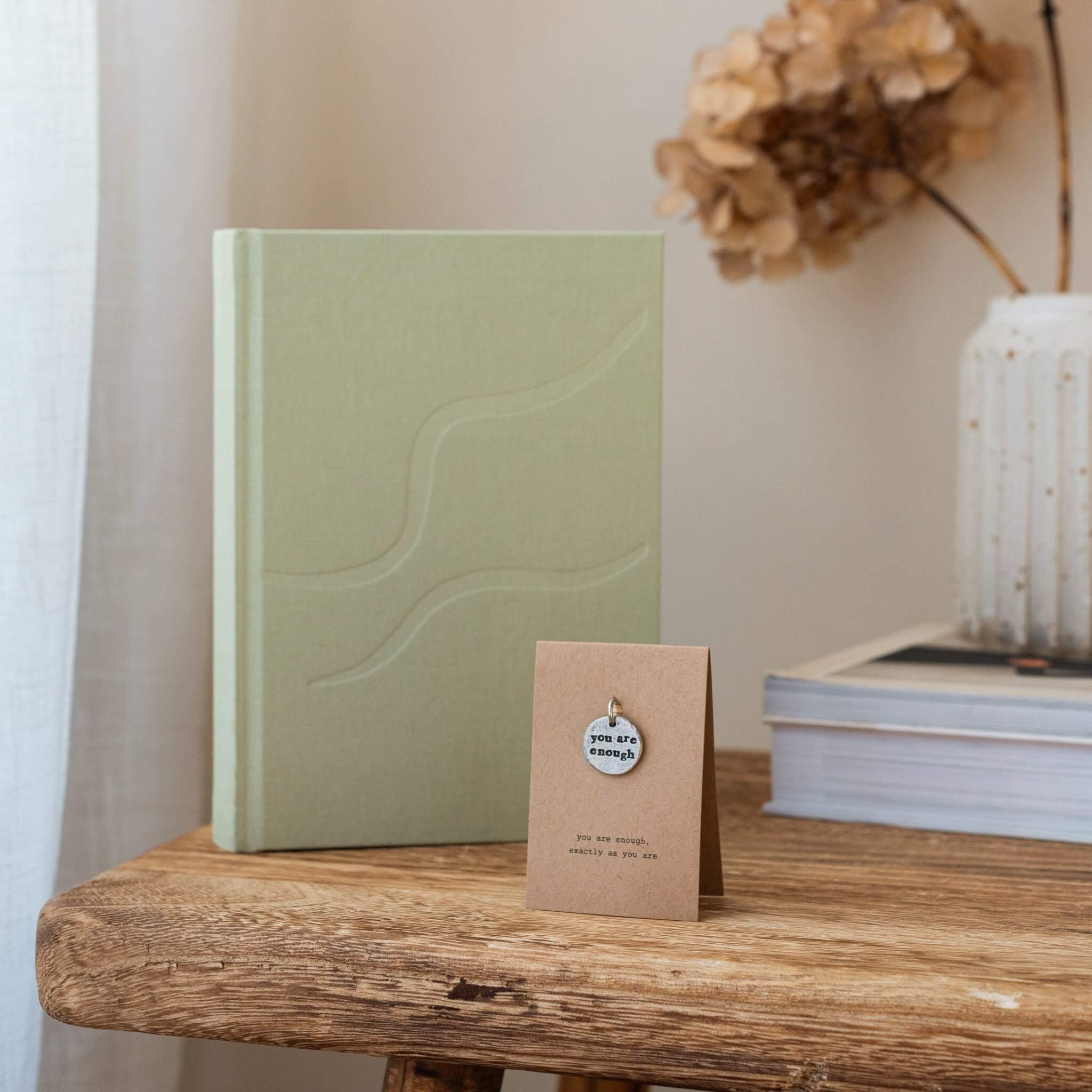
The Give Yourself Kindness Journal meets all these criteria and is recommended by clinical psychologists from Harvard Medical School and Oxford University. It was designed by a qualified meditation teacher specifically to integrate the six core mindfulness principles.
Explore The Give Yourself Kindness Journal →
Or compare different mindfulness journals to find your best match.
How Mindfulness Journaling Is Different from Therapy Journaling
Both are valuable, but they serve different purposes:
Mindfulness Journaling
- Purpose: Develop present-moment awareness
- Focus: Noticing what's arising now
- Approach: Non-judgmental observation
- Goal: Be with experience as it is
- Time frame: Present moment
- Example: "I notice frustration arising. Where do I feel it? Can I be curious about it?"
Therapy/Processing Journaling
- Purpose: Process and understand experiences
- Focus: Analyzing patterns and causes
- Approach: Exploration and insight
- Goal: Understand and heal from past experiences
- Time frame: Often past-focused
- Example: "Why do I keep feeling this way? What patterns do I notice?"
Both are important. Mindfulness journaling develops awareness; therapy journaling develops understanding. Many people benefit from both—and therapists often use mindfulness journals (like Give Yourself Kindness) with their clients alongside therapeutic processing.
Important: If you're experiencing trauma, severe anxiety, or depression, please work with a qualified therapist. Mindfulness journaling supports therapy but doesn't replace it.
How to Start Mindfulness Journaling
If you're new to mindfulness journaling, here's how to begin:
1. Choose a Journal Designed for Mindfulness
Look for the characteristics listed above. Want help choosing? Read the complete comparison: Best Mindfulness Journals: A Meditation Teacher's Guide →
2. Start Small (5-10 Minutes)
You don't need to write pages. Even brief, consistent practice matters. Clinical psychologists note that even 60 seconds of intentional awareness is meaningful mindfulness practice.
3. Let Go of "Doing It Right"
There's no perfect way to journal. Some days you'll write more, some days less. The goal is awareness, not performance.
4. Be Curious, Not Critical
When difficult emotions or thoughts arise, approach them with curiosity: "Isn't that interesting..." rather than judgment: "I shouldn't feel this way."
5. It's Okay to Miss Days
Missing days doesn't mean you're failing at mindfulness—it means you're human. This is why undated journals matter. They welcome you back without guilt.
Common Questions About Mindfulness Journaling
Do I need meditation experience to start mindfulness journaling?
No. Mindfulness journaling actually teaches mindfulness principles as you practice. It's an accessible entry point to mindfulness—you don't need to sit on a cushion for an hour to develop awareness.
Many people find journaling easier than formal meditation when starting out because writing gives your mind something to focus on.
Can journaling replace meditation?
Mindfulness journaling IS a form of mindfulness practice—not a replacement for meditation, but a different approach to developing the same skills.
Many people do both: sitting meditation for cultivating stillness and journaling for processing emotions. They complement each other beautifully.
How is mindfulness journaling different from gratitude journaling?
Gratitude journals focus specifically on appreciating positive things. Mindfulness journals have a broader focus: awareness of all experiences—pleasant, unpleasant, and neutral.
Mindfulness journaling can include gratitude, but in flexible ways that don't dismiss difficult emotions. Research shows gratitude works best when it feels authentic—not when you're forcing yourself to list "3 things" while genuinely struggling.
What if mindfulness journaling brings up difficult emotions?
This is actually a sign it's working. Mindfulness helps you become aware of emotions you might have been avoiding or suppressing.
Research shows that acknowledging difficult emotions (rather than suppressing them) is essential for mental health. The goal isn't to make them disappear—it's to be with them compassionately.
Important: If emotions feel overwhelming, please work with a qualified therapist. Journaling supports therapy but doesn't replace it.
How long should I journal each day?
There's no "should." Clinical psychologists explain that even 60 seconds of intentional awareness counts as meaningful practice.
Most people spend 5-10 minutes with mindfulness journaling. Some days you might write more, some days less. The key is bringing awareness to the process—not hitting a time target.
Can mindfulness journaling help with anxiety or stress?
Mindfulness-based practices (including journaling) have been shown to help with anxiety and stress. Research shows that journaling helps process emotions, reduce rumination, and increase self-awareness—all of which support mental health.
However, journaling is a supportive tool, not a replacement for professional help. If you're struggling with severe anxiety, please work with a qualified therapist.
Many therapists use mindfulness journals with their clients as a complementary tool.
Want to Go Deeper? Understanding the Psychology Behind Mindfulness Journaling
The sections below explore the research and principles behind mindfulness journaling. This is optional reading for those who want to understand the "why" behind the practice.
The 6 Core Mindfulness Principles in Journaling
For journaling to genuinely be "mindfulness," it needs to integrate core mindfulness principles:
1. Present-Moment Awareness
In meditation: You bring attention to your breath, noticing when the mind wanders and gently returning.
In journaling: Prompts focus on what's arising NOW—"What emotions are you noticing today?" not "What's your 5-year plan?"
2. Non-Judgment
In meditation: You notice thoughts without labeling them "good" or "bad"—they're just thoughts.
In journaling: The journal validates all emotions: "No emotion is wrong" and "All emotions are valid."
3. Acceptance
In meditation: You allow whatever arises—sounds, sensations, thoughts—without trying to change them.
In journaling: You write about difficult emotions without immediately problem-solving.
4. Beginner's Mind
In meditation: You approach each session fresh, without expectations.
In journaling: Undated journals remove pressure. Each time you return, it welcomes you back without judgment.
5. Letting Be
In meditation: You observe thoughts and emotions without getting caught up in them.
In journaling: You notice patterns over time without immediately trying to change them.
6. Self-Compassion
In meditation: When your mind wanders, you bring it back gently—not harshly.
In journaling: Prompts help you practice self-kindness: "What would you say to a friend feeling this way?"
How Mindfulness Journaling Supports Your Practice (The Research)
Develops Emotional Awareness
One of the core skills in mindfulness is noticing emotions as they arise—without immediately reacting to them.

Dr. Kristin Neff, PhD
Associate Professor, University of Texas at Austin | Pioneer of self-compassion research
"There are a number of techniques to help us 'be with' difficult emotions in a tender manner without resisting or being overtaken by them... These practices aren't strategies to get rid of difficult emotions; they just allow us to establish a new relationship to them."
How journaling helps: Structured prompts help you notice and name emotions—building the same awareness you'd develop in meditation, but through writing.
Cultivates Self-Compassion
Research shows that self-compassion is essential for sustainable mindfulness practice.

Dr. Annabelle Kyle Dortch, Psy.D.
Clinical Psychologist
"When we engage in self-criticism, we create a nervous system and brain state that is not conducive to learning or facilitating a growth-oriented mindset."
How journaling helps: Mindfulness journals include prompts that help you practice responding to yourself with kindness.
Creates Space for Present-Moment Awareness

Dr. Michelle Chung
Clinical Psychologist
"What if self-care didn't require a two-hour yoga class, a tropical retreat, or even an uninterrupted evening? What if self-care could be found and fully embraced in the tiniest moments? Mindfulness offers a way to refill our inner well without waiting for the perfect conditions."
How journaling helps: Taking 5-10 minutes to journal brings you into the present moment.
Reduces Rumination Through Structured Awareness

Dr. Josh Mirmelli
Licensed Psychologist
"Journaling can significantly boost mental health and well-being. When you write about your thoughts and feelings, it creates a safe, private space for your emotions, allowing you to understand and manage them better."
How journaling helps: Instead of thinking in circles, you're bringing structured awareness to emotions.
Different Approaches to Mindfulness Journaling
Just as there are different meditation techniques, there are different approaches to mindfulness journaling:
- Emotional Awareness Journaling — Noticing and naming emotions throughout your day
- Self-Compassion Journaling — Practicing kindness toward yourself during difficulty
- Body Awareness Journaling — Noticing where emotions live in your body
- Thought Observation Journaling — Noticing thought patterns without getting caught in them
- Gratitude Within Mindfulness — Noticing appreciation with full presence (not rigid lists)
- Difficulty and Growth Journaling — Sitting with challenges without trying to fix them
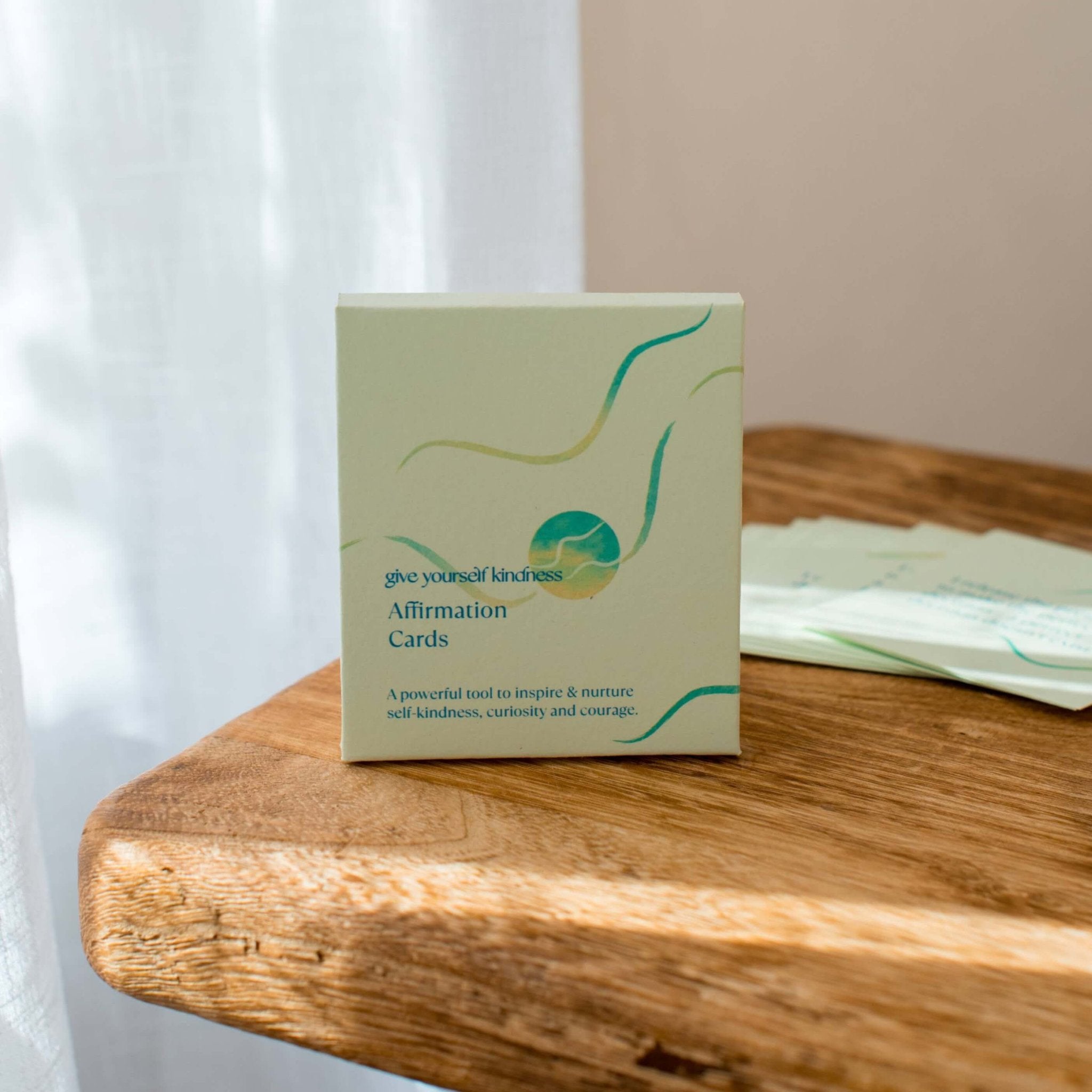
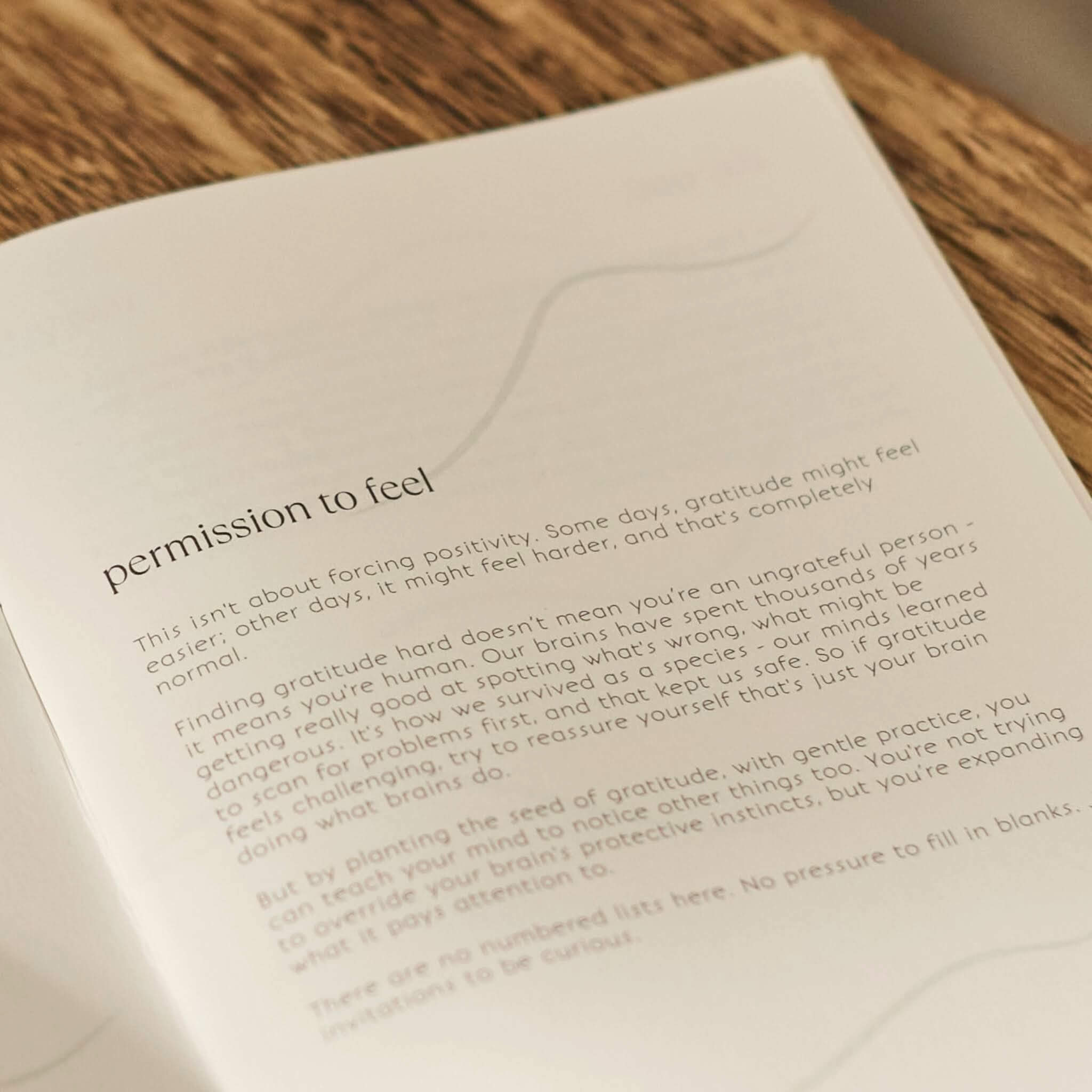
The Give Yourself Kindness journal rotates through these approaches—90 unique prompts covering all six approaches to keep you genuinely engaged.
The Expert-Recommended Mindfulness Journal
The Give Yourself Kindness journal was designed by a qualified meditation teacher specifically to integrate all six mindfulness principles—and reviewed by clinical psychologists to ensure it genuinely supports practice.
What Makes It Different:
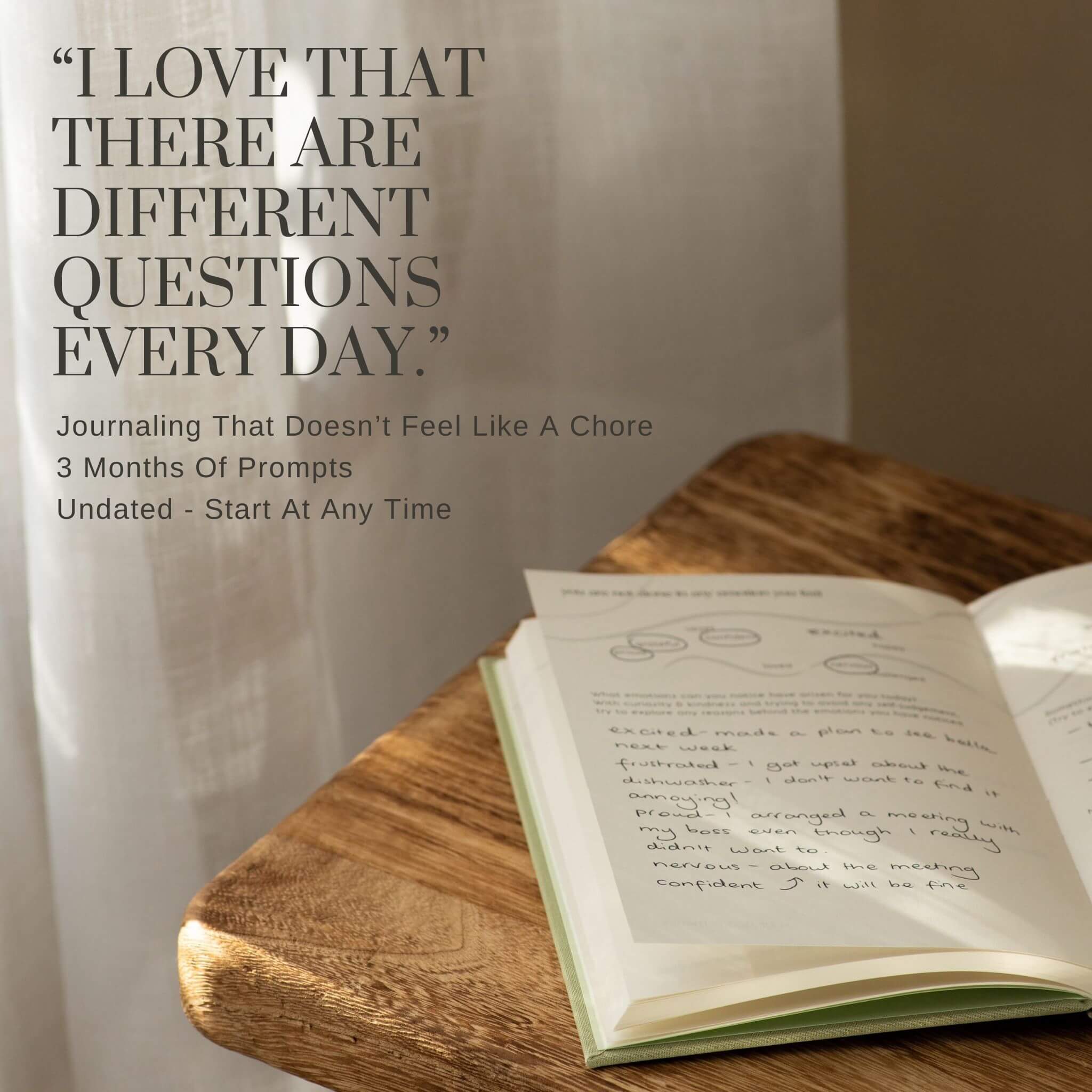
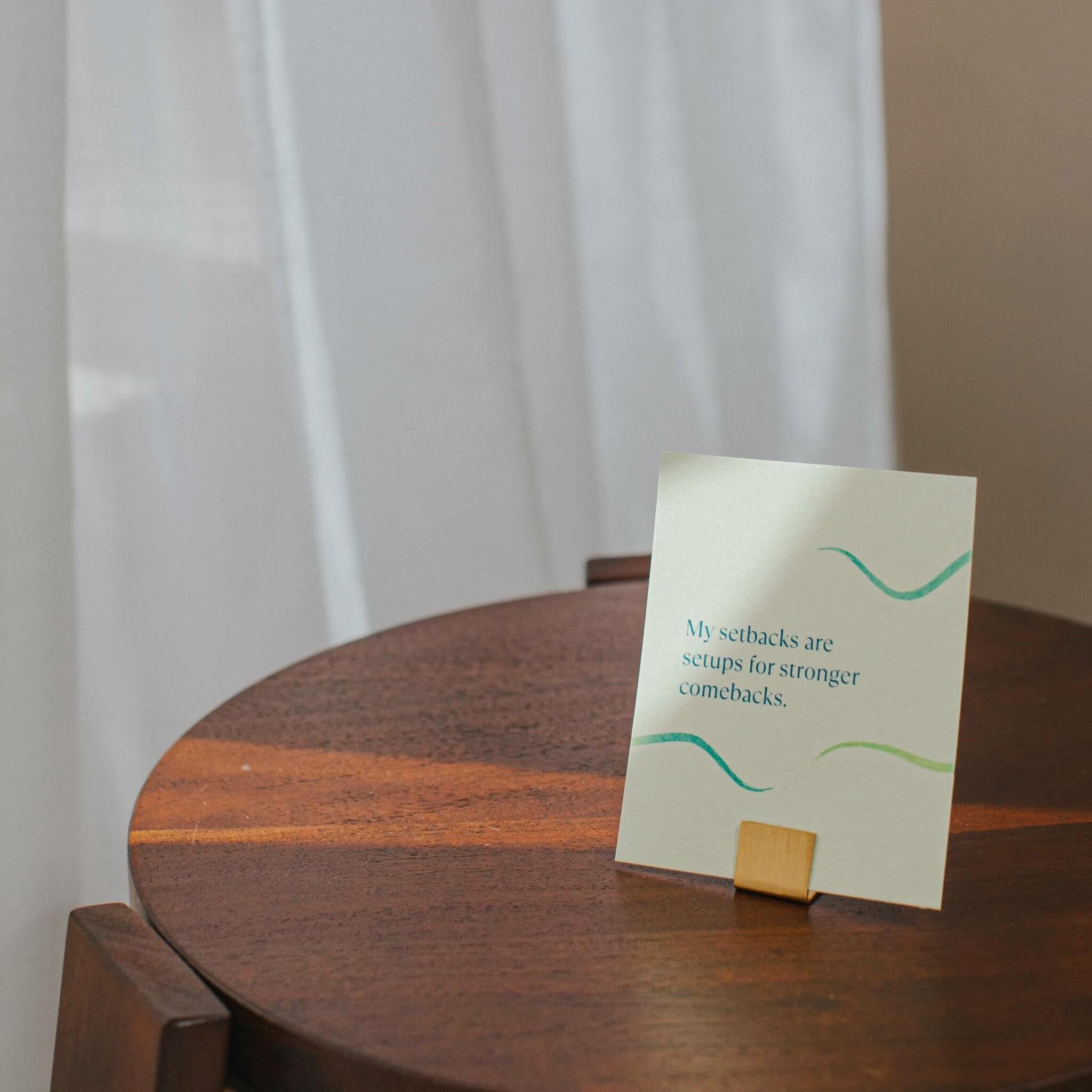
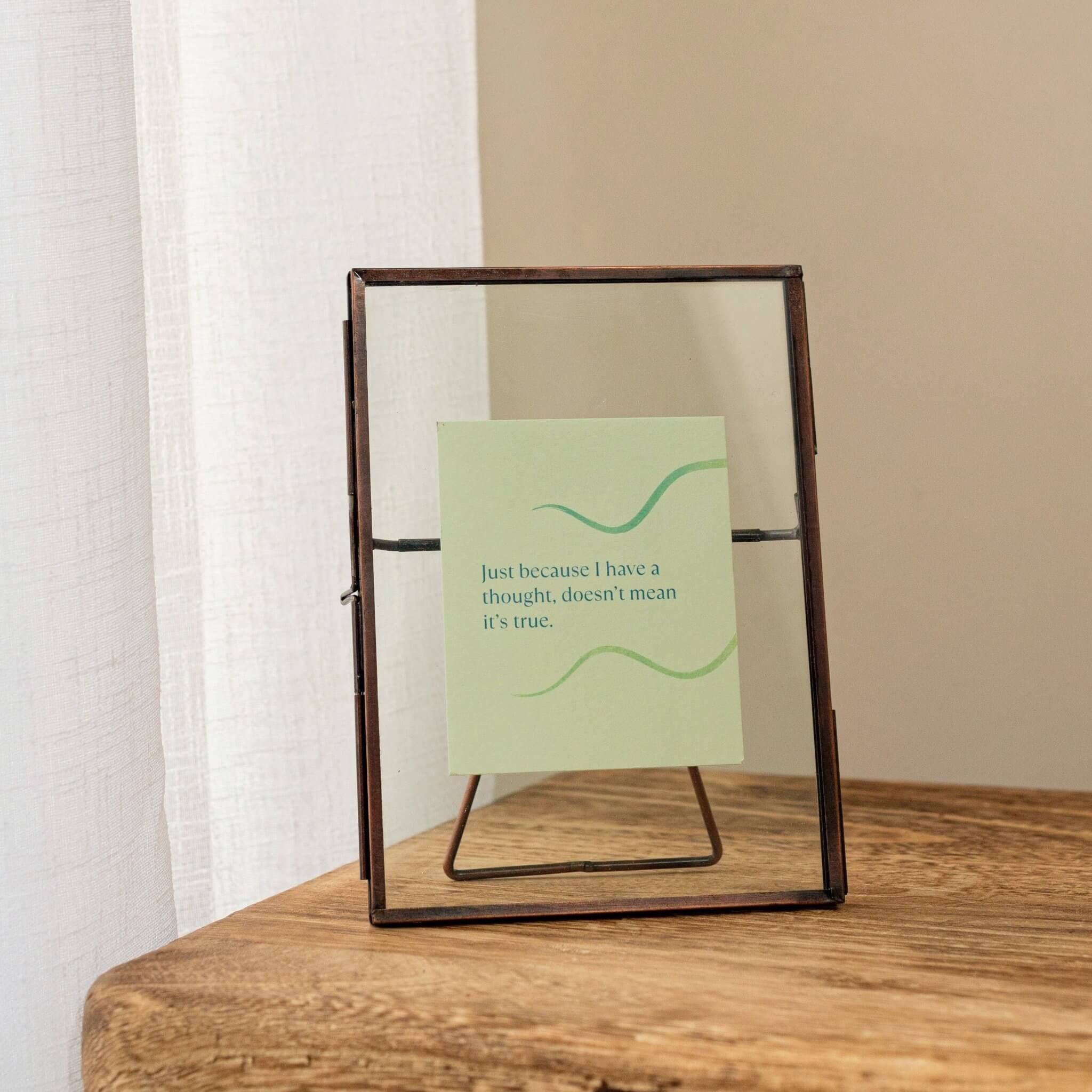
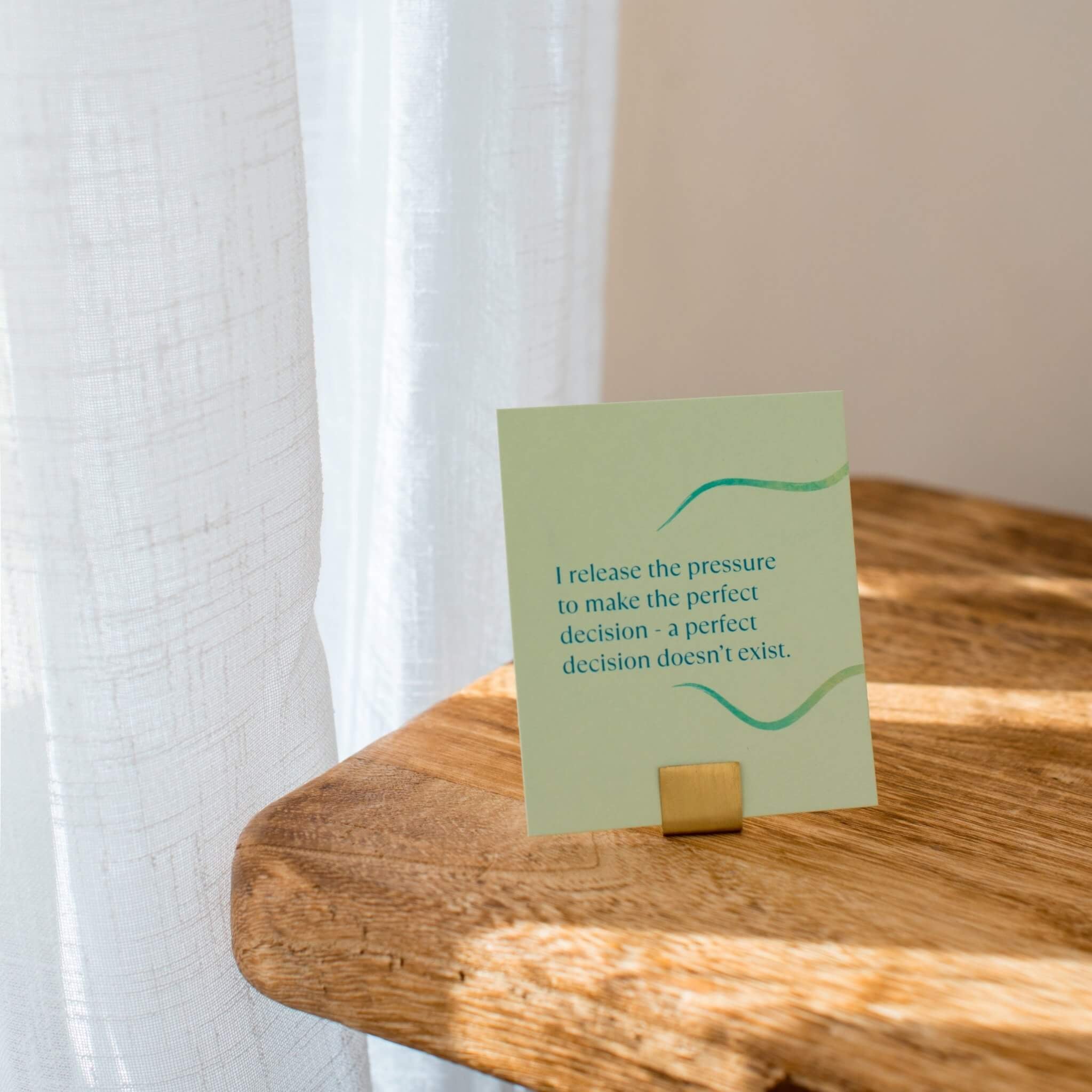
- 90 completely unique prompts — Never repetitive; rotating through emotional awareness, self-compassion, gratitude, and mindfulness exercises
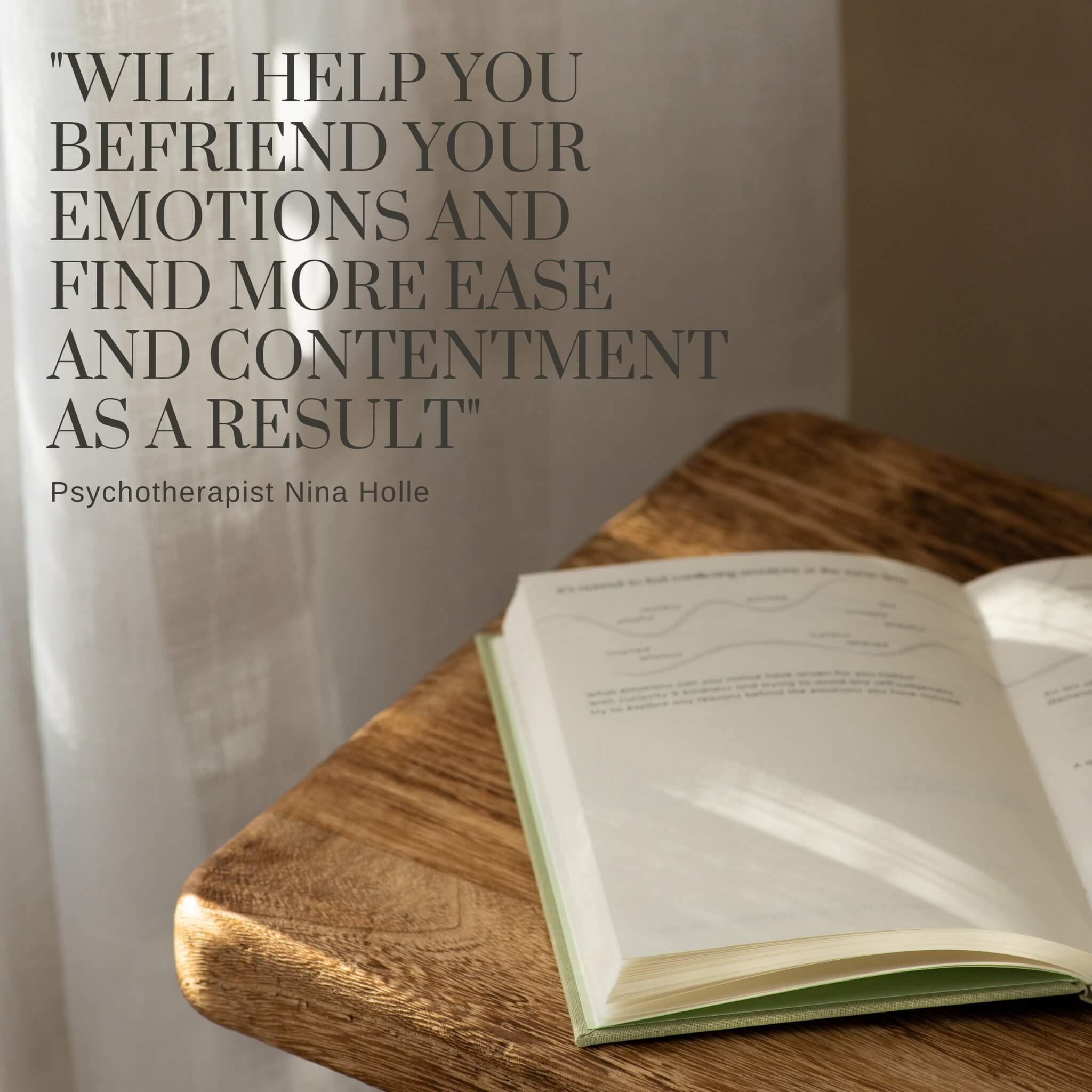
- Emotional awareness tool on every page — Visual guide to help identify emotions beyond "good/bad"
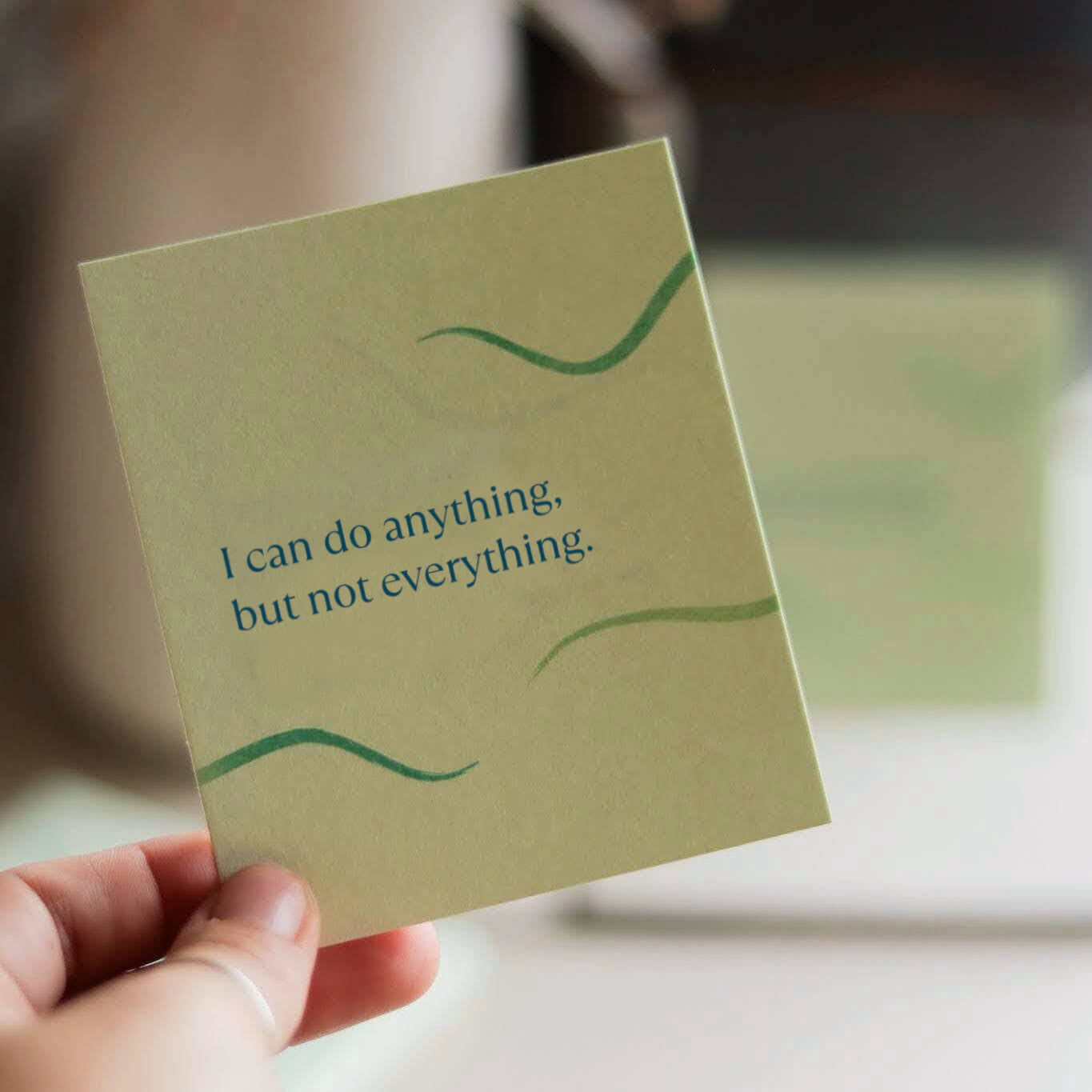
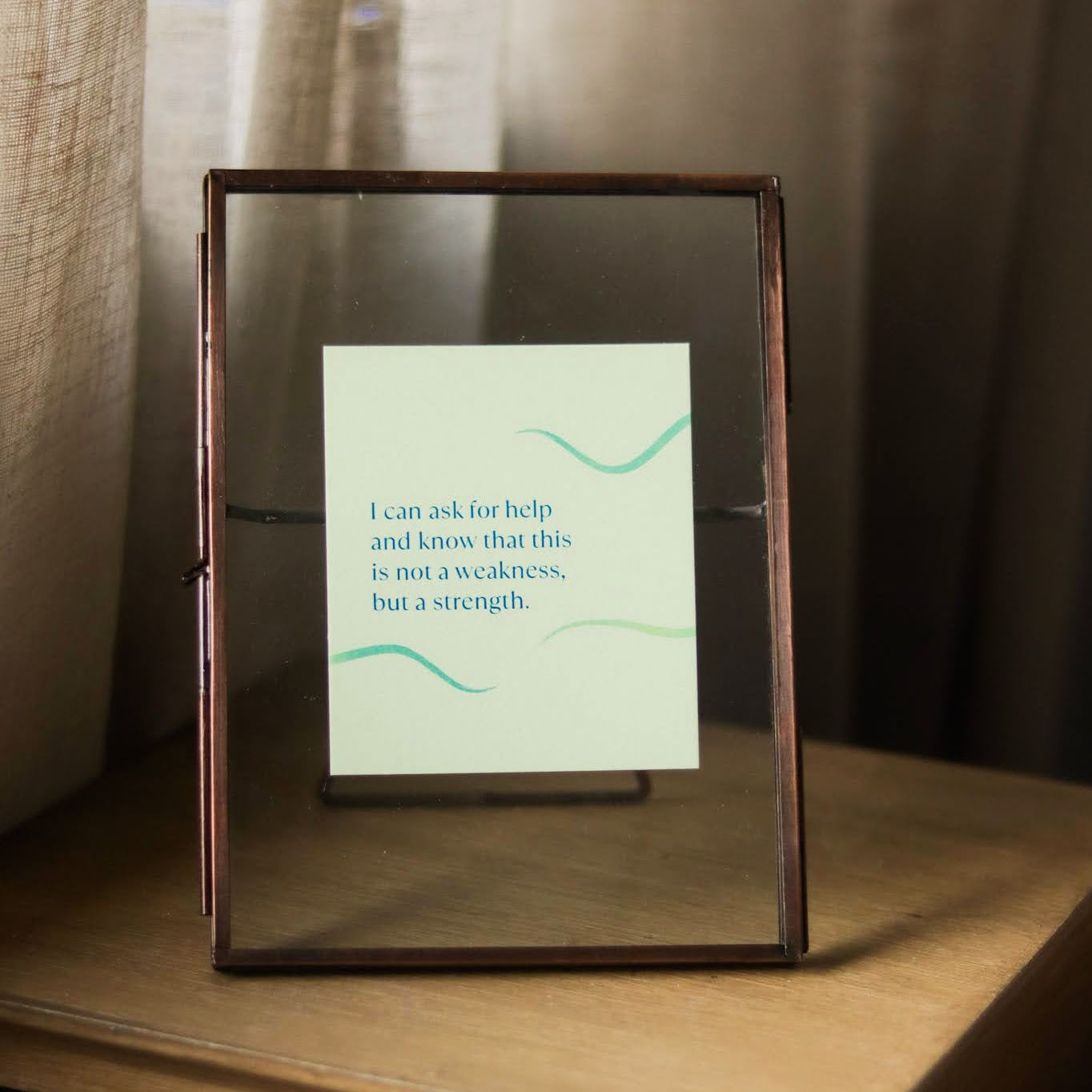
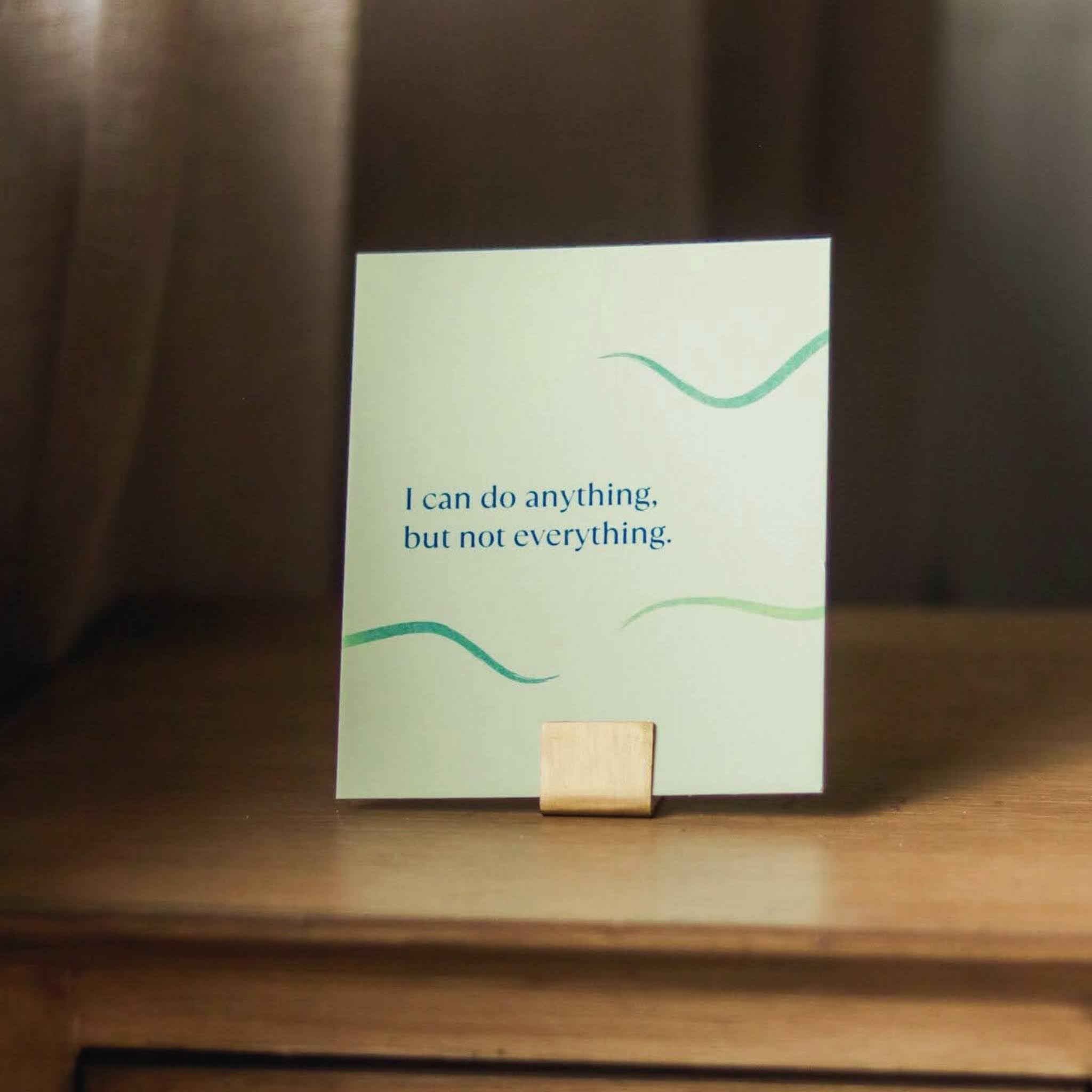
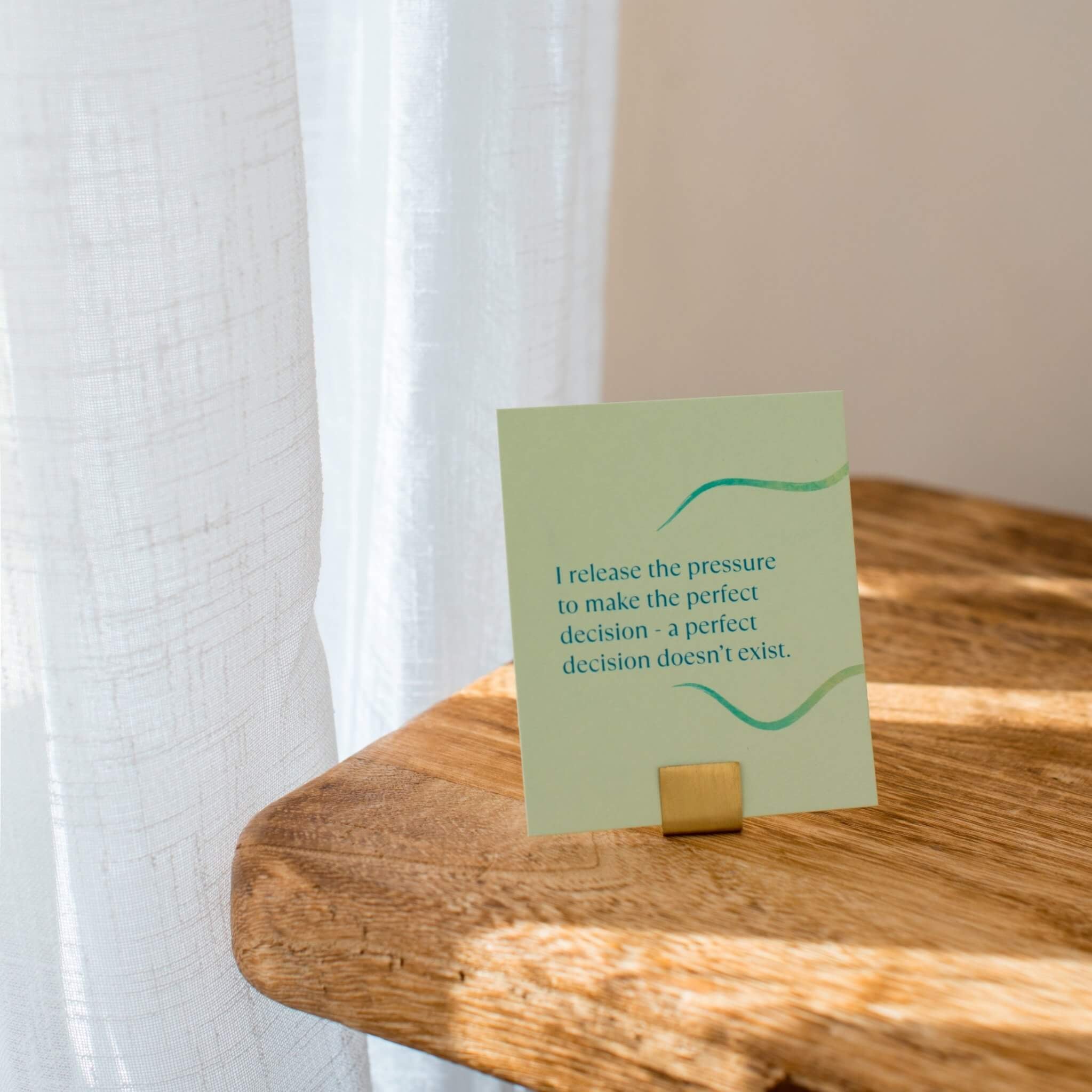
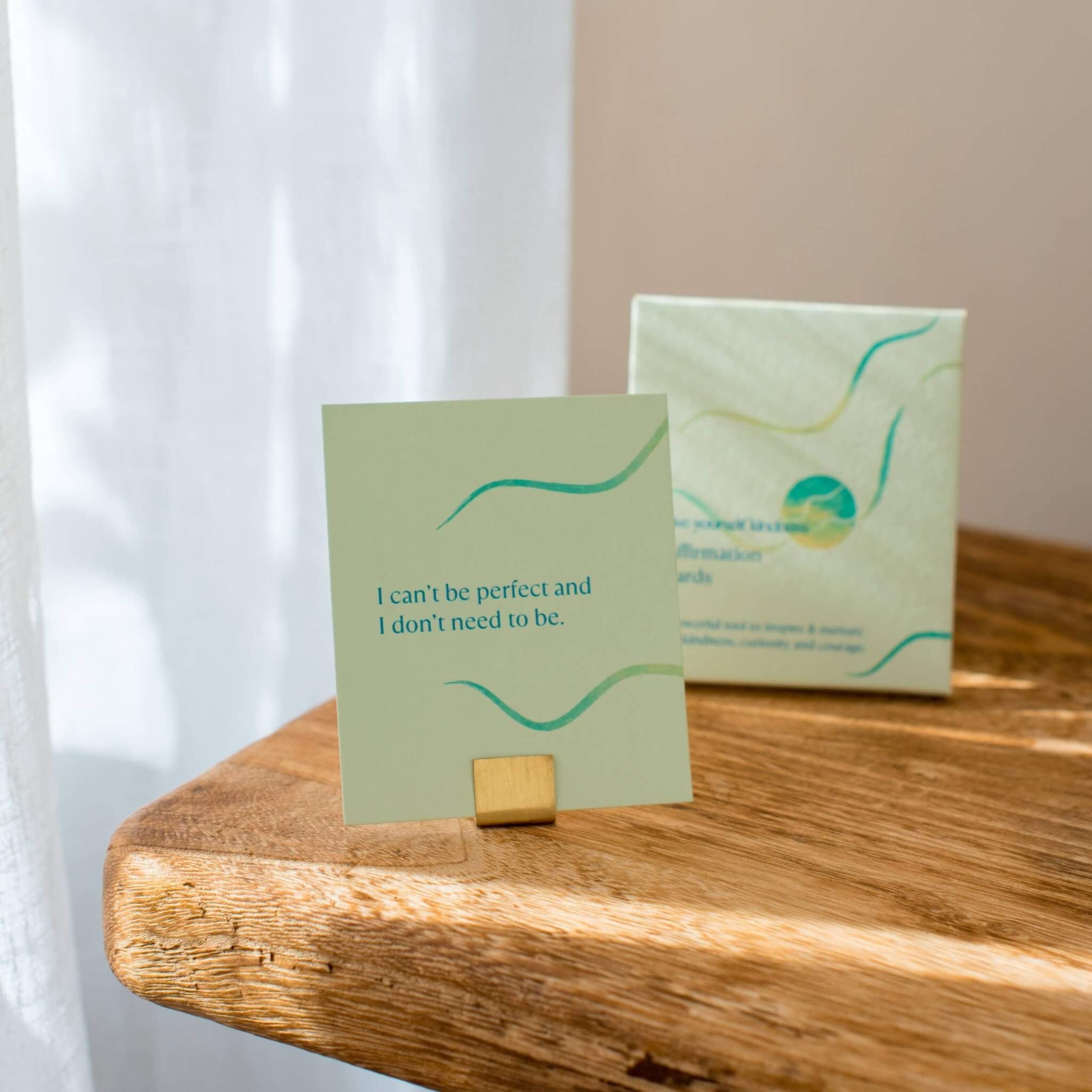
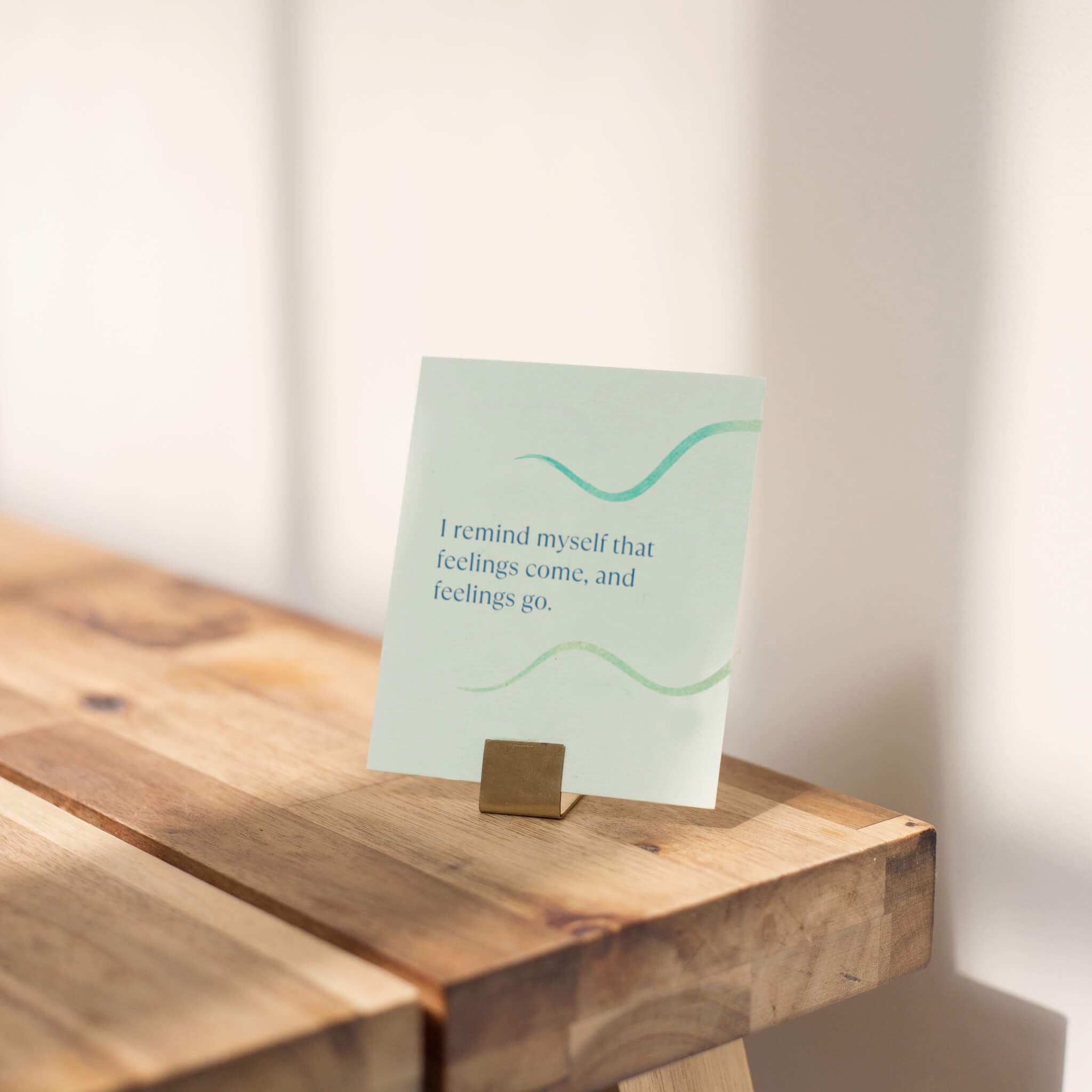
- Validates all emotions — Over 50 gentle reminders like "All emotions are valid" and "Being human means being imperfect"
- Self-compassion integrated — Prompts guide you to respond as you would to a friend
- Undated format — Return without guilt whenever you're ready
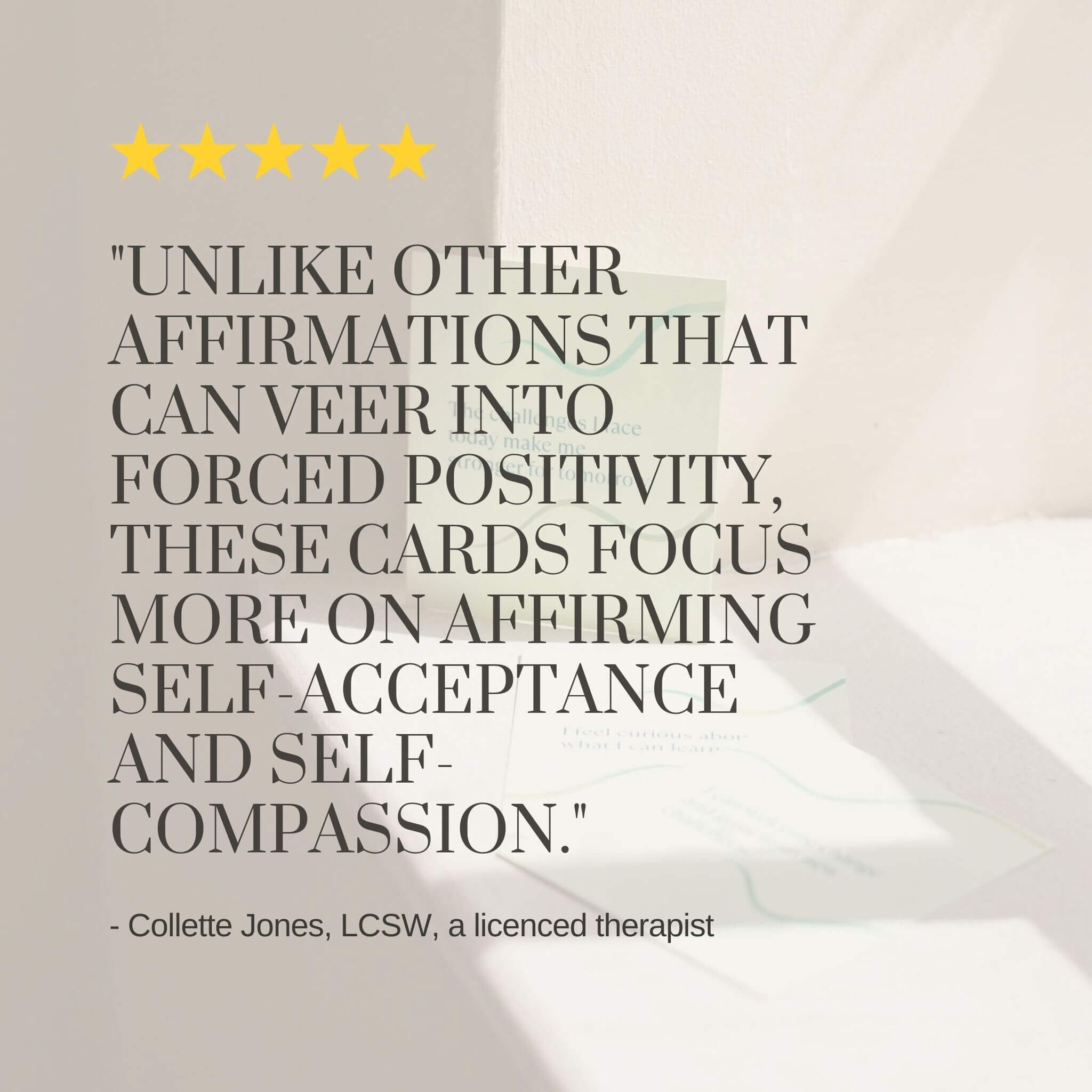
- Expert-designed and reviewed — Created by meditation teacher, reviewed by clinical psychologists from Harvard and Oxford
Expert Endorsements:

Dr. Chris Germer, PhD
Clinical Psychologist, Harvard Medical School | Co-developer of Mindful Self-Compassion (MSC) program taught to 250,000+ people worldwide

Professor Willem Kuyken, PhD, DClinPsy
Ritblat Professor of Mindfulness and Psychological Science at the University of Oxford | Top 1% of most cited scientists worldwide

Dr. Chris Irons
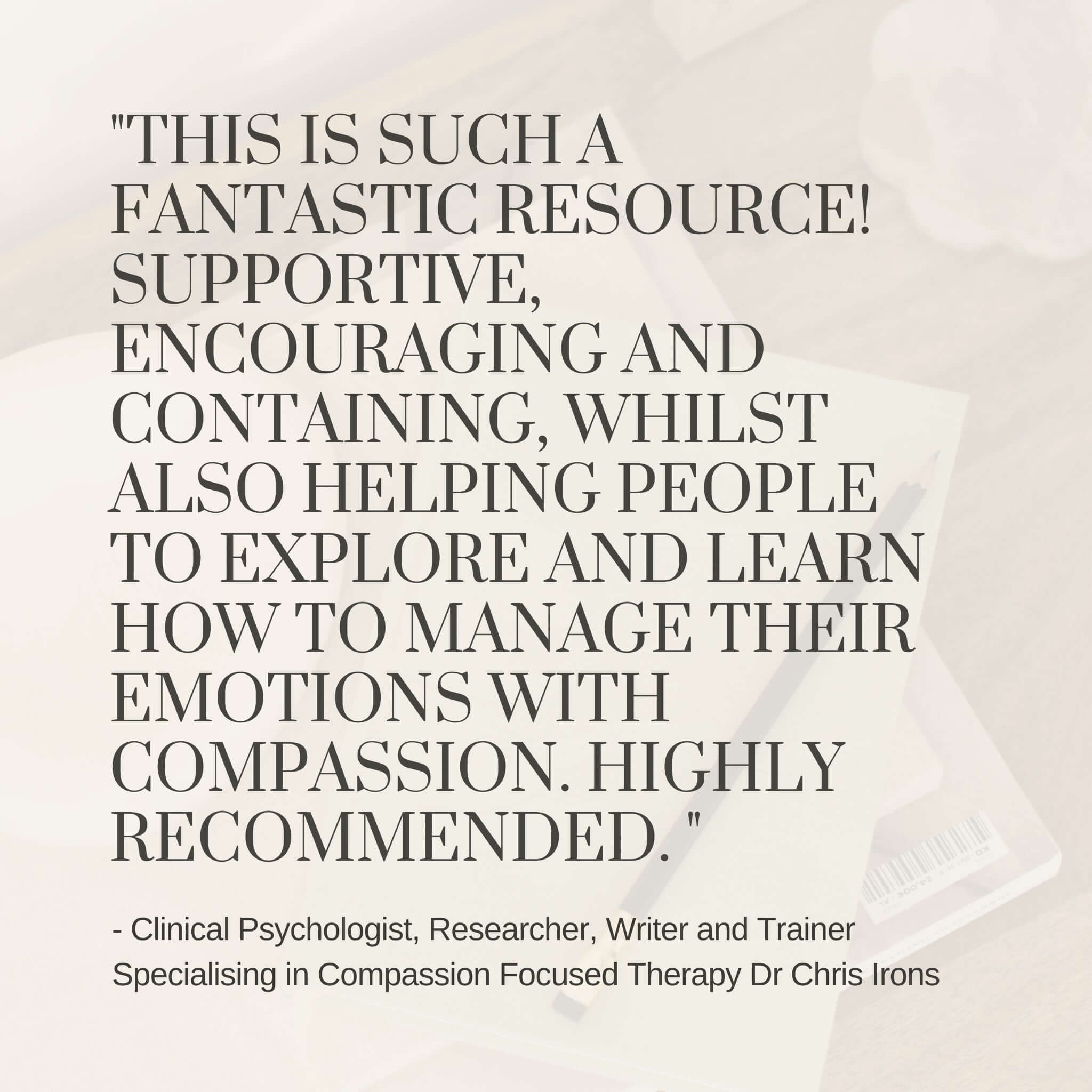
Clinical Psychologist | Leading researcher, trainer & practitioner of Compassion Focused Therapy
Start Your Mindfulness Journaling Practice →
Read All Expert Reviews → | Compare Different Mindfulness Journals →


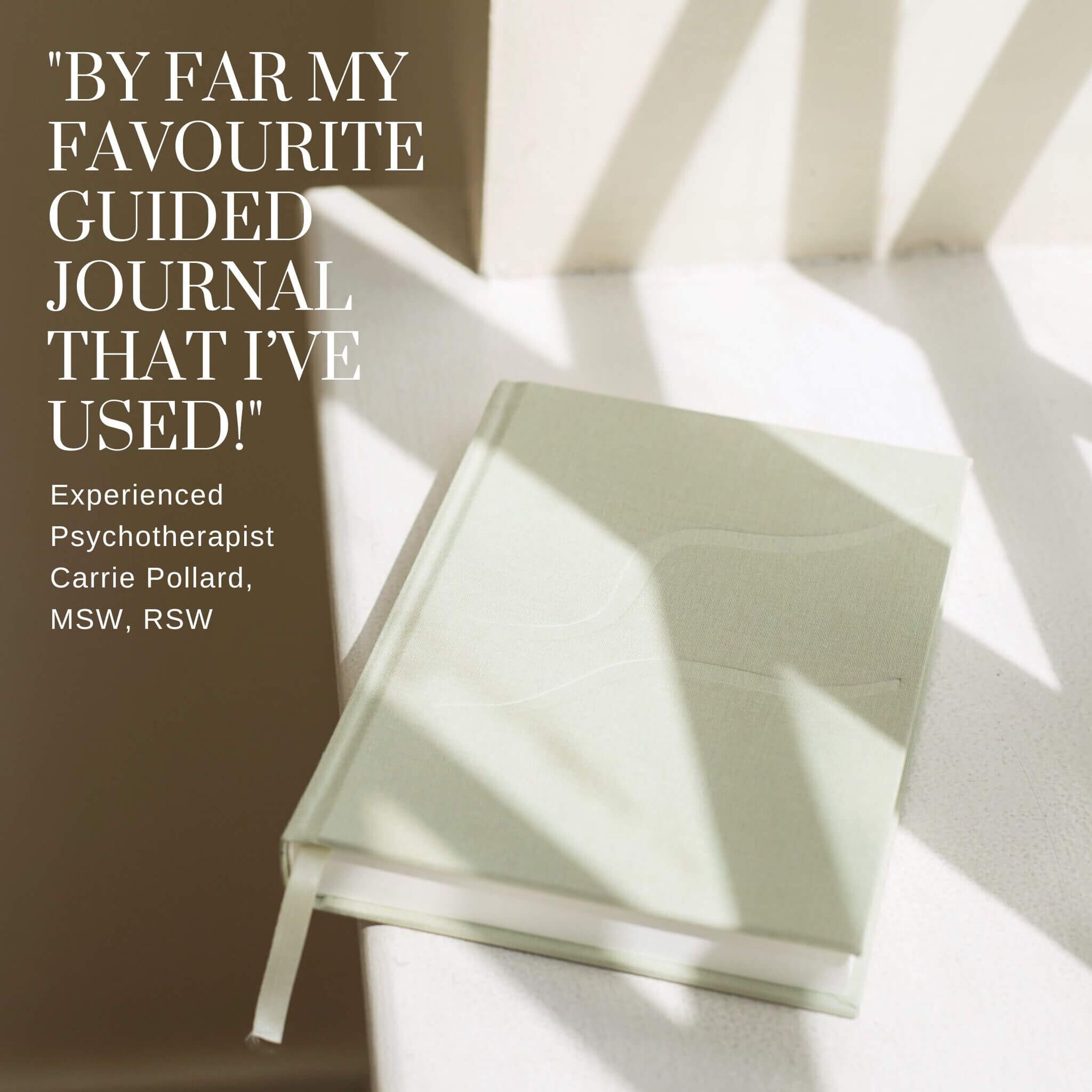
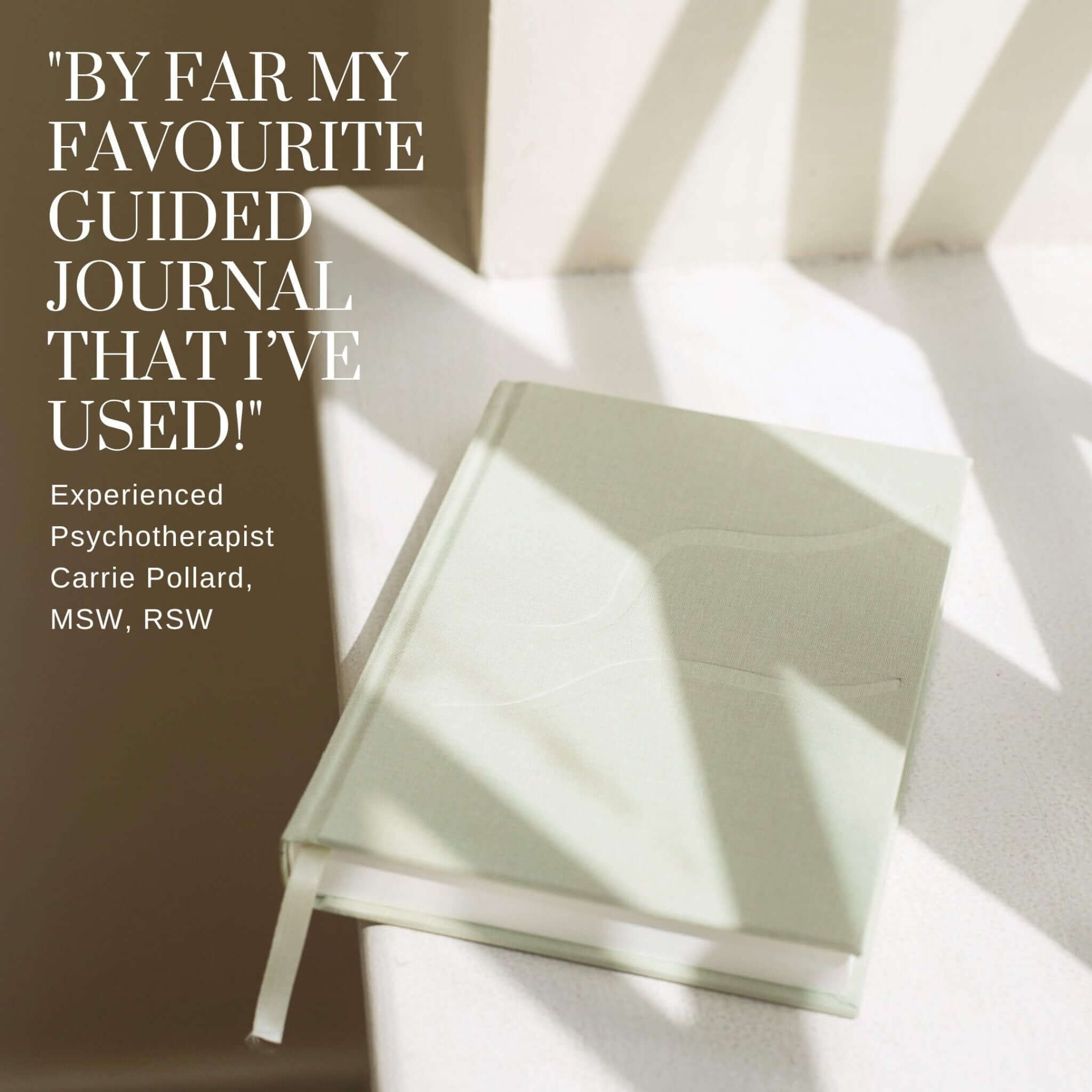
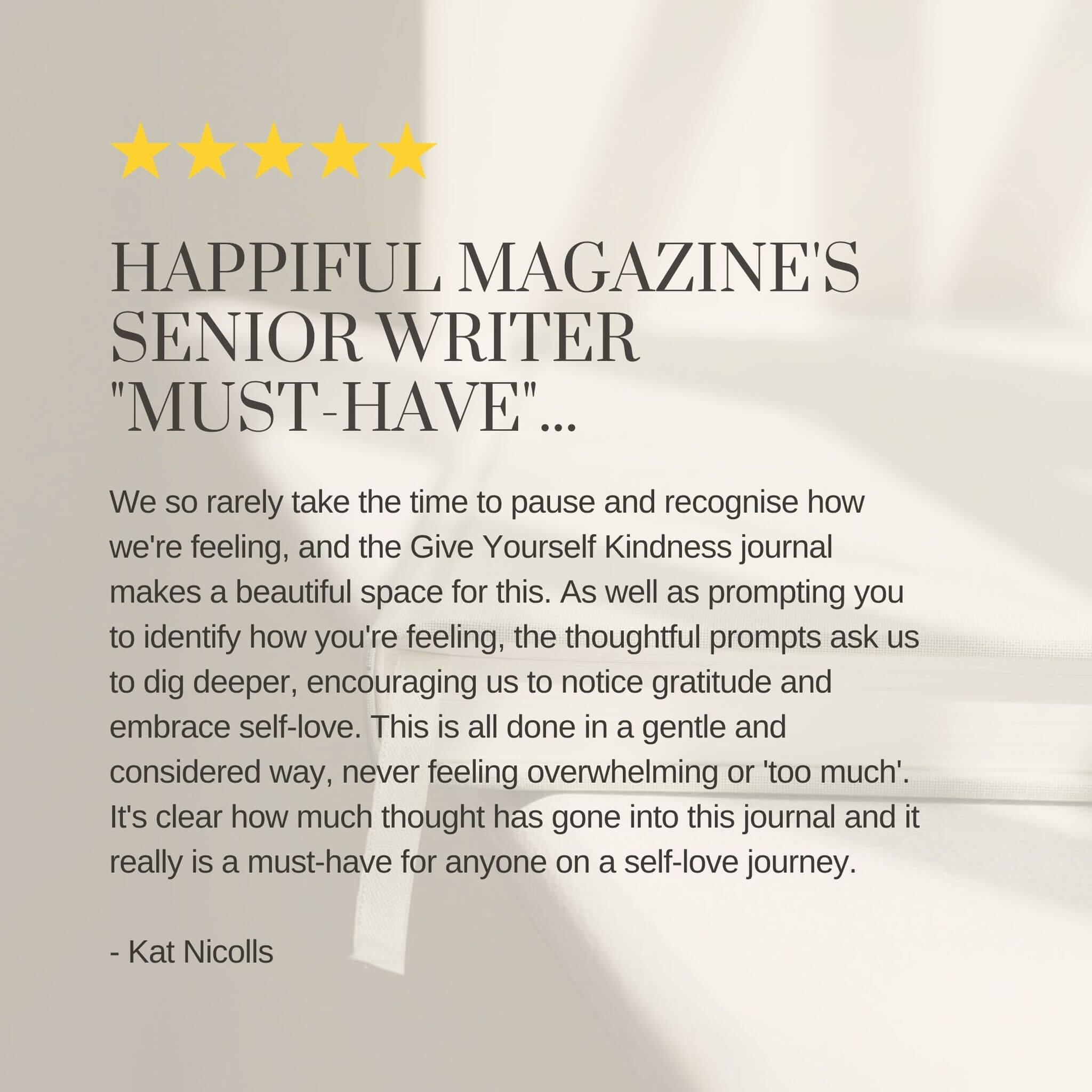
“By far my favourite guided journal that I’ve used!”
There's a lot of journals out there. Most of which include tools that can be repetitive, boring or unhelpful. Give Yourself Kindness is about creating something new.