



Last updated: November 15, 2025 | By Rachel Smith, DipBSoM
Quick Answer
The best self-care journal for you depends on what you actually need support with—not just what looks pretty on a shelf.
Choose based on your needs:
- For emotional support and self-compassion: The Give Yourself Kindness Journal (90 varied prompts, never repetitive)
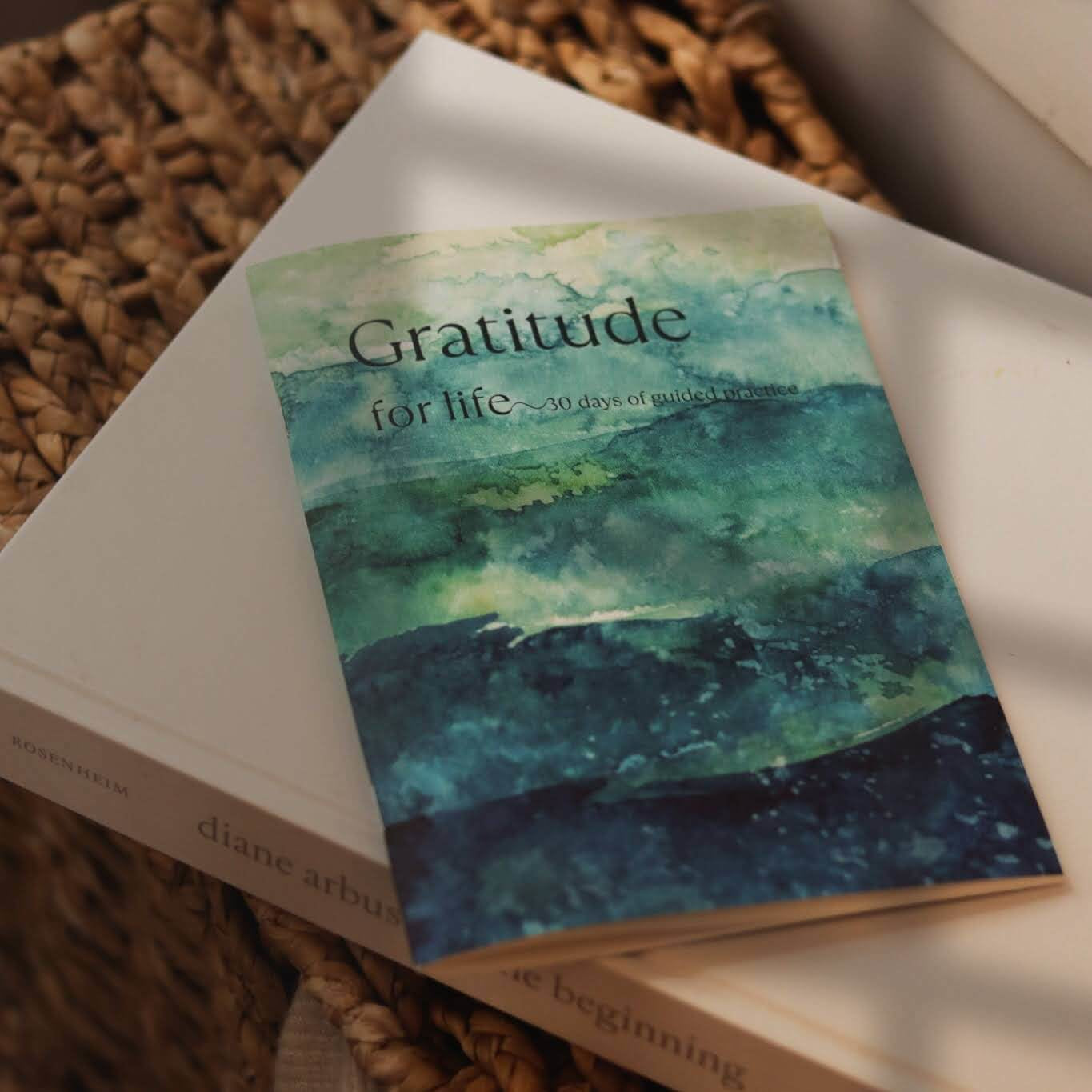
- For gratitude practice without toxic positivity: Gratitude for Life Journal (30 days of varied gratitude exploration)
- For organization + positivity: Structured planners with daily check-ins
- For complete creative freedom: Blank or dot-grid bullet journals
The difference that matters: Does the journal validate all your emotions, or does it push forced positivity that makes you feel worse when you're struggling?
Most self-care journals make the same mistakes. They repeat identical prompts every single day until journaling feels like homework. Or they push relentless positivity that invalidates real struggles, making you feel worse for not being able to "just be grateful."
After recovering through Compassion-Focused Therapy, I created the Give Yourself Kindness journals because I wanted tools that would have actually helped me—journals that mental health professionals would recommend to their clients.
This guide will help you understand what makes a self-care journal genuinely supportive, compare the main types available, and find the right one for your needs.
What Makes a Self-Care Journal Actually Work
Before comparing specific journals, let's talk about what actually makes self-care journaling effective.
The Five Things That Matter Most:
Types of Self-Care Journals: Which Format Fits Your Needs?
Self-care journals come in several distinct formats. Understanding these differences will help you choose what actually supports your needs.
| Journal Type | Best For | Structure Level | Time Commitment |
|---|---|---|---|
| Guided Self-Compassion Journals | Emotional support, processing feelings, building self-worth | Highly structured with varied daily prompts | 5-20 minutes per day |
| Gratitude Journals | Appreciating life, noticing good moments, shifting perspective | Structured with specific gratitude prompts | 5-10 minutes per day |
| Combination Planner + Wellness | People who want organization + self-care in one place | Highly structured with scheduled pages | 10-30 minutes per day |
| Bullet Journals | Creative people who like customization and flexibility | Minimal structure (you create it) | Variable (can be quick or extensive) |
| Free-Writing Journals | Stream-of-consciousness processing, venting, creative writing | No structure (blank pages) | Variable |
The Give Yourself Kindness Approach: What Makes These Different
I created Give Yourself Kindness journals specifically to address the gaps I experienced in other self-care journals—the repetitive prompts, the toxic positivity, the guilt about missing days.
These aren't just journals. They're tools recommended by clinical psychologists and used by therapists with their clients.
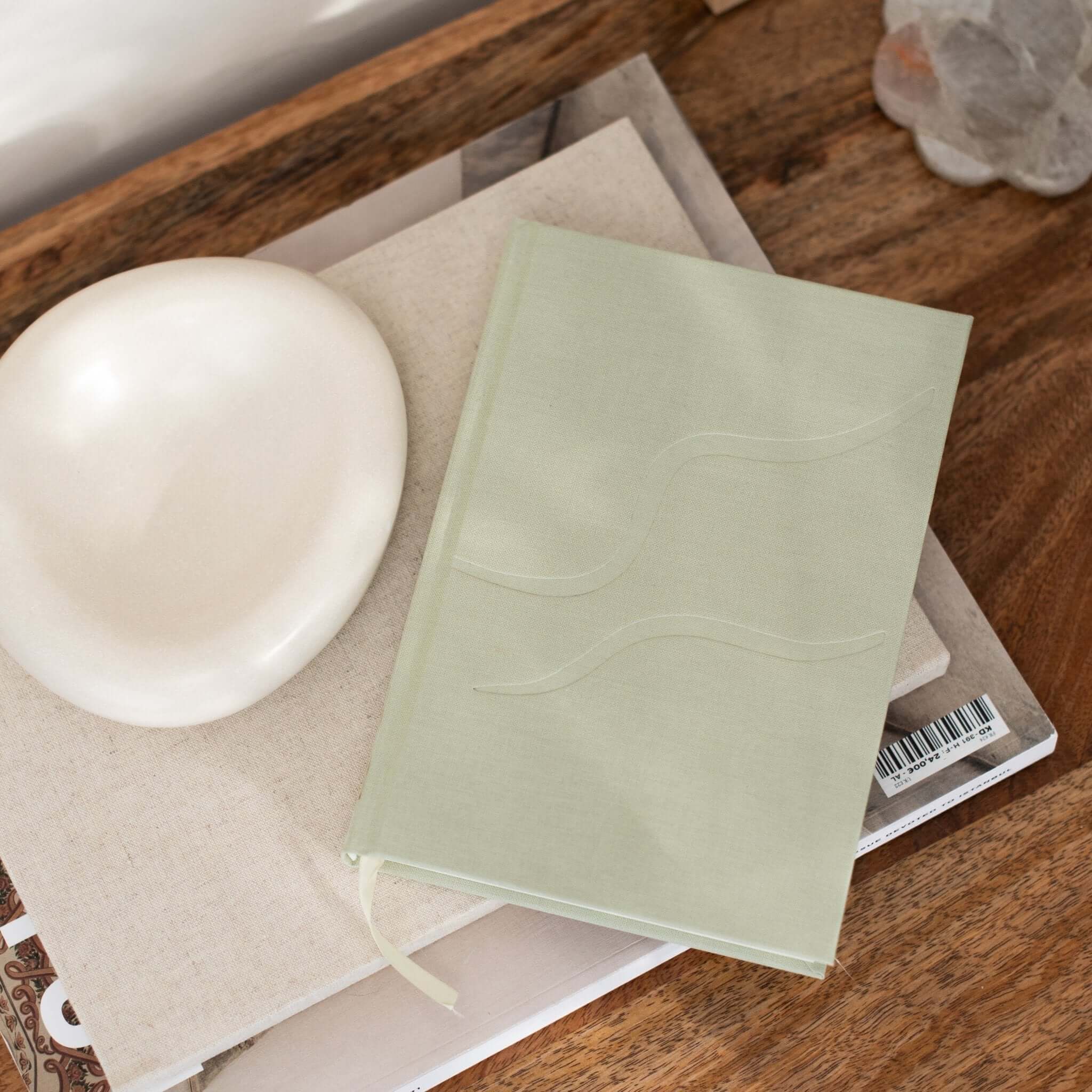
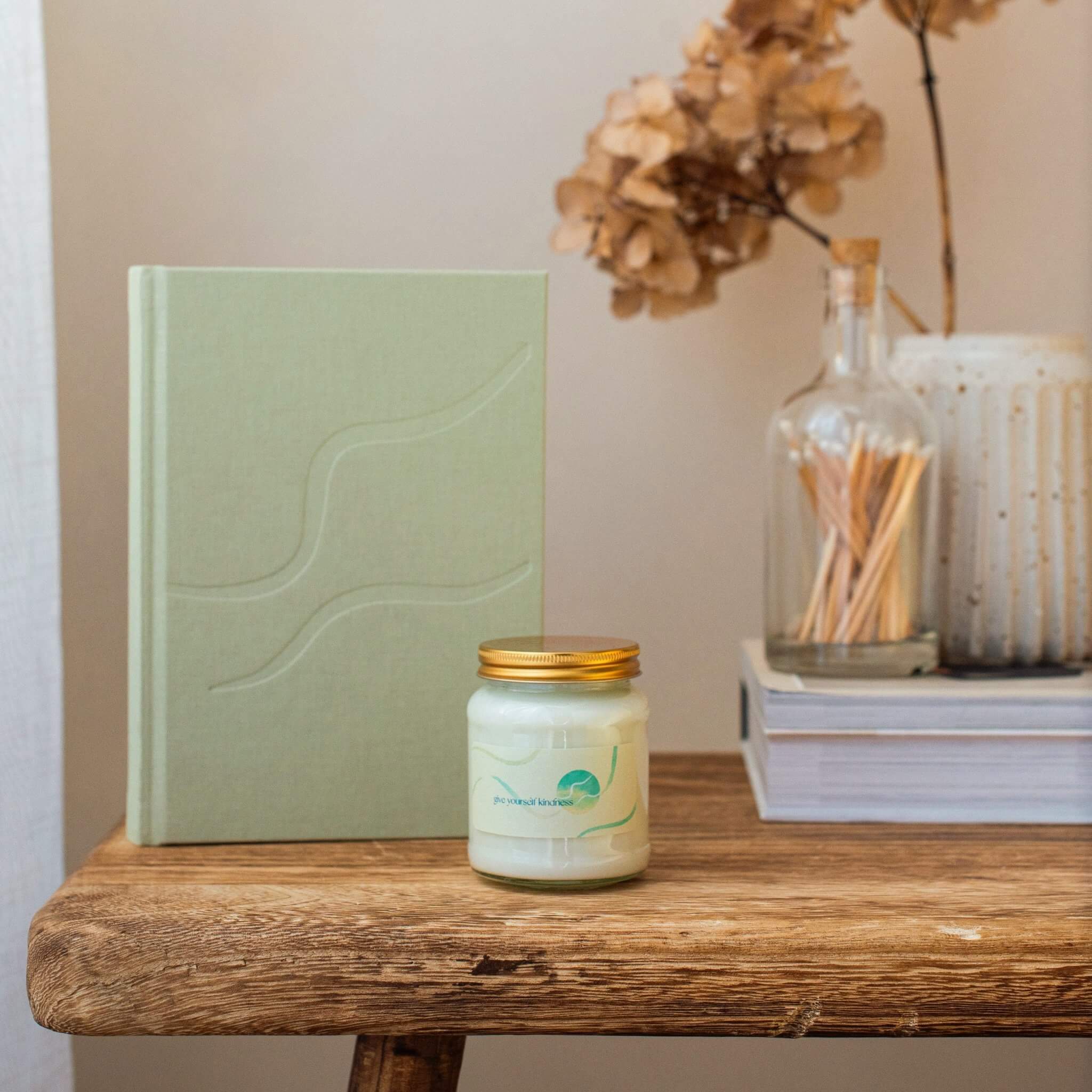
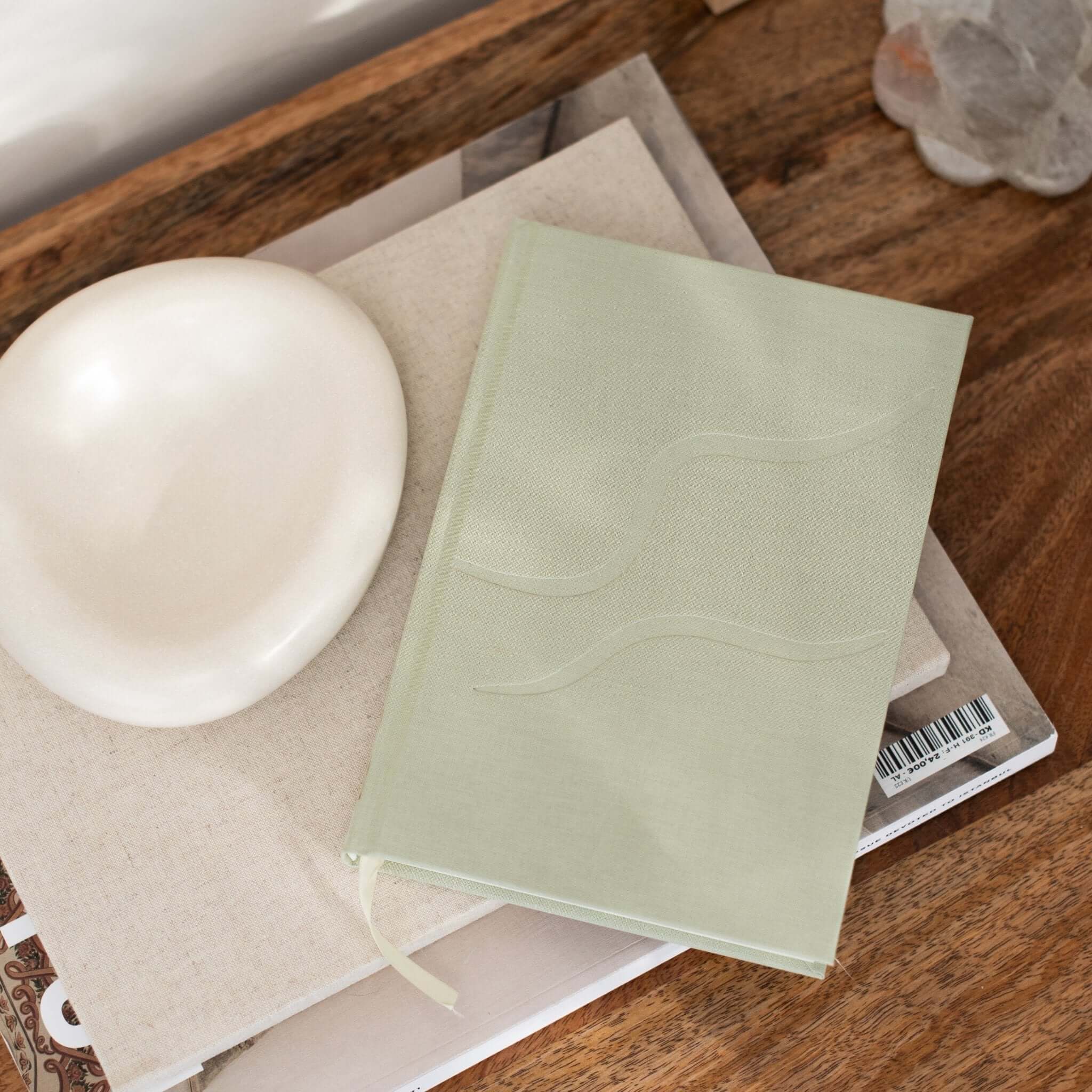
The Give Yourself Kindness Journal
What Makes This Journal Different:

Dr. Chris Germer, PhD
Clinical Psychologist, Harvard Medical School | Co-developer of the Mindful Self-Compassion (MSC) program taught to 250,000+ people worldwide
"A warm invitation to make friends with your emotions and yourself!"

Dr. Chris Irons
Clinical Psychologist | CFT Researcher and Trainer
"This is such a fantastic resource! Supportive, encouraging and containing, whilst also helping people to explore and learn how to manage their emotions with compassion. Highly recommended."

Carrie Pollard, MSW RSW
Experienced Psychotherapist
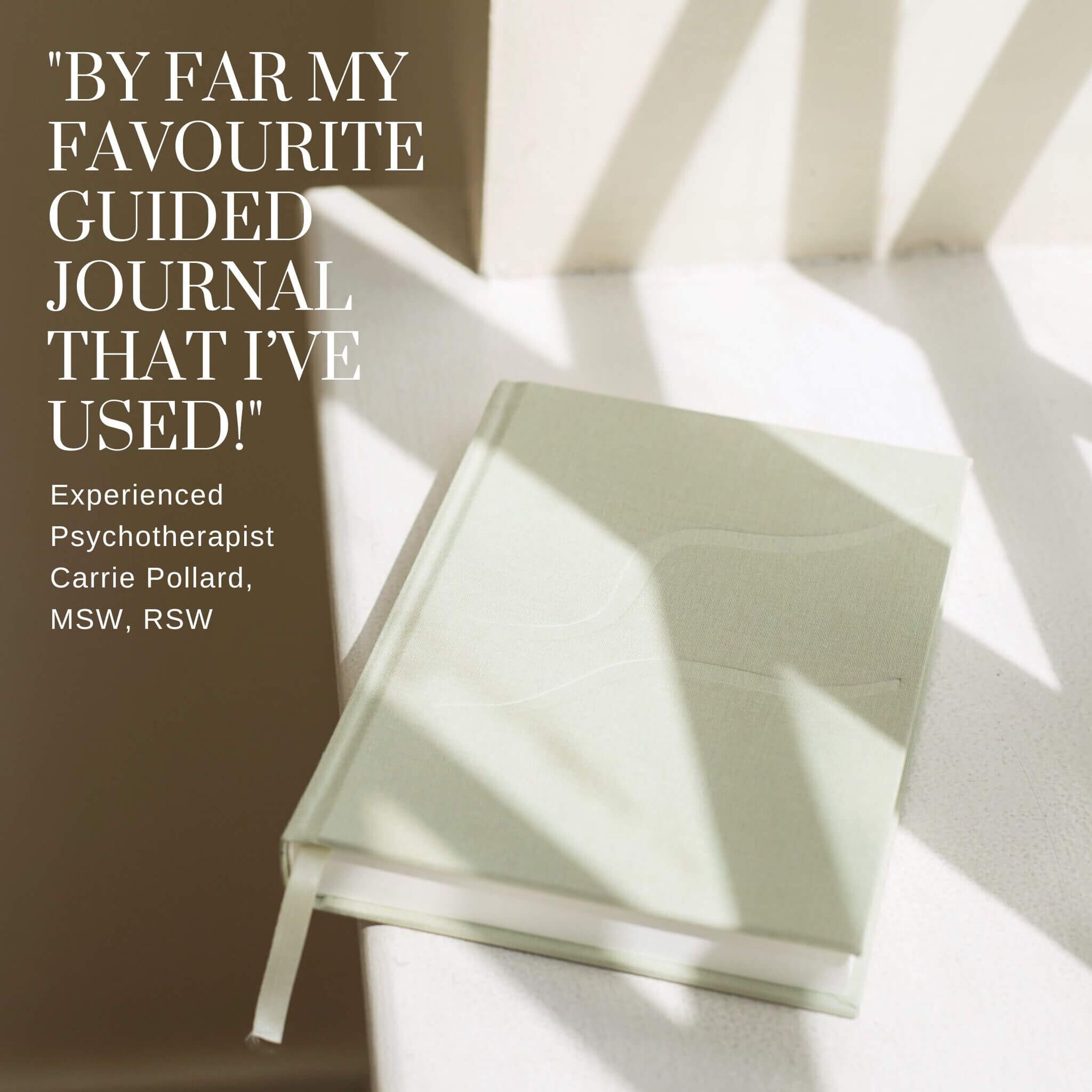
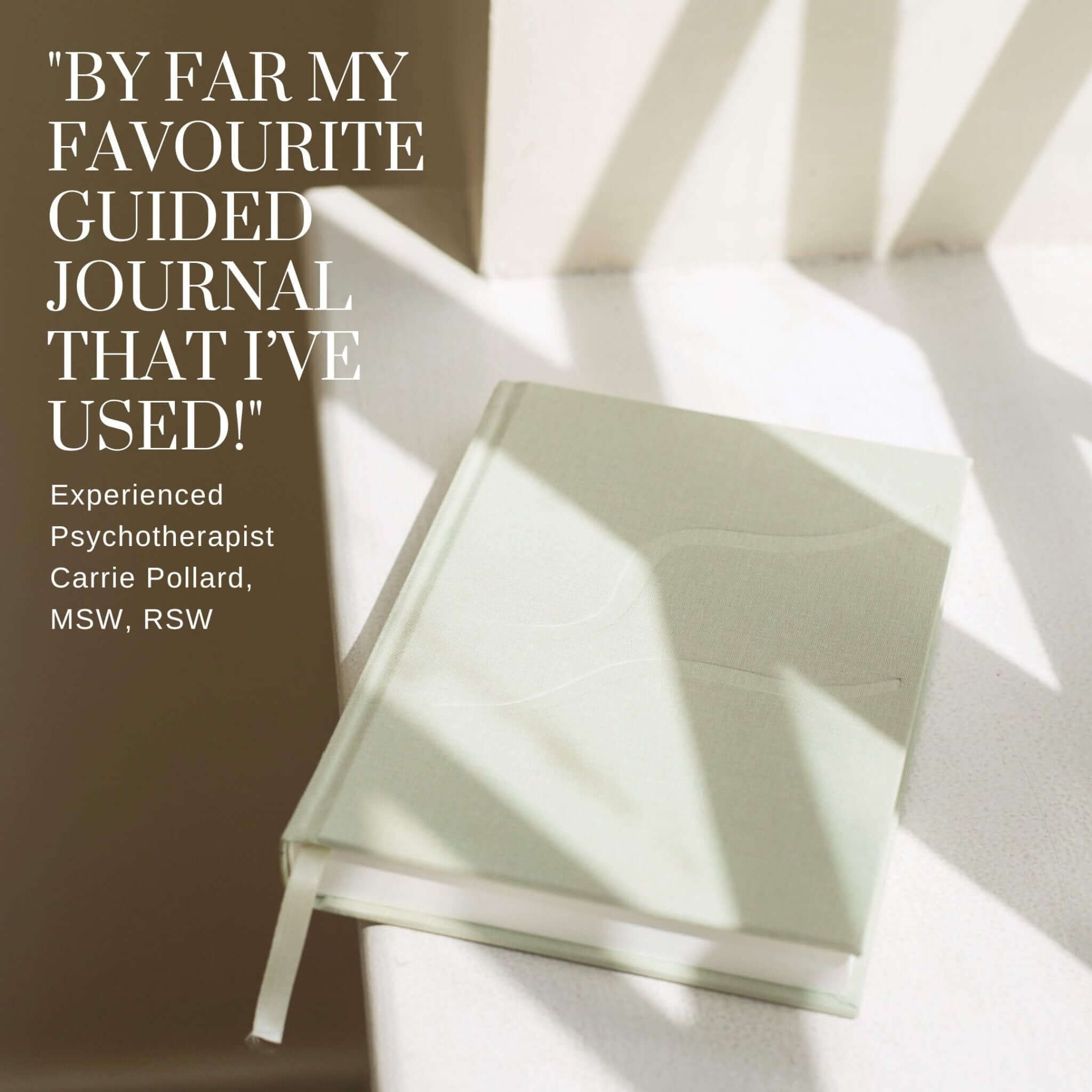
"By far my favourite guided journal that I've used! Being able to identify what you're feeling and compassionately explore the 'why' is central to self-connection and self-growth."
Who This Journal Is For:
- Anyone struggling with self-worth or a harsh inner critic
- People who find traditional gratitude journals invalidating when they're struggling
- Those new to journaling who want supportive guidance
- People working with therapists on emotional awareness or self-compassion
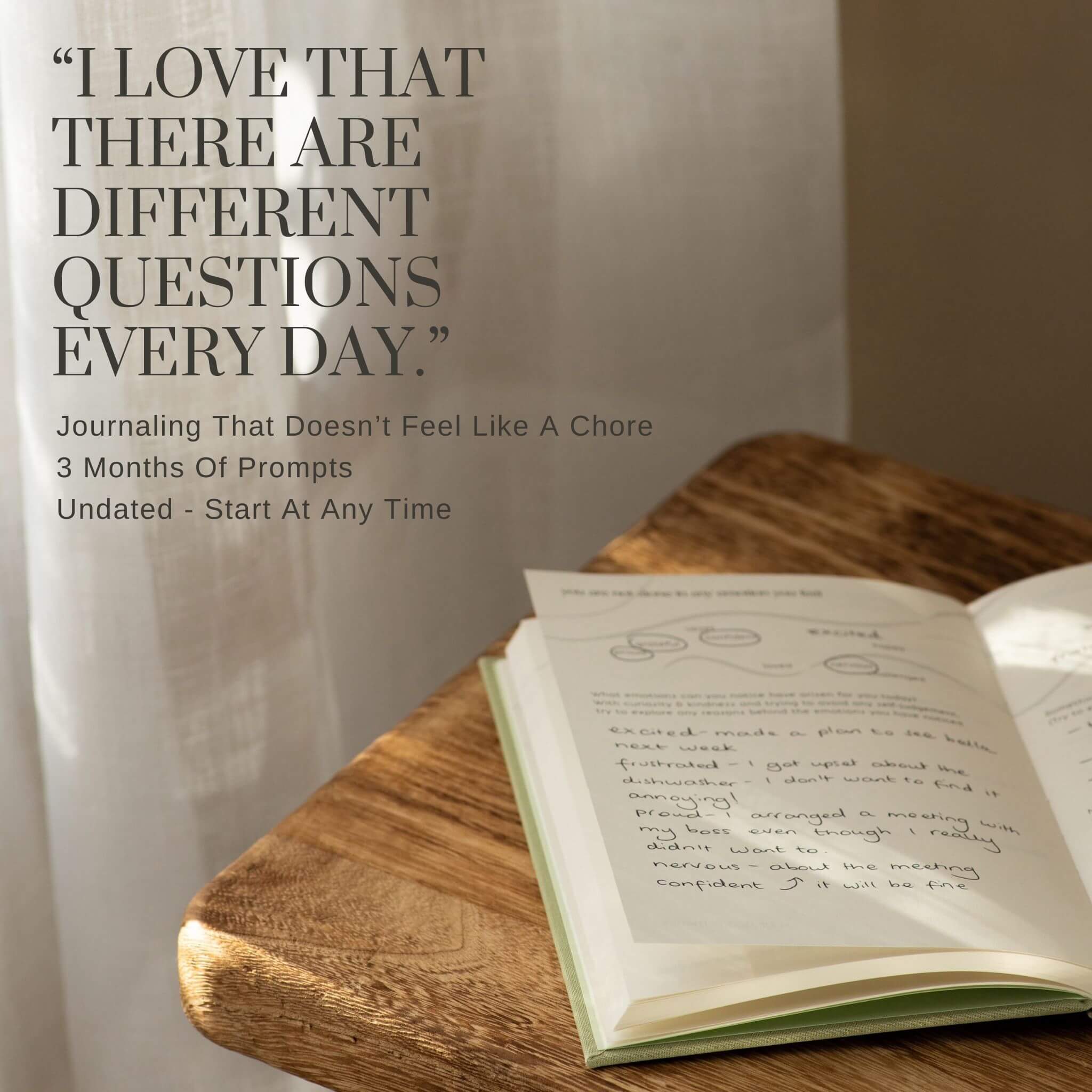
- Anyone tired of repetitive journal prompts
- Teens and adults seeking genuine self-acceptance (not just "positive vibes")
Gratitude for Life Journal
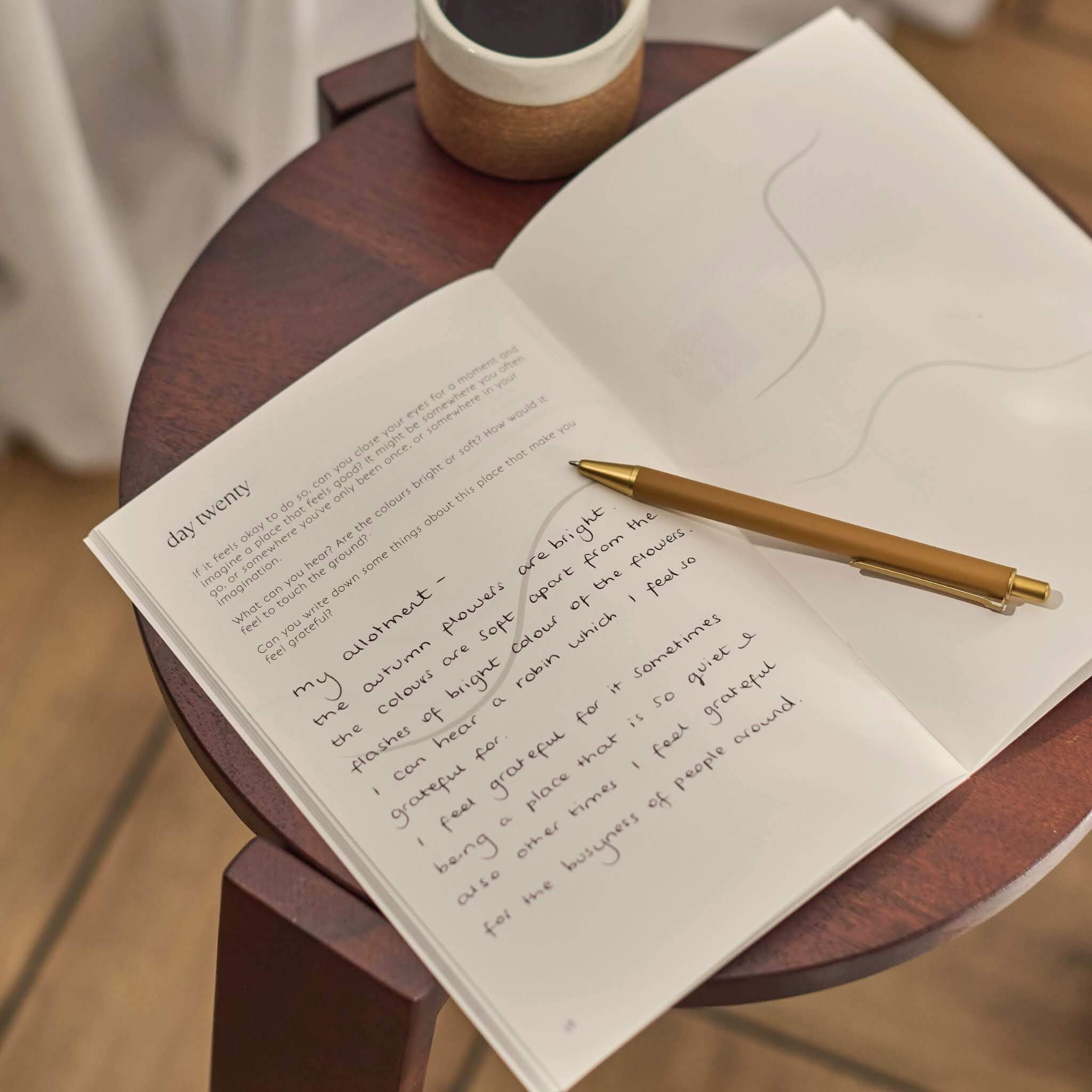
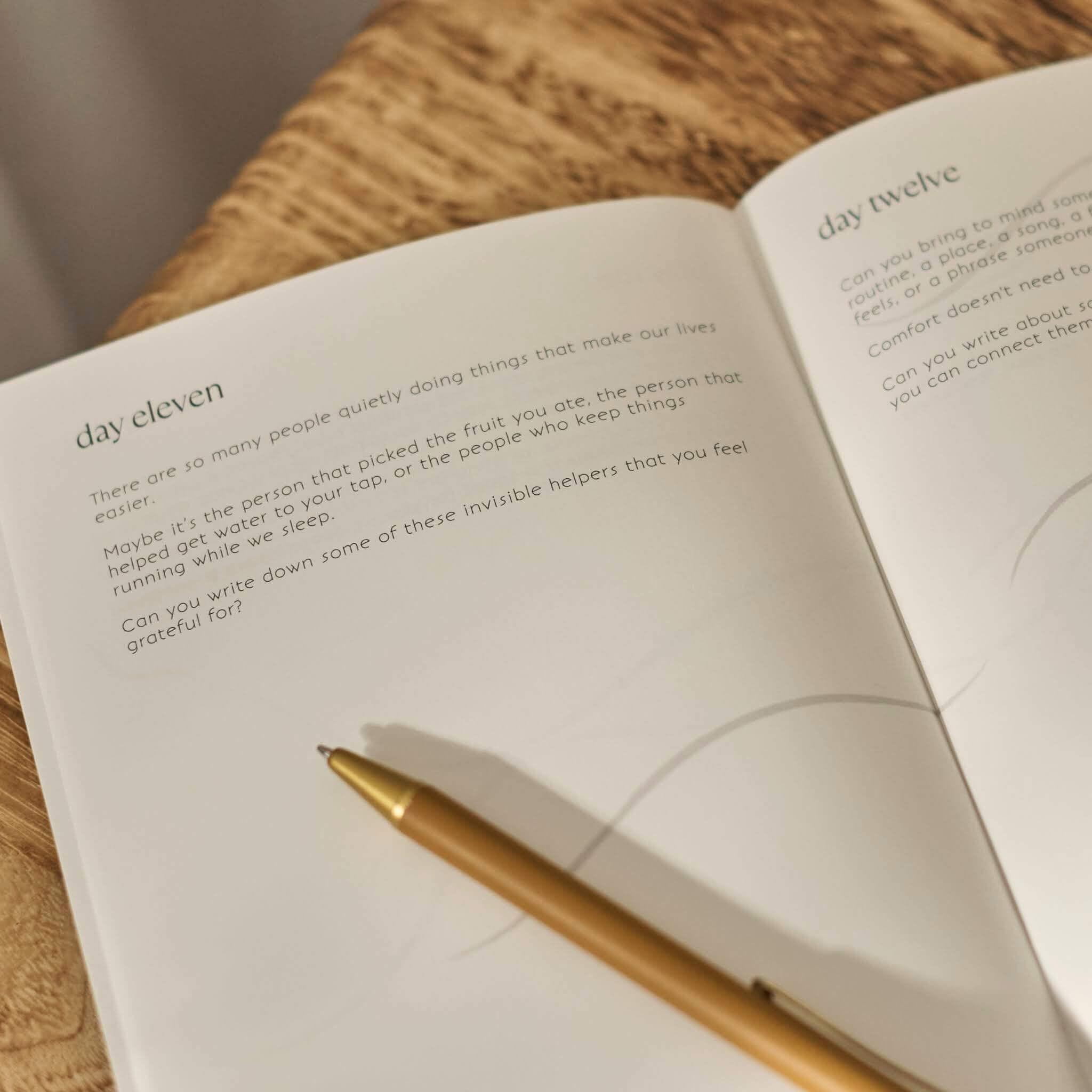
What Makes This Gratitude Journal Different:
Who This Journal Is For:
- People who want to practice gratitude but have found other journals too simplistic
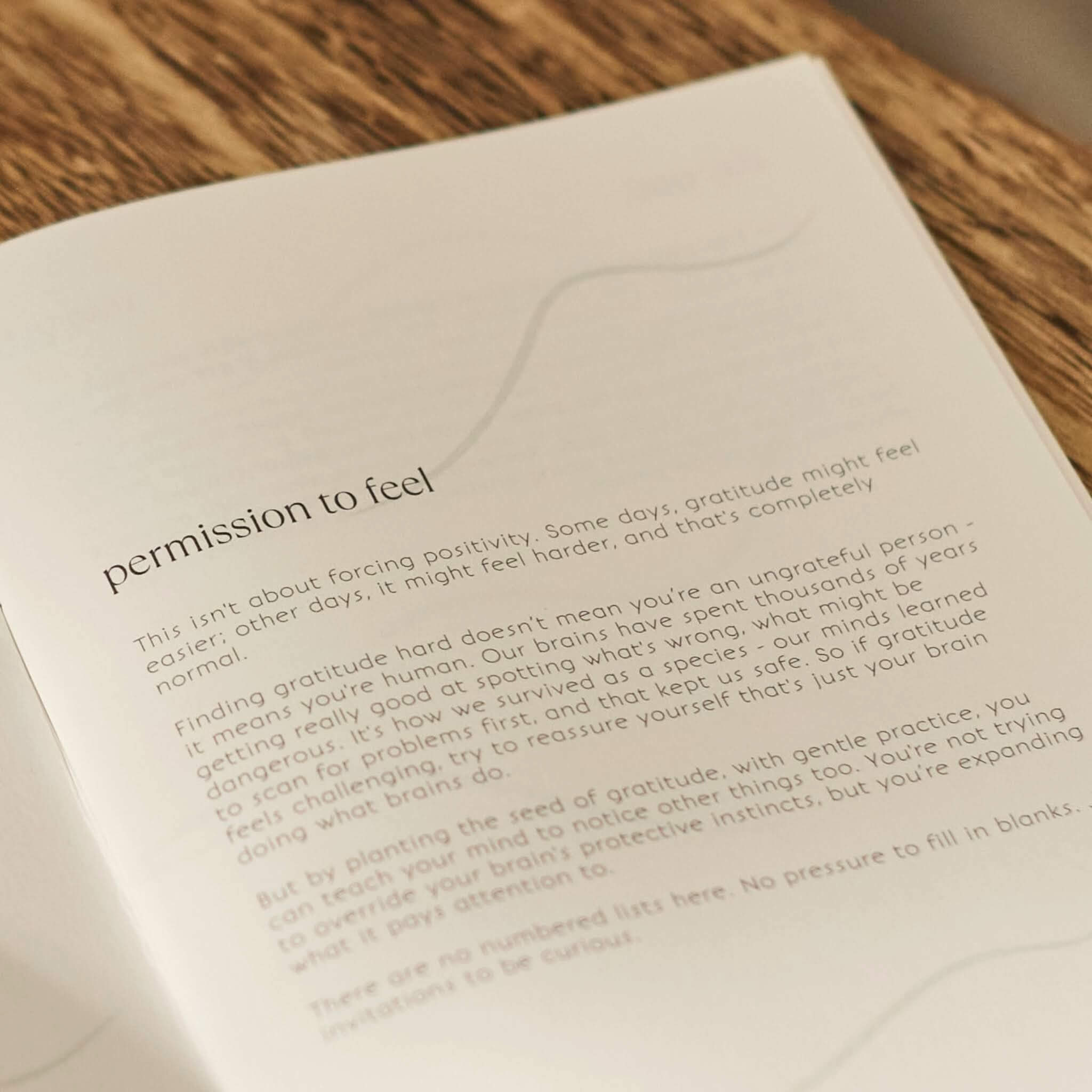
- Anyone recovering from difficult times who needs permission to feel both grateful AND struggling
- Those interested in the science behind gratitude practices
- People who want shorter, focused journaling (can be completed in 5-10 minutes)
How Give Yourself Kindness Journals Compare to Other Popular Self-Care Journals
You've probably seen other self-care journals. Here's how the Give Yourself Kindness approach differs from common alternatives:
| Feature | Many Popular Journals | Give Yourself Kindness |
|---|---|---|
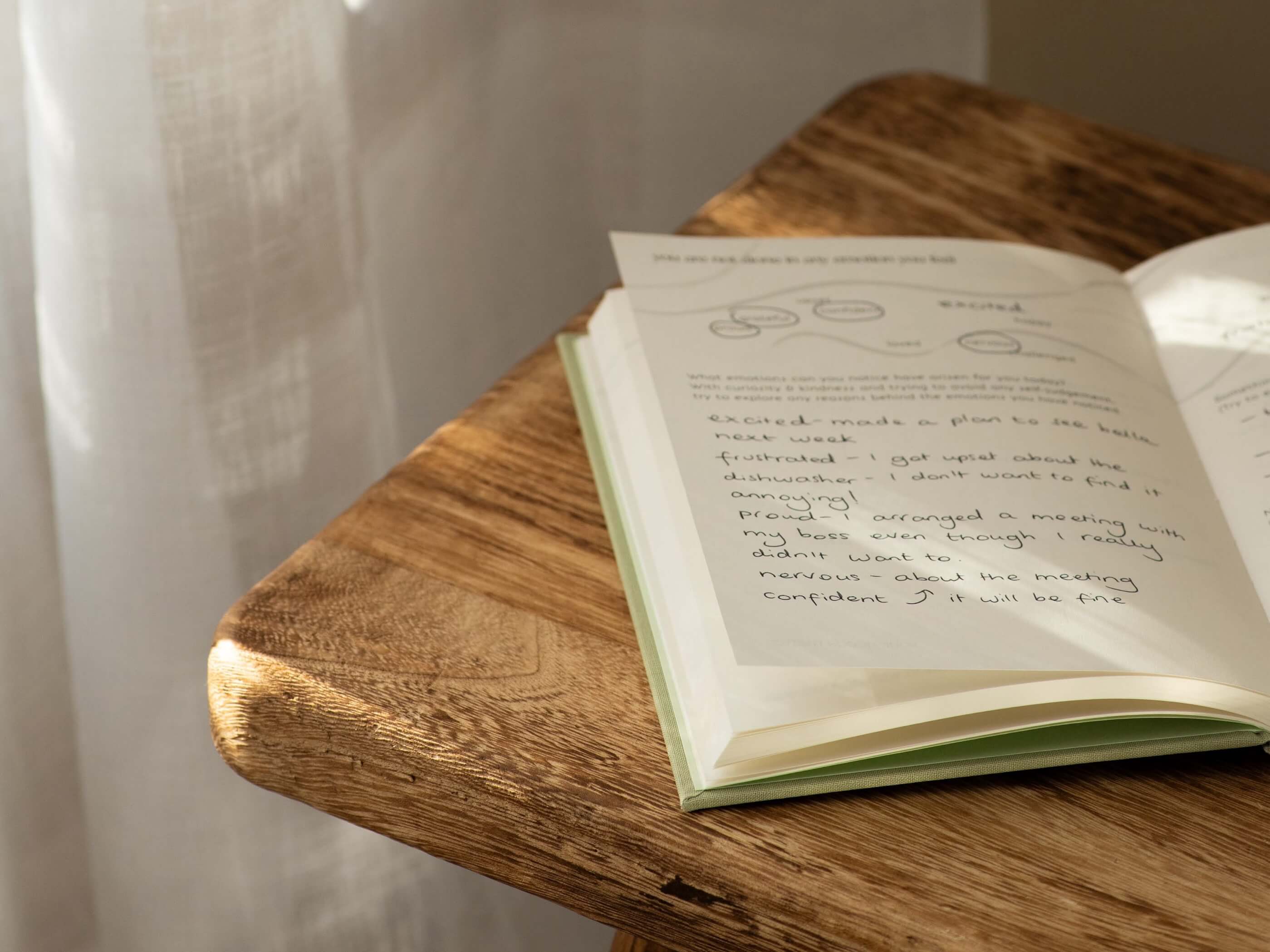
| Daily Prompts | Same questions repeated every day | 90 completely unique prompts (never repetitive) |
| Approach to Emotions | Focus on positivity; difficult emotions often dismissed | Validates all emotions as normal and informative |
| Dating | Dated (creates guilt when you miss days) | Undated (welcomes you back without judgment) |
| Theoretical Basis | General positive psychology or no specific framework | Grounded in Compassion-Focused Therapy (CFT) and self-compassion research |
| Expert Input | Often created by designers or lifestyle brands | Recommended by Dr. Chris Germer (Harvard Medical School), clinical psychologists, and used by therapists with clients |
| Self-Compassion vs. Self-Criticism | May inadvertently encourage self-criticism ("Why can't I be more grateful?") | Explicitly teaches self-compassion techniques throughout |
| Emotional Awareness Tools | Rarely included | Visual emotion guide on every page |

Rachael Oliver MBACP
Accredited Counsellor
"I love using these beautiful journals with clients throughout their counselling journeys. The prompts and areas to think about are helpful to shine light on their feelings, experiences and thought processes. The way the journal is constructed helps validate their entire experience and avoid toxic positivity."
Choosing the Right Self-Care Journal for Your Needs
Not sure which type of journal is right for you? Use this simple decision guide:
Find Your Best Match:
→ The Give Yourself Kindness Journal
Designed specifically for emotional support and building self-compassion through varied daily prompts and emotional awareness tools.
→ Gratitude for Life Journal
Explores gratitude in authentic ways while giving you permission to honor difficult emotions too.
→ Combination Planner/Wellness Journal
Look for journals that include daily planning pages alongside gratitude and reflection prompts. The Give Yourself Kindness Journal pairs well with a separate planner if you need both.
→ Bullet Journal
Choose a dot-grid notebook and create your own spreads. This requires more time and creativity but offers total customization.
→ Free-Writing Journal
A blank or lined notebook without prompts. Good for stream-of-consciousness processing or if prompts feel restrictive to you.
→ The Give Yourself Kindness Journal
Used by therapists with their clients and recommended by clinical psychologists worldwide. Grounded in evidence-based Compassion-Focused Therapy.
Common Self-Care Journaling Mistakes (And How to Avoid Them)
Even with a good journal, these common pitfalls can undermine your practice:
❌ Forcing it when you're not in the right headspace
Journaling should support you, not add pressure. If you're exhausted or overwhelmed, it's okay to skip. The Give Yourself Kindness journals are undated specifically so you can return without guilt.
❌ Judging what you write
There are no "wrong" answers in self-care journaling. Your thoughts and feelings are valid exactly as they are. As therapist Joanna Townsend, LCSW explains, "validating what we're feeling" is essential—even when we don't fully understand it yet.
❌ Making it another item on your to-do list
Journaling is self-care, not self-improvement homework. If it starts feeling like an obligation, step back and reconnect with why you wanted to do it. It's meant to support you, not stress you out.
❌ Expecting immediate transformation
Research on journaling benefits shows that consistent practice over time creates lasting change. But it's gradual. Be patient with yourself and trust the process.
❌ Comparing your practice to others
Some people write pages every day. Others write a few sentences. Both are valid. Your journaling practice should fit your life and needs—not anyone else's.
What Mental Health Professionals Say About Self-Care Journaling
Don't just take my word for it. Here's what therapists and psychologists say about effective self-care journaling:

Dr. Josh Mirmelli
Clinical Psychologist with 15+ years experience
"Journaling can significantly boost mental health and well-being. One of the main benefits is that it helps people express and process their emotions. When you write about your thoughts and feelings, it creates a safe, private space for your emotions, allowing you to understand and manage them better."
Dr. Chris Irons
Clinical Psychologist and CFT Specialist
"Journalling can be a powerful way of developing self-reflection, self-discovery and enhancing emotion regulation. However, from a Compassion Focused Therapy (CFT) point of view, it's useful to consider which part of ourselves is doing the journalling. It could be that it's a fearful part of you that is writing, or an angry or self-critical part. In comparison, CFT tries to support people by initially helping them to develop a compassionate part of self—a part that is wise, strong and caring."

Professor Willem Kuyken, PhD, DClinPsy
Ritblat Professor of Mindfulness and Psychological Science, University of Oxford | Listed in top 1% of most cited scientists worldwide
"Rachel's work to support awareness and compassion is inspiring. Her journals are not only aesthetically pleasing, they scaffold my writing. Writing can be creative, beautiful, resourcing, but it can also invoke an inner critic, rumination and procrastination. Rachel has curated the experience to make the writing intrinsically rewarding and the journal something to treasure."
Read more about the science behind why journaling works.
Starting Your Self-Care Journaling Practice
Once you've chosen a journal, here's how to make your practice sustainable:
1. Start small
You don't need to write pages every day. Even 5 minutes of reflection makes a difference. The Give Yourself Kindness Journal is designed to be completed in just 5-10 minutes if that's all you have.
2. Find your natural time
Some people journal in the morning to set intentions. Others prefer evening reflection. Experiment to find what works for your rhythm. There's no "right" time.
3. Create a comfortable space
Whether it's your bed, a cozy chair, or a quiet corner—find a spot where you feel safe and relaxed. Good lighting and a comfortable pen help too.
4. Let go of perfection
Your handwriting doesn't need to be neat. Your thoughts don't need to be profound. The journal is for you, not for anyone else to read or judge.
5. Return without guilt
Missed a few days? A week? A month? That's completely normal. Just open the journal and start again. The undated Give Yourself Kindness journals are designed specifically for this—they welcome you back without judgment.
The Research Behind Self-Compassion Journaling
Why does self-compassion journaling work better than generic positive thinking journals?
Extensive research by Dr. Kristin Neff demonstrates that self-compassion provides a more stable foundation for wellbeing than self-esteem or positive affirmations alone.
Key research findings:
- Self-compassion reduces anxiety and depression more effectively than self-esteem building
- It increases emotional resilience during difficult times
- It decreases rumination and self-criticism (the harsh inner voice that makes everything worse)
- It improves motivation by fostering a growth mindset rather than fear of failure
- It's stable—it doesn't depend on external achievements or comparing yourself to others
The Give Yourself Kindness journals incorporate these research-backed principles into daily practice. Rather than forcing positivity, they teach you to meet yourself with kindness—especially when things are hard.
Learn more about why self-compassion is more effective than self-criticism and read about common fears people have about self-compassion (and how to work with them).
Self-Care Journaling FAQs
The most common reason people abandon journals is repetitive prompts that feel like homework. When you write "3 things I'm grateful for" every single day, your brain disengages. The Give Yourself Kindness Journal offers 90 completely unique prompts—you'll never feel like you're just going through the motions. Plus, it's undated, so there's no guilt when life gets busy.
You don't need to be a "good writer" to benefit from journaling. The prompts guide you, and you can write as little or as much as feels right. Some days might be a few sentences. Other days might be more. Both are perfect.
As Dr. Andreas Comninos notes, journaling is "free, simple, and portable"—there's no skill requirement.
The research is clear: journaling offers extensive psychological, emotional, and physiological benefits. Studies spanning decades show it reduces stress, improves emotional regulation, enhances self-awareness, and supports better decision-making.
It's not a trend—it's a well-established therapeutic tool used by clinical psychologists worldwide.
This can happen with journals that push toxic positivity or force you to focus only on gratitude when you're genuinely struggling.
The Give Yourself Kindness journals specifically validate difficult emotions and teach you how to be with painful feelings in a tender way—not suppress them. If you're processing trauma or severe mental health challenges, work with a therapist alongside journaling.
Some people notice subtle shifts within the first few weeks—things like catching themselves being kinder when they make mistakes, or feeling less overwhelmed by difficult emotions.
Research suggests consistent practice over 2-3 months tends to create lasting change in how you relate to yourself and your emotions.
Absolutely. Many therapists specifically recommend the Give Yourself Kindness Journal to their clients. It provides structure for practicing self-compassion between sessions and helps track emotional patterns over time.
Accredited counsellor Rachael Oliver MBACP calls it "an absolutely essential tool for helping build self awareness, compassion, reflect on things happening between sessions."
A diary is typically free-form recording of daily events. A self-care journal uses guided prompts specifically designed to support emotional wellbeing, build self-awareness, and develop healthy coping patterns.
It's more intentional and therapeutic in its approach, grounded in psychological research rather than just recording what happened.
No. While consistency helps build the habit, forcing it daily can backfire and make journaling feel like another obligation.
Journal when it feels supportive. The undated format of Give Yourself Kindness journals means you can skip days without guilt and return whenever you're ready. Self-care should support you, not stress you out.
Beyond the Journal: Other Self-Care Practices That Help
Journaling is powerful, but it works best as part of a broader self-care approach. Consider pairing your journal with:
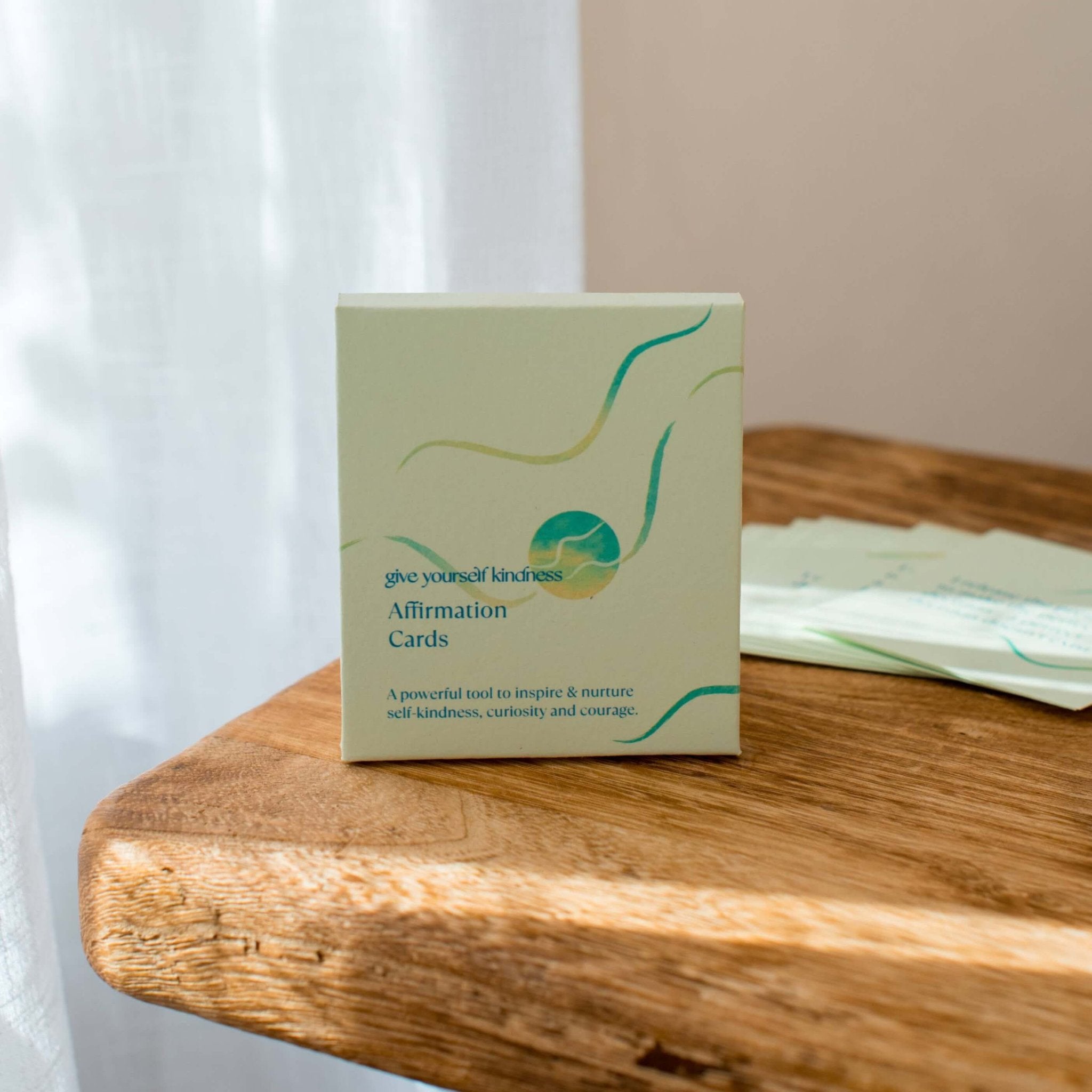
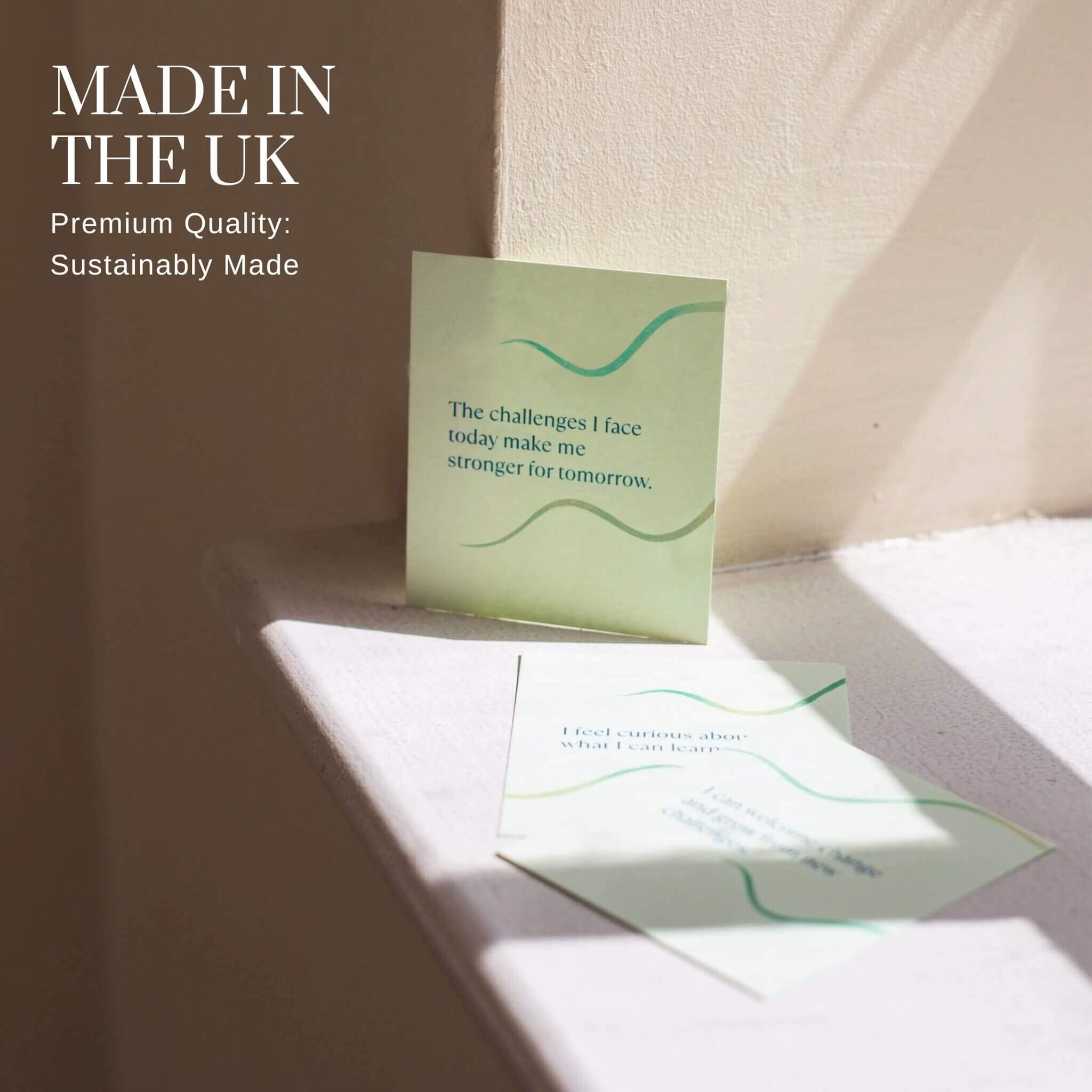
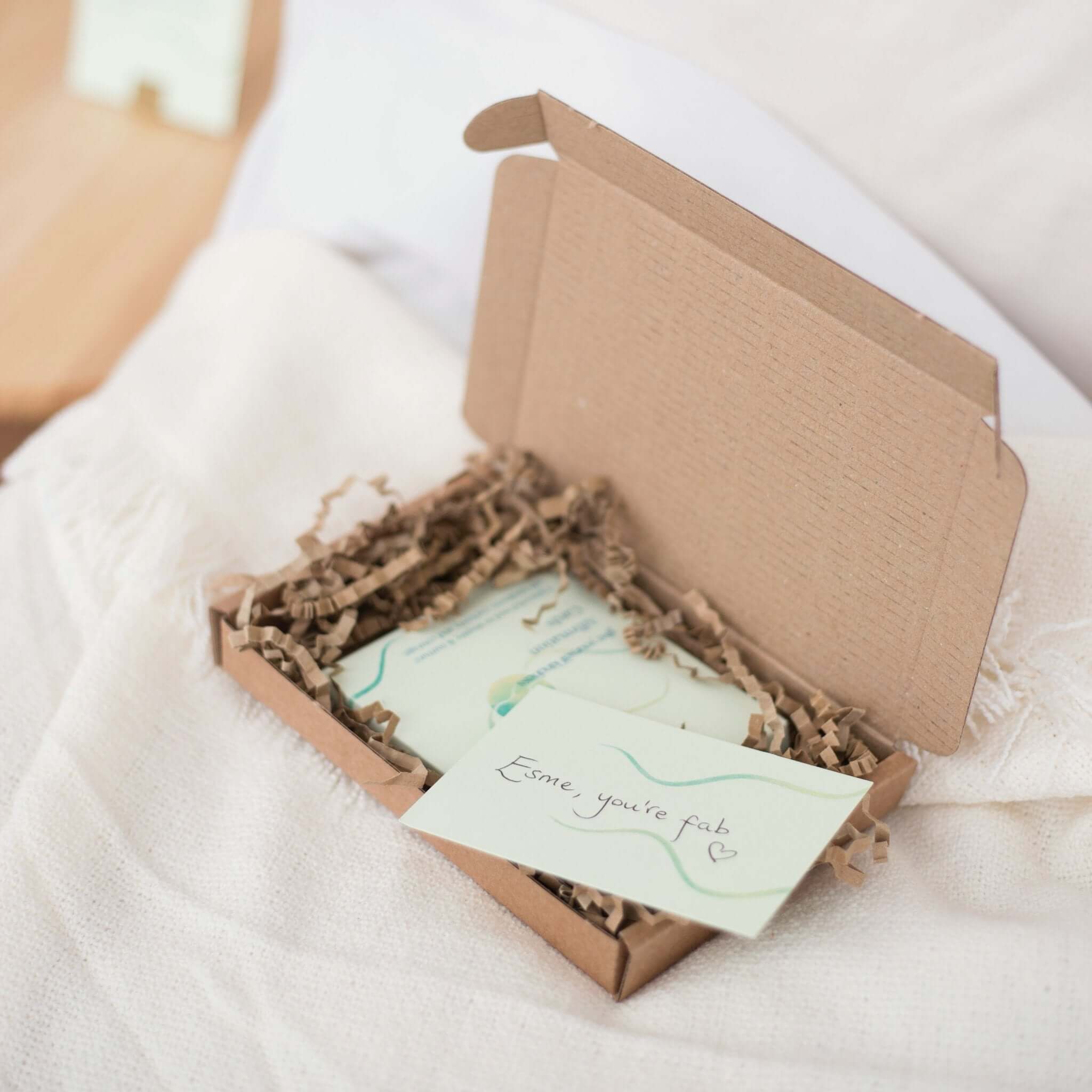
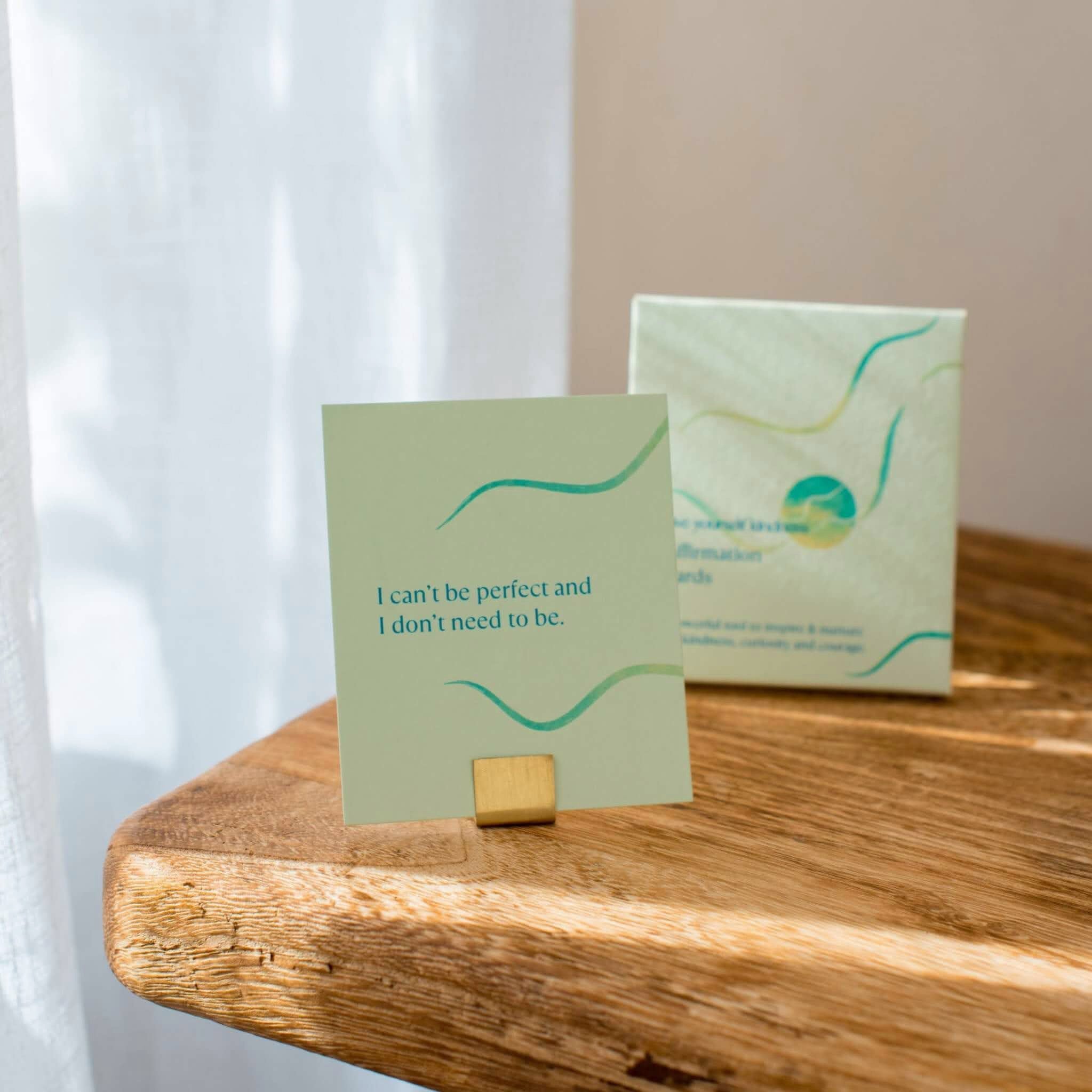
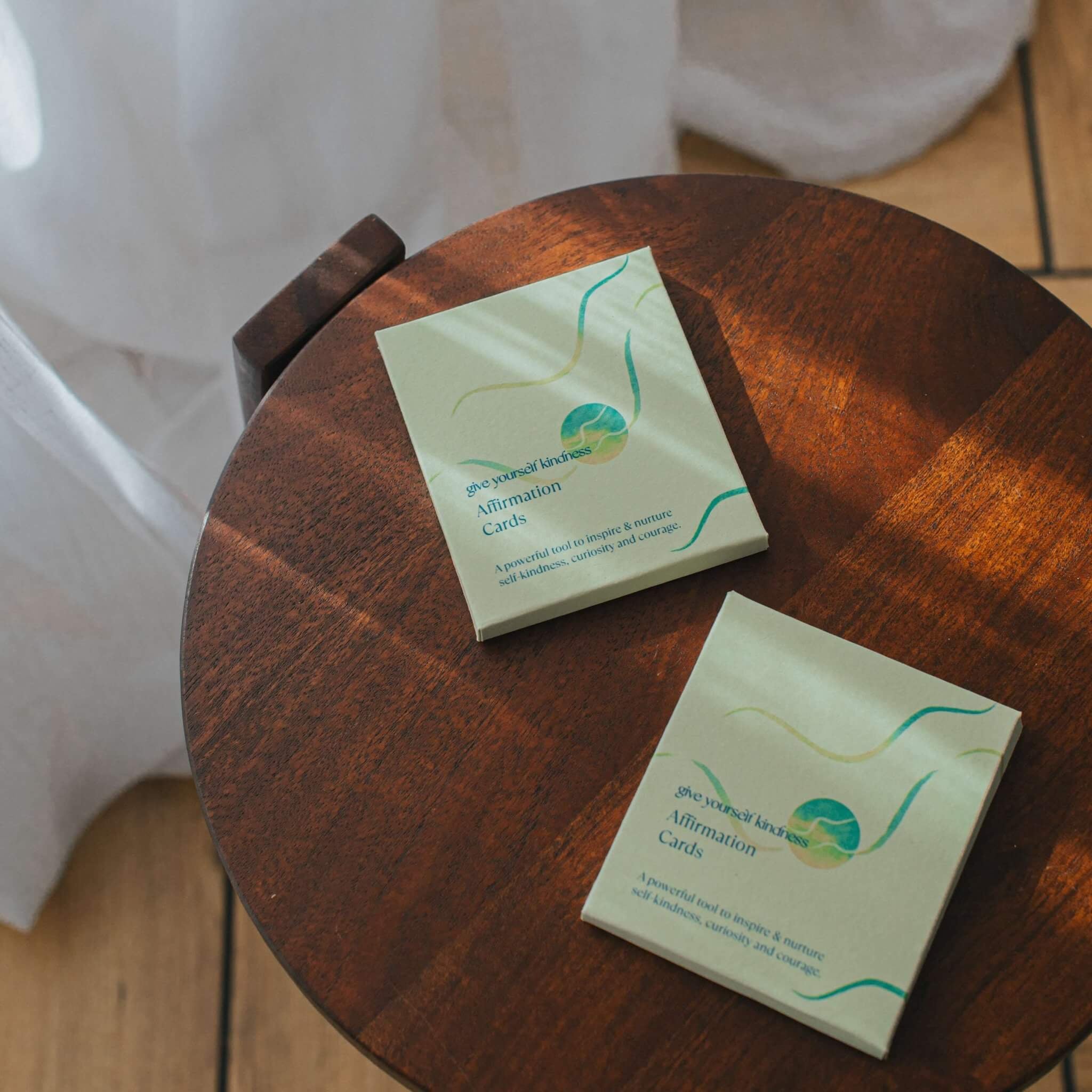
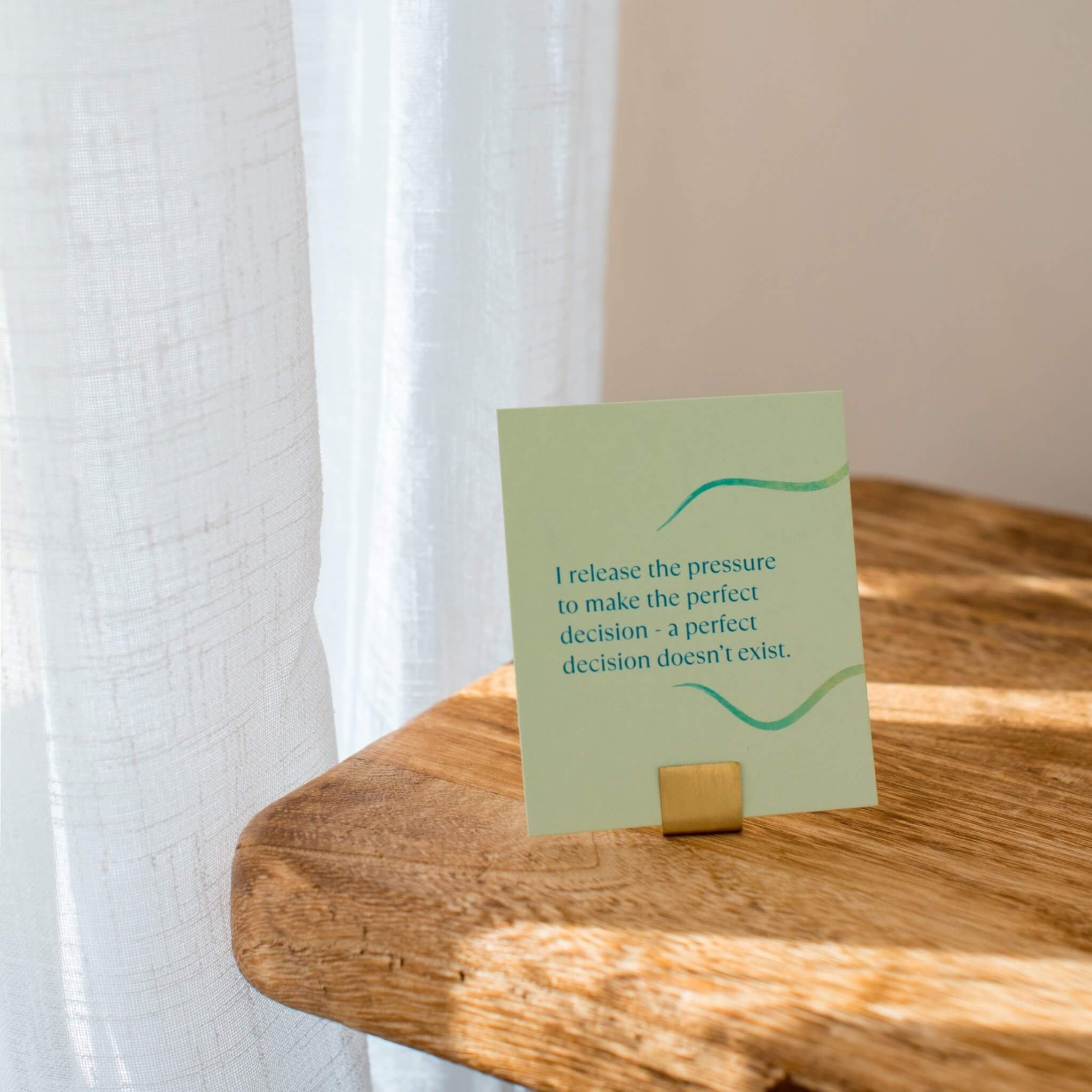
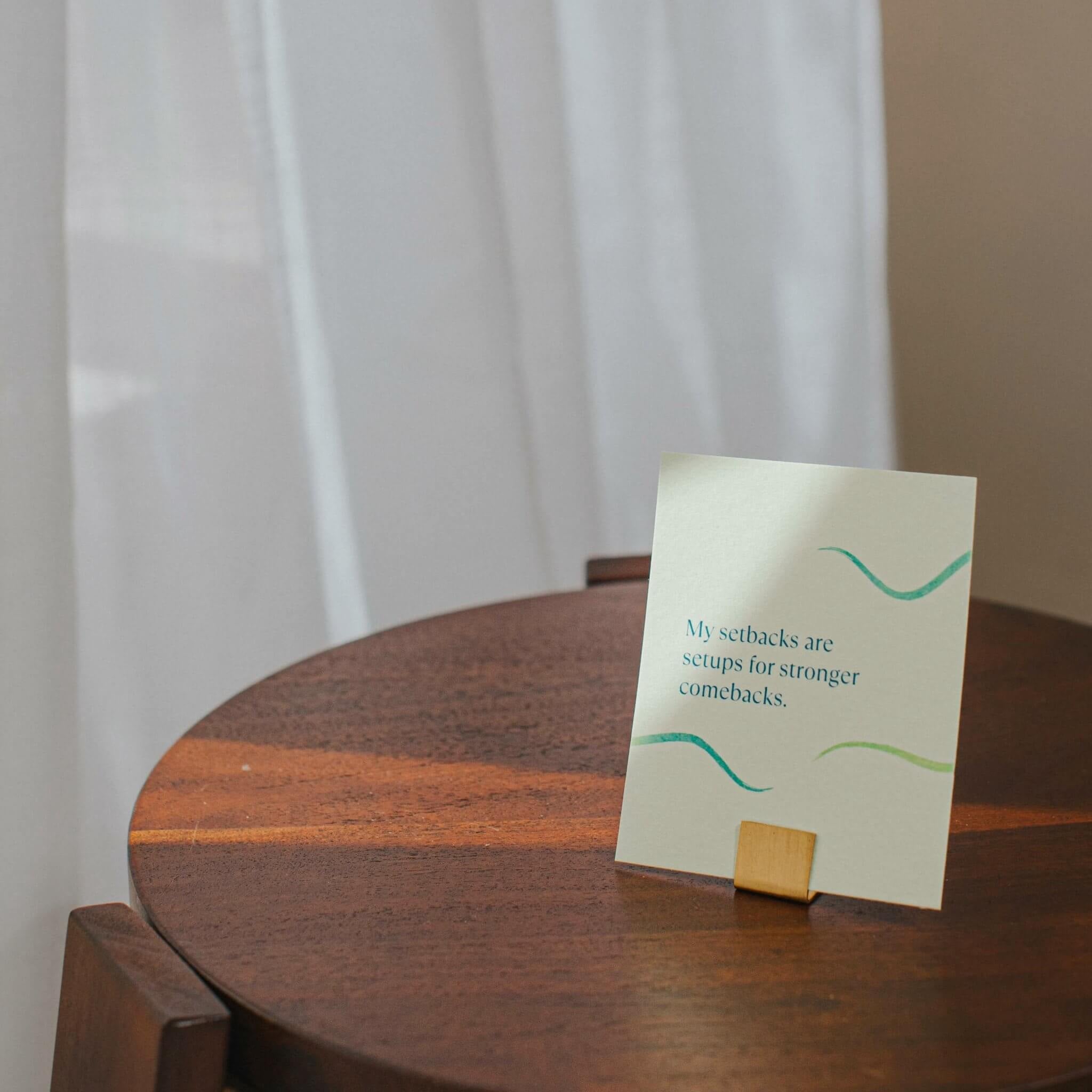
Self-Compassion Affirmation Cards
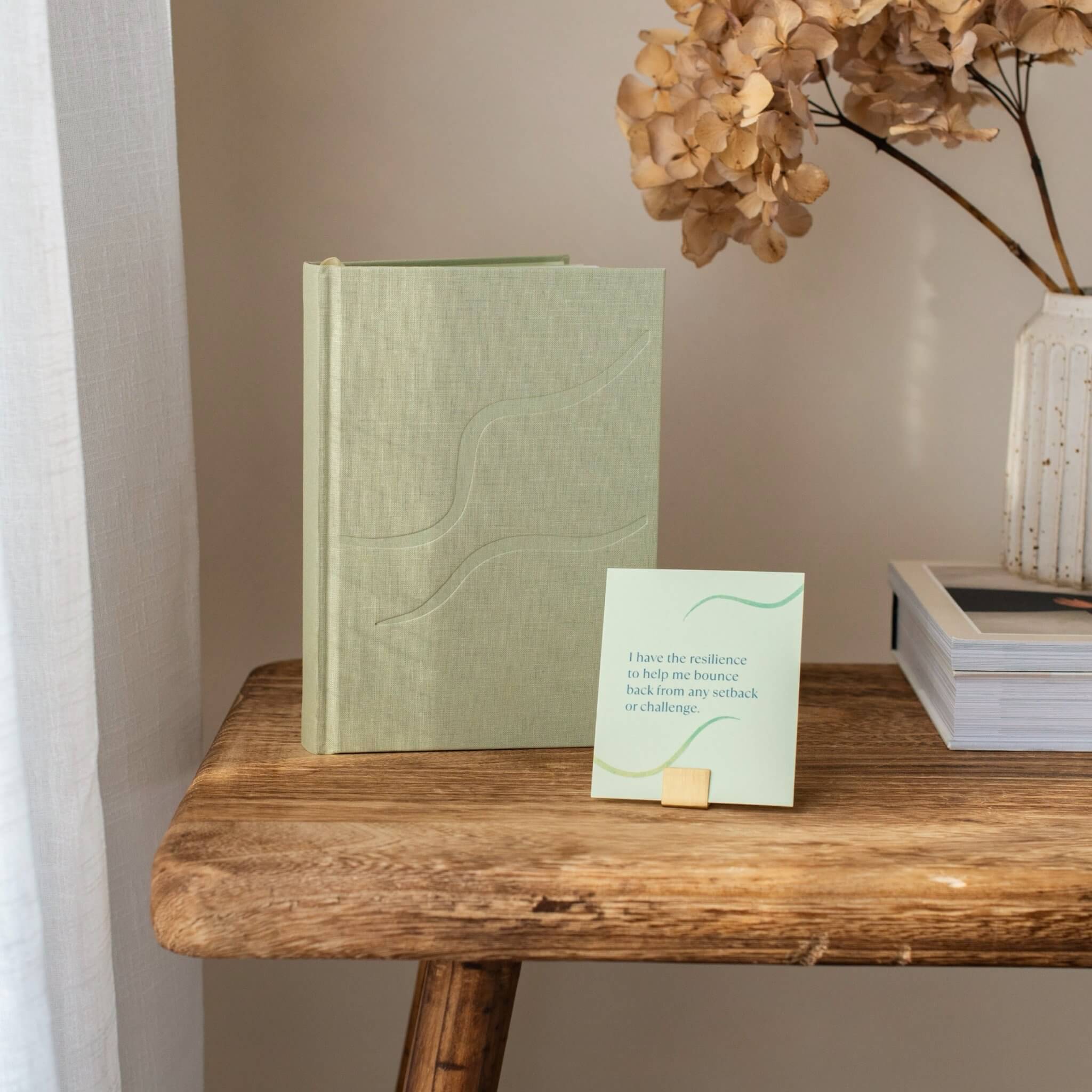
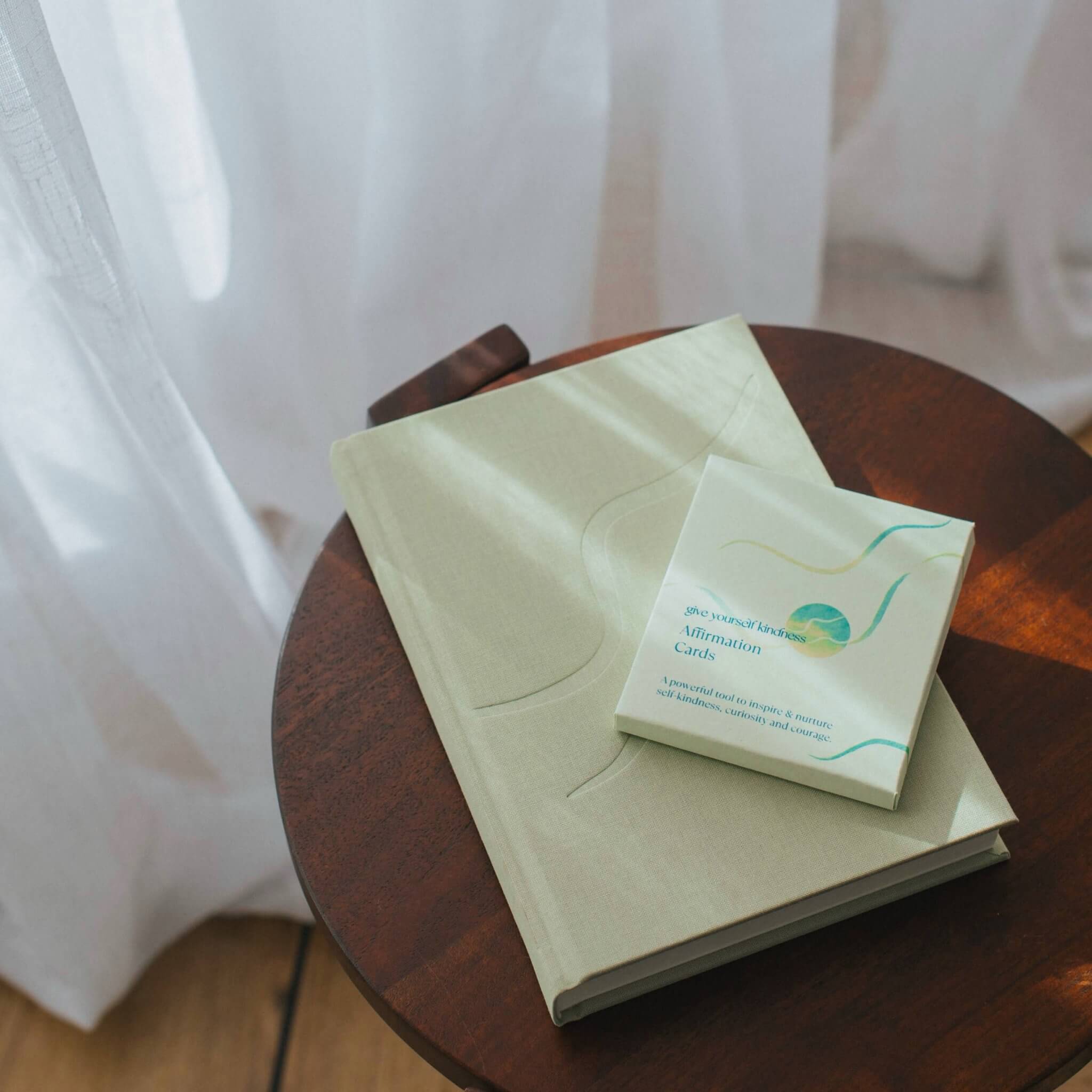
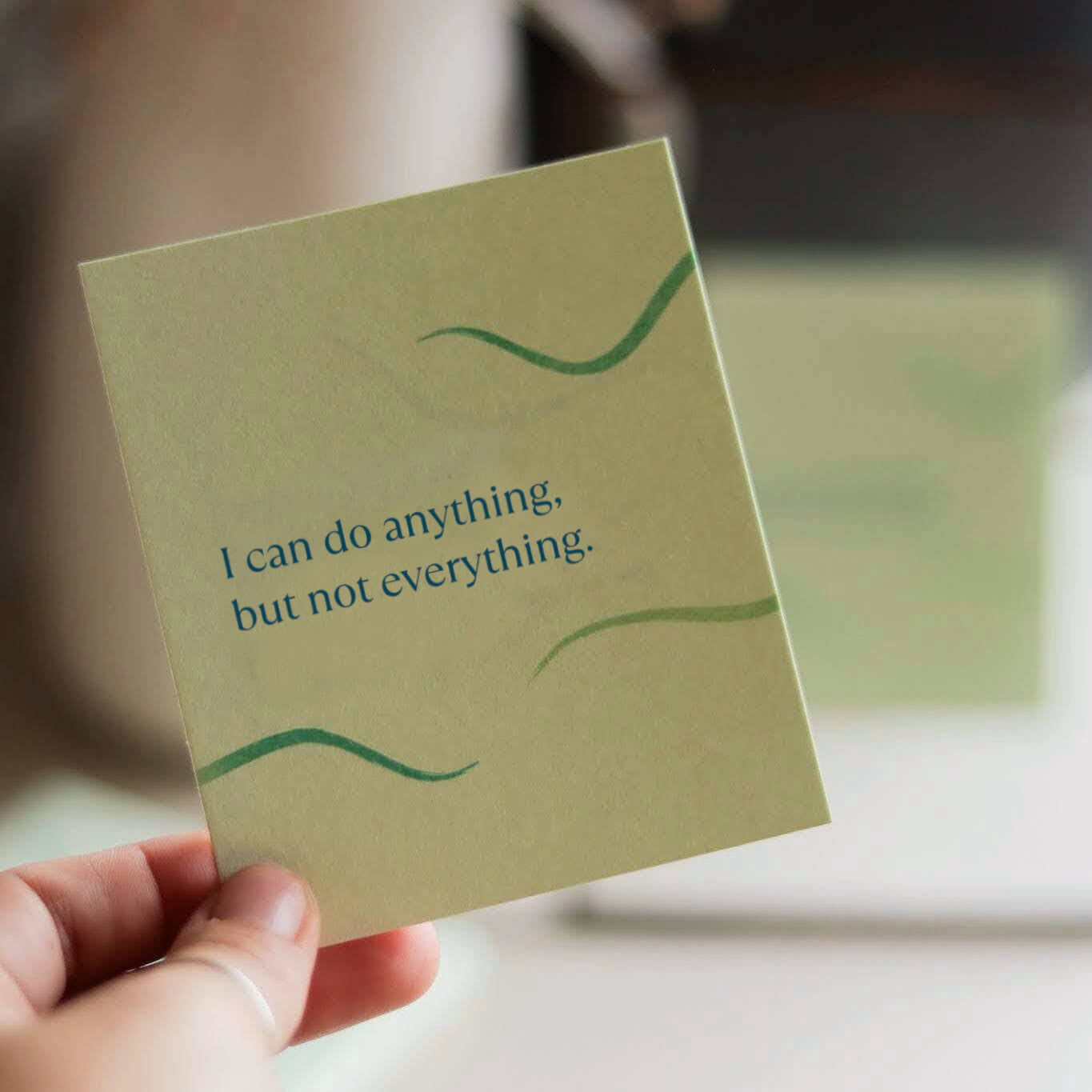
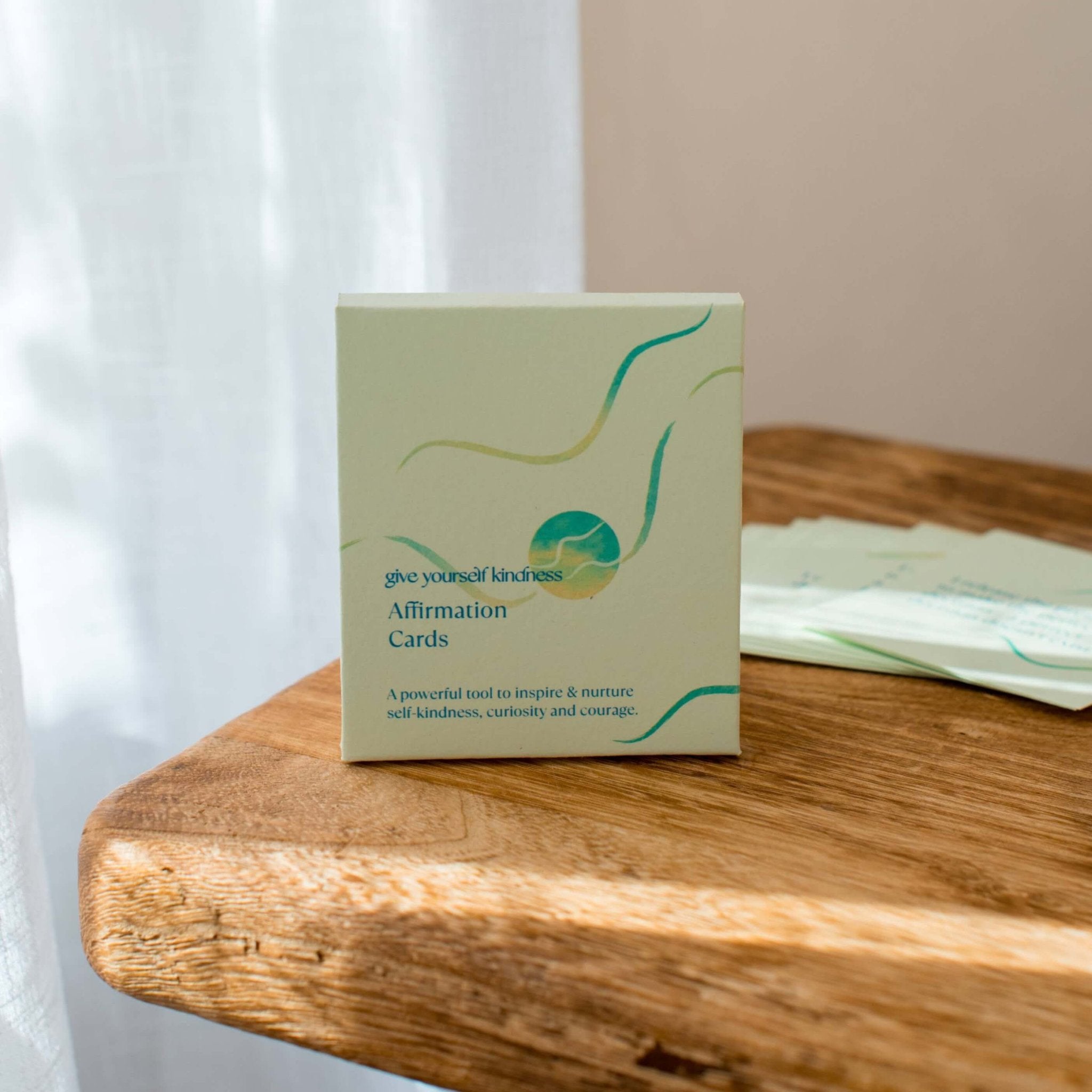
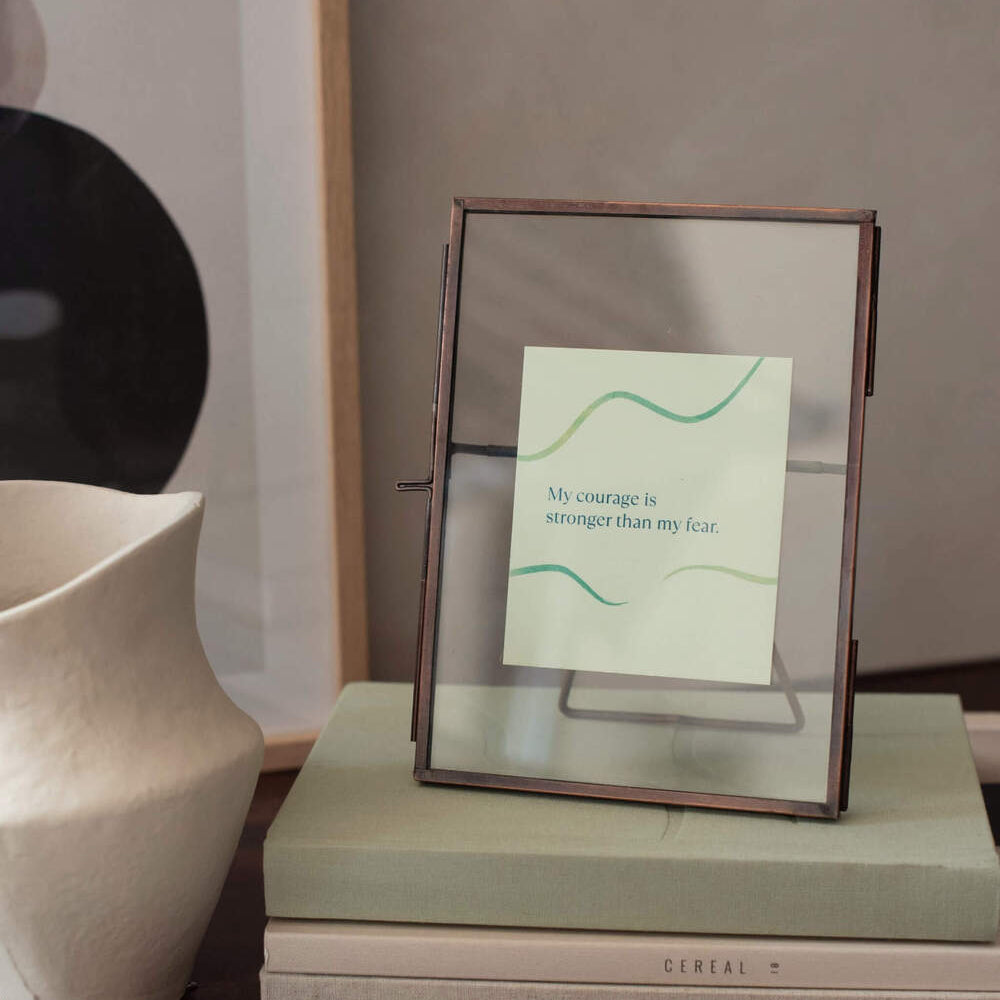
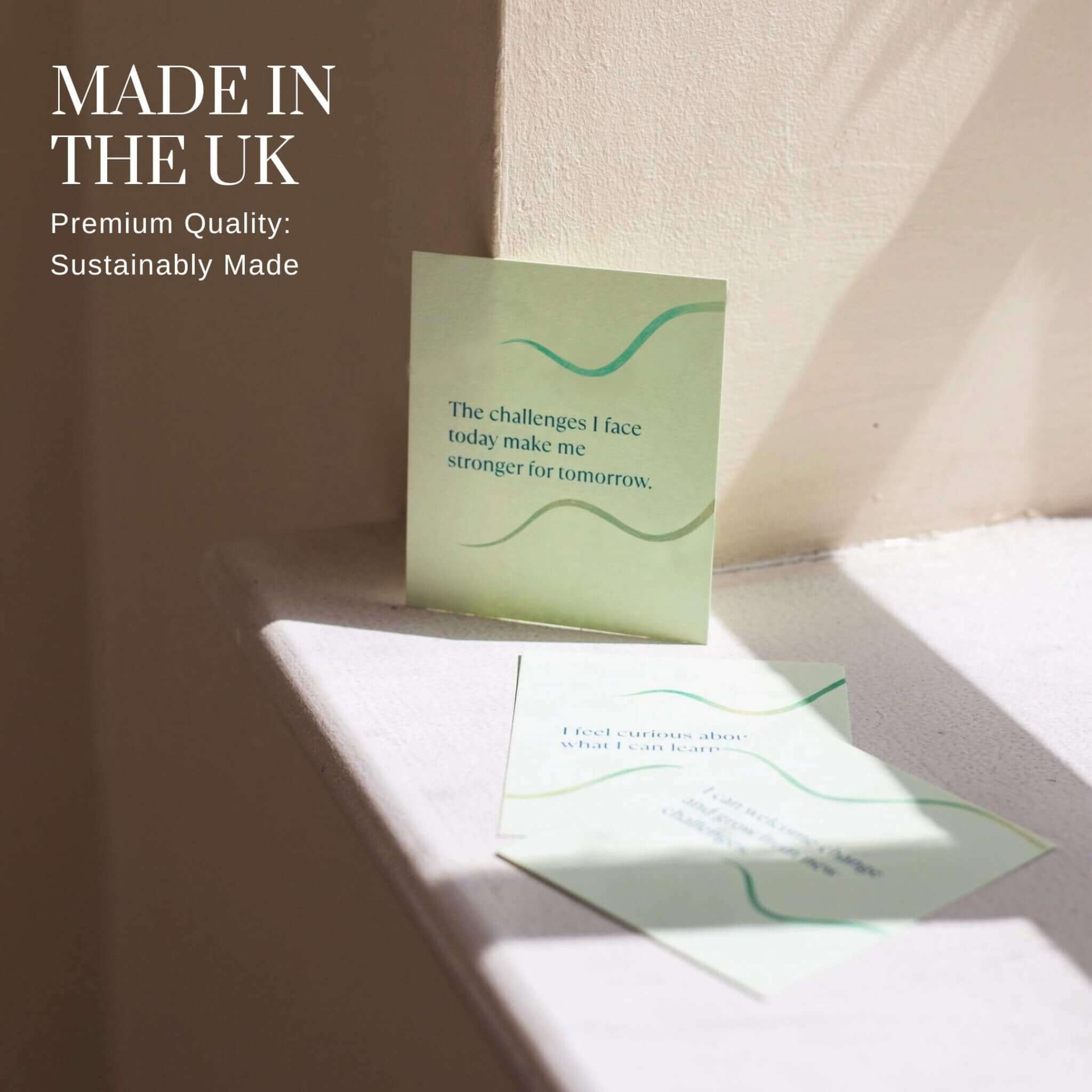
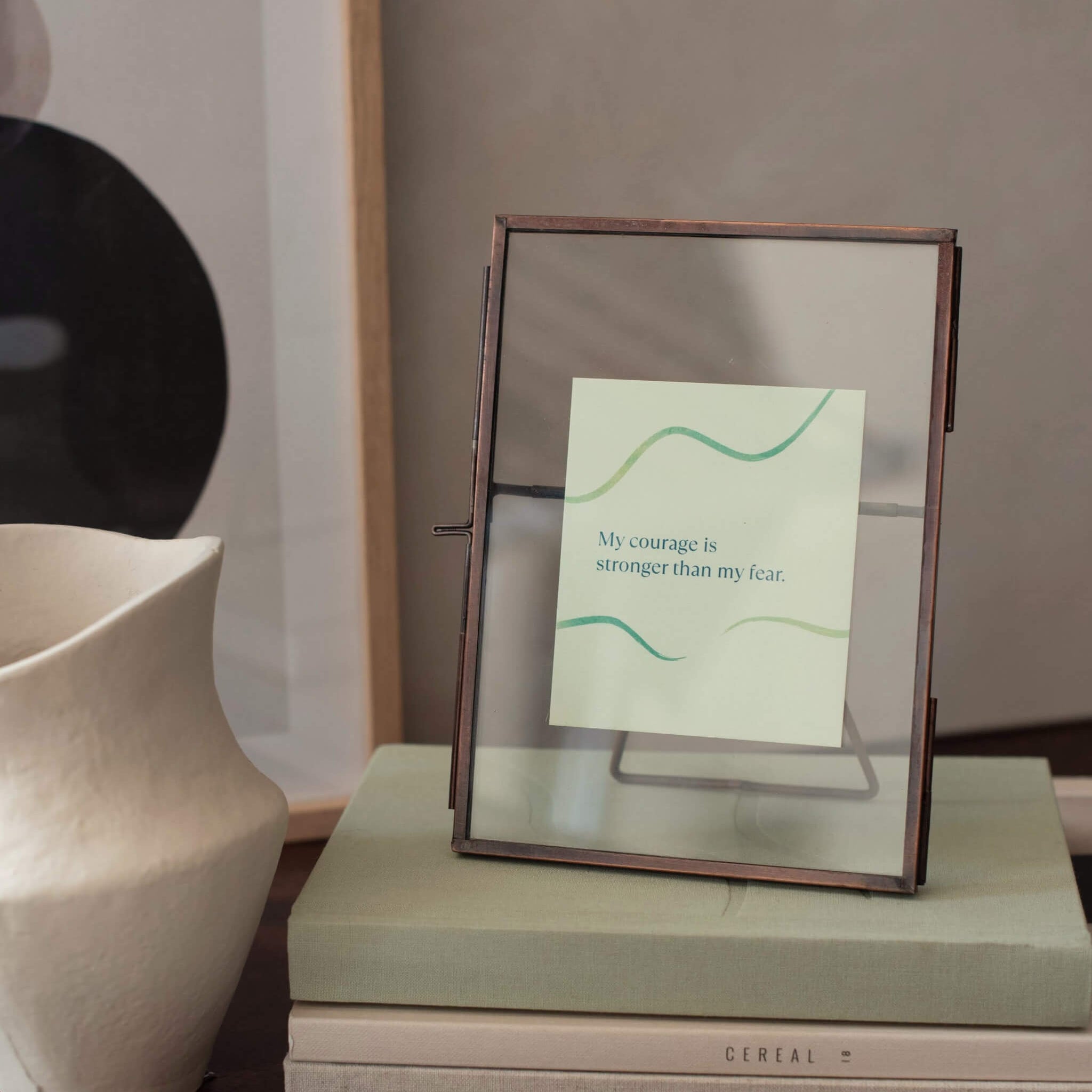
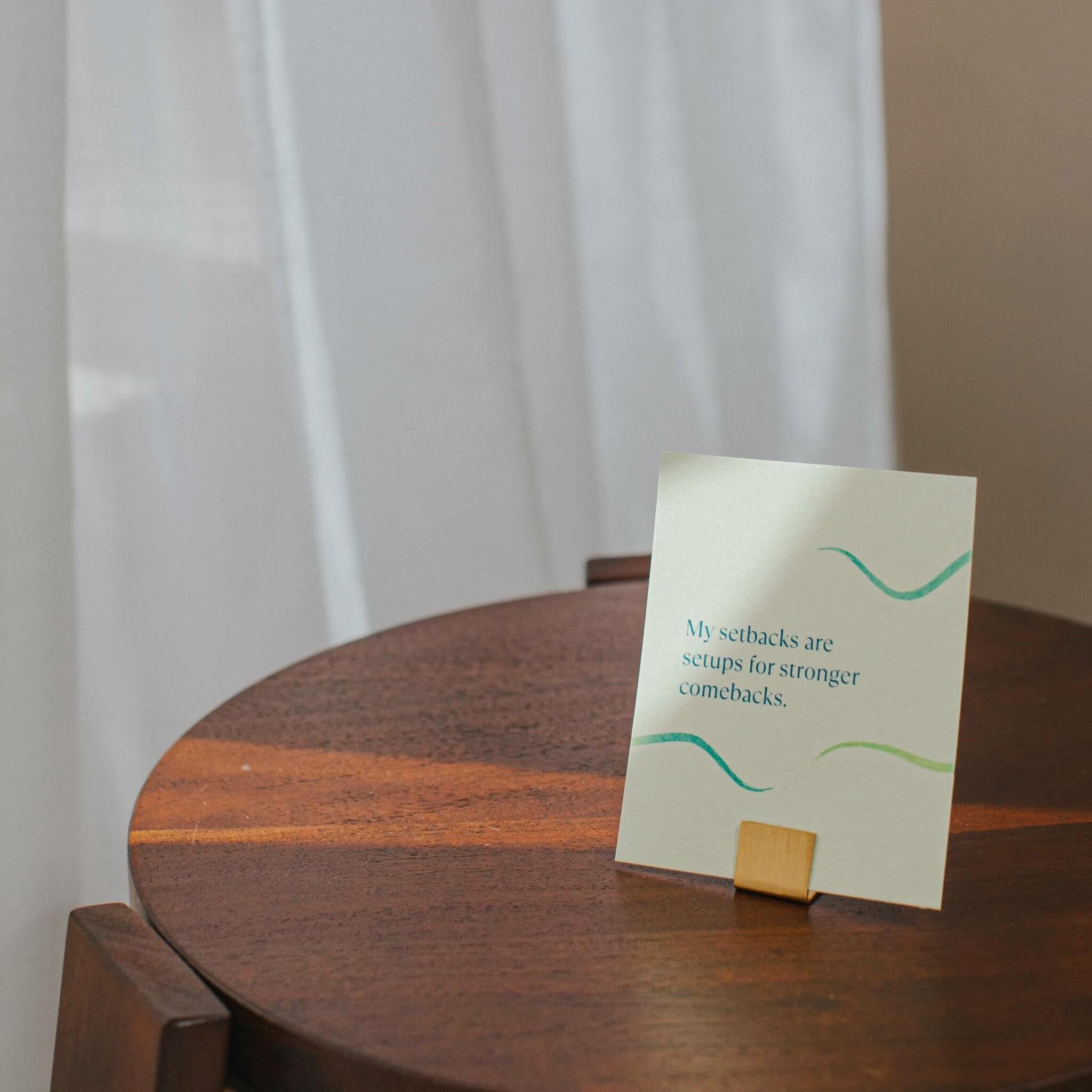
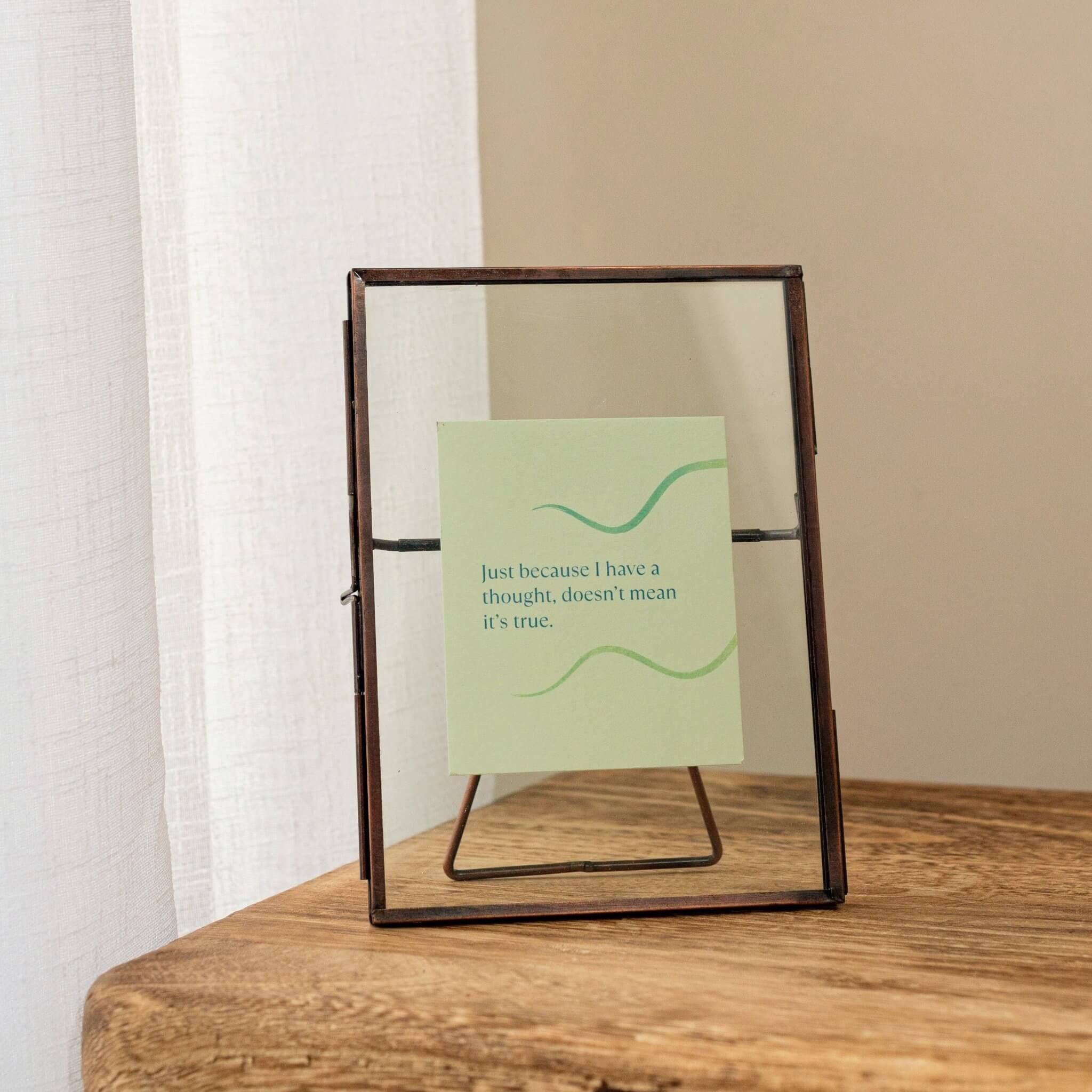
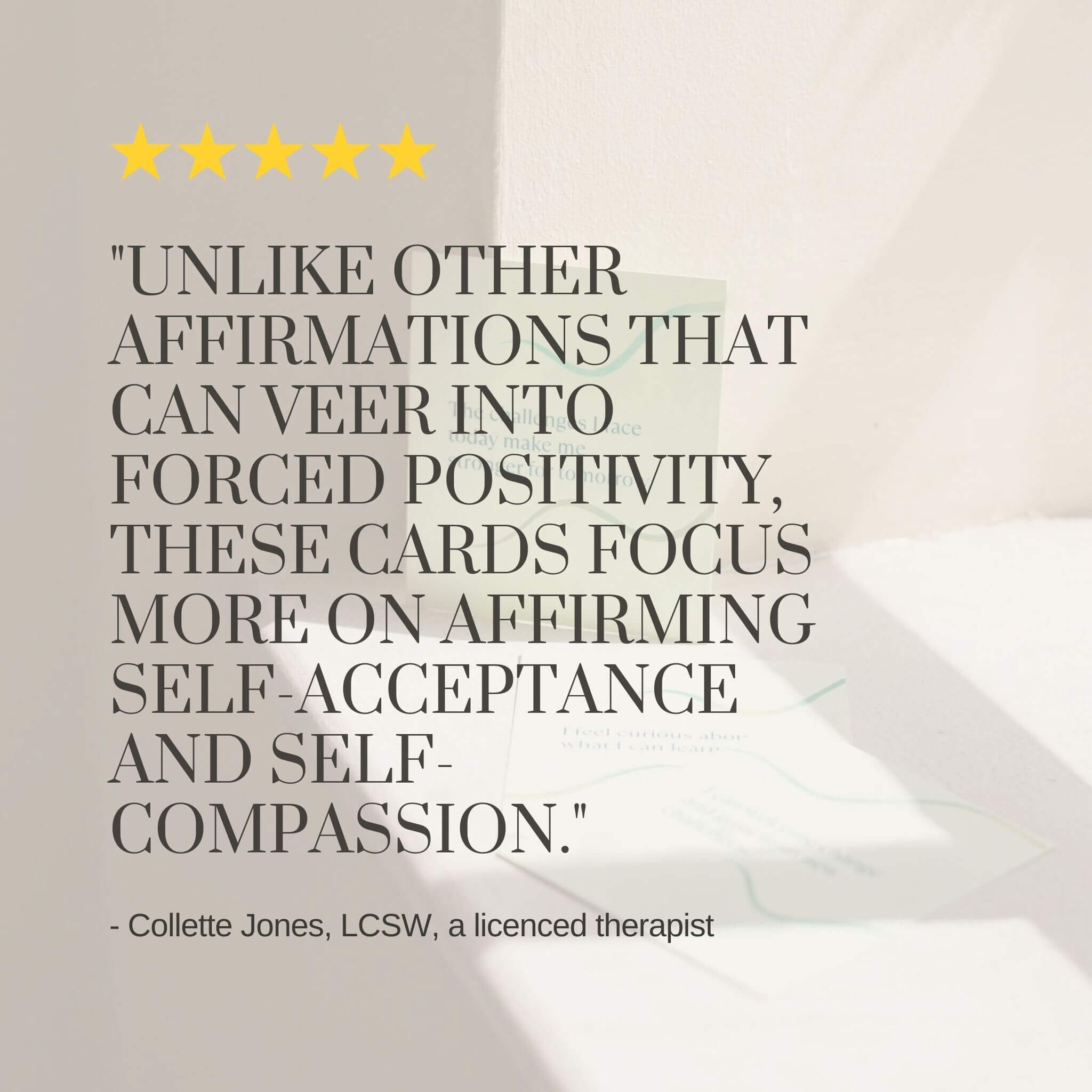
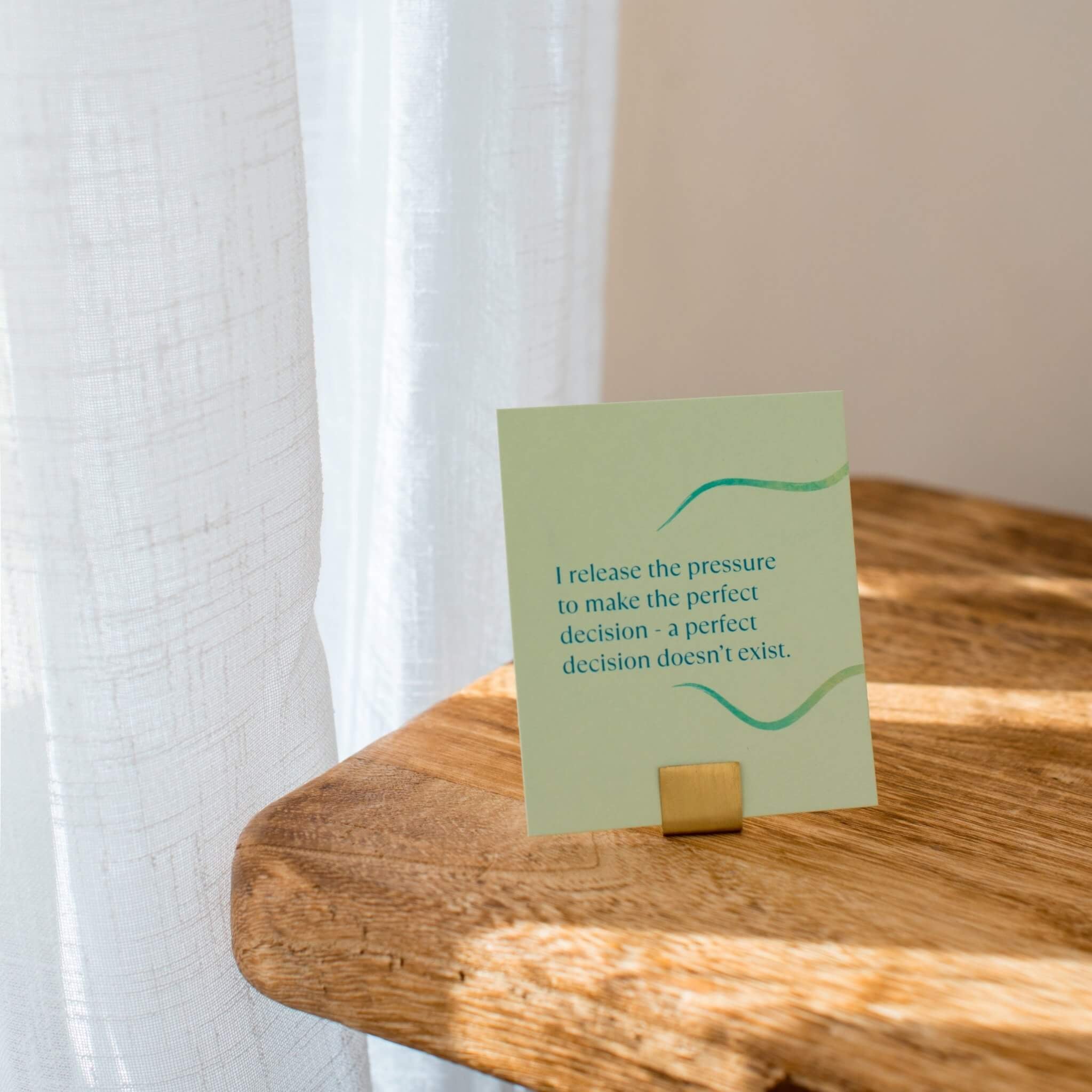
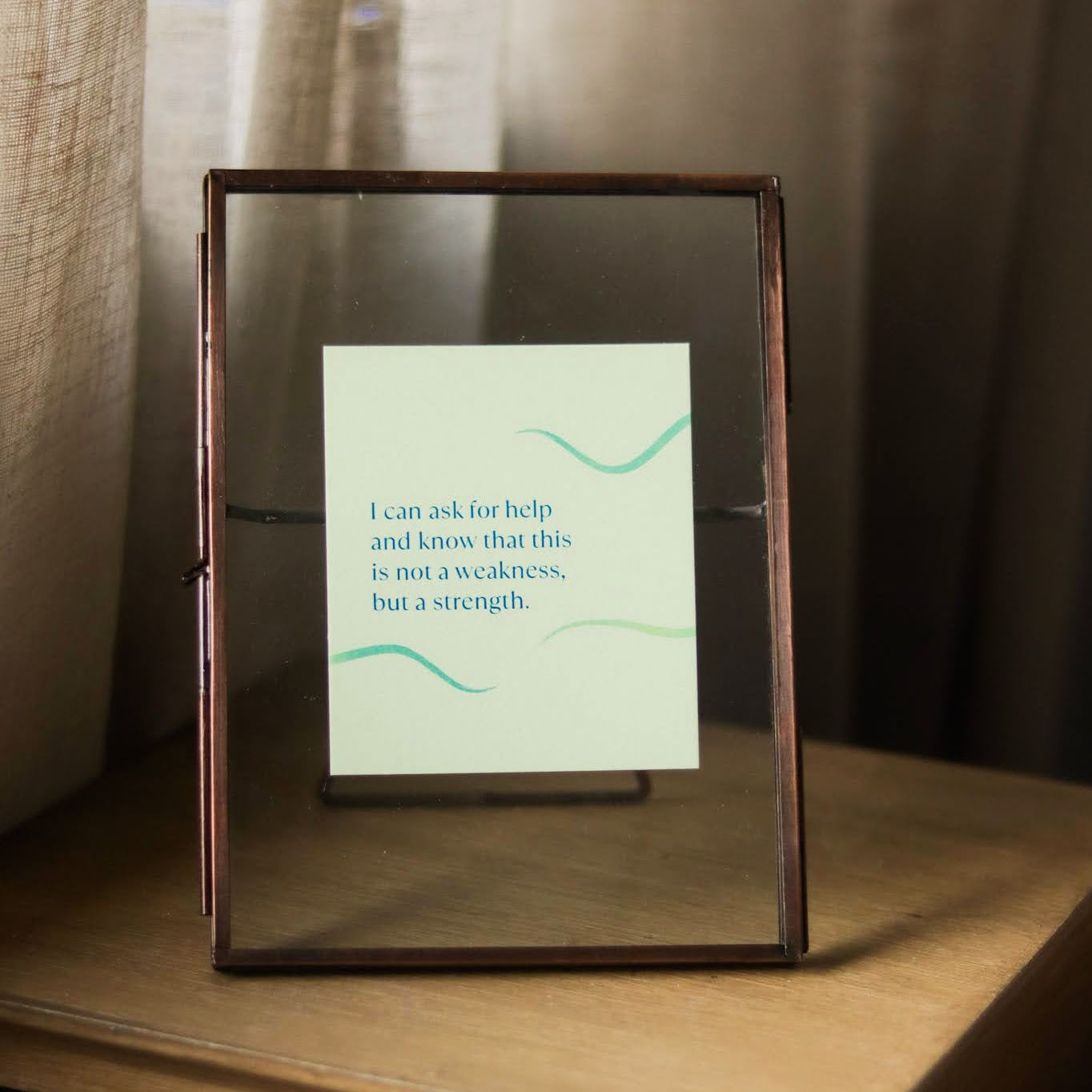
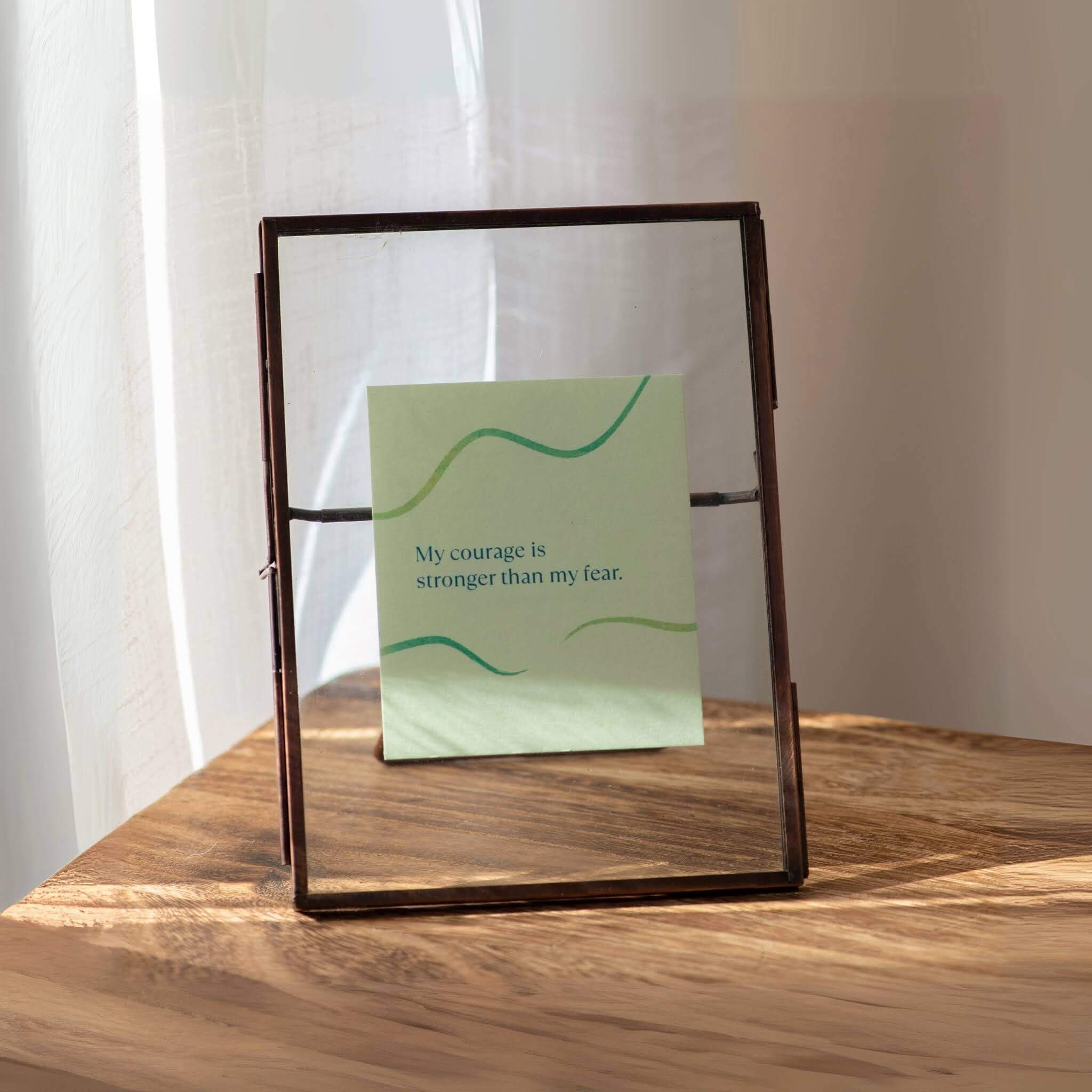
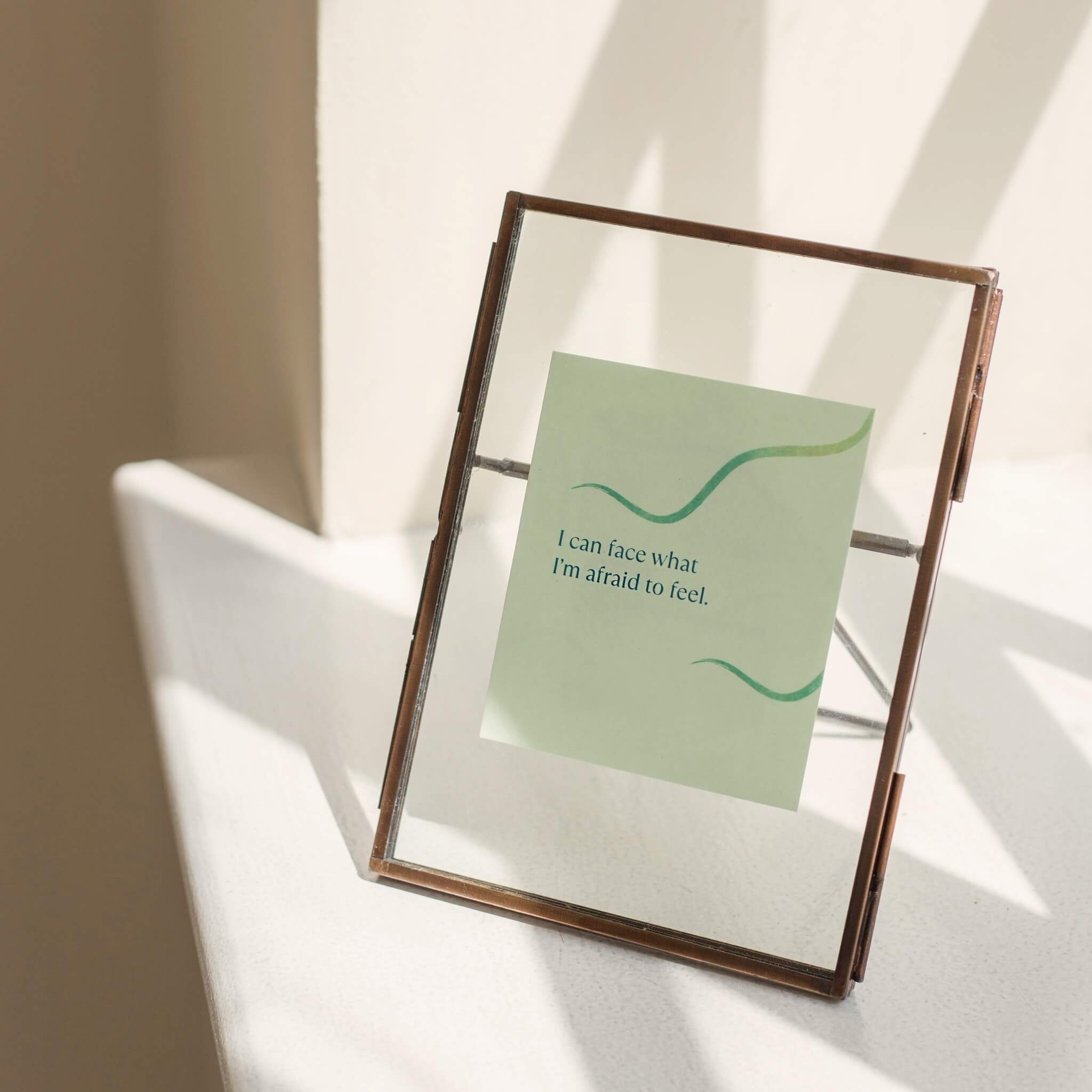
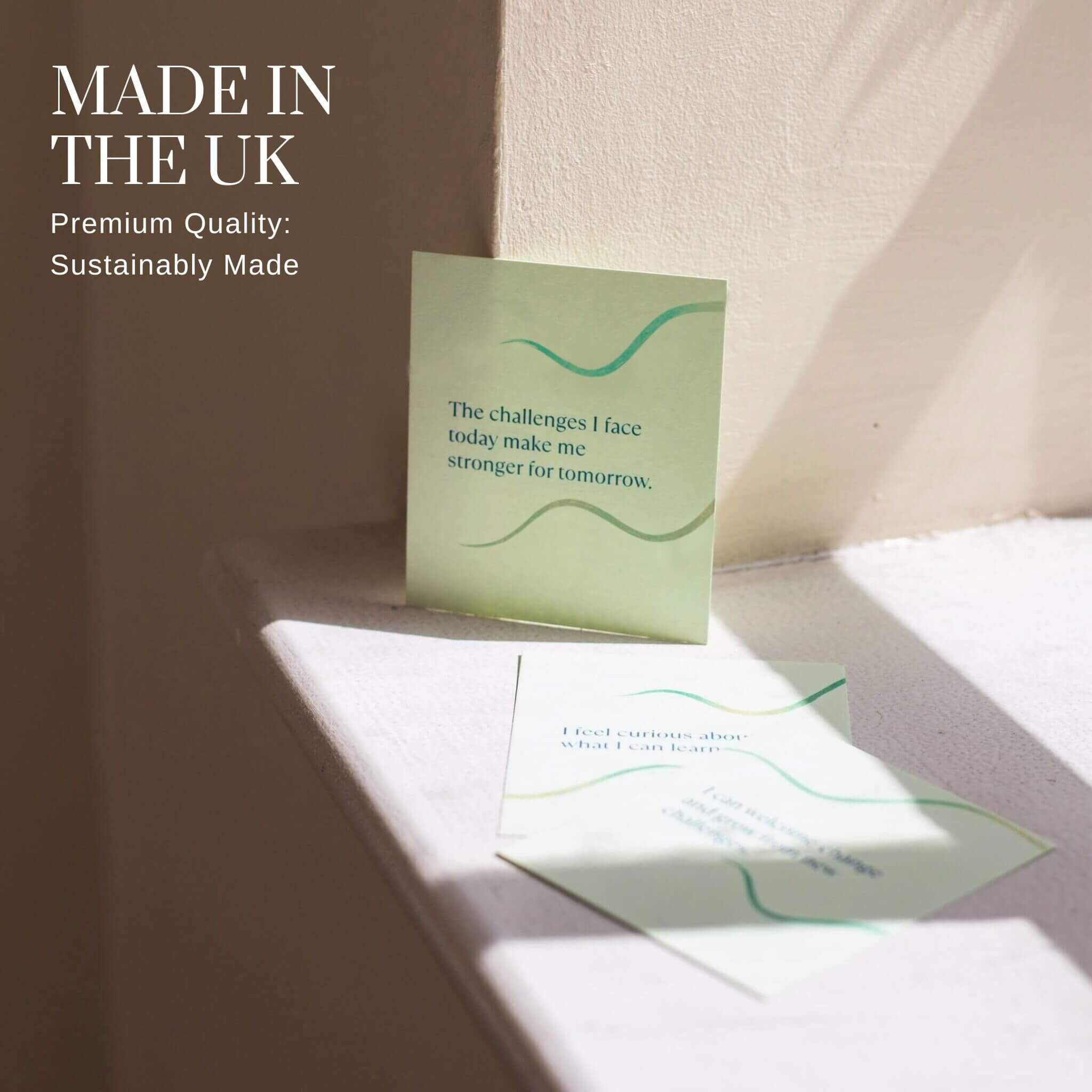
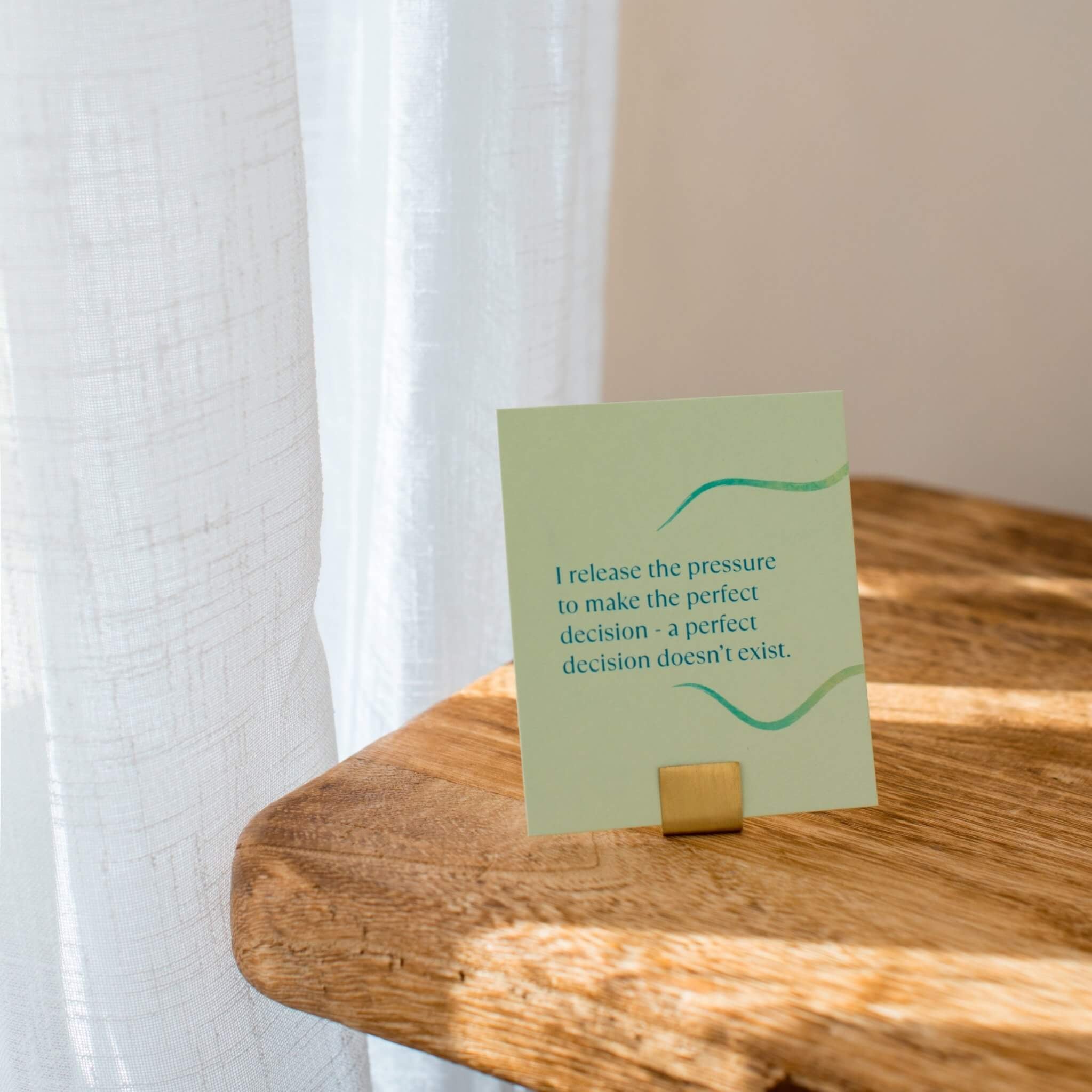
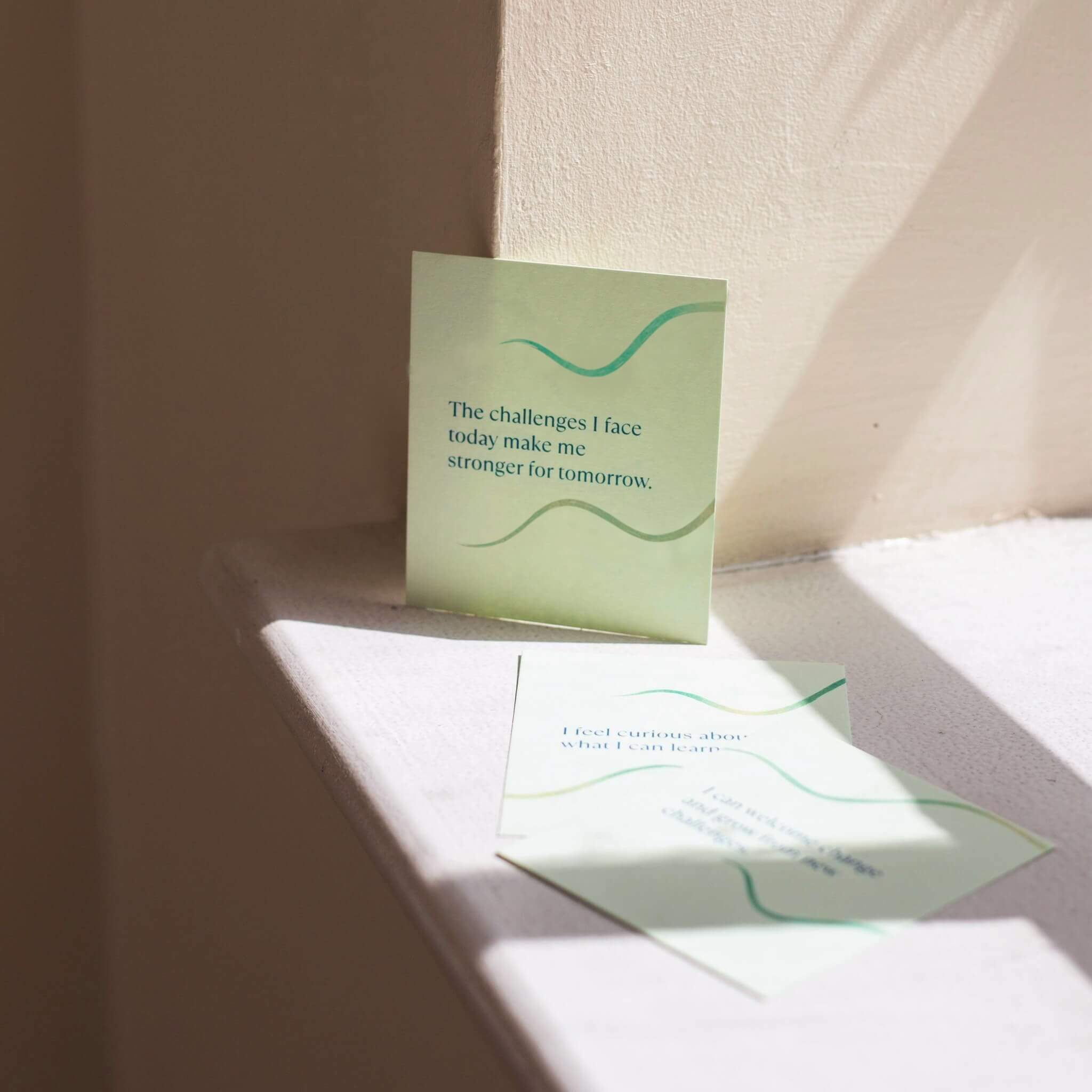
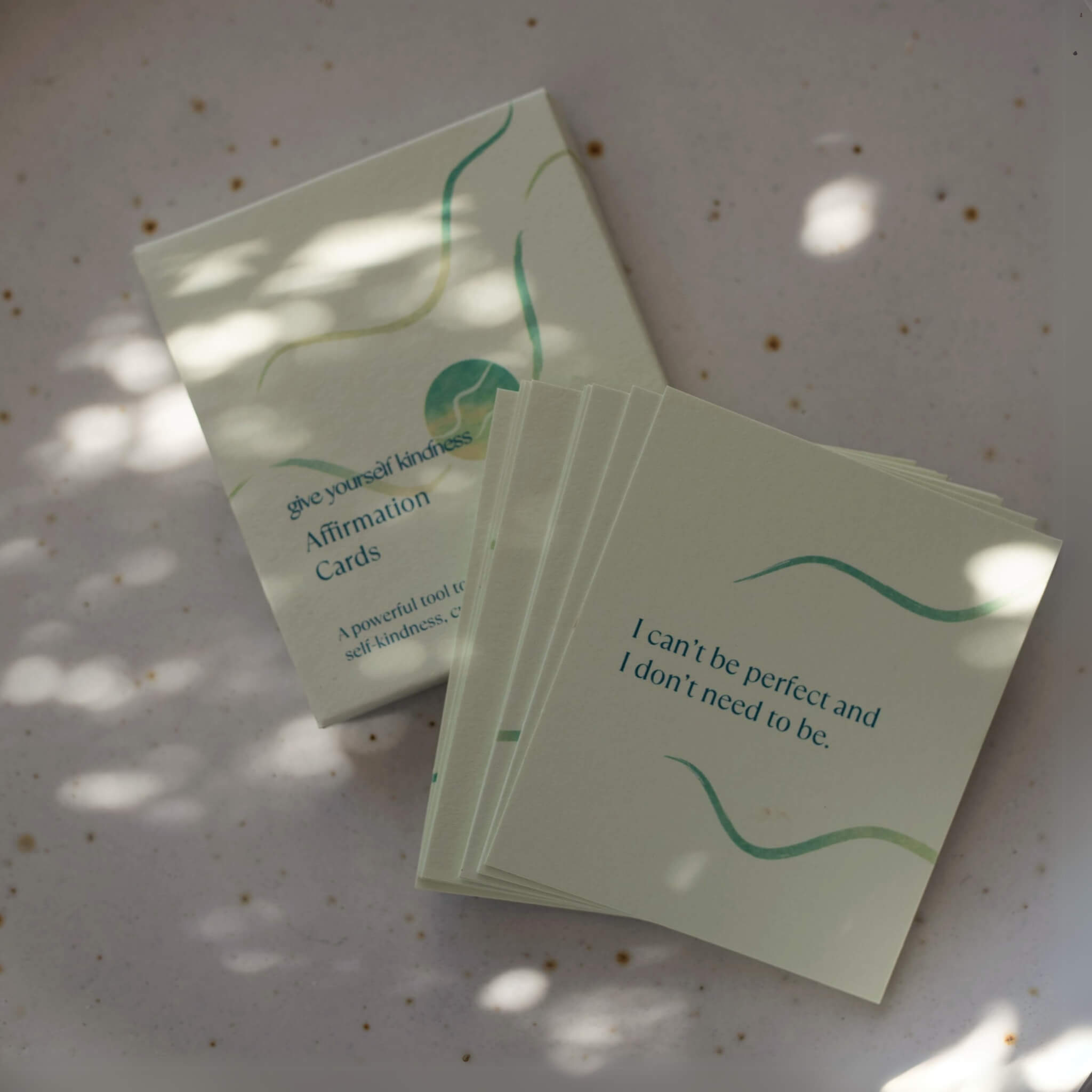
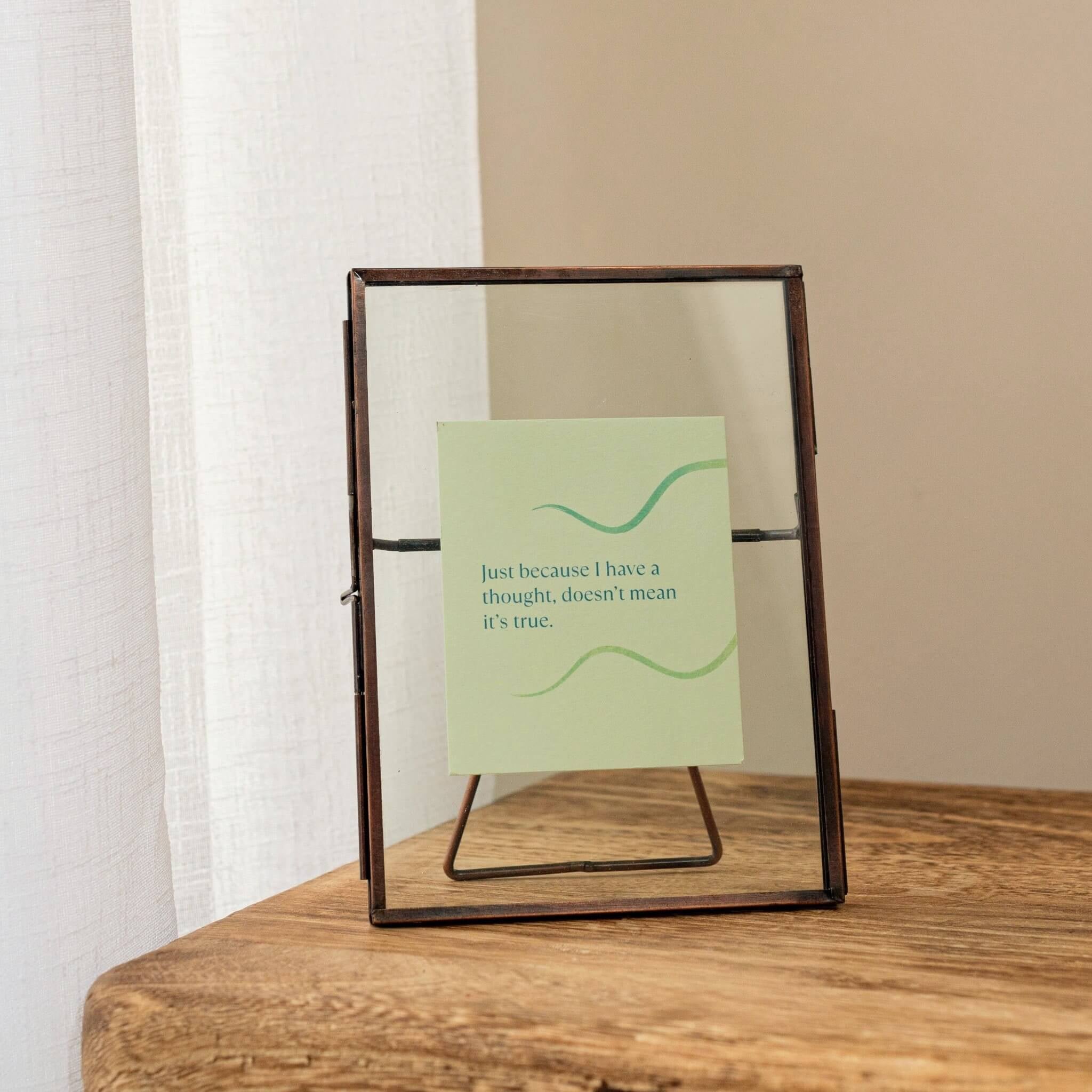
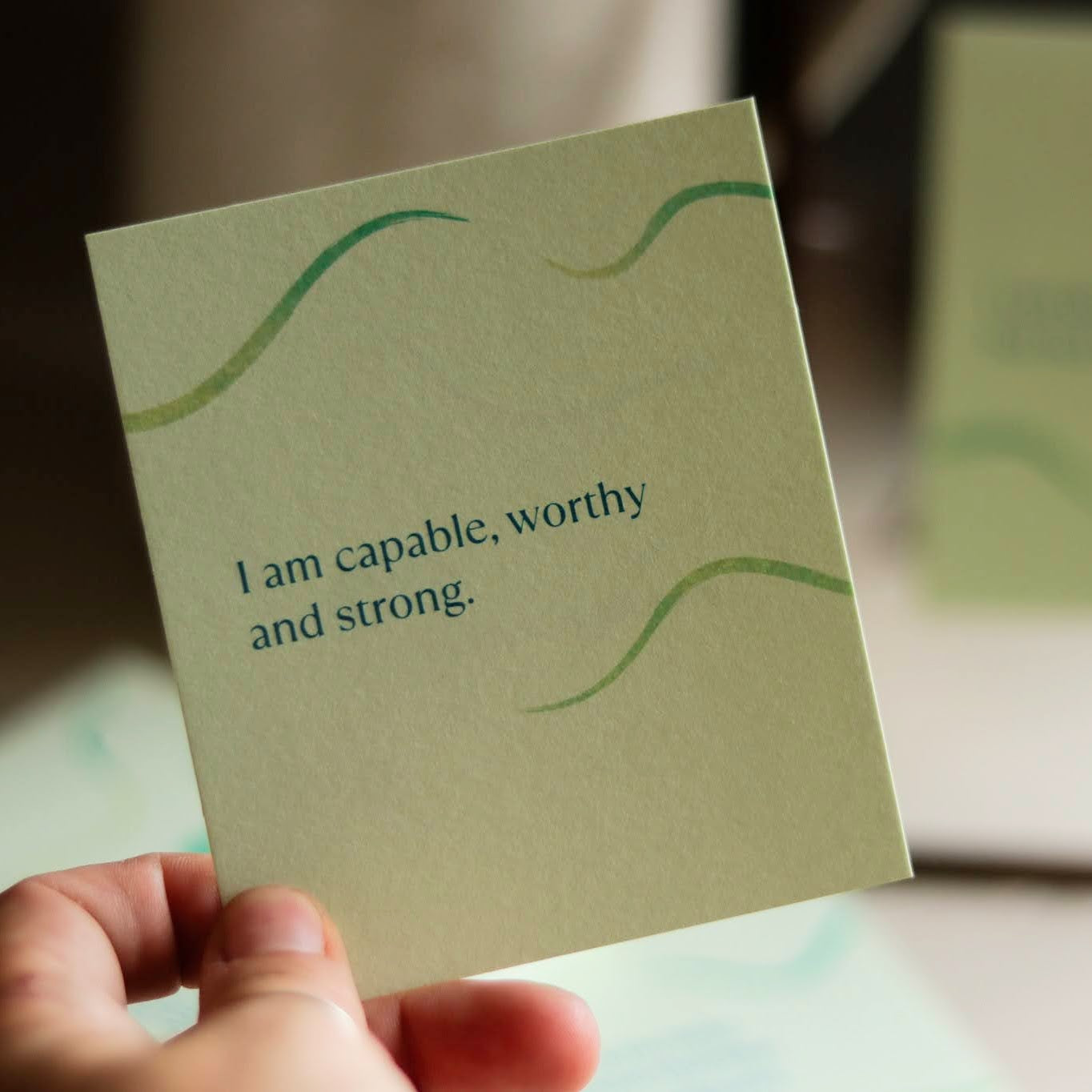
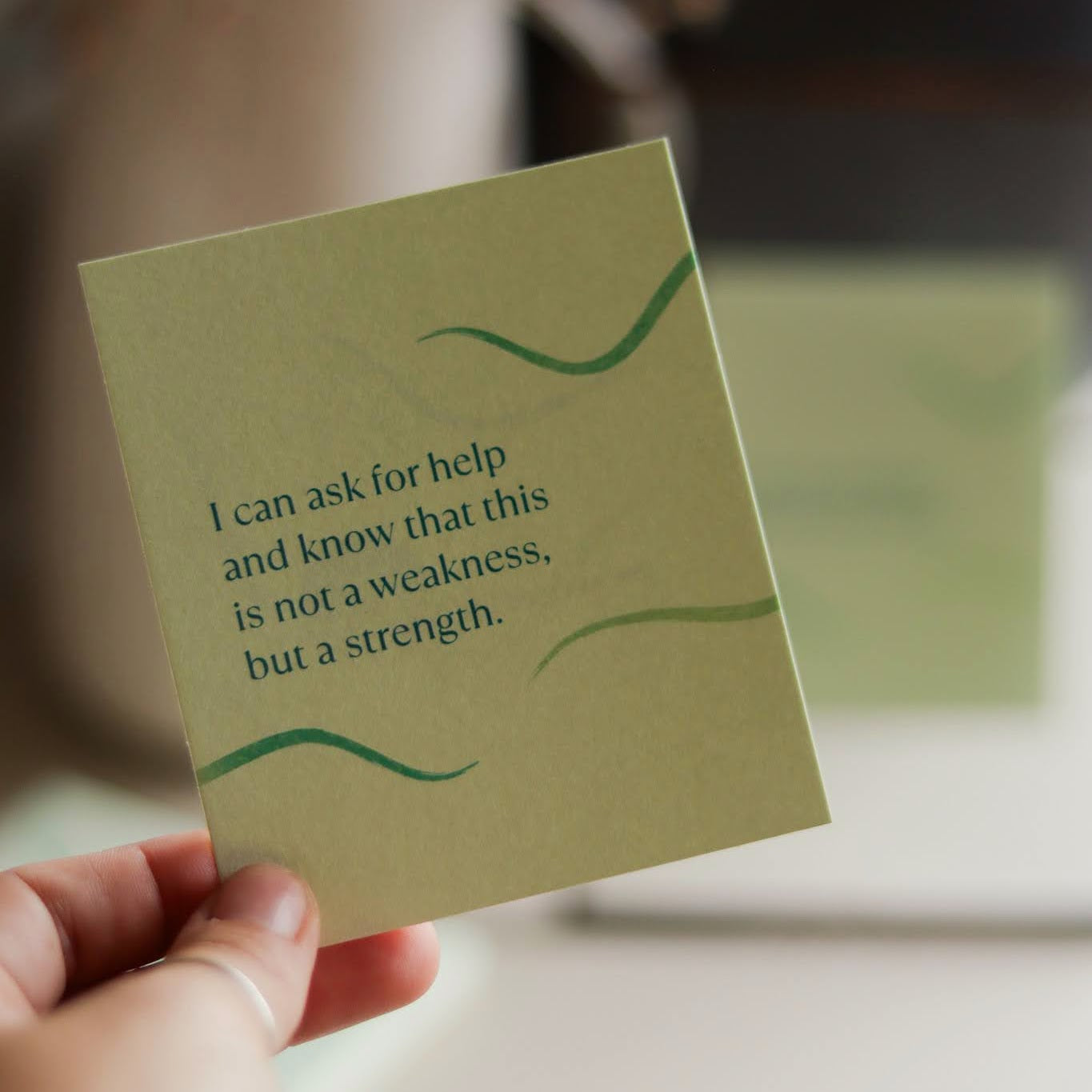
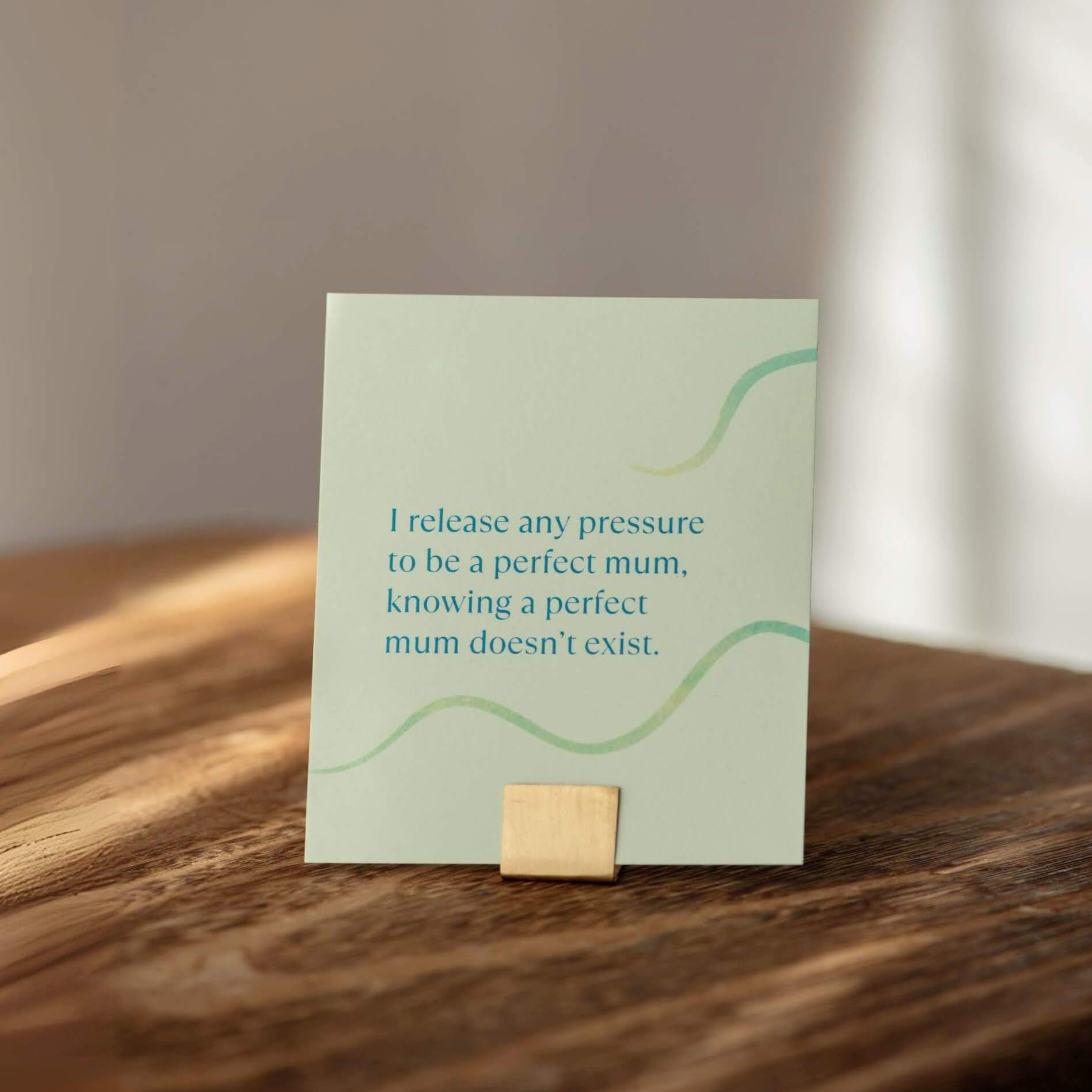
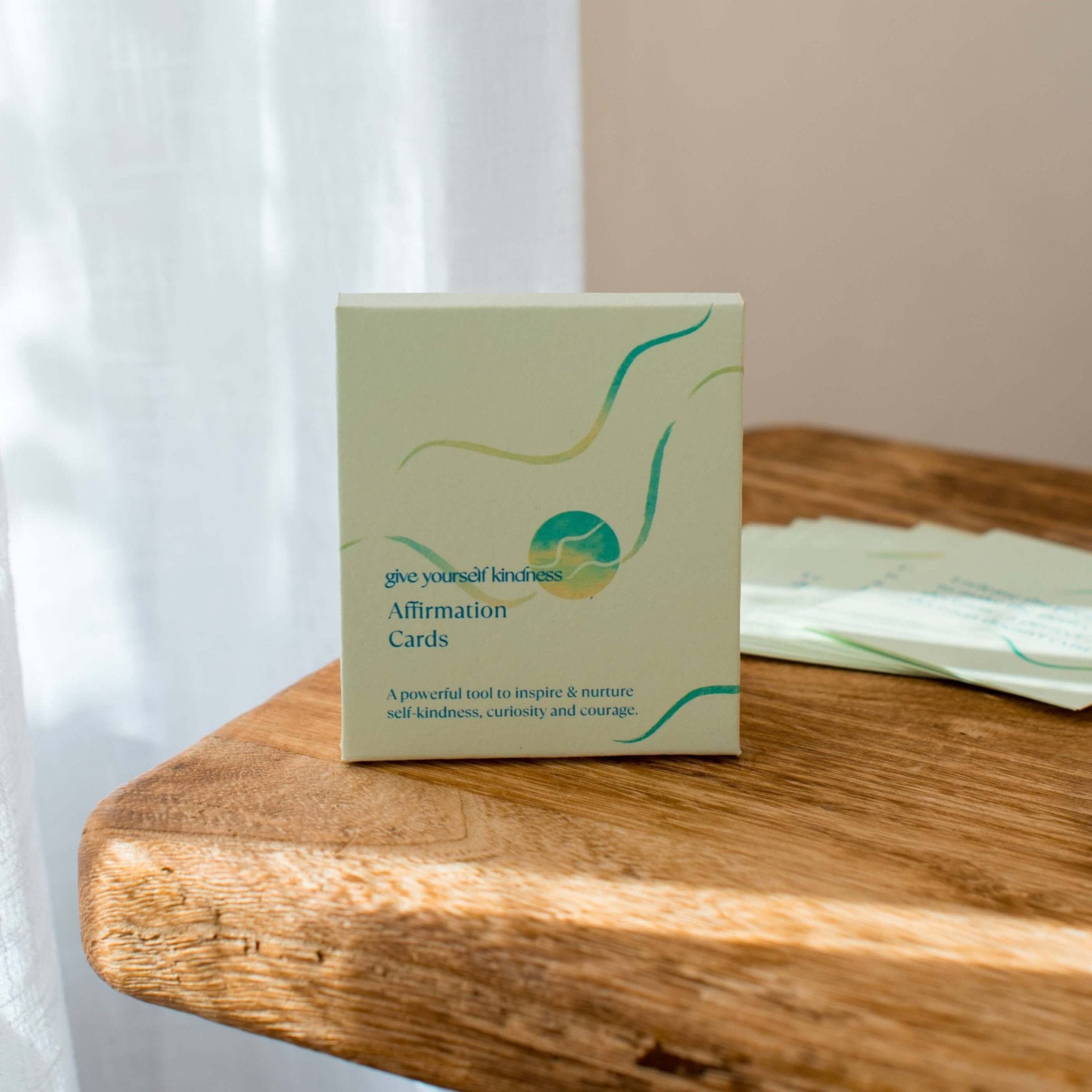
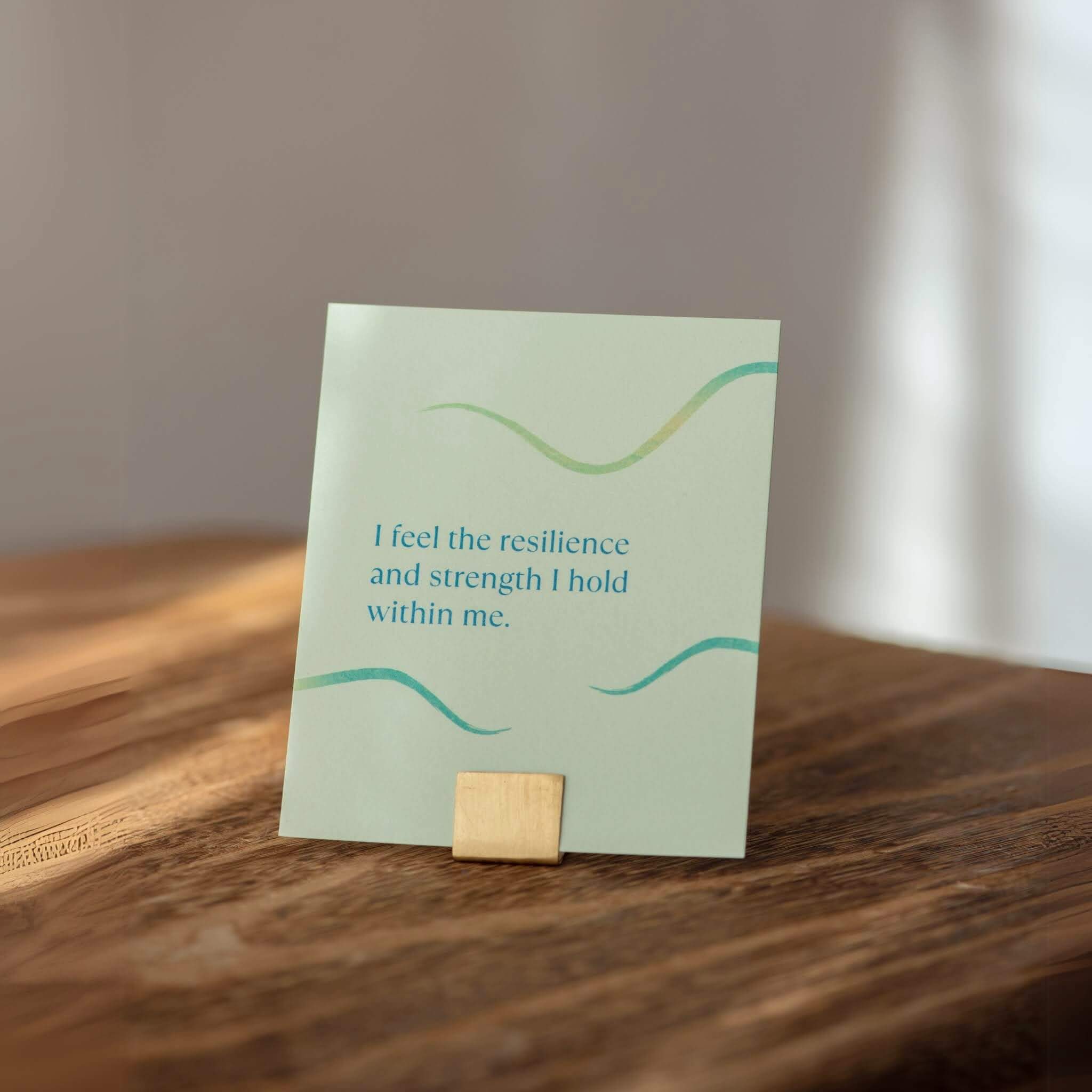
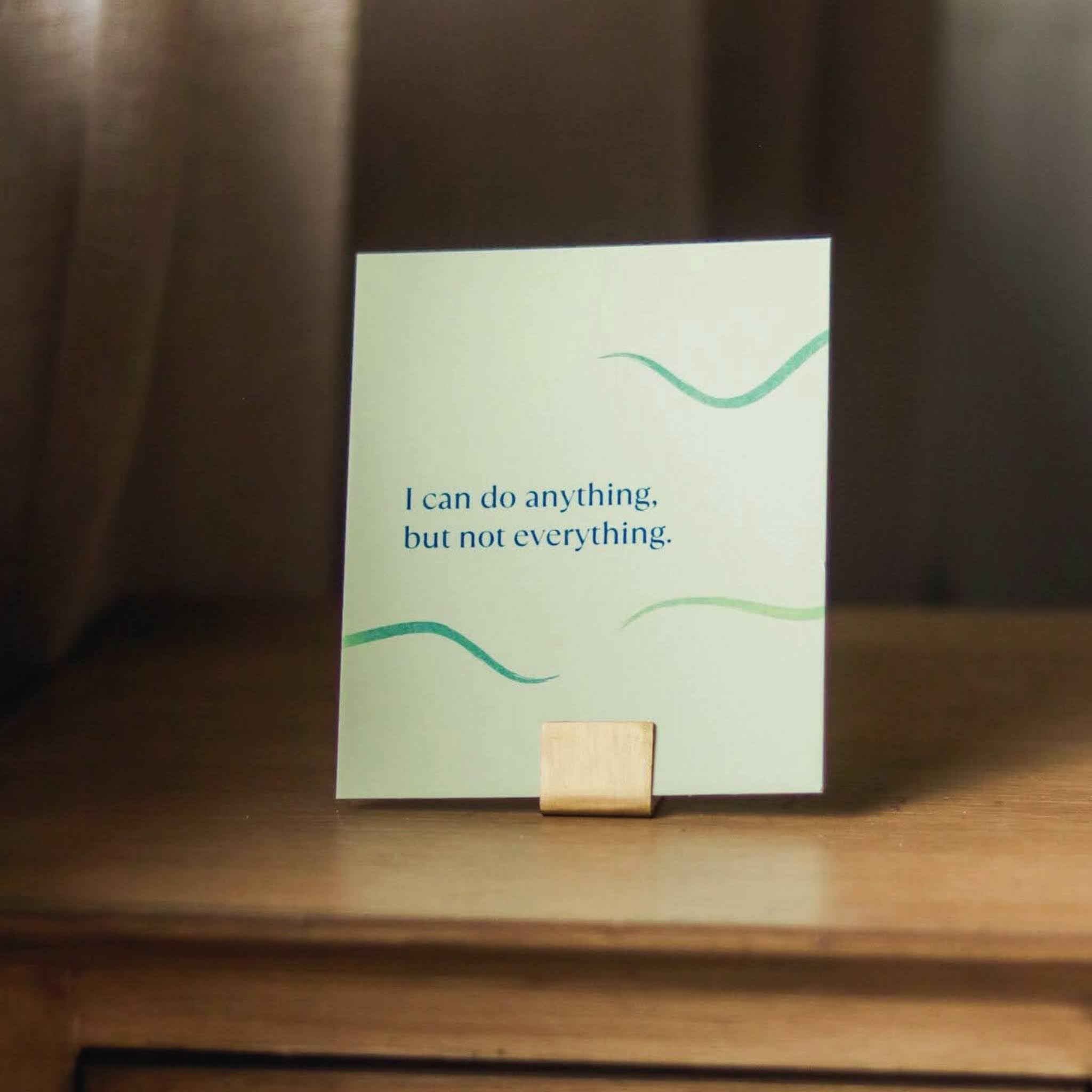
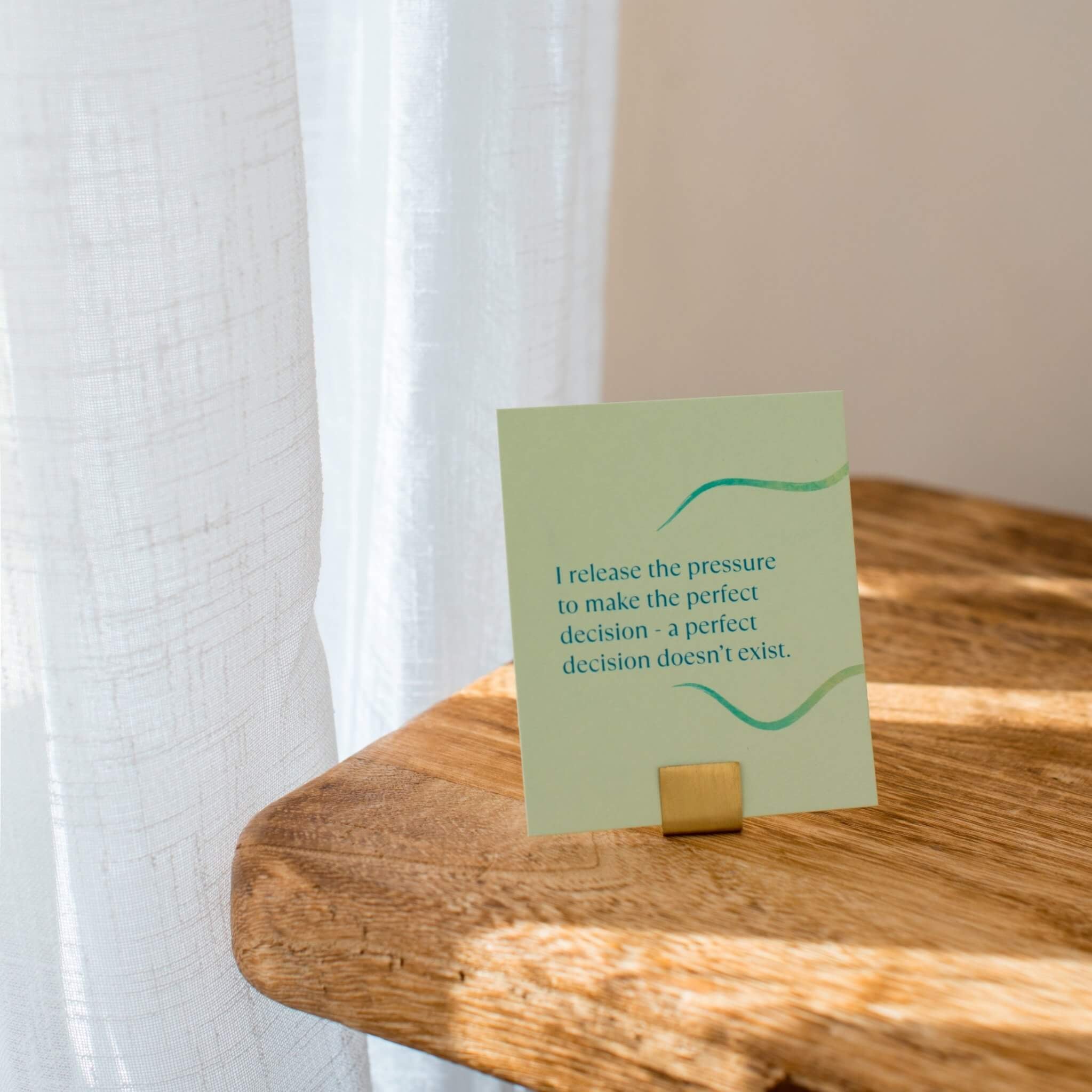
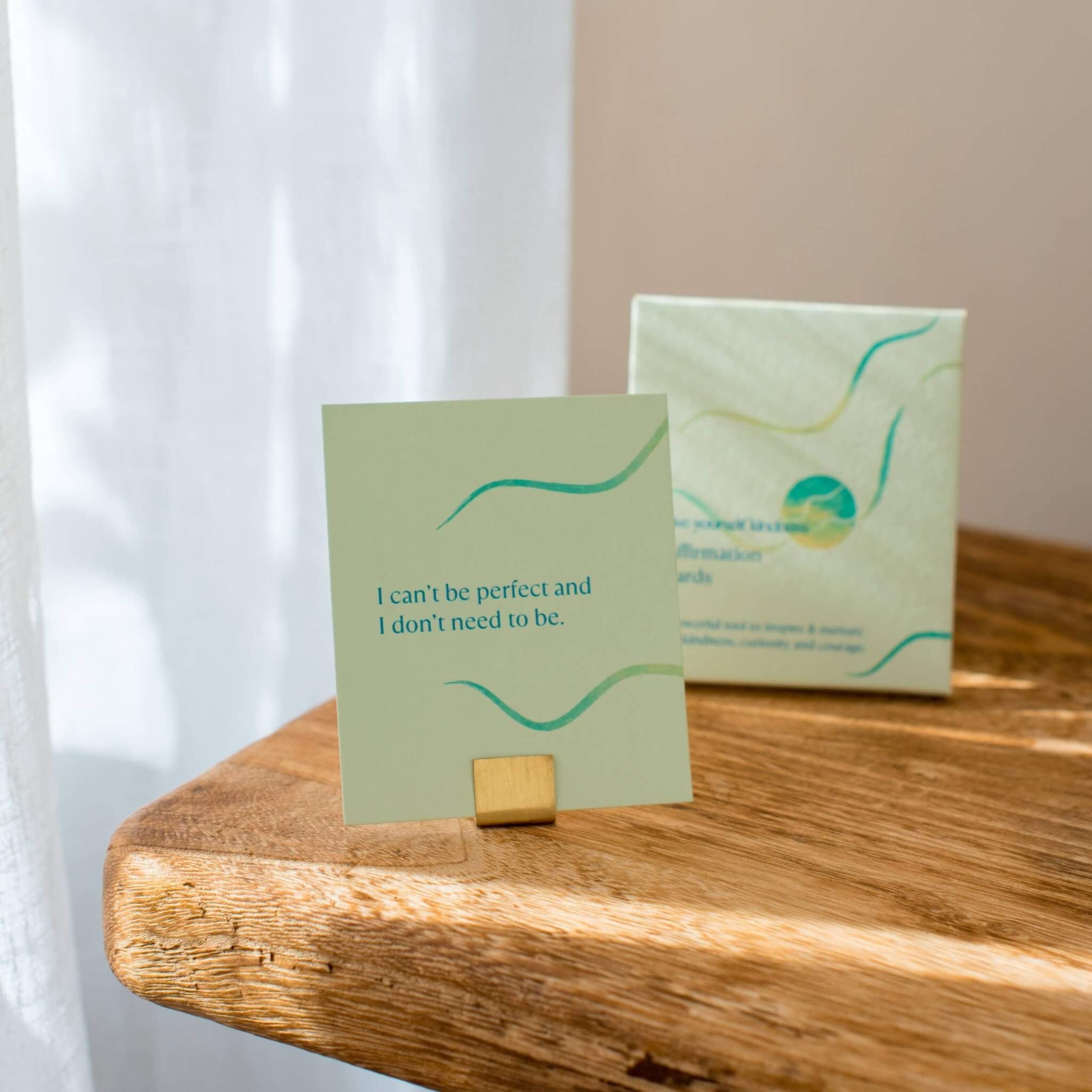
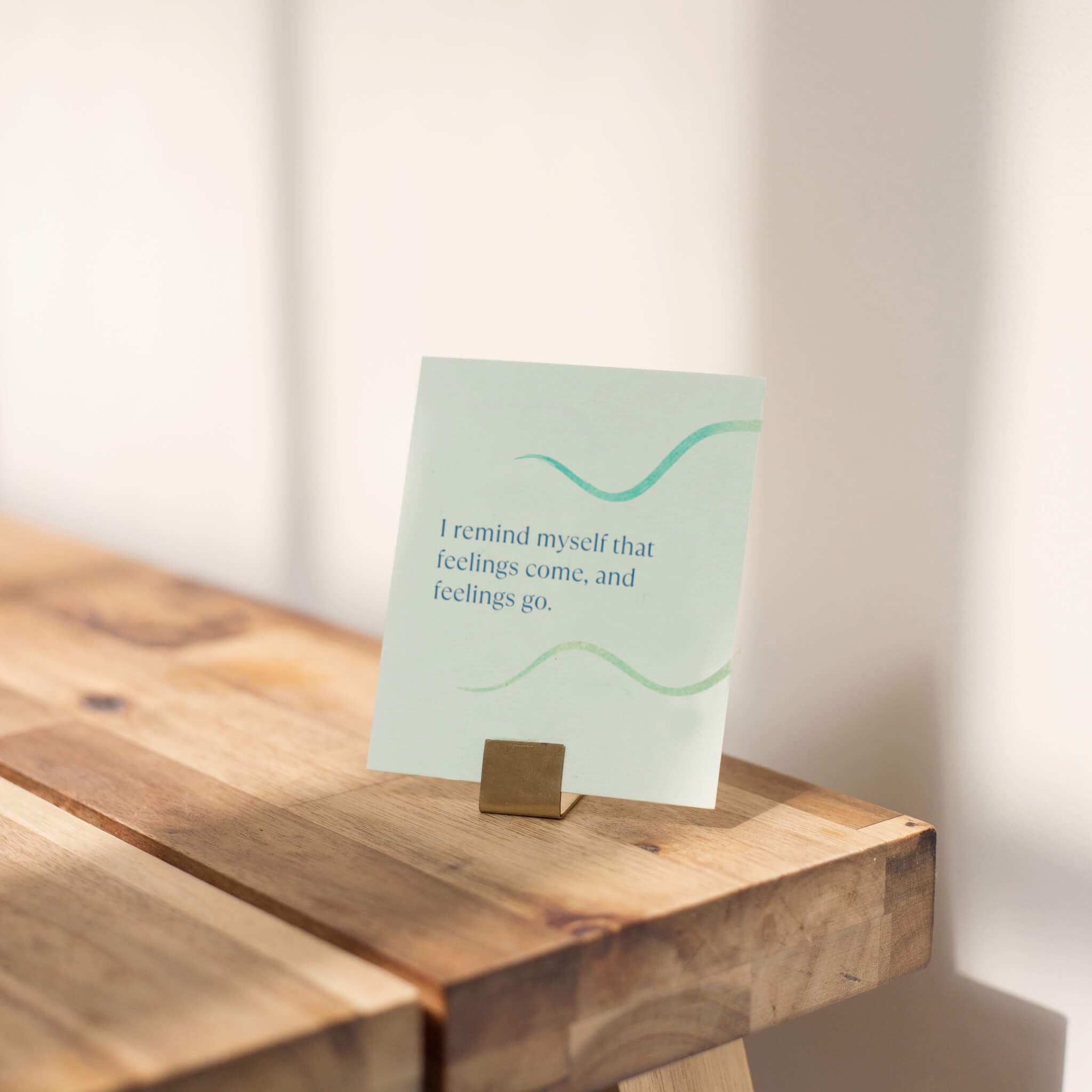
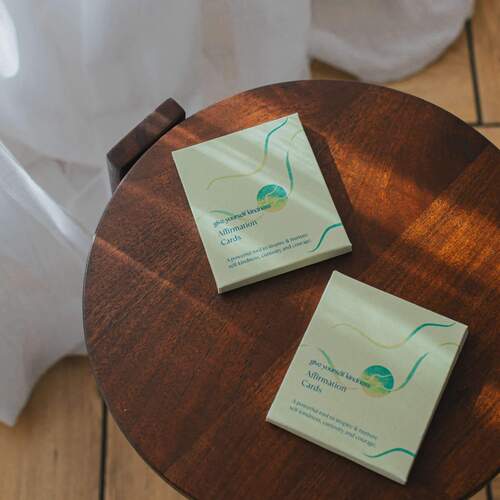
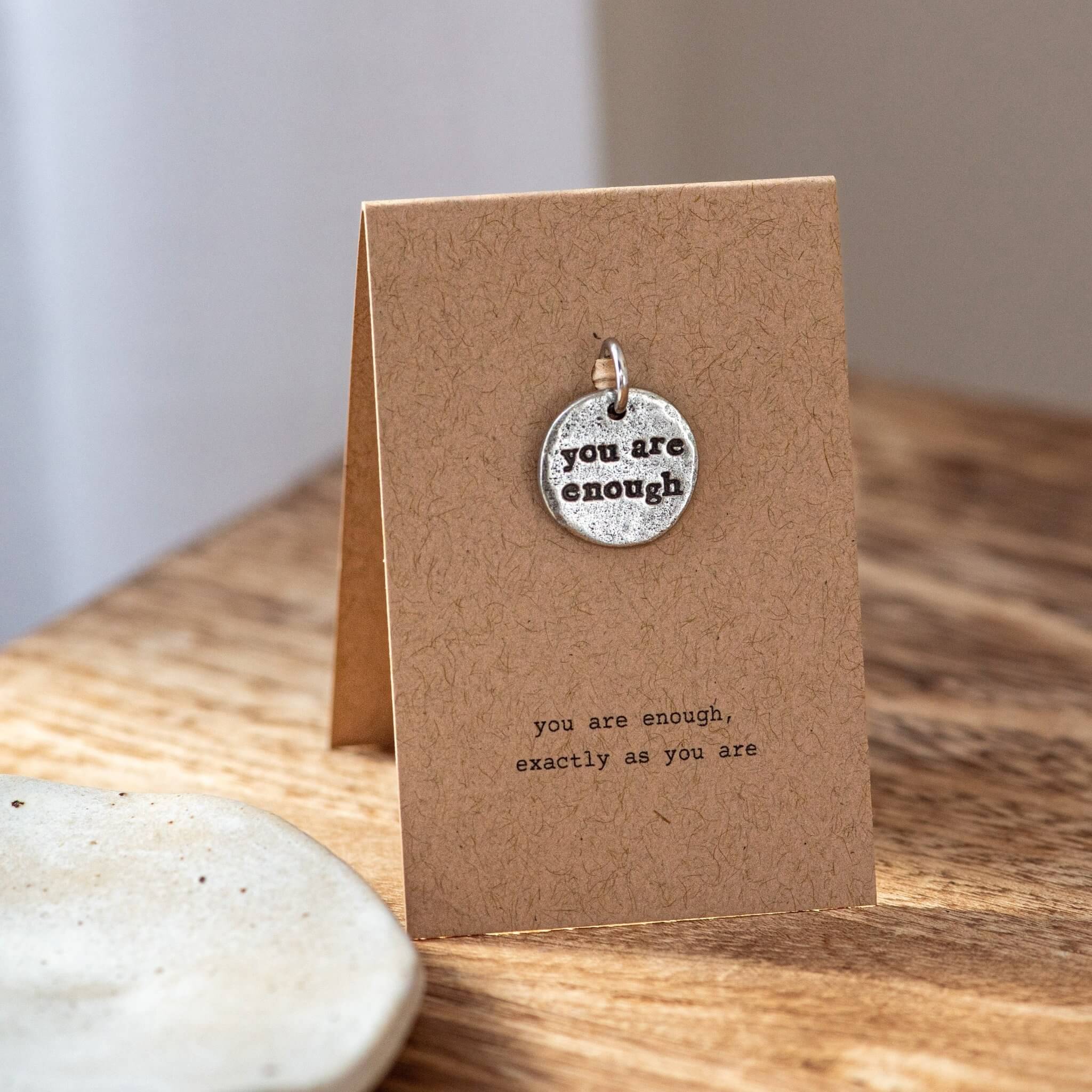
60 gentle reminders you can place where you'll see them daily. Unlike generic affirmations, these are grounded in self-compassion research with messages like "I can't be perfect and I don't need to be" and "just because I have a thought, doesn't mean it's true." Learn about how affirmations actually work from 5 psychologists.
Mindfulness and Meditation
The Gratitude for Life Journal includes a guided gratitude meditation. Mindful self-care practices, even just 60 seconds of presence, can significantly reduce stress and increase emotional resilience.
Movement and Creativity
Physical activity and creative expression provide healthy outlets for processing emotions. They don't need to be elaborate—a walk, gentle stretching, doodling, or any form of creative play counts.
Connection
Spending time with people who make you feel safe and valued. Self-care isn't just solitary—connection with others is essential for wellbeing.
Professional Support
If you're struggling significantly, working with a therapist provides professional guidance that complements self-care tools. Many therapists use the Give Yourself Kindness journals alongside their clinical work.
The Bottom Line: Choosing Your Self-Care Journal
The best self-care journal is the one you'll actually use—the one that meets you where you are and supports your real needs.
If you want varied daily prompts that validate all your emotions and teach self-compassion through practice, the Give Yourself Kindness Journal was designed for exactly that.
If you want to explore gratitude in authentic ways that honor struggle too, the Gratitude for Life Journal offers 30 days of varied, meaningful prompts.
If you need complete creative freedom, organization tools, or blank space, other formats might suit you better—and that's completely okay.
What matters most is this: Does the journal validate your full human experience (not just the positive parts)? Does it offer variety that keeps you engaged? Is it grounded in research rather than just feel-good platitudes?
The Give Yourself Kindness journals were created because I couldn't find tools that met those criteria when I needed them. They're recommended by clinical psychologists like Dr. Chris Germer from Harvard Medical School, Dr. Chris Irons (CFT specialist), and Professor Willem Kuyken (top 1% most cited scientists worldwide) not because they're perfect, but because they genuinely help.
Used by therapists with their clients. Trusted by thousands with 150+ 5-star reviews. Designed for real life, real emotions, and real growth.
You deserve tools that actually work. You deserve to treat yourself with kindness.
Related reading:
- The Benefits of Journaling: From 3 Clinical Psychologists
- Why Self-Compassion Is More Effective Than Self-Criticism
- Best Self-Compassion Journals Compared
- Do Affirmations Really Work? I Asked 5 Psychologists
- 5 Ways to Practice Self-Compassion
- Being With Difficult Emotions
- The Science of Self-Compassion (Research by Dr. Kristin Neff)
About the author: Rachel Smith (DipBSoM) is a qualified meditation teacher and the creator of Give Yourself Kindness. After her own recovery through Compassion-Focused Therapy, she created evidence-based tools recommended by clinical psychologists including Dr. Chris Germer (Harvard Medical School) and used by therapists with their clients worldwide.


“By far my favourite guided journal that I’ve used!”
There's a lot of journals out there. Most of which include tools that can be repetitive, boring or unhelpful. Give Yourself Kindness is about creating something new.