







Last updated: October 20, 2025 | By Rachel Smith, DipBSoM
Quick Answer
The best guided journal for tracking emotions is one with a visual emotion guide on each page, varied prompts that help you explore (not just name) emotions, and research-backed approach to emotional awareness.
Top recommendation: The Give Yourself Kindness Journal includes an emotional awareness tool on every page, 90 unique prompts, and is based on affect labeling research showing that naming emotions reduces their intensity.
Full disclosure: I'm Rachel, and this is my journal. After recovering from anxiety through Compassion-Focused Therapy, I created the emotion tracking tool I wish existed. Clinical psychologists from Harvard and Oxford recommend it—but I'll show you other options too so you can choose what's right for you.
Why Emotion Tracking Matters (And Why Most Journals Get It Wrong)
If you've ever felt overwhelmed by emotions but couldn't quite identify what you were feeling, you're not alone. Most of us are never taught how to recognize and name our emotions with any specificity beyond "good," "bad," "stressed," or "fine."
Here's what the research shows: When you can identify and name a specific emotion, it actually reduces the intensity of that emotion. This process is called "affect labeling," and neuroscience research shows it decreases activity in the amygdala (your brain's alarm system) while increasing activity in your prefrontal cortex (your brain's reasoning center).
In simple terms: naming your emotions helps you regulate them.
But here's the problem: Most emotion tracking journals fail because they give you a blank page and ask "How do you feel?" with no guidance. That's like asking someone to draw a map of a city they've never visited.
This guide will show you what actually works.
What to Look For in an Emotion Tracking Journal
Before comparing specific journals, here's what research and clinical psychology tell us actually works:
1. Visual Emotion Guide (Not Just Blank Space)
Why it matters: Most people struggle to identify emotions beyond basic categories. A visual tool—like an emotion wheel or feelings chart—gives you specific vocabulary.
What to look for: A guide that distinguishes between similar emotions (anxious vs. worried vs. restless vs. overwhelmed). The more specific, the better.
Red flag: Journals that just ask "How do you feel?" with blank space. This requires you to already have emotional vocabulary and awareness—the very thing you're trying to develop.
2. Prompts That Help You Explore Emotions (Not Just Name Them)
Why it matters: Identifying an emotion is step one. Understanding where it comes from and how to respond to it is step two.
What to look for: Prompts like "What emotions can you notice today? With curiosity and kindness, try to explore reasons behind the emotions you've noticed."
Red flag: Journals that stop at identification without helping you process. Simply cataloging "Today I felt sad" repeatedly doesn't build emotional intelligence.
3. Varied Prompts (Not Repetitive Questions)
Why it matters: When you see the same prompt every day, your brain goes on autopilot. You stop actually engaging with your emotions and start just filling in the blank mechanically.
What to look for: Different prompts that approach emotion awareness from various angles (gratitude, challenges, self-talk, needs, etc.)
Red flag: Journals that use identical prompts daily. Initial appeal wears off within a week.
4. Self-Compassion Integration (Not Just Analysis)
Why it matters: Research by Dr. Kristin Neff shows that self-compassion—treating yourself with kindness when you notice difficult emotions—is more effective than just analyzing or trying to "fix" emotions.
What to look for: Prompts that encourage you to respond to emotions with kindness, like "What would you say to a friend feeling this way?"
Red flag: Journals that frame emotions as problems to solve or that push forced positivity when you're genuinely struggling.
5. Research-Backed Approach
Why it matters: Emotion tracking can be done incorrectly. Some approaches reinforce rumination rather than building awareness.
What to look for: Journals created with input from psychologists or based on established therapeutic approaches (like Compassion-Focused Therapy, DBT, or self-compassion research).
Red flag: Generic journals with no psychological foundation or journals that encourage excessive focus on negative emotions without tools for regulation.
6. Undated Format
Why it matters: Emotions come in waves. Some days you'll track them, other days you won't. Dated journals create guilt and pressure—the opposite of what helps emotional regulation.
What to look for: Undated pages that welcome you back whenever you're ready.
Red flag: Dated journals where missed days stare at you accusingly.
Emotion Tracking Journals Compared
| Journal | Visual Emotion Guide | Varied Prompts | Research-Backed | Best For |
|---|---|---|---|---|
| Give Yourself Kindness Journal | ✓ On every page | ✓ 90 unique | ✓ Affect labeling + self-compassion research | Most people tracking emotions |
| DBT Diary Card | ✗ Numbers only | ✗ Same daily | ✓ DBT protocol | People in DBT therapy |
| Mood Tracking Apps | ~ Basic emoji | ✗ Repetitive | ~ Varies | Quick data tracking |
| Blank Journal | ✗ None | N/A | ✗ No guidance | Experienced journalers with strong emotional vocabulary |
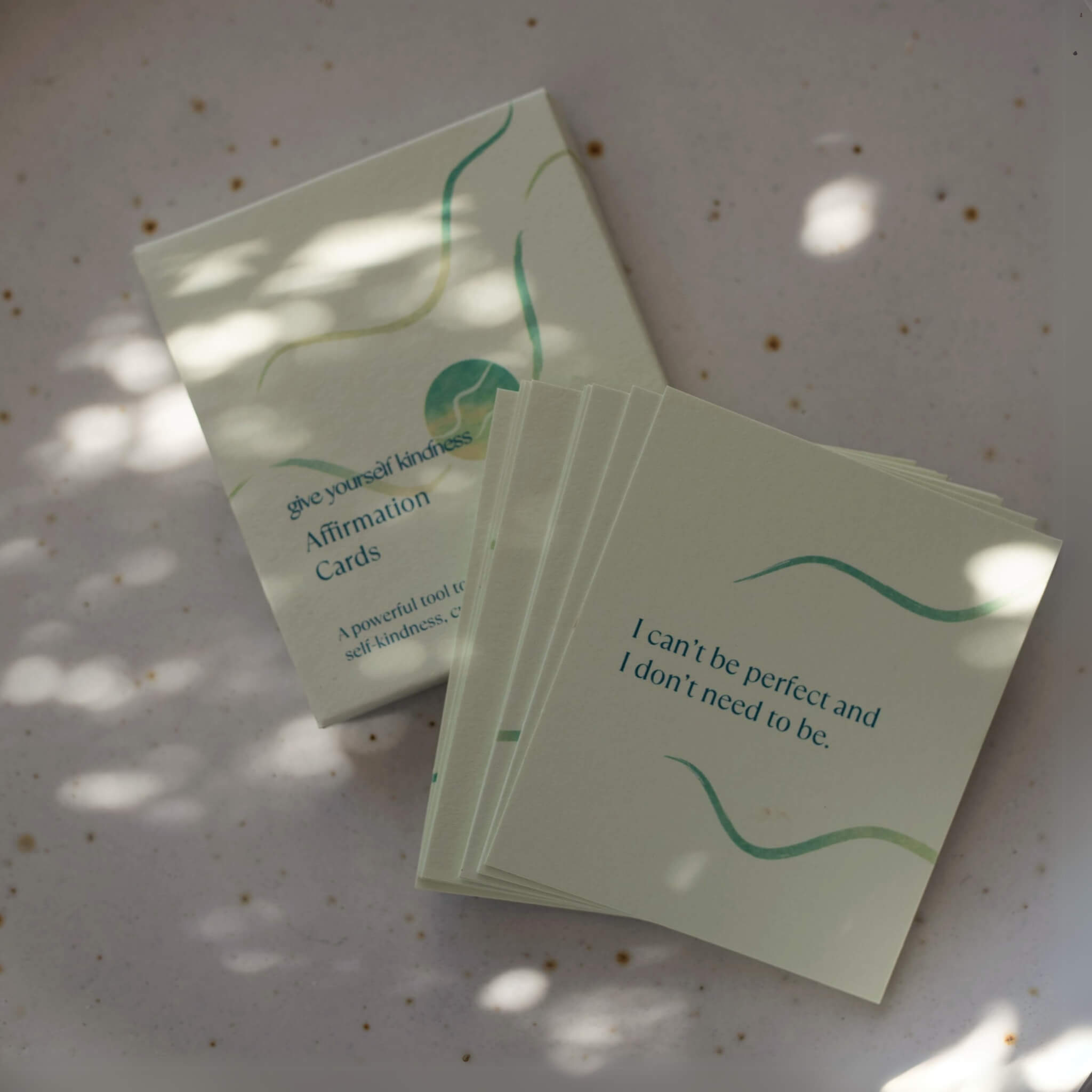
The Give Yourself Kindness Journal
Full transparency: This is my journal, created after my own experience with anxiety and emotion dysregulation.
- Most people wanting to track emotions
- Building emotional awareness and vocabulary
- Anyone who struggles with "How do you feel?" blank pages
- People who found other journals repetitive or unhelpful
How Emotion Tracking Works in This Journal:
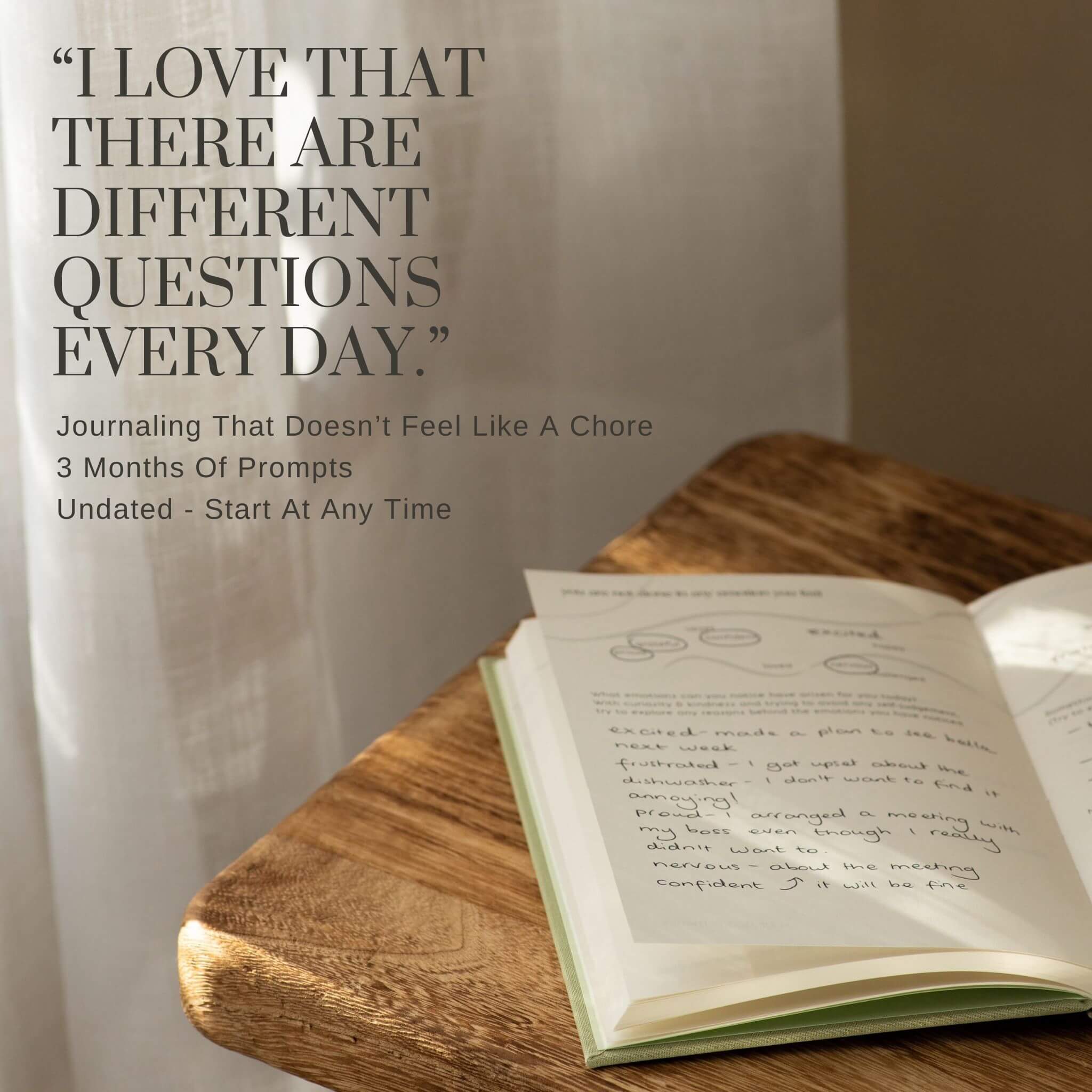
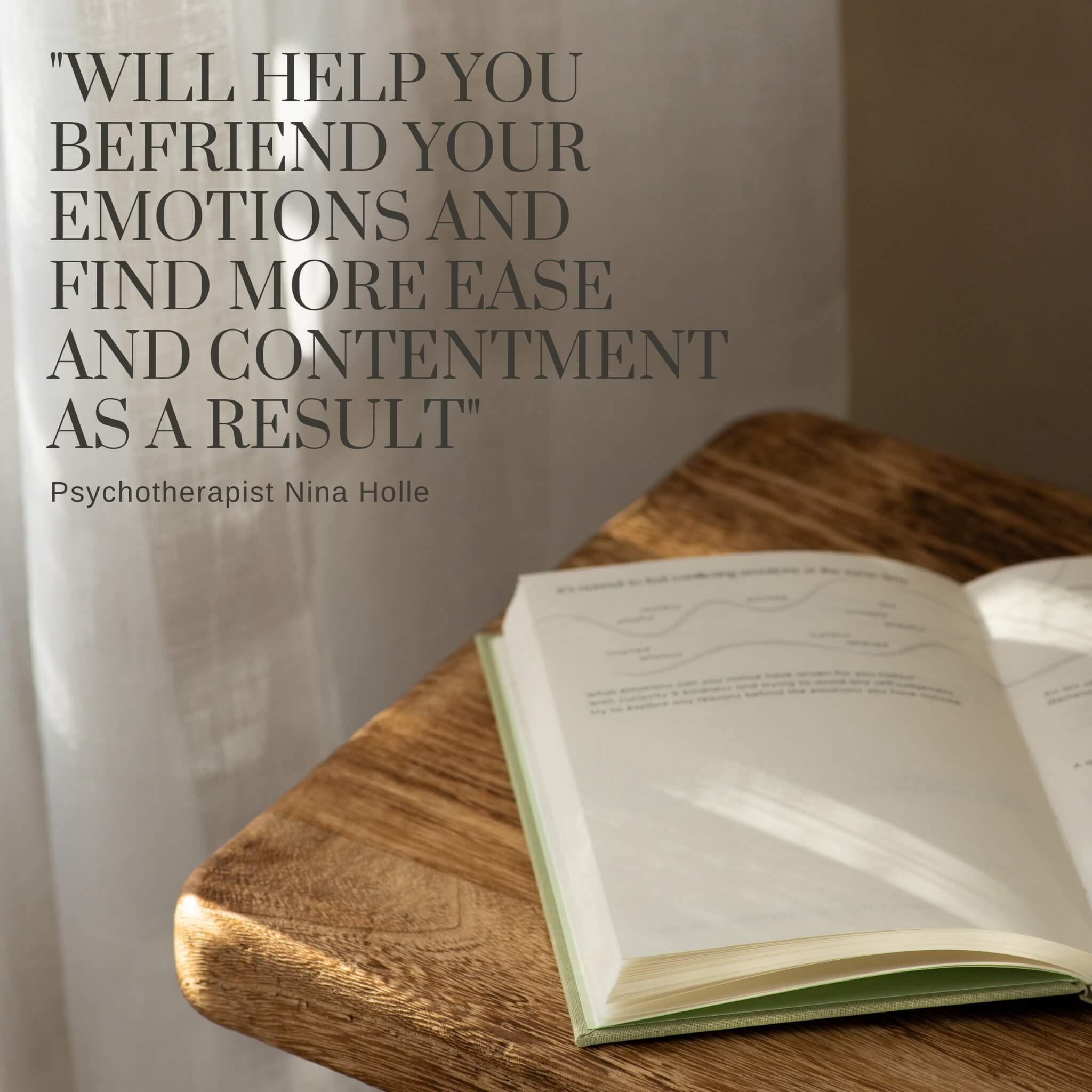
Every single page includes an emotional awareness tool
A visual guide that helps you identify specific emotions beyond just "good" or "bad." You can identify multiple emotions at once (because feelings are complex).
Sample emotion tracking prompt:
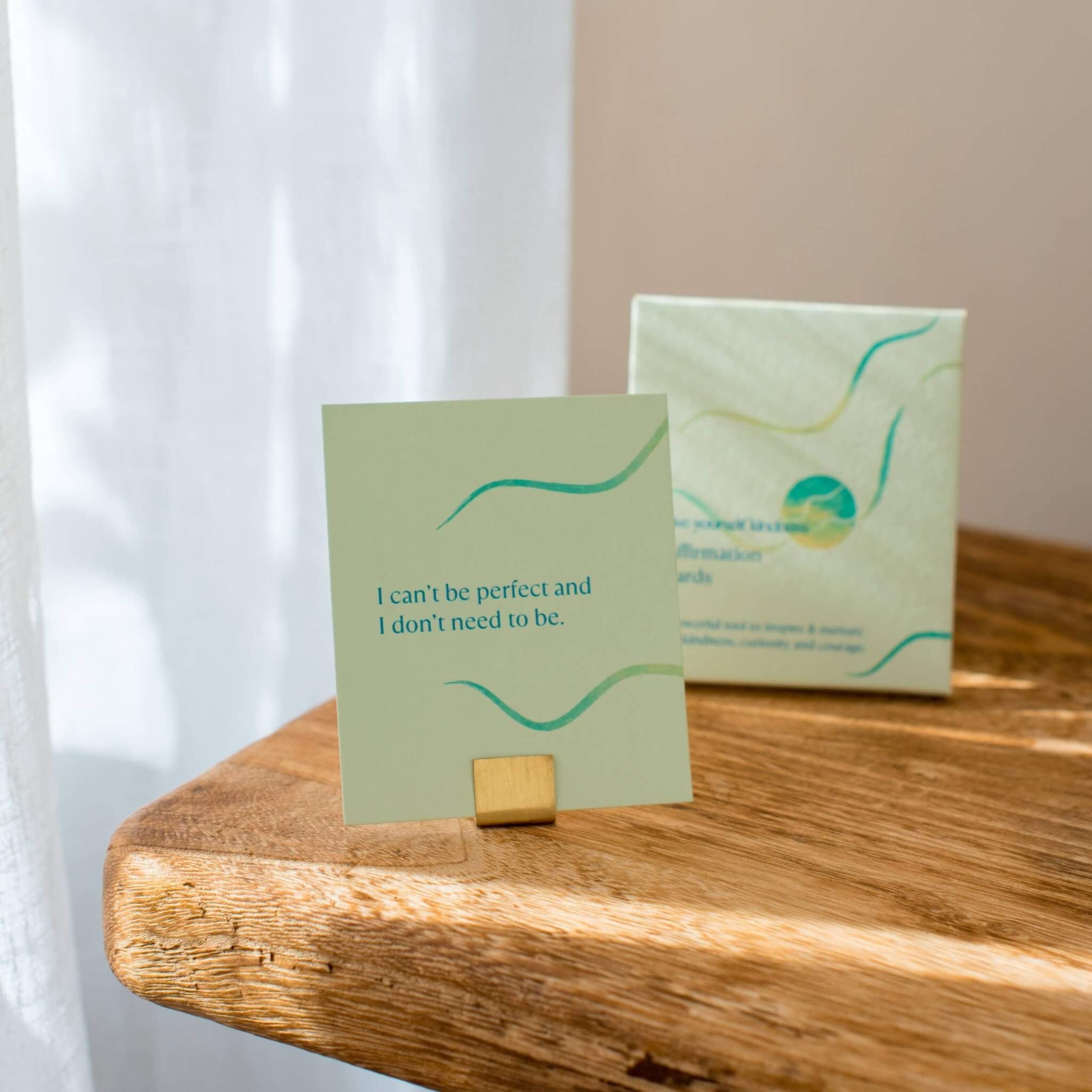
"What emotions can you notice have arisen for you today? With curiosity and kindness, try to explore reasons behind the emotions you've noticed."
This approach follows the research: identify the emotion (affect labeling) + explore with curiosity (emotional intelligence) + approach with kindness (self-compassion).
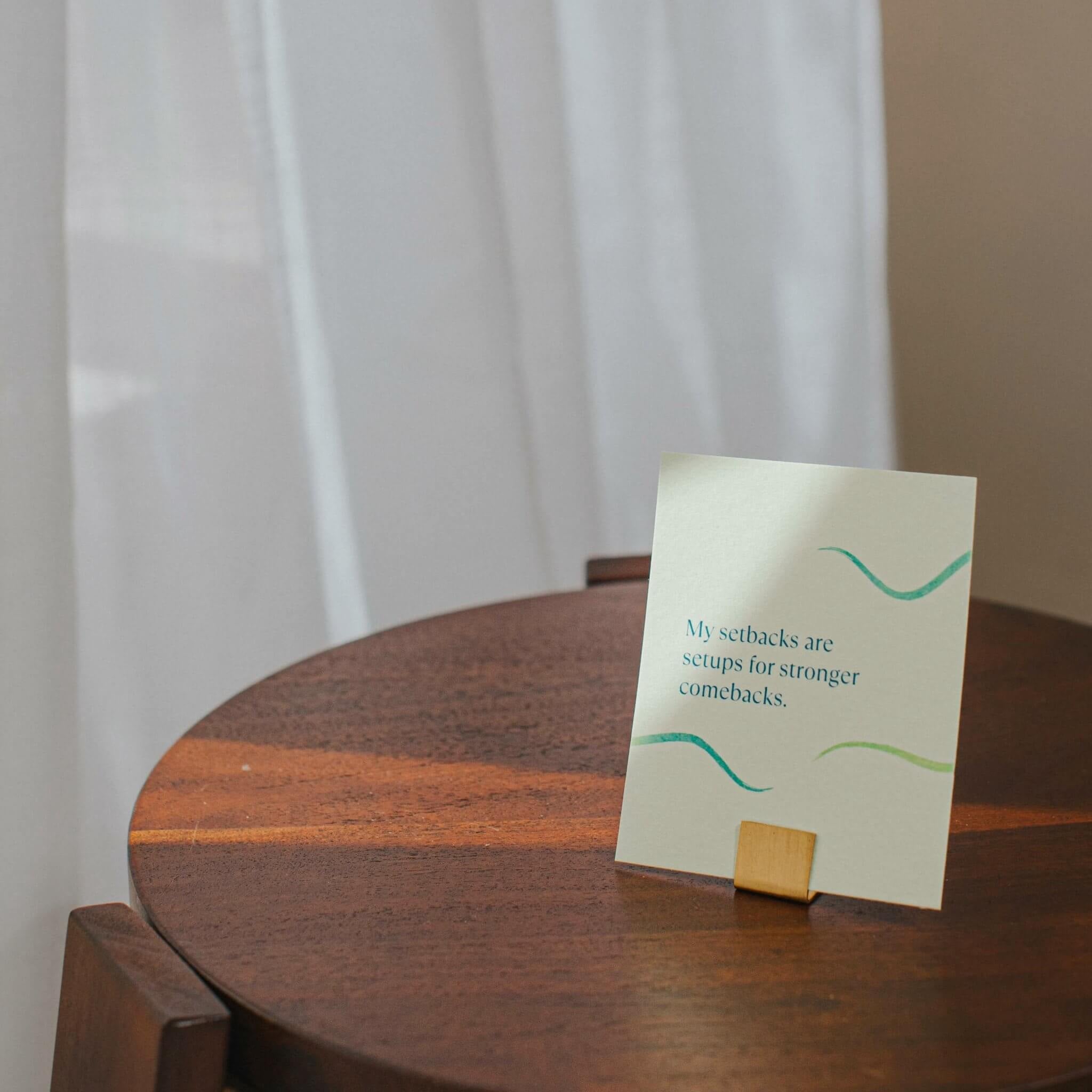
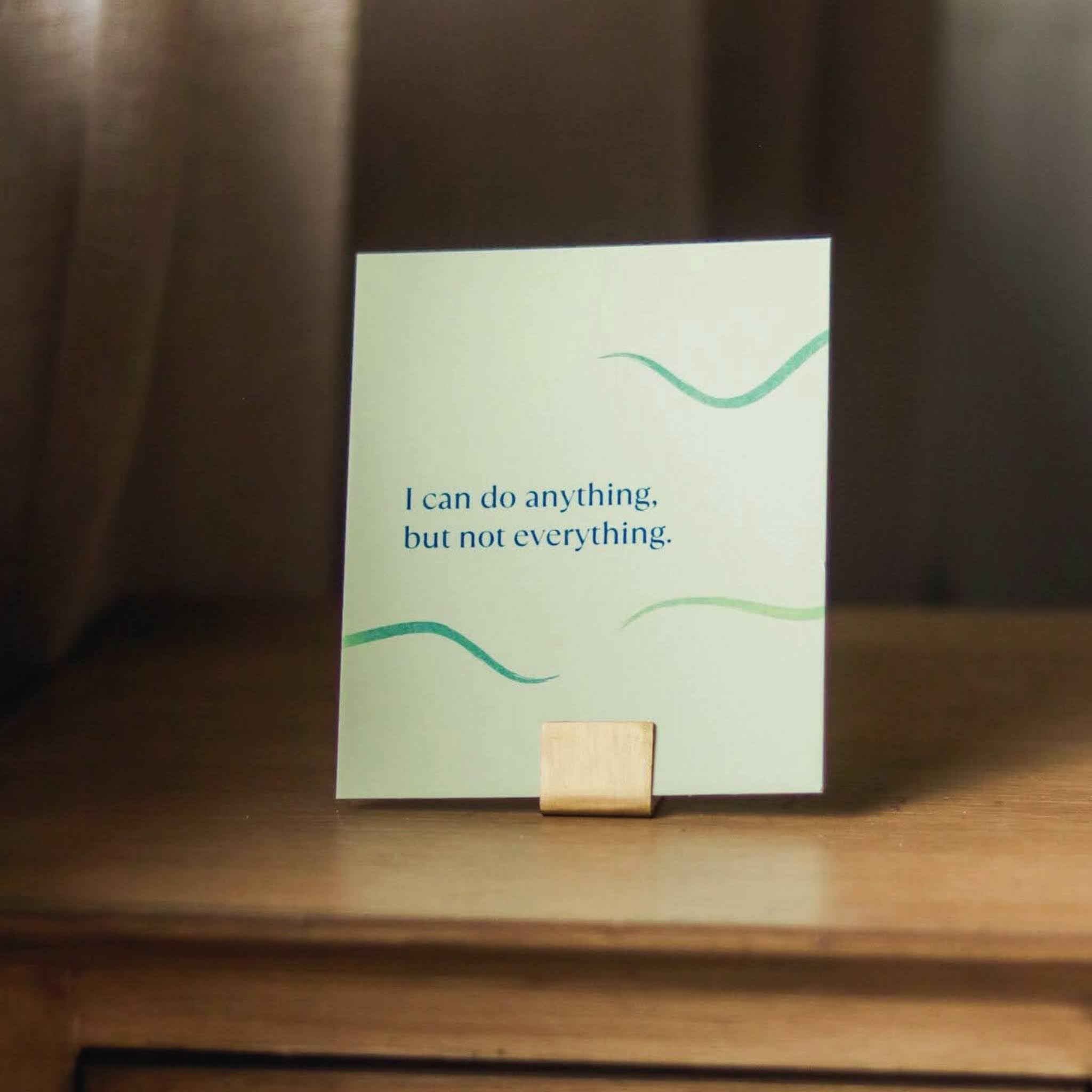
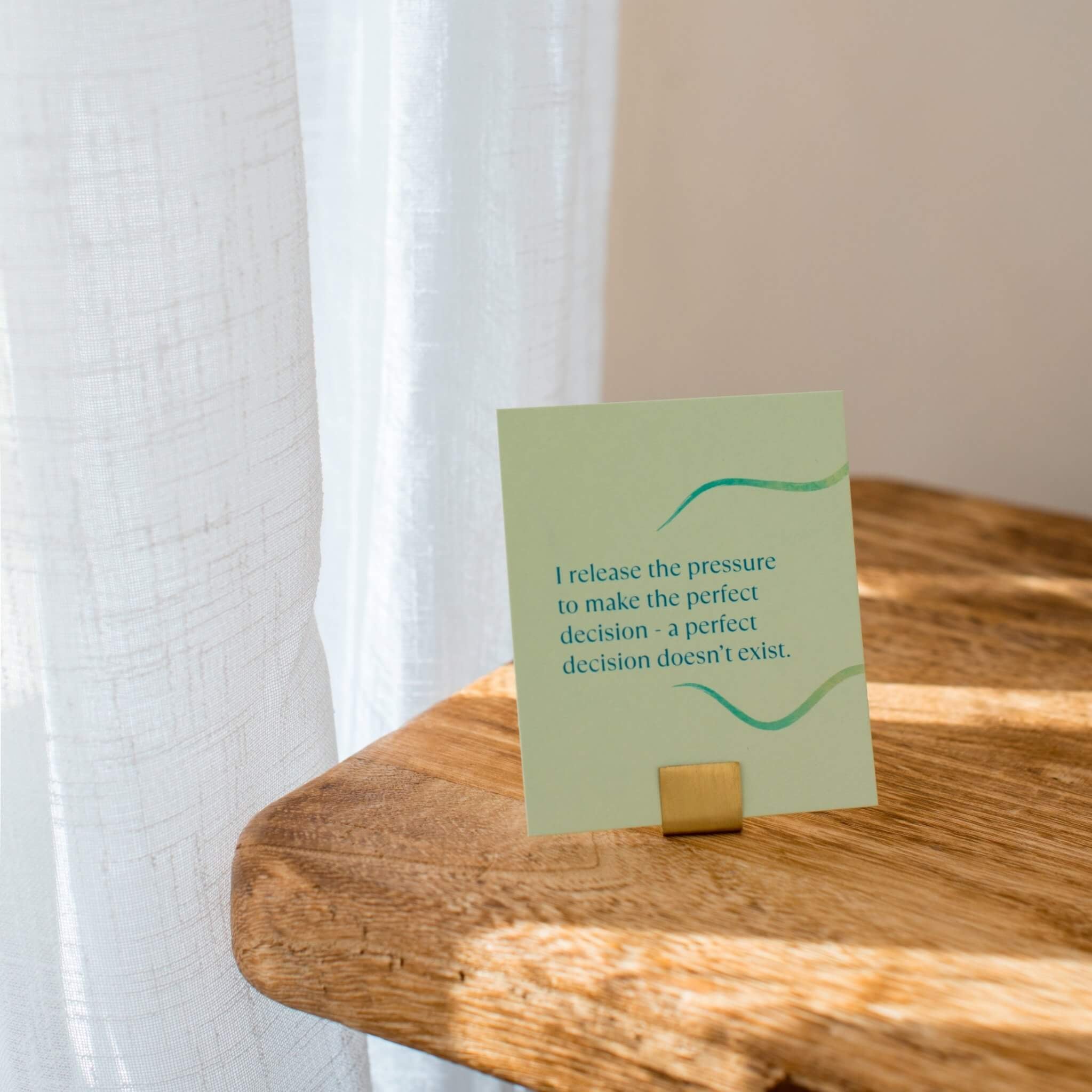
90 unique prompts prevent mechanical tracking
Each entry approaches emotions from a different angle—gratitude, challenges, self-talk, needs, values, relationships. Your brain stays engaged rather than going on autopilot.
Based on clinical psychology research
The emotion tracking approach integrates affect labeling research with self-compassion principles. Not just my ideas—evidence-based practices used in therapy.

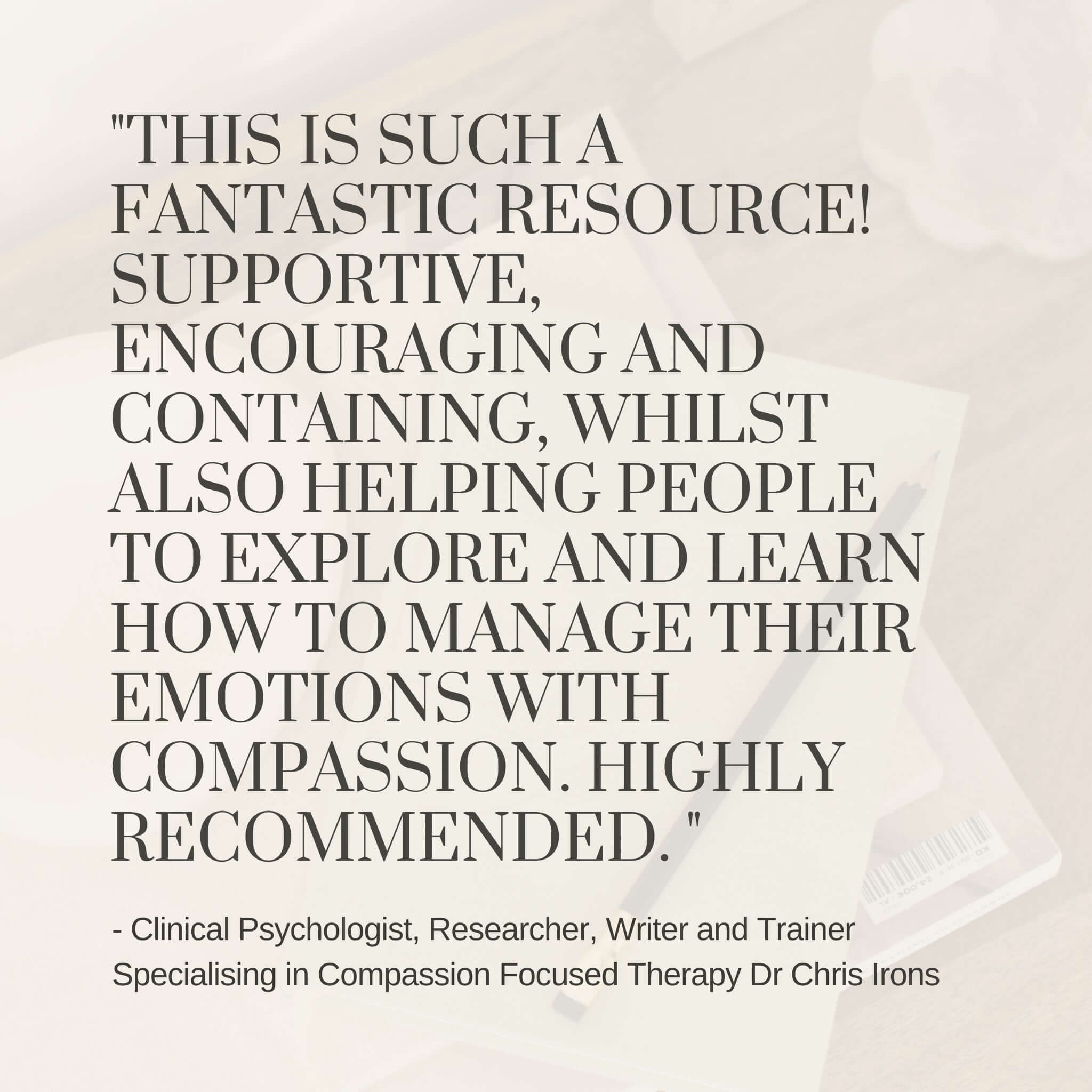
Dr. Chris Germer, PhD
Clinical Psychologist, Harvard Medical School
"A warm invitation to make friends with your emotions and yourself!"

Professor Willem Kuyken, PhD, DClinPsy
Ritblat Professor of Mindfulness, University of Oxford
"The journal is rooted in state-of-the-art research that emphasizes the importance of understanding our emotions in order to lower stress and lead a happy and meaningful life."
What's Inside:
- Emotional awareness tool on all 90 pages
- 90 unique prompts that help you identify and explore emotions
- Self-compassion prompts integrated throughout
- 50+ gentle reminders ("The way you speak to yourself matters")
- Undated format (no guilt for missed days)
- Cloth-bound, premium 120gsm paper
- Printed in UK, FSC-certified
- Used by therapists with clients worldwide
✓ PROS
- Most comprehensive emotion tracking tool
- Visual guide on every page (not just once at front)
- Never feels repetitive or mechanical
- Helps you explore WHY you feel emotions, not just name them
- Evidence-based approach
- Expert-recommended by Harvard & Oxford psychologists
- Beautiful, premium quality
✗ CONSIDER IF
- You prefer completely blank pages
- You want ONLY emotion tracking (this includes gratitude, self-compassion, etc.)
- You're in DBT and need a specific DBT diary card format
DBT Diary Card
- People currently in Dialectical Behavior Therapy (DBT)
- Those who prefer numerical data over narrative
- Tracking specific target behaviors with therapist
How It Works:
DBT Diary Cards ask you to rate emotions (anxiety, sadness, anger, etc.) on a 0-5 scale. You also track urges, behaviors, and skills used. Very structured, data-focused approach.
What it does well: If you're in DBT therapy, this is what your therapist will ask you to use. It provides quantifiable data to track progress and identify patterns.
Limitation for emotion tracking: Rating "anxiety = 4/5" doesn't help you understand the texture of that anxiety or develop emotional vocabulary. It's data collection, not emotional exploration.
✓ PROS
- Standard tool in DBT therapy
- Quick to fill out (5 minutes)
- Provides trackable data over time
- Free printables available online
✗ CONSIDER IF
- Not in DBT therapy (might feel clinical without context)
- Want to explore emotions, not just rate them
- Prefer narrative writing to numbers
- Want to develop emotional vocabulary
Bottom line: If your therapist uses DBT, use this. If you're not in DBT, a guided journal will likely serve you better.
Mood Tracking Apps (Daylio, Moodflow, etc.)
- Quick daily check-ins (under 1 minute)
- People who love data and graphs
- Tracking mood patterns over months
How It Works:
Most mood apps ask you to select an emoji/icon representing your mood, then optionally add activities or notes. You get charts showing mood trends over time.
What they do well: Convenient (your phone is always with you), provide pretty graphs, can track patterns easily, show correlations (e.g., "I feel worse on days when I don't exercise").
Limitation for emotion tracking: Most use very basic emotion categories (happy/sad/angry/anxious). You're selecting from pre-defined options rather than developing your own emotional awareness and vocabulary.
✓ PROS
- Very quick (30 seconds to 1 minute)
- Always with you (on your phone)
- Reminders to check in
- Pretty charts and trends
- Often free or low cost
✗ CONSIDER IF
- Oversimplified emotion categories
- No guidance on exploring emotions
- Can become mechanical (just tapping icons)
- Screen time before bed if tracking at night
- No physical, tactile experience of writing
Bottom line: Apps are great for tracking patterns but weak for building emotional awareness and vocabulary. Consider using both: app for daily data, journal for deeper exploration weekly.
Blank Journal (No Prompts)
- Experienced journalers who know what to write
- People with strong existing emotional vocabulary
- Those who find prompts restrictive
How It Works:
Blank pages. You decide what to write, how to structure it, which emotions to track, and how to explore them.
What it does well: Complete freedom. No structure to follow or prompts that might not fit your situation. Cheapest option.
Limitation for emotion tracking: Most people stare at blank pages thinking "I should know what to write" but don't. Without guidance, it's easy to either skip it or just vent without actually tracking or understanding emotions.
✓ PROS
- Complete freedom and flexibility
- Inexpensive
- No structure constraints
- Can use any system you create
✗ CONSIDER IF
- No guidance for emotion tracking
- No visual tools or emotion vocabulary
- Blank pages can feel overwhelming
- Easy to skip or write without purpose
- Doesn't teach emotional awareness skills
Bottom line: If you already have a strong emotion tracking practice and just need paper, go for it. If you're learning to track emotions, you'll benefit from structure.
Which Journal Should You Choose?
Give Yourself Kindness Journal
Visual emotion tool on every page, varied prompts, research-backed approach. Best for most people.
DBT Diary Card
Your therapist will likely ask you to use this specific format.
Mood tracking app (plus journal for deeper work)
Apps are convenient for daily data; add journaling weekly for exploration.
Blank journal
You already know what works for you and just need paper.
Start with Give Yourself Kindness Journal
The guidance and tools will teach you how to track emotions effectively. You can always move to blank journals later once you've developed the skills.
How to Track Your Emotions Effectively
Having the right journal is step one. Using it effectively is step two. Here's what research shows works:
1. Track when emotions are moderate, not peak
During intense emotions, your prefrontal cortex (reasoning brain) is offline. Wait until the emotion has decreased from 8/10 to about 4-5/10, then track. You'll be able to think more clearly.
2. Be specific with emotion names
Instead of "I feel bad right now," try "I feel disappointed right now" or "I feel frustrated right now" or "I feel embarrassed right now." Research shows the more specific your emotion label, the better your brain can regulate it. This is called emotional granularity.
3. Notice patterns without ruminating
After 2-3 weeks, review your entries to notice patterns. "I feel most anxious on Sunday evenings" or "I feel most energized after exercising." This builds awareness without getting stuck in rumination.
4. Track positive emotions too
Don't only track when you feel bad. Notice joy, contentment, peace, excitement, gratitude. This builds a complete picture of your emotional life and trains your brain to notice positive states.
5. Be consistent but compassionate
Daily tracking is ideal, but don't beat yourself up for missing days. Emotion tracking should reduce stress, not add to it. Pick it back up whenever you're ready.
Common Questions About Emotion Tracking Journals
How is emotion tracking different from regular journaling?
Regular journaling is free-form writing about your day, thoughts, or experiences. Emotion tracking specifically focuses on identifying, naming, and understanding your emotional states. It's more structured and has a specific goal: building emotional awareness and regulation skills.
Can emotion tracking help with anxiety or depression?
Research shows emotion tracking (especially affect labeling) can reduce emotional intensity and improve regulation. However, it's a supportive tool, not a replacement for therapy or medication if you need them. If anxiety or depression significantly impacts your life, please speak with a mental health professional.
How long until I notice benefits from tracking emotions?
Most people notice improved emotional awareness within 2-3 weeks of consistent tracking. You'll start recognizing patterns, catching emotions earlier, and responding to them more effectively. The skill builds over time.
What if I can't identify what I'm feeling?
This is exactly why visual emotion guides are so helpful. When you can't name what you're feeling, looking at an emotion wheel gives you options. "Am I frustrated? Disappointed? Overwhelmed? Oh—I think it's actually exhausted." The guide helps you develop vocabulary.
Should I track emotions in the morning or evening?
Either works—choose what fits your routine. Morning tracking sets intentions and notices how you're starting the day. Evening tracking reflects on the day's emotions and can improve sleep by processing before bed. Many people do both: brief morning check-in, longer evening reflection.
Why are you recommending your own journal?
Because I created it specifically for emotion tracking after my own experience with emotional dysregulation and anxiety. I couldn't find a journal with a visual emotion guide on every page, so I made one. Clinical psychologists from Harvard and Oxford reviewed it and recommend it to their clients. Now I want you to feel the benefits too.
Start Tracking Your Emotions
Emotional awareness is a skill. Like any skill, it improves with practice and guidance.
The right journal gives you the tools to develop that skill: visual guides to identify emotions, prompts to explore them, and a research-backed approach that actually works.
Most people tracking emotions benefit from:
- Visual emotion guide on each page (not just at the front of the journal)
- Varied prompts that help explore emotions, not just name them
- Self-compassion integration (responding to emotions with kindness)
- Research-backed approach (affect labeling, emotional granularity)
- Undated format (no guilt for missed days)
Ready to start?
Explore The Give Yourself Kindness Journal → Read Expert Reviews →Related reading:
About the author: Rachel Smith (DipBSoM) is a qualified meditation teacher and the creator of Give Yourself Kindness. After recovering from anxiety through Compassion-Focused Therapy, she created evidence-based emotion tracking tools recommended by clinical psychologists from Harvard and Oxford, and used by therapists with clients worldwide.


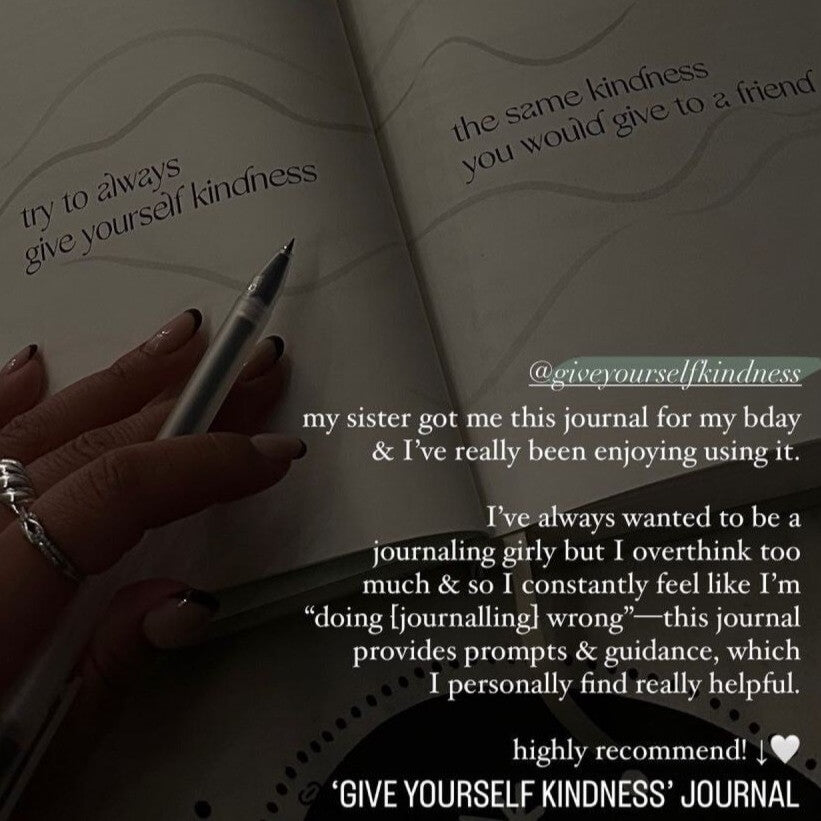
“By far my favourite guided journal that I’ve used!”
There's a lot of journals out there. Most of which include tools that can be repetitive, boring or unhelpful. Give Yourself Kindness is about creating something new.