





Last updated: January 4, 2026 | By Rachel Smith, DipBSoM
Quick Answer
The best guided journals for self-exploration nurture curiosity and compassion. Growth happens through kindness, not criticism.
Top recommendation: The Give Yourself Kindness Journal includes varied prompts exploring emotions, self-talk, needs, gratitude, and challenges—plus an emotional awareness tool on every page.
Full disclosure: I'm Rachel, and this is my journal. I created it after recovering from mental illness through Compassion-Focused Therapy—I needed a tool for genuine self-discovery through self-compassion, not productivity tracking. Clinical psychologists from Harvard and Oxford recommend it, but I'll show you other options too.
Explore the Give Yourself Kindness Journal →

Dr. Annabelle Kyle Dortch, PhD
Clinical Psychologist
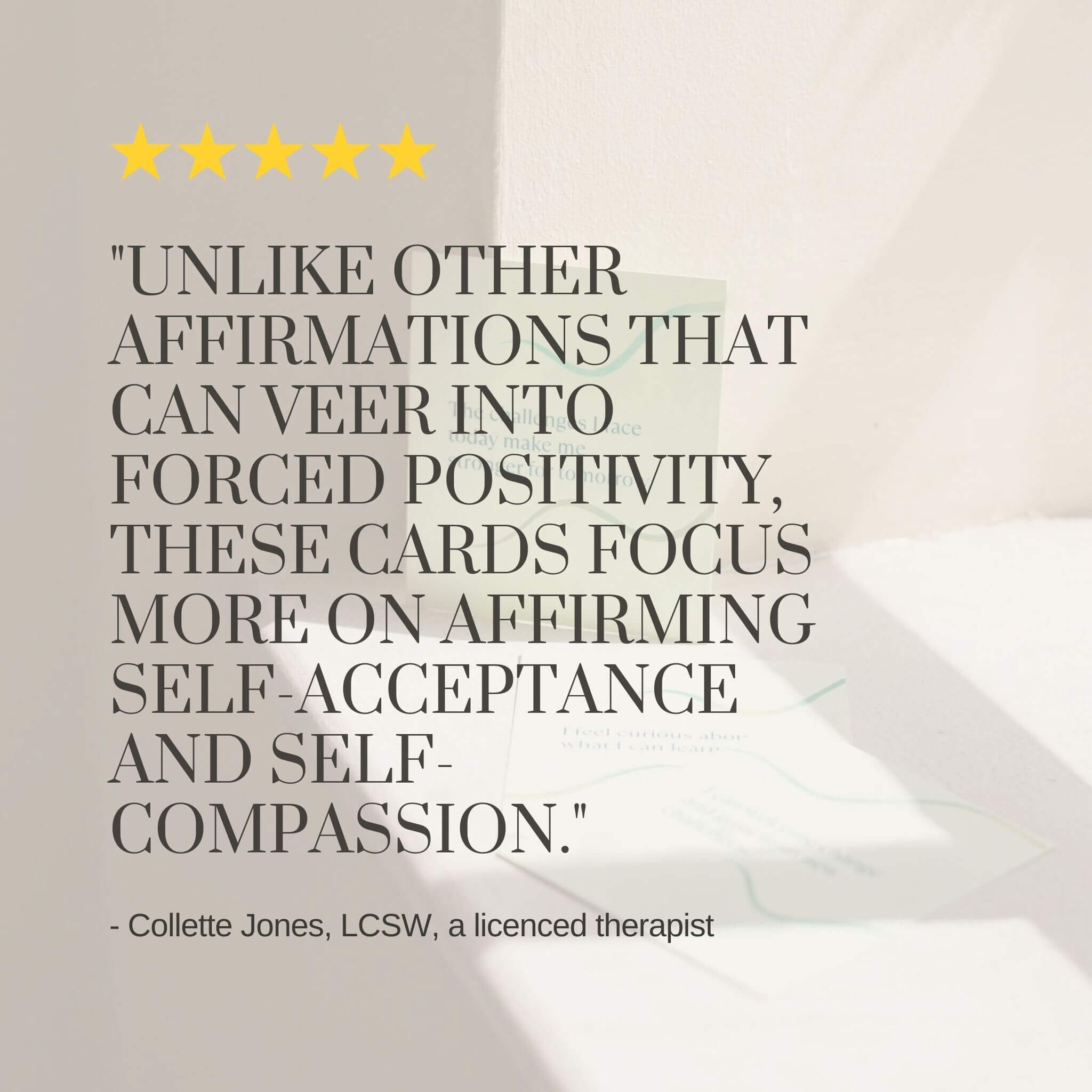
"Self-compassion enhances our inner strength and resilience. When we engage in self-criticism, we create a nervous system and brain state that is not conducive to learning or facilitating a growth-oriented mindset."
This guide will help you find a journal for genuine self-exploration and growth through self-compassion—not another productivity tracker disguised as personal development.
The Journal Designed for Genuine Self-Exploration
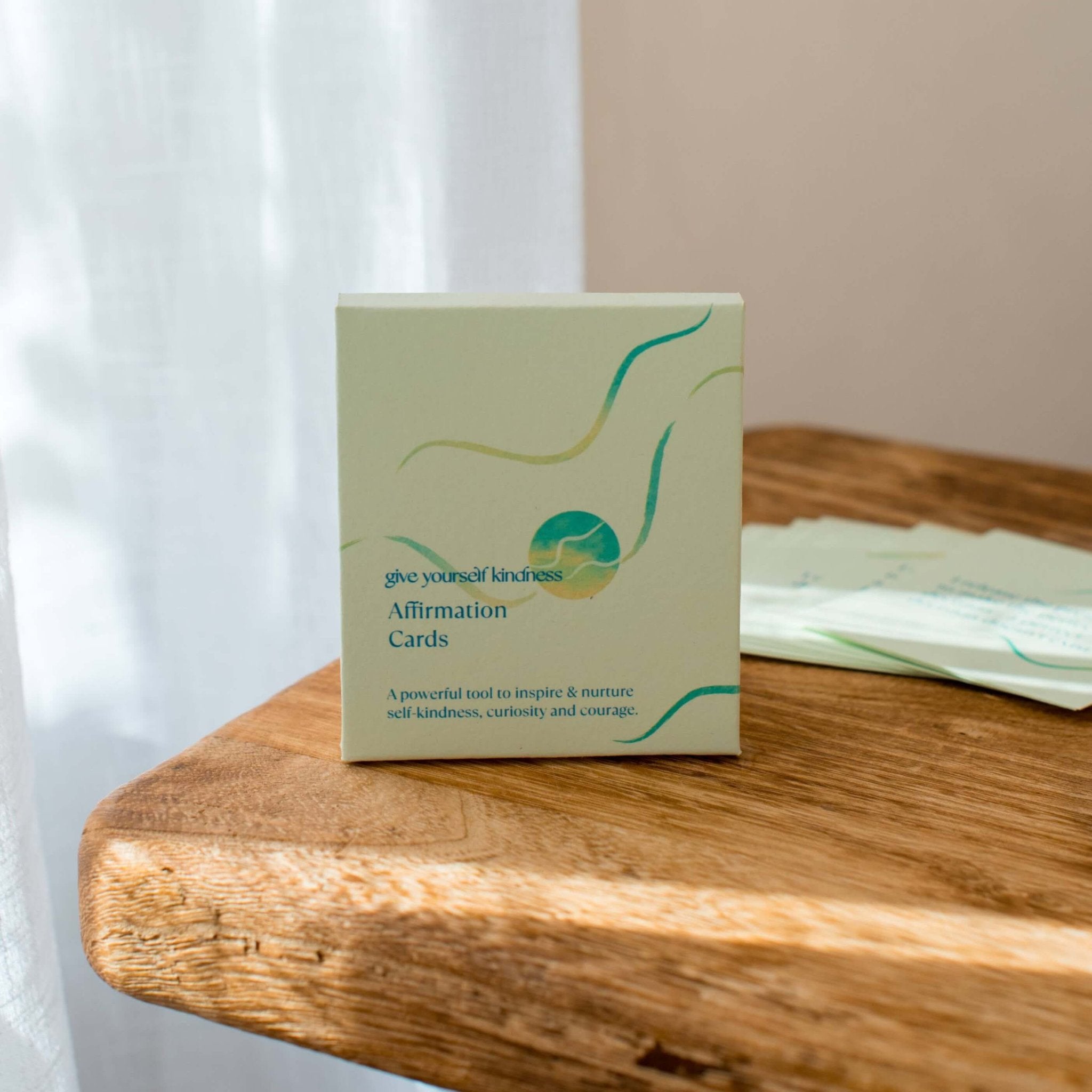
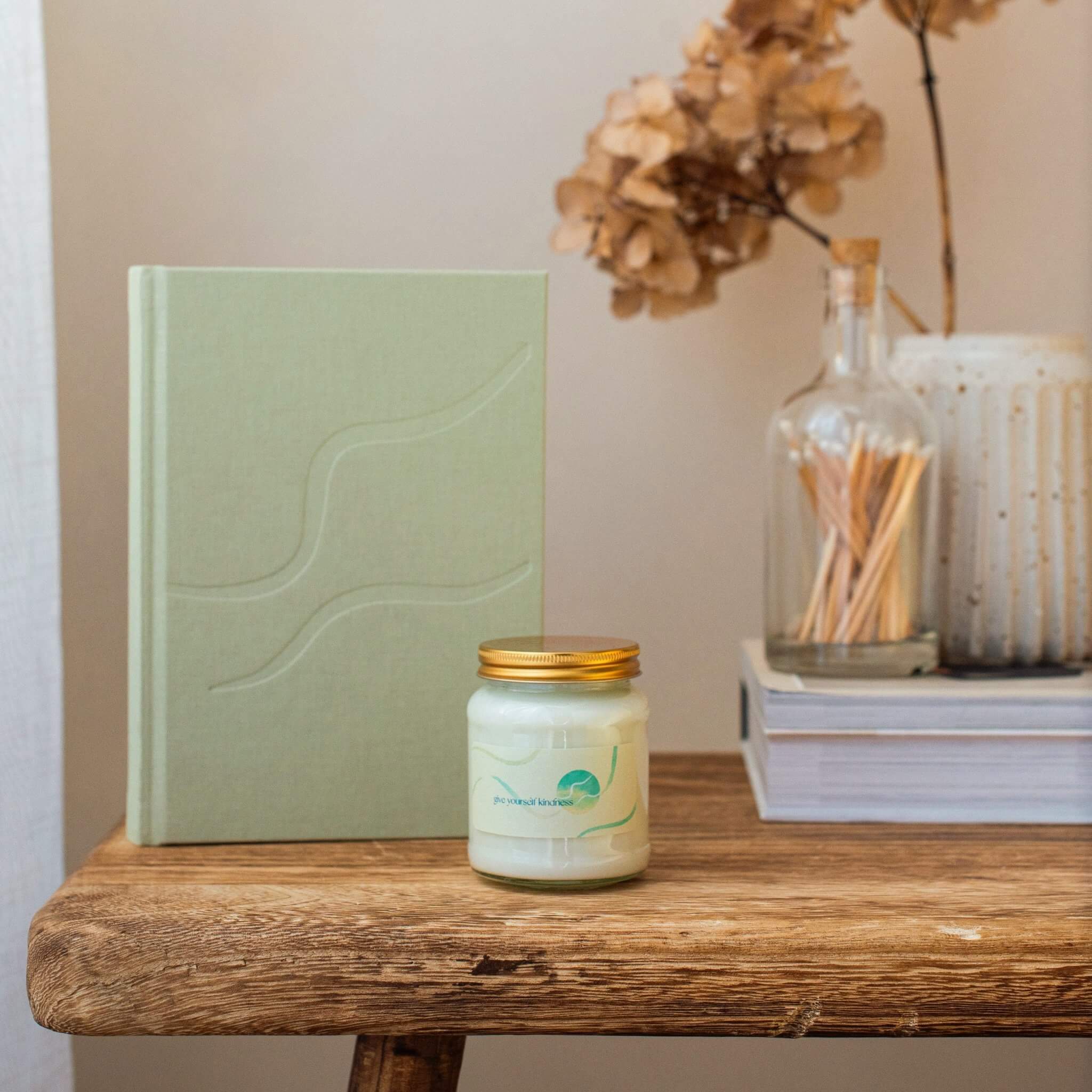
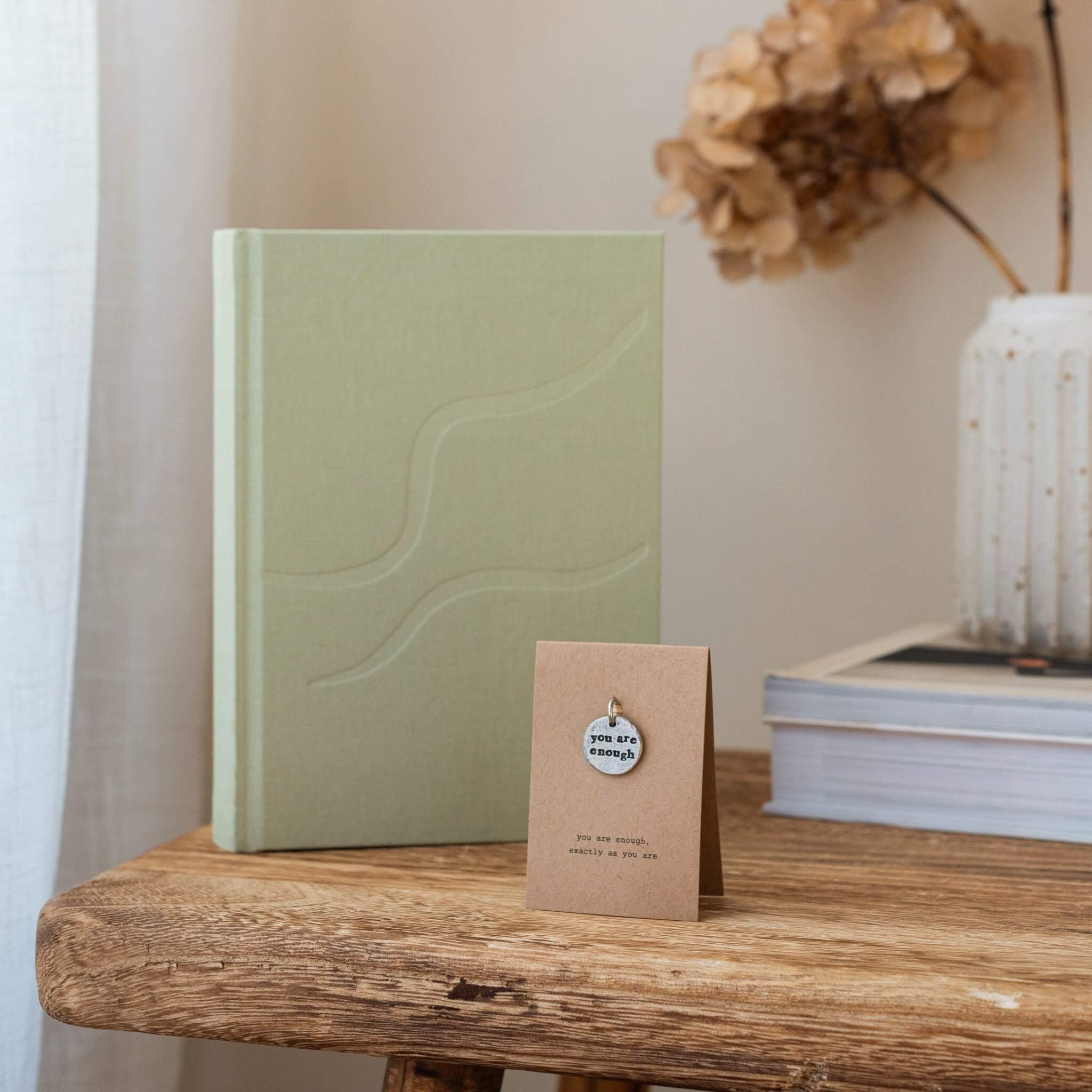
The Give Yourself Kindness Journal
- Genuine self-exploration across multiple dimensions
- Understanding your emotions, values, needs, and patterns
- Growing through self-compassion rather than self-criticism
- Anyone tired of productivity-focused "personal growth" journals
How Self-Exploration Works in This Journal:
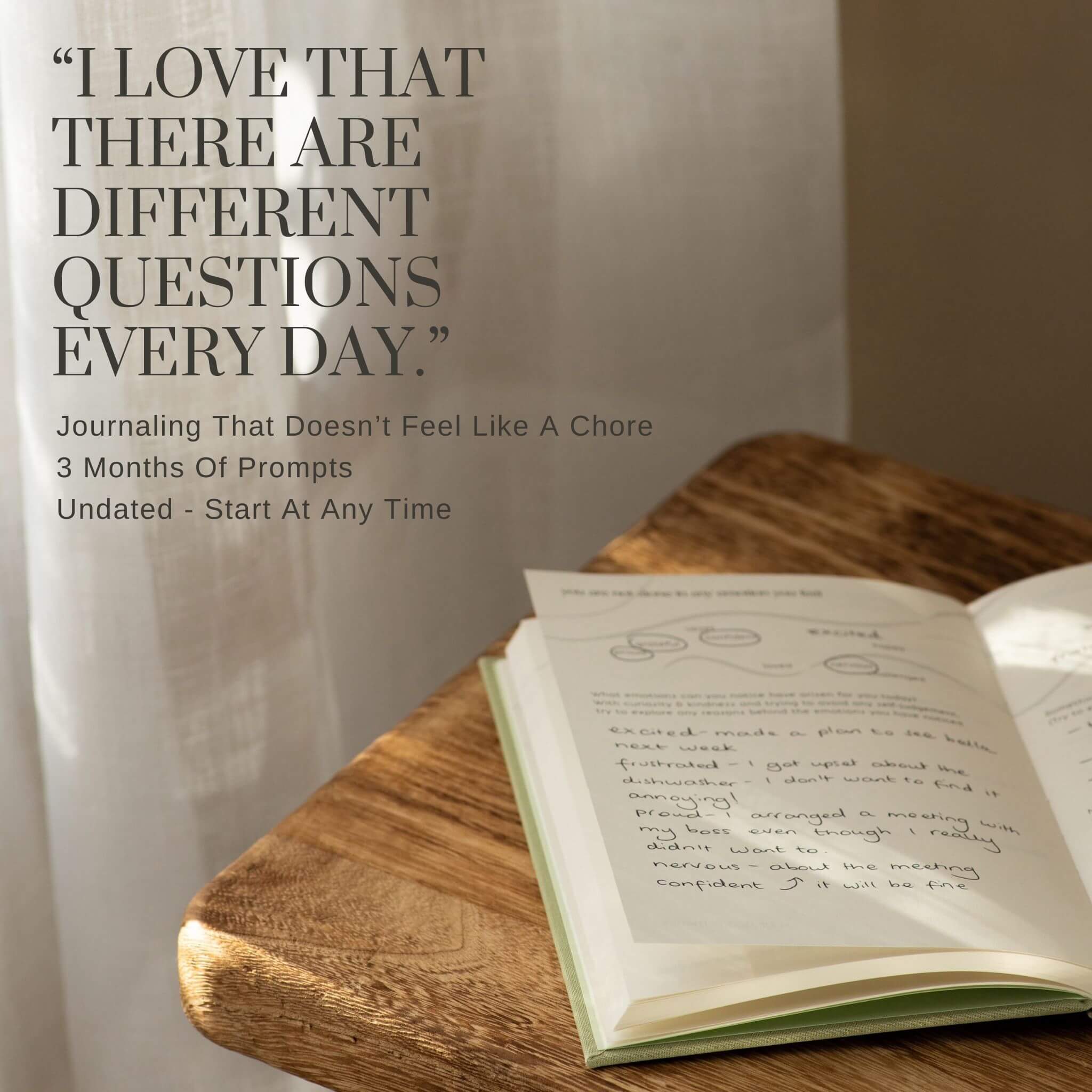
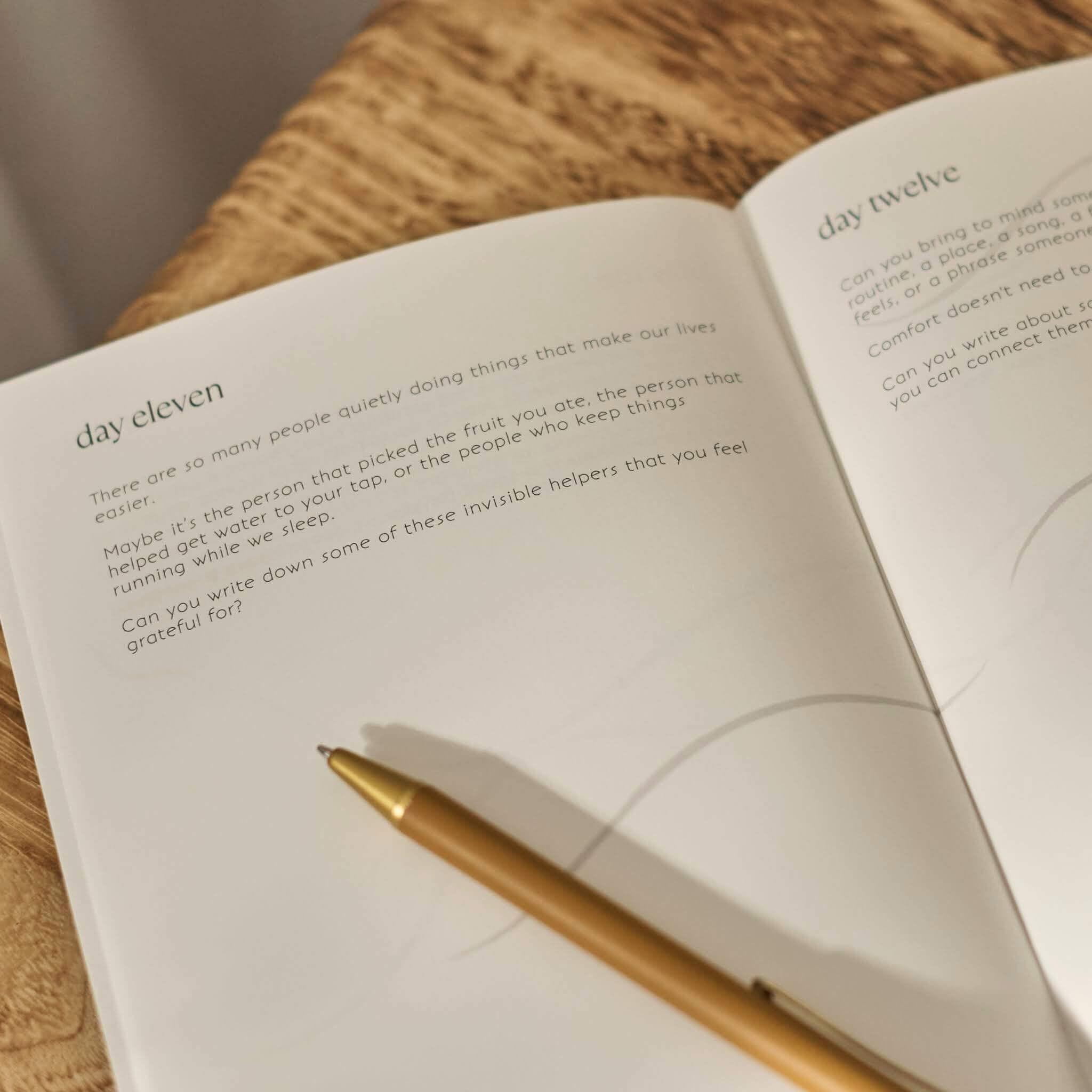
90 varied prompts
Every page is different. Your brain stays engaged in genuine exploration rather than going on autopilot.
Emotional awareness tool on every page
Visual guide helps you identify specific emotions beyond just "good" or "bad." Emotions are data about what you value and need—understanding them is central to self-exploration.
Self-compassion woven throughout
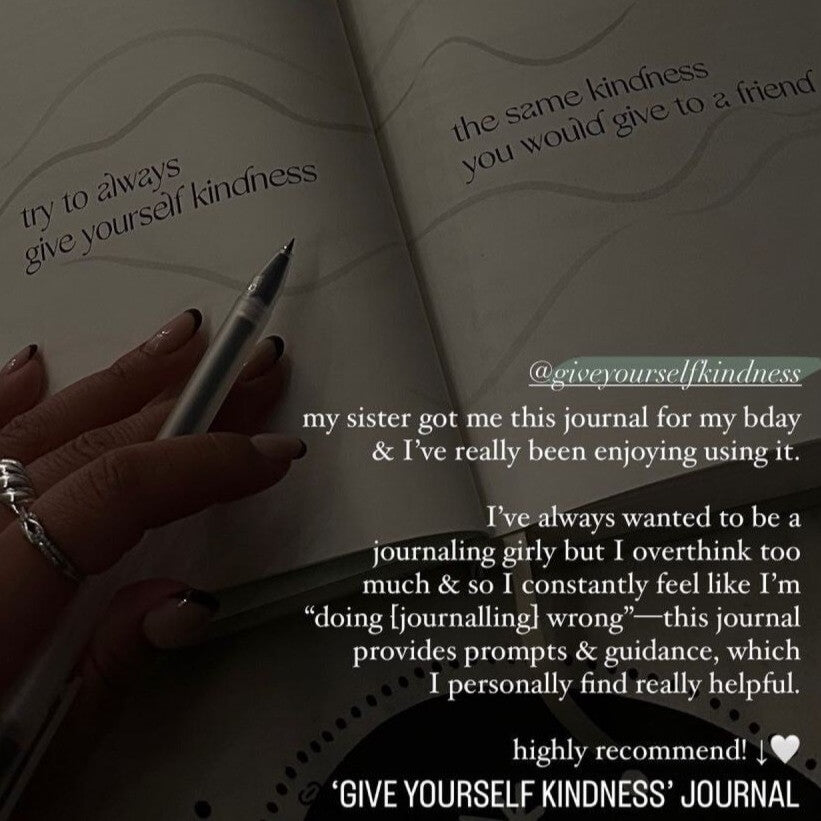
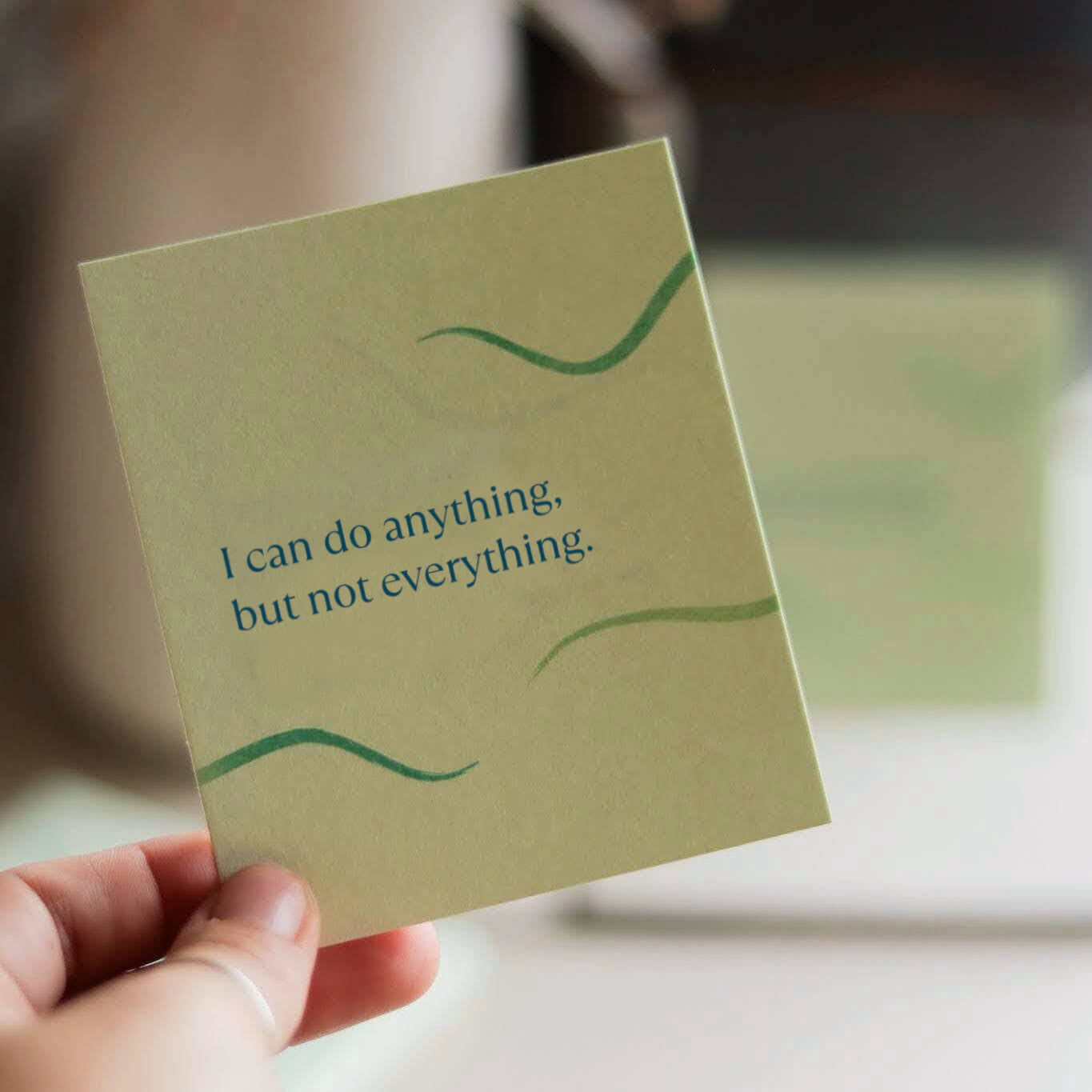
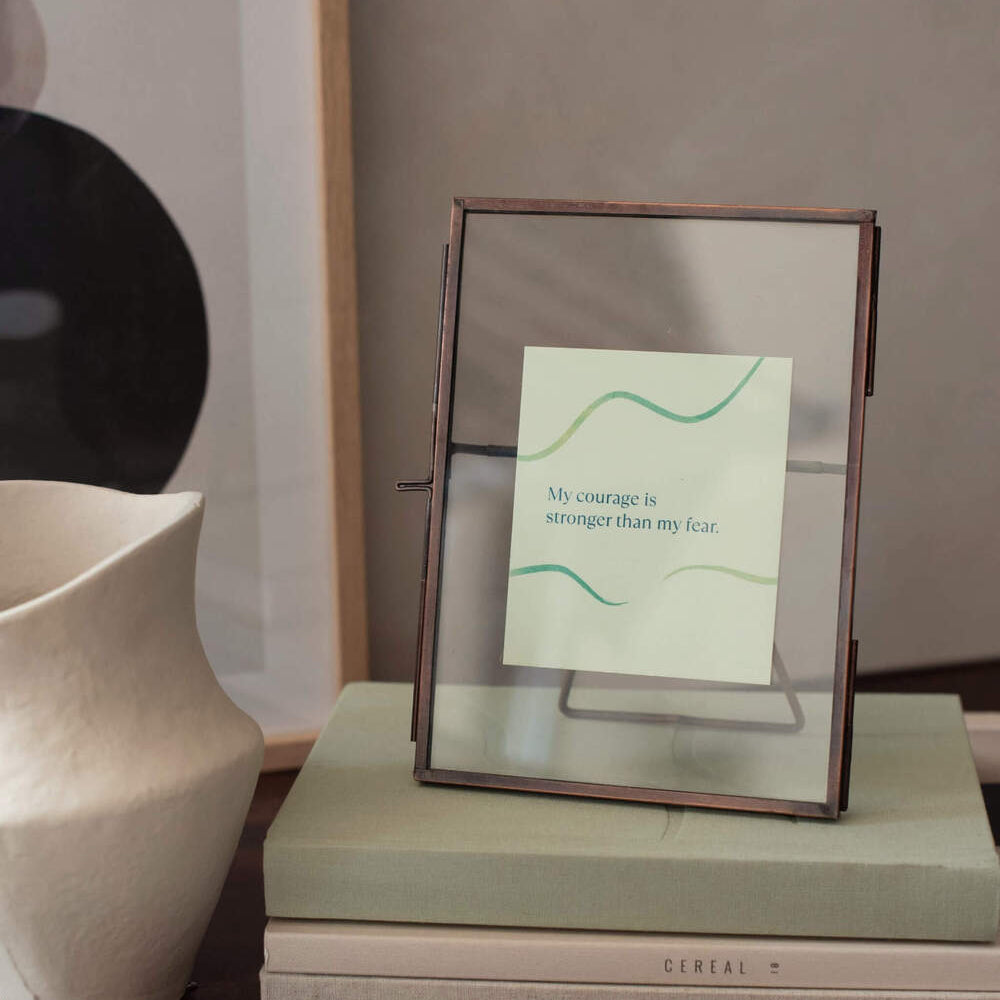
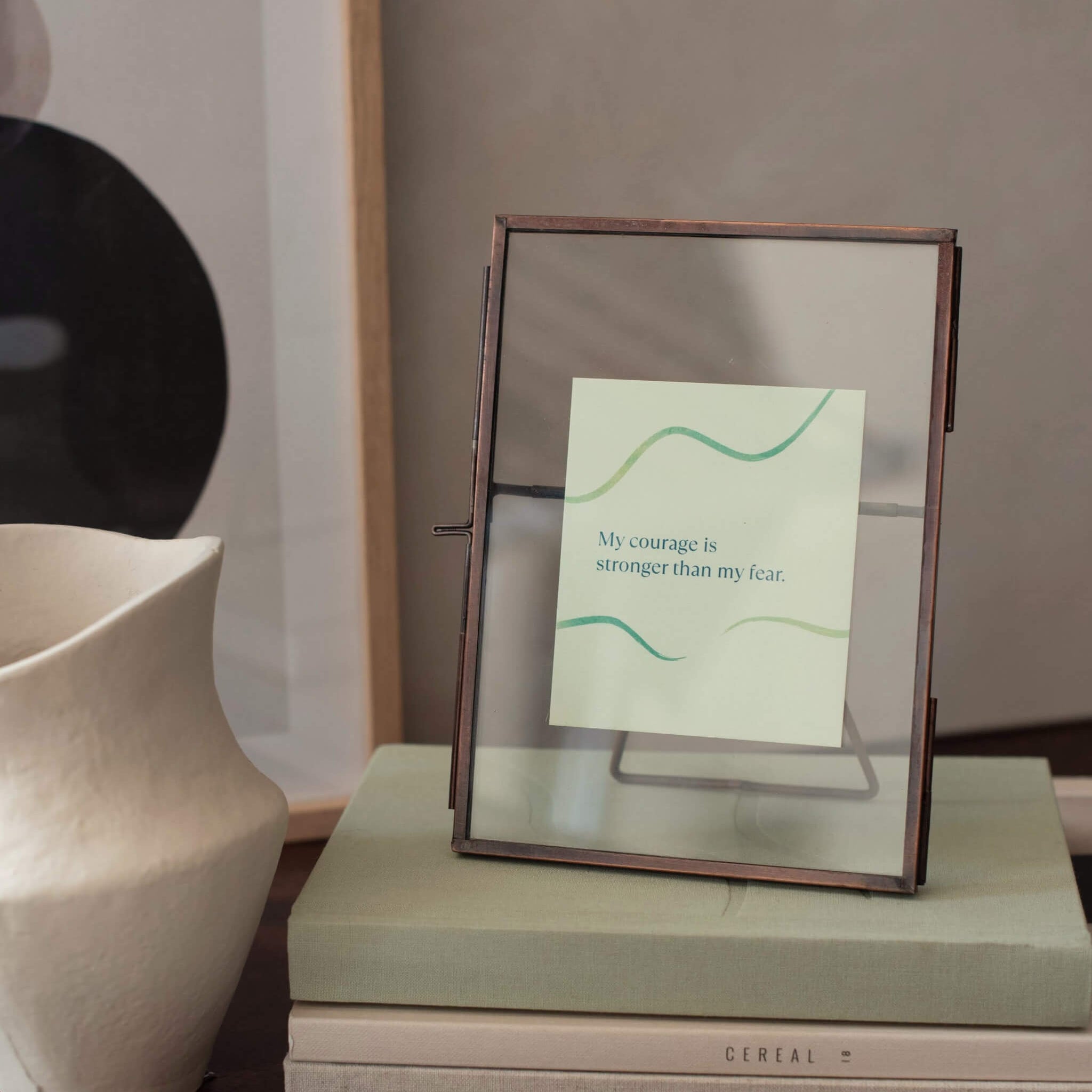
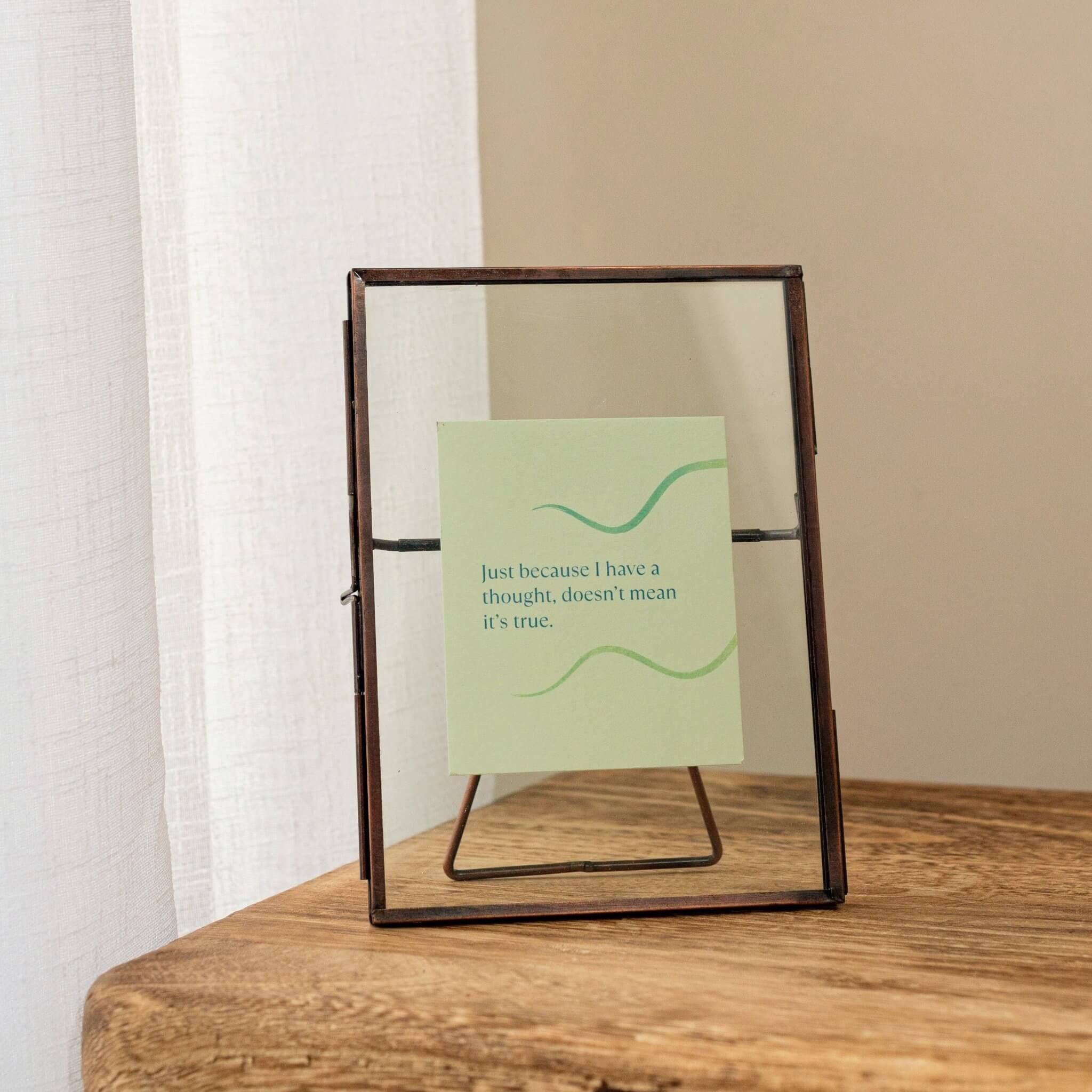
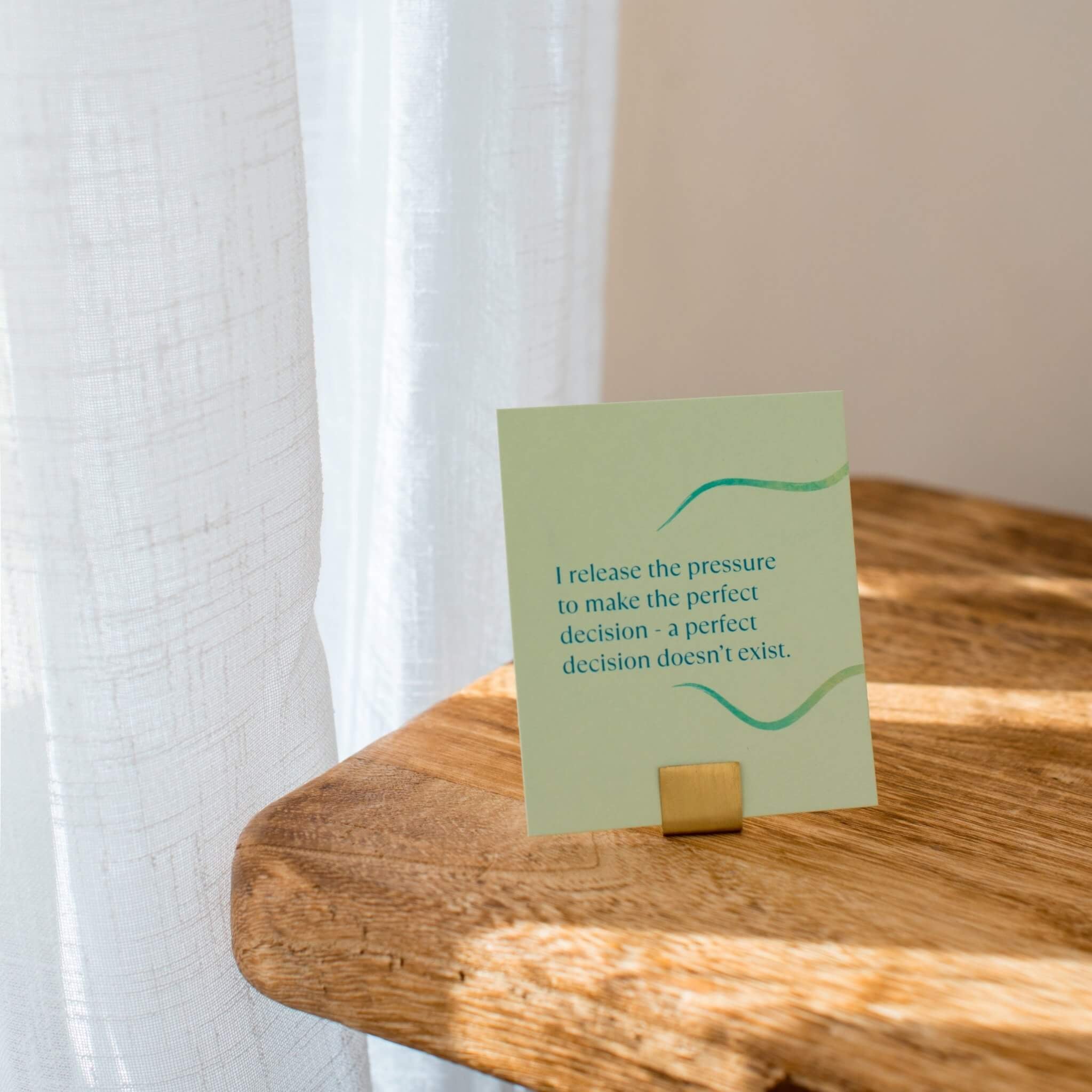
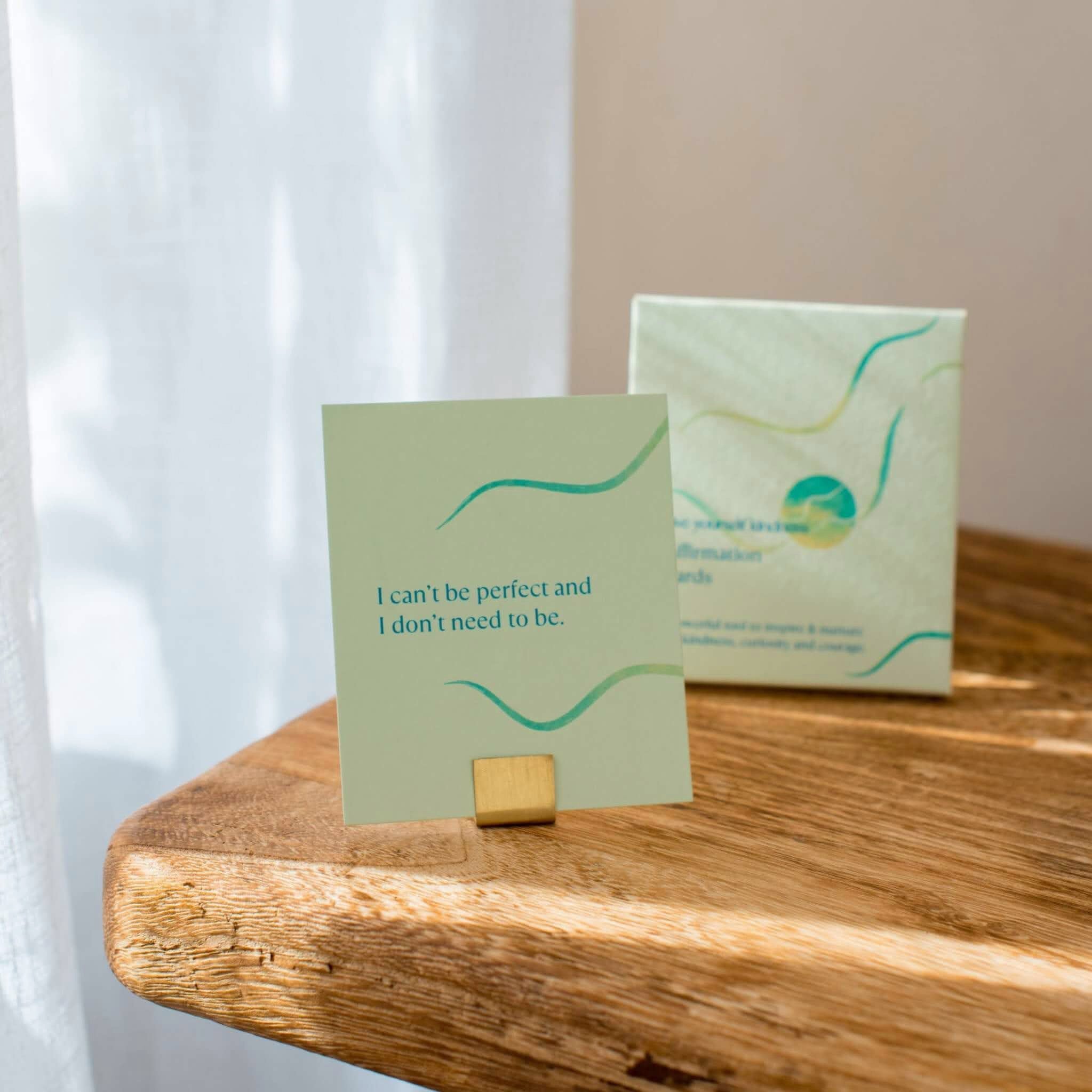
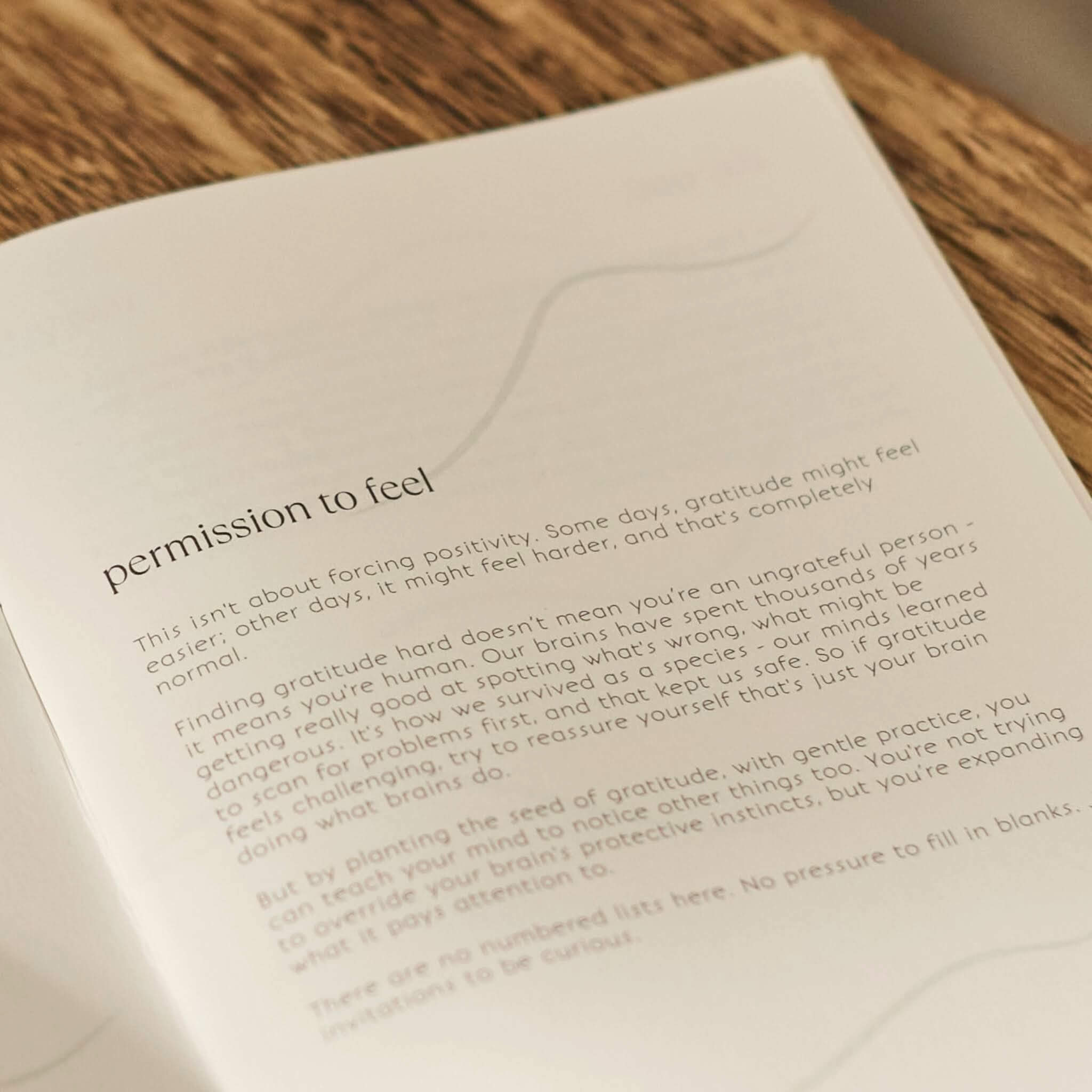
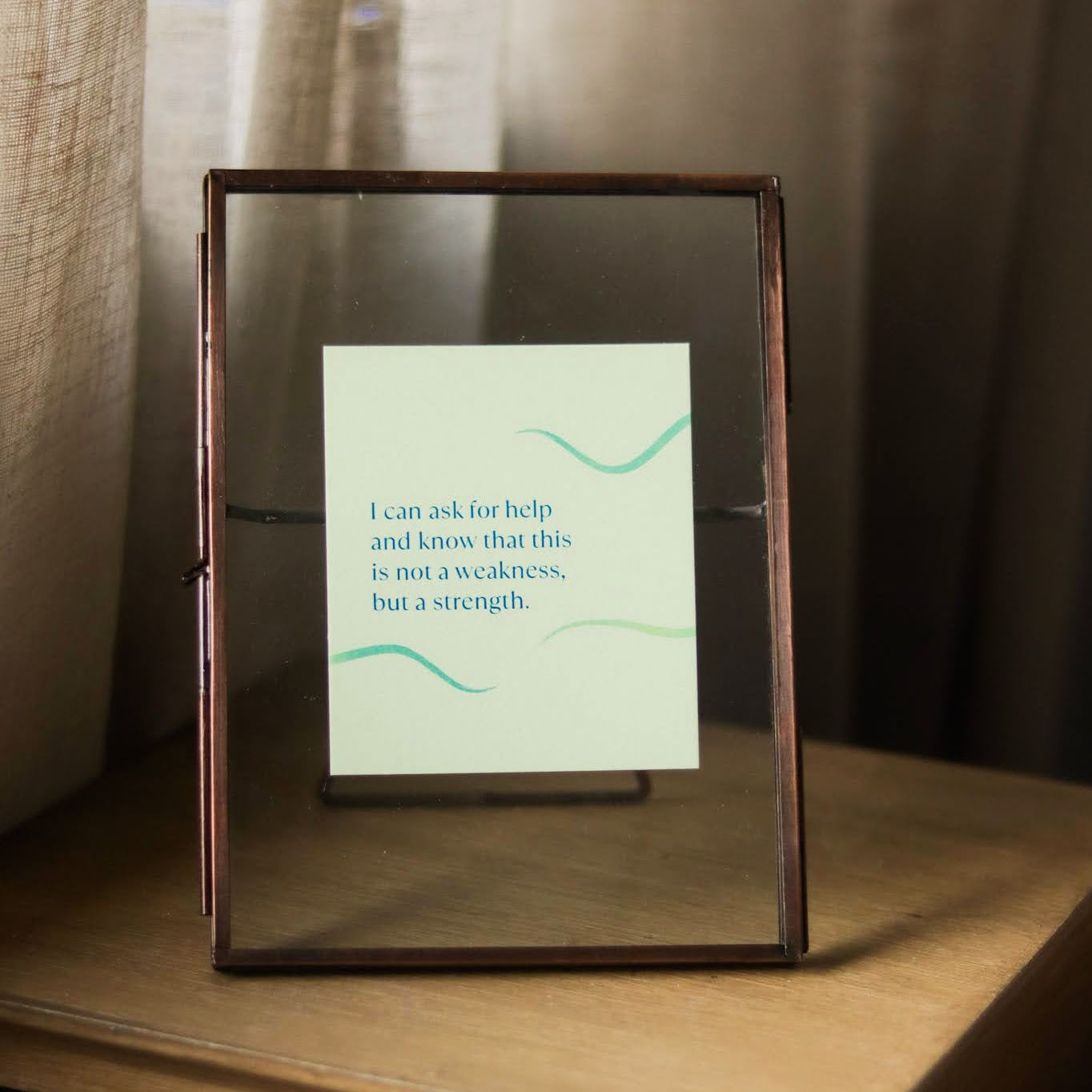
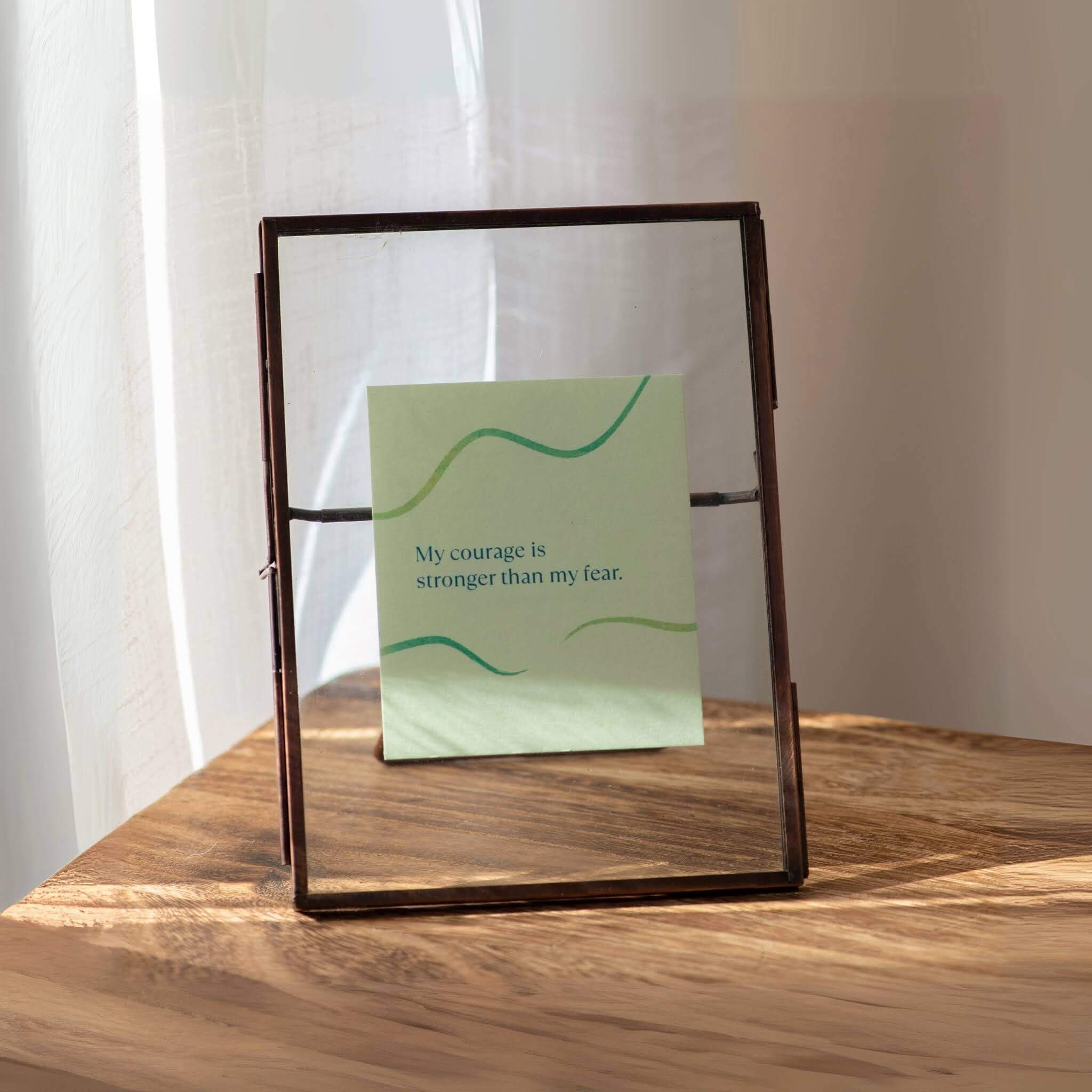
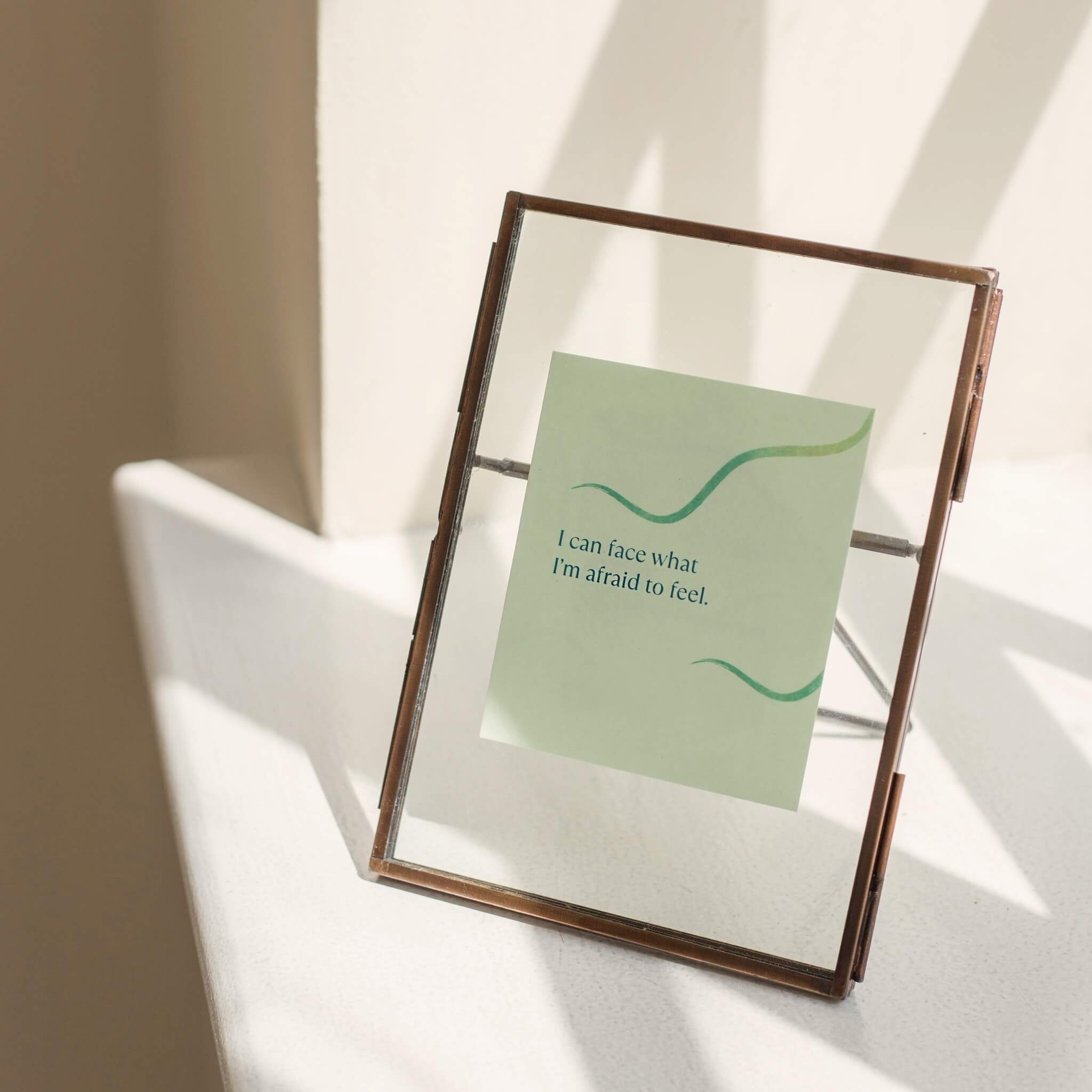
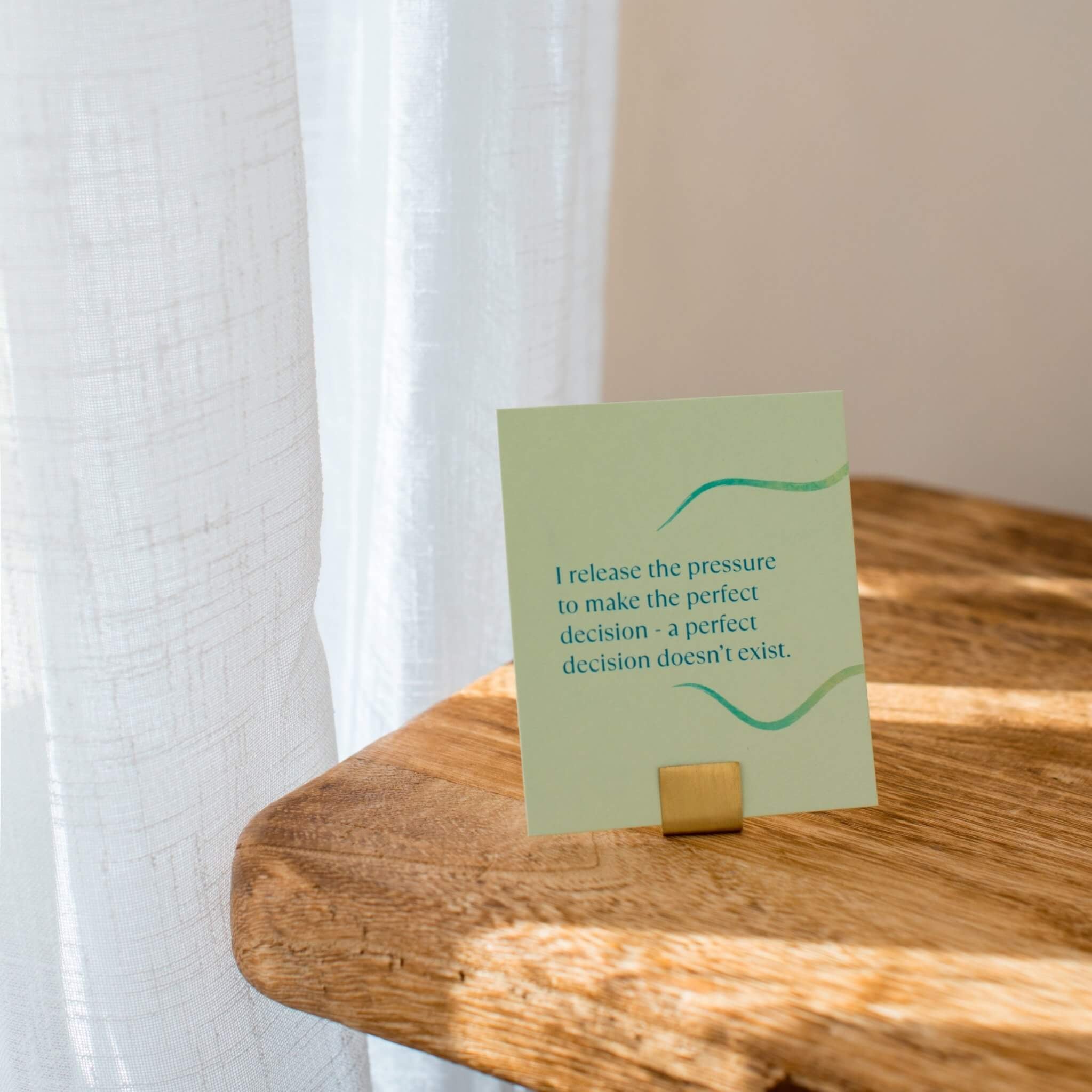
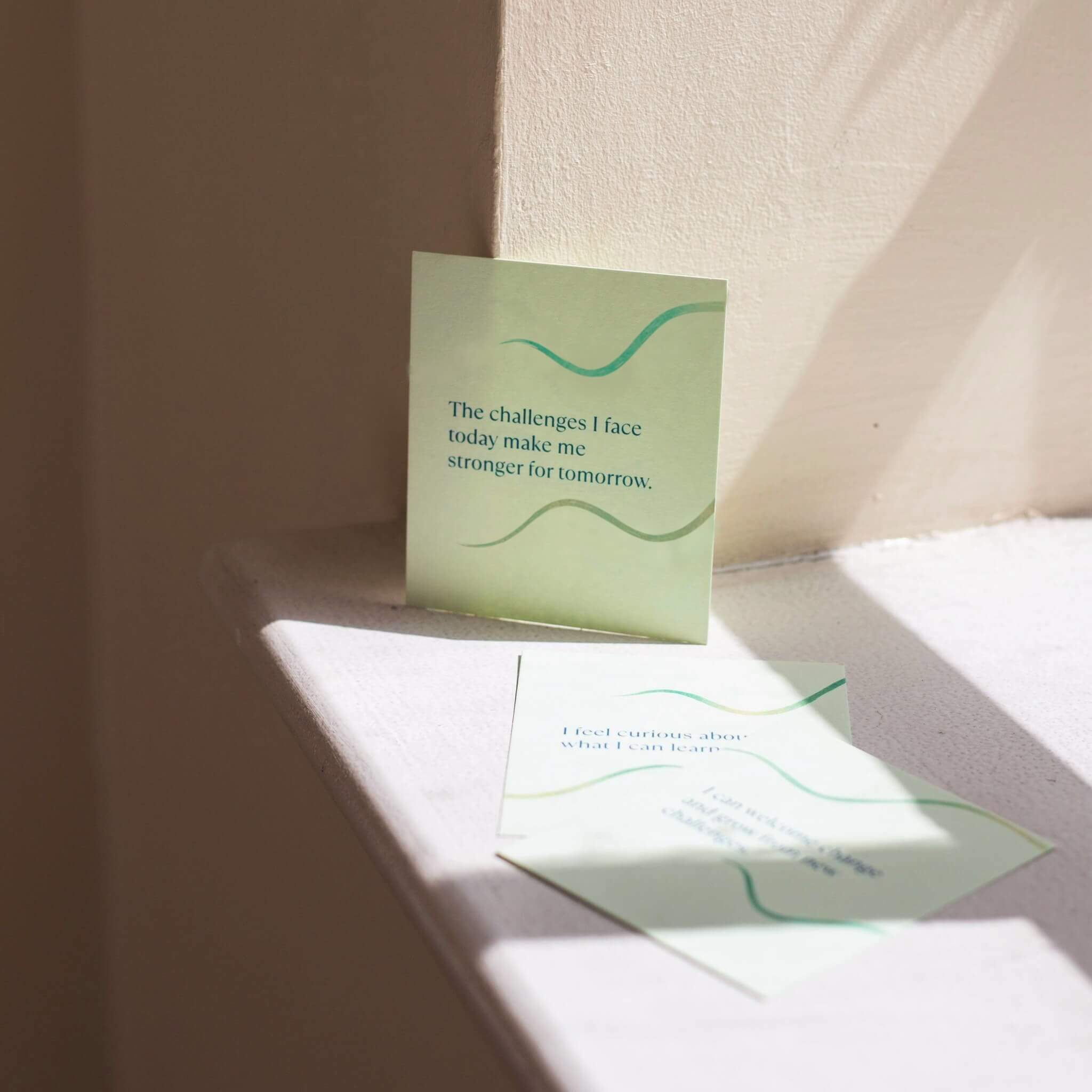
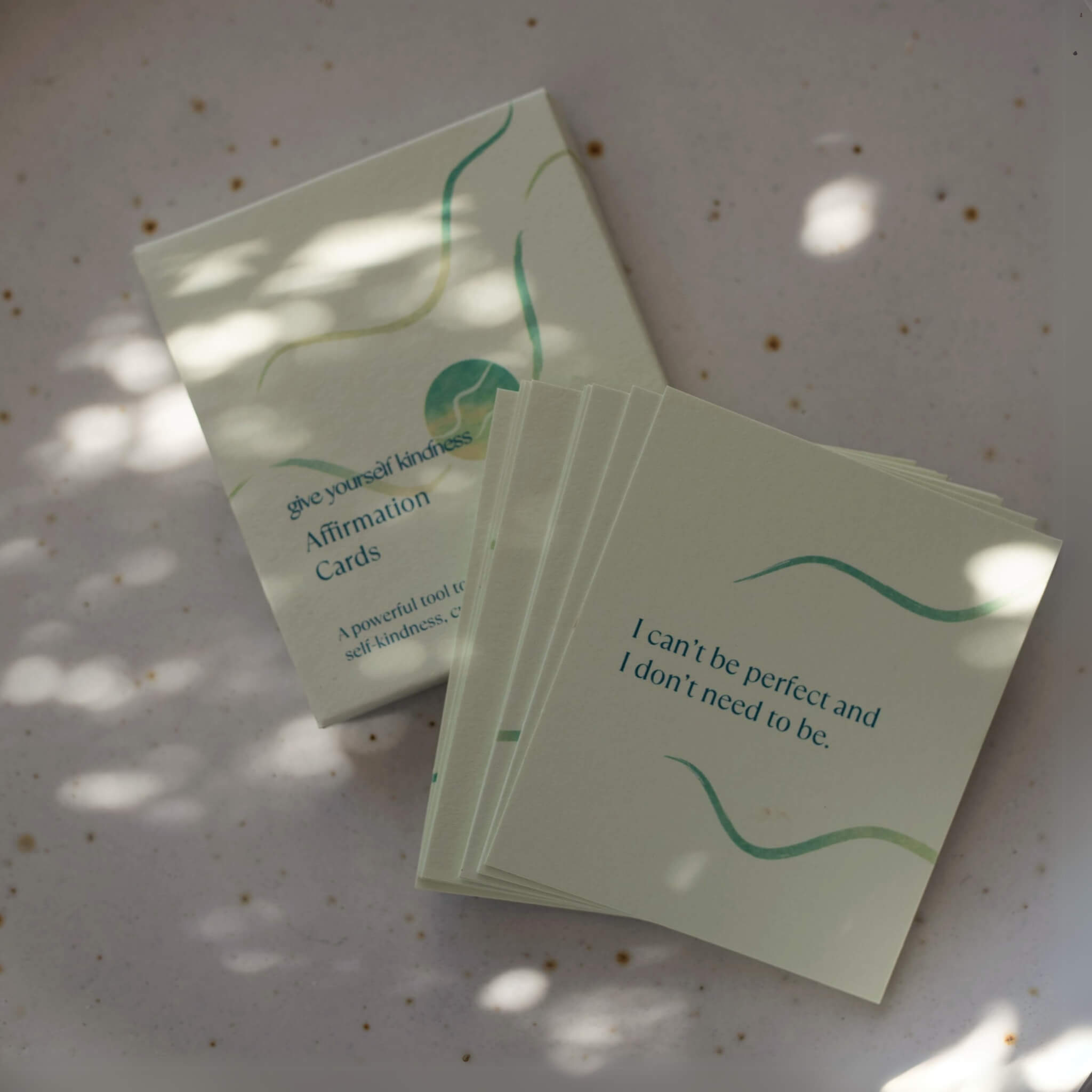
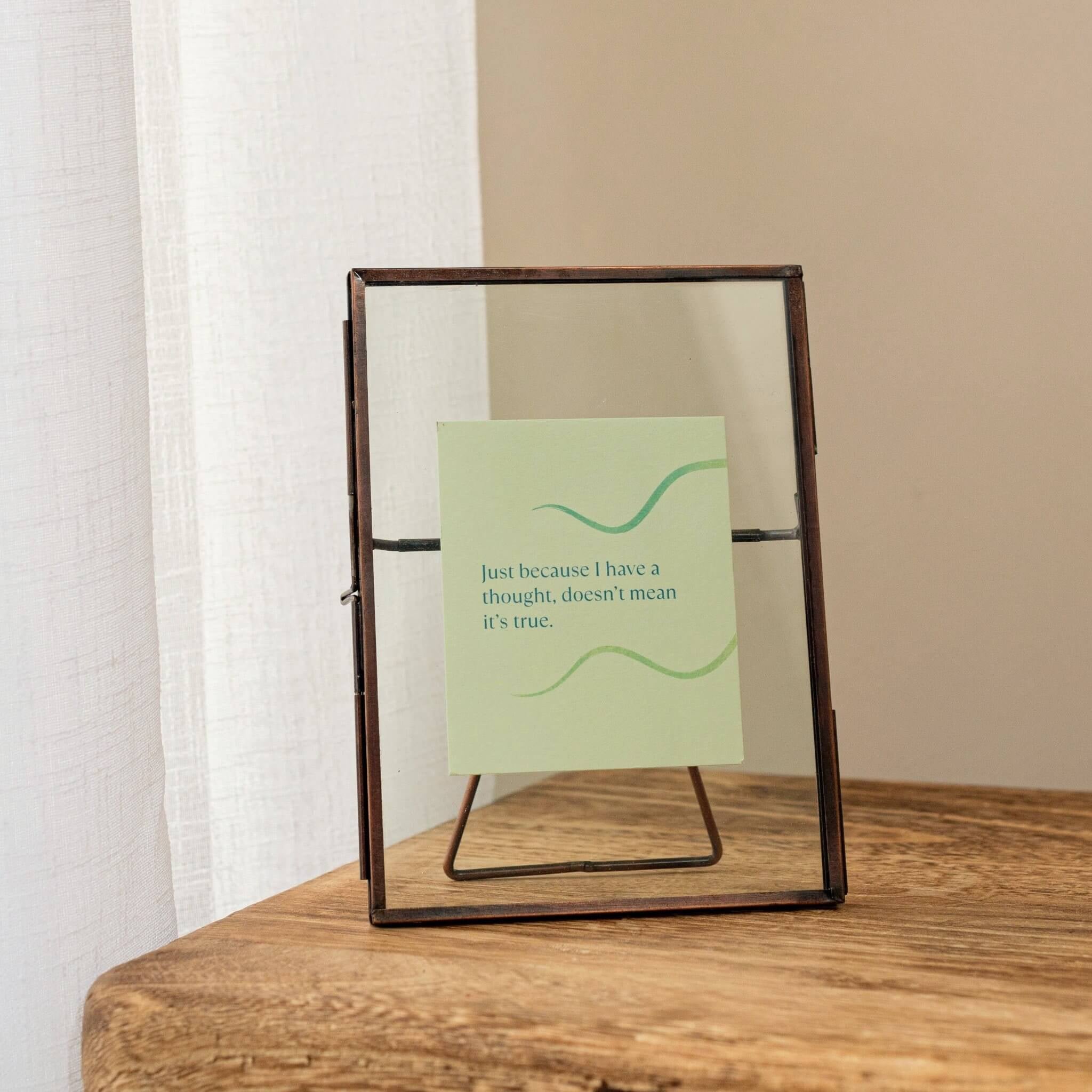
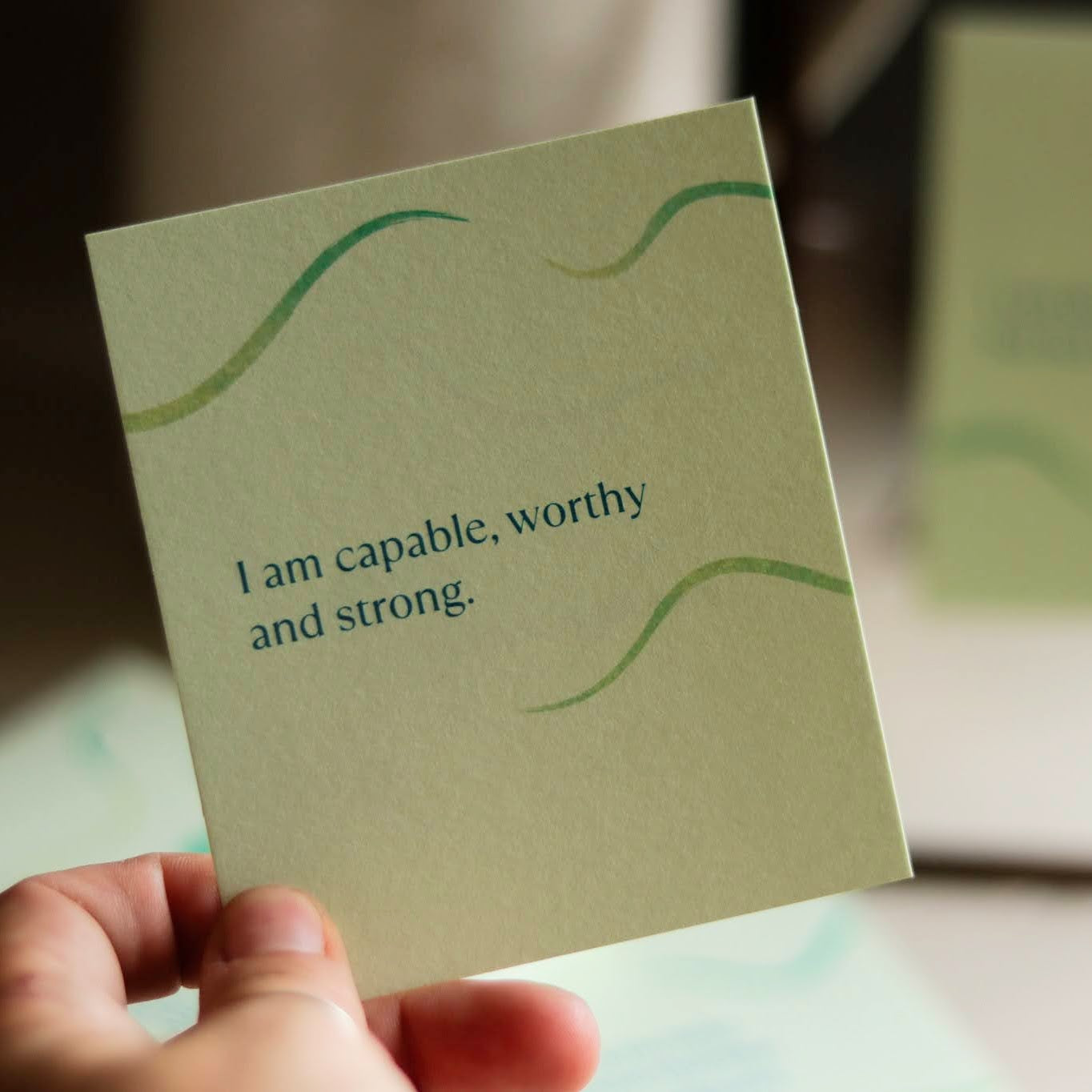
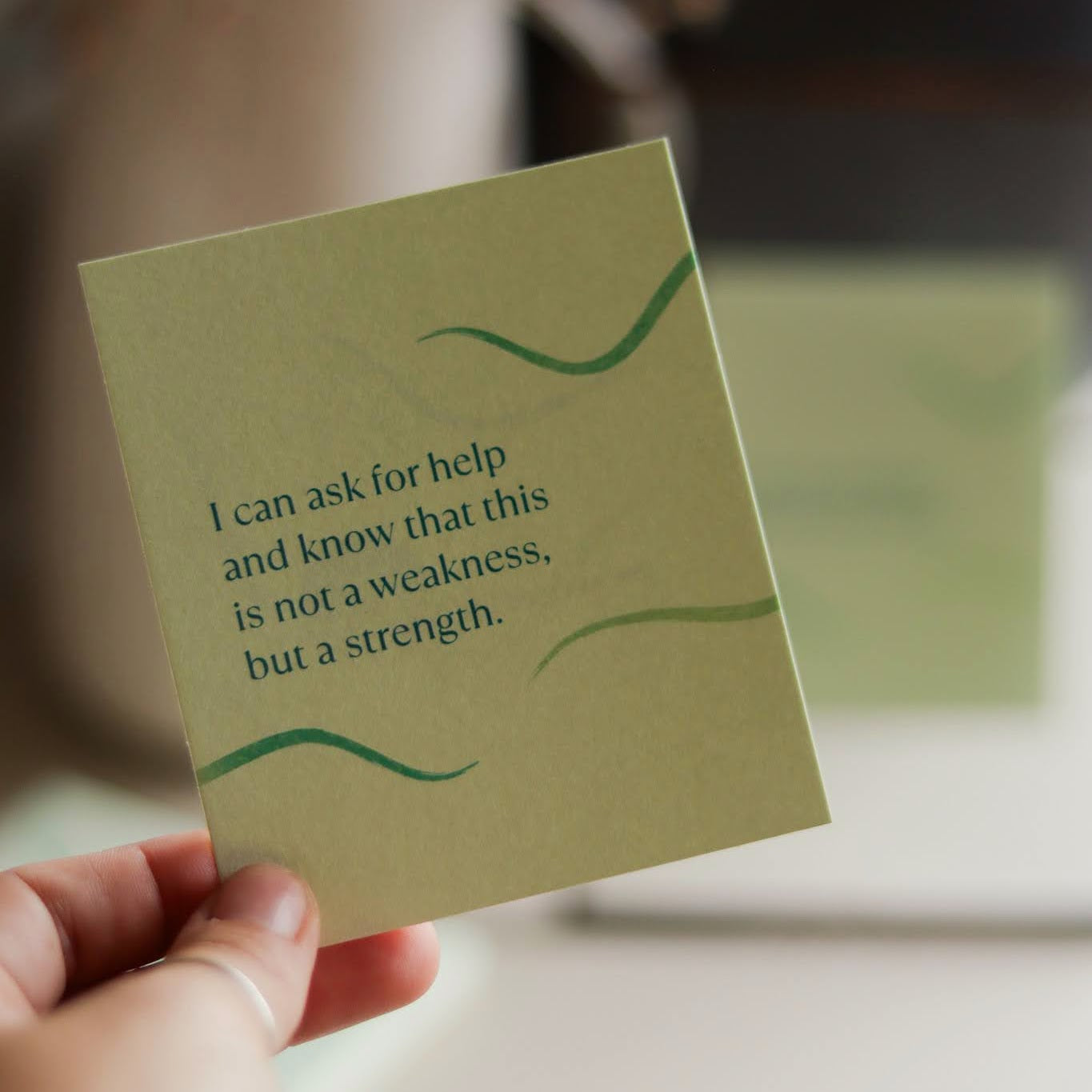
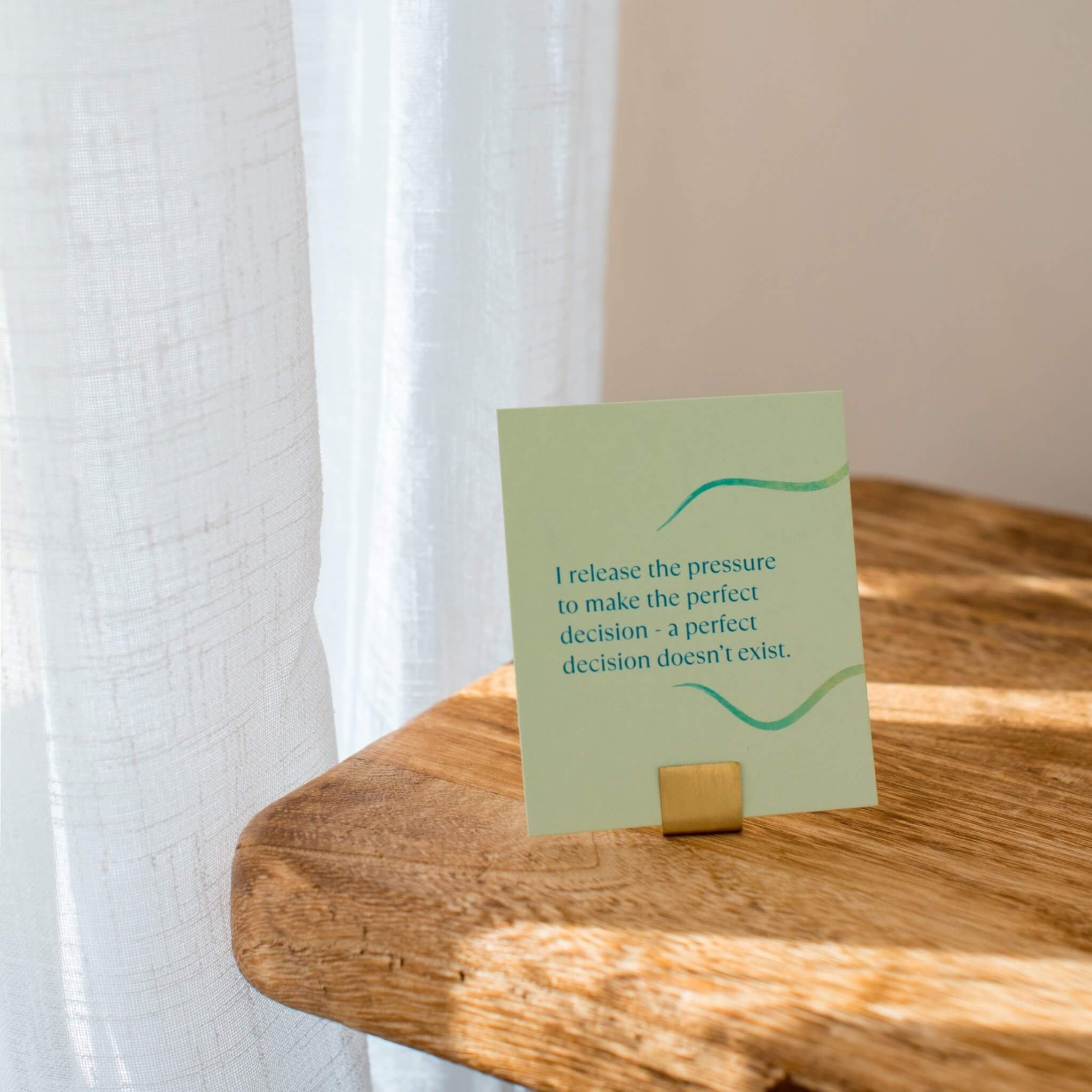
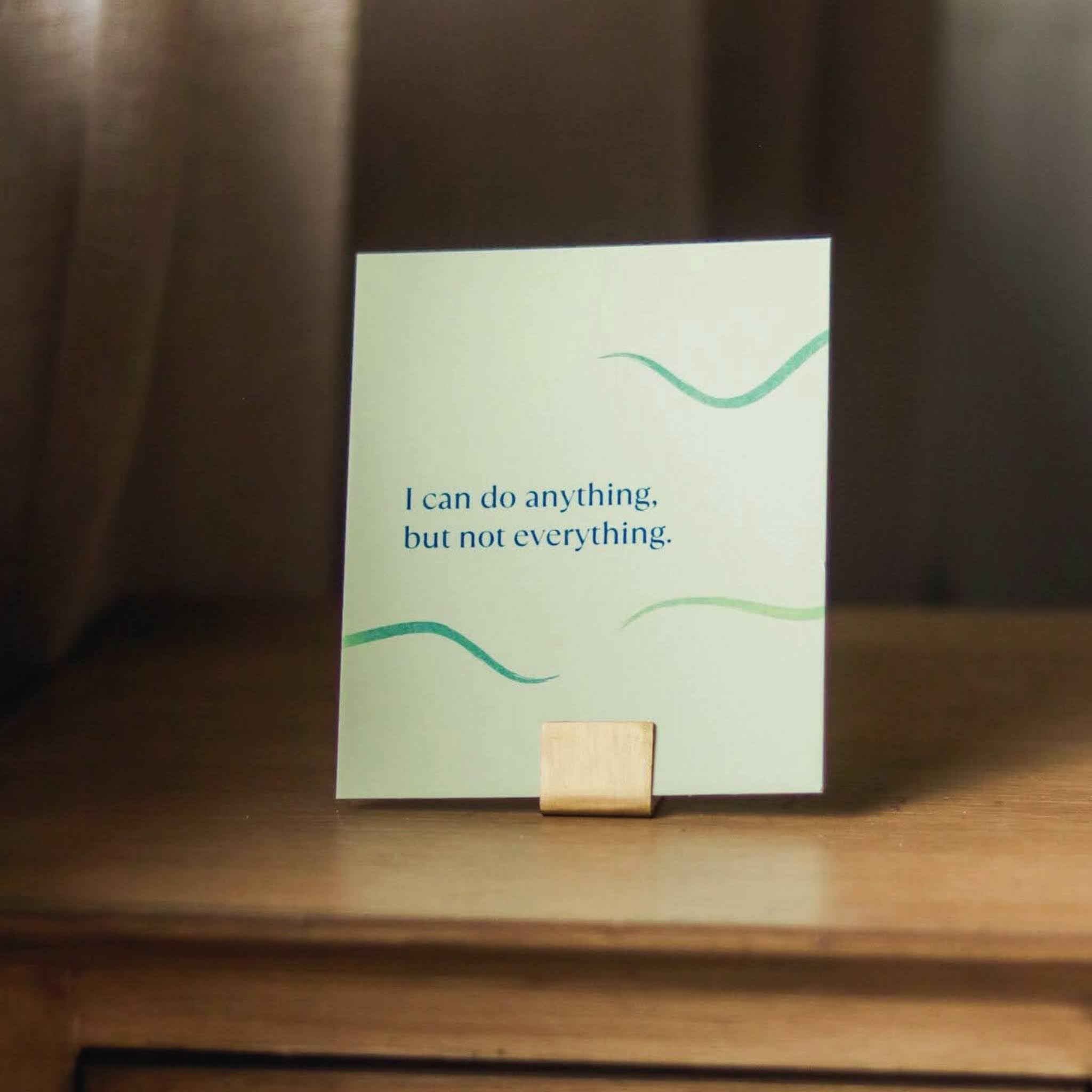
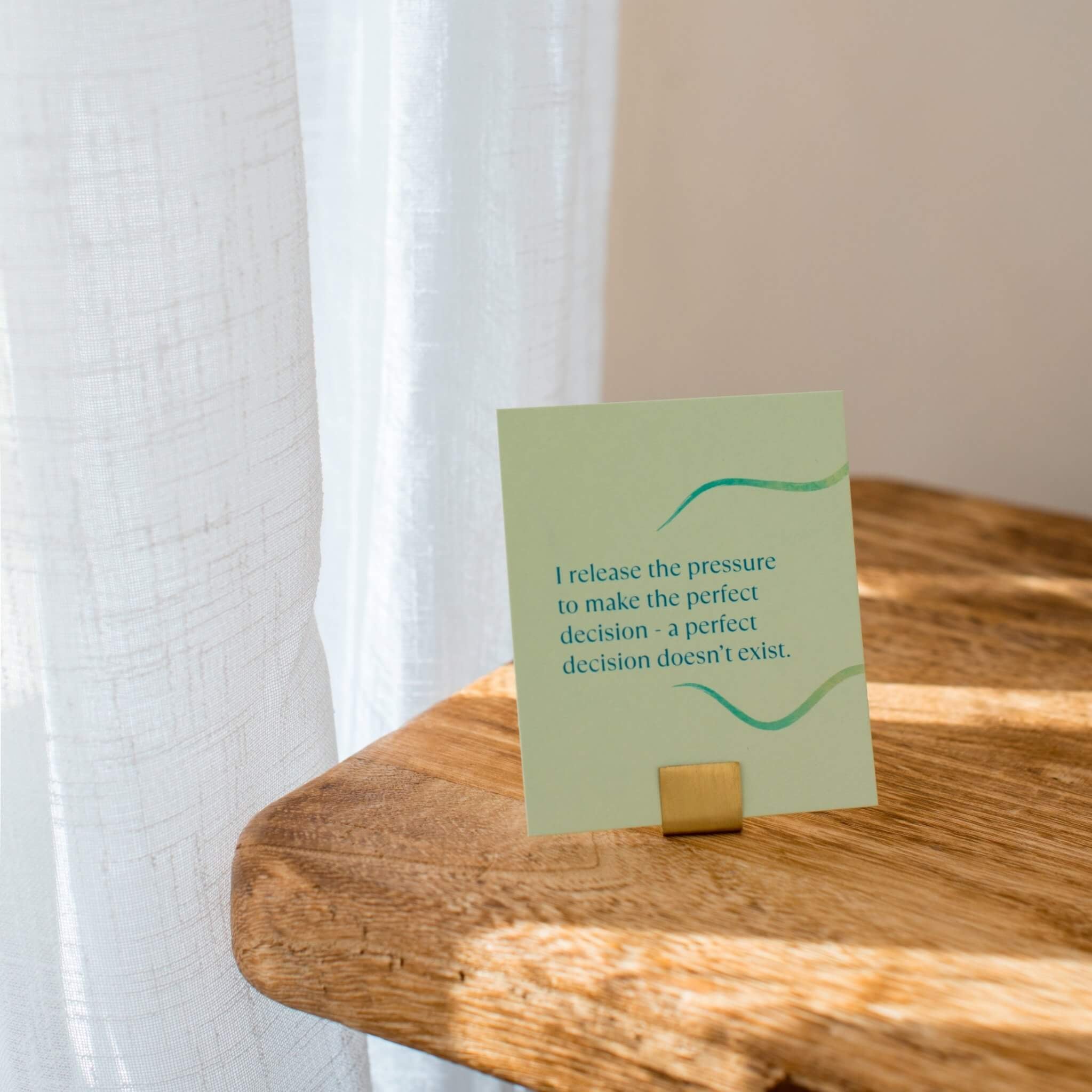
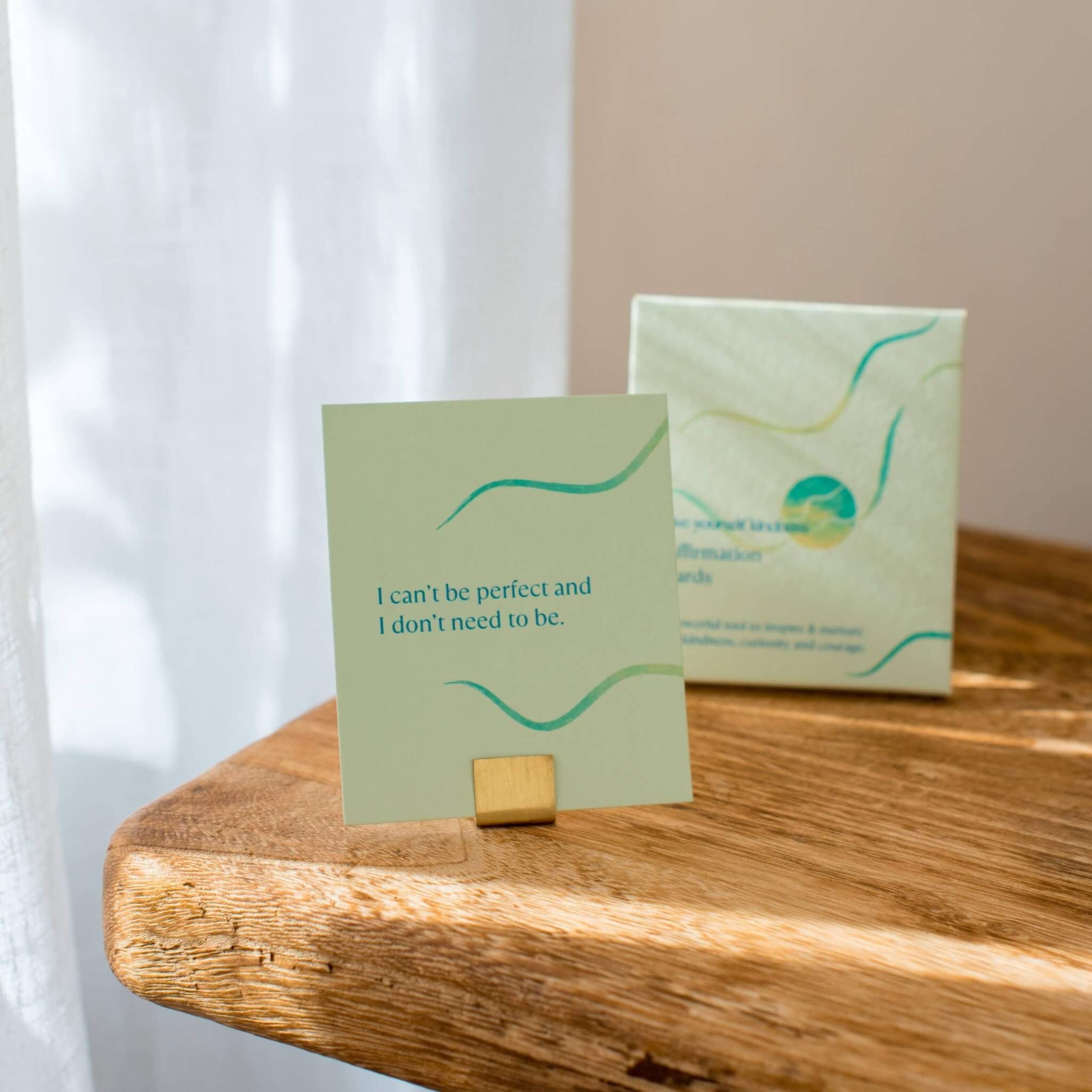
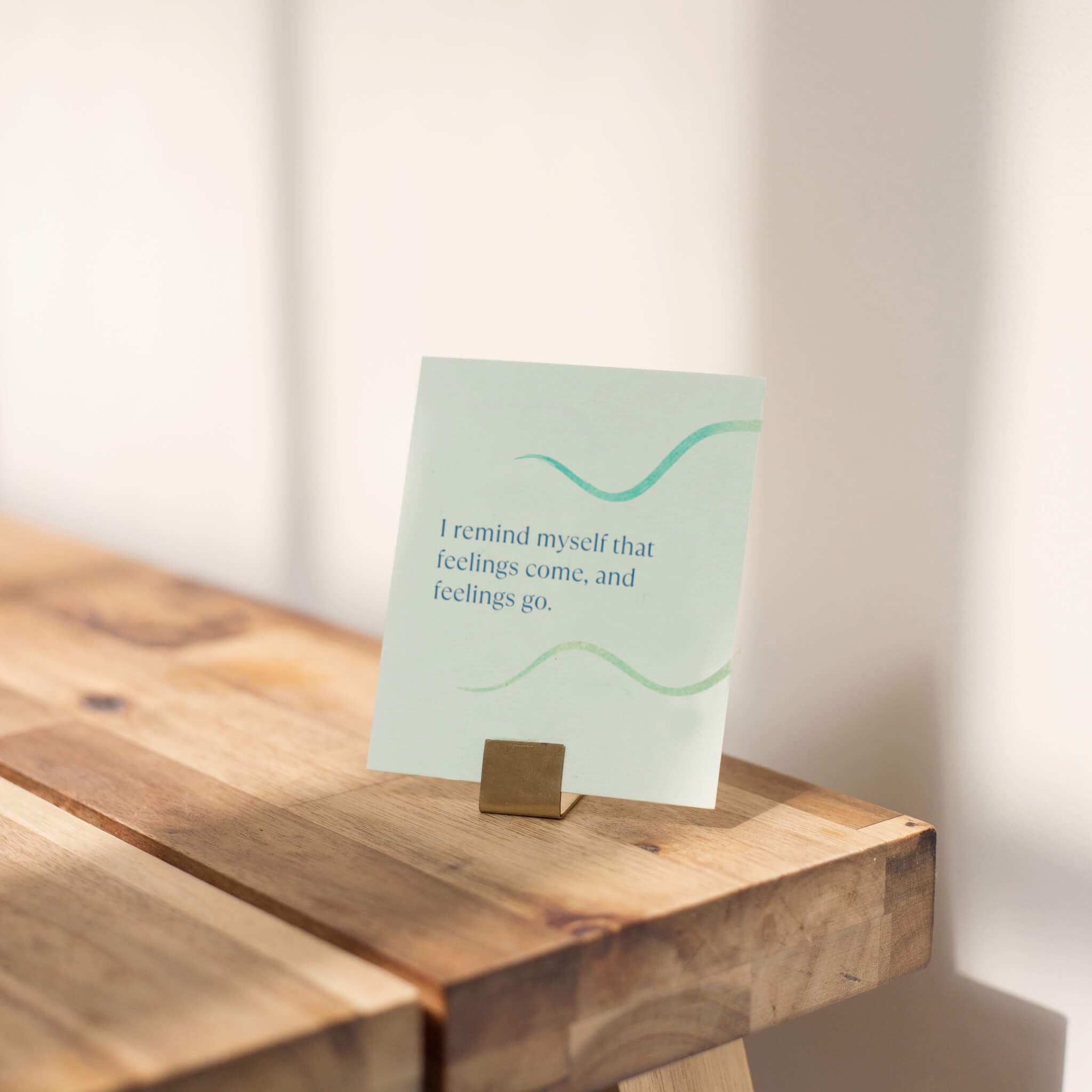
50+ gentle reminders like "You can't be perfect, and you don't need to be" and "The way you speak to yourself matters." Growth happens through kindness, not criticism.

Dr. Chris Germer, PhD
Clinical Psychologist, Harvard Medical School
"A warm invitation to make friends with your emotions and yourself!"

Professor Willem Kuyken, PhD, DClinPsy
Ritblat Professor of Mindfulness, University of Oxford
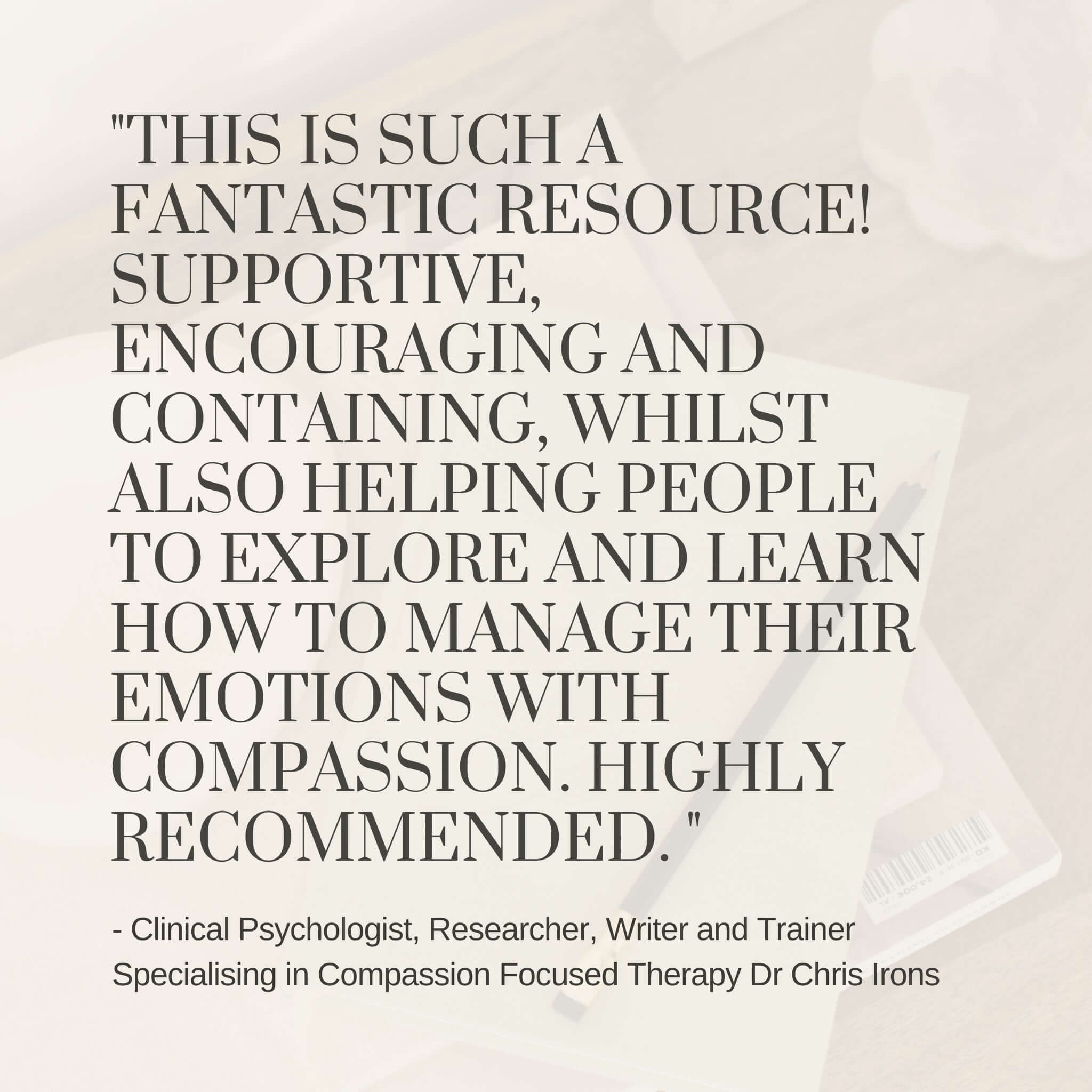
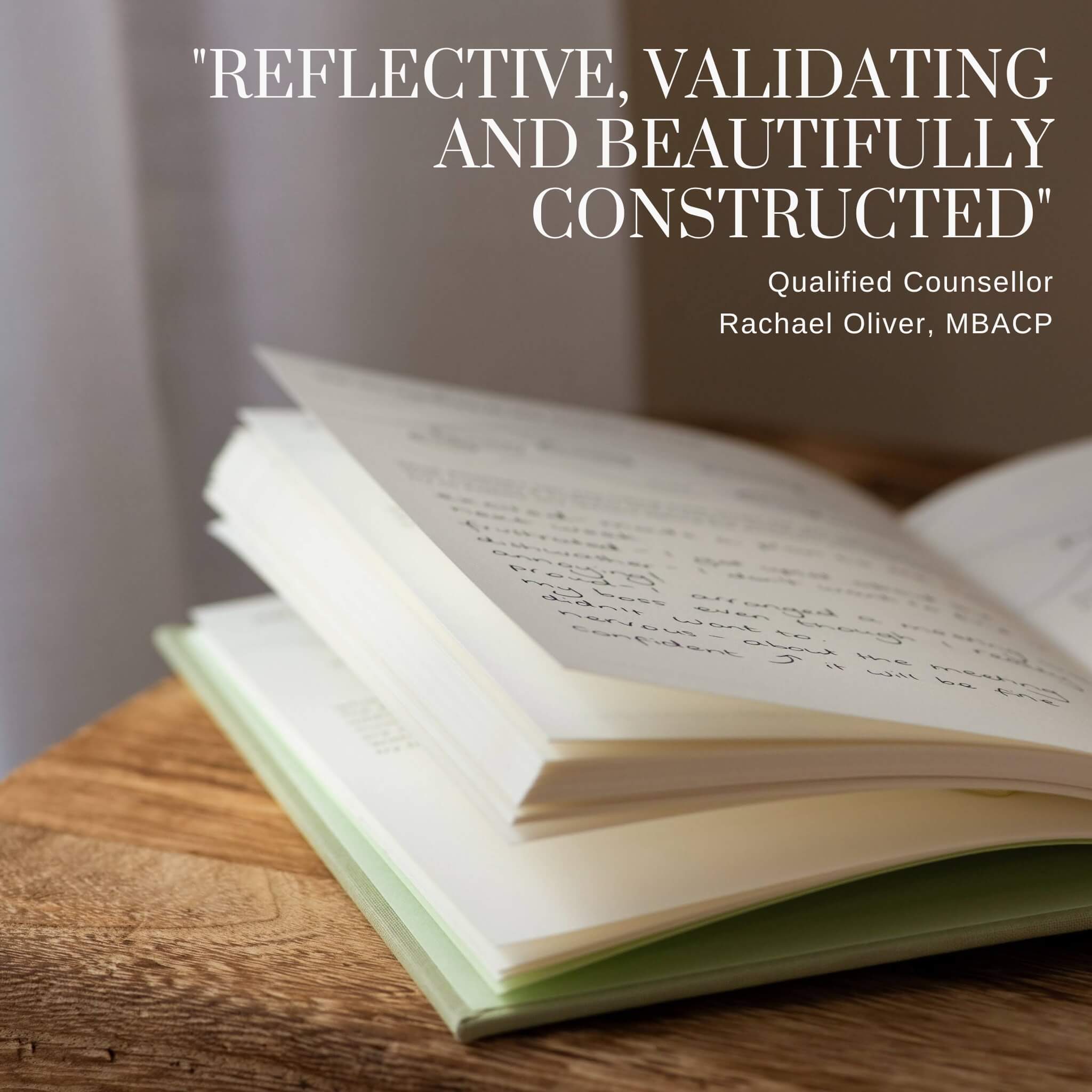
"Rachel has curated the experience to make the writing intrinsically rewarding and the journal something to treasure. The journal is rooted in state-of-the-art research that emphasizes the importance of understanding our emotions."
What's Inside:
- 90 days of varied prompts
- Emotional awareness tool on every page
- 50+ self-compassion reminders
- Undated format (no guilt for missed days)
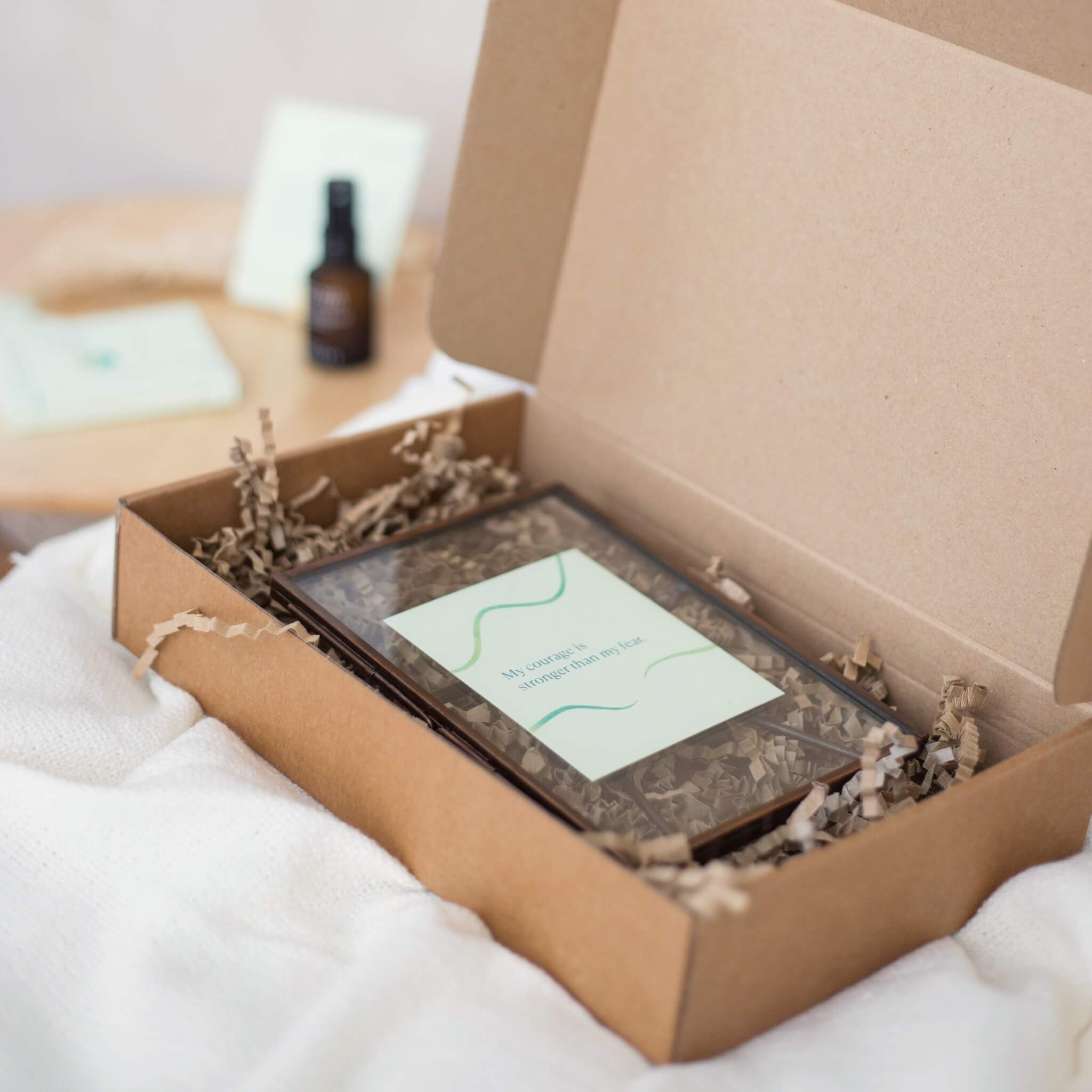
- Cloth-bound, premium 120gsm paper
- Printed in UK, FSC-certified
- Used by therapists worldwide
✓ PROS
- Most comprehensive self-exploration tool
- Explores multiple dimensions of self (not just one)
- Never feels repetitive (90 unique prompts)
- Self-compassion approach (growth through kindness)
- Evidence-based (affect labeling, self-compassion research)
- Expert-recommended (Harvard & Oxford psychologists)
- Emotional awareness tool on every page
- Beautiful, premium quality
✗ CONSIDER IF
- You prefer completely blank pages
- You want ONLY productivity/goal tracking (this is self-exploration, not task management)
- You prefer identical prompts daily (this varies to encourage genuine exploration)
What Makes a Journal Effective for Self-Exploration
Before comparing other options, here's what genuine self-exploration requires:
1. Explores Multiple Dimensions of Self
What genuine self-exploration includes: Emotions (what you feel), values (what matters), needs (what you require), patterns (how you respond), self-talk (how you speak to yourself), relationships (how you connect), and growth (how you've changed).
Red flag: Journals focusing on only one dimension (gratitude only, productivity only, goals only).
2. Varied Prompts (Not the Same Questions Daily)
Why variety matters: When you see the same prompt every day, your brain goes on autopilot. Real self-discovery requires fresh angles—some days exploring emotions, other days examining values, other days noticing patterns.
Red flag: Journals with identical prompts daily (becomes meaningless after a few weeks).
3. Self-Compassion Integration (Not Self-Criticism)
Why this matters: Research by Dr. Kristin Neff shows self-compassion predicts personal growth MORE than self-criticism. You can face your limitations without shame, which allows genuine change.
Red flag: Journals with "fix yourself" mentality or harsh productivity expectations.
4. Emotional Awareness Tools
Why this matters: Emotions reveal what you value and need. Research shows identifying specific emotions improves self-awareness and emotional regulation.
What to look for: Visual guides (like emotion wheels) that help you identify specific emotions.
5. Reflection, Not Just Recording
Recording: "Today I went to work, had lunch with Sarah, went to the gym."
Reflecting: "I noticed I felt most energized after lunch with Sarah. I think connection matters more to me than I've been prioritizing."
What to look for: Prompts that ask "why" and "what does this reveal?" not just "what happened?"
6. Undated Format
Why this matters: Self-exploration isn't linear. Undated pages welcome you back whenever you're ready, without guilt.
Other Journal Options for Comparison
| Journal | Exploration Dimensions | Prompt Variety | Self-Compassion | Best For |
|---|---|---|---|---|
| Give Yourself Kindness | 7 dimensions (emotions, values, needs, etc.) | ✓ 90 varied | ✓ Integrated throughout | Genuine self-exploration |
| Q&A a Day | Mixed (same 365 questions yearly) | ✗ Same yearly | ✗ Not included | Tracking how answers change |
| The Five Minute Journal | Gratitude only | ✗ Same daily | ✗ Not included | Quick gratitude practice |
| Productivity Journals | 0 (goals/tasks only) | ✗ Same daily | ✗ Not included | Task management |
Q&A a Day: 5-Year Journal
- Seeing how your answers change over 5 years
- Very brief daily practice (2-3 lines per day)
- Long-term perspective on growth
How it works: One question per day, same question each year for 5 years. You write 2-3 lines per day. After year 1, you can see how your answer changed from the previous year.
What it does well: If you stick with it for multiple years, it's fascinating to see how your answers evolve. The brevity makes it easy to maintain.
Limitation for self-exploration: The questions are surface-level by design (to fit in 2-3 lines). You don't explore deeply—you record briefly. No variety in the first year.
Bottom line: Good for tracking how you change over years with brief daily entries. Not ideal if you want deep self-exploration in the present moment.
The Five Minute Journal
- Quick structured gratitude practice
- Morning and evening routine
- People who love consistent structure
How it works: Same prompts every single day. Morning: "I am grateful for..." "What would make today great?" Evening: "3 amazing things that happened today."
What it does well: If you want a very quick, structured gratitude practice with zero decision fatigue, this works.
Limitation for self-exploration: Focuses on gratitude. Doesn't explore emotions, values, needs, patterns, self-talk, or relationships. The identical prompts daily become mechanical after a few weeks.
Bottom line: Good for gratitude habit. Not comprehensive self-exploration.
Productivity Journals
Productivity Planner, Panda Planner, and similar goal-tracking journals
The critical distinction: These are for task management but they're not self-exploration tools, even though they're often marketed as "personal growth."
Productivity journals ask: "What did I accomplish?" → Self-management
Self-exploration journals ask: "What did I feel and why?" → Self-understanding
You can use both—they serve different purposes. A productivity journal for tasks and a self-exploration journal for understanding yourself. But if you want to explore who you are (not just optimize what you do), choose a journal designed for self-exploration.
Which Journal Should You Choose?
Give Yourself Kindness Journal
Explores emotions, values, needs, self-talk, growth, relationships, challenges. 90 unique prompts with emotional awareness tools.
Q&A a Day
Same 365 questions yearly. Good for long-term perspective, not deep present-moment exploration.
Five Minute Journal
5 minutes daily, same prompts. Focus on gratitude habit, not comprehensive self-exploration.
Productivity journals
These manage tasks, not explore identity. Use alongside (not instead of) self-exploration journal.
Start with Give Yourself Kindness Journal
The varied prompts and emotional awareness tools teach you HOW to explore yourself effectively.
Give Yourself Kindness Journal
Grows through self-compassion, not self-criticism. Explores who you are, doesn't optimize what you do.
How to Use a Journal for Self-Exploration
Having the right journal is step one. Using it effectively for genuine self-discovery is step two:
1. Approach with curiosity, not judgment
Self-exploration reveals things you might not like about yourself—patterns you wish you didn't have, emotions you'd rather not feel, values you've been ignoring. Approach these discoveries with curiosity ("Isn't that interesting?") rather than judgment ("What's wrong with me?").
2. Write for insight, not perfection
Don't worry about grammar, handwriting, or saying the "right" thing. You're exploring, not performing. Some entries will be profound; others will be mundane. Both are valuable.
3. Notice patterns over time
After 2-3 weeks, look back at your entries. What themes emerge? When do you feel most alive? What consistently drains you? These patterns reveal what matters.
4. Explore all dimensions of self
Don't just focus on one aspect (like emotions or goals). Explore your values, needs, relationships, self-talk, growth, and challenges. Understanding yourself requires seeing the whole picture.
5. Be honest about what you discover
Self-exploration sometimes reveals gaps between who you are and who you thought you were, or between what you value and how you're actually living. This discomfort is where growth begins—when you're honest with yourself about these gaps.
6. Use self-compassion with what you find
Research by Dr. Kristin Neff shows self-compassion enables change MORE effectively than self-criticism. When you discover something about yourself you want to change, respond with "This is hard, and I deserve support" not "What's wrong with me?"
Common Questions About Self-Exploration Journals
How is self-exploration different from self-improvement?
Self-exploration asks "Who am I?" Self-improvement asks "How can I be better?" Self-exploration is about understanding—your emotions, values, needs, patterns. Self-improvement is about optimizing—your habits, goals, productivity. Ironically, genuine self-exploration often leads to natural growth because you understand what you actually need (not what you think you should want). Research shows self-compassionate self-exploration predicts growth more than self-critical self-improvement.
Can I use both a self-exploration journal and a productivity journal?
Absolutely. They serve different purposes. Use a productivity journal for tasks, goals, and habits. Use a self-exploration journal for understanding your emotions, values, and needs. Many people find that self-exploration actually improves their productivity naturally—when you understand what you value and need, you make better decisions about what to pursue.
Why does prompt variety matter for self-exploration?
When you see the same prompt daily, your brain goes on autopilot. You stop genuinely exploring and start mechanically filling in answers. Varied prompts force you to look at yourself from different angles—some days examining emotions, other days exploring values, other days noticing patterns. This multi-dimensional view is essential for genuine self-discovery.
What if I don't like what I discover about myself?
This is where self-compassion becomes essential. Self-exploration will reveal things you wish were different—patterns you'd like to change, emotions you'd rather not feel, values you've been ignoring. The research shows that self-compassion (treating yourself with kindness when you notice these things) enables growth MORE than self-criticism. When you can face your limitations with kindness, you can actually change them.
How long until I notice benefits from self-exploration journaling?
Most people notice increased self-awareness within 2-3 weeks. Patterns begin to emerge. You start recognizing your emotional triggers, understanding what you value, noticing what you need. Long-term (3+ months), people report feeling more aligned—making decisions that fit who they actually are rather than who they think they should be.
Why are you recommending your own journal?
Because I created it for genuine self-exploration after my own experience with anxiety recovery through Compassion-Focused Therapy. I needed a tool that explored multiple dimensions of self (emotions, values, needs, etc.) with self-compassion integrated throughout. Clinical psychologists from Harvard and Oxford reviewed it and recommend it to their clients. I've been transparent throughout this page that it's my product, and I've shown you other options so you can choose what fits your needs.
Begin Your Self-Exploration Journey
Self-exploration isn't about fixing yourself. It's about understanding yourself.
When you understand your emotions, you know what you need. When you clarify your values, you make better decisions. When you notice your patterns, you can choose to change them—not from shame, but from self-knowledge.
The best self-exploration journals:
- Explore multiple dimensions of who you are (not just one)
- Use varied prompts that prevent autopilot (not identical daily questions)
- Integrate self-compassion (growth through kindness, not criticism)
- Include emotional awareness tools (emotions reveal what matters)
- Encourage reflection, not just recording (insight over documentation)
- Use undated format (self-discovery isn't linear)
Most importantly: Choose exploration over optimization. Choose understanding over improvement. Choose self-compassion over self-criticism.
Personal growth happens naturally when you know yourself well.
Ready to explore yourself with compassion?
Explore The Give Yourself Kindness Journal →Related reading:
About the author: Rachel Smith (DipBSoM) is a qualified meditation teacher and the creator of Give Yourself Kindness. After recovering from anxiety through Compassion-Focused Therapy, she created evidence-based self-exploration tools recommended by clinical psychologists from Harvard and Oxford, and used by therapists with clients worldwide.


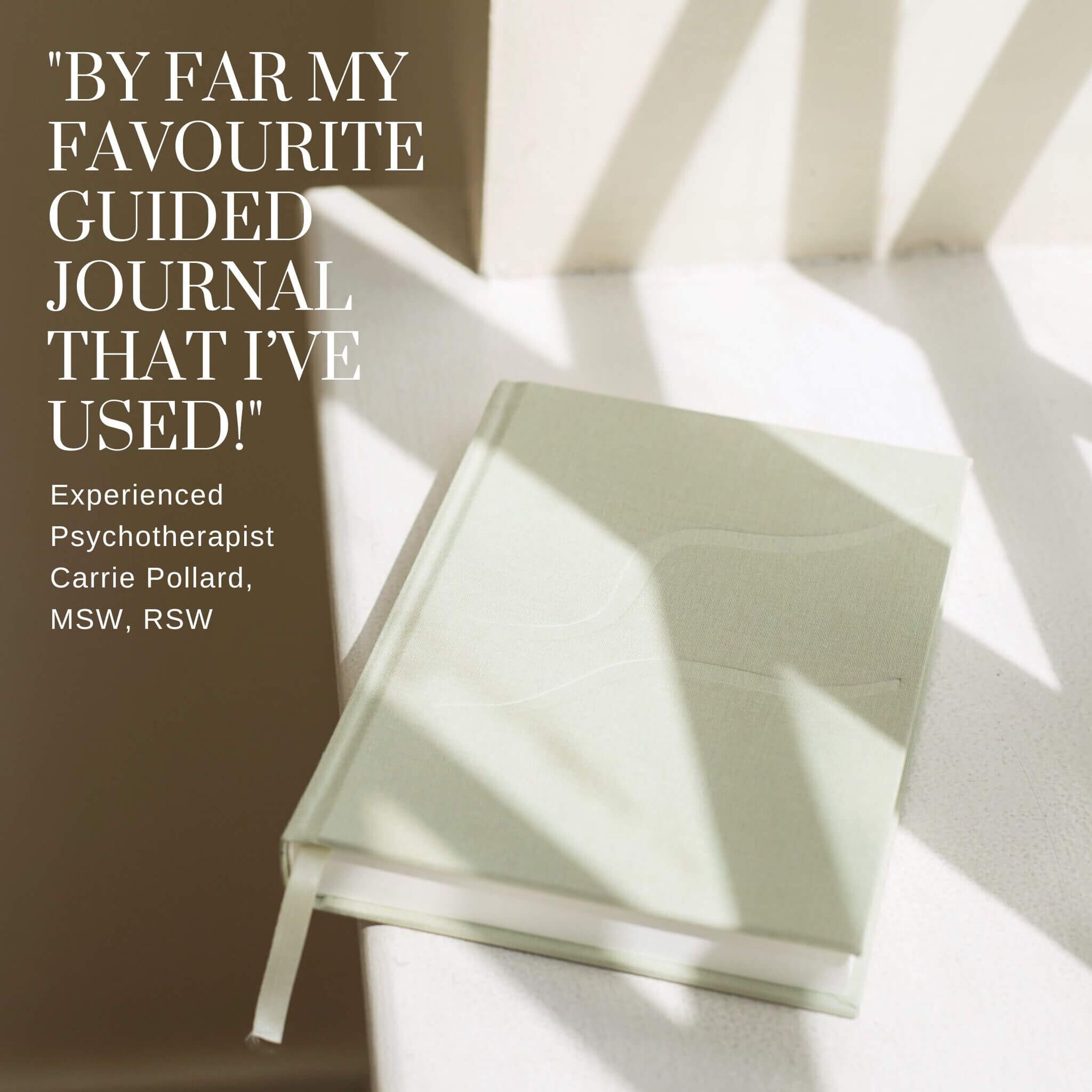
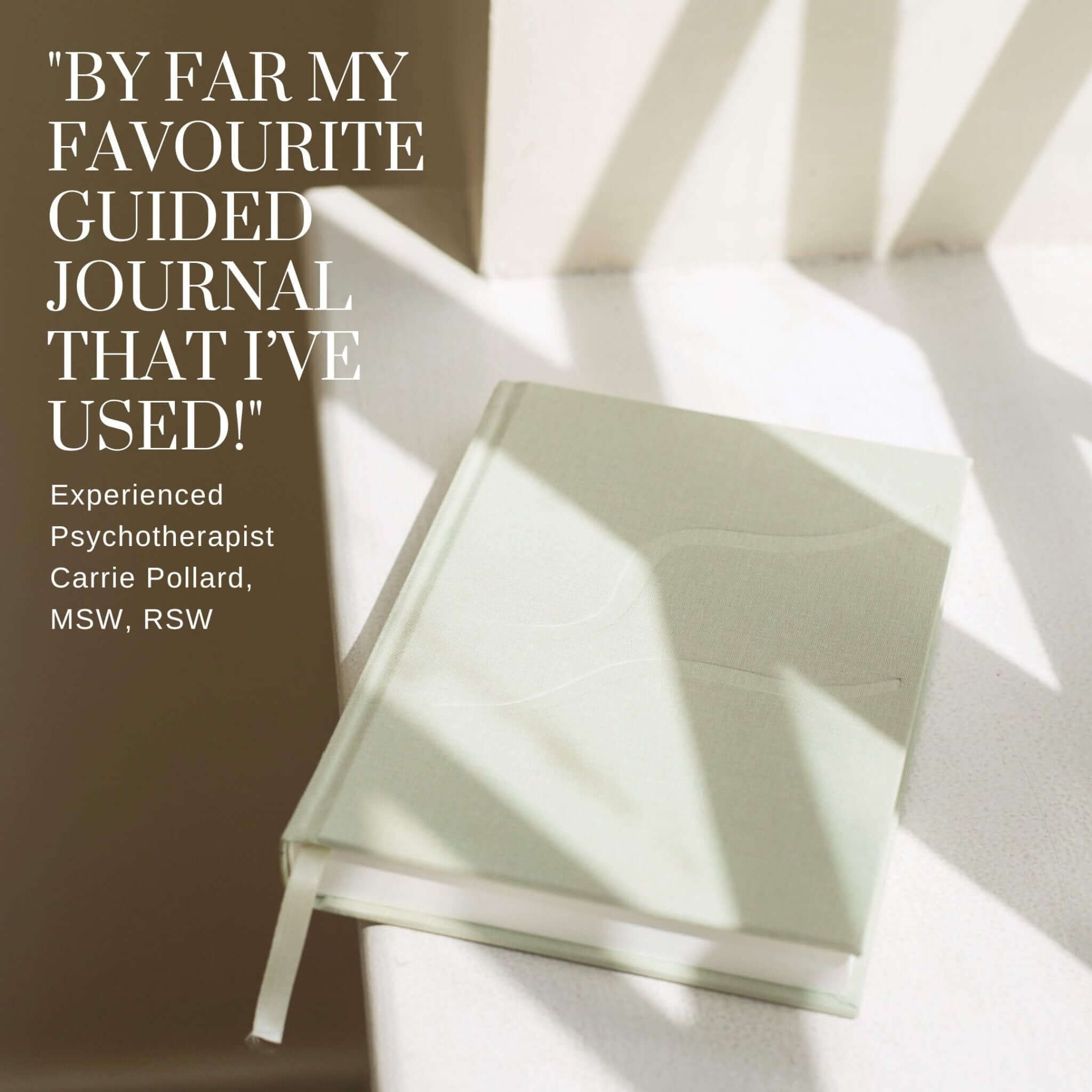
“By far my favourite guided journal that I’ve used!”
There's a lot of journals out there. Most of which include tools that can be repetitive, boring or unhelpful. Give Yourself Kindness is about creating something new.