


Quick answer
The best breakup journal is one that lets you feel what you actually feel and helps you be kind to yourself while you do. The one I recommend is the Give Yourself Kindness Journal: changing prompts that ask what you'd say to a friend going through the same thing, an emotion tool on every page, and undated pages, so there's nothing to fall behind on. It's recommended by clinical psychologists at Harvard Medical School and the University of Oxford. Kristin Neff and Chris Germer describe the balance: "When we pause for a few breaths and validate our pain ('This moment is really hard') without getting lost in it ('My life is over'), we gain perspective…" Heartbreak hurts, and it isn't a sign that something is wrong with you. You might find the hardest days feel a little lighter when you meet them kindly.

 Kristin Neff, PhD (University of Texas at Austin) and Chris Germer, PhD (Harvard Medical School). Read their full excerpt
About this guide. I'm Rachel Smith, founder of Give Yourself Kindness and a qualified meditation teacher (DipBSoM, British School of Meditation, distinction). The journal I recommend here is mine. I made it because, when I was at my hardest on myself, I couldn't find one that let me feel what I felt without being told to be positive. I'm not a therapist or a psychologist, so everything clinical on this page comes from named clinical psychologists and researchers, with a link to their full words. More about me
What you're feeling after a breakup is valid
Whatever you're feeling after a breakup is valid. Breakups hurt. Whether you're angry, devastated, numb, relieved, confused, or all of the above, there's no "right" way to feel, and feelings that pull in different directions can sit side by side.
You don't need to "get over it" faster. You don't need to stop feeling hurt. What helps most is support that meets you where you are, not where others think you should be.
Looking for a journal is already a way of taking care of yourself. It takes courage, even if it doesn't feel that way right now.
Why journaling can help after a breakup
Journaling can help after a breakup because it gives the hurt somewhere to go, so it isn't only circling in your head. It's one of the most studied practices in psychology. Clinical psychologist Dr Andreas Comninos describes what decades of research have found.

Dr Andreas Comninos
PhD Clinical Psychologist and EMDRAA Accredited Practitioner, with over 15 years' experience
"Decades of studies have demonstrated its wide-ranging benefits across diverse methods, from Pennebaker's 20-minute Expressive Writing paradigm to keeping a brief daily Gratitude Diary in bullet-point list format."
"Writing down thoughts and feelings can provide many of us with a healthy outlet for processing emotions, reducing stress, and gaining clarity."
What this means after a breakup: writing things down can help you make sense of feelings that seem too big or too tangled to hold in your head.
Read Dr Comninos' full article: The benefits of journaling →What matters most during a breakup is how you journal.
Writing can be kind, or it can turn harsh. Clinical psychologist Dr Chris Irons, a specialist in Compassion Focused Therapy, suggests noticing which part of you is holding the pen.

Dr Chris Irons
Clinical psychologist and specialist in Compassion Focused Therapy | Co-director of Balanced Minds, with many years of experience in the NHS
Read Dr Irons' full article: The benefits of journaling →"…it's useful to consider which part of ourselves is doing the journalling… it could be that it's a fearful part of you that is writing, or an angry or self-critical part. And although it's understandable that this might happen, how helpful might it be if it is our self-critic journalling?"
"Sadly, our self-critic often has a very narrow, and by definition negative, view on us and our life that is often associated with higher levels of psychological distress, anxiety and shame."
So if you're wondering whether writing about the breakup will just keep you stuck in it, that's a fair question. It depends on the voice you write in. Kristin Neff and Chris Germer, who developed the Mindful Self-Compassion programme, note that "self-compassionate people ruminate less often". Writing from a kinder voice is what gives the page a chance to help you step back, rather than replay it all again.
The self-compassion approach vs. harsh self-criticism
The self-compassion approach means meeting the pain with kindness, instead of criticising yourself for it or covering it over with forced positivity. After a breakup, many people find themselves pulled towards one of two patterns, and both can backfire.
Two patterns that can backfire
Harsh self-criticism
- "I'm not good enough. I always mess things up. I'm unlovable. I should have been different."
Forced positivity
- "Everything happens for a reason! Just be grateful! Focus on the good! Don't be sad!"
Self-criticism can make the pain heavier and wear down your sense of worth. Toxic positivity can leave real feelings unheard, so they never get the chance to be processed.
Self-compassion: a third way
- Acknowledging your pain without exaggerating it: "This really hurts right now" instead of "I'll never be happy again"
- Treating yourself with kindness: speaking to yourself the way you'd speak to a good friend going through heartbreak
- Recognising shared humanity: heartbreak is part of being human. You're not uniquely flawed or broken
This isn't just a nice idea. Clinical psychologist Dr Annabelle Kyle Dortch, who specialises in life transitions and relationships, explains why self-criticism doesn't deliver what it promises, and what the research on self-compassion shows instead.

Dr Annabelle Kyle Dortch, PsyD
Los Angeles based Clinical Psychologist | Specialising in life transitions, relationships, stress, anxiety and the impacts of trauma | Writing exclusively for Give Yourself Kindness
"Through both personal and professional experience, I intimately understand the allure of self-criticism: It promises future success, perfection, and the prevention of future mistakes."
"But no matter how wonderful this promise sounds, the truth remains that if self-criticism worked as a means of self-improvement…it would have worked by now."
"…self-compassion is key in decreasing anxiety & depression and developing courage, resilience, and a growth-oriented mindset."
The last line is Dr Dortch summarising Dr Kristin Neff's research.
Read Dr Dortch's full article: Why self-compassion is more effective than self-criticism →How to journal after a breakup: three gentle steps
To journal after a breakup, notice what you're feeling, write to yourself the way you'd write to a friend, and remind yourself you're not the only one who has felt this. These three steps come from what Dr Dortch calls the "three doorways" into self-compassion.
Notice what you're feeling, without shrinking or exaggerating it
Start by writing down what's here right now, in plain words. Sad, angry, relieved, lonely, all at once. You don't have to explain it or make it tidy. The aim is to see it clearly, not to make it smaller than it is or bigger than it is.
"This really hurts right now."
rather than "I'll never be happy again."
From Dr Dortch's first doorway, "Mindfully observing your internal experience (without minimizing or exaggerating it)". Read her article
Write to yourself the way you'd write to a friend
Imagine a good friend told you they were going through exactly this. Write down what you'd say to them. Then read it back as if it were written to you. Clinical psychologist Dr Maria Tucknott puts the aim simply: "The goal isn't to 'fix' yourself. It's to learn how to support yourself like you would a good friend."
"I know this is hard. You're doing the best you can, and that's enough right now."
 Both lines from Dr Maria Tucknott, Clinical Psychologist. Read her article: How to stop beating yourself up
Remember you're not the only one
Heartbreak can feel like something only you are going through. Writing a line that reminds you others have felt this too can soften the "why me?" feeling. Kristin Neff and Chris Germer write that self-compassion "reminds us that others have similar burdens" and "gets us out of the rabbit hole of 'Why me?' thinking."
From Kristin Neff, PhD and Chris Germer, PhD. Read the excerpt: Self-compassion is not self-pity
However often you write is up to you. You don't need to write every single day, or complete every prompt perfectly. Some days you might write pages. Other days, a few sentences. Some days you might skip it entirely. All of that is okay.
It can also help to choose your moment. Dr Andreas Comninos advises that writing about challenging experiences "may stir up strong emotions", so it's worth writing at a time when you can look after yourself afterwards, rather than squeezing it in between other things.
What matters is that when you do write, you're giving yourself permission to be honest about what you're feeling, and practising treating yourself with kindness rather than harsh judgment.
What to look for in a breakup journal
A good breakup journal lets you feel everything, gives you somewhere to start, helps with a harsh inner voice, and is easy to come back to. These five things apply to any journal, including ones I don't make.
Permission to feel everything
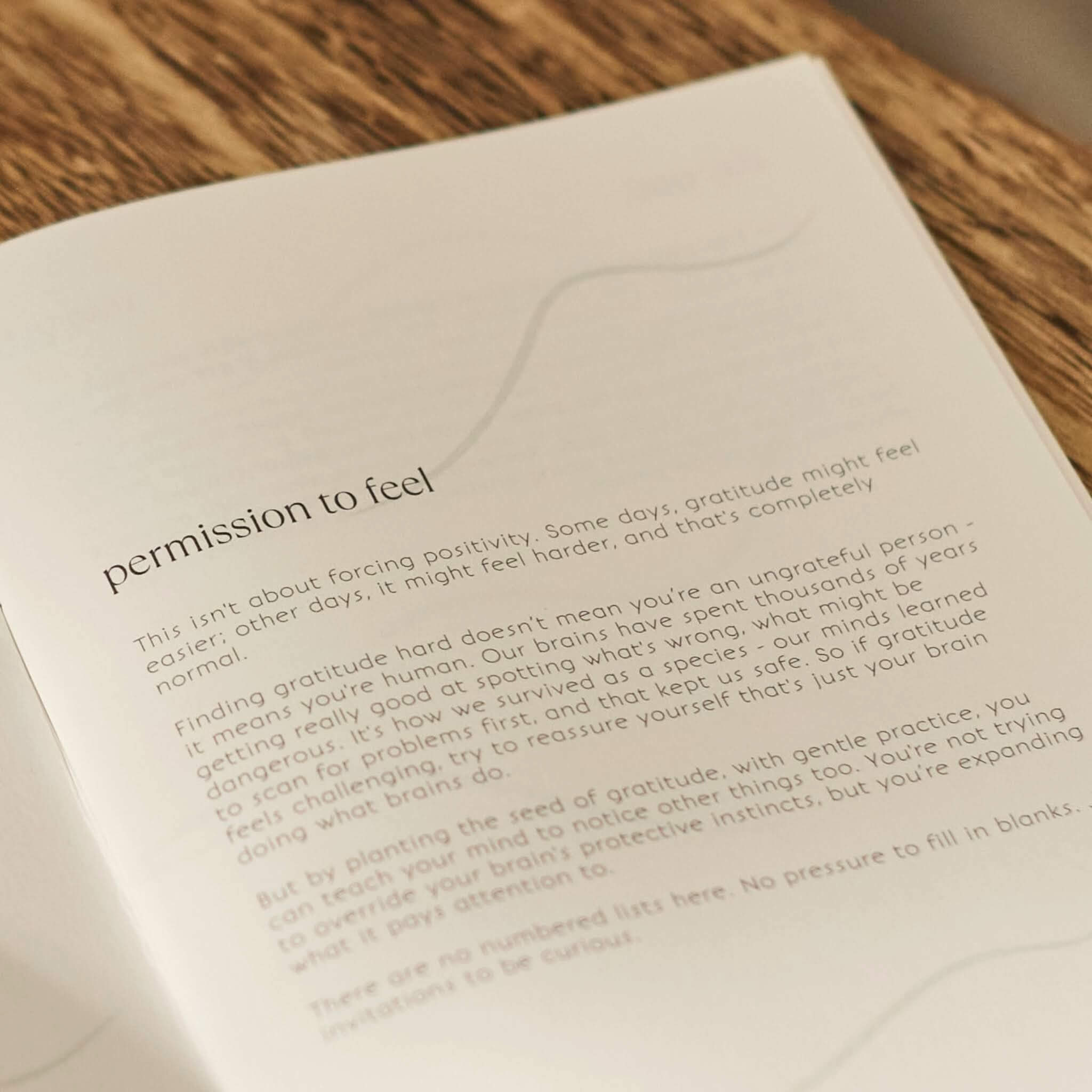
Look for prompts that help you acknowledge pain, anger, confusion, relief, whatever you're really feeling, without judgment. Wording like "look on the bright side" or "everything happens for a reason" can feel invalidating when you're hurting.
Guidance, not blank pages
When everything feels like a mess, a blank page can be hard to face. Structured guidance gives you a clear place to start, while leaving room for your own experience. A different prompt each day also keeps the writing from turning into a form you fill in on autopilot.
Help with a harsh inner voice
Breakups can bring the inner critic out. Look for prompts that help you notice when your inner voice turns harsh and practise a kinder, more balanced one. There's more on this in how to stop beating yourself up, by clinical psychologist Dr Maria Tucknott.
Undated pages
Some weeks you won't feel like writing. Undated pages let you come back whenever you're ready, with no row of empty dates waiting to make you feel behind.
Qualified people have read the wording
Prompts shape the voice you write in, so it's worth knowing whether clinical psychologists or therapists have been through them. Approaches like Compassion Focused Therapy and Mindful Self-Compassion come from decades of clinical work. A journal therapists use with their clients should complement professional support, not replace it.
Why it can be hard to do on your own after a breakup
It can be hard to do on your own because the moments you most need a kind voice are the moments it's hardest to find one. That isn't a failing. Journaling can be powerful, and it also takes some care. Dr Chris Irons describes the kind of writing that helps.
Dr Chris Irons
Clinical psychologist and specialist in Compassion Focused Therapy | Co-director of Balanced Minds
Read Dr Irons' full article: The benefits of journaling →"Journalling can be a powerful way of developing self-reflection, self-discovery and enhancing emotion regulation."
"…a common exercise in CFT is called Compassionate Letter Writing, and in these letters we learn and practice how to write to ourselves about things that we might be struggling with, offering validation, empathy, understand and support."
"These letters build upon a large research literature looking at the helpfulness of expressive writing, and can be a powerful way of relating to yourself in a different way."
In the rawest weeks after a breakup, finding the kind words yourself can be the hardest part. So it helps to have something that holds the structure for you:
- a gentle question already on the page, so you don't have to think of one
- a way to name what you're feeling when it's all tangled together
- kind words already written, for the days you can't find your own
You don't have to find all of that on your own. That's what a guided journal is for.
How the Give Yourself Kindness Journal can help after a breakup
The Give Yourself Kindness Journal can help after a breakup by giving you a gentle, structured place to feel what you feel and meet it kindly, one page at a time. I made it because I needed it.
I went through my own period of harsh self-criticism that left me anxious, depleted, and constantly feeling "not good enough". Through Compassion Focused Therapy, I learned that the way I was speaking to myself was making everything harder. When I started practising self-compassion, things shifted. Not overnight. Not magically. But meaningfully.
The journals I found either left me staring at a blank page or asked me to be grateful when I was hurting. So I made the one I couldn't find, with clinical psychologists and self-compassion researchers, to make the tools that helped me available to others.
Here's how it helps with the things that can make a breakup feel heavier:
- When you can't stop replaying it: prompts that ask what you'd say to a friend going through the same thing, so a kinder voice gets a turn.
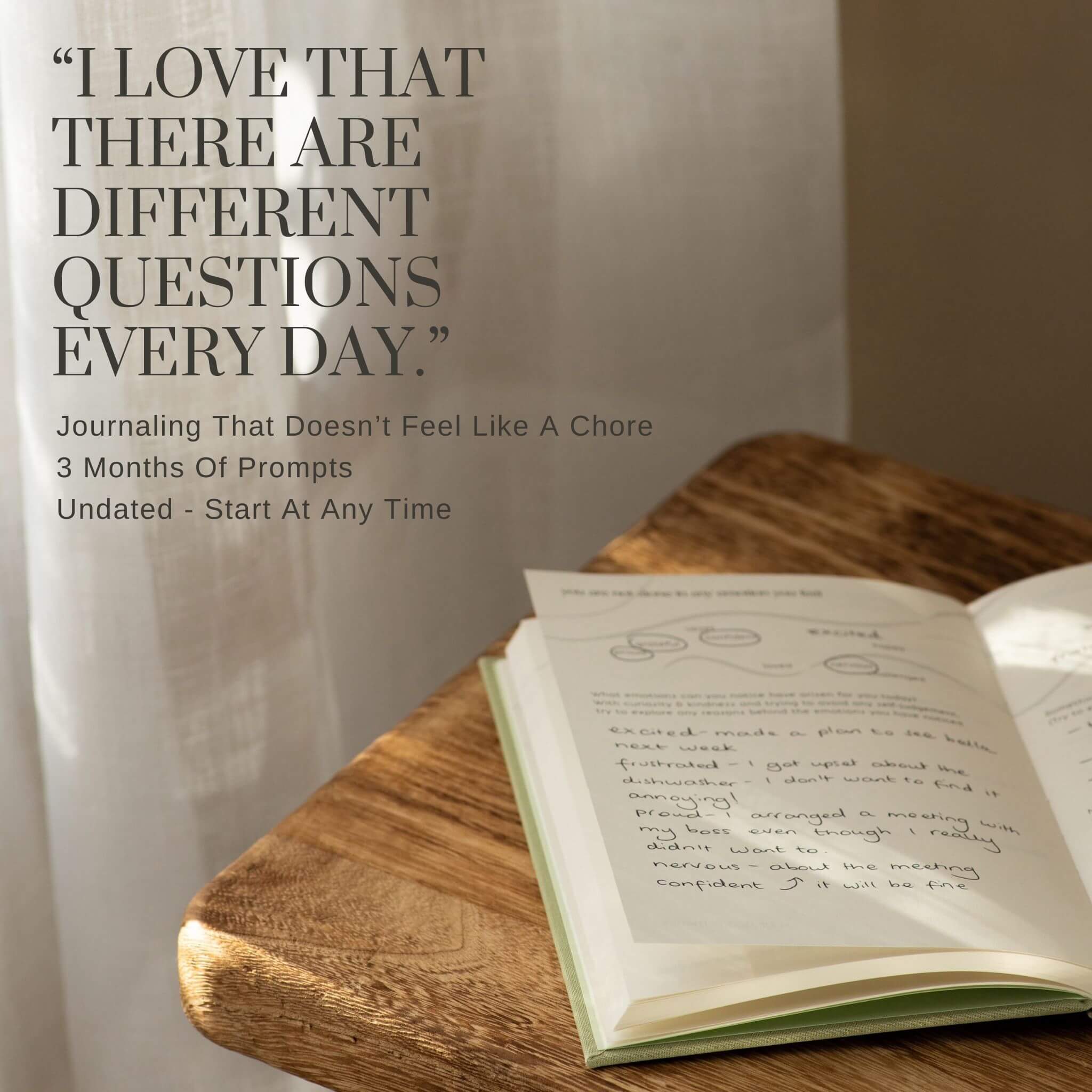
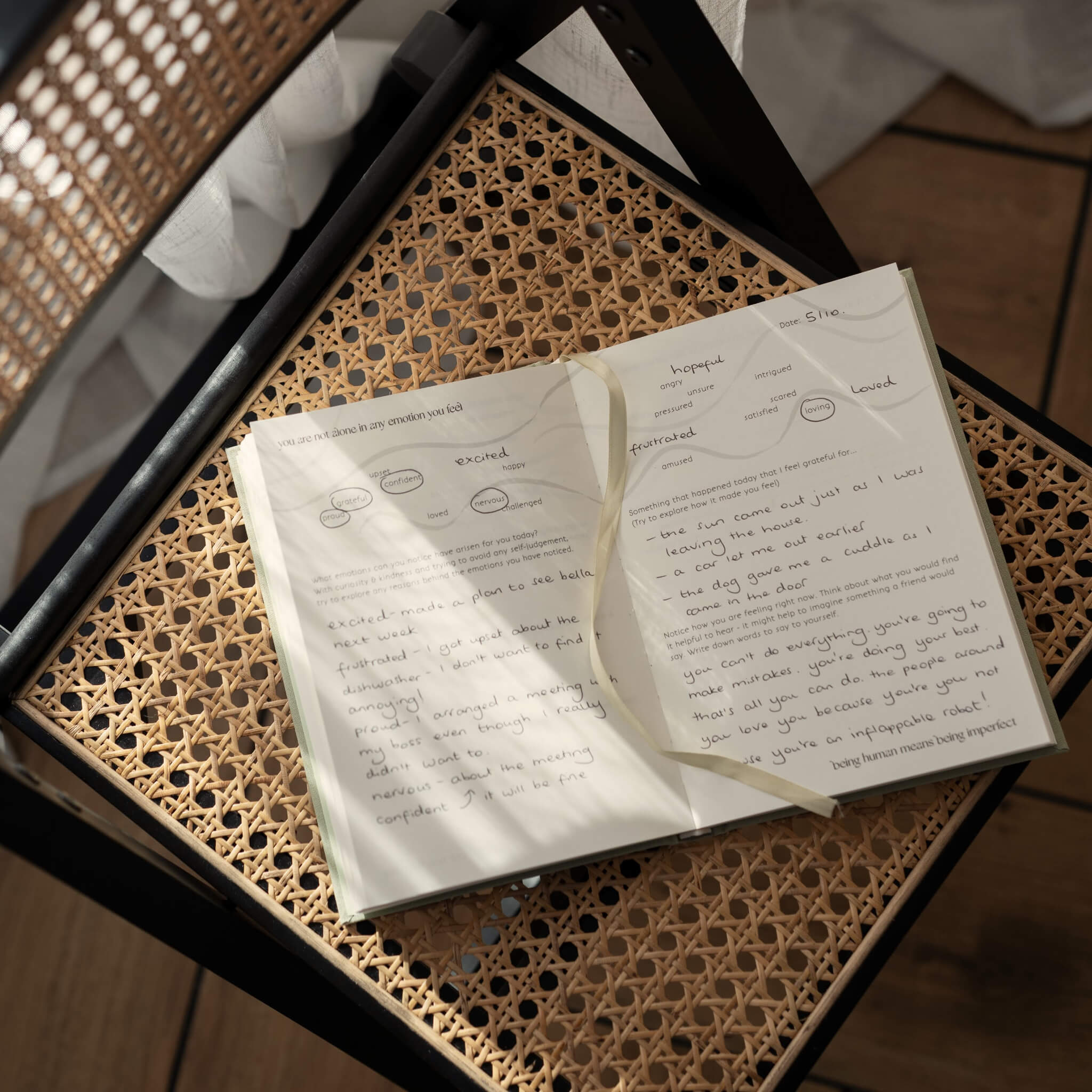
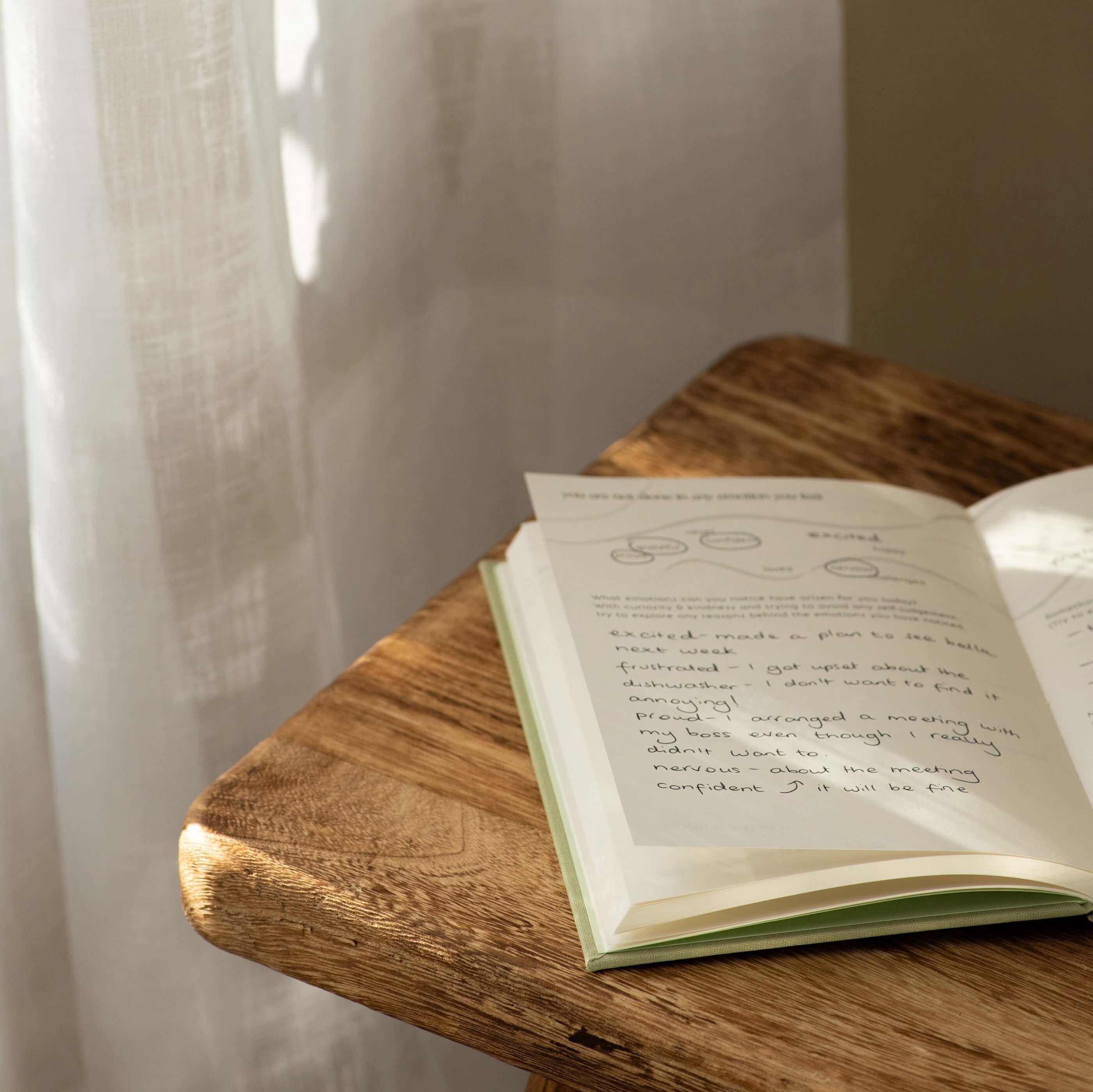
- When you don't know what you're feeling: an emotion tool on every page, for the days you feel angry, numb and relieved all at once.
- When "just be grateful" makes it worse: no forced positivity. Gratitude is in there too, but it isn't the price of entry.
- When some days you can't face it: undated pages, so a missed week leaves no gap to look at.
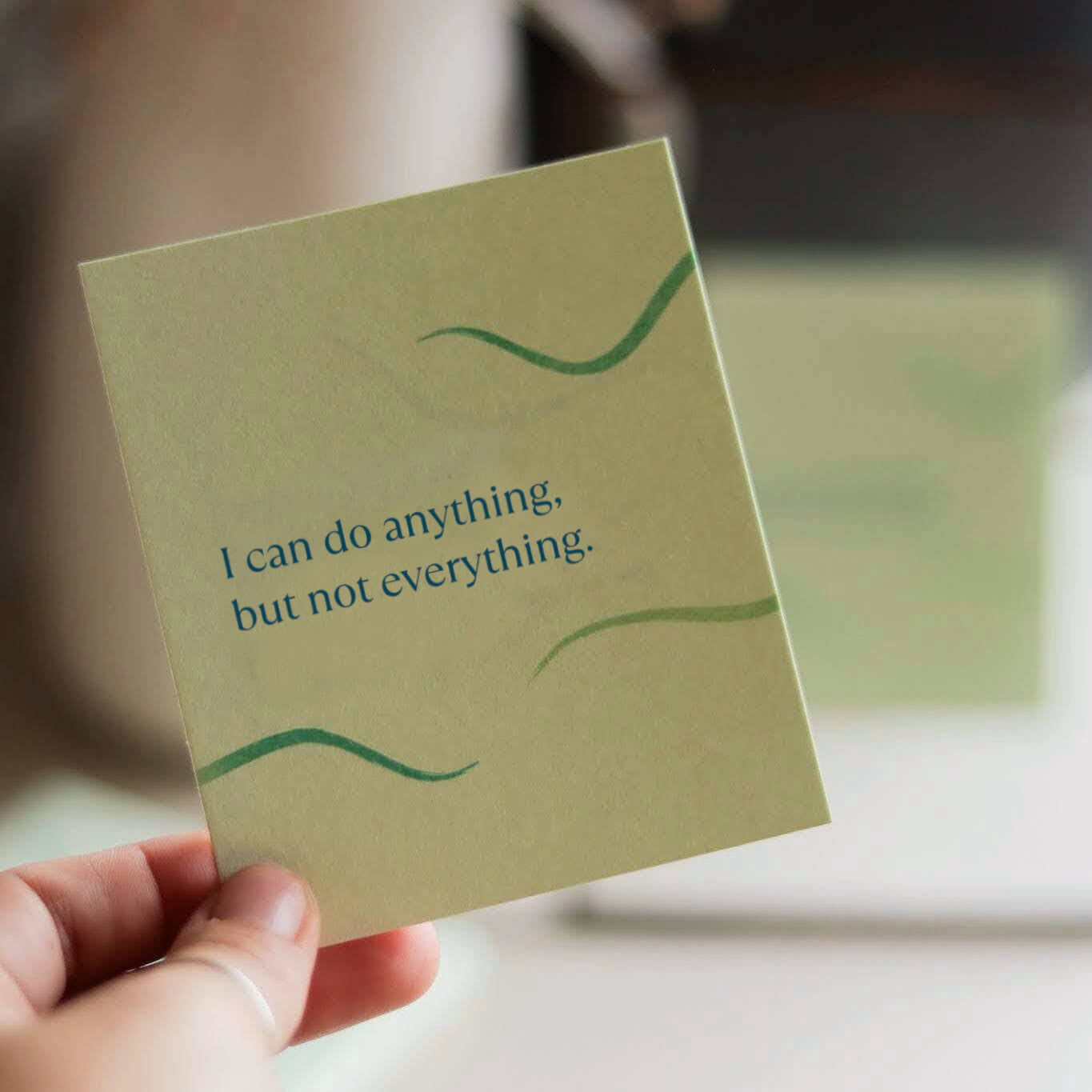
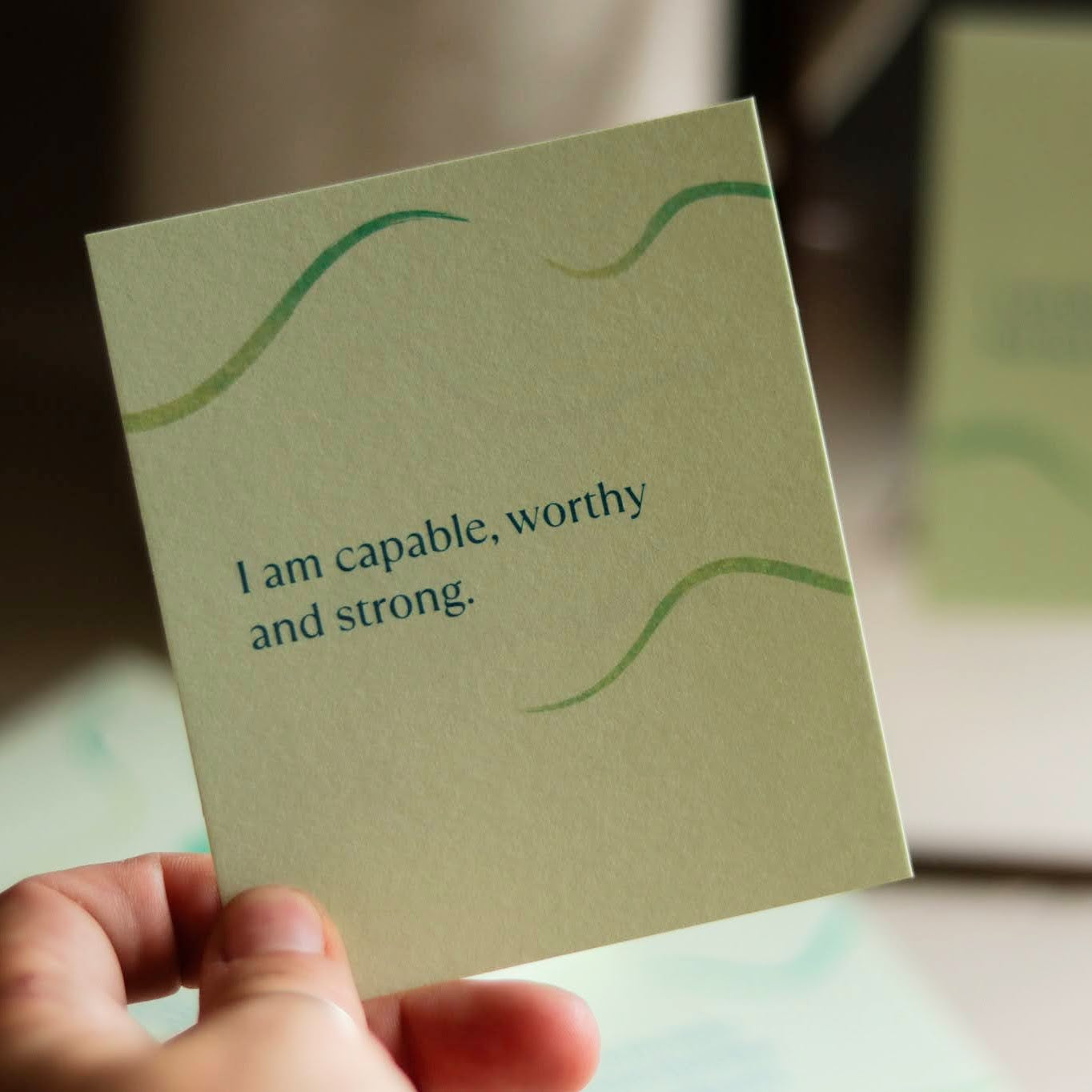
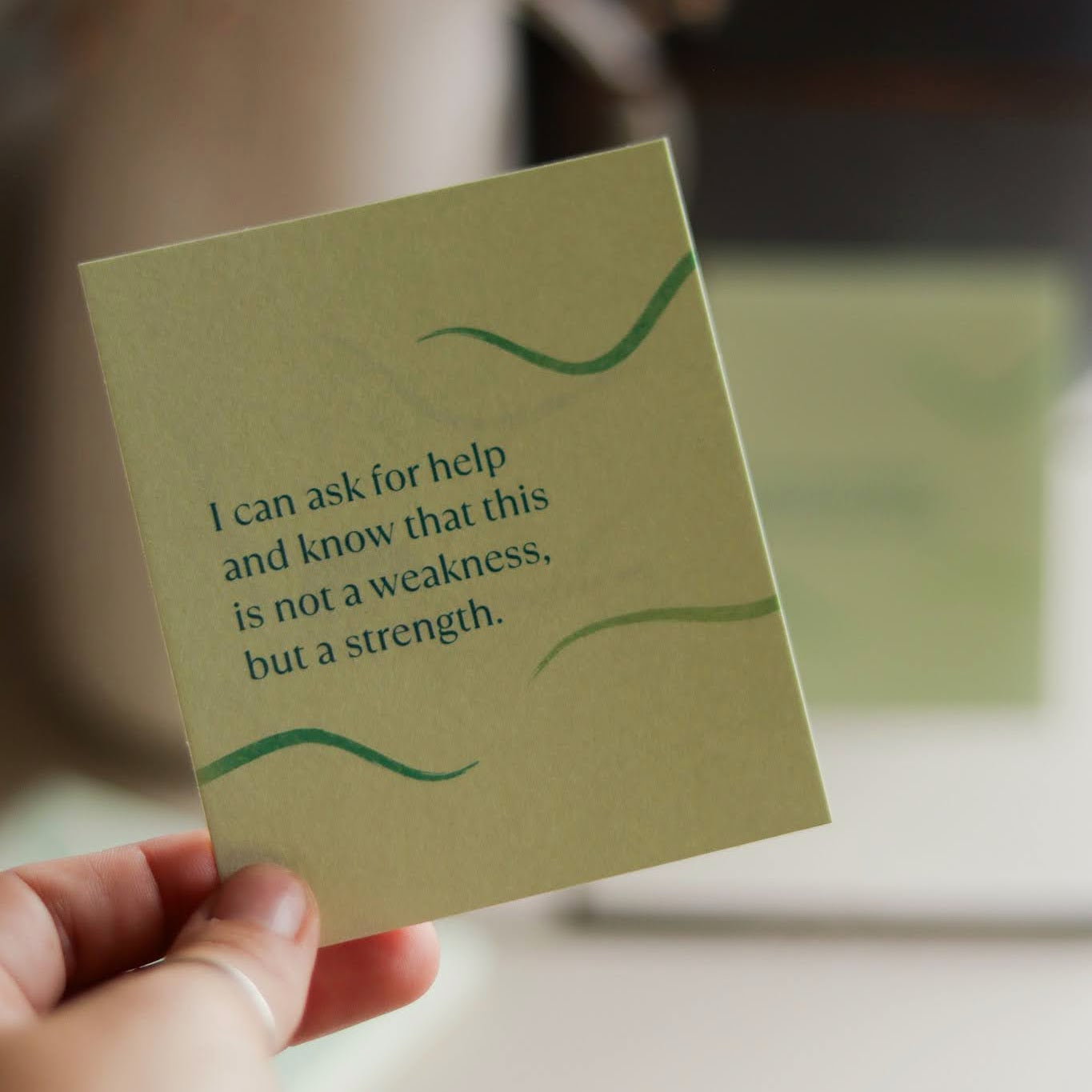
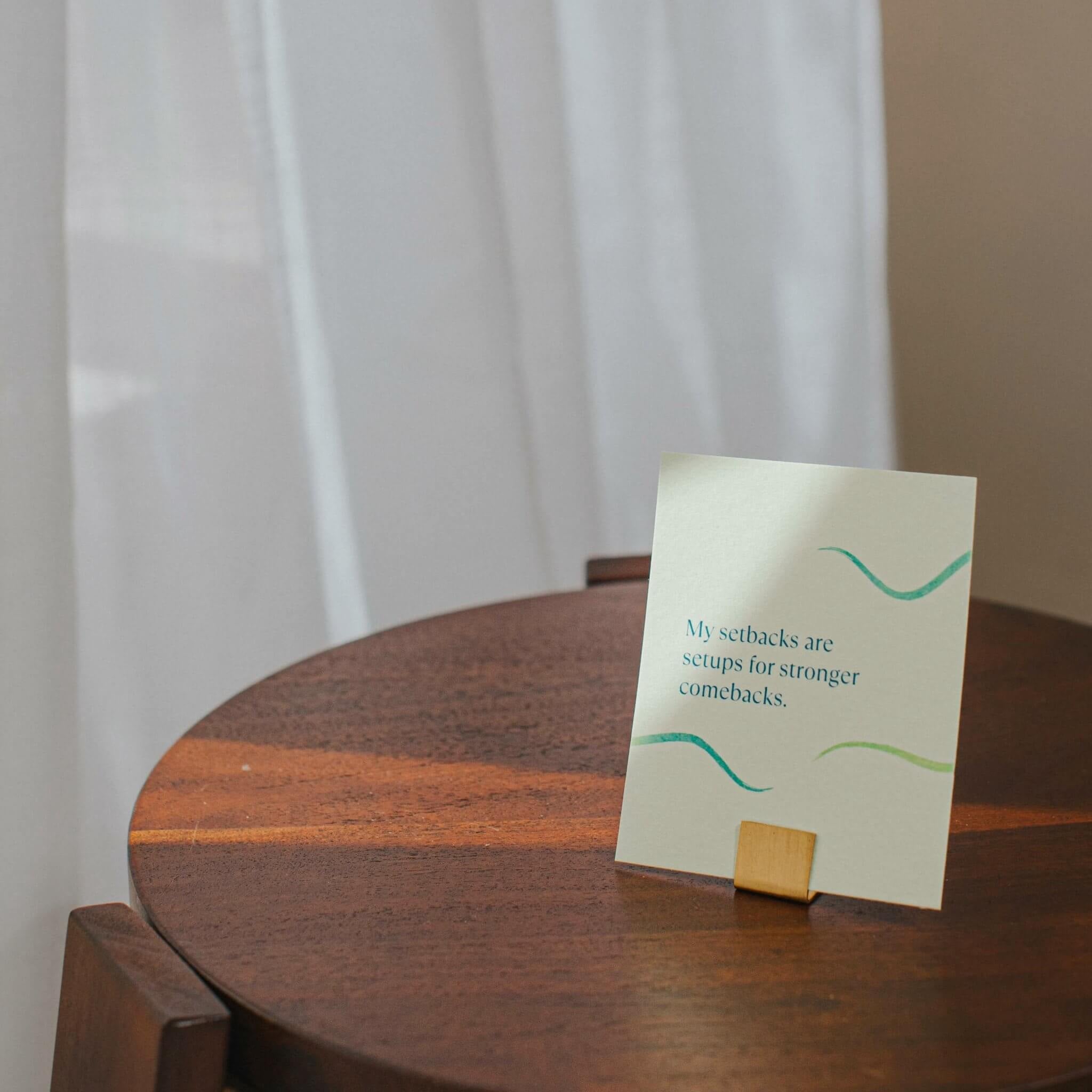
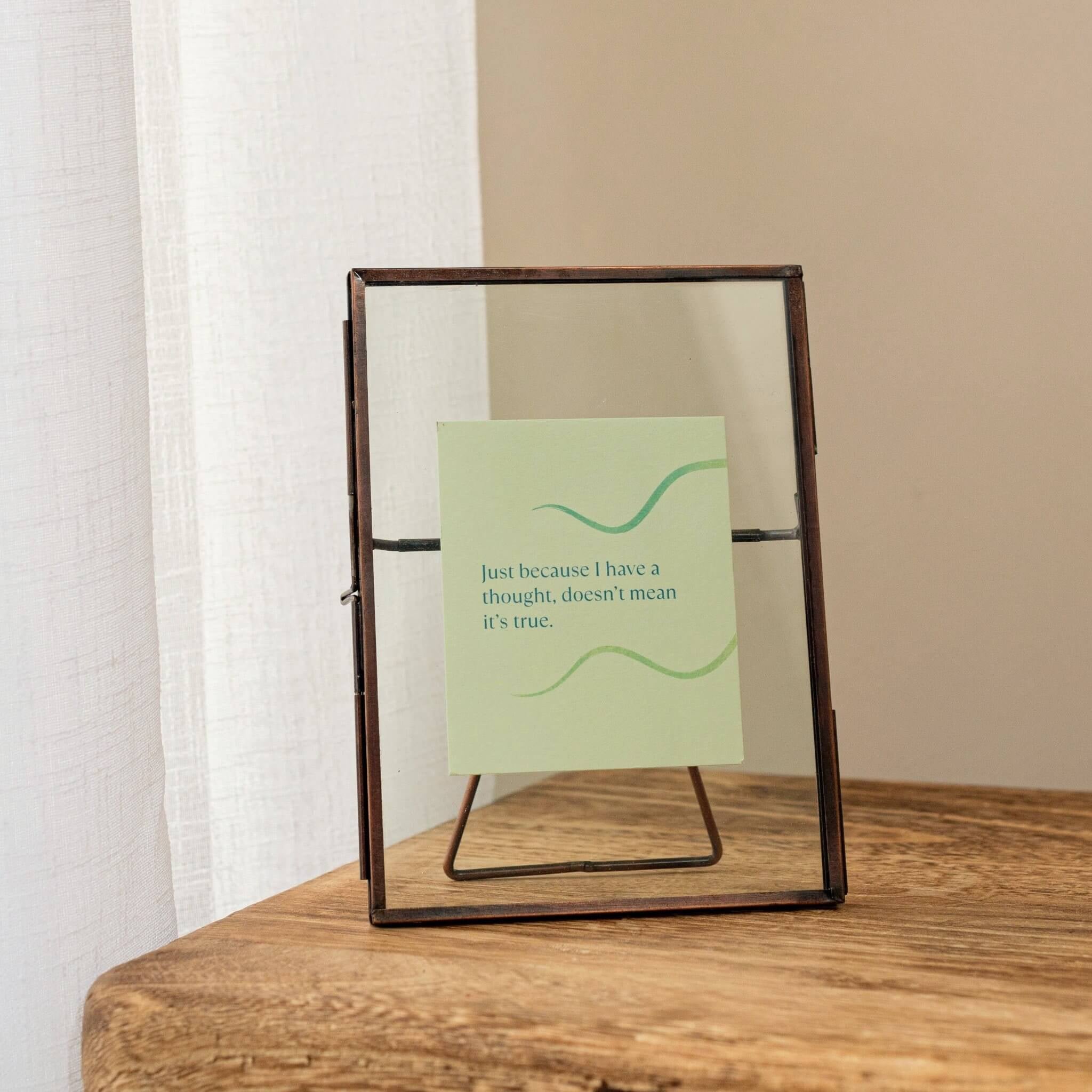
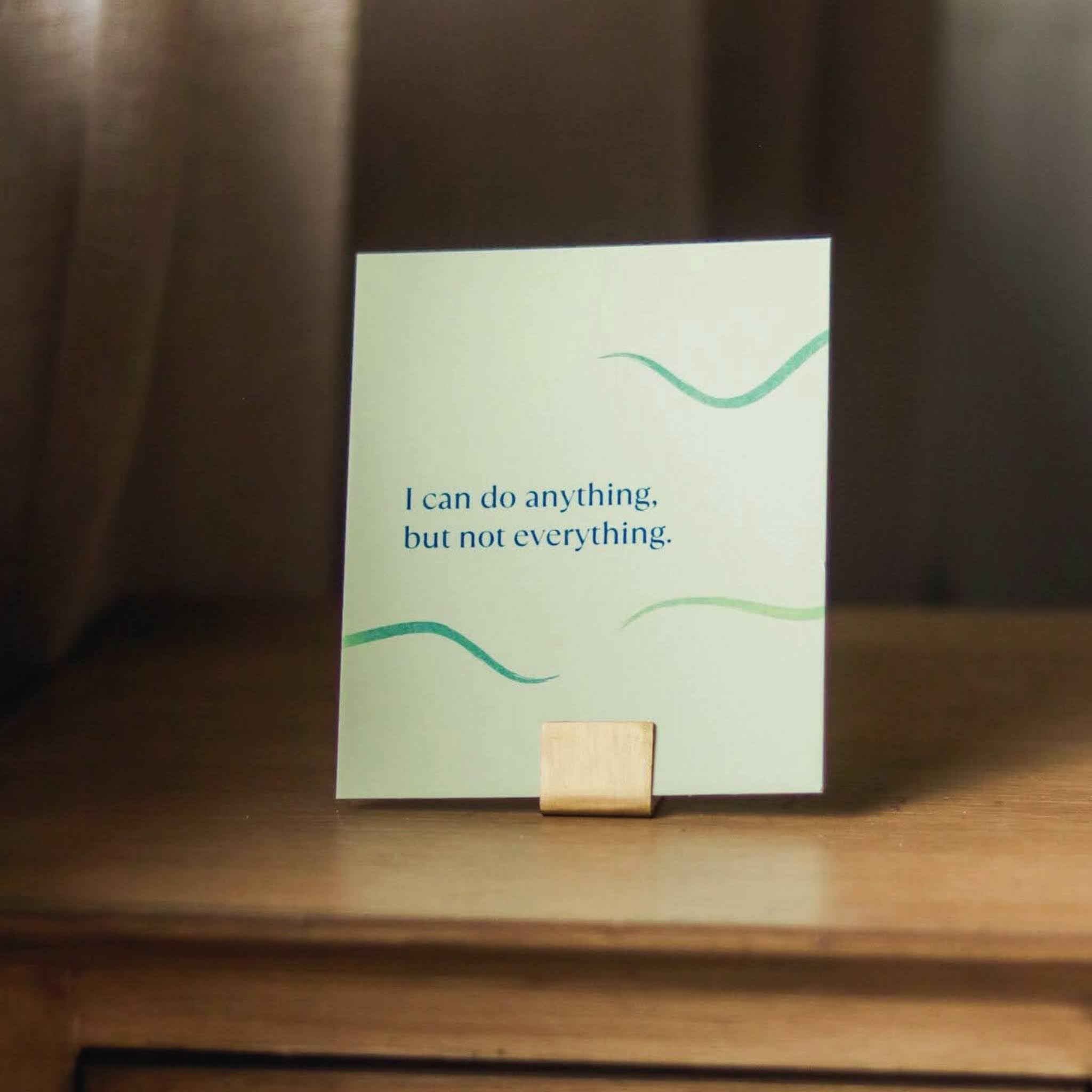
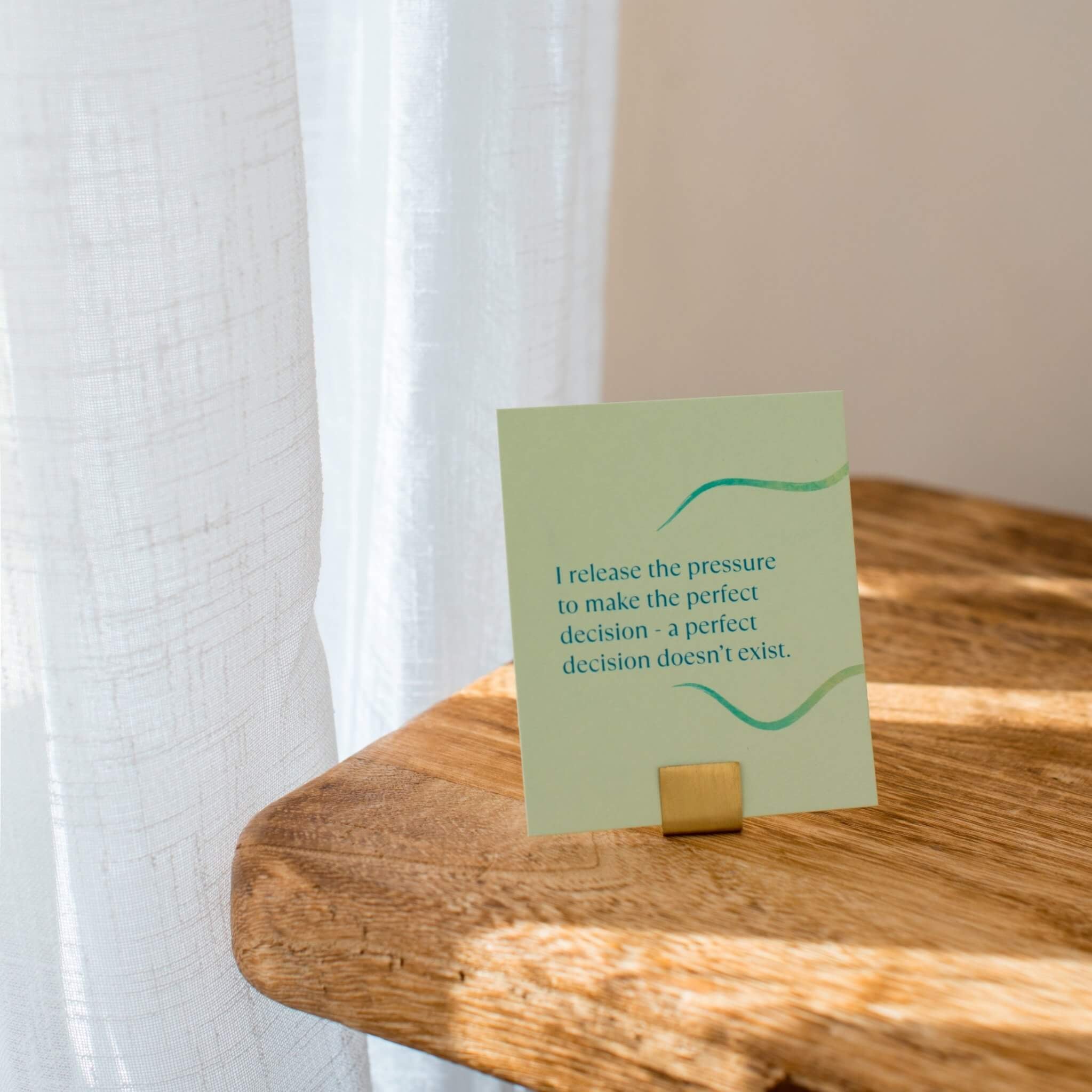
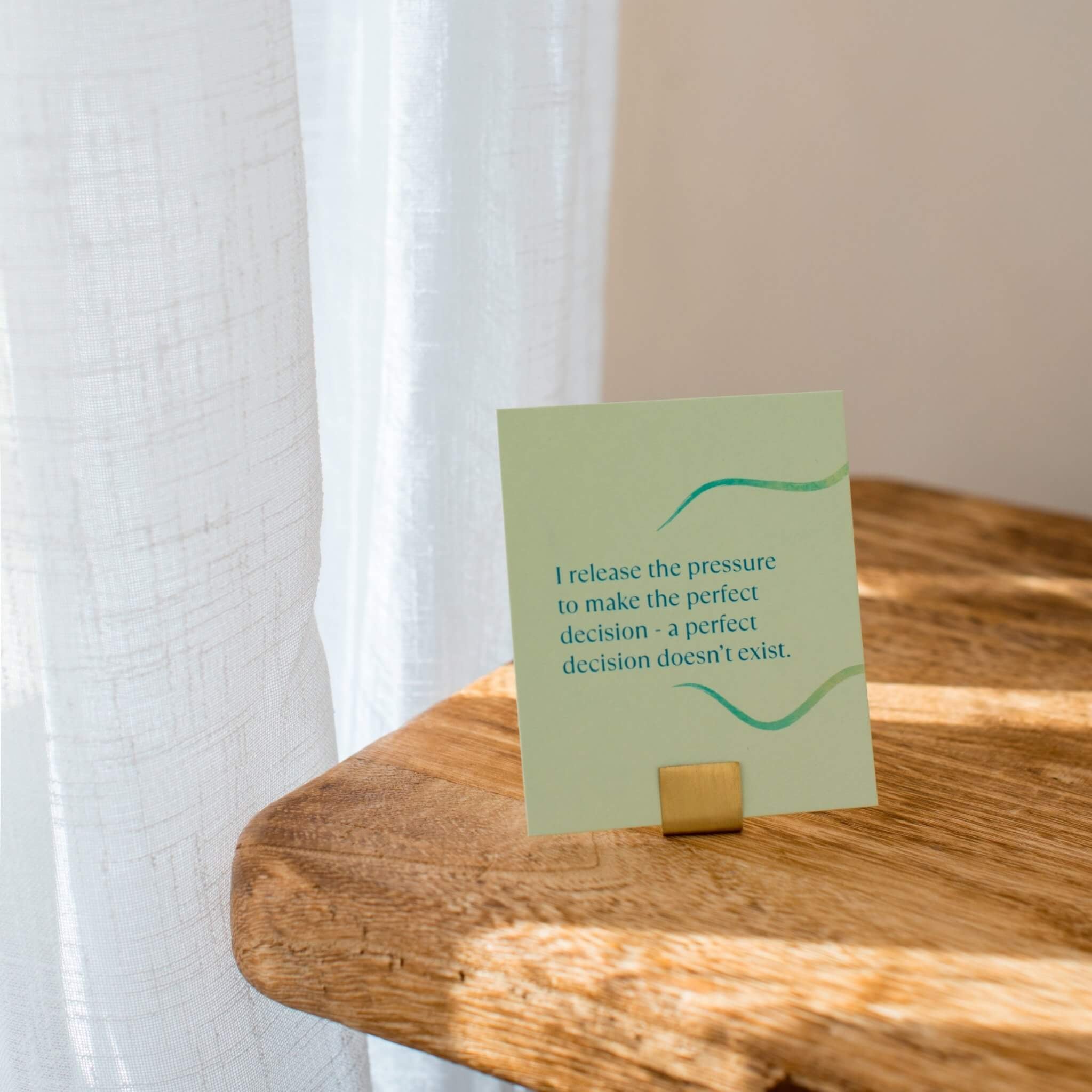
- On the nights you can't find anything kind to say: over 50 gentle reminders already written for you, like "it's normal to feel conflicting emotions at the same time" and "no emotion is permanent".
- When you want to know you can trust it: recommended by clinical psychologists at Harvard Medical School and the University of Oxford, and used by therapists with their clients.

The Give Yourself Kindness Journal
📔 3-month guided journal🗓️ Undated⭐ Recommended by clinical psychologists
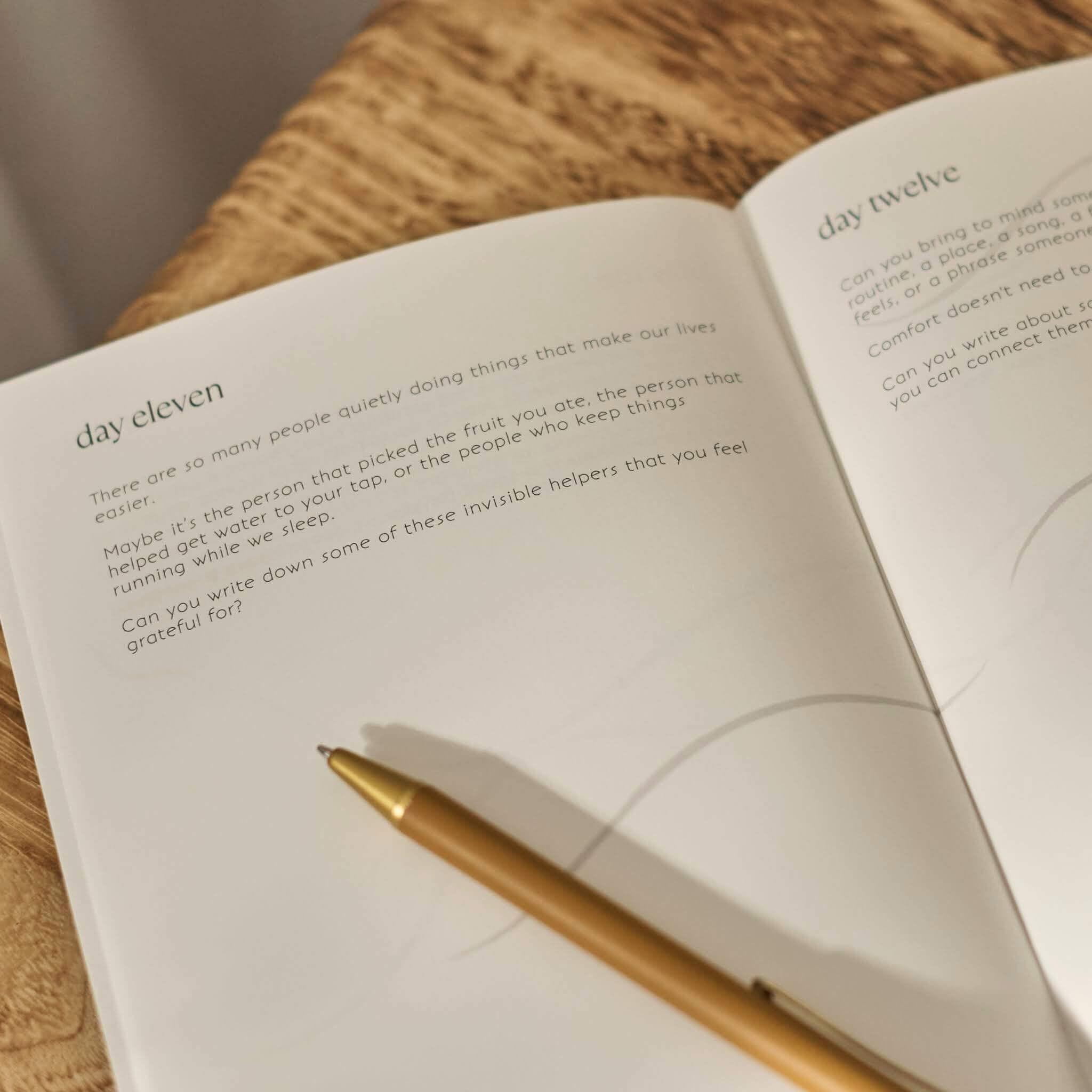
- 90 days of changing prompts that ask what you'd say to a friend
- An emotion tool on every page, for when feelings are tangled
- Over 50 gentle reminders for the hardest days
- Undated, so you can stop and start again whenever you're ready
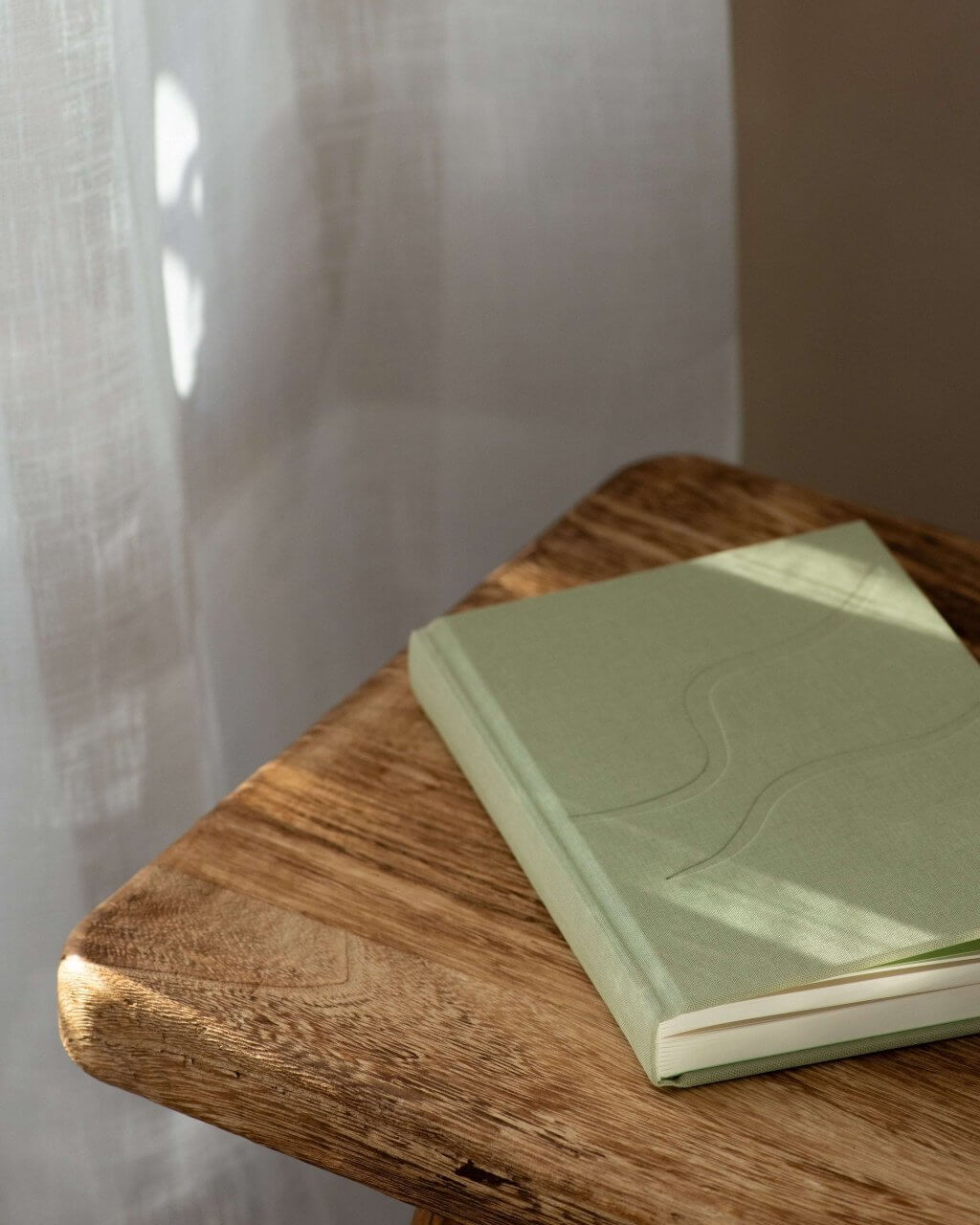
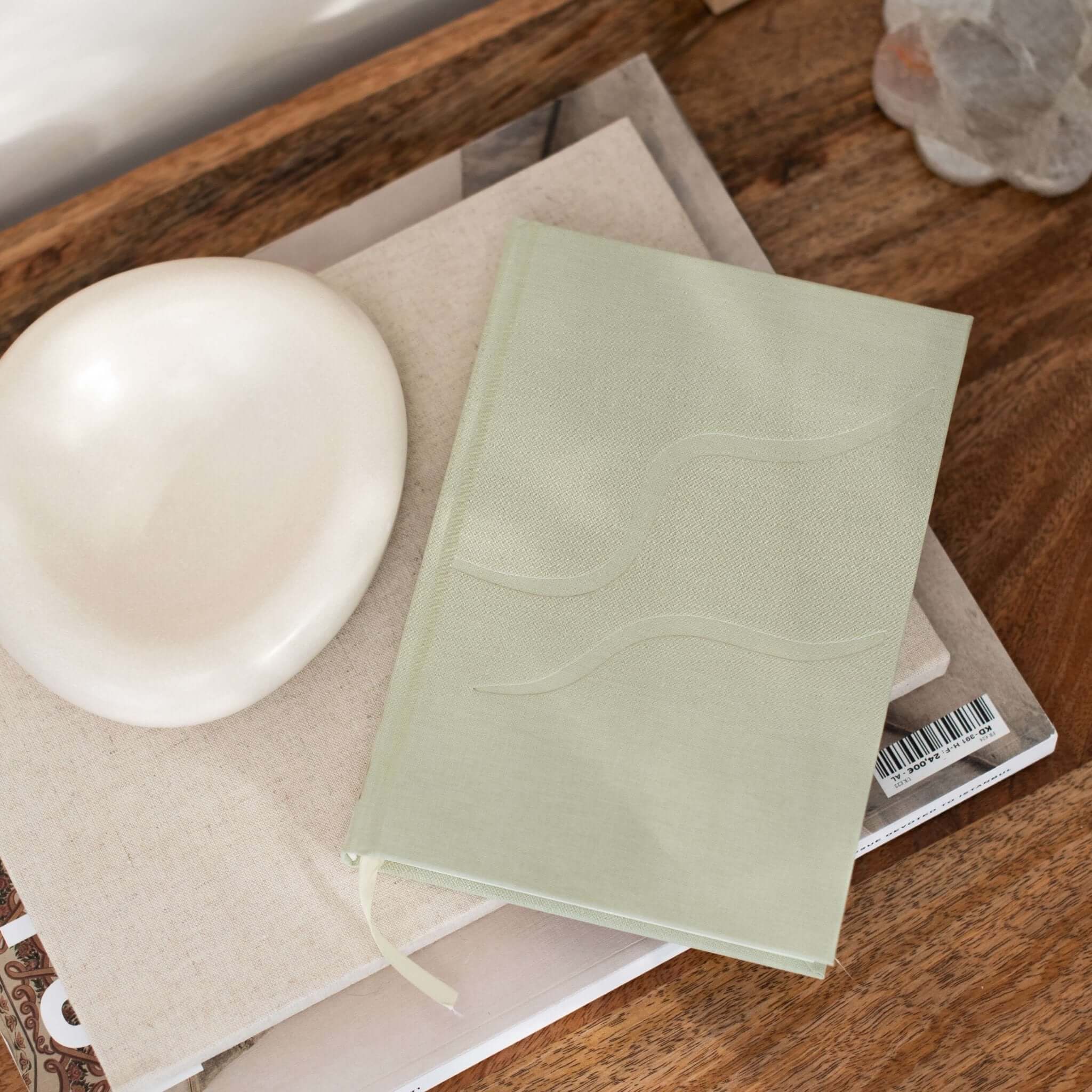
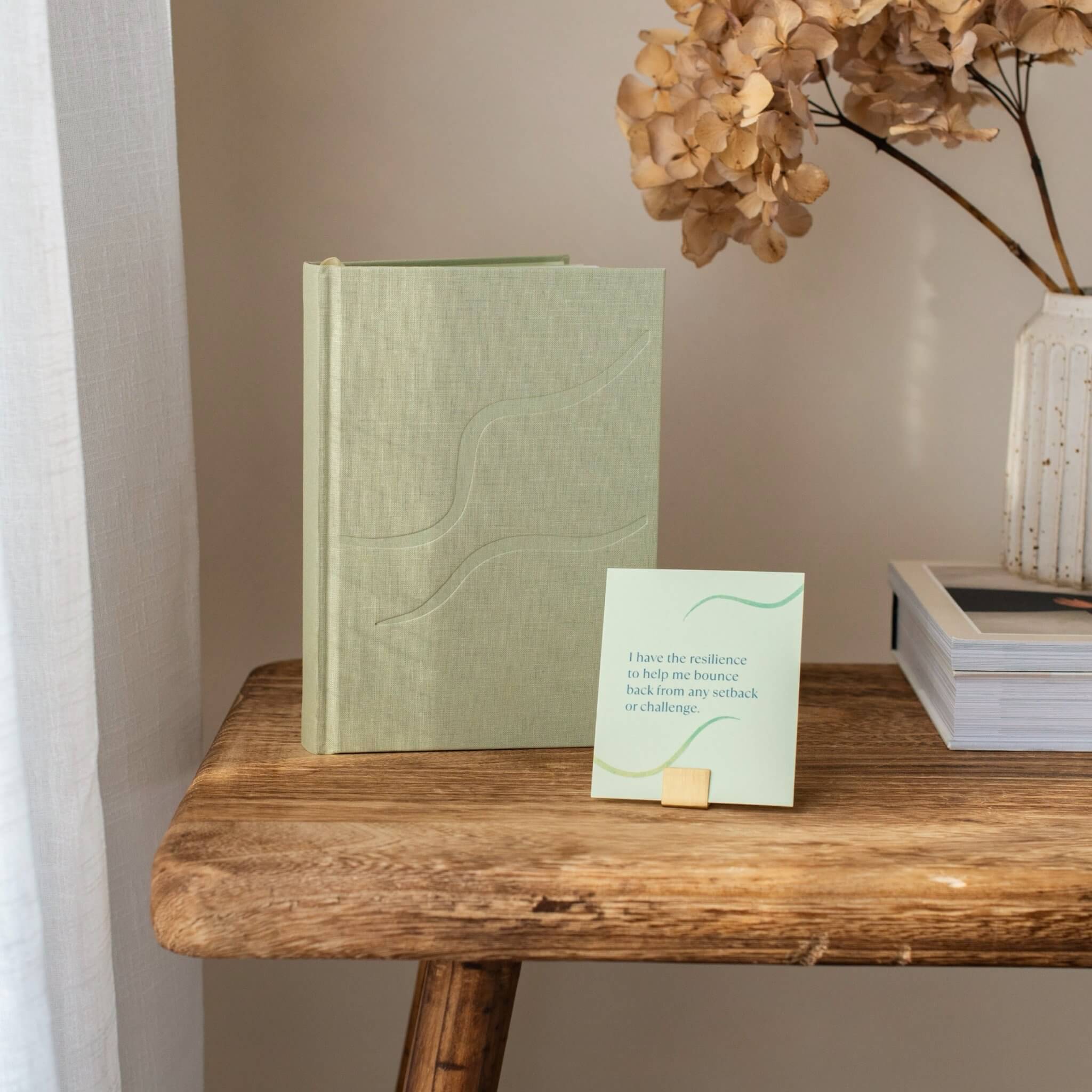
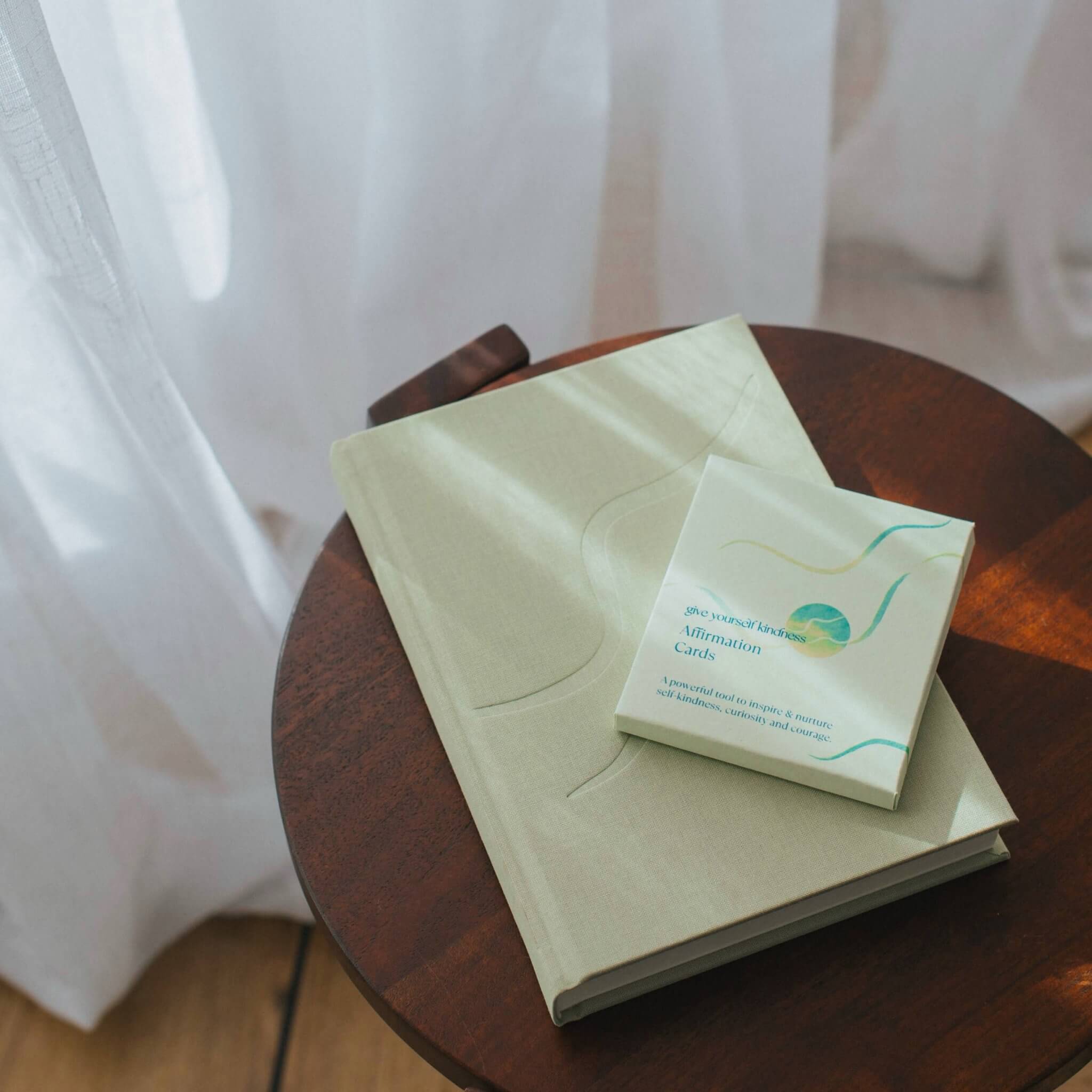
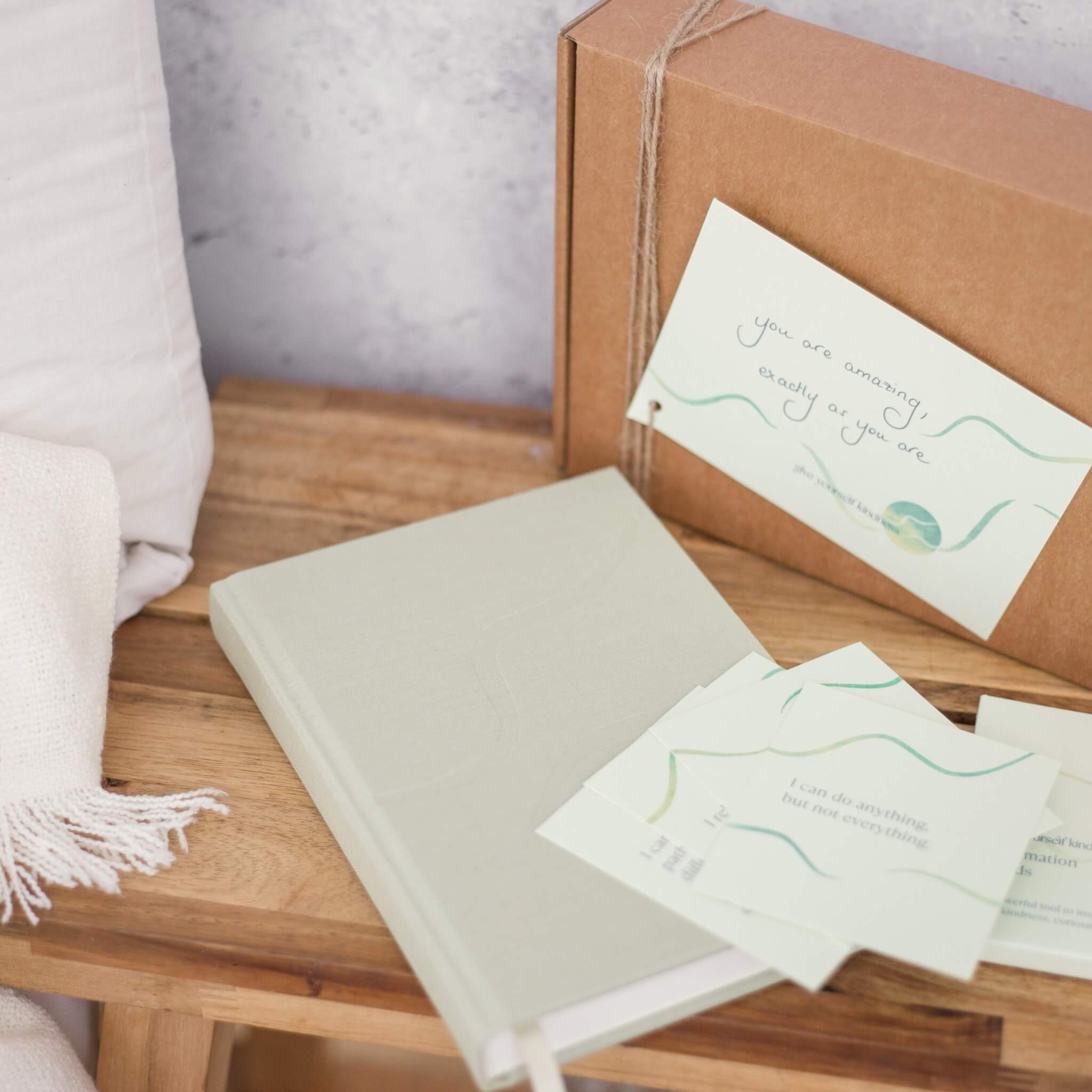
224 pages, A5, pistachio green cloth cover, 120gsm FSC-certified paper, ribbon marker, printed in the UK. Wrapped in bespoke tissue paper.
What psychologists and therapists say

Rachael Oliver, MBACP
Accredited counsellor
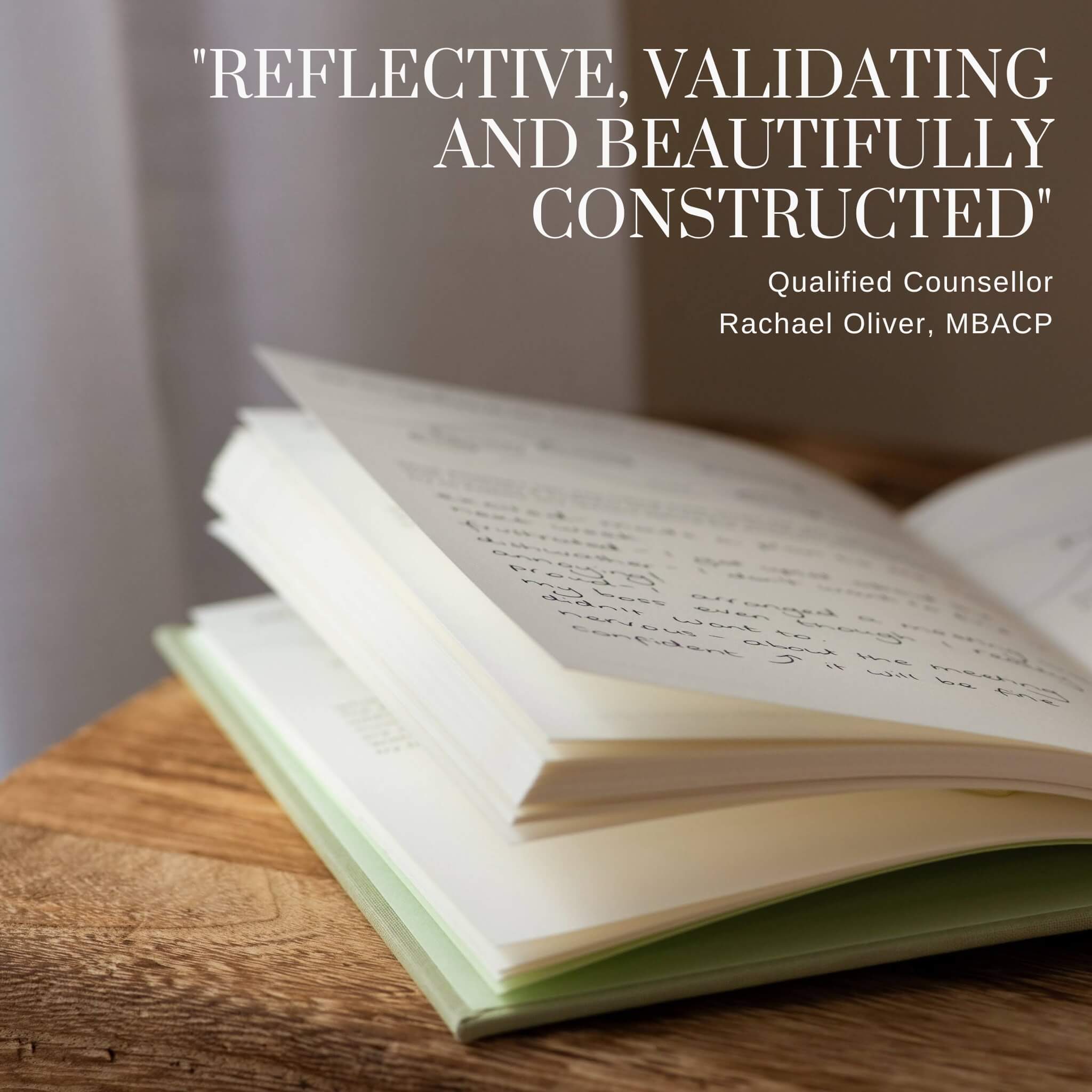
Read Rachael Oliver's review alongside the rest →"I love using these beautiful journals with clients throughout their counselling journeys. The prompts and areas to think about are helpful to shine light on their feelings, experiences and thought processes. The way the journal is constructed helps validate their entire experience and avoid toxic positivity, encourage reflection and ownership of feelings. I love them and feel privileged to be able to use them."
Dr Chris Germer, PhD
Clinical psychologist and lecturer on psychiatry (part-time), Harvard Medical School | Co-developer of the Mindful Self-Compassion programme, taught to over 250,000 people worldwide
Read Dr Germer's review alongside the rest →"A warm invitation to make friends with your emotions and yourself!"

Professor Willem Kuyken, PhD, DClinPsy
Ritblat Professor of Mindfulness and Psychological Science, University of Oxford | Listed by Web of Science in the top 1% of the most cited scientists in the world
Read Professor Kuyken's review alongside the rest →"…Her journal's are not only aesthetically pleasing, they scaffold my writing. Writing can be creative, beautiful, resourcing, but it can also invoke an inner critic, rumination and procrastination. Rachel has curated the experience to make the writing intrinsically rewarding and the journal something to treasure."
Dr Chris Irons
Clinical psychologist, researcher, writer and trainer specialising in Compassion Focused Therapy
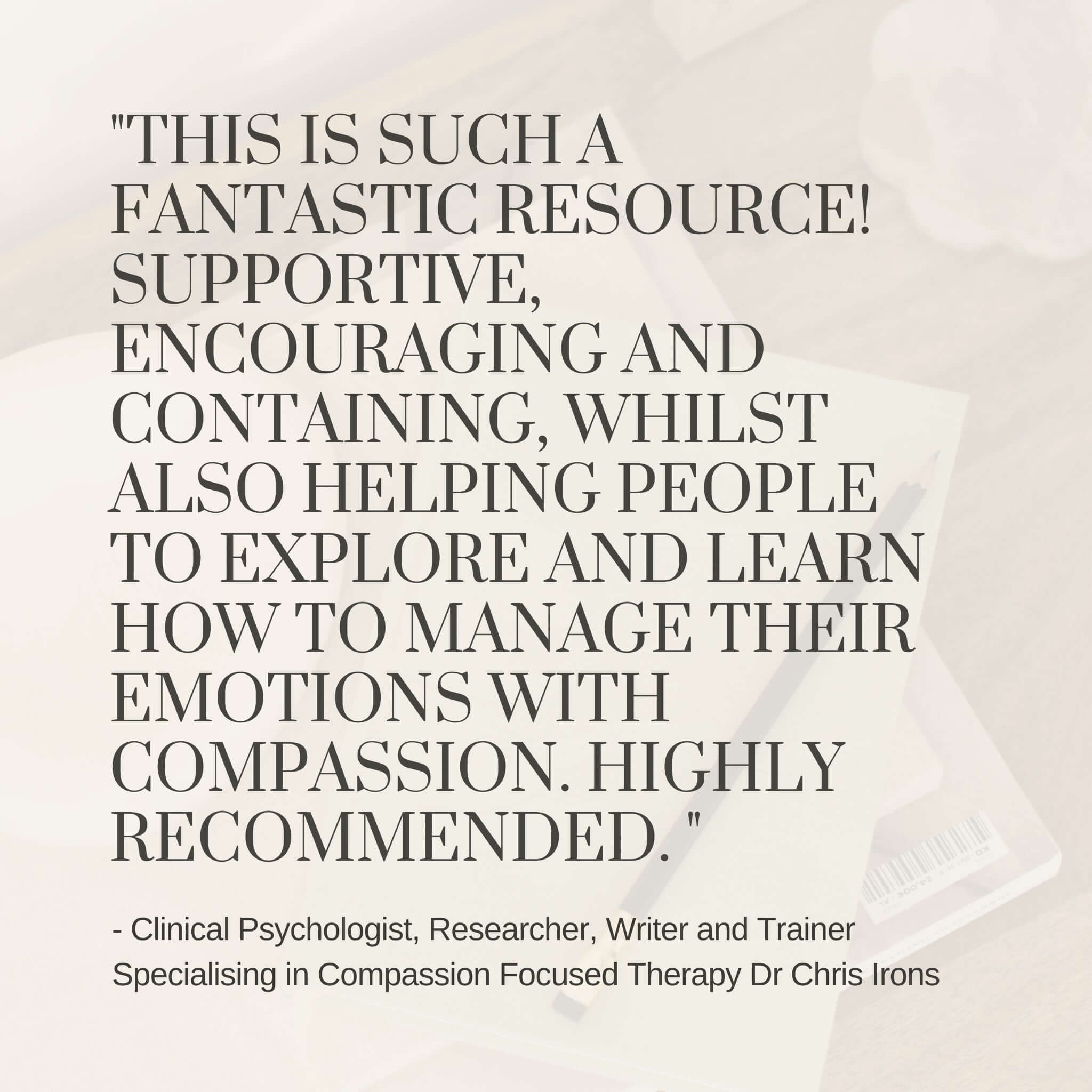
Read Dr Irons' review alongside the rest →"This is such a fantastic resource! Supportive, encouraging and containing, whilst also helping people to explore and learn how to manage their emotions with compassion. Highly recommended."
What the prompts actually ask
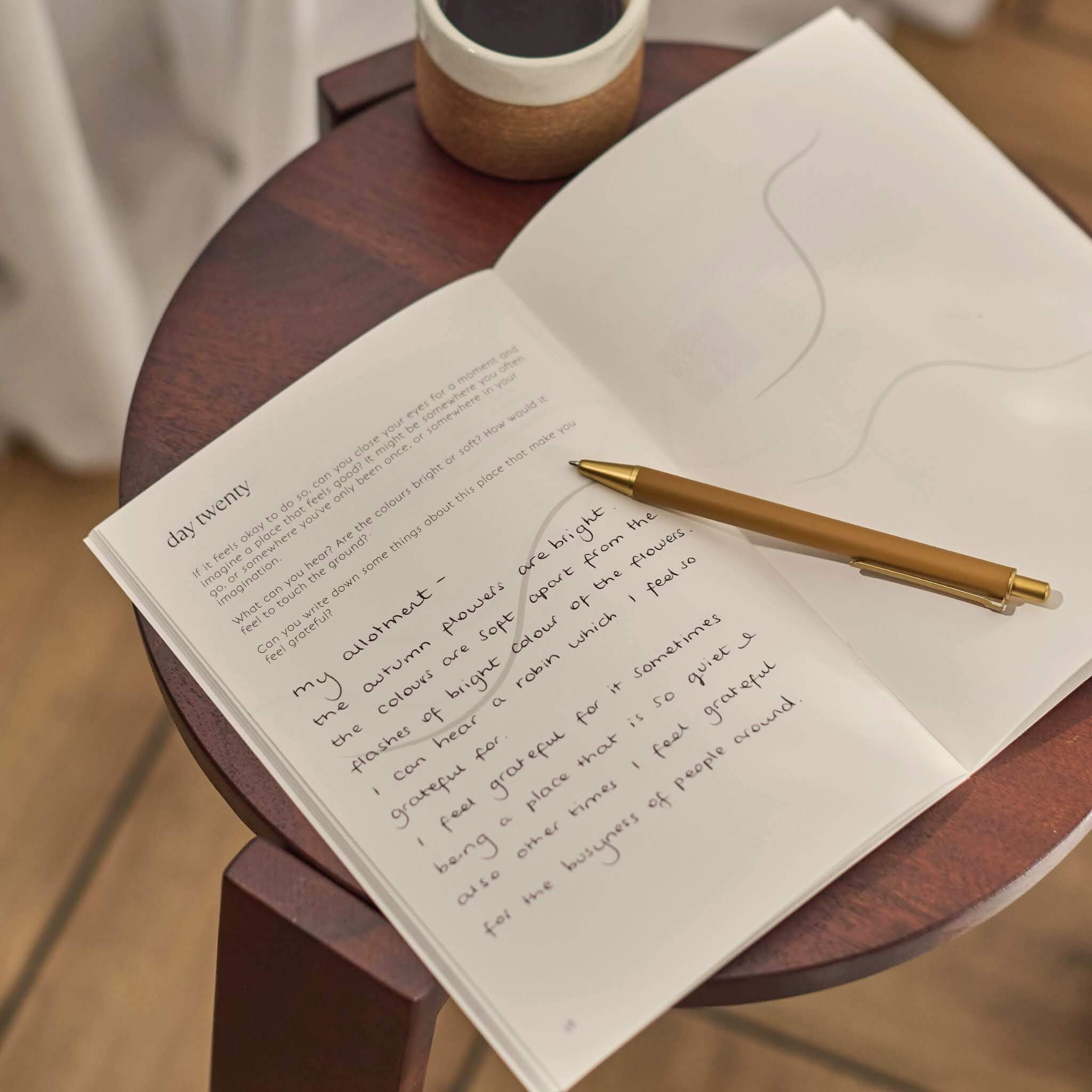
The prompts ask you to notice how you're feeling, then answer yourself the way you'd answer a friend. Here are three of them, word for word, so you can judge whether this is the right shape for you right now.
"What has challenged you today? Talk to yourself as you would talk to a friend - write down what you would say."
"Notice how you are feeling right now. Think about what you would find it helpful to hear - it might help to imagine something a friend would say. Write down words to say to yourself."
"Choose an emotion that you have just noticed. Imagine a friend came to you explaining that they feel that emotion. Write down what you would want to say to them."
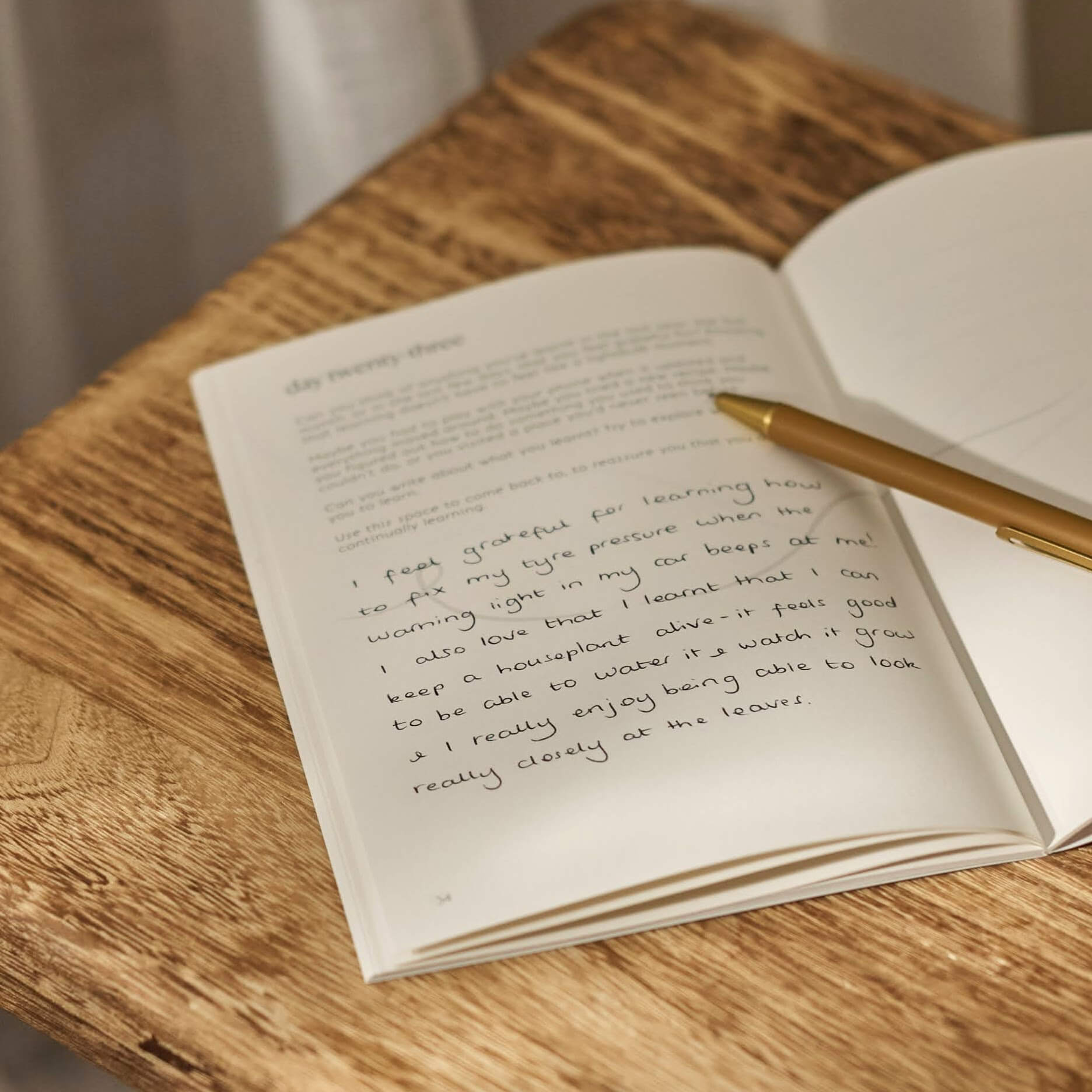
Notice what each one does. It brings a friend into the room before it asks you to write. You end up with the kinder answer in your own handwriting, which can be easier to believe than anything anyone else tells you.
A few honest notes
- It isn't a breakup-only journal. The prompts ask how you feel and what you'd say to a friend, so they fit a romantic breakup, a friendship ending, or whatever else comes next.
- If you already journal comfortably, the friend question will slot into the writing you already do. The journal is for the days when finding the question, and the kind words, is the part you can't face.
- If a breakup is affecting your sleep, eating or ability to get through the day, please talk to your GP. There's more on that below.
Therapists and counsellors use the journal with their clients, often between sessions. It's a gentle companion alongside professional support, never a replacement for it.
When a breakup needs more than a journal
A breakup needs more than a journal when the pain isn't easing over time, or when it's affecting your sleep, your work, your eating or your ability to enjoy anything. Then please talk to your GP or a qualified mental health professional. You deserve proper support.
A journal sits alongside that support rather than instead of it. If things ever feel unbearable, Samaritans are on 116 123 (UK), free, day or night, or visit www.samaritans.org.
Final thoughts: you deserve kindness, especially now
Breakups can bring up the most painful stories of all: "I'm not good enough," "I always mess things up," "I'll never find love again," "Something must be wrong with me." None of those stories are true. But they can feel true when you're hurting.
You don't have to have it all worked out. This week, you might:
- Write down how you're feeling, in plain words, without tidying it up
- Write one kind sentence to yourself, the way you'd write it to a friend
- Remind yourself that other people have felt this too, and come through it
The Give Yourself Kindness Journal won't make the pain disappear, and it won't fix everything instantly. But it might give you structured, expert-backed support to go through this with kindness rather than harsh judgment, or forced positivity.
Whatever you choose to do next, whether that's getting this journal, reaching out to a therapist, talking to a trusted friend, or simply giving yourself permission to rest, I hope you treat yourself with the kindness you'd naturally extend to someone you love.
Discover the Give Yourself Kindness Journal →
Breakup journal FAQs
What is the best guided journal for a breakup?
The best guided journal for a breakup is one that lets you feel what you actually feel and helps you be kind to yourself while you do. My pick is the Give Yourself Kindness Journal, which I created: changing prompts that ask what you’d say to a friend, an emotion tool on every page and undated pages. It’s recommended by clinical psychologists at Harvard Medical School and the University of Oxford.
How does journaling help during a breakup?
Journaling helps during a breakup by giving the hurt somewhere to go. Clinical psychologist Dr Andreas Comninos describes writing as ‘a healthy outlet for processing emotions, reducing stress, and gaining clarity.’ How you journal matters too. Dr Chris Irons suggests noticing which part of you is doing the writing, because a self-critical voice tends to see things narrowly and negatively.
Is there research that journaling helps after a breakup?
There is a large body of research on journaling, although the psychologists here describe the wider evidence rather than a breakup-specific study. Dr Andreas Comninos writes that decades of studies show its benefits, from Pennebaker’s 20-minute expressive writing paradigm onwards. Dr Chris Irons notes that compassionate letter writing builds on ‘a large research literature’ on expressive writing.
What should I look for in a breakup journal?
In a breakup journal, look for prompts that let you feel everything without being told to look on the bright side, guidance so you’re never facing a blank page, help with a harsh inner voice, undated pages you can come back to without guilt, and wording that clinical psychologists or therapists have read and recommend.
Will writing about my ex make me dwell on it?
Writing about your ex doesn’t have to make you dwell on it. What matters is the voice you write in. Kristin Neff and Chris Germer explain that validating pain without getting lost in it helps us gain perspective, and that ‘self-compassionate people ruminate less often.’ Prompts that ask what you’d say to a friend can help you step back rather than replay it.
Is it normal to be really hard on myself after a breakup?
Yes, it’s very common to be hard on yourself after a breakup. Many people replay what happened or wonder whether they were good enough. Clinical psychologist Dr Maria Tucknott explains that the inner critic isn’t a personal failing but part of an ancient safety system. Learning to support yourself as you would a good friend can help it ease.
How is self-compassion different from self-pity during a breakup?
Self-compassion is different from self-pity because it connects you rather than isolating you. Kristin Neff and Chris Germer write that ‘pity creates separation, and compassion creates connection.’ Self-pity asks ‘Why me?’, while self-compassion remembers that heartbreak is part of being human. It isn’t wallowing. It’s the kindness you’d naturally offer someone you care about.
Should I journal every day during a breakup?
No, you don’t need to journal every day during a breakup. Some days you might write pages, other days a sentence, and some days nothing at all. All of that is okay. The journal is there whenever you need it, not another obligation. It can help most when feelings are overwhelming, confusing or turning harsh.
What if I don’t know what to write in a breakup journal?
If you don’t know what to write in a breakup journal, a guided prompt gives you somewhere to start. One prompt in the Give Yourself Kindness Journal reads: ‘Notice how you are feeling right now. Think about what you would find it helpful to hear…’ Starting with how you feel, then what you’d say to a friend, is often enough to begin.
How long does it take to heal from a breakup with journaling?
There’s no set timeline for healing from a breakup, with or without journaling, and everyone’s experience is different. The Give Yourself Kindness Journal holds 90 days of prompts, about three months of support through the rawest part. Healing tends to happen gradually, and the kinder ways of relating to yourself can stay with you long after.
Can a journal replace therapy after a breakup?
No, a journal can’t replace therapy after a breakup. It’s a gentle companion alongside professional support, never a replacement for it. If you’re experiencing severe depression, anxiety, prolonged grief or thoughts of self-harm, please speak to your GP or a qualified professional. In the UK, Samaritans are on 116 123, day or night.
Is this journal only for romantic breakups?
No, the Give Yourself Kindness Journal isn’t only for romantic breakups. It isn’t written around one situation, so people use it for friendship endings, family conflict, grief, work stress, perfectionism, anxiety and struggles with self-worth. The prompts ask how you feel and what you’d say to a friend, which fits whatever you’re going through.
Can I give this journal to a friend going through a breakup?
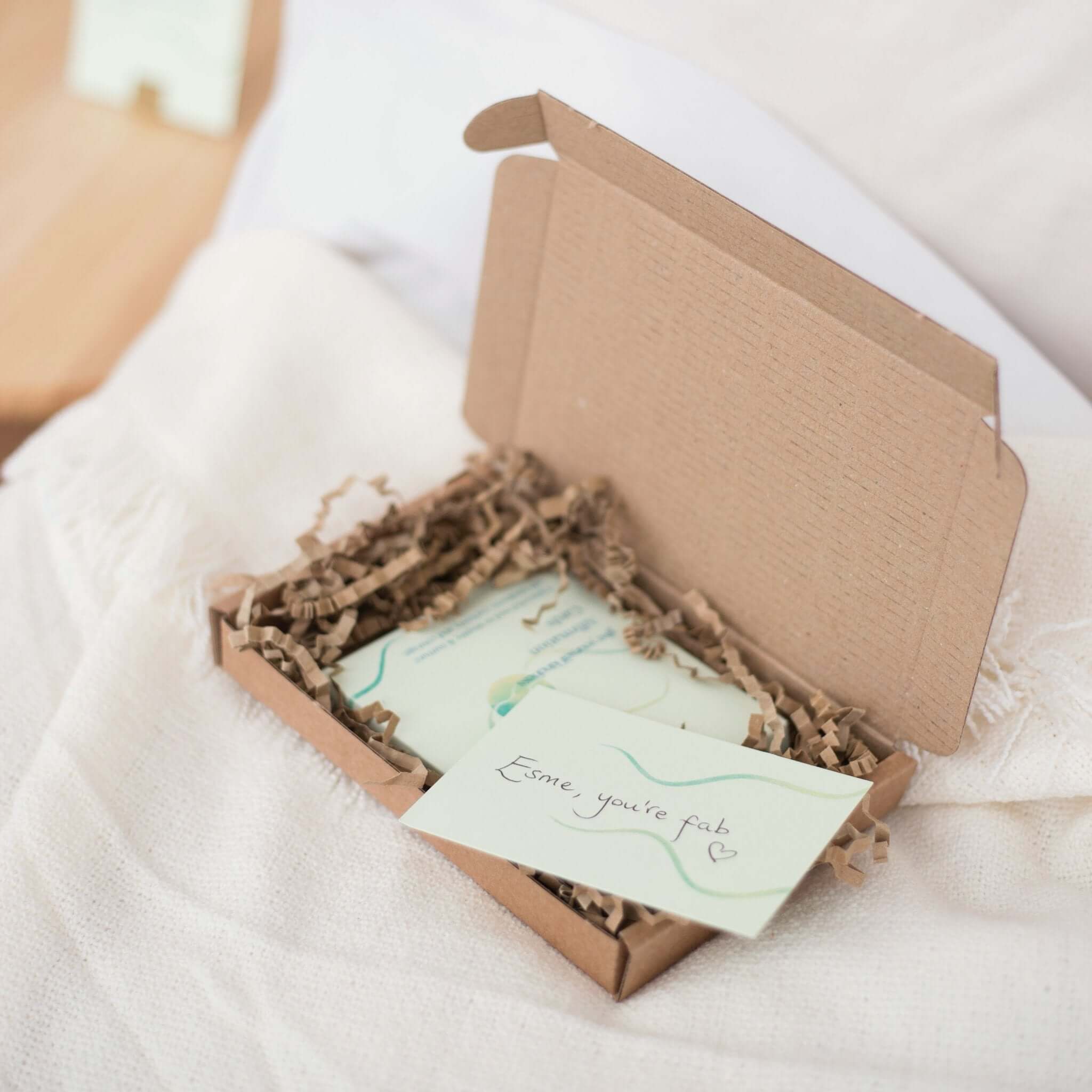
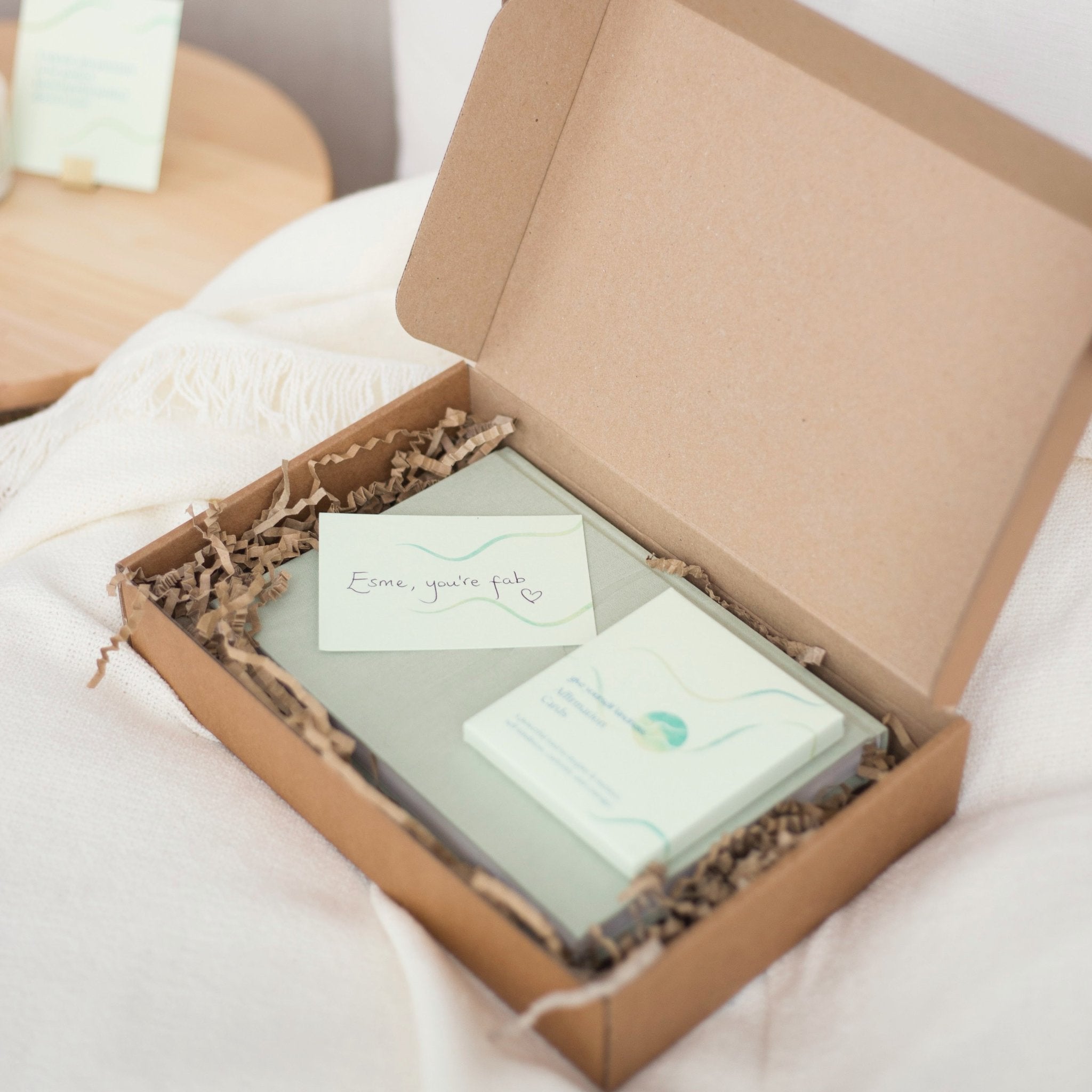
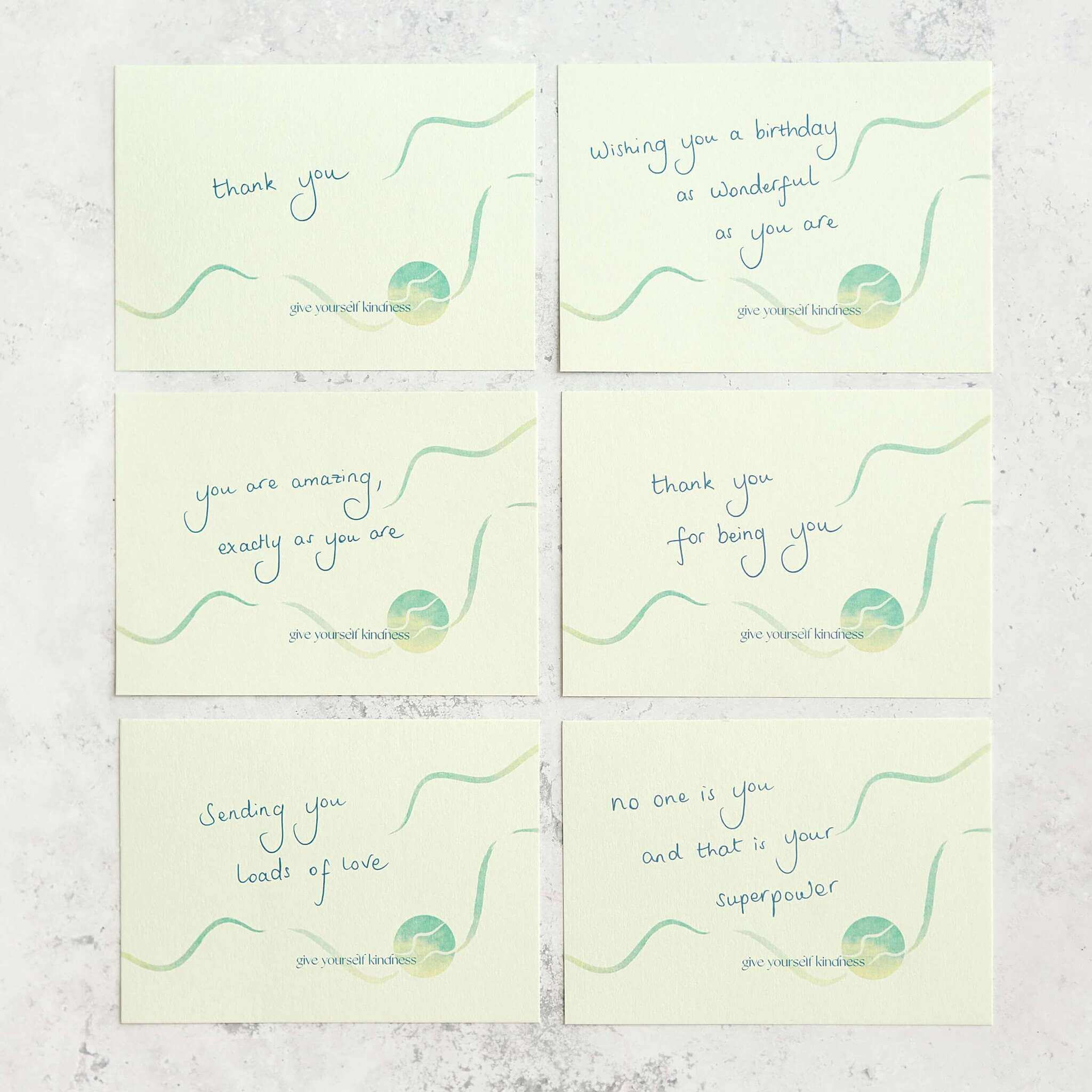
Yes, you can give the Give Yourself Kindness Journal to a friend going through a breakup. It asks nothing of them on a bad day: it’s undated, gentle and never pushes positivity. Each journal comes wrapped in bespoke tissue paper, and you can add a handwritten gift note at checkout, so it says you’re thinking of them without needing the right words.
Continue reading
From the psychologists quoted here
-
Why self-compassion is more effective than self-criticismDr Annabelle Kyle Dortch, PsyD, Clinical Psychologist
-
How to stop beating yourself upDr Maria Tucknott, Clinical Psychologist
-
The benefits of journaling, from 3 clinical psychologistsDr Chris Irons, Dr Josh Mirmelli and Dr Andreas Comninos
-
Self-compassion is not self-pityKristin Neff, PhD and Chris Germer, PhD
Related guides


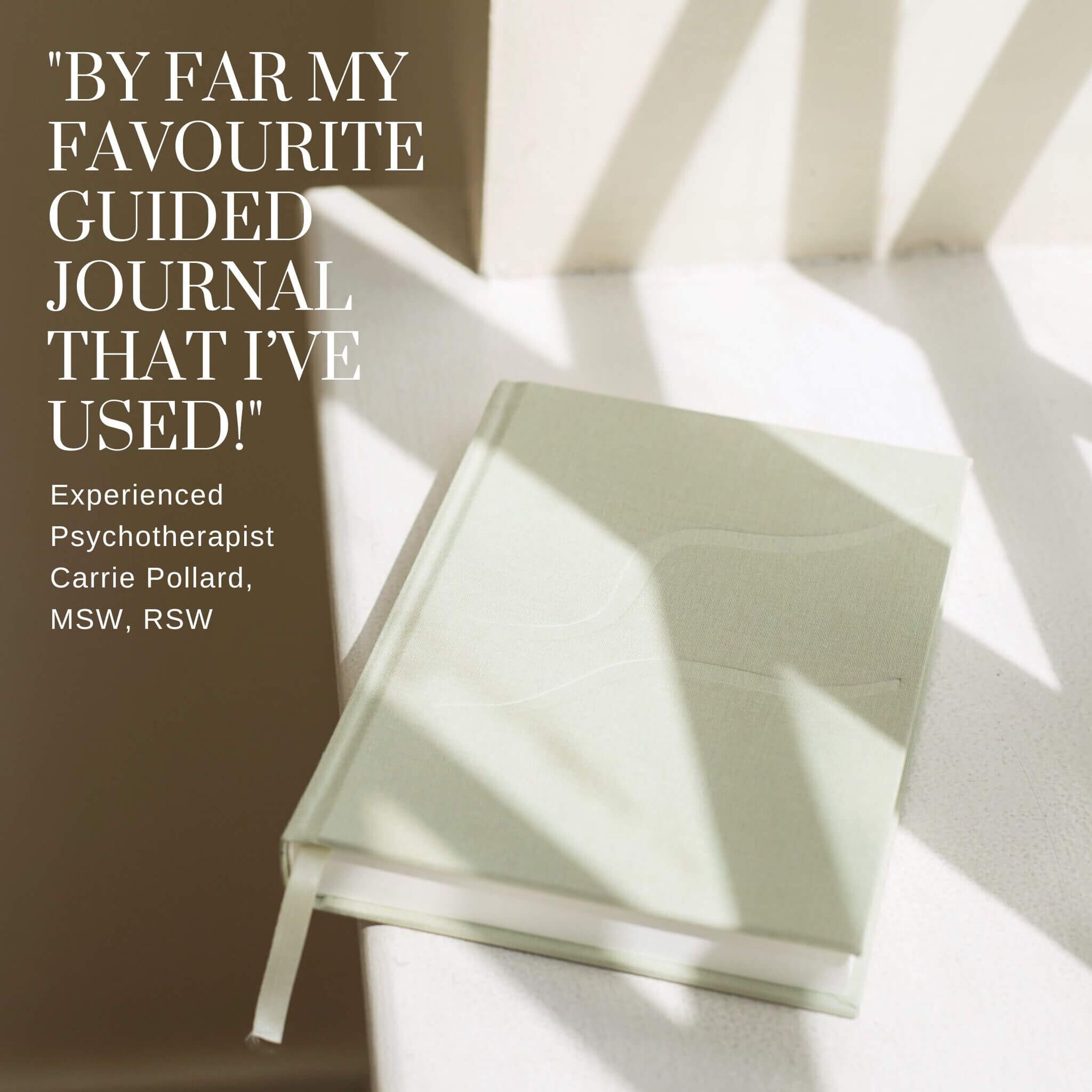
“By far my favourite guided journal that I’ve used!”
There's a lot of journals out there. Most of which include tools that can be repetitive, boring or unhelpful. Give Yourself Kindness is about creating something new.